STONES RIVER MANOR, INC
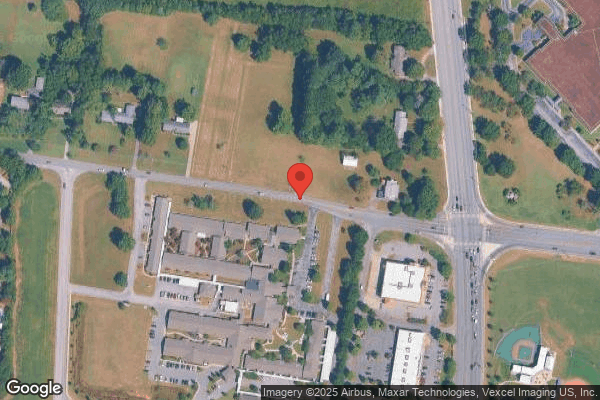

205 HAYNES DRIVE, MURFREESBORO, TN 37129 (615) 893-5617
Non profit - Corporation 30 Beds Independent Data: November 2025
Trust Grade
88/100
#43 of 298 in TN
Last Inspection: July 2025

Inspected within the last 6 months. Data reflects current conditions.

Overview

Stones River Manor, Inc. has a Trust Grade of B+, indicating that it is above average and recommended for families seeking care. In Tennessee, it ranks #43 out of 298 facilities, placing it in the top half, and it holds the #2 position out of 8 in Rutherford County, meaning only one local option is better. However, the facility's trend is worsening, with issues increasing from 1 in 2024 to 3 in 2025. Staffing is a strong point, with a 5-star rating and only 29% turnover, much lower than the state average, indicating stable staff who know the residents well. Notably, there have been no fines, but recent inspections revealed concerns such as failure to maintain kitchen sanitation, neglecting to complete a necessary dressing change for a resident's feeding tube, and not tracking infection control data, which raises potential health risks. While there are strengths in staffing and overall care quality, the facility needs to address these concerning deficiencies to ensure resident safety.

Trust Score
B+
88/100
In Tennessee
#43/298
Top 14%
Safety Record
Low Risk
No red flags
Inspections
Getting Worse
1 → 3 violations
Staff Stability
✓ Good
29% annual turnover. Excellent stability, 19 points below Tennessee's 48% average. Staff who stay learn residents' needs.
Penalties
✓ Good
No fines on record. Clean compliance history, better than most Tennessee facilities.
Skilled Nurses
✓ Good
Each resident gets 64 minutes of Registered Nurse (RN) attention daily — more than 97% of Tennessee nursing homes. RNs are the most trained staff who catch health problems before they become serious.
Violations
⚠ Watch
17 deficiencies on record. Higher than average. Multiple issues found across inspections.
★★★★★
5.0
Overall Rating
★★★★★
5.0
Staff Levels
★★★★☆
4.0
Care Quality
★★★★☆
4.0
Inspection Score
Stable
2024: 1 issues
2025: 3 issues

The Good

  • 5-Star Staffing Rating · Excellent nurse staffing levels
  • 4-Star Quality Measures · Strong clinical quality outcomes
  • Low Staff Turnover (29%) · Staff stability means consistent care
  • Full Sprinkler Coverage · Fire safety systems throughout facility
  • No fines on record
  • Staff turnover is low (29%)

    19 points below Tennessee average of 48%

Facility shows strength in staffing levels, quality measures, staff retention, fire safety.

The Bad

No Significant Concerns Identified

This facility shows no red flags. Among Tennessee's 100 nursing homes, only 1% achieve this.

The Ugly 17 deficiencies on record

Jul 2025 3 deficiencies
CONCERN (D)

Potential for Harm - no one hurt, but risky conditions existed

Tube Feeding (Tag F0693)

Could have caused harm · This affected 1 resident

**NOTE- TERMS IN BRACKETS HAVE BEEN EDITED TO PROTECT CONFIDENTIALITY** Based on policy review, medical record review, observation, and interview, the facility failed to ensure care and services were ...

Read full inspector narrative →
**NOTE- TERMS IN BRACKETS HAVE BEEN EDITED TO PROTECT CONFIDENTIALITY** Based on policy review, medical record review, observation, and interview, the facility failed to ensure care and services were provided when a Percutaneous Endoscopic Gastrostomy (PEG) tube (a tube inserted into the stomach to administer medications and food supplements through) dressing change was not completed as ordered for 1 of 1 (Resident #20) resident reviewed for the use of an enteral feeding.The findings include:1. Review of the facility policy titled, Gastrostomy/Jejunostomy Site Care, dated 2001, revealed .The purpose of this procedure are [is] to promote cleanliness and to protect the gastrostomy or jejunostomy site from irritation, breakdown and infection .Verify that there is a physician's order .gently clean the area immediately surrounding the tube .The person performing this procedure should record the following information .The date and time the procedure was performed .if the resident refused .2. Review of the medical record revealed Resident #20 was admitted to the facility on [DATE], with diagnoses including Protein-Calorie Malnutrition, Aphasia, and Dementia.Review of the Physician's Orders dated 5/29/2025, revealed .Change peg tube drain sponge daily. Cleanse base of tubing and stoma [surgically created opening] with normal saline, pat dry and apply new sponge. May secure with paper tape if needed. Every day shift for Peg site care .Review of the care plan dated 6/2/2025, revealed .The resident requires tube feeding r/t [related to] Dysphagia [difficulty swallowing] and not eating, Check for tube placement and gastric contents/residual volume per facility protocol and record, Keep HOB [head of bed] elevated as ordered. Change dressing to peg tube as ordered .Review of the admission Minimal Data Set (MDS) assessment dated [DATE], revealed a Brief Interview for Mental Status (BIMS) score was unable to be assessed due to severe impairment for daily decision making. Resident #20 was assessed to have a PEG tube.Review of the June 2025 Medication Administration Record (MAR) dated 6/1/2025 through 6/30/2025, revealed the dressing change was completed every day in June; specifically, June 26, 27, 28, 29, and 30, 2025.Observation on 6/30/2025 at 9:53 AM, revealed Resident #20 was lying in bed and the dressing on the peg site was dated 6/26/2025.During an interview on 6/30/2025 at 11:14 AM, Registered Nurse (RN) A confirmed that Resident #20's dressing was dated 6/26/2025 and should have been changed daily.During an interview on 6/30/2025 at 11:16 AM, the Director of Nursing (DON) was asked if there was an order to change a PEG dressing daily, should this have been done daily. The DON stated, Yes. The DON was asked if a dressing was dated 6/26/2025, but the MAR showed that it had been completed on 6/27, 6/28, 6/29, and 6/30 (2025), would that be accurate documentation. The DON stated, That is considered an error.
CONCERN (D)

Potential for Harm - no one hurt, but risky conditions existed

Infection Control (Tag F0880)

Could have caused harm · This affected 1 resident

Based on policy review, the facility's Infection Control documents, and interview, the facility failed to follow Infection Control practices when they failed to track pathogens (a bacteria, virus, or ...

Read full inspector narrative →
Based on policy review, the facility's Infection Control documents, and interview, the facility failed to follow Infection Control practices when they failed to track pathogens (a bacteria, virus, or other microorganism that can cause disease) in the monthly .Infection Control 2025 report which could potentially affect 27 out of 27 Residents. The findings include: 1. Review of the facility's policy titled, Antibiotic Stewardship - Review and Surveillance of Antibiotic Use and Outcomes, dated 12/2016, revealed .Antibiotic usage and outcome data will be collected and documented using a facility-approved antibiotic surveillance tracking form.All resident antibiotic regimens will be documented on the facility-approved antibiotic surveillance tracking form. The information gathered will include.pathogen identified.date of culture. 2. Review of the monthly .Infection Control 2025 report dated 3/2025, 4/2025, and 5/2025, revealed .ROOM.PATIENT.admit date .S/S [signs/symptoms] START DATE.LAB TESTING AND RESULTS.TX [treatment] START.TX STOP.DIAGNOSES.TREATMENT ORDERS.IN HOUSE.COMM. [community] ACQUIRED. There was no column on the .Infection Control 2025 report that named the pathogen that was being tracked. During an interview on 7/1/2025 at 9:05 AM, the Infection Preventionist/Director of Nursing confirmed that she does not track the pathogen in the monthly .Infection Control 2025 reports.
CONCERN (E)

Potential for Harm - no one hurt, but risky conditions existed

Food Safety (Tag F0812)

Could have caused harm · This affected multiple residents

Based on policy review, kitchen sanitation logs, refrigerator and dishwasher temperature logs, observation, and interview, the facility failed to ensure food was served under sanitary conditions when ...

Read full inspector narrative →
Based on policy review, kitchen sanitation logs, refrigerator and dishwasher temperature logs, observation, and interview, the facility failed to ensure food was served under sanitary conditions when the kitchen floor was dirty with a black sticky substance, the deep fryer had thick sticky yellow dried coating on the outside, the steam table had dried brown streaks, the ice machine had a black dried substance on the inside, and undated items were in the refrigerator. The facility had a census of 27 with 26 of those residents receiving a tray from the kitchen. The findings include: 1. Review of the facility policy titled, Sanitization, revised October 2008, revealed .The food service area shall be maintained in a clean and sanitary manner.Dishwashing machines must be operated using the following specifications .High-Temperature Dishwasher .Wash temperature (150 [degrees]-165 F [Fahrenheit]) .Rinse temperature (165 -180 F) .Ice machines and ice storage containers will be .cleaned, and sanitized per manufacturer's instructions and facility policy.Kitchen and dining room surfaces not in contact with food shall be cleaned on a regular schedule and frequently enough to prevent accumulation of grime. Review of the facility policy titled, Dishwashing Machine Use, revised March 2010, revealed .The operator will check temperatures using the machine gauge with each dishwashing machine cycle, and will record the results in a facility approved log. The operator will monitor the gauge frequently during dishwashing machine cycle. Inadequate temperatures will be reported to the supervisor and corrected immediately.If the hot water temperatures .do not meet requirements, cease use of dishwashing machine immediately until temperatures .are adjusted. Review of the facility policy titled, Refrigerators and Freezers, revised December 2014, revealed .employees will check and record refrigerator and freezer temperatures daily with first opening and closing in the evening.Received dates.will be marked on cases and on individual items.'Use by' dates will be completed with expiration dates on all prepared food in refrigerators. Expiration dates on unopened food will be observed and ‘use by' dates indicated once food is opened.Supervisors will be responsible for ensuring food items .are not expired or past perish dates . Review of the facility policy titled, Food Receiving and Storage, revised July 2014, revealed .All foods stored in the refrigerator or freezer will be covered, labeled and dated.Beverages must be dated when opened and discarded after twenty-four (24) hours.Other opened containers must be dated. 2. Review of the Weekly Ice Machine Inspection, revealed Ice Machine is Whiped [wiped] clean Every Day. Dietary & Maint [maintenance] will share this responsibility. Date & Initial after cleaning .Clean Bin .Door Seal .Ice Shoot [chute] . The weeks of 4/20/2025, 4/27/2025, 5/11/2025, 5/18/2025, 6/8/2025, 6/15/2025, and 6/23/2025 had not been dated or initialed. Review of the DIETARY CLEANING CHART June 23-29, 2025, revealed that it was not initialed for cleaning of the food preparation tables, sinks, or carts on Wednesday (6/25/2025) or Saturday (6/28/2025). The log was not initialed for June 23-28 for the steam table, dish machine, oven stove tops, refrigerators, microwave, ice machine, corn meal, flour, and sugar bins, stock room, cooler and freezer. 3. Review of the DISH MACHINE TEMP. [Temperature] CHART, dated June 2025, revealed temperatures were not recorded for supper on 6/11/2025, 6/12/2025, 6/19/2025, 6/20/2025, and 6/26/2025. There were no temperatures recorded for breakfast on 6/29/2025. There were no temperatures recorded for breakfast or lunch on 6/23/2025 and 6/28/2025. There were no temperatures recorded for breakfast, lunch, or supper on 6/27/2025. There were no initials in the Supervisor Initial column for the entire month. Review of the TEMPERTURE READING FOR DIETARY FREEZERS AND REFRIGERATORS, dated June 2025, revealed there were no temperature readings recorded for the Walk-In Cooler, Main Kitchen Refrigerator, South Refrigerator, North Refrigerator and Kitchen Freezer for 6/17/2025. There were no initials in the Superv [Supervisor] Initials column for the entire month. 4. Observation in the kitchen on 6/29/2025 at 10:25 AM, revealed: a. the kitchen floor with black slick areas throughout b. the steam table with dried brown streaks on the side c. the deep fryer with a thick sticky yellow dried coating on the outside d. the wall behind the deep fryer with dried yellow splatter e. the walk-in freezer with 2-13 x (by) 9 pans of undated sweet rolls f. 5 storage bags of sausage balls that were undated g. the walk-in refrigerator contained 1 bottle of chocolate syrup with no open date and 1 container of vegetable base with an open date of 4/30 h. the reach in refrigerator contained 1 opened box of grape juice, 1 opened box of cranberry juice, 1 opened box of apple juice and 1 opened box of prune juice with no open dates Observation in the kitchen on 6/29/2025 at 10:25 AM, revealed the dishwasher rinse temperature only reached 120 degrees. The sticker on the Rinse gauge showed it should rinse at 180 degrees. Dietary Aide B verified the rinse temperature of 120 degrees. Dietary Aide B was asked if the dishwasher was a high temperature washer and if it should be 180 degrees. She stated she was not sure. During an interview on 6/29/2025 at 11:35 AM, the Maintenance Supervisor stated that someone was here to fix the dishwasher. During an interview on 6/30/2025 at 10:04 AM, the Certified Dietary Manager (CDM) and the Registered Dietician (RD) were asked if food items should have open dates and use by dates. The CDM stated, Yes. The CDM was asked how often the dishwasher temperature log, cleaning log, refrigerator and freezer log, and ice machine inspection log should be completed. The CDM stated, The dishwasher is supposed to be checked every day and every meal .the Dietary cleaning chart is to be filled in daily when completed .The refrigerator and freezer log should be filled out daily .the Ice machine log should be checked every day . Observation and interview in the kitchen on 6/30/2025 at 11:58 AM, revealed: a. the kitchen floor with black slick areas throughout b. the steam table with dried brown streaks on the side c. the deep fryer with a thick sticky yellow dried coating on the outside d. the wall behind the deep fryer with dried yellow splatter e. 1 opened bottle of vanilla flavoring on the prep table with no open date During an interview on 6/30/2025 at 12:01 PM, the CDM was asked if the floor was clean. She said It's mopped daily by maintenance. No, it's not clean. The CDM confirmed the deep fryer, steam table, and the wall were not clean. During an interview on 7/1/2025 at 8:02 AM, the Maintenance Supervisor confirmed they were responsible to mop the kitchen floors nightly after the staff were done for the day.
Sept 2024 1 deficiency
CONCERN (D) 📢 Someone Reported This

A family member, employee, or ombudsman was alarmed enough to file a formal complaint

Potential for Harm - no one hurt, but risky conditions existed

Report Alleged Abuse (Tag F0609)

Could have caused harm · This affected 1 resident

**NOTE- TERMS IN BRACKETS HAVE BEEN EDITED TO PROTECT CONFIDENTIALITY** 483.12(c)(1) Based on facility policy review, Facility Reported Investigation (FRI) review, medical record review, and intervie...

Read full inspector narrative →
**NOTE- TERMS IN BRACKETS HAVE BEEN EDITED TO PROTECT CONFIDENTIALITY** 483.12(c)(1) Based on facility policy review, Facility Reported Investigation (FRI) review, medical record review, and interview, the facility failed to report allegations of abuse within 2 hours for 1 (Resident #5) of 3 sampled residents reviewed for abuse. The findings included: Review of the facility policy titled, Abuse, Neglect, Exploitation or Misappropriation – Reporting and Investigating dated 4/2021 revealed, .All reports of resident abuse .Findings of all investigations are documented and reported .Reporting Allegations to the Administrator and Authorities . ' Immediately ' is defined as .a. within two hours of an allegation involving abuse . Review of the Facility Reported Incident dated 2/29/2024 at 2:45 PM, revealed Resident #5 reported to FM W on 2/16/2024 that someone had poured cold water on her head. The Administrator wrote the complaint up as a grievance on 2/16/2024. Resident #5 and FM W decided they did not want CNA N to care for her anymore. Review of medical record revealed Resident #5 was admitted to the facility on [DATE] with diagnoses which included Cerebral Infarction, Memory Deficit and Cognitive Communication Deficit. Review of the Entry Minimum Data Set (MDS) dated [DATE], revealed Resident #5 had a Brief Interview Mental Status (BIMS) score of 5, which indicated severe cognitive impairment. Review of the facility investigation summary dated 2/20/2024, revealed Resident #5 reported to Registered Nurse (RN) X that cold water was poured on her. Review MDS dated [DATE], revealed Resident #5 had a BIMS score of 9, which indicated moderate cognitive impairment. Review of the hospital #1 ' s Emergency Department Records dated 2/27/2024 revealed, .pt [patient] expressed concerns of abuse discussed with me described as spraying cold water on her shortly after arrival during a shower . During an interview on 9/12/2024 at 9:00 AM, the Administrator stated the original complaint voiced related to Resident #5 was written up as a grievance related to cold water in the shower. Resident #5 went out to the emergency room on 9/15/2024 following a fall. Resident #5 had made allegations of abuse while at the hospital. The Administrator said that she reported the allegation of abuse to the state agency on 2/29/2024 at 2:45 PM. During an interview on 9/17/2024 at 1:20 pm, Certified Nursing Assistant (CNA) D stated Resident #5 refused care one morning and said, she didn ' t want anyone to pour cold water on her anymore. Resident #5 reported she was taking a shower, and someone poured cold water on her. CNA D stated Resident #5 was adamant it was done on purpose. When asked who she reported the incident to, CNA D responded she had not reported the incident to anyone. CNA D was asked if pouring cold water on a resident's head was a form of abuse. CNA D stated she felt that was a form of abuse. During an interview on 9/17/2024 at 2:12 PM, the Unit Manager stated Resident #5 reported to staff that someone had poured water over her head. RN X reported the incident to the Unit Manager and the Administrator was then notified. During an interview on 9/18/2024 at 3:40 PM, the Director of Nursing (DON) stated it was brought to her and the Administrator ' s attention Resident #5 had claimed someone poured cold water over her head. During an interview on 9/18/2024 at 4:22 PM, the Administrator voiced she was the Abuse Coordinator. The Administrator stated the allegation of abuse was mentioned in the hospital medical records and she was surprised that Resident #5 even remembered the incident. The allegation of abuse was reported to the Administrator on 2/16/2024. The facility reported the allegation of abuse to the state agency on 2/29/2024 at 2:45 PM.
Apr 2023 2 deficiencies
CONCERN (D) 📢 Someone Reported This

A family member, employee, or ombudsman was alarmed enough to file a formal complaint

Potential for Harm - no one hurt, but risky conditions existed

Comprehensive Care Plan (Tag F0656)

Could have caused harm · This affected 1 resident

**NOTE- TERMS IN BRACKETS HAVE BEEN EDITED TO PROTECT CONFIDENTIALITY** Based on facility policy review, review of the facility investigation, medical record review, and interview, the facility failed...

Read full inspector narrative →
**NOTE- TERMS IN BRACKETS HAVE BEEN EDITED TO PROTECT CONFIDENTIALITY** Based on facility policy review, review of the facility investigation, medical record review, and interview, the facility failed to develop and implement a person-centered care plan for 1 of 4 sampled residents (Resident #1) reviewed for care plans. The findings include: Review of the facility's policy, Care Plans, Comprehensive Person-Centered, revealed, .A comprehensive, person-centered care plan that includes measurable objectives and timetables to meet the resident's physical, psychosocial and functional needs is developed and implemented for each resident . Review of the facility investigation dated 1/1/2023, revealed Resident #1 reported a new female staff member who had been at the facility a few days told Resident #1 to shut up and quit telling her how to do her job. Resident #1 stated the female staff member did not talk to her when she asked her to do something. Resident #1 was unable to recall the female staff member's name. An investigation was started, and the Administrator obtained written statements from the employees who provided care for Resident #1. Certified Nursing Assistant (CNA) #3's statement revealed CNA #3 had gotten Resident #1's things together for her bath. CNA #3 asked Resident #1 if she had her hair washed at the beauty shop, and Resident #1 kept telling CNA #3 what she needed to do. The Administrator felt CNA #3's statement was similar to Resident #1's statement. The Staff Coordinator called the agency and requested that the female staff member (CNA #3) should not be scheduled at their facility. Review of the medical record revealed Resident #1 was admitted to the facility on [DATE] with diagnoses which included Cerebral Palsy, Epilepsy, and Type 2 Diabetes Mellitus. Review of the Annual Minimum Data Set (MDS) dated [DATE], revealed Resident #1 had a Brief Interview for Mental Status (BIMS) score of 15, which indicated no cognitive impairment. Review of the medical record revealed no trauma informed care assessment, no social service notes, or nurse notes related to Resident #1's allegation of abuse or follow-up after the allegation. Review of Resident #1's comprehensive care plan revealed no implementation of a psychosocial care plan related to alleged abuse. During an interview on 4/5/2023 at 11:05 AM, the Social Service Director (SSD) stated, We had a morning meeting about that facility investigation. After the allegation of abuse was reported, the Abuse Coordinator takes over. I did not do anything related to her care plan. MDS would probably do that; all the follow up with [Resident #1] went through the Administrator. During an interview on 4/5/2023 at 1:10 PM, Resident #1 stated, I do remember dropping my marker in the floor, and I couldn't pick it up. I asked a tech to pick it up for me, and she she threw my marker in the corner and didn't put it back up like I asked her to. She was hateful and wouldn't listen to me. I didn't like the way she treated my personal stuff. During an interview on 4/5/2023 at 2:42 PM, the SSD confirmed Resident #1 did not have a trauma informed care assessment. SSD stated, I only do them on admission. The SSD stated, I do feel the allegation of abuse reported by [Resident #1] could be emotional for the resident, but the Administrator would take care of that. During an interview on 4/5/2023 at 2:45 PM, MDS Coordinator confirmed, I remember the Administrator saying something about [Resident #1] reporting a Certified Nursing Assistant [CNA] for verbal abuse, but no changes were made to her care plan. I am not real sure about care plans. Care plans are done remotely. Now if there was a fall I would put in a new intervention. If there was a significant decline in a resident I would contact the [Remote MDS Assistant]. During an interview on 4/5/2023 at 2:56 PM, the Administrator stated, Our [MDS Coordinator] should update the care plans as needed. During a telephone interview on 4/5/2023 at 3:47 PM, the Activity Assistant confirmed Resident #1 reported the allegation of abuse to her after an activity was over on 12/31/2022. The Activity Assistant stated, [Resident #1] told me she sometimes feels mistreated. I asked her if she felt comfortable talking to me about it and she agreed. She is the type of person that doesn't want to bother someone. [Resident #1] reported the tech told her to shut up and not to talk to her. The tech told [Resident #1] not to tell her how to do her job. [Resident #1] was unable to pick up her markers so she asked the tech to pick them up. [Resident #1] had to ask the tech several times and the tech picked the markers up and threw them in the corner. [Resident #1] stated the tech was not nice and does not listen to her. I reported this to the Administrator. During an interview on 4/5/2023 at 4:05 PM, CNA #2 stated, I care for [Resident #1] often she likes her care done a particular way and wants things explained to her and that is how it should be for our residents. [Resident #1] told me about the incident. One evening I was taking care of her and [Resident #1] kept saying I don't mean to bother you. I couldn't understand why she kept saying that to me because [Resident #1] had never really made that comment to me. I finally asked her why she was making that comment.[Resident #1] dropped her head down and told me the new tech told her to shut up. [Resident #1] couldn't call the tech's name. I encouraged and told [Resident #1] that taking care of her was my job, and she was never a bother. The management thought they knew who the tech was and she has not been back since that happened.
CONCERN (D) 📢 Someone Reported This

A family member, employee, or ombudsman was alarmed enough to file a formal complaint

Potential for Harm - no one hurt, but risky conditions existed

Deficiency F0699 (Tag F0699)

Could have caused harm · This affected 1 resident

**NOTE- TERMS IN BRACKETS HAVE BEEN EDITED TO PROTECT CONFIDENTIALITY** Based on medical record review, and interviews, the facility failed to ensure a resident received trauma-informed care in accord...

Read full inspector narrative →
**NOTE- TERMS IN BRACKETS HAVE BEEN EDITED TO PROTECT CONFIDENTIALITY** Based on medical record review, and interviews, the facility failed to ensure a resident received trauma-informed care in accordance with professional standards of practice and accounting for a resident's experiences and preferences in order to eliminate or mitigate triggers that may cause re-traumatization of the resident for 1 of 4 sampled residents (Resident #1). The findings include: Review of the facility's policy, Trauma Informed Care, revealed, .To guide staff in appropriate and compassionate care specific to individuals who have experienced trauma .Nursing staff are trained on screening tools, trauma assessment and how to identify triggers associated with re-traumatization .Develop an organizational culture that supports trauma-informed care .Evaluate trauma-informed practices as part of the facility assessment .Implement universal screening of residents for trauma . Review of the facility investigation dated 1/1/2023, revealed Resident #1 reported a new female staff member who had been at the facility a few days told Resident #1 to shut up and quit telling her how to do her job. Resident #1 stated the female staff member did not talk to her when she asked her to do something. Resident #1 was unable to recall the female staff member's name. An investigation was started, and the Administrator obtained written statements from the employees who provided care for Resident #1. Certified Nursing Assistant (CNA) #3's statement revealed CNA #3 had gotten Resident #1's things together for her bath. CNA #3 asked Resident #1 if she had her hair washed at the beauty shop, and Resident #1 kept telling CNA #3 what she needed to do. The Administrator felt CNA #3's statement was similar to Resident #1's statement. The Staff Coordinator called the agency and requested that the female staff member (CNA #3) should not be scheduled at their facility. Review of the medical record revealed Resident #1 was admitted to the facility on [DATE] with diagnoses which included Cerebral Palsy, Epilepsy, and Type 2 Diabetes Mellitus. Review of the Annual Minimum Data Set (MDS) dated [DATE], revealed Resident #1 had a Brief Interview for Mental Status (BIMS) score of 15, which indicated no cognitive impairment. Review of the medical record revealed no trauma informed care assessment, no social service notes, or nurse notes related to Resident #1's allegation of abuse or follow-up after the allegation. Review of Resident #1's comprehensive care plan revealed no implementation of a psychosocial care plan related to alleged abuse. During an interview on 4/5/2023 at 11:05 AM, the Social Service Director (SSD) stated, We had a morning meeting about that facility investigation. After the allegation of abuse was reported, the Abuse Coordinator takes over. I did not do anything related to her care plan. MDS would probably do that; all the follow up with [Resident #1] went through the Administrator. During an interview on 4/5/2023 at 1:10 PM, Resident #1 stated, I do remember dropping my marker in the floor, and I couldn't pick it up. I asked a tech to pick it up for me, and she she threw my marker in the corner and didn't put it back up like I asked her to. She was hateful and wouldn't listen to me. I didn't like the way she treated my personal stuff. During an interview on 4/5/2023 at 2:42 PM, the SSD confirmed Resident #1 did not have a trauma informed care assessment. SSD stated, I only do them on admission. The SSD stated, I do feel the allegation of abuse reported by [Resident #1] could be emotional for the resident, but the Administrator would take care of that. During an interview on 4/5/2023 at 2:45 PM, MDS Coordinator confirmed, I remember the Administrator saying something about [Resident #1] reporting a Certified Nursing Assistant [CNA] for verbal abuse, but no changes were made to her care plan. I am not real sure about care plans. Care plans are done remotely. Now if there was a fall I would put in a new intervention. If there was a significant decline in a resident I would contact the [Remote MDS Assistant]. During an interview on 4/5/2023 at 2:56 PM, the Administrator stated, Our [MDS Coordinator] should update the care plans as needed. During a telephone interview on 4/5/2023 at 3:47 PM, the Activity Assistant confirmed Resident #1 reported the allegation of abuse to her after an activity was over on 12/31/2022. The Activity Assistant stated, [Resident #1] told me she sometimes feels mistreated. I asked her if she felt comfortable talking to me about it and she agreed. She is the type of person that doesn't want to bother someone. [Resident #1] reported the tech told her to shut up and not to talk to her. The tech told [Resident #1] not to tell her how to do her job. [Resident #1] was unable to pick up her markers so she asked the tech to pick them up. [Resident #1] had to ask the tech several times and the tech picked the markers up and threw them in the corner. [Resident #1] stated the tech was not nice and does not listen to her. I reported this to the Administrator. During an interview on 4/5/2023 at 4:05 PM, CNA #2 stated, I care for [Resident #1] often she likes her care done a particular way and wants things explained to her and that is how it should be for our residents. [Resident #1] told me about the incident. One evening I was taking care of her and [Resident #1] kept saying I don't mean to bother you. I couldn't understand why she kept saying that to me because [Resident #1] had never really made that comment to me. I finally asked her why she was making that comment.[Resident #1] dropped her head down and told me the new tech told her to shut up. [Resident #1] couldn't call the tech's name. I encouraged and told [Resident #1] that taking care of her was my job, and she was never a bother. The management thought they knew who the tech was and she has not been back since that happened.
Oct 2022 3 deficiencies
CONCERN (D)

Potential for Harm - no one hurt, but risky conditions existed

MDS Data Transmission (Tag F0640)

Could have caused harm · This affected 1 resident

**NOTE- TERMS IN BRACKETS HAVE BEEN EDITED TO PROTECT CONFIDENTIALITY** Based on facility policy review, medical record review, and interview, the facility failed to complete and submit a discharge Mi...

Read full inspector narrative →
**NOTE- TERMS IN BRACKETS HAVE BEEN EDITED TO PROTECT CONFIDENTIALITY** Based on facility policy review, medical record review, and interview, the facility failed to complete and submit a discharge Minimum Data Set for 1 of 15 sampled residents (Resident #3) reviewed. The findings include: Review of the facility policy titled, MDS (Minimum Data Set) Completion and Submission Timeframes, revealed, .Our facility will conduct and submit resident assessments in accordance with current federal and state submission timeframes . Review of the medical record revealed Resident #3 was admitted to the facility on [DATE] and discharged on 6/20/2022. Continued review revealed there was no discharge MDS completed for the resident. During an interview on 10/26/2022 at 9:11 AM, the MDS nurse reviewed the medical record for Resident #3 and confirmed there was no discharge MDS performed for the resident. She stated, I don't see it in there. During an interview on 10/26/2022 at 9:26 AM, the MDS Coordinator confirmed the discharge MDS for Resident #3 was not completed. She stated, It was an oversight error, we just missed it.
CONCERN (D)

Potential for Harm - no one hurt, but risky conditions existed

Quality of Care (Tag F0684)

Could have caused harm · This affected 1 resident

**NOTE- TERMS IN BRACKETS HAVE BEEN EDITED TO PROTECT CONFIDENTIALITY** Based on facility policy review, medical record review, observation, and interview, the facility failed to obtain orders for ice...

Read full inspector narrative →
**NOTE- TERMS IN BRACKETS HAVE BEEN EDITED TO PROTECT CONFIDENTIALITY** Based on facility policy review, medical record review, observation, and interview, the facility failed to obtain orders for ice/cold therapy treatments for 2 of 2 sampled residents (Resident #25 and Resident #27) reviewed. The findings include: Review of the facility policy titled, Medication and Treatment Orders, revised 2016, revealed, .Orders for medications and treatments will be consistent with principles of safe and effective order writing . Review of the medical record revealed Resident #25 was admitted to the facility on [DATE] with diagnoses which included Aftercare Following Explantation of Knee Joint Prosthesis. Review of the Order Summary Report for Resident #25 dated October 2022, revealed there were no orders for the resident to have ice/cold therapy treatments. Review of the medical record revealed Resident #27 was admitted to the facility on [DATE] with diagnoses which included Aftercare Following Joint Replacement Surgery, Pain in Right Knee, and Rheumatoid Arthritis. Review of the Order Summary Report for Resident #27 dated October 2022, revealed there was no order for the resident to have ice/cold therapy treatments. Observation and interview in Resident #27's room on 10/24/2022 at 11:36 AM, revealed Resident #27 was sitting in her wheelchair with a ice/cold therapy device at her bedside. The resident stated the nurses applied the ice/cold therapy device when she needed it for right knee pain. Observation and interview in Resident #25's room on 10/24/2022 at 12:27 PM, revealed the resident had a ice/cold therapy device to her left knee. Continued observation revealed the ice/cold therapy pad was connected to a machine sitting on the floor at her bedside. Resident #25 stated she used the ice/cold therapy pad/machine all the time. Observation in Resident #25's room on 10/24/2022 at 3:28 PM and on 10/25/2022 at 7:43 AM, revealed Resident #25 lying in bed with the ice/cold therapy pad in place to her left knee. During an interview on 10/24/2022 at 2:10 PM, Licensed Practical Nurse (LPN) #1 stated, [named] Resident #25's [cold therapy] is continuous. I'm pretty sure there's supposed to be orders for it [ice/cold therapy treatment]. LPN #1 reviewed the physician orders for Resident #25 and Resident #27 and confirmed there were no orders for the ice/cold therapy treatments. During an interview on 10/24/2022 at 3:31 PM, the Physical Therapy Assistant stated residents were to have an order for an on/off schedule for the ice/cold therapy prescribed by the physician. During an interview on 10/25/2022 at 12:40 PM, the Director of Nursing (DON) confirmed Resident #25 and Resident #27 received ice/cold therapy treatments. She stated, [named] Resident #25 does have one [ice/cold therapy machine], ice is placed in it and the pad is placed around her [Resident #25] knee to help with inflammation. [named] Resident #27 has one for a joint replacement. She reviewed Resident #25 and Resident #27's medical records and confirmed there were no orders for the ice/cold therapy treatment.
CONCERN (D)

Potential for Harm - no one hurt, but risky conditions existed

Accident Prevention (Tag F0689)

Could have caused harm · This affected 1 resident

**NOTE- TERMS IN BRACKETS HAVE BEEN EDITED TO PROTECT CONFIDENTIALITY** Based on facility policy review, manufacturer's guidelines review, medical record review, observation, and interview, the facili...

Read full inspector narrative →
**NOTE- TERMS IN BRACKETS HAVE BEEN EDITED TO PROTECT CONFIDENTIALITY** Based on facility policy review, manufacturer's guidelines review, medical record review, observation, and interview, the facility failed to prevent a potential accident for 2 of 2 sampled residents (Resident #25 and Resident #27) reviewed. The findings include: Review of the facility policy titled, Use of [Brand name] (Ice/cold Therapy), dated, 10/25/2022, revealed, .Use only as prescribed .apply insulation barrier .check for moisture .inspect skin regularly . Review of the Manufacturer Guidelines for [Brand name] (Ice/cold Therapy) revealed, .Use Only as Prescribed .Use only according to your practitioner's instructions regarding the frequency and duration of cold application and length of breaks between uses, how and when to inspect the skin, and total length of treatment .Apply Insulation Barrier & [and] Cold Therapy Pad .Do not let any part of the pad touch skin .Always use an insulation barrier between the Cold Therapy Pad and skin .Inspect the skin under the Cold Therapy Pad as prescribed, typically every 1 to 2 hours .fill with cold water to line, then ice to line . Review of the medical record revealed Resident #25 was admitted to the facility on [DATE] with diagnoses which included Aftercare Following Explantation [surgical removal] of Knee Joint Prosthesis. Review of the admission Minimum Data Set (MDS) assessment dated [DATE], revealed Resident #25 had a Brief Interview of Mental Status (BIMS) score of 15 which indicated no cognitive impairment. Continued review revealed the resident received Physical Therapy Services. Review of the Order Summary Report for Resident #25, dated October 2022, revealed there were no orders for the resident to have ice/cold therapy treatments. Review of the medical record revealed Resident #27 was admitted to the facility on [DATE] with diagnoses which included Aftercare Following Joint Replacement Surgery, Pain in Right Knee, and Rheumatoid Arthritis. Review of the admission MDS assessment dated [DATE] revealed Resident #27 had a BIMS score of 14, which indicated no cognitive impairment. Review of the Order Summary Report for Resident #27, dated October 2022, revealed there were no orders for the resident to have ice/cold therapy treatments. Observation and interview in Resident #25's room on 10/24/2022 at 12:27 PM, in the presence Certified Nursing Assistant (CNA) #1 revealed the resident had a ice/cold therapy device to her left knee. Continued observation revealed the pad was connected to a machine that was sitting on the floor at her bedside. Resident #25 stated she used the ice/pad/machine all the time. She stated she was supposed to have it on 20 minutes and off 20 minutes, but she used it longer than that. She stated the staff assisted her when she needed help to place it on her knee. She removed the pad to her left knee exposing her leg. Continued observation revealed a towel covering the resident's incision on her left knee but not the entire area where the pad was placed. Resident #25 told CNA #1 the machine was not working; CNA #1 opened the top of the machine and stated water was needed in the machine along with the ice that was in there. CNA #1 went into the resident's bathroom, obtained water, and poured the water into the machine. Resident #25 repositioned the towel over her incision and attached the ice/cold device around her left leg. Observation and interview in Resident #27's room on 10/24/2022 at 11:36 AM and on 10/25/2022 at 10:38 AM and 2:58 PM, revealed Resident #27 was sitting in her wheelchair with the ice/cold therapy device on the floor at the resident's bedside. Resident #27 stated the nurses applied the ice/cold therapy device when she needed it for right knee pain. Observation in Resident #25's room on 10/24/2022 at 3:28 PM and on 10/25/2022 at 7:43 AM, revealed Resident #25 lying in bed with the ice/cold therapy device in place to her left knee. During an interview on 10/24/2022 at 2:10 PM, Licensed Practical Nurse (LPN) #1 stated, [named] Resident #25's [ice/cold therapy] is continuous. We have not had any formal training on it; just other nurses and therapy showed me how to use it [ice/cold therapy device]. Nurses or CNAs can help put ice in the machine. Skin assessments are done weekly, we monitor her [named Resident #25] surgical incision to her left knee daily. The bucket [ice/cold therapy container] is cleaned each shift. We put ice in the bucket as it needs it. Therapy or nurses can apply the pad to her leg. There are no special precautions to apply the pad; no barrier is needed to be placed between the pad and the resident's skin. During an interview on 10/24/2022 at 2:35 PM, CNA #1 stated, The nurse does [applies] it [ice/cold therapy device] to named [Resident #25]. We put water and ice in the bucket [ice/cold therapy device container]. I did not receive training on how to use the machine [ice/cold therapy device] here. During an interview on 10/24/2022 at 3:31 PM, the Physical Therapy Assistant stated, Some patients will bring their own [ice/cold therapy device] in, usually the pad is placed on the resident for 20 minutes then taken off for 20 minutes. Staff make sure the machine has the appropriate level of water in it and the machine is wiped down before each use. A thin layer, like a pillowcase, is placed on the resident's skin for a barrier, or if they have a dressing on the area then we can apply the pad directly to the skin as long as the sight has a barrier or dressing. We educate the resident on using the machine if their BIMS are high enough. We didn't receive formal training from the manufacturer. Continued interview he stated, The manufacturer's guidelines recommend a special barrier be placed between the resident's skin and the barrier pad, but we use a pillow case. During an interview on 10/25/2022 at 12:08 PM, the Physical Therapist stated, They [residents] are sent from the hospital with them [ice/cold therapy device], we don't provide them. The patient is trained on using the machine when they are in the hospital, sometimes they send an instruction sheet with them, and the doctor will recommend it for swelling and will instruct them on how to use it. We don't do anything with it [ice/cold therapy device]; typically, the resident will take it on and off themselves, usually nursing takes care of it. I don't know the specifics of use on the ice pack [ice/cold] therapy. During an interview on 10/25/2022 at 12:40 PM, the Director of Nursing (DON) confirmed Resident #25 and Resident #27 received ice/cold therapy treatments. She stated, [named] Resident #25 does have one [ice/cold therapy device], ice is placed in it and the pad is placed around her [Resident #25] knee to help with inflammation. [named] Resident #27 has one for a joint replacement. I don't have any specific information for it. I have not looked at specifics on how to place it. She confirmed she had not done any specific trainings for staff related to the use of the ice/cold therapy device pad or use of the ice/cold therapy machine.
Jul 2019 8 deficiencies
CONCERN (D)

Potential for Harm - no one hurt, but risky conditions existed

Deficiency F0655 (Tag F0655)

Could have caused harm · This affected 1 resident

**NOTE- TERMS IN BRACKETS HAVE BEEN EDITED TO PROTECT CONFIDENTIALITY** Based on facility policy review, medical record review and interview the facility failed to develop a baseline care plan for 3 (...

Read full inspector narrative →
**NOTE- TERMS IN BRACKETS HAVE BEEN EDITED TO PROTECT CONFIDENTIALITY** Based on facility policy review, medical record review and interview the facility failed to develop a baseline care plan for 3 (#24 #25 and #74) of 19 residents reviewed. The findings include: Facility policy review, Care Plans-Baseline, revised December 2016 revealed .A baseline plan of care to meet the resident's immediate needs shall be developed for each resident within forty-eight (48) hours of admission . Medical record review revealed Resident #24 was admitted to the facility on [DATE] with diagnoses which included Acute and Subacute Infective Endocarditis, Urinary Tract Infection and Pneumonia. Medical record review of Resident #24's medical record revealed the resident did not have a baseline care plan in place. Medical record review revealed Resident #25 was admitted to the facility on [DATE] with diagnoses which included Cerebral Infarction, Persistent Atrial Fibrillation and Pain. Medical record review of Resident #25's medical record revealed the resident did not have a baseline care plan in place. Medical record review revealed Resident #74 was admitted to the facility on [DATE] with diagnoses which included Non-displaced Fracture Of Neck Of Right Radius, Lymphedema and Muscle Weakness. Medical record review revealed Resident #74 had no baseline care plan in place. Interview with the Minimum Data Set Coordinator (MDS) on 7/31/19 at 12:46 PM in the conference room she confirmed no [Resident #25] did not have a base line care plan. Continued interview when asked concerning Resident #24 and #74's baseline care plans she confirmed the residents did not have a baseline care plan in place. Interview with the MDS Coordinator on 7/31/19 at 3:14 PM in the conference room revealed the nurses were responsible for the baseline care plans; she stated .they (nurses) have a checklist they are supposed to follow and what they don't check off of the checklist the other nurses need to follow up with, and I expect them to do their job . Interview with the Director of Nursing on 7/31/19 at 6:17 PM in the conference room revealed nurses were responsible for completing a resident's baseline care plans; she stated They know they're supposed to but I think they forget about them and they get missed; I expect the baseline care plans to be completed within 24 hours. Continued interview she stated I try to check the charts or the unit manager checks the chart but it doesn't always get done.
CONCERN (D)

Potential for Harm - no one hurt, but risky conditions existed

Comprehensive Care Plan (Tag F0656)

Could have caused harm · This affected 1 resident

**NOTE- TERMS IN BRACKETS HAVE BEEN EDITED TO PROTECT CONFIDENTIALITY** Medical record review revealed Resident #5 was admitted to the facility on [DATE] with diagnoses which included Alzheimer's dise...

Read full inspector narrative →
**NOTE- TERMS IN BRACKETS HAVE BEEN EDITED TO PROTECT CONFIDENTIALITY** Medical record review revealed Resident #5 was admitted to the facility on [DATE] with diagnoses which included Alzheimer's disease and General Anxiety Disorder. Medical record review of the admission Minimum Data Set (MDS) dated [DATE] revealed Resident #8 had a Brief Interview for Mental Status (BIMS) Score of 99 which indicated resident was unable to complete interview. Further review revealed Resident #8 receiving Hospice services. Medical record review of the care plan dated 5/21/19 revealed no hospice services and no interventions for psychotropic medications. Interview with MDS Coordinator on 7/31/19 at 9:14 AM in her office when asked what interventions were missing from Resident #5's Comprehensive Care Plan confirmed hospice services and interventions for psychotropic medications is missing from Resident #5's Comprehensive care plan. Interview with the DON on 7/31/19 at 6:17 PM in the conference confirmed care plans need to be updated anytime there is a change in a resident's condition . Further interview confirmed Resident #5's hospice services and psychotropic medications were not on the comprehensive care plan. Based on facility policy review, medical record review, observation and interview, the facility failed to develop and implement a care plan for 2 (#5 and #73) of 19 residents reviewed. The findings include: Facility policy review Care Planning-Interdisciplinary Team, revised September 2013 revealed .Our facility's Care Planning/Interdisciplinary Team is responsible for the development of an individualized comprehensive care plan for each resident . Medical record review revealed Resident #5 was admitted to the facility on [DATE] with diagnoses which included Alzheimer's Disease and General Anxiety Disorder. Medical record review of Resident #5's admission Minimum Data Set (MDS) dated [DATE] revealed the resident had a Brief Interview for Mental Status (BIMS) Score of 99 which indicated resident was unable to complete interview. Further review revealed Resident #5 received Hospice services. Continued review revealed the resident received antipyschotic medications. Medical record review of Resident #5's comprehensive care plan dated 5/21/19 revealed no hospice services and no interventions for psychotropic medications. Medical record review revealed Resident #73 was admitted to the facility on [DATE] with diagnoses which included Bronchitis, End Stage Renal Disease, Atrial Fibrillation and Dependence On Renal Dialysis. Medical record review of the admission MDS dated [DATE] revealed Resident #73 had a BIMS Score of 13 which indicated no cognitive impairment. Medical record review of the physician orders dated 7/31/19 revealed .Dialysis Tuesday, Thursday, and Saturday .Renal diet Regular Texture, Regular Consistency . Medical record review of the care plan dated 7/19/19 revealed no dialysis treatment and no renal diet care plan in place. Observation and interview with Resident #73 on 7/30/19 at 8:45 AM in Resident #73's room revealed the resident received dialysis treatments on Tuesday, Thursday, and Saturdays. Interview with MDS Coordinator on 7/31/19 at 9:14 AM in her office when asked to review Resident #5's Comprehensive Care Plan she confirmed hospice services and interventions for psychotropic medications were missing from Resident #5's Comprehensive care plan. Interview with the MDS Coordinator on 7/31/19 at 3:50 PM in the conference room revealed she expected the nurses to do their job. Continued interview with the MDS Coordinator revealed .she had tried to get them [care plans] done in a timely manner but sometimes it was not possible . Continued interview with the MDS coordinator revealed the nurses had access to develop the comprehensive care plan online. Interview with the DON on 7/31/19 at 6:17 PM in the conference confirmed Resident #5's hospice services and psychotropic medications were not on the comprehensive care plan. Continued interview confirmed she expected the MDS coordinator to complete the care plans.
CONCERN (D)

Potential for Harm - no one hurt, but risky conditions existed

Deficiency F0657 (Tag F0657)

Could have caused harm · This affected 1 resident

**NOTE- TERMS IN BRACKETS HAVE BEEN EDITED TO PROTECT CONFIDENTIALITY** Medical record review revealed Resident #8 was admitted to the facility on [DATE]with diagnoses which included Major depressive ...

Read full inspector narrative →
**NOTE- TERMS IN BRACKETS HAVE BEEN EDITED TO PROTECT CONFIDENTIALITY** Medical record review revealed Resident #8 was admitted to the facility on [DATE]with diagnoses which included Major depressive Disorder, Type II Diabetics, Chronic Kidney Disease, and Rheumatoid Arthritis. Medical record review of Resident 8's Quarterly Minimum Data Set (MDS) dated [DATE] revealed the resident had a Brief Interview of Mental Status (BIMS) score of 7 which indicated severe impairment. Medical record review of Resident #8's care plan dated [DATE] revealed no advance directive care plan for resuscitation status. Medical record review of Resident #8's Physician Orders for Scope of Treatment (POST) dated [DATE] revealed Resident #8 required Do Not Attempt Resuscitation (DNR). Interview with MDS Coordinator on [DATE] at 9:14 AM in her office when asked what interventions were missing from Resident #8's Comprehensive Care Plan confirmed code status of do not resuscitate is missing from Resident #8's Comprehensive care plan. Interview with the DON on [DATE] at 6:17 PM in the conference confirmed care plans need to be updated anytime there is a change in a resident's condition . Further interview confirmed Resident #8's DNR code status was not on the comprehensive care plan. Based on facility policy review, medical record review and interview the facility failed to update/revise care plans for 4 (#7, #8, #17, #21) of 19 residents reviewed. The findings include: Facility policy review Care Plans, Comprehensive Person-Centered, revised [DATE], revealed .Assessments of residents are ongoing and care plans are revised as information about the residents and the residents' conditions change .The Interdisciplinary Team must review and update the care plan; a. When there has been a significant change in the resident's condition; d. At least quarterly, in conjunction with the required quarterly Minimum Data Set (MDS) assessment . Facility policy review, Advance Directives, revised [DATE], revealed .the plan of care for each resident will be consistent with his or her documented treatment preferences and/or advance directive . Medical record review revealed Resident #7 was admitted to the facility on [DATE] with diagnoses which included Anxiety Disorder, Age-Related Osteoporosis Without Current Pathological Fracture and Gout. Medical record review of Resident #7's admission Minimum Data Set (MDS) dated [DATE] revealed the resident had a Brief Interview of Mental Status (BIMS) score of 13 which indicated no cognitive impairment. Medical record review of Resident #7's care plan dated [DATE] revealed no advance directive care plan for resuscitation status. Medical record review of Resident #7's POST form dated [DATE] revealed Resident #7 required Do Not Attempt Resuscitation (DNR) with Limited Additions defined by trial period or artificial nutrition by tube. Medical record review revealed Resident #8 was admitted to the facility on [DATE] with diagnoses which included Major depressive Disorder, Type II Diabetes, Chronic Kidney Disease and Rheumatoid Arthritis. Medical record review of Resident 8's Quarterly MDS dated [DATE] revealed the resident had a BIMS score of 7 which indicated severe impairment. Medical record review of Resident #8's care plan dated [DATE] revealed no advance directive care plan for resuscitation status. Medical record review of Resident #8's POST form dated [DATE] revealed Resident #8 required Do Not Attempt Resuscitation (DNR). Medical record review revealed Resident #17 was admitted to the facility on [DATE] and re-admitted on [DATE] with diagnoses which included Acute Cholecystitis, Urinary Tract Infection and Hypertension. Medical record review of Resident #17's POST form signed [DATE] revealed .Resuscitate (CPR [cardiopulmonary resuscitation]) .Full Treatment . Medical record review of Resident #17's comprehensive care plan revealed no advance directive care plan in place to reflect the resident's resuscitation status. Medical record review revealed Resident #21 was admitted to the facility on [DATE] with diagnoses which included Bacteremia, Muscle Weakness and Difficulty in Walking. Medical record review of Resident #21's POST form dated [DATE] revealed .Do Not Attempt Resuscitation . Medical record review of Resident #21's Order Summary Report revealed XXX[DATE] Do Not Resuscitate . Medical record review of Resident #21's comprehensive care plan revealed no advance directive care plan in place to reflect resuscitation status. Interview with the Director of Nursing (DON) on [DATE] 6:13 PM in the conference room revealed the Minimum Data Set (MDS) Coordinator was responsible for updating the resident's care plans with the resident's resuscitation statuses and when changes occur. Interview with MDS Coordinator on [DATE] at 7:50 AM in the conference room when asked to review Resident #21's comprehensive care plan confirmed the resident's care plan was not updated to reflect the resident's resuscitation status. Continued interview she stated [Resident #21's] care plan was not updated by the time frame it was to be completed. Interview with the MDS Coordinator on [DATE] at 1:12 PM in her office when asked to review Resident #17's care plan confirmed the care plan was not updated to reflect the resident's resuscitation status. She stated no it wasn't updated until it was brought to my attention on [DATE]. Interview with MDS Coordinator on [DATE] at 9:14 AM in her office when asked to review Resident #8's Comprehensive Care Plan confirmed code status of do not resuscitate is missing from Resident #8's Comprehensive care plan. Interview with the MDS coordinator on [DATE] at 3:50 PM in the conference room revealed she was not aware the care plans were not updated until [DATE] when it was brought to her attention; she stated .I checked and updated them all at that time . Interview with the DON on [DATE] at 6:17 PM in the conference room confirmed care plans need to be updated anytime there is a change in a resident's condition . Further interview confirmed Resident #8's DNR code status was not on the comprehensive care plan.
CONCERN (D)

Potential for Harm - no one hurt, but risky conditions existed

Pressure Ulcer Prevention (Tag F0686)

Could have caused harm · This affected 1 resident

**NOTE- TERMS IN BRACKETS HAVE BEEN EDITED TO PROTECT CONFIDENTIALITY** Based on facility policy review, medical record review and interview, the facility failed to document weekly skin assessments re...

Read full inspector narrative →
**NOTE- TERMS IN BRACKETS HAVE BEEN EDITED TO PROTECT CONFIDENTIALITY** Based on facility policy review, medical record review and interview, the facility failed to document weekly skin assessments related to a pressure ulcer for 1 (#8) of 3 residents reviewed. The findings include: Review of facility policy, Pressure Ulcer/Skin Breakdown, dated April 2018 revealed .nursing staff and practitioner will assess and document an individual's significant risk factors for developing pressure ulcers .In addition, the nurse shall describe/report the following: full assessment of pressure sore, including location, stage, length, width, and depths, presence of exudates or necrotic tissue . Medical record review revealed Resident #8 was admitted to the facility on [DATE] with diagnoses which included Major Depressive Disorder, Type II Diabetics, Chronic Kidney Disease and Rheumatoid Arthritis. Medical record review of Resident 8's Quarterly Minimum Data Set (MDS) dated [DATE] revealed the resident had a Brief Interview of Mental Status (BIMS) score of 7 which indicated severe cognitive impairment. Medical record review of the Physician's Orders for Resident #8 dated 6/21/19 revealed .cleanse ruptured cyst [a fluid filled sac] to lateral aspect of right foot with wound cleanser, pat dry, apply skin prep to peri-wound and apply border foam dressing to wound every day and PRN [as needed] every evening shift for ruptured cyst . Medical record review of the weekly skin assessments, dated 6/21/19 to 7/31/19, revealed no documentation for the pressure ulcer on Resident #8's right lateral ankle. Interview with the Director of Nursing (DON) on 7/31/19 at 6:17 PM in the conference confirmed weekly skin assessments and measurements for Resident #8's pressure ulcer on her right lateral ankle had not been documented.
CONCERN (D)

Potential for Harm - no one hurt, but risky conditions existed

Medication Errors (Tag F0758)

Could have caused harm · This affected 1 resident

**NOTE- TERMS IN BRACKETS HAVE BEEN EDITED TO PROTECT CONFIDENTIALITY** Based on facility policy review, medical record review, and interview the facility failed to have a stop date of 14 days for a P...

Read full inspector narrative →
**NOTE- TERMS IN BRACKETS HAVE BEEN EDITED TO PROTECT CONFIDENTIALITY** Based on facility policy review, medical record review, and interview the facility failed to have a stop date of 14 days for a PRN (as needed) antipsychotic and psychotropic medication for 1 (#5) of 17 resident reviewed. The findings include: Review of the facility policy Psychotropic Medication Use, revised December 2016, revealed .PRN [as needed] orders for psychotropic drugs should be limited to 14 days .The need to continue PRN orders for psychotropic medications beyond 14 days requires that the practitioner document the rational for the extended order .The duration of the PRN order will be indicated in the order .PRN order for antipsychotic medications will not be renewed beyond the 14 days unless the healthcare practitioner has evaluated the resident for the appropriateness of that medication . Medical record review revealed Resident #5 was admitted to the facility on [DATE] with diagnoses which included Alzheimer's Disease and General Anxiety Disorder. Medical record review of the Physician's Orders for Resident #5 dated 5/10/19 revealed .Clonazepam 1 mg [milligram] [anti-anxiety medication] 1 tab by mouth daily as needed . Further review revealed no stop date, clinical explanation or rationale for continued use. Medical record review of Resident #8's Note to Attending Physician/Provider Pharmacist recommendations revealed .Consider discontinuing Clonazepam 1 mg po q6h [every 6 hours] PRN anxiety, If continued PRN Clonazepam use if necessary in this resident, please assess every 14 days . Telephone interview with RN #1 (Hospice Nurse) on 7/31/19 at 4:22 PM confirmed there was no stop for the PRN medication (anxiety) for Resident #5. Interview with the Director of Nursing (DON) on 7/31/19 at 6:24 PM in the conference room confirmed she expected the Hospice Nurse to follow up with the pharmacy recommendations.
CONCERN (D)

Potential for Harm - no one hurt, but risky conditions existed

Food Safety (Tag F0812)

Could have caused harm · This affected 1 resident

Based on facility policy review, observation and interview the facility failed to maintain a portable ice storage container and an ice maker machine in a sanitary manner. The findings inclued: Facilit...

Read full inspector narrative →
Based on facility policy review, observation and interview the facility failed to maintain a portable ice storage container and an ice maker machine in a sanitary manner. The findings inclued: Facility policy review, Ice Machines and Ice Storage Chests, revised January 2012 revealed .Ice machines and ice storage/distribution containers will be used and maintained to assure a safe and sanitary supply of ice .Ice-making machines, ice storage chests/containers, and ice can all become contaminated by: Unsanitary manipulation by employees, residents, and visitors .improper storage or handling of ice .to help prevent contamination of ice machines, ice storage chests/containers or ice, staff shall follow these precautions: c. Do not handle ice directly by hand .Our facility has established procedures for cleaning and disinfecting ice machines and ice storage chest which adhere to the manufacturer's instructions . Review of facility documentation Ice Machine/Ice Pass Routine, undated, revealed .There is a scoop holder provided for ice at the ice bin . Observation on 7/29/19 at 9:38 AM in front of the front hall nurse's station revealed Licensed Practical Nurse (LPN) #1 reached into the ice container with her bare hand to retrieve ice cubes then placed them in a cup. Interview with LPN #1 on 7/29/19 at 9:38 AM at the ice container when asked what the procedure was for getting ice from the ice container she stated I'm sorry I normally use the scoop to get the ice and I used my hand; I wasn't thinking. Interview with the Director of Nursing on 7/29/19 at 10:25 AM at the front hall nurse's station confirmed staff were to use scoops to obtain ice from the portable ice container when passing ice. Continued interview when told LPN #1 reached into the ice container and picked up the ice with her bare hands she stated she knows better than that, she needed to use the scoop. Based on facility policy review, observation and interview the facility failed to maintain a portable ice storage container and an ice maker machine in a sanitary manner. The findings inclued: Facility policy review, Ice Machines and Ice Storage Chests, revised January 2012 revealed .Ice machines and ice storage/distribution containers will be used and maintained to assure a safe and sanitary supply of ice .Ice-making machines, ice storage chests/containers, and ice can all become contaminated by: Unsanitary manipulation by employees, residents, and visitors .improper storage or handling of ice .to help prevent contamination of ice machines, ice storage chests/containers or ice, staff shall follow these precautions: c. Do not handle ice directly by hand .Our facility has established procedures for cleaning and disinfecting ice machines and ice storage chest which adhere to the manufacturer's instructions . Review of facility documentation Ice Machine/Ice Pass Routine, undated, revealed .There is a scoop holder provided for ice at the ice bin . Observation and interview on 7/29/19 at 9:01 AM with the Certified Dietary Manager (CDM) in the kitchen revealed the ice maker machine had black debris on white cover. Continued interview with CDM revealed the maintenance were responsible for cleaning the ice maker. Observation on 7/29/19 at 9:38 AM in front of the front hall nurse's station revealed Licensed Practical Nurse (LPN) #1 reached into the ice container with her bare hand to retrieve ice cubes then placed them in a cup. Interview with LPN #1 on 7/29/19 at 9:38 AM at the ice container when asked what the procedure was for getting ice from the ice container she stated I'm sorry I normally use the scoop to get the ice and I used my hand; I wasn't thinking. Interview with the Director of Nursing on 7/29/19 at 10:25 AM at the front hall nurse's station confirmed staff were to use scoops to obtain ice from the portable ice container when passing ice. Continued interview when told LPN #1 reached into the ice container and picked up the ice with her bare hands she stated she knows better than that, she needed to use the scoop. Observation and interview on 7/30/19 at 4:00 PM with the CDM in the kitchen revealed the ice maker machine still had black debris on the white cover and rust and debris on the cover which appeared to had leaked into the ice chest. Continued observation and interview with the CDM revealed when asked to use a paper towel to see if the debris was removable the paper towel turned a dark color. Interview with the Maintenance Director on 7/30/19 at 4:20 PM in the conference room confirmed the ice machine had rust and debris on the cover.
CONCERN (D)

Potential for Harm - no one hurt, but risky conditions existed

Medical Records (Tag F0842)

Could have caused harm · This affected 1 resident

**NOTE- TERMS IN BRACKETS HAVE BEEN EDITED TO PROTECT CONFIDENTIALITY** Based on facility policy review, medical record review and interview the facility failed to maintain an accurate and complete re...

Read full inspector narrative →
**NOTE- TERMS IN BRACKETS HAVE BEEN EDITED TO PROTECT CONFIDENTIALITY** Based on facility policy review, medical record review and interview the facility failed to maintain an accurate and complete record for 2 (#17 and #173) of 19 residents reviewed related to Resident #17's and Resident #173's Order Summary Reports and the Physician Orders for Scope of Treatment (POST) forms not matching. The findings include: Facility policy review, Advance Directives, revised [DATE], revealed .Upon admission, the resident will be provided with written information concerning the right to refuse or accept medical treatment .information about whether or not the resident has executed an advance directive shall be displayed prominently in the medical record .Do Not Resuscitate indicates that, in case of respiratory or cardiac failure, the resident, legal guardian, health care proxy, or representative (sponsor) has directed that no cardiopulmonary resuscitation (CPR) or other life-sustaining treatments or methods are to used . Medical record review revealed Resident #17 was admitted to the facility on [DATE] and re-admitted on [DATE] with diagnoses which included Acute Cholecystitis, Urinary Tract Infection and Hypertension. Medical record review of Resident #17's POST form signed [DATE] revealed .Resuscitate (CPR [cardiopulmonary resuscitation]) .Full Treatment . Medical record review of Resident #17's Order Summary Report revealed no orders reflecting the resident's resuscitation status. Medical record review revealed Resident #173 was admitted to the facility on [DATE] with diagnoses which included Hemiplegia and Hemiparesis Following other Cerebrovascular Disease Affecting Left Non-Dominant Side, Hypertension and Stage 3 Chronic Kidney Disease. Medical record review of Resident #173's POST form dated [DATE] revealed .Do Not Attempt Resuscitation (DNR/ no CPR [cardiopulmonary resuscitation]) (allow natural death) .Comfort Measures Only . Medical record review of Resident #173's Order Summary Report revealed no order reflecting the resident's DNR status. Interview with the Director of Nursing (DON) on [DATE] at 4:55 PM at the back hall nurse's station when asked to review Resident #173's POST form confirmed the resident had a Do Not Resuscitate (DNR) [meaning not to perform cardiopulmonary resuscitation] status. Continued interview when asked to review Resident #173's Physician Order Summary Report confirmed the orders did not reflect the resident's resuscitation status; she stated the orders need to match the POST form and it doesn't. Interview with the DON on [DATE] at 8:08 AM in her office when asked to review Resident #17's POST form and Order Summary Report confirmed Resident #17's POST form and orders did not match. Continued interview she stated the POST form and orders need to match whether a resident is a full code [meaning to perform cardiopulmonary resuscitation] or a DNR.
CONCERN (D)

Potential for Harm - no one hurt, but risky conditions existed

Infection Control (Tag F0880)

Could have caused harm · This affected 1 resident

**NOTE- TERMS IN BRACKETS HAVE BEEN EDITED TO PROTECT CONFIDENTIALITY** Based on facility policy review, medical record review, observation and interview the facility failed to label and date a Periph...

Read full inspector narrative →
**NOTE- TERMS IN BRACKETS HAVE BEEN EDITED TO PROTECT CONFIDENTIALITY** Based on facility policy review, medical record review, observation and interview the facility failed to label and date a Peripherally Inserted Central Catheter (PICC) line dressing for 1 (#21) of 2 residents reviewed receiving intravenous therapy. The findings include: Facility policy review Infection Control, revised July 2014, revealed .This facility's infection control policies are intended to facilitate maintaining a safe, sanitary and comfortable environment and to help prevent and manage transmission of diseases and infections . Facility policy review Intravenous Therapy Midline Dressing Changes, revised April 2016, revealed .The purpose of this procedure is to prevent catheter-related infections associated with contaminated, loosened or soiled catheter-site changes .Change midline catheter dressing 24 hours after catheter insertion, every 5-7 days, or if it is wet, dirty, not intact, or compromised in any way .Apply sterile transparent dressing or gauze with transparent dressing to area .label with initials, date and time . Medical record review revealed Resident #21 was admitted to the facility on [DATE] with diagnoses which included Bacteremia, Muscle Weakness and Difficulty in Walking. Medical record review of Resident #21's admission Minimum Data Set (MDS) dated [DATE] revealed the resident received intravenous medications. Medical record review of Resident #21's Order Summary Report revealed .Change and date PICC Line Dressing Every Week .start date 7/25/19 . Medical record review of Resident #21's Treatment Administration Record dated 7/1/19 - 7/31/19 revealed .Change and date PICC Line Dressing every week every day shift every Friday related to Bacteremia .start date 7/25/19 . Continued review revealed the treatment for the dressing change was initialed completed on 7/25/19. Medical record review of Resident #21's comprehensive care plan dated 7/23/19 revealed .PICC catheter to RUE [right upper extremity] for IVABT [intravenous antibiotic therapy] .maintain universal precautions when providing resident care . Observation on 7/29/19 at 09:02 AM in Resident #21's room revealed the resident sitting up in a wheelchair with a PICC line in place to the resident's right upper arm with the dressing clean and intact but not labeled or dated. Observation and interview on 7/29/19 at 10:00 AM in Resident #21's room with LPN #2 present confirmed Resident #21's PICC line dressing was not labeled or dated. Continued interview revealed the Registered Nurses were responsible for changing the dressing weekly. Observation and interview on 7/29/19 at 10:23 AM in Resident #21's room with the Director of Nursing present confirmed Resident #21's PICC line dressing was not labeled or dated, she stated the RN's changed the dressings weekly and [Resident #21] is not labeled or dated.
Understanding Severity Codes (click to expand)
Life-Threatening (Immediate Jeopardy)
J - Isolated K - Pattern L - Widespread
Actual Harm
G - Isolated H - Pattern I - Widespread
Potential for Harm
D - Isolated E - Pattern F - Widespread
No Harm (Minor)
A - Isolated B - Pattern C - Widespread

Questions to Ask on Your Visit

  • "Can I speak with families of current residents?"
  • "What's your RN coverage like on weekends and overnight?"

Our Honest Assessment

Strengths
  • • Grade B+ (88/100). Above average facility, better than most options in Tennessee.
  • • No major safety red flags. No abuse findings, life-threatening violations, or SFF status.
  • • No fines on record. Clean compliance history, better than most Tennessee facilities.
  • • 29% annual turnover. Excellent stability, 19 points below Tennessee's 48% average. Staff who stay learn residents' needs.
Concerns
  • • 17 deficiencies on record. Higher than average. Multiple issues found across inspections.
Bottom line: Generally positive indicators. Standard due diligence and a personal visit recommended.

About This Facility

What is Stones River Manor, Inc's CMS Rating?

CMS assigns STONES RIVER MANOR, INC an overall rating of 5 out of 5 stars, which is considered much above average nationally. Within Tennessee, this rating places the facility higher than 99% of the state's 100 nursing homes. This rating reflects solid performance across the metrics CMS uses to evaluate nursing home quality.
How is Stones River Manor, Inc Staffed?

CMS rates STONES RIVER MANOR, INC's staffing level at 5 out of 5 stars, which is much above average compared to other nursing homes. Staff turnover is 29%, compared to the Tennessee average of 46%. This relatively stable workforce can support continuity of care.

What Have Inspectors Found at Stones River Manor, Inc?

State health inspectors documented 17 deficiencies at STONES RIVER MANOR, INC during 2019 to 2025. These included: 17 with potential for harm.
Who Owns and Operates Stones River Manor, Inc?

STONES RIVER MANOR, INC is owned by a non-profit organization. Non-profit facilities reinvest revenue into operations rather than distributing to shareholders. The facility operates independently rather than as part of a larger chain. With 30 certified beds and approximately 26 residents (about 87% occupancy), it is a smaller facility located in MURFREESBORO, Tennessee.

How Does Stones River Manor, Inc Compare to Other Tennessee Nursing Homes?

Compared to the 100 nursing homes in Tennessee, STONES RIVER MANOR, INC's overall rating (5 stars) is above the state average of 2.9, staff turnover (29%) is significantly lower than the state average of 46%, and health inspection rating (4 stars) is above the national benchmark.

What Should Families Ask When Visiting Stones River Manor, Inc?

Based on this facility's data, families visiting should ask: "Can I visit during a mealtime to observe dining assistance and food quality?" "How do you handle medical emergencies, and what is your hospital transfer rate?" "Can I speak with family members of current residents about their experience?"

Is Stones River Manor, Inc Safe?

Based on CMS inspection data, STONES RIVER MANOR, INC has a clean safety record: no substantiated abuse findings (meaning no confirmed cases of resident harm), no Immediate Jeopardy citations (the most serious violation level indicating risk of serious injury or death), and is not on the Special Focus Facility watch list (a federal program monitoring the lowest-performing 1% of nursing homes). The facility has a 5-star overall rating and ranks #1 of 100 nursing homes in Tennessee. While no facility is perfect, families should still ask about staff-to-resident ratios and recent inspection results during their visit.

Do Nurses at Stones River Manor, Inc Stick Around?

Staff at STONES RIVER MANOR, INC tend to stick around. With a turnover rate of 29%, the facility is 17 percentage points below the Tennessee average of 46%. Low turnover is a positive sign. It means caregivers have time to learn each resident's needs, medications, and personal preferences. Consistent staff also notice subtle changes in a resident's condition more quickly. Registered Nurse turnover is also low at 17%, meaning experienced RNs are available to handle complex medical needs.

Was Stones River Manor, Inc Ever Fined?

STONES RIVER MANOR, INC has no federal fines on record. CMS issues fines when nursing homes fail to meet care standards or don't correct problems found during inspections. The absence of fines suggests the facility has either maintained compliance or corrected any issues before penalties were assessed. This is a positive indicator, though families should still review recent inspection reports for the full picture.

Is Stones River Manor, Inc on Any Federal Watch List?

STONES RIVER MANOR, INC is not on any federal watch list. The most significant is the Special Focus Facility (SFF) program, which identifies the bottom 1% of nursing homes nationally based on persistent, serious quality problems. Not being on this list means the facility has avoided the pattern of deficiencies that triggers enhanced federal oversight. This is a positive indicator, though families should still review the facility's inspection history directly.