WOODCREST AT BLAKEFORD
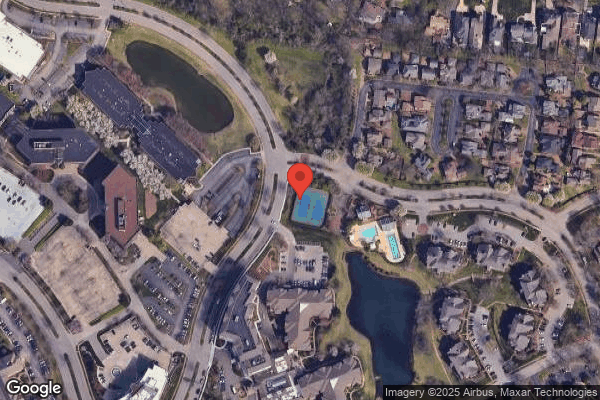
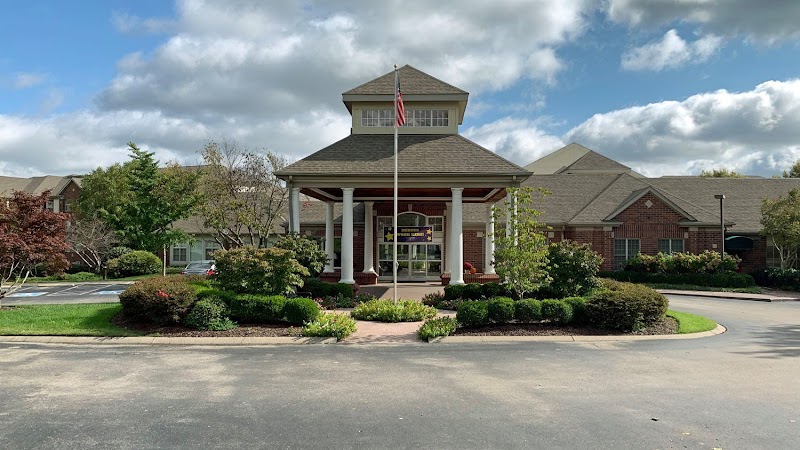
11 BURTON HILLS BLVD, NASHVILLE, TN 37215 (615) 665-2524
Non profit - Corporation 83 Beds Independent Data: November 2025
Trust Grade
75/100
#108 of 298 in TN
Last Inspection: March 2022

Over 2 years since last inspection. Current conditions may differ from available data.

Overview

Woodcrest at Blakeford has received a Trust Grade of B, indicating it is a good facility and a solid choice among nursing homes. It ranks #108 out of 298 facilities in Tennessee, placing it in the top half of the state, and #5 out of 19 in Davidson County, meaning only four local options are better. However, the facility is worsening, with issues increasing from 1 in 2019 to 8 in 2022. Staffing is a strength, boasting a 5/5 star rating and a turnover rate of 38%, which is well below the state average, suggesting that staff members are experienced and familiar with the residents. There have been no fines recorded, which is a positive sign, but there are concerns regarding RN coverage, as the facility lacked 8-hour RN coverage on specific days over several months. Specific incidents noted include failures to conduct required care plan meetings for numerous residents and operating a dishwashing machine below the recommended temperature, both raising concerns about safety and compliance. Overall, while Woodcrest at Blakeford has strengths in staffing and no fines, the rising number of issues and lapses in care highlight areas for improvement.

Trust Score
B
75/100
In Tennessee
#108/298
Top 36%
Safety Record
Low Risk
No red flags
Inspections
Getting Worse
1 → 8 violations
Staff Stability
○ Average
38% turnover. Near Tennessee's 48% average. Typical for the industry.
Penalties
✓ Good
No fines on record. Clean compliance history, better than most Tennessee facilities.
Skilled Nurses
✓ Good
Each resident gets 45 minutes of Registered Nurse (RN) attention daily — more than average for Tennessee. RNs are trained to catch health problems early.
Violations
⚠ Watch
13 deficiencies on record. Higher than average. Multiple issues found across inspections.
★★★★☆
4.0
Overall Rating
★★★★★
5.0
Staff Levels
★★★★☆
4.0
Care Quality
★★★☆☆
3.0
Inspection Score
Stable
2019: 1 issues
2022: 8 issues

The Good

  • 5-Star Staffing Rating · Excellent nurse staffing levels
  • 4-Star Quality Measures · Strong clinical quality outcomes
  • Full Sprinkler Coverage · Fire safety systems throughout facility
  • No fines on record
  • Staff turnover below average (38%)

    10 points below Tennessee average of 48%

Facility shows strength in staffing levels, quality measures, fire safety.

The Bad

Staff Turnover: 38%

Near Tennessee avg (46%)

Typical for the industry

The Ugly 13 deficiencies on record

Mar 2022 8 deficiencies
CONCERN (D)

Potential for Harm - no one hurt, but risky conditions existed

Notification of Changes (Tag F0580)

Could have caused harm · This affected 1 resident

**NOTE- TERMS IN BRACKETS HAVE BEEN EDITED TO PROTECT CONFIDENTIALITY** Based on facility policy review, medical record review, and interview, the facility failed to notify family of a change of condi...

Read full inspector narrative →
**NOTE- TERMS IN BRACKETS HAVE BEEN EDITED TO PROTECT CONFIDENTIALITY** Based on facility policy review, medical record review, and interview, the facility failed to notify family of a change of condition for 1 of 29 sampled residents (Resident #2) related to a significant weight loss. The findings include: Review of the facility policy titled, Guidelines for Notifying Physicians/Family of Clinical Problems, with revision date of 2/2021 revealed, .all significant changes in resident status are assessed and documented in the medical record and family notified . Review of the medical record revealed Resident #2 was admitted to the facility on [DATE] with diagnoses which included Dementia, Anemia, and Adult Failure to Thrive. Review of the Quarterly Minimum Data Set (MDS) assessment dated [DATE] for Resident #2, revealed a Brief Interview for Mental Status (BIMS) score of 11 indicating moderate cognitive abilities. Continued review of the MDS revealed weight loss with no physician prescribed weight-loss regimen. Review of the weights for Resident #2 revealed a weight of 125.8 pounds (lbs) on 9/5/2021 and 113.2 lbs on 3/20/2022 which revealed a 10 percent (%) weight loss. Review of the medical record revealed no notification to Resident #2's representative related to the significant weight loss. During an interview on 3/23/2022 at 3:32 PM the Registered Dietician confirmed the family had not been notified of the weight loss for Resident #2.
CONCERN (D)

Potential for Harm - no one hurt, but risky conditions existed

Deficiency F0583 (Tag F0583)

Could have caused harm · This affected 1 resident

**NOTE- TERMS IN BRACKETS HAVE BEEN EDITED TO PROTECT CONFIDENTIALITY** Based on facility policy review, medical record review, observation, and interview, the facility failed to maintain privacy for ...

Read full inspector narrative →
**NOTE- TERMS IN BRACKETS HAVE BEEN EDITED TO PROTECT CONFIDENTIALITY** Based on facility policy review, medical record review, observation, and interview, the facility failed to maintain privacy for 4 of 29 sampled residents (Resident #9, #11, #12, and #17) related to swallowing difficulties. Review of the facility's undated policy, titled, Notice of Privacy Practices, revealed, .Our Responsibilities .Maintain the privacy of your health information . Review of the medical record revealed Resident #9 was admitted to the facility on [DATE] with diagnoses which included Dysphagia, Oropharyngeal phase. Review of Resident #9's Physician Order dated 6/23/2021 and 6/28/2021 revealed, .ST (Speech Therapy) eval [evaluate] and treat as indicated .SLP (Speech Language Pathologist) to treat for dysphagia to increase swallow safety skills and symbolic language treatment to increase to communication/cognition for ADLs [Activities of Daily Living] safety, as indicated . Review of Resident #9's Care Plan dated 6/23/2021, revealed, .Nutritional Status .nutritional risk r/t [related to] Dysphagia .ST to evaluate as needed . Review of facility documentation titled, Safe Swallowing Strategies, dated 6/29, revealed, .Sit upright during meals .out of bed .eat slowly and take your time .take small bites and sips .stay upright for 20 minutes after meals .alternate between bites and sips .other:MECHANICAL SOFT/GROUND ADD SAUCES/GRAVY TO FOOD-FOOD MUST BE MOIST. PUREED SOUP .if you have questions, please call speech therapy .Pills 1-2 at a time with thin liquids as tolerated .assist with oral care .Avoid breakfast meats .Supervision with meals . Observation in Resident #9's room on 3/21/2022 at 11:30 AM, revealed a detailed safe swallowing instruction checklist with the resident's information displayed on her cabinet. During an interview on 3/21/2022 at 12:41 PM Speech Therapist #1 reviewed Resident #9's detailed safe swallowing instruction checklist and stated, In the past we have placed them [swallowing instruction checklist] on the cabinet in the resident's room; this is a way we communicate with family and caregivers who may care for them. I have worked in other facilities where we would place a paper over them to protect the patient's dignity, but here we just place them [swallowing instruction checklist] on the cabinet. During an interview on 3/22/2022 at 12:27 PM in Resident #9's room, Licensed Practical Nurse (LPN) #2 confirmed Resident #9 had a detailed safe swallowing instruction checklist displayed on her cabinet on 3/21/2022. He stated, It was up there yesterday, but we placed it in a folder today. Review of the medical record revealed Resident #11 was admitted to the facility on [DATE] with diagnoses which included Dysphagia. Review of a physician order dated 12/29/2021 for Resident #11 revealed, .ST eval and treat as indicated .SLP to treat for dysphagia to increase oropharyngeal swallow safety skills with the least restrictive diet . Review of facility documentation titled, Safe Swallowing Strategies, dated 1/27/2022, revealed, .Sit upright during meals .out of bed preferably .eat slowly and take your time .take small bites and sips .one sip of liquid at a time .stay upright for 20 minutes after meals .alternate between bites and sips .other: Regular-Meats must be chopped to a small bite size. Chop sides as needed .if you have questions, please call speech therapy .Assist with oral care 2-3 x's (times)/day . Observations in Resident #11's room on 3/22/2022 at 1:54 PM, 2:15 PM, 3:10 PM and 5:06 PM, revealed a detailed safe swallowing instruction checklist with the resident's information displayed on her cabinet. Observation and interview in Resident #11's room on 3/22/2022 at 5:08 PM, Licensed Practical Nurse (LPN) #1 confirmed a detailed safe swallowing checklist for Resident #11 was displayed on the cabinet in the resident's room. During an interview on 3/23/2022 at 5:25 PM, the Director of Nursing (DON) stated, my expectation would be for all resident information papers be covered if it's placed in the resident's room. During an interview on 3/23/2022 at 5:35 PM, Speech Therapist #2 confirmed any resident information should be protected and not exposed to view of visitors. She stated, If resident information is displayed in the resident's room it should be covered with another piece of paper to protect the resident's privacy. Review of the medical record revealed Resident #12 was admitted to the facility on [DATE] with diagnoses which included Dysphagia, Oropharyngeal Phase. Review of the Resident #12's Physician Orders dated 8/24/2021 revealed .MS [mechanical soft] Ground, NAS [No added salt] . Review of the facility documentation titled, Swallow Strategies dated 3/2021 revealed .Mechanical Soft. Encourage naturally nectar thick liquids as Ensure, milk shakes, crush meds, as needed . Observation in Resident #12's room on 3/21/2022 at 11:38 AM revealed the Swallowing Strategies posted on the back wall next to Resident #12's bed. Obervations in Resident #12's room on 3/21/22 at 4:13 PM revealed the Swallowing Strategies posted on the back wall next to Resident #12's bed. Observation in Resident #12's room on 3/22/2022 at 10:15 AM revealed the Swallowing Strategies posted on the back wall next to Resident #12's bed. Observation and interview in Resident #12's room on 3/22/2022 at 10:29 AM the Speech Therapy Director confirmed another speech therapist had placed the swallowing strategies upon the walls of residents who had swallowing issues. The ST confirmed the information should not be visible to non caregivers and visitors while in the resident's room. Review of the medical record revealed Resident #17 was admitted to the facility on [DATE] with diagnoses which included Dysphagia and Gastrostomy. Review of the Resident #17's Physician Orders dated 12/21/2021 revealed .Osmolite 1.0 at 150 ml [milliliter] 5 x [times] per day. G-Tube 5 times a day; dysphagia . Review of the facility documentation titled, Safe Swallowing Strategies dated 5/18/2021 revealed .Liquids by teaspoon only 1/4 teaspoon .Give water by tsp [teaspoon] at end of feeding . Observation in Resident #17's room on 3/22/22 at 8:53 AM revealed the Swallowing Strategies posted on the back wall behind her bed. Observation and interview in Resident #17's room on 3/22/2022 at 10:35 AM, the Speech Therapy Director confirmed the information should not be visible to non caregivers and visitors while in the resident's room.
CONCERN (D)

Potential for Harm - no one hurt, but risky conditions existed

Comprehensive Care Plan (Tag F0656)

Could have caused harm · This affected 1 resident

**NOTE- TERMS IN BRACKETS HAVE BEEN EDITED TO PROTECT CONFIDENTIALITY** Based on facility policy review, medical record review, and interview, the facility failed to implement a care plan for 1 of 29 ...

Read full inspector narrative →
**NOTE- TERMS IN BRACKETS HAVE BEEN EDITED TO PROTECT CONFIDENTIALITY** Based on facility policy review, medical record review, and interview, the facility failed to implement a care plan for 1 of 29 sampled residents (Resident #29) reviewed for care plans. The findings include: Review of the facility's policy titled, Care Plans, Comprehensive Person-Centered, dated 9/2021, revealed, .A comprehensive, person-centered care plan that includes measurable objectives and timetables to meet the resident's physical, psychosocial and functional needs is developed and implemented for each resident . Review of the medical record revealed Resident #29 was admitted to the facility on [DATE] with diagnoses which included Personal History of Urinary Tract Infections. Review of Resident #29's Physician Orders dated 3/17/2022, revealed, .Nitrofurantoin monohydrate/macrocrystasis 100 mg [milligram] capsule 100 mg by mouth twice daily for UTI [Urinary Tract Infection] . Review of Resident #29's Medication Administration Record dated 3/2022, revealed the resident received Nitrofurantoin on 3/17/2022-3/20/2022. Review of Resident #29's care plan dated 2/8/2022 revealed no care plan for UTI. During an interview on 3/23/2022 at 10:36 AM, Miminum Data Set (MDS) nurse confirmed Resident #29 had a diagnosis of UTI and did not have a care plan implemented for UTI.
CONCERN (D)

Potential for Harm - no one hurt, but risky conditions existed

Deficiency F0761 (Tag F0761)

Could have caused harm · This affected 1 resident

**NOTE- TERMS IN BRACKETS HAVE BEEN EDITED TO PROTECT CONFIDENTIALITY** Based on facility policy review, medical record review, observation, and interview, the facility failed to store medications and...

Read full inspector narrative →
**NOTE- TERMS IN BRACKETS HAVE BEEN EDITED TO PROTECT CONFIDENTIALITY** Based on facility policy review, medical record review, observation, and interview, the facility failed to store medications and biologicals appropriately for 4 of 29 sampled residents (Resident #10, Resident #33, Resident #47, and Resident #304) reviewed receiving medications and biologicals. The findings include: Review of the facility's policy titled, Storage of Medications, revised April 2007 revealed, .The facility shall store all drugs and biologicals in a safe, secure, and orderly manner .Compartments .containing drugs and biologicals shall be locked when not in use .items shall not be left unattended if opened or otherwise potentially available to others . Review of the medical record revealed Resident #10 was admitted to the facility on [DATE] with diagnoses which included Age-Related Osteoporosis w/o [without] Current Pathological Fracture. Review of the Physician's Orders for Resident #10 revealed an order dated 8/26/2021 for wound care per protocol as indicated. Review of the Quarterly Minimum Data Set (MDS) assessment dated [DATE] revealed Resident #10 had no pressure ulcers and received no wound care. Review of the medical record revealed Resident #33 was admitted to the facility on [DATE] with diagnoses which included Personal History of Malignant Neoplasm of Large Intestine and Encounter for Attention to Colostomy. Review of the medical record revealed Resident #47 was admitted to the facility on [DATE] with diagnoses which included Alzheimer's Disease. Review of the Quarterly MDS assessment dated [DATE] revealed Resident #47 had no wounds or wound care. Continued review revealed the resident rarely/never understood and the resident scored 3 on the cognitive skills for daily decision making indicating the resident was severely cognitively impaired. Review of the current Physician's Orders for Resident #47 revealed no orders for wound cleanser or for fingernail polish remover to be kept at bedside. Review of the medical record revealed Resident #304 was admitted to the facility on [DATE] with diagnoses which included Unspecified Cataract. Review of the Physician's Orders for Resident #304 revealed, .[brand named] 6% [Propylene glycol]-Instill two drops in each eye three times daily as needed .Dry Eye Syndrome .3/21/2021 . Observation in Resident #10's room on 3/21/2022 at 11:33 AM, revealed a non-adherent wound gauze dressing (fine mesh, absorbent gauze impregnated with white petroleum) and a bottle of wound cleanser were stored in an unlocked cabinet. Observation in Resident #33's room on 3/22/2022 at 9:15 AM, revealed one bottle of Stoma Powder (powder to absorb moisture around the stoma) was on the nightstand. Observation and interview in Resident #33's room on 3/22/2022 at 9:16 AM, Licensed Practical Nurse (LPN) #1 confirmed a bottle of stoma powder was on the resident's nightstand and not stored correctly. Observation in Resident #304's room on 3/21/2022 at 10:50 AM, revealed a bottle of [named] lubricant eye drops (provides soothing comfort, add moisture and leaves eyes refreshed) on the resident's overbed table. Observation in Resident #47's room on 3/21/2022 at 11:19 AM, revealed a bottle of wound cleanser, and a bottle of fingernail polish remover were stored in an unlocked cabinet. During an interview on 3/21/2022 at 11:02 AM in Resident #304's room, LPN #3 confirmed a bottle of eye drops were on the resident's overbed table. LPN #3 stated, she should not have these in here. During an interview on 3/21/2022 at 11:37 AM in Resident #10's room, the Wound Care Nurse confirmed the resident had wound care supplies stored in an unlocked cabinet in her room. During an interview on 3/21/2022 at 11:38 AM in Resident #47's room, the Wound Care Nurse confirmed Resident #47 had wound care supplies and fingernail polish remover stored in her room in an unlocked cabinet. He stated, nail polish remover should definitely not be in there.
CONCERN (D)

Potential for Harm - no one hurt, but risky conditions existed

Deficiency F0808 (Tag F0808)

Could have caused harm · This affected 1 resident

**NOTE- TERMS IN BRACKETS HAVE BEEN EDITED TO PROTECT CONFIDENTIALITY** Based on facility documentation, medical record review, observation and interview the facility failed to serve a therapeutic die...

Read full inspector narrative →
**NOTE- TERMS IN BRACKETS HAVE BEEN EDITED TO PROTECT CONFIDENTIALITY** Based on facility documentation, medical record review, observation and interview the facility failed to serve a therapeutic diet during the lunch meal for 1 of 29 sampled residents (Resident #12) observed. The findings include: Review of the medical record revealed Resident #12 was admitted to the facility on [DATE] with diagnoses which included Dysphagia, Oropharyngeal Phase. Review of Resident #12's Physician Orders dated 8/24/2021, revealed .MS [mechanical soft] Ground, NAS [No added salt] . Review of the Annual Minimum Data Set (MDS) dated [DATE], revealed Resident #12 required a mechanical altered diet. Review of the lunch meal ticket dated 3/22/2022, revealed .MS [mechanical soft] Deluxe Hamburger . Observation in Resident #12's room at 12:07 PM, revealed Resident #12 had a lunch tray with hamburger and steamed broccoli. Continued observation revealed the Certified Nurse Assistant (CNA) #3 looked at the meal ticket and identified the meal which was delivered was not a mechanical soft diet. During an interview on 3/22/2022 at 12:11 PM, CNA #3 confirmed Resident #12's lunch tray did not match the meal ticket. During an interview with Certified Dietary Manager (CDM) and Registered Dietician (RD) on 3/22/2022 at 1:15 PM, confirmed they had served Resident #12 a ground beef [NAME]. The CDM and RD confirmed the hamburger was not a mechanical soft diet.
CONCERN (D)

Potential for Harm - no one hurt, but risky conditions existed

Food Safety (Tag F0812)

Could have caused harm · This affected 1 resident

Based on facility policy review, observations, and interview, the facility failed to maintain dietary equipment in a sanitary manner in the dietary department during 1 of 3 observations. The findings ...

Read full inspector narrative →
Based on facility policy review, observations, and interview, the facility failed to maintain dietary equipment in a sanitary manner in the dietary department during 1 of 3 observations. The findings include: Review of the facility's policy titled, Sanitation and Infection Prevention/Control, dated 1/2021, revealed, .detailing daily and weekly (as needed) cleaning for all areas and equipment in the department . Observation in the dietary department on 3/21/2022 at 10:35 AM, revealed the pan under the stove burners had a moderate amount of black burned particles on the surface. During an interview on 3/21/2022 at 10:36 AM, the Certified Dietary Manager (CDM) confirmed the pan under the stove burners had a moderate amount of black burned particles on the surface and she stated she did not know when it had been cleaned.
CONCERN (E)

Potential for Harm - no one hurt, but risky conditions existed

Deficiency F0657 (Tag F0657)

Could have caused harm · This affected multiple residents

**NOTE- TERMS IN BRACKETS HAVE BEEN EDITED TO PROTECT CONFIDENTIALITY** Based on facility policy review, medical record review, and interview, the facility failed to perform Interdisciplinary Team (ID...

Read full inspector narrative →
**NOTE- TERMS IN BRACKETS HAVE BEEN EDITED TO PROTECT CONFIDENTIALITY** Based on facility policy review, medical record review, and interview, the facility failed to perform Interdisciplinary Team (IDT) Care Plan meetings for 10 of 29 sampled residents (Resident #2, #3, #9, #12, #17, #21, #22, #28, #29, and #43) and the facility failed to revise the Care Plan for 1 of 29 sampled residents (Resident #2). The findings include: Review of the facility policy titled, Care Plans, Comprehensive Person-Centered, with revision date 9/20/2021 revealed .the Interdisciplinary Team [IDT], in conjunction with the resident and his/her family or legal representative, develops and implements a comprehensive, person-centered care plan for each resident .assessments of residents are ongoing and care plans are revised as information about the residents and the resident's conditions change .the IDT must review and update the care plan .when there has been a significant change in the resident's condition .when the desired outcome is not met .when the resident has been readmitted to the facility from a hospital stay .at least quarterly, in conjunction with the required quarterly Minimum Data Set [MDS] . Review of the medical record revealed Resident #2 was admitted to the facility on [DATE] with diagnoses which included Dementia, Anemia, and Adult Failure to Thrive. Review of the Quarterly MDS dated [DATE] for Resident #2, revealed a Brief Interview for Mental Status (BIMS) score of 11 indicating moderate cognitive abilities. Continued review of the MDS revealed Resident #2 had a weight loss of 5 percent (%) in the last month or loss of 10 % or more in last 6 months. Further review of the MDS revealed she did not receive antipsychotic drugs in the last 7 days. Review of the Care Plan for Resident #2 dated 3/21/2022, revealed a plan of care developed to address psychoactive drug use. Continued review revealed a plan of care developed to address nutrition but interventions were not updated when a significant weight loss was identified. Review of the medical record for Resident #2 revealed the last IDT Care Plan meeting was completed on 11/3/2021. Review of the medical record revealed Resident #3 was admitted to the facility on [DATE] with diagnoses which included Diverticulitis, Macular Degeneration, and Aphasia. Review of the medical record for Resident #3 revealed the last IDT Care Plan meeting was completed on 10/26/2021. Review of the medical record revealed Resident #9 was admitted to the facility on [DATE] with diagnoses which included Dysphagia. Review of the medical record for Resident #9 revealed the last IDT Care Plan meeting was completed on 10/22/2021. Review of the medical record for Resident #12 was admitted to the facility on [DATE] with diagnoses which included Chronic Obstructive Pulmonary Disease (COPD), Anemia, and Hyperlipidemia. Review of the medical record for Resident #12 revealed the last IDT Care Plan meeting was completed on 4/12/2021. Review of the medical record for Resident #17 was admitted to the facility on [DATE] with diagnoses which included Vascular Dementia, Hyperlipidemia, and Hypertension. Review of the medical record for Resident #17 revealed the last IDT Care Plan meeting completed on 10/26/2021. Review of the medical record revealed Resident #21 was admitted to the facility on [DATE] with diagnoses which included Fracture (fx) of right femur, Atherosclerotic Heart Disease (ASH), and Dementia. Review of the medical record for Resident #21 revealed the last IDT Care Plan meeting completed on 10/12/2021. Review of the medical record revealed Resident #22 was admitted to the facility on [DATE] with diagnoses which included Encephalopathy, Parkinson's Disease, Systemic Lupus Erythematous, Schizoaffective Disorder, Malignant Neoplasm, Pseudobulbar Affect, Anemia, and Epilepsy. Review of the medical record for Resident #22 revealed the last IDT Care Plan meeting completed on 10/15/2021. Review of the medical record revealed Resident #28 was admitted to the facility on [DATE] with diagnoses which included Heart Failure and Chronic Atrial Fibrillation. Review of the medical record for Resident #28 revealed the last IDT Care Plan meeting completed on 10/21/2021. Review of the medical record revealed Resident #29 was admitted to the facility on [DATE] with diagnoses which included Encounter for Other Orthopedic Aftercare, Heart Failure, and Unspecified Atrial Fibrillation. Review of the medical record for Resident #29 revealed the last IDT Care Plan meeting completed on 7/16/2021. Review of the medical record revealed Resident #43 was admitted to the facility on [DATE] with diagnoses which included Hypertension and Senile Degeneration of the Brain. Review of the medical record for Resident #43 revealed the last IDT Care Plan meeting completed on 5/26/2021. During an interview on 3/23/2022 at 2:22 PM, the MDS Coordinator confirmed Resident #2 was not receiving psychoactive drugs and the care plan was incorrect. During an interview on 3/23/2022 at 2:39 PM, the Registered Dietician confirmed the Care Plan for Resident #2 did not reflect the updated interventions related to her significant weight loss. During an interview on 3/23/2022 at 5:05 PM, the Social Service Director confirmed that IDT Care Plan meetings should have been completed quarterly. She confirmed Resident #2, #3, #9, #12, #17, #21, #22, #28, #29, and #43 did not have quarterly IDT Care Plan meetings.
CONCERN (E)

Potential for Harm - no one hurt, but risky conditions existed

Deficiency F0727 (Tag F0727)

Could have caused harm · This affected multiple residents

Based on facility documentation and interview the facility failed to have at least 8 hours of Registered Nurse (RN) coverage in the facility. The findings include: Review of the facility daily staffin...

Read full inspector narrative →
Based on facility documentation and interview the facility failed to have at least 8 hours of Registered Nurse (RN) coverage in the facility. The findings include: Review of the facility daily staffing revealed in November 2020 the facility had 5 days of no 8 hour RN coverage. December 2020 the facility had 3 days of no 8 hour RN coverage; January 2021 the facility had 1 day of no 8 hour RN coverage; February 2021 the facility had 3 days of no 8 hour RN coverage; March 2021 the facility had 1 day of no 8 hour RN coverage; May 2021 the facility had 1 day of no 8 hour RN coverage; June 2021 the facility had 1 day of no 8 hour RN coverage; July 2021 the facility had 3 days of no 8 hour RN coverage; August 2021 the facility had 2 days of no 8 hour RN coverage; December 2021 the facility had 1 day of no 8 hour RN coverage. During a telephone interview on 3/24/2022 at 10:24 AM, the Administrator confirmed there was no 8 hour RN coverage for the specific days in November and December 2020; January, February, March, April, May, June, July, August, and December 2021.
Apr 2019 1 deficiency
CONCERN (F)

Potential for Harm - no one hurt, but risky conditions existed

Food Safety (Tag F0812)

Could have caused harm · This affected most or all residents

Based on review of the facility policy, review of the manufacturer's recommendation, observation, interview and review of the Dishware/Warewashing Machine Temperature Log, the facility failed to opera...

Read full inspector narrative →
Based on review of the facility policy, review of the manufacturer's recommendation, observation, interview and review of the Dishware/Warewashing Machine Temperature Log, the facility failed to operate the dish machine wash cycle within the recommended minimum 160 degrees Fahrenheit (F) in 1 of 6 observations. The findings include: Review of the undated facility policy, Dish-Machine Temperatures, revealed .Temps [temperatures] are taken daily and documented if they aren't to standard-Chef or Dietary Director must be informed immediately. Wash Tank Temp must be 160 degrees F. Final Rinse Temp must be 180 degrees F .If findings aren't to standard, Maintenance and Ecolab [chemical supplier, monitored dish machine operation] will be informed to correct any problems . Review of the dish machine manufacturer's recommendation revealed the minimum wash temperature was 160 degrees F. Observation on 4/15/19 at 7:38 AM in the dietary department dishroom revealed the dish machine was in operation. Further observation revealed various pots, pans, utensils, and sheet pans were processed through the dish machine. Further observation of 3 consecutive wash cycles revealed the wash temperatures were 154, 154, and 152 degrees F. Further observation revealed the dietary staff member, working the clean side of the dish machine, removed the cleaned items from the dish machine and stored the items on racks in order to dry. Interview with Dietary Staff #1 on 4/15/19 at 7:38 AM, working the dirty side of the dish machine, in the dietary dishroom revealed the dietary staff member had .already taken and recorded the wash and rinse temperatures of the dish machine on the dish machine log (Dishware/Warewashing Machine Temperature Log) . Review of the Dishware/Warewashing Machine Temperature Log for January 2019 revealed the wash temperatures in 22 of the 93 opportunities were less than 160 degrees F. Review of the February 2019 log revealed no documentation of the 2/28/19 lunch and dinner dish machine wash and rinse temperatures, leaving 82 opportunities. Further review of the February 2019 log revealed the wash temperatures in 82 of the 82 opportunities were less than 160 degrees F. Review of the March 2019 log revealed the wash temperatures in 90 of the 93 opportunities were less than 160 degrees F. Review of the log for 4/1/19 to 4/15/19 breakfast revealed the wash temperatures in 43 of 43 opportunities were less than 160 degrees F. Interview with the Certified Dietary Manager on 4/15/19 at 10:00 AM in the conference room confirmed the dish machine wash temperature did not meet the minimum temperature of 160 degrees F per the manufacturer's recommendation.
Apr 2018 4 deficiencies
CONCERN (D)

Potential for Harm - no one hurt, but risky conditions existed

Comprehensive Assessments (Tag F0636)

Could have caused harm · This affected 1 resident

**NOTE- TERMS IN BRACKETS HAVE BEEN EDITED TO PROTECT CONFIDENTIALITY** Based on medical record review and interview the facility failed to complete resident assessments within the required timeframe ...

Read full inspector narrative →
**NOTE- TERMS IN BRACKETS HAVE BEEN EDITED TO PROTECT CONFIDENTIALITY** Based on medical record review and interview the facility failed to complete resident assessments within the required timeframe for 6 of 23 sampled residents (Resident #2, Resident #3, Resident #4, Resident #6, Resident #7 and Resident #11). Findings include: Medical record review revealed Resident #2 was admitted to the facility on [DATE] and discharged on 10/18/17. Continued review revealed the Discharge Minimum Data Set (MDS) was completed 11/7/17. Medical record review revealed Resident #3 was admitted to the facility on [DATE] and discharged on 10/31/17. Continued review revealed the Discharge MDS was completed 11/21/17. Medical record review revealed Resident #4 was admitted to the facility on [DATE]. Continued review of the MDS revealed the following: A Quarterly MDS due 2/10/17 was completed 3/10/17. A Quarterly MDS due 5/12/17 was completed 6/2/17. A Quarterly MDS due 8/11/17 was completed 9/1/17. A Quarterly MDS due 11/10/17 was completed 11/30/17. An Annual MDS due 2/11/18 was completed 3/5/18. Medical record review revealed Resident #6 was admitted to the facility on [DATE]. Continued review of the MDS revealed the following: A Quarterly MDS due 8/21/17 was completed 9/11/17. A Quarterly MDS due 11/20/17 was completed 12/11/17. A Quarterly MDS due 2/19/18 was completed 3/12/18. Medical record review revealed Resident #7 admitted to the facility on [DATE]. Continued review of the MDS revealed the following: A Quarterly MDS due on 11/24/17 was completed 12/15/17. A Quarterly MDS due 2/23/18 was completed 3/16/18. Medical record review revealed Resident #11 was admitted to the facility on [DATE]. Continued review of the MDS revealed the following: A Quarterly MDS due 2/15/17 and was completed 3/8/17. A Quarterly MDS due 5/17/17 was completed 6/7/17. A Quarterly MDS due 8/16/17 was completed 9/6/17. An Annual MDS due 11/15/17 was completed 12/13/17. A Quarterly MDS due 2/14/18 was completed 3/7/18. Interview with the Director of Nursing on 4/4/18 at 10:23 AM in the dining room revealed she expected the resident assessments to be completed as required within the timeframe. Interview with the MDS Coordinator on 4/4/18 at 9:45 AM in her office revealed she was responsible for completion of all resident MDS. The MDS Coordinator confirmed the MDS for Resident #2, Resident #3, Resident #4, Resident #6, Resident #7 and Resident #11 were not completed within the required timeframe.
CONCERN (D)

Potential for Harm - no one hurt, but risky conditions existed

MDS Data Transmission (Tag F0640)

Could have caused harm · This affected 1 resident

**NOTE- TERMS IN BRACKETS HAVE BEEN EDITED TO PROTECT CONFIDENTIALITY** Based on medical record review and interview the facility failed to transmit resident assessments within the required timeframe ...

Read full inspector narrative →
**NOTE- TERMS IN BRACKETS HAVE BEEN EDITED TO PROTECT CONFIDENTIALITY** Based on medical record review and interview the facility failed to transmit resident assessments within the required timeframe for 6 of 23 sampled residents (Resident #2, Resident #3, Resident #4, Resident #6, Resident #7 and Resident #11). Findings include: Medical record review revealed Resident #2 was admitted to the facility 10/4/17 and discharged [DATE]. Continued review revealed a discharged Minimum Data Set (MDS) completed and transmitted 11/7/17. Medical record review revealed Resident #3 was admitted to the facility on [DATE] and discharged on 10/31/17. Continued review revealed a discharged MDS completed 10/31/17 was transmitted 11/21/17. Medical record review revealed Resident #4 was admitted to the facility on [DATE]. Continued review of the MDS revealed the following: A Quarterly MDS completed 3/10/17 was transmitted 5/24/17. A Quarterly MDS completed 6/2/17 was transmitted 7/10/17. A Quarterly MDS completed 9/1/17 was transmitted 11/22/17. A Quarterly MDS completed 11/30/17 was transmitted 12/5/17. An Annual MDS completed 3/5/18 had not been transmitted as of 4/4/18. Medical record review revealed Resident #6 was admitted to the facility on [DATE]. Continued review of the MDS revealed the following: A Quarterly MDS completed 9/11/17 was transmitted 12/15/17. A Quarterly MDS completed 12/11/17 was transmitted 12/29/17. A Quarterly MDS completed 3/12/18 had not been transmitted as of 4/4/18. Medical record review revealed Resident #7 was admitted to the facility on [DATE]. Continued review revealed a Quarterly MDS completed 3/16/18 had not been transmitted as of 4/4/18. Medical record review revealed Resident #11 admitted to the facility on [DATE]. Continued review of the MDS revealed the following: A Quarterly MDS completed 3/8/17 was transmitted 4/14/17. A Quarterly MDS completed 6/7/17 was transmitted 8/1/17. A Quarterly MDS completed 9/6/17 was transmitted 12/15/17. An Annual MDS completed 12/13/17 was transmitted 1/19/18. A Quarterly MDS completed 3/7/18 had not been transmitted as of 4/4/18. Interview with the Director of Nursing on 4/4/18 at 10:23 AM in the dining room revealed she expected the resident assessment to be transmitted as required within the timeframe. Interview with the MDS Coordinator on 4/4/18 at 9:45 AM in her office revealed she was responsible for transmission of all resident MDS. The MDS Coordinator confirmed the MDS for Resident #2, Resident #3, Resident #4, Resident #6, Resident #7 and Resident #11 were not transmitted within the required timeframe.
CONCERN (D)

Potential for Harm - no one hurt, but risky conditions existed

Deficiency F0760 (Tag F0760)

Could have caused harm · This affected 1 resident

**NOTE- TERMS IN BRACKETS HAVE BEEN EDITED TO PROTECT CONFIDENTIALITY** Based on facility policy, medical record review and interview, the facility failed to ensure 1 resident of 12 sampled residents ...

Read full inspector narrative →
**NOTE- TERMS IN BRACKETS HAVE BEEN EDITED TO PROTECT CONFIDENTIALITY** Based on facility policy, medical record review and interview, the facility failed to ensure 1 resident of 12 sampled residents (Resident #19) was free of a significant medication error. Findings include: Review of facility policy Medication Administration revised 9/2017, revealed .Medications must be administered in accordance with the orders, including any required time frame . Medical record review revealed Resident #19 was admitted to the facility on [DATE] with diagnoses including Parkinson's Disease, Muscle Weakness, Hypertension and Amnesia. Medical record review of a Physician Order dated 6/30/17 revealed Resident #19 was to receive Miralax (laxative) 17 grams every other day for diagnosis of straining with bowel movement. Medical record review of the Medication Administration Records for 7/1/17 - 4/3/18 revealed Resident #19 received the Miralax every day. Interview with the Director of Nursing (DON) on 4/3/18 at 3:44 PM at the main nurse station revealed Resident #19 had been stable and had not experienced any adverse effects from the significant medication error. Continued interview with the DON confirmed the facility failed to follow the physician order dated 6/30/17 for Miralax every other day and the resident had been receiving Miralax every day since July 2017 resulting in a significant medication error.
CONCERN (D)

Potential for Harm - no one hurt, but risky conditions existed

Deficiency F0761 (Tag F0761)

Could have caused harm · This affected 1 resident

**NOTE- TERMS IN BRACKETS HAVE BEEN EDITED TO PROTECT CONFIDENTIALITY** Based on review of facility policy, medical record review, observation, and interview, the facility failed to store medication i...

Read full inspector narrative →
**NOTE- TERMS IN BRACKETS HAVE BEEN EDITED TO PROTECT CONFIDENTIALITY** Based on review of facility policy, medical record review, observation, and interview, the facility failed to store medication in a locked and safe manner for 1 resident (Resident #273) of 23 sampled residents. Findings include: Review of the facility policy Storage of Medications revised 9/03, revealed .Medications are stored in the containers in which they are received .Compartments containing medications are locked when not in use .Medications are stored in an orderly manner in cabinets, drawers or carts . Medical record review revealed Resident #273 was admitted to the facility on [DATE] with diagnoses including Malignant Neoplasm of Colon, Muscle Weakness, Cardiac Heart Failure and Hypertension. Observation on 4/2/18 at 2:51 PM in Resident #273's room revealed nasal spray (Afrin 0.5 %) and eye drops (Refresh eye drops) were in a clear plastic cup on top of the bedside table and were left unattended. Interview with Licensed Practical Nurse (LPN) #6 on 4/2/18 at 3:33 PM confirmed the nasal spray and eye drops were left on the bedside table unattended. Interview with the Director of Nursing (DON) on 4/4/18 at the L Hall lounge area at 2:23 PM confirmed the facility failed to store medication in a locked and safe manner for Resident #273.
Understanding Severity Codes (click to expand)
Life-Threatening (Immediate Jeopardy)
J - Isolated K - Pattern L - Widespread
Actual Harm
G - Isolated H - Pattern I - Widespread
Potential for Harm
D - Isolated E - Pattern F - Widespread
No Harm (Minor)
A - Isolated B - Pattern C - Widespread

Questions to Ask on Your Visit

  • "Can I speak with families of current residents?"
  • "What's your RN coverage like on weekends and overnight?"

Our Honest Assessment

Strengths
  • • No major safety red flags. No abuse findings, life-threatening violations, or SFF status.
  • • No fines on record. Clean compliance history, better than most Tennessee facilities.
  • • 38% turnover. Below Tennessee's 48% average. Good staff retention means consistent care.
Concerns
  • • 13 deficiencies on record. Higher than average. Multiple issues found across inspections.
Bottom line: Generally positive indicators. Standard due diligence and a personal visit recommended.

About This Facility

What is Woodcrest At Blakeford's CMS Rating?

CMS assigns WOODCREST AT BLAKEFORD an overall rating of 4 out of 5 stars, which is considered above average nationally. Within Tennessee, this rating places the facility higher than 99% of the state's 100 nursing homes. This rating reflects solid performance across the metrics CMS uses to evaluate nursing home quality.
How is Woodcrest At Blakeford Staffed?

CMS rates WOODCREST AT BLAKEFORD's staffing level at 5 out of 5 stars, which is much above average compared to other nursing homes. Staff turnover is 38%, compared to the Tennessee average of 46%. This relatively stable workforce can support continuity of care.

What Have Inspectors Found at Woodcrest At Blakeford?

State health inspectors documented 13 deficiencies at WOODCREST AT BLAKEFORD during 2018 to 2022. These included: 13 with potential for harm.

Who Owns and Operates Woodcrest At Blakeford?

WOODCREST AT BLAKEFORD is owned by a non-profit organization. Non-profit facilities reinvest revenue into operations rather than distributing to shareholders. The facility operates independently rather than as part of a larger chain. With 83 certified beds and approximately 70 residents (about 84% occupancy), it is a smaller facility located in NASHVILLE, Tennessee.

How Does Woodcrest At Blakeford Compare to Other Tennessee Nursing Homes?

Compared to the 100 nursing homes in Tennessee, WOODCREST AT BLAKEFORD's overall rating (4 stars) is above the state average of 2.8, staff turnover (38%) is near the state average of 46%, and health inspection rating (3 stars) is at the national benchmark.

What Should Families Ask When Visiting Woodcrest At Blakeford?

Based on this facility's data, families visiting should ask: "Can I visit during a mealtime to observe dining assistance and food quality?" "How do you handle medical emergencies, and what is your hospital transfer rate?" "Can I speak with family members of current residents about their experience?"

Is Woodcrest At Blakeford Safe?

Based on CMS inspection data, WOODCREST AT BLAKEFORD has a clean safety record: no substantiated abuse findings (meaning no confirmed cases of resident harm), no Immediate Jeopardy citations (the most serious violation level indicating risk of serious injury or death), and is not on the Special Focus Facility watch list (a federal program monitoring the lowest-performing 1% of nursing homes). The facility has a 4-star overall rating and ranks #1 of 100 nursing homes in Tennessee. While no facility is perfect, families should still ask about staff-to-resident ratios and recent inspection results during their visit.

Do Nurses at Woodcrest At Blakeford Stick Around?

WOODCREST AT BLAKEFORD has a staff turnover rate of 38%, which is about average for Tennessee nursing homes (state average: 46%). Moderate turnover is common in nursing homes, but families should still ask about staff tenure and how the facility maintains care continuity when employees leave.

Was Woodcrest At Blakeford Ever Fined?

WOODCREST AT BLAKEFORD has no federal fines on record. CMS issues fines when nursing homes fail to meet care standards or don't correct problems found during inspections. The absence of fines suggests the facility has either maintained compliance or corrected any issues before penalties were assessed. This is a positive indicator, though families should still review recent inspection reports for the full picture.

Is Woodcrest At Blakeford on Any Federal Watch List?

WOODCREST AT BLAKEFORD is not on any federal watch list. The most significant is the Special Focus Facility (SFF) program, which identifies the bottom 1% of nursing homes nationally based on persistent, serious quality problems. Not being on this list means the facility has avoided the pattern of deficiencies that triggers enhanced federal oversight. This is a positive indicator, though families should still review the facility's inspection history directly.