WHARTON NURSING HOME
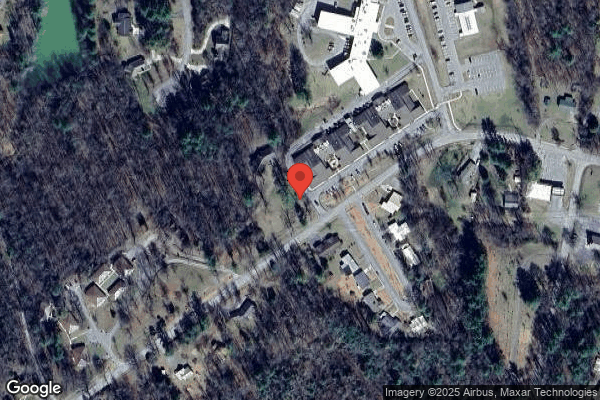
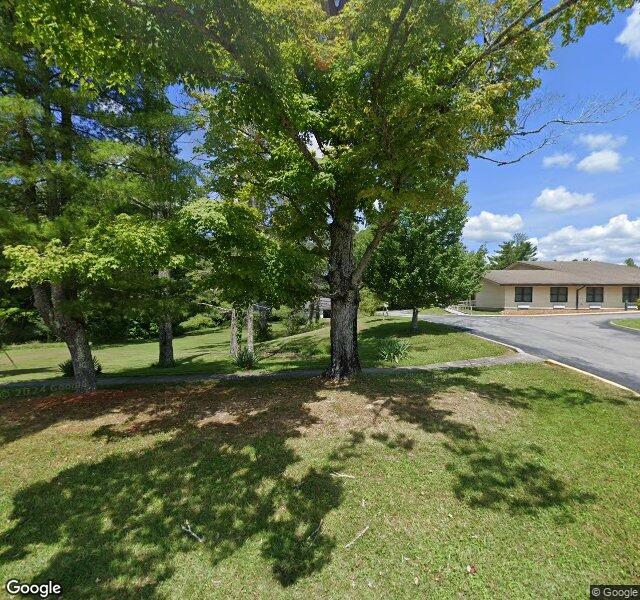
878-880 WEST MAIN STREET, PLEASANT HILL, TN 38578 (931) 277-3511
Non profit - Corporation 62 Beds Independent Data: November 2025 3 Immediate Jeopardy citations
Trust Grade
0/100
#298 of 298 in TN
Last Inspection: February 2024

Within standard 12-15 month inspection cycle. Federal law requires annual inspections.

Overview

Wharton Nursing Home has received a Trust Grade of F, indicating significant concerns and a poor overall rating. It ranks #298 out of 298 facilities in Tennessee, placing it in the bottom tier statewide, and #4 out of 4 in Cumberland County, meaning there are no better local options available. The facility's situation is worsening, with the number of reported issues increasing from 2 to 8 in just one year. Staffing is a positive aspect, with a 0% turnover rate, suggesting stability among caregivers, though the overall staffing rating is low at 1 out of 5 stars. However, the home has incurred $78,533 in fines, which is concerning and higher than 93% of other Tennessee facilities, highlighting ongoing compliance issues. Critical incidents reported include a failure to protect a vulnerable resident from abuse by a family member and a lack of timely reporting of this abuse, both of which place residents at serious risk. While there are strengths in staffing stability, the significant deficiencies and alarming trends raise serious concerns for families considering this facility.

Trust Score
F
0/100
In Tennessee
#298/298
Bottom 1%
Safety Record
High Risk
Review needed
Inspections
Getting Worse
2 → 8 violations
Staff Stability
○ Average
Turnover data not reported for this facility.
Penalties
⚠ Watch
$78,533 in fines. Higher than 90% of Tennessee facilities, suggesting repeated compliance issues.
Skilled Nurses
○ Average
RN staffing data not reported for this facility.
Violations
⚠ Watch
20 deficiencies on record. Higher than average. Multiple issues found across inspections.
★☆☆☆☆
1.0
Overall Rating
★☆☆☆☆
1.0
Staff Levels
★★★☆☆
3.0
Care Quality
★☆☆☆☆
1.0
Inspection Score
Stable
2023: 2 issues
2024: 8 issues

The Good

  • Full Sprinkler Coverage · Fire safety systems throughout facility
  • No fines on record

Facility shows strength in fire safety.

The Bad

1-Star Overall Rating

Below Tennessee average (2.8)

Significant quality concerns identified by CMS

Federal Fines: $78,533

Well above median ($33,413)

Moderate penalties - review what triggered them

The Ugly 20 deficiencies on record

3 life-threatening 3 actual harm
May 2024 3 deficiencies 3 IJ
CRITICAL (J) 📢 Someone Reported This

A family member, employee, or ombudsman was alarmed enough to file a formal complaint

Immediate Jeopardy (IJ) - the most serious Medicare violation

Free from Abuse/Neglect (Tag F0600)

Someone could have died · This affected 1 resident

**NOTE- TERMS IN BRACKETS HAVE BEEN EDITED TO PROTECT CONFIDENTIALITY** Based on facility policy review, medical record review, and interview, the facility failed to protect the resident's right to be...

Read full inspector narrative →
**NOTE- TERMS IN BRACKETS HAVE BEEN EDITED TO PROTECT CONFIDENTIALITY** Based on facility policy review, medical record review, and interview, the facility failed to protect the resident's right to be free from physical and verbal abuse by a family member for 1 of 8 (Resident #2) sampled residents reviewed for abuse . Resident #2, a vulnerable and severely cognitively impaired resident, was observed being mentally and physically abused by Family member #2 on 4/23/2024. The facility's failure to protect the resident's right to be free from physical and verbal abuse placed Resident #2 and other residents in the facility in an Immediate Jeopardy (IJ) situation, (A condition in which facility noncompliance with one or more conditions of participation has resulted in or is likely to result in serious injury, harm, impairment, or death to a resident and must be immediately corrected). The facility's failure to protect Resident #2's right to be free from abuse had the potential to impact all residents in the facility. The facility census was 44. The Facility Administrator was notified of the IJ on 5/22/2024 at 11:34 AM, in the training room. The facility was cited Immediate Jeopardy at F-600 at a scope and severity of J, which is Substandard Quality of care. The IJ began on 4/23/2024 and continued through 5/23/2024 and was removed on site on 5/24/2024. An acceptable Removal Plan which removed the immediacy was provided by the facility and verified onsite on 5/24/2024, for F-600. The facility is required to submit a Plan of Correction (POC). The findings include: Review of the facility policy titled, Abuse, Neglect, and Exploitation, updated 8/21/2023, revealed .It is the policy of this facility to provide protections for the health, welfare and rights of each resident by developing and implementing written policies and procedures that prohibit and prevent abuse, neglect, exploitation and misappropriation of resident property .Abuse means the willful infliction of injury, unreasonable confinement, intimidation, or punishment with resulting physical harm, pain or mental anguish .Willful means the individual must have acted deliberately, not that the individual must have intended to inflict injury or harm .Ensuring the health and safety of each resident with regard to visitors such as family members or resident representatives, friends .Reporting of all alleged violations to the Administrator, state agency, adult protective services and to all other required agencies .within specified timeframes .Immediately, but not later than 2 hours after the allegation is made, if the events that cause the allegation involve abuse or result in serious bodily injury .and report the results of the investigation when final within 5 working days of the incident . Review of the medical record revealed Resident #2 was admitted to the facility on [DATE], with diagnoses including Cerebral Infarction, Pneumonia, Type 2 Diabetes Mellitus, Hyperglycemia, History of Falling, Hypertension, Depression, and Anxiety Disorder. Review of the facility document titled, Skin Evaluation Form, for Resident #2 dated 4/22/2024, revealed .scattered bruising covering bilateral arms and hands, with abrasions to bilateral outer knees. Redness noted to buttocks and bilateral heels with no open areas noted . There was no documentation of any abnormalities noted to Resident #2's head. Review of the Nurse's Notes for Resident #2 dated 4/23/2024 at 6:00 PM, revealed . Incident date 4/23/2024, Incident time 4:10 PM .This nurse in room to pick up meal tray, elder covered in food, [Family member #2] present in room, at that time. This nurse cleaned elder up and changed clothing. Elders' other [Family member #1] came to visit and this nurse was speaking to him, and I noticed a quarter size knot to right side of head. I asked elder if he had hit his head and he stated '[Family member #2] roughed me up .' . Review of an admission Minimum Data Set (MDS) dated [DATE], revealed a Brief Interview for Mental Status (BIMS) score of 5 which indicated the resident had severe cognitive impairment. During an interview on 5/20/2024 at 12:20 PM, Resident #2's Family member #1 stated, .[Family member #2] has had a temper with Mom and Dad .I wasn't surprised he was upset that dad wasn't wanting to eat, or that he was trying to force feed him .[Family #2] was holding his head still trying to get him to eat . During an interview on 5/20/2024 at 12:40 PM, Certified Nursing Assistant (CNA) A stated , .[Resident #2] was admitted on [DATE], I was here when he was admitted .he did not have any marks on his face .I did have him at 6:00 AM, the next morning and there were no markings on his face .I was in the hall passing supper trays .[Family member #2] was here, I heard [Family member #2] yelling at him from the hall, he was saying you are going to eat this, I'm tired of you fighting it, you're never going to get out of here .I heard him say open up you are going to eat this several times .I walked out of another resident room and stopped at [Resident #2's] room and saw the son had one hand on the back of his head and the spoon in the other he was forcefully pushing the spoon in [Resident #2's] mouth .[Family member #2] .he was yelling you are going to eat .when I saw that, he saw me watching him .I was hollering for the Nurse as I was coming up the hall and she was right at the desk .We went directly to the room, there was maybe 10-15 seconds the resident was alone with his son . When asked do you think this was abuse CNA A stated, .Yes .I should have intervened but honestly I thought if he will do that to his dad what was he going to do to me .when we got back there was food all over the resident, and a cup of juice was in the floor . During an interview on 5/21/2024 at 8:10 AM, Resident #1's Family member #2 (Alleged Perpetrator) stated , .I don't know how he got a bump on his forehead. Now he was slapping at the spoon and turning his head back and forth and kicking .that nurse came in and wiped his face off if there had been anything on his face, she would have seen it . When asked if he had hit Resident #2, He stated, .No way, I would have hit him . During an interview on 5/21/2024 at 2:40 PM, the Social Worker stated , .On 4/23/2024, I received a call at home from the Administrator .The next morning, I went to see the resident [Family member #1] was in the room with the resident. I asked what happened that is when the resident told me he got a bump on his head from [Family member #2] . During an interview on 5/21/2024 at 4:00 PM, the Administrator stated , .the conclusion was [Family member #2] roughed him up according to the resident who had a consistent story on the day of the incident and the next day .I did not talk to the resident, the Social Worker did and the nurses did .yes, the report of the incident was an allegation of abuse, it should have been investigated which it was .I do not think we failed to prevent abuse, we had no idea of the family dynamics if the family had been concerned they should have notified us on admission . The Surveyor verified the Removal Plan by: Resident #2 was assessed immediately after knot on head was identified and neuro's (neurological exam, evaluation of the patient's nervous system) were within normal limits. Resident was offered ice pack and he refused. POA (Power of Attorney) was notified as he was in resident's room when nurse noted knot on head and POA notified accused family member that he was barred from coming to visit his father. Resident no longer resides in facility and is at home with 24/7 (24 hours a day, 7 days a week) care and Adult Protective Services (APS) was notified and aware of situation on 5/20/2024. Compliance was verified by reviewing Resident #2's medical record, interview with POA, and interview with APS. All residents have the potential to be affected. All residents were interviewed with a BIMS of 8 or higher on 5/22/2024 and were asked the following questions. Do you have any problems in the home? Has anyone in this building ever been mean or abused you? Have you ever seen any other resident or staff being abused? Do you have any problems with any daytime or nighttime caregivers? Do you have any problems with any daytime or nighttime Nurses? How do you feel about being here or living here? All residents with a BIMS of 8 or lower received a skin check on 5/22/2024. Also, all residents that reside in the building on 4/24/2024, the day following the incident, were either interviewed with the questions above or skin check was completed based on BIMS. Compliance was validated by reviewing the facility obtained skin assessments and interviews dated 4/24/2024 and 5/22/2024 comparing with facility resident roster, and interview with resident #3, #4, #5. Effective 5/23/2024, all new admissions entering the building will have an abuse screening completed upon admission to identify any potential that could occur from a family member, friend, or visitor while at our facility. Compliance was validated by reviewing abuse screening of a resident admitted on [DATE], and a resident admitted on [DATE], and interview with Social Worker. Starting 5/23/2024 during quarterly care plans an abuse screening will be also completed to assure no changes have occurred for residents. Compliance was validated by reviewing 2 residents with scheduled care plan meetings on 5/23/2024, abuse screening reviewed, and interview with Social Worker. All staff on shift since 5/20/2024, have completed abuse education. Any staff on vacation, not on the schedule, Family Medical Leave Act (FLMA) or leave will receive training prior to their returned shift. In addition to the abuse education that all staff will receive prior to their next shift they have also been assigned abuse training through HealthStreams (facility computer education portal). Compliance was validated by reviewing education, staff signatures in comparison to staff roster, and staff interviews.
CRITICAL (J) 📢 Someone Reported This

A family member, employee, or ombudsman was alarmed enough to file a formal complaint

Immediate Jeopardy (IJ) - the most serious Medicare violation

Report Alleged Abuse (Tag F0609)

Someone could have died · This affected 1 resident

**NOTE- TERMS IN BRACKETS HAVE BEEN EDITED TO PROTECT CONFIDENTIALITY** Based on facility policy review, medical record review, facility documentation review, and interview, the facility failed to rep...

Read full inspector narrative →
**NOTE- TERMS IN BRACKETS HAVE BEEN EDITED TO PROTECT CONFIDENTIALITY** Based on facility policy review, medical record review, facility documentation review, and interview, the facility failed to report an allegation of abuse to the appropriate agencies within the required timeframe for 1 of 8 (Resident #2) sampled residents reviewed for abuse. Resident #2, a vulnerable and severely cognitively impaired resident, was observed being mentally and physically abused by Family member #2 on 4/23/2024. The facility's failure to report an allegation of abuse placed Resident #2 and other residents in the facility in an Immediate Jeopardy (IJ) situation, (A condition in which facility noncompliance with one or more conditions of participation has resulted in or is likely to result in serious injury, harm, impairment, or death to a resident and must be immediately corrected). The facility's failure to report an allegation of abuse had the potential to impact all residents in the facility. The facility census was 44. The Facility Administrator was notified of the IJ on 5/22/2024 at 11:34 AM, in the training room. The facility was cited Immediate Jeopardy at F-609 at a scope and severity of J, which is Substandard Quality of Care. The IJ began on 4/23/2024, continued through 5/23/2024, and was removed on site on 5/24/2024. An acceptable Removal Plan which removed the immediacy was provided by the facility and verified onsite on 5/24/2024, for F-609. The facility is required to submit a Plan of Correction (POC). The findings include: Review of the facility policy Titled , Abuse, Neglect, and Exploitation, updated 8/21/2023, revealed .It is the policy of this facility to provide protections for the health, welfare and rights of each resident by developing and implementing written policies and procedures that prohibit and prevent abuse, neglect, exploitation and misappropriation of resident property .Abuse means the willful infliction of injury, unreasonable confinement, intimidation, or punishment with resulting physical harm, pain or mental anguish .Willful means the individual must have acted deliberately, not that the individual must have intended to inflict injury or harm .Ensuring the health and safety of each resident with regard to visitors such as family members or resident representatives, friends .Reporting of all alleged violations to the Administrator, state agency, adult protective services and to all other required agencies .within specified timeframes .Immediately, but not later than 2 hours after the allegation is made, if the events that cause the allegation involve abuse or result in serious bodily injury .and report the results of the investigation when final within 5 working days of the incident . Review of the medical record revealed Resident #2 was admitted to the facility on [DATE], with diagnoses including Cerebral Infarction, Pneumonia, Type 2 Diabetes Mellitus, Hyperglycemia, History of Falling, Hypertension, Depression, and Anxiety Disorder. Review of the Nurse's Notes for Resident #2 dated 4/23/2024 at 6:00 PM, revealed .Incident date 4/23/2024, Incident time 4:10 PM .This nurse in room to pick up meal tray, elder covered in food, [Family member #2] present in room, at that time. This nurse cleaned elder up and changed clothing. Elders' other [Family member #1] came to visit and this nurse was speaking to him, and I noticed a quarter size knot to right side of head. I asked elder if he had hit his head and he stated '[Family member #2] roughed me up.' Administrator notified and [Family member #1] has requested that no outside entity be notified at this time as he would handle this occurrence. Resident Description 'Elder states [Family member #2] roughed me up . Review of an admission Minimum Data Set (MDS) dated [DATE], revealed a Brief Interview for Mental Status (BIMS) score of 5 which indicated the resident had severe cognitive impairment. During an interview on 5/20/2024 at 12:20 PM, Resident #2's Family member #1 stated, .I am well aware of the reporting law .All my life [Family member #2] has had a temper with Mom and Dad .I wasn't surprised he was upset that dad wasn't wanting to eat, or that he was trying to force feed him .I asked the Administrator not to report this, it was a family matter, and I would handle it and I did . During an interview on 5/20/2024 at 12:40 PM, Certified Nursing Assistant (CNA) A stated she was [Resident #2's] CNA when he was admitted on [DATE] and was his caregiver the next morning at 6:00 AM. She stated the resident did not have any marks on his face on admission or the next morning when she returned. CNA A stated, .I was in the hall passing supper trays, his family was coming to feed him .[Family member #2] was here. I heard [Family member #2] yelling at him from the hall, he was saying you are going to eat this, I'm tired of you fighting it, you're never going to get of here .I heard him say open up you are going to eat this, several times .I walked out of another resident room and stopped at [Resident #2's ] room and saw the son had one hand on the back of his head and the spoon in the other he was forcefully pushing the spoon in [Resident #2's] mouth .he was yelling you are going to eat .I was hollering for the Nurse as I was coming up the hall and she was right at the desk .when we got back there was food all over the resident, a cup of juice was in the floor. Once Family member #2 left the building CNA A texted the ADON (Assistant Director of Nursing), and .Licensed Practical Nurse (LPN) DD, called the Administrator and the DON (Director of Nursing). During an interview on 5/21/2024 at 2:40 PM, the Social Worker stated on 4/23/2024, she received a call at home from the Administrator. She had been told a family member was restricted from visiting due to (Resident #2's) and other (Family members') request for no visitation. I asked which family member was restricted I was told (Family member #2) .She stated .the next morning, I went to see the resident [Family member #1] was in the room with the resident. I asked what happened that is when the resident told me he got a bump on his head from [Family member #2]. I said from my understanding you all do not want me to call adult protective services because that is what social does. Almost at the same time they both said no that is a family matter and we have had that discussion with the Administrator. I said are you sure you don't want me to report this and [Family member #1] said no it is a family matter and I will handle it . [Resident #2] said it is a family matter I don't want my [Family member #2] reported . During an interview on 5/21/2024 at 4:00 PM, the Administrator stated .yes, the report of the incident was an allegation of abuse .it should have been reported. I did speak with the Resident's POA [Power of Attorney] [authority to act for another person in specified or all legal or financial matters] and told him this was a reportable incident as we have responsibility to the resident. I told him we needed to report to state, APS , [Adult Protective Services] and police, I don't recall mentioning the ombudsman. [Family member #1] stated this is a family matter and he and his dad would handle it .[Family member #1] reiterated again he did not want this reported, his dad would not want this reported , that it is family involvement and did not involve the facility .I told him .I am honoring his wishes and rights and not reporting the incident . The Surveyor verified the Removal Plan by: All residents have the potential to be affected. All residents were interviewed with a BIMS score of 8 or higher and were asked the following questions. Do you have any problems in the home? Has anyone in this building ever been mean or abused you? Have you ever seen any other resident or staff being abused? Do you have any problems with any daytime or nighttime caregivers? Do you have any problems with any daytime or nighttime Nurses? How do you feel about being here or living here? All residents with a BIMS of 8 or lower received a skin check on 5/22/2024. Also, all residents that resided in the building on 4/24/2024, the day following the incident, were either interviewed with the questions above or skin check was completed based on the BIMS score. Effective 5/23/2024 new admissions entering the building will have an abuse screening completed upon admission to identify any potential harm that could occur from a family, friend, or visitor while at our facility. Starting 5/23/2024 during quarterly care plans an abuse screening will be completed to assure no changes have occurred for those residents. Compliance was validated by reviewing the resident skin checks completed on 5/22/2024, and interviews and skin assessments obtained by the facility on 4/24/2024. 2 new admissions were reviewed, one on 5/22/2024 and one on 5/23/2024, both had completed abuse screenings completed. 2 residents had care plan reviews on 5/23/2024 and both had abuse screenings completed. This was also validated with an interview with Social Worker and the Administrator. All staff on shift since 5/20/2024 have completed abuse education. Any staff on vacation, not on the schedule, on FMLA (Family Medical Leave Act) or leave will receive training prior to their return shift. In addition to the abuse education that all staff will receive prior to their next shift they have also been assigned Abuse training through our HealthStream (facility education portal). Compliance was validated by review of abuse education, attendance signature sheet, comparing with staff roster, and staff interviews. 5 residents with a BIMS of 8 or higher will be asked the following questions once a week for 4 weeks and then biweekly for 2 months starting the week of May 27, 2024. Do you have any problems in the home? Has anyone in this building ever been mean or abused you? Have you ever seen any other resident or staff being abused? Do you have any problems with any daytime or nighttime caregivers? Do you have any problems with any daytime or nighttime Nurses? How do you feel about being here or living here? All residents will receive a weekly skin check starting 5/27/2024. Any concerns noted during these interviews or at any time will be immediately brought to the Administrator. The Administrator will then discuss the situation with Social Service Director, DON, and ADON and investigation and reporting will begin immediately with any concern noted.
CRITICAL (J) 📢 Someone Reported This

A family member, employee, or ombudsman was alarmed enough to file a formal complaint

Immediate Jeopardy (IJ) - the most serious Medicare violation

Comprehensive Care Plan (Tag F0656)

Someone could have died · This affected 1 resident

**NOTE- TERMS IN BRACKETS HAVE BEEN EDITED TO PROTECT CONFIDENTIALITY** Based on review of facility policy, medical record review, and interviews, the facility failed to develop a comprehensive care p...

Read full inspector narrative →
**NOTE- TERMS IN BRACKETS HAVE BEEN EDITED TO PROTECT CONFIDENTIALITY** Based on review of facility policy, medical record review, and interviews, the facility failed to develop a comprehensive care plan and implement appropriate interventions for 1 of 4 (Resident #2) sampled residents reviewed for care plans. On 4/23/2024, Resident #2's family member was observed being verbally and physically abusive toward Resident #2 and the facility failed to develop interventions to ensure Resident #2 was safe and monitored for his psychosocial wellbeing, latent injuries, and ensure all staff members were aware Family member #2 was not allowed in the facility following an abuse incident by a Family member. The facility's failure to develop a comprehensive care plan and implement appropriate interventions following an abusive incident by a Family member placed Resident #2 and all other residents in the facility in an Immediate Jeopardy (IJ) situation, (a condition in which facility noncompliance with one or more conditions of participation has resulted in or is likely to result in serious injury, harm, impairment, or death to a resident and must be immediately corrected). The facility's failure to develop a comprehensive care plan and implement appropriate interventions had the potential to impact all residents in the facility. The facility census was 44. The Facility Administrator was notified of the IJ on 5/22/2024 at 11:34 AM, in the training room. The facility was cited Immediate Jeopardy at F-656 at a scope and severity of J. The IJ began on 4/23/2024, continued through 5/23/2024, and was removed on site on 5/24/2024. An acceptable Removal Plan which removed the immediacy was provided by the facility and verified onsite on 5/24/2024, for F-656. The facility is required to submit a Plan of Correction (POC). The findings include: Review of a facility policy titled, Comprehensive Care Plans, updated 8/21/2023, revealed .it is the policy of this facility to develop and implement a comprehensive person-centered care plan for each resident, consistent with resident rights, that includes measurable objectives and timeframes to meet a resident's medical, nursing, and mental and psychosocial needs . Review of the medical record revealed Resident #2 was admitted to the facility on [DATE], with diagnoses including Cerebral Infarction, Pneumonia, Type 2 Diabetes Mellitus, Hyperglycemia, History of Falling, Hypertension, Depression, and Anxiety Disorder. Review of the interim care plan for Resident #2 dated 4/22/2024, revealed no updates, revisions, or interventions related to the incident occurred on 4/23/2024, to ensure Resident #2 was safe and to be monitored for his psychosocial wellbeing, latent injuries, and to ensure all staff members were aware Family member #2 was not allowed in the facility. Review the Nurse's Notes for Resident #2 dated 4/23/2024 at 6:00 PM, revealed .Incident date 4/23/2024, Incident time 4:10 PM .This nurse in room to pick up meal tray, elder covered in food, [Family member #1] present in room, at that time. This nurse cleaned elder up and changed clothing. Elders' [Resident #2's] other [Family member #1] came to visit and this nurse was speaking to him, and I noticed a quarter size knot to right side of head. I asked elder if he had hit his head and he stated '[Family member #2] roughed me up.' [Family member #1] present during this conversation, he was asked if he would not allow .[Family member #2] to visit again, and he has called [Family member #2] and told him he can no longer visit elder . Review of an admission Minimum Data Set (MDS) dated [DATE], revealed a Brief Interview for Mental Status (BIMS) score of 5 which indicated the resident had severe cognitive impairment. Review of the comprehensive care plan for Resident #2 dated 4/30/2024, revealed no updates, revisions, or interventions related to the incident that occurred on 4/23/2024, to ensure Resident #2 was safe and was to be monitored for his psychosocial wellbeing, latent injuries, and to ensure all staff members were aware Family member #2 was not allowed in the facility. During an interview on 5/20/2024 at 12:40 PM, Certified Nursing Assistant (CNA) A stated .[Resident #2] was admitted on [DATE], I was here when he was admitted , and he did not have any marks on his face .I did have him at 6:00 AM, the next morning and there were no markings on his face .I was in the hall passing supper trays, his family was coming in to feed him .[Family member #2] was here, I heard [Family member #2] yelling at him from the hall, he was saying you are going to eat this, I'm tired of you fighting it, you're never going to get of here .I heard him say open up you are going to eat this several times .I walked out of another resident room and stopped at [Resident #2's] room and saw the son [Family member #2] had one hand on the back of his head and the spoon in the other he was forcefully pushing the spoon in [Resident #2's] mouth .he was yelling you are going to eat . During an interview on 5/21/2024 at 4:00 PM, the Administrator stated, .his care plan should have been updated to reflect the incident and to monitor for psychosocial distress and or emotional changes .per the resident's statement his son [Family member #2] roughed him up . During an interview on 5/22/2024 at 12:30 PM, Registered Nurse (RN) AAA, the MDS Coordinator, stated, .acute incidents are discussed in our daily clinical white board. Normally the DON [Director of Nursing] or the ADON [Assistant Director of Nursing] updates the care plan for acute incidents. Sometimes I do as well .with acute or significant events a care plan should be developed with appropriate interventions .in reviewing Resident #2's comprehensive and interim care plan that was not done to reflect the incident that occurred on 4/23/2024 . The Surveyor verified the Removal Plan by: Resident #2 was discharged from the facility on 5/19/2024. All residents were interviewed with a BIMS score of 8 or higher on 5/22/2024 and were asked the following questions. Do you have any problems in the home? Has anyone in this building ever been mean or abused you? Have you ever seen any other resident or staff being abused? Do you have any problems with any daytime or nighttime caregivers? Do you have any problems with any daytime or nighttime Nurses? How do you feel about being here or living here? All residents with a BIMS score of 8 or less had family notified, and an abuse screen was completed on 5/22/2024. If a concern is to arise the care plan will be updated immediately to monitor for psychosocial wellbeing, latent injuries, and ensure all staff members are aware of the concern. The care plan will be updated by a Charge Nurse, DON, ADON or MDS. Compliance was validated by comparing the resident roster to documented family interviews, with date, time, and person spoken to. Review of the interviews showed no concerns were identified. All new concerns regarding psychosocial wellbeing will be discussed and reviewed in daily Monday-Friday clinical meeting, and the care plan will be updated as necessary effective 5/23/2024. The clinical meeting is a meeting every morning Monday through Friday where we review the following: incidents, antibiotics, new pain medications, indwelling urinary catheters, intravenous, isolation, care plan meetings, Psychiatric medications and Gradual dose reductions, bowel movements, wounds, discharges, skin checks and admissions. The purpose of this meeting is to discuss and address various matters pertaining to each resident that is affected by one of the areas mentioned above. Attendees include DON, ADON, Administrator, Admission/Discharge nurse, Staff Development/Infection Preventionist Nurse, Medical Records Licensed Practical Nurse (LPN) , MDS RN, Social Service Coordinator and member of therapy team, and the care plan will be updated as necessary effective 5/23/2024. Compliance was validated by reviewing daily clinical meeting minutes dated 5/23/2024 and 5/24/2024, which included a section for documentation for psychosocial wellbeing. With no concerns documented as identified. Interview with the Administrator revealed she confirmed no concerns had been identified.
Feb 2024 5 deficiencies 1 Harm
SERIOUS (G)

Actual Harm - a resident was hurt due to facility failures

Accident Prevention (Tag F0689)

A resident was harmed · This affected 1 resident

**NOTE- TERMS IN BRACKETS HAVE BEEN EDITED TO PROTECT CONFIDENTIALITY** Based on facility policy review, medical record review, observation and interview, the facility failed to prevent accidents rela...

Read full inspector narrative →
**NOTE- TERMS IN BRACKETS HAVE BEEN EDITED TO PROTECT CONFIDENTIALITY** Based on facility policy review, medical record review, observation and interview, the facility failed to prevent accidents related to falls for 1 resident (Resident #45) of 5 residents reviewed for falls when effective and appropriate interventions to prevent falls were not implemented which resulted in actual harm to Resident #45. The findings include: Review of the facility's policy titled, Accidents and Supervision, updated on 8/21/2023, showed .The resident environment will remain as free of accident hazards as is possible. Each resident will receive adequate supervision and assistive devices to prevent accidents. This includes .Identifying hazards(s) and risk(s) .Implementing interventions to reduce hazard(s) and risk(s) .Monitoring effectiveness and modifying interventions when necessary .The facility shall establish and utilize a systematic approach to address resident risk .to minimize the likelihood of accidents .Both the facility-centered and resident-directed approaches include evaluating hazard and accident risk data, which includes prior accidents/incidents, analyzing potential causes for each hazard and accident risk, and identifying or developing interventions based on the severity of the hazards and immediacy of risk .Implementation of Interventions .using specific interventions to try to reduce a resident's risks from hazards in the environment .Supervision is an intervention and a means of mitigating accident risk. The facility will provide adequate supervision to prevent accidents . Resident #45 was admitted to the facility on [DATE] with diagnoses including Pneumonia, Encephalopathy (a brain disease that alters brain function), Subsequent Encounter for Fall, Dementia, Muscle Weakness, Abnormalities of Gait and Mobility, Difficulty in Walking, and Cognitive Communication Deficit. Review of the admission assessment dated [DATE], showed Resident #45 had short and long term memory problems. Resident #45 had 3 or more falls in the last 3 months, required assistance for ambulation, had unstable balance, intermittent confusion, and gait problems while standing and while walking. The Resident's Fall Risk Assessment score was 20, which indicated the resident was at high risk for falls. Review of the care plan dated 1/6/2024, showed .Has risk factors for falls: Assistive Devices walker and wheelchair. Needs assist for transfer Limited assist of one. Poor safety awareness elder has memory issues .Assist w/ [with] transfers using assist as needed .Assist w/ambulation using assist as necessary to complete task safely. Ensure use of assistive device used for ambulation if necessary .Wheelchair for mobility thru home .Keep call light within reach; keep floors clean, dry and free of clutter; keep assistive devices within reach; keep personal articles used frequently within reach while in bed .provide adequate lighting; encourage wearing of non-skid shoes or slippers for all transfers/ambulation .Assess behavioral issues that place Elder at risk for fall/injury, cognitive deficits and accommodate forgetfulness regarding safety and environmental hazards .Redirect as needed to maintain safety. Accommodate routine or approaches to minimize safety risks .Fall at home. Need for skilled nursing monitoring .Refer to PT [physical therapy], OT [occupational therapy] .for evaluation and treatment for decline in ability . Review of the admission Minimum Data Set (MDS) assessment dated [DATE], showed the resident had a Brief Interview for Mental Status (BIMS) score of 3, which indicated the resident had severe cognitive impairment. Resident #45 required a walker for mobility. The resident required partial/moderate assistance for walking, sit to stand, roll left and right, chair to bed/bed to chair transfers, sit to lying, toilet transfers, tub/shower transfers, and lying to sitting on the side of the bed. The resident was dependent on staff for picking up objects. The resident was always continent of urine and occasionally incontinent of bowel. Resident #45 had a fall prior to admission and had no falls since admission to the facility. The resident received speech therapy, occupational therapy and physical therapy. Review of the facility investigation documentation showed Resident #45 had an unwitnessed fall on 1/14/2024 at 6:15 PM, in her room. The resident was found on the right side of the bed in front of the recliner. It was noted .Resident stated that she was attempting to get out of her recliner, in order to close her blinds, scooted down the chair and slipped out of it, onto the floor. Declines hitting her head during incident .Nurse closed residents [resident's] blinds and reeducated resident on call light use, following that, nurse assisted into a lying position .Reminder signs, and Stop signs put up in view of patient .No Apparent Injury . Review of the care plan updated on 1/14/2024, showed .At risk for injurious falls related to weakness, unsteadiness, impaired balance .1/14/24 Keep call bell [call bell was an intervention on 1/6/2024], fluids, and personal items within [Resident #45's] reach [an intervention in place on 1/6/2024] .Put reminder signs in room. Resident states she sees them and understands .Reminder & [and] Stop signs placed withing [within] Elder's view to remind Elder to call for assistance when she needs help . Review of the care plan updated on 1/16/2024, showed Impaired Cognition .Related to Dementia .Orient as needed throughout conversation .Mobility, Impaired physical .Related To .frequent falls . Review of the Nursing Interdisciplinary Notes dated 1/22/2024, showed .Heard Call from housekeeping staff, elder noted to be on ground, fall suspected, not witnessed .small s/t [skin tear] noted to right elbow. no other .injury noted. elder wasn't using assistive device and encouraged to . Review of the facility's investigation documentation showed the resident had an unwitnessed fall on 1/22/2024 at 6:40 AM, in the hallway. It was noted .Location Specifics: front of nurse's station wellness 1 .Resident's Description: I don't know why I fell or why I'm here .elder assessed for injury, assisted to room .Contributing/Environmental Factors: Ambulation WITHOUT Gait Device . Review of the care plan updated on 1/22/2024, showed .1/22/24 Keep bed in lowest position at all times when not working at the bedside [the resident fell in the hallway and not from the bed]. Encourage resident to use her walker . Review of the Speech Therapy Treatment Encounter Note dated 1/25/2024, showed .SLP [Speech Language Pathologist] used principles of spaced retrieval to increase carryover for use of call button. Pt [patient] achieved 0% acc [augmentative and alternative communication] on this date. Re-education and repetition did not benefit .Pt achieved 0% acc for identification for reasons to use call button with education again not beneficial . Review of the Nursing Interdisciplinary Notes dated 1/26/2024, showed .Elder found in floor at 0545 [5:45 AM]. No injuries/pain noted, no changes in LOC [level of consciousness]. When asked what elder was doing, stated 'trying to go to bathroom.' Elder stated she hit her head .Neuro checks initiated. Education provided to call for assistance for ambulation/transfers/toileting .[reminder signs to call for assistance were placed in the resident's sight on 1/14/2024 and resident was encouraged to use walker after 1/22/2024 fall] [Medical Director] notified at 0558 [5:58 AM] . Review of the facility's investigation documentation showed the resident had an unwitnessed fall on 1/26/2024 at 5:45 AM, in the resident's room. It was noted .elder found in floor next to heater, no injuries noted, skin check completed, no pain noted at this time .Resident's Description: 'I was trying to go to bathroom' elder stated 'I hit my head' .no pain noted .neuro checks initiated .doctor notified .Contributing/Environmental factors: Unassisted Ambulation . Review of the care plan updated on 1/26/2024, showed .1/26/24 Reminder to push call light [reminder signs placed within resident's sight on 1/14/2024] and Keep room well lit and clutter free [previous intervention dated 1/6/2024, no new intervention put into place]. Resident often prefers lights out . Review of the facility's fall investigation documentation showed the resident had an unwitnessed fall in the resident's room on 2/6/2024 at 12:30 AM, .Location Specifics: In front of the window .This nurse and CNA [Certified Nursing Assistant] on shift heard a single loud thud that came from this residents room. Staff entered residents room to find her on the floor sitting with her left arm supporting her and her right hand up to her nose. Nurse assessed resident and found superficial skin tear to midline nasal dorsum, as well as mild epistaxis [nosebleed] from left nostril. Light pressure applied to affected area. Nurse inquired with resident if she had hit her head during the incident, to which she confirmed that she did. Resident voiced c/o [complaints of] headache, and declined pain elsewhere. No other injuries were noted .Staff assisted resident to her feet, and transferred her to her bed in a seated position. CNA remained with resident, while this nurse began notifying appropriate personnel. @ [at] 0035 [12:35 AM] M.D. [Medical Doctor] ordered this resident to be sent to ER [Emergency Room] for further evaluation .Resident's Description: Resident stated that she was attempting to ambulate to the large chair next to the window, but lost her balance. She stated that she hit her head during the incident, and complained of headache like pain .Contributing/Environment factors: Lost Balance . Review of the hospital Emergency Documentation dated 2/6/2024, showed XXX[AGE] year-old FEMALE TO THE EMERGENCY DEPARTMENT BY AMBULANCE FROM NURSING HOME WITH REPORT OF FALL WITNESSED TONIGHT. FELL FACE FORWARD. NO SPECIFIC PRECIPATING EVENT. ABRASION ON BRIDGE OF NOSE. HISTORY OF GAIT INSTABILITY AND FREQUENT FALLS .NO ACTIVE BLEEDING. NO OTHER ACUTE COMPLAINTS .PATIENT WITH HISTORY OF ADVANCED DEMENTIA .Physical Exam .Head .ABRASION TO NOSE .CT [Computed Tomography] Brain/Head .FINDINGS .IMPRESSION .No definite acute intracranial abnormality .No hemorrhage .Diagnosis: Abrasion of nose; Ground-level fall; Unsteady gait .CONTINUE ALL CURRENT MEDICATION. CONTINUE MEASURES TO PREVENT FUTURE FALLS . The resident was discharged back to the facility on 2/6/2024 at 4:05 AM. Review of the care plan updated on 2/6/2024, showed .2/6/24 Personal alarm in place for safety. New clip alarm after 4th fall to assist staff in being able to respond to resident quicker. Previous attempt for caution signs unsuccessful . Review of the advanced practice nurse's Progress Note dated 2/6/2024, showed .Chief Complaint/Nature of Presenting Problem: Follow-up falls with weakness .history of falls. Apparently she had a fall resulting in an ER visit. She was found to have an abrasion but no other acute injuries .continues to be weak and she is receiving skilled rehabilitation. On today's exam she denies pain .PHYSCIAL EXAM .Alert, NAD [No acute distress] .Generalized weakness. No evidence of pain with passive ROM [range of motion] .No neurological deficits noted .Awake alert confused to place and time .DIAGNOSIS, ASSESSMENT AND PLAN .History of fall .Facility protocol .Cognitive impairment .Chronic, continue provide supportive care .Generalized weakness .PT OT as recommended . Review of the Skin Evaluation Form dated 2/6/2024, showed .small skin tear to midline nasal dorsum following fall . During an observation and interview on 2/12/2024 at 12:46 PM, Resident #45 was seated in the recliner in her room. There was a walker at the bedside and the resident's bed had 1/4 bilateral upper siderails. The resident had an alarm on the chair and was wearing non-skid socks. The resident had a band aid over her nose. There were 2 signs posted on the closet door, the first sign read .Stop Ask for help . and the 2nd sign read, .Reminder Push your call light before trying to get up on your own . This surveyor asked the resident what the signs said and the resident verbalized that the signs were to remind her to call for help before getting up. During an observation on 2/13/2024 at 5:55 AM, Resident #45 was lying in bed sleeping. Resident #45 had 1/4 bilateral upper side rails up on bed, a walker at the bedside, and a bed alarm on. The bed was low and locked, call light was in reach, and reminder signs to call for help were posted on the resident's closet door. During an interview and review of facility documentation and Resident #45's medical record on 2/13/2024 at 10:33 AM, with the Director of Nursing (DON) revealed the resident had 4 falls while at the facility. The resident's admission falls risk assessment score was 20 which indicated the resident was at high risk for falls. Care planned interventions to prevent falls included assistance with transfers and ambulation, keeping call light, assistive devices and personal items within reach, adequate lighting, keep floor clean and clutter free, and non-skid footwear. Resident #45 had an unwitnessed fall in her room on 1/14/2024 at 6:15 PM. The resident was found in the floor in front of her recliner and said she was trying to close her blinds. The resident had no injury from the fall. The new intervention to prevent further falls was to put reminder signs up in her room. Resident #45 had an unwitnessed fall on 1/22/2024 and was found in the hallway on the floor by housekeeping. Resident #45 obtained a skin tear on her right elbow. The new intervention to prevent further falls was to encourage the resident to use her walker. Resident #45 had an unwitnessed fall on 1/26/2024 and was found in her room on the floor next to her heater. The resident said she was trying to go to the bathroom when she fell, and she hit her head. The resident had no injury from the 3rd fall. The new intervention to prevent further falls was to remind her to use the call light and keep her room well-lit and clutter free. Resident #45 had a diagnosis of dementia and a BIMS score of 3, indicating she was severely cognitively impaired. The DON confirmed the intervention to provide adequate lighting was already in place. The DON confirmed Resident #45 had dementia, poor cognition, and multiple falls so reminding the resident to use the call light was not an appropriate intervention to prevent further falls. The DON confirmed no new appropriate interventions were implemented after the resident's 3rd fall on 1/26/2024. Resident #45 had another unwitnessed fall on 2/6/2024 in her room. The resident stated she was going to the large chair next to the window and lost her balance. The resident stated she hit her head during the incident and complained of a headache. Resident #45 was sent to the ER for further evaluation. The DON stated .we were kind of at a loss for new interventions .we had exhausted everything we knew to do . During an interview on 2/14/2024 at 11:04 AM, Licensed Practical Nurse (LPN) #3 stated he was responsible for the resident when she sustained 2 of her falls. The LPN stated he was responsible for the resident when she fell on 1/14/2024. The LPN was seated at the nurse station and heard the resident call out for help. LPN #3 entered the room and saw Resident #45 seated on the floor on her bottom. The resident stated she was trying to close the blinds when she fell. Resident #45 had no injuries. The new intervention to prevent further falls was a sign placed in her room to remind her to call for help. LPN #3 stated Resident #45 had dementia and would forget to call for help so he thought the reminder signs would be a good intervention to remind Resident #45 to call for help. LPN #3 was also responsible for the resident when she fell on 2/6/2024. The LPN and a CNA heard a loud noise from the resident's room and went to check on her. Resident #45 was in the floor and stated she was trying to get into the big chair from her bed. Resident #45's nose was bleeding, and she had a skin tear on the bridge of her nose. Resident #45 stated she hit her head and complained of a headache. LPN #3 notified the physician and received an order to send the resident to the emergency room for evaluation. The LPN had another staff member stay in the room with the resident while he notified the physician. Resident #45 returned to the facility about 6 hours later. The LPN stated he provided reminders for the resident to call for help and to use her walker every time he saw her, and the nurse on the floor comes up with the new intervention after the fall to prevent future falls. The DON then reviews the intervention to determine if it was appropriate. During a telephone interview on 2/14/2024 at 11:27 AM, Registered Nurse (RN) #1 stated Resident #45 was alert to self and situation at times, mostly just alert to self. The resident's memory .was not very good . and she would forget things after just a few minutes. RN #1 was responsible for the resident when she fell on 1/26/2024. The CNA notified RN #1 while she was getting shift report that the resident was in the floor in her room. RN #1 entered the room and found the resident on the floor. Resident #45 stated she was trying to go to the bathroom. No injury was noted immediately after the fall. The RN stated .I think my new intervention was to provide education . The RN stated providing education to the resident to call for help .probably . wasn't effective in preventing her from falling. The resident would verbalize understanding when you educated her, but she would forget shortly after. During an interview on 2/14/2024 at 3:37 PM, the DON stated nurses were responsible to come up with new interventions after a fall to prevent further falls. The Interdisciplinary Team (IDT) meets daily Monday through Friday to discuss falls and new interventions to ensure the new interventions are appropriate. The resident had dementia and a BIMS score of 3 indicating the resident had .severe dementia . The intervention to remind the resident to use the call light was not appropriate for the resident with a BIMS of 3, severe dementia, and multiple falls. The resident fell again on 2/6/2024 and was transferred to the ER and was diagnosed with an abrasion to the nose. The DON confirmed the resident was harmed as a result of the fall on 2/6/2024. During an interview on 2/14/2024 at 5:44 PM, the Administrator confirmed the resident had a diagnosis of Dementia and had a BIMS score of 3 which meant the resident had .severe memory problems . This surveyor reviewed the resident's falls and interventions with the Administrator. After the resident's first fall on 1/14/2024, the new interventions were to keep the call bell, fluids, and personal items within the resident's reach (already in place on the care plan dated 1/6/2024) and to put reminder signs in the room for the resident to call for assistance. The resident fell again on 1/22/2024, and the new intervention was to keep the bed in the lowest position at all times and to encourage the resident to use her walker. The resident fell for a 3rd time on 1/26/2024, and the new intervention to prevent further falls was to remind the resident to push the call light and to keep the room well lit and clutter free. The intervention for adequate lighting and keeping the room clutter free was already an intervention that was put into place on 1/6/2024. This surveyor asked the administrator if providing reminders to a resident with dementia and severe memory impairment with multiple falls was an appropriate fall prevention intervention and the Administrator stated .We probably should have come up with something else. It was not an appropriate intervention . The Administrator confirmed that reminding the resident to call for assistance via signage placed in her room was already an intervention put into place after the first fall and was not effective as the resident continued to get up without assistance. The resident fell for a 4th time on 2/6/2024 and obtained a nosebleed and skin tear to her nose and required transfer to the emergency room for evaluation. The Administrator confirmed the resident was harmed when she required evaluation in the emergency room and received an abrasion to her nose. During a telephone interview on 2/14/2024 at 5:59 PM, the Medical Director confirmed providing reminders to a resident with dementia .probably didn't help . and was not an appropriate intervention to prevent falls. The Medical Director stated, .Unfortunately yes. I think she was . when this surveyor asked if the resident was harmed from the fall on 2/6/2024 when the resident required transfer to the emergency department with an abrasion to the nose after the fall on 2/6/2024. During a telephone interview on 2/15/2024 at 6:33 PM, the Medical Director confirmed Resident #45's fall interventions were inappropriate for the resident's mental status. The Medical Director stated he did not believe the resident was harmed based on the definition of harm (resource unknown) from the fall on the 2/6/2024 but the resident was injured from the fall on 2/6/2024. The facility failed to implement appropriate interventions, modify fall interventions, and provide adequate supervision for a cognitively impaired resident, per the facility's policy, which resulted in actual harm to Resident #45.
CONCERN (D)

Potential for Harm - no one hurt, but risky conditions existed

Resident Rights (Tag F0550)

Could have caused harm · This affected 1 resident

**NOTE- TERMS IN BRACKETS HAVE BEEN EDITED TO PROTECT CONFIDENTIALITY** Based on facility policy review, document review, medical record review, observation, and interview, the facility failed to ensu...

Read full inspector narrative →
**NOTE- TERMS IN BRACKETS HAVE BEEN EDITED TO PROTECT CONFIDENTIALITY** Based on facility policy review, document review, medical record review, observation, and interview, the facility failed to ensure medical information was not visible for 5 residents (Residents #1, #3, #4, #22, and #46) of 55 residents observed. The findings include: Review of the facility's policy titled, Promoting-Maintaining Resident Dignity, dated 8/21/2023, showed .All staff members are involved in providing care to residents to promote and maintain resident dignity .Maintain resident privacy . Review of a facility document titled, Uplands Village Skilled and Long-Term Care admission Handbook, dated 10/1/2018, showed .Residents .To be treated with consideration, respect and full recognition of his/her dignity . Resident #1 was admitted to the facility on [DATE] with diagnoses including Cognitive Communication Deficit, Quadriplegia and Bed Confinement Status. Review of the admission Minimum Data Set (MDS) assessment dated [DATE], showed Resident #1 had moderate cognitive impairment and required extensive assistance of 2 staff for bed mobility, hygiene and dressing and total dependence on staff for toileting. During an observation on 2/12/2024 at 12:40 PM, Resident #1 was listening to the radio, and there was a sign on the closet door that stated, .[brand of adult briefs] briefs L [large]/XL [extra large] .[tick marks indicated soiled briefs] .Please turn in the sheets of those who discharge right away . The sign was visible to anyone entering the room. During an observation and interview on 2/12/2024 at 1:02 PM, Certified Nursing Assistant (CNA) #2 stated the sign on the closet door was an inventory sign where staff kept inventory of briefs and wipes in the room of each resident who used them. During a telephone interview on 2/13/2024 at 2:41 PM, Resident #1's mother stated she did not request the sign to be placed in the resident's room, and the facility did not ask permission to display the sign in the resident's room. Resident #3 was admitted to the facility on [DATE] with diagnoses including Hypertensive Heart Disease with Heart Failure, Anemia and Hypothyroidism. Review of the quarterly MDS assessment dated [DATE], showed Resident #3 was cognitively intact and required substantial assistance with toileting, showering and dressing. The resident was always incontinent of urine and occasionally incontinent of bowel. During an observation on 2/12/2024 at 1:23 PM, in Resident #3's room, a sign was observed on the closet door that stated the type and size of incontinent brief the resident wore. The sign stated .[brand of adult briefs] briefs L/XL .[tick marks indicated soiled briefs] .Please turn in the sheets of those who discharge right away . The sign was visible to anyone who entered the room. During an interview on 2/12/2024 at 1:30 PM, Resident #3 stated she didn't know why the sign was on her closet door. She stated she didn't ask the facility to put the sign up. Resident #4 was admitted to the facility on [DATE] with diagnoses including Alzheimer's Disease, Essential Hypertension, Heart Failure and Chronic Atrial Fibrillation. Review of the quarterly MDS assessment dated [DATE], showed Resident #4 had severe cognitive impairment and required supervision with toilet transfers and tub/shower transfers. The resident was always incontinent of urine and occasionally incontinent of bowel. During an observation and interview on 2/12/2024 at 1:13 PM, in Resident #4's room, Licensed Practical Nurse (LPN) #2 observed a sign that stated, .[brand of adult briefs] briefs L/XL .[tick marks indicated soiled briefs] .Please turn in the sheets of those who discharge right away . The LPN stated .it is how the staff keeps track of inventory of residents' items . During a telephone interview on 2/13/2024 at 2:37 PM, Resident #4's Power of Attorney (POA) stated the facility was not asked to place the sign detailing briefs on the front of the closet door. Resident #22 was admitted to the facility with diagnoses including Diabetes Mellitus with Foot Ulcer, Essential Hypertension and Hypothyroidism. Review of the quarterly MDS assessment dated [DATE], showed Resident #3 had moderate cognitive impairment and required partial assistance with rolling left to right and lying to sitting on the side of the bed. The resident was occasionally incontinent of urine and bowel. During an observation and interview on 2/12/2024 at 12:25 PM, a sign hung on the resident's closet door that stated, .[brand of adult briefs] briefs L/XL .[tick marks indicated soiled briefs] .Please turn in the sheets of those who discharge right away . The sign was visible to anyone who entered the room. The resident stated she didn't know why that sign was there. During a telephone interview on 2/13/2024 at 2:20 PM, Resident #22's representative stated she did not ask the facility to place a sign regarding briefs in the resident's room. During an observation and interview on 2/12/2024 at 3:19 PM, the Assistant Director of Nursing (ADON) observed the inventory signs in the rooms of Residents #1, #3, #4, #22. The ADON confirmed the signs were in each room, were visible to anyone walking into the room and were a dignity issue to each resident. She stated the signs were supposed to be taken down. Resident #46 was admitted to the facility on [DATE] with diagnoses including Respiratory Failure, Pneumonia, Pancytopenia (lower than normal red and white blood cells and platelets in the blood), Heart Failure, Acute Kidney Failure, and Muscle Weakness. Review of the admission MDS assessment dated [DATE], showed Resident #46 was cognitively intact. During an observation and interview on 2/12/2024 at 3:34 PM, there was a sign posted above Resident #46's bed that read, NO IM [intramuscular] or IV [intravenous] Sticks. The sign was visible to anyone that entered the room. The resident stated the sign was posted because .they can't get any more blood out of me . The resident denied requesting the sign to be posted and stated, .I guess one of the nurses put it up . During an observation on 2/13/2024 at 7:55 AM, there was a sign posted above Resident #46's bed that read, No IM or IV Sticks. The sign was visible to anyone that entered the room. Review of the medical record showed no evidence the sign had been requested by the resident or family. During an interview on 2/13/2024 at 2:19 PM, the Director of Nursing (DON) stated resident needs were to be communicated to staff members via the care plan and signage was not to be posted in resident rooms unless requested by the resident or family. During an observation and interview on 2/13/2024 at 2:21 PM, in Resident #46's room, the DON confirmed the sign was present above the resident's bed and was visible to anyone that entered the room. The DON confirmed the information from the sign should be communicated to staff members via the care plan. The DON stated she was unaware who had posted the sign. During an interview on 2/14/2024 at 3:37 PM, the DON confirmed there was no documentation in the medical record that Resident #46 or Resident #46's family requested the signage be posted.
CONCERN (D)

Potential for Harm - no one hurt, but risky conditions existed

Infection Control (Tag F0880)

Could have caused harm · This affected 1 resident

**NOTE- TERMS IN BRACKETS HAVE BEEN EDITED TO PROTECT CONFIDENTIALITY** Based on facility policy review, observation, and interview, the facility failed to offer hand hygiene assistance to residents p...

Read full inspector narrative →
**NOTE- TERMS IN BRACKETS HAVE BEEN EDITED TO PROTECT CONFIDENTIALITY** Based on facility policy review, observation, and interview, the facility failed to offer hand hygiene assistance to residents prior to meals for 3 residents (Resident #44, #156, and #157) of 3 residents observed on 1 of 3 hallways observed for meal tray distribution. The findings include: Review of the facility's policy titled, Hand Hygiene, updated on 8/21/2023, showed .POLICY .will perform proper hand hygiene procedures to prevent the spread of infection .Hand hygiene is indicated and will be performed under the conditions listed in, but not limited to, the attached hand hygiene table .Hand Hygiene Table .Residents are offered hand hygiene prior to meals .Either Soap and Water or Alcohol Based Hand Rub . Resident #44 was admitted to the facility on [DATE] with diagnoses including Type 2 Diabetes Mellitus, Alzheimer's Disease, and Cognitive Communication Deficit. Review of Resident #44's admission Minimum Data Set (MDS) assessment dated [DATE], showed the resident had a Brief Interview for Mental Status (BIMS) score of 4, indicating the resident had severe cognitive impairment. Resident #44 was independent for eating and personal hygiene. Resident #156 was admitted to the facility on [DATE] with diagnoses including Atrial Fibrillation, Encephalopathy, Muscle Weakness, and Cognitive Communication Deficit. Review of Resident #156's admission MDS assessment dated [DATE], showed the resident had a BIMS score of 6, indicating the resident was severely cognitively impaired. Resident #156 was independent for eating and required setup or clean up assistance with personal hygiene. Resident #157 was admitted to the facility on [DATE] with diagnoses including Encounter for Surgical Aftercare Following Surgery of the Digestive System, Ulcerative Colitis, Colostomy, Parkinson's Disease, and Osteoarthritis. During an observation on 2/12/2024 at 12:35 PM, Certified Nursing Assistant (CNA) #1 delivered the lunch tray to Resident #157. CNA #1 assisted the resident to set up the lunch tray and exited the room without offering hand hygiene assistance to the resident. During an observation on 2/12/2024 at 12:37 PM, CNA #1 delivered the lunch tray to Resident #156. CNA #1 assisted the resident to set up the lunch tray and exited the room without offering hand hygiene assistance to the resident. During an observation on 2/12/2024 at 12:39 PM, Licensed Practical Nurse (LPN) #1 delivered the lunch tray to Resident #44. LPN #1 assisted the resident to reposition in bed and set up the lunch tray. LPN #1 exited the room without offering hand hygiene assistance to the resident. During an interview on 2/12/2024 at 12:40 PM, LPN #1 stated residents were to be offered hand sanitizer or sanitizer wipes prior to meals. LPN #1 confirmed she had not offered hand hygiene assistance to Resident #44 prior to the meal and stated .I forgot to do that .that's on me . During an interview on 2/12/2024 at 12:41 PM, CNA #1 stated residents were to be offered hand sanitizing wipes or a washcloth prior to meals. CNA #1 confirmed she had not offered hand hygiene assistance to Residents #156 and #157 prior to their lunch meal. During an interview on 2/12/2024 at 4:04 PM, the Director of Nursing (DON) stated it was her expectation that staff offered or provided hand hygiene assistance to residents prior to meals using hand sanitizing wipes, sanitizing gel, or wet washcloth. During an interview on 2/14/2024 at 8:07 AM, the Infection Preventionist (IP) confirmed residents were to be offered hand hygiene assistance with hand sanitizing wipes or hand sanitizer prior to meals. The IP stated all staff have been educated on that process.
CONCERN (F)

Potential for Harm - no one hurt, but risky conditions existed

Deficiency F0700 (Tag F0700)

Could have caused harm · This affected most or all residents

**NOTE- TERMS IN BRACKETS HAVE BEEN EDITED TO PROTECT CONFIDENTIALITY** Based on medical record review, observation and interview, the facility failed to complete side (bed) rail assessments for the r...

Read full inspector narrative →
**NOTE- TERMS IN BRACKETS HAVE BEEN EDITED TO PROTECT CONFIDENTIALITY** Based on medical record review, observation and interview, the facility failed to complete side (bed) rail assessments for the risk of entrapment and failed to obtain consents for side rails for 6 residents (Residents #1, #34 #5, #23, #25 and #45) of 6 residents reviewed for side rails. The findings include: Resident #1 was admitted to the facility on [DATE] with diagnoses including Cognitive Communication Deficit, Quadriplegia and Bed Confinement Status. Review of the admission Minimum Data Set (MDS) assessment dated [DATE], showed Resident #1 had moderate cognitive impairment and required extensive assistance of 2 staff for bed mobility, hygiene and dressing and total dependence on staff for toileting. Review of Resident #1's medical record showed no entrapment risk safety assessments or consent for siderails. During an observation on 2/12/2024 at 12:40 PM, Resident #1 was listening to the radio while lying in bed and 1/4 bilateral upper side rails were in place on the bed. No visible gaps between the matress and siderails with concerns related to entrapment were observed. During an observation and interview with the Administrator on 2/13/2024 at 2:40 PM, in Resident #1's room, the Administrator confirmed 1/4 bilateral upper siderails were present on the resident's bed. The resident was lying in the bed and no visible gaps between the matress and siderails with concerns related to entrapment were observed. Resident #34 was admitted to the facility on [DATE] with diagnoses including Alzheimer's Disease, Anemia, Depression, Primary Hypertension, Hyperlipidemia and Overactive Bladder. Review of the quarterly MDS assessment dated [DATE], showed Resident #34 had moderate cognitive impairment and had no negative moods or behaviors. The resident required supervision with toilet transfers and chair to chair/bed transfers, and sit to stand transfers required set up only. Review of Resident #34's medical record showed no entrapment risk safety assessments or consent for siderails. During an observation and interview with the Administrator on 2/13/2024 at 2:44 PM, in Resident #34's room, the Administrator confirmed 1/4 bilateral upper siderails were present on the resident's bed. No visible gaps between the matress and siderails with concerns related to entrapment were observed. During an observation on 2/14/2024 at 9:59 AM, Resident #34 was sitting in a recliner next to her bed on which 1/4 bilateral upper siderails were in place. No visible gaps between the matress and siderails with concerns related to entrapment were observed. Resident #5 was admitted to the facility on [DATE] with diagnoses including Altered Mental Status, Vascular Dementia, Chronic Respiratory Failure, and Heart Failure. Review of the quarterly MDS assessment dated [DATE], showed Resident #5 was cognitively intact. The resident required supervison with sit to stand, roll left and right, chair to bed/bed to chair transfers, sit to lying, toilet transfers, and lying to sitting on the side of the bed. Review of Resident #5's medical record showed no entrapment risk safety assessments or consent for siderails. During an observation and interview with the Administrator on 2/13/2024 at 2:46 PM, in Resident #5's room, the Administrator confirmed 1/4 bilateral upper siderails were present on the resident's bed. The resident was lying in the bed and no visible gaps between the matress and siderails with concerns related to entrapment were observed. Resident #23 was admitted to the facility on [DATE] with diagnoses including Hemiplegia Following Cerebral Infarction, Vascular Dementia, and Hypertension. Review of the quarterly MDS assessment dated [DATE], showed Resident #23 was cognitively intact. The resident required substantial/ maximal assistance for walking, sit to stand, roll left and right, chair to bed/bed to chair transfers, sit to lying, toilet transfers, and lying to sitting on the side of the bed. Review of Resident #23's medical record showed no entrapment risk safety assessments or consent for siderails. During an observation and interview on 2/13/2024 at 2:45 PM, in Resident #23's room, the Administrator confirmed 1/4 bilateral upper siderails were present on the resident's bed. No visible gaps between the matress and siderails with concerns related to entrapment were observed. Resident #25 was admitted to the facility on [DATE] with diagnosis including Alzheimer's Disease, Chronic Kidney Disease, Type 2 Diabetes Mellitus and Hypertension. Review of the quarterly MDS assessment dated [DATE], showed Resident #25 sometimes made self-understood and sometimes understood others. Continued review revealed showed the interview to assess Resident #25's cognitive status was not perfomred due the resident rarely/never understood. The resident was totally dependent on staff for bed/bed to chair transfers, sit to lying, toilet transfers, and lying to sitting on the side of the bed. Review of Resident #25's medical record showed no entrapment risk safety assessments or consent for siderails. During an observation and interview on 2/13/2024 at 2:46 PM, in Resident #25's room, the Administrator confirmed 1/4 bilateral siderails were present on the resident's bed. The resident was lying in the bed with no visible gaps between the matress and siderails with concerns related to entrapment were observed. Resident #45 was admitted to the facility on [DATE] with diagnoses including Pneumonia, Encephalopathy (a brain disease that alters brain function), Subsequent Encounter for Fall, Dementia, Muscle Weakness, Abnormalities of Gait and Mobility, Difficulty in Walking, and Cognitive Communication Deficit. Review of the admission MDS assessment dated [DATE], showed Resident #45 had severe cognitive impairment. The resident required partial/moderate assistance for walking, sit to stand, roll left and right, chair to bed/bed to chair transfers, sit to lying, toilet transfers, and lying to sitting on the side of the bed. During an observation and interview on 2/12/2024 at 12:46 PM, Resident #45 was seated in the recliner in her room. There was a walker at the bedside and the resident's bed had 1/4 bilateral upper siderails. No visible gaps between the matress and siderails with concerns related to entrapment were observed. During an observation on 2/13/2024 at 5:55 AM, Resident #45 was lying in bed sleeping. Resident #45 had 1/4 bilateral upper siderails up on the bed. No visible gaps between the matress and siderails with concerns related to entrapment were observed. During an observation and interview with the Administrator on 2/13/2024 at 2:35 PM, in the Resident #45's room, the Administrator confirmed 1/4 bilateral upper siderails were present. No visible gaps between the matress and siderails with concerns related to entrapment were observed. During an interview on 2/13/2024 at 2:58 PM, the Administrator and Director of Nursing (DON) stated siderails came attached to the facility beds and had not been added by the facility. The DON and Administrator confirmed no alternatives had been attempted, no nursing assessments had been conducted for risks of entrapments, and no risks or benefits were discussed or consents obtained from the residents or their representatives. The DON confirmed there was no facility policy for siderails.
CONCERN (F)

Potential for Harm - no one hurt, but risky conditions existed

QAPI Program (Tag F0867)

Could have caused harm · This affected most or all residents

**NOTE- TERMS IN BRACKETS HAVE BEEN EDITED TO PROTECT CONFIDENTIALITY** Based on policy review, review of prior survey results, medical record review, facility documentation review, observation and in...

Read full inspector narrative →
**NOTE- TERMS IN BRACKETS HAVE BEEN EDITED TO PROTECT CONFIDENTIALITY** Based on policy review, review of prior survey results, medical record review, facility documentation review, observation and interview, the facility's Quality Assurance Performance Improvement (QAPI) program failed to take effective actions plans to ensure appropriate interventions were put into place, and to monitor the effectiveness for falls for 1 resident (Resident #45) of 5 residents reviewed for falls. The findings include: Review of the facility's policy titled, Quality Assurance & Performance Improvement (QAPI) Plan, dated 9/21/2023, showed, .The QAPI plan .is designed to establish and maintain an organized facility-wide program that is data-driven and utilizes a proactive approach .Objectives of the QAPI plan include .establish a facility-wide process to identify opportunities of improvement through continuous attention to quality of care, quality of life and resident safety . Review of prior survey findings, the facility was previously cited a deficiency of F689 on a complaint survey on 6/6/2023 at a Harm level. Review of the Plan of Correction (POC) for the 6/6/2023 complaint survey completed 7/30/2023 showed actions plans, and monitoring continued until 9/30/2023. The interventions included .The DON (Director of Nursing) will review the medical record of residents reported to have experienced a fall in the daily clinical meeting to ensure an appropriate intervention was implemented .The DON will also review the fall investigation with the clinical team to identify the root cause of the fall .The corrective actions will be monitored to ensure that an incident like this does not occur again or become a practice . Further review of the fall QAPI program showed there had been no concerns identified after the monitoring had been completed in 9/2023 (for the deficiency cited 6/2023). Continued review showed the QAPI program failed to identify the inappropriate fall interventions and/or lack of new interventions implemented after each of the falls for Resident #45. Resident #45 was admitted to the facility on [DATE] with diagnoses including Pneumonia, Encephalopathy (a brain disease that alters brain function), Subsequent Encounter for Fall, Dementia, Muscle Weakness, Abnormalities of Gait and Mobility, Difficulty in Walking, and Cognitive Communication Deficit. Review of the admission assessment dated [DATE], showed Resident #45 had short and long term memory problems. Resident #45 had 3 or more falls in the last 3 months, required assistance for ambulation, had unstable balance, intermittent confusion, and gait problems while standing and while walking. Review of the care plan dated 1/6/2024, showed Resident #45 .Has risk factors for falls . Review of the facility investigation documentation showed Resident #45 had an unwitnessed fall on 1/14/2024 at 6:15 PM in her room, .Resident stated that she was attempting to get out of her recliner, in order to close her blinds, scooted down the chair and slipped out of it, onto the floor .Nurse closed residents blinds and reeducated resident on call light use, following that, nurse assisted into a lying position .Reminder signs, and Stop signs put up in view of patient .No Apparent Injury . Review of the care plan updated on 1/14/2024, showed .At risk for injurious falls related to weakness, unsteadiness, impaired balance .1/14/24 Keep call bell, fluids, and personal items within [Resident #45's] reach [call bell and items in reach was an intervention in place on 1/6/2024 and not new interventions] .Put reminder signs in room .Reminder & [and] Stop signs placed withing [within] Elder's view to remind Elder to call for assistance when she needs help [Resident #45 had poor short term and long term memory loss and had cognitive impairment] . Review of the facility's investigation documentation showed the resident had a 2nd unwitnessed fall on 1/22/2024 at 6:40 AM, in the hallway. It was noted .I [Resident #45] don't know why I fell or why I'm here .elder assessed for injury .Environmental Factors: Ambulation WITHOUT Gait Device . Review of the care plan updated on 1/22/2024, showed .1/22/24 Keep bed in lowest position at all times when not working at the bedside [the resident fell in the hallway and not from the bed]. Encourage resident to use her walker . Review of the Nursing Interdisciplinary Notes dated 1/26/2024, showed a 3rd fall.Elder found in floor at 0545 [5:45 AM] .elder was .'trying to go to bathroom' .Education provided to call for assistance for ambulation/transfers/toileting .[reminder signs to call for assistance were placed in the resident's sight on 1/14/2024 and resident was encouraged to use walker after 1/22/2024 fall . The interventions put into place were not new interventions. Review of the care plan updated on 1/26/2024, showed .1/26/24 Reminder to push call light [reminder signs placed within resident's sight on 1/14/2024] and Keep room well lit and clutter free [previous intervention dated 1/6/2024, no new intervention put into place]. Resident often prefers lights out . Review of the facility's fall investigation documentation showed the resident had a 4th fall, the unwitnessed fall was in the resident's room on 2/6/2024 at 12:30 AM, .Location Specifics: In front of the window .This nurse and CNA [Certified Nursing Assistant] .entered residents room to find her on the floor sitting with her left arm supporting her and her right hand up to her nose. Nurse assessed resident and found superficial skin tear to midline nasal dorsum, as well as mild epistaxis [nosebleed] from left nostril .Resident voiced c/o [complaints of] headache .No other injuries were noted .@ [at] 0035 [12:35 AM] M.D. [Medical Doctor] ordered this resident to be sent to ER [Emergency Room] for further evaluation .Resident's Description: Resident stated that she was attempting to ambulate to the large chair next to the window, but lost her balance. She stated that she hit her head during the incident, and complained of headache like pain . Review of the hospital Emergency Documentation dated 2/6/2024, showed XXX[AGE] year-old FEMALE TO THE EMERGNECY DEPARTMENT BY AMBULANCE FROM NURSING HOME WITH REPORT OF FALL WITNESSED TONIGHT. FELL FACE FORWARD .ABRASION ON BRIDGE OF NOSE. HISTORY OF GAIT INSTABILITY AND FREQUENT FALLS .NO ACTIVE BLEEDING. NO OTHER ACUTE COMPLAINTS .PATIENT WITH HISTORY OF ADVANCED DEMENTIA .Physical Exam .Head .ABRASION TO NOSE .CT [Computed Tomography] Brain/Head .FINDINGS .IMPRESSION .No definite acute intracranial abnormality .No hemorrhage .Diagnosis: Abrasion of nose; Ground-level fall; Unsteady gait .CONTINUE ALL CURRENT MEDICATION. CONTINUE MEASURES TO PREVENT FUTURE FALLS . The resident was discharged back to the facility on 2/6/2024 at 4:05 AM. During an observation on 2/13/2024 at 5:55 AM, Resident #45 was lying in bed sleeping. Resident #45 had 1/4 bilateral upper side rails up on bed, a walker at the bedside, and an alarm was attached to the resident's clothing. The bed was low and locked, call light was in reach, and reminder signs to call for help were posted on the resident's closet door. During an interview and review of facility documentation and Resident #45's medical record on 2/13/2024 at 10:33 AM, with the Director of Nursing (DON) revealed the resident had 4 falls while at the facility. The resident was at high risk for falls. Resident #45 had an unwitnessed fall in her room on 1/14/2024 at 6:15 PM. The resident was found in the floor in front of her recliner and said she was trying to close her blinds. The new intervention to prevent further falls was to put reminder signs up in her room. Resident #45 had an unwitnessed fall on 1/22/2024 and was found in the hallway on the floor by housekeeping. Resident #45 obtained a skin tear on her right elbow. The new intervention to prevent further falls was to encourage the resident to use her walker and bed in the lowest position. Resident #45 had an unwitnessed fall on 1/26/2024 and was found in her room on the floor next to her heater. The resident said she was trying to go to the bathroom when she fell, and she hit her head. The new intervention to prevent further falls was to remind her to use the call light and keep her room well-lit and clutter free, the DON confirmed the intervention to provide adequate lighting was already in place and not a new intervention. The DON confirmed Resident #45 had dementia, poor cognition, and multiple falls so reminding the resident to use the call light was not an appropriate intervention to prevent further falls. The DON confirmed no new appropriate interventions were implemented after the resident's 3rd fall on 1/26/2024. Resident #45 had another unwitnessed fall on 2/6/2024 in her room and was sent to the ER for further evaluation. The DON stated .we were kind of at a loss for new interventions .we had exhausted everything we knew to do . During an interview and review of the fall documentation with the Administrator on 2/14/2024 at 5:44 PM, the Administrator confirmed the resident had a diagnosis of Dementia and had a Brief Interview for Mental Status (BIMS) score of 3 which meant the resident had .severe memory problems . After the resident's first fall on 1/14/2024, the new interventions were to keep the call bell, fluids, and personal items within the resident's reach (already in place on the care plan dated 1/6/2024) and to put reminder signs in the room for the resident to call for assistance. The resident fell again on 1/22/2024, and the new intervention was to keep the bed in the lowest position at all times and to encourage the resident to use her walker (the resident did not fall from the bed). The resident fell for a 3rd time on 1/26/2024, and the new intervention to prevent further falls was to remind the resident to push the call light and to keep the room well lit and clutter free which were interventions put into place on 1/6/2024. This surveyor asked the administrator if providing reminders to a resident with dementia and severe memory impairment with multiple falls was an appropriate fall prevention intervention and the Administrator stated .We probably should have come up with something else. It was not an appropriate intervention . The Administrator confirmed that reminding the resident to call for assistance via signage placed in her room was already an intervention put into place after the first fall and was not effective as the resident continued to get up without assistance. The resident fell for a 4th time on 2/6/2024 and obtained a nosebleed and skin tear to her nose and required transfer to the emergency room for evaluation. The Administrator confirmed the resident was harmed when she required evaluation in the emergency room and received an abrasion to her nose. During a telephone interview on 2/14/2024 at 5:59 PM, the Medical Director confirmed providing reminders to a resident with dementia .probably didn't help . and was not an appropriate intervention to prevent falls. During an interview with the Administrator and the DON on 2/22/2024 at 8:02 AM, showed the fall QAPI program was discussed as follows: 1. The DON stated, if a fall or an issue with a fall was identified, the fall was discussed during the QAPI meetings and IDT meetings along with any problem areas identified. The DON stated, No problem areas were identified in QAPI regarding falls. 2. The DON stated she believed the facility had an effective fall QAPI program. When the DON was questioned further regarding the 4 falls of Resident #45 and if the resident had appropriate and new interventions after each fall, the DON stated, .I can't answer your question . The DON stated on-going monitoring by way of audits had been conducted from 6/2023 to 9/2023 and included monthly fall and pain assessments for all residents, If they [residents] have a fall [the facility] redo a new fall and pain assessment. 3. The DON stated she felt there had been continued monitoring related to falls and we talk about falls every single day with oversight provided by the whole team (Therapy Department, Social Services, Activities Department, Assistant Director of Nursing, the Director of Nursing, and the Administrator). When the DON was asked, how did she feel the fall QAPI program was effective related to Resident #45's falls, the DON stated .at the time I did [think it was effective] after talking with you I don't know . 4. The Administrator stated the Interdisciplinary Team (IDT) members included Physical Therapy representative, the Administrator, the Social Services Director, the Activities Coordinator, the Minimum Data Set Coordinator, the Director of Nursing, and the Assistant Director of Nursing met to discuss resident falls and make the determination if the fall interventions which had been put into place were appropriate and the interventions were revisited if a resident continued to fall. Continued interview showed there had been no issues related to the fall interventions for Resident #45. 5. The DON stated when asked if there had been any adjustments in the fall QAPI program after Resident #45 or other residents continued to have falls prior to this survey the DON stated NO. During the interview on 2/22/2024 at 8:17 AM, with the DON and Administrator when questioned if they felt the action plans which had been initiated were not sustained and the facility failed to ensure an effective QAPI to prevent further falls. The DON stated I can't answer that question .to be honest I don't know .did QAPI implement anything to prevent .Prior to this survey I thought we were doing well . The Administrator stated .I feel like we do everything we can to keep them (residents) from falling not sure what you guys [State Survey Agency] want us to do . Refer to F689.
Jun 2023 2 deficiencies 2 Harm
SERIOUS (G) 📢 Someone Reported This

A family member, employee, or ombudsman was alarmed enough to file a formal complaint

Actual Harm - a resident was hurt due to facility failures

Notification of Changes (Tag F0580)

A resident was harmed · This affected 1 resident

**NOTE- TERMS IN BRACKETS HAVE BEEN EDITED TO PROTECT CONFIDENTIALITY** Based on review of a facility policy, medical record review, and interview, the facility failed to notify the resident's represe...

Read full inspector narrative →
**NOTE- TERMS IN BRACKETS HAVE BEEN EDITED TO PROTECT CONFIDENTIALITY** Based on review of a facility policy, medical record review, and interview, the facility failed to notify the resident's representative and the physician of a fall on 1/14/2023 for 1 resident (#1) of 3 residents reviewed. The facility's failure resulted in the delay of treatment for surgical repair of an acute right hip fracture causing actual harm to Resident #1. The findings included: Review of a facility policy Notification of change dated 1/13/2020 showed .the purpose of this policy is to ensure the facility promptly informs the resident, consults the resident's physician, and notifies, consistent with his or her authority, the resident's representative when there is a change requiring notification .the facility must inform the resident, consult with the residents' physician and/or notify the residents' family member or legal representative when there is a change requiring such notification .circumstances requiring notification include: 1. Accidents .b. Potential to require physician intervention . Resident #1 was admitted to the facility on admitted on [DATE], discharged [DATE] and readmitted on [DATE] with diagnoses including Syncope and Collapse, Alzheimer's Disease, Dementia, Anxiety Disorder, Major Depressive Disorder, Delusional Disorders, Dysphagia, Displaced Right Hip Fracture, and Hypertension. Review of Resident #1's 5-day Minimum Data Set (MDS) dated [DATE] showed Resident #1 was severely cognitively impaired and had short and long-term memory problems. Resident #1 required extensive assistance of 1 staff for transfers and toilet use and limited assistance of 1 staff for bed mobility, walking, dressing and personal hygiene. Review of Resident #1's Fall Incident Report dated 1/14/2023 at 11:18 PM, showed a Certified Nursing Assistant (CNA) responded to Resident #1's room after the resident's bed alarm sounded. Resident #1 reported he was uncomfortable, and the CNA assisted the resident to reposition in the bed and began to gather supplies needed to change the resident's brief. While the CNA was gathering supplies the resident sat up on the side of the bed again and attempted to stand. Resident #1 fell back on his buttocks before the CNA was able to return to the resident. Resident #1 was assessed for injury with none noted. The Fall Incident Report documented range of motion (ROM) was assessed and neurological checks were performed, and the report documented Resident #1 did not complain of pain .1/14/2023 [Saturday] 11:30 PM .attempted to call Dr [doctor] .3 times no response. Will notify Monday when Dr. comes for rounds . Continued review showed .Resident contact .wife .1/15/2023 8:30 AM . Review of Resident #1's Nurses' Progress Note dated 1/15/2023 at 12:21 PM showed .Elder noted to have swelling and right hip with mild external rotation noted, MD [medical doctor] called and new order for two view X-ray of right hip . Review of Resident #1's Nurses' Progress Note dated 1/16/2023 at 12:39 PM, showed .Elder had X-ray done, elders [elder's] R [right] hip broken Dr. seen X-ray and new orders to send to .ER [emergency room]. Wife at bed side and this nurse talked to her and explained what was going on. EMS [emergency medical services] given report, after several attempts [hospital] ER was not given repot due to not answering the phone . Review of Resident #1's facility Radiology Report dated 1/16/2023 showed .HIP .Pelvis .Results: intertrochanteric Right femoral fracture with mild angulation [displacement, one bone points off in a different direction]. Mild soft tissue swelling .Conclusion: Acute intertrochanteric Right femoral fracture as noted . Review of Resident #1's emergency room History and Physical dated 1/16/2023 showed .arrives via .EMS from [facility] reports Pt. [patient] had fall yesterday with rt [right] hip pain, shortening and rotation noted. Did X-ray there and showed fx [fracture]. Has dementia. Wife at bedside .Patient recently hospitalized for pneumonia .apparently has had a fall at [facility]. He had a fall last week. He had a fall yesterday. After fall yesterday he developed pain right hip .Hip X-ray reviewed .right inter trochanteric fracture . During an interview with Licensed Practical Nurse (LPN) #5 on 5/16/2023 at 10:50 AM, he stated .I was attempting to transfer him [Resident #1] to take him to the shower during the morning of the 15th [1/15/2023] .When I was transferring him using a pivot transfer, he lifted both legs and rested on my forearms, I did not know he had a fall the night before. I would have done a pain assessment, a skin check, and alert charting .I do not recall her [LPN #6] telling me about his fall. He was not very verbal more in a whisper. I noticed immediately his reaction was not normal for him .he did not have any bruising on the affected side, and I did give him a bed bath, after he was back in the bed there were no non-verbal signs of pain .later in the day we got report [approximately 6:00 PM, end of shift] he had fallen the night before. [LPN #2] was following up later in the day on 1/15/2023 and identified swelling in his right hip and mild external rotation. We obtained an X-ray on 1/16/2023. It did show a right hip fracture and he was sent to the hospital. Hs wife was at bedside when we were getting him ready to be sent out . During an interview with Resident #1's wife on 5/16/2023 at 11:10 AM, she stated .I heard nothing about a fall on the 14th until I came in to see him on the 16th, the X-ray showed he had a broken hip. They sent him to the hospital. I don't know who they thought they called but it was not me .he went into the hospital on the 16th [1/16/2023] had surgery on the 17th [1/17/2023] returned to the nursing home on the 19th [1/19/2023] . During an interview with LPN #5 on 6/5/2023 at 8:30 AM, he stated .If I had known [Resident #1] fell on night shift on the 14th [1/14/2023] I would not have tried to transfer him .I did give him a bed bath and I did not see any swelling or rotation in his leg .I did not see any skin issues that morning .had we known he had fallen as soon as we saw the deformity in his right leg we would have gotten the X-ray sooner .I would have viewed him drawing up his legs as an indicator of pain not his Parkinson's dementia .his vital signs were stable .there was no external rotation in his leg when I did his bed bath, but without knowing he had fallen it would not have been a cardinal sign to send him out. But being ignorant to what had happened does change your judgement .I did not find out he had fallen until the 15th [1/15/2023] at the end of the shift [6:00 PM] during report. It was the nurse who worked the night before was working again . During an interview with LPN #2 on 6/5/2023 at 10:30 AM, she stated .had I known he had a fall on the 14th [1/14/2023] I would have asked doctor .to send him out. It was a very mild external rotation .he said just to get an X-ray .I think if doctor .had known he had fallen he would have likely sent him out then . During an interview with the Physician on 6/5/2023 at 12:05 PM, he stated .if the nurse had told me he had fallen and had slight swelling and mild rotation of his leg I would have sent him out .not knowing he had fallen it was appropriate to order an X-ray to see what was going on . but he did have to have pain longer due to the delay in sending him out .a fall with no apparent injury it would have been acceptable to let me know the following day . During an interview with CNA #7 on 6/6/2023 at 8:00 AM the CNA stated .his room was close to the nurses' station because he fell, he had an alarm under him because he kept getting up by himself. when I came in on 1/15/2023, I did not get in report that he had fallen [1/14/2023 night shift]. The nurse [LPN #5] went in to get him up for a shower and he said he was in pain, and we would try again later, somewhere around 11:30-11:45 [AM], I went in to get him up and I saw swelling in his right hip. When I went to roll him, he whined out. I went out and got the nurse. I don't remember which nurse but whoever it was said [Resident #1] probably needs an x-ray. When [CNA #3] [CNA from previous night] came in that night I said, 'did he fall last night?', and she said 'yes, I thought .[LPN #6] gave it in report' . During an interview with the Director of Nursing (DON) on 6/6/2023 at 1:00 PM, she stated .my concern was when he drew up his legs when he was being transferred I wondered if the fracture could have occurred with him drawing himself up .I cannot say with certainty when the fracture occurred .Currently if the nurse can't get in touch with doctor .they need to call me and call the nurse practitioner if there is a thought of injury. If there is no apparent injury it would be acceptable for the nurse to call doctor .the next day instead of the middle of the night .It should be reported during shift change .the fact the nurse did not report the fall to the oncoming shift did delay Resident #1's treatment. When the abnormality was identified with his right hip, we would have sent him out if it had been known he had a fall . During the interview the DON confirmed the facility failed to notify the physician of Resident #1's fall on 1/14/2023 resulting in harm due to a delay of treatment for Resident #1. During an interview with LPN #2 on 6/6/2023 at 3:30 PM, she stated .I was not the nurse who gave report on the 15th [1/15/2023], so I didn't know he had fallen until I came back .the 18th and I asked what happened to him and I was told he had a fall and had a fracture .I didn't tell doctor .he had fallen when I called him on the 15th because I didn't know .he did not have any bruising, redness only minimal swelling, and slight rotation. From appearance it did not look like he had fallen .his hip just looked funny it was just not his normal .it would have been hard to say it was a fracture especially not knowing he had fallen .there was nothing documented or reported about a fall so how could I have made the right decision .
SERIOUS (G) 📢 Someone Reported This

A family member, employee, or ombudsman was alarmed enough to file a formal complaint

Actual Harm - a resident was hurt due to facility failures

Accident Prevention (Tag F0689)

A resident was harmed · This affected 1 resident

**NOTE- TERMS IN BRACKETS HAVE BEEN EDITED TO PROTECT CONFIDENTIALITY** Based on review of a facility policy, medical record review, and interview, the facility failed to implement appropriate fall in...

Read full inspector narrative →
**NOTE- TERMS IN BRACKETS HAVE BEEN EDITED TO PROTECT CONFIDENTIALITY** Based on review of a facility policy, medical record review, and interview, the facility failed to implement appropriate fall interventions for 1 resident (#1) of 3 residents reviewed after the resident's first fall on 1/10/2023 and failed to implement new fall interventions after Resident #1's second fall on 1/13/2023. Resident #1 sustained a third fall on 1/14/2023 and an acute right hip fracture. The failure to develop interventions to prevent falls for Resident #1 resulted in actual harm for Resident #1. The findings included: Review of a facility policy Fall Prevention dated 1/13/2020 showed .each resident will be assessed for the risk of falling and will receive care and services in accordance with the level of risk to minimize the likelihood of falls .High Risk Protocols: .the resident will be placed on the facility's Fall Prevention Program .indicate fall risk on care plan .initiate fall risk flag in EHR [electronic health record ] .implement interventions from Low/Moderate Risk Protocols .Provide interventions that address unique risk factors .when any resident experiences a fall, the facility will .complete a post-fall assessment .complete an incident report .notify physician and family .review the resident's care plan and update as indicated .document all assessments and actions . Review of a facility policy Incident and Accident Policy dated 5/1/2021, showed .Assuring that appropriate and immediate interventions are implemented, and corrective actions are taken to prevent recurrences and improve the management of resident care .2. Licensed staff will report incidents/accidents and assist with completion of any investigative information to identify root causes .5. The following incidents/accidents require an incident/accident report but are not limited to .Falls .9. The nurse will contact the resident's practitioner to inform them of the incident/accident .11 .the resident's family or representative will be notified of the incident/accident and any orders obtained or if the resident is to be transported to the hospital .12 .the nurse will enter the incident/accident information into the appropriate form/system within 24 hours of occurrence . Resident #1 was admitted to the facility on [DATE] and readmitted on [DATE] with diagnoses including Syncope and Collapse, Alzheimer's Disease, Dementia, Anxiety Disorder, Major Depressive Disorder, Delusional Disorders, Dysphagia, Displaced Intertrochanter Right Femur Fracture, and Hypertension. Review of Resident #1's admission Nursing assessment dated [DATE] showed .Fall Risk Assessment .Hx [history of] falls in last 3 months .Score 22 . Total score above 10 equaled high risk. The facility implemented fall interventions of .low bed .assist with transfers .non-skid footwear at all times .pull-tab alarm . Review of Resident #1's Interim Care Plan dated 1/6/2023 showed .assist w/[with] transfers .assist with ambulation .wheelchair for mobility thru [through] home . Review of Resident #1's Occupational Therapy (OT) Evaluation and Plan of Treatment showed Resident #1's Certification Period was 1/6/2023-2/4/2023. Review of a Physical Therapy (PT) Evaluation and Plan of Treatment showed Resident #1's Certification Period was 1/6/2023-2/4/2023. Review of Resident #1's Nurses' Progress Note dated 1/10/2023 showed .alarm sounded, and I entered the room [Resident #1's room] to find the elder laying of [with] his right side on the floor. Assisted elder to sitting position and completed a head-to-toe assessment. Moves all ext. [extremities] without difficulty. Elder did hit his head causing a small laceration with no bleeding and a small knot to right side of head. Neuro [neurological] checks started and within normal limits. Spoke with MD [physician] explained Neuro checks are within normal limits and laceration is small and no bleeding noted at this time. MD asked if he wanted him to send to ER [emergency room] and he stated, not at this time, watch him for changes in cognition and for changes in neuros, if he has any changes send him out .Spouse notified . Review of Resident #1's Fall Incident Report dated 1/10/2023 showed .alarm sounded, and I entered the room to find elder laying of [on] his right side on the floor. Assisted resident to sitting position and completed a head-to-toe assessment. Moves all ext.[extremities] without difficulty. Elder did hit his head causing a small laceration with no bleeding, and a small knot to right side of head. Neuro checks started and within normal limits . Review of Resident #1's Falls Risk assessment dated [DATE] showed .Post Fall .Disoriented .history of falls .ambulatory and incontinent .Score 20 [score of 10 or more indicates high risk] .Recommendations: low bed .non-skid footwear at all times .bed breaks locked .call light and personal belongings within reach .assist with transfers .ambulation .toileting .pull tab alarm .Appropriate referrals PT .OT .Elder has been assessed by this discipline within last 30 days . Review of Resident #1's Risk for Falls Interdisciplinary Care Plan dated 1/10/2023 showed .low bed, non-skid footwear at all times, bed brakes locked, keep call light and personal articles within reach, assist with toileting, pull-tab alarm . Continued review showed no new, resident-centered interventions were implemented after Resident #1's fall on 1/10/2023. Review of Resident #1's 5-day Minimum Data Set (MDS) dated [DATE] showed the resident was severely cognitively impaired and had short and long-term memory problems. The resident required extensive assist of 1-person with transfers and toilet use. Required limited assistance of 1-person for bed mobility, walking, locomotion, dressing, and personal hygiene. Resident #1 was always incontinent of bladder and occasionally incontinent of bowel. Review of Resident #1's Fall Incident Report dated 1/13/2023, showed .elder sitting in front of nurses' desk and just got up and got in the floor on his hands and knees. No injuries noted. This nurse witnessed occurrence .unable to tell staff what he was doing .staff assisted him back to the wheelchair and moved the chair next to the nurse while she was charting for closer supervision . Review of Resident #1's Nurses' Progress Note dated 1/13/2023 showed .Elder sittin [sitting] in front of nurse's desk, and just got up and got in the floor on his hands and knees. No injuries noted. This nurse witnessed occurrence. Elder requires one on one supervision at this time for safety. Elder is sitting with this nurse at this time . Review revealed no new interventions were implemented after the resident's fall on 1/13/2023. Review of Resident #1's Fall Incident Report dated 1/14/2023 at 11:18 PM, showed .Res. [Resident] had set off personal alarm, staff responded immediately. Res. was sitting up on side of the bed. Res. stated he was uncomfortable. Staff assisted res. in repositioning back into the bed and CNA [Certified Nurse Assistant] started gathering supplies to change Res. brief. While gathering supplies res. sat up on the other side of the bed again and proceeded to attempt standing. CNA turned to walk toward the res. and ask him to please sit on the bed. CNA stated res. knees bent and he fell back onto his buttocks. Res. remained in seated position. CNA stated he did not hit his head or any other body part with the exception of his buttocks .assessed for injury, ROM [Range of Motion] assessed. Neuro check performed. Res. denied any c/o [complaint of] pain or discomfort. Res. was then assisted back to bed VIA [by] 2 staff members with gait belt . Review of Resident #1's Risk for Falls Interdisciplinary Care Plan dated 1/14/2023 showed .¼ side rails .transfer using gait belt . Review of a Skilled Care Nursing Note dated 1/15/2023 at 9:26 AM, showed Resident #1's vital signs were within normal limits and .Pain .No .Pain Management Interventions .None required .Safety .1/4 side rails .low bed .call light within reach . Review of Resident #1's Nurses' Progress Note dated 1/15/2023 at 10:51 AM, showed .elder assisted with bed bath d/t [due to] elder having behaviors when attempting shower in the AM when he was alert and awake, elder pulled knees up to chest and hung while attempting to transfer. Elder went limp, is still talking and wound't [wouldn't] follow verbal prompts for transfer. Behaviors potentially d/t Parkinson's dementia. No further needs noted at this time .12:21 PM .Elder noted to have swelling and right hip with mild external rotation noted, MD called and new order for two view X-ray of right hip . Review of Resident #1's Nurses' Progress Note dated 1/16/2023 at 12:39 PM, showed .Elder had X-ray done, elders [elder's] R [right] hip broken Dr .seen X-ray and new orders to send to .ER [emergency room] . Review of Resident #1's facility Radiology Report dated 1/16/2023 showed .HIP .Pelvis .Results: intertrochanteric Right femoral fracture with mild angulation [displacement]. Mild soft tissue swelling .Conclusion: Acute intertrochanteric Right femoral fracture [hip fracture] as noted . Review of Resident #1's emergency room History and Physical dated 1/16/2023 showed .arrives via .EMS [emergency medical services] from [facility] reports Pt. [patient] had fall yesterday with rt [right] hip pain, shortening and rotation noted. Did X-ray there and showed fx [fracture] . Review of Resident #1's hospital Radiology Report dated 1/16/2023 showed .XR [X-ray] Hip 2-3 V [views] INC [include] Pelvis RT [Right] .Comparison CT abdomen and pelvis 10/25/2021 .There is a comminuted [a fracture in which the bone is splintered or crushed into numerous pieces] right intertrochanteric fracture. There is no displacement. No femoral head dislocation identified .the pubic symphysis and sacroiliac joints appear intact .Impression .comminuted right intertrochanteric fracture .mild flattening of the femoral heads suggestive of avascular necrosis [the death of bone tissue due to a lack of blood supply . Review of Resident #1's Hospital Consultation Progress Note dated 1/16/2023 showed .Imaging: Plain imaging of the pelvis demonstrates an intertrochanteric comminuted fracture just below the tip of the greater trochanter [top of thigh bone] of the right hip with shortening .There is mild flattening of the femoral heads consistent with questionable avascular necrosis. Remainder of the pelvis appears unremarkable for acute findings . During an interview with Licensed Practical Nurse (LPN) #5 on 5/16/2023 at 10:50 AM, he stated .I was attempting to transfer him [Resident #1] to take him to the shower during the morning of the 15th [1/15/2023] .When I was transferring him using a pivot transfer, he lifted both legs and rested on my forearms, I did not know he had a fall the night before. I would have done a pain assessment, a skin check, and alert charting .I do not recall her [LPN #6] telling me about his fall. He was not very verbal more in a whisper. I noticed immediately his reaction was not normal for him .he did not have any bruising on the affected side, and I did give him a bed bath, after he was back in the bed there were no non-verbal signs of pain .later in the day we got report [approximately 6:00 PM, end of shift] he had fallen the night before. [LPN #2] was following up later in the day on 1/15/2023 and identified swelling in his right hip and mild external rotation. We obtained an X-ray on 1/16/2023. It did show a right hip fracture and he was sent to the hospital. Hs wife was at bedside when we were getting him ready to be sent out . During an interview with LPN #2 on 5/16/2023 at 11:20 AM, she stated .[Resident #1] had a fall on 1/10/2023. I found him on his right side, no complaints of pain, no non-verbal signs of pain. He was able to move all 4 extremities without any complaints, he stood up when we were assisting him out of the floor. There were no visual signs of injury, except the small laceration and bump on the right side of his head. Neuro checks were within normal limits .MD was notified and did not want to send him out at that time, but to monitor for changes in cognition and for any changes in his neuros [neurological status]. Any changes we were to send him to the ER .I did put steri-strips on the laceration .On the 15th [1/15/2023] we were in the room doing peri-care and when we rolled him, he was moaning. There was no bruising, but he was showing signs of pain .there was mild swelling at his right hip with mild external rotation noted. The MD was notified with an order for an X-ray. He ordered a routine x-ray, not STAT [immediately]. The X-ray was obtained on the 16th [1/16/2023] and showed a right hip fracture .he was sent to the ER . During an interview with CNA #3 on 5/17/2023 at 2:30 PM, she stated .I was in the room when he fell [1/14/2023], I was getting supplies to do incontinence care and he stood up right beside the bed .his knees just bent, and he went down on his bottom .when he fell, he said 'help' .he was trying to get out of the floor by himself. I told him we had to wait on the nurse to check him out .he said he was alright, and he did not indicate he was in any pain .the nurse assessed him .we didn't see any bruises, redness, scrapes or cuts, no swelling and no non-verbal signs of pain .he did not show any signs of pain when we were getting him back in the bed .for the rest of the night he stayed in bed he would roll for me just like always .he did have a bed alarm but he would pull it off himself .the bed was in a low position .I don't remember if he had on his non-skid footwear or not . During an interview with LPN #5 on 6/5/2023 at 8:30 AM, he stated .If I had known [Resident #1] fell on night shift on the 14th [1/14/2023] I would not have tried to transfer him [1/15/2023] .I did give him a bed bath and I did not see any swelling or rotation in his leg .I did not see any skin issues that morning .had we known he had fallen as soon as we saw the deformity in his right leg we would have gotten the X-ray sooner .I would have viewed him drawing up his legs as a an indicator of pain not his Parkinson's dementia .his vital signs were stable .there was no external rotation in his leg when I did his bed bath, but without knowing he had fallen it would not have been a cardinal sign to send him out. But being ignorant to what had happened does change your judgement .I did not find out he had fallen until the 15th [1/15/2023] at the end of the shift [6:00 PM] during report . During an interview with the COTA/Rehab Manager on 6/5/2023 at 9:50 AM, she stated .he was on case load from 1/6/2023 to 1/16/2023 when he went to the hospital . During an interview with the Physician on 6/5/2023 at 12:05 PM, he stated .if the nurse had told me he had fallen and had slight swelling and mild rotation of his leg I would have sent him out .not knowing he had fallen it was appropriate to order an X-ray to see what was going on . During an interview with CNA #3 on 6/5/2023 at 4:20 PM, she stated .he didn't get up the next night [1/15/2023] .he would make a grunting noise when I would change him, and he had started to have some discoloration in his hip .he had a small blue spot .I did report it to the nurse, and I was told an X-ray was ordered . During an interview with the Director of Nursing (DON) on 6/6/2023 at 1:00 PM, she stated .there were no new interventions put into place after his fall on 1/10/2023 in effort to reduce the likelihood of future falls .After reviewing the interim care plan and his fall incident reports it appears no appropriate interventions were initiated .It would be the expectation that an effective falls interventions be initiated after any fall. There were no new interventions put into place after his fall on 1/14/2023 to prevent further falls . During the interview the DON confirmed the facility failed to implement appropriate and effective falls interventions after Resident #1's fall on 1/10/2023 and on 1/14/2023 to prevent or lessen the risk of future falls, resulting in an acute intertrochanteric right femoral fracture, and causing actual harm to Resident #1. During an interview with LPN #2 on 6/6/2023 at 3:30 PM, she stated .a fall risk assessment is completed within the admission assessment. Interventions should be placed on the interim care plan by the nurse that completes the admission assessment. If interventions are not placed on the interim care plan there is no way to know what the interventions were supposed to be. However interventions should be communicated during shift change report and his interventions of a low bed, an alarm, non-skid footwear were in place when he fell on 1/10/2023 .staff are informed of interventions through the care plan and through report .when I put an intervention in place I go out and tell the staff what the intervention is .on the 10th [1/10/2023] I put in place he was to be up in a wheelchair at the nurses' station when he became restless and attempting to get up alone but that did not make it to the interim care plan .I should have done it and apparently I did not .I was not the nurse who gave report on the 15th [1/15/2023] so I didn't know he had fallen until I came back .on the 18th [1/18/2023] and I asked what happened to him and I was told he had a fall and had a fracture .I didn't tell doctor .he had fallen when I called him on the 15th [1/15/2023] because I didn't know .
Jun 2021 3 deficiencies
CONCERN (D)

Potential for Harm - no one hurt, but risky conditions existed

Deficiency F0658 (Tag F0658)

Could have caused harm · This affected 1 resident

**NOTE- TERMS IN BRACKETS HAVE BEEN EDITED TO PROTECT CONFIDENTIALITY** Based on facility policy review, medical record review, observation and interview, the facility failed to ensure a Certified Nur...

Read full inspector narrative →
**NOTE- TERMS IN BRACKETS HAVE BEEN EDITED TO PROTECT CONFIDENTIALITY** Based on facility policy review, medical record review, observation and interview, the facility failed to ensure a Certified Nursing Assistant (CNA) performed care within the scope of practice when she handed 1 resident (Resident #32) a cup of medications for the resident to take of 50 residents observed during the initial tour of the facility. The findings include: Review of the facility policy titled, Medication Administration, dated 1/13/2020, showed .Medications are administered by licensed nurses, or other staff who are legally authorized to do so in this state .and In accordance with professional standards of practice . Resident #32 was admitted to the facility on [DATE] with diagnoses including Congestive Heart Failure, Chronic Obstructive Pulmonary Disease, Atrial Fibrillation, and Muscle Weakness. Observation and interview on 6/28/2021 at 9:54 AM, in Resident #32's room revealed a medication cup with approximately 5 medications in the cup sitting on the resident's overbed table. The resident stated the nurse had left the medications sitting on the table. Continued observation revealed no other residents or facility staff were present in the resident's room. Further observation revealed no wandering residents were on the hallway close to resident's room at the time. CNA #1 entered Resident #32's room, repositioned the resident, handed the resident the cup of medications that had been sitting on the over bed table, and Resident #32 took the medications. During an interview on 6/28/2021 at 10:07 AM, CNA #1 confirmed she had handed Resident #32 the cup of medications for the resident to take. During an interview on 6/28/2021 at 10:48 AM, with Licensed Practical Nurse (LPN) #3 confirmed she had taken Resident #32 her medications and had left the cup of medications sitting on the overbed table. During an interview on 6/30/2021 at 2:35 PM, the Director of Nursing (DON) confirmed administering medications was not in the CNA's scope of practice. The DON confirmed it was her expectation for CNA's to not administer medications to the residents.
CONCERN (D)

Potential for Harm - no one hurt, but risky conditions existed

Pressure Ulcer Prevention (Tag F0686)

Could have caused harm · This affected 1 resident

**NOTE- TERMS IN BRACKETS HAVE BEEN EDITED TO PROTECT CONFIDENTIALITY** Based on facility policy review, medical record review, observation, and interview, the facility failed to maintain proper infec...

Read full inspector narrative →
**NOTE- TERMS IN BRACKETS HAVE BEEN EDITED TO PROTECT CONFIDENTIALITY** Based on facility policy review, medical record review, observation, and interview, the facility failed to maintain proper infection control procedures during a dressing change for 1 resident (Resident #32) of 2 residents reviewed for dressing change. The findings include: Review of the facility policy titled, Infection Control, dated 1/13/2020, showed .It is a policy of this facility to establish and maintain an infection prevention and control program designed to provide a safe, sanitary, and comfortable environment and to help prevent the development and transmission of communicable disease and infections .All staff shall wash their hand .after handling contaminated objects . Medical record review showed Resident #27 was admitted to the facility on [DATE] with diagnoses including Fracture of shaft Left tibia, Heart Failure, Chronic Obstructive Pulmonary Disease, Muscle Weakness, Reduced Mobility, and Abnormalities of Gait. Medical record review of a skin evaluation dated 6/22/2021 showed Resident #27 had a stage 3 pressure ulcer with slough (white or yellow covering on the base of a wound) and odor present measuring 3.0 x 3.5 with the following order for dressing changes: skin prep to peri wound and echar tissue, santyl (ointment used to remove dead tissue) to wound bed, cover with optifoam (dressing). Observation on 6/30/2021 at 8:40 AM, of Resident #27's dressing change showed the Infection Preventionist (IP) obtained the treatment cart from the nurse's station and pushed it to the resident's room. Resident #27 requested she be provided incontinence care for a bowel movement prior to the dressing change. The IP, Licensed Practical Nurse (LPN) #2, and Certified Nursing Assistant (CNA) #1 entered the resident's room and closed the door to provide incontinence care to Resident #27. The CNA exited the room to obtain wipes and reentered the room sliding her body past the treatment cart which was left in front of the resident's door. After providing incontinence care for the resident, the IP and CNA washed their hands. The IP began to set up supplies on the treatment cart which had been left unattended outside the resident's room. The IP placed a stack of opened, uncovered 4x4 gauze pads on the top of the treatment cart without sanitizing the top of the cart. The IP took the supplies into the room and placed the opened stack of 4x4 gauze pads on the top of the resident's overbed table without sanitizing the table. The IP applied gloves and removed the soiled dressing from the wound, she discarded the dressing into the trash, removed the soiled gloves and washed her hands. The IP then took 4x4 gauze pads from a cup and cleaned the wound. She then took the opened 4x4 gauze pads which had been placed on the top of the treatment cart and on the top on the overbed table and patted the wound dry. The IP then applied treatment and a clean dressing to the resident's wound without changing the soiled gloves or performing hand hygiene. The IP then removed the gloves and performed hand hygiene. During an interview on 6/30/2021 at 9:05 AM, the IP confirmed she had not sanitized the treatment cart prior to placing the opened 4x4 gauze pads on the cart, confirmed she did not sanitize the overbed table prior to placing the opened 4x4 gauze pads on the table, and confirmed she did not change gloves or perform hand hygiene after cleansing the wound prior to applying the clean dressing.
CONCERN (D)

Potential for Harm - no one hurt, but risky conditions existed

Deficiency F0761 (Tag F0761)

Could have caused harm · This affected 1 resident

Based on facility policy review, observation and interview, the facility failed to store a medication at the proper temperature in 1 of 3 medication carts and failed to dispose of expired medications ...

Read full inspector narrative →
Based on facility policy review, observation and interview, the facility failed to store a medication at the proper temperature in 1 of 3 medication carts and failed to dispose of expired medications and supplies available for resident use in 1 of 2 medication storage rooms. The findings include: Review of the facility policy, Storage and Expiration Dating of Medications, Biologicals Syringes and Needles, updated 10/28/2019, revealed .Facility should ensure that medications and biologicals are at their appropriate temperatures .should destroy or return all discontinued, outdated/expired or deteriorated .in accordance with .guidelines .laws . Observation with Licensed Practical Nurse (LPN) #3, on 6/29/2021 at 8:12 AM, on the 200 hallway revealed 1 opened bottle of acidophilus (probiotic) stored on the medication cart, with medication bottle labeled to refrigerate after opening. During an interview on 6/29/2021 at 8:12 AM, LPN #3 confirmed the medication had not been refrigerated and was available for resident use. Observation with LPN #1 on 6/30/2021 at 10:20 AM, in the Oxygen Storage Room at the Wellness 2 nurses station revealed the following: (1) bottle of multi-vitamins 120 count with an expiration date of 4/17/2021. (31) laboratory collection tubes with an expiration date of 4/17/2021. During an interview on 6/30/2021 at 10:20 AM, LPN #1 confirmed the facility had not discarded the expired medications and supplies and were available for resident use. During an interview on 6/30/2021 at 1:50 PM, the Director of Nursing confirmed the facility failed to refrigerate medication as recommended by the manufacturer.
Feb 2019 7 deficiencies
CONCERN (D)

Potential for Harm - no one hurt, but risky conditions existed

Deficiency F0638 (Tag F0638)

Could have caused harm · This affected 1 resident

**NOTE- TERMS IN BRACKETS HAVE BEEN EDITED TO PROTECT CONFIDENTIALITY** Based on medical record review, review of the Minimum Data Set (MDS), and interview, the facility failed to complete a quarterly...

Read full inspector narrative →
**NOTE- TERMS IN BRACKETS HAVE BEEN EDITED TO PROTECT CONFIDENTIALITY** Based on medical record review, review of the Minimum Data Set (MDS), and interview, the facility failed to complete a quarterly assessment for 1 resident (#2) of 16 residents reviewed for MDS of 16 sampled residents. The findings include: Medical record review revealed Resident #2 was admitted to the facility on [DATE] with diagnoses including Cerebrovascular disease, Essential Hypertension, Dysphagia, Muscle Weakness, Gastro-Esophageal Reflux Disease, Hyperlipidemia, Generalized Anxiety Disorder, Dementia with Behavioral Disturbance, Vascular Dementia with Behavioral Disturbance, Major Depressive Disorder, Insomnia, Hemiplegia and Hemiparesis, Insomnia, Post Traumatic Seizures, and Delusional Disorders. Medical record review revealed the annual MDS was dated 10/11/18. Continued review revealed a quarterly MDS had not been completed for 1/2019. Interview with the MDS coordinator, Licensed Practical Nurse #1 confirmed the MDS for 1/2019 had not been completed as scheduled .the system didn't pull it forward .it wasn't done .
CONCERN (D)

Potential for Harm - no one hurt, but risky conditions existed

Deficiency F0655 (Tag F0655)

Could have caused harm · This affected 1 resident

**NOTE- TERMS IN BRACKETS HAVE BEEN EDITED TO PROTECT CONFIDENTIALITY** Based on medical record review and interview the facility failed to implement a baseline care plan for 1 resident (#148) related...

Read full inspector narrative →
**NOTE- TERMS IN BRACKETS HAVE BEEN EDITED TO PROTECT CONFIDENTIALITY** Based on medical record review and interview the facility failed to implement a baseline care plan for 1 resident (#148) related to vision impairment of 16 residents sampled. The findings include: Medical record review revealed Resident #148 was admitted to the facility on [DATE] with diagnoses of Legal Blindness, Other Reduced Mobility, and Acquired Absence of Right Leg Below the Knee. Interview with Resident #148's family on 2/10/19 at 12:12 PM, in the resident's room, revealed she required assistance with meal set up and food preparation due to her vision impairment. Medical record review of Resident #148's interim care plan revealed no identified risk, goal, or interventions in place for vision impairment. Interview with the Director of Nursing (DON) on 2/10/19 at 2:44 PM, in the training room, confirmed no interim care plan was initiated for Resident #148's vision impairment.
CONCERN (D)

Potential for Harm - no one hurt, but risky conditions existed

Staffing Information (Tag F0732)

Could have caused harm · This affected 1 resident

Based on facility policy, observation, and interview the facility failed to complete and post the direct care daily staffing roster for 1 of 3 staffing rosters posted for 2-10-19. The findings include...

Read full inspector narrative →
Based on facility policy, observation, and interview the facility failed to complete and post the direct care daily staffing roster for 1 of 3 staffing rosters posted for 2-10-19. The findings include: Review of the facility policy Posting Direct Care Daily Staffing Numbers, revised 7/2016, revealed .1. Within two (2) hours of the beginning of each shift, the number of Licensed Nurses .and the number of unlicensed nursing personnel .directly responsible for resident care will be posted in a prominent location .and in a clear and readable format . Observation on 2/10/19 at 10:28 AM, in the Wellness Center Nurse's station, revealed the direct care staffing roster posted was dated 2/9/19. Interview with Licensed Practical Nurse (LPN) #3 on 2/10/19 at 10:28 AM, in the Wellness Center Nurse's station, confirmed the direct care roster had not been updated and posted for 2/10/19. Interview with the Director of Nursing (DON) on 2/10/19 at 2:20 PM, in the admission nurse's office, confirmed the staffing roster should be posted and updated daily. Further interview confirmed the staffing roster for the Wellness Center was not updated and posted on 2/10/19.
CONCERN (D)

Potential for Harm - no one hurt, but risky conditions existed

Pharmacy Services (Tag F0755)

Could have caused harm · This affected 1 resident

**NOTE- TERMS IN BRACKETS HAVE BEEN EDITED TO PROTECT CONFIDENTIALITY** Based on facility policy review, observation and interview, the facility failed to ensure expired over the counter medications w...

Read full inspector narrative →
**NOTE- TERMS IN BRACKETS HAVE BEEN EDITED TO PROTECT CONFIDENTIALITY** Based on facility policy review, observation and interview, the facility failed to ensure expired over the counter medications were not available for resident use in 1 medication storage room of 2 medication storage rooms observed. The findings include: Facility policy review of the Storage of Medications policy revised 4/2017 revealed . The facility shall not use .outdated .drugs .All such drugs shall be .destroyed . Facility policy review of the Administering Oral Medications policy revised 10/2010 revealed .Check the expiration date on the medication . Observation with Licensed Practical Nurse (LPN) #2 on [DATE] at 10:00 AM, in the Wellness Medication Storage room [ROOM NUMBER], revealed 1 bottle of Citracal Calcium Supplement 500 International Units with Calcium 400 milligram had expired on 11/2018 and was available for resident use. Interview with LPN #2 on [DATE] at 10:00 AM, in the Wellness Medication Storage room [ROOM NUMBER], confirmed the Citracal Calcium Supplement was expired and available for resident use. Interview with the Director of Nursing on [DATE] at 10:30 AM, in the training room, confirmed the expired Citracal Calcium Supplement was available for resident use. Continued interview confirmed the expired Citracal Calcium Supplement was not destroyed per facility policy.
CONCERN (D)

Potential for Harm - no one hurt, but risky conditions existed

Drug Regimen Review (Tag F0756)

Could have caused harm · This affected 1 resident

**NOTE- TERMS IN BRACKETS HAVE BEEN EDITED TO PROTECT CONFIDENTIALITY** Based on facility policy review, medical record review, and interview, the facility failed to act on a pharmacy recommendation w...

Read full inspector narrative →
**NOTE- TERMS IN BRACKETS HAVE BEEN EDITED TO PROTECT CONFIDENTIALITY** Based on facility policy review, medical record review, and interview, the facility failed to act on a pharmacy recommendation with a rationale for declining the recommendation for 1 resident (#20) of 5 residents reviewed for unnecessary medications, of 16 residents reviewed. The findings include: Review of a facility policy Medication Regimen Review with an effective date of 12/1/17, revealed . 7.1 The attending Physician should document in the residents' health record that the identified irregularity has been reviewed and what, if any action had been taken to address it . 7.2.1 If the attending Physician has decided to make no change in the medication, the attending Physician should document the rationale in the resident's health record . Medical record review revealed Resident #20 was admitted on [DATE] with diagnoses including Diabetes Mellitus Type 2, Abnormalities of Gait and Mobility, Weakness, Recurrent Depressive Disorder, Delusional Disorder, and Anxiety Disorder. Medical record review of a Pharmacy Recommendation dated 1/20/19 revealed .[Resident #20] has received Quetiapine Fumarate [a psychotropic medication] 25 mg [milligrams] 0.5 tab [tablet] by mouth hour of sleep for Delusions-take ½ tablet to equal 12.5 mg since 7/20/18; Recommendation: Please attempt a gradual dose reduction [GDR] of Quetiapine Fumarate with the end goal of discontinuation, while monitoring for re-emergence of target behaviors and/or withdrawal symptoms . The Physician responded to the recommendation with a check in the box .[x] I decline the recommendation(s) above because a GDR is clinically contraindicated for this individual as indicated below . (Note: please check option #1 or #2 and provide patient specific rationale on the lines below.) The Physician failed to provide a rationale for declining the recommendation. Interview with the Director of Nursing (DON) on 2/12/19 at 10:38 AM, in the training room, confirmed the facility failed to act on the Pharmacy Recommendation with a rationale for the declination.
CONCERN (D)

Potential for Harm - no one hurt, but risky conditions existed

Medication Errors (Tag F0758)

Could have caused harm · This affected 1 resident

**NOTE- TERMS IN BRACKETS HAVE BEEN EDITED TO PROTECT CONFIDENTIALITY** Based on medical record review, and interview, the facility failed to provide an evaluation and rationale for the continued use ...

Read full inspector narrative →
**NOTE- TERMS IN BRACKETS HAVE BEEN EDITED TO PROTECT CONFIDENTIALITY** Based on medical record review, and interview, the facility failed to provide an evaluation and rationale for the continued use of an as needed (PRN) antianxiety medication beyond 14 days for 1 Resident (#44) of 5 residents reviewed for unnecessary medications of 16 residents sampled. The findings include: Medical record review revealed Resident #44 was admitted to the facility on [DATE] and readmitted on [DATE] with the diagnoses including Pneumonia, Chronic Obstructive Pulmonary Disease, Unspecified Symptoms Involving Cognitive Function and Awareness, and Cognitive Communication Deficit. Medical record review of the Pharmacist Consultation Report dated 1/20/19 revealed a recommendation to discontinue the PRN Xanax (an anti-anxiety medication) or provide rationale for the continued use beyond 14 days. Continued review revealed an evaluation or rationale was not provided for the continued use of the Xanax. Medical record review of the 5 day minimum data set (MDS) dated [DATE] revealed Resident #44 scored a 10 on the Brief Interview for Mental Status (BIMS) indicating the resident had moderate cognitive impairment. Continued review revealed the resident received antianxiety medication and had no behaviors. Medical record review of the electronic Physician Orders dated 2/2019 revealed Xanax 0.25 milligrams (mg) three times daily PRN. Medical record review of the Medication Administration Record (MAR) dated 1/2019 and 2/2019 revealed Resident #44 received the PRN Xanax beyond the 14 days. Interview with the Minimum Data Set (MDS) Coordinator Licensed Practical Nurse (LPN) #1 on 2/12/19 at 10:00 AM, in the training room, confirmed an evaluation and rationale had not been provided for the continued use of the PRN Xanax.
CONCERN (D)

Potential for Harm - no one hurt, but risky conditions existed

Infection Control (Tag F0880)

Could have caused harm · This affected 1 resident

**NOTE- TERMS IN BRACKETS HAVE BEEN EDITED TO PROTECT CONFIDENTIALITY** Based on facility policy review, observation and interview, the facility failed to properly store laboratory specimens and medic...

Read full inspector narrative →
**NOTE- TERMS IN BRACKETS HAVE BEEN EDITED TO PROTECT CONFIDENTIALITY** Based on facility policy review, observation and interview, the facility failed to properly store laboratory specimens and medications separately in 1 medication refrigerator in 1 medication storage room of 2 medication storage rooms and refrigerators observed. The findings include: Facility policy review of the Storage of Medication Requiring Refrigeration reviewed and revised 1/2019 revealed .Refrigerators used for the storage of medications and biologicals .Used solely for the purpose of storing medications and biological that require refrigeration .Not used for food, blood or blood products or specimen storage . Observation with Licensed Practical Nurse #2 on 2/12/18 at 10:00 AM, in the Wellness Medication Storage room [ROOM NUMBER], revealed 1 undated, unlabeled urinalysis specimen cup with urine in a clear unsealed plastic bag stored in the medication refrigerator. Interview with LPN #2 on 2/12/18 at 10:00 AM, in the Wellness Medication Storage room [ROOM NUMBER], confirmed the urine was not properly stored in the specimen refrigerator and was improperly stored in the medication refrigerator. Interview with the Director of Nursing on 2/12/19 at 10:30 AM, in the training room, confirmed the urine stored in the medication refrigerator was improperly stored and the facility failed to follow the facility's policy.
Understanding Severity Codes (click to expand)
Life-Threatening (Immediate Jeopardy)
J - Isolated K - Pattern L - Widespread
Actual Harm
G - Isolated H - Pattern I - Widespread
Potential for Harm
D - Isolated E - Pattern F - Widespread
No Harm (Minor)
A - Isolated B - Pattern C - Widespread

Questions to Ask on Your Visit

  • "What changes have you made since the serious inspection findings?"
  • "Can I speak with families of current residents?"
  • "What's your RN coverage like on weekends and overnight?"

Our Honest Assessment

Strengths
  • • Licensed and certified facility. Meets minimum state requirements.
Concerns
  • • Multiple safety concerns identified: 3 life-threatening violation(s), 3 harm violation(s), $78,533 in fines, Payment denial on record. Review inspection reports carefully.
  • • 20 deficiencies on record, including 3 critical (life-threatening) violations. These warrant careful review before choosing this facility.
  • • $78,533 in fines. Extremely high, among the most fined facilities in Tennessee. Major compliance failures.
  • • Grade F (0/100). Below average facility with significant concerns.
Bottom line: This facility has 3 Immediate Jeopardy findings. Serious concerns require careful evaluation.

About This Facility

What is Wharton's CMS Rating?

CMS assigns WHARTON NURSING HOME an overall rating of 1 out of 5 stars, which is considered much below average nationally. Within Tennessee, this rating places the facility higher than 0% of the state's 100 nursing homes. A rating at this level reflects concerns identified through health inspections, staffing assessments, or quality measures that families should carefully consider.

How is Wharton Staffed?

CMS rates WHARTON NURSING HOME's staffing level at 1 out of 5 stars, which is much below average compared to other nursing homes.

What Have Inspectors Found at Wharton?

State health inspectors documented 20 deficiencies at WHARTON NURSING HOME during 2019 to 2024. These included: 3 Immediate Jeopardy (the most serious level, indicating potential for serious harm or death), 3 that caused actual resident harm, and 14 with potential for harm. Immediate Jeopardy findings are rare and represent the most serious regulatory concerns. They require immediate corrective action.

Who Owns and Operates Wharton?

WHARTON NURSING HOME is owned by a non-profit organization. Non-profit facilities reinvest revenue into operations rather than distributing to shareholders. The facility operates independently rather than as part of a larger chain. With 62 certified beds and approximately 49 residents (about 79% occupancy), it is a smaller facility located in PLEASANT HILL, Tennessee.

How Does Wharton Compare to Other Tennessee Nursing Homes?

Compared to the 100 nursing homes in Tennessee, WHARTON NURSING HOME's overall rating (1 stars) is below the state average of 2.8 and health inspection rating (1 stars) is much below the national benchmark.

What Should Families Ask When Visiting Wharton?

Based on this facility's data, families visiting should ask: "What changes have been made since the serious inspection findings, and how are you preventing similar issues?" "Can you walk me through typical staffing levels on day, evening, and night shifts?" "Can I visit during a mealtime to observe dining assistance and food quality?" "How do you handle medical emergencies, and what is your hospital transfer rate?" These questions are particularly relevant given the facility's Immediate Jeopardy citations and the below-average staffing rating.

Is Wharton Safe?

Based on CMS inspection data, WHARTON NURSING HOME has documented safety concerns. Inspectors have issued 3 Immediate Jeopardy citations (the most serious violation level indicating risk of serious injury or death). The facility has a 1-star overall rating and ranks #100 of 100 nursing homes in Tennessee. Families considering this facility should ask detailed questions about what corrective actions have been taken since these incidents.

Do Nurses at Wharton Stick Around?

WHARTON NURSING HOME has not reported staff turnover data to CMS. Staff turnover matters because consistent caregivers learn residents' individual needs, medications, and preferences. When staff frequently change, this institutional knowledge is lost. Families should ask the facility directly about their staff retention rates and average employee tenure.

Was Wharton Ever Fined?

WHARTON NURSING HOME has been fined $78,533 across 3 penalty actions. This is above the Tennessee average of $33,864. Fines in this range indicate compliance issues significant enough for CMS to impose meaningful financial consequences. Common causes include delayed correction of deficiencies, repeat violations, or care failures affecting resident safety. Families should ask facility leadership what changes have been made since these penalties.

Is Wharton on Any Federal Watch List?

WHARTON NURSING HOME is not on any federal watch list. The most significant is the Special Focus Facility (SFF) program, which identifies the bottom 1% of nursing homes nationally based on persistent, serious quality problems. Not being on this list means the facility has avoided the pattern of deficiencies that triggers enhanced federal oversight. This is a positive indicator, though families should still review the facility's inspection history directly.