SIGNATURE HEALTH OF PORTLAND REHAB & WELLNESS CENT
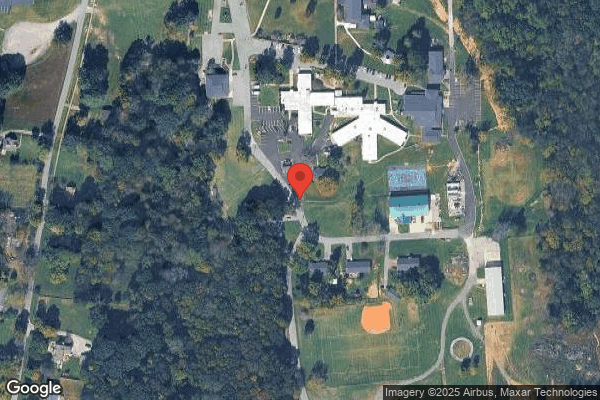
215 HIGHLAND CIRCLE DRIVE, PORTLAND, TN 37148 (615) 325-9263
For profit - Corporation 112 Beds SIGNATURE HEALTHCARE Data: November 2025 6 Immediate Jeopardy citations
Trust Grade
0/100
#284 of 298 in TN
Last Inspection: January 2020

Over 2 years since last inspection. Current conditions may differ from available data.

Overview

Signature Health of Portland Rehab & Wellness Center has received a Trust Grade of F, indicating significant concerns about the quality of care provided. Ranking #284 out of 298 facilities in Tennessee places it in the bottom half, and it is the lowest-ranked facility in Sumner County. The facility's performance is worsening, with the number of reported issues increasing from 3 in 2024 to 7 in 2025. Staffing is a notable concern, with a rating of 1 out of 5 stars and a high turnover rate of 68%, significantly above the state average of 48%. Additionally, the facility has incurred fines totaling $107,228, which is higher than 91% of Tennessee facilities, raising red flags about compliance. Despite good RN coverage, which is better than 83% of state facilities, there have been critical incidents that jeopardized resident safety. For example, one resident suffered severe burns due to contact with an energized power strip while self-catheterizing, and another resident, designated as a "full code," did not receive CPR when found unresponsive. There were also incidents of leaving vulnerable residents unattended, resulting in falls and injuries. Overall, while the nursing home has strengths in RN coverage, the alarming issues and poor ratings suggest families should proceed with caution.

Trust Score
F
0/100
In Tennessee
#284/298
Bottom 5%
Safety Record
High Risk
Review needed
Inspections
Getting Worse
3 → 7 violations
Staff Stability
⚠ Watch
68% turnover. Above average. Higher turnover means staff may not know residents' routines.
Penalties
✓ Good
$107,228 in fines. Lower than most Tennessee facilities. Relatively clean record.
Skilled Nurses
○ Average
Each resident gets 40 minutes of Registered Nurse (RN) attention daily — about average for Tennessee. RNs are the most trained staff who monitor for health changes.
Violations
⚠ Watch
28 deficiencies on record. Higher than average. Multiple issues found across inspections.
★☆☆☆☆
1.0
Overall Rating
★☆☆☆☆
1.0
Staff Levels
★★★★☆
4.0
Care Quality
★☆☆☆☆
1.0
Inspection Score
Stable
2024: 3 issues
2025: 7 issues

The Good

  • 4-Star Quality Measures · Strong clinical quality outcomes
  • Full Sprinkler Coverage · Fire safety systems throughout facility
  • No fines on record

Facility shows strength in quality measures, fire safety.

The Bad

1-Star Overall Rating

Below Tennessee average (2.8)

Significant quality concerns identified by CMS

Staff Turnover: 68%

21pts above Tennessee avg (46%)

Frequent staff changes - ask about care continuity

Federal Fines: $107,228

Well above median ($33,413)

Significant penalties indicating serious issues

Chain: SIGNATURE HEALTHCARE

Part of a multi-facility chain

Ask about local staffing decisions and management

Staff turnover is elevated (68%)

20 points above Tennessee average of 48%

The Ugly 28 deficiencies on record

6 life-threatening 2 actual harm
Sept 2025 1 deficiency 1 Harm
SERIOUS (G) 📢 Someone Reported This

A family member, employee, or ombudsman was alarmed enough to file a formal complaint

Actual Harm - a resident was hurt due to facility failures

Deficiency F0692 (Tag F0692)

A resident was harmed · This affected 1 resident

**NOTE- TERMS IN BRACKETS HAVE BEEN EDITED TO PROTECT CONFIDENTIALITY** Based on facility job description review, facility policy review, Vitals Report, Patient Weight Reports review, Weight Intervent...

Read full inspector narrative →
**NOTE- TERMS IN BRACKETS HAVE BEEN EDITED TO PROTECT CONFIDENTIALITY** Based on facility job description review, facility policy review, Vitals Report, Patient Weight Reports review, Weight Intervention Audits, Weight (wt.) Loss Documentation Report review, medical record review, and interview, the facility failed to assess and address a resident's nutritional status and implement pertinent interventions when 1 of 16 (Residents #1) sampled residents reviewed for nutritional needs sustained severe weight loss. Resident #1 experienced a severe weight loss of 7.07% from February 12, 2025, to February 19, 2025 (a period of one week). The facility's failure resulted in actual Harm to Resident #1. The findings included: 1. Review of the Job Description for the Registered Dietitian dated revealed, .The registered dietitian has administrative authority, responsibility, and accountability necessary to carry out assigned duties. Responsibilities include planning, organizing, developing, and directing the nutritional care of the resident in accordance with current federal, state, and local standards, guidelines, and regulations that govern the facility. Works effectively with others to ensure that quality nutritional services are being provided on a daily basis, and acts as a resource to the Director of Dining Services so that the dining services department is maintained in a clean, safe, and sanitary manner . 2. Review of the facility policy titled, Nutrition, Hydration, Weighing and Measuring Height-Resident dated 1/31/2025, revealed .The organization will strive to maintain residents' usual body weight or desirable body weight range, to the extent possible, to ensure each resident is able to maintain the highest practicable level of well-being. To help monitor and/or identify residents at nutritional risk, the organization will establish a baseline weight (measuring height and weight upon admission/readmission) and a schedule for weighing resident thereafter, per current professional standards of practice.Provide nutritional and hydration care and services to each resident, consistent with the resident's comprehensive assessment, physician's orders, and the resident's condition and/or limitations. Review of the facility policy titled, Dining and Food Preferences dated 9/2017, revealed .The Registered Dietician/Nutritionist (RDN) or other clinically qualified nutritional professional will review, and after consultation.adjust the individual meal plan to ensure adequate fluid volume and appropriate nutritional content for residents that do not consume certain foods.The Dining Services Director, RDN, or other clinically qualified nutritional professional, or designee, will enter information pertinent to the individual meal plan.Upon meal service, any resident/patient with expressed or observed refusal of food and/or beverage will be offered an alternative selection of comparable nutrition value. 3. Review of the medical record revealed Resident #1 was admitted to the facility on [DATE], with diagnoses which included Metabolic Encephalopathy, Neurogenic Bladder, Benign Prostatic Hyperplasia (BPH), Diabetes and Urinary Tract Infection. Review of the Vital Signs: Weight document revealed: On 1/31/2025, Resident #1 weighed 230.8 pounds (lbs.) On 2/03/2025, Resident #1 weighed 230 lbs. Review of the admission Minimum Data Set (MDS) assessment dated [DATE], revealed a Brief Interview for Mental Status (BIMS) score of 10, which indicated Resident #1 was moderately cognitively impaired. Resident #1 required assistance with eating. Review of the Event Report dated 2/4/2025, revealed dietary recommendation to change Resident #1's diet to regular and the diet order was changed. Resident #1 and his Responsible Party (RP) were both made aware. Review of the Vital Signs: Weight document revealed: On 2/12/2025, Resident #1 weighed 230.5 lbs. Review of the Speech Language Pathology ( SLP) Evaluation and Plan of Treatment dated 2/12/2025, revealed .Pt [patient-Resident #1] referred to Speech Therapy for Dysphagia [difficulty swallowing food] services due to new onset of oral/pharyngeal function, risk for aspiration, risk for weight loss, safety during oral intake and signs/symptoms of dysphagia c [with] reported choking episodes c med pass and meals.Oral Motor Structure and Function=Impaired. Review of the Vital Signs: Weight document revealed: On 2/19/2025, Resident #1 weighed214.2 lbs. which was a 7.07% weight loss in 7 days. On 2/26/2025, No weight was done. On3/4/2025, Resident #1 weighed 214.2 lbs. The facility was unable to provide RD documentation or documentation that interventions were implemented to prevent further weight loss following the identified weight loss in February. Review of the Comprehensive Metabolic (CMP) Panel dated 3/5/2025, revealed Resident #1 had a Total Protein level of 5.6 grams per deciliter (g/dl) (normal range is 6.0-8.3 g/dl) (low protein can contribute to weight loss by leading to reduced overall calorie intake and increased energy expenditure) and an Albumin level of 3.1 g/dL (normal range 3.5-5.7) (low albumin can signify poor nutrition, a significant marker of the body's inability to properly utilize nutrients, leading to weight loss). Both Protein and Albumin levels were low. Review of the Vital Signs: Weight document revealed: On 3/6/2025, Resident #1 weighed 214.2 lbs. Review of the Comprehensive Care Plan for Resident #1 dated 4/1/2025, revealed an individualized care plan with goals and interventions that included .has a self care deficit related to impaired physical functioning .provide frequent encouragement, along with prompting and assistance as needed, especially with eating .has potential for alterations in skin integrity r/t medical diagnoses.has a potential for Nutritional risk. On 4/4/2025, Patient #1 was hospitalized for suicidal ideations. During an interview on 9/8/2025 at 1:50 PM, Registered Dietician (RD) Jwas asked her schedule at the facility, and she responded she comes to the facility weekly and receives notification of significant weight changes from nursing staff via (by way of) phone. When asked how the facility determines what steps to take when significant or severe weight loss has been identified, RD J stated, each case must be evaluated individually. RD J reviewed the medical record and stated RD L completed a nutritional evaluation for Resident #1 on 2/4/2025. There was no documentation of RD progress notes or follow-up for March 2025 after the 2/4/2025 evaluation. RD J reviewed Resident #1's weights and stated a significant weight loss of more than 5% was identified on 2/19/2025. RD J verified there were no additional RD notes in the medical record after Resident #1's weight loss of 7.07% on 2/19/2025 was identified. There were no RD notes documented in March 2025, and RD Jstated she would have expected there to be documentation done. RD J verified a resident should be reweighed if there has been at least a 3-pound weight gain or loss. RD J stated nursing staff should reach out tothe RD on staff when there has been a significant weight change and usually staff would have done a reweight prior to notifying RD J. RD J stated she was not assigned to the facility at the time of the weight loss and RD L (RD at the time of the identified weight loss) was no longer employed by the facility. During an interview on 9/9/2025 at 12:50 PM, CNA B stated she cared for Resident #1 when he first arrived at the facility. He was able to feed himself and Resident #1 would repeat I am ready to go home. Resident #1 was mobile in his wheelchair. CNA B stated Resident #1 had tremors, but they were not consistent. CNA B stated Resident #1 had times when he refused to eat but he did enjoy food brought in from the outside. CNA B stated if a resident did not eat well or suddenly had a change in appetite, she would report it to the nurse on duty. During an interview on 9/9/2025 at 12:35PM, CNA C stated she would let the nurse know when a resident did not eat well and would also attempt to assist the resident with eating. CNA C stated when a resident consumed less than 50 percent, the resident was offered a snack and that the facility staff passed snacks out to residents at least twice per day. During an interview on 9/9/2025 at 2:02 PM, the Physical Therapy Assistant (PTA) stated Resident #1 was receiving services for Speech Therapy (ST). The PTA served as back up to the rehabilitation manager. During an interview on 9/9/2025 at 2:40 PM, Licensed Practical Nurse (LPN) H served as a floor nurse. LPN H stated residents are to be weighed on admission, weekly for 2 weeks and then monthly. LPN H stated if a problem with weights was identified then, it would be reported to management and medical physicians. LPN H stated readmission residents' weight schedule would start over. LPN H stated the expectation is for CNAs to report if a resident ate less than 50% of a meal and stated meal percentages were documented in the Electronic Medical Records. During an interviewon 9/9/2025 at 3:00 PM, (Named Company) State Care Consultant (SCC) was asked what the policy was for weighing residents. The SCC stated Residents should be weighed on admission, weekly times 2 weeks and then monitored per policy. During an interview on 9/9/2025 at 3:46 PM, the former RD, RD L was familiar with Resident #1's name but could not recall any details related to weight loss. During an interview on 9/9/2025 at 4:14 PM, the Director of Nursing (DON) stated residents are weighed upon admission and weekly for 2 weeks and if there was an identified concern, then the weekly weights would continue and if not, the resident will be weighed monthly unless otherwise indicated. The DON stated .if the resident has 5% weight loss in 30-days, they should be seen by the RD. The DON verified that there was no documentation from the RD in February after the weight loss had been identified and no documentation in March. The DON stated she monitors weight loss and discusses the weight loss at an At Risk meeting which occurs every Thursday and the clinical leadership, DON, Assistant Director of Nursing (ADON), Social Service Director (SSD), and Activities Director attended the meeting. The DON stated RD J has been kept updated with residents' weights and visits the facility every Monday since currently the facility did not have a RD on staff.
Apr 2025 6 deficiencies 3 IJ
CRITICAL (J) 📢 Someone Reported This

A family member, employee, or ombudsman was alarmed enough to file a formal complaint

Immediate Jeopardy (IJ) - the most serious Medicare violation

Free from Abuse/Neglect (Tag F0600)

Someone could have died · This affected 1 resident

**NOTE- TERMS IN BRACKETS HAVE BEEN EDITED TO PROTECT CONFIDENTIALITY** Based on facility policy review, medical record review, hospital documentation review, facility investigation review, and interv...

Read full inspector narrative →
**NOTE- TERMS IN BRACKETS HAVE BEEN EDITED TO PROTECT CONFIDENTIALITY** Based on facility policy review, medical record review, hospital documentation review, facility investigation review, and interviews, the facility failed to protect the resident's right to be free from neglect for 1 of 5 sampled residents (Resident #2) reviewed. On 12/13/2023, Resident #2, a vulnerable, bilateral amputee with a diagnosis of paraplegia and neurogenic bladder sustained 3rd degree burns to 4% of his body when urine from a self-catheterization or incontinent episode contacted an energized power strip positioned in the bed with him. During interview staff confirmed episodes of urine leakage after Resident #2 self-catheterized, Resident #2 was not assessed for competency related to self-catheterization and not monitored for risk of electrocution. Staff observed the power strip in bed with Resident #2 on multiple occasions after the Administrator provided the power strip to the resident. The facility's failure to provide the necessary care and services to prevent physical harm for Resident #2 resulted in Immediate Jeopardy (IJ) (a situation in which the provider's noncompliance with one or more requirements of participation has caused, or is likely to cause, serious injury, harm, impairment, or death to a resident) for Resident #2 who sustained Actual Harm. The Director of Nursing and the [NAME] Tennessee [NAME] President of Operations were notified of the Immediate Jeopardy on 4/1/2025 at 6:52 PM in the Administrator's office. The facility was cited at F-600 with a scope and severity of J, which is a substandard quality of care. An acceptable Removal Plan which removed the immediacy of the Jeopardy for F-600 was received on 4/7/2025, and the Removal Plan was validated on-site by the surveyor on 4/7/2025 through 4/10/2025 by medical record review, monitoring log review, observation, review of education records, and staff interviews. F600- The Immediate Jeopardy began on 12/13/2023 through 4/4/2025, the IJ was removed on 04/5/2025. The facility's noncompliance at F-600 continues at a scope and severity of D for monitoring of the effectiveness of the corrective actions. A partial extended survey was done 4/1/2025- 4/4/2025. The findings included: 1. Review of the facility policy titled, Abuse, Neglect and Misappropriation of Property, revised 9/15/2023, revealed .It is the organization's intention to prevent the occurrence of .Neglect .The organization will include screening, training, prevention .to provide protection for the health, welfare, and rights of each resident residing in the facility .For purposes of this guidance, Covered Individuals include the owner, operator, employee, manager, agent, or contractor of the facility. Staff would also include caregivers who provide care and services to residents on behalf of the facility .Abuse also includes the deprivation by an individual, including a caretaker, of goods or services that are necessary to attain or maintain physical, mental, and psychosocial well-being .Neglect .Is defined as the failure of the facility, its employees or service providers to provide goods and services to a resident that are necessary to avoid physical harm, pain, mental anguish or emotional distress .Prevention .Establishing a safe environment that supports, to the extent possible, a resident's safety .Ensuring that residents are free from neglect by having the structures and processes to provide needed care and services to all residents . 2. Review of the medical record revealed Resident #2 was admitted to the facility on [DATE], with readmission on [DATE]. Admitting diagnoses included Osteomyelitis, Neuromuscular dysfunction of bladder, Paraplegia, Acquired absence of left leg above knee, and Acquired absence of right leg above knee. Review of the admission Minimum Data Set (MDS) assessment dated [DATE], revealed Resident #2 had a Brief Interview for Mental Status (BIMS) score of 15, which indicated no cognitive impairment. Resident #2 was coded 0 behavior exhibited for Rejection of Care (care necessary to achieve the resident's goals for health and well-being). Resident #2 was coded substantial/maximal assistance for toileting, personal hygiene, partial/moderate assistance with roll left and right in bed and not applicable with transfers resident did not perform. Functional abilities indicate resident's usual ability with everyday activities. Resident #2 was coded for an Indwelling catheter and ostomy appliance. Review of the Point of Care History for Resident #2 dated 11/13/2023-12/13/2023 revealed staff documented incontinent level of bladder control 24 of 61 opportunities/entries. Review of Resident #2's comprehensive care plan revised 11/22/2023, revealed, .Problem Start Date: 8/26/2023 .Resident has potential for altered elimination .Long Term Goal .Resident will have decreased episodes of incontinence .Approach Start Date: 08/26/2023 .Provide incontinent care .Problem Start Date: 11/22/2023 .Resident has impaired decision making R/T [Related/To] depression . There were no care plan categories and interventions related to noncompliance behaviors, refusal of care, and intermittent self-catheterization for Resident #2. Review of the Medication Administration Record for Resident #2 dated 12/13/2023 revealed, .INTERMITTENT CATHETERIZATION, PATIENT DOES [catheterization] HIMMSELF [himself], ENSURE ALL SUPPLIES NEEDED ARE AVAILABLE TO PATIENT . Nursing staff documented urine output each shift. Further review revealed on 12/12/2025 nursing documented administration of the following medications: 6 AM- morphine (opioid pain medication used to treat moderate to severe pain) 15 mg (Milligram) extended release, 7 AM to 11 AM administration of baclofen (muscle relaxant) 10 mg (milligram) , gabapentin (used to treat nerve pain) 600 mg, oxycodone (opioid pain medication used to treat severe pain) 10 mg, All medications listed cause drowsiness. Review of a statement signed by Administrator F dated 12/13/2023 revealed on 12/8/2023 Administrator F removed a brown extension cord from Resident #2's room. Administrator F stated Resident #2's phone charger and computer were plugged into the extension cord. Administrator F provided a power strip to the resident, connected it to the outlet then plugged the phone charger and computer into the power strip. Administrator F stated on 12/12/2023 after being called to Resident #2's room, he found Resident #2 had an electrical burn and the power strip was deformed as if it overheated and melted. There was no documentation of an assessment to ensure Resident #2 could use the power strip safely. There was no documentation a care plan was developed for Resident #2 addressing the safe use of a power strip. There was no documentation in the care plan that Resident #2 was educated on the risks of power strip usage, particularly in the bed. Review of an Event Report dated 12/14/2023 revealed on 12/13/2023 Resident #2 sustained a third degree (involves all layers of skin, sometimes fat and muscle tissue) electrical burn measuring 54 x 48 x 0 (centimeters=approximately 21x 19 inches) to right leg and buttocks. Resident #2 was sent to the emergency room for evaluation. The Event Report statement indicated the Interdisciplinary Team (IDT) had met and determined Resident #2 had placed a power strip for electronics in the bed with him and per resident statement, urine may have contacted the power strip. The Event Report stated Resident #2 was given education to not keep the power strip in the bed with him and proper use of electrical devices. The Event Report was closed by the Former Assistant Director of Nursing (FADON). During an interview the FADON could not recall the education noted in the Event Report, or when the education occurred. Resident #2 was transferred to the emergency room on [DATE] and did not return to the facility. Review of Hospital #1's Emergency Provider Report dated 12/13/2023 revealed Resident #2 was seen in the Emergency Department (ED) related to electrical burns sustained when urine leaked from his catheter into a power strip positioned in his bed. Resident #2 alleged he was on the power strip for an unknown amount of time because he was unable to move off of the power supply. The documentation revealed, .On physical exam, about 4% [percentage of total body surface area], third -degree burn noted to right buttock . Review of a Resident Progress Note for Resident #2 dated 12/13/2023, 9:54 AM, revealed, .resident reports having an electric shock to buttocks .evaluation open area with redness surrounding area .the area appears to be gray in coloring with fascia [layer of tissue that covers muscles, bones, and organs] white in coloring .resident states, he had cath [catheterized] himself and was shocked. When asked what was learned from this situation he replied, Never have an electric cord in the bed while you cath . Note was entered by LPN C. During an interview on 3/27/2025 at 2:53 PM, the Occupational Therapist (OT) stated she entered Resident #2's room on 12/13/2023 to perform treatment. Resident #2 was in bed holding a cord and told her to get the nurse. Resident #2 had burns on his buttocks and leg. The OT stated Resident #2 often had many devices and cords in the bed with him. Therapy often had to move the items to complete treatment. During a telephone interview on 3/31/2025 at 12:40 PM, CNA I stated , .I had him [Resident #2] that day [12/13/2023] .I was giving a shower so I didn't know about the accident until after .[Resident #2] kept his computer and phone on the table, they were plugged into a brown extension cord that hung beside the bed .then there was another cord with more places to plug into .it stayed on the end of the bed . CNA I confirmed Resident #2 had episodes of incontinence or spilled urine when he self cathed, which required his bed linens to be changed. CNA I stated she had reported the concerns related to the resident's safety to Administration. During a telephone interview on 3/31/2025 at 1:02 PM, the Former Assistant Director of Nursing (FADON) stated she was called to Resident #2's room on 12/13/2023, to due to an electrical accident. The FADON stated it was difficult to control her emotions due to the severity of Resident #2's injury and the smell of burning flesh. Resident #2 had sustained third degree burns to his buttocks and upper leg. The FADON recalled Resident #2's shirt was wet, and the power strip was melted. The FADON concluded Resident #2 had not had the power strip for a long period of time because she felt as if the accident would have occurred sooner than 12/13/2023. The FADON stated Resident #2 was at risk of injury related to the electrical devices due to occasional incontinent episodes and his habit of keeping energy drinks in bed with him. The FADON was asked if Resident #2 had been observed for competency in the self-catheterization procedure, she replied, I know that he was self-cathing before he came here, I don't know if we actually watched him cath himself. The FADON stated she was unaware of Resident #2 having a power strip, to her knowledge the issue had not been discussed in the clinical meetings before the accident on 12/13/2023. The FADON was asked if staff had provided education related to the use of the power strip supply cord and the risk of using electrical devices while in bed before or after the accident, she replied, Not to my knowledge. During an interview on 3/31/2025 at 5:13 PM, Licensed Practical Nurse (LPN) C confirmed Resident #2 was on her regular assignment in the facility and on 12/13/2023 she was called to Resident #2's room because he had been burned. LPN C stated, .I got to the room, and he was over on his stomach, I could see the burns on his buttocks .the power strip was melted . LPN C confirmed Resident #2 self-cathed and had episodes of incontinence. LPN C was asked if Resident #2 had been observed performing the self-catheterization to determine competency with the procedure, LPN C replied, .I am not sure .he had been doing it a long time before he came here . LPN C stated Resident #2 used a laptop computer and cell phone in the bed and was unsure if the resident had a power strip to supply energy to the devices. The surveyor read the progress note entered by LPN C on 12/13/2023 and asked if she had provided education related to self-catheterization and electrical device safety to Resident #2 prior to the accident, LPN C refused to comment on the progress note which indicated she had asked Resident #2 if he had learned any lessons from the accident. During a telephone interview on 4/2/2025 at 9:12 PM, the Former Director of Nursing (FDON) stated Resident #2 liked to keep his electronics int the bed. Resident #2 was encouraged to not keep the electronics in the bed by staff. The FDON stated, .His preference was to keep things close to him .he has a right . The FDON acknowledged Resident #2 self-catheterized due to a neurogenic bladder and had episodes of incontinence. The FDON was asked what interventions were implemented related to Resident #2's safety risk due to noncompliance with recommendations to remove the electronic devices from his bed. The FDON confirmed there were no interventions on Resident #2's care plan, staff continued to encourage him to move the items from his bed and the Administrator provided Resident #2 with an approved power strip. When asked if Resident #2 was observed while performing self-catheterization for competency, the FDON replied, I don't remember, it would be in his chart. When asked if staff offered to move the power strip and charging cords to a safe location instead of moving Resident #2's electronics, the FDON stated, I am sure they did and he would not let them. During a telephone interview on 4/4/2025 at 12:09 PM, CNA U stated, .[Named Resident #2] had a habit of keeping electronics, [Named energy drink]s and packs of catheters in the bed with him .I told [Named Administrator F] and he spoke to [Resident #2] then gave him a power strip .[Administrator F] told him not to keep things in bed with him, but [Administrator F] never followed up and it kept happening .there were times when so much junk was in the bed, I couldn't provide care for him .at least 1 time a week [Resident #2] was incontinent or spilled something in his bed and I had to change the linens .I do remember seeing an extension cord on the floor behind the bed before [Resident #2] got the power strip, I remember [Administrator F] plugged it up and put it on the end of the bed . During a telephone interview on 4/4/2025 at 2:29 PM, CNA V stated Resident #2 kept several devices, including charging cords in his bed. CNA V confirmed he could, at times, persuade Resident #2 to allow him to move the computer and phone along with the charging cords. CNA V stated when he was not able to move the electronics, he informed the nurses due to the risk to Resident #2. CNA V stated the nurses were inconsistent with attempts to remove the electronics and would wait and report it to day shift or someone on Monday. CNA V stated it was unsafe for Resident #2 to have electronics and charger cords in bed with him due to medication side effects, incontinent episodes, and accidental spillage of liquids. During a telephone interview on 4/9/2025 at 4:09 PM, Administrator F confirmed he had taken Resident #2's extension cord and replaced the cord with a power strip/multioutlet power cord. Administrator F stated the root cause of the electrocution accident was determined as urine spilled and contacted the energized power strip when Resident #2 self-cathed. The Administrator was asked if the power strip was safe for use by Resident #2 due to risk of incontinence episodes or accidental spillage during the self-cath procedure. Administrator F stated Resident #2 knew what the rules were and he refused to abide by them. When asked if he had discussed different options in placement of the electronics and charger cords with Resident #2, Administrator F stated, He filed a grievance against me and said he didn't want me in his room, so no more conversation. During an interview on 4/10/2025 at 10:47 PM, LPN W stated Resident #2 had been on her assignment before the electrical accident on 12/13/2023. Resident #2 wanted his laptop and phone with him all the time. LPN W recalled the day [Administrator F] gave Resident #2 the power strip, she observed it was on the end of the bed. When asked if she had ever moved the power strip from the bed, or had she been told to keep power strips and electrical cords off of the residents' beds, LPN W confirmed she had not been told to monitor or moved the electrical devices before the accident [12/13/2023]. LPN W stated it isn't safe for electrical cords to be in any resident's bed, particularly residents that are incontinent or impaired. LPN W acknowledged she had not documented Resident #2's refusal to allow staff to remove the electronics from his bed. LPN was not able to recall whether Resident #2 was care planned for noncompliance behaviors. When asked if nursing staff monitored Resident #2 during his self-catheterization procedures, LPN W replied, No, we just made sure he had the supplies to cath and signed it off on the MAR. During a telephone interview on 4/11/2025 at 3:37 PM, the Former Medical Director (FMD) stated Resident #2 performed most of his own care which included intermittent catheterization. The FMD was asked if Resident #2 had episodes of incontinence in addition to the catheterization procedure, she replied, .Most spinal cord injury patients will frequently have overflow incontinence, [Resident #2] consumed large amounts of fluid . The FMD stated she could not recall staff complaints of Resident #2 refusing care. During a telephone interview on 4/11/2025 at 3:06 PM, Resident #2 stated before he was electrocuted (12/13/2023) Administrator F took his extension cord from him and brought him a power strip and placed it on the end of the bed. Resident #2 stated the power strip malfunctioned after water splashed on it during a meal. Resident #2 stated Administrator F told him the power strip was still safe to use. Administrator F replaced the power strip after Resident #2 insisted he did not feel comfortable. Administrator F told Resident #2 the power strip the power strip was hospital grade, and placed it on the end of his bed where it remained until the day of the accident. Resident #2 stated he wasn't sure how urine contacted the power strip. He had a foley (an indwelling catheter) removed a few days before and often had bladder incontinence after having a foley catheter. Resident #2 stated urine could have leaked during a self-catheterization before he went to sleep. Resident #2 was unable to speak without pausing during the interview, often apologizing for his emotions. Resident #2 confirmed he had experienced extreme anxiety and panic after the accident on 12/13/2023. An acceptable Removal Plan which removed the immediacy of the Jeopardy for F-600 was received on 4/7/2025, and the Removal Plan was validated on-site by the surveyor on 4/7/2025 through 4/10/2025 by medical record review, monitoring log review, observation, review of education records, and staff interviews. F600 Abuse/Neglect Immediate Jeopardy Removal Plan 1.Corrective Actions for identified resident(s) affected by the deficient practice. The facility failed to ensure resident #2 was free from abuse and neglect and the facility failed to prevent the use of electrical devices and power strips in the bed and was electrocuted. a.Resident #2 discharged to the hospital on [DATE] and did not return. b.On 12/13/2023: i.9:38 am- The occupational therapist went into Resident #2's room to work with the resident, upon entering the resident's room, the resident stated he was electrocuted. ii.9:39 am- The therapist immediately got his assigned nurse and the ADON to assess the resident. iii.9:41 am - Upon entering the resident's room, he was noted to be lying on his stomach on the very edge of the left side of his bed. The resident was A&O x4, and no alteration in mentation was noted. The resident reported pain of 10/10 to the area. On the right side of the resident's bed, it was noted that there was a power strip that had two cords plugged into it. The power strip was noted to be melted and deformed and was not plugged into the wall. The resident stated he had pulled the plug out of the wall. iv.The nurse called 911 for EMS transport and the ADON remained with the patient. The right buttock/hip/posterior right thigh area was noted to have an open laceration, surrounding the laceration was a large area of tan/grey skin that had a rough hard texture, and surrounding the entire darkened area was red. Areas of skin were peeling bordering the entire wound. The back lower part of the resident's shirt was noticed to be damp. The resident was not wearing pants. v.The affected area measured in total 54x48x0 cm. The open laceration was measured and was 8x4x2 cm. Vitals signs were obtained: BP 140/88, pulse 94, resp 18, O2 99% on RA, temp 98.2 vi.9:47 am - The resident stated that he had just in and out catheterized himself and as he was cleaning himself up, he rolled to his right side and that is when he felt the shock The resident stated that he felt like he was unable to get himself off the power strip for at least 45 seconds but is unsure of the exact time. The resident stated that he was able to get himself off the power strip eventually by grabbing his trapeze bar and he then rolled as far over as he could on the left side of his bed. The patient stated that the occupational therapist walked into the room minutes after it had happened and he immediately reported what had just happened to her and she left to get nursing assistance immediately. vii.10:00 am - EMS and police personnel arrived; the resident was assessed by emergency personnel. EMS left with the resident at 10:12 am. The report was called to Skyline Medical Center. viii.11:47 am- The resident's emergency contact was made aware. ix.12/13/2023 resident #2 was admitted to Skyline Medical Center with a 4% third-degree burn to the right buttock, full thickness electrical burn. x.The Regional Plant Operations Director and Plant Operations Director checked the voltage for the receptacle in resident #2's room and the voltage was verified to be within normal limits. The power strip was UL 1363 approved. 2.Identification of other residents who may be affected by the deficient practice and corrective actions that will be put in place to ensure the deficient practice does not reoccur. The facility took immediate action to ensure all residents are free from neglect and to ensure the residents receive the services needed to prevent serious harm, serious injury, serious impairment, or death as follows: a.On 4/1/2025 all resident rooms were rounded on by the campus clinical leadership team consisting of the Director of Nursing (DON), Unit Manager (UM), Staff Development Coordinator (SDC), the regional VP of Operations, Regional Nurse Consultants, and Regional Director of Regulatory for electronic items and/or power strips/cords kept in the bed. No items found in resident's beds during rounding. The rounding consisted of entering the room, checking all areas, including the bed, for placement of electrical devices that were not plugged in or stored appropriately to include but not limited to power strips, extension cords, and device chargers. b.On 4/1/2025, all residents with a BIMS 8 or above were educated by the campus clinical leadership team, regional VP of Operations, Regional Nurse Consultants, and Regional Director of Regulatory, on not placing electronics and/or charging devices such as charging cables, power strips, or extension cords in their bed. c.Complete investigation to include rounding and education occurred at the time of the incident in December of 2023. d.Staff or residents voiced no concerns regarding education and verbalized understanding of not placing electronics and/or charging devices such as charging cables, power strips, or extension cords in their bed. 3.Measures put in place and systemic changes you will make to ensure that the deficient practice does not reoccur. a.All staff will be re-educated on the Safety and Supervision of Resident Policy, Physical Security Policy, and Abuse, Neglect, and Misappropriation of Property policy by the Administrator and/or Staffing Coordinator beginning 4/1/2025 and will be completed with all staff prior to working their next shift. b.After initial rounding and assurance that no electrical devices are stored in resident beds or areas that could result in electrocution, an audit will be conducted to ensure that electrical devices, power strips, or cords are not placed in resident beds to ensure that compliance is maintained. The audit will be completed by the administrator or designee on 5 residents weekly for 4 weeks, then every other week for 2 months, then monthly for 3 months or until substantial compliance is achieved. If any deficient practice is observed, the resident and staff will be reeducated by the Administrator and the deficiency will be corrected immediately. 4.Describe the Quality Assurance & Process Improvement Program that will be put into place. a.An Ad Hoc Quality Assurance meeting was held at the time of occurrence on 12/13/2023 with the Medical Director and the facility QAPI Committee to review the plan of correction and ensure the implementation of the plan. a.A new ad-hoc QAPI meeting will be held on 4/2/25 with the medical provider, Administrator, DON, Maintenance Director, [NAME] President of Operations, Director of Regulatory, and Regional Nurse Consultant regarding the alleged deficient practice, the education given, and the removal plan that was implemented on 4/1/25. b.Power strips or extension cords will not be provided to the facility residents. All staff were educated on 4/1/2025. c.As a measure of ongoing compliance, audit results will be submitted to the campus administrator, or designee, for review by the Quality Assurance Performance Improvement Committee until substantial compliance is achieved. The QAPI committee has the right to modify or extend monitoring times according to outcomes of audits.
CRITICAL (J) 📢 Someone Reported This

A family member, employee, or ombudsman was alarmed enough to file a formal complaint

Immediate Jeopardy (IJ) - the most serious Medicare violation

Deficiency F0678 (Tag F0678)

Someone could have died · This affected 1 resident

**NOTE- TERMS IN BRACKETS HAVE BEEN EDITED TO PROTECT CONFIDENTIALITY** Based on facility policy review, medical record review, facility investigation review, and interviews, the facility failed to in...

Read full inspector narrative →
**NOTE- TERMS IN BRACKETS HAVE BEEN EDITED TO PROTECT CONFIDENTIALITY** Based on facility policy review, medical record review, facility investigation review, and interviews, the facility failed to initiate and provide Basic Life Support (BLS) including Cardiopulmonary Resuscitation (CPR) according to the resident's preference and physician order for 1 of 3 sampled residents (Resident #3) reviewed. On [DATE] Resident #3, a resident designated with full code status, was found unresponsive, without respirations and a palpable pulse. Nursing staff made no attempt to perform BLS/CPR in accordance with the resident's wishes/preferences. The facility's failure to provide BLS/CPR to Resident #3, a resident identified as a full code, resulted in Immediate Jeopardy (IJ) (a situation in which the provider's noncompliance with one or more requirements of participation has caused, or is likely to cause, serious injury, harm, impairment, or death to a resident). The Administrator and the [NAME] Tennessee [NAME] President of Operations were notified of the Immediate Jeopardy on [DATE] at 5:08 PM in the Administrator's office. The facility was cited at F-678 with a scope and severity of J, which is a substandard quality of care. The IJ existed from [DATE] through [DATE]. The Immediate Jeopardy was removed on [DATE] when the facility implemented a corrective action plan. The corrective actions and monitoring plan were validated onsite by the surveyor on [DATE] - [DATE] through review of education records, interviews with staff, interview with the Director of Nursing (DON), review of audits, and review of the facility QAPI meeting minutes. The facility was cited for past noncompliance (PNC) for F-678 and is not required to submit a Plan of Correction. The findings included: 1. Review of the facility's policy titled, Advance Directives, revised [DATE], revealed, .The facility will ensure each resident has the right to .formulate an advance directive . Review of the facility's policy titled, Cardiopulmonary Resuscitation, revised [DATE], revealed, .Cardiopulmonary Resuscitation (CPR)/Basic Life Support (BLS) in victims of sudden cardiac arrest will be initiated by staff .Cardiopulmonary Resuscitation (CPR) will be attempted for any resident who is found to have no palpable pulse and/or no discernible respirations, unless there is a written physician order to the contrary . 2. Review of the medical record revealed Resident #3 was admitted to the facility on [DATE], and readmitted on [DATE], with diagnoses which included Acute and Chronic Respiratory Failure with hypoxia, Chronic Obstructive Pulmonary Disease (COPD) with (Acute Exacerbation) and Pneumonia. Continued review revealed Resident #3 was a Full Code status with feeding restrictions/no artificial nutrition by tube. Review of the Care Conference Meeting Minutes dated [DATE] revealed Resident #3 was admitted to the facility with an anticipated discharge home. The plan of care was reviewed with all disciplines, the resident, and the resident's representative (Family Member-FM RR). Review of the Care Conference Meeting Minutes dated [DATE] revealed .Significant Change CP [Care Plan] meeting held with Resident and granddaughter [FM RR]. Code-status reviewed-no changes .therapy discussed progress .Resident is having trouble with energy .Discussed possible palliative [palliative-focus on symptom management for patients with life threatening illnesses along with curative treatments] or hospice care [focus on end-of-life care-when curative care is no longer successful] . Resident #3 anticipated discharge home. The plan of care was reviewed with all disciplines, the resident, and the resident's representative. Review of the Care Plan History report for Resident #3 dated [DATE]-[DATE] revealed, .Problem Start Date: [DATE]-DC [Discontinue] ON: [DATE] .Advanced Directive(s) and/or Code Status .DC Reason: Care Plan Discontinued [Resident in hospital] .Approach Start Date: [DATE] .Honor resident's Advanced Directive and/or Code Status .Problem Start Date: [DATE]-DC [Discontinue] ON: [DATE] .Advanced Directive(s) and/or Code Status .DC Reason: deceased .Approach Start Date: [DATE] .Honor resident's Advanced Directive and/or Code Status . The care plan entry did not reflect Resident's preference for code status. Review of the Physician Order Report for Resident #3 dated [DATE]-[DATE] revealed, .Start Date XXX[DATE] .Code Status: Full Code .Start Date XXX[DATE] .BiPAP [Bilevel Positive Airway Pressure-1 level for inhaling and 1 level for exhaling] .Apply at bedtime . Review of the Tennessee Physician Orders for Scope of Treatment (POST) form for Resident #3 dated [DATE] revealed, .This is a Physician Order Sheet based on the medical conditions and wishes of the person identified .When need occurs, first follow these orders, then contact physician .CARDIOPULMONARY RESUSCITATION (CPR): Patient has no pulse and is not breathing . Resident #3's wishes/preference was indicated by an X marked in the box next to Resuscitate (CPR). The box indicating the preference was discussed with the resident was marked with an X. The form was signed by Social Services Director (SSD). Review of the Initial History and Physical for Resident #3, dated [DATE], revealed, .Code Status List: Full Code .ADVANCED CARE PLANNING Consent: full code confirmed . The document was signed by the Medical Director (MD G) on [DATE]. Review of the admission Minimum Data Set (MDS) assessment dated [DATE], revealed Resident #3 had a Brief Interview for Mental Status (BIMS) score of 13, which indicated no cognitive impairment. Resident #3 was coded No for prognosis of condition or chronic disease that may result in a life expectancy of less than 6 months. Review of the Resident Progress Notes for Resident #3 revealed, XXX[DATE] .0:28 [12:28 AM] .Resident is on Avycaz [medication used to treat infection] .Resident is wearing her CPAP [BiPAP] [Continuous Positive Airway Pressure device used for sleep apnea] .Resident took medicine with no problem .Will continue to monitor if the resident will be compliant with her CPAP [BiPAP] . Review of the Resident Progress Notes for Resident #3 revealed, XXX[DATE] .05:15 H [5:15 AM] .This nurse is about to give the IV [Intravenous administration] Avycaz [Antibiotic] and was trying to start a conversation how compliant is she all through the night with her CPAP on. Resident has no response .no respiratory effort, no response to verbal stimuli or response to light .auscultation [listening-usually performed with a stethoscope-device used to amplify sound from inside the body] of her heart .no beating .no pulse detected. Time of death 0534 [5:34 AM] . The nurse notes Resident #3's time of death 19 minutes after entering the room to administer medication. The note was entered by Registered Nurse (RN) MM. 3. Review of the facility's event investigation included statements from staff assigned to provide care for Resident #3 on [DATE]-[DATE]. A statement signed by Registered Nurse (RN) MM revealed RN MM stated during a routine morning ([DATE]) medication administration she and CNA SS entered Resident #3's room to administer medication and found her without a pulse, she then left the room to get her vital sign equipment, returned to Resident #3's room and could not confirm vital signs. RN MM statement was that she did not initiate CPR because Resident #3's fingers were blue, and her lower extremities were turning colors. RN MM confirmed she was aware of Resident #3's full code status and did not attempt CPR. A statement signed by Certified Nursing Assistant (CNA) SS revealed she entered Resident #3's room during routine morning rounds, found Resident #3 without respirations and went to notify RN MM. CNA SS and RN MM tried and were unable to confirm Resident #3's pulse. CNA SS's statement was that CPR was not initiated because RN MM informed her Resident #3 was a Do Not Resuscitate (DNR). 4. During a telephone interview on [DATE] at 9:28 AM, FM RR stated, . On [DATE]th [[DATE]] the social worker [SSD] called and asked if I wanted my grandmother's (Resident #3) code status to remain the same, a full code, since it was listed at the hospital [[DATE]-[DATE]] as a DNR [Do not Resuscitate] .I told [SSD] she was really bad sick when she went to the hospital, but when she started to get better and was ready to leave, [Resident #3] said she felt like she had another chance to live and enjoy her grand babies, who were her entire world .I told [SSD] you asked [Resident #3] she is in her right mind, if she says she wants to stay a full code, then she will .Her [Resident #3] death hit us like a ton of brick .we are all still shocked .I haven't told anyone else in my family that the nurse didn't do everything to save her .I think it would torture their mind more if they knew, it [the facility's failure to perform CPR] has [tortured] me .her great grandson who is 6 [age] knows she [Resident #3] is in heaven, but he still cries and crawls in my lap when anyone mentions her name .he misses her so much . During a telephone interview on [DATE] at 11:48 AM, MD G stated she saw Resident #3 for a readmission assessment on [DATE]. MD G confirmed she had a discussion with Resident #3 about her preference for her code status given her chronic illnesses, and Resident #3 indicated she wanted to remain a full code, everything to be done. MD G was asked what her expectations were when staff found a resident with full code status, unresponsive. MD G began to explain Resident #3's multiple comorbidities and prognosis. MD G was asked if she explains the definition of full code status and do not resuscitate to residents during her assessment for advance care planning. MD G she stated that she does explain the choices to the resident. MD G was asked what the resident expected to happen if they chose full code status, MD G confirmed the resident expects life saving efforts which include CPR to be performed. During a telephone interview on [DATE] at 9:30 PM, RN H stated when a resident is found without a pulse and respirations staff were expected to confirm their code status and initiate CPR if the resident was a full code. RN H stated she received report from RN MM the morning of [DATE] and was told Resident #3 was found without a pulse and no respirations. RN H asked RN MM if she had initiated CPR because Resident #3 was a full code, RN MM confirmed she had not initiated CPR, and she did not call 911. RN H stated, .[Named RN MM] told me she went in to give the antibiotic and [Named Resident #3] had already passed, so she did not start CPR .I told her we are supposed to always do CPR and call 911 for residents that are a full code .[RN MM] was upset and said she didn't know why she didn't start CPR .I don't know what she was thinking . During an interview on [DATE] at 3:18 PM, CNA AA confirmed she had worked the night of [DATE]-[DATE], and was completing morning rounds ([DATE]) when CNA SS asked her to help with Resident #3's postmortem care (clean and dress the resident after death). CNA AA was asked to describe Resident #3's physical appearance during the postmortem care. CNA AA stated, .It was 15 till 6 [5:45 AM] when I got to the room to help [Named CNA SS] take care of [Named Resident #3] .she was still warm, but the room was warm too .she was easy to move when we turned her and dressed her .not stiff or anything .she was a white lady, I didn't notice any bad discolored areas on any of her skin .Her feet might have been a little blue .nothing really stands out about her color .her eyes were closed,[eyes] maybe a little crack open after we turned her over to clean her up .she had lines on her face where her mask [BiPAP] was . During a telephone interview on [DATE], the former Director of Nursing (DON QQ) stated RN MM reported she found Resident #3 without a pulse and respirations on [DATE]. RN MM said the resident's lower extremities were discolored and she did not initiate CPR. DON QQ was asked what she expected nursing staff to do if a resident with full code status was found unresponsive, she replied, .If the resident is full code, and without apparent rigor mortis [process that occurs as early as four hours after death, causing muscles to stiffen and become immobile], staff should call a code blue, initiate CPR and call 911 . DON QQ stated she could not determine whether Resident #3 had irreversible signs of death after completing her investigation of the occurrence. Multiple attempts were made during the survey to contact RN MM and CNA SS by phone and email. Messages were left via voicemail with no return communication received and no response to email. RN MM and CNA were assigned to Resident #3 on [DATE] through the morning of [DATE]. The facility's corrective actions were validated onsite by the surveyor on [DATE] - [DATE] through policy review, observation, review of education, and staff interviews conducted on all shifts. 1. On [DATE] nurse #1 [RN MM] was rounding on resident #2 [Resident #3] at 0515 when nurse noted resident to not be responding. The nurse completed a full assessment assessing respirations, pulse and auscultating heart sound with no response. The nurse noted hands and feet to be purple. At 0534 NP and family were made aware. a. Nurse #1[RN MM] was suspended on [DATE] pending investigation. Verified by employee record review. 2. All residents have the potential to be affected. a. On [DATE], State Care Consultant (SCC) audited residents to make sure that all residents had an order for their code status and the code status matched the banner in MatrixCare. Verified by monitoring sheets and record review. b. On [DATE], the Director of Nursing (DON), Unit Manager (UM), Social Services Director (SSD), MDS Coordinator, and campus administrator completed an audit of all POST forms, code status orders, and banner in MatrixCare ensuring accuracy with any concerns immediately corrected. Verified by the surveyor by review of monitoring sheets and record review. c. Beginning [DATE], an audit was started on CPR certifications for all nursing staff by the DON and clinical leadership team, with no concerns noted. Verified by the surveyor by monitoring sheets and licensure review. d. Beginning [DATE], all residents who passed away in the past 90 days were audited to ensure code status preferences were accurately in place per resident preference and will be monitored ongoing for all residents. Verified by surveyor review of the monitoring sheets, staff interviews, and record review for residents who expired in the facility. 3. Measures put in place and systemic changes you will make to ensure that the deficient practice does not re-occur. a. The SCC educated the Administration, DON, and UM on CPR policy on [DATE]. Verified by in-service sign in sheets and staff interview. b. Starting [DATE], the Administrator, DON, and UM began in-servicing all nursing staff on the CPR policy. All nursing staff will be in-serviced by [DATE]. All nursing staff who have not completed the in-service will complete the in-service prior to working their next shift. The training was verified by the surveyor through review of all active staff sign-in sheets for in-services and staff interviews on all shifts. c. Starting on [DATE], the DON, UM, or Administrator will complete staff interviews asking the nursing staff about the CPR Policy and Review code status. Interviews will be completed on 5 nursing staff, twice weekly for 4 weeks then weekly for 4 weeks. This was verified by staff interview and monitoring documentation. 4. Starting [DATE], the DON and UM, or Process Improvement Program that will be put into place. a. An ad-hoc Quality Assurance meeting was held on [DATE] with the Medical Director and the facility QAPI Committee to review the jeopardy removal plan and ensure the implementation of the plan. Verified by review of the QAPI meeting minutes and sign in sheet. b. Starting [DATE], a Quality Assurance meeting will be held weekly for 4 weeks, then monthly for recommendations and further follow up regarding the above stated plan. Verified by review of the QAPI meeting minutes and sign in sheet. c. The QA Committee will determine at what frequency any ongoing audits will need to continue. The Administrator has the oversight to ensure an effective plan is in place to meet the resident's wellbeing as well as an effective plan to identify facility concerns and implement a plan of correction.
CRITICAL (J) 📢 Someone Reported This

A family member, employee, or ombudsman was alarmed enough to file a formal complaint

Immediate Jeopardy (IJ) - the most serious Medicare violation

Accident Prevention (Tag F0689)

Someone could have died · This affected 1 resident

**NOTE- TERMS IN BRACKETS HAVE BEEN EDITED TO PROTECT CONFIDENTIALITY** Based on facility policy review, medical record review, hospital documentation review, Death Certificate review, facility invest...

Read full inspector narrative →
**NOTE- TERMS IN BRACKETS HAVE BEEN EDITED TO PROTECT CONFIDENTIALITY** Based on facility policy review, medical record review, hospital documentation review, Death Certificate review, facility investigation review, observations, and interviews, the facility failed to provide supervision and ensure the environment remained free of accident hazards to prevent avoidable accidents for 5 of 5 sampled residents (Residents #1, #2, #12, #14, and Resident #15) reviewed for accidents. On [DATE], Resident #2, a vulnerable, bilateral amputee with a diagnosis of paraplegia and neurogenic bladder was electrocuted while lying in bed. Resident #2 sustained 3rd degree burns to 4% of his body when urine contacted an energized power strip (provided by the Administrator) positioned in the Resident's bed with him. Resident #1 was a vulnerable, cognitively impaired, and legally blind resident at high risk for falls. On [DATE] staff assisted Resident #1 to the bathroom and left her unattended. Resident #1 stood up and fell to the floor. Resident #1 sustained a left pubic root fracture [bones making up the front part of the pelvis] resulting in a damaged blood vessel hemorrhage and expired on [DATE]. The cause of death for Resident #1 was documented as BLUNT FORCE INJURY OF THE PELVIS. The facility's failure to provide supervision and a safe environment that was free from accident hazards over which the facility had control and prevent avoidable accidents resulted in Immediate Jeopardy (IJ) (a situation in which the provider's noncompliance with one or more requirements of participation has caused, or is likely to cause, serious injury, harm, impairment, or death to a resident) with actual harm for Resident #1 and Resident #2. The Director of Nursing and the [NAME] Tennessee [NAME] President of Operations were notified of the Immediate Jeopardy on [DATE] at 6:48 PM in the Administrator's office. The Interim Director of Nursing and the [NAME] Tennessee [NAME] President of Operations were notified of the Amended Immediate Jeopardy on [DATE] at 3:44 PM in the Administrator's office. The facility was cited at F-689 with a scope and severity of J, which is substandard quality of care. A partial extended survey was done [DATE]- [DATE]. An acceptable Removal Plan which removed the immediacy of the Jeopardy for F-689 was received on [DATE], and the Removal Plan was validated on-site by the surveyor on [DATE] through [DATE] by medical record review, monitoring log review, observation, review of education records, and staff interviews. F689- The Immediate Jeopardy began on [DATE] through [DATE], the IJ was removed on [DATE]. The facility's noncompliance at F-689 continues at a scope and severity of D for monitoring of the effectiveness of the corrective actions. The facility is required to submit a Plan of Correction. The findings included: 1. Review of the facility's policy titled, Accidents and Incidents, revised [DATE], revealed, .The intent is to ensure the facility provides an environment that is free from accidents and incidents that are avoidable .investigates these occurrences with applicable documentation, and appropriate reporting is completed .facility shall investigate, to the best of their ability, the cause of the accident .If indicated, revised interventions shall be implemented . Review of the facility's policy titled, Safety and Supervision of Resident, revised [DATE], revealed, .Resident safety and the supervision that's appropriate based on the individual resident needs are facility-wide priorities .Safety risks and environmental hazards are identified on an ongoing basis .Staff shall use various sources to identify risk factors for residents .Ensure interventions are implemented correctly and consistently . Review of the facility's policy titled, Physical Security (Corporate Security Policy), revised [DATE], revealed, .It is the company's policy to provide a safe workplace that minimizes the risk of fire .Extension cords, surge protectors, power strips, and uninterruptable power supplies must be of the three-wire/three-prong variety .Only electrical equipment that has been approved by Underwriters Laboratories (UL) and bears the UL seal of approval must be used . Review of the facility's policy titled, Falls, revised [DATE], revealed, .The intent of this policy is to ensure the facility provides an environment that is as free from accident hazards, as possible, over which the facility has control to prevent avoidable falls .A Comprehensive Care Plan will be implemented based on the resident's risk for falls .to attempt to reduce the risk of avoidable falls, to the extent possible .care plan will be reviewed following each fall .Care Plan goals and interventions will be revised as applicable, with each review . 2. a. Review of the medical record revealed Resident #2 was admitted to the facility on [DATE], and readmitted on [DATE], with diagnoses which included Osteomyelitis, Neuromuscular dysfunction of bladder, Paraplegia, acquired absence of left leg above knee, and Acquired absence of right leg above knee. Review of the admission Minimum Data Set (MDS) assessment dated [DATE], revealed Resident #2 had a Brief Interview for Mental Status (BIMS) score of 15, which indicated no cognitive impairment. Resident #2 was coded 0 behavior exhibited for Rejection of Care (care necessary to achieve the resident's goals for health and well-being), and Resident #2 was coded substantial/maximal assistance for toileting, personal hygiene, partial/moderate assistance with roll left and right in bed and not applicable with transfers resident did not perform. Functional abilities indicate resident's usual ability with everyday activities. Resident #2 was coded for an Indwelling catheter and ostomy appliance. Review of the Point of Care History for Resident #2 dated [DATE]-[DATE], revealed staff documented incontinent level of bladder control 24 of 61 opportunities/entries. Review of Resident #2's comprehensive care plan revised [DATE], revealed .Problem Start Date: [DATE] .Resident has potential for altered elimination .Long Term Goal .Resident will have decreased episodes of incontinence .Approach Start Date: [DATE] .Provide incontinent care .Problem Start Date: [DATE] .Resident has impaired decision making R/T [Related/To] depression . Review of the Medication Administration Record (MAR) for Resident #2 dated [DATE] revealed .INTERMITTENT CATHETERIZATION, PATIENT DOES [catheterization] HIMMSELF [himself], ENSURE ALL SUPPLIES NEEDED ARE AVAILABLE TO PATIENT . Continued review revealed documentation for administration of the following medications: 6 AM- morphine (opioid pain medication used to treat moderate to severe pain) 15 mg (Milligram) extended release, 7 AM to 11 AM administration of baclofen (muscle relaxant) 10 mg (milligram) , gabapentin (used to treat nerve pain) 600 mg, and oxycodone (opioid pain medication used to treat severe pain) 10 mg, all medications listed cause drowsiness. Review of a statement signed by Administrator F dated [DATE], revealed on [DATE], Administrator F removed a brown extension cord from Resident #2's room. Administrator F stated Resident #2's phone charger and computer were plugged into the extension cord. Administrator F provided a power strip to the resident, connected it to the outlet then plugged the phone charger and computer into the power strip. Administrator F stated on [DATE], after being called to Resident #2's room, he found Resident #2 had an electrical burn and the power strip was deformed as if it overheated and melted. Resident #2 was found in bed with electrical burns at 9:38 AM, after the morning medication administration. Review of an Event Report for [DATE], dated [DATE], revealed Resident #2 sustained a third degree (involves all layers of skin, sometimes fat and muscle tissue) electrical burn measuring 54 cm x 48 cm x 0 cm (cm-centimeters=approximately 21x 19 inches) to right leg and buttocks. Further review revealed Resident #2 was sent to the emergency room for evaluation. An evaluation note included in the Event Report revealed, .IDT [Interdisciplinary Team] met and RCA [Root Cause Analysis] completed. Patient had placed power strip for electronic devices to be plugged in, in the bed with him .resident statement he self catheterizes himself, but has had urgency related to his foley catheter being recently pulled [removed] .stated there was urine in the bed .assumes got on the power strip .Educated of not keeping electrical power strip in the bed with him and proper use of electrical devices . The Event Report was closed by the Former Assistant Director of Nursing (FADON). During an interview the FADON could not recall who provided Resident #2 with the education noted in the Event Report, or when the education occurred. Resident #2 was transferred to the emergency room on [DATE] and did not return to the facility. Review of the Hospital #1's Emergency Provider Report dated [DATE] revealed, .Summation of Visit: Patient [Resident #2] .presents to ED [Emergency Department] complaining of a electrical burn to buttocks .power strip on bed .urine [leaked] from his catheter spelled [spilled] out on to the power strip .rolled over onto the power strip .stated that he was trying to get off of it but stayed there for some time because he is unable to do so .On physical exam, about 4% [percentage of total body surface area], third -degree burn noted to right buttock . Review of a Resident Progress Note for Resident #2 dated [DATE] at 9:54 AM, revealed .Summoned to room by therapy, resident reports having an electric shock to buttocks .evaluation open area with redness surrounding area .the area appears to be gray in coloring with fascia [layer of tissue that covers muscles, bones, and organs] white in coloring .resident states, he had cath [catheterized] himself and was shocked. When asked what was learned from this situation he replied, Never have an electric cord in the bed while you cath . This note was entered by Licensed Practical Nurse (LPN) C. During the survey complaint investigation multiple attempts were made to contact the Maintenance Director (Maintenance Director KK) employed at the time of the accident on [DATE]. Multiple voice mail messages were left to request a return phone call. No return communication was received. During an interview on [DATE] at 2:53 PM, the Occupational Therapist (OT) stated, .I went to his [Resident #2] room to do his treatment [[DATE]] .He [Resident #2] was on his back .He held up a cord and said, ' .This thing did something .I need the nurse .' The OT stated, .He seemed calm, like he didn't know what had happened .I asked him if he had unplugged the cord and he told me yes .I went to get the nurse and when I came back to the room, he had turned over and I could see the burns on his backside, it was different than the area I saw before, it was darker, it was horrible, I don't know how he is alive .He [Resident #2] often had a lot of electronics and the extension cord in the bed with him .so many that at times we had to ask him to move them in order to complete his treatments . The OT acknowledged staff were in-serviced on safety and the use of approved cords and power strips. The OT concluded residents, and staff were only allowed to use certain types of cords, and the Maintenance Director would have to approve the device or cord. During an interview on [DATE] at 5:30 PM, Maintenance Director B stated he had been in his position since [DATE]. Maintenance Director B stated, .Residents can have power strips as long as they are UL [Named laboratory that conducts safety testing] approved like the 1363 [Named type of power strip] . When asked if the residents are required to get approval of electrical devices and power cords, and if so, what was the process for approval of the items, Maintenance Director B replied, .I am not sure, I think the nurses have been taught to look at the cords before they are used, and maintenance approves them [electrical cords and devices] . When asked if maintenance kept a log of all electrical devices and cords the residents were using, Maintenance Director B replied, No. When asked if he had a maintenance schedule to check the cords and devices used by the residents to ensure the approved items continued to be safe for use, Maintenance Director B replied, I check them, but I don't have a set schedule. Maintenance Director B concluded he did not document the process of checking the electrical cords used by residents. During a telephone interview on [DATE] at 12:40 PM, CNA I stated she was assigned to Resident #2 on [DATE]. CNA I recalled Resident #2 usually kept his computer and phone on the overbed table with the charging cords plugged in to an extension cord. CNA I stated she had moved the extension cord, which was frequently draped across Resident #2's bed, and then it was replaced by a power strip which rested on the end of the bed. CNA I confirmed Resident #2 had episodes of incontinence or spillage (of urine) related to self-catheterization which required his bed linens to be changed, and she had voiced concerns related to the resident's safety to Administration. CNA I acknowledged it was not safe for any type of electrical device to be in the bed with a resident. During a telephone interview on [DATE] at 1:02 PM, the Former Assistant Director of Nursing (FADON) stated she was called to Resident #2's room on [DATE] related to the resident having burns from the power strip. The FADON stated, .Upon entering the room she had to try and control her emotions as she noticed a smell of burned skin and observed red, gray, and white colored areas over Resident #2's buttocks. The FADON recalled Resident #2's shirt was wet, and the power strip was melted. The FADON stated, .Not sure how long he had the power strip, couldn't have been long or it [the electrical incident] would have happened sooner .He in/out cathed [catheterized to empty urine from the bladder] with urine leaking or spilling, and he kept [Named energy drink]s in the bed with him .If I had seen it [power strip] before, I would have taken it away because it was not safe for him to have it in bed . During an interview on [DATE] at 5:13 PM, Licensed Practical Nurse (LPN) C stated the OT notified her to come to Resident #2's room because he had been burned. LPN C stated, .I got to the room, and he was over on his stomach, I could see the burns on his buttocks .the power strip was melted .He self-cathed and would be wet at times .He used a laptop and phone in bed . When asked if she had ever seen the power strip in Resident #2's bed and moved it or asked him to move it out of the bed, LPN C responded, .I am not sure . and shrugged her shoulders. When asked if she had asked Resident #2 if he had learned any lessons from the incident, LPN C would not answer. During a telephone interview on [DATE] at 2:29 PM, CNA V stated he worked in the facility as needed through the company's staff pool agency. CNA V stated, .I wasn't working the day it [electrocution accident] happened .I had told the nurses before [Named Resident #2] kept lots of electrical devices and other things, cords, chargers, in bed with him and it wasn't safe .sometimes they would go to his room and tell him to move things, but most of the time it was simply, wait until Monday or next day and report it . CNA V was asked why he felt it wasn't safe for Resident #2 to have electrical devices in his bed. CNA V responded, .He took a lot of pain medication and wasn't really alert at times, out of it .he had a catheter and usually had a large urine output .would be wet at times and need sheets changed from urine or spilling his drink .There was an in-service after that incident .We were told to make sure the residents did not use extension cords and only approved power strips .I don't recall being told to monitor for phones or chargers . When asked how he would determine whether a power strip was approved, CNA V replied, Maintenance had to approve it [power strip]. During a telephone interview on [DATE] at 5:09 PM, the Former Staff Development Coordinator (FSDC) confirmed she was hired for the SDC position in [DATE]. When asked if the position of SDC included staff education, the FSDC replied, .Yes, developing staff would include education for staff . The FSDC stated, .I did not any receive any education related to electrical device safety or safe use of power cords .I accepted the position of SDC, and I was asked to train in infection prevention .I did get some training; however, things were extremely unorganized, I just did not feel I was being adequately trained . During a telephone interview on [DATE] at 4:09 PM, Administrator F confirmed he had taken Resident #2's extension cord and replaced the cord with a power strip/multioutlet power cord. Administrator F concluded the power strip was approved for resident use in the facility. Administrator F was asked if the facility had determined the root cause for Resident #2's accident. Administrator F responded, .The root cause was he self-cathed and urine spilled onto the power strip . The Administrator was asked if the power strip was safe for use by Resident #2 due to risk of incontinence episodes or accidental spillage during the self-cath procedure. Administrator F deduced, Resident #2 was a young person who like to have his electronics close by, was rebellious and did not want to be told what to do. Administrator F stated, .He knew what the rules were, and he chose not to comply . During an interview on [DATE] at 10:47 PM, LPN W stated she had been assigned to Resident #2 before the electrical accident on [DATE]. LPN W stated, .He [Resident #2] was in bed most of the time, and he wanted his laptop and phone with him all the time .He had a lot of electronics .The day [Named Administrator F] gave him the power strip, it was on the foot [end] of the bed . When asked if she had ever moved the power strip from the bed, or had she been told to keep power strips and electrical cords off of the residents beds, LPN W replied, .Not before the accident [[DATE]], there were no concerns .I know it isn't safe for electrical cords to be in any resident's bed, in the nursing home, a lot of the residents are incontinent or have dementia . During a telephone interview on [DATE] at 7:21 PM, CNA J, requested to remain anonymous. CNA J stated, .I was not in-serviced about electrical cords or power strips when I was hired .I know it isn't safe for residents to have any type of electrical cord in the bed .I have complained to the charge nurse about [Named Resident #15], I would of course move the cords and phone, then find her with the cords in her bed the next time I worked .Now, they are telling everyone to keep the cords out of the beds . During a telephone interview on [DATE] at 3:06 PM, Resident #2 stated prior to [DATE] (accident date), Administrator F had taken his extension cord from him and brought him a metal cased, 2 or 3 outlet, power strip, which the Administrator placed on the end of the bed. Resident #2 stated during a meal, water splashed on the power strip, and it began to crackle and smoke. Resident #2 stated Administrator F checked the power strip and said it was safe to use. Resident #2 insisted he did not feel comfortable with the power strip and Administrator F replaced the power strip with another power strip he (Administrator F) described as hospital grade which was involved in the accident. Resident #2 stated Administrator F placed the power strip on the end of his bed where it remained until the day of the accident. Resident #2 stated prior to the accident, he had an indwelling catheter removed and had episodes of incontinent bladder. Resident #2 recalled on [DATE] he had performed an in/out cath and after that he drifted off to sleep. He was awakened by an unknown smell, rolled back towards the wall and that is when he was electrocuted. Resident #2 stated, .At first, I didn't realize what was happening then I saw smoke .I somehow managed to pull the cord out of the wall .I felt like I was reaching for it [power cord] and I was moving a lot, but it came out of the wall .I screamed for help and a therapy person came in .at first the nurse wouldn't come and then I showed the therapy person my burns .the nurse came then and when I told her what had happened, she wanted to know if I had learned any lesson .I can't believe she said that to me . During the interview Resident #2 frequently paused during conversation, the tone of his voice changed, and he struggled to speak. Resident #2 apologized for the emotion and stated he had experienced a great deal of anxiety and panic after the accident on [DATE]. Resident #2 confirmed he experienced extreme anxiety when talking about the accident. b. Review of the medical records revealed Resident #12 was admitted to the facility on [DATE], with diagnoses which included Pressure ulcer of right buttock, stage 4 (full thickness skin/tissue loss with exposed muscle, tendon, ligament, cartilage, or bone), Paraplegia, and Neuromuscular dysfunction of bladder. Review of the Quarterly MDS assessment dated [DATE], revealed Resident #12 had a BIMS score of 15, which indicated no cognitive impairment. Resident #12 was coded 0 behavior exhibited for Rejection of Care (care necessary to achieve the resident's goals for health and well-being), and Resident #12 was coded dependent to supervision/touching assistance with all functional abilities (indicates resident's usual ability with everyday activities). Resident #12 was coded for an Indwelling catheter and ostomy appliance. Review of Resident #12's comprehensive care plan revised [DATE], revealed .Problem Start Date: [DATE] .Resident requires a suprapubic catheter [urinary catheter inserted into an incision in the pubic area, common problems include urine leaking from opening] R/T [Related/To] neurogenic bladder . Problem Start Date: [DATE] .Behavioral . Resident is noncompliant with electrical devices in bed .Approach Start Date: [DATE] .Educate resident regarding physician orders and risk and benefit of compliance . Observation and interview on [DATE] at 5:30 PM, revealed Resident #12 awake, in bed with computer and phone sitting on an over the bed table in front of her. The electrical devices were connected to charging cables that were plugged in to an 8-port USB (Universal Serial Bus-connector) charging station. The USB charging station was suspended with 5 connecting power cords strapped to the side rail, used for bed mobility on Resident #12's bed. Resident #12 stated the facility had not been concerned about the power cords or charging strip until state was in the building. Resident #12 confirmed staff had attached the charging cords to the side rail and the cords hang beside the bed when not in use. c. Review of the medical record revealed Resident #14 was admitted to the facility on [DATE], and readmitted on [DATE], with diagnoses which included Hemoperitoneum-intra-abd hemorrhage (internal abdominal bleeding), Fistula of intestine, and Weakness. Review of the Quarterly MDS assessment dated [DATE], revealed Resident #14 had a BIMS score of 13, which indicated no cognitive impairment. Resident #14 was coded 0 behavior exhibited for Rejection of Care (care necessary to achieve the resident's goals for health and well-being), and Resident #14 was coded substantial/maximal assistance to supervision/touching assistance with all functional abilities (indicates resident's usual ability with everyday activities). Review of Resident #14's comprehensive care plan revised [DATE], revealed .Problem Start Date: [DATE] .Resident has a potential for complications associated with urinary incontinence at times . Approach Start Date: [DATE] .Provide assistance with peri care after incontinence as needed .Problem Start Date: [DATE] .Behavioral .refuses to keep cell phone and charger out of bed while charging .Approach Start Date: [DATE] .Educate resident regarding physician orders and risk and benefit of compliance . Observation and interview on [DATE] at 10:00 AM, revealed Resident #14 in bed with a phone charger cord under her back. Resident #14 was asked if she had ever been advised to keep her phone charger cord out of her bed. Resident #14 responded, No. Observation on [DATE] at 4:45 PM, revealed Resident #14 asleep in bed with a phone charger cord laying across her legs. d. Review of the medical record revealed Resident #15 was admitted to the facility on [DATE], with diagnoses which included Fracture of unspecified part of neck of left femur (thigh bone), Need for assistance with personal care, and Muscle weakness. Review of the Quarterly MDS assessment dated [DATE], revealed Resident #15 had a BIMS score of 8, which indicated moderate cognitive impairment. Resident #15 was coded 0 behavior exhibited for Rejection of Care (care necessary to achieve the resident's goals for health and well-being), and Resident #15 was coded dependent to setup/clean up assistance with all functional abilities (indicates resident's usual ability with everyday activities). Resident #15 was coded for always incontinent of bowel and bladder. Review of Resident #15's comprehensive care plan revised [DATE], revealed, .Problem Start Date: [DATE] .Resident has a potential for complications associated with urinary incontinence at times . Approach Start Date: [DATE] .Provide assistance with peri care after incontinence as needed .Problem Start Date: [DATE] .Behavioral .removed cast from left arm .Resident is noncompliant with electrical devices in bed .Edited: [DATE] . Observation on [DATE] at 10:05 AM, revealed Resident #15 was awake in bed with a cell phone connected to a charging cord positioned beside her on the bed. Resident #15 spoke to the surveyor upon entering the room and was unable to answer questions appropriately during an attempt to interview. e. Review of facility documents on [DATE] revealed no documentation of policies and procedures related to testing patient care related electrical equipment (PCREE) according to NFPA 99, 10.5.2.1.1 2012 Edition. Review of a facility document titled PCREE testing revealed on [DATE] the facility had thirty-three (33) PCREE devices with deficiencies and no record of repairs was available according to NFPA 99, 10.5.6.3 2012 Edition. The Plant Operations Director verified they were not knowledgeable about facility policies and protocols related to PCREE testing, inspection and maintenance or how to locate the policies. 3. Review of the medical record revealed Resident #1 was admitted to the facility on [DATE], and readmitted on [DATE], with diagnoses which included Chronic diastolic (congestive) heart failure, Need for assistance with personal care, Other specified fracture of right pubis, Difficulty in walking, Orthostatic Hypotension, Syncope and collapse, and Unspecified fall. Resident #1 was previously admitted to the facility 3/2024 and discharged to an Assisted Living Facility 4/2024. Review of the admission Observation document dated [DATE] revealed Resident #1 scored 14 on the fall risk assessment tool and was determined to be a High Fall Risk (scored greater than 13 points). Review of the Resident Progress Notes for Resident #1 revealed, XXX[DATE] .Resident readmitted to facility on 5/31 [2024] .previous resident was discharged back to assisted living .While at the assisted living resident had multiple falls and fractured her ribs and was readmitted to this facility . Note was entered by the Former Director of Nursing [FDON]. Review of the admission MDS assessment dated [DATE], revealed Resident #1 was coded for impaired vision (sees large print, but not regular print in newspaper/books). Resident #1 had a BIMS score of 10, which indicated moderate cognitive impairment. Resident #1 uses a walker and a wheelchair, was coded substantial/maximal assistance for toileting hygiene, lower body dressing, putting on/taking off footwear, toilet transfer, sit to stand, chair/bed-to-chair transfer and partial/moderate assistance to walk 10 feet. Bowel and Bladder was coded always continent. Active diagnoses coded included Heart failure, Hypertension, Other Fracture, and Malnutrition. Fall history coded for fall in last month, and fracture related to fall in the 6 months prior to admission. Review of Resident #1's Comprehensive Care Plan created [DATE], revealed .Falls .Resident at risk for falling .Arrange for a clutter free environment .Encourage/assist resident to assume a standing position slowly .Keep call light in reach .Keep personal items and frequently used items within reach .Staff to assist Resident with transfers as needed .therapy eval and treat as needed . Review of the Resident Progress Notes for Resident #1 revealed, XXX[DATE] .0330H [3:30 AM], resident reported to this nurse .lightheadedness and dizziness when she tried [to] go the restroom .BP [Blood Pressure] 72/45 .gave 2 cups of water .repeat vital signs after 30 mins [minutes] BP: 80/50 .0400H [4:00 AM] .called NP [Nurse Practitioner] on call .Give one cup of water and repeat BP after 30 mins .0430H [4:30 AM] .BP 94/58 . Note was entered by RN MM. Review of the Resident Progress Notes for Resident #1 revealed, XXX[DATE] 1807 [6:07 PM] .Resident noted to have come out of room and gotten ice upon return staff heard a loud noise and resident was observed laying in floor .knot on back of head and skin tear to r [right] elbow .NP on call notified .[Note was entered by LPN LL] .21:48 [9:48 PM] RCA [Root Cause Analysis] completed with IDT [Interdisciplinary Team] .Resident was out in hallway getting ice from staff member and went back to room .when attempting to transfer back to bed she fell by tripping over her w/c [wheelchair] foot rest which she forgot to put up when she transferred .intervention is to remove the foot rest from her w/c to prevent further tripping and falls .Therpay [therapy] has also been notified .best intervention and it will also promote independence and allow her to self propel easier with no foot pedals . Note was entered by the FDON. Review of the Physical Therapy Discharge summary dated [DATE] revealed Resident #1 was discharged related to highest practical level achieved independent for transfers (sit to stand, chair/bed to chair), ambulation 10 feet and requires supervision or touching assistance for picking up objects. Review of the Resident Progress Notes for Resident #1 revealed, XXX[DATE] .12:19 [PM] . Resident's daughter called .said that she needed me outside .I was approaching the car resident was unresponsive and drooling .assisted in getting resident to the ground and she became more responsive .BP was 80/40 .transported to [Named Hospital #2] to be assessed .[Note was entered by the MDS Coordinator] 22:57 [10:57 PM] .called [Hospital #2] .Resident has an admitting diagnosis of Syncope [[DATE]-[DATE]] . Note entered by MDS Coordinator.
CONCERN (D) 📢 Someone Reported This

A family member, employee, or ombudsman was alarmed enough to file a formal complaint

Potential for Harm - no one hurt, but risky conditions existed

Report Alleged Abuse (Tag F0609)

Could have caused harm · This affected 1 resident

**NOTE- TERMS IN BRACKETS HAVE BEEN EDITED TO PROTECT CONFIDENTIALITY** Based on facility policy review, facility investigation review, medical record review and interviews, the facility failed to ens...

Read full inspector narrative →
**NOTE- TERMS IN BRACKETS HAVE BEEN EDITED TO PROTECT CONFIDENTIALITY** Based on facility policy review, facility investigation review, medical record review and interviews, the facility failed to ensure neglect with physical harm was reported to the State Survey Agency (SSA) in accordance with Federal and State law for 1 of 3 sampled residents (Resident #2) reviewed. The findings included: 1. Review of the facility policy titled, Abuse, Neglect and Misappropriation of Property, revised 9/15/2023, revealed .It is the organization's intention to prevent the occurrence of abuse, neglect .and to assure that all alleged violations of federal or State laws which involve .neglect .are investigated, and reported immediately to the Facility Administrator, the State Survey Agency, and other appropriate State and local agencies in accordance with Federal and State law .The Facility Administrator is responsible for reporting all investigations' results to applicable State agencies as required by Federal and State law .Abuse also includes the deprivation by an individual, including a caretaker, of goods or services that are necessary to attain or maintain physical, mental, and psychosocial well-being .Neglect .Is defined as the failure of the facility, its employees or service providers to provide goods and services to a resident that are necessary to avoid physical harm, pain, mental anguish or emotional distress .Prevention .Establishing a safe environment that supports, to the extent possible, a resident's safety .Ensuring that residents are free from neglect by having the structures and processes to provide needed care and services to all residents . 2. Review of the medical record revealed Resident #2 was admitted to the facility on [DATE], with diagnoses including Neuromuscular dysfunction of bladder, Paraplegia, Acquired absence of left leg above knee, and Acquired absence of right leg above knee. Review of the admission Minimum Data Set (MDS) assessment dated [DATE], revealed Resident #2 had a Brief Interview for Mental Status (BIMS) score of 15, which indicated no cognitive impairment. Resident #2 was coded 0 behavior exhibited for Rejection of Care (care necessary to achieve the resident's goals for health and well-being), required substantial/maximal assistance for toileting, personal hygiene, partial/moderate assistance to roll left and right in bed and no transfers occurred during the 7 day look back period. Resident #2 had an Indwelling catheter and ostomy appliance. Review of the Point of Care History for Resident #2 dated 11/13/2023-12/13/2023 revealed staff documented incontinent level of bladder control for 39% of 61 entries. Review of the comprehensive care plan for Resident #2, revised 11/22/2023, revealed, .Problem Start Date: 8/26/2023 .Resident has potential for altered elimination .Long Term Goal .Resident will have decreased episodes of incontinence .Approach Start Date: 08/26/2023 .Provide incontinent care .Problem Start Date: 11/22/2023 .Resident has impaired decision making R/T [Related/To] depression . There was no documentation of interventions in Resident #2's care plan for intermittent Catheterizations and refusal of care. Review of the Medication Administration Record for Resident #2 dated 12/13/2023 revealed, .INTERMITTENT CATHETERIZATION, PATIENT DOES [catheterization] HIMMSELF [himself], ENSURE ALL SUPPLIES NEEDED ARE AVAILABLE TO PATIENT . Nursing staff documented urine output each shift. Further review revealed on 12/12/2025 nursing documented administration of the following medications: 6 AM- morphine (opioid pain medication used to treat moderate to severe pain) 15 mg (Milligram) extended release, 7 AM to 11 AM administration of baclofen (muscle relaxant) 10 mg (milligram) , gabapentin (used to treat nerve pain) 600 mg, oxycodone (opioid pain medication used to treat severe pain) 10 mg, All medications listed cause drowsiness. Review of a statement signed by Administrator F dated 12/13/2023 revealed on 12/8/2023 Administrator F confirmed he had removed a brown extension cord with phone and computer charger cords plugged into it from Resident #2's room. Administrator F stated he then provided a power strip to the resident, connected it to the outlet then plugged the phone charger and computer into the power strip. Administrator F stated on 12/13/2023 he was called to Resident #2's room and found Resident #2 had sustained electrical burns and the power strip was deformed as if it overheated and melted. There was no documentation of an assessment to ensure Resident #2 could use the power strip safely. There was no documentation a care plan was developed for Resident #2 addressing the safe use of a power strip. There was no documentation in the care plan that Resident #2 was educated on the risks of power strip usage, particularly in the bed. Review of an Event Report dated 12/14/2023 revealed on 12/13/2023 Resident #2 sustained a third degree (involves all layers of skin, sometimes fat and muscle tissue) electrical burn measuring, . 54 [cm=centimeters] x 48 [cm] x 0 [cm] [approximately 21x 19 inches] . on his right leg and buttocks. Resident #2 was sent to the emergency room for evaluation. The Interdisciplinary Team (IDT) met and determined Resident #2 had placed a power strip for electronics in the bed with him and per resident statement, urine may have contacted the power strip. The documentation revealed as a result of the IDT's findings, Resident #2 was given education to not keep the power strip in the bed with him and proper use of electrical devices. Review of Hospital #1's Emergency Provider Report dated 12/13/2023 revealed Resident #2 was seen in the Emergency Department (ED), treated, and admitted to the hospital, related to electrical burns sustained when urine leaked from his catheter into a power strip in his bed. Resident #2 reported he was on the power strip for an unknown amount of time due to he was unable to move off of the power supply. The documentation revealed, .On physical exam, about 4% [percentage of total body surface area], third -degree burn noted to right buttock . Review of a Resident Progress Note for Resident #2 dated 12/13/2023, 9:54 AM, revealed Resident #2 told (Licensed Practical Nurse-LPN C) he had catheterized himself and was shocked. Further review revealed, .evaluation open area with redness surrounding area .the area appears to be gray in coloring with fascia [layer of tissue that covers muscles, bones, and organs] white in coloring . the progress note was entered by LPN C. During a telephone interview on 3/31/2025 at 1:02 PM, the Former Assistant Director of Nursing (FADON) stated on 12/13/2023, Resident #2 sustained electrical burns when urine leaked into an energized power strip that was in bed with him. The FADON admitted it was difficult to control her emotions due to the severity of Resident #2's injury and the smell of burning flesh. The FADON recalled Resident #2's shirt was wet, and the power strip was melted. The FADON stated Resident #2 couldn't have had the power strip for a long period of time because the accident would have occurred sooner considering the risk of incontinence episodes and personal habits of keeping liquids in bed with him. The FADON was asked if Resident #2 had been observed for competency in the self-catheterization procedure, she replied, I know that he was self-cathing before he came here, I don't know if we actually watched him cath himself. The FADON stated she was unaware of Resident #2 having a power strip, to her knowledge the issue had not been discussed in the clinical meetings before the accident on 12/13/2023. The FADON was asked if staff had provided education related to the use of the power strip supply cord and the risk of using electrical devices while in bed before or after the accident, she replied, Not to my knowledge. During a telephone interview on 4/2/2025 at 9:12 PM, the Former Director of Nursing (FDON) stated Resident #2 liked to keep his electronics close to him in bed and was encouraged to not keep the electronics in the bed by staff. The FDON stated, .he has a right . The FDON acknowledged Resident #2 self-catheterized due to a neurogenic bladder and had episodes of incontinence. The FDON was asked what interventions were implemented related to Resident #2's safety risk due to noncompliance with recommendations to remove the electronic devices from his bed. The FDON confirmed there were no interventions on Resident #2's care plan. The FDON acknowledge that the Administrator provided Resident #2 with an approved power strip. When asked if Resident #2 was observed while performing self-catheterization for competency, the FDON replied, I don't remember, it would be in his chart. When asked if staff offered to move the power strip and charging cords to a safe location instead of moving Resident #2's electronics, the FDON stated, I am sure they did and he would not let them. The FDON was asked if the Administrator was the Abuse Coordinator, and if Resident #2's electrocution which resulted in electrical burns had been reported to the SSA. The FDON replied, .I don't think we were required to report the accident . During a telephone interview on 4/9/2025 at 4:09 PM, Administrator F confirmed Resident #2 was electrocuted on 12/13/2023 when urine contacted an energized power cord located in his bed. Administrator F stated he did not report the accident to the SSA as required by State and Federal Regulations.
CONCERN (D) 📢 Someone Reported This

A family member, employee, or ombudsman was alarmed enough to file a formal complaint

Potential for Harm - no one hurt, but risky conditions existed

Safe Transfer (Tag F0626)

Could have caused harm · This affected 1 resident

**NOTE- TERMS IN BRACKETS HAVE BEEN EDITED TO PROTECT CONFIDENTIALITY** Based on facility policy review, medical record review, hospital documentation review, and interview, the facility failed to per...

Read full inspector narrative →
**NOTE- TERMS IN BRACKETS HAVE BEEN EDITED TO PROTECT CONFIDENTIALITY** Based on facility policy review, medical record review, hospital documentation review, and interview, the facility failed to permit 1 of 3 sampled residents (Resident #4) reviewed for discharges to return to the facility after hospitalization. The findings included: 1. Review of the facility's policy titled, Transfer/Discharge Notice, revised 2/3/2025, revealed, .The facility is committed to ensuring that all transfers and discharges are conducted in a manner that respects the rights .of residents .while complying with federal and state regulations .The facility must permit each resident to remain in the facility, and not .discharge the resident from the facility unless .The transfer or discharge is necessary for the resident's welfare and the resident's needs cannot be met in the facility . 2. Review of the medical record revealed Resident #4 was admitted to the facility on [DATE], and readmitted on [DATE], with diagnoses which included Osteomyelitis of vertebra, sacral and sacrococcygeal region, Hallucinations, Neuromuscular dysfunction of bladder, Paraplegia, Anxiety disorder, and Ileostomy status. Review of the Significant Change MDS assessment dated [DATE], revealed Resident #4 had a Brief Interview for Mental Status (BIMS) score of 13, which indicated no cognitive impairment. Resident #4 was coded for no potential indicators of Psychosis which included Hallucinations and Delusions and was coded 0 for behaviors. Resident #4 was coded for an Indwelling catheter and an Ostomy. Review of a Progress Note for Resident #4 dated 3/4/2024 revealed, .Assessment/management of mood concerns .Resident experiences agitation .Resident will resist care and refuse care services .Resident has cursed at others .TREATMENT PLAN .Individual Therapy, Psychological Assessment, Psychiatry Consult . The note was signed by Licensed Clinical Social Worker (LCSW) for Behavioral Health Services. Review of a History and Physical for Resident #4 dated 4/4/2024 revealed, .Patient is seen today for initial visit .to assess patient's current psychiatric status .He is referred to [Named Behavioral Health Services] for psychiatric history of depression and anxiety. Historical documents also indicate a personality disorder .Staff report that the patient can be cantankerous [argumentative] and is resistant to care at times .Nursing staff to document any new or worsening moods/behaviors and notify [Behavioral Health Services] . Note signed by Behavioral Health Services APRN [Advanced Practice Registered Nurse]. Review of a (Provider) PROGRESS NOTE for Resident #4 dated 5/6/2024, revealed . [Named Resident #4] rolled out of bed and now has a right displaced femur fracture .Staff reports he has had an increase confusion .medications have been adjusted . Note signed by NP ZZ. Review of Resident Progress Notes for Resident #4 dated 5/7/2024, revealed, .4:02 [AM] Resident kept ripping colostomy bag off .Resident kept taking it off and threw it. At 0200 [2:00 AM] resident was found in bed with trapeze off of hooks and in hand, swinging and waving it violently. Stated he was going to hurt himself and swung trapeze at this nurse. Resident stated that he would knock this nurse's head off. Resident threw trapeze across the room and grabbed at his tale, rocking it back and forth speaking with confusion .increased confusion and agitation with risk to hurt self or others, non compliant with treatment, and combative .Hospice made aware. [Named Friend VV, Family Member-FM X, and FM UU] were called .None picked up. Resident is being taken to [Named Hospital #2] for examination . Note entered by Licensed Practical Nurse (LPN) L. Review of a Nursing Home Notice of Involuntary Transfer or Discharge form dated 5/7/2024 revealed, .Resident [Named Resident #4] .Place where resident Is going [Hospital #2] .Date Nursing Home Provided Notice and the Proposed Move .5/7/2024 .Reason for discharge .You make the nursing home unsafe for other people .You may endanger the health of other people in the nursing home .no longer able to meet needs r/t safety concern for this resident, facility staff + [and] other residents .I gave these completed pages to the resident: [Named Administrator F] .[Named Former Medical Director-FMD AAA] See Progress Note .I received these pages: [Named Resident #4] unable to sign . Review of Resident Progress Notes for Resident #4 dated 5/7/2024, revealed, .9:58 [AM] Spoke to [Hospital #2] ER [Emergency Room] r/t [related/to] patient .being admitted to hospital . Note entered by Former Director of Nursing (FDON) T. Review of Resident Progress Notes for Resident #4 dated 5/7/2024, revealed, .10:50 [AM] Immediate notice of discharge paperwork completed r/t facility can no longer meet residents needs r/t safety concerns for this resident, all staff members and other residents .MD [Medical Director] states that resident is not appropriate for this facility r/t behaviors .0900 [9:00 AM]- Hospital notified of facility immediate notice of discharge .0910 [9:10 AM] Hospice notified of facility notice of discharge . Note entered by FDON T. Review of Resident Progress Notes for Resident #4 dated 5/7/2024, revealed, .11:30 [AM] Immediate notice of discharge given per phone with [Named FM X and FM UU] . Note entered by FDON T. Review of Resident Progress Notes for Resident #4 dated 5/7/2024, revealed, .15:08 [3:08 PM] Immediate notice of discharge presented to resident at [Named Hospital #2] at this time. All belongings that were left at facility were taken to resident per Administrator at this time . Note entered by FDON T. Review of Resident Progress Notes for Resident #4 dated 5/7/2024, revealed, .17:27 [5:27 PM] Administrator spoke with Ombudsman .Due to an acute mental status change [Named Resident #3] .can not comprehend an Involuntary Discharge notification .Facility is working with State agencies to find the appropriate care for this resident . Note was entered by Administrator F. Review of Hospital #2's Case Management/Social Services Notes for Resident #4 dated 5/7/2024 revealed, .notified at 0900 [9:00 AM] .[Facility #1] was going to involuntarily discharge the patient from their facility .pt [patient] is confused at this time .called [Named FM X] who was never notified by [Facility #1] that the pt was sent to the hospital .I have spoken with [Named Administrator F] who told bedside staff that he would be coming to the hospital to give the pt the involuntary discharge paperwork .informed [Administrator F] that the pt was altered and was unable to understand or sign any paperwork at this time. [Named Administrator F] asked that I call him back if the patient became A&O [Alert & Oriented] .encouraged [Administrator F] to reach out to the pt's brother with any paperwork he needed to deliver .@ [at] 1600 [4:00 PM] [Administrator F] with [Facility #1] presented to the ER with 5 bags of the patient's belongings and a form he wanted the pt to sign. I informed [Administrator F] again that the pt was in no condition to sign any paperwork or to even understand any paperwork. [Administrator F] went into the pt room, and I accompanied him. Pt was only oriented to self and was talking about nonsensical things. [Administrator F] did agree the pt was inappropriate to deliver any paperwork to .stated that he had started a referral . Note was entered by CM FF. Review of Hospital #2's Case Management/Social Services Notes for Resident #4 dated 5/8/2024 at 12:52 [PM], revealed, .PATIENT IS NOT ALLOWED TO RETURN BACK TO [Named Facility #1] PER THE ADMINISTRATOR . Note was entered by Case Manager (CM) FF. Review of the Hospital #2's Discharge Summary for Resident #4, dated 6/4/2024, revealed, .Reason for admission: Severe Sepsis .urinary tract infection [UTI] .metabolic encephalopathy [brain disorder caused by a chemical imbalance in the blood, usually illness or organ dysfunction] .brought in altered mental status .arrived from LTC [Long Term Care] .found to have UTI and an infected sacral [base of spine] wound .started on antibiotics .suspect encephalopathy combinations of infections, polypharmacy [multiple medications] and hyperammonemia [elevated level of ammonia in the blood, causes confusion] .treated with antibiotics .lactulose .with resolution of encephalopathy. He has been calm and cooperative without any agitation here and is compliant with medications . Signed electronically by Hospital #2 DO [Doctor of Osteopathic]. During a telephone interview on 3/31/2025 at 1:02 PM, the Former Assistant Director of Nursing (FADON) stated Resident #4 was argumentative and at times made false allegations against the nursing staff. The FADON stated, .Staff would always go in with 2 people to witness care to make sure [Resident #4] did not accuse them of anything .as far as I know, [Resident #4] was never aggressive towards any of the other residents . [Resident #4] never physically touched staff, that day [5/7/2025] he was more confused, I remember being told he had a bad infections . During a telephone interview on 4/2/2025 at 9:12 PM, FDON T stated, .[Named Resident #4] was discharged to the hospital because he was hitting at nurses with a trapeze bar .he rolled out of bed or threw himself out of bed, which is probably how he broke his leg .[Resident #4] destroyed his room .[Named Administrator F] took his clothes to the hospital .I am not sure if [Administrator F] refused to let him come back .I didn't go to the hospital, I talked to him on the phone and he cursed at me .[Resident #4] told me he was not coming back here . When asked if Resident #4 had ever been aggressive towards other residents, the FDON T replied, .I'm not sure . During a telephone interview on 4/3/2025 at 12:21 PM, CM CC stated, .[Named Administrator F] told bedside staff in the ER he was coming to bring [Named Resident #4]'s clothes and have him sign Involuntary Discharge papers .I called [Administrator F] and told him [Resident #4] was seriously ill and would not understand the paperwork for discharge, to contact [FM X] .[Administrator F] was told he had to give a notice to [Resident #4], his behaviors were due to illness, [Administrator F] told me 'I don't care if I have to take one from the State, [Named Resident #4] is not coming back to my facility' . During a telephone interview on 4/4/2025 at 2:29 PM, Certified Nursing Assistant (CNA) V stated, .[Named Resident #4] was mad at the world, who could blame him .[Resident #4] cussed a lot, that isn't anything new in my profession .[Resident #4] would get mad about his medicine, and when he was upset, we just had to walk away for a bit .I could usually get him talking and he would calm down .[Resident #4] was not aggressive to other residents .he never hit anyone, he wanted to be left alone . During a telephone interview on 4/8/2025 at 12:07 PM, the Ombudsman stated she went to the hospital to visit Resident #4. The Ombudsman stated, . [Resident #4] told me the only thing he remembered about being sent to the hospital was fighting with someone about his bike .I spoke with [Administrator F] and explained the Involuntary Discharge process to him . [Administrator F] said he was going to help find another place for him because he was not coming back to the facility . During a telephone interview on 4/9/2025 at 4:09 PM, Administrator F stated, .I did not refuse to let [Named Resident #4] come back, he refused to come back, it was a resident choice discharge .I had multiple conversations with the Ombudsman about this, it was [Resident #4]'s choice not to return . During a telephone interview on 4/10/2025 at 10:03 AM, FM X stated the facility did not contact him before discharging Resident #4. FM X stated the case manager at [Hospital #2] called and told him the [Facility #1] was not going to let [Resident #4] come back when he was discharged . During a telephone interview on 4/10/2025 at 10:15 AM, Resident #4 stated, .I don't remember anything that happened before I was sent to the hospital [5/7/2024] .I was told by a nurse that called me from [Facility #1] that I tried to hit people .I was out of my mind .my leg was broke and I don't know how it happened .No one ever offered to let me come back to the facility, the case manager told me the Administrator refused to let me come back .I would have gone back, I was more at home there, the nurses and CNAs were used to me and knew how to help me . During a telephone interview on 4/10/2025 at 3:37 PM,FMD AAA stated, . [Named Resident #4] had lots of conflict, refused treatments, problems with his foley catheter . [Resident #4] wasn't like that to begin with . FMD AAA confirmed Resident #4's acute medical conditions could have contributed to his exacerbation of aggressive behavior on 5/7/2024. When asked if Resident #4 was unsafe to remain in the facility after being treated for multiple infections in the hospital, FMD AAA replied, . [Administrator F] let me know it was going to be an administrative decision to discharge [Resident #4] . [Administrator F] was very upset .wasn't letting the resident come back . When asked if there were other residents in the facility with behavioral concerns, FMD AAA replied, .There are a lot of combative patients at [Named Facility #1] more than most facilities . FMD AAA stated the facility should try to manage a resident's behavioral issues before discharging due to behaviors. Resident #4 was being seen by psych services during his stay in the facility. During a telephone interview on 4/11/2025 at 11:17 AM, LPN L stated, .[Named Resident #4] would get irritated with staff and tell them to get out of his room, but he didn't threaten staff .that time [5/7/2024] he was throwing feces from his colostomy bag, kept taking his colostomy bag off when I put it back on .[Resident #4] did throw his trapeze bar, not at me .I sent him out, something was wrong with him . When asked if Resident #4 had ever been aggressive to other residents, LPN L replied, Not to my knowledge.
CONCERN (F) 📢 Someone Reported This

A family member, employee, or ombudsman was alarmed enough to file a formal complaint

Potential for Harm - no one hurt, but risky conditions existed

QAPI Program (Tag F0867)

Could have caused harm · This affected most or all residents

Based on policy review, Quality Assurance and Performance Improvement (QAPI) report, observations, and interview, the QAPI committee failed to ensure systems and processes were in place that implement...

Read full inspector narrative →
Based on policy review, Quality Assurance and Performance Improvement (QAPI) report, observations, and interview, the QAPI committee failed to ensure systems and processes were in place that implemented and monitored identified interventions for improvement activities to provide a safe environment for residents and failed to provide adequate supervision to ensure staff provided QAPI interventions for a safe environment. The findings included: 1. Review of the facility's policy titled, Quality Assurance/Performance Improvement (QAPI) Program Policy, revised 9/15/2023, revealed, .To provide a process that will enhance the care and experience for all residents .quality of all services provided by the facility .It is the intent of this facility to conduct an on-going Quality Assurance/Performance Improvement (QAPI) program designed to systematically monitor, evaluate and improve the quality and appropriateness of resident care .Documentation of items discussed at the QAPI meeting will be maintained by the facility Administrator . 2. Review of an Event Report dated 12/14/2023 revealed on 12/13/2023, staff found Resident #2 in bed with third degree third degree (involves all layers of skin, sometimes fat and muscle tissue) electrical burns. The Event Report revealed urine had contacted an energized power strip position in the bed with Resident #2. Resident #2 was transferred to the emergency room for evaluation of the electrical burns. 3. Review of the QAPI meeting minutes dated 12/13/2023, revealed the facility removed noncompliant power strips and would replace damaged bed cords. Improvement plans included monitoring care plans for noncompliance interventions and education. Staff interviews revealed on going compliance with education was inconsistent. Observations during the complaint investigation survey found residents with charging cords in bed with them or attached to handrails with no care plan interventions related to noncompliance for those residents. Interview with the Maintenance Director on 3/27/2025 revealed a lack of monitoring consistency for electrical devices and power cords used by residents. Observations during survey with Life Safety surveyor revealed on going noncompliance with electrical cords and bed power cords. 4. During an interview on 4/11/2025 at 5:22 PM, the Administrator confirmed the facility was unable to provide QAPI meeting minutes/details for the first quarter of 2024 and provided evidence of the means to monitor the effectiveness of interventions or evaluate the interventions for performance improvement of safety action plans implemented by the QAPI committee related to the electrocution incident on 12/13/2023. Refer to F-689, F-600, K-0920, and K-0921
Aug 2024 3 deficiencies 3 IJ
CRITICAL (J) 📢 Someone Reported This

A family member, employee, or ombudsman was alarmed enough to file a formal complaint

Immediate Jeopardy (IJ) - the most serious Medicare violation

Free from Abuse/Neglect (Tag F0600)

Someone could have died · This affected 1 resident

**NOTE- TERMS IN BRACKETS HAVE BEEN EDITED TO PROTECT CONFIDENTIALITY** Based on facility policy review, manufacture's guidelines review, printed text message review, medical record review, and interv...

Read full inspector narrative →
**NOTE- TERMS IN BRACKETS HAVE BEEN EDITED TO PROTECT CONFIDENTIALITY** Based on facility policy review, manufacture's guidelines review, printed text message review, medical record review, and interview, the facility failed to protect the resident's right to be free from neglect for 1 of 3 (Resident #1) sampled residents reviewed. The facility failed to provide the necessary structure and processes to meet the care needs of Resident #1, a vulnerable resident with a diagnosis of Paraplegia, when on 7/28/2024, 7/29/2024, 8/11/2024, and 8/12/2024 staff observed the hot water heater located in the Station 2 shower room, leaking/gushing hot water/steam from the tank onto the resident care area. The Station 2 shower room remained in use from 7/28/2024 through 8/1/2024 pending repair and on 8/11/2024 and on the morning of 8/12/2024 staff observed hot water and steam leaking/gushing out of the hot water heater located in Station 2 shower room again. The Station 2 shower room remained in use and on 8/12/2024, at approximately 1:30 PM (six hours later) Resident #1 sustained second degree (partial thickness) burns while being assisted with a shower in the Station 2 shower room, when the malfunctioning hot water tank again began gushing hot water/steam onto the floor underneath Resident #1's left foot. The facility's failure to provide the necessary care and services resulted in an Immediate Jeopardy (IJ) (a situation in which the provider's noncompliance with one or more requirements of participation has caused, or is likely to cause, serious injury, harm, impairment, or death to a resident) with actual harm for Resident #1. The Administrator was notified of the Immediate Jeopardy for F600 (J) on 8/23/2024 at 8:42 PM in the conference room. The facility was cited at F-600 with a scope and severity of J, which is Substandard Quality of Care. A partial extended survey was completed 8/22/2024-8/23/2024. The Immediate Jeopardy was effective from 7/28/2024 and is ongoing. The facility is required to submit a plan of correction. The findings included: Review of the facility policy titled, Abuse, Neglect and Misappropriation of Property, revised 9/15/2023, revealed .It is the organization's intention to prevent the occurrence of .Neglect .The organization will include screening, training, prevention .to provide protection for the health, welfare, and rights of each resident residing in the facility .For purposes of this guidance, Covered Individuals include the owner, operator, employee, manager, agent, or contractor of the facility. Staff would also include caregivers who provide care and services to residents on behalf of the facility .Abuse also includes the deprivation by an individual, including a caretaker, of goods or services that are necessary to attain or maintain physical, mental, and psychosocial well-being .Neglect .Is defined as the failure of the facility, its employees or service providers to provide goods and services to a resident that are necessary to avoid physical harm, pain, mental anguish or emotional distress .Prevention .Establishing a safe environment that supports, to the extent possible, a resident's safety .Ensuring that residents are free from neglect by having the structures and processes to provide needed care and services to all residents . Review of the Operating, Installation and Service Manual for the Station 2 shower room hot water heater revealed, .Hotter water increases the risk of scald injury .Do not use this water heater if it . is not working properly .Water temperature over 125 [degrees] can cause severe burns instantly or death from scalds . Review of the medical record revealed Resident #1 was admitted to the facility on [DATE] with diagnoses which included Paraplegia. Review of the Quarterly Minimum Data Set (MDS) assessment dated [DATE] revealed Resident #1 had a Brief Interview for Mental Status (BIMS) score of 15, which indicated no cognitive impairment. Resident #1 required substantial/maximal assistance with showers/baths and was dependent for transfers. Review of the Point of Care History for 8/2024 revealed staff documented Resident #1 received a shower on 8/1/2024 and 8/12/2024. Review of the Hospital Emergency Provider Report dated 8/12/2024, revealed Resident #1 had second-degree (partial thickness) burns on his left foot from contact with hot water during his bath (shower). Resident #1 was discharged back to the facility and scheduled for follow up on 8/15/2024 with the hospital's outpatient burn clinic. Review of the comprehensive care plan for Resident #1 revised 8/14/2024, revealed .Resident has a diagnosis of Anxiety .would like to have bed bath hygiene to decrease anxiety . Review of the Hospital Burn and Wound Clinic Report for Resident #1 dated 8/15/2024, revealed .while in the shower chair, the hot water heater burst and his foot was sitting in the water approximately 3-4 minutes .Patient has no feeling below his waist, so he was unaware of the scalding nature of the water .Plan to take patient to OR [Operating Room] tomorrow morning for surgical preparation and application of skin substitute to left lower extremity . Review of the Hospital #1 Operative Note Narrative for Resident #1 dated 8/16/2024, revealed .Surgical preparation and application of skin substitute .to left great toe: 5 x [by] 5 cm [centimeter], left 2nd toe: 3 x 2 cm, left 3rd toe: 2 x 1 cm, left 4th toe: 2 x 2 cm, bottom of left foot: 12 x 3 cm + [plus] 12 x 14 cm .Central area of plantar (sole of the foot) surface of foot with cherry red appearance, significant for area of deeper dermal damage . Review of the Resident Progress Notes dated 8/16/2024, revealed Resident #1 required a prophylactic [preventative] antibiotic due to risk of infection related to his burn injury. During an interview on 8/16/2024 at 10:36 AM, Certified Nursing Assistant (CNA) A stated on 8/12/2024 he assisted Resident #1 with his shower in the Station 2 shower room. CNA A stated during the shower he noticed steam filling the air and hot water pooling in the floor of the shower room. CNA A noticed the water was burning his feet through his shoes and immediately placed towels under Resident #1's feet to get them off the floor. CNA A stated he was unable to remove Resident #1 safely from the shower until the flow of hot water was stopped. CNA A stated if he had been made aware of the malfunctioning hot water heater in the Station 2 shower room and the previous episodes of steam and hot water leaking/gushing from the hot water heater, he would not have taken Resident #1 into the Station 2 shower room on 8/12/2024. During an interview on 8/22/2024 at 11:51 AM, the Director of Nursing (DON) admitted nursing staff had notified her multiple times regarding the Station 2 shower room hot water heater releasing steam and hot water into the shower area. The DON stated on 7/28/2024 at 11:28 PM, she was notified about problems with the Station 2 shower room hot water heater in a text message sent by Registered Nurse (RN) Q. Review of printed text messages provided by the DON revealed, .Leaking blazing hot water .11:28 PM . The DON admitted the Station 2 shower room should have been taken out of service until it was safe for patient care. During an interview on 8/22/2024 at 2:25 PM, the Respiratory Therapist (RT) stated on 8/12/2024 at approximately 7:00 AM she saw steam and water coming from behind the closed door of the Station 2 shower room. The RT stated she helped staff place blankets on the floor to absorb the water. During an interview on 8/22/2024 at 2:37 PM, Licensed Practical Nurse (LPN) B stated Registered Nurse (RN) Q reported that during the previous shift (8/11/2024 7 PM to 7 AM ) and again at shift change on 8/12/2024 at 7:00 AM, steam and hot water had leaked out of the Station 2 shower room and the Administrator had told her to turn on the faucet in the soiled utility room when the steam and hot water were present in the shower room. LPN B stated there were blankets on the floor and the soiled utility hot water faucet was running water when she arrived at change of shift report. LPN B was told to leave the water running for about 30 minutes to cool the hot water tank. LPN B confirmed she had never been told to stop using the Station 2 shower room and had never seen an out of use sign posted on the shower room door. LPN B was asked if the incident resulting in Resident #1 being burned in the shower could have been prevented, she replied, I would rather not answer that question. LPN B stated she reported the incidents of steam and hot water coming from the Station 2 shower room to the Administrator and the Maintenance Director on the morning of 8/12/2024, before Resident #1 was burned by the hot water in the shower. During an interview on 8/22/2024 at 3:16 PM, LPN E stated, .That morning, [8/12/2024] during count [change of shift narcotic reconciliation] I saw water and steam coming out into the hall from Station 2 shower room .[Named RN Q] went into the soiled utility room and turned on the water in the sink full blast .I told [Named Administrator] that morning when I saw him that I was concerned about accidents due to the continuing episodes of steam and hot water issues and he just said it was normal for that to happen . LPN E confirmed the Station 2 shower room had not been taken out of service pending repair of the hot water heater. LPN E stated the steam and hot water leaking/gushing out of the Station 2 shower room hot water heater had occurred a few times. LPN E admitted the incident on 8/12/2024 resulting in Resident #1 sustaining a burn injury could have been prevented by not allowing anyone to use the Station 2 shower room. During an interview on 8/22/2024 at 5:40 PM, LPN M stated she was notified by RN Q on 7/29/2024 regarding the Station 2 shower room hot water heater leaking and putting out steam. LPN M stated RN Q told her the Administrator was aware of the issue. LPN M stated on 7/30/2024 she noticed increased heat in the hall in front of Station 2 shower room and observed steam in the air above the hot water heater. LPN M stated she notified the Administrator, and he told her Maintenance would fix the water heater. LPN M stated she followed up with the Administrator on 7/31/2024 and he told her the problem with the heater was fixed. LPN M admitted the Station 2 shower room hot water heater had been worked on several times in the 6 months prior to the 8/12/2024 incident with Resident #1 and the shower room had not been taken out of service at any time. LPN M stated for safety reasons no one should have received care in the Station 2 shower room. During an interview on 8/23/2024 at 10:15 AM, the Regional Plant Operations Manager (RPO) stated the service company had worked on the Station 2 hot water heater multiple times in 2024 due to faulty temperature and pressure issues. The RPO stated on 7/28/2024 the Station 2 shower room hot water heater had released steam and just dribbled water around the tank, then each time the amount of water got worse. The RPO stated the pressure relief valve released the steam to prevent pressure from building up in the tank due to abnormal water temperatures. When asked if the pressure relief valve (also known as the pop off valve) was a safety feature, he replied, Yes, definitely, otherwise, the tank would continue to build pressure and explode. The RPO admitted he was not made aware of the staff being told by the Administrator to turn on the faucet in an adjacent room to empty the hot water tank. The RPO confirmed the Station 2 hot water heater should have been turned off and taken out of use pending repair. During a telephone interview on 8/23/2024 at 10:50 AM, RN Q stated on 7/28/2024 the Station 2 shower room hot water heater was leaking extremely hot water and producing steam in the shower room. RN Q stated she notified the Administrator on 7/28/2024 and was instructed to turn on the hot water faucet in an adjacent room whenever the hot water heater produces steam and leaks water into the floor, and it will stop the steam/leaking hot water. RN Q stated she had implemented the process for stopping the leaking hot water multiple times including the early morning hours and at shift change on 8/12/2024. RN Q confirmed she was not instructed to take the Station 2 shower room out of use for patient care pending repair of the hot water heater. During a telephone interview on 8/23/2024 at 12:00 PM, CNA V stated on 8/11/2024 she worked the 7 PM to 7 AM shift. CNA V stated, .Sometime during the shift, not sure if it was before or after midnight, there was steam in the hall in front of Station 2 shower room and hot water on the floor .[Named RN Q] turned on the hot water faucet in the soiled utility room and let it run for a long time .[Named RN Q] said that is what [Named Administrator] told her to do when there was a problem with the hot water tank .We had to put towels on the floor to clean up the water and I could feel the heat coming from the water . During a telephone interview on 8/23/2024 at 12:13 PM, CNA F stated, .I worked the night before [Named Resident #1] got burned in the shower [8/11/2024] .I felt heat in the hall in front of the shower room [Station 2] and when I opened the door to the shower room the air was thick with steam, like a sauna [hot, humid steam bath] .[Named RN Q] went into an adjacent room and turned on the hot water faucet to level out the hot water and stop the steam .this has happened many times and [Named RN Q] had been told by the Administrator to turn on the water . CNA F admitted she did not feel it was safe for staff or residents to use the shower room, and confirmed the shower room had never been closed to prevent use. During an interview on 8/23/2024 at 12:42 PM, the Administrator confirmed he was notified on 7/28/2024 regarding the Station 2 shower room hot water heater malfunctioning. The Administrator stated he notified the service company to come out and check the hot water heater. The Administrator stated the service company had been out several times to repair the Station 2 shower room hot water heater due to elevated water temperatures. The Administrator denied the water leaking/gushing from the tank was hot enough to cause harm to anyone. When asked what water temperature would cause steam and water to be expelled from the hot water heater, he replied, .I don ' t know, I am not a Chemist . The Administrator stated the service company came out and fixed the Station 2 hot water heater on 8/1/2024 and denied knowledge of any further problems with the water heater. When asked if he had instructed staff to stop using the Station 2 shower room he replied, There was no need to close it down, [Named Resident #1] was the only resident using that shower room and the leaks usually happened during the night . During separate interviews, previously documented, LPN B and LPN E recalled reporting the on-going episodes of steam and hot water being released from the Station 2 shower room hot water heater to the Administrator and the Maintenance Director on 8/12/2024, prior to Resident #1's incident. During an interview on 8/23/2024 at 6:55 PM, Resident #1 stated the Station 2 shower room on 120 Hall was his preference for showers prior to 8/12/2024 because it was smaller and felt more private. Resident #1 stated since he got burned during his shower, he now has extreme anxiety related to taking showers and can only tolerate a bed bath. Resident #1 stated during his shower on 8/12/2024 the entire room filled up with steam and the tech (CNA A) felt the water burning his feet through his shoes. Resident #1 stated, .[Named CNA A] grabbed towels and put my feet on the towels then yelled for help .I saw the water coming and picked up my right foot [using both hands] to keep it out of the steaming water .I couldn ' t physically pick both feet up and my left foot got burned from the water . During an interview on 8/23/2024 at 7:04 PM, RN CC stated on 8/10/2024 between 2:00-4:00 AM, she felt the heat in front of the Station 2 shower room. She went into the Station 2 shower room, and it was hot and steamy. RN CC stated there was water on the floor and she used towels to clean the area up. RN CC stated she reported the incident in the morning to the on-coming nurse.
CRITICAL (J) 📢 Someone Reported This

A family member, employee, or ombudsman was alarmed enough to file a formal complaint

Immediate Jeopardy (IJ) - the most serious Medicare violation

Accident Prevention (Tag F0689)

Someone could have died · This affected 1 resident

**NOTE- TERMS IN BRACKETS HAVE BEEN EDITED TO PROTECT CONFIDENTIALITY** Based on facility policy review, hot water heater service manual review, medical record review, facility investigation review, f...

Read full inspector narrative →
**NOTE- TERMS IN BRACKETS HAVE BEEN EDITED TO PROTECT CONFIDENTIALITY** Based on facility policy review, hot water heater service manual review, medical record review, facility investigation review, facility Event Report review, Facility Maintenance Logbook Documentation, and interviews, the facility failed to ensure the residents' environment remained free of accident hazards as evidenced by dangerous hot water temperatures in the Station 2 shower room that were measured at 169 degrees Fahrenheit at the time of the incident for 1 (Resident #1) of 10 sampled residents reviewed for accident hazards. On 8/12/2024, Resident #1, a vulnerable resident with a diagnosis of paraplegia was sitting on a shower chair when the hot water tank sprayed scalding hot water on the floor of the shower room where Resident #1 was sitting. Resident #1 sustained second (2nd) degree burns to left plantar area of the left foot. The facility's failure to provide an environment that was free from accident hazards over which the facility had control and prevent avoidable accidents resulted in Immediate Jeopardy (IJ) (a situation in which the provider's noncompliance with one or more requirements of participation has caused, or is likely to cause, serious injury, harm, impairment, or death to a resident) with actual harm for Resident #1. The Administrator was notified of the Immediate Jeopardy on 8/16/2024 at 6:20 PM in the Conference Room. The facility was cited at F-689 with a scope and severity of J, which is a substandard quality of care. The Immediate Jeopardy began on 7/28/2024 and is ongoing. A partial extended survey was done 8/16/2024 - 8/23/2024. The findings included: Review of the facility policy titled, Accidents and Incidents revised on 9/15/2023, revealed .The intent is to ensure the facility provides an environment that is as free from accidents and incidents that are avoidable . Review of the medical record revealed Resident #1 was admitted to the facility on [DATE] with diagnoses which included Paraplegia. Review of the Quarterly Minimum Data Set (MDS) assessment dated [DATE] revealed Resident #1 had a Brief Interview for Mental Status (BIMS) score of 15, which indicated no cognitive impairment. Resident #1 required maximal assistance with bathing and transfers. Review of the Facility Reported Incident Packet dated 8/12/2024, revealed the hot water heater located in the shower room on Station 2 experienced a mechanical failure and the temperature directly from the hot water heater measured 169 degrees at the time of the event. Review of the facility Event Report dated 8/12/2024 at 2:07 PM, revealed Resident #1 sustained second degree (partial thickness burn) burns to his left plantar (sole of the foot) while receiving a shower in the Station 2 shower room at 1:30 PM. The Medical Director was called at 1:38 PM and Resident #1 was assessed by the Nurse Practitioner at 3:40 PM. Review of the facility transfer form dated 8/12/2024 at 8:55 PM, revealed Resident #1 was transferred to the Emergency Department (ED) for treatment related to burns on the left foot. Review of the hospital ED record dated 8/12/2024 at 10:28 PM, revealed Resident #1 had sustained 2nd degree burns on the sole of the left foot. Resident #1 was initially treated in the ED and discharged with orders to follow-up in the outpatient Wound and Burn Clinic on 8/13/2024. During an interview on 8/15/2024 at 1:45 PM, Resident #1 stated, .[Named Certified Nursing Assistant-(CNA) A] was trying to adjust the water temperature, and the shower started to steam up .I could not hardly see because of the steam .I looked down and noticed the water was pooling [rising] on the floor .because of the steam, I knew that the water was hot, so I pulled up my left foot [with both hands] . I was unable to lift both of them [both feet] . Resident #1 stated the hot water did not reach his right foot due to the water drain located between his left and right foot. Review of the hospital Operative Report dated 8/16/2024, revealed Resident #1 had a .Central area of plantar surface of foot [left] with cherry red appearance, significant for area of deeper dermal damage . All burns remain second degree . During a telephone interview on 8/16/2024 at 10:36 AM, CNA A stated, . About 1:30 PM [8/12/2024] I was adjusting the water temperature to start [Named Resident 31]'s shower and noticed the bathroom was becoming steamy and the floor was flooded with water .I felt the hot water through my shoes .I went to the door and yelled for help .the water was too high, and too hot to pull him [Resident #1] through the water to remove him from the shower . During an interview on 8/16/2024 beginning at 3:10 PM, the Administrator was asked about the notifications he received regarding the issues with the hot water tank in the Station 2 shower room. The Administrator communicated he was notified the first time on March 14, 2024 that there was steam in the shower room. The Administrator further communicated he was notified on July 28, 2024 at 11:34 PM from the charge nurse there was steam in the bathroom again, and it could not be duplicated again during the day when showers were being given. The Administrator also stated, .The thermometer read 169 degrees [Fahrenheit] on the day of this incident [8/12/2024] . During an interview on 8/16/2024 at 4:00 PM, the DON stated Registered Nurse (RN) Q notified her about the Station 2 shower room leaking hot water on 7/28/2024 at 11:28 PM. The DON stated she called RN Q back and was told that the problem had already been fixed. The DON stated she was not made aware of the malfunctioning Station 2 shower room hot water heater on 8/12/2024 at 7:00 AM. The DON stated she expects staff to make her aware of any adverse incidents that occur immediately. The DON acknowledged since the incident on 8/12/2024, she had become aware of multiple episodes of the hot water heater malfunctioning prior to Resident #1 being burned in the Station 2 shower room. The DON stated if she had been made of aware of the concerns with the hot water heater on 8/12/2024 at 7:00 AM, she would have shut down the Station 2 shower room on the 120 Hall. During an interview on 8/19/2024 at 11:15 AM, Licensed Practical Nurse (LPN) B stated on 8/12/2024 at approximately 1:30 PM, CNA A called for help in the Station 2 shower room. LPN B stated, .I went to the door [of the shower room] and the steam was so thick you could not see anything but the silhouette of [Named Resident #1] . LPN B stated she turned on the water in the soiled utility room to lessen the supply of hot water as she had been instructed to do previously to resolve the episodes of steam and hot water issues in the Station 2 shower room. LPN B stated staff had to wait until the hot water and steam resolved before removing Resident #1 to prevent additional injury because the shower chair did not have a place for Resident #1's feet to be off the floor. During an interview on 8/19/2024 at 11:30 AM, LPN E stated, .[Named CNA A] stuck his head out of the shower room and yelled for assistance .water was gushing out of the hot water heater .all we could do was monitor [Resident #1] because of all the hot water and it was unsafe for us to enter the shower room . LPN E stated there had previously been issues with the hot water heater leaking and on 8/12/2024 at 7:00 AM, the hall had steam with hot water pouring out into the hallway. LPN E stated it [hot water and steam come from the hot water heater] happens a lot on night shift, and [Named RN Q] told us what to do when this happens . When asked to describe the amount of water present in the shower room LPN E replied, .the water flow [from the hot water heater] in the shower room was more than what the drain could handle, and [Named RN Q] went into the soiled utility room and turned the water on full blast like [Named Administrator] had told her to do . LPN E stated the Station 2 shower room hot water tank had malfunctioned multiple times within the past 6 months. During a telephone interview on 8/19/2024 at 11:56 AM, the Medical Director stated on 8/12/2024 the DON notified her about Resident #1 sustaining an injury due to a mechanical failure with the hot water heater located in the Station 2 shower room. The Medical Director stated the DON denied the need for intervention at the time of notification. During a phone interview on 8/19/2024 at 6:16 PM, CNA V stated the problems with hot water leaking out of the hot water heater located in the Station 2 shower room happened multiple times during the night shift. CNA V stated the most recent episode occurred the previous weekend (8/10/2024-8/11/2024). CNA V stated, .When this happened [hot water leaking from the hot water heater] [Named RN Q] would turn on the hot water in another room to stop it . During an interview on 8/20/2024 at 10:35 AM, the Regional Plant Operations Manager (RPO) stated the steam and hot water coming out of the hot water tank located in the Station 2 shower room was a result of the pop off valve (a pressure relief valve) opening up. The RPO stated the pop off valve acts as a safety mechanism to prevent pressure from building up in the hot water tank due to abnormally high temperatures. The RPO stated, .The pop off valve releases the pressure, otherwise, it [hot water heater] would explode . The RPO stated the Station 2 shower room hot water heater was plumbed to empty the hot water onto the floor rather than directly into a drain. During an interview on 8/22/2024 at 2:37 PM, LPN B stated on 8/12/2024 at approximately 7:00 AM, staff noticed steam and hot water coming from the Station 2 shower room. LPN B stated RN Q turned on the hot water in the soiled utility room and said to leave it on for about 30 minutes to stop the hot water leaking out. LPN B stated she was distracted immediately following the episode of steam and hot water coming from the hot water heater located in the Station 2 shower room at 7:00 AM and did not immediately report the incident to the Administrator. LPN B stated she saw the Administrator in the hallway later and told him about the malfunctioning hot water heater. During an interview on 8/22/2024 at 3:16 PM, LPN E stated she spoke to the Administrator the morning of 8/12/2024 and told him she was concerned about safety of staff and residents due to the malfunctioning hot water heater in the Station 2 shower room. LPN E stated the Administrator told her the episodes of steam and hot water being released was a normal process. During an interview on 8/23/2024 at 12:42 PM, the Administrator confirmed he was notified on 7/28/2024 regarding the Station 2 shower room hot water heater malfunctioning. The Administrator stated the water leaking/gushing from the tank was not hot enough to cause harm to anyone. When asked what water temperature would cause steam and water to be expelled from the hot water heater, he replied, .I don't know, I am not a Chemist . The Administrator acknowledged instructing nursing staff to turn on the hot water in an adjacent room and cool off the Station 2 hot water heater to stop the steam and hot water gushing from the malfunctioning hot water heater. The Administrator stated, .Turning on the faucet drains all the hot water from the heater tank and lets cold water fill the tank .When the temperature of water in the hot water tank increases, it causes pressure to build up and the pop off valve [pressure relief valve] triggers to release pressure . When asked if the pressure relief valve was a safety mechanism, the Administrator replied, Yes. When asked if he should have turned off the hot water heater after the pressure relief valve was triggered multiple times due to increased water temperatures instead of instructing staff to drain excessively hot water from the tank, to temporarily stop the steam and hot water being dispersed, the Administrator refused to answer. The Administrator stated the service company came out and fixed the Station 2 hot water heater on 8/1/2024 and denied knowledge of any further problems with the water heater. When asked if he had instructed staff to stop using the Station 2 shower room he replied, There was no need to close it down, [Named Resident #1] was the only resident using that shower room and the leaks usually happened during the night . During an interview on 8/22/2024 at 2:20 PM, the Respiratory Therapist (RT) stated on the morning of 8/12/2024 she saw steam coming out of the Station 2 shower room door above eye level and water coming out at the threshold. During an interview on 8/22/2024 at 3:50 PM, CNA Y stated on 8/12/2024, during report (AM shift change) she was told there had been a problem with the shower over the weekend with episodes of hot water and steam coming out of the Station 2 shower room. CNA Y stated the Station 2 shower room should not have been used that day [8/12/2024] due to resident safety. During an interview on 8/22/2024 at 5:40 PM, LPN M (the on-call nurse) stated on 7/28/2024, the weekend supervisor (RN Q) called her and stated the hot water heater was steaming, and water was leaking out of the hot water heater onto the floor in the shower room. LPN M contacted the Administrator and requested that he call RN Q, and he said that he would take care of it. LPN M stated the Administrator said that someone was scheduled to come repair it. On 7/30/2024, LPN M saw steam in the shower room coming from the top of the hot water heater and could feel the heat outside in the hall. LPN M stated she notified the Administrator, and he told her the Maintenance Director would fix the water heater. LPN M stated she followed up with the Administrator on 7/31/2024 and he told her the problem with the water heater was fixed. LPN M agreed for safety reasons, no one should have received care in the Station 2 shower room. During a telephone interview on 8/23/2024 at 10:50 AM, RN Q stated on 7/28/2024 at 11:38, there was condensation dripping onto the floor from the hot water heater and she notified the DON, and the Administrator. RN Q stated she also contacted LPN M, the on-call nurse. RN Q stated the Administrator called and instructed her to turn on the faucets in the soiled utility room and let it run until the steam cleared. RN Q disclosed on 8/12/2024 the mechanical failure occurred again at approximately 7:00 AM during the change of shift and the Station 2 shower room floor was flooded with hot water. Refer to F600 and F835
CRITICAL (J) 📢 Someone Reported This

A family member, employee, or ombudsman was alarmed enough to file a formal complaint

Immediate Jeopardy (IJ) - the most serious Medicare violation

Administration (Tag F0835)

Someone could have died · This affected 1 resident

**NOTE- TERMS IN BRACKETS HAVE BEEN EDITED TO PROTECT CONFIDENTIALITY** Based on the Board of Examiners of Nursing Home Administrators (BENHA) review, job description review, and interview, Administra...

Read full inspector narrative →
**NOTE- TERMS IN BRACKETS HAVE BEEN EDITED TO PROTECT CONFIDENTIALITY** Based on the Board of Examiners of Nursing Home Administrators (BENHA) review, job description review, and interview, Administration failed to provide the oversight and supervision of staff to protect the resident's right to be free from neglect and failed to meet the care needs of residents in a safe environment when staff continued to provide Resident #1's showers in the Station 2 shower room which contained a malfunctioning hot water heater. Administration failed to provide oversight and supervision to provide an environment free from hazards and prevent an avoidable accident when the hot water heater in Station 2 shower room experienced a mechanical failure causing scalding hot water to [NAME] onto the floor where Resident #1 was receiving a shower resulting in a major burn injury to Resident #1's left foot. Administration's failure to provide oversight and supervision resulted in Immediate Jeopardy (IJ) (a situation in which the provider's noncompliance with one or more requirements of participation has caused, or is likely to cause, serious injury, serious harm, serious impairment, or death to a resident) with actual harm to Resident #1. The Administrator, Regional Nurse, Director of Nursing (DON), and Regional Plant Operations Manager were notified of the Immediate Jeopardy (IJ) for F-835 on 8/23/2024 at 8:42 PM in the Conference Room. The facility was cited at F-835 with a scope and severity of J. The Immediate Jeopardy was effective from 7/28/2024 and is ongoing. The facility was also cited F-689 and F-600 with a scope and severity of J, which is substandard quality of care. The facility is required to submit a Plan of Correction (POC). The findings include: Review of the BENHA form revealed the facility had the same Administrator for the last 22 months. The Administrator upon entrance into the facility was hired on October 1, 2022. Review of the facility's unsigned job description for the Administrator dated 3/2021, revealed, .Lead and direct the overall operations of the facility in accordance with customer needs, government regulations and Company policies .Verify that the building and grounds are maintained appropriately, and that equipment and work areas are clean, safe, and orderly, and any hazardous conditions are addressed .ensure resident needs are being addressed .assist in eliminating/correcting problem areas, and/or improvement of services . Review of the facility's unsigned job description for the Director of Nursing dated 3/2021, revealed, .manage the overall operations of the Nursing Department in accordance with Company policies, standards of nursing practices and governmental regulations so as to maintain excellent care of all residents ' needs .develop, and direct the administration and resident care of the nursing service department .Assure residents a comfortable, clean, orderly and safe environment . During an interview on 8/22/2024 at 11:51 AM, the DON acknowledged since the incident on 8/12/2024, she had become aware of multiple episodes of the hot water heater malfunctioning prior to Resident #1 being burned in the Station 2 shower room. The DON stated on 7/28/2024 at 11:28 PM, she was notified about problems with the Station 2 shower room hot water heater in a text message sent by Registered Nurse (RN) Q. Review of the printed text messages provided by the DON revealed, .Leaking blazing hot water .11:28 PM . The DON admitted the Station 2 shower room should have been taken out of service until it was safe for patient care. During an interview on 8/22/2024 at 2:37 PM, Licensed Practical Nurse (LPN) B stated RN Q reported that during the previous shift (8/11/2024 7 PM to 7 AM), and again at shift change on 8/12/2024 at 7:00 AM, steam and hot water had leaked out of the Station 2 shower room. LPN B stated she reported the incidents of steam and hot water coming from the Station 2 shower room to the Administrator and the Maintenance Director on the morning of 8/12/2024, before Resident #1 was burned by the hot water in the shower. During an interview on 8/22/2024 at 3:16 PM, LPN E stated, .That morning, [8/12/2024] during count [change of shift narcotic reconciliation] I saw water and steam coming out into the hall from the Station 2 shower room .[Named RN Q] went into the soiled utility room and turned on the water in the sink full blast .I told [Named Administrator] that morning when I saw him that I was concerned about accidents due to the continuing episodes of steam and hot water issues and he just said it was normal for that to happen . During an interview on 8/23/2024 at 12:42 PM, the Administrator confirmed he was notified on 7/28/2024 regarding the Station 2 shower room hot water heater malfunction. The Administrator stated the water leaking/gushing from the tank was not hot enough to cause harm to anyone. When asked what water temperature would cause steam and water to be expelled from the hot water heater, he replied, .I don't know, I am not a Chemist . The Administrator admitted to instructing nursing staff to turn on the hot water in an adjacent room and cool off the Station 2 hot water heater to stop the steam and hot water gushing from the malfunctioning hot water heater. The Administrator stated, .Turning on the faucet drains all the hot water from the heater tank and lets cold water fill the tank .When the temperature of water in the hot water tank increases, it causes pressure to build up and the pop off valve [pressure relief valve] triggers to release pressure . When asked if the pressure relief valve was a safety mechanism, the Administrator replied, Yes. When asked if he should have turned off the hot water heater after the pressure relief valve was triggered multiple times due to increased water temperatures instead of instructing staff to drain excessively hot water from the tank, to temporarily stop the steam and hot water being dispersed, the Administrator refused to answer. The Administrator stated the service company came out and fixed the Station 2 hot water heater on 8/1/2024 and denied knowledge of any further problems with the water heater. When asked if he had instructed staff to stop using the Station 2 shower room he replied, There was no need to close it down, [Named Resident #1] was the only resident using that shower room and the leaks usually happened during the night . LPN B and LPN E stated they reported malfunctioning of the Station 2 shower room hot water heater to the Administrator on 8/12/2024 before Resident #1 was scalded by water gushing from the hot water heater in the Station 2 shower room. Administration failed to provide the oversight and supervision of staff to protect the resident's right to be free from neglect and failed to meet the care needs of residents in a safe environment Refer to F-600 Administration failed to provide oversight and supervision to provide an environment free from hazards and prevent an avoidable accident. Refer to F-689
Jan 2020 6 deficiencies
CONCERN (D)

Potential for Harm - no one hurt, but risky conditions existed

Assessment Accuracy (Tag F0641)

Could have caused harm · This affected 1 resident

**NOTE- TERMS IN BRACKETS HAVE BEEN EDITED TO PROTECT CONFIDENTIALITY** Medical record review revealed Resident #64 was admitted to the facility on [DATE] with diagnosis which included Dementia withou...

Read full inspector narrative →
**NOTE- TERMS IN BRACKETS HAVE BEEN EDITED TO PROTECT CONFIDENTIALITY** Medical record review revealed Resident #64 was admitted to the facility on [DATE] with diagnosis which included Dementia without Behavioral Disturbance, Paraplegia, Type 2 Diabetes Mellitus, and Pressure Ulcer of Sacral Region. Medical record review of the physician telephone orders dated 11/12/2019 revealed .Patient d/c [discharge] home with skilled nursing and wound care with home health . Medical record review of the Discharge MDS dated [DATE], revealed Resident #64 was discharged to an acute hospital. Interview with the MDS Coordinator on 1/29/2020 at 2:32 PM in her office confirmed I see, I missed that one. Based on medical record review and interview, the facility failed to accurately assess a fall with no injury on the Minimum Data Set (MDS) for 1 resident (Resident #60); and failed to accurately identify the discharge location on the MDS for 1 resident (Resident #64) of 33 residents reviewed. The findings include: Medical record review revealed Resident #60 was admitted to the facility on [DATE], with diagnoses which included Seizures, Atrial Fibrillation, Repeated Falls, Vascular Dementia, Fracture Neck Right Femur, Stable Burst Fracture T 11 - T 12 (Thoracic vertebra number 11 and 12), and Urinary Tract Infection. Medical record review revealed on 8/5/2019, Resident #60 was found on the floor in her room with no apparent injury. Medical record review of the Annual MDS dated [DATE], revealed the section addressing falls failed to address any fall(s) since the prior review on 6/19/2019. Interview with the MDS Coordinator on 1/29/2020 at 1:10 PM in her office confirmed the 9/7/2019 MDS, failed to address the fall with no injury.
CONCERN (D)

Potential for Harm - no one hurt, but risky conditions existed

Comprehensive Care Plan (Tag F0656)

Could have caused harm · This affected 1 resident

**NOTE- TERMS IN BRACKETS HAVE BEEN EDITED TO PROTECT CONFIDENTIALITY** Based on facility policy review, medical record review and interview, the facility failed to have a comprehensive care plan rela...

Read full inspector narrative →
**NOTE- TERMS IN BRACKETS HAVE BEEN EDITED TO PROTECT CONFIDENTIALITY** Based on facility policy review, medical record review and interview, the facility failed to have a comprehensive care plan related to discharge preferences for 1 (Resident #64) of 33 residents reviewed. The findings include: Facility policy review, Comprehensive Care Plans, revised on 7/19/2018, revealed .The resident's preference, potential for discharge and return to the community will be evaluated. Referrals made to the local agencies or entities will be documented as indicated . Medical record review revealed Resident #64 was admitted to the facility on [DATE] with diagnoses which included Dementia without Behavioral Disturbance, Paraplegia, Type 2 Diabetes Mellitus, and Pressure Ulcer of Sacral Region. Medical record review of the physician telephone orders dated 11/12/19 revealed .Patient d/c [discharge] home with skilled nursing and wound care with home health . Medical record review revealed no discharge care plan. Interview with the MDS Coordinator on 1/29/2020 at 2:36 PM, in the conference room confirmed there was no discharge care plan for Resident #64.
CONCERN (D)

Potential for Harm - no one hurt, but risky conditions existed

Quality of Care (Tag F0684)

Could have caused harm · This affected 1 resident

**NOTE- TERMS IN BRACKETS HAVE BEEN EDITED TO PROTECT CONFIDENTIALITY** Based on facility policy review, medical record review, observation and interviews, the facility failed to obtain a physician's ...

Read full inspector narrative →
**NOTE- TERMS IN BRACKETS HAVE BEEN EDITED TO PROTECT CONFIDENTIALITY** Based on facility policy review, medical record review, observation and interviews, the facility failed to obtain a physician's order for Oxygen [02] at 3 Liters [L] per minute for 1 (Resident #36) resident of 24 residents who received respiratory services. The findings include: Facility policy review, General Medication Orders, dated 6/26/2018, revealed .The purpose of this procedure is to establish uniform guidelines in the receiving and recording of medication orders .A current list of orders must be maintained in the clinical record of each resident .Oxygen Orders - When recording orders for oxygen, specify the rate of flow, route and rationale . Medical record review revealed Resident #36 was re-admitted on [DATE] with diagnoses which included Chronic Respiratory Failure, Chronic Diastolic (Congestive) Heart Failure, Dependence On Supplemental Oxygen, Chronic Obstructive Pulmonary Disease And Obstructive Sleep Apnea. Medical record review of the Quarterly Minimum Data Set (MDS) dated [DATE], revealed Resident #36 scored a 13 on the Brief Interview for Mental Status (BIMS) indicating she was cognitively intact. Medical record review of the physician order dated 10/7/2019, revealed .ipratropium-albuterol solution for nebulization, 0.5 mg [milligrams]-3mg (2.5mg base) 3mL [milliliter] amt: [amount]1 vial inhalation. Four times a day . Medical record review of the physician order dated 1/29/2020, revealed .02 at 3L [Liter] via nasal cannula [NC] continuously to maintain 02 sats [saturation] above 90% [percent] . Observations on 1/27/2020 at 9:43 AM and at 1:02 PM, in Resident #36's room revealed Resident #36 was resting in bed with 02 at 3L per minute per NC in use. Observation on 1/29/2020 at 12:30 PM, in Resident #36's room revealed Resident #36 sitting in a wheelchair with 02 at 3L per minute per NC in use. Interview with Resident #36 on 1/29/2020 at 12:30 PM, in her room revealed she wore 02 at all times. Interview with the Director of Nursing (DON) on 1/29/2020 at 3:10 PM, in the conference room confirmed Resident #36 did not have a physician's order for O2.
CONCERN (D)

Potential for Harm - no one hurt, but risky conditions existed

Respiratory Care (Tag F0695)

Could have caused harm · This affected 1 resident

**NOTE- TERMS IN BRACKETS HAVE BEEN EDITED TO PROTECT CONFIDENTIALITY** Based on facility policy review, medical record review, observation and interviews, the facility failed to properly store and da...

Read full inspector narrative →
**NOTE- TERMS IN BRACKETS HAVE BEEN EDITED TO PROTECT CONFIDENTIALITY** Based on facility policy review, medical record review, observation and interviews, the facility failed to properly store and date respiratory equipment to prevent the spread of infection for 3 (Resident #4, #36 and #62) of 24 residents who received respiratory services. The findings include: Facility policy review, Policies and Practices - Infection Control, dated October 2018, revealed .This facility's infection control policies and practices are intended to facilitate maintaining a safe, sanitary and comfortable environment .Provide guidelines for the safe cleaning and reprocessing of reusable resident-care equipment . Medical record review revealed Resident #4 was admitted to the facility on [DATE] with diagnoses which included Dementia with Behavioral Disturbances and Thrombocytopenia . Medical record review of the physician orders dated January 2020, revealed .ipratropium-albuterol 0.5 mg [milligram] - 3 mg (2.5 mg base) / 3 mL [milliliter] 1 Vial Every 6 Hours . Observation on 1/27/2020 at 9:37 AM and at 4:20 PM, in Resident #4's room revealed the undated and unbagged nebulizer mask was stored on top of the chest drawer. Further observation revealed the nasal cannula was undated and unbagged and the humidifier container was undated. Medical record review revealed Resident #36 was re-admitted on [DATE], with diagnoses which included Chronic Respiratory Failure, Chronic Diastolic (Congestive) Heart Failure, Dependence On Supplemental Oxygen, Chronic Obstructive Pulmonary Disease And Obstructive Sleep Apnea. Medical record review of the Quarterly Minimum Data Set (MDS) dated [DATE] revealed Resident #36 required oxygen. Medical record review of the physician order dated 10/7/2019, revealed .ipratropium-albuterol solution for nebulization, 0.5 mg - 3 mg (2.5mg base) 3 mL amt: [amount] 1 vial inhalation. Four times a day . Medical record review of the physician order dated 1/29/2020, revealed .02 [Oxygen] at 3 Liters (L) via nasal cannula [NC] continuously to maintain 02 sats [saturation] above 90% [percent] . Observations on 1/27/2020 at 1:02 PM and at 4:24 PM and on 1/28/2020 at 7:00 AM, in Resident #36's room revealed an undated nasal cannula was not stored in bag. Medical record review revealed Resident #62 was re-admitted on [DATE], with diagnoses which included Chronic Obstructive Pulmonary Disease, Chronic Respiratory Failure With Hypoxia, and Pneumonia. Medical record review of the 5 day MDS dated [DATE] revealed Resident #62 required oxygen. Medical record review of the physician order dated 11/8/2019, revealed .Pulmicort (budesonide) suspension for nebulization, 0.5 mg / 2 mL; amt 0.5 mg / 2 mL; inhalation. Twice A Day . Medical record review of the physician order dated 11/12/2019 revealed .Brovana (arformoterol) solution for nebulation; 15 mcg [micrograms] / 2 mL; amt. 15 mcg / 2 mL inhalation. Twice A Day . Medical record review of the physician order dated 1/6/2020 revealed .02 via NC at 3L per minute. Every Shift . Observations on 1/28/2020 at 7:31 AM and on 1 /29/2020 at 12:32 PM, in Resident #62's room revealed a nasal cannula and nebulizer mask were not stored in bags. Interview with the Licensed Practical Nurse (LPN) #1 on 1/28/2020 at 7:31 AM, in the doorway of Resident #62's room confirmed the 02 nasal cannula mask was not stored in a bag. Interview with the Director of Nursing (DON) on 1/29/2020 at 9:09 AM, in the station 2 nurses station, confirmed oxygen tubing and nebulizer equipment must be labeled, dated and placed in a bag when not in use. Nasal cannula and nebulizer tubing and humidifiers should be dated when opened by staff. Interview with the DON on 1/29/2020 at 12:37 PM, in Resident #62's room confirmed the the nasal cannula and the nebulizer mask were not stored in a bag.
CONCERN (D)

Potential for Harm - no one hurt, but risky conditions existed

Room Equipment (Tag F0908)

Could have caused harm · This affected 1 resident

Based on observation and interview, the facility failed to maintain the heated plate lowerator in a safe operational condition. The findings include: Observation and interview with the Certified Dieta...

Read full inspector narrative →
Based on observation and interview, the facility failed to maintain the heated plate lowerator in a safe operational condition. The findings include: Observation and interview with the Certified Dietary Manager on 1/29/2020 at 9:20 AM, in the dietary department confirmed 1 of 2 of the heated plate lowerator lids was bent and could not form a proper seal to ensure adequate heating.
CONCERN (F)

Potential for Harm - no one hurt, but risky conditions existed

Food Safety (Tag F0812)

Could have caused harm · This affected most or all residents

**NOTE- TERMS IN BRACKETS HAVE BEEN EDITED TO PROTECT CONFIDENTIALITY** Based on medical record review, observation and interview, the facility failed to handle food in a sanitary manner for 1 (Reside...

Read full inspector narrative →
**NOTE- TERMS IN BRACKETS HAVE BEEN EDITED TO PROTECT CONFIDENTIALITY** Based on medical record review, observation and interview, the facility failed to handle food in a sanitary manner for 1 (Resident #1) of 2 residents observed on the secure unit, and failed to maintain dietary equipment in a sanitary manner. The findings include: Medical record review revealed Resident #1 was admitted to the facility on [DATE], with diagnosis which included Dementia, Anxiety Disorder, and Muscle Weakness. Medical record review of the Quarterly Minimum Data Set (MDS) dated [DATE], revealed Resident #1 required extensive assistance with one staff member with meals. Observation on 1/27/2020 at 1:20 PM, in the secure dining room revealed Certified Nurse Aide (CNA) #3 setting up Resident #1's lunch tray. Further observation revealed the CNA picked up the resident's sandwich, took it out of the sandwich bag with her bare hands, and placed it on the plate. Interview with CNA #3 on 1/27/2020 at 1:26 PM, in the secure unit day room confirmed gloves should be worn when handling resident's food. Interview with the Director of Nursing (DON) on 1/29/2020 at 6:53 PM, in her office confirmed she expected staff to unwrap the sandwich and set it on the plate without touching the sandwich with bare hands. Observations of the dietary department on 1/27/2020 at 9:04 AM and at 12:34 PM, revealed the hand sink bowl had brown stain; the toaster had an accumulation of crumbs; the can opener slot had black sticky debris and the presence of duck tap; the microwave oven was splattered with dry debris on the interior upper roof. Further observation revealed the walk-in refrigerator had a heavy accumulation of black sticky debris on the door threshold; heavy accumulation of debris on the overhead pipe; and an accumulation of debris on the condenser fan grates. Further observation revealed the walk-in freezer had an accumulation of black sticky debris and ice at the threshold of the door. Interview with the Administrator on 1/27/2020 at 12:37 PM, in the dietary department confirmed the hand washing sink bowl , the toaster, the can opener, the microwave oven, walk-in refrigerator and walk-in freezer had an accumulation of debris and the dietary equipment was not maintained in a sanitary manner.
Feb 2019 6 deficiencies 1 Harm
SERIOUS (G)

Actual Harm - a resident was hurt due to facility failures

Accident Prevention (Tag F0689)

A resident was harmed · This affected 1 resident

**NOTE- TERMS IN BRACKETS HAVE BEEN EDITED TO PROTECT CONFIDENTIALITY** Based on facility policy review, manufacturer's guidelines, medical record review, observation and interview, the facility faile...

Read full inspector narrative →
**NOTE- TERMS IN BRACKETS HAVE BEEN EDITED TO PROTECT CONFIDENTIALITY** Based on facility policy review, manufacturer's guidelines, medical record review, observation and interview, the facility failed to provide supervision to prevent an injury during a transfer with a sit to stand lift resulting in a fracture and (Harm) for 1 Resident (#77) of 6 residents reviewed for accidents. The findings include: Review of the facility policy, Resident Lift, dated 5/30/18 revealed .At least (2) trained staff are needed to transfer a resident when using a Lift .5. Ensure that sling is placed on resident according to manufacturer's guidelines . Review of the manufacturer's guideline, Stand Up Patient Lift dated 2010 revealed .Be sure to check the sling attachments each time the sling is removed and replaced, to ensure that it is properly attached before the patient is removed from a stationary object (bed, chair, or commode) .Before lifting a patient from a stationary object (wheelchair, commode or bed), slightly raise the patient off the stationary object and check that all sling attachments are secure. If any attachments is not correct, lower the patient and correct the problem, then raise the patient and check again .Guide the patient onto the commode chair. This may require two assistants . Medical record review revealed Resident #77 was admitted to the facility on [DATE] with diagnoses which included Age-Related Osteoporosis, Vitamin D Deficiencies, and Muscle Weakness. Medical record review of Resident #77's comprehensive care plan dated 8/28/16 revised on 6/11/18 revealed .she has left side weakness, diabetes as well as osteoarthritis and needs staff assist to perform ADL [activities of daily living] care .Assist of 2 with toileting tasks . Medical record review of the Quarterly Minimum Data Set (MDS) dated [DATE] revealed Resident #77 had a Brief Interview for Mental Status (BIMS) Score of 5 indicating severe cognitive impairment. Further review revealed Resident #77 needed assistance with one person for transfers. Further review revealed the resident had not had any previous falls. Medical record review of a fall investigation dated 1/10/19 revealed .when transferring elder [Resident #77] from wheelchair to bed, strap on sit to stand lift flipped and caused elder to list [tilt to the side due to an unbalanced load] to left side. Elder was then lowered to floor, pillow placed under head and nurse notified. Elder c/o [complained of] L [left] ankle pain with movement Medical record review of Resident #77's Radiology Report dated 1/10/19 revealed .Oblique fracture of the lateral malleolus [outer side of the ankle] with displacement. Transverse fracture of the medial malleolus [inner side of the ankle] without malalignment . Medical record review of the Resident Transfer Form dated 1/10/19 revealed Resident #77 was transferred to the emergency room due to a .fracture per x-ray (bimalleolar fracture) . Medical record review of the Significant Change MDS dated [DATE] revealed Resident #77 required total dependence with two people assisting for transfers. Observation on 2/4/18 at 4:12 PM in Resident #77's room revealed a hard cast to the resident's left lower leg. Medical record review of a Sit to Stand Lift (a mechanical device which assists a resident to stand after the resident is secure into the device) - Bedside to Wheelchair inservice dated 7/3/18 revealed CNA #2 received in-service training. Medical record review of the Sit to Stand Lift - Bedside to Wheelchair inservice dated 1/14/19 revealed CNA #2 was re-inserviced. Medical record review of the Inservice and Sign-in sheets dated 12/10/18 and 1/14/19 revealed CNA #3 had prior in-service training on proper use of the Sit to stand- Bedside to wheelchair lift and after in-service training .competency met . Review of an in-service titled, Sit to Stand-Bedside to Wheelchair, undated revealed CNA #3 .guideline steps were completed . Interview with Certified Nursing Aide (CNA #2) on 2/6/19 at 3:04 PM in the conference room revealed, .I was hooking up the sit stand, and I don't think I completely strapped it on correctly. She was on the bedside commode, it was when I was trying to lift her from the bedside commode back to the wheelchair the strap unlatched. She never once fell on the floor, she would have been hanging there if we did not lower her to the floor, she never hit her head . Interview with CNA #3 on 2/6/19 at 3:05 PM in the conference room revealed, .I was behind the curtain out of her [Resident #77] view and was standing by in case she [CNA #2] needed help with the lift. It was change of shifts and the male tech can't be in there . Interview with the Staff Development Coordinator on 2/7/19 at 7:40 AM in the conference room revealed she trained CNA #2 and CNA #3 on how to use the sit to stand lift. Interview with the Maintenance Director on 2/6/18 at 4:56 PM in the conference room revealed '' .he performed weekly checks on the lifts used to assist residents with transfers. Further interview revealed a weekly check was performed on the sit to stand lift the morning of 1/10/19 and another check was completed after the incident. Further interview revealed the manufacturer does a quarterly check on the transfer machines in the facility. Continued interview revealed I think majority of the time it's not the lift it is just not used properly by staff. Interview with the Interim Director of Nursing (DON) on 2/6/18 at 5:52 PM in her office confirmed .I expect the CNAs to go by the plan of care and abide by it when providing care to the residents . Interview with the Administrator on 2/6/18 at 6:23 PM in the conference room confirmed .the CNAs are to follow the care plan and if they don't know then they need to go look at it . In summary, upon facility policy, manufacturer guidelines, medical record review, observation and interview, the facility failed to protect Resident #77 from an accident resulting in actual harm when CNA #2 and CNA #3 failed to properly operate the sit to stand lift.
CONCERN (D)

Potential for Harm - no one hurt, but risky conditions existed

Assessment Accuracy (Tag F0641)

Could have caused harm · This affected 1 resident

**NOTE- TERMS IN BRACKETS HAVE BEEN EDITED TO PROTECT CONFIDENTIALITY** Based on medical record review and interview, the facility failed to accurately complete a Minimum Data Set (MDS) for 2 (#26, #2...

Read full inspector narrative →
**NOTE- TERMS IN BRACKETS HAVE BEEN EDITED TO PROTECT CONFIDENTIALITY** Based on medical record review and interview, the facility failed to accurately complete a Minimum Data Set (MDS) for 2 (#26, #236) of 7 residents reviewed. The findings include: Medical record review revealed Resident #26 was admitted to the facility on [DATE] with diagnoses which included Senile Degeneration of the Brain, Alzheimer's Disease, and Dementia with Behavioral Disturbances. Medical record review of Resident #26's Pressure Ulcer Record dated 11/3/18 revealed an unstageable ulcer to the coccyx with an origin date of 11/1/18. Medical record review of the admission MDS dated [DATE] revealed Resident #26 had no pressure ulcers. Medical record review revealed Resident #236 was admitted to the facility on [DATE] with diagnoses which included Chronic Kidney Disease, End Stage Renal Disease and Dependence on Renal Dialysis. Medical record review of a physician's telephone order for Resident #236 dated 9/6/18 revealed .dialysis 3 times per week . Continued review of the physician order sheets for January 2019 revealed .Dialysis three times weekly related to ESRD [end stage renal disease] . Medical record review of the admission MDS dated [DATE] revealed the resident received dialysis services. Continued review of a quarterly MDS dated [DATE] revealed the resident was not receiving dialysis services. Medical record review of the comprehensive care plan dated 9/21/18 and revised on 12/20/18 revealed the resident was at risk for dialysis related complications. Continued review revealed the resident receives dialysis on Mondays, Wednesdays, and Fridays. Interview with the MDS Coordinator on 2/6/19 at 11:40 AM in the conference room confirmed Resident #26's admission MDS dated [DATE] did not reflect an unstageable pressure ulcer. Continued interview confirmed Resident #236's quarterly MDS dated [DATE] did not accurately reflect the dialysis services the resident receives three times weekly.
CONCERN (D)

Potential for Harm - no one hurt, but risky conditions existed

Deficiency F0761 (Tag F0761)

Could have caused harm · This affected 1 resident

Based on facility policy review, observation and interview, the facility failed to lock one unattended medication cart of 6 medication carts observed. The findings include: Review of facility policy, ...

Read full inspector narrative →
Based on facility policy review, observation and interview, the facility failed to lock one unattended medication cart of 6 medication carts observed. The findings include: Review of facility policy, Medication Administration, dated 5/2016 revealed .the medication cart is kept closed and locked when out of sight of the medication nurse . Observation on 2/5/19 at 7:30 AM of the medication cart on Station 2 revealed the medication cart was unlocked with no nursing staff at the cart. Further observation revealed one resident sitting in a wheelchair in front of the medication cart and 7 staff members and one resident passed by the unlocked medication cart. Licensed Practical Nurse (LPN) #1, assigned to the medication cart, was in a resident's room four doors down from the medication cart and not able to visualize the unlocked medication cart. Observation on 2/5/19 at 7:40 AM of the unlocked medication cart on Station 2 revealed the Director of Nursing (DON) went up to medication cart and locked it. Interview with the DON on 2/5/19 at 7:40 AM in Station 2 hallway by the medication cart confirmed the medication cart was not locked. Further interview confirmed the medication cart was to be locked when the nurse was away from the cart. Interview with LPN #1 on 2/5/19 at 7:42 AM in Station 2 hallway revealed she thought she locked the medication cart prior to leaving the cart. Further interview confirmed the cart was needed to be locked when she left it unsupervised.
CONCERN (E)

Potential for Harm - no one hurt, but risky conditions existed

Drug Regimen Review (Tag F0756)

Could have caused harm · This affected multiple residents

**NOTE- TERMS IN BRACKETS HAVE BEEN EDITED TO PROTECT CONFIDENTIALITY** Based on facility policy review, medical record review and interview, Pharmacy Services failed to provide monitoring related to ...

Read full inspector narrative →
**NOTE- TERMS IN BRACKETS HAVE BEEN EDITED TO PROTECT CONFIDENTIALITY** Based on facility policy review, medical record review and interview, Pharmacy Services failed to provide monitoring related to performing Abnormal Involuntary Movement Scale (AIMS) assessments in a timely manner for 11 residents (#1, #15, #26, #39, #49, #51, #68, #79, #232, #235, and #279) of 28 residents receiving Anti-Psychotic medications and 1 resident (#43) of 3 residents receiving neuroleptic medications. The findings include: Facility policy review, Psychotropic Medications, revised 9/5/18, revealed .The Abnormal Involuntary Movement Scale (AIMS) will be completed prior to initiating use of an antipsychotic [or neuroleptic medication as required (i.e. Reglan) and every 6 months or more frequently as necessary . Facility policy review, Psychotropic Medications, .A psychotropic drug is any drug that affects brain activities associated with mental processes and behavior. These drugs include, but are nt limited to, drugs in the following categories: Anti-psychotic; 2. Abnti-depressant; 3Anti-anxiety; 4. Hypnotic; 5. Any other drug that results in effects similar to thedrugs in the above classes . Medical record review revealed Resident #1 was admitted to the facility on [DATE] with diagnoses which included Bipolar Disorder, Dementia, Generalized Anxiety, and Major Depressive Disorder. Medical record review of Resident #1's Physician's Order sheet dated February 2019 with origination date 11/19/17 revealed .Quetiapine [Antipsychotic used to treat mental/mood conditions] 50 milligrams [mg] by mouth twice a day . Medical record review revealed the AIMS assessments performed for Resident #1 were dated 3/16/18 and 10/16/18. Medical record review revealed Resident #15 was admitted to the facility on [DATE] with diagnoses which included Alzheimer's Disease and Anxiety Disorder. Medical record review of Resident #15's Physician's Order sheet dated February 2019 with origination date 8/3/18 revealed .Olanzapine [Antipsychotic used to treat mental/mood conditions] 5 mg by mouth once a day . Medical record review revealed the admission baseline AIMS assessment for Resident #15 was not completed until 12/3/18. Medical record review revealed Resident #26 was admitted to the facility on [DATE] with diagnoses which included Senile Degeneration of the Brain, Alzheimer's Disease, Dementia with Behavioral Disturbance, and Major Depressive Disorder. Medical record review of Resident #26's Physician's Order sheet dated February 2019 with origination date of 10/31/18 revealed .Olanzapine 10 mg by mouth once a day . Medical record review revealed no AIMS assessment had been performed for Resident #26. Medical record review revealed Resident #39 was admitted to the facility on [DATE] with diagnoses which included Dementia, Major Depressive Disorder, Mood Disorder, Schizoaffective Disorder, Unspecified Psychosis, and Anxiety Disorder. Medical record review of Resident #39's Physician's Order sheet dated February 2019 with origination date 10/26/18 revealed .Quetiapine 50 mg by mouth twice a day . Medical record review revealed the AIMS assessment performed for Resident #39 was dated 4/9/18 and 11/5/18. The admission baseline AIMS assessment for Resident #39 had not been performed. Medical record review revealed Resident #43 was admitted to the facility on [DATE] with diagnoses which included GERD (Gastroesophgeal reflux disease) with Esophagitis. Medical record review of Resident #43's Physician's Order sheet dated February 2019 with origination date 7/8/18 revealed .Metoclopramide (medication used to treat certain conditions of the stomach and intestines) 5 mg by mouth four times a day . Medical record review revealed no AIMS assessment was performed for Resident #43. Medical record review revealed Resident #49 was admitted to the facility on [DATE] with diagnoses which included Dementia with Behavioral Disturbance. Medical record review of Resident #49's Physician's Order sheet dated February 2019 with origination date 12/5/18 revealed .Quetiapine 50 mg by mouth once a day . Medical record review revealed no AIMS assessment had been performed for Resident #49. Medical record review revealed Resident #51 was admitted to the facility on [DATE] with diagnoses which included Dementia with Lewy Bodies, Pseudobulbar Affect, Anxiety Disorder, and Major Depressive Disorder. Medical record review of Resident #51's Physician's Order sheet dated February 2019 with origination date 10/6/18 revealed .Olanzapine 2.5 mg by mouth once a day . Medical record review revealed no AIMS assessment had been performed for Resident #51. Medical record review revealed Resident #68 was admitted to the facility on [DATE] with diagnoses which included Dementia, Alzheimer's disease, Unspecified Psychosis, and Major Depressive Disorder. Medical record review of Resident #68's Physician's Order sheet dated February 2019 with origination date 12/5/18 revealed .Olanzapine 10 mg by mouth twice a day . Medical record review revealed no AIMS assessment had been performed for Resident #68. Medical record review revealed Resident #79 was admitted to the facility on [DATE] with diagnoses which included Dementia with Behavioral Disturbance, Schizophrenia, and Schizoaffective Disorder. Medical record review of Resident #79's Physician's Order sheet dated February 2019 with origination date 10/12/18 revealed .Quetiapine 50 mg by mouth three times a day . Medical record review revealed the AIMS assessment performed for Resident #79 was dated 10/19/18. No initial baseline AIMS assessment had been performed on admission for Resident #79. Medical record review revealed Resident #232 was admitted to the facility on [DATE] with diagnoses which included Paranoid Schizophrenia. Medical record review of Resident #232's Physician's Order sheet dated February 2019 with origination date 1/10/19 revealed .Haldol [antipsychotic medication used to treat certain types of mental disorders] 10 mg by mouth once a day . Medical record review revealed the AIMS assessment performed for Resident #232 was dated 1/22/19. No initial baseline AIMS assessment had been performed on admission for Resident #232. Medical record review revealed Resident #235 was admitted to the facility on [DATE] with diagnoses which included Delirium. Medical record review of Resident #235's Physician's Order sheet dated February 2019 with origination date 1/29/19 revealed .Quetiapine 25 mg by mouth once a day . Medical record review revealed no AIMS assessment had been performed for Resident #235. Medical record review revealed Resident #279 was admitted to the facility on [DATE] with diagnoses which included Dementia. Medical record review of Resident #279's Physician's Order sheet dated February 2019 with origination date of 1/25/19 revealed .Quetiapine 125 mg by mouth once a day . Medical record review revealed no AIMS assessment had been performed for Resident #279. Interview with the MDS (Minimum Data Set) Coordinator on 2/6/19 at 6:25 PM in her office revealed the Assistant Director of Nursing (ADON) monitored AIMS assessments for the residents. Interview with the ADON on 2/6/19 at 7:40 PM in her office confirmed she was responsible for monitoring AIMS assessments and were to be completed before starting an antipsychotic medication and every 6 months. Telephone interview with the Pharmacist on 2/6/19 at 7:38 PM confirmed he did not monitor residents AIMS assessments. Further interview revealed, the Pharmacist stated, I used to look at the AIMS when they were on paper but since the facility has electronic charting I don't look at them. Interview with the Director of Nursing (DON) on 2/7/19 at 8:20 AM in her office confirmed the AIMS assessments were to be done before starting an antipsychotic medication and every 6 months. Telephone interview with the Medical Director on 2/7/19 at 9:05 AM, when he was questioned regarding monitoring of antipsychotic medications, stated, I expect the staff to monitor the residents. When questioned regarding his expectations of the facility doing the AIMS assessments stated, I don't know.
CONCERN (E)

Potential for Harm - no one hurt, but risky conditions existed

Deficiency F0757 (Tag F0757)

Could have caused harm · This affected multiple residents

**NOTE- TERMS IN BRACKETS HAVE BEEN EDITED TO PROTECT CONFIDENTIALITY** Based on facility policy review, medical record review and interview, the facility failed to adequately monitor signs and sympto...

Read full inspector narrative →
**NOTE- TERMS IN BRACKETS HAVE BEEN EDITED TO PROTECT CONFIDENTIALITY** Based on facility policy review, medical record review and interview, the facility failed to adequately monitor signs and symptoms of residents prescribed antipsychotics related to performing Abnormal Involuntary Movement Scale (AIMS) assessments in a timely manner for 11 residents (#1, #15, #26, #39, #49, #51, #68, #79, #232, #235, and #279) of 28 residents and 1 resident (#43) of 3 residents receiving neuroleptic medications. The findings include: Facility policy review, Psychotropic Medications, revised 9/5/18, revealed .The Abnormal Involuntary Movement Scale (AIMS) will be completed prior to initiating use of an antipsychotic [or neuroleptic medication as required (i.e. Reglan) and every 6 months or more frequently as necessary . Facility policy review, Psychoropic Medications, .A psychotropic drug is any drug that affects brain activities associated with mental processes and behavior. These drugs include, but are nt limited to, drugs in the following categories: Anti-psychotic; 2. Abnti-depressant; 3Anti-anxiety; 4. Hypnotic; 5. Any other drug that results in effects similar to thedrugs in the above classes . Medical record review revealed Resident #1 was admitted to the facility on [DATE] with diagnoses which included Bipolar Disorder, Dementia, Generalized Anxiety, and Major Depressive Disorder. Medical record review of Resident #1's Physician's Order sheet dated February 2019 with origination date 11/19/17 revealed .Quetiapine [Antipsychotic used to treat mental/mood conditions] 50 milligrams [mg] by mouth twice a day . Medical record review revealed the AIMS assessment performed for Resident #1 was dated 3/16/18 and 10/16/18. Medical record review revealed Resident #15 was admitted to the facility on [DATE] with diagnoses which included Alzheimer's Disease and Anxiety Disorder. Medical record review of Resident #15's Physician's Order sheet dated February 2019 with origination date 8/3/18 revealed .Olanzapine [Antipsychotic used to treat mental/mood conditions] 5 mg by mouth once a day . Medical record review revealed the admission baseline AIMS assessment for Resident #15 was not completed until 12/3/18. Medical record review revealed Resident #26 was admitted to the facility on [DATE] with diagnoses which included Senile Degeneration of the Brain, Alzheimer's Disease, Dementia with Behavioral Disturbance, and Major Depressive Disorder. Medical record review of Resident #26's Physician's Order sheet dated February 2019 with origination date of 10/31/18 revealed .Olanzapine 10 mg by mouth once a day . Medical record review revealed no AIMS assessment had been performed for Resident #26. Medical record review revealed Resident #39 was admitted to the facility on [DATE] with diagnoses which included Dementia, Major Depressive Disorder, Mood Disorder, Schizoaffective Disorder, Unspecified Psychosis, and Anxiety Disorder. Medical record review of Resident #39's Physician's Order sheet dated February 2019 with origination date 10/26/18 revealed .Quetiapine 50 mg by mouth twice a day . Medical record review revealed the AIMS assessment performed for Resident #39 was dated 4/9/18 and 11/5/18. The admission baseline AIMS assessment for resident #39 had not been performed. Medical record review revealed Resident #43 was admitted to the facility on [DATE] with diagnoses which included GERD (Gastroesophgeal reflux disease) with Esophagitis. Medical record review of Resident #43's Physician's Order sheet dated February 2019 with origination date 7/8/18 revealed .Metoclopramide (medication used to treat certain conditions of the stomach and intestines) 5 mg by mouth four times a day . Medical record review revealed no AIMS assessment had been performed for Resident #43. Medical record review revealed Resident #49 was admitted to the facility on [DATE] with diagnoses which included Dementia with Behavioral Disturbance. Medical record review of Resident #49's Physician's Order sheet dated February 2019 with origination date 12/5/18 revealed .Quetiapine 50 mg by mouth once a day . Medical record review revealed no AIMS assessment had been performed for Resident #49. Medical record review revealed Resident #51 was admitted to the facility on [DATE] with diagnoses which included Dementia with Lewy Bodies, Pseudobulbar Affect, Anxiety Disorder, and Major Depressive Disorder. Medical record review of Resident #51's Physician's Order sheet dated February 2019 with origination date 10/6/18 revealed .Olanzapine 2.5 mg by mouth once a day . Medical record review revealed no AIMS assessment had been performed for Resident #51. Medical record review revealed Resident #68 was admitted to the facility on [DATE] with diagnoses which included Dementia, Alzheimer's Disease, Unspecified Psychosis, and Major Depressive Disorder. Medical record review of Resident #68's Physician's Order sheet dated February 2019 with origination date 12/5/18 revealed .Olanzapine 10 mg by mouth twice a day . Medical record review revealed no AIMS assessment had been performed for Resident #68. Medical record review revealed Resident #79 was admitted to the facility on [DATE] with diagnoses which included Dementia with Behavioral Disturbance, Schizophrenia, and Schizoaffective Disorder. Medical record review of Resident #79's Physician's Order sheet dated February 2019 with origination date 10/12/18 revealed .Quetiapine 50 mg by mouth three times a day . Medical record review revealed the AIMS assessment performed for Resident #79 was dated 10/19/18. No initial baseline AIMS assessment had been performed on admission for Resident #79. Medical record review revealed Resident #232 was admitted to the facility on [DATE] with diagnoses which included Paranoid Schizophrenia. Medical record review of Resident #232's Physician's Order sheet dated February 2019 with origination date 1/10/19 revealed .Haldol [antipsychotic medication used to treat certain types of mental disorders] 10 mg by mouth once a day . Medical record review revealed the AIMS assessment performed for Resident #232 was dated 1/22/19. No initial baseline AIMS assessment had been performed on admission for Resident #232. Medical record review revealed Resident #235 was admitted to the facility on [DATE] with diagnoses which included Delirium. Medical record review of Resident #235's Physician's Order sheet dated February 2019 with origination date 1/29/19 revealed .Quetiapine 25 mg by mouth once a day . Medical record review revealed no AIMS assessment had been performed for Resident #235. Medical record review revealed Resident #279 was admitted to the facility on [DATE] with diagnoses which included Dementia. Medical record review of Resident #279's Physician's Order sheets dated February 2019 with origination date of 1/25/19 revealed .Quetiapine 125 mg by mouth once a day . Medical record review revealed no AIMS assessment had been performed for Resident #279. Interview with the MDS (Minimum Data Set) coordinator on 2/6/19 at 6:25 PM in her office revealed the Assistant Director of Nursing (ADON) monitored AIMS assessments for the residents. Interview with the ADON on 2/6/19 at 7:40 PM in her office confirmed she was responsible for monitoring AIMS assessments and were to be done before starting an antipsychotic medication and every 6 months. Interview with the Director of Nursing (DON) on 2/7/19 at 8:20 AM in her office confirmed the AIMS assessments were to be done before starting an antipsychotic medication and every 6 months. Telephone interview with the Medical Director on 2/7/19 at 9:05 AM revealed when he was questioned regarding monitoring of antipsychotic medications, he stated, I expect the staff to monitor the residents. When questioned regarding his expectations of the facility doing the AIMS assessments stated, I don't know.
MINOR (C)

Minor Issue - procedural, no safety impact

Staffing Information (Tag F0732)

Minor procedural issue · This affected most or all residents

Based on facility policy review, observation and interview, the facility failed to update the daily posted staffing from 1/29/19 though 2/4/19 (6 days). The findings include: Review of the facility po...

Read full inspector narrative →
Based on facility policy review, observation and interview, the facility failed to update the daily posted staffing from 1/29/19 though 2/4/19 (6 days). The findings include: Review of the facility policy, Posting of Nurse Staffing, dated 6/28/18 revealed .On a daily basis, at the beginning of the shift, the facility must have posted or available for review the following data .Facility name .Current date .Resident Census .The total number and the actual hours worked by the following categories of licensed and unlicensed nursing staff directly responsible for resident care per shift .Registered Nurses, Licensed Practical Nurses or licensed vocational nurses .Certified nurse aide . Observation on 2/4/19 at 9:01 AM revealed .Daily Staffing Form . was dated 1/29/19 (6 days). Interview with Certified Nursing Assistant (CNA) #1 who also works in central supply on 2/6/19 at 2:21 PM in the conference room revealed (CNA #1) was responsible for updating and posting the staffing form Monday through Friday. Further interview revealed .the MOD [Manager on Duty] was supposed to post the daily staffing form on the weekends and when [CNA #1] went on leave . Further interview revealed when asked if (CNA #1) updated the daily staffing form for 2/4/19 she stated .I did not do it that day, I teched [worked on the floor] on that day and February 1st I stocked supplies . Interview with the Interim Director of Nursing on 2/6/19 at 5:52 PM in her office confirmed .I expect the daily staffing post to be posted no later than 9 AM . Continued interview confirmed the Daily Staffing form was not posted from 1/29/19 through 2/4/19 (6 days).
Feb 2018 6 deficiencies
CONCERN (D)

Potential for Harm - no one hurt, but risky conditions existed

Comprehensive Assessments (Tag F0636)

Could have caused harm · This affected 1 resident

**NOTE- TERMS IN BRACKETS HAVE BEEN EDITED TO PROTECT CONFIDENTIALITY** Based on medical record review and interview the facility failed to accurately assess the use of a feeding tube for 1 resident (...

Read full inspector narrative →
**NOTE- TERMS IN BRACKETS HAVE BEEN EDITED TO PROTECT CONFIDENTIALITY** Based on medical record review and interview the facility failed to accurately assess the use of a feeding tube for 1 resident (#53) of 29 residents reviewed. Findings include: Medical record review revealed Resident #53 was admitted to the facility on [DATE] and readmitted [DATE] with diagnoses including Adult Failure to Thrive, Vitamin D Deficiency, Dysphagia Oropharyngeal Phase, Schizophrenia, Anxiety Disorder, Chronic Kidney Disease, Hypertension and Gastro-esophageal Reflux Disease. Medical record review of the 14-day Minimum Data Set (MDS) dated [DATE] revealed Resident #53 had short and long term memory problems, was totally dependent for eating, transfers, bed mobility, toileting and Activities of Daily Living. Continued review revealed the resident was not assessed for need of a feeding tube which was evident through other medical record documentation. Medical record review of a Progress Note dated 1/4/18 revealed .[named Resident #53] continues to have difficulty working with speech therapy and does not appear to be swallowing well. He is at risk for aspiration and weight loss. I have referred him for a PEG [Percutaneous Endoscopic Gastrosotomy; feeding tube] tube to be inserted as soon as possible . Continued review of a Progress Note revealed Resident #53 was sent to the local hospital on 1/9/18 and returned to the facility on 1/17/18. Further review of a Physician's Order Sheet revealed .INCREASE TUBE FEEDING BY 10 ML [milliliters] AN HOUR EVERY 6 HOURS UNTIL GOAL RATE OF 60 ML IS REACHED . Interview with MDS Coordinator #1 on 2/22/18 at 10:30 AM in her office revealed she was responsible for completing the 14-day MDS for Resident #53. RN #1 confirmed the resident does have a feeding tube and the facility failed to accurately assess Resident #53 for the need of a feeding tube which was evident through other medical record documentation and not reflected on the 14-day MDS.
CONCERN (D)

Potential for Harm - no one hurt, but risky conditions existed

MDS Data Transmission (Tag F0640)

Could have caused harm · This affected 1 resident

**NOTE- TERMS IN BRACKETS HAVE BEEN EDITED TO PROTECT CONFIDENTIALITY** Based on medical record review and interview, the facility failed to transmit the Minimum Data Set (MDS) death tracking record w...

Read full inspector narrative →
**NOTE- TERMS IN BRACKETS HAVE BEEN EDITED TO PROTECT CONFIDENTIALITY** Based on medical record review and interview, the facility failed to transmit the Minimum Data Set (MDS) death tracking record within 14 days for 1 resident (#1) of 29 residents reviewed. Findings include: Medical record review revealed Resident #1 was admitted to the facility on [DATE] with diagnoses including Dementia, Heart Failure, Chronic Pain Syndrome, and Depression. Continued review revealed the resident passed away in the facility on 12/19/17. Medical record review of the MDS Nursing Home and Swing Bed Tracking Item Set dated 12/19/17 revealed it had not been transmitted. Interview with MDS Coordinator #1 on 2/21/18 at 12:06 PM in her office revealed Resident #1 passed away on 12/19/17. Continued interview revealed the MDS death tracking record had not been transmitted as of this date. Further interview the MDS Coordinator confirmed the facility failed to transmit the MDS death tracking record in the required 14 days.
CONCERN (D)

Potential for Harm - no one hurt, but risky conditions existed

Deficiency F0657 (Tag F0657)

Could have caused harm · This affected 1 resident

**NOTE- TERMS IN BRACKETS HAVE BEEN EDITED TO PROTECT CONFIDENTIALITY** Based on facility policy, medical record review, and interview, the facility failed to update the care plan for 1 resident (#52)...

Read full inspector narrative →
**NOTE- TERMS IN BRACKETS HAVE BEEN EDITED TO PROTECT CONFIDENTIALITY** Based on facility policy, medical record review, and interview, the facility failed to update the care plan for 1 resident (#52) of 29 reviewed. Findings include: Review of the facility policy for Falls dated 6/1/2015 revealed .The care plan will be reviewed following each fall, quarterly, annually, and with each significant change. Interventions are to be revised as indicated by the assessment . Medical record review revealed Resident #52 was admitted to the facility on [DATE] with diagnoses including Dementia without Behavioral Disturbances, Hypoglycemia, Bradycardia, Hypertension, Encephalopathy, History of Falls, and Need Assistance with Personal Care. Medical record review of the Quarterly Minimum Data Set (MDS) dated [DATE] revealed Resident #52 had a Brief Interview for Mental Status (BIMS) of 2 indicating severe cognitive impairment. Medical record review of the facility investigation dated 9/29/17 revealed .Resident used the bathroom in the trash can and fell off of it . with no injury documented. Medical record review of the the facility investigation dated 11/26/17 revealed .CNA and this nurse [Licensed Practical Nurse #3] heard a noise in hallway. Ran to room and observed elder sitting in the floor in urine with her pants down in front of her basin. Trash can was turned on side at elder's side. Elder stated she was attempting to use the bathroom and it turned over . Medical record review of the Care Plan revealed it was not updated with a new a new fall intervention related to incident or at all. Interview with LPN #2 on 2/21/18 at 1:33 PM in the sitting room revealed Resident #52 had good balance unless her back was hurting; encouraged to sit down. Resident #52 is one of my exit seekers. Interview with LPN #3 on 2/22/18 at 2:43 PM at the nurse's station #2 revealed Resident #52 was in her room on 9/29/17, she got up and sat on the trash can to pee and poop and lost her balance. Resident #52 had exhibited these behaviors previously 9/29/17. Continued interview revealed Resident #52 gets up and walks when she wants and if you walk with her sometimes she can become combative with you. Interview with Certified Nurse Aide (CNA) #1 on 2/22/18 at 2:51 PM at the nurse's station #2 revealed Resident #52 ambulates to the bathroom by herself. Further interview revealed the only time she needs assistance is when her back starts hurting. Resident #52 refuses care at times when she is in a bad mood. Interview with the Director of Nursing (DON) on 2/22/18 at 3:40 PM in her office revealed that staff was aware of Resident #52's falls relating to confusion of using the trash can as a toilet. Continued interview with the DON confirmed the facility failed to update the care plan for Resident #52.
CONCERN (D)

Potential for Harm - no one hurt, but risky conditions existed

Accident Prevention (Tag F0689)

Could have caused harm · This affected 1 resident

**NOTE- TERMS IN BRACKETS HAVE BEEN EDITED TO PROTECT CONFIDENTIALITY** Based on facility policy, medical record review, and interview, the facility failed to maintain a safe environment for 1 residen...

Read full inspector narrative →
**NOTE- TERMS IN BRACKETS HAVE BEEN EDITED TO PROTECT CONFIDENTIALITY** Based on facility policy, medical record review, and interview, the facility failed to maintain a safe environment for 1 resident (#52) of 29 reviewed. Findings include: Review of the facility policy for Falls dated 6/1/2015 revealed .The care plan will be reviewed following each fall, quarterly, annually, and with each significant change. Interventions are to be revised as indicated by the assessment. Falls resulting from environmental factors will be reviewed at monthly Safety Committee . Medical record review revealed Resident #52 was admitted to the facility on [DATE] with diganoses including Dementia without Behavioral Distubances, Hypoglycemia, Bradycardia, Hypertension, Encephalopathy, History of Falls, and Need Assistance with Personal Care. Medical record review of the Quarterly Minimum Data Set (MDS) dated [DATE] revealed Resident #52 had a Brief Interview for Mental Status (BIMS) of 2 indicating severe cognitive impairment. Medical record review of the facility investigation dated 9/29/17 revealed .Resident used the bathroom in the trash can and fell off of it . Medical record review of the Care Plan revealed it was not updated with a new a new fall intervention. Medical record review of the the facility investigation dated 11/26/17 revealed .CNA and this nurse [Licensed Practical Nurse #3] room and observed elder sitting in the floor in urine with her pants down in front of her basin. Trash can was turned on side at elder's side. Elder stated she was attempting to use the bathroom and it turned over . Interview with LPN #3 on 2/22/18 at 2:43 PM at the nurse's station 2 revealed Resident #52 was in her room on 9/29/17, she got up and sat on the trash can to pee and poop and lost her balance. Resident #52 had exhibited these behaviors previously 9/29/17. Interview with the Director of Nursing (DON) on 2/22/18 at 3:40 PM in her office revealed that staff was aware of Resident #52 falls relating to confusion of using the trash can as a toilet. Continued interview with the DON confirmed the facility failed to maintain a safe environment for Resident #52.
CONCERN (D)

Potential for Harm - no one hurt, but risky conditions existed

Drug Regimen Review (Tag F0756)

Could have caused harm · This affected 1 resident

**NOTE- TERMS IN BRACKETS HAVE BEEN EDITED TO PROTECT CONFIDENTIALITY** Based on medical record review and interview, the facility failed to ensure a documented response was given to a Medication Regi...

Read full inspector narrative →
**NOTE- TERMS IN BRACKETS HAVE BEEN EDITED TO PROTECT CONFIDENTIALITY** Based on medical record review and interview, the facility failed to ensure a documented response was given to a Medication Regimen Review for 1 resident (#53) of 29 residents reviewed. Findings include: Medical record review revealed Resident #53 was admitted to the facility 12/30/17 and readmitted [DATE] with diagnoses including Adult Failure to Thrive, Vitamin D Deficiency, Schizophrenia, Anxiety Disorder and Major Depressive Disorder. Medical record review of the 14-day Minimum Data Set (MDS) dated [DATE] revealed Resident #53 had short and long term memory problems. Continued review revealed the resident had received antianxiety medication during the look-back period. Medical record review of a Medication Regimen Review dated 1/8/18 revealed .The following PRN [as needed] medication(s) has/have not been used in this resident during the month ([DATE]-8) based on mar [Medication Administration Record]. Please consider evaluation of continued need or discontinuation .Medication(s): diazepam [antianxiety medication] . Further review revealed the document was signed by the attending physician on 1/18/18 but no response was chosen by the physician. Interview with the Director of Nursing (DON) on 2/22/18 at 10:53 AM in the conference room, after review of the Medication Regimen Review, confirmed the facility failed to ensure a documented response was given to a Medication Regimen Review for Resident #53.
CONCERN (D)

Potential for Harm - no one hurt, but risky conditions existed

Medication Errors (Tag F0758)

Could have caused harm · This affected 1 resident

**NOTE- TERMS IN BRACKETS HAVE BEEN EDITED TO PROTECT CONFIDENTIALITY** Based on review of pharmacy documentation, medical record review and interview the facility failed to ensure as needed psychotro...

Read full inspector narrative →
**NOTE- TERMS IN BRACKETS HAVE BEEN EDITED TO PROTECT CONFIDENTIALITY** Based on review of pharmacy documentation, medical record review and interview the facility failed to ensure as needed psychotropic medications were limited to 14 days or had a documented rationale for continued use for 2 residents (#53, #61) of 29 residents reviewed. Findings include: Review of a PharMerica document dated 11/28/17 revealed .PharMerica Client, PharMerica has created the new Daily Psychotropic New Starts Report that highlights residents starting a new psychotropic drug during the previous day. This new report is designed to help your facility identify PRN [as needed] anti-psychotic and psychotropic orders that have a 14-day limit requirement and insure proper documentation and policies are following for residents starting on psychotropic medications. The Daily Psychotropic New Starts Report is available .starting on 11/28/17 . Medical record review revealed Resident #53 was admitted to the facility 12/30/17 and readmitted [DATE] with diagnoses including Adult Failure to Thrive, Vitamin D Deficiency, Schizophrenia, Anxiety Disorder, Chronic Kidney Disease, Hypertension and Major Depressive Disorder. Medical record review of the 14-day Minimum Data Set (MDS) dated [DATE] revealed Resident #53 had short and long term memory problems. Continued review revealed the resident had received antianxiety and antidepressant medication during the look-back period. Medical record review of a Physician Order Sheet signed by the physician on 1/8/18 revealed .VALIUM [antianxiety medication] 5 MG [milligrams] (DIAZEPAM) TAKE 1 TABLET BY MOUTH EVERY 8 HOURS AS NEEDED . Medical record review of a Physician Order Sheet signed by the physician on 2/6/18 revealed .VALIUM 5 MG, (DIAZEPAM) TAKE 1 TABLET BY MOUTH EVERY 8 HOURS AS NEEDED . Continued review revealed this order was discontinued on 2/4/18. Further review revealed a new order was written 2/4/18 .Valium 5mg 1 tab per tube every 4 hours as needed . Medical record review of the Medication Administration Records for January 2018 - Feburary 2018 revealed Resident #61 had received Valium/Diazepam on the following dates: 1/24/18, 1/26/18, 1/28/18, 1/31/18, 2/3-4/18, 2/6-7/18, 2/10-14/18, 2/16/18 and 2/20/18. Medical record review revealed no documented rationale from the attending physician to support continuation of as needed antianxiety medication beyond 14 days for Resident #53. Interview with the Director of Nursing (DON) on 2/22/18 at 10:53 AM in the conference room, after review of the medical records, confirmed the facility failed to ensure as needed antianxiety medications were limited to 14 days or had a documented rationale for continued use for Resident #53. Medical record review revealed Resident #61 was admitted to the facility on [DATE] and readmitted on [DATE] with diagnoses including Dementia, Panic Disorder, Insomnia, Major Depressive Disorder, Cognitive Communication Deficit and Chronic Obstructive Pulmaonary Disease. Medical record review of the Quarterly MDS dated [DATE] revealed Resident #61 had received antianxiety medication during the assessment look-back period. Medical record review of a Physician's Order Sheet signed by the physician on 12/7/17 revealed .LORAZEPAM 0.5 MG TABLET (LORAZEPAM) TAKE ONE TABLET BY MOUTH BID AS NEEDED FOR ANXIETY .All orders are valid from 12/1/17 to 12/31/17 unless otherwise indicated . Medical record review of a Physician's Order Sheet signed by the physician on 1/4/18 revealed .ATIVAN [antianxiety medication] 0.5 MG TABLET (LORAZEPAM) ONE TABLET BY MOUTH TWICE DAILY AS NEEDED .All orders are valid from 1/4/17 to 1/31/17 unless otherwise indicated . Medical record review of a Physician's Order Sheet signed by the physician on 2/6/18 revealed .LORAZEPAM 0.5 MG TABLET (LORAZEPAM) TAKE ONE TABLET BY MOUTH TWICE DAILY AS NEEDED FOR ANXIETY .All orders are valid from 2/1/18 to 2/28/18 unless otherwise indicated . Medical record review of the Medication Administration Records for December 2017 - February 2018 revealed Resident #61 had received Lorazepam/Ativan on the following dates: 12/13/17, 12/16/17, 12/18-19/17, 12/22-26/17, 12/30-31/17, 1/12/18, 1/23/18, 2/16/18, 2/19/18, and 2/21-22/18. Medical record review revealed no documented rationale from the attending physician to support continuation of as needed antianxiety medication beyond 14 days for Resident #61. Interview with the DON on 2/22/18 at 2:10 PM in her office, after review of the medical records, confirmed the facility failed to ensure as needed antianxiety medications were limited to 14 days or had a documented rationale for continued use for Resident #61.
Understanding Severity Codes (click to expand)
Life-Threatening (Immediate Jeopardy)
J - Isolated K - Pattern L - Widespread
Actual Harm
G - Isolated H - Pattern I - Widespread
Potential for Harm
D - Isolated E - Pattern F - Widespread
No Harm (Minor)
A - Isolated B - Pattern C - Widespread

Questions to Ask on Your Visit

  • "What changes have you made since the serious inspection findings?"
  • "What safeguards are in place to prevent abuse and neglect?"
  • "Why is there high staff turnover? How do you retain staff?"
  • "Can I speak with families of current residents?"
  • "What's your RN coverage like on weekends and overnight?"

Our Honest Assessment

Strengths
  • • Licensed and certified facility. Meets minimum state requirements.
Concerns
  • • Multiple safety concerns identified: Federal abuse finding, 6 life-threatening violation(s), 2 harm violation(s), $107,228 in fines, Payment denial on record. Review inspection reports carefully.
  • • 28 deficiencies on record, including 6 critical (life-threatening) violations. These warrant careful review before choosing this facility.
  • • $107,228 in fines. Extremely high, among the most fined facilities in Tennessee. Major compliance failures.
  • • Grade F (0/100). Below average facility with significant concerns.
Bottom line: This facility has a substantiated abuse finding. Extreme caution advised. Explore alternatives.

About This Facility

What is Signature Health Of Portland Rehab & Wellness Cent's CMS Rating?

CMS assigns SIGNATURE HEALTH OF PORTLAND REHAB & WELLNESS CENT an overall rating of 1 out of 5 stars, which is considered much below average nationally. Within Tennessee, this rating places the facility higher than 0% of the state's 100 nursing homes. A rating at this level reflects concerns identified through health inspections, staffing assessments, or quality measures that families should carefully consider.
How is Signature Health Of Portland Rehab & Wellness Cent Staffed?

CMS rates SIGNATURE HEALTH OF PORTLAND REHAB & WELLNESS CENT's staffing level at 1 out of 5 stars, which is much below average compared to other nursing homes. Staff turnover is 68%, which is 21 percentage points above the Tennessee average of 46%. High turnover can affect care consistency as new staff learn residents' individual needs. RN turnover specifically is 60%, which is notably high. RNs provide skilled clinical oversight, so turnover in this role can affect medical care quality.

What Have Inspectors Found at Signature Health Of Portland Rehab & Wellness Cent?

State health inspectors documented 28 deficiencies at SIGNATURE HEALTH OF PORTLAND REHAB & WELLNESS CENT during 2018 to 2025. These included: 6 Immediate Jeopardy (the most serious level, indicating potential for serious harm or death), 2 that caused actual resident harm, 19 with potential for harm, and 1 minor or isolated issues. Immediate Jeopardy findings are rare and represent the most serious regulatory concerns. They require immediate corrective action.
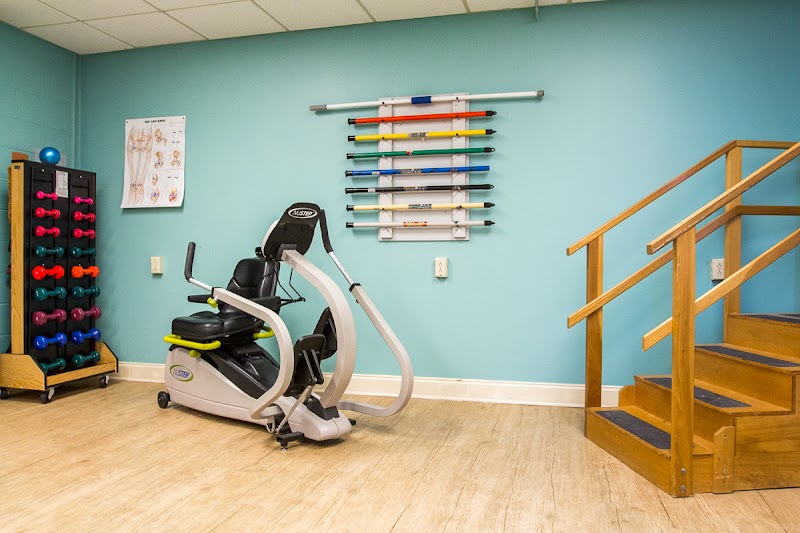
Who Owns and Operates Signature Health Of Portland Rehab & Wellness Cent?

SIGNATURE HEALTH OF PORTLAND REHAB & WELLNESS CENT is owned by a for-profit company. For-profit facilities operate as businesses with obligations to shareholders or private owners. The facility is operated by SIGNATURE HEALTHCARE, a chain that manages multiple nursing homes. With 112 certified beds and approximately 68 residents (about 61% occupancy), it is a mid-sized facility located in PORTLAND, Tennessee.

How Does Signature Health Of Portland Rehab & Wellness Cent Compare to Other Tennessee Nursing Homes?

Compared to the 100 nursing homes in Tennessee, SIGNATURE HEALTH OF PORTLAND REHAB & WELLNESS CENT's overall rating (1 stars) is below the state average of 2.8, staff turnover (68%) is significantly higher than the state average of 46%, and health inspection rating (1 stars) is much below the national benchmark.

What Should Families Ask When Visiting Signature Health Of Portland Rehab & Wellness Cent?

Based on this facility's data, families visiting should ask: "What changes have been made since the serious inspection findings, and how are you preventing similar issues?" "What safeguards and monitoring systems are in place to protect residents from abuse or neglect?" "How do you ensure continuity of care given staff turnover, and what is your staff retention strategy?" "Can you walk me through typical staffing levels on day, evening, and night shifts?" These questions are particularly relevant given the facility's Immediate Jeopardy citations, the substantiated abuse finding on record, the facility's high staff turnover rate, and the below-average staffing rating.

Is Signature Health Of Portland Rehab & Wellness Cent Safe?

Based on CMS inspection data, SIGNATURE HEALTH OF PORTLAND REHAB & WELLNESS CENT has documented safety concerns. The facility has 1 substantiated abuse finding (meaning confirmed case of resident harm by staff or other residents). Inspectors have issued 6 Immediate Jeopardy citations (the most serious violation level indicating risk of serious injury or death). The facility has a 1-star overall rating and ranks #100 of 100 nursing homes in Tennessee. Families considering this facility should ask detailed questions about what corrective actions have been taken since these incidents.

Do Nurses at Signature Health Of Portland Rehab & Wellness Cent Stick Around?

Staff turnover at SIGNATURE HEALTH OF PORTLAND REHAB & WELLNESS CENT is high. At 68%, the facility is 21 percentage points above the Tennessee average of 46%. Registered Nurse turnover is particularly concerning at 60%. RNs handle complex medical decisions and coordinate care — frequent RN changes can directly impact care quality. High turnover means new staff may not know residents' individual needs, medications, or preferences. It can also be disorienting for residents, especially those with dementia who rely on familiar faces. Families should ask: What is causing the turnover? What retention programs are in place? How do you ensure care continuity during staff transitions?

Was Signature Health Of Portland Rehab & Wellness Cent Ever Fined?

SIGNATURE HEALTH OF PORTLAND REHAB & WELLNESS CENT has been fined $107,228 across 3 penalty actions. This is 3.1x the Tennessee average of $34,151. Fines at this level are uncommon and typically indicate a pattern of serious deficiencies, repeated violations, or failure to correct problems promptly. CMS reserves penalties of this magnitude for facilities that pose significant, documented risk to resident health or safety. Families should request specific documentation of what issues led to these fines and what systemic changes have been implemented.

Is Signature Health Of Portland Rehab & Wellness Cent on Any Federal Watch List?

SIGNATURE HEALTH OF PORTLAND REHAB & WELLNESS CENT is not on any federal watch list. The most significant is the Special Focus Facility (SFF) program, which identifies the bottom 1% of nursing homes nationally based on persistent, serious quality problems. Not being on this list means the facility has avoided the pattern of deficiencies that triggers enhanced federal oversight. This is a positive indicator, though families should still review the facility's inspection history directly.