SODDY-DAISY HEALTH CARE CENTER
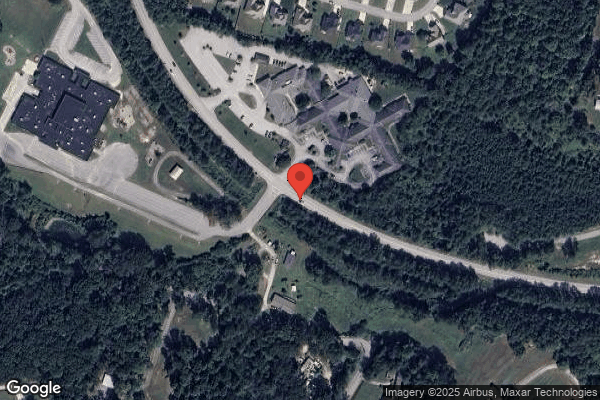

701 SEQUOYAH ROAD, SODDY-DAISY, TN 37379 (423) 332-0060
For profit - Corporation 134 Beds SIMCHA HYMAN & NAFTALI ZANZIPER Data: November 2025
Trust Grade
80/100
#95 of 298 in TN
Last Inspection: May 2022

Over 2 years since last inspection. Current conditions may differ from available data.

Overview

Soddy-Daisy Health Care Center has a Trust Grade of B+, indicating it is above average and recommended for families considering care options. It ranks #95 out of 298 facilities in Tennessee, placing it in the top half, and #7 out of 11 in Hamilton County, meaning there are only a few local alternatives. The facility's performance has been stable, with the same number of issues reported in 2022 and 2023. Staffing is a concern, rated at 2 out of 5 stars, with a turnover rate of 54%, which is average compared to the state average of 48%. Fortunately, there have been no fines reported, showing that the facility is compliant with regulations. However, there are notable weaknesses, including a failure to maintain sanitary conditions in the kitchen, which could impact the health of residents, and the presence of expired medical supplies in storage, which poses potential risks. Overall, the facility has both strengths and weaknesses that families should consider.

Trust Score
B+
80/100
In Tennessee
#95/298
Top 31%
Safety Record
Low Risk
No red flags
Inspections
Holding Steady
2 → 2 violations
Staff Stability
⚠ Watch
54% turnover. Above average. Higher turnover means staff may not know residents' routines.
Penalties
✓ Good
No fines on record. Clean compliance history, better than most Tennessee facilities.
Skilled Nurses
○ Average
Each resident gets 31 minutes of Registered Nurse (RN) attention daily — about average for Tennessee. RNs are the most trained staff who monitor for health changes.
Violations
⚠ Watch
12 deficiencies on record. Higher than average. Multiple issues found across inspections.
★★★★☆
4.0
Overall Rating
★★☆☆☆
2.0
Staff Levels
★★★☆☆
3.0
Care Quality
★★★★☆
4.0
Inspection Score
Stable
2022: 2 issues
2023: 2 issues

The Good

  • Full Sprinkler Coverage · Fire safety systems throughout facility
  • No fines on record

Facility shows strength in fire safety.

The Bad

Staff Turnover: 54%

Near Tennessee avg (46%)

Higher turnover may affect care consistency

Chain: SIMCHA HYMAN & NAFTALI ZANZIPER

Part of a multi-facility chain

Ask about local staffing decisions and management

The Ugly 12 deficiencies on record

May 2023 2 deficiencies
CONCERN (D) 📢 Someone Reported This

A family member, employee, or ombudsman was alarmed enough to file a formal complaint

Potential for Harm - no one hurt, but risky conditions existed

Notification of Changes (Tag F0580)

Could have caused harm · This affected 1 resident

**NOTE- TERMS IN BRACKETS HAVE BEEN EDITED TO PROTECT CONFIDENTIALITY** Based on medical record review and interview, and Centers for Disease Control (CDC) COVID 19 Vaccination Guidelines the facility...

Read full inspector narrative →
**NOTE- TERMS IN BRACKETS HAVE BEEN EDITED TO PROTECT CONFIDENTIALITY** Based on medical record review and interview, and Centers for Disease Control (CDC) COVID 19 Vaccination Guidelines the facility failed to timely notify the responsible party of a change in medical condition (positive COVID 19 test), for one resident, (Resident #1) of 3 sampled residents. The facility failure resulted in a 24 -hour delay in notification of the responsible party of Resident #1's positive COVID 19 test results on 12/4/2022. The findings included: Medical record review showed Resident #1 was admitted to the facility on [DATE] with diagnoses including Cerebral Vascular Accident, Right Hemiparesis, Chronic Obstructive Pulmonary Disease, Generalized Anxiety Disorder, Depression, Chronic Kidney Disease and Hypertension. Resident #1 was alert and oriented, with a Brief Interview of Mental status score (BIMS) of 15 indicating the resident was cognitively intact and was independent in decision making. On admission, Resident #1 designated her daughter as her responsible party and an authorized healthcare decision maker. Resident #1 was bedfast and required assistance of one person for activities of daily living (ADLs). Resident #1 had received the primary COVID 19 vaccination series (2 injections) prior to admission to long term care in January and February of 2021. Medical record review showed Resident #1 tested positive for COVID 19 on 12/4/2022. Medical record review of Medication Administration Records (MARs), Treatment Administration Records (TARs) and vital signs monitoring flow sheets for December 2022 showed Resident #1 was treated for COVID 19 with over the counter (OTC) vitamin supplementation and supportive therapies and did not require antiviral treatment or acute care. Resident #1 remained asymptomatic. Interview with Resident #1 on 5/8/2023 at 1:45 PM in her room, revealed the resident to be alert and oriented. Resident #1 reported her medical history in detail. The resident stated she used her I-phone and I Pad devices to communicate via face time with her relatives and engaged in social media interactions with family and friends regularly. Resident #1 reported in December 2022 she posted on social media about her positive COVID test which was seen by her family and friends the same day. Interview with Licensed Practical Nurse (LPN) #1 on 5/8/2023 at 3:00 PM in the conference room, revealed LPN #1 reported when Resident #1 tested positive for COVID 19 in December 2022, the nurse had inadvertently forgotten to notify Resident #1's responsible party and confirmed Resident #1's daughter had learned of her mother's positive COVID status via social media and had not been informed by the facility. LPN #1 reported at the time Resident #1 tested positive for COVID 19, several other residents on the unit were under investigation for COVID 19 symptoms, others had converted positive for COVID 19 that same day, and the unit was engaged in multiple calls for room changes, doctor orders etc. and the call to Resident #1's family was missed as an oversight. Interview with Social Work assistant (SWA) on 5/8/2023 at 4:30 PM in the conference room, confirmed she spoke with Resident #1's responsible party on or around 12/6/2022, about concerns related to the facility failure to call the family the same day Resident #1 tested positive for COVID 19. Interview with the Director of Nursing (DON) on 5/8/2023 at 5:02 PM in the conference room confirmed LPN #1 failed to notify the family of Resident #1's positive COVID test timely on 12/4/2022.
CONCERN (D) 📢 Someone Reported This

A family member, employee, or ombudsman was alarmed enough to file a formal complaint

Potential for Harm - no one hurt, but risky conditions existed

Deficiency F0887 (Tag F0887)

Could have caused harm · This affected 1 resident

**NOTE- TERMS IN BRACKETS HAVE BEEN EDITED TO PROTECT CONFIDENTIALITY** Based on medical record review, review of Centers for Disease Control (CDC) COVID 19 Vaccination Guidelines, and interview the f...

Read full inspector narrative →
**NOTE- TERMS IN BRACKETS HAVE BEEN EDITED TO PROTECT CONFIDENTIALITY** Based on medical record review, review of Centers for Disease Control (CDC) COVID 19 Vaccination Guidelines, and interview the facility failed to provide 1 resident (Resident #1) a COVID 19 booster vaccination of 3 sampled residents. The findings included: Medical record review showed Resident #1 was admitted to the facility on [DATE] with diagnoses including Cerebral Vascular Accident, Right Hemiparesis, Chronic Obstructive Pulmonary Disease, Generalized Anxiety Disorder, Depression, Chronic Kidney Disease and Hypertension. Resident #1 was alert and oriented, with a Brief Interview of Mental status score (BIMS) of 15 indicating the resident was cognitively intact and was independent in decision making. On admission, Resident #1 designated her daughter as her responsible party and an authorized healthcare decision maker. Resident #1 was bedfast and required assistance of one person for activities of daily living (ADLs). Resident #1 had received the primary COVID 19 vaccination series (2 injections) prior to admission to long term care in January and February of 2021. Review of Centers for Disease Control (CDC) and Food and Drug Administration (FDA) Emergency Use Authorizations posted online at www.CDC.gov and www.FDA.gov showed booster vaccinations for the prevention of COVID 19 and concurrent emergency use authorizations issued by the FDA to vaccine manufacturers, were made public in August 2022. Review of the facility vaccination logs, nursing notes, and medical progress notes showed no evidence Resident #1 was timely offered or had declined a COVID 19 booster injection as recommended by the CDC in 2022. Resident #1 tested positive for COVID 19 on 12/4/2022. Resident #1 received a bivalent booster for COVID 19 in January 2023. Medical record review of Medication Administration Records, Treatment Records and vital sign flow sheets for December 2022 showed Resident #1 remained asymptomatic of COVID 19 during her infection. Interview with Resident #1 on 5/8/2023 at 1:45 PM in her room, revealed the resident to be alert and oriented. Resident #1 reported her medical history in detail. Resident #1 reported in December 2022 she posted on social media about her positive COVID test and lack of booster shot at the facility, which she felt contributed to her infection. Resident #1 reported she had received her yearly flu shot at the facility in October 2022 and was perplexed as to why her COVID 19 booster had not been offered around the same time and reported she had discussed that with her responsible party in December 2022 as well. Interview with Licensed Practical Nurse (LPN) #1 on 5/8/2023 at 3:00 PM in the conference room, confirmed LPN #1 did advise the responsible party, Resident #1 had not received a COVID 19 booster injection. Interview with the Director of Nursing (DON) on 5/8/2023 at 5:02 PM in the conference room confirmed per her review of the medical records, the facility did not offer a COVID 19 booster to Resident #1 in 2022. The DON reported the missed dose was an oversight by a former Infection Preventionist who had left the facility before December 2022. The DON reported there was no evidence in the facility records Resident #1 had been offered or declined the booster between August and December 2022, and when she was made aware of the situation in December 2022, she assured Resident #1 received a bivalent booster in January 2023 as soon as the resident was eligible for it.
May 2022 2 deficiencies
CONCERN (D)

Potential for Harm - no one hurt, but risky conditions existed

PASARR Coordination (Tag F0644)

Could have caused harm · This affected 1 resident

**NOTE- TERMS IN BRACKETS HAVE BEEN EDITED TO PROTECT CONFIDENTIALITY** Based on medical record review and interview the facility failed to refer 1 resident (#63), after the resident was identified wi...

Read full inspector narrative →
**NOTE- TERMS IN BRACKETS HAVE BEEN EDITED TO PROTECT CONFIDENTIALITY** Based on medical record review and interview the facility failed to refer 1 resident (#63), after the resident was identified with possible serious mental disorders, to the state-designated authority for a Level II Pre-admission Screening and Resident Review (PASARR) of 4 residents reviewed for PASARR. The findings include: Resident #63 was admitted to the facility on [DATE] with diagnoses including Obsessive-Compulsive Disorder and Generalized Anxiety. Continued review revealed the diagnoses of Paranoid Schizophrenia and Major Depressive Disorder were added on 3/18/2019. Review of a PASARR Level II Change in Status Request dated 4/28/2016, revealed Resident #63 had a diagnosis of Mental Illness of Psychotic/Delusional Disorder, Psychosis/Obsessive Compulsive Disorder, and Anxiety Disorder. Review of a quarterly Minimum Data Set assessment dated [DATE], revealed Resident #63 had diagnoses including Anxiety, Depression, and Schizophrenia. During an interview on 5/3/2022 at 12:40 PM, the Social Services Director confirmed there was no documentation a new PASARR had been submitted after the diagnoses of Paranoid Schizophrenia and Major Depressive Disorder were added for Resident #63. During an interview on 5/3/2022 at 3:35 PM, the Director of Nursing confirmed a new PASARR had not been submitted to the state-designated authority for Resident #63 after the diagnoses of Paranoid Schizophrenia and Major Depressive Disorder were added.
CONCERN (F)

Potential for Harm - no one hurt, but risky conditions existed

Food Safety (Tag F0812)

Could have caused harm · This affected most or all residents

Based on facility policy review, observation, and interview the facility failed to maintain a sanitary environment in the kitchen, with the potential to affect 88 of 89 residents dining in the facilit...

Read full inspector narrative →
Based on facility policy review, observation, and interview the facility failed to maintain a sanitary environment in the kitchen, with the potential to affect 88 of 89 residents dining in the facility. The findings include: Review of the facility policy titled, Food Safety-Food Service Manager's Responsibility, dated 2013, showed .The food service manager is responsible for providing safe foods to all individuals .The food service manager assures the following .Sanitary conditions are maintained in the storage, preparation and serving areas .All personnel follow proper cleaning and sanitizing instructions for all kitchen equipment. Cleaning schedules are posted and followed . Review of the facility policy titled, Employee Sanitary Practices, dated 2013, showed .All kitchen employees will practice standard sanitary procedures .All employees shall .Clean and sanitize equipment and work units after use . Review of the facility policy titled, General Sanitization of Kitchen, dated 2013 showed .The staff shall maintain the sanitization of the kitchen through compliance with a written, comprehensive cleaning schedule. A cleaning schedule will be posted. Employees will initial and date tasks when completed . Review of facility documentation titled, Daily Cleaning Schedule, dated 4/24/2022 - 5/2/2022, showed no documentation the fryer had been cleaned. Review of facility documentation titled, Weekly Cleaning Schedule, dated 4/2022 and 5/2022, showed no documentation the deep fryer had been cleaned. During the initial kitchen observation and interview on 5/2/2022 at 10:55 AM, with the Dietary Manager (DM), the can opener was found to be unsanitary, with brown food debris build up behind the blade of the can opener. Continued observation revealed, the deep fryer was found in an unsanitary condition, with brown food debris present on the top of the oil reservoir, and a copious amount of food debris along the right side of the deep fryer. The DM confirmed the deep fryer had not been used in a while and should have been cleaned. Continued observation revealed a copious amount of food debris present on the top of the stove/range, the burners, and the removable crumb tray. The stove/range was observed to have brown and white food debris splashed down the left side, on the front door of the oven, and beneath the burners. Further observation revealed the mobile steam tray/hot cart used to serve resident meals on the Dogwood hall was in an unsanitary condition, with brown food debris observed in the bottom of all 3 serving bins. During an interview on 5/2/2022 at 11:10 AM, the DM confirmed she had made a cleaning schedule which staff were to follow. The DM confirmed she was responsible to over-see the kitchen and to ensure staff performed sanitization of the equipment. The DM further confirmed the can opener, deep fryer, stove and mobile steam table had been used the day before and each piece of equipment had not been cleaned after each use.
Jun 2019 1 deficiency
CONCERN (D)

Potential for Harm - no one hurt, but risky conditions existed

Infection Control (Tag F0880)

Could have caused harm · This affected 1 resident

**NOTE- TERMS IN BRACKETS HAVE BEEN EDITED TO PROTECT CONFIDENTIALITY** Based on facility policy review, medical record review, observation and interview, the facility failed to ensure practices to pr...

Read full inspector narrative →
**NOTE- TERMS IN BRACKETS HAVE BEEN EDITED TO PROTECT CONFIDENTIALITY** Based on facility policy review, medical record review, observation and interview, the facility failed to ensure practices to prevent the spread of infection were maintained for 1 resident (#302) of 1 resident reviewed with Clostridium Difficile Colitis (C. Difficile-bacteria that causes severe diarrhea and intestinal infection) of 19 residents sampled. The findings include: Review of the facility's policy Isolation-Categories of Transmission-Based Precautions revised 10/2018, revealed, .Transmission-Based Precautions are initiated when a resident develops signs and symptoms of a transmissible infection; arrives with symptoms of an infection .and is at risk of transmitting the infection to other residents .Contact Precautions may be implemented for residents known or suspected to be infected with microorganisms that can be transmitted by direct contact with the resident or indirect contact with environmental surfaces or resident-care items in the resident's environment . Review of the facility's policy Infection Control Guidelines for All Nursing Procedures, revised 8/2012, revealed .Employees must wash their hands for ten (10) to fifteen (15) seconds using antimicrobial or non-antimicrobial soap and water under the following conditions .Before and after direct contact with residents: .When there is likely exposure to spores (i.e., C. difficile .) . Medical record review revealed Resident #302 was admitted to the facility on [DATE] with diagnoses including Parkinson's Disease, Hypertension, Major Depressive Disorder, Anxiety Disorder, Gastroenteritis, and Colitis. Medical record review of the Physician Orders dated June 2019 revealed, .gastroenteritis and colitis .CONTACT ISOLATION THRU 6.6.19 [6/6/19]-C. DIFF. [C. difficile] Discontinue Date: 6/06/19 . Medical record review of Resident # 302's Baseline Care Plan dated 5/29/19 revealed, . infection C. Diff contact isolation through 6/6 [6/6/19] . Observation on 6/3/19 at 12:15 PM revealed, the isolation cart positioned outside Resident #302's room and contact isolation signage posted on the resident's door . Observation of the meal tray delivery on 6/3/19 at 1:00 PM, revealed Certified Nursing Assistant (CNA) #1 entered Resident #302's room placed a meal tray on the over bed table, and exited the resident's room. Further observation revealed CNA #1 failed to don gown and gloves prior to entering the room, and failed to wash the hands prior to exiting the room. Interview with CNA #1 on 6/3/19 at 1:02 PM, in the hallway revealed, .I should have put on gloves and a gown before entering the room and washed my hands before I walked out . Further interview confirmed CNA #1 failed to follow the facility's infection control policy for the resident on contact isolation. Observation on 6/4/19 at 1:05 PM, revealed the Speech Therapist entered Resident #302's room, obtained an item from the resident's over bed table, placed the item in resident's top dresser drawer, and exited the room. Continued observation revealed the Speech Therapist failed to don the gown and wash the hands. Further observation revealed the Speech Therapist entered the storage room, obtained a towel, and re-entered Resident #302's room. Further observation revealed the Speech Therapist failed to don gown and gloves prior to entering the room, handed a towel to the resident, exited the resident's room, and failed to wash the hands prior to exiting the room. Interview with the Speech Therapist on 6/4/19 at 1:10 PM, in the hallway, revealed .I was only going in his room for a few minutes .I should have worn a gown . Further interview confirmed the Speech Therapist failed to follow the facility's infection control policy for the resident on contact isolation. Interview with the Director of Nursing (DON) on 6/5/19 at 9:10 AM, in the DON's office, revealed the nurse failed to initiate appropriate isolation precautions for a resident with C. Difficile. Further interview confirmed the facility failed to follow their infection control policy for a resident on contact isolation.
Jun 2018 7 deficiencies
CONCERN (D)

Potential for Harm - no one hurt, but risky conditions existed

Comprehensive Assessments (Tag F0636)

Could have caused harm · This affected 1 resident

**NOTE- TERMS IN BRACKETS HAVE BEEN EDITED TO PROTECT CONFIDENTIALITY** Based on medical record review and interview, the facility failed to complete discharge Minimum Data Set (MDS) assessments for 2...

Read full inspector narrative →
**NOTE- TERMS IN BRACKETS HAVE BEEN EDITED TO PROTECT CONFIDENTIALITY** Based on medical record review and interview, the facility failed to complete discharge Minimum Data Set (MDS) assessments for 2 (#2 and #3) of 37 residents reviewed. The findings include: Medical record review revealed Resident #2 expired at the facility on [DATE]. Further review of completed MDS's revealed the last MDS completed for Resident #2 was a quarterly assessment dated [DATE]. Continued review revealed no discharge assessment was found. Medical record review revealed Resident #3 expired at the facility on [DATE]. Further review of completed MDS's revealed the last MDS completed for Resident #3 was a quarterly assessment dated [DATE]. Continued review revealed no discharge assessment was found. Interview with the MDS Registered Nurse #1 on [DATE] at 5:12 PM, in the conference room confirmed Resident #2 expired at the facility on [DATE], and Resident #3 expired at the facility on [DATE]. Continued interview confirmed the facility failed to complete the Death in Facility Tracking Record MDS.
CONCERN (D)

Potential for Harm - no one hurt, but risky conditions existed

Deficiency F0655 (Tag F0655)

Could have caused harm · This affected 1 resident

**NOTE- TERMS IN BRACKETS HAVE BEEN EDITED TO PROTECT CONFIDENTIALITY** Based on review of facility policy, medical record review, and interview the facility failed to develop a baseline care plan to ...

Read full inspector narrative →
**NOTE- TERMS IN BRACKETS HAVE BEEN EDITED TO PROTECT CONFIDENTIALITY** Based on review of facility policy, medical record review, and interview the facility failed to develop a baseline care plan to address Diabetes Mellitus Type 2 (DM II) for 1 Resident (#300) of 37 residents reviewed. The findings include: Review of the Facility Policy Care Planning Process- Baseline (Interim) Care Plan Revised 11/17/17, revealed .The facility must develop and implement a baseline care plan for each resident that includes the instructions needed to provide effective and person-centered care of the resident that meets professional standards of quality care . Medical record review revealed Resident #300 was admitted to the facility on [DATE] with diagnoses including DM II, Pain, Hypertension, Acute Embolism and Thrombosis of Left Subclavian Vein, and Insomnia. Medical record review of Resident #300's Nursing Risk assessment dated [DATE] revealed .Predisposing Diseases: Diabetes Mellitus .Predisposing conditions for nutritional concerns .Diabetes [check marked] . Medical record review of Resident #300's Baseline Care Plan dated 6/8/18 revealed no approach to address DM II. Interview with admission Registered Nurse #1 on 6/13/18 at 4:02 PM, in the conference room confirmed she failed to include DM II to Resident #300's Baseline Care Plan .it should have been there .I honestly don't know why it isn't in there .
CONCERN (D)

Potential for Harm - no one hurt, but risky conditions existed

Comprehensive Care Plan (Tag F0656)

Could have caused harm · This affected 1 resident

**NOTE- TERMS IN BRACKETS HAVE BEEN EDITED TO PROTECT CONFIDENTIALITY** Based on review of facility policy, medical record review, and interview the facility failed to develop a comprehensive care pla...

Read full inspector narrative →
**NOTE- TERMS IN BRACKETS HAVE BEEN EDITED TO PROTECT CONFIDENTIALITY** Based on review of facility policy, medical record review, and interview the facility failed to develop a comprehensive care plan to address anticoagulant use and Diabetes Mellitus Type 2 (DM II) for 1 resident (#88), of 37 residents reviewed. The findings include: Review of the facility policy Care Plans - Comprehensive undated revealed .An individualized comprehensive care plan that includes measurable objectives and timetables to meet the resident's medical, nursing, mental and physiological needs is developed for each resident .Each resident's comprehensive care plan has been designed to: a. incorporate identified problem areas; b. incorporate risk factors associated with identified problems .Care plan goals and objectives are defined as the desired outcome for a specific resident problem .Goals and objectives are entered on the resident's care plan so that all disciplines have access to such information and are able to report whether or not the desired outcomes are being achieved . Medical record review revealed Resident #88 was admitted to the facility on [DATE] with diagnoses including DM II, Acute Embolism and Thrombosis of Unspecified Deep Veins of the Lower Extremity (blood clot in leg), Coronary Artery Disease, and Muscle Weakness. Medical record review of a Minimum Data Set (MDS) assessment dated [DATE] revealed Resident #88 had a Brief Interview for Mental Status (BIMS) score of 14, indicating the resident was cognitively intact. Continued review revealed the resident was diabetic and received an insulin injection 1 day during the assessment. Further review revealed Resident #88 received an anticoagulant daily. Medical record review of the Physician's Recap Orders dated 5/2018 revealed .Acute embolism and thrombos [blood clot] .Xarelto [medication used to treat and prevent blood clots] .give one tablet by mouth daily .Type 2 Diabetes .Metformin [medication used to treat high blood sugar levels associated with DM II] .give one tablet by mouth daily .Insulin Lispro [fast acting form of insulin to treat high blood sugar levels associated with DM II] . Medical record review of Resident #88's Care Plan dated 5/24/18 revealed a plan of care was not developed with individualized goals and interventions for the treatment and management of DM II and anticoagulant use. Interview with MDS Coordinator #1 confirmed the facility failed to develop an individualized plan of care to address DM II and anticoagulant use. Interview with the Director of Nursing on 6/12/18 at 4:12 PM, in the conference room confirmed the facility failed to develop a comprehensive care plan to address DM II and anticoagulant use for Resident #88.
CONCERN (D)

Potential for Harm - no one hurt, but risky conditions existed

Deficiency F0657 (Tag F0657)

Could have caused harm · This affected 1 resident

**NOTE- TERMS IN BRACKETS HAVE BEEN EDITED TO PROTECT CONFIDENTIALITY** Based on review of the facility policy, medical record review, observation and interview, the facility failed to revise a compre...

Read full inspector narrative →
**NOTE- TERMS IN BRACKETS HAVE BEEN EDITED TO PROTECT CONFIDENTIALITY** Based on review of the facility policy, medical record review, observation and interview, the facility failed to revise a comprehensive care plan for 1 Resident (#46) of 37 residents reviewed for care plans. The findings include: Review of the facility policy Care Plan - Comprehensive, undated, revealed .Care Plans are revised as changes in the resident's condition dictate .Goals and objectives are reviewed and/or revised: a. When there has been a significant change in the resident's condition . Medical record review revealed Resident #46 was admitted to the facility on [DATE] with diagnoses including Chronic Obstructive Pulmonary Disease, Chronic Respiratory Failure, Hypertension, Type 2 Diabetes Mellitus, Heart Failure, Encephalopathy, and Hypothyroidism. Medical record review of Resident #46's weight history revealed a 20 pound weight loss from 4/9/18-5/5/18. Medical record review of Resident #46's current care plan dated 4/24/18 revealed .Care plan goal .adequalte fluid/nutritional intake .Intervention .assess resident food preferences .labs as ordered .weights as ordered . Further review revealed the care plan was not revised to include interventions to address the resident's severe weight loss. Interview with the Regional Director of Clinical Services Support on 6/13/18 at 12:30 PM, in the conference room, confirmed the comprehensive care plan dated 4/24/18 had not been revised to include the severe weight loss with new interventions put in place. Interview with the Minimum Data Set (MDS) Coordinator on 6/13/18 at 2:00 PM, in the MDS office, confirmed the care plan was not revised/updated after the severe weight loss.
CONCERN (D)

Potential for Harm - no one hurt, but risky conditions existed

Deficiency F0658 (Tag F0658)

Could have caused harm · This affected 1 resident

**NOTE- TERMS IN BRACKETS HAVE BEEN EDITED TO PROTECT CONFIDENTIALITY** Based on review of facility policy, review of facility protocol, medical record review, and interview, the facility failed to fo...

Read full inspector narrative →
**NOTE- TERMS IN BRACKETS HAVE BEEN EDITED TO PROTECT CONFIDENTIALITY** Based on review of facility policy, review of facility protocol, medical record review, and interview, the facility failed to follow professional standards of practice for 1 resident (Resident #300) of 37 residents sampled, by not completing a head to toe skin assessment on admission. The findings include: Review of the facility policy Wound Care Management revised 3/13/15 revealed .Each resident is evaluated by the interdisciplinary team to determine his or her risk for skin compromise or the presence of wounds and/or pressure ulcers .Procedure .1. Residents are reviewed on admission . Review of the admission electronic forms utilized per facility protocol for newly admitted residents revealed a Nursing Risk Assessment which included a Pressure Ulcer Risk Assessment and Pressure Sore Risk Summary. Further review revealed a Nursing Assessment (COMS) and a Braden Scale (a nationally recognized scale used for predicting pressure sore risk). Medical record review revealed Resident #300 was admitted to the facility on [DATE] with diagnoses including Diabetes Mellitus Type II, Pain, Hypertension, Acute Embolism and Thrombosis of Left Subclavian Vein, and Insomnia. Medical record review of Resident #300's Nursing Risk assessment dated [DATE] revealed .Pressure Sore Risk Part 1 .Group Total: 14 .Total Score for Skin Risk .13 to 14 = Moderate Risk .Pressure Sore Risk Summary .N/A - Resident does not score at risk at this time and does not currently have skin breakdown .Predisposing Diseases: Diabetes Mellitus .Predisposing conditions for nutritional concerns .Diabetes [check marked] . Medical record review of Resident #300's COMS dated 6/8/18 revealed .Skin .Notes .Generalized bruising to UE's [upper extremities] .Wound care to follow . Medical record review of Resident #300's Braden Scale dated 6/8/18 revealed Risk Score .16 .Risk Level .Mild .admission . Medical record review of Resident #300's Wound Assessment Report dated 6/11/18 (2 days after admission) revealed .Pressure Ulcer .Left 4th Toe .Date wound identified .6/8/2018 .Unstageable due to suspected deep tissue injury . Continued review revealed .Pressure Ulcer .Left Great Toe; Distal .Unstageable due to suspected deep tissue injury . Further review revealed Diabetic Foot Ulcer .Left 3rd Toe .Diabetic Foot Ulcer .Left Great Toe; Medial .Diabetic Foot Ulcer .Left Great Toe; anterior . Continued review revealed all wounds were present on admission. Medical record review of Nursing Note dated 6/12/18 revealed .resident admitted [DATE] .reevaluated 6/11/18 .wounds were not identified upon admission and were changed to in house acquired . Interview with admission Registered Nurse (RN) #1 on 6/12/18 at 3:28 PM, at the East Wing nursing station confirmed she admitted Resident #300. Continued interview confirmed she does a general assessment on a newly admitted residents and the wound care nurse follows to perform a skin assessment. Continued interview confirmed she did not assess Resident #300's skin on admission because if she were to do a full skin assessment on residents newly admitted it would be .redundant . Further interview confirmed she received report from the discharging hospital and .document what they [discharge hospital] tell me .they tell me no wounds .I document no wounds .then I tell the wound nurse .sometimes we go in together .didn't do it this time . Interview with Wound Care Licensed Practical Nurse (LPN) #1 on 6/12/18, at 3:41 PM, in the conference room, confirmed the admission nurse was required to assess the resident's skin but does not remove dressings. Continued interview confirmed the wound care nurse was responsible to assess the residents within 24 hours of admission but Resident #300 was assessed on Monday 6/11/18, 2 days after the resident was admitted .well it was (missed) this time . Continued interview confirmed the admission RN #1 did not notify her of any wounds for Resident #300. Further interview confirmed Wound Care LPN #1 did not look or review the resident's admission assessment, and .just assumed . the pressure ulcers were present upon admission. Interview with the Director of Nursing on 6/12/18 at 4:12 PM in the conference room confirmed .[residents] need to be assessed on admission either by a wound care nurse or admission nurse .we did not have a wound care nurse over the weekend [6/9/18-6/10/18] .we do always have a nursing supervisor on call . Further interview confirmed the facility failed to do a head to toe skin assessment on Resident #300. Interview with the Regional Director of Clinical Services Support on 6/13/18 at 3:30 PM, in the conference room confirmed it was the expectation the admission nurse was to follow the facility protocol which included completion of all three assessments: the Nursing Risk Assessment, Nursing Assessment, and the Braden Scale. Continued interview confirmed the facility's protocol follows professional standards of practice and required the admission nurse to perform a complete head to toe assessment immediately after a resident is admitted . Further interview confirmed the facility failed to identify 2 Deep Tissue Injuries and 3 Diabetic Ulcers for Resident #300 upon admission and failed to follow professional standards of practice by not completing a head to toe skin assessment.
CONCERN (E)

Potential for Harm - no one hurt, but risky conditions existed

Deficiency F0761 (Tag F0761)

Could have caused harm · This affected multiple residents

**NOTE- TERMS IN BRACKETS HAVE BEEN EDITED TO PROTECT CONFIDENTIALITY** Based on observation and interview, the facility failed to ensure all expired medication related supplies were discarded in 1 of...

Read full inspector narrative →
**NOTE- TERMS IN BRACKETS HAVE BEEN EDITED TO PROTECT CONFIDENTIALITY** Based on observation and interview, the facility failed to ensure all expired medication related supplies were discarded in 1 of 2 medication storage rooms. The findings include: Observation with the Assistant Director of Nursing on [DATE] at 9:26 AM, in the East Wing Medication Room, revealed the following expired supplies: * 25 red top laboratory tubes 6ml (milliliter) with an expiration date of [DATE] * 11 universal medium transport systems (laboratory swab) with expiration date of [DATE] * 10 purple top laboratory tubes 4ml with an expiration date of [DATE] * 5 blue top laboratory tubes 3ml with an expiration date of 1/2017 * 2 absorbent clear dressings 3 ½ in (inch) x 3.75 in clear acrylic dressing with an expiration date of 2/2014 * 1 infusion set 90 degree Needle (connecter for intrvenous infusions) and wing with an expiration date of 7/2017 * 1 wing blood collection and infusion set with an expiration date of 5/2016 * 1 red top 6ml laboratory tube with expiration date of [DATE] * 1 grey top 4ml laboratory tube with an expiration date of [DATE] * 1 transparent film dressings 4 1/2 in x 4 ¾ in with an expiration date of 7/2014 * 1 transparent film dressings 4 1/2 in x 4 ¾ in with an expiration date of 6/2017 * 1 transparent dressing 4 in x 4 ¾ in with an expiration date of 7/2015 * 1 non adherent film dressing pad 3 ½ in x 4 ½ in with an expiration of 7/2016 * 1 connector with needles adaptor port (connecter for intrvenous infusions) with an expiration date of 1/2018 * 1 cap less positive pressure valve (connecter for intrvenous infusions) with expiration date of 2/2015 Interview with the ADON on [DATE] at 9:26 AM, in the East Wing Medication Room, confirmed .These items are expired . Continued interview confirmed the supplies were stored with non-expired medical supplies in two baskets in cabinets and all the items in the baskets were available for patient use. Interview with the East Wing Unit Coordinator on [DATE] at 10:06 AM, in the conference room, confirmed .I do check stock in med rooms. The nurses are responsible to rotate stock in med rooms .That stuff was not supposed to be in there, we can't have that . .
CONCERN (F)

Potential for Harm - no one hurt, but risky conditions existed

Deficiency F0570 (Tag F0570)

Could have caused harm · This affected most or all residents

Based on review of the facility Surety Bond, review of resident trust fund accounts, and interview, the facility failed to ensure the Surety Bond covered the amount in the Resident Trust for 34 of 34 ...

Read full inspector narrative →
Based on review of the facility Surety Bond, review of resident trust fund accounts, and interview, the facility failed to ensure the Surety Bond covered the amount in the Resident Trust for 34 of 34 residents of 98 census residents. The findings include: Review of the facility's Continuation Certificate (Surety Bond) revealed .in the amount of Thirty Thousand Dollars .in favor of .the Residents of the Facility Participating in the Fund .for the period BEGINNING 01/01/2018 and ENDING 01/01/2019 . Review of the resident's Resident Fund Management Service Statements dated 3/31/2018, revealed the current balance was $31,150.40. Interview with the Administrator on 6/13/18 at 5:15 PM, in the Administrator's Office, confirmed the facility failed to ensure the Surety Bond was in sufficient ammount to cover the total of the residents' trust accounts.
Understanding Severity Codes (click to expand)
Life-Threatening (Immediate Jeopardy)
J - Isolated K - Pattern L - Widespread
Actual Harm
G - Isolated H - Pattern I - Widespread
Potential for Harm
D - Isolated E - Pattern F - Widespread
No Harm (Minor)
A - Isolated B - Pattern C - Widespread

Questions to Ask on Your Visit

  • "Can I speak with families of current residents?"
  • "What's your RN coverage like on weekends and overnight?"

Our Honest Assessment

Strengths
  • • Grade B+ (80/100). Above average facility, better than most options in Tennessee.
  • • No major safety red flags. No abuse findings, life-threatening violations, or SFF status.
  • • No fines on record. Clean compliance history, better than most Tennessee facilities.
Concerns
  • • 12 deficiencies on record. Higher than average. Multiple issues found across inspections.
Bottom line: Generally positive indicators. Standard due diligence and a personal visit recommended.

About This Facility

What is Soddy-Daisy Health's CMS Rating?

CMS assigns SODDY-DAISY HEALTH CARE CENTER an overall rating of 4 out of 5 stars, which is considered above average nationally. Within Tennessee, this rating places the facility higher than 99% of the state's 100 nursing homes. This rating reflects solid performance across the metrics CMS uses to evaluate nursing home quality.

How is Soddy-Daisy Health Staffed?

CMS rates SODDY-DAISY HEALTH CARE CENTER's staffing level at 2 out of 5 stars, which is below average compared to other nursing homes. Staff turnover is 54%, compared to the Tennessee average of 46%.

What Have Inspectors Found at Soddy-Daisy Health?

State health inspectors documented 12 deficiencies at SODDY-DAISY HEALTH CARE CENTER during 2018 to 2023. These included: 12 with potential for harm.

Who Owns and Operates Soddy-Daisy Health?

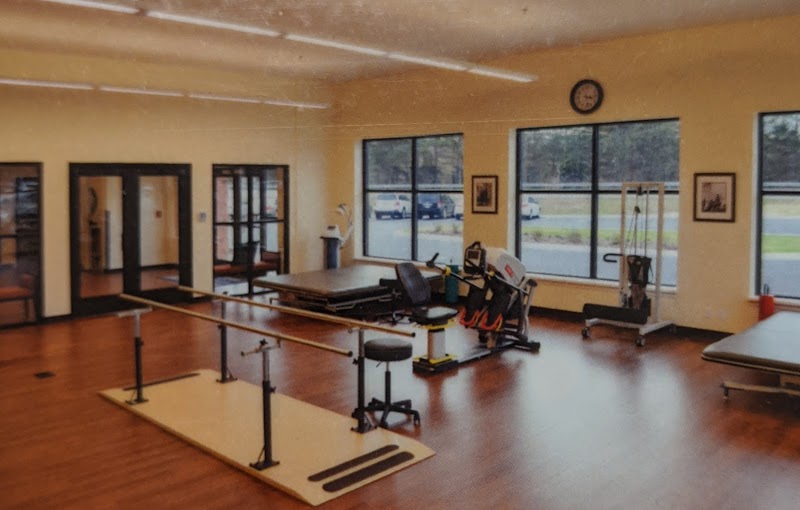
SODDY-DAISY HEALTH CARE CENTER is owned by a for-profit company. For-profit facilities operate as businesses with obligations to shareholders or private owners. The facility is operated by SIMCHA HYMAN & NAFTALI ZANZIPER, a chain that manages multiple nursing homes. With 134 certified beds and approximately 88 residents (about 66% occupancy), it is a mid-sized facility located in SODDY-DAISY, Tennessee.
How Does Soddy-Daisy Health Compare to Other Tennessee Nursing Homes?

Compared to the 100 nursing homes in Tennessee, SODDY-DAISY HEALTH CARE CENTER's overall rating (4 stars) is above the state average of 2.8, staff turnover (54%) is near the state average of 46%, and health inspection rating (4 stars) is above the national benchmark.

What Should Families Ask When Visiting Soddy-Daisy Health?

Based on this facility's data, families visiting should ask: "Can you walk me through typical staffing levels on day, evening, and night shifts?" "Can I visit during a mealtime to observe dining assistance and food quality?" "How do you handle medical emergencies, and what is your hospital transfer rate?" "Can I speak with family members of current residents about their experience?" These questions are particularly relevant given the below-average staffing rating.

Is Soddy-Daisy Health Safe?

Based on CMS inspection data, SODDY-DAISY HEALTH CARE CENTER has a clean safety record: no substantiated abuse findings (meaning no confirmed cases of resident harm), no Immediate Jeopardy citations (the most serious violation level indicating risk of serious injury or death), and is not on the Special Focus Facility watch list (a federal program monitoring the lowest-performing 1% of nursing homes). The facility has a 4-star overall rating and ranks #1 of 100 nursing homes in Tennessee. While no facility is perfect, families should still ask about staff-to-resident ratios and recent inspection results during their visit.

Do Nurses at Soddy-Daisy Health Stick Around?

SODDY-DAISY HEALTH CARE CENTER has a staff turnover rate of 54%, which is 8 percentage points above the Tennessee average of 46%. Moderate turnover is common in nursing homes, but families should still ask about staff tenure and how the facility maintains care continuity when employees leave.

Was Soddy-Daisy Health Ever Fined?

SODDY-DAISY HEALTH CARE CENTER has no federal fines on record. CMS issues fines when nursing homes fail to meet care standards or don't correct problems found during inspections. The absence of fines suggests the facility has either maintained compliance or corrected any issues before penalties were assessed. This is a positive indicator, though families should still review recent inspection reports for the full picture.

Is Soddy-Daisy Health on Any Federal Watch List?

SODDY-DAISY HEALTH CARE CENTER is not on any federal watch list. The most significant is the Special Focus Facility (SFF) program, which identifies the bottom 1% of nursing homes nationally based on persistent, serious quality problems. Not being on this list means the facility has avoided the pattern of deficiencies that triggers enhanced federal oversight. This is a positive indicator, though families should still review the facility's inspection history directly.