REELFOOT MANOR HEALTH AND REHAB
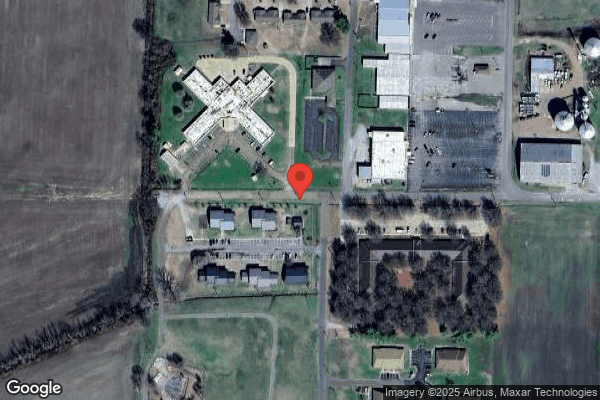
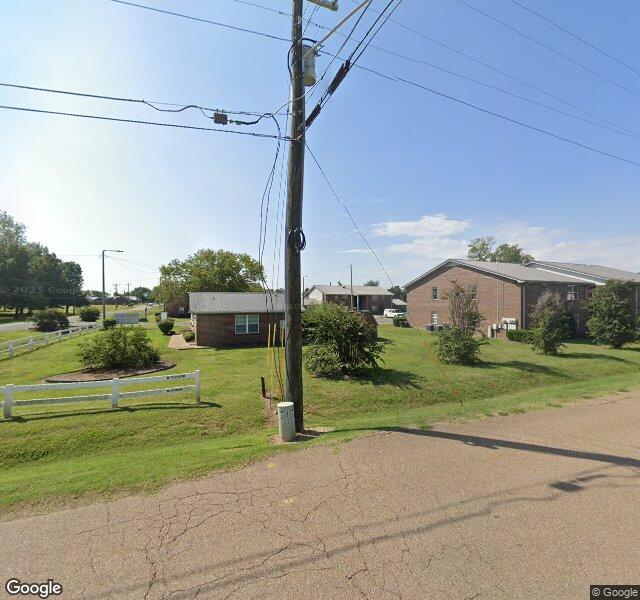
1034 REELFOOT DRIVE, TIPTONVILLE, TN 38079 (731) 253-6681
For profit - Limited Liability company 116 Beds MISSION HEALTH COMMUNITIES Data: November 2025
Trust Grade
35/100
#279 of 298 in TN
Last Inspection: May 2022

Over 2 years since last inspection. Current conditions may differ from available data.

Overview

Reelfoot Manor Health and Rehab in Tiptonville, Tennessee has received an F grade for trust, indicating significant concerns about the quality of care provided. Ranking #279 out of 298 facilities in Tennessee places them in the bottom half, and they are the second-best option in Lake County, meaning there is only one other local facility available. Unfortunately, the facility is worsening, with issues increasing from 2 in 2020 to 14 in 2022. Staffing is relatively stable with a 40% turnover rate, which is better than the state average, but their overall staffing rating is only 2 out of 5 stars. While there have been no fines reported, which is a positive sign, the facility has faced serious issues, including failing to implement fall prevention measures that resulted in a resident sustaining significant injuries and leaving medications unsecured, posing risks to residents' safety. Additionally, there have been incidents where staff did not respect residents' privacy during care procedures. Families should weigh these strengths and weaknesses carefully when considering this facility for their loved ones.

Trust Score
F
35/100
In Tennessee
#279/298
Bottom 7%
Safety Record
Moderate
Needs review
Inspections
Getting Worse
2 → 14 violations
Staff Stability
○ Average
40% turnover. Near Tennessee's 48% average. Typical for the industry.
Penalties
✓ Good
No fines on record. Clean compliance history, better than most Tennessee facilities.
Skilled Nurses
○ Average
Each resident gets 31 minutes of Registered Nurse (RN) attention daily — about average for Tennessee. RNs are the most trained staff who monitor for health changes.
Violations
⚠ Watch
27 deficiencies on record. Higher than average. Multiple issues found across inspections.
★☆☆☆☆
1.0
Overall Rating
★★☆☆☆
2.0
Staff Levels
★☆☆☆☆
1.0
Care Quality
★★☆☆☆
2.0
Inspection Score
Stable
2020: 2 issues
2022: 14 issues

The Good

  • Full Sprinkler Coverage · Fire safety systems throughout facility
  • No fines on record
  • Staff turnover below average (40%)

    8 points below Tennessee average of 48%

Facility shows strength in fire safety.

The Bad

1-Star Overall Rating

Below Tennessee average (2.8)

Significant quality concerns identified by CMS

Staff Turnover: 40%

Near Tennessee avg (46%)

Typical for the industry

Chain: MISSION HEALTH COMMUNITIES

Part of a multi-facility chain

Ask about local staffing decisions and management

The Ugly 27 deficiencies on record

1 actual harm
May 2022 14 deficiencies 1 Harm
SERIOUS (G)

Actual Harm - a resident was hurt due to facility failures

Accident Prevention (Tag F0689)

A resident was harmed · This affected 1 resident

**NOTE- TERMS IN BRACKETS HAVE BEEN EDITED TO PROTECT CONFIDENTIALITY** Based on policy review, medical record review, observation, and interview, the facility failed to implement appropriate interven...

Read full inspector narrative →
**NOTE- TERMS IN BRACKETS HAVE BEEN EDITED TO PROTECT CONFIDENTIALITY** Based on policy review, medical record review, observation, and interview, the facility failed to implement appropriate interventions to prevent falls, failed to assess residents at risk for falls, and failed to assess residents after each fall for 6 of 6 sampled residents (Resident #15, #7, #22, #29, #39, and #48) reviewed for falls; the facility failed to ensure a safe environment when disposable razors were found in 1 of 36 resident bathrooms (Resident #39's room); and when 3 of 3 sampled residents (Resident #7, #39, and #41) were not using smoking aprons when smoking. The facility's failure to provide and implement appropriate interventions resulted in harm when Resident #15 sustained two falls which resulted in a laceration to the middle of the forehead, multiple skin tears, and a hematoma (bleeding outside the blood vessel) on the left side of the forehead. The findings include: Review of the facility's policy titled, Falls and Fall Risk, Managing, dated 5/2021, revealed .Based on previous evaluations and current data, the staff will identify interventions related to the resident's specific risk and causes to try to prevent the resident from falling and to try to minimize complications from falling .The interdisciplinary team will attempt to identify appropriate interventions to reduce the risk of falls .The staff will monitor and document each resident's response to interventions intended to reduce falling or the risks of falling .If the resident continues to fall, staff will re-evaluate the situation and whether it is appropriate to continue or change current interventions . Review of the facility's policy titled, Assessing Falls and Their Causes Guidelines, dated 5/2021, revealed .The purposes of this procedure are to provide guidelines for assessing a resident after a fall and to assist staff in identifying cause of fall .Falls are a leading cause of morbidity and mortality among the elderly in nursing homes .Equipment and Supplies .Tools to assess resident's level of consciousness and neurological status .When a resident falls, the following information should be recorded in the resident's medical record .Completion of a falls risk assessment .Appropriate interventions taken to prevent future falls . Review of the medical record, revealed Resident #15 was admitted on [DATE] to room [ROOM NUMBER], was transferred to room [ROOM NUMBER] on 11/1/2021, and readmitted to the facility on [DATE] with diagnoses of Acute Kidney Failure, Psychosis, Dementia, Anxiety Disorder, Hypertension and History of Falls. Review of the Care Plan dated 12/31/2020, revealed Resident #15 had a potential for falls related to weakness and poor safety awareness. The following interventions were identified: Keep bed in lowest position, keep the call light within reach, place a concave mattress on the bed, and remind the resident to call for assistance with ambulation. Review of the admission Minimum Data Set (MDS) dated [DATE], revealed Resident #15 had a Brief Interview for Mental Status (BIMS) score of 15, which indicated intact cognitive skills, he required extensive assistance from staff for activities of daily living, and had no limitations in range of motion. Review of the quarterly MDS assessment dated [DATE], revealed Resident #15 had a BIMS score of 9, which indicated the resident had moderate cognitive deficits, he required extensive assistance from staff for activities of daily living, and had no functional limitations in range of motion. Review of the Care Plan revised 6/2/2021, revealed the following additional interventions had been added to the Care Plan, .1/9/2021 .Proper footwear of non slip soles or gripper socks .1/11/2021 .Place Dycem [non-slip mat] in wheelchair .6/2/2021 .Place fall mat on right side of bed . Review of the Fall Risk assessment dated [DATE], revealed Resident #15 was a high risk for falling. Review of the quarterly Minimum Data Set (MDS) assessment dated [DATE], revealed Resident #15 had a BIMS score of 4, which indicated the resident had severe cognitive deficits, he required extensive assistance from staff for activities of daily living, and had no functional limitations in range of motion. Review of a Progress Note dated 2/7/2022, revealed .Resident start shouting hello repeatedly. This nurse went to check and resident was observed on floor partially sitting beside bed, no injuries noted . Review of the Incident Report dated 2/7/2022, revealed Resident #15 had an unwitnessed fall and .Resident start [started] shouting hello .nurse went to check and resident was observed on floor partially sitting beside bed . The Care Plan was not updated after the fall. Review of the Fall Risk assessment dated [DATE], revealed Resident #15 was a high risk for falling. Review of the Incident Report dated 2/11/2022, revealed Resident #15 had an unwitnessed fall and .Resident hollering out for help. Was noted to be in dining room lying on left side with laceration noted to mid [middle] forehead . Review of Resident #15's (Named) Hospital Report dated 2/11/2022, revealed .Procedure Orders .Closed with skin staples [staples which hold the edges of a wound together] .Wound [laceration to the middle forehead] dressed . There was no Fall Risk Assessment completed after the fall on 2/11/2022 and the Care Plan was not updated. Review of an Incident Report dated 3/10/2022, revealed Resident #15 had a witnessed fall .Resident slid out of bed on to floor. Brief wet . There was no Fall Risk Assessment completed after the fall on 3/10/2022. The Care Plan was updated to reflect the bed in lowest locked position and to remind Resident #15 to call for assistance. Review of an Incident Report dated 4/20/2022, revealed Resident #15 had an unwitnessed fall and .Resident noted to be on the floor lying on left side and partially on bedside table. Multiple skin tears noted to left arm, skin tear to left knee, hematoma to left side of forehead, and bruising to left shoulder .Resident was sent to the hospital and returned . Review of a Progress Note dated 4/20/2022, revealed .Called to residents [resident's] room at approximately 1545 [3:45 PM] called to residents [resident's] room due to resident being on the floor. Entered room and noted resident to be lying on the floor on left side with face down. Assessed resident and noted resident to have a hematoma 2 cm [centimeter] x 3 cm to left side of forehead with 0.25 cm abrasion [open wound caused by the skin rubbing against a rough surface] to center. Multiple skin tears noted to left .part of arm. Skin tear to left knee. [Named Doctor] and telehealth notified with new orders to send resident to hospital . Review of Resident #15's (Named Hospital) records dated 4/20/2022, revealed, .Pt [patient] hit his head .[NAME] [has] a knot on his head .Barriers to Learning .Cognitive deficits .DIAGNOSIS Abrasion of left knee .Forehead contusion .Skin tear of left upper arm . Review of a (Named Ambulance Service) Physician Certification Statement dated 4/20/2022, revealed .history of falls . The Care Plan was not updated after the fall on 4/20/2022. Observation in the resident's room on 5/16/2022 at 10:22 AM and 5/17/2022 at 2:15 PM, revealed Resident #15 in bed on his right side, lying on a regular mattress, a wheelchair at the bedside with a blue cushion in the seat of the wheelchair. There was no concave mattress on the bed and there was no Dycem mat in the wheelchair. There were signs in the room stating to call for assistance before getting up. Observation in the Dining Room on 5/16/2022 at 3:08 PM, and 5/18/2022 at 11:27 AM, revealed Resident #15 up in his wheelchair. Observation in the hallway on 5/18/2022 at 2:56 PM, revealed there was no Dycem mat in Resident #15's wheelchair and the resident had on a pair of regular white socks. During an interview on 5/18/2022 at 3:34 PM, the Assistant Director of Nursing (ADON) confirmed that a resident with a BIMS score of 5 or 7 would not be able to be reminded to use the call light. The ADON confirmed a Fall Risk Assessment should be completed on admission, quarterly, and after each fall and that the staff should have Care Plan interventions implemented for the residents. During an interview on 5/18/2022 at 3:49 PM, the MDS Coordinator confirmed the Care Plan should be updated after each fall. The MDS Coordinator confirmed Resident #15 should have a Dycem mat in his wheelchair, a concave mattress on his bed, and should be wearing non-skid socks according to the Care Plan. The MDS Coordinator confirmed Resident #15 was not capable of using his call light or calling for assistance. During a telephone interview on 5/18/2022 at 4:48 PM, Licensed Practical Nurse (LPN) #2 confirmed Resident #15 had a fall mat at the bedside and did not remember Resident #15 ever having a concave mattress on his bed. During an interview on 5/18/2022 at 5:47 PM, LPN #1 confirmed he had been employed since July of 2021. LPN #1 confirmed he had not seen a concave mattress on Resident #15's bed and that Resident #15 was not capable of using his call light or calling for assistance. During an interview on 5/18/2022 at 6:13 PM, the Clinical Reimbursement Specialist (CRC)/MDS Coordinator stated, .I have a binder that tells what interventions are in place and the staff have to read and sign a paper when reviewed . The CRC/MDS Coordinator confirmed she used to put the interventions into the task bar to alert staff, but with the new management, it's no longer done. The CRC/MDS Coordinator confirmed Resident #15 had a room change and the concave mattress was not moved to the new room. During an interview on 5/18/2022 at 6:39 PM, Certified Nursing Assistant (CNA) #2 stated she had not seen a concave mattress on Resident #15's bed or a Dycem mat in his wheelchair. CNA #2 stated when the day shift staff dressed Resident #15, they placed regular white socks on his feet instead of the non-skid socks and Resident #15 was unable to use his call light or ask for assistance. Observation at the Nurses' Station on 5/18/2022 at 6:42 PM, revealed CNA #2 accessed Resident #15's task bar on the computer for review. The task bar did not include the use of the Dycem mat, the concave mattress, or the non-skid socks. During an interview on 5/19/2022 at 9:27 AM, CNA #1 confirmed she had not seen a concave mattress or Dycem mat in use for Resident #15. CNA #1 confirmed that regular socks were used for Resident #15. CNA #1 confirmed they do not have access to the resident's Care Plan, and the nurses tell them the interventions. CNA #1 confirmed Resident #15 was not able to use his call light. During an interview on 5/19/2022 at 10:46 AM, the Director of Nursing (DON) confirmed the CRC/MDS Coordinator adds the intervention to each resident's Care Plan during the morning meeting. The DON stated she audits the room and had identified a lot of things that needed to be addressed. The DON confirmed the Fall Risk Assessments should be completed on admission, post-fall, and quarterly. The DON was asked if Resident #15 could read or understand the signs posted in his room for him to call for assistance and use the call light for assistance. The DON stated, .he could at one time .they put the signs up for visual monitoring for him .I don't think he can be educated to do so . The DON confirmed the concave mattress was not transferred with Resident #15 when he was moved to a different room, and everything should have been moved with the resident. During a telephone interview on 5/19/2022 at 6:24 PM, the Medical Director stated .I know he [Resident #15] will get up and walk .no one knows he is walking .he loses his balance .he gets confused .he is hard of hearing .it is hard to explain to him what he needs to do .he's not cognitive enough to be educated or read signs at his bedside or use a call light .call for assistance when needed .I doubt seriously he could read, he would not understand the signs in the room . The Medical Director confirmed he would expect the staff to have appropriate interventions identified for falls and that the interventions should be implemented. The facility's failure to provide appropriate interventions and have the interventions implemented resulted in harm when Resident #15 sustained a fall that resulted in a laceration to the forehead and required staples, had a fall with multiple skin tears and a hematoma to his forehead. Review of the medical record, revealed Resident #7 was admitted to the facility on [DATE] with diagnoses of Dementia, Diabetes, History of Falls, Osteoporosis, Hypertension, and Depression. Review of the Fall Investigations dated 1/13/2022, 1/28/2022, and 3/1/2022 revealed Resident #7 had falls with no injuries. Review of the medical record, revealed there were no Fall Risk Assessments completed after the falls on 1/13/2022, 1/28/2022, and 3/1/2022. Review of the quarterly MDS dated [DATE], revealed Resident #7 had moderately impaired cognition. Review of the Care Plan dated 3/9/2022, revealed Resident #7 was assessed as being at risk for falls with an intervention to place a Dycem mat in the wheelchair. Observation in the Dining Room on 5/19/2022 at 2:46 PM, revealed CNA #1 assisted Resident #7 to a standing position from his wheelchair and there was no Dycem mat in the wheelchair. CNA #1 confirmed she had never seen a Dycem mat in Resident #7's wheelchair. Review of the medical record, revealed Resident #22 was admitted to the facility on [DATE] with diagnoses of Dementia, Osteoarthritis, Depression, Psychosis, and Hypertension. Review of a Progress Note dated 3/14/2022, revealed .Was notified at approximately 1930 [7:30 PM] that resident had fallen at approximately 1924 [7:24 PM] . Review of an Incident Report dated 4/13/2022, revealed .Resident was found laying perpendicular to bed in floor . Review of the medical record, revealed no Fall Risk Assessments were completed for Resident #22 after the falls on 3/14/2022 and 4/13/2022. Review of the medical record, revealed Resident #29 was admitted to the facility on [DATE] with diagnoses of Respiratory Failure, Chronic Obstructive Pulmonary Disease, Dementia, Anxiety, Parkinson's Disease, and Schizoaffective Disorder. Review of the Fall Investigation dated 2/17/2022 revealed, .Resident called out and said he was in the floor . Review of the medical record, revealed a Fall Risk Assessment was not completed after Resident #29's fall on 2/17/2022. Review of the annual MDS dated [DATE], revealed Resident #29 had severely impaired cognition. Review of the Care Plan dated 4/22/2022, revealed Resident #29 was at risk for falls with documented interventions for the bed to be in the low position, a Dycem mat in the wheelchair, and a fall mat at the beside. Observation in the resident's room on 5/19/2022 at 8:25 AM, revealed Resident #29 lying in bed. The bed was not in the lowest position, there were no fall mats on the floor, and there was no Dycem mat in the wheelchair. During an interview on 5/19/2022 at 8:38 AM, CNA #9 confirmed the bed was not in the lowest position, there were no fall mats on the floor, and there was no Dycem mat in the wheelchair. Review of the medical record, revealed Resident #39 was admitted to the facility on [DATE] with diagnoses of Hemiplegia and Hemiparesis, Muscle Weakness, Reduced Mobility, and Restless Leg Syndrome. Review of the Fall Investigations dated 1/13/2022 and 1/19/2022, revealed Resident #39 had falls with no injuries. Review of the medical record revealed Fall Risk Assessments were not completed after the falls on 1/13/2022 and 1/19/2022. Review of the quarterly MDS dated [DATE], revealed Resident #39 had intact cognition. Review of the Care Plan dated 5/3/2022, revealed Resident #39 was at risk for falls with an intervention for fall mats to be placed at the bedside. Observation in Resident #39's room on 5/18/2022 at 3:00 PM, 5/19/2022 at 8:00 AM and 10:00 AM, revealed no fall mats at the resident's bedside or in the resident's room. Review of the medical record, revealed Resident #48 was admitted to the facility on [DATE] with diagnoses of Hemiplegia, Hemiparesis, Parkinsonism, Peripheral Vascular Disease, Alzheimer's Disease, Dysphagia, Schizophrenia, Cerebral Infarction, Hypertension, Depression, and Anemia. Review of the quarterly MDS dated [DATE], revealed Resident #48 was moderately cognitively impaired. Review of the Care Plan dated 5/10/2022, revealed Resident #48 was at risk for falls with an intervention to place a Dycem mat in the wheelchair. During observation in the Common Area on 5/19/2022 at 2:54 PM, revealed CNA #7 and CNA #10 assisted Resident #48 to a standing position from the wheelchair to reveal there was a pillow on top of the cushion in the wheelchair and no Dycem mat in the wheelchair. CNA #7 and CNA #10 confirmed they had provided care for Resident #48 for a long time, and they had not seen a Dycem mat in the wheelchair. During an interview with the Director of Nursing (DON) and ADON on 5/19/2022 at 11:11 AM, the DON confirmed Fall Risk Assessments should be done quarterly and when a resident had a fall. Random observation Resident #39's room on 5/16/2022 at 10:52 AM and 5/16/2022 at 11:37 AM, revealed 3 blue disposable razors in an emesis basin and 1 blue disposable razor on the bathroom counter. During an interview on 5/16/2022 at 11:42 AM, the ADON confirmed there should not be disposable razors in the resident bathrooms. Review of a Tobacco Users list revealed Resident #7, #39, and #41 were on the list and used tobacco. Review of the Care Plan dated 3/9/2022 revealed Resident #7 was at risk for injury related to smoking, required staff supervision, and required the use of a smoking apron. Review of the Smoking Evaluation for Resident #7 dated 5/11/2022, revealed .Does the resident have cognitive loss .yes .Does the resident have dexterity problem .yes .Adaptive equipment needed .Smoking apron . Review of the Care Plan dated 9/28/2017, revealed Resident #39 wanted to smoke and was to use a smoking apron. Review of the Smoking Evaluation for Resident #39 dated 3/8/2022, revealed .Does the resident have cognitive loss .no .Does the resident have dexterity problem .no .Adaptive equipment needed .Staff supervision . Review of the Care Plan dated 6/18/2021, revealed Resident #41 wanted to smoke and there were no interventions to utilize a smoking apron. Review of the Smoking Evaluation for Resident #41 dated 5/2/2022, revealed .Does the resident have cognitive loss .no .Does the resident have dexterity problem .no .Adaptive equipment needed .Smoking apron . Observation in the Smoking Area on 5/16/2022 at 4:08 PM, revealed Resident #7, #39 and #41 were outside the facility in their wheelchairs, smoking, and the Social Worker was supervising them. The residents were not wearing smoking aprons. Observation in the Smoking Area on 5/17/2022 at 10:10 AM, revealed Resident #7 smoking and supervised by staff. Resident #7 was not wearing a smoking apron. Observation in the Smoking Area on 5/17/2022 at 4:05 PM, revealed Resident #7, #41, and #39 smoking and were supervised by staff while smoking. The residents were not wearing a smoking apron. During an interview on 5/18/2022 at 8:08 AM, the Administrator confirmed residents should have smoking aprons when smoking and the aprons were not ordered until 5/16/2022. During an interview on 5/19/2022 at 9:20 AM, the Scheduler/Restorative CNA was asked if she ordered supplies. The Restorative CNA stated .Yes, I order the smoking aprons .ordered them on Monday [5/16/2022] . The Restorative CNA confirmed she was made aware of the missing aprons on Monday when the survey team entered the facility.
CONCERN (D)

Potential for Harm - no one hurt, but risky conditions existed

Resident Rights (Tag F0550)

Could have caused harm · This affected 1 resident

**NOTE- TERMS IN BRACKETS HAVE BEEN EDITED TO PROTECT CONFIDENTIALITY** Based on policy review, medical record review, observation, and interview, the facility failed to maintain or enhance residents'...

Read full inspector narrative →
**NOTE- TERMS IN BRACKETS HAVE BEEN EDITED TO PROTECT CONFIDENTIALITY** Based on policy review, medical record review, observation, and interview, the facility failed to maintain or enhance residents' dignity and respect when 2 of 9 staff members (Certified Nursing Assistant (CNA) #6 and #7) failed to use courtesy titles for 3 of 43 residents (Resident #1, #6, and #32) observed during dining, and when a catheter bag was not concealed in a privacy bag for 1 of 1 sampled resident (Resident #42) reviewed for an indwelling catheter. The findings include: Review of the facility's policy titled, Respect and Dignity; Right to Personal Property, dated 5/2021, revealed .Residents have the right to be treated with respect and dignity . Review of the facility's policy titled, Indwelling Urinary Catheters, dated 5/2021, revealed .Cover the urine bag to provide privacy . Dining observation on the 400 Hall on 5/16/2022 at 11:45 AM, revealed CNA #6 delivered Resident #1's meal tray. CNA #6 stated, Hey momma . Dining observation on the 400 Hall on 5/16/2022 at 11:47 AM, revealed CNA #6 delivered Resident #6's meal tray. CNA #6 stated, Hey momma, ready to eat . Dining observation on the 400 Hall on 5/17/2022 at 7:48 AM, revealed CNA #7 delivered Resident #32's meal tray. CNA #7 stated, Good Morning Sweetheart . During an interview on 5/19/2022 at 10:50 AM, the Director of Nursing (DON) and the Assistant Director of Nursing (ADON) confirmed it was not appropriate to use Momma or Sweetheart when addressing a resident. Review of the medical record, revealed Resident #42 was admitted to the facility on [DATE] with diagnoses of Diabetes, Alzheimer's Disease, Dysphagia, and Hypertension. Review of the Care Plan dated 4/29/2022, revealed Resident #42 had an indwelling urinary catheter. Observation in the resident's room on 5/16/2022 at 10:27 AM, 5/17/2022 at 8:07 AM, 5/17/2022 at 2:17 PM, and on 5/18/2022 at 11:58 AM, revealed Resident #42's indwelling urinary catheter bag was uncovered on the left side of the bed, facing the door, with urine visible in the drainage bag. During an interview on 5/18/2022 at 10:56 AM, the ADON confirmed Resident #42's indwelling urinary catheter bag should be covered at all times, and stated, it's a dignity issue.
CONCERN (D)

Potential for Harm - no one hurt, but risky conditions existed

Safe Environment (Tag F0584)

Could have caused harm · This affected 1 resident

Based on policy review, observation, and interview, the facility failed to ensure the environment was clean, comfortable, and sanitary when wheelchairs were in disrepair and covered with dried food pa...

Read full inspector narrative →
Based on policy review, observation, and interview, the facility failed to ensure the environment was clean, comfortable, and sanitary when wheelchairs were in disrepair and covered with dried food particles, smears, and an unknown liquid for 2 of 10 resident wheelchairs (Resident #15 and #48) observed. The findings include: Review of the facility's policy titled, Cleaning and Disinfection of Resident-Care Items and Equipment ., dated 5/2021, revealed .Resident-care equipment, including reusable items and durable medical equipment will be cleaned and disinfected . Observation in Resident #15's room on 5/16/2022 at 10:22 AM, revealed Resident #15's wheelchair had dried brown stains covering the sides of the cushion of the wheelchair. Observation in the Dining Room on 5/16/2022 at 3:08 PM, revealed Resident #15 seated in his wheelchair that had brown stains covering the sides of the cushion of the wheelchair. Observation in the Common Area on 5/17/2022 at 9:01 AM and 3:15 PM, and on 5/17/2022 at 9:05 AM and 4:28 PM, revealed Resident #48 seated in a wheelchair that had dried food particles and smears on the chair arms, chair tray, lower bars of the wheelchair and the wheels. The chair tray appeared to be broken and was bent downward toward her lap. During an interview on 5/18/2022 at 8:44 AM, the Assistant Director of Nursing (ADON) inspected Resident #48's wheelchair. He confirmed the wheelchair was dirty, needed to be cleaned, and the arm support was not working properly. Observation in the Dining Room on 5/18/2022 at 11:27 AM, revealed Resident #15 seated in his wheelchair and the wheelchair had brown stains covering the sides of the cushion of the wheelchair. Observation in the hallway on 5/18/2022 at 3:04 PM, revealed Resident #15 seated in his wheelchair. Certified Nursing Assistant (CNA) #4 assisted the resident to a standing position. The seat cushion had large brown stains and dried particles on the top and the bottom of the cushion. There was a large amount of liquid on the seat of the wheelchair under the wheelchair cushion . During an interview on 5/18/2022 at 3:04 PM, CNA #4 confirmed the brown stains on the resident's wheel chair were dried food particles. CNA #4 confirmed the liquid in the cushion smelled like urine. CNA #4 confirmed the wheelchairs should be cleaned on the 11:00 PM to 7:00 AM shift and CNA #4 stated .the entire wheelchair is filthy . Observation in the resident's room on 5/19/2022 at 9:21 AM, revealed Resident #15's wheelchair had a large puddle of liquid under the seat cushion. During an interview on 5/19/2022 at 10:46 AM, the Director of Nursing (DON) confirmed the CNAs are responsible for cleaning the wheelchairs, wheelchairs should not be dirty or have unknown liquids in the seats of the wheelchair, and the wheelchairs should be in working order. She stated, .they need to check the wheelchair before they put the resident in it .they should check the wheelchair after meals .
CONCERN (D)

Potential for Harm - no one hurt, but risky conditions existed

Investigate Abuse (Tag F0610)

Could have caused harm · This affected 1 resident

**NOTE- TERMS IN BRACKETS HAVE BEEN EDITED TO PROTECT CONFIDENTIALITY** Based on facility investigation, policy review, medical record review, observation, and interview, the facility failed to timely...

Read full inspector narrative →
**NOTE- TERMS IN BRACKETS HAVE BEEN EDITED TO PROTECT CONFIDENTIALITY** Based on facility investigation, policy review, medical record review, observation, and interview, the facility failed to timely and thoroughly investigate an incident of resident-to-resident abuse for 2 of 9 sampled residents (Resident #17 and #27) reviewed. The findings include: Review of the facility's policy titled, Abuse Investigations, revised 11/2017, revealed .Reports of resident abuse, neglect and injuries of unknown source shall be promptly and thoroughly investigated by facility management .The individual conducting the investigation will, as a minimum .Interview staff members (on all shifts) who have had contact with the resident during the period of the alleged incident . Review of the medical record, revealed Resident #17 was admitted to the facility on [DATE] with diagnoses of Dementia, Diabetes, Chronic Kidney Disease, Hypertension, and Hyperlipidemia. Review of the quarterly Minimum Data Set (MDS) assessment dated [DATE], revealed Resident #17 had severely impaired cognition, had disorganized thinking, was inattentive, and had wandering behaviors. Observation on 5/17/2022 at 4:22 PM in the Common Area and in the hall leading into the Nurses' Station, revealed Resident #17 walking aimlessly in the hall, walked into the middle of the Nurses' Station, and the nursing staff redirected him out of the Nurses' Station, back into the hall. Review of the medical record, revealed Resident #27 was admitted to the facility on [DATE] with diagnoses of Chronic Obstructive Pulmonary Disease, Heart Failure, Parkinson's Disease, Dysphagia, Cardiac Pacemaker, Anemia, Schizoaffective Disorder, Anxiety, Depression, Manic Disorder with Severe Psychotic Symptoms, and Dementia. Review of the quarterly MDS dated [DATE], revealed Resident #27 had intact cognition and had no behaviors. Observation in the 400 Hall on 5/17/2022 at 4:22 PM, revealed Resident #27 propelling himself in his wheelchair, stopped at the Social Service office, and knocked on the door. Review of the facility's investigation of a resident to resident altercation documented the following: a. 1 handwritten statement, dated 3/7/2022 by the Director of Nursing (DON).[Resident #27] states .last night this guy [Resident #17] came into my room and started going through my stuff on my table, so I got my grabber here and stabbed at him 3 times. Then the guy picked up my water pitcher and hit me here (pointing to his left knee) . b. 1 undated handwritten statement by Licensed Practical Nurse (LPN) #2.On 3/7/22 [2022] [at] approximately [4:30 PM] spoke with resident [Resident #27] about recent report of an altercation [with] another resident [Resident #17]. Resident [Resident #27] stated that a man [Resident #17] came in his room [and] was rumaging [rummaging] through stuff on his bedside table. Resident [Resident #27] stated he then grabbed his grabber and stabbed the other resident [Resident #17] 3 times [and] other resident hit him on the left knee [with] his water pitcher [no] injuries noted to residents [Resident #27's left] knee . c. 1 handwritten statement by LPN #3. was the nurse for C/D [300/400 Halls] on 3/6/22-3/7/22 [2022] night shift. I was not aware of an altercation that happen in [Resident #27's room number] . d. 1 handwritten statement by the DON documented the DON interviewed Resident #27's roommate who confirmed Resident #17 had come in their room and picked up something from Resident #27's table, Resident #27 jabbed at him with his stick, and Resident #17 picked up the pitcher and hit Resident #27. e. 1 handwritten statement by LPN #4.[Resident #27] reported to Admin [Administrator] that resident [Resident #17] came into room at approx [approximately] 130am [1:30 AM] on 3-7-22 [2022] and hit him. Head to toe assessment performed no bruising, redness or abrasion noted . f. 1 handwritten statement by Certified Nursing Assistant (CNA) #8, a CNA on the second shift. [Resident #27] informed me that at 1:30 am [AM] a man [Resident #17] with white hair came in to his room and woke him up while touching his possessions on his tray table. He said .I stabbed him 3 times with my grabber, he hit me with my cup . The facility's investigation of the allegation of resident-to-resident abuse by Resident #27 did not include interviews/statements from other staff members working the night of the alleged abuse. During an interview on 5/19/2022 at 11:00 AM, the DON was asked if all the night shift staff should have been interviewed about the allegation of resident-to-resident abuse initiated by Resident #27. The DON stated, .I guess I should have
CONCERN (D)

Potential for Harm - no one hurt, but risky conditions existed

Comprehensive Care Plan (Tag F0656)

Could have caused harm · This affected 1 resident

**NOTE- TERMS IN BRACKETS HAVE BEEN EDITED TO PROTECT CONFIDENTIALITY** Based on medical record review, observation, and interview, the facility failed to ensure the Care Plan was implemented and foll...

Read full inspector narrative →
**NOTE- TERMS IN BRACKETS HAVE BEEN EDITED TO PROTECT CONFIDENTIALITY** Based on medical record review, observation, and interview, the facility failed to ensure the Care Plan was implemented and followed for Activities of Daily Living (ADL) for 1 of 1 sampled resident (Resident #48) reviewed. The findings include: Review of the medical record, revealed Resident #48 was admitted to the facility on [DATE] with diagnoses of Hemiplegia, Hemiparesis, Parkinsonism, Peripheral Vascular Disease, Alzheimer's Disease, Dysphagia, Schizophrenia, Cerebral Infarction, Hypertension, Depression, and Anemia. Review of the Care Plan dated 4/12/2022, revealed .The resident has an ADL Self Care Performance Deficit r/t [related to] CVA [Cerebral Vascular Accident] with hemiparesis .Interventions .Keep nails clean and trimmed . Review of the quarterly Minimum data Set (MDS) dated [DATE], revealed Resident #48 had moderately impaired cognition and required extensive assistance from staff for personal hygiene. Observation in the Common Area on 5/16/2022 at 3:15 PM, 5/17/2022 at 9:01 AM and 4:28 PM, and on 5/18/2022 at 8:44 AM, revealed Resident #48 had long nails and a dried brown substance under the nails. During an interview on 5/18/2022 at 8:45 AM, the Assistant Director of Nursing (ADON) confirmed Resident #48's nails were dirty and had a dried brown substance under the nails and stated, .she needs nailcare bad .
CONCERN (D)

Potential for Harm - no one hurt, but risky conditions existed

Deficiency F0661 (Tag F0661)

Could have caused harm · This affected 1 resident

**NOTE- TERMS IN BRACKETS HAVE BEEN EDITED TO PROTECT CONFIDENTIALITY** Based on policy review, medical record review, and interview, the facility failed to ensure the completion of a Discharge Summar...

Read full inspector narrative →
**NOTE- TERMS IN BRACKETS HAVE BEEN EDITED TO PROTECT CONFIDENTIALITY** Based on policy review, medical record review, and interview, the facility failed to ensure the completion of a Discharge Summary with a recapitulation of the resident's stay and a transfer form at the time of discharge for 1 of 1 sampled residents (Resident #50) reviewed. The findings include: Review of the facility's policy titled, Discharge Summary and Plan, dated 5/2021, revealed .When the facility anticipates a resident's discharge to a private residence, another nursing care facility, a discharge summary and a post-discharge plan will be developed which will assist the resident to adjust to his or her new living environment . Review of the medical record, revealed Resident #50 was admitted to the facility on [DATE] with diagnoses of Schizophrenia, Cerebral Infraction, Diabetes, Osteoarthritis, Chronic Obstructive Pulmonary Disease, Depression and Neuropathy. Review of the Progress Note dated 2/15/2022, revealed .Resident [Resident #50] discharged to .[Named Facility] via transportation van . The facility was unable to provide a completed Discharge Summary and a transfer form for Resident #50. During an interview on 5/19/2022 at 2:48 PM, the Assistant Director of Nursing (ADON) confirmed the transfer form and the discharge form should be completed. ADON #1 confirmed the forms were not completed.
CONCERN (D)

Potential for Harm - no one hurt, but risky conditions existed

Quality of Care (Tag F0684)

Could have caused harm · This affected 1 resident

**NOTE- TERMS IN BRACKETS HAVE BEEN EDITED TO PROTECT CONFIDENTIALITY** Based on medical record review and interview, the facility failed to ensure medications were administered for 1 of 5 sampled res...

Read full inspector narrative →
**NOTE- TERMS IN BRACKETS HAVE BEEN EDITED TO PROTECT CONFIDENTIALITY** Based on medical record review and interview, the facility failed to ensure medications were administered for 1 of 5 sampled residents (Resident #8) reviewed and failed to implement treatment orders following an injury for 1 of 6 sampled residents (Resident #48) reviewed. The findings include: Review of the medical record, revealed Resident #8 was admitted to the facility on [DATE] with diagnoses of Coronary Artery Disease, Anxiety, Seizures, and Unstageable Pressure Ulcer Sacral Region. Review of the significant change Minimum Data Set (MDS) assessment dated [DATE], revealed Resident #8 had a Brief Interview for Mental Status (BIMS) score of 4, which indicated Resident #8 was severely cognitively impaired and received antipsychotic and antidepressant medications. Review of the facility's Medication Administration Record (MAR) dated 3/2022, 4/2022, and 5/2022, revealed an order for Buspirone (a medication to treat anxiety and depression) 15 milligrams (MG) by mouth three times a day. The MARS revealed missed doses of Buspirone on the following dates: A. 3/7/2022 at 10:00 PM B. 3/13/2022 at 10:00 PM C. 3/17/2022 at 10:00 PM D. 3/23/2022 at 10:00 PM E. 3/24/2022 at 10:00 PM F. 3/26/2022 at 10:00 PM G. 3/27/2022 at 10:00 PM H. 4/2/2022 at 10:00 PM I. 4/3/2022 at 10:00 PM J. 4/6/2022 at 10:00 PM K. 4/21/2022 at 2:00 PM L. 5/8/2022 at 10:00 PM M. 5/15/2022 at 10:00 PM During an interview on 5/18/2022 at 4:33 PM, Registered Nurse (RN) Supervisor #1 was asked about the missing does of Buspirone. RN Supervisor #1 stated, No .there should be initials and a reason if the medication was held .not just blank . Review of the medical record, revealed Resident #48 was admitted to the facility on [DATE] with diagnoses of Hemiplegia, Hemiparesis, Peripheral Vascular Disease, Alzheimer's Disease, Dysphagia, Schizophrenia, Cerebral Infarction, Hypertension, Depression, and Anemia. Review of a Progress Note dated 1/10/2022 revealed, .resident [Resident #48] kicked left foot out hitting in on wheelchair. Resident with .laceration to left outer ankle. Laceration cleaned with wound cleaner, patted dry, TAO [Triple Antibiotic Ointment] and border gauze [a type of wound dressing] applied and area wrapped with Keflex [a cloth dressing wrap] . Review of the medical record, revealed there was no order for treatment of the laceration sustained on 1/10/2022. During an interview on 5/19/2022 at 11:14 AM, the Assistant Director of Nursing (ADON) was asked if a treatment order was obtained for the laceration sustained on 1/10/2022. The ADON stated, .I don't see a treatment order at all .there should have been an order for a treatment and monitoring of that laceration .
CONCERN (D)

Potential for Harm - no one hurt, but risky conditions existed

Incontinence Care (Tag F0690)

Could have caused harm · This affected 1 resident

**NOTE- TERMS IN BRACKETS HAVE BEEN EDITED TO PROTECT CONFIDENTIALITY** Based on policy review, medical record review, observation, and interview, the facility failed to provide appropriate urinary ca...

Read full inspector narrative →
**NOTE- TERMS IN BRACKETS HAVE BEEN EDITED TO PROTECT CONFIDENTIALITY** Based on policy review, medical record review, observation, and interview, the facility failed to provide appropriate urinary catheter care and failed to provide a Physician's Order for an indwelling urinary catheter for 1 of 1 sampled resident (Resident #42) reviewed. The findings include: Review of the facility policy titled, Indwelling Urinary Catheters, dated 5/2021, revealed .Wash and dry your hands thoroughly .fill the wash basin .put on gloves .Wash the resident's genitalia and perineum thoroughly with soap and water. Rinse the area well and towel dry .pour .water down the commode .place soiled linen into designated container .put on clean gloves .remove gloves and discard into the designated container. Wash and dry your hands .provide privacy .exposing the perineal area .With non-dominant hand separate the labia of the female resident .use a washcloth for each downward, cleansing stroke. Change the position of the washcloth with each downward stroke .change the position of the washcloth and cleanse around the urethral meatus .With a clean washcloth, rinse with warm water using he above technique .Use a clean washcloth with warm water and soap to cleanse and rinse the catheter from insertion site to approximately four inches outward .Discard disposable items .Remove gloves and discard into designated container .Wash and dry your hands thoroughly .Clean the .overbed table .wash and dry your hands thoroughly . Review of the medical record, revealed Resident #42 was admitted on [DATE] with diagnosis of Diabetes, Alzheimer's Disease, Dysphagia, and Hypertension Review of the significant change Minimum Data Set (MDS) assessment dated [DATE], revealed Resident #42 had an indwelling urinary catheter and required extensive staff assistance for Activities of Daily Living (ADLS). Review of the medical record, revealed there was no Physician's Order for an indwelling urinary catheter or for catheter care. Observation in the resident's room on 5/17/2022 at 2:20 PM, revealed Certified Nursing Assistant (CNA) #5 entered Resident #42's room, donned gloves, entered the bathroom, filled a basin with water, placed the basin on the overbed table, closed the privacy curtain, removed the resident's brief and top sheet, and threw the brief and top sheet on the floor. She used a washcloth to wipe down each side of the resident's legs several times and the washcloth had brownish stains on it when she finished. She turned the washcloth and wiped between the resident's legs and threw the soiled washcloth on the floor. CNA #5 positioned the resident on her left side and, used a new washcloth, wiped front to back, and threw the washcloth on the floor. CNA #5 positioned the resident on her left side, and used a washcloth to clean downward, and wiped from back to front. The washcloth had a large amount of brownish stains covering it when she finished, and she threw the washcloth on the floor. CNA #5 positioned the resident in the supine position, used a clean washcloth, holding the catheter, cleaned down the length of the catheter, and then dried the length of the catheter. CNA #5 positioned the resident on her left side and applied a new draw sheet, incontinent pad, and brief. She used a dry towel to wipe Resident #42's buttocks and a brown stain was on the towel when she finished. She threw the soiled towel on the floor and rolled the resident to her right side. She obtained the soiled linen and threw it on the floor. She then applied a brief, repositioned the resident in bed, picked the dirty linen up from the floor, exited the resident's room, and placed the dirty linen in the barrel. During an interview on 5/17/2022 at 2:28 PM, CNA #5 confirmed the brown stains on the washcloth and towel were stool. During an interview on 5/18/2022 at 10:56 AM, the Assistant Director of Nursing (ADON) confirmed Resident #42 did not have orders for an indwelling catheter or for catheter care. During an interview on 5/18/2022 at 2:36 PM, the ADON was asked what procedure staff should follow in performing indwelling catheter care. The ADON stated .should wash their hands .fill basin with warm soap water .gather washcloth .grab catheter near the meatus .do one long stroke down the catheter .discard that washcloth .get another washcloth .rinse with one long stroke .make sure the catheter tubing not kinked .secured it [catheter] should be with a leg strap .peri [perineum]care .fill basin with warm soapy water .separate meatus .clean with one part of the washcloth .wipe on one side .with a clean part of the washcloth wipe down the other side .rinse in the same manner .pat dry .turn resident to their side .with a clean washcloth and soapy water .wipe down one side .wipe down other side .rinse .pat dry .they should know how to do peri-care properly .when they turn the resident on the back side . should change water in basin .change gloves and wash their hand .if had a BM [bowel movement] they should have cleaned them first before doing peri-care .change the water get new water and new gloves . The ADON confirmed the linen should not be thrown on the floor of the resident's room during indwelling catheter care. The ADON confirmed staff members should follow the procedure for indwelling catheter care and hand washing.
CONCERN (D)

Potential for Harm - no one hurt, but risky conditions existed

Tube Feeding (Tag F0693)

Could have caused harm · This affected 1 resident

**NOTE- TERMS IN BRACKETS HAVE BEEN EDITED TO PROTECT CONFIDENTIALITY** Based on policy review, medical record review, observation, and interview, the facility failed to provide care and services for ...

Read full inspector narrative →
**NOTE- TERMS IN BRACKETS HAVE BEEN EDITED TO PROTECT CONFIDENTIALITY** Based on policy review, medical record review, observation, and interview, the facility failed to provide care and services for a resident with enteral feedings when staff failed to ensure there was a Physician's Order for monitoring and cleaning a Percutaneous Endoscopic Gastrostomy (PEG) (a tube inserted into the stomach for the administration of nutrition and fluids) for 1 of 1 sampled resident (Resident #37) reviewed. The findings include: Review of the facility's policy titled Gastrostomy/Jejunostomy Site Care . dated 6/2021, revealed .The purpose of this procedure is to promote cleanliness and to protect the gastrostomy or jejunostomy site from irritation, breakdown and infection .Verify that there is a physician's order for this procedure . Review of the medical record, revealed Resident #37 was admitted to the facility on [DATE] with diagnoses of Pain, Depression, Anxiety, Hypertension, Convulsions, and Aphasia. Review of the medical record, revealed there was no Physician's Order for PEG site care and monitoring of the PEG. Observation in Resident #37's room on 5/16/2022 at 2:58 PM, revealed the resident receiving a tube feeding of Jevity connected to the enteral infusion pump and infusing at 35 milliliters per hour. During an interview on 5/19/2022 at 10:53 AM, the Director of Nursing (DON) and Assistant Director of Nursing (ADON) were asked how often a PEG tube site should be cleaned and monitored for signs and symptoms of infection. The DON stated, Once per shift. The ADON confirmed there was no Physician's Order for PEG site monitoring and cleaning and confirmed there should be a Physician's Order for monitoring and cleaning the PEG site.
CONCERN (D)

Potential for Harm - no one hurt, but risky conditions existed

Respiratory Care (Tag F0695)

Could have caused harm · This affected 1 resident

**NOTE- TERMS IN BRACKETS HAVE BEEN EDITED TO PROTECT CONFIDENTIALITY** Based on policy review, medical record review, observation, and interview, the facility failed to obtain Physician Orders for ox...

Read full inspector narrative →
**NOTE- TERMS IN BRACKETS HAVE BEEN EDITED TO PROTECT CONFIDENTIALITY** Based on policy review, medical record review, observation, and interview, the facility failed to obtain Physician Orders for oxygen for 1 of 1 sampled resident (Resident #37) reviewed. The findings include: Review of the facility's policy titled, Oxygen Administration, revised 6/2021, revealed .Verify that there is a physician's order .After completing the oxygen setup .following information .recorded in .resident's medical record .date and time .name and title .who performed procedure .rate of oxygen flow, route .signature and title . Review of the medical record, revealed Resident #37 was admitted to the facility on [DATE] with diagnoses of Pain, Depression, Anxiety, Hypertension, and Seizures. Review of the quarterly Minimum Data Set (MDS) assessment dated [DATE], revealed Resident #37 used oxygen. Review of the Order Summary Report dated 5/3/2022, revealed there was no Physician's Order for Resident #37's oxygen, oxygen care, and maintenance. Observation in the resident's room on 5/16/2022 at 10:39 AM and 4:15 PM, and on 5/17/2022 at 7:53 AM and 4:34 PM, revealed Resident #37 was receiving Oxygen at 3 liters per minute through a bi-nasal cannula. During an interview on 5/19/2022 at 10:43 AM, the Assistant Director of Nursing (ADON) confirmed there was not a Physician's Order for Resident #37's oxygen.
CONCERN (D)

Potential for Harm - no one hurt, but risky conditions existed

Medication Errors (Tag F0758)

Could have caused harm · This affected 1 resident

**NOTE- TERMS IN BRACKETS HAVE BEEN EDITED TO PROTECT CONFIDENTIALITY** Based on policy review, medical record review, and interview, the facility failed to ensure side effects of antipsychotic medica...

Read full inspector narrative →
**NOTE- TERMS IN BRACKETS HAVE BEEN EDITED TO PROTECT CONFIDENTIALITY** Based on policy review, medical record review, and interview, the facility failed to ensure side effects of antipsychotic medications were monitored for 1 of 5 sampled residents (Resident #39) reviewed for unnecessary medications. The findings include: Review of the facility's policy titled, Behavior Assessment and Monitoring, revised 2/2014, revealed .The IDT [Interdisciplinary Team] will monitor for side effects and complications .lethargy, abnormal involuntary movements, anorexia, and recurrent falling . Review of the medical record, revealed Resident #39 was admitted to the facility on [DATE] with diagnoses of Depression, Anxiety, Convulsions, and Mood Disorder. Review of the annual Minimum Data Set (MDS) assessment dated [DATE] and the quarterly MDS assessment dated 5/3 /2022, revealed Resident #39 received an antipsychotic medication 7 days of the review period and received it on a routine basis. Review of the Order Summary Report dated 5/3/2022, revealed .OLANZapine [an antipsychotic medication] .15 MG [Milligrams] .at bedtime .Start Date 03/28/2022 . Review of the Resident #39's Medication Administration Record (MAR) dated 3/2022, 4/2022, and 5/2022, revealed Resident #39 received scheduled an antipsychotic of Olanzapine from 3/28/2022 to 5/18/2022. Review of the facility's Behavior Monitoring Records from 3/2022-5/2022, revealed Resident #39 had not been monitored for the side-effects of the use of an antipsychotic medication. During an interview on 5/19/2022 at 10:15 AM, the Assistant Director of Nursing (ADON) confirmed that residents who are prescribed antipsychotic medications should be monitored for side-effects related to the medication.
CONCERN (D)

Potential for Harm - no one hurt, but risky conditions existed

Deficiency F0849 (Tag F0849)

Could have caused harm · This affected 1 resident

**NOTE- TERMS IN BRACKETS HAVE BEEN EDITED TO PROTECT CONFIDENTIALITY** Based on policy review, medical record review, and interview, the facility failed to ensure a Physician's Order was obtained to ...

Read full inspector narrative →
**NOTE- TERMS IN BRACKETS HAVE BEEN EDITED TO PROTECT CONFIDENTIALITY** Based on policy review, medical record review, and interview, the facility failed to ensure a Physician's Order was obtained to provide Hospice services for 1 of 1 sampled resident (Resident #42) reviewed. The findings include: Review of the facility's policy titled, Physician's Services, dated 5/2021, revealed .The medical care of each resident is under the supervision of a Licensed Physician. Orders for the resident's immediate care and needs will be provided by a physician, physician assistant, nurse practitioner, or clinical nurse specialist . Review of the facility's policy titled, Hospice Program, dated 6/2021, revealed .Obtain a physician's order for Hospice services including diagnosis . Review of the medical record, revealed Resident #42 was admitted to the facility on [DATE] with diagnoses of Diabetes, Alzheimer's Disease, Dysphagia, and Hypertension. Review of the Care Plan dated 5/2/2022, revealed Resident #42 was receiving Hospice services. Review of the medical record, revealed there was not a Physician's Order to provide Hospice services. During an interview on 5/18/2022 at 10:56 AM, the Director of Nursing (DON) confirmed Resident #42 should have a Physician's Order for Hospice services.
CONCERN (D)

Potential for Harm - no one hurt, but risky conditions existed

Deficiency F0919 (Tag F0919)

Could have caused harm · This affected 1 resident

Based on observation and interview, the facility failed to provide a functioning call light for 1 of 31 sampled residents (Resident #22). The findings include: Observation in the resident's room on 5/...

Read full inspector narrative →
Based on observation and interview, the facility failed to provide a functioning call light for 1 of 31 sampled residents (Resident #22). The findings include: Observation in the resident's room on 5/16/2022 at 7:49 AM, 9:02 AM, and 3:46 PM, and on 5/18/2022 at 11:21 AM and 12:33 PM, revealed Resident #22 did not have a call light available to call for assistance. During an interview on 5/18/2022 at 8:50 AM, the Assistant Director of Nursing (ADON) confirmed Resident #22 did not have a call light. He confirmed she should have a call light in her room.
CONCERN (E)

Potential for Harm - no one hurt, but risky conditions existed

Deficiency F0761 (Tag F0761)

Could have caused harm · This affected multiple residents

**NOTE- TERMS IN BRACKETS HAVE BEEN EDITED TO PROTECT CONFIDENTIALITY** Based on policy review, observation, and interview, the facility failed to ensure medications were properly stored and secured w...

Read full inspector narrative →
**NOTE- TERMS IN BRACKETS HAVE BEEN EDITED TO PROTECT CONFIDENTIALITY** Based on policy review, observation, and interview, the facility failed to ensure medications were properly stored and secured when medications were found unattended and unsecured in 2 of 36 resident rooms (room [ROOM NUMBER] and room [ROOM NUMBER]), when 1 of 5 nurses (Licensed Practical Nurse (LPN) #4) left medications unattended and unsecured on top of the medication cart, and when 2 of 3 medication carts (C Hall Medication Cart and D Hall Medication Cart) were left unlocked and unattended during medication administration. The findings include: Review of the facility's policy titled, Storage of Medications, revised 4/2007, revealed .The facility shall store all drugs and biologicals in a safe, secure .manner .The nursing staff shall be responsible for maintaining medication storage AND preparation areas in a .safe .manner .Only persons authorized to prepare and administer medications shall have access . Observation in room [ROOM NUMBER] on 5/16/2022 at 10:04 AM and 11:04 AM, revealed one container of medicated vapor ointment on an overbed table, unsecured and unattended. Observation in room [ROOM NUMBER] on 5/16/2022 at 10:54 AM and 11:15 AM, revealed 1 bottle of Nystatin Powder on the overbed table, unsecured and unattended. Observation at the D Hall Medication cart on 5/17/2022 at 8:26 AM, revealed LPN #4 prepared medication for Resident #22, removed the box of Diclofenac (a pain medication) from the treatment cart and placed it on top of the medication cart. LPN #4 entered the resident's room, left the medication unattended and unsecured on top of the medication cart, exited the room, and walked to the Nurses' Station. The medication remained on top of the medication cart unattended and unsecured. Observation at the C Hall Medication Cart on 5/17/2022 at 3:29 PM, revealed LPN #1 prepared medication for Resident #4, entered Resident #4's room, and left the C Hall Medication Cart unlocked and unattended. During an interview on 5/17/2022 at 3:33 PM, LPN #1 confirmed the medication cart should be locked when not in use. During an interview on 5/18/2022 at 8:08 AM, the Director of Nursing (DON) confirmed all medications should be stored in a locked medication cart. Observation on the D Hall Medication Cart on 5/18/2022 at 9:17 AM, revealed LPN #3 prepared the medications for Resident #11, placed the cart in the hallway between room [ROOM NUMBER] and room [ROOM NUMBER], walked to room [ROOM NUMBER] and administered Resident #11's medication, leaving the medication cart unlocked and unattended in the hallway. During an interview on 5/18/2022 at 9:25 AM, LPN #3 confirmed the medication cart should not have been left unlocked and unattended. During an interview on 5/18/2022 at 10:42 AM, the Director of Nursing (DON) confirmed the medication carts should be locked and the staff should not leave medication on top of the medication carts unattended.
Jan 2020 2 deficiencies
CONCERN (D)

Potential for Harm - no one hurt, but risky conditions existed

Deficiency F0761 (Tag F0761)

Could have caused harm · This affected 1 resident

Based on policy review, observation, and interview, the facility failed to ensure medications were securely locked and inaccessible in 1 of 5 medication storage areas (C-D Hall). The findings include:...

Read full inspector narrative →
Based on policy review, observation, and interview, the facility failed to ensure medications were securely locked and inaccessible in 1 of 5 medication storage areas (C-D Hall). The findings include: The facility policy titled, Storage of Medication, dated 4/2007 documented, .store all drugs and biologicals in a safe, secure .manner. Observation at the C-D Hall medication storage room on 1/13/2020 at 11:00 AM and 11:50 AM, showed the medication storage room was unsecure, without a door knob or a lock on the door. During an interview conducted on 1/13/2020 at 2:56 PM, the Director of Nursing (DON) was asked should the medication room be unsecure with medications inside. The DON stated, No.
CONCERN (D)

Potential for Harm - no one hurt, but risky conditions existed

Medical Records (Tag F0842)

Could have caused harm · This affected 1 resident

Based on policy review, medical record review, observation, and interview, the facility failed ensure documentation was complete and accurate for enteral tube feeding residuals for 1 of 4 sampled resi...

Read full inspector narrative →
Based on policy review, medical record review, observation, and interview, the facility failed ensure documentation was complete and accurate for enteral tube feeding residuals for 1 of 4 sampled residents (Resident #55) reviewed for enteral tube feedings. The findings include: The facility's policy titled, Administering Medications through an Enteral Tube, dated 2/2018, documented, .The purpose of this procedure is to provide guidelines for the safe administration of medications through an enteral tube .For .gastrostomy tubes, check placement and gastric contents .If there is more than 100 ml [milliliters] of stomach content, withhold medication and notify the physician . Review of the medical record, showed Resident #55 had diagnoses of Pneumonitis, Gastrointestinal Hemorrhage, Dysphagia, Hemiplegia and Hemiparesis, Malnutrition, Adult Failure to Thrive, Gastrostomy Status, and Diabetes. Review of the Physician's Orders dated 1/2/2020, showed an order to administer Osmolite 1.2 at 60 ml [milliliters] / [per] hr [hour] x [times] 24 hours/day .Contact RD [Registered Dietician] if residual occurs . Review of the January 2020 Medication Administration Record (MAR), showed there was no documentation that the residuals of enteral feedings were checked. Observation in the resident's room on 1/12/2020 at 10:30 AM and 2:36 PM, and on 1/13/2020 at 9:55 AM, showed Osmolite 1.2 was infusing at 60ml/hr per pump to Resident #55. During an interview on 1/14/2020 at 4:55 PM, the Director of Nursing (DON) was asked if the enteral tube feeding residuals were documented. The DON stated, There are none in January. The DON was asked if the residuals for enteral feedings should be documented. The DON stated, Yes.
Mar 2019 11 deficiencies
CONCERN (D)

Potential for Harm - no one hurt, but risky conditions existed

Notification of Changes (Tag F0580)

Could have caused harm · This affected 1 resident

**NOTE- TERMS IN BRACKETS HAVE BEEN EDITED TO PROTECT CONFIDENTIALITY** Based on policy review, medical record review, observation, and interview, the facility failed to ensure the physician was notif...

Read full inspector narrative →
**NOTE- TERMS IN BRACKETS HAVE BEEN EDITED TO PROTECT CONFIDENTIALITY** Based on policy review, medical record review, observation, and interview, the facility failed to ensure the physician was notified that medications had not been administered for 1 of 63 (Resident #37) observed on initial tour. The findings include: 1. Medical record review revealed Resident #37 was admitted to the facility on [DATE] with diagnoses of Epilepsy, Diabetes Mellitus, Hypertension, Gastroesophageal Reflux Disease, Dementia with Behavioral Disturbances, Benign Prostatic Hyperplasia, and Schizoaffective Disorder. The Physician order dated 2/28/19 documented, .Gabapentin [Neurontin ordered to relieve nerve pain/seizures] 400 mg [milligram] tablet .Give 2 tablet three times daily . The Medication Administration Record (MAR) dated March 2019 documented Resident #37's Gabapentin was administered at 6:00 AM. There was no documentation in the nurses notes dated 3/4/19 that Resident #37's physician had been notified the resident had not received the Gabapentin at 6:00 AM. 2. Observation in Resident #37's room during initial tour on 3/04/19 at 9:50 AM, revealed Resident #37 lying in bed watching television. A white scored tablet was noted on his shirt in the right upper chest area. Observation in Resident #37's room on 3/4/19 at 9:58 AM, revealed Registered Nurse (RN) #1 removed the white tablet from the resident's shirt and disposed of the tablet in Resident #37's trash can. 3. Interview with RN #1 on 3/4/19 at 10:10 AM, outside Resident #37's room, RN #1 was asked what pill was on his shirt. RN #1 stated, .looks like his Keppra . Interview with Licensed Practical Nurse (LPN) #1 on 3/5/19 at 9:20 AM, in the A hall, LPN #1 confirmed the only medication Resident #37 received was Neurontin which was a white scored tablet. Interview with the Director of Nursing (DON) on 3/5/19 at 7:52 AM, in the Conference Room, the DON was asked what nurses were to do when a medication was refused or found to not have been taken. The DON stated, .the physician should be contacted and the nurse should document the refusal in the MAR and/or the nurses note .
CONCERN (D)

Potential for Harm - no one hurt, but risky conditions existed

Report Alleged Abuse (Tag F0609)

Could have caused harm · This affected 1 resident

Based on policy review, medical record review, and interview, the facility failed to report an allegation of abuse for 1 of 3 (Resident #52) residents reviewed for abuse allegations as evidenced by Ce...

Read full inspector narrative →
Based on policy review, medical record review, and interview, the facility failed to report an allegation of abuse for 1 of 3 (Resident #52) residents reviewed for abuse allegations as evidenced by Certified Nursing Assistant (CNA) #2 and Licensed Practical Nurse (LPN) #5 not following facility policy to immediately report allegations of abuse to the Abuse Coordinator. The findings include: 1. The facility's Reporting Abuse to Facility Management policy revised 9/2012 documented, .4 .Employees must immediately report any suspected abuse or incident of abuse to their direct supervisor, Abuse Coordinator and/or Administrator .7 .The Administrator or Director of Nursing Services must be immediately notified of suspected abuse or incidents of abuse .8 .When an Incident of resident abuse is suspected .the incident must be immediately reported to the facility management . Interview with LPN #5 on 3/5/19 at 7:38 AM in the Conference Room, LPN #5 was asked what time Resident #52 reported the allegation of abuse. LPN #5 stated, .it was 6:00 AM in the morning [2/25/19] . LPN #5 was asked what time the Abuse Coordinator and DON were notified. LPN #5 stated, .I think at 7:13 AM [2/25/19]. LPN #5 was asked when should the Abuse Coordinator or DON have been notified. LPN #5 stated, As soon as I am told . During a telephone interview with CNA #2 on 3/6/19 at 9:02 AM, in the Conference Room, CNA #2 confirmed she was aware of the abuse allegation involving Resident #52 on the night that it occurred. CNA #2 was asked if she reported the abuse allegation to the charge nurse after Resident #52 made her aware of the abuse allegation. CNA #2 stated, No, ma'am I did not . CNA #2 was asked if the allegation of abuse should have been reported immediately. CNA #2 stated, Yes, ma'am. Interview with the Administrator on 3/6/19 at 10:58 AM in the Administrator's office, The Administrator was asked if a staff member was made aware of an abuse allegation what would they be expected to do. The Administrator stated, Report what they know as soon as possible. Interview with the DON on 3/6/19 at 11:02 AM in the Conference Room, the DON was asked if a staff member had knowledge of an abuse allegation what should they do. The DON stated, .they should let us know immediately, that is in our policy .that they should have let us know immediately . The facility failed to follow the facility policy regarding an allegation of abuse by failing to notify the Abuse Coordinator and/or Administrator, the DON, and the physician immediately after they were made aware of an abuse allegation.
CONCERN (D)

Potential for Harm - no one hurt, but risky conditions existed

Investigate Abuse (Tag F0610)

Could have caused harm · This affected 1 resident

**NOTE- TERMS IN BRACKETS HAVE BEEN EDITED TO PROTECT CONFIDENTIALITY** Based on policy review, medical record review, facility investigation review, and interview, the facility failed to thoroughly i...

Read full inspector narrative →
**NOTE- TERMS IN BRACKETS HAVE BEEN EDITED TO PROTECT CONFIDENTIALITY** Based on policy review, medical record review, facility investigation review, and interview, the facility failed to thoroughly investigate an allegation of abuse for 1 of 1 (Resident #52) residents reviewed for allegations of abuse. The findings include: 1. Review of the facility's Operational Policy and Procedure Manual .Abuse policy revised on 9/2012, documented, Abuse Investigations .4 .Witness reports will be obtained in writing. Witnesses will be required to sign and date such reports .Reporting Abuse to Facility Management .9 .Upon receiving reports of physical or sexual abuse, a licensed nurse or physician shall immediately examine the resident .Findings of the examination must be recorded in the resident's medical record .1 .written statements from witnesses .must be provided to the Administrator . 2. Review of the facility's Accident and Incidents-Investigating and Reporting policy revised on 4/2010 documented, .5 .The Nurse Supervisor/Charge Nurse and/or the department director or supervisor shall complete a Report of Incident /Accident form and submit the original to the Director of Nursing Services within 24 hours of the incident or accident . 3. Medical record review revealed Resident #52 was admitted to the facility on [DATE] with diagnoses of Seizures, Muscle Weakness, Hypertension, Osteoarthritis, Bipolar Disorder, Major Depressive Disorder, and Gastro-Esophageal Reflux Disease. The 14 day Minimum Data Set (MDS) dated [DATE] revealed Resident #52 was cognitively intact with behaviors. Medical record review for Resident #52 revealed no documentation of the examination conducted after the alleged abuse allegation on 2/25/19. 4. Review of the facility's abuse allegation investigation dated 2/26/19 revealed: a. Licensed staff failed to document events related to the abuse allegation for Resident #52 in Resident #52's medical record. b. The facility failed to follow the facility's Accident and Incidents-Investigating and Reporting policy to complete an incident/accident report. c. The Abuse Coordinator failed to obtain witness statements from staff members on the shift of the alleged abuse occurrence, from staff members on the shift following the alleged occurrence, or from the staff on the shift that the allegation was reported. Interview with the Director of Nursing (DON) on 3/5/19 at 11:32 AM, in the Conference Room, the DON was asked if witness statements were obtained from the staff who worked the shift the abuse allegation allegedly occurred, statements from the staff that worked the shift after the alleged occurrence, and from the staff on the shift the occurrence was reported. The DON stated, .We didn't, the staff members was already gone, I didn't have them to write a statement . Interview with the DON on 3/6/19 at 10:07 AM, in the DON office, the DON was asked if there was a completed incident report for the abuse allegation. The DON stated, No, we did not have one . Interview with the Administrator on 3/6/19 at 10:28 AM, in the Administrator's office, the Administrator was asked if the investigation was a complete and thorough investigation without witness statements. The Administrator stated, No . The facility failed to ensure a thorough investigation was completed on an allegation of abuse.
CONCERN (D)

Potential for Harm - no one hurt, but risky conditions existed

Deficiency F0685 (Tag F0685)

Could have caused harm · This affected 1 resident

Based on medical record review and interview the facility failed to ensure the provision of a timely ophthalmologist consult for 1 of 2 (Resident #24) sampled residents reviewed for vision. The findin...

Read full inspector narrative →
Based on medical record review and interview the facility failed to ensure the provision of a timely ophthalmologist consult for 1 of 2 (Resident #24) sampled residents reviewed for vision. The findings include: Medical record review for Resident #24 documented an admission date of 10/12/17 with diagnoses of Type 2 Diabetes, Metabolic Encephalopathy, Epilepsy, Anxiety, Major Depressive Disorder, and Schizoaffective Disorder. Interview with Resident #24 on 3/4/19 at 3:02 PM in the resident's room, Resident #24 was asked if she had seen the eye doctor about her cataract. Resident #26 stated .I have seen the eye doctor a couple of months ago and they said I needed glasses .I don't have any money to buy me any . The Eye Care Chart Note dated 1/17/19 documented .Cataracts are visually significant; Please schedule for cataract evaluation with Ophthalmologist of facility choice . Interview with the Social Service Director (SSD) on 3/05/19 at 10:50 AM, in the SSD office, the SSD was asked if Resident #24 had been seen by the optometrist. The SSD stated Yes and was recommended to have a consult with the ophthalmologist for cataracts. The SSD was asked if an appointment had been made for Resident #24's consult to the ophthalmologist. The SSD stated .I am not sure . Interview with the DON on 3/5/19 at 4:09 PM in the Conference Room, the DON was asked if Resident #24 had a referral appointment for the cataract evaluation that had been ordered 1/17/19 by [Named] Vision Care. The DON stated No .it was not made .
CONCERN (D)

Potential for Harm - no one hurt, but risky conditions existed

Pharmacy Services (Tag F0755)

Could have caused harm · This affected 1 resident

Based on policy review and interview, the facility failed to ensure the proper disposal of a controlled medication when 1 of 2 (Registered Nurse (RN) #1) disposed of a controlled medication in a garba...

Read full inspector narrative →
Based on policy review and interview, the facility failed to ensure the proper disposal of a controlled medication when 1 of 2 (Registered Nurse (RN) #1) disposed of a controlled medication in a garbage can. The findings include: 1. The facility's Discarding and Destroying Medications policy revised June 2012 documented, .Medications that cannot be returned to the dispensing pharmacy (e.g. [example], non unit-dose medications, medications refused by the resident, and/or medications left by residents upon discharge) shall be destroyed .by state regulations .2. Non-controlled and Schedule V [5] controlled drugs must be destroyed in the presence of two (2) licensed nurses or per state law . 2. Observations in Resident #37's room on 3/4/19 at 9:58 AM, revealed Registered Nurse (RN) #1 removed the tablet from the resident's shirt and disposed of the tablet in Resident #37's trash can. 3. Interview with the Director of Nursing (DON) on 3/5/19 at 7:52 AM, in the conference room, the DON was asked what should nurses do when a medication is refused or found to not have been taken, the DON stated, .she [RN #1] should have put the tablet in a sharps container .
CONCERN (D)

Potential for Harm - no one hurt, but risky conditions existed

Unnecessary Medications (Tag F0759)

Could have caused harm · This affected 1 resident

**NOTE- TERMS IN BRACKETS HAVE BEEN EDITED TO PROTECT CONFIDENTIALITY** Based on review of the GERIATRIC MEDICATION HANDBOOK, 11TH EDITION provided by the American Society of Consultant Pharmacists, p...

Read full inspector narrative →
**NOTE- TERMS IN BRACKETS HAVE BEEN EDITED TO PROTECT CONFIDENTIALITY** Based on review of the GERIATRIC MEDICATION HANDBOOK, 11TH EDITION provided by the American Society of Consultant Pharmacists, policy review, medical record review, observation, and interview, the facility failed to ensure 2 of 6 (Licensed Practical Nurse (LPN) #2 and #3) administered medications with a medication error rate of less than 5 percent (%). A total of 2 errors were observed out of 26 opportunities, which resulted in an error rate of 7.69%. The findings include: 1. The GERIATRIC MEDICATION HANDBOOK, 11TH edition provided by the American Society of Consultant Pharmacists documented, .DIABETES: INJECTABLE MEDICATIONS .NovoLog .Insulin .Rapid-Acting Insulin .ONSET .15 min .ADMINISTRATION .5-10 minutes prior to meals .Novolog .Rapid-Acting Insulin .ONSET 15 min .5-10 minutes before meals . 2. The facility's Insulin Administration policy revised October 2010, documented, .provide guidelines for the safe administration of insulin to residents with diabetes .The three key characteristics of insulin are .how quickly the insulin reaches the bloodstream and begins to lower blood glucose .Rapid-acting .Onset .10-15 min [minutes] . 3. Medical record review revealed Resident #14 was admitted to the facility on [DATE] with diagnoses of Diabetes, Parkinson's Disease, Anxiety and Chronic Kidney Disease. The physician's order dated 10/11/18 documented, .Novolog .inject per sliding scale .151-199=4 units .subcutaneously before meals . Observations in Resident #14's room on 3/5/19 at 11:05 PM, revealed LPN #2 administered 4 units of Novolog insulin to Resident #14 for a blood glucose level of 165. No meal or substantial snack was offered until facility staff delivered a meal tray to Resident #14 at 11:55 AM, 50 minutes after the administration of the Novolog insulin. The failure of the nurse to provide a meal or substantial snack within 15 minutes after administration of the Novolog insulin resulted in medication error #1. 4. Medical record review revealed Resident #16 was admitted to the facility on [DATE] with diagnoses of Diabetes, Dementia with Behavioral Disturbance, and Osteoarthritis. The physician's order dated 10/15/18 documented, .Humalog .Inject as per sliding scale .201-250=5 units .subcutaneously before meals . Observations in Resident #16's room on 3/5/19 at 4:07 PM, LPN #3 administered 5 units of Humalog insulin to Resident #16 for a blood glucose level of 226. No meal or substantial snack was offered until facility staff delivered a meal tray to Resident #16 at 5:22 PM, 1 hour and 15 minutes after the administration of the Humalog insulin. The failure of the nurse to provide a meal or substantial snack within 15 minutes of administration of the Humalog insulin, a rapid acting insulin, resulted in medication error #2. Interview with LPN #2 on 3/6/19 at 8:56 AM, in C hall, LPN #2 was asked about administration of the rapid acting insulin related to meals. LPN #2 stated, .not to give it too early before . Interview with the Director of Nursing (DON) on 3/6/19 at 11:30 AM in the conference room, the DON was asked how long should it be before a resident receives a meal or substantial snack after the administration of a rapid acting insulin. The DON stated, .within 15 minutes .
CONCERN (D)

Potential for Harm - no one hurt, but risky conditions existed

Deficiency F0760 (Tag F0760)

Could have caused harm · This affected 1 resident

**NOTE- TERMS IN BRACKETS HAVE BEEN EDITED TO PROTECT CONFIDENTIALITY** Based on review of the GERIATRIC MEDICATION HANDBOOK, 11TH EDITION provided by the American Society of Consultant Pharmacists, p...

Read full inspector narrative →
**NOTE- TERMS IN BRACKETS HAVE BEEN EDITED TO PROTECT CONFIDENTIALITY** Based on review of the GERIATRIC MEDICATION HANDBOOK, 11TH EDITION provided by the American Society of Consultant Pharmacists, policy review, medical record review, observation, and interview, the facility failed to ensure residents were free of significant medication errors when 2 of 6 (Licensed Practical Nurse (LPN) #2 and #3) nurses failed to administer food promptly after administration of a rapid-acting insulin. The findings include: 1. The GERIATRIC MEDICATION HANDBOOK, 11TH edition provided by the American Society of Consultant Pharmacists documented, .DIABETES: INJECTABLE MEDICATIONS .NovoLog .Insulin .Rapid-Acting Insulin .ONSET .15 min .ADMINISTRATION .5-10 minutes prior to meals .Novolog .Rapid-Acting Insulin .ONSET 15 min .5-10 minutes before meals . 2. The facility's Insulin Administration policy revised October 2010, documented, .provide guidelines for the safe administration of insulin to residents with diabetes .1. The three key characteristics of insulin are: a. Onset of action-how quickly the insulin reaches the bloodstream and begins to lower blood glucose .Rapid-acting .Onset .10-15 min [minutes] . 3. Medical record review revealed Resident #14 was admitted to the facility on [DATE] with diagnoses of Diabetes, Parkinson's Disease, Anxiety and Chronic Kidney Disease. The physician's order dated 10/11/18 documented, .Novolog .inject per sliding scale .151-199=4 units .subcutaneously before meals . Observations in Resident #14's room on 3/5/19 at 11:05 PM, revealed LPN #2 administered 4 units of Novolog insulin to Resident #14 for a blood glucose level of 165. No meal or substantial snack was offered until facility staff delivered a meal tray to Resident #14 at 11:55 AM, 50 minutes after the administration of the Novolog insulin. The failure of the nurse to provide a meal or substantial snack within 15 minutes after administration of the Novolog insulin resulted in a significant medication error. 4. Medical record review revealed Resident #16 was admitted to the facility on [DATE] with diagnoses of Diabetes, Dementia with Behavioral Disturbance, and Osteoarthritis. The physician's order dated 10/15/18 documented, .Humalog .Inject as per sliding scale .201-250=5 units .subcutaneously before meals . Observations in Resident #16's room on 3/5/19 at 4:07 PM, LPN #3 administered 5 units of Humalog insulin to Resident #16 for a blood glucose level of 226. No meal or substantial snack was offered until facility staff delivered a meal tray to Resident #16 at 5:22 PM, 1 hour and 15 minutes after the administration of the Humalog insulin. The failure of the nurse to provide a meal or substantial snack within 15 minutes of administration of the Humalog insulin, a rapid acting insulin, resulted in a significant medication error. Interview with LPN #2 on 3/6/19 at 8:56 AM, in C hall, LPN #2 was asked about administration of the rapid acting insulin related to meals. LPN #2 stated, .not to give it too early before . Interview with the Director of Nursing (DON) on 3/6/19 at 11:30 AM in the conference room, the DON was asked how long should it be before a resident receives a meal or substantial snack after the administration of a rapid acting insulin. The DON stated, .within 15 minutes .
CONCERN (D)

Potential for Harm - no one hurt, but risky conditions existed

Medical Records (Tag F0842)

Could have caused harm · This affected 1 resident

Based on policy review, medical record review, observation, and interview, the facility failed to ensure the medical record was accurate for medication administration for 1 of 19 (Resident #37) reside...

Read full inspector narrative →
Based on policy review, medical record review, observation, and interview, the facility failed to ensure the medical record was accurate for medication administration for 1 of 19 (Resident #37) residents reviewed. The findings include: 1. The facility's Documentation Guidelines dated August 2008 documented, .3. Incidents, accidents, or changes in the resident's condition must be recorded . 2. A Physician order dated 2/28/19 for Resident #37 documented, .Gabapentin [Neurontin ordered to relieve nerve pain/seizures] 400 mg [milligram] tablet .Give 2 tablet three times daily . The Medication Administration Record (MAR) dated March 2019 documented Resident #37's Gabapentin was administered at 6:00 AM. 3. Observation in Resident #37's room during initial tour on 3/04/19 at 9:50 AM, revealed Resident #37 in bed and a white scored tablet stuck on his shirt in the right upper chest area. Observation in Resident #37's room on 3/4/19 at 9:58 AM, revealed Registered Nurse (RN) #1 removed the tablet from the resident's shirt and disposed of the tablet in Resident #37's trash can. 4. Interview with RN #1 on 3/4/19 at 10:10 AM, outside Resident #37's room, RN #1 was asked what pill was on his shirt. RN #1 stated, .looks like his Keppra . Interview with Licensed Practical Nurse (LPN) #1 on 3/5/19 at 9:20 AM, in the 100 hall, LPN #1 confirmed the only medication Resident #37 received that was a white scored tablet was Neurontin [Gabapentin]. Interview with the Director of Nursing (DON) on 3/5/19 at 7:52 AM, in the Conference Room, the DON was asked what nurses should do when a medication was refused or found not to have been taken. The DON stated, .the physician should have been contacted and the nurse should have documented the refusal on the MAR and/or the nurses note . The DON confirmed Resident #37's Klonopin was kinda turquoise green and Neurontin [Gabapentin] was a white scored tablet. The DON also confirmed the Gabapentin had been documented as given on 3/4/19 at 6:00 AM, and there were no nursing notes that documented the tablet was found on the resident, that the tablet had been destroyed, or that the physician had been notified.
CONCERN (E)

Potential for Harm - no one hurt, but risky conditions existed

Resident Rights (Tag F0550)

Could have caused harm · This affected multiple residents

**NOTE- TERMS IN BRACKETS HAVE BEEN EDITED TO PROTECT CONFIDENTIALITY** Based on policy review, observation, and interview, the facility failed to maintain or enhance resident dignity and respect for ...

Read full inspector narrative →
**NOTE- TERMS IN BRACKETS HAVE BEEN EDITED TO PROTECT CONFIDENTIALITY** Based on policy review, observation, and interview, the facility failed to maintain or enhance resident dignity and respect for Resident #1 and #63 when of 1 of 1 (Assistant Director of Nursing (ADON)) staff members failed to knock before entering the residents' room and 3 of 3 (ADON, Licensed Practical Nurse (LPN) #4, and Certified Nursing Assistant (CNA) #1) staff members failed to provide privacy during wound care for Resident #46. The findings include: 1. The facility's Exercise of Rights / Resident Rights policy revised November 2017 documented, .8. Residents' private space and property shall be respected at all times .Staff will knock and request permission before entering residents' rooms .12. Staff shall promote, maintain, and protect resident privacy, including bodily privacy during .treatment procedures . 2. Observation in Resident #1's room on 3/5/19 at 2:09 PM, the ADON entered Resident #1's room without knocking, and failed to respect the resident's private space. Observation in Resident #63's room on 3/6/19 at 1:00 PM, the ADON entered the room [ROOM NUMBER] times without knocking, and failed to respect Resident #63's private space while staff were providing wound care. 3. Interview with the ADON on 3/6/19 at 1:35 PM, in the 100 hall, the ADON was asked what should be done prior to entering a resident's room. The ADON shook her head and stated, Knock. Interview with the Director Of Nursing (DON) on 3/6/19 at 2:21 PM, in the 100 hallway, the DON was asked if staff should enter a resident's room without knocking. The DON stated, No. 4. Observations in Resident #46's room on 3/6/19 at 11:04 AM, the window curtain in Resident #46's room was left open during wound care. CNA #1 assisted Resident #46 to a standing position, CNA #1 lowered Resident #46's pants and brief exposing her abdomen and buttocks. Resident #46 was potentially visible to anyone in the facility yard or occupying the rooms on the 400 hall. The facility staff did not provide privacy, promote dignity, and respect for Resident #46 by failing to close the curtains to the outside window. Interview with the DON on 3/6/19 at 11:30 AM, in the Conference Room, the DON was asked if a resident should receive wound care with the blinds and curtains open to hallway and the outside. The DON stated, No .
CONCERN (E)

Potential for Harm - no one hurt, but risky conditions existed

Assessment Accuracy (Tag F0641)

Could have caused harm · This affected multiple residents

**NOTE- TERMS IN BRACKETS HAVE BEEN EDITED TO PROTECT CONFIDENTIALITY** Based on medical record review and interview, the facility failed to ensure an assessment was accurate related to Pre-admission ...

Read full inspector narrative →
**NOTE- TERMS IN BRACKETS HAVE BEEN EDITED TO PROTECT CONFIDENTIALITY** Based on medical record review and interview, the facility failed to ensure an assessment was accurate related to Pre-admission Screening and Resident Review (PASRR) for 6 (Resident #24, 28, 34, 47, 53, 55) sampled residents reviewed of the 24 residents included in the stage 2 review. The findings include: 1. Medical record review revealed Resident #24 was admitted to the facility on [DATE] and readmitted on [DATE] with diagnoses of Diabetes Mellitus, Metabolic Encephalopathy, Hypertension, Epilepsy, Anxiety, Depression, and Schizoaffective Disorder. The annual Minimum Data Set (MDS) dated [DATE] documented, .0. No .Conditions Related to ID/DD [intellectual disability/developmental disability] Status [indicated a level II PASRR had not been completed] . A Level II Outcome PASRR was completed 10/5/17 and the resident did not require active treatment. 2. Medical record review revealed Resident #28 was admitted to the facility on [DATE] and readmitted on [DATE] with diagnoses of Dysphagia, Tachycardia, Depression, Hypertension, Schizoaffective Disorder, and Anxiety. The annual Minimum Data Set (MDS) dated [DATE] documented, .0. No .Conditions Related to ID/DD Status [indicated a level II PASRR had not been completed] . A Level II Outcome PASRR was completed 2/27/17 and the resident did not require active treatment. 3. Medical record review revealed Resident #34 was admitted to the facility on [DATE] and readmitted on [DATE] with diagnoses of Diabetes Mellitus, Dementia with Behaviors, Heart Failure, Sarcoidosis, Acute Kidney Failure, Hypertension, Schizoaffective Disorder, Depression, and Dysphasia. The annual MDS dated [DATE] documented, .0. No .Conditions Related to ID/DD [indicated a level II PASRR had not been completed] . A Level II Outcome PASRR was completed 12/11/17 and the resident did not require active treatment. 4. Medical record review revealed Resident #47 was admitted to the facility on [DATE] and readmitted on [DATE] and last readmitted on [DATE] with diagnoses of Chronic Obstructive Pulmonary Disease, Parkinson's Disease, Dementia, Schizophrenia, Epilepsy, Psychosis, BiPolar Disorder, Depression, Anxiety, and Hypertension. The admission MDS dated [DATE] documented, .0. No .Condition Related to ID/DD Status [indicated a level II PASRR had not been completed] . A Level II Outcome PASRR was completed 2/19/19 and the resident did not require active treatment. 5. Medical record review revealed Resident #53 was admitted to the facility on [DATE] and readmitted on [DATE] with diagnoses of Depression, Respiratory Failure, Neuroleptic Parkinsonism, Schizophrenia, Chronic Obstructive Pulmonary Disease, Mental Disorder, and Epilepsy. The annual MDS dated [DATE] documented, .0. No .Condition Related to ID/DD Status [indicated a level II PASRR had not been completed] . A Level II Outcome PASRR was completed 5/5/16 and the resident did not require active treatment. 6. Medical record review revealed Resident #55 was admitted to the facility on [DATE] and readmitted on [DATE] with diagnoses of Adult Failure to Thrive, Gastrostomy, Huntington's Disease, Extrapyramidal and Movement Disorder, Multiple Sclerosis, Psychotic Disorder, Dementia, Depression, and Anxiety. The significant change MDS dated [DATE] documented, .0. No .Condition Related to ID/DD Status [indicated a level II PASRR had not been completed] . A Level II Outcome PASRR was completed 3/5/18 and the resident did not require active treatment. Interview with the MDS Coordinator on 3/5/19 at 6:05 PM in the Conference Room, the MDS Coordinator was asked if Section A1500. Preadmission Screening and Resident Review should have been marked 0 which indicated a PASRR Level II had not been completed. The MDS Coordinator stated, .I think I have been answering that question wrong .I'm totally confused about that .
CONCERN (E)

Potential for Harm - no one hurt, but risky conditions existed

Infection Control (Tag F0880)

Could have caused harm · This affected multiple residents

**NOTE- TERMS IN BRACKETS HAVE BEEN EDITED TO PROTECT CONFIDENTIALITY** Based on policy review, medical record review, observation and interview, the facility failed to ensure 2 of 2 staff members (As...

Read full inspector narrative →
**NOTE- TERMS IN BRACKETS HAVE BEEN EDITED TO PROTECT CONFIDENTIALITY** Based on policy review, medical record review, observation and interview, the facility failed to ensure 2 of 2 staff members (Assistant Director of Nursing (ADON) and Licensed practical Nurse (LPN) #1)) performed hand hygiene to prevent the potential spread of infection during wound care and tracheostomy care and maintain infection control practices during wound care. The findings include: 1. The facility's Handwashing/Hand Hygiene policy, revised April 2010, documented, .This facility considers hand hygiene the primary means to prevent the spread of infection .5. Employees must wash their hands for at least fifteen (15) seconds using antimicrobial or non-antimicrobial soap and water under the following conditions .c. Before and after direct resident contact .k. Before and after changing a dressing .q. After contact with a resident's mucous membranes and body fluid or excretions .u. After removing gloves . The facility's Tracheostomy Care policy revised October 2010 documented, .6. Remove old dressings .7. Wash hands .8. Apply gloves . 2. Medical record review revealed Resident #55 was admitted to the facility on [DATE] with diagnoses of Adult Failure to Thrive, Gastrostomy, Parkinsonism, Huntington's Disease, Multiple Sclerosis, Psychotic Disorder, Dementia, Anxiety, and Vitamin D Deficiency. The Physician order dated 2/26/2019 documented, .Clean left buttock with wound cleanser and 4 x 4, apply moistened Aquacel and cover with Duoderm q [every] 3 days and prn [as needed] . Observations during wound care in Resident #55's room on 3/6/19 at 9:00 AM, revealed the ADON cleaned the wound with wound cleanser and 4 x 4's. The ADON cleaned over and around the wound contaminating the wound by going back over the clean wound area with the same 4 x 4 that was used to clean the soiled area. The ADON obtained a clean 4 X 4, patted the area around the wound, crossed back and forth over the wound contaminating the wound with the soiled 4 x 4. The ADON discarded the soiled 4 x 4 in the trash basket. 3. Medical record review revealed Resident #46 was admitted on [DATE] with diagnoses of Diabetes, Hypertension, Dementia with Behavioral Disturbance, and Weakness. The physician's order dated 2/27/19 documented, .Cleanse pressure ulcer stage 2 to upper left posterior thigh with wound cleanser, apply hydrogel and bordergauze daily and prn till healed . Observations in Resident #46's room on 3/6/19 at 11:04 AM, the ADON donned gloves without performing hand hygiene, cleaned the over bed table with a wet cloth, removed the gloves, donned clean gloves without performing hand hygiene, cleansed the wound with wound cleanser and 4 x 4's dabbing the wound multiple times with the same 4 x 4. The ADON used a clean 4 x 4 and patted the wound multiple times with the same 4 x 4. Interview with the Director of Nursing (DON) on 3/6/19 at 11:26 AM in the Conference Room, the DON was asked the proper procedure for cleaning a wound. The DON stated, .use the wound cleanser and gauze and clean [the wound] from inside out . The DON was asked if she would expect a nurse to clean and pat dry going over the same area with the same gauze. The DON stated, No. 4. Medical record review revealed Resident #13 was admitted to the facility on [DATE] with diagnoses of Pleural Effusion, Chronic Obstructive Pulmonary Disease, Dysphagia, Gastrostomy, Trachea Cancer, and Tracheostomy. A physician's order dated 3/1/19 documented, .Clean trach [tracheostomy] site every shift and as needed . Observations in Resident #13's room on 3/6/19 at 11:21 AM, LPN #1 removed the soiled dressing, removed the soiled gloves and then donned sterile gloves without performing hand hygiene. Interview with LPN #1 on 3/6/19 at 11:36 AM, in the hallway outside room [ROOM NUMBER], LPN #1 confirmed she should have performed hand hygiene before donning sterile gloves. Interview with the DON on 3/6/19 at 11:54 AM, in the conference room, the DON was asked if during tracheostomy care the nurse should remove soiled gloves and don sterile gloves without performing hand hygiene. The DON stated, No .
Understanding Severity Codes (click to expand)
Life-Threatening (Immediate Jeopardy)
J - Isolated K - Pattern L - Widespread
Actual Harm
G - Isolated H - Pattern I - Widespread
Potential for Harm
D - Isolated E - Pattern F - Widespread
No Harm (Minor)
A - Isolated B - Pattern C - Widespread

Questions to Ask on Your Visit

  • "Can I speak with families of current residents?"
  • "What's your RN coverage like on weekends and overnight?"

Our Honest Assessment

Strengths
  • • No fines on record. Clean compliance history, better than most Tennessee facilities.
  • • 40% turnover. Below Tennessee's 48% average. Good staff retention means consistent care.
Concerns
  • • 27 deficiencies on record, including 1 serious (caused harm) violation. Ask about corrective actions taken.
  • • Grade F (35/100). Below average facility with significant concerns.
Bottom line: Trust Score of 35/100 indicates significant concerns. Thoroughly evaluate alternatives.

About This Facility

What is Reelfoot Manor Health And Rehab's CMS Rating?

CMS assigns REELFOOT MANOR HEALTH AND REHAB an overall rating of 1 out of 5 stars, which is considered much below average nationally. Within Tennessee, this rating places the facility higher than 0% of the state's 100 nursing homes. A rating at this level reflects concerns identified through health inspections, staffing assessments, or quality measures that families should carefully consider.

How is Reelfoot Manor Health And Rehab Staffed?

CMS rates REELFOOT MANOR HEALTH AND REHAB's staffing level at 2 out of 5 stars, which is below average compared to other nursing homes. Staff turnover is 40%, compared to the Tennessee average of 46%. This relatively stable workforce can support continuity of care.

What Have Inspectors Found at Reelfoot Manor Health And Rehab?

State health inspectors documented 27 deficiencies at REELFOOT MANOR HEALTH AND REHAB during 2019 to 2022. These included: 1 that caused actual resident harm and 26 with potential for harm. Deficiencies causing actual harm indicate documented cases where residents experienced negative health consequences.

Who Owns and Operates Reelfoot Manor Health And Rehab?

REELFOOT MANOR HEALTH AND REHAB is owned by a for-profit company. For-profit facilities operate as businesses with obligations to shareholders or private owners. The facility is operated by MISSION HEALTH COMMUNITIES, a chain that manages multiple nursing homes. With 116 certified beds and approximately 46 residents (about 40% occupancy), it is a mid-sized facility located in TIPTONVILLE, Tennessee.

How Does Reelfoot Manor Health And Rehab Compare to Other Tennessee Nursing Homes?

Compared to the 100 nursing homes in Tennessee, REELFOOT MANOR HEALTH AND REHAB's overall rating (1 stars) is below the state average of 2.8, staff turnover (40%) is near the state average of 46%, and health inspection rating (2 stars) is below the national benchmark.

What Should Families Ask When Visiting Reelfoot Manor Health And Rehab?

Based on this facility's data, families visiting should ask: "Can you walk me through typical staffing levels on day, evening, and night shifts?" "Can I visit during a mealtime to observe dining assistance and food quality?" "How do you handle medical emergencies, and what is your hospital transfer rate?" "Can I speak with family members of current residents about their experience?" These questions are particularly relevant given the below-average staffing rating.

Is Reelfoot Manor Health And Rehab Safe?

Based on CMS inspection data, REELFOOT MANOR HEALTH AND REHAB has a clean safety record: no substantiated abuse findings (meaning no confirmed cases of resident harm), no Immediate Jeopardy citations (the most serious violation level indicating risk of serious injury or death), and is not on the Special Focus Facility watch list (a federal program monitoring the lowest-performing 1% of nursing homes). The facility has a 1-star overall rating and ranks #100 of 100 nursing homes in Tennessee. While no facility is perfect, families should still ask about staff-to-resident ratios and recent inspection results during their visit.

Do Nurses at Reelfoot Manor Health And Rehab Stick Around?

REELFOOT MANOR HEALTH AND REHAB has a staff turnover rate of 40%, which is about average for Tennessee nursing homes (state average: 46%). Moderate turnover is common in nursing homes, but families should still ask about staff tenure and how the facility maintains care continuity when employees leave.

Was Reelfoot Manor Health And Rehab Ever Fined?

REELFOOT MANOR HEALTH AND REHAB has no federal fines on record. CMS issues fines when nursing homes fail to meet care standards or don't correct problems found during inspections. The absence of fines suggests the facility has either maintained compliance or corrected any issues before penalties were assessed. This is a positive indicator, though families should still review recent inspection reports for the full picture.

Is Reelfoot Manor Health And Rehab on Any Federal Watch List?

REELFOOT MANOR HEALTH AND REHAB is not on any federal watch list. The most significant is the Special Focus Facility (SFF) program, which identifies the bottom 1% of nursing homes nationally based on persistent, serious quality problems. Not being on this list means the facility has avoided the pattern of deficiencies that triggers enhanced federal oversight. This is a positive indicator, though families should still review the facility's inspection history directly.