THE WATERS OF UNION CITY , LLC
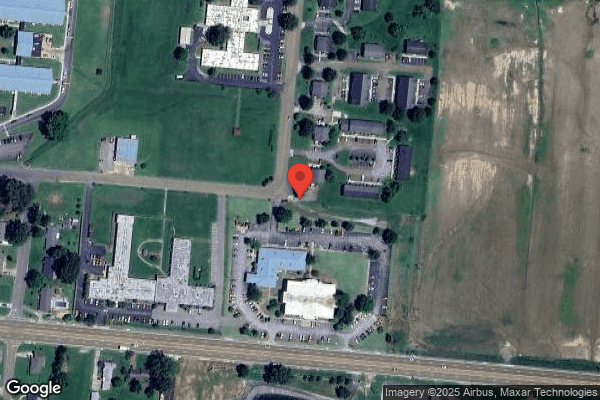
1105 SUNSWEPT DR, UNION CITY, TN 38261 (731) 885-6400
For profit - Individual 80 Beds INFINITY HEALTHCARE CONSULTING Data: November 2025
Trust Grade
80/100
#100 of 298 in TN
Last Inspection: January 2025

Within standard 12-15 month inspection cycle. Federal law requires annual inspections.

Overview

The Waters of Union City, LLC has a Trust Grade of B+, meaning it is above average and recommended for potential residents. It ranks #100 out of 298 nursing homes in Tennessee, placing it in the top half of facilities in the state, and #1 out of 3 in Obion County, indicating it is the best option locally. The facility is improving, with issues decreasing from four in 2019 to three in 2025. However, staffing is a weakness, rated at only 1 out of 5 stars, with a turnover rate of 50%, which is about average for the state. Notably, there have been concerns such as failing to inform eight residents about their rights regarding medical treatment and not properly monitoring the effects of psychoactive medications for one resident, as well as inadequate temperature monitoring in personal refrigerators, which could pose a risk for foodborne illness. Despite these issues, the facility has no fines on record and has good quality measures overall.

Trust Score
B+
80/100
In Tennessee
#100/298
Top 33%
Safety Record
Low Risk
No red flags
Inspections
Getting Better
4 → 3 violations
Staff Stability
⚠ Watch
50% turnover. Above average. Higher turnover means staff may not know residents' routines.
Penalties
✓ Good
No fines on record. Clean compliance history, better than most Tennessee facilities.
Skilled Nurses
○ Average
Each resident gets 34 minutes of Registered Nurse (RN) attention daily — about average for Tennessee. RNs are the most trained staff who monitor for health changes.
Violations
○ Average
7 deficiencies on record. Average for a facility this size. Mostly minor or procedural issues.
★★★★☆
4.0
Overall Rating
★☆☆☆☆
1.0
Staff Levels
★★★★★
5.0
Care Quality
★★★★☆
4.0
Inspection Score
Stable
2019: 4 issues
2025: 3 issues

The Good

  • 5-Star Quality Measures · Strong clinical quality outcomes
  • Full Sprinkler Coverage · Fire safety systems throughout facility
  • No fines on record

Facility shows strength in quality measures, fire safety.

The Bad

Staff Turnover: 50%

Near Tennessee avg (46%)

Higher turnover may affect care consistency

Chain: INFINITY HEALTHCARE CONSULTING

Part of a multi-facility chain

Ask about local staffing decisions and management

The Ugly 7 deficiencies on record

Jan 2025 3 deficiencies
CONCERN (D)

Potential for Harm - no one hurt, but risky conditions existed

Deficiency F0578 (Tag F0578)

Could have caused harm · This affected 1 resident

**NOTE- TERMS IN BRACKETS HAVE BEEN EDITED TO PROTECT CONFIDENTIALITY** Based on policy review, record review, and interview the facility failed to provide information to the residents regarding their...

Read full inspector narrative →
**NOTE- TERMS IN BRACKETS HAVE BEEN EDITED TO PROTECT CONFIDENTIALITY** Based on policy review, record review, and interview the facility failed to provide information to the residents regarding their right to refuse medical or surgical treatment or to formulate an advance directive for 8 of 24 (Resident #1, #2, #4, #11, #13, #20, #22, and #47) residents reviewed for Advance Directives. The findings include: 1. Review of the facility policy titled, Guidelines for Resident Rights-Advanced Directive(s), dated 6/4/2024, revealed Residents have specific rights related to advance directives .The facility must ensure that these rights are explained, documented . 2. Review of the medical record revealed Resident #1 was admitted to the facility on [DATE], with diagnoses including Heart Failure, Chronic Atrial Fibrillation and Chronic Kidney Disease. Review of the quarterly Minimum Data Set (MDS) assessment dated [DATE], revealed a Brief Interview for Mental Status (BIMS) score of 12, which indicated Resident #1 was moderately cognitively impaired. Review of the facility document titled, Acknowledgement of Advanced Directive Discussion, dated 3/30/2023, revealed the document was not filled out completely or correctly. 3. Review of the medical record revealed Resident #2 was admitted to the facility on [DATE], with diagnoses including Hemiplegia, Aphasia, Tracheostomy, Cerebral Infarction, Atrial Fibrillation, Diabetes, and Anxiety. Review of the annual MDS assessment dated [DATE], revealed a BIMS score of 2, which indicated Resident #2 was severely cognitively impaired. Review of the facility document titled, Acknowledgement of Advanced Directive Discussion, dated 10/1/2024, revealed the document was not filled out completely or correctly. 4. Review of the medical record revealed Resident #4 was admitted to the facility on [DATE], with diagnoses including Diabetes, Chronic Obstructive Pulmonary Disease, Heart Failure, and Hypertension. Review of the quarterly MDS assessment dated [DATE], revealed a BIMS score of 12, which indicated Resident #4 was moderately cognitively impaired. Review of the facility document titled, Acknowledgement of Advanced Directive Discussion, dated 10/3/2024, revealed the document was not filled out completely or correctly. 5. Review of medical record revealed Resident #11 was admitted on [DATE], with diagnoses that included Diabetes, Paranoid Schizophrenia, and Depression. Review of the quarterly MDS assessment dated [DATE], revealed a BIMS score of 3 which indicated Resident #11 was severely cognitively impaired. Review of the facility document titled, Acknowledgement of Advanced Directive Discussion, dated 9/19/2024, revealed the document was not filled out completely or correctly. 6. Review of the medical record revealed Resident #13 was admitted to the facility on [DATE], with diagnoses including Hypertension, Heart Failure, Chronic Kidney Disease, and Atrial Fibrillation. Review of the quarterly MDS assessment dated [DATE], revealed a BIMS score of 6, which indicated Resident #13 was severely cognitively impaired. Review of the facility document titled, Acknowledgement of Advanced Directive Discussion, dated 9/24/2024, revealed the document was not filled out completely or correctly. 7. Review of the medical record revealed Resident #20 was admitted to the facility on [DATE], with diagnoses including Dementia, Hypertension, Schizophrenia, and Cardiomyopathy. Review of the annual MDS assessment dated [DATE], revealed a BIMS score of 3 which indicated Resident #20 was severely cognitively impaired. Review of the facility document titled, Acknowledgement of Advanced Directive Discussion, dated 10/22/2024, revealed the document was not filled out completely or correctly. 8. Review of medical record revealed Resident #22 was admitted on [DATE], with diagnoses including Hemiplegia and Hemiparesis, Hypertensive Chronic Kidney Disease, Dementia, and End Stage Renal Disease. Review of the quarterly MDS assessment dated [DATE] revealed a BIMS score of 3, which indicated Resident #22 was severely cognitively impaired. Review of the facility document, Acknowledgement of Advanced Directive Discussion, dated 11/19/2024, revealed the document was not filled out completely or correctly. 9. Review of medical record revealed Resident #47 was admitted on [DATE], with diagnoses including Anxiety, Depression, and Rheumatoid Arthritis. Review of the quarterly MDS assessment dated [DATE], revealed a BIMS score of 13 which indicated Resident #47 was cognitively intact. Review of the facility document titled, Acknowledgement of Advance Directive Discussion, dated 9/5/2024, revealed the document was not filled out completely or correctly. 10. During an interview on 1/29/2025 at 10:57 AM, the Admissions Director confirmed that the facility Acknowledgement of Advance Directive Discussion form was not filled out correctly on admissions. The Admissions Director confirmed that if a resident had a cognitive deficit, she was not aware the responsible party should have filled out the advance directive form. During an interview on 1/29/2025 at 11:08 AM, the Director of Social Services confirmed that the facility Acknowledgement of Advance Directive Discussion form was not correctly filled out. She confirmed that the Responsible Party should have been notified to fill out the form if resident was unable due to cognitive deficits.
CONCERN (D)

Potential for Harm - no one hurt, but risky conditions existed

Medication Errors (Tag F0758)

Could have caused harm · This affected 1 resident

**NOTE- TERMS IN BRACKETS HAVE BEEN EDITED TO PROTECT CONFIDENTIALITY** Based on policy review, medical record review, and interview, the facility failed to ensure behavior monitoring and side effects...

Read full inspector narrative →
**NOTE- TERMS IN BRACKETS HAVE BEEN EDITED TO PROTECT CONFIDENTIALITY** Based on policy review, medical record review, and interview, the facility failed to ensure behavior monitoring and side effects of psychoactive medications were monitored for 1 of 5 sampled residents (Resident #256) reviewed for unnecessary medications. The findings include: 1. Review of the facility policy titled, .Psychotropic Medication . dated 8/18/2023, revealed .Psychoactive medications include .anti-psychotic and anti-depressants .Monitors psychotropic drug use daily noting any adverse side effects .Monitors for presence of target behaviors on a daily basis . 2. Review of the medical record review revealed Resident #256 was admitted to the facility on [DATE], with diagnoses including Parkinson's Disease, Psychosis, Dementia, and Diabetes. Review of the admission Minimum Data Set (MDS) dated [DATE], revealed Resident #256 received an anti-psychotic and anti-depressant medication 7 days of the review period. Review of the Order Summary Report dated 1/16/2025, revealed SEROquel (an anti-psychotic medication) oral tab .12.5mg (milligram) .one time a day . Review of the Order Summary Report dated 1/16/2025, revealed SEROquel .oral tab .12.5 mg . in the afternoon . Review of the Order Summary Report dated 1/16/2025, revealed SEROquel .oral tab .25mg .at bedtime . Review of the Order Summary Report dated 1/23/2025, revealed Lexapro (an anti-depressant) .5 mg .one time a day . Review of the medical record revealed the anti-psychotic and the anti-depressant medications were not monitored for behaviors or side effects. During an interview on 1/30/2025 at 1:05 PM, The Director of Nurses (DON) confirmed there were no orders for behavior or side effect monitoring for the antipsychotic and psychotropic medications that Resident #256 was receiving. The DON confirmed the facility should be monitoring these medications daily.
CONCERN (D)

Potential for Harm - no one hurt, but risky conditions existed

Food Safety (Tag F0812)

Could have caused harm · This affected 1 resident

**NOTE- TERMS IN BRACKETS HAVE BEEN EDITED TO PROTECT CONFIDENTIALITY** Based on the facility policy review, medical record review, observations, and interview, the facility failed to minimize the pot...

Read full inspector narrative →
**NOTE- TERMS IN BRACKETS HAVE BEEN EDITED TO PROTECT CONFIDENTIALITY** Based on the facility policy review, medical record review, observations, and interview, the facility failed to minimize the potential for foodborne illness transmission by not properly monitoring temperatures for 2 of 46 (Resident #10 and Resident #27) personal refrigerators located in resident rooms. The findings included: 1. Review of the undated facility policy titled, Refrigerator/Freezer Temperatures, revealed .in order to ensure all perishable food stuff stays fresh and palatable, temperatures will be recorded on all refrigerators .Each refrigerator .located outside of the main kitchen (i.e .personal) is checked daily and recorded on Refrigerator .Temperature log by the appropriate department .If the temperature on the internal thermometer is outside of the acceptable range .personal refrigerators are permitted to be kept in a resident's room .Each refrigerator shall have a temperature log with daily entry .Each refrigerator will have an inside thermometer .will be maintained at or below 41 degrees Fahrenheit [F] . 2. Review of the medical records revealed Resident #10 was admitted to the facility on [DATE], with diagnoses including Heart Failure, Atrial and Chronic Kidney Disease. Review of the medical record revealed Resident #27 was admitted to the facility on [DATE], with diagnoses including Idiopathic Peripheral Neuropathy, Peripheral Vascular Disease and Anorexia. During observation on 1/28/2025 at 10:05 AM and on 1/29/2025 at 12:50 PM, revealed Resident #10's refrigerator was full of food items and no thermometer was visible. During observation on 1/29/2025 at 12:45 PM, revealed Resident #27's refrigerator temperature was 60 degrees. No food items were present. Observation and interview on 1/30/2025 at 1:28 PM, Certified Nursing Assistant (CNA) A was asked to verify Resident #10's refrigerator temperature. CNA A stated, to be honest, there is not even a thermometer in her refrigerator. CNA A was asked if there should be a thermometer in the refrigerator and she responded yes. Observation and interview on 1/30/2025 at 1:34 PM, CNA A was asked to verify Resident #27's refrigerator temperature. CNA A stated the temperature was 45 degrees F. CNA A was asked what the temperature should be, and she stated, the temperature should be less than 41 degrees F. CNA A was then asked what should be done next and she confirmed the temperature should be adjusted and the temperature rechecked. CNA A did not discard the food items in the refrigerator. 3. During an interview on 1/30/2025 at 5:15 PM, the Director of Nursing (DON) was asked what staff was responsible for checking the refrigerator temperatures. The DON stated that nursing staff checks the temperatures. The DON was asked what the temperature should the refrigerator temps be and she stated between 35-41 degrees F. The DON was then asked what should be done if the refrigerator temperature was out of range. The DON stated they are to adjust the temperature and recheck the temperature. If there are food items in the refrigerator, they should be thrown away.
Sept 2019 4 deficiencies
CONCERN (D)

Potential for Harm - no one hurt, but risky conditions existed

Deficiency F0638 (Tag F0638)

Could have caused harm · This affected 1 resident

**NOTE- TERMS IN BRACKETS HAVE BEEN EDITED TO PROTECT CONFIDENTIALITY** Based on review of the Minimum Data Set (MDS) 3.0 Resident Assessment Instrument (RAI) Manual, medical record review, and interv...

Read full inspector narrative →
**NOTE- TERMS IN BRACKETS HAVE BEEN EDITED TO PROTECT CONFIDENTIALITY** Based on review of the Minimum Data Set (MDS) 3.0 Resident Assessment Instrument (RAI) Manual, medical record review, and interview, the facility failed to complete a quarterly assessment, using the Centers for Medicare & Medicaid Services-specific RAI process within the regulatory time frames for 2 of 19 (Resident #2 and #5) sampled residents reviewed. The findings include: 1. The MDS 3.0 RAI Manual v (version) 1.16 October 1, 2018 page 2-33 documented, .The Quarterly assessment must be completed at least every 92 days following the previous OBRA [Omnibus Budget Reconciliation Act] assessment of any type .The ARD [Assessment Reference Date] (A2300) must be not more than 92 days after the ARD of the most recent OBRA assessment of any type .The MDS completion date (Item Z0500B) must be no later than 14 days after the ARD (ARD + 14 calendar days) . 2. Medical record review revealed Resident #2 was admitted to the facility on [DATE] with diagnoses of Dementia with Behavioral Disturbance, and Depression. Review of the quarterly MDS with an ARD date of 7/3/19 revealed Item Z0500B was not completed. The MDS should have been completed by 7/17/19. Telephone interview with the Regional MDS Coordinator on 9/24/19 at 1:16 PM, the Regional MDS Coordinator was asked if the 7/3/19 MDS for Resident #2 was completed. The Regional MDS Coordinator stated, It is not. The Regional MDS Coordinator was asked if it should have been completed. The Regional MDS Coordinator stated, If it is from July, then yes. 3. Medical record review revealed Resident #5 was admitted to the facility on [DATE] with diagnoses of Neuropathy, Obsessive-Compulsive Personality Disorder, and Adult Failure to Thrive. Review of the quarterly MDS with an ARD date of 8/2/19 revealed Item Z0500B was not completed. The MDS should have been completed by 8/16/19. Telephone interview with the Regional MDS Coordinator on 9/24/19 at 1:16 PM, the Regional MDS Coordinator was asked if the 8/2/19 MDS for Resident #5 was completed. The Regional MDS Coordinator stated, It is not. The Regional MDS Coordinator was asked if it should have been completed. The Regional MDS Coordinator stated, If that was the ARD date, then, yes it should have.
CONCERN (D)

Potential for Harm - no one hurt, but risky conditions existed

Unnecessary Medications (Tag F0759)

Could have caused harm · This affected 1 resident

**NOTE- TERMS IN BRACKETS HAVE BEEN EDITED TO PROTECT CONFIDENTIALITY** Based on review of the GERIATRIC MEDICATION HANDBOOK, 11TH Edition provided by the American Society of Consultant Pharmacists, m...

Read full inspector narrative →
**NOTE- TERMS IN BRACKETS HAVE BEEN EDITED TO PROTECT CONFIDENTIALITY** Based on review of the GERIATRIC MEDICATION HANDBOOK, 11TH Edition provided by the American Society of Consultant Pharmacists, medical record review, observation, and interview, the facility failed to ensure 1 of 3 (Registered Nurse (RN) #1) nurses administered medications with a medication error rate of less than 5 percent (%). A total of 3 errors were observed out of 29 opportunities, resulting in an error rate of 10.34482759% The findings include: 1. The GERIATRIC MEDICATION HANDBOOK, 11TH edition provided by the American Society of Consultant Pharmacists documented, .DIABETES: INJECTABLE MEDICATIONS . Novolog .Insulin . Aspart . Rapid-Acting Insulin .ONSET .15 min . ADMINISTRATION/COMMENTS .5-10 minutes prior to meals . 2. Medical record review revealed Resident #18 was admitted to the facility on [DATE] with diagnoses of Diabetes Mellitus, Cerebral Infarction, Chronic Kidney Disease and Hypertension. The physician's orders dated 4/3/19 documented, NovoLOG Solution 100 UNIT/ML [milliliters] (Insulin Aspart) Inject as per sliding scale .200-249 = 5 [units] .300-349 = 10 [units] .subcutaneously before meals . Observations in Resident's #18's room on 9/23/19 at 11:33 AM, revealed Registered Nurse (RN) #1 administered Novolog 10 units subcutaneously to Resident #18 for a blood glucose level of 337. A meal or substantial snack was not offered to Resident #18 until a meal tray was delivered at 12:30 PM, which was 57 minutes later. The failure of the nurse to provide a meal or substantial snack within 5-10 minutes of administration of the Novolog resulted in medication administration error #1. Observations in Resident #18's room on 9/23/19 at 5:10 PM, revealed RN #1 administered Novolog 5 units subcutaneously to Resident #18 for a blood glucose level of 213. A meal or substantial snack was not offered to Resident #18 until the RN provided Resident #18 with a supplement at 5:53 PM, which was 43 minutes later. The failure of the nurse to provide a meal or substantial snack within 5-10 minutes of administration of the Novolog resulted in medication administration error #2. 3. Medical record review revealed Resident #24 was admitted to the facility on [DATE] with diagnoses of Diabetes Mellitus, End Stage Renal Disease, Heart Disease and Hypertension. The physician's orders dated 8/11/19 documented, NovoLOG Solution 100 UNIT/ML (Insulin Aspart) Inject 5 unit subcutaneously before meals . Observations in Resident #24's room on 9/23/19 at 4:53 PM, revealed RN #1 administered Novolog 5 units subcutaneously to Resident #24. A meal or substantial snack was not offered to Resident #24 until a meal tray was delivered at 5:21 PM, which was 28 minutes later. The failure of the nurse to provide a meal or substantial snack within 5-10 minutes of administration of the Novolg resulted in medication administration error #3. Interview with the Director of Nursing (DON) on 9/23/19 at 5:24 PM, in the DON Office, The DON was asked when should a resident receive a substantial snack or meal after receiving Novolog insulin. The DON confirmed the resident should have received a meal or snack within 5-10 minutes of insulin administration.
CONCERN (D)

Potential for Harm - no one hurt, but risky conditions existed

Deficiency F0760 (Tag F0760)

Could have caused harm · This affected 1 resident

**NOTE- TERMS IN BRACKETS HAVE BEEN EDITED TO PROTECT CONFIDENTIALITY** Based on review of the GERIATRIC MEDICATION HANDBOOK, 11TH edition provided by the American Society of Consultant Pharmacists, m...

Read full inspector narrative →
**NOTE- TERMS IN BRACKETS HAVE BEEN EDITED TO PROTECT CONFIDENTIALITY** Based on review of the GERIATRIC MEDICATION HANDBOOK, 11TH edition provided by the American Society of Consultant Pharmacists, medical record review, observation, and interview, the facility failed to ensure 1 of 3 (Registered Nurse (RN) #1) nurses administered medications free of significant medication errors. The findings include: 1. The GERIATRIC MEDICATION HANDBOOK, 11TH edition provided by the American Society of Consultant Pharmacists documented, .DIABETES: INJECTABLE MEDICATIONS . Novolog .Insulin .Aspart .Rapid-Acting Insulin .ONSET .15 min .ADMINISTRATION/COMMENTS .5-10 minutes prior to meals . 2. Medical record review revealed Resident #18 was admitted to the facility on [DATE] with diagnoses of Diabetes Mellitus, Cerebral Infarction, Chronic Kidney Disease and Hypertension. The physician's orders dated 4/3/19 documented, NovoLOG Solution 100 UNIT/ML [milliliters](Insulin Aspart) Inject as per sliding scale .200-249=5 [units] .300-349 =10 [units] .subcutaneously before meals . Observations in Resident's #18's room on 9/23/19 at 11:33 AM, revealed Registered Nurse (RN) #1 administered Novolog 10 units subcutaneously to Resident #18 for a blood glucose level of 337. A meal or substantial snack was not offered until a meal tray was delivered to Resident #18 at 12:30 PM, which was 57 minutes later. The failure of the nurse to provide a meal or substantial snack within 5-10 minutes of administration of the Novolog resulted in a significant medication error. Observations in Resident #18's room on 9/23/19 at 5:10 PM, revealed RN #1 administered Novolog 5 units subcutaneously to Resident #18 for a blood glucose level of 213. A meal or substantial snack was not offered until the RN provided Resident #18 with a supplement at 5:53 PM, which was 43 minutes later. The failure of the nurse to provide a meal or substantial snack within 5-10 minutes of administration of the Novolog resulted in a significant medication error. 3. Medical record review revealed Resident # 24 was admitted to the facility on [DATE] with diagnoses of Diabetes Mellitus, End Stage Renal Disease, Heart Disease and Hypertension. The physician's orders dated 8/11/19 documented, NovoLOG Solution 100 UNIT/ML (Insulin Aspart) Inject 5 unit subcutaneously before meals . Observations in Resident #24's room on 9/23/19 at 4:53 PM, revealed RN #1 administered Novolog 5 units subcutaneously to Resident #24. A meal or substantial snack was not offered until a meal tray was delivered to Resident #24 at 5:21 PM, which was 28 minutes later. The failure of the nurse to provide a meal or substantial snack within 5-10 minutes of administration of the Novolg resulted in a significant medication error. Interview with the Director of Nursing (DON) on 9/23/19 at 5:24 PM, in the DON Office, The DON was asked when should a resident receive a substantial snack or meal after receiving Novolog insulin. The DON confirmed the resident should have received a meal or snack within 5-10 minutes of insulin administration.
CONCERN (D)

Potential for Harm - no one hurt, but risky conditions existed

Infection Control (Tag F0880)

Could have caused harm · This affected 1 resident

**NOTE- TERMS IN BRACKETS HAVE BEEN EDITED TO PROTECT CONFIDENTIALITY** Based on policy review, medical record review, observation, and interview, the facility failed to ensure practices to prevent th...

Read full inspector narrative →
**NOTE- TERMS IN BRACKETS HAVE BEEN EDITED TO PROTECT CONFIDENTIALITY** Based on policy review, medical record review, observation, and interview, the facility failed to ensure practices to prevent the potential spread of infection were maintained for 1 of 2 (Resident #48) sampled residents observed during a dressing change. The findings include: 1. The Lippincott Manual of Nursing Practice, 10th EDITION documented, .Keep the drainage bag in a dependent position, below the level of the bladder . 2. Medical record review revealed Resident #48 was admitted to the facility on [DATE] with diagnoses of Paraplegia, Atrial Fibrillation, Dysphagia, Anxiety, Depression, Sacral Pressure Ulcer, Cerebral Infarction, Chronic Kidney Disease, and Gastrostomy. 3. A Physician's order dated 7/30/19 documented, .Cleanse wound to sacral area with Dakins, pat dry, Apply Calcium Alginate and Collogen dressing to wound bed, cover with ABD [abdominal] pad, secure with border dressing daily every day shift . A Physician's order dated 11/30/18 documented, .May change indwelling silicone silver tip catheter number 18 Fr [french] 30 cc [cubic centimeters] bulb as needed for urinary retention . 4. Observations in Resident #48's room on 9/24/19 at 2:20 PM, revealed Registered Nurse (RN) #1 performed dressing changes with the assistance of Certified Nursing Assistant (CNA) #1 and CNA #2. CNA #1 placed Resident #48's indwelling urinary catheter tubing and bag on the foot of the bed during the dressing change. CNA #1 and #2 changed a blue pad saturated with bloody drainage from the resident's sacral wound by rolling the resident, and placed a clean, dry blue pad under the resident on top of a bed sheet that was saturated with wound drainage. After the dressing change, Resident #48 was positioned in the bed and the bedside drainage bag was positioned back under the bed at 3:03 PM, 35 minutes later. Interview with CNA #1 on 9/24/19 at 3:05 PM, in Resident #48's room, CNA #1 was asked if it was appropriate to leave the catheter bag on the bed during the dressing change. CNA #1 stated, no . Interview with CNA #2 on 9/24/19 at 3:07 PM, in Resident #48's room, CNA #2 was asked if it was appropriate to cover the saturated bed linen with a clean blue pad. CNA #2 stated, .no .we did not have the supplies in the room . Interview with the Director of Nursing (DON) on 9/25/19 at 11:25 AM, in the DON Office, the DON was asked if it was appropriate to place a bedside drainage bag in the bed with a resident during a dressing change. The DON stated, .no ma'am . The DON was asked it was appropriate to replace blue pads over bed linen that was saturated with drainage from a wound. The DON stated, .all of the linens should have been changed .
Understanding Severity Codes (click to expand)
Life-Threatening (Immediate Jeopardy)
J - Isolated K - Pattern L - Widespread
Actual Harm
G - Isolated H - Pattern I - Widespread
Potential for Harm
D - Isolated E - Pattern F - Widespread
No Harm (Minor)
A - Isolated B - Pattern C - Widespread

Questions to Ask on Your Visit

  • "Can I speak with families of current residents?"
  • "What's your RN coverage like on weekends and overnight?"

Our Honest Assessment

Strengths
  • • Grade B+ (80/100). Above average facility, better than most options in Tennessee.
  • • No major safety red flags. No abuse findings, life-threatening violations, or SFF status.
  • • No fines on record. Clean compliance history, better than most Tennessee facilities.
Concerns
  • • No significant concerns identified. This facility shows no red flags across CMS ratings, staff turnover, or federal penalties.
Bottom line: Generally positive indicators. Standard due diligence and a personal visit recommended.

About This Facility

What is The Waters Of Union City , Llc's CMS Rating?

CMS assigns THE WATERS OF UNION CITY , LLC an overall rating of 4 out of 5 stars, which is considered above average nationally. Within Tennessee, this rating places the facility higher than 99% of the state's 100 nursing homes. This rating reflects solid performance across the metrics CMS uses to evaluate nursing home quality.

How is The Waters Of Union City , Llc Staffed?

CMS rates THE WATERS OF UNION CITY , LLC's staffing level at 1 out of 5 stars, which is much below average compared to other nursing homes. Staff turnover is 50%, compared to the Tennessee average of 46%.

What Have Inspectors Found at The Waters Of Union City , Llc?

State health inspectors documented 7 deficiencies at THE WATERS OF UNION CITY , LLC during 2019 to 2025. These included: 7 with potential for harm.

Who Owns and Operates The Waters Of Union City , Llc?

THE WATERS OF UNION CITY , LLC is owned by a for-profit company. For-profit facilities operate as businesses with obligations to shareholders or private owners. The facility is operated by INFINITY HEALTHCARE CONSULTING, a chain that manages multiple nursing homes. With 80 certified beds and approximately 58 residents (about 72% occupancy), it is a smaller facility located in UNION CITY, Tennessee.

How Does The Waters Of Union City , Llc Compare to Other Tennessee Nursing Homes?

Compared to the 100 nursing homes in Tennessee, THE WATERS OF UNION CITY , LLC's overall rating (4 stars) is above the state average of 2.8, staff turnover (50%) is near the state average of 46%, and health inspection rating (4 stars) is above the national benchmark.

What Should Families Ask When Visiting The Waters Of Union City , Llc?

Based on this facility's data, families visiting should ask: "Can you walk me through typical staffing levels on day, evening, and night shifts?" "Can I visit during a mealtime to observe dining assistance and food quality?" "How do you handle medical emergencies, and what is your hospital transfer rate?" "Can I speak with family members of current residents about their experience?" These questions are particularly relevant given the below-average staffing rating.

Is The Waters Of Union City , Llc Safe?

Based on CMS inspection data, THE WATERS OF UNION CITY , LLC has a clean safety record: no substantiated abuse findings (meaning no confirmed cases of resident harm), no Immediate Jeopardy citations (the most serious violation level indicating risk of serious injury or death), and is not on the Special Focus Facility watch list (a federal program monitoring the lowest-performing 1% of nursing homes). The facility has a 4-star overall rating and ranks #1 of 100 nursing homes in Tennessee. While no facility is perfect, families should still ask about staff-to-resident ratios and recent inspection results during their visit.

Do Nurses at The Waters Of Union City , Llc Stick Around?

THE WATERS OF UNION CITY , LLC has a staff turnover rate of 50%, which is about average for Tennessee nursing homes (state average: 46%). Moderate turnover is common in nursing homes, but families should still ask about staff tenure and how the facility maintains care continuity when employees leave.

Was The Waters Of Union City , Llc Ever Fined?

THE WATERS OF UNION CITY , LLC has no federal fines on record. CMS issues fines when nursing homes fail to meet care standards or don't correct problems found during inspections. The absence of fines suggests the facility has either maintained compliance or corrected any issues before penalties were assessed. This is a positive indicator, though families should still review recent inspection reports for the full picture.

Is The Waters Of Union City , Llc on Any Federal Watch List?

THE WATERS OF UNION CITY , LLC is not on any federal watch list. The most significant is the Special Focus Facility (SFF) program, which identifies the bottom 1% of nursing homes nationally based on persistent, serious quality problems. Not being on this list means the facility has avoided the pattern of deficiencies that triggers enhanced federal oversight. This is a positive indicator, though families should still review the facility's inspection history directly.