ELK RIVER HEALTH & NURSING CENTER OF WINCHESTER

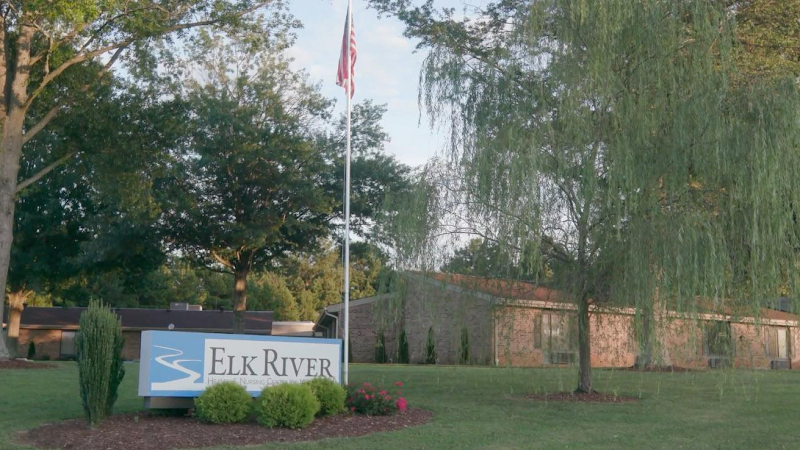
32 MEMORIAL DRIVE, WINCHESTER, TN 37398 (931) 967-0200
Non profit - Corporation 80 Beds TWIN RIVERS HEALTH & REHABILITATION Data: November 2025
Trust Grade
60/100
#185 of 298 in TN
Last Inspection: April 2024

Within standard 12-15 month inspection cycle. Federal law requires annual inspections.

Overview

Elk River Health & Nursing Center of Winchester has a Trust Grade of C+, indicating that the facility is slightly above average but not exceptional. It ranks #185 out of 298 nursing homes in Tennessee, placing it in the bottom half, and is the last option in Franklin County at #3 out of 3. The facility is improving, with reported issues decreasing from five in 2024 to one in 2025, although it still has a below-average overall star rating of 2 out of 5. Staffing is average, with a turnover rate of 54%, slightly above the state average, and the facility has received no fines, which is a positive sign. However, there are notable concerns. Recent inspections revealed that staff failed to ensure food items were properly sealed, which could affect the health of residents, and an allegation of resident-to-resident abuse was not reported to administration as required. Additionally, there was a failure to implement proper care plans for individual residents, which could put their well-being at risk. Despite these weaknesses, the lack of fines and the trend toward improvement may provide some reassurance to families considering this facility.

Trust Score
C+
60/100
In Tennessee
#185/298
Bottom 38%
Safety Record
Low Risk
No red flags
Inspections
Getting Better
5 → 1 violations
Staff Stability
⚠ Watch
54% turnover. Above average. Higher turnover means staff may not know residents' routines.
Penalties
✓ Good
No fines on record. Clean compliance history, better than most Tennessee facilities.
Skilled Nurses
○ Average
Each resident gets 36 minutes of Registered Nurse (RN) attention daily — about average for Tennessee. RNs are the most trained staff who monitor for health changes.
Violations
○ Average
7 deficiencies on record. Average for a facility this size. Mostly minor or procedural issues.
★★☆☆☆
2.0
Overall Rating
★★★☆☆
3.0
Staff Levels
★☆☆☆☆
1.0
Care Quality
★★★☆☆
3.0
Inspection Score
Stable
2024: 5 issues
2025: 1 issues

The Good

  • Full Sprinkler Coverage · Fire safety systems throughout facility
  • No fines on record

Facility shows strength in fire safety.

The Bad

2-Star Overall Rating

Below Tennessee average (2.8)

Below average - review inspection findings carefully

Staff Turnover: 54%

Near Tennessee avg (46%)

Higher turnover may affect care consistency

Chain: TWIN RIVERS HEALTH & REHABILITATION

Part of a multi-facility chain

Ask about local staffing decisions and management

The Ugly 7 deficiencies on record

Jul 2025 1 deficiency
CONCERN (D) 📢 Someone Reported This

A family member, employee, or ombudsman was alarmed enough to file a formal complaint

Potential for Harm - no one hurt, but risky conditions existed

Report Alleged Abuse (Tag F0609)

Could have caused harm · This affected 1 resident

**NOTE- TERMS IN BRACKETS HAVE BEEN EDITED TO PROTECT CONFIDENTIALITY** Based on facility policy review, medical record review, facility investigation documentation review, and interviews, staff faile...

Read full inspector narrative →
**NOTE- TERMS IN BRACKETS HAVE BEEN EDITED TO PROTECT CONFIDENTIALITY** Based on facility policy review, medical record review, facility investigation documentation review, and interviews, staff failed to report an allegation of resident-to-resident abuse to administration for 1 resident (Resident #13) of 4 residents reviewed for abuse. The findings include:Review of the facility's policy titled, Abuse & Neglect Prohibition, revised 11/2017, revealed .The facility will report all allegations and substantiated occurrences of abuse .to the administrator .not later than 24 hours after being notified of the allegation .Review of the facility's policy titled, Abuse Prevention Policy & Procedure, revised 5/2023, revealed .If a resident-to-resident incident occurs .Notify the Director of Nursing and the Administrator immediately .Notify the physician and family/guardian .Reporting/Investigation/Response Policy .Any complaint, allegation, observation or suspicion of resident abuse, mistreatment .whether physical .involuntary or voluntary, is to be thoroughly reported, investigated and documented .All employees are required to immediately notify the administrative or nursing supervisory staff that is on duty . Review of the medical record revealed Resident #13 was admitted to the facility on [DATE] with diagnoses including Malignant Neoplasm of Vertebral Column, Diabetes Mellitus, and Generalized Anxiety Disorder. Review of a quarterly Minimum Data Set (MDS) assessment dated [DATE] revealed Resident #13 scored a 13 on the Brief Interview for Mental Status (BIMS) assessment which indicated the resident was cognitively intact. Continued review of the MDS revealed no moods or behaviors were documented. Review of a comprehensive care plan dated 7/7/2025, revealed Resident #13 had no previous behaviors documented. Review of the medical record revealed Resident #67 was admitted to the facility on [DATE] with diagnoses including Dementia, Agitation, Anxiety, and Hypertension. Review of the medical record revealed the MDS assessment had not been completed for Resident #67 due to the recent admission date of 7/24/2025. Review of a baseline care plan dated 7/25/2025, revealed Resident #67 had no history of aggressive behaviors documented. During an interview on 7/28/2025 at 9:05 AM, the Administrator notified the State Survey Agency he had just been made aware of an allegation of a resident-to-resident altercation between Resident #13 (alleged victim) and Resident #67 (alleged perpetrator) by the Wound Care Licensed Practical Nurse (LPN) which had occurred on 7/27/2025.During an interview on 7/28/2025 at 9:35 AM, the Wound Care LPN stated she was providing care to Resident #13 when the resident informed her Resident #67 hit her in the head with her [Resident #13's] reacher (a tool used to grab objects up to 3 pounds-made of aluminum [NAME]) when she was asleep a few nights ago (actual occurrence 7/27/2025 at 2:00 AM). The Wound Care LPN stated she immediately informed the Administrator of the allegation. Review of the facility's incident report dated 7/28/2025, revealed on 7/27/2025 at approximately 2:00 AM, LPN A was notified by Certified Nursing Assistant (CNA) B Resident #67 hit Resident #13 on the head with a reacher. Resident #67 was removed from Resident #13's room and taken to the common area for 1:1 observation. Resident #13 was assessed with no injury or pain noted. LPN A did not feel the incident met the criteria of abuse because there were no injuries and did not report the incident to the Administrator or the DON. During a telephone interview on 7/28/2025 at 3:15 PM, CNA B stated she responded to Resident #13's call light on 7/27/2025 at approximately 2:00 AM. CNA B stated she entered the room and observed Resident #67 seated on Resident #13's bed and noticed the reacher on the bed. Resident #13 informed CNA B Resident #67 had struck her on the head with the reacher but the CNA did not observe the incident. CNA B stated LPN A entered Resident #13's room and she informed the LPN of the incident. Resident #67 was removed from the room by LPN A and was placed on 1:1 observation by staff for the duration of the shift. CNA B remained with Resident #13 until LPN A returned to the room and assessed Resident #13, who denied any pain or injury. During a telephone interview on 7/28/2025 at 3:30 PM, LPN A stated she was notified by CNA B at approximately 2:00 AM on 7/27/2025 of an incident between Resident #13 and Resident #67 as she was entering Resident #13's room. LPN A stated CNA B informed her Resident #67 sat on Resident #13's bed and then struck the resident over the head with the reacher. LPN A stated she removed Resident #67 from the room for 1:1 observation by staff. LPN A stated she assessed Resident #13 and Resident #67, neither had injuries and both denied pain. LPN A stated due to the residents not having any complaints, she did not consider the altercation abuse and did not report the incident to the Administrator or the DON. Review of an Incident Note for Resident #13 dated 7/27/2025 at 2:00 AM, revealed .Late Entry:[LPN A] reported that [Resident #67] was sitting on [Resident #13's] bed and had hit her over the top of her head with a reacher. [LPN A] .removed Resident [Resident # 67] from her room and brought her to the nurses' station. Resident [Resident #13] was assessed with no injuries noted .Review of an Initial Psychiatric Consult dated 7/28/2025, revealed Resident #67 .being seen today for an initial visit per social services and nursing staff request .A couple of nights ago, [Resident #67] wandered into [Resident #13's] room and sat at the foot of [Resident #13's] bed. [Resident #67] reportedly hit [Resident #13] over the head with a grabber stick .[Resident #13] was not injured and reports that nursing staff immediately intervened and redirected resident .She [Resident #67] is confused and completely disoriented to person, place, and time .During an interview on 7/28/2025 at 10:10 AM, Resident #13 stated a few nights ago Resident #67 came into the room and .hit me [Resident #13] in the head with my reacher . Resident #13 denied any pain or injury and stated she felt safe in the facility. Resident #13 stated she felt Resident #67 was just confused and did not mean to do it. Resident #13 stated she did not feel it was abuse or intentional and wished staff would just move on and stop asking questions about it.During an interview on 7/29/2025 at 2:45 PM, the Administrator stated the Wound Care LPN notified him of the incident between Resident #13 and Resident #67 on 7/28/2025. The Administrator stated while conducting the investigation he became aware the incident occurred Sunday morning (7/27/2025) at 2:00 AM. The Administrator stated he had not been notified of the event until Monday morning (7/28/2025, 1 day and 7 hours after the incident) at approximately 9:00 AM. The Administrator confirmed the allegations of abuse had not been reported by staff to administration timely. During an interview on 7/29/2025 at 3:05 PM, the DON stated she was made aware of the incident between Resident #13 and Resident #67 yesterday (Monday 7/28/2025 at 9:00 AM, 1 day and 7 hours after the incident) by the Wound Care LPN. The DON stated she immediately initiated an investigation, reported to the state and started obtaining witness statements. The DON confirmed the incident occurred on 7/27/2025 at 2:00 AM and LPN A failed to report the allegations to administration.
Apr 2024 5 deficiencies
CONCERN (D)

Potential for Harm - no one hurt, but risky conditions existed

Comprehensive Care Plan (Tag F0656)

Could have caused harm · This affected 1 resident

**NOTE- TERMS IN BRACKETS HAVE BEEN EDITED TO PROTECT CONFIDENTIALITY** Based on facility policy review, medical record review, observations, and interviews, the facility failed to implement a compreh...

Read full inspector narrative →
**NOTE- TERMS IN BRACKETS HAVE BEEN EDITED TO PROTECT CONFIDENTIALITY** Based on facility policy review, medical record review, observations, and interviews, the facility failed to implement a comprehensive person-centered care plan related to falls for 1 resident (Resident #19) and adaptive eating utensils for 1 resident (Resident #46) of 15 residents reviewed for comprehensive care plans. The findings include: Review of the facility policy titled, Care Plans, Comprehensive Person-Centered, revised 12/2016, showed . A comprehensive, person-centered care plan that includes measurable objectives and time tables to meet the resident's .needs is .implemented for each resident .The comprehensive person-centered care plan will .describe the services that are to be furnished to attain or maintain the resident's highest practicable .well-being . Review of the facility policy titled, Assistance with Meals, revised 7/2017, showed .Assistive Devices .Adaptive devices (special eating equipment and utensils) will be provided for residents who need to request them. These may include devices such as silverware with enlarged/padded handles . Resident #19 was admitted to the facility on [DATE] with diagnoses including Parkinsonism and Repeated Falls. Review of a Fall Scene Investigation Report dated 1/11/2024, showed .Resident lost their balance .Ambulating .at time of fall .Alone and unattended .cause of the fall .unsteady Gait .interventions to prevent future falls .floor mats to bedside . Review of a nursing note dated 1/11/2024, showed .resident .was laying on the floor .going to the bathroom when he fell .no .report of injuries .Immediate .Action .Floor mats at right and left side of bed . Review of Resident #19's comprehensive care plan dated 1/26/2024, showed .Potential for falls .related to falls .Intervention .1/11/24 [1/11/2024]Mats to bedside bilaterally .Intervention .2/12/24 [2/12/2024] Add [non-slip product used to prevent sliding] to w/c [wheelchair] seat . Review of a Fall Scene Investigation Report dated 2/12/2024, showed .Resident slipped .Lost strength .What was resident doing .prior to fall .Reaching for something .Slide out .fall from wheelchair .assistance .at time of fall .Alone and unattended . Review of a facility investigation report dated 2/12/2024, showed .recommendations .taken .add [non-slip product used to prevent sliding] to w/c . During an observation on 4/1/2024 at 9:18 AM, Resident #19 was observed lying in bed, the w/c was at bedside, and the w/c did not contain a no non-slip product in the seat. Further observation showed a fall mat was placed on the floor at the resident's left side and there was no fall mat placed on the floor at the resident's right side. During an observation on 4/1/2024 at 4:19 PM, Resident #19 was observed lying in bed, the w/c was at bedside, and the w/c did not contain a no non-slip product in the seat. Further observation showed a fall mat was placed on the floor at the resident's left side and there was no fall mat placed on the floor at the resident's right side. During an interview on 4/2/2024 at 8:30 AM, Certified Nursing Assistant (CNA) #1 stated she was familiar with Resident #19 and cared for him routinely. CNA #1 stated .I have worked this hall for a year . I have never known him [Resident #19] to have [non-slip product] to his [Resident #19] wheelchair or for him to have fall mats on both sides [both sides of the bed] . During an interview on 4/2/2024 at 8:36 AM, the Director of Therapy (DOT) stated .I put the [non-slip product] in his wheelchair seat yesterday evening [4/1/2024] . During an interview on 4/3/2024 at 4:22 PM, the Director of Nursing (DON) confirmed Resident #19's comprehensive care plan was not implemented to include bilateral fall mats to both sides of the bed and a non-slip product to the seat of the wheelchair. Resident #46 was admitted to the facility on [DATE] with diagnoses including Need for Assistance with Personal Care, Osteoarthritis, Dementia with Agitation, and Lack of Coordination. Review of Resident #46's comprehensive care plan dated 3/22/2024, showed .built up utensils on tray with meals .[non-slip product used to prevent sliding] .under food .bowls with every meal to maximize independence with self feeding . Review of a physician's order dated 3/22/2024, showed .Built-up utensils .[nonslip product used to prevent sliding] under food .bowls .w [with] every meal to maximize independence w .self-feeding . Review of Resident #46's weights showed the resident's weights were stable and had a 1.67 % gain in 3/2024. Observation on 4/1/2024 at 1:11 PM, of Resident #46 in his room, during lunch, showed the resident was eating independently. The resident was served food in bowls and used regular eating utensils to consume his food. Further observation showed the resident did not have built-up eating utensils, and the resident did not have a non-slip product under his food bowls to prevent the bowls from sliding. Observation on 4/2/2024 at 8:12 AM, of Resident #46 in his room, during breakfast, showed the resident was eating independently. The resident was served food in bowls and used regular eating utensils to consume his food. Further observation showed the resident did not have built-up eating utensils, and the resident did not have a non-slip product under his food bowls to prevent the bowls from sliding. During an observation and interview on 4/2/2024 at 8:25 AM, in Resident #46's room with DOT showed Resident #46 was eating independently. The resident was served food in bowls and used regular eating utensils to consume his food. Further observation showed the resident did not have built-up eating utensils, and the resident did not have a non-slip product under his food bowls to prevent the bowls from sliding. The DOT confirmed Resident #46 did not have built-up eating utensils or a non-slip product under his food bowls to prevent the bowls from sliding. During an interview on 4/2/2024 at 8:35 AM, CNA #1 stated she provided care for Resident #46 routinely. She also stated the resident used a non-slip product under the food bowls to prevent the food bowls from sliding and the non-slip product was kept in a drawer in the resident's room. CNA #1 was not aware the resident had an order for built-up eating utensils to help maximize the resident's independence with self-feeding. The CNA stated the resident eats independently and .he [Resident #46] usually eats 100% . During an observation and interview in Resident #46's room on 4/2/2024 at 8:40 AM, the DOT provided the resident with built-up eating utensils and a non-slip product under the meal bowls. Resident #46 stated to the DOT and surveyors he liked the built-up utensils better than the regular eating utensils. During an interview on 4/2/2024 at 10:10 AM, the Occupational Therapist (OT) stated Resident #46 was currently receiving occupational therapy services for drop wrist (an impairment in hand extension at the wrist) and fine motor movement of bilateral upper extremities because staff reported the resident had a decline in self-feeding. The OT stated she ordered built-up eating utensils to maximize self-feeding and a non-slip product to be placed under the food bowls to prevent the bowls from sliding. During an interview on 4/3/2024 at 4:20 PM, the DON confirmed Resident #46's comprehensive care plan was not implemented to include a non-slip product under the food bowls to prevent the bowls from sliding and built-up eating utensils.
CONCERN (D)

Potential for Harm - no one hurt, but risky conditions existed

Quality of Care (Tag F0684)

Could have caused harm · This affected 1 resident

**NOTE- TERMS IN BRACKETS HAVE BEEN EDITED TO PROTECT CONFIDENTIALITY** Based on medical record review, observations, and interviews the facility failed to follow a physician's order for 1 resident (R...

Read full inspector narrative →
**NOTE- TERMS IN BRACKETS HAVE BEEN EDITED TO PROTECT CONFIDENTIALITY** Based on medical record review, observations, and interviews the facility failed to follow a physician's order for 1 resident (Resident #19) related to fall interventions and adaptive eating utensils for 1 resident (Resident #46) of 15 residents reviewed for physician orders. The findings include: Resident #19 was admitted to the facility on [DATE] with diagnoses including Parkinsonism and Repeated Falls. Review of a Fall Scene Investigation Report dated 1/11/2024, showed .Resident lost their balance .Ambulating .at time of fall .Alone and unattended .cause of the fall .unsteady Gait .interventions to prevent future falls .floor mats to bedside . Review of a nursing note dated 1/11/2024, showed .resident .was laying on the floor .going to the bathroom when he fell .no .report of injuries .Immediate .Action .Floor mats at right and left side of bed . Review of a physician's order dated 1/11/2024, showed .Floor mats to R [right] and L [left] side of bed . Review of Resident #19's comprehensive care plan dated 1/26/2024, showed .Potential for falls .related to falls .Intervention .1/11/24 Mats to bedside bilaterally .Intervention .2/12/24 Add [non-slip product used to prevent sliding] to w/c [wheelchair] seat . Review of a Fall Scene Investigation Report dated 2/12/2024, showed .Resident slipped .Lost strength .What was resident doing .prior to fall .Reaching for something .Slide out .fall from wheelchair .assistance .at time of fall .Alone and unattended . Review of a facility investigation report dated 2/12/2024, showed .recommendations .taken .add [nonslip product used to prevent sliding] to w/c . Review of a physician's order dated 2/13/2024, showed .[non-slip product used to prevent sliding] to w/c seat . During an observation on 4/1/2024 at 9:18 AM, Resident #19 was observed lying in bed, the w/c was at bedside, and the w/c did not contain a no non-slip product in the seat. Further observation showed a fall mat was placed on the floor at the resident's left side and there was no fall mat placed on the floor at the resident's right side. During an observation on 4/1/2024 at 4:19 PM, Resident #19 was observed lying in bed, the w/c was at bedside, and the w/c did not contain a no non-slip product in the seat. Further observation showed a fall mat was placed on the floor at the resident's left side and there was no fall mat placed on the floor at the resident's right side. During an interview on 4/2/2024 at 8:30 AM, Certified Nursing Assistant (CNA) #1 stated she was familiar with Resident #19 and cared for him routinely. CNA #1 stated .I have worked this hall for a year . I have never known him [Resident #19] to have [non-slip product] to his [Resident #19] wheelchair or for him to have fall mats on both sides [both sides of the bed] . During an interview on 4/2/2024 at 8:36 AM, the Director of Therapy (DOT) stated .I put the [non-slip product] in his wheelchair seat yesterday evening [4/1/2024] . During an interview on 4/3/2024 at 4:22 PM, the Director of Nursing (DON) confirmed the facility failed to follow physician orders for Resident #19 related to bilateral fall mats to both sides of the bed and a non-slip product to the wheelchair. Resident #46 was admitted to the facility on [DATE] with diagnoses including Need for Assistance with Personal Care, Osteoarthritis, Dementia with Agitation, and Lack of Coordination. Review of Resident #46's comprehensive care plan dated 3/22/2024, showed .built up utensils on tray with meals .[non-slip product used to prevent sliding] .under food .bowls with every meal to maximize independence with self feeding . Review of a physician's order dated 3/22/2024, showed .Built-up utensils .[non-slip product used to prevent sliding] under food .bowls .w [with] every meal to maximize independence w .self-feeding . Review of Resident #46's meal ticket (communication tool used to alert staff of dietary needs) showed no special assistive devices were documented to be utilized by Resident #46 during meals. Review of Resident #46's weights showed the resident's weights were stable and had a 1.67 % gain in 3/2024. Observation on 4/1/2024 at 1:11 PM, of Resident #46 in his room, during lunch, showed the resident was eating independently. The resident was served food in bowls and used regular eating utensils to consume his food. Further observation showed the resident did not have built-up eating utensils, and the resident did not have a non-slip product under his food bowls to prevent the bowls from sliding. Observation on 4/2/2024 at 8:12 AM, of Resident #46 in his room, during breakfast, showed the resident was eating independently. The resident was served food in bowls and used regular eating utensils to consume his food. Further observation showed the resident did not have built-up eating utensils, and the resident did not have a non-slip product under his food bowls to prevent the bowls from sliding. During an observation and interview on 4/2/2024 at 8:25 AM, in Resident #46's room with the DOT showed Resident #46 was eating independently. The resident was served food in bowls and used regular eating utensils to consume his food. Further observation showed the resident did not have built-up eating utensils, and the resident did not have a non-slip product under his food bowls to prevent the bowls from sliding. The DOT confirmed Resident #46 did not have built-up eating utensils or a non-slip product under his food bowls to prevent the bowls from sliding. During an interview on 4/2/2024 at 8:35 AM, CNA #1 stated she cared for Resident #46 routinely. She also stated the resident used a non-slip product under the food bowls to keep the bowls from sliding and the non-slip product was kept in a drawer in the resident's room. CNA #1 was not aware the resident had an order for built-up eating utensils to help maximize the resident's independence with self-feeding. The CNA stated the resident eats independently and .he [Resident #46] usually eats 100% . During an observation and interview in Resident #46's room on 4/2/2024 at 8:40 AM, the DOT provided the resident with built-up utensils and a non-slip product under the meal bowls. Resident #46 stated to the DOT and surveyors he liked the built-up utensils better than the regular eating utensils. During an interview on 4/2/2024 at 10:10 AM, the Occupational Therapist (OT) stated Resident #46 was currently receiving occupational therapy services for drop wrist (an impairment in hand extension at the wrist) and fine motor movement of bilateral upper extremities because staff reported the resident had a decline in self-feeding. The OT stated she ordered built-up eating utensils to maximize self-feeding and a non-slip product to be placed under the food bowls to prevent the bowls from sliding. During an interview on 4/2/2024 at 10:40 AM, the Dietary Manager stated she was not aware Resident #46 had a physician's order for built-up utensils to be utilized with every meal. During an interview on 4/3/2024 at 4:20 PM, the DON confirmed the facility failed to follow physician orders for a non-slip product under the food bowls to prevent the bowls from sliding and built-up eating utensils for Resident #46.
CONCERN (D)

Potential for Harm - no one hurt, but risky conditions existed

Respiratory Care (Tag F0695)

Could have caused harm · This affected 1 resident

**NOTE- TERMS IN BRACKETS HAVE BEEN EDITED TO PROTECT CONFIDENTIALITY** Based on facility policy review, medical record review, observation, and interview, the facility failed to provide tracheostomy ...

Read full inspector narrative →
**NOTE- TERMS IN BRACKETS HAVE BEEN EDITED TO PROTECT CONFIDENTIALITY** Based on facility policy review, medical record review, observation, and interview, the facility failed to provide tracheostomy (a surgical procedure where a tube is inserted in the neck to allow air to enter the lungs) care (a procedure performed routinely to keep the part of the tracheostomy tube/faceplate that is fixed against the neck, tracheostomy dressing, ties or straps, and surrounding area clean) according to the facilities policy and physicians order for 1 resident (Resident #45) of 1 resident reviewed for tracheostomy care. The findings include: Review of the facilities policy titled, Tracheostomy Care, revised 8/2013, showed .Remove neck ties [used to hold the tracheostomy tube in place] and replace with clean ones . Resident #45 was admitted to the facility on [DATE] with diagnoses including Chronic Obstructive Pulmonary Disease, Type 2 Diabetes, Cardiac Arrest, Anoxic Brain Damage, Chronic Respiratory Failure, and Tracheostomy. Review of a physician's order dated 6/21/2021, showed .trach [tracheostomy] care every shift, include inner cannula [a tube within the outer tube which can be removed and cleaned] change every shift and trach collar [used to hold a tracheostomy tube in place] change once daily on day shift . Review of Resident #45's quarterly Minimum Data Set (MDS) assessment dated [DATE], showed the resident had severe cognitive impairment and received tracheostomy care. Observation on 4/2/2024 at 1:30 PM, in Resident #45's room, showed Licensed Practical Nurse (LPN) #1, performed tracheostomy care. LPN #1 followed the facilities procedure to include: The LPN donned Personal Protective Equipment (equipment used to minimize exposure to hazards that can cause serious illness, to include gown, gloves, mask, and goggles), assessed and observed the resident's respiratory status, oxygen saturation and auscultated (listened to the residents breath sounds with a stethescope) the resident's lungs. Further observation showed LPN #1 performed endotracheal suctioning (common invasive procedure done to keep the airway patent by mechanically removing accumulated pulmonary secretions to all patients with artificial airways), The LPN removed the disposable inner cannula, cleaned and disinfected the stoma site (opening made in the skin in front of the neck to allow you to breathe), reinserted the new sterile inner cannula, and applied a new dressing to Resident #45's tracheostomy site. LPN #1 did not remove the residents neck ties and apply new ones or replace the resident's soiled tracheostomy collar. During an interview on 4/2/2024 at 3:09 PM, the Director of Nursing confirmed it was her expectation the nursing staff were to follow the facility's policy and physician orders related to providing tracheostomy care for Resident #45. During an interview on 4/2/2024 at 3:14 PM, LPN #1 confirmed she did not apply fresh neck ties or replace Resident #45's soiled tracheostomy collar during tracheostomy care.
CONCERN (D)

Potential for Harm - no one hurt, but risky conditions existed

Garbage Disposal (Tag F0814)

Could have caused harm · This affected 1 resident

Based on facility policy review, observation, and interview, the facility failed to ensure garbage and refuse were properly contained in 2 of 2 dumpsters (dumpster A and B). The findings include: Revi...

Read full inspector narrative →
Based on facility policy review, observation, and interview, the facility failed to ensure garbage and refuse were properly contained in 2 of 2 dumpsters (dumpster A and B). The findings include: Review of the facility's policy titled, Food-Related Garbage and Refuse Disposal, dated 10/2017, showed .Garbage and refuse containing food wastes .stored .in a manner .inaccessible to pests .kept closed and free of surrounding litter . Observation of the outside dumpster area on 4/1/2024 at 9:15 AM, with the Certified Dietary Manager (CDM), showed the facility had 2 dumpsters present for waste disposal. Further observation showed there were no intact drain plugs at the bottom of the dumpsters A and B. The open areas in each dumpster where the drain plugs were not intact, were approximately the size of a half a dollar. Observation showed the missing drain plugs in the dumpster left the waste contents open to air, elements, and potential exposure to pests. During an interview on 4/1/2024 at 9:30 AM, the CDM confirmed dumpster A and B's drain plugs were not intact and the garbage was not properly contained.
CONCERN (F)

Potential for Harm - no one hurt, but risky conditions existed

Food Safety (Tag F0812)

Could have caused harm · This affected most or all residents

Based on facility policy review, observation, and interview, the facility failed to ensure food items were sealed properly and the facility failed to ensure the kitchen was maintained in a good-workin...

Read full inspector narrative →
Based on facility policy review, observation, and interview, the facility failed to ensure food items were sealed properly and the facility failed to ensure the kitchen was maintained in a good-working and sanitary order, which had the potential to affect 57 of 58 residents. The findings include: Review of the facility's undated policy titled, Winchester Kitchen Sanitization Policy, showed .All kitchen areas shall be kept clean .regular cleaning of kitchen and dining areas .maintain cleanliness throughout their work areas . Review of the facility's policy titled, Food Receiving and Storage, dated 10/2017, showed .Other opened containers must be dated and sealed or covered during storage . Observation of the food preparation room on 4/1/2024 at 9:05 AM, with the Certified Dietary Manager (CDM), showed the following items were not sealed and open to air : One 21-ounce (oz) bottle of garlic powder One 16-oz bottle of whole celery seed One 26-oz bottle of mesquite seasoning One 6-oz bottle of rubbed sage Observation of the dry storage area on 4/1/2024 at 9:20 AM, with the CDM , showed One 80-oz bag of Instant Grits, ½ full, was not sealed and open to air . Observation of the kitchen entry door area on 4/1/2024 at 9:25 AM, with the CDM , showed a thick, black dirt-like debris present to the bottom, inside corner of the doorway. Further observation showed the dry wall had chipped away from the wall and was matted to the floor and the entry door bottom crevice was observed to have dirt and food debris present. During an interview on 4/1/2024 at 9:40 AM, the CDM stated dry cereals and dried seasoning are to be fully sealed after use. The CDM confirmed the kitchen floors needed to be deep cleaned and the area around the kitchen entry door needed to be repaired. The CDM further confirmed the food items had not been stored properly and the kitchen floor was not maintained in a sanitary condition. During an interview on 4/2/2024 at 10:15 AM, the Maintenance Director confirmed the bottom wall on the kitchen entry door needed to be repaired and was not maintained in a good-working or sanitary condition.
Dec 2021 1 deficiency
CONCERN (D)

Potential for Harm - no one hurt, but risky conditions existed

Tube Feeding (Tag F0693)

Could have caused harm · This affected 1 resident

**NOTE- TERMS IN BRACKETS HAVE BEEN EDITED TO PROTECT CONFIDENTIALITY** Based on facility policy review, medical record review, observation, and interview, the facility failed to properly label an ent...

Read full inspector narrative →
**NOTE- TERMS IN BRACKETS HAVE BEEN EDITED TO PROTECT CONFIDENTIALITY** Based on facility policy review, medical record review, observation, and interview, the facility failed to properly label an enteral feeding for 1 resident (Resident #5) of 3 residents reviewed with an enteral feeding. The findings included: Review of the facility policy, Enteral Nutrition, revised November 2018, revealed .check the enteral nutrition label against the order .Type of formula . Medical record review revealed Resident #5 was admitted to the facility on [DATE] with diagnoses including Anoxic Brain Damage, Cardiac Arrest, Protein-Calorie Malnutrition, and Encounter for Attention to Gastrostomy. Medical record review of the quarterly Minimum Data Set (MDS) dated [DATE], showed the resident received tube feeding. Medical record review of the Physician's Orders dated December 2021, showed .OSMOLITE 1.2 CAL [calorie] LIQUID TUBE FEEDING 50 ML/HR [milliliters/hour] . During an observation on 12/12/2021 at 9:55 AM, in Resident #5's room, an enteral feeding was infusing and the bag had not been labeled with the type of formula. During an observation on 12/13/2021 at 11:08 AM, in Resident #5's room, an enteral feeding was infusing and the bag had not been labeled with the type of formula. Observation and interview on 12/14/2021 at 7:54 AM, in Resident #5's room, showed a label had not been placed on the bag to identify the type of enteral feeding. Licensed Practical Nurse (LPN) #1 confirmed Resident #5's enteral feedings had not been labeled and should be labeled with the type of formula. During an interview on 12/14/2021 at 9:15 AM, the Director of Nursing (DON) confirmed her expectation was for the staff to label enteral feeding bags with the physician ordered formula.
Understanding Severity Codes (click to expand)
Life-Threatening (Immediate Jeopardy)
J - Isolated K - Pattern L - Widespread
Actual Harm
G - Isolated H - Pattern I - Widespread
Potential for Harm
D - Isolated E - Pattern F - Widespread
No Harm (Minor)
A - Isolated B - Pattern C - Widespread

Questions to Ask on Your Visit

  • "Can I speak with families of current residents?"
  • "What's your RN coverage like on weekends and overnight?"

Our Honest Assessment

Strengths
  • • No major safety red flags. No abuse findings, life-threatening violations, or SFF status.
  • • No fines on record. Clean compliance history, better than most Tennessee facilities.
Concerns
  • • No major red flags. Standard due diligence and a personal visit recommended.
Bottom line: Mixed indicators with Trust Score of 60/100. Visit in person and ask pointed questions.

About This Facility

What is Elk River Health & Nursing Center Of Winchester's CMS Rating?

CMS assigns ELK RIVER HEALTH & NURSING CENTER OF WINCHESTER an overall rating of 2 out of 5 stars, which is considered below average nationally. Within Tennessee, this rating places the facility higher than 0% of the state's 100 nursing homes. A rating at this level reflects concerns identified through health inspections, staffing assessments, or quality measures that families should carefully consider.
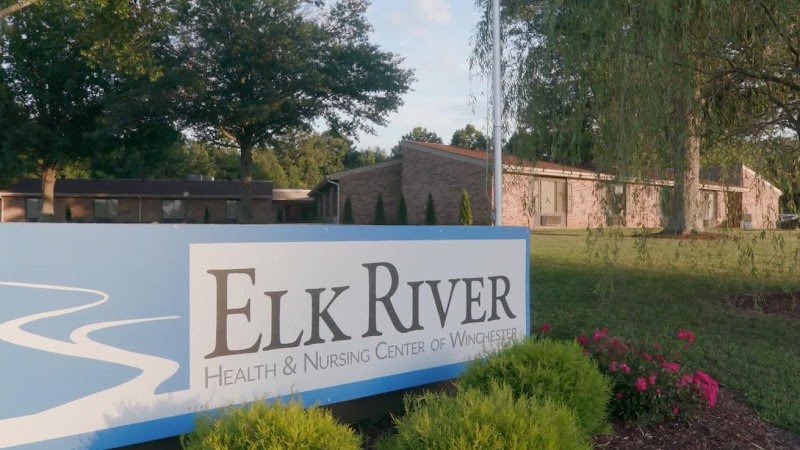
How is Elk River Health & Nursing Center Of Winchester Staffed?

CMS rates ELK RIVER HEALTH & NURSING CENTER OF WINCHESTER's staffing level at 3 out of 5 stars, which is average compared to other nursing homes. Staff turnover is 54%, compared to the Tennessee average of 46%.

What Have Inspectors Found at Elk River Health & Nursing Center Of Winchester?

State health inspectors documented 7 deficiencies at ELK RIVER HEALTH & NURSING CENTER OF WINCHESTER during 2021 to 2025. These included: 7 with potential for harm.
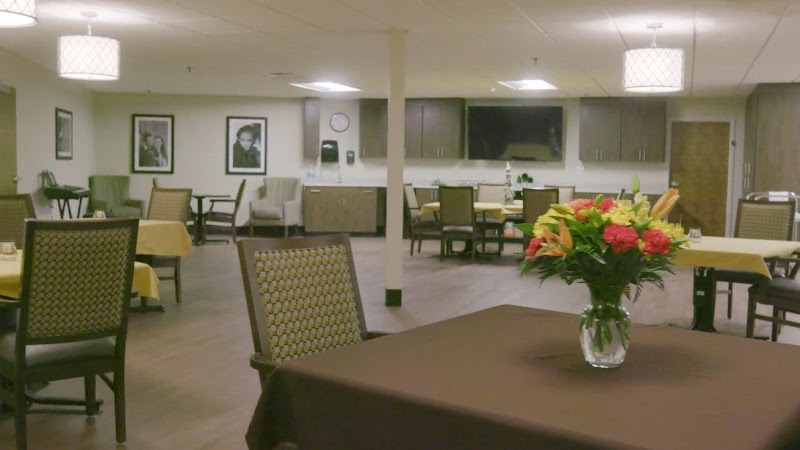
Who Owns and Operates Elk River Health & Nursing Center Of Winchester?

ELK RIVER HEALTH & NURSING CENTER OF WINCHESTER is owned by a non-profit organization. Non-profit facilities reinvest revenue into operations rather than distributing to shareholders. The facility is operated by TWIN RIVERS HEALTH & REHABILITATION, a chain that manages multiple nursing homes. With 80 certified beds and approximately 53 residents (about 66% occupancy), it is a smaller facility located in WINCHESTER, Tennessee.
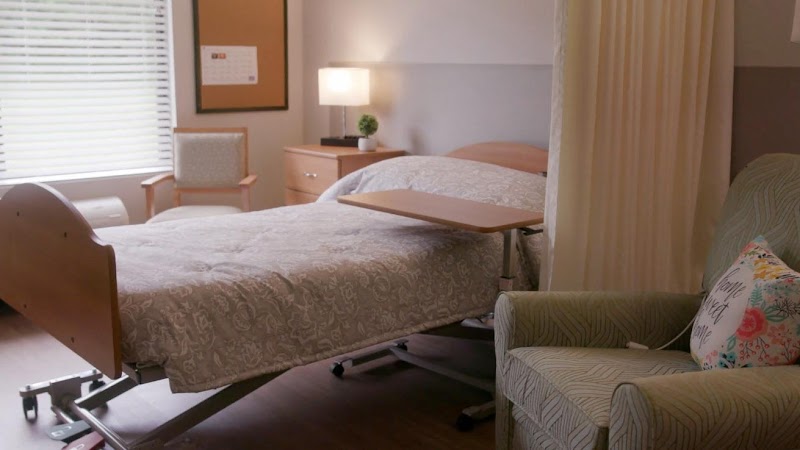
How Does Elk River Health & Nursing Center Of Winchester Compare to Other Tennessee Nursing Homes?

Compared to the 100 nursing homes in Tennessee, ELK RIVER HEALTH & NURSING CENTER OF WINCHESTER's overall rating (2 stars) is below the state average of 2.8, staff turnover (54%) is near the state average of 46%, and health inspection rating (3 stars) is at the national benchmark.

What Should Families Ask When Visiting Elk River Health & Nursing Center Of Winchester?

Based on this facility's data, families visiting should ask: "Can I visit during a mealtime to observe dining assistance and food quality?" "How do you handle medical emergencies, and what is your hospital transfer rate?" "Can I speak with family members of current residents about their experience?"

Is Elk River Health & Nursing Center Of Winchester Safe?

Based on CMS inspection data, ELK RIVER HEALTH & NURSING CENTER OF WINCHESTER has a clean safety record: no substantiated abuse findings (meaning no confirmed cases of resident harm), no Immediate Jeopardy citations (the most serious violation level indicating risk of serious injury or death), and is not on the Special Focus Facility watch list (a federal program monitoring the lowest-performing 1% of nursing homes). The facility has a 2-star overall rating and ranks #100 of 100 nursing homes in Tennessee. While no facility is perfect, families should still ask about staff-to-resident ratios and recent inspection results during their visit.

Do Nurses at Elk River Health & Nursing Center Of Winchester Stick Around?

ELK RIVER HEALTH & NURSING CENTER OF WINCHESTER has a staff turnover rate of 54%, which is 8 percentage points above the Tennessee average of 46%. Moderate turnover is common in nursing homes, but families should still ask about staff tenure and how the facility maintains care continuity when employees leave.

Was Elk River Health & Nursing Center Of Winchester Ever Fined?

ELK RIVER HEALTH & NURSING CENTER OF WINCHESTER has no federal fines on record. CMS issues fines when nursing homes fail to meet care standards or don't correct problems found during inspections. The absence of fines suggests the facility has either maintained compliance or corrected any issues before penalties were assessed. This is a positive indicator, though families should still review recent inspection reports for the full picture.

Is Elk River Health & Nursing Center Of Winchester on Any Federal Watch List?

ELK RIVER HEALTH & NURSING CENTER OF WINCHESTER is not on any federal watch list. The most significant is the Special Focus Facility (SFF) program, which identifies the bottom 1% of nursing homes nationally based on persistent, serious quality problems. Not being on this list means the facility has avoided the pattern of deficiencies that triggers enhanced federal oversight. This is a positive indicator, though families should still review the facility's inspection history directly.