BRIGHTPOINTE AT LYTLE LAKE
1201 CLARKS DR, ABILENE, TX 79602 (325) 670-9293
For profit - Individual 120 Beds AVIR HEALTH GROUP Data: November 2025 2 Immediate Jeopardy citations
Trust Grade
0/100
#938 of 1168 in TX
Last Inspection: February 2025

Within standard 12-15 month inspection cycle. Federal law requires annual inspections.

Overview

BrightPointe at Lytle Lake has a Trust Grade of F, indicating poor performance with significant concerns about care quality. It ranks #938 out of 1,168 nursing homes in Texas, placing it in the bottom half of facilities in the state, and #8 out of 12 in Taylor County, meaning only a few local options are worse. While the facility is showing some improvement, decreasing from 13 issues in 2024 to 6 in 2025, it still has a troubling history with critical incidents, including a failure to monitor a resident after a fall that led to a brain bleed and death. Staffing ratings are low at 1 out of 5 stars, with a high turnover rate of 60% that matches the state average, indicating a lack of stability among caregivers. On a positive note, the facility has not incurred any fines, and the RN coverage is average, but there are ongoing concerns about food safety practices and compliance with care standards that could put residents at risk.

Trust Score
F
0/100
In Texas
#938/1168
Bottom 20%
Safety Record
High Risk
Review needed
Inspections
Getting Better
13 → 6 violations
Staff Stability
⚠ Watch
60% turnover. Above average. Higher turnover means staff may not know residents' routines.
Penalties
✓ Good
No fines on record. Clean compliance history, better than most Texas facilities.
Skilled Nurses
⚠ Watch
Each resident gets only 19 minutes of Registered Nurse (RN) attention daily — below average for Texas. Fewer RN minutes means fewer trained eyes watching for problems.
Violations
⚠ Watch
27 deficiencies on record. Higher than average. Multiple issues found across inspections.
★☆☆☆☆
1.0
Overall Rating
★☆☆☆☆
1.0
Staff Levels
★★☆☆☆
2.0
Care Quality
★☆☆☆☆
1.0
Inspection Score
Stable
2024: 13 issues
2025: 6 issues

The Good

  • Full Sprinkler Coverage · Fire safety systems throughout facility
  • No fines on record

Facility shows strength in fire safety.

The Bad

1-Star Overall Rating

Below Texas average (2.8)

Significant quality concerns identified by CMS

Staff Turnover: 60%

14pts above Texas avg (46%)

Frequent staff changes - ask about care continuity

Chain: AVIR HEALTH GROUP

Part of a multi-facility chain

Ask about local staffing decisions and management

Staff turnover is elevated (60%)

12 points above Texas average of 48%

The Ugly 27 deficiencies on record

2 life-threatening
Aug 2025 2 deficiencies 2 IJ (2 affecting multiple)
CRITICAL (K) 📢 Someone Reported This

A family member, employee, or ombudsman was alarmed enough to file a formal complaint

Immediate Jeopardy (IJ) - the most serious Medicare violation

Free from Abuse/Neglect (Tag F0600)

Someone could have died · This affected multiple residents

**NOTE- TERMS IN BRACKETS HAVE BEEN EDITED TO PROTECT CONFIDENTIALITY** Based on interviews and record review the facility failed to ensure residents were free from neglect for 1 of 7 (Resident $1) re...

Read full inspector narrative →
**NOTE- TERMS IN BRACKETS HAVE BEEN EDITED TO PROTECT CONFIDENTIALITY** Based on interviews and record review the facility failed to ensure residents were free from neglect for 1 of 7 (Resident $1) reviewed for neglect in that: The facility staff neglected Resident #1 when staff identified Resident #1 as having a cut to the right side of his head after an unwitnessed fall on [DATE], and did not communicate with the nurse to assess resident and begin doing neurological assessments a subdural hematoma (brain bleed) and death on [DATE]. An Immediate Jeopardy (IJ) situation was identified on 8.28.25. The IJ template was provided to the facility on 8.28.25 at 3:05 pm. While the IJ was removed on 8.29.25, the facility remained out of compliance at a severity level of no actual harm with a potential for more than minimal harm, with a scope of isolated, due to the facility's need to evaluate the effectiveness of their corrective actions. These failures could put residents at risk of not being provided services/care while in the facility. The findings included: Record review of Resident #1 face sheet he was a [AGE] year-old male that was admitted to the facility on [DATE]. Resident #1’s diagnoses included encephalopathy (a condition in which the brain does not function properly), dementia (a group of conditions that cause a decline in cognitive abilities, such as memory, language, attention, and problem-solving, severe enough to interfere with daily life), depression and hypertension. Resident # 1’s BIMS score was 5, indicating severe cognitive impairment. Record review of Resident #1’s care plan dated 8.22.25 indicated: The resident is high risk for falls. Res has spontaneous behaviors and attempts to self-transfer. The resident will be free of falls through the review date. The resident will not sustain serious injury through the review date. 6/19- actual fall, nonskid footwear. 7/5- actual fall, frequent reminders to use call light. 8/13- actual fall, visual reminder in the bathroom. 8/15- actual fall, visual reminder in room. Be sure the resident's call light is within reach and encourage the resident to use it for assistance as needed. The resident needs prompt response to all requests for assistance. Encourage resident to ask for assistance with all transfers. Bleeding was also notated in care plan, linked below. Eliquis was not directly named in care plan. Risk for Bleeding Date Initiated: [DATE], Resident Will Be Free of Falls Date Initiated: [DATE], Target Date: [DATE], Resident Will Show No Signs/Symptoms of Bleeding Date Initiated: [DATE] Target Date: [DATE], Avoid unnecessary invasive procedures, punctures or injections Date Initiated: [DATE], Evaluate blood pressure, Date Initiated: [DATE], Evaluate fall risk on admission and PRN Date Initiated: [DATE], Evaluate for blood in stools, Date Initiated: [DATE], Evaluate for change in level of consciousness, Date Initiated: [DATE], Evaluate for hematemesis Date Initiated: [DATE], Evaluate for hematuria, Date Initiated: [DATE], Evaluate heart rate, Date Initiated: [DATE], Evaluate skin for evidence of impaired coagulation (bruising, petechia, bleeding from orifice), Date Initiated: [DATE], If fall occurs, alert provider, Date Initiated: [DATE]. Record review of Resident #1 pharmacy orders indicated Eliquis 5mg (blood thinner used to reduce risk of stroke and blood clots): Give 1 tablet by mouth two times a day related to unspecified atrial fibrillation. Record review of Resident #2’s quarterly MDS assessment dated 8.22.25 revealed a 15 BIMS score was noted but was marked as no impaired under the cognitive skills for daily decision making. During interview on 8.27.25 at 10:15 AM physician A (Hospital ER MD) stated that based on the injury and the combination of Resident #1 being [AGE] years old and on 5mg of Eliquis, along with a cut to the right side of the head reported by family as occurring on Monday [DATE] started the bleed. She stated when she saw the resident in the ER on Wednesday [DATE], he had a small scratch/cut on the top right side of the head. She stated due to Resident #1 being on a blood thinner, and the fact that there was a head injury even anything as minor as a scratch/cut can be an indication of a brain bleed. The resident should have had continued monitoring, even if there was 1 good neurological check, would not mean there was no brain bleed. Often with a blood thinner of any type, there would be a bleed that would not be immediately noticed, and a resident could be talking with you fine at times, then symptoms could be increased tiredness and lethargy. She stated by the time Resident #1 was seen in the ER on [DATE] the bleed was too significant and could not be fixed. She stated this was the resulting factor that caused Resident #1 to pass away on [DATE]. During an interview on 8.22.25 at 10:05 AM Resident #1’s family member stated that on [DATE] she was at the facility and Resident #1 had a fall in his shower. She stated Resident #1 sustained a cut to his right elbow and the top right side of his head. She said he had passed away the morning of [DATE]. She stated that she heard a CNA C tell Resident #1 not to get up off the toilet, she was going to go grab a towel or something. She stated next thing she knew Resident #1 was found on the floor of the shower. She stated a CNA C came to the room that day to get Resident #1 up and into the restroom. She stated she heard CNA C tell Resident #1 do not get up or move from the toilet she had to go get something. She stated that when the CNA came back in, Resident #1 was on the floor in the shower. She stated that not only did CAN A help the resident up but also the RN B came to the room to assess and help the resident up. During an interview on 8.22.25 at 11:15 AM CNA A stated she did notice a scratch/cut approx. 1 inch long to the top right of Resident #1’s head in the afternoon on [DATE]. She stated she was not sure exactly where the cut came from. She stated it could have come from anywhere, so she did not notify anyone of the injury. She stated that on 8.19.25 Resident #1 stayed in bed most of the day and was very lethargic, not acting like himself but she didn’t tell anyone. She stated normally when there was a new injury to a resident, she would let the charge nurse know, but this was so minor of a scratch she did not feel she needed to. CNA A stated she never help Resident #1 up from any fall on 8.18.25, only that she noticed a small scratch to the right side of Resident #1’s head. During an interview on 8.22.25 at 3:05 PM CNA C stated that he noticed that Resident #1 was not himself during the afternoon on Tuesday [DATE]. He stated that normally Resident #1 would hold his hand and try to hug him. He stated Resident #1 did not try any of his normal behaviors and was lethargic as he laid in bed most of the day. CNA C thought he was just tired and didn’t tell the nurse or other nurse aides. CNA C observed the bandage on the top right side of Resident #1’s scalp, but did not have any knowledge of the head injury occurrence from [DATE]. CNA C normally when an injury was observed on a resident, he would let his charge nurse know or at least let the next shift know during shift change, but CNA C did not because the injury was not that large. During an interview on 8.22.25 at 3:15 PM PT D and PT E both stated that they went to Resident #1’s room around 7:35 am on [DATE] to get Resident #1 up for PT. They both stated he would not respond to sternum rub (a medical procedure used to assess a patient's level of consciousness and responsiveness), and they noticed blood around Resident #1’s mouth. They called in the nurse and Resident was sent out to local hospital roughly around 7:55 am by EMS. During an interview on 8.22.25 at 3:45 pm Resident #2 (the roommate of Resident #1) stated he did observe a new cut on the top right side of Resident #1’s head, later in the day on [DATE] around dinner time. Resident # 2’s BIMS score was 15, indicating no cognitive impairment. During an interview on 8.22.25 at 3:45 pm Resident #2 (the roommate of Resident #1) stated he did observe a new cut on the top right side of Resident #1’s head, later in the day on [DATE] around dinner time. During an interview on 8.22.25 at 12:15 PM RN B stated while he was helping Resident #1 off the toilet on [DATE], Resident #1 and his family member told him about a fall on [DATE]. Resident had a cut approximately ¾ to 1 inch on the top right side of his head and on his right arm. RN B put bandages on both. He stated that it was an unwitnessed fall that he charted in his incident report on [DATE]. He stated that due to Resident #1 passing Neuro assessment at that time he did not start Neuro checks. RN B stated that he did not relay the injury to other staff afterwards. RN B stated he was aware that Resident #1 was on Eliquis, that was a blood thinner, however the 1 neuro assessment he did at the time, the resident eyes were not dilated, he could speak to him with memories from the previous day, so Resident #1 passed the neuro check. RN B stated normally when a Resident has a fall with head injury or if the resident hit their head, neuro checks/rounding would be initiated and done for 72 hours. RN B stated he did call the physician the day that he was informed to do an incident report on the fall, which was dated 8.19.25. During interview on 8.29.25 at 3:45 pm Physician B stated that, “yes there was a quapi meeting this morning associated to abuse neglect, non-reporting/communication and neuro checks. He stated was happy with the facility and all the protocols put in place to correct the IJ;s. he stated he had no other concerns with the facility. he did get notified about Resident #1’s fall but could not give the exact date. He stated that any resident that was on a blood thinner he would review before giving the facility the go ahead on what to do. He stated he did not have any concerns with the resident the day he received the call from the facility regarding the fall and the resident being on a blood thinner.” During an interview on 8.25.25 at 12:25 AM the DON indicated on [DATE] that due to state being in the building on [DATE], she asked RN B if anything happened to Resident #1. She stated RN B stated to her that Resident #1 did sustain an unwitnessed fall in the bathroom on [DATE]. She stated she told him to get his incident report completed immediately on the incident. She stated no other communication was done by RN B regarding the incident. She stated no continuous Neuro checks were completed. The DON stated that because there was 1 neuro check and resident was fine on [DATE], there was no need to monitor further. The DON stated her expectation was even with a head injury or unwitnessed fall, if a resident could pass 1 neuro assessment, there would be no need to have continuous monitoring. The DON stated she knew Resident #1 was on blood thinners but due to how minor the scratch was she did not believe neuro rounding was needed. Incident report on Resident #1, dated [DATE], as a late entry for [DATE] Injury type abrasion location top of scalp. no documentation of physician notification and no documentation of Resident #1’s increased lethargy and change in behavior on [DATE] and [DATE]. No measurement of abrasion/scratch to the top of right side of head completed. Review of Resident #1’s hospital records included: CT scan [DATE] was a Large right subdural hematoma (brain bleed) along the entire convexity from anterior-posterior midline measuring up to mostly 15mm in thickness. The result was a midline shift (brain tissue moved) to the left of about 7mm. While in ER on [DATE] Resident #1 had 30-45 second full tonic colonic seizure. ER diagnosis dated 8.20.25 was a Nonsurvivable head bleed. [DATE] Resident #1 passed away at the hospital. Record review of facility policy titled Abuse, neglect, Exploitation and Misappropriation prevention program dated [DATE] indicated: resident have the right to be free from abuse, neglect, misappropriation of resident property and exploitation. This includes but is not limited to freedom from corporal punishment, involuntary seclusion, verbal, mental, sexual or physical abuse, and physical or chemical restraint not required to treat the residents’ symptoms. Record review of facility policy titled Neurological assessment dated [DATE] indicated: The purpose of this procedure is to provide guidelines for conducting a neurological assessment (“neuro checks”) on resident with knowns or suspect head trauma or acute changes in mental or motor function that may be indicative of a neurological event. 13. Neurological checks will be initiated at time of incident-unwitnessed fall or head injury for 72 hours and as ordered by the physician/physician extender. Record review of facility policy titled Assessing Falls and their Causes dated 2021 indicated: Steps in the Procedure After a Fall: 1. If a resident has just fallen or is found on the floor without a witness to the event, evaluate for possible injuries to the head, neck, spine, and extremities. 2. Obtain and record vital signs as soon as it is safe to do so. 3. If there is evidence of injury, provide appropriate first aid and/or obtain medical treatment immediately. 4. lf an assessment rules out significant injury, help the resident to a comfortable sitting, lying, or standing position, and then document relevant details. 5. Notify the resident’s attending physician and family in an appropriate time frame. a. When a fall results in a significant injury or condition change, notify the practitioner immediately by phone. b. When fall does not result in significant injury or a condition change, notify the practitioner routinely (e.g., by fax or by phone the next office day). 6. Observe for delayed complications of a fall for approximately seventy-two (72) hours after an observed or suspected fall and will document findings in the medical record. 7. Document any observed signs or symptoms of pain, swelling, bruising, deformity, and/or decreased mobility; and any changes in level of responsiveness/consciousness and overall function. Note the presence or absence of significant findings. 8. Complete an incident report for resident falls no later than 24 hours after the fall occurs. The incident report form should be completed in the electronic health record by the charge nurse on duty at the time. Record review of facility policy titled Falls-Clinical protocol dated 2021 indicated: Monitoring and following up-1. The staff, with the physician’s guidance, will follow up on any fall with associated injury until the resident is stable and delayed complications such as late fracture or subdural hematoma have been ruled out or resolved. This was determined to be an Immediate Jeopardy (IJ) on 8.28.25 at 3:05 PM. The Administration was informed of the IJ. The Administrator was provided with the IJ template on 8.28.25 at 3:05 pm. Record review of Plan of Removal accepted on 8.29.25 at 12:45 PM reflected the following: F600 Neglect Plan to Remove Immediate Jeopardy Please accept the following Plan of Removal of Immediate Jeopardy-F600- Failure to ensure residents are free from abuse/neglect/exploitation. 1. On [DATE] at 1510 The facility RN B was suspended immediately pending investigation, by the administrator. This investigation will be completed by [DATE]. 2. All current staff were in-serviced on abuse and neglect and reporting abuse or neglect policy and procedures by the Director of Nursing on [DATE]. For those on who cannot be reached, by phone will not return to work without receiving this in-service. Staff will be questioned, 3 random staff members, three times a week for 4 weeks to ensure comprehension. 3. The director of nursing was educated on the neurological policy on [DATE] by the VP of Clinical Services. The Director of Nurses was educated by the VP of Clinical Operations, related to the policy stating that neuro checks will be initiated upon any unwitnessed fall or fall with head injury, to continue X72 hours or unless otherwise indicated. 4. All current nursing staff were in-serviced on documentation of Unwitnessed falls and Neuro Check Policy by the Director of Nursing On [DATE]. For those on who cannot be reached by phone, will not return to work without receiving this in-service. Staff will be questioned, 3 random staff members, three times a week for 4 weeks to ensure comprehension. 5. RN B Will complete all in-services 1:1 with the DON if allowed to return work with residents, by [DATE]. 6. The Administrator/Designee is responsible for ensuring that all assigned in-service for abuse and neglect is completed by all staff members, by [DATE]. Completion will be reviewed at monthly QAPI meetings. 7. DON is responsible for ensuring that all assigned nursing in-service are completed on [DATE]. For those on who cannot be reached by phone, will not return to work without receiving this in-service prior to anyone working. The administrator will review any new staff to ensure in-services are completed, prior to their first shift on the floor. 8. DON reviewed all other 14 residents on anticoagulants for falls and neuro check documentation on [DATE]. No further injuries were noted on any residents. 9. Social worker completed Safe Surveys on the other 51 interview able residents to ensure they feel safe and free from abuse and neglect. This was completed on [DATE]. No residents reported signs of Abuse or Neglect. 10. Any staff member suspected of committing abuse/neglect will be suspended immediately and/or terminated depending on the outcome of the investigation. 11. Staff who fail to report suspected abuse and change in condition will be educated on the significance of reporting time and disciplined accordingly. 12. Starting [DATE] DON/Designee will conduct random questioning on 3 staff members daily for 4 weeks for staff to ensure they are understanding and retaining the education on abuse and neglect and reporting procedures. 13. Results from random staff questioning will be reviewed during the monthly QAPI meetings with DON, Administrator, and Medical Director. Any incorrect answers will be corrected immediately. Progress will also be monitored during weekly Committee Meetings and Medical Director will be notified of all progress. Monitoring and verification of the facility POR as follows: During a phone interview on 8.29.25 at 11:15 AM Phone interview LVN F work nights-6pm shift yesterday-She stated that she did 4 in-services total yesterday before she was allowed to work. She stated the main one that stands out was falls with head injuries. She stated any fall with a head injuria, an incident report must be completed. She stated that they will no longer use paper copies to do neuro checks but to use the pcc system to get them completed. She stated that neuros must be initiated on all unwitnessed falls, falls in which residents are on anti-coagulants, contact family, don, physician, and administrator. She stated that documentation went hand in hand with the in-services regarding the falls and injuries, and neuros. She stated that that abuse neglect, anything seen or suspected was to be reported to the administrator immediately. She stated that all in-serves were led by the DON. She stated there was a small recall/quiz at the end with information services. During a phone interview on 8.29.25 at 11:30 AM Phone interview LVN G stated there were 4 total in-services. She stated abuse/neglect, documentation, neuros, and falls w/ head injury. She stated that abuse neglect was nothing crazy new. She stated that if you suspect any abuse neglect or witness any sort of abuse neglect let the administrator know and let the don know, the physician and family. She stated documentation wise most importantly was to get the incident report done immediately and to inform all parties about that incident that occurred. She stated for example any resident with a fall that was on an anti-coagulant was to be sent out of the facility via to the ER. She stated then all documentation must be filled out and neuros starts if resident was not on any anti coagulants. She stated neuros really need to be started on all unwitnessed falls and all falls that include head injury that were witnessed. She stated at the end of each in-service there was a recall of knowledge quiz a question-and-answer time for any issues. She stated it was good to hear everything and have the review. During a phone interview on 8.29.25 at 11:45 AM Phone interview CNA H stated that before she was allowed to start work last night at 6pm there were 4 in-services that were completed. She stated that documentation, which was a little more in depth for the nursing side but documentation anytime any abuse/neglect or fall or anything happens in the facility she was to make sure all statements were complete and to always follow her chain of command. She stated that any time abuse or neglect was witnessed, or any sort of injury was seen to be new on a resident, she was to report to her charge nurse. She stated if she were to observe a fall, she would get the charge nurse or get help while another cna stayed with the resident. She stated at the end of the in-services there was a recall of all information that was covered and then a question and answer if any questions. She stated she appreciated her facility going over everything and it was a lot of good information. During a phone interview on 8.29.25 at 12:00 PM Phone interview CNA I stated that there were 4 in-services she had to complete before she was allowed to work last night. She stated that 3 were more to both types of staff while the 4th in-service was more for nursing staff. She stated abuse neglect, to make sure anytime she was to witness any type of abuse/neglect it was to be reported to her chain of command. She stated she would let her nurse/charge nurse know but knows the abuse coordinator was the administrator. She stated when it came to falls, anytime a resident was observed falling or found on the ground she was to report/call for help to have the nurse come and assess the resident. She stated she was not to touch or move the resident in any, way, but only to make sure to get help for the resident and for a nurse to come and assess the resident. She stated neuros were covered but that was more for nurses and not CAN’s. she stated lastly, they covered documentation, again more towards nursing but also if anything abuse/neglect, injury, or fall were observed she would need to document everything and then use the chain of command to communicate everything that she observed. She stated at the end there was a question and answer and then a recall session of the in-services to test retention of education. During a phone interview on 8.29.25 at 12:45 PM Phone interview CNA J stated she was in-service las night before she was allowed to work. She stated due to being a CAN’s she was not allowed to assess any resident given any fall or found on he ground. She stated she was to reach out to the charge nurse or any nurse to come do an assessment on the resident. She stated any new injuries should be identified and communicated to the nurse as soon as possible so that the nurse could notate any changes to the resident or their behavior. She stated that any signs or physically saw abuse of any kind should be reported to the administrator immediately. She stated any changes in condition, if the resident were acting different in anyway should be reported to the nurse. She stated overall all of the in-services had to do with reporting to the nurses, what to report, how to report and to make sure to follow the chain of command. During a phone interview on 8.29.25 at 1:30 pm LVN K stated that there were 4 in-services that she had to complete before she was allowed to work this morning. She stated the main in-service for nursing was the combination of documentation, falls, anticoagulants, and neuro rounding. She stated that the main thing with documentation was that all neuro rounding would be completed in the electronic system and not a paper trail. She stated she believes the facility will honestly use both to make sure everything was completed and accurately. She stated for example if a resident who was on an anti-coagulant has a fall that was unwitnessed the resident will be sent to the ER no questions asked. She stated that but if the fall was witnessed and the resident was not on anti-coagulants then neuro rounding would be triggered, and the resident would be rounded on for a minimum of 72 hours. She stated that abuse neglect in service was very straight forward, what to look for, who to report to (administrator), that sort of thing. She stated but the importance of any head injury with fall with a resident who was on anticoagulants must been sent out or monitored properly. She stated at the end of the in-services there was a recall of knowledge. During a phone interview on 8.29.25 at 1:45 PM LVN L stated there were 4 in-services that she had to complete before she was allowed to start working this morning. She stated that abuse/neglect was one of the very normal abuse/neglects in-services that went over what constitutes abuse neglect, who to report to, how to report and what you are looking for that constitute abuse and neglect. She stated the other 3 in services for the nurses in the building all flowed into each other. She stated the in-services covered documentation, falls, and neuro checks. She stated that if any resident who was on anti-coagulants has an unwitnessed fall the resident was to be sent out immediately. She stated but if a resident has a fall and head injury was suspected and not on anti-coagulant then neuro founding would need to be initiated. She stated all documentation would need to be filled out immediately and neuro checks initiated in the electronic nursing system. She stated that after the in-services were completed a knowledge check was completed for retention. During an interview on 8.29.25 at 2:00 PM CNA M stated there were 4 in-services that he had to complete before he was allowed to start his shift today. He stated that the overall point of all 4 in-services was communication, who to communicate to and what to look for. He stated when it came to abuse/neglect look for any new wounds or injuries on the resident and pay attention to if the resident was acting normal that day. He stated if anything seemed off with the resident you were to report it to the charge nurse. He stated if a resident was found on the floor from a fall, then he would call out for help from another CNA to get the charge nurse or he would have a CNA stay with the resident while he went to get a nurse to come do an assessment of the resident. He stated any abuse/neglect witnessed should be reported to the administrator immediately. During a phone interview on 8.29.25 at 2:00 PM CNA A stated that there were 4 in-services she had to complete before she was allowed to work last night. She stated that 3 were more to both types of staff while the 4th in-service was more for nursing staff. She stated abuse neglect, to make sure anytime she were to witness any type of abuse/neglect it was to be reported to her chain of command. She stated she would let her nurse/charge nurse know but knows the abuse coordinator was the administrator. She stated when it came to falls, anytime a resident was observed falling or found on the ground she was to report/call for help to have the nurse come and assess the resident. She stated she was not to touch or move the resident in any, way, but only to make sure to get help for the resident and for a nurse to come and assess the resident. She stated neuros were covered but that was more for nurses and not CNAs. she stated lastly, they covered documentation, again more towards nursing but also if anything abuse/neglect, injury, or fall were observed she would need to document everything and then use the chain of command to communicate everything that she observed. She stated at the end there was a question and answer and then a recall session of the in-services to test retention of education. During an interview on 8.29.25 at 2:00 PM CNA C stated that he was part of 4 in-services before he was allowed to work. He stated that one of the in-services was more associated to the nursing staff. He stated firs they discussed abuse/neglect and what to look for. He stated look out for any injuries to the resident or new cuts, bruising etc. he stated who to communicated to regarding any information with any injuries or abuse neglect to the charge nurse and the administrator. He stated that even if the injury were to look old or new or not that serious all injuries were to be communicated using the chain of command. He stated another in-service covered what to do as a CNA if you were to find a resident on the floor, weather it was witnessed or not and to not touch the resident but to get the nurse to do an assessment on the resident. He stated all information was good and needed to be heard even as a refresher. Record review of 4 in-services- Abuse/neglect-in-service provided by the facility. Signature pages for all staff provided. Signatures of all employees were observed on signature pages. In-service dated 8.28.25. presented by DON. Subjects covered, abuse, neglect, exploitation, who to report to, how to report and what constitutes as abuse or neglect. Which can include even new injuries. Report to charge nurse, don or administrator. Falls and head injuries in-service provided by the facility. Signature pages for all staff provided. Signatures of all employees were observed on signature pages. In-service dated 8.28.25. presented by DON. Subjects covered what constitutes as a fall, what constitutes as a head injury, who to report to, how to report and what to do if fall was witnessed or not witnessed. Documentation in-service provided by the facility. Signature pages for all staff provided. Signatures of all employees were observed on signature pages. In-service dated 8.28.25. presented by DON. Subjects covered documentation that must be completed such as an incident report the second an incident occurs. What documentation must be completed and started in the electronic system, such as neuro checks and communication to physician, family, chain of command/don and then administrator. Abuse/neglect-in-service provided by the facility. Signature pages for all staff provided. Signatures of all employees were observed on signature pages. In-service dated 8.28.25. presented by DON. Subjects covered what constitutes the injury to start neuro checks vs sending the resident directly to the hospital. Record review of RN B was educated and suspended pending investigation. During interview with DON, RN has been terminated from position at the facility. Signature sheet provided by facility with employee RN signature of report of employee education. Dated 8.28.25. Second Report of education dated 8.27.25 presented by COR to DON with DON signature provided subject covering neuro checks, policy, falls and head injury unwitnessed fall. Record review of 14 residents were reviewed for anticoagulant completed by DON on 8.28.25. Face sheets and dosages provided. &
CRITICAL (K) 📢 Someone Reported This

A family member, employee, or ombudsman was alarmed enough to file a formal complaint

Immediate Jeopardy (IJ) - the most serious Medicare violation

Quality of Care (Tag F0684)

Someone could have died · This affected multiple residents

**NOTE- TERMS IN BRACKETS HAVE BEEN EDITED TO PROTECT CONFIDENTIALITY** Based on interview and record review, the facility failed to provide treatment and care in accordance with professional standard...

Read full inspector narrative →
**NOTE- TERMS IN BRACKETS HAVE BEEN EDITED TO PROTECT CONFIDENTIALITY** Based on interview and record review, the facility failed to provide treatment and care in accordance with professional standards of practice for 1 of 7 (Resident #1) residents reviewed for quality of care in that: The facility staff failed to assess and monitor Resident #1, when Resident #1 was identified [DATE] as having a cut to the right side of his head, after an unwitnessed fall, which resulted in the resident being sent to the emergency room and diagnosed with a subdural hematoma (brain bleed) and death on [DATE]. An Immediate Jeopardy (IJ) situation was identified on 8.28.25. The IJ template was provided to the facility on 8.28.25 at 3:05 pm. While the IJ was removed on 8.29.25 the facility remained out of compliance at a severity level of no actual harm with a potential for more than minimal harm, with a scope of isolated, due to the facility's need to evaluate the effectiveness of their corrective actions. These failures put residents at risk of not receiving treatment/care interventions when needed for changes in resident condition. The findings included: Record review of Resident #1 face sheet he was a [AGE] year-old male that was admitted to the facility on [DATE]. Resident #1's diagnoses included encephalopathy (a condition in which the brain does not function properly), dementia (a group of conditions that cause a decline in cognitive abilities, such as memory, language, attention, and problem-solving, severe enough to interfere with daily life), depression and hypertension. Resident # 1's BIMS score was 5, indicating severe cognitive impairment. Record review of Resident #1 pharmacy orders indicated Eliquis 5mg (blood thinner used to reduce risk of stroke and blood clots): Give 1 tablet by mouth two times a day related to unspecified atrial fibrillation. Record review of Resident #1's care plan dated 8.22.25 indicated: The resident is high risk for falls. Res has spontaneous behaviors and attempts to self-transfer. The resident will be free of falls through the review date. The resident will not sustain serious injury through the review date. 6/19- actual fall, nonskid footwear. 7/5- actual fall, frequent reminders to use call light. 8/13- actual fall, visual reminder in the bathroom. 8/15- actual fall, visual reminder in room. Be sure the resident's call light is within reach and encourage the resident to use it for assistance as needed. The resident needs prompt response to all requests for assistance. Encourage resident to ask for assistance with all transfers. Bleeding was also notated in care plan, linked below. Eliquis was not directly named in care plan. Risk for Bleeding Date Initiated: [DATE], Resident Will Be Free of Falls Date Initiated: [DATE], Target Date: [DATE], Resident Will Show No Signs/Symptoms of Bleeding Date Initiated: [DATE] Target Date: [DATE], Avoid unnecessary invasive procedures, punctures or injections Date Initiated: [DATE], Evaluate blood pressure, Date Initiated: [DATE], Evaluate fall risk on admission and PRN Date Initiated: [DATE], Evaluate for blood in stools, Date Initiated: [DATE], Evaluate for change in level of consciousness, Date Initiated: [DATE], Evaluate for hematemesisDate Initiated: [DATE], Evaluate for hematuria, Date Initiated: [DATE], Evaluate heart rate, Date Initiated: [DATE], Evaluate skin for evidence of impaired coagulation (bruising, petechia, bleeding from orifice), Date Initiated: [DATE], If fall occurs, alert provider, Date Initiated: [DATE]. During interview on 8.27.25 at 10:15 AM physician A (Hospital ER MD) stated that based on the injury and the combination of Resident #1 being [AGE] years old and on 5mg of Eliquis, along with a cut to the right side of the head reported by family as occurring on Monday [DATE] started the bleed. She stated when she saw the resident in the ER on Wednesday [DATE], he had a small scratch/cut on the top right side of the head. She stated due to Resident #1 being on a blood thinner, and the fact that there was a head injury even anything as minor as a scratch/cut can be an indication of a brain bleed. The resident should have had continued monitoring, even if there was 1 good neurological check, would not mean there was no brain bleed. Often times with a blood thinner of any type, there would be a bleed that would not be immediately noticed, and a resident could be talking with you fine at times, then symptoms could be increased tiredness and lethargy. She stated by the time Resident #1 was seen in the ER on [DATE] the bleed was too significant and could not be fixed. She stated this was the resulting factor that caused Resident #1 to pass away on [DATE]. During an interview on 8.22.25 at 10:05 AM Resident #1's family member stated that on [DATE] she was at the facility and Resident #1 had a fall in his shower. She stated Resident #1 sustained a cut to his right elbow and the top right side of his head. She said he had passed away the morning of [DATE]. She stated that she heard a CNA C tell Resident #1 not to get up off of the toilet, she was going to go grab a towel or something. She stated next thing she knew Resident #1 was found on the floor of the shower. She stated a CNA C came to the room that day to get Resident #1 up and into the restroom. She stated she heard CNA C tell Resident #1 do not get up or move from the toilet she had to go get something. She stated that when the CNA came back in, Resident #1 was on the floor in the shower. She stated that not only did CAN A help the resident up but also the RN B came to the room to assess and help the resident up. During an interview on 8.22.25 at 3:15 PM PT D and PT E both stated that they went to Resident #1's room around 7:35 am on [DATE] to get Resident #1 up for PT. They both stated he would not respond to sternum rub and they noticed blood around Resident #1's mouth. They called in the nurse and Resident was sent out to local hospital roughly around 7:55 am by EMS. During an interview on 8.22.25 at 3:45 pm Resident #2 (the roommate of Resident #1) stated he did observe a new cut on the top right side of Resident #1's head, later in the day on [DATE] around dinner time. Resident # 2's BIMS score was 15, indicating no cognitive impairment. During an interview on 8.22.25 at 3:45 pm Resident #2 (the roommate of Resident #1) stated he did observe a new cut on the top right side of Resident #1's head, later in the day on [DATE] around dinner time. During an interview on 8.22.25 at 11:15 AM CNA A stated she did notice a scratch/cut approx. 1 inch long to the top right of Resident #1's head in the afternoon on [DATE]. She stated she was not sure exactly where the cut came from. She stated it could have come from anywhere, so she did not notify anyone of the injury. She stated that on 8.19.25 Resident #1 stayed in bed most of the day and was very lethargic, not acting like himself but she didn't tell anyone. She stated normally when there was a new injury to a resident, she would let the charge nurse know, but this was so minor of a scratch she did not feel she needed to. CNA A stated she never help Resident #1 up from any fall on 8.18.25, only that she noticed a small scratch to the right side of Resident #1's head. During an interview on 8.22.25 at 12:15 PM RN B stated while he was helping Resident #1 off the toilet on [DATE], Resident #1 and his family member told him about a fall on [DATE]. Resident had a cut approximately 3/4 to 1 inch on the top right side of his head and on his right arm. RN B put bandages on both. He stated that it was an unwitnessed fall that he charted in his incident report on [DATE]. He stated that due to Resident #1 passing Neuro assessment at that time he did not start Neuro checks. RN B stated that he did not relay the injury to other staff afterwards. RN B stated he was aware that Resident #1 was on Eliquis, that was a blood thinner, however the 1 neuro assessment he did at the time, the resident eyes were not dilated, he could speak to him with memories from the previous day, so Resident #1 passed the neuro check. RN B stated normally when a Resident has a fall with head injury or if the resident hit their head, neuro checks/rounding would be initiated and done for 72 hours. RN B stated he did call the physician the day that he was informed to do an incident report on the fall, which was dated 8.19.25. During an interview on 8.22.25 at 11:45 PM LVN N stated that the normal fall protocol was to go in and assess the resident for any injuries. She stated where everything changes was based on if the fall was witnessed or not. She stated if a fall was witnessed by any staff and the resident did not hit their head then neuro rounding would not be needed to be done on the residents. She stated but if the resident fall was witnessed and head was hit then 72 neuro checking would need to be completed pending the assessment of the resident. She stated if the assessment shows neuro issues the resident would be sent out right then and there. She stated but any injury to the head indicates the head was hit then neuros should be initiated. She stated in the case of Resident #1, even if it was a small scratch that notates as a head injury and especially since he was on Eliquis neuro checks should have been initiated. During interview on 8.29.25 at 3:45 pm Physician B stated that, yes there was a quapi meeting this morning associated to abuse neglect, non-reporting/communication and neuro checks. He stated was happy with the facility and all the protocols put in place to correct the IJ;s. he stated he had no other concerns with the facility. he did get notified about Resident #1's fall but could not give the exact date. He stated that any resident that was on a blood thinner he would review before giving the facility the go ahead on what to do. He stated he did not have any concerns with the resident the day he received the call from the facility regarding the fall and the resident being on a blood thinner. During an interview on 8.25.25 at 12:25 AM the DON indicated on [DATE] that due to state being in the building on [DATE], she asked RN B if anything happened to Resident #1. She stated RN B stated to her that Resident #1 did sustain an unwitnessed fall in the bathroom on [DATE]. She stated she told him to get his incident report completed immediately on the incident. She stated no other communication was done by RN B regarding the incident. She stated no continuous Neuro checks were completed. The DON stated that because there was 1 neuro check and resident was fine on [DATE], there was no need to monitor further. The DON stated her expectation was even with a head injury or unwitnessed fall, if a resident could pass 1 neuro assessment, there would be no need to have continuous monitoring. The DON stated she knew Resident #1 was on blood thinners but due to how minor the scratch was she did not believe neuro rounding was needed. Incident report on Resident #1, dated [DATE], as a late entry for [DATE] Injury type abrasion location top of scalp. no documentation of physician notification and no documentation of Resident #1's increased lethargy and change in behavior on [DATE] and [DATE]. No measurement of abrasion/scratch to the top of right side of head completed. Record review of facility policy titled Assessing Falls and their Causes dated 2021 indicated: Steps in the ProcedureAfter a Fall: 1. If a resident has just fallen or is found on the floor without a witness to the event, evaluate for possible injuries to the head, neck, spine, and extremities.2. Obtain and record vital signs as soon as it is safe to do so.3. If there is evidence of injury, provide appropriate first aid and/or obtain medical treatment immediately.4. lf an assessment rules out significant injury, help the resident to a comfortable sitting, lying, or standingposition, and then document relevant details.5. Notify the resident's attending physician and family in an appropriate time frame.a. When a fall results in a significant injury or condition change, notify the practitioner immediately byphone.b. When fall does not result in significant injury or a condition change, notify the practitioner routinely(e.g., by fax or by phone the next office day).6. Observe for delayed complications of a fall for approximately seventy-two (72) hours after an observedor suspected fall and will document findings in the medical record.7. Document any observed signs or symptoms of pain, swelling, bruising, deformity, and/or decreasedmobility; and any changes in level of responsiveness/consciousness and overall function. Note thepresence or absence of significant findings.8. Complete an incident report for resident falls no later than 24 hours after the fall occurs. The incident report form should be completed in the electronic health record by the charge nurse on duty at the time.Record review of facility policy titled Falls-Clinical protocol dated 2021 indicated: Monitoring and following up-1. The staff, with the physician's guidance, will follow up on any fall with associated injury until the resident is stable and delayed complications such as late fracture or subdural hematoma have been ruled out or resolved. Review of Resident #1's hospital records revealed:CT scan [DATE] was a Large right subdural hematoma (brain bleed) along the entire convexity from anterior-posterior midline measuring up to mostly 15mm in thickness. The result was a midline shift (brain tissue moved) to the left of about 7mm. While in ER on [DATE] Resident #1 had 30-45 second full tonic colonic seizure. ER diagnosis dated 8.20.25 was a Nonsurvivable head bleed. [DATE] Resident #1 passed away at the hospital. This was determined to be an Immediate Jeopardy (IJ) on 8.28.25 at 3:05 PM. The Administration was informed of the IJ. The Administrator was provided with the IJ template on 8.28.25 at 3:05 pm. Record review of Plan of Removal accepted on 8.29.25 at 12:45 PM reflected the following: F684 Quality of LifePlan to Remove Immediate JeopardyThe facility failed to provide treatment and care for Resident #1 when Resident #1 was identified [DATE] as having a cut to the right side of his head, which resulted in a subdural hematoma (brain bleed) and death on [DATE].Facility C NAs failed to report the scratch/cut to the top right of resident #1's head on [DATE] to charge nurse or other nursing staff. Facility staff did not report resident #1 being lethargic on [DATE], to the charge nurse or other nursing staff.The facility RN failed to begin neurological checks or complete an incident report after family had reported that resident #1 fell on [DATE], this was reported to facility RN on [DATE]. Facility RN put bandages on both the skin tear to right elbow and right side of head on [DATE]. Facility RN did not report fall or injuries to other nurses, or nursing administration. The facility medical director was notified of Immediate Jeopardy by the facility Administrator on [DATE].Resident #1 expired in the hospital on [DATE]. The director of nursing reviewed all residents to ensure no other unreported injuries or falls had occurred that had not been addressed. None were found. This was completed on [DATE].The charge nurse that did not report the fall, was suspended, investigation pending on [DATE] by the director of nursing and administrator. This investigation will be completed no later than [DATE].The CNA that failed to report the skin alteration on resident #1's right side of head to the charge nurse will have a 1:1 in-service and have a documented letter of counseling by the Director of Nursing on [DATE] regarding reporting any abnormalities with residents immediately. The CNA that failed to report the lethargy related to resident #1, to the charge nurse will have a 1:1 in-service on reporting suspected change of conditions to the to the charge nurse and have a documented letter of counseling by the Director of Nursing on [DATE] regarding reporting any abnormalities with residents immediately. The director of nursing was educated on the neurological policy, specifically related to any fall that is unwitnessed or a fall with head involvement, the nurse will begin neuro checks to continue for 72 hours or extended if the practitioner orders extension, on [DATE] by the VP of Clinical Services. All nurses were in-serviced by the Director of Nursing on [DATE] regarding documentation of change in condition, incident reporting process, neurological check policy, fall policy. All nurses will be in-service in person or on the phone, prior to the nurse working the next shift. The nurses' signature on in-service indicate understanding. All nursing staff were in-serviced on notification of change in resident condition, falls, injury of unknown origin, assessment and treatment, beginning on [DATE], and will be completed on [DATE]. The DON will track completion utilizing a staff roster to ensure a 100% of nursing staff are completed prior to them working with residents. The staff members that are unavailable will be taken off any scheduled shifts until the in-service is completed. The staff will notify the charge nurse/designee of a change in resident condition when it is noted. The charge nurse/designee will notify the resident representative and physician/physician extender except in medical emergencies, notification will be made within twenty-four (24) hours of a change occurring in the resident's medical condition or status.All CNAs, TCNAs and hospitality aides will be educated on notifying the charge nurse/designee when a resident presents with a change in condition. DON/designee will monitor by randomly questioning 5 staff members per week starting [DATE] for 4 weeks on changes in conditions and who to notify. The DON/designee will document staff comprehensive on a monitoring form.Nursing administration will round in the morning all resident rooms. Focus will be ensuring there is no evidence injuries or change in resident condition, daily M-F X4 weeks. The DON/ADON will contact nursing staff during the weekends to ensure if any changes in condition occurred, all proper steps have been followed and all notification have been made. If there is any evidence of a change of condition, the CNA will notify the nurse who will notify the DON, Medical Director, Responsible party of the change in condition and will follow physician direction on next course of action. Nursing administration will be educated on this practice by the administrator on [DATE]. DON and the Administrator will interview 3 staff daily related to their understanding of the in-service education provided, for the next 4 weeks. An Ad Hoc QAPI was held by the Facility Administrator, Director of Nursing, and Asst. Director of Nurses on [DATE] to review the alleged deficiency and plan. Monitoring and verification of the facility POR as follows: During a phone interview on 8.29.25 at 11:15 AM Phone interview LVN F work nights-6pm shift yesterday-She stated that she did 4 in-services total yesterday before she was allowed to work. She stated the main one that stands out was falls with head injuries. She stated any fall with a head injuria, an incident report must be completed. She stated that they will no longer use paper copies to do neuro checks but to use the pcc system to get them completed. She stated that neuros must be initiated on all unwitnessed falls, falls in which residents are on anti-coagulants, contact family, don, physician, and administrator. She stated that documentation went hand in hand with the in-services regarding the falls and injuries, and neuros. She stated that that abuse neglect, anything seen or suspected was to be reported to the administrator immediately. She stated that all in-serves were led by the DON. She stated there was a small recall/quiz at the end with information services. During a phone interview on 8.29.25 at 11:30 AM Phone interview LVN G stated there were 4 total in-services. She stated abuse/neglect, documentation, neuros, and falls w/ head injury. She stated that abuse neglect was nothing crazy new. She stated that if you suspect any abuse neglect or witness any sort of abuse neglect let the administrator know and let the don know, the physician and family. She stated documentation wise most importantly was to get the incident report done immediately and to inform all parties about that incident that occurred. She stated for example any resident with a fall that was on an anti-coagulant was to be sent out of the facility via to the ER. She stated then all documentation must be filled out and neuros starts if resident was not on any anti coagulants. She stated neuros really need to be started on all unwitnessed falls and all falls that include head injury that were witnessed. She stated at the end of each in-service there was a recall of knowledge quiz a question-and-answer time for any issues. She stated it was good to hear everything and have the review. During a phone interview on 8.29.25 at 11:45 AM Phone interview CNA H stated that before she was allowed to start work last night at 6pm there were 4 in-services that were completed. She stated that documentation, which was a little more in depth for the nursing side but documentation anytime any abuse/neglect or fall or anything happens in the facility she was to make sure all statements were complete and to always follow her chain of command. She stated that any time abuse or neglect was witnessed, or any sort of injury was seen to be new on a resident, she was to report to her charge nurse. She stated if she were to observe a fall, she would get the charge nurse or get help while another cna stayed with the resident. She stated at the end of the in-services there was a recall of all information that was covered and then a question and answer if any questions. She stated she appreciated her facility going over everything and it was a lot of good information. During a phone interview on 8.29.25 at 12:00 PM Phone interview CNA I stated that there were 4 in-services she had to complete before she was allowed to work last night. She stated that 3 were more to both types of staff while the 4th in-service was more for nursing staff. She stated abuse neglect, to make sure anytime she was to witness any type of abuse/neglect it was to be reported to her chain of command. She stated she would let her nurse/charge nurse know but knows the abuse coordinator was the administrator. She stated when it came to falls, anytime a resident was observed falling or found on the ground she was to report/call for help to have the nurse come and assess the resident. She stated she was not to touch or move the resident in any, way, but only to make sure to get help for the resident and for a nurse to come and assess the resident. She stated neuros were covered but that was more for nurses and not CAN's. she stated lastly, they covered documentation, again more towards nursing but also if anything abuse/neglect, injury, or fall were observed she would need to document everything and then use the chain of command to communicate everything that she observed. She stated at the end there was a question and answer and then a recall session of the in-services to test retention of education. During a phone interview on 8.29.25 at 12:45 PM Phone interview CNA J stated she was in-service las night before she was allowed to work. She stated due to being a CNA she was not allowed to assess any resident given any fall or found on he ground. She stated she was to reach out to the charge nurse or any nurse to come do an assessment on the resident. She stated any new injuries should be identified and communicated to the nurse as soon as possible so that the nurse could notate any changes to the resident or their behavior. She stated that any signs or physically saw abuse of any kind should be reported to the administrator immediately. She stated any changes in condition, if the resident were acting different in anyway should be reported to the nurse. She stated overall all of the in-services had to do with reporting to the nurses, what to report, how to report and to make sure to follow the chain of command. During a phone interview on 8.29.25 at 1:30 pm LVN K stated that there were 4 in-services that she had to complete before she was allowed to work this morning. She stated the main in-service for nursing was the combination of documentation, falls, anticoagulants, and neuro rounding. She stated that the main thing with documentation was that all neuro rounding would be completed in the electronic system and not a paper trail. She stated she believes the facility will honestly use both to make sure everything was completed and accurately. She stated for example if a resident who was on an anti-coagulant has a fall that was unwitnessed the resident will be sent to the ER no questions asked. She stated that but if the fall was witnessed and the resident was not on anti-coagulants then neuro rounding would be triggered, and the resident would be rounded on for a minimum of 72 hours. She stated that abuse neglect in service was very straight forward, what to look for, who to report to (administrator), that sort of thing. She stated but the importance of any head injury with fall with a resident who was on anticoagulants must been sent out or monitored properly. She stated at the end of the in-services there was a recall of knowledge. During a phone interview on 8.29.25 at 1:45 PM LVN L stated there were 4 in-services that she had to complete before she was allowed to start working this morning. She stated that abuse/neglect was one of the very normal abuse/neglects in-services that went over what constitutes abuse neglect, who to report to, how to report and what you are looking for that constitute abuse and neglect. She stated the other 3 in services for the nurses in the building all flowed into each other. She stated the in-services covered documentation, falls, and neuro checks. She stated that if any resident who was on anti-coagulants has an unwitnessed fall the resident was to be sent out immediately. She stated but if a resident has a fall and head injury was suspected and not on anti-coagulant then neuro founding would need to be initiated. She stated all documentation would need to be filled out immediately and neuro checks initiated in the electronic nursing system. She stated that after the in-services were completed a knowledge check was completed for retention. During an interview on 8.29.25 at 2:00 PM CNA M stated there were 4 in-services that he had to complete before he was allowed to start his shift today. He stated that the overall point of all 4 in-services was communication, who to communicate to and what to look for. He stated when it came to abuse/neglect look for any new wounds or injuries on the resident and pay attention to if the resident was acting normal that day. He stated if anything seemed off with the resident you were to report it to the charge nurse. He stated if a resident was found on the floor from a fall, then he would call out for help from another CNA to get the charge nurse or he would have a CNA stay with the resident while he went to get a nurse to come do an assessment of the resident. He stated any abuse/neglect witnessed should be reported to the administrator immediately. During a phone interview on 8.29.25 at 2:00 PM CNA A stated that there were 4 in-services she had to complete before she was allowed to work last night. She stated that 3 were more to both types of staff while the 4th in-service was more for nursing staff. She stated abuse neglect, to make sure anytime she was to witness any type of abuse/neglect it was to be reported to her chain of command. She stated she would let her nurse/charge nurse know but knows the abuse coordinator was the administrator. She stated when it came to falls, anytime a resident was observed falling or found on the ground she was to report/call for help to have the nurse come and assess the resident. She stated she was not to touch or move the resident in any, way, but only to make sure to get help for the resident and for a nurse to come and assess the resident. She stated neuros were covered but that was more for nurses and not CNA's. she stated lastly, they covered documentation, again more towards nursing but also if anything abuse/neglect, injury, or fall were observed she would need to document everything and then use the chain of command to communicate everything that she observed. She stated at the end there was a question and answer and then a recall session of the in-services to test retention of education. During an interview on 8.29.25 at 2:00 PM CNA C stated that he was part of 4 in-services before he was allowed to work. He stated that one of the in-services was more associated to the nursing staff. He stated firs they discussed abuse/neglect and what to look for. He stated look out for any injuries to the resident or new cuts, bruising etc. he stated who to communicated to regarding any information with any injuries or abuse neglect to the charge nurse and the administrator. He stated that even if the injury were to look old or new or not that serious all injuries were to be communicated using the chain of command. He stated another in-service covered what to do as a CNA if you were to find a resident on the floor, weather it was witnessed or not and to not touch the resident but to get the nurse to do an assessment on the resident. He stated all information was good and needed to be heard even as a refresher. Record review of 4 in-services- Abuse/neglect-in-service provided by the facility. Signature pages for all staff provided. Signatures of all employees were observed on signature pages. In-service dated 8.28.25. presented by DON. Subjects covered, abuse, neglect, exploitation, who to report to, how to report and what constitutes as abuse or neglect. Which can include even new injuries. Report to charge nurse, don or administrator. Falls and head injuries in-service provided by the facility. Signature pages for all staff provided. Signatures of all employees were observed on signature pages. In-service dated 8.28.25. presented by DON. Subjects covered what constitutes as a fall, what constitutes as a head injury, who to report to, how to report and what to do if fall was witnessed or not witnessed. Documentation in-service provided by the facility. Signature pages for all staff provided. Signatures of all employees were observed on signature pages. In-service dated 8.28.25. presented by DON. Subjects covered documentation that must be completed such as an incident report the second an incident occurs. What documentation must be completed and started in the electronic system, such as neuro checks and communication to physician, family, chain of command/don and then administrator. Abuse/neglect-in-service provided by the facility. Signature pages for all staff provided. Signatures of all employees were observed on signature pages. In-service dated 8.28.25. presented by DON. Subjects covered what constitutes the injury to start neuro checks vs sending the resident directly to the hospital. Record review of RN B was educated and suspended pending investigation. During interview with DON, RN has been terminated from position at the facility. Signature sheet provided by facility with employee RN signature of report of employee education. Dated 8.28.25. Second Report of education dated 8.27.25 presented by COR to DON with DON signature provided subject covering neuro checks, policy, falls and head injury unwitnessed fall. Record review of 14 residents were reviewed for anticoagulant completed by DON on 8.28.25. Face sheets and dosages provided. Record review of Safe surveys completed for all residents in the building with 1-4 questions: 1. Do you feel safe here at [facility]?2. Do you feel your rights are upheld here at [facility]?3. Does the staff treat you with respect?4. Have you had any issues with staff recently? 14 pages with 4 residents per page were completed with all questions being answered as yes, yes, yes, no for all residents. Record review of Actual/Alleged abuse monitoring completed starting 8.29.25 at 9am by administrator and 3 random times per day completed with administrator signature provided. Times were 9am, 10:30am and 8am. Three employees random selected were CNA Q, CNA R, and CNA S, no concerns notated. Record review of Ad
Feb 2025 4 deficiencies
CONCERN (E) 📢 Someone Reported This

A family member, employee, or ombudsman was alarmed enough to file a formal complaint

Potential for Harm - no one hurt, but risky conditions existed

Deficiency F0561 (Tag F0561)

Could have caused harm · This affected multiple residents

**NOTE- TERMS IN BRACKETS HAVE BEEN EDITED TO PROTECT CONFIDENTIALITY** Based on interview and record review, the facility failed to promote and facilitate resident self-determination through support ...

Read full inspector narrative →
**NOTE- TERMS IN BRACKETS HAVE BEEN EDITED TO PROTECT CONFIDENTIALITY** Based on interview and record review, the facility failed to promote and facilitate resident self-determination through support of resident choice, including but not limited to the right to make choices about aspects of his or her life in the facility that are significant to the resident, for 3 of 3 Rresidents (Resident #97, Resident #78, and Resident #304) who was reviewed for resident rights. The facility failed to inform Resident #97 of smoking policies, resulting in resident having her cigarettes taken away and restrictions added to her smoking times. The facility failed to inform Resident #78 of smoking policies, resulting in restrictions added to his smoking times. The facility failed to allow Resident #304 to sit outside on the patio due to other residents not following the facility's smoking policy. These failures could affect any resident who was a new admission to the facility and could result in residents not knowing their rights regarding smoking. The findings include: Resident #97 Review of Resident #97's electronic face sheet revealed a [AGE] year-old female admitted to the facility on [DATE] with diagnosis to include: artificial hip joint, high cholesterol, and tobacco use. Review of Resident #97's MDS assessment, dated 01/14/25, revealed his BIMS score was 10 of 15 reflective of moderate cognitive impairment. Review of Resident #97's Comprehensive Care Plan, revised 1/16/25, revealed: Focus: Nicotine addiction- I am a smoker. I have been assessed to be a supervised smoker. I smoke traditional cigarettes. Goal: The resident's desire to smoke will be honored daily and will smoke in designated area. Interventions: . Ensure I am aware of smoking times and assist if needed if on supervised smoking schedule. I will be aware and practice safe smoking techniques: A. Designated smoking area, B. safe use of lighter, C. Safely extinguishing cigarettes, D. Cigarettes will be kept locked up with nurses . Review of Resident #97's electronic chart revealed no evidence of a signed acknowledgement of smoking policy. Review of Resident 97's progress notes from 01/10/25 to 02/05/25 revealed no evidence that staff had met with Resident #97 to discuss the smoking policy. Review of Resident #97's smoking assessment, dated 01/19/25, revealed in part, that Resident was capable of understanding Facility Smoking Policy, Resident verbalized understanding of the Facilities Smoking Policy, Resident needed facility to store lighter and cigarettes, and Resident had no limitations to prevent her from smoking without assistance or supervision. Resident #78 Review of Resident #78's electronic face sheet revealed a [AGE] year-old male admitted to the facility on [DATE] with diagnosis to include: blood infection, heart valve replacement, and lung disease. Review of Resident #78's MDS assessment, dated 02/02/25, revealed his BIMS score was 15 of 15 reflective of no cognitive impairment. Review of Resident #78's Comprehensive Care Plan, revised 02/03/25, revealed no evidence related to smoking or resident rights. Review of Resident #78's electronic chart revealed no evidence of a acknowledgement of smoking policy. Review of Resident #78's progress notes from 01/30/25 to 02/05/25 revealed no evidence that staff had met with Resident #78 to discuss the smoking policy. Review of Resident #78's electronic chart revealed no evidence of a smoking assessment. Resident #304 Review of Resident #304's electronic face sheet revealed a [AGE] year-old female admitted to the facility on [DATE] with diagnosis to include: heart failure and lung disease. Review of Resident #304's MDS assessment, dated 01/25/25, revealed his BIMS score was 15 of 15 reflective of no cognitive impairment. Further review of MDS indicated resident is not on oxygen therapy. Review of Resident #304's Comprehensive Care Plan, revised 1/23/25, revealed: Focus: I have altered respiratory status/difficulty breathing .Goal: I will maintain normal breathing pattern .Interventions: .Oxygen settings 3 liters via nasal cannula. Review of document posted at the nurses' station revealed Smoking Times: 10:30 AM, 1:30 PM, 3:30 PM, 7:30 PM, and 9:00 PM. Review of facility document titled, admission Agreement, had no evidence of anything regarding smoking or smoking policy for the facility. During observation and interviews on 02/03/25 at 11:17 AM, Resident #78 and Resident #97 wasere outside smoking with no supervision. Resident #78 stated the staff had his cigarettes and they gave him one and let him smoke because he missed smoke break. Resident #97 stated she kept her own cigarettes and lighter with her and she smoked whenever she wanted to. During observation and interview on 02/03/25 at 03:12 PM, Resident #304 was outside on the patio relaxing in her wheelchair. Resident was wearing oxygen via nasal cannula with portable oxygen tank on wheelchair. Staff came outside and told her she had to go inside because residents were about to smoke, and she had on oxygen. Resident #304 stated she did not go over or sign any admission paperwork. She stated no one had discussed resident rights or grievances with her. She stated she did not think it was fair for her to not be able to sit on the patio especially when it was not even a designated smoking time. She stated it made her feel as if her rights and wants to sit outside were not important. She stated she did not know who to speak to about her concerns nor how to file a grievance. During observation on 02/03/25 at 03:16 PM, multiple residents were on the smoking patio with cigarettes but no lighter to light them. CNA A stated smoke break did not start until 3:30 but she had already passed out cigarettes. She stated all cigarettes and lighters were kept by staff and that no resident should have their own on them. CNA A then lit the residents' cigarettes and started the smoke break early. During observation on 02/04/25 at 09:00 AM, Resident #97 was outside smoking and had her own pack of cigarettes with her. No staff supervision was present. During observation on 02/04/25 at 09:10 AM, Resident #78 stated the facility had his cigarettes but gave them to him whenever he asked for them. He stated he was allowed to smoke whenever he wanted to. Resident #78 stated he did not go over or sign any paperwork when he was admitted regarding the smoking policy. During an interview on 02/04/25 at 09:15 AM, Resident #97 stated she did not sign or go over any admission paperwork regarding the smoking policy. She stated she was not aware of any smoking policy and that she had her cigarettes and lighter and smoked whenever she wanted to. During an interview on 02/04/25 at 11:47 AM, LVN B stated her only concern with the facility was the smoking. She stated there were multiple residents that had cigarettes, lighters and vapes on them. She stated the residents were not supposed to go outside and smoke unless a CNA or nurse was present. LVN B stated there were multiple residents that went outside and smoked on their own. She stated there was a smoking schedule, but it was not followed. During observation on 02/04/25 at 03:00 PM, Resident #97 was outside in the smoking area with her own cigarettes and lighter with her. During an interview on 02/05/25 at 10:06 AM, the Admission/Marketer stated she did not know anything about who informed the residents of the smoking policy. During an interview on 02/05/25 at 02:51 PM, the Administrator stated the smoking policy was addressed and explained to all admits with the admission packet and paperwork. He stated he was not aware that it was not part of the packet. He stated no resident should have cigarettes or lighters on them. He stated he was not aware that any residents had their own or that residents were not aware of the smoking policy. He stated it was the Marketer/Admissions responsibility to ensure that residents were aware of the smoking policy on admission. He stated it was a system failure. He stated not reviewing the smoking policy on admission could lead to residents not knowing their rights and not knowing the expectations of the facility. He stated residents having their own cigarettes and lighters could cause many negative or harmful situations. During observation and interview on 02/05/25 at 03:30 PM, Resident #97 and Resident #78 were sitting on the patio smoking. Resident #97 stated the administrator confiscated her cigarettes and lighter and reviewed the smoking policy and times with her. She stated she felt this should have been discussed on admission and not after she had already been in the facility for a month. Resident #78 stated the smoking policy was reviewed with him also and that he felt it was against his rights to restrict his smoking times since he was not informed of the policy on admission. Review of facility policy titled, Resident Smoking, dated 2024, revealed in part: Policy: It is the policy of this facility to provide a safe and healthy environment for residents, visitors, and employees, including safety as related to smoking .Policy Explanation .3.) All residents and family members will be notified of this policy during the admission process, and as needed. 4.) All residents will be asked about tobacco use during the admission process, and during each quarterly or comprehensive MDS assessment process. 5.) Residents who smoke will be further assessed, using the Resident Safe Smoking Assessment, to determine whether or not supervision is required for smoking, or if the resident is safe to smoke at all. 6.) Any resident who is deemed safe to smoke, with or without supervision, will be allowed to smoke in designated smoking area, at designated times, and in accordance with his/her care plan.
CONCERN (E) 📢 Someone Reported This

A family member, employee, or ombudsman was alarmed enough to file a formal complaint

Potential for Harm - no one hurt, but risky conditions existed

Deficiency F0620 (Tag F0620)

Could have caused harm · This affected multiple residents

**NOTE- TERMS IN BRACKETS HAVE BEEN EDITED TO PROTECT CONFIDENTIALITY** Based on interview and record review, the facility failed to ensure an admission policy was implemented for 3 of 3 residents (Re...

Read full inspector narrative →
**NOTE- TERMS IN BRACKETS HAVE BEEN EDITED TO PROTECT CONFIDENTIALITY** Based on interview and record review, the facility failed to ensure an admission policy was implemented for 3 of 3 residents (Resident #97, Resident #78, and Resident #304), reviewed for admissions. The facility failed to ensure that Resident #97 reviewed and signed her admission paperwork per facility policy. The facility failed to ensure that Resident #78 reviewed and signed her admission paperwork per facility policy. The facility failed to ensure that Resident #304 reviewed and signed her admission paperwork per facility policy. These failures could place residents at risk who are not being informed of the admission requirements, services, and processes. Findings Include: Resident #97 Review of Resident #97's electronic face sheet revealed a [AGE] year-old female admitted to the facility on [DATE] with diagnosis to include: artificial hip joint, high cholesterol, and tobacco use. Review of Resident #97's MDS assessment, dated 01/14/25, revealed his BIMS score was 10 of 15 reflective of moderate cognitive impairment. Review of Resident #97's electronic chart revealed no evidence of a signed admission agreement. Review of Resident 97's progress notes from 01/10/25 to 02/05/25 revealed no evidence that staff had met with Resident #97 to discuss the admission agreement. During an interview on 02/04/25 at 09:15 AM, Resident #97 stated she did not sign or go over any admission paperwork. Resident #78 Review of Resident #78's electronic face sheet revealed a [AGE] year-old male admitted to the facility on [DATE] with diagnosis to include: blood infection, heart valve replacement, and lung disease. Review of Resident #78's MDS assessment, dated 02/02/25, revealed his BIMS score was 15 of 15 reflective no cognitive impairment. Review of Resident #78's electronic chart revealed no evidence of an admission agreement. Review of Resident #78's progress notes from 01/30/25 to 02/05/25 revealed no evidence that staff had met with Resident #78 to discuss the admission agreement. During an interview on 02/04/25 at 09:10 AM, Resident #78 stated he did not go over or sign any paperwork when he was admitted . Resident #304 Review of Resident #304's electronic face sheet revealed a [AGE] year-old female admitted to the facility on [DATE] with diagnosis to include: heart failure and lung disease. Review of Resident #304's MDS assessment, dated 01/25/25, revealed his BIMS score was 15 of 15 reflective of no cognitive impairment. Review of Resident #304's electronic chart revealed no evidence of an admission agreement. Review of Resident #304's progress notes from 01/20/25 to 02/05/25 revealed no evidence that staff had met with Resident #78 to discuss the admission agreement. During an interview on 02/03/25 at 03:12 PM, Resident #304 stated she did not go over or sign any admission paperwork. She stated no one had discussed resident rights or grievances with her. She stated she did not know who to speak to about her concerns nor how to file a grievance. During an interview on 02/05/25 at 10:06 AM, Admissions/Marketer stated she brought all residents into her office when they were admitted and went through all the admission paperwork and resident rights. She stated she did not know why these were not signed. She stated she must have missed these admissions. She stated she did not know the policy as to when the paperwork needed to be signed and that she did not see any negative outcome to not doing it. During an interview on 02/05/25 at 02:51 PM, the Administrator stated he was not aware that the admission agreement was not being signed and reviewed on admission. He stated it was the Marketer/Admissions responsibility to ensure that this was being done. He stated it was a system failure. He stated not reviewing the admission agreement could lead to residents not knowing their rights and not knowing the expectations of the facility. Administrator stated the faility did not have an admissions policy. Record review of the facility document titled admission Agreement, not dated, stated Preamble: This admission Agreement is a legally binding contract that defines the rights and obligations of each person who signs it .If you are able to do so, you must sign this agreement in order to be admitted to this center. If you are not able to sign this agreement, your legal representative, who has been given authority by you to admit you to the center, must sign it on your behalf .
CONCERN (E) 📢 Someone Reported This

A family member, employee, or ombudsman was alarmed enough to file a formal complaint

Potential for Harm - no one hurt, but risky conditions existed

Accident Prevention (Tag F0689)

Could have caused harm · This affected multiple residents

**NOTE- TERMS IN BRACKETS HAVE BEEN EDITED TO PROTECT CONFIDENTIALITY** Based on observation, interview, and record review the facility failed to ensure each resident received adequate supervision and...

Read full inspector narrative →
**NOTE- TERMS IN BRACKETS HAVE BEEN EDITED TO PROTECT CONFIDENTIALITY** Based on observation, interview, and record review the facility failed to ensure each resident received adequate supervision and assistance devices to prevent accidents for 3 of 3 residents (Resident #97, Resident #78, and Resident #74) reviewed for accident hazards. The facility failed to follow the smoking policy with Resident #97 leaving her unsupervised while smoking, smoking at undesignated smoking times, and allowing her to have her cigarettes and lighter with her. The facility failed to follow the smoking policy with Resident #78 leaving him unsupervised when smoking and smoking at undesignated times. The facility failed to follow the smoking policy with Resident #74 leaving him smoking already smoked cigarettes, smoking unsupervised, and smoking at undesignated times. These failures could place residents at risk for injuries and fire hazards. Findings included: Resident #97 Review of Resident #97's electronic face sheet revealed a [AGE] year-old female admitted to the facility on [DATE] with diagnosis to include: artificial hip joint, high cholesterol, and tobacco use. Review of Resident #97's MDS assessment, dated 01/14/25, revealed his BIMS score was 10 of 15 reflective of moderate cognitive impairment. Review of Resident #97's Comprehensive Care Plan, revised 1/16/25, revealed: Focus: Nicotine addiction- I am a smoker. I have been assessed to be a supervised smoker. I smoke traditional cigarettes. Goal: The resident's desire to smoke will be honored daily and will smoke in designated area. Interventions: . Ensure I am aware of smoking times and assist if needed if on supervised smoking schedule. I will be aware and practice safe smoking techniques: A. Designated smoking area, B. safe use of lighter, C. Safely extinguishing cigarettes, D. Cigarettes will be kept locked up with nurses . Review of Resident #97's smoking assessment, dated 01/19/25, revealed in part, that Resident was capable of understanding Facility Smoking Policy, Resident verbalized understanding of the Facilities Smoking Policy, Resident needed facility to store lighter and cigarettes, and Resident had no limitations to prevent her from smoking without assistance or supervision. Review of Resident #97's electronic chart revealed no evidence of a signed smoking agreement. Review of Resident 97's progress notes from 01/10/25 to 02/05/25 revealed no evidence that staff had met with Resident #97 to discuss the smoking policy. During an observation on 02/04/25 at 09:00 AM, Resident #97 was outside smoking and had her own pack of cigarette with her. No staff supervision was present. Resident #74 was wheeling around with a lighter asking residents for a cigarette. Resident #97 gave him a cigarette. No staff supervision was present. Resident #74 lite the cigarette and smoked it. Red trash can in smoking area was filled with trash and a lighter. No obvious burns or injuries from smoking noted to Resident # 97 or Resident #74. During interview on 02/04/25 at 09:15 AM, Resident #97 stated she did not sign or go over any admission paperwork regarding the smoking policy. She stated she was not aware of any smoking policy and that she had her cigarettes and lighter and smoked whenever she wanted to. During observation on 02/04/25 at 03:00 PM, Resident #97 was outside in the smoking area with her own cigarettes and lighter with her. Resident #78 Review of Resident #78's electronic face sheet revealed a [AGE] year-old male admitted to the facility on [DATE] with diagnosis to include: blood infection, heart valve replacement, and lung disease. Review of Resident #78's MDS assessment, dated 02/02/25, revealed his BIMS score was 15 of 15 reflective no cognitive impairment. Review of Resident #78's Comprehensive Care Plan, revised 02/03/25, revealed nothing related to smoking. Review of Resident #78's electronic chart revealed no evidence of a smoking assessment. Review of Resident #78's electronic chart revealed no evidence of a signed smoking agreement. Review of Resident #78's progress notes from 01/30/25 to 02/05/25 revealed no evidence that staff had met with Resident #78 to discuss the smoking policy. During an observation and interviews on 02/03/25 at 11:17 AM, Resident #78 and Resident #97 were outside smoking with no supervision. No obvious burns or injuries from smoking noted to Resident # 97 or Resident #78. Resident #78 stated the staff had his cigarettes and they gave him one and let him smoke because he missed smoke break. Resident #97 stated she kept her own cigarettes and lighter with her and she smoked whenever she wanted to. During an observation and interview on 02/04/25 at 09:10 AM, Resident #78 stated the facility had his cigarettes but gave them to him whenever he asked for them. He stated he was allowed to smoke whenever he wanted to. Resident #78 stated he did not go over or sign any paperwork when he was admitted regarding the smoking policy. Resident #74 Review of Resident #74's electronic face sheet revealed a [AGE] year-old male admitted to the facility on [DATE] with diagnosis to include: lung disease, depression, anxiety, and tobacco use. Review of Resident #74's admission MDS assessment, dated 12/25/24, revealed his BIMS score was 02 of 15 reflective of severe cognitive impairment. Review of Resident #74's Comprehensive Care Plan, revised 12/30/24, revealed: Focus: I am able to use tobacco products independently without adaptations or supervision. Goal: I will follow the tobacco policy of the community without injuring self or others. Interventions: I can smoke unsupervised. Review of Resident #74 smoking assessment, dated 10/08/24, revealed in part, that Resident was capable of understanding Facility Smoking Policy, Resident verbalized understanding of the Facilities Smoking Policy, Resident needed facility to store lighter and cigarettes, and Resident had no limitations to prevent her from smoking without assistance or supervision. Evaluation: Resident requires supervision while smoking. Comments: Resident understands the policy but is non-compliant with rules. Residents smoking material will be put in a locked area and will be given out during smoke break and has to be a supervised smoker. Review of Resident #74 electronic chart revealed no evidence of a signed smoking agreement. Review of Resident #74's progress notes from 12/25/24 to 02/05/25 revealed no evidence that staff had met with Resident #97 to discuss the smoking policy. During an observation and interview on 02/04/25 at 02:12 PM, Resident #74 stated that he was a smoker. He stated that he went out and smoked any chance he could get. He stated that there have been times where he was outside and smoking by himself. He stated he did not have a lighter, but he got them from another resident because a few of them had lighters. He stated he got cigarettes from other residents or traded for them if he needed to. He stated he smoked cigarettes that were half smoked from other residents that he found. Review of document, not dated, posted at the nurses' station revealed Smoking Times: 10:30 AM, 1:30 PM, 3:30 PM, 7:30 PM, and 9:00 PM. During an observation and interview on 02/03/25 at 03:16 PM, multiple residents were on the smoking patio with cigarettes but no lighter to light them. Resident #74 was wheeling around with an already smoked cigarette butt asking people for a lighter. CNA A stated smoke break did not start until 3:30 but they had already passed out cigarettes. She stated all cigarettes and lighters were kept by staff and that no resident should have their own on them. CNA then lite the residents' cigarettes and started the smoke break early. During an interview on 02/04/25 at 11:47 AM, LVN B stated her only concern with the facility was the smoking. She stated there were multiple residents that had cigarettes, lighters and vapes on them. She stated the residents were not supposed to go outside and smoke unless a CNA or nurse was present. LVN B stated there were multiple residents that went outside and smoked on their own. She stated there was a smoking schedule, but it was not followed. During an interview on 02/05/25 at 10:06 AM, Admission/Marketer stated she did not know anything about who informed the residents of the smoking policy. During an interview on 02/05/25 at 02:51 PM, the Administrator stated the smoking policy was addressed and explained to all admits with the admission packet and paperwork. He stated he was not aware that it was not part of the packet. He stated no resident should have cigarettes or lighters on them. He stated he was not aware that any residents had their own or that residents were not aware of the smoking policy. He stated it was the Marketer/Admissions responsibility to ensure that residents were aware of the smoking policy on admission. He stated it was a system failure. He stated not reviewing the smoking policy on admission could lead to residents not knowing their rights and not knowing the expectations of the facility. He stated resident having their own cigarettes and lighters could cause many negative or harmful situations. Review of facility policy titled, Resident Smoking, dated 2024, revealed in part: Policy: It is the policy of this facility to provide a safe and healthy environment for residents, visitors, and employees, including safety as related to smoking .Policy Explanation .3.) All residents and family members will be notified of this policy during the admission process, and as needed. 4.) All residents will be asked about tobacco use during the admission process, and during each quarterly or comprehensive MDS assessment process. 5.) Residents who smoke will be further assessed, using the Resident Safe Smoking Assessment, to determine whether or not supervision is required for smoking, or if the resident is safe to smoke at all. 6.) Any resident who is deemed safe to smoke, with or without supervision, will be allowed to smoke in designated smoking area, at designated times, and in accordance with his/her care plan.
CONCERN (F) 📢 Someone Reported This

A family member, employee, or ombudsman was alarmed enough to file a formal complaint

Potential for Harm - no one hurt, but risky conditions existed

Food Safety (Tag F0812)

Could have caused harm · This affected most or all residents

Based on observations, interviews, and record reviews, the facility failed to properly store, prepare, distribute, and serve food in accordance with professional standards for food service safety for ...

Read full inspector narrative →
Based on observations, interviews, and record reviews, the facility failed to properly store, prepare, distribute, and serve food in accordance with professional standards for food service safety for 1 of 1 kitchen reviewed. The facility failed to ensure food stored in the kitchen were sealed and/or labeled properly in the facilities refrigerator #1 and freezers (#1, #2, and #4). These failures could place residents that eat out of the kitchen at risk for contamination and food borne illnesses. Findings included: During an observation on 2/3/25 at 10:05 AM of facility kitchen revealed; Refrigerator #1: 1 bag of shredded cheese was unsealed and open to air. Freezer #1: 1 box of hamburger patties was unsealed and open to air. Freezer #2: 1 box of egg omelets was unsealed and open to air. Freezer #4: 1 box of mixed vegetables was unsealed and open to air. Sheet tray of red velvet chocolate chip cookies was open to the air. During an observation and interview on 2/5/25 at 3:15 PM, freezer #4 had an opened box of egg rolls. The DM stated that she would not consider that box to be sealed and open to the air. There were 3 trays of rolls sitting out, DM stated the rolls should be covered even if they are coming to room temperature. She stated she understood that all foods need to be covered and sealed and that an open box did not count as being covered or sealed. DM stated this should be done so the residents do not get sick from any contaminants that could be getting on the food . During an interview on 01/16/25 at 5:12 PM, the ADMN stated he did not know the food was exposed in the kitchen. He stated it was his responsibility as well as the DM to keep all food covered and safe. He stated the kitchen staff should have followed the facility's policies for food storage. He stated the negative impact on residents was residents could have ate contaminated foods resulting in residents getting sick. He stated that all residents ate from the kitchen. Review of the Food Safety and Sanitation Plan, dated 07/22/2021, revealed - Foods are stored off the floor .and covered. - All cooked or prepared foods shall be protected at all times from cross contamination Review of FDA Food Code 2022: Full Document accessed on 01/31/2025 in annex 7 page 37, 38 revealed: Applicable Code Sections: 3-501.16(A)(2) and (B) Time/Temperature Control for Safety Food, Hot and Cold Holding (P) 23. Proper date marking and disposition FDA Food Code 2022 Annex 7: Model Forms, Guides, and Other Aids Annex 7 -38 IN/OUT This item should be marked IN or OUT of compliance. This item would be IN compliance when there is a system in place for date marking all foods that are required to be date marked and is verified through observation. If date marking applies to the establishment, the PIC should be asked to describe the methods used to identify product shelf-life or consume-by dating. The regulatory authority must be aware of food products that are listed as exempt from date marking. For disposition, mark IN when foods are all within date marked time limits or food is observed being discarded within date marked time limits or OUT of compliance, such as when date marked food exceeds the time limit or date-marking is not done.
Nov 2024 3 deficiencies
CONCERN (D) 📢 Someone Reported This

A family member, employee, or ombudsman was alarmed enough to file a formal complaint

Potential for Harm - no one hurt, but risky conditions existed

Deficiency F0573 (Tag F0573)

Could have caused harm · This affected 1 resident

**NOTE- TERMS IN BRACKETS HAVE BEEN EDITED TO PROTECT CONFIDENTIALITY** Based on interviews and record review the facility failed to allow residents to obtain a copy of their records or any portions t...

Read full inspector narrative →
**NOTE- TERMS IN BRACKETS HAVE BEEN EDITED TO PROTECT CONFIDENTIALITY** Based on interviews and record review the facility failed to allow residents to obtain a copy of their records or any portions thereof upon request and 2 working days advance notice to the RP for 1 of 5 (Resident #4) residents reviewed for the right to access copies of records. The facility failed to provide medical records for Resident #4 to her RP within two working days of a request on 10/29/2024. This failure could place residents and their representatives at risk by not having information about resident's care that was provided under the care of the nursing facility. Findings included: Record review of Resident #4's electronic face sheet dated 11/02/2024 revealed she was a [AGE] year-old female admitted to the facility on [DATE] with diagnoses that included: dementia. Further review of Resident #4's electronic face sheet revealed family member was Resident's responsible party. Record review of Resident #4's quarterly MDS assessment dated [DATE] revealed: BIMS score of 02 which indicated severe cognitive impairment. Record review of Resident #4's admission agreement dated 4/28/2024 revealed Resident's family signature as legal representative. Further review of the admission agreement revealed: Upon an oral or written request to the facility, you have the right to access your records, including current clinical records. The nursing home must provide you access within 24 hours of your request (excluding weekends and holidays). After receiving your records for inspection, you have the right to purchase photocopies of your records at a cost that is not more than the standard rate in your community. The nursing home must provide you with the photocopies, upon request, within two working days advance notice to the facility . Right to Inspect and Copy. With limited exceptions, you have the right to inspect and copy protected health information that may be used to make decisions about your care. To inspect and copy protected health information maintained by the Center you must submit your request in writing to the Administrator or Medical Records Department. We may charge a fee for the costs of copying, mailing, or other supplies associated with your request. We may deny your request to inspect and copy your protected health information in certain limited circumstances. If you are denied access to medical information, you will receive a written denial. You may request that the denial be reviewed. Thereafter, another licensed health care professional chosen by the Center will review your request and the denial. The person conducting the review will not be the person who originally denied your request. We will comply with the outcome of the review. We may charge you reasonable fees for copying your PHI. During an interview on 11/06/2024 at 1:50 p.m., the ADMN stated the procedure for releasing medical records was the resident or the POA would fill out a request for release of medical records form. He stated the form was then sent to corporate and the facility would wait for a response before releasing medical records. During a telephone interview on 11/06/2024 at 3:04 p.m., Resident #4's representative stated after she received Resident #4's death certificate, she went around to get health records. She stated she went to the facility and was told by the ADMN she didn't have to fill out any paperwork to receive medical records. She was unsure how long ago that was when she had originally asked the ADMN for medical records. She stated she did not hear back from the facility, so she spoke to the ADMN again who directed her to speak to MR. MR had her fill out a form to submit for medical record release. Resident #4's representative stated she was told it could take up to 2-3 weeks to get medical records. She denied getting a letter requesting payment for medical records or denial of medical record release. She stated she was upset that it had taken so long to get medical records and did not understand why she was not instructed to fill out a form requesting release of medical records from the beginning. During an interview on 11/06/2024 at 3:09 p.m., the MR stated she had received the request for release of medical records from Resident #4's responsible party on 10/29/2024. She stated she sent the request to corporate on 10/30/2024. She stated that she had a conversation with the responsible party that it could take up to two weeks before medical records were released. She stated that she thought the facility had 14 days to get medical records to a resident or their representative. She stated she had not gotten approval from corporate to release the medical records and the ADMN would know more about where facility was in releasing records. She stated that if the medical records were large, the family would be asked to pay a fee for those records but denied that she had requested money for medical records at this time. During an interview on 11/06/2024 at 3:20 p.m., the ADMN stated he believed the facility had 15 days to release medical records based on the Texas Administrative Code. He did not know why the medical records would be denied to a resident's representative. He stated he knew MR had sent a request to corporate but had not been given any information on when the medical records would be released. He stated the resident representative had not been waiting for more than 15 days at this point. He denied any negative impact to the resident or her representative from not receiving medical records. Record review of the facility policy titled Release of Medical Records undated revealed: Request for records should be referred to the Director of Nursing or Administrator, or another staff member previously designated by the facility. Upon request to access or obtain copies of the medical record, the facility should review the authorization to ascertain access rights o that person. Authority to access or release records is only granted by the resident or the resident's legal representative. The facility should request copies of any legal papers necessary to authenticate authority. The legal papers should be attached to the request for records .The corporate office/risk manager should be notified of the request for records. Records should not be released prior to discussion with the corporate office/risk manager, to further validate authenticity of the request. Upon receipt of a request for medical record copies, the facility should notify the requesting party, in writing, of the cost for obtaining records and that records are available 2 days after receipt of payment for the copies. Copies should not be released prior to the receipt of payment for copying charges. Record review of facility policy titled Confidentiality of Personal and Medical Records undated revealed: If there is information considered too confidential to place in the records used by all staff, it may be retained in a secure place in the facility. These confidential records can be formally requested. Once formal request has been received facility staff should gather information requested. The facility has 14 business days to gather requested information. The information will be reviewed at the corporate level before final records will be released to the requesting party. Unauthorized persons are permitted to review records only with the signed permission of the resident or a legal document allowing such assess. Each requested record must be listed on formal document request.
CONCERN (D) 📢 Someone Reported This

A family member, employee, or ombudsman was alarmed enough to file a formal complaint

Potential for Harm - no one hurt, but risky conditions existed

Deficiency F0687 (Tag F0687)

Could have caused harm · This affected 1 resident

**NOTE- TERMS IN BRACKETS HAVE BEEN EDITED TO PROTECT CONFIDENTIALITY** Based on observations, interviews, and record review the facility failed to ensure a resident received proper treatment and care...

Read full inspector narrative →
**NOTE- TERMS IN BRACKETS HAVE BEEN EDITED TO PROTECT CONFIDENTIALITY** Based on observations, interviews, and record review the facility failed to ensure a resident received proper treatment and care to maintain mobility and good foot health, and provide foot care and treatment, in accordance with professional standards of practice, including to prevent complications from the resident's medical condition(s) and assist the resident in making appointments with a qualified person for 1 of 5 residents (Resident #4) reviewed for quality of care. Resident #4 did not see a podiatrist despite having thickened and long toenails and the request of the resident's RP. This failure could place residents at risk of pain, toenail injury, difficulty wearing socks and or shoes, and could result in embarrassment, frustration, anxiety, and a decreased quality of life. The findings were: Record review of Resident #4's electronic face sheet dated 11/02/2024 revealed she was a [AGE] year-old female admitted to the facility on [DATE] with diagnoses to include: dementia, muscle weakness, unsteadiness on feet, lack of coordination, history of falling, age-related physical debility, and macular degeneration (impaired vision). Further review revealed Resident #4 was discharged from facility on 09/27/2024. Record review of Resident #4's quarterly MDS assessment dated [DATE] revealed: BIMS score of 02 which indicated severe cognitive impairment. Further review of the MDS assessment revealed the resident needed set up assistance with oral hygiene, toileting hygiene, upper body dressing, and personal hygiene. Resident #4 needed supervision assistance with eating, showering, and lower body dressing. Resident #4 needed partial assistance with putting on and taking off footwear. She used a walker and had no rejection of care behaviors. She had occasional urinary incontinence and was always incontinent to bowel. She had 3 falls with minor injury, with 2 falls. Record review of Resident #4's care plan dated 08/08/2024 revealed no mention of podiatry services or of thickened and long toenails. Record review of Resident #4's electronic physician orders with revision date of 12/18/2023 revealed May be seen by Podiatrist as needed. Record review of Resident #4's shower sheets revealed long nails documented on September 27, 2024, September 6, 2024, September 2, 2024, August 26, 2024, August 19, 2024, August 31, 2024, July 24, 2024, July 22, 2024, July 19, 2024, July 17, 2024, July 12, 2024, July 10, 2024, July 3, 2024, July 1, 2024, June 26, 2024, June 21, 2024, June 17, 2024, June 7, 2024, June 3, 2024, May, 15, 2024, May 10, 2024, May 6, 2024, and May 1, 2024. Further reviewed of shower sheets revealed on August 7, 2024, refused emery board, and refused nail/toenail care, and refused nail care on June 17, 2024, June 12, 2024, and June 3, 2024. Record review of Resident #4's EHR revealed no documentation, appointments, or recommendations for Podiatry or toenail trimming or general foot and nail care . During an interview on 11/04/2024 at 12:43 p.m., Resident #4's RP stated that she was told by the SW, the facility podiatrist would see Resident #4 sometime around February 29th, 2024. Resident #4's RP stated she was never told after that if Resident #4 had been seen by podiatrist, but her toenails never got cut. She said she was upset that Residnet #4's nails were thick and long. RP said she felt Resident #4 lost her toenail because her toenails were long and may have gotten caught on something. During an interview on 11/06/2024 at 9:09 a.m., NA E stated NAs were allowed to perform toenail care if the resident's toenails were not complicated or the residents did not have diabetes. NA E stated the last day they took care of Resident #4, her great toenail on one of her feet had been cracked but did not remember for sure. NA E stated they circled the area on the shower sheet when nail issues observed so that the charge nurse and wound care nurse would be notified. NA E stated Resident #4's toenails were complicated, and they were not able to perform foot care on her. During an interview on 11/06/2024 at 9:34 a.m., the SW stated she went around the whole building and asked residents if they wanted a podiatry visit. The SW stated she would make a list of residents that needed to be seen by podiatry based on residents wants and needs voiced by nurses and family. She stated the list was separated up by halls and the podiatrist would go see those residents and his wife would document if a resident refused podiatry services. She stated she would document in EHR the visit or the refusal after the podiatrist finished seeing residents. She stated if a resident refused the podiatry, the podiatrist would attempt to see that resident again in 3 months. She stated she would look through Resident #4's EHR and see if there was documentation of podiatry visit or refusal. During an interview on 11/06/2024 at 10:03 a.m., LVN F stated Resident #4's RP mentioned toenails needed to be cut but Resident #4 would not let staff or family cut her nails. LVN F stated the podiatrist came to the building about every 3 months. She stated she would notify the SW if a resident needed podiatry services. LVN F stated she had attempted to perform foot care by using emery board to file down toenails but Resident #4 would pull away and say, no don't. LVN F stated Resident #4 was agitated after the attempt. She had no knowledge of any toenails being missing. During an interview on 11/06/2024 at 11:03 a.m., the MR stated she would upload documents into the EHR after receiving them. She stated there were no outstanding podiatry visit notes that needed to be uploaded into the EHR system. During an interview on 11/06/2024 at 11:17 a.m., the DON stated she expected for podiatry visits to be provided to residents who needed podiatry and that staff were unable to provide foot care for. She stated the SW would refer to the podiatrist when foot care was needed. She stated she was looking for podiatry notes or documentation about Resident #4 but could not provide anything at this time. During an interview on 11/06/2024 at 1:59 p.m., LVN G stated she had witnessed attempted foot care to Resident #4. She stated Resident #4 would slap and attempt to pinch staff when trying to do fingernail care. She stated Resident #4 would try to kick staff and pull away when attempting to perform toenail care. During a follow up interview on 11/06/2024 at 3:04 p.m., the SW stated she had not been able to locate documentation on Podiatry visit notes for Resident #4 . During exit conference, the facility was not able to provide any documented podiatry visit notes on Resident #4. Record review of the facility policy titled Podiatry Services with no date revealed: It is the policy of this facility to ensure residents receive proper treatment and care within professional standards of practice and state scope of practice, as applicable, to maintain mobility and good foot health .Foot care that is provided in the facility, such as toe nail clipping for residents without complicating disease processes, should be provided by staff who have received education and training to provide this service. Residents requiring foot care who have complicating disease processes will be referred to qualified professionals such as a Podiatrist, Doctor of Medicine, and/or Doctor of Osteopathy. Foot disorders which may require treatment include, but are not limited to: corns, neuromas, calluses, hallux valgus (bunions), digiti flexus (hammertoe), heel spurs, and nail disorders. Employees should refer any identified need for foot care to the social worker or designee. The social worker or designee will assist residents in making appointments and arranging transportation to obtain needed services.
CONCERN (E) 📢 Someone Reported This

A family member, employee, or ombudsman was alarmed enough to file a formal complaint

Potential for Harm - no one hurt, but risky conditions existed

Comprehensive Care Plan (Tag F0656)

Could have caused harm · This affected multiple residents

**NOTE- TERMS IN BRACKETS HAVE BEEN EDITED TO PROTECT CONFIDENTIALITY** Based on interviews and record review, the facility failed to develop and implement a comprehensive person-centered care plan ba...

Read full inspector narrative →
**NOTE- TERMS IN BRACKETS HAVE BEEN EDITED TO PROTECT CONFIDENTIALITY** Based on interviews and record review, the facility failed to develop and implement a comprehensive person-centered care plan based on assessed needs with measurable objectives that can be evaluated or quantified to attain or maintain the resident's highest practicable physical, mental, and psychosocial well-being for 4 (Resident #1, Resident #2, Resident #3, and Resident #4) of 5 residents reviewed for generic comprehensive person-centered care plans. The facility failed to update care plans with personalized interventions for Resident #1, Resident #2, and Resident #4 in areas such as fall prevention. The facility failed to implement care plan interventions for Resident #3 in areas such as fall prevention. These failures could affect the residents by placing them at risk for not receiving care and services to meet their individual needs. Findings included: Resident #1 Record review of Resident #1's electronic face sheet dated 11/02/2024 revealed an [AGE] year-old female admitted to the facility on [DATE] and originally admitted to the facility on [DATE] with diagnoses to include: Alzheimer's disease, urinary tract infection (infection in the urine), repeated falls, abnormalities of gait and mobility, lack of coordination, and muscle weakness. Record review of Resident #1's quarterly MDS assessment dated [DATE] revealed: no BIMS score because the resident was rarely understood. Further review revealed Resident #1 had behavior of wondering, she used wheelchair, she required supervision with eating, she required partial assistance with toileting hygiene, she needed substantial assistance with oral hygiene, showers, upper body dressing, lower body dressing, putting on and taking off footwear, and personal hygiene. She had no falls since prior assessment and received SLP and PT. Record review of Resident #1's Comprehensive Care Plan dated 11/05/2024 revealed Focus I am at risk for falling related to repeated falls, poor balance, poor safety awareness, muscle weakness, poor coordination, unstable gait, unaware of limitations. I had an actual fall on 11/2/2024 Goal Resident #1 will remain free from major injury through next review. Interventions: Educate resident to allow staff to pick items up from floor. Date Initiated: 07/03/2023 Revision on: 10/06/2023. Encourage resident to use environmental devices such as hand grips, handrails, etc. PRN Date Initiated: 03/15/2021 Revision on: 10/06/2023 Keep bed in lowest position with brakes locked, call light, personal, and frequently used items within reach at all times. Date Initiated: 02/23/2023 Revision on 10/06/2023. Orient resident when there has been new furniture placement or other changes in environment. Date Initiated: 02/23/2023. Revision on: 10/06/2023. Provide resident an environment free of clutter Date Initiated: 02/23/2023 Revision on 10/06/2023. Provide supervision during showering to minimize risk for falls. Date Initiated: 02/23/2023 Revision on 10/06/2023 Remind resident to remove blankets/items from chairs/recliners and utilize the handrails before going from standing to sitting. Date Initiated: 10/17/2023 Revision on 10/06/2023 Review medications Date Initiated: 03/13/2021 Therapy to complete fall screen and treat if needed. Date Initiated: 03/15/2021 Revision on: 03/22/2021 There was no evidence that care plan interventions had been updated since 10/06/2023. Record review of Resident #1's progress notes dated 10/22/2024 revealed she had been found lying in left side on the floor at bedside. She had spilled her boost drink and reported that she had slipped when trying to get up. Record review of Resident #1's progress notes dated 11/02/2024 revealed she had been found lying on the floor with personal small fridge next to her. Record review of Resident #1's fall investigation tool dated 10/22/2024 revealed recommendations to IDT for fall prevention included resident on therapy, refuses staff help with transfers, continue current interventions, perform urine analysis to follow up once antibiotics had been completed for 72 hours. Fall investigation completed by the DON. Record review of Resident #1's fall investigation tool dated 11/2/2024 revealed recommendations to IDT for fall prevention included continue current therapy. Fall investigation completed by the DON. During an observation and interview on 11/02/2024 at 8:42 a.m., entered the secured unit and no staff members were seen in the hallway. Heard a crash and female voice calling out help me, someone help me. Observed Resident #1 lying on the floor in her room. It appeared that she had knocked the refrigerator over and fell in the process. Two bottled waters seen around the resident and fridge lying to Resident #1's right side. After two minutes, two staff members entered the resident's room and shut her door. During an interview on 11/04/2024 at 2:06 p.m., CNA B stated Resident #1 had not fallen recently. CNA B stated the resident had behavior of putting herself onto the floor and staff would pick her up and put her back into her wheelchair when that happened. CNA B stated Resident #1 usually fell when she had an infection and she needed at least one staff to assist with transfers and showers. During an interview on 11/04/2024 at 2:08 p.m., CNA C stated Resident #1 had not fallen recently. CNA C stated staff watched Resident #1 and assisted her with transfers to help prevent her from falling. CNA C stated Resident #1 would transfer herself when staff were not watching. During an interview on 11/04/2024 at 3:00 p.m., LVN A stated Resident #1 had fallen twice in the last 3 weeks. LVN A stated interventions to prevent falls would be found in the fall risk assessment and care plan, but staff would intervene or assist as needed. LVN A stated prior to Resident #1's fall on 10/22/2024, staff would encourage the resident to use her wheelchair. LVN A stated interventions after the fall included more supervision and more assessments for urinary tract infections because the resident would get them chronically. During a telephone interview on 11/04/2024 at 4:54 p.m., Resident #1's RP stated staff had put Resident #1 in her wheelchair to help prevent her from falling. He stated she was ambulatory most of the time but the ability to ambulate changed when she had a urinary tract infection and staff must focus on her more. He stated she did not suffer injury from falling and to the best of his knowledge she was trying to get something out of her fridge when she fell last. He stated he did attend care plan meetings via telephone and did give his opinion when he felt he needed to. During a telephone interview on 11/05/2024 at 9:19 a.m., the MD stated he was notified of Resident #1's fall. He stated he did get invited to post fall care plan meetings but did not make it to all the care plan meetings. He stated not all care plans needed to be updated and that depends on the resident and their condition. He stated historically Resident #1 falls when she had a urinary tract infection, and he may order for her to have a UA later this week since she just finished treatment for a UTI. Resident #2 Record review of Resident #2's electronic face sheet dated 11/04/2024 revealed she was an [AGE] year-old female admitted to the facility on [DATE] with diagnoses to include: blindness left eye and fall on same level. Record review of Resident #2's admission MDS assessment dated [DATE] revealed: BIMS score of 00 which indicated severe cognitive impairment. Further review of the MDS revealed Resident #2 needed supervision with eating, oral hygiene, and personal hygiene. She needed partial assistance with upper body dressing and substantial assistance with toileting hygiene, showers, lower body dressing, and putting on footwear. Resident #2 did not use walker or wheelchair and received PT, OT, and SLP. Resident had fall prior to admission and fall with injury after admission. Record review of Resident #2's comprehensive care plan dated 11/06/2024 revealed: Focus I am at risk for falls r/t balance problems, confusion, and history of falls. Date Initiated: 10/31/2024 Revision on: 11/06/2024 Goal: My fall risk will be minimized. Date Initiated: 10/31/2024 Target Date 01/20/2025. Interventions: Encouraged me to stay in common areas to promote more supervision Date Initiated 10/31/2024 Encouraged my participation in activities that will increase strength and mobility Date Initiated 10/31/2024 Ensure I am wearing appropriate-fitting clothing and footwear (SPECIFY and describe footwear i.e. brown leather shoes, tartan bedroom slippers, black non-skid socks) that fits well when ambulating or mobilizing in w/c . Date Initiated: 10/31/2024. Care plan did not reflect intervention for staff to stop guiding Resident #2 with touch. Record review of Resident #2's progress note dated 10/13/2024 revealed Resident #2 was found on the floor beside her bed. Assessment found hematoma and laceration to right eyebrow. Record review of Resident #2's fall investigation tool dated 10/13/2024 revealed recommendations to IDT for fall prevention included orientation to location, new admission to facility. Fall investigation completed by the DON. During an observation on 11/04/2024 at 12:22 p.m., Resident #2 was sitting at a dining room table in a dining room chair. Two bruises to her right side of face observed. Resident #2 was feeding self and had slip on shoes that were worn on both feet. During an interview on 11/04/2024 at 2:06 p.m., CNA B stated interventions in place to prevent falls included keeping a close eye on Resident #2. CNA B stated Resident #2 would start screaming and hollering if staff attempted to assist her. CNA B stated staff would let Resident #2 calm down and attempt to assist her again after she had calmed down. During an interview on 11/04/2024 at 3:00 p.m., LVN A stated staff knew that interventions to prevent falls would be found in the fall risk assessment and care plan, but staff would intervene or assist as needed. LVN A stated Resident #2 had fallen about a month ago and had been sent to the ER following the fall. LVN A stated Resident #2 had stiches to her right temple area at the ER. LVN A stated prior to the fall there were no interventions in place. LVN A stated the facility staff were still trying to learn Resident #2 at that time and Resident #2 would freak out, shook, and got more unsteady if staff attempted to guide her with touch. LVN A stated that new interventions put in place after the fall included for staff to stop guiding Resident #2 with touch. During a telephone interview on 11/04/2024 at 5:20 p.m., Resident #2's RP stated she had not been invited to any care plan meetings. She stated she and family member were notified of Resident #2 falling and went with her to the ER. She stated she was unaware of what the facility was doing to prevent Resident #2 from falling. She stated she felt anxiety may have played a role in the resident falling and voiced concerns that the secured unit did not have staff stationed at both ends of the hall. She stated Resident #2 did get dizzy when standing up at times. During a telephone interview on 11/05/2024 at 9:19 a.m., the MD stated he was notified of the fall Resident #2 had on 10/13/2024. He stated one reason she had falls was due to being on benzodiazepines for anxiety. He stated the medication treated her anxiety but did increase her risk for falls. He stated he had not changed any of her medications because Resident #2 was on a low dose of antianxiety medication and anxiety could lead her to falling also. During a telephone interview on 11/05/2024 at 9:56 a.m., Physician D stated he would not know if Resident #2 had a fall on 10/13/2024 because his nurses handled that information. He stated he did not expect to be invited to care plan meetings and was not sure if the resident's family was invited to care plan meetings. He stated the care plan probably needed to be updated after a resident had a fall but there was no good way to prevent falls in patients with dementia and stated Resident #2 had dementia. Physician D stated Resident #2 had fallen for different reasons and would fall even if staff were walking next to her. During an interview on 11/06/2024 at 4:25 p.m., the DON stated care plan interventions (SPECIFIC) did not need to be filled in. She stated she would just remove that verbiage if she was doing a care plan. She stated there basically was non-skid socks and shoes that were standard for every resident. She stated she did not believe the area needed to be filled in with more specific information. She did not feel that not filling in that area caused any negative effect on Resident #2. Resident #3 Record review of Resident #3's electronic face sheet dated 11/04/2024 revealed she was an [AGE] year-old female admitted to the facility on [DATE] with diagnoses that included: Alzheimer's disease. Record review of Resident #3's quarterly MDS dated [DATE] revealed: no BIMS assessment score because the resident was rarely understood. Further review of the MDS revealed Resident #3 needed setup assistance with eating. She needed supervision with oral hygiene and toileting. She needed partial assistance with upper body dressing, lower body dressing putting on footwear, and personal hygiene. Resident #3 was dependent on staff for shower. Resident #3 used no walker or wheelchair. She frequently was incontinent of urine and bowel. She took anticoagulant medications. Resident #3 did not receive therapy. Record review of Resident #3's care plan dated 11/04/2024 revealed Focus: Potential for injury R/T [x] Actual falls [x] HX of falls and is at risk for further falls R/T: [x]cognitive impairment D/T short term memory deficit [x] impaired safety awareness Date Initiated: 06/13/2024 Revision on 06/13/2024; Goal Goal [x] I will have decrease in the # of fall events through the next review date. Date Initiated: 06/13/2024 Revision on: 06/13/2024 Target Date: 12/30/2024; Interventions: Ensure staff aware of safety needs of the resident Date Initiated: 06/13/2024 Provide proper, well-maintained footwear Date Initiated: 06/13/2024 Provide resident an environment free of clutter Date Initiated: 06/13/2024. No evidence that care plan interventions had been updated since 06/13/2024 for fall prevention. Care plan did not include intervention to physically guide her or frequent toileting. Record review of Resident #3's progress notes dated 08/16/2024 revealed Resident #3 was ambulating in the hall and fell onto the left side hitting her left posterior scalp, left shoulder, and left knee. Nurse observed fall and resident reported I got dizzy. During an observation on 11/04/2024 at 12:13 p.m., Resident #3 was sitting at dining room table with socks on and no shoes. The socks did not have slip resistant grips on them. During a telephone interview on 11/04/2024 at 8:04 p.m., Resident #3's RP stated that he was notified of fall, and he did get invited to care plan meetings. He stated he will join via telephone and did give his input. He stated her dementia and bad knee was what he felt caused the fall. He stated no concerns with how the facility cared for Resident #3. During an interview on 11/04/2024 at 2:06 pm, CNA B stated Resident #3 had not fallen on their shift. CNA B stated the resident was very confused and roamed in and out of rooms. CNA B stated staff tried to keep Resident #3 in the main areas to help prevent her roaming and decrease fall risk by more supervision. During an interview on 11/04/2024 at 3:00 p.m., LVN A stated Resident #3 had fallen on their shift, and they observed the fall. LVN A stated Resident #3 had been ambulating in the hall towards the dining area when she got weak and fell hitting her arm on the railing. LVN A stated they attempted to get to Resident #3 but could not reach her in time before she fell. LVN A stated interventions prior to Resident #3 were to physically guide her places, and frequent toileting to help prevent Resident #3 from using the restroom anywhere when the urge occurred. LVN A stated that after recent fall, interventions included more frequently toileting resident. During a telephone interview on 11/05/2024 at 9:19 a.m., the MD stated he had been notified of Resident #3's fall on 08/16/2024. He stated he had addressed her dizziness and nausea which he felt led to the fall. He stated she had low blood pressure on 08/27/2024 and medications were addressed. During an interview on 11/05/2024 at 2:21 pm, the DON stated that Resident #3's risk factors for a fall were evaluated quarterly and upon an event. She stated the last fall Resident #3 had, was on 08/16/2024. The DON stated Resident #3 had gotten dizzy and the facility sent her to the ER for an evaluation. The DON stated no fractures had occurred but was diagnosed with elbow contusion (deep bruise) in the ER and was sent back to the facility with an order to give over the counter pain medication. She stated interventions prior to the fall were for staff to maintain needs, proper footwear to be worn, and keep the environment free of clutter. She stated no new interventions were added to the care plan after the fall. She stated Resident #3 was tested for urinary tract infection in the ER and was treated for infection in the hospital. Resident #4 Record review of Resident #4's electronic face sheet dated 11/02/2024 revealed she was a [AGE] year-old female admitted to the facility on [DATE] with diagnoses to include: dementia, muscle weakness, unsteadiness on feet, lack of coordination, history of falling, age-related physical debility, and macular degeneration (impaired vision). Record review of Resident #4's quarterly MDS assessment dated [DATE] revealed: BIMS score of 02 which indicated severe cognitive impairment. Further review of MDS assessment revealed the resident needed set up assistance with oral hygiene, toileting hygiene, upper body dressing, and personal hygiene. Resident #4 needed supervision assistance with eating, showering, and lower body dressing. Resident #4 needed partial assistance with putting on and taking off footwear. She used a walker and had no rejection of care behaviors. She had occasional urinary incontinence and was always incontinent to bowel. She had 3 falls, with minor injury with 2 falls. Record review of Resident #4's care plan dated 08/08/2024 revealed she was risk for falls related to balance problems, confusion, deconditioning, gait problems, and history of falls. The goal was for fall risk will be minimized. The interventions listed were Encourage me to stay in common areas to promote more supervision .Encourage my participation in activities that will increase strength and mobility. Further review of care plan revealed no evidence that the care plan was updated after 08/08/2024 and did not include the interventions of: placing a mattress on the floor, therapy, or change in ambulation from walker to wheelchair. Record review of Resident #4's progress notes dated 08/13/2024 revealed Resident #4 fell in the hallway and was witnessed by 2 staff. Record review of Resident #4's progress notes dated 08/28/2024 revealed Resident #4 was found on the floor of her bathroom. Record review of Resident #4's progress notes dated 09/07/2024 revealed Resident #4 was lying on the floor on her right side. Record review of Resident #4's progress noted dated 09/14/2024 revealed Resident #4 was lying on the floor leaning on her left side and had blood on the right side of her face and in hair. Record review of Resident #4's fall investigation tool dated 09/07/2024 revealed recommendation to IDT for fall prevention were for frequent reminders and to continue current interventions. Record review of Resident #4's fall investigation tool dated 09/14/2024 revealed recommendation to IDT for fall prevention were for increased frequency of checks and family wanted a camera in her room but have not provided a camera. During a telephone interview on 11/04/2024 at 12:43 p.m., Resident #4's RP stated she did get invited to care plan meetings. She stated Resident #4 was using a walker until July of 2024 then she was changed to a wheelchair. Resident #4's RP stated her opinions were not gathered during care plan meetings and staff just discussed what was going on with Resident #4. She did not know of any other interventions that had changed to help prevent Resident #4 from falling. She stated Resident #4 did go on hospice services in September and in September both her and another family member saw Resident #4 lying on the floor next to a mattress that was lying beside her bed. During an interview on 11/04/2024 at 2:06 p.m., CNA B stated Resident #4 never fell during their shift. CNA B stated staff put a mattress on the floor beside her bed and would put her in her wheelchair to help keep her from falling when she did not use a walker anymore. CNA B stated Resident #4 had a lot of swelling in her hands that was new and swelling in her legs that was not new. CNA B stated the resident did refuse showers at times and staff would let her calm down and ask her again to get her to take showers. During an interview on 11/04/2024 at 2:08 p.m., NA C stated Resident #4 had gotten more confused and after staff laid her down, she would try to get up on her own. NA C stated Resident #4 had behaviors of taking her clothes off and moving clothes around. NA C stated staff put Resident #4's bed in low position but she was able to get the remote and use it to raise the bed up. NA C stated staff put a mattress beside Resident #4's bed to help prevent falls. NA C stated Resident #4 would refuse showers and staff would circle back around and offer again and she would change her mind sometimes. During an interview on 11/04/2024 at 3:00 p.m., LVN A stated interventions to prevent falls included toileting often because Resident #4 would try to toilet without assistance. LVN A stated Resident #4 had a will to do things without assistance and did not like to be touched. LVN A stated interventions after falls included a mat at her bedside. During a telephone interview on 11/05/2024 at 9:19 a.m., the MD stated he had been notified of Resident #4's falls. He stated he believed one of the reasons she had been falling was because of the edema to her legs that was being addressed. He stated the fall on September 14th with bruising and swelling around nasal bone did not warrant ER evaluation. During an interview on 11/05/2024 at 2:21 p.m., the DON stated Resident #4's risk factors for falling were dementia, deconditioning, gait imbalance, and medication use. She stated risk factors were assessed quarterly and upon an incident. The DON stated interventions in place prior to August 13th fall were for encouragement to remain in common areas, and to use wheelchair and therapy services. She stated interventions in place prior to August 28th fall was for therapy services, encouragement to remain in common areas, and use of wheelchair. She stated interventions after falling included therapy and Resident #4 started therapy services on [DATE]th and remained on therapy for the remainder of time she was at the facility. She stated after August 28th fall new interventions included continuous reminder to use wheelchair and reiterating what therapy was enforcing. The DON stated after September 7th fall interventions included continue on therapy services and reminders to use wheelchair. She stated after September 14th fall new interventions of non-skid footwear and continue on therapy was listed in progress notes. She stated every staff that had access to care plan had access to progress notes and progress notes were where staff could find those interventions. She stated nurses and CNAs were notified of interventions verbally during shift report from staff that were leaving. She stated her expectation would be for new interventions to be added into the care plan. She denied any negative outcome occurred to residents due to staff able to find information in progress notes rather than reference care plan. She stated she did not know why interventions were not added into the care plan. She stated she did write important care items on a daily sheet that was kept at the nurses' station after the IDT has morning meetings to help pass along information. She stated she leaves sheets for the night shift at the nurses' station as well. During an interview on 11/05/2024 at 3:40 p.m., the ADMN stated the facility had identified that the care plans needed work. He stated the DON and a remote MDS nurse were working on the care plans. He stated the facility had just hired a new onsite MDS nurse that will start working on updating care plans. He expected for care plans to be up to date with current interventions and the MDS nurse was to bring a laptop to morning meetings to start updating care plans. He expected for charge nurses to relay information to nurse assistants so that staff would know what interventions to do to take care of residents. He stated staff were able to perform emergency interventions but would expect placing a mattress on the floor to be in the care plan. Admn would not stated how the failure could affect the residents. During a follow up interview on 11/06/2024 at 4:20 p.m., the DON stated she expected to be notified if staff were using a mattress on the floor beside the bed as fall prevention intervention. She stated the care plan should have been updated with such an intervention. She agreed that mattress on the floor was better than Resident #4 falling but she was not aware of staff doing so. She denied any negative outcome occurred to residents due to staff able to find information in progress notes rather than reference care plan. Review of facility's policy titled Fall Prevention Program dated 07/01/2022 revealed Each resident's risk factors, and environmental hazards will be evaluated when developing the resident's comprehensive plan of care. a. Interventions will be monitored for effectiveness. b. The plan of care will be revised as needed. Review of facility's policy titled Comprehensive Care Plans dated 07/2023 revealed The care planning process will include an assessment of the resident's strengths and needs and will incorporate the resident's personal and cultural preferences in developing goals of care. Services provided or arranged by the facility, as outlined by the comprehensive care plan, shall be culturally competent and trauma-informed .The comprehensive care plan will describe, at a minimum, the following: a. The services that are to be furnished to attain or maintain the resident's highest practicable physical, mental, and psychosocial well-being. b. Any services that would otherwise be furnished but are not provided due to the resident's exercise of his or her right to refuse treatment .f. Resident specific interventions that reflect the resident's needs and preferences and align with the resident's cultural identity, as indicated.
Apr 2024 4 deficiencies
CONCERN (D) 📢 Someone Reported This

A family member, employee, or ombudsman was alarmed enough to file a formal complaint

Potential for Harm - no one hurt, but risky conditions existed

Report Alleged Abuse (Tag F0609)

Could have caused harm · This affected 1 resident

**NOTE- TERMS IN BRACKETS HAVE BEEN EDITED TO PROTECT CONFIDENTIALITY** Based on interview and record review, the facility failed to ensure that all allegations involving abuse, neglect, exploitation ...

Read full inspector narrative →
**NOTE- TERMS IN BRACKETS HAVE BEEN EDITED TO PROTECT CONFIDENTIALITY** Based on interview and record review, the facility failed to ensure that all allegations involving abuse, neglect, exploitation or mistreatment were reported immediately but not later than 24 hours if the events that cause the allegation do not involve abuse and do not result in serious bodily injury, to the administrator of the facility and to other officials (including to the State Survey Agency and adult protective services where state law provides for jurisdiction in long-term care facilities) in accordance with State law through established procedures for 1 (Resident #1) of 1 resident reviewed for abuse or neglect. The facility failed to report to the State Survey Agency allegations of Abuse and Neglect when learning of a positive hospital lab result for Cannabis for Resident #1. This failure could affect residents by placing them at risk of not having incidents of abuse and neglect being reviewed and investigated in a timely manner by the facility and State Survey Agency. The findings included: Record review of Resident #1's Electronic admission Record dated 04/05/2024 revealed she was a [AGE] year-old female originally admitted to the facility 01/11/2024 with a most recent admission date of 03/15/2024. She had diagnoses which included Cerebral Palsy, Bipolar disorder with psychotic features, Depression, Anxiety, and Autistic Disorder. Record review of Resident #1's MDS assessment dated [DATE] revealed: Section C- Cognitive Patterns a BIMS score of 0 out of 15 (severe impairment), short and long-term memory problems, severely impaired cognitive skills for daily decision making, inattention and disorganized thinking. Review of Resident #1's hospital urine laboratory drug screen results dated 03/31/2024 at 1:22pm revealed: Cannabinoids (also known as marijuana). = POSITIVE. During an interview on 04/08/2024 at 3:54 PM, the ADMN stated he was the facility's abuse coordinator. ADMN stated he first had knowledge of Resident #1's positive drug screen on 04/04/2024 around 3:30 PM. He stated his corporate company had notified him with the information. The ADMN stated he did not report it to HHSC due to checking other sources for possible drug interactions as well as waiting on Resident #1's hospital records. He stated it was hearsay and did not believe it should have been reported until he received the records. He stated that MA saw the lab was positive while visiting MR at the hospital but still had not been given proof of such readings. The ADMN then stated he had asked the corporate office if it should have been reported and was awaiting the answer of whether to report or not. He stated he did not know what the allegations would have fallen under, and then stated since this surveyor was there in his office asking these questions, it was already reported in a roundabout way. The ADMN stated he did not have the facility policy of reporting but went by HHSC Long Term Care Regulatory Provider Letter Titled Abuse, Neglect, Exploitation, Misappropriation of Resident Property and Other Incidents that a Nursing Facility Must Report to the Health and Human Services Commission. During an interview on 04/09/2024 at 3:48 PM, the DON stated they would have group meetings on if self-reporting should have been done. She stated herself as well as ADMN have had a meeting with corporate and they decided since this surveyor was in the facility, they would wait on Resident #1's hospital records. She stated the possible negative impact to residents would have been, if this lab were a true positive, other residents could have possibly been at risk or a positive drug screen. The DON stated she did not feel there was a failure in not reporting this to HHSC. She stated her expectations for reporting was for the ADMN to know when to report when needed. She stated he goes off of the HHSC Provider Letter of when you should report. Record Review of facility admission Agreement, undated, revealed: Resident Abuse/Neglect Reporting: It is the policy of this facility that all personnel promptly report any incidents or any suspected incidents of resident abuse/neglect, including injuries of an unknown source. Upon a report of an allegation of resident abuse/neglect, the facility will investigate each instance to determine if the allegation did occur. The facility will report and notify the Texas Health and Human Services Commission as required by Texas law. Any facility staff member who has cause to believe that the physical or mental health or welfare of a resident has been or may be adversely affected by abuse, neglect or exploitation caused by another person must report the abuse, neglect, or exploitation, which includes conduct or conditions resulting in serous accidental injury to a resident or hospitalization of residents. Conduct or conditions means a facility practice, action/inactions by staff or circumstances within a facility resulting in: 1. Serious accidental injury to residents; or 2. Hospitalization of residents As applied in this policy, the following words have the following meaning: Abuse-Any act, failure to act, or incitement to act done willfully, knowingly, or recklessly through word or physical action which causes or could cause mental or physical injury or death to a resident. This includes verbal, sexual, mental, psychological, physical abuse (including corporal punishment, involuntary seclusion, or any other mistreatment within this definition ) Neglect .treatment or care to a resident which causes mental or physical injury or harm Per the States's Operation Manual, the facility will report the allegation to the Intake Coordinator, Investigations Section, Long Term Care-Regulatory Review of Long-Term Care Regulatory Provider Letter 19-17 titled Abuse, Neglect, Exploitation, Misappropriation of Resident Property and Other Incidents that a Nursing Facility (NF) Must Report to the Health and Human Services Commission (HHSC) dated 07/10/2019 revealed: 2.0 Policy Details & Provider Responsibilities 2.1 Incidents that a NF Must Report to HHSC and the Time Frames for Reporting A NF must report to HHSC the following types of incidents, in accordance with applicable state and federal requirements: Abuse Neglect Exploitation Death due to unusual circumstances A missing resident Misappropriation Drug theft Suspicious injuries of unknown source Fire Emergency situations that pose a threat to resident health and safety Review of Long-Term Care Regulatory Provider Letter 18-20 titled Incident Reporting Requirements dated 01/19/2023 revealed: 2.0 Policy Details & Provider Responsibilities A provider must: o report reportable incidents to CII; o ensure a thorough investigation is conducted and documented in the PIR; and o submit the PIR to CII within the regulatory timeframe that applies to the provider type. In addition to reporting an incident, a provider must investigate, or ensure that an investigation was completed, to determine why it occurred, what actions the provider will take in response to the incident and what changes will be made to help prevent a similar incident from occurring. A provider must submit a PIR to CII using HHSC Form 3613-A (for use by an ALF, DAHS facility, ICF/IID, NF or PPECC) or HHSC Form 3613 (for use by a HCSSA). Please ensure you use the correct form for your provider type. The PIR must include all information from the initial incident report and any additional information the provider has obtained since making the initial report, including witness statements. The provider must submit the PIR within the applicable required time frame, as follows: o Five working days for an ICF/IID, NF or skilled NF; Review of TULIP website accessed 04/10/2024 revealed under the facility account no self-reported incident intake.
CONCERN (D) 📢 Someone Reported This

A family member, employee, or ombudsman was alarmed enough to file a formal complaint

Potential for Harm - no one hurt, but risky conditions existed

Investigate Abuse (Tag F0610)

Could have caused harm · This affected 1 resident

**NOTE- TERMS IN BRACKETS HAVE BEEN EDITED TO PROTECT CONFIDENTIALITY** Based on record reviews and interviews, the facility failed to thoroughly investigate allegations of Abuse and Neglect for 1 of ...

Read full inspector narrative →
**NOTE- TERMS IN BRACKETS HAVE BEEN EDITED TO PROTECT CONFIDENTIALITY** Based on record reviews and interviews, the facility failed to thoroughly investigate allegations of Abuse and Neglect for 1 of 1 resident (Resident #1) reviewed. The facility did not have documentation that a thorough investigation of allegations of Abuse or Neglect for Resident #1 who had a positive urine drug screen for Cannabinoids (also known as marijuana). This failure could place residents who report allegations of abuse/Neglect at risk of not being thoroughly investigated. The findings included: Record review of Resident #1's Electronic admission Record dated 04/05/2024 revealed she was a [AGE] year-old female originally admitted to the facility 01/11/2024 with a most recent admission date of 03/15/2024. She had diagnoses which included Cerebral Palsy, Bipolar disorder with psychotic features, Depression, Anxiety, and Autistic Disorder. Record review of Resident #1's MDS assessment dated [DATE] revealed. Section C- Cognitive Patterns a BIMS score of 0 out of 15 (severe impairment), short and long-term memory problems, severely impaired cognitive skills for daily decision making, inattention and disorganized thinking. Review of Resident #1's hospital urine laboratory drug screen results dated 03/31/2024 at 1:22pm revealed: Cannabinoids (also known as marijuana). = POSITIVE. Review of Facility's Incident Report files revealed no evidence of investigation of allegation of abuse and neglect for Resident #1. During an interview on 04/08/2024 at 3:54 PM, the ADMN stated he was the facility's abuse coordinator. ADMN stated he first had knowledge Resident #1 had a positive drug screen on 04/04/2024 around 3:30 PM. He stated his corporate company had notified him with the information. During an interview on 04/09/2024 at 3:17 PM, the ADMIN stated he did not feel there was a failure in not investigating. He stated he did not have all the evidence for a thorough investigation, and until he received all the evidence, he had no plans of investigating. The ADMN stated the negative impact for residents and not investigating could have possibly been, staff using drugs and harm other residents in their care. He stated he may should have investigated to be on the safe side, but then again, felt as though he could not take the hospital's word that the labs were correct in a positive result. The ADMN stated he had felt if HHSC was in the facility on the matter, that it was another reason for him not to do his own investigation as it was already getting investigated. He stated the policy revealed to him, he should investigate as well as confirm or unconfirm his findings. The ADMN stated his expectations for investigating were to have all the evidence and actively asking for the evidence until it was received. He stated he did not know what category/allegation a positive drug screen would have fallen under to do a thorough investigation. During an interview on 04/09/2024 at 3:48 PM the DON stated she helped investigations of self-reports if it involved the Nursing Services. She stated the risk management team and the ADMN monitored who should investigate. DON stated they were waiting on receiving for Resident #1's hospital records. She stated that failing to begin investigation with reported allegation of resident positive of illegal substance could place other residents at risk. Record Review of facility admission Agreement, undated, revealed. Resident Abuse/Neglect Reporting: Upon a report of an allegation of resident abuse/neglect, the facility will investigate each instance to determine if the allegation did occur. The facility will report and notify the Texas Health and Human Services Commission as required by Texas law. Record Review of facility policy Conducting Internal Investigations undated, revealed: Policy: The purpose of this policy is to establish procedures for conducting internal compliance investigations. Procedure: 1. The Compliance Officer or designee shall begin and/or oversee investigations on all compliance-related matters following receipt of the report indicating a matter warranting investigation. 2. The Compliance Officer may delegate the investigation responsibilities but will hold ultimate supervision and responsibility for all compliance investigations. 3. The investigation may include, but is not limited to: a. Reviewing and preserving documents related to the matter; b. Interviewing appropriate individuals; c. Reviewing policies and procedures applicable to the matter; d. Collaborating with a internal facility authority, as needed; e. Engaging an outside consultant, authority, law enforcement, or regulatory entity to assist in the investigation, as need. 4. If a significant compliance violation is found, the Compliance Officer and/or facility management shall develop and implement a corrective action plan. 5. If the investigation findings do not substantiate the allegation or matter: a. The investigation will be closed by the Compliance Officer. b. Documentation regarding the investigation will be filed and maintained by the Compliance Officer and the Facility Compliance Department after the investigation has closed. 6. If a compliance violation is found: a. All documentation related to the investigation will be maintained as an open investigation until a corrective action plan has been completed and the matter has been resolved, at which time the investigation will be closed by the Compliance Officer.
CONCERN (E) 📢 Someone Reported This

A family member, employee, or ombudsman was alarmed enough to file a formal complaint

Potential for Harm - no one hurt, but risky conditions existed

Deficiency F0552 (Tag F0552)

Could have caused harm · This affected multiple residents

**NOTE- TERMS IN BRACKETS HAVE BEEN EDITED TO PROTECT CONFIDENTIALITY** Based on interview and record review the facility failed to ensure residents/resident's representative had the right to be infor...

Read full inspector narrative →
**NOTE- TERMS IN BRACKETS HAVE BEEN EDITED TO PROTECT CONFIDENTIALITY** Based on interview and record review the facility failed to ensure residents/resident's representative had the right to be informed in advance, by the physician or other practitioner or professional, of the risks and benefits of proposed care, of treatment and treatment alternatives or treatment options and to choose the alternative or option he or she preferred for 1 of 1 resident (Resident #1) reviewed for resident rights. Resident #1 had no consents for the antianxiety medication, Clonazepam, Ativan, Divalproex and Temazepam. Resident #1 had no consents for the antipsychotic medication Risperidone, Aripiprazole, and Haloperidol. These failures could place the resident, who received care at the facility, at risk of not being informed of their health status, to make informed decisions regarding their care. The findings included: Record review of Resident #1's Electronic admission Record dated 04/05/2024 revealed she was a [AGE] year-old female originally admitted to the facility 01/11/2024 with a most recent admission date of 03/15/2024. She had diagnoses which included Cerebral Palsy, Bipolar disorder with psychotic features, Depression, Anxiety, and Autistic Disorder. Record review of Resident #1's MDS assessment dated [DATE] revealed: Section C- Cognitive Patterns a BIMS score of 0 out of 15 (severe impairment), short and long-term memory problems, severely impaired cognitive skills for daily decision making, inattention and disorganized thinking. Section D-Mood revealed; Trouble falling or staying asleep, or sleeping too much nearly every day, being short-tempered and easily annoyed 7-11 days out of a two-week period. Social Isolation being the resident is unable to respond. Section E-Behaviors revealed; Physical behavioral symptoms directed toward others and verbal behavioral symptoms directed toward others, with rejection of care and wandering present. Section GG-Functional Abilities and Goals revealed; substantial/maximal assistance (helper does more than half the effort. Helper lifts or holds trunk or limbs and provides more than half the effort) for eating, oral hygiene, and toileting hygiene, upper/lower body dressing, taking on/off footwear and personal hygiene. Shower and bathing herself had not been attempted. Resident also needed Substantial/maximal assistance for rolling left and right, sit to lying, lying to sitting on side of bed, sit to stand, chair/bed transfers, toilet transfer, walk 10 feet, walk 50 feet, and walk 150 feet. Section N-Medications-High-Risk Drug Classes: Use and Indication revealed: Medications received were antipsychotic 7/7 days, antianxiety 7/7 days, and antidepressant 7/7 days. Section N-Medications-Antipsychotic Medication Review revealed; Antipsychotics were received on a routine basis only. Section Q - Participation in Assessment and Goal Setting (Identifying all active participants in the assessment process) revealed; Family and Legal guardian. Record review of Resident #1's Electronic Order Summary on 04/04/2024 at 3:07pm revealed the following physician orders; ARIPiprazole 5mg at bedtime for behaviors related to bipolar disorder, current episode mixed, severe, with psychotic features (initial start date 01/11/2024; discontinue date 04/02/2024) Ativan 1mg every 4 hours as needed for agitation (initial start 01/20/2024; discontinue date 04/02/2024) ClonazePAM 1mg three times a day for anxiety (initial start date 01/11/2024, discontinue date 03/19/2024) ClonazePAM 1mg four times a day related to anxiety disorder, autistic disorder (initial start date 03/19/2024, discontinue date 04/02/2024) Divalproex Sodium Delayed Release Spring 250mg two times a day related to seizures (initial start date 01/24/2024, discontinue date 04/02/2024) Haloperidol Lactate Oral Concentrate 2.5mg every 4 hours as needed for agitation/aggressiveness for 2 days (initial start date 01/14/2024, discontinue date 01/15/2024) Haloperidol Lactate Oral Concentrate 6mg STAT for extreme agitation related to cerebral palsy (initial start date 01/13/2024, discontinue date 01/13/2024) medroxyPROGESTERone Acetate Intramuscular Suspension 150mg one time a day every 3 month(s) starting on the 28th for 1 day(s) for behaviors (initial start date 01/28/2024, discontinue date 04/02/2024) Perseris Subcutaneous Prefilled Syringe 120mg one time a day every 1 month(s) starting on the 26th for 1 day(s) related to bipolar disorder with psychotic features (initial start date 01/26/2024, discontinue date 04/02/2024) Risperidone 2mg two times a day related to anxiety disorder and autistic disorder (initial start date 01/11/2024, discontinue date 04/02/2024) ZyPREXA Intamuscular Solution 10mg every 24 hours as needed for agitation (initial start date 03/16/2024, discontinue date 04/02/2024) ZyPREXA 5mg one time a day related to bipolar disorder with psychotic features (initial start date 03/16/2024, discontinue date 04/02/2024) Record review of Resident #1's Electronic Medical Record revealed no evidence of signed consents for ARIPiprazole, Ativan, ClonazePAM, Diavalproez, Haoperidol, medroxyprogesterone, Perseris, Risteridone, and ZyPREXA. During an interview on 04/08/2024 at 11:16 AM, the DON stated Resident #1 was not a patient of the Psychiatric doctor but of the facility Medical Director. She stated she could not guarantee there were consents filled out because Resident #1's Representative lived in a different town. She stated the consent would have been a verbal consent. She stated regional management told her had to be wet signature (signature on a physical paper document with penned signatures rather than electronic or digital signatures) for psych meds. During an interview on 04/08/2024 at 11:27 AM, MR stated she did not have any signed consents available to be uploaded for Resident #1. She stated the ADON and DON monitored those. Once they had the consents completed, they would have provided them to her to be uploaded into the resident's electronic chart. During an interview on 04/08/2024 at 11:30 AM, the ADON stated she had been out sick and had gotten behind on consents. She then provided an undated and unsigned 3713 consent form with all of Resident #1's antipsychotics and antianxiety medications (Aripiprazole, 5 mg, Clonazepam 1mg, Risperidone2 mg/ml, Ativan 1 mg, Divalproex Sodium, Temazepam 15 mg). The ADON stated the 3713 had been filled out on 03/15/2024 but was not signed by the Resident Representative or MD. She stated this form provided was the only consent form she had for Resident #1. The ADON stated the MD came to the facility weekly and signs the forms. She stated she does not know why this form has not been signed since the MD had been at the facility weekly. She stated there were no other consents for antipsychotics and antianxiety medications. During a follow-up interview on 04/08/2024 at 11:35 AM, the DON stated she did not know why Resident #1's consent form 3713 was not signed and did not want to make a guess. She stated since the MD had been to the facility several times since the 3713 forms had been printed, the MD should have signed the form as well as having had the Representatives signature. During a follow-up interview on 04/08/2024 at 11:37 AM, MR stated the nurses filled out the consent forms and then would go to her for filing and uploading. She stated she had not seen this consent form (3713), but usually would not get them until they were completed. During an interview on 04/08/2024 at 2:20 PM, the MD stated he visited this facility on a weekly basis and made sure all signed consents for each resident were completed while there. He stated for Resident #1 he had not signed her consents as she was in the hospital and was not physically there at the facility. The MD stated he did have consents at his office and not at the facility, but only had his signature on them and not the representatives. He stated for the medications being prescribed, the consents were supposed to have all signatures in place which also included the RR's signature. During an interview on 04/08/2024 at 4:12 PM, Resident #1's Representative stated she had not signed any consents concerning Resident #1's medications. She also stated she had not received any emails or phone calls concerning consents. She stated the only paperwork she had signed since Resident #1's admission was the admission packet. During a follow-up interview on 04/09/2024 at 3:48 PM the DON stated she had thought Resident #1's representative would come visit at the facility and had not sent or used any other means of communication to get the consents signed. The DON stated herself as well as the ADON monitored the consent forms and making sure they were signed either by the resident or RR. She stated once signed; the consent forms should go to MR for them to upload in the EMR. The DON stated the negative impact to residents could have been, the RR not knowing and/or understanding what their loved one's medications may have been as well as a negative side effect. She stated the failure occurred in not having the consents signed where needed, as well as not documenting and not having other means of communication with the RR to get that completed. She stated she had not tried alternate methods of completing the consent forms with the RR, and that would have been her expectation in doing that as well as being available in the resident chart. During a follow-up interview on 04/09/2024 at 5:45 PM, the DON stated to her Corporate Office that she had not reached out to Resident #1's representative by any other means such as email and/or phone, nor had any documentation of doing so. The facility provided the Texas HHSC Long-Term Care Regulatory Provider Letter Titled Consent for Antipsychotic and Neuroleptic Medications dated May 5, 2022 revealed: 2.0 Policy Details & Provider Responsibilities Under 26 TAC §554.1207, a resident receiving antipsychotic or neuroleptic medications must provide written consent. Written consent can also be given by a person authorized by law to consent on the resident's behalf. Consent for antipsychotic and neuroleptic medications must be documented on Texas Health and Human Services Commission (HHSC) Form 3713. 2.2 The prescriber of the medication, the prescriber's designee, or the NF's medical director must complete Section I of Form 3713 . .The resident or the resident's legally authorized representative must sign Section II of Form 3713. The rule requires consent in writing by the resident or by a person authorized by law to consent on behalf of the resident. Verbal consent does not meet the rule requirements. NF cannot sign on behalf of the resident. The original Form 3713 or a copy of the completed form must be kept in the resident's clinical record to meet the consent requirement. Copies could be mailed, faxed, or securely emailed if all parties are unable to sign the form in one sitting. Any copy or original consent form must be accurately completed and contain all required information applicable signatures. 2.3 The person prescribing the medication, the prescriber's designee, or the NF's medical director must provide the resident, and if applicable, the person authorized to consent on behalf of the resident, the following information: The condition being treated; The beneficial effects on that condition expected from the medication; The potential side effects of the medication; The associated risks of the medication; and The proposed course of medication Record Review of Facility Action Plan dated 12/26/2023 revealed: Problem: Psychotropic Consent Form 3713 has not been completed for all resident receiving atypical antipsychotic medication. Appropriate DX is not present for all residents receiving antipsychotic medication. Goal: 1. All residents that receive antipsychotic medications will have completed form 3713 in their EMR. Goal date: 01/31/2024 2. All residents that receive antipsychotic medications will have appropriate CMS approved DX to justify antipsychotic medications. Goal date: 01/31/2024 Approaches: 1. DON or designee will review order summary daily. If new order for antipsychotic is received, DON or designee will ensure proper 3713 form is completed and CMS approved DX is present for medication. Responsible person(s) DON or designee 2. If appropriate DX is not present, DON or designee will contact provider to request appropriate DX or ask for new order for medication that is appropriate for resident's DX, making sure schizophrenia and schizoaffective DX's have supporting documentation following CMS guidelines. Responsible person(s) DON or designee 3. DON or designee will perform an audit of all residents in facility, with antipsychotic medications, to ensure that each resident with antipsychotic orders, has a form 3713 in place, and DX is appropriate for medication order. Responsible person(s) DON or designee 4. DON or designee will speak with pharmacy consultant to request an audit upon each visit, to ensure proper DX is in place and form 3713 is in place for any residents on antipsychotic medication. Responsible person(s) DON or designee 5. DON or designee will notify providers for residents with antipsychotic medication orders, that do not have CMS approved diagnosis, to request appropriate DX, or new order more appropriate for current diagnosis. Responsible person(s) DON or designee 6. DON or designee will ensure DDR attempts continue at least quarter for residents who receive antipsychotic medications. Responsible person(s) DON or designee 7. Form 3713 will be scanned into EMR for all residents who receive antipsychotic medications with wet RP signature and physician signature. Responsible person(s) DON or designee 8. Pharmacy consultant to review all current antipsychotics and make recommendations to adjust antipsychotic medication for resident without appropriate DX for medications. Responsible person(s) **Monitoring: DON and discussed monthly in QAPI
CONCERN (E) 📢 Someone Reported This

A family member, employee, or ombudsman was alarmed enough to file a formal complaint

Potential for Harm - no one hurt, but risky conditions existed

Abuse Prevention Policies (Tag F0607)

Could have caused harm · This affected multiple residents

Based on interviews and record reviews, the facility failed to implement written policies and procedures that prohibit and prevent abuse, neglect, exploitation of residents and misappropriation of res...

Read full inspector narrative →
Based on interviews and record reviews, the facility failed to implement written policies and procedures that prohibit and prevent abuse, neglect, exploitation of residents and misappropriation of resident property for 1 of 8 (CNA-A) employees reviewed for employability. Facility staff did not have criminal history check and/or an EMR/NAR check prior to offering employment to the facility and/or annually for employees. These findings placed residents at risk of receiving care by someone that was unemployable. The findings included: Review of facility document titled Criminal History, Employee Misconduct (EMR), Nurse Aide Registry (NAR) Employee Acknowledgement not dated revealed: Before a person can be hired by [facility], the facility will conduct a criminal history check within 24 hours and prior to working the floor. A copy of the findings will be printed and maintained by the facility. In addition, the facility will search the Employee Misconduct Registry (EMR) and Nurse Aide Registry (NAR), which is maintained by Department of Aging and Disability Services (DADS), to determine whether the person is designated in either registry as having abused, neglected, or exploited a resident or a consumer of a facility, or misappropriated a residents' or consumers' property. Verification that the EMR and NAR have been searched prior to employment will be documented, and a copy of the findings will be printed and maintained by the facility. Record review of the CNA-A's personnel file revealed a hire date of 08/02/2022. There was no documented evidence of a Criminal History check prior to employment. There also was no initial or annual EMR/NAR check found in the file. During an interview on 04/09/2024 at 1:45 PM, HR stated CNA-A did not have any documents in her personnel file other than her application when hired on 08/02/2022. The HR stated that it makes her mad since this staff member had been at the facility for almost two years. HR stated she had only been hired since 02/22/2024 with MA being the previous HR hired. She stated all staff should have had a criminal history check before being hired as well as an initial and yearly EMR/NAR, but it depended on the staff member's credentials. HR stated CNA-A had neither of these forms in her personnel file. During an interview on 04/09/2024 at 3:06 PM, MA stated she previously had been hired as the facility HR in 08/2023. She stated she then had been offered the MA position and worked both areas up until the current HR was hired in 02/2024. She stated the duties she was responsible for as HR were to make sure new employee's orientation paperwork was completed and that included Criminal History Background checks before hire as well as EMR/NAR checks. She stated she had noticed when she was HR, criminal history background and EMR/NAR verifications had not been done by the previous agent. MA stated and highly agreed that CNA-A should have had more than only her application in her personnel file from two years ago. She stated while in HR she had gone through each one (personnel file) to see what was missing or not. MA stated that failing to conduct proper criminal history background and EMR/NAR verifications prior to employment and annually to impact the residents potentially negatively by not ensuring the residents were free from staff who had an abusive or neglectful background. During an interview on 04/09/2024 at 3:17 PM the ADMN stated the staff were required to have a criminal background check as well as documented EMR/NAR check had been done. He stated the facility had not had a consistent HR. He stated CNA-A should have more in her personnel file than her application since she was hired in 2022. He stated that nursing services, the DON and ADON, should have monitored and followed up to make sure criminal background and EMR/NAR verifications were completed. The ADMN stated residents could be negatively impacted if the facility allowed employment of staff members who had a previous conviction. He stated it would depend on what it was for in what the negative impact could have been. He stated his expectations were that criminal background history and EMR/NAR verifications should have been completed. Need to include ADMN interview on what the policy states about doing criminal history background & EMR/NAR Verifications. During an interview on 04/09/2024 at 3:48 PM the DON stated she did not have a process for making sure her nursing staff had Criminal Background checks, and EMR/NAR checks. She stated she relies on HR for that type of paperwork. The DON stated all staff background checks should be completed prior to being hired. She stated the negative impact to residents for staff not having a background check done could possibly have led to abuse and/neglect. The DON stated she was not sure who was responsible to ensure criminal background and EMR/NAR verifications were to be completed She stated she could not make up an answer for what the failure was, but stated she felt it was HR as well as previous HR. The DON stated her expectations were for all background checks and all nursing services documentation be completed and provided into each staff members' personnel file. Record review of New Hire checklist revealed there was no evidence of a Criminal History Employee Acknowledgement or EMR/NAR Acknowledgement.
Jan 2024 6 deficiencies
CONCERN (D) 📢 Someone Reported This

A family member, employee, or ombudsman was alarmed enough to file a formal complaint

Potential for Harm - no one hurt, but risky conditions existed

Respiratory Care (Tag F0695)

Could have caused harm · This affected 1 resident

**NOTE- TERMS IN BRACKETS HAVE BEEN EDITED TO PROTECT CONFIDENTIALITY** Based on observations, interviews, and record reviews, the facility failed to ensure residents were provided respiratory care re...

Read full inspector narrative →
**NOTE- TERMS IN BRACKETS HAVE BEEN EDITED TO PROTECT CONFIDENTIALITY** Based on observations, interviews, and record reviews, the facility failed to ensure residents were provided respiratory care received care consistent with professional standards of practice for 2 of 2 residents (Resident #11 and Resident #42) reviewed for oxygen administration. The facility failed to provide Oxygen (O2) in use sign on resident doorways for Resident #15 and #17. The facility failed to obtain a physician's order prior to administering oxygen for Resident #15. The facility failed to change the oxygen tubing every 7 days for Resident #15 and # 17. These failures could place residents who use O2 at risk for respiratory illnesses and at risk of injury from fire. Findings included: Resident #15 Review of Resident #15's electronic face sheet revealed resident was [AGE] year-old female who was admitted to the facility on [DATE] with diagnosis of urinary tract infection, sleep apnea, and asthma. Review of Resident #15's admission MDS assessment dated [DATE] revealed the resident had a BIMS of 15 which indicated no cognitive impairment and that she used oxygen while a resident. Record review of Resident #15's care plan dated 01/03/2024 revealed: Resident #15 had oxygen therapy. Record review of Resident #15's physician orders dated 01/18/2024 revealed no order for oxygen. During an observation on 01/17/2024 at 10:25 a.m., revealed an oxygen concentrator was by Resident #15's bed. There was no sign on the doorway to indicate oxygen in use . During an observation on 01/18/2024 at 10:00 a.m., revealed Resident #15's room had an oxygen concentrator with oxygen tubing connecting to CPAP machine. The tubing had one sticker with 1/9 date written on it and another sticker with 1/16 date written on it. There was no sign on the doorway to indicate oxygen in use. Resident #17 Record review of Resident #17's electronic face sheet revealed resident was a [AGE] year-old female who was admitted to the facility on [DATE] with diagnoses of unspecified psychosis and respiratory disorders. Record review of Resident #17's quarterly MDS assessment dated [DATE] revealed the resident had a BIMS of 08 which indicated moderate cognitive impairment. Record review of Resident #17's care plan dated 01/22/2020 revealed: Administer oxygen per MD orders. Observe oxygen precautions. Record review of Resident #17's physician orders dated 06/23/2017 revealed: O2 @ 2 L/min via nasal cannula .as needed. During an observation on 01/16/2024 at 11:19 a.m., revealed Resident #17 was lying in bed with oxygen being administered via nasal cannula from the oxygen concentrator. The oxygen tubing had sticker with 1/9 date on it. There was no sign on the doorway to indicate oxygen in use. During an observation on 01/18/2024 at 10:00 a.m., revealed an oxygen concentrator was in Resident #17's room and had tubing connected to humidification dated 1/9. There was no sign on the doorway to indicate oxygen in use. During an interview on 01/18/2024 at 9:17 a.m., RN B stated an oxygen order needed to be obtained prior to administering oxygen. During an interview on 01/18/2024 at 10:00 a.m., the DON stated she expected for oxygen tubing to be replaced weekly . She stated she felt oxygen tubing was not replaced when she saw two different dates on the same tubing. She stated she did not know what led to the failure for tubing to not be replaced or no oxygen in use signage outside of residents' rooms. She stated that not changing tubing could lead to infections. The DON stated that not having oxygen in use signage could put residents at risk of harm from emergency personnel not knowing what rooms oxygen had been in use. The DON stated there should be an order from the physician prior to oxygen being administered. She felt that the resident being in and out of the hospital lead to the failure of order not being transcribed correctly after readmission. Review of facility policy titled Oxygen Administration dated 2024 revealed: Oxygen is administered under orders of a physician, except in the case of an emergency .Oxygen warning signs must be placed on the door of the resident's room where oxygen is in use .Cleaning and care of equipment shall be in accordance with facility policies for such equipment .Possible risks and complications include, but are not limited to: a. Fire b. Respiratory infections related to contaminated humidification systems.
CONCERN (D) 📢 Someone Reported This

A family member, employee, or ombudsman was alarmed enough to file a formal complaint

Potential for Harm - no one hurt, but risky conditions existed

Deficiency F0805 (Tag F0805)

Could have caused harm · This affected 1 resident

Based on observation, interview, and record review, the facility failed to ensure food was prepared in a form designed to meet individual needs for 1 of 1 lunch meal reviewed. The facility failed to ...

Read full inspector narrative →
Based on observation, interview, and record review, the facility failed to ensure food was prepared in a form designed to meet individual needs for 1 of 1 lunch meal reviewed. The facility failed to ensure the recipe was followed for pureed meatloaf. This failure placed residents who received pureed diets at-risk of inadequate nutrition and weight loss. The findings included: During an observation and on 01/16/2024 at 11:10 AM, revealed [NAME] A placed 10 slices of bread with the crumbled meatloaf and chicken stock into a blender. Once completed, he then added thickener for a mashed potato consistency. No recipe was observed during the pureeing of meatloaf. During an interview on 01/16/2024 at 11:38 AM, [NAME] A stated he followed the standardized recipe. He stated he had followed the recipes for so long he had them memorized. The [NAME] stated he was not entirely sure if the recipe called for bread, but he had always used it for the consistency of the proper thickness in purees. He stated he was not sure if adding bread changed the nutritional value of the puree food. During an interview on 01/16/2024 at 11:42 AM, the DM stated she used bread as a thickener in her previous experience in pureeing food. She stated she felt it would not lessen the value of the nutrition but felt it would give it more nutrition. She stated she had not had time to look at the recipes because she had been at the facility for only a week. The DM stated if a resident was ordered a low carb diet, she would not want to add sugars or starches. She stated she did not know which residents were on a pureed diet or regular diets. During a follow up interview on 01/18/2024 at 11:03, the DM stated in the facility's policy and procedures the staff should follow the recipes for pureeing food items. She stated bread should not have been added if the recipe did not call for it but that she had always added bread for thickness where she had previously worked. The DM also stated the added bread would most likely change the nutritional value and add more calories. The DM stated the staff should have followed the recipe and to not add or take away ingredients as it altered the nutritional value. The DM stated it was herself who monitored the puree and following recipes with staff having it available as they are being made. The DM stated the negative impact for resident if altering the recipe could have possibly made someone sick or have an altered nutritional value. She stated the failure occurred by not following the recipes that were available to them, with her expectations were for staff to follow the recipes, having them available at all times. During an interview on 01/18/2024 at 11:03 AM the ADMN stated he did not know what the policy and procedures were for pureed food. He stated the DM and Dietician should have monitored more closely. The ADMN stated those two staff are new to the facility. An attempted interview on 01/18/2024 at 4:33 PM was performed to the Dietician with no answer and no return phone call. Record review of facility recipe titled Glazed Meatloaf (#55561) dated 09/2022 revealed: .Step 2 Measure number of servings using the regular prepared recipe portion. Place in a blender or food processor .If needed, gradually add thickener. Follow manufacturer instructions for amount of commercial thickener. Record review of facility Pureed Foods Guideline undated, revealed: . .4. If needed, gradually add thickener (ex: cream of rice or a commercial thickener-follow manufacturer instruction for amount of commercial thickener). During an interview on 1/18/2024 at 6:40 PM the ADMN stated there were no further policies to provide during facility exit conference.
CONCERN (E) 📢 Someone Reported This

A family member, employee, or ombudsman was alarmed enough to file a formal complaint

Potential for Harm - no one hurt, but risky conditions existed

Deficiency F0761 (Tag F0761)

Could have caused harm · This affected multiple residents

Based on observations, interviews, and record review, the facility failed to store medications used in the facility in the original containers or packaging and labeled in accordance with currently acc...

Read full inspector narrative →
Based on observations, interviews, and record review, the facility failed to store medications used in the facility in the original containers or packaging and labeled in accordance with currently accepted professional principles for 1 of 2 (Medication Cart #1) medication carts reviewed for medication storage. The facility failed to keep each resident's medications in their original containers or packaging by placing medications in clear plastic cups then placing the cups in a medication drawer. This failure could result in drug diversion and accidental medication administration to the wrong resident. Findings included: During an observation on 01/17/2024 at 09:28 AM, revealed Medication Cart #1's top left drawer had 4 separate clear plastic 1 oz cups containing loose medications that were outside of their original containers. One medication cup had crushed medications mixed in a yellow substance and was not labeled. One medication cup was labeled with a resident's last name. There were 2 cups on the right that were not labeled. Upon discovery of the medication cups, RN B removed the 2 cups on the right and went down 100 hall. On 01/18/24 at 08:22 AM, a policy on preparing medications in advance by placing each resident's medication in a cup and placing the cup in the medication cart was requested from the DON. She stated the facility did not have a policy. The DON stated nurses should be following basic standards of care and they should not be setting up medications ahead of time. During an interview on 01/18/24 at 10:20 AM, RN B stated the medication cups he took out of the cart were for Resident #60, Resident #2, and Resident #59. Resident #60's medication included Aspirin 81 mg, Ferrous Sulfate 325 mg (Iron supplement for anemia), Multivitamin with minerals, Seroquel 25 mg (an antipsychotic for schizoaffective disorder), Depakene 250 mg (anticonvulsant for seizures), Lovaza 1 gram (for high cholesterol), Namenda 10 mg (for Alzheimer's disease), Vitamin D3 1000 international units (supplement for anemia), and Buspar 5 mg (anxiety for schizoaffective disorder). Resident #2's medications included Amiodarone 400 mg (to treat an irregular heart beat), Klor-Con 20 mEq (a potassium supplement), Multivitamin with minerals, Zinc 50 mg (a supplement), Apixban 5 mg (to prevent blood clots), Carvedilol 12.5 mg (to treat heart failure), Depakote 500 mg (an anticonvulsant for bipolar disorder), Entresto 24-26 mg (to treat an irregular heart beat), Furosemide 40 mg (reduces the workload on the heart with heart failure), Metformin 500 mg (to control blood glucose), Vitamin C 500 mg (supplement), and Buspirone 5 mg (to treat anxiety). Resident #59's medications included: Aspirin 81 mg, Empagliflozin 25 mg (to control blood glucose), Losartan 25 mg (to treat high blood pressure), MagOx 400 mg (supplement), Metformin 1000 mg (to control blood glucose), Namenda 10 mg (to slow cognitive loss), and Gabapentin 600 mg (to treat nerve disease). RN B stated he prepared medication for Resident #59 and Resident #2 before he was aware the residents were still asleep. He stated Resident #60 was not in her room because she was in dining room for breakfast. RN B stated he hated to throw out medications because he was not sure where the medications would end up and that he had heard services that claim to incinerate medications did not and chemicals could end up in the water system. RN B stated he would not administer medications prepared by anyone else and that was the reason he did not administer the unlabeled cup containing crushed medications. RN B stated the cup must have been prepared by a night nurse but did not know which nurse. He stated the nurses only had keys to the medication cart they were assigned to. RN B stated consequences to residents was it could kill them, could cause med errors which would lead to notifying the prescriber, the family, and administration. During an interview on 01/18/24 at 10:43 AM, the DON stated she expected when the nurses were preparing medications, the medications were not prepared in advance then left in the cart unlabeled. She stated the effect on residents could be getting the medications mixed up with a resident receiving the wrong medications and that could be detrimental and even fatal. The DON explained medication administration training was included during orientation, refreshers via in-services and re-direction. Review of the facility policy titled Medication Administration revised February 2023, revealed a list of tasks to perform prior to preparing medication. The tasks included identifying the resident, explaining the purpose of the visit, obtaining vital signs if needed, and position resident for comfort and ease of administration.
CONCERN (E) 📢 Someone Reported This

A family member, employee, or ombudsman was alarmed enough to file a formal complaint

Potential for Harm - no one hurt, but risky conditions existed

Food Safety (Tag F0812)

Could have caused harm · This affected multiple residents

Based on observation, interview, and record review the facility failed to store, prepare, distribute, and serve food in accordance with professional standards for food service safety for 1 of 1 kitche...

Read full inspector narrative →
Based on observation, interview, and record review the facility failed to store, prepare, distribute, and serve food in accordance with professional standards for food service safety for 1 of 1 kitchen reviewed, in that: The facility failed to ensure open items in the freezer, refrigerator, and dry food storage were dated and labeled and free from expired foods. These failures could place residents at risk for food borne illness and cross-contamination. Findings included: During an observation on 01/16/2024 at 10:19 AM, the pantry revealed: 1. one 5 lbs. opened container of creamy peanut butter with no open date. 2. one 3.55 lb. opened container of dry flakes of mashed potatoes with no open date. 3. one bag of opened small marshmallows with no open date. 4. two 2 lb. 11 oz packages of Light Tuna with no in date. 5. one 24 oz opened bag of Crispy Fried Onions with no open date. 6. one 42 oz opened container of Quaker Oats Oatmeal with no open date. During an observation on 01/16/2024 at 10:26 AM, freezer #1 of 4 contained: 1. one unopened plastic bag of okra not labeled or dated with the in date During an observation on 01/16/2024 at 10:28 AM, freezer #2 of 4 contained: 1. eight 2.5 lbs plastic containers of apple juice with no in date. During an observation on 01/16/2024 at 10:29 AM, freezer #3 of 4 contained: 1. two clear unopened bags of frozen corn tortillas not labeled and no in date 2. one clear opened bag of okra with no open date. 3. one qt. opened container of eggnog with no open date. During an observation on 01/16/2024 at 10:31 AM, freezer #4 of 4 contained: 1. one opened box of hamburger patties, exposed to elements, with no open date. 2. two large unknown portions of frozen meat not labeled and no in date. 3. one opened box of frozen sausage patties with no open date. During an observation on 01/16/2024 at 10:35 AM, refrigerator #1 of 3 contained: 1. one unopened clear plastic bag that contained a yellow substance was not labeled or dated. 2. one opened container of mustard with no open date. During an observation on 01/16/2024 at 10:37 AM refrigerator #2 of 3 contained: 1. one 5 lbs. opened plastic bag of mozzarella cheese with no open date. 2. two 2 lbs. bags of opened romaine lettuce with no open date. During an observation on 01/16/2024 at 10:37 AM Refrigerator #3 of 3 contained: 1. one 5 lbs. opened plastic bag of mozzarella cheese with no open date. 2. two 2 lbs. bags of opened romaine lettuce with no open date. During an interview on 01/18/2024 at 11:03 the DM stated that the facility's policy and procedures for when a truck delivered food to the facility was for the staff to have properly placed the in date and labeled the received food product. She stated if the food products were taken out of the boxes, the staff should have labeled the food item with the product name and the in dates should be written on them. The DM stated it was herself who should have been monitoring. She stated the negative impact to residents could have been contamination to food or possibility of pests in the dry goods and could have made the residents sick. The DM stated the failure occurred with staff not following the policy and procedures and with the previous DM not overseeing the product status. She stated her expectations were for everyone should have followed the policy and procedures. During an interview on 01/18/2024 at 11:10, the ADMN stated the kitchen policy and procedures for storage and labeling should have been done by kitchen staff in a timely manner if not immediately. He stated if the food package was opened, the food product should have been dated with the open date, and if out of the box the product should have been labeled. The ADMN stated the DM should have monitored as well as himself. He stated the negative impact to residents was becoming sick with an allergic reaction or gastrointestinal problems. He stated the failures occurred because the staff were not reviewing or checking what was labeled and dated. The ADMN's expectations were for staff to check the products daily as well as when the products came in. Record Review of the DM's training documents revealed Learn2Serve Texas Food Manager Certification Program dated 09/18/2022 with the expiration date to expire 5 years from the effective date. Record Review of the [NAME] A's training documents revealed ServSafe Food Handler dated 01/26/2022 with the expiration date to expire 01/26/2024. Record review of facility policy titled Food Receiving and Storage dated 07/2014 revealed: Policy: Foods shall be received and stored in a manner that complies with safe food handling practices . .6. Dry foods that are stored in bins will be removed from original packaging, labeled, and dated (use by date). Such foods will be rotated using a first in - first out system. 7. All foods stored in the refrigerator or freezer will be covered, label ed and dated (use by date). 8. All foods stored in the refrigerator or freezer will be covered, label ed and dated (use by date). Review of Texas food Establishment Rules accessed https://www.fda.gov/media/164194/download 08/16/2023 revealed in annex 3 page 17: the manufacturer's use-by date is its recommendation for using the product while its quality is at its best. Although it is a guide for quality, it could be based on food safety reasons. It is recommended that food establishments consider the manufacturer ' s information as good guidance to follow to maintain the quality (taste, smell, and appearance) and salability of the product. If the product becomes inferior quality-wise due to time in storage, it is possible that safety concerns are not far behind.
CONCERN (E) 📢 Someone Reported This

A family member, employee, or ombudsman was alarmed enough to file a formal complaint

Potential for Harm - no one hurt, but risky conditions existed

Deficiency F0919 (Tag F0919)

Could have caused harm · This affected multiple residents

**NOTE- TERMS IN BRACKETS HAVE BEEN EDITED TO PROTECT CONFIDENTIALITY** Based on observation, interview and record review the facility failed to adequately provide a communication system that would re...

Read full inspector narrative →
**NOTE- TERMS IN BRACKETS HAVE BEEN EDITED TO PROTECT CONFIDENTIALITY** Based on observation, interview and record review the facility failed to adequately provide a communication system that would relay a call directly to staff or a centralized staff work are for 2(Resident #2 and Resident #59) of 3 residents reviewed for resident call system. The facility failed to provide a working communication system, that was easily at reach, that would allow residents the ability to safely call for staff for assistance. This failure could place residents at risk of not having a means of directly contacting caregivers in an emergency or when they need support for daily living. The findings included: Record review of Resident #2's face sheet dated [DATE] revealed [AGE] year-old male admitted on [DATE] with original admission date of [DATE] with the following diagnosis paraplegia, reduced mobility, and muscle wasting. Record review of Resident #2's Annual MDS dated [DATE] revealed Section C- Cognitive Patterns Resident #2 has BIIMS score of 12 (meaning moderate cognitive impairment);.Section GG-Functional Abilities and Goals revealed- Resident #2 used wheelchair for mobility, has lower extremity limited range of motion. During an observation and interview on [DATE] at 12:11 PM revealed Resident # 2 was in his room in his wheelchair watching television. Resident #2's call light was lying in floor behind Resident #2. Resident #2 stated his call light did not work, that he was given a toy to squeeze to get staff's attention. The call lights were observed to not be working, both call lights had been pushed and the lights in the hallway did not light up. Resident # 2's squeaky toy was on a table located out of reach of Resident #2. Resident #2 was not able to move his wheelchair by himself to get the toy. Record review of Resident #59's face sheet dated [DATE] revealed [AGE] year-old female admitted on [DATE] with original admission date of [DATE] with the following diagnosis heart failure, need for assistance with personal care and repeated falls. Record review of Resident #59's Annual MDS dated [DATE] revealed Section C- Cognitive Patterns, Resident #59 has BIMS score of 15 (meaning cognitively intact). Section GG-Functional Abilities and Goals revealed Resident #59 used wheelchair for mobility. During an observation and interview on [DATE] at 12:18 PM Resident #59 stated the call light was not working, and she was given a toy that squeaked to use if she needed help. Resident #59 stated she was not able to find her call light and would yell if she needed to get help. The squeaky toy was observed to be on floor under her bed. Record review of Resident #62's face sheet dated [DATE] revealed [AGE] year-old male admitted on [DATE] with the following diagnosis dementia and anxiety and heart disease. Record review of Resident #62's Quarterly MDS dated [DATE] revealed Section C- Cognitive Patterns, Resident #62 has BIIMS score of 15 (meaning cognitively intact ). During an interview and observation on [DATE] at 03:10 PM Resident #62 stated the call lights were not working and he was given a blue toy to squeeze when he needed assistance. The blue toy was on table within reach of Resident #62. During an interview and observation on [DATE] at 12:41 PM TNA G stated the call lights on the 100 hall were not working. TNA G stated a staff bought squeaky toys and bells for residents to use. TNA G stated the aides were checking residents more frequently due to the call lights not working. TNA G was observed walking up and down hall checking on residents. During an interview on [DATE] at 3:45 PM CNA H stated the call lights were not working on the 100 hall. CNA H stated some of the residents were given bells and some were given squeaky toys. CNA H was observed on the 100 hall checking on residents During an interview on [DATE] at 02:50 PM LVN F said the call lights have been out for almost a week. LVN F said residents were given a noise maker. LVN F stated she heard the noise makers in her office. LVN F stated staff were making more frequent rounds to check on residents. LVN F stated the noise makers should have been in reach. During an interview on [DATE] at 02:58 PM RN B stated the call lights had been out for a few days, and residents were given a squeaky toy. RN B stated staff were making more frequent rounds. RN B stated the toys should have been within reach. RN B stated at the beginning of shift he would tell the aides assigned to the hall that call lights were not working so they would need to listen for the squeaky toys and make more frequent rounds. During an interview on [DATE] at 03:18 PM the DON stated her expectation was that call lights or the squeaky toy should have been in reach of the residents. The DON stated she notified staff via their personal electronic devices and again at the beginning of their shift. The DON stated staff had increased their rounds for residents. The DON stated there had been no negative effects on residents because of the call system not working. The DON stated there had been no falls on the 100 hall. During an interview on [DATE] at 2:43 PM the ADMN stated call lights had not been working on the 100 hall for almost a week. The ADMN stated some of the call lights were fixed yesterday and the other rooms were waiting on a part to come in. The ADMN stated the parts had been ordered, hoping they will in less than a week . The ADMN stated residents were given noise makers, the CNAs were asked to monitor residents more frequently, and to ensure that the noise makers . The ADMN stated staff were informed by telling staff as they came on shift and by verbal in-services. The ADMN stated there were no negative affects to residents, he was not aware of any incidents due to not having call lights. The ADMN stated the residents should have a noise maker in their room and it should have been within reach. The ADMN stated noise makers should not be on floor or on a table that was far away. The ADMN stated residents not having noise maker in reach could have not allowed them to request the help they needed. The ADMN stated what led to failure was residents had thrown them down, slipped out of their hand or staff forgot to put them in reach. Record review of facility policy titled Call Lights: Accessibility and Timely Response dated 2023 revealed Staff will observe that the call light is within reach of resident and secured, as needed. The call system should be accessible to residents while in their bed or other sleeping accommodations within the resident's room . Staff will report problems with a call light or the call system immediately to the supervisor and /or maintenance director and will provide immediate or alternative solutions until the problem can be remedied. (Examples include replace call light, provide a bell or whistle, increase frequency of rounding, etc.) ?
MINOR (B) 📢 Someone Reported This

A family member, employee, or ombudsman was alarmed enough to file a formal complaint

Minor Issue - procedural, no safety impact

Deficiency F0657 (Tag F0657)

Minor procedural issue · This affected multiple residents

**NOTE- TERMS IN BRACKETS HAVE BEEN EDITED TO PROTECT CONFIDENTIALITY** Based on interviews and record reviews, the facility failed to make sure that the comprehensive care plan is prepared by a team ...

Read full inspector narrative →
**NOTE- TERMS IN BRACKETS HAVE BEEN EDITED TO PROTECT CONFIDENTIALITY** Based on interviews and record reviews, the facility failed to make sure that the comprehensive care plan is prepared by a team that included the attending physician, a nurse, and a nurse aide with responsibility for the resident for 6 of 6 residents (Residents #15, #48, #54, #71, #81 and #98) reviewed for care plans. The facility failed to ensure the attending physicians, nurses, and nurse aides with responsibility for the residents were invited and attended the resident care plan conferences. These failures could place the residents at risk for not receiving the care and services to meet their needs. Findings include: Resident #15 Review of Resident #15's electronic face sheet revealed the resident was [AGE] year-old female who was admitted to the facility on [DATE] with diagnosis of urinary tract infection. Review of Resident #15's admission MDS assessment dated [DATE] revealed the resident had a BIMS of 15 which indicated no cognitive impairment. Review of Resident #15's care plan conference report on 12/21/2023 revealed no evidence of attendance by the attending physician and nurse aide with responsibility for the resident. Resident #48 Review of Resident #48's electronic face sheet revealed the resident was [AGE] year-old male who was admitted to the facility on [DATE] with diagnosis of obstructive and reflux uropathy (a disorder of the urinary tract that occurs due to obstructed urinary flow and can be either structural or functional). Review of Resident #48's quarterly MDS assessment dated [DATE] revealed the resident had a BIMS of 3 which indicated severe cognitive impairment. Review of Resident #48's care plan conference on 12/07/2023 revealed no evidence of attendance by the attending physician and nurse aide with responsibility for the resident. Resident #54 Review of Resident #54's electronic face sheet revealed resident was [AGE] year-old female who was admitted to the facility on [DATE] with diagnosis of Alzheimer's disease (a brain disorder that slowly destroys memory and thinking skills and, eventually, the ability to carry out the simplest tasks). Review of Resident #54's quarterly MDS assessment dated [DATE] revealed the resident had a BIMS of 15 which indicated no cognitive impairment. Review of Resident #54's care plan conference on 04/04/2023 revealed no evidence of attendance by attending physician and nurse aide with responsibility for the resident. Review of Resident #54's care plan conference on 01/11/2024 revealed no evidence of attendance by attending physician, nurse, and nurse aide with responsibility for the resident. During an interview on 01/16/2024 at 11:54 a.m., Resident #54 stated during her last care plan meeting there was not a nurse present. Resident #54 stated she felt the members would not be able to answer questions about her labs and medications without a nurse present. Resident #71 Review of Resident #71's electronic face sheet revealed resident was [AGE] year-old female who was admitted to the facility on [DATE] with diagnosis of Alzheimer's disease (a brain disorder that slowly destroys memory and thinking skills and, eventually, the ability to carry out the simplest tasks). Review of Resident #71's quarterly MDS assessment dated [DATE] revealed the resident had a BIMS of 11 which indicated moderate cognitive impairment. Review of Resident 71#'s care plan conference on 12/28/2023 revealed no evidence of attendance by attending physician and nurse aide with responsibility for the resident. Resident #81 Review of Resident #81's electronic face sheet revealed resident was [AGE] year-old male who was admitted to the facility on [DATE] with diagnosis of cerebral palsy (abnormal brain development or damage to the developing brain that affects a person's ability to control his or her muscles). Review of Resident #81's quarterly MDS assessment dated [DATE] revealed the resident had a BIMS of 09 which indicated moderate cognitive impairment. Review of Resident #81's care plan conference on 06/15/2023 and 12/14/2023 revealed no evidence of attendance by attending physician and nurse aide with responsibility for the resident. Resident #98 Review of Resident #98's electronic face sheet revealed resident was [AGE] year-old female who was admitted to the facility on [DATE] with diagnosis of Alzheimer's disease (a brain disorder that slowly destroys memory and thinking skills and, eventually, the ability to carry out the simplest tasks). Review of Resident #98's quarterly MDS assessment dated [DATE] revealed the resident had a BIMS of 04 which indicated severe cognitive impairment. Review of Resident #98's care plan conference on 12/28/2023 revealed no evidence of attendance by attending physician and nurse aide with responsibility for the resident. During an interview on 01/17/2024 at 9:44 a.m., CNA C stated that she did not attend care plan meetings . During an interview on 01/17/2024 at 3:13 p.m., LVN D stated that he did not attend care plan meetings . During an interview on 01/18/2024 at 4:27 p.m., MDS Coordinator E stated that there were no physician and nurse aide signatures present on the care plan attendance on 04/04/2023, 06/15/2023,12/07/2023, 12/14/2023, 12/21/2023, 12/28/2023 and 1/11/2024. MDS Coordinator E stated that there were no nurse signatures present on care plan attendance on 01/11/2024. During an interview on 01/18/2024 at 4:44 p.m., the DON stated that it would be best if the direct care nurse and nurse aide be present during care plan meetings for continuity of care. She stated that her expectation would not be for physician to attend care plan meetings. She stated that the IDT may appear differently based on the needs of the residents in the facility and availability of the direct care staff. The DON stated no negative effects would occur to resident from nurse not attending care plan meetings. She stated that other staff members including therapy would be able to go over medications with residents. Review of facility policy titled Comprehensive Care Plans dated 07/2020 revealed: 4. The comprehensive care plan will be prepared by an interdisciplinary team, that includes, but is not limited to: a. The attending physician or non-physician practitioner designee involved in the resident's care, if the physician is unable to participate in the development of the care plan. b. A registered nurse with responsibility for the resident. c. A nurse aide with responsibility for the resident.
Oct 2023 3 deficiencies
CONCERN (D) 📢 Someone Reported This

A family member, employee, or ombudsman was alarmed enough to file a formal complaint

Potential for Harm - no one hurt, but risky conditions existed

Deficiency F0558 (Tag F0558)

Could have caused harm · This affected 1 resident

Based on observation, interview and record review, the facility failed to ensure 1 of 6 residents (Resident #5) reviewed for accommodation of needs, received timely care assistance. The facility fail...

Read full inspector narrative →
Based on observation, interview and record review, the facility failed to ensure 1 of 6 residents (Resident #5) reviewed for accommodation of needs, received timely care assistance. The facility failed to ensure Resident #5 could make her needs known, due to the call light being out of her reach and her inability to use the call light, without assistance. This deficient practice put Resident #5 at risk due to inability to obtain assistance. Findings were: Review of Resident #5's medical face sheet, not dated, revealed she admitted to facility on 10/27/2021, with diagnoses including, hypertension, Hyperlipidemia, Constipation, Hypokalemia, Pain-Unspecified, Unspecified Symbolic Dysfunctions, Cognitive Communication Deficit, Other Symbolic Dysfunctions, Muscle Weakness (generalized), Difficulty in Walking, lack of coordination, Alzheimer's Disease, with late onset, Dysphagia, Acute Respiratory failure, with hypoxia, abnormalities of gait and mobility, Chronic Kidney Disease-Stage 3, Age-related Osteoporosis, Depressive episodes, nausea, Need for assistance with personal care, and urinary tract infection. Review of a quarterly MDS August 31, 2023, revealed Resident #5's Brief Interview Mental Status (BIMS) score was a 7, which indicated severe impaired cognition. Review of Resident #5's Care Plan on 10/20/2023, revealed HIGH FALL RISK: Instruct resident to call for help before getting out of bed or chair, demonstrated the use of call light for resident, keep call light in reach at all times, visible to resident, and the resident is informed of its location and use. Date Initiated: 11/25/2022 and Revision on: 08/11/2023. During an observation on 10/20/23 at 1:53 p.m. Resident #5 is in bed uncomfortable and moaning. The call light was located in the floor, under the resident's bed, and not within her reach. Resident did not respond to any questions and was unable to verbally communicate her needs, during this observation. Interview on 10/20/2023 at 5:15 p.m, with the DON states the resident has had a change of condition in the last couple days and probably cannot push the call light at this time. The DON stated there were other forms of alert systems that could be used by the resident, but acknowledged the resident had only been provided a regular call light, while in the facility.
CONCERN (D) 📢 Someone Reported This

A family member, employee, or ombudsman was alarmed enough to file a formal complaint

Potential for Harm - no one hurt, but risky conditions existed

Safe Environment (Tag F0921)

Could have caused harm · This affected 1 resident

Based on interview, and record review, the facility failed to provide a safe and functional environment for residents, staff, and the public. The phone system was down for 1 of facility reviewed for s...

Read full inspector narrative →
Based on interview, and record review, the facility failed to provide a safe and functional environment for residents, staff, and the public. The phone system was down for 1 of facility reviewed for safe and functional environment. 1. The facility could not make phone calls or receive phone calls or faxes from Physicians, family members, or the public. This put the residents at risk for physical, mental, and psychosocial harm. Findings were: During an interview on 10/19/2023 at 5:40 p.m. the Administrator indicated the facility had been having issues with the phone lines. The administrator revealed service technicians have visited the facility, but nothing had been fixed at that time. The administrator said they were able to call 911. The phone lines for the facility were out from 10/13/2023 until emergency lines were available on 10/19/2023. During this time period, the Administrator indicated the facility staff were required to utilize personal cell phones for communication. During an interview on 10/20/2023 at 10:00 a.m. the Site Coordinator, at a referring physician's office, explained that the referring physician's office attempted to reach the facility on 10/18/2023 at 8:53 a.m. to get information regarding a resident. The Site Coordinator stated, when calling ,the line just went dead, and there was no way to contact the facility. During a policy review on 10/20/2023 of the facilities Emergency Preparedness Plan, revised July 2014. The policy reveals that Communication would not be interrupted.
CONCERN (E) 📢 Someone Reported This

A family member, employee, or ombudsman was alarmed enough to file a formal complaint

Potential for Harm - no one hurt, but risky conditions existed

Deficiency F0804 (Tag F0804)

Could have caused harm · This affected multiple residents

Based on observation, interview, and record review, the facility failed to ensure the food is at a safe and appetizing temperature for 6 residents. 1. The holding temperature for pork riblets were at...

Read full inspector narrative →
Based on observation, interview, and record review, the facility failed to ensure the food is at a safe and appetizing temperature for 6 residents. 1. The holding temperature for pork riblets were at 115 degrees Fahrenheit. Pork riblets require a holding temperature of 155 degrees Fahrenheit. This placed residents at risk for foodborne illness. Findings were: During an observation and interview of the kitchen on 10/23/2023 at 11:50 a.m. Staff performed temperature of the items in the holding table was identified as being at an unsafe temperature. The holding temperature of pork riblets were at 115 degrees Fahrenheit. The Dietary Manager stated, the holding temperature was too low, but was unsure of the correct holding temperature, without looking at the policy. During a policy review on 10/23/23 the facilities policy titled Food Preparation and Service revised July 2014. The policy revealed the danger zone for food temperatures is between 41 degrees Fahrenheit and 135 degrees Fahrenheit.
Jun 2023 1 deficiency
CONCERN (D) 📢 Someone Reported This

A family member, employee, or ombudsman was alarmed enough to file a formal complaint

Potential for Harm - no one hurt, but risky conditions existed

Medical Records (Tag F0842)

Could have caused harm · This affected 1 resident

**NOTE- TERMS IN BRACKETS HAVE BEEN EDITED TO PROTECT CONFIDENTIALITY** Based on interview, and record review, the facility failed to maintain clinical records that were complete and accurate, in acco...

Read full inspector narrative →
**NOTE- TERMS IN BRACKETS HAVE BEEN EDITED TO PROTECT CONFIDENTIALITY** Based on interview, and record review, the facility failed to maintain clinical records that were complete and accurate, in accordance with accepted professional standards and practices for 1 of 4 residents (Resident #1) whose clinical records were reviewed in that: 1. The facility failed to document the circumstances of Resident #1's change of condition when found unresponsive and the staff's reaction and intervention of CPR to his medical emergency. This failure to maintain accurate records could affect all residents by receiving incorrect services because of confusion by staff in determining what part of the clinical record was accurate. Findings included: Record review of Resident #1's Face Sheet, dated [DATE], revealed a [AGE] year-old-male with an admission date of [DATE] and a discharge date of [DATE] after he expired. Diagnoses included Cerebral Infarction (occurs as a result of disrupted blood flow to the brain due to problems with the blood vessels that supply it), Abnormalities (abnormal features) of gait (manner of walking) and mobility (the ability to move), Coronary (relating to arteries) Atherosclerosis (thickening or hardening of the arteries) Heart Disease of Native Coronary Artery (15 angiographic segments and 3 arterial trunks for analysis of progression of coronary artery disease), and Hemiplegia (paralysis of one side of the body). Record review of Resident #1's quarterly MDS, dated [DATE], reveal Resident #1 had a BIMS score of 13, indicating intake cognitive response. In the section of functional status, Resident #1 minimum supervision and setup only in the areas of bed mobility, transfer, and eating. During an interview on [DATE] at 12:15 p.m., the ADON said she had worked at the facility since the facility had opened. The ADON said she was present at the facility on [DATE] when Resident #1 was found unresponsive and had passed away. The ADON said she had observed Resident #1 the morning of [DATE], but she could not remember the exact time and said he had no symptoms or complaints. The ADON said TNA A went into Resident #1's room and reported she found him unresponsive. The ADON said TNA A called for help and requested 911 be called immediately. The ADON said she checked the advanced directive book located at the nurses' station and determined Resident #1 was full code and immediately went down to Resident #1's room to report his full code status. The ADON said she assisted another staff to lower Resident #1 to the floor and TNA A started CPR procedure. The ADON said she called 911 on her cell phone. The ADON said she witnessed CPR performed on Resident #1 until the paramedics arrived. The ADON said she did not document the information in Resident #1's clinical records. During an interview on [DATE] at 2:59 p.m., RN A said she had been at the facility for approximately one (1) year. RN A said she was present on [DATE], the day Resident #1 was found unresponsive and passed away. RN A said she responded when all staff were notified Resident #1 was found in his room unresponsive and without a pulse. RN A said she participated in applying chest compressions on Resident #1 in rotation with other staff until paramedics arrived. RN A said she did not document the information in Resident #1's clinical records. During an interview on [DATE] at 11:41 a.m., LVN A said she had been at the facility for over a year. LVN A said she was present on [DATE] the day Resident #1 was found unresponsive and passed away. LVN A said she witnessed staff perform CPR on Resident #1 but did not document the procedure in Resident #1's clinical records. LVN A said the facility was notified after the ambulance left that Resident #1 expired in route to the hospital. During an interview on [DATE] at 1:40 p.m., TNA A said she had been at the facility for approximately eight (8) months. TNA A said she was present on [DATE] the day Resident #1 was found unresponsive and passed away. TNA A said she was in Hall 300 and heard a noise of someone gasping for air and entered Resident #1's room. TNA A said Resident #1 was observed sitting on the side of his bed and he was gasping for air and his face was a grayish color with veins present and protruding out of his forehead. TNA A said she went to the door and hollered for help and for someone to call 911. TNA A said Resident #1 slumped over in a prone position on his bed and she checked his pulse which could not be detected. TNA A said once the ADON reported Resident #1 was full code, she initiated CPR and she and other staff rotated compression until paramedics arrived. During an interview on [DATE] at 2:31 p.m., the DON said she had been at the facility for three (3) years. The DON said the change in condition of Resident #1 and the procedure of CPR performed on Resident #1 should have been documented in the clinical records and the lack of documentation did not meet her expectation. The DON said the staff responsible for documenting the incident would be retrained and disciplined. During an interview on [DATE] at 4:13 p.m., the Administrator said documenting an incident and providing CPR to a resident was expected to be documented. The Administrator said the lack of documentation for Resident #1 did not meet facility standards. Record review of In-service Content, Defensive Documentation, dated [DATE], revealed staff were required to document the resident's baseline and the identified change without an opinion or diagnosis. The record revealed staff were to document to capture assessment findings and actions taken to address risks and/or abnormal findings. Document timely, completely, objectively, accurately, and professionally. Record review of facility policy, Notification of Changes, dated 10/2022, revealed any change in condition must be documented in the resident's record accurately.
Nov 2022 4 deficiencies
CONCERN (D)

Potential for Harm - no one hurt, but risky conditions existed

PASARR Coordination (Tag F0644)

Could have caused harm · This affected 1 resident

**NOTE- TERMS IN BRACKETS HAVE BEEN EDITED TO PROTECT CONFIDENTIALITY** Based on record review and interview, the facility failed to ensure all Pre-admission Screening and Resident Review (PASRR) Leve...

Read full inspector narrative →
**NOTE- TERMS IN BRACKETS HAVE BEEN EDITED TO PROTECT CONFIDENTIALITY** Based on record review and interview, the facility failed to ensure all Pre-admission Screening and Resident Review (PASRR) Level I residents with mental illness were provided with a PASRR Evaluation assessment for 1 of 5 residents (Residents #58) reviewed for PASRR screening, in that: Resident #58 did not have an accurate PASRR Level 1 assessment when she had a diagnosis of major depressive disorder and Post traumatic stress disorder (PTSD), chronic. This failure could place residents with an inaccurate PASRR Level 1 evaluation at risk for not receiving care and services to meet their needs. The findings were: Review of Resident #58's face sheet revealed a [AGE] year-old-female with an admission date of 10/31/22 with a primary diagnosis of fracture left humerus (upper arm fracture). The face sheet also included diagnoses of major depressive disorder (a mental health disorder characterized by persistently depressed mood or loss of interest in activities, causing significant impairment in daily life) dated 10/31/22 and post- traumatic stress disorder (PTSD) dated 10/31/22. Record review of Resident #58 physician orders dated 11/29/22 revealed a diagnosis of major depression disorder and post-traumatic stress disorder. Paroxetine HCL Tablet 20 mg a day for major depressive disorder dated 10/31/22. Record review of Resident #58 history and physical dated 11/04/22 revealed resident has a history of major depression disorder and post-traumatic stress disorder. Record review of Resident #58 care plan revealed a focus: I use antidepressant medication related to depression. Review of Resident #58's PASRR assessment Level 1 Screening dated 10/31/22, under Section C0100 revealed documentation indicating Resident #58 did not have a mental illness. The PASRR Level I Screening was also certified by the Assessor on 10/31/22 indicating the information was true and accurate. Review of Resident #58's Annual MDS assessment dated [DATE], revealed in section A1500 revealed the resident was not currently considered by the state level II PASRR process to have a serious mental illness and/or intellectual disability or related condition. During an interview on 11/29/22 at 09:45 AM, the DON stated the MDS nurse was the person who checks the PASARR on admission and corrects it if wrong. She stated she is not sure if PTSD or major depression is a qualifying diagnosis. She stated the potential negative outcome of an inaccurate PASARR was the resident could miss out on PASARR services that are needed or desired. During an interview on 11/29/22 at 10:59 AM, the MDS Nurse verified there was no PASARR Evaluation for Resident #58. The MDS Nurse stated when they get a new resident she checks to see if the PASARR has been scanned and placed in the resident electronic medical record. She then uploads the PASARR to the SIMPLE portal (electronic program). She stated she is still learning the diagnosis, but she sometimes catches the wrong ones. During this interview, the MDS Nurse was asked about mental diagnoses such as PTSD, major depression and she stated she knew major depression is a qualifying diagnosis but not sure about PTSD. The MDS Nurse stated the PASARR Level 1 was wrong for Resident #58. The MDS Nurse further stated if she finds the PASARR 1 was wrong upon admission she would correct it. The MDS nurse stated the potential negative outcome of an inaccurate PASARR could be the resident would not get the specialized services provided through PASARR. Record review of the facility policy titled Resident Assessment - Coordination with PASARR Program, dated 11/2002, reflected the following: Policy: this facility coordinates assessments with the admission screening and resident review (PASARR) program under Medicaid to ensure that individuals with a mental disorder, intellectual disability, or a related condition receives care and services in the most integrated setting appropriate to their needs. Policy Explanation and Compliance Guidelines: 1. All applicants to this facility will be screened for serious mental disorders or intellectual disabilities and related conditions in accordance with the State's Medicaid rules for screening. 9. Any resident who exhibits a newly evident or possible serious mental disorder, intellectual disability, or a related condition will be referred promptly to the state mental health or intellectual disability authority for a level II resident review. a. a resident who exhibits behavioral, psychiatric or mood related symptoms suggesting the presence of a mental disorder (where dementia is not the primary diagnosis. b. a resident whose intellectual disability or related condition was not previously identified and evaluated through PASARR.
CONCERN (D)

Potential for Harm - no one hurt, but risky conditions existed

Pressure Ulcer Prevention (Tag F0686)

Could have caused harm · This affected 1 resident

**NOTE- TERMS IN BRACKETS HAVE BEEN EDITED TO PROTECT CONFIDENTIALITY** Based on observation, interview and record review the facility failed to ensure that a resident receives care, consistent with p...

Read full inspector narrative →
**NOTE- TERMS IN BRACKETS HAVE BEEN EDITED TO PROTECT CONFIDENTIALITY** Based on observation, interview and record review the facility failed to ensure that a resident receives care, consistent with professional standards of practice, to prevent pressure wounds based on the comprehensive assessment for 1 of 7 residents (Resident #13) whose records were reviewed for prevention of pressure ulcers. Nursing staff did not ensure that Resident #13's heels, were assessed, treated, and documented appropriately to avoid pressure ulcer development. This deficient practice could result in pressure ulcer development and decline in the resident's physical condition. The findings included: Record review of Resident #13 face sheet dated 11/28/22 revealed an [AGE] year-old female resident admitted to the facility on [DATE] with the following diagnoses Alzheimer's disease, age-related physical debility, depression, hypertension (high blood pressure), and age-related osteoporosis (weakened bones). Record review of Resident #13's admission MDS, dated [DATE] revealed a BIMS score of 10 indicating cognitive impairment. Section M0150 Risk of Pressure Ulcers - yes was selected. Section M0210 Unhealed Pressure Ulcers - no was selected. Section M1040 Other ulcers wound and skin problems - none of the above were present was selected. Section M1200 Skin and ulcer treatment - none of the above were provided was selected. Record review of Resident #13's quarterly MDS, dated [DATE] revealed section M0150 Risk of Pressure Ulcers - yes was selected. Section M0210 Unhealed Pressure Ulcers - no was selected. Section M1040 Other ulcers wound and skin problems - none of the above were present was selected. Section M1200 Skin and ulcer treatment - none of the above were provided was selected. Record review of Resident #13's Care Plan dated 10/05/22, Focus: I am at risk for potential for pressure ulcer development r/t inability to offset pressure at times, cognitive loss, age related physical debility, hypothyroidism. I have no pressure ulcers/injuries at this time. Goal: I will have intact skin, free of redness, blisters or discoloration through review date. Interventions: Apply moisturizer to my skin as needed. Do not massage over bony prominences and use mild cleansers for peri-care/washing. Educate my family and I as to causes of skin breakdown including transfer/positioning requirements; importance of taking care during ambulating/mobility, good nutrition and request repositioning as needed. Follow facility policies/protocols for the prevention/treatment of sin breakdown. I need reminders/assistance at times to turn/reposition frequently as needed. Monitor nutritional status. Serve diet as ordered, monitor intake and record. Monitor/document/report to MD PRN changes in skin status: appearance, color, wound healing, s/x of infection, wound size, stage. Record review of a skin assessment dated [DATE] completed by wound care nurse revealed no alterations in skin integrity noted. Record review of a shower sheet dated 11/25/22 completed by CNA D revealed heel rash no open areas. Record review of orders dated 11/28/22 revealed no orders for wound care. Record review of wound record provided by the Wound Care Nurse on 11/27/22 revealed no documentation regarding Resident #13 having any wounds. Record review of the Braden Scale for Predicting Pressure Sore Risk dated 09/22/22 revealed a score of 18 which indicated at risk for pressure ulcers. Record review of the Nutrition Risk Assessment 1 dated 10/14/22 revealed 6. Pressure ulcer - No, 6a. Comments - skin intact. 18 Braden score, indicating at risk for development of PI. Record review progress notes in the EMR from 11/21/22 through 11/28/22 revealed no documentation of skin condition until surveyor intervention. Record review of a skin assessment dated [DATE] written by revealed abrasion to right lateral ankle 2 cm x 1 cm and blood blister to left medial heel 3.5 cm x 3.5 cm. Record review of a fax to doctor dated 11/28/22 and completed by wound care nurse revealed 11/28 Noted blood blister L medical heel. 3.5x3.5 - noted rash on skin/shower sheet on 11/25. Skin was clear on 11/22. TX: Betadine soaked gauze, abd pad, kerlix, tape, QD. Are you ok with this? R Lateral ankle - skin injury pink/red no open area. Record review of skin/shower sheet dated 11/28/22 revealed dry skin and purple, blue, yellow area - (L) heel. Signed by CNA E and Wound Care Nurse. During an interview on 11/28/2022 at 02:30 PM, Resident #13's family member (FM) stated Resident #13 has a sore on her heel that is getting worse. The FM said they had asked 9 to 10 times over the past 3 to 4 weeks for staff to look at Resident #13's heel. Resident #13's FM stated every staff member I have spoken to about my Resident 13's heel just blows me off and says we are monitoring it. Not one staff member has ever offered to look at the heel with me in the room. During an observation and interview on 11/28/22 at 02:45 PM, Resident #13 had one dark purple/black wound to the left heel approximately size of a 50-cent piece and 1 dark pink wound to right outer ankle approximately size of a dime. The Wound Care Nurse was present with surveyor during observation of skin on Resident #13. The Wound Care Nurse stated she was not aware of the two sores on Resident #13's left heel and right ankle. Wound Care Nurse stated she had not been asked to view Resident #13's heels and this was the first time she had seen either sore. The Wound Care Nurse stated Resident #13's feet should be floating, and she needs to be wearing booties to prevent ulcers. The Wound care nurse stated she would notify the doctor and request wound care orders. Record review skin assessment dated [DATE] at 03:05 PM and completed by wound care nurse revealed right lateral ankle abrasion 2cm x 0.1cm and left medial heel blood blister 3.5cm x 3.5cm During an interview on 11/28/22 at 03:15 PM, CNA D stated last week on Thursday (11/24/22) Resident #13's FM reported to him the resident's heel was red and squishy. He stated he report ed the information to LVN B. During an interview on 11/28/22 at 03:39 PM, LVN B stated CNA D did report to her the FM's concerns. She stated, it was pink and blanchable, it did not look like that last week. She stated they were monitoring her heels daily and off-loading heels using a pillow. She stated they assisted resident with repositioning. During an interview on 11/28/22 at 04:04 PM, the Physician stated he had not received any calls or text from the facility. He stated he had lots of faxes and was not able to check faxes due to driving. He stated he made rounds at the facility on Friday 11/25/22 and was not aware Resident #13 had skin issues. During an interview on 11/28/22 at 04:15 PM, the DON stated she was notified today (11/28/22) Resident #13 had had blood blister on the left heel and red area to the right outer ankle. She stated the shower sheet on Friday 11/25/22 noted a red rash and today (11/28/22) it is a blood blister. She stated skin assessments are done weekly by the nurse and three times a week by the CNA during showers. During an interview on 11/29/22 at 09:45 AM, with wound care nurse she stated skin concerns found are reported to her by the CNA's or nurses. She stated Resident #13 does have a blood blister which was a suspected deep tissue injury. She stated resident #13 feet should be off loaded with pillows when in bed. She stated the daughter brought in shoes for resident that were to small and causing skin issues. She stated Resident #13 was at risk for pressure injuries. She stated resident #13 skin assessments were done weekly and documented in the EMR on the skin assessment. She stated the current treatment was betadine-soaked gauze, abd pad, secure with kerlix and change daily. She stated current orders were a verbal order from physician. When asked why there were no orders in the EMR she stated, I thought I put them in yesterday. She stated she monitored wounds week with measurements and daily with dressing changes. During an interview on 11/29/22 at 10:25 AM, LVN B stated Resident #13's daughter did have a concern with her heels last week. She stated she had been off for 3 days and when the wound was reported to her last week it was not red or soft. She stated Resident #13 does have a dark purple suspected deep tissue injury to left heel and red area to right outer ankle. She stated Resident #13 is at risk for pressure injury. She stated Resident #13's should be turned and repositioned every 2 hours and feet should be off loaded with pillows. She stated she rarely does wound care as the facility has a wound care nurse 7 days a week. She stated she monitored staff and resident care by following behind the staff. During an interview on 11/29/22 at 11:14 AM, the DON stated Resident #13 did have a deep tissue injury that is dark purple. She stated they monitor pressure ulcers daily during morning meeting using the daily nursing report. She stated skin assessments were done weekly by a nurse and three times a week during showers. She stated any skin concerns are reported to a nurse or wound care nurse for further evaluation. She stated Resident #13's wounds developed in the last couple of days. She stated pressure ulcer interventions put in place for residents are monitored by the charge nurse. She stated the potential negative outcome for not following through on reports of skin concerns could be development of pressure injuries. Record review of facility policy and procedure titled Pressure Injuries dated 04/2022. Policy - It is the policy of the facility that a resident who enters the facility without an identified pressure injury will not develop a pressure injury unless the residence clinical condition demonstrates that it was unavoidable. Should a pressure injury develop whether avoidable or unavoidable the facility will utilize the treatment guidelines below in providing care for those residents. 1. Anytime, a pressure injury is identified, it must be documented on the skin assessment flowsheet for pressure injury. 2. Pressure injury should be measured weekly and documented. 3. As much as possible, the nurse needs to identify the underlying, causes pressure, sheer, friction, maceration, or a combination of these factors. 4. Institute measures for reducing pressure and other offloading devices as necessary. 5. Update the care plan. 6. The physician should be notified in a treatment order received for each pressure injury. 7. The resident representative should be notified. 8. The physician and resident representative should be made aware of the progress or deterioration of the pressure injury. 9. Refer the resident for a dietary consultation. 10. Document dressing completion on the treatment administration record (TAR). 11. Evaluate skin at risk score and update Braden scale on admission readmission and with any change in condition that might affect skin integrity. 12. Utilize the pressure entry algorithm for prevention and treatment as applicable. Pressure injury staging Suspected deep tissue injury - purple or maroon localized area of discolored intact skin or blood-filled blister due to damage of underlying soft tissue from pressure and/or shear. The area may be preceded by tissue that is painful firm, mushy, boggy, warmer or cooler as compared to adjacent tissue. DTI may be difficult to detect in individuals with dark skin tones.
CONCERN (D)

Potential for Harm - no one hurt, but risky conditions existed

Incontinence Care (Tag F0690)

Could have caused harm · This affected 1 resident

**NOTE- TERMS IN BRACKETS HAVE BEEN EDITED TO PROTECT CONFIDENTIALITY** Based on observations, interviews and record reviews, the facility failed to ensure that incontinent residents and residents who...

Read full inspector narrative →
**NOTE- TERMS IN BRACKETS HAVE BEEN EDITED TO PROTECT CONFIDENTIALITY** Based on observations, interviews and record reviews, the facility failed to ensure that incontinent residents and residents who entered the facility with an indwelling catheter received appropriate treatment and services to prevent urinary tract infections for 2 (Resident #48 & #72) of 3 residents reviewed for incontinence care in that, Resident #48 was not provided with urinary catheter care in accordance with physician orders on 21 opportunities between day and night shifts for the month of November. The facility staff failed to practice proper use of personal protection equipment and hand hygiene when providing incontinence care for Resident #72. This failure places incontinent residents and residents with urinary catheters at risk for the development and spread of infection including but not limited to urinary tract infections. The findings were: Resident #48: Record review of Resident #48's admission record revealed a [AGE] year-old male originally admitted to the facility on [DATE] and readmitted on [DATE] with diagnoses including but not limited to obstructive and reflux uropathy with urinary catheter present on admission. Record review of Resident #48's care plan dated 10/13/2022 revealed a focus area which read I have a Foley Catheter RT Obstructive Uropathy with interventions in place that included Provide catheter care per MD orders. Record review of the MDS dated [DATE] revealed a BIMS score of 15 and also contained a section pertaining to toileting hygiene that was marked as 02 indicating substantial or maximal assistance. Record review of physician orders for Resident #48 revealed an order which read Foley Catheter care q shift and PRN soiling and as needed. Record review conducted on 11/27/2022 of the Treatment Administration Record for the month of November 2022 revealed no documentation of catheter care provided on the following dates for day shift: 11/5/2022, 11/6/2022, 11/7/2022, 11/8/2022, 11/10/2022, 11/12/2022, 11/13/2022, 11/17/2022, 11/18/2022, 11/19/2022, 11/22/2022, 11/24/2022, 11/26/2022, 11/27/2022. No documentation of foley catheter care for the following dates on night shift: 11/11/2022, 11/13/2022, 11/17/2022, 11/21/2022, 11/22/2022, 11/25/2022, 11/26/2022. During an interview conducted on11/27/22 at 9:46 AM Resident #48 said staff do not clean his catheter site unless he asks them, otherwise it is not even offered usually. He said they do not ever clean his catheter site unless it's being changed every month. He said that he would sometimes perform his own catheter care when he takes showers which occurred semiregularly although he could not specify exactly how often. Observation made on 12/27/2022 at 9:48 AM showed the urine in the collection bag was clear and dark amber. During an interview conducted on 11/29/22 at 12:55 PM Resident #48 was asked if staff provided catheter care as ordered on the night shift the previous night and he said no. He said the last time that it was done was yesterday during the day shift when the surveyor asked staff to do it so catheter care could be observed. He said it had not been done today either. Resident #72: Record review of Resident #72's admission record revealed a [AGE] year-old female originally admitted on [DATE] with diagnoses including but not limited to urinary tract infection and overactive bladder. Record review of the care plan for Resident #72 dated 05/27/2022 revealed a focus area which read toileting with interventions that read assist of 1. Additionally, a focus area which read I am at risk for UTIs and skin breakdown R/T Incontinent of: Bladder, Bowel D/T Poor cognitions, stress incontinence, urge incontinence, over flow incontinence, functional status, other. Self-care performance fluctuates. Record review of the most recent MDS for Resident #72 which was dated 11/16/2022 revealed a BIMS score of 4. This MDS also revealed a section which read toileting hygiene and had a documented code of 03 indicating partial/moderate assistance. Observation was made of incontinence care provided for Resident #72 on 11/27/2022 at 11:06 AM by staff CNA A and CNA B. CNA A did not change soiled gloves between wiping and cleaning the resident, removing soiled brief, and then applying a new clean brief and touching resident to reposition her in bed. During an interview with the DON on 11/28/2022 at 8:41 AM, she said that she had spoken with staff who provided incontinence care the previous day, which was the first observation of incontinence care made by the surveyor. She said she had asked the staff if they thought they did anything wrong and that CNA A said that he forgot to change gloves and perform hand hygiene between the dirty and clean portions of the care provided. She said that staff should have changed gloves and performed hand hygiene after cleaning the resident and before applying the clean brief and touching Resident #72 to reposition her. During an interview on 11/29/22 at 09:37 AM, LVN A, the charge nurse for hall 100, said catheter care should be done every shift. He said CNAs usually do it and should clean with wipes and a spray of some kind of cleansing product on the site, LVN A could not recall what this product was called. He said both nurses and CNAs should be doing catheter care. When asked where catheter care is documented he first said he was not sure, then said that it could be in the TAR (Treatment Administration Record) although he said he had never documented it there. He said that CNAs do not have access to document in the TAR but nurses do. He said the risk to the resident if catheter care is not being done regularly could be infection including a UTI. During an interview conducted on 11/29/22 at 09:47 AM, CNA C said catheter care should get done when they go in to check on the resident which she claimed was about every two hours. She said she had never seen a physician order for catheter care. She said she had never been told catheter care should be done once every shift. She said catheter care involves removing the foreskin enough to clean with wipes. Clean around the insertion site and down the tubing itself. She said documentation is usually done on the kiosk but stated she does not have access to it and never has. She said she had worked at the facility 8 to 9 months full time. She said staff should document on the kiosk on the wall but the one on the wall in hall 100 where she typically is assigned is not working so they should go to nurse's station and use the computer there. She said the major risk to the resident if catheter care is not being done regularly would be UTI or staff might not see if the catheter had been dislodged. She said CNAs are supposed to tell the nurses once catheter care has been done but nurses do not come behind to check. She said if they do not tell the nurses they will sometimes ask but it's usually just about emptying the collection bag and not specific to catheter care provided. During an interview conducted on 11/29/2022 at 10:24 AM, CNA D said he had worked at the facility for about a year full time. He showed the surveyor the kiosk on the 200 hall, which a previous interview with CNA C indicated this would be where CNAs could document catheter care provided. He showed this surveyor the documentation for a resident on that hall who had a urinary catheter and said there was not a specific section for catheter care documentation. He said he cleans catheters after bowel movements or when it's emptied but not regularly per orders. He said nurses will sometimes ask if it's been emptied or if it's clean. He said there is nothing in the point of care kiosk system that CNAs can access related to catheter care documentation. During an interview conducted on 11/29/22 at 09:48 AM, the DON said CNAs can do catheter care and nurses can also do it. She said CNAs usually do it. She said catheter care should be done at least once a shift and with peri care each time that is done. She said it was her understanding that CNAs could document in the plan of care when catheter care was provided. She said nurses could document in the TAR but would first need to have seen or verified with the CNA that it was actually done. She said sometimes the wound care nurse does it and documents the care provided in the TAR. She said the risk to the resident with a catheter who is not being provided with regular catheter care would be a risk of infection such as UTIs. She said that nurses would be reminded to check with CNAs about catheter care provided and to document it in the treatment administration record. Record review of facility policy provided on 11/29/2022 titled Nursing Policy and Procedure, Incontinent Care/ Perineal Care with or without a Catheter which had an implementation date of 02/2022 read in part .if indwelling catheter is present: Hold catheter tubing to one side and support against leg to avoid traction or unnecessary movement of the catheter while washing perineum. When washing, rinsing and drying the urethral area: Gently wash, rinse and dry around the juncture of the catheter and the meatus while still securing the catheter tubing. Then wass the catheter from the meatus down the tube about 3 inches .
CONCERN (E)

Potential for Harm - no one hurt, but risky conditions existed

Respiratory Care (Tag F0695)

Could have caused harm · This affected multiple residents

**NOTE- TERMS IN BRACKETS HAVE BEEN EDITED TO PROTECT CONFIDENTIALITY** Based on observations, interview and record review the facility failed to ensure that three of six (Residents #23, #28, #44) res...

Read full inspector narrative →
**NOTE- TERMS IN BRACKETS HAVE BEEN EDITED TO PROTECT CONFIDENTIALITY** Based on observations, interview and record review the facility failed to ensure that three of six (Residents #23, #28, #44) residents reviewed for respiratory care were provided care consistent with professional standards of practice in that: The facility failed to ensure that respiratory therapy equipment, including nasal cannulas, were stored properly when not in use and replaced regularly according to facility policy and best practice for Residents #23, #28 and #44. These failures placed residents at risk for the development and spread of infection. Findings included: Resident #23: Record review of Resident #23's admission record revealed a [AGE] year-old female originally admitted on [DATE]with diagnoses including but not limited to acute and chronic respiratory failure with hypoxia, primary luminary hypertension, sepsis, and urinary tract infection. Record review of Resident #23's recent care plan dated 04/24/2022 revealed a focus area which read I have impaired gas exchange r/t respiratory failure with interventions in place that included Administer oxygen as prescribed or per standing order. Record review of the MDS for Resident #23 dated 08/04/2022 revealed she had a BIMS score of 15. It also revealed that she wass coded for respiratory failure with hypoxia and oxygen therapy while a resident. Record review of physician orders for the resident revealed orders which read Oxygen at 2LPM via NC as needed for SOB (order date of 01/25/2021), Change oxygen tubing every Sunday and as needed (order date of 01/25/20221). Observation made on 11/27/22 at 10:06 AM showed an oxygen concentrator in Resident #23's room at the bedside with no date present on the humidification bottle. The date on the oxygen tubing was observed to be 11/7/2022, twenty days prior to the observation. During an interview with Resident #23 on 11/27/2022 at 10:07 AM she said she regularly uses the oxygen at night via the nasal cannula. Observation made on 11/28/2022 at 4:40 PM showed the nasal cannula still dated 11/7/2022 on one part of the cannula and additional piece of tape which read 12/1/2022, three days from this observation. R During an interview with Resident #23 on 11/28/2022 at 4:41 PM, she said she used this nasal cannula last night and regularly uses it at night. Resident #28: Record review of Resident #28's admission record revealed a [AGE] year-old female admitted on [DATE] with diagnoses that included chronic obstructive pulmonary disease, solitary pulmonary nodule, and sleep apnea among others. Record review conducted on 11/27/2022 of Resident #28's care plan dated 10/31/2022 revealed a focus area which read Mrs. [NAME] is at increased risk for Respiratory infections/distress, Hypoxia, SOB, and cough related to DX of COPD with interventions in place that included Administer oxygen as ordered and Keep room cool and free of irritants. Record review of the most recent MDS for Resident #28 dated 10/31/2022 revealed a BIMS score of 11. Also, the MDS revealed she was coded for respiratory failure with hypoxia. During an interview with Resident #28 on 11/27/22 at11:31AM she said things were going okay and said she found out yesterday she has pneumonia which she is now being treated for. Observation made on 11/27/2022 at 11:32 AM showed oxygen tubing laying on the ground with nasal cannula touching the dirty ground under her bed while still attached to the oxygen concentrator. Observation made on 11/28/22 at 03:16 PM showed Resident #28 wearing oxygen via nasal cannula with date on tubing of 12/1/2022 which is a future date and could cause staff to refrain from changing tubing within the expected timeframe. Resident #44: Record review of Resident #44's admission record revealed a [AGE] year-old female admitted on [DATE] with diagnoses including but not limited to Chronic obstructive pulmonary disease, chronic congestive heart failure, and urinary tract infection. Record review of the care plan for Resident #44 dated 10/13/2022 contained a focus are which read I am at risk for Respiratory infections/distress, Hypoxia, SOB, and cough related to DX of COPD and asthma with interventions in place that included Administer medications/neb TX as ordered. Record review of Resident #44's MDS dated [DATE] revealed she wass not assessed for a BIMS due questions in the this section being disabled by questions A0310A | A0310B | A0310G | B0100 | C0100. The MDS showed that she was coded for respiratory failure with hypoxia and oxygen therapy while a resident. Observation made on 11/27/22 at 11:28 AM showed Resident #44 to be sleeping in bed with nasal cannula on and a date on the tubing of 10/24/2022 with staff initials, humidification bottle was also undated. Observation made on 11/28/22 at 10:06 AM showed Resident #44's oxygen tubing now dated 12/1/2022, which was three days from date of observation. Observed the nasal cannula laying on the dirty ground next to the trash can beside the resident's bed. Observation made on 11/28/22 at 11:36 AM showed Resident #44 wearing the same nasal canula that was on the ground as evidenced by the cannula still with date of 12/1/2022 which was observed earlier. She was asked if she put the same nasal cannula on that was on the ground and she said yes that staff had brought her back to her room from resident council and helped her to bed and she put the nasal cannula on. Observation made on 11/29/22 at 10:30 AM show Resident #44 was in bed wearing her nasal cannula with oxygen running, tubing still dated 12/01/2022. During an interview on 11/29/22 at 09:37 AM LVN A and charge nurse for hall 100, he said oxygen tubing should be changed out weekly and would usually be done on Saturdays. He said staff should indicate the tubing was changed by placing a piece of tape with a date it was changed on the tubing or writing on the tubing itself. He said when nasal cannulas and oxygen facemasks are not in use they should be stored in a plastic bag to keep them clean. He said if tubing is seen on the ground by staff it should be thrown away and staff should get a new one. He said the risk to the resident if tubing is not stored properly or is used after laying on the ground or being stored improperly is infection. During an interview with CNA C on 11/29/2022 at 0942 AM she said CNA staff can change out the tubing, but she was not sure how often the tubing should be changed out. She said if the resident asks, they change it. She said the bag should be dated and cannula should be stored in bag when not in use. She said contamination and infection are a risk to the resident if tubing is not stored properly or not changed out regularly. During an interview with the DON on 11/29/22 at 09:48 AM she said oxygen tubing should be changed weekly and as needed if the tubing is dirty or found on the ground or fell in the trash can for example. She said a date on the tubing with ink pen or sharpie or written on the tape attached to the cannula tubing is how staff know it is being changed weekly. She said the date written on the tape should be the date that it was changed. She said when not in use, cannulas should be stored in a clean bag, which is sometimes attached to the side of the oxygen concentrator. She said nasal cannulas should be changed out if found on the ground by a nurse. She said if a CNA sees it on the ground, they should tell the nurse. When asked what the risk is to the resident if oxygen tubing/nasal cannulas is not stored properly, changed out weekly, or is on the ground then back in their nose, she said the risk to the resident is infection and the spread of bacteria. Record review of facility policy provided 11/29/2022 titled Oxygen Administration and with an implementation date of 03/2022 read in part .oxygen is administered to residents who need it, consistent with professional standards of practice, the comprehensive person-centered care plans, and the resident's goals and preferences . Additionally, the policy read in part .change oxygen tubing and mask/cannula weekly and as needed if it becomes soiled or contaminated . Additionally, the policy read in part .Keep delivery devices covered in plastic bag when not in use . Lastly, the policy read in part .Cleaning and care of equipment shall be in accordance with facility policies for such equipment . Review of the CDC (Centers for Disease Control and Prevention) Guidelines for Preventing Healthcare-Associated Pneumonia read in part .Change the humidifier-tubing (including any nasal prongs or mask) that is in use on one patient when it malfunctions or becomes contaminated . This was retrieved on 12/02/2022 at 11:56 AM from https://www.cdc.gov/mmwr/preview/mmwrhtml/rr5303a1.htm
Understanding Severity Codes (click to expand)
Life-Threatening (Immediate Jeopardy)
J - Isolated K - Pattern L - Widespread
Actual Harm
G - Isolated H - Pattern I - Widespread
Potential for Harm
D - Isolated E - Pattern F - Widespread
No Harm (Minor)
A - Isolated B - Pattern C - Widespread

Questions to Ask on Your Visit

  • "What changes have you made since the serious inspection findings?"
  • "What safeguards are in place to prevent abuse and neglect?"
  • "Why is there high staff turnover? How do you retain staff?"
  • "Can I speak with families of current residents?"
  • "What's your RN coverage like on weekends and overnight?"

Our Honest Assessment

Strengths
  • • No fines on record. Clean compliance history, better than most Texas facilities.
Concerns
  • • Multiple safety concerns identified: Federal abuse finding, 2 life-threatening violation(s). Review inspection reports carefully.
  • • 27 deficiencies on record, including 2 critical (life-threatening) violations. These warrant careful review before choosing this facility.
  • • Grade F (0/100). Below average facility with significant concerns.
  • • 60% turnover. Above average. Higher turnover means staff may not know residents' routines.
Bottom line: This facility has a substantiated abuse finding. Extreme caution advised. Explore alternatives.

About This Facility

What is Brightpointe At Lytle Lake's CMS Rating?

CMS assigns BRIGHTPOINTE AT LYTLE LAKE an overall rating of 1 out of 5 stars, which is considered much below average nationally. Within Texas, this rating places the facility higher than 0% of the state's 100 nursing homes. A rating at this level reflects concerns identified through health inspections, staffing assessments, or quality measures that families should carefully consider.

How is Brightpointe At Lytle Lake Staffed?

CMS rates BRIGHTPOINTE AT LYTLE LAKE's staffing level at 1 out of 5 stars, which is much below average compared to other nursing homes. Staff turnover is 60%, which is 14 percentage points above the Texas average of 46%. High turnover can affect care consistency as new staff learn residents' individual needs.

What Have Inspectors Found at Brightpointe At Lytle Lake?

State health inspectors documented 27 deficiencies at BRIGHTPOINTE AT LYTLE LAKE during 2022 to 2025. These included: 2 Immediate Jeopardy (the most serious level, indicating potential for serious harm or death), 24 with potential for harm, and 1 minor or isolated issues. Immediate Jeopardy findings are rare and represent the most serious regulatory concerns. They require immediate corrective action.
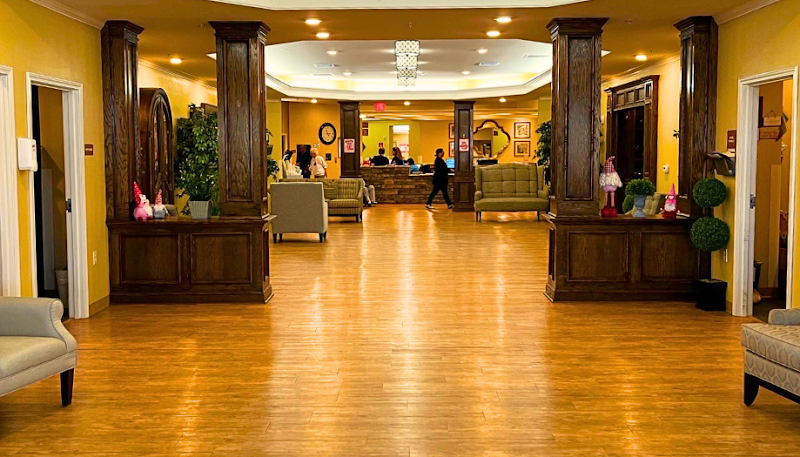
Who Owns and Operates Brightpointe At Lytle Lake?

BRIGHTPOINTE AT LYTLE LAKE is owned by a for-profit company. For-profit facilities operate as businesses with obligations to shareholders or private owners. The facility is operated by AVIR HEALTH GROUP, a chain that manages multiple nursing homes. With 120 certified beds and approximately 95 residents (about 79% occupancy), it is a mid-sized facility located in ABILENE, Texas.
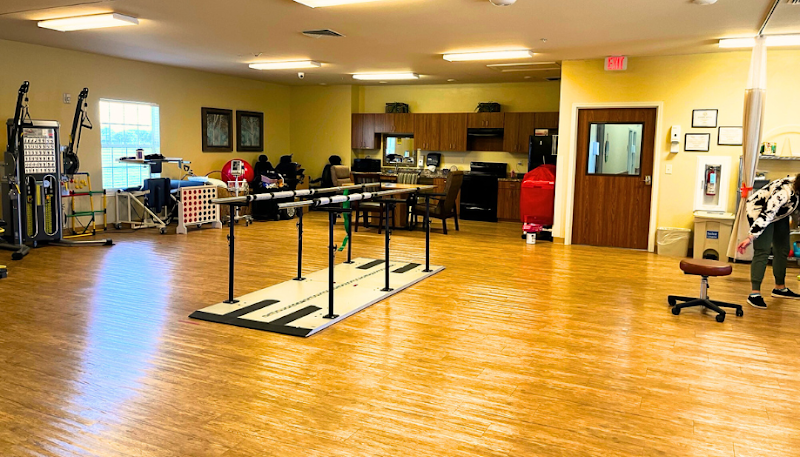
How Does Brightpointe At Lytle Lake Compare to Other Texas Nursing Homes?

Compared to the 100 nursing homes in Texas, BRIGHTPOINTE AT LYTLE LAKE's overall rating (1 stars) is below the state average of 2.8, staff turnover (60%) is significantly higher than the state average of 46%, and health inspection rating (1 stars) is much below the national benchmark.

What Should Families Ask When Visiting Brightpointe At Lytle Lake?

Based on this facility's data, families visiting should ask: "What changes have been made since the serious inspection findings, and how are you preventing similar issues?" "What safeguards and monitoring systems are in place to protect residents from abuse or neglect?" "How do you ensure continuity of care given staff turnover, and what is your staff retention strategy?" "Can you walk me through typical staffing levels on day, evening, and night shifts?" These questions are particularly relevant given the facility's Immediate Jeopardy citations, the substantiated abuse finding on record, the facility's high staff turnover rate, and the below-average staffing rating.

Is Brightpointe At Lytle Lake Safe?

Based on CMS inspection data, BRIGHTPOINTE AT LYTLE LAKE has documented safety concerns. The facility has 1 substantiated abuse finding (meaning confirmed case of resident harm by staff or other residents). Inspectors have issued 2 Immediate Jeopardy citations (the most serious violation level indicating risk of serious injury or death). The facility has a 1-star overall rating and ranks #100 of 100 nursing homes in Texas. Families considering this facility should ask detailed questions about what corrective actions have been taken since these incidents.

Do Nurses at Brightpointe At Lytle Lake Stick Around?

Staff turnover at BRIGHTPOINTE AT LYTLE LAKE is high. At 60%, the facility is 14 percentage points above the Texas average of 46%. High turnover means new staff may not know residents' individual needs, medications, or preferences. It can also be disorienting for residents, especially those with dementia who rely on familiar faces. Families should ask: What is causing the turnover? What retention programs are in place? How do you ensure care continuity during staff transitions?

Was Brightpointe At Lytle Lake Ever Fined?

BRIGHTPOINTE AT LYTLE LAKE has no federal fines on record. CMS issues fines when nursing homes fail to meet care standards or don't correct problems found during inspections. The absence of fines suggests the facility has either maintained compliance or corrected any issues before penalties were assessed. This is a positive indicator, though families should still review recent inspection reports for the full picture.

Is Brightpointe At Lytle Lake on Any Federal Watch List?

BRIGHTPOINTE AT LYTLE LAKE is not on any federal watch list. The most significant is the Special Focus Facility (SFF) program, which identifies the bottom 1% of nursing homes nationally based on persistent, serious quality problems. Not being on this list means the facility has avoided the pattern of deficiencies that triggers enhanced federal oversight. This is a positive indicator, though families should still review the facility's inspection history directly.