MESA SPRINGS HEALTHCARE CENTER
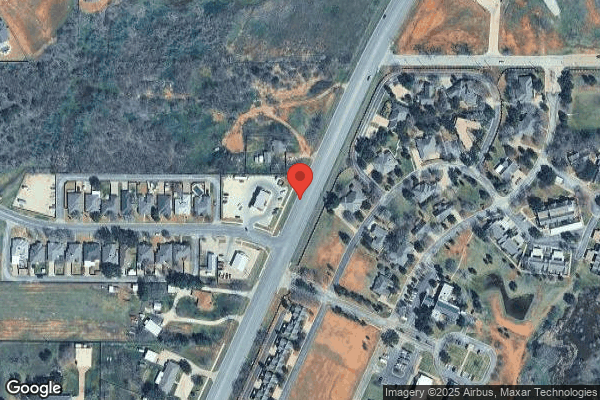
7171 BUFFALO GAP RD, ABILENE, TX 79606 (325) 692-8080
For profit - Limited Liability company 89 Beds THE ENSIGN GROUP Data: November 2025
Trust Grade
33/100
#778 of 1168 in TX
Last Inspection: January 2025

Within standard 12-15 month inspection cycle. Federal law requires annual inspections.

Overview

Mesa Springs Healthcare Center in Abilene, Texas, has received a Trust Grade of F, indicating significant concerns about the quality of care provided. Ranking #778 out of 1168 facilities in Texas places it in the bottom half, and #6 out of 12 in Taylor County shows it's one of the poorer local options. The facility is worsening, with issues increasing from 3 in 2024 to 12 in 2025. Staffing is a serious concern, rated at 1 out of 5 stars, with a high turnover rate of 78%, indicating instability among caregivers. Specific incidents include a failure to create an adequate care plan for a resident that led to a fractured arm, and improper food safety practices that could expose residents to foodborne illnesses. Overall, while there are some good quality measures reported, the significant deficiencies and staffing issues raise red flags for families considering this facility for their loved ones.

Trust Score
F
33/100
In Texas
#778/1168
Bottom 34%
Safety Record
Moderate
Needs review
Inspections
Getting Worse
3 → 12 violations
Staff Stability
⚠ Watch
78% turnover. Very high, 30 points above average. Constant new faces learning your loved one's needs.
Penalties
✓ Good
$8,190 in fines. Lower than most Texas facilities. Relatively clean record.
Skilled Nurses
⚠ Watch
Each resident gets only 17 minutes of Registered Nurse (RN) attention daily — below average for Texas. Fewer RN minutes means fewer trained eyes watching for problems.
Violations
⚠ Watch
25 deficiencies on record. Higher than average. Multiple issues found across inspections.
★★☆☆☆
2.0
Overall Rating
★☆☆☆☆
1.0
Staff Levels
★★★★☆
4.0
Care Quality
★★★☆☆
3.0
Inspection Score
Stable
2024: 3 issues
2025: 12 issues

The Good

  • 4-Star Quality Measures · Strong clinical quality outcomes
  • Full Sprinkler Coverage · Fire safety systems throughout facility
  • No fines on record

Facility shows strength in quality measures, fire safety.

The Bad

2-Star Overall Rating

Below Texas average (2.8)

Below average - review inspection findings carefully

Staff Turnover: 78%

32pts above Texas avg (46%)

Frequent staff changes - ask about care continuity

Federal Fines: $8,190

Below median ($33,413)

Minor penalties assessed

Chain: THE ENSIGN GROUP

Part of a multi-facility chain

Ask about local staffing decisions and management

Staff turnover is very high (78%)

30 points above Texas average of 48%

The Ugly 25 deficiencies on record

1 actual harm
Jun 2025 2 deficiencies
CONCERN (D) 📢 Someone Reported This

A family member, employee, or ombudsman was alarmed enough to file a formal complaint

Potential for Harm - no one hurt, but risky conditions existed

Grievances (Tag F0585)

Could have caused harm · This affected 1 resident

**NOTE- TERMS IN BRACKETS HAVE BEEN EDITED TO PROTECT CONFIDENTIALITY** Based on interviews, and record reviews, the facility failed to ensure residents had the right to voice grievances to the facili...

Read full inspector narrative →
**NOTE- TERMS IN BRACKETS HAVE BEEN EDITED TO PROTECT CONFIDENTIALITY** Based on interviews, and record reviews, the facility failed to ensure residents had the right to voice grievances to the facility or other agency or entity that hears grievances without discrimination or reprisal and without fear of discrimination or reprisal for 1 of 5 residents (Resident #312) reviewed for grievances. The facility failed to ensure a grievance was completed for Resident #312's complaint of LVN A. This failure could place residents at risk for not having their grievances resolved. The findings included: Record review of Resident #312's electronic face sheet indicated a [AGE] year-old female, who was initially admitted to the facility on [DATE] with a current admission date of 05/31/25. Resident #312's medical diagnoses included dementia, asthma, weakness, chronic kidney disease, stage 4 severe, pressure ulcer on left buttock, difficulty swallowing, type 2 diabetes mellitus, Parkinson's disease, heart failure, anemia, high blood cholesterol, high blood pressure, gout, cognitive communication deficit, and nausea with vomiting. Record review of Resident #312's quarterly MDS assessment, dated 05/18/25, Section C - Cognitive Patterns, subsection C0500. BIMS Summary Score was not completed. Subsection C0600 - Should the Staff Assessment for Mental Status (C0700-C1000) be Conducted? 1. Yes (resident was unable to complete Brief Interview of Mental Status) - Continue to C0700 Short-Term Memory OK was entered. Subsection 0700. Short-term Memory OK 1. Memory problem was entered. Subsection C0800. Long-term Memory OK 1. Memory problem was entered. Subsection C0900. Memory/Recall Ability B. Location of own room and D. That they are in a nursing home/hospital swing bed were entered. Subsection C1000. Cognitive Skills for Daily Decision Making 2. Modified independence - some difficulty in new situations only was entered. Record review of Resident #312's care plan revised on 05/08/25 indicated Resident #312 had an actual impairment to her skin integrity to the unstageable of Left Gluteal Fold/Interior Ischial Tuberosity (a large bone commonly referred to as sit bone protected by the gluteus maximus or buttock). Interventions included Cleanse wound with wound cleanser, pat dry, apply [medical honey], cover with border dressing 3x (times) weekly and PRN, Record review of Resident #312's physician's orders dated 05/08/25, indicated, Cleanse wound on Left interior ischial tuberosity with wound cleanser, pat dry then skin prep, apply [medical honey], cover with Border foam. 3 times weekly and as needed. Record review of Resident #312's electronic treatment record for May 2025 revealed the dressing change was performed every Monday, Wednesday, and Friday as ordered. During an interview on 05/31/2025 at 06:30 PM, the Administrator stated she was not sure what the grievance policy was and if it was different from the previous state she had come from. She stated after a conversation with Resident #312's family member on Friday (05/30/25) she did not complete a grievance form or begin investigating staff because the family member stated she was going to call State. The DON stated she did not remember the family member saying she did not want LVN A to work with her family. She remembered the family member making comments such as she did not like LVN A and was disappointed in the care, but the DON did not think that warranted an investigation. The DON stated the Administrator was responsible for monitoring the grievance procedure. During an interview on 06/03/25 at 10:43 AM, the Marketer stated the family member told the Marketer that her family members residing in the facility were being neglected by LVN A. The Marketer stated the family member and LVN A did not get along. The family member told the Marketer on 05/29/25 that she met with the DON and requested LVN A not provide care to her family members anymore. The Marketer could not recall the DON stating when the meeting was or the DON's response to the family member's request. The Marketer stated the family member did not state any other staff member names during the conversation. The Marketer stated she reported the family member's concern to the Administrator. During an interview on 06/03/25 at 12:18 PM, the family member stated she blamed LVN A for the Resident #312's wound and decline. The family member did not explain why she blamed LVN A. The family member reported her grievance verbally to the Marketer who then reported to the Administrator. During a follow-up interview on 06/05/25 at 02:23 PM, the Marketer clarified the date and time she reported the allegation of neglect to the Administrator. She explained during the visit to the hospital Resident #312's family member stated [the facility] neglected my [Resident #312]and continues to neglect my [Resident #312]. The Marketer stated she called the Administrator right away. Review of a screenshot of the call revealed the call was made at 05/07/25 at 04:17 PM. During a follow-up interview on 06/06/25 at 09:16 AM, the family member confirmed the date, approximate time, and conversation she had with the Marketer at the hospital. She stated she was angry about the situation. The family member stated she did not feel LVN A performed dressing changes on her family member's pressure ulcer as ordered causing the wound to worsen. During an interview on 06/06/25 at 09:43 AM, the Administrator stated she would have started the grievance process immediately if the grievance was about alleged abuse or neglect. During an interview on 06/06/25 at 10:08 AM, the DON stated she did not recall knowing about the Administrator being notified of the family member's concerns on 05/27/25. She stated the timeframe to report a grievance was immediately and it was the Administrator's responsibility to report to State if necessary. Review of facility policy titled Grievances, revised 11/23/2016 revealed under Procedures: 1. The facility's grievance official is responsible for overseeing the grievance process, receiving, and tracking grievances; leading any necessary investigations by the facility; maintaining the confidentiality of all information associated with grievances; issuing written grievance decisions to the resident, if requested; and coordinating with state and federal agencies as necessary. 2. Resident and/or Resident Representatives have the right to file grievances orally or in writing, the right to file grievances anonymously, and obtain a written decision regarding his or her grievance as requested. Copies of the Grievance Resolution Forms are available from the Social Services Designee or Grievance official and at the nursing stations. These forms are to be initiated when concerns are made. 4. The Grievance Official evaluates and investigates the concern and takes immediate action to resolve the concern and prevent further potential violations of any resident's right while the alleged violation is being investigated.
CONCERN (D) 📢 Someone Reported This

A family member, employee, or ombudsman was alarmed enough to file a formal complaint

Potential for Harm - no one hurt, but risky conditions existed

Abuse Prevention Policies (Tag F0607)

Could have caused harm · This affected 1 resident

**NOTE- TERMS IN BRACKETS HAVE BEEN EDITED TO PROTECT CONFIDENTIALITY** Based on interviews and record review, the facility failed to implement written policies and procedures to prohibit and prevent ...

Read full inspector narrative →
**NOTE- TERMS IN BRACKETS HAVE BEEN EDITED TO PROTECT CONFIDENTIALITY** Based on interviews and record review, the facility failed to implement written policies and procedures to prohibit and prevent abuse, neglect, and misappropriation for 1 of 5 residents (Resident #312) reviewed for developing and implementing neglect policies. The facility failed to follow its policy to investigate and report to the Texas Health and Human Services Commission (HHSC) when Resident #312's family member alleged that LVN A neglected Resident #312. This failure could place residents at risk of not having allegations thoroughly investigated per policy. Findings included: Record review of Resident #312's electronic face sheet indicated a [AGE] year-old female, who was initially admitted to the facility on [DATE] with a current admission date of 05/31/25. Resident #312's medical diagnoses included dementia, asthma, weakness, chronic kidney disease, stage 4 severe, pressure ulcer on left buttock, difficulty swallowing, type 2 diabetes mellitus, Parkinson's disease, heart failure, anemia, high blood cholesterol, high blood pressure, gout, cognitive communication deficit, and nausea with vomiting. Record review of Resident #312's quarterly MDS assessment, dated 05/18/25, section C - Cognitive Patterns, subsection C0500. BIMS Summary Score was not completed. Subsection C0600 - Should the Staff Assessment for Mental Status (C0700-C1000) be Conducted? 1. Yes (resident was unable to complete Brief Interview of Mental Status) - Continue to C0700 Short-Term Memory OK was entered. Subsection 0700. Short-term Memory OK 1. Memory problem was entered. Subsection C0800. Long-term Memory OK 1. Memory problem was entered. Subsection C0900. Memory/Recall Ability B. Location of own room and D. That they are in a nursing home/hospital swing bed were entered. Subsection C1000. Cognitive Skills for Daily Decision Making 2. Modified independence - some difficulty in new situations only was entered. Record review of Resident #312's care plan revised on 05/08/25 indicated Resident #312 had an actual impairment to her skin integrity to the unstageable of Left Gluteal Fold/Interior Ischial Tuberosity (a large bone commonly referred to as sit bone protected by the gluteus maximus or buttock). Interventions included Cleanse wound with wound cleanser, pat dry, apply [medical honey], cover with border dressing 3x (times) weekly and PRN, Record review of Resident #312's physician's orders dated 05/08/25, indicated, Cleanse wound on Left interior ischial tuberosity with wound cleanser, pat dry then skin prep, apply [medical honey], cover with Border foam. 3times weekly and as needed. Record review of Resident #312's electronic treatment record for May 2025 revealed the dressing change was performed every Monday, Wednesday, and Friday as ordered. During a phone interview on 06/03/25 at 01:03 PM, Resident #12's primary physician stated the resident had a fall and hit her head in April which he attributed to the resident's decline. He stated when the wound developed, he wanted to send the resident to the local wound care clinic. The physician stated the family declined due to the resident's status. He stated the family told him the wound care could be done in the facility. The physician stated his assessment revealed a necrotic wound (a wound containing dead tissue), no evidence of infection, no tunneling (formation of channels or tunnels under the skin extending from the main wound to deeper tissues), no abscesses. He stated he did not feel the resident had been neglected. During an interview on 06/03/25 at 10:43 AM, the Marketer stated the family member told the Marketer that her family members residing in the facility were being neglected by LVN A. The Marketer stated the family member and LVN A did not get along. The family member told the Marketer she met with the DON and requested LVN A not provide care to her family members anymore. The Marketer could not recall the DON stating when the meeting was or the DON's response to the family member's request. The Marketer stated the family member did not state any other staff member names during the conversation. The Marketer stated she reported the family member's concern to the Administrator via phone call. During a phone interview on 06/03/25 at 12:38 PM, the wound care specialist stated services began on 04/22/25. He stated on 05/13/25 the wound was looking better, necrotic tissue had improved, and the surface area of the wound had decreased. He stated LVN A, the facility treatment nurse, was very involved in resident's care. He stated he had every confidence in her ability to manage the wounds in the facility. During an interview on 06/03/25 at 12:18 PM, the Resident #312's family member stated she was still angry about the wound. She stated she blamed LVN A for Resident #312's wound and decline. The family member did not explain why she blamed LVN A. During a follow-up interview on 06/05/25 at 02:23 PM, the Marketer clarified the date and time she reported the allegation of neglect to the Administrator. She explained during the visit to the hospital Resident #312's family member stated [the facility] neglected my [Resident #312]and continues to neglect my [Resident 312]. The Marketer stated she called the Administrator right away. Review of a screenshot of the call revealed the call was made at 05/07/25 at 04:17 PM. During a follow-up interview on 06/06/25 at 09:16 AM, the family member confirmed the date, approximate time, and conversation she had with the Marketer at the hospital. She stated she was angry about the situation. The family member stated she did not feel LVN A performed dressing changes on her family member's pressure ulcer as ordered causing the wound to worsen. During an interview on 06/06/25 at 09:43 AM, the Administrator stated she was the Abuse Coordinator. She stated her expectations of staff reporting abuse, neglect or exploitation was for staff to report any suspected or witnessed ANE immediately. She explained, once reported, her first action was to ensure resident safety, then report to State and begin an investigation. She stated the timeline to report to State was within 2 hours of being aware of the situation. The Administrator stated the failure to report could be due to staff making a judgement call and deciding to not report to her. She explained she did not feel in this instance that an error was made due to the report made to her on 05/27/25 only stated that family member was angry. She stated she remembered being told the family member was upset, especially at LVN A. She stated she felt that she would have started the investigation and reporting process per the facility policy immediately if the report stated abuse or neglect was alleged. The Administrator stated consequences to a resident or residents of staff failing to report, or administration failing to report and investigate an allegation, would be based on the situation. The Administrator stated ANE training was done at least annually for all staff members, in-services were conducted after an incident involving ANE, and ANE was discussed at all staff meetings. She stated she was ultimately the person responsible for monitoring that staff was in compliance with training requirements. During an interview on 06/06/25 at 10:08 AM, the DON stated she did not recall knowing about the Administrator being notified of the family member's concerns on 05/27/25. She stated her expectations of reporting suspected or witnessed ANE was for a report be made to herself and the Administrator/Abuse Coordinator. She stated if report was made to her, she would tell the reporter to contact the Administrator then follow up to make sure the Administrator was notified. The DON explained failure by the facility to report an allegation of ANE was because it was her understanding that the complaint involved a family member blaming LVN A for her family member's wound and subsequent admission to the hospital. She stated the words abuse and/or neglect were not used. She stated the family member was upset about the whole situation. The DON stated she was notified that the family member was going to report to State. She stated the timeframe to report an incident was immediately and it was the Administrator's responsibility to report to State. The DON explained the consequences to a resident or residents of failing to report would be a problem because staff was frequently trained on reporting. She stated training consisted of reviewing the policy during every staff meeting, reminders of who the Abuse Coordinator was, routine face-to-face and written in-services and online training. She stated training compliance was monitored by corporate. The DON stated a report was sent by corporate to HR twice a month listing training modules due. She stated nursing staff out of compliance was taken off the schedule until training was up to date. Review of facility policy titled Alleged Violations of Abuse, Neglect, Exploitation or Mistreatment, reviewed/revised 12/2023 revealed under Definitions: Alleged violation is a situation or occurrence that is observed or reported by staff, resident, relative, visitor, another health care provider, or others but has not yet been investigated and, if verified, could be noncompliance with the Federal requirements related to mistreatment, exploitation, neglect, or abuse, including injuries of unknown source, and misappropriation of resident property. Neglect is the failure of the Facility, its employees or service providers to provide goods and services to a resident that are necessary to avoid physical harm, pain, mental anguish, or emotional distress. Neglect occurs when the facility is aware of, or should have been aware of, goods or services that a resident(s) required but the facility fails to provide them to the resident(s), that has resulted in or may result in physical harm, pain, mental anguish, or emotional distress. Under Procedure: 1. In response to allegations of abuse, neglect, exploitation, or mistreatment, the Facility will: a. Ensure that all alleged violations involving abuse, neglect, exploitation, or mistreatment including injuries of unknown source and misappropriation of resident property, are reported immediately but: . Not later than twenty-four (24) hours if the events that cause the allegation does not involve abuse and does not result in serious bodily injury. 2. Ensure that all alleged violations involving abuse, neglect, exploitation, or mistreatment, including injuries of unknown source and misappropriation of resident property, are reported to: a. b. The State Survey Agency. 6. Guidelines for Facility Compliance: In order to comply with the Facility's obligations as set forth in 42 CFR 483.12, it will: e. Conduct a prompt, thorough and complete investigation in response to reportable allegations of abuse, neglect, mistreatment, exploitation, or misappropriation of resident property.
Jan 2025 10 deficiencies
CONCERN (D) 📢 Someone Reported This

A family member, employee, or ombudsman was alarmed enough to file a formal complaint

Potential for Harm - no one hurt, but risky conditions existed

Grievances (Tag F0585)

Could have caused harm · This affected 1 resident

**NOTE- TERMS IN BRACKETS HAVE BEEN EDITED TO PROTECT CONFIDENTIALITY** Based on interviews, and record review, the facility failed to ensure residents had the right to voice grievances to the facilit...

Read full inspector narrative →
**NOTE- TERMS IN BRACKETS HAVE BEEN EDITED TO PROTECT CONFIDENTIALITY** Based on interviews, and record review, the facility failed to ensure residents had the right to voice grievances to the facility with respect to care and treatment which had been furnished as well as that which had not been furnished, the behavior of staff and of other residents, and other concerns regarding their LTC facility stay for 1 of 18 residents (Resident #171) reviewed for grievances. The facility failed to investigate and respond to a grievance made by Resident #171's representative who made a grievance to RN A. This failure could place residents and their representatives at risk of not having their grievances heard and or resolved. The findings included: Record review of Resident #171's electronic face sheet dated 01/15/2025 revealed she was a female admitted to the facility on [DATE] and most recently on 07/14/2023 with diagnoses to include: unspecified dementia, muscle weakness, anxiety disorder, and major depressive disorder. Record review of Resident #171's quarterly MDS dated [DATE] revealed no BIMS score because the resident was rarely or never understood. Further review of the MDS Section E behavior revealed Resident #171 did not have hallucinations, delusions, rejection of care, or wandering. Record review of Resident #171's progress notes dated 12/27/2024 by the SW revealed the SW contacted Resident #171's representative via telephone on 12/24/2024 about her concerns with Resident #171 being not compatible with her roommate that had been reported by another staff member. Further review of the progress note revealed that a tour of available rooms was offered and the representative verbalized understanding. The representative stated they would discuss with other representatives and would follow up with SW if interested in room change on 12/31/2024. During a telephone interview on 01/15/2025 at 9:37 a.m., Resident #171's representative stated they had made a verbal grievance around 12/20/2024 to RN A. Resident #171's representative stated the grievance had been written down and placed on the DON's desk by RN A per their request not to give to the grievance coordinator. Resident #171's representative stated she never heard back from the facility about her grievance. Resident #171's representative stated they were upset the facility never responded to the grievance especially since the facility was open 24 hours a day. Resident #171's representative stated they would look through their notes and supply copies of notes. During a record review of notes provided by Resident #171's representative on 01/15/2025 at 5:40 p.m. revealed on 12/21/2024 a grievance regarding Resident #171's roommate had been written and RN A placed the grievance on the DON's desk. Further review of Resident #171's representative notes revealed on 12/24/2024 the grievance coordinator called Resident #171's representative and stated since Resident #171's representative had concern with the roommate then Resident # 171 would need to move if the representative chose to have Resident #171 be moved. A room close to the exit door was offered as available. During a telephone interview on 01/16/2025 at 2:36 p.m., RN A stated she had helped Resident #171's family fill out a grievance form but could not remember exactly what date that had occurred. RN A stated she could not remember exactly what Resident #171's representative had been concerned about. She stated she had placed the grievance on the DON's desk due to it being the weekend and she did not know exactly where to put the grievance form. She stated no-one else but herself had access to the DON's office on the weekends. She stated the grievance coordinator was a different ADMN at the time that no longer worked at the facility. She stated she did not know what happened to the grievance after she left it on the DON's desk. During an interview on 01/16/2025 at 2:49 p.m., the DON stated she had never received a grievance or saw a grievance form on her desk after December 21, 2024, about Resident #171. She stated she had no knowledge of the verbal grievance given to RN A. During an interview on 01/16/2025 at 5:13 p.m., the SW stated she was not aware of a grievance filed by Resident #171's representative later in December. She stated that she had been made aware of concern from Resident #171's representative about a roommate not being compatible with Resident #171. She stated she had called the family on the phone and had written a progress note in the electronic chart about offering room change for Resident #171 due to representative's concerns. She stated she did not remember a formal grievance but would look to see if she had a paper copy of a formal grievance. During an interview on 01/16/2025 at 5:22 p.m., the ADMN stated he was unsure of the grievance process if a family had requested grievance be turned into someone other than the grievance coordinator. The ADMN stated that he was not the administrator over this facility on December 21, 2024. During a follow-up interview on 01/16/2025 at 5:33 p.m., the ADMN stated his expectation would be if a grievance had been reported over the weekend, the SW would have logged the grievance and followed up on the grievance as she was the grievance coordinator. He stated typically if there had been issues with roommate compatibility, the resident or representative who brought up the concerns would be offered a room change. He stated he would look for a policy about roommate compatibility. During a follow-up interview on 01/16/2025at 5:33 p.m., the SW stated she did remember meeting with the representatives of Resident #171's roommate. She stated she remembered a discussion during an IDT morning meeting after December 21, 2024, but could not remember who [NAME] up the discussion about Resident #171's representative's complaint and that another room was offered but Resident #171's representative decided not to have Resident #171 change rooms. The SW stated she never received a formal grievance about the complaint, and she did not log the complaint on the grievance log due to not a formal grievance. The SW stated Resident #171's representative was offered a room change in regard to complaint and she had documented discussion in Resident #171's medical record under progress notes. She denied any change in outcome of issue and stated she had followed up on it but had not documented it as a grievance. During a follow-up interview on 01/16/2025 at 6:14 p.m., the ADMN stated the grievance log had all the grievances in December of 2024. He stated he had not been able to locate any IDT meeting notes from the facility's morning meetings around December 21, 2024. The ADMN stated he had heard from several staff members the discussion had occurred, but he was not present during those meetings. He stated his expectation would be for all grievances to be logged and the SW was responsible for keeping the grievance log up to date. He stated the outcome would not have changed if the grievance had been logged or the formal form had been present. He stated the ADMN monitored that the SW kept the grievance log and forms up to date. The ADMN stated the ADMN during the time of December 21, 2024, was no longer employed by the company. He stated he could not find any facility policy for grievances filed to someone other than the grievance coordinator per resident or resident representative's request. During a record review of facility's grievance log titled complaint tracking and trending log dated December 2024 revealed no documented grievance from Resident #171 or her representative during the month of December. The last grievance listed on the complaint tacking and trending log was dated December 17, 2024. During a record review of facility's policy titled Grievances revised on 12/2023 revealed: Procedure: 1. The facility's grievance official is responsible for overseeing the grievance process and for receiving and tracking grievances; leading any necessary investigations by the facility; maintaining the confidentiality of all information associated with grievances; issuing written grievance decision to the resident, if requested; and coordinating with state and federal agencies, as necessary. Information is made available to the resident and/or representative and posted in designated locations throughout the facility .3. General concerns may be voiced at Resident and/or Family Council meetings. 4. The Grievance Official evaluates and investigates the concern and takes immediate action to resolve the concern and prevent further potential violations of any resident's right while the alleged violation is being investigated. 5. The Grievance Official will immediately report all alleged violations involving neglect, abuse, including injuries of unknown source, and/or misappropriation of resident property to the Administrator; and as required by State law. 6. The Grievance Official or designee responds to the individual expressing the concern within (3) three working days of the initial concern to acknowledge receipt and describe steps taken toward resolution. 7. The Grievance official/designee completed the Grievance Resolution Forms, takes appropriate corrective action in accordance with State law if the alleged violation of resident's rights is confirmed by the facility or an outside entity having authority or jurisdiction, such as the State Survey Agency, Quality Improvement Organization, or local law enforcement agency within its area of responsibility. The Grievance Official or designee will contact all parties with the outcome. 8. The grievance log is maintained by the Grievance official and reviewed by the Quality Assessment & Assurance Committee and shall not become part of the medical record. Results of grievance will be maintained no less than 3 years from issuance of the grievance decision.
CONCERN (D) 📢 Someone Reported This

A family member, employee, or ombudsman was alarmed enough to file a formal complaint

Potential for Harm - no one hurt, but risky conditions existed

PASARR Coordination (Tag F0644)

Could have caused harm · This affected 1 resident

**NOTE- TERMS IN BRACKETS HAVE BEEN EDITED TO PROTECT CONFIDENTIALITY** Based on interviews and record review, the facility failed to refer residents with newly evident or possible serious mental illn...

Read full inspector narrative →
**NOTE- TERMS IN BRACKETS HAVE BEEN EDITED TO PROTECT CONFIDENTIALITY** Based on interviews and record review, the facility failed to refer residents with newly evident or possible serious mental illness or a related condition for PASSR evaluation for 2 of 18 residents (Resident #27, and Resident #29) reviewed for PASRR. The facility failed to refer Resident #27 & Resident #29 for a PASSR evaluation after diagnoses reflected serious mental disorders. This failure placed residents at risk of not receiving or benefiting from specialized therapy and equipment services they may require. Findings included: Resident #27 Record review of Resident #27's electronic face sheet dated 01/16/2025 revealed a [AGE] year-old female admitted to the facility on [DATE]. Resident #27 had a diagnosis of major depressive disorder with onset date of 03/08/2024. Resident #27 had a diagnosis of post-traumatic stress disorder with onset date on 03/08/2024. Record review of Resident #27's quarterly MDS dated [DATE] revealed Resident #27 had a BIMS score of 15 meaning cognition was intact. Further review revealed active diagnosis of depression and post-traumatic stress disorder. Record review of Resident #27's care plan initiated on date 03/09/2024 revealed Resident #27 had risk for impaired cognitive function with goal to maintain current level of cognitive function and interventions included social services to provide psychosocial support as needed. Record review of Resident #27's medical record revealed no evidence a PASRR evaluation had been performed. Resident #29 Record review of Resident #29's electronic face sheet dated 01/16/2025 revealed a [AGE] year-old female initially admitted to the facility on [DATE] and most recently on 10/12/2024. Resident #29 had a diagnosis of schizoaffective disorder bipolar type with onset date of 09/15/2023. Resident #29 had a diagnosis of bipolar disorder with onset date of 09/15/2023. Resident #29 had a diagnosis of major depressive disorder with onset date of 09/15/2023. Record review of Resident #29's quarterly MDS dated [DATE] revealed Resident #12 had a BIMS score of 00 meaning severe cognitive impairment. Further review revealed active diagnosis of depression, bipolar disorder, and schizophrenia. Record review of Resident #29's care plan initiated on date 09/03/2023 revealed Resident #29 had risk for impaired cognitive function because of diagnoses of bipolar and schizoaffective disorder with goal to maintain current level of cognitive function. Interventions included social services to provide psychosocial support as needed. Record review of Resident #29's medical record revealed no evidence a PASRR evaluation had been performed. During an interview on 01/16/2024 at 4:32 p.m., the SW stated residents who had mental illness diagnoses would not be positive for PASSR services per local mental health authority if a resident had not had law enforcement involvement or an inpatient psych stay in the past two years. During an interview on 01/16/2025 at 8:03 p.m., the MDS coordinator stated post-traumatic stress disorder, major depressive disorder, schizoaffective disorder, and bipolar disorder were all diagnoses that were considered mental illness. She stated if the facility had a suspicion of a mental illness after a resident had been admitted than a PASSR evaluation should have been performed. She stated there was no MDS coordinator on site at the facility at this time and she had been responsible for multiple facilities' resident assessments. She stated she did not know why Resident #27 and Resident #29 had not had a PASSR evaluation performed but could have been because of staff turnover. The MDS coordinator stated the facility had been actively attempting to hire a MDS coordinator for the facility, but she was performing duties until a MDS coordinator was hired. She stated she was responsible for setting up PASSR evaluations after a diagnosis triggered a positive PASSR. She stated both her and the SW monitored that PASSR evaluations were performed. She stated not setting up for local mental health authorities to perform PASSR evaluations could cause residents to be placed in inappropriate living arrangements or not receive services that PASSR positive residents needed. The MDS coordinator stated there were no policies that included what occurred when mental illness was suspected after the resident had been admitted into the facility. Review of the facility policy titled PASRR with no date revealed: It is the policy of this facility to ensure that each resident is properly screened using the PASRR specified by the State .Procedures: 1. A PASRR shall be completed on every resident upon admission. 2. Based upon the assessment, the facility will ensure proper referral to appropriate state agencies for the provision of specialized services to residents with MI/MR.
CONCERN (D) 📢 Someone Reported This

A family member, employee, or ombudsman was alarmed enough to file a formal complaint

Potential for Harm - no one hurt, but risky conditions existed

Accident Prevention (Tag F0689)

Could have caused harm · This affected 1 resident

**NOTE- TERMS IN BRACKETS HAVE BEEN EDITED TO PROTECT CONFIDENTIALITY** Based on observations, interviews, and record review, the facility failed to assistance devises to prevent accidents for 1 of 29...

Read full inspector narrative →
**NOTE- TERMS IN BRACKETS HAVE BEEN EDITED TO PROTECT CONFIDENTIALITY** Based on observations, interviews, and record review, the facility failed to assistance devises to prevent accidents for 1 of 29 residents (Resident #12) whose records were reviewed for quality of care. The facility failed to ensure that Resident #12's wheelchair was placed at Resident #12's bedside as care planned to prevent falls. This failure could place residents at risk of being injured. Findings included: Review of Resident #12's electronic face sheet revealed a [AGE] year-old male admitted on [DATE] with an original admission date of 07/11/2017 with the following diagnosis Alzheimer's disease, history of falls, chronic kidney disease, and lack of coordination. Record review of Resident #12's Quarterly MDS dated [DATE] revealed Section C- Cognitive Patterns a BIMS of 6 (meaning severe cognitive impairment); Section J-Health Conditions revealed that Resident #12 had a history of falls with injury. Record review of Resident #12's Care Plan dated 12/09/2024 revealed an intervention of wheelchair close to resident bed as is his preference to reduce the risk of falls. During an observation on 01/14/2024 at 11:30 AM, Resident #12 had signage on door that stated Droplet Precautions and door was open. Resident #12's family representatives were in room moving things. Resident #12's family member was seen moving the wheelchair from the bathroom. During an interview on 01/15/2024 at 2:49 PM, Resident #12's family representative stated they had visited the facility on 01/14/2025 and was upset because Resident #12's wheelchair was in the bathroom, instead of at Resident#12's bedside. Resident #12's family representative stated they had asked the facility to ensure the wheelchair was at bedside, because he had had two major falls in November. Resident #12's family member stated an aide had told her that she had hid the wheelchair in the restroom because Resident #12 was not supposed to leave the room because he was COVID positive. During an interview on 01/16/25 at 7:05 PM, the DON stated her expectation was Resident #12's wheelchair should have been at bedside and not in the bathroom. The DON stated it was care planned for the wheelchair to be at bedside due to Resident #12's history of falls. The DON stated if the wheel chair was not at bedside it could have led to Resident #12 having a fall. The DON stated staff were responsible to ensure the care plan was followed. The DON and the ADON monitored the care plans being followed by making random checks. The DON stated miscommunication and/or misunderstanding by staff led to failure of the wheelchair not being placed at bedside as care planned. During an interview on 01/16/25 at 08:12 PM, CNA C stated she had put the wheelchair in the restroom because he was weak and had COVID and did not want him to try and get up and fall. CNA C stated she never worked with Resident #12 and did not know the wheelchair was supposed to be at his bedside. Record review of facility policy titled, Fall Prevention dated 05/2007 revealed: It is the policy of this facility to investigate the circumstances surrounding each resident fall and implement actions to reduce the incidence of additional falls and minimize potential for injury .Identify an action plan or approaches to be taken in an attempt to prevent further falls. If there is an existing plan of care in the resident's medical record pertaining to falls it should be updated.
CONCERN (D) 📢 Someone Reported This

A family member, employee, or ombudsman was alarmed enough to file a formal complaint

Potential for Harm - no one hurt, but risky conditions existed

Respiratory Care (Tag F0695)

Could have caused harm · This affected 1 resident

**NOTE- TERMS IN BRACKETS HAVE BEEN EDITED TO PROTECT CONFIDENTIALITY** Based on observations, interviews, and record review, the facility failed to ensure that a resident who needed respiratory care,...

Read full inspector narrative →
**NOTE- TERMS IN BRACKETS HAVE BEEN EDITED TO PROTECT CONFIDENTIALITY** Based on observations, interviews, and record review, the facility failed to ensure that a resident who needed respiratory care, was provided such care, consistent with professional standards of practice, the comprehensive person-centered care plan, and/or the residents' goals and preferences, for 1 of 29 (Resident #12) reviewed for respiratory care. The facility failed to ensure that Resident #12's oxygen tubing had been changed weekly per physician order. This failure places residents that use oxygen at risk of respiratory complications and/or possible respiratory infections. Findings included: Review of Resident #12's electronic face sheet revealed a [AGE] year-old male admitted on [DATE] with an original admission date of 07/11/2017 with the following diagnosis Alzheimer's disease, history of falls, chronic kidney disease, heart disease, and COVID positive. Record review of Resident #12's Quarterly MDS dated [DATE] revealed Section C- Cognitive Patterns a BIMS of 6 (meaning severe cognitive impairment); Section J-Health Conditions revealed that Resident #12 had a history of falls with injury. Record review of Resident #12's Care Plan revealed an intervention with start date of 08/18/2022 Oxygen therapy: 2-3 LPM via nasal Cannula continuous every shift to maintain oxygen saturation above 92%. Record review of Resident #12's Physician orders revealed a start date of 02/25/2022: Change tubing, clean filter, and change O2 water bottle every night shift every Sun. Observation on 01/14/2025 at 3:30 PM revealed Resident #12 was lying in his bed wearing oxygen. Resident #12's oxygen tubing was dated 01/06 . During an interview on 01/16/25 at 07:05 PM the DON stated her expectation was that oxygen tubing be changed weekly, on Sunday. The DON stated the Sunday night shift nurse was responsible for changing oxygen tubing. The DON stated her and the ADON made random checks to ensure the tubing was changed. The DON stated residents could have been affected by the tubing not being changed, it could have led to infection. The DON stated what led to the failure of oxygen tubing not being changed was oversight. Record review of facility policy titled, Oxygen Equipment dated 05/2007 revealed Tubing should be replaced every week.
CONCERN (D) 📢 Someone Reported This

A family member, employee, or ombudsman was alarmed enough to file a formal complaint

Potential for Harm - no one hurt, but risky conditions existed

Deficiency F0761 (Tag F0761)

Could have caused harm · This affected 1 resident

Based on observation, interview and record review, the facility failed to store all drugs and biologicals in locked compartments and to permit only authorized personnel to have access to 1 (treatment ...

Read full inspector narrative →
Based on observation, interview and record review, the facility failed to store all drugs and biologicals in locked compartments and to permit only authorized personnel to have access to 1 (treatment cart) of 5 medication carts reviewed for security. The facility failed to ensure treatment cart with prescription medications and biologicals were not left unlocked, unsecured, and unattended. These failures could place residents at risk of misappropriation of medications, drug diversions, or accidental ingestion. The findings included: During an observation on 01/16/2025 at 12:10 p.m. the treatment cart was sitting at the nurses' station with no nursing staff present ; residents were observed in area of the treatment cart. Items in treatment cart included: Insulin pens (insulin filled containers in pen form), Insulin needles (needles to give insulin), lancets (device used to obtain blood sample for finger stick blood sugar), albuterol (medication in inhaler used for shortness of breath), Breztri (medication in inhaler used for shortness of breath), Trelegy (medication in inhaler used for shortness of breath), DuoNeb (liquid medication stored in bullets for opening up airways when inhaled using nebulizer), Scissors, Nystatin (prescription anti-yeast powder), Clobetasol ointment (medication used to treat skin conditions including rashes), Skin Prep swabs (individual swabs with medication infused to help adhesive stick to skin and reduce irritation), IV start Kits (kits with needle, tourniquet, catheter, tape, and adhesive dressing) , Saline syringes (syringes filled with saline solution for IV medication administration), Milk of Magnesia (liquid medication used to treat constipation), Maalox (liquid medication used to treat heart burn), and disinfectant wipes. During an observation and interview on 01/16/2025 at 12:13 p.m., MA E observed walking by the treatment cart and locked the treatment cart as she walked by it. MA E stated she was not responsible for monitoring medication carts were locked. MA E stated she saw the treatment cart was unlocked so she locked it. She stated the treatment cart that was unlocked was RN G's responsibility. MA E stated RN G was in the dining room at 12:13 p.m. During an observation and interview on 01/16/2025 at 12:21 p.m., RN G stated she was responsible for the treatment cart being left unlocked and unattended at the nurse's station. She stated the treatment cart should have been locked when she was not using the treatment cart. RN G stated she had been in a hurry to get to the dining room and must have forgotten to lock the treatment cart. She stated not locking the treatment cart could give residents access to the items in the cart. During an interview on 01/16/2025 at 12:16 p.m., the DON stated her expectation would be for medication and treatment carts to be always locked when not in use. She stated the effect on residents from an unlocked treatment cart would be items could be taken out or put inside without use of a key. The DON stated the assigned nurse was responsible for locking treatment carts. She stated both her and the ADON do educations as necessary and perform random cart checks. She stated carelessness led to the failure of locking the treatment cart. Record review of facility's policy titled, Medication Access and Storage, E kit access with no date revealed: Only licensed nurses, the consultant pharmacist and those lawfully authorized to administer medications (e.g., medication aides) are allowed access to medications. Medication rooms, carts, and medication supplies are locked or attended by persons with authorized access.
CONCERN (E) 📢 Someone Reported This

A family member, employee, or ombudsman was alarmed enough to file a formal complaint

Potential for Harm - no one hurt, but risky conditions existed

Pharmacy Services (Tag F0755)

Could have caused harm · This affected multiple residents

Based on observations, interviews, and record review the facility failed to provide pharmaceutical services, including procedures that assure the accurate administering of all drugs and biologicals to...

Read full inspector narrative →
Based on observations, interviews, and record review the facility failed to provide pharmaceutical services, including procedures that assure the accurate administering of all drugs and biologicals to meet the needs of the residents for 1 of 1 medication room and 1 of 3 (treatment cart) medication carts reviewed for drugs and biologicals. 1. The facility failed to ensure 1 vancomycin IV bag (antibiotic medication in bag for IV) had been removed from the medication room when it had expired on December 2024. 2. The facility failed to ensure 6 boxes of lancets (needles used to obtain small blood samples) were removed from the medication room when they had expired on or after 08/27/2020. 3. The facility failed to ensure 12 IV start kits (used to start IVs) were removed from the medication room when they had expired on 12/10/2024. 4. The facility failed to ensure 8 packages of lubricating jelly (used for lubrication) were removed from the medication room when they had expired on 12/02/2024. 5. The facility failed to ensure 1 tube of Anasept gel (topical solution that fights bacteria and treats or prevents infections) were removed from the treatment cart when they had expired on 11/01/2024. 6. The facility failed to ensure 1 container of packing iodoform strip (medical dressings made of gauze impregnated with iodoform with antibacterial properties) were removed from the treatment cart when they had expired on 06/2024. These failures could place residents at risk of not receiving the therapeutic benefit of medications and biologicals used for testing and treatment of residents. Findings included: During an observation of the treatment cart on 01/15/2025 at 7:07 a.m. revealed: 1. 1 container of expired Anasept gel (topical solution that fights bacteria and treats or prevents infections) expired on 11/01/2024. 2. 1 container of expired packing iodoform strip (medical dressings made of gauze impregnated with iodoform with antibacterial properties) expired on 06/2024. During an interview on 01/15/2025 at 7:07 a.m., LVN H stated both the Anasept gel (topical solution that fights bacteria and treats or prevents infections) and packing iodoform strip (medical dressings made of gauze impregnated with iodoform with antibacterial properties) should have been removed from the treatment cart when they expired. She stated she was not aware prior to today that those items were expired because she did not use them to treat any residents at this time. She stated those items not being used during treatments may have led to no one noticing those items needed to be removed. LVN H stated nurses were responsible for removing expired items from treatment cart. During an observation of the medication room on 01/15/2025 at 7:37 a.m. revealed: 1. 1 expired bag of vancomycin IV bag expired on December 2024. 2. 6 boxes of expired lancets expired on or after 08/27/2020. 3. 12 containers of expired IV start kits expired on 12/10/2024. 4. 8 packages of expired lubricating jelly expired on 12/02/2024. During an interview on 01/15/2025 at 8:42 a.m., LVN F stated expired vancomycin (an antibiotic medication) should have been removed from the medication room. She stated using medications after expiration could cause skin or body reaction to the medication. LVN F stated the lancets were used to poke fingers and should be disposed of after they expired. She stated she was unsure of what effect it could cause when using expired lancets but could potentially cause them to become dull. LVN F stated the IV started kits were expired and should have been discarded. She stated she was not sure of the risk to residents if the IV start kits had been used but residents should not be exposed to expired goods. LVN F stated that the lubricating jelly was expired and should have been disposed of. She was unsure of any risk using expired lubricating jelly could have on residents. During an interview on 01/16/2025 at 9:20 a.m., MA E stated she checked the medication room daily and did not know how an expired vancomycin IV bag was found in the medication room. She stated she was responsible for making sure that medications including OTC medications were stocked and not expired. She stated expired IV start kits, lubricating jelly, and lancets should have been discarded. She stated she had been responsible for the medication room for approximately five months and did not know she should look for expired supplies in the medication room. She stated not disposing of medication and supplies could hurt the residents if nurses did not notice the items were expired and used them on residents. During an interview on 01/15/2025 at 9:04 a.m., the ADON stated her expectation would be that expired goods be destroyed and not stored in medication room or on medication carts. She stated MA E was responsible for items stored in medication room and nurses were responsible for treatment carts. She stated she did not know why expired goods were found in the medication room and on treatment cart. During an interview on 01/16/2025 at 12:16 p.m., the DON stated her expectation would be that expired medications and supplies were removed from the treatment cart and medication room. She stated the lead MA was responsible for checking the medication room weekly and nurses and MAs should check the carts daily for expired products. The DON stated the effect of using expired medications or biologicals would be symptoms not being managed or treated by products not being as effective. The DON stated both herself and the ADON performed random audits in the medication room and medication carts and the failure occurred due to oversite. Record review of the facility's policy titled Disposal of Drugs and Supplies with no date revealed: Disposal and or disposition of medications and other drugs is defined as any process by which a substance leaves or is removed from the facility, except for the authorized administration to a patient .Procedures: Ointments, creams, and similar substances are placed in trash receptacles in the medication room. Tablets, capsules, and liquids are washed down the toilet or hopper sink or disposed of in another acceptable manner. The consultant pharmacist is contacted if the facility is unsure of proper disposal methods for a medication. Record review of the facility's policy titled Storage of Medications with no date revealed: Medication and biologicals are stored safely, securely, and properly following manufacturer's recommendations or those of the supplier.
CONCERN (E) 📢 Someone Reported This

A family member, employee, or ombudsman was alarmed enough to file a formal complaint

Potential for Harm - no one hurt, but risky conditions existed

Laboratory Services (Tag F0770)

Could have caused harm · This affected multiple residents

Based on observations, interviews, and record review the facility failed to ensure the quality of laboratory services in the facility for 1 of 1 medication room reviewed for drugs and biologicals. The...

Read full inspector narrative →
Based on observations, interviews, and record review the facility failed to ensure the quality of laboratory services in the facility for 1 of 1 medication room reviewed for drugs and biologicals. The facility failed to ensure 2 boxes of COVID testing kits (used for COVID testing) were removed from the medication room when they had expired on 12/15/2023. The facility failed to ensure 1 box and 4 packages of influenza A & B Tests (used for Flu testing) were removed from the medication room when they had expired on 11/30/2024. These failures could place residents at risk of inaccurate testing results. Findings included: During an observation of the medication room on 01/15/2025 at 7:37 a.m. revealed: 1. 2 boxes of expired COVID testing kits expired on 12/15/2023. 2. 1 box and 4 packages of expired influenza A & B testing kits expired on 11/30/2024. During an interview on 01/15/2025 at 8:42 a.m., LVN F stated COVID and influenza tests should be disposed of after they were expired. She stated she did not know why expired test kits were in the medication room. LVN F stated COVID and influenza tests that were expired could cause results to not be accurate. During an interview on 01/16/2025 at 9:20 a.m., MA E stated expired COVID tests and influenza tests should have been discarded. She stated she had been responsible for the medication room for approximately five months and did not know she should look for expired supplies in the medication room. She stated not disposing of supplies could hurt the residents if nurses did not notice the items were expired and used them on residents. During an interview on 01/15/2025 at 9:04 a.m., the ADON stated her expectation would be that expired goods be destroyed and not stored in medication room or on medication carts. She stated MA E was responsible for items stored in medication room. She stated she did not know why expired goods were found in the medication room During an interview on 01/16/2025 at 12:16 p.m., the DON stated her expectation would be that expired supplies were removed from the medication room. She stated the lead MA was responsible for checking the medication room weekly. The DON stated the effect of using expired medications or biologicals would be symptoms not being managed or treated by products not being as effective. The DON stated both herself and the ADON performed random audits in the medication carts and the failure occurred due to oversite. Record review of the facility's policy titled Storage of Medications with no date revealed: Medication and biologicals are stored safely, securely, and properly following manufacturer's recommendations or those of the supplier.
CONCERN (E) 📢 Someone Reported This

A family member, employee, or ombudsman was alarmed enough to file a formal complaint

Potential for Harm - no one hurt, but risky conditions existed

Food Safety (Tag F0812)

Could have caused harm · This affected multiple residents

Based on observations, interviews, and record reviews the facility failed to properly store, prepare, distribute, and serve food in accordance with professional standards for food service safety for 1...

Read full inspector narrative →
Based on observations, interviews, and record reviews the facility failed to properly store, prepare, distribute, and serve food in accordance with professional standards for food service safety for 1 of 1 kitchen reviewed for kitchen sanitization. The facility failed to ensure foods in Refrigerator #1, Refrigerator #2, and the freezer were not sealed and/or labeled properly. The facility failed to ensure food that left the kitchen was covered. This failure could place residents that eat out of the kitchen at risk for contamination and food borne illnesses. Findings included: During an observation on 01/14/2025 at 10:15 AM of facility kitchen revealed the following: Refrigerator #1: 1 bin of Celery was unlabeled and with no in date and was open to air, and 1 box of Muffins was unsealed and open to air. Refrigerator #2: 1 box of sausage was unsealed and open to air, in refrigerator. Freezer: 1 box of Cannoli was unsealed and open to air. During an observation and interview on 01/15/2025 at 9:07 AM with the DM observed in the refrigerators the open to air product (cannoli's, celery and muffins), as well as the open box and open to air box of sausage. The DM stated the open to air products should be in placed in sealed containers or packages. She stated the possible negative impact for residents could have been cross contamination with residents becoming sick. She stated her expectations were for all products, once received, to have an in date, as well as labeled if needed. The DM stated that she had continuous trainings with her staff on this subject. During observation on 01/14/2025 at 12:24 PM, the hall carts which contained resident trays was observed being transported from the kitchen to the hallways with the cakes being uncovered. During an interview on 01/14/25 at 12:44 AM the DM stated the desert should have been covered prior to being transported to the hallways. She stated the possibility of cross contamination could have been possible. She stated she monitored the proper transporting of food prior to leaving the kitchen to resident's room. The DM stated her expectations were that all food be covered prior to leaving the kitchen. She stated the failure was with the Dietary staff being in a hurry, as well and thinking since the whole cart was covered, they were in compliance. The DM stated it should have never happened and should have been covered. During an interview on 01/16/25 at 5:12 PM the Interim ADMN stated the staff should have followed the policies and procedures for dating and labeling all food product where needed. He stated there was a possibility of a negative impact to residents with the potential of getting and consuming expired food which could have been a potential for contamination. The Interim ADMN stated the failure likely occurred from the time of food being delivered and stored. He stated the DM monitored all food coming into the facility. During an interview on 01/16/2025 at 5:30 PM the SW stated, all but 1 resident ate from the kitchen. Record Review of facility's Dietary Services, Food Storage, undated revealed; Policy: It is the policy of this facility that food storage areas shall be maintained in a clean, safe, and sanitary manner. Procedures:.10. Food products must be labeled and dated. Review of FDA Food Code 2022: Full Document accessed on 01/14/2024 in annex 7 page 37, 38 revealed: Applicable Code Sections: 3-501.16(A)(2) and (B) Time/Temperature Control for Safety Food, Hot and Cold Holding (P) 23. Proper date marking and disposition FDA Food Code 2022 Annex 7: Model Forms, Guides, and Other Aids Annex 7 -38 IN/OUT This item should be marked IN or OUT of compliance. This item would be IN compliance when there is a system in place for date marking all foods that are required to be date marked and is verified through observation. If date marking applies to the establishment, the PIC should be asked to describe the methods used to identify product shelf-life or consume-by dating. The regulatory authority must be aware of food products that are listed as exempt from date marking. For disposition, mark IN when foods are all within date marked time limits or food is observed being discarded within date marked time limits or OUT of compliance, such as when date marked food exceeds the time limit or date-marking is not done.
CONCERN (E) 📢 Someone Reported This

A family member, employee, or ombudsman was alarmed enough to file a formal complaint

Potential for Harm - no one hurt, but risky conditions existed

Deficiency F0813 (Tag F0813)

Could have caused harm · This affected multiple residents

**NOTE- TERMS IN BRACKETS HAVE BEEN EDITED TO PROTECT CONFIDENTIALITY** Based on observation, interview, and record review, the facility failed implement its policy regarding use and storage of foods ...

Read full inspector narrative →
**NOTE- TERMS IN BRACKETS HAVE BEEN EDITED TO PROTECT CONFIDENTIALITY** Based on observation, interview, and record review, the facility failed implement its policy regarding use and storage of foods brought to residents by family and other visitors to ensure safe and sanitary storage, handling, and consumption for 3 (Resident #23, Resident #36, and Resident #65) of 18 residents reviewed for food and nutrition services. 1. The facility failed to ensure that Resident #36's personal refrigerator did not have expired goods stored and failed to log refrigerator's temperature after 01/01/2025. 2. The facility failed to ensure that Resident #65's personal refrigerator did not have expired goods stored and failed to have a thermometer inside to check temperature. 3. The facility failed to ensure that Resident #23's personal refrigerator had a thermometer inside to check temperature and failed to keep temperature log during the month of January 2025. These failures could place residents at risk for foodborne illnesses. The findings were: 1.During an observation and interview on 01/14/2025 at 10:21 a.m., Resident # 36 personal refrigerator had temperature log outside of the door. Temperature 42° written on January 1, 2025 a.m. with initials WR. No other temperatures logged during January 1, 2025. Observed container of whip cream inside of the refrigerator with best when used by 07 [DATE] written on container. Observed container of Ranch dressing inside of the refrigerator with best if used by date which read 14 JUN 24 written on the label. Resident #36 stated she was unaware the items had used by dates that had been exceeded. She stated it was hard for her to read small numbers on food labels and asked that the food items be disposed of in the restroom trash receptacle. 2.During an observation and interview on 01/14/2025 at 11:15 a.m., Resident #65 was lying in her bed and a visitor brought in supplemental drinks to place in refrigerator. The outside of the refrigerator had a log with no date or year on it. It was filled in with 14 different numbers with initials MS by each number. There was no thermometer inside of the refrigerator. The refrigerator had cultured buttermilk with a best by date of 09 [DATE] on the container. Resident #65 stated she was unaware of the cultured buttermilk's date and stated she was not able to get items out of the refrigerator without assistance of staff or visitors. She did not know how often the refrigerator was checked. Resident #65's visitor stated she would remove expired buttermilk so that Resident #65 would not accidentally drink it. 3.During an observation and interview on 01/14/2025 at 10:35 a.m., Resident #23 was sitting in her wheelchair inside of her room and was sipping on a soda that she had removed from her personal refrigerator. The refrigerator did not have any temperatures logged during the month of January 2025. Inside the refrigerator, observed drinks and some food that appeared to be cake stored in Styrofoam container. There was no thermometer inside of the refrigerator. She stated she did not know how often the facility looked at the refrigerator or items inside of it. During an interview on 01/16/2025 at 9:40 a.m., CNA C stated she did not know who was responsible for checking the resident's personal refrigerators. She stated she had gone and checked some of the refrigerators on 01/15/2025 when the residents would let her. She verified that Resident # 36 did not have temperatures on her refrigerator since January 1, 2025. She verified that Resident # 65 did not have a thermometer in her personal refrigerator. She stated the refrigerators should have thermometers and should be checked to help prevent sickness. During an interview on 01/16/2025 at 9:44 a.m. LVN D stated housekeeping was responsible for monitoring the refrigerators in resident's rooms. She stated nursing staff were responsible for monitoring refrigerators in nutrition and medication room. During an interview on 01/16/2025 at 9:48 a.m., HK B stated housekeeping was responsible for monitoring residents' personal refrigerators including temperatures. He stated temperatures should be taken weekly and then written on logs. He stated if the logs were not filled in then the temperature was not taken. HK B stated the HK supervisor had gone home sick on 01/13/2025 and that may have led to the failure of not checking refrigerators. He stated he used to carry a thermometer that he would use to obtain temperatures in refrigerators that did not have one inside of them but that had been recently broken. During an interview and observation on 01/16/2025 at 11:56 a.m., the Director of Maintenance had personal refrigerators in sealed packages at the nurses' station. He stated that he had gone to several local stores and purchased the thermometers that morning. He stated he had taken over the HK supervisor role 2 weeks ago and was not aware that personal refrigerator thermometers were needed and were part of his role to provide. During a follow up interview on 01/16/2025 at 8:47 p.m., the Director of Maintenance stated HK was responsible for cleaning out the residents' personal refrigerators and that included removing expired foods. He stated not removing expired foods could cause residents to become sick if they ate those items. Record review of the facility policy titled Resident Personal Food Storage revised on 12/2023 revealed Food or beverage brought in from outside sources for storage in facility pantries, refrigeration units, or persona/resident room refrigeration units will be monitored by designated facility staff for food safety .Facility staff will assist resident with accessing and consuming food if resident is not able to do so on his/her own. All refrigeration units will have internal thermometers to monitor for safe food storage temperatures. Units must maintain safe internal temperatures in accordance with state and federal standards for safe food storage temperatures. Staff will monitor and document unit refrigerator temperatures. Resident and individuals bringing food in from outside sources will be educated on safe food handling and storage techniques by designated facility staff as needed. Record review of the facility policy titled Food Storage not dated revealed Cold foods shall be maintained at temperatures of 40° F or below.
CONCERN (E) 📢 Someone Reported This

A family member, employee, or ombudsman was alarmed enough to file a formal complaint

Potential for Harm - no one hurt, but risky conditions existed

Infection Control (Tag F0880)

Could have caused harm · This affected multiple residents

Based on observations, interviews, and record review, the facility failed to maintain an infection prevention and control program designed to provide a safe, sanitary, and comfortable environment to h...

Read full inspector narrative →
Based on observations, interviews, and record review, the facility failed to maintain an infection prevention and control program designed to provide a safe, sanitary, and comfortable environment to help prevent the development and transmission of communicable diseases and infections for 2 (CMA J and CMA K) of 6 staff observed for infection control practices. The facility failed to ensure CMA J wore the required PPE in a Resident #17's room while providing medication and eye drops for Resident #17. The facility failed to ensure CMA K sanitized face shield per infection control protocols and procedures. These failures place residents at risk for cross contamination and spreading of infections while in facility. Finding included: Record review of facility provided document for Covid testing of residents revealed: Resident #12 tested positive for COVID on 1/11/2025; Resident #17 tested positive for COVID on 01/10/2025; and Resident #41 tested positive of Covid on 1/11/2025. During an observation on 1/14/2025 between 10:30 AM and 10:40 AM Resident #17 and Resident # 12's had signs on door that stated, STOP Airborne Precautions Everyone must: Put on a fit-tested N-95 or higher-level respirator before room entry. There were only surgical masks available at both doors, no N-95 masks were available with the PPE. During an observation on 1/14/2025 at 11:20 PM staff were observed taking the surgical mask out of the PPE bins and placing N-95 masks in its place. During an observation and interview on 1/14/2025 at 12:15 PM CMA K left Resident #47's room with face shield and walked down hallway to shower room to clean shield with bleach wipes and then walked back down hall to place shield in bin PPE bin outside of Resident #47's room. CMA K stated she had been trained on PPE, but there were no wipes on the hall at the Resident room, so she had to go to shower room to get wipes to clean the shield. She stated she was told that the wipes were not left on the hall because they were afraid residents would get the wipes. CMA K stated she did not think it made sense to go down the hall to get wipes to clean the shield and stated the wipes should have been at the door. CMA stated she should not have carried the shield down the hall. During an observation and interview on 01/15/2025 at 10:00 AM CMA J had set a tray covered in a clear bag with medications, gloves and tissues to take into Resident #17's room. CMA J had put on a gown, gloves, and a N95 mask. CMA J failed to put on a face shield before she entered Resident # 17's room. After CMA J entered Resident #17's room she stated she forgot to put on the face shield, CMA J failed to stop and put on a face shield. CMA J continued to place eye drops in Resident #17' s eyes. CMA J gave the last eye drop and dropped a clean glove on the floor, CMA J stated, I never drop gloves and I did not bring, extra gloves. CMA J continued to hand Resident # 17 her medication with gloved hand and assisted Resident # 17 drinking water with her ungloved hand. Before exiting the room CMA J discarded supplies off the tray but did not take the bag off the tray and laid the tray wrapped in the contaminated bag on her mediation cart in hallway. CMA J stated she should have stopped and put on a shield, and she should have gotten another glove. During an interview on 01/16/2025 at 12:16 PM the DON stated staff have been trained on how to provide care for COVID positive residents and the requirements of wearing PPE. The DON stated staff should be wearing all the PPE listed on the door which was a gown, gloves, N95 mask and face shield. The face shield should have not been carried down the hall to be cleaned, it should have been cleaned or disposed of prior to exiting the room. The DON stated the residents could have been affected by exposing residents to COVID. The DON stated what led to failure was staff not following policy or their training. Record review of facility policy titled, COVID Related Processes not dated revealed The facility will follow recommendations made by local health department related to masking, testing and other COVID related precautions. Donning a PPE (healthcare professionals and visitors); Mandatory when working with COVID positive resistant (mask, eye protection and gloves). Review of the CDC https://www.cdc.gov/infection-control/media/pdfs/Toolkits-PPE-Sequence-P.pdf revealed: The type of PPE used will vary based on the level of precautions required, such as standard and contact, droplet or airborne infection isolation precautions. The procedure for putting on and removing PPE should be tailored to the specific type of PPE. GOWN o Fully cover torso from neck to knees, arms to end of wrists, and wrap around the back o Fasten in back of neck and waist 2. MASK OR RESPIRATOR o Secure ties or elastic bands at middle of head and neck o Fit flexible band to nose bridge o Fit snug to face and below chin o Fit-check respirator 3. GOGGLES OR FACE SHIELD o Place over face and eyes and adjust to fit 4. GLOVES o Extend to cover wrist of isolation gown.
Nov 2024 1 deficiency
CONCERN (D) 📢 Someone Reported This

A family member, employee, or ombudsman was alarmed enough to file a formal complaint

Potential for Harm - no one hurt, but risky conditions existed

Deficiency F0583 (Tag F0583)

Could have caused harm · This affected 1 resident

**NOTE- TERMS IN BRACKETS HAVE BEEN EDITED TO PROTECT CONFIDENTIALITY** Based on observation, interview, and record review, the facility failed to ensure residents have a right to personal privacy for...

Read full inspector narrative →
**NOTE- TERMS IN BRACKETS HAVE BEEN EDITED TO PROTECT CONFIDENTIALITY** Based on observation, interview, and record review, the facility failed to ensure residents have a right to personal privacy for 2 of 3 (Residents #1 and Resident #2) residents observed for dignity. CNA A and CNA B failed to provide Resident #1 with full privacy while providing incontinent care on 10/29/24. Facility failed to provide Resident #2 with a privacy curtain installed in her room on 11/19/2024. These failures could place residents at risk of not being treated with dignity and respect. The findings included: Record review of Resident'#1's admission Record, dated 11/21/24, revealed the resident was a [AGE] year-old female admitted to the facility on [DATE] with diagnoses which included dementia, anemia, repeated falls, and lack of coordination. Record review of a Significant Change MDS assessment dated [DATE] indicated Resident #1 had a BIMS score of 99 which indicated Resident #1 could not complete BIMS examination. Record review of a comprehensive care plan dated 11/19/24 indicated Resident #1 was incontinent of bowel and bladder and to check and change as needed. Record review of Resident'#2's admission Record, dated 11/21/24, revealed the resident was a [AGE] year-old female admitted to the facility on [DATE] with diagnoses which included dementia, repeated falls, pulmonary disease, and lack of coordination. Record review of a Significant Change MDS assessment dated [DATE] indicated Resident #2 had a BIMS score of 13 which indicated she was not cognitively impaired. Record review of a comprehensive care plan dated 11/19/24 indicated Resident #1 was incontinent of bowel and bladder and to check and change as needed. Observation of Video dated 10/29/24 at 6:24 am indicated CNA A and CNA B assisting Resident #1 in her bed after receiving a shower. Resident #1 was left uncovered and undressed while both CNAs waited on RN C, privacy curtain was never pulled. Observation on 11/19/24 at 10:45 am indicated that Resident #2 did not have a privacy curtain in their room. During an interview on 11/20/24 at 10:5 am Resident #2 stated she did not have a privacy curtain, but her roommate did. During an interview on 11/21/24 at 1:05 pm CNA A stated that the door was shut but the privacy curtain was not closed. She stated the curtain was used for the privacy of the resident but was not pulled because there was no roommate, and the door was shut. She stated when the door was opened when the nurse came to the room the resident could have been seen from the hallway. During an interview on 11/21/24 at 1:15 pm CNA B she stated she cannot remember if the privacy curtain was shut or not. She stated she knows the door was shut. She stated that she and the other aide were the only ones in the room, so it didn't really matter. She stated that when the door was opened when the nurse came in the room the resident could have been seen. During an interview on 11/21/24 at 1:35 pm RN C stated that the door was shut if she can remember correctly, but upon entering the room the resident was not clothed and the privacy curtain was not pulled. She stated that Resident #2 should have a privacy curtain. She stated she went and checked and no there is no privacy curtain in her room. She stated all rooms should have privacy curtains and she was not sure why that room does not have one. Record review of a facility policy dated 11/28/17 titled Resident Rights indicated, .each resident has the right to be free from abuse, neglect, misappropriations of resident property, and exploitation. The facility will provide oversight and monitoring to ensure that its staff, who are agents of the facility, deliver care and services in a way that promotes and respects the rights of the residents to be from abuse, neglect, misappropriations of resident property, and exploitation .
Jun 2024 2 deficiencies
CONCERN (D) 📢 Someone Reported This

A family member, employee, or ombudsman was alarmed enough to file a formal complaint

Potential for Harm - no one hurt, but risky conditions existed

Investigate Abuse (Tag F0610)

Could have caused harm · This affected 1 resident

**NOTE- TERMS IN BRACKETS HAVE BEEN EDITED TO PROTECT CONFIDENTIALITY** Based on interviews and record reviews, the facility failed to thoroughly investigate allegations of abuse and neglect for 1 (Re...

Read full inspector narrative →
**NOTE- TERMS IN BRACKETS HAVE BEEN EDITED TO PROTECT CONFIDENTIALITY** Based on interviews and record reviews, the facility failed to thoroughly investigate allegations of abuse and neglect for 1 (Resident #1) of 7 residents reviewed. The facility did not have evidence that a thorough investigation was completed for Resident #1 allegation of being verbally abused. This failure could place residents at risk of incidents not being thoroughly investigated and subject to further abuse. The findings included: 1.Record review of Resident'#1's admission Record, dated 6/25/2024, revealed the resident was a [AGE] year-old female admitted to the facility on [DATE] with diagnoses which included cerebral infarction due to embolism of right cerebellar artery (a cerebrovascular event involving the posterior cranial fossa, specifically targeting the cerebellum), type 2 diabetes, and hypertension. Record review of Resident #1's State Optional MDS, dated [DATE], revealed the resident had a BIMS score of 10, which indicated the resident was mildly cognitively impaired for daily decision-making skills. 2.Record review of Resident'#2's admission Record, dated 6/25/2024, revealed the resident was a [AGE] year-old female admitted to the facility on [DATE] with diagnoses which included cerebral infarction (a condition that occurs when blood flow to the brain is disrupted, causing brain cells to die due to lack of oxygen and nutrients), Neuralgia (a sharp, shocking pain that follows the path of a nerve and is due to irritation or damage to the nerve), and Depression. Record review of Resident #2's State Optional MDS, dated [DATE], revealed the resident had a BIMS score of 15, which indicated the resident was not cognitively impaired for daily decision-making skills. During an interview on 6/24/24 at 2:40 PM Resident #1 stated Resident #2 used to be mean to her. She stated that she would just say awful things to her. She stated she never was physically abusive towards her but was verbally abusive every day. She stated she was only her roommate for a month or so. She stated she did not say anything to anybody because she had concerns on what the roommate would do to her. She stated but next thing she knew she was interviewed and told the truth. She stated she feels so much better in her new room. She stated Resident #1 would call her names or make fun of her. During an interview on 6/25/24 at 9:25 AM Resident #2 stated that she did have a roommate. She stated her and the roommate did not get along. She stated the roommate wanted to go to bed at certain times and wanted to do things in the room and wanted her to agree and do what she did. She stated she did not remember being rude or mean to her but knew they had many disagreements. She stated she was much happier now that she was gone, and she has the room to herself. During an interview on 6/24/24 at 12:40 PM CNA A stated she was working on 4/20/24 and overheard Resident #2 calling Resident #1, nasty and an idiot. She stated she went into the room and removed Resident #1 because she was crying and sat with her a little bit until she calmed down. She stated she reported what she heard to her charge nurse for the day. She stated she has no idea from there what occurred. During an interview on 6/24/24 at 1:40 PM LVN B stated she was working on 4/20/24 and does remember the incident that was brought to her attention by CNA A. She stated she reached out to the administrator because he was the abuse coordinator even if an incident occurs on a weekend. She stated she does not have anything written down that a call was made on 4/20/24 from her to the administrator but does remember calling the administrator on 4/20/24. During an interview on 6/24/24 at 1:15 PM Administrator stated that he was called on 4/20/24 and came up to the facility. He stated as he was walking in Resident #1 family member A was walking out. He stated he spoke with the family member A and asked her if there was any arguing or raised voices between her and Resident #1. He stated that she replied, no. He stated that he felt after the interview with the family member A he had no other concerns with the incident. Record review of Resident #1's progress notes dated 4/25/24 submitted by DON indicated: staff reported that resident was in her room crying, she stated that family member B was upset with her because her roommate called him and told him things, he came in and talked to the resident, upon investigation, it was reported that the roommate had been saying mean things to the resident telling her that she could make her move out because she smells, was dirty and that she was not nice to her family. During an attempted interview with the DON on 6/24/24 and 6/25/24, no answer, left message. Messages were not returned. During an interview on 6/25/24 at 10:45 AM the Administrator stated he should have further investigated the incident. He stated by doing so he would have found that the incident involved a resident-to-resident abuse allegation, not resident to family abuse allegation. He stated upon finding it was resident to resident he would have started the process of asking residents if they wanted to move rooms and figured out better placement for both residents. He stated the investigation should have been done in full on 4/20/24 because it would have removed Resident #1 from the verbal abuse. Record review of the facility's policy, Abuse, Neglect, Exploitation and Misappropriation Prevention Program, revised February 2022, revealed: 3. Ensure that, after receipt of a report of possible abuse, neglect, mistreatment, exploitation, or misappropriation of resident property, steps are immediately taken to protect the identified resident. 6. Guidelines for facility Compliance: in order to comply with the facility's obligations as set for in 42 CFR 483.12, it will: e. conduct a prompt, through and complete investigation in response to reportable allegations of abuse, neglect, mistreatment, exploitation, or misappropriation of resident proper.
CONCERN (D) 📢 Someone Reported This

A family member, employee, or ombudsman was alarmed enough to file a formal complaint

Potential for Harm - no one hurt, but risky conditions existed

Deficiency F0657 (Tag F0657)

Could have caused harm · This affected 1 resident

**NOTE- TERMS IN BRACKETS HAVE BEEN EDITED TO PROTECT CONFIDENTIALITY** Based on interview, and record review the facility failed review and revise the comprehensive plan of care to meet a resident's ...

Read full inspector narrative →
**NOTE- TERMS IN BRACKETS HAVE BEEN EDITED TO PROTECT CONFIDENTIALITY** Based on interview, and record review the facility failed review and revise the comprehensive plan of care to meet a resident's needs that were identified in the comprehensive assessment for 1 of 6 residents (Resident #3) reviewed for comprehensive person-centered care plans. The facility failed to address Resident #3's 04/29/24 fall in her plan of care. This deficient practice could place residents at risk for injury with falls and not having personalized plans developed to address their needs. Findings include: Record review of Resident #3's electronic facility face sheet, dated 6/25/24, reflected a [AGE] year-old female who was admitted to the facility on [DATE]. Resident #3 had diagnoses which included Alzheimer's Disease (a brain disorder that slowly destroys memory and thinking skills and, eventually, the ability to conduct the simplest tasks), muscle weakness, unspecified lack of coordination, and Dementia. Record review of Resident #3's quarterly MDS assessment, dated 3/31/24, reflected she scored a 3 on his BIMS, which indicated she was severely cognitively impaired. Record review of Resident #3's care plan, dated 6/25/24, indicated to Monitor/document for risk of falls. Educate resident, family /caregivers on safety measures that need to be taken to reduce risk of falls. (If resident has a care plan for falls, refer to this). Date Initiated: 06/05/2018 Created on: 06/05/2018. The care plan did not address the resident's incident on 4/30/24. Record review of facility Description of allegation dated 5/1/24 indicated: On April 30, 2024, at approximately 9:00 AM, facility administrator is notified that Resident #3 fell in her room at approximately 11:40 PM on April 29 and received an injury requiring emergency treatment. CNA A stated Resident #3 is last checked at 10:30 PM during rounds and is still in bed at that time, and stated the bed is in the lowest, locked position at that time. CNA A stated she is starting her midnight round when she heard Resident #3 yelling and went into the room to find her on floor near the bed. A moderate amount of blood is noted on the floor, and a laceration to the resident's middle forehead is noted. CNA A notified LVN C who responded and applied pressure with gauze. Resident #3 is described as awake and alert but disoriented and confused (which is her baseline due to cognitive status). A 911 call is initiated, and LVN C continued to apply pressure to Resident #3's forehead until EMS arrived. Resident #3 is transported to local hospital for assessment and treatment and received 7 sutures to her forehead. Resident #3 is released to return to the building at approximately 4 AM. During an interview on 6/25/24 at 10:45 AM MDS stated that the normal process was at morning meeting every morning there should be updates from staff/ADON on any change in condition or anything that flags for a change in care plan for a resident. She stated that Resident #3 did have a fall with a laceration to the forehead. She stated this should have flagged for an incident and should have been care planned. She stated however Resident #3 fall incident fell through the cracks and the incident was not care planned. She stated with care plans not up to date the residents are at risk of preventatives not being in place that protect the residents from injury or harm. During an interview on 6/25/24 at 11:15 AM ADON stated that the process for care plans was doing them annually, quarterly, and change in condition. She stated for example a fall with injury should have been notated and then brought to morning meeting to discuss with everyone. She stated at morning meeting the MDS coordinator would be the one to take was change in condition or incident and put it into the resident's care plan. She stated however was did not happen with resident price but should have been. Record review of the facility's Comprehensive Person-Centered Care Planning Policy, dated February 2023, reflected the following: It is the policy of this facility that the interdisciplinary team (IDT) shall develop a comprehensive person-centered care plan for each resident that includes measurable objectives and timeframes to meet a resident's medical, nursing, mental, and psychosocial needs that are identified in the comprehensive assessment. The IDT team will also develop and implement a baseline care plan for each resident, within 48 hours of admission, which includes minimum healthcare information necessary to properly care for each resident and instructions needed to provide effective and person-centered care that meet professional standards of quality care.
Nov 2023 2 deficiencies
CONCERN (D) 📢 Someone Reported This

A family member, employee, or ombudsman was alarmed enough to file a formal complaint

Potential for Harm - no one hurt, but risky conditions existed

Deficiency F0761 (Tag F0761)

Could have caused harm · This affected 1 resident

Based on observation, interview, and record review, the facility failed to ensure all drugs and biologicals were stored in permanently affixed compartments during medication storage inspection for 1 (...

Read full inspector narrative →
Based on observation, interview, and record review, the facility failed to ensure all drugs and biologicals were stored in permanently affixed compartments during medication storage inspection for 1 (cart #1) of 4 medication carts reviewed for storage in that: The facility failed to ensure medication cart #1 was locked and secured while unattended. This failure could result in a drug diversion. Findings included: During an observation on 11/28/23 at 01:58 PM, the medication cart at the nurse's station was unlocked with no staff present or within eyesight. There was also a resident sitting in her wheelchair at the nurse's station less than 6 feet away from unlocked medication cart in proximity to the medication. At 2:04 PM, staff nurses were observed coming from hall 100. The unlocked cart contained all prescription and OTC medications that included, but not limited to eye meds, stool softeners, antipsychotics, Insulins, Blood Pressure Medications, and Narcotics. During an interview on 11/28/2023 at 2: 04 PM, RN-A stated the open medication cart was hers and she was responsible for leaving it unlocked. She stated she was trained on locking the medication cart when not in use. RN-A stated residents could have possibly opened the cart drawers with medications that could have caused harmful side effects such as an overdose or an allergic reaction. During an interview on 11/28/2023 at 2:10 PM, the DON stated that RN-A had her training previous to this date and in-serviced over medication storage and keeping the medication cart locked. She stated it was the DON and Nurse Managers duty to monitor the medication carts while on the hallways. The DON stated there was the possibility of potential harm for residents if medications were ingested such as choking or having an allergic reaction with the possibility of death. She also stated the failure was at the nurse's station as the nurses were supposed to have been monitoring the medication cart if left unlocked and within resident reach. She stated she was not there at the time the incident occurred and was unable to say completely what the failure was in her opinion. The DON stated her expectation was for the medication cart to be locked at all times when not in use and should never have been unattended. Record Review of facility In-service Attendance Record dated 11/21/2023 revealed; Subject: Please ensure all medication and treatment carts are kept locked when not in use. The RN-A staff members signature was documented and noted to have taken this in-service. Record Review of facility policy Medication Access and Storage not dated revealed; Policy: It is the policy of this facility to store all drugs and biological in locked compartments. The medication supply is accessible only to licensed nursing personnel, pharmacy personnel, or staff members lawfully authorized to administer medication: Record Review of facility policy Medication and Treatment Carts not dated revealed; Policy: It is the policy of this facility to use the mobile medication and treatment cart to facilitate administration of medications to residents. Procedures: 2. The medication and treatment carts are locked at all times when not in use. 3. Do not leave the medication or treatment cart unlocked or unattended in the resident care areas. 4. Lock the section of the cart designated for controlled medications at all times except when the controlled medication is being prepared for administration.
CONCERN (F) 📢 Someone Reported This

A family member, employee, or ombudsman was alarmed enough to file a formal complaint

Potential for Harm - no one hurt, but risky conditions existed

Food Safety (Tag F0812)

Could have caused harm · This affected most or all residents

**NOTE- TERMS IN BRACKETS HAVE BEEN EDITED TO PROTECT CONFIDENTIALITY** Based on observations, interviews, and record review the facility failed to properly store, prepare, distribute, and serve food ...

Read full inspector narrative →
**NOTE- TERMS IN BRACKETS HAVE BEEN EDITED TO PROTECT CONFIDENTIALITY** Based on observations, interviews, and record review the facility failed to properly store, prepare, distribute, and serve food in accordance with professional standards for food service safety for 1 of 1 kitchen reviewed. The facility failed to ensure that food was discarded after its use by date. The facility failed to ensure food temperatures were taken and recorded prior to service. These failures could place residents that eat out of the kitchen at risk for food borne illnesses. Findings included: During an observation on 11/28/2023 between 10:20 AM and 10:45 AM in the kitchen revealed: Refrigerator #1 1. 2 bags of cabbage with a use by date of 11/24/2023 2. 3 bell peppers that had a white substance on them that appeared to be mold 3. A plastic container that contained ranch with a prep date of 10/28/2023 and a use by date of 10/31/2023 4. 2 packages of boiled eggs with a use by date of 11/27/2023 5. 2 containers of ricotta cheese with a use by date of 11/22/2023 During an observation on 11/28/2023 between 11:10 AM and 12:15 PM, in the kitchen, [NAME] B took chicken out of the oven and failed to check the temperature of the chicken. [NAME] B then prepared the chicken from the oven, pureed part of the chicken, and chopped part of the chicken for the mechanical soft diet. The DM started plating food without taking the temperature of any of the food on the steam table. After prompting, the DM took temperatures of all food on the steam table. During interview on 11/28/2023 at 11:55 AM, the DM stated the cooks take the food temperatures when put on the steam table, record the temperature on the log, or on another piece of paper, and transfer to the temperature log after lunch service. The DM stated she was not aware [NAME] B had not taken temperatures so she would take the food temperatures at that time. During interview on 11/28/2023 at 12:05 PM, [NAME] B stated he knew he should have taken the food temperatures, but he had been a cook long enough to know what chicken looked like when it was done. [NAME] B stated when he had taken the temperatures of food , he would write them down after lunch service . During an interview on 11/30/2023 at 1:30 PM, the DM stated her expectation was that food should have been thrown out after its use by date. The DM stated that all staff are responsible to dispose of food when it was past its use by date and it ultimately falls back on her as the DM. The DM stated if the residents were to eat food past the use by date it could have caused residents to have gotten sick. The DM stated she had focused on ensuring foods were labeled and dated correctly and that led to the failure of not checking the use by dates. The DM stated her expectation was that the temperature of food should have been taken when it was cooked, when put in the steam table, and again during food service to ensure food remained at the appropriate temperature. The DM stated the cooks were responsible for taking the food temperatures and recording the temperatures. The DM stated residents could have gotten sick from eating food that was not cooked to appropriate temperature. The DM stated what led to failure was the cook got nervous, was focused on making sure things were good, forgot to take the temperatures of the food, and record the temperatures. During an interview on 11/30/2023 at 1:50 PM, the ADMN stated her expectation was that food be disposed of after its use by date and should not be used. The ADMIN stated all dietary staff were to monitor food but ultimately it was the DM's responsibility. The ADMN stated that there could have been negative effects on residents if they had eaten food that was passed its use by date. The ADMN stated what led to failure was staff not checking the dates. The ADMN stated the expectation was temperatures be taken prior to food being served from steam table and again in the middle of food service. The ADMN stated the DM was responsible to ensure temperatures were taken and recorded in temperature log. The ADMN stated residents could have gotten sick from eating food that was not cooked to the correct temperature. The ADMN stated what led to failure was staff were nervous and did not take the temperatures. Record review of facility documents, titled Sample Food Temperature Form dated 11/26/23 to 11/30/23, revealed no evidence of food temperatures being taken for the lunch meal on 11/28/23. Record review of facility policy titled, Food Temperatures, not dated, revealed, The temperatures of all food items will be taken and properly recorded prior to service of each meal. Record review of facility policy titled, Food Storage, without a date, revealed, It is the policy of this facility that food storage areas shall be maintained in a clean, safe, and sanitary manner. Food out of the package can only be stored for 7 days. Review of the FDA Food Code 2022 https://www.fda.gov/food/retail-food-protection/fda-food-code accessed 11/30/2023 revealed: 3-602.11 Food Labels. (A) FOOD PACKAGED in a FOOD ESTABLISHMENT, shall be labeled as specified in LAW, including 21 CFR 101 - Food labeling, and 9 CFR 317 Labeling, marking devices, and containers. (B) Label information shall include: (1) The common name of the FOOD, or absent a common name, an adequately descriptive identity statement; (2) If made from two or more ingredients, a list of ingredients and sub-ingredients in descending order of predominance by weight, including a declaration of artificial colors, artificial flavors and chemical preservatives, if contained in the FOOD; (3) An accurate declaration of the net quantity of contents; (4) The name and place of business of the manufacturer, [NAME], or distributor; and (5) The name of the FOOD source for each MAJOR FOOD ALLERGEN contained in the FOOD unless the FOOD source is already part of the common or usual name of the respective ingredient. Pf (6) Except as exempted in the Federal Food, Drug, and Cosmetic Act § 403(q)(3) - (5), nutrition labeling as specified in 21 CFR 101 - Food Labeling and 9 CFR 317 Subpart B Nutrition Labeling. (7) For any salmonid FISH containing canthaxanthin or astaxanthin as a COLOR ADDITIVE, the labeling of the bulk FISH container, including a list of ingredients, displayed on the retail container or by other written means, such as a counter card, that discloses the use of canthaxanthin or astaxanthin. Time/temperature control for safety refrigerated foods must be consumed, sold or discarded by the expiration date.
Oct 2023 6 deficiencies 1 Harm
SERIOUS (G) 📢 Someone Reported This

A family member, employee, or ombudsman was alarmed enough to file a formal complaint

Actual Harm - a resident was hurt due to facility failures

Comprehensive Care Plan (Tag F0656)

A resident was harmed · This affected 1 resident

**NOTE- TERMS IN BRACKETS HAVE BEEN EDITED TO PROTECT CONFIDENTIALITY** Based on interviews and records reviews, the facility failed to develop and implement a comprehensive person-centered care plan ...

Read full inspector narrative →
**NOTE- TERMS IN BRACKETS HAVE BEEN EDITED TO PROTECT CONFIDENTIALITY** Based on interviews and records reviews, the facility failed to develop and implement a comprehensive person-centered care plan for each resident to ensure the comprehensive care plan described the services and interventions to be used to attain and maintain the resident's practicable physical, mental, and psychosocial well-being for 1 (Resident #6) of 3 residents reviewed for care plans. The care plan for Resident #6 did not adequately address his interventions to describe how to meet his needs when transferring resulting in a fracture to right arm. This deficient practice placed residents at risk of not having care needs met, which could cause a decline in physical and psychosocial health and serious injury. Findings include: Record review of Resident #6's Face Sheet, dated 10/04/2023, revealed an [AGE] year-old male who was admitted to the facility on [DATE]. Resident #6's diagnoses included Unspecified displaced fracture (pieces of the bone moved so much that a gap formed around the fracture) of the surgical neck (a bony narrowing at the proximal or nearer to the center end of the shaft of the upper arm or forelimb) of the right humorous subsequent encounter (receiving routine care) for fracture with routine healing, Urinary Tract Infection (infection when bacteria enter the urethra and infect the urinary tract), repeated falls, and Type II Diabetes (problem in the way the body regulates and uses sugar as a fuel). The Face Sheet revealed Resident #6's most recent hospital stay was 04/22/2023 through 04/27/2023. Record review of Resident #6's Quarterly MDS, dated [DATE], revealed a BIMS score of 15, which indicated intact cognitive response. Section G, Function Status, revealed Resident #6 required extensive assistance (resident involved in activity, staff provided weight-bearing support) with 2-persons or more with physical assist in transfers. Record review of Resident #6's Care Plan, dated 07/24/2023, revealed Resident #6 had a focus of on ADL Self Care Performance Deficit due to recent surgical repair of right humerus fracture due to fall from recliner at home on [DATE]. Resident #6's goal was to improve current level of transfers and the interventions included Resident #6 required 1-person staff participation with transfers. Record review of Resident #6's Progress Note, dated 07/19/2023 at 10:28 a.m., documented by LVN N revealed Resident #6 had x-rays that determined an impression of acute fractures of the proximal right humerus per the PCP, who ordered an immobilizer and referral to orthopedic doctor. Record review of the progress notes dated on/or about 7/19/2023 revealed there was no documentation in the record of who Resident #6 reported pain in his right shoulder to or who reported the injury or complaint of pain to the nurse or who contacted the doctor. There was no documentation in the clinical progress notes that documented why x-rays were orders or what precursor occurred to warrant the need for x-rays. Record review of Resident #6's Progress Note, dated 07/19/2023 at 7:14 p.m., documented by LVN N, revealed Resident #6 had new orders from the orthopedic doctor to wear a sling on right arm due to new right Humeral shaft fracture. Record review of the progress notes dated on/or about 7/19/2023 revealed there was no documentation in the record of details of how the fracture occurred or what event preceded prior to Resident #6's injury up to the x-ray results and the orthopedic doctor's orders. Record review revealed the was no incident report completed. During an interview on 10/04/2023 at 11:45 a.m., Resident #6 said he broke his arm in two places when CNA H picked him up under his arms. Resident #6 said CNA H helped him transfer from his wheelchair to his bed and CNA H grabbed him under his arms and picked him up in a bear hug. Resident #6 said he heard two pops, and his arm was broken. Resident #6 said staff would use the gait belt sometimes during transfers and Resident #6 said he used the gait belt in therapy. Resident #6 said CNA H had transferred him using the bear hug in the past and he was comfortable with him using it because CNA H was strong. Resident #6 said two staff would assist him to move from his wheelchair to his bed when he felt like he needed support because his legs would get weak. Resident #6 said since he broke his arm in two places, there was supposed to be two staff in his room, but one staff could transfer him. During an interview on 10/03/2023 at 4:34 p.m., CNA O said she did not have access to residents' care plans. During an interview on 10/05/2023 at 4:42 p.m., CNA F said Resident #6 was able to pivot and transfer with the assistance of one staff for several weeks prior to the new fractures of his right arm that occurred in July 2023. CNA F said Resident #6 was now a 2-person transfer due to the fractures of his arm that occurred in July. CNA F said she was verbally instructed by the DON that Resident #6 was a 2-person transfer. During an interview on 10/05/2023 at 6:09 p.m., CNA H said he had worked at the facility for two years and had always transferred Resident #6 using a bear hug. CNA H said he had never been told to not use the bear hug to transfer Resident #6 or that the bear hug was an inappropriate way to transfer Resident #6 or any of the other residents. CNA H said on the day of the incident when Resident #6 suffered two fractures to his right arm, CNA H said that he used the bear hug technique to attempt to transfer Resident #6. CNA H said he picked Resident #6 up chest to chest and with Resident #6's hands on his arms. CNA H said he heard Resident #6 say ouch when Resident #6 was picked up about a foot off his wheelchair, and CNA H said he immediately sat Resident #6 back down. CNA H said he then retrieved a gait belt and assisted Resident #6 to a sitting position on his bed with a pivot transfer. CNA H said Resident #6 did not immediately complain of pain and responded he was ok when CNA H asked. CNA H said he did not report the incident to the nurse on duty because Resident #6 said he was ok and was not in pain. CNA H said he left Resident #6 in bed and went off shift a short time later. CNA H said he was told by another staff member that Resident #6 complained of pain in his arm a couple of hours after CNA H was off shift, but CNA H did not know who Resident #6 told or what time Resident #6 reported the pain. CNA H said he had been trained on how to use a gait belt but did not remember being instructed to use a belt when transferring Resident #6. CNA H said Resident #6's care plan did not have details on how to transfer Resident #6 and only reflected Resident #6 required 1 staff assistance with transfers. During an interview on 10/06/2023 at 10:51 p.m., the MDS Coordinator said she was notified of Resident #6's injury in the morning meeting the day after the fracture occurred. The MDS Coordinator said Resident #6's arm fracture alone would not cause an update to the MDS assessment and/or care plan. The MDS Coordinator said the IDT would discuss the injury to determine if there was a change in Resident #6's ability to complete daily living activities. The MDS Coordinator said the interventions in the care plan were determined by the therapy department. The MDS Coordinator said an updated care plan with the accurate interventions would be beneficial to the resident and staff to ensure the resident's safety during a transfer. During an interview on 10/10/2023 at 9:11 a.m., the PT said he was familiar with Resident #6 and completed his physical therapy progress reports and certifications. The PT said functionally the bear hug should not have been used with Resident #6 because Resident #6 could bear weight and transfer. The PT said the bear hug technique could cause additional injury to Resident #6's arm because Resident #6's arm had previously been fractured upon admission into the facility. The PT said the use of a gait belt should be in Resident #6's care plan because Resident #6's Plan of Treatment in therapy included gait training therapy to address safe transfers. Record review of Resident #6's Physical Therapy PT Evaluation & Plan of Treatment, dated 4/28/2023, revealed Resident #6 had treatment approaches that included gait training therapy. Review revealed Resident #6's #3.0 Goal was, Patient will improve ability to safely and efficiently transfer to and from a bed to a chair (or wheelchair) with Partial/Moderate Assistance. The evaluation revealed Resident #6 could bear weight as tolerated. During an interview on 10/10/2023 at 9:35 a.m., the OT said he did not reevaluated Resident #6 after he had suffered the new fractures on or around 7/19/2023. The OT said when Resident #6 was admitted to the facility because Resident #6 fell out of his recliner at home and fractured his right shoulder, Resident #6 was very sensitive during transfers and a gait belt was always used. The OT said Resident #6 had chronic anxiety issues. The OT said when Resident #6 broke his arm the second time, Resident #6 went back to the status of non-weight bearing in the right arm and a sling was added. The OT said Resident #6 continued to do stand-to-pivot transfers with the use of a gait belt and clarified with 1 to 2 staff assist as documented in the MDS Assessment. The OT said the facility used an encrypted message system and if a change in condition occurred, the OT said he would have been notified by the message system either through the facility's electronic platform that stored residents' clinical records or text message on his phone with an application that was linked to the electronic platform. The OT said the care plan was updated when he provided residents' OT evaluations to the MDS Coordinator, and the information was entered into the electronic platform used for therapy clinical records. During an interview on 10/11/2023 at 10:10 a.m., the Director of Rehab said Resident #6 was very anxious with transfers and may have been more comfortable when staff used a bear hug, which was an acceptable way to transfer Resident #6. The Director of Rehab said she made the determination to make Resident #6 non-weight bearing on the right-side torso when the encrypted messaging system informed her, the charge nurse, the DON, and all administration staff attached to the message regarding Resident #6 that he was a 2-person assist transfer with a gait belt after Resident #6's right arm was established to be fractured. The Director of Rehab said the nurse would be responsible for letting the CNAs know verbally that there was a change in the way Resident #6 was transferred. The Director of Rehab said she did not consider Resident #6's fracture a change in condition because Resident #6's fracture occurred in the same arm as the dislocated shoulder Resident #6 was originally admitted for . The Director of Rehab said the same interventions were in place in his care plan from the original injury. The Director of Rehab said the therapy assessment information that was completed for Resident #6 that included goals and recommendations was entered into the MDS assessment and care plan by the MDS Coordinator, who had access to therapy's electronic record-keeping platform. The Director of Rehab said Resident #6's care plan intervention was correct that he needed a 1-person assist with transfer and provided enough information for the CNAs to properly transfer Resident #6. During an interview on 10/11/2023 at 10:45 a.m., the DON said that Resident #6 was non-weight bearing in his right upper body after his arm fracture that occurred in the facility. The DON said the CNAs would have been informed verbally by the charge nurse or therapy that Resident #6 required 1 to 2 staff with gait belt to transfer. The DON said from that point, the information would be communicated when staff did walking rounds at shift change. The DON said the information should be in Resident #6's care plan that he needed 1 or 2 staff assist but the specific steps on how to carry out the 1 to 2 staff transfer would be verbally communicated to staff. The DON said the CNAs did not have time to read a 23- to 24- page care plan. The DON said she was aware the facility policy on transfers included the use of gait belt in the steps that described the Sit-to-Stand-to-Chair transfer and the Bed-to-chair (to Bed) transfer. During an interview on 10/06/2023 at 11:39 a.m., the Administrator said Resident #6's injury should have been documented on an incident report. The Administrator said the information on the incident report would have been entered into the electronic clinical records that would notify the MDS Coordinator to review the information and the determine if a need to update the MDS or care plan was warranted. The Administrator said this would be important in ensuring the care plans were up to date and accurate. The Administrator said the therapy department used a different electronic computer system to document and store therapy records. The Administrator said the therapy computer platform system linked with the nursing computer platform system and used the assessment to create the goals and interventions in the care plan. Record review of facility policy, Comprehensive Person-Centered Care Planning, dated 01/2022, revealed it was the policy of the facility that the IDT would develop a comprehensive person-centered care plan for each resident that included measurable objectives and timeframes to meet a resident's medical, nursing, mental and psychological needs that are identified in the comprehensive assessment. Record review of facility policy, Transfers, Types of, not dated, revealed the steps of types of transfer were: Sit-to-Stand-to-Chair Transfer 1. Position chair at a slight diagonal to the bed. Make sure the chair is stable, footrest removed or foot plates up. 2. Place the gait belt around the resident. 3. Stand facing the resident. 4. Tell the resident to move to the edge of the bed. 5. Block the resident's feet and knees. Grasp the gait belt. 6. Ask the resident to lean forward and stand on the count of three. 7. Bring the resident to a full standing position. 8. Have the resident reach with his/her hand to far side of the wheelchair as he/she pivots. Sit down gently. Bed-to-Chair (to Bed) Maximal Assist Pivot Transfer 1. Resident slides to edge of bed, placing feet apart, flat on floor. 2. You stand facing the resident the resident, grasping the safety belt with both hands at the resident's side. Block resident's knee. 3. At 1-2-3, stand resident up by straightening you knees. 4. Pivot resident, then guide him to sitting position in chair. Resident's strong-rm position is up to your preference and resident's physical ability. 5. When resident is in position in front of wheelchair, resident reaches back to grasp middle of arm rest and lowers himself into wheelchair. 6. You must steady the wheelchair as it has a tendency to move even with the brakes locked.
CONCERN (D) 📢 Someone Reported This

A family member, employee, or ombudsman was alarmed enough to file a formal complaint

Potential for Harm - no one hurt, but risky conditions existed

Abuse Prevention Policies (Tag F0607)

Could have caused harm · This affected 1 resident

**NOTE- TERMS IN BRACKETS HAVE BEEN EDITED TO PROTECT CONFIDENTIALITY** Based on interviews and record reviews, the facility failed to implement their written policies and procedures that prohibit and...

Read full inspector narrative →
**NOTE- TERMS IN BRACKETS HAVE BEEN EDITED TO PROTECT CONFIDENTIALITY** Based on interviews and record reviews, the facility failed to implement their written policies and procedures that prohibit and prevent abuse, neglect, and injuries of unknown source, to include identifying and investigating any such allegations for 1 (Resident #1) of 4 residents reviewed for abuse and neglect. The facility failed to conduct an investigation and report an injury of unknown origin to the appropriate State agency when notified Resident #1 had an injury of unknow origin of a large purple and yellow bruise on the right side of her forehead. This failure could place residents at risk of repeated injuries and abuse and/or neglect. Findings include: Record review of Resident #1's Face Sheet, dated 10/03/2023, revealed a [AGE] year-old female who was admitted into the facility on [DATE]. Resident #1's diagnoses included Displaced Supracondylar (break to the lower part of the bone) fracture of lower end of left femur (thigh bone), Osteoporosis (bone disease that develops when bone mineral density and bone mass decreases) without current pathological fracture (a break in a bone that is caused by an underlying disease, without), and Nutritional Anemia (a lack of healthy red blood cells caused by a lower than usual amounts of vitamin B-12 and folate). Record review of Resident #1's Quarterly MDS, dated [DATE], revealed a BIMS score of 00, which indicated a severe cognitive impact. In the area of functional status, Resident #1 required extensive assistance with two or more persons physical assistance in the areas of bed mobility and dressing. In the area of transfers, Resident #1 required total dependence with two or more persons physical assistance. Record review of Resident #1's Care Plan, dated 08/17/2023, revealed Resident #1 was totally dependent on staff for repositioning and turning in bed for bed mobility and required the use of a Hoyer lift with two or more staff in the area of transfers. The Care Plan revealed Resident #1 required moderate 1- to 2- staff assistance with dressing. Record review of Resident #1's Progress Note entry, dated 09/11/2023 at 10:39 a.m., documented by RN G, revealed Resident #1's family member B informed RN G Resident #1 had an old bruise on her left forehead, yellow in color, no swelling or c/o discomfort. Record review of the progress notes revealed RN G did not make any additional notifications after being informed by Resident #1's family member B of the bruise and RN G's Progress Note entry was the initial documentation concerning Resident #1's bruise. During an interview on 10/06/2023 at 9:20 a.m., Resident #1's family member B said she was at the facility on 09/11/2023 and observed a large bruise on the right side of Resident #1's forehead. Resident #1's family member B said the bruise was yellow in color with a purple color on right edge. Resident #1's family member B said she took pictures and reported the bruise to RN G, who was the nurse on duty. Resident #1's family member B said the nurse reported she did not know how the injury had occurred. Resident #1's family member B said she contacted the DON on 09/11/2023, and the DON told her she did not know how the bruise occurred but would look into the cause. Resident #1's family member B said the DON told her she needed to speak to a staff that worked at night. Resident #1's family member B said she followed-up with the DON on several occasions after her initial report until the DON informed her on 9/30/2023 that the bruise was never investigated, and the facility did not know how the bruise on Resident #1's forehead occurred. During an interview on 10/04/2023 at 10:23 a.m., RN G said she was notified by Resident #1's family member B that Resident #1 had a large bruise on her forehead on or about 09/11/2023. RN G said she observed a large bruise on Resident #1's forehead that was yellow and slightly purple around the edge on the right side, approximately the size of a baseball. RN G said she documented what she observed in a progress note but did not fill out an incident report because the bruise was already in the healing process. RN G said that was the first time she saw the bruise. RN G said she did not report the bruise to the Administrator because she did not think the bruise was suspicious. RN G said she did not know how Resident #1 obtained the bruise and did not see any previous documentation in regard to the bruise. RN G said Resident #1 was non-interviewable and was not able to describe how the bruise occurred. During an interview on 10/05/2023 at 2:25 p.m., the DON said she was not aware of the yellow bruise until Resident #1's family member B brought the pictures of the bruise to her and asked how the injury had occurred on 09/11/2023. The DON said the yellow bruise was in the same spot as a red mark she had been informed by a CNA when she worked an overnight shift as a charge nurse and said the bruise could have been the same injury. The DON said she was the nurse on duty when CNA H notified her that Resident #1 had a red spot on her forehead. The DON said she could not remember the date or time, but the DON said she went to Resident #1's room and observed a very small red mark, smaller than the size of a pencil eraser, on the right side of her forehead and observed Resident #1's face was red and flushed. The DON said she took Resident #1's temperature and said the temperature was normal. The DON said she took Resident #1's temperature because her face was flushed and turned her attention away from the red spot located on Resident #1's forehead. The DON said she did not document the incident in the clinical progress notes or on an incident report form and did not follow-up on the small red spot. The DON said she did not investigate the bruise after the family had reported the presence of the bruise on Resident #1's forehead on 09/11/2023 because she did not think the bruise met the definition of an injury of unknown source as defined by the facility policy. The DON said Resident #1 flailed when the staff transferred her in the Hoyer lift, took blood thinners, and had thin skin. During an interview on 10/05/2023 at 6:09 p.m., CNA H said he did not remember seeing a large bruise on Resident #1's forehead but he worked as needed and did not work on a consistent basis. CNA H said he was on duty when he noticed a red mark on Resident #1's right side of her forehead. CNA H said he could not remember the date or time of the observation, but CNA H said he reported the red mark to the nurse on duty, who was the DON. CNA H said he made a verbal report to the nurse on duty and was not required to document the incident. During an interview on 10/06/2023 at 11:39 a.m., the Administrator said she was notified of the large, yellow bruise on Resident #1's forehead when Resident #1's family member B reported the bruise on Resident #1's forehead on 09/11/2023. The Administrator said she did not report the incident because Resident #1's bruise was already healing, and she had a history of flailing when in the Hoyer lift and could have bumped her head on the Hoyer lift or on the handrail on Resident #1's bed. The Administrator said she was the facility's designated person that reports abuse and neglect to the state agency, and she used the state's provider guidelines to define injuries of unknown origin and to determine what injuries to report. The Administrator said an injury of unknown source was defined in the facility's policy and she knew what the definition was. Record review of the facility's policy, Abuse: Prevention of and Prohibition Against, dated 11/28/2017, revealed in Section E. Identification, that the facility would assist staff to identify abuse, neglect, and exploitation. 2. Because some cases of abuse are not directly observed, understanding residents' outcomes of abuse can assist in identifying whether abuse is occurring or has occurred. Possible indicators of abuse include, but are not limited to: - Bruises, skin tear, and injuries of unknown source; - Extensive injuries; - Injuries in an unusual location; Section F. Investigation, revealed: 1. All identified events are reported to the Administrator immediately. 2. After receiving the allegation, and during the investigation, the Administrator will ensure that all residents are protected from physical and psychosocial harm. 3. All allegations of abuse and neglect will be promptly and thoroughly investigated by the Administrator or his/her designee. Record review of facility policy, Nursing Administration: Reporting Alleged Violations of Abuse, Neglect, Exploitation or Mistreatment, dated 11/28/2017, revealed the facility would ensure all alleged violations involving abuse, neglect, exploitation or mistreatment, including injuries of unknown source would be reported immediately but no later than 2 hours after the allegation was made that involves serious bodily harm or no later than 24 hours after the allegation was made that does not involve serious bodily injury. Ensure that all alleged violations involving abuse, neglect, and mistreatment, including injuries of unknown source were reported to: - The Administrator of the Facility - The State Survey Agency
CONCERN (D) 📢 Someone Reported This

A family member, employee, or ombudsman was alarmed enough to file a formal complaint

Potential for Harm - no one hurt, but risky conditions existed

Report Alleged Abuse (Tag F0609)

Could have caused harm · This affected 1 resident

**NOTE- TERMS IN BRACKETS HAVE BEEN EDITED TO PROTECT CONFIDENTIALITY** Based on interviews and record reviews, the facility failed to ensure that all alleged violations involving abuse, neglect, expl...

Read full inspector narrative →
**NOTE- TERMS IN BRACKETS HAVE BEEN EDITED TO PROTECT CONFIDENTIALITY** Based on interviews and record reviews, the facility failed to ensure that all alleged violations involving abuse, neglect, exploitation, or mistreatment, including injuries of unknown source, were reported immediately to the State Survey Agency, one (Resident #1) of four residents reviewed for abuse and neglect. The facility failed to report an alleged injury of unknown origin to the State Survey Agency when Resident #1 was discovered with a purple and yellow bruise on the right side of her forehead approximately two inches in diameter This failure could place residents residing in the facility at risk of abuse/neglect not being reported. Findings include: Record review of Resident #1's Face Sheet, dated 10/03/2023, revealed a [AGE] year-old female who was admitted into the facility on [DATE]. Resident #1's diagnoses included Displaced Supracondylar (break to the lower part of the bone) fracture of lower end of left femur (thigh bone), Osteoporosis (bone disease that develops when bone mineral density and bone mass decreases) without current pathological fracture (a break in a bone that is caused by an underlying disease, without), and Nutritional Anemia (a lack of healthy red blood cells caused by a lower than usual amounts of vitamin B-12 and folate). Record review of Resident #1's Quarterly MDS, dated [DATE], revealed a BIMS score of 00, which indicated a severe cognitive impact. In the area of functional status, Resident #1 required extensive assistance with two or more persons physical assistance in the areas of bed mobility and dressing. In the area of transfers, Resident #1 required total dependence with two or more persons physical assistance. Record review of Resident #1's Care Plan, dated 08/17/2023, revealed Resident #1 was totally dependent on staff for repositioning and turning in bed for bed mobility and required the use of a Hoyer lift with two or more staff in the area of transfers. The Care Plan revealed Resident #1 required moderate 1- to 2- staff assistance with dressing. Record review of Resident #1's Progress Note entry, dated 09/11/2023 at 10:39 a.m., documented by RN G, revealed Resident #1's family member informed RN G Resident #1 had an old bruise on her left forehead, yellow in color, no swelling or c/o discomfort. Record review of the progress notes revealed RN G did not make any additional notifications after being informed by Resident #1's family member B of the bruise and RN G's Progress Note entry was the initial documentation concerning the Resident #1's bruise. During an interview on 10/06/2023 at 9:20 a.m., Resident #1's family member B said she was at the facility on 09/11/2023 and observed a large bruise on the right side of Resident #1's forehead. Resident #1's family member B said the bruise was yellow in color with a purple color on right edge. Resident #1's family member B said she took pictures and reported the bruise to RN G, who was the nurse on duty. Resident #1's family member B said the nurse reported she did not know how the injury had occurred. Resident #1's family member B said she contacted the DON on 09/11/2023, and the DON told her she did not know how the bruise occurred but would look into the cause. Resident #1's family member B said the DON told her she needed to speak to a staff that worked at night. Resident #1's family member B said she followed-up with the DON on several occasions after her initial report until the DON informed her on 9/30/2023 that the bruise was never investigated, and the facility did not know how the bruise on Resident #1's forehead occurred. During an interview on 10/04/2023 at 10:23 a.m., RN G said she was notified by Resident #1's family member B that Resident #1 had a large bruise on her forehead on or about 09/11/2023. RN G said she observed a large bruise on Resident #1's forehead that was yellow and slightly purple around the edge on the right side, approximately the size of a baseball. RN G said she documented what she observed in a progress note but did not fill out an incident report because the bruise was already in the healing process. RN G said that was the first time she saw the bruise. RN G said she did not report the bruise to the Administrator because she did not think the bruise was suspicious. RN G said she did not know how Resident #1 obtained the bruise and did not see any previous documentation in regard to the bruise. RN G said Resident #1 was non-interviewable and was not able to describe how the bruise occurred. During an interview on 10/05/2023 at 2:25 p.m., the DON said she was not aware of the yellow bruise until Resident #1's family member B brought the pictures of the bruise and asked how the injury had occurred on 09/11/2023. The DON said the yellow bruise was in the same spot as a red mark she had been informed by a CNA when she worked an overnight shift as a charge nurse and said the bruise could have been the same injury. The DON said she was the nurse on duty when CNA H notified her that Resident #1 had a red spot on her forehead. The DON said she could not remember the date or time, but the DON said she went to Resident #1's room and observed a very small red mark, smaller than the size of a pencil eraser, on the right side of her forehead and observed Resident #1's face was red and flushed. The DON said she took Resident #1's temperature and said the temperature was normal. The DON said she took Resident #1's temperature because her face was flushed and turned her attention away from the red spot located on Resident #1's forehead. The DON said she did not document the incident in the clinical progress notes or on an incident report form and did not follow-up on the small red spot. During an interview on 10/05/2023 at 6:09 p.m., CNA H said he did not remember seeing a large bruise on Resident #1's forehead but he worked as needed and did not work on a consistent basis. CNA H said he was on duty and noticed a red mark on Resident #1's right side of her forehead. CNA H said he could not remember the date or time of the observation, but CNA H said he reported the red mark to the nurse on duty, who was the DON. CNA H said he made a verbal report to the nurse on duty and was not required to document the incident. During an interview on 10/06/2023 at 11:39 a.m., the Administrator said she was notified of the large, yellow bruise on Resident #1's forehead when Resident #1's family member B reported the bruise on Resident #1's forehead on 09/11/2023. The Administrator said she did not report the incident because Resident #1's bruise was already healing, and she had a history of flailing when in the Hoyer lift and could have bumped her head on the Hoyer lift or on the handrail on Resident #1's bed. The Administrator said she was the facility's designated person that reports abuse and neglect to the state agency, and she used the state's provider guidelines to define injuries of unknown origin and to determine what injuries to report. The Administrator said an injury of unknown source was defined in the facility's policy and she knew what the definition was. Record review of the facility's policy, Abuse: Prevention of and Prohibition Against, dated 11/28/2017, revealed in Section E. Identification, that the facility would assist staff to identify abuse, neglect, and exploitation. 2. Because some cases of abuse are not directly observed, understanding residents' outcomes of abuse can assist in identifying whether abuse is occurring or has occurred. Possible indicators of abuse include, but are not limited to: - Bruises, skin tear, and injuries of unknown source; - Extensive injuries; - Injuries in an unusual location; Section F. Investigation, revealed 1. All identified events are reported to the Administrator immediately. 2. After receiving the allegation, and during the investigation, the Administrator will ensure that all residents are protected from physical and psychosocial harm. Section H. Reporting/Response: 1. All allegations of abuse or neglect should be reported immediately to the Administrator. 2. Allegations of abuse or neglect will be reported be reported outside the Facility and to the appropriate State or Federal agencies in the applicable timeframes, as per this policy and applicable regulations Record review of facility policy, Nursing Administration: Reporting Alleged Violations of Abuse, Neglect, Exploitation or Mistreatment, dated 11/28/2017, revealed the facility would ensure all alleged violations involving abuse, neglect, exploitation or mistreatment, including injuries of unknown source would be reported immediately but no later than 2 hours after the allegation was made that involves serious bodily harm or no later than 24 hours after the allegation was made that does not involve serious bodily injury. Ensure that all alleged violations involving abuse, neglect, and mistreatment, including injuries of unknown source were reported to: - The Administrator of the Facility - The State Survey Agency
CONCERN (D) 📢 Someone Reported This

A family member, employee, or ombudsman was alarmed enough to file a formal complaint

Potential for Harm - no one hurt, but risky conditions existed

Investigate Abuse (Tag F0610)

Could have caused harm · This affected 1 resident

**NOTE- TERMS IN BRACKETS HAVE BEEN EDITED TO PROTECT CONFIDENTIALITY** Based on interviews and record review, the facility failed to ensure that all alleged violations involving abuse, neglect, inclu...

Read full inspector narrative →
**NOTE- TERMS IN BRACKETS HAVE BEEN EDITED TO PROTECT CONFIDENTIALITY** Based on interviews and record review, the facility failed to ensure that all alleged violations involving abuse, neglect, including injury of unknown origin, were thoroughly investigated for 1 (Resident #1) of 4 residents reviewed for abuse and neglect. The facility failed to investigate when Resident #1's family reported a large purple and yellow bruise on the right side of her forehead that was unknown how the injury occurred. This failure could place residents residing in the facility at risk of not being protected or having a thorough investigation. Findings include: Record review of Resident #1's Face Sheet, dated 10/03/2023, revealed a [AGE] year-old female who was admitted into the facility on [DATE]. Resident #1's diagnoses included Displaced Supracondylar (break to the lower part of the bone) fracture of lower end of left femur (thigh bone), Osteoporosis (bone disease that develops when bone mineral density and bone mass decreases) without current pathological fracture (a break in a bone that is caused by an underlying disease, without), and Nutritional Anemia (a lack of healthy red blood cells caused by a lower than usual amounts of vitamin B-12 and folate). Record review of Resident #1's Quarterly MDS, dated [DATE], revealed a BIMS score of 00, which indicated a severe cognitive impact. In the area of functional status, Resident #1 required extensive assistance with two-persons or more physical assistance in the areas of bed mobility and dressing. Record review of Resident #1's Care Plan, dated 08/17/2023, revealed Resident #1 was totally dependent on staff for repositioning and turning in bed for bed mobility and required the use of a Hoyer lift with two or more staff in the area of transfers. The Care Plan revealed Resident #1 required moderate1- to 2- staff assistance with dressing. Record review of Resident #1's Progress Note entry, dated 09/11/2023 at 10:39 a.m., documented by RN G, revealed Resident #1's family member informed RN G Resident #1 had an old bruise on her left forehead, yellow in color, no swelling or c/o discomfort. Record review of the progress notes revealed RN G did not make any additional notifications after being informed by Resident #1's family member B of the bruise and RN G's Progress Note entry was the initial documentation concerning the Resident #1's bruise. During an interview on 10/06/2023 at 9:20 a.m., Resident #1's family member B said she was at the facility on 09/11/2023 and observed a large bruise on the right side of Resident #1's forehead. Resident #1's family member B said the bruise was yellow in color with a purple color on the edges. Resident #1's family member B said she took pictures and reported the bruise to RN G, who was the nurse on duty. Resident #1's family member B said the nurse reported she did not know how the injury had occurred. Resident #1's family member B said she contacted the DON on 09/11/2023, and the DON told her she did not know how the bruise occurred but would look into the cause. Resident #1's family member B said the DON told her she needed to speak to a staff that worked at night. Resident #1's family member B said she followed-up with the DON on several occasions until the DON informed her on 9/30/2023 that the bruise was never investigated, and the facility did not know how the bruise on Resident #1's forehead occurred. During an interview on 10/05/2023 at 2:25 p.m., the DON said she was not aware of the yellow bruise until Resident #1's family member B brought the pictures of the bruise and asked how the injury had occurred on 09/11/2023. The DON said she did not consider the bruise an injury of unknown origin that needed to be investigated because Resident #1 had a history of flinging her body when being transferred in the Hoyer lift. The DON said she knew what an injury of unknown origin was as defined by the facilities policy and did not consider Resident #1's bruise as unknown because she had thin skin and took blood thinners. During an interview on 10/06/2023 at 11:39 a.m., the Administrator said she was notified of the large, yellow bruise on Resident #1's forehead when Resident #1's family member B reported the bruise on Resident #1's forehead on 09/11/2023. The Administrator said she did not report the incident because Resident #1's bruise was already healing, and she had a history of flailing when in the Hoyer lift and could have bumped her head on the Hoyer lift or on the handrail on Resident #1's bed. The Administrator said she was the facility's designated person that reports abuse and neglect to the state agency and used the state's reference to define injuries of unknown origin and what to report to the State Survey Agency. The Administrator said injuries of unknown source was defined in the facility's policy and she knew what the definition was. Record review of the facility's policy, Abuse: Prevention of and Prohibition Against, dated 11/28/2017, revealed in Section E. Identification, that the facility would assist staff to identify abuse, neglect, and exploitation. 2. Because some cases of abuse are not directly observed, understanding residents' outcomes of abuse can assist in identifying whether abuse is occurring or has occurred. Possible indicators of abuse include, but are not limited to: - Bruises, skin tear, and injuries of unknown source; - Extensive injuries; - Injuries in an unusual location; Section F. Investigation, revealed 1. All identified events are reported to the Administrator immediately. 2. After receiving the allegation, and during the investigation, the Administrator will ensure that all residents are protected from physical and psychosocial harm. 3. All allegations of abuse and neglect will be promptly and thoroughly investigated by the Administrator or his/her designee. Record review of facility policy, Nursing Administration: Reporting Alleged Violations of Abuse, Neglect, Exploitation or Mistreatment, dated 11/28/2017, revealed in order to comply with the Facility's obligations, the facility would conduct a prompt, thorough and complete investigation in response to reportable allegations of abuse, neglect, mistreatment, and exploitation. Ensure that all alleged violations involving abuse, neglect, exploitation, or mistreatment, including injuries of unknown source are reported and investigated, with the results reported to the State Survey Agency.
CONCERN (D) 📢 Someone Reported This

A family member, employee, or ombudsman was alarmed enough to file a formal complaint

Potential for Harm - no one hurt, but risky conditions existed

Medical Records (Tag F0842)

Could have caused harm · This affected 1 resident

**NOTE- TERMS IN BRACKETS HAVE BEEN EDITED TO PROTECT CONFIDENTIALITY** Based on interviews and records reviews, the facility failed to maintain complete, accurately documented and readily accessible ...

Read full inspector narrative →
**NOTE- TERMS IN BRACKETS HAVE BEEN EDITED TO PROTECT CONFIDENTIALITY** Based on interviews and records reviews, the facility failed to maintain complete, accurately documented and readily accessible medical records, in accordance with accepted professional standards and practices, on each resident for 2 out of 3 (Resident #1 and Resident #6) reviewed for clinical records 1. The facility failed to document in Resident #1's clinical record the details involved around the incident when Resident #1's family member reported a large bruise on the right side of her forehead. 2. The facility failed to document in Resident #6's clinical record the details involved in the incident when Resident #6 was picked up to be transferred from his wheelchair to his bed and sustained 2 fractures in his right arm. This failure could place residents at risk for inaccurate or incomplete clinical records. Findings include: 1. Record review of Resident #1's Face Sheet, dated 10/03/2023, revealed a [AGE] year-old female who was admitted into the facility on [DATE]. Resident #1's diagnoses included Displaced Supracondylar (break to the lower part of the bone) fracture of lower end of left femur (thigh bone), Osteoporosis (bone disease that develops when bone mineral density and bone mass decreases) without current pathological fracture (a break in a bone that is caused by an underlying disease, without), and Nutritional Anemia (a lack of healthy red blood cells caused by a lower than usual amounts of vitamin B-12 and folate). Record review of Resident #1's Quarterly MDS, dated [DATE], revealed a BIMS score of 00, which indicated a severe cognitive impact. In the area of functional status, Resident #1 required extensive assistance with two or more persons physical assistance in the areas of bed mobility and dressing. In the area of transfers, Resident #1 required total dependence with two or more persons physical assistance. Record review of Resident #1's Care Plan, dated 08/17/2023, revealed Resident #1 was totally dependent on staff for repositioning and turning in bed for bed mobility and required the use of a Hoyer lift with two or more staff in the area of transfers. The Care Plan revealed Resident #1 required moderate1- to 2- staff assistance with dressing. Record review of Resident #1's Progress Note entry, dated 09/11/2023 at 10:39 a.m., documented by RN G, revealed Resident #1's family member B informed RN G Resident #1 had an old bruise on her left forehead, yellow in color, no swelling or c/o discomfort. Record review of the progress notes revealed RN G did not make any additional notifications after being informed by Resident #1's family member B of the bruise and RN G's Progress Note entry was the initial documentation concerning the Resident #1's bruise. During an interview on 10/06/2023 at 9:20 a.m., Resident #1's family member B said she was at the facility on 09/11/2023 and observed a large bruise on the right side of Resident #1's forehead, approximately the size of a baseball, that was yellow and green in color from the middle of the forehead back to Resident #1's hairline. Resident #1's family member B said the bruise was yellow and green in color with a purple color around the right edge of the discoloration. Resident #1's family member B said she took pictures and reported the bruise to RN G, the nurse on duty. Resident #1's family member B said RN G informed her she did not know how the injury had occurred and after RN G reviewed the records, RN G reported there was no documentation in Resident #1's clinical records concerning the injury or bruise on Resident #1's forehead. During an interview on 10/04/2023 at 10:23 a.m., RN G said she was notified by Resident #1's family member B that Resident #1 had a large bruise on her forehead on or about 09/11/2023. RN G said she observed a large bruise on Resident #1's forehead that was yellow and slightly purple around the edge on the right side, approximately the size of a baseball. RN G said that was the first time she had seen the bruise. RN G said she did not know how Resident #1 obtained the bruise and did not see any previous documentation in Resident #1's progress notes or clinical records in regard to the bruise on her forehead. During an interview on 10/05/2023 at 2:25 p.m., the DON said she was not aware of the yellow bruise until Resident #1's family member B brought the pictures of the bruise and asked how the injury had occurred on 09/11/2023. The DON said she was aware RN G had documented the facility was notified by Resident #1's family. The DON said she did not consider the need to document more about the bruise because she did not consider the bruise as an injury of unknown origin because Resident #1 flailed around when staff transferred her in the Hoyer lift and Resident #1 had thin skin and was on blood thinner. During an interview on 10/06/2023 at 11:39 a.m., the Administrator said the facility did not complete an incident report for every bruise or notify the family about every small issue. The Administrator said she was notified of the large, yellow bruise on Resident #1's forehead when Resident #1's family member B reported the bruise on Resident #1's forehead on 09/11/2023. The Administrator said Resident #1 had a history of flailing when in the Hoyer lift and could have bumped her head on the Hoyer lift or on the handrail on Resident #1's bed and did not document details or investigate. The Administrator said injuries are documented on an incident report and in the resident's progress notes. 2. Record review of Resident #6's Face Sheet, dated 10/04/2023, revealed an [AGE] year-old male who was admitted to the facility on [DATE]. Resident #6's diagnoses included Unspecified displaced fracture (pieces of the bone moved so much that a gap formed around the fracture) of the surgical neck (a bony narrowing at the proximal or nearer to the center end of the shaft of the upper arm or forelimb) of the right humorous subsequent encounter (receiving routine care) for fracture with routine healing, Urinary Tract Infection (infection when bacteria enter the urethra and infect the urinary tract), repeated falls, and Type II Diabetes (problem in the way the body regulates and uses sugar as a fuel). The Face Sheet revealed Resident #6's most recent hospital stay was 04/22/2023 through 04/27/2023. Record review of Resident #6's Quarterly MDS, dated [DATE], revealed a BIMS score of 15, which indicated intact cognitive response. Section G, Function Status, revealed Resident #6 required extensive assistance (resident involved in activity, staff provided weight-bearing support) with 2-persons or more with physical assist in transfers. Record review of Resident #6's Care Plan, dated 07/24/2023, revealed Resident #6 had a focus of on ADL Self Care Performance Deficit due to recent surgical repair of right humerus fracture due to fall from recliner at home on [DATE]. Resident #6's goal was to improve current level of transfers and the interventions included Resident #6 required 1-person staff participation with transfers. Record review of Resident #6's Progress Note, dated 07/19/2023 at 10:28 a.m., documented by LVN N revealed Resident #6 had x-rays that determined an impression of acute fractures of the proximal right humerus per the PCP, who ordered an immobilizer and referral to orthopedic doctor. Record review of the progress notes dated on/or about 7/19/2023 revealed there was no documentation in the record of who Resident #6 reported pain in his right shoulder to or who reported the injury or complaint of pain to the nurse or who contacted the doctor. There was no documentation in the clinical progress notes that documented why x-rays were orders or what precursor occurred to warrant the need for x-rays. Record review of Resident #6's Progress Note, dated 07/19/2023 at 7:14 p.m., documented by LVN N, revealed Resident #6 had new orders from the orthopedic doctor to wear a sling on right arm due to new right Humeral shaft fracture. Record review of the progress notes dated on/or about 7/19/2023 revealed there was no documentation in the record of details of how the fracture occurred or what event preceded prior to Resident #6's injury up to the x-ray results and the orthopedic doctor's orders. Record review revealed the was no incident report completed. During an interview on 10/04/2023 at 12:25 p.m., the DON said Resident #6 told her that CNA H had lifted him in a bear hug with CNA H's arms under his arm pits and lifted him up when Resident #6 heard two pops and his arm was broken. The DON said she could not remember the date or time, that she would have to look in her encrypted secure messages. The DON said she did not document the injury on an Incident Report because Resident #6 was x-rayed in house. The DON said the circumstances surrounding the incident should have been documented in Resident #6's progress notes and on an incident report as part of Resident #6's clinical records. During an interview on 10/11/2023 at 10:45 a.m., the DON said the information of the details of the incident when Resident #6 fractured his arm were in an encrypted secure messaging system. The DON said the information included who reported the injury to the nurse, the name of the nurse who contacted the doctor, and the date and time the doctor was contacted. The DON said the information was secure and she was not able to pull the information up for state surveyors to read and validate the information. The DON said she knew the facility policy reflected all incidents and injuries would be documented in the progress notes and on an incident report, but Resident #6's injury was not documented per policy. The DON said there was no way to access the encrypted message system to show the details of the Resident #6's incident. During an interview on 10/06/2023 at 11:39 a.m., the Administrator said Resident #6 complained of his right arm hurting and x-rays were ordered, which determined Resident #6's arm was fractured in two places. The Administrator said the incident should have been documented on an incident report. The Administrator said the facility had always documented with the use of the encrypted message system and the facility policy had never been questioned. During an interview on 10/11/2023 at 11:10 a.m., the Clinical Resource staff said the information in the encrypted messaging system was confidential and only available for employees of the facility. The Clinical Resource staff said the information in the messaging system contained conversations between employees of the facility that was private and not meant to be shared with others not associated with the facility. The Clinical Resource staff said she understood the information in the encrypted messaging system included documentation required to be recorded in residents' clinical records such as correspondences with the doctors, when injuries or incidents were reported, and other pertinent information that detailed incident, accidents, and events was, but the information could not be shared. The Clinical Resource staff said the information should have been documented in the progress notes by the nurse or responsible party to be part of the resident's clinical record. Record review of the facility's policy, Documentation and Charting, dated 05/2007, revealed it was the policy of the facility to provide: 1. A complete account of the resident's care, treatment, response to the care, signs, symptoms, etc., as well as the progress of the resident's care. 7. A legal record that protects the resident, physician, nurse, and the facility. 1. Accidents/Incidents: Documentation pertaining to accidents/incidents involving residents (as they apply) should include: A. The circumstances surrounding the accident/incident including the identity of any medical devices or equipment involved in the accident. B. Where the accident/incident took place. C. Date and time the accident/incident occurred. D. Name of witnesses and their account of the accident/incident. E. The resident's account of the accident/incident. F. The time the physician was notified. G. The date and time the family was notified. H. The condition of the resident, to include vital signs. I. Disposition of the resident. J. All pertinent observations.
CONCERN (D) 📢 Someone Reported This

A family member, employee, or ombudsman was alarmed enough to file a formal complaint

Potential for Harm - no one hurt, but risky conditions existed

Infection Control (Tag F0880)

Could have caused harm · This affected 1 resident

**NOTE- TERMS IN BRACKETS HAVE BEEN EDITED TO PROTECT CONFIDENTIALITY** Based on observations, interviews, and record reviews, the facility failed to maintain infection control protocols to prevent in...

Read full inspector narrative →
**NOTE- TERMS IN BRACKETS HAVE BEEN EDITED TO PROTECT CONFIDENTIALITY** Based on observations, interviews, and record reviews, the facility failed to maintain infection control protocols to prevent infections for 1 of 1 resident (Resident #6) observed for catheter care needs. CNA-A used a peri-care cleaning wipe and cleaned catheter tubing toward the resident and not away from toward catheter bag to clean catheter tubing. These failures place residents at risk for unnecessary infections while in the facility. Findings include: Record Review of the resident #6's Medical Records revealed: The Face Sheet dated 10/10/2023, revealed she was an 82 yr. old male, admitted to the facility on [DATE], with a Diagnoses of Urinary Tract Infection. Resident #6's MDS, dated [DATE], Section C (Cognitive Patterns) revealed a BIMS score of 15 (cognitively intact). Resident #6's most recent Care Plan revealed, Resident #6 has an Indwelling Catheter, to provide catheter care every shift and as needed. Resident # 14's Orders revealed CATHETER CARE EVERY SHIFT MONITOR. During an observation on 10/12/2023 at 9:51 the CNA A cleaned and wiped the catheter tubing toward Resident #6 instead of wiping away while observing catheter care. During an interview on 10/12/2023 at 9:51 AM the CNA A stated she had previously observed a lot of drainage that she believed to be pus and notified the nursing staff at that time. She also stated she did not feel she performed catheter care according to policies and procedures. During an interview on 10/12/2023 at 9:52 AM, Resident #6 stated he had been prone to UTI's most of his life and needed extra caution in pericare and catheter care. During an interview on 10/12/2023 at 10:06 AM, ADON C, stated the staff had notified her yesterday (10/11/2023) of pus being observed while performing pericare on Resident #6. She stated that labs and a culture were ordered and had not been resulted at this time of the interview. She stated the protocol for catheter care was to clean the tubing every day and if there was anything unusual or out of the ordinary, they were to report it to the charge nurse. The ADON C stated the proper way to clean the catheter tubing was to always wipe away from the resident and never towards. She stated if the staff were to wipe or clean toward the resident, it could cause a possible infection. In wiping or cleaning toward the resident, it could have possibly introduced bad bacteria into the urethra causing a UTI. ADON C stated the DON and ADON should monitor the agency staff, making sure their skills were accurate. During an interview on 10/12/2023 at 10:36 AM, DON D stated the agency staff had been at their facility before. She stated it was Agency Services that should have monitored the agency staff. She stated, there should have been a check off book but she had not been able to find it. She stated that the agency should have all of their check offs in a logbook and she could possibly get it from them. DON D stated she had spoken to ADON C about observing their skills, but she had not actually observed them performing their skills on the residents. She stated the facility policy and procedures were for the staff to always wipe away from the resident. DON D stated the negative impact would be a possible infection if the catheter care was not done correctly. She stated she did not know what led to the failure, specifically, and maybe the CNA A was nervous. She stated her expectations were for catheter care to be done every shift and to perform it appropriately, and for staff to have followed Infection Control guidelines as well as using the proper procedure for catheter care. Record Review of facility policy titled Indwelling Urinary Catheter Care dated with the revised date of 01/2022. Policy: It is the policy of this facility that each resident with an indwelling catheter will receive catheter care daily and as needed for soiling. Purpose: To promote hygiene, comfort, and decrease the risk of infection for a resident with an indwelling urinary catheter. Procedure: .9 . using moistened disposable wipes, clean the catheter in a downward motion beginning at the urinary meatus (insertion point) and at least 4 inches down (from resident toward the collection bag). Use a clean portion of the washcloth or fresh disposable wipe for one cleansing motion. Record Review of facility policy titled Infection Prevention and Control Program dated with the revised date of 10/2022. Policy: The infection prevention and control program is a facility wide effort involving all disciplines and individuals and is an integral part of the quality assurance and performance improvement program. The elements of the infection prevention and control program consist of coordination/oversight, surveillance, data analysis, antibiotic stewardship, outbreak management, prevention of infection, and employee health and safety. The program will be carried out by the facility infection preventionist. It is the policy of this facility to provide the necessary supplies, education, and oversight . Goals: Decrease the risk of infection to residents and personnel. Recognize infection control practices while providing care. Identify and correct problems relating to infection control. Ensure compliance with state and federal regulations related to infection control. Promote individual residents rights and well-being while trying to prevent and control the spread of infection. Monitor personnel health and safety.
Aug 2022 2 deficiencies
CONCERN (D)

Potential for Harm - no one hurt, but risky conditions existed

Accident Prevention (Tag F0689)

Could have caused harm · This affected 1 resident

Based on observations, interviews, and record review the facility failed to ensure the environment was free from accident hazards in the one of one storage closets reviewed near the nurse's station. T...

Read full inspector narrative →
Based on observations, interviews, and record review the facility failed to ensure the environment was free from accident hazards in the one of one storage closets reviewed near the nurse's station. The facility failed to ensure that approved chemicals were stored properly. This failure could expose residents to harmful chemicals. Findings included: During an observation on 08/15/22 at 3:35 PM, the janitorial and housekeeping closet across from nurse's station was found unlocked. Chemicals observed in the closet included: 3 - 32-ounce spray bottles labeled bleach cleaner Label revealed Keep out of reach of children 1 - bottle labeled glass cleaner concentrate. Label revealed Keep out of reach of children, harmful if swallowed, harmful if inhaled. Causes serious eye irritation. May cause drowsiness or dizziness. Flammable liquid and vapor. 1 - 2.1-quart bottle labeled germicidal disinfectant. Label revealed Keep out of reach of children. 1 - bottle labeled acid cleaner & descaler. Label revealed Keep out of reach of children. Warning Corrosive - causes burns to eyes and skin. Avoid contact. Contains Hydrochloric Acid. 2 - 32-ounce bottles labeled no rinse carpet cleaner 1 - 5-gallon bucket of bird seed. No label and no date found on the bucket. 6 - 1-gallon jugs labeled deodorizer. Label revealed Keep out of reach of children. Caution: May irritate eyes. 1 - spray bottle containing a clear liquid not labeled hanging on side of a red metal cart 1 - 20-ounce bottle of aloe gel. 1 -1-quart spray bottle of deodorizer In an unlocked cart in the janitorial and housekeeping closet contained the following: 2 spray bottles labeled bleach. Label revealed Keep out of reach of children. 1 -33.8-ounce jug labeled hand sanitizer. 1 bottle labeled toilet bowl cleaner. Label revealed Keep out of reach of children. During an observation on 08/15/22 at 3:35 PM for approximately 18 minutes, the janitorial and housekeeping closet was located more than 30 feet from resident rooms. One resident (Resident #16) was sitting in a wheelchair at nurse's station, approximately 32 feet from the unlocked closet. Resident #16 was resting with her head down and eyes closed. No staff was at the nurse's station. During an interview on 08/15/22 at 3:53 PM, the Maintenance Director said the janitor closets should always be locked. He said the closet was unlocked probably because staff was in a hurry and nervous when state was in the building. The Maintenance Director said training on chemical safety was his or the Housekeeper's responsibility. He said training was done with new employees upon hire. During an interview on 08/15/22 at 4:02 PM, the Regional Nurse Consultant said it was housekeeping staff's responsibility to lock the closet. She said she suspected the housekeeper on duty did not make sure the door was locked before leaving for the day. She said the consequences of the closet being left unlocked was risk of injury to the residents. During an interview on 08/16/22 at 09:02 AM, the HS said the housekeepers were responsible for keeping storage closets locked. She said the floor tech also used the closet for storage of mopping supplies. The HS said the key to the janitorial and housekeeping closet was kept at the nurse's station in case staff needed supplies when housekeeping staff was not in the building. The HS could not provide a reason for the janitorial and housekeeping closet being left unlocked. The HS said she overheard an aide [name unknown] ask where the key was yesterday, and she thought CMA B had the key in his pocket. She said she sent out a group text asking who left the closet unlocked. She said no one knew. She did not know who the aide was that asked for the key. The HS said she was responsible for training housekeeping staff. She said the consequences of leaving the supply closet door unlocked was that the residents can go get chemicals and hurt themselves or others. During an interview on 08/16/22 at 09:06 AM, CMA B said the closet key was at nurse's station. CMA B said he did not use the closet. He said housekeeping was responsible for keeping the door locked. CMA B said consequences could be a resident could get into the chemicals, and it would be very bad. During an interview on 08/16/22 at 01:43 PM, the Administrator said the janitorial and housekeeping closet should be kept locked at all times. The Administrator was not able to provide an explanation as to why the closet was left unlocked. She said not locking the closet could lead to a lot of issues in the hands of residents. The Administrator said there were 2 MSDS binders in the facility. One in the kitchen and one at the nurse's station. She said the Maintenance Director and HS were responsible for maintaining the MSDS. During an interview on 08/16/22 at 01:48 PM, CNA A said the MSDS was kept at the nurse's station. During an interview on 08/16/22 at 01:51 PM, LVN A said the MSDS was kept with other binders at the nurse's station. Record review of facility policy titled Chemical Storage dated March 2014 revealed It is the policy of this facility that all products containing a hazardous chemical or substance will be properly labeled for use by employees and stored properly to ensure a safe, hazard-free environment for residents. Procedure: Products containing hazardous chemicals or substances will be secured: a. for use by housekeeping staff, secured when not in use inside cart or housekeeping closet. Record review of the facility's MSDS dated 9/2012 revealed the bleach cleaner may cause irritation of the respiratory tract, headaches, dizziness, nausea, vomiting, and tiredness if inhaled. Ingestion may cause central nervous system depression, stomach irritation, nausea, vomiting, and diarrhea. The glass cleaner MSDS dated 1/14/2003 revealed the product may cause eye and skin irritation, stomach irritation if swallowed, headache or dizziness if inhaled and possibly be harmful if absorbed through the skin. The germicidal disinfectant MSDS dated 3/2/2006 revealed the product was corrosive, may cause irreversible eye damage, may be fatal if absorbed through the skin. The acid cleaner & descaler MSDS revealed the product contained phosphoric and hydrochloric acid and was corrosive to skin, eyes, and respiratory tract. The 1-gallon jug of deodorizer MSDS dated 2/7/2003 revealed do not induct vomiting if ingested. The spray bottle of deodorizer MSDS 10/1/2013 revealed the product was hazardous to the skin, eyes, gastrointestinal and respiratory tracts. Record review of the MSDS binder at the nurse's station revealed no MSDS for the aloe gel, no rinse carpet cleaner, or the toilet bowl cleaner.
CONCERN (E)

Potential for Harm - no one hurt, but risky conditions existed

Deficiency F0761 (Tag F0761)

Could have caused harm · This affected multiple residents

Based on observations, interviews, and record reviews, the facility failed to store all drugs and biologicals in locked compartments and/or those medications were kept in original packaging when store...

Read full inspector narrative →
Based on observations, interviews, and record reviews, the facility failed to store all drugs and biologicals in locked compartments and/or those medications were kept in original packaging when stored in medication carts for 2 of 3 (Cart 1, 2) medication carts reviewed for medication storage. The facility failed to ensure that medications were kept in original packaging, with no unidentified loose pills in medication cart 2. The facility failed to ensure Cart 1 was not left unlocked and unsecured while unattended. These failures could place residents who received medications at risk of not receiving the intended therapeutic effect of the medications and drug diversion. The findings included: During an observation on 08/16/2022 at 01:52 PM, medication cart 1 was unlocked and unattended at nurses station near Hall 200 with no residents on the hallway. Contents of the medication cart included Narcotics: Tylenol #3, Tramadol, DipHE, atropine, Pregabalin, Hydromorphone, Phentermine. Drawer 1 of unlocked medication cart contained Insulin, lancets, and glucometer and over the counter medications. Drawer 2 of unlocked medication cart contained narcotics lock box and 10 residents' medications. Drawer 3 of the unlocked medication cart contained wound care dressings and 10 residents' medications. Drawer 4 of unlocked medication cart contained breathing treatments medications, eye, and nose medications and 2 residents' medications. During an interview on 08/16/2022 at 01:52 PM, CMA-A said that it was her responsibility to ensure the medication cart was locked until she completed the narcotic count with oncoming LVN and gave her the keys to the medication cart. She said there were approximately 27 residents' medications in this medication cart. She said the medication cart should always be locked. She said the potential harm would be resident safety. She said that she did not know why she left the medication cart unlocked. During an observation on 08/17/2022 at 10:10 AM of medication cart 2 for Hall 200, there were 5 whole loose pills and 2 tabs that were halved in drawer 2. One round white pill with score marks and 477 on one side found loose in medication cart. One oblong shaped blue pill marking 002 found loose in medication cart. One oblong shaped white pill with markings ZF on one side and 41 on the other side found loose in medication cart. One round blue pill with markings F5 found loose in medication cart. One round yellow pill scored with markings L 20 on one side found loose in medication cart. 1/2 of white pill found loose in medication cart. 1/2 of a yellow pill found loose in medication cart. During an interview on 08/17/2022 at 01:52 PM, MA B said he did not know what the loose pills were or who they belonged to. He said the loose pills should not have been in the bottom of the medication drawer. He said the medication carts were cleaned at least once a week but no one person was responsible for cleaning the medication carts. He said that he did not know why the pills were not in their package. During an interview on 08/17/2022 at 10:30 AM, the IDON said that medication carts were cleaned at least once a week by the person assigned that medication cart. She said there should not have been any loose pills and if there were they should have been discarded immediately into the sharp's container. She said her expectations were that the medication carts would be clean, and no loose pills would be in the medication carts. She said she did not know how or why that happened. She said all medication carts should have been locked when not in use. She said the LVN, or CMA assigned that cart were responsible for ensuring the medication cart was locked when not in use. She said that she did not know how or why that happened. She said her expectations were that the medication carts would be kept locked when not in use. She said that this could place residents in harm if a medication that had not been prescribed for the resident was taken by that resident. Review of Facility Policy titled: Medication Access and Storage (Revised 05/2007) revealed: Policy: It is the policy of this facility to store all drugs and biological in locked compartments under proper temperature controls. The medication supply is accessible only to licensed nursing personnel, pharmacy personnel, or staff members lawfully authorized to administer medications. PROCEDURES: 1. The provider pharmacy dispenses medications in containers that meet legal requirements, including requirements of good manufacturing practices where applicable. Medications are kept and stored in these containers. Transfer of medications from on container to another is done only by a pharmacist. 12. Outdated, contaminated, or deteriorated medications and those in containers that are cracked, soiled, or without secure closures are immediately removed from stock, disposed of according to procedures for medication destruction and reordered from the pharmacy, if current order exists. 13. Medication storage areas are kept clean, well-lit and free of clutter.
Understanding Severity Codes (click to expand)
Life-Threatening (Immediate Jeopardy)
J - Isolated K - Pattern L - Widespread
Actual Harm
G - Isolated H - Pattern I - Widespread
Potential for Harm
D - Isolated E - Pattern F - Widespread
No Harm (Minor)
A - Isolated B - Pattern C - Widespread

Questions to Ask on Your Visit

  • "Why is there high staff turnover? How do you retain staff?"
  • "Can I speak with families of current residents?"
  • "What's your RN coverage like on weekends and overnight?"

Our Honest Assessment

Strengths
  • • Licensed and certified facility. Meets minimum state requirements.
Concerns
  • • 25 deficiencies on record, including 1 serious (caused harm) violation. Ask about corrective actions taken.
  • • Grade F (33/100). Below average facility with significant concerns.
  • • 78% turnover. Very high, 30 points above average. Constant new faces learning your loved one's needs.
Bottom line: Trust Score of 33/100 indicates significant concerns. Thoroughly evaluate alternatives.

About This Facility

What is Mesa Springs Healthcare Center's CMS Rating?

CMS assigns MESA SPRINGS HEALTHCARE CENTER an overall rating of 2 out of 5 stars, which is considered below average nationally. Within Texas, this rating places the facility higher than 0% of the state's 100 nursing homes. A rating at this level reflects concerns identified through health inspections, staffing assessments, or quality measures that families should carefully consider.
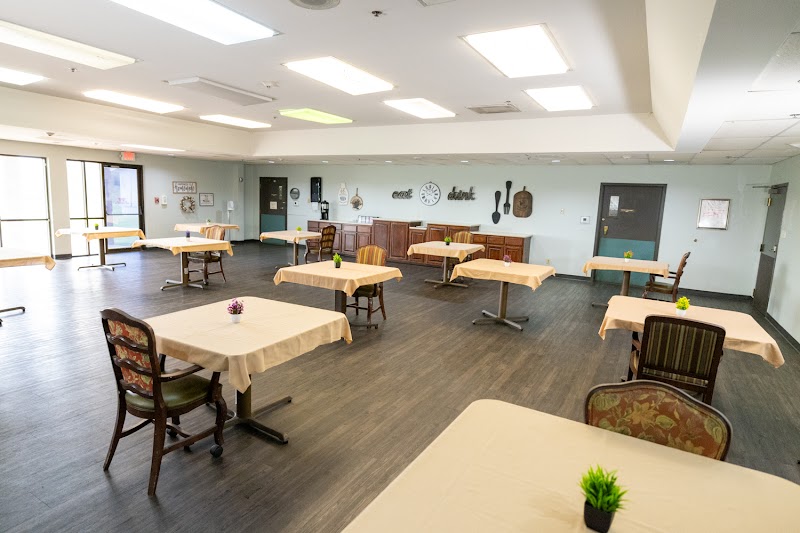
How is Mesa Springs Healthcare Center Staffed?

CMS rates MESA SPRINGS HEALTHCARE CENTER's staffing level at 1 out of 5 stars, which is much below average compared to other nursing homes. Staff turnover is 78%, which is 32 percentage points above the Texas average of 46%. High turnover can affect care consistency as new staff learn residents' individual needs. RN turnover specifically is 71%, which is notably high. RNs provide skilled clinical oversight, so turnover in this role can affect medical care quality.

What Have Inspectors Found at Mesa Springs Healthcare Center?

State health inspectors documented 25 deficiencies at MESA SPRINGS HEALTHCARE CENTER during 2022 to 2025. These included: 1 that caused actual resident harm and 24 with potential for harm. Deficiencies causing actual harm indicate documented cases where residents experienced negative health consequences.
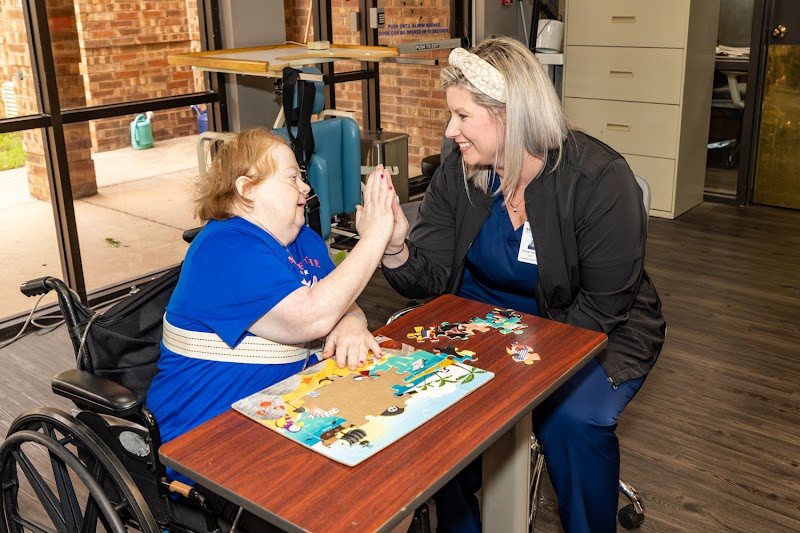
Who Owns and Operates Mesa Springs Healthcare Center?

MESA SPRINGS HEALTHCARE CENTER is owned by a for-profit company. For-profit facilities operate as businesses with obligations to shareholders or private owners. The facility is operated by THE ENSIGN GROUP, a chain that manages multiple nursing homes. With 89 certified beds and approximately 66 residents (about 74% occupancy), it is a smaller facility located in ABILENE, Texas.
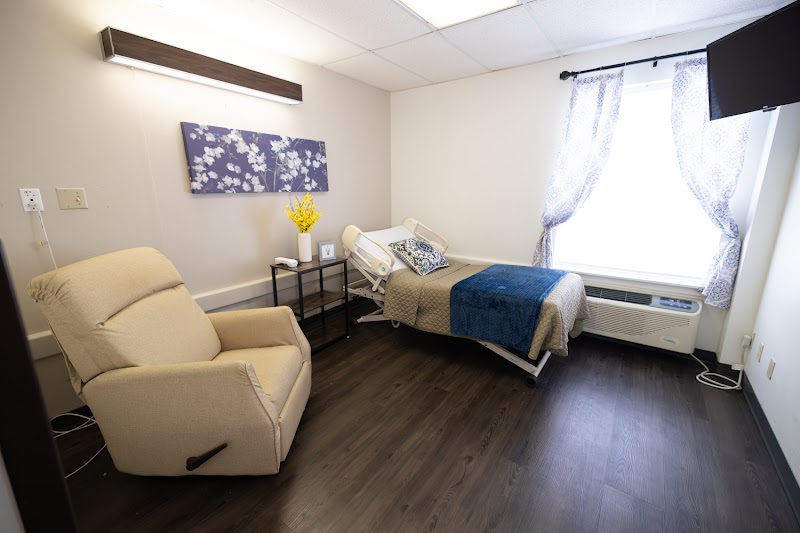
How Does Mesa Springs Healthcare Center Compare to Other Texas Nursing Homes?

Compared to the 100 nursing homes in Texas, MESA SPRINGS HEALTHCARE CENTER's overall rating (2 stars) is below the state average of 2.8, staff turnover (78%) is significantly higher than the state average of 46%, and health inspection rating (3 stars) is at the national benchmark.

What Should Families Ask When Visiting Mesa Springs Healthcare Center?

Based on this facility's data, families visiting should ask: "How do you ensure continuity of care given staff turnover, and what is your staff retention strategy?" "Can you walk me through typical staffing levels on day, evening, and night shifts?" "Can I visit during a mealtime to observe dining assistance and food quality?" "How do you handle medical emergencies, and what is your hospital transfer rate?" These questions are particularly relevant given the facility's high staff turnover rate and the below-average staffing rating.

Is Mesa Springs Healthcare Center Safe?

Based on CMS inspection data, MESA SPRINGS HEALTHCARE CENTER has a clean safety record: no substantiated abuse findings (meaning no confirmed cases of resident harm), no Immediate Jeopardy citations (the most serious violation level indicating risk of serious injury or death), and is not on the Special Focus Facility watch list (a federal program monitoring the lowest-performing 1% of nursing homes). The facility has a 2-star overall rating and ranks #100 of 100 nursing homes in Texas. While no facility is perfect, families should still ask about staff-to-resident ratios and recent inspection results during their visit.

Do Nurses at Mesa Springs Healthcare Center Stick Around?

Staff turnover at MESA SPRINGS HEALTHCARE CENTER is high. At 78%, the facility is 32 percentage points above the Texas average of 46%. Registered Nurse turnover is particularly concerning at 71%. RNs handle complex medical decisions and coordinate care — frequent RN changes can directly impact care quality. High turnover means new staff may not know residents' individual needs, medications, or preferences. It can also be disorienting for residents, especially those with dementia who rely on familiar faces. Families should ask: What is causing the turnover? What retention programs are in place? How do you ensure care continuity during staff transitions?

Was Mesa Springs Healthcare Center Ever Fined?

MESA SPRINGS HEALTHCARE CENTER has been fined $8,190 across 1 penalty action. This is below the Texas average of $33,161. While any fine indicates a compliance issue, fines under $50,000 are relatively common and typically reflect isolated problems that were subsequently corrected. Families should ask what specific issues led to these fines and confirm they've been resolved.

Is Mesa Springs Healthcare Center on Any Federal Watch List?

MESA SPRINGS HEALTHCARE CENTER is not on any federal watch list. The most significant is the Special Focus Facility (SFF) program, which identifies the bottom 1% of nursing homes nationally based on persistent, serious quality problems. Not being on this list means the facility has avoided the pattern of deficiencies that triggers enhanced federal oversight. This is a positive indicator, though families should still review the facility's inspection history directly.