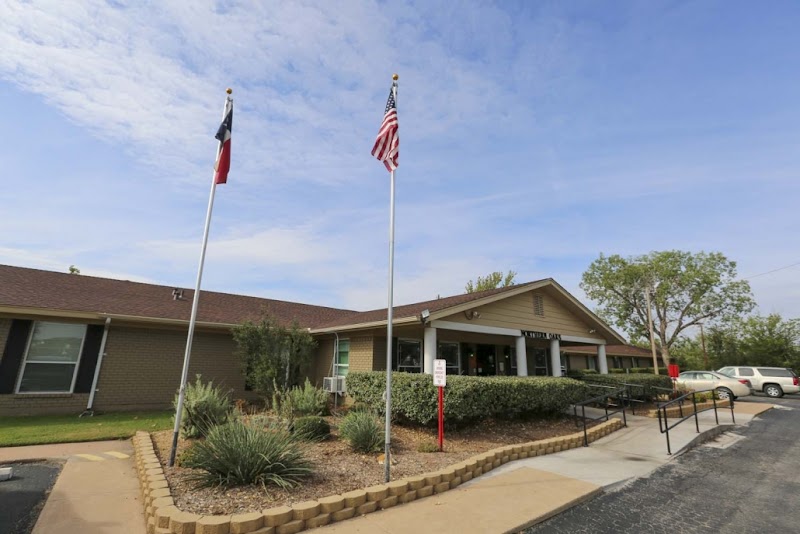
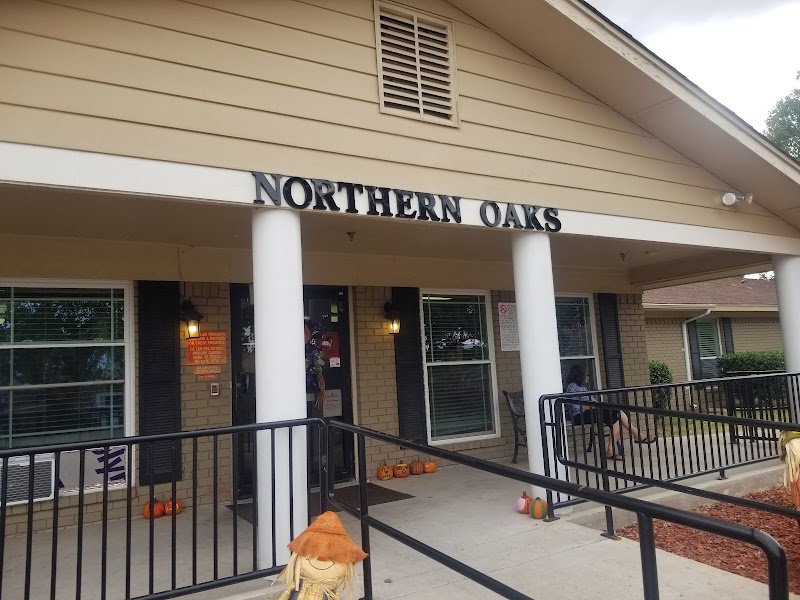
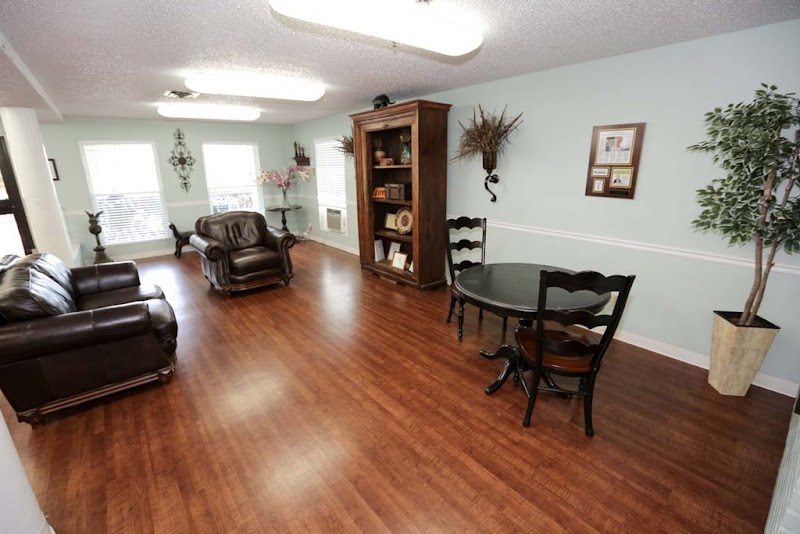
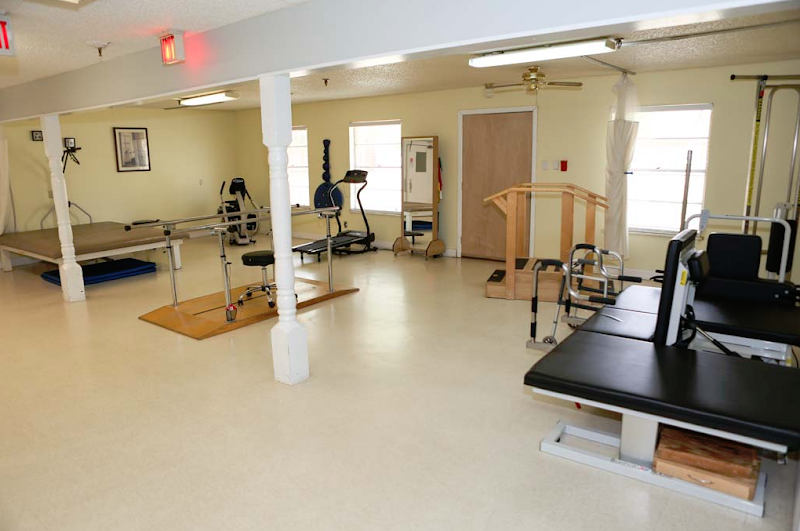
NORTHERN OAKS LIVING & REHABILITATION CENTER

2722 OLD ANSON RD, ABILENE, TX 79603 (325) 676-1677
For profit - Limited Liability company 96 Beds THE ENSIGN GROUP Data: November 2025
Trust Grade
65/100
#296 of 1168 in TX
Last Inspection: October 2024

Within standard 12-15 month inspection cycle. Federal law requires annual inspections.

Overview

Northern Oaks Living & Rehabilitation Center has a Trust Grade of C+, indicating it's slightly above average, but not without concerns. It ranks #296 out of 1,168 facilities in Texas, placing it in the top half, and #3 out of 12 in Taylor County, meaning only two local options are better. The facility is showing improvement, with issues decreasing from three in 2024 to one in 2025. However, staffing is a weakness, with a rating of 2 out of 5 stars and a concerning turnover rate of 62%, which is higher than the state average. While there have been no fines, which is positive, there are notable incidents, such as improper food storage that risks food safety and failure to ensure residents receive proper hygiene assistance, leading to poor personal care for some individuals. Overall, while there are strengths such as good RN coverage, families should weigh these with the identified weaknesses.

Trust Score
C+
65/100
In Texas
#296/1168
Top 25%
Safety Record
Low Risk
No red flags
Inspections
Getting Better
3 → 1 violations
Staff Stability
⚠ Watch
62% turnover. Above average. Higher turnover means staff may not know residents' routines.
Penalties
✓ Good
No fines on record. Clean compliance history, better than most Texas facilities.
Skilled Nurses
○ Average
Each resident gets 36 minutes of Registered Nurse (RN) attention daily — about average for Texas. RNs are the most trained staff who monitor for health changes.
Violations
⚠ Watch
23 deficiencies on record. Higher than average. Multiple issues found across inspections.
★★★★☆
4.0
Overall Rating
★★☆☆☆
2.0
Staff Levels
★★★★☆
4.0
Care Quality
★★★★☆
4.0
Inspection Score
Stable
2024: 3 issues
2025: 1 issues

The Good

  • 4-Star Quality Measures · Strong clinical quality outcomes
  • Full Sprinkler Coverage · Fire safety systems throughout facility
  • No fines on record

Facility shows strength in quality measures, fire safety.

The Bad

Staff Turnover: 62%

16pts above Texas avg (46%)

Frequent staff changes - ask about care continuity

Chain: THE ENSIGN GROUP

Part of a multi-facility chain

Ask about local staffing decisions and management

Staff turnover is elevated (62%)

14 points above Texas average of 48%

The Ugly 23 deficiencies on record

Mar 2025 1 deficiency
CONCERN (E) 📢 Someone Reported This

A family member, employee, or ombudsman was alarmed enough to file a formal complaint

Potential for Harm - no one hurt, but risky conditions existed

ADL Care (Tag F0677)

Could have caused harm · This affected multiple residents

**NOTE- TERMS IN BRACKETS HAVE BEEN EDITED TO PROTECT CONFIDENTIALITY** Based on observation, interview, and record review the facility failed to ensure a resident who was unable to carry out activiti...

Read full inspector narrative →
**NOTE- TERMS IN BRACKETS HAVE BEEN EDITED TO PROTECT CONFIDENTIALITY** Based on observation, interview, and record review the facility failed to ensure a resident who was unable to carry out activities of daily living receives the necessary services to maintain good nutrition, grooming, and personal and oral hygiene for 3 (Resident #1, Resident #2, and Resident #3) of 12 residents observed for assistance with ADL's. Resident #1, Resident #2, and Resident #3 had body odor and poor hygiene due to the facility failing to provide showers This deficient practice could affect residents who were dependent on assistance with ADL's and could result in poor care, skin breakdown, feelings of poor self-esteem, and lack of dignity. Findings included: Record review of Resident #1's Face sheet dated 3.7.25 revealed a [AGE] year-old female admitted on 10.28.24, with diagnoses of Chronic heart failure, hypertension, and dementia. Record review of Resident #1's Quarterly MDS assessment dated 3.7.25 revealed a BIMS score of 15 indicating no cognitive deficit. Record review of Resident #1's Care Plan dated 3.7.25 indicated Resident requires x1 supervision/limited assistance with assistance bathing/showering x3 a week and as necessary. Record review of Resident #1's Shower log for February 2025 revealed the following dates marked not applicable from 2.22.25 to 3.6.25. Only days that showed shower complete were 2.22.5 and 2.27.25. During an interview on 3.7.25 at 11:15 am Resident #1 stated she was not exactly sure when she got her last shower. She stated she has never refused a shower. She stated the only time she told them no was when it was too late at night by the time they got to her and would like a shower the next day. Observation on 3.7.25 at 11:15 am Resident #1 had an odor and hair was messy. Record review of Resident #2's Face sheet dated 3.7.25 revealed a [AGE] year-old male admitted on 12.12.23, with diagnoses of diabetes mellitus, anemia, and muscle weakness. Record review of Resident #2's Quarterly MDS assessment dated 3.7.25 revealed a BIMS score of 8 indicating moderate cognitive deficit. Record review of Resident #2's Care Plan dated 3.7.25 indicated required to have x1 staff assistance with bathing/showering x3 weekly and as necessary. Record review of Resident #2's Shower log for February 2025 revealed the following dates marked not applicable: from 2.22.25 to 3.6.25. During an interview on 3.7.25 at 10:45 am Resident #2 stated his main issue was not getting showers. He stated he was not sure why he has not gotten a shower in a while and would really like one. Observation on 3.7.25 at 10:45 am Resident #2 had an odor, dry flakey skin, and long fingernails. Record review of Resident #3's Face sheet dated 3.7.25 revealed a [AGE] year-old male admitted on 6.1.17, with diagnoses of type 2 diabetes, heart disease, and pressure ulcer. Record review of Resident #3's Quarterly MDS assessment dated 3.7.25 revealed a BIMS score of 15 indicating no cognitive deficit. Record review of Resident #3's Care Plan dated 3.7.25 indicated Resident Requires (x2) staff participation with bathing. Record review of Resident #3's Shower log for February 2025 revealed the following dates marked not applicable: from 2.22.25 to 3.6.25. During an interview on 3.7.25 at 11:55 pm Resident #3 stated he was not sure how long it has been since he received a shower. He stated he was not sure what was going on because the facility does not offer a shower or if they forgot about him. He stated he has never refused a shower. Observation on 3.7.25 at 10:45 am Resident #3 had an odor, dry flakey skin, and was wearing same clothing from previous day. During an interview on 3.7.25 at 12:05 pm NA stated the shower log sheet was then turned into the nurse and the nurse was to go into the system and mark showered task was completed. She stated on the shower log she also must complete a skin assessment, adls, hygiene, etc. she stated so even if a resident refuse there was a refusal sheet that the resident must sign. She stated overall she knows when she was working that all her residents do get their showers. She stated she cannot speak for all the hallways. She stated based on looking at the shower logs, the residents were not getting their showers. She stated she knows Resident #1 did get a shower on 2.22.25 and 2.27.25 because she gave the resident their shower. She stated the other residents, Resident #2 and Resident #3 has not received a shower and was not exactly sure why they have not received their shower, they are not on her rotation. During an interview on 3.7.25 at 12:35 pm DON stated that when she looked back at the shower logs for resident's #1, #2, and #3 documentation showed not applicable. She stated not applicable means the resident did not receive a shower. She stated that she would go and review all shower log sheets to see if maybe her staff was not giving showers or not documenting correctly in the system. During an interview on 3.7.25 at 1:15 pm Administrator stated that showers should be completed for each resident according to their bath schedule. He stated if residents do not receive their showers, they could have poor hygiene or skin breakdown. During an interview on 3.7.25 at 1:20 pm DON stated she could only find shower logs for two residents. She stated that she even spoke to one of her CNA's that stated that they did not get to showers, to verify if what she was reviewing was correct. She stated the shower logs in the system do look to be correct and residents have been missing their showers. She stated if residents miss their showers they could smell or have skin breakdown. Record review of Bath, Tub/ Shower policy not dated revealed It is the policy of this facility to promote cleanliness, stimulate circulation and assist in relaxation.
Oct 2024 3 deficiencies
CONCERN (D) 📢 Someone Reported This

A family member, employee, or ombudsman was alarmed enough to file a formal complaint

Potential for Harm - no one hurt, but risky conditions existed

Assessment Accuracy (Tag F0641)

Could have caused harm · This affected 1 resident

**NOTE- TERMS IN BRACKETS HAVE BEEN EDITED TO PROTECT CONFIDENTIALITY** Based on interview, and record review, the facility failed to accurately assess each resident's status for 1 of 18 (Resident #19...

Read full inspector narrative →
**NOTE- TERMS IN BRACKETS HAVE BEEN EDITED TO PROTECT CONFIDENTIALITY** Based on interview, and record review, the facility failed to accurately assess each resident's status for 1 of 18 (Resident #19) residents reviewed for assessment accuracy. The facility failed to code Resident #19's Quarterly MDS assessment records accurately. MDS assessment coded that resident had received anticoagulation (medications that stop blood from clotting too easily) medication when resident did not receive that type of medication. This failure could place residents at risk of not receiving the proper care and services due to inaccurate assessment records. Finding included: Record review of Resident #19's electronic face sheet dated 10/29/2024 revealed he was a [AGE] year-old male admitted to the facility most recently on 02/02/2024 and initially on 06/01/2017 with diagnoses to include: atherosclerotic heart disease (condition when the blood vessels that carry oxygen and nutrients from the heart to the rest of the body become thick and stiff). Record review of Resident #19's Quarterly MDS assessment dated [DATE] revealed: BIMS score of 15 which indicated cognitively intact. Further review of the MDS Section N - Medications revealed Resident #19 was taking anticoagulant medication and was not taking antiplatelet medication. Record review of Resident #19's electronic physician orders dated 10/29/2024 revealed no evidence Resident #19 was taking or had been prescribed anticoagulant medications. Resident had a physician order dated 06/06/2024 for clopidogrel bisulfate 75mg, an antiplatelet (medications that prevent platelets from sticking together) medication. and for aspirin 81mg. During an interview on 10/29/2024 at 12:46 p.m., the MDS coordinator stated she was responsible for MDS assessments. She stated she answered MDS assessment questions to the best of her ability. She stated clopidogrel bisulfate and aspirin were not anticoagulant medications. The MDS coordinator stated she did not believe any negative effect would have occurred to the resident from coding MDS assessment incorrectly for anticoagulant medication usage. She stated she had mistakenly coded the assessment incorrectly. She stated she monitored that MDS assessments are correct and that she was RUG certified. She stated she could reach out to clinical MDS resource if she had any questions about MDS assessments. During an interview on 10/29/2024 at 1:17 p.m., the DON stated the MDS coordinator was responsible for MDS assessments. She stated her expectation would be for the MDS assessment to be completed in a timely manner and for them to be accurate. She stated that clopidogrel bisulfate and aspirin were not anticoagulant medications but were antiplatelet medications. She stated no effect would have occurred to resident other than billing. During an interview on 10/29/2024 at 10:50 a.m., the ADMN stated the facility did not have policy for accuracy of assessments. He stated he expected the facility to follow the RAI manual. According to the CMS Long-Term Care Facility Resident Assessment Instrument (RAI) User's Manual (https://www.cms.gov/files/document/finalmds-30-rai-manual-v11811october2023.pdf accessed on 10/29/2024): N0415: High-Risk Drug Classes: Use and Indication .Anticoagulant (e.g., warfarin, heparin, or low-molecular weight heparin): Check if an anticoagulant medication was taken by the resident at any time during the 7-day look-back period (or since admission/entry or reentry if less than 7 days). N0415E2. Anticoagulant: Check if there is an indication noted for all anticoagulant medications taken by the resident any time during the observation period (or since admission/entry or reentry if less than 7 days) . N0415I1. Antiplatelet: Check if an antiplatelet medication (e.g., aspirin/extended release, dipyridamole, clopidogrel) was taken by the resident at any time during the 7-day observation period (or since admission/entry or reentry if less than 7 days). N0415I2. Antiplatelet: Check if there is an indication noted for all antiplatelet medications taken by the resident any time during the observation period (or since admission/entry or reentry if less than 7 days).
CONCERN (D) 📢 Someone Reported This

A family member, employee, or ombudsman was alarmed enough to file a formal complaint

Potential for Harm - no one hurt, but risky conditions existed

Deficiency F0657 (Tag F0657)

Could have caused harm · This affected 1 resident

**NOTE- TERMS IN BRACKETS HAVE BEEN EDITED TO PROTECT CONFIDENTIALITY** Based on interviews and record reviews, the facility failed to ensure the comprehensive care plan was reviewed and revised by a ...

Read full inspector narrative →
**NOTE- TERMS IN BRACKETS HAVE BEEN EDITED TO PROTECT CONFIDENTIALITY** Based on interviews and record reviews, the facility failed to ensure the comprehensive care plan was reviewed and revised by a team of qualified persons after each assessment for 2 of 18 (Resident #50, and Resident #281) residents reviewed for comprehensive person-centered care plans. 1. The facility failed to revise Resident #50's comprehensive care plan to remove use of medication no longer ordered within 7 days of the completion of the comprehensive assessment. 2. The facility failed to include hospice services within 7 days of the completion of Resident #281's comprehensive assessment. Thes failures could affect the residents by placing them at risk for not receiving current care and services to attain or maintain the residents highest practicable physical, mental, and psychosocial well-being. Findings included: Resident #50 Record review of Resident #50's electronic face sheet dated 10/29/2024 revealed he was a [AGE] year-old male admitted to the facility most recently on 08/30/2024 and initially on 12/12/2023 with diagnoses to include: personal history of malignant neoplasm of prostate (prostate cancer), and acute kidney failure. Record review of Resident #50's Quarterly MDS assessment date 09/12/2024 revealed: BIMS score of 08 which indicated moderate cognitive impairment. Further review of MDS assessment revealed resident had an indwelling catheter. Record review of Resident #50's comprehensive care plan completed on 05/14/2024, 07/10/2024, 09/24/2024, and care plan reviewed on 10/29/2024 revealed: Resident #50 had indwelling catheter with interventions that included Administer medication per physician's orders; Myrbetriq (medication to treat overactive bladder). Monitor effectiveness and side effects. Date initiated: 12/30/2023 Record review of Resident #50's electronic physician orders dated 10/29/2024 revealed no active order for medication Myrbetriq. Further review of physician orders revealed Myrbetriq had been discontinued on 02/17/2024. Resident #281 Record review of Resident #281's electronic face sheet dated 10/29/2024 revealed he was a [AGE] year-old male admitted to the facility on [DATE] with diagnoses to include: malignant melanoma of skin (skin cancer). Record review of Resident #281's admission MDS assessment dated [DATE] revealed BIMS score of 02 meaning severe cognitive impairment. Further review of MDS assessment revealed resident had received hospice care while a resident. Record review of Resident #281's electronic physician orders dated 10/16/2024 revealed resident had been admitted to hospice care for terminal diagnosis of malignant melanoma of skin (aggressive skin cancer). Record review of Resident #281's comprehensive care plan revealed no evidence of hospice care addressed prior to care plan initiated on 10/27/2024. During an interview on 10/29/2024 at 12:51 p.m., the MDS coordinator stated any IDT member was responsible for care plans. She stated IDT members included ADON, DON, wound nurse, and MDS coordinator. She stated her expectation for care plans would be to include orders, diagnoses, and plan of care. She stated IDT members tried to put any type of behaviors in the care plan. She stated she thought care plan should show what facility staff were doing for the resident. MDS coordinator stated audits to care plans are don't often and facility IDT members will update care plans often. She stated that hospice services should be included into care plans. She stated the care plans do not have a huge effect on the facility's residents because the facility had orders and other documentation to look at for residents' care. She stated the whole IDT team monitors that care plans are accurate and resident specific and added everyone can have an effect on the care plan. During an interview on 10/29/2024 at 1:19 p.m., the DON stated nurse management team was responsible for care plans. She stated care plans were updated daily and more often than daily when needed. She stated she expected for comprehensive care plans to be resident specific. The DON stated she expected for hospice services to be included into comprehensive care plan. She stated care plan was updated on 10/27/2024 to include hospice services. She verified that Resident #281 was admitted into hospice care on 10/16/2024. She did not know if there was a specific time frame in which care plan needs to be updated. She denied any negative effect on residents from care plans not being specific. Review of facility policy titled Comprehensive Person-Centered Care Planning revision date 12/2023 revealed It is the policy of this facility that the interdisciplinary team (IDT) shall develop a comprehensive person-centered care plan for each resident that includes measurable objectives and timeframes to meet a resident's medical, nursing, mental and psychosocial needs that are identified in the comprehensive assessment .The resident's comprehensive plan of care will be reviewed and/or revised by the IDT after each assessment, including both the comprehensive and quarterly review assessments .
CONCERN (E) 📢 Someone Reported This

A family member, employee, or ombudsman was alarmed enough to file a formal complaint

Potential for Harm - no one hurt, but risky conditions existed

Comprehensive Care Plan (Tag F0656)

Could have caused harm · This affected multiple residents

**NOTE- TERMS IN BRACKETS HAVE BEEN EDITED TO PROTECT CONFIDENTIALITY** Based on observation, interview, and record review, the facility failed to develop and implement a comprehensive and person-cent...

Read full inspector narrative →
**NOTE- TERMS IN BRACKETS HAVE BEEN EDITED TO PROTECT CONFIDENTIALITY** Based on observation, interview, and record review, the facility failed to develop and implement a comprehensive and person-centered care plan, including measurable objectives and timeframes to meet a resident's medical, nursing, mental, and psychosocial needs identified in the comprehensive assessment for 1 of 18 (Resident #60) residents reviewed for comprehensive care plans. The facility failed to implement care plan for Resident #60 to receive house shake with meals. These failures could place residents at risk of not having preferences and weight goals being met. Findings included: Resident #60 Record review of Resident #60's electronic face sheet dated 10/29/2024 revealed she was a [AGE] year-old female admitted to the facility on [DATE] with diagnoses to include: malnutrition. Record review of Resident #60's Quarterly MDS assessment dated [DATE] revealed: resident was rarely/never understood and no BIMS score. Further review of MDS assessment revealed diagnoses to include: malnutrition. Record review of Resident #60's IDT-BIMS assessment dated [DATE] revealed BIMS score of 03 meaning severe cognitive impairment. Record review of Resident #60's electronic physician orders dated 10/28/2024 revealed order written on 08/28/2024 stated, Provide resident with House Shakes with every meal at the request of the resident. Record review of Resident #60's comprehensive care plan completed on 10/21/2024 revealed Resident #60 had nutritional problem r/t GERD, Lewy bodies dementia, mechanically altered diet d/t edentulous status date initiated: 01/10/2024 revision on: 03/18/2024. Interventions included: House shake with every meal. Date initiated: 09/02/2024. Record review of Resident #60's comprehensive care plan during investigation on 10/29/2024 revealed: Resident #60 had nutritional problem r/t GERD, Lewy bodies dementia, mechanically altered diet d/t edentulous status date initiated: 01/10/2024 revision on: 03/18/2024. Interventions included: House shake per orders. Record review of Resident #60's electronic physician orders during investigation on 10/29/2024 revealed order written on 10/28/2024 which stated, Provide resident with House Shakes with meals. During an observation on 10/27/2024 at 11:42 a.m., Resident #60 was sitting in dining room eating meat that appeared to be a mechanical texture, potatoes, carrots, and cake. Meal was served on a red plate that had separated areas. Personal meal ticket for Resident #60 sitting beside her plate showed Serve shake with meals. No shake observed with meal. During an observation on 10/27/2024 at 12:00 p.m., a staff member sitting next to Resident #60, assisting her with her meal. No shake observed on table at that time. During an interview on 10/28/2024 at 3:23 p.m., the DON stated all diabetic residents were given snacks at bedtime. She stated there were snacks available for all resident but that snacks were not handed to residents unless they requested them. During an interview on 10/28/2024 at 3:33 p.m., the ADMN stated all diabetic residents were to be offered snack at bedtime. He stated all residents were verbally offered snacks and that the residents knew to ask for snacks if they wanted them. During an interview on 10/29/2024 at 12:51 p.m., the MDS coordinator stated she thought care plan should show what facility staff were doing for the resident. She stated she tried to be specific on care plans and care plan stating house shake with all meals is okay. MDS coordinator stated audits to care plans are don't often and facility IDT members will update care plans often. When asked, If a care plan should include diabetic resident preference of wanting a snack after dinner, she stated I believe that a resident is able to request a snack at bedtime and all the residents have the right to request. If we had an order for snack at bedtime, we would carry it over into the care plans. She stated the care plans do not have a huge effect on the facility's residents because the facility had orders and other documentation to look at for residents' care. She stated the whole IDT team monitors that care plans are accurate and resident specific and added everyone can have an effect on the care plan. During an interview on 10/29/2024 at 1:19 p.m., the DON stated nurse management team was responsible for care plans. She stated care plans were updated daily and more often than daily when needed. She stated she expected for comprehensive care plans to be resident specific. She stated there was a difference in Resident #60's physician orders and her care plan. She stated they updated the care plan and orders after speaking with dietician and physician for clarification on orders. She stated the words resident request were removed from the orders. She stated if a diabetic resident requested a snack at bedtime, it did not need to be on care plan unless there was an order to give snack at bedtime. She denied stating all diabetic residents were to be given a snack at bedtime. She stated facility staff follow orders and she did not know if any negative effect would occur to resident care if care plan was not specific. The DON stated she did not know if the care plan needed to say house shake with every meal instead of per orders. She stated that meal tickets would have house shake listed on it to let CNAs know shake to be given. She denied any negative effect on residents from care plans not being specific. During a follow up interview on 10/29/2024 at 3:34 p.m., the DON stated nurse aides would know about administering house shakes with meals by looking at the care plan in the [NAME] and by looking at meal tickets. She stated that care plan changes were also verbally communicated with nurse aides to notify them of changes in the care plans. Review of facility policy titled Comprehensive Person-Centered Care Planning revision date 12/2023 revealed It is the policy of this facility that the interdisciplinary team (IDT) shall develop a comprehensive person-centered care plan for each resident that includes measurable objectives and timeframes to meet a resident's medical, nursing, mental and psychosocial needs that are identified in the comprehensive assessment .Person-centered care - means to focus on the resident as the locus of control and support the resident in making their own choices and having control over their daily lives .The facility IDT will develop and implement a comprehensive person-centered, culturally-competent, and trauma-informed care plan for each resident within seven(7) days of completion of the Resident Minimum Data Set (MDS) and will include resident's needs identified in the comprehensive assessment, and any specialized services as a result of PASARR recommendation, and resident's goals and desired outcomes, preferences for future discharge and discharge plan.
Sept 2023 2 deficiencies
CONCERN (E) 📢 Someone Reported This

A family member, employee, or ombudsman was alarmed enough to file a formal complaint

Potential for Harm - no one hurt, but risky conditions existed

Safe Environment (Tag F0584)

Could have caused harm · This affected multiple residents

**NOTE- TERMS IN BRACKETS HAVE BEEN EDITED TO PROTECT CONFIDENTIALITY** Based on observation, interviews and record reviews, the facility failed to ensure that residents had the right to a safe, clean...

Read full inspector narrative →
**NOTE- TERMS IN BRACKETS HAVE BEEN EDITED TO PROTECT CONFIDENTIALITY** Based on observation, interviews and record reviews, the facility failed to ensure that residents had the right to a safe, clean, comfortable, and homelike environment for 6 (Resident #2, Resident #3, Resident #4, For Resident #5, For Resident #6, and Resident #7) of 8 residents reviewed for a clean and comfortable environment. 1. The facility failed to ensure a broken windowsill in Resident #2's bedroom was repaired, and the exposed wood was repainted. 2. The facility failed to ensure Resident #3 had access to cold water when the bathroom faucet was not repaired and missing cove base trim in the bathroom was not repaired or replaced that exposed damaged dry wall and wood. 3. The facility failed to repair the cove base trim in Resident #4's bedroom that exposed damaged dry wall and wood and failed to repair the bathroom sink that had dislodged from the wall. 4. The facility failed to repair the cove base trim in Resident #5's bedroom that exposed damaged dry wall and wood and repair the damaged dry wall behind the headboard that had broken off and formed a large pile of drywall to accumulate on the floor. 5. The facility failed to clean bugs from the florescent light fixture over the top of head of the bed and repair the missing cove base trim in the bedroom that exposed damaged dry wall and wood for Resident #6. 6. The facility failed to repair the broken toilet seat after Resident #7 reported the seat was damaged and uncomfortable to sit on. These failures could place residents at risk of a decrease in quality of life and self-worth. Findings include: Record review of Resident #2's face sheet, dated 09/19/2023, revealed an [AGE] year-old male who was admitted into the facility on [DATE]. Resident #2's diagnoses included Unspecified Dementia (mild memory disturbance due to known physiological condition), Chronic (persisting) Embolism (obstruction of an artery) and Thrombosis (blood clot within a blood vessel) of left Femoral Vein (large blood vessel in the thigh), and Essential (Primary) hypertension (occurs when you have abnormally high blood pressure that is not the result of a medical condition). Record review of Resident #2's Quarterly MDS, dated [DATE], revealed a BIMS score of 02, which indicated severe cognitive impact. During an observation on 09/18/2023 at 6:25 p.m., the windowsill in Resident #2's room, was observed to be broken along the outside of the sill in a crooked manner and unpainted wood was exposed. During an interview on 09/18/2023 at 6:28 p.m., Resident #2's family member said the board on the windowsill had been broken since Resident #2 had moved into the facility and that it made the room look in disrepair. Resident #2's family member said the resident who resided with Resident #2 moved out the week before and the bed was moved at that time. Resident #2's family member said the staff who moved the Resident #2's roommate were aware of the broken windowsill. Record review of Resident #3s face sheet, dated 09/20/2023, revealed a [AGE] year-old-female who was admitted into the facility on [DATE]. Resident #3's diagnoses included Anxiety, Chronic (persisting) Diastolic Heart Failure (condition in which the heart's main pumping chamber [left ventricle] becomes stiff and unable to fill properly), and Type II Diabetes (problem in the way the body regulates and uses sugar as a fuel). Record review of Resident #3's Quarterly MDS, 08/17/2023, revealed Resident #3 had a BIMS score of 12, which meant a moderate cognitive impairment. During an observation on 09/19/2023 at 2:31 p.m., observed Resident #3's bathroom sink, and noticed the faucet had separate knobs for cold and hot water. Observed the handle on the cold-water valve was missing. The cove base trim missing from the bottom of the wall at the floor level approximately one foot on the side wall to approximately four feet on the wall facing the toilet, exposing a black substance from water damage, chipped paint, damaged wood, and damaged dry wall. During an interview on 09/19/2023 at 2:31 p.m., Resident #3 said she had broken the faucet knob that morning. Resident #3 said she noticed half the knob was on the cartridge (screw that stands up to hold the faucet handle) and when she turned handle, the other piece broke off. Resident #3 said she told her nurse that the handle was broken but could not remember who she told. Record review of Resident #4's face sheet, dated 09/19/2023, revealed an [AGE] year-old male who was admitted into the facility on [DATE]. Resident #4's diagnoses included Malignant Neoplasm (term for cancer) of Unspecified Part of Lung, Secondary Malignant Neoplasm (new cancer that occurs as a result of previous treatment) of Bone, and Essential (Primary) Hypertension (occurs when you have abnormally high blood pressure that is not the result of a medical condition). Record review of Resident #4's Comprehensive admission MDS, dated [DATE], revealed a BIM score of 05, which indicated severe cognitive impact. During an on observation on 09/19/2023 at 10:05 a.m., the vinyl cove base trim (the piece of trim installed around the baseboard of a room that created a transition between the floor and the wall) in Resident #4's room was missing in the area by the entrance door, exposing damaged dry wall that was brown and black in color, and chipped paint. The entrance door to Resident #4's bedroom had chunks of wood missing and unpainted wood exposed. Observation in Resident #4's bathroom revealed the bathroom sink was dislodged from the wall at the back of the basin and a layer of crusty build-up around the cold-water knob. The bathroom wall had a large area of the wall near the vinyl cove base trim covered in white drywall mud and pieces of the cove base trim were pulled back exposing damaged and discolored drywall and wood covered in a black substance. The handrail near the toilet had fallen off and dislodged. During an interview on 09/19/2023 at 3:02 p.m., Resident #4's family member said the facility could do better with the repairs in the facility. Resident #4's family member said Resident #4's room was always filthy and dirty. Resident #4's family member said she visited Resident #4 every Sunday and had to ask the employees to clean his room. Resident #4's family member said she visited the facility on Sunday, 09/17/2023, and informed the CNA on duty the issue with the cleanliness. Record review of Resident #5's face sheet, dated 09/19/2023, revealed a [AGE] year-old-female who was admitted to the facility on [DATE]. Resident #5's diagnoses included Alzheimer's Disease (brain disorder that slowly destroys memory and thinking skills, and eventually, the ability to carry out the simplest of task), Essential (Primary) Hypertension (occurs when you have abnormally high blood pressure that is not the result of a medical condition), and Dysphagia (difficulty swallowing). Record review of Resident #5's Quarterly MDS, dated [DATE], revealed Resident #5 had a BIMS score of 00, which indicated severe cognitive impact. During an observation on 09/19/2023 at 10:20 a.m., observed the vinyl cove base trim had fallen off the bottom of the right wall near the entrance to Resident #5's bedroom approximately a foot in length, that exposed damaged drywood and chipped paint. Observed an area behind Resident #5's headboard where damaged dry wall had broken off the wall and formed a large pile of a powder substance and chunks of white drywall to accumulate on the floor under and beside the bed. During an interview on 09/19/2023 at 3:40 p.m., Resident #5's family member said she felt Resident #5's room and tray table need to be cleaned and cleared off. Resident #5's family member said overall, she would give the facility a B+ in cleanliness. Record review of Resident #6's face sheet, dated 09/19/2023, revealed a [AGE] year-old-female who was admitted to the facility on [DATE]. Resident #6's diagnoses included Unspecified Dementia (mild memory disturbance due to known physiological condition), Unspecified Hydronephrosis (abnormal enlargement or swelling of a kidney due to dilation of the kidney calices [collects urine] and kidney pelvis), and Type II Diabetes (problem in the way the body regulates and uses sugar as a fuel). Record review of Resident #6's Quarterly MDS, dated [DATE], revealed Resident #6 had a BIMS score of 14, which indicated intact cognition. During an observation on 09/19/2023 at 11:00 a.m., observed the fluorescent light fixture directly above the head of Resident #6's bed contained a large amount of dead bugs inside the plastic cover and was brown in color. Observed an external electrical box with two outlets that had partially detached from the wall by the windowsill and the windowsill contained dirt debris and peeling paint around the windowpane. During an interview on 09/19/2023 at 11:00 a.m., Resident #6 said when she laid down in bed, she could see the bugs in the light fixture, and it bothered her at night. Resident #6 said she was unable to clean it herself. Record review of Resident #7's face sheet, dated 09/20/2023, revealed a [AGE] year-old-female who was admitted to the facility on [DATE]. Resident #7's diagnoses included Unspecified Dementia (mild memory disturbance due to known physiological condition), Pulmonary Hypertension (condition that affects the blood vessels in the lungs), and Acute (recent) Kidney Failure. Resident #7's face sheet identified her as a self sufficient financial responsible party and did not have a Power of Attorney. During an observation on 09/19/2023 at 10:46 a.m., observed the bathroom of Resident #7 had an area of cove base trim missing from the wall in the corner, approximately 2 feet in length, exposing damaged drywall with a black substance, chipped paint, and damaged exposed wood. Resident #7's toilet seat hinge on the left side was broken and had come completely off the lid. The toilet seat was unstable and moved left and right on the toilet rim. During an interview on 09/19/2023 at 10:46 a.m., Resident #7 said she had reported the broken toilet seat to the nurse, housekeeping, and maintenance. Resident #7 said she had reported the toilet seat approximately 2 weeks prior because when she sat on the toilet, the seat pinched her bottom. Resident #7 could not remember the specific name of the employee she talked to but said she knew the maintenance man was aware because he came in her room and looked at the toilet. Resident #7 said the bottom of the wall in the bathroom had been exposed since she moved in. During an interview on 09/19/2023 at 10:31 a.m., Housekeeper A said at times the residents would tell her that their room did not get cleaned when she had her days off. Housekeeper A said she would tell the residents to report unclean rooms to the Housekeeping Supervisor. Housekeeper A said there was a logbook located at the nurses' station to report any issues that needed to be repaired. Housekeeper A said she would log the issue in the book and text the Maintenance Supervisor. Housekeeper A said she had seen the windowsill in Resident #2's room and said the condition of the windowsill would be an issue she would report as a work order in the maintenance logbook. During an interview on 09/19/2023 at 12:56 p.m., CNA B said if she saw an issue that needed to be repaired, she would put the issue down in the maintenance log and then tell the Maintenance Manager. CNA B said she was assigned Hall 200 but was not aware Resident #7's toilet seat was broken. CNA B said the broken toilet seat had been reported and documented in the maintenance log and she thought the issue had been addressed. Record review of the maintenance log, dated 08/21/23 through 09/09/2023, revealed Resident #7's room number had been documented on 09/04/2023 as a need of toilet. The document revealed completion date with only the Maintenance Manager's initials documented. During an interview on 09/19/2023 at 1:42 p.m., the Maintenance Director said he or the Maintenance Assistant would check the maintenance log to see if something in the building needed to be repaired several times a day. The Maintenance Director said the employee who noticed or saw the need for a repair was responsible for documenting in the maintenance logbook. The Maintenance Director said he in-serviced staff at the all-staff meetings to not call or text him because he could not keep up with verbal messages. The Maintenance Director said the staff were told to put the request for repairs in writing in the maintenance logbook. The Maintenance Director said he looked at the log in for Resident #7's toilet and observed the log said toilet. The Maintenance Director said he went into Resident #7's bathroom and did not find an issue or see the toilet seat was broken. The Maintenance Director said the log in the maintenance book did not have a space to prompt the staff to add the name of the person making the request, so he was unable to identify the employee to ask for more information. The Maintenance Director said the staff need to be descriptive when documenting a repair request. During an interview on 09/19/2023 at 2:08 p.m., the Assistant Maintenance Director said the facility could be cleaner and needed repairs in many areas including the common areas and the residents' rooms. The Assistant Maintenance Director said she was aware of the areas missing the strip of cove base trim in many of the residents' room and bathrooms, but cove base trim pulled off or fell off easy when it got old. The Assistant Maintenance Director said the housekeeping staff could be more trained on reporting what needed to be repaired and how to clean. During an interview on 09/20/2023 at 9:56 a.m., the ADON said the broken windowsill in Resident #2's room and cove base trim that had come of the bottom of the walls in areas of the facility and exposed damaged dry wall and wood was not an acceptable living environment. During an interview on 09/20/2023 at 10:41 a.m., the Administrator said the windowsill in Resident #2's room should have been fixed. The Administrator said the water faucet handle in Resident #3's bathroom should have been reported and fixed immediately. The Administrator said the environment of the facility over-all does not affect the residents' rights. The Administrator said the maintenance log policy had room for improvement. Record review of facility policy, Federal Residents Rights, not dated, revealed Safe Environment - Residents had the right to a safe, clean, comfortable, and homelike environment, including but not limited to receiving supports of daily living safely. Record review of facility policy, Maintenance & Facilities, Environmental Management, not dated, revealed the policy was to establish an environmental plan to ensure a physical environment was a safe, neat, sanitary environment and met regulations to protect the health and safety of the residents, employees, and others. #3 of the policy revealed the facility would put a system in place for reporting repairs and requests (paperwork orders or TELS); #11 of the policy revealed the procedure would include identifying and reporting safety issues.
CONCERN (E) 📢 Someone Reported This

A family member, employee, or ombudsman was alarmed enough to file a formal complaint

Potential for Harm - no one hurt, but risky conditions existed

Safe Environment (Tag F0921)

Could have caused harm · This affected multiple residents

Based on observation, interview, and record review, the facility failed to provide a safe, functional, sanitary, and comfortable environment for residents, staff, and the public on 2 of 4 halls (hall ...

Read full inspector narrative →
Based on observation, interview, and record review, the facility failed to provide a safe, functional, sanitary, and comfortable environment for residents, staff, and the public on 2 of 4 halls (hall 200 and hall 300) reviewed for environmental conditions by failing to ensure: 1. The door and the door casing of the entrance door of the community shower room was damaged. 2. The public bathroom on Hall 300 had damage to the tile on the wall and the wall to the right of the entrance was splattered with dark spots. 3. The wall in the community shower across from the toilet was dirty and the cove base trim was pulled back exposing damage to the drywall and wood. 4. The door and the door casing of the exit door on Hall 200 that led to the smoke area was damaged. 5. A light fixture in the hallway of Hall 300 next to the emergency exit contained numerous dead bugs and was brown in color. These failures could affect resident by placing them at a risk for diminished quality of life due to the lack of a well-kept environment. Findings include: During an observation on 09/19/2023 at 9:35 a.m., the doorframe of the exit/entrance door that led into the community shower room on Hall 300 was damaged with chunks in the paint that exposed the wood, and the door frame was covered with several layers of old paint. Observation of the small bathroom in the community shower room revealed the wall across from the toilet was splattered with a white substance and the vinyl cove base trim (the piece of trim installed around the baseboard of a room that created a transition between the floor and the wall) was pulled back from the wall in several areas exposing a black substance from water damage, a strip of dried glue, chipped paint, and damaged dry wall. Observation of the sink in the community bathroom revealed a layer of crusty build-up around the faucet handles and the particles of unknown substance were observed in the sink. During an observation on 09/19/2023 at 10:10 a.m., the public bathroom located in Hall 300 had a missing tile from the wall and the wall to the right of the entrance was splattered with dark spots. During an observation on 09/19/2023 at 10:25 a.m., the entrance/exit door that led to the outside designated smoking area located off Hall 200 was damaged. The door frame was cracked, and large parts of the door casing boards were broken or missing, which exposed raw, unpainted wood, nails not flush with the boards, and a gap that let in air and light. Observation revealed the door sweep (metal surface mounted to the bottom of the door) was broken and twisted, did not cover the right side of the bottom of the door and let in air and light. The door, which was originally white, was stained black to grey in color in several areas and had scraps across the surface. The floor at the bottom of the baseboard was covered in a thick, dark layer of dirt. During an observation on 09/19/2023 at 11:30 a.m., the fluorescent light fixture at the end of the hallway of Hall 300 next to the emergency exit contained a large number of dead bugs, with a huge concentration of bugs carcasses at the end of the fixture furthest from the door and was brown in color. During an interview on 09/19/2023 at 12:36 p.m., CNA A said the process to make repairs in the facility was for the staff who found an issue was supposed to document the issue in the maintenance binder located at the nurses' station or to call the Maintenance Manager or Assistant Maintenance Manager. During an interview on 09/19/2023 at 1:12 p.m., CNA C said she was normally assigned to Hall 100 and Hall 200. CNA C said if she saw something in need of repair, she would write it down in the maintenance book. During an interview on 09/19/2023 at 1:42 p.m., the Maintenance Director said when something in the building needed to be repaired, the Assistant Maintenance Director and he were the only staff who were available to make repairs. The Maintenance Director said he relied on nursing staff to write down what they saw in the residents' rooms that needed to be repaired because he could not go into every room, every day, and make inspections. The Maintenance Director said the log in the maintenance book did not have a space to prompt the staff to add the name of the person making the request, so he was unable to identify the employee to ask for more information. The Maintenance Director said the staff need to be descriptive when documenting a repair request. During an interview on 09/19/2023 at 2:08 p.m., the Assistant Maintenance Director said the process for making repairs in the facility was for staff to write down issues in the maintenance book located at the nurses' station. The Assistant Maintenance Director said the staff had been in-serviced many times to be more descriptive when documenting the maintenance log, but she still had difficulty determining what the problem was. The Assistant Maintenance Director said the sinks pulled away from the wall after the resident pushed down on it and the staff were not documenting when repairs were needed. During an interview on 09/20/2023 at 9:56 a.m., the ADON said she knew there was issues that needed to be repaired because the building was older. The ADON said the sinks in the residents' bathrooms separating from the wall should be an immediate concern and immediate action taken to fix. The ADON said with building being older, she would expect minor issues. The ADON said exposed drywall at the baseboards was not an acceptable living environment. During an interview on 09/20/2023 at 10:41 a.m., the Administrator said the sinks separating from the walls in the residents' bathrooms were more cosmetic than a repair issue. The Administrator said the issue was not of immediate nature. The Administrator said the environment of the facility over-all does not affect the residents' rights. The Administrator said the maintenance log policy had room for improvement. Record review of facility policy, Maintenance & Facilities, Environmental Management, not dated, revealed the policy was to establish an environmental plan to ensure a physical environment was a safe, neat, sanitary environment and met regulations to protect the health and safety of the residents, employees, and others. #1 of the policy revealed that furnishing, equipment, and accessories would be maintained in good order; #4 revealed inspections of the buildings and equipment would be done on a schedule; #5 revealed inspections would be documented.
Aug 2023 13 deficiencies
CONCERN (D)

Potential for Harm - no one hurt, but risky conditions existed

Deficiency F0578 (Tag F0578)

Could have caused harm · This affected 1 resident

**NOTE- TERMS IN BRACKETS HAVE BEEN EDITED TO PROTECT CONFIDENTIALITY** Based on interviews and record review, the facility failed to ensure resident right to formulate an advance directive for 1 of 5...

Read full inspector narrative →
**NOTE- TERMS IN BRACKETS HAVE BEEN EDITED TO PROTECT CONFIDENTIALITY** Based on interviews and record review, the facility failed to ensure resident right to formulate an advance directive for 1 of 5 residents (Resident #27) reviewed for advance directives. The facility failed to ensure that Resident #27's advanced directive consent, Out of Hospital Do Not Resuscitate (OOH-DNR) order, was signed by two witnesses. This failure could place residents at risk of receiving treatments that go against their personal preferences and does not allow them to make an informed decision about their care. Finding included: Record review of Resident #27's face sheet dated [DATE] revealed, [AGE] year-old female admitted on [DATE] with most recent readmission date of [DATE], with the following diagnosis diagnoses: Unspecified Sequelae of Unspecified cerebrovascular Disease (Stroke), Hypertension (high blood pressure) and Type 2 Diabetes; and advance directive of DNR/Do Not Attempt Resuscitation. Record review of Resident #27's quarterly MDS dated [DATE] revealed, Section C- Cognitive Behavior revealed a BIMS score of 14 (cognitively intact). Record review of Resident #27's physician orders revealed start date of [DATE] stated DNR/ Do Not Attempt Resuscitation. Record review of Resident #27's OOH-DNR dated [DATE] revealed no evidence of two witness' signatures. During an interview on [DATE] at 1:53 PM the DON stated DNRs were completed by the SW. The DON stated if the OOH_DNR was not completed correctly it could affect a resident's end of life wishes not being honored. The DON did not provide a reason for the OOH-DNR not being completed. During an interview on [DATE] at 2:14 PM the SW stated it was her responsibility to complete OOH-DNR's for the residents at the facility. The SW stated the OOH-DNR had to have 2 witness signatures to be valid. After Reviewing Resident 27's OOH-DNR the SW stated she did not know why Resident #27's OOD-DNR was missing the witness signatures. The SW stated Resident #27's OOH-DNR was not valid without the signatures. The SW stated this could have affected the residents by their end-of-life wishes may not be respected. Record review of facility policy titled, Federal Resident Rights, without a date revealed, request, refuse, and/or discontinue treatment, to participate in or refuse to participate in experimental research, and to formulate an advanced directive. Record review of facility policy titled, Cardiopulmonary Resuscitation (CPR), dated [DATE] revealed Do you not resuscitate (DNR) Order refers to a medical order issued by a physician or other authorized non physician practitioner that directs health care providers not to administer CPR in the event of cardiac respiratory arrest. Record review of website titled Out of Hospital Do No Resuscitate Program located https://www.dshs.texas.gov/emstraumasystems/dnr.shtm accessed on [DATE] revealed: An OOH DNR Order form must be properly executed in accordance with the instructions on the opposite side to be considered a valid form by emergency medical services personnel. PURPOSE: The Out-of-Hospital Do-Not-Resuscitate (OOH-DNR) Order on reverse side complies with Health and Safety Code (HSC), Chapter 166 for use by qualified persons or their authorized representatives to direct health care professionals to forgo resuscitation attempts and to permit the person to have a natural death with peace and dignity. This Order does NOT affect the provision of other emergency care, including comfort care. APPLICABILITY: This OOH-DNR Order applies to health care professionals in out-of-hospital settings, including physicians' offices, hospital clinics and emergency departments. IMPLEMENTATION: A competent adult person, at least [AGE] years of age, or the person's authorized representative or qualified relative may execute or issue an OOH-DNR Order. The person's attending physician will document existence of the Order in the person's permanent medical record . The OOH-DNR Order may be executed as follows: Section A - If an adult person is competent and at least [AGE] years of age, he/she will sign and date the Order in Section A. Section B - If an adult person is incompetent or otherwise mentally or physically incapable of communication and has either a legal guardian, agent in a medical power of attorney, or proxy in a directive to physicians, the guardian, agent, or proxy may execute the OOH-DNR Order by signing and dating it in Section B. Section C - If the adult person is incompetent or otherwise mentally or physically incapable of communication and does not have a guardian, agent, or proxy, then a qualified relative may execute the OOH-DNR Order by signing and dating it in Section C. Section D - If the person is incompetent and his/her attending physician has seen evidence of the person's previously issued proper directive to physicians or observed the person competently issue an OOH-DNR Order in a nonwritten manner, the physician may execute the Order on behalf of the person by signing and dating it in Section D. Section E - If the person is a minor (less than [AGE] years of age), who has been diagnosed by a physician as suffering from a terminal or irreversible condition, then the minor's parents, legal guardian, or managing conservator may execute the OOH-DNR Order by signing and dating it in Section E. Section F - If an adult person is incompetent or otherwise mentally or physically incapable of communication and does not have a guardian, agent, proxy, or available qualified relative to act on his/her behalf, then the attending physician may execute the OOH-DNR Order by signing and dating it in Section F with concurrence of a second physician (signing it in Section F) who is not involved in the treatment of the person or who is a representative of the ethics or medical committee of the health care facility in which the person is a patient. In addition, the OOH-DNR Order must be signed and dated by two competent adult witnesses, who have witnessed either the competent adult person making his/her signature in section A, or authorized declarant making his/her signature in either sections B, C, or E, and if applicable, have witnessed a competent adult person making an OOH-DNR Order by nonwritten communication to the attending physician, who must sign in Section D and also the physician's statement section. Optionally, a competent adult person or authorized declarant may sign the OOH-DNR Order in the presence of a notary public. However, a notary cannot acknowledge witnessing the issuance of an OOH-DNR in a nonwritten manner, which must be observed and only can be acknowledged by two qualified witnesses. Witness or notary signatures are not required when two physicians execute the OOH-DNR Order in section F. The original or a copy of a fully and properly completed OOH-DNR Order or the presence of an OOH-DNR device on a person is sufficient evidence of the existence of the original OOH-DNR Order and either one shall be honored by responding health care professionals.
CONCERN (D)

Potential for Harm - no one hurt, but risky conditions existed

Deficiency F0655 (Tag F0655)

Could have caused harm · This affected 1 resident

**NOTE- TERMS IN BRACKETS HAVE BEEN EDITED TO PROTECT CONFIDENTIALITY** Based on observations, interviews, and record reviews, the facility failed to develop and implement a baseline care plan that in...

Read full inspector narrative →
**NOTE- TERMS IN BRACKETS HAVE BEEN EDITED TO PROTECT CONFIDENTIALITY** Based on observations, interviews, and record reviews, the facility failed to develop and implement a baseline care plan that included the instructions needed to provide effective person-centered care of the resident that meet professional standards of quality care for 1 of 4 (Resident #129) residents reviewed for baseline care plans. The facility failed to address the PICC line care needs in Resident #129's baseline care plan. These failures placed residents at risk for adverse events that are most likely to occur right after admission. Findings included: Record review of Resident #129's Face sheet dated 08/28/23 revealed an [AGE] year-old male that admitted to the facility on [DATE]. He had a diagnoses list that included Type 2 diabetes with foot ulcer, Other acute osteomyelitis (brittle bones), left ankle and foot. Record review of Resident #129's record dated 08/29/23 did not reveal a completed admission MDS. Record review of Resident #129's Physician Orders dated 8/28/23 revealed: ceFAZolin Sodium Injection Solution Reconstituted 2 GM (Cefazolin Sodium) Use 2 gram intravenously every 8 hours related to OTHER ACUTE OSTEOMYELITIS, LEFT ANKLE AND FOOT until 09/27/2023 21:59 . PICC LINE FLUSHING: FLUSH WITH 10 CC 0.9 % NS IV SOLUTION Q SHIFT every shift. Record review of Resident #129's Baseline Care plan dated 08/22/23 did not reveal any care area that included his PICC line. During an observation and interview on 8/28/23 at 09:10 AM with Resident #129, he had a 2 lumen PICC line in his right arm with a date on the dressing of 8/27/23. He said he had it due to an infection in his foot. Resident #129 said he was supposed to be on ABX for 4 weeks. During an interview on 8/29/23 at 3:14 PM with the DON, she stated regarding baseline CP, the timing should not have taken 6 days to have been entered in. She stated it should have taken no longer than 24-48 hours. The DON stated the PICC line should have been addressed in the baseline care plan. She stated she did not see the PICC line noted on his baseline care plan. The DON stated the negative impact for the PICC line not in his baseline care plan was if not flushed it could have gotten occluded which would have led to needing replaced. She stated if the dressings were not changed it could have led to further infection. The DON stated the facility had an IV nurse who monitored for new admissions, placing the orders in resident EHR. She stated once that was done, MDS would go through the baseline care plan and add the more in-depth things. The DON stated what led to the failure was having a nurse that did the baseline care plan and maybe she had not been doing them very long. She stated the nurse may not have known to update the care plan there. The DON said her expectations regarding baseline care plans were to be reviewed, updated, and completed within 24-48 hrs. Record review of facility policy labeled Comprehensive Person-Centered Care planning last revised 01/22 revealed: 1. Within 48 hours of the resident's admission, the facility will develop and implement a baseline care plan that includes instructions needed to provide effective and person-centered care. 2.The baseline care plan will include the minimum information necessary to properly care for a resident including, but not limited to: a) Initial goals based on admission orders, b) Physician orders
CONCERN (E)

Potential for Harm - no one hurt, but risky conditions existed

Comprehensive Care Plan (Tag F0656)

Could have caused harm · This affected multiple residents

**NOTE- TERMS IN BRACKETS HAVE BEEN EDITED TO PROTECT CONFIDENTIALITY** Based on interview, observation, and record review the facility failed to revise the resident's care plan for 3 (Resident #37, #...

Read full inspector narrative →
**NOTE- TERMS IN BRACKETS HAVE BEEN EDITED TO PROTECT CONFIDENTIALITY** Based on interview, observation, and record review the facility failed to revise the resident's care plan for 3 (Resident #37, #33 and #129) of 24 residents reviewed for comprehensive care plans. 1. The interdisciplinary team failed to review and revise the plan of care for Residents #37, #33 and #129. These failures could affect residents by placing them at risk for not having their individual needs met. Findings included: Record review of Resident #37's Face sheet dated 08/28/2023 revealed a [AGE] year-old female, with an initial admission date to the facility on [DATE] and a most recent admission date of 05/04/2021. Record review of Resident #37 had a diagnosis of Dementia (impairment of memory and thinking). Record review of Resident #37's orders revealed: Oxygen Therapy r/t SOB Record review of Resident #37's MDS dated [DATE], Section C under Cognitive Patterns revealed a BIMS score of 10 (Moderately Impaired). Record review of Resident #37's Care Plan revealed, OXYGEN SETTINGS: O2 2-3 liter per minute via nasal prongs to maintain saturation greater than 92%. Observation on 08/27/23 at 02:23 PM, Resident #37 had placed her O2 tubing in her mouth. Resident #37 stated she placed the O2 in her nose but gets more air when it's placed in her mouth. An interview on 08/28/2023 at 11:00 AM, MA-B stated Resident #37 has placed her O2 tubing in her mouth for a long time. She stated it was the Residents Right to do so and should have been updated in the residents Care Plan. An interview on 08/28/2023 at 4:17PM MDS Coordinator stated, when the new orders came in, she would update the resident Care Plans. She also stated if staff noticed a behavior, they then would have made the revision change on the resident Care Plans. She stated she had noticed Resident #37 with her O2 tubing in her mouth but had not thought about revising the Care Plan although it should have been. The MDS Coordinator stated she could not say what the failure might have been. She stated it was a Residents Right to place the O2 tubing in her mouth and should be Care Planned if it's a behavior such as that. She stated it was the upper management that should have been monitoring these behaviors and revising the residents Care Plans. An interview on 08/29/23 at 2:50 PM DON stated, it was a Residents Right to place O2 tubing where they want it. She stated, with Resident #37, wanting to place the O2 tubing in her mouth, should have been revised in her Care Plan, which was usually done the same day. The DON stated upper manager heads, her included, were in charge of the Care Plans being monitored but it started with floor staff reporting to upper management. She stated the negative impact was poor communication from the nurses to upper management. She stated with the revisions not being made in her Care Plan could have possibly not allowed for Resident #37's wishes to be honored. The DON stated making an assumption of resident wishes and not following through with revising the Care Plan led to the failure. She stated her expectations were to honor resident wishes and revising their CP to match in a timely manner. The DON stated Resident #37's original admission of 5/4/2021 it should have already been updated. Record review of Resident #129's Face sheet dated 08/28/23 revealed an [AGE] year-old male that admitted to the facility on [DATE]. He had a diagnoses list that included Type 2 diabetes with foot ulcer, Other acute osteomyelitis (sudden onset bone infection) of left ankle and foot. Record review of Resident #129's EHR dated 08/29/23 did not reveal a completed admission MDS. Record review of Resident #129's Physician Orders dated 8/28/23 revealed: ceFAZolin Sodium Injection Solution Reconstituted 2 GM (Cefazolin Sodium) Use 2 gram intravenously every 8 hours related to OTHER ACUTE OSTEOMYELITIS, LEFT ANKLE AND FOOT until 09/27/2023 21:59 . PICC LINE FLUSHING: FLUSH WITH 10 CC 0.9 % NS IV SOLUTION Q SHIFT every shift. Record review of Resident #129's Baseline Care Plan dated 08/22/23 did not reveal any care area that included his PICC line. During an observation and interview on 8/28/23 09:10 AM with Resident #129, he had a 2 lumen PICC line in his right arm with a date on the dressing of 8/27/23. He said he had it due to an infection in his foot. Resident #129 said he was supposed to be on ABX for 4 weeks. An interview on 08/29/23 at 3:14 PM DON stated Resident #129 was admitted into the facility on [DATE] and had a pic line in place and on antibiotic. She stated it would normally take 24-48 hours to update the Care Plan. The DON stated it should have already been addressed and revised in Resident #129's Care Plan before 08/28/2023. She stated the negative impact for not revising residents pic line in his cp was the nursing staff may have not known to flush the line and could have gotten occluded, needing replaced. If dressings are not changed when ordered, it could have led to further infection. The DON stated the IV nurse should have monitored with the MDS revising initial Care Plans. She stated she felt maybe the IV nurse not having done the Care Plans very long has led to the failure no knowing to place the pic line documentation where it should have been. The DON's expectations were for the Care Plans to be reviewed, updated, and completed within 24-48 hrs. Record review of Resident #33 Facesheet dated 08/28/202023 revealed a [AGE] year-old male with an admission date of 09/13/2022 with a diagnosis list that included Hypertensive heart and chronic kidney disease with heart failure and stage 1 through stage 4 chronic kidney disease, or unspecified chronic kidney disease, Record review of Resident #33's Quarterly MDS dated [DATE] revealed a BIMS of 8 meaning moderate cognitive decline. He was always continent of bladder. Record review of Resident #33's Physician Orders dated 08/28/2023 did not reveal any orders for his foley catheter. Record review of Resident #33's Care plan last revised on 07/13/2023 did not reveal any care area regarding foley catheter. Record review of Resident #33's Progress Notes for 07/29/2023 through 08/28/2023 revealed a progress note dated 08/20/2023 Note Text: Day 3/5. Pt cont. on ABT Bactrim PO BID x 5 days Dx: UTI ID on 08/17/2023 . Intake and output adequate AEB clear, yellow urine in F/C drainage bag. This was the first mention of a foley catheter for the resident. Record review revealed there were no orders and no Care Plan for foley catheter . Record review of Resident #33's progress notes revealed foley catheter began on 08/20/2023 and did not include when foley catheter was placed or why. Record review for Resident #33 revealed no diagnosis for the foley catheter . An interview and observation on 8/28/23 at 9:49 AM with Resident #33, he said he got a catheter because he couldn't pee on my own Resident #33 had 300 cc of amber urine in foley catheter bag, with white sediment particles in tubing. An interview on 08/29/2023 at 3:06 PM the DON stated she was unaware Resident #33 had a Catheter in place until she spoke to the resident and read his progress notes. She stated she was not notified at the time of placement as the residents nurse was agency. She stated he did have a nasty UTI. stays in bed or chair and she didn't know realize he had one. She stated she was not sure how long she had to update the resident Care Plan, but had thought as soon as it happens, or as soon as it can be documented. The DON stated the MDS and herself monitored Care Plan's. She stated when Agency works in the facility, there was a binder they go over about the facility and how to use the electronic charting. She stated Agency has no accountability and they did not care. She stated at that time, the Agency nurse should have known to document as to where it would trigger them to update the Care Plan in a timely manner. She stated if the Agency nurse did not know or unaware, she should have asked another facility staff member, but stated she apparently didn't know. The DON stated 8 days from the time of Catheter placement until the time of the updated Care Plan is not acceptable. She stated the negative impact to the resident were a worsened UTI, and water retention. She stated what led to the failure was not knowing or not reviewing that morning with Agency, as well as the Agency nurse not notifying upper management. The DON stated her expectations were to be notified and immediately update the Care Plan in a timely manner. Review of Policy and Procedure for Comprehensive Person-Centered Care Plan dated 11/2013 with Revision/Review date(s) 1/2022 revealed: Policy It is the policy of this facility that the interdisciplinary team (IDT) shall develop a comprehensive person centered care plan for each resident that includes measurable objectives and timeframes to meet a resident's medical, nursing, mental and psychosocial needs that are identified in the comprehensive assessment. The IDT team will also develop and implement a baseline e care plan for each resident, within 48 hours of admission, that includes minimum health care information necessary to properly care for each resident and instructions needed to provide effective and person-centered care that meet professional standards of quality care 4. The facility IDT will develop and implement a com prehensive person-centered care plan for each resident within seven (7) days of completion of the Resident Minimum Data Set (MOS) and will include resident's needs identified in the comprehensive assessment, any specialized services as a result of PASARR recommendation, and resident ' s goals and desired outcomes, preferences for future discharge and discharge plans.
CONCERN (E)

Potential for Harm - no one hurt, but risky conditions existed

Pressure Ulcer Prevention (Tag F0686)

Could have caused harm · This affected multiple residents

**NOTE- TERMS IN BRACKETS HAVE BEEN EDITED TO PROTECT CONFIDENTIALITY** Based on observation, interview, and record review the facility failed to ensure that a resident received care, consistent with ...

Read full inspector narrative →
**NOTE- TERMS IN BRACKETS HAVE BEEN EDITED TO PROTECT CONFIDENTIALITY** Based on observation, interview, and record review the facility failed to ensure that a resident received care, consistent with professional standards of practice, and failed to ensure a resident with pressure ulcers received necessary treatment and services, consistent with professional standards of practice, to promote healing, prevent infection and prevent new ulcers from developing for 3 of 4 residents (Resident #9, Resident #17 Resident #27) reviewed for skin integrity. The facility failed to follow physician's orders which led to missed treatments for Resident # 9, Resident #17 and Resident #27's pressure ulcers. These failures could place residents at risk of wound deterioration, wound development, and infection. Findings include: Record review of Resident #9's face sheet dated 08/29/2023 revealed, [AGE] year-old male admitted on [DATE] with the following diagnosis Chronic Respiratory Failure, Obstructive Pulmonary Disease, and Type 2 Diabetes. Record review of Resident #9's quarterly MDS dated [DATE] revealed, Section C- Cognitive Behavior revealed a BIMS score of 9 (moderate cognitive impairment); Section M- Skin Conditions revealed Resident #9 was at risk of developing ulcer/injuries, 1 unstageable pressure ulcer and required pressure ulcer care. Record review of Resident #9's physician orders revealed an order with start date of 07/22/2023 Unstageable sacrum wound: cleanse with NS/Wound cleanser, pat dry, apply Santyl to wound bed, pack with calcium alginate, cover with silicone dressing QD and PRN until resolved. Every shift for Sacral wound Record review of Resident #9's TAR dated August 1, 2023 - August 31, 2023, revealed no evidence of treatment for order being completed on the night shift on 08/04/2023, 08/05/2023, 08/06/2023, 08/9/2023, 08/10/2023,08/24/2023 and both shifts on 08/23/2023. Record review of Resident #9's Physician orders revealed an order with start date of 07/31/2023 Coccyx Stage III Pressure Wound: cleanse with wound cleanser/normal saline apply Santyl to wound bd apply calcium alginate cover with silicone dressing every day until healed. Everyday shift for healing Record review of Resident #9's TAR dated August 1, 2023 - August 31, 2023, revealed no evidence of treatment for order being completed on 08/23/2023. Record review of Resident #17's face sheet dated 08/29/2023 revealed, [AGE] year-old female admitted on [DATE] with the following diagnosis Pressure ulcer of Sacral region stage 4, Type 2 Diabetes, Atherosclerotic Heart Disease of Native Coronary Artery, Heart Failure, Chronic Kidney. Record review of Resident #17's quarterly MDS dated [DATE] revealed, Section C- Cognitive Behavior revealed a BIMS score of 15 (cognitively intact); Section M- Skin Conditions revealed Resident # 17 was at risk of developing pressure ulcers, 1 stage 4 that required pressure ulcer care. Record review of Resident #17's physician orders revealed start date of 06/25/2023 Stage 4 Pressure wound to sacrum: cleanse with Dakins solution, Apply with Santyl and pack with calcium alginate and cover with not adhesive dressing QD and PRN if soiled. Record review of Resident #9's TAR dated July 1, 2023 - July 31, 2023, revealed no evidence of treatment for order being completed on 07/03/2023 and 07/04/2023. Record review of Resident #17's physician orders revealed start date of 06/25/2023 Stage 4 Pressure wound to sacrum: cleanse with Dakins solution, apply hydrofera blue and over with silicone dressing QD. Record review of Resident #9's TAR dated July 1, 2023 - July 31, 2023, revealed no evidence of treatment for order being completed on 07/22/2023 and 07/23/2023. Record review of Resident #9's TAR dated August 1, 2023 - August 31, 2023, revealed no evidence of treatment for order being completed on 08/01/2023, 08/04/2023, 08/05/2023, 08/07/2023. Record review of Resident #27's face sheet dated 08/29/2023 revealed, [AGE] year-old female admitted on [DATE] with most recent readmission date of 01/25/2023, with the following diagnoses Unspecified Sequelae of Unspecified cerebrovascular Disease (Stroke), Hypertension (high blood pressure) and Type 2 Diabetes; and advance directive of DNR/Do Not Attempt Resuscitation. Record review of Resident #27's quarterly MDS dated [DATE] revealed, Section C- Cognitive Behavior revealed a BIMS score of 14 (cognitively intact). Record review of Resident #27's physician orders revealed start date 07/01/2023 Stage 4 pressure ulcer right heel, cleanse with NS or Wound cleanser, pat dry, apply Santyl and calcium alginate to wound bed, and cover with silicone dressing, QD and PRN until resolved. Record review of Resident #27's TAR dated July 1, 2023 - July 31, 2023, revealed no evidence of treatment for order being completed on 07/03/2023 and 07/04/2023. Record review of Resident #27's physician orders revealed start date 07/19/2023 Stage 4 pressure ulcer right heel, cleanse with NS or Wound cleanser, pat dry, apply Santyl and Hydrofera blue to wound bed, and cover with silicone dressing, QD and PRN until resolved. Record review of Resident #27's TAR dated July 1, 2023 - July 31, 2023, revealed no evidence of treatment for order being completed on 07/22/2023 and 07/23/2023. Record review of Resident #27's TAR dated August 1, 2023 - August 31, 2023, revealed no evidence of treatment for order being completed on 08/01/2023, 08/02/2023, 08/04/2023, 08/07/2023. During an interview on 08/29/23 at 1:53 PM the DON stated she was responsible to ensure that wound care was completed. The DON stated that wound care was documented on the TAR , if there were days that were blank that meant treatment was missed that day. The DON stated she was aware that some treatments were missed but did not realize how many had been missed. The DON stated she guessed staff did not have time or the resident refused. The DON stated if resident refused it should have been documented that they refused. The DON stated the nurse assigned to the hall was responsible for completing wound care. The DON sated the effect on residents missing wound care treatments could have been wounds could have gotten bigger and/or worse. The DON stated her expectation was that wound care be completed if was on triggered on their schedule. The DON stated she monitored by looking at the TAR and looking for missed documentation. The DON did not provide a reason for failure of not completing because the nurses knew they were responsible to complete wound care on their hall. Record review of Facility policy titled, Wound Care & Treatment Guidelines, without a date revealed It is the policy of this facility to provide wound care to promote healing . Documentation of the treatment should be done immediately after the treatment.
CONCERN (E)

Potential for Harm - no one hurt, but risky conditions existed

Incontinence Care (Tag F0690)

Could have caused harm · This affected multiple residents

**NOTE- TERMS IN BRACKETS HAVE BEEN EDITED TO PROTECT CONFIDENTIALITY** Based on observations, interviews and record reviews, the facility failed to ensure a resident who entered the facility without ...

Read full inspector narrative →
**NOTE- TERMS IN BRACKETS HAVE BEEN EDITED TO PROTECT CONFIDENTIALITY** Based on observations, interviews and record reviews, the facility failed to ensure a resident who entered the facility without an indwelling catheter was not catheterized unless the resident's clinical condition demonstrated that catheterization was necessary or a resident who entered the facility with an indwelling catheter was assessed for removal of the catheter as soon as possible unless the resident's clinical condition demonstrates that catheterization is necessary for 2 of 4 (Resident #18, 33) reviewed for catheters. The facility failed to obtain orders for care and monitoring of Resident #18's catheter from 5/23/23 to 8/17/23. The facility failed to obtain orders for care, monitoring or careplan needs for Resident #33's catheter from 8/20/23 to 8/28/23. These findings placed residents at risk of complications related to urinary continence and catheters. Findings included Resident #18 Record review of Resident #18's Face sheet dated 08/28/23 revealed an [AGE] year-old male admitted to the facility on [DATE] with a diagnoses list that included Mixed incontinence and Benign prostatic hyperplasia without lower urinary tract symptoms. There was no diagnosis of Urinary retention on resident diagnosis list. Record review of Resident #18's admission MDS dated [DATE] revealed a BIMS of 3 meaning severe cognitive decline and an indwelling catheter. Record review of Resident #18's Quarterly MDS dated [DATE] revealed a BIMS of 2 meaning severe cognitive decline and an indwelling catheter. Record review of Resident #18's Care plan last revised 6/9/23 revealed: has Indwelling Catheter: Urinary retention. Will remain free from catheter related trauma through review date. Will show no s/sx of Urinary infection through review date Change catheter, bag, and tubing as ordered . Discussed with resident/representative the risks and benefits of the use of a catheter, removal of the catheter when criteria for use is no longer present and the right to decline the use of the catheter . Record review of Resident #18's Physician Orders dated 8/29/23 revealed: CATHETER TYPE FR # 16 ML TO CLOSE URINARY DRAINAGE SYSTEM - DIAGNOSIS FOR USE bladder outlet obstruction. Order date 8/17/23. Change Foley catheter monthly on Q 30 day of each month. Every day shift every 30 months starting on the last day of month for one day order date 6/30/23 start date 7/30/23 During an observation on 08/28/23 at 1:30PM of Resident #18, he had a FC covered by a dignity bag in a coil, draining to gravity on his wc. He was unable to identify when and/or why he had the catheter. Resident #33 Record review of Resident #33 Face sheet dated 8/28/23 revealed a [AGE] year-old male with an admission date of 9/13/22 with a diagnoses list that included Hypertensive heart and chronic kidney disease with heart failure and stage 1 through stage 4 chronic kidney disease, or unspecified chronic kidney disease, Record review of Resident #33's Quarterly MDS dated [DATE] revealed a BIMS of 8 meaning moderate cognitive decline. He was always continent of bladder. Record review of Resident #33's Physician Orders dated 8/28/23 did not reveal any orders for his FC. Record review of Resident #33's Care plan last revised on 7/13/23 did not reveal any care area regarding FC. Record review of Resident #33's Progress Notes for 7/29/23 through 8/28/23 revealed a progress note dated 8/20/23 Note Text: Day 3/5. Pt cont. on ABT Bactrim PO BID x 5 days Dx: UTI ID on8/17/23 . Intake and output adequate AEB clear, yellow urine in F/C drainage bag. This was the first mention of a FC for the resident. During an interview and observation on 8/28/23 at 9:49 AM with Resident #33, he said he got a catheter because he couldn't pee on my own Resident #33 had 300 cc of amber urine in FC bag, with white sediment particles in tubing. During an interview on 08/29/2023 at 3:06 PM with DON, she stated she was unaware Resident #33 had a Catheter in place until she spoke to the resident and read his progress notes late yesterday (8/28/23). She stated she was not notified at the time of placement as the resident's nurse was agency. She stated he did have a nasty UTI. He stayed in bed or chair and she did not realize he had one. She stated she was not sure how long she had to update the care plan but had thought as soon as it happened or as soon as it could be documented. The DON stated the MDS and herself monitored care plans. The DON stated when Agency works in the facility, there was a binder they go over about the facility and how to use the electronic charting. She stated Agency has no accountability and they did not care. She stated at that time, the Agency nurse should have known to document as to where it would trigger them to update the care plan in a timely manner. The DON stated if the Agency nurse did not know or was unaware, she should have asked another facility staff member. The DON stated 8 days from the time of Catheter placement until the time of the updated care plan was not acceptable. She stated the negative impact to the resident were a worsened UTI, and water retention. She stated what led to the failure was not knowing or not reviewing that morning with Agency, as well as the Agency nurse not notifying upper management. The DON stated her expectations were to be notified and immediately update the care plan in a timely manner. During an interview on 8/29/23 at 4:14 PM with DON, she said regarding residents with catheters either on admission or if facility placed the catheter, then it was expected within the day to get the orders in, as well as the diagnosis. The DON said for Resident #18 to go from 5/23/23 to 8/17/23 and Resident #33 to go from 8/20/23 to 8/28/23 with no orders regarding their FC was unacceptable. She said she should be ultimately responsible for going back and monitoring on the residents that had changes or admissions to go back over and ensure that all orders, diagnosis, treatments, care needs were in their records. She said she tried to do that but did not get all residents monitored. Record review of facility policy labeled Catheter Care, Foley undated revealed: It is the policy of this facility that each resident with an indwelling catheter will receive catheter care daily and PRN. During an interview on 8/30/23 at 7:30PM, facility staff said they did not have any further policy regarding catheter care.
CONCERN (E)

Potential for Harm - no one hurt, but risky conditions existed

Medication Errors (Tag F0758)

Could have caused harm · This affected multiple residents

**NOTE- TERMS IN BRACKETS HAVE BEEN EDITED TO PROTECT CONFIDENTIALITY** Based on observation, interview and record review, the facility failed to ensure residents with PRN orders for psychotropic drug...

Read full inspector narrative →
**NOTE- TERMS IN BRACKETS HAVE BEEN EDITED TO PROTECT CONFIDENTIALITY** Based on observation, interview and record review, the facility failed to ensure residents with PRN orders for psychotropic drugs were limited to 14 days and to ensure psychotropic medications were not given unless the medication was necessary to treat a specific condition as diagnosed and documented in the clinical record for 3 (Resident #35, Resident 45, and Resident #70) of 6 residents reviewed for unnecessary medications. 1. The facility failed to ensure Resident #35's PRN Clonazepam (medicine used to treat the symptoms of anxiety) was discontinued after 14 days or a documented rational for the continued provision of the medication. 2. The facility failed to ensure Resident #41's PRN Lorazepam (medicine used to treat the symptoms of anxiety) was discontinued after 14 days or a documented rational for the continued provision of the medication. 3. The facility failed to ensure Resident #70 had an appropriate diagnosis or adequate indication for the use of Depakote (antiepileptic medication used to treat seizures as well as manic episodes related to bipolar disorder). This failure could place residents at risk for adverse reactions and negative side effects from the administration of medication that was not indicated for use to treat medical conditions and symptoms and dependence on unnecessary medications. Findings included: Resident # 35 Review of Resident #35's electronic face sheet revealed resident was a [AGE] year-old female who was admitted on [DATE] with diagnoses that included: Dementia, Anxiety, and Parkinson's. Review of Resident #35's Quarterly MDS dated [DATE] revealed: Section C- Cognitive Patterns a BIMS score of 14 (no cognitive impairment); Section N- Medication's resident received Antianxiety medication 0 days out of the last 7 days of review period. Review of Resident #35's electronic physician orders revealed: Clonazepam Oral tablet 0.5mg give 1 tablet by mouth every 24 hours as needed for anxiety with a start date of 07/19/2023 and no end date. Review of Resident #35's physician progress notes from January 2023- August 2023 revealed no documented rationale for the continued provision of Clonazepam. Review of Resident #35's electronic MAR for August 2023 revealed no doses of Clonazepam had been administered. Review of Drugs.com for Clonazepam accessed on 08/29/2023 at https://www.drugs.com/clonazepam.html revealed: Clonazepam is a benzodiazepine. It is thought that benzodiazepines work by enhancing the activity of certain neurotransmitters in the brain. Clonazepam is used to treat certain seizure disorders in adults and children. Clonazepam is also used to treat panic disorder in adults. Resident #41 Review of Resident #41's electronic face sheet revealed resident was an [AGE] year-old male who was admitted on [DATE] with diagnoses that included: Anxiety, Seizures, and Dementia. Review of Resident #41's Quarterly MDS dated [DATE] revealed: Section C- Cognitive Patterns a BIMS score of 00 (severe cognitive impairment); Section N- Medication's resident received Antianxiety medication 0 days out of the last 7 days of review period. Review of Resident #41's electronic physician orders revealed: Lorazepam Oral Concentrate 2MG/ML give 1 ml by mouth every 2 hours as needed for Anxiety with a start date of 08/17/2022 and no end date and Lorazepam Oral Concentrate 2MG/ML give 1 ml by mouth every 15 minutes as needed for active seizures with a start date of 08/05/2023 and no end date Review of Resident #41's physician progress notes from January 2023- August 2023 revealed no documented rationale for the continued provision of lorazepam. Review of Resident #41's electronic MAR for August 2023 revealed no doses of Lorazepam had been administered for seizures. Further review of MAR revealed Lorazepam had been administered on twice on 08/05/23 and once on 08/26/23 for anxiety. Review of Drugs.com for Lorazepam accessed on 08/29/2023 at https://www.drugs.com/lorazepam.html revealed: Lorazepam belongs to a class of medications called benzodiazepines. It is thought that benzodiazepines work by enhancing the activity of certain neurotransmitters in the brain. Lorazepam is used in adults and children at least [AGE] years old to treat anxiety disorders. Resident #70 Review of Resident #70's electronic face sheet revealed resident was a [AGE] year-old female who was admitted on [DATE] with diagnoses that included: Anxiety, Depression, stomach ulcer, and stomach bleed. Further review of electronic face sheet revealed no evidence of manic episodes related to bipolar disorder. Review of Resident #70's admission MDS dated [DATE] revealed: Section C- Cognitive Patterns a BIMS score of 11 (moderate cognitive impairment); Section N- Medication's resident received antianxiety medication 3 days out of the last 7 days of review period, antidepressant medication 3 days out of the last 7 days of review period, and antipsychotic medication 3 days out of the last 7 days of review period Review of Resident #70's comprehensive care plan, dated 08/07/23, revealed: Focus: has anti-anxiety medication use r/t anxiety disorder. Goal: Will be free from discomfort or adverse reactions related to anti-anxiety therapy through the review date. Interventions: Give anti-anxiety medications- buspirone as ordered by physician. Monitor/document side effects and effectiveness. Further review of comprehensive care plan revealed no evidence of manic episodes related to bipolar disorder, behaviors, or any new interventions added for increase anxiety. Comprehensive care plan revealed no evidence of the use of Depakote. During an observation on 08/27/2023 at 10:45 AM Resident #70 was lying in bed with eyes closed and blanket over her head. Resident #70 looked out from under the blanket then turned her head and placed blanket back over her head. During an observation on 08/27/2023 at 2:45 PM Resident #70 was lying in bed with eyes closed. During an observation and interview 08/28/2023 at 09:52 AM Resident #70 was sitting up in bed staring at the wall. Resident #70 stated no one could help her and no one would help her. She stated they just give me more pills and want me to sleep. Resident #70 then turned her head and stared at the wall again. Review of Resident #70's electronic physician orders revealed: Depakote Oral Tablet Delayed Release 125 MG Give 1 tablet by mouth two times a day related to ANXIETY DISORDER start date 08/23/2023, Buspirone HCl Oral Tablet 15 MG Give 1 tablet by mouth two times a day related to ANXIETY DISORDER start date 07/18/2023, and Escitalopram Oxalate Tablet 10 MG Give 1 tablet by mouth one time a day for Depression related to OTHER SPECIFIED DEPRESSIVE EPISODES. Review of Resident #70's nurses noted revealed: 08/16/2023 at 11:48 PM, Patient very restless and exit seeking. Patient walking around facility with her debit card wanting to leave then later asking to go to other side of building where snack machine is. Patient was offered snacks from facility, accepted, and went back to her room. 08/23/2023 1:03 PM, documented by DON, Resident is noted to have behaviors this shift, resident is attempting to follow visitors out of the facility to go to hospital, complains of nausea and back pain. Resident has had PRN medications but states that she wants IV push pain medication because she is throwing up all her medicine. Charge nurse witness emesis to be only saliva/clear fluids. FNP-C notified of increased behaviors and new orders received for Depakote 125mg PO BID and referral to senior psych Care for eval and treatment. Resident and family member notified and in agreement with treatment plan. Further review of nurse's notes noted revealed no other instances with behaviors. Review of Resident #70s electronic MAR revealed: code 0 for ANXIETY TARGETED BEHAVIOR CODE: 0 = NO BEHAVIOR, 1= YELLING, 2=RESTLESSNESS, 3= IRRITABILITY, 4= INABILITY TO SIT STILL, for the entire month of August 2023. Review of Resident #70's most recent physician progress notes dated 08/14/2023, revealed: Psychiatric: no change in condition. Further review revealed no evidence of manic episodes related to bipolar disorder, increased anxiety, or behaviors. Review of Drugs.com for Depakote accessed on 08/29/2023 at https://www.drugs.com/depakote.html revealed: Depakote affects chemicals in the body that may be involved in causing seizures. Depakote is used to treat various types of seizure disorders. Depakote tablets are also used in adults to treat manic episodes related to bipolar disorder. During an interview on 08/29/2023 at 4:26 PM, the DON (with ADMIN present) stated she was aware of the regulation on PRN psychotropic medications. She stated it was her responsibility to monitor and ensure all PRN psychotropic medications had a stop date no longer than 14 days. The DON stated she had been working on the floor and had been very busy and she just missed the orders. She stated she did not know the possible negative outcome other than not following the regulation. The DON stated Resident #70 was ordered Depakote because of her exit seeking behaviors. The DON stated anxiety was the diagnosis given by the nurse practitioner for the Depakote for Resident #70. She stated she was not a doctor and did not question the medication ordered. Review of facility policy titled, Social Services Policy and Procedure Manual not dated revealed: Section: Psych Services: Subject: Behavior Management and the use of Psychoactive Medications: Policy: It is the policy of this facility that all residents will be assessed thoroughly, and less restrictive interventions will be offered prior to the administration of psychoactive medications. Procedures: 1. The nursing staff will initiate a clinical assessment. The monitoring of mood, behavior and or any psychosocial related issues to identify possible underlying medical problems which may be causing the behavior. 2. Social services will also meet with the resident and attempt to identify possible psychosocial issues that may be causing the behaviors. 3. The physician will be contacted, an order will be requested, and he or she will determine the appropriate psychiatric or psychosocial treatment needed. 4. Social services will make the appropriate referral if needed following agreement from the resident and or responsible party.
CONCERN (E)

Potential for Harm - no one hurt, but risky conditions existed

Deficiency F0761 (Tag F0761)

Could have caused harm · This affected multiple residents

Based observations, interviews, and record reviews the facility failed to store all drugs and biologicals in locked compartments for 1 of 4 medication carts and 1 of 1 treatment carts reviewed for lab...

Read full inspector narrative →
Based observations, interviews, and record reviews the facility failed to store all drugs and biologicals in locked compartments for 1 of 4 medication carts and 1 of 1 treatment carts reviewed for label and storage of drugs and biologicals. The facility failed to ensure medication cart #1 was locked when unattended by MA-A. The facility failed to ensure treatment cart was locked when unattended by MA-B. This failure could place residents at risk of having access to unauthorized medications, wound care and medical supplies leading to possible harm or drug diversions. Findings included: During observation on 08/27/2023 at 10:27 AM, the medication cart #1 was unlocked by MA-A, being left in the hallway facing outward toward the open hallway, while administering medications in a resident's room. The unlocked cart contained all prescription and OTC medications that included, but not limited to eye meds, stool softeners, antipsychotics, Insulins, BP Meds and Narcotics. An interview on 08/27/2023 at 10:27 AM, MA-A stated she was responsible for the medication cart. She stated the medication cart was always supposed to be locked when not being used as well as not leaving medications where the residents could have had access. An interview on 08/28/23 at 10:29 AM the DON stated the protocols for cart security was, if any time staff left the cart or they turned their back to the cart it should be locked. She stated all nurse management should have monitored the carts at all times. The DON stated she was not sure what trainings staff have had. She stated MA-A had been at this facility for at least 2-3 years so she should have known not to leave the cart unlocked. The DON stated the negative impact to residents could have been the misappropriation of property as well a possible allergic reaction. She stated the staff what led to the failure was the staff were nervous while being watched. She stated her expectations were that every time staff pulls medications, they would closely monitor keeping the cart locked at all times or when administering medications to residents. During observation on 08/29/2023 at 11:57 AM, the treatment cart was left unlocked and in the hallway facing outward toward the open hallway. The unlocked cart contained Vitamins A&D ointment, Triamcinolone Acetonide Ointment USP, 0.1%, Skin Protectant with Lanoline, Triple Antibiotic Ointments, Antimicrobial Wound Gel, and scissors. An interview on 08/29/2023 at 11:59 AM the DON stated the open cart was a treatment cart which included creams and ointments. She stated LVN-D was the staff member in charge of the cart at that time. She stated LVN-D had gone to her office to go over in-services. An interview on 08/29/2023 at 12:00 PM, LVN-D stated the unlocked treatment cart belonged to her. She stated she had not realized she left it unlocked. She stated if residents were to open the cart, it could have caused harm to them if ingested, or caused an allergic reaction. Record Review of the undated facility's policy/procedure-Nursing Clinical titled Medication Administration revealed: Policy Statement: It is the policy o this facility to use the mobile medication and treatment cart to facilitate administration of medications to resident. Procedures: . .2. The medication and treatment carts are locked at all times when not in use. 3.Do not leave the medication or treatment cart unlocked or unattended in the resident care areas.
CONCERN (E)

Potential for Harm - no one hurt, but risky conditions existed

Deficiency F0840 (Tag F0840)

Could have caused harm · This affected multiple residents

**NOTE- TERMS IN BRACKETS HAVE BEEN EDITED TO PROTECT CONFIDENTIALITY** Based on interview and record review the facility failed to obtain services furnished by outside resources in a timely manner 2 ...

Read full inspector narrative →
**NOTE- TERMS IN BRACKETS HAVE BEEN EDITED TO PROTECT CONFIDENTIALITY** Based on interview and record review the facility failed to obtain services furnished by outside resources in a timely manner 2 of 6 residents (Resident #70 and Resident #58) reviewed for outside resources. 1. The facility failed to ensure Resident #70's physician's order to refer GI (Gastro-Intestinal) was done and an appointment arranged in a timely manner. 2. The facility failed to ensure Resident #58's physician's order to refer GI (Gastro-Intestinal) was done and an appointment arranged in a timely manner. This failure could place residents at risk of not receiving treatments on a timely basis due to delays in having treatment arrangements made. Findings include: Resident #70 Review of Resident #70's electronic face sheet revealed resident was a [AGE] year-old female who was admitted on [DATE] with diagnoses that included: Anxiety, Depression, stomach ulcer, and stomach bleed. Review of Resident #70's admission MDS dated [DATE] revealed: Section C- Cognitive Patterns a BIMS score of 11 (moderate cognitive impairment). Further review of MDS revealed: Section I- Active Diagnoses: Stomach ulcer, Gastritis, and vomiting blood. Review of Resident #70's comprehensive care plan, dated 08/07/23, revealed: Focus: Has an alteration in gastro-intestinal status r/t Disease process gastritis. Goal: Will remain free from discomfort, complications or s/sx related to gastro-intestinal alterations through review date. Interventions: Give medications as ordered: Dicyclomine, famotidine, geri-lanta, omeprazole, Reglan. Monitor/document side effects and effectiveness. Further review of comprehensive care plan revealed no evidence of GI referral. Review of Resident #70's electronic physicians orders revealed: Refer to GI for Chronic nausea, vomiting, and Duodenal Ulcer dated 08/07/2023. Review of Resident #70's electronic nurses notes revealed: 08/07/2023 15:21 Resident continues with c/o nausea and vomiting medication administered and was effective. Continues with pain medication PRN for chronic pain to back even after medication is given resident still c/o chronic pain. NP aware of the pain and nausea and vomiting. 08/07/2023 3:45 new order for Zofran ODT 4 mg PO q 6hrs for nausea vomiting. GI referral for Chronic Nausea vomiting and duodenal ulcer. increase to omeprazole. 20 mg PO BID for GERD. new order for Zofran ODT 4 mg PO q 6hrs for nausea vomiting. GI referral for Chronic Nausea vomiting and duodenal ulcer. increase to omeprazole. 20 mg PO BID for GERD. 08/23/2023 1:03 Resident is noted to have behaviors this shift, resident is attempting to follow visitors out of the facility to go to hospital, complains of nausea and back pain. Resident has had PRN medications but states that she wants IV push pain medication because she is throwing up all her medicine. Charge nurse witness emesis to be only saliva/clear fluids. FNP-C notified of increased behaviors and new orders received for Depakote 125mg PO BID and referral to senior psych Care for eval and treatment. Resident and family member notified and in agreement with treatment plan. Further review of nurse's notes revealed no evidence of GI referral being made. Resident #58 Review of Resident #58's electronic face sheet revealed resident was a [AGE] year-old male who was re-admitted on [DATE] with diagnoses that included: Pancreatitis, Duodenitis (irritated stomach lining), and stomach bleed. Review of Resident #58's Quarterly MDS dated [DATE] revealed: Section C- Cognitive Patterns a BIMS score of 00 (severe cognitive impairment). Further review of MDS revealed: Section I- Active Diagnoses: Pancreatitis, Duodenitis (irritated stomach lining), and stomach bleed. Review of Resident #58's comprehensive care plan, dated 11/30/21, revealed: Focus: Has an alteration in gastro-intestinal status r/t Disease process gastritis. Goal: Will remain free from discomfort, complications or s/sx related to gastro-intestinal alterations through review date. Interventions: Give medications as ordered: Dicyclomine, famotidine, geri-lanta, omeprazole, Reglan. Monitor/document side effects and effectiveness. Further review of comprehensive care plan revealed no evidence of GI referral. Review of Resident #58's electronic physicians orders revealed: Referral for patient to see doctor for GI consult dated 07/05/2023. Review of Resident #58's electronic nurses notes revealed: 6/30/2023 resident had blood in stool. Upon assessment moderate amount of bright red blood noted in stool. Reported this to NP and received new order for lab and a GI consult. Further review of nurse's notes revealed no evidence of GI referral being made. During a phone interview on 08/29/2023 at 3:30 PM, with the GI physician's office it was confirmed the office did not receive the order and referral paperwork via fax for Resident #70 and Resident #58 until 08/14/2023. It was confirmed Resident#70 had an appointment scheduled for 09/05/2023 and Resident #58 had an appointment scheduled for 08/31/2023. During an interview on 08/29/2023 at 4:26 PM, the DON (with ADMIN present) stated the receptionist was the one who completed any referral made to outside services. She stated an order and paperwork was to be faxed to the physician's office. She stated she did not know the exact timeframe in which this should have been done but it should be within a couple of days of receiving the order. The DON stated the timeframe for Resident #70's and Resident #58's referral was too long. She stated the failure occurred because the receptionist quit the facility and it was missed. The DON stated this failure could cause the residents to not receive the care they needed. Review of facility policy titled, Outside Resources, Use of no date, revealed: Policy: It is the policy of this facility to use outside resources to furnish specific services provided by the facility.
CONCERN (E)

Potential for Harm - no one hurt, but risky conditions existed

Medical Records (Tag F0842)

Could have caused harm · This affected multiple residents

**NOTE- TERMS IN BRACKETS HAVE BEEN EDITED TO PROTECT CONFIDENTIALITY** Based on interview and record review, the facility failed to maintain accurate and complete medical records for 2 of 2 (Resident...

Read full inspector narrative →
**NOTE- TERMS IN BRACKETS HAVE BEEN EDITED TO PROTECT CONFIDENTIALITY** Based on interview and record review, the facility failed to maintain accurate and complete medical records for 2 of 2 (Resident #39 and Resident #79) reviewed for DNR status. The facility failed to ensure Resident #39's electronic records were correctly updated and complete with a Full Code status. The facility failed to ensure Resident #79's DNR status were correctly placed in the resident's closed record electronic charting. This failure could place residents at risk for inaccurate or incomplete clinical records regarding effective Full Code and/or DNR status. The findings included: Record review of Resident #39's face sheet dated [DATE] revealed: she was a [AGE] year-old Female, with an original admit date to the facility on [DATE], and most recently admitted [DATE] and had a diagnosis of COPD, Hypertension (high BP) and Diabetes. Record review of Resident #39's MDS, Section C under Cognitive Patterns revealed a BIMS score of 15 (Cognitively intact). Record review of Resident #39's Care Plan revealed: Resident #39 has elected Full Code status. Interventions: Initiate full code measures in case of cardiac arrest, to include CPR and AED use. Review Resident #39's code status quarterly and PRN with resident. Record review of Resident #39's OOHDNR dated [DATE] revealed Resident #79's OOHDNR status uploaded in Resident #39's Electronic Medical Records. Record review of Resident # 39's Orders dated [DATE] revealed a code status of Full Code. Record review of Resident #79's OOHDNR status dated [DATE] revealed it was uploaded in Resident #39's Electronic Medical Records. Record review of Resident #79's face sheet dated [DATE] revealed: she was a [AGE] year-old Female, with an admission date to the facility on [DATE]. Record review of Resident #79 had a Diagnoses of Dementia (impairment of memory and thinking). Record review of Resident #79's MDS dated [DATE], Section C under Cognitive Patterns revealed a BIMS score of 10 (Moderately Impaired). Record review of Resident #79's Care Plan revealed: No Full Code or DNR status Record review of Resident # 79's Orders dated [DATE] revealed a code status of Full Code. During an interview on [DATE] at 3:21 PM the DON stated Resident #39 had a full code status and order but showed another resident (Resident #79, discharged [DATE]), DNR status in her chart. The DON stated she had hoped this had not happened but once. She stated MR was responsible for scanned paperwork but would have been the nursing department such as herself responsibility to follow up and update PCC. She stated the negative impact to residents were, someone would not know whether a resident is a full code or DNR. The DON stated someone could have mistaken resident that are a Full Code status as being a DNR status or vice versa. She stated what led to the failures were maybe scanning everything in at the same time not realizing the DNR's were in the wrong chart. She stated her expectations would have been to review the paperwork scanned after they've been uploaded to the resident's chart. She stated the uploading of documents should have taken no more than 72 hours and once uploaded would had been reviewed by upper management which was herself. During an interview on [DATE] at 4:12 PM the MDS Coordinator stated, the SW monitored and evaluated the resident DNR or Full Code process and status. She stated she would update the book at the Nurses Station of any changes of code status, and it would had been then, she would have told them verbally. The MDS Coordinator stated if it does change, the orders would have been updated. She stated MR uploaded resident DNR's for each resident record. Record Review of Facility Policy labeled Advance Directives, Policy Number: 1A revealed: Policy: It is the policy of this facility to inform each resident upon move-in, of their right t implement Advance Directives. Procedure 4. A copy of each resident's Advance Directives will be kept in the resident's medical record Good faith effort will be made on behalf of the resident to ensure they have the opportunity to implement Advance Directives.
CONCERN (E) 📢 Someone Reported This

A family member, employee, or ombudsman was alarmed enough to file a formal complaint

Potential for Harm - no one hurt, but risky conditions existed

Infection Control (Tag F0880)

Could have caused harm · This affected multiple residents

Based on observations, interviews and record reviews, the facility failed to maintain an infection prevention and control program designed to provide a safe, sanitary, and comfortable environment and ...

Read full inspector narrative →
Based on observations, interviews and record reviews, the facility failed to maintain an infection prevention and control program designed to provide a safe, sanitary, and comfortable environment and to help prevent the development and transmission of communicable diseases and infections for 3 of 5 (NA D, MA A, and PT E) staff reviewed for infection control. The facility failed to ensure staff (NA D and PT E) wore face coverings correctly according to manufactures specifications while providing direct care services. The facility failed to ensure MA-A sanitized the blood pressure cuff before or after use on a Resident #31, Resident #62, and Resident # 66. This deficient practice could affect residents that reside in the facility and placed them at risk of infection. The findings included: During an observation on 08/27/2023 at 9:45AM, NA D opened the front door to let surveyors in the building with surgical mask worn below her chin leaving nose and mouth exposed. NA D walked through the lobby and to the nurse's station with multiple residents in this area. NA D talked to surveyors at the nurse's station with her mask worn below her chin leaving her nose and mouth exposed. was in dining room administering medications to a resident with surgical mask worn below nose leaving nose exposed. During an interview on 08/27/2023 at 10:00 AM, NA D stated surgical masks were to be worn during patient care and the mask should have covered her nose and mouth. She stated she had never been in-serviced or trained on the proper way to wear a mask or infection control during a COVID outbreak. During an interview on 08/27/2023 at 10:25 AM, the DON, stated the facility was in COVID outbreak. She defined COVID outbreak as minimum of one person with a positive result. She stated when the facility was in outbreak mask where to be worn by all staff and visitors. She stated it was her expectation that mask were worn properly covering nose and mouth to prevent the spread of infection. During an observation on 08/27/2023 at 11:30 AM, NA D was observed with surgical mask worn below her chin leaving nose and mouth exposed in the dining room serving residents meal trays. During an interview on 08/27/2023 at 11:35 AM, the ADMN stated there were no COVID positive residents but there were two staff who had tested positive for COVID. The ADMN stated his expectation was all staff should have been wearing surgical masks in the building while in common areas. The ADMN stated surgical face mask should have covered both the nose and the mouth. The ADMN reported that staff were informed of COVID positive staff and told that all staff would have to wear mask while in the building. The ADMN stated all staff were provided in-service on disinfecting equipment, signs/symptoms of Covid, hand washing, and DON/DOFF PPE on 08/16/2023. During an observation on 08/27/23 at from 10:43 AM-11:33AM, MA-A took Resident #31's, Resident #62's, and Resident #66's blood pressure without cleaning the blood pressure cuff before or after use. During an interview on 08/27/23 at 11:38 AM, LVN-C stated the blood pressure cuff should be cleaned before and after use between each resident. She stated if not cleaned properly it could possibly spread infections within the facility. During an interview on 08/27/23 at 11:48 AM, MA-A stated she had performed blood pressures on 14 residents while on this shift and had not cleaned the blood pressure cuff. She stated it should have been cleaned before and after every resident. She stated she did not know why she had not cleaned it. During an interview on 08/28/23 10:29 AM, the DON stated the protocols for cleaning the blood pressure cuff was for it to be cleaned in between every resident. She stated the staff using the blood pressure cuffs should have been monitored. She stated the staff had previous training on cleaning the blood pressure cuff when they had a previous COVID positive in the facility. The DON stated the negative impact to residents was the possibility of spreading bacteria with infections spreading between residents. She stated the MA making the mistake of not following through with her trainings led to the failure. She stated her expectation was for the staff to clean the blood pressure cuffs before and after each resident. During on observation on 08/29/2023 from 10:45 AM-3:30 PM, PT E was seen working with residents with mask hanging from one ear and not covering nose or mouth on four separate occasions. PT E placed mask on correctly each time surveyor walked by. During an interview on 08/29/2023 at 3:35 PM, PT E stated he was supposed to wear the mask covering his nose and mouth when working with residents. He stated he just was not used to wearing it. Review of facility in-service report titled, disinfecting equipment, signs/symptoms of Covid, hand washing, and DON/DOFF PPE dated 08/16/2023, revealed that MA- A signed the in-service on 08/16/2023.Further review revealed the in-service was not signed by NA D or PT E. Review of facility policy titled Sequence for Putting on Personal Protective Equipment (PPE) revealed: Fit flexible band to nose, fit snug to face and below chin. Review of facility policy titled, Infection Control Policy no date, revealed: Subject: Cleaning and Disinfection: Policy: It is the policy of this facility to provide supplies and equipment that are adequately cleaned and/or disinfected. Cleaning: 1. Supplies and equipment will be cleaned as required. 2. Gross blood, secretions and debris will be removed as soon as possible. Disinfection: 1. Resident care equipment that touches the resident is to be cleaned between each resident.
CONCERN (F)

Potential for Harm - no one hurt, but risky conditions existed

Deficiency F0809 (Tag F0809)

Could have caused harm · This affected most or all residents

Based on interviews, and record reviews, the facility failed to ensure no more than 14 hours between a substantial evening meal and breakfast the following day, except when a nourishing snack is serve...

Read full inspector narrative →
Based on interviews, and record reviews, the facility failed to ensure no more than 14 hours between a substantial evening meal and breakfast the following day, except when a nourishing snack is served at bedtime, up to 16 hours may elapse between a substantial evening meal and breakfast the following day if a resident group agrees to this meal span. Facility failed to include a resident group in the decision to change the timing/hours between the supper and breakfast meal; the current schedule is for 15 hours between the meal times. This failure placed residents at risk of their nutritional needs, preferences, and requests being met. Findings include: Record review of Facility Meal Service Times undated revealed Breakfast at 7:15AM, Lunch at 11:15AM and Supper at 4:15PM. This made the time between supper and breakfast the following morning at 15 hours between meals. Review of Resident Council minutes for past year . the meetings each begin with a pray and then go over 2 resident rights. Grievance forms are inside the resident council book. the meetings are broke down into each department and concerns typically minor. The meeting for 06/21/23 had a concern with the dietary dept. that if residents were not in the dining room between 415 and 430, then they would be told they had to eat in their room, then it would take a good amount of time for the staff to find the residents trays. Also, that not all residents received snacks in the evening. During an interview on 08/28/23 at 3:12PM with the Resident Council, they said the facility staff did not come to the resident council about the mealtime change and it had been like that for a few months. They said the staff did not offer a snack to everyone in the evening either. 4 out of the 16 residents said they were diabetic. They said they changed the mealtime about 2 months ago . Some of the residents said that the mealtime was too early. During an interview on 8/29/23 at 2:49PM with the DM, she said they had been having mealtime at that same time since she started a year and 8 months ago. She said the time of meal service only meant when they should start setting up and serving the meal, that did not necessarily mean the time the resident would get the meal. During an interview on 8/29/23 at 3:11PM with the ADM, he said they had only been doing the earlier time for dinner a couple of months. He said he thought they may have just talked with the resident council president and vice president, and they were ok with it. The ADM said they give out a bigger set of snacks in the evening about 7pm. The ADM said he had not been aware that residents might have felt that the dinner time was too early or that they were not getting snacks in the evening . He said would address it with beefing up the snack items and talk again with resident council about the times of meals. During an interview on 08/30/23 at 7:30PM facility staff said they did not have a policy regarding mealtimes and snacks.
CONCERN (F)

Potential for Harm - no one hurt, but risky conditions existed

Food Safety (Tag F0812)

Could have caused harm · This affected most or all residents

Based on observations, interviews, and record reviews, the facility failed to properly store food in accordance with professional standards for food service safety for 1 of 1 kitchen reviewed for food...

Read full inspector narrative →
Based on observations, interviews, and record reviews, the facility failed to properly store food in accordance with professional standards for food service safety for 1 of 1 kitchen reviewed for food safety. The facility failed to store foods in the refrigerators and freezers properly. These findings placed residents at risk of food borne illnesses. Findings included: During an observation and interviews on 08/27/23 beginning at 9:49AM in 1 of 1 kitchen with DC revealed: Breakfast Freezer -Corn tortillas with a date of 5/15 with obvious white crystals touching the food items and throughout the bag. Walk-In Refrigerator -2 Whole sandwiches that were not sealed, did not have a label to identify what the item was, an/or when it had been prepared. DC said they were tuna fish sandwiches that had been made in her time off. She said the person that made them should have put a label on them to identify what they were and when they were made, as well as ensuring that the wrapping was sealed around them. -1 container with a label that stated pudding with a date of 8/26 that was not completely sealed shut. -1- 48oz plastic jar of Mayonnaise that was 3/4 full that did not have an opened date on the jar. -1-46oz bottle of vegetable juice that was 1/2 full that did not have an opened date on the bottle. -1 large plastic container that had a label of 8-24-23 2P (2PM) Snacks that was full. The DC said that the snacks for the afternoon of 8/24/23 had not been sent to the nurses station by kitchen staff to pass out, or else they would not have had any left. She said, they (nursing) would return the tubs empty to the kitchen. She said the snacks included health shakes for residents that were diabetics or maybe had weight loss and they had a physician orders. Dessert Freezer 1 package of unknown food item that appeared to be a thick pita bread, DC could only make out the word crust on the bag. The food item had obvious ice crystals touching it. She said items would be thrown away if they had the ice crystals on the food. Entree Freezer -1 clear zipper sealed bag of corndogs that had holes in bag due to the sticks poking through, soft and not frozen throughout. - 1 brown bag with a label of breakfast potatoes with a hole in the bag that was soft and not frozen throughout. - 1 clear zipper sealed bag of pulled pork with a pale yellow/brown color to meat and ice crystals throughout the meat and bag. The DC said the meat was not the color it should have been and due to the ice crystals on the food item, it should have been thrown away. She said the cooks had a checklist of items they had to clean weekly, and it was their responsibility and DM's to go through and check freezers and refrigerators to ensure they discarded items as needed. During an interview on 8/29/23 at 2:30PM with the DM, she said any food item that was in the freezer that had freezer burn on it should be thrown away. She said any time food was put in the refrigerator or freezer, the item should have had a label that identified what the food was and when it was placed in there. The DM said all the items should have been sealed. She said that the pudding and sandwiches had been from her new staff that she had just talked with about labeling things and ensuring that all things were closed. The DM said all the kitchen staff was responsible for ensuring that food items were stored properly meaning that all food items had a label that had the date it was opened or prepared and that it was supposed to be sealed shut. She said that the final responsibility was hers to ensure that her staff was storing food properly. Record review of facility policy labeled Food Storage undated revealed: Food products must be labeled and dated.
MINOR (C)

Minor Issue - procedural, no safety impact

Staffing Information (Tag F0732)

Minor procedural issue · This affected most or all residents

Based on interviews and record reviews, the facility failed to ensure staffing information was posted in a prominent place readily accessible to residents and visitors that included: The total number ...

Read full inspector narrative →
Based on interviews and record reviews, the facility failed to ensure staffing information was posted in a prominent place readily accessible to residents and visitors that included: The total number and the actual hours worked by the Registered nurses, Licensed practical nurses or licensed vocational nurses or Certified nurse aides directly responsible for resident care per shift for 2 of 2 days reviewed. The facility failed to ensure the daily staffing information was posted in a prominent location on 08/27/2023 and 08/28/2023. This failure could place residents, their families, and visitors at risk of not having the staffing information readily accessible for review, residents and visitors are not able to know how many staff are currently working to provide care on all shifts. Findings Included: Observation on 08/27/2023 and 08/28/2023 of the nurses station and hallways revealed no evidence of the daily staffing hours posted. During an interview on 08/28/2023 at 3:48 PM the ADMN stated he was not sure where the daily nurse staffing was located. During an interview on 08/28/2023 at 3:50 PM the MDS coordinator stated the nurse staffing sheet should have been posted in the nurses station on the back wall by hall 2. The MDS Coordinator stated she was not able to locate the staff posting. The MDS coordinator stated the ADON was the person responsible for posting the staffing sheet, and that the ADON was out on leave. The MDS coordinator did not know who was responsible for posting if the ADON was out of the building. Record review of facility policy tilted Posting of Direct care Daily Staffing Numbers without a date revealed It is the policy of this facility to post the number nursing personnel for providing direct care to the residents. Staffing numbers will be posted at the beginning of each shift, the number of licensed nurses(RN's, LPN's and LVN's) and the number of unlicensed nursing personnel(CNA's) directly responsible for resident care will be posted in a prominent location and in a clear and readable format
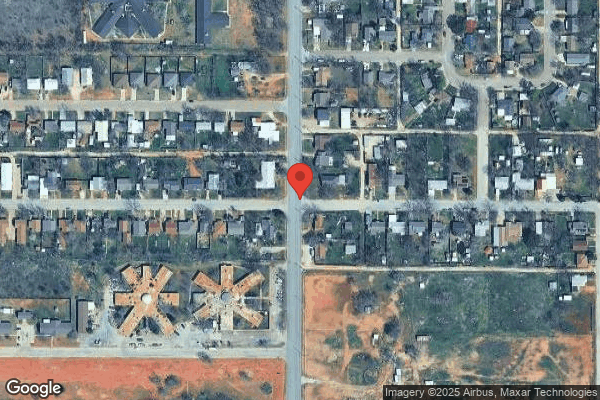
Jun 2023 2 deficiencies
CONCERN (D) 📢 Someone Reported This

A family member, employee, or ombudsman was alarmed enough to file a formal complaint

Potential for Harm - no one hurt, but risky conditions existed

Deficiency F0940 (Tag F0940)

Could have caused harm · This affected 1 resident

**NOTE- TERMS IN BRACKETS HAVE BEEN EDITED TO PROTECT CONFIDENTIALITY** Based on interview and record review the facility failed to develop, implement, and maintain an effective training program for a...

Read full inspector narrative →
**NOTE- TERMS IN BRACKETS HAVE BEEN EDITED TO PROTECT CONFIDENTIALITY** Based on interview and record review the facility failed to develop, implement, and maintain an effective training program for all new and existing staff, individuals providing services under contractual arrangement, and volunteers, consistent with their expected roles for 1 of 2 employees (LVN B) reviewed for training requirements. The facility failed to have documentation regarding training for LVN B (agency nurse). . This failure could place residents at risk of accidents with potential harm due to not having documentation to support agency nurses received proper training. Findings include: Record review of Resident #1's clinical record revealed an [AGE] year-old male with an admission date of 11/18/2022 and a readmit date of 05/23/2022. He had diagnoses which included dementia (impaired ability), post-traumatic stress disorder (mental condition triggered by a terrifying event), benign prostatic hyperplasia (overgrowth prostate tissue), hyperlipidemia (elevated lipids levels), osteoarthritis (degenerative joint), sensorineutral hearing loss (damaged hair cells in the inner ear), depressive episodes, muscle weakness, dysphagia (difficulty in swallowing), cognitive communication deficit, lack of coordination, limitation of activities due disability and reduced mobility. Record review of Resident #1's Quarterly MDS assessment, dated 05/25/2023, Section C: Cognitive patterns revealed a BIMS score of 3 out of 15, which indicated severe cognitive impairment. During interview with LVN B on 06/22/23 at 10:05 a.m., she said she worked for an agency. LVN B stated she mistakenly placed the wrong Fentanyl patch on Resident #1 instead of Resident #2. LVN B explained she was not aware she made a serious medical error. She is usually careful with giving residents medication. LVNB said she was very busy and was overwhelmed with trying to take care of many residents. She had a resident with colostomy that was leaking into her blood system. She was fighting to prevent her from having sepsis and lost track of following basic nursing practice. She said she should have looked at names in the rooms or the picture of the residents on the MAR. LVNB said she did not do that and takes full responsible for her mistake. LVNB explained she has learned from the incident to slow down and think instead of getting flustered. She said she was not aware of the mistake because no one contacted her from the facility till the next morning 06/19/23 at about 10:00a.m. She received a text from ADON D stating You put fentanyl patch on the wrong resident. She replied what? This is because she could not believe what she heard. LVNB stated she did not hear again from the facility until 06/21/23 when she was informed by ADON D that a surveyor wanted to speak with her. During interview with DON on 06/21/23 at 2:15p.m, she said stated the facility did not train/orient contract staffs as they were trained at their agencies. She explained they would start training agency staff going forward. Record review of in-service training report dated 06/19/23 reflected signatures of staff members on medication administration. The in-services were conducted by DON. Record review of contract staff indicated the facility employed seven contract staffs for the month of March, five contract staff for April, 18 staff for May and the start of June. This is a total of 30 untrained contract staff who administered medications and treatment to residents without proper training. Record review of in-services and training report, dated 06/19/223, revealed LVN B had not received training or in-services since she mistakenly gave Resident #1 Fentanyl 50 mcg without physician order. Record review of the facility's, undated, policy on Medication error and Adverse reaction reflected, It is the policy of this facility that medication errors and adverse clinical consequences must be reported to the resident's attending physician. Procedures: 1) Adverse drug reactions and medication errors with adverse clinical consequences must be reported to the resident's attending physician immediately 2) Nursing service must immediately implement and follow the physician orders. The resident's condition must be closely monitored for seventy-two (72) hours or as may be directed 3) A detailed account of the incident must be recorded on an incident report. Clinically relevant information about follow-up of the resident should be recorded in the chart including 4) Documentation of the resident's condition and response to treatment must be recorded during the monitoring period 5) The medical director, director of nursing services, and consultant pharmacist must be informed of all medication errors and adverse reactions 6) An incident report must be completed and filed with the administrator. Record review of the facility's, undated, policy on medication administration reflected: It is the policy of this facility to ensure that thee twelve rights of medication administration are followed in order to ensure safety and accuracy of administration. Procedure: The 12 rights of medication administration are as follows in order to ensure safety and accuracy of administration 1) Right Patient 2) Right Drug 3) Right Preparation 4) Right Dose 5) Right time 6) Right Route 7) Right reason 8) Right education 9) Right history and assessment 10) Right to refuse 11) Right to response 12) Right Documentation
CONCERN (E) 📢 Someone Reported This

A family member, employee, or ombudsman was alarmed enough to file a formal complaint

Potential for Harm - no one hurt, but risky conditions existed

Deficiency F0760 (Tag F0760)

Could have caused harm · This affected multiple residents

**NOTE- TERMS IN BRACKETS HAVE BEEN EDITED TO PROTECT CONFIDENTIALITY** Based on observation, interview and record review the facility failed to ensure residents were free of any significant medicatio...

Read full inspector narrative →
**NOTE- TERMS IN BRACKETS HAVE BEEN EDITED TO PROTECT CONFIDENTIALITY** Based on observation, interview and record review the facility failed to ensure residents were free of any significant medication errors for 2 of 4 residents (Resident #1 and Resident #3) reviewed for medications. 1. The facility failed to ensure they had physician orders before they administered a fentanyl patch (opioid) to Resident #1. 2. The facility failed to administer a fentanyl patch to Resident #2 as ordered. 3. The facility failed to ensure Resident #3 was administered the correct medications according to the residents physician orders. These failures could place residents at risk for negative effects, decline in health and hospitalization. Findings include: 1. Record review of Resident #1's clinical record revealed an [AGE] year-old male with an admission date of 11/18/2022 and a readmit date of 05/23/2022. He had diagnoses which included dementia (impaired ability), post-traumatic stress disorder (mental condition triggered by a terrifying event), benign prostatic hyperplasia (overgrowth prostate tissue), hyperlipidemia (elevated lipids levels), osteoarthritis (degenerative joint), sensorineutral hearing loss (damaged hair cells in the inner ear), depressive episodes, muscle weakness, dysphagia (difficulty in swallowing), cognitive communication deficit, lack of coordination, limitation of activities due disability and reduced mobility. Record review of Resident #1's Quarterly MDS assessment, dated 05/25/2023, Section C: Cognitive patterns revealed a BIMS score of 3 out of 15 which indicated severe cognitive impairment. It reflected Resident #1 was not taking any scheduled opioid or fentanyl medications. Record review of the care plan for Resident #1, dated 06/09/2023, stated: Resident #1 had impaired cognitive function/dementia or impaired thought processes related to dementia. Goal listed: Will maintain current level of cognitive function through the review date. Record review of the care plan for Resident #1, dated 05/31/2023, stated: Resident #1 was monitored electronically by spouse while in the facility. Goal listed: There would be no issues related to electronic monitoring. Record review of Resident #1 MAR from 06/01/23 through 06/30/23 revealed there was no order for fentanyl 50 mcg for the resident. During an interview with the Responsible Party (RP) on 06/21/23, she said she had electronic monitoring for the resident which she reviewed daily. On 06/18/23 at 2:51 p.m., she observed a fentanyl patch being placed on Resident #1 when she reviewed the camera footage in Resident #1's room at 10:00 p.m. She was surprised to see a fentanyl patch on Resident #1. She knew Resident #1 did not have an order for a fentanyl patch. The RP called LVN A, who was the nurse on duty at the time, to find out if Resident #1 had new orders for any medications. LVN A informed her no new medications were ordered, however a fentanyl patch was found on Resident #1 without a physician order. LVN A removed the fentanyl patch from Resident #1. The RP explained she immediately went to visit Resident #1 because she saw changes in his behavior. During interview with LVN A on 06/21/23 at 3:14 p.m., she said she was the charge nurse on duty when the RP informed her the wrong medication was placed on Resident #1. She removed the fentanyl patch that was mistakenly placed on the resident. LVN A explained she was the incoming nurse when LVN B told her she placed a fentanyl patch on a resident but did not see or remove the old patch on the resident. She said she was very concerned and felt LVN B did not follow the 5 rights of medication administration which included the right patient, right medication, right dose, right route, and right time. LVN A explained if Resident #1 did have an old patch on him, that should have been a red flag for LVN B. She noted LVN B failed to follow common sense nursing practice. LVN A said she felt the mistake may involve Resident #2 who gets a fentanyl patch. She went to Resident #2 to check for the patch but the resident wanted to use the bathroom. LVN A said she got busy and could not check for the fentanyl patch until the RP called her more than 8 hours later. LVN A stated the harm could have been minimized if she had checked on Resident #2 earlier. She stated she administered a fentanyl patch to Resident #2 as ordered. LVNA said she notified physician for Resident #1 and Resident #2 and their families. She continued to monitor both residents. During interview with LVN B on 06/22/23 at 10:05 a.m., she said she worked for an agency. LVN B stated she mistakenly placed the wrong Fentanyl patch on Resident #1 instead of Resident #2. LVN B explained she was not aware she made a serious medical error. She was usually careful with giving residents medication. LVN B said she was very busy and was overwhelmed with trying to take care of many residents. She had a resident with colostomy that was leaking into her blood system. She was fighting to prevent her from having sepsis and lost track of following basic nursing practice. She said she should have looked at names in the rooms or the picture of the residents on the MAR. LVN B said she did not do that and took full responsible for her mistake. LVN B explained she learned from the incident to slow down and think instead of getting flustered. She said she was not aware of the mistake because no one contacted her from the facility till the next morning 06/19/23 at about 10:00 a.m. She received a text from ADON D which stated, You put fentanyl patch on the wrong resident. LVN B stated she did not hear again from the facility until 06/21/23 when she was informed by ADON D that a State Surveyor wanted to speak with her. LVN B stated she had not received training or orientation from the facility. In an interview with ADON D on 06/22/2023 at 11:35 a.m., she said she was informed by the DON Resident #1 was given wrong medication. The DON instructed her to contact LVN B regarding the incident of medication error on 06/19/23. She texted LVN B stating, You put fentanyl patch on the wrong resident. ADON D stated she did not communicate with LVN B again until 06/22/23 when the State Surveyor requested to talk to her. ADON D explained she took so long to contact LVN B to initiate the investigation because she knew LVN B worked at night and waited to call her. She said all staff received in-services except LVN A and LVN B. ADON D explained LVN B is no longer allowed work at the facility and LVN A would be in-serviced in the next scheduled shift on 06/22/23. Additionally, she said both residents were being monitor and appear to have no changes in behaviors. During interview with the DON on 06/22/2023 at 11:48 a.m., she said she was notified by LVN A that Resident #1 was given the wrong medication. She was told Resident #1 received a fentanyl patch that was meant for Resident #2. The DON explained she informed LVN A to notify the doctor and both resident's families. The DON said she had not got a chance to talk to LVN B to find out what happened. This was because she told ADON D to contact LVN B and find out what happened. The DON said she had conducted in-services on staff after the incident Record review of in-service training report dated 06/19/23 reflected signatures of staff members on medication administration. The in-services were conducted by DON. Record review of nurse's note on 06/18/23 at 23.06 p.m (incident date) by LVNA reflected, medication error noted at time: Fentanyl 50 mcg removed from patient's right anterior chest wall. Spouse/physician/facility ADM/DON were notified. Nurse to monitor patient for sedation q2hr. Record review of nurse's note on 06/19/23 at 14:33 p.m, reflected, NAR (no adverse reaction) noted at this time from medication error. VS (vital signs) continue to remain stable, BP122/67, HR78, 02 stat 97%, RA, R 18. No distress noted, no s/s drowsiness, resident up in wheelchair throughout shift, participating in therapy, up for meals eating independently. Record review of in-services and training report, dated 06/19/223, revealed LVA A and LVN B had not received training or in-services since Resident #1 was given Fentanyl 50 mcg. Record review of Resident #3's Quarterly MDS assessment, dated 04/25/2023, Section C: Cognitive patterns revealed a BIMS score of 0 because the resident was unable to complete the interview. Resident required supervision for most ADLs. It also reflected the resident receives opioid. 2. Record review of Resident #3's electronic face sheet, dated 06/22/23, revealed a [AGE] year-old male who was admitted to the facility on [DATE] with diagnoses which included atrial fibrillation, benign prostatic hyperplasia, atherosclerotic heart disease, dysphagia, gout, and cognitive communication deficit Record review of Resident #3's Quarterly MDS assessment, dated 05/25/2023, Section C: Cognitive patterns revealed a BIMS score of 14 out of 15, which indicated the resident was cognitively intact. Record review of Resident #3's physician orders, dated 06/22/23, reflected the following medications: -Acetaminophen -Codeine tablet 300-15-Give 1 tablet by mouth every 12 hours -Amlodipine Besylate tablet 5 mg-Give 1 tablet by mouth one time a day -Anoro Ellipta Aerosol powder breath Activated 62.5-25 mcg/inh-1 puff inhale orally one time a day -Aspirin tablet delayed release 81 mg-Give 1 tablet by mouth one time a day -Docusate Sodium capsule 100 mg-Give 1 capsule by mouth two times a day -Febuxostat tablet 40 mg-Give 1 tablet by mouth one time a day -Ferrous Sulfate tablet 325 mg-Give 1 tablet by mouth one time a day -Finasteride tablet 5 mg-Give 1 tablet by mouth one time a day -Fluticasone propionate HFA Aerosol 110 mcg/act-1 puff inhale orally every 12 hours -Gabapentin capsule 100 mg-I capsule by mouth two times a day -Guaifenesin ER tablet extended release 12-hour 600mg-Give 1 tablet by mouth every 12 hours -Ipratropium-Albuterol Solution 0.5-2.5 (3) mg/3ml-3 ml inhale orally every 4 hours as needed -Loratadine oral tablet 10 mg-Give 10 mg by mouth every 24 hours as needed -Metoprolol Succinate ER tablet extended release 24-hour 50 mg-Give 1 tablet by mouth one time a day -Milk of Magnesium suspension 400 mg/5ml-Give 30 ml by mouth as needed -Miralax Oral Powder 17 gm/scoop) polyethylene glycol 3350)-Give 1 scoop by mouth one time a day -Robitussin Night cough DM liquid 12.5-30 mg/10ml-Give 5 ml by mouth every 4 hours as needed for cough -Vitamin B12 tablet extended release 1000 mcg-Give 1 tablet by mouth one time a day -Vitamin D3 tablet 125 mcg (5000 UT)-Give 1 tablet by mouth one time a day -Warfarin Sodium Oral Tablet-Give 3 mg by mouth one time a day every Saturday -Warfarin Sodium Oral Tablet-Give 2 mg by mouth one time a day every Tuesday, Thursday, Saturday, and Sunday. -Warfarin Sodium Oral Tablet-Give 4 mg by mouth one time a day every Monday, Wednesday, and Friday. Observation and interview with CMA E on 06/22/23 at 9:37 a.m. revealed she gave Resident #3 Metoprolol Tartrate 50 mg (short-acting) instead of Metoprolol succinate (long-acting) as ordered. CMA E said she was not paying attention when she made the medication error. She obtained the right medication and gave it to the resident. Record review of the facility's, undated, policy on Medication error and Adverse reaction reflected, It is the policy of this facility that medication errors and adverse clinical consequences must be reported to the resident's attending physician. Procedures: 1) Adverse drug reactions and medication errors with adverse clinical consequences must be reported to the resident's attending physician immediately 2) Nursing service must immediately implement and follow the physician orders. The resident's condition must be closely monitored for seventy-two (72) hours or as may be directed 3) A detailed account of the incident must be recorded on an incident report. Clinically relevant information about follow-up of the resident should be recorded in the chart including 4) Documentation of the resident's condition and response to treatment must be recorded during the monitoring period 5) The medical director, director of nursing services, and consultant pharmacist must be informed of all medication errors and adverse reactions 6) An incident report must be completed and filed with the administrator. Record review of the facility's, undated, policy on medication administration reflected: It is the policy of this facility to ensure that thee twelve rights of medication administration are followed in order to ensure safety and accuracy of administration. Procedure: The 12 rights of medication administration are as follows in order to ensure safety and accuracy of administration 1) Right Patient 2) Right Drug 3) Right Preparation 4) Right Dose 5) Right time 6) Right Route 7) Right reason 8) Right education 9) Right history and assessment 10) Right to refuse 11) Right to response 12) Right Documentation
Jun 2022 2 deficiencies
CONCERN (D)

Potential for Harm - no one hurt, but risky conditions existed

Infection Control (Tag F0880)

Could have caused harm · This affected 1 resident

**NOTE- TERMS IN BRACKETS HAVE BEEN EDITED TO PROTECT CONFIDENTIALITY** Based on observation, interview, and record review, the facility failed to maintain an infection control program to provide a sa...

Read full inspector narrative →
**NOTE- TERMS IN BRACKETS HAVE BEEN EDITED TO PROTECT CONFIDENTIALITY** Based on observation, interview, and record review, the facility failed to maintain an infection control program to provide a safe, comfortable, and sanitary environment to help prevent the development and transmission of disease for 1 of 1 (Resident # 67) resident reviewed for droplet precautions. The facility failed to ensure the residents were not exposed to droplet transmission infections. This failure could place residents at risk of development and transmission of droplet transmission infections. The findings include: Review of electronic Face Sheet accessed on 06/22/2022 revealed Resident #167 was [AGE] year-old male was admitted [DATE] with diagnosis includes Cellulitis (bacterial skin infection) of right upper arm, Hemiplegia (Paralysis) left arm, Dementia (loss of cognitive function), Tobacco Use. Review of electronic Face Sheet accessed on 06/22/2022 revealed Resident #167 was on droplet precautions due to being a new unvaccinated admit to the facility. Review of Resident #167's physician orders from 06/16/2022 to 06/23/2022 revealed that resident is to be on droplet isolation. Review of Resident #167's immunization record showed no vaccination for CoViD-19 recorded. Review of Resident #167's Social Services Assessment date 06/20/2022 BIMS score 15 (Intact Cognitive response). During observation on 06/21/2022 at 11:43 AM on Hall 100, droplet precautions sign posted on the door for Resident #167 and the door was open. During observation on 06/21/2022 at 12:35 PM on Hall 100, Resident # 167, who was on droplet precautions, was sitting in his wheelchair in the hallway not wearing a face covering. During observation on 06/21/2022 at 12:41 PM on Hall 100, CNA K entered room Resident #167's room, which was a droplet precaution room, not wearing required PPE. CNA K failed to don gloves, a face shield or change to another mask. CNA K wore surgical mask. CNA K doffed PPE in resident's room before exiting room. During observation on 06/22/2022 at 10:22 AM observed housekeeper in Resident #167's room, that had a sign on the door for droplet precautions with full PPE and door to room open. TBP room with cart was outside of door. During interview on 06/21/2022 at 12:50 PM with RN A, she stated that she was the Infection Preventionist. RN A stated that residents in room [ROOM NUMBER] were on Droplet precaution because they were new admissions and were not vaccinated and the Residents would be on Droplet precautions for 10 days. RN A stated that residents should be isolating int their room and if they leave their room, they should be wearing a mask. RN A stated that the doors to the Droplet Precaution residents should be shut and not left open. RN A stated staff should doff (PPE) in the resident room, staff should not doff (PPE) in the hallway. RN A stated that staff are trained on proper PPE initially when they start and that she does random checks every month to ensure staff know how to wear PPE correctly. RN stated that CNA K had been trained on what PPE to wear and how to wear PPE properly. During interview on 06/23/2022 at 11:05 AM with RN A, Infection Control Preventions stated that staff are tested 2 times a week for COVID-19 and residents are tested if symptomatic and the expectation is that unvaccinated staff are to wear N-95 masks. RN A stated that staff who enter resident rooms that are on droplet Precautions should be wear gown, gloves, mask, goggles prior to entering room. RN A also stated the expectation was that the resident that was on droplet precautions should be wearing a mask when leaving their room. She stated that she did not know why staff and resident were not wearing appropriate PPE. She also stated the staff and the resident had been educated on the proper use of PPE, the door to the room should be always closed, even when staff are cleaning the room. She also stated that staff are trained upon orientation and provided in-services. During interview on 06/23/2022 at 12:07 PM with DON, DON stated staff should wear gown, gloves, mask, goggles/face shield prior to entering a room on Droplet Precautions and should remove all PPE prior to leaving the room and dispose of it in trash bag if not soiled. DON stated the expectation was a resident on Droplet Precautions should wear a mask when leaving their room. She did not know why that resident did not have on a mask when he was in the hallway. He had been educated and handed a mask before. DON also stated that RN A, Infection Control Nurse, trained the staff on proper PPE and then facility provided in-services on infection prevention to staff as needed. DON stated that a negative outcome from resident on droplet precautions not wearing a mask when out of his room would be that other residents could be exposed to COVID or other infection if resident tests positive. Record review on 06/22/2022 of CNA K training record CNA completed Using PPE Correctly for COVID-19: CDC Video on 10/22/21 and 11/09/21. Infection Prevention and Control on 11/09/21 Hand Hygiene on 11/09/21 Record review of facility's policy titled, Infection Prevention and Control Program Transmission Based Precaution and Isolation revealed: It is the policy of Northern Oaks to implement infection control measures and to prevent the spread of communicable diseases and conditions. Droplet precautions 1. Masks are indicated for those who come in close to patient 2. Gloves are indicated for touching infective material 3. [NAME] must be washed after touching the patient or potentially contaminated articles and before taking care of another resident 4. Articles contaminated with infective material should be discarded or bagged and labeled before being sent for decontamination and reprocessing Droplet precautions are intended to prevent transmission of pathogens spread through [NAME] respiratory or mucous membrane contact with respiratory secretions.
CONCERN (E)

Potential for Harm - no one hurt, but risky conditions existed

Food Safety (Tag F0812)

Could have caused harm · This affected multiple residents

**NOTE- TERMS IN BRACKETS HAVE BEEN EDITED TO PROTECT CONFIDENTIALITY** Based on observations, interviews, and record reviews, the facility failed to store, prepare, distribute, and serve food in acco...

Read full inspector narrative →
**NOTE- TERMS IN BRACKETS HAVE BEEN EDITED TO PROTECT CONFIDENTIALITY** Based on observations, interviews, and record reviews, the facility failed to store, prepare, distribute, and serve food in accordance with professional standards for food service safety for 1 of 1 kitchen's reviewed for food service. Foods items were stored in the walk-in refrigerator with illegible labels to identify the product, a date placed in the refrigerator, and/or a use by date. Scoops were left inside large tubs after use. Dry seasonings were left open to air after use. Frozen food items were stored on the floor in the facility dining room for over 3 hours. Frozen food items were stored in the freezer with illegible labels to identify the product, a date placed in the freezer, and/or a use by date. During food service [NAME] A doffed gloves, and doned new gloves without performing any hand hygiene. These failures could place 67 of 69 residents that ate from the facility kitchen at risk of food borne illnesses as 2 residents were fed via enteral nutrition. Findings included: During an observation of the kitchen and interview with the DM on 06/21/22 at 09:35 AM: Walk-in refrigerator 1 clear plastic zip seal storage bag with illegible marking. DM said it was sliced turkey for sandwiches. 1 clear plastic zip seal storage bag with illegible marking. DM said it was bulk turkey. DM said there should have been a label that was easily read on each item identifying the contents and the date it was put in the refrigerator. Dry storage under metal table 1 tub of flour had a measuring cup inside. 1 tub of sugar had a measuring cup inside. 1 tub of powdered thickener had a measuring cup inside. DM said the staff was not supposed to leave anything inside those tubs. She said the staff was supposed to use a measuring cup 1 time and then put it in dishroom to be washed. Dry seasoning shelf above food preparation sink 1 plastic container of Old Bay seasoning with an open lid. 1 plastic container of granulated onion powder seasoning with an open lid. DM said the cook should have closed the lids on the seasonings after they used them. Dining room [ROOM NUMBER]st storeroom Stacked boxes of food delivery in front of storeroom on the floor. Approximately 15 residents were in the dining room doing group exercise at that time. The food delivery items included: 1 box with 6 5lb bags of liquid egg mix. 1 box with 112 servings Coconut Pecan cookie dough. 1 box with 200 servings Ranger SF cookie dough. 1 box with 6 10lb logs of chuck ground beef. 1 box with 154 servings sausage patty's. 1 box with sliced bacon. 3 bags of mixed vegetables with broccoli, cauliflower, and carrots. Freezer in 1st storeroom in dining room 1 clear plastic storage bag with illegible marking. DM said it was crinkle cut French fries. 1 clear plastic storage bag with illegible marking. DM said it was steak fingers. 1 box of churro's frozen to the bottom of the freezer. DM said the delivery was an hour and a half ago, (approximately 8:30AM). During an observation of dining room on 06/21/22 at 10:47 AM, the stacked boxes of food delivery in front of storeroom were on floor in dining room. There were approximately 10 residents in the dining room. During an observation on 06/21/22 at 11:18 AM, the stacked boxes of food delivery in front of storeroom were on floor in dining room. There were approximately 10 residents in the dining room. During an observation on 06/21/22 at 11:59AM, DM finished putting away the stacked boxes of food delivery on the floor in front of the storeroom in the dining room. During observation of meal service on 06/21/22 at 12:00PM revealed: 12:02PM [NAME] A returned from using telephone, doffed gloves, did not perform hand hygiene, donned new gloves, and continued to serve the noon meal. 12:05PM, [NAME] A went to storage room and got a pan, then went around to ice machine and got some ice in the pan for potato salad on the service line. [NAME] A doffed gloves, did not perform hand hygiene, donned new gloves, and continued to serve the noon meal. 12:20PM, [NAME] A picked up a handful of meat with gloved hand, placed it on a bun, doffed that glove from the right hand, did not perform hand hygiene, then donned a new glove for his right hand, and continued to serve the noon meal. 12:27PM, [NAME] A went to the walk-in refrigerator, removed a pre-made sandwich for a resident, and came back to the service line. [NAME] A removed gloves, did not perform hand hygiene, donned new gloves, and continued to serve the noon meal. 12:31PM, [NAME] A went to the walk-in refrigerator, pulled out a single slice of cheese, came back to the service line, and placed the cheese on a plate. [NAME] A then removed gloves, did not perform hand hygiene, donned new gloves, and continued to serve the noon meal. During an interview with [NAME] A on 06/21/22 at 12:47PM, he said that any time a person took off gloves, they should wash their hands before putting on a new pair of gloves. [NAME] A said that he did not wash his hands at any time during the meal service. During an interview with DM on 06/21/22 at 12:48PM, she said any time staff took off gloves they should wash their hands before putting on a new pair of gloves. DM said she reminded [NAME] A to wash his hands after going to the walk-in refrigerator to get items. She said the frozen food that had been on the floor in front of the storeroom in the dining room were fine to use. She said that she felt that the items should have still been frozen and that they were in a box, so they were fine on the floor in the dining room with residents around them. During an interview with ADM on 06/22/22 at 9:35AM, he said the frozen foods on the floor in the dining room should have been made a priority by the DM and should have been put away when they came in. During an interview with ADM on 06/22/22 at 10:10AM, he said that all the frozen items would be thrown out and they would just reorder new items. Record review of facility policy labeled General Food Preparation and Handling undated revealed: Food will be received, checked, and stored properly . Leftovers must be dated, labeled, covered, cooled and stored in a refrigerator . Frozen foods must be maintained at a temperature to keep the food frozen solid . All foods should be covered, labeled, and dated . All foods will be stored off of the floor. Record review of facility policy labeled Hand Washing undated revealed: After handling soiled equipment or utensils. During food preparation, as often as necessary to remove soil or contamination and to prevent cross contamination when changing tasks. When switching between working with raw food and working with ready to eat food. Before donning disposable gloves for working with food and after gloves are removed. After engaging in other activities that contaminate the hands.
Understanding Severity Codes (click to expand)
Life-Threatening (Immediate Jeopardy)
J - Isolated K - Pattern L - Widespread
Actual Harm
G - Isolated H - Pattern I - Widespread
Potential for Harm
D - Isolated E - Pattern F - Widespread
No Harm (Minor)
A - Isolated B - Pattern C - Widespread

Questions to Ask on Your Visit

  • "Why is there high staff turnover? How do you retain staff?"
  • "Can I speak with families of current residents?"
  • "What's your RN coverage like on weekends and overnight?"

Our Honest Assessment

Strengths
  • • No major safety red flags. No abuse findings, life-threatening violations, or SFF status.
  • • No fines on record. Clean compliance history, better than most Texas facilities.
Concerns
  • • 23 deficiencies on record. Higher than average. Multiple issues found across inspections.
  • • 62% turnover. Above average. Higher turnover means staff may not know residents' routines.
Bottom line: Mixed indicators with Trust Score of 65/100. Visit in person and ask pointed questions.

About This Facility

What is Northern Oaks Living & Rehabilitation Center's CMS Rating?

CMS assigns NORTHERN OAKS LIVING & REHABILITATION CENTER an overall rating of 4 out of 5 stars, which is considered above average nationally. Within Texas, this rating places the facility higher than 99% of the state's 100 nursing homes. This rating reflects solid performance across the metrics CMS uses to evaluate nursing home quality.

How is Northern Oaks Living & Rehabilitation Center Staffed?

CMS rates NORTHERN OAKS LIVING & REHABILITATION CENTER's staffing level at 2 out of 5 stars, which is below average compared to other nursing homes. Staff turnover is 62%, which is 16 percentage points above the Texas average of 46%. High turnover can affect care consistency as new staff learn residents' individual needs. RN turnover specifically is 60%, which is notably high. RNs provide skilled clinical oversight, so turnover in this role can affect medical care quality.

What Have Inspectors Found at Northern Oaks Living & Rehabilitation Center?

State health inspectors documented 23 deficiencies at NORTHERN OAKS LIVING & REHABILITATION CENTER during 2022 to 2025. These included: 22 with potential for harm and 1 minor or isolated issues.

Who Owns and Operates Northern Oaks Living & Rehabilitation Center?

NORTHERN OAKS LIVING & REHABILITATION CENTER is owned by a for-profit company. For-profit facilities operate as businesses with obligations to shareholders or private owners. The facility is operated by THE ENSIGN GROUP, a chain that manages multiple nursing homes. With 96 certified beds and approximately 73 residents (about 76% occupancy), it is a smaller facility located in ABILENE, Texas.

How Does Northern Oaks Living & Rehabilitation Center Compare to Other Texas Nursing Homes?

Compared to the 100 nursing homes in Texas, NORTHERN OAKS LIVING & REHABILITATION CENTER's overall rating (4 stars) is above the state average of 2.8, staff turnover (62%) is significantly higher than the state average of 46%, and health inspection rating (4 stars) is above the national benchmark.

What Should Families Ask When Visiting Northern Oaks Living & Rehabilitation Center?

Based on this facility's data, families visiting should ask: "How do you ensure continuity of care given staff turnover, and what is your staff retention strategy?" "Can you walk me through typical staffing levels on day, evening, and night shifts?" "Can I visit during a mealtime to observe dining assistance and food quality?" "How do you handle medical emergencies, and what is your hospital transfer rate?" These questions are particularly relevant given the facility's high staff turnover rate and the below-average staffing rating.

Is Northern Oaks Living & Rehabilitation Center Safe?

Based on CMS inspection data, NORTHERN OAKS LIVING & REHABILITATION CENTER has a clean safety record: no substantiated abuse findings (meaning no confirmed cases of resident harm), no Immediate Jeopardy citations (the most serious violation level indicating risk of serious injury or death), and is not on the Special Focus Facility watch list (a federal program monitoring the lowest-performing 1% of nursing homes). The facility has a 4-star overall rating and ranks #1 of 100 nursing homes in Texas. While no facility is perfect, families should still ask about staff-to-resident ratios and recent inspection results during their visit.

Do Nurses at Northern Oaks Living & Rehabilitation Center Stick Around?

Staff turnover at NORTHERN OAKS LIVING & REHABILITATION CENTER is high. At 62%, the facility is 16 percentage points above the Texas average of 46%. Registered Nurse turnover is particularly concerning at 60%. RNs handle complex medical decisions and coordinate care — frequent RN changes can directly impact care quality. High turnover means new staff may not know residents' individual needs, medications, or preferences. It can also be disorienting for residents, especially those with dementia who rely on familiar faces. Families should ask: What is causing the turnover? What retention programs are in place? How do you ensure care continuity during staff transitions?

Was Northern Oaks Living & Rehabilitation Center Ever Fined?

NORTHERN OAKS LIVING & REHABILITATION CENTER has no federal fines on record. CMS issues fines when nursing homes fail to meet care standards or don't correct problems found during inspections. The absence of fines suggests the facility has either maintained compliance or corrected any issues before penalties were assessed. This is a positive indicator, though families should still review recent inspection reports for the full picture.

Is Northern Oaks Living & Rehabilitation Center on Any Federal Watch List?

NORTHERN OAKS LIVING & REHABILITATION CENTER is not on any federal watch list. The most significant is the Special Focus Facility (SFF) program, which identifies the bottom 1% of nursing homes nationally based on persistent, serious quality problems. Not being on this list means the facility has avoided the pattern of deficiencies that triggers enhanced federal oversight. This is a positive indicator, though families should still review the facility's inspection history directly.