WILLOWCREEK REHAB AND NURSING
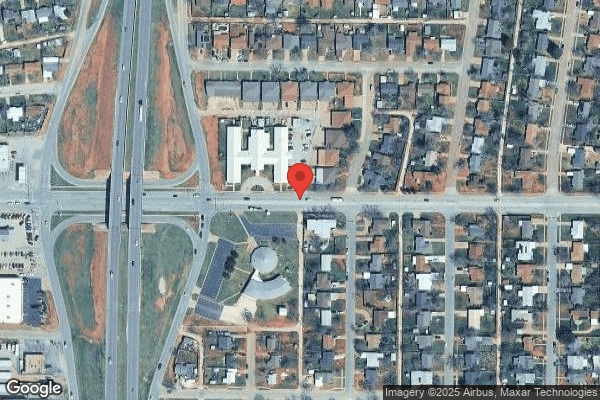
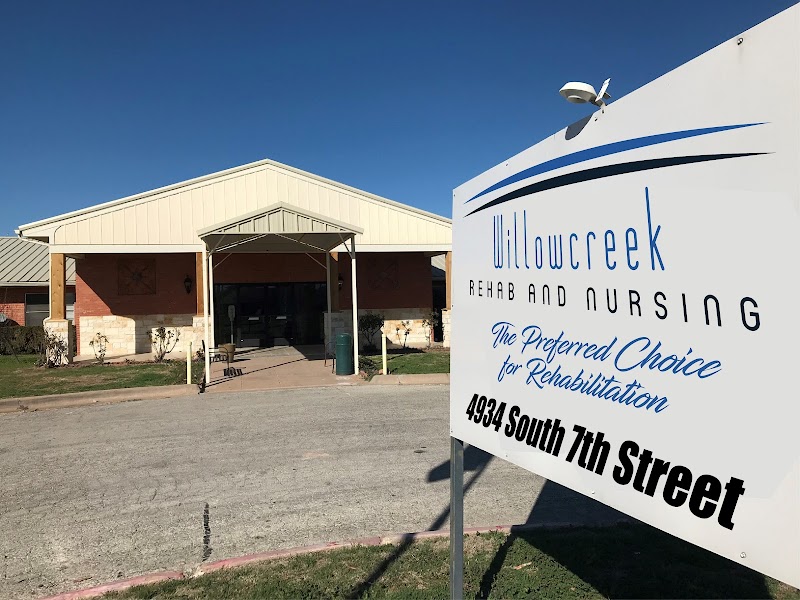
4934 S 7TH ST, ABILENE, TX 79605 (325) 692-2172
Government - Hospital district 96 Beds Independent Data: November 2025 1 Immediate Jeopardy citation
Trust Grade
41/100
#897 of 1168 in TX
Last Inspection: February 2025

Within standard 12-15 month inspection cycle. Federal law requires annual inspections.

Overview

Willowcreek Rehab and Nursing has a Trust Grade of D, which indicates below-average performance and some concerns regarding care quality. It ranks #897 out of 1168 facilities in Texas, placing it in the bottom half, and #7 out of 12 in Taylor County, meaning only six local options are worse. The facility is worsening in quality, increasing from 6 issues in 2024 to 10 in 2025, and has a staffing rating of 2 out of 5 with a turnover rate of 52%, which is about average for Texas. There are significant concerns, including a critical finding where hot water temperatures exceeded safe limits, posing a burn risk to residents, and failures in accurately maintaining medical records for residents. While the facility has good RN coverage, suggesting that trained nurses are present to catch potential issues, the overall care quality raises red flags for families considering this option.

Trust Score
D
41/100
In Texas
#897/1168
Bottom 24%
Safety Record
High Risk
Review needed
Inspections
Getting Worse
6 → 10 violations
Staff Stability
⚠ Watch
52% turnover. Above average. Higher turnover means staff may not know residents' routines.
Penalties
✓ Good
$23,345 in fines. Lower than most Texas facilities. Relatively clean record.
Skilled Nurses
○ Average
Each resident gets 30 minutes of Registered Nurse (RN) attention daily — about average for Texas. RNs are the most trained staff who monitor for health changes.
Violations
⚠ Watch
20 deficiencies on record. Higher than average. Multiple issues found across inspections.
★★☆☆☆
2.0
Overall Rating
★★☆☆☆
2.0
Staff Levels
★★★★☆
4.0
Care Quality
★★☆☆☆
2.0
Inspection Score
Stable
2024: 6 issues
2025: 10 issues

The Good

  • 4-Star Quality Measures · Strong clinical quality outcomes
  • Full Sprinkler Coverage · Fire safety systems throughout facility
  • No fines on record

Facility shows strength in quality measures, fire safety.

The Bad

2-Star Overall Rating

Below Texas average (2.8)

Below average - review inspection findings carefully

Staff Turnover: 52%

Near Texas avg (46%)

Higher turnover may affect care consistency

Federal Fines: $23,345

Below median ($33,413)

Minor penalties assessed

The Ugly 20 deficiencies on record

1 life-threatening
Apr 2025 2 deficiencies
CONCERN (D) 📢 Someone Reported This

A family member, employee, or ombudsman was alarmed enough to file a formal complaint

Potential for Harm - no one hurt, but risky conditions existed

Infection Control (Tag F0880)

Could have caused harm · This affected 1 resident

**NOTE- TERMS IN BRACKETS HAVE BEEN EDITED TO PROTECT CONFIDENTIALITY** Based on observations, interview and record review, the facility failed to establish and maintain an infection prevention and co...

Read full inspector narrative →
**NOTE- TERMS IN BRACKETS HAVE BEEN EDITED TO PROTECT CONFIDENTIALITY** Based on observations, interview and record review, the facility failed to establish and maintain an infection prevention and control program designed to provide a safe, sanitary, and comfortable environment and to help prevent the development and transmission of communicable diseases and infections for 1(Resident # 4) of 2 residents observed for wound care. The facility failed to ensure the wound care nurse washed or sanitized her hands between glove changes while performing incontinent care and wound care on Resident #4. These failures could place residents at risk of infections. The findings included: Review of Resident #4's electronic face sheet reflected the resident was a [AGE] year-old female who was initially admitted to the facility on [DATE] and re-admitted to the facility on [DATE] with diagnoses that included: right side hemiplegia ( paralysis on one side of the body), and aphasia (inability to understand or produce speech). Record review of Resident #4's Annual MDS assessment dated [DATE], revealed the following: Section K (Skin): Resident has moisture associated skin damage; Section H: resident is always incontinent of bowel and bladder. Record review of Resident #4's care plan dated revised 4/29/25 reflected the following information: The resident requires Enhanced Barrier Precautions d/t Wounds. The resident will remain free from active infection with MDROs through the review date. Educate the resident and family on the reason and procedure for enhanced barrier precautions. Ensure EBP signage is posted outside the resident's room and above the head of the resident's bed . Treat the skin issue per order. Ensure PPE is available for use on the resident; Notify the physician of any S/S of active infection; Wear gown and gloves during high-contact resident care activities. In an observation of peri care and wound care on Resident #4 on 4/30/25 at 10:00 AM , the wound Care Nurse/Acting DON entered Resident #4's room. There was an enhanced barrier precautions sign on Resident #4's door. She did not wash her hands but stated she had washed her hands prior to entering the room. She donned gloves and a gown. She removed a urine soiled brief from Resident #4 and disposed of the brief in the trash at bedside . She performed incontinent care, which included cleansing the areas around the urethra and then the anal area. She changed gloves but did not perform hand hygiene before applying clean gloves. She removed the soiled dressings and changed gloves again without performing hand hygiene. She cleansed the wound and performed the wound care as ordered, then removed her gloves and applied new gloves without performing hand hygiene. She applied a clean dressing and arranged the resident's covers and bed side table before leaving the room. In an interview with the wound care nurse/acting DON on 4/30/25 at 10:15 AM she stated she realized now that she did not perform hand hygiene between glove changes, and she should change gloves and perform hand hygiene when going from a dirty area to a clean area. She stated she failed to perform hand hygiene at the proper time because she was nervous. She stated failure to perform hand hygiene between glove changes could result in increasing the resident's risk of infection. She stated the resident was on enhanced barrier precautions because she had chronic wounds. During an interview on 4/30/25 at 12:45 PM the RNC stated that her expectation was that hand sanitizer be used by all personnel as part of infection control between glove changes and after resident contact. She stated the Wound Care Nurse was extremely nervous and that was why the failure occurred. She stated a negative resident outcome of the failure to perform hand hygiene would be infection. Review of the facility policy titled Hand Hygiene dated revised 2/11/22 revealed the following: all staff will perform proper hand hygiene procedures to prevent the spread of infection to other personnel, residents, and visitors. This applies to all staff working in all locations within the facility. Hand hygiene is a general term for cleaning your hands by hand washing with soap and water, or the use of an antiseptic hand rub (also known as alcohol-based hand rub). The use of gloves does not replace hand hygiene if your task requires gloves. Perform hand hygiene prior to donning gloves and immediately after removing gloves. Hand hygiene table: Hand hygiene should be used before applying and after removing personal protective equipment, including gloves. T
CONCERN (E) 📢 Someone Reported This

A family member, employee, or ombudsman was alarmed enough to file a formal complaint

Potential for Harm - no one hurt, but risky conditions existed

Medical Records (Tag F0842)

Could have caused harm · This affected multiple residents

**NOTE- TERMS IN BRACKETS HAVE BEEN EDITED TO PROTECT CONFIDENTIALITY** Based on interviews and record review, the facility failed to maintain medical records in accordance with accepted professional ...

Read full inspector narrative →
**NOTE- TERMS IN BRACKETS HAVE BEEN EDITED TO PROTECT CONFIDENTIALITY** Based on interviews and record review, the facility failed to maintain medical records in accordance with accepted professional standards and practices that were complete and accurately documented for 2 of 5 residents (Resident #'s 2 and 4 ) reviewed for accuracy of records, in that: RN A failed to document the wound care for Resident #2's open areas to his right and left buttocks on 4/12/25 during the 6 AM to 6PM shift. RN A failed to document that Resident # 2 had a privacy bag on his catheter bag , a catheter securement device to hold his catheter tubing in place, and that he had a size 16 French to beside drainage and catheter care was administered during the 6 AM to 6 PM shift on 4/12/25. RN B failed to document the wound care for Resident #4's open areas to her right and left buttocks on 4/12/25 during the 6 AM to 6 PM shift. LVN B failed to document the wound care for Resident #2's open areas to his right and left buttocks on 4/24/25 during the 6 AM to 6 PM shift. LVN B failed to document that Resident #2 had a privacy bag on his catheter bag , a catheter securement device to hold his catheter tubing in place ,that he had a size 16 French catheter to beside drainage and catheter care was administered during the 6 AM to 6 PM shift on 4/24/25. LVN B failed to document the wound care for Resident #4's open areas to her right and left buttocks on 4/24/25 during the 6 AM to 6 PM shift. This failure could affect residents whose records are maintained by the facility and could place them at risk for errors in care. The findings included: Review of Resident #2's electronic face sheet reflected the resident was a [AGE] year-old male who was initially admitted to the facility on [DATE] and re-admitted to the facility on [DATE] with diagnoses that included: hemiplegia ( paralysis on one side of the body), and prostate cancer. Review of Resident #2's care plan last revised 7/8/24 reflected: Resident has an ADL Self Care Performance Deficit and is at risk for not having their needs met in a timely manner. Resident will participate to the best of their ability and maintain current level of functioning with activities of daily living (ADLs) through the next review date. Bed Mobility: dependent X2 Transfers: dependent assist of 2 [mechanical] lift Eating: supervision Toileting: Dependent Ambulation: NA Wheelchair: supervision independent mobility in electric wheelchair Dressing: Dependent on staff x 1 Personal Hygiene: Dependent on staff x1 Resident has a urinary catheter and is at risk for urinary tract infections and injury. Urinary catheter related to: Obstructive & Reflux Uropathy (urinary tract condition that occurs when urine flow is obstructed, either structurally or functionally) The resident will be/remain free from catheter-related trauma and complications through next review date. Catheter care: as ordered Device: indwelling foley cath. 16Fr Catheter cover: privacy bag while up in chair Monitor for and report to the physician any signs or symptoms of a urinary tract infection such as pelvic pain, burning with urination, blood-tinged urine, cloudiness, no output, deepening of urine color, increased pulse, urinary frequency, foul smelling urine, fever, chills, altered mental status, changes in behavior, or changes in eating patterns. Revised 8/15/24. Resident has moisture associated skin damage to his buttocks 26 x 30 cm clean with normal saline or wound cleanser revised 7/11/24 Review of Resident #2's 0rder recap report dated 4/20/25 reflected: Cleanse moisture associated skin damage to buttocks with wound cleanser, pat dry, apply collagen flakes, cover with silicone foam dressing every day until healed, dated 2/13/25. 16 French catheter with 30 cc bulb to gravity bedside drainage. Perform catheter care every shift Review of Resident #2's electronic progress notes reflected: 04/02/2025 2:53 pm noted pressure wound to sacrum measuring 2 by 4 cm, signed by wound care nurse. Record review of the treatment administration record for Resident #2 for the dates 4/1/25 to 4/30/25 reflected the following: No documentation on 6Am to 6 PM shift on 4/12/25 and 4/24/25 for the following : Treatment for moisture associated skin damage to right buttocks Treatment for moisture associated skin damage to the left buttocks Catheter privacy bag in place in bed or chair. Catheter securement device in place Urinary catheter to bedside drainage Review of Resident #4's electronic face sheet reflected the resident was a [AGE] year-old female who was initially admitted to the facility on [DATE] and re-admitted to the facility on [DATE] with diagnoses that included: right side hemiplegia ( paralysis on one side of the body), and aphasia ( inability to understand or produce speech). Review of Resident #4's care plan revised 4/29/25 reflected: The resident has the following acute skin issue: open areas caused by skin trauma- Left superior buttock Left inferior buttock Right Superior buttock Right middle buttock #1 Right middle buttock #2 Right inferior buttock The resident's skin issue will resolve by the next review date. Administer analgesics as needed for discomfort or pain. If necessary provide pain management before care tasks such as repositioning or dressing. Encourage the resident not to scratch, pick, or rub the affected area. Monitor for signs of infection such as increased drainage, foul odor, pain, swelling or redness at the site. Report any findings to the practitioner. Treat the skin issue per order. Review of Resident #4's 0rder recap report dated 4/30/25 reflected: Cleanse moisture associated skin damage to right and left buttocks with normal saline or wound cleanser and pat dry with gauze. Apply triad zinc paste to compromised skin and apply calcium alginate over and cover with foam border dressing. Record review of the Treatment administration record for Resident #4 for the dates 4/1/25 to 4/30/25 on the 6 AM to 6 PM shift reflected the following: No documentation on 4/12/25 and 4/24/25 for the following : Treatment for moisture associated skin damage to right buttocks Treatment for moisture associated skin damage to the left buttocks Catheter privacy bag in place in bed or chair. Catheter securement device in place Urinary catheter to bedside drainage During an interview with RN A on 4/30/25 at 1:45 PM, she stated she did perform wound care on Resident #2 and Resident # 4 on 04/12/25. She stated she did not recall what happened but stated she must have been called away from her documentation and forgot to document the Catheter privacy bag in place in bed or chair, Catheter securement device in place, and catheter care urinary catheter to bedside drainage. She stated this was all included in the care she had given Resident # 2 and Resident #4. She stated she always did her treatments, and she should document her treatments when they were done in order to avoid an error. She stated failure to document accurately could cause an error in the resident's care. During an interview with LVN B on 4/30/25 at 1:55 PM, she stated she did perform wound care on Resident #2 and Resident # 4 on 04/24/25. She stated she did not recall what happened but stated she must have gotten busy and just forgot to document the care she had given Resident # 2 and Resident #4. She stated she should always document care when it was done. She stated failure to document accurately could cause an error in the resident's care. During an interview on 04/30/25 at 03:17 PM, the Acting DON (who was also the treatment nurse) stated her expectation was for documentation to be completed accurately. She stated she felt the error was from staff not paying attention to what they were doing, and not documenting their work. She stated all nurses would be in-serviced regarding documentation. She stated the negative outcome could be residents not receiving the care that they need. Review of facility policy titled, Administration and Documentations Guidelines, revised 4/6/24, reflected in part: document PRN medication and treatment administration on the EMAR or ETAR along with the reason immediately following administration. Document effectiveness of the intervention on the EMAR/ETAR as indicated. Review the EMAR/ETAR after each medication and treatment administration is completed and prior to the end of the shift to validate documentation is completed and support services provided according to the physicians orders.
Feb 2025 8 deficiencies 1 IJ (1 affecting multiple)
CRITICAL (K)

Immediate Jeopardy (IJ) - the most serious Medicare violation

Accident Prevention (Tag F0689)

Someone could have died · This affected multiple residents

**NOTE- TERMS IN BRACKETS HAVE BEEN EDITED TO PROTECT CONFIDENTIALITY** Based on observations, interviews, and record review, the facility failed to maintain hot water below 110°F for 5 of 8 (Resi...

Read full inspector narrative →
**NOTE- TERMS IN BRACKETS HAVE BEEN EDITED TO PROTECT CONFIDENTIALITY** Based on observations, interviews, and record review, the facility failed to maintain hot water below 110°F for 5 of 8 (Resident #60's sink, RM17 E sink, East Hall shower room sink, Resident #168, Resident #167, and Resident # 14's shared sink and RM [ROOM NUMBER] E sink) bathroom reviewed for water temperature. 1. The temperature of sink in RM [ROOM NUMBER]E was 150°F. 2. The temperature of the East Hall Shower Room Resident 150°F. 3. The temperature of Resident #168, Resident #167, and Resident #14's shared sink was 140°F. 4. The temperature of Resident #60's sink was 136.4°F. 5. The temperature of sink in RM [ROOM NUMBER]E was 125.2°F. 6. The shower water temperature fluctuated, becoming hotter during use for Resident #23 and Resident #1 An Immediate Jeopardy (IJ) situation was identified on 02/25/2025. The IJ template was provided to the facility on [DATE] at 5:00pm. While the IJ was lowered on 02/27/2025 at 5:11 PM, the facility remained out of compliance at a severity level of no actual harm with a potential for more than minimal harm, with a scope of a pattern, due to the facility's need to evaluate the effectiveness of their corrective actions. This failure could place residents at risk for 3rd degree burns causing serious injury, serious harm, hospitalizations, impairment, and/or death. Findings included: Resident #60 Review of Resident #60's Face Sheet revealed an [AGE] year-old female admitted on [DATE]. Resident #60's medical diagnoses included psychotic disorder with hallucinations, blood clots in the legs, back pain, difficulty walking, right shoulder pain, weakness, night terrors, and impaired cognition. Review of Resident #60's Annual MDS dated [DATE] revealed in Section C - C0500, BIMS Summary Score, a BIMS score of 07 (severe impairment). During an observation and interview on 02/24/2025 at 3:45 PM, Resident #60's Family Representative stated the water in the restroom was sometimes too hot. The temperature was taken of hot water, and it was under 110°F. Resident #168 Review of Resident #168's Face Sheet revealed a [AGE] year-old male admitted on [DATE]. Resident #168's medical diagnoses included COPD (Chronic Obstructive Pulmonary Disease), alcohol dependence, nicotine dependence chronic pain, respiratory failure, and homelessness. Review of Resident #168's Annual MDS dated [DATE] revealed in Section C - C0500, BIMS Summary Score, a BIMS score of 15 (cognitively intact). During an observation and interview on 02/24/2025 at 3:08 PM, Resident #168 was sitting on his bed in his room. He stated the water gets hot sometimes, and it will burn you. Resident #168's water was warm to touch. Resident #23 Review of Resident #23's Face Sheet revealed a [AGE] year-old female initially admitted on [DATE] with a recent admission date of 11/28/2024. Resident #23's medical diagnoses included muscle weakness, insomnia, edema (swelling), urinary tract infection, dependent on renal dialysis, mild dementia, diabetes, and lack of coordination. Review of Resident #23's Annual MDS dated [DATE] revealed in Section C - C0500, BIMS Summary Score, a BIMS score of 13 (cognitively intact). During an interview on 02/25/25 at 3:04 PM, Resident #23 stated the shower water was sometimes too hot having to readjust the water temperatures often. She stated she needed help with the set-up for her showering but then would bathe herself. She stated that during her shower the water temperature would increase. During an observation on 2/25/2025 at 4:34PM, the water in RM [ROOM NUMBER] E sink was hot to touch and steam was observed coming off water, the water temperature was 150°F; at 4:41 PM the East Hall shower room sink was at 150°F; and at 4:43 PM Resident #168 Resident #167, and Resident # 14's shared sink was 140°F. During an observation and interview on 02/25/2025 between 5:40 PM and 6:00 PM, the ADMN checked the temperature of random resident sinks to test temperatures. The ADMN stated water temperatures should be between 100°F and 110°F and that if above 110°F degrees it could have led to injury. The ADMN stated the temperature of water in Resident #60's sink was 136.4°F and RM [ROOM NUMBER]E was temperature of 125.2°F. During an interview on 02/25/2025 at 7:05 PM, Resident #1 stated her water in her sink gets really hot. Resident #1 stated she would turn on her cold water to make the water cooler. Resident #1 stated she had not made a complaint about how hot the water was because she could just turn her cold water on. She stated that during her shower once the temperature was regulated, the water would get hotter at times, and she would have to ask for assistance to readjust the water. During an interview on 02/25/2025 at 5:00 PM, the MM stated the facility had been having issues with the temperature gauge on the boiler mixer since the plumber had installed a new pump, that circulated water to the facility. The MM stated the arrow on the temperature gauge continued to bounce back and forth within the red range and above the red range and did not know what it meant or why it was doing it. The MM stated the plumber had been in and out of facility the past few months. The MM stated he used a digital probe thermometer and, the last time he tested water temperatures were on 2/21/2025. The MM stated he picked random rooms and all shower rooms to check weekly and documented temps in his electronic system. The MM stated he typically took the water temperatures in the afternoon after resident showers. The MM stated he had not received any complaints of the water being too hot. The maintenance stated water temperatures were not to be over 110°F. During an interview on 02/25/2025 at 6:30 PM, the DON stated if the water temperatures were over 110°F, it was too hot. The DON stated any temperature over 110°F would be a risk for burn. During an interview on 02/25/2025 at 6:33 PM the Regional Nurse stated in her nursing judgment anything over 130°F would be dangerous and could have caused the resident injury. The Regional Nurse stated water temperatures should have been below 110°F. During an interview on 02/26/25 at 11:15 AM one of the plumbers, working at the facility, stated he had been at the facility numerous times. He stated the previous maintenance man had stated they had been having issues for over 5 years. They first replaced the mixing valve, several months ago. He stated that they would adjust things and it would work for a while and then have to come back and check things again. He replaced the pump that circulated the water into the building previously and they were still having issues with how the water was being distributed through the building. The plumber stated he was going to add a second pump to see if this would help with how water was being distributed. The plumber stated this could have caused the water from the mixer to not stabilize. He stated there should have been a little fluctuation with the temperature on the gauge but should not have been fluctuating in and out of the red zone. He stated when the arrow was out of range it could have meant the water was over 140°F. During an interview on 02/27/25 at 1:35 PM the ADMN stated his expectation was that water temperatures should not exceed 110°F. The ADMN stated the MM was responsible to monitor water temperature and he was to report to the AMDN. The ADMN stated the effect on residents of water being too hot was it could have injured residents due to scalding. The ADMN stated what led to the failure was the actual boiler and chiller through the years have been co-mingled and the system began to fail. The ADMN stated in reality the plumbing companies have been monitoring the situation and the issues got ahead of them. Record review of the facility maintenance log between January 31, 2025, and February 24, 20205 there was no time stamp of when temperatures were taken. Not all rooms had temperature taken and the same rooms were checked each week. There were 12 out of 33 resident rooms where temperatures had not been taken during the four-week time frame. The following dates had temperatures above 110°F: on 01/31/2025 RM [ROOM NUMBER]E was 110.1°F and the East Hall Nurses Station was 110.7°F; on 02/06/2025 the East Hall shower room was 111°F, the East Hall Nurses Station was 110.3°F and RM [ROOM NUMBER] East and RM [ROOM NUMBER] East shared bathroom was 110.7°F; on 02/18/2025 the East Hall Nurses Station was 110.4 and RM [ROOM NUMBER] East and RM [ROOM NUMBER] East shared bathroom was 110.5. Review of US Consumer Product Safety Commission Avoiding Tap Water Scalds accessed on 02/26/2025 at http://efaidnbmnnnibpcajpcglclefindmkaj/https://www.cpsc.gov/s3fs-public/5098.pdf revealed: Most adults will suffer third-degree burns if exposed to 150 degree water for two seconds. Burns will also occur with a six-second exposure to 140-degree water or with a thirty second exposure to 130-degree water. Even if the temperature is 120 degrees, a five-minute exposure could result in third-degree burns. This was determined to be an Immediate Jeopardy (IJ) on 02/26/2025 at 4:31 PM. The Administration was informed of the IJ. The Administrator was provided with the IJ template on 02/26/2026 at 5:00 PM. Record review of Plan of Removal accepted on 04/27/2024 at 1:33 PM reflected the following: Tag Cited: F_689 Issue Cited: Failure to maintain an environment that was free from accidents and hazards 1. Immediate Action Taken A. On 2/25/2025 the maintenance director turned off all hot water in all resident rooms B. On 2/25/2025 all shower rooms were secured by the Maintenance Director with key codes/or pad locks and do not enter signs were placed on the door taking them out of service until further notice. C. On 2/25/2025 all staff were in-serviced that hot water was turned off in resident rooms, and all shower rooms were secured and out of service D. On 2/26/2025 the hot water issues were fixed by the Plumbing company at 4:30 pm. The issues were fixed by adding 2 new recirculating pumps, by re-routing the plumbing to the mixing valve, and by adding 2 new thermostats (1 to the water coming into the mixing valve, and 1 coming out of the mixing valve). The Maintenance Director completed testing all hot water in all resident rooms and shower rooms at 7:00 pm with no hot water temperatures found to be above 110 degrees. E. On 2/26/2025 the DON/Designee completed head-to-toe skin assessment for residents 60, 168, 167, and residents #14 and no skin issues identified F. On 2/27/2025 at 7:09 am, while testing hot water Temps. It was noted that the facility had hot water temps. Above 110 degrees, so all hot water was again immediately turned off. The Plumbing Company was immediately notified. G. On 2/27/2025 all staff were alerted that hot water would again be shut off to the facility. 2. Identification of Residents Affected or Likely to be Affected: A. On 2/26/2025 the DON/Designee completed head-to-to-toe skin assessment for all other residents throughout the facility, and no issues identified. This was completed on 2/26/2025 at 5:43pm. 3.Actions to Prevent Occurrence/Recurrence: A. On 2/25/2025 the DON/Designee began in-service education with all staff on: This training was completed at 7:00 pm on 2/25/2025 and no staff were allowed to work until they complete this training. Hot water is being turned off on all resident sinks, shower rooms are not to be used, do not turn on hot water in resident rooms. This was completed on 2/25/2025, and no staff were allowed to work until they completed this education. Ensure doors to shower rooms are kept closed at all times to prevent residents from entering unattended. This was completed on 2/25/2025, and no staff were allowed to work until they completed this education. Starting 2/26/2025 This education will be provided for all new hires and any agency staff going forward as part of new hire orientation. B. On 2/26/2025 The Regional Nurse consultant provided 1:1 in-service with the Maintenance Director regarding the hot water system and taking and recording hot water temperatures: Every hour x 4 hours, then twice daily x 3 days, then daily x 7 days then resume the weekly water temp. testing. If at any time the hot water temp. exceeds 110 degrees, the hot water will be turned off, The Plumber will be notified for repairs/services, and the monitoring process above will continue until the hot water temperatures remain between 100 and 110 degrees. On Schedule of checking hot water temps. Weekly, rotating rooms, bathrooms etc., ensuring that all rooms and shower room hot water temps are taken and recorded during the month and hot water temperatures remain between 100 and 110 degrees. C. On 2/26/2025 DON/Designee start in-service training with all staff related to: a. Hot water is being turned off on all resident sinks, shower rooms are not to be used, do not turn on hot water in resident rooms. This was completed on 2/26/2025, and no staff were allowed to work until they completed this education. b. Ensure doors to shower rooms are kept closed at all times to prevent residents from entering unattended. This was completed on 2/26/2025, and no staff were allowed to work until they completed this education. c. To turn hot water off immediately and notify charge nurse if at any time water temps. Feel too hot. The nurse in charge will immediately contact the facility administrator so this issue can be addressed immediately. This was completed on 2/26/2025 and no staff were allowed to work until they complete this education. D. All hot water temperature logs will be reviewed daily by the Facility administrator/Designee in the morning meeting to validate facility remains in compliance and no residents are affected related to water temperatures being too hot. E. If at any time during hot water temperature monitoring, any temperature reading is above 110 degrees, the hot water will be shut off to all resident rooms and shower rooms, a plumbing company will be notified to address the issue, and the facility will then monitor hot water temps. Again, every hour x 4 hours, then twice daily x 3 days, then daily x 7 days then resume the weekly water temp. testing. F. On 2/27/2025, the Plumbing Service arrived at 8:30am to correct hot water temperatures, and this will be completed at 1:15 pm 2/27/2025. On 2/25/2025 the facility conducted an Ad Hoc meeting to include the medical director regarding hot water temp. issues identified, including an action plan. On 2/26/2025 the facility's Administrator notified the Medical Director regarding the Immediate Jeopardy the facility received related to Hot Water Temps. and reviewed a plan to sustain compliance Date Facility Asserts Likelihood for Serious Harm No Longer Exists: _______2/27/2025_________ Surveyors monitored the facility's Plan of Removal and confirmed it was sufficient to remove the IJ through observations, interviews, and record review from 02/27/2025 at 1:45 PM to 02/27/20254 at 5:11 PM as follows: During an Observation on 2/25/2025 at 7:30 PM all resident sinks had water turned off and shower rooms had been locked with signs placed on the doors that stated see nurse before entering. During an observation on 2/25/2025 at 7:30 PM all shower rooms had been secured and signs on the doors stated, See nurse before entering. During an observation on 02/27/2025 at 2:32 PM staff were alerted with signs being placed and observed on all locked shower doors on East and [NAME] Halls. During an interview on 2/27/2025 at 2:49 PM, on the day shift, CNA E stated she was in-serviced over what to do if she felt the water was too hot. She stated if she was giving a resident a shower, she would check the water temperature first before letting the resident under it. She stated if it was too hot, she would not have the resident in the shower, and she would let the ADMN and maintenance know. CNA E stated she would do the same with the resident sinks. During an interview on 02/27/2025 at 2:59 PM, on the day shift, CNA F stated he would turn the water off if it were too hot, notify the nurse, then he would notify the ADMN. During an interview on 02/27/2025 at 3:02 PM, on the day shift, CNA G stated if she felt the water was too hot or if the resident stated to her it was too hot she would immediately turn it off, assess the resident if needed, then report to the charge nurse, the ADMN and maintenance. During an interview on 02/27/2025 at 3:10 PM, on the day shift, the ADON stated she was in-serviced over what to do if the hot water was too hot in the resident showers and sinks. She stated she should turn off the hot water immediately, and notify the ADMN, maintenance, and the nurse on duty. During an interview on 02/27/2025 at 3:12 PM, on the day shift, LVN D stated she was in-serviced over what to do if the hot water temperature was too hot. She stated if she felt it was too hot, she would immediately notify the charge nurse, the ADMN, and the maintenance man. After turning the hot water off, she would also assess the resident and notify other staff members. During a phone interview on 02/27/2025 at 3:32 PM, CNA H from the night shift, stated she was informed on 02/25/2025 on her shift about the hot water being turned off and to not do any showers until further notice. CNA H stated she had been in-serviced on if the water in the showers or resident sinks felt too hot to turn it off. She stated she would then tell the charge nurse, the ADMN, the DON and maintenance. CNA H stated she was told if she saw there were signs on the shower doors to see the charge nurse. During a phone interview on 02/27/2025 at 3:35 PM, CNA I from the night shift, stated she was told the night of 02/26/2025 about the hot water being turned off and to not give the residents showers until further notice. CNA I stated she had been in-serviced on, if giving showers and she felt the hot water was too hot, to turn it off and tell the charge nurse, the DON, the Administrator, and maintenance. During a phone interview on 02/27/2025 at 4:09 PM, RN A who alternated between day and night shifts, stated she had received in-services on if the water in the showers were too hot, she should turn it off, perform a head-to-toe assessment on the resident, notify the DON, the ADMN, and maintenance. RN A stated there were signs placed on the shower door that said, do not enter see nurse. During an interview on 02/27/2025 at 4:52 PM, LVN J stated she was told the previous night about the water had been turned off and not to give the residents showers. LVN J stated she was in-serviced on if the water in the showers or resident sinks were too hot, to turn off the water, then she would be responsible for doing a skin assessment on that resident if needed. LVN J stated she would then call the ADMN and maintenance to inform them the water was too hot. During an interview on 02/27/2025 at 2:52 PM, the MM stated he was in-serviced on hot water, and what to do if he found it to be above 110°F. He stated he would immediately turn it off and proceed to call the ADMN as well as corporate, and the plumbing company. During an interview on 02/27/2025 at 2:44 PM the DM stated she was in-serviced on the hot water. If water was steaming to not place hands under water, especially residents, and if noticed that it was steaming, she would turn the water off and notify the nurse in charge, and the MM of the situation. The DM stated she would also update the ADMN as well. The water should be no higher than 110°F. During an interview on 02/27/2025 at 2:46 PM, the DA stated he was also in-serviced on the hot water and to turn it off if he found it to be too hot for the residents. He stated he was told to notify upper management if the hot water was higher than 110°F . Record review of the facility provided staff in-services revealed staff were provided an in-service on 02/25/2025, 02/26/2025, and 02/27/2025 related to water temperatures being over 110°F and showers being locked. Record review of receipt from Plumber 1 revealed services were rendered on 02/26/2025 and 2/27/2025. Record review of the facility provided temperature logs for 02/26/2025 at 7:00 PM, revealed temperatures were taken at 7:00 PM and were below 110°F. Record review revealed the MM was provided in-services on 02/26/2025 and 02/27/2025. Record review of facility provided water temperature logs revealed the temperatures were checked every 4 hours starting on 02/26/2025 at 7:30 PM until 2/27/2025 at 6:30 AM. Record review of the receipt from Plumber 2 revealed services were rendered on 02/27/2025. Record review of facility provided skin assessments revealed on 02/26/2025 Resident #60, Resident #168, Resident #167, Resident #14, Resident #37, Resident #50, and Resident #38 received a head-to-toe assessment, and no issues were noted. ? An Immediate Jeopardy was identified on 02/26/2025. While the Immediate Jeopardy was removed on 02/27/2025, the facility remained out of compliance at a level of no actual harm with a potential for more than minimal harm and a scope of pattern, due to the facility monitoring the effectiveness of their Plan of Removal. The ADMN, the DON, and the RRN were informed of the Immediate Jeopardy was removed on 02/27/2025 at 5:11 PM.
CONCERN (D)

Potential for Harm - no one hurt, but risky conditions existed

Deficiency F0552 (Tag F0552)

Could have caused harm · This affected 1 resident

**NOTE- TERMS IN BRACKETS HAVE BEEN EDITED TO PROTECT CONFIDENTIALITY** Based on interviews, and record review, the facility failed to inform residents in advance of the risks and benefits of proposed...

Read full inspector narrative →
**NOTE- TERMS IN BRACKETS HAVE BEEN EDITED TO PROTECT CONFIDENTIALITY** Based on interviews, and record review, the facility failed to inform residents in advance of the risks and benefits of proposed care and treatment for 1 of 10 residents (Resident #50) reviewed for resident rights. The facility failed to obtain a signed consent for admission to reside onto the facility's Memory Care Unit. This failure could affect residents who were placed and received care placed on the Memory Care Unit without informed consent. Findings included: Review of Resident #50's Face Sheet revealed a [AGE] year-old female initially admitted on [DATE] with a recent admission date of 09/04/2024. Resident #50's medical diagnoses included: need for assistance with personal care, cognitive communication deficit, dementia, psychotic disturbance, mood disturbance, and anxiety disorder. Review of Resident #50's annual MDS dated [DATE] revealed in Section C - C0500, BIMS Summary Score, a BIMS score of 00 indicating the resident was unable to complete the interview. Review of Resident #50's Comprehensive Care Plan initiated 09/09/2024 and revised on 10/08/2024 revealed the following focused areas: *Behavioral Problem: Resident has a behavior problem as evidenced by agitation and yelling at others. An Intervention for the focus on behavioral problems included using an Intervene as necessary to protect the rights and safety of others, remove resident to an alternate location when needed to protect the rights and safety of others by offering to sit outside or activity in room. *Wandering/exit Seeking: Resident wanders related to cognitive impairment and is at risk for injury related to: Dementia. An Intervention for the focus on wandering/exit seeking included: Attempt to determine any pattern or cause of wandering, reassure resident when distressed over placement, mark room door with a familiar object, to remember room location as indicated. *Secured Unit: Resident resides in a secured unit related to cognitive impairment/elopement risk secondary to Dementia Date initiated 06/27/2024, with a revision date 10/08/2024. An Intervention for the focus on behavioral problems included, Monitor for adjustment to a new environment. Place resident within the facility according to their cognitive and functional abilities. Review of Resident #50's physician orders reviewed on 02/21/2025 revealed: May admit to a secured unit for specialized dementia care, dated 9/4/2024. Review of Resident #50's consents revealed there was no signed consent by resident or resident Representative, in her EMR, to be admitted on to the facility MCU. During an interview on 02/27/2025 at 9:35 AM, HR stated there was no documentation of a consent for Resident #50 for the MCU. She stated all MCU residents should have had a consent signed and documented . During an interview on 02/27/2025 at 9:40 AM, the DON stated Resident #50 had no consent in her paper file nor in her electronic charting. She stated it was protocol for all residents on the MCU to have a signed consent on file prior to being admitted to the unit. The DON stated she would get a consent from Resident #50's daughter immediately which would be a verbal. She stated that would be the only way to retrieve the consent until her was in town for a visit. She stated Medical Records had the consents signed upon admission, but that position had not been consistent with being filled. She stated, the failure occurred with personnel and not having checked on the paperwork for proper completion. The DON stated the resident impact for not having a consent would have possibly been that residents being placed in an area that was locked and unable to have the same right as other residents. She stated her expectation was for all paperwork to be completed in a timely manner where and when needed. During an interview on 2/27/2025 at 10:16 AM the RNC stated, it was the admission Coordinators responsibility to have all resident paperwork completed prior to being placed on the MCU but there was not one available. The RNC stated it was then MR's responsibility, but that position had recently been open as well. She then stated it was ultimately the Administrator who should have overseen the process of making sure the consents were signed. The RNC stated the negative impact for Resident #50, could have been potentially a Resident Rights issue. The RNC stated the failure occurred with facility personnel changes with her expectation was for all residents to have consents prior to being admitted to the MCU. During an interview on 02/27/2025 at 10:39 AM the ADMN stated the protocol for being admitted to the MCU was to have a consent signed prior to being admitted into the MCU. He stated the SW and nursing staff as well as the ADMN were the staff who monitored. The ADMN stated he did not feel there was a negative impact for this particular one, she was back there at the request of her family, and she did not mind being back there. He stated the protocol was not followed, but the family wanted her there. The ADMN stated the failure occurred on admission, with his expectation for the facility to have reached out to the Resident Representative for the consent to be signed and available. Record Review of the facility policy admission criteria for Secured Continuous Care Unit, dated with origination date of 01/10 and Review date of 5/16/24, revealed Policy- an admission to the Secured Continuous Care Unit will be performed in a uniform manner. Residents eligible for admission to an SCCU will have a diagnosis of Alzheimer's, Dementia, or related disorders. Residents with cognitive impairment who may have unsafe wandering or exit seeking may meet eligibility for admission to an SCCU. The need for admission must be documented by the attending Physician Assessment Tools for admission to SCCU- .6. Secure Continuous Care Unit Acknowledgement Form.
CONCERN (D)

Potential for Harm - no one hurt, but risky conditions existed

Deficiency F0655 (Tag F0655)

Could have caused harm · This affected 1 resident

**NOTE- TERMS IN BRACKETS HAVE BEEN EDITED TO PROTECT CONFIDENTIALITY** Based on interviews and record review, the facility failed to develop a baseline care plan within 48 hours of a resident's admis...

Read full inspector narrative →
**NOTE- TERMS IN BRACKETS HAVE BEEN EDITED TO PROTECT CONFIDENTIALITY** Based on interviews and record review, the facility failed to develop a baseline care plan within 48 hours of a resident's admission that included the instructions needed to provide effective and person-centered care plan and provide a summary of their baseline care plan to residents for 1 (Resident #168) of 10 residents reviewed for care plan completion. The facility failed to complete Resident #168's baseline care plan within the required 48-hour timeframe. This failure could place residents who were newly admitted at risk for not receiving necessary care and services or having important care needs identified. Findings included: Review of Resident #168's Face Sheet revealed a [AGE] year-old male admitted on [DATE]. Resident #168's medical diagnoses included COPD (Chronic Obstructive Pulmonary Disease), alcohol dependence, nicotine dependence chronic pain, respiratory failure, and homelessness. Review of Resident #168's Annual MDS dated [DATE] revealed in Section C - C0500, BIMS Summary Score, a BIMS score of 15 (cognitively intact). Review of Resident #168's baseline care plan revealed a completion date of 02/25/2025. During an interview on 02/26/2025 at 6:52 PM the DON stated her expectation was that baseline care plans were to be completed within 48 hours of admission. The DON stated it was her responsibility to complete and monitor the completion of the baseline care plans. The DON stated the residents could have been affected by the baseline care plan not being complete timely by their care needs not being met. The DON stated what led to the failure was Resident #168 was admitted on Friday evening and she had missed completing the baseline care plan within the 48 hours. Review of the facility policy titled, Baseline Care Plans dated 11/8/2026 revealed, Baseline care plans are developed and implemented within 48 hours of a resident new admission.
CONCERN (D)

Potential for Harm - no one hurt, but risky conditions existed

Deficiency F0761 (Tag F0761)

Could have caused harm · This affected 1 resident

Based on observations, interviews, and record review, the facility failed to ensure all drugs and biologicals were stored in permanently affixed compartments during medication storage inspection for 1...

Read full inspector narrative →
Based on observations, interviews, and record review, the facility failed to ensure all drugs and biologicals were stored in permanently affixed compartments during medication storage inspection for 1 (cart #1) of 5 medication carts reviewed for storage. The facility failed to ensure medication cart #1 was locked and secured while unattended. This failure could result in a drug diversion. The findings included: During an observation on 02/25/25 at 5:05 PM medication cart #1 was sitting against the wall with the drawers facing outwards unattended and unlocked. The button that locked on the medication cart was not pushed in and the drawer could open when pulled. There were no staff seen on the halls. RN A came walking up the hall. She stated the medication cart should not have been left unlocked and unattended. RN A stated the nurse responsible for the cart was RN B. RN A stated RN B was in the dining room assisting residents with their meals. RN A locked the medication cart #1 . During an interview on 02/26/2025 at 06:52 PM the DON stated her expectation was that the medication carts should have been locked. The nurse assigned to the medication cart was responsible for locking and monitoring the medication cart while doing rounds at the facility. The possible effect on residents was they could take the wrong medication, and this could make them sick or cause death. The DON stated the failure was due to the nurse got distracted, walked away, and forgot to lock the medication cart. During an interview on 02/27/2025 at 04:09 PM RN B stated the medications carts should be locked when not in use. RN B stated a resident could take a medication that was not prescribed for them and have a reaction or even cause death. RN B stated she just got busy and forgot to lock the medication cart. RN B stated types of medications on the cart were cardiac medications, blood pressure medications, over the counter medications, stool softeners, vitamins, eye drops, and inhalers but no insulin. RN B stated she had been trained to keep the medication carts locked when not in use. Review of the facility's policy titled: Medication Storage date revised 01/02/2024 revealed: It is the policy of this facility to ensure all medications housed on our premises will be stored, dated, and labeled according to manufacturer's recommendations and sufficient to ensure proper sanitation, temperature, light, ventilation, moisture control, segregation, and security. 1. General Guidelines: a. All drugs and biologicals will be stored in locked compartments (i.e., medication carts, cabinets, drawers, refrigerators, medication rooms) under proper temperature controls. b. Only authorized personnel will have access to the keys to locked compartments. c. During a medication pass, medications must be under the direct observation oof the person administering medications or locked in the medication storage area/cart
CONCERN (E) 📢 Someone Reported This

A family member, employee, or ombudsman was alarmed enough to file a formal complaint

Potential for Harm - no one hurt, but risky conditions existed

Deficiency F0570 (Tag F0570)

Could have caused harm · This affected multiple residents

Based on interviews and record review, the facility failed to purchase a surety bond, or otherwise provide assurance satisfactory to the secretary, to assure the security of all personal funds of resi...

Read full inspector narrative →
Based on interviews and record review, the facility failed to purchase a surety bond, or otherwise provide assurance satisfactory to the secretary, to assure the security of all personal funds of residents deposited with the facility for 1 of 1 surety bonds reviewed. The facility failed to ensure that the facility's $30,000.00 surety bond was enough to cover the $32,6635 total residents' trust fund account balance. This deficient practice could affect all residents who deposited personal funds with the facility, and place residents at-risk of their personal funds not being assured. The findings included: Record review on 02/27/2025 of the facility's Bond Execution Report revealed bond amount $30,000 processed date 06/04/2024. Record review 02/27/2025 of facility's Bank Account Statistics Report with date range 10/01/2024 to 12/31/2024 revealed average balance $32,266.35. During an interview on 02/27/2025 at 3:10 PM the ADM stated he did not know why the surety bond amount was less than the average balance reported. The ADM stated it could be to the transition to Deluxe Health Care now being a consultant. The ADM stated the amount of the surety bond could be incorrect due to an increase in the census. The ADM stated he did not feel this affected residents in any way . Record review of the facility's policy titled: Resident Trust Fund Policies last revision date of 02/2006. The trust fund account must be identified as Trustee, (name of facility), Resident's Trust Fund Account. The Trust Fund Account must be an interest-bearing account that is separate from any of the facility's other accounts. Surety Bond The facility is required to carry a surety bond on the cumulative total of all residents' trust fund balances. The required amount should be calculated using the Surety Amount Calc form. The Surety bond must equal the average monthly balance of all the facilities resident's trust fund accounts for the 12-month period preceding the bond issuance or renewal dates. Resident Trust Fund accounts are specific only to the single facility purchasing a resident trust fund surety bond
CONCERN (E)

Potential for Harm - no one hurt, but risky conditions existed

Deficiency F0680 (Tag F0680)

Could have caused harm · This affected multiple residents

Based on interviews and record review, the facility failed to ensure the activities program was directed by a qualified professional who was a therapeutic recreation specialist or an activity professi...

Read full inspector narrative →
Based on interviews and record review, the facility failed to ensure the activities program was directed by a qualified professional who was a therapeutic recreation specialist or an activity professional for 1 of 1 activity director (AD) reviewed for qualifications. The facility failed to ensure the AD was a qualified therapeutic recreation specialist or an activities professional that met state licensing requirements. This failure could place residents at risk for reduced quality of life due to lack of activities that were individualized to match the skills, abilities, and interests/preferences of each resident. The findings included: Review of the AD's employee file revealed the AD took the position on January 27, 2025, and had no evidence of certification or training as a qualified therapeutic recreation specialist or an activities professional that met state licensing requirements. During an interview on 02/25/2025 at 4:00 PM the AD stated she was new to the facility, and she had started on 01/25/2025. The AD stated she had not received her AD certification at this time and was working on her AD certification . During an interview on 02/27/2025 at 11:53 AM the ADMN stated his expectation was to have a licensed Activity Director. The current AD was not certified, and she came from a sister facility where she was as an assistant AD. The ADMN stated he was responsible to ensure the AD was certified. The ADMN stated he did not feel there was an effect on residents, because the AD had previous experience and had a good rapport with residents. The ADMN stated what led to failure was out of the candidates she was the best candidate and none of the applicants were certified. Review of the facility's job description for the Activity Director revealed, qualifications: a degree and license and recreation therapy from an accredited school. Or a high school diploma or equivalency certificate with two years of experience in social or recreational programs within the last five years, one year which was full time and a patient activities program at a healthcare setting. Successful completion on a state approved and certified course of instruction and patient activities. An individual who is exempt from completion for the state approved course is: a person employed full time in the activity's director position since January 1st, 1976 or a person who successfully completed a minimum of 36 hours activities director course prior to August 31st1978, which is sponsored by an accredited educational institution our professional group or association.
CONCERN (E)

Potential for Harm - no one hurt, but risky conditions existed

Deficiency F0712 (Tag F0712)

Could have caused harm · This affected multiple residents

**NOTE- TERMS IN BRACKETS HAVE BEEN EDITED TO PROTECT CONFIDENTIALITY** Based on interviews and record review the facility failed the ensure physician visits were conducted within 2-7 days of admissio...

Read full inspector narrative →
**NOTE- TERMS IN BRACKETS HAVE BEEN EDITED TO PROTECT CONFIDENTIALITY** Based on interviews and record review the facility failed the ensure physician visits were conducted within 2-7 days of admission, once every 30 calendar days for the first 90 calendar days for 3 of 24 residents (Resident #22, Resident #23, and Resident #50) who were review for physician visits. 1. The facility failed to have Resident #22 seen by a physician within 2-7 days of readmission [DATE]), once every 30 calendar days for the first 90 calendar days. 2. The facility failed to have Resident #23 seen by a physician within 2-7 days of readmission [DATE]), once every 30 calendar days for the first 90 calendar days. 3. The facility failed to have Resident #50 seen by physician within 2-7 days of readmission [DATE]), once every 30 calendar days for the first 90 calendar days. This deficient practice could lead to a decline in health status or untreated conditions. Findings included: Resident #22 Review of Resident #22's Face Sheet revealed a [AGE] year-old female initially admitted on [DATE] with a recent admission date of 07/31/2024. Resident #22's medical diagnoses included Alzheimer's disease, COPD, type 2 diabetes, major depressive disorder with psychotic symptoms, generalized anxiety disorder, muscle weakness, difficulty walking, and contact with and (suspected) exposure to other viral communicable diseases. Review of Resident #22's Annual MDS dated [DATE] revealed in Section C - C0500, BIMS Summary Score, a BIMS score of 13 (cognitively intact). Review of Resident #22's Comprehensive Care Plan initiated 08/09/2024 and reviewed/revised 11/11/2024 revealed the following focused areas: *Cognitive Impairment: Resident has impaired cognition and is at risk for a further decline in cognitive and functional abilities related to: dementia. An Intervention for the focus on cognitive impairment included Monitor/document/report to physician any changes in cognitive function, specifically changes in: decision making ability, memory, recall and general awareness, difficulty expressing self, difficulty understanding others, level of consciousness, and mental status changes. *Resident #1 has a diagnosis of depression as evidenced by tearfulness, change of appetite, and decreased social interaction. An intervention for the focus on her depression included Administer medications as ordered. Monitor/document for side effects and effectiveness. Arrange for psych consult, follow up as indicated. Discuss with the resident/family/caregivers any concerns, fears, issues regarding health or other subjects. Monitor/record/report to MD prn risk for harm to self: suicidal plan, past attempt at suicide, risky actions (stockpiling pills, saying goodbye to family, giving away possessions or writing a note), intentionally harmed or tried to harm self, refusing to eat or drink, refusing med or therapies, sense of hopelessness or helplessness, impaired judgment, or safety awareness. *Diabetes: Resident has a diagnosis of diabetes and is at risk for unstable blood sugars and abnormal lab results. An Intervention for the focus on her diabetes included: Administer diabetic medications as ordered by the physician. Monitor for adverse reactions and report abnormals as detected. Provide therapeutic diet as ordered. Monitor blood Sugar as ordered by physician. Administer sliding scale insulin if ordered. For any blood sugars not within the acceptable parameters as dictated by the physician, document and notify the physician. Monitor for signs and symptoms of hypoglycemia such as: diaphoresis, dizziness, headache, confusion, hunger, irritability, pallor, tachycardia, slurred speech, tremor, lack of coordination, and staggering gait. Document and report to physician as needed. Monitor for signs and symptoms of hyperglycemia such as: Reduced appetite, increased thirst, urinary frequency, weight loss, fatigue, nausea, vomiting, dry skin, muscle cramps, Kussmaul breathing (deep and labored breathing), acetone breath (smells fruity), stupor, and coma. Document and report to the physician as needed. Review of Resident #22's Physician/NP/PA Progress Note reviewed on 02/28/2025 revealed: Created By NP and Revised By NP revealed there was no physician visits noted. Resident #23 Review of Resident #23's Face Sheet revealed a [AGE] year-old female initially admitted on [DATE] with a recent admission date of 11/28/2024. Resident #23's medical diagnoses included muscle weakness, insomnia, edema (swelling), urinary tract infection, dependent on renal dialysis, mild dementia, diabetes, and lack of coordination. Review of Resident #23's Annual MDS dated [DATE] revealed in Section C - C0500, BIMS Summary Score, a BIMS score of 13 (cognitively intact). Review of Resident #23's Comprehensive Care Plan initiated 04/18/2018 and reviewed/revised12/27/2023 revealed the following focused areas: *Falls: Resident has the potential for falls related to cognitive impairment, antihypertensive drug use, Psychoactive drug use, Gait/balance problems, Fall Risk Score >10 and night terrors. An Intervention for the focus on falls included using an Alarm when in bed due to poor safety awareness, *Fall Risk Screening upon admission and quarterly to identify risk factors, An intervention was to Keep bed in lowest position when not providing care. Review of Resident #23's Physician/NP/PA Progress Note reviewed on 02/28/2025 revealed: Created By NP, and Revised By NP revealed there was no physician visits noted. Resident #50 Review of Resident #50's Face Sheet revealed a [AGE] year-old female initially admitted on [DATE] with a recent admission date of 09/04/2024. Resident #50's medical diagnoses included: need for assistance with personal care, Cognitive communication deficit, dementia, psychotic disturbance, mood disturbance and anxiety disorder. Review of Resident #50's Annual MDS dated [DATE] revealed in Section C - C0500, BIMS Summary Score, a BIMS score of 00 indicating the resident was unable to complete the interview. Review of Resident #50's Comprehensive Care Plan initiated 09/09/2024 and revised on 10/08/2024 revealed the following focused areas: *Behavioral Problem: Resident has a behavior problem as evidenced by agitation and yelling at others. An intervention for the focus on behavioral problems included using an Intervene as necessary to protect the rights and safety of others, remove resident to an alternate location when needed to protect the rights and safety of others by offering to sit outside or activity in room. *Wandering/exit Seeking: Resident wanders related to cognitive impairment and is at risk for injury related to: Dementia. An intervention for the focus on wandering/exit seeking included: Attempt to determine any pattern or cause of wandering, reassure resident when distressed over placement, mark room door with a familiar object, to remember room location as indicated. *Secured Unit: Resident resides in a secured unit related to cognitive impairment/elopement risk secondary to Dementia Date initiated 06/27/2024, with a revision date 10/08/2024. An intervention for the focus on behavioral problems included, Monitor for adjustment to a new environment. Place resident within the facility according to their cognitive and functional abilities. Review of Resident #50's Physician/NP/PA Progress Note reviewed on 02/28/2025 revealed: Created By NP and Revised By NP revealed there was no physician visits noted . During an interview on 02/27/2025 at 8:44 AM, the RNC stated the facility could not provide any further physician visits due to we don't have them, they are not there. She stated the Medical Records staff along with the DON monitored resident physician visits. The RNC stated the failure to do so was missing personnel which had changed 5 times in the past year. She stated her expectations were for the NP to visit residents every 60 days and the MD every 30 days for the 1st 30 days of admission. She stated there could have been a negative impact on residents and potentially not receive the medical care they needed. During an interview on 02/27/2025 at 9:00 PM, the DON stated the procedures for physician visits were for them to see residents at least every 120 days. She stated she felt the facility would be getting a new medical director. The DON stated Medical Records, and the MDS nurse monitored physician visits. She stated the MDS had only been employed at the facility for about 6 weeks, and they were using a sister facility as a backup for visits. She stated since the MDS nurse had been hired they had not gone over the physician visits. The DON stated the possible negative impact to the residents were that the NP could have possibly not caught something that needed more knowledge. She stated the failure occurred with the change of staff. The DON stated her expectations were for the Doctor to see residents as per protocol. Record review of the facility policy Physician Visits with date implemented of 10/24/2022 revealed: Policy it is the policy of this facility to ensure the physician takes an active role in supervising the care of residents. Policy Explanation and Compliance Guidelines: 1. The Medical Records staff/designee should: a. Track due dates of physician visits. b. Gather medical records and other documents for review by the physician during the visit. c. Provide records such as weight and vital sign records, accident reports, risk assessments, etc. for physician review. d. Remind the physician to date and sign all orders and write a progress note. e. Review the medical record for completeness, prior to the physician leaving the facility. f. Inform the Director of Nursing when a physician visit does not occur within the required timeframes. (Note: A physician visit is considered timely if it occurs no later than 10 days after the date the visit was required.) 2. The Physician should: a. New/readmission are preferably seen within 2 to 7 days of admission to the facility. b. See resident within 30 days of initial admission to the facility. c. The resident must be seen at least once every 30 calendar days for the first 90 days after admission . .i. At the option of the physician, required visits in SNF 's, after the initial visit, may alternate between personal visits by the physician and visits by a physician assistant, nurse practitioner or clinical nurse specialist that is acting within scope of practice defined by state law and under the supervision of the physician.
CONCERN (E)

Potential for Harm - no one hurt, but risky conditions existed

Food Safety (Tag F0812)

Could have caused harm · This affected multiple residents

Based on observations, interviews, and record review the facility failed to properly store, prepare, distribute, and serve food in accordance with professional standards for food service safety for 1 ...

Read full inspector narrative →
Based on observations, interviews, and record review the facility failed to properly store, prepare, distribute, and serve food in accordance with professional standards for food service safety for 1 of 1 kitchen reviewed. 1. Hair net was not used for the DA, while he entered the kitchen. 2. Hand hygiene was not performed by CNA-C and the AD while passing trays in the hallway. These failures could place residents that eat out of the kitchen at risk for contamination and food borne illnesses. Findings included: During an observation on 02/24/2025 beginning at 10:30 AM the facility kitchen revealed: 1. The DA entered through the back entrance door, walked through the kitchen, and out the front door of the kitchen with no beard cover on. 2. Hand hygiene was not used during the passing of trays in the hallways for CNA-C and the AD. During an interview on 2/24/2025 at 12:05 PM CNA-C on the MCU failed to perform hand hygiene when serving and setting up food between residents. CNA-C was also observed leaving the MCU to go to kitchen to get silverware for a resident. When she returned, she gave the residents her silverware and proceeded to get another tray without performing hand hygiene. CNA-C stated she should have performed hand hygiene and did not have a reason as to why she did not . During an interview on 02/24/2025 at 3:23 PM, the DM stated the DA should have stopped at the back door prior to entering the kitchen and placed a beard restraint on. She stated the DM monitored her dietary staff for hygiene practices. The DM stated once the trays arrived on the hallways, the DON should have been responsible for her staff and their trainings. She stated the negative impact for residents could have been cross contamination which could have allowed residents to have infections. The DM stated the failure occurred with staff not having followed IC practices as they were trained. She stated her expectations for the passing of trays, were the staff should have used hand hygiene between passing trays to each resident. During an interview on 02/24/2025 at 3:36 PM, the DA stated he should have placed a beard restraint on prior to having walked through the kitchen. He stated he had not done so, due to being in a hurry. He stated it could have caused hair in food and/or cross contamination. During an interview on 02/25/2025 at 4:00 PM the Activities Director stated she was new to the facility and started January 27th of this year. She stated she was told after passing trays to residents that she needed to perform hand hygiene between residents. She stated she had not taken her IC trainings concerning hand hygiene. She stated in not doing so, she could have contaminated residents if sick or possibly have caused cross contamination between residents. The AD stated she was working on her food handler's certification and had not received it at that time of the interview. During an interview on 02/27/2025 at 8:50 AM, the DON stated that the staff that passed trays should hand sanitize their hands between each resident, and that staff should have worn hair restraints while inside the kitchen. She stated she was responsible for monitoring staff and hygiene once the food went to the floor and passing out the trays to residents. The DON stated the negative impact to residents in not doing so would be hair in their food, infection control, and contamination of the resident food. She stated the failure occurred with the staff getting in a hurry. The DON stated her expectations were for staff to slow down and do what they were taught. Record Review of the facility's policy Food Safety and Sanitation Plan with a review date 07/22/2021 revealed: Policy: It is the policy of this facility to follow an effective, proactive food safety program that is based on preventing food safety hazards before they occur. The Hazard Analysis Critical Control Point (HACCP) Plan is an example of such a program. Fundamental Information: HACCP, is a food safety plan designed to prevent the outbreak of foodborne illness. It ensures safe food handling practices from food procurement through food service. While all steps in the handling of food are important, specific steps have been identified as critical in preventing food borne illness. HACCP requires food handling at each critical point. Some operational steps that are critical to control in facilities to prevent or eliminate food safety hazards are thawing, cooking, cooling, holding, reheating of foods, and employee hygienic practices. Corrective actions are built in to the system for implementation when improper procedures are discovered through monitoring. HACCP is not an exact science, but rather a tool for creating a better understanding and awareness of the potential for foodborne bacterial contamination of food and how to best control this in a food service operation. Nursing home residents risk serious complications from foodborne illness as a result of their compromised health status. Unsafe food handling practices present a potential source of pathogen exposure for residents. Sanitary conditions must be present in health care food service settings to promote safe food handling. Review of the FDA Food Code 2022 FDA Food Code 2022: Full Document accessed 02/27/2025 revealed: 2-402.11 Effectiveness. (Hair Restraints) 1. Code of Federal Regulations, Title 21, Sections 110.10 Personnel. (b) (1) Wearing outer garments suitable to the operation (4) Removing all unsecured jewelry (6) Wearing, where appropriate, in an effective manner, hair nets, head bands, caps, beard covers, or other effective hair restraints. (8) Confining .eating food, chewing gum, drinking beverages or using tobacco and (9) Taking other necessary precautions
Jan 2024 6 deficiencies
CONCERN (D) 📢 Someone Reported This

A family member, employee, or ombudsman was alarmed enough to file a formal complaint

Potential for Harm - no one hurt, but risky conditions existed

Respiratory Care (Tag F0695)

Could have caused harm · This affected 1 resident

**NOTE- TERMS IN BRACKETS HAVE BEEN EDITED TO PROTECT CONFIDENTIALITY** Based on observations, interviews, and record reviews, the facility failed to ensure residents were provided respiratory care re...

Read full inspector narrative →
**NOTE- TERMS IN BRACKETS HAVE BEEN EDITED TO PROTECT CONFIDENTIALITY** Based on observations, interviews, and record reviews, the facility failed to ensure residents were provided respiratory care received care consistent with professional standards of practice for 2 of 2 residents (Resident #11 and Resident #42) reviewed for oxygen administration. The facility failed to provide Oxygen (O2) in use sign on resident doorways for Resident #11 and #42. These failures could place residents at risk of not receiving appropriate respiratory care. Findings included: Resident #11 Record review of Resident #11's electronic face sheet dated 01/10/2024 revealed resident was an [AGE] year-old female originally admitted on [DATE] and most recently admitted on [DATE] with diagnoses that included: dementia (disease of the brain affecting memory and function), acute upper respiratory infection, difficulty in walking, unsteadiness on feet, lack of coordination, chronic obstructive pulmonary disease (lung disease interfering with breathing) and shortness of breath. Record review of Resident #11's physician orders dated 01/07/2024 revealed: O2 @ 2 LPM via NC (nasal cannula). Record review of Resident #11's quarterly MDS dated [DATE] revealed: BIMS score of 12 (meaning moderately impaired) and received oxygen therapy while a resident. Record review of Resident #11's care plan dated 10/03/2023 revealed: Resident uses oxygen therapy routinely or as needed and is at risk for ineffective gas exchange. During an observation on 01/09/2024 at 10:40 a.m., Resident #11 was lying in bed with oxygen being administered via NC from concentrator. There was an oxygen canister not in use secured to the back of wheelchair beside bed. There was no sign on the doorway to indicate oxygen in use. During an observation on 01/09/2024 at 2:13 p.m., Resident #11 was lying in bed with oxygen at 2 LPM being administered via NC from oxygen concentrator. There was no sign on the doorway to indicate oxygen in use. Resident #42 Record review of Resident #42's electronic face sheet dated 01/10/2024 revealed resident was a [AGE] year-old male originally admitted on [DATE] and most recently admitted on [DATE] with diagnoses that included: dementia (disease of the brain affecting memory and function), chronic atrial fibrillation (disease where upper chambers of the heart beat irregular and interferes with blood flow), heart failure (inability of heart to pump blood effectively), and shortness of breath. Record review of Resident #42's physician orders dated 12/18/2023 revealed: O2 @ 2 LPM via NC .as needed related to heart failure. Record review of Resident #42's quarterly MDS dated [DATE] revealed: BIMS score of 10 (meaning moderately impaired) and no oxygen therapy received. Record review of Resident #42's care plan dated 12/18/2023 revealed: Resident uses oxygen therapy routinely or as needed and is at risk for ineffective gas exchange. During an observation on 01/08/2023 at 1:58 pm., Resident #42 was lying in bed with oxygen at 2 LPM being administered via NC from oxygen concentrator. There was no sign on the doorway to indicate oxygen in use. During an interview on 01/09/2024 at 2:58 p.m., LVN A stated that there should be oxygen sign outside of the room when a resident uses oxygen. LVN A stated that both Resident #11 and Resident #42 had moved rooms recently and he felt that was what led to both residents not having appropriate signage. He was not able to state what the oxygen facility policy stated. During an interview on 01/09/2024 at 3:04 p.m., ADON B stated that residents who use oxygen should have a magnet oxygen in use sign on door frame. She stated that recent resident room changes possibly led to the failure of not having appropriate signage. She did not provide an answer on how the failure could affect the residents. During an interview on 01/10/2024 at 1:48 p.m., RNC stated that there should be sign outside residents' room doors stating no smoking oxygen in use when a resident uses oxygen. She voiced that recent room changes related to COVID requirements led to the failure of proper signs not being outside of residents' rooms. She stated that the facility does not allow for smoking inside the building. She stated that it could be possible for a visitor to not obey the rules. She stated that if someone did smoke in areas where oxygen was used, it could cause a fire. During an interview on 01/10/2024 at 3:12 p.m. ADMN stated that he expected oxygen in use no smoking sign to be placed outside of residents' rooms where oxygen was used. He stated that he felt recent room changes led to the failure of proper signage not being present on door frames. He stated that the effect this could have on residents was it could cause a fire. Record review of facility policy titled Oxygen Administration dated 09/12/2014 revealed: Fundamental Information .Oxygen sign remain on room doorway the entire time the O2 source is in the patient room . Procedure: 1. Verify Physician Order 2. Order should have when to call the physician parameters 3. Assemble equipment 4. Explain procedure and provide privacy 5. Wash hands 6. Place No Smoking Oxygen in sign on the doorway.
CONCERN (D) 📢 Someone Reported This

A family member, employee, or ombudsman was alarmed enough to file a formal complaint

Potential for Harm - no one hurt, but risky conditions existed

Menu Adequacy (Tag F0803)

Could have caused harm · This affected 1 resident

**NOTE- TERMS IN BRACKETS HAVE BEEN EDITED TO PROTECT CONFIDENTIALITY** Based on observation, interview, and record review, the facility failed to ensure food was prepared in a form designed to meet i...

Read full inspector narrative →
**NOTE- TERMS IN BRACKETS HAVE BEEN EDITED TO PROTECT CONFIDENTIALITY** Based on observation, interview, and record review, the facility failed to ensure food was prepared in a form designed to meet individual nutritional needs for 1 of 1 lunch meal reviewed. The facility failed to ensure the recipe was followed when prepared pureed Seasoned Greens. This failure could place residents at-risk of inadequate nutrition and weight loss. The findings included: Record review of Resident #14's Quarterly MDS dated [DATE] revealed Section A Identification Informaiton- Resident #14 was a [AGE] year old female admitted on [DATE]; Section C Cognitive Patterns- Resident #14 had a BIMS score of 15 (Cognitively intact); Section I Active Diagnoses- Resident #14 had the following diagnosis cancer, heart disease, malnutrition; Section K- Swallowing/Nutritional status-Resident #14 had a mechanically altered diet. During an interview on 01/08/2024 Resident #14 stated she was on a pureed diet, and puree food was always bad. Resident #14 stated the puree food was gooey and sometimes it tasted like glue. During an observation and interview on 01/09/2024 beginning at 10:00 AM [NAME] A added 6-8 slices of bread to the greens puree. [NAME] A also added warm water, additional bread, and thickener while she prepared the green puree. [NAME] A was observed not using a recipe while she prepared the greens puree. [NAME] A stated she added the bread to greens puree as thickener. [NAME] A stated the recipe called for the bread as the thickener. [NAME] A stated she did not think the bread would change the nutrition value of the greens. [NAME] A stated the bread and water could have taken away from the flavor of the greens. During an interview on 01/09/24 at 10:45 AM the DM stated her expectation was that cooks follow the recipes. The DM stated [NAME] A should not have used bread when she prepared the greens puree. The DM stated she did not know if the bread would have changed the nutrition value of the greens, but that it would have affected the flavor. The DM stated she was responsible for monitoring staff. The DM stated staff were trained by shadowing a tenured cook. The DM stated she did not know what led to the failure of the cook using bread as a thickener. During an interview on 01/09/24 at 03:05 PM the RNC stated adding bread to greens would alter both the nutritional value and the taste. During an interview on 01/10/24 at 02:24 PM the Dietician stated [NAME] A should have followed the recipe and should not have put bread into the greens. The Dietician stated that not following the recipe could have affected the flavor and texture of the food. The Dietician stated she monitors the DM and covers for the DM when she was not in the facility. The Dietitian stated [NAME] A was flustered with surveyors in the kitchen, and that led to failure in the kitchen. During an interview on 01/10/24 at 03:13 PM the ADMN stated staff being in routine, working on auto pilot and nerves led to failure of not following the recipe. The ADMN stated the effect on residents could have been residents received substandard food and food could have been harder to swallow. Record review of facility policy titled Menus and Adequacy dated 10/01/2018 revealed: Menus are planned to meet the average resident's nutritional needs. Record review of facility recipe titled Seasoned Greens, revealed Puree instructions: (Portion size = #8 dipper) Measure 1/2 cup cooked vegetable, 1 TB water for each serving needed into food processor. Blend until smooth. Pour into baking pan, cover, and heat to 165 degrees F before serving.
CONCERN (D) 📢 Someone Reported This

A family member, employee, or ombudsman was alarmed enough to file a formal complaint

Potential for Harm - no one hurt, but risky conditions existed

Medical Records (Tag F0842)

Could have caused harm · This affected 1 resident

**NOTE- TERMS IN BRACKETS HAVE BEEN EDITED TO PROTECT CONFIDENTIALITY** Based on interview, and record review the facility failed to maintain medical records on each resident, in accordance with accep...

Read full inspector narrative →
**NOTE- TERMS IN BRACKETS HAVE BEEN EDITED TO PROTECT CONFIDENTIALITY** Based on interview, and record review the facility failed to maintain medical records on each resident, in accordance with accepted professional standards and practices, that were complete and accurate for 2 (Resident # 8 and Resident # 17) of 5 residents reviewed for resident records. The facility failed to ensure smoking assessments were accurate for Resident #8 and Resident #17. This failure could place residents at risk of having errors in care and treatment. The Findings included: Record review of Resident #8's face sheet dated 01/10/2024 revealed resident was a [AGE] year-old female who was admitted on [DATE] with an original admission date of 02/26/2018 with diagnoses that included: Cerebral infarction (stroke), Major Depressive Disorder, right side paralysis and weakness. Record review of Resident #8's Quarterly MDS dated [DATE] revealed: Section C-Cognitive Patterns Resident #8 had a BIMS score of 7 (severe cognitive impairment); Section GG- Functional Abilities and Goals Resident #8 needs assistance with setup and clean-up while eating and maximal assistance with oral hygiene and requires a wheelchair for mobility. Record review of Resident # 8's smoking assessment dated [DATE] revealed Resident #8 as independent smoker, required no supervision to smoke. Record review of Resident #17's electronic face sheet dated 01/10/2024 revealed resident was a [AGE] year-old female admitted on [DATE] with diagnoses that included: schizoaffective disorder, and anxiety. Record review of Resident #17's quarterly MDS dated [DATE] revealed: BIMS score of 07 (meaning severely impaired); Section G- Resident required supervision for eating, and transfers. Record review of Resident #17's smoking assessment date 09/13/2023 revealed Resident #17 as dependent smoker and required assist/supervision to smoke. Record review of Resident #17's care plan dated 09/15/2023 revealed Resident was a Dependent smoker: This resident is a dependent smoker and requires staff supervision to reduce the risk for smoking related injuries. Record review of Resident #17's smoking assessment date 12/14/2023 revealed Resident #17 as independent smoker, required no supervision to smoke and BIMS score was equal to or greater than 12. Record review of Resident #17's care plan dated 09/15/2023 revealed Resident was a Dependent smoker: This resident is a dependent smoker and requires staff supervision to reduce the risk for smoking related injuries. During an interview on 01/10/2024 at 5:45 PM the RCN stated the expectation was residents' smoking assessments be completed accurately. The RNC stated if Resident's BIMS was below a 12 then resident should score as a supervised smoker. The RNC stated the assessments for Resident #17 and Resident #8 were wrong if stated they were unsupervised smokers because they should have been supervised smokers. The RNC stated the Social Worker was responsible for completing the Smoking Assessments. The RNC stated what led to failure of smoking assessments being wrong was a nurse that worked the night shift decided to complete the assessments one night on her shift. The RNC stated the effect on residents could have been residents not receiving appropriate supervision. Record review of facility policy titled, Maintenance of Electronic Clinical Records dated 08/13/2019 revealed A complete and accurate electronic clinical record will be maintained on each resident and kept accessible and systematically organized for appropriate personnel to deliver the appropriate level of care for each resident while maintaining the confidentiality of the residents' information.
CONCERN (E) 📢 Someone Reported This

A family member, employee, or ombudsman was alarmed enough to file a formal complaint

Potential for Harm - no one hurt, but risky conditions existed

Deficiency F0655 (Tag F0655)

Could have caused harm · This affected multiple residents

**NOTE- TERMS IN BRACKETS HAVE BEEN EDITED TO PROTECT CONFIDENTIALITY** Based on interview and record review, the facility failed to develop a baseline care plan within 48 hours of a resident's admiss...

Read full inspector narrative →
**NOTE- TERMS IN BRACKETS HAVE BEEN EDITED TO PROTECT CONFIDENTIALITY** Based on interview and record review, the facility failed to develop a baseline care plan within 48 hours of a resident's admission that included the instructions needed to provide effective and person-centered care of 3 (Resident #103, Resident #104, and Resident #202) of 8 residents reviewed for care plan completion. The facility failed to complete Resident #103's, Resident #104, and Resident #202 baseline care plan within the required 48-hour timeframe. This failure could place residents who were newly admitted at risk for not receiving necessary care and services or having important care needs identified. Findings included: Resident #103 Record review of Resident #103's electronic face sheet dated 01/10/2024 revealed resident was a [AGE] year-old female admitted on [DATE], a code status of full code, with diagnoses that included: Pneumonia (lung infection), End stage renal disease (advanced kidney disease), and dependence on renal dialysis (dialysis to remove wastes that kidneys are no longer able to remove). Record review of Resident #103's baseline care plan started on 12/28/2023 revealed RN-DON signed date of 01/04/2024. Resident #104 Record review of Resident #104's electronic face sheet dated 01/10/2024 revealed resident was an [AGE] year-old male admitted on [DATE], a code status of full code, with diagnoses that included: alcohol dependence, major depressive disorder (depression), Alzheimer's Disease (disease of the brain affecting memory and function), muscle weakness, lack of coordination, history of falling, needing assistance with personal care, and urinary tract infection. Record review of Resident #104's baseline care plan started on 12/27/2023 revealed RN-DON signed date of 01/01/2024. Resident #202 Record review of Resident #202's electronic face sheet dated 01/10/2024 revealed resident was an [AGE] year-old female admitted on [DATE], a code status of full code, with diagnoses that included: COVID-19 (disease caused by a virus), presence of cardiac pacemaker, muscle weakness, limitation of activities due to disability, and hypertension (high blood pressure). Record review of Resident #202's baseline care plan started on 12/28/2023 revealed RN-DON signed date of 01/01/2024. During an interview on 01/10/2024 at 1:48 p.m., the RNC stated the DON was responsible for completing baseline care plan. The RNC stated that the DON was not working at the time of the interview. The RNC stated her expectation was for baseline care plans to be completed after Social Services, Nursing and Dietary completed their sections. She stated that baseline care plans are completed when RN signed baseline care plan. The RNC stated that she felt that failure to complete in required time frame occurred due to facility having to perform extra tasks related to COVID requirements. During an interview on 01/10/2024 at 2:34 p.m., the RNC stated that she was in the process of performing an in-service on baseline care plans. She stated that this failure could lead to resident's not getting the care that they needed. Record review of facility policy titled; Baseline Care Plans dated 11/08/2016 and revised on 07/16/2023 revealed: Baseline care plans are developed and implemented within 48 hours of a resident new admission. The baseline care plans include measurable objectives to address the resident's immediate medical, clinical, functional, mental, and psychosocial person-centered needs. Baseline care plans are developed by Registered Nurses and other healthcare team members. The LVNs and other healthcare team members execute baseline care plans. Overall care coordination of the resident is evaluated by the DON/designee.
CONCERN (E) 📢 Someone Reported This

A family member, employee, or ombudsman was alarmed enough to file a formal complaint

Potential for Harm - no one hurt, but risky conditions existed

Food Safety (Tag F0812)

Could have caused harm · This affected multiple residents

Based on observations and interviews, the facility failed to properly store, prepare, distribute, and serve food in accordance with professional standards for food service safety for 1 of 1 kitchen re...

Read full inspector narrative →
Based on observations and interviews, the facility failed to properly store, prepare, distribute, and serve food in accordance with professional standards for food service safety for 1 of 1 kitchen reviewed. The facility failed to ensure that staff sanitized the thermometer while taking temperature of food. These failures could place residents that eat out of the kitchen at risk for food borne illnesses. The findings included: During an observation on 01/08/2024 beginning at 11:30 AM [NAME] C removed the thermometer from the mashed potatoes and placed it in the Beef and Cabbage and then in the gravy. [NAME] C failed to sanitize the thermometer between taking the temperature of each food. During an interview on 01/09/24 at 10:45 AM the DM stated her expectation when taking temperatures of food was the thermometer should have been cleaned with an alcohol swab before placed in a food and after removed from item. The DM stated [NAME] C should have not been dipped into water between each use. The DM stated the cooks were responsible to take the temperatures, but she was responsible to monitor. The DM stated not sanitizing the thermometer could have caused the residents to receive food that was exposed to cross contamination, and they could have gotten sick. The DM did not have an explanation to what led to failure. During an interview on 01/10/24 at 02:24 PM the Dietician stated [NAME] C should have sanitized the thermometer before she placed the thermometer into food. The Dietician stated not properly sanitizing the thermometer could have caused cross contamination. During an interview on 01/10/24 at 3:31 PM the ADMN stated his expectation was the thermometer should have been sanitized before each use. The ADMN stated not sanitizing the thermometer could have led to cross contamination. The ADMN stated staff being in routine and nerves could have led to the failure. During the exit conference on 01/10/2024 at 7:30PM the ADMN and RNC stated they did not have any other polices to provide.
CONCERN (E) 📢 Someone Reported This

A family member, employee, or ombudsman was alarmed enough to file a formal complaint

Potential for Harm - no one hurt, but risky conditions existed

Infection Control (Tag F0880)

Could have caused harm · This affected multiple residents

**NOTE- TERMS IN BRACKETS HAVE BEEN EDITED TO PROTECT CONFIDENTIALITY** Based on interviews and record reviews, the facility failed to establish and maintain an infection prevention and control progra...

Read full inspector narrative →
**NOTE- TERMS IN BRACKETS HAVE BEEN EDITED TO PROTECT CONFIDENTIALITY** Based on interviews and record reviews, the facility failed to establish and maintain an infection prevention and control program designed to provide a safe, sanitary, and comfortable environment and to help prevent the development and transmission of communicable diseases and infections for infection control procedures for 3 of 5 (#4, #17, and #44) residents reviewed for infection control. The facility failed to follow their Infection Control policy regarding CDC guidelines of performing the Flu test in conjunction with their COVID-19 testing. this failure could place residents at risk of the spread of infections. Findings included: Resident #4 Record review of Resident #4's electronic face sheet dated 01/10/2024 revealed resident was an [AGE] year-old female originally admitted on [DATE] and most recently admitted on [DATE] with diagnoses that included: COVID-19, Streptococcus Pneumoniae (a bacteria commonly inhabited in the respiratory tract). Record review of Resident #4's physician orders dated 01/07/2024 revealed: Perform COVID-19 antigen test with a start date of 11/19/2023. Record review of Resident #4's quarterly MDS dated [DATE] revealed: BIMS score of 01 (meaning severely impaired). Record review of Resident #4's care plan dated 10/04/2023 revealed: Resident has diagnoses of a viral respiratory infection (COVID 19, RSV, Influenza) and is a risk for: Respiratory complications (including impaired oxygen exchange). Resident #17 Record review of Resident #17's electronic face sheet dated 01/10/2024 revealed resident was a [AGE] year-old female admitted on [DATE] with diagnoses that included: COVID-19 and chronic obstructive pulmonary disease (lung disease interfering with breathing) and shortness of breath. Record review of Resident #17's physician orders dated 01/10/2024 revealed: Perform Covid-19 antigen test with a start date of 09/04/2023. Record review of Resident #17's quarterly MDS dated [DATE] revealed: BIMS score of 07 (meaning severely impaired). Record review of Resident #17's care plan dated 01/05/2024 revealed: Resident has dx of a viral respiratory infection (COVID 19) and is a risk for: Respiratory complications (including impaired oxygen exchange) Resident #44 Record review of Resident #44's electronic face sheet dated 01/10/2024 revealed resident was an [AGE] year-old male admitted on [DATE] with diagnoses that included: COVID-19, ALZ (disease of the brain affecting memory and function), and respiratory disorder. Record review of Resident #44's physician orders dated 01/10/2024 revealed: Perform Covid-19 antigen test dated 09/07/2023, and Covid-19 antigen test dated 11/19/2023. Record review of Resident #44's quarterly MDS dated [DATE] revealed: BIMS score of 99 (meaning severely impaired). Record review of Resident #44's care plan dated 10/03/2023 revealed: Resident has dx of a viral respiratory infection (COVID 19) and is a risk for: Respiratory complications (including impaired oxygen exchange). An interview on 01/09/2024 at 9:10 AM the RNC stated one resident was tested this day due to showing signs and symptoms. She stated the facility staff followed CDC guidelines which was stated in their policy. The RNC stated they had not tested residents or staff for the flu while testing for COVID. An interview on 01/09/2024 at 04:24 PM the ADMN stated he had not reviewed the CDC guidelines recently, but the DON and ADON-B most likely had. He stated he did not know if the flu test had been performed on the residents when they performed the COVID test and had not realized those two tests needed to coincide with each other. In an interview on 01/10/24 10:20 AM the RNC stated she was not aware the flu and covid test needed to coincide or performed at the same time. She stated the ADON-B and the DON, if in the facility had tested the residents and staff, but if they were unavailable to do so, she herself (RNC) helped out and monitored Infection Control. The RNC stated they had a policy committee that met every 2 months to review the updated CDC guidelines. She stated she felt the negative impact to the residents would have possibly having/getting the flu or spreading the current illness. She stated she was not sure what she would do differently. The RNC stated the failure was not following CDC guidelines and not having performed the flu test to coincide with the COVID test. She stated her expectations were for staff to follow facility policies with CDC guidelines. Record Review of Facility policy COVID-19 Visitation dated 10/24/2022, with the revised date of 05/11/2024 revealed: Exceptions will be in accordance with current CDC recommendations, or as directed by state government 4. The core principles of COVID-19 infection prevention will be adhered to and as follows: . .j. The facility will conduct resident and staff testing as current CDC guidance. Record Review of Facility policy Novel Coronavirus Prevention and Response dated 03/07/2022 and last revised date of 05/11/2023 revealed: This facility will respond promptly upon suspicion of illness associated with a novel coronavirus in efforts to identify, treat, and prevent the spread of the virus, and for other causes of respiratory illness, such as influenza or other respiratory panels. Record CDC Guidelines title Testing and Management Considerations for Nursing Home Residents with Acute Respiratory Illness Symptoms when SARS-CoV-2 and Influenza Viruses are Co-circulating accessed on 11/14/2023 at https://www.cdc.gov/flu/professionals/diagnosis/testing-management-considerations-nursinghomes.htm revealed: 2. Test any resident with symptoms of COVID-19 or influenza for both viruses.
Sept 2023 1 deficiency
CONCERN (D) 📢 Someone Reported This

A family member, employee, or ombudsman was alarmed enough to file a formal complaint

Potential for Harm - no one hurt, but risky conditions existed

Abuse Prevention Policies (Tag F0607)

Could have caused harm · This affected 1 resident

Based on interview and record review, the facility failed to implement written policies and procedures to prohibit and prevent abuse and neglect for 1 of 4 staff (CNA-B) reviewed for background screen...

Read full inspector narrative →
Based on interview and record review, the facility failed to implement written policies and procedures to prohibit and prevent abuse and neglect for 1 of 4 staff (CNA-B) reviewed for background screenings. The facility failed to provide evidence of completion of an annual EMR for CNA-B. These deficient practices could place residents at risk for abuse and neglect. The findings were: Review of the personnel file for CNA-B with a hire date of 06/06/2022 revealed last EMR was verified on 06/03/2022. During an interview on 09/26/2023 at 10:27 a.m., ADMN stated that EMR's were not verified. He was not aware the facility was supposed to verify EMRs yearly until new company took over the first of September. The failure was that EMR verification did not occur. ADMN stated that the affect on residents would be that not completing annual EMR's could result in staff working in the building that should not be allowed to work. Review of Human Resources Policy and Procedures Manual titled HR-103 TEXAS Background Screening Procedures Effective Date: 4-27-2021 - Supersedes all previous policies on 09/26/2023 revealed Texas Health and Human Services (HHSC) Employability Status Check i. https://emr.dads.state.tx.us/DadsEMRWeb/emrRegistrySearch.jsp ii. This verifies the following information iii. Misconduct Registry iv. CNA Certification v. CMA Certification b. Regardless of position ALL Team Members are subject to this verification c. Per state regulations this check must be re-done on all team members anniversary date.
Nov 2022 3 deficiencies
CONCERN (D)

Potential for Harm - no one hurt, but risky conditions existed

Deficiency F0558 (Tag F0558)

Could have caused harm · This affected 1 resident

**NOTE- TERMS IN BRACKETS HAVE BEEN EDITED TO PROTECT CONFIDENTIALITY** Based on observation, interview and record review, the facility failed to ensure each resident had a right to reside and receive...

Read full inspector narrative →
**NOTE- TERMS IN BRACKETS HAVE BEEN EDITED TO PROTECT CONFIDENTIALITY** Based on observation, interview and record review, the facility failed to ensure each resident had a right to reside and receive services in the facility with reasonable accommodation of resident needs and preferences for two residents (Resident # 44, Resident #17) reviewed for accommodation of needs, in that: Resident #44's call light was not left within his reach or within sight. Resident #17's call light was not left within his reach or within sight. These failures could place residents at risk for a delay in care and services by not having their needs/preferences met and a decreased quality of life. Findings include: Record review of Resident #44's admission record revealed Resident # 44 was a [AGE] year-old male admitted on [DATE] with diagnoses that included, but were not limited to, dementia without behavioral disturbance, psychotic disturbance, mood disturbance, anxiety, reduced mobility, hypertension, central pain syndrome, autistic disorder (developmental disability caused by differences in the brain), difficulty walking, history of falling. Record review of Resident #44's annual MDS, dated [DATE], revealed: - a BIMS score of 03 out of 15 which indicated his cognitive status was severely impaired. - required extensive one-person staff assistance with bed mobility and transferring. -required extensive one-person staff assistance with personal hygiene, eating, and dressing. Record review of Resident #44's care plan, initiated on 07/21/22 and indicated, in part, Resident #44 is at risk for falls related to shuffling gait. Interventions included: keep the resident's call light is within reach. Record review of Resident #17's admission record revealed Resident # 17 was a [AGE] year-old male admitted on [DATE] with diagnoses that included but were not limited to end stage renal disease (Kidney failure resulting in loss of kidney function), muscle weakness, age related physical debility, abnormalities of gait and mobility, cognitive communication deficit, intellectual disabilities, reduced mobility. Record review of Resident #17's annual MDS, dated [DATE], revealed: - a BIMS score of 09 out of 15 which indicated his cognitive status was moderately impaired. Record review of Resident #17's care plan, initiated on 02/18/22 and indicated, in part, Resident #17 is at risk for falling related to debility. Interventions included: assist resident with toileting, transfers, bed mobility as needed. Observation on 11/07/2022 at 11:30 AM revealed Resident #44's call light cord was wrapped around the foot of the bed and was not within the resident's reach. Observation on 11/07/2022 at 11:35 AM revealed Resident #17's call light cord was on the floor, under the resident's bed and was not within the resident's reach. Observation on 11/08/2022 at 9:30 AM revealed Resident #44's call light cord was wrapped around the foot of the bed and was not within the resident's reach. Observation on 11/08/2022 at 9:00 AM revealed Resident #17's call light cord was on the floor, under the resident's bed and was not within the resident's reach. Observation on 11/09/2022 at 8:30 AM revealed Resident #44's call light cord was wrapped around the blankets at the foot of the bed and was not within the resident's reach. Observation on 11/09/2022 at 8:35 AM revealed Resident #17's call light cord was on the floor, under the resident's bed and was not within the resident's reach. During an interview and observation on 11/09/2022 at 9:45 AM RN E stated that Resident #44 was capable of using the call light. RN stated that he had a fall this morning, because he tried to transfer himself to bed on his own. RN E confirmed that the call light was currently wrapped around the blankets at the foot of the bed. RN unwrapped the cord and clipped the call light to the blanket in residents reach when surveyor questioned about call lights being in reach. During an interview on 11/09/2022 at 9:55 AM RN E stated that Resident # 17 was capable of using his call light. Surveyor informed the RN that light has been under the resident's bed for the past 3 days. RN E appeared surprise with information provided, located the call light and clipped the call light to the resident's blanket, within reach of resident. During an interview on 11/09/2022 at 11:45AM, Administrator stated that all staff should be ensuring that call lights are within reach of residents at rounds. Surveyor informed Administrator that call lights were not within reach for 2 residents for 3 consecutive days. The Administrator stated he was disappointed that they were not found by staff or Guardian Angels. The Guardian Angels program assigns an advocate to each resident and are supposed to be rounding on residents at least twice a week to assess if resident's have care needs. The Administrator stated, I'll admit that I have personally have not done an in-service on call lights with my staff. Record review of the Nursing Policies and Procedures dated July 01, 2016 which revealed, When leaving residents room, be sure the call light is placed within the patients/residents reach.
CONCERN (D)

Potential for Harm - no one hurt, but risky conditions existed

Deficiency F0761 (Tag F0761)

Could have caused harm · This affected 1 resident

Based on observation, interview, and record review the facility failed to store all drugs and biologicals in locked compartments under proper temperature controls and permit only authorized personnel ...

Read full inspector narrative →
Based on observation, interview, and record review the facility failed to store all drugs and biologicals in locked compartments under proper temperature controls and permit only authorized personnel to have access to the keys for two medication carts of four medication carts (medication cart #1 and #2) reviewed for label and storage of drugs and biologicals. The facility failed to ensure medication carts #1 and #2 were locked when unattended. This failure could place residents at risk of having access to unauthorized medications and unauthorized lab and medical supplies and/or lead to possible harm or drug diversions. Findings included: During an observation on 11/07/2022 at 5:25 PM of the lobby revealed an unlocked medication cart with over-the-counter medications (such as Tylenol) in the top drawer, blister packs of prescription medications in the second drawer, overflow medications cards and liquid over the counter medication in the third drawer. All drawers of the medication cart were unlocked and were easily accessible. The Administrator walked out of his office and came immediately and locked the cart. During an observation and interview on 11/09/2022 at 11:15 AM of the east hall revealed an unlocked medication cart with over-the-counter medications (such as Tylenol) in the top drawer, blister packs of prescription medications in the second drawer, overflow medications cards and liquid over the counter medication in the third drawer. All drawers of the medication cart were unlocked and were easily accessible. CNA D came down the hall and stated, the med aide in charge of this cart is outside with the residents on their smoke break and locked the cart (pushing in the pop out lock mechanism). In an interview on 11/09/22 at 12:30 PM, Med Aide F stated that the medication cart that was left open was hers and she became distracted and walked away without thinking. Med Aide F stated that cart needs to be locked anytime we walk away from the cart so that residents do not get a hold of medications and take medications that do not belong to them. I had over the counter medications, blood pressure medications, Tylenol, NSAIDS, and vitamins in my cart that could be harmful. In an interview on 11/09/11 at 12:45 PM, DON stated that she heard that the surveyors had found medication carts unlocked and unsupervised and stated that she had just had an in service with staff regarding locking medication carts (medication carts should not be left unlocked when not supervised by staff) today and plans to continue in service training quarterly. DON stated that she will perform in-services or will have a charge nurse perform if she is not available. In an interview on 11/09/2022 at 12:55 PM, Administrator stated that medication cart should be locked at all times when unsupervised. Administrator stated, I was very surprised that my most experienced medication aide left her medication cart unlocked. My expectations are that medication carts are locked at all times when not being used by staff. Review of the facility's policy, titled Medication Management Program: Security and Safety Guidelines, revised 07/2021, reflected (in part): The medication cart is to be locked when not in use and in direct line of sight. Keys to the medication room and cart are to be kept with the authorized staff and are the responsibility of the person assigned those keys.
CONCERN (E)

Potential for Harm - no one hurt, but risky conditions existed

Accident Prevention (Tag F0689)

Could have caused harm · This affected multiple residents

**NOTE- TERMS IN BRACKETS HAVE BEEN EDITED TO PROTECT CONFIDENTIALITY** Based on observation, interview and record review, the facility failed to ensure each resident received adequate supervision and...

Read full inspector narrative →
**NOTE- TERMS IN BRACKETS HAVE BEEN EDITED TO PROTECT CONFIDENTIALITY** Based on observation, interview and record review, the facility failed to ensure each resident received adequate supervision and assistance devices to prevent accidents for 2 residents' reviewed for accident hazards/supervision (Residents #9 and #34). The facility failed to ensure CNA D and A demonstrated appropriate transfer techniques while using the mechanical lift for Resident #9. The facility failed to ensure MA B demonstrated appropriate transfer techniques while performing a one-person transfer for Resident #34. These failures could place residents at risk for injuries. Findings included: Review of Resident #9's Resident Face Sheet, undated, documented she was a [AGE] year-old female with diagnoses which included paralysis following a stroke. Review of Resident #9's quarterly MDS assessment, dated 9/5/22, revealed: She had a mental status exam score of 10 of 15 (indicating moderate cognitive impairment) She was totally dependent on two or more people for transfers. Review of Resident #9's care plan, dated 4/9/21, revealed: Resident #9 required lifting with a Hoyer (mechanical) lift to be safely transferred. The long-term goal was Resident #9 will not sustain an injury during mechanical lift. Approaches included: two staff members to transfer and make sure Resident #9's arms and legs are in proper positioning during transfers to reduce the risk of injury to skin. Observation on 11/08/22 at 9:15 AM revealed Resident #9 already in bed position (upon entering room to watch transfer) in her sling. CNA D positioned the shower chair to the bed but did not lock any of the wheels, which could result in the shower chair moving at time of transfer. CNA A operated the lift and did not lock the lift and did not lock the legs as the lift was being used under the bed. Resident #34 Review of Resident #34's Resident Face Sheet, undated, revealed she was an [AGE] year-old female admitted to the facility on [DATE] with diagnoses which included pain, arthritis of the knees on both sides, and muscle weakness. Review of Resident #34's care plan, most recently updated 9/22/22 revealed no care plan for Resident #34's transfer status. Review of Resident #34's Significant Change MDS Assessment, dated 9/6/22, revealed: She had a mental status of 3 of 15 indicating severe cognitive impairment. She needed extensive assistance of one staff for transfers. Observation on 11/08/22 at 10:47 AM revealed MA B took Resident #34 to her room, lowered the bed, and took off Resident #34's foot pedals. MA B did not lock the wheelchair. MA B put Resident #34's arms on MA B's shoulders. MA B wrapped her arms around Resident #34 (arms located under resident's arms) and stood her up on a count of three. Resident #34 began to lose her balance. The assisting aide (no identifier) grabbed Resident #34 by the waist of her pants to hold Resident #34 up. MA B pivoted Resident #34 and put her to bed. There were two gait belts (used for transfers-assistance safety device used to help a patient sit, stand or walk) hanging on the closet. Interview on 11/09/22 at 12:49 PM PTA C stated a mechanical lift needed two people to operate it. He stated the mechanical lift needed the legs widened to maneuver around the wheelchair and to provide a base of support. He stated if the resident was being moved to a chair, the chair would need to be locked. He stated if a resident could bear weight a gait belt was an appropriate transfer. PTA C said the proper procedure was to position the chair by the bed, lock the brakes, put on the gait belt and have the resident push up on their own, pivot and sit down. He said a hug transfer was not safe because if the resident lost their balance the resident would pull the person transferring to the ground on top of them injuring the resident. PTA C stated that all staff are trained annually (and as needed) for proper transfer techniques with DON or Physical Therapy department. Interview on 11/09/22 at 1:56 PM, ADON said what the facility taught for mechanical lifts was to use two people, ask the resident, roll the resident to each side of the bed to put on the sling, hook up the slings, and then one person controlled the lift while the other stabilized the resident. She said after that they needed move the resident to the chair, they lower the resident and disconnect the sling. The ADON said the wheels needed to be locked on the lift while moving the resident up and down and the chair had to be locked. She said her expectation for a one-person transfer was to use a gait belt was to: lock the wheelchair, lower the bed, tell the resident what was going on, pivot and lower to the bed. The ADON said consequences of not transferring residents this way could cause falls, drops, or injuries. The DON who was present stated she did not know when the last time was an in-service was done on transfers. The DON stated therapy did the training and she had done some during the last CNA class. The DON stated she monitored aides by peeking on them when they did transfers, and she helped with them. The DON said if the instructions for the lift were not on the machine she did not know where they were. Surveyor requested the policy and procedure for transfers as well as the proficiency checklists at this time. The Administrator was present for most of the conversation. Review of the Staff Education/Orientation Standards of Practice checklist, undated, for Hoyer Lift/Transfers revealed: With the legs of the base open and locked, use the steering handle to push the patient into position. Engage the rear wheel locks of the wheelchair to prevent movement of the chair. Review of The Staff Education/Orientation Standards of Practice, undated, for Use of Gait Belt revealed: Assist patient/Resident to sitting position on side of bed with chair positioned correctly. Applies gait belt around patient/resident's waist, leaving room for hands to easily slide inside belt. Assures patient/resident is wearing non-skid shoes or socks and has weight bearing leg forward. Stands with feet apart, knees & hips flexed, and aligns knees with patient's resident's knees. Grasps gait belt at sides, rocks patient/resident to standing position on count of three (3). Uses own knee to maintain stability of weak leg and pivots on foot that was farthest from the chair. Instructs patient/resident for proper alignment in sitting position. No policy was provided prior to survey exit.
Understanding Severity Codes (click to expand)
Life-Threatening (Immediate Jeopardy)
J - Isolated K - Pattern L - Widespread
Actual Harm
G - Isolated H - Pattern I - Widespread
Potential for Harm
D - Isolated E - Pattern F - Widespread
No Harm (Minor)
A - Isolated B - Pattern C - Widespread

Questions to Ask on Your Visit

  • "What changes have you made since the serious inspection findings?"
  • "Can I speak with families of current residents?"
  • "What's your RN coverage like on weekends and overnight?"

Our Honest Assessment

Strengths
  • • Licensed and certified facility. Meets minimum state requirements.
Concerns
  • • Multiple safety concerns identified: 1 life-threatening violation(s). Review inspection reports carefully.
  • • 20 deficiencies on record, including 1 critical (life-threatening) violation. These warrant careful review before choosing this facility.
  • • $23,345 in fines. Higher than 94% of Texas facilities, suggesting repeated compliance issues.
  • • Grade D (41/100). Below average facility with significant concerns.
Bottom line: Trust Score of 41/100 indicates significant concerns. Thoroughly evaluate alternatives.

About This Facility

What is Willowcreek Rehab And Nursing's CMS Rating?

CMS assigns WILLOWCREEK REHAB AND NURSING an overall rating of 2 out of 5 stars, which is considered below average nationally. Within Texas, this rating places the facility higher than 0% of the state's 100 nursing homes. A rating at this level reflects concerns identified through health inspections, staffing assessments, or quality measures that families should carefully consider.
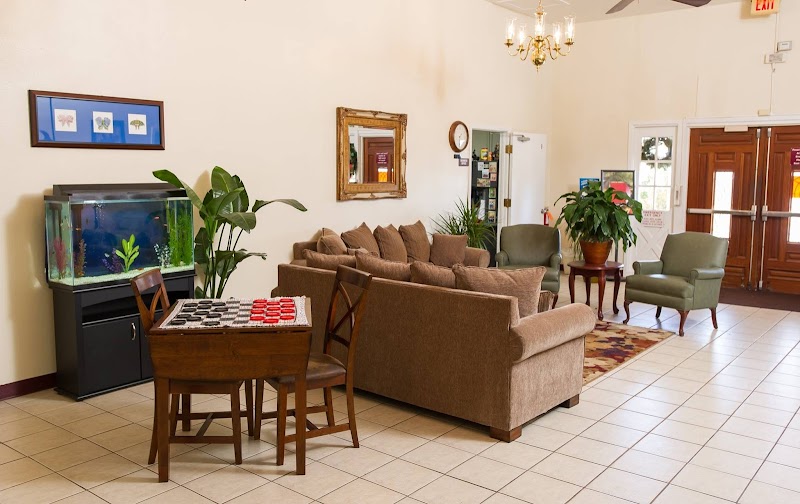
How is Willowcreek Rehab And Nursing Staffed?

CMS rates WILLOWCREEK REHAB AND NURSING's staffing level at 2 out of 5 stars, which is below average compared to other nursing homes. Staff turnover is 52%, compared to the Texas average of 46%.

What Have Inspectors Found at Willowcreek Rehab And Nursing?

State health inspectors documented 20 deficiencies at WILLOWCREEK REHAB AND NURSING during 2022 to 2025. These included: 1 Immediate Jeopardy (the most serious level, indicating potential for serious harm or death) and 19 with potential for harm. Immediate Jeopardy findings are rare and represent the most serious regulatory concerns. They require immediate corrective action.
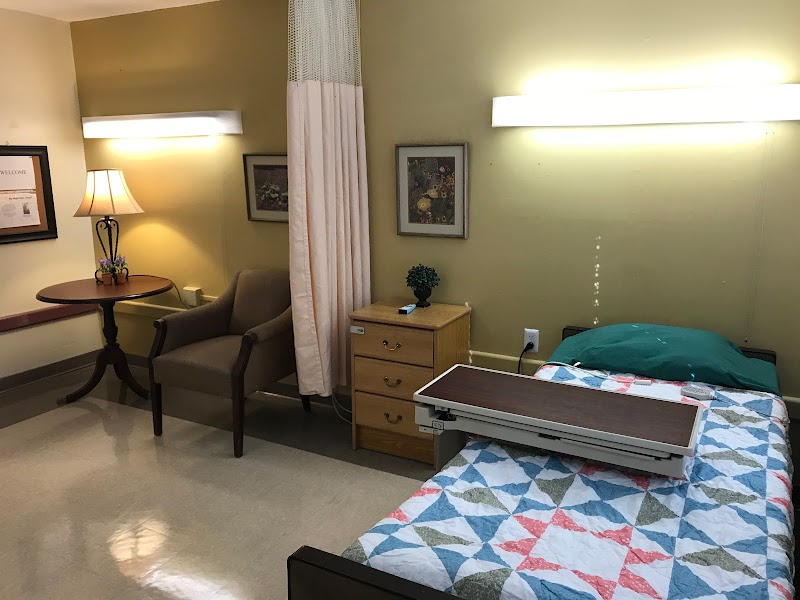
Who Owns and Operates Willowcreek Rehab And Nursing?

WILLOWCREEK REHAB AND NURSING is owned by a government entity. Government-operated facilities are typically run by state, county, or municipal agencies. The facility operates independently rather than as part of a larger chain. With 96 certified beds and approximately 63 residents (about 66% occupancy), it is a smaller facility located in ABILENE, Texas.
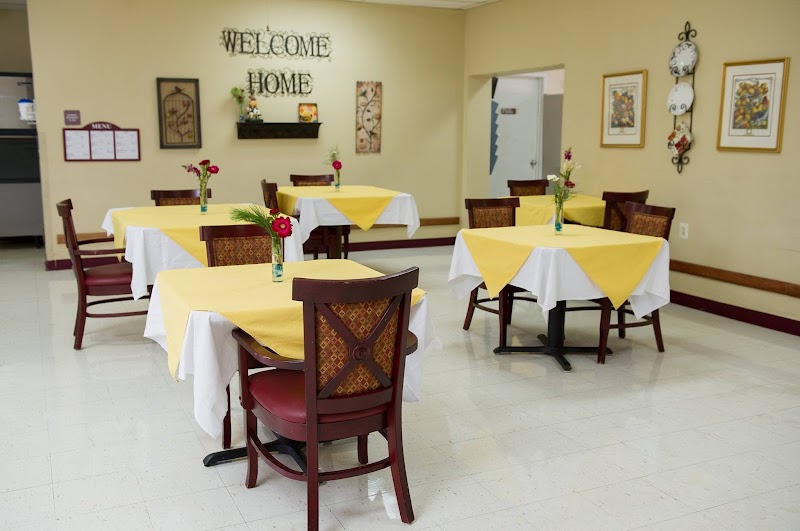
How Does Willowcreek Rehab And Nursing Compare to Other Texas Nursing Homes?

Compared to the 100 nursing homes in Texas, WILLOWCREEK REHAB AND NURSING's overall rating (2 stars) is below the state average of 2.8, staff turnover (52%) is near the state average of 46%, and health inspection rating (2 stars) is below the national benchmark.

What Should Families Ask When Visiting Willowcreek Rehab And Nursing?

Based on this facility's data, families visiting should ask: "What changes have been made since the serious inspection findings, and how are you preventing similar issues?" "Can you walk me through typical staffing levels on day, evening, and night shifts?" "Can I visit during a mealtime to observe dining assistance and food quality?" "How do you handle medical emergencies, and what is your hospital transfer rate?" These questions are particularly relevant given the facility's Immediate Jeopardy citations and the below-average staffing rating.

Is Willowcreek Rehab And Nursing Safe?

Based on CMS inspection data, WILLOWCREEK REHAB AND NURSING has documented safety concerns. Inspectors have issued 1 Immediate Jeopardy citation (the most serious violation level indicating risk of serious injury or death). The facility has a 2-star overall rating and ranks #100 of 100 nursing homes in Texas. Families considering this facility should ask detailed questions about what corrective actions have been taken since these incidents.

Do Nurses at Willowcreek Rehab And Nursing Stick Around?

WILLOWCREEK REHAB AND NURSING has a staff turnover rate of 52%, which is 6 percentage points above the Texas average of 46%. Moderate turnover is common in nursing homes, but families should still ask about staff tenure and how the facility maintains care continuity when employees leave.

Was Willowcreek Rehab And Nursing Ever Fined?

WILLOWCREEK REHAB AND NURSING has been fined $23,345 across 1 penalty action. This is below the Texas average of $33,312. While any fine indicates a compliance issue, fines under $50,000 are relatively common and typically reflect isolated problems that were subsequently corrected. Families should ask what specific issues led to these fines and confirm they've been resolved.

Is Willowcreek Rehab And Nursing on Any Federal Watch List?

WILLOWCREEK REHAB AND NURSING is not on any federal watch list. The most significant is the Special Focus Facility (SFF) program, which identifies the bottom 1% of nursing homes nationally based on persistent, serious quality problems. Not being on this list means the facility has avoided the pattern of deficiencies that triggers enhanced federal oversight. This is a positive indicator, though families should still review the facility's inspection history directly.