AMARILLO CENTER FOR SKILLED CARE


6641 W AMARILLO BLVD, AMARILLO, TX 79106 (806) 352-8800
For profit - Limited Liability company 122 Beds CREATIVE SOLUTIONS IN HEALTHCARE Data: November 2025 1 Immediate Jeopardy citation
Trust Grade
46/100
#178 of 1168 in TX
Last Inspection: November 2024

Within standard 12-15 month inspection cycle. Federal law requires annual inspections.

Overview

Amarillo Center for Skilled Care has a Trust Grade of D, which indicates below-average performance with some concerns about care quality. Ranking #178 out of 1,168 facilities in Texas places them in the top half, and they are the second-best option out of nine nursing homes in Potter County. The facility is improving, as they reduced the number of issues from five in 2024 to four in 2025. Staffing is a concern here, with a rating of 3 out of 5 stars and a turnover rate of 76%, significantly higher than the Texas average of 50%. There have been notable incidents, including a critical failure to properly care for a resident's surgical wound and multiple instances where staff did not perform necessary hand hygiene, increasing the risk of infection. While they have strong RN coverage, more than 89% of Texas facilities, these weaknesses highlight areas that families should carefully consider.

Trust Score
D
46/100
In Texas
#178/1168
Top 15%
Safety Record
High Risk
Review needed
Inspections
Getting Better
5 → 4 violations
Staff Stability
⚠ Watch
76% turnover. Very high, 28 points above average. Constant new faces learning your loved one's needs.
Penalties
⚠ Watch
$21,390 in fines. Higher than 87% of Texas facilities, suggesting repeated compliance issues.
Skilled Nurses
○ Average
Each resident gets 36 minutes of Registered Nurse (RN) attention daily — about average for Texas. RNs are the most trained staff who monitor for health changes.
Violations
⚠ Watch
21 deficiencies on record. Higher than average. Multiple issues found across inspections.
★★★★☆
4.0
Overall Rating
★★★☆☆
3.0
Staff Levels
★★★★★
5.0
Care Quality
★★★☆☆
3.0
Inspection Score
Stable
2024: 5 issues
2025: 4 issues

The Good

  • 5-Star Quality Measures · Strong clinical quality outcomes
  • Full Sprinkler Coverage · Fire safety systems throughout facility
  • No fines on record

Facility shows strength in quality measures, fire safety.

The Bad

Staff Turnover: 76%

30pts above Texas avg (46%)

Frequent staff changes - ask about care continuity

Federal Fines: $21,390

Below median ($33,413)

Minor penalties assessed

Chain: CREATIVE SOLUTIONS IN HEALTHCARE

Part of a multi-facility chain

Ask about local staffing decisions and management

Staff turnover is very high (76%)

28 points above Texas average of 48%

The Ugly 21 deficiencies on record

1 life-threatening
May 2025 3 deficiencies
CONCERN (D) 📢 Someone Reported This

A family member, employee, or ombudsman was alarmed enough to file a formal complaint

Potential for Harm - no one hurt, but risky conditions existed

Deficiency F0583 (Tag F0583)

Could have caused harm · This affected 1 resident

**NOTE- TERMS IN BRACKETS HAVE BEEN EDITED TO PROTECT CONFIDENTIALITY** Based on observation, interview, and record review; it was determined the facility failed to ensure each resident was provided p...

Read full inspector narrative →
**NOTE- TERMS IN BRACKETS HAVE BEEN EDITED TO PROTECT CONFIDENTIALITY** Based on observation, interview, and record review; it was determined the facility failed to ensure each resident was provided privacy during personal care, for 1 of 3 residents reviewed for Resident rights (Resident #2). Facility failed to provide dignity and respect for Resident #2 by providing privacy during incontinent care. The facility's failure could place residents at risk of not being treated with respect, dignity, and care in a manner that protects and promotes the rights of the residents. Findings include: Resident #2 Record review of Resident #2's clinical record, dated 05/13/2025, revealed Resident #2 was a [AGE] year-old female, who was admitted to the facility on [DATE] with diagnoses including type 2 diabetes mellitus without complications (a condition where the body either doesn't make enough insulin or the body's cells don't respond properly to insulin, leading to elevated blood sugar levels (hyperglycemia)), atherosclerotic heart disease of native coronary artery without angina pectoris (a heart condition where atherosclerosis (buildup of plaque) in the heart's blood vessels (coronary arteries) is present, but the individual doesn't experience chest pain (angina)), history of transient ischemic attack (TIA) (a past episode of temporary neurological dysfunction caused by brief, localized blockage of blood flow to the brain), and cerebral infarctions without residual deficits (a past episode of a stroke (cerebral infarction) where the damage to the brain tissue resulted in permanent neurological deficits, but the individual has recovered from these deficits, leaving no lasting impairment), congestive heart failure (a weakness of the heart that leads to a buildup of fluid in the lungs and surrounding body tissues), epilepsy (a chronic neurological condition characterized by recurrent, unprovoked seizures). Record review of Resident #2's most recent MDS assessment, dated 03/01/2025, indicated Resident #2 had a BIMS of 14, indicating no cognitive impairment and a functionality of total dependency or maximal assistance was required in all care areas except moderate assistance needed with upper body dressing. Resident required touch assistance with eating and oral hygiene. During an observation on 05/13/2025 at 11:29 AM SNA C and SNA D did not shut Resident #2's blinds to her room or shut the door to Resident #2's room to provide privacy during incontinent care. During the time incontinent care was being provided to Resident #2, unidentified person walked by Resident #2's bedroom window twice. During an interview on 05/13/2025 at 11:41 AM SNA D stated Resident #2 did not like for her window blinds to be closed during the day even during patient care. SNA D stated this is how I was trained. SNA D could not give a negative outcome for the resident by not providing privacy to the resident. During an interview on 05/13/2025 at 11:46 AM SNA C stated she had not been trained on how to perform incontinent care for a resident. SNA C could not give a negative outcome for the resident by not providing privacy to the resident. During an interview on 05/13/2025 at 11:50 AM Resident #2 stated the staff are supposed to close the blinds and door during resident cares. Resident #2 stated she did not want someone to walk by and see her naked. The trash and dirty laundry are taken out of those doors right there (Resident #2 pointed out the window to a door across the open area), and most of the time it is men who are doing that. I don't want them seeing me. During an interview on 05/13/2025 at 5:41 PM DON stated a negative outcome for not providing privacy to the residents could lead to embarrassment and there is a lack of dignity for the resident. Record review of the facility's policy titled Residents Rights, revised 11/28/2016, revealed: .The resident has a right to be treated with respect and dignity, . .The resident has a right to personal privacy . Record review of the facility provided policy titled, Perineal Care dated 05/11/2022, revealed: .7) Provide privacy and modesty by closing the door and/or curtain .
CONCERN (E) 📢 Someone Reported This

A family member, employee, or ombudsman was alarmed enough to file a formal complaint

Potential for Harm - no one hurt, but risky conditions existed

Deficiency F0726 (Tag F0726)

Could have caused harm · This affected multiple residents

Based on observations, interviews, and record review, the facility failed to have sufficient nursing staff with the appropriate competencies and skill sets to provide nursing and related services to a...

Read full inspector narrative →
Based on observations, interviews, and record review, the facility failed to have sufficient nursing staff with the appropriate competencies and skill sets to provide nursing and related services to assure resident safety and attain or maintain the highest practicable physical well-being for 4 of 6 staff (SNA A, SNA B, SNA C, SNA D) reviewed for nursing services. The facility failed to ensure the following: -SNA A failed to perform hand hygiene before, during, or after incontinent care for Resident #1. -SNA B failed to perform hand hygiene before assisting with incontinent care for Resident #1. -SNA C failed to perform hand hygiene before or after assisting with incontinent care for Resident #2. -SNA D failed to perform hand hygiene before, during, or after incontinent care for Resident #2. -SNA D wiped back to front during incontinent care for Resident #2 This failure placed residents at risk of receiving care that is performed by untrained staff which could result in increased risk of infection or skin breakdown. Findings included: During an observation on 05/13/2025 at 9:44 AM SNA A and SNA B started to perform incontinent care for Resident #1, but failed to perform hand hygiene before care was started. SNA A performed perineal care and cleaned Resident #1. No glove change or hand hygiene was performed after cleaning the dirty areas of Resident #1, before picking up a clean brief to put on Resident #1. SNA A proceeded to touch Resident #1 and her clothing, bedding, and items on night stand. During an interview on 05/13/2025 at 9:56 AM SNA A stated the negative outcome for not performing hand hygiene would be that the resident did not receive the correct care. During an interview on 05/13/2025 at 9:59 AM SNA B stated the negative outcome for not performing hand hygiene would be that we could spread germs from one resident to another. During an observation on 05/13/2025 at 11:29 AM 05/13/2025 at 11:29 AM SNA C and SNA D performed incontinent care on Resident #2. Neither SNA's performed hand hygiene before starting incontinent care for Resident #2. SNA D used one wipe more than once and wiped back to front and not front to back when performing perineal care. SNA D then proceeded to place a clean brief on Resident #2 while the dirty brief was still in place, the dirty brief touched the clean brief. No glove change or hand hygiene were performed at any time during the incontinent care of Resident #2. SNA C took soiled wipes from SNA D and would throw them in the trash for SNA D and then return to holding the resident on her side so that SNA D could perform incontinent care on the back side or Resident #2. SNA C then touch the clean brief, residents clothing, and the blankets of Resident #2 with no glove change or hand hygiene was performed. Neither SNA performed hand hygiene after care was completed. During an interview on 05/13/2025 at 11:41am SNA D stated that she used multiple wipes during incontinent care and that is how I was taught how to do it, that is how I was trained. SNA D could not provide a negative outcome for the resident. During an interview on 05/13/2025 at 11:46 AM SNA C stated she had not been taught how to perform perineal care for residents. SNA C was unable to provide a negative outcome for not performing hand hygiene during incontinent care. During an interview on 05/13/2025 at 4:28 PM with CO-RN stated that the previous ADON whose last day was last Friday was supposed to have trained 3 of the SNAs and has their documentation. The documentation cannot be found for SNA B, SNA C, and SNA D due to previous ADON having their documentation. During an interview on 05/13/2025 at 5:41 PM DON stated the negative outcome for having staff who do not have the appropriate qualifications could lead to abuse, neglect, and increased infections for the residents. DON stated the SNAs come in for orientation, and further training, which will include training on the floor in the facility. Then they will get clinical training on top of that which will equal 40 hours over a 6-8-week time frame with clinical educators. Record review of Texas Nurse Aide Performance Record for SNA A, training start date: 03/18/2025, training end date: 05/02/2025, revealed the following: .6. Hand washing was completed on 03/18/2025 with a satisfactory for her clinical check-off. . 21. Perineal care/incontinent care-Female (with or Without catheter) (l, P) was completed on 04/23/2025 with a satisfactory for her clinical check-off. No trainings were found for SNA C or SNA D Record review of the facility provided policy titled, Student Nurse Aide dated 2010, revealed: .Only perform patient care areas that the student has received training for . .Ability to comply with the patient [NAME] of Rights and the employee responsibilities. .Ability to comply with Company and departmental safety policies and procedures. .Accountable for personal care (i.e., grooming, bathing, catheter care, pericare, and dressing), and observation of residents within patient care policy guidelines.
CONCERN (E) 📢 Someone Reported This

A family member, employee, or ombudsman was alarmed enough to file a formal complaint

Potential for Harm - no one hurt, but risky conditions existed

Infection Control (Tag F0880)

Could have caused harm · This affected multiple residents

Based on observation, interview, and record review, the facility failed to establish and maintain an infection prevention and control program designed to provide a safe, sanitary, and comfortable envi...

Read full inspector narrative →
Based on observation, interview, and record review, the facility failed to establish and maintain an infection prevention and control program designed to provide a safe, sanitary, and comfortable environment and to help prevent the development and transmission of communicable diseases and infections for 3 of 3 resident care areas (Resident #1, #2 and Resident #3) and 5 of 6 facility staff (SNA A, SNA B, SNA C, SNA D, and SNA F) reviewed for infection control. The facility failed to ensure that facility staff performed hand hygiene appropriately during incontinent care. This failure could place the residents at an increased risk for potentially exposing them to viral infections, secondary infections, tissue breakdown, communicable diseases and feelings of isolation related to poor hygiene. Findings included: During an observation on 05/13/2025 at 9:44 AM SNA A and SNA B started to perform incontinent care for Resident #1, but failed to perform hand hygiene before care was started. SNA A performed perineal care and cleaned Resident #1. No glove change or hand hygiene was performed after cleaning the dirty areas of Resident #1, and before picking up a clean brief to put on Resident #1. SNA A proceeded to touch Resident #1 and her clothing, bedding, and items on night stand. Neither SNA A nor SNA B performed hand hygiene after the conclusion of incontinent care of Resident #1. During an interview on 05/13/2025 at 9:56 AM SNA A stated the negative outcome for not performing hand hygiene would be that the resident did not receive the correct care. During an interview on 05/13/2025 at 9:59 AM SNA B stated the negative outcome for not performing hand hygiene would be that we could spread germs from one resident to another. During an observation on 05/13/2025 at 11:29 AM SNA C and SNA D performed incontinent care on Resident #2. Neither SNA's performed hand hygiene before starting incontinent care for Resident #2. SNA D used one wipe more than once and wiped back to front and not front to back when performing perineal care. NA D then proceeded to place a clean brief on Resident #2 while the dirty brief was still in place, the dirty brief touched the clean brief. No glove change or hand hygiene were performed at any time during the incontinent care of Resident #2. SNA C took soiled wipes from SNA D and would throw them in the trash for SNA D and then return to holding the resident on her side so that SNA D could perform incontinent care on the back side or Resident #2. SNA C then touch the clean brief, residents clothing, and the blankets of Resident #2 with no glove change or hand hygiene performed. Neither SNA performed hand hygiene after care was completed. During an interview on 05/13/2025 at 11:41am SNA D stated she used multiple wipes during incontinent care and that is how I was taught how to do it, that is how I was trained. SNA D could not provide a negative outcome for the resident for not performing hand hygiene during incontinent care. During an interview on 05/13/2025 at 11:46 AM SNA C stated she had not been taught how to perform perineal care for residents. SNA C was unable to provide a negative outcome for not performing hand hygiene during incontinent care. During an observation on 05/13/2025 at 2:34 PM SNA E and SNA F performed incontinent care for Resident #3. SNA F was complete with cleaning Resident #3 and doffed gloves but failed to perform hand hygiene before placing clean gloves on to place clean brief on Resident #3. During an interview on 05/13/2025 at 2:50 PM with SNA F stated that the negative outcome for residents would be cross contamination and an increased chance of infection. During an interview on 05/13/2025 at 5:41 PM DON stated the negative outcome for staff not performing hand hygiene during incontinent care for residents could lead to an increase of infections for the residents. Record review of the facility provided policy titled, Fundamentals of Infection Control Precautions undated, revealed: .1. Hand Hygiene Hand hygiene continues to be the primary means of preventing the transmission of infection. . Before and after entering isolation precaution settings; . .Before and after assisting a resident with personal care (e.g., oral cre, bathing); . .After contact with a resident's mucous membranes and body fluids or excretions; . .After removing gloves or aprons; . Record review of the facility provided policy titled, Hand Washing dated 2012, revealed: We will ensure proper hand washing procedures are utilized. Record review of the facility provided policy titled, Perineal Care dated 05/11/2022, revealed: . Procedure content . .Start . .10) Perform hand hygiene . .17)Gently perform perineal care, wiping from clean, urethral area, to dirty rectal area to avoid contamination the urethral area - CLEAN to DIRTY!' Female resident: Working from front to back, . .BACK . . 21) Gently perform care to the buttocks and anal area, working form front to back without contamination the perineal area . .24) Doff gloves . .25) perform hand hygiene. .CONCLUDE . 26) provide resident comfort . .31) perform hand hygiene .
Apr 2025 1 deficiency
CONCERN (E) 📢 Someone Reported This

A family member, employee, or ombudsman was alarmed enough to file a formal complaint

Potential for Harm - no one hurt, but risky conditions existed

Resident Rights (Tag F0550)

Could have caused harm · This affected multiple residents

**NOTE- TERMS IN BRACKETS HAVE BEEN EDITED TO PROTECT CONFIDENTIALITY** Based on observations, interviews, and record reviews the facility failed to treat each resident with respect, dignity, and care...

Read full inspector narrative →
**NOTE- TERMS IN BRACKETS HAVE BEEN EDITED TO PROTECT CONFIDENTIALITY** Based on observations, interviews, and record reviews the facility failed to treat each resident with respect, dignity, and care for each resident, in a manner and environment that promotes the maintenance or enhancement of his or her quality of life, while respecting each resident's individuality. The facility failed to protect and promote the rights of 3 of 8 residents (Residents #1, #2, and #3) reviewed for resident rights. The facility failed to ensure Resident #1 was served a meal with napkins, dinnerware and cutlery which were non-disposable. Resident #1 was served a meal with a Styrofoam plate and cup and plastic cutlery as a form a convenience for facility staff. The facility failed to ensure the full visual privacy of catheter bag contents for two residents (Residents #2 and #3) by using privacy covers. These failures could cause residents to feel uncomfortable, embarrassed and disrespected. Findings included: Record review of Resident #1's clinical record reflected an [AGE] year-old female who was admitted to the facility on [DATE] with diagnoses of Mild Cognitive Impairment of Uncertain or Unknow Etiology (brain changes occurring in the very early stages of Alzheimer's or other neurodegenerative diseases that cause dementia), and Major Depressive Disorder, Single Episode, Mild (a mental health condition that causes a persistent feeling of sadness and loss of interest in activities that were once enjoyable). Resident #1 had a BIMS score of 15 indicating she was cognitively intact. An interview with Resident #1 on 04/01/2025 at 9:47AM revealed she had awoken the morning of 03/27/2025 to find her breakfast tray on her bedside table. Resident #1 stated she wanted some hot coffee and tried to locate her call light. Resident #1's call light had fallen off her bed in the night and she was unable to reach it to summon a CNA. Resident #1 is ambulatory but was experiencing hip pain the morning of 03/27/2025 and had chosen to stay in bed. Resident #1 stated she took the cover off her breakfast plate and used her knife to tap on the side of the plate to get someone's attention. CNA B came into the room and asked Resident #1 why she was banging on the plate and not using her call light, like she was supposed to. CNA B told Resident #1 she was going to break the plate and get glass in her eyes if she kept doing that. CNA B retrieved the call light and clipped it onto Resident #1's blanket and then proceeded to write on the dining slip on the breakfast tray that Resident #1 could no longer have regular plates, cups, and silverware. She was to have only Styrofoam and plastic. Resident #1 stated CNA B put the slip back on her tray and left the room to get her some coffee. When CNA B returned with the coffee, Resident #1 asked if she were being punished. CNA B told her eating on a foam plate and using plastic utensils was for her own safety. Resident #1 stated her RR came to visit her shortly after breakfast and her breakfast tray was still sitting on her bedside table. She told her RR what happened, and the RR immediately took the dining slip with the written request for Styrofoam and plastic dinnerware and told Resident #1 she would take care of the situation. Resident #1 thought her RR had spoken with LVN A after the incident. Resident #1 stated she had received all meals since the lunch meal on 03/27/2025 on regular China with regular utensils but felt embarrassed receiving her lunch on a Styrofoam plate with plastic utensils. An interview with LVN A on 04/01/2025 at 10:00AM reflected on 03/27/2025 CNA B had written on the breakfast dining slip that Resident #1 was to have only Styrofoam and plastic dinnerware. LVN A stated she questioned CNA B on who told her to request the foam and plastic dinnerware for Resident #1. CNA B told LVN A no one had told her to put in the request; she had done it on her own to keep Resident #1 from banging on her plate with her knife and possibly becoming injured. LVN A stated she told CNA B she should have come to her first as the Charge Nurse to discuss the incident, before deciding to make the request to the kitchen on her own. LVN A asked CNA B what she had done with the dining slip and CNA B told her she left it on Resident #1's tray so the kitchen staff would see it before lunch. LVN A stated she spoke with Resident #1's RR who was still visiting at that time, about the incident, and was asked by the RR if Resident #1 was being punished for some reason. Resident #1's RR asked LVN A not to say anything to administration and told LVN A she would take care of the situation on her own. An interview with the DON on 04/01/2025 at 11:00AM reflected she was unaware of the incident between CNA B and Resident #1. The DON stated she had not been at work on Thursday or Friday, March 27th and 28th of prior week and no one had come to talk to her about the incident. She stated she would call CNA B immediately to find out the details of the incident and what disciplinary steps needed to be taken against CNA B. She stated she would also speak with Resident #1, her RR and LVN A. An interview with Resident #1's RR on 04/01/2025 at 5:13PM revealed she felt as if Resident #1 had been embarrassed by CNA B. The RR verified CNA B had written on the breakfast slip from 03/27/2025 Resident #1 was to have only Styrofoam and plasticware. The RR stated Resident #1 was served the lunch meal on a Styrofoam plate with plastic utensils on 03/27/2025, but all other meals since that time had been served on regular China with regular utensils. The RR stated she spoke with LVN A about the situation and asked her not to say anything to administration for fear of pushing too hard and causing problems. Record review of Resident #2's clinical record revealed a [AGE] year-old female who was admitted to the facility on [DATE] with diagnoses of Unspecified Dementia, Unspecified Severity, without Behavioral Disturbance, Psychotic Disturbance, Mood Disturbance, and Anxiety (dementia which presents with behaviors which are more mild and less aggressive and can present a disconnect between actual life circumstances and the person's state of mind or feelings), Major Depressive Disorder, Recurrent, Severe without Psychotic Features (an episode of depression in which loss of self-esteem, worthlessness and guilt are present), Charcot's Joint, Right Ankle and Foot (a rare condition caused by complications of diabetes-related neuropathy which causes bone and joint fragmentation), and Type 2 Diabetes without Complications (a condition where the body cannot use insulin correctly and sugar builds up in the blood). Resident #2 had a BIMS score of 00, indicating she was severely cognitively impaired. An observation of Resident #2 on 04/01/2025 at 10:10AM revealed she was sitting in her wheelchair by the nurse's charting station while CNA C was charting. Resident #2's catheter bag contents were clearly visible, and no privacy cover was in place. An attempt to interview Resident #2 was not successful due to her level of cognition. Record review of Resident #2's physician orders dated 03/21/2024 revealed the following: Ensure foley bag is in privacy bag while in bed or wheelchair, every shift. An interview with CNA C on 04/01/2025 at 10:12AM reflected he was not sure if Resident #2 minded if her privacy bag was not covering her catheter bag contents, but stated, It must have fallen off! [Resident #2] had it at breakfast; I don't know what happened. CNA C immediately went to Central Supply to replace Resident #2's privacy bag. CNA C stated the negative outcome of not having a privacy bag would be Resident #2 might become embarrassed or feel bad about herself. Record review of Resident #3's clinical chart revealed a [AGE] year-old female who was admitted to the facility on [DATE] with diagnoses of Sepsis, Unspecified Organism (a serious condition in which the body responds improperly to infection), Addison's Disease (a condition where the body doesn't make enough of the hormones cortisol and aldosterone), Multiple Sclerosis (a disease that causes breakdown of the protective covering of the nerves), [NAME] (an intestinal bleed involving black, tarry stools from the upper gastrointestinal tract), Systemic Lupus Erythematosus, Unspecified (an auto-immune disease where the body mistakenly attacks healthy tissue, skin, joints, kidney, brain and other organs), and Neuromuscular Dysfunction of Bladder, Unspecified (the nerves of the brain or spinal cord are damaged and the sphincter muscles of the bladder can no longer work correctly). An observation of Resident #3 on 04/01/2025 at 1:30PM revealed she was laying in her bed with her catheter bag clipped close to the end of the bed. There was no privacy cover, and the bag was able to be seen from the hallway, when the door to the room was open. An interview with Resident #3 was unsuccessful due to her unresponsiveness and end-of-life circumstances. An interview with Resident #3's RR on 04/01/2025 at 1:33PM reflected Resident #3 had not had a cover on her catheter bag since Friday, March 28th when she started Hospice services. The RR stated Resident #3 would be so embarrassed if she knew the bag was hanging from the bed with no covering. Resident #3's RR stated the communication in the facility had been less than helpful. She had asked 2 unnamed CNAs if they could get privacy covers for the bag over the weekend, but neither had returned with the covers. Record review of Resident #3's physician orders dated 03/16/2025 revealed the following: Resident to be bed bound due to pain/end-of-life, two times a day for Hospice/end-of-life related to Sepsis, Unspecified Organism. Ensure Foley bag is in privacy bag while in bed or wheelchair every shift related to Neuromuscular Dysfunction of Bladder, Unspecified. Record review of the facility's undated policy for Resident Rights did not reflect written policy for the use of regular China and utensils or privacy bags over catheter bags.
Nov 2024 4 deficiencies
CONCERN (D)

Potential for Harm - no one hurt, but risky conditions existed

Accident Prevention (Tag F0689)

Could have caused harm · This affected 1 resident

**NOTE- TERMS IN BRACKETS HAVE BEEN EDITED TO PROTECT CONFIDENTIALITY** Based on observation, interview, and record review, the facility failed to ensure that the residents environment remained as fre...

Read full inspector narrative →
**NOTE- TERMS IN BRACKETS HAVE BEEN EDITED TO PROTECT CONFIDENTIALITY** Based on observation, interview, and record review, the facility failed to ensure that the residents environment remained as free from accident hazards as was possible; and that each resident received adequate supervision to prevent accident hazards for one resident (Resident #171) of 18 residents observed for accident hazards. -Resident #171 had an oxygen bottle/cylinder left unsecured in her room. This failure could affect all the residents at the facility by placing them at risk for accidents that lead to injuries such as bruising, skin tears, fractures, and feeling of isolation. Findings include: Record review of the clinical record for Resident #171 revealed a [AGE] year-old female resident admitted to the facility on [DATE] with diagnoses to include aftercare following joint replacement surgery, malnutrition (lack of proper nutrition), epilepsy (a disorder in which nerve cell activity in the brain is disturbed, causing seizures), hypertension, (a condition in which the force of the blood against the artery walls is too high), and cerebral infarction (occurs as a result of disrupted blood flow to the brain due to problems with the blood vessels that supply it). Record review of Resident #171's clinical record revealed she had been in the facility 6 days and an MDS was not due to be completed. Record review of Resident #171's clinical record revealed a care plan with the following: admission Date: 11-14-2024 Focus: The resident has oxygen therapy. Date initiated - 11-14-2024. Record review of Resident #171's clinical record revealed active orders as of 11-20-2024. Resident #171 had no orders for Oxygen therapy. Record review of Resident #171's clinical record revealed a Medication Administration Record for the month of November 2024 with no administration of oxygen therapy listed. During an observation on 11-20-2024 at 07:18 AM revealed Resident #171 was in her room laying on her bed (Bed B) under her covers and did not wake to knocking or introduction. Resident #171's room was noted to have an oxygen bottle lying at the foot of the mattress on the second bed (Bed A that was unoccupied due to Resident #171 did not have a roommate) that was not secured. During an observation and interview on 11-20-2024 at 10:56 AM revealed Resident #171 was in her room sitting in her chair. Observation revealed the unsecured oxygen bottle had been removed from the room. Resident #171 reported that she had never used oxygen, that she was aware that someone came into her room a day or two ago and placed the oxygen bottle on the extra bed, and that she was not aware of who the oxygen bottle belonged to. Resident #171 was unable to remember who placed the oxygen bottle on the second bed. During an interview on 11-21-2024 at 10:48 AM CNA E (CNA for the hall Resident #171 was on this shift) reported that an oxygen bottle should not be left unsecured on a resident's bed because it could fall and explode and that could result in an injury to a resident. CNA E verified that she had been trained through the facility online training system on oxygen safety and that she was not the one who placed the oxygen bottle on the bed. During an interview on 11-21-2024 at 01:26 PM LVN A (a nurse from a different hall that Resident 171 was on) reported that an oxygen bottle should be stored upright and secured in the oxygen room away from any flames. LVN A reported that an oxygen bottle should never be placed unsecured on a resident's bed and that if it was the oxygen bottle could fall off the resident's bed resulting in an injury to a resident or staff. LVN A verified that he had been trained through the facility online training system on oxygen safety and that he had not worked on Resident #171's hall. During an interview on 11-21-2024 at 01:47 PM the DON reported that all oxygen tanks should be stored in a carrier either on the resident's wheelchair or in a secured carrier when transported, that if an oxygen tank was not secured such as with placing on a resident bed, then the tank could fall and explode resulting in an injury to either a resident, family, or a staff member. The DON reported that she suspected that either a hospice staff member had placed the oxygen bottle on the mattress or when the resident was admitted she entered the facility on oxygen and whoever brought her in left it on the bed. The DON stated that she could not be sure of who put the oxygen bottle on the bed. Record review of the facility provided policy titled Compressed Gas, Safe Handling of reviewed 12-10-2015, revealed the following: 11. When tanks are stored, all tanks and cylinders should be stored in a cylinder cart or securely chained in a secure storage area. Never leave cylinders free-standing. All cylinders must be individually secured.
CONCERN (D)

Potential for Harm - no one hurt, but risky conditions existed

Respiratory Care (Tag F0695)

Could have caused harm · This affected 1 resident

**NOTE- TERMS IN BRACKETS HAVE BEEN EDITED TO PROTECT CONFIDENTIALITY** Based on observation, interview, and record review, the facility failed to ensure that residents who need respiratory care were ...

Read full inspector narrative →
**NOTE- TERMS IN BRACKETS HAVE BEEN EDITED TO PROTECT CONFIDENTIALITY** Based on observation, interview, and record review, the facility failed to ensure that residents who need respiratory care were provided such care consistent with professional standards of practice for 1 (Resident #4) of 4 residents reviewed for respiratory care. The facility failed to administer oxygen at the correct dose for Resident #4. This failure could affect all resident on oxygen therapy by placing them at risk for respiratory compromise and associated complications such as shortness of breath, confusion, respiratory failure, and exacerbation of their condition. Findings include: Record review of Resident #4's clinical record revealed an [AGE] year-old female resident admitted to the facility originally on 5-8-2017 and readmitted on [DATE] with diagnoses to include chronic respiratory failure (a long-term condition that occurs when the body's respiratory system can't exchange oxygen and carbon dioxide properly) with hypoxia (low level of oxygen in your body tissue), pneumonia (lung inflammation caused by a bacterial or viral infection), atrial fibrillation (an irregular, often rapid heart rate that commonly causes poor blood flow), diabetes, (a chronic condition that affects the way the body processes blood sugar (glucose), and history of pulmonary embolism (clot blocking blood flow to lungs). Record review of Resident #4's clinical record revealed her last MDS was a quarterly completed 10-4-2024 listing her with a BIMS of 11 indicating she was moderately cognitively impaired, and she had a functionality of requiring partial/moderate assistance with most of her activities of daily living. Section O-Special Treatments, Procedures, and Programs-Respiratory Programs: Oxygen Therapy-Resident #4 was marked as having oxygen While a Resident. Record review of Resident #4's Order Summary Report with Active Orders as of 11-20-2024 revealed the following order: -Oxygen @__3__l/m via nasal canula PRN as needed for Shortness of Breath related to CHRONIC RESPIRATORY FAILURE WITH HYPOXIA - Active 06-18-2021 Record review of Resident #4's clinical record revealed a care plan with the admission date of 10-1-2024, last review date of 10-8-2024 revealed the following: Focus: Resident has Oxygen Therapy R/T CHRONIC RESPIRATORY FAILURE W/ HYPOXIA, RESIDENT EXPERIENCES SOB at times Date Initiated: 07-25-2017 Revision on: 08-03-2022 Goals: The resident will have no s/sx of poor oxygen absorption through the review date. Date Initiated: 07-25-2017 Revision on: 04-28-2023 Target Date: 12-09-2024 Procedure: Apply O2 as ordered. Date Initiated: 07-25-2017 During an observation and interview on 11-20-2024 at 07:52 AM revealed Resident #4 was in her room eating her breakfast. Resident #4 was wearing oxygen via a nasal cannula (NC) at 5L/min. Resident #4 reported that staff provided all her oxygen care, and that she had no concerns. During an observation on 11-20-2024 at 11:39 AM revealed Resident #4 was sleeping in her bed with her oxygen on via NC at 5L/min. During an observation on 11-21-2024 at 07:25 AM revealed Resident #4 was sleeping in her bed with her oxygen on via NC at 5L/min. During an observation on 11-21-2024 at 09:48 AM revealed Resident #4 was sleeping in her bed with her oxygen on via NC at 5L/min. During an observation and interview on 11-21-2024 at 10:19 AM revealed LVN A (the nurse responsible for Resident #4 this shift) entered Resident #4's room and checked her oxygen. LVN A reported that Resident #4's oxygen was currently at 5L/min via her nasal canula which Resident #4 was wearing and that to his knowledge that was too high. LVN A then turned the Oxygen level/dose down. LVN A reported he was going to verify the correct oxygen dose that Resident #4 was ordered to be on. LVN A checked Resident #4's chart and verified the current orders were for Resident #4's oxygen to be at 3L/min and reported that he would immediately ensure that Resident #4's oxygen dose was corrected. LVN A reported that oxygen that was administered at too high of a dose was a medication error and that giving a resident to much oxygen could affect a resident negatively, that it could compromise the resident's ability to breath. During an interview on 11-21-2024 at 01:49 PM the DON reported that she expects her staff to follow all physician's orders in a timely manner. The DON stated that if a staff member questions a physician order, then she expected them to call and clarify that order before implementing the order. The DON reported that she expected all orders to be checked every shift and ensure that they were accurate and implemented correctly. The DON verified that not following an oxygen order was considered a medication error and that administering too much oxygen could result in hyperinflation or O2 toxicity for a resident. Record review of the facility provided policy titled Oxygen Administration reviewed 2-13-2007, revealed the following: Goals: 1. The resident will maintain oxygenation with safe and effective delivery of prescribed oxygen.
CONCERN (D)

Potential for Harm - no one hurt, but risky conditions existed

Infection Control (Tag F0880)

Could have caused harm · This affected 1 resident

**NOTE- TERMS IN BRACKETS HAVE BEEN EDITED TO PROTECT CONFIDENTIALITY** Based on observation, interview, and record review the facility failed to establish and maintain an infection prevention and con...

Read full inspector narrative →
**NOTE- TERMS IN BRACKETS HAVE BEEN EDITED TO PROTECT CONFIDENTIALITY** Based on observation, interview, and record review the facility failed to establish and maintain an infection prevention and control program designed to provide a safe, sanitary, and comfortable environment and to help prevent the development and transmission of communicable diseases and infections for 2 (Resident #45 and Resident #221) of 18 residents reviewed for infection prevention and control. 1. The facility failed to keep Resident #45's nasal cannula off the floor. 2. The facility failed to keep Resident #221's catheter bag off the floor. These failures could place residents at risk of infections, secondary infections, tissue breakdown, and communicable diseases. Findings Included: 1. Record review of Resident #45's admission record dated 11/22/24 revealed an [AGE] year-old female admitted to the facility on [DATE] with diagnoses that included but were not limited to Alzheimer's, heart failure, and major depressive disorder. Record review of Resident #45's significant change MDS completed on 11/15/24 revealed the following: Section C: Resident #45 had a BIMS of 4 which indicated severely impaired cognition. Section O: Resident #45 was receiving oxygen therapy while a resident. Record review of Resident #45's care plan revealed a completion date of 09/18/24 and no mention of oxygen therapy. Record review of Resident #45's active orders dated 11/22/24 revealed an order with start date of 11/07/24 for oxygen use via nasal cannula as needed at 2-3 liters per minute to maintain blood oxygen saturation above 90 % and an order with start date of 11/14/24 for oxygen use at 2 liters per minute twice a day as needed for shortness of breath and anxiety. During an observation and interview on 11/20/24 at 07:35 AM Resident #45 was in her room lying in her bed with an oxygen concentrator on and sitting next to the bed. The nasal cannula was rolled up on the floor under her bed with the nasal prongs in direct contact with the floor. Brownish discoloration noted to the nasal cannula. Resident #45 stated she did not need or wear oxygen. During an observation on 11/20/24 at 09:01 AM Resident #45 was observed lying in her bed receiving oxygen via nasal cannula. During an interview on 11/21/24 at 01:24 PM LVN A stated nasal cannulas used for oxygen therapy should be stored in a plastic bag off the floor, so the nasal cannula did not touch the floor. He stated if the nasal cannula did touch the floor, it would become contaminated and put the resident at risk of developing an infection. During an interview on 11/21/24 at 01:45 PM DON stated oxygen tubing and nasal cannulas were to be stored in a bag if not on the resident. She stated if the nasal cannula came into contact with the floor, then it would become contaminated and would need to be replaced. DON stated if a nasal cannula that came into contact with the floor was not replaced, the resident would be at risk for contamination and infection. 2. Record review of Resident #221's admission record dated 11/21/24 revealed a [AGE] year-old male admitted to the facility on [DATE] with diagnoses that included, but were not limited to, encounter for surgical aftercare following surgery on the circulatory system, cancer of tongue, gum, lung, and lymph nodes, and retention of urine. Record review of Resident #221's MDS tab in his EHR revealed an admission MDS in process. Record review of Resident #221's care plan initiated on 11/07/24 revealed a focus area regarding enhanced barrier precautions for catheter care initiated on 11/07/24 and resolved on 11/21/24. The goal was There will not be any transmission of infection from or to the resident. Record review of Resident #221's completed orders revealed the following: An order with end date of 11/20/24 to change his Foley catheter once a month. An order with an end date of 11/20/24 for foley catheter to gravity drainage. An order with an end date of 11/20/24 to ensure the catheter strap (holds tubing for catheter to leg of resident) was in place and holding. An order with an end date of 11/20/24 to empty the catheter drainage bag. An order with an end date of 11/20/24 to monitor the catheter once a shift for leakage, blockage, sediment buildup, and low output. An order with an end date of 11/20/24 to ensure the catheter bag was in a privacy bag. During an observation and interview on 11/20/24 at 07:17 AM Resident #221 was seated in his wheelchair next to his bed and his catheter bag and approximately 1.5 feet of catheter tubing were lying on the floor next to him. He stated no one told him it was not okay to keep his catheter bag on the floor. During an observation and interview on 11/21/24 at 02:34 PM Resident #221 was lying on his back in bed. He said of his catheter, They (staff) took it out yesterday morning, thank the LORD. Stated staff had not educated him on keeping his catheter bag off the floor at any time since he had been in the facility. During an interview on 11/21/24 at 02:35 PM CNAs B and C stated their duties as CNAs with catheters were to empty the bag and to provide perineal care. Both CNAs stated it was never okay for the catheter bag to be on the floor. CNA B stated a catheter bag on the floor could be contaminated, resident could step on it and pull it out. During an interview on 11/21/24 at 02:38 PM DON stated nurses were responsible to insert and discontinue catheters and CNAs were responsible to empty the bag and do perineal care. She stated a possible negative outcome of a catheter bag on the floor was infection control is [the] biggest one or it could leak and [create a] risk of falls, or [the catheter could] get pulled out and cause trauma. During an interview on 11/21/24 at 02:43 PM ADM stated a possible negative outcome of a catheter bag on the floor was bacteria and infection control. During an interview on 11/22/24 at 09:00 AM ADON stated there was not a possible negative outcome for a resident if their catheter bag was on the floor. She said it would not affect infection control for a catheter bag to be lying on the floor. During an interview on 11/22/24 at 09:10 AM LVN D stated she worked on Resident #221's hall. She stated since he had been in the facility she had not noticed his catheter bag on the floor. She stated a possible negative outcome of a catheter bag on the floor was, It can get a leak and it is an infection control problem. During an interview on 11/22/24 at 09:14 AM LVN D stated after she thought about the question more she remembered Resident #221 placing his catheter bag on the floor and she remembered educating him not to do so. Record review of facility policy titled Infection Control Plan: Overview and dated 03/2024 revealed the following: . The facility will establish and maintain an Infection Control Program designed to provide a safe, sanitary and comfortable environment and to help prevent the development and transmission of disease and infection. The intent of this policy is to assure that the facility develops, implements, and maintains an Infection Prevention and Control Program in order to prevent, recognize, and control to the extent possible, the onset and spread of infection within the facility. Record review of facility policy titled Catheter Care and dated February 13, 2007 revealed the following: . 5. Check the resident frequently . Keep tubing off floor . 10. Be sure the catheter tubing and drainage bag are kept off the floor. Record review of facility policy titled Oxygen Administration and dated February 13, 2007 revealed the following: . Oxygen therapy includes the administration of oxygen (O2) in liters/minute (l min) by cannula . The policy did not address oxygen tubing storage or infection control.
CONCERN (E)

Potential for Harm - no one hurt, but risky conditions existed

Food Safety (Tag F0812)

Could have caused harm · This affected multiple residents

Based on observation, interview and record review the facility failed to store, prepare, distribute and serve food in accordance with professional standards for food service safety for 1 of 1 kitchen ...

Read full inspector narrative →
Based on observation, interview and record review the facility failed to store, prepare, distribute and serve food in accordance with professional standards for food service safety for 1 of 1 kitchen reviewed for food safety. The facility failed to ensure all food in the dry pantry and cold storage areas were properly sealed, labeled and dated. These failures could place residents at risk of residents at risk of food-borne illness and a diminished quality of life. Findings included: On 11/20/2024 at 7:08AM an initial observation of the kitchen was conducted, and the following was noted: Dry Pantry: (2) 1.57-pound of bags of cream soup base-best by date 10/15/2024. (5) 24-ounce containers of quick grits-best by date 07/15/2024. (1) partial food service bag of elbow macaroni-no date, open to air. (6) 24-ounce packages of pepper gravy mix-no date. (7) 28-ounce boxes of creamy wheat cereal-no date. Cold Storage Unit: (2) 3-count each packages of English cucumbers-no label, no date. (1) partial 3-pound bag of hot dogs-no label, out of freezer date 11/15/2024. (1) partial gallon container of lime juice-best by date 11/17/24. (1) 1-gallon zip closure bag of sausage links-no label, date on bag 11/13/2024. (1) partial 5-pound bag of Queso Cotija cheese-open to air. (1) partial 5-pound bag of feta cheese-open to air. (3) 1-gallon bags of scrambled eggs-use by date 11/14/2024. An interview with the Dietary Manager 11/22/2024 at 1:02PM revealed the negative outcome of residents eating foods which were not labeled and dated was they could become sick if they ate foods which were expired and the quality of foods might deteriorate, if not used by the use by date. She stated she in-serviced the kitchen employees immediately after this surveyor's initial visit to the kitchen, using the following undated, Proper Food Storage training from the American Association of Nutrition and Food Service Professionals: Reseal, label and date all products. Use products within the use by dates stated on the original package. Sealed fin an airtight manner. (Containers with tight fitting lids or Ziploc bags) All leftover foods or foods removed from their original containers require proper labeling when stored, including item identification, date of preparation, and date foods are to be used or discarded. When to date: At the time food is being removed from its original container and placed in another container. At time leftover foods are removed from either hot or cold handling and placed in a container. When foods are received/dated-check the manufacturer's expiration dates upon delivery. How to Avoid a Survey Tag: Clearly label food item. Date when received, prepared, and opened. Practice First In, First Out method. Routinely check storage for proper labeling and dating. What to do: Utilize a clearly marked label. Identification of item in container/bag. Refer to storage guidelines for safe storage timeframe. Discard items by manufacturer expiration or use by date.
Apr 2024 1 deficiency
CONCERN (D) 📢 Someone Reported This

A family member, employee, or ombudsman was alarmed enough to file a formal complaint

Potential for Harm - no one hurt, but risky conditions existed

Report Alleged Abuse (Tag F0609)

Could have caused harm · This affected 1 resident

**NOTE- TERMS IN BRACKETS HAVE BEEN EDITED TO PROTECT CONFIDENTIALITY** Based on interview and record review, the facility failed to report an alleged violation of injury of unknow origin immediately,...

Read full inspector narrative →
**NOTE- TERMS IN BRACKETS HAVE BEEN EDITED TO PROTECT CONFIDENTIALITY** Based on interview and record review, the facility failed to report an alleged violation of injury of unknow origin immediately, but not later than 2 hours after the allegation is made, if the events that cause the allegation resulted in serious bodily injury, to officials in accordance with State law, including to the State Survey Agency for one (Resident #1) of 8 residents reviewed for injury of unknow origin. The facility failed to report that resident #1 had a fall on 2-27-2024 resulting in a right intertrochanteric fracture (right hip fracture) for 38 days after the fracture occurred. This failure could affect residents by resulting in a delay of identification of injuries and lack of timely follow-up on recommended interventions to prevent serious bodily harm, or lasting physical impairment. Findings include: Record review of Resident #1 face sheet dated 4-17-2024 revealed an [AGE] year-old female resident admitted to the facility on [DATE] with diagnoses to include displaced intertrochanteric (extracapsular (outside a capsule or capsular thing) fractures of the proximal femur) fracture of the right femur (onset 2-28-2024), malnutrition(lack of proper nutrition), anxiety disorder(a mental health disorder characterized by feeling of worry, anxiety, or fear that are strong enough to interfere with one's daily activities), Alzheimer's(a progressive disease that destroys memory and other important mental functions), hypertension(a condition in which the force of the blood against the artery walls is too high), chronic obstructive pulmonary disease (a group of lung diseases that block airflow and make it difficult to breath), and displaced intertrochanteric (extracapsular (outside a capsule or capsular thing) fractures of the proximal femur) fracture of the left femur (onset 2-20-2024). Record Review of Resident #1's last MDS was an admission completed 2-23-2024 with a BIMS of 4 indicating she was severely cognitively impaired, and she had a functionality of requiring partial/moderate assistance with most activities of daily living. Section C-Cognitive Patterns: C0400 Recall Resident #1 was listed 0 - No-could not recall. Record review of the facility provided Hospital Discharge Summary with date of service 2-29-2024 revealed the following: admission Date: 2-27-2024 admission Diagnoses: Fall, Right Intertrochanteric Fracture Record review of Resident #1's Progress Notes dated 2-27-2024 3:13 AM revealed the following: Per LVN A - Note Text: CNA notified this nurse that resident was on the floor. Upon entering the room resident was on the floor laying on her right-side. Her upper body and head laying on a pile of blankets. resident was near the bottom of the bed. Assessed ROM and c/o pain to Right upper thigh. Denies no other pain. resident denies hitting head. No other injuries noted at this time. x 2 assist to bed. Educated resident to use call light. Notified RP and DON. Also notified NP new order for Xray to right femur and right hip 2 view. Record review of neuro assessments (completed by LVN A) for Resident #1 with effective dates 2-27-2024 at 02:45 AM, 3:00 AM, 3:30 AM, 4:00 AM, and 4:30 AM revealed the following: b. Best Verbal Response 4) Confused - not oriented, but communication is coherent. During an interview on 4-16-2024 at 09:50 AM a family member reported that her mother did have dementia and would often become confused, that on the night of the fall Resident #1 was confused and thought that she had an appointment to get her teeth looked at and that her mother got out of bed thinking that she had an appointment. During an interview on 4-17-2024 at 08:07 AM the Administrator reported that the DON was not in the facility today, would not be available, and did not give a reason why. During an interview on 4-17-2024 at 08:27 AM the administrator reported that the incident with Resident #1 did not become an issue until the resident was discharged and, on the way, out of the facility a family member reported to a staff member that she was going to sue the facility for letting her mother fall resulting in her fracturing her hip. The Administrator reported that the incident/fall occurred on 2-27-2024 and that the CNA (who no longer works for the facility) found Resident #1 on the floor. Resident #1 was assessed, x-rays were ordered, and the original x-rays did not indicate a fracture but due to the residents continued pain Resident #1 was sent to the hospital were a second x-ray did find the fracture and surgery was completed to correct the fracture. The Administrator reported that the staff fallowed protocol and the resident's condition was addressed timely, all staff have been trained on ANE and have been retrained with this new report. When asked why the fall with fracture was not reported the Administrator reported that due to the resident making a specific statement that she was returning from the bathroom and that she would no longer wear socks because she fell, the facility felt the resident was able to explain what occurred and therefore the incident was not and injury of unknow origin. The Administrator stated, If there is any question or if the resident appears confused in any way, then we will report it but if the resident is clear then we determine that the resident is oriented and able to report what happened. During an interview on 4-17-2024 at 12:33 PM MDS C verified that she completed all section of Resident #1's 2-23-2024 MDS. MDS C verified that Resident #1 did have a BIMS of 4 and a 0 on all short-term memory questions, that Resident #1pretty much did not have any short term recall every time Resident #1 was interview meaning that Resident #1's short-term memory was poor. MDS C reported that Resident #1 often refused care to include therapy due to poor short-term memory leading to not being able to achieve any of her goals and not qualifying for skilled care because Resident #1 could not remember any of the tasks. When asked if Resident #1 could remember why she fell on 2-27-2024 MDS C stated, Probably not. Her short-term memory was so poor she could be standing on the end of the bed or coming from the bathroom, and she would not remember. During an interview on 4-17-2024 at 1:04 PM the SW reported that Resident #1 had poor short-term memory and that she did agree with the MDS Coordinator that Resident #1 did not have the memory capability to recall why she fell on 2-27-2024. The SW reported that she interviewed Resident #1 on another incident that occurred on 3-9-2024 and she interviewed the Resident #1 again on 3-11-2024 and Resident #1 had no memory of that incident. During an interview on 4-17-2024 at 1:37 PM LVN C (nurse who assessed Resident #1 post the fall on 2-27-2024) confirmed that the CNA found the resident on the floor with the blankets under her head and reported that Resident #1 had a poor memory and history of forgetting immediately instructions that Resident #1 had been given by staff such as using the call light, where to put her laundry, or meal delivery. LVN A reported that she notified the Dr, family, and the DON, that reporting the fall and fracture were definitely something the facility needed to follow protocols and that is why she notified the Dr, family, and DON. During an interview on 4-17-2024 at 1:55 PM the Administrator (the Abuse/Neglect Coordinator) reported that due to Resident #1 making a very specific statement concerning not wearing socks and her fall the facility felt like the resident explained why she fell and that is why they determined that the fall was not an injury of unknown origin and therefore was not reportable. The Administrator reported that she felt like there were no negative consequences because they fallowed their facility ANE policy reporting guidelines. Record review of the facility provided policy titled Abuse/Neglect revised 3-29-2018, revealed the following: E Reporting 3. Facility employees must report all allegations of abuse, neglect, exploitation, mistreatment, misappropriation of resident property, injury of unknown origin to the facility administrator. The facility administrator or designed will report to HHSC . a. If the allegations involve abuse or result in serious bodily harm, the report is to be made within 2 hours of allegation.
Oct 2023 1 deficiency 1 IJ (1 affecting multiple)
CRITICAL (K) 📢 Someone Reported This

A family member, employee, or ombudsman was alarmed enough to file a formal complaint

Immediate Jeopardy (IJ) - the most serious Medicare violation

Quality of Care (Tag F0684)

Someone could have died · This affected multiple residents

**NOTE- TERMS IN BRACKETS HAVE BEEN EDITED TO PROTECT CONFIDENTIALITY** Based on observations, interviews and record review, the facility failed to ensure that residents received treatment and care i...

Read full inspector narrative →
**NOTE- TERMS IN BRACKETS HAVE BEEN EDITED TO PROTECT CONFIDENTIALITY** Based on observations, interviews and record review, the facility failed to ensure that residents received treatment and care in accordance with the professional standards of practice and comprehensive person-centered care plan for 1 of 7 residents (Resident #1) reviewed for care provided. The facility failed to ensure Resident #1's surgical incision on his ankle was properly assessed and received physician ordered daily dressing changes. The facility failed to ensure a physician ordered wound vac, gently pulls fluid from a wound over time, was placed on Resident #1's surgical incision to help with healing. This failure resulted in an identification of an Immediate Jeopardy (IJ) on 10/19/23 at 2:24 p.m. While the IJ was lowered on 10/20/23 at 10:42 a.m., the facility remained out of compliance at a level of actual harm that is not immediate jeopardy with a scope identified as pattern due to the facility's need to evaluate the effectiveness of the corrective systems. This facility failure led to Resident #1 being sent to the hospital with his left leg red, swollen and warm to touch which resulted in the resident being admitted to ICU for sepsis and left ankle wound with tendons exposed and mild swelling of the entire area with redness up to the knee. Findings Included: Record review of Resident #1's face sheet in his clinical record revealed the resident admitted to the facility on [DATE], was [AGE] years old with the following diagnoses: cellulitis of left lower limb (bacterial skin infection), dementia without behaviors, psychotic and mood disturbances, anxiety, atrial fibrillation (irregular, often fast heart rate), peripheral vascular disease (narrow blood vessels reduce blood flow to the limbs), COPD (airflow limitation), MRSA (severe staph infection), depressed mood, varicose veins (twisted, rough, enlarged veins), Chronic Kidney disease, cardiac pacemaker (prevents the heart from beating too slow), angina pectoris (chest pain), glaucoma (can cause vision loss), hypothyroidism (deficiency of thyroid hormones), diabetes (too much sugar in the blood), hearing loss, reflux, hypertension (high blood pressure), osteoporosis (weak and brittle bones), history of prostate cancer. Record review of Resident #1's face sheet indicated that his family member was his responsible party and medical power of attorney. Record Review of Resident #1's care plan, dated 9/8/23, documented the resident had cellulitis infection and was being treated with antibiotics and the facility should have monitored the incision/wound for increased signs of infection: swelling, drainage, redness, pain and warmth. The care plan documented the resident was resistive to care and did not want to change clothes when visibly soiled despite education, call family member if resident continues to refuse, educate resident/family /caregivers of the possible outcome(s) of not complying with treatment or care. Record review of Resident #1's quarterly/Medicare 5-day MDS resident assessment, dated 9/13/23, documented the resident had a BIMS score of 4 of 15, indicating severe cognitive impairment. The MDS assessment indicated that Resident #1 required limited assistance from staff for ADLs and had limited range of motion of one lower extremity. Record review of Resident #1's clinical record revealed that on 10/5/23, Resident #1 had surgery at Hospital A to remove a cancerous lesion on his left ankle. The surgical incision was left open and packed. Resident #1 returned to the facility with wound care orders for daily dressing changes. The orders sent to the facility with Resident #1 stated: daily dressing change left ankle: flush with NS or wound cleanser, lightly pack with iodoform gauze covered with gauze secured with kerlex and ace bandage as tolerated; keep left lower extremity elevated as much as possible. Record review of Resident #1's clinical record revealed the following physician orders for wound care: 10/5/23 -left ankle - clean with wound cleaner/normal saline, lightly pack with iodoform gauze then cover with gauze then wrap with Kerlex and ace bandage/coban as tolerated. Change daily. Keep left foot elevated as much as possible. 10/10/23 - continue with current orders until wound vac arrives then begin wound vac to lower left medial aspect. Cleanse with wound cleanser, apply wound vac at 125 mmhg continuous. Record review of Resident #1's clinical record revealed the following weekly skin assessments: 9/15/23 - completed by RN I - Resident's lower legs are wrapped. He did not want them messed with at this time. 9/21/23 - completed by RN I - Resident said he just went to the wound care doctor and did not need his dressing changed at this time so I could not unwrap his legs. 9/28/23 - no skin assessment documentation was found in Resident #1's clinical record for this date 10/5/23 - completed by WCN - wounds to bilateral feet 10/11/23 - Left lower dressing clean, dry and intact, bilateral lower extremities multiple scabs dry Record review of nurses notes in Resident #1's clinical record documented the following: 10/12/23 at 2:17 p.m. - Resident stated that the VA just did it (dressing change), left messaged {sic}for physician to be notified about Veteran's refusal of wound care at facility. Awaiting return call for new orders. Documented by WCN. 10/13/23 at 11:08 a.m. - tramadol oral tablet 50 mg - give one tablet by mouth every 8 hours as needed for pain. Resident complaining of pain in foot, nurse is aware - documented by WCN 10/13/23 at 4:07 p.m. - After getting Veteran to his room and agreeing to place wound vac, Veteran then changed his mind and would not let this nurse even removed old bandages. Attempted three times, will reapproach tomorrow.- documented by WCN 10/13/23 at 4:09 p.m. - would not let this nurse remove old bandages after agreeing and getting to his room. Attempted three times. Will reapproach tomorrow. - documented by WCN 10/13/23 at 6:19 p.m. - resident complained of pain to left foot, when asked it foot could be assessed, resident refused and stated. It's all bandaged up and we will have to take everything off and rewrap it again and it will just be a hassle. This nurse told resident we would need to make sure there was not an infection. Resident refused again on letting this nurse remove and assess wound. Pain medication was administered and follow up was assessed. - documented by LVN A 10/14/23 at 4:20 p.m. - refused three times - documented by the WCN 10/15/23 at 7:51 a.m. - resident was discovered on the floor. This nurse assessed resident, no injury noted and vital signs are within normal limits. Resident denies any pain, resident stated the he lost his balance from the recliner to the wheelchair. This nurse assessed resident to the wheelchair, This nurse informed the ADON, NP and POA. Documented by LVN B 10/15 23 at 8:41 a.m. - Resident #1 was transferred to a hospital on [DATE] at 8:43 a.m. related to per {family member's} request since resident #1 does not have a wound vac and has increased confusion. Documented by LVN B Record review of Hospital records concerning Resident #1's History and Physical dated 10/15/23 revealed the resident came to the emergency room as a transfer from the Hospital A due to elevated troponin levels (a protein that's released into the bloodstream during a heart attack). The resident presented to Hospital A with lethargy and weakness. The resident has dementia and was unable to provide a history. The family member was present to help provide the history. The family member states that the resident was recently found to have an ankle wound of his left lower extremity that was discovered to have squamous cell cancer. The resident had excision of the cancer and has been at the skilled nursing home for treatment. The resident was supposed to have a wound vac in place and it was ordered for the resident but the family member says that the staff lost it and the resident has been without the wound vac or treatment of the ankle wound. The family member saw the resident on Thursday (12th) and he was doing fine but upon seeing him today, she noticed that there was some redness around the ankle extending all the way up to the knee that she did not see before. While at Hospital A, the resident was found to have a troponin of 1900 (considered elevated level about 40 ng/L). A PICC line was placed and patient sent to Hospital B. Prior to this evaluation, his blood pressure dropped as low as 64/51. Physical Examination: Extremities: left ankle wound with tendons exposed. Mild swelling of the entire area with redness changes spreading up to the knee. During a confidential interview on 10/17/23 at 12:19 p.m., CI stated the facility had orders to change the dressings on Resident #1's left foot every day and to have a wound vac placed on his foot. CI stated Resident #1 was in ICU at that time with severe dehydration and a bad urinary tract infection. CI stated she went to the facility on Sunday (10/15/23) and as soon as she saw Resident #1, she knew something was not right. CI stated Resident #1's leg was swollen, puffy and it was warm to touch. CI stated his eyes were glassed over and he was not talking correctly. In addition, CI noticed the dressing on Resident #1's leg was dated 10/10/23 when the podiatrist changed the dressing. CI stated the nurse that was working on Sunday called her on Sunday after Resident #1 fell and the nurse told her that he had not seen a wound vac and there was not one on Resident #1's leg. CI stated, if Resident #1 was refusing care, why in the world did staff not call Resident #1's POA so the POA could talk to Resident #1 so he would get the care he needed? During an interview on 10/17/23 at 2:05 p.m., the DON stated the Wound Care Nurse who was out of the building right now but would be back shortly. The DON stated she knew that the nurses were doing really good documentation on Resident #1 refusing care and Resident #1 did not let the girls touch his leg at all. The DON stated Resident #1 was very non-compliant with receiving care. During an interview on 10/17/23 at 4:40 p.m., LVN C stated Resident #1 was his own person and if he told you he was not going to something, he was not going to do it. LVN C stated Resident #1 had been seeing a wound care doctor at Hospital A once a week, and he had a reaction to the antibiotic so they had to change the antibiotic. LVN C stated Resident #1 had poor circulation in his legs and always hasdtrouble with wounds on his legs but the wound care orders were daily but he always refused care. During an interview on 10/18/23 at 8:35 a.m., ADON D stated she took care of Resident #1. ADON D stated Resident #1 was a very sweet man but if he did not want to do something, he was not going to do it. ADON D stated she had not taken care of Resident #1 during the day but one night, she did and his bandages were clean, dry and intact. During an interview on 10/18/23 at 9:30 a.m., MA E stated Resident #1 was on her hall and always refused showers but they did their best to get him in the shower. MA E stated she has never helped with Resident #1's wound care. MA E stated if Resident #1 refused dressing changes, she would have reported that to the DON and put it in the computer. MA E stated if Resident #1 refused to do something, the nurse should have called his family member so she could talk to him and they also should be reporting it in the computer. During an interview on 10/18/23 at 9:45 a.m., RN F stated she had taken care of Resident #1 and he was in his 90's and he followed commands but he really did not want anyone to help him. RN F stated she had not done any wound care for Resident #1 after he had the procedure. RN F stated they had a wound care nurse and she was supposed to be changing his dressing and on the weekends, the nurse was responsible to do dressing changes. RN F stated she remembered seeing an order for a wound vac but after that she had not taken care of him. During an interview on 10/18/23 at 10:00 a.m., CS G stated Hospital A ordered the wound vac for Resident #1 and it came in last Thursday 10-12-23. CS G stated she told the WCN later that day that the wound vac came in and it was kept in her office. CS G stated she felt WCN tried to put the wound vac on Resident #1 that day and she brought it back in her office because she did not want to leave it at the nurses station. During an interview on 10/18/23 at 10:15 a.m., the DON stated Resident #1 was one of the projects that she took on and COVID did a number on his mental capacity. The DON stated Resident #1 got even more standoffish and he did not like to come out of his room. The DON stated Resident #1 was allergic to several medications and they had to send him to the hospital due to a reaction. The DON stated a new order came from the VA on the 10th for a wound vac and the WCN went down to Resident #1's room to put his wound vac on and he refused. The DON stated she thought the WCN went down to Resident #1's room four times wanting to look at his legs and Resident #1 refused and he fell on Sunday and was sent out to the hospital. The DON stated Resident #1 was always refusing dressing changes but he gets his dressing changed at the VA every week. The DON stated if a resident refused dressing changes for a few days, they would send the resident to the hospital. The DON stated the family should have been called and notified of Resident #1 refusing the wound vac and dressing changes. During an interview on 10/18/23 at 3:25 p.m., the WCN stated she had taken care of Resident #1. The WCN stated Resident #1 refused care because his ankle hurt him too bad. The WCN stated she had changed Resident #1's dressing two or three times after his procedure on the 5th. The WCN stated Resident #1's wound care order was changed to daily dressing changes on 10/5/23. The WCN stated she would call the doctor if there was a change of condition but Resident #1 did not have a change of condition. The WCN stated she called the VA and left a message for the doctor because Resident #1 was refusing dressing changes but she never received a call back. The WCN stated she looked back in the record and he had refused dressing changes frequently. The WCN stated she was Resident #1's wound care nurse on Friday and Saturday, she was Resident #1's actual nurse that day. The WCN stated Resident #1 was not complaining about any pain on Friday or Saturday. The WCN stated it was Resident #1's right to refuse care and dressing changes and she could not force Resident #1 to have his dressing changed. During an interview on 10/18/23 at 4:00 p.m. LVN H stated if she had a resident that kept refusing dressing changes, she would call the doctor and the family member and tell them about the resident's refusal. LVN H stated, How can you do a good skin assessment if you don't look under the dressing and see what was going on with the wound. LVN H stated if she had a resident with a bandage, she was going to look under it to see what the wound was doing. During an interview on 10/18/23 at 4:35 p.m., LVN A stated she attempted to change Resident #1's dressing on Friday (13th) because his foot was hurting and she needed to check on the wound but he refused. LVN A stated Resident #1 said changing his bandage would be a hassle. LVN A stated she remembered calling Resident #1's family member when he refused a shower but she finally got him to take a shower. LVN A stated if she had a resident who was refusing to have dressings changed, she would notify the ADON of the refusal. LVN A stated she did give Resident #1 a PRN pain medication for the pain he was having in his foot. An observation on 10/19/23 at 8:20 a.m. at Hospital B revealed Resident #1 lying in bed. Resident #1 was sitting up in bed, eyes blinking but seemed blurry, wearing glasses, wound vac on left foot and it was covered with a grippy sock and his left foot was twice the size of his other foot and there was a lot of yellowish fluid in the container on the wound vac and he had and IV fluids running continuously. During an interview on 10/19/23 at 11:25 a.m., when asked what her expectations when a resident refused dressing changes, the DON stated the nurse should have contacted the physician and family about the refusal and the sent the resident to the hospital. During an interview on 10/19/23 at 11:52 a.m., the Administrator stated the facility did not have a specific policy for when a resident refuses care or if they have a low BIMs score or are incompetent , they just follow the Resident Rights. During an interview on 10/19/23 at 12:15 p.m., Resident #1's primary physician stated apparently Resident #1 was refusing his dressing changes. Resident #1's primary physician stated the last time he saw Resident #1, he had some edema so he started him on Lasix (diuretic). When asked if he should have been notified of Resident #1 refusing dressing changes, the physician stated his expectation would be for the nurse to contact him if a resident was refusing dressing changes. During a call back on 10/19/23 at 12:25 p.m., Resident #1's primary physician stated he had just reviewed Resident #1's nurses notes and found where they had attempted to contact the doctor at Hospital A but they never reached out to him. During an interview on 10/19/23 at 12:35 p.m., Hospital A NP stated she honestly only assisted when Resident #1 has surgery on his ankle. Hospital A NP stated they should have called someone when Resident #1 was refusing dressing changes. During a follow-up interview on 10/19/23 at 12:45 p.m., Hospital A NP called back and stated she found documentation on 10/10/23 when Resident #1 came to Hospital A for a dressing change, the doctor had ordered a wound vac and documented the wound was worse. During an interview on 10/19/23 at 1:20 p.m., LVN B stated he did not usually take care of Resident #1 but the aide that morning (Sunday) informed him that Resident #1 was not eating and not feeling well and said his chest was hurting. LVN B stated Resident #1 had fallen that morning and he assessed him and notified Resident #1's family member of the fall. LVN B stated when Resident #1's family member arrived at the facility, she immediately asked about dressing changes and wanted to know where the wound vac was because it was not on his ankle. LVN B stated he checked the medication room and the main lobby and the mail room and he could not find a wound vac anywhere. LVN B stated Resident #1's leg was very red, swollen and warm to touch and he was very confused. LVN B stated he called the NP and informed her that Resident #1 did not have a wound vac in place and his ankle was very painful. LVN B stated Resident #1's family member said to send him to the hospital but he called the NP back and informed her of the need and the NP said to send Resident #1 out so he sent him to the hospital. LVN B stated he did not know that Resident #1 was refusing dressing changes. LVN B stated if a resident refused dressing changes, he would notify the family and the physician to see what needs to be done next. LVN B stated the resident does have the right to refuse but there was a risk when they do that and usually when staff or family talk to the resident, the resident will comply. Record review of Wound Treatment Management Policy, copyright 2021, documented the following: Policy: To promote wound [NAME] of various types of wounds, it is the policy of this facility to provide evidence-based treatments in accordance with current standards of practice and physician orders. Policy Explanation and Compliance Guidelines: 1. Wound treatments will be provided in accordance with physician orders, including the cleansing method, type of dressing and frequency of dressing change. 5. Treatment decisions will be based on: a. Etiology of the wound: i. pressure injuries will be differentiated from non-pressure ulcers, such as arterial, venous, diabetic, moisture or incontinence related skin damage. ii. Surgical iii. Incidental (i.e. skin tear, medical adhesive related skin injury). iv. Atypical (i.e. dermatological or cancerous lesion, pyoderma calciphylaxis). b. Characteristics of the wound: i. Pressure injury stage (or level of tissue destruction if not a pressure injury). ii. Size - including shape, depth and presence of tunneling and /or undermining. iii. Volume and characteristics of exudate. iv. Presence of pain. v. Presence of infection or need to address bacterial bioburden. vi. Condition of the tissue in the wound bed. vii. Condition of peri-wound skin. c. Location of the wound. d. Goals and preferences of he resident/representative. 6.c. The facility will follow specific physician orders for providing wound care. 7. Treatments will be documented on the Treatment Administration Record. 8. The effectiveness of treatments will be monitored through ongoing assessment of the wound. Considerations for needed modifications include: a. Lack of progression towards healing. b. Changes in the characteristics of the wound On 10/19/23 at 2:24 p.m., the Administrator was notified that an Immediate Jeopardy (IJ) had been identified. IJ templates were provided and a Plan of Removal was requested. The Facility's Plan of Removal (as follows) was accepted on 10/19/23 at 5:14 p.m. Plan of Removal Problem: Failed to Provide dressing changes Interventions: - 100 % skin rounds completed by 5 pm today on 10/19/23 by Administrative Nurses and Corporate Compliance Nurses. No additional skin issues noted. - The following in-services were initiated by Regional Compliance Nurse on 10/19/23: Any nurse not present or in-serviced on 10/19/23 will not be allowed to assume their duties until in-serviced. All newly hired staff will be in-serviced prior to taking an assignment. Licensed Nurse: - Wound prevention and treatment including providing treatment as ordered (wound vac) and initialing/dating dressing. - Documentation and accurate assessment of wounds. Including wound vac use and functioning. - Notification of Physician with change of condition or refusal of care immediately and if physician does not respond timely, notify Medical Director. - Refusal of care for residents who have decreased BIMs score or continued refusal of care. - Negotiated risk assessment and family notification - SBAR completion for physician and family notification of refusals - Social services will be notified of residents with continual refusal of care to address any psychosocial or cognitive issues. NA/CNA - Who to notify for refusal of care - Where to document refusal and notification of charge nurse The Medical Director was notified of the potential immediate jeopardy situation on 10/19/23 at 10:53 a.m. and off cycle QAPI was completed. Monitoring -The DON/designee will conduct wound rounds each wound weekly x 4 weeks. Monitoring will start 10/19/23. -The DON/designee will audit 10 skin assessments weekly to ensure all assessments match the resident's currently condition weekly x 4 weeks. Monitoring will start 10/19/23. -DON/designee will validate all wounds have treatment orders in place weekly x 4 weeks. Monitoring will start 10/19/23. -DON/designee will monitor for refusals of care using SBAR and follow up with family and physician 5 x weekly x 4 weeks. Monitoring will start 10/19/23. -Regional Compliance Nurse will monitor DON/Designee for monitoring compliance weekly x 4 weeks. Monitoring will start 10/19/23. -The QA committee will review the findings and make changes as needed monthly. Monitoring of the Plan of Removal included: On 10/20/23 at 8:10 a.m., the Administrator and DON were at the front door in-servicing staff who were not contacted prior to that day. The Administrator stated all staff who were working on the floor were in-serviced before starting their day. During interviews with facility staff conducted on 10/20/23 from 8:10 a.m. to 10:05 a.m., 42 of 52 nursing staff members verified that they had received in-service training covering change of condition, refusing care and reporting findings. All staff interviewed acknowledged and demonstrated understanding of the topics covered in the inservice training. The following staff were interviewed: DON, 6 LVNs, 2 ADONs, 2 Medication Aides, 1 Regional Nurse, 1 VP of the company, 3 Hospitality Aides, 2 CNAs, 1 RN, 1 SW and 1 COTA. An observation on 10/20/23 at 8:20 a.m., on a laptop on the 200 hallway had documented; Refusal of care of Change of condition: Did you notify the provider, did you receive a response, did you notify family and did you start an SBAR. An observation on 10/20/23 at 9:20 a.m., revealed on each hallway by the CNAs station and on every lap top, there was a posting that documented the following: Refusal of Care or Change in Condition: 1. Did you notify the Provider? 2. Did you receive a response? 3. Did you notify family? 4. Did you start a SBAR? Record review and an interview with the administrator on 10/20/23 at 10:15 a.m. Reviewed the binder the Administrator provided with all the in-serviced conducted so far. The Administrator stated staff that come into work at 2:00 p.m. and 11:00 p.m. today will be in-serviced as the arrive for work and will not clock in until they have been in-serviced. 1. The first section was labeled Plan of Removal and contained the accepted POR and the IJ Templets. 2. The second section was labeled In-Services which covered the following areas: a. Negotiated risk agreement - education a resident/family would be provided for refusals or negative behavior. 40 staff signatures b. Wound Prevention Strategies - 39 staff signatures c. Physician and family communication of condition change - 32 staff signatures d. Abuse/Neglect - 41 staff signatures 3. Follow up questions for staff concerning the in-serviced - 42 staff signatures 4. Skin assessments - 73 resident assessments 5. Posted notification - refusal of care or change in condition Monitoring sheets - will be used for monitoring by the facility On 10/20/23 at 10:42 a.m., the Administrator was informed the IJ was lifted as of 10:42 a.m. While the IJ was lowered, the facility remained out of compliance at a level of actual harm that is not immediate jeopardy with a scope identified as pattern due to the facility's need to evaluate the effectiveness of the corrective systems.
Sept 2023 2 deficiencies
CONCERN (D)

Potential for Harm - no one hurt, but risky conditions existed

Infection Control (Tag F0880)

Could have caused harm · This affected 1 resident

Based on observation, interview, and record review, the facility failed to maintain an infection prevention and control program designed to provide a safe, sanitary, and comfortable environment to hel...

Read full inspector narrative →
Based on observation, interview, and record review, the facility failed to maintain an infection prevention and control program designed to provide a safe, sanitary, and comfortable environment to help prevent the development and transmission of communication diseases and infections for 1 (Resident #7) of 17 Residents in that: 1. LVN A did not perform hand hygiene during medication pass. 2. Observation during incontinent care for Resident #7 hand hygiene was not performed by NA B. These failures had the potential to affect all residents in the facility by placing them at risk of contracting, spreading, and/or exposing them to bacterial or viral infections that could lead to the spread of communicable diseases. Findings included: Observation and interview on 09/27/23 5:05 AM revealed LVN A, did not perform hand hygiene in between medication administration. LVN A stated that she performs hand washing after every 3rd resident. Observation on 09/27/23 05:24 AM revealed incontinent care performed by NA B and NA C, on Resident #7. Hand Hygiene was not performed by NA B and NA C before care started. NA B and NA C donned clean gloves, NA B removed dirty brief was removed, used wipes to clean residents genitals. Resident #7 was turned to the right side with assistance from NA C. NA B obtained a new brief, it was placed under resident, with gloves that were used to perform perineal care. Gloves were removed after the placement of the clean brief under Resident #7. NA removed gloves and discarded them in the trash, by and hygiene was not performed by NA B. New gloves were donned, Resident #7 was rolled back to his back, and the clean brief was then placed over the front of the resident and secured in place. Gloves were used to move dirty linens and then used to dress resident for the day. Interview on 09/27/23 05:54 AM with NA B stated that there was no hand sanitizer to use. NA B asked what a negative outcome would be NA stated infection. Interview was attempted interview with LVN A 09/27/23 06:06 AM, She stated that her shift ended at 6am, and she walked off without answering any further questions. Interview on 09/27/23 9:26 AM with ADON revealed that hand hygiene should be performed between each resident during med pass, when you enter the resident's room, before you administer meds, and after you leave the room, either with ABHS or with soap and water. Hand hygiene should be performed between the dirty and clean areas incontinent care for a resident. ADON was asked what a negative outcome could be from a lack of HH, ADON stated increased risk for infection. Interview on 09/27/23 9:34 AM with DON revealed that HH should be performed between each resident during med pass, when you enter the residents room, before you administer meds, and after you leave the room. Either with ABHS or with soap and water. Hand hygiene should be performed between the dirty and clean areas of incontinent care for a resident, and this could lead to increased risk for infection. DON stated that ADON will in-service staff and make the Nurse Educator aware of hand hygiene education. Record review of policy titled Infection Control Policy & Procedure Manual 2019, Updated 03/2023 reveals the following but not limited to: 1. Hand Hygiene Hand hygiene continues to the primary means of preventing the transmission of infection. The following is a list of some situations that require hand hygiene: . When hands are visibly soiled (hand washing with soap and water); Before and after direct resident contact (for which hand hygiene is indicated by acceptable professional practice); . Record review of policy titled Perineal Care, dated 05/11/2022, reveals the following but not limited to: Procedure Content . 10.) Perform hand hygiene . .24.) Doff gloves and PPE 25.) Perform hand hygiene Conclude .30.) Tie off the disposable plastic bag of trash and/or linen 31.) Perform hand hygiene . Important Points Doffing and discarding of gloves are required if visibly soiled Always perform hand hygiene before and after glove use.
CONCERN (E)

Potential for Harm - no one hurt, but risky conditions existed

Deficiency F0761 (Tag F0761)

Could have caused harm · This affected multiple residents

**NOTE- TERMS IN BRACKETS HAVE BEEN EDITED TO PROTECT CONFIDENTIALITY** Based on observation, interview, and record review, the facility failed to ensure drugs and biologicals were stored and labeled ...

Read full inspector narrative →
**NOTE- TERMS IN BRACKETS HAVE BEEN EDITED TO PROTECT CONFIDENTIALITY** Based on observation, interview, and record review, the facility failed to ensure drugs and biologicals were stored and labeled in accordance with currently accepted professional principles for 1 (Resident #20) of 17 residents. -Over flow medication cart left unlocked and unattended on Hall 300 -Medication discovered on bedside table for Resident #20 These failures could place all residents at risk for obtaining medications that could cause adverse reactions that could lead to death. Findings included: Observed on 09/27/2023 5:01am revealed medication cart was unlocked, LVN A left cart to administer medication to resident. Medication cart not within eyesight Observed on 09/27/2023 5:05am revealed medication cart was unlocked, LVN A left cart to administer medication to resident. Medication cart not within eyesight. Observed on 09/27/2023 5:17am revealed medication cart unlocked, LVN A left cart to administer medication to resident. Medication cart not within eyesight. Interview on 09/27/23 05:17 AM with LVN A stated that the cart was the overflow cart, it holds the extra medications for the residents. LVN A stated that she was pulling Levothyroxine for residents since they were always out of it. LVN A stated that she would lock it when she is finished passing meds and proceeded to lock cart at this time. Observation on 09/27/23 05:42 AM revealed Resident # 20 lying in bed. Observed Trelegy Ellipta inhaler on beside table, when I asked the resident if this was his medication, Resident #20 stated that it was his, but don't worry it only has 1 puff left in it. Record review of Resident #20's medical records indicated that Resident #20 was a [AGE] year-old male with a BIMS of 15. Resident #20 has the following diagnosis, but not limited to: -CHRONIC OBSTRUCTIVE PULMONARY DISEASE WITH (ACUTE) EXACERBATION -CHRONIC RESPIRATORY FAILURE WITH HYPOXIA -PSORIASIS VULGARIS Medication orders are as follows: Start date of 06/30/2022 Trelegy Ellipta Aerosol Powder Breath Activated 100- 62.5-25 MCG/INH (Fluticasone-Umeclidin-Vilant) 1 puff inhale orally one time a day related to CHRONIC OBSTRUCTIVE PULMONARY DISEASE WITH (ACUTE) EXACERBATION; CHRONIC RESPIRATORY FAILURE WITH HYPOXIA Start date of 05/08/2023 Triamcinolone Acetonide Cream 0.1 % Apply to legs topically every 12 hours as needed for psoriasis Attempted interview with LVN A on 09/27/23 06:06 AM, She stated that her shift ended at 6am, and she walked off without answering any further questions. Interview on 09/27/23 06:18 AM with LVN D, stated the carts should be locked at all times, LVN D stated that there was a resident that does wander around facility and does try to open the medication carts. LVN D stated that the resident could take a medication and it could lead to a negative outcome, it could even be very bad, such as an adverse reaction to the medication, allergic reaction and even death, depending on the med. Interview on 09/27/23 6:51 AM with MA E, stated that medication carts should be always locked. MA E stated that it is not supposed to happen no matter what. Nurses and med aids were to wait until medication is consumed and then leave the room, under no circumstances do you leave a medication with a resident. Interview on 09/27/23 9:26 AM with ADON stated that carts need to be always locked. No matter the circumstances. Medications should not be left in resident's room, and under no circumstances were medications to be left on bedside tables. ADON stated that she would in-service her staff regarding this concern. Interview on 09/27/23 9:34 AM with DON stated that carts need to be always locked, no matter what. Medications should not be left in resident's room, and under no circumstances were medications to be left on bedside tables. DON was asked what a negative outcome could be, she stated an adverse reaction for the resident. Observation on 09/28/23 12:37 PM of Resident #20's bedside table revealed his Triamcinolone cream was left out on bedside table. Resident was asked if the medication was his, Resident #20 confirmed the cream was his for his skin. Interview on 09/29/23 11:00 AM with RN F stated that the policies that were provided were the policy that she has regarding medication being left out and not being locked up. Policy on locking the medication cart was provided, along with medication administration. No other policy provided by facility. Record review of policy provided by facility named Medication Carts, dated 2003 states but not limited to the following: 1. The medication carts shall be maintained by the facility. 2. The carts are to be locked when not in use of under the direct supervision of the designated nurse. 3. Carts not in use are to be stored in a designated area not blocking egress in the building. 4. Carts must be secured. 5. Carts should be clean. 6. Should said equipment be found unsuitable for use or in need of general maintenance. This equipment includes medication carts, administration records, notebooks, and Emergency Kits facility or designee will repair/replace. Record review of policy provided by facility named Medication Administration Procedures, dated 2003 does not have any recommendations for medications being left at bedside of resident.
Sept 2023 1 deficiency
CONCERN (D) 📢 Someone Reported This

A family member, employee, or ombudsman was alarmed enough to file a formal complaint

Potential for Harm - no one hurt, but risky conditions existed

Deficiency F0558 (Tag F0558)

Could have caused harm · This affected 1 resident

**NOTE- TERMS IN BRACKETS HAVE BEEN EDITED TO PROTECT CONFIDENTIALITY** Based on observations, interviews, and record reviews, the facility failed to provide reasonable accommodations of resident need...

Read full inspector narrative →
**NOTE- TERMS IN BRACKETS HAVE BEEN EDITED TO PROTECT CONFIDENTIALITY** Based on observations, interviews, and record reviews, the facility failed to provide reasonable accommodations of resident needs and preferences except when to do so would endanger the health or safety of 3 (Resident #1, #2, and #3) of 7 residents reviewed for call lights. The facility failed to ensure call light system was within reach and able to use if desired for Resident #1, #2, and #3. This failure could place the residents at risk of not maintaining or decreasing the resident's independence and provide necessary assistance if needed. Findings included: Resident #1 Record review of Resident #1's face sheet, dated 9/14/23, revealed Resident #1 was an [AGE] year-old female admitted to the facility originally on 1/24/23 and readmitted on [DATE]. Resident #1's diagnoses include but are not limited to Alzheimer's Disease with late onset, Major Depressive Disorders, Delusional Disorders, and repeated falls. Record review of Resident #1's MDS, Section C (Cognition), dated 7/11/23, revealed a BIMS score of 08, which indicated moderate cognitive impairment. An observation and interview on 9/14/23 at 10:44 AM, Resident #1 was sitting in chair across from bed. The resident was asked to press her call light, Resident #1's call light was in the floor between both Residents beds out of reach. An observation and interview on 9/14/23 at 10:46 AM, an interview with NA B verified the call light for Resident #1 was on the floor and the call lights should have been clipped to the bed or to the person. NA B stated a negative outcome could be the resident has an emergency and not able to reach the call light. Resident #2 Record review of Resident #2's face sheet, dated 9/14/23, revealed Resident #2 was an [AGE] year-old male who was admitted into the facility originally on 8/23/23, and readmitted on [DATE]. Resident #2's diagnoses included, but are not limited to, abdominal hernia with obstruction, malnutrition, displaced fracture of second cervical vertebra, and malignant neoplasm of prostate. Record review of Resident #2's MDS, dated [DATE], revealed no measurable score as resident has been in the facility for less than 14 days. Record review of Resident #2's care plan, dated 8/24/23, on Pg. 4, revealed a focus that the resident was a risk for falls with an intervention stating to be sure the resident's call light is within reach and encourage the resident to use it. Page 5 continues with same focus and a goal that the resident needs a safe environment with a working and reachable call light. An observation and interview on 9/14/23 at 10:55 AM, observed call light for Resident #2 was lying in drawer next to bed. Observed Resident #2 unable to reach it. An interview on 9/14/23 at 10:59 AM, LVN A revealed that Resident #2's call light was in the drawer. LVN A stated the resident would not be able to reach it. LVN A stated a negative outcome could be the resident would be in distress or could fall. Resident #3 Record review of Resident #3's face sheet, dated 9/14/23, revealed a [AGE] year-old female, originally admitted to the facility on [DATE], and readmitted on [DATE]. Diagnoses include btu are not limited to hemiplegia affecting right dominant side, legal blindness, obstructive sleep apnea, and lymphedema. Record review of Resident #3's MDS, Section C-Cognition, reveals a BIMS score of 15 which indicated the resident is cognitively intact. Record review of Resident #3's care plan, revised on 6/7/23, on page 6, indicated that the resident was a risk for falls with an intervention that stated to be sure the resident's call light is within reach and encourage the resident to use it for assistance as needed. On page 7, continued with same goal of the resident was risk for falls, an intervention stated a working and reachable call light. An observation and interview on 9/14/23 at 10:36 AM revealed Resident #3's call light wrapped around the left side rail of the bed above Resident #3's head. Resident #3 was unable to reach the call light and stated her roommate often must press the call light for them. An interview on 9/14/23 at 11:17 AM, the ADON revealed that call lights are to not be on floors. They (call lights), need to be clipped to the person or on the bed. She stated a negative outcome could be they can fall, and no one would know. An interview on 9/14/23 at 12:58 PM, the ADON indicated there was not a policy for call lights. An interview on 9/14/23 at 3:54 PM, the DON revealed that call lights are to be on the chair, clothes, bed linen, or pillowcase. The DON stated a negative outcome could be falls and ultimately someone can die. The DON stated there was no policy for call lights. Record review of in service completed on 8/21/23, revealed training on answering call lights promptly. Second page, first paragraph states that call lights should be place where a resident can reach it even if they cannot remember how to use it.
Jul 2023 1 deficiency
CONCERN (D) 📢 Someone Reported This

A family member, employee, or ombudsman was alarmed enough to file a formal complaint

Potential for Harm - no one hurt, but risky conditions existed

Deficiency F0761 (Tag F0761)

Could have caused harm · This affected 1 resident

Based on observation, interview, and record reviews the facility failed to ensure drugs and biologicals used in the facility were labeled in accordance with currently accepted professional principles ...

Read full inspector narrative →
Based on observation, interview, and record reviews the facility failed to ensure drugs and biologicals used in the facility were labeled in accordance with currently accepted professional principles and included the appropriate accessory and cautionary instructions, and the expiration date when applicable and the facility failed to store all drugs and biologicals in locked compartments under proper temperature controls and permitted only authorized personnel to have access to the keys for 1 of 2 medication carts (300 Hall Medication Cart) reviewed for medication storage. The facility failed to ensure the medication cart on the 300 Hall did not contain loose pills. This failure could place residents at risk for drug diversion, drug overdose and accidental or intentional missed doses or administration of medications to the wrong resident. Findings include: During an observation on 7/29/23 at 8:25 AM, revealed the 300 Hall medication cart had a cup with 5 medications in it. MA A stated the pills were for Resident #1 and she identified the pills. The following loose pills identified in the cup included: 1 capsule Erivedge 150mg for metastatic basal cell carcinoma 1 tab Vitamin B12 1000 mcg for B12 deficiency 1 cap Dicyclomine 10mg for irritable bowel syndrome ½ tab Metoprolol Tartrate 12.5 mg for high blood pressure and 1 cap Hydralazine 50mg for high blood pressure. During an observation on 7/29/23 at 9:02 AM of the 300 Hall medication cart revealed the cup of medication for Resident #1 was still located in cart. During an interview on 7/29/23 at 8:25 AM, MA A stated the pills in the cup were for Resident #1 and he was not in his room when she went to give him his medication. MA A stated that leaving the pills in the medication cart could result in her forgetting to give them to the resident. During an interview on 7/29/23 at 9:02 AM, MA A stated Resident #1 was not in his room when she went to deliver his medication earlier. MA A took medication from cart and walked into Resident #1's room where Resident #1 was sitting up in wheelchair. MA A gave medication to Resident #1. When asked what a negative outcome for leaving loose pills in the medication cart could be, MA A stated I could forget to give them to the resident. During an interview on 7/29/23 at 09:25 AM, LVN B stated the facility had 6 medication carts and no medication should be in the medication carts in cups or left for residents unattended, as this may cause the medications to spill in the medication cart causing the resident to not receive his medications. LVN B stated the MA could be called away for an emergency leaving the facility and causing someone else to not know who the medications belong to which could cause the resident to not receive his morning medications. LVN B stated another MA or nurse could get into the medication cart and not know who the medications belong to and remove the medications, placing them in the sharps container to be destroyed causing the resident to not receive his medications. During an interview on 7/29/23 at 4:45 PM, the DON stated a negative outcome for leaving medication in the medication cart was spilling of medication which could cause the resident to not receive medication. The DON stated the MA could be called away for an emergency, leaving another person to attend the cart, and the new MA or nurse not knowing who the medications belong to, disposing of the medications, causing the resident to not receive the medication. The DON stated if the medication cart was left unlocked, another resident could potentially get into the cart and take the medication. The DON stated the facility started several in-services on 7/29/23 that were on-going for all staff to be educated. Record review of the facility in-service to staff, dated 7/21/23, on Medication Administration stated .It is important that we follow the rights of medication. When giving medications, Resident's should receive their medications in a timely manner. The standard is one hour before and one hour after the scheduled time. We must also follow the policy when administering medication which includes infection control . Record review of the facility in-service to staff dated 7/29/23 on Medication Administration stated .Never leave any medication in medication cart drawers
Apr 2023 2 deficiencies
CONCERN (D) 📢 Someone Reported This

A family member, employee, or ombudsman was alarmed enough to file a formal complaint

Potential for Harm - no one hurt, but risky conditions existed

Deficiency F0726 (Tag F0726)

Could have caused harm · This affected 1 resident

**NOTE- TERMS IN BRACKETS HAVE BEEN EDITED TO PROTECT CONFIDENTIALITY** Based on observation, interview, and record review, the facility failed to ensure that was able to demonstrate competency in ski...

Read full inspector narrative →
**NOTE- TERMS IN BRACKETS HAVE BEEN EDITED TO PROTECT CONFIDENTIALITY** Based on observation, interview, and record review, the facility failed to ensure that was able to demonstrate competency in skills and techniques necessary to care for residents' needs for 1 of 3 Residents (Resident #2,) reviewed for competent nursing staff. -LVN utilized bandage scissors with the sharp blade against the Resident #2 skin to cut seal of the wound vac. This deficient practice has the potential to affect all residents in the facility by exposing them to care by staff who do not possess the necessary skill sets to provide appropriate care. Findings include: A record review of physician's order summary dated 04/11/23 indicated Resident # 2 was admitted on [DATE], was [AGE] years old with diagnoses including abscess of buttocks, osteomyelitis, enterococcus, Klebsiella pneumonia, pressure ulcer of right buttock stage 3, pressure ulcer of left hip unstageable, colostomy. The admission MDS has not been completed as of 4/11/23. A care plan has not been initiated since resident is a new admission as of 4/6/23. Physician orders for wound to right buttocks reads: cleanse with wound cleanser. Apply negative pressure wound vac every Monday, Wednesday, Friday. One time a day for wound care. During an observation on 04/10/23 at 4:40 PM of wound care that was performed on Resident #2 by staff member LVN A. LVN A had already performed the dirty aspect of the wound care when the Inspector came into room. RN was in the room during wound care. Resident #2 was lying on his left side, uncovered, buttocks exposed, a green sponge was packed into the right buttock wound. LVN A stated that she was making a bridge for his wound vac. Once the bridge was made, the seal was placed on top of the bridge as well as the packing in the wound. There was a leak in the seal and the wound vac could not perform. RN went to remove his gloves and wash his hands. LVN A took the sharp side of the bandage scissors and slit the seal of the wound vac that was against Resident #2 skin. During an interview with LVN A on 4/10/23 at 5:05 PM she was asked if this was a normal practice to place scissors sharp side against resident's skin. LVN A stated that she had seen this done with everything from tweezers to a ball point pen. During an interview on 04/11/23 at 09:18 AM with LVN A when questioned about wound care on the wound vac for Resident #2, when she was observed using the sharp end of the bandage scissors, what was the reasoning and what could have been a negative outcome? LVN A stated she has seen MD's use pens to pierce the seal to lay it flat. LVN A stated she has watched videos on how to use scissors or pens to fix leaks. A negative outcome could be that I could cut the patient. LVN A stated RN was a witness to her utilizing her scissors. When questioned about LVN A's wound care training, LVN A stated she has never been trained. She states she rounds with doctors and nurses and watches YouTube videos on how to do wound care dressing changes. LVN A stated RN has started to teach and educate her on wound care and wound vac dressing changes beginning last week. During an interview with the RN on 04/11/23 at 09:48 AM RN was questioned when would he utilizes his bandage scissors or any type of scissors. RN stated The only time I use my scissors is to make a slit for the coccyx (buttocks) to fix a leak. But you don't want to use your scissors because you do not want to hurt the resident. RN stated he had already cut a slit into the seal (adhesive film) prior to placing it on Resident #2 due to where the wound is located (on buttocks and the seal must go between the cheeks of the buttocks) to create a seal. When asked if he witnessed LVN A using her scissors on Resident #2's wound vac seal, RN stated I did not see her use her scissors, I went to wash my hands. RN stated he has just transitioned into this role as Nurse Educator. but has been a wound care nurse for a 'very long time'. RN states he is the one that in-services all staff on wound care. Record review of facility wound care in-service training was completed on 4/3/23 and indicates .LVN A did attend in-service . .important to do wound care per protocol utilizing proper infection control, dignity and privacy for the resident . wound care is not done as scheduled, nurse should notify responsible party and physician and monitor or change dressing the next day . wounds should be measured weekly condition of wound should be documented and any change reported to physician and responsible party . .Notify DON of any wound issues . .wound nurse not in building, floor nurses are responsible to view Treatment Administration Record and Wound Administration Record on Point Click Care and complete wound care . .wound care was not done, note in progress not of reason for missed wound care, family and physician notification . Record review of facility policy for wound treatment management dated 2021 indicates . Policy: To promote wound healing of various types of wounds . Policy Explanation and Compliance Guidelines: 1. Wound treatments will be provided in accordance with physician orders including the cleansing method, type of dressing and frequency of dressing change. 2. In the absence of treatment orders, the licensed nurse with notify physician to obtain treatment orders. 3. Dressings changes may be provided outside the frequency parameters in certain situations: a. Feces has seeped underneath the dressing b. The dressing has dislodged c. The dressing is soiled otherwise or is wet. .6. The facility will follow specific physician orders for providing wound care. 7. Treatments will be documented on the Treatment Administration Record.
CONCERN (D) 📢 Someone Reported This

A family member, employee, or ombudsman was alarmed enough to file a formal complaint

Potential for Harm - no one hurt, but risky conditions existed

Infection Control (Tag F0880)

Could have caused harm · This affected 1 resident

**NOTE- TERMS IN BRACKETS HAVE BEEN EDITED TO PROTECT CONFIDENTIALITY** Based on observation, interview, and record review, the facility failed to maintain an infection prevention and control program ...

Read full inspector narrative →
**NOTE- TERMS IN BRACKETS HAVE BEEN EDITED TO PROTECT CONFIDENTIALITY** Based on observation, interview, and record review, the facility failed to maintain an infection prevention and control program designed to provide a safe, sanitary, and comfortable environment to help prevent the development and transmission of communication diseases and infections for 1 of 2 staff (LVN A and MA C) observed for hand hygiene. The facility failed to ensure LVN A doffed gloves and performed hand hygiene appropriately during wound care. During an observation on 04/10/23 at 06:04 PM of wound care was performed on resident #1. LVN A washed hands and place clean gloves and paper measuring tape on 2nd bed in room. Resident was positioned in a supine position. After gloves were donned, nurse proceeded to perform skin assessment. Nurse proceeded to remove a bandage located on the right elbow of the resident and verbalized that the wound had deteriorated. No hand sanitization or doffing or donning of new gloves was performed. LVN A then proceeded to raise the bed with controller of the resident, and never removed her gloves or perform hand hygiene before touching the controller. LVN A returned to room and washed hands, donned gloves, still no privacy provided for resident. MA C came to assist nurse with wound care. MA C and LVN A turned resident to right side so that skin assessment could be performed on residents back. Nurse proceeded to remove sacral dressing that covered a wound dated 04/07/2023. Nurse removed bandage and the packing fell out of wound onto the bandage. LVN A then moved to wound on left posterior calf without changing gloves, washing hands or utilizing ABHR. LVN A proceeded to remove bandage and dressing from the wound without wetting gauze which caused resident #1 discomfort. Once discomfort was noted, nurse proceeded to remove gloves, perform hand hygiene, don new gloves and spray gauze with cleansing spray to gauze to moisten gauze for removal. Hand hygiene and donning of new gloves was performed before packing of the wound. Hand hygiene and donning of clean gloves was performed before the packing of sacral wound. Pressure dressing was applied to packing and all new bandages were dated and initialed by LVN A. LVN A and MA C slowly placed resident back into a supine position. Resident #1 was placed in a supine position with pillows placed under bilateral arms for comfort, as well as a wedge placed under bilateral legs. A clean sheet was placed on wedge before placing under legs. During an interview on 04/11/23 at 09:18 AM with LVN A when questioned if she had received orders from hospice for Resident #1's right leg and right elbow, LVN A stated she had received verbal orders for covering them but had forgotten to write the orders. When questioned about placing Collagen on Resident #1's right leg and right elbow, LVN A states she had not put Collagen on wounds to right elbow or right calf only covered them per orders received. She states she called Interim Hospice and got orders last night (4/10/23). She states prior to receiving orders she passed on in report to keep an eye on areas and keep resident #1 turned. When questioned about LVN A's training, LVN A states she has never been trained. She states she rounds with doctors and nurses and watches YouTube videos on how to do wound care dressing changes. LVN A states RN has started to teach and educate her beginning last week. How many residents have wounds in the facility currently? LVN states 14. During Resident #1's wound care on 4/10/23 the LVN A was heard by the investigator, the investigator observing her, and facility residents and staff yelling for help. LVN A states I first did a full skin assessment. And I did want help and I asked for help and there were two nurses that came in but then they sent me a CNA to assist me. During an interview with DON on 04/11/23 at 09:48 AM RN was questioned about Resident 1's wound care and LVN A calling for help, RN states I could hear her calling for help and told her she should not be yelling and to use the call light instead. There are no orders for collagen for his right elbow or right calf and she wanted to put collagen on them, and I told her to put a dry dressing on them only. RN states, Hospice did not do anything with wounds on Tuesday 4/6/23 and [NAME] was out on 4/5/23. I had assumed that the wound care had been done on everyone except the wound vacs on 4/5/23, which I performed on 4/5/23. During an interview on 4-11-2023 at 10:25 AM with the DON states currently LVN A is on an action plan. DON states hospice did identify Resident #1's wounds to the right elbow and right calf wounds but did not do anything except to report to cover it. There were no wound care orders, and none were written. A physician's order summary dated 04/10/23 indicated Resident # 1 was admitted on [DATE], was a [AGE] years old with diagnoses including pressure ulcer to sacral region stage 4, non-pressure chronic ulcer of left calf with necrosis of muscle, unspecified protein-calorie malnutrition, hypo-osmolality and hyponatremia, hypokalemia, urinary tract infection, major depressive disorder, chronic obstructive pulmonary disease, hypertensive heart disease, polyneuropathy, epilepsy, quadriplegia, body mass index 45-49.9. The MDS was a quarterly completed on 3/29/23. A care plan was initiated on 3/29/23. Wound precautions listed. Physician orders for wound to left calf: apply collagen wet to dry dressing three times a week and prn. One time a day every Monday, Wednesday and Friday for wound healing. Sacrum: wound cleanser: cleanse wound with wound cleanser apply collagen wafer to wound bed, pack with wound with Hydroferablue, cover with border dressing. One time a day every Monday, Wednesday and Friday Dehiscence to lower abdominal incision: apply iodoform packing, gently packed to open wound and cover with ABD pad, secure with tape. One time a day every Monday, Wednesday and Friday for surgical incision. Record review of facility wound care in-service training was completed on 4/3/23 and indicates .important to do wound care per protocol utilizing proper infection control, dignity and privacy for the resident . wound care is not done as scheduled, nurse should notify responsible party and physician and monitor or change dressing the next day . wounds should be measured weekly condition of wound should be documented and any change reported to physician and responsible party . .Notify DON of any wound issues . .wound nurse not in building, floor nurses are responsible to view Treatment Administration Record and Wound Administration Record on Point Click Care and complete wound care . .wound care was not done, note in progress not of reason for missed wound care, family and physician notification . Record review of facility policy for wound treatment management dated 2021 indicates . Policy: To promote wound healing of various types of wounds . Policy Explanation and Compliance Guidelines: 1. Wound treatments will be provided in accordance with physician orders including the cleansing method, type of dressing and frequency of dressing change. 2. In the absence of treatment orders, the licensed nurse with notify physician to obtain treatment orders. 3. Dressings changes may be provided outside the frequency parameters in certain situations: a. Feces has seeped underneath the dressing b. The dressing has dislodged c. The dressing is soiled otherwise or is wet. .6. The facility will follow specific physician orders for providing wound care. 7. Treatments will be documented on the Treatment Administration Record.
Jul 2022 5 deficiencies
CONCERN (D)

Potential for Harm - no one hurt, but risky conditions existed

Deficiency F0700 (Tag F0700)

Could have caused harm · This affected 1 resident

**NOTE- TERMS IN BRACKETS HAVE BEEN EDITED TO PROTECT CONFIDENTIALITY** Based on observation, interview, and record review the facility failed to assess residents for risk of entrapment from bed rails...

Read full inspector narrative →
**NOTE- TERMS IN BRACKETS HAVE BEEN EDITED TO PROTECT CONFIDENTIALITY** Based on observation, interview, and record review the facility failed to assess residents for risk of entrapment from bed rails prior to installation. The facility failed to review the risks and benefits of bed rails with 3 of 18 [Resident 311, Resident #48, and Resident #66] residents or their resident representatives and obtain informed consent prior to installation of bed rails. 1. Resident #11 had (2) one-quarter bed rails, one on each side of her bed at the top with no documentation of consent or assessment prior to installation. 2. Resident #48 had (2) one-quarter bed rails one on each side at the top of his bed with no documentation of consent or assessment prior to installation. 3. Resident #66 had (2) full bed rails, one on each side of his bed with no documentation of consent or assessment prior to installation. This failure could place residents at risk of injury, hinder residents from getting out of bed, and/or cause a decline in resident's ability to engage in activities of daily living. Findings include: Record review of the Face Sheet for Resident #11 revealed an [AGE] year-old female resident admitted to the facility on [DATE] with diagnoses to include unspecified dementia, hyperlipidemia, anxiety disorders, irritable bowel syndrome, frequent urination, weakness, tremors, and repeated falls. Record Review of admission MDS dated [DATE] revealed a BIMS of 14 indicating intact cognition. The same MDS stated Resident #11 required supervision with all physical activities. Record review ofResident #11's care plan dated 04/27/22 documented Resident #11 was at risk for falls due to osteoporosis, weakness, tremors and history of repeated falls. Record review of Resident #11's clinical record under the Orders, Assessments, and Misc. tabs revealed no assessment or consent for bed rails. Observation on 07/17/22 at 09:45 AM in the room of Resident #11, of the bed of Resident #11's bed revealed at th head of the bed there were one-quarter bed rails on each side of the bed in the upright position. Resident was slumped over to the right in recliner next to the bed. Observation on 07/18/22 at 09:20 AM of one-quarter bed rails on each side of the head of the Resident #11's bed in the upright position. Resident was seated in recliner next to the bed. Record review of the Face Sheet for Resident #48 revealed an [AGE] year-old male resident admitted to the facility on [DATE] with diagnoses to include tachycardia, malnutrition, Diabetes mellitus, hypertension, reflux, disorientation, fracture of neck and asthma. Record Review of Resident #48's admission MDS dated [DATE] revealed a BIMS of 14 indicating intact cognition. The MDS stated Resident #48 requires extensive assistance with locomotion and limited assistance with hygiene, dressing, transfer, bed mobility, and toileting. Record Review of Resident #48's care plan dated 06/21/22 documented Resident #48 was at risk for falls. Record Review of Resident #48's clinical record under the orders, misc, and assessment tabs revealed no assessment or consent for bed rails. Observation on 07/17/22 at 02:48 PM Resident #48 in bed with a neck brace on and one-quarter bed rails times two in the upright position on his bed. He said the bed rails help him pull himself up in bed. Observation on 07/19/22 at 08:35 AM of one-quarter bed rails times two in the upright position attached at the head of the bed of Resident #48. Resident not in the room. Record review of the Face Sheet for Resident #66 revealed a [AGE] year-old male admitted to the facility on [DATE] with diagnoses to include anemia, morbid obesity, multiple sclerosis, hypertension and heart disease. Record reveiw of Resident #66's admission MDS dated [DATE] revealed a BIMS of 14 indicating intact cognition. The MDS stated Resident #66 requires extensive assistance with bed mobility, transfer, locomotion, and toileting. Record Review of a care plan dated 07/01/22 documented Resident #66 is at risk for falls. Review of Resident #66's clinical record under tabs for orders, misc, and assessments revealed no assessment or consent for bed rails. Observation on 07/17/22 at 11:12 AM of Resident #66 lying in bed with full bed rails times two on his bed in the upright position. Observation at 08:37 AM on 07/19/22 of Resident #66 lying in bed with full bed rails on each side of his bed in the upright position. During an interview on 07/19/22 at 10:29 AM, the ADM stated, One and four (halls) all have bed rails. They (patients) expect it, it's hard to change. She stated nursing is responsible for making sure all bed rails have consent before installation. Regarding a possible negative outcome of bed rails without assessment and consent, she replied, I don't know, a tag? We usually fight with families to take them off. Everybody thinks they need a bed rail. During an interview on 07/19/22 at 10:42 AM, DON stated many of the beds on the 100 and 400 halls for skilled nursing have bed rails. She said all of them had bed rails when she got here 7 months ago. DON stated she went through and took many bed rails off. She said the facility told her they had always had bed rails on the skilled halls. DON stated, I wanted to take them all off as soon as I got here. Unfortunately, in this building it was expected (to have bed rails). I got yelled at by resident council. She said they are planning to have the consent for bed rails added to the skilled nursing initial packet. She said they are going back and working on that. When asked about a negative outcome from a resident having bed rails with no orders, DON replied, Well that's a restraint. Not to mention they can get hurt. I mean, obviously we were not doing everything appropriately at that point. Record Review of facility policy titled, Bed Rail Policy and dated 04/13/22 revealed the following: Facility policy states in part, the facility will ensure correct installation, use, and maintenance of bed rails, including but not limited to the following elements: Assess the resident for risk of entrapment from bed rails prior to installation. Review the risks and benefits of bed rails with the resident or resident representative and obtain informed consent prior to installation. The policy continues, Prior to use of a bed rail the resident will be assessed to ensure the proper rail is utilized for the resident's need .The resident and/or resident representative will provide consent for the use of (bed) rails prior to installation.
CONCERN (D)

Potential for Harm - no one hurt, but risky conditions existed

Pharmacy Services (Tag F0755)

Could have caused harm · This affected 1 resident

**NOTE- TERMS IN BRACKETS HAVE BEEN EDITED TO PROTECT CONFIDENTIALITY** Based on observations, interviews, and record review, it was determined the facility failed to ensure pharmaceutical services (i...

Read full inspector narrative →
**NOTE- TERMS IN BRACKETS HAVE BEEN EDITED TO PROTECT CONFIDENTIALITY** Based on observations, interviews, and record review, it was determined the facility failed to ensure pharmaceutical services (including procedures that assure the accurate acquiring, receiving, dispensing, and administering of all drugs and biologicals) to meet the needs of each resident for 1 of 18 residents reviewed for pharmacy services. LVN D failed to administer Resident #4's Acidophilus Tablet, Metoprolol Tartrate Tablet 12.5, Aspirin Adult Low Strength Tablet Delayed Release 81 mg, Citalopram Hydrobromide Tablet 20 mg, Cranberry Soft Tablet Chewable 500 mg, Cyanocobalamin Tablet 10000 mcg, Ferrous Gluconate Tablet 324 MG, Furosemide Tablet 20 mg, Potassium Chloride ER Capsule Extended Release 10 mg, Vitamin D3 125 mcg tablet, Senna 8.6 mg, PreserVision AREDS 2 Capsule, Meloxicam Tablet 7.5 mg, Pantoprazole Sodium Tablet Delayed Release 40 mg, Lisinopril Tablet 40 mg in accordance with physician orders at the correct time. LVN D failed to administer Resident #4's Allegra Allergy Tablet 180 MG. LVN D administered Allergy relief loratadine 10 mg tablet which was not on Resident #4's orders. These failures could place residents at risk for not receiving therapeutic dosages of their medications as ordered by the physician and a decreased health status. Findings include: Record review of Facesheet for Resident #4 revealed an [AGE] year-old female with an initial admit date of 04/06/2021 and a recent admission date of 07/12/2022 with diagnoses to include unspecified atrial fibrillation, peripheral vascular disease, unspecified macular degeneration, essential (primary) hypertension, presence of cardiac pacemaker, anemia, and chronic diastolic (congestive) heart failure. Record review of Resident #4's most recent Quarterly MDS, completed 6/24/2022, showed a BIMS of 10 out of 15 indicating moderately impaired cognition. Section G-Functional Status indicating one-person physical assist for bed mobility, transfer, dressing, eating, and toilet use. Section I- Active Diagnoses indicate anemia, heart failure hypertension peripheral vascular disease, pneumonia, hyperlipidemia, malnutrition, depression. Record review of Resident #4's care plan dated on 5/4/2022, revealed in part The resident is on Aspirin therapy r/t Atrial fibrillation. Interventions to include Resident/family/caregiver teaching to include the following: Take/give medication at the same time each day . The resident has Congestive Heart Failure. Interventions to include Give cardiac medications as ordered. The resident has hypertension r/t Lifestyle. Interventions to include Give antihypertensive medications as ordered. The resident is on diuretic therapy r/t CHF (chronic heart failure. Interventions to include Administer medication as ordered. The resident takes an antiarrhythmic. Interventions to include Administer the medication as ordered by the physician. The resident has anemia. Interventions to include Give medications as ordered. Monitor for side effects, effectiveness. During an observation on 07/17/2022 at 12:50 PM, of the morning medication pass, LVN D administered one Acidophilus tablet; ½-Metoprolol 25 mg tablet; 1-Allergy relief loratadine 10 mg tablet; 1-Aspirin 81 mg enteric coated tablet; 2-Citalopram 20 mg tablets; 1-Cranberry 450 mg capsule; 1- Cyanocobalamin 1000 mcg tablet; 1-Ferrous gluconate 325 mg tablet; 1-Furosemide 20 mg tablet; 2-Potassium Chloride ER 10 mg capsule; 1-Vitamin D3 125 mcg tablet; 1-Senna 8.6 mg tablet; 1-AReds 1 softgel;1-Meloxicam 7.5 mg tablet; 1-Pantoprazole ER 40 mg tablet; 4-Lisinopril 10 mg tablet; 1-Allergy relief loratadine 10 mg tablet. In an interview on 7/17/2022 at 12:55 PM with LVN D, he stated the medications he administered at 12:50 PM were due at 7:00 AM and 9:00 AM. This surveyor asked LVN D why he believed the medications were late and LVN D stated he has issues with the charting system. LVN D stated that he is agency staff, works weekends, and recently started. LVN D stated the consequences of not administering medications at their set time could cause a fluctuation in their therapeutic levels if given either too close or too far from their original set time. Record review of Resident #4's Physician Orders, dated July 2022 indicated her medications should be administered at the following times: Acidophilus Tablet (Lactobacillus) to be administered at specific time 07:00 AM Metoprolol Tartrate Tablet Give 12.5 mg . to be administered at specific times 09:00 AM; 05:00 PM Allegra Allergy Tablet 180 MG (Fexofenadine HCL) Aspirin Adult Low Strength Tablet Delayed Release 81 MG (Aspirin) to be administered during the following time ranges 06:30 AM - 10:30 AM Citalopram Hydrobromide Tablet 20 MG .to be administered during the following time ranges 06:30 AM - 10:30 AM Cranberry Soft Tablet Chewable 500 MG (Cranberry) to be administered during the following time ranges 06:30 AM - 10:30 AM Cyanocobalamin Tablet 1000 MCG to be administered during the following time ranges 06:30 AM - 10:30 AM Ferrous gluconate Tablet 324 (38 Fe) MG to be administered during the following time ranges 06:30 AM - 10:30 AM Furosemide Tablet 20 MG to be administered during the following time ranges 06:30 AM - 10:30 AM Potassium Chloride ER Capsule Extended Release 10 MEQ to be administered during the following time ranges 06:30 AM - 10:30 AM Vitamin D3 Tablet 125 MCG (5000 UT) (Cholecalciferol) to be administered during the following time ranges 06:30 AM - 10:30 AM Senna Capsule 8.6 MG (Sennosides) to be administered during the following time ranges 06:30 AM - 10:30 AM PreserVision AREDS to be administered during the following time ranges 06:30 AM - 10:30 AM Meloxicam Tablet 7.5 MG to be administered during the following time ranges 06:30 AM - 10:30 AM Pantoprazole Sodium Tabled Delayed Release 40 MG to be administered during the following time ranges 06:30 AM - 10:30 AM Lisinopril Tablet 40 MG to be administered during the following time ranges 06:30 AM - 10:30 AM In an interview on 7/19/2022 at 08:35 AM with the DON, she stated medication administration is on a liberalized schedule. The DON stated medications that require strict therapeutic dose monitoring such as Keppra or hypertension medications are at a set time. The DON also stated the morning time frame of administering medications not at a set time by physician orders are from 6:30 AM to 10:30 AM. The DON stated if the medications are not given during the time frame set, the parameters for therapeutic dosages would be off. When asked why medications were administered in a way that was not in accordance with the time frames, she stated she was not sure but believed it was either agency staff or issues with time management. Record review of Liberalized Medication Policy not dated, documents the following: We are expanding the allotted time for some medications to be given using the AM, PM, and AM/PM time codes AM time code= may be given from 6 am until 10 am PM time code= may be given from 6 pm until 10 pm. If a physicians order specifically states the time of day a medication is to be given, then the facility must administer it at the time specified.
CONCERN (D)

Potential for Harm - no one hurt, but risky conditions existed

Deficiency F0761 (Tag F0761)

Could have caused harm · This affected 1 resident

**NOTE- TERMS IN BRACKETS HAVE BEEN EDITED TO PROTECT CONFIDENTIALITY** Based on observation, interview, and record review, the facility failed to ensure drugs and biologicals used in the facility wer...

Read full inspector narrative →
**NOTE- TERMS IN BRACKETS HAVE BEEN EDITED TO PROTECT CONFIDENTIALITY** Based on observation, interview, and record review, the facility failed to ensure drugs and biologicals used in the facility were labeled in accordance with currently accepted professional standards and included the appropriate accessory and cautionary instructions and the expiration date when applicable in the refrigerator in the facility's only medication room reviewed for medication storage and labeling. The refrigerator in the only medication room contained a total of 5 opened High Protein Nutritional Drinks that were expired and 1 High Protein Nutritional Drink taht was not dated. This failure could place residents at risk for receiving expired nutritional drinks. Findings include: During an observation on [DATE] at 03:35 PM, the refrigerator in the medication room contained the following: 1 Opened Ready Care 2.0 High Calorie, High Protein Nutritional Drink Vanilla- dated [DATE](opened date) 1 Opened Ready Care 2.0 High Calorie, High Protein Nutritional Drink Vanilla-dated [DATE](opened date) 1 Opened Ready Care 2.0 High Calorie, High Protein Nutritional Drink Vanilla-no date 1 Opened Ready Care 2.0 High Calorie, High Protein Nutritional Drink Chocolate- dated [DATE](opened date) 1 Opened Ready Care 2.0 High Calorie, High Protein Nutritional Drink Chocolate- dated [DATE](opened date) 1 Opened Ready Care 2.0 High Calorie, High Protein Nutritional Drink Chocolate- dated [DATE](opened date) Record Review of the manufacturers' instruction for Storage/Handling located on the storage portion on the box of for the Ready Care 2.0 High Calorie, High Protein Nutritional Drink revealed in part, Store at room temperature. Do Not Freeze. Refrigerate after opening and use within 3 days. During an observation and interview with the DON on [DATE] at 08:45 AM, she stated expired medication would not therapeutically benefit the resident. The DON stated the person in charge of medical records is the authorized person who oversees removing expired medication from the medication room. The DON stated it is the CMA and Nurses responsibility to oversees removing expired medication from the medication carts. Record Review of the facility's Pharmacy Policy and Procedure Manual titled Recommended Medication Storage, revised 7/2012 documents Medications that require an open date as directed by the manufacturer should be dated when opened in a manner that it is clear when the medication was opened.
CONCERN (D)

Potential for Harm - no one hurt, but risky conditions existed

Medical Records (Tag F0842)

Could have caused harm · This affected 1 resident

**NOTE- TERMS IN BRACKETS HAVE BEEN EDITED TO PROTECT CONFIDENTIALITY** Based on interview and record review, the facility failed to maintain medical records on each resident that are complete and acc...

Read full inspector narrative →
**NOTE- TERMS IN BRACKETS HAVE BEEN EDITED TO PROTECT CONFIDENTIALITY** Based on interview and record review, the facility failed to maintain medical records on each resident that are complete and accurately documented for 1 of 18 residents (Resident #2) reviewed for clinical records. Resident #2 had an Out-of-Hospital Do Not Resuscitate (OOH-DNR) form that was missing a date by the physician as well as active medical orders for DNR and Full Code. This failure could place resident at risk of having resident's end of life wishes dishonored. Findings: Record review of the face sheet for Resident #2 revealed a [AGE] year-old female admitted to the facility on [DATE] with diagnoses to include acute respiratory failure with hypoxia, chronic respiratory failure with hypoxia, hypothyroidism, severe malnutrition, and a history of Covid 19. Record review of the MDS for Resident # 2 revealed a BIMS of 13 indicating intact cognition. Resident #2's file under the misc tab contained an Out-of-Hospital Do Not Resuscitate form that is not dated by the physician. Record review of Resident #2's care plan dated 07/06/22 documented Resident #2 as DNR. Record review of Resident #2's electronic admission record on 07/18/22 at 11:15 AM Advance Directives section revealed DNR. Record review of Resident #2's admission record printed for this Surveyor by facility and dated 07/19/22 Advance Directives section revealed Full Code. Record review of Resident #2's Active Orders as of 07/19/22 revealed an active verbal order for DNR dated 02/11/22 and an active prescriber written order for Full Code dated 07/19/22. During an interview on 07/18/22 at 04:26 PM ADM stated social workers are responsible for ensuring DNR forms are filled out correctly. She said, SW B for short term and SW A for long term residents. During an interview on 07/19/22 at 09:08 AM SW A was asked who is responsible for making sure DNR's are filled out correctly. She stated, I do long term but I'm part-time, so we (gestures to the empty desk and chair of SW B) share sometimes. When SW A was shown Resident #2's incomplete DNR, SW A was unable to identify the missing information until this surveyor pointed out the missing date by the physician. SW A stated a possible negative outcome of an incomplete DNR would be it's not valid, you know, without the date the DNR is not valid. She continued, That is a kind of violation of the patient's rights. During an interview on 07/19/22 at 10:30 AM ADM stated a negative outcome of an incomplete DNR would be, We wouldn't be following families' wishes and residents' wishes, and the hospital wouldn't recognize it. During an interview on 07/19/22 at 10:51 AM SW B [having been told by SW A about the missing date on the DNR for Resident #2] said a possible negative outcome of an incomplete DNR would be the resident could have coded and we could have honored a DNR that was not valid. Record review of facility policy titled, Advance Directives Policy and Record and dated 12/20/02 revealed: It is the facility's policy to recognize and implement the resident's rights under state law to make decisions concerning medical care, including the right to accept or refuse medical treatment, and the right to formulate Advance Directives .Facility agrees to honor .Valid Advance Directives made in accordance with state law.
CONCERN (D)

Potential for Harm - no one hurt, but risky conditions existed

Infection Control (Tag F0880)

Could have caused harm · This affected 1 resident

Based on observation, interview and record review, the facility failed to maintain an infection prevention and control program designed to provide a safe, sanitary, and comfortable environment to help...

Read full inspector narrative →
Based on observation, interview and record review, the facility failed to maintain an infection prevention and control program designed to provide a safe, sanitary, and comfortable environment to help prevent the development and transmission of communicable diseases and infection for 1 out of 5 staff members[CNA C] and 1 out of 3 residents (Resident #60) observed for infection control. CNA C wiped more than once with the same surface of a wipe. CNA C did not perform a glove change or hand hygiene between contact with a soiled incontinent brief and contact with a clean incontinent brief during incontinent care. These failures have the potential to affect residents by placing them at an increased and unnecessary risk of exposure to communicable diseases and infections. Findings included: During an observation on 07/17/22 at 09:45 AM, CNA C performed incontinent care for Resident #60. CNA C donned clean gloves. CNA C removed brief from the resident and utilized 2 wipes, wiped twice on the right inner thigh, folded wipe and wiped twice on the right side with the same wipe, folded wipe again and wiped three times to the left side. CNA discarded the two wipes. CNA C utilized 2 wipes to wipe 3 times on the right, folded the wipes in half and then wiped twice on the left and discarded the two wipes on the floor. CNA C utilized another three wipes to wipe around the penis and then folded the wipes and wiped on the left inner thigh and then discarded those wipes on the floor. CNA C utilized another two wipes to wipe around the scrotum, wiped 3 times on the left, folded the wipe and wiped four times on the right and folded the wipes. Resident rolled to the left side. CNA C used the same 2 wipes to wipe bottom and then discarded wipes. CNA C utilized a clean wipe to wipe anus, folded it and then wiped Resident's scrotum, wiped the left inner thigh, wiped the right inner thigh, and then discarded wipe onto floor. CNA C applied a new brief to Resident. CNA C did not change gloves to apply a clean brief. Resident rolled to right side. Foley fastened to left thigh. During an interview with CNA C on 07/17/22 at 10:13 AM, CNA C stated she felt that foley care went well. CNA C stated she made sure to use clean corners of the wipes every time she wiped. She stated she wiped from top to bottom and used a clean part of the rags. When asked if a dirty part of the wipe touched the resident CNA C stated she would try to not let it touch and if it did, she would get a new wipe to wipe off the area. CNA C stated she did not see any parts of the rag touch the resident. When asked what the consequences of the dirty part of the wipe touching the resident over and over CNA C stated it could cause a urinary tract infection or other infection. When asked when staff is required to perform hand hygiene when providing peri care, CNA C stated she should before and after. CNA C stated she probably would need to somewhere in the middle. When asked to specify, CNA C stated if my gloves got messy, I would take them off and perform hand hygiene and then apply new gloves and start from there. When asked if she needed to provide hand hygiene from soiled to clean, CNA C stated Yes, if I had soiled my gloves, I would remove the soiled gloves, provide hand hygiene and then apply new gloves and start from there. CNA C stated that the DON and ADON do training for incontinent care. During an interview on 7/19/2022 at 8:35 AM, DON stated hand hygiene and infection control methods are used during peri-care to prevent bladder, kidney, and urinary tract infection. She stated it is also done to prevent skin breakdown. DON stated that the ADON performs peri-care audits frequently on the CNAs to assure staff is performing peri-care safely. DON stated she did not know why peri-care was done this way, but she is going to do in-services with nurses and CMA's who do not do peri-care routinely. DON stated she was going to do more peri - care audits as well to ensure staff is performing hand hygiene appropriately as well as using the correct methods to provide peri care. DON stated the policy states CNA's are required to use the one swipe method when utilizing wipes to prevent bladder, kidney and urinary tract infection. Record review of facility policy titled Perineal Care Male (with or without catheter) from the Nursing Policy and Procedure Manual, dated revised December 8, 2009 documents: F. If heavy soiling is present, wear gloves and use tissues or wipes to remove heavy soiling prior to perineal care. DO NOT WIPE MORE THAN ONCE WITH THE SAME SURFACE OF THE TISSUE OR WIPES Id. Gently wash perineal area, wiping from clean urethral area toward dirty rectal area to avoid contaminating urethral area with germs from the rectum. DO NOT WIPE MORE THAN ONCE WITH THE SAME SURFACE OF THE WASHCLOTH OR PRE-MOISTENED CLEANSING WIPE. IF AT ANY TIME YOUR GLOVES BECOME CONTAMINATED WITH FECES, CHANGE GLOVES. Record review of facility policy titled Nurse Aide Incontinence Care Proficiency Assessment given by the DON, not dated, documents: REMOVES HEAVY SOILING WITH TOILET PAPER IF NEEDED- WIPING FRONT TO BACK WITH ONE SWIPE TECHNIQUE (WASHES HANDS AND CHANGES GLOVES IF CONTACT WITH BM)) PLACES TOWEL OR INCONTINENT PAD UNDER PERI AREA PUTS ON CLEAN GLOVES MAKES FIRST LONG WIPE AT TOP OF PUBIS AREA (MOVING TOWARDS SELF) SEPERATES INNER LABIA SWIPES FRONT TO BACK WASHES REST OF PERINEAL AREA WORKING SIDE TO SIDE USING CLEAN WIPE WITH EACH SWIPE, WASHES HANDS/CHANGE GLOVES PATS DRY WORKING TOWARDS BACK (IF NEEDED) CHANGES GLOVES TURN RESIDENT TO SIDE WIPES FROM BASE OF LABIA TOWARDS BACK WORKS FROM ANUS WORKING SIDE TO SIDE WITH ONE SWIPE TECHNIQUE CLEANS HIPS WORKING TOWARDS BACK USING ONE SWIPE TECHNIQUE CHANGES GLOVES REPOSITIONS RESIDENT ON BACK REMOVES SOILED PAD SEALS BAG WITH SOILED LINEN SEALS BAG WITH SOILED WIPES/BRIEFS/GLOVES/TOILET PAPER CHANGES GLOVES POSITIONS RESIDENT APPROPRIATETLY AND COVERS WASHES HANDS TAKES ALL MATERIALS WHEN EXITING ROOM-No briefs in resident trash when leaving the room CHANGES GLOVES WITH SOILED WITH FECES AT ANY TIME USE ONE SWIPE TECHNIQUE AT ALL TIMES MAINTAINS CLEAN WORKSTATION AT ALL TIMES SWIPES FRONT BACK AT ALL TMES.
Understanding Severity Codes (click to expand)
Life-Threatening (Immediate Jeopardy)
J - Isolated K - Pattern L - Widespread
Actual Harm
G - Isolated H - Pattern I - Widespread
Potential for Harm
D - Isolated E - Pattern F - Widespread
No Harm (Minor)
A - Isolated B - Pattern C - Widespread

Questions to Ask on Your Visit

  • "What changes have you made since the serious inspection findings?"
  • "Why is there high staff turnover? How do you retain staff?"
  • "Can I speak with families of current residents?"
  • "What's your RN coverage like on weekends and overnight?"

Our Honest Assessment

Strengths
  • • Licensed and certified facility. Meets minimum state requirements.
Concerns
  • • Multiple safety concerns identified: 1 life-threatening violation(s). Review inspection reports carefully.
  • • 21 deficiencies on record, including 1 critical (life-threatening) violation. These warrant careful review before choosing this facility.
  • • $21,390 in fines. Higher than 94% of Texas facilities, suggesting repeated compliance issues.
  • • Grade D (46/100). Below average facility with significant concerns.
Bottom line: Trust Score of 46/100 indicates significant concerns. Thoroughly evaluate alternatives.

About This Facility

What is Amarillo Center For Skilled Care's CMS Rating?

CMS assigns AMARILLO CENTER FOR SKILLED CARE an overall rating of 4 out of 5 stars, which is considered above average nationally. Within Texas, this rating places the facility higher than 99% of the state's 100 nursing homes. This rating reflects solid performance across the metrics CMS uses to evaluate nursing home quality.

How is Amarillo Center For Skilled Care Staffed?

CMS rates AMARILLO CENTER FOR SKILLED CARE's staffing level at 3 out of 5 stars, which is average compared to other nursing homes. Staff turnover is 76%, which is 30 percentage points above the Texas average of 46%. High turnover can affect care consistency as new staff learn residents' individual needs. RN turnover specifically is 56%, which is notably high. RNs provide skilled clinical oversight, so turnover in this role can affect medical care quality.

What Have Inspectors Found at Amarillo Center For Skilled Care?

State health inspectors documented 21 deficiencies at AMARILLO CENTER FOR SKILLED CARE during 2022 to 2025. These included: 1 Immediate Jeopardy (the most serious level, indicating potential for serious harm or death) and 20 with potential for harm. Immediate Jeopardy findings are rare and represent the most serious regulatory concerns. They require immediate corrective action.
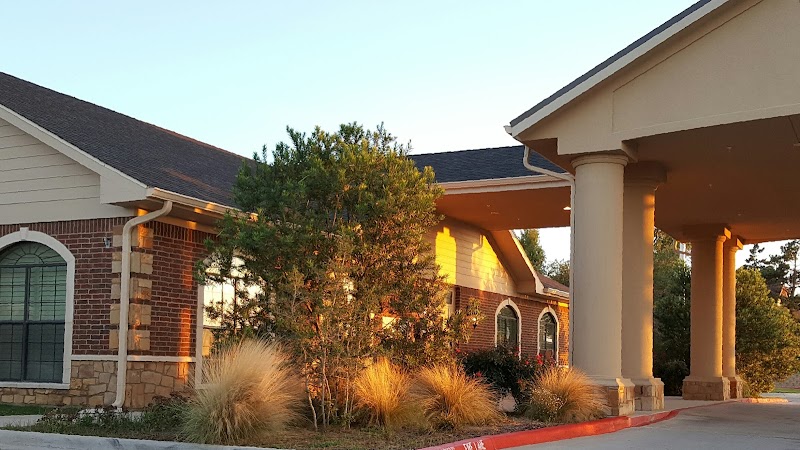
Who Owns and Operates Amarillo Center For Skilled Care?

AMARILLO CENTER FOR SKILLED CARE is owned by a for-profit company. For-profit facilities operate as businesses with obligations to shareholders or private owners. The facility is operated by CREATIVE SOLUTIONS IN HEALTHCARE, a chain that manages multiple nursing homes. With 122 certified beds and approximately 72 residents (about 59% occupancy), it is a mid-sized facility located in AMARILLO, Texas.
How Does Amarillo Center For Skilled Care Compare to Other Texas Nursing Homes?

Compared to the 100 nursing homes in Texas, AMARILLO CENTER FOR SKILLED CARE's overall rating (4 stars) is above the state average of 2.8, staff turnover (76%) is significantly higher than the state average of 46%, and health inspection rating (3 stars) is at the national benchmark.

What Should Families Ask When Visiting Amarillo Center For Skilled Care?

Based on this facility's data, families visiting should ask: "What changes have been made since the serious inspection findings, and how are you preventing similar issues?" "How do you ensure continuity of care given staff turnover, and what is your staff retention strategy?" "Can I visit during a mealtime to observe dining assistance and food quality?" "How do you handle medical emergencies, and what is your hospital transfer rate?" These questions are particularly relevant given the facility's Immediate Jeopardy citations and the facility's high staff turnover rate.

Is Amarillo Center For Skilled Care Safe?

Based on CMS inspection data, AMARILLO CENTER FOR SKILLED CARE has documented safety concerns. Inspectors have issued 1 Immediate Jeopardy citation (the most serious violation level indicating risk of serious injury or death). The facility has a 4-star overall rating and ranks #1 of 100 nursing homes in Texas. Families considering this facility should ask detailed questions about what corrective actions have been taken since these incidents.

Do Nurses at Amarillo Center For Skilled Care Stick Around?

Staff turnover at AMARILLO CENTER FOR SKILLED CARE is high. At 76%, the facility is 30 percentage points above the Texas average of 46%. Registered Nurse turnover is particularly concerning at 56%. RNs handle complex medical decisions and coordinate care — frequent RN changes can directly impact care quality. High turnover means new staff may not know residents' individual needs, medications, or preferences. It can also be disorienting for residents, especially those with dementia who rely on familiar faces. Families should ask: What is causing the turnover? What retention programs are in place? How do you ensure care continuity during staff transitions?

Was Amarillo Center For Skilled Care Ever Fined?

AMARILLO CENTER FOR SKILLED CARE has been fined $21,390 across 1 penalty action. This is below the Texas average of $33,293. While any fine indicates a compliance issue, fines under $50,000 are relatively common and typically reflect isolated problems that were subsequently corrected. Families should ask what specific issues led to these fines and confirm they've been resolved.

Is Amarillo Center For Skilled Care on Any Federal Watch List?

AMARILLO CENTER FOR SKILLED CARE is not on any federal watch list. The most significant is the Special Focus Facility (SFF) program, which identifies the bottom 1% of nursing homes nationally based on persistent, serious quality problems. Not being on this list means the facility has avoided the pattern of deficiencies that triggers enhanced federal oversight. This is a positive indicator, though families should still review the facility's inspection history directly.