GEORGIA MANOR NURSING HOME
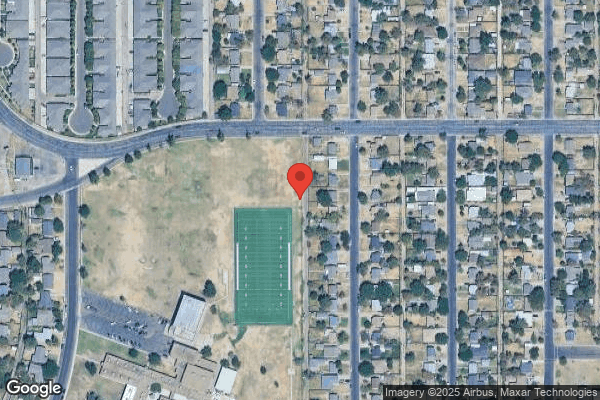
2611 W 46TH AVE, AMARILLO, TX 79110 (806) 355-6517
For profit - Limited Liability company 76 Beds CREATIVE SOLUTIONS IN HEALTHCARE Data: November 2025
Trust Grade
58/100
#239 of 1168 in TX
Last Inspection: April 2025

Within standard 12-15 month inspection cycle. Federal law requires annual inspections.

Overview

Georgia Manor Nursing Home in Amarillo, Texas has a Trust Grade of C, which means it is average and sits in the middle of the pack in terms of care quality. It ranks #239 out of 1,168 facilities in Texas, placing it in the top half, and is the best option among 3 nursing homes in Randall County. The facility is improving, with the number of issues decreasing from 19 in 2024 to 6 in 2025. However, staffing is a concern with a rating of 2 out of 5 stars and a high turnover rate of 64%, exceeding the state average of 50%. While there are some strengths, such as more RN coverage than 99% of Texas facilities, there were serious issues found, including a failure to manage pain effectively for one resident and problems with food safety, such as expired and improperly labeled items.

Trust Score
C
58/100
In Texas
#239/1168
Top 20%
Safety Record
Moderate
Needs review
Inspections
Getting Better
19 → 6 violations
Staff Stability
⚠ Watch
64% turnover. Above average. Higher turnover means staff may not know residents' routines.
Penalties
○ Average
$8,031 in fines. Higher than 53% of Texas facilities. Some compliance issues.
Skilled Nurses
✓ Good
Each resident gets 54 minutes of Registered Nurse (RN) attention daily — more than average for Texas. RNs are trained to catch health problems early.
Violations
⚠ Watch
30 deficiencies on record. Higher than average. Multiple issues found across inspections.
★★★★☆
4.0
Overall Rating
★★☆☆☆
2.0
Staff Levels
★★★★★
5.0
Care Quality
★★★☆☆
3.0
Inspection Score
Stable
2024: 19 issues
2025: 6 issues

The Good

  • 5-Star Quality Measures · Strong clinical quality outcomes
  • Full Sprinkler Coverage · Fire safety systems throughout facility
  • No fines on record

Facility shows strength in quality measures, fire safety.

The Bad

Staff Turnover: 64%

17pts above Texas avg (46%)

Frequent staff changes - ask about care continuity

Federal Fines: $8,031

Below median ($33,413)

Minor penalties assessed

Chain: CREATIVE SOLUTIONS IN HEALTHCARE

Part of a multi-facility chain

Ask about local staffing decisions and management

Staff turnover is elevated (64%)

16 points above Texas average of 48%

The Ugly 30 deficiencies on record

1 actual harm
Apr 2025 6 deficiencies
CONCERN (D)

Potential for Harm - no one hurt, but risky conditions existed

PASARR Coordination (Tag F0644)

Could have caused harm · This affected 1 resident

**NOTE- TERMS IN BRACKETS HAVE BEEN EDITED TO PROTECT CONFIDENTIALITY** Based on interview and record review the facility failed to refer all residents with newly evident or possible serious mental di...

Read full inspector narrative →
**NOTE- TERMS IN BRACKETS HAVE BEEN EDITED TO PROTECT CONFIDENTIALITY** Based on interview and record review the facility failed to refer all residents with newly evident or possible serious mental disorder, intellectual disability, or a related condition for level II resident review upon a significant change in status assessment for 1 (Resident #43) of 12 residents reviewed for PASRR. The facility failed to refer Resident #43 for a level II PASRR upon receipt of a bipolar diagnosis. This failure could place residents at risk of not receiving necessary care and services to attain or maintain their highest practicable physical, mental, and psychosocial well-being. Findings Included: Record review of Resident #43's admission record dated 04/15/25 revealed a [AGE] year-old female admitted to the facility on [DATE] with a diagnosis of bipolar disorder current episode depressed moderate (serious mental illness characterized by extreme mood swings such as extreme excitement or extreme depressive feelings) dated 02/28/25 and listed as her primary diagnosis. Record review of Resident #43's quarterly MDS completed on 02/19/25 revealed in Section C-Cognitive Patterns a BIMS of 15 which indicated intact cognition. Section D-Mood revealed Resident #43 felt down, depressed or hopeless and had little interest or pleasure in doing things 2-6 of the previous 14 days. Section I-Active Diagnoses revealed Resident #43 had a diagnosis for bipolar disorder. The instructions for this section were Active Diagnoses in the last 7 days-Check all that apply. Section N-Medications indicated Resident #43 was receiving antidepressant medication and anticonvulsant medication. Record review of Resident #43's care plan completed on 03/27/25 revealed Resident #43 was receiving antidepressant medication but made no mention of bipolar except in the list of diagnoses on the last page of the care plan. The care plan did not mention anticonvulsant medication. Record review of Resident #43's active order summary dated 04/15/25 revealed an order for an antidepressant medication with the following instructions, Give 1 capsule by mouth at bedtime related to BIPOLAR DISORDER, CURRENT EPISODE DEPRESSED, MODERATE. This order had a start date of 04/02/25. The active order summary revealed an order for an anticonvulsant medication with the following instructions Give 500 mg by mouth at bedtime related to BIPOLAR DISORDER, CURRENT EPISODE DEPRESSED, MODERATE. This order had a start date of 02/28/25. Record review of Resident #43's Miscellaneous tab in her EHR revealed one PASRR. Record review of Resident #43's PASRR revealed it was completed on 01/28/25. Question C0100 revealed the following: Is there evidence or an indicator this is an individual that has a Mental Illness? The answer to this question was No. During an interview on 04/16/25 at 10:12 AM MDS RN stated she was responsible for ensuring PASRRs are completed as required. MDS RN stated she began working for the facility in March of 2025 and if a new PASRR was performed on Resident #43 following her diagnosis of bipolar disorder she (MDS RN) did not know where it would be. She stated, I don't even know where to start looking for that, but I can start asking around. During an interview on 04/16/25 at 11:44 AM ADM and MDS RN stated the previous MDS coordinator did not catch Resident #43's new diagnosis of bipolar disorder and a new PASRR was not completed. During an interview on 04/16/25 at 03:15 PM a PASRR policy was requested from ADM. During an interview on 04/17/25 at 08:26 AM MDS RN stated if a resident was admitted to the facility with a negative PASRR and after admission received a qualifying diagnosis the resident should have a new PASRR completed. She stated a resident could absolutely be negatively affected if a new PASRR was not completed. MDS RN stated, They could be getting a treatment they really didn't need. They could have just had a bad day. During an interview on 04/17/25 at 09:32 AM ADM stated, We need to initiate a PASRR II when a resident who was already admitted to the facility received a new qualifying diagnosis like bipolar disorder. She stated if a PASRR II was not initiated the resident would be at risk of not receiving services they require or are eligible for. During an interview on 04/17/25 at 10:28 AM ADM stated the facility did not have a PASRR policy. She stated PASRR was covered in their Comprehensive Care Planning policy. Record review of undated facility policy titled Comprehensive Care Planning did not address when to perform a PASRR.
CONCERN (D)

Potential for Harm - no one hurt, but risky conditions existed

Comprehensive Care Plan (Tag F0656)

Could have caused harm · This affected 1 resident

**NOTE- TERMS IN BRACKETS HAVE BEEN EDITED TO PROTECT CONFIDENTIALITY** Based on interview and record review the facility failed to develop and implement a comprehensive person-centered care plan for ...

Read full inspector narrative →
**NOTE- TERMS IN BRACKETS HAVE BEEN EDITED TO PROTECT CONFIDENTIALITY** Based on interview and record review the facility failed to develop and implement a comprehensive person-centered care plan for each resident, consistent with resident rights and that includes measurable objectives and timeframes to meet a resident's medical, nursing, and mental and psychosocial needs that are identified in the comprehensive assessment for 2 (Resident #13 and Resident #43) of 12 residents reviewed for comprehensive care plans. 1. The facility failed to include Resident #13's diagnosis of PTSD in her care plan. 2. The facility failed to remove anticoagulant medication from Resident #43's care plan and to include in her care plan her bipolar disorder diagnosis and the fact that she was receiving anticonvulsant medication. These failures could lead to residents not receiving needed care and/or consideration from staff as care is provided and/or receiving improper care/treatment. Findings Included: 1. Record review of Resident #13's admission record dated 04/15/25 revealed an [AGE] year-old female admitted to the facility on [DATE] with diagnoses that included post-traumatic stress disorder acute (mental health condition caused by a traumatic event that affects your ability to function normally). The PTSD diagnosis had an onset date of 03/20/20. Record review of Resident #13's significant change MDS revealed a completion date of 03/26/25. Section C-Cognitive Pattern revealed a BIMS of 6 which indicated severely impaired cognition. Section I-Active Diagnoses revealed a diagnosis of PTSD. Record review of Resident #13's care plan completed on 04/10/25 revealed no mention of PTSD except in the diagnoses list on the bottom of the last page of the care plan. Record review of Resident #13's active orders dated 04/15/25 revealed no mention of PTSD except in the list of diagnoses at the top of the first page of the report. 2. Record review of Resident #43's admission record dated 04/15/25 revealed a [AGE] year-old female admitted to the facility on [DATE] with diagnoses that included, but were not limited to, heart failure (heart muscle fails to pump blood as it should), atherosclerotic heart disease (hardening of arteries due to plaque buildup), chronic atrial fibrillation (an irregular, often rapid heart rate that commonly causes poor blood flow), and bipolar disorder (serious mental illness characterized by extreme mood swings such as extreme excitement or extreme depressive feelings). Record review of Resident #43's quarterly MDS with ARD date of 02/18/25 revealed a completion date of 02/19/25. Section C-Cognitive Patterns revealed Resident #43 had a BIMS of 15 which indicated intact cognition. Section I-Active Diagnoses revealed a diagnosis of bipolar disorder. Section N-Medications revealed Resident #43 was taking anticoagulant and anticonvulsant medication. The instructions for this section were Is taking Check if the resident is taking any medications by pharmacological classification, not how it is used, during the last 7 days or since admission/entry or reentry if less than 7 days. Record review of Resident #43's care plan completed on 03/27/25 revealed no mention of bipolar disorder or anticonvulsant medication. The care plan did include the following focus area: The resident is on Anticoagulant therapy This focus area was initiated on 01/28/25. Record review of Resident #43's active order summary dated 04/15/25 revealed no mention of anticoagulant medication. The order summary did reveal the following: An order with a start date of 04/02/25 for an antidepressant medication. The instructions for this order were, Give 1 capsule by mouth at bedtime related BIPOLAR DISORDER, CURRENT EPISODE DEPRESSED, MODERATE. An order with a start date of 02/28/25 for an anticonvulsant medication. The instructions for this order were, Give 500 mg by mouth at bedtime related to BIPOLAR DISORDER, CURRENT EPISODE DEPRESSED, MODERATE. Record review of Resident #43's discontinued orders revealed one order for an anticoagulant medication with a start date of 01/29/25 and an end date of 02/08/25. During an interview on 04/17/25 at 08:26 AM MDS RN stated she just recently discovered she was fully responsible for care plans. She stated she let administration and nursing know she would need nursing to assist by letting her know when a medication was discontinued, or a new one was started. She stated all the care areas identified in the MDS needed to be included in the care plan. MDS RN stated, pain, nutrition, potential for ulcers, or if they have a wound, diet, all meds should be included in a resident's care plan. She stated if a care plan was not complete and person-centered it could negatively affect the resident, because if you are looking for something and it is not in the care plan then how are you to know that they are to receive that care? MDS RN stated mental health diagnoses should absolutely be addressed in the care plan. She stated if mental health diagnoses are not addressed in the care plan, They [residents] don't get the care they need. MDS RN did not think there would be a negative outcome to a resident if a discontinued medication was still in the care plan. She stated, In my opinion I don't think so because it [the medication] might just be held for surgery or dental stuff. During an interview on 04/17/25 at 09:32 AM ADM stated the interdisciplinary team was responsible for care plans. She stated mental health diagnoses like PTSD should be addressed in the care plan. She stated if they were not addressed, It could trigger the resident's PTSD and go unaddressed and be exacerbation of the PTSD. ADM stated, an inaccurate care plan can lead to having inaccurate care given to our residents. Record review of undated policy titled Comprehensive Care Planning revealed the following: The facility will develop and implement a comprehensive person-centered care plan for each resident .to meet a resident's medical, nursing, and mental and psychosocial needs that are identified in the comprehensive assessment. Each resident will have a person-centered comprehensive care plan developed and implemented to meet his other preferences and goals and address the resident's medical, physical, mental and psychosocial needs. The facility will establish, document and implement the care and services to be provided to each resident to assist in attaining or maintaining his or her highest practicable quality of life. Care planning drives the type of care and services that a resident receives. Person-centered care includes making an effort to understand what each resident is communicating . identifying what is important to each resident . and having an understanding of the resident's life before coming to reside in the nursing home. When developing the comprehensive care plan, facility staff will, at a minimum, use the Minimum Data Set . The resident's care plan will be reviewed after each Admission, Quarterly, Annual and/or Significant Change MDS assessment, and revised based on changing goals, preferences and needs of the resident and in response to current interventions. The services provided or arranged by the facility, as outlined by the comprehensive care plan, will meet professional standards of quality. 'Professional standards of quality' means care and services are provided according to accepted standards of clinical practice.
CONCERN (D)

Potential for Harm - no one hurt, but risky conditions existed

Accident Prevention (Tag F0689)

Could have caused harm · This affected 1 resident

Based on observation, interview, and record review, the facility failed to ensure that the residents environment remained as free from accident hazards as was possible; and that each resident received...

Read full inspector narrative →
Based on observation, interview, and record review, the facility failed to ensure that the residents environment remained as free from accident hazards as was possible; and that each resident received adequate supervision to prevent accident hazards for one of one oxygen tanks observed during the lunch meal. -an unsecured oxygen bottle was observed in the dining room during the lunch meal with 16 residents and 10 staff present. This failure could affect all the residents at the facility by placing them at risk for accidents that lead to injuries such as bruising, skin tears, fractures, and feeling of isolation. Findings include: During an observation on 04/15/25 at 12:08 PM 16 resident and 10 staff were present in the dining room. Noted in the dining room by the exit door to the patio was a freestanding oxygen bottle that was unsecured. During an observation on 04/15/25 at 12:14 PM the HRD moved the unsecured oxygen tank to the back of the closest resident's chair and placed the oxygen tank in an oxygen tank holder. During an interview on 04/16/25 at 01:03 PM the HRD who reported she is a CNA reported that she removed the unsecured oxygen canister from the dining room on 04/15/25, that an oxygen tank should not be left on the floor unsecured. The HRD reported that if an oxygen tank was left unsecured it can fall and explode or it can fall and land on someone's toe, basically it could hurt a resident. The HRD reported that they have been trained on the proper storage of an oxygen tanks and that they discussed this incident in report this AM and plan on doing another training ASAP. The HRD could not remember when the last training on oxygen safety was completed and who presented the training. During an interview on 04/17/25 09:08 AM the ADM reported that the facility did not have a policy for oxygen tank storage/safety. During an interview on 04/17/25 at 09:26 AM the DON reported that oxygen tanks should be stored in the oxygen storage room in a rack for safety because they can fall and turn into a torpedo. The DON reported that if an oxygen tank was to fall then it would be possible for anyone to get hurt. During an interview on 04/17/25 at 09:49 AM the ADM presented an Inservice Training Report started 04/16/25 and currently signed by 28 staff members that had the following information: When taking off someone oxygen bottle to take them out to smoke make sure you are not leaving them on the ground unsecure. This could cause it to fall over and hurt a resident or staff member . The ADM reported that the facility had no previous trainings on Oxygen Bottle Safety that she could find.
CONCERN (E)

Potential for Harm - no one hurt, but risky conditions existed

Assessment Accuracy (Tag F0641)

Could have caused harm · This affected multiple residents

**NOTE- TERMS IN BRACKETS HAVE BEEN EDITED TO PROTECT CONFIDENTIALITY** Based on interview and record review, the facility failed to ensure an assessment accurately reflected a resident's status for 5...

Read full inspector narrative →
**NOTE- TERMS IN BRACKETS HAVE BEEN EDITED TO PROTECT CONFIDENTIALITY** Based on interview and record review, the facility failed to ensure an assessment accurately reflected a resident's status for 5 (Resident #2, #13, #18, #41, and #43) of 12 residents reviewed for accuracy of MDS assessments. -The facility failed to accurately assess Resident #2 for oxygen therapy on her 03/08/25 MDS assessment. -The facility failed to accurately assess Resident #13 for antidepressant medication therapy on her 03/26/25 MDS assessment. -The facility failed to accurately assess Resident #18 for weight loss on his 03/22/25 MDS assessment. -The facility failed to accurately assess Resident #41 for antibiotic therapy on her 03/16/25 MDS assessment. -The facility failed to accurately assess Resident #43 for anticoagulant therapy and oxygen therapy on her 02/18/25 MDS assessment. This failure could place residents at risk for inaccurate and incomplete MDS assessment which could result in residents not receiving correct care and services. Finding include: Resident #2 Record review of Resident #2's face sheet revealed she was a [AGE] year-old female resident admitted to the facility on [DATE] with diagnoses to include Parkinsonism (a disorder of the central nervous system that affects movements to include tremors), post-traumatic stress disorder (disorder in which a person has difficulty recovering after experiencing or witnessing a terrifying event), diabetes (a chronic condition that affects the way the body processes blood sugar (glucose), anxiety (a mental health disorder characterized by feeling of worry, anxiety, or fear that are strong enough to interfere with one's daily activities), epilepsy, and congestive heart failure (a chronic condition in which the heart dose not pump blood as well as it should). Record review of Resident #2's quarterly MDS dated [DATE] revealed she had a BIMS of 14 indicating she was cognitively intact, and she had a functionality of being dependent on staff for most of her ADL's and activities. Record review of Section O - Special Treatments, Procedures, and Programs listed Resident #2 as not having oxygen therapy while a resident. Record review of Resident #2's Treatment Administration Record (TAR) with treatment administered from 03/01/25 to 03/31/25 listed Resident #2 as having the following: - Continuous Oxygen via Nasal Canula @ 3 liters N/C @ HS with ear padding at bedtime -D/C Date- 03/28/2025. (Received daily 03/01/205 through 03/08/25 - the 7-day look back period for the 03/08/25 MDS assessment) Record review of Resident #2's care plan with admission date of 05/07/24 revealed the following care plan: -Focus: Resident has Congestive Heart Failure. -Intervention/Tasks: Oxygen therapy as ordered. During an observation and interview on 04/17/25 at 08:10 AM Resident #2 was observed in bed with the head of her bed elevated and she was eating her breakfast. Resident #2 appeared in good condition but was noted to be short of breath with effort such as conversation. Resident #2 verified that she does use oxygen but mostly at night. During an interview on 04/17/25 at 08:26 AM the MDS/RN verified that Resident #2 did not have oxygen marked on her 03/08/25 MDS and that her TAR had that Resident #2 had received oxygen during the 7-day look back period. The MDS/RN stated, I missed that one. The MDS/RN reported that the facility uses the RAI Manual to complete all MDS assessments. Resident #13 Record review of Resident #13's admission record dated 04/15/25 revealed an [AGE] year-old female admitted to the facility on [DATE] with diagnoses that included major depressive disorder recurrent (a mental disorder characterized by persistent low mood, low self-esteem, and loss of interest or pleasure in normally enjoyable activities). Record review of Resident #13's significant change MDS revealed a completion date of 03/26/25. Section C-Cognitive Pattern revealed a BIMS of 6 which indicated severely impaired cognition. Section I-Active Diagnoses revealed a diagnosis of depression. Section N-Medications revealed Resident #13 was not receiving antidepressant medication. Record review of Resident #13's care plan completed on 04/10/25 revealed a focus area of [Resident #13] requires antidepressant medication. This focus area was initiated on 12/20/22. One of the interventions which was also initiated on 12/20/22 was Give antidepressant medications ordered by physician. Record review of Resident #13's active orders dated 04/15/25 revealed an order for antidepressant medication with a start date of 04/19/22. The instructions for this order were: Give 1 capsule by mouth one time a day for depression related to MAJOR DEPRESSIVE DISORDER, RECURRENT, UNSPECIFIED. Resident #18 Record review of Resident #18's face sheet printed 12-5-2024 revealed a [AGE] year-old male resident admitted to the facility on [DATE] with diagnoses to include chronic kidney disease (longstanding disease of the kidneys leading to kidney failure), intermittent explosive disorder (a behavioral disorder characterized by explosive outburst of anger and/or violence, often to the point of rage that are disproportionate to the situation at hand), malnutrition (lack of proper nutrition), cerebral infarction (occurs as a result of disrupted blood flow to the brain due to problems with the blood vessels that supply it) with hemiplegia (a condition characterized by sever or completed paralysis on once side of the body, typically resulting from brain damage), and contracture (a condition of shortening and hardening of muscles, tendons, or other tissue, often leading to deformity and rigidity of joints) to left hand. Record review of Resident #18's MDS assessment dated [DATE] revealed he had a BIMS of 7 indicating he was severely cognitively impaired, he had a functionality of requiring partial/moderate assistance with most of his activities of daily living, and for Section K - Swallowing/Nutritional Status Resident #18 for question K0300 Weight Loss-loss of 5% or more in the last month or loss of 10% or more in the last 6 months, Resident #18 was marked yes. Record review of Resident #18's care plan with admission date of 02/28/2024 revealed the following care plan: Focus: Resident is on a regular/thin diet. Date initiated 04/05/24. Goal: Resident will maintain ideal weight x 90 days. Target date 06/04/25. During an observation and interview on 04/15/25 at 09:23 AM Resident #18 was leaving his room in a specialized wheelchair to go for a smoke break. Resident #18 appeared in good condition and was wheeling himself independently. Resident #18 reported no concerns and that his care had been good. Record review of Resident #18's weight record revealed he had been weighed on 03/10/25 (the closest weight to the 03/22/25 MDS) at 200 lbs. and he was weighed on 02/07/25 at 201 lbs. for a weight loss of 0.05% in the last month and Resident #18's weight on 10/02/24 was 184.8 lbs. for a weight gain of 0.823% in the last 6 months. During an interview on 04/17/25 at 08:26 AM the MDS/RN reported that she started as the MDS coordinator for the facility approximately 1 month ago. The MDS/RN reviewed Resident #18's 03/22/25 quarterly MDS and verified that Resident #18 was marked with weight loss in section K. The MDS/RN reviewed Resident #18's weights and reported that he lost less than 5% in the previous 30 days (1 month) and gained weight in the last 180 days (6 months). The MDS/RN reported that she marked him as Answer #2-yes for the weight loss questions because he was having weight fluctuations. The MDS/RN was asked to read the RAI manual instructions which she did and for section K Weight loss/gain she read that a resident was supposed to be marked Code #2-yes if the resident had a 5% weight loss in the last 30 days (1 month) or a 10% weight loss in the last 180 days (6months) and the resident was not on a physician prescribed weight loss program. The MDS/RN reported that she understood she was allowed to mark the resident as Code #0-no weight loss/gain or Code #2-yes if the resident was having weight fluctuations. The MDS/RN reported that the facility uses the RAI Manual to complete all MDS assessments. Resident #41 Record review of Resident #41's admission record dated 04/15/25 revealed a [AGE] year-old male admitted to the facility on [DATE] with diagnoses that included, but were not limited to, urinary tract infection. Record review of Resident #41's quarterly MDS with ARD date of 03/16/25 revealed a completion date of 03/25/25. Section C-Cognitive Patterns revealed Resident #41 had a BIMS of 13 which indicated intact cognition. Section I-Active Diagnoses revealed the Resident #41 did not have a urinary tract infection. Section N-Medications revealed Resident #41 was taking antibiotic medication. The instructions for this section were Is taking Check if the resident is taking any medications by pharmacological classification, not how it is used, during the last 7 days or since admission/entry or reentry if less than 7 days. Record review of Resident #41's care plan completed on 03/27/25 revealed no mention of antibiotic medication. Record review of Resident #41's active order summary dated 04/15/25 revealed no mention of antibiotic medication. Record review of Resident #41's discontinued orders revealed one order for an antibiotic medication with an order start date of 12/07/25 and an order end date of 12/14/25. Record review of facility matrix dated 04/15/25 revealed Resident #41 was marked for receiving antibiotic medication. Resident #43 Record review of Resident #43's admission record dated 04/15/25 revealed a [AGE] year-old female admitted to the facility on [DATE] with diagnoses that included, but were not limited to, heart failure (heart muscle fails to pump blood as it should), atherosclerotic heart disease (hardening of arteries due to plaque buildup), chronic atrial fibrillation (an irregular, often rapid heart rate that commonly causes poor blood flow), and chronic obstructive pulmonary disease (inflammation of lung tissue due to non-infectious causes, which results in cough without mucus or phlegm, shortness of breath, and fatigue). Record review of Resident #43's quarterly MDS with ARD date of 02/18/25 revealed a completion date of 02/19/25. Section C-Cognitive Patterns revealed Resident #43 had a BIMS of 15 which indicated intact cognition. Section N-Medications revealed Resident #43 was taking anticoagulant medication. The instructions for this section were Is taking Check if the resident is taking any medications by pharmacological classification, not how it is used, during the last 7 days or since admission/entry or reentry if less than 7 days. Section O-Special Treatments, Procedures, and Programs revealed the following instructions: Check all of the following treatments, procedures, and programs that were performed . b. While a Resident Performed while a resident of this facility and within the last 14 days. Resident #43 was not coded as receiving oxygen therapy while a resident. Record review of Resident #43's care plan completed on 03/27/25 revealed the following focus areas: The resident is on Anticoagulant therapy This focus area was initiated on 01/28/25. The resident has Congestive Heart Failure This focus area had Oxygen therapy as an intervention. The resident has Emphysema/COPD This focus area had Give oxygen therapy as ordered by the physician as an intervention which was initiated on 01/28/25. The resident has Oxygen Therapy This focus area was initiated on 01/28/25. Record review of Resident #43's oxygen saturation report during the 14-day look-back period for her quarterly MDS 02/04/25 to 02/18/25 revealed 15 entries. Resident #43 was noted to be receiving Oxygen via Nasal Cannula for 13 of the 15 entries. Record review of Resident #43's active order summary dated 04/15/25 revealed no mention of anticoagulant medication. The order summary did reveal the following orders: Ear Padding for Continuous Oxygen via Nasal Cannula This order was dated 01/28/25. May use oxygen @ 4 l/m via nasal canula every shift This order had a start date of 01/28/25. Record review of Resident #43's discontinued orders revealed one order for an anticoagulant medication with a start date of 01/29/25 and an end date of 02/08/25. During an interview on 04/17/25 at 08:26 AM MDS RN stated she was responsible for completing MDS assessments. She stated she used the RAI manual as her policy. She stated she gathered information from the MAR and TAR as well as looking at nursing and CNA notes and orders within the last 7 days in order to complete the MDS assessments accurately. MDS RN stated she did not think an inaccurate MDS assessment would affect the care of the resident. She stated, It is more on the money side, because either you are going to code something, or you missed something that could add more money to that resident. But it doesn't necessarily affect the resident. MDS RN stated a lack of funding could absolutely affect resident care, Because you are not gonna be able to pay your staff. During an interview on 04/17/25 at 09:32 AM ADM stated an inaccurate MDS assessment could negatively affect a resident in that, It can lead to having an inaccurate care plan and an inaccurate care plan can lead to having inaccurate care given to our residents. Record review of the Long Term Care Facility Resident Assessment Instrument 3.0 User's Manual Version 1.18.11, dated October 2023 revealed the following: Section O - Special Treatments, Procedures, and Programs Respiratory Treatments: C1. Oxygen Therapy a. On Admission b. While a Resident c. At Discharge Coding Instructions for Column b. While a Resident Check all treatments, procedures, and programs that the resident received or performed after admission/entry or reentry to the facility and within the last 14 days. Section K - Swallowing/Nutritional Status K0300. Weight Loss Loss of 5% or more in the last month or loss of 10% or more in last 6 months 0. No or unknown 1. Yes, on physician-prescribed weight-loss regimen 2. Yes, not on physician-prescribed weight-loss regimen Coding Instructions: o Code 2, yes, not on physician-prescribed weight-loss regimen: if the resident has experienced a weight loss of 5% or more in the past 30 days or 10% or more in the last 180 days, and the weight loss was not planned and prescribed by a physician. SECTION N: MEDICATIONS N0415: High-Risk Drug Classes: Use and Indication C. Antidepressant 1. Is takin 2. Indications noted o N0415C1. Antidepressant: Check if an antidepressant medication was taken by the resident at any time during the 7-day look-back period (or since admission/entry or reentry if less than 7 days). o N0415C2. Antidepressant: Check if there is an indication noted for all antidepressant medications taken by the resident any time during the observation period. (or since admission/entry or reentry if less than 7 days). N0415: High-Risk Drug Classes: Use and Indication F. Antibiotics 1. Is taking 2. Indications noted. Coding Instructions o N0415F1. Antibiotic: Check if an antibiotic medication was taken by the resident at any time during the 7-day look-back period (or since admission/entry or reentry if less than 7 days). o N0415F2. Antibiotic: Check if there is an indication noted for all antibiotic medications taken by the resident any time during the observation period (or since admission/entry or reentry if less than 7 days). N0415: High-Risk Drug Classes: Use and Indication E. Anticoagulant 1. Is taking 2. Indications noted. Coding Instructions o N0415E1. Anticoagulant (e.g., warfarin, heparin, or low-molecular weight heparin): Check if an anticoagulant medication was taken by the resident at any time during the 7-day look-back period (or since admission/entry or reentry if less than 7 days). o N0415E2. Anticoagulant: Check if there is an indication noted for all anticoagulant medications taken by the resident any time during the observation period (or since admission/entry or reentry if less than 7 days).
CONCERN (E)

Potential for Harm - no one hurt, but risky conditions existed

Respiratory Care (Tag F0695)

Could have caused harm · This affected multiple residents

**NOTE- TERMS IN BRACKETS HAVE BEEN EDITED TO PROTECT CONFIDENTIALITY** Based on observation, interview, and record review the facility failed to ensure that a resident who needs respiratory care, inc...

Read full inspector narrative →
**NOTE- TERMS IN BRACKETS HAVE BEEN EDITED TO PROTECT CONFIDENTIALITY** Based on observation, interview, and record review the facility failed to ensure that a resident who needs respiratory care, including tracheostomy care and tracheal suctioning, is provided such care, consistent with professional standards of practice, the comprehensive person-centered care plan, and the resident's goals and preferences for 4 (Resident #3, Resident #13, Resident #41, and Resident #43) of 12 residents reviewed for respiratory care. 1. The facility failed to ensure Resident #3 received O2 via NC at the rate of 2 l/m as ordered by her physician. 2. The facility failed to ensure Resident #13 received O2 via NC at the rate of 2 l/m as ordered by her physician. 3. The facility failed to ensure Resident #41 received O2 via NC at the rate of 5 l/m as ordered by his physician. 4. The facility failed to ensure Resident #43 received O2 via NC at the rate of 4 l/m as ordered by hi physician. These failures could place residents who receive oxygen at an increased risk of hypercapnia (too much carbon dioxide in the blood), pulmonary oxygen toxicity (damage to the lung lining tissues and air sacs), hypoxemia (low levels of oxygen in the blood, decreasing the oxygen supply to vital organs), and shortness of breath. Findings Included: 1. Record review of Resident #3's admission record dated 04/15/2025 revealed a [AGE] year-old female admitted to the facility on [DATE] with diagnoses that included chronic obstructive pulmonary disease (a group of lung diseases that block airflow and make it difficult to breath) and chronic respiratory failure (a long-term condition that occurs when the body's respiratory system can't exchange oxygen and carbon dioxide properly). Record review of Resident #3's annual MDS assessment completed 03/22/2025 revealed a BIMS of 15 which indicated intact cognition. Section O-Special Treatments, Procedures, and Programs indicated she was receiving oxygen therapy while a resident. Record review of Resident #3's care plan completed 03/37/25 revealed a focus area of The resident has oxygen therapy as needed r/t COPD. This focus area was revised on 01/18/24 and included the following intervention Oxygen per physician orders. This intervention was revised on 02/13/25. Record review of Resident #3's active orders dated 04/16/2025 revealed the following order: Order start date 02/11/25 May use oxygen @ 2 l/m via nasal canula every shift related to CHRONIC OBSTRUCTIVE PULMONARY DISEASE, UNSPECIFIED. During an observation and interview on 04/16/25 at 07:56 AM Resident #3 was in bed receiving oxygen via NC at between 3.0 and 3.5 lpm. Resident #3 opened her eyes and stated. Everything is fine. During an observation on 04/16/25 at 10:55 AM Resident #3 was lying in bed with her eyes closed receiving oxygen via NC at between 3 and 3.5 lpm. 2. Record review of Resident #13's admission record dated 04/15/25 revealed an [AGE] year-old female admitted to the facility on [DATE] with diagnoses that included, but were not limited to, emphysema, chronic obstructive pulmonary disease (inflammation of lung tissue due to non-infectious causes, which results in cough without mucus or phlegm, shortness of breath, and fatigue), chronic respiratory failure with hypoxia (failure of lungs to provide oxygen), dependence on supplemental oxygen, and pleural effusion (abnormal build-up of fluid in space around lungs, causes pressure on lungs resulting in shortness of breath, coughing, and chest pain). Record review of Resident #13's significant change MDS revealed a BIMS of 6 which indicated severely impaired cognition. Section O-Special Treatments, Procedures, and Programs revealed she was receiving oxygen therapy while a resident. Record review of Resident #13's care plan completed on 04/10/25 revealed the following focus areas and corresponding interventions: [Resident #13] has Emphysema/COPD. This focus area was revised on 03/28/23 and included the intervention Give oxygen therapy as ordered by the physician. This intervention was initiated on 10/31/18. [Resident #13] has Oxygen Therapy. This focus area was revised on 03/28/23. Record review of Resident #13's active orders dated 04/15/25 revealed the following orders: Order start date 11/20/22 Change humidifier water. one time a day every Sun for O2 therapy. Order start date 11/18/22 change O2 cannula/tubing prn if damaged or visibly soiled as needed for O2 therapy. Order start date 10/16/22 Change oxygen tubing, nasal cannula or mask PRN or when visibly soiled every night shift every Sun or Oxygen therapy. Order start date 11/23/24 Check O2 sat Q shift every shift. Order start date 11/23/24 may use oxygen @ 2 l/m via nasal canula every shift related to CHRONIC RESPIRATORY FAILURE WITH HYPOXIA During an observation on 04/15/25 at 09:50 AM Resident #13 was in her bed receiving O2 via NC at 3 lpm. During an observation on 04/15/25 at 12:20 PM Resident #13 was in her bed receiving O2 via NC at 3 lpm. During an observation on 04/16/25 at 08:27 AM Resident #13 was in her bed receiving O2 via NC at 2.5 lpm. During an observation on 04/16/25 at 02:48 PM Resident #13 was in her bed receiving O2 via NC at 2.5 lpm. 3. Record review of Resident #41's admission record dated 04/15/25 revealed a [AGE] year-old male admitted to the facility on [DATE] with diagnoses that included, but were not limited to, acute respiratory failure with hypoxia (failure of lungs to provide oxygen) and congestive heart failure (a progressive heart disease that affects the pumping action of the heart muscles resulting in shortness of breath and fatigue). Record review of Resident #41's quarterly MDS completed on 03/25/25 revealed a BIMS of 13 which indicated intact cognition. Section O-Special Treatments, Procedures, and Programs revealed he was receiving oxygen therapy while a resident. Record review of Resident #41's care plan completed on 03/27/25 revealed the following focus areas and corresponding interventions: The resident has Congestive Heart Failure. This focus area was initiated on 12/07/24 and included the intervention Oxygen therapy as ordered. This intervention was revised on 04/02/25. The resident has Oxygen Therapy. This focus area was initiated on 12/07/24 and included the intervention Oxygen therapy as ordered. This intervention was revised on 04/02/25. Record review of Resident #41's active order summary dated 04/15/25 revealed the following orders: Order start date 03/16/25 May use humidified Oxygen for resident comfort-change o2 bottle and tubing weekly at bedtime every Sun for comfort. Order start date 12/07/24 May use oxygen at 5 L via nasal canula continuously. every shift. During an observation on 04/15/25 at 09:02 AM Resident #41 was seated on the edge of his bed. His NC was next to him on the bed. His O2 concentrator was running and set to 2 lpm. He stated he was on continuous oxygen but was not wearing his NC at the moment due to just transferring to the bed from the wheelchair. Resident #41 stated he had been receiving oxygen for the last few months. During an observation on 04/16/25 at 10:21 AM Resident #41 was seated at a table in the dining room receiving O2 via NC from the tank hanging on the back of his wheelchair at 2 lpm. During an observation on 04/16/25 at 02:52 PM Resident #41 was seated on the edge of his bed. He was not receiving O2. He stated, I don't use it (O2) 24 hours a day, only when I feel anxious. 4. Record review of Resident #43's admission record dated 04/15/25 revealed a [AGE] year-old female admitted to the facility on [DATE] with diagnoses that included, but were not limited to, heart failure (heart muscle fails to pump blood as it should), chronic cough, and chronic obstructive pulmonary disease (inflammation of lung tissue due to non-infectious causes, which results in cough without mucus or phlegm, shortness of breath, and fatigue). Record review of Resident #43's quarterly MDS completed on 02/19/25 revealed a BIMS of 15 which indicated intact cognition. Resident #43 was not coded as receiving oxygen therapy while a resident. Record review of Resident #43's care plan completed on 03/27/25 revealed the following focus areas and corresponding interventions: The resident has Congestive Heart Failure. This focus area was initiated on 01/28/25 and had Oxygen therapy as an intervention. This intervention was revised on 04/02/25. The resident has Emphysema/COPD. This focus area was revised on 02/14/25 and had Give oxygen therapy as ordered by the physician as an intervention. This intervention was initiated on 01/28/25. The resident has Oxygen Therapy. This focus area was initiated on 01/28/25 and had Oxygen therapy as ordered as an intervention. This intervention was initiated on 04/02/25. Record review of Resident #43's active order summary dated 04/15/25 revealed the following orders: Order start date 01/28/25 Change nasal canula every 12 hours as needed. Order start date 01/28/25 Check O2 sat Q shift and PRN as needed. Order start date 01/28/25 Check O2 sat Q shift and PRN every shift. Order date 01/28/25 Ear Padding for Continuous Oxygen via Nasal Cannula. Order start date 01/28/25 May use oxygen @ 4 l/m via nasal canula every shift. During an observation on 04/15/25 at 09:50 AM Resident #43 was lying in bed with her eyes closed receiving O2 via NC at 5 lpm. During an observation on 04/15/25 at 12:20 PM Resident #43 was lying in bed with her eyes closed receiving O2 via NC at 5 lpm. During an observation and interview on 04/16/25 at 08:23 AM Resident #43 was lying in bed receiving O2 via NC at 5 lpm. She stated she had been on O2 for a couple of years for congestive heart failure and COPD. During an interview on 04/17/25 at 09:22 AM RN A stated nurses were responsible for setting flow rates on oxygen concentrators and oxygen tanks. She stated they knew what rate to set the oxygen to by looking the physician's order. RN A stated a resident could be negatively affected by receiving oxygen at lower rates than it was ordered. She stated, They are not receiving enough oxygen for body so not oxygenating whole entire system appropriately. She stated receiving oxygen at higher rates than ordered could negatively impact the resident. RN A stated, I don't know exactly, but I know too much oxygen also be bad. RN A stated she did not know why Resident #41 and Resident #13 were receiving incorrect levels of oxygen. She stated regarding Resident #43's oxygen, On her, I know that sometimes she cranks it (oxygen flow rate) up and we (facility staff) try to adjust it. During an interview on 04/17/25 at 09:22 AM the DON reported that she was aware that Resident #3 was getting her oxygen at a dose that was higher that Resident #3's current orders, that she (the DON) had contacted the nurse practitioner to discuss the issue and had received new orders for Resident #3's oxygen to be administered at 2-4L/min from now on. The DON reported that she was having an issue with the night shift changing oxygen administration levels based on the residents needs and not contacting the physician. The night shift was not reporting the issue and getting an order. The DON stated that her expectation was for staff to get an order for any medication change prior to changing a medication and that included oxygen. The DON reported that if a staff member did not administer a resident medication as it was ordered such as with the oxygen then that resident could become more dependent, it could make their COPD worse, and it could affect their overall health. During an interview on 04/17/25 at 09:28 AM ADON stated nurses were responsible for setting oxygen flow rates. She stated they know what rate to set the oxygen to by referring to the orders. ADON stated residents receiving oxygen at lower rates than ordered can hallucinate from low oxygen. She stated residents receiving oxygen at higher rates than ordered can have too much CO2. During an interview on 04/17/25 at 09:37 AM DON stated nurses were responsible for setting oxygen flow rates. She stated the correct flow rate is in the orders. She stated the oxygenation of residents receiving oxygen at lower rates than ordered by the physician won't be where it should be. DON stated residents receiving oxygen at higher rates than ordered might change their need levels prematurely. She stated she did know why Resident #13 was receiving oxygen at higher rates than ordered. She stated Resident #41 was with it enough to adjust his own O2 rates as he feels better. DON stated Resident #43 probably changes her oxygen flow rate as well. Record review of facility policy titled Oxygen Administration and dated 02/13/07 revealed the following: Oxygen therapy includes the administration of oxygen (O2) in liters/minute (l/min) . to treat hypoxemic conditions caused by pulmonary or cardiac diseases. O2 therapy is also prescribed to ensure oxygenation of all body organs and systems. The amount of oxygen . and the method of administration, is ordered by the physician. The administration, monitoring of responses, and safety precautions associated with it are performed by the nurse.
CONCERN (E)

Potential for Harm - no one hurt, but risky conditions existed

Food Safety (Tag F0812)

Could have caused harm · This affected multiple residents

Based on observation, interview, and record review, the facility failed to store, prepare, and serve food under sanitary conditions in 1 of 1 kitchen reviewed for food safety. The facility failed to e...

Read full inspector narrative →
Based on observation, interview, and record review, the facility failed to store, prepare, and serve food under sanitary conditions in 1 of 1 kitchen reviewed for food safety. The facility failed to ensure kitchen staff used proper hand washing and sanitation procedures when handling food. This failure could place residents at risk of food borne illnesses. Findings include: Observation of the kitchen food prep activities on 4/15/25 from 11:15 a.m. to 12:15 p.m. revealed the following: At 12:00 p.m., [NAME] B was observed in the kitchen serving the noon meal. [NAME] B changed her gloves, picked up plates and set them on the serving line, took lids off food, touched the plates, picked up a knife and laid the knife on the serving line. [NAME] B picked up a plate and plated one piece of chicken. [NAME] B put the plate down and picked up the knife with her gloved hands. [NAME] B then placed her right hand over the chicken piece and began slicing the chicken into strips on the plate. [NAME] B then rearranged the chicken on the plate with her gloved hands. [NAME] B put the knife down and picked up the plate of chicken. [NAME] B plated the rest of the meal, using her gloved hands to touch the serving utensils and the plates. [NAME] B placed the plate on the serving cart. [NAME] B picked up another plate and serving utensils and plated another piece of chicken. [NAME] B picked up the knife and began cutting the chicken into strips. [NAME] B put her right hand on the chicken to hold it in place while she cut the chicken. [NAME] B then put the knife down and rearranged the chicken on the plate. [NAME] B picked up the plate and serving utensils and plated the rest of the meal. [NAME] B did not make any attempts to change her gloves or wash her hands. In an interview on 4/15/25 at 12:10 p.m., [NAME] B was asked if she realized she touched the chicken while cutting the food after touching numerous surfaces in the kitchen. [NAME] B did not speak English. The DM was also present and observed [NAME] B touching the food after touching multiple surfaces. The DM stated [NAME] B was not supposed to touch the food and should have used utensils and should have washed hands and changed gloves between tasks. The DM stated the consequences of not washing hands and changing gloves would be risk of food borne illness. The DM stated she trained the staff in hand washing and glove use and expected all staff to wash hands and change gloves between tasks. Record review of the undated facility policy titled Dietary Department Glove Standard Protocol documented: Per the Texas Food Establishment Rules, there will be no bare hand to food contact in the kitchen. Use tongs, spoons, deli tissue paper .If a glove must be used, such as for sandwich assembly, hands will be washed prior to putting on a glove and immediately after removing it. Gloved hands are considered a food contact surface that can get contaminated or soiled. Failure to change gloves between tasks can lead to cross contamination. Gloves will not be worn on the tray line. Instead pre -assembly and /or prep work will be done prior to tray line service .
Jun 2024 4 deficiencies 1 Harm
SERIOUS (G) 📢 Someone Reported This

A family member, employee, or ombudsman was alarmed enough to file a formal complaint

Actual Harm - a resident was hurt due to facility failures

Deficiency F0697 (Tag F0697)

A resident was harmed · This affected 1 resident

**NOTE- TERMS IN BRACKETS HAVE BEEN EDITED TO PROTECT CONFIDENTIALITY** Based on observation, interview, and record review the facility failed to ensure that pain management is provided to residents w...

Read full inspector narrative →
**NOTE- TERMS IN BRACKETS HAVE BEEN EDITED TO PROTECT CONFIDENTIALITY** Based on observation, interview, and record review the facility failed to ensure that pain management is provided to residents who require such services, consistent with professional standards of practice, the comprehensive person-centered care plan, and the resident's goals and preferences for 1 (Resident #4) of 6 residents reviewed for pain management. The facility failed to allow sufficient time for pain medication to take effect prior to changing Resident #4's wound vac on 05/30/24. This failure could place residents at risk of pain and/or anxiety related to pain. Findings Included: Record review of Resident #4's admission record dated 06/27/24 revealed an [AGE] year-old female admitted to the facility on [DATE] with diagnoses that included, but were not limited to, acquired absence of unspecified leg above knee, polyneuropathy (malfunction of many peripheral nerves throughout the body), and atherosclerosis of native arteries of extremities (fats, cholesterols, and other substances collected on the inner walls the arteries) with rest pain right leg. Record review of Resident #4's admission MDS revealed a completion date of 06/04/24. Section C noted a BIMS score of 12 which indicated moderately impaired cognition. Section GG indicated use of a w/c. Section J indicated use or offer of PRN pain medication as well as pain experienced frequently. Resident #4 rated her pain at an 8 out of 10. Section M indicated Resident #4 had a surgical wound. Record review of Resident #4's care plan completed on 06/13/24 indicated Resident #4 was at risk for falls due to AKA. Resident #4 was at risk for uncontrolled pain. The interventions listed were initiated on 05/31/24 and included: Anticipate the resident's need for pain relief and respond immediately to any complaint of pain. Evaluate the effectiveness of pain interventions. Notify physician if interventions are unsuccessful or if current complaint is a significant change from residents past experience of pain. The care plan indicated Resident #4 had a surgical site to: right stump (AKA). An intervention to address the surgical site was, Observe for s/s pain during treatment and medicate PRN per physician's order. Record review of Resident #4's progress notes revealed in part: A note from 05/30/24 written by ADON Went into res room to do wound care on res. Introduced myself and explained what I would be doing. Res asked if she was in pain and res stated no Res transferred self into bed began wound care. Res dressing taken off and once packing taken out res began to yell. Wound care stopped and this nurse asked charge nurse to medicate res. Nurse called pcp to get an order for [NAME] #3 d/t hydrocodone not in e-kit. Order received for Tylenol #3 one tab po Q4hrs prn and Tylenol #3 taken from e-kit. Res medicated at this time. This nurse began cutting packing to wound size while medication took effect. Wound care completed on res, Res asked for television to be turned on and res resting with eyes closed. A note from 05/31/24 written by SW SW met with res to complete Social history. Res reported her wound care was painful and she felt mistreated by nursing. Admin notified. Record review of Resident #4's active orders dated 06/27/24 revealed the following order: Nurse to call PCP if pain level not controlled with pain medication. Notify DON/Administrator immediately. four times a day for PAIN TO WOUND TO RIGHT BKA. Record review of Resident #4's discontinued orders revealed the following: An order for Tylenol with Codeine #3 oral tablet 300-30 MG one tablet given by mouth every 4 hours as needed for pain. The order had a start date of 05/30/24 and an end date of 05/31/24. An order for Tylenol with Codeine #3 oral tablet 300-30 MG two tablets given by mouth every 4 hours as needed for pain. The order had a start date of 05/31/24 and an end date of 06/03/24. An order for resident to ensure wound vac flowing at 125mg and be changed weekly on Friday. The order had an order date of 05/30/24. An order for surgical wound to be cleaned with wound cleanser and wound vac to wound bed to be set at -125mmHg continuously and to be changed weekly on Friday. The order had a start date of 06/05/24 and an end date of 06/14/24. Record review of Resident #4's MAR for May of 2024 revealed no record of Resident #4 receiving any medication for pain on 05/30/24. The MAR revealed Resident #4 had an order for Tylenol with Codeine #3 which was ordered as 1 tablet by mouth every 4 hours as needed for pain. During an observation and interview on 06/26/24 Resident #4 was seated on the side of her bed dressed in a hospital gown with her left leg hanging toward the floor and her right leg which had been amputated above the knee lying on the bed with a bandage on the end of the stump. She stated when she got to the facility on [DATE] and the nurse was attaching the wound vac to her stump it was pain like she had never experienced. Resident #4 stated she started hollering and at that time the nurse who was attaching the wound vac told her they had given her some pain medication earlier that should have been kicking in. Resident #4 stated the pain medication did not seem to help at all. Resident #4 stated she did not know the name of the staff person who was attaching the wound vac, but she did know the staff person was still working in the facility because she knew the face. Resident #4 stated she did not feel like the staff person listened to her and took her pain into consideration during the application of the wound vac. During an interview on 06/27/24 at 01:51 PM OTR stated she was in the therapy clinic which was around a corner and down the hall from Resident #4's room on 05/30/24 during the application of Resident #4's wound vac. OTR stated she could hear Resident #4 crying out in agony and at one point she heard Resident #4 say, I just can't take this anymore. OTR stated, What I thought was so sad was I could hear her from her room, around the corner, and into our gym. OTR stated she thought nursing staff tried to give Resident #4 pain medication prior to the procedure. She added, But I don't think they gave it enough time to kick in. OTR stated ADON told her the medication did not have enough time to take effect. OTR stated she had witnessed wound vacs being applied in other settings and she had never heard anyone express the kind of pain Resident #4 was expressing. During an interview on 06/27/24 at 03:41 PM MDS LVN stated her office is across the hall from the therapy clinic. She stated she did not hear Resident #4 crying during her wound vac change on 05/30/24 until OTR came into her office to notify her of Resident #4 crying. MDS LVN stated at that point she stepped out of her office into the hall and I did hear some crying. She stated, I heard her crying, I couldn't make out what she was saying. I could tell it was to do with pain. That she was having pain. During an interview on 06/27/24 at 03:49 PM LVN B stated she was the charge nurse who called Resident #4's PCP to get an order for pain medication the facility had on hand in the e-kit. She stated she gave Resident #4 the pain medication before the wound vac was applied. During an interview on 06/28/24 at 09:05 AM MD E stated, Some patients are more sensitive to the wound vacs than others. She stated some of Resident #4's pain was stemming from anxiety. MD E stated, She was a lot more sensitive on the stump area, even just touch sensitive. I think there was some neuropathy going on there. MD E stated she was not a witness to the first wound vac change on 05/30/24 but ADON called and told her everything they had done during the procedure. MD E stated ADON told her wipes were used to get the adhesive to loosen. MD E stated, The only thing I think they could have done differently was maybe call primary (PCP) for other/different meds for pain or anxiety. MD E stated she was in the facility for the next wound vac change and Resident #4 was very anxious to receive care. During an interview on 06/28/24 at 09:12 AM ADON stated she was the nurse changing Resident #4's wound vac on 05/30/24. She stated she knew Resident #4 was in pain because she was screaming. She stated she asked Resident #4's charge nurse LVN B to give her a pain pill but the charge nurse stated because Resident #4 was a new admit her hydrocodone was not in the facility. ADON stated she told LVN B to call the PCP and get an order for something we have in e-kit. ADON stated she told previous DON to walk with LVN B to the e-kit as they were calling the PCP to get the order so the process could be accomplished quickly. ADON said, We administered 2 Tylenol 3s (a medication consisting of acetaminophen and codeine). ADON stated LVN B was the nurse who administered the medication. She stated the medication did not seem to work. ADON stated they waited 15 minutes after the medication was administered to begin working on the wound vac application. When asked if she thought that was long enough for the medication to take effect, ADON answered, She (Resident #4) said it was okay. ADON stated as she continued with the procedure Resident #4 was waving her arm in the air and crying Lord Jesus. During an interview on 06/28/24 at 09:53 AM previous DON stated ADON was the facility wound care nurse and the facility policy was if a resident was admitted with a wound vac the facility would change the wound vac so it was compatible with the equipment the facility owned. DON stated she was in the room with ADON as the wound vac was being changed. She stated she was on standby. DON stated Resident #4 was immediately in pain when ADON began the procedure. DON stated she asked ADON if they should get Resident #4 something for the pain. DON stated she asked repeatedly if we should stop and give her time or find another way to do things. DON stated, It was hurting her (Resident #4) so bad. She was screaming and saying, 'Please help me Jesus, make the pain stop!' DON stated ADON did not use antiadhesive wipes to get the adhesive to loosen. She stated, I'm not sure she realized at that point that we had them (antiadhesive wipes). DON stated, I have never seen a patient have this much pain with removal (of a wound vac). DON stated at that point she told ADON they were going to give Resident #4 a break and she (DON) was going to call the PCP for pain medication. DON stated she left the room to get the medication from the e-kit and when she returned with the medication ADON had already pulled the packing from Resident #4's wound and was cutting the new packing to insert into the wound. DON stated she told ADON they had to give Resident #4 some time for the medication to work. DON stated ADON waited about 10 minutes and started repacking the wound. DON stated Resident #4 started to scream and holler again at that point. DON stated she told ADON they needed to give Resident #4 more time and ADON said, The faster we get it over the faster she will stop hurting and continued the procedure. DON stated she stayed with Resident #4 after the procedure and tried to verbally console her. She stated Resident #4's pain began to subside 30-45 minutes after the procedure was finished. DON stated, Everything [ADON] did was appropriate to the procedure. What she failed to do was properly assess the patient's pain, call the doctor, and see if there was anything else we could do. DON stated 10 minutes was not long enough to wait for the pain medication to take effect. She stated, I think we should have waited at least 45 minutes to an hour. During an interview on 06/28/24 at 11:58 AM MD D stated 15 minutes was not long enough to wait for pain medication to take effect. He stated, It has to be absorbed and it takes longer than that. He stated the time varies for everybody but there is typically not much of an effect for 30-40 minutes. Record review of facility investigation into incident of Resident #4's wound vac being applied revealed a written statement by OTR detailing her concerns regarding Resident #4's pain. Record review of facility wound care, abuse/neglect, pain management in-service taught by CRN on 05/31/24 to DON and ADON revealed the following subject matter: 1. Before performing wound care, offer pain medication to the resident. 2. While performing wound care if the resident is in pain, offer pain medication and give resident time for the medication to work. 3. If you are in the middle of wound care and the resident is in pain, cover the wound with a loose dressing, administer pain medication, and document. 4. If pain medication is not helping, call MD and have medication scheduled, increased, or changed if not working for the pain. 5. Always make sure resident is comfortable, call light within reach, and ask about pain after completing wound care. Record review of facility policy Pain Management, Assessment Scale dated 05/25/16 revealed in part: Pain is a subjective sensation of discomfort derived from multiple sensory nerve interactions generated by physical, chemical, biological, or psychological stimuli. Complaints of pain will be assessed accordingly by the nurse and effectively managed through prescribed medications, and comfort measures, and all available resources of the facility. Goals . 3. Resident expresses a feeling of comfort and relief from pain. 1. Assess resident's physical symptoms of pain, . 2. Perform comfort measures to promote relaxation. 9. Have the resident rate pain on a scale of one to ten with one being the least pain and ten being the worst pain experienced. The nurse may use pain rating scale when assessing effectiveness of medications and assessing for pain intensity. 12. Talk with the resident about pain and assess for pain relief after interventions. 13. Monitor for effectiveness of pain interventions.
CONCERN (D) 📢 Someone Reported This

A family member, employee, or ombudsman was alarmed enough to file a formal complaint

Potential for Harm - no one hurt, but risky conditions existed

Report Alleged Abuse (Tag F0609)

Could have caused harm · This affected 1 resident

**NOTE- TERMS IN BRACKETS HAVE BEEN EDITED TO PROTECT CONFIDENTIALITY** Based on observation, interview, and record review the facility failed to ensure that all alleged violations involving abuse are...

Read full inspector narrative →
**NOTE- TERMS IN BRACKETS HAVE BEEN EDITED TO PROTECT CONFIDENTIALITY** Based on observation, interview, and record review the facility failed to ensure that all alleged violations involving abuse are reported immediately, but not later than 2 hours after the allegation is made, if the events that cause the allegation involve abuse or result in serious bodily injury to the administrator of the facility and to other officials (including to the State Survey Agency and adult protective services where state law provides for jurisdiction in long-term care facilities) in accordance with State law through established procedures for 2 (Resident #2 and Resident #5) of 6 residents reviewed for reporting of abuse, neglect, exploitation or mistreatment. The facility failed to report to the state within 2 hours when Resident #5 hit Resident #2. This failure could place residents at risk of continued abuse. Findings Included: Record review of Resident #2's admission record dated 06/27/24 revealed a [AGE] year-old female admitted to the facility on [DATE] with diagnoses that included, but were not limited to, chronic obstructive pulmonary disease, major depressive disorder, and anxiety disorder. Record review of Resident #2's quarterly MDS revealed a completion date of 04/24/24. Section C indicated a BIMS score of 11 which indicated moderately impaired cognition. Record review of Resident #2's care plan completed on 04/18/24 indicated Resident #2 had depression and was receiving antidepressant medication. Record review of Resident #2's progress notes revealed in part: A note written by SW on 05/23/24 SW met with res as she was tearful and upset. Res said she was upset with several people that recently frustrated her. She proceeded to say she was 'flipped off' by another res. When she asked him to put his finger down he swung and hit her arm. Res said she was not in pain and it did not bother her, but another res around her witnessed and became upset at what happened. SW notified ADON and Admin. Record review of Resident #5's admission record dated 06/27/24 revealed a [AGE] year-old male admitted to the facility on [DATE] with diagnoses that included, but were not limited to, cerebral infarction (occurs as a result of disrupted blood flow to the brain due to problems with the blood vessels that supply it, stroke), schizoaffective disorder bipolar type (mental disorder in which a person experiences a combination of symptoms of schizophrenia and mood disorder), schizoaffective disorder depressive type (a mental health disorder that is marked by a combination of schizophrenia symptoms such as hallucinations or delusions, and mood disorder symptoms, such as depression or mania), bipolar disorder (serious mental illness characterized by extreme mood swings such as extreme excitement or extreme depressive feelings), major depressive disorder with psychotic symptoms (a mental disorder characterized by persistent low mood, low self-esteem, and loss of interest or pleasure in normally enjoyable activities), mood disorder, generalized anxiety disorder (inability to control constant worrying), hemiplegia and hemiparesis following cerebral infarction (partial paralysis following stroke) affecting right dominant side, cognitive communication deficit, and aphasia (a disorder that affects the ability to communicate, read, write, and understand language caused by damage or injury to the specific area of the brain responsible for language). Record review of Resident #5's quarterly MDS revealed a completion date of 04/09/24. Section C indicated no BIMS score. The staff assessment for mental status revealed Resident #5 had moderately impaired cognition. Section E indicated Resident #5 refused care 1-3 days of the 7-day look back period. No other behaviors were noted in Section E. Section N revealed Resident #5 was receiving antipsychotic and antidepressant medications. Record review of Resident #5's care plan completed on 04/22/24 revealed Resident #5 had potential to demonstrate physical behaviors toward staff and other residents. Interventions included notifying the doctor of any danger to self or others and notifying the charge nurse of any physically abusive behaviors. The care plan indicated Resident #5 was sent to a psychiatric facility for evaluation and treatment. Resident #5 was care planned for receiving antidepressant and antipsychotic medications. Record review of Resident #5's progress notes revealed in part: A note written on 05/23/24 at 03:47 PM by SW another Res reported [Resident #5] 'flipped her off'. When she asked him to put his finger down he swung and hit her arm. SW notified ADON and Admin. A note written on 05/23/24 at 03:59 PM by ADON Res punched another res, after flipping off another res and that res asking this res not to flip her off. Res punched at res, barely touched res. Res redirected at this time. Will cont. to monitor. Called [name of psychiatrist]'s office and spoke with [name] concerning res and situation and n/o received to send to psych unit at this time. [First name of previous ADM] administrator notified at this time. A note written on 05/23/24 at 5:25 PM by SW Referral was faxed to [name of behavioral hospital] for treatment due to aggressive behaviors. Per psychiatrist, [name of psychiatrist], request. A note written by SW on 05/24/24 Res unable to consent for inpatient psych treatment due to being non-verbal. SW completed emergency detention paperwork and submitted to [Name of County] county court per Admin. request. A note written by MDS LVN on 06/13/24 Report called from [name of nurse] at [name of behavioral hospital]. [Resident #5] is expected to admit back to facility today around 11. [name of nurse at behavioral hospital] states . that [Resident #5] has not been aggressive with staff, how ever he has flipped off all staff regularly. Informed ADON and Charge nurse of report received. During an interview on 06/26/24 at 09:10 AM ADON stated Resident #5 was not really interviewable. She stated, He will probably flip you off. During an observation and interview on 06/26/24 at 09:11 AM Resident #2 was seated at a table in the dining room with Resident #3 and another resident. Resident #5 was seated at a table near them. Resident #2 stated she remembered the incident when Resident #5 flipped her off and hit her. She said she was not hurt. Of Resident #5 flipping her off, Resident #2 stated, That is how he talks to us. She stated on 05/23/24 she had just returned from a smoke break and Resident #5 flipped her off. Resident #2 stated she approached Resident #5 to tell him to 'stop that' and he went for her. She stated she saw him coming and pulled her arm back so Resident #5 just grazed her arm with his hand. Resident #2 stated it was no big deal. During an observation and interview on 06/26/24 at 09:14 AM Resident # 5 was seated in his w/c at a table in the dining room. When asked how he was doing he raised his left hand with only the middle finger pointing up. During an observation and interview on 06/26/24 at 09:36 AM Resident #3 was seated at a table in the dining room. She stated she remembered the incident when Resident #5 flipped off Resident #2 and hit Resident #2. Resident #3 stated, He just slapped at her lightly, didn't hurt her at all. During an interview on 06/26/24 at 12:44 PM SW stated she remembered Resident #2 telling her about Resident #5 flipping her off hitting her. SW stated Resident #2 was crying when she was speaking with SW but that she was not upset about the incident with Resident #5, she was crying about other things that had transpired that day. SW stated Resident #2 did not even seem that upset about it happening. SW stated Resident #2 just mentioned it (Resident #5 flipping her off and attempting to hit her) to me in passing. SW stated the facility responded to the incident by referring Resident #5 to a behavioral hospital for evaluation and treatment. SW stated she told ADON and the previous ADM about the incident the day of the incident. During an interview on 06/28/24 at 08:12 AM Resident #5's family member stated it was normal behavior for Resident #5 to flip people off. She stated Resident #5 lived on the streets for years and had a bunch of mental issues. She stated Resident #5 had hit people in the past and had been hit by others. She stated, I mean, when you get a bunch of people like that in there it is bound to happen. During an interview on 06/28/24 at 08:52 AM RN G stated if suspected abuse of a resident was not reported timely it could continue to happen. During an interview on 06/28/24 at 09:12 AM ADON stated if suspected abuse of a resident was not reported timely, It can happen again. Record review of facility Incident by Incident Type report revealed Resident #2 and Resident #5 were listed under Behavior Incidents on 05/23/24. Record review of facility report to HHSC regarding the incident of Resident #5 hitting Resident #2 on 05/23/24 revealed a report date of 05/29/24. Record review of facility investigation into the incident with Resident #2 and Resident #5 revealed Resident #3 was a witness to the incident. Record review of facility in-service taught by previous ADM on 05/23/24 revealed in part: . Abuse, neglect must be reported immediately. The abuse coordinator is [name of previous ADM] and if she isn't available you can report to the DON or ADON. Record review of facility policy Abuse/Neglect dated 03/29/18 revealed in part: . Residents should not be subjected to abuse by anyone, including, . other residents, . E. Reporting 3. Facility employees must report all allegations of: abuse, neglect, exploitation, mistreatment of residents, misappropriation of resident property or injury of unknown source to the facility administrator. The facility administrator or designee will report to HHSC all incidents that meet the criteria of Provider Letter 19-17 dated 7/10/19. a. If allegations involve abuse or result in serious bodily injury, the report must be made within 24 hours of the allegation.
CONCERN (D) 📢 Someone Reported This

A family member, employee, or ombudsman was alarmed enough to file a formal complaint

Potential for Harm - no one hurt, but risky conditions existed

Quality of Care (Tag F0684)

Could have caused harm · This affected 1 resident

**NOTE- TERMS IN BRACKETS HAVE BEEN EDITED TO PROTECT CONFIDENTIALITY** Based on observation, interview, and record review the facility failed to, based on the comprehensive assessment of a resident, ...

Read full inspector narrative →
**NOTE- TERMS IN BRACKETS HAVE BEEN EDITED TO PROTECT CONFIDENTIALITY** Based on observation, interview, and record review the facility failed to, based on the comprehensive assessment of a resident, ensure that residents receive treatment and care in accordance with professional standards of practice, the comprehensive person-centered care plan, and the residents' choices for 1 (Resident # 1) of 6 residents reviewed for quality of care. The facility failed to enter physician's orders in the EHR which resulted in Resident #1 missing an appointment on 05/21/24 to have an ILR placed. This failure could place residents at risk of not receiving necessary care and/or treatment. Findings Included: Record review of Resident' #1's admission record dated 06/27/24 revealed a [AGE] year-old female admitted to the facility on [DATE] with diagnoses that included, but were not limited to, chronic congestive heart failure (a progressive heart disease that affects the pumping action of the heart muscles resulting in shortness of breath and fatigue), acute respiratory failure with hypoxia (below-normal level of oxygen in your blood, specifically in the arteries. Hypoxemia is a sign of a problem related to breathing or circulation, and may result in various symptoms, such as shortness of breath), anemia (lower than normal amount of healthy red blood cells), and unspecified atrial fibrillation (an irregular, often rapid heart rate that commonly causes poor blood flow). Record review of Resident #1's quarterly MDS revealed a completion date of 04/30/24. Section C indicated intact cognition with a BIMS score of 14. Section I indicated active diagnoses which included heart failure and respiratory failure. Section N indicated Resident #1 was receiving anticoagulant (blood thinning) and diuretic (increases urine output and decreases fluid retention medication. Record review of Resident #1's care plan completed on 06/24/24 revealed Resident #1 was to be given her cardiac medications as ordered to remain free of s/s of congestive heart failure. The care plan indicated Resident #1 had potential for fluid deficit r/t diuretic use. Resident #1's care plan indicated she was receiving anticoagulant therapy and had a heart monitor r/t atrial fibrillation. Record review of Resident #1's progress notes revealed in part: A note written by SW on 05/21/24 at 11:07 AM SW went to remind res of appt today. She stated she was unaware of her procedure with [name of cardiology office] to have Loop recorder implanted. SW had previously spoke with RN, [first name of RN F] regarding the appt. SW contacted [name of cardiology office] to follow up and clarify appt for res. They (cardiology office) stated orders were sent to stop specific meds and all eating for a specific time frame. They also reported ot have spoken with RN, [first name of RN F] to inform her. SW went to get ADON to have her speak with [name of cardiology office]. ADON, [first name of ADON] requested they speak with charge nurse [first name of LVN B] as she is the nurse. SW notified [name of cardiology office] and they (cardiology office) requested the admin come and speak. Admin. [first name of previous ADM] met with Nurse (from cardiology office) via phone and gathered information. Appt will be rescheduled at a later date. [Name of cardiology office] will notify nursing facility of new appt. time. A note written by ADON on 05/21/24 at 11:40 AM [Name of cardiology office] called to notify that his res did not have blood thinners placed on hold and procedure could not be done. A note written by CRN on 06/06/24 Appointment with [name of cardiology office] rescheduled for June 11th at 800 am for pre procedure appt. Procedure to be done on June 17th. Pre op instructions will be given to nurse at appointment on June 11th. A note written by ADON on 06/12/24 Called [sic] received from [initials of cardiology office], res will have a [sic] implanted loop recorded procedure done 6/17/24. Res is to be NPO at midnight on 6/17/24. [Brand name of anticoagulant medication] to be held beginning 6/15/24-6/17/24. [Brand name of diuretic medication] to be held the morning of the procedure. Record review of Resident #1's order summary dated 06/27/24 revealed in part: The following phone order with order date of 06/12/24 and start date of 06/14/24: Res (resident) will have a implanted loop recorder procedure done 06/17/24. 1) NPO @ midnight Monday 6/17/24. 2) [Brand name of anticoagulant medication] to be held 6/15/24-6/17/24. 3) [Brand name of diuretic medication] to be held 6/17/24 The morning of the procedure. The following phone order with order and start date of 12/25/23: [Brand name of anticoagulant medication] Oral Tablet 5 MG Give 1 tablet by mouth two times a day . The following verbal order with order and start date of 02/12/23: [Brand name of diuretic medication] Oral Tablet 20 MG Give 1 tablet by mouth one time a day for edema. During an observation and interview on 06/26/24 at 09:00 AM Resident #1 was lying on her back in bed. She stated she had the procedure she needed and still had staples in her chest from the procedure. She did not seem to remember she was originally scheduled to have the procedure 27 days earlier than it was done. She stated she did not think she experienced any negative outcome from missing the original appointment. During an interview on 06/27/24 at 02:57 PM SW stated she spoke to RN F regarding Resident #1's appointment on 05/21/24. SW stated RN F put a sticky note on her (SW's) door. SW stated after the appointment was missed she reminded RN F that she (RN F) put the sticky note on her (SW's) door. During an interview on 06/27/24 at 03:00 PM RN F stated she no longer worked for the facility. She stated she remembered the incident with Resident #1 missing her cardiologist appointment/procedure. She stated she was at lunch when the cardiologist office called with the verbal orders regarding Resident #1's pre-procedure. RN F stated an agency nurse named [first name of LVN A] took the orders over the phone and wrote them on a sticky note. RN F stated when she came back from lunch LVN A handed her the sticky note and told RN F she (LVN A) would put the orders in as soon as she received the fax. RN F stated she placed the sticky note on the door of SW's office because SW was responsible for arranging transportation to and from appointments. RN F stated the fax did not come in during that shift and she briefed the on-coming nurse, LVN C, about the orders, the sticky note, and to be watching for the fax. RN F stated she did not think about the orders again because they were the responsibility of LVN A, as she was the one who answered the phone and took the orders. RN F stated it was a few weeks later when the previous ADM asked her about the orders, and she (RN F) told ADM that LVN A had taken the orders and she (RN F) had briefed on-coming LVN C to be watching for the fax. During an interview on 06/27/24 at 03:26 PM LVN C stated she did not remember a conversation with RN F about orders for Resident #1, a sticky note, and a fax. During an interview on 06/28/24 at 08:52 AM RN G stated the nurse who answered the phone and received orders was the one responsible to enter the orders into the EHR. He stated, Because if you give it to someone else it might be miscommunicated and the resident might not get the treatment needed. During an interview on 06/28/24 at 09:12 AM ADON stated it was the responsibility of nurses to enter orders into the EHR. She stated if a nurse received an order over the phone that nurse was the one who should enter the order into the EHR. She stated a resident might not receive the care they need if orders are not entered into the EHR. ADON stated the procedure Resident #1 missed was for an ILR. She stated an ILR helps with the rhythm of her heart. ADON stated Resident #1 did not experience any issues between missing her procedure and receiving the rescheduled procedure 27 days later. On 06/28/24 at 10:43 AM and at 10:45 AM attempts were made to contact LVN A via telephone. She did not answer or respond to text messages. During an interview on 06/28/24 at 11:58 AM MD D stated the procedure Resident #1 missed was for long term monitoring of her heart rhythm. He stated the ILR was just a recording device, not for treatment, but for diagnosis. Record review of facility's investigation into Resident #1's missed appointment revealed a typed sheet of paper signed by the previous ADM. The previous ADM noted a nurse from the cardiologist's office told the previous ADM that she (nurse from cardiologist office) spoke to RN F on 05/14/24 and relayed the orders regarding NPO and holding of anticoagulant and diuretic medication. The nurse from the cardiologist office told the previous ADM that she faxed the orders to the facility on [DATE] as well. Record review of facility in-service taught on 05/21/24 to RN F revealed in part: 1. If you are given orders by any physician, it is your responsibility to make sure the orders are processed and followed through. If the orders require follow through past your shift, it is your responsibility to pass the information on and put it on your communication board in PCC. 2. You are to document in pcc (a kind of EHR software) under progress notes anytime a physician rounds in facility, if your resident goes out to any appointment, or if a physician office calls with any concerns. Record review of facility policy Physician's Orders dated 2015 revealed in part: . Verbal or Telephone Orders by the Physician or Nurse Practitioner 1. Nurse will receive the order and read the order back to the prescriber to ensure it is correct. 3. The nurse will enter the order into PCC for the resident and select either verbal or telephone, depending on how the nurse received the order. Preventing Verbal or Telephone Order Errors: . 5. Immediately transcribe verbal/telephone orders into the patient's medical record or onto a prescription pad as they are being communicated.
CONCERN (D) 📢 Someone Reported This

A family member, employee, or ombudsman was alarmed enough to file a formal complaint

Potential for Harm - no one hurt, but risky conditions existed

Medical Records (Tag F0842)

Could have caused harm · This affected 1 resident

**NOTE- TERMS IN BRACKETS HAVE BEEN EDITED TO PROTECT CONFIDENTIALITY** Based on observation, interview and record review the facility failed to, in accordance with accepted professional standards and...

Read full inspector narrative →
**NOTE- TERMS IN BRACKETS HAVE BEEN EDITED TO PROTECT CONFIDENTIALITY** Based on observation, interview and record review the facility failed to, in accordance with accepted professional standards and practices, maintain medical records on each resident that are complete, accurately documented, readily accessible, and systematically organized for one (Resident #4) of 6 residents reviewed for accuracy of records. The facility failed to document the administration of pain medication on 05/30/24 to Resident #4. This failure could place residents at risk of receiving medications in doses other than those ordered. Findings Included: Record review of Resident #4's admission record dated 06/27/24 revealed an [AGE] year-old female admitted to the facility on [DATE] with diagnoses that included, but were not limited to, acquired absence of unspecified leg above knee, polyneuropathy (malfunction of many peripheral nerves throughout the body), and atherosclerosis of native arteries of extremities (fats, cholesterols, and other substances collected on the inner walls the arteries) with rest pain right leg. Record review of Resident #4's admission MDS revealed a completion date of 06/04/24. Section C noted a BIMS score of 12 which indicated moderately impaired cognition. Section GG indicated use of a w/c. Section J indicated use or offer of PRN pain medication as well as pain experienced frequently. Resident #4 rated her pain at an 8 out of 10. Section M indicated Resident #4 had a surgical wound. Record review of Resident #4's care plan completed on 06/13/24 indicated Resident #4 was at risk for falls due to AKA. Resident #4 was at risk for uncontrolled pain. The interventions listed were initiated on 05/31/24 and included: Anticipate the resident's need for pain relief and respond immediately to any complaint of pain. Evaluate the effectiveness of pain interventions. Notify physician if interventions are unsuccessful or if current complaint is a significant change from residents past experience of pain. The care plan indicated Resident #4 had a surgical site to: right stump (AKA). An intervention to address the surgical site was, Observe for s/s pain during treatment and medicate PRN per physician's order. Record review of Resident #4's progress notes revealed in part: A note from 05/30/24 written by ADON Went into res room to do wound care on res. Introduced myself and explained what I would be doing. Res asked if she was in pain and res stated no Res transferred self into bed began wound care. Res dressing taken off and once packing taken out res began to yell. Wound care stopped and this nurse asked charge nurse to medicate res. Nurse called pcp to get an order for [NAME] #3 d/t hydrocodone not in e-kit. Order received for Tylenol #3 one tab po Q4hrs prn and Tylenol #3 taken from e-kit. Res medicated at this time. This nurse began cutting packing to wound size while medication took effect. Wound care completed on res, Res asked for television to be turned on and res resting with eyes closed. Record review of Resident #4's discontinued orders revealed the following: An order for Tylenol with Codeine #3 oral tablet 300-30 MG one tablet given by mouth every 4 hours as needed for pain. This order had a start date of 05/30/24 and an end date of 05/31/24. Record review of Resident #4's MAR for May of 2024 revealed no record of Resident #4 receiving any medication for pain on 05/30/24. The MAR revealed Resident #4 had an order for Tylenol with Codeine #3 which was ordered as 1 tablet by mouth every 4 hours as needed for pain. During an observation and interview on 06/26/24 Resident #4 was seated on the side of her bed dressed in a hospital gown with her left leg hanging toward the floor and her right leg which had been amputated above the knee lying on the bed with a bandage on the end of the stump. She stated when she got to the facility and the nurse was attaching the wound vac to her stump it was pain like she had never experienced. Resident #4 stated she started hollering and at that time the nurse who was attaching the wound vac told her they had given her some pain medication earlier that should have been kicking in. Resident #4 stated she did not remember receiving any medication prior to or during the wound vac application. During an interview on 06/27/24 at 03:49 PM LVN B stated she was the charge nurse who called Resident #4's PCP to get an order for pain medication the facility had on hand in the e-kit. She stated she gave Resident #4 the pain medication before the wound vac was applied. LVN B stated she did not know why the MAR did not reflect Resident #4 receiving Tylenol #3 on 05/30/24. She stated, It should be on there. During an interview on 06/28/24 at 08:52 AM RN G stated the nurse who administered a medication was responsible for documenting in the MAR. He stated the documentation should happen at the time the medication was administered. He stated if he had to use medication from the e-kit he would retrieve the medication using his personal passcode and return to this computer to enter the medication into the MAR of the resident. He said if a medication was administered and not documented it might be given by someone else and it is just false documentation. During an observation and interview on 06/28/24 at 09:12 AM ADON stated she was the nurse changing Resident #4's wound vac on 05/30/24. She stated she knew Resident #4 was in pain because she was screaming. She stated she asked Resident #4's charge nurse LVN B to give her a pain pill but the charge nurse stated because Resident #4 was a new admit her hydrocodone was not in the facility. ADON stated she told LVN B to call the PCP and get an order for something we have in e-kit. ADON stated she told previous DON to walk with LVN B to the e-kit as they were calling the PCP to get the order so the process could be accomplished quickly. ADON said, We administered 2 Tylenol 3s. ADON stated LVN B is the nurse who administered the medication. ADON searched her computer and was unable to find any documentation of Resident #4 being given Tylenol #3 on 05/30/24. ADON stated a possible negative outcome not documenting medication administration was the resident could receive too much medication. During an interview on 06/28/24 at 09:53 AM previous DON stated on 05/30/24 she was in the room when ADON was changing Resident #4's wound vac. She stated Resident #4 was expressing pain and she (DON) told ADON they were going to give Resident #4 a break and she (DON) was going to call the PCP for pain medication. DON stated she left the room to get the medication from the e-kit. DON stated after the medication was administered to Resident #4 she (DON) told ADON they had to give Resident #4 some time for the medication to work. Record review of facility policy Purpose and Requirements Medical Records dated 2015 revealed in part: THE MEDICAL RECORD IS A LEGAL DOCUMENT THAT SERVES THE PURPOSE OF: 1. Providing an accurate assessment of each resident's condition. 3. Proof of care, treatments, medications, diet, etc. as ordered by the attending physician.
May 2024 1 deficiency
CONCERN (D) 📢 Someone Reported This

A family member, employee, or ombudsman was alarmed enough to file a formal complaint

Potential for Harm - no one hurt, but risky conditions existed

Report Alleged Abuse (Tag F0609)

Could have caused harm · This affected 1 resident

**NOTE- TERMS IN BRACKETS HAVE BEEN EDITED TO PROTECT CONFIDENTIALITY** Based on observation, interview, and record review the facility failed to ensure that all alleged violations involving abuse, n...

Read full inspector narrative →
**NOTE- TERMS IN BRACKETS HAVE BEEN EDITED TO PROTECT CONFIDENTIALITY** Based on observation, interview, and record review the facility failed to ensure that all alleged violations involving abuse, neglect, exploitation, or mistreatment, including injuries of unknown source are reported immediately, but not later than 24 hours if the events that cause the allegation do not involve abuse and do not result in serious bodily injury to the residents to the Administrator of the facility and to other officials (including to the State Survey Agency and adult protective services where state law provides for jurisdiction in long-term care facilities) in accordance with State law through established procedures for 1 (Resident #1) of 5 residents reviewed for abuse/neglect. The facility failed to report an injury of staff inflicted injury (fingernail wound marks to Resident #1's right hand) on 4/16/24 to the Administrator and to the state within 24 hours. This failure could place residents at risk of not having incidents of possible abuse and neglect reviewed and investigated in a timely manner by the facility and state survey agency. This could place residents at risk of continued and/or unrecognized abuse or neglect. Findings included: Record review of Resident #1's admission record dated 05/20/2024 revealed a [AGE] year-old female admitted to the facility on 11/22/2023 with diagnoses that included, but were not limited to, Schizoaffective Disorder Bipolar Type (experience psychotic symptoms like hallucinations or delusions and mood disorder of mania and depression), Metabolic Encephalopathy (neurological disorder caused from systemic illness like kidney failure, diabetes, liver disease, and heart failure), Acute Kidney Failure with Tubular Necrosis ( a condition causing lack of oxygen blood flow to kidneys damaging them), Essential Hypertension abnormally high blood pressure), Unspecified Dementia (a group of thinking and social symptoms that interferes with daily functioning), Dyspnea ( (difficulty breathing or shortness of breath), and Acute Respiratory Failure with Hypoxia (not enough oxygen in the tissues of your body). Record review of Resident #1's Annual MDS completed on 04/11/24 revealed a BIMS of 03 which indicated severely impaired cognitive functioning. Resident #1 was noted to have impaired cognition due to dementia. Section GG revealed Resident #1utilized a wheelchair for mobility and is totally dependent for toileting, rolling in bed right and left, Section H revealed Resident #1 is always incontinent of bowel and bladder. Record review of Resident #1's care plan with a last review/revision date of 05/01/24 revealed Resident #1 continues to have bladder and bowel incontinence with intervention to check resident every two hours and assist with toileting as needed and provide peri care after each incontinent episode. Record review of Resident #1's orders dated 04/02/24 through 5/02/24 revealed no mention of Right hand wound or alleged abuse. Record review of facility's investigation of Resident #1's incident revealed it was reported to State authorities on 04/24/24 at 10:45AM. Staff interviews attached to the facility's investigation revealed on 4/16/24 CNA A and CNA B were at Resident 1's bedside to change her. CNA A turned resident towards CNA B. CNA A saw CNA B 'clawing her fingernails into the skin of Resident #1. CNA A reported hearing Resident #1 yelling, Let me go you black bitch. I'm going to report you. It will show up on my skin. CNA A told CNA B she was going to report her. CNA A reported to the Night Charge LVN C. Record review of facility's in-service for staff on reporting following the failure to report Resident #1's bruise revealed a sign- in sheet attached to facility's Abuse/Neglect policy. This policy did include information regarding reporting of abuse and/or neglect. The policy dated 3/29/2018 on page 3, Section E. Reporting.3. a & b states: a. If the allegations involve abuse or result in serious bodily injury, the report is to be made within 2 hours of the allegation. b. If the allegation does not involve abuse or serious bodily injury, the report must be made within 24 hours of the allegation. Facility Administrator also included that all incidents are to be reported immediately to the Charge Nurse and the Administrator is to be called. During an interview on 5/20/24 at 5:25AM CNA A stated she received an in-service on 4/24/24 ANE and Reporting in a Timely manner. During an interview by phone on 5/20/24 at 12:01PM with CNA E, she stated she had attended Inservice on ANE, Reporting in a Timely Manner, and Resident Rights. During an observation and interview on 5/20/24 at 900AM Resident# 1 was lying on her left side in her bed with Head of Bed (HOB) raised. 45 degrees watching TV. Alert and friendly, wearing gown and covered with two blankets. Cup of apple juice with straw on bedside table next to resident. When questioned Resident #1 stated she does remember a CNA 'poking' her with her fingernails on the Right hand. Stated she is happy that she doesn't see that CNA anymore. She stated the other CNAs are nice to her. Resident allowed inspection of her Right hand. No wounds or scabs present. Skin is clean, clear, and dry. Resident stated she has no complaints about her care. During an interview on 5/20/24 at 126PM the Administrator was asked about the ANE allegation of Resident #1 which occurred on 4/16/24 but wasn't reported until 4/26/24, why she waited eight days to report from date of the incident. She stated, I wasn't told about it until 4/26/24 by LVN C when we were meeting in my office. She said forgot to tell me. I reported it, got written statements from CNA A and LVN C and started Inservice's on ANE and Reporting in a Timely Manner. During an interview on 5/21/24 at 105PM return phone call from LVN C. She confirmed she was working night shift on 4/16/24 at about 9:00PM CNA A came up to her and told her Resident #1 stated she didn't want CNA B in her room because she was mean. LVN C wrote a statement to verify this interaction with CNA A. She said during the phone interview, she had forgotten about the incident until she was talking with the Administrator on 4/26/24 and told her at that time. During an interview on 5/20/24 at 515AM CNA A was asked what a negative outcome could be for not reporting injuries or incidents from known or unknown sources, she stated, someone could get really sick or hurt badly and no one would know what happened. During an interview on 5/20/24 at 252PM Regional Compliance RN D was asked if the facility has its own policy for reporting ANE. She stated the reporting incident guidelines the facility uses are the State Guidelines. They had an Inservice to train staff to notify Charge Nurses and Administrator immediately if any incidents occur on 4/24/24. Employee Record Review of CNA B shows a hire date of 4/12/24. She was out sick since incident on 4/16/24. Administrator called to suspend her employment. She was incarcerated and was in jail. She has not been in the building since 4/16/24. Record review of facility policy titled Abuse/Neglect and dated 3/29/2018 revealed the following: Definitions of and descriptions of various types of Abuse and Neglect .B. Training through orientation and Inservice's on issues related to abuse/neglect C. Prevention 1. The facility will post in public areas .how to report concerns, incidents, and grievances without fear of retribution.E. Reporting-3. Facility employees must report all allegations of abuse, neglect, exploitation, mistreatment of Resident a. If allegations involve abuse or result in serious bodily injury, the report is to be made within 2 hours of the allegation.b. If the allegation does not involve abuse or serious bodily injury, the report must be made with 24 hours of the allegation.
Apr 2024 11 deficiencies
CONCERN (D) 📢 Someone Reported This

A family member, employee, or ombudsman was alarmed enough to file a formal complaint

Potential for Harm - no one hurt, but risky conditions existed

Resident Rights (Tag F0550)

Could have caused harm · This affected 1 resident

**NOTE- TERMS IN BRACKETS HAVE BEEN EDITED TO PROTECT CONFIDENTIALITY** Based on observation, interview and record review, the facility failed to ensure each resident was treated with respect and dign...

Read full inspector narrative →
**NOTE- TERMS IN BRACKETS HAVE BEEN EDITED TO PROTECT CONFIDENTIALITY** Based on observation, interview and record review, the facility failed to ensure each resident was treated with respect and dignity and care for each resident in a manner and in an environment that promoted maintenance or enhancement of his or her quality of life, recognizing each resident's individuality and failed to protect and promote the rights of the residents for one (Resident #8) of 12 residents reviewed for rights, in that: The facility failed to ensure Resident #8 felt safe within her room environment as well as her preference for TV volume were met. This failure could place the residents at risk for a diminished quality of life, well-being, and dignity. Findings included: Record review of Resident #8's admission record dated 4/15/24 revealed a [AGE] year-old female originally admitted to the facility on [DATE], with a more recent admission date of 02/03/2023. Resident #8 had diagnoses that included, but were not limited to, COPD (chronic obstructive pulmonary disease which refers to a group of diseases that cause airflow blockage and breathing-related problems, Bipolar disorder (disorder associated with episodes of mood swings ranging from depressive lows to manic highs), Anxiety disorder (a group of mental illnesses that cause constant fear and worry), and Polyneuropathy (malfunction of many peripheral nerve throughout the body). Record review of Resident #8's quarterly MDS completed on 02/20/2024 revealed a BIMS of 10 out of 15 which indicated her cognition was moderately impaired. Section GG of the MDS revealed that Resident #8 used a wheelchair and needs setup or clean up assistance for personal hygiene and showers. Section I of the MDS revealed an active diagnosis of Anxiety and Bipolar disorders. Record review of Resident #8's Care plan dated 03/08/2024 revealed the resident had an alteration in neurological status and staff were to encourage her to discuss any concerns and fears regarding diagnosis or treatments. The care plan further revealed that discharge from the facility was not feasible and that the staff are to respect resident's right to view nursing facility as her home. Record review of Resident #8's progress notes revealed on 04/01/24 that Resident #8 stated, I'm good. Further notes on that day reflected the resident had anxiety, and the resident was crying. The notes did not reflect anything regarding what her crying or anxiety was concerning. During an observation and interview on 04/14/24 at 9:52 Am, revealed Resident #8's roommate lying on her bed in her room, watching a very loud television. Privacy curtain was drawn between roommate and Resident #8. Interview with roommate revealed that she and Resident #8 had confrontations before, but she had only been in the facility about 10 days. Stated Resident #8's TV is too loud. During an observation and interview on 04/14/24 at 10:01 AM, revealed Resident #8 was lying on her left side in her bed with TV on, but within normal sound. Resident #8 started crying when she began to talk about her roommate. She stated that her roommate had cussed at her and that she could not hear her own TV. She went on to state that she had not slept for so long because she was afraid and because of her roommate's loud TV. She stated that she had not talked with anyone about the situation because she did not know who to talk to and she was afraid to do so. When asked if the Surveyor could talk with the SW for her, she stated yes. During an interview on 04/14/24 at 10:45 AM, the SW stated that she did not know Resident #8 was so upset, unhappy, and not sleeping. She went on to state that other residents that lived close to Resident #8's room had reported to her that the roommates were loud and that they go at each other . During an observation on 04/14/24 at 12:03 PM, the SW was observed talking with the roommate of Resident #8. The SW stated to Resident #8's roommate that she was helping to get her home health set up and that she would be able to be discharged to home tomorrow, 04/15/24. During an interview on 04/14/24 at 2:12 PM, the SW stated Resident #8's roommate was going home on [DATE] and that she had not had a chance to talk with Resident #8 about it yet, but the SW would see if Resident #8 could make it one more night in her room with her roommate. During an observation and interview on 04/15/24 at 11:30 AM, revealed Resident #8 was ambulating down the hall towards the dining room. She stated that last night staff moved her to a different room and that she had a very good night and slept well. Resident #8 stated she had just woken up. During an observation on 04/16/24 at 8:00 AM, revealed Resident #8 was lying on her back in her old room by herself, asleep. During an interview on 04/16/24 at 9:43 AM, the SW stated a possible negative outcome for the resident not getting sleep or feeling afraid because of a roommate or TV being too loud would be that it could cause depression in the resident and anxiety and could impact sleep. During an interview on 04/16/24 at 10:25 AM, the CN stated that a possible negative outcome for a resident not getting sleep or feeling afraid because of a roommate situation would be that it could cause a decrease in appetite, cause emotional distress and the resident could stop going to activities. During an interview on 04/16/24 at 10:35 AM, the ADON stated that a possible negative outcome could be that their blood pressure could go up as well as their anxiety because of lack of sleep and not feeling safe. She went on to state that lack of sleep is not good for anyone. During an observation on 04/16/24 at 10:47 AM, revealed Resident #8 was lying in her bed in her old room, sleeping on her right side. Resident #8 was in the room alone and observation of name plate outside door revealed that she no longer had a roommate. During Exit Conference on 04/16/24 at 3:40 PM, ADM gave Surveyor written statement from Resident #8's next door neighbor. The written statement stated, Friday night, Resident #8 and her roommate were fighting over the TV, and I heard the arguing and so did my roommate. They woke me up with the arguing and Resident #8 wanted the TV off and her roommate wanted it on, and it went on for a while. I heard Resident #8's roommate cussing at her, and Resident #8 said you shouldn't talk to me that way and Resident #8's roommate mocked her. Resident #8 told her roommate you will get in trouble, and roommate stated, so what. Record review of facility policy titled Resident Rights, dated 11/28/16 revealed the following: .Respect and Dignity - The resident has a right to be treated with respect and dignity, including: . 3. The right to reside and receive services in the facility with reasonable accommodation of resident needs and preferences except when to do so would endanger the health or safety of the resident or other residents. .Safe Environment - The resident has a right to a safe, clean, comfortable, and homelike environment, including but not limited to receiving treatment and supports for daily living safely.
CONCERN (D)

Potential for Harm - no one hurt, but risky conditions existed

Assessment Accuracy (Tag F0641)

Could have caused harm · This affected 1 resident

**NOTE- TERMS IN BRACKETS HAVE BEEN EDITED TO PROTECT CONFIDENTIALITY** Based on interview and record review, the facility failed to ensure the MDS assessment accurately reflected the resident's statu...

Read full inspector narrative →
**NOTE- TERMS IN BRACKETS HAVE BEEN EDITED TO PROTECT CONFIDENTIALITY** Based on interview and record review, the facility failed to ensure the MDS assessment accurately reflected the resident's status for 1 of 12 residents (Resident #32) whose MDS assessments were reviewed. Resident #32's MDS assessment indicated in Section B that his vision was adequate, and he did not have corrective lenses. This failure to ensure accurate assessments may place resident at risk for improper or inadequate care due to staff lack of knowledge about the resident's status, needs, strengths, and areas of decline. Findings include: Record review of Resident #32's face sheet dated 4/14/24 revealed a [AGE] year-old male with an original admission date of 05/22/23 with a more recent admission date of 03/23/24. Resident #32 had diagnoses that included, but were not limited to: Pulmonary hypertension (high blood pressure that affects arteries in lungs and heart), Major depressive disorder (mental illness causing sadness due to lack of chemicals in the brain that causes happiness), generalized anxiety disorder (severe, ongoing anxiety that interferes with daily activities), Type 2 diabetes (inability to process sugar), Hyperlipidemia (high cholesterol), hypertension (high blood pressure), and heart failure. Record review of Resident #32's physician's orders revealed a prescription order dated 10/11/23 for corrective lenses. Record review of Resident #32's Annual MDS dated [DATE], Section B revealed resident had adequate vision and did not use corrective lenses. Section C of annual MDS dated [DATE] revealed the resident had a BIMS score of 13 which indicates he was cognitively intact. Record review of Resident #32's quarterly MDS dated [DATE], Section B revealed no mention of the need of corrective lenses or vision issues. Record review of Resident #32's Care Plan dated 03/08/24 revealed no mention of the resident having an issue with vision or needing or wearing prescription glasses. During an interview on 4/14/24 at 11:00 AM, Resident #32 stated that he got a prescription for glasses several months ago but never received his glasses. During an interview on 04/16/24 at 9:43 AM, the SW stated that she did Resident #32's social history recently and she did not know that he needed glasses since he had not worn any since she started working at the facility at the beginning of March 2024. The SW stated a possible negative outcome of not having glasses that were prescribed is that it could be detrimental to health. During an observation and interview with the MDS LVN on 4/16/24 at 9:59 AM, revealed observation of the MDS LVN opening Resident #32's MDS in the electronic health records. The Surveyor showed the MDS LVN physician's orders for a prescription for glasses. The MDS LVN stated that it was not her job to follow up on physician's visits or appointments. She went on to state that as far as she knew, she did not know he needed glasses. She stated a possible negative outcome for a resident not having glasses that were prescribed would be a decline in health. In an observation and interview on 4/15/24 at 10:10 AM, revealed Resident #32 was ambulating in the hallway, not wearing glasses. He stated he loved to read and had not been able to for a long time. He stated that he talked with the SW about needing glasses last week and nothing had happened. In an interview on 04/16/24 at 10:25 AM, the CN stated a possible negative outcome for a resident not having prescription glasses would be an increase in falls and not being able to participate in activities. She went on to state a possible negative outcome for not having an accurate MDS assessment would be lack of continuum of care. In an interview on 04/16/24 at 10:30 AM, the ADON stated a possible negative outcome for not having prescription glasses for resident would be that they could fall or run into things. If MDS assessment was not accurate for a resident, the possible negative outcome could be a lot of issues because it could affect everything planned for them while they are in the facility. In an interview on 04/16/24 at 11:08 AM, the SW stated that Resident #32 would be going today at 2:00 PM to pick out prescription glasses. In an observation on 04/16/24 at 3:48 PM during the exit conference between the CN and the MDS LVN revealed the MDS LVN stated to the CN that on the 7 day look back period, Resident #32 didn't have glasses and that the MDS was not coded wrong. The MDS LVN stated that there was no issue with the MDS because the resident did not need the glasses. Record review of facility provided policy titled, Minimum Data Set (MDS) Policy for MDS assessment Data Accuracy, dated February 2021 revealed, in part: Purpose/Policy - the purpose of the MDS policy is to ensure each resident receives an accurate assessment by qualified staff to address the needs of the resident who are familiar with his/her physical, mental, and psychosocial well-being. Federal Regulations at 42 CFR 483.20 (b)(1)(xviii), (g), and (h) require that: 1. The assessment accurately reflects the resident's status. 3. The assessment process includes direct observation, as well as communication with the resident and direct care staff on all shifts.
CONCERN (D)

Potential for Harm - no one hurt, but risky conditions existed

Comprehensive Care Plan (Tag F0656)

Could have caused harm · This affected 1 resident

**NOTE- TERMS IN BRACKETS HAVE BEEN EDITED TO PROTECT CONFIDENTIALITY** Based on interview and record review, the facility failed to develop and implement a comprehensive person-centered care plan for...

Read full inspector narrative →
**NOTE- TERMS IN BRACKETS HAVE BEEN EDITED TO PROTECT CONFIDENTIALITY** Based on interview and record review, the facility failed to develop and implement a comprehensive person-centered care plan for each resident, consistent with the resident rights and that included measurable objectives and timeframes to meet a resident's medical, nursing, and mental and psychosocial needs that were identified in the comprehensive assessment for 1 of 12 residents (Resident #32) reviewed for comprehensive care plans in that: Resident #32 had a physician's order for prescription glasses that was not addressed in his care plan. This failure could place residents at risk of receiving care that is not person-centered, substandard, unable to meet their needs, or inadequate to prevent complications. The findings included: Record review of Resident #32's face sheet dated 4/14/24 revealed a [AGE] year-old male with an original admission date of 05/22/23 with a more recent admission date of 03/23/24. Resident #32 had diagnoses that included, but were not limited to: Pulmonary hypertension (high blood pressure that affects arteries in lungs and heart), Major depressive disorder (mental illness causing sadness due to lack of chemicals in the brain that causes happiness), generalized anxiety disorder (severe, ongoing anxiety that interferes with daily activities), Type 2 diabetes (inability to process sugar), Hyperlipidemia (high cholesterol), hypertension (high blood pressure), and heart failure. Record review of Resident #32's physician orders revealed an order dated 10/11/23 for corrective lenses. Record review of Resident #32's Annual MDS dated [DATE], Section B revealed resident had adequate vision and did not use corrective lenses and quarterly MDS dated [DATE], Section B revealed no mention of need for corrective lenses or any vision issues. Record review of Resident #32's Care Plan dated 03/08/24 revealed no mention of resident having an issue with vision or needing or wearing prescription glasses. During an observation and interview with MDS LVN on 4/16/24 at 9:59 AM, observation of MDS LVN opening Resident #32's MDS in electronic health records. Surveyor showed MDS LVN physicians orders for a prescription for glasses. MDS LVN stated that is it not her job to follow up on physicians visits or appointments. She stated a possible negative outcome for resident not having glasses that were prescribed could be a decline in physical health. In an observation and interview on 4/15/24 at 10:10 AM, revealed Resident #32 was ambulating in the hallway, not wearing glasses. He stated he loved to read and had not been able to for a long time. He stated that he talked with the SW about needing glasses last week and nothing had happened. In an interview on 04/16/24 at 10:25 AM, the CN stated a possible negative outcome for resident not having prescription glasses would be an increase in falls and not being able to participate in activities. The CN went on to state that a possible negative outcome for not having an accurate care plan would be that the residents would not know what the plan for themselves would be and for staff not having a continuum of care. In an interview on 04/16/24 at 10:30 AM, the ADON stated a possible negative outcome for not having prescription glasses for a resident would be that they could fall or run into things and if there was not an accurate care plan for the resident, the possible negative outcome could be mishaps and that medications, follow up appointments, basically everything could be affected. Record review of facility provided policy titled Nursing Policy & Procedure Manual, dated 03/2018, with a subject of Comprehensive Care Planning revealed, in part, The facility will develop and implement a comprehensive person-centered care plan for each resident, consistent with the resident rights that includes measurable objectives and time frames to meet a resident's medical, nursing, and mental and psychosocial needs that are identified in the comprehensive assessment. The services are to be furnished to attain or maintain the resident's highest practicable physical, mental, and psychosocial well-being.
CONCERN (D)

Potential for Harm - no one hurt, but risky conditions existed

Deficiency F0685 (Tag F0685)

Could have caused harm · This affected 1 resident

**NOTE- TERMS IN BRACKETS HAVE BEEN EDITED TO PROTECT CONFIDENTIALITY** Based on observation, interview, and record review, the facility failed to ensure that one (Resident #32) of 12 residents review...

Read full inspector narrative →
**NOTE- TERMS IN BRACKETS HAVE BEEN EDITED TO PROTECT CONFIDENTIALITY** Based on observation, interview, and record review, the facility failed to ensure that one (Resident #32) of 12 residents reviewed for vision services, received proper treatment and assistive devices to maintain vision abilities. The facility did not address Resident #32's need for prescription glasses following a physician's visit, for 6 months. This failure could affect residents by causing them to have decreased vision awareness when ambulating, difficulty seeing and participating in activities, and decreased self-esteem. Findings included: Record review of Resident #32's face sheet dated 4/14/24 revealed a [AGE] year-old male with an original admission date of 05/22/23 with a more recent admission date of 03/23/24. Resident #32 had diagnoses that included, but were not limited to: Pulmonary hypertension (high blood pressure that affects arteries in lungs and heart), Major depressive disorder (mental illness causing sadness due to lack of chemicals in the brain that causes happiness), generalized anxiety disorder (severe, ongoing anxiety that interferes with daily activities), Type 2 diabetes (inability to process sugar), Hyperlipidemia (high cholesterol), hypertension (high blood pressure), and heart failure. Record review of Resident #32's physician's orders revealed a prescription order dated 10/11/23 for corrective lenses. Record review of Resident #32's Annual MDS dated [DATE], Section B revealed resident had adequate vision and did not use corrective lenses. Section C of annual MDS dated [DATE] revealed the resident had a BIMS score of 13 which indicates he was cognitively intact. Record review of Resident #32's quarterly MDS dated [DATE], Section B revealed no mention of the need of corrective lenses or vision issues. Record review of Resident #32's Care Plan dated 03/08/24 revealed no mention of the resident having an issue with vision or needing or wearing prescription glasses. During an interview on 4/14/24 at 11:00 AM, Resident #32 stated that he had gotten a prescription for glasses several months ago, but never received any glasses. During an interview on 04/16/24 at 9:43 AM, SW stated that she did Resident #32's social history recently and she did not know that he needed glasses since he had not worn any since she started working at the facility at the beginning of March 2024. Stated a possible negative outcome of not having prescribed corrective lenses could be detrimental to health. During an observation and interview with MDS LVN on 4/16/24 at 9:59 AM, observation of MDS LVN opening Resident #32's MDS in electronic health records. Surveyor showed MDS LVN physicians orders for a prescription for glasses, MDS LVN stated that is it not her job to follow up on physicians visits or appointments . She went on to state that as far as she knew, she did not know he needed glasses. She stated a possible negative outcome for resident not having the prescribed glasses would be a decline in health. In an interview on 04/16/24 at 10:25 AM, the CN stated a possible negative outcome for resident not having prescription glasses would be an increase in falls and not being able to participate in activities. In an observation and interview on 4/15/24 at 10:10 AM, revealed Resident #32 was ambulating in the hallway, not wearing glasses. He stated he loved to read and had not been able to for a long time. He stated that he talked with the SW about needing glasses last week and nothing had happened. In an interview on 04/16/24 at 10:30 AM, the ADON stated a possible negative outcome for not having prescription glasses for resident would be that they could fall or run into things . In an interview on 04/16/24 at 11:08 AM, the SW stated that Resident #32 has an appointment today at 2:00 PM to go and pick out prescription glasses. Record review of facility policy titled Resident Rights, dated 11/28/16 revealed the following: The facility must provide equal access to quality care regardless of diagnosis, severity of condition, or payment source. .Respect and Dignity - The resident has a right to be treated with respect and dignity, including: . 3. The right to reside and receive services in the facility with reasonable accommodation of resident needs and preferences except when to do so would endanger the health or safety of the resident or other residents.
CONCERN (D)

Potential for Harm - no one hurt, but risky conditions existed

Deficiency F0727 (Tag F0727)

Could have caused harm · This affected 1 resident

Based on interview, and record review, the facility failed to use the services of a registered nurse for at least 8 consecutive hours a day, 7 days a weekfor the period reviewed from 11/1/23 to 4/13/2...

Read full inspector narrative →
Based on interview, and record review, the facility failed to use the services of a registered nurse for at least 8 consecutive hours a day, 7 days a weekfor the period reviewed from 11/1/23 to 4/13/24. The facility did not have an RN in the facility on 11/18/23 and 11/19/23, accounting for 2 days in the past months for the peroiod reviewed from 11/1/23 to 4/13/24. This deficient practice had the potential to affect residents in the facility by leaving staff without supervisory coverage for coordination of events such as emergency care. Findings include: During an interview on 4/14/24 at 1:30 pm, the HRC stated she called the corporate office and the HRD from Corporate pulled the timecard clock in and out information for RN coverage from November 2023 to present as requested. She stated the information was the most accurate information available. Record review of the facility's last 5 months of time sheetsfrom 11/1/23 to 4/13/24 for RN coverage revealed that the facility did not have an RN in the facility on 11/18/23 and 11/19/23. During an interview on 4/15/24 at 2:20 pm, the CRN stated of no RN coverage on 11/18/23 and 11/19/23, we just missed it. She stated the consequences of not having a nurse in the building would be that the nurse was a resource for the staff. During an interview on 4/15/24 at 2:50 pm, the ADM brought papers titled Time Clock Adjustment and stated RN H did work on 11/18/23 and 11/19/23. She stated RN H had accidentally marked the Telehealth instead of clocking in correctly. The ADM stated RN H had filled out a Time Clock Adjustment sheet for both days. During an interview on 4/16/24 at 8:38 am RN H got her calendar out and stated she did not work on 11/18/24 and 11/19/24. She stated she did not make an entry into telehealth for 1/18/23 or 11/19/23 or fill out a time clock adjustment paper for those two days. Record review of facility presented Time Clock Adjustment revealed the ADM gave 4 pieces of paper titled Time Clock Adjustment. All four of the Time Sheet Adjustment papers were warm from the copier and had white out tape over the IN Day and Out Day boxes on both the 11/18/23 and 11/19/23 sheets. Two of the Time Clock Adjustment sheets had Telehealth marked out and AM and PM were both circled for both dates. A policy for RN coverage was requested on 4/15/24 but was never received.
CONCERN (D) 📢 Someone Reported This

A family member, employee, or ombudsman was alarmed enough to file a formal complaint

Potential for Harm - no one hurt, but risky conditions existed

Pharmacy Services (Tag F0755)

Could have caused harm · This affected 1 resident

**NOTE- TERMS IN BRACKETS HAVE BEEN EDITED TO PROTECT CONFIDENTIALITY** Based on observation and record review, the facility failed to provide pharmaceutical services (including procedures that assure...

Read full inspector narrative →
**NOTE- TERMS IN BRACKETS HAVE BEEN EDITED TO PROTECT CONFIDENTIALITY** Based on observation and record review, the facility failed to provide pharmaceutical services (including procedures that assure the accurate acquiring, receiving, dispensing, administering, and documentation of all drugs and biologicals) to meet the needs of each resident for 4 out of 16 residents (Residents #2, #5, #32, #38,) whose medical records were reviewed for medication administration. -The facility administered insulin to Resident #5, Resident #32, and Resident #38 after it was expired. -RN B documented administration of an injectable medication under MA D's computer access, even though MA D did not give the medication. -RN G administered an injectable medication, and RN I documented medication administration under RN I's credentials. -The facility failed to establish a procedure to ensure Resident #2's medications were her prescribed medications before leaving the facility for weekend pass, which led to Resident #2 receiving another residents Depakote while out on pass. These deficient practices can affect residents that receive medications resulting in deterioration in their health, exacerbation of their disease process, and/or hospitalization. Inaccurate documentation can be misleading to care providers regarding what care, medications, and treatments residents have or have not received. Findings include: Resident #2 Record review of Resident #2's face sheet revealed a [AGE] year-old-female who was admitted to facility on 08/28/2023 with, but not limited to the following diagnosis: Major depressive disorder, recurrent, severe with psychotic symptoms, History of falling, Muscle weakness (Generalized), Unsteadiness on feet, difficulty in walking, not elsewhere classified, Essential (Primary) hypertension, Type 2 Diabetes, Mellitus without complications, Emphysema, unspecified, parkinsonism, Unspecified, mixed hyperlipidemia, Retention of urine unspecified, Obstructive and reflux uropathy, unspecified, Overactive bladder, gastroparesis, obstructive sleep apnea, (Adult) (Pedicatric), heart failure, unspecified, chronic obstructive pulmonary disease, unspecified, chronic kidney disease, state 3 Unspecified, Chronic pain syndrome, Polyneuropathy, generalized anxiety disorder, other seizures, Cognitive communication deficit, weakness. Record review of Resident #2's MDS, dated [DATE], revealed that Resident #2 had a Brief Interview for Mental Score (BIMS) of 15 and a functional capacity of extensive assistance with ADL's. Record review of Resident #2's care plan which was reviewed on 03/08/2024, revealed that resident is a diabetic, is high risk for falls, requires antipsychotic medications, uncontrolled pain that is managed by pain management medication. Record Review of Resident #2's active physicians orders, dated 04/16/2024 that resident is not currently on Depakote, but does have an order for the following: Tylenol with Codeine #3 Oral Tablet 300-30 MG (Acetaminophen w/ Codeine) Give 1 tablet by mouth every 8 hours related to CHRONIC PAIN SYNDROME Resident #5 Record review of Resident #5's face sheet revealed a [AGE] year-old female who was admitted to facility on 07/25/2018 with, but not limited to the following diagnosis: unspecified dementia, unspecified severity, without behavioral disturbance, psychotic disturbance, mood disturbance, and anxiety, unspecified protein-calorie malnutrition, other specified abnormal findings of blood chemistry, anemia, unspecified, Type 2 diabetes mellitus without complications, vitamin D deficiency, unspecified, bipolar disorder, unspecified. Record review of Resident #5's MDS, dated [DATE], revealed that Resident #5 had a Brief Interview for Mental Score (BIMS) of 14 and a functional capacity of supervision and independence with ADL's. Record review of Resident #5's care plan which was reviewed on 03/28/2024, revealed that Resident was a diabetic. The care plan reflected, Intervention-Administer insulin as ordered by doctor. Monitor/document for side effects and effectiveness. Record review of Resident #5's active physician's orders revealed Resident #5's insulin order as follow: Lantus Subcutaneous Solution 100 UNIT/ML (Insulin, Glargine) Inject 5 unit subcutaneously one time a day related to TYPE 2 DIABETES MELLITUS WITHOUT COMPLICATIONS Phone Active 03/07/2024 3/08/2024. Record review of Resident #5's MARs, dated for the Month of April, revealed that Lantus (insulin glargine) was administered at 07:00am on 04/11/2024, 04/12/2024, 04/13/2024, 04/14/2024. Record review of Resident #5's glucose check log, dated for 04/05/2024m revealed no adverse trends in Resident #5's blood glucose levels at time of discovery of expired medications. Resident #32 Record review of Resident #32's face sheet revealed that Resident #32 is a [AGE] year-old male who was admitted into the facility on [DATE] with the following, but not limited to, diagnoses: Type 2 diabetes mellitus without complications, unspecified protein-calorie malnutrition, hypertension, heart failure, acute kidney failure, unspecified, generalized anxiety disorder, major depressive disorder, recurrent severe without psychotic features. Record review of Resident #32's MDS, dated , 03/25/2024 revealed that Resident #32 had a Brief Interview for Mental Score (BIMS) score was not completed, however did indicate that Resident #32 was a diabetic and requires moderate to partial assist with ADL's. Record review of Resident #32's care plan, last review date of 03/08/2024 did not reflect that the Resident #32 is a diabetic and receives insulin. Record review of Resident #32's active physician's orders, dated 04/16/2024, revealed that Resident #32 will receive HumaLOG KwikPen Subcutaneous Solution Peninjector 100 UNIT/ML (Insulin Lispro) Inject as per sliding scale: if 0 - 200 = 0 units; 201 - 250 = 2 units; 251 - 300 = 4 units; 301 - 350 = 6 units; 351 - 400 = 8; 401 - 800 = 10 Give 10 units and call MD. , subcutaneously before meals and at bedtime related to TYPE 2 DIABETES MELLITUS. Record review of Resident #32's February, March, and April MARs for 2024 revealed that Resident #32 received doses of Humalog (Lispro) after the insulin was opened/accessed and expired. Record review of Resident #32's glucose check logs, dated February, March, and April of 2024 revealed no adverse blood glucose trends in the time of being administered expired insulin. Resident #38 Record review of Resident #38's face sheet revealed a [AGE] year-old male resident who was admitted to the facility on [DATE]. Resident #38 had but not limited to the following diagnosis: Paranoid schizophrenia, displaced lateral mass fracture of first cervical vertebra, initial encounter for closed fracture, other psychoactive substance dependence, in remission chronic viral hepatitis C, essential (primary) hypertension, benign prostatic hyperplasia, without lower urinary tract, symptoms, shortness of breath, type 2 diabetes mellitus without complications. Unspecified protein-calorie malnutrition, mild cognitive impairment of uncertain or unknown etiology, chronic obstructive pulmonary disease, unspecified. Record review of Resident #38's MDS, dated [DATE] revealed that Resident #38 had a Brief Interview for Mental Score (BIMS) of 06 and a functional capability of needing partial/moderate assist to substantial/maximal assist depending on the ADL. Record review of Resident #38's care plan, reviewed on 03/05/2024, revealed that resident was a diabetic. Interventions are as follows: o Diabetes medication as ordered by doctor. Monitor/document for side effects and effectiveness. Date Initiated: 07/05/2023, Record review of Resident #38's active physician's orders revealed the following: Lantus SoloStar Subcutaneous Solution Pen-injector 100 UNIT/ML (Insulin Glargine) Inject 12 unit subcutaneously at bedtime related to TYPE 2 DIABETES MELLITUS WITHOUT COMPLICATIONS (E11.9) Phone Active 02/28/2024 02/28/2024. Record review of Resident #38's MARs for April 2024 revealed that Resident #38 received expired Lantus insulin every day except for 04/03/2024. There was not documentation on that day for receiving or refusing of insulin by Resident #38. Record review of Resident #38's glucose check logs revealed no adverse trends for Resident #38 while receiving expired insulin. Observation on 04/14/24 at 10:07 AM of the medication cart for Hall B & C revealed the following: -Humalog (Lispro) insulin For Resident #32 had an opening date of 02/16/2024. Medication was to be discarded after 10 days from open/access date, which would have been 02/26/2024. -Lantus insulin for Resident #38 had an opening date of 03/01/2024. Medication was to be discarded after 28 days from open/access date, which would have been 03/28/2024. Observation on 04/14/24 at 10:27 AM of medication cart A revealed the following: -Lantus Insulin pen for Resident #5 that had an opening date of 03/14/2024. Medication was to be discarded after 28 days which would have been on 04/11/2024. Interview on 04/14/24 10:31 AM with MA D was asked about the expired Lantus for Resident #5. MA D stated that she was not responsible for the insulin medications and never opened that drawer. Interview on 04/14/24 at 02:26 PM with RN B was asked if she administered expired insulin to Resident #32 this morning. RN B stated that she was not aware that the insulin was expired, and stated I didn't look at the expiration date. RN B was asked what a negative outcome would be for giving a resident an expired medication. RN B stated that the medication would not be effective. Interview on 04/14/24 at 02:52 PM with Resident #2 and family members. Resident #2's family member revealed that the facility had given her (family member) a medication of another resident when Resident #2 was picked up for a weekend pass for the recent holiday. Family member stated that she (family member) did not notice the medication error until she (family member) had administered the medication on the 2nd day of Resident #2 being at home. The family member stated that she called the facility and made them aware of the error and returned the medication the following Saturday. ADM and MD were notified, and family member was advised to monitor Resident #2. No adverse reactions were noted per family member, however Resident #2 stated that I got really sleepy, but nothing else really. Interview on 04/14/24 at 3:10 PM with CN was asked what the process or procedure was to release medications to family members or third parties. CN stated, I am not sure what they have been doing in the past, but there is not one. CN was asked what a negative outcome would be from not having a system to reconcile medications for residents would be. CN stated, Exactly what happened. Interview on 04/15/2024 at 08:55 AM RN G stated that she was about to give insulin to Resident #5. RN G was asked if medication was given yesterday (04/14/2024), and RN G stated that it had been given yesterday by the med aide. RN G proceeded to get medication ready for administration. Needle was placed on applicator, alcohol wipe, and proceeded to resident's room. Resident #5 was lying in bed and took her right arm out from under her blankets. RN G asked if the resident wanted the injection in her arm like always. Resident #5 stated yes. RN G proceeded to administer medication, investigator stopped RN G and asked to speak to her in the hallway. Investigator asked RN G to confirm the open date on the kwik-pen, she stated oh it is past 30 days. RN G was asked what a negative outcome would have been of giving the resident an expired insulin. RN G stated that possible report to the nursing board. Record review on 04/15/24 at 09:11 AM revealed Resident #5's MAR, dated April 2024, indicated that MA D gave Resident #5 her insulin injection. Interview on 04/15/24 at 10:06 AM with Resident #5. Resident #5 was asked if her insulin injections were given by MA D at any time or if ever. Resident #5 stated that the med aide can't give it, only the nurses can give it. Interview on 04/15/24 at 10:10 AM with CN stated that MA's never give injections, CN stated that RN B stated to her that she didn't know that she documented the injection under the MA D's log in and will come in and make that correction today. Interview on 04/15/24 at 10:14 AM with MA D stated that she does not give injections to residents ever. MA D stated that RN B got flustered yesterday and documented the insulin injection yesterday (04/14/202) under her credentials. Record Review on 04/15/24 at 02:36 PM of Resident #5's MAR, dated April 2024, revealed that the medication documentation error had not been corrected. Record Review on 04/16/24 at 08:37 AM of Resident #5's MAR, dated April 2024, revealed that the medication documentation error had not been corrected. During this review of record the MAR revealed that medication was given this morning. Interview on 04/16/24 at 08:40 AM with RN G and RN I were asked who administered insulin to Resident #5 this morning (04/16/2024). RN G stated that she administered medication, but RN I documented medication on the MAR. When asked why it was done that way, RN I stated I was standing in the doorway and saw her give it, and then I just signed off on it. I took over the medication cart. She (RN G) is just doing blood pressures. RN G stated, I came in at 6am and she (RN I) took over the cart, I had already pulled the medication and gave it to [Resident #5]. RN G was asked why she didn't document for the medication, RN I stated, I just signed off for it, I saw her give it and I am giving the meds. Interview 04/16/24 at 03:22 PM with CN stated that the negative outcome of giving residents expired medications was that the medication will lose its effectiveness over time. CN was asked what a negative outcome of nurses documenting under another staff's credentials would be, CN stated that it is false documentation. Record review of facility provided policy titled, Medication Administration Procedures, revised 10/25/2017, revealed the following: 2. Medications are to be poured, administered and charted by the same licensed person. 5. All nurses administering medication must sign and initial the designate area of each resident's medication/treatment administration record or resident specific master signature log for identification of all initials used in charting. .20. The 10 rights of medication should aways be adhered to . .7. Right documentation . Record review of facility provided policy titled, Discharge Planning Process policy, revised 11/28/16, revealed the following: Discharge summary must include: . .B). Reconciliation of all pre-discharge medications with the resident's post-discharge medications (both prescribed and over the counter). Record review of facility provided policy titled, Documentation , revised May 2015, revealed the following: Goal 1. The facility will maintain complete and accurate documentation for each resident on all appropriate clinical record sheets. Record review of facility provided policy titled, Medication labeling, dated 2003, revealed the following: PROCEDURE Each prescription medication label includes: .4. Expiration date of all dated drugs.
CONCERN (D)

Potential for Harm - no one hurt, but risky conditions existed

Deficiency F0760 (Tag F0760)

Could have caused harm · This affected 1 resident

**NOTE- TERMS IN BRACKETS HAVE BEEN EDITED TO PROTECT CONFIDENTIALITY** Based on observation, the interview and record review, the facility failed to ensure residents were free of any significant medi...

Read full inspector narrative →
**NOTE- TERMS IN BRACKETS HAVE BEEN EDITED TO PROTECT CONFIDENTIALITY** Based on observation, the interview and record review, the facility failed to ensure residents were free of any significant medication errors for one of 1 (Resident #5) residents reviewed for medication administration. -RN was attempting to administer Resident #5's expired insulin. This failure could place residents who receive insulin medications at an increased risk for complications such as increased blood glucose levels, change in cognition, and an exacerbation of symptoms and disease process. Findings include: Record review of Resident #5's face sheet revealed Resident #5 is a [AGE] year-old female who was admitted to the facility on [DATE]. Resident #5's current diagnosis was as follow, but not limited to type 2 diabetes mellitus without complications, other specified abnormal findings of blood chemistry, unspecified protein-calorie malnutrition, depression, unspecified, anxiety disorder, unspecified. Record review of Resident #5's current MDS, dated [DATE] revealed that Resident has a BIMS of 14. Active diagnoses indicates that Resident #5 had Diabetes Mellitus and requires supervision with toileting hygiene, lower body dressing, and putting on/taking off footwear. All other ADLs Resident #5 is setup or independent. Record review of Resident #5's care plan, was reviewed on [DATE], revealed, in part: Focus [Resident #5] has diabetes, date initiated [DATE]. Intervention .Administer insulin as ordered by doctor. Monitor/document for side effects and effectiveness. Date initiated [DATE]. Record review of Resident #5's physician orders, dated [DATE], Lantus Subcutaneous Solution 100 UNIT/ML (Insulin Glargine) Inject 5 unit subcutaneously one time a day related to TYPE 2 DIABETES MELLITUS WITHOUT COMPLICATIONS (E11.9), Phone Active [DATE] [DATE] Record review of Resident #5's MARs, dated [DATE], revealed, in part, that Resident #5 had received expired insulin on [DATE] at 0700 AM, [DATE] at 0700 AM, [DATE] at 0700 AM, and [DATE] at 0700 AM. Record review of Resident #5's blood glucose logs, revealed a blood glucose check on [DATE] of 145.0mg/dl, and [DATE] of 144.0mg/dl. Observation/Interview on [DATE] at 08:50 AM revealed a medication administration for Resident #5's insulin, open date on medication kwik-pen revealed an open date of [DATE], medication should have been discarded on [DATE], in the medication cart. RN G stated that she was about to give medication and proceeded to get medication ready for administration. Needle was placed on applicator, alcohol wipe, and RN G proceeded to Resident #5's room. Resident #5 was lying in bed and took her right arm out from under her blankets. RN G asked if Resident #5 wanted the injection in her arm like always. Resident #5 stated yes, RN G proceeded to administer medication, investigator stopped RN G and asked to speak to her in the hallway. RN G was asked to confirm the open date on the kwik-pen, RN G stated, Oh it is past 30 days. RN G was asked what a negative outcome would have been of giving the resident an expired insulin. RN G stated that possible report to the nursing board. Interview on [DATE] 03:22 PM CN was asked what a negative outcome of administering medication to a resident. CN stated that the medication can lose its effectiveness and not work for the resident. Record review of facility provided policy titled, Medication Administration procedures revised on [DATE], revealed the following: .15. Medication errors and adverse drug reactions are immediately reported to the resident's Physician. In addition, the Director of nurses and/or designee should be notified of any medication errors. Any medication error will require a medication error report that includes the error and actions to prevent reoccurrence. Record review of facility provided policy titled, Medication labeling, dated 2003, revealed the following: PROCEDURE Each prescription medication label includes: .4. Expiration date of all dated drugs.
CONCERN (D)

Potential for Harm - no one hurt, but risky conditions existed

Food Safety (Tag F0812)

Could have caused harm · This affected 1 resident

Based on observation, interview and record review, the facility failed to store, prepare, distribute, and serve food in accordance with professional standards for food service safety in one of one kit...

Read full inspector narrative →
Based on observation, interview and record review, the facility failed to store, prepare, distribute, and serve food in accordance with professional standards for food service safety in one of one kitchen observed for food storage, preparation, and distribution. A. CK A did not perform hand hygiene appropriately when preparing pureed foods. This failure could place residents who ate food served by the kitchen at risk of food-borne illness from cross-contamination. Findings included: During an observation and interview on 4/14/24 at 11:00 AM, CK A was observed preparing the mechanical soft and pureed foods. CK A changed her gloves then touched various kitchen surfaces including the prep table and the puree machine. CK A removed the lid of the puree machine and put a chicken patty into the machine with her gloved hands. CK A did not change her gloves or wash her hands. CK A then walked over to another part of the kitchen and shook the handle of the fryer basket. CK A walked back to the puree machine reached into the machine, picked up a chicken patty out of the puree machine and tore the chicken up with her gloved hands.CK A replaced the lid to the puree machine and resumed the making of the mechanical soft meat. [NAME] A stated she is not supposed to touch the food with her hands and is supposed to change gloves between tasks. She stated this could cause cross contamination. During an observation and interview on 4/14/24 at 11:10 AM, with the DM, CK A was observed preparing the pureed foods. CK A changed her gloves but did not wash her hands. CK A then touched various kitchen surfaces including the prep table and the puree machine. CK A touched the basket of the fryer and returned to the chicken she was pureeing. CK A removed the lid of the puree machine and stirred the pureed chicken with the spatula. Then CK A dropped a small amount of pureed chicken onto the palm of her ungloved hand and licked the chicken off her hand. CK A washed her hand off with water only and picked up the tongs and the fry basket and began using the tongs to remove the chicken from the fry basket to the serving pan. CK A then put gloves on and did not wash her hands before putting the loves on. This surveyor asked the DM if she saw the CK A put gloves on without washing her hands. The DM stated she was aware CK A did not wash her hands between tasks. The DM stated CK A should have washed her hands and changed her gloves when switching tasks. The DM stated not changing gloves and washing hands could cause food borne illness. The DM stated she traied the staff in hand washing techniques. Record review of facility policy titled, Food Safety, revealed, in part: Gloves must be worn for preparation and service of foods where direct hand to food contact is unavoidable. Record review of facility policy titled, Infection Control, revealed, in part: Careful handwashing by personnel will be done between handling of cooked and uncooked foods. Between handling of dirty dishes, boxes, equipment and handling of clean food or utensils.
CONCERN (D) 📢 Someone Reported This

A family member, employee, or ombudsman was alarmed enough to file a formal complaint

Potential for Harm - no one hurt, but risky conditions existed

Medical Records (Tag F0842)

Could have caused harm · This affected 1 resident

**NOTE- TERMS IN BRACKETS HAVE BEEN EDITED TO PROTECT CONFIDENTIALITY** Based on interview and record review, the facility failed to maintain complete, accurate, readily accessible, and systemically o...

Read full inspector narrative →
**NOTE- TERMS IN BRACKETS HAVE BEEN EDITED TO PROTECT CONFIDENTIALITY** Based on interview and record review, the facility failed to maintain complete, accurate, readily accessible, and systemically organized records for 1 (Resident #5) of 16 residents reviewed for medical records. -RN B documented administration of injectable medication under MA D's computer access. -RN G administered injectable medication, RN I documented medication administration under RN I's credentials. This failure could place residents at risk of not receiving appropriate care through inaccurate documentation which can be misleading to care providers regarding what care, medications, and treatments residents have or have not received. Finding include: Record review on 04/15/24 at 09:11 AM revealed Resident #5's MAR indicated that MA D gave Resident #5 her insulin injection on 04/14/2024 at 0700 AM. Resident #5 Record review of Resident #5's face sheet revealed a [AGE] year-old female who was admitted to facility on 07/25/2018 with, but not limited to the following diagnosis: UNSPECIFIED DEMENTIA, UNSPECIFIED SEVERITY, WITHOUT BEHAVIORAL DISTURBANCE, PSYCHOTIC DISTURBANCE, MOOD DISTURBANCE, AND ANXIETY, UNSPECIFIED PROTEIN-CALORIE MALNUTRITION, OTHER SPECIFIED ABNORMAL FINDINGS OF BLOOD CHEMISTRY, ANEMIA, UNSPECIFIED, TYPE 2 DIABETES MELLITUS WITHOUT COMPLICATIONS, VITAMIN D DEFICIENCY, UNSPECIFIED, BIPOLAR DISORDER, UNSPECIFIED Record review of Resident #5's MDS, dated [DATE], revealed that Resident #5 had a BIMS of 14 and a functional capacity of supervision and independence with ADL's. Record review of Resident #5's care plan which was reviewed on 03/28/2024, revealed that Resident is a diabetic. Intervention-Administer insulin as ordered by doctor. Monitor/document for side effects and effectiveness. Record review of Resident #5's active physician's orders revealed Resident #5's insulin order as follow: Lantus Subcutaneous Solution 100 UNIT/ML (Insulin, Glargine) Inject 5 unit subcutaneously one time a day related to TYPE 2 DIABETES MELLITUS WITHOUT COMPLICATIONS Phone Active 03/07/2024 3/08/2024. Record review of Resident #5's MARs revealed that Lantus (insulin glargine) was administered at 07:00am on 04/11/2024, 04/12/2024, 04/13/2024, 04/14/2024. Expiration date of this medication was 04/11/2024. Interview on 04/15/24 at 10:06 AM with Resident #5. Resident #5 was asked if her insulin injections were given by MA D at any time or if ever. Resident #5 stated that the Med aide can't give it, only the nurses can give it. Interview on 04/15/24 at 10:10 AM with CN stated that MA's never give injections, CN stated that RN B stated to her that she didn't know that she documented the injection under the MA D's log in and will come in and make that correction today on her break from her other job today. Interview on 04/15/24 at 10:14 AM with MA D and she stated that she does not give injections to residents ever. MA D stated that RN B got flustered yesterday and documented the insulin injection yesterday under her credentials. Record Review on 04/15/24 at 02:36 PM of Resident #5's MAR revealed that the medication documentation error had not been corrected. Record Review on 04/16/24 at 08:37 AM of Resident #5's MAR Revealed that the medication documentation error had not been corrected. Interview on 04/16/24 at 08:40 AM with RN G and RN I were asked who administered insulin to Resident #5 on 04/16/2024 at 0700 AM. RN G stated that she administered medication, but RN I documented medication on the MAR. When asked why this was done this way, RN I stated I was standing in the doorway and saw her give it, and then I just signed off on it. I took over the medication cart. She (RN G) is just doing blood pressures. RN G stated, I came in at 6am and she (RN I) took over the cart, I had already pulled the medication and gave it to [Resident #5]. RN G was asked why she didn't document for the medication, RN I stated, I just signed off for it, I saw her give it and I am giving the meds. Interview 04/16/24 at 03:22 PM with CN stated that the negative outcome of giving residents expired medications is that the medication will lose its effectiveness over time. CN was asked what a negative outcome of nurses documenting under another staff's credentials would be, CN stated that it is false documentation. Record review of facility provided policy titled, Medication Administration Procedures, revised 10/25/2017, revealed the following: 2. Medications are to be poured, administered and charted by the same licensed person. 5. All nurses administering medication must sign and initial the designate area of each resident's medication/treatment administration record or resident specific master signature log for identification of all initials used in charting. .20. The 10 rights of medication should aways be adhered to . .7. Right documentation .
CONCERN (E)

Potential for Harm - no one hurt, but risky conditions existed

Deficiency F0761 (Tag F0761)

Could have caused harm · This affected multiple residents

Based on observation, interview, and record review, it was determined the facility failed to ensure drugs and biologicals were stored in locked compartments and labeled in accordance with currently ac...

Read full inspector narrative →
Based on observation, interview, and record review, it was determined the facility failed to ensure drugs and biologicals were stored in locked compartments and labeled in accordance with currently accepted professional principles and include the appropriate accessory and cautionary instructions, and the expiration date when applicable on 2 of 2 medication carts reviewed for medication storage. -70 medications were found left loose in the B & C Hall medication cart and 4 medications were found left loose in the A Hall medication cart. -2 insulin medications were found in Hall B & C medication cart with no date of when they were opened. The facility's failure to ensure drugs and biologicals were stored in locked compartments and labeled in accordance with currently accepted professional principles, and include the appropriate accessory and cautionary instructions, and the expiration date when applicable could place 40 residents receiving medication at risk for drug diversion, drug overdose, and accidental or intentional administration to the wrong resident. Findings include: Observation on 04/14/24 at 10:07 AM revealed 65 unidentified whole pills and 5 unidentified 1/2 pills in the medication cart for the B & C hall drawers. RN B was not able to identify any of the medications that were discovered in the cart. Medications that were discovered were placed in the Drug disposal in a bottle for destruction by RN B. Interview on 04/14/24 at 10:17 AM with RN B stated that the negative outcome for all of the medications being loose in the bottom of the medication drawers was the residents are missing their medications. Observation on 04/14/24 at 10:27 AM revealed 3 unidentified whole pills and 1 unidentified 1/2 pill in medication cart for A hall drawers. Upon observation of the Insulin drawer, it was discovered that there were 2 insulins with no open/access date written on the medication. Interview on 04/14/24 10:36 AM MA D was asked what she is to do with loose medications that are found in medication drawers, MA D stated to throw them in the trash. MA D asked RN B what she was supposed to do with loose pills found in the medication carts. RN B stated to place medications in the Drug disposal in a bottle. When MA D was asked what a negative outcome of having lose pills in medication cart was, MA D responded with I don't know. Observation on 04/15/24 11:19 AM revealed LVN F leaving medication cart for Hall B unattended and unlocked. There were 4 unidentified residents in the hallway close to the medication cart. Observation on 04/15/24 11:22 AM revealed LVN F leaving the medication cart for Hall B unattended and unlocked, there were 2 unidentified residents in the hallway close to the medication cart. Interview on 04/15/24 11:29 AM LVN F was asked why the medication cart was left unattended and unlocked. LVN F didn't answer the question. LVN F was asked what a negative outcome for leaving the medication cart unlocked and unattended, LVN F stated, someone could open it. Interview on 04/16/24 03:35 PM CN was asked what a negative outcome would be for medication carts to be left unlocked and unattended. CN stated that residents could get in and take random medications. Record review of facility provided policy titled, Medication labeling, dated 2003, revealed the following: PROCEDURE Each prescription medication label includes: .4. Expiration date of all dated drugs. Record review of facility provided policy titled, Medication Carts, dated 2003, revealed the following: 1. The medication cart shall be maintained by the facility. 2. The carts are to be locked when not in use or under the direct supervision of the designated nurse. .4. Carts must be secured.
CONCERN (E)

Potential for Harm - no one hurt, but risky conditions existed

Infection Control (Tag F0880)

Could have caused harm · This affected multiple residents

**NOTE- TERMS IN BRACKETS HAVE BEEN EDITED TO PROTECT CONFIDENTIALITY** Based on observation, interview, and record review, the facility failed to maintain an infection prevention and control program ...

Read full inspector narrative →
**NOTE- TERMS IN BRACKETS HAVE BEEN EDITED TO PROTECT CONFIDENTIALITY** Based on observation, interview, and record review, the facility failed to maintain an infection prevention and control program designed to provide a safe, sanitary, and comfortable environment and to help prevent the development and transmission of communicable diseases and infections. -RN B failed to perform hand hygiene (HH) before donning gloves to administer an inhalation medication. -RN B failed to perform HH and don gloves before performing a glucose check. -LVN F failed to perform HH before or after administering an injectable medication. -LVN F failed to don or doff gloves before or after administering an injectable medication. -CNA C failed to perform HH or glove change after performing incontinent care on a resident and starting with the clean aspect of incontinent care. -CNA E failed to perform HH or glove change during incontinent care of resident. -CNA E failed to perform incontinent care on a resident in an aseptic manner. -CNA C failed to perform HH before donning new gloves after being contaminated during incontinent care of resident. -CNA E failed to perform HH or glove change after removing dirty brief and then proceeding to touch clean items of resident. -RN G failed to perform HH before administering an injectable medication -RN G failed to perform donning and doffing of gloves before the administration of an injectable medication. These deficient practices have the potential to affect all residents in the facility by exposing them to care that could lead to the spread of viral infections, secondary infections, communicable diseases. Findings include: Observation on [DATE] at 08:43 AM revealed RN B administering an inhalation medication to a resident. No hand hygiene was performed by RN B before donning gloves to administer this medication to the resident. Observation on [DATE] at 11:17 AM revealed that RN B performing a blood glucose check for resident, no hand hygiene was performed by RN B before donning gloves to perform glucose check. Interview on [DATE] at 11:32 AM with RN B revealed RN B stating that the negative outcome for not performing hand hygiene and donning gloves before performing resident cares and treatments is infection control. Observation on [DATE] at 09:02 AM revealed incontinent care performed by CNA C and MA D with resident. HH was performed before incontinent care began by both CNA C and MA D. HH was not performed when a glove change took place after cleaning resident and rolling dirty brief under the resident who was turned to her right side away from CNA C. HH was not performed before donning new gloves to continue with peri-care by CNA C. A clean brief was placed under the resident with no HH or changing of gloves. Resident was then rolled to her left side so that MA D could remove the dirty brief from underneath resident and pulled the clean brief out from under the resident. There was no HH or glove change before CNA C had the resident roll back onto her back. CNA C proceeded to recover resident after incontinent care was complete with resident's bed linens with the same gloves, she discarded the dirty brief with. HH was not performed by CNA C after incontinent care was concluded and she left the room. Interview on [DATE] at 09:16 AM with CNA C, stated that she didn't know why she didn't perform HH and that it could lead to the spread of infection. Observation/Interview on [DATE] at 08:50 AM revealed a medication administration for Resident #5's insulin, open date on medication kwik-pen revealed an open date of [DATE], medication should have been discarded on [DATE], in the medication cart. RN G stated that she was about to give medication and proceeded to get medication ready for administration. Needle was placed on applicator, alcohol wipe, and RN G proceeded to Resident #5's room. Resident #5 was lying in bed and took her right arm out from under her blankets. RN G asked if Resident #5 wanted the injection in her arm like always. Resident #5 stated yes, RN G proceeded to administer medication, investigator stopped RN G and asked to speak to her in the hallway. RN G was asked to confirm the open date on the kwik-pen, RN G stated, Oh it is past 30 days. RN G was asked what a negative outcome would have been of giving the resident an expired insulin. RN G stated that possible report to the nursing board. Interview on [DATE] at 8:57 AM with RN G stated that a negative outcome would be for not performing HH or donning gloves to administer an injectable medication would be. RN G stated, I didn't even think, it could lead to a possible needle stick, exposure to residents' blood, and the spread of infection. Observation on [DATE] at 10:27 AM revealed incontinent care performed by CNA C and CNA E with resident. CNA E performed HH at the beginning of incontinent care and donned gloves. During removing dirty brief on resident and starting incontinent care on resident there was no HH or glove change by CNA E. Once resident was turned away for cleaning to be done to the backside of resident. CNA E wiped resident from the top of buttocks to the front of the resident, in a back to front motion. CNA E performed this action 3 times, after cleaning resident, gloves were changed but no HH was performed. Clean brief was placed under resident and then resident was rolled to opposite side. CNA C was then removing the dirty brief from underneath the resident and pulling clean brief out from under the resident with the same gloves she just used to handle the soiled brief. CNA C handed the soiled brief to CNA E who threw the soiled brief in the trash. CNA E and CNA C both touched the dirty brief and the clean brief without HH or glove change. Gloves were changed, but no HH was performed before the cleaning of the room and returning resident to a comfortable position and recovering resident with bed linens. Interview on [DATE] at 10:39 AM with CNA E was asked why she cleaned resident from back to front and she stated, I didn't think I did. CNA was asked about a negative outcome of cleaning a resident from a dirty to clean motion, and not performing HH and glove changes. CNA E stated that not performing HH, glove changes and improper cleaning of a resident could lead to the spread of infection. Observation on [DATE] at 10:56 AM revealed incontinent care performed by CNA C and MA D with resident. Resident was sitting on toilet and was able to perform cleaning of the front peri area. MA D removed soiled brief and pants of the resident. MA D did not perform a glove change or HH and then placed a clean brief and clean pants on resident while she was sitting on the toilet. MA D then performed peri care of the residents back side with disposable wipes. MA D then assisted resident with the pulling up of her brief and pants with the same gloves she just wiped feces off of resident's buttocks. MA D then touched residents w/c and assisted resident to sit in w/c with the same gloves on that she performed peri-care of resident's buttocks. CNA C then collected all dirty linens and brief from resident's room took linen to dirty linen closet in hallway and never performed HH after removing gloves. Interview on [DATE] at 11:06 AM with MA D and CNA C were asked what a negative outcome would be for not performing HH and glove changes. MA D stated that it would spread germs and I just know better. CNA C stated, I don't know why I didn't, and we just talked about it. Observation on [DATE] at 11:19 AM revealed LVN F was preparing an injectable medication for an unidentified resident. LVN F did not perform hand hygiene or don gloves before going into the room to administer injectable medication to resident. LVN F did not perform hand hygiene after the medication administration either. Interview on [DATE] at 11:27 AM LVN F stated that a negative outcome for not performing HH and donning gloves would be it could be the blood. Record review of facility provided policy titled SUBCUTANEOUS INJECTION ADMINISTRATION dated 2003 revealed the following: 1. Check expiration date of medication and the most resent injection site. 2. Wash your hands and put on clean disposable gloves. 13. Remove and dispose of gloves and wash hands. Record review of facility provided policy titled Perineal care, dated [DATE], revealed the following: 10. Perform hand hygiene 11. [NAME] gloves and all other PPE per standard precautions i. Choose your PPE by considering the type of exposure, the durability and appropriateness for the task . .17. Gently perform perineal care, wiping from clean, urethral area, to dirty, rectal area to avoid contaminating the urethral area - CLEAN to DIRTY! . .21. Gently perform care to the buttocks and anal area, working from front ho back without contaminating the perineal area . .24. Doff gloves and PPE 25. Perform hand hygiene . .Always perform hand hygiene before and after glove use Record review of facility provided policy titled Hand Washing, dated 2012 revealed no mention of when to perform hand hygiene. Policy only mentioned on how to perform hand washing.
Feb 2024 1 deficiency
CONCERN (D) 📢 Someone Reported This

A family member, employee, or ombudsman was alarmed enough to file a formal complaint

Potential for Harm - no one hurt, but risky conditions existed

Resident Rights (Tag F0550)

Could have caused harm · This affected 1 resident

**NOTE- TERMS IN BRACKETS HAVE BEEN EDITED TO PROTECT CONFIDENTIALITY** Based on observation, interview, and record review the facility failed to treat each resident with respect and dignity and care ...

Read full inspector narrative →
**NOTE- TERMS IN BRACKETS HAVE BEEN EDITED TO PROTECT CONFIDENTIALITY** Based on observation, interview, and record review the facility failed to treat each resident with respect and dignity and care for each resident in a manner and in an environment that promotes maintenance or enhancement of his or her quality of life for 1 (Resident #1) of 5 residents reviewed for care in that: Resident #1 was left exposed in his room in an undignified manner. This failure could cause residents to feel uncomfortable and disrespected leading to feeling of isolation and deterioration in general health conditions. Findings include: Record review of Resident #1's face sheet dated 2-27-2024 revealed he was a [AGE] year-old male resident admitted to the facility on [DATE] with diagnoses to include congestive heart failure (a chronic condition in which the heart dose not pump blood as well as it should), hypertension(a condition in which the foresee of the blood against the artery walls is too high), malignant neoplasm of the bladder, (a fast-growing cancer of the bladder that spreads to other areas of the body), malnutrition(lack of proper nutrition), myocardial infarction (heart attack), and aftercare following survey of the genitourinary system. Record review of Resident #1's last MDS revealed a Medicare 5-day assessment completed on 2-23-2024 with a BIMS of 13 indicating he was cognitively intact, and he had a functional status of requiring partial to moderate assistance with most of his activities of daily living. Section H-Bladder and Bowel: HO100 Appliances-C. Ostomy (including urostomy, ileostomy, and colostomy)-Resident #1 was listed as having an ileostomy. HO300 Urinary Continence-Resident #1 is marked as 1. Occasionally incontinent (less than 7 episodes of incontinence). HO400 Bowel Continence-Resident #1 is marked as 2. Frequently incontinent (2 or more episodes of bowel incontinence, but at least one continent bowel movement). Record review of the Physician Order Report for Resident #1 with active orders as of 2-27-2024 revealed the following physician's order: - For RLQ surgical site, Cleanse with wound cleanser, pat dry with 4x4. Apply skin prep to peri-wound. Apply Wound vac, to be ran at -125mmHg continues. TIW (M-W-F). one time a day every Mon, Wed, Fri for Wound to Lower abdominal area. Start Date: 02/26/2024 - Nurse to empty Ileum conduit bag to right lateral back. four times a day. Start Date: 02/19/2024 Record review of the care plan with admission date of 02-19-2024 for Resident #1 revealed the following: - The resident has bowel incontinence Date Initiated: 02/20/2024. - Resident has a surgical site to: Hypogastric region, res has a wound vac. Date Initiated: 02/19/2024. - The resident has Ileal conduit urinary diversion cath. Due to bladder being taken out related to Bladder cancer. Date Initiated: 02/23/2024. During an observation and interview on 2-27-2024 at 07:34 AM revealed Resident #1 was overheard from the hallway asking if someone would please close his door. This surveyor observed Resident #1 from the hallway due to his door was completely open and he was in a single occupancy room with no privacy curtain pulled. Resident #1 was noted to be lying in his bed with his cover pushed down below his feet. Resident #1 was wearing only a brief. Resident #1 was observed to have a right-side ileostomy to his abdomen attached to a catheter container hanging from the foot of his bed with a small amount of amber liquid in the container. No privacy bag was provided for the urine container. Also noted was an abdominal wound that had a dressing in the wound that was connected to a VAC wound container. The surrounding abdominal skin tissue was observed. Upon entry Resident #1 stated, I'm looking to get cleaned up, my bed is always wet. Resident #1 was noted to be laying on a draw sheet that was stained amber in color and was wet. There was no noted feces. Resident #1 stated, I always have to ask to have the door closed. Resident #1's call light was noted on the floor. Resident #1 reported that he had kicked of his sheets because everything was wet and soiled with feces. Resident #1 stated, That is why I want the door closed so people walking by won't see me in this condition. Resident #1 was noted to have 50cc's of clear amber urine in his catheter container. Resident #1 did not appear to have any skin breakdown, redness, and his ileostomy bag appeared intact, and his VAC wound appeared in good condition. During an observation on 2-27-2024 at 08:05 AM ADON A and RN B were observed entering Resident #1's room for care and shutting the door. During an observation on 2-27-2024 at 09:05 AM Resident #1 was observed in his room in a hospital gown under his covers. His catheter container could be observed from the hallway with amber liquid due to the door being open. The catheter container was not in a privacy bag. A housekeeper was noted in the room. Resident #1 requested again that his door be closed. During an interview on 2-27-2024 at 11:57 AM RN B (the RN that provided care for Resident #1 this AM) reported that Resident #1 was a two person transfer and that she left him in the condition he was in this morning to get a second persons assistance. RN B reported that Resident #1 had a brief covering his private area, and she considered Resident #1 was covered. RN B reported that she felt that Resident #1 knew she was coming back so it was not a dignity issue, that Resident #1 was wet, and that was why they removed all his clothing and covers. RN B verified that Resident #1 always requests that his door be closed, and that staff will often forget and leave it cracked or completely open. RN B verified that Resident #1 was oriented and can and will tell staff when the door was open. RN B reported that the way Resident #1 was left could be a dignity issue. During an interview on 2-27-2024 at 12:04 PM ADON A reported that she rounded at 06:45 AM when she noted that Resident #1 was wet. ADON A removed his robe and Resident #1 asked that it not be replaced due to the ileostomy was leaking and the new robe would just get wet again. ADON A reported that she covered him to the waist with a blanket and left (with his door cracked) to let RN B know that Resident #1 needed care after RN B completed passing her meds. ADON A did not know when Resident #1's door was completely opened but did verify that Resident #1 did not receive his total care that cleaned him up until she and RN B entered the room at 8AM. When asked what the consequences of leaving a Resident exposed, ADON A stated, I know I would not want to be exposed like that. During an interview on 2-27-2024 at 12:25 PM the CN (who verified the facility does not currently have a DON) reported that a resident who was left exposed in their room with the door open was an issue due to direct care staff such as the nurse or aides should have been providing for that resident's privacy. The CN reported that it would be a dignity issue for any resident involved if they were left exposed like that. The CN reported that if the family were to discover a resident like that they would be upset, and it could affect the resident emotionally and physically. Record review of facility provided policy titled, Resident Rights revised 11-28-2016 revealed the following: The resident has a right to a dignified existence . A facility must treat each resident with respect and dignity and care for each resident in a manner and in an environment that promotes maintenance and enhancement of his or her quality of life, recognizing each resident individuality.
Feb 2024 1 deficiency
CONCERN (D) 📢 Someone Reported This

A family member, employee, or ombudsman was alarmed enough to file a formal complaint

Potential for Harm - no one hurt, but risky conditions existed

Food Safety (Tag F0812)

Could have caused harm · This affected 1 resident

Based on observation, interview, and record review, the facility failed to store, prepare, distribute and serve food in accordance with professional standards for food service safety in 1 of 1 kitchen...

Read full inspector narrative →
Based on observation, interview, and record review, the facility failed to store, prepare, distribute and serve food in accordance with professional standards for food service safety in 1 of 1 kitchen reviewed for food and nutrition services. DC A failed to wear a proper hair restraints while in the kitchen. This failure could place residents at risk of food contamination. Findings include: An observation on 02/08/2024 at 9:22 AM revealed DC A was in the kitchen preparation area without a hair restraint covering short stubble on DC A's head and a beard restraint covering DC A's mustache. In an observation and interview on 2/8/24 at 11:51 AM with the DS and DC A, the DS stated DC A was required to wear a hairnet while in the kitchen. The DS called DC A over and advised he needed to put a hair net on. DC A stated he was bald. The DS advised of the mustache and he needed to cover it. The DS demonstrated how to put a hair net on facial hair. DC A stated he would wear a mask and placed a mask over his facial hair covering all facial hair. DS stated a negative outcome was hair could be in the food. An observation on 2/8/24 at 3:03 PM, DC A was not wearing a beard restraint or a mask over facial hair while in the kitchen. Record review of Employee Handbook, revised 9/20/19, reflected on page 31, reflected 1. Facial hair must be neatly trimmed, and dietary staff must wear hair restraints/net. 2. Dietary staff must wear hair nets while in the dietary department. Dietary staff with facial hair must wear beard nets while in the dietary department. Record review of 2022 Food Code/U.S. Food and Drug Administration/January 18, 2023, Version reflected the following: Section 2-402 Hair Restraints .Food employees shall wear hair restraints such as hats, hair coverings or nets, beard restraints, and clothing that covers body hair, that are designed and worn to effectively keep their hair from contacting exposed food; clean equipment, utensils, and linens
Jan 2024 1 deficiency
CONCERN (E) 📢 Someone Reported This

A family member, employee, or ombudsman was alarmed enough to file a formal complaint

Potential for Harm - no one hurt, but risky conditions existed

Deficiency F0760 (Tag F0760)

Could have caused harm · This affected multiple residents

**NOTE- TERMS IN BRACKETS HAVE BEEN EDITED TO PROTECT CONFIDENTIALITY** Based on observation, interviews and record review, the facility failed to ensure residents were free of any significant medicat...

Read full inspector narrative →
**NOTE- TERMS IN BRACKETS HAVE BEEN EDITED TO PROTECT CONFIDENTIALITY** Based on observation, interviews and record review, the facility failed to ensure residents were free of any significant medication errors for 1 of 7 (Resident #3) residents reviewed for medication administration. Resident #3 did not receive a Fentanyl transdermal (pain medicine delivered through the skin) patch every three days as ordered by her physician. The failure was identified as past non-compliance as the facility had instituted adequate corrective measures to prevent reoccurrence of the non-compliance. The facility's failure to administer medications correctly could affect all residents resulting in exacerbation of their condition resulting in complications from deterioration in health, extended recoveries, hospitalizations, and death. Findings include: Record review of Resident #3's clinical record revealed a [AGE] year old female, admitted on [DATE], with the following diagnoses: Chronic Obstructive Pulmonary Disease, chronic pain, vitamin D deficiency, type 2 Diabetes, major depressive disorder, anxiety disorder, morbid obesity, hyperlipidemia, myocardial infarction, congestive heart failure, peripheral vascular disease, chronic respiratory failure, complete traumatic amputation at left knee level, protein-calorie malnutrition. -Record review of a quarterly MDS, dated [DATE], documented the resident scored 15 of 15 on a mini-mental exam for cognitive awareness, required extensive assistance by two staff for bed mobility, transfers, dressing, toileting and bathing, incontinent, 60 inches tall and 216 pounds. -Record review of Resident #3's admission orders, dated 10/30/23, from the physician documented the following order: Fentanyl Transdermal Patch 72 hour 12 MCG/HR - Apply 1 patch transdermally one time a day every three days for chronic pain. -Record review of the MARs for Resident #3 for 10/30/23: Fentanyl Transdermal Patch 72 hour 12 MCG/HR - Apply 1 patch transdermally one time a day every three days for chronic pain (Start date 10/30/23), indicated the following: -October 2023: The patch for 10/30/23 was documented as code 5 - On hold and not given -November 2023: November 3, 6, 9, 12, 15, 18, 21, 24 and 30, the patch was documented as other and not administered. November 27 was documented as Code 5 - On hold and not administered. -December 2023: December 3, 6, 9, 12, 15, 18, 21, 24, 27 and 30, the patch was documented as other and not administered. -January 2024: January 2 - the patch was documented as other and not administered January 3 (when the missing medication was brought to the attention of the ADON) Resident #3 was administered a Fentanyl patch at 10:32 p.m. During an interview on 1/25/24 at 8:45 a.m., Resident #3 stated since she was getting the Fentanyl patch, her pain was so much more controllable. Resident #3 did not know if there was a concern about her patch not being ordered timely because she has always had her pain covered. Resident #3 stated she had her left leg amputated above the knee last September and she was having a lot of phantom pain and it would really hurt sometimes. During an interview on 1/25/24/at 1:50 p.m., the ADON stated she was coming into the building on 1/3/24 around 6:00 a.m. and was notified about Resident #3's missing Fentanyl patches. The ADON stated the night nurse was asking why Resident #3's medication was not in the facility as it was ordered on October 30th, the day she was admitted . The ADON stated she immediately notified the Administrator, DON and the Regional Nurse. The ADON stated she contacted the pharmacy and got the Fentanyl patches that day and Resident #3 was administered the Fentanyl patch that evening. The ADON stated the Fentanyl patch was on the MAR but the nurses were documenting that the Fentanyl patch was on order from the pharmacy when the nurses should have called the pharmacy to see where the medication was but the nurses did not do that. The ADON stated the triplicate for the Fentanyl patch was sent to the pharmacy on October 30th but none of the nurses bothered to follow up on the missing medication. The ADON stated the triplicate order was sent to the pharmacy but was not signed so the pharmacy did not fill it and did not contact the facility to get it signed nor did the nurses follow up on the patches. The ADON was so surprised that the nurses did not call her if the medication was missing because they even call her for eye drops if they are not in the medication cart. During an interview on 1/25/24 at 2:00 p.m., the Administrator stated the nurses should have called the pharmacy when the Fentanyl patch was not available instead of documenting that the medication was not available instead of documenting that the medication was ordered. The Administrator stated there was a glitch in the computer system that did not show the medication as missing but that was fixed now to where the missing medication would show up on the 24 hours reported. The Administrator stated she pulls the Medication Audit report on a daily basis and it will tell her if a nurse puts on the MAR that a medication was not available so she could double check with the nurse about what was going on with that mediation. The Administrator stated what should have happened was the nurse should have called the pharmacy and then notified the DON or ADON that the mediation was not in the building. The Administrator stated they went over everyone's medications after the incident with the missing Fentanyl patches and no one else was missing any medications. The Administrator stated every nurse in the facility received a one on one coaching for making sure medications arrived to the facility after they have been ordered. During an interview on 1/25/24 at 2:25 p.m., the DON stated Resident #3 was assessed for pain on a daily basis and all other residents were assessed three times a week to ensure everyone's pain was being addressed. During a telephone interview on 1/25/24 at 2:35 p.m., LVN A stated she relieved the night nurse on 1/3/24 and was informed that Resident #3's Fentanyl patch was not in the medication cart and she needed to pass that on to the DON or ADON. LVN A stated she reported the missing Fentanyl patches to the ADON and she said she would look into it. LVN A stated she could not figure out why the Fentanyl patch was not ordered when Resident #3 was admitted to the facility. LVN A stated she had mentioned the missing Fentanyl to the DON on several occasions but the medication still did not come in. Record review of the policy titled, Medication Administration Procedures, revised 10/25/17, does not state the process to follow if a medication is not available for Resident use, no other policy provided. Record review of the Inservice Training Report, dated 1/3/24 and prior to this investigation, documented the following: Subject: Medication Administration Policy/Medication Not Available Protocols Summary of Subject: Medication administration and medication isn't available. When receiving a medication, you must sign in the medication in the computer and put the medication slip in the medication room in binder. DO not put the slip in ADON or DON box. It medication ins not on hand, CMA must let the nurse know and the nurse must call the pharmacy and get medication delivered that day. If mediation is unavailable, you must get medication out of the E-Kit and call the pharmacy to let them know you need the medication and notify them that you pulled the medication from the E-kit. Do not chart that the medication is unavailable. You must contact the physician and request a hold on the medication and request a medication that can be comparable to medication unavailable until you receive the medication ordered. You must document what you did, checked E-kit, called physician, etc. Triplicate requests are to be given to the DON on Monday and Wednesday every week to ensure we always have medications on hand when needed . Record review on a coaching form all nurses received from the facility documented the following: 1. If receiving a medication, medication must be signed into PCC and medication slip in binder in medication room. 2. If medication no on hand, nurse must check E-kit first, if not in E-kit, call pharmacy to get medication stated out. 3. Call doctor to get different medication of same equivalency or placed on hold. 4. Do not chart Medication on Order or Medication not available 5. Document what you did. 6. If triplicate needed, fill one out, fax and give completed documents to the DON on Mondays and Wednesdays of every week. Record review of the Off Cycle QA Meeting Document, dated 1/3/24, documented the following: On 1/3/24, QAAC Administrator and DON were informed that a medication was missed. A system failure was identified by Administrator and DON that resulted in an immediate need of review of this system. Areas of concern that were identified are listed below for review: Medication Administration/Missing Medications for Nursing. Administrator and DON/ADON initiated an action plan of compliance for medications not available. Coaching with all nurses who charted medication not available, in-service with nursing staff on medication administration/missing medications, medication audit to be performed daily to follow-up on medications that are held, put on as not available or on order. Nursing documentation will not state medication not available. Once Compliance is established, Administrator, DON, ADON or designee will monitor documentation, to ensure continuous compliance is met. If either party determines that the system is not in compliance at any time during monitoring, the system will be discussed with QAAC for an immediate change process.
Sept 2023 2 deficiencies
CONCERN (D) 📢 Someone Reported This

A family member, employee, or ombudsman was alarmed enough to file a formal complaint

Potential for Harm - no one hurt, but risky conditions existed

Abuse Prevention Policies (Tag F0607)

Could have caused harm · This affected 1 resident

Based on interviews and record reviews, the facility failed to ensure compliance with Texas Health and Safety Code, Chapter 250 related to criminal history for potential employees for 2 of 5 employee ...

Read full inspector narrative →
Based on interviews and record reviews, the facility failed to ensure compliance with Texas Health and Safety Code, Chapter 250 related to criminal history for potential employees for 2 of 5 employee records reviewed for criminal history, in that:. HK1 and HK2 were not cleared of criminal history prior to start date. This failure has the potential to affect residents in the facility by placing them at risk of abuse, neglect, physical harm, mental harm, injury, and hospitalization. Findings Included: Record review of HK1 employee file revealed a hire date of 7/31/23. Review revealed that criminal history was not obtained until after hire of HK1 on 8/1/23. Record review of HK2 HK1 employee file revealed a hire date of 7/31/23. Review revealed that criminal history was not obtained until after hire of HK2 on 8/2/23. In an interview on 9/5/23 at 2:53 PM with the ADM revealed that Human Resources position was filled by ADM prior to hire of current employee. She indicated that she is aware these records were pulled after hire due to previous Human Resources manager failing to complete items. Record review of Abuse, Neglect, and Exploitation policy, revised 3/29/28, under heading Procedure, line one states, The facility administrator will be responsible for ensuring compliance with the policy and Texas Health and Safety Code, Chapter 250.
CONCERN (D) 📢 Someone Reported This

A family member, employee, or ombudsman was alarmed enough to file a formal complaint

Potential for Harm - no one hurt, but risky conditions existed

Food Safety (Tag F0812)

Could have caused harm · This affected 1 resident

Based on observation, interview, and record review, the facility failed to store, prepare, and serve food under sanitary conditions in 1of 1 kitchen reviewed for kitchen sanitation. CNA A failed to re...

Read full inspector narrative →
Based on observation, interview, and record review, the facility failed to store, prepare, and serve food under sanitary conditions in 1of 1 kitchen reviewed for kitchen sanitation. CNA A failed to restrain hair when entering the kitchen. These failures placed residents who ate food served by the kitchen at risk of cross contamination and food-borne illness. Findings Included: During an observation on 9/5/23 at 9:40 AM, CNA A was observed walking into the kitchen from the dining area two times without donning a hair net. During an Interview on 9/5/23 at 2:42 PM, CNA A stated that policy states a hair net is to be worn in the kitchen. CNA A agreed that she entered the kitchen without donning a hair net. CNA A confirmed she does get the handbook where the policy is stated and indicated a negative outcome could be hair in the food. During an interview 9/5/23 at 3:15 PM, DM stated that all staff are to don hair nets, masks, and gloves while in the kitchen. The DM stated it was part of the training on proper dress in the kitchen. The DM stated that a negative outcome would be cross contamination with hair. During an interview with on 9/5/23 at 3:18 PM , ADON, DON, ADM, and Comp. Nurse revealed that proper attire for the kitchen would be a hair net, to be dressed appropriately, and non-slick shoes. The Comp. Nurse advised that training is done in during on-boarding and in the employee handbook during orientation. When revelation of staff entering the kitchen twice without donning a hair net, the Comp. Nurse stated that the employee would immediately get an in service and a coaching. The Negative outcomes stated by ADON, DON, ADM, and Comp. Nurse were contamination, hair in the food, and infection control. Record review of CNA A's employee file revealed CNA A signed an acknowledgement and understanding of employee handbook form on 2/15/23. Record review of Employee Handbook, dated 2019, on page 31, line 2 reveals that all dietary staff must wear hair nets while in the dietary department.
Jul 2023 1 deficiency
CONCERN (E) 📢 Someone Reported This

A family member, employee, or ombudsman was alarmed enough to file a formal complaint

Potential for Harm - no one hurt, but risky conditions existed

Deficiency F0761 (Tag F0761)

Could have caused harm · This affected multiple residents

Based on interviews and record reviews, the facility failed to store all drugs and biologicals in locked compartments and to permit only authorized personnel to have access to the keys for 2 of 2 medi...

Read full inspector narrative →
Based on interviews and record reviews, the facility failed to store all drugs and biologicals in locked compartments and to permit only authorized personnel to have access to the keys for 2 of 2 medication carts reviewed for medication storage. The facility failed to ensure Medication Cart A and Medication Cart B/C were secured at all times and to permit only authorized personnel to be in possession of keys when two different medications (Tizanidine - a muscle relaxant, and Trazadone - a antidepressant) were diverted from both medication carts. This failure could place residents at risk of not receiving their medications timely, missing a dose of a medication and other personal items being diverted. The Findings included: Record review of the Provider Investigation Report documented a medication called Tizanidine was missing for four residents (Residents 1, 2, 3 and 4). It documented the medication was checked in on 7/5/23 by two night nurses (LVN A and LVN B). The same two night nurses discovered on 7/7/23 when they were doing the night medication pass for residents that Tizanidine was missing from the medications that they had checked in on 7/5/23 for the residents. They checked the medication carts, medication room and checked the narcotics and checked the emergency kit and the medication was not found. DON called all four people who handled the medication carts for the day after the medications were checked in and no one knew anything about missing medications. Record review of the Provider Investigation Report documented a medication called Trazadone was missing for two residents (Residents 5 and 6). It documented a medication discrepancy. Both LVN C and MA D were passing medications from the medication carts on 7/14/23 when it was discovered that the medication Trazadone was missing. MA D stated she saw the medication in the cart for a resident that morning but during the evening medication pass, the Trazadone was discovered missing. Both LVN C and MA D were unable to tell us what happened to the medication. MA D stated she saw the medication and did dispense the medication for one of the residents on 7/14/23 in the morning. LVN C said the she didn't see the medication at all. Both LVN C and MA D gave urine samples and the LVN came up positive on the initial test for opiates. LVN stated she has prescription from physician and was prescribed hydrocodone by her physician. During an interview on 7/25/23 at 11:10 a.m., the Administrator stated the Tizanidine and Trazadone were both delivered on 7/5/23 on the night shift. The Administrator stated both the medications were placed in the medication carts by two night nurses - LVN A and LVN B which was what they were supposed to do. The Administrator stated both LVN A and LVN B came back to the facility to work the night shift the next day and all the Tizanidine blister packs for all four residents (Residents 1, 2, 3, 4) was missing from both medication carts. The Administrator stated both medication carts, the narcotics, the medication room and the emergency kit were searched for the blister packs and they were never found. The Administrator stated she interviewed both night nurses and both day shift staff, LVN C and MA D, and all denied taking any medications out of the medication carts. The Administrator stated Trazadone was delivered to the facility on the same day as the Tizanidine (7/5/23) but no one noticed the medication blister packs for two residents (Residents 5 and 6) were missing until 7/14/23 when one of the residents asked for a PRN dose of Trazadone. The Administrator stated LVN C and MA D were both drug tested and LVN C tested positive for opiates, which LVN C had a prescription for. The Administrator stated no other staff were drug tested due to the medications that were missing would not show up on a drug test. The Administrator stated LVN C was a new nurse to the facility and was named in both drug diversions and acted very suspicious when questioned but they could not prove that LVN C or anyone else took the medications. The Administrator stated the only blister packs that are counted at each shift change were the narcotic medications, not any other medication. During an interview on 7/25/23 at 11:40 a.m., the ADON E stated they know when the medications were delivered to the facility by looking at the pharmacy delivery sheet, dated 7/5/23, and MA D saw the Tizanidine in the cart that morning and then that evening, the medication was gone. During an interview on 7/25/23 at 11:50 a.m., the DON stated the two medications were delivered the same day (7/5/23) on the evening shift when two nurses placed the medications in the appropriate medication carts as was there protocol. The DON stated the narcotic blister packs were counted at every shift change but not the other medication blister packs. During a telephone interview on 7/25/23 at 1:45 p.m., LVN C stated she was not aware that any medications were missing. LVN C stated they do not count all the blister packs in the medication cart, just the narcotics. LVN C stated MA D was working with her and had keys to the medication carts. During a telephone interview on 7/25/23 at 2:00 p.m., MA D stated she never gave any medications out of the medication cart the day the medication was missing (7/14/23). MA D stated LVN C was supposed to give her the keys to Medication Cart B/C at 10:00 a.m. so the nurse could do charting, give insulin and any treatments that needed to be done. MA D stated LVN C was not done with her morning medication pass and she would hand over the cart later. MA D stated at 11:30 a.m., MA D asked LVN C to give her the keys and LVN C said she had started to give her 1:00 p.m. medication pass so she would just keep the cart. MA D stated around 2:00 p.m. or 3:00 p.m., LVN C gave her the keys to the medication cart so she could go to lunch but she never got into the medication cart while LVN C was gone. MA D stated she had a 4:00 p.m. medication to give a resident morphine (pain medication) so she got into the cart with LVN C by her side and LVN C got the morphine out of the cart for her. MA D stated she had the keys to both medication carts at shift change but never gave another medication after the morphine. MA D stated at shift change, that was when the Trazadone was missing During an interview on 7/25/23 at 2:20 p.m., LVN B stated she checked in the medications that were missing out of the medication carts on 7/5/23 on the evening shift. LVN B stated LVN A had put her medications in the top drawer because she was going to need them the next night so she put them in the current medication stock. LVN B stated they both worked the next night and the medications were not there. LVN B stated they checked both carts and all the Tizanidine that the residents were taking was gone. LVN B stated she called LVN C via snap chat and asked her about the missing medications and LVN C said she never touched those medications because she had to wear gloves because she was allergic to them but LVN C never wears gloves even when checking blood sugars. During an interview on 7/25/23 at 2:35 p.m., LVN F stated she worked the day shift when the Tizanidine was missing. LVN F stated Resident #1 asked for the Tizanidine and the medication was not in the cart so she ordered and the medication was delivered the next day. LVN F stated she did not take the medication and would never do that. During a follow-up interview on 7/25/23 at 3:30 p.m., MA D stated LVN C got into her medication cart on both occasions when the medications went missing. MA D stated she gave her keys to LVN C while she was at lunch. Record review on 7/25/23 at 4:05 p.m. of Resident # 1's clinical record documented Resident #1 was prescribed Tizanidine 4 mg tablet by mouth every eight hours as needed for pain. Record review on 7/25/233 at 4:10 p.m. of Resident # 3's clinical record documented Resident #3 was prescribed Tizanidine 4 mg capsule by mouth every eight hours as needed for muscle spasms. Record review on 7/25/23 at 4:15 p.m. of Resident # 2's clinical record documented Resident #2 was prescribed Tizanidine 2 mg tablet by mouth every six hours as needed for arthritis. Record review on 7/25/23 at 4:20 p.m. of Resident # 4's clinical record documented Resident #4 was prescribed Tizanidine 4 mg tablet by mouth every eight hours as needed for muscle spasms. Record review on 7/25/23 at 4:25 p.m. of Resident # 5's clinical record documented Resident #5 was prescribed Trazodone 50 mg tablet by mouth one time a day related to bipolar disorder. Record review on 7/25/23 at 4:30 p.m. of Resident # 6's clinical record documented Resident #6 was prescribed Trazodone 100 mg tablet by mouth at bedtime related to schizophrenia. Record review on 7/27/23 at 11:43 a.m. of a policy titled, Pharmacy Policy and Procedure Manual, revised 7/2012, documented a policy for the following areas: *Bedside Storage of Medications *Storage & Documentation of Controlled Medications, and *Recommended Medication Storage (when a medication has a limited shelf life. The policy did not document about ensuring the medication cart security and being able to account for all medications stored in the cart.
Feb 2023 2 deficiencies
CONCERN (D)

Potential for Harm - no one hurt, but risky conditions existed

Comprehensive Assessments (Tag F0636)

Could have caused harm · This affected 1 resident

**NOTE- TERMS IN BRACKETS HAVE BEEN EDITED TO PROTECT CONFIDENTIALITY** Based on interview and record review, the facility failed conduct initially and periodically a comprehensive, accurate, standard...

Read full inspector narrative →
**NOTE- TERMS IN BRACKETS HAVE BEEN EDITED TO PROTECT CONFIDENTIALITY** Based on interview and record review, the facility failed conduct initially and periodically a comprehensive, accurate, standardized reproducible assessment of each resident's functional capacity within 14 days calendar days after admission, excluding readmissions in which there is no significant change in the resident's physical or mental condition for one resident (Resident #91) reviewed for Comprehensive Assessments and timing. The facility failed to ensure an MDS Assessment for Resident #91 was completed within 14 days after admission. This failure could place residents at risk for improper or incorrect care and services necessary for their physical, mental, and psychosocial well-being. Findings include: Record review of Resident #91's admission Records revealed a [AGE] year-old female who was admitted to the facility on [DATE]. She had diagnoses which included: Other specified anxiety disorder, essential (primary) hypertension, chronic obstructive pulmonary disease, other chronic pain, reduced mobility, primary insomnia, polyneuropathy, poly osteoarthritis and mild cognitive impairment of uncertain or unknown etiology. Record review of Resident #91's medical record revealed no MDS had been completed. Record review of Resident #91's Baseline Care Plan, dated 2/3/23, revealed that only the Baseline Care Plan had been completed at admission; no further care planning had been completed for Resident #91. Interview with the MDS Coordinator on 2/28/23 at 1:13 PM revealed the time frame for an initial MDS to be completed was 14 days from admission and the Comprehensive Assessment within 21 days of admission. She stated she had been on Personal Time Off (PTO) and had not realized the assessments had not been done. She stated that she thought that assessments would be handled by the DON in her absence, but that the DON had been out on medical leave. Interview with the Business Office Manager revealed the resident was admitted to the facility on [DATE]. Interview with the Administrator revealed the resident was admitted to the facility on [DATE] and the MDS Coordinator had been out on PTO. When asked who was supposed to complete assessments in her absence, she stated that the DON should have ensure that assessments were completed. When asked why the DON had not completed the assessment, she stated that the DON had been out on medical leave during that time frame. Record review of the facility's undated policy for MDS and Comprehensive Assessment Compliance revealed: Procedures for completing the MDS and Comprehensive Assessment: Minimum Data Set Assessments will be completed within 14 days after admission and Comprehensive Assessments within 21 days of admission.
CONCERN (F)

Potential for Harm - no one hurt, but risky conditions existed

Food Safety (Tag F0812)

Could have caused harm · This affected most or all residents

Based on observation and interview and record review the facility failed to store, prepare, distribute, and serve food in accordance with professional standards for food service safety in 1 of 1 kitch...

Read full inspector narrative →
Based on observation and interview and record review the facility failed to store, prepare, distribute, and serve food in accordance with professional standards for food service safety in 1 of 1 kitchen reviewed for kitchen sanitation. 1. The facility failed to ensure stored foods was properly labeled and dated. 2. The facility failed to ensure expired foods were discarded. Findings Include: Observation of the refrigerator on 2/26/23 at 9:00 AM revealed the following: 1. Parmesan cheese with expiration date of 8/3/22. 2. (2) 3, 1-pound packages of cream cheese with an expiration date of 6/14/22. 3. 2 small glasses of milk with to go lids, did not have a date on the cups. 4. Cilantro in a Ziplock bag which appeared to be spoiled with slime and dark leaves inside the bag, labeled 12/21/22. 5. 1 Carton Half and Half with an expiration date of 2/4/23. 6. 2 green peppers in a produce bag were not dated. 7. 1 quart of orange juice was opened and not dated. 8. Celery in a Ziplock bag with date of 12/17/22. 9. One large food service box of green peppers was not dated and stuck to the floor of the refrigerator. 10. 1 open bag of cheese slices with an expiration date of 2/13/23. 11. 1 food service jar of jalapeno slices with a use by date of 10/22/22. 12. 1 gallon of Teriyaki sauce was opened and dated 10/22/22. 13. 1 gallon of tartar sauce was opened and dated 9/22/22. 14. 1 gallon of barbeque sauce was opened and dated 10/22/22. 15. 1 gallon of pickle relish was opened and dated 9/22/22. 16. 10 lbs. of thawed ground beef with a use by date of 2/14/22. Observation of the freezer on 2/26/23 at 9:25 AM revealed the following: 1. One large food service bag of okra was open to the air was not dated. 2. One large food service bag of hushpuppies was open to the air was not dated. 3. 5 piping bags of whipped cream was not dated. 4. One food service box of pie crusts was open to air with an expiration date of 11/29/22. 5. 1 box of English muffins in a large Ziplock bag with an expiration date of 9/22/22. 6. 5 lbs. of Italian sausage were not dated. 7. One food service box of burritos was open to air was not dated. 8. One food service bag of chicken on the bone was not dated. 9. One food service bag of mixed vegetables was open to air and was not dated. 10. One food service bag of veggie sticks was, opened to the air and was not dated. 11. One food service bag of corn was open to air and was not dated. Observation of the pantry on 2/26/23 at 10:00 AM revealed the following: 1. One gallon of pickles was opened and not refrigerated, dated 10/23/22. 2. One food service bag of pinto beans with an opened-on date of 11/3/22 and a use-by date of 1/6/23. 3. One food service bag of crispy fried onions with an expiration date of 7/18/22. 4. One food service bag of crispy fried onions with an expiration date of 8/30/22. 5. One food service bag of Ruffles potato chips with a use by date of 2/23/23. 6. Two food service bags of Fritos with a use by date of 1/3/23. 7. One food service bag of vanilla wafers was open to air and was not dated. 8. One large container of tropical fruit punch mix with no lid and was not dated. 9. One food service bag of Fritos was open with a use by date of 1/7/23. 10. One mislabeled bin; labeled for potato chips, had grape gelatin in the bin. 11. One mislabeled bin; labeled for Sun Chips had dry pasta in the bin. In an interview on 2/26/23 at 10:20 AM, the Dietary Supervisor stated he had recently started working at the facility. He stated he was working on getting the kitchen organized and cleaner than it was currently. The Dietary Supervisor stated all kitchen staff were responsible for labeling and dating foods when they are delivered by the supplier or opened for use. Staff were also responsible for letting him know when they found something expired and were to throw it out immediately. He stated he spoke with all the staff on these procedures for food labeling and storage but was still working to ensure it was being done on a regular basis. He stated the negative outcome of open containers and expired food in all parts of the kitchen would be pests could get into the dry food and residents could become sick if they were served expired foods. Record review of the facility's Dietary Services Policy and Procedure Manual, dated 2012, revealed the following: Dry bulk foods are to be stored in seamless metal or plastic containers with tight fitting covers or in bins which can be easily sanitized. Containers are to be labeled . Open packages of food are stored in closed containers with covers or in sealed bags and dated when opened. When items are received from the vendor, they should be first examined for expiration date and if expiration date is present, it is beneficial to circle it, so it is readily visible and noticeable. It is important to distinguish between an expiration date and a production date or best by date. Perishable items that are refrigerated are dated, once opened, and used within 7 days (if they do not have an expiration date or best by/use by date.) Non-perishable items that are refrigerated, once opened, should be dated with the opened-on date. Frozen items should be dated with the date removed from the freezer and used within 7 days.
Understanding Severity Codes (click to expand)
Life-Threatening (Immediate Jeopardy)
J - Isolated K - Pattern L - Widespread
Actual Harm
G - Isolated H - Pattern I - Widespread
Potential for Harm
D - Isolated E - Pattern F - Widespread
No Harm (Minor)
A - Isolated B - Pattern C - Widespread

Questions to Ask on Your Visit

  • "Why is there high staff turnover? How do you retain staff?"
  • "Can I speak with families of current residents?"
  • "What's your RN coverage like on weekends and overnight?"

Our Honest Assessment

Strengths
  • • Licensed and certified facility. Meets minimum state requirements.
Concerns
  • • 30 deficiencies on record, including 1 serious (caused harm) violation. Ask about corrective actions taken.
  • • Grade C (58/100). Below average facility with significant concerns.
  • • 64% turnover. Above average. Higher turnover means staff may not know residents' routines.
Bottom line: Mixed indicators with Trust Score of 58/100. Visit in person and ask pointed questions.

About This Facility

What is Georgia Manor's CMS Rating?

CMS assigns GEORGIA MANOR NURSING HOME an overall rating of 4 out of 5 stars, which is considered above average nationally. Within Texas, this rating places the facility higher than 99% of the state's 100 nursing homes. This rating reflects solid performance across the metrics CMS uses to evaluate nursing home quality.

How is Georgia Manor Staffed?

CMS rates GEORGIA MANOR NURSING HOME's staffing level at 2 out of 5 stars, which is below average compared to other nursing homes. Staff turnover is 64%, which is 17 percentage points above the Texas average of 46%. High turnover can affect care consistency as new staff learn residents' individual needs. RN turnover specifically is 64%, which is notably high. RNs provide skilled clinical oversight, so turnover in this role can affect medical care quality.

What Have Inspectors Found at Georgia Manor?

State health inspectors documented 30 deficiencies at GEORGIA MANOR NURSING HOME during 2023 to 2025. These included: 1 that caused actual resident harm and 29 with potential for harm. Deficiencies causing actual harm indicate documented cases where residents experienced negative health consequences.

Who Owns and Operates Georgia Manor?

GEORGIA MANOR NURSING HOME is owned by a for-profit company. For-profit facilities operate as businesses with obligations to shareholders or private owners. The facility is operated by CREATIVE SOLUTIONS IN HEALTHCARE, a chain that manages multiple nursing homes. With 76 certified beds and approximately 46 residents (about 61% occupancy), it is a smaller facility located in AMARILLO, Texas.

How Does Georgia Manor Compare to Other Texas Nursing Homes?

Compared to the 100 nursing homes in Texas, GEORGIA MANOR NURSING HOME's overall rating (4 stars) is above the state average of 2.8, staff turnover (64%) is significantly higher than the state average of 46%, and health inspection rating (3 stars) is at the national benchmark.

What Should Families Ask When Visiting Georgia Manor?

Based on this facility's data, families visiting should ask: "How do you ensure continuity of care given staff turnover, and what is your staff retention strategy?" "Can you walk me through typical staffing levels on day, evening, and night shifts?" "Can I visit during a mealtime to observe dining assistance and food quality?" "How do you handle medical emergencies, and what is your hospital transfer rate?" These questions are particularly relevant given the facility's high staff turnover rate and the below-average staffing rating.

Is Georgia Manor Safe?

Based on CMS inspection data, GEORGIA MANOR NURSING HOME has a clean safety record: no substantiated abuse findings (meaning no confirmed cases of resident harm), no Immediate Jeopardy citations (the most serious violation level indicating risk of serious injury or death), and is not on the Special Focus Facility watch list (a federal program monitoring the lowest-performing 1% of nursing homes). The facility has a 4-star overall rating and ranks #1 of 100 nursing homes in Texas. While no facility is perfect, families should still ask about staff-to-resident ratios and recent inspection results during their visit.

Do Nurses at Georgia Manor Stick Around?

Staff turnover at GEORGIA MANOR NURSING HOME is high. At 64%, the facility is 17 percentage points above the Texas average of 46%. Registered Nurse turnover is particularly concerning at 64%. RNs handle complex medical decisions and coordinate care — frequent RN changes can directly impact care quality. High turnover means new staff may not know residents' individual needs, medications, or preferences. It can also be disorienting for residents, especially those with dementia who rely on familiar faces. Families should ask: What is causing the turnover? What retention programs are in place? How do you ensure care continuity during staff transitions?

Was Georgia Manor Ever Fined?

GEORGIA MANOR NURSING HOME has been fined $8,031 across 1 penalty action. This is below the Texas average of $33,159. While any fine indicates a compliance issue, fines under $50,000 are relatively common and typically reflect isolated problems that were subsequently corrected. Families should ask what specific issues led to these fines and confirm they've been resolved.

Is Georgia Manor on Any Federal Watch List?

GEORGIA MANOR NURSING HOME is not on any federal watch list. The most significant is the Special Focus Facility (SFF) program, which identifies the bottom 1% of nursing homes nationally based on persistent, serious quality problems. Not being on this list means the facility has avoided the pattern of deficiencies that triggers enhanced federal oversight. This is a positive indicator, though families should still review the facility's inspection history directly.