HERITAGE CONVALESCENT CENTER
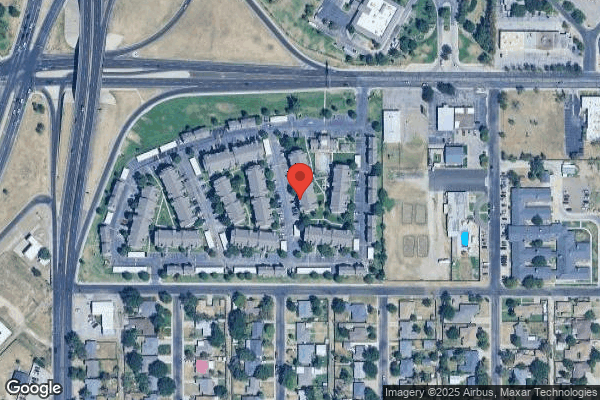
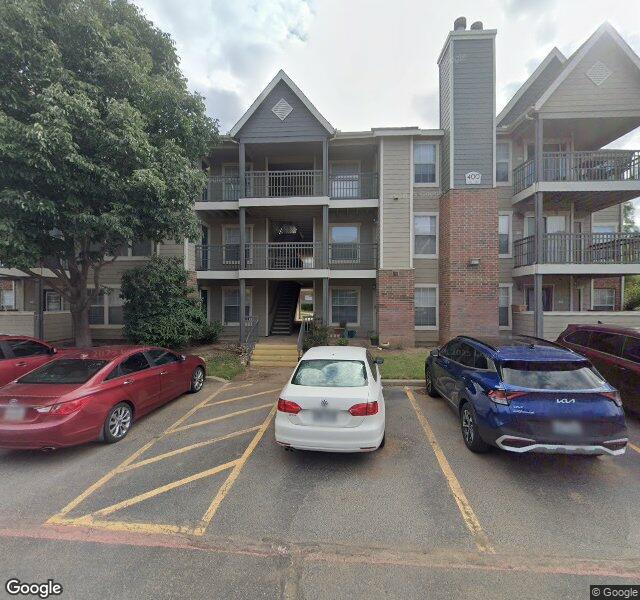
1009 CLYDE ST, AMARILLO, TX 79106 (806) 352-5295
For profit - Corporation 116 Beds Independent Data: November 2025
Trust Grade
55/100
#486 of 1168 in TX
Last Inspection: October 2024

Within standard 12-15 month inspection cycle. Federal law requires annual inspections.

Overview

Heritage Convalescent Center in Amarillo, Texas has a Trust Grade of C, indicating it is average and sits in the middle of the pack among nursing homes. It ranks #486 out of 1168 facilities in Texas, placing it in the top half, and #5 out of 9 in Potter County, meaning only four local facilities are better. The facility is improving, with issues decreasing from 12 in 2024 to 3 in 2025. Staffing is rated average with a turnover rate of 61%, which is on par with the state average, but the center has no fines on record, which is a positive sign. However, there have been concerns about food safety practices; for example, the kitchen failed to properly label and date food items, which could lead to food-borne illnesses, and staff did not consistently perform hand hygiene when handling food. Additionally, the facility has not had a full-time Director of Nursing since November 2023, which could impact care coordination during emergencies.

Trust Score
C
55/100
In Texas
#486/1168
Top 41%
Safety Record
Low Risk
No red flags
Inspections
Getting Better
12 → 3 violations
Staff Stability
⚠ Watch
61% turnover. Above average. Higher turnover means staff may not know residents' routines.
Penalties
✓ Good
No fines on record. Clean compliance history, better than most Texas facilities.
Skilled Nurses
⚠ Watch
Each resident gets only 24 minutes of Registered Nurse (RN) attention daily — below average for Texas. Fewer RN minutes means fewer trained eyes watching for problems.
Violations
⚠ Watch
24 deficiencies on record. Higher than average. Multiple issues found across inspections.
★★★☆☆
3.0
Overall Rating
★★★☆☆
3.0
Staff Levels
★★★☆☆
3.0
Care Quality
★★★☆☆
3.0
Inspection Score
Stable
2024: 12 issues
2025: 3 issues

The Good

  • Full Sprinkler Coverage · Fire safety systems throughout facility
  • No fines on record

Facility shows strength in fire safety.

The Bad

3-Star Overall Rating

Near Texas average (2.8)

Meets federal standards, typical of most facilities

Staff Turnover: 61%

15pts above Texas avg (46%)

Frequent staff changes - ask about care continuity

Staff turnover is elevated (61%)

13 points above Texas average of 48%

The Ugly 24 deficiencies on record

Sept 2025 1 deficiency
CONCERN (F) 📢 Someone Reported This

A family member, employee, or ombudsman was alarmed enough to file a formal complaint

Potential for Harm - no one hurt, but risky conditions existed

Food Safety (Tag F0812)

Could have caused harm · This affected most or all residents

Based on observation, interview, and record review, the facility failed to store, prepare, distribute, and serve food in accordance with the professional standards for food service safety for 1 of 1 k...

Read full inspector narrative →
Based on observation, interview, and record review, the facility failed to store, prepare, distribute, and serve food in accordance with the professional standards for food service safety for 1 of 1 kitchen reviewed for kitchen sanitation. The facility failed to ensure refrigerated and freezer items were properly stored, labeled, and dated.This failure could place residents at risk of food-borne illness. Findings included:Observation of the freezer on 09/09/25 at 9:54 AM revealed the following:1. (1) bag of unidentified food, no label or date. 2. (1) opened freezer bag of French fries, no label or date.3. (1) bag of hamburger patties, no label or date.4. (1) bag of hashbrowns, open to air, no label or date. 5. (1) bag of meat, no label or date.6. (1) opened, half-eaten ice cream sandwich, open to air, no label or date.7. (2) clear cups with lids, orange substance inside, no label or date. Observation of the walk-in refrigerator on 09/09/25 at 10:03 AM revealed the following: 1. (1) sealed container of vegetable base, no date or label.2. (6) packages of butter, one opened and in a baggie, no date or label.3. (2) bowls of water containing celery and carrots. No date or label. 4. (1) bowl containing whole onions, peppers, and tomatoes. No date or label.5. (1) box of cucumbers, no date or label. In an interview on 09/09/25 at 10:08 AM, [NAME] A stated he had worked at the facility since January 2025 and everyone was responsible for labeling and dating food. He stated a possible negative outcome for not labeling and dating food could be that residents could get sick and they could serve out of date food. In an interview on 09/09/25 at 10:10 AM, the DM stated he had worked at the facility since April of 2025 and everyone who worked in the kitchen was responsible for labeling and dating food. He stated a possible negative outcome for not doing that could be a resident could become sick or die from food poisoning. In an interview on 09/09/25 at 1:17 PM, [NAME] B stated it was everyone's responsibility to label and date food, that it was a group effort. She stated if food was not labeled or dated, they would not know when the food was brought into the kitchen or when it expired. In an interview on 09/09/25 at 2:59 PM, the ADM stated the facility does not have a policy for labeling and storage of food. In a phone interview on 09/09/25 at 3:16 PM, the RD stated she does in services and trainings on labeling and dating at the facility with employees of the kitchen and a handout should be available in the DM's office, and she also provided it to the ADM.In an interview on 09/09/25 at 3:46 PM, the ADM provided the in-service handout along with signatures of employees who attended the training done by the RD and stated that it was the policy that the kitchen followed. Record review of Dietary In-service, dated 01/30/25, revealed the following information in part:12 employee signatures. 1). Dietary staff will understand the importance of preventing cross contamination by storing food properly.2). Food must be properly stored to prevent contamination and freezer burn by closing all food products in the freezer and properly sealing all opened boxes and containers. a). All items in the freezer must also be dated when received. b). All items when removed from boxers are placed in sealed containers and labeled/dated. c). All items placed in the refrigerator to thaw must be redated with the date into thaw and date out (use by 72 hours). d). All food items prepared in the facility are dated and labeled so that the date of expiration is 72 hours due to serving as high-risk population.
Jul 2025 1 deficiency
CONCERN (E) 📢 Someone Reported This

A family member, employee, or ombudsman was alarmed enough to file a formal complaint

Potential for Harm - no one hurt, but risky conditions existed

Medical Records (Tag F0842)

Could have caused harm · This affected multiple residents

**NOTE- TERMS IN BRACKETS HAVE BEEN EDITED TO PROTECT CONFIDENTIALITY** Based on observation, interview and record review, the facility failed to maintain medical records in accordance with accepted p...

Read full inspector narrative →
**NOTE- TERMS IN BRACKETS HAVE BEEN EDITED TO PROTECT CONFIDENTIALITY** Based on observation, interview and record review, the facility failed to maintain medical records in accordance with accepted professional standards and practices for 1 (Resident #1) of 6 residents reviewed for medical records. The facility failed to document wound care had been completed on 6 days of the previous 90 days that were reviewed. This failure could place all residents at risk of not receiving appropriate care through inadequate documentation possibly resulting in deterioration in condition, exacerbation of disease process, and increased risk of harm or injury.Findings include: Record review of Resident #1's clinical record revealed a [AGE] year-old-female admitted to the facility originally on 07/23/24 and readmitted on [DATE]. Resident #1's current diagnoses include peripheral vascular disease (a circulatory condition in which narrowed blood vessels recue blood flow to the limbs), atherosclerosis of native arteries of extremities (bilateral legs) (a medical condition where plaque builds up in the arteries that supply blood to the limbs), other injury of unspecified body region (graft site from left thigh). Record review of Resident #1's last MDS revealed an annual assessment completed on 07/11/25 with a BIMS of 12 indicating she was moderately cognitively impaired, she had a functional status of being dependent on staff for most of her activities of daily living, and she had 2 venous and arterial ulcers present. Record review of the care plan with admission date of 09/16/24 for Resident #1 revealed the following: Focus:I have Peripheral Vascular DiseaseFocus: Venous/Stasis Ulcer r/t PVD to LLEFocus: Venous/Stasis Ulcer r/t PVD to RLE-Further review revealed there were no interventions related to completion of wound care noted. Record review of Resident #1's physician orders printed 07/15/25 revealed the following orders:- Lt Calf- Cleanse with wound cleanser. Dry. Apply Mupirocin2%, Adaptec, ABD, and cover with ABD. wrap with Kerlix. wrap with Ace bandage. secure with Tetra-Net size 6 very day shift for wound .-Revision Date: 04/23/2025 - Lt Upper Thigh-Cleanse with wound cleanser. Dry. Apply Mupirocin 2%, Adaptec, ABD, and cover with ABD. wrap with Kerlix. secure with tape. every day shift for wound . -Revision Date: 04/23/2025 - Rt Calf- Cleanse with wound cleanser. Dry. Apply Mupirocin2%, Adaptec, ABD, and cover with ABD. wrap with Kerlix. wrap with Ace bandage. secure with Tetra-Net size 6 every day shift for wound . -Revision Date: 04/23/2025 Record review of Resident #1's WAR's from 04/17/2025 through 07/15/2025 (last 90 days) revealed the following: Left calf wound with a revised order for daily wound care started on 04/23/25. Noted no documentation of wound care completed for 04/27.25, 05/02/25, 05/07/25, 05/31/25, 07/04/25, and 07/13/25. Left upper thigh wound with a revised order for daily wound care started on 04/23/25. Noted no documentation of wound care completed for 04/27.25, 05/02/25, 05/07/25, 05/31/25, 07/04/25, and 07/13/25. Right calf wound with a revised order for daily wound care started on 04/23/25. Noted no documentation of wound care completed for 04/27.25, 05/02/25, 05/07/25, 05/31/25, 07/04/25, and 07/13/25. During an observation and interview on 07/15/2025 at 09:03 AM Resident #1 was in her room in her bed. Resident #1 was dressed well and appeared in good condition. Resident #1 reported that she had an issue with LVN C but that she had not received any care from LVN C in quite a while. All other staff have been very good at what they have done. Resident #1 reported that all wounds were doing better to include the graft site on her left upper thigh and both lower leg PVI/venous status ulcer wounds. During an interview on 07/15/2025 at 03:05 PM the DON reviewed Resident #1's WAR record and reported that the dates of 4/27/25, 5/2/25, 5/7/25, 5/31/25, 7/4/25, and 7/13/25 were not documented on the WAR that the wound care had been completed for Resident #1's right calf, left calf, and left upper thigh. The DON reported that she knew the wound care had been done because Resident #1 would always tell her if any of her wound care was missed, and Resident #1 did not report any of those dates. During an interview on 07/15/2025 at 03:56 PM the DON reported that she had talked with LVN B, and he reported that he had completed the wound care for Resident #1 on 04/27/25 and reported that he just did not document it. ADON A completed the wound care on 05/02/25 and ADON A reported that Resident #1's wound care was done but she forgot to document it in the resident records. On 05/07/25 Dr [NAME] was in the facility, performed the wound care, and whoever the staff that was with Dr. E did not document the wound care in Resident #1's records and she (the DON) was not able to determine who that was that day. On 05/31/25 Resident #1 refused wound care for LVN C, but LVN C did not document the refusal and LVN C was currently out of town on vacation and unavailable for contact. On 7/04/25 LVN D completed Resident #1's wound care and reported that she (LVN D) forgot to document that she completed the wound care in Resident #1's chart. On 07/13/25 she (the DON) covered the hall Resident #1 was on, and she could not remember what was done that day but she did know she (the DON) did not document that the wound care was completed since she did not mark the WAR. The DON again stated if the wound care had not been completed Resident #1 would have told her about it. During an interview on 07/15/2025 at 04:08 PM ADON A reported that she missed documenting the wound care that she had performed on Resident #1 on 05/02/25 and stated, I just missed it. I had to many things going on that day. ADON A reported that she did not feel this was an issue and would not affect the residents care since Resident #1 had received her wound care. During an interview on 07/15/2025 at 04:11 PM LVN B reported that he did Resident #1's wound care on 04/27/25 but that he did not document that he had completed the wound care in Resident #1's chart. LVN B stated that if you do not document the care was provided then that don't count. He reported that a resident can be affected if their care was not documented. During an interview on 07/15/2025 at 05:00 PM LVN D stated, I thought I did it, I might have missed the documentation, but the care was done. On 07/04/25 for Resident #1. LVN D reported that if the documentation was not completed then nobody knows that it was completed and the wound could get worse if it really wasn't done, but I did mine that day. During an interview on 07/15/2025 at 04:57 PM the DON reported that she could not find a facility policy on the accuracy of documentation. The DON stated, so I guess we do not have one.
Jun 2025 1 deficiency
CONCERN (E) 📢 Someone Reported This

A family member, employee, or ombudsman was alarmed enough to file a formal complaint

Potential for Harm - no one hurt, but risky conditions existed

Deficiency F0602 (Tag F0602)

Could have caused harm · This affected multiple residents

**NOTE- TERMS IN BRACKETS HAVE BEEN EDITED TO PROTECT CONFIDENTIALITY** Based on observation, interview, and record review the facility failed to ensure residents were free from misappropriation of pr...

Read full inspector narrative →
**NOTE- TERMS IN BRACKETS HAVE BEEN EDITED TO PROTECT CONFIDENTIALITY** Based on observation, interview, and record review the facility failed to ensure residents were free from misappropriation of property from 1 of 1 (LVN A) nurses reviewed. The facility did not prevent LVN A from taking narcotics from multiple unidentified residents. This failure could place residents at risk of continued misappropriation of property, increased pain, and lost trust in facility staff. Findings include: Resident #1 Record review of Resident #1's face sheet, dated 06/03/2025, revealed a [AGE] year-old male who was admitted to facility on 07/07/2023 with, but not limited to the following diagnosis: unspecified dementia, unspecified severity, without behavioral disturbance, psychotic disturbance, mood disturbance, and anxiety (signs and symptoms of dementia and has a dementia diagnosis, but they lack any symptoms of behavioral disturbances), end stage renal disease (the final, permanent stage of chronic kidney disease, where kidney function has declined to the point that the kidneys can no longer function on their own), infarction without residual deficits (a condition where a patient experiences a stroke due to a lack of blood flow to the brain (ischaemia) but does not exhibit any lasting neurological deficits after the event), depression, unspecified, essential (primary) hypertension (elevated blood pressure), dependence on renal dialysis. Record review of Resident #1's MDS, dated [DATE], revealed that Resident #1 had a BIMS of 14 and a functional capacity of total dependency upon staff in all care areas. Record review of MAR dated May 1-31, 2025, revealed no discrepancies noted. During an interview on 06/03/2025 at 1:02 PM with Resident #1 stated I am supposed to get hydrocodone at midnight and 6am and when that one nurse was still here she (LVN A) would say that she gave them to me, but I know that she did not. Because I know what I take. Resident #1 was able to name off all of his medications and what time he takes them. Resident #1 stated I take medication for my neuropathy in my hands and feet. Resident #1 stated since that one-night nurse (LVN A) had been let go she he had been receiving his medications and doing much better. Resident #2 Record review of Resident #2's face sheet revealed a [AGE] year-old male who was admitted to facility on 01/23/2025 with, but not limited to the following diagnosis: Type 2 diabetes mellitus with ketoacidosis without coma (where a lack of insulin causes harmful substances called ketones to build up in the blood), depression, essential (primary) hypertension (elevated blood pressure), chronic obstructive pulmonary disease (a common lung disease causing restricted airflow and breathing problems), acute kidney failure with tubular necrosis (a common lung disease causing restricted airflow and breathing problems). Record review of Resident #2's MDS, dated [DATE], revealed that Resident #3 had a BIMS of 14 and a functionality of maximal and moderate assistance is required in all care areas. Record review of Resident #2's MARs dated May1-31, 2025 revealed no discrepancies noted. During an interview on 06/03/2025 at 2:30PM Resident #2 stated that he has never gone without pain medication. When he requests it, he receives it. Resident #2 did not have any concerns at time of interview and stated that the staff was very good to him. Resident #3 Record review of Resident #3's face sheet revealed a [AGE] year-old female who was admitted to facility on 07/12/2024 with, but not limited to the following diagnosis: Type 2 diabetes mellitus without complications (where a lack of insulin causes harmful substances called ketones to build up in the blood), mild cognitive impairment of uncertain or unknown etiology (when a person starts to have problems with their memory or thinking), right heart failure due to left heart failure. (LVN A) Record review of Resident #3's MDS, dated [DATE], revealed that Resident #3 had a BIMS of 13 and a functionality of maximal assistance needed in most care areas. Record review of Resident #3's MARs dated May1-31, 2025 revealed no discrepancies noted. During an interview on 06/03/2025 at 2:39PM Resident #3 stated I only get my pain medication when I really, really need it. It is not a scheduled medication, and I don't need it all of the time. Resident #3 stated I can request the medication when I need it. There was one nurse that came into my room and told me that I had asked for it, but I never did, I wasn't sure what she was talking about. During an observation on 06/03/2025 at 12:13pm revealed video evidence dated 05/23/2025, of LVN A opening the medication cart for Hall 400. LVN A opened the narcotic drawer and started to pop out medications out of random residents bubble packs. LVN A popped out what appeared to be approximately 14 pills. In the video it was unclear who the medications belonged to. LVN A then proceeded to take the medications in her hand and then place them in her mouth and consumed them. In the 2nd video dated 05/17/2025 LVN A went to the medication cart for 400 Hall and opened the medication cart and was seen getting in to the Narcotic drawer, LVN A took a medication cup and started to pop out medications from multiple different residents bubble packs. LVN A then placed the medications in her hand and went to speak to an unidentified CNA. LVN A and CNA spoke for an extended amount of time and during that time LVN A placed the medication in her right pocket. When a 2nd unidentified CNA came into view, LVN A proceeded to walk back towards the medication cart, pulled out her cell phone, placed it on the medication cart, and then walked behind a wall that concealed her from the CNA's but not the camera and she proceeded to take the handful of medications and walked to the back side of the nurses station desk while taking a drink from her personal drink. During an interview on 06/03/2025 at 12:13pm ADM stated she did not have any suspicion until it was brought to her attention that Resident #1 was having pain and was not receiving medication for it. ADM stated that is when she started to review video footage and discovered LVN A was taking medications from the residents at the beginning of every shift that she worked. ADM stated that the narcotic counts were never wrong, and she (LVN A) never acted off. ADM stated that the police were called on the day LVN A was interviewed, and a police report was made and provided the incident #25-507802. ADM stated a Narcotic Detective came to the facility on the day of interview and while LVN A was being interviewed a UA drug panel was ran. LVN A came back positive for 12 out of the 15 drugs tested. LVN A was positive for amphetamine, barbiturates, benzodiazepines, buprenorphine, cocaine, marijuana, methadone, methamphetamine, ecstasy, oxycodone, phencyclidine, propoxyphene. During an interview on 06/03/2025 at 12:34pm LVN B stated she had suspicion on missing medications, due to when change of shift narcotic count was performed there were a lot of dropped or wasted medications with no second signature present of a witness nurse or MA. LVN B stated she noticed that residents were running out of medications more often and reported this to the DON. LVN B stated she had received re-education on ANE just in the past couple of days. LVN B stated the negative outcome for the residents not receiving their medication was an increase in pain for the resident and then not being able to provide medications due to it being documented that it had already been given when it had not been. During an observation on 06/03/2025 at 12:48pm of Hall 400 Narcotic log book revealed multiple choked, refused, and dropped narcotics with no 2nd signature for these wastes of medications. LVN A signature was the only signature present at time of incidents. During an interview on 06/03/2025 at 3:53pm ADON stated that LVN A never exhibited any behavior that would spike suspicion. ADON stated she and LVN A had worked the floor together and there was nothing that would have made the ADON suspicious. ADON stated she (ADON) is a part of the hiring process, and nothing came back on any background checks that were performed. On 06/03/2025 at 5:34pm attempted phone interview with Narcotic Detective, had to leave a voicemail with the State investigators phone number for officer to call back. No return call received. On 06/03/2025 at 5:46pm attempted phone interview with alleged perpetrator (LVN A), had to leave a voicemail with the State investigators contact information to call back. No return call received. During an interview on 06/03/2025 at 6:34pm LVN C stated she started noticing that she was having to order narcotics more frequently and thought that it was weird that these residents were going through meds so quickly. LVN C stated the negative outcome for residents was that the residents were complaining of pain and LVN C could not provide any pain medication due to it appearing to have been given already. During an interview on 06/04/2025 at 10:30am DON stated the negative outcome for residents would be that they would have an increase in pain, and lack of trust for the nursing staff. DON did state she was still performing re-education with nursing staff as they come in for their shifts. Inservices were stated on 05/29/2025, inservices included ANE, Quality of Care, signing out narcotics, medication administration, HIPPA, medicaid/medicare fraud, pharmacy. Record review of facility provided policy, titled, Abuse/Neglect, revised 11/15/2016, revealed the following: .9. Misappropriation of resident property: means the deliberate misplacement, exploitation, or wrongful, temporary, or permanent use of a resident's belongings or money without the resident's consent.
Oct 2024 10 deficiencies
CONCERN (D)

Potential for Harm - no one hurt, but risky conditions existed

Resident Rights (Tag F0550)

Could have caused harm · This affected 1 resident

**NOTE- TERMS IN BRACKETS HAVE BEEN EDITED TO PROTECT CONFIDENTIALITY** Based on observations, interviews, and record reviews, it was determined the facility failed to ensure each resident was provide...

Read full inspector narrative →
**NOTE- TERMS IN BRACKETS HAVE BEEN EDITED TO PROTECT CONFIDENTIALITY** Based on observations, interviews, and record reviews, it was determined the facility failed to ensure each resident was provided the right to a dignified existence, self-determination, for 1 of 20 residents reviewed for Resident rights (Resident #15). -The facility failed to provide dignity and respect for Resident #15 by providing a privacy bag for her foley catheter. The facility's failure to ensure that each resident was treated with respect, dignity, and care in a manner that protects and promotes the rights of the residents. Findings included: Resident #15: Record review of Resident #15's clinical record, dated 10/02/2024, revealed that Resident #15 is a [AGE] year-old woman who was admitted to the facility on [DATE], with diagnosis to include type 2 diabetes mellitus without complications, mild cognitive impairment of uncertain or unknown etiology, pancreatic tumors, low potassium, depression, high blood pressure, asthma, perforation of intestine, retention of urine, history of blood clots, and stroke. Record review of Resident #15's most recent MDS assessment, dated 09/05/2024, revealed Resident #15's BIMS score was 14 out of 15, indicating no cognitive impairment and had a functionality of supervision and touch assistance. An observation on 10/01/24 at 02:29 PM of Resident #15 receiving incontinent care from CNA H and CNA G. Resident #15's foley catheter bag did not have a privacy bag. An interview on 10/02/24 at 10:44 AM with ADON, stated that a negative outcome for not having a cover on a foley catheter bag was, well 1st thing is the dignity thing, then the bag could touch the ground and now we have an infection issue. An interview on 10/02/24 at 02:09 PM with DON, stated that a negative outcome for not having a cover over Resident #15's foley catheter bag could be if the patient is alert they could have some humiliation from it. The bag could get pulled or fall to the floor. Record review of the facility provided policy titled, Resident Rights, revised December 2016, revealed the following: Policy Statement Each resident shall be cared for in a manner that promotes and enhances his or her sense of well-being, level of satisfaction with life, and feelings of self-worth and self-esteem. Record review of policy for Dignity, dated revised February 2021, states: Employees shall treat all residents with kindness, respect, and dignity. Policy Interpretation and Implementation 1. Residents are treated with dignity and respect at all times. 2. The facility culture supports dignity and respect for residents by honoring resident goals, choices, preferences, values and beliefs. This begins with the initial admission and continues throughout the resident's facility stay . 11. Staff promote, maintain and protect resident privacy, including bodily privacy during assistance with personal care and 1. Federal and state laws guarantee certain basic rights to all residents of this facility. These rights include the resident's right to: a. a dignified existence; b. be treated with respect, kindness, and dignity; Record review of the facility provided policy titled, Texas State [NAME] of Rights of the Elderly, undated, revealed the following: In addition to other rights an elderly individual has, as a citizen, rights provided by this section. .3. An elderly individual should be treated with respect, consideration, and in recognition of the individual's dignity and individuality. An elderly individual should receive personal care and private treatment. Record review of the facility provided policy titled, Incontinent Care/Perineal Care with or without a Catheter, dated 12/2017 reveals no mention of a foley catheter bag privacy cover for residents indwelling foley catheters.
CONCERN (D)

Potential for Harm - no one hurt, but risky conditions existed

Deficiency F0578 (Tag F0578)

Could have caused harm · This affected 1 resident

**NOTE- TERMS IN BRACKETS HAVE BEEN EDITED TO PROTECT CONFIDENTIALITY** Based on interviews, and record review, the facility failed to ensure all residents had the right to formulate an advanced direc...

Read full inspector narrative →
**NOTE- TERMS IN BRACKETS HAVE BEEN EDITED TO PROTECT CONFIDENTIALITY** Based on interviews, and record review, the facility failed to ensure all residents had the right to formulate an advanced directive for 1 (Resident #10) of 20 residents reviewed for advanced directives. Resident #10 had a DNR in her record with no date for the physician signature. The facility's failure to ensure accuracy of resident medical records for advanced directives such as a DNR (Do Not Resuscitate), recognized under State law (whether statutory or as recognized by the courts of the State), relating to the provision of health care could place residents a risk for not receiving healthcare as per their or their legal representatives wishes. Findings included: Resident #10 Record review of the clinical record dated 10/01/2024, for Resident #10 revealed a [AGE] year-old female resident admitted to the facility on [DATE] with diagnoses to include chronic obstructive pulmonary disease with (acute) exacerbation, sleep apnea, lack of coordination, weakness, anemia, type 2 diabetes mellitus with elevated blood sugar, elevated calcium levels in the blood, and heart failure. Record review of the clinical record for Resident #10 revealed the last MDS dated [DATE] with a BIMS score of 12 indicting she was moderately cognitively impaired and a functional status indicating she required maximal assistance with the majority of activities. Record review revealed a DNR in Resident #10's clinical record dated 01/02/2024 with no date of signature by the physician in the Physician Statement section. An interview on 10/02/24 at 10:44 AM with ADON revealed that a negative outcome for not having the DNR dated makes the DNR not applicable and the resident would receive a full code and then we are in trouble. An interview on 10/02/24 at 02:09 PM with DON revealed that a negative outcome of not having the DNR dated essentially makes the form void, and we would not follow the final wishes of that resident. Record review of the facility provided policy titled ADVANCED DIRECTIVE GLOSSARY OF TERMS undated, revealed no information on the necessary signatures or/and dates on which the document would need to be valid. Record review of facility provided policy titled, Texas State [NAME] of Rights of the Elderly, undated, revealed the following: In addition to other rights an elderly individual has, as a citizen, rights provided by this section. .3. An elderly individual should be treated with respect, consideration, and in recognition of the individual's dignity and individuality. An elderly individual should receive personal care and private treatment. .13. An elderly individual may participate in planning the individual's total care and medical treatment.
CONCERN (D)

Potential for Harm - no one hurt, but risky conditions existed

Comprehensive Care Plan (Tag F0656)

Could have caused harm · This affected 1 resident

**NOTE- TERMS IN BRACKETS HAVE BEEN EDITED TO PROTECT CONFIDENTIALITY** Based on observation, interview, and record review the facility failed to develop and implement a comprehensive person-centered ...

Read full inspector narrative →
**NOTE- TERMS IN BRACKETS HAVE BEEN EDITED TO PROTECT CONFIDENTIALITY** Based on observation, interview, and record review the facility failed to develop and implement a comprehensive person-centered care plan for each resident, consistent with resident rights that includes measurable objectives and timeframes to meet a resident's medical and nursing needs and describes the services that are to be furnished to attain or maintain the resident's highest practicable physical, mental, and psychosocial well-being for 1 (Resident #50) of 19 residents reviewed for care plans. The facility failed to update the wound care orders in Resident #50's care plan. This failure could put residents at risk of not receiving necessary care and treatment. Findings included: Record review of Resident #50's admission record dated 10/01/24 revealed a [AGE] year-old male originally admitted to the facility on [DATE] with diagnoses that included, but were not limited to, peripheral vascular disease (blood circulation disorder), type 2 diabetes (insufficient production of insulin, causing high blood sugar), acquired absence of left leg below the knee, and acquired absence of right leg below knee. Record review of Resident #50's quarterly MDS completed on 09/13/24 revealed he had a BIMS of 15 which indicated intact cognition. Record review of Resident #50's active orders revealed the following wound treatment order for his left leg amputation site with a start date of 08/21/24: Left BKA. Please soak with [brand name of wound cleanser] for 30 minutes prior to dressing change. Place [brand name of gauze used to promote wound healing] into wound bed then apply a thin layer of [brand name of antibiotic cream] to [brand name of absorbent dressing that helps with wound healing] cut to fit wound and apply. Cover with [absorbent pad] and secure with tape. Wrap localluwith (type-o for locally with) [brand name for sponge gauze bandage] and [brand name for stretchy self-adhering wrap] secure with [brand name for elastic spiderweb-like bandage]. Every day shift every Mon, Wed, Fri for Left BKA. Record review of Resident #50's discontinued orders revealed the following wound treatment order for his left leg amputation site with a start date of 07/18/24 and an end date of 08/21/24: Left BKA. Clean wounds with normal saline or wound cleanser and gauze. Skin prep to peri-wound and with [brand name of adhesive layer spread across foam dressing, used with wound vac]. Place [brand name of gauze that promotes wound healing] into wound bed then pack with black [brand name of very open pore foam used in wound healing especially with a wound vac] and cover with [brand name of adhesive layer spread across foam dressing, used with wound vac]. Bumper pad under suction port and cover with [brand name of adhesive layer spread across foam dressing, used with wound vac]. Wound Vac continuous suction at 125 mmHG. Then wrap locally with [brand name for sponge gauze bandage] and [brand name for stretchy self-adhering wrap] with very light compression. Secure with [brand name for elastic spiderweb-like bandage]. every day shift every Mon, Wed, Fri for Left BKA Record review of Resident #50's care plan dated 09/03/24 revealed the following: . I have actual impairment to skin integrity r/t BKA I will have no complications r/t surgical wound through the review date. Left BKA. Clean wounds with normal saline or wound cleanser and gauze. Skin prep to periwound and with [brand name of adhesive layer spread across foam dressing, used with wound vac]. Place [brand name of gauze used to promote wound healing] into wound bed then pack with black [brand name of very open pore foam used in wound healing especially with a wound vac] and cover with with [brand name of adhesive layer spread across foam dressing, used with wound vac]. Bumper pad under suction port and cover with [brand name of adhesive layer spread over foam dressing used with wound vac]. Wound Vac continuous suction at 125 mmHG. Then wrap locally with [brand name for sponge gauze bandage] and [brand name for stretchy self-adhering wrap] with very light compression. Secure with [brand name for elastic spiderweb-like bandage]. No mention was made of the new wound treatment order with start date of 08/21/24. During an observation and interview on 09/30/24 at 10:01 AM Resident #50 was seated in his w/c in his room. He stated staff do not change the bandage on his left leg amputation as often as ordered. During an observation and interview on 10/02/24 at 08:54 AM MDS LVN stated she was responsible for resident care plans. She stated when a resident received new orders she put them in (the care plan) the very next day. She stated there was a report she could run from PCC that would tell her each day what orders were new for which residents. MDS LVN stated, I run the report and see what orders were changed and I put them all into the care plans. When asked why the orders for Resident #50's wound care were not updated in his care plan she looked in PCC and said, I do see where it changed and I might have just overlooked this one. She stated a possible negative outcome of not having the orders in the care plan updated was, We don't have treatment properly documented. During an interview on 10/202/24 at 01:01 PM DON stated not documenting changed orders for Resident #50's wound care in his care plan could prolong his healing process and provide potential for more injury to the wound and of course infection. During an interview on 10/02/24 at 01:27 PM ADON B stated a possible negative outcome of not having a resident's orders updated in the care plan was, Treatment won't match. During an interview on 10/02/24 at 01:44 PM ADON A stated I need the care plan to match the orders. She said a possible negative outcome of not updating a resident's care plan with new orders was staff could not look at the care plan and know what is going on. Record review of facility policy titled Care Plans, Comprehensive Person-Centered and dated December 2016 revealed the following: . A comprehensive, person-centered care plan that includes measurable objectives and timetables to meet the resident's physical, psychosocial and functional needs is developed and implemented for each resident. Each resident's comprehensive person-centered care plan will be consistent with the resident's rights to participate in the development and implementation of his or her plan of care, including the right to: . g. Receive the services and/or items included in the plan of care; . 8. The comprehensive, person-centered care plan will: . b. Describe the services that are to be furnished to attain or maintain the resident's highest practicable physical, mental, and psychosocial well-being; . 13. Assessments of residents are ongoing and care plans are revised as information about the resident and the residents' conditions change.
CONCERN (D)

Potential for Harm - no one hurt, but risky conditions existed

Quality of Care (Tag F0684)

Could have caused harm · This affected 1 resident

**NOTE- TERMS IN BRACKETS HAVE BEEN EDITED TO PROTECT CONFIDENTIALITY** Based observation, interview, and record review the facility failed to, based on the comprehensive assessment of a resident, ens...

Read full inspector narrative →
**NOTE- TERMS IN BRACKETS HAVE BEEN EDITED TO PROTECT CONFIDENTIALITY** Based observation, interview, and record review the facility failed to, based on the comprehensive assessment of a resident, ensure that residents receive treatment and care in accordance with professional standards of practice, the comprehensive, person-centered care plan, and the resident's choices for 1 (Resident # 50) of 20 residents reviewed for quality of care. The facility failed to provide wound care for Resident #50 as ordered. This failure could place residents at risk of poor healing, worsening infection, and increased pain. Findings Included: Record review of Resident #50's admission record dated 10/01/24 revealed a [AGE] year-old male originally admitted to the facility on [DATE] with diagnoses that included, but were not limited to, peripheral vascular disease (blood circulation disorder), type 2 diabetes (insufficient production of insulin, causing high blood sugar), acquired absence of left leg below the knee, and acquired absence of right leg below knee. Record review of Resident #50's quarterly MDS completed on 09/13/24 revealed he had a BIMS of 15 which indicated intact cognition. Record review of Resident #50's care plan dated 09/03/24 revealed the following: . I have actual impairment to skin integrity r/t BKA I will have no complications r/t surgical wound through the review date. Left BKA. Clean wounds with normal saline or wound cleanser and gauze. Skin prep to periwound and with [brand name of adhesive layer spread across foam dressing, used with wound vac]. Place [brand name of gauze used to promote wound healing] into wound bed then pack with black [brand name of very open pore foam used in wound healing especially with a wound vac] and cover with with [brand name of adhesive layer spread across foam dressing, used with wound vac]. Bumper pad under suction port and cover with [brand name of adhesive layer spread over foam dressing used with wound vac]. Wound Vac continuous suction at 125 mmHG. Then wrap locally with [brand name for sponge gauze bandage] and [brand name for stretchy self-adhering wrap] with very light compression. Secure with [brand name for elastic spiderweb-like bandage]. No mention was made of the new wound treatment order with start date of 08/21/24. Record review of Resident #50's quarterly MDS completed on 09/13/24 revealed he had a BIMS of 15 which indicated intact cognition. Record review of Resident #50's active orders revealed the following wound treatment order for his left leg amputation site with a start date of 08/21/24: Left BKA. Please soak with [brand name of wound cleanser] for 30 minutes prior to dressing change. Place [brand name of gauze used to promote wound healing] into wound bed then apply a thin layer of [brand name of antibiotic cream] to [brand name of absorbent dressing that helps with wound healing] cut to fit wound and apply. Cover with [absorbent pad] and secure with tape. Wrap localluwith (type-o for locally with) [brand name for sponge gauze bandage] and [brand name for stretchy self-adhering wrap] secure with [brand name for elastic spiderweb-like bandage]. Every day shift every Mon, Wed, Fri for Left BKA. Record review of Resident #50's TAR for the month of September 2024 revealed he did not receive wound care on Friday 09/13/24 or Wednesday 09/18/24. Record review of Resident #50's progress notes from 09/01/24 to 10/01/24 revealed no mention of Resident #50 having an appointment outside the facility on 09/13/24 or 09/18/24. There was one progress note on 09/13/24 and it did not pertain to wound care. There were no progress notes on 09/18/24. Record review of the dashboard (first page that opens for facility, where resident appointments were often documented, according to staff interviews below) in PCC from 03/01/24-10/02/24 revealed no appointment scheduled for Resident #50 on 09/13/24 or 09/18/24. During an observation and interview on 09/30/24 at 10:01 AM Resident #50 was seated in his w/c in his room. He stated staff do not change the bandage on his left leg amputation as often as ordered. During an interview on 10/02/24 at 08:27 AM DON stated the day nurse on duty on 09/13/24 was LVN F and the day nurse on duty on 09/18/24 was LVN M. During an interview on 10/02/24 at 08:50 AM LVN F stated ADON A was responsible for Resident #50's wound care on 09/13/24 because he was unhappy with her (LVN F). LVN F stated she found Resident #50 vaping in his room and his vape paraphernalia was taken from him; therefore, he was angry with her and ADON A took over wound care for a period. She stated a possible negative outcome of not providing wound care as ordered was the wound could get infected or get worse. During an observation and interview on 10/02/24 at 08:57 AM LVN F stated she remembered Resident #50 had appointments on 09/13/24 and did not return to the facility until 04:30 PM. She stated she remembered ADON A coming down the hall multiple times looking for Resident #50 to provide his wound care. When asked if she was certain the date she was remembering was 09/13/24, LVN F said she was certain. When asked if Resident #50's appointments and ADON A looking for Resident #50 on 09/13/24 were documented anywhere in his medical record LVN F stated she knew she documented that day. She sat down at a computer and began searching through progress notes for Resident #50 as well as through the dashboard of PCC where she stated sometimes resident's appointments were documented. She searched for approximately 4 minutes and concluded, I know I remember writing it down, maybe that was another day. She stated she was unable to find an appointment for Resident #50 noted on the dashboard in PCC. She stated nurses documented appointments in PCC most of the time. She continued, I know there was one day, it has to be that day (09/13/24) what she (ADON A) kept looking for him (Resident #50) so she could do it (wound care) and he was gone to an appointment, but I can't find anything in here (EHR). During an interview on 10/02/24 at 01:01 PM DON stated charge nurses were responsible for wound care. She stated Resident #50 was so unkind to our charge nurses that she had ADON A start doing his wound care, but the floor nurses were responsible to ensure it was performed. DON stated a possible negative outcome of not doing wound care as ordered was infection and a prolonged healing process. She stated if wound care was not performed as ordered the resident would not receive the care needed. DON stated if a resident had an appointment it should be in the progress notes. During an interview on 10/02/24 at 01:27 PM ADON B stated if wound care was not performed as ordered the wound could get worse and affect the healing process and/or possible infection. During an interview on 10/02/24 at 01:44 PM ADON A stated she was responsible for Resident #50's wound care for a period of time while he was needing a wound vac. She stated she was not responsible for his care on 09/13/24. She stated on that date the charge nurse was responsible for his wound care. ADON A stated staff were to document resident appointments on the dashboard of PCC. She stated Resident #50 did not experience a negative outcome due to not having his wound care performed as ordered. An attempted telephone interview on 10/02/24 at 02:17 PM with LVN M was unsuccessful. The phone was answered but no one spoke. Record review of facility policy titled Charting and Documentation and dated July 2017 revealed the following: . All services provided to the resident, progress toward the care plan goals, or any changes in the resident's medical, physical, functional or psychosocial condition, shall be documented in the resident's medical record. 2. The following information is to be documented in the resident medical record: . c. Treatments or services performed; . 7. Documentation of procedures and treatments will
CONCERN (D)

Potential for Harm - no one hurt, but risky conditions existed

Medication Errors (Tag F0758)

Could have caused harm · This affected 1 resident

**NOTE- TERMS IN BRACKETS HAVE BEEN EDITED TO PROTECT CONFIDENTIALITY** Based on observation, interview, and record review the facility failed to ensure PRN orders for psychotropic drugs were limited ...

Read full inspector narrative →
**NOTE- TERMS IN BRACKETS HAVE BEEN EDITED TO PROTECT CONFIDENTIALITY** Based on observation, interview, and record review the facility failed to ensure PRN orders for psychotropic drugs were limited to 14 days for 1 (Resident #6) of 5 residents reviewed for unnecessary medication. Facility failed to ensure Resident #6's PRN order for psychotropic medication was limited to 14 days. This failure could place residents at risk of oversedation which could lead to falls and/or injuries as well as affect their quality of life. Findings Included: Record review of Resident #6's admission record dated 10/01/24 revealed an [AGE] year-old female admitted to the facility on [DATE] with diagnoses that included, but were not limited to, type 2 diabetes (insufficient production of insulin, causing high blood sugar), depression, and anxiety disorder. Record review of Resident #6's care plan completed 09/09/24 revealed she used antianxiety medications for anxiety disorder. The facility was to give the medications as ordered by the physician and monitor Resident #6 for side effects. Record review of Resident #6's annual MDS completed on 09/16/24 revealed the following: Section C: Resident #6 had a BIMS of 12 which indicated moderately impaired cognition. Section D: Resident #6 had felt down, depressed, or hopeless 2-6 of the 7 days in the look back period. Resident #6 felt lonely or isolated from those around her often. Section I: Resident #6 had a diagnosis of Anxiety Disorder. Section N: Resident #6 received anti-anxiety medication during the 7 days of the look back period. Record review of Resident #6's active order revealed an order for Alprazolam, an antianxiety medication, with the following directions: Give 1 tablet by mouth every 6 hours as needed for Anxiety. The order had a start date of 11/08/23. Record review of Resident #6's progress notes from 05/31/24-10/01/24 revealed no progress note from physician indicating need for continued PRN order for antianxiety med. Record review of Resident #6's EHR under the MISC tab revealed 4 physician's notes from the last 4 months with dates of 06/06/24, 07/10/24, 09/05/24, and 09/20/24. Record review of Resident #6's physician's note dated 06/06/24 indicated her anxiety disorder was Stable on current treatment. Has low dose [Brand name of antianxiety medication] PRN. There was no mention of duration of the PRN order. Record review of Resident #6's physician's note dated 07/10/24 indicated her anxiety disorder was Stable on current treatment. Has low dose [Brand name of antianxiety medication] PRN. There was no mention of duration of the PRN order. Record review of Resident #6's physician's note dated 09/05/24 indicated her anxiety disorder was Stable on current treatment. There was no mention of the PRN order or its duration. Record review of Resident #6's physician's note dated 09/20/24 indicated her anxiety disorder was Stable on current treatment. There was no mention of the PRN order or its duration. Record review of Resident #6's MAR for June 2024 revealed she was given her PRN antianxiety medication 5 times that month on the following dates 06/09, 06/13, 06/14, 06/18, and 06/19. Record review of Resident #6's MAR for July 2024 revealed she was given her PRN antianxiety medication 5 times that month on the following dates 07/09, 07/21, 07/25, 07/26, and 07/31. Record review of Resident #6's MAR for August 2024 revealed she was given her PRN antianxiety medication 12 times that month on the following dates 08/06, 08/08, 08/09, 08/13, 08/15, 08/19, 08/20 (she was given the medication two times on this date), 08/22, 08/24, 08/27, and 08/28. Record review of Resident #6's MAR for September 2024 revealed she was given her PRN antianxiety medication 11 times that month on the following dates 09/03, 09/04 (she was given the medication two times on this date), 09/05, 09/06, 09/10, 09/12, 09/17, 09/18, 09/20, and 09/25. During an interview on 10/02/24 at 01:06 PM DON stated PRN orders for psychotropic drugs were good for 14 days. She stated for a PRN order for psychotropic drug to be extended past 14 days the physician would have to write that a change in the medication might cause adverse reaction in the resident. She stated a possible negative outcome of a PRN order for a psychotropic drug extending past 14 days was over sedation, dependance. DON stated she did not know why Resident #6 had a PRN antianxiety medication order that had not been discontinued after 14 days. During an interview on 10/02/24 at 01:32 PM ADON B stated PRN orders for psychotropic medications were limited to 14 days. She stated nurses who input PRN orders for psychotropic medications were to put them in for 14 days. She said a possible negative outcome of PRN orders for an antianxiety medications being continued past 14 days was dependent on the case, the resident's response to the medication, as well as on how long the resident had been on the medication as PRN at home prior to admission. During an interview on 10/02/24 at 01:48 PM ADON A stated PRN orders for psychotropic medications should have a stop date when put in to the EHR by nurses. She said a possible negative outcome of a PRN order for antianxiety medication extending past 14 days was sedating them (residents) too much. Record review of facility policy titled Psychotropic Drugs and dated 10/25/17 revealed the following: . The intent of this policy is that each resident's entire drug/medication regimen is managed and monitored to promote or maintain the resident's highest practicable mental, physical, and psychosocial wellbeing, . and PRN orders for psychotropic medications are only used when the medication is necessary and PRN use is limited. A psychotropic drug is any drug that affects brain activities associated with mental processes and behavior. These drugs include, but are not limited to, drugs in the following categories: . (iii) Anti-anxiety . The facility must ensure that- . 4. PRN orders for psychotropic drugs are limited to 14 days. Except as provided in 483.45(e)(5), if the attending physician or prescribing practitioner believes that it is appropriate for the PRN order to be extended beyond 14 days, he or she should document their rationale in the resident's medical record and indicate the duration for the PRN order. PRN Orders for Psychotropic . Medications In certain situations, psychotropic medications may be prescribed on a PRN basis, such as while the dose is adjusted, to address acute or intermittent symptoms or in an emergency. However, residents must not have PRN orders for psychotropic medications unless the medication is necessary to treat a diagnosed specific condition. The attending physician or prescribing practitioner must document the diagnosed specific condition and indication for the PRN medication in the medical record.
CONCERN (D)

Potential for Harm - no one hurt, but risky conditions existed

Safe Environment (Tag F0921)

Could have caused harm · This affected 1 resident

**NOTE- TERMS IN BRACKETS HAVE BEEN EDITED TO PROTECT CONFIDENTIALITY** Based on observation, interview, and record review the facility failed to provide a safe, functional, sanitary, and comfortable ...

Read full inspector narrative →
**NOTE- TERMS IN BRACKETS HAVE BEEN EDITED TO PROTECT CONFIDENTIALITY** Based on observation, interview, and record review the facility failed to provide a safe, functional, sanitary, and comfortable environment for 2 (Resident #18 and Resident #60) of 20 residents reviewed for environment and 2 of 2 resident refrigerators. The facility failed to remove expired and rotten food from both resident refrigerators and failed to maintain them in sanitary condition. This failure could place residents at risk of contracting foodborne illness and/or feeling uncomfortable or degraded in their living environment. Findings Included: Record review of Resident #18's admission record dated 10/01/24 revealed a [AGE] year-old male admitted to the facility on [DATE] with diagnoses that included, but were not limited to, congestive heart failure (a progressive heart disease that affects the pumping action of the heart muscles resulting in shortness of breath and fatigue), mild intellectual disabilities (lower intellectual function leading to struggles with abstract thinking and social skills), and type 2 diabetes (insufficient production of insulin, causing high blood sugar). Record review of Resident #18's quarterly MDS completed on 09/16/24 revealed a BIMS of 14 which indicated intact cognition. Record review of Resident #18's care plan revealed it was completed on 09/09/24. Record review of Resident #60's admission record dated 09/30/24 revealed a [AGE] year-old male admitted to the facility on [DATE] with diagnoses that included, but were not limited to, acute respiratory failure with hypoxia (a condition resulting from not enough oxygen in the tissues of the body), cognitive communication deficit (difficulty with one or more of the following: attention, memory, perception, language, problem-solving, and reasoning), and chronic obstructive pulmonary disease (inflammation of lung tissue due to non-infectious causes, which results in cough without mucus or phlegm, shortness of breath, and fatigue). Record review of Resident #60's admission MDS completed on 07/30/24 revealed a BIMS of 12 which indicated moderately impaired cognition. Record review of Resident #60's care plan revealed it was completed on 07/25/24. During an observation and interview on 09/30/24 at 09:53 AM Resident #18 was seated in his w/c in his bedroom opening his mail. He stated his only concern or complaint was the ice box near the entrance. He stated it needed to cleaned as it is a mess. During an interview and observation on 09/30/24 at 12:15 PM Resident #60 was seated on the edge of his bed. He stated the common fridge for residents was in poor shape. He said the refrigerator was kept in a storage closet near the nurses' station. During an interview and observation on 09/30/24 at 01:45 PM Resident #60 was pushing a female resident in her w/c near the nurses' station. He pointed out the storage closet that contained the common refrigerator for residents. The door had a sign on it that said Storage and the door knob had a key pad. When asked how residents accessed the refrigerator, Resident #60 pointed to ADON B and said, She can let you in. During an interview and observation on 09/30/24 at 01:47 ADON B opened the door to the storage closet and had the door to a mini refrigerator open as well. She stated the refrigerator was for residents to store food. She stated residents could not access the refrigerator unless staff let them into the storage closet. She stated nursing staff knew the code to open the door of the storage closet. There is a sign taped to the door of the refrigerator containing temperatures for each day of September. There is a handwritten sign above the refrigerator which says Please Keep Clean and was signed by LVN F. On the shelf above the refrigerator is a large spot the size of a dinner plate where the paint has peeled and bubbled and the wood underneath the paint is a dark brown rust color and is chipping up in shards. An observation on 09/30/24 at 01:49 AM of the resident mini refrigerator revealed the following: A small thermometer hanging inside the refrigerator on the top shelf of the door. A small freezer compartment with no door that was frosted over to the extent that it was 1/3 it's normal size. It was full of frozen water bottles. 2 mini water bottles less than half full labelled with Resident #18's name no date. 1 mini water bottle containing approximately 1/3 cup of milky white liquid labelled with Resident #18's name no date, and no identifying label. 1 partial carton of health shake labelled use by 09/29/24 no name. 1 large bottle of water partially empty no name, and no date. 1 large bottle of ketchup with date of 12/26 written on tape on the lid and an expiration date of 01/22/25 printed on the bottle. 1 jar with honey label containing what appears to be hot sauce. Labelled with a resident's name but no date. 1 clear plastic to go container of salad labelled with a resident's name and with the date 09/03. The lettuce was dark green, almost black, limp and appeared to be slimy. There were ice crystals hanging from the top of the container down into the lettuce. 1 sandwich in a resealable plastic bag labeled with a resident's name and dated 09/24. There were ice crystals in the bag and the top slice of bread was soggy. 4 small bottles of water labelled with Resident #18's name. 1 foil envelope drink unopened labelled with Resident #18's initials. A plastic bag bearing the name of a Mexican food restaurant handles tied. Inside the bag were several napkins, two long black hairs, ice crystals, a bean burrito and a receipt dated 07/17/24. Black plastic to go box labelled with a resident's name and dated 07/17/24. Inside was what appeared to be a baked potato covered in a fuzzy green substance. 2 medium to go drink cups with straws through the lids 90% full of a pink liquid labelled with a resident's name but no date. Small clear plastic to go container of what appears to be tartar sauce, no label or date. The bottom of the refrigerator had brown and pink smears over 90% of its surface with smaller patch of black smear toward the front. A plastic grocery bag with a coconut cake inside with a best by date of 10/02/24 labelled night shift. The outside of the refrigerator had a temperature log taped to the front of the door with temperatures written in for each day in September. During an interview on 10/01/24 at 02:01 PM CNA G stated she had worked for the facility for a month. She stated she knew the code to the storage closet where the resident refrigerator was kept. She stated residents could ask staff and staff would open the door for them to access the refrigerator. She stated housekeeping was responsible for cleaning the refrigerator. CNA G stated a possible negative outcome of the refrigerator containing rotting or expired food was residents could be poisoned or get an infection. During an interview on 10/01/24 at 02:08 PM LVN F stated she was the one who wrote the sign in the storage closet asking others to keep the area clean. She stated the rehabilitation hall has a refrigerator for residents to keep their personal food in as well. LVN F stated CNAs, nurses, and housekeeping staff were able to open the door to the storage closet for residents to access the refrigerator. She stated housekeeping staff were responsible for cleaning the refrigerator and nursing staff were responsible to read the thermometer inside the refrigerator and write the temperature each day on the sheet taped to the door of the refrigerator. LVN F stated a possible negative outcome of not throwing out rotten or expired food from the residents' refrigerator was food poisoning. During an interview on 10/01/24 at 02:12 PM HSK stated she was the housekeeping supervisor and has worked for the facility since May of 2024. She stated, regarding cleaning the residents' refrigerator, I was informed that is CNAs job. She stated she could not remember who told her that, but she knows it was when she first started working for the facility. During an observation and interview on 10/01/24 at 02:15 PM LVN K stated the rehabilitation wing did have a refrigerator for residents to use. She walked to a small apartment size refrigerator and stated it was not behind a locked door and residents were free to put items in and take them out at will. She stated nursing staff kept an eye on the residents and if they were confused staff would step in to assist them in finding their own items in the refrigerator. An observation on 10/01/24 at 02:19 PM of the resident refrigerator freezer on the rehabilitation wing revealed the following: A single serve package of sherbet in the freezer with no name and no date. A clear plastic, lidded container of what appeared to be an ice cream sundae with no name, date, or label. What appeared to be 1 pink stick popsicle with no label, name, or date. What appeared to be 1 red popsicle with no label, name, or date. 1 medium to go cup with plastic lid open to air due to straw hole full of frozen peach-colored liquid no label, name, or date. An observation on 10/01/24 at 02:24 PM of the resident refrigerator on the rehabilitation wing revealed the following: One carton of health shake mostly full, with a date of 10/01/24. One partially used individual size protein shake with no name. 2 4-count packs of individual serving pudding no name. 1 resealable quart bag of 4 individual servings of sour cream. 2 have best by dates of July 1, 2024, 1 has best by date of August 25, 2024, and one has best by date of September 30, 2024. 5 resealable quart bags and one sandwich bag of individual servings of mayonnaise, mustard, and ketchup with no dates. 1 brown plastic bowl from the facility with disposable lid and date of 09/30 scratched into the lid. No name, label, or date. 1 small water bottle almost full of milky white liquid. No name, date, or identifying label. 1 bottle of purple drink partially gone no name. Large jar labelled as strawberry preserves containing what appears to be hot sauce no date or identifying label. 2-quart plastic bottle of ginger ale half gone no name and no date. 1 resealable gallon bag of individual servings of ketchup, mayonnaise, mustard, and relish dated 07/27/24. The bottom shelf and top shelf of the refrigerator are sticky in patches. The bottom shelf has a long brown hair stuck to the shelf in something sticky. During an interview on 10/02/24 at 01:08 PM DON stated the nurses kept track of the temperatures of the resident refrigerators and housekeeping cleaned them. She stated having spoiled or expired food in the resident refrigerators could cause an infection control issue and residents might experience GI (gastrointestinal) distress. During an interview on 10/02/24 at 01:23 PM ADON B stated, regarding cleaning of resident refrigerators, Well it is supposed to be housekeeping but I would say it has been confusing because residents go to CNAs or nurses to put something in there (the refrigerator), no housekeeping. She stated residents could get sick if expired and/or rotten foods were left in the refrigerators. During an interview on 10/02/24 at 01:38 PM ADM stated nursing staff were responsible for cleaning out the resident refrigerators. During an interview on 10/02/24 at 01:49 PM ADON A stated housekeeping was responsible for cleaning out the resident refrigerators. She stated CNAs and nurses were responsible for giving residents access to the refrigerators. She stated a possible negative outcome of the resident refrigerators containing expired and rotten food was contamination, foodborne illness. Record review of page 13 of facility admission packet titled Statement of Resident Rights revealed the following: . You have a right to: . 2. Safe, decent and clean conditions . Record review of page 15 of facility admission packet titled Texas State [NAME] of Rights of the Elderly revealed the following: . 17. An elderly individual may retain personal . possessions as space permits. The number of personal possessions may be limited for health and safety reasons which are documented in the patient's medical record. The number of personal possessions may be limited for the health and safety of other patients. Record review of facility policy titled Food Safety and dated 2006 revealed the following: . Food shall be handled in a safe manner. 7. Do not keep potentially hazardous food in refrigerator past the labeled expiration date. Record review of facility policy titled Storage Refrigerators and dated 2006 revealed the following: . All Storage Refrigerators shall be maintained clean . 4. Food must be covered when stored, with a date label identifying what is in the container. 5. Refrigeration equipment is to be routinely defrosted . Record review of facility policy titled Homelike Environment and dated May 2017 revealed the following: . Residents are provided with a safe, clean, comfortable and homelike environment and encourage to use their personal belongings to the extent possible. 1. Staff shall provide person-centered care that emphasized the resident's comfort, independence and personal needs and preferences. 2. The facility staff and management shall maximize, to the extent possible, the characteristics of the facility that reflect a personalized, homelike setting. These characteristics include: a. Clean, sanitary and orderly environment. Record review of facility policy titled Foods Brought by Family/Visitors and dated February 2014 revealed the following: . 2. Perishable foods must be stored properly . 4. The nursing and/or food service staff must discard any foods prepared for the resident that show obvious signs of potential foodborne danger (for example, mold growth .) .
CONCERN (E)

Potential for Harm - no one hurt, but risky conditions existed

Deficiency F0726 (Tag F0726)

Could have caused harm · This affected multiple residents

Based on observations, interviews, and record review, the facility failed to have sufficient nursing staff with the appropriate competencies and skill sets to provide nursing and related services to a...

Read full inspector narrative →
Based on observations, interviews, and record review, the facility failed to have sufficient nursing staff with the appropriate competencies and skill sets to provide nursing and related services to assure resident safety and attain or maintain the highest practicable physical well-being for 1 of 7 staff (RN J) reviewed for nursing services. The facility failed to ensure the following: -RN J used proper hand hygiene when administering medications -RN J observed resident consume their medications at time of administration. -RN J used proper hand hygiene while assisting an unidentified resident with eating their midday meal. -RN J locked and secured medication cart during medication administration. -RN J used proper hand hygiene or donning of gloves before breaking a pill with her hands for Resident #57. This facility's failure placed residents receiving medications at risk for drug diversion, drug overdose, and decrease efficacy of medications. These failures could expose residents to a risk of contracting viral infections, secondary infections and other communicable diseases. Findings included: Observation on 09/30/24 at 08:35 AM revealed the medication cart on Hall 100 unlocked and unattended. Observation on 09/30/24 at 08:37 AM RN J came out of Resident #57's room and took the medication cart further down the hall. Observation on 09/30/24 at 08:39 AM revealed Resident #57 was lying on her back with her eyes closed, and a medication cup was observed on Resident #57's bedside table with several medications in it. Resident #57 opened her eyes and was asked if this was a regular occurrence with the medications just being left on her bedside table, Resident #57 stated that it was not, and she was really not sure why it happened today. Observation on 09/30/24 at 08:45 AM revealed Resident #10 with a medication cup on her breakfast tray with medications in it. When Resident #10 was asked why medications weren't taken with the nurse, Resident #10 stated because she can't take it with water and will put the pills in her oatmeal. Interview on 09/30/24 at 08:53 AM with CNA L who was working Hall 100 stated that the leaving of medications has been observed by her a few times. CNA L stated, It isn't supposed to, but yes it does happen regularly with this nurse and another nurse. CNA L stated that the negative outcome could be that another resident could get a hold of the medications. Observation on 09/30/24 at 12:12 PM of RN J assisting unidentified resident with her mid-day meal. RN J took her left thumb and scooped some of the unidentified resident's food back on to the plate of resident. RN J then proceeded to lick her thumb and continued to feed the unidentified resident. No hand hygiene was performed before, during, or after the assistance with the meal. Observation on 10/01/24 at 09:18 AM RN J came to room and provided Resident #57 with her medications. Resident #57 asked RN J to break a pill for her. RN J grabbed pill from resident and broke pill with bare hands. No gloves and hand washing took place before breaking pill for resident. Interview on 10/01/24 at 09:22 AM with Resident #57 was asked if the staff normally stayed in the room with her when she was taking her medication and she stated, Most of the time. Interview on 10/01/24 at 01:50 PM with RN J stated that a negative outcome for leaving the medication cart unlocked and unattended could be that someone could get into it. Interview on 10/01/24 at 01:51 PM with RN J stated that a negative outcome for leaving pills on the bedside table would be that someone else could get a hold of those pills. Interview on 10/01/24 at 2:11 PM with ADM stated that there was not a policy regarding the security of Medication carts. Interview on 10/02/24 at 10:44 AM with ADON stated that the negative outcome of having an incompetent nurse was it could lead to medication errors, inaccurate assessments and the overall care for residents could be lacking. Interview on 10/02/24 at 02:09 PM with DON stated that a negative outcome for having an incompetent nurse could lead to injury to resident, medication errors, and documentation errors. Record review of the facility in-service dated 03/13/2024 regarding medication carts, HIPPA, abuse and neglect, infection control, and meds at bedside. RN J did attend this in-service, signature was present on sign-in sheet. Record review of facility in-service dated 06/20/2024 regarding medication administration, med carts, med rooms, meds aat bedside, shower cabinets, disposal of razors, closets, narcotic waste documentation. RN J did attend this in-service, signature was present on sign-in sheet. Record review of RN J's coaching form, undated, revealed that coaching and re-education was provided on the following areas of concerns: 1. Medication cart will always be locked when out of sight of nurse. 2. No further medications will be left sitting on bedside tables, nurses will hand resident medication and stad by to ensure resident takes medication. 3. No further setting up medications prior to giving. 4. Review in 30 days. Dates of occurrences that these concerns were noted were June 18th, 25th, and July 8th, 2024. Record review of personal file for RN J, revealed an Employee Disciplinary Review for RN J, dated 07/26/2024 revealed that on Various dates the medication cart was left unlocked. Record review of personal file for RN J, revealed an Employee Disciplinary Review for RN J, dated 10/01/2024 revealed that RN J was terminated from the facility due to multiple disciplinary reports. Record review of the facility provided policy titled, Competency of Nursing Staff, revised October 2017, revealed the following: Policy Statement 1. All nursing staff must meet the specific competency requirements of their respective licensure and certification requirements defined by State law. 2. In addition, licensed nurses and nursing assistants employed (or contracted) by the facility will: a. participate in a facility-specific, competency-based staff development and training program; and b. demonstrate specific competencies and skill sets deemed necessary to care for the needs of resident, as identified through resident assessments and described in the plans of care. .4. Competency in skills and techniques necessary to care for residents' need includes but is not limited to competencies in areas such as: . .f. basic nursing skills; . .i. medication management; . .k. Infection control; . Record review of the facility provided policy titled, Hand Washing, undated, revealed no mention of when the appropriate times to perform hand hygiene would be. Record review of the facility provided policy titled, Crushing Medications, revised April 2007, revealed the following: .4. If a partial tablet is ordered, the nurse should break the tablet on the scored line. Hands must be cleaned before breaking the tablet. The other half tablet is to be discarded. (Note: The Vendor Pharmacist may be contacted to provide the half-tablet doses, thus eliminating the need for the nurse to split the tablets in half.) Record review of the facility provided policy titled, Storage of Medications, revised April 2007, revealed the following: .7. Compartments (including, but not limited to, drawers, cabinets, rooms, refrigerator, carts, and boxes.) containing drugs and biologicals shall be locked when not in use, and trays or carts used to transport such items shall not be left unattended if open or otherwise potentially available to others. .22. Staff shall follow established facility infection control procedures (e.g., handwashing, antiseptic technique, gloves, isolation precautions, etc.) for the administration of medications, as applicable.
CONCERN (E)

Potential for Harm - no one hurt, but risky conditions existed

Deficiency F0761 (Tag F0761)

Could have caused harm · This affected multiple residents

Based on observations, interviews, and record review, it was determined the facility failed to ensure drugs and biologicals were stored in locked compartments and labeled in accordance with currently ...

Read full inspector narrative →
Based on observations, interviews, and record review, it was determined the facility failed to ensure drugs and biologicals were stored in locked compartments and labeled in accordance with currently accepted professional principles and include the appropriate accessory and cautionary instructions, and the expiration date when applicable for 2 (Hall 100 medication cart and Hall 400 medication cart) of 3 medication carts reviewed for medication storage. -Hall 100 medication cart left unlocked and unattended. -Hall 100 medication cart revealed 4.5 lose pills in the bottom of medication drawers. -Hall 100 medication cart had insulin for Resident #41 with no open date on her Humulin N insulin. -Medication was left on beside table for Resident #57 by RN J -Medication was left on beside table for Resident #10 by RN J -Medication was left on bedside table for Resident #7 by LVN F -Hall 400 medication cart revealed expired control solutions for calibration of the glucometer machine. The facility's failure placed residents receiving medication at risk for drug diversion, drug overdose, and accidental or intentional administration to the wrong resident. Findings included: Observation on 09/30/24 at 08:35 AM revealed the medication cart on Hall 100 unlocked and unattended. Observation on 09/30/24 at 08:39 AM revealed Resident #57 was lying on her back with her eyes closed, and a medication cup was observed on Resident #57's bedside table with several medications in it. Resident #57 opened her eyes and was asked if this was a regular occurrence with the medications just being left on her bedside table, Resident #57 stated that it was not, and she was really not sure why it happened today. Observation on 09/30/24 at 08:45 AM revealed Resident #10 with a medication cup on her breakfast tray with medications in it. When Resident #10 was asked why medications weren't taken with the nurse, Resident #10 stated because she can't take it with water and will put the pills in her oatmeal. In an interview on 09/30/24 at 08:53 AM with CNA L who was working Hall 100 stated that the leaving of medications has been observed by her a few times. CNA L stated, It isn't supposed to, but yes it does happen regularly with this nurse and another nurse. CNA L stated that the negative outcome could be that another resident could get a hold of the medications. Observation on 09/30/24 at 09:31 AM revealed Resident #7 with a medication cup on her bed side table and several medication cups stacked on the nightstand. Resident #7 stated staff leave meds with her 60-75% of the time to take on her own. Resident #7 stated staff did not do that when she first got here. Observation on 09/30/24 at 09:37 AM revealed 4.5 lose pills found in the drawers of Hall 100 medication cart. 1 pill identified as Lorazepam 0.5mg was discovered in the Narcotic lock box. All other pills were unidentified by RN J. Insulin for Resident #41's Humulin N did not have an open date on it. According to manufacturer insert it should be discarded after 31 days of opening. In an interview on 09/30/24 at 09:40 AM with RN J, she was asked what the process was when medications are found in the medication cart. RN J stated that she takes them to her DON. RN J then took pills to the DON's office. In an interview on 09/30/24 at 09:51 AM with DON stated that the medications would be reconciled with the Narc count. DON asked RN J if the count was correct this morning. RN stated that it was. The count was confirmed and accurate. The Resident that the medication belonged to passed away last week. DON stated that nurses were responsible for the order and cleanliness of the carts that were use. In an interview on 09/30/24 at 09:55 AM RN J stated that a negative outcome for lose medications in the medication carts would be that someone was missing a medication and with the Lorazepam it could lead to increased anxiety for the resident. Observation on 09/30/24 at 10:05 AM revealed a blood glucose control solution that was dated 07/27/2023 in Hall 400 medication cart. LVN F was asked if this was used today. LVN F stated that it was used this morning to calibrate the glucometer for the day. In an interview on 09/30/24 at 10:16 AM LVN F was asked what a negative outcome was for using controls that were expired. LVN F stated that the reading could be too high or too low for the calibration. In an interview on 09/30/24 at 12:10 PM Resident #7 stated when staff left her pills with her she originally thought they were trusting her but now she thinks they were being lazy because it would not take long to stand and watch me swallow them. And there are people in here who have poor memory and I don't think it is safe for them. In an interview on 10/02/24 at 10:44 AM with ADON stated that the negative outcome for leaving the medication cart unlocked was We do have residents that wander both with and without dementia and they could get a hold of the medications in the carts. ADON stated that the negative outcome for leaving medications at the bedside was the resident could choke, hoard them for later and the medications would not be effective or therapeutic. ADON stated that the negative outcome for having lose medications and expired medications was that residents could go without a dose of medications which could lead to medication errors. The expired medications would not be effective. In an interview on 10/02/24 at 02:09 PM with DON stated that a negative outcome for leaving the medication cart unlocked was other residents or individuals could walk by and get into the cart. DON proceeded to give the negative outcome for having medications left at bedside could lead to the wrong person taking the medications and the resident choking on the medication. DON stated that the undated medications could not be effective because it could be out of date. In regard to the lose pills it could lead to a medication error and a missed dose for the resident. Record review of the facility provided policy titled, Storage of Medications, revised April 2007, revealed the following: .4. The facility shall not use discontinued, outdated, or deteriorated drugs or biologicals. All such drugs shall be returned to the dispensing pharmacy or destroyed. .7. Compartments (including, but not limited to, drawers, cabinets, rooms, refrigerator, carts, and boxes.) containing drugs and biologicals shall be locked when not in use, and trays or carts used to transport such items shall not be left unattended if open or otherwise potentially available to others. Record review of the facility provided policy titled, Administering Medications, revised December 2012, revealed the following: .9. The expiration/beyond use date on the medication label must be checked prior to administering. When opening a multi-dose container, the date opened shall be recorded on the container. .16. During administration of medications, the medication cart will be kept closed and locked when out of sight of the medication nurse or aide. It may be kept in the doorway of the resident's room, with open drawers facing inward and all other sides closed. No medications are kept on top of the cart. The cart must be clearly visible to the personnel administering medications, and all outward sides must be inaccessible to residents or others passing by.
CONCERN (E)

Potential for Harm - no one hurt, but risky conditions existed

Infection Control (Tag F0880)

Could have caused harm · This affected multiple residents

Based on observations, interviews, and record review, the facility failed to maintain an infection prevention and control program designed to provide a safe, sanitary environment to help prevent the d...

Read full inspector narrative →
Based on observations, interviews, and record review, the facility failed to maintain an infection prevention and control program designed to provide a safe, sanitary environment to help prevent the development and transmission of communication diseases and infections for 3 (Resident #15, Resident #22, and Resident #57) of 17 Residents. The facility failed to ensure the following: -RN J used proper hand hygiene while assisting an unidentified resident with eating their midday meal. -RN J used hand hygiene and donning of gloves before breaking a pill with her hands for Resident #57. -CNA H perform hand hygiene during incontinent care of Resident #15. -CNA I perform hand hygiene during incontinent care of Resident #22. These failures had the potential to affect residents in the facility by placing them at risk of contracting, spreading, and/or exposing them to bacterial or viral infections that could lead to the spread of communicable diseases. Findings included: Observation on 09/30/24 at 12:12 PM of RN J assisting unidentified resident with her mid-day meal. RN J took her left thumb and scooped some of the unidentified resident's food back on to the plate of resident. RN J then proceeded to lick her thumb and continued to feed the unidentified resident. No hand hygiene was performed before, during, or after the assistance with the meal. Observation on 10/01/24 at 09:18 AM RN J came to room and provided Resident #57 with her medications. Resident #57 asked RN J to break a pill for her. RN J grabbed pill from resident and broke the pill with bare hands. No gloves or hand washing took place before breaking the pill for the resident. Observation on 10/01/24 at 01:45 PM of incontinent care for Resident #22 performed by CNA H and CNA I. Both CNA's performed hand hygiene before starting incontinent care with foley catheter care for Resident #22. CNA I was the primary and cleaned Resident #22 in an appropriate manner, clean to dirty. When CNA I went to change her gloves, she did not perform hand hygiene and donned new gloves and concluded catheter care and incontinent care for Resident #22. Hand hygiene was performed after the resident was placed into a comfortable position. Observation on 10/01/24 at 02:29 PM of incontinent care for Resident #15 performed by CNA H and CNA G. Both CNA's performed hand hygiene before starting foley catheter and incontinent care for Resident #15. CNA H was the primary and cleaned Resident #15 in an appropriate manner, clean to dirty. However, when Resident #15 was turned to the right side so that her buttocks could be cleaned CNA H still had soiled gloves on and proceeded to touch Resident #15's skin to assist CNA G in the turning process. CNA H proceeded to clean the backside of Resident #15, CNA H changed her gloves, but did not perform hand hygiene, and then proceeded to place the resident in a comfortable position. Hand hygiene was performed after the resident was covered and the room was being cleaned by CNA H and CNA G. Interview on 10/01/24 at 02:42 PM with CNA I stated that a negative outcome for not performing hand hygiene when glove changes took place could lead to cross contamination and infection for the resident. Interview on 10/01/24 02:46 PM with CNA H stated that a negative outcome for not performing hand hygiene when glove changes take place could lead to cross contamination. Interview on 10/02/24 at 10:44 AM with ADON stated that the negative outcome of not washing hands during incontinent care could lead to cross contamination between one resident and another. Interview on 10/02/24 at 02:09 PM with DON stated that the negative outcome for not washing hands during incontinent care could lead to cross contamination and a risk for increased infection. Record review of the facility provided policy titled, Incontinent Care/Perineal Care with or without a Catheter, dated 12/2017 revealed the following: Policy It is the policy of this home to provide incontinent care to residents in a manner which provides privacy, promotes dignity, and ensures not cross contamination. .3. If resident is heavily soiled with feces, turn resident on side and clean away feces with tissue, wipes, or incontinent brief. Discard soiled gloves along with the soiled brief and/or wipes. Cover resident, provide safety measures and wash hands with soap and water. 4. Cover resident with sheet or bath blanket. Raise cover to expose perineum. 5. Sanitize hands and put on gloves 6. Proceed with perineal care.
CONCERN (F)

Potential for Harm - no one hurt, but risky conditions existed

Food Safety (Tag F0812)

Could have caused harm · This affected most or all residents

Based on observation, interview and record review, the facility failed to store, prepare, distribute, and serve food in accordance with professional standards for food service safety in one of one kit...

Read full inspector narrative →
Based on observation, interview and record review, the facility failed to store, prepare, distribute, and serve food in accordance with professional standards for food service safety in one of one kitchen observed for food storage, preparation, and distribution. Cooks C, D, and E failed to perform hand hygiene appropriately when preparing foods. This failure could place residents who ate food served by the kitchen at risk of food-borne illness from cross-contamination. Findings included: In an observation and interview on 9/30/24 at 11:30 am, [NAME] C was observed washing hands and putting gloves on. [NAME] C touched various kitchen surfaces in the kitchen. [NAME] C touched the prep counter, picked up a bag of ham chunks, attempted to open the bag, put the bag on the counter, and went to another area of the kitchen. [NAME] C opened the drawers in the kitchen and closed them then went to a different area of the kitchen, picked up the scissors and walked back to the preparation table. [NAME] C cut the bag of ham chunks open, then took disposable individual plastic serving cups and lids out of the packages. [NAME] C arranged the disposable individual serving cups in a line and picked up the bag of ham. [NAME] C attempted to pour the ham into the serving cups. [NAME] C then put her gloved hand inside the bag of ham chunks and took a handful of ham out and placed the ham into the individual serving cups. [NAME] C reached into the bag again with her gloved hand and filled more containers with ham. [NAME] C was asked if she realized she had changed tasks and had touched various kitchen surfaces then touched the food with contaminated hands. [NAME] C said, I forgot to change my gloves? [NAME] C continued to pick up ham with her gloved hand and place ham into the container cups. [NAME] C then picked up a pen and began making labels for the ham. [NAME] C snapped lids on the cups and carried the cups of ham to the salad bar in the dining room. In an observation and interview on 9/30 /24 at 11:55 am, [NAME] E was observed in the kitchen preparing dessert cups for the noon meal. [NAME] E was observed washing hands and putting on fresh gloves. [NAME] E touched various kitchen surfaces. [NAME] E touched the pans of desserts on the edges of the pan. [NAME] E picked up a knife and cut the dessert into slices touching the edges of the pan to turn it around. [NAME] E placed dessert cups onto the preparation table and unstacked the dessert cups. [NAME] E began plating the dessert and while attempting to put the dessert into the dessert cups with her spatula, [NAME] E used her gloved hand to swipe the dessert off the spatula into the dessert cup. [NAME] E was also observed using her gloved hand to push the dessert down into the dessert cups. [NAME] E said, So do I need to wash and change my gloves? [NAME] E stated she was not aware she had touched the food with her gloved hands. She stated she should have used a serving spoon to plate the dessert and should not have touched the desserts. She stated residents could get sick from contaminated food. In an observation and interview on 9/30/24 at 12:30 pm, [NAME] D washed his hands and changed his gloves. [NAME] D touched various kitchen surfaces then picked up a plate and a serving utensil. [NAME] D plated two enchiladas and used his fingers to push the enchiladas onto the plate off the serving spatula. [NAME] D picked up a plate cover, placed the plate cover on the plate then picked up a clean plate. [NAME] D picked up the serving spatula and placed 2 enchiladas on the plate. [NAME] D used his fingers to push the enchiladas off the serving spatula onto the plate. [NAME] D stated he should not have touched the food with his hand and should have washed his hands and changed his gloves. He stated not changing gloves and touching food could cause food borne illness to the residents. During an observation and interview on 9/30/24 at 12:25 am, [NAME] C was observed touching the prep table and various kitchen surfaces while cutting the lunch dessert into squares. [NAME] C touched the edges of the dessert pans, the serving utensils and various surfaces in the kitchen. [NAME] C was observed getting dessert cups from the shelf and went back to the prep table. [NAME] C picked up dessert cups and placed them on a serving tray in single order filling up the tray. [NAME] C picked up the serving cups and one by one began filling the cups with the dessert. [NAME] C began using her hands to push the dessert into the cups and used her hands to scoop up the dessert out of the pan into the dessert cups. [NAME] C did not change her gloves or wash her hands during this task. During an interview on 9/30/24 at 2:50 pm, the DM stated she was responsible for training staff in all kitchen areas. She stated she does frequent reminders about washing hands and changing gloves. The DM stated she was aware Cooks C, D, and E did not wash their hands or change gloves between tasks. The DM stated they should have washed their hands and changed their gloves when switching tasks. She stated all kitchen staff should have used utensils to serve and prepare the food and should not have touched the food with their hands. The DM stated not changing gloves and washing hands could cause food borne illness. The DM stated she trained the staff in hand washing techniques and glove use. Record review of an undated facility policy titled, Dietary Department Glove Standard Protocol, revealed, in part: there will be no bare hand to food contact in the kitchen. Use of tongs, spatulas, or deli tissue paper will be used whenever possible to avoid touching a ready to eat food item with a bare hand. If a glove must be used, hands will be washed prior to putting on the glove and immediately after removing it. Gloved hands are considered a food contact surface that can get contaminated. Failure to change gloves can contribute to cross contamination.
Jul 2024 1 deficiency
CONCERN (D) 📢 Someone Reported This

A family member, employee, or ombudsman was alarmed enough to file a formal complaint

Potential for Harm - no one hurt, but risky conditions existed

Quality of Care (Tag F0684)

Could have caused harm · This affected 1 resident

**NOTE- TERMS IN BRACKETS HAVE BEEN EDITED TO PROTECT CONFIDENTIALITY** Based on observation, interview, and record review, the facility failed to ensure the residents received treatment and care in a...

Read full inspector narrative →
**NOTE- TERMS IN BRACKETS HAVE BEEN EDITED TO PROTECT CONFIDENTIALITY** Based on observation, interview, and record review, the facility failed to ensure the residents received treatment and care in accordance with professional standards of practice for 1 of 6 residents (Resident #1) reviewed for physician orders for treatments. The facility failed to follow physician orders and perform wound treatments as ordered for Resident #1. The failure could affect residents currently residing in the facility resulting in not receiving needed care to maintain optimum health and placing them at risk for injury and/or deterioration in their condition. Findings include: Record review of Resident #1's face sheet, printed 07/05/2024 revealed a [AGE] year-old male. Resident #1's MDS, dated [DATE] revealed a BIMS of 14 indicating no cognitive impairment. His functionality per his last MDS revealed he required extensive 2-person assistance to complete bathing, toileting, and lower body dressing. Resident #1 needed partial/moderate assistance with upper body dressing, and supervision or touch assistance with eating and oral hygiene. He was admitted originally on 03/01/2024 and readmitted on [DATE] with the following diagnoses: peripheral vascular disease, unspecified, type 2 diabetes mellitus with hyperglycemia, acquired absence of left leg below knee, other lack of coordination, need for assistance with personal care, weakness, depression, non-pressure chronic ulcer of left heel and midfoot with fat layer exposed, end stage renal disease, acquired absence of right leg below knee. Record review of physician's orders dated 07/05/2024, for Resident #1's 4th finger wound treatment revealed the following: Right 4th finger: clean with wound cleanser or normal saline, pat dry with gauze, apply Mupirocin to Aguacel AG cut to fit the wound, cover with gauze, and secure with tape. every day shift every Mon, Wed, Fri for 4th finger Order start date was 06/07/2024 with no discontinue date. Record review of wound administration record for May 2024 and June 2024 revealed that Resident #1 did not receive wound care to his right 4th finger on the following day(s): Monday May 6th and Friday May 10th, 2024, and Friday June 21, 2024. Record review of physician's orders dated 07/05/2024, for Resident #1's left below knee amputation (BKA) wound treatment revealed the following: Left BKA. Clean wounds with normal saline or wound cleanser and gauze. Skin prep to peri-wound and with vac drape. Pace Cuticerin into wound bed then pack with black granufoam and cover with vac drape. Bumper pad under suction port and cover with vac drape. Wound Vac continuous suction at 150mmHG. Then wrap locally kerlix and Coban with very light compression. Secure with spandage. Every day shift Monday, Wednesday, and Friday. Order started on 05/31/2024 with no discontinuation date. Record review of wound administration record for May 2024 and June 2024 revealed that Resident #1 did not receive wound care to his BKA on the following day(s): Monday May 27, 2024, and Friday June 21, 2024. Record review of physician's orders dated 07/05/2024 for Resident #1's sacral preventative treatment revealed the following: Buttocks: Apply barrier cream, and then cover with sacral foam dressing. Every day shift for buttocks Order started on 05/16/2024, with no discontinuation date. Record review of wound administration record for May 2024 and June 2024 revealed that Resident #1 did not receive treatment for his buttocks on the following day(s): May 18th, 26th, and 27th, 2024 and June 15th, 16th, 21st, 22nd, 23rd, 29th, and 30th. Record review of Resident #1's care plan last revised, 07/02/2024, revealed the following: Focus o I am resistive to care r/t wound vac. Goal o I will cooperate with care through next review date Interventions o Give clear explanation of all care activities prior to an as they occur during each contact. o If possible, negotiate a time for ADLs so that the resident participates in the decision making process. Return at the agreed upon time. o Praise the resident's when behavior is appropriate Focus o I have actual impairment to skin integrity r/t fragile skin Goal o I will be free from injury through the review date. Interventions o Identify/document potential causative factors and eliminate/resolve where possible. o Monitor for side effects of the antibiotics and over-the-counter pain medications: gastric distress, rash, or allergic reactions which could excacerbate skin injury. o Monitor/document location, size and treatment of skin injury. Report abnormalities, failure to heal, s/sx of infection, maceration etc. to MD. Focus o I have Diabetic Ulcer r/t Diabetes Goal o I will have no complications related to ulcer through review date. Interventions o Monitor Blood Sugar Levels. o Monitor pressure areas for colour, sensation, temperature. o Monitor/document wound: Size, Depth, Margins: periwound skin, sinuses, undermining, exudates, edema, granulation, infection, necrosis, eschar, gangrene, Document progress in wound healing on an ongoing basis. Notify MD as indicated. Focus o I have potential for pressure ulcer development Goal o My Pressure ulcer will show signs of healing and remain free from infection by/through review date. Interventions o Administer medications as ordered. Monitor/document for side effects and effectiveness. o Monitor nutritional status. Serve diet as ordered, monitor intake and record. Interview and observation on 07/05/2024 at 9:18am with Resident #1 revealed that staff does not change bandages to wounds all the time. Resident #1 stated that the LVN was on the hall this morning stated to him that his bandage would get changed If I have time. Resident #1did let this investigator see that his central line was still present to his right sub clavicle the date of 06/26/2024 was written on the tegaderm in black sharpie. Record review of Central line maintenance order revealed the following: Flush central line with 10cc normal saline before and after medication administration, every day and night shift. Order started on 06/26/2024. No discontinuation date. Change Central line dressing q 7 days and PRN using biopatch Order started on 05/31/2024, no discontinuation date. Interview on 07/05/2024 at 1:16pm with LVN stated that a negative outcome for not changing central line dressings could lead to getting an infection with the possibility of sepsis, and if it is not flushed appropriately he/she could get a blood clot. LVN did state that she has documented all treatments that she has provided to residents. Interview on 07/05/2024 at 4:04pm with DON stated that a negative outcome for not changing central line changes appropriately could lead to increased infection. DON stated that a negative outcome for not following physician's orders could be cause for infection, could cause discomfort to the resident, odor. DON stated, documentation is the most difficult part of this job. Record review of all progress notes/nurses notes from 03/01/2024 to present do not mention Resident #1 refusing treatments of finger, BKA, buttocks, or central line dressing changes. Record review of policy provided by facility named, Guidelines for Intravenous Catheter, revised August 2014, revealed the following: . Catheter Site Dressing Regimens . .4. Change TSM (transparent semi permeable membrane) dressings on CVADs (central venous access devices), every 5-7 days or PRN if damp, loosened, or visibly soiled. This does not require a physician's order. .Documentation The following information should be recorded in the resident's medical record: 1. Objective information regarding appearance of insertion site, catheter, and dressing. 2. Any interventions that were done (dressing change, cultures, etc.). Record review of policy provided by facility named, Charting and Documentation, revised July 2017, revealed the following: .2. The following information is to be documented int eh resident medical record: . .C. Treatments or services performed; . .F. Progress toward or changes in the care plan goals or objectives. .7. Documentation of procedures and treatments will include care-specific details, including: a. the date and time the procedure/treatment was provided; b. the name and title of the individual(s) who provided the care; c. the assessment data and/or any unusual findings obtained during the procedure/treatment; d. How the resident tolerated the procedure/treatment; e. whether the resident refused the procedure/treatment;
Mar 2024 1 deficiency
CONCERN (F) 📢 Someone Reported This

A family member, employee, or ombudsman was alarmed enough to file a formal complaint

Potential for Harm - no one hurt, but risky conditions existed

Deficiency F0727 (Tag F0727)

Could have caused harm · This affected most or all residents

Based on interviews and record review, the facility failed to designate a registered nurse to serve as the Director of Nursing on a full-time basis for the care and treatment of 65 of 65 residents. Th...

Read full inspector narrative →
Based on interviews and record review, the facility failed to designate a registered nurse to serve as the Director of Nursing on a full-time basis for the care and treatment of 65 of 65 residents. The facility failed to employ a DON from November 14, 2023, to present day. This failure had the potential to affect residents in the facility by leaving staff without supervisory coverage for coordination of events such as emergency care and disasters such as with flooding, power outage, tornado, fire, etc. Findings included: Record review of the facility's employee list, received 3/6/24, revealed there were eight RNs working in the facility but none of the RNs were designated as the DON. During an interview on 3/6/24 at 8:10 a.m., the Administrator stated they do not have a DON and have not had one since 11/14/23 when the last DON left. The Administrator stated she had not found a good candidate for the job yet. The Administrator stated LVN A keeps up with the DON duties for now and does in-services for staff. During an interview on 3/6/24 at 9:25 a.m., RN B stated they do not have a DON at this time. During an interview on 3/6/24 at 10:25 a.m., LVN A stated the facility does not have a DON and she keeps up with the DON duties until another DON was hired. During an interview on 3/6/24 at 11:10 a.m., RN C stated they have not had a DON for a long time.
Oct 2023 1 deficiency
CONCERN (E) 📢 Someone Reported This

A family member, employee, or ombudsman was alarmed enough to file a formal complaint

Potential for Harm - no one hurt, but risky conditions existed

Deficiency F0761 (Tag F0761)

Could have caused harm · This affected multiple residents

**NOTE- TERMS IN BRACKETS HAVE BEEN EDITED TO PROTECT CONFIDENTIALITY** Based on observation, interview, and record review, the facility failed to ensure drugs and biologicals were stored in locked co...

Read full inspector narrative →
**NOTE- TERMS IN BRACKETS HAVE BEEN EDITED TO PROTECT CONFIDENTIALITY** Based on observation, interview, and record review, the facility failed to ensure drugs and biologicals were stored in locked compartments for 2 of 2 medications. -Medication bubble pack was left unattended on medication cart on Hall 400 -Medication discovered was left on bedside table for Resident #1 These failures could place all residents at risk for obtaining medications that could cause adverse reactions. Findings included: Observation on 10/10/2023 at 9:28am revealed the medication cart in Hall 400 was unattended with a medication bubble pack left on the top of medication cart. Medication was turned over and reflected that the medication pack was full of Lasix medication. The Investigator stood next to medication cart for 5.5 minutes with no staff in sight. There was a resident sitting in a wheelchair next to the medication cart who asked, Is that medication mine? Investigator stated to resident that she was unsure who the medication belonged to. During an interview on 10/10/2023 at 9:33am, LVN A was asked why the medication was left unattended. She stated that she was going to go get the medication. LVN A was asked if any residents wandered down the halls, and LVN A stated yes there was one. LVN walked away from Investigator. Observation on 10/10/2023 at 9:53am revealed Resident #1 was lying in her bed. Observed a cream, Betamethasone Valerate 0.1%, next to the bed. Resident #1 was asked if the medication was hers, she stated that it was, and it was for her eczema and it was ordered for her to apply to herself. Interview on 10/10/2023 at 10:08am with LVN A regarding medication on top of medication cart. LVN A was asked what a negative outcome would be, LVN A stated, Someone could grab it. LVN A was asked about medications left at bedside, LVN stated that if the resident was with it they do not have to be supervised because they will take 1 pill at a time, and they are care planned for that. Record Review of Resident #1's medical chart revealed the following, but not limited to: Resident is an [AGE] year-old female who was admitted to the facility on [DATE] DOB: [DATE] Diagnosis: HYPERTENSIVE HEART AND CHRONIC KIDNEY DISEASE WITH HEART FAILURE AND STAGE 1 THROUGH STAGE 4 CHRONIC KIDNEY DISEASE, OR UNSPECIFIED CHRONIC KIDNEY DISEASE NASAL CONGESTION MUSCLE WASTING AND ATROPHY, NOT ELSEWHERE CLASSIFIED, MULTIPLE SITES TYPE 2 DIABETES MELLITUS WITH DIABETIC NEUROPATHY, UNSPECIFIED MORBID (SEVERE) OBESITY WITH ALVEOLAR HYPOVENTILATION HYPERLIPIDEMIA, UNSPECIFIED OBSTRUCTIVE SLEEP APNEA (ADULT) (PEDIATRIC) ATHEROSCLEROTIC HEART DISEASE OF NATIVE CORONARY ARTERY WITHOUT ANGINA PECTORIS HEART FAILURE, UNSPECIFIED PERIPHERAL VASCULAR DISEASE, UNSPECIFIED CHRONIC KIDNEY DISEASE, STAGE 3B Current Care Plan: completed on 08/24/2023. Minimum Data Set: Her last MDS was completed on 08/08/2023 with a BIMS of 15 and a functionality of total assist. Record Review of Resident #1's medical records revealed the cream that was left next to the resident's bed is Betamethasone Valerate 0.1%, used for eczema and an order was obtained 08/11/2023 and was for 10 days only. The medication had been since discontinued. Interview on 10/10/2023 at 1:35pm with ADON regarding residents that would be self-administering medications. ADON stated that she would have to go through the orders to find out who was. ADON was asked what a negative outcome would be if medications were not locked up. ADON stated that it could lead to an adverse reaction for the resident that got a hold of it. ADON stated that they could eat the med or place it on their skin. No interview with DON, she was not in facility. Record review of facility provided policy titled STORAGE OF MEDICATION, dated 2003 states the following: Medications and biologicals are stored safely, securely, and properly following manufacturers recommendations or those of the supplier. The medication supply is accessible only to licensed nursing personnel, pharmacy personnel, or staff members lawfully authorized to administer medications. PROCEDURE 6. Except for those requiring refrigeration, medications intended for internal use are stored in a medication cart or other designated area.
Aug 2023 3 deficiencies
CONCERN (D)

Potential for Harm - no one hurt, but risky conditions existed

Deficiency F0761 (Tag F0761)

Could have caused harm · This affected 1 resident

**NOTE- TERMS IN BRACKETS HAVE BEEN EDITED TO PROTECT CONFIDENTIALITY** Based on observation, interview, and record review; the facility failed to ensure medications were stored in accordance with cur...

Read full inspector narrative →
**NOTE- TERMS IN BRACKETS HAVE BEEN EDITED TO PROTECT CONFIDENTIALITY** Based on observation, interview, and record review; the facility failed to ensure medications were stored in accordance with currently accepted professional principles for 1 of 3 medication carts (Rehabilitation Hall Cart) reviewed for medication storage. The Rehabilitation Hall Medication Cart contained an insulin pen that had no markings for which resident it was being used for and no date of when it was opened/accessed and when it would expire. The facility's failure to ensure medications were stored in accordance with currently accepted professional principles could result in a resident receiving the incorrect medication or a medication that would be ineffective for their treatment resulting in exacerbation of the resident's condition and disease processes. Findings include: During an observation on [DATE] at 02:29 PM of the Rehabilitation Hall medication cart, noted was a Flex Touch Tresiba Insulin Pen which was one of eight insulin pens present in the cart. There were no markings on the Flex Touch Tresiba Insulin Pen for the resident it was being used for, the dose to be given, indications for use, strength, or route of administration. Also noted was no date of when the Flex Touch Tresiba Insulin Pen had been opened/accessed or when it was to expire. During an interview on [DATE] at 02:33 PM this surveyor observed RN A asked for assistance from RN B. RN B observed the Flex Touch Tresiba Insulin Pen, confirmed there were no resident markings (the resident's name, prescribed dose, strength, and route of administration), no open/access date, and no expiration date. RN B reported that 150 units of the 300 unit in the Flex Touch Tresiba Insulin Pen had been used. RN B reported that she knew which resident the pen was for but with no markings she could not be sure. RN B reported that this would be the issue with using an unmarked medication, that if it was used for a certain resident and it did not have any markings then it could be used on the incorrect resident which could affect the residents care and condition. RN B reported that with no marking of when the Flex Touch Tresiba Insulin Pen was opened/accessed and expiration date that a resident could receive an expired dose affecting their care. RN A confirmed that she agreed with the statements made by RN B. RN A also confirmed that the Flex Touch Tresiba Insulin Pen did not have any resident markings and no open/access or expiration date. During an interview on [DATE] at 03:20 PM the DON reported that she had started a training on the medications and how to store and mark them correctly. This surveyor observed the DON present a package that she reported was from the manufacturer and not the pharmacy. The DON verified that there was one Flex Touch Tresiba Insulin Pen in the package that originally contained 4 Flex Touch Tresiba Insulin Pens and that the remaining Flex Touch Tresiba Insulin Pen did not have any ancillary information on it (prescribed dose, strength, the resident's name, and route of administration). The DON reported that they would mark each pen in the future when put in use with the resident's ancillary information (prescribed dose, strength, the resident's name, and route of administration). The DON reported that she did not feel that this was an issue currently since there was only one resident on the rehabilitation unit that was on Flex Touch Tresiba Insulin and therefore that resident would be the only one to receive the Flex Touch Tresiba insulin. The DON did not feel that an error could occur. Record Review of the facility provided policy titled Storage of Medications 2003 Manual revealed the following: Procedure: 1. The provider pharmacy dispenses medication in container that meet legal requirements, including requirements of good manufacturing practices where applicable .Only Pharmacist completes transfer of medication from one container to another.
CONCERN (F)

Potential for Harm - no one hurt, but risky conditions existed

Deficiency F0575 (Tag F0575)

Could have caused harm · This affected most or all residents

Based on observation, record review, and interview the facility failed to post in a form and manner accessible to residents, resident representatives contact information including telephone numbers fo...

Read full inspector narrative →
Based on observation, record review, and interview the facility failed to post in a form and manner accessible to residents, resident representatives contact information including telephone numbers for the Long-Term Care Ombudsman program for 2 of 4 residents interviewed in a confidential group interview. The facility failed to ensure the Ombudsman Program information was posted in an area accessible for residents or resident representatives to see. This failure placed residents at risk of not being informed about the Ombudsman Program. Findings included: Observation on 8/21/2023 at 9:30 AM, the double doors leading to the required posting regarding the Ombudsman program were closed and not handicap accessible. Observation on 8/21/2023 at 1:30 PM, the double doors leading to the required posting regarding the Ombudsman program were closed and not handicap accessible. In a confidential interview on 08/22/2023 at 2:00 PM, 2 of 4 residents said they did not know who their ombudsman was and were not sure how to contact the Ombudsman. They also stated that they did not know where to find the information for the Ombudsman program in the facility. Both residents were in a wheelchair. In an Interview and observation on 08/22/2023 at 3:00 PM, SW identified the only posting for the Ombudsman Program in the facility in an unoccupied, unused area of the facility due to construction. The posting was located in the unused dining room that was only accessible by two double doors. The doors were not handicap accessible. SW stated that she had business cards for the Ombudsman in her office. The SW's office was located on the second floor and was only accessible by stairs. Observation on 8/23/2023 at 10:00 AM, the double doors leading to the required posting regarding the Ombudsman program were closed and not handicap accessible. In an observation and interview on 08/23/23 at 10:22 AM with Admin, Admin stated that there were two postings for the Ombudsman program in the building. One posting was in the dining room that was under construction and not used by the residents at this time and another posting on the South side by the nursing station. Observation of the bulletin board on the South Side was empty and did not have any information regarding the Ombudsman program. Admin stated that the facility has been under construction since October 2022. In an observation and interview on 08/23/23 at10:27 AM with the DON, the DON stated that she felt that the residents could get to the Ombudsman information on the North side of the facility with assistance by staff members. Observed the DON walking through three closed double doors to the Ombudsman information. Two of the double doors were not handicap accessible. Observed the DON having difficulty with opening the second set of double doors which appeared to be stuck. The DON reiterated her statement that she felt that residents could access the Ombudsman information with the assistance of staff members. The DON also stated that residents in wheelchairs could also access the posting with the assistance of staff. In an interview on 08/23/2023 at 10:45 AM with Admin-in-training, policy for required postings was requested. In an interview on 08/23/23 at 1:00 PM with Admin-in-training, he stated that the facility does not have a policy regarding required postings.
CONCERN (F)

Potential for Harm - no one hurt, but risky conditions existed

Food Safety (Tag F0812)

Could have caused harm · This affected most or all residents

Based on observation, interview, and record review, the facility failed to store, prepare, distribute, and serve food in accordance with the professional standards for food service safety for 1 of 1 k...

Read full inspector narrative →
Based on observation, interview, and record review, the facility failed to store, prepare, distribute, and serve food in accordance with the professional standards for food service safety for 1 of 1 kitchen reviewed for kitchen sanitation. 1. The facility failed to ensure freezer items were properly stored, labeled, and dated. 2. The facility failed to ensure dented cans were not in circulation. 3. The facility failed to ensure pantry foods were properly stored, labeled, and dated. 4. The facility failed to ensure the pantry was free from bugs. These failures could place residents who ate food served by the kitchen at risk of food-borne illness. Findings include: Observation of the freezer on 8/21/23 @ 8:20 AM revealed the following: 1. (1) 9X12 disposable foil pan with saran wrap loosely covering top, corners open to the air, with no label or date with what appeared to be a fruit cobbler. 2. (1) box of frozen pizzas, not sealed and open to air. Observation of the walk-in pantry on 8/21/23 at 8:26 AM revealed the following: 1. (1) 7 lb. can of banana pudding dented and stored with cans in circulation. 2. (1) open bag of Froot Loops cereal, ¼ full, open to air with no seal. 3. Plastic bin of flour, loosely covered with plastic lid, bug observed in bin. Observation of the freezer on 8/21/23 at 2:00 PM revealed the following: 1. (1) box of muffins loosely covered with saran wrap, open to the air with no label or date. In an interview on 8/21/23 at 11:22 AM with the DM. He stated the uncovered, unlabeled foil pan in the freezer was a cobbler. DM stated a possible negative outcome for uncovered and unlabeled food, was that it could get freezer burn. In an interview on 08/21/23 at 02:30 PM with the DM, policies on food storage, pureed foods, dented cans, and pest control were requested. DM stated that a possible negative outcome for dented cans would be bacteria and he would need to throw them away. In an interview on 8/22/23 at 08:57 AM, [NAME] A stated that if she saw a bug in the food or prep area, she would throw everything away. In an interview on 8/22/23 at 9:05 AM, [NAME] B stated if she found a bug in the food, she would throw it away and wasn't sure when she saw someone spray for bugs because she is not here every day. In an interview on 8/23/23 at 2:00 PM, Admin-in-training stated the facility does not have a policy on dented cans. Record Review of policy and procedure dated 2012 titled Dry Storage & Supplies revealed: Dry bulk foods (e.g. flour, sugar) are stored in seamless metal or plastic containers with tight covers or bins which are easily sanitized. Containers are labeled. Open packages of food are stored in closed containers with tight covers, and dated as to when opened.
Jun 2022 5 deficiencies
CONCERN (D)

Potential for Harm - no one hurt, but risky conditions existed

Pressure Ulcer Prevention (Tag F0686)

Could have caused harm · This affected 1 resident

**NOTE- TERMS IN BRACKETS HAVE BEEN EDITED TO PROTECT CONFIDENTIALITY** Based on observation, interview, and record review the facility failed to ensure that a resident with a pressure ulcer receives ...

Read full inspector narrative →
**NOTE- TERMS IN BRACKETS HAVE BEEN EDITED TO PROTECT CONFIDENTIALITY** Based on observation, interview, and record review the facility failed to ensure that a resident with a pressure ulcer receives necessary treatment and services, consistent with professional standards of practice, to promote healing, prevent infection, and prevent new ulcers from developing for 1 out of 4 residents (Resident #45) reviewed for pressure ulcers. The facility failed to provide wound care services for Resident #45 on the dates of 06/12/2022 and 06/20/2022 as ordered by the resident's physician. This failure could lead to an increased and unnecessary risk of complications including worsening of existing wounds, development of new wounds, and infection. Findings Included: Record review of Resident #45's face sheet dated 06/28/2022, revealed that the resident was an [AGE] year-old male admitted to the facility on [DATE] with diagnoses that included fracture of left femur. Record review of Resident #45's MDS assessment, dated 06/09/2022, revealed that the resident had a BIMS score of 13, which indicated he had no cognitive impairment. The MDS assessment indicated that the resident had one stage 2 pressure ulcer and was at risk for developing new pressure ulcers. Record review of Resident #45's active physician orders, not dated, indicated that the resident had an active physician order with a start date of 06/08/2022 that read Wound care to left heel: clean area with wound cleanser pat dry with 4x4 dressing. Apply dressing to site. Record review of Resident #45's current care plan, not dated, revealed in part: Focus I have a stage 2 pressure ulcer and potential for pressure ulcer development Goal My pressure ulcer will show signs of healing and remain free from infection by/through review date. Interventions Monitor dressing every shift to ensure it is intact and adhering. Report loose dressing to Treatment or charge nurse. Notify nurse immediately of any new areas of skin breakdown: redness, blisters, bruises, discoloration noted during bath or daily care. Initiate a stop and watch alert for changes in skin. Record review of Resident #45's TAR for the month of June 2022, dated 06/01/2022 through 06/31/2022, revealed that there was no documentation of the resident's wound care and /or dressing change on the dates of 06/12/2022 and 06/20/2022. During an observation and interview on 06/29/2022 at 10:28 AM, Resident #45 was in his room sitting in a wheelchair. He had a clean, dry, and intact dressing to his left foot. Resident #45 reported that he received wound care and dressing changes for a wound on his left heel, although he could not recall how often it was typically completed. He reported his bandage was last change earlier today (06/29/2022) and he did not know if staff had ever missed any bandage changes. He reported that he thought the wound was getting better, but he was not certain. During an interview on 06/29/2022 at 12:45 PM, the DON reported that charge nurses were typically responsible for completing wound care for the patients on their assigned hallway. The DON reported that LVN B and LVN C had split a shift on 06/12/2022, and they both served as charge nurse for Resident #45's hallway that day. The DON reported that LVN D was the charge nurse for Resident #45's hallway on 06/20/2022. During an interview on 06/29/2022 at 1:00 PM, LVN B reported that he worked part of a shift on 06/12/2022 and was responsible for Resident #45 during that time. LVN B reported that he did not complete wound care or a dressing change for Resident #45 on that day because he had been told by LVN C during report when he took over the shift from her that she had completed the resident's wound care already. During an interview on 06/29/2022 at 1:04 PM, LVN C reported that she worked the first part of the shift on 06/12/2022 and was the charge nurse for Resident #45 during that time. LVN C reported that she did not complete Resident #45's wound care or dressing change that day prior to leaving for the day, and she denied telling LVN B in report that she had done so. During an interview on 06/29/2022 at 1:16 PM, LVN D reported that she was the charge nurse for Resident #45 on 06/20/2022. LVN D reported that she did not complete the wound care or dressing change for Resident #45 on that day because she forgot, and it must have slipped her mind. LVN D reported that she should have completed the wound care. LVN D reported that the consequences of not performing ordered wound care include infection, creating a bigger wound. During an interview on 06/29/2022 at 1:28 PM, the DON reported that the wound care for Resident #45 was not completed as ordered on 06/12/2022 and 06/20/2022. The DON reported that she did not know why the resident's wound care was not completed on those days. The DON reported that the potential consequences of not performing ordered wound care for residents include worsening conditions of a wound. Record review of facility provided policy titled Pressure Ulcer: Prevention, Assessment and Treatment Protocol, dated 2003, revealed in part: It is the policy of this Facility to provide a standardized treatment protocol for pressure sore identification and treatment. This protocol will be followed when the physician orders routine pressure ulcer car or has signed off protocols making this a standing order protocol. Procedure: 3. Upon assessment and identification of a pressure sore the staff nurse will notify the treatment nurse/designee. The treatment nurse/designee will: 3. Assess site daily and sign off on treatment sheet any treatment completed.
CONCERN (D)

Potential for Harm - no one hurt, but risky conditions existed

Deficiency F0760 (Tag F0760)

Could have caused harm · This affected 1 resident

**NOTE- TERMS IN BRACKETS HAVE BEEN EDITED TO PROTECT CONFIDENTIALITY** Based on observation, interview and record review, the facility failed to ensure the residents were free of any significant medi...

Read full inspector narrative →
**NOTE- TERMS IN BRACKETS HAVE BEEN EDITED TO PROTECT CONFIDENTIALITY** Based on observation, interview and record review, the facility failed to ensure the residents were free of any significant medication errors for one of six residents (Resident #1) reviewed for medication administration. Resident #1 was given Losartan Potassium-HCTZ 50-12.5 MG 0.5 tablet (medication to reduce blood pressure) eight times in May 2022 and 13 times in June 2022 when the physician's order indicated it was to be held if her SBP (top number on a blood pressure reading) was less than 110 mmHg or her DBP (bottom number on a blood pressure reading) was less than 70 mmHg . This failure could place residents who take medication to reduce their blood pressure at risk for adverse reactions including, but not limited to, dizziness, fatigue, low pressure, or syncope (loss of consciousness). Findings included: Record review of Resident #1's face sheet, dated 06/29/22, revealed an [AGE] year-old female admitted to the facility on [DATE] with diagnoses that included, but were not limited to, Alzheimer's disease, muscle weakness, unsteadiness of feet, hypertension (high blood pressure), and history of falling. Record review of Resident #1's Quarterly MDS, dated [DATE], revealed a BIMS score of 8 out of 15 which indicated her cognition was moderately impaired. Section G documented she required extensive two-person assistance with bed mobility, transferring, dressing and toilet use, and limited one-person assistance with eating and personal hygiene. Section I documented she had a diagnosis of hypertension, Alzheimer's disease, muscle weakness, difficulty in walking and unsteadiness on her feet. Record review of Resident #1's care plan, dated 06/14/22, revealed, in part, I have hypertension .Give anti-hypertensive medications as ordered . Record review of Resident #1's physician's orders, dated 04/14/22, revealed, Losartan Potassium-HCTZ tablet 50-12.5 MG Give 0.5 tablet by mouth one time a day for hypertension Hold for SBP <110 DBP <70. Record review of Resident #1's MAR for May 2022 revealed the following days Losartan Potassium-HCTZ tablet 50-12.5 MG 0.5 tablet was documented as given with blood pressures documented outside of the physician ordered vital sign parameters: 05/06/22: blood pressure documented as 102/61 mmHg 05/07/22: blood pressure documented as 102/61 mmHg 05/08/22: blood pressure documented as 102/61 mmHg 05/09/22: blood pressure documented as 131/60 mmHg 05/12/22: blood pressure documented as 102/56 mmHg 05/14/22: blood pressure documented as 108/71 mmHg 05/16/22: blood pressure documented as 105/63 mmHg 05/18/22: blood pressure documented as 128/61 mmHg Record review of Resident #1's MAR for June 2022 revealed the following days Losartan Potassium-HCTZ tablet 50-12.5 MG 0.5 tablet was documented as given with blood pressures documented outside of the physician ordered vital sign parameters: 06/03/22: blood pressure documented as 122/65 mmHg 06/04/22: blood pressure documented as 126/63 mmHg 06/05/22: blood pressure documented as 129/69 mmHg 06/07/22: blood pressure documented as 134/59 mmHg 06/14/22: blood pressure documented as 129/53 mmHg 06/15/22: blood pressure documented as 122/62 mmHg 06/17/22: blood pressure documented as 128/68 mmHg 06/18/22: blood pressure documented as 118/64 mmHg 06/23/22: blood pressure documented as 112/60 mmHg 06/26/22: blood pressure documented as 134/68 mmHg 06/27/22: blood pressure documented as 128/66 mmHg 06/28/22: blood pressure documented as 124/62 mmHg 06/29/22: blood pressure documented as 124/62 mmHg During an observation on 06/29/22 at 7:47 AM, LVN G administered Losartan Potassium-HCTZ tablet 50-12.5 MG 0.5 tablet by mouth to Resident #1. During an interview on 06/29/22 at 8:10 AM, LVN G stated Resident #1's blood pressure was 110/64 mmHg that morning before her medications were administered. During an interview and record review on 06/29/22 at 10:32 AM with LVN G, she stated she did not think there were any vital sign parameters for administering Resident #1's Losartan Potassium-HCTZ but she knew they had to check Resident #1's blood pressure. After reviewing the physician's order for Resident #1's Losartan Potassium-HCTZ in the EMR, LVN G stated the Losartan Potassium-HCTZ did have vital sign parameters. When asked what Resident #1's blood pressure was that morning, the blood pressure in the vital sign portion of her electronic health record, not the EMR, showed 124/62 mmHg on 06/28/22. LVN G stated that was not that morning's blood pressure, she did not remember what it was. She stated she had it written on a piece of paper that she did not have anymore. LVN G stated Resident #1's DPB was usually 76-78. When showed the MAR for June 2022 and asked if the check mark under the blood pressure readings documented on the line for Losartan Potassium-HCTZ meant the medication was given, LVN G stated she did not know what the check mark meant, she did not look at those reports. When asked if the initials on the line for Losartan Potassium-HCTZ on the MAR for 06/15/22 and 06/17/22 were hers, LVN G stated they were. When asked if she administered the Losartan Potassium-HCTZ to Resident #1 on the dates with blood pressure readings documented as 122/62 mmHg on 06/15/22 and 128/68 mmHg on 06/17/22, LVN G stated she could not remember if she administered the Losartan Potassium-HCTZ on those dates. LVN G stated she did not think she has ever had to hold the Losartan Potassium-HCTZ for Resident #1. When asked what potential negative resident outcomes could have resulted from administering blood pressure medications outside of their physician ordered vital sign parameters, LVN G stated Resident #1's blood pressure could have dropped. During an interview and record review on 06/29/22 at 11:15 AM with the ADON, she stated the nurse practitioner performed an audit at the beginning of June 2022 and changed vital sign parameters for residents who take blood pressure lowering medication to hold the blood pressure medication if their DBP was less than 70 mmHg; the parameter was previously 60 mmHg. The ADON stated she was not sure of the date the parameters were changed but knew it was at the beginning of June 2022. When asked if it was before 06/23/22, she stated yes. Surveyor reviewed the June 2022 MAR for Resident #1 with ADON and when asked about the four dates after 06/23/22 which document the Losartan Potassium-HCTZ was given outside of the new vital sign parameters (06/26/22, 06/27/22, 06/28/22, 06/29/22), if the Losartan Potassium-HCTZ should have been given, ADON stated it should not have been given. The ADON stated on the MAR, a check mark under the blood pressure readings documented on the line for Losartan Potassium-HCTZ did mean it was administered. When asked what potential negative resident outcomes could have resulted from giving Losartan Potassium-HCTZ outside of vital sign parameters, ADON stated a resident's blood pressure could have dropped too low. During an interview and record review on 06/29/22 at 2:45 PM with the DON, she stated the nurse practitioner, who was out on vacation, gave a verbal order to ADON in April 2022 to change the vital sign parameters for residents with blood pressure lowering medications to hold the medication for a SBP less than 110 mmHg and DBP less than 70 mmHg. The DON stated she was not aware of any documentation of this order. When reviewing Resident #1's MAR for May and June 2022, the DON was asked if a check mark under the blood pressure readings documented on the line for Losartan Potassium-HCTZ meant it was administered, she stated, that's what it indicates to me. When reviewing Resident #1's MAR for the previously listed dates when Losartan Potassium-HCTZ was given when Resident #1's blood pressure vital signs were outside parameters, the DON stated she would have expected her staff the hold the medication or call the doctor to see what they wanted to do. She stated she felt like their electronic MAR system was not working correctly because she believed it would disable the ability for staff to document administer on medications if a vital sign was out of its parameter. The DON stated ultimately, it was the nurse's responsibility to be aware of the vital sign parameters. She stated staff were trained by herself or the ADON upon hire on medication administration and to review doctor's orders when administering medications. She stated after the verbal order was given by the nurse practitioner in April 2022 to change the vital sign parameters for residents on blood pressure lowering medications, DON stated she did perform an in-service for the staff regarding this. Record review of facility provided in-service dated 04/20/22 titled, In-Service Training Attendance Roster with a training topic titled, Medication pass did not include a signature or otherwise documented attendance by LVN G. Record review of facility provided policy titled, NURSING FACILITY MEDICATION ADMINISTRATION, dated 2003, revealed, in part, .3. Medications shall be administered only to the resident for whom they are prescribed, given in accordance with directions on the prescription or the Physician's order, and recorded on the resident's medication record.
CONCERN (D)

Potential for Harm - no one hurt, but risky conditions existed

Deficiency F0761 (Tag F0761)

Could have caused harm · This affected 1 resident

Based on observation, interview and record review, the facility failed to ensure the facility stored all drugs and biologicals in locked compartments for one of six (Resident #50) residents observed f...

Read full inspector narrative →
Based on observation, interview and record review, the facility failed to ensure the facility stored all drugs and biologicals in locked compartments for one of six (Resident #50) residents observed for medication administration. LVN G disposed of Resident #50's pills in an open trash can on the medication cart and not in a locked compartment after Resident #50 did not want to take his morning medications. This failure could place residents at risk for obtaining medications not prescribed for them and experiencing an adverse reaction. Findings include: During an observation and interview on 06/29/22 at 7:55 AM, LVN G prepared Resident #50's medications for administration by taking them out of their blister packs or bottles and putting them in a medication cup. The medications included amlodipine 10 MG one tablet (lowers blood pressure), Enteric Coated Aspirin 81 MG one tablet, metoprolol succinate extended release 25 MG one tablet (lowers blood pressure and heart rate), Prosight Vitamin one tablet (supplement for eyesight), and Vitamin D3 5000 IU one capsule. LVN G informed Resident #50 it was time for his morning mediations, he stated he wanted to wait until he had his breakfast. LVN G took the medications back to her cart and placed them in the trash can attached to the medication cart with an open lid and left the lid open. The medications remained in the medication cup, sitting upright on top of the trash in the trash can. LVN G stated she had to dispose of them, she could not keep the medications on her medication cart. During an observation on 06/29/22 at 8:21 AM, LVN G left her medication cart unattended as she went into another resident's room to administer medications. She shut the resident's room door behind her. The previously described medications were visible inside the trash can that was attached to the medication cart, and the trash can lid remained open. The medications remained in the medication cup on top of the other trash. During an interview on 06/29/22 at 8:28 AM with LVN G, she stated she was unable to keep medications she prepared for administration on her medication cart if a resident did not want to take them. She stated she was to dispose of narcotics in the sharps container attached to the medication cart but she was not sure about other medications. When asked if there was a facility policy regarding medication disposal, she stated she was sure there was. When asked if there was any potential negative resident outcome that could have resulted when leaving pills in an open trashcan, LVN G stated a resident could have obtained the pills and taken them and had an adverse reaction if they were not that resident's pills. LVN G stated she was trained on hire regarding medication disposal, and she thought that she was supposed to dispose of all medications in the sharps container. When asked why she did not dispose of them in the sharps container that day, she stated she was nervous. During an interview on 06/29/22 at 3:09 PM, with DON, she stated she expected staff to dispose of all medications in the sharps container if the medications were refused or otherwise not given. She stated not doing so could have resulted in a resident taking the medication and experiencing a side effect or adverse reaction. DON stated staff were trained upon hire and she completed yearly competencies on medication administration that included medication disposal. Record review of facility provided policy titled, STORAGE OF MEDICATIONS, dated 2003, revealed, in part, Medications and biologicals are stored safely, securely, and properly following manufacture's [sic] recommendations or those of the supplier. The medication supply is accessible only to the licensed nursing personnel, pharmacy personnel, or staff members lawfully authorized to administer medications. PROCEDURE .2 .Medications rooms, carts, and medications supplies are locked and attended by persons with authorized access .
CONCERN (D)

Potential for Harm - no one hurt, but risky conditions existed

Food Safety (Tag F0812)

Could have caused harm · This affected 1 resident

Based on observation, interview and record review, the facility failed to store, prepare, distribute, and serve food in accordance with professional standards for food service safety in one of one kit...

Read full inspector narrative →
Based on observation, interview and record review, the facility failed to store, prepare, distribute, and serve food in accordance with professional standards for food service safety in one of one kitchen observed for food storage, preparation, and distribution. A. CK A did not perform hand hygiene appropriately when preparing pureed foods. This failure could place residents who ate food served by the kitchen at risk of food-borne illness from cross-contamination. Findings included: During an observation and interview on 6/28/22 at 11:00 AM, CK A was observed preparing pureed foods. CK A washed her hands, changed her gloves then touched various kitchen surfaces including the prep table and the Robo Coup puree machine. CK A picked up a pan of dinner rolls and took the dinner rolls to the puree machine. CK A picked up the rolls with her gloved hands and began tearing them into pieces with her gloved hands. CK A then picked up a mixing cup. CK A was asked if she realized she had just touched several kitchen surfaces and then touched the bread with her contaminated hands. CK A said Oops. CK A stated she had been trained on cross contamination and use of handwashing and use of gloves. She stated she just forgot. When asked what the consequences would be for a resident to receive contaminated food, she stated the resident could get a food borne illness. During an interview on 6/30/22 at 8:10 AM, the ADM stated the previous Dietary Manager left on 6/16/22 without giving notice. She stated she has a new Dietary Manager starting July 5th. She stated gloves should be changed between tasks and hands should be washed between tasks as well. The ADM stated the DM was in charge of training for the kitchen employees. The ADM stated cross contamination could occur to residents because of not washing hands or changing gloves appropriately. The ADM stated the kitchen staff should have washed their hands after changing tasks and they should not have touched the bread or the food preparation equipment with contaminated gloves because this could cause cross contamination. Record review of facility provided undated policy titled, Dietary Department Glove Standard Protocol, revealed, in part: Per the Texas Food Establishment Rules, there will be no bare hand to food contact in the kitchen. Use of tongs, spoons, spatulas or deli paper will be used to avoid touching a ready to eat food item with bare hands. Proper handwashing techniques and glove use will be taught. Record review of USDA Food Code dated 2017, revealed, in part: Preventing Contamination by Employees 3-301.11 Preventing Contamination from Hands. (A) FOOD EMPLOYEES shall wash their hands as specified under § 2-301.12. (B) Except when washing fruits and vegetables as specified under §3-302.15 or as specified in (D) and (E) of this section, FOOD EMPLOYEES may not contact exposed, READY-TO-EAT FOOD with their bare hands and shall use suitable UTENSILS such as deli tissue, spatulas, tongs, single-use gloves, or dispensing EQUIPMENT. (C) FOOD EMPLOYEES shall minimize bare hand and arm contact with exposed FOOD that is not in a READY-TO-EAT form.
CONCERN (D)

Potential for Harm - no one hurt, but risky conditions existed

Infection Control (Tag F0880)

Could have caused harm · This affected 1 resident

**NOTE- TERMS IN BRACKETS HAVE BEEN EDITED TO PROTECT CONFIDENTIALITY** Based on observation, interview and record review, the facility failed establish and maintain an infection prevention and contro...

Read full inspector narrative →
**NOTE- TERMS IN BRACKETS HAVE BEEN EDITED TO PROTECT CONFIDENTIALITY** Based on observation, interview and record review, the facility failed establish and maintain an infection prevention and control program designed to provide a safe, sanitary, and comfortable environment and to help prevent the development and transmission of communicable diseases and infections for one of 13 residents (Resident #204) reviewed for infection control. CNA F was observed in Resident #204's room, who should have been on TBP for unknown COVID-19 status, without the proper PPE. This failure could place residents at risk for acquiring a transmissible disease, including, but not limited to, COVID-19. Findings include: Record review of Resident #204's face sheet, dated 06/30/22, revealed a [AGE] year-old male admitted to the facility on [DATE] with diagnoses that included, but were not limited to, heart failure, multiple myeloma in remission (cancer of mature plasma cells in the bone marrow), morbid obesity, chronic pain syndrome, chronic obstructive pulmonary disease (persistent respiratory symptoms like progressive breathlessness and cough), acute and chronic respiratory failure with hypoxia (inadequate gas exchange in the respiratory system resulting in the body being deprived of adequate oxygen supply at the tissue level), and contact with and (suspected) exposure to COVID-19. Record review of Resident #204's care plan, dated 06/25/22, revealed, in part, I have potential for infection with COIVD [sic] 19 r/t exposure to COVID 19. Record review of Resident #204's immunization summary, not dated, revealed, in part, SARS-COV-2 (COVID-19) (Dose 1) Consent Refused .SARS-COV-2 (COVID-19) (Dose 2) Consent Refused . During an observation and interview on 06/28/22 at 9:55 AM, Resident #204's room door in the 500 Hall had a sign which read CONTACT PRECAUTIONS EVERYONE MUST: put on gloves before room entry .Put on gown before room entry . Resident #204 was lying in his bed, appeared well-groomed with no signs or symptoms of distress. Resident #204 stated he had been at the facility since Friday (06/24/22). He said he was admitted from a local hospital. He stated he had not had the COVID-19 vaccine, he could not because of his cancer. During an interview on 06/28/22 at 9:59 AM with RN E, he stated all staff working in that unit (which included the 500 Hall) wore N95 respirators but there was only one room they wore additional PPE in and RN E named another resident on contact precautions for MRSA; he did not mention Resident #204. RN E stated there were no other residents in his hall that required additional PPE for other TBP. RN E stated he was not sure what the facility's policy was regarding TBP for newly admitted residents who were not vaccinated for COVID-19. During an interview on 06/29/22 at 12:44 PM with Resident #204, he stated that staff did not usually wear additional PPE, other than their mask, when in his room. He stated, sometimes the night shift does. During an observation on 06/29/22 at 12:45 PM, CNA F entered Resident #204's room wearing only an N95 respirator. The resident was sitting on the side of his bed with his bedside table in front of him with a meal tray on top of the table. CNA F removed the meal tray from the bedside table, coming within six feet of the resident, and took the meal tray to the serving cart in the hall. During an interview on 06/29/22 at 12:46 PM with CNA F, she stated once a resident was admitted to their unit, they were on isolation for ten days and were treated like they had COVID-19, regardless of their COVID-19 vaccination status. She stated that the staff always wore N95 respirators in that unit and had to don a gown and gloves when performing patient care only. CNA F stated they did not have to don any additional PPE other than their mask if entering a resident's room, only if performing direct patient care. She stated they did have to don eye protection sometimes if she was told by her supervisor to do so. During an interview on 06/29/22 at 2:53 PM with DON, she stated all new resident admissions were placed on the isolation unit for seven to 10 days and if the resident was not vaccinated for COVID-19, staff should have been wearing a gown, eye protection (not just eyeglasses, but either a face shield or glasses that covered the side of the eye), N95 respirator and gloves when entering that resident's room. DON stated not doing so could have result in the spread of infection. DON stated staff were recently in-serviced regarding infection control at the beginning of June 2022. Record review of facility provided in-service dated 06/02/22-06/09/22 with a subject of, donning/doffing/infection control/handwashing . did not reveal signatures or attendance by RN E or CNA F. Record review of facility provided document, untitled and undated, did not discuss TBP for newly admitted residents who were not vaccinated for COVID-19.
Understanding Severity Codes (click to expand)
Life-Threatening (Immediate Jeopardy)
J - Isolated K - Pattern L - Widespread
Actual Harm
G - Isolated H - Pattern I - Widespread
Potential for Harm
D - Isolated E - Pattern F - Widespread
No Harm (Minor)
A - Isolated B - Pattern C - Widespread

Questions to Ask on Your Visit

  • "Why is there high staff turnover? How do you retain staff?"
  • "Can I speak with families of current residents?"
  • "What's your RN coverage like on weekends and overnight?"

Our Honest Assessment

Strengths
  • • No major safety red flags. No abuse findings, life-threatening violations, or SFF status.
  • • No fines on record. Clean compliance history, better than most Texas facilities.
Concerns
  • • 24 deficiencies on record. Higher than average. Multiple issues found across inspections.
  • • Grade C (55/100). Below average facility with significant concerns.
  • • 61% turnover. Above average. Higher turnover means staff may not know residents' routines.
Bottom line: Mixed indicators with Trust Score of 55/100. Visit in person and ask pointed questions.

About This Facility

What is Heritage Convalescent Center's CMS Rating?

CMS assigns HERITAGE CONVALESCENT CENTER an overall rating of 3 out of 5 stars, which is considered average nationally. Within Texas, this rating places the facility higher than 99% of the state's 100 nursing homes. This mid-range rating indicates the facility meets federal standards but may have areas for improvement.

How is Heritage Convalescent Center Staffed?

CMS rates HERITAGE CONVALESCENT CENTER's staffing level at 3 out of 5 stars, which is average compared to other nursing homes. Staff turnover is 61%, which is 15 percentage points above the Texas average of 46%. High turnover can affect care consistency as new staff learn residents' individual needs.

What Have Inspectors Found at Heritage Convalescent Center?

State health inspectors documented 24 deficiencies at HERITAGE CONVALESCENT CENTER during 2022 to 2025. These included: 24 with potential for harm.

Who Owns and Operates Heritage Convalescent Center?

HERITAGE CONVALESCENT CENTER is owned by a for-profit company. For-profit facilities operate as businesses with obligations to shareholders or private owners. The facility operates independently rather than as part of a larger chain. With 116 certified beds and approximately 62 residents (about 53% occupancy), it is a mid-sized facility located in AMARILLO, Texas.

How Does Heritage Convalescent Center Compare to Other Texas Nursing Homes?

Compared to the 100 nursing homes in Texas, HERITAGE CONVALESCENT CENTER's overall rating (3 stars) is above the state average of 2.8, staff turnover (61%) is significantly higher than the state average of 46%, and health inspection rating (3 stars) is at the national benchmark.

What Should Families Ask When Visiting Heritage Convalescent Center?

Based on this facility's data, families visiting should ask: "How do you ensure continuity of care given staff turnover, and what is your staff retention strategy?" "Can I visit during a mealtime to observe dining assistance and food quality?" "How do you handle medical emergencies, and what is your hospital transfer rate?" "Can I speak with family members of current residents about their experience?" These questions are particularly relevant given the facility's high staff turnover rate.

Is Heritage Convalescent Center Safe?

Based on CMS inspection data, HERITAGE CONVALESCENT CENTER has a clean safety record: no substantiated abuse findings (meaning no confirmed cases of resident harm), no Immediate Jeopardy citations (the most serious violation level indicating risk of serious injury or death), and is not on the Special Focus Facility watch list (a federal program monitoring the lowest-performing 1% of nursing homes). The facility has a 3-star overall rating and ranks #1 of 100 nursing homes in Texas. While no facility is perfect, families should still ask about staff-to-resident ratios and recent inspection results during their visit.

Do Nurses at Heritage Convalescent Center Stick Around?

Staff turnover at HERITAGE CONVALESCENT CENTER is high. At 61%, the facility is 15 percentage points above the Texas average of 46%. High turnover means new staff may not know residents' individual needs, medications, or preferences. It can also be disorienting for residents, especially those with dementia who rely on familiar faces. Families should ask: What is causing the turnover? What retention programs are in place? How do you ensure care continuity during staff transitions?

Was Heritage Convalescent Center Ever Fined?

HERITAGE CONVALESCENT CENTER has no federal fines on record. CMS issues fines when nursing homes fail to meet care standards or don't correct problems found during inspections. The absence of fines suggests the facility has either maintained compliance or corrected any issues before penalties were assessed. This is a positive indicator, though families should still review recent inspection reports for the full picture.

Is Heritage Convalescent Center on Any Federal Watch List?

HERITAGE CONVALESCENT CENTER is not on any federal watch list. The most significant is the Special Focus Facility (SFF) program, which identifies the bottom 1% of nursing homes nationally based on persistent, serious quality problems. Not being on this list means the facility has avoided the pattern of deficiencies that triggers enhanced federal oversight. This is a positive indicator, though families should still review the facility's inspection history directly.