Kirkland Court Health and Rehabilitation Center

1601 Kirkland Dr, Amarillo, TX 79106 (806) 355-8281
For profit - Corporation 98 Beds Independent Data: November 2025 3 Immediate Jeopardy citations
Trust Grade
0/100
#1019 of 1168 in TX
Last Inspection: June 2025

Inspected within the last 6 months. Data reflects current conditions.

Overview

Kirkland Court Health and Rehabilitation Center has received a Trust Grade of F, indicating significant concerns and a poor quality of care. It ranks #1019 out of 1168 facilities in Texas, placing it in the bottom half of nursing homes statewide and last in Potter County. Although the facility is showing signs of improvement, with a decrease in reported issues from 13 to 12 over the past year, it still has a troubling history, including critical incidents such as a resident being threatened with a saw and another eloping shortly after surgery. Staffing has a rating of 3 out of 5, which is average, with a turnover rate of 51%, reflecting a lack of stability. The facility has incurred fines totaling $25,480, which is concerning and indicative of ongoing compliance issues, despite having average RN coverage that could help catch potential problems.

Trust Score
F
0/100
In Texas
#1019/1168
Bottom 13%
Safety Record
High Risk
Review needed
Inspections
Getting Better
13 → 12 violations
Staff Stability
⚠ Watch
51% turnover. Above average. Higher turnover means staff may not know residents' routines.
Penalties
✓ Good
$25,480 in fines. Lower than most Texas facilities. Relatively clean record.
Skilled Nurses
⚠ Watch
Each resident gets only 23 minutes of Registered Nurse (RN) attention daily — below average for Texas. Fewer RN minutes means fewer trained eyes watching for problems.
Violations
⚠ Watch
34 deficiencies on record. Higher than average. Multiple issues found across inspections.
★☆☆☆☆
1.0
Overall Rating
★★★☆☆
3.0
Staff Levels
★☆☆☆☆
1.0
Care Quality
★☆☆☆☆
1.0
Inspection Score
Stable
2024: 13 issues
2025: 12 issues

The Good

  • Full Sprinkler Coverage · Fire safety systems throughout facility
  • No fines on record

Facility shows strength in fire safety.

The Bad

1-Star Overall Rating

Below Texas average (2.8)

Significant quality concerns identified by CMS

Staff Turnover: 51%

Near Texas avg (46%)

Higher turnover may affect care consistency

Federal Fines: $25,480

Below median ($33,413)

Moderate penalties - review what triggered them

The Ugly 34 deficiencies on record

3 life-threatening
Sept 2025 5 deficiencies 3 IJ
CRITICAL (J) 📢 Someone Reported This

A family member, employee, or ombudsman was alarmed enough to file a formal complaint

Immediate Jeopardy (IJ) - the most serious Medicare violation

Free from Abuse/Neglect (Tag F0600)

Someone could have died · This affected 1 resident

**NOTE- TERMS IN BRACKETS HAVE BEEN EDITED TO PROTECT CONFIDENTIALITY** Based on observations, interviews, and record reviews the facility failed to ensure the resident has the right to be free from a...

Read full inspector narrative →
**NOTE- TERMS IN BRACKETS HAVE BEEN EDITED TO PROTECT CONFIDENTIALITY** Based on observations, interviews, and record reviews the facility failed to ensure the resident has the right to be free from abuse, neglect, misappropriation of resident property, and exploitation for 2 (Resident #2 and Resident #3) of 5 resident's reviewed for abuse.1. The facility failed to protect Resident #2 from mental and verbal abuse by Resident #3 when he threatened to cut off her foot with a hand saw and proceeded to saw a groove in the center of her top, front, walker bar.2. The facility failed to protect Resident #3 from neglect when he was able to obtain a hand saw from an unlocked maintenance closet.These failures could place residents at risk of abuse and neglect.An Immediate Jeopardy (IJ) was identified on 09/12/25. The IJ template was provided to the facility on [DATE] at 01:00 PM. While the IJ was removed on 09/13/25 at 12:08 PM the facility remained out of compliance at a severity level of no actual harm potential for more than minimal harm not immediate jeopardy and a scope of isolated due to the facility's need to evaluate the effectiveness of the corrective systems. Plan of Removal of IJ will be included in findings.Findings Included:1. Record review of Resident #2's admission record dated 09/11/25 revealed a [AGE] year-old female admitted to the facility on [DATE] with diagnoses that included, but were not limited to, Alzheimer's disease (a progressive disease that destroys memory and other important mental functions) with late onset, intermittent explosive disorder (repeated sudden outbursts of anger), psychotic disorder with delusions (severe mental illness including distorted beliefs) due to known physiological condition, and major depressive disorder (a mental disorder characterized by persistent low mood, low self-esteem, and loss of interest or pleasure in normally enjoyable activities).Record review of Resident #2's admission MDS completed on 06/19/25 revealed a BIMS score of 10 which indicated moderately impaired cognition. Section GG Functional Abilities revealed Resident #2 used a walker. She was noted to require partial/moderate assistance to supervision/touching assistance across all ADLs. Record review of Resident #2's care plan initiated on 06/20/25 revealed she had the potential to be verbally aggressive and yell at other residents and staff related to dementia. Resident #2 was noted to receive antianxiety medication and antipsychotic medication.Record review of Resident #2's active orders revealed the following orders with corresponding start dates:07/30/25 risperiDONE Oral Tablet 0.25 MG (Risperidone) Give1 tablet by mouth at bedtime related to PSYCHOTICDISORDER WITH DELUSIONS DUE TO KNOWN PHYSIOLOGICAL CONDITION06/11/25 traZODone HCl Oral Tablet 50 MG (Trazodone HCl) Give 1 tablet by mouth at bedtime for Headache related to MAJOR DEPRESSIVE DISORDER, RECURRENT SEVERE WITHOUT PSYCHOTIC FEATURES09/11/25 Vistaril Oral Capsule 50 MG (Hydroxyzine Pamoate) Give 1 capsule by mouth every 04 hours as needed for anxiety for 14 Days2. Record review of Resident #3's admission record revealed an [AGE] year-old male admitted to the facility on [DATE] with diagnoses that included, but were not limited to, Parkinson's disease (chronic and progressive movement disorder that initially causes tremors in one hand and stiffness or slowing of movement) without dyskinesia (abnormality or impairment of voluntary movement), unspecified dementia (a group of thinking and social symptoms that interferes with daily functioning), major depressive disorder (a mental disorder characterized by persistent low mood, low self-esteem, and loss of interest or pleasure in normally enjoyable activities), anxiety disorder (a group of mental health conditions characterized by excessive and persistent worry, fear, and nervousness that can significantly interfere with daily life), muscle wasting and atrophy (shrinkage or wasting away of tissue), muscle weakness, and other lack of coordination.Record review of Resident #3's quarterly MDS completed 09/05/25 revealed a BIMS score of 12 which indicated moderately impaired cognition. Section E Behavior revealed Resident #3 had no behaviors. Section GG Functional Abilities revealed he was independent across all ADLs. Section M Medications revealed he was receiving antidepressant, antiplatelet, and anticonvulsant medication.Record review of Resident #3's care plan completed on 09/08/25 revealed he was resistive to care r/t impaired cognition and he had potential to be physically aggressive throwing objects r/t behaviors. Resident #3 was noted to have potential to be verbally aggressive very rude and demanding r/t cognitive impairment. He had impaired cognitive function r/t dementia. He had a mood problem r/t MDD and declines to see psych. Interventions included administering medications as ordered, explain all procedures and orders prior to starting and allow time to adjust to changes, discuss inappropriate behaviors with resident when reasonable, monitor behavior episodes and attempt to determine underlying causes, and document behaviors and potential causes. Staff were instructed to give the resident 5-10 minutes when resistive to care before trying again and when he became agitated to intervene before the agitation escalated and guide him away from the source of distress. Staff were instructed to engage him calmly in conversation and if he became aggressive they were to walk calmly away and approach at a later time.Record review of Resident #3's active orders dated 09/11/25 revealed the following orders with corresponding start dates:05/18/25 Aspirin EC Tablet Delayed Release 81 MG (Aspirin) Give 1 tablet by mouth one time a day for Pain -Moderate11/20/24 Carbidopa-Levodopa Oral Tablet 25-250 MG(Carbidopa-Levodopa) Give 1 tablet by mouth five times a day related to PARKINSON'S DISEASE WITHOUT DYSKINESIA, WITHOUT MENTION OF FLUCTUATIONS09/03/25 clonazePAM Oral Tablet 0.5 MG (Clonazepam) Give 1 tablet by mouth three times a day related to ANXIETY DISORDER, UNSPECIFIED03/15/25 DULoxetine HCl Oral Capsule Delayed Release Sprinkle 30 MG (Duloxetine HCl) Give 1 capsule by mouth in the afternoon for dep03/14/25 DULoxetine HCl Oral Capsule Delayed Release Sprinkle 30 MG (Duloxetine HCl) Give 2 capsule by mouth at bedtime for dep related to MAJOR DEPRESSIVE DISORDER, RECURRENT, UNSPECIFIED07/30/25 Mirtazapine Oral Tablet 30 MG (Mirtazapine) Give 1 tablet by mouth at bedtime related to MAJOR DEPRESSIVE DISORDER, RECURRENT, UNSPECIFIED09/10/25 Vistaril Oral Capsule 50 MG (Hydroxyzine Pamoate) Give 1 capsule by mouth every 04 hours as needed for anxiety for 14 DaysRecord review of a referral order dated 09/10/25 revealed Resident #3 was being referred for Psychiatric Medication Management and Psychotherapy and Counseling Services.Record review Resident #3's progress notes from 03/11/25 to 09/12/25 revealed no mention of physical or verbal aggression toward another resident.During an observation and interview on 09/11/25 at 08:23 AM Resident #2 stated a male resident had a saw yesterday and threatened to cut off her feet and then cut on her walker. She gestured to the top, front bar of her walker.During an observation and interview on 09/11/25 at 08:36 AM Resident #2 was seen leaving ADON's office and stated she told ADON about the man threatening to cut off her feet with a saw.During an observation and interview on 09/11/25 at 08:36 AM ADON stated she was just told by Resident #2 about Resident #3 threatening her with a saw on 09/10/25.During an observation and interview on 09/11/25 at 08:41 AM ADM stated Resident #3 had a hand saw on 09/10/25. She stated, He took it out of the maintenance room is the only thing we can figure out. ADM stated CNA A and CNA B were working at the time and took the saw away from Resident #3. When asked if he used the saw to threaten Resident #2 and/or cut on her walker, ADM shook her head and stated, What you are going to find out is [name of Resident #2] doesn't tell the truth.During an interview on 09/11/25 at 08:50 AM CNA A stated regarding Resident #3 on 09/10/25, I mean he did have a saw but as soon as we seen him, we took it from him. He was rolling with the saw down the hall. She stated she did not hear him threaten Resident #2 or see him using the saw on Resident #2's walker. She stated she was trained regularly on recognizing and reporting suspected abuse and neglect. She stated she was to report suspected abuse and neglect to ADM.During an interview on 09/11/25 at 08:51 AM CNA B stated Resident #3 had a saw on 09/10/25 and he was using the saw on Resident #2's walker. She stated, You can look at her walker. There is proof. CNA B stated Resident #3 got the saw from the maintenance office. She stated she reported the incident to ADM and ADON as soon as the saw was taken away from Resident #3 on 09/10/25. She stated she was trained regularly on reporting suspected abuse and neglect and she was to report to ADM.During an observation and interview on 09/11/25 at 09:00 AM Resident #3 was lying in bed in his room. He stated he had a saw yesterday (09/10/25) and he got the saw from the shop (here he gestured with his left hand in the direction of the hallway which housed the maintenance office). Resident #3 was asked if he threatened to cut off a Resident #2's feet with the saw and he answered, Foot. He stated he threatened to cut off her foot. When asked if he used the saw on the female resident's walker, he said he did. During an observation on 09/11/25 at 09:03 AM of Resident #2's top, front walker bar revealed a small, shallow groove approximately 1.5 centimeters in length and 2 millimeters in depth with jagged edges.During an observation and interview on 09/11/25 at 09:04 AM Resident #2 showed this surveyor where she was sitting in a recliner with next to the nurses' station when Resident #3 threatened to cut off her feet and then cut on the top, front bar of her walker. She stated, I got so scared!During an interview on 09/11/25 at 09:07 AM CNA K stated she was trained often on recognizing and reporting suspected abuse and neglect. She stated she was to report to her charge nurse or to ADM.During an interview on 09/11/25 at 09:08 AM HSK stated she was trained regularly on recognizing and reporting abuse and neglect. She stated she was to report any suspicion of abuse or neglect to ADM.During an interview on 09/11/25 at 09:19 AM RN C stated she was trained regularly on recognizing and reporting abuse and neglect. She stated she was to report any suspicion of abuse or neglect to ADM.During an interview on 09/11/25 at 01:57 PM LVN D stated she was trained regularly on recognizing and reporting abuse and neglect. She stated she was to report any suspicion of abuse or neglect to ADM.During an interview on 09/11/25 at 02:35 PM ADON stated on 09/10/25 around 4 or 5 PM Resident #3 had a hand saw. She stated she did not see him with the saw she just heard about him having it. She stated she received a phone call from LVN J on 09/10/25. LVN J told ADON it was reported to her (LVN J) Resident #3 had a hand saw that afternoon.During an interview on 09/11/25 at 02:43 PM ADM stated she was in the building on 09/10/25 when Resident #3 had a hand saw. She stated she did not see him with the hand saw but CNA A and CNA B told her about taking the saw from Resident #3. During an interview on 09/11/25 at 04:23 PM LVN G stated Resident #3 had a hand saw and was cutting on the top, front bar of Resident #2's walker and making fun with everyone who was in the common area that he could saw through the walker. She stated she went to his side and asked him to put the saw down because it was not his. During an interview on 09/11/25 at 04:23 PM LVN G stated she was trained regularly on recognizing and reporting abuse and neglect. She stated she was to report any suspicion of abuse or neglect to ADM.During an observation on 09/11/25 at 05:04 PM Resident #3 was wheeling himself into the front door after smoking in the courtyard. He had been in the courtyard with ADON but came back into the facility on his own.During an interview on 09/12/25 at 08:16 AM CNA H stated she was trained regularly on recognizing and reporting abuse and neglect. She stated she was to report any suspicion of abuse or neglect to ADM.During an observation and interview on 09/12/25 at 12:38 PM Resident #2 was in her room with the door shut. She stated she was staying in her room to avoid Resident #3. She stated she traded the walker Resident #3 used the saw on for another walker. Resident #2 stated, I started crying when I talked to my [family member] about the sawing.On 09/12/25 at 01:00 PM ADM and ADON were notified that an Immediate Jeopardy had been identified, IJ templates were provided, and Plan of Removal was requested.During an observation on 09/12/25 at 02:04 PM Resident #3 wheeled himself out the front door of the facility.During an interview on 09/12/25 at 03:27 PM Resident #2's family member stated Resident #2 called her last night (09/11/25) and told her about a male resident threatening to cut off her feet with a saw. She stated Resident #2 started bawling and crying while telling her about the incident. Resident #2's family member stated, [Resident #2] got scared. She (Resident #2) told me, ‘Listen to me, listen to me, I'm scared of this man.'During an observation and interview on 09/12/25 at 3:43 PM SW showed this surveyor psychosocial evaluations done on Resident #2 and Resident #3 on 09/12/25. She stated both residents seemed fine and calm today. SW stated Resident #2 said she was not anxious or afraid.During an interview on 09/12/25 at 04:29 PM MD stated of Resident #3, I believe he has had some behavioral issues, but I don't know to the full extent of them.The facility's Plan of Removal (as follows) was accepted on 09/12/25 at 08:12 PM.Plan of RemovalProblem: There is a need for immediate action due to the break in the facility's risk management process regarding abuse, neglect, and elopement. Specifically, the facility staff will need to address corrective action to prevent future incidents of elopement from occurring in the facility, especially when residents are exhibiting signs and symptoms of elopement. All residents who are high risk for elopement are at risk of the alleged defected deficiency.F600Resident obtained the hand saw due to the maintenance office being locked [sic]. The facility was neglectful in leaving the door unlocked. This has been addressed for the future by installing a self-locking door knob [sic]. This will ensure that no one can get into the maintenance office unauthorized again and removes the potential for future neglect or harm.All staff were re-educated on the facility's policies and procedures related to abuse & neglect.Staff directly involved in the incident received targeted retraining focused on compliance, resident rights, and recognition/prevention of neglect and abuse. Interventions: The administrator notified the medical director of Immediate Jeopardy 9/12/25 & Ad HOC completed on 8/22/2025. The following in-services were provided:o On 8/21/25 DON/ADON provided education to staff on Dementia Care: Mental Decline, elopement policy & exit seeking protocol, and wandering/elopement education prior to their next working shift.o On 8/21/25 DON/ADON provided education to charge nurses on wandering/elopement, dementia care: Mental Decline, elopement policy and exit seeking protocol prior to their next working shift.o All staff will be educated by DON/ADON prior to working their next shift with a completion date of 8/21/25. All NEW staff will be educated prior to working their first shift.o On 8/22/25 Admin and DON/ADON provided education to staff on how to identify residents at risk/high risk. DON/ADON completed audit on 8/21/25 to ensure Elopement Assessments have been completed according to protocol. Charge Nurses will complete an Elopement Risk Assessment quarterly, upon admit, and for exit seeking behaviors. The assessment will provide a score to indicate if they are at risk or high risk for elopement. ADMIN/DON will be responsible for ensuring a resident has 1:1 supervision when required and will monitor that it is being followed. For residents who score at risk/high risk for elopement on the elopement assessment, a shoe emblem will be placed above the name plaque for A bed and below the name plaque for B bed to help staff identify residents at risk/high risk for elopement. Charge nurses will be responsible for ensuring there is not a lapse in 1:1 during shift change and that the oncoming staff are aware of exit seeking behaviors from the prior shift. Charge nurse removed hand saw immediately. No harm to either resident. Charge nurse administered medication per doctors [sic] order and referral obtained for a psych consult. Automatic lock placed on maintenance door. Inservice started on hazardous areas, devices and equipment and to ensure these doors stay locked. Maintenance staff in serviced on keeping office door locked to ensure hazardous equipment is not [sic] accessible to residents. Psychosocial assessment completed on both residents. Care plans have been updated on both residents. DON/designee will review 5 random resident care plans weekly x 8 weeks to ensure safety risks are addresses. Adminiswtrator [sic] will audit all incident/accident logs weekly to ensure corrective action and follow-ups are completed. Results will be reported monthly to QAPI committee for review and trend analysis.Inservices [sic] began 9/12/25 and all staff to be inserviced [sic] prior to beginning shift.Monitoring the Plan of Removal (POR) included:On 09/13/25 record review revealed the in-services, Ad HOC meeting (on 09/12/25), physician and family notifications, care plan updates, psychosocial assessments on Residents #2 and #3 (dated 09/12/25 and showing no issues for either resident), order for antianxiety medication for Resident #3 (dated 09/10/25) facility incident report to state (dated 09/12/25), posting of abuse policy, referral for psych services for Resident #3(dated 09/10/25) and starting of Q-15 minute checks on Resident #3 were completed.Interview with ADM, DON, and ADON on 09/13/25 at 11:00 AM revealed all facility staff had received the in-services started on 09/12/25 regarding elopement and accidents/hazards. ADM stated ADON had been calling staff who were not in the building and following the calls by sending an email copy of the in-service. ADM and DON stated they had been trained by their corporate representatives on investigation and reporting of suspected abuse/neglect.Record review of the in-services provided to ADM and DON on 02/06/25 revealed they were trained on the definition of abuse, abuse policies and procedures, freedom from abuse, resident rights, behavior intervention and crisis, abuse prevention, injury of unknown origin, and reporting.Record review of the in-service provided to staff by corporate on 09/12/25 revealed staff were trained on proper reporting and timely report, abuse policies and procedures including abuse definitions, freedom from abuse, resident rights, behavior interventions, behavior crisis, abuse prevention, injury of unknown source, thorough investigations for abuse and neglect and injury of unknown source, reporting of allegations of abuse to state and corporate, and reporting of allegations of abuse, neglect, and injury of unknown source to state.Record review of in-service provided to staff on 09/12/25 by ADON revealed staff were trained on Safe Storage, Random check to ensure maintenance doors are locked, Abuse/Neglect/Exploitation reviewed/posted, Investigating and reporting Incidents/Accidents, Appropriate assessments/interventions, Resident Rights.During an interview on 09/13/25 at 11:14 AM DA stated she was trained yesterday (09/12/25) on abuse and neglect. She stated she was to report any suspicion of abuse or neglect to ADM. She stated she was trained yesterday on recognizing if a resident was attempting to elope and intervening as necessary. DA stated she was trained on keeping hazardous items out of reach of residents and in locked compartments. During an interview on 09/13/25 at 11:16 AM LVN D stated she was trained yesterday (09/12/25) on abuse and neglect. She stated she was to report any suspicion of abuse or neglect to ADM. She stated she was trained on keeping hazardous items locked and out of resident reach and on recognizing residents at risk of elopement.During an interview on 09/13/25 at 11:18 AM CNA I stated she was trained yesterday (09/12/25) on abuse and neglect. She stated she was to report any suspicion of abuse or neglect to ADM. She stated she was trained on keeping hazardous items locked and out of resident reach and on recognizing residents at risk of elopement. CNA I stated she was trained to keep wipes and cleaning solutions locked in the cabinet or in the shower room and she was trained on her part if a resident was missing from the facility to include searching her unit and counting the residents on her unit.During an interview on 09/13/25 at 11:23 AM CNA B stated she was trained yesterday (09/12/25) on abuse and neglect. She stated she was to report any suspicion of abuse or neglect to ADM. She stated she was trained on her part if a resident eloped from the facility as well as on keeping hazardous items out of reach of residents.During an interview on 09/13/25 at 11:24 AM RN SUP stated she was trained today (09/13/25) on abuse and neglect. She stated she was to report any suspicion of abuse or neglect to ADM. RN SUP stated she has been trained on her responsibilities regarding reviewing incident accident reports and 24-hour report on the weekends. She stated she was trained on her part if an elopement took place and on keeping hazardous items out of reach of residents.During an interview on 09/13/25 at 11:27 AM [NAME] stated she was trained today (09/13/25) on abuse and neglect. She stated she was to report any suspicion of abuse or neglect to ADM. She stated she was trained on recognizing if a resident was trying to elope and on how to intervene. [NAME] stated she was trained on keeping hazardous items out of reach of residents.During an interview on 09/13/25 at 11:29 AM CNA H stated she was trained yesterday (09/12/25) on abuse and neglect. She stated she was to report any suspicion of abuse or neglect to ADM. She stated she was trained on keeping hazardous items out of reach of residents and locked in appropriate cabinets or rooms and on her part if a resident attempted or succeeded in eloping.During an interview on 09/13/25 at 11:32 AM CNA F stated she was trained yesterday (09/12/25) on abuse and neglect. She stated she was to report any suspicion of abuse or neglect to ADM. She stated she was trained on keeping dangerous items locked up and out of reach of residents. She stated she was trained on her part if an elopement occurred.During an interview on 09/13/25 at 11:35 AM RN C stated she was trained yesterday (09/12/25) and today (09/13/25) on abuse and neglect. She stated she was to report any suspicion of abuse or neglect to ADM. RN C stated she was trained on her part if a resident attempted or succeeded in eloping and she was trained on keeping hazardous items locked up and out of reach of residents.During an observation on 09/13/25 at 11:40 AM ADM demonstrated the new self-locking doorknob on the maintenance office by unlocking it with a key and closing the door again. It was locked. The new doorknob was smooth on the inside of the door with no locking or unlocking mechanism aside from the keyhole on the outside of the door.Record review on 09/13/25 of Resident #3's revised care plan revealed a note regarding the incident on 09/10/25 with the handsaw. Interventions included Q 15-minute checks as indicated and documenting any signs or symptoms of resident posing a danger to himself or others. Staff were to ensure the maintenance office door was locked at all times.Record review of facility policy titled Abuse, Neglect, Exploitation and Misappropriation Prevention Program and dated April 2021 revealed the following: .The resident abuse, neglect and exploitation prevention program consists of a facility-wide commitment and resource allocation to support the following objectives: 1. Protect residents from abuse, neglect, exploitation or misappropriation of property by anyone including, but not necessarily limited to: a. facility staff; b. other residents; c. consultants; d. volunteers; e. staff from other agencies; f. family members; g. legal representatives; h. friends; i. visitors; and/or j. any other individual. 2. Develop and implement policies and protocols to prevent and identify: a. abuse or mistreatment of residents; b. neglect of residents; and/or c. theft, exploitation or misappropriation of resident property. Establish and maintain a culture of compassion and caring for all residents and particularly those with behavioral, cognitive or emotional problems. 8. Identify and investigate all possible incidents of abuse, neglect, mistreatment, or misappropriation of resident property. 9. Investigate and report any allegations within timeframes required by federal requirements. 10. Protect residents from any further harm during investigations.Record review of facility policy titled Abuse, Neglect, Exploitation or Misappropriation - Reporting and Investigating and dated April 2021 revealed the following: . All reports of resident abuse (including injuries of unknown origin), neglect, exploitation, or theft/misappropriation of resident property are reported to local, state and federal agencies (as required by current regulations) and thoroughly investigated by facility management. Findings of all investigations are documented and reported. Reporting Allegations to the Administrator and Authorities 1. If resident abuse, neglect, exploitation, misappropriation of resident property or injury of unknown source is suspected, the suspicion must be reported immediately to the administrator and to other officials according to state law. 2. The administrator or the individual making the allegation immediately reports his or her suspicion to the following persons or agencies: a. The state licensing/certification agency responsible for surveying/licensing the facility; b. The local/state ombudsman; c. The resident's representative; d. Adult protective services (where state law provides jurisdiction in long-term care); e. Law enforcement officials; f. The resident's attending physician; and g. The facility medical director. 3. Immediately is defined as: a. within two hours of an allegation involving abuse or result in serious bodily injury; or b. within 24 hours of an allegation that does not involve abuse or result in serious bodily injury. Upon receiving any allegations of abuse, neglect, exploitation, misappropriation of resident property or injury of unknown source, the administrator is responsible for detem1ining what actions (if any) are needed for the protection of residents. Investigating Allegations 1. All allegations are thoroughly investigated. The administrator initiates investigations. 2. Investigations may be assigned to an individual trained in reviewing, investigating and reporting such allegations. 3. The administrator provides supporting documents and evidence related to the alleged incident to the individual in charge of the investigation. a. Any evidence that may be needed for a criminal investigation is sealed, labeled and protected from tampering or destruction. 4. The administrator is responsible for keeping the resident and his/her representative (sponsor) informed of the progress of the investigation. 5. The administrator ensures that the resident and the person(s) reporting the suspected violation are protected from retaliation or reprisal by the alleged perpetrator, or by anyone associated with the facility. 6. Any employee who has been accused of resident abuse is placed on leave with no resident contact until the investigation is complete. 7. The individual conducting the investigation as a minimum: a. reviews the documentation and evidence; b. reviews the resident's medical record to determine the resident's physical and cognitive status at the time of the incident and since the incident; c. observes the alleged victim, including his or her interactions with staff and other residents; d. interviews the person(s) reporting the incident; e. interviews any witnesses to the incident; f. interviews the resident (as medically appropriate) or the resident's representative; g. interviews the resident's attending physician as needed to determine the resident's condition; h. interviews staff members (on all shifts) who have bad contact with the resident during the period of the alleged incident; i. interviews the resident's roommate, family members, and visitors; j. interviews other residents to whom the accused employee provides care or services; k. reviews all events leading up to the alleged incident; and I. documents the investigation completely and thoroughly.On 09/13/25 at 12:08 PM ADM, DON, and ADON were informed the IJ was removed as of 12:08 PM. An IJ was identified on 09/12/25. The IJ template was provided to the facility on [DATE] at 01:00 PM. While the IJ was removed, the facility remained out of compliance at a level of no actual harm potential for more than minimal harm not immediate jeopardy at a scope of isolated due to the facility's need to evaluate the effectiveness of the corrective systems.
CRITICAL (J) 📢 Someone Reported This

A family member, employee, or ombudsman was alarmed enough to file a formal complaint

Immediate Jeopardy (IJ) - the most serious Medicare violation

Abuse Prevention Policies (Tag F0607)

Someone could have died · This affected 1 resident

**NOTE- TERMS IN BRACKETS HAVE BEEN EDITED TO PROTECT CONFIDENTIALITY** Based on observations, interviews, and record reviews the facility failed to develop and implement written policies and procedur...

Read full inspector narrative →
**NOTE- TERMS IN BRACKETS HAVE BEEN EDITED TO PROTECT CONFIDENTIALITY** Based on observations, interviews, and record reviews the facility failed to develop and implement written policies and procedures that prohibit and prevent abuse, neglect, and exploitation of residents and misappropriation of resident property for 2 (Resident #2 and Resident #3) of 5 residents reviewed for abuse/neglect policy implementation.The facility failed to implement their abuse policy when Resident #3 obtained a hand saw from an unlocked maintenance closet and used it to threaten Resident #2 and to saw a groove into the top, front bar of Resident #2's walker.This failure could place residents at risk of abuse and neglect occurring and/or continuing.An Immediate Jeopardy (IJ) was identified on 09/12/25. The IJ template was provided to the facility on [DATE] at 01:00 PM. While the IJ was removed on 09/13/25 at 12:08 PM the facility remained out of compliance at a severity level of no actual harm potential for more than minimal harm not immediate jeopardy at a scope of isolated due to the facility's need to evaluate the effectiveness of the corrective systems. Plan of Removal of IJ will be included in findings.Findings Included:1. Record review of Resident #2's admission record dated 09/11/25 revealed a [AGE] year-old female admitted to the facility on [DATE] with diagnoses that included, but were not limited to, Alzheimer's disease (a progressive disease that destroys memory and other important mental functions) with late onset, intermittent explosive disorder (repeated sudden outbursts of anger), psychotic disorder with delusions (severe mental illness including distorted beliefs) due to known physiological condition, and major depressive disorder (a mental disorder characterized by persistent low mood, low self-esteem, and loss of interest or pleasure in normally enjoyable activities).Record review of Resident #2's admission MDS completed on 06/19/25 revealed a BIMS score of 10 which indicated moderately impaired cognition. Section GG Functional Abilities revealed Resident #2 used a walker. She was noted to require partial/moderate assistance to supervision/touching assistance across all ADLs. Record review of Resident #2's care plan initiated on 06/20/25 revealed she had the potential to be verbally aggressive and yell at other residents and staff related to dementia. Resident #2 was noted to receive antianxiety medication and antipsychotic medication.Record review of Resident #2's active orders revealed the following orders with corresponding start dates:07/30/25 risperiDONE Oral Tablet 0.25 MG (Risperidone) Give1 tablet by mouth at bedtime related to PSYCHOTICDISORDER WITH DELUSIONS DUE TO KNOWN PHYSIOLOGICAL CONDITION06/11/25 traZODone HCl Oral Tablet 50 MG (Trazodone HCl) Give 1 tablet by mouth at bedtime for Headache related to MAJOR DEPRESSIVE DISORDER, RECURRENT SEVERE WITHOUT PSYCHOTIC FEATURES09/11/25 Vistaril Oral Capsule 50 MG (Hydroxyzine Pamoate) Give 1 capsule by mouth every 04 hours as needed for anxiety for 14 Days2. Record review of Resident #3's admission record revealed an [AGE] year-old male admitted to the facility on [DATE] with diagnoses that included, but were not limited to, Parkinson's disease (chronic and progressive movement disorder that initially causes tremors in one hand and stiffness or slowing of movement) without dyskinesia (abnormality or impairment of voluntary movement), unspecified dementia (a group of thinking and social symptoms that interferes with daily functioning), major depressive disorder (a mental disorder characterized by persistent low mood, low self-esteem, and loss of interest or pleasure in normally enjoyable activities), anxiety disorder (a group of mental health conditions characterized by excessive and persistent worry, fear, and nervousness that can significantly interfere with daily life), muscle wasting and atrophy, muscle weakness, and other lack of coordination.Record review of Resident #3's quarterly MDS completed 09/05/25 revealed a BIMS score of 12 which indicated moderately impaired cognition. Section E Behavior revealed Resident #3 had no behaviors. Section GG Functional Abilities revealed he was independent across all ADLs. Section M Medications revealed he was receiving antidepressant, antiplatelet, and anticonvulsant medication.Record review of Resident #3's care plan completed on 09/08/25 revealed he was resistive to care r/t impaired cognition and he had potential to be physically aggressive throwing objects r/t behaviors. Resident #3 was noted to have potential to be verbally aggressive very rude and demanding r/t cognitive impairment. He had impaired cognitive function r/t dementia. He had a mood problem r/t MDD and declines to see psych. Interventions included administering medications as ordered, explain all procedures and orders prior to starting and allow time to adjust to changes, discuss inappropriate behaviors with resident when reasonable, monitor behavior episodes and attempt to determine underlying causes, and document behaviors and potential causes. Staff were instructed to give the resident 5-10 minutes when resistive to care before trying again and when he became agitated to intervene before the agitation escalated and guide him away from the source of distress. Staff were instructed to engage him calmly in conversation and if he became aggressive they were to walk calmly away and approach at a later time.Record review of Resident #3's active orders dated 09/11/25 revealed the following orders with corresponding start dates:05/18/25 Aspirin EC Tablet Delayed Release 81 MG (Aspirin) Give 1 tablet by mouth one time a day for Pain -Moderate11/20/24 Carbidopa-Levodopa Oral Tablet 25-250 MG(Carbidopa-Levodopa) Give 1 tablet by mouth five times a day related to PARKINSON'S DISEASE WITHOUT DYSKINESIA, WITHOUT MENTION OF FLUCTUATIONS09/03/25 clonazePAM Oral Tablet 0.5 MG (Clonazepam) Give 1 tablet by mouth three times a day related to ANXIETY DISORDER, UNSPECIFIED03/15/25 DULoxetine HCl Oral Capsule Delayed Release Sprinkle 30 MG (Duloxetine HCl) Give 1 capsule by mouth in the afternoon for dep03/14/25 DULoxetine HCl Oral Capsule Delayed Release Sprinkle 30 MG (Duloxetine HCl) Give 2 capsule by mouth at bedtime for dep related to MAJOR DEPRESSIVE DISORDER, RECURRENT, UNSPECIFIED07/30/25 Mirtazapine Oral Tablet 30 MG (Mirtazapine) Give 1 tablet by mouth at bedtime related to MAJOR DEPRESSIVE DISORDER, RECURRENT, UNSPECIFIED09/10/25 Vistaril Oral Capsule 50 MG (Hydroxyzine Pamoate) Give 1 capsule by mouth every 04 hours as needed for anxiety for 14 DaysRecord review of a referral order dated 09/10/25 revealed Resident #3 was being referred for Psychiatric Medication Management and Psychotherapy and Counseling Services.Record review Resident #3's progress notes from 03/11/25 to 09/12/25 revealed no mention of physical or verbal aggression toward another resident.During an observation and interview on 09/11/25 at 08:23 AM Resident #2 stated a male resident had a saw yesterday and threatened to cut off her feet and then cut on her walker. She gestured to the top, front bar of her walker.During an observation and interview on 09/11/25 at 08:36 AM Resident #2 was seen leaving ADON's office and stated she told ADON about the man threatening to cut off her feet with a saw.During an observation and interview on 09/11/25 at 08:36 AM ADON stated she was just told by Resident #2 about Resident #3 threatening her with a saw on 09/10/25.During an observation and interview on 09/11/25 at 08:41 AM ADM stated Resident #3 had a hand saw on 09/10/25. She stated, He took it out of the maintenance room is the only thing we can figure out. ADM stated CNA A and CNA B were working at the time and took the saw away from Resident #3. When asked if he used the saw to threaten Resident #2 and/or cut on her walker, ADM shook her head and stated, What you are going to find out is [name of Resident #2] doesn't tell the truth.During an interview on 09/11/25 at 08:50 AM CNA A stated regarding Resident #3 on 09/10/25, I mean he did have a saw but as soon as we seen him, we took it from him. He was rolling with the saw down the hall. She stated she did not hear him threaten Resident #2 or see him using the saw on Resident #2's walker. She stated she was trained regularly on recognizing and reporting suspected abuse and neglect. She stated she was to report suspected abuse and neglect to ADM.During an interview on 09/11/25 at 08:51 AM CNA B stated Resident #3 had a saw on 07/10/25 and he was using the saw on Resident #2's walker. She stated, You can look at her walker. There is proof. CNA B stated Resident #3 got the saw from the maintenance office. She stated she reported the incident to ADM and ADON as soon as the saw was taken away from Resident #3 on 09/10/25. She stated she was trained regularly on reporting suspected abuse and neglect and she was to report to ADM.During an interview on 09/11/25 at 09:00 AM Resident #3 was lying in bed in his room. He stated he had a saw yesterday (09/10/25) and he got the saw from the shop (here he gestured with his left hand in the direction of the hallway which housed the maintenance office. Resident #3 was asked if he threatened to cut off a Resident #2's feet with the saw and he answered, Foot. He stated he threatened to cut off her foot. When asked if he used the saw on the female resident's walker, he said he did. During an observation on 09/11/25 at 09:03 AM of Resident #2's top, front walker bar revealed a small, shallow groove approximately 1.5 centimeters in length and 2 millimeters in depth with jagged edges.During an interview on 09/11/25 at 09:07 AM CNA K stated she was trained often on recognizing and reporting suspected abuse and neglect. She stated she was to report to her charge nurse or to ADM.During an interview on 09/11/25 at 09:08 AM HSK stated she was trained regularly on recognizing and reporting abuse and neglect. She stated she was to report any suspicion of abuse or neglect to ADM.During an interview on 09/11/25 at 09:19 AM RN C stated she was trained regularly on recognizing and reporting abuse and neglect. She stated she was to report any suspicion of abuse or neglect to ADM.During an interview on 09/11/25 at 01:57 PM LVN D stated she was trained regularly on recognizing and reporting abuse and neglect. She stated she was to report any suspicion of abuse or neglect to ADM.During an interview on 09/11/25 at 02:23 PM DON stated she was not in the building on 09/10/25 when Resident #3 had a hand saw and it was not reported to her.During an interview on 09/11/25 at 02:35 PM ADON stated on 09/10/25 around 4 or 5 PM Resident #3 had a hand saw. She stated she did not see him with the saw she just heard about him having it. She stated she received a phone call from LVN J on 09/10/25. LVN J told ADON it was reported to her (LVN J) Resident #3 had a hand saw that afternoon.During an interview on 09/11/25 at 02:43 PM ADM stated she was in the building on 09/10/25 when Resident #3 had a hand saw. She stated she did not see him with the hand saw but CNA A and CNA B told her about taking the saw from Resident #3. During an interview on 09/11/25 at 04:23 PM LVN G stated Resident #3 had a hand saw and was cutting on the top, front bar of Resident #2's walker and making fun with everyone who was in the common area that he could saw through the walker. She stated she went to his side and asked him to put the saw down because it was not his. LVN G stated she was trained regularly on recognizing and reporting abuse and neglect. She stated she was to report any suspicion of abuse or neglect to ADM.During an observation on 09/11/25 at 05:04 PM Resident #3 was wheeling himself into the front door after smoking in the courtyard. He had been in the courtyard with ADON but came back into the facility on his own.During an interview on 09/12/25 at 08:16 AM CNA H stated she was trained regularly on recognizing and reporting abuse and neglect. She stated she was to report any suspicion of abuse or neglect to ADM.During an interview on 09/12/25 at 08:40 AM ADON stated she was not sure if the facility was going to report the incident of Resident #3 threatening Resident #2 with a hand saw. During an interview on 09/12/25 10:48 AM ADM stated she was not sure why the incident of Resident #3 having a hand saw needed to be reported. She stated she did not think any contact was made between the saw and Resident #2's walker. She stated if she reported the incident on 09/12/25 it would be late.During an interview on 09/12/25 at 10:57 AM CNA B stated she reported the incident of Resident #3 having a saw and using it to saw on Resident #2's walker to ADM and ADON right after it happened on 09/10/25.During an interview on 09/12/25 at 10:58 AM ADON stated she did not tell ADM about Resident #3 having a hand saw after LVN J called and told her (ADON). She stated she did not know how ADM found out about the incident.During an interview on 09/12/25 at 11:01 AM LVN G stated she could not remember if she reported to ADM, DON, or ADON Resident #3 had a saw and used it to saw on Resident #2's walker.During an interview on 09/12/25 at 12:45 PM CNA B stated after she reported to ADM and ADON on 09/10/25 nothing was done to investigate the incident or ensure residents were safe until this surveyor began asking questions about the incident on 09/11/25 at which point staff were in-serviced. She stated a possible negative outcome of not reporting abuse or neglect was, They (residents) are scared, worried, at risk. They don't know what's gonna happen.On 09/12/25 at 01:00 PM ADM and ADON were notified that an Immediate Jeopardy had been identified, IJ templates were provided, and Plan of Removal was requested.During an observation on 09/12/25 at 02:04 PM Resident #3 was observed wheeling himself out the front door of the facility.During an interview on 09/12/25 at 02:54 PM ADON stated a possible negative outcome of not reporting/investigating the incident of Resident #3 threatening Resident #2 according to facility policy was, Somebody could have been hurt. During an interview on 09/12/25 at 02:57 PM DON stated a possible negative outcome of not reporting/investigation the incident of Resident #3 threatening Resident #2 according to facility policy was, It could occur with another resident.The facility's Plan of Removal (as follows) was accepted on 09/12/25 at 08:12 PM.Plan of Removal Tag F 607Problem: There is a need for immediate action due to the break in the facilities policy to ensure residents are free from abuse and neglect. Specifically, the facility staff will need to address corrective action to prevent future incidents of resident to resident abuse from occurring in the facility, especially when residents are exhibiting signs and symptoms of aggressive behavior. All residents who are high risk for elopement are at risk of the alleged defected deficiency.Resident obtained the hand saw due to the maintenance office being locked [sic]. The facility was neglectful in leaving the door unlocked. This has been addressed for the future by installing a self-locking door knob. This will ensure that no one can get into the maintenance office unauthorized again and removes the potential for future neglect or harm.All staff were re-educated on the facility's policies and procedures related to abuse & neglect.Staff directly involved in the incident received targeted retraining focused on compliance, resident rights, and recognition/prevention of neglect and abuse. Interventions:The administrator notified the medical director of Immediate Jeopardy 9/12/25 & anAd HOC completed on 9/12/2025.Physician and family were notified on 9/12/2025.Facility reported the incident to state on 9/12/2025.Copies of the abuse policy are now posted in staff areas for quick reference.Resident was placed on Q 15-minute checks for 72 hours and will re-evaluate for continued of need of 15 minutes checks.The following in-services were provided:All facility staff (all staff/all departments: ADON, licensed nurses, certified nursing assistants, dietary, housekeeping, laundry, activity director, maintenance) have been in-serviced on Reporting Abuse/Neglect Abuse Definitions Behavior interventions Behavior crisis Freedom from abuse Abuse prevention Resident rights Any Resident-to-Resident Near Miss (an incident between two residents that wereverbal and physical in nature but did not cause injury) Any Resident-to-Resident Altercation where physical contact has been made but did notresult in injury will need to be reported to the Administrator. Resident-to-Resident alterationsThe Administrator has been in-serviced on the topic of Abuse, including Abuse Definitions, Abuse Policies and Procedures, Freedom from Abuse, Resident Rights, Behavior Intervention, Behavior Crisis, Abuse Prevention, Injury of Unknown Source, on 2/6/2025 by [NAME] RDO, and [NAME] Regional Nurse Consultant.On 9/12/2025 the Administrator and Director of Nursing were provided education regarding thorough investigations for abuse and neglect, and injury of unknown source by the RDO and Regional Nurse Consultant.On 9/12/2025 the Administrator and Director of Nursing were provided education regarding reporting allegations of abuse and neglect, and injury of unknown source to the state by the RDO and Regional Clinical Nurse Consultant.Resident #3 does not have a history of physical behavior; this was an isolated incident, however on 9/12/2025 the DON added a care plan for aggressive behaviors.On 9/12/2025 that Care plan was updatedDON/designee will conduct random staff interviews weekly x 8 weeks, then monthly x 4 months, asking staff how to identify and report abuse and neglect. Leadership will ensure mandatory annual abuse training is completed by 100% of staff.We identify that all residents residing in the facility have the potential to be affected by this alleged deficient practice.Psychosocial completed on both residents on 9/12/2025. Charge nurse counseled resident to not use the hand on 9/10/2025. Resident verbalizes understanding of the risk of potential harm.Referral obtained for referral for psych evaluation.Order received for anti-anxiety medication which was administered with resident consent.All facility employees are required to report all suspected abuse, injury of unknown source, and any resident-to-resident altercation to the Administrator and/or the DON if either cannot be reached in a timely fashion.Administrator will audit personnel files monthly for evidence of abuse prevention and training.DON/Designee will monitor Daily M-F, and the Weekend RN supervisor on Saturday and Sunday for 60 days the 24-hour reports, incident reports, and behavior monitoring sheets to ensure the facility identifies any type of possible abuse, neglect, or injury of unknown source.The NHA will review the 24-hour report, incident and accident reports daily M-F, and the Weekend RN supervisor on Saturday and Sundays for 60 days to ensure accurate documentation and interventions are put in place to ensure all possible abuse incidents, resident-to-resident altercations are properly identified and reported to ensure the facility properly identifies, investigates, reports, and implements interventions as required.The NHA will report any changes with this Plan of Removal to the QAPI committee as necessary.Inservices [sic] began 9/12/25 and all staff to be inserviced [sic] prior to beginning shift. Monitoring the Plan of Removal (POR) included:On 09/13/25 record review revealed the in-services, Ad HOC meeting (on 09/12/25), physician and family notifications, care plan updates, psychosocial assessments on Residents #2 and #3 (dated 09/12/25 and showing no issues for either resident), order for antianxiety medication for Resident #3 (dated 09/10/25) facility incident report to state (dated 09/12/25), posting of abuse policy, referral for psych services for Resident #3(dated 09/10/25) and starting of Q-15 minute checks on Resident #3 were completed.Interview with ADM, DON, and ADON on 09/13/25 at 11:00 AM revealed all facility staff had received the in-services started on 09/12/25 regarding elopement and accidents/hazards. ADM stated ADON had been calling staff who were not in the building and following the calls by sending an email copy of the in-service. ADM and DON stated they had been trained by their corporate representatives on investigation and reporting of suspected abuse/neglect. Record review of the in-services provided to ADM and DON on 02/06/25 revealed they were trained on the definition of abuse, abuse policies and procedures, freedom from abuse, resident rights, behavior intervention and crisis, abuse prevention, injury of unknown origin, and reporting.Record review of the in-service provided to staff by corporate on 09/12/25 revealed staff were trained on proper reporting and timely report, abuse policies and procedures including abuse definitions, freedom from abuse, resident rights, behavior interventions, behavior crisis, abuse prevention, injury of unknown source, thorough investigations for abuse and neglect and injury of unknown source, reporting of allegations of abuse to state and corporate, and reporting of allegations of abuse, neglect, and injury of unknown source to state. Record review of in-service provided to staff on 09/12/25 by ADON revealed staff were trained on Safe Storage, Random check to ensure maintenance doors are locked, Abuse/Neglect/Exploitation reviewed/posted, Investigating and reporting Incidents/Accidents, Appropriate assessments/interventions, Resident Rights.During an interview on 09/13/25 at 11:14 AM DA stated she was trained yesterday (09/12/25) on abuse and neglect. She stated she was to report any suspicion of abuse or neglect to ADM. She stated she was trained yesterday on recognizing if a resident was attempting to elope and intervening as necessary. DA stated she was trained on keeping hazardous items out of reach of residents and in locked compartments. During an interview on 09/13/25 at 11:16 AM LVN D stated she was trained yesterday (09/12/25) on abuse and neglect. She stated she was to report any suspicion of abuse or neglect to ADM. She stated she was trained on keeping hazardous items locked and out of resident reach and on recognizing residents at risk of elopement.During an interview on 09/13/25 at 11:18 AM CNA I stated she was trained yesterday (09/12/25) on abuse and neglect. She stated she was to report any suspicion of abuse or neglect to ADM. She stated she was trained on keeping hazardous items locked and out of resident reach and on recognizing residents at risk of elopement. CNA I stated she was trained to keep wipes and cleaning solutions locked in the cabinet or in the shower room and she was trained on her part if a resident was missing from the facility to include searching her unit and counting the residents on her unit.During an interview on 09/13/25 at 11:23 AM CNA B stated she was trained yesterday (09/12/25) on abuse and neglect. She stated she was to report any suspicion of abuse or neglect to ADM. She stated she was trained on her part if a resident eloped from the facility as well as on keeping hazardous items out of reach of residents. During an interview on 09/13/25 at 11:24 AM RN SUP stated she was trained today (09/13/25) on abuse and neglect. She stated she was to report any suspicion of abuse or neglect to ADM. She stated she was trained on her part if an elopement took place and on keeping hazardous items out of reach of residents. RN SUP stated she has been trained on her responsibilities regarding reviewing incident accident reports and 24-hour report on the weekends.During an interview on 09/13/25 at 11:27 AM [NAME] stated she was trained today (09/13/25) on abuse and neglect. She stated she was to report any suspicion of abuse or neglect to ADM. She stated she was trained on recognizing if a resident was trying to elope and on how to intervene. [NAME] stated she was trained on keeping hazardous items out of reach of residents. During an interview on 09/13/25 at 11:29 AM CNA H stated she was trained yesterday (09/12/25) on abuse and neglect. She stated she was to report any suspicion of abuse or neglect to ADM. She stated she was trained on keeping hazardous items out of reach of residents and locked in appropriate cabinets or rooms and on her part if a resident attempted or succeeded in eloping.During an interview on 09/13/25 at 11:32 AM CNA F stated she was trained yesterday (09/12/25) on abuse and neglect. She stated she was to report any suspicion of abuse or neglect to ADM. She stated she was trained on keeping dangerous items locked up and out of reach of residents. She stated she was trained on her part if an elopement occurred.During an interview on 09/13/25 at 11:35 AM RN C stated she was trained yesterday (09/12/25) and today (09/13/25) on abuse and neglect. She stated she was to report any suspicion of abuse or neglect to ADM. RN C stated she was trained on her part if a resident attempted or succeeded in eloping and she was trained on keeping hazardous items locked up and out of reach of residents. During an observation on 09/13/25 at 11:40 AM ADM demonstrated the new self-locking doorknob on the maintenance office by unlocking it with a key and closing the door again. It was locked. The new doorknob was smooth on the inside of the door with no locking or unlocking mechanism aside from the keyhole on the outside of the door.Record review on 09/13/25 of Resident #3's revised care plan revealed a note regarding the incident on 09/10/25 with the handsaw. Interventions included Q 15-minute checks as indicated and documenting any signs or symptoms of resident posing a danger to himself or others. Staff were to ensure the maintenance office door was locked at all times.Record review of facility policy titled Abuse, Neglect, Exploitation and Misappropriation Prevention Program and dated April 2021 revealed the following: .The resident abuse, neglect and exploitation prevention program consists of a facility-wide commitment and resource allocation to support the following objectives: 1. Protect residents from abuse, neglect, exploitation or misappropriation of property by anyone including, but not necessarily limited to: a. facility staff; b. other residents; c. consultants; d. volunteers; e. staff from other agencies; f. family members; g. legal representatives; h. friends; i. visitors; and/or j. any other individual. 2. Develop and implement policies and protocols to prevent and identify: a. abuse or mistreatment of residents; b. neglect of residents; and/or c. theft, exploitation or misappropriation of resident property. Establish and maintain a culture of compassion and caring for all residents and particularly those with behavioral, cognitive or emotional problems. 8. Identify and investigate all possible incidents of abuse, neglect, mistreatment, or misappropriation of resident property. 9. Investigate and report any allegations within timeframes required by federal requirements. 10. Protect residents from any further harm during investigations.Record review of facility policy titled Abuse, Neglect, Exploitation or Misappropriation - Reporting and Investigating and dated April 2021 revealed the following: . All reports of resident abuse (including injuries of unknown origin), neglect, exploitation, or theft/misappropriation of resident property are reported to local, state and federal agencies (as required by current regulations) and thoroughly investigated by facility management. Findings of all investigations are documented and reported. Reporting Allegations to the Administrator and Authorities 1. If resident abuse, neglect, exploitation, misappropriation of resident property or injury of unknown source is suspected, the suspicion must be reported immediately to the administrator and to other officials according to state law. 2. The administrator or the individual making the allegation immediately reports his or her suspicion to the following persons or agencies: a. The state licensing/certification agency responsible for surveying/licensing the facility; b. The local/state ombudsman; c. The resident's representative; d. Adult protective services (where state law provides jurisdiction in long-term care); e. Law enforcement officials; f. The resident's attending physician; and g. The facility medical director. 3. Immediately is defined as: a. within two hours of an allegation involving abuse or result in serious bodily injury; or b. within 24 hours of an allegation that does not involve abuse or result in serious bodily injury. Upon receiving any allegations of abuse, neglect, exploitation, misappropriation of resident property or injury of unknown source, the administrator is responsible for detem1ining what actions (if any) are needed for the protection of residents. Investigating Allegations 1. All allegations are thoroughly investigated. The administrator initiates investigations. 2. Investigations may be assigned to an individual trained in reviewing, investigating and reporting such allegations. 3. The administrator provides supporting documents and evidence related to the alleged incident to the individual in charge of the investigation. a. Any evidence that may be needed for a criminal investigation is sealed, labeled and protected from tampering or destruction. 4. The administrator is responsible for keeping the resident and his/her representative (sponsor) informed of the progress of the investigation. 5. The administrator ensures that the resident and the person(s) reporting the suspected violation are protected from retaliation or reprisal by the alleged perpetrator, or by anyone associated with the facility. 6. Any employee who has been accused of resident abuse is placed on leave with no resident contact until the investigation is complete. 7. The individual conducting the investigation as a minimum: a. reviews the documentation and evidence; b. reviews the resident's medical record to determine the resident's physical and cognitive status at the time of the incident and since the incident; c. observes the alleged victim, including his or her interactions with staff and other residents; d. interviews the person(s) reporting the incident; e. interviews any witnesses to the incident; f. interviews the resident (as medically appropriate) or the resident's representative; g. interviews the resident's attending physician as needed to determine the resident's condition; h. interviews staff members (on all shifts) who have bad contact with the resident during the period of the alleged incident; i. interviews the resident's roommate, family members, and visitors; j. interviews other residents to whom the accused employee provides care or services; k. reviews all events leading up to the alleged incident; and I. documents the investigation completely and thoroughly.On 09/13/25 at 12:08 PM ADM, DON, and ADON were informed the IJ was removed as of 12:08 PM. An IJ was identified on 09/12/25. The IJ template was provided to the facility on [DATE] at 01:00 PM. While the IJ was removed, the facility remained out of compliance at a level of no actual harm potential for more than minimal harm not immediate jeopardy at a scope of isolated due to the facility's need to evaluate the effectiveness of the corrective systems.
CRITICAL (J) 📢 Someone Reported This

A family member, employee, or ombudsman was alarmed enough to file a formal complaint

Immediate Jeopardy (IJ) - the most serious Medicare violation

Accident Prevention (Tag F0689)

Someone could have died · This affected 1 resident

**NOTE- TERMS IN BRACKETS HAVE BEEN EDITED TO PROTECT CONFIDENTIALITY** Based on observations, interviews, and record reviews the facility failed to ensure the resident environment remains as free of ...

Read full inspector narrative →
**NOTE- TERMS IN BRACKETS HAVE BEEN EDITED TO PROTECT CONFIDENTIALITY** Based on observations, interviews, and record reviews the facility failed to ensure the resident environment remains as free of accident hazards as is possible and each resident receives adequate supervision and assistance devices to prevent accidents for 2 (Resident #1 and Resident #3) of 5 residents reviewed for accidents and hazards.1. The facility failed to ensure Resident #1 did not elope on 08/21/25 in his manual wheelchair 8 days after he had cranioplasty surgery .5 of a mile from the facility on his way to the hospital.2. The facility failed to ensure Resident #3 did not have access to a hand saw from the unlocked maintenance office.These failures could place residents at risk of injury or death.An Immediate Jeopardy (IJ) was identified on 09/12/25 at 01:00 PM. Although the IJ was removed on 09/13/25 at 12:08 PM the facility remained out of compliance at a severity level of actual harm that was not immediate jeopardy and a scope of isolated due to the facility's need to evaluate the effectiveness of the corrective systems. Plan of Removal of IJ will be included in findings.Findings Included:1. Record review of Resident #1's admission record dated 09/11/25 revealed a [AGE] year-old male admitted to the facility on [DATE] with diagnoses that included, but were not limited to, cerebral infarction (occurs as a result of disrupted blood flow to the brain due to problems with the blood vessels that supply it, stroke), aphasia (a disorder that affects the ability to communicate, read, write, and understand language caused by damage or injury to the specific area of the brain responsible for language), hemiplegia and hemiparesis following cerebral infarction (partial paralysis following stroke) affecting right dominant side, muscle wasting and atrophy, muscle weakness, and other lack of coordination.Record review of Resident #1's quarterly MDS completed on 08/08/25 revealed a BIMS score of 12 which indicated moderately impaired cognition. Section GG Functional Abilities revealed he had impairment on one side to both upper and lower extremities and utilized a manual wheelchair. He was noted to require substantial/maximal assistance with toileting, bathing, personal hygiene, and dressing. He was noted to be independent wheeling himself once he was seated in his wheelchair. Section J Health Conditions revealed Resident #1 received scheduled pain medication and PRN pain medications. His pain was noted to be occasional, severe, and rarely interfered with sleep and day-to-day activities.Record review of Resident #1's care plan completed on 08/08/25 revealed he was a wanderer r/t confusion. The goal was, The resident's safety will be maintained through the review date. Interventions included distracting him by offering diversions and identifying if his wandering had a pattern. Resident #1 was noted to have impaired cognitive function r/t CVA. Interventions included asking him yes/no questions to determine his needs and The resident needs supervision with all decision making. He was noted to have a communication problem r/t Aphasia; makes sounds and gestures to communicate. Resident #1 was noted to have poor balance, impaired though process and to be very mobile in wheelchair and require supervision. One of the interventions for this area of the care plan was to ensure he was wearing appropriate footwear with ambulating or mobilizing in his wheelchair. He was noted to need a safe environment with: even floors . Resident #1 slid out of his wheelchair on 03/02/25 and fell on [DATE] during a self- transfer. He was noted to have hemiplegia/hemiparesis r/t CVA. He was noted to have chronic pain. Staff were to evaluate the effectiveness of pain interventions and notify the physician if interventions were unsuccessful or if current complaint was a significant change from his past experience of pain. Resident #1 was able to answer yes/no by nodding or shaking his head and to gesture thumbs up or thumbs down to assist in pain assessment. He was noted to have bladder incontinence.Record review of Resident #1's order summary report dated 09/11/25 revealed the following orders with corresponding order start dates:02/27/25 Gabapentin Oral Capsule (Gabapentin) Give 300 mg by mouth two times a day for pain - Moderate11/17/24 [Brand name of Acetaminophen] Oral Tablet 325 MG (Acetaminophen) Give 2 tablet by mouth every 6 hours as needed for PainRecord review of Resident #1's MAR for June 2025 revealed he received Gabapentin as ordered all 30 days of the month. He received 650 mg of acetaminophen on the following dates with corresponding pain levels and the medication was effective: 06/01/25 level 10, 06/04/25 level 9, 06/05/25 level 9, 06/24/25 level 9, 06/25/25 level 3.Record review of Resident #1's MAR for July 2025 revealed his Gabapentin was on hold by the physician from 07/22/25 through 08/01/25. Resident #1 received Gabapentin as ordered from 07/01/25 through the morning dose on 07/22/25. He received 650 mg of acetaminophen on the following dates with corresponding pain levels and the medication was effective: 07/04/25 level 2, 07/05/25 level 7, 07/13/25 level 9, 07/15/25 level 3, 07/16/25 level 3, 07/18/25 level 8, 07/19/25 level 7, 07/19/25 level 3, 07/20/25 level 5, 07/20/25 level 2, 07/21/25 level 3, 07/23/25 level 3, 07/24/25 level 4, 07/26/25 level 3, 07/27/25 level 2, 07/28/25 level 4, 07/29/25 level 3, 07/31/25 level 4, 07/31/25 level 3. Record review of Resident #1's MAR for August 2025 revealed his Gabapentin was on hold by the physician from 08/01/25 through 08/06/25. Resident #1 received Gabapentin as ordered from 08/06/25 evening dose through 08/12/25. He was in the hospital from [DATE] to 08/16/25. He received Gabapentin as ordered from the evening dose on 08/16/25 through 08/20/25. Resident #1 received 650 mg of acetaminophen on the following dates with corresponding pain levels and the medication was effective: 08/02/25 level 3, 08/03/25 level 3, 08/04/25 level 4, 08/04/25 level 4, 08/05/25 level 5, 08/05/25 level 3, 08/06/25 level 3, 08/07/25 level 7, 08/08/25 level 3, 08/09/25 level 7, 08/09/25 level 3, 08/10/25 level 4, 08/10/25 level 3, 08/11/25 level 5, 08/11/25 level 3, 08/12/25 level 3, 08/16/25 level 3, 08/17/25 level 3, 08/18/25 level 5, 08/18/25 level 5, 08/18/25 level 4, 08/19/25 level 6, 08/19/25 level 7, 08/19/25 level 2, 08/19/25 level 6, 08/20/25 level 5, 08/20/25 level 5. On 08/21/25 he received acetaminophen as ordered at 05:51 AM and it was unknown if it was effective due to his elopement.Record review of Resident #1's elopement risk assessments dated 10/12/24, 04/05/25 and 06/06/25 revealed he was a low risk for elopement with no previous attempts at eloping.Record review of Resident #1's progress notes from 03/11/25 to 08/21/25 revealed his hernia was mentioned 4 times.On 05/07/25 at 13:11 (01:11 PM) he complained of pain to his inguinal area due to hernia. Acetaminophen 650 mg was administered and effective.On 07/03/25 at 08:26 AM the urologist's office called to inform facility staff a referral had been sent to a general surgeon for Resident #1's hernia. Office of surgeon will reach out with appointment time and date.On 08/21/25 at 07:47 AM LVN D documented the following: THIS NURSE DISCOVERED RESIDENT LEFT FACILITY THIS MORNING FROM DINING ROOM AREA WHILE WAITING FOR PARAMEDICS TO ARRIVE TO TRANSPORT RESIDENT TO [name of hospital] HOSPITAL DUE TO NCREASED PAIN FROM EXISTING HERNIA TO LEFT AREA ON TESTICLES. SAW RESIDENT AT ABOUT 7 IN THE MORNING WHILE WALKING THROUGH DINING ROOM TO ASSIST ANOTHER RESIDENT WITH A FINGERSTICK. ALERTED ALL STAFF IN THE BUILDING OF MISSING RESIDENT. ALL STAFF PROCEEDED TO LOOK FOR RESIDENT IN THE BUILDING, OUTSIDE ON FOOT, AND A NURSING AIDE GOT IN HER CARTO [sic] GO LOOK FOR HIM, WHILE THIS NURSE INFORMED [name of ADM] THE ADMINISTRATOR, [name of ADON] ADON. NURSING AIDE IN CAR WENT TO [name of hospital] HOSPITAL AND DISCOVERED RESIDENT WAS THERE. [name of ADM] ADMINISTRATOR [name of ADON] ADON, AND [name and relationship of family member] ALLINFORMED [sic] RESIDENT WAS FOUND SAFE AT THE HOSPITAL. [name of FNP] FNP ALSO INFORMED. [name of hospital] INFORMED THIS NURSE RESIDENT IS TO HAVE SURGERY FOR THE HERNIA. PARAMEDICS ARRIVED AT [name of facility] AT 1 PM TO PICK UP THE RESIDENT THEY WER [sic] TOLD THE RESIDENT WAS GONE OUT TO TEH [sic] HOSPITAL.On 08/21/25 at 06:08 AM LVN E documented the following: Was finishing up report with [name of LVN D] LVN, when patient came out of room without clothes on, yelling and gesturing to head and crotch. Pt is aphasic, and keeps pointing to these areas. This SN had given PRN [brand name of acetaminophen] earlier at 0551 (05:51 AM) per pt request, fot [sic] HA, andc/o [sic] of Left hernia pain to existing hernia. Then went back to bed, and wasn't agitated at that time. [name of LVN D] LVN assumed care of patient at this time.Record review of Resident #1's hospital records for his hospital stay 08/21/25 to 08/26/25 revealed the following:On 08/21/25 at 07:22 AM he arrived at the hospital. His means of arrival was noted to be Wheelchair.On 08/21/25 at 07:30 AM HC noted, Chaplain encountered patient while he was in triage. Chaplain remembered this patient from previous visit to have surgery and is aware of communication barriers. Chaplain helped patient communicate with nursing staff as much as possible and remained with patient. Chaplain will continue to follow to provide support.On 08/21/25 at 07:33 AM it was noted, Asked pt if he is having pain and he points to his genital area. Asked pt if he has been able to go to the restroom and pt states ‘no.'On 08/21/25 at 07:44 AM it was noted, [Name of facility] employee arrived to ER stating that they were missing a patient. This employee presented badge and was able to describe the patient. This employee provided this patients paperwork from [name of facility] with demographics available. Pt demographics updated in pt chart.On 08/21/25 at 11:04 AM it was noted, Pt was found in [name of city park across the street from the hospital] by a bio-med employee. He was unable to state his name or DOB. Pt is pointing to his testicles and scrotum. He appears to be c/o pain and swelling. Pt has not been able to pass urine. Hx/ROS are limited. General: He (Resident #1) is in acute distress. Appearance: He is ill-appearing. He is not toxic-appearing . Testes: Left: Tenderness and swelling (redness) present . Mental Status: He is alert and oriented to person, place, and time. Left inguinal hernia (part of fatty tissue or intestines protrudes through a weak spot in abdominal wall in left groin area) with urinary bladder down and testicular area discussed with surgery who will take to the OR.On 08/21/25 at 12:48 PM it was noted, The patient came in the emergency room today. He lives in a nursing home and was having increasing groin and scrotal pain as well as difficulty urinating. He was found to have a large left inguinal hernia with most of his bladder coming out through the hernia and into his scrotum on this side. On physical examination, he has some tenderness and fullness in the left side of his groin and scrotum. CT scan is reviewed which shows the left inguinal hernia with a large portion of his bladder extending down into the scrotum. I discussed plans with the patient. The patient is not able to speak very much . He does appear to understand what you're saying very well. S/p Craniotomy, Decompressive Craniectomy in 2024. S/p cranioplasty with replacement of bone flap 8/13/25.On 08/21/25 at 04:02 PM Resident #1's left inguinal hernia surgery was begun.On 08/26/25 Resident #1 was discharged from the hospital. His discharge summary note read, The patient was admitted through the emergency room with a symptomatic left inguinal hernia with bladder in it. He underwent a complex repair of the inguinal hernia. His postoperative course was uneventful. The patient had previously been in a nursing home and the family wanted to move him to a different facility postop therefore he was in the hospital for a few days awaiting placement. He was discharged in good condition .Record review of Resident #1's Documentation Survey Report for August 2025 dated 09/11/25 revealed no indication of urinary retention in the days prior to his elopement on 08/21/25. On 08/18/25 he urinated at 12:43 AM and 01:06 PM. On 08/19/25 he urinated at 07:34 AM, 10:22 AM, and 11:47 PM. On 08/20/25 he urinated at 09:02 AM, 10:18 AM, 09:40 PM and 10:04 PM.Record review of weather on 08/21/25 at 07:00 AM revealed the temperature was approximately 70 degrees Fahrenheit with a 5-mph wind and 81% humidity.Record review of Resident #1's History and Physical dated 04/09/25 revealed the following: . Patient has been discharged from hospice services. The facility reports [Resident #1's family member] is wanting him to go back and see the surgeon that did his brain surgery. Staff reports she is concerned about his skull being sunken in and is wanting to have this fixed. She also wants him to have a hernia repair but her first concern is the skull.During an interview on 09/11/25 at 09:19 AM RN C stated she worked with Resident #1. She stated he had a communication deficit but he would get his point across with yes and no questions and hand gestures. She stated she was working on 08/21/25 when Resident #1 eloped but she was not his nurse that day. She stated there were a lot of safety issues with Resident #1 wheeling himself to the hospital. She stated, A lot of things could happen, he could get hit.During an interview on 09/11/25 at 09:32 AM Resident #1's family member stated on 08/21/25 at 06:15 AM she got a call from LVN D saying Resident #1 wanted to go to the hospital and the facility was going to call an ambulance. She stated she received another call from LVN D on 08/21/25 at 07:41 AM telling her Resident #1 was not in the facility but he had managed to wheel himself to the ER. Resident #1's family member stated another family member called and told her to call HC. She stated HC knew Resident #1 from his stay in the hospital for his cranioplasty surgery the week before. HC told her Resident #1 was found near the park across the street from the hospital struggling with his wheelchair and a hospital staff person left his car there on the side of the street and pushed Resident #1 the rest of the way to the ER. She stated Resident #1 had a huge scar and stitches and staples from his forehead and back around to his left ear due to the cranioplasty he had on 08/13/25. Resident #1's family member stated the scar made the hospital staff member who stopped to help him think he had escaped from the hospital and was lost. She stated when he eloped Resident #1 was not wearing his glasses or his teeth or shoes. She stated he only had on socks. She stated when he woke up from his hernia surgery the first things he asked for were his glasses and his teeth. Resident #1's family member stated, When you talk to him it is like playing charades because he only knows 3 words and he gestures. She stated on 08/26/25 when she picked up Resident #1's belongings from the facility ADM told her the ambulance showed up to pick up Resident #1 seven hours after it had been called. She stated, He should never have been able to leave! His safety (was at risk)!During an interview on 09/11/25 at 11:06 AM CD stated a 911 call came in on 08/21/25 at 06:17 AM from the facility requesting an ambulance for Resident #1 due to hernia pain. She stated the ambulance arrived at the facility on 0821/25 at 01:19 PM. She stated operations had downgraded the call to non-emergent.During an interview on 09/11/25 at 11:16 AM HC stated she was in the ER on the morning of 08/21/25 and heard nurses speaking about an unidentified person who was brought to the ER from the park across the street. She said she walked by and recognized the person was Resident #1. She stated, I went over there, and he saw me and burst into tears. He was sitting in a w/c . and he grabbed my arm and held onto it and cried and cried and cried. She stated she referred to her notes from his stay on 08/13/25 and called his family member. HC said, We played some charades for a while, and he communicated to me that he had left the nursing home. She stated Resident #1 indicated to her that he was in pain. She stated a hospital employee saw Resident #1 across the street from the hospital near the park. She stated the employee left his car and pushed Resident #1 in his wheelchair the rest of the way to the ER. During an interview on 09/11/25 at 12:00 PM ADM and ADON stated Resident #1 had no history of elopement. During an observation on 09/11/25 at 12:04 PM this surveyor drove the route from the facility to where Resident #1 was found by hospital staff. It was .5 of a mile and had sidewalks for 3/4 of the route. Some portions of the sidewalks were not accessible by wheelchair and there was no bike lane. The 1/4 of the route with no sidewalks did have a bike lane. The first .4 of a mile was flat or downhill. Some portions of the downhill route were rather steep. The last .1 of a mile was uphill. From where Resident #1 was found and assisted by hospital staff the route was all uphill to include a steep drive from the street to the hospital ER entrance. During an interview on 09/11/25 at 01:57 PM LVN D stated on 08/21/25 at around 06:00 AM she and LVN E were exchanging report and Resident #1 came out of his room with no clothes on complaining of pain. She stated she and LVN E dressed Resident #1 and told him it might be good to lie down and get off that hernia. She stated he got mad and said, No, no, no. LVN D stated Resident #1 let her know he wanted to go to the hospital, and she called the ambulance and got his paperwork ready while he sat near her. She stated, The ambulance was taking so long, and he got more agitated. LVN D stated she called the ambulance to find out why it was taking so long and was told it would be a while longer as they had emergencies everywhere. She stated she told the dispatch officer that Resident #1 was in pain. LVN D stated Resident #1 was agitated and she could not calm him down. She stated she did finger sticks on a few residents and when she walked back by where Resident #1 had been sitting in his wheelchair, she noticed he was gone. LVN D stated she sent a CNA to the other unit to see if he was there and when he was not there, she let all staff know he was missing and called ADON and ADM to let them know as well. She stated all staff but 1 CNA on each unit began to search the building and the grounds for Resident #1 and CNA F got in her personal car and drove toward the hospital looking for him. LVN D stated CNA F found Resident #1 at the hospital. LVN D stated Resident #1 had just returned to the facility after surgery for something on his head. She stated, He was going to take care of the hernia first but then he decided to take care of his cranial area first. LVN D stated, regarding Resident #1's elopement, He could have got hurt. Anything could have happened to him.During an interview on 09/11/25 at 02:23 PM DON stated Resident #1 had his hernia on admission. She stated his family decided to put him on hospice in January and the hernia was discussed with hospice and they (hospice) said he could not have any intervention while on hospice. DON stated Resident #1 did not have a history of elopement. She stated regarding Resident #1's elopement on 08/21/25, He coulda got run over for one thing. So many things could have happened between here (facility) and there (hospital). DON stated the facility currently had 6-8 residents who were elopement risks.During an interview on 09/11/25 at 02:35 PM ADON stated if Resident #1 had fallen out of his wheelchair during his elopement on 08/21/25 he could have broke something, hit his head, got hit. She stated the facility currently had 8 residents who were elopement risks. ADON stated LVN D called her on 08/21/25 at 07:20 AM to let her know Resident #1 was missing. She stated she was driving to work when CNA F found Resident #1 at the hospital.During an interview on 09/11/25 at 02:43 PM ADM stated Resident #1 did not have a history of elopement. She stated Resident #1 could have been injured during his elopement if he lost his balance and fell out of his wheelchair.During an interview on 09/11/25 at 03:38 PM LVN E stated Resident #1 was real upset when he came out (of his room) during report on 08/21/25. She stated she had not seen him act that agitated during the time she was working with him. LVN E stated Resident #1 did not complain of hernia pain the night of 08/20/25 or overnight into 08/21/25. She stated he did ask for acetaminophen for his joints at bedtime on 08/20/25. She stated he asked for acetaminophen for his joints at bedtime regularly by pointing to his knees arms and she would ask if he was in pain, and he would nod his head. She stated he was not agitated or angry seeming as he was on the morning of 08/21/25.During an interview on 09/11/25 at 04:01 PM CNA F stated she arrived to work on 08/21/25 around 07:30 AM. She stated she saw two CNAs searching around the building for Resident #1. She stated after she clocked in, she got back in her car and drove to the hospital and told them she was looking for a resident. She described Resident #1 to hospital staff, and they took her to him. CNA F said when she saw Resident #1, she asked him why he did not wait for the ambulance, and he shrugged his shoulders at her with his elbows bent and palms facing up and then he touched his left side. She stated Resident #1 seemed normal when she saw him in the hospital. CNA F stated he could have been hurt wheeling himself to the hospital because it is a busy street.During an interview on 09/11/25 at 04:23 PM LVN G stated regarding Resident #1's elopement, He could have got hurt being alone.During an interview on 09/12/25 at 08:16 PM CNA H stated Resident #1 came out of his room on 08/21/25 during morning report complaining of pain and gesturing to his left side. She stated she did not notice any change in his urine output in the days prior to his elopement.During an interview on 09/12/25 at 04:29 PM MD stated an inguinal hernia could go from being fine to becoming a medical emergency and pretty painful pretty quick. He stated regarding Resident #1's elopement, He had mobility issues, he could have fallen out of the chair, hit something, I mean, there was danger.2. Record review of Resident #3's admission record revealed an [AGE] year-old male admitted to the facility on [DATE] with diagnoses that included, but were not limited to, Parkinson's disease (chronic and progressive movement disorder that initially causes tremors in one hand and stiffness or slowing of movement) without dyskinesia (abnormality or impairment of voluntary movement), unspecified dementia (a group of thinking and social symptoms that interferes with daily functioning), major depressive disorder (a mental disorder characterized by persistent low mood, low self-esteem, and loss of interest or pleasure in normally enjoyable activities), anxiety disorder (a group of mental health conditions characterized by excessive and persistent worry, fear, and nervousness that can significantly interfere with daily life), muscle wasting and atrophy, muscle weakness, and other lack of coordination.Record review of Resident #3's quarterly MDS completed 09/05/25 revealed a BIMS score of 12 which indicated moderately impaired cognition. Section E Behavior revealed Resident #3 had no behaviors. Section GG Functional Abilities revealed he was independent across all ADLs. Section M Medications revealed he was receiving antidepressant, antiplatelet, and anticonvulsant medication.Record review of Resident #3's care plan completed on 09/08/25 revealed he was resistive to care r/t impaired cognition and he had potential to be physically aggressive throwing objects r/t behaviors. Resident #3 was noted to have potential to be verbally aggressive very rude and demanding r/t cognitive impairment. He had impaired cognitive function r/t dementia. He had a mood problem r/t MDD and declines to see psych. Interventions included administering medications as ordered, explain all procedures and orders prior to starting and allow time to adjust to changes, discuss inappropriate behaviors with resident when reasonable, monitor behavior episodes and attempt to determine underlying causes, and document behaviors and potential causes. Staff were instructed to give the resident 5-10 minutes when resistive to care before trying again and when he became agitated to intervene before the agitation escalated and guide him away from the source of distress. Staff were instructed to engage him calmly in conversation and if he became aggressive they were to walk calmly away and approach at a later time.Record review of a referral order dated 09/10/25 revealed Resident #3 was being referred for Psychiatric Medication Management and Psychotherapy and Counseling Services.Record review Resident #3's progress notes from 03/11/25 to 09/12/25 revealed no mention of physical or verbal aggression toward another resident.During an interview on 09/11/25 at 08:23 AM a Resident #2 stated a male resident had a saw yesterday and threatened to cut off her feet.During an interview on 09/11/25 at 08:36 AM ADON stated she was just told by Resident #2 about Resident #3 having a saw yesterday.During an interview on 09/11/25 at 08:41 AM ADM stated Resident #3 had a hand saw on 09/10/25. She stated, He took it out of the maintenance room is the only thing we can figure out. ADM stated CNA A and CNA B were working at the time and took the saw away from Resident #3. During an interview on 09/11/25 at 08:50 AM CNA A stated regarding Resident #3 on 09/10/25, I mean he did have a saw but as soon as we seen him, we took it from him. He was rolling with the saw down the hall.During an interview on 09/11/25 at 08:51 AM CNA B stated Resident #3 had a saw on 09/10/25 and he was using the saw on a female resident's walker. She stated, You can look at her walker. There is proof. CNA B stated Resident #3 got the saw from the maintenance office. During an interview on 09/11/25 at 09:00 AM Resident #3 was lying in bed in his room. He stated he had a saw yesterday (09/10/25) and he got the saw from the shop (here he gestured with his left hand in the direction of the hallway which housed the maintenance office. Resident #3 was asked if he threatened to cut off a female resident's feet with the saw and he answered, Foot. He stated he threatened to cut off her foot. When asked if he used the saw on the female resident's walker, he said he did. During an observation on 09/11/25 at 09:03 AM of Resident #2's top, front walker bar revealed a small, shallow groove approximately 1.5 centimeters in length and 2 millimeters in depth with jagged edges.During an observation and interview on 09/11/25 at 09:06 AM this surveyor opened the door into the maintenance office. As the door opened the first thing visible from waist height to the floor was the side of a desk upon which 4 -6 different types of hand saws were hanging. MA was in the maintenance office and stated any time he leaves the office he locks the door behind him. He stated he was working on 09/10/25 but he was not in the office much that day because he was painting all day. He stated MS was working on 09/10/25.During an interview on 09/11/25 at 02:23 PM DON stated she was not in the building on 09/10/25 when Resident #3 had a hand saw. She stated a possible negative outcome of him having a hand saw was definite injury.During an interview on 09/11/25 at 02:35 PM ADON stated on 09/10/25 around 4 or 5 PM Resident #3 had a hand saw. She stated she did not see him with the saw she just heard about him having it. She stated she received a phone call from LVN J on 09/10/25. LVN J told ADON it was reported to her (LVN J) Resident #3 had a hand saw that afternoon.During an interview on 09/11/25 at 02:43 PM ADM stated she was in the building on 09/10/25 when Resident #3 had a hand saw. She stated she did not see him with the hand saw but CNA A and CNA B told her about taking the saw from Resident #3. She stated a possible negative outcome of a resident having access to a hand saw was, Someone could get cut. During an interview on 09/11/25 at 02:53 PM MS stated he heard about Resident #3 having a hand saw. He stated he did not know how Resident #3 got the hand saw because the maintenance office was locked. MS stated, I always lock the door behind me when I'm going out. If it happens to be I made a mistake-I have so much going on and I am always in a hurry-it is a possibility. But there is no excuse for that, and it will not happen again. MS stated a possible negative outcome of a resident having access to a hand saw was, Somebody gets chopped up. He could hurt someone else or hurt himself.During an interview on 09/11/25 at 04:23 PM LVN G stated Resident #3 was agitated on 09/10/25 and was telling her his doctor had increased his Parkinson's medication. She stated he was upset with her when she told him she could not increase his medication without an order and more upset when she called his doctor's office, and they said it was not to be increased. She stated during this time she left Resident #3 at the nurses' station in his motorized wheelchair and she went to help another resident. LVN G stated when she came back to the nurses' station, she saw him with a hand saw cutting on the top, front bar of a female resident's walker and making fun with everyone who was in the common area that he could saw through the walker. She stated she went to his side and asked him to put the saw down because it was not his. LVN G stated he put the saw on the ground when she asked him to put it down. She stated he was still agitated so she called the doctor for an order for something to calm him down and he was given Vistaril which seemed to help calm him down. LVN G stated, Someone could have been cut due to Resident #3 having access to the hand saw.During an observation on 09/11/25 at 05:04 PM Resident #3 was wheeling himself into the front door after smoking in the courtyard. During an interview on 09/12/25 at 12:42 PM RN C stated she was told on 09/12/25 to keep a closer eye on Resident #3.On 09/12/25 at 01:00 PM ADM and ADON were notified that an Immediate Jeopardy had been identified, IJ templates were provided, and Plan of Removal was requested.The facility's Plan of Removal (as follows) was accepted on 09/12/25 at 08:12 PM.Plan of RemovalProblem: There is a need for immediate action due to the break in the facility's risk management process regarding abuse, neglect, and elopement. Specifically, the facility staff will need to address corrective action to prevent future incidents of elopement from occurring in the facility, especially when residents are exhibiting signs and symptoms of elopement. All residents who are high risk for elopement are at risk of the alleged defected deficiency.Interventions: The administrator notified the medical director of Immediate Jeopardy 9/12/25 & Ad HOC completed on 8/22/2025. The following in-services were provided:o On 8/21/25 DON/ADON provided education to staff on Dementia Care: Mental Decline, elopement policy & exit seeking protocol, and wandering/elopement education prior to their next working shift.o On 8/21/25 DON/ADON provided education to charge nurses on wandering/elopement, dementia care: Mental Decline, elopement policy and exit seeking protocol prior to their next working shift.o All staff will be educated by DON/ADON prior to working their next shift with a completion date of 8/21/25. All NEW staff will be educated prior to working their first shift.o On 8/22/25 Admin and DON/ADON provided education to staff on how to identify residents at risk/high risk. DON/ADON completed audit on 8/21/25 to ensure Elopement Assessments have been completed according to protocol. Charge Nurses will complete an Elopement Risk Assessment quarterly, upon admit, and for exit seeking behaviors. The assessment will provide a score to indicate if they are at risk or high risk for elopement. ADMIN/DON will be responsible for ensuring a resident has 1:1 supervision when required and will monitor that it is being followed. For residents who score at risk/high risk for elopement on the elopement assessment, a shoe emblem will be placed above the name pla
CONCERN (D) 📢 Someone Reported This

A family member, employee, or ombudsman was alarmed enough to file a formal complaint

Potential for Harm - no one hurt, but risky conditions existed

Report Alleged Abuse (Tag F0609)

Could have caused harm · This affected 1 resident

**NOTE- TERMS IN BRACKETS HAVE BEEN EDITED TO PROTECT CONFIDENTIALITY** Based on observation, interview, and record review the facility failed to, in response to allegations of abuse, neglect, exploit...

Read full inspector narrative →
**NOTE- TERMS IN BRACKETS HAVE BEEN EDITED TO PROTECT CONFIDENTIALITY** Based on observation, interview, and record review the facility failed to, in response to allegations of abuse, neglect, exploitation, or mistreatment, to ensure that all alleged violations involving abuse, neglect, exploitation or mistreatment, including injuries of unknown source and misappropriation of resident property, are reported immediately, but not later than 2 hours after the allegation is made, if the events that cause the allegation involve abuse or result in serious bodily injury, or not later than 24 hours if the events that cause the allegation do not involve abuse and do not result in serious bodily injury, to the administrator of the facility and to other officials (including to the State Survey Agency and adult protective services where state law provides for jurisdiction in long-term care facilities) in accordance with State law through established procedures for 2 (Resident #2 and Resident #3) of 5 residents reviewed for reporting of abuse/neglect allegations.The facility failed to report an incident from 09/10/25 when Resident #3 obtained a hand saw from an unlocked maintenance closet and used it to threaten Resident #2 and to saw a groove into the top, front bar of Resident #2's walker.This failure could place residents at risk of continued abuse/neglect.Findings Included:1. Record review of Resident #2's admission record dated 09/11/25 revealed a [AGE] year-old female admitted to the facility on [DATE] with diagnoses that included, but were not limited to, Alzheimer's disease (a progressive disease that destroys memory and other important mental functions) with late onset, intermittent explosive disorder (repeated sudden outbursts of anger), psychotic disorder with delusions (severe mental illness including distorted beliefs) due to known physiological condition, and major depressive disorder (a mental disorder characterized by persistent low mood, low self-esteem, and loss of interest or pleasure in normally enjoyable activities).Record review of Resident #2's admission MDS completed on 06/19/25 revealed a BIMS score of 10 which indicated moderately impaired cognition. Section GG Functional Abilities revealed Resident #2 used a walker. She was noted to require partial/moderate assistance to supervision/touching assistance across all ADLs. Record review of Resident #2's care plan initiated on 06/20/25 revealed she had the potential to be verbally aggressive and yell at other residents and staff related to dementia. Resident #2 was noted to receive antianxiety medication and antipsychotic medication.Record review of Resident #2's active orders revealed the following orders with corresponding start dates:07/30/25 risperiDONE Oral Tablet 0.25 MG (Risperidone) Give1 tablet by mouth at bedtime related to PSYCHOTICDISORDER WITH DELUSIONS DUE TO KNOWN PHYSIOLOGICAL CONDITION06/11/25 traZODone HCl Oral Tablet 50 MG (Trazodone HCl) Give 1 tablet by mouth at bedtime for Headache related to MAJOR DEPRESSIVE DISORDER, RECURRENT SEVERE WITHOUT PSYCHOTIC FEATURES09/11/25 Vistaril Oral Capsule 50 MG (Hydroxyzine Pamoate) Give 1 capsule by mouth every 04 hours as needed for anxiety for 14 Days2. Record review of Resident #3's admission record revealed an [AGE] year-old male admitted to the facility on [DATE] with diagnoses that included, but were not limited to, Parkinson's disease (chronic and progressive movement disorder that initially causes tremors in one hand and stiffness or slowing of movement) without dyskinesia (abnormality or impairment of voluntary movement), unspecified dementia (a group of thinking and social symptoms that interferes with daily functioning), major depressive disorder (a mental disorder characterized by persistent low mood, low self-esteem, and loss of interest or pleasure in normally enjoyable activities), anxiety disorder (a group of mental health conditions characterized by excessive and persistent worry, fear, and nervousness that can significantly interfere with daily life), muscle wasting and atrophy (shrinkage or wasting away of tissue), muscle weakness, and other lack of coordination.Record review of Resident #3's quarterly MDS completed 09/05/25 revealed a BIMS score of 12 which indicated moderately impaired cognition. Section E Behavior revealed Resident #3 had no behaviors. Section GG Functional Abilities revealed he was independent across all ADLs. Section M Medications revealed he was receiving antidepressant, antiplatelet, and anticonvulsant medication.Record review of Resident #3's care plan completed on 09/08/25 revealed he was resistive to care r/t impaired cognition and he had potential to be physically aggressive throwing objects r/t behaviors. Resident #3 was noted to have potential to be verbally aggressive very rude and demanding r/t cognitive impairment. He had impaired cognitive function r/t dementia. He had a mood problem r/t MDD and declines to see psych. Interventions included administering medications as ordered, explain all procedures and orders prior to starting and allow time to adjust to changes, discuss inappropriate behaviors with resident when reasonable, monitor behavior episodes and attempt to determine underlying causes, and document behaviors and potential causes. Staff were instructed to give the resident 5-10 minutes when resistive to care before trying again and when he became agitated to intervene before the agitation escalated and guide him away from the source of distress. Staff were instructed to engage him calmly in conversation and if he became aggressive they were to walk calmly away and approach at a later time.Record review of Resident #3's active orders dated 09/11/25 revealed the following orders with corresponding start dates:05/18/25 Aspirin EC Tablet Delayed Release 81 MG (Aspirin) Give 1 tablet by mouth one time a day for Pain -Moderate11/20/24 Carbidopa-Levodopa Oral Tablet 25-250 MG(Carbidopa-Levodopa) Give 1 tablet by mouth five times a day related to PARKINSON'S DISEASE WITHOUT DYSKINESIA, WITHOUT MENTION OF FLUCTUATIONS09/03/25 clonazePAM Oral Tablet 0.5 MG (Clonazepam) Give 1 tablet by mouth three times a day related to ANXIETY DISORDER, UNSPECIFIED03/15/25 DULoxetine HCl Oral Capsule Delayed Release Sprinkle 30 MG (Duloxetine HCl) Give 1 capsule by mouth in the afternoon for dep03/14/25 DULoxetine HCl Oral Capsule Delayed Release Sprinkle 30 MG (Duloxetine HCl) Give 2 capsule by mouth at bedtime for dep related to MAJOR DEPRESSIVE DISORDER, RECURRENT, UNSPECIFIED07/30/25 Mirtazapine Oral Tablet 30 MG (Mirtazapine) Give 1 tablet by mouth at bedtime related to MAJOR DEPRESSIVE DISORDER, RECURRENT, UNSPECIFIED09/10/25 Vistaril Oral Capsule 50 MG (Hydroxyzine Pamoate) Give 1 capsule by mouth every 04 hours as needed for anxiety for 14 DaysRecord review of a referral order dated 09/10/25 revealed Resident #3 was being referred for Psychiatric Medication Management and Psychotherapy and Counseling Services.Record review Resident #3's progress notes from 03/11/25 to 09/12/25 revealed no mention of physical or verbal aggression toward another resident.During an observation and interview on 09/11/25 at 08:23 AM Resident #2 stated a male resident had a saw yesterday and threatened to cut off her feet and then cut on her walker. She gestured to the top, front bar of her walker.During an interview on 09/11/25 at 08:36 AM ADON stated she was just told by Resident #2 about Resident #3 threatening her with a saw on 09/10/25.During an observation and interview on 09/11/25 at 08:41 AM ADM stated Resident #3 had a hand saw on 09/10/25. She stated, He took it out of the maintenance room is the only thing we can figure out. ADM stated CNA A and CNA B were working at the time and took the saw away from Resident #3. When asked if he used the saw to threaten Resident #2 and/or cut on her walker, ADM shook her head and stated, What you are going to find out is [name of Resident #2] doesn't tell the truth.During an interview on 09/11/25 at 08:50 AM CNA A stated regarding Resident #3 on 09/10/25, I mean he did have a saw but as soon as we seen him, we took it from him. He was rolling with the saw down the hall. She stated she did not hear him threaten Resident #2 or see him using the saw on Resident #2's walker.During an interview on 09/11/25 at 08:51 AM CNA B stated Resident #3 had a saw on 07/10/25 and he was using the saw on Resident #2's walker. She stated, You can look at her walker. There is proof. CNA B stated Resident #3 got the saw from the maintenance office. She stated she reported the incident to ADM and ADON as soon as the saw was taken away from Resident #3.During an interview on 09/11/25 at 09:00 AM Resident #3 was lying in bed in his room. He stated he had a saw yesterday (09/10/25) and he got the saw from the shop (here he gestured with his left hand in the direction of the hallway which housed the maintenance office. Resident #3 was asked if he threatened to cut off a Resident #2's feet with the saw and he answered, Foot. He stated he threatened to cut off her foot. When asked if he used the saw on the female resident's walker, he said he did. During an observation on 09/11/25 at 09:03 AM of Resident #2's top, front walker bar revealed a small, shallow groove approximately 1.5 centimeters in length and 2 millimeters in depth with jagged edges.During an interview on 09/11/25 at 02:23 PM DON stated she was not in the building on 09/10/25 when Resident #3 had a hand saw and it was not reported to her.During an interview on 09/11/25 at 02:35 PM ADON stated on 09/10/25 around 4 or 5 PM Resident #3 had a hand saw. She stated she did not see him with the saw she just heard about him having it. She stated she received a phone call from LVN J on 09/10/25. LVN J told ADON it was reported to her (LVN J) Resident #3 had a hand saw that afternoon.During an interview on 09/11/25 at 02:43 PM ADM stated she was in the building on 09/10/25 when Resident #3 had a hand saw. She stated she did not see him with the hand saw but CNA A and CNA B told her about taking the saw from Resident #3. During an interview on 09/11/25 at 04:23 PM LVN G stated Resident #3 had a hand saw and was cutting on the top, front bar of Resident #2's walker and making fun with everyone who was in the common area that he could saw through the walker. She stated she went to his side and asked him to put the saw down because it was not his. During an interview on 09/12/25 at 08:40 AM ADON stated she was not sure if the facility was going to report the incident of Resident #3 threatening Resident #2 with a hand saw. During an interview on 09/12/25 10:48 AM ADM stated she was not sure why the incident of Resident #3 having a hand saw needed to be reported. She stated she did not think any contact was made between the saw and Resident #2's walker. She stated if she reported the incident on 09/12/25 it would be late.During an interview on 09/12/25 at 10:57 AM CNA B stated she reported the incident of Resident #3 having a saw and using it to saw on Resident #2's walker to ADM and ADON right after it happened on 09/10/25.During an interview on 09/12/25 at 10:58 AM ADON stated she did not tell ADM about Resident #3 having a hand saw after LVN J called and told her (ADON). She stated she did not know how ADM found out about the incident.During an interview on 09/12/25 at 11:01 AM LVN G stated she could not remember if she reported to ADM, DON, or ADON Resident #3 had a saw and used it to saw on Resident #2's walker.During an interview on 09/12/25 at 12:45 PM CNA B stated after she reported to ADM and ADON on 09/10/25 nothing was done to investigate the incident or ensure residents were safe until this surveyor began asking questions about the incident on 09/11/25 at which point staff were in-serviced. She stated a possible negative outcome of not reporting abuse or neglect was, They (residents) are scared, worried, at risk. They don't know what's gonna happen.During an interview on 09/12/25 at 02:54 PM ADON stated a possible negative outcome of not reporting the incident of Resident #3 threatening Resident #2 was, Somebody could have been hurt. During an interview on 09/12/25 at 02:57 PM DON stated a possible negative outcome of not reporting the incident of Resident #3 threatening Resident #2 was, It could occur with another resident.Record review of facility policy titled Abuse, Neglect, Exploitation and Misappropriation Prevention Program and dated April 2021 revealed the following: . 9. Investigate and report any allegations within timeframes required by federal requirements.Record review of facility policy titled Abuse, Neglect, Exploitation or Misappropriation - Reporting and Investigating and dated April 2021 revealed the following: . All reports of resident abuse (including injuries of unknown origin), neglect, exploitation, or theft/misappropriation of resident property are reported to local, state and federal agencies (as required by current regulations) and thoroughly investigated by facility management. Findings of all investigations are documented and reported. Reporting Allegations to the Administrator and Authorities 1. If resident abuse, neglect, exploitation, misappropriation of resident property or injury of unknown source is suspected, the suspicion must be reported immediately to the administrator and to other officials according to state law. 2. The administrator or the individual making the allegation immediately reports his or her suspicion to the following persons or agencies: a. The state licensing/certification agency responsible for surveying/licensing the facility; b. The local/state ombudsman; c. The resident's representative; d. Adult protective services (where state law provides jurisdiction in long-term care); e. Law enforcement officials; f. The resident's attending physician; and g. The facility medical director. 3. Immediately is defined as: a. within two hours of an allegation involving abuse or result in serious bodily injury; or b. within 24 hours of an allegation that does not involve abuse or result in serious bodily injury.
CONCERN (D) 📢 Someone Reported This

A family member, employee, or ombudsman was alarmed enough to file a formal complaint

Potential for Harm - no one hurt, but risky conditions existed

Investigate Abuse (Tag F0610)

Could have caused harm · This affected 1 resident

**NOTE- TERMS IN BRACKETS HAVE BEEN EDITED TO PROTECT CONFIDENTIALITY** Based on observations, interviews, and record reviews the facility failed to, in response to allegations of abuse, neglect, expl...

Read full inspector narrative →
**NOTE- TERMS IN BRACKETS HAVE BEEN EDITED TO PROTECT CONFIDENTIALITY** Based on observations, interviews, and record reviews the facility failed to, in response to allegations of abuse, neglect, exploitation, or mistreatment, have evidence that all alleged violations are thoroughly investigated for 2 (Resident #2 and Resident #3) of 5 residents reviewed for allegation investigation.The facility failed to investigate an incident from 09/10/25 when Resident #3 threatened Resident #2 with a hand saw and then cut a groove in the center of the top, front bar of Resident #2's walker.This failure could place residents at risk of continued abuse or neglect.Findings Included:1. Record review of Resident #2's admission record dated 09/11/25 revealed a [AGE] year-old female admitted to the facility on [DATE] with diagnoses that included, but were not limited to, Alzheimer's disease (a progressive disease that destroys memory and other important mental functions) with late onset, intermittent explosive disorder (repeated sudden outbursts of anger), psychotic disorder with delusions (severe mental illness including distorted beliefs) due to known physiological condition, and major depressive disorder (a mental disorder characterized by persistent low mood, low self-esteem, and loss of interest or pleasure in normally enjoyable activities).Record review of Resident #2's admission MDS completed on 06/19/25 revealed a BIMS score of 10 which indicated moderately impaired cognition. Section GG Functional Abilities revealed Resident #2 used a walker. She was noted to require partial/moderate assistance to supervision/touching assistance across all ADLs. Record review of Resident #2's care plan initiated on 06/20/25 revealed she had the potential to be verbally aggressive and yell at other residents and staff related to dementia. Resident #2 was noted to receive antianxiety medication and antipsychotic medication.2. Record review of Resident #3's admission record revealed an [AGE] year-old male admitted to the facility on [DATE] with diagnoses that included, but were not limited to, Parkinson's disease (chronic and progressive movement disorder that initially causes tremors in one hand and stiffness or slowing of movement) without dyskinesia (abnormality or impairment of voluntary movement), unspecified dementia (a group of thinking and social symptoms that interferes with daily functioning), major depressive disorder (a mental disorder characterized by persistent low mood, low self-esteem, and loss of interest or pleasure in normally enjoyable activities), anxiety disorder (a group of mental health conditions characterized by excessive and persistent worry, fear, and nervousness that can significantly interfere with daily life), muscle wasting and atrophy (shrinkage and wasting away of tissue), muscle weakness, and other lack of coordination.Record review of Resident #3's quarterly MDS completed 09/05/25 revealed a BIMS score of 12 which indicated moderately impaired cognition. Section E Behavior revealed Resident #3 had no behaviors. Section GG Functional Abilities revealed he was independent across all ADLs. Section M Medications revealed he was receiving antidepressant, antiplatelet, and anticonvulsant medication.Record review of Resident #3's care plan completed on 09/08/25 revealed he was resistive to care r/t impaired cognition and he had potential to be physically aggressive throwing objects r/t behaviors. Resident #3 was noted to have potential to be verbally aggressive very rude and demanding r/t cognitive impairment. He had impaired cognitive function r/t dementia. He had a mood problem r/t MDD and declines to see psych.Record review Resident #3's progress notes from 03/11/25 to 09/12/25 revealed no mention of physical or verbal aggression toward another resident.During an observation and interview on 09/11/25 at 08:23 AM Resident #2 stated a male resident had a saw yesterday and threatened to cut off her feet and then cut on her walker. She gestured to the top, front bar of her walker.During an interview on 09/11/25 at 08:36 AM ADON stated she was just told by Resident#2 about Resident #3 threatening her with a saw on 09/10/25.During an observation and interview on 09/11/25 at 08:41 AM ADM stated Resident #3 had a hand saw on 09/10/25. She stated, He took it out of the maintenance room is the only thing we can figure out. ADM stated CNA A and CNA B were working at the time and took the saw away from Resident #3. When asked if he used the saw to threaten Resident #2 and/or cut on her walker, ADM shook her head and stated, What you are going to find out is [name of Resident #2] doesn't tell the truth.During an interview on 09/11/25 at 08:50 AM CNA A stated regarding Resident #3 on 09/10/25, I mean he did have a saw but as soon as we seen him, we took it from him. He was rolling with the saw down the hall. She stated she did not hear him threaten Resident #2 or see him using the saw on Resident #2's walker.During an interview on 09/11/25 at 08:51 AM CNA B stated Resident #3 had a saw on 07/10/25 and he was using the saw on Resident #2's walker. She stated, You can look at her walker. There is proof. CNA B stated Resident #3 got the saw from the maintenance office. She stated she reported the incident to ADM and ADON as soon as the saw was taken away from Resident #3.During an interview on 09/11/25 at 09:00 AM Resident #3 was lying in bed in his room. He stated he had a saw yesterday (09/10/25) and he got the saw from the shop (here he gestured with his left hand in the direction of the hallway which housed the maintenance office. Resident #3 was asked if he threatened to cut off a Resident #2's feet with the saw and he answered, Foot. He stated he threatened to cut off her foot. When asked if he used the saw on the female resident's walker, he said he did. During an observation on 09/11/25 at 09:03 AM of Resident #2's top, front walker bar revealed a small, shallow groove approximately 1.5 centimeters in length and 2 millimeters in depth with jagged edges.During an interview on 09/11/25 at 02:23 PM DON stated she was not in the building on 09/10/25 when Resident #3 had a hand saw and it was not reported to her.During an interview on 09/11/25 at 02:35 PM ADON stated on 09/10/25 around 4 or 5 PM Resident #3 had a hand saw. She stated she did not see him with the saw she just heard about him having it. She stated she received a phone call from LVN J on 09/10/25. LVN J told ADON it was reported to her (LVN J) Resident #3 had a hand saw that afternoon.During an interview on 09/11/25 at 02:43 PM ADM stated she was in the building on 09/10/25 when Resident #3 had a hand saw. She stated she did not see him with the hand saw but CNA A and CNA B told her about taking the saw from Resident #3. During an interview on 09/11/25 at 04:23 PM LVN G stated Resident #3 had a hand saw and was cutting on the top, front bar of Resident #2's walker and making fun with everyone who was in the common area that he could saw through the walker. She stated she went to his side and asked him to put the saw down because it was not his. During an interview on 09/12/25 at 08:40 AM ADON stated she was not sure if the facility was going to report the incident of Resident #3 threatening Resident #2 with a hand saw. During an interview on 09/12/25 10:48 AM ADM stated she was not sure why the incident of Resident #3 having a hand saw needed to be reported. She stated she did not think any contact was made between the saw and Resident #2's walker. She stated if she reported the incident on 09/12/25 it would be late.During an interview on 09/12/25 at 10:57 AM CNA B stated she reported the incident of Resident #3 having a saw and using it to saw on Resident #2's walker to ADM and ADON right after it happened on 09/10/25.During an interview on 09/12/25 at 10:58 AM ADON stated she did not tell ADM about Resident #3 having a hand saw after LVN J called and told her (ADON). She stated she did not know how ADM found out about the incident.During an interview on 09/12/25 at 11:01 AM LVN G stated she could not remember if she reported to ADM, DON, or ADON Resident #3 had a saw and used it to saw on Resident #2's walker.During an interview on 09/12/25 at 12:45 PM CNA B stated after she reported to ADM and ADON on 09/10/25 nothing was done to investigate the incident or ensure residents were safe until this surveyor began asking questions about the incident on 09/11/25 at which point staff were in-serviced. She stated a possible negative outcome of not investigating abuse or neglect was, They (residents) are scared, worried, at risk. They don't know what's gonna happen.During an interview on 09/12/25 at 02:54 PM ADON stated a possible negative outcome of not investigating the incident of Resident #3 threatening Resident #2 was, Somebody could have been hurt. During an interview on 09/12/25 at 02:57 PM DON stated a possible negative outcome of not investigating the incident of Resident #3 threatening Resident #2 was, It could occur with another resident.Record review of facility policy titled Abuse, Neglect, Exploitation and Misappropriation Prevention Program and dated April 2021 revealed the following: . The resident abuse, neglect and exploitation prevention program consists of a facility-wide commitment and resource allocation to support the following objectives: . 8. Identify and investigate all possible incidents of abuse, neglect, mistreatment, or misappropriation of resident property. 9. Investigate and report any allegations within timeframes required by federal requirements. 10. Protect residents from any further harm during investigations.Record review of facility policy titled Abuse, Neglect, Exploitation or Misappropriation - Reporting and Investigating and dated April 2021 revealed the following: . 6. Upon receiving any allegations of abuse, neglect, exploitation, misappropriation of resident property or injury of unknown source, the administrator is responsible for determining what actions (if any) are needed for the protection of residents. Investigating Allegations 1. All allegations are thoroughly investigated. The administrator initiates investigations. 7. The individual conducting the investigation as a minimum: a. reviews the documentation and evidence; b. reviews the resident's medical record to determine the resident's physical and cognitive status at the time of the incident and since the incident; c. observes the alleged victim, including his or her interactions with staff and other residents; d. interviews the person(s) reporting the incident; e. interviews any witnesses to the incident; f. interviews the resident (as medically appropriate) or the resident's representative; g. interviews the resident's attending physician as needed to determine the resident's condition; h. interviews staff members (on all shifts) who have bad contact with the resident during the period of the alleged incident; i. interviews the resident's roommate, family members, and visitors; j. interviews other residents to whom the accused employee provides care or services; k. reviews all events leading up to the alleged incident; and I. documents the investigation completely and thoroughly.
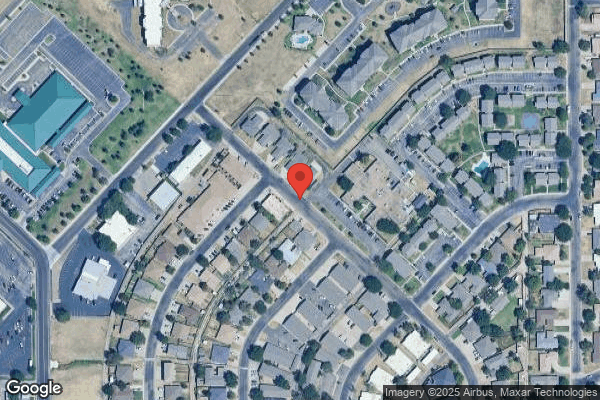
Jun 2025 5 deficiencies
CONCERN (D)

Potential for Harm - no one hurt, but risky conditions existed

PASARR Coordination (Tag F0644)

Could have caused harm · This affected 1 resident

**NOTE- TERMS IN BRACKETS HAVE BEEN EDITED TO PROTECT CONFIDENTIALITY** Based on interview and record review the facility failed to refer all residents with newly evident or possible serious mental di...

Read full inspector narrative →
**NOTE- TERMS IN BRACKETS HAVE BEEN EDITED TO PROTECT CONFIDENTIALITY** Based on interview and record review the facility failed to refer all residents with newly evident or possible serious mental disorder, intellectual disability, or a related condition for level II resident review upon a significant change in status assessment for 1 (Resident #30) of 15 residents reviewed for PASRR. The facility failed to perform a new PASRR level 1 assessment on Resident #30 due to diagnoses of bipolar disorder and PTSD. This failure could place residents at risk of not receiving needed services and support. Findings Included: Record review of Resident #30's admission record dated 06/11/25 revealed a [AGE] year-old female admitted to the facility on [DATE] with diagnoses that included, but were not limited to, bipolar disorder mixed severe (serious mental illness characterized by extreme mood swings such as extreme excitement or extreme depressive feelings) and post-traumatic stress disorder (mental health condition caused by a traumatic event that affects your ability to function normally). The date listed for these two diagnoses was 08/30/24. Record review of Resident #30's MDS completed on 04/08/25 revealed a BIMS score of 12 which indicated moderately impaired cognition. Section I indicated Resident #12 had diagnoses that included Bipolar Disorder and PTSD. Record review of Resident #30's care plan completed on 04/09/25 revealed the following focus areas: The resident has a behavior problem easily agitated, short with staff rt bipolar disorder The resident uses antidepressant medication . r/t bipolar disorder The resident uses psychotropic medications . r/t Bipolar disorder. The resident has a mood problem r/t Bipolar disorder, PTSD Record review of Resident #30's active orders dated 06/10/25 revealed the following orders and start dates: Aripiprazole Oral Tablet 5 MG . Give 1 tablet by mouth at bedtime related to BIPOLAR DISORDER . 02/26/2025 Duloxetine HCI Oral Capsule Delayed Release Sprinkle 60 MG . Give 1 capsule by mouth at bedtime for antidepressant related to BIPOLAR DISORDER . 08/31/24 Record review of Resident #30's MISC tab in her EHR revealed her most recent psychiatry progress note was dated 06/06/25 and she was being treated for bipolar disorder and PTSD. Record review of Resident #30's PASRR level 1 assessment revealed it was performed on 08/29/24 and she was noted to be negative for mental illness. During an interview on 06/11/25 at 09:20 AM ADM stated not performing a new PASRR level 1 assessment on a resident with a qualifying diagnosis could result in a resident not receiving extra services they need. She stated DON was responsible for PASRR assessments. During an interview on 06/11/25 at 09:40 AM DON stated residents might miss out on services they need if they were not newly assessed based on a qualifying diagnosis. DON stated she thought if Resident #30 was screened as negative for mental illness prior to admission she did not need a new PASRR level 1 assessment despite having a qualifying diagnosis because she presumably had the diagnosis prior to admission and at the time of the original screening. During an interview on 06/11/25 at 10:32 AM DON stated she was responsible for PASRR level 1 screenings. During an interview on 06/11/25 at 10:44 AM with MHAE, whose phone number was provided by DON, she stated a bipolar disorder diagnosis would require the facility to conduct another PASRR level 1 assessment. MHAE stated this time the PASRR level 1 assessment would be positive for mental illness, which would prompt the mental health authority to come to the facility and reassess Resident #30 for eligibility for PASRR services. Record review of facility policy titled admission Criteria and dated March 2019 revealed no mention of re-screening residents based on qualifying diagnoses.
CONCERN (D)

Potential for Harm - no one hurt, but risky conditions existed

Deficiency F0655 (Tag F0655)

Could have caused harm · This affected 1 resident

**NOTE- TERMS IN BRACKETS HAVE BEEN EDITED TO PROTECT CONFIDENTIALITY** Based on interviews and record reviews the facility failed to develop and implement a baseline care plan for each resident that ...

Read full inspector narrative →
**NOTE- TERMS IN BRACKETS HAVE BEEN EDITED TO PROTECT CONFIDENTIALITY** Based on interviews and record reviews the facility failed to develop and implement a baseline care plan for each resident that includes the instructions needed to provide effective and person-centered care of the resident that meet professional standards of quality care within 48 hours of a resident's admission for 1 (Resident #103) of 15 residents reviewed for care planning. The facility failed to develop a baseline care plan for Resident 103 within 48 hours of her admission. This failure could place newly admitted residents at risk of not receiving effective, person-centered care. Findings Included: Record review of Resident #103's admission record dated 06/11/25 revealed a [AGE] year-old female admitted to the facility on [DATE] with diagnoses that included, but were not limited to, hypertensive heart disease (heart problems that occur due to high blood pressure), vascular dementia (a decline in thinking skills caused by conditions that block or reduce blood flow to various regions of the brain), epilepsy (disorder that causes abnormal brain function, seizures), malignant neoplasm of nipple and areola of left breast (nipple cancer), Crohn's disease (inflammatory bowel disease resulting in abdominal pain, fatigue, diarrhea, and weight loss), and osteoporosis (a medical condition in which the bones become brittle and fragile from loss of tissue, typically as a result of hormonal changes or deficiency of calcium of vitamin D). Record review of Resident #103's EHR under the MDS tab revealed no comprehensive MDS assessments had been completed. Record review of Resident #103's EHR under the Care Plan tab revealed no care plan had been initiated. Record review of Resident #103's EHR under the Assmnts tab revealed no baseline care plan. Record review of Resident #103's EHR under the MISC tab revealed no baseline care plan. During an interview on 06/11/25 at 08:43 AM DON stated Resident #103 just got here (facility) and would not have a baseline care plan. She stated she would look in Resident #103's EHR. During an interview on 06/11/25 at 09:01 AM DON provided a copy of a baseline care plan for Resident #103 with a completion date of 06/11/25. During an interview on 06/11/25 at 09:20 AM ADM stated a resident not having a baseline care plan completed with in 48 hours of admission negatively impact the care they received. During an interview on 06/11/25 at 09:45 AM ADON stated a resident could be negatively impacted by not having a baseline care plan completed within 48 hours of admission. She stated, How would we care for them and know what baseline is and if they are improving or declining? During an interview on 06/11/25 at 10:02 AM ADM stated DON was responsible for completing baseline care plans. During an interview on 06/11/25 at 10:32 AM DON stated baseline care plans were part of the admission packet and should be completed by the charge nurse or the admitting nurse within 48 hours. She stated she did not know why Resident #103's baseline care plan was not completed within 48 hours of her admission. She stated she had trained the nurses in the facility on completing baseline care plans timely. DON stated staff might not identify needs of residents and residents might not have their needs met or addressed if a baseline care plan was not completed timely. Record review of facility policy title Care Plans-Baseline and dated March 2022 revealed the following: . A baseline plan of care to meet the resident's immediate health and safety needs is developed for each resident within forty-eight (48) hours of admission.
CONCERN (D)

Potential for Harm - no one hurt, but risky conditions existed

Infection Control (Tag F0880)

Could have caused harm · This affected 1 resident

Based on observation, interview, and record review, the facility failed to maintain an infection prevention and control program designed to provide a safe, sanitary, and comfortable environment and to...

Read full inspector narrative →
Based on observation, interview, and record review, the facility failed to maintain an infection prevention and control program designed to provide a safe, sanitary, and comfortable environment and to help prevent the development and transmission of communicable diseases and infections for 3 (Resident #26, Resident #45, and Resident #46) of 17 residents reviewed for infection control. -LVN D failed to use the proper disinfecting wipes when disinfecting equipment used on residents. This deficient practice had the potential to place residents at risk by exposing them to care that could lead to the spread of viral infections, secondary infections, communicable diseases. Findings include: During an observation on 06/09/25 at 06:32 AM, LVN D performed a blood glucose check on Resident # 26 and did not clean glucometer after blood glucose check. During an observation on 06/09/25 at 06:36 AM, LVN D performed a blood glucose check on Resident # 46,. LVN did not clean the glucometer before or after blood glucose check for Resident #46. During an observation on 06/09/25 at 06:43 AM, LVN D took the glucometer that she (LVN D) just used with Resident #46 and went to Resident 46's roommate, Resident #45 and perform a blood glucose check without cleaning the glucometer in between the residents. During an interview on 06/09/25 at 12:08 PM, LVN D stated a negative outcome for not disinfecting the glucometer in between residents would lead to cross contamination and increase a risk for infection. During an interview on 06/11/25 at 08:33 AM, the ADON stated a negative outcome for not cleaning the glucometer in between residents could lead to infection control issues. During an interview on 06/11/25 at 08:48 AM, the DON stated a negative outcome would be contamination and an increased risk for infection. Record review of the facility -provided policy, titled, Obtaining a Fingerstick Glucose Level, revised October 2011, revealed the following: .3. Always ensure that blood glucose meters intended for reuse are cleaned and disinfected between resident uses. .18. Clean and disinfect reusable equipment between uses according to the manufacturer's instructions and current infection control standards of practice. Record review of the facility- provided policy, titled, Blood Sampling-Capillary (Finger Sticks), revised September 2014, revealed the following: .General Guidelines 1. Always ensure that blood glucose meters intended for reuse are cleaned and disinfected between resident uses. .8. Following the manufacturer's instructions, clean and disinfect reusable equipment, parts, and/or devices after each use.
CONCERN (E)

Potential for Harm - no one hurt, but risky conditions existed

Deficiency F0761 (Tag F0761)

Could have caused harm · This affected multiple residents

**NOTE- TERMS IN BRACKETS HAVE BEEN EDITED TO PROTECT CONFIDENTIALITY** Based on observation, interview, and record review the facility failed, in accordance with State and Federal laws, to store all ...

Read full inspector narrative →
**NOTE- TERMS IN BRACKETS HAVE BEEN EDITED TO PROTECT CONFIDENTIALITY** Based on observation, interview, and record review the facility failed, in accordance with State and Federal laws, to store all drugs and biologicals in locked compartments under proper temperature controls and permit only authorized personnel to have access to the keys for 1 (Resident #40) of 15 residents, 1 (hall 200 medication cart) of 4 medication carts, and 1 (east wing treatment cart) of 2 treatment carts reviewed for medication storage. 1. The facility failed to ensure Resident #40 did not have access to nasal decongestant spray. 2. The facility failed to ensure LVN D locked the hall 200 medication cart when it was unattended. 3. The facility failed to ensure LVN E locked the east wing treatment cart when it was unattended. These failures could place residents at risk of injury due to ingesting non-prescribed medications and/or ingesting prescribed medications at incorrect doses or times. Findings Included: 1. Record review of Resident #40's admission record dated 06/10/25 revealed a [AGE] year-old male admitted to the facility on [DATE] with diagnoses that included age-related cognitive decline. Record review of Resident #40's annual MDS completed on 05/15/25 revealed Resident #40 had a BIMS score of 12 which indicated moderately impaired cognition. Resident #40 was coded as receiving anticoagulant medication while a resident. Record review of Resident #40's care plan completed on 05/15/25 revealed he had impaired cognitive function related to impaired memory. The care plan noted Resident #40 was on anticoagulant therapy, but did not mention nose bleeds or self-administration of medication. Record review of Resident #40's active orders dated 06/10/25 revealed no order to self-administer medication. The following orders were revealed: Order start date of 05/28/24 for Afrin Original Nasal Solution (Oxymetazoline HCI) 2 unit in both nostrils as needed for Uncontrolled nose bleed [sic]. Order start date of 08/21/24 for Eliquis Oral Tablet 5 MG (Apixaban) Give 1 tablet by mouth two times a day . Record review of Resident #40's MAR for the last 6 months (from 01/10/25 to 06/10/25) revealed he received Afrin Original Nasal Solution (Oxymetazoline HCI) 2 unit in both nostrils as needed for Uncontrolled nose bleed [sic] two times. Once on 02/11/25 and once on 02/15/25. During an observation on 06/09/25 at 07:07 AM Resident #40 was lying in his bed with eyes closed. A small nasal spray bottle was on the nightstand beside his bed. During an interview on 06/09/25 at 09:08 AM Resident #40 was on his back in bed with the HOB raised to seated position watching TV. He stated he was hospitalized twice since his admission to the facility. He stated one of the times he was hospitalized was for a bloody nose that wouldn't stop. He stated he was on anticoagulant medication which contributed to the severity of the nosebleed. Resident #40 stated the nosebleed was stopped by spraying Afrin up both nostrils. He then turned and grabbed the small nasal spray bottle from his nightstand and held it up. Resident #40 stated he kept the bottle near just in case he had a nosebleed because that is what the doctor told me to do. During an interview on 06/11/25 at 08:40 AM LVN A stated only one resident in the facility had one medication (a chewable pill) he was allowed to self-administer. She stated a possible negative outcome of residents having medications in their rooms was other residents could take the medication and that would cause harm to them. She stated nurses were trained on administering medications. She stated the pharmacist came monthly to the facility and would train nurses if anything was noted to be [NAME]. During an interview on 06/11/25 at 09:20 AM ADM stated residents were not allowed to have medications in their rooms. She stated, We give them a list of what is not allowed in their rooms at admission. Medication is one of those things. If we notice meds in their rooms, we talk to them about it and take the meds up. ADM stated family members had been known to bring medications to residents. She stated having medications in their rooms could lead to residents being double dosed and it make them ill. During an interview on 06/11/25 at 09:45 AM ADON stated residents could take too much or not remember the dosage if they had medications in their rooms. During an observation on 06/11/25 at 10:20 AM a bottle labelled Major Brand Nasal Decongestant (Oxymetazoline HCI .05%) was sitting on the Resident #40's nightstand. During an interview on 06/11/25 at 10:32 AM DON stated residents were not allowed to have medications in their rooms because the doctor needs to know everything they are taking, including over the counter medication, because it might interact with other medications they are taking. 2. During an observation on 06/09/25 at 06:53 AM LVN D left the hall 200 medication cart unlocked and unobserved while she went into a resident room. During an interview on 06/09/25 at 12:08 PM LVN D stated residents could be negatively impacted by a medication cart left unlocked in that someone can get into the medication cart that is not supposed to, like one of our residents that wander. 3. During an observation on 06/09/25 at 07:03 AM LVN E left the east wing treatment cart unlocked while he performed a glucose check. During an observation on 06/09/25 at 07:07 AM LVN E left the east wing treatment cart unlocked while he interviewed a resident. During an observation on 06/09/25 at 07:16 AM LVN E left the east wing treatment cart unlocked while he administered an inhaler to a resident. During an interview on 06/09/25 at 12:13 PM LVN E stated, There really isn't one (a negative impact to residents for a treatment cart left unlocked). He stated, But I guess someone could get into it. During an interview on 06/11/25 at 08:33 AM ADON stated leaving medication and treatment carts unlocked and unsupervised could lead to a resident getting into the cart and taking medication which could lead to an adverse reaction. During an interview on 06/11/25 at 08:48 AM DON stated a negative outcome of leaving medication and treatment carts unlocked and unsupervised was anyone could get into the cart, we do have residents that wander and pick things up. Record review of facility policy titled Storage of Medications and dated November 2020 revealed the following: . The facility stores all drugs and biologicals in a safe, secure, and orderly manner. 1. Drug and biologicals used in the facility are stored in locked compartments under proper temperature, light and humidity controls. Only persons authorized to prepare and administer medications have access to locked medications. 3. Nursing staff is responsible for maintaining medication storage . areas in a . safe . manner. 6. Compartments (including, but not limited to, drawer, cabinets rooms, refrigerators, carts, and boxes) containing drugs and biologicals are locked when not in use. Unlocked medication carts are not left unattended. Record review of facility policy titled Administering Medications and dated April 2019 revealed the following: . 19. During administration of medications, the medication cart is kept closed and locked when out of sight of the medication nurse or aide. 27. Residents may self-administer their own medications only if the attending physician, in conjunction with the interdisciplinary care planning team, has determined that they have the decision-making capacity to do so safely. Record review of page 35 of the facility's admission packet revealed the following: . AUTHORIZATION OF SELF ADMINISTRATION OF DRUGS Each resident has a right to self-administer drugs if the interdisciplinary team . has determined for each resident that the practice is safe. Record review of an unnumbered, undated page of the facility's admission packet revealed the following: . ITEMS NOT ALLOWED IN RESIDENT ROOMS The following items are not allowed in resident's rooms due to health and safety hazards MEDICATIONS: . No eye, ear, or nasal preparation . No prescription medications of any kind except emergency medication with a [sic] expressed Dr's order that may be kept at bedside .
CONCERN (E)

Potential for Harm - no one hurt, but risky conditions existed

Food Safety (Tag F0812)

Could have caused harm · This affected multiple residents

Based on observations, interviews, and record review, the facility failed to store, prepare, distribute, and serve food in accordance with professional standards for food service safety in 1 of 1 kitc...

Read full inspector narrative →
Based on observations, interviews, and record review, the facility failed to store, prepare, distribute, and serve food in accordance with professional standards for food service safety in 1 of 1 kitchen reviewed for kitchen sanitation. The facility failed to ensure foods were properly stored, labeled, and dated. These failures placed all residents who ate food served by the kitchen at risk of cross contamination and food-borne illness. Findings Include: Observation of the walk-in refrigerator on 06/09/2025 at 5:55 AM revealed the following: 1. 2 bags of yellow colored cream, the packaging was not labeled or dated. 2. 10 lbs. of ground beef on a flat pan. The pan was labeled: beef-use by 06/07/2025 3. 2 turkeys on a flat pan. The pan was labeled: turkey- use by 06/07/2025 4. 25 small glasses of milk covered-no label or date 5. 26 small glasses of orange juice covered-no label or date 6. 1 container of open cranberry cocktail juice 1/2 full- no open date Observation of walk-in freezer on 06/09/2025 at 6:15 AM revealed the following: 7. 1 box of biscuit type cookies approximately 24 biscuits, opened to air. 8. 1 oblong shaped brown bag with clear wrap-not labeled or dated. Observation of counter in kitchen on 06/09/2025 at 6:20 AM revealed the following: 9. 3 cookies were on the counter in a bag open to air, no date. In an interview on 06/10/2025 at 1:00 PM, the DM stated that all staff were responsible for ensuring items were labeled and dated. The DM stated every item opened, should have an open date in the refrigerator, freezer, and dry storage. The DM stated if food items were not properly labeled and dated, staff may be unaware of when the items were opened, increasing the risk of food spoilage and potential illness for residents. In an interview on 06/10/25 at 1:15 PM, DA B stated that all staff were responsible for ensuring items in the kitchen were covered, labeled, and dated and failure to do so could result in residents being served spoiled food, which could cause sickness. DA B stated the DM was responsible for ensuring staff was doing their job. In an interview on 6/11/2025 at 11:00 AM, DA C stated that all staff were responsible for making sure items in the kitchen were covered, labeled, and dated, and a possible negative outcome would be residents could receive bad food and get sick. Record review of Food Receiving and Storage Policy dated 8/1/2020 revealed the following: Foods will be received and stored by methods to minimize contamination and bacterial growth. Refrigerated foods are properly covered, labeled, and dated with a use by date. [NAME] them clearly to indicate the date by which the food shall be consumed or discarded. The day of preparation or day original container is opened shall be considered day 1, discard after three days unless otherwise indicated. Check expiration dates and use by dates to assure the dates are within acceptable parameters. Place food that is repackaged in a leak proof, pest proof, nonabsorbent, sanitary container with a tight-fitting lid. Label both the container and its lid with the common name of the contents, the date it was transferred to the new container, and the discard date. Record review of FDA Code dated 2022 revealed the following: Pathogens can contaminate and/or grow in food that is not stored properly.
Jun 2025 1 deficiency
CONCERN (D) 📢 Someone Reported This

A family member, employee, or ombudsman was alarmed enough to file a formal complaint

Potential for Harm - no one hurt, but risky conditions existed

Comprehensive Care Plan (Tag F0656)

Could have caused harm · This affected 1 resident

**NOTE- TERMS IN BRACKETS HAVE BEEN EDITED TO PROTECT CONFIDENTIALITY** Based on observations, interviews, and record reviews, the facility failed to implement a comprehensive person-centered care pla...

Read full inspector narrative →
**NOTE- TERMS IN BRACKETS HAVE BEEN EDITED TO PROTECT CONFIDENTIALITY** Based on observations, interviews, and record reviews, the facility failed to implement a comprehensive person-centered care plan for each resident, consistent with resident rights, that included measurable objectives and time frames to meet a resident's medical, nursing, mental, and psychosocial needs that were identified in the comprehensive assessment for 1 (Residents #1) of 6 residents reviewed for care plans. The facility failed to implement Resident #1's care plan to ensure Resident #1 was transferred and toileted with the assistance of 2 staff in order to ensure resident's safety. Resident #1 was transfered from her bed to wheelchair using a gait belt with the assistance of one person. This failure could place residents at risk of not receiving care and services related to their identified needs to maintain or reach their highest practicable physical, mental, and psychosocial wellbeing. The findings included: Resident #1 was a 69-y o female admitted to the facility on [DATE] with diagnoses of hemiplegia and hemiparesis, kidney failure and muscle wasting. Record review of Resident #1's comprehensive care plan dated 5/6/25 reflected Resident #1 was at risk for falls, required 2 persons assist for toileting, transfers and bed mobility. The goal of the care plan reflected The resident will maintain current level of function in ADLs through the review date. Interventions listed revealed: The resident required extensive assistance of 2 staff for toileting, bed mobility, and transfers. Record review of Resident #1's Quarterly MDS dated [DATE] reflected a BIMS score of 12 out of 15 which indicated cognition was moderately impaired. Section GG of the MDS documented transfers, toileting and bed mobility for Resident #1 was dependent- Helper does all the effort. Resident does none of the effort to complete the activity. Or the assistance of 2 or more helpers is required for the resident to complete the activity. persons on 2 staff required maximum assistance with ADLs of toileting, bed mobility and transfers. Resident had 2 staff required for transfers, and toileting. In an interview on 6/4/25 at 10:10 am, the DON stated she expected all staff to review and follow the care plan recommendations. She stated the care plans were accessible on the front of each resident's chart. She stated if a resident could bear weight the resident was considered a 1 person assist and a one-person transfer. She stated that was how the MDS was scored and how the care plans reflected the MDS. She stated the MDS was scored after the nurses and CNAs provided the information on the resident and then the MDS calculated how much assistance the resident needed. She stated a resident was considered a one person transfer because the resident could bear weight and could participate or assist in helping with the transfers. The DON stated the consequences of not transferring residents correctly using the recommendations of the care plan would be injuries to the resident. In an observation and interview on 6/4/25 at 10:39 am, CNA A transferred Resident #1 from her bed to a wheelchair using a gait belt. CNA A toileted Resident #1 with no other staff assistance. Resident #1 was observed with left sided weakness of her arm. Resident #1 did not assist CNA A with the transfer. CNA A stated Resident #1 was a one-person transfer. CNA A stated she had always transferred Resident #1 by herself. CNA A stated Resident #1 was a left sided weakness so she could use her good side to assist with transfers. She stated Resident #1 did not weigh much so she could complete the transfer by herself. In an interview on 6/4/25 at 11:00 am, PTA B stated the facility had several residents who needed to be a 2 person transfer that were not a 2 person transfer at the present time. In an interview on 6/4/25 at 1:10 pm Resident #1 stated since she had been admitted to the facility, she had always been transferred with one person for the bathroom and getting out of the bed. She stated, It had always been with just one person. Resident #1 stated she had to go to the bathroom at least once every hour since she had been on dialysis. She stated when she needed to go, she had to go right then and could not wait. She stated she could not move her left side or assist at all. In an interview on 6/4/25 at 4:30 pm, CNA A stated Resident #1had been a one person transfer and a one person assist for toileting. She stated Resident #1 had left sided weakness, but she could use her right side to assist with the transfers. CNA A stated she had not been aware Resident #1 's care plan revealed she was a total dependence x's 2 and a two-person transfer and toilet. CNA A stated she had always transferred and toileted Resident #1 by herself. She stated all the facility staff only transfer Resident #1 as a one-person transfer. She stated she did not look at the care plan. She stated the care plan was available on the computer, but she had not looked at it. She stated when she was hired, she had been trained by the facility staff and had in-services on transfers since her hire. She stated the consequences of Resident #1 being transferred with only one person would be she could get hurt. In an interview on 6/4/25 at 5:00 pm, the DON stated she was not sure what Resident #1's assistance level would be, but it should be in the care plan. She stated the care a resident had gotten was driven by the lookback of 7 days in the MDS and the care level of residents could change every time the MDS was redone. She stated the nursing staff used the care plans to know how to care for resident. She stated the MDS drove the care plans and the care plans would change with every look back period. During exit conference on 6/4/25 at 6:45 pm, the ADM stated she had scheduled a training for facility staff for transfers with the therapy department and all care plans would be reviewed. Record review of facility's policy Care Plans, Comprehensive Person -Centered, dated March 2022, reflected. A comprehensive person-centered care plan that includes measurable objectives and timetables to meet the resident's physical, psychosocial and functional needs is developed and implemented for each resident. The comprehensive care plan describes the services that are to be furnished to attain or maintain the residents highest practicable physical, mental and psychosocial well-being. Services provided for or arranged by the facility and outlined in the comprehensive service plan are provided by qualified persons. Care plan interventions are chosen only after data gathering, proper sequencing of events, careful consideration of the relationship between the resident's problem area s and their causes, and relevant clinical decision making.
Jan 2025 1 deficiency
CONCERN (D) 📢 Someone Reported This

A family member, employee, or ombudsman was alarmed enough to file a formal complaint

Potential for Harm - no one hurt, but risky conditions existed

Medical Records (Tag F0842)

Could have caused harm · This affected 1 resident

**NOTE- TERMS IN BRACKETS HAVE BEEN EDITED TO PROTECT CONFIDENTIALITY** Based on observation, interview and record review, the facility failed to ensure in accordance with accepted professional standa...

Read full inspector narrative →
**NOTE- TERMS IN BRACKETS HAVE BEEN EDITED TO PROTECT CONFIDENTIALITY** Based on observation, interview and record review, the facility failed to ensure in accordance with accepted professional standards and practices, the facility maintained medical records on each resident that were complete, accurately documented, and readily accessible for 2 of 5 residents (Residents #1 and #2) reviewed for clinical records. The facility failed to ensure the altercation that occurred on 12/4/2024 between Resident #1 and Resident #2 was documented in their clinical records. This failure could place residents at risk for incorrect or omitted treatment, duplicated treatments, poor self-esteem and self-worth, and a failure to ensure continuity of care. Findings included: 1. Record review of Resident #1's face sheet, dated 01/07/2025, reflected a [AGE] year-old-female who was admitted to the facility on [DATE]. Resident #1's current diagnoses included but were not limited to cerebral infarction (stroke), vascular dementia (impaired blood flow to the brain/brain damage), major depressive disorder and generalized anxiety disorder . Record review of Resident #1's quarterly MDS Assessment, dated 11/07/2024, reflected Resident #1 had a BIMS score of 00 out of 15, which indicated her cognition was severely impaired. Record review of Resident #1's care plan, dated 11/11/2024, reflected Resident #1 had a behavior problem with interventions to intervene as necessary to protect the rights and safety to others, divert attention and remove from situation and take to alternate location as needed. No documentation of incident that occurred on 12/4/2024 was noted in care plan. Record review of Incident Report dated 12/4/2024 reflected Resident #1 was getting a cup of juice off the table in the dining room. Because the cup did not belong to Resident #1, Resident #2 attempted to get the cup back from the resident. The Incident Report reflected both residents were assessed, residents families were notified, and physician notified. The residents were separated. Record review of Resident #1's progress notes reflected no documentation of the incident that occurred on 12/4/2024 between Resident #1 and Resident #2. 2. Record review of Resident #2's face sheet, dated 01/07/2024, reflected a [AGE] year-old male who was admitted to the facility on [DATE]. Resident #2's current diagnoses included but were not limited to paranoid schizophrenia (delusion of paranoia), unspecified dementia (decline in cognitive function), and cognitive communication deficit (problems with communication). Record review of Resident #2's annual MDS Assessment, dated 12/10/24, reflected Resident #2 had a BIMS score of 12 out of 15, which indicated his cognition was intact. Record review of Resident #2's care plan, dated 12/12/2024, reflected Resident #2 had behavior problems with interventions to intervene as necessary to protect the rights and safety of others, monitor behavior episodes and attempt to determine underlying causes and provide opportunity for positive interaction, attention-stop and talk to Resident #2. Record review of Resident #2's progress notes reflected no documentation of the incident that occurred on 12/4/2024 between Resident #1 and Resident #2. During an observation and interview on 01/07/2024 at 10:03 AM, Resident #2 was in his room watching television. When asked about the incident, Resident #2 stated he did not remember the incident. During an observation and interview on 01/07/2024 at 10:05AM, Resident #1 was observed sitting in a recliner in the common area and she did not answer any questions that were presented to her. During an interview on 01/07/2025 at 1:10 PM, the ADM stated the incident should be documented in the progress notes. The ADM stated there would be no negative outcome for not having documentation in the progress notes due to the incident being on the incident report. During an observation and interview on 01/07/2025 at 1:12 PM, the ADON was looking through Resident #1's clinical record and could not find the documentation of the incident. The ADON stated the incident should have been documented in the progress notes in the clinical record and the charge nurse involved should have documented it. The ADON stated she was responsible for ensuring documentation was complete and accurate and a possible negative outcome would be staff would not know about the incident and would not be aware of what to look for in resident behavior. During an observation and interview on 01/07/2025 at 1:20 PM, LVN A stated she was the charge nurse on duty during the incident. LVN A attempted to find the documentation in the EMHR but could not find it. LVN A stated she must have forgotten to document it because she was overwhelmed that day and was concentrating on ensuring the residents were ok. LVN A stated a possible negative outcome for not documenting incidents would be the records would not be accurate. Record review of the Resident-to-Resident Altercations Policy, dated December 2016, reflected the following: If two residents are in an altercation the staff will: Complete a Report of Incident/Accident form and document the incident, finding and any corrective measures taken in the resident's medical/clinical record.
Nov 2024 1 deficiency
CONCERN (D) 📢 Someone Reported This

A family member, employee, or ombudsman was alarmed enough to file a formal complaint

Potential for Harm - no one hurt, but risky conditions existed

Infection Control (Tag F0880)

Could have caused harm · This affected 1 resident

**NOTE- TERMS IN BRACKETS HAVE BEEN EDITED TO PROTECT CONFIDENTIALITY** Based on observation, interview, and record review, the facility failed to maintain an infection prevention and control program ...

Read full inspector narrative →
**NOTE- TERMS IN BRACKETS HAVE BEEN EDITED TO PROTECT CONFIDENTIALITY** Based on observation, interview, and record review, the facility failed to maintain an infection prevention and control program designed to provide a safe, sanitary, and comfortable environment and to help prevent the development and transmission of communicable diseases and infections for 2 (CNA B and CNA C) of 4 staff and 1 of 1 resident (Resident #1) observed for resident care. CNA B and CNA C did not wear the proper PPE when performing catheter care on Resident #1 per Enhanced Barrier Precautions increasing risk of MDRO contamination. This deficient practice has the potential to affect residents in the facility receiving incontinent care by exposing them to care that could lead to the spread of infections, tissue breakdown, and feelings of isolation related to poor hygiene. Findings include: Record review of Resident #1's face sheet printed 11-27-2024 revealed he was a [AGE] year-old male admitted to the facility originally on 1-18-2024 and readmitted on [DATE] with diagnoses to include hemiplegia (partial paralysis), seizures (sudden, uncontrolled body movements and changes in behavior that occur because of abnormal electrical activity in the brain), intracranial abscess (a puss fill pocket of infection in the brain), neuromuscular dysfunction of the bladder(the nerves and muscles of the bladder do not work well resulting in the bladder not filling or emptying well), malnutrition (lack of proper nutrition), and encounter for attention to gastrostomy (an opening into the stomach from the abdominal wall). Record review of Resident #1's clinical record revealed his last MDS was a quarterly completed 9-26-2024 which indicated he had a BIMS was 5 indicating he was severely cognitively impaired, and he had a functionality of being dependent on staff for all his activities of daily living. Section H - Bladder and Bowel Resident #1 was marked for having an indwelling catheter and Section K - Swallowing/Nutritional Status Resident #1 was marked for having a feeding tube. Record review of Resident #1's Order Summary Report with Active Orders as of 11-27-2024 revealed Resident #1 had the following: - Enteral Feed Order every 4 hours Enteral feed bolus Glucerna 1.2, 240mls via PEG Tube q4hours with 50mls water flush before and after Phone Active 02/08/2024. PEG Tube (a feeding tube that is inserted through the abdomen and into the stomach). - Foley catheter to be placed d/t NEUROMUSCULAR DYSFUNCTION OF BLADDER, UNSPECIFIED Phone Active 02/02/2024. No orders were noted for Enhance Barrier Precautions for Resident #1. Record review of Resident #1's clinical record revealed a care plan with the admission date of 2-27-2024 with no care plan for Enhanced Barrier Precautions. During an observation on 11-27-2024 at 10:28 AM catheter care was performed on Resident #1. Prior to entering Resident #1's room noted on Resident #1's door was a sign with ENHANCED BARRIER PRECAUTIONS with the following information. ENHANCED BARRIER PRECATIONS Wear gloves and gown for the following High-Contact Resident Care Activities. -Device care of use: .urinary catheter, feeding tube, . During an observation on 11-27-2024 at 10:28 AM catheter care was performed on Resident #1. CNA B and CNA C performed the entire procedure without doffing (the process of removing personal protective equipment in a way that minimizes the risk of self-contamination) a gown for Enhanced Barrier Precautions. Both CNA B and CNA C were noted to have extended contact with Resident #1 during the procedure. During an interview on 11-27-2024 at 10:45 PM both CNA B and CNA C reported that Enhanced Barrier Precautions were implemented when a resident had an active infection. CNA B and CNA C were asked to read the Enhanced Barrier Precautions sign on Resident #1's door. CNA C read the sign and stated, it's for enhanced barrier precautions but I don't know why it is up there. CNA B stated, I don't know why that's on the door. I think it's an old sign and they forgot to pull it. Both CNA B and CNA C indicated they did not know what enhanced barrier precautions pertained to with regards to Resident #1. During an interview on 11-27-2024 at 11:16 AM the DON reported that if a resident was supposed to be on Enhanced Barrier Precautions, then that resident would have orders, daily assessment, supplies placed in the resident's room, a door kit for the room, and something in the room to dispose of used supplies. The DON reported that only a resident with a communicable disease such as a wound that had an active infection like MRSA or a resident with COVID was considered for Enhanced Barrier Precautions by the facility. A resident with a UTI or something simple like that was not considered for Enhanced Barrier Precautions During an interview on 11-27-2024 at 11:53 AM ADON A reported the current policy for Enhanced Barrier Precautions was to follow CDC guidelines which means any resident with a wound, catheter, peg tube, etc. the facility needed to be providing care with staff wearing the correct PPE. ADON A reported that when a CNA was providing care to a resident with a catheter or a feeding tube then they should be following Enhanced Barrier Precautions and wearing gloves, a gown, and proper handwashing and that they should follow these guidelines so they do not risk cross contamination, spreading infection from one body site to another, or carrying an infection from on area to another resident area. During an interview on 11-27-2024 at 12:00 PM CNA B reported that ADON A provided all training on infection control and that they had received training recently. During an interview on 11-27-2024 at 12:03 the DON read the facility policy provided by ADON A and reported that the facility had discussed the Enhanced Barrier Precautions policy several months ago and that she just now remembered that discussion. The DON reported that they had discussed that residents identified with foleys, central lines, feeding tubes, and such you should still use some kind of precautions, but it was up to the facility. The DON reported that she would like to see some literature on the benefits of Enhanced Barrier Precautions because she did not see the benefit at this time. The DON reported that the facility would need to start using Enhanced Barrier Precautions on resident with foleys, central lines, feeding tubes, and such. The DON reported that the facility needed to start using the Enhanced Barrier Precautions because someone decided it could reduce infections. During an interview on 11-27-2024 at 12:22 PM ADON A reported that she had provided infection control training for both CNA B and CNA C on 11-26-2024 verbally but she did not get an in-service record signed so she did not have any proof they were completed. ADON A also reported that she did not know why CNA B and CNA C were not aware of the correct Enhanced Barrier Precautions to be provided when providing catheter care because they were provided the CDC information. Record review of the facility provided policy titled Healthcare-Associated Infection (HAIs) undated, revealed the following: Frequently Asked Questions (FAQ's) about Enhanced Barrier Precautions in Nursing Homes. 13. If a resident does not have a history of MDRO but does have an indwelling medical device or wound, should they still be placed on Enhanced Barrier Precautions? -Yes. Enhanced Barrier Precautions are recommended for residents with indwelling medical devices or wounds.
Jul 2024 1 deficiency
CONCERN (D) 📢 Someone Reported This

A family member, employee, or ombudsman was alarmed enough to file a formal complaint

Potential for Harm - no one hurt, but risky conditions existed

Notification of Changes (Tag F0580)

Could have caused harm · This affected 1 resident

**NOTE- TERMS IN BRACKETS HAVE BEEN EDITED TO PROTECT CONFIDENTIALITY** Based on interview and record review, the facility failed to immediately inform the resident; consult with the resident's physic...

Read full inspector narrative →
**NOTE- TERMS IN BRACKETS HAVE BEEN EDITED TO PROTECT CONFIDENTIALITY** Based on interview and record review, the facility failed to immediately inform the resident; consult with the resident's physician; and notify, consistent with his or her authority, the resident representatives when there is an accident involving the resident which results in injury and has the potential for requiring physician intervention or a significant change in the resident's physical, mental, or psychosocial status for 1 (Resident #1) of 5 residents reviewed for notification. The facility failed to ensure Resident #1's resident representative was immediately notified when the resident had a change in condition that required he be transported via ambulance to the hospital. This failure could result in residents not having the comfort and company of their families during traumatic times. Findings included: Record review of Resident #1's face sheet revealed that Resident #1 was a [AGE] year-old male, who was originally admitted into the facility on [DATE], with an updated admission date of 07/01/24. Resident #1 had diagnoses that included but were not limited to: cellulitis of unspecified part of limb (common, potentially serious bacterial skin infection), repeated falls, muscle weakness, and reduced mobility. Updated diagnoses on 07/01/2024 documented encounter for other orthopedic aftercare. The admission record further revealed Resident #1's family member was his emergency contact. Record review of Resident #1's quarterly MDS completed on 05/10/24. Section C revealed a BIMS of 13 which indicated cognition was intact. Record review of Resident #1's care plan completed on 05/22/24 revealed resident was a risk for falls, with unsteady gait balance and required moderate assistance with his personal needs. Record review of Provider Investigation Report dated 06/28/24 revealed Resident #1 had an unwitnessed fall in the front lobby of the facility on 06/21/2024 which required x-rays and resulted in Resident #1 having a displaced sub capital femoral neck fracture of right hip (hip fracture). Record review of Resident #1's progress note dated 06/21/24 revealed Resident #1 left the facility by ambulance on the same day in stable condition. Record review of Resident #1's progress note dated 06/26/24 and written by LVN B revealed that an attempt to contact Resident #1's family member, regarding resident's fall and transfer to hospital was unsuccessful. During a phone interview on 07/11/24 at 12:38 PM, emergency contact/family member stated that he was not contacted by the facility that Resident #1 had fallen or that he was transferred to the hospital due to the fall. He stated that he found out Resident #1 was in the hospital 2 days later, on his usual weekly visit to the facility when a nurse told him what had happened. When he got to the hospital, he found out Resident #1 had undergone surgery for the broken hip. Emergency contact/family member stated he was very upset that the facility had not contacted him about the fall or notified him that Resident #1 had been transferred. During an interview on 07/11/24 at 2:26 PM, LVN A stated that she was trained to immediately call the physician and family after a fall occurred and the resident was stable. She stated a possible negative outcome for not calling the family or the physician would be that if something happened to the resident, and the family was not notified, staff could be written up and the family could be upset, not knowing what was happening to their loved one. During an interview on 07/11/24 at 2:37 PM, LVN B stated that she was responsible for calling Resident #1's family after the fall. She stated that she called Resident #1's emergency contact/family member 2 times on the day of the fall, but that she was unable to talk with the family member and that she forgot to document it on the day of the fall, so she did a late entry on 06/26/24 in the progress notes. LVN B stated a possible negative outcome for not calling the family immediately after a significant change or transfer could be horrific and detrimental for family members. During an interview on 07/11/24 at 3:17 PM, DON stated that it was the charge nurses responsibility to contact the family and physician after a resident has had a change in condition. She stated that it was documented in either the progress notes or assessments. DON stated she could not find any documentation in assessments but found an entry in Resident #1's progress notes dated 06/26/24, 5 days after fall happened, that an unsuccessful attempt was made to contact family. DON stated a possible negative outcome for not contacting emergency contact/family member could be care at hospital might be bad if resident were to arrive confused and that family would not be aware of what was happening. Record review of facility policy titled Change in a Resident's Condition or Status and dated 02/21 revealed the following: .Our facility promptly notifies the resident, his or her attending physician, and the resident representative of changes in the resident's medical/mental condition and/or status . .4. a nurse will notify the resident's representative when: a. The resident is involved in any accident or incident that results in an injury including injuries of unknown source. b. There is a significant change in the resident's physical, mental, or psychosocial status. e. It is necessary to transfer the resident to a hospital/treatment center . Record review of facility policy titled, Assessing Falls and Their Causes, dated 3/18 revealed the following: .After a fall: 5. Notify the resident's attending physician and family in an appropriate time frame . .Reporting: 1. Notify the following individuals when a resident falls: a. The resident's family
Apr 2024 9 deficiencies
CONCERN (D)

Potential for Harm - no one hurt, but risky conditions existed

Deficiency F0700 (Tag F0700)

Could have caused harm · This affected 1 resident

**NOTE- TERMS IN BRACKETS HAVE BEEN EDITED TO PROTECT CONFIDENTIALITY** Based on observation, interview, and record review, the facility failed to assess residents for risk of entrapment from bed rail...

Read full inspector narrative →
**NOTE- TERMS IN BRACKETS HAVE BEEN EDITED TO PROTECT CONFIDENTIALITY** Based on observation, interview, and record review, the facility failed to assess residents for risk of entrapment from bed rails prior to installation, review the risks and benefits of bed rails, and obtain informed consent prior to installation of bed rails with residents or their resident representatives for 1 of 13 (Resident #12) residents reviewed for quality of care in that: The facility failed to ensure Resident #12 did not have (2) one-quarter bed rails, on both sides of his bed with no documentation of physician orders, consent, or a safety assessment prior to installation. This failure could place residents at risk of injury, hindering residents from getting out of bed, and/or cause a decline in resident's ability to engage in activities of daily living. Findings included: Record Review of Resident #12's Face Sheet revealed that a [AGE] year-old male admitted to the facility on [DATE] with diagnoses that included but not limited to muscle weakness, Vascular Dementia, muscle wasting and atrophy, and neuroleptic induced parkinsonism. Record Review of Resident #12's Quarterly MDS assessment dated [DATE] revealed Resident #12 had a BIMS score of 11 indicating that resident was moderately impaired. The MDS revealed that resident was independent in sit to stand and bed to chair transfer with supervision/touch assistance in dressing. Record Review of Resident #12's Care plan dated 2/26/2024 revealed the following with no documentation relating to side/bed rail use. Focus: Impaired Cognitive function/Dementia Interventions: Cue, reorient and supervise as needed. Focus: ADL Self Care Performance deficit related to confusion Interventions: Resident is able to reposition himself in bed. Focus: Elopement Risk/Impaired safety awareness Interventions: Reorientation strategies such as signs, pictures, memory boxes Record Review of Resident #12's clinical record revealed no physician orders for bed rails. Record Review of Resident #12's clinical record under Assessments revealed no documentation of bed rail safety assessment. Record Review of Resident #12's clinical record for bed rail consents revealed no documentation of a signed bed rail consent. Observation on 04/24/2024 at 10:42AM of Resident #12's bed revealed (2) one-quarter bed rails on both sides of the bed. In an interview on 04/24/2024 at 10:42 AM, Resident #12 stated that he liked the bed rails as they help him reposition. Resident #12 had no concerns relating to the bed rails. During an interview/observation on 04/26/2024 at 8:20 AM, the ADON verified that Resident #12 had 1/4 bed rails. The ADON stated that due to the size of the bedrails, there should be in the resident's record the following: physician orders, bed rail consent, bed rail assessment and interventions relating to bed rails in the resident's care plan. The ADON stated that a possible negative outcome for having bedrails without proper assessing would be that the resident could get hurt. During an interview on 04/26/2024 at 9:45 AM, CNA C stated residents with bed rails on their beds should have orders, assessments, and bed rails should be noted in their care plan. CNA C stated that the possible negative outcome for having bedrails on the bed without assessing the resident first would be that the resident could hurt themselves or be restrained. During an interview on 04/26/2024 at 10:10 AM, the DON said residents with bed rails on their beds should be properly evaluated prior to utilizing the bed rails so staff would know the resident's limitations and if the bed rails were a help or a danger to the resident. Record Review of facility's policy titled Proper Use of Side Rails dated 12/2016 revealed the following: .The use of side rails as an assistive device will be addressed in the resident care plan An assessment will be made to determine the resident's symptoms, risk of entrapment and reason for using side rails. Consent for side rail use will be obtained from the resident or legal representative, after presenting potential benefits and risks . Facility staff, in conjunction with the Attending physician, will assess and document the residents risk for injury .
CONCERN (D)

Potential for Harm - no one hurt, but risky conditions existed

Deficiency F0726 (Tag F0726)

Could have caused harm · This affected 1 resident

Based on observation, interview, and record review, the facility failed to have sufficient nursing staff with the appropriate competencies and skills sets to provide nursing and related services to as...

Read full inspector narrative →
Based on observation, interview, and record review, the facility failed to have sufficient nursing staff with the appropriate competencies and skills sets to provide nursing and related services to assure resident safety and attain or maintain the highest practicable physical well-being for 1 of 5 staff reviewed for nursing services. The facility failed to ensure the following: -LVN A used proper technique when providing wound care. -LVN A used proper technique when providing incontinent care. -LVN A used proper technique when administering medications via gastrotomy tube. This failure had the potential to affect residents receiving wound care and incontinent care by exposing them to infections resulting in poor healing, increased tissue damage, and deterioration in their wounds and health often resulting in IV antibiotic therapy and even hospitalization. This failure had the potential to affect residents with gastrostomy tubes by interfering with the efficacy of the therapeutic level of medications. Findings include: Observation on 04/25/24 at 08:49 AM revealed LVN A administering medication via peg tube to Resident #48, LVN asked investigator if she should put the crushed pill in with some liquid. Investigator replied, what does your policy say?. LVN stated that she was told to place dry crushed pill into tube and then add fluid after. LVN A proceeded to mix medication with small amounts of water to administer medications via gastrostomy tube. Medications were not going down the tube, due to the resident receiving his bolus feeding before medication administration. LVN A stated, This has never happened before, could this be because I gave him his feeding first? In an interview on 04/25/24 at 10:27 AM LVN A was asked if she has had training for administering medications via peg tube and she stated Here, in this facility? No!. LVN A was asked what a negative outcome would be for not having adequate training in gastrotomy care such as medication administration, LVN A stated, medication errors. In an interview on 04/25/24 at 10:43 AM DON was asked if nursing staff received checkoffs in gastrostomy tube care and medication administration. DON stated that HR would have those documents. Observation on 04/25/24 02:32 PM of wound care and incontinent care performed by CNA E and LVN A for revealed that resident had a bowel movement and needed to be cleaned before wound care was performed. HH was performed and gloves were put on by both CNA E and LVN A at the beginning of the incontinent care. Resident was turned to her right side towards CNA E. LVN A proceeded to remove the wound dressing and then begun to clean the back side of the resident and LVN A took a clean wipe and wiped resident in a back to front motion. Once all the stool was cleaned from the resident LVN A never removed gloves or performed HH before touching the resident, residents' gown, or the baby doll the resident was holding. LVN A then proceeded to remove gloves and perform HH and then continued with wound care of the wound to resident's coccyx. LVN A cleaned the wound, but never removed her gloves or performed HH before starting to place collagen into the wound with her gloved hand that LVN A cleaned the wound with. LVN A placed the dressing onto the wound. In an interview on 04/25/24 at 03:01 PM LVN A was asked why she did not perform HH or perform a glove change after performing incontinent care for resident before touch items. LVN stated, I did, didn't I? I thought I did. LVN A was asked what a negative outcome of not performing HH and glove changes would be, LVN stated infection control. LVN A was asked why HH, and a glove change didn't happen in between the dirty and clean portion of wound care for the resident. LVN A stated, I thought I did., and stated that a negative outcome would be increase chance of infection. In an interview on 04/26/24 at 09:07 AM ADON was asked what a negative outcome was for not performing HH during incontinent care, wound care treatments. ADON stated that when these procedures are not performed correctly there is an increased risk for infection to the residents. In an interview on 04/26/24 at 09:34 AM with DON was asked what a negative outcome was for not performing HH during incontinent care, and wound care treatments. DON stated that it could lead to an increased risk for infection and complications to the residents. A Request was made on 04/26/2024 at 09:24 AM with BOM for competency checkoffs for LVN A, BOM stated that there were no checkoffs for LVN A. BOM stated, The facility doesn't have checkoffs for staff. Record review of LVN A's personal file revealed that LVN A had an Annual Training on 04/23/2024. The document revealed that there was a training but a not a return demonstration of competency performed. Record review of facility provided policy titled, Administering Medications, revised April 2019, stated the following: .2. The director of nursing services supervises and directs all personnel who administer medications and/or have related functions. .29. New personnel authorized to administer medications are not permitted to prepare or administer medications until they have been oriented to the medication administration system used by the facility. 30. The charge nurse mush accompany new nursing personnel on their medication rounds for a minimum of three (3) days to ensure established procedures are followed and proper resident identification methods are learned. No policy for medication administration via gastrotomy tube was provided by facility. Record review of the facility provided policy titled, Perineal care/Incontinent care, revised on 07/0/2016, stated that following: .8. For female patient/resident: . .11. Clean anal area by first wiping off excessive fecal material with toilet paper or disposable wipes (for females, wash by wiping from vagina toward anus with one stroke). Discard soiled wipes. 12. Cleanse skin with incontinent wipe or perineal cleanser and cloths until skin is clear of fecal material. 13. Wash hands, don gloves. 14. apply moisture barrier if needed. 15. Reapply appropriate incontinence brief/undergarment. Record review of the facility provided policy titled, Wound Care, revised October 2010, stated the following: 2. Wash and dry your hands thoroughly. .4. Put on exam glove. Loosen tape and remove dressing. 5. Pull glove over dressing and discard into appropriate receptacle. Wash and dry your hands thoroughly. 6. Put on gloves. .7. Use no-touch technique. Use sterile tongue blades and applicators to remove ointments or creams from their containers. .16. Discard disposable items into the designated container. Wash and dry your hand thoroughly. .23. Wash and dry your hands thoroughly. Record review of facility provided policy titled, Handwashing/Hand Hygiene, revised August 2019, stated the following: 1. All personnel shall be trained and regularly in-serviced on the importance of hand hygiene in preventing the transmission of healthcare-associated infections. 2. All personnel shall follow the handwashing/hand hygiene procedures to help prevent the spread of infections to the other personnel, resident, and visitors. 7. Use an alcohol-based hand rub containing at least 62% alcohol; or, alternatively, soap (antimicrobial or non-antimicrobial) and water for the following situations: .b. Before and after direct contact with residents; c. Before preparing or handling medications; d. Before performing any non-surgical invasive procedures; .g. Before handling clean or soiled dressings, gauze pads, etc.; h. Before moving from a contaminated body site to a clean body site during resident care; i. After contact with a resident's intact skin' j. After contact with blood or bodily fluids; k. After handling used dressings, contaminated equipment, etc.; .m. After removing gloves; .
CONCERN (D)

Potential for Harm - no one hurt, but risky conditions existed

Deficiency F0760 (Tag F0760)

Could have caused harm · This affected 1 resident

**NOTE- TERMS IN BRACKETS HAVE BEEN EDITED TO PROTECT CONFIDENTIALITY** Based on observation, interview and record review, the facility failed to ensure residents were free of any significant medicati...

Read full inspector narrative →
**NOTE- TERMS IN BRACKETS HAVE BEEN EDITED TO PROTECT CONFIDENTIALITY** Based on observation, interview and record review, the facility failed to ensure residents were free of any significant medication errors for one of 13 (Resident #10) residents reviewed for pharmacy services. -The facility failed to ensure LVN B did not administer insulin to Resident #10 that belonged to another resident. This failure could place residents who receive insulin medications at an increased risk for complications such as increased blood glucose levels, change in cognition, and an exacerbation of symptoms and disease process. Findings include: Observation on [DATE] at 11:39 AM of medication administration performed by LVN B to Resident #10. Revealed LVN B was asked to confirm open date on insulin pen, which also had another resident's name on it. LVN B confirmed that the open date was still valid, and the insulin was not expired. Pen was cleaned with alcohol and a new needle was placed on pen. Novolog 10 units to the RLQ was administered Resident #10. LVN B went back to the medication cart realizing that the Novolog belonged to another resident. There was no adverse reaction since it was the same medication, and the correct dosage was provided to Resident #10. LVN B was asked how long she had been working in the facility, she stated that day, [DATE], was her first day in a while. In an interview on [DATE] at 11:43 AM with LVN B stated that she would give investigator a copy of the report once the appropriate individuals were contacted and a medication error report was completed. Resident, MD, family member, were contacted, and DON was made aware of medication error. LVN B was sent home for the remainder of shift. Record review of Resident #10's face sheet, dated [DATE], revealed a [AGE] year-old male, who was admitted to the facility on [DATE], with the following diagnosis: Type 1 diabetes mellitus with diabetic neuropathy, chronic obstructive pulmonary disease, unspecified, end stage renal disease, anemia in chronic kidney disease, hypertension, dependence on renal dialysis, presence of cardiac pacemaker, peripheral vascular disease, hyperlipidemia (high cholesterol), congestive heart failure, major depressive disorder, generalized anxiety, disorder, difficulty in walking. Record review of Resident #10's MDS assessment, dated [DATE], revealed that Resident #10 had a BIMS (Brief Interview for Mental Status) of 12, which indicates a moderate cognitive impairment, and a functionality of partial assistance needed for showering, lower body dressing, and putting on/takin off footwear. Supervision or touching assistance for upper body dressing and toileting, and setup or clean-up assistance for eating, and oral hygiene. Resident #10 does receive dialysis secondary to end stage renal disease. Record review of Resident #10's care plan, dated [DATE], revealed that Resident #10 was insulin dependent. Interventions . .Diabetes medication as ordered by doctor. Monitor/document for side effects and effectiveness. Record review of Resident #10's active physicians orders, dated [DATE], revealed that resident is on NovoLOG Injection Solution 100 UNIT/ML (Insulin Aspart) Inject as per sliding scale: if 0 - 200 = 0; 201 - 250 = 2 units; 251 - 300 = 4 units; 301 - 350 = 6 units; 351 - 400 = 8 units; 401+ = 10 units Give 10 units notify nurse practitioner. , subcutaneously before meals for blood sugar Interview on [DATE] at 01:44 PM with ADON was asked what a negative outcome would be for a medication error of the wrong medication or medication that belongs to another resident would be. ADON stated that the resident's medication that was used put that resident at risk for not having enough medication, and it could be fatal giving the wrong medication. Interview on 0426/24 at 09:34 AM with DON was asked what a negative outcome would be for a significant medication error would be. DON stated that it could lead to resident injury and complications for that resident. Record review of thefacility provided policy titled, Administering Medications, dated revised [DATE], revealed the following: .2. The director of nursing services supervises and directs all personnel who administer medications and/or have related functions. .5. Medication administration times are determined by resident need and benefit, not staff convenience. Factors that are considered include: . .9. The individual administering medications verifies the resident's identity before giving the resident his/her medications. Methods of identifying the resident include: a. Checking identification band; b. Checking photograph attached to medical record; and c. If necessary, verifying resident identification with other facility personnel. 10. The individual administering the medication checks the label THREE (3) times to verify the right resident, right medication, right dosage, right time, and right method (route) of administration before giving the medication. .16. Insulin pens containing multiple doses of insulin are for single-resident use only. Changing the needle does not make it safe to use insulin pens for more than one resident. 17. Insulin pens are clearly labeled with the resident's name or other identifying information. Prior to administering insulin with an insulin pen, the nurse verifies that the correct pen is used for that resident. 18. post-exposure follow up procedures are conducted if an insulin pen is used for more than one resident. .29. New personnel authorized to administer medications are not permitted to prepare or administer medications until they have been oriented to the medication administration system used by the facility. 30. The charge nurse mush accompany new nursing personnel on their medication rounds for a minimum of three (3) days to ensure established procedures are followed and proper resident identification methods are learned. Record review of facility provided policy titled, Adverse consequences and medication errors, revised [DATE], revealed the following: . 5. A medication error is defined as the preparation or administration of drugs or biological which is not in accordance with physician's orders, manufacturer specifications, or accepted professional standards and principles of the professional (s) providing services.
CONCERN (E)

Potential for Harm - no one hurt, but risky conditions existed

Deficiency F0679 (Tag F0679)

Could have caused harm · This affected multiple residents

Based on observation, record review, and interview, the facility failed to provide an ongoing program of activities designed to meet, in accordance with the comprehensive assessment, the interests and...

Read full inspector narrative →
Based on observation, record review, and interview, the facility failed to provide an ongoing program of activities designed to meet, in accordance with the comprehensive assessment, the interests and the physical, mental, and psychosocial well-being for 3 of 7 anonymous residents reviewed for quality of life. The facility failed to ensure 3 of the 7 anonymous residents interviewed received adequate notification of activities. The facility failed to ensure activities that were provided met residents' needs or desires. This failure placed residents at risk of boredom and a decline in their quality of life. Findings included: During an observation on 04/24/2024 at 9:56 AM, the AD was coloring in the dining room with two female residents. During an interview on 04/24/2024 at 10:00 AM, the AD stated that Resident Council was scheduled to meet that day at 2:00 PM and that surveyor could meet with residents during that time. An observation on 04/24/2024 at 10:30 AM of Activity Calendar did not reflect Resident Council Meeting at 2:00 PM. Bingo was scheduled at 2:00 PM. During an interview on 04/24/2024 at 10:37 AM, anonymous resident stated that the AD offered her to join the coloring activity but stated that she wasn't able to color due to her right hand having a contracture from a stroke. The resident stated that the AD does not offer any other activity other than coloring. The anonymous resident also stated that the calendar she received monthly is too small to read. In an Anonymous interview on 04/24/2024 at 2:00 PM, 3 of 7 residents stated that activities in the facility were not engaging, and that coloring was the primary activity. The residents also stated that the activities were not followed according to the monthly calendar. The residents went on to state that the calendar was hard to read due to the font being too small to read. Observation on 04/24/2024 at 3:00 PM revealed a bulletin board in the dining room that was blank and not being utilized. During an interview on 04/25/24 at 10:16 AM, the AD stated that the calendar she gave to the residents to hang on their bathroom door. The AD said she does not utilize the bulletin board in the dining room to announce activities. The AD stated that she printed coloring pages and colored with the residents and believed that they enjoyed that activity. During an interview on 04/26/2024 at 9:45 AM, CNA C stated that the residents did not have engaging activities and that the AD would color with the residents instead of doing stimulating activities. CNA C stated that the activities that were provided were not beneficial and were degrading to the residents. An observation and interview on 04/26/2024 at 9:47 AM, in an anonymous resident's room, revealed a calendar on the bathroom door with small font. The anonymous resident stated that the AD only provided coloring pages for activities and the calendar does not reflect what activities were actually provided. The anonymous resident said that she had a hard time seeing the activities on the calendar provided. During an interview on 04/26/24 at 10:10 AM, the DON stated that the ADM was responsible Wfor ensuring the AD was doing engaging activities with residents and that a possible negative outcome for not having engaging activities would be a lack of stimulation for the residents. During an observation on 04/26/2024 at 2:00 PM, the AD was coloring in the dining room with one female resident. Record Review of Resident Rights Policy dated 1/2008. An elderly individual may participate in activities of social, religious, and community groups. Request for Activity Policy was requested but was not provided before exit.
CONCERN (E)

Potential for Harm - no one hurt, but risky conditions existed

Deficiency F0680 (Tag F0680)

Could have caused harm · This affected multiple residents

Based on interview and record review, the facility failed to ensure the activities program was directed by a qualified professional. The facility failed to ensure the AD was qualified to serve as the...

Read full inspector narrative →
Based on interview and record review, the facility failed to ensure the activities program was directed by a qualified professional. The facility failed to ensure the AD was qualified to serve as the director of the activities program. This failure placed residents at risk of not having stimulating, engaging activities that are beneficial and meaningful to the residents. Findings included: During an interview on 04/24/2024 at 10:10 AM, the AD said she had worked at the facility for about 6 months and had not taken the classes yet to be certified. The AD said she was waiting on the facility to pay for the classes. During an interview on 04/25/2024 at 11:00 AM, the ADM stated that she was aware of the AD not being certified and that it was a deficiency. The ADM had no answer to a possible negative outcome for uncertified staff. During an interview on 04/26/2024 at 8:20 AM, the ADON stated that she was aware that the AD was not certified and a possible negative outcome for not having a certified AD would be that the AD would not have the training that was needed to provide stimulating activities. During an interview on 04/26/2024 at 9:45 AM, CNA C stated that a possible negative outcome for not having a certified AD would be that resident's activities would not be beneficial to the residents. During an interview on 04/26/2024 at 10:10 AM, the DON said that the ADM was responsible to ensure the AD was trained and that a possible negative outcome of the AD not being certified would be that the AD wouldn't be able to identify the resident's needs. Record review on 04/26/2024 of the AD's personnel file revealed the AD was hired on October 20, 2023. There were no trainings with regards to Activities and no certification in the personnel file On 04/26/2024, a policy regarding Activities/certified staff was requested but was not provided before exit.
CONCERN (E)

Potential for Harm - no one hurt, but risky conditions existed

Deficiency F0761 (Tag F0761)

Could have caused harm · This affected multiple residents

Based on observation, interview, and record review, it was determined the facility failed to ensure drugs and biologicals were stored in locked compartments and labeled in accordance with currently ac...

Read full inspector narrative →
Based on observation, interview, and record review, it was determined the facility failed to ensure drugs and biologicals were stored in locked compartments and labeled in accordance with currently accepted professional principles and include the appropriate accessory and cautionary instructions, and the expiration date when applicable for 2 of 2 medication carts reviewed for medication storage. The facility failed to prevent the following: -1 loose pill was found in medication cart for Hall 300 and part of Hall 200, -medication cart for Hall 300 and part of Hall 200 had 3 insulins with no open dates located on medications. -3 insulin medications were found in Hall 100 & and part of 200 Hall's medication cart that were past their expiration dates. -LVN A left 2 bubble packs of medication on top of the medication cart and left them unattended while she administered medications to a resident. -LVN B did not lock her medication cart while going into a resident's room to administer a medication. The facility's failure placed residents receiving medication at risk for drug diversion, drug overdose, and accidental or intentional administration to the wrong resident. Findings include: Observation on 04/24/24 at 8:37 AM of the medication cart for Hall 100 and part of 200 Hall revealed, Insulin Glarigin with an open date of 03/24 (according to manufacture insulin expires 28 days after opening), Insulin Aspart with an open date of 03/13/2024 (according to manufacture insulin expires 28 days after opening), and Amelog Solostar with an open date of 03/12/2024 (according to manufacture insulin expires 28 days after opening). Insulins were available for possible use. Observation on 04/24/24 at 09:20 AM of the medication cart for 300 and part of 200 halls revealed Novolog insulin pen with no resident's name or open date on medication, and 2 Lantus medications did not have an open date on the bottles. 1 loose pill was found in bottom of medication drawer. The pill was not identified by LVN A. Observation on 04/24/24 at 11:40 AM of medication cart for Hall 100 and part of 200 Hall revealed it was left unlocked and unattended while LVN B administered medication to resident in his room. In an interview on 04/24/24 at 11:44 AM with LVN B was asked what a negative outcome would be for leaving medication cart unlocked and unattended. LVN B stated that another resident could get into the cart and take medications. Observation on 04/25/24 at 09:05 AM of mediation cart on 200 Hall revealed it was left unattended with 2 bubble packs of medication left on top of medication cart, while LVN A administered medication to a Resident. Observation on 04/25/24 at 09:19 AM of mediation cart on 200 Hall revealed 2 bubble packs still left on top of medication cart unattended. In an interview on 04/25/24 at 09:20 AM LVN A was asked what a negative outcome of leaving medications unattended. LVN A stated that another resident could walk by and take medications. In an interview on 04/26/24 at 09:07 AM ADON was asked what a negative outcome would be for administering expired medications and leaving the medication cart unlocked and leaving medications out unattended. ADON stated that by leaving the medication cart unlocked anyone can get into the cart and could lead to an adverse reaction. ADON also stated that by leaving medication unattended could also lead to an adverse reaction to a resident and could be serious. In an interview on 04/26/24 at 09:34 AM DON stated that a negative outcome for administering an expired medications could lead to resident injury and complications for the resident and the expired medications would not be effective or even dangerous. DON was asked what a negative outcome would be for not locking medication cart and leaving medications out to where residents could get to them. DON stated that any resident that was not cognitively intact could get into the cart and take medications that do not belong to them and could lead to a resident injury or complication. Record review of the facility provided policy titled, Security of Medication cart, revised April 2007, revealed the following: 1. The nurse must secure the medication cart during the medication pass to prevent unauthorized entry. .4. Medication carts must be securely locked at all times when out of the nurse's view Record review of facility provided policy titled, Administering Medications, revised April 2019, revealed the following: .12. The expiration/beyond use date on the medication label is checking prior to administering, When opening a multi-does container, the date opened is recorded on the container. .19. During administration of medications, the medication cart is kept closed and locked when out of sight of the medication nurse or aide. It may be kept in the doorway of the resident's room with open drawers facing inward and all other sides closed. No medications are kept on top of the cart. The cart must be clearly visible to the personnel administering medications, and all outward sides must be inaccessible to residents or others passing by.
CONCERN (E)

Potential for Harm - no one hurt, but risky conditions existed

Infection Control (Tag F0880)

Could have caused harm · This affected multiple residents

**NOTE- TERMS IN BRACKETS HAVE BEEN EDITED TO PROTECT CONFIDENTIALITY** Based on observation, interview, and record review, the facility failed to maintain an infection prevention and control program ...

Read full inspector narrative →
**NOTE- TERMS IN BRACKETS HAVE BEEN EDITED TO PROTECT CONFIDENTIALITY** Based on observation, interview, and record review, the facility failed to maintain an infection prevention and control program designed to provide a safe, sanitary, and comfortable environment and to help prevent the development and transmission of communicable diseases and infections. The facility failed to prevent the following: -LVN B did not perform HH before performing blood sugar check. -LVN B did not perform HH before or after donning or doffing gloves to administer insulin to resident. -LVN A did not perform HH before preparing medication for resident. -LVN A did not clean bedside table before setting up medication administration for a resident with a gastrotomy tube. -CNA D did not perform HH or glove change after cleaning resident during incontinent care. -LVN A did not perform HH during incontinent care or wound care of resident. These deficient practices have the potential to affect all residents in the facility by exposing them to care that could lead to the spread of viral infections, secondary infections, and communicable diseases. Findings include: Observation on 04/24/24 at 11:34 AM revealed blood glucose check was performed by LVN B for resident. HH was not performed before donning gloves to perform the fingerstick, no HH performed after the removal of gloves after fingerstick. Observation on 04/24/24 at 11:39 AM of medication administration for a subcutaneous injection performed LVN B, revealed HH was not performed before donning gloves for the medication administration or after the gloves were removed after the administration of the injectable medication. Observation on 04/25/24 at 08:49 AM of medication preparation for resident who received medication via gastrotomy tube, revealed no HH was performed by LVN A before the prep of peg tube medications and the donning of gloves. There was a glove change in between the preparation of liquid meds and pills that needed to be crushed. No HH was performed after the removal of gloves and taking medications into room. No cleaning of bed side table was performed before the setting up meds on resident's bedside table. Observation on 04/25/24 at 01:58 PM of incontinent care with CNA D and CNA C for resident. Revealed CNA D cleaned residents bottom and did not perform hand hygiene or a glove change before touching the clean brief or draw sheet of resident. In an interview on 04/25/24 at 2:12 PM CNA D was asked what a negative outcome would be for not performing HH or glove change from a dirty to clean area of incontinent care. CNA D stated the spread of infection. Observation on 04/25/24 at 02:32 PM of incontinent care performed by CNA E and LVN A for resident. Revealed that resident had a BM and needed to be cleaned before wound care to a Stage 3 wound to the coccyx. HH was performed at the beginning of incontinent care. Resident was turned to her right side towards CNA E. LVN A proceeded to clean the back side of the resident and LVN A took a cleaning wipe and wiped resident in a back to front motion. Once all of the stool was cleaned from the resident LVN A never removed gloves or performed HH before touching the resident, residents' gown, or the baby doll the resident was holding. LVN A then proceeded to remove gloves and perform HH and then continued with wound care of the wound to resident's coccyx. LVN A cleaned the wound, but never removed her gloves or performed HH before starting to place collagen into the wound or placing the dressing onto the wound. In an interview on 04/25/24 at 03:01 PM LVN A was asked why she did not perform HH or perform a glove change after performing incontinent care for resident. LVN A stated, I did, didn't I? I thought I did. LVN A was asked what a negative outcome of no performing HH and glove changes would be LVN A stated infection control. LVN A was asked why HH, and a glove change didn't happen in between the dirty and clean portion of wound care for the resident. LVN A stated, I thought I did., and stated that a negative outcome would be increase change of infection. In an interview on 04/26/24 at 09:07 AM with ADON was asked what a negative outcome was for not performing HH during incontinent care, wound care treatments. ADON stated that when these procedures are not performed correctly there is an increased risk for infection to the residents. In an interview on 04/26/24 at 09:34 AM DON was asked what a negative outcome was for not performing HH during incontinent care, and wound care treatments. DON stated that it could lead to an increased risk for infection and complications to the residents. No policy for medication administration via gastrotomy tube was provided by facility. Record review of facility provided policy titled, Perineal care/Incontinent care, revised on 07/0/2016, stated that following: .8. For female patient/resident: . .11. Clean anal area by first wiping off excessive fecal material with toilet paper or disposable wipes (for females, wash by wiping from vagina toward anus with one stroke). Discard soiled wipes. 12. Cleanse skin with incontinent wipe or perineal cleanser and cloths until skin is clear of fecal material. 13. Wash hands, don gloves. 14. apply moisture barrier if needed. 15. Reapply appropriate incontinence brief/undergarment. Record review of the facility provided policy titled, Wound Care, revised October 2010, stated the following: 2. Wash and dry your hands thoroughly. .4. Put on exam glove. Loosen tape and remove dressing. 5. Pull glove over dressing and discard into appropriate receptacle. Wash and dry your hands thoroughly. 6. Put on gloves. .7. Use no-touch technique. Use sterile tongue blades and applicators to remove ointments or creams from their containers. .16. Discard disposable items into the designated container. Wash and dry your hand thoroughly. .23. Wash and dry your hands thoroughly. Record review of the facility provided policy titled, Handwashing/Hand Hygiene, revised August 2019, stated the following: 1. All personnel shall be trained and regularly in-serviced on the importance of hand hygiene in preventing the transmission of healthcare-associated infections. 2. All personnel shall follow the handwashing/hand hygiene procedures to help prevent the spread of infections to the other personnel, resident, and visitors. 7. Use an alcohol-based hand rub containing at least 62% alcohol; or, alternatively, soap (antimicrobial or non-antimicrobial) and water for the following situations: .b. Before and after direct contact with residents; c. Before preparing or handling medications; d. Before performing any non-surgical invasive procedures; .g. Before handling clean or soiled dressings, gauze pads, etc.; h. Before moving from a contaminated body site to a clean body site during resident care; i. After contact with a resident's intact skin' j. After contact with blood or bodily fluids; k. After handling used dressings, contaminated equipment, etc.; .m. After removing gloves; . Record review of facility provided policy titled, Subcutaneous Injections, revised March 2011, revealed the following: Steps in the procedure. 1. Perform hand antisepsis 2. Put on gloves. . 17. Remove gloves and [NAME] in designated container, perform hand antisepsis. 18. Clean the bedside stand and/or overbed table. Return the overbed table to its proper position. 19. Wash and dry your hands thoroughly.
CONCERN (F)

Potential for Harm - no one hurt, but risky conditions existed

Food Safety (Tag F0812)

Could have caused harm · This affected most or all residents

Based on observation, interview, and record review, the facility failed to store, prepare, distribute, and serve food in accordance with the professional standards for food service safety for 1 of 1 k...

Read full inspector narrative →
Based on observation, interview, and record review, the facility failed to store, prepare, distribute, and serve food in accordance with the professional standards for food service safety for 1 of 1 kitchen reviewed for kitchen sanitation. 1. The facility failed to ensure freezer items were properly stored, labeled and dated. 2. The facility failed to ensure walk-in refrigerator items were stored, labeled, and dated. 3. The facility failed to ensure pantry foods were properly stored, labeled, and dated. These failures could place residents who ate food served by the kitchen at risk of food-borne illness. Findings include: Observation of the walk-in pantry on 04/24/24 at 8:16 AM revealed the following: 1. (1) Package of turkey gravy mix, opened and sealed in a Ziploc storage bag, with no label or date. 2. (2) Boxes of oatmeal creme pies, 1 opened and the other sealed, with no label or date. 3. (2) cereal boxes, not sealed and open to air with no date or label. 4. (5) cereal bowls covered in plastic wrap with no date or label. 5. (7) loaves of bread were unopened and in their original packages with no date or label, (1) loaf opened and in original package, with no date or label. Observation of the walk-in refrigerator on 04/24/24 at 8:25 AM revealed the following: 1. (1) partially used loaf of what looked like raisin bread, in original package, with no date or label. 2. (7) bags of hamburger buns, in original package, with no date or label. 3. (1) bag of what appeared to be shredded purple cabbage with no date or label. 4. (1) bag of shredded carrots, no date or label. 5. (11) bags of a yellow substance which may have been liquid eggs, with no date or label. 6. (2) packages of ham in a bucket, both sealed, with no label or date. 7. (2) packages of what appeared to be chili with no date or label. 8. (2) boxes of individually wrapped packages of margarine with no date or label. Observation of the freezer on 04/24/24 at 8:40 AM revealed the following: 1. (2) large packages of meat in a tray with no date or label. In an interview on 04/26/24 at 9:35 AM, [NAME] G stated that a possible negative outcome for not having labeled and dated food in walk in refrigerator, pantry, and freezers would be that the food would not be servable and that the facility policy states that everything must be dated and labeled. In an interview on 04/26/24 at 9:40 AM, [NAME] F stated that a possible negative outcome for not having everything in the kitchen labeled and dated would be that they would not know what the food item was or if it was outdated, and they do not want to use bad food because that would be bad. In an interview on 04/26/24 at 10:00 AM, DM stated that a possible negative outcome for not having food dated and labeled would be that residents could get sick and that everything must have a label and a date. She went on to state that leftovers must be dated as well and that they are only good for 3 days after the date and then they must be thrown out. Record review of the facility-provided policy dated October 2009 titled Food Safety in Receiving and Storage: General Food Storage Guidelines stated in part: .Refrigerated, ready to eat foods are properly covered, labeled, dated with a use-by date, and refrigerated immediately. [NAME] them clearly to indicate the date by which the food shall be consumed or discarded.
CONCERN (F)

Potential for Harm - no one hurt, but risky conditions existed

Staffing Data (Tag F0851)

Could have caused harm · This affected most or all residents

Based on interview and record review, the facility failed to electronically submit to CMS complete and accurate direct care staffing information, including information, for agency and contract staff, ...

Read full inspector narrative →
Based on interview and record review, the facility failed to electronically submit to CMS complete and accurate direct care staffing information, including information, for agency and contract staff, based on payroll and other verifiable and auditable data in a uniform format according to specification established by CMS for 1 of 4 FY quarters (FY Quarter 1 2024 (October 1-December 31)) reviewed for administration. The facility failed to submit staffing data to CMS for FY Quarter 1 (October 1-December 31). This failure could place residents at risk for personal needs not being identified and met, decreased quality of care, decline in health status, and decreased feelings of well-being within their living environment. Findings included: Review of the CMS PBJ report for CMS for FY Quarter 1 (October 1-December 31) indicated the facility had failed to submit data for the quarter triggered. In an interview on 04/24/24 at 9:30 AM, ADM stated that IT Corp was responsible for uploading the PBJ. In a phone interview on 4/26/24 at 9:44 AM, IT Corp stated that the PBJ was not uploaded due to human error. He stated that he oversaw fifteen buildings and that he missed 1 and it was that facility. He stated he sent all the documents to the ADM. Review of the facility's undated policy, and titled Staffing stated in part: .Direct care staffing information per day (including agency and contract staff) is submitted to the CMS payroll-based journal system on the schedule specified by CMS, but no less than once a quarter.
Jan 2024 1 deficiency
CONCERN (D) 📢 Someone Reported This

A family member, employee, or ombudsman was alarmed enough to file a formal complaint

Potential for Harm - no one hurt, but risky conditions existed

Report Alleged Abuse (Tag F0609)

Could have caused harm · This affected 1 resident

**NOTE- TERMS IN BRACKETS HAVE BEEN EDITED TO PROTECT CONFIDENTIALITY** Based on observation, interview, and record review the facility failed to ensure that all alleged violations involving abuse, ne...

Read full inspector narrative →
**NOTE- TERMS IN BRACKETS HAVE BEEN EDITED TO PROTECT CONFIDENTIALITY** Based on observation, interview, and record review the facility failed to ensure that all alleged violations involving abuse, neglect, exploitation or mistreatment, including injuries of unknown source and misappropriation of resident property, are reported immediately, but not later than 2 hours after the allegation is made, if the events that cause the allegation involve abuse or result in serious bodily injury, or not later than 24 hours if the events that cause the allegation do not involve abuse and do not result in serious bodily injury, to the administrator of the facility and to other officials (including to the State Survey Agency and adult protective services where state law provides for jurisdiction in long-term care facilities) in accordance with State law through established procedures for 2 (Resident #1 and Resident #2) of 5 Residents reviewed for abuse and neglect. 1. The facility failed to report to the State Survey Agency an unwitnessed fall that Resident #1 had on 1-5-2024 resulting in Hematoma (swelling of clotted blood within the tissues) to head. 2. The facility failed to report to State Survey Agency when Resident #2 eloped from the facility on 01/18/24. These failures could delay the of identification of abuse or neglect of residents. Findings included: Record review of Resident #1's clinical record revealed a [AGE] year-old female resident admitted to the facility on [DATE] with diagnosis to include Alzheimer's Disease (A progressive disease that destroys memory and other important mental function), Pseudobulbar Affect (A Medical Condition That Causes Sudden and Uncontrollable Crying And/or Laughing That Doesn't Match How You Feel), Dementia (development of multiple cognitive deficits), Muscle Weakness, Muscle Wasting and Atrophy, Chronic Pain, Lack of Coordination, and History of Falls. Resident #1's MDS was an Annual completed on 10-25-23 with a BIMS of 00 indicating she was severely cognitively impaired. Section G of MDS for Resident #'1 showed she has a functional limitation of lower extremities bilaterally and must use a wheelchair requiring assistance by one or two staff members across all ADLs except for eating where she requires one staff member. Record review of Resident #1's Care Plan, dated 11-15-23 revealed in part, The resident has Poor Balance, Poor communication/comprehension. The resident has a communication problem rt HOH, difficulty understanding due to dementia. The resident is Moderate risk for falls r/t confusion, gait/balance problems, Poor communication comprehension, Unaware of safety needs. Record review of facility provided Incident Report and Incident listing. Resident#1 was listed on both. Record review of an Incident Report dated 1-5-24 at 7:20PM, revealed Resident #1 was found on floor on the right side of her bed lying on her floor mat. Resident unable to give description of what happened. Resident was only oriented to person. Assessment, VS and neuros were started immediately. On Call provider notified d/t hematomata to forehead and resident sent to hospital ER for evaluation and treatment. Record review of orders upon return from hospital dated 1-6-24 at 6:44AM Resident #1 returned to facility from hospital with diagnosis of UTI (Urinary Tract Infection) and started on Antibiotic medication ordered by hospital ER Provider. During telephone interview on 1-23-24 at 1:29PM with Resident #1's family member stated he had been made aware by the facility of Resident #1 fall from her bed. He was aware of her being sent to hospital and having an injury of a bruised area on her head. Family member stated they agreed to the bed and chair alarm implemented after this fall. No complaint of care given to Resident #1. Stated facility was very responsive when he makes inquires. During observation on 1-23-24 at 9:45AM Resident #1 was lying on her back in bed with head of bed up 45 degrees and pillows on both sides of her head and under her head. Bed was in low position with fall mats on each side of bed. Call light was in reach. Resident #1 was clean and well-groomed with blankets pulled up to chest. She was holding a baby doll in her left arm. No hematoma or discoloration noted on her forehead. Resident does not make eye contact. Mumbles making noises but no conversation. During interview on 1-23-24 at 9:01AM Administrator was asked why the facility had not filed an Incident Report with the State for Resident #1's unwitnessed fall on 1-5-24. She stated she thought she only had to file unwitnessed fall incidents with the state only if there were major injuries to the resident. Administrator was asked for a facility policy to verify this statement. Record review of Resident #2's admission record, dated 01/23/24 revealed an [AGE] year-old male admitted to the facility on [DATE] with diagnoses that included, but were not limited to, dementia with agitation (a group of thinking and social symptoms that interferes with daily functioning), hemiplegia and hemiparesis following cerebral infarction (partial paralysis following stroke) affecting right dominant side, and depression (a group of thinking and social symptoms that interferes with daily functioning). Record review of Resident #2's admission MDS completed 01/15/24 revealed a BIMS of 9 which indicated moderate cognitive impairment. Section E of the MDS revealed Resident #2 had wandering behaviors 1-3 days of the 7-day look-back period. Section GG indicated Resident #2 was independent with rolling, sitting to lying, sitting to standing, and walking. Section P of the MDS revealed Resident #2 had a Wander/elopement alarm. Record review of Resident #2's care plan dated 01/19/24 revealed the following a focus areas: *The resident is an elopement risk/wanderer as evidenced by exit seeking r/t dementia. The goals for this focus area were: The resident will not leave facility unattended through the review date and The resident's safety will be maintained through the review date. One of the interventions listed for this focus area was Resident #2's wander guard. *The resident has impaired cognitive function/dementia or impaired thought processes r/t Dementia. One of the interventions for this focus area was The resident needs supervision with all decision making. *The resident is Moderate risk for falls r/t Confusion, Unaware of safety needs, Wandering. One of the interventions for this focus area was: The resident needs a safe environment with: even floors free from spills and/or clutter; adequate, glare-free light; a working and reachable call light, the bed in low position at night, handrails on walls, personal items within reach. Record review of Resident #2's progress note dated 01/03/24 at 03:10 PM and written by RN D revealed the following: resident very confused. resident woke up around 0030 [12:30 AM] . he walked up to the door and pushed it, alarming door. Record review of Resident #2's progress note dated 01/09/24 at 06:30 AM and written by RN E revealed the following: At 4am this shift resident came storming out of his room and was very agitated . he went to hallway by nurse's station and was trying to open doors and go inside. He was unable to be redirected and went to front door of facility and tried to leave the facility out front door but was redirected away from front door . This note continued and described Resident #2 becoming more and more agitated and entering another resident's room. Resident #2's family member had to come to the facility to help calm him down and escort him to his own room. Due to Resident #2's level of agitation and signs of aggression staff did not feel comfortable approaching him to give him his medication. Record review of Resident #2's progress note dated 01/10/24 at 04:33 AM and written by RN D revealed the following: resident exit seeking, resident is going from room to room opening doors and waking up other residents. resident opening exit doors and setting alarms off. resident is difficult to redirect. Record review of Resident #2's progress note dated 01/14/24 at 03:30 PM and written by LVN A revealed the following: Resident was wandering about in facility halls going into other residents rooms, resident was redirected by staff out of other residents rooms, resident then wandered down hall and pushed west door opened walking out of facility, resident was redirected by CNA back into facility. Record review of Resident #2's progress note dated 01/14/24 at 03:55 PM and written by LVN A revealed the following, Resident . walked down front hallway towards front door, pushing front door opened and walking outside, resident was redirected back into facility by this nurse . Record review of Resident #2's progress note dated 01/18/24 at 01:05 PM and written by LVN A stated the following: Staff member was going to her car and noticed resident walking through front lawn of facility and assisted him back to facility, resident was assessed for injuries, noted abrasion to left knee, resident was assessed for other injuries, none noted, resident had got out of his room through his window by jimmying it opened [sic] with a butter knife, while doing so resident scraped his left knee, resident said he was going to go get the dog he had seen going down the [NAME] [sic] all proper parties were notified, no pain or discomfort noted. Record review of Resident #2's progress note dated 01/18/24 at 05:46 PM and written by LVN A revealed the following: Resident was wandering about in facility halls and was standing in front door exit, CNA attempted to redirect resident and resident pushed CNA out the way and proceeded to walk out of facility . Record review of Resident #2's progress note dated 01/19/24 at 05:16 AM and written by RN D revealed the following: Resident was extremely restless through out [sic] the night. He did get up a few times and wandered around the facility. Resident did push door and set off alarm . Record review of Resident #2's progress note dated 01/20/24 at 05:18 PM and written by LVN F revealed the following: LATE ENTRY ON 1/2024 1030 AM/ELOPEMENT-THIS NURSE PASSING MORNING MEDICATIONS HEARD DOOR ALARM OBSERVED RESIDENT GOING OUT HALL 2&3 DOOR, RAN DOWN HALL OUTSIDE TO INTERCEPT RESIDENT FROM WALKING TO STREET. RESIDENT PROCEEDED TO WALK FAST TOWARDS APARTMENTS NEXT TO FACILITY . Record review of Resident #2's progress note dated 01/21/24 at 05:38 PM and written by LVN F revealed the following: RESIDENT ATTEMPTED TO ELOPE, HALL 2&3 DOOR, WENT OUT THE DOOR, STAFF ATTEMPTED TO RE ORIENT . RESIDENT FIGHTING . 5 STAFF MEMBERS RE OREIENTED [sic] RESIDENT BACK INSIDE BUILDING . Record review of Resident #2's transfer/discharge report dated 01/23/24 revealed Resident #2 was transferred to the hospital on [DATE] at 06:32 PM. His reason for transfer was listed as Behavioral symptoms (e.g., agitation, psychosis). During an interview on 01/23/24 at 09:23 AM MRecs stated she was the staff person who found Resident #2 when he eloped on 01/18/24. She stated, I was going to the dollar store for another resident, and I seen him. When I got in the car to started to head that way, I saw him out there on the sidewalk and I recognized him, and I stopped. MRecs stated Resident #2 agreed to get in the car with her and she brought him back to the facility and let LVN A know what happened. During an interview on 01/23/24 at 03:26 PM LVN A stated the staff member mentioned in her note from 01/18/24 was MRecs. She said, .that was [first name of MRecs] she was going to her car to go get cigarettes for a resident and she saw him out there . During an interview and observation on 01/23/24 at 03:34 PM MRecs stated she found Resident #2 when he eloped on 01/18/24. She walked with this surveyor out the front of the facility to the edge of the parking lot and pointed left [southwest] down [name 1] Drive to the yield sign at the intersection of [name 1] Drive and [name 2] Drive. She said Resident #2 was across [name 1] Drive [on the same side as the facility] from the yield sign at the intersection. Due to a multistory apartment building on the corner of [name 1] Drive at the [name 2] Drive intersection there was no view of the intersection from any of the doors or windows of the facility. During an interview on 01/23/24 at 10:47 AM Resident #2's family member stated he was notified of Resident #2 eloping on 01/18/24. He stated, He [Resident #2] figured out how open the window on his room and he exited there and tried to go over some fences and he bruised himself up pretty good. He stated the facility placed sensors on Resident #2's window so it would alarm if he tried to open the window again. During an interview and observation on 01/23/24 at 02:00 PM the ADM pointed out the sensors placed on Resident #2's bedroom window which would alarm if the window was opened. When asked if she though Resident #2 eloping through his window was something she should have reported to state she gestured out the window and said, No, see he was still in line of sight. During interview on 1-23-24 at 3:08PM the DON stated, only serious injury falls are reported to the State.: She stated the administrator was responsible for reporting unwitnessed falls to the State. During interview on 1-23-24 at 3:15PM the ADON was asked about policy for not informing State if an Unwitnessed Fall happened and it was not a serious injury. She began looking through her policy manuals and could not find one. She called corporate office for assistance. During interview on 1-23-24 at 3:33PM LVN B was asked about procedure for Unwitnessed Falls. She stated, I assess the resident for injury and need. If serious injury I send out. Monitor and write Incident Report. Report to ADON, MD, family, and pass on information at report. During an interview on 01/23/24 at 03:58 PM ADON was asked regarding Resident #2 what the facility usually did when a resident eloped. She stated, Elopes! I thought he was in sight. We are supposed to report elopements to state. She said a possible negative outcome of not reporting elopements to state was, Harm to the resident. During an interview on 01/23/24 at 04:00 PM CNA B stated if a resident eloped the procedure was to notify the ADM. During an interview on 01/23/24 at 04:21 PM the DON stated, We normally report to state. when a resident elopes. She said she did not know why Resident #2's elopement was not reported. The DON stated a possible negative outcome of not reporting an elopement to state was, . appropriate measures not being taken, or something may not have been done such as follow through. During an interview on 01/23/24 at 04:28 PM the ADM reviewed the elopement policy and asked if the incident report mentioned in the policy was an incident report turned into the state. She said it was an internal incident report. ADM was asked to provide a copy of the internal incident report regarding Resident #2's elopement. When asked if there was a possible negative outcome to not reporting Resident #2's elopement to state. She stated, I don't believe that was an elopement. He was in line of sight. The ADM then called MRecs to her office and received clarification that Resident #2 was not in line of sight. During interview on 1-23-24 at 4:30PM Administrator was asked what a negative outcome of would be not reporting an Unwitnessed Fall. She stated, We assess and check all injuries. We report all major injuries to the State. Record review of facility policy titled, Abuse, Neglect, Exploitation, or Mistreatment and dated 10/23/19 revealed the following: . 1. The facility's Leadership prohibits neglect, .and ensures that alleged violations involving abuse, neglect, exploitation, or mistreatment, including injuries of unknown source and misappropriation of resident property, and are reported immediately. 2. The Facility shall report . not later than 24 hours if the events that cause the allegation do not result in serious bodily injury to . other officials (including State Survey Agency and adult protective services where state law provides for jurisdiction in long-term-care facilities) in accordance with State law through established procedures . 4. The facility's Leadership will provide notification to the proper authorities . 6. Neglect is the failure of the facility, its employees or service providers to provide goods and services to a resident that are necessary to avoid physical harm, pain, mental anguish, or emotional distress. Component V: Reporting/Response 1. All alleged violations concerning abuse, neglect, or misappropriation of property are reported verbally immediately to the Facility Abuse Coordinator, the Administrator and to other officials in accordance with state law including the State survey and Certification Agency (nurse aide registry or licensing authorities). Record review of facility policy titled, Wandering and Elopements and dated March 2019 revealed the following: . 4. When the resident returns to the facility, the director of nursing services or charge nurse shall: . e. complete and file an incident report . No incident report regarding Resident #2's elopement was provided for record review.
Jan 2024 1 deficiency
CONCERN (E) 📢 Someone Reported This

A family member, employee, or ombudsman was alarmed enough to file a formal complaint

Potential for Harm - no one hurt, but risky conditions existed

Infection Control (Tag F0880)

Could have caused harm · This affected multiple residents

Based on observations, interviews and record reviews, the facility failed to establish and maintain an infection control program designed to provide a safe, sanitary, and comfortable environment and t...

Read full inspector narrative →
Based on observations, interviews and record reviews, the facility failed to establish and maintain an infection control program designed to provide a safe, sanitary, and comfortable environment and to help prevent the development and transmission of communicable diseases and infections for 1 of 1 facility observed for sanitation and infection control in that: The facility did not follow infection control policies when on 01/04/2023 staff failed to use hand hygiene while passing out food, leaving used COVID tests with bodily fluids left on a countertop in an easy accessed location, failed to utilize hand hygiene when entering and exiting resident's rooms, and a staff member not following infection prevention measures when experiencing symptoms This failure could place residents at risk for infections, contamination, and physical and mental decline. Findings included: An observation on 1/4/24 at 7:57 AM revealed two used COVID tests, with swabs still in tests, sitting on countertop. Both tests showed a negative result which indicated the tests had been used. An observation on 1/4/24 at 8:19 AM revealed CNA A and CNA B delivering trays without practicing hand hygiene. An observation on 1/4/24 at 8:20 AM revealed CNA B deliver tray, go to coffee station, grab coffee cup, fill with coffee, return to serving area, place cup on the tray and deliver tray to resident with no ABHR. An observation on 1/4/24 at 8:21 AM revealed CNA A delivered tray to resident without practicing hand hygiene. An observation on 1/4/24 at 8:37 AM revealed used COVID tests remained on countertop in conference room. An interview on 1/4/24 at 9:08 AM, HK C indicated a negative outcome of not following infection control policies could result with infection spreading and residents getting sick. An interview on 1/4/24 at 9:17 AM, HK D indicated a negative outcome of not following infection control policies could result in residents getting sick. An interview on 1/4/24 at 9:33 AM, HKM indicated a negative outcome of not following infection control policies could result with infection being contagious to the residents and make other residents sick. An observation on 1/4/24 at 9:50 AM revealed the used COVID tests had been removed from the counter. An interview on 1/4/24 at 11:27 AM, CNA E stated a negative outcome of not following infection control policies could be spreading the disease. An interview on 1/4/24 at 1:27 PM, HK F stated a negative outcome of not following infection control policies could be everyone getting sick. An interview on 1/4/24 at 1:36 PM, LVN G stated ADON was responsible for infection control training and the last in-service was a month ago. LVN G stated a negative outcome could be the infection spreading. An observation on 1/4/24 at 2:20 PM, DS J entered conference room to obtain a COVID test. DS J indicated she was experiencing symptoms and needed to get tested. Identified sounds of congestion and sniffling from DS J. DS J was not wearing a mask. An interview on 1/4/24 at 2:20 PM, ADON confirmed that staff member was negative but had to don a mask. ADON stated the staff member should have been wearing a mask if she felt sick. ADON indicated she does in-services every month where three random staff members are selected and areas of hand hygiene, PPE , and infection control policies are reviewed. ADON stated additional trainings are provided if an incident occurs or if staff members are new to the facility. ADON stated a negative outcome of not following infection control policies could be an outbreak or the facility could lose residents or staff. An observation on 1/4/24 at 2:49 PM revealed DS J in dish room not donning mask after stating was experiencing symptoms and tested for COVID. An interview on 1/4/24 at 2:51 PM, DM indicated she and the ADON provide infection control training to dietary staff. DM stated a negative outcome of not practicing infection control policies could be residents could get sick if someone has a light cold and they will pass it to the next one. An observation on 1/4/24 at 3:00 PM, CNA A entered residents' room and hand hygiene was not practiced. Observed CNA A leave the room and return to residents' room at 3:04 PM to deliver incontinence supplies. No hand hygiene completed. An interview on 1/4/24 at 3:06 PM with CNA A revealed she received training when she was hired and was in-serviced last week on infection control. CNA A stated ADON was in charge of the training. CNA A stated hand hygiene was practiced in between delivering each tray, wash hands every two to three trays delivered, must wash hands when entering a room and sanitize in between that time. CNA A stated she only washed her hands once during delivery service. CNA A provided observation of not sanitizing between each tray or picking up items and delivering tray with no hand hygiene practiced. CNA A stated she doesn't remember skipping hand hygiene when delivering trays to residents. CNA A stated a negative outcome could be infection or a breakout. An interview on 1/4/24 at 3:13 PM, DON stated a negative outcome of not following infection control policies could be spread of the virus throughout the building. An interview on 1/4/24 at 3:30 PM, ADM stated if a staff member was experiencing symptoms, the staff needs to go home. ADM stated if they are in the building, they need to notify the nurse immediately and they are to don a mask. ADM indicated she had advised for the staff member to go home if she was experiencing symptoms and asked MDSN to ensure the staff member was out of the building. MDSN confirmed staff member was out of the building. ADM indicated infection control training is done by ADON, MDSN, and ADM. ADM stated a negative outcome of not following infection control could be an outbreak in the facility. An interview on 1/4/24 at 5:41 PM with CNA B, she revealed hand hygiene was practiced before they begin serving and hand washing between every three trays. CNA B stated hand hygiene is to be practice every time a tray is touched. CNA B stated trainings are done by MDSN and ADON. CNA B stated a negative outcome could be the spread of germs. Record review of policy Respiratory Hygiene/Cough Etiquette in Healthcare Setting, revised 02/2018, state the purpose is to prevent the transmission of all respiratory infection in healthcare settings, including influenza, the following infection prevention measures should be implemented at the first point of contact with a potentially infected person. These measures should be incorporated into infection prevention practices as on component of Standard Precautions. Item III- Masking and separation of persons with respiratory symptoms. Record review of educational handout Cover your Cough, revised 02/2018, stated, you may be asked to put on a surgical mask to protect others. Record review of in-service for Infection Control- COVID, dated 11/22/23, revealed CNA A and CNA B received training on handwashing. Record review of policy Preventing Foodborne Illness- Employee Hygiene and Sanitary Practices, revised October 2017, stated 5. Employee must wash their hands d- before coming in contact with any food surfaces and (h) after engaging in other activities that contaminate the hands. Record review of Infection Prevention Manual for Long Term Care- Standard Precautions, revised February 2018, stated PURPOSE: It is the intent of this facility that 1) all resident blood, body fluids, excretions and secretions other than sweat will be considered potentially infectious. XI- Waste- waste should be bagged in impervious bags. Record review of CDC Hand Hygiene in Healthcare Setting, updated 1/8/21, revealed hand hygiene should be performed after touching a patient or the patient's immediate environment.
Nov 2023 2 deficiencies
CONCERN (D) 📢 Someone Reported This

A family member, employee, or ombudsman was alarmed enough to file a formal complaint

Potential for Harm - no one hurt, but risky conditions existed

Deficiency F0700 (Tag F0700)

Could have caused harm · This affected 1 resident

**NOTE- TERMS IN BRACKETS HAVE BEEN EDITED TO PROTECT CONFIDENTIALITY** Based on observation, interview, and record review the facility failed to assess residents for risk of entrapment from bed rails...

Read full inspector narrative →
**NOTE- TERMS IN BRACKETS HAVE BEEN EDITED TO PROTECT CONFIDENTIALITY** Based on observation, interview, and record review the facility failed to assess residents for risk of entrapment from bed rails prior to installation. The facility failed to review the risks and benefits of bed rails with 1 of 5 (Resident #2) residents or their resident representatives and obtain informed consent prior to installation of bed rails, in that: Resident #2 had (2) one-quarter bed rails, one on each side of her bed with no documentation of consent or safety assessment prior to installation. This failure could place residents at risk of injury, hinder residents from getting out of bed, and/or cause a decline in resident's ability to engage in activities of daily living. Findings included: Record Review of Resident #2's Face Sheet revealed a [AGE] year-old female resident admitted to the facility on [DATE] with diagnoses to include Type 2 Diabetes(body not being able to produce enough insulin or it resists insulin) with foot ulcer, unspecified open wound, left ankle, end stage renal(kidney) disease, major depressive disorder, intermittent explosive disorder(impulsive aggression). Record Review of Resident #2's Quarterly MDS assessment dated [DATE] revealed a BIMS of 09 of 15 which indicated moderately impaired cognition. The MDS also indicated that Resident #2 required supervision or touching assistance for lying to sitting on side of bed and dependent on showering, toileting hygiene and dressing. Record Review of Resident #2's Care plan dated 07/31/2023 that Resident #2 had deficit in ADL self-care performance related to weakness and impaired cognition. Revision of care plan on 11/15/2023 included Interventions of one-quarter side rails per physician's order for safety, bed mobility and repositioning. Record Review of Resident #2's clinical record revealed no physician orders for bed rails. Record Review of Resident #2's clinical record under Assessments revealed no documentation of bed rail safety assessment. Record Review of Resident #2's clinical record for bed rail consents revealed no documentation of a signed bed rail consent. Prior to exit on 11/28/2023, record review of Resident #2's clinical record revealed verbal physician orders dated 11/28/2023 of one-quarters side rail for bed mobility and positioning. Observation on 11/28/2023 at 10:05 AM of Resident #2's bed revealed that (2) one-quarter bed rails were observed at the head of the bed on each side. During an observation and interview on 11/28/2023 at 1:50 PM, Resident #2 was sitting up in her wheelchair in the dining room eating a snack. Resident #2 stated she had no concerns about her care. During an interview and observation on 11/28/2023 at 2:25 PM, the ADON looked up Resident #2's clinical record through the EHR system and stated that she did not see the physician's orders for the bed rails and stated it was probably ordered but was missed putting in the system. The ADON also looked up the safety assessment and the bed rail consent form for Resident #1 via the EHR system and did not see any documentation for Resident #1's safety assessment or consent. The ADON stated again that the entries must have been missed. During an interview on 11/28/2023 at 3:00 PM, the ADM stated that the facility had been shorthanded and the ADON was working to get the documentation for bed rails consents and safety assessments accurate in the system. Record Review of facility policy title Bed Safety dated December 2007 revealed the following: in part The resident's sleeping environment shall be assessed by the interdisciplinary team, considering the resident's safety, and freedom of movement. If side rails are used, there shall be an interdisciplinary assessment of the resident with the attending physician The staff shall obtain consent for the use of side rails from the resident or resident's legal representative prior to their use. Side rail may be used if assessment and consultation with the attending physician has determined that they are needed to help manage a medical symptom or condition, or to help the resident reposition or move in bed and transfer and no other reasonable alternative can be identified.
CONCERN (D) 📢 Someone Reported This

A family member, employee, or ombudsman was alarmed enough to file a formal complaint

Potential for Harm - no one hurt, but risky conditions existed

Medical Records (Tag F0842)

Could have caused harm · This affected 1 resident

**NOTE- TERMS IN BRACKETS HAVE BEEN EDITED TO PROTECT CONFIDENTIALITY** Based on observation, interview, and record review, in accordance with accepted professional standards and practices, the facili...

Read full inspector narrative →
**NOTE- TERMS IN BRACKETS HAVE BEEN EDITED TO PROTECT CONFIDENTIALITY** Based on observation, interview, and record review, in accordance with accepted professional standards and practices, the facility failed to maintain medical records on each resident that were complete, accurately documented for 1 of 5 residents (Resident #1) reviewed for accurate medical records. The facility failed to ensure Resident #1's physician orders for a bed alarm was documented in the care plan. The facility failed to ensure Resident #1's fall risk assessment was accurately documented in the care plan. The resident's fall risk assessment indicated Resident #1 was a high risk for falls but was inaccurately documented in care plan as a moderate risk for falls. These failures could place residents at risk of not receiving needed care or treatments or duplication of care or treatment by misleading care providers regarding what care or treatments residents have or have not received. Findings included: Record Review of Resident #1's face sheet dated 11/28/2023 revealed a [AGE] year-old male admitted to the facility on [DATE] with diagnoses included, but were not limited to, Encounter for orthopedic aftercare(continued care after an injury involving bones), nondisplaced fracture of left femur(thigh), cerebral infarction(stroke), vascular dementia(problem with memory), attention and concentration deficit following nontraumatic subarachnoid hemorrhage, bipolar disorder, major depressive disorder and muscle weakness. Record Review of Resident #1's Quarterly MDS dated [DATE], revealed a BIMS score of 10 of 15 which indicated his cognition was moderately impaired. The MDS assessment also indicated that Resident #1 had a history of falls. Record Review of Resident #1's most current Fall Risk assessment dated [DATE] revealed that the resident was a high risk for falls. Record Review of Resident #1's care plan dated 10/19/2023 revealed that the resident was a moderate risk for falls related to confusion, gate/balance problems, unaware of safety needs. Intervention revised on 11/17/2023 included chair alarm and fall mat in place for resident. Bed alarm was not included in the intervention. Record Review of physician orders dated 11/06/2023 revealed that Resident #1 had active orders for bed alarms relating to safety and to remind resident to request assistance and alert staff of resident rising. During an observation/interview on 11/28/2023 at 8:25 AM, Resident #1 was sitting in his wheelchair with chair alarm on wheelchair. Resident #1 was sitting in the dining room eating breakfast. Resident #1 had no concerns about his care. During an observation on 11/28/2023 at 1:49 PM of Resident #1's room. Observation of bed with bed alarm located on the right side approximately halfway down the bed and fall mat near the bed. During an interview on 11/28/2023 at 1:49 PM, LVN A stated the negative outcome for having inaccurate documentation could cause a resident to get hurt. During an interview on 11/28/2023 at 2:25 PM, the ADON looked at Resident #1's chart in their EHR system and stated that she was not able to find the bed alarm for Resident #1 in his care plan and stated it must have been missed. The ADON stated that inaccurate recording of records could cause staff not to pay attention to a certain area such as risks for falls of a resident. During an interview on 11/28/2023 at 3:05PM, the ADM was not able to answer question about the negative outcomes for having incorrect documentation/records. Record Review of policy titled Medication and Treatment Orders revised in July 2016 revealed in part All orders must be charted and made a part of the resident's medical record and care plan. Record Review of policy titled Assessing Falls and their causes revised in March 2018 revealed in part Review the resident's care plan to assess for any special needs of the resident. Record Review of policy titled Falls-Clinical Protocol revised March 2018 revealed in part The staff and practitioner will review each resident's resident risk factors for falling and document in the medical record. Requested policy from the ADON on 11/28/2023 related to clinical records documentation but was not given a policy prior to exit.
Jul 2023 1 deficiency
CONCERN (D) 📢 Someone Reported This

A family member, employee, or ombudsman was alarmed enough to file a formal complaint

Potential for Harm - no one hurt, but risky conditions existed

Comprehensive Care Plan (Tag F0656)

Could have caused harm · This affected 1 resident

**NOTE- TERMS IN BRACKETS HAVE BEEN EDITED TO PROTECT CONFIDENTIALITY** Based on observation, interviews, and record reviews, the facility failed to develop and implement a comprehensive person-center...

Read full inspector narrative →
**NOTE- TERMS IN BRACKETS HAVE BEEN EDITED TO PROTECT CONFIDENTIALITY** Based on observation, interviews, and record reviews, the facility failed to develop and implement a comprehensive person-centered care plan for each resident that includes measurable objectives and timeframes to meet residents' medical, nursing, and mental and psychosocial needs for 1 of 5 residents (Residents #1) whose care plans were reviewed. The facility failed to develop a comprehensive person-centered care plan for Resident # 1 indicating services to attain or maintain the resident's highest practicable physical well-being. This failure could place all residents at risk of receiving care that is substandard, unable to meet their needs, or inadequate services to prevent complications. Findings include: Record review of Resident #1's face sheet revealed a [AGE] year-old female admitted to the facility on [DATE] and readmitted on [DATE]. Resident #1's diagnoses include but are not limited to encephalopathy (affects brain structure causing altered mental state and confusion), type 2 diabetes, chronic obstructive pulmonary disease (COPD)( inflammatory lung disease obstructing airway), Major Depressive Disorder, generalized anxiety, dementia (symptoms affecting memory, thinking and social abilities), sepsis, anemia, acute kidney failure, urinary tract infection, and Guillain-Barre syndrome (disorder where the body's immune system attacks the nerves). Record review of Resident #1's MDS (Minimum Data Set), section C: brief interview mental status (BIMS), dated 5/9/23, revealed a score of 15 that indicated the resident is cognitively intact. Record review of Resident #1's MDS (Minimum Data Set), section G- Functionality, indicated that Resident #1 requires extensive assistance with 2+ person physical assist in tasks of bed mobility, transfer, dressing, toilet use, and personal hygiene. Resident #1 required one-person physical assist with tasks of locomotion on unit, locomotion off unit, and eating. Record review of Resident #1's care plan dated 5/9/23 and revised on 5/17/23, revealed that resident had a goal to be free of falls and had limited physical mobility. The interventions related to the goals are to anticipate and meet the resident's need and the resident is non-weight bearing. Care plan did not indicate the extent of assistance resident needed for each area per the MDS. Record review of Resident #1's activities of daily living (ADL) log indicated tasks of ADL-Bathing, ADL-Bed mobility, ADL-Dressing, ADL-eating, ADL Locomotion off unit, ADL- Locomotion on unit, ADL-Personal hygiene, ADL-toilet use, ADL-Transferring, ADL-walk in corridor, ADL-walk in room, ADL-B&B-Bowel and Bladder Elimination, B&B-Urinary Output, and Monitor- pressure relieving surface do not provide level of assistance needed per MDS assessment for each task. Record review of Resident #1's Bed Rail assessment dated [DATE] revealed that Resident #1 is non-ambulatory but continent. Record review of Resident #1's comprehensive care plan dated 5/9/23 and revised on 5/17/23, indicated a goal for Resident #1 regarding assistance with peri-care for incontinence. Record review of Resident #1's assessment for bed rails, dated 7/1/23, revealed an answer of non-ambulatory and continent as findings for the assessment. Observation of facility charting system on 7/6/23 at 2:56 PM revealed level of assistance not provided on resident's electronic medical chart. During an interview on 7/6/23 at 11:30 AM,. LVN A stated that Resident #1 is total dependence. During an interview on 7/6/23 at 11:43 AM, DON stated Resident #1 was able to call out when toileting was needed. During an nterview on 7/6/23 at 12:50 PM DON stated that Resident #1's care plan is not specific to each task on assistance with activities of daily living. During an interview on 7/6/23 at 2:20 PM, DON stated that level of assistance is provided to the aides in the work system of POC. Interviews with ADON B, ADON C, and DON on 7/6/23 at 2:56 PM revealed that level(s) of assistance are not provided in the system staff utilizes for resident's needs. ADON B indicated that history of other staff is looked at prior to assisting residents.
Mar 2023 6 deficiencies
CONCERN (D)

Potential for Harm - no one hurt, but risky conditions existed

Deficiency F0578 (Tag F0578)

Could have caused harm · This affected 1 resident

**NOTE- TERMS IN BRACKETS HAVE BEEN EDITED TO PROTECT CONFIDENTIALITY** Based on interview, and record review, the facility failed to ensure all residents had the right to formulate an advanced direct...

Read full inspector narrative →
**NOTE- TERMS IN BRACKETS HAVE BEEN EDITED TO PROTECT CONFIDENTIALITY** Based on interview, and record review, the facility failed to ensure all residents had the right to formulate an advanced directive for 3 (Resident #15, #27, and #44) of 18 residents reviewed for advanced directives. Resident #15 had a DNR in her record that was missing multiple required pieces of information. Resident #27 had a DNR is his record that was missing the date and printed signature for the Resident. Resident #44 had a DNR in her record that had no second witness. The facility's failure to ensure the accuracy of a residents advanced directive such as a DNR (Do Not Resuscitate), recognized under State law (whether statutory or as recognized by the courts of the State), relating to the provision of health care could place residents a risk for not receiving healthcare as per their or their legal representatives wishes. Findings include: Resident #15 Record review of the face sheet dated 3-6-2023 in the clinical record for Resident #15 revealed a [AGE] year-old female resident admitted to the facility originally on 5-6-2022 and readmitted on [DATE] with diagnoses to include Alzheimer's (a progressive disease that destroys memory and other important mental functions), Parkinson's (a disorder of the central nervous system that affects movements to include tremors), and congestive heart failure (a chronic condition in which the heart dose not pump blood as well as it should). Under the section Advanced Directives Resident #15 is listed as a DNR. Record review of the clinical record for Resident #15 revealed the last MDS completed was a quarterly dated 1-26-2023 with a BIMS of 14 indicating she was cognitively intact and she and a functionality of requiring one to two-person assistance with all activities. Record review of the clinical record for Resident #15 revealed a care plan with admission date of 1-11-2023 with the following: Focus: Resident requires a code status of DNR-date initiated 2-20-2023 Goal: Status will be maintained over the next 90 days- date initiated 2-20-2023 Intervention- Make sure code status is signed by appropriate parties and in the medical record-date Initiated: 02-20-2023 Record review of the clinical record for Resident #15 revealed an Order Summary Report with Active Orders as of 3-7-2023 with the following order: Order Summary-DNR Active 10-21-2022 Record review of the clinical record for Resident #15 revealed a DNR undated with the following: Section-Declaration of the adult person-there was no signature of the Persons Signature (Resident #15), no date, and no printed signature Section-Declaration of the legal guardian- there was no signature of the Persons Signature, no date, and no printed signature Section-Two Witnesses- there is no second witness signature. Section-Physician Statement-there is no date of when the physician signed the document. Resident #27 Record review of the face sheet dated 3-7-2023 in the clinical record for Resident #27 revealed a [AGE] year-old male resident admitted to the facility on [DATE] with diagnoses to include malignant neoplasm of the brain (a fast growing cancer or the brain that spreads to other areas of the brain and spine), convulsion (a sudden, violent, irregular movement of a limb or of the body caused by involuntary contraction of the muscles and associated especially with brain disorders such as epilepsy), and cerebral infarction (occurs as a result of disrupted blood flow to the brain due to problems with the blood vessels that supply it). Under the section Advanced Directives Resident #27 is listed as a DNR. Record review of the clinical record for Resident #27 revealed the last MDS completed was an admission dated 1-30-2023 with a BIMS of 13 indicating he was cognitively intact, and he had a functionality of requiring one to two-person assistance with all his activities. Section O-Special Treatments, Procedures, and Programs, Resident #27 was marked for Hospice Care while a resident. Record review of the clinical record for Resident #27 revealed a care plan with admission dated of 1-23-2023 with the following: Focus: The resident has a terminal prognosis related to cancer. Resident is on hospice-date initiated 1-24-23 The resident has no care plan for code status. Record review of the clinical record for Resident #27 revealed an Order Summary Report with Active Orders as of 3-7-2023 with the following order: Order Summary-DNR revised 3-6-2023 Record review of the clinical record for Resident #27 revealed a DNR dated 1-23-2023 (by the physician) with the following: Section-Declaration of the adult person-there was no date, and no printed signature for when Resident #27 signed the document. Resident #44 Record review of the face sheet dated 3-7-2023 in the clinical record for Resident #44 revealed a [AGE] year-old female resident admitted to the facility on [DATE] with diagnoses to include Alzheimer's (a progressive disease that destroys memory and other important mental functions) and atrial fibrillation (an irregular, often rapid heart rate that commonly causes poor blood flow. Under the section Advanced Directives Resident #44 is listed as a DNR. Record review of the clinical record for Resident #44 revealed the last MDS completed was a quarterly dated 2-16-2023 with a BIMS of 14 indicating she was cognitively intact and she and a functionality of requiring set-up with occasional one-person assistance with all activities. Record review of the clinical record for Resident #44 revealed a care plan with admission date of 8-9-2022 with no care plan to address the residents code status. Record review of the clinical record for Resident #44 revealed an Order Summary Report with Active Orders as of 3-7-2023 with the following order: Order Summary-DNR Active 10-20-2022 Record review of the clinical record for Resident #44 revealed a DNR dated 8-11-2022 (by the physician) with the following: Section-Two Witnesses- there is no second witness. During an interview on 03-08-2023 at 09:20 AM LVN C (the nurse responsible for Resident #15 this shift) reported that if Resident #15 was coding she would assess Resident #15 and if Resident #15 was coding then start CPR and have someone call the paramedics. Then if Resident #15 was determined to be a DNR she would stop CPR and notify her supervisor. LVN C then checked Resident #15's chart, noted that Resident #15's first page was red with notification that Resident #15 was a DNR. LVN C then reported that she would not code Resident #15, that she would not start CPR. This surveyor asked LVN C to check Resident #15's chart for the DNR form. LVN C noted that Resident #15's DNR form did not have the required signatures. LVN C reported that the DNR was not valid, and Resident #15 would have to be a full code. LVN C reported that Resident #15 would be treated as a full code until the DNR form was corrected. LVN C reported that if a DNR form is not completed correctly then the nurse would not honor the resident wishes correctly or get the code process correct. During an interview on 03-08-2023 at 10:26 AM the DON reviewed Resident #15's DNR and reported that it was not valid, that it did not have the required signatures, that Resident #15 should be a full code until the DNR form was corrected. The DON reviewed Resident #44's DNR and verified that it was missing the second witnesses' signature and was not valid, that Resident #27 was missing the date and printed name for the declaration of the adult person and was not a valid DNR. The DON reported that if a DNR was not valid then the DNR process will be incorrect in the system resulting in staff implementing a DNR/Code incorrectly and resident/representative wishes not being followed. During an interview on 03-08-2023 at 11:13 AM the SW verified that he was responsible for completion of the DNR forms with resident or their representatives. That he will meet with each resident or their representative and go over/[NAME] them complete the form. The SW reviewed Resident #15's DNR and verified that it was missing several pieces of information and was not valid, Resident #44 was missing the second witness and was not a valid DNR, resident #27 was missing the date of when he signed the document, and it was not a valid DNR. The SW reported that the invalid DNR's could place residents at risk for trauma or the family at risk for trauma if their wishes were not followed. Record review of facility provided policy titled Do Not Resuscitate Order, with the date of revision 3-2021, revealed the following: Policy Interpretation and Implementation 2. A Do Not Resuscitate (DNR) order form must be completed and signed by the attending physician and the resident (or residents legal surrogate, as permitted by state law) . Record review of OUT-OF-HOSPITAL DO-NOT-RESUSCITATE (OOH-DNR) ORDER-TEXAS DEPARTMENT OF STATE HEALTH SERVICES, undated revealed the following: -The original or a copy of a fully and properly completed OOH-DNR Order or the presence of an OOH-DNR device on a person is sufficient evidence of the existence of the original OOH-DNR Order and either one shall be honored by responding health care professional
CONCERN (D)

Potential for Harm - no one hurt, but risky conditions existed

Accident Prevention (Tag F0689)

Could have caused harm · This affected 1 resident

**NOTE- TERMS IN BRACKETS HAVE BEEN EDITED TO PROTECT CONFIDENTIALITY** Based on observation, interview, and record review the facility failed to ensure the resident environment remained as free of ac...

Read full inspector narrative →
**NOTE- TERMS IN BRACKETS HAVE BEEN EDITED TO PROTECT CONFIDENTIALITY** Based on observation, interview, and record review the facility failed to ensure the resident environment remained as free of accident hazards as is possible for 8 of 17 residents (Resident #12 and all ambulatory residents not residing in the locked unit) reviewed for accident hazards. 1. A razor blade was observed sitting on the countertop of the conference room of the facility. 2. Resident #12 had three towels positioned on the floor around the base of his toilet. He is visually impaired and needs an even floor free of clutter, according to his care plan. These failures could place residents at risk of injury. Findings include: 1. Observation on 03/06/23 at 08:12 AM of countertop in facility conference room revealed a Styrofoam soda cup with lid and straw with a razor blade (the kind used inside a box cutter tool) sitting on the lid of the cup. Observation on 03/06/23 at 11:04 AM of countertop in facility conference room revealed a Styrofoam soda cup with razor blade sitting on the lid of the cup. Observation on 03/07/23 at 07:05 AM of countertop in facility conference room revealed a razor blade sitting directly on the countertop in the same place the Styrofoam cup was sitting yesterday. The Styrofoam cup with a lid and straw was no longer in the conference room. Observation on 03/07/23 at 02:03 PM of countertop in facility conference room revealed a razor blade sitting on the countertop. Observation on 03/08/23 at 09:57 AM of countertop in facility conference room revealed a razor blade sitting on the countertop. During an interview on 03/08/23 at 10:42 AM HSK D stated HSK E is the person responsible for cleaning the facility's conference room. During an observation and interview on 03/08/23 01:32 PM HSK D came to the facility conference room to see the razor blade sitting on the countertop. She stated she would take it to MS so he could dispose of the razor blade. When asked why HSK E had not thrown it away when she cleaned the conference room, HSK D said, No, not in the trash, it can hurt the people who take out the trash. During an interview on 03/08/23 at 02:48 PM MS stated the razor blade found sitting on the countertop in the facility conference room was not his. During an interview on 03/08/23 at 02:51 PM the DON said of the razor blade found sitting on the countertop in the facility conference room, A resident could pick that up and injure themselves, they typically don't go in there but that's a danger for sure. 2. Record review of Resident #12's face sheet, dated 03/08/23, revealed a [AGE] year-old male admitted to the facility on [DATE] with diagnoses that included, but were not limited to, volume depletion (loss of body fluids, resulting in dehydration), muscle weakness, lack of coordination, and abnormalities of gait and mobility. Record review of Resident #12's admission MDS, dated [DATE] section B revealed he has impaired vision. Section C of the MDS revealed a BIMS of 11 out of 15, which indicated his cognition is moderately impaired. Section G of the MDS indicated Resident #12 was independent with one-person physical assist in most of his ADLs, including toileting. He was completely independent in eating and required limited assistance and one-person physical assist with personal hygiene. Section GG of the MDS indicated Resident #12 was independent in toileting meaning resident completes the activity by him/herself with no assistance from a helper. Record review of Resident #12's care plan dated, 12/06/22, revealed a focus area of low risk for falls related to .vision problems with a corresponding intervention of resident needs a safe environment with: even floors free from spills and/or clutter . The care plan indicated Resident #12 had an actual fall with no injury on 02/21/23. The care plan further revealed Resident #12 had impaired visual function. Record review of Resident #12's Fall Risk assessment dated [DATE] revealed, Vision Pattern Severely Impaired- no vision or sees only light, color or shape. During an observation on 03/06/23 at 08:47 AM Resident #12 was ambulating the hallway and the outside courtyard. An observation on 03/06/23 at 08:48 AM of Resident #12's bathroom revealed several white towels placed on the floor around the base of the toilet with dried yellow stains. During an observation on 03/06/23 at 08:51 AM Resident #12 was noted entering his room and the bathroom. An observation on 03/06/23 at 08:59 AM of Resident #12's bathroom revealed several white towels placed on the floor around the base of the toilet with dried yellow stains. An observation on 03/06/23 at 09:48 AM of Resident #12's bathroom revealed several white towels placed on the floor around the base of the toilet with dried yellow stains. The bathroom smelled like urine. An observation on 03/06/23 at 11:55 AM of Resident #12's bathroom revealed three fresh towels placed on the floor around the base of the toilet. An observation on 03/07/23 at 07:41 AM of Resident #12's bathroom revealed three towels around the base of the toilet with yellow stains. An observation on 03/07/23 at 08:16 AM of Resident #12's bathroom revealed three fresh towels placed on the floor around the toilet. During an interview on 03/08/23 at 08:58 AM HSK E stated she placed three towels on the floor of Resident #12's bathroom around the toilet each day because the Resident will often urinate on the floor. She stated her supervisor told her to do this. During an interview on 03/08/23 at 09:08 AM HSK D stated she never told HSK E to place the towels on the floor of Resident #12's bathroom. She stated she believed the CNAs were the ones who were putting the towels around the toilet. She reported she checks each room every morning and before she leaves each day to ensure they have been properly cleaned. During an interview on 03/08/23 at 09:16 AM LVN C reported she was unaware of the towels on the floor of Resident #12's bathroom. During an interview on 03/08/23 at 09:17 AM CNA F stated housekeeping placed the towels around the toilet in Resident #12's room each day and she did not know why. She stated she was aware that Resident #12 often urinates on the floor. When asked if Resident #12 could fall as a result of the towels on the floor she stated Resident #12 is unsteady on his feet and she did not feel the towels on the floor were safe. She stated the CNAs have moved the towels and housekeeping keeps putting the towels back on the floor. During an interview on 03/08/23 at 10:25 AM the DON stated she was not aware of the towels being placed around Resident #12's toilet. She stated the towels were an issue and placed the residents using the bathroom at a safety risk for a fall or trip. She stated staff should not be putting the towels on the floor around the base of the toilet. During an interview on 03/08/23 at 11:23 AM HSK D stated she spoke to HSK E and found out HSK E was placing the towels on the floor because Resident #12 often urinated on the floor of the bathroom and the urine would run out of the bathroom into the bedroom. HSK E told HSK D she put the towels down to keep this from happening and to make her job easier. Record review of facility policy titled, General Safety Policies and dated 11/01/18 revealed the following: Sharps- .There is to be a designated storage area for all sharp instruments.
CONCERN (D)

Potential for Harm - no one hurt, but risky conditions existed

Tube Feeding (Tag F0693)

Could have caused harm · This affected 1 resident

**NOTE- TERMS IN BRACKETS HAVE BEEN EDITED TO PROTECT CONFIDENTIALITY** Based on observation, interview and record review, the facility failed to ensure that a resident fed by enteral means received t...

Read full inspector narrative →
**NOTE- TERMS IN BRACKETS HAVE BEEN EDITED TO PROTECT CONFIDENTIALITY** Based on observation, interview and record review, the facility failed to ensure that a resident fed by enteral means received the appropriate treatment and services to prevent complications of enteral feedings, for 1 (Resident #45) of 1 resident that was reviewed for feeding tubes, in that: -The facility staff failed to verify placement of the feeding tube prior to medication administration. This failure could place residents receiving enteral feedings by placing them at risk for complication such as aspiration pneumonia (occurs when food or liquids is breathed into the airway or lungs, instead of being swallowed), pneumothorax (a condition that occurs when air leaks into the space between the lungs and chest wall), perforations, empyema (one of the diseases that compromises chronic obstructive pulmonary disease), bronchopleural fistula (a sinus tract between the main stem, lobar, or segmental bronchus and the pleural space), and/or hospitalization. Finding include: Record review of the face sheet dated 3-7-2023 in the clinical record for Resident #45 revealed a [AGE] year-old male resident admitted to the facility on [DATE] with diagnoses to include metabolic encephalopathy (an acute condition of global cerebral dysfunction in the absence of primary structural brain disease), dementia (a group of thinking and social symptoms that interferes with daily functioning), convulsions (a sudden, violent, irregular movement of a limb or of the body, caused by involuntary contractures of muscles and associated especially with brain disorders such as epilepsy), fracture of the left femur, dysphagia; oropharyngeal phase (swallowing problems occurring in the mouth and/or the throat), and aphasia (loss of the ability to understand or express speech caused by brain damage). Record review of Resident #44's last MDS was an admission completed on 12-13-2022 with a BIMS of 00 indicating he was severely cognitively impaired and that he required 1-2 people for assistance with activities of daily living. Resident #44 was also marked in section K0510-Nutritional Approach as B. Feeding Tube while a resident. Record review of Resident #44's care plan with an admission dated of 12-6-2022 revealed the following: Focus: Altered Nutritional Status . PEG Feedings . -date Initiated: 12-19-2022 During an observation on 03-07-2023 at 09:52 AM LVN B stopped Resident #45's enteral feeding to start his medication administration. LVN B did not verify placement of the feeding tube. LVN B did palpate Resident #45's stomach and ask if he had any discomfort which LVN B stated he denied. LVN B placed the syringe without the plunger into Resident #45's feeding tube with a small amount of noted air return. LVN B then administered his medications with proper tech with pre flush of the tube and post flush with the first 6 medication. Resident #45's feeding tube became clogged with his 7th medication (Gabapentin). LVN B verified this and stated that his Gabapentin will often clog the tube. LVN B attempted to administer Resident #45's 8th medication with difficulty and decided that the administration could not be completed, and the physician would need to be notified. LVN B removed any excess fluid and placed the resident for comfort with his HOB elevated. LVN B verified that she did not verify placement of the tube prior to medication administration by aspirations (the act of withdrawing fluid) or auscultation (to listen to air placed in the stomach). LVN B stated, I did palpate his stomach and he didn't report any discomfort and when I stuck the syringe in it squirted some air. I didn't bring a stethoscope. This surveyor noted a stethoscope hanging on the IV pole in the room. LVN B reported that if you do not verify that the feeding tube is in the right place that a resident could have complications such as infection and peritonitis (inflammation of the membrane lining the abdominal wall and covering the abdominal organs) but stated that she was sure that Resident #45's feeding tube was where it was supposed to be because she palpated his stomach. During an interview on 03/08/23 at 01:40 PM the DON reported that a feeding tube should be verified with a stethoscope and that a staff member should listed to gurgling. The DON reported that if you do not verify that a feeding tube is in the right place then a resident could receive a feeding or medication that could result in infection, bloating, or discomfort. The DON verified that the two policies provided were what the facility had for feeding tube administration and that they did not have a policy specific on verifying feeding tube placement. Record review of facility provided policy titled Administering Medications through an Enteral Tube revised November 2018, revealed the following: 6. Verify placement of the feeding tube. Record review of facility provided policy titled Maintaining Patency of a Feeding Tube (Flushing)) revised November 2018, revealed the following: Steps in the Procedure: 5. Confirm placement of the tube.
CONCERN (D)

Potential for Harm - no one hurt, but risky conditions existed

Deficiency F0729 (Tag F0729)

Could have caused harm · This affected 1 resident

Based on interview and record review, the facility failed to receive registry verification that the individual has met competency evaluation requirements before allowing the individual to serve as a n...

Read full inspector narrative →
Based on interview and record review, the facility failed to receive registry verification that the individual has met competency evaluation requirements before allowing the individual to serve as a nurse aide for one of 5 (CNA G) CNA's reviewed for licensure. CNA G was hired by the facility on 08/22/22 and was never certified as a certified nurse's aide despite her current employment as, and title of, CNA. This failure to ensure employee competency in training could affect all residents by exposing them to inadequate care resulting in deterioration of their condition. Findings include: Record review of CNA G's employee file revealed she was hired as a CNA by the facility on 08/22/22. Her file did not contain an EMR or NAR report. It did not contain her CNA license number or expiration date. It did contain an attempt at an NAR report with her first and last name in the appropriate boxes and all other boxes blank, indicating the system did not find any CNA license information for CNA G's name. During an interview on 03/08/23 at 03:20 PM BOM/HR stated CNA G went to a class to get her license. She said when CNA G was asked for her license number, she could not remember it so an NAR was not run. When asked if CNA G had been working at the facility since hire as a CNA with no license she replied, I'm not sure, it was before I was HR. During an interview on 03/08/23 at 03:23 PM the ADON stated CNA G was a licensed CNA. During an interview on 03/08/23 at 03:25 PM the DON stated CNA G was a licensed CNA. When asked if she was certain she said, Yes, I mean we don't have anything to do with that, that's HR. During an interview on 03/08/23 at 03:28 PM BOM/HR stated CNA G's license ran out and she was supposed to test to get it renewed. CNA G said she had a license after that test, according to BOM/HR. She said CNA G was supposed to take the test in October. BOM/HR then said, ADM was the one who hired her. During a telephone interview on 03/03/23 at 04:02 PM CNA G stated she did not know her license number and she was not at home to tell it to me. She stated she would call back when she got home and located the number (she did not). When asked how long she has had her CNA license, CNA G stated, I think it was getting close to time for me to renew it because I think it has been 2 years. When told BOM/HR stated CNA G was supposed to take a test in October to renew a lapsed license, CNA G did not comment. She said she did not take a test in October. When asked if her license has lapsed, she stated, Yeah, it probably has, I probably need to get it renewed. During an interview on 03/08/23 at 04:06 PM BOM/HR stated a possible negative outcome of having a CNA who is not licensed working in the facility was, Um, they might not know all the regulations. BOM/HR was asked for any facility policy regarding professional licenses. She did not provide a policy prior to exit. Record review using the social security number and birthdate found in CNA G's employee file of the Texas Nurse Aide Registry revealed no CNA license was issued to CNA G.
CONCERN (D)

Potential for Harm - no one hurt, but risky conditions existed

Food Safety (Tag F0812)

Could have caused harm · This affected 1 resident

Based on observation, interview, and record review, the facility failed to prepare, and serve food in accordance with professional standards of food safety in 1 of 1 kitchen reviewed for kitchen sanit...

Read full inspector narrative →
Based on observation, interview, and record review, the facility failed to prepare, and serve food in accordance with professional standards of food safety in 1 of 1 kitchen reviewed for kitchen sanitation. The facility failed to make sure staff (Cook A) was wearing hair restraints while preparing food in the kitchen. This deficient practice could place residents at risk of food-borne illness, weight loss, and a diminished meal experience. Findings include: An observation on 03/06/2023 at 11:03 AM during initial kitchen rounds revealed the following: Cook A was not wearing a beard restraint/net over his goatee while he was preparing and cooking food. During a simultaneous interview, [NAME] A stated he was not aware of the requirements in using a beard net. [NAME] A stated has not been told or coach about the use of a beard restraint. On 03/06/2023 at approximately 11:10 AM in an interview with DM, stated anyone working or being in the kitchen area are expected to wear appropriate hair restraints such as hair nets and beard restraints. DM stated not have any beard nets due to being out of stock. On 03/07/2023 at 07:49 AM in an interview [NAME] A, stated all kitchen staff are responsible in wearing hair restraints while in the kitchen. [NAME] A stated all staff are responsible in making sure hair restraints and hygiene policies and procedures are being followed. [NAME] A stated if hair nets and beard nets are not being worn, then hair can fall in the resident's food. On 03/08/2023 at 08:22 AM in an interview with DM, stated she is responsible for making sure hair nets, beard nets are being worn in the kitchen. DM is responsible in making sure all policies and procedures regarding hair restraints/ hygiene are being followed. The negative consequences of not wearing hair restraints are that hair can fall into the resident's food. DM stated she does in-service training and trains kitchen staff regarding hygiene procedures and the use of hair restraints. On 03/08/2023 at 08:31 AM in an interview the BOM, stated DM is responsible in making sure persons in the kitchen are wearing hair/beard nets. DM is responsible in making sure all kitchen rules and regulations including the use of hair restraints are being followed. BOM stated if hair/beard nets are not being properly worn, then the food is not being cook under sanitary conditions as hair can fall in the food. Record review of the facility's Nutrition Policies and Procedures, dated 2020, revealed the following: Policy: Food acquisition, storage, and distribution will comply with accepted food handling practices. Proper food handling is essential in preventing foodborne illness. Procedure 8. Anyone working in the kitchen during normal food production hours is expected to wear appropriate hair restraints (Such as hats, hair covers or nets, beard restraints). Record review of the USDA Food Code, dated 2017, revealed: 2-403.11 Effectiveness. (A) Except as provided in (B) of this section, FOOD EMPLOYEES shall wear hair restraints such as hats, hair coverings or nets, beard restraints, and clothing that covers body hair, that are designed and worn to effectively keep their hair from contacting exposed FOOD; clean EQUIPMENT, UTENSILS, and LINENS; and unwrapped SINGLESERVICE and SINGLE-USE ARTICLES.
CONCERN (E) 📢 Someone Reported This

A family member, employee, or ombudsman was alarmed enough to file a formal complaint

Potential for Harm - no one hurt, but risky conditions existed

Deficiency F0602 (Tag F0602)

Could have caused harm · This affected multiple residents

**NOTE- TERMS IN BRACKETS HAVE BEEN EDITED TO PROTECT CONFIDENTIALITY** Based on observation, interview and record review, the facility failed to ensure a resident had the right to be free from abuse,...

Read full inspector narrative →
**NOTE- TERMS IN BRACKETS HAVE BEEN EDITED TO PROTECT CONFIDENTIALITY** Based on observation, interview and record review, the facility failed to ensure a resident had the right to be free from abuse, neglect, misappropriation of resident property, and exploitation for three (Resident #1, Resident #32, and Resident #38) of 49 residents reviewed for misappropriation of property and exploitation. CNA H asked Resident #32 for money. Someone with the same first name as CNA H used Cash App to steal money from Resident #38. Someone with the same first name and half of the same last name as CNA H used Cash App to steal from Resident #1 at the same time Resident #1's wallet was opened and $100 went missing. This failure could place residents at an increased risk for misappropriation of their property. Findings include: 1. Record review of Resident #1's face sheet, dated 03/08/23, revealed an [AGE] year-old female admitted for rehabilitation to the facility on [DATE] with diagnoses that included, but were not limited to, sepsis (the body's extreme response to an infection), muscle wasting, heart failure, high blood pressure, and difficulty in walking. Resident #1 was listed on the face sheet as her own responsible party. Resident #1 was discharged from the facility back to her home on [DATE]. Record review of Resident #1's admission MDS, dated [DATE], revealed a BIMS of 15 out of 15 which indicated her cognition was intact. Section G of the MDS revealed Resident #1 required extensive assistance by one or two people for bed mobility, dressing, and personal hygiene ADL's and was independent with one-person physical assist in toilet use and transfer. Section G further revealed Resident #1 was independent in walking and eating and required one-person physical help with bathing. Section J of the MDS noted Resident #1 had a recent spinal surgery that required skilled nursing facility care. Record review of Resident #1's care plan, dated 02/21/23, revealed Resident #1 had acute pain related to postoperative cervical laminectomy (an operation performed to relieve pressure on the spinal cord and nerves). 2. Record review of Resident #32's face sheet, dated 03/08/23, revealed a [AGE] year-old female originally admitted to the facility on [DATE] with diagnoses that included, but were not limited to, sepsis (the body's extreme response to an infection), heart failure, kidney failure, cerebral infarction (stroke that limits blood supply to the brain), paralysis on right/dominant side, and artificial right and left hip and left knee joints. Resident #32 was listed on the face sheet as her own responsible party. Record review of Resident #32's quarterly MDS, dated [DATE] revealed a BIMS of 15 out of 15 which indicated her cognition was intact. Section G of the MDS revealed Resident #32 needed limited assistance by one to two staff members for bed mobility, transfer, walking, dressing, toilet use, and personal hygiene. She was independent with set up help only for the remainder of her ADL's. Record review of Resident #32's care plan, dated 01/09/23, noted the resident is dependent for meeting emotional, intellectual, physical, and social needs related to physical limitations. 3. Record review of Resident #38's face sheet, dated 03/08/23, revealed a [AGE] year-old female admitted to the facility on [DATE] with diagnoses that included, but were not limited to, heart failure, depression, cerebral infarction (stroke that limits blood supply to the brain), muscle wasting, muscle weakness, panic disorder, and post-traumatic stress disorder. Resident #38's family member was listed as her responsible party. Record review of Resident #38's quarterly MDS, dated [DATE], revealed a BIMS of 15 out of 15 which indicated her cognition was intact. Section G of the MDS revealed Resident #38 was independent or needed limited assistance of one staff member across all her ADL's. Record review of Resident #38's care plan, dated 01/06/23, noted, Resident has been identified as having .severe mental illness; major depression . The care plan further noted, The resident is dependent on staff for meeting emotional, intellectual, physical, and social needs related to physical limitations. The care plan stated, The resident has impaired thought processes related to impaired decision making. During an observation and interview on 03/06/23 at 08:37 AM Resident #32 was seated in her recliner, neatly dressed with her hair combed and make-up on. Resident #32 stated a former employee of the facility was asking different residents and different employees for money saying circumstances were bad and she needed to pay urgent bills and get prescriptions filled. Resident #32 stated the former employee she was talking about was CNA H. Resident #32 stated, Just recently she [CNA H] called me over the weekend, and I answered one of her phone calls and she said it was urgent she talked to me. I could hear in her voice something was wrong. Resident #32 stated CNA H called to ask her advice on getting two prescriptions filled. Resident #32 stated she told CNA H to call the prescribing doctor and ask for samples. Resident #32 stated CNA H then told her she could not talk anymore and hung up the phone. Resident #32 stated CNA H called her over and over that day. She stated her family members taught her how to block CNA H's calls. She said before she blocked CNA H's number, she received a text from CNA H that said, I really need to talk to you, promise you won't tell anybody about our phone call and what I was talking with you about. Resident #32 stated CNA H had her personal cell phone number because, She [CNA H] was convincing enough to get my number saying she might need to talk to somebody outside of work and I have a soft heart. Resident #32 said of CNA H, She would tell other employees she did not have money for lunch and get her lunch free. Resident #32 said there was a time CNA H came by her room and bragged about getting another employee to buy her lunch. During an interview on 03/06/23 at 09:00 AM the ADM stated CNA H worked for the facility for maybe 6 months. She stated CNA H was fired for asking Resident #32 for money. She stated she found out CNA H asked Resident #32 for money from the SW. She stated she suspended CNA H immediately pending the result of her investigation into the incident. She stated the SW told her at the same time about Resident #1's missing $100 and that Resident #1 suspected CNA H of stealing her money. The ADM stated Resident #1 told SW her credit cards were out of place in her wallet, so she cancelled payment to all of her cards. The ADM stated CNA H tried to borrow money from CNA F and CNA G. During an observation and interview on 3/06/23 at 10:31 AM Resident #38 was seated in her wheelchair in her bedroom watching TV. She was neatly dressed and her hair appeared to have been combed. She stated CNA H took money from her checking account. She stated her family member had all the information and had filed a police report. During an interview on 03/06/23 at 09:38 AM the Ombudsman for the facility stated Resident #38 and Resident #32 were both asked for money by CNA H. The Ombudsman stated, regarding CNA H, I worked with her at [name of another facility in Region 1] in 2016 and she was investigated for the same behavior. I don't know if she was fired or if she quit during that investigation. During a telephone interview on 03/06/23 at 05:45 PM Resident #38's responsible party stated she became aware of money being stolen via Cash App from Resident #38's checking account in November of 2022. She stated at that time she found out Resident #38's checking account was overdrawn by $600. She stated, And I knew that was impossible because she only spends money on the vending machines there in the facility. She stated she had the bank print out statements and noticed a lot of Cash App stuff on the statements. She stated all of the Cash App transactions had first names but no last names. She stated the names used were [NAME], [NAME], [NAME], and [NAME]. She stated she called Cash App and they would not give her any information. She stated she has filed a police report and made a complaint to the state number online. She stated the ADM told her she [the ADM] was going to make a self-report as well. She stated CNA H has attempted to call Resident #38 on her personal cell phone since being fired from the facility. During an interview on 03/06/23 at 12:09 PM CNA G stated CNA H asked her for money a few times. She stated, I did give her money once, the first time she asked, it was $27 dollars. She stated CNA H looked like she was crying and told CNA G something was going on with her boyfriend or husband and she was trying to get a hotel for the night and was $27 short. CNA G stated, I Cash Apped it to her. She called me a few times after that on my cell phone asking for small amounts like $7 or $10 but I did not give her anymore. During an interview on 03/07/23 at 11:26 AM CNA F stated CNA H asked her for money one time saying her husband left her and she needed to pay bills and fill a prescription for blood pressure medication. CNA F stated she did not give CNA H any money. She stated CNA I did give money to CNA H. During a telephone interview on 03/07/23 at 6:10 PM Resident #1 stated on the morning of 02/23/23 she went to the bank with her family member and withdrew $100. She stated she kept her money and credit cards in her wallet in the very back of the drawer in her nightstand. She stated CNA H was scheduled to give her a shower in the evening, but CNA H came and asked her to move the shower up to the afternoon. She stated during the shower CNA H disappeared for a little while .she is not supposed to leave me alone like that. Resident #1 stated that on 02/24/23 she looked in her wallet and noticed all of her credit cards were screwed up. She stated, So I knew somebody had been in it, so I immediately told the SW about that and he said, 'What about cash?' and I hadn't even looked and when I did $100 was for sure gone and I think three or four other $20 bills [were gone too]. Resident #1 stated, Only $12 was left in the wallet and the morning before I had withdrawn $100. She stated that someone evidently copied the number of my debit card. She said that person got two $25 amounts using the number of her debit card. She stated on 02/25/23 someone tried to do three more $25 withdraws using the credit card but it had been shut down by then. One of those withdraws is the one where she used [first name and first half of last name of CNA H] as the name. Resident #1 stated she filed a police report on 02/25/23 at 05:08 PM. During a telephone interview on 03/08/23 at 07:34 AM CNA I stated CNA H asked her for money too many times to count! She said she gave CNA H money a few times. When asked if CNA H told her stories to get the money, CNA I stated, Yes she did! It was like a broken record. It was always something with her husband not treating her right or needing to pay bills or needing to fill prescriptions. During an interview on 03/08/23 at 08:45 AM the SW said of Resident #1, She told me on Thursday [02/23/23] that her wallet had been moved. She said she always kept it in the very back of her drawer and it was toward the front. And it was unlatched, and she said she always kept it latched. She also told me her credit cards had been moved around. He stated he passed the information on to the ADM and the ADM asked him about Resident #1's cognition. He stated, I told her [ADM] that her [Resident #1's] cognition was perfect. I mean, this lady is with it! He stated he asked Resident #1 if she was missing any cash. He said she told him she had not even thought of that and unzipped a little side pocket of her wallet and she only had $12. The SW stated Resident #1 said she always kept $100 in cash. The SW stated, Resident #1's family member backed her up on that assertion, in fact he had just taken her to the bank, and she withdrew $100. So, at least $100 was missing. The SW said of CNA H, She was regularly asking other staff members for money. He stated CNA H was texting other staff when she found out she was suspended, asking them what was going on when the ADM was trying to get her to come to the facility. The SW stated CNA H would not come to the facility so the ADM had to fire her over the phone. During an interview on 03/08/23 at 09:08 AM The SW said in December 2022 somebody stole Resident #38's card number. He stated, It seems to fit into the Cash App thing. He said at that time he did not suspect CNA H and does not know if the ADM suspected her or not. During an interview on 03/08/23 at 09:22 AM BOM/HR said when Resident #38's money was stolen she thinks the ADM did an in-service with staff on Abuse, Neglect, Exploitation, and Misappropriation of resident property. She stated she knows the ADM talked to several people but does not know if the ADM talked to CNA H. When asked if the facility suspected CNA H of taking Resident #38's money she stated, They kinda had a suspicion but when the other one [Resident #1] came up they said something about 'it might have been her [CNA H] on Resident #38's. During an interview on 03/08/23 at 09:24 AM BOM/HR stated CNA H was fired because she asked Resident #32 for money. She stated, That was the only one they could prove. She stated CNA H was fired on 03/01/23 and her last day to work was 02/23/23. BOM/HR stated the ADM had to fire CNA H over the phone because she couldn't come in and she kept putting it off. During an interview on 03/08/23 at 03:19 PM BOM/HR stated when she saw the criminal background check the facility ran on CNA H prior to hire she wasn't sure we needed to hire her due to her history of theft. She stated the facility did not interview CNA H in December of 2022 when Resident #38's money was stolen because there were no last names on the Cash App/Bank documents. During an interview on 03/08/23 at 03:50 PM the SW stated there was not a grievance filed for Resident #38's missing money or Resident #32's phone call from CNA H but there was a grievance filed for Resident #1's missing money. During an interview on 03/08/23 at 04:05 PM the SW stated the grievance for Resident #1's missing money had been filled out, but the ADM and SC had not done their investigation portion of the grievance. Record review of a grievance report dated, 02/24/23 revealed Resident #1 reported to the SW her wallet was out of place in her nightstand, it was unsnapped, her credit cards were out of place and $100 in cash was missing. The SW assigned further investigation to SC on 02/24/23 with a due date of 03/03/23. During a telephone interview on 03/09/23 at 10:17 AM CNA H stated she was terminated by the ADM over the phone. She said the ADM told her it was about a credit card. She stated she did not take money from any residents via Cash App. She stated she did not leave Resident #1 alone in the shower on 02/23/23. She stated she did not ask for money from CNA F, CNA I, or CNA G. She stated she did not call Resident #38 on her personal cell phone. She stated she did not call or text Resident #32 to ask for money to cover prescriptions. She stated Resident #32 called her and asked her where she was when she was suspended from work. When asked how Resident #32 had her personal number, CNA H stated, One time we were looking for her phone a long time ago and I called it with mine and when we found her phone, she said she was going to keep my number in there just in case. When asked if she had a criminal history of theft CNA H said she was convicted of stealing from an elderly lady she cared for in Texas a long time ago. When asked if this was charges or a conviction, she stated it was a conviction. When asked if she knows anyone by the name of [NAME], CNA H stated, Sounds familiar, but I am better with faces than with names. She stated she did not know anyone by the names of [NAME], [NAME], [NAME], [NAME], [NAME], or [NAME]. During a telephone interview on 03/14/23 at 11:30 AM the ADM stated, On Resident #38 there was a whole list of people on there [bank statements provided by Resident #38's responsible party showing Cash App withdraws] and we didn't know that it was CNA H. She stated the facility was unable to get the last names of any of the people listed on Resident #38's bank statement. She stated, Then the deal [similar incident of Cash App being used to take money from a resident] happened with Resident #32, and we started thinking it was CNA H. I thought, 'it's been her all along, so I suspended her right then. When asked if she interviewed CNA H as part of her investigation into Resident #38's missing money the ADM stated, I did, at least I think I did. When asked to provide a copy of that interview she said she does not know where it would be if it is not attached to the Provider Investigation Report. Record review revealed the facility ran a criminal background check on CNA H prior to hire. Record review of Provider Investigation Report, completed by the ADM, dated 12/08/22, revealed that on 12/01/22 Resident #38's responsible party brought Resident #38's bank statement to the ADM and showed her where someone had used Cash App to send money from Resident #38's account in the amount of $3453.00. Resident #38's responsible party thought it was someone from the facility as Resident #38 did not know how to use the app. The report noted the incident was reported to Resident #38's bank, cash app, and the police. Resident #38's responsible party took Resident #38's debit card and checkbook to keep them safe. The report further noted the ADM asked Resident #38's responsible party for first and last names of the payees. The ADM spoke to police and was told they had several fraud cases at that time. The report noted the investigation findings were unfounded. The report recorded provider action taken post-investigation was the ADM met with the resident council on 12/07/22 and advised them it would be wise to let us [facility] lock up any kind of bank card they may have in their possession. It is impossible for us to find out who might have done this since we only have first names for these money transfers. I have had no other reports with cards missing or money. Staff re-educated on abuse and misappropriation. Review of Resident #38's bank records attached to the Provider Investigation Report revealed the following for the months of September and November 2022: Money was sent using Cash App to someone with the same first name as CNA H 45 times, totaling $1201. Money was sent using Cash App to someone named [NAME] 37 times, totaling $927. Money was sent using Cash App to someone named [NAME] 38 times, totaling $962. Money was sent using Cash App to someone named [NAME] 3 times, totaling $84. Money was sent using Cash App to someone named [NAME] 10 times, totaling $250. Money was sent using Cash App to someone named [NAME] 8 times, totaling $206. Money was sent using Cash App to someone named [NAME] 4 times, totaling $55. Record review of the Provider Investigation Report, completed by the ADM, dated 03/03/23 revealed CNA H asked Resident #32 for money but Resident #32 did not give any money to CNA H. The report revealed Resident #1 had $100.00 taken out of her wallet and someone tried to use a cash app feature to send people money. We believe it is this CNA H. The report revealed ADM suspended CNA H and later terminated her in addition to notifying the police. The report stated the facility was unable to prove CNA H stole from Resident #1 because there were no witnesses, and the facility was unable to get the last name of the person using Cash App. The report stated the facility filed a similar report in December 2022. Attached to the Provider Investigation Report was an email from the [NAME] Police Department to the ADM. This email stated the victim [Resident #1] had already filed a police report regarding this incident on 02/25/23 so the report filed by the facility on 03/02/23 was rejected as it was a duplicate. Attached to the Provider Investigation Report was a copy of Resident #1's bank statement from [NAME] Fargo Bank showing 10 attempted Cash App transactions. One of the transactions had the first name and half of the last name of CNA H listed as the payee. Three of the transactions had the name [NAME] and 6 showed no name. According to the bank statement two successful transactions were completed sending $25 to [NAME]. Attached to the Provider Investigation Report was a written statement by Resident #32 regarding CNA H calling her personal cell phone and asking for money. This written statement noted CNA H called Resident #32 three times and sent Resident #32 four text messages on 02/25/23 and called Resident #32 one time on 02/26/23. Resident #32 wrote in her statement that she only answered the first call from CNA H. At that time CNA H told Resident #32 she was having problems with her husband not treating her good and having problems with money. Resident #32 asked what kind of problems with money and CNA H told her she needed to get two prescriptions filled. Resident #32 suggested CNA H call her doctor and ask for samples. At that time CNA H said she had to hang up the phone, but she asked Resident #32 Please, please, don't tell anyone that I told you about this, please. Resident #32 wrote, I didn't answer any of the other calls and/or texts. Record review of facility policy titled, Abuse, Neglect, Exploitation and Misappropriation Prevention Program and dated 04/2021 revealed the following, Residents have the right to be free from .misappropriation of resident property and exploitation. The resident abuse, neglect, and exploitation prevention program consists of a facility-wide commitment and resource allocation to support the following objectives: 1. Protect residents from abuse, neglect, exploitation or misappropriation of property by anyone including, but not necessarily limited to: a. facility staff . 4. Conduct employee background checks and not knowingly employ or otherwise engage any individual who has: a. been found guilty of abuse, neglect, exploitation, misappropriation of property, or mistreatment by a court of law.
Understanding Severity Codes (click to expand)
Life-Threatening (Immediate Jeopardy)
J - Isolated K - Pattern L - Widespread
Actual Harm
G - Isolated H - Pattern I - Widespread
Potential for Harm
D - Isolated E - Pattern F - Widespread
No Harm (Minor)
A - Isolated B - Pattern C - Widespread

Questions to Ask on Your Visit

  • "What changes have you made since the serious inspection findings?"
  • "What safeguards are in place to prevent abuse and neglect?"
  • "Can I speak with families of current residents?"
  • "What's your RN coverage like on weekends and overnight?"

Our Honest Assessment

Strengths
  • • Licensed and certified facility. Meets minimum state requirements.
Concerns
  • • Multiple safety concerns identified: Federal abuse finding, 3 life-threatening violation(s), $25,480 in fines. Review inspection reports carefully.
  • • 34 deficiencies on record, including 3 critical (life-threatening) violations. These warrant careful review before choosing this facility.
  • • $25,480 in fines. Higher than 94% of Texas facilities, suggesting repeated compliance issues.
  • • Grade F (0/100). Below average facility with significant concerns.
Bottom line: This facility has a substantiated abuse finding. Extreme caution advised. Explore alternatives.

About This Facility

What is Kirkland Court Health And Rehabilitation Center's CMS Rating?

CMS assigns Kirkland Court Health and Rehabilitation Center an overall rating of 1 out of 5 stars, which is considered much below average nationally. Within Texas, this rating places the facility higher than 0% of the state's 100 nursing homes. A rating at this level reflects concerns identified through health inspections, staffing assessments, or quality measures that families should carefully consider.

How is Kirkland Court Health And Rehabilitation Center Staffed?

CMS rates Kirkland Court Health and Rehabilitation Center's staffing level at 3 out of 5 stars, which is average compared to other nursing homes. Staff turnover is 51%, compared to the Texas average of 46%.

What Have Inspectors Found at Kirkland Court Health And Rehabilitation Center?

State health inspectors documented 34 deficiencies at Kirkland Court Health and Rehabilitation Center during 2023 to 2025. These included: 3 Immediate Jeopardy (the most serious level, indicating potential for serious harm or death) and 31 with potential for harm. Immediate Jeopardy findings are rare and represent the most serious regulatory concerns. They require immediate corrective action.

Who Owns and Operates Kirkland Court Health And Rehabilitation Center?

Kirkland Court Health and Rehabilitation Center is owned by a for-profit company. For-profit facilities operate as businesses with obligations to shareholders or private owners. The facility operates independently rather than as part of a larger chain. With 98 certified beds and approximately 50 residents (about 51% occupancy), it is a smaller facility located in Amarillo, Texas.

How Does Kirkland Court Health And Rehabilitation Center Compare to Other Texas Nursing Homes?

Compared to the 100 nursing homes in Texas, Kirkland Court Health and Rehabilitation Center's overall rating (1 stars) is below the state average of 2.8, staff turnover (51%) is near the state average of 46%, and health inspection rating (1 stars) is much below the national benchmark.

What Should Families Ask When Visiting Kirkland Court Health And Rehabilitation Center?

Based on this facility's data, families visiting should ask: "What changes have been made since the serious inspection findings, and how are you preventing similar issues?" "What safeguards and monitoring systems are in place to protect residents from abuse or neglect?" "Can I visit during a mealtime to observe dining assistance and food quality?" "How do you handle medical emergencies, and what is your hospital transfer rate?" These questions are particularly relevant given the facility's Immediate Jeopardy citations and the substantiated abuse finding on record.

Is Kirkland Court Health And Rehabilitation Center Safe?

Based on CMS inspection data, Kirkland Court Health and Rehabilitation Center has documented safety concerns. The facility has 1 substantiated abuse finding (meaning confirmed case of resident harm by staff or other residents). Inspectors have issued 3 Immediate Jeopardy citations (the most serious violation level indicating risk of serious injury or death). The facility has a 1-star overall rating and ranks #100 of 100 nursing homes in Texas. Families considering this facility should ask detailed questions about what corrective actions have been taken since these incidents.

Do Nurses at Kirkland Court Health And Rehabilitation Center Stick Around?

Kirkland Court Health and Rehabilitation Center has a staff turnover rate of 51%, which is 5 percentage points above the Texas average of 46%. Moderate turnover is common in nursing homes, but families should still ask about staff tenure and how the facility maintains care continuity when employees leave.

Was Kirkland Court Health And Rehabilitation Center Ever Fined?

Kirkland Court Health and Rehabilitation Center has been fined $25,480 across 2 penalty actions. This is below the Texas average of $33,334. While any fine indicates a compliance issue, fines under $50,000 are relatively common and typically reflect isolated problems that were subsequently corrected. Families should ask what specific issues led to these fines and confirm they've been resolved.

Is Kirkland Court Health And Rehabilitation Center on Any Federal Watch List?

Kirkland Court Health and Rehabilitation Center is not on any federal watch list. The most significant is the Special Focus Facility (SFF) program, which identifies the bottom 1% of nursing homes nationally based on persistent, serious quality problems. Not being on this list means the facility has avoided the pattern of deficiencies that triggers enhanced federal oversight. This is a positive indicator, though families should still review the facility's inspection history directly.