LANDMARK OF AMARILLO REHABILITATION AND NURSING CE
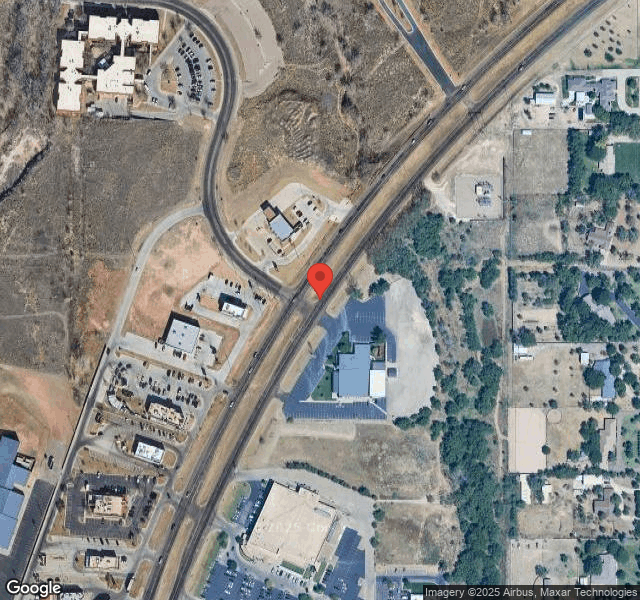
5601 PLUM CREEK DR, AMARILLO, TX 79124 (806) 351-1000
For profit - Limited Liability company 99 Beds CREATIVE SOLUTIONS IN HEALTHCARE Data: November 2025
Trust Grade
35/100
#503 of 1168 in TX
Last Inspection: January 2025

Within standard 12-15 month inspection cycle. Federal law requires annual inspections.

Overview

Landmark of Amarillo Rehabilitation and Nursing Center has received a Trust Grade of F, indicating significant concerns with the facility’s overall quality. They rank #503 out of 1168 nursing homes in Texas, placing them in the top half, but their county ranking at #6 out of 9 means there are only two local facilities that are better. Unfortunately, the trend is worsening, with issues increasing from 1 in 2024 to 6 in 2025. Staffing is rated below average with a score of 2 out of 5 stars and a turnover rate of 58%, which is about average for Texas, suggesting a lack of stability among staff. The facility has faced concerning fines totaling $147,878, which is higher than 89% of Texas facilities and points to repeated compliance issues. On a positive note, RN coverage is average, which helps ensure that serious health issues are monitored effectively. However, there are serious deficiencies, including a failure to provide necessary treatment for a resident with pressure ulcers, which could lead to worsening health and decreased quality of life. Additionally, there were major concerns regarding food safety, as staff failed to maintain sanitary conditions in the kitchen, risking residents' health through potential food-borne illnesses. Overall, while there are some strengths, the significant issues and recent trends raise serious concerns for families considering this facility for their loved ones.

Trust Score
F
35/100
In Texas
#503/1168
Top 43%
Safety Record
High Risk
Review needed
Inspections
Getting Worse
1 → 6 violations
Staff Stability
⚠ Watch
58% turnover. Above average. Higher turnover means staff may not know residents' routines.
Penalties
✓ Good
$147,878 in fines. Lower than most Texas facilities. Relatively clean record.
Skilled Nurses
⚠ Watch
Each resident gets only 17 minutes of Registered Nurse (RN) attention daily — below average for Texas. Fewer RN minutes means fewer trained eyes watching for problems.
Violations
⚠ Watch
24 deficiencies on record. Higher than average. Multiple issues found across inspections.
★★★☆☆
3.0
Overall Rating
★★☆☆☆
2.0
Staff Levels
★★★★☆
4.0
Care Quality
★★★☆☆
3.0
Inspection Score
Stable
2024: 1 issues
2025: 6 issues

The Good

  • 4-Star Quality Measures · Strong clinical quality outcomes
  • Full Sprinkler Coverage · Fire safety systems throughout facility
  • No fines on record

Facility shows strength in quality measures, fire safety.

The Bad

3-Star Overall Rating

Near Texas average (2.8)

Meets federal standards, typical of most facilities

Staff Turnover: 58%

12pts above Texas avg (46%)

Frequent staff changes - ask about care continuity

Federal Fines: $147,878

Well above median ($33,413)

Significant penalties indicating serious issues

Chain: CREATIVE SOLUTIONS IN HEALTHCARE

Part of a multi-facility chain

Ask about local staffing decisions and management

Staff turnover is elevated (58%)

10 points above Texas average of 48%

The Ugly 24 deficiencies on record

1 actual harm
May 2025 1 deficiency
CONCERN (D) 📢 Someone Reported This

A family member, employee, or ombudsman was alarmed enough to file a formal complaint

Potential for Harm - no one hurt, but risky conditions existed

Pharmacy Services (Tag F0755)

Could have caused harm · This affected 1 resident

**NOTE- TERMS IN BRACKETS HAVE BEEN EDITED TO PROTECT CONFIDENTIALITY** Based on observation, interview and record review, the facility failed to establish a system of record of receipt and dispositio...

Read full inspector narrative →
**NOTE- TERMS IN BRACKETS HAVE BEEN EDITED TO PROTECT CONFIDENTIALITY** Based on observation, interview and record review, the facility failed to establish a system of record of receipt and disposition of all controlled drugs in sufficient detail to enable an accurate reconciliation and determine that drug records were in order and that an account of all controlled drugs were maintained periodically reconciled for 1 of 18 residents (Resident #1) reviewed for pharmacy services. The facility failed to ensure Resident #1's OxyContin Oral Tablet ER 12-hour abuse-deterrent 10mg-28 count was accounted for at the time of receiving from the facility's Pharmacy on 05/02/2025. This failure could place residents at risk of not receiving medication therapy that would be effective for their treatment, resulting in the exacerbation of conditions and disease processes. Findings included: Record review of Resident #1's admission record dated 05/21/2025 revealed a [AGE] year-old male admitted to the facility on [DATE] with diagnoses that included Cauda equina syndrome(compression of the nerve roots at the lower end of spinal cord), chronic pain syndrome, displaced fracture of the left tibial and benign prostatic hyperplasia(enlarged prostate). Record review of Resident #1's quarterly MDS assessment dated [DATE] revealed Resident #1's BIMS score was a 15 out of 15 indicating his cognition was intact. In section J0100 it was documented that Resident #1 received scheduled and Prn pain medication. Record review of Resident #1's care plan dated 05/12/2025 revealed the following: Focus: The resident has opioid pain medication ordered r/t chronic pain with interventions of administer medication as ordered. Record review of Resident #1's active physician orders revealed the following: Orders dated 04/18/2024 OxyContin Oral Tablet ER 12-hour abuse-deterrent 10mg. Give one tablet by mouth every 12 hours for pain. Record review of Medication paper from Pharmacy dated 5/2/25 revealed the following: Patient: Resident #1 Drug Name: Oxycontin Tab 10mg ER Qty filled: 28 Days' supply: 14 Filled date: 5/2/25 Received by: LVN A's signature Driver: Pharmacy Driver's signature Record review of Resident #1's Medication Administration Record dated May 1-21 2025 revealed Resident #1 received pain medication daily. In an interview/observation on 5/21/2025 at 11:22 AM, Resident #1 was lying in his bed, his head slightly raised. Resident #1 stated he had not missed any of his pain medication and had not experienced any distress. In an interview on 05/21/2025 at 11: 40 AM, the ADM stated that she was unsure if Resident #1's medication was received the evening of 5/2/2025 because it was not accurately received by LVN A or accurately dropped off by pharmacy driver. The ADM stated this failure could cause a resident to need his medication and not have it. The ADM stated she was responsible to ensure her staff was aware of accurately receiving medications and was unsure if the medication ever arrived at the facility due to the inproper count of the receipt of medications the night of 5/2/25. In an interview on 5/21/2025 at 6:20 PM, LVN A stated she was the nurse responsible for signing for the OxyContin Oral Tablet ER 12-hour abuse-deterrent 10mg delivered by the Pharmacy. LVN A stated the night on 5/2/2025 the pharmacy driver dropped of the crate with the medications and when she had time she would count the medications against the pharmacy list. LVN A stated the pharmacy driver would come back and pick up the empty crate along with the signed medication check list. LVN A stated the night on 5/2/2025 she and LVN B were the two nurses on duty, she stated they were busy and is unsure what happened. LVN A stated after she would check the medications in, she would put them a plastic bag and she and LVN B would distribute the medications to the unit the resident lived on. LVN A stated she was unsure if the medication was in the bag and is unsure if the medication was even delivered. LVN A stated LVN B was the one responsible for the medications for Resident #1's unit. LVN A stated she did not have LVN B sign any paper that he received the OxyContin Oral Tablet ER 12-hour abuse-deterrent 10mg for Resident #1. LVN A stated a possible negative outcome for not ensuring the medications were distributed accurately would be a resident could go without their medication. LVN A stated she was responsible for this incident because her signature was on the pharmacy checklist as she received it. In an observation on 05/21/2025 at 10:45 PM, LVN A was sitting at the nurses station and the pharmacy driver was standing outside the nurses station observing LVN A count the medications in, she was checking the medication and putting a checkmark next to the medication and the resident's name accounting for that medication. During the counting of the medication, an observation was made of four medications that were on the list but not present and LVN A circled the medication name and wrote missing next to the medication, she had the pharmacy driver initial next to the medication and her note that the medication was missing. In an interview on 05/21/2025 at 11;15 PM, the Pharmacy driver stated that prior to the incident on 5/2/25 he would drop of the crate with the medication to the nurse on duty and would leave the facility and do his other rounds and then on his way back through town he would pick up the empty crate with the list of medication sheet that was signed off by the nurse. The Pharmacy driver stated he did not watch the nurse count in of medications prior to the 05/02/2025. In an interview on 05/22/2025 at 12:15 AM, LVN B stated he had not worked at the facility for very long on the night on 5/2/2025 and stated he did not remember seeing Resident #1's Oxycontin ER and doesn't remember checking it in. LVN B stated he did not sign for any medications(narcotics) given to him by LVN A on 5/2/2025. LVN B stated a possible negative outcome for not having the medication accurately counted in by the pharmacy and having missed medication would be a resident could need his medication and not have it causing the resident to be in pain or distress. In an interview on 05/22/2025 at 11:45 AM, the ADON stated it was the administrative personnel (new DON will not start until later this month) who were responsible to ensure accuracy of receiving medication and their staff were aware of such processes. The ADON stated she was unsure if the medication arrived at the facility due to the inaccurate process of counting in the medication for Resident #1. The ADON stated that a possible negative outcome for not properly processing the medication when it arrived at the facility would be a resident would not have their medication and possible be hospitalized . Record review of Controlled Medication-Ordering and receipt, not dated reflected the following: Medication included in the Drug Enforcement Administration classification as controlled substances, and medications classified as controlled substance by state law or subject to special ordering, receipt, and recording requirements in the facility, in accordance with federal and state laws and regulations. Procedure: A controlled medication accountability record is prepared when receiving or checking in a controlled substance medication for a resident .
Feb 2025 1 deficiency
CONCERN (D) 📢 Someone Reported This

A family member, employee, or ombudsman was alarmed enough to file a formal complaint

Potential for Harm - no one hurt, but risky conditions existed

Pharmacy Services (Tag F0755)

Could have caused harm · This affected 1 resident

**NOTE- TERMS IN BRACKETS HAVE BEEN EDITED TO PROTECT CONFIDENTIALITY** Based on interview and record review, the facility failed to provide pharmaceutical services to include the accurate dispensing ...

Read full inspector narrative →
**NOTE- TERMS IN BRACKETS HAVE BEEN EDITED TO PROTECT CONFIDENTIALITY** Based on interview and record review, the facility failed to provide pharmaceutical services to include the accurate dispensing and administering of drugs to meet the needs for 1 of 7 residents (Resident #1) reviewed for physician orders. The facility failed to accurately enter physician orders for Lamotrigine (a medication that is used to treat epilepsy and bipolar disorder) for Resident #1. The deficient practice could affect residents in the facility resulting in not receiving needed care to maintain optimum health and placing them at risk for injury and/or deterioration in their condition. Findings included: Record Review of Resident #1's face sheet dated 02/27/2025 revealed a [AGE] year-old female admitted to the facility from the hospital on [DATE] and was sent back to the hospital on [DATE] and readmitted to the facility on [DATE] with diagnosis to include but not limited to other specified local infections of the skin and subcutaneous tissue, other seizures, mild cognitive impairment of uncertain or unknown etiology, laceration without foreign body of scalp, subsequent encounter, epilepsy (disorder that causes abnormal brain function, seizures) unspecified, abrasion of scalp, altered mental status (change in brain function), unspecified, and polyneuropathy (malfunction of many peripheral nerves throughout the body). The face sheet also revealed that Resident #1 was her own responsible party. Record Review of Resident #1's last completed admission MDS assessment dated [DATE] revealed Resident #1 had a BIMS score of 15 out of 15 indicating that her cognition was intact. Resident #1's functionality was independent from sitting to lying down and eating, set up assistance for oral hygiene, toileting, and upper body dressing and was supervision or touching assistance for showering, lower body dressing, sit to stand, chair/bed-to-chair transfer, and toilet transfers. Supervision or touching assistance was also needed for walking 10 feet and walking 50 feet with two turns. Resident #1 was continent of bowel and bladder. Record Review of Resident #1's care plan start date 02/05/2025 revised on 02/18/2025 revealed that Resident #1 had a history of a seizure disorder with interventions to give seizure medication as ordered by doctor. Also, to monitor/document side effects and effectiveness as well as a precaution to not leave resident alone during a seizure. Record review of Resident #1's orders listed as Active orders entered on 02/14/2025 revealed the following: lamoTRIgine Oral Tablet 100 MG-Give 2.5 tablet by mouth one time a day related to other seizures. lamoTRIgine Oral Tablet 150 MG-Give 2 tablet by mouth one time a day related to other seizures. Record review of Resident #1's Medication Administration Record dated 02/1/2025-02/28/2025 revealed that Resident #1 was ordered lamoTRIgine Oral Tablet 200 mg. Give 2.5 tablet by mouth one time a day. Resident #1 was given that medication dosage on 02/05/25, 02/06/25, 02/07/25, & 02/08/25 in the morning. The MAR further revealed that the order was discontinued on 02/14/25. The MAR indicated that Resident #1 was given lamoTRIgine Oral Tablet 100 mg, 2.5 tablet by mouth one time a day on dates 02/15/25-02/27/25 in the morning. The MAR also revealed Resident #1 was given lamoTRIgine Oral Tablet 150 mg-Give 2 tablet by mouth one time a day on 02/05/25-02/07/25 in the evenings and that dosage was given on dates 02/15-02/26 in the evenings. Record review of Resident #1's Lab result from the hospital dated 02/08/25 stated Lamotrigine Level (abnormal). Specimen: Blood. Result: 21.1 2.0-20.0 ug/mL normal range During an interview on 02/27/25 at 10:32 AM, Resident #1 stated that she had only been living in the facility a brief time and had no concerns with her care whatsoever. She stated she recently moved into the facility after leaving the hospital because of difficulties with her seizures. During an interview on 02/27/25 at 10:43 AM, the ADON stated that the charge nurses were responsible for putting new orders in for new admissions, but that she helped put them in and the DON would review them. ADON stated that on, 02/05/25 when Resident #1 was admitted to the facility, she put her admission medications into PCC and they were correct as follows: Lamotrigine 250 mg every morning and Lamotrigine 300 mg every night. The ADON stated because that medication only came in 100 or 200 mg tabs, the pharmacy called and wanted her to put in the order for the morning dose as 100 mg, 2.5 tabs. She stated that she made a mistake by not changing the dosage to 100 mg, she left it at 200 mg in the MAR, so Resident #1 had gotten a 500 mg dose for her morning dosage on dates 02/05/25, 02/06/25, 02/07/25, and 02/08/25. The ADON stated that Resident #1 was sent back to the hospital on [DATE] because her head wound had started bleeding again. She stated that she was not sure what reaction a person could experience by having too much Lamotrigine, so she looked it up on the internet and stated that it could make someone have a rash or be lethargic. The ADON stated that a possible negative outcome for giving a wrong dosage to a resident could be that it could make them lethargic or have a rash. During a phone interview on 02/27/25 at 11:15 AM, the Pharmacist for the facility stated that if a resident had 250 mg more Lamotrigine daily than was ordered, it could not cause a resident to be hospitalized . She stated that that drug would not build up in the system but excretes in urine with a rapid peak of 1-5 hours. The Pharmacist went on to state that the amount given could cause a skin rash in extreme cases, or nausea. She stated it could not cause bleeding. The Pharmacist stated that Lamotrigine, with the dosage being a little bit over would not cause any issues. The Pharmacist was told that Resident #1's Lamotrigine blood level was checked at the hospital and the lab came back one point above the normal range. She stated it would not cause any issues being that close to the normal range. During an interview on 02/27/25 at 1:15 PM, the DON stated that her expectations of medications being put in at admission was that either the charge nurse or the ADON would take discharge papers from hospital or orders from the PCP, wherever the resident was admitting from, and put the orders in correctly and timely. She stated that a possible negative outcome for putting medications in incorrectly, upon admission, could be a medication error. If the medication was the wrong dose, either too low or too high, the medication could be too effective or not effective enough. Record Review of the facility's policy titled, Receiving a New Medication Order, dated 2/2024 revealed in part, the following: . The nurse that receives a new medication order, should be responsible for the following: Order received is accurate and includes all necessary information. Order must be transcribed accurately to the MAR sheet unless electronic MAR's are used by the facility .
Jan 2025 4 deficiencies
CONCERN (D)

Potential for Harm - no one hurt, but risky conditions existed

Deficiency F0699 (Tag F0699)

Could have caused harm · This affected 1 resident

**NOTE- TERMS IN BRACKETS HAVE BEEN EDITED TO PROTECT CONFIDENTIALITY** Based on interviews and record review, the facility failed to ensure residents who were trauma survivors receive culturally comp...

Read full inspector narrative →
**NOTE- TERMS IN BRACKETS HAVE BEEN EDITED TO PROTECT CONFIDENTIALITY** Based on interviews and record review, the facility failed to ensure residents who were trauma survivors receive culturally competent, trauma-informed care in accordance with professional standards of practice and accounting for residents' experiences and preferences in order to eliminate or mitigate triggers that may cause re-traumatization of the resident for 1 of 18 residents (Resident #18) reviewed for trauma-informed care. The facility did not ensure Resident #18 had a trauma screening that identified possible triggers when Resident #18 had a history of trauma. These failures could put residents at an increased risk for severe psychological distress due to re-traumatization. The findings included: Record review of the face sheet, dated 01/15/2025, indicated Resident #18 was a [AGE] year-old male, admitted to the facility on [DATE] with diagnoses of unspecified Dementia (disease that destroys memory and other important mental functions), post-traumatic stress disorder ( a mental health condition that can develop in people who experience or witness a traumatic event), generalized anxiety disorder ( condition in which a person has excessive worry and feelings of fear, dread, and uneasiness). Record review of the quarterly MDS assessment, dated 11/14/2024 , revealed Resident #18 had a BIMS of 02, which indicated severe cognitive impairment. The MDS Assessment revealed Resident #18 had PTSD as an active diagnosis. Record review of the comprehensive care plan, revised on 11/14/2024, had no documentation of Resident #18's post-traumatic stress disorder. Record review of Assessments in Resident #18's clinical filed revealed no Trauma Informed Care Assessment. During an interview on 01/14/2025 at 10:05 AM, LVN B stated a Trauma Assessment should be documented in the resident's clinical file including the care plan and stated a possible negative outcome for not having documentation would be a resident could be triggered by an event. During an interview on 01/14/2025 at 4:53 PM, the SW stated she was responsible for ensuring trauma assessments were done on admission, however, the company that owned the facility prior to the current owners took documents with them and she was not sure if the assessment was completed. During an interview on 1/15/2025 at 10:20 AM, the DON stated she expected trauma assessments to be done on admission or anytime the need arises. The DON stated the trauma assessment was the social services responsibility. The DON stated the trauma assessment was important because it allows the staff to give the resident the best possible care. The DON stated the interventions should be in the resident's care plan and stated the failure of not having a trauma assessment could cause the resident to be retraumatized. During an interview on 1/15/2025 at 10:28 AM, the CRN stated trauma assessments were to be done on admission and documented in the resident's clinical file. The SW was responsible for ensuring the assessments were completed. The CRN said a possible negative outcome for not having the assessment would be a resident could be retraumatized. During an interview on 1/15/2025 at 10:46 AM, the ADON stated trauma assessments were to be done at admission and the SW or the charge nurse on duty was responsible for ensuring the assessment was completed. The ADON stated the interventions should be documented in the care plan. The ADON said a possible negative outcome for not having the assessment would be staff wouldn't know what the resident's triggers were and the resident could be retraumatized . Record review of the facility's policy titled Trauma-Informed Care revised on 10/2022, indicated: The facility should collaborate with resident trauma survivors and as appropriate, the family or friends and implement individualized interventions. Resident specific approaches must be developed and included in the residents care plan. Facilities must monitor the effects of their approaches to ensure they are implemented as intended and are having the desired effect to achieve the measurable objectives and the resident's goals for care. For residents with a history of trauma, in particular, facilities must evaluate whether the interventions mitigate or reduce the impact of identified triggers.
CONCERN (D)

Potential for Harm - no one hurt, but risky conditions existed

Infection Control (Tag F0880)

Could have caused harm · This affected 1 resident

**NOTE- TERMS IN BRACKETS HAVE BEEN EDITED TO PROTECT CONFIDENTIALITY** Based on observation, interview, and record review, the facility failed to maintain an infection prevention and control program ...

Read full inspector narrative →
**NOTE- TERMS IN BRACKETS HAVE BEEN EDITED TO PROTECT CONFIDENTIALITY** Based on observation, interview, and record review, the facility failed to maintain an infection prevention and control program designed to provide a safe, sanitary, and comfortable environment to help prevent the development and transmission of communication diseases and infections for 2 (Resident #11, and Resident #27) of 18 Residents in that: 1. The facility failed to ensure Resident #27's catheter bag and tubing were kept off the floor and below the level of his waist. 2. The facility failed to ensure CNA G performed hand hygiene and a glove change during incontinent care of Resident #11. 3. The facility failed to ensure CNA C performed hand hygiene and glove changes while performing catheter care for Resident #27 as well as cross contaminating Resident #27's belongings. These failures had the potential to affect residents in the facility by placing them at risk of contracting, spreading, and/or exposing them to bacterial or viral infections that could lead to the spread of communicable diseases. Findings included: Resident #11: Record Review of Resident #11's admission record dated 01/14/2025 revealed an [AGE] year-old female admitted to the facility on [DATE] with diagnoses that included, but were not limited to, dementia in other diseases classified elsewhere, unspecified severity, without behavioral disturbance, psychotic disturbance, mood disturbance, and anxiety, neuromuscular dysfunction of bladder, need for assistance with personal care, retention of urine. Record review of Resident #11's most current MDS completed on 12/06/2024 revealed the following: Section C: Resident #11 had a BIMS score of 09 which indicated moderately impaired cognition. During an observation on 01/14/25 at 02:56 PM Foley catheter and incontinent care was performed by CNAG and CNA H. CNA G was observed cleaning the buttocks of Resident #11 then proceeded to take a clean brief and place it under Res #11 and then removed her gloves and performed HH. Hand Hygiene and glove change was not performed between the dirty (cleaning soiled buttocks) and placing a clean brief under this resident. During an interview on 01/14/25 at 03:13 PM CNA G stated that not performing HH and a glove change in between dirty (cleaning soiled buttocks) and placing a clean brief on resident could cause an infection for the resident. Resident #27: Record review of Resident #27's admission record dated 01/13/25 revealed a [AGE] year-old male admitted to the facility on [DATE] with diagnoses that included, but were not limited to, cognitive communication deficit, need for assistance with personal care, benign prostatic hyperplasia without lower urinary tract symptoms, and neuromuscular dysfunction of bladder. Record review of Resident #27's quarterly MDS completed on 11/10/24 revealed the following: Section C: Resident #27 had a BIMS score of 15 which indicated intact cognition. Record review of Resident #27's care plan completed on 11/10/24 revealed no mention of staff educating him regarding catheter care and no mention of him having negative behaviors when educated regarding catheter care. The care plan noted Resident #27 preferred to empty his own catheter bag, staff should ensure the catheter bag was kept below waist level, and staff should ensure the catheter bag and tubing were kept off the floor. The care plan noted Resident #27 was on enhanced barrier precautions and the associated goal was there would not be any transmission of infection from or to Resident #27. Record review of Resident #27's order summary report dated 01/13/25 revealed the following orders: Order with start date of 01/31/21 to Monitor foley catheter q shift for secured tubing and location to prevent displacement/trauma, tubing may not be on floor, privacy bag as needed. [sic] every shift. During an observation on 01/13/25 at 09:53 AM Resident #27 was seated in a motorized wheelchair in his room. In front of the wheelchair on the floor was his catheter bag and approximately 1.5 feet of tubing. The tubing ran from the bottom of his pants leg on his right leg onto the floor of his room. Resident #27 was buckling the seatbelt of his wheelchair and when he finished, he reached down and grabbed his catheter bag and hung it on the handle of his wheelchair with the tubing pointing up in an arch approximately 6 inches in length. The tubing and the catheter bag were above waist level. During an observation and interview on 01/14/25 at 10:41 AM Resident #27 was lying on his back in his bed covered with a large coat. His wheelchair was next to his bed and his catheter bag was lying on the seat of the wheelchair. The bag was not below waist level. Resident #27 stated staff had not educated him to keep his catheter bag and tubing off the floor to prevent infection. He stated staff had not educated him to keep his catheter bag below the level of his waist to enable urine to drain to gravity and to avoid infection. He said, They don't say nothing here! During an interview on 01/14/24 at 11:30 AM LVN A stated Resident #27 knew he was supposed to keep his catheter bag and tubing off the floor and below waist level. She stated, He is very difficult and does things his own way. He screams and yells when we try to redirect him. She stated a possible negative outcome of a catheter bag and tubing on the floor and/or not below waist level was all kinds of infection, big time infection and UTI. LVN A stated, We [staff and Resident #27] talk about it [proper catheter bag and tubing positioning] all the time. It is behaviors and choices; he chooses to act this way. During an interview on 01/14/25 at 01:39 PM DON stated a possible negative outcome of catheter bag and/or tubing on the floor was the tubing could be stepped on or kinked. She stated having a catheter bag and/or tubing above the waist of the resident could cause backflow [of urine in the tubing toward the bladder] and can cause UTI. During an observation on 01/14/25 at 04:18 PM Foley catheter care and incontinent care of Resident # 27 was performed by CNA I and CNA C. CNA C removed her gloves to look for more incontinent wipes for Resident #27. CNA C picked a brief up off of the floor and placed the brief on the bedside table for later use. CNA C was observed not performing hand hygiene after removing and placing clean gloves back on to assist CNA I with the continuation of foley catheter care for Resident #27. During an interview on 01/14/25 at 04:32 PM CNA C stated that a negative outcome for not performing hand hygiene in between glove changes could lead to cross contamination and stated that she would throw the brief away that was on the floor so that it doesn't get used. During an interview on 01/15/25 at 10:08 AM ADON stated that a negative outcome for not performing HH and glove changes at the appropriate times during incontinent care could lead to lack of infection control. During an interview on 01/15/25 at 10:13 AM DON stated that a negative outcome for not performing HH and glove changes at the appropriate times during incontinent care could lead to lack of infection control. During an interview on 01/15/25 at 10:18 AM CRN stated that a negative outcome for not performing HH and glove changes at the appropriate times during incontinent care could lead to lack of infection control. Record review of the facility provided policy titled, Infection control plan: Overview, dated 2019, revealed the following: .Preventing the spread of Infection . (3) the facility will require staff to wash their hands after each direct resident contact for which hand washing is indicated by accepted professional practice. Record review of facility policy titled Catheter Care and dated February 13, 2007 revealed the following: . 4. When the resident is ambulatory the bag must be held lower than the bladder at all times to prevent the urine in the tubing and drainage bag from flowing back into the urinary bladder. 5. Check the resident frequently . Keep tubing off floor . 9. Review the resident's plan of care daily for changes. 10. Be sure the catheter tubing and drainage bag are kept off the floor. No Hand hygiene policy provided.
CONCERN (E)

Potential for Harm - no one hurt, but risky conditions existed

Deficiency F0761 (Tag F0761)

Could have caused harm · This affected multiple residents

Based on observation, interview, and record review, it was determined the facility failed to ensure drugs and biologicals were stored in locked compartments and labeled in accordance with currently ac...

Read full inspector narrative →
Based on observation, interview, and record review, it was determined the facility failed to ensure drugs and biologicals were stored in locked compartments and labeled in accordance with currently accepted professional principles and include the appropriate accessory and cautionary instructions, and the expiration date when applicable on 3 of 3 medication carts and 1 of 2 medication rooms reviewed for medication storage. -LVN F left medications for Resident #4 unattended on top of her medication cart. -2C South medication cart contained 2 insulins for Resident #68 that were expired. Lantus and Humalog insulin both had open dates of 12/10/2024. -2C South Medication room refrigerator contained Acetaminophen 650mg suppositories for Resident #71 with an expiration date of 10/2024. -1C North Medication cart contained 1 loose pill identified as Benzonatate 100mg for Resident #45. -1C South medication cart contained the following: *1 loose pill identified as Citalopram 20ng for Resident #73, Arnuity Ellipta for Resident #73 with no open date written on inhaler or tray. *Trelegy Aero for Resident #21 with no open date written on inhaler or tray, *Breo Ellipta for Resident #55 with no open date written on inhaler or tray, Admelog inj. for resident #55 with an open date of 12/08/2024. *Breo Ellipta for resident #47 with no open date written on inhaler or tray. -Medication cup with white pill was left on Resident #27's bedside table. The facility's failures could place residents receiving medication at risk for drug diversion, lack of drug efficacy, and adverse reactions. Findings included: During an observation on 01/13/25 at 08:56 AM LVN F left 2 medications unattended on the top of a medication cart while she went into Resident # 4's room. Other residents were in the common area where the medication cart was located. During an interview on 01/13/25 at 09:16 AM LVN F stated that the negative outcome for leaving medications unattended would be that another resident could get a hold of them. During an observation and interview on 01/13/25 at 09:59 AM 2C South medication cart revealed Lantus Solostar for Resident #68 with an open date of 12/10/2024 and a Humalog with an open date of 12/10/2024. RN D stated that Lantus was given on 01/11/2025 and 01/12/2025 at 09:00pm. RN D then stated that the Humalog was given to the resident on 01/11/2025 at 8:30pm and 01/13/2025 Resident #68 received 2 units. During an interview on 01/13/2025 at 10:10AM RN D stated that a negative outcome for giving expired medications could lead to a negative outcome. During an observation and interview on 01/13/25 at 10:12 AM Medication room for 2 C south revealed an Acetaminophen 650mg suppository for Resident #71 that had expired 10/2024. RN D stated that Resident #71 received the medication on January 4th, 2025. During an observation on 01/13/25 at 10:23AM Medication cart for 1C North revealed 1 loose pill identified as Benzonatate 100mg for Resident #45. Pill was identified by RN E. During an interview on 01/13/25 at 10:35AM RN E stated that a negative outcome for having loose medications could lead to a resident missing a dose of medication. During an observation on 01/13/25 at 10:39 AM Medication cart for 1 C south revealed 1 loose pill identified by LVN A as Citalopram 20mg for Resident #73. Multiple inhalers were not dated with the date of opening on them. 1. Trelegy Aero 100mcg for Resident #21 had a date medication of 11/06/2024, discard date should have been 12/18/2024. 2. Breo Ellipta for Resident #55 had no date written on medication to indicate when medication was opened. 3. Arnuity Ellipta for Resident #73 had no open date written on medication to indicate when medication was opened. 4. Breo Ellipta for resident #47 had a date of 11/07/2024 when medication was opened, discard date should have been 12/19/2024. Insulin was discovered for Resident #55- Admelog inj. 100U/ml with an open date of 12/08/2024, medication should have been discarded on 01/05/2025. During an interview on 01/13/25 at 10:58 AM LVN A stated that a negative outcome for having a loose pill in medication cart was that You don't know what it is, and it could have an adverse reaction for the resident. LVN A stated that giving medications that are expired could lead to the medication not working appropriately. During an interview on 01/14/25 at 02:01 PM DON stated that a negative outcome for giving a resident a medication with no open date on it was, Giving an expired med a med that is past the manufacturer's good date. During an observation on 01/14/25 at 04:13 PM revealed medication cup with an unidentified medication in a medication cup on Resident #27's bedside table. CNA I said she did not know what the medication was During an interview on 01/14/25 at 04:15 PM LVN A stated that she knew what the medication cup was on Resident #27's bedside table. From the doorway of Resident 27's room, LVN A stated that it was a Gabapentin. LVN A was asked how she knew that and LVN A stated, Well, I gave it to him. LVN A stated that she did not witness the resident taking the medication. LVN A stated that a negative outcome for not staying with the resident until he consumed the medication would be that he didn't take it, and I guess I will have to stand over him now. During an interview on 01/14/25 at 04:22 PM ADON stated that a negative outcome for not staying with a resident during the medication administration could lead to the resident not taking the medication (s) correctly or at all. During an interview on 01/15/25 at 10:08 AM ADON stated that a negative outcome for administering expired medications would lead to adverse reactions, no reactions at all and the medication would not be effective. During an interview on 01/15/25 at 10:13 AM DON stated that a negative outcome for administering expired medications would be that the medication would not have an effective therapeutic level. DON stated that the negative outcome of not writing the open date on medications could lead to the medication being used after it has expired. During an interview on 01/15/25 at 10:18 AM CRN stated that a negative outcome for administering expired medications or medications with no open date was that the resident would not get the full effect of the medication. Record review of the facility provided policy titled, Discontinued Medications, dated 2003, revealed the following: The nurse that receives the order to discontinue a medication is responsible for: . .Removing the medication from the medication storage . Record review of the facility provided policy titled, Recommended Medication Storage, dated 07/2012, revealed the following: Medications that require an open date as directed by the manufacturer should be dated when opened in a manner that is clear when the medication was opened. No medication cart or med room storage policy was provided.
CONCERN (F)

Potential for Harm - no one hurt, but risky conditions existed

Food Safety (Tag F0812)

Could have caused harm · This affected most or all residents

Based on observation, interview, and record review, the facility failed to store, prepare, and serve food under sanitary conditions in 1of 1 kitchens when they failed to: A. Ensure stored food was pro...

Read full inspector narrative →
Based on observation, interview, and record review, the facility failed to store, prepare, and serve food under sanitary conditions in 1of 1 kitchens when they failed to: A. Ensure stored food was properly labeled and dated. B. Ensure hairnets were worn. C. Ensure frozen foods were properly stored according to the label. These failures could place residents who ate food served by the kitchen at risk of cross contamination and food-borne illness. Findings included: In an observation and interview on 1/13/25 at 8:20 am, DA was observed in the kitchen dishwashing room, washing the dishes with no hairnet on. DA stated she had no hairnet on because she could not find any hairnets that morning. She stated all kitchen staff were to wear hairnets while in the kitchen. She stated the consequences of not wearing a hairnet in the kitchen were cross contamination. DA stated the DM had trained her to always wear a hairnet in the kitchen. An observation on 1/13/25 at 8:25 am, of the cooler located in the kitchen preparation area the following was observed: 1. An opened box of crinkle cut fries with 3 bags in the box. The box was opened. The box label stated to Keep food frozen. The bags of crinkle cut fries were soft to the touch and were not frozen. 2. A box of corndogs uncovered and open to air. The box stated Keep Frozen. The corndogs were soft to the touch and not frozen. An observation of the walk-in freezer on 1/13/25 at 8:30 am, revealed the following: 1. 1 box of cherry pie bites, opened to air. 2. 7 plastic bags of biscuits, unlabeled, undated and not in original box 3. A cooked pumpkin pie dated 12/31/24 was uncovered and open to air. An observation on 1/14/25 at 10:25 am of the cooler located in the kitchen preparation area the following was observed: 1. An opened box of crinkle cut fries with 3 bags in the box. The box was opened. The box label stated to Keep food frozen. The bags of crinkle cut fries were soft to the touch and were not frozen. 2. A box of corndogs uncovered and open to air. The box stated Keep Frozen. The corndogs were soft to the touch and not frozen. An observation of the walk-in freezer on 1/14/25 at 10:30 am, revealed the following: 1. 1 box of cherry pie bites, opened to air. 2. 7 plastic bags of biscuits, unlabeled and not in original box 3. A cooked pumpkin pie uncovered and open to air. In an observation and interview on 1/15/25 at 10:05 am, the DM stated of the frozen bread in the freezer that it should have been labeled and dated. She stated the uncovered food should have been tightly covered. She stated she expected all staff to label and date all foods. She stated the pie should have been covered completely and would be thrown out. Observation of the cooler with potatoes and corndogs revealed the temperature of the cooler was 41 degrees. The DM stated the cooler was a freezer and the foods should have been kept frozen. She stated the foods would be thrown out and she would get the cooler fixed. The DM stated the consequences of the issues in the kitchen would be cross contamination. She stated she had been trained by the Dietician and she trained all staff in their kitchen duties. The DM stated she expected all staff to wear hairnets and beard covers while in the kitchen. She stated she expected all staff to exhibit cleanliness in the kitchen. Record review for the facility's policy titled Dietary Food Service Personnel Policy and Procedures dated 2012, documented: All employees receive instruction in sanitation during orientation and through in-service training programs. Hair nets or hats covering the hair are to be worn at all times. [NAME] guards are required for facial hair. All unused foods must be securely covered. All items are to be dated and labeled as to their contents All foods must be kept at the safest temperature. Record review for the facility's policy titled Food Storage and Supplies dated 2012, documented: Perishable foods that are refrigerated are dated once opened and used within 7 days. Opened packages of food are stored in closed containers with covers or in sealed bags and dated as to when opened.
Feb 2024 1 deficiency
CONCERN (D) 📢 Someone Reported This

A family member, employee, or ombudsman was alarmed enough to file a formal complaint

Potential for Harm - no one hurt, but risky conditions existed

Food Safety (Tag F0812)

Could have caused harm · This affected 1 resident

Based on observation, interview, and record review, the facility failed to store, prepare, distribute and serve food in accordance with professional standards for food service safety in 1 of 1 kitchen...

Read full inspector narrative →
Based on observation, interview, and record review, the facility failed to store, prepare, distribute and serve food in accordance with professional standards for food service safety in 1 of 1 kitchen observed. The facility failed to ensure that all staff were wearing proper protective hair restraints in the kitchen. This failure placed residents who ate food served by the kitchen at risk of food contamination caused by fallen hair. Findings included: An observation and interview on 02/06/2024 at 11:35 AM revealed the DM was in the kitchen prep area without a hair restraint; her hair was long and went past her shoulders. The DM stated that she was in her office and heard State was at the kitchen door and got nervous and forgot to put on her hair restraint. The DM's hair was down past her shoulders, the front half was pulled back in a hair tie. The DM stated everyone was supposed to wear a hair restraint while in the kitchen. The DM did not have an answer about a possible negative outcome. During an observation and interview on 02/06/2024 at 3:35 PM, the DA was in the kitchen prep area without a hair restraint. The DA stated that he did not think he had to wear a restraint because his hair was short . The DA said he did not always wear a hair restraint. Observation of DA's hair was short, close to his scalp. The DA stated that a possible negative outcome for staff not wearing hair restraints would be that hair would get into the residents food. During an interview with the ADON on 02/06/2024 at 4:40 PM, the ADON stated that a possible negative outcome for staff in the kitchen not wearing hair restraints would be that hair could get into the resident's food and that would be gross. During an interview with the DON on 02/06/2024 at 4:40 PM, the DON stated that a possible negative outcome for staff in the kitchen not wearing hair restraints would be that if a staff member had lice or any other types of bugs in their hair that it could get into the resident's food. Record Review of Dietary Service Policy and Procedure Manual 2012 revealed the following: Sanitation and Food Handling: .Hair nets or hats covering the hairline are worn at all times . Record Review of 2022 Food Code/U.S. Food and Drug Administration/January 18, 2023 Version revealed the following: Section 2-402 Hair Restraints .Food employees shall wear hair restraints such as hats, hair coverings or nets, beard restraints, and clothing that covers body hair, that are designed and worn to effectively keep their hair from contacting exposed food; clean equipment, utensils, and linens .
Nov 2023 10 deficiencies 1 Harm
SERIOUS (H)

Actual Harm - a resident was hurt due to facility failures

Pressure Ulcer Prevention (Tag F0686)

A resident was harmed · This affected multiple residents

**NOTE- TERMS IN BRACKETS HAVE BEEN EDITED TO PROTECT CONFIDENTIALITY** Based on observation, interview and record review the facility failed to ensure a resident with pressure ulcers received necessa...

Read full inspector narrative →
**NOTE- TERMS IN BRACKETS HAVE BEEN EDITED TO PROTECT CONFIDENTIALITY** Based on observation, interview and record review the facility failed to ensure a resident with pressure ulcers received necessary treatment and services, consistent with professional standards of practice, to promote healing, prevent infection, and prevent new ulcers from developing for 1 of 18 residents (Resident # 4) reviewed for pressure ulcers. The facility failed to prevent the development of one facility-acquired Stage III pressure injury for Resident #4. This failure could place residents at risk for worsening of an ulcer, infection, and a decreased quality of life. Findings included: Record review of Resident #4's face sheet reflected a [AGE] year-old female who was re-admitted to the facility on [DATE]. Resident #4 was admitted with diagnoses which included: Other Cerebral Palsy Other Acute Kidney Failure Type 2 Diabetes Mellitus Without Complications Other Seizures Mild Intellectual Disabilities Mild Protein-Calorie Malnutrition Morbid (Severe) Obesity Due to Excess Calories Schizoaffective Disorder, Depressive Type (a mental health disorder that is marked by a combination of schizophrenia symptoms, such as hallucinations or delusions, and mood disorder symptoms, such as depression or mania). Other Neuromuscular Dysfunction of Bladder (The name given to several urinary conditions in people who lack bladder control due to a brain, spinal cord or nerve problems). Other Recurrent Depressive Disorders Diabetes Insipidus (a rare disorder that causes the body to make too much urine-up to 20 quarts per day). Other Specified Anxiety Disorders Colostomy Status (an operation that creates an opening for the colon, or large intestine, through the abdomen). Gastro-Esophageal Reflux Disease Without Esophagitis Intermittent Explosive Disorder Essential (Primary) Hypertension Malignant Neoplasm Of Colon, Unspecified Cyst Of Bartholin's Gland (The Bartholin's glands are located on each side of the vaginal opening. They secrete fluid that helps lubricate the vagina. Sometimes the ducts of these glands become obstructed and fluid backs up, forming a cyst. Personal History Of Urinary (Tract) Infections Record review of Resident #4's Quarterly Care Plan, dated 9/30/23, indicated Resident #4 had potential for pressure ulcer development related to self-care deficit. Resident #4 did at times refuse to be repositioned while in her bed and was prone to redness in her skin folds. The goal for Resident #4 was to be free of preventable skin breakdown through the next review date of 12/24/23. The intervention for Resident #4 was to be monitored and reported to physician, any changes in skin condition, status, appearance, color, and impairment. Pressure relieving devices were to be used as ordered, repositioning as allowed and weekly skin checks for redness, circulatory problems, pressure sores, open areas, and other changes to skin integrity were to be reported to the physician. Record Review of Resident #4's skin assessment, dated 7/20/23, reflected a sacral pressure ulcer (the bottom of the spine that lies between the fifth segment of the lumbar spine (L5) and the coccyx (tailbone)) had been discovered and was categorized as an in-house acquired with no staging, undermining, tunneling or Sinus Tract (abscess) identified. There was no exudate (fluid that leaks out of blood vessels into surrounding tissues) and the skin was red, but cool to the touch. Record review of Resident #4's physician order, dated 7/20/23, was daily cleansing with Dakins Solution (sodium hypochlorite (0.4% to 0.5%) and boric acid (4%) diluted in water) and packing with alginate (a naturally occurring anionic polymer obtained from brown seaweed). The preventative intervention was pressure redistribution mattress, specific turning/repositioning program, positioning devices and heel boots. Resident #4 would be turned every 2 hours for repositioning; position would be documented every 2 hours and resident would be up in her Geri Chair 3 times per day to assist with wound healing and offload of pressure. Record review of Resident #4's clinical record reflected there was no additional documentation of Resident #4's sacral ulcer until 8/18/23. Record review of Resident #4's progress notes, dated 08/18/2023 at 5:39 PM, reflected Resident #4 received a bed bath but refused repositioning afterward. Wound care was provided, and education was given on the importance of repositioning. There was no documentation that Resident #4 refused to get out of bed. Record review of Resident #4's progress notes, dated 08/19/2023 at 2:52 PM, reflected Resident #4 refused repositioning and wound care was completed. There was no documentation that Resident #4 refused to get out of bed. Record review of Resident #4's progress notes, dated 08/20/2023 at 6:22 PM, reflected Resident #4's wound care was completed, and the facility wound care nurse was notified of copious amounts of drainage. Resident #4 refused to be repositioned. There was no documentation Resident #4 refused to get out of bed. Record review of Resident #4's progress notes, dated 08/23/2023 at 3:55 PM, reflected Resident #4's wound care was completed. Resident #4's mattress was exchanged for a new air mattress. Resident #4 was given education on the importance of repositioning. Resident #4 refused to reposition. There was no documentation Resident #4 refused to get out of bed. Record review of Resident #4's progress notes, dated 08/24/2023 at 12:51 PM, reflected Resident #4 received a bed bath and wound care was completed. Resident #4 continued to refuse repositioning. There was no documentation Resident #4 refused to get out of bed. Record review of Resident #4's progress notes, dated 08/28/2023 at 1:58 PM reflected Resident #4 was seen by the Wound Care Nurse Practitioner. No new wound care order was completed. Resident #4 refused to reposition. There was no documentation Resident #4 refused to get out of bed. Record review of Resident #4's progress note, dated 09/03/2023 at 5:06 PM, reflected Resident #4 received a bed bath PRN related to colostomy bag mess. Dressing was changed to buttocks. Resident #4 continued to decline to turn and reposition. Education was provided. There was no documentation Resident #4 refused to get out of bed. Record review of Resident #4's progress notes, dated 09/07/2023 at 10:43 AM, reflected Resident #4 had a dressing change to the coccyx due to the dressing being soiled with drainage. Resident #4 continued to decline to participate in turning and repositioning. Education was provided on the importance of turning and repositioning and the resident continued to decline. There was no documentation Resident #4 refused to get out of bed. Record review of Resident #4's progress notes, dated 09/13/2023 at 03:10 AM, reflected the wound care services' Nurse Practitioner performed rounds on Resident #4 to assess a PU to the sacrum which measured 5.5 centimeters by 2.3 centimeters by 1.3 centimeters. The ulcer was cleansed with wound cleanser and patted dry with 4X4 gauze pad. Alginate with silver was applied to the wound bed and covered with foam dressing. Continued heavy drainage. The NP obtained a wound culture. Education was provided to the resident regarding turning and repositioning. Resident #4 voiced understanding but continued with non-compliance. No other concern; continue to monitor. There was no documentation Resident #4 refused to get out of bed. Record review of Resident #4's progress notes, dated 09/25/2023, reflected Resident #4 continued antibiotic for wound infection. The resident's central dressing was CDI. Resident continued to refuse to turn and reposition. Education was provided, but the resident continued to decline. There was no documentation Resident #4 refused to get out of bed. Record review of Resident #4's wound report, dated 9/28/23, reflected a facility acquired sacral ulcer with a length of 5.5 centimeters, width of 4 centimeters and depth of 2 centimeters. There was moderate drainage which was purulent (discharging pus) with a foul smell. The treatment was cleansing with Dakins solution and treating with alginate. Record review of Resident #4's skin assessment, dated 10/9/23, categorized the sacral ulcer for Resident #4 as in-house acquired, Stage III, (full thickness tissue loss) with a length of 5.5 centimeters, width of 4 centimeters and depth of 2 centimeters. There was no tunneling, undermining or Sinus Tract identified. The exudate was moderate and purulent with a thick, tenacious (clinging) consistency and foul odor. The wound color was red with defined margins and weeping surrounding skin. Record review of Resident #4's progress notes, dated 10/09/2023 reflected Resident #4's IV to right side of neck Central line was intact with no signs or symptoms of infection noted, no redness, no swelling, and no pain. Wound care was performed with a dressing change. The NP rounded and no new orders were received. Resident #4 continued to refuse to turn or reposition. Resident #4 received education on the importance of turning and repositioning, but the resident continued to decline. There was no documentation Resident #4 refused to get out of bed. Record review of Resident #4's physician order, dated 10/9/23, reflected cleansing with Dakins Solution 25% strength, patting dry with 4x4 gauze, packing with alginate, and covering with dry dressing. The preventative intervention was pressure redistribution mattress, specific turning/repositioning program, positioning devices and heel boots. The wound was determined to be infected, and Resident #4 was placed on contact precautions with antibiotic therapy. Record review of Resident #4's progress notes, dated 10/14/2023 at 09:32AM, reflected Resident #4 was tolerating antibiotics, central line was clean/dry/intact. No signs or symptoms of infection, swelling, redness, no complaints of pain or discomfort. Central line was patent. Resident #4 continued to refuse turning and repositioning. Education was provided and the resident continued to decline. There was no documentation Resident #4 refused to get out of bed. Record review of Resident #4's progress notes, dated 10/15/2023 at 09:34 AM, reflected Resident #4 was not having any adverse reactions to the antibiotics. Central line to right side of the neck was clean/dry/intact. No signs or symptoms of infection, redness, swelling, no complaints of pain or discomfort. Central line was patent. Resident #4 continued to refuse to turn or reposition. Education was provided, but resident declined. There was no documentation Resident #4 refused to get out of bed. Record review of Resident #4's skin assessment, dated 10/16/23, categorized the sacral ulcer as in-house acquired, Stage III, with a length of 5.5 centimeters, width of 4.0 centimeters and depth of 1.5 centimeters. There was no tunneling, undermining or Sinus Tract identified. The exudate was moderate and serosanguineous (producing serum with small amounts of blood present) with a thin, watery consistency and no odor present. The wound color was pink and red and was erythematic (abnormal redness of the skin due to the accumulation of blood in dilated capillaries). The wound margins were undefined. Record review of Resident #4's physician order, dated 10/16/23, reflected cleansing with Dakins Solution, packing with collagen particles and alginate with silver rope and covering with a silicone foam dressing. The preventative intervention was pressure redistribution mattress, nutritional supplements, vitamin supplements, positioning devices and protein supplements. Record review of Resident #4's progress notes, dated 10/16/2023 at 10:36AM, reflected Resident #4 was receiving Cefepime HCL intravenous solution 2gm/100ml. No adverse reactions noted, wound care completed by wound nurse. Continued to encourage resident to turn. There was no documentation Resident #4 refused to get out of bed. Record review of Resident #4's skin assessment, dated 10/23/23, categorized the sacral ulcer as in-house acquired, Stage III, with a length of 5.0 centimeters, width of 3.0 centimeters and depth of 2.0 centimeters. There was no tunneling, undermining or Sinus Tract identified. The exudate was moderate and serosanguineous with a thin, watery consistency and no odor present. The wound color was pink and black and was erythematic. The wound margins were undefined. Record review of Resident #4's physician order, dated 10/23/23, reflected cleansing with Dakins Solution, packing with collagen particles and alginate with silver rope and covering with a silicone foam dressing. The preventative intervention was pressure redistribution mattress, vitamin supplements and protein supplements. Record review of Resident #4's progress notes, dated 10/23/23 at 3:35 PM, indicated reflected Resident #4 did not want to be repositioned at that time. Resident #4 also declined being turned at 5:14 PM and 8:50 PM. There was no documentation Resident #4 refused to get out of bed. Record review of Resident #4's progress notes, dated 10/24/23 at 12:27 AM, indicated Resident #4 did not want to be turned at that time. Resident #4 cooperated with repositioning at 3:00 AM and 12:50 PM. At 3:17 PM, Resident #4 was given a bed bath and did not want to be repositioned afterward. There was no documentation Resident #4 refused to get out of bed. Record review of Resident #4's progress notes, dated 10/25/23 at 5:45AM, indicated Resident #4 did not want to be turned at that time. There was no documentation Resident #4 refused to get out of bed. Record review of Resident #4's progress notes, dated 10/26/23 at 10:25PM, indicated Resident #4 was comfortable and lying on her left side. Record review of Resident #4's progress notes, dated 10/27/23, indicated Resident #4 did not want to be repositioned at 8:50 AM, 12:57 PM, 5:35 PM, 9:17 PM and 11:03 PM. There was no documentation Resident #4 refused to get out of bed. Record review of Resident #4's progress notes, dated 10/28/23, indicated Resident #4 did not want to be repositioned at 5:02 AM and 1:16 PM. There was no documentation Resident #4 refused to get out of bed. Record review of skin assessment for Resident #4, dated 11/1/23, categorized the sacral ulcer as in-house acquired, Stage III, with a length of 5.5 centimeters, width of 5.0 centimeters and depth of 2.0 centimeters. There was no tunneling, undermining or Sinus Tract identified. The exudate was moderate and serosanguineous with a thin, watery consistency and foul odor present. The wound color was red and black and was erythematic. The wound margins were undefined. Record review of Resident #4's physician order, dated 11/1/23, reflected cleansing with Dakins Solution, packing with collagen particles and alginate with silver rope, covering with silicone foam dressing. The preventative intervention was pressure redistribution mattress, nutritional supplements, and vitamin supplements. The dietician was notified of the need for additional nutritional assessment. Record review of Resident #4's skin assessment, dated 11/8/23, categorized the sacral ulcer as in-house acquired, Stage III, with a length of 5.5 centimeters, width of 3.0 centimeters and depth of 2.0 centimeters. There was no tunneling, undermining or Sinus Tract identified. The exudate was moderate and serosanguineous with a thin, watery consistency and foul odor present. The wound color was red and black and was erythematic. Record review of Resident #4's physician order, dated 11/8/23, reflected cleansing with Dakins Solution, packing with collagen particles and alginate with silver rope, covering with a silicone foam dressing. An interview with CNA I on 11/7/23 at 1:14 PM revealed there was no Geri Chair big enough for Resident #4 on Unit C-1S, nor was there a Hoyer Lift. Equipment was shared by Unit C-1S and Unit C-1N. CNA stated that Resident #4 is very large and cannot transfer herself, so she cannot get out of bed on her own. CNA I stated there was not enough room on Unit C-1S to store a Hoyer Lift or Geri Chair. She stated she would ask the therapy department for help in finding equipment. An observation and interview on 11/7/23 at 1:18 PM of Resident #4's room revealed a manual bariatric wheelchair pushed against the wall of her room. Resident #4 stated the staff didn't like to get her out of bed and into her chair, because she was too hard to lift. Resident #4 stated staff were supposed to get her out of bed three times a day and were to reposition her every 2 hours, bet this was not being done. An observation and interview on 11/7/23 at 1:42 PM revealed Resident #4 in the same position in bed, as earlier today. She stated she had not gotten out of bed because staff had not come to reposition her or get her out of bed. An interview with LVN H on 11/7/23 at 2:07 PM revealed equipment was shared by Unit C-1S and Unit C-1N and the Hoyer Lift stayed on the North Unit because they had more space. LVN H stated she did not know of a Geri Chair large enough for Resident #4, that was not already being used by another resident. CNA I stated she told me yesterday she would ask the therapy department if they had equipment that was not being used. LVN H stated Resident #4 didn't like to get up from her bed. CNA I stated she had not gotten Resident #4 out of bed today, due to lack of equipment. An interview with Resident #4 on 11/7/23 at 2:29 PM revealed she wanted to get out of bed every day and would go to an activity if she could get up. An interview with the DON on 11/8/23 at 2:35 PM revealed the negative outcome of not following a doctor's order to get a resident up with the Hoyer lift and into a Geri Chair x 3/day, would result in the resident getting stiff joints, which reduces ADLs. The resident would develop a pressure ulcer in the places that touched the bed all day. The DON stated Resident #4 frequently refused to get out of bed and when this happened, the staff did not make her reposition or get out of bed, due to her size. DON was asked for documentation of the resident's refusal to get out of bed, but no documentation was produced. An interview with CNA J on 11/16/23 at 3:24 PM revealed Resident #4 refused to get out of bed frequently. She thought documentation was done on the resident's screen (on computer) under locomotion but was not positive. She would have to ask a nurse where the documentation was supposed to be done. CNA J stated she did not always document. CNA J stated Resident #4 liked her bed baths on Tuesday, Thursday and Saturday and was cooperative. An interview with LVN L on 11/16/23 at 3:28 PM revealed nursing documented any refusal of a resident refusing to get out of bed. She stated she should have documented on Resident #4 since she got up so infrequently, but she was used to this behavior, so it was not documented. LVN L stated Resident #4 was comfortable in a chair for about 30 minutes. Resident #4 wanted to be in bed all the time. Resident #4 was cooperative with bathing. An interview with CNA K on 11/16/23 at 3:35 PM revealed Resident #4 frequently refused to be repositioned. It was hard to get Resident #4 up due to the fact she was a 2-person assist and had to use a Hoyer lift. When they were busy, it was hard to get 2 people to help with a Hoyer lift, because some were helping other residents or taking residents outside to smoke. CNA K stated there was a place to document refusal by Resident #4 in the resident's chart, but she didn't document due to Resident #4 getting up so infrequently. An observation and interview on 11/16/23 at 3:45 PM revealed Resident #4 was sitting in a Geri chair watching television by the nurse's station. She stated her bottom hurt if she sat in the chair for too long. Resident #4 stated it was nice to be in up out of bed and in the chair, today. She had participated in an activity, which she had enjoyed. This occurred after surveyor intervention on behalf of Resident #1.
CONCERN (D)

Potential for Harm - no one hurt, but risky conditions existed

Resident Rights (Tag F0550)

Could have caused harm · This affected 1 resident

**NOTE- TERMS IN BRACKETS HAVE BEEN EDITED TO PROTECT CONFIDENTIALITY** Based on observation, interview, and record review the facility failed to ensure each resident has a right to a dignified existe...

Read full inspector narrative →
**NOTE- TERMS IN BRACKETS HAVE BEEN EDITED TO PROTECT CONFIDENTIALITY** Based on observation, interview, and record review the facility failed to ensure each resident has a right to a dignified existence and to treat each resident with respect and dignity for 1 (Resident #180) of 18 residents reviewed for resident's rights. The facility failed to keep Resident #180's catheter bag covered in a privacy bag. This failure could lead to residents at risk of experiencing feelings of shame and/or embarrassment as well as having their right to privacy violated. Findings included: Record review of Resident #180's face sheet dated 11/08/23 revealed a [AGE] year-old male admitted to the facility on [DATE] for hospice respite. He had diagnoses that included, but were not limited to, malignant neoplasm of bladder (bladder cancer), malignant neoplasm of left lung (lung cancer), and cachexia (wasting disease resulting in weight loss, muscle loss, lack of appetite, fatigue, and decreased strength). Record review of Resident #180's MDS tab in his EHR revealed an Entry MDS dated [DATE]. Record review of Resident #180's baseline care plan dated 11/02/23 and completed by SW revealed an initial admission goal of Hospice care will keep comfortable. The baseline care plan also noted Resident #180 had an indwelling catheter. Record review of Resident #180's progress notes revealed the following nursing note dated 11/01/23 at 10:42 PM: Note Text: Patient arrived via EMS on stretcher at 2040 [10:40 PM]. Foley catheter draining blood tinged urine to gravity. During an observation and interview on 11/06/23 at 08:24 AM Resident #180 was lying in bed with the head and knee section of the bed slightly raised. His catheter bag and tubing were lying on the floor near the foot of his bed. The catheter bag and tubing were on the door side of Resident #180's bed and in full view from the hall outside his open door. The bag was half full of red tinged liquid and the tubing contained red tinged liquid for the 7-10 inches before the tube entered the bag. Resident #180 attempted to turn his head toward surveyor but did not seem able to respond to interview questions. During an observation and interview in the hallway outside of Resident #180's room on 11/06/23 at 08:27 AM A/M Staff said, I don't know if they told you, but this one [gestured to Resident #180 lying in his bed on his back] is GIP. When A/M Staff was asked what GIP meant he stated, He is general admission. He is hospice. He is just here to pass. During an interview on 11/07/23 at 09:22 AM RN D said having Resident #180's catheter bag outside a privacy bag and in view from his open bedroom door created an issue with dignity for Resident #180. During an interview on 11/07/23 at 10:13 AM DON stated a possible negative outcome of having Resident #180's catheter bag outside a privacy bag and lying on the floor was, Bag should never be on the floor, tubing should never be on the floor, that is a risk of infection and back up urine into the patient's bladder. During an interview on 11/07/23 at 02:52 PM ADM stated a possible negative outcome of having Resident #180's catheter bag outside a privacy bag and lying on the floor was, Infection, damage. She said GIP hospice was the skilled version of hospice. ADM stated residents who were GIP hospice were actively dying or in a pain crisis and require RN care 24/7. During an interview on 11/08/23 at 01:24 PM HN stated GIP meant General Inpatient. Record review of an undated facility policy titled, Dignity revealed in part: As an extension of appropriate interactions between staff and residents, the following will be practices of the facility: . Staff will provide privacy for residents during any personal care and/or treatment. Staff will maintain resident privacy during all personal care. Urinary drainage bags will be covered unless residents are in their rooms, at which time the bag w [sic] be placed so as not to be visible from the hall if at all possible. The staff will not refer to the resident by . a term related to care (Ex: 'The total care in Rm. 100'). Note: Residents are to have all aspects of their dignity maintained by staff regardless of the resident's cognitive level or ability to realize or understand what is being said or done by others.
CONCERN (D)

Potential for Harm - no one hurt, but risky conditions existed

Deficiency F0578 (Tag F0578)

Could have caused harm · This affected 1 resident

**NOTE- TERMS IN BRACKETS HAVE BEEN EDITED TO PROTECT CONFIDENTIALITY** Based on observation, interview and record review, the facility failed to ensure all residents had the right to formulate an adv...

Read full inspector narrative →
**NOTE- TERMS IN BRACKETS HAVE BEEN EDITED TO PROTECT CONFIDENTIALITY** Based on observation, interview and record review, the facility failed to ensure all residents had the right to formulate an advanced directive for 1 (Resident #36) of 18 residents reviewed for advanced directives in that: Resident #36's DNR was signed on [DATE]. The chart header stated that resident was a Full Code. This failure could place residents at risk for not receiving healthcare as per their or their legal representatives wishes. Findings included: Record review of the face sheet of Resident #36 revealed a [AGE] year-old male, who was admitted to the facility on [DATE]. Resident #36 was admitted to facility with the diagnosis of Type 2 Diabetes mellitus with unspecified complication, heart failure, chronic pancreatitis, paranoid schizophrenia, Cachexia (wasting disease resulting in weight loss, muscle loss, lack of appetite, fatigue, and decreased strength), weakness, and chronic obstructive pulmonary disease. Under the section Misc. Resident #36 had a signed DNR dated [DATE]. Interview on [DATE] at 02:44 PM CNA E was asked how she would know if a resident was a full code vs. a DNR. CNA E stated that she would look in the Resident's binder to see what status the Resident was. CNA E stated that her first response was to notify the nurse and then either allow natural death or begin CPR, depending on Residents status. Observation on [DATE] at 02:46 PM revealed Resident #36's binder was opened and there was a large green paper stating, Full Code. Interview on [DATE] at 02:48 PM with Resident #36 was asked if he would want the nurse and CNA to perform CPR to save him, Resident #36 stated yeah. Interview on [DATE] at 03:02 PM LVN F was asked about DNR status and full code status for Resident #36. LVN F stated they (Residents) should have a red or green slip in the front of their (Resident's) chart. LVN F was asked if the resident had both a Full code and DNR status in their charts, how would she handle an emergency situation. LVN F stated that she would have to treat the resident as a full code due to not knowing what was in the computer during an emergency situation. Interview on [DATE] at 08:35 AM, the SW stated that Resident #36 had an issue with low blood sugar in the past. Resident's #36's family was notified, and family member of the resident was the DPOA stated that Resident #36 was a full code, and the family wanted the DNR revoked. Interview on [DATE] at 08:39 AM, the DON stated that Resident #36's chart should reflect what the resident and family want. The DON asked what a negative outcome would be of having a DNR and a full code status be. The DON stated that the resident would be coded, and CPR would be started. The conflicting information needed to be addressed. Record review of documentation stating that the family member of Resident #36 wanted the DNR would be pulled from the resident's chart, note dated [DATE]. Record review of a Care Conference notes dated [DATE], in the section named Social Services states the following: DNR, MINOR BEHAVIORS NOTED, TO REFUSE SHOWERS HOUSEKEEPING TO CLEAN ROOM, DOES NOT FOLLOW DIET DOES SEE PSYCH AND COUNSELING, NO FAMILY SUPPORT, LOVES SMOKING HAS BEEN MANIPULATED LATELY WITH OTHER REIDENTS TAKING HIS CIGS. Interview on [DATE] at 09:15 AM with Resident #36's family member stated that Resident #36's DNR or full code status was whatever he (Resident #36) has in his chart here. Family member could not recall if Resident #36 was a full code or not. Record review of a document titled Texas medical orders for scope of treatment (MOST) dated [DATE] revealed that resident is to receive CPR, Full interventions, Long-term medically assisted nutrition/hydration, including feeding tubes. Policy for Advance Directives was not obtained.
CONCERN (D) 📢 Someone Reported This

A family member, employee, or ombudsman was alarmed enough to file a formal complaint

Potential for Harm - no one hurt, but risky conditions existed

Report Alleged Abuse (Tag F0609)

Could have caused harm · This affected 1 resident

**NOTE- TERMS IN BRACKETS HAVE BEEN EDITED TO PROTECT CONFIDENTIALITY** The facility failed to ensure that all alleged violations including abuse, neglect, exploitation or mistreatment, which included...

Read full inspector narrative →
**NOTE- TERMS IN BRACKETS HAVE BEEN EDITED TO PROTECT CONFIDENTIALITY** The facility failed to ensure that all alleged violations including abuse, neglect, exploitation or mistreatment, which included injuries of unknown source and misappropriation of resident property, were reported immediately but not later than 2 hours after the allegation was made, if the events that caused the allegation involved abuse or resulted in serious bodily injury for 1 of 8 residents (Resident #31) reviewed for abuse and neglect. The facility failed to report an unwitnessed fall with injury for Resident #31. This failure could place residents at risk for physical and psychological harm, worsening injuries, and delay of care. Findings include: Record review of Resident #31's face sheet reflected a [AGE] year-old female who was originally admitted to the facility on [DATE] with a readmission of 7/24/23. Resident #31 had diagnoses which included malignant neoplasm of endometrium (uterine cancer), cirrhosis of the liver, chronic diastolic (congestive) heart failure, and Type 2 diabetes mellitus. The resident was on Hospice services. Record review of Resident #31's Quarterly MDS , dated 10/30/23, revealed a BIMS score of 06, which indicated severe cognitive impairment. Resident #31 used a walker for support with no upper or lower extremity impairment. Resident #31 MDS indicated resident could dress independently, needed assistance, or set up with oral hygiene, upper body dressing, lower body dressing, and putting on/taking off footwear. Resident #31 needed supervision with toileting and personal hygiene and partial to moderate assistance with bathing. There was no indication of behaviors exhibited. Record review of Resident #31's fall assessment, dated 10/28/23, scored an 11, which indicated a high risk for falls. Question 3 indicated the resident had a history of falls in the last 3 months. Question 8 indicated balance problem while standing/walking, change in gait pattern when walking, and required use of assistive devices. Question 10 was computed scored and indicated a score of 11 . Record review of fall assessment for Resident #31, dated 11/15/23, reflected a score of 7.0. Question 3 reflected the resident had a history of falls in the last 3 months. Question 8 indicated Resident #31 had decreased muscular coordination/jerking movements. Question 10 asked for the total score with a score of 0. Record review of Resident #31's care plan, dated 11/06/24 , revealed that resident was care planned for at risk for falls r/t poor safety awareness. Record review on 11/17/23 of intakes for the facility revealed last reported incident was 9/27/23 . An observation on 11/17/23 at 5:14 PM showed Resident #31 lying in bed, wearing a nasal canula for oxygen. The resident had a noticeable left black eye. The bed was in lowest position with fall mats in place . Color of the bruising was not determined as lights were off and resident was sleeping. The bruising was observed from left eyebrow down to top of cheekbone. An interview on 11/17/23 @ 8:27 PM with CNA J revealed CNA J hearing the resident fall while she was providing care to the resident next door. CNA J stated she went to help Resident #31 and found her lying on the bed with her face on the foot of the bed. CNA J reported they were unsure how the resident fell. CNA J stated LVN K notified hospice and LVN K and CNA J were instructed to place resident back into bed . An interview on 11/17/23 at 8:40 PM, with DON stated that an unwitnessed fall with injury including a laceration, fracture, head trauma, or massive bleeds must be reported. DON reported a negative outcome to not reporting a reportable incident was the resident would not get services. An interview on 11/17/23 at 8:46 PM, ADON revealed reportable instances could be a fall with injury, abuse, or a resident-to-resident incident. ADON stated corporate made her call before she reported anything. ADON stated a negative outcome could be getting in trouble and physical or negative damage. An interview on 11/17/23 at 8:50 PM with SW revealed reportable injuries were injuries of an unknown source, physical assault, or misappropriation. SW stated ADM was the abuse coordinator and a negative outcome could be it kept happening, a pattern, or something worse can happen. In an interview on 11/17/23 at 8:57 PM, ADM indicated a full investigation was done when an incident was reportable. ADM stated reportable instances were falls with major injury , potentially broken bones, or a head injury. ADM stated she was possibly made aware of Resident #31's unwitnessed fall with injury but was not going to say she wasn't. ADM stated an unwitnessed fall could be suspicious because anything could have happened. ADM stated she was not contacted directly for Resident #31's fall. ADM stated it was a reportable incident if the fall was unwitnessed and there was an injury. ADM stated a negative outcome could be a delay in treatment. An interview on 11/17/23 at 9:42 PM, LVN K stated she worked the night when Resident #31 fell. LVN K stated it was an unwitnessed fall. LVN K stated CNA J reported the fall to her . LVN K noted there was an abrasion to Resident #31's left eye. LVN K contacted hospice, the resident's daughter, DON and ADON. LVN K stated she was unsure if the ADM was made aware of the incident . LVN K stated a negative outcome of not reporting unwitnessed falls could be injury and all falls must be reported . Record review of Resident #31's progress notes showed a note LVN K wrote on 11/15/23 at 7:48 AM. Note stated, patient found on the floor in room next to the heater and bed. Noted blood on the floor. Patient had unwitnessed fall. Patient has an abrasion to the left eye measuring 1.5 cm in length. Continued to have blood. Put pressure dressing to abrasion about to put steri-strips. Patient took pressure dressing off. 0521 notified ADON, DON, and hospice. Interview on 11/17/21 at 10:01 PM, ADM indicated there was not a policy in place for reportable instances . ADM stated corporate stated it was left up to the states. Record review of incident reports dated 11/15/2023, revealed Resident #31's fall incident, documented at 5:10 PM, stated patient had an unwitnessed fall with a 1.5 cm abrasion to left eye. Reported incident to Hospice at 5:17 AM, ADON at 5:21 AM, DON at 5:24 AM, and Resident #31's family member at 5:27 AM. Record review of facility's Abuse Prevention program, undated, on page 6, under ABUSE REPORTING, stated that all personnel must promptly report any incident of resident abuse, mistreatment, or neglect, including injuries of unknown origin (classified as injury of unknown origin when the source of the injury was not observed or known by any person). Page 8, under heading Procedure stated any alleged violations involving mistreatment, abuse, neglect, misappropriation of resident property and any injuries of an unknown origin must be reported to the Administrator and Director of nursing. The person(s) observing an incident of resident abuse or suspecting resident abuse must immediately report such incidents to the charge nurse regardless of the time lapse since the incident occurred. The charge nurse will immediately report the incident to the Administrator or to the individual in charge of the facility during the Administrator's absence. Page 9 states a completed copy of the incident report and written statements form the witnesses, if any, will be provided to the Administrator or individual in charge of the facility within twenty-four (24) hours of the occurrence of such incident.
CONCERN (D)

Potential for Harm - no one hurt, but risky conditions existed

Deficiency F0655 (Tag F0655)

Could have caused harm · This affected 1 resident

**NOTE- TERMS IN BRACKETS HAVE BEEN EDITED TO PROTECT CONFIDENTIALITY** Based on observation, interview, and record review the facility failed to develop and implement a baseline care plan for each re...

Read full inspector narrative →
**NOTE- TERMS IN BRACKETS HAVE BEEN EDITED TO PROTECT CONFIDENTIALITY** Based on observation, interview, and record review the facility failed to develop and implement a baseline care plan for each resident that includes the instructions needed to provide effective and person-centered care of the resident that meet professional standards of quality care for 1 (Resident #52) of 18 residents reviewed for baseline care plans in that: Resident #52 was admitted to the facility with a gastrostomy tube (a medical device used to provide nutrition to people who cannot obtain nutrition by mouth, are unable to swallow safely, or need nutritional supplementation) and her baseline care plan did not mention the tube. This failure could place residents in danger of not receiving necessary care. Findings Included: Record review of Resident #52's face sheet dated 11/08/23 revealed a [AGE] year-old woman admitted to the facility on [DATE] with diagnoses that included but were not limited to acute respiratory failure with hypoxia (a condition resulting from not enough oxygen in the tissues of the body), chronic congestive heart failure (a progressive heart disease that affects the pumping action of the heart muscles resulting in shortness of breath and fatigue), bipolar disorder (serious mental illness characterized by extreme mood swings such as extreme excitement or extreme depressive feelings), and cognitive communication deficit (impaired ability to use language and speech to exchange information, thoughts, or feelings). Record review of Resident #52's Entry MDS revealed a completion date of 10/30/23. Record review of Resident #52's in progress admission MDS revealed a BIMS of 4 which indicated severely impaired cognition. Record review of Resident #52's baseline care plan completed on 10/31/23 by MDS LVN had no mention of a gastrostomy tube. There was an area on the baseline care plan under the Health Conditions section A where a box labeled Other could have been checked but was not. There was an area on the baseline care plan under Health Conditions section I where comments could have been entered but this area was blank. Record review on 11/08/23 at 08:59 AM of Resident #52's active orders revealed an order to Flush G/T with water once a shift and an order to Cleanse G/T site with Normal Saline daily. Both of these orders had a start date of 11/02/23. Record review of Resident #52's progress notes revealed a note from 10/30/23 at 15:58 (3:58 PM) that stated, Admit to [facility name] skilled rehab . Peg tube (gastrostomy tube) to LUQ. During an observation on 11/06/23 at 08:32 AM Resident #52 was lying in bed on her right side with no shirt on and a sheet covering her from the waist down. She had a gastrostomy tube sticking out of the left side of her abdomen. During an observation and interview on 11/06/23 at 01:26 PM Resident #52 was sitting in her w/c watching TV in her room. She stated she did not know what her gastrostomy tube was for. When asked if she had trouble eating or drinking, she replied, Look at me, do I look like I have trouble eating or drinking? There were stitches around the opening for the gastrostomy tube in Resident #52's abdomen. The opening appeared to be clean, dry, intact, and free from infection. During an interview on 11/06/23 at 02:25 PM DON stated she would have to look up why Resident #52 had a gastrostomy tube. During an interview on 11/06/23 at 02:48 PM DON stated Resident #52's gastronomy tube was put in by the acute care hospital she was transferred from due to her being intubated for acute respiratory failure. During an interview on 11/07/23 at 02:52 PM ADM was asked for a baseline care plan policy. During an interview on 11/07/23 at 03:07 PM DON was asked for a baseline care plan policy. During an interview on 11/08/23 at 10:15 AM DON stated a possible negative outcome of Resident #52's gastrostomy tube not being on her baseline care plan was, It has to be flushed. Anything like that, added to the body, that is not naturally occurring can be a high risk of infection. It needs to be kept clean. During an interview on 11/08/23 at 10:24 AM MDS LVN stated she was responsible for entering baseline care plans into the EHR. She stated a gastrostomy tube should be on a baseline care plan if they use it for feeding, definitely, and even if they are eating by mouth, it should be on there. She said a possible negative outcome of Resident #52's gastrostomy tube not being on her baseline care plan was potential for infection. During an interview on 11/08/23 at 10:27 AM ADM stated there could be a negative outcome if a gastrostomy tube was not on a baseline care plan. She said, I am not clinical at all, but I believe it has to be checked and flushed and look at the site. Cleanliness. During an interview on 11/08/23 at 11:05 AM ADM and DON were asked for a baseline care plan policy. They stated they thought they had already provided said policy. Surveyor explained they had provided a comprehensive care plan policy but not a baseline care plan policy. Facility did not provide a baseline care plan policy.
CONCERN (D)

Potential for Harm - no one hurt, but risky conditions existed

Medical Records (Tag F0842)

Could have caused harm · This affected 1 resident

**NOTE- TERMS IN BRACKETS HAVE BEEN EDITED TO PROTECT CONFIDENTIALITY** Based on observation, interview, and record review, the facility failed to maintain complete, accurate, readily accessible, and ...

Read full inspector narrative →
**NOTE- TERMS IN BRACKETS HAVE BEEN EDITED TO PROTECT CONFIDENTIALITY** Based on observation, interview, and record review, the facility failed to maintain complete, accurate, readily accessible, and systemically organized medical records for 2 (Resident #36 and Resident #180) of 18 residents reviewed for medical records. 1. Resident #180 was admitted to the facility with a catheter and no physician's orders for catheter care. 2. Resident #36 was receiving antipsychotic injections bi-weekly outside of the facility and there was no documentation of said in his EHR. These failures could place residents at risk of not receiving appropriate care through inadequate documentation possibly resulting in deterioration in condition, exacerbation of disease process, overmedication, and increased risk of harm or injury. Findings included: 1. Record review of Resident #180's face sheet dated 11/08/23 revealed a [AGE] year-old male admitted to the facility on [DATE] for hospice respite. He had diagnoses that included, but were not limited to, malignant neoplasm of bladder (bladder cancer), malignant neoplasm of left lung (lung cancer), and cachexia (wasting disease resulting in weight loss, muscle loss, lack of appetite, fatigue, and decreased strength). Record review of Resident #180's MDS tab in his EHR revealed an Entry MDS dated [DATE]. Record review of Resident #180's baseline care plan dated 11/02/23 and completed by SW revealed an initial admission goal of Hospice care will keep comfortable. The baseline care plan also noted Resident #180 had an indwelling catheter. In the section labeled Physician Orders the care plan read, See current MAR and TAR orders .See current Therapy Orders .See current Dietary Orders. Record review on 11/08/23 at 09:41 AM of Resident #180's active orders revealed no order for catheter care. Record review of Resident #180's MAR and TAR report dated 11/08/23 at 10:03:08 AM revealed no mention of catheter care. Record review of Resident #180's progress notes revealed the following nursing note dated 11/01/23 at 10:42 PM: . Patient arrived via EMS on stretcher at 2040 [10:40 PM]. Foley catheter draining blood-tinged urine to gravity. 2. Record review of Resident #36's face sheet dated 11/06/23 revealed a [AGE] year-old male admitted to the facility on [DATE] with diagnoses that included, but were not limited to, mild cognitive impairment, paranoid schizophrenia (a mental illness characterized by episodes of psychosis including hallucinations, delusions, and disorganized thinking), and cachexia (wasting disease resulting in weight loss, muscle loss, lack of appetite, fatigue, and decreased strength). Record review of Resident #36's Quarterly MDS completed on 10/05/23 revealed a BIMS of 11 which indicated moderately impaired cognition. Section N of the MDS revealed no record of Resident #36 receiving antipsychotic medication during the look back period. Section E of the MDS indicated no behaviors were noted for Resident #36 during the look back period. Record review of Resident #36's care plan, completed on 10/27/23 revealed no mention of Resident #36 receiving antipsychotic injections. The care plan contained no mention of Resident #36 having paranoid schizophrenia except for list of diagnoses at the end of the care plan. Record review of Resident #36's Order Summary report revealed no orders for antipsychotic medications. Record review of Resident #36's EHR miscellaneous tab revealed one letter dated 09/29/22 from an outside agency regarding a follow up appointment on 10/07/22 for Resident #36 with a doctor. The letter stated, It is important that you keep this appointment in order to continue your care with TPC. The letter did not specify what the appointment was intended to address. Record review of a fax from the outside agency administering Resident #36's antipsychotic injections provided to surveyor on 11/08/23 revealed Resident #36 received an antipsychotic injection on 10/06/23. The fax further revealed Resident #36 received these injections intramuscularly on a bi-weekly basis. During an observation on 11/06/23 at 08:24 AM Resident #180 was lying in bed. His catheter bag and tubing were on the floor near the foot of his bed. The bag was half full of red tinged liquid and the tubing contained red tinged liquid for the 7-10 inches before the tube entered the bag. During an observation on 11/06/23 at 11:29 AM Resident #180 was lying on his back in bed asleep and his catheter bag was in a privacy sleeve with tubing lying on the floor. During an observation on 11/07/23 at 09:52 AM Resident #180 was lying in bed on his back asleep and his catheter bag was clipped to the end of his bed and in a privacy sleeve. The bottom of the catheter bag and tubing full of red tinged liquid were touching the floor. Interview on 11/07/23 10:47 AM with MDS LVN stated that Resident #36 received an antipsychotic injection every 2 weeks administered by an outside agency. During an observation on 11/07/23 at 10:51 AM Resident #180 was lying in bed on his back asleep and his catheter bag was clipped to the end of his bed and in a privacy sleeve. The bottom of the catheter bag and tubing were touching the floor. Interview on 11/07/23 01:43 PM with MDS LVN stated that outside agency administering Resident #36's antipsychotic injections was having issues with their system. During an observation on 11/08/23 at 10:04 AM Resident #180 was lying in bed asleep on his back with the head and knee portion of the bed slightly raised. His catheter bag and was clipped to the foot of his bed and was not touching the floor. During an interview on 11/08/23 at 10:06 AM RN D stated she knows how often to provide catheter care to Resident #180 because there should be an order in there [gestured to nurse's laptop]. During an interview on 11/08/23 at 10:10 AM RN D stated she does not have orders for catheter care for Resident #180. She further stated that as a nurse it was common sense to her that any resident with a catheter received catheter care once a shift. During an interview on 11/08/23 at 10:14 AM DON stated Resident #180 should have orders for foley cath [catheter] care. She said a possible negative outcome of not having orders in his chart was, He would have an infection. During an interview on 11/08/23 at 10:27 AM ADM was asked for a possible negative outcome of not having orders for catheter care for Resident #180. She stated, If they [nurses] weren't caring for it [catheter] it would be a negative outcome. During an interview on 11/08/23 at 01:24 PM HN was asked why Resident #180 did not have orders for catheter care. She stated, that is on me actually, when he was on hospice at home, he did not have a catheter and during the transfer from emergency room to here, I overlooked that. Interview on 11/08/23 at 02:23 PM the MDS LVN was asked if any information had been received from the outside agency administering Resident #36's antipsychotic injections. MDS LVN stated that the computer system over at the outside agency was hacked and she had not received any further information. During an interview on 11/08/23 at 03:45 PM MDS LVN stated Resident #36 had been receiving bi-weekly antipsychotic injections prior to his admission to the facility and the treatment was a continuation of care. Record review of a facility policy titled, Medical Records and dated 08/10/2016 revealed no information regarding accuracy and completeness of medical records. The policy did reveal the following: .The 'clinical record' will be defined as the collection of documentation created or data captured in the process of providing care and health services to residents. The whole or any part of the clinical record is maintained within the facility . Record review of a facility policy titled Physician Orders-(Following Physician Orders) revealed in part: . It is the policy of the facility to follow the orders of the physician. At the time of admission the facility must have physician orders for the resident's immediate care. The facility will have orders to provide essential care to the resident, consistent with the resident's mental and physical status upon admission. The facility must have orders from the physician upon admission for: . Routine care to maintain or improve the resident's functional abilities until staff can conduct a comprehensive assessment . Orders that accompany the resident on admission will be clarified by the physician through action of the nurse who will contact the physician for clarification upon the resident's admission.
CONCERN (D)

Potential for Harm - no one hurt, but risky conditions existed

Infection Control (Tag F0880)

Could have caused harm · This affected 1 resident

**NOTE- TERMS IN BRACKETS HAVE BEEN EDITED TO PROTECT CONFIDENTIALITY** Based on observation, interview, and record review the facility failed to establish and maintain an infection prevention and con...

Read full inspector narrative →
**NOTE- TERMS IN BRACKETS HAVE BEEN EDITED TO PROTECT CONFIDENTIALITY** Based on observation, interview, and record review the facility failed to establish and maintain an infection prevention and control programs designed to provide a safe, sanitary and comfortable environment and to help prevent the development and transmission of communicable diseases and infections for 1 (Resident #180) of 18 residents reviewed for infection control in that: Resident #180's catheter bag and tubing were allowed to rest on the floor of his room. This failure could place residents at risk of infection. Findings included: Record review of Resident #180's face sheet dated 11/08/23 revealed a [AGE] year-old male admitted to the facility on [DATE] for hospice respite. He had diagnoses that included, but were not limited to, malignant neoplasm of bladder (bladder cancer), malignant neoplasm of left lung (lung cancer), and cachexia (wasting disease resulting in weight loss, muscle loss, lack of appetite, fatigue, and decreased strength). Record review of Resident #180's MDS tab in his EHR revealed an Entry MDS dated [DATE]. Record review of Resident #180's baseline care plan dated 11/02/23 and completed by SW revealed an initial admission goal of Hospice care will keep comfortable. The baseline care plan also noted Resident #180 had an indwelling catheter. Record review of Resident #180's progress notes revealed the following nursing note dated 11/01/23 at 10:42 PM: Note Text: Patient arrived via EMS on stretcher at 2040 [10:40 PM]. Foley catheter draining blood tinged urine to gravity. During an observation and interview on 11/06/23 at 08:24 AM Resident #180 was lying in bed with the head and knee section of the bed slightly raised. His catheter bag and tubing were lying on the floor near the foot of his bed. The catheter bag and tubing were on the door side of Resident #180's bed and in full view from the hall outside his open door. The bag was half full of red tinged liquid and the tubing contained red tinged liquid for the 7-10 inches before the tube entered the bag. Resident #180 attempted to turn his head toward surveyor but did not seem able to respond to interview questions. During an observation on 11/06/23 at 11:29 AM Resident #180 was lying on his back in bed asleep. His catheter bag was in a privacy sleeve and the bottom of the catheter bag and tubing for the catheter were lying on the floor. During an interview on 11/07/23 at 09:22 AM RN D stated a possible negative outcome of having Resident#180's catheter bag and tubing touching the floor was an infection control issue. During an observation on 11/07/23 at 09:52 AM Resident was lying in bed on his back asleep and his catheter bag was clipped to the end of his bed and in a privacy sleeve. The bottom of the catheter bag and tubing full of red tinged liquid were touching the floor. During an interview on 11/07/23 at 10:13 AM DON stated a possible negative outcome of Resident #180's catheter bag and tubing touching the floor was, bag should never be on the floor. Tubing should never be on the floor. That is a risk of infection and back up urine into the patient's bladder. During an observation on 11/07/23 at 10:51 AM Resident #180 was lying in bed on his back asleep and his catheter bag was clipped to the end of his bed and in a privacy sleeve. The bottom of the catheter bag and tubing were touching the floor. During an interview on 11/07/23 at 02:52 AM ADM stated a possible negative outcome of Resident #180's catheter bag and tubing touching the floor was, Infection, damage. Record review of an undated facility policy titled Cleaning and Disinfection of Environmental Surfaces revealed in part: . The following categories are used to distinguish the levels of sterilization/disinfection necessary for items used in resident care and those in the resident's environment: a. Critical items consist of items that carry a high risk of infection if contaminated with any microorganism. Objects that enter sterile tissue (e.g., urinary catheters) . are considered critical items and must be sterile. c. Non-critical items are those that come in contact with intact skin but not mucous membranes. Non-critical environmental surfaces include . floors. Record review of facility policy titled, Catheter (Indwelling), Insertion and Removal of (Female and Male) and dated 2006 revealed in part: . 14. Secure urinary drainage bag below level of the bladder AND KEEP OFF THE FLOOR AT ALL TIMES. Coil extra tubing and secure.
CONCERN (E)

Potential for Harm - no one hurt, but risky conditions existed

Deficiency F0761 (Tag F0761)

Could have caused harm · This affected multiple residents

Based on observation, interview and record review; the facility failed to ensure drugs and biologicals were stored and labeled in accordance with currently accepted professional principles to include ...

Read full inspector narrative →
Based on observation, interview and record review; the facility failed to ensure drugs and biologicals were stored and labeled in accordance with currently accepted professional principles to include the appropriate accessory and cautionary instructions, and the expiration date when applicable on 2 of 3 medication carts (1BEast and 1BWest medication carts) and 1 of 3 (1BEast/1BWest Medication room) medication rooms in that: 1. 3 loose pills were found in the 1BEast medication cart. 2. 16 loose pills were found in the 1BWest medication cart. 3. Refrigerator in medication room, shared by 1BWest and 1Beast, had a temperature at 29 degrees. 4. 5 Medications discovered in E-kit for 1BEast and 1BWest were expired. These failures could result in residents not receiving an accurate dose of medication as well as not being maintained at their best therapeutic level. Findings include: Observation on 11/06/23 at 10:55 AM of 1BEast Med cart with LVN F, revealed there were 3 loose medications in this cart. LVN F was only able to identify 1 pill, LVN F stated that it was Zoloft. Other 2 pills were discarded in sharps container before identified. Observation on 11/06/23 at 11:06 AM of 1BWest med cart with LVN G, revealed there were 16 loose medications in this cart. LVN G poured water onto medications to dissolve them. Pills were not identified before destroyed by LVN G. Observation and interview on 11/07/23 at 09:03 AM of medication room for 1BEast and 1BWest. There was no sink readily available for hand washing in this medication room. LVN F was asked where the closest handwashing sink would be, she stated Way over there!. Refrigerator was at a temp of 29 degrees. Medications that were in the fridge were Humira, Novolin, Novolog, Ozempic, for different residents on both units. LVN F was asked how often the medications were destroyed and she stated that would be up to ADON. Interview on 11/07/23 at 09:16 AM with LVN F to see who she reports the fridge being out of temp range, LVN F stated that it would be reported to ADON DON, and maintenance. LVN F stated that it would be checked on the night shift and I wouldn't know anything about it, but I would let the ADON, DON, and maintenance know that the fridge is not at the correct temperature. Interview on 11/07/23 at 09:18 AM with ADON stated that If the fridge is out of range for 1 day that is ok, we would just need to adjust the temperature. But the meds would be ok. ADON stated that one of the fridges upstairs was replaced before due to it running to cold, and we had to throw out a lot of vancomycin. Observation on 11/07/23 at 09:25 AM of the E-kit revealed it was opened by ADON and DON. Observation revealed that the following medications were expired: Amlodipine tab 2.5mg expired on 09/12/2023 Amiodarone tab 200mg expired 09/12/2023 Acetaminophen w/Cod tab #3 Expired 09/05/2023 Alprazolam tab 0.25mg expired 09/13/2023 Clonazepam tab 0.5mg expired on 09/19/2023 Interview on 11/07/2023 at 10:10 AM with DON, DON was asked when medication was destroyed, DON stated once a month. Interview on 11/07/23 at 10:13 AM with DON, DON stated that a negative outcome of a fridge being out of a safe temperature would be that the medication would be damaged, and no damaged medication should ever be given to a resident. DON stated that a new temp and fridge will be obtained to prevent this again. Interview on 11/07/23 at 01:18 PM with DON, she stated that a negative outcome for giving an expired medication would be that the potency would not be what it should and depending on the medication the resident would not receive the accurate dose. Record review of facility policy titled, Medication Storage, dated 07/23/2019, states the following, but not limited to: Policy 4.1 General Guidelines for medication Storage Procedure . .9. medication requiring refrigeration or temperatures between 2 degrees C (36 degrees F) and 8degrees C (46 degrees F) are kept in a secured refrigerator with a thermometer to allow temperature monitoring. .11. Outdated, contaminated, or deteriorated medications and those in containers that are cracked, soiled or without secure closures are immediately removed from stock, disposed of according to procedures for medication destruction, and reordered from the Pharmacy, if replacements are needed. Record review of facility policy titled, Medication Monitoring, dated 06/21/2023, states the following, but not limited to: Policy 8.4 Medication Station Inspection Policy The consultant Pharmacy or pharmacy representative performs periodic nursing station inspections to evaluate appropriate storage of medication per facility agreement. Procedure 1. The Consultant Pharmacist/pharmacy representative is responsible for the following: a. Checking the emergency medication supply at least quarterly or more frequently as required by State regulations to ascertain that is properly sealed and stored and that the contents are not outdated. 2. The facility is responsible for: a. Removing discontinued and expired drugs and maintaining the medication care and medication room in a clean and sanitary fashion on a daily basis
CONCERN (F)

Potential for Harm - no one hurt, but risky conditions existed

Food Safety (Tag F0812)

Could have caused harm · This affected most or all residents

Based on observation, interview, and record review, the facility failed to store, prepare, distribute, and serve food in accordance with the professional standards for food service safety for 1 of 1 k...

Read full inspector narrative →
Based on observation, interview, and record review, the facility failed to store, prepare, distribute, and serve food in accordance with the professional standards for food service safety for 1 of 1 kitchen reviewed for kitchen sanitation. 1. The facility failed to ensure foods were properly stored, labeled, and dated. 2. The facility failed to ensure general cleanliness was maintained in the kitchen. 3. The facility failed to ensure beard covers were worn. These failures could place residents who ate food served by the kitchen at risk of food-borne illness. Findings include: Observation of the freezer on 11/6/23 @ 8:40 AM revealed the following: 1. (1) box of pancakes, open to air. 2. (1) box of frozen sugar cookie dough, open to air. 3. (1) baggie of biscuits, not in original package, no label or date. 4. (1) box of dinner rolls, open to air. 5. Several baggies of meat, no label or date, not in original box. 6. (1) bag of biscuits, no label or date, not in original box. Observation of the kitchen food prep area and the Traulsen Cooler in the kitchen prep area on 11/6/23 at 8:45 am revealed the following: 1. 1 baggie of burritos open to air, no label, not in original package. 2. 1 baggie of corn dogs open to air, no label, not in original package. 3. 4 boxes of pork egg roles in cooler. Label stated, Keep Frozen. 4. 1 ziplock baggie of pastry, no label or date, open to air, not in original package. Observation of the pantry area on 11/6/23 at 8:47 am, revealed food debris and dirt on 4 plastic trays holding packages of gravy mix. Observation of the kitchen food prep area on 11/6/23 at 8:50 am revealed plastic containers of flour, sugar and rice were sticky and grimy to the touch. The container lids had food crumbs on the top and were sticky to the touch. The lids were not secured. Observation on 11/6/23 at 8:55 am revealed [NAME] A was in the kitchen prep area with no beard cover. Observation of the kitchen on 11/6/23 at 9:00 am revealed there was no cleaning schedule posted. In an Observation and an interview on 11/6/23 at 9:30 am, [NAME] A was observed in the kitchen prep area with no beard cover. [NAME] A stated he had just come back to the kitchen from delivering snacks. There was no move to get a beard cover. Observation on 11/6/23 at 11:30 am revealed [NAME] A was in the kitchen prep area preparing food for the noon meal. [NAME] A had no beard cover on. Observation of the pantry area on 11/7/23 at 8:45 AM revealed food debris and dirt on 4 plastic trays holding packages of gravy mix. Observation of the freezer on 11/7/23 at 8:50 AM revealed the following: 1. (1) box of pancakes, open to air. 2. (1) box of frozen sugar cookie dough, open to air. 3. (1) baggie of biscuits, not in original package, no label or date. 4. (1) box of dinner rolls, open to air. 5. Several baggies of meat, no label or date. 6. (1) bag of biscuits, no label or date, not in original box. Observation of the kitchen food prep area and the refrigerator on 11/7/23 at 8:55 am revealed the following: 1. 1 baggie of burritos open to air, no label, not in original package. 2. 1 baggie of corn dogs open to air, no label, not in original package. 3. 4 boxes of pork egg rolls in cooler. Label stated, Keep Frozen. 4. 1 ziplock baggie of pastry, no label or date, open to air, not in original package. Observation of the kitchen food prep area on 11/7/23 at 9:00 am revealed plastic containers of flour, sugar and rice were sticky and grimy to the touch. The container lids had food crumbs on the top and were sticky to the touch. The lids were not secured. Observation on 11/7/23 at 9:05 am revealed [NAME] A was washing dishes in the kitchen dishwashing area with no beard cover. Observation and interview on 11/7/23 at 9:45 am revealed [NAME] B was washing dishes in the kitchen dishwashing area with no beard cover. [NAME] B stated he did not know he was supposed to wear a beard cover. Observation on 11/7/23 at 9:50 am revealed there was no cleaning schedule posted. Observation on 11/7/23 at 9:55 am revealed [NAME] A was preparing food in the kitchen with no beard cover. Observation and interview of the kitchen on 11/7/23 at 2:25 pm revealed [NAME] C was in the kitchen putting foods in the cooler and did not have a beard cover. [NAME] C stated he did not know he was supposed to wear a beard cover. In an interview and a walk through with the DM on 11/7/23 at 2:30 pm, the DM stated of the issues with the food grime and crumbs on the containers of sugar rice and flour and the food particles on the trays in the pantry that she is sorry they have missed it and she will get it cleaned. The DM stated she expects all staff to be cleaning daily. The DM stated she has been out of the facility, and it was just missed. The Dietary Manager stated she does not have cleaning schedule sheets and did not know she was to keep them for at least one year. The DM stated she trains the staff on cleaning practices and the labeling and dating of foods. The DM stated she expects all staff to close all packages of food after they use the package. The DM stated the consequences of not labeling and dating foods could cause residents to have food borne illnesses. The DM stated the consequences of not storing food properly would possibly make the residents sick if consumed. She further stated residents could get sick from the food not being covered or refrigerated after being opened. The DM stated she did not have cleaning sheets for review. The DM stated she was not aware male staff with beards were to wear beard covers. The DM stated she did not have any beard covers and will order the beard covers. The DM stated a consequence of not having beards would be hair in the food and on kitchen surfaces. Record Review of the policy dated 3/27/12, titled Dress Code documented: [NAME] guards must be used for employees with facial hair. Record Review of the policy dated 11/2/17, titled Infection Control Guidelines documented: open foods are labeled and dated with content, opened on date and use by date according to guidelines. Opened refrigerated foods will be covered, labeled and dated. Equipment and counters will be cleaned and sanitized after each use. Record Review of the policy dated 3/26/12, titled Dry Food Storage documented: Foods will be stored in a clean, cool, dry area. Opened food items will be stored in clean, dry, sealed containers with content noted and opened on dates. Foods stored in bins will be clean with tight fitting lids to prevent contamination. Record Review of the policy dated 3/26/12, titled Cold Storage Areas documented: Date label and properly secure all food products. Record Review of the policy dated 3/25/12, titled Cleaning and Sanitation documented: The Food and Nutrition Director will develop, implement and monitor schedules for cleaning, sanitizing and maintenance and keep record for 1year. Cleaning schedules designate cleaning for each position and are posted in an accessible area.
MINOR (C)

Minor Issue - procedural, no safety impact

Staffing Information (Tag F0732)

Minor procedural issue · This affected most or all residents

Based on observation, interview, and record review the facility failed to post the following information on a daily basis: facility name, the current date, the total number and the actual hours worked...

Read full inspector narrative →
Based on observation, interview, and record review the facility failed to post the following information on a daily basis: facility name, the current date, the total number and the actual hours worked by the following categories of licensed and unlicensed nursing staff directly responsible for resident care per shift--registered nurses, licensed practical nurses, or licensed vocational nurses (as defined under state law), certified nurse aides-and resident census for one of one facility reviewed for posted nurse staffing information. The facility failed to post nurse staffing data as required in that it did not include the current date on posting, posting was dated 11/06/2023. This failure could place residents and visitors at risk of not being informed regarding the current day's nurse staffing levels. Findings included: During an observation on 11/08/23 at 10:24 AM the nurse staffing posting hanging on the wall behind the front desk in the entry way of the facility was not dated 11/08/2023, it was dated 11/06/2023. During an interview on 11/08/2023 at 10:27 AM the front desk receptionist stated that the staffing posting was always a day behind. Observation on 11/08/2023 at 10:25 AM revealed staffing posting, dated 11/06/2023. Interview on 11/08/23 at 10:47 AM with DON, stated that the schedule should be updated on a daily basis. There was also a schedule next to the time clock so that staff can see the schedule when they clock in. Observation of 11/08/23 at 10:50 AM revealed an updated schedule with a date of 11/07/2023. Interview on 11/08/23 at 10:59 AM with Front desk receptionist, stated what a negative outcome would be, They wouldn't know how many people were here in the facility. Interview on 11/08/23 at 11:01 AM with ADM stated that there was no negative outcome for the posting not being updated daily. The actual schedule that the staff use was posted at the time clock. Interview on 11/08/23 at 11:03 AM with DON stated that the document that was being used to post the staffing was new for the staff responsible for updating it. The posting has the previous day due to the last 24hrs staffing and census being the information that was posted. Record review of the facility policy titled, BIPA Staffing Posting Requirement, not dated, states the following: Policy: It is policy of the facility, in cooperation with Medicare/Medicaid Services, (CMS), to comply with the requirement of daily posting of nursing staff in the facility. Procedure: 1.) SNFs and NFs must post daily, at the beginning of each shift, the facility specific shift schedule for the 24 hour period, the number and category of nursing staff employed or contracted by the facility for each 24 hour period, as well as the total number of hours worked by licensed and licensed nursing staff who are directly responsible for resident care. 2.) Direct Care Staff is interpreted as: a) Registered Nurses-RNs b) Licensed Practical Nurses-LPNs c) Licensed Vocational Nurses-LVNs d) Qualified Medication Aides-QMAs-may be counted and CNAs e) Certified Nursing Assistants-CNAs 3.) Other required posted data includes: a) Facility Name b) Current Date c) Current Census 4.) Posting Requirements: a) Data must be posted in a clear, readable format with a font of 14 or above b) Data must be in a conspicuous prominent location; accessible to resident/visitors c) Data must be updated as changes arise-Example-a call in that changes the staffing number reported on the BIPA form 5.) Public Access: a) Data must be available for public access for review in certain situations NOTE: CMS does not require that the daily census (calculated at midnight the previous night), be posted as part of this BIPA rule.
Apr 2023 2 deficiencies
CONCERN (D) 📢 Someone Reported This

A family member, employee, or ombudsman was alarmed enough to file a formal complaint

Potential for Harm - no one hurt, but risky conditions existed

Comprehensive Care Plan (Tag F0656)

Could have caused harm · This affected 1 resident

**NOTE- TERMS IN BRACKETS HAVE BEEN EDITED TO PROTECT CONFIDENTIALITY** Based on interview, observation and record review the facility failed to develop and implement a comprehensive person-centered c...

Read full inspector narrative →
**NOTE- TERMS IN BRACKETS HAVE BEEN EDITED TO PROTECT CONFIDENTIALITY** Based on interview, observation and record review the facility failed to develop and implement a comprehensive person-centered care plan for each resident, consistent with the resident rights that includes measurable objectives and timeframes to meet a resident's medical, nursing, and mental and psychosocial needs that are identified in the comprehensive assessment and the services that are to be furnished to attain or maintain the resident's highest practicable physical, mental, and psychosocial well-being for 1 of 9 residents (Resident #1). Resident #1's scheduled doses of Dulaglutide Subcutaneous Solution Pen Injector 3milligrams/0.5millileter for Diabetes Mellitus were not administered according to doctor's orders or the resident's comprehensive care plan. This deficient practice could affect the resident by not receiving the prescribed and therapeutic dose. Findings include: Record review of Resident #1's face sheet indicated that he was admitted to the facility on [DATE] after an above knee amputation (AKA) to the left leg. The resident's diagnoses are as follows: GANGRENE, NOT ELSEWHERE CLASSIFIED ACQUIRED ABSENCE OF LEFT LEG ABOVE KNEE METABOLIC ENCEPHALOPATHY TYPE 2 DIABETES MELLITUS WITHOUT COMPLICATIONS PERIPHERAL VASCULAR DISEASE, UNSPECIFIED ESSENTIAL (PRIMARY) HYPERTENSION CARDIAC MURMUR, UNSPECIFIED WEAKNESS OTHER LACK OF COORDINATION MUSCLE WEAKNESS (GENERALIZED) OTHER ABNORMALITIES OF GAIT AND MOBILITY OTHER SYMPTOMS AND SIGNS INVOLVING THE MUSCULOSKELETAL SYSTEM COGNITIVE COMMUNICATION DEFICIT UNSPECIFIED VIRAL HEPATITIS C WITHOUT HEPATIC COMA COCAINE ABUSE, UNCOMPLICATED ADVANCE DIRECTIVE Record review of Resident #1's physician orders indicated that Dulaglutide Subcutaneous Solution is to be administered by injection, 3mg subcutaneously, one time a day every 7 days(s) for Diabetes Mellitus. Record review of Resident #1's Medication Administration Record (MAR) dated 4/2/23 and 4/9/23 indicate that no Dulaglutide Subcutaneous Solution had been administered, since Resident #1's admission on [DATE] until today, which indicates that he has missed two (2) required doses. Both entries to the MAR read as follows: No Order data found for INSULIN ADMINISTRATION RECORD In an interview conducted on 4/16/23 at 11:01AM Resident #1 stated that today (4/16/23) was the first time that he had received his insulin injection, since he arrived at the facility on 4/2/23. In an interview with the DON and ADON on 4/16/23 at 12:02PM regarding administration orders for Resident #1's insulin, they were informed that Resident #1 had stated to this Surveyor that he had not received his insulin since he had been admitted to the facility on [DATE]. DON and ADON were observed looking at the Medication Administration Record (MAR) where they were unable to see an entry for the dispensing of his prescription of Dulaglutide Subcutaneous Solution (Pen-Injector 3mg/0.5ml). DON and ADON looked at Resident #1's orders from the rounding physician where they realized that he was to be given an injection, once every 7 days as related to his Diabetes Mellitus. I then observed them checking the refrigerator on his unit where they found a box with 2 injection pens that he had brought from home, upon his admission to the facility and another bag with a prescription label attached from their pharmacy provider with the dispensing information that stated to Inject 3mg subcutaneously one time a day every 7 day(s) for Diabetes Mellitus. I then observed them looking at the Medication Administration Record (MAR) to see who should have been dispensing the medication as ordered and found that two (2) RNs should have been dispensing the medication, but had failed to document the missed doses. The DON called each RN on the phone to inquire as to why the doses had been omitted and both said that they did not know that the medication was in the unit's refrigerator and had not followed up on the order. Both RNs immediately received a written disciplinary action, which they will sign when they arrive for their next shift. Record review of resident #1's Care Plan reflect the following interventions with regard to resident's Diabetes Mellitus: · Diabetes medication as ordered by doctor. Monitor/document for side effects and effectiveness. Date Initiated: 04/14/2023 · Fasting Serum Blood Sugar as ordered by doctor. Date Initiated: 04/14/2023 · Monitor/document/report to MD PRN s/sx of hypoglycemia: Sweating, Tremor, Increased heart rate (Tachycardia), Pallor, Nervousness, Confusion, slurred speech, lack of coordination, Staggering gait. Date Initiated: 04/14/2023 · Monitor/document/report to MD PRN for s/sx of hyperglycemia: increased thirst and appetite, frequent urination, weight loss, fatigue, dry skin, poor wound healing, muscle cramps, abd pain, Kussmaul breathing, acetone breath (smells fruity), stupor, coma. Date Initiated: 04/14/2023
CONCERN (D) 📢 Someone Reported This

A family member, employee, or ombudsman was alarmed enough to file a formal complaint

Potential for Harm - no one hurt, but risky conditions existed

Pharmacy Services (Tag F0755)

Could have caused harm · This affected 1 resident

**NOTE- TERMS IN BRACKETS HAVE BEEN EDITED TO PROTECT CONFIDENTIALITY** Based on interview, observation and record review the facility failed to ensure that drugs and biologicals used in the facility ...

Read full inspector narrative →
**NOTE- TERMS IN BRACKETS HAVE BEEN EDITED TO PROTECT CONFIDENTIALITY** Based on interview, observation and record review the facility failed to ensure that drugs and biologicals used in the facility are labeled in accordance with currently accepted professional principles, and include the appropriate accessory and cautionary instructions, and the expiration date when applicable, for 1 of 9 residents (Resident #1) reviewed for medications in that: Resident #1's scheduled doses of Dulaglutide Subcutaneous Solution Pen Injector 3milligrams/0.5millileter for Diabetes Mellitus were not administered according to doctor's orders or the resident's comprehensive care plan. This deficient practice could affect the resident by not receiving the prescribed and therapeutic dose. Findings include: In an interview conducted on 4/16/23 at 11:01AM Resident #1 stated that today (4/16/23) was the first time that he had received his insulin injection, since he arrived at the facility on 4/2/23. Review of Resident #1's face sheet on 4/16/23 at 11:38AM indicated that he was admitted to the facility on [DATE] after an above knee amputation (AKA) to the left leg. The resident's diagnoses are as follows: GANGRENE, NOT ELSEWHERE CLASSIFIED ACQUIRED ABSENCE OF LEFT LEG ABOVE KNEE METABOLIC ENCEPHALOPATHY TYPE 2 DIABETES MELLITUS WITHOUT COMPLICATIONS PERIPHERAL VASCULAR DISEASE, UNSPECIFIED ESSENTIAL (PRIMARY) HYPERTENSION CARDIAC MURMUR, UNSPECIFIED WEAKNESS OTHER LACK OF COORDINATION MUSCLE WEAKNESS (GENERALIZED) OTHER ABNORMALITIES OF GAIT AND MOBILITY OTHER SYMPTOMS AND SIGNS INVOLVING THE MUSCULOSKELETAL SYSTEM COGNITIVE COMMUNICATION DEFICIT UNSPECIFIED VIRAL HEPATITIS C WITHOUT HEPATIC COMA COCAINE ABUSE, UNCOMPLICATED ADVANCE DIRECTIVE Record review of Resident #1's physician orders 4/16/23 at 11:42AM indicate that Dulaglutide Subcutaneous Solution is to be administered by injection, 3mg. subcutaneously, one time a day every 7 days(s) for Diabetes Mellitus. Record review of Resident #1's Medication Administration Record (MAR) dated 4/2/23 and 4/9/23 indicate that no Dulaglutide Subcutaneous Solution had been administered, since Resident #1's admission on [DATE] until today, which indicates that he has missed two (2) required doses. Both entries to the MAR read as follows: No Order data found for INSULIN ADMINISTRATION RECORD In an interview with the DON and ADON on 4/16/23 at 12:02PM regarding administration orders for Resident #1's insulin, they were informed that Resident #1 had stated to this Surveyor that he had not received his insulin since he had been admitted to the facility on [DATE]. I then observed them looking at the Medication Administration Record (MAR) where they were unable to see an entry for the dispensing of his prescription of Dulaglutide Subcutaneous Solution (Pen-Injector 3mg/0.5ml). I then observed them looking at his orders from the rounding physician where they realized that he was to be given an injection, once every 7 days as related to his Diabetes Mellitus. I then observed them checking the refrigerator on his unit where they found a box with 2 injection pens that he had brought from home, upon his admission to the facility and another bag with a prescription label attached from their pharmacy provider with the dispensing information that stated to Inject 3mg subcutaneously one time a day every 7 day(s) for Diabetes Mellitus. I then observed them looking at the Medication Administration Record (MAR) to see who should have been dispensing the medication as ordered and found that two (2) RNs should have been dispensing the medication, but had failed to document the missed doses. The DON called each RN on the phone to inquire as to why the doses had been omitted and both said that they did not know that the medication was in the unit's refrigerator and had not followed up on the order. Both RNs immediately received a written disciplinary action, which they will sign when they arrive for their next shift.
Oct 2022 5 deficiencies
CONCERN (D)

Potential for Harm - no one hurt, but risky conditions existed

Comprehensive Assessments (Tag F0636)

Could have caused harm · This affected 1 resident

**NOTE- TERMS IN BRACKETS HAVE BEEN EDITED TO PROTECT CONFIDENTIALITY** Based on observation, interview, and record review the facility failed to conduct a comprehensive and accurate assessment of eac...

Read full inspector narrative →
**NOTE- TERMS IN BRACKETS HAVE BEEN EDITED TO PROTECT CONFIDENTIALITY** Based on observation, interview, and record review the facility failed to conduct a comprehensive and accurate assessment of each resident using the resident assessment instrument (RAI) specified by CMS for 1 of 30 residents (#58) whose records were reviewed for assessments. Resident #58 was on CPAP therapy while in the facility and it was not addressed in his MDS. This failure to ensure comprehensive and accurate assessments could affect all residents by placing them at risk for inaccurate and incomplete MDS assessment which could result in residents not receiving correct care and services. Finding include: Record review of Resident #58's face sheet dated 10-3-22 revealed a [AGE] year-old male resident admitted to the facility on [DATE] with diagnoses to include respiratory failure (a serious condition that makes if difficult to breath), hypercapnia (excessive carbon dioxide in the blood stream), unspecified fracture of the left lower leg, unspecified fracture of the neck of the right femur, recurrent depressive disorder, GERD (a digestive disease in which the stomach acid or bile irritates the food pipe lining), weakness, lack of coordination, muscle wasting, and orthopedic aftercare. Record review of Resident #58's last MDS was a Medicare 5-day completed 8-22-22 listing him with a BIMS of 12 indicating he was moderately cognitively impaired, and he had a functionality of requiring one to two-person assistance with all his activities. Record review of Resident #58's 8-22-22 admission MDS revealed the following: Section O Special Treatment, Procedures, and Programs: -Respiratory Treatments G-Non-Invasive Mechanical Ventilator (BiPAP/CPAP)- neither while not a resident or while a resident is mark as the resident having either one of these therapies. Record review of Resident #58's care plans and physician orders revealed no information provided for his CPAP therapy. During an observation on 10-03-22 at 09:16 AM Resident #58 was up in his wheelchair independently wheeling himself out of his room. Resident #58 was dressed well in shorts with a noted catheter tube running down his right leg. Noted was a CPAP present and stored in his dresser drawer (noted by this surveyor due to the drawer was open exposing the machine, mask, and tubing). During an interview on 10-03-22 at 11:58 AM Resident #58 confirmed he was admitted with CPAP and that staff assisted him if needed with the care. During an interview on 10-05-22 at11:07 AM MDS Coordinator F (with ADON G present) reported that she was not aware that Resident #58 was on CPAP therapy. MDS Coordinator F reviewed Resident #58's chart and stated, It's not under his shortness of breath section nor is it under his orders. That is probably why it is not listed on his MDS. MDS Coordinator F did verify that if Resident #58 was receiving CPAP therapy during his care in the facility that it should have been addressed on his MDS. MDS Coordinator F stated, We are having some communication issues with the floor staff and stuff like this will not get documented, so I don't know to address it. MDS Coordinator F reported that she and ADON G would go evaluated and talk with Resident #58 and determine the situation. During an interview on 10-05-22 at 09:05 AM ADON G stated, Resident #58's CPAP came from his home and the staff are helping him with it at night. We will in-service the staff on the proper documentation. When asked if the CPAP therapy should be addressed on his MDS ADON G stated, Yes, it should be on his MDS, his orders, and documented in his chart. It needs to be communicated from the floor staff. That is why we are going to have the in-service. When asked what could happen if the residents' needs are not addressed in his MDS and care ADON G stated, Not having the CPAP and not addressing his issues could result in him having hypoxia at night. During an interview on 10-05-22 at 11:17 AM when questioned as to the policy the facility used to complete MDS assessments MDS Coordinator F stated, We use the RAI manual. Record review of the Long Term Care Facility Resident Assessment Instrument 3.0 User's Manual Version 1.17, dated October 2019 revealed the following: Section O0100 Special Treatment, Procedures, and Programs- o O0100G, Non-invasive Mechanical Ventilator (BiPAP/CPAP) Code any type of CPAP or BiPAP respiratory support devices that prevent airways from closing by delivering slightly pressurized air through a mask or other device continuously or via electronic cycling throughout the breathing cycle. The BiPAP/CPAP mask/device enables the individual to support his or her own spontaneous respiration by providing enough pressure when the individual inhales to keep his or her airways open, unlike ventilators that breathe for the individual. If a ventilator or respirator is being used as a substitute for BiPAP/CPAP, code here. This item may be coded if the resident places or removes his/her own BiPAP/CPAP mask/device.
CONCERN (D)

Potential for Harm - no one hurt, but risky conditions existed

Quality of Care (Tag F0684)

Could have caused harm · This affected 1 resident

**NOTE- TERMS IN BRACKETS HAVE BEEN EDITED TO PROTECT CONFIDENTIALITY** Based on observation, interview and record review, the facility failed to ensure that residents received treatment and care in a...

Read full inspector narrative →
**NOTE- TERMS IN BRACKETS HAVE BEEN EDITED TO PROTECT CONFIDENTIALITY** Based on observation, interview and record review, the facility failed to ensure that residents received treatment and care in accordance with professional standards of practice, the comprehensive person-centered care plan, and the resident's choices for 2 of 25 residents (Resident #8 and Resident #16) reviewed for quality of care. Resident #8 did not have physician ordered ostomy (opening for the colon, or large intestine, through the abdomen to expel waste into an external ostomy bag) care documented as completed 12 times in August 2022, 12 times in September 2022, and 2 times in October 2022. Resident #16 did not have physician ordered ambulation (walking) documented as completed 10 times in August 2022, 2 times in September 2022, and 2 times in October 2022. These failures could place residents at risk for complications including skin break down, infection, or decreased physical functioning. The findings included: Record review of Resident #8's face sheet, dated 10/06/22, revealed a [AGE] year-old male admitted to the facility on [DATE] with diagnoses that included, but were not limited to, Duchenne or [NAME] muscular dystrophy (inherited conditions affecting the muscles, gradually leading to disability) and colostomy. Record review of Resident #8's annual MDS assessment, dated 06/27/22, revealed a BIMS score of 11 out of 15 which indicated his cognition was moderately impaired. He required extensive, two-person assistance with bed mobility, transferring, and dressing, and extensive one-person assistance with eating, toilet use and personal hygiene. Section H of the MDS titled Bladder and Bowel revealed Resident #8 had an ostomy. Record review of Resident #8's care plan, dated 09/28/22, revealed, in part, [Resident #8] has bladder incontinence at times .6-22-22 returned from hospital with new Colostomy .Colostomy care as needed . Record review of Resident #8's physician's orders dated as of 10/03/22 revealed, in part, (Ostomy Type) Care every shift and as needed every shift .Order Date 06/22/2022 .Start Date 06/23/2022. Record review of Resident #8's TAR for August 2022 revealed, in part, (Ostomy Type) Care every shift and as needed every shift-Start Date-06/23/2022 0600. There was no documentation of ostomy care being provided on the 6PM to 6AM shift on 08/05/022, 08/06/22, 08/07/22, 08/12/22, 08/13/22, 08/14/22, 08/19/22, 08/20/22, 08/21/22, 08/26/22, 08/27/22, and 08/28/22. Record review of Resident #8's TAR for September 2022 revealed, in part, (Ostomy Type) Care every shift and as needed every shift-Start Date-06/23/2022 0600. There was no documentation of ostomy care being provided on the 6PM to 6AM shift on 09/02/22, 09/03/22, 09/04/22, 09/10/22, 09/11/22, 09/16/22, 09/17/22, 09/18/22, 09/23/22, 09/24/22, 09/25/22, and 09/30/22. Record review of Resident #8's TAR for October 2022 revealed, in part, (Ostomy Type) Care every shift and as needed every shift-Start Date-06/23/2022 0600. There was no documentation of ostomy care being provided on the 6PM to 6AM shift on 10/01/22 and 10/02/22. During an interview on 10/05/22 at 10:40 AM, LVN A, who was working the unit Resident #8 resided on, stated she did not know why there would be no documentation on the TAR for Resident #8's colostomy care on the 6PM-6AM shift. She stated it could have meant that the colostomy care was not done. She stated the order for colostomy care was for the nurses to assess the colostomy and lay eyes on it and if this was not done, it could have resulted in skin breakdown that the nurses might not know about. During an observation and interview on 10/05/22 at 11:50 AM, Resident #8 was sitting in a motorized wheelchair in his room, using his mobile phone. He appeared well-groomed and in no distress. He stated the day shift staff assessed his colostomy, but the night shift staff did not. During an interview on 10/05/22 at 3:23 PM, the DON stated it was a documentation issue regarding Resident #8's ostomy care on the TAR. She stated Resident #8 would not let the staff look at his colostomy daily. She stated it was a bad order. The DON stated they could look at the colostomy all they wanted but they would not replace the appliance twice daily because this could cause more complications. She stated the order was a broad order that made it impossible for the staff to keep up with. When asked how not documenting ostomy care could have negatively affected the resident, she did not answer directly. She stated she believed care to mean the appliance was being replaced and cleaned twice daily. She stated staff might empty it twice daily but would not replace the appliance twice daily. Record review of Resident #16's face sheet, dated 10/03/22, revealed an [AGE] year-old woman admitted to the facility on [DATE] with diagnoses that included, but were not limited to, chronic obstructive pulmonary disease with acute exacerbation (group of lung diseases that block airflow and make it difficult to breathe), acute and chronic respiratory failure with hypoxia (low levels of oxygen in the body tissues), chronic diastolic heart failure (condition in which your heart's main pumping chamber, the left ventricle, becomes stiff and unable to fill properly), paroxysmal atrial fibrillation (irregular heart beat), sick sinus syndrome (heart rhythm disorder), muscle wasting and atrophy, anxiety disorder, muscle weakness, unsteadiness of feet, and atherosclerotic heart disease of native coronary artery (buildup of fats, cholesterol and other substances in and on the artery walls of the heart). Record review of Resident #16's annual MDS assessment, dated 07/08/22, revealed a BIMS score of 09 out of 15 which indicated her cognition was moderately impaired. She required supervision with set up help only with bed mobility, transferring, eating, toilet use, personal hygiene, walking in her room, walking in the corridor, and locomotion on and off the unit and supervision with one-person physical assistance with dressing. Record review of Resident #16's care plan, dated 07/15/22, revealed, in part, [Resident #16] has a 'Self Care Deficit' and requires assistance with ADL's to maintain the highest possible level of functioning AEB the following limitations and potential contributing factors: respiratory failure, CHF, COPD, CAD A-fib . Provide assistance with all ADL's as required per the residents need dependence: Eating, Transferring, Bed Mobility, Bathing, Dressing, Personal Hygiene, Ambulation and Personal Hygiene. Record review of Resident #16's physician's orders dated as of 10/03/22 revealed, in part, Resident to be assisted with ambulation in hallway twice a day. 1 time per shift every shift for ambulation .Order Date 07/31/2022 .Start Date 07/31/22. Record review of Resident #16's TAR for August 2022 revealed, in part, Resident to be assisted with ambulation in hallway twice a day. 1 time per shift every shift for ambulation -Start Date-07/31/2022 1800. There was no documentation of assistance with ambulation being provided on the 6PM to 6AM shift on 08/06/22, 08/07/22, 08/12/22, 08/13/22,08/14/22, 08/19/22, 08/20/22, 08/21/22, 08/26/22 and 08/27/22. Record review of Resident #16's TAR for September 2022 revealed, in part, Resident to be assisted with ambulation in hallway twice a day. 1 time per shift every shift for ambulation -Start Date-07/31/2022 1800. There was no documentation of assistance with ambulation being provided on the 6PM to 6AM shift on 09/01/22 or 09/04/22. Record review of Resident #16's TAR for October 2022 revealed, in part, Resident to be assisted with ambulation in hallway twice a day. 1 time per shift every shift for ambulation -Start Date-07/31/2022 1800. There was no documentation of assistance with ambulation being provided on the 6PM to 6AM on 10/01/22 and 10/02/22. Record review of the POC (section of the electronic health record to be completed by the facility aides) for Resident #16, dated 10/05/22, revealed no documentation of assistance with ambulation being performed twice daily on 10/01/22 and 10/02/22. The POC was only able to be reviewed for 30 days prior to the current date and was not available to be reviewed for dates before 09/06/22. Record review of documents kept in Resident #16's room for staff to sign stated, [Facility name] .Walking [Resident #16]-Please Walk Resident at Least 2 times per Day. This document revealed no staff signatures for 10/01/22 (the first line revealed the resident was taking a nap and the second line revealed, didn't show up) and only one staff signature for 10/02/22 (the second line revealed, didn't show up.) This document had a start date of 09/08/22 and no dates prior to that were provided to reflect August 2022 or the beginning of September 2022. During an observation and interview on 10/03/22 at 2:05 PM, Resident #16 was sitting in her recliner, in her room. She appeared well-groomed and in no distress. She stated she was supposed to ambulate down the hallways with assistance twice daily for exercise. She stated the night shift did not do this every night. She stated sometimes she was told the staff were too busy or sometimes they would come very late, around 9:30 PM when she was in her pajamas and about to go to bed. She stated she did not have a specific time she was to walk, and she did not feel like she should have to call and remind the staff of this all the time, so she had stopped calling them with her call light to ask for this in the evening. During an interview on 10/05/22 at 10:50 AM, LVN B, who was working the unit Resident #16 resided on, stated if her ambulation was not documented on the TAR for the 6PM-6AM shift, then it was not done. She stated not walking Resident #16 as ordered could have resulted in a decreased ROM. During an interview on 10/05/22 at 3:23 PM, the DON stated it was a documentation issue regarding Resident #16's ambulation documentation on the TAR. The DON it was the nurse's responsibility to document in the TAR when Resident #16 was ambulated, and anyone could document in the book Resident #16 kept at her bedside (to keep track of when she ambulated and who assisted her). The DON stated by not documenting that the ambulating was done, Resident #16 could have become weak. During an interview on 10/05/22 at 3:42 PM, the DON stated she had in-serviced staff before on documentation and if it is not documented, it is not done. Record review of the facility policy titled, Charting and Documentation, dated April 2008, revealed, in part, .1. All observations, medications administered, services performed, etc. must be documented in the resident's clinical records .
CONCERN (D)

Potential for Harm - no one hurt, but risky conditions existed

Infection Control (Tag F0880)

Could have caused harm · This affected 1 resident

**NOTE- TERMS IN BRACKETS HAVE BEEN EDITED TO PROTECT CONFIDENTIALITY** Based on observation, interview, and record review, the facility failed to maintain an infection prevention and control program ...

Read full inspector narrative →
**NOTE- TERMS IN BRACKETS HAVE BEEN EDITED TO PROTECT CONFIDENTIALITY** Based on observation, interview, and record review, the facility failed to maintain an infection prevention and control program designed to provide a safe, sanitary and comfortable environment and to help prevent the development and transmission of communicable diseases and infections for 2 of 5 residents observed for resident care. -CNA H failed to wash her hands before placing a new brief on Resident #3 during incontinent care. -CNA I failed to wash her hands or change her gloves before placing a new brief on Resident #58 during incontinent care. These deficient practices have the potential to affect residents in the facility by exposing them to care that could lead to the spread of viral infections, secondary infections, tissue breakdown, communicable diseases, and feelings of isolation related to poor hygiene. Findings include: Resident #3 Record review of Resident #3's face sheet dated 10-3-22 revealed she is a [AGE] year-old female resident admitted to the facility on [DATE] with diagnoses to include chest pain, type 2 diabetes, chronic kidney disease (stage 4) (longstanding disease of the kidneys leading to renal failure), morbid obesity (a disease involving excessive body fat), chronic pain, muscle wasting, lack of coordination, muscle weakness, and cognitive communication deficit (difficulty with thinking and speech). Record review of Resident #3 last MDS completed was a quarterly done on 9-14-22 with a BIMS of 6 indicating she was severely cognitively impaired, and she had a functionality status indicating she required one to two-person assistance with all activities. During an observation on 10-04-22 at 07:45 AM of incontinent care performed on Resident #3, CNA H cleaned Resident #3's perineal area then cleaned Resident #3's rectal area, then CNA H changed her gloves without washing her hands or using hand sanitizer then placed a new brief on Resident #3. CNA H then went to the Resident #3's bathroom and washed her hands and changed gloves before replacing Resident #3's covers and cleaning up the care area. During an interview on 10-04-22 at 07:55 AM when questioned if she needed to wash her hands when changing her gloves and placing a new brief on a resident after incontinent care CNA H stated, Yes. I should have washed my hands or used hand sanitizer. I thought I had some hand sanitizer in my pocket, but I didn't. When asked what could happen from not using proper hand hygiene with incontinent care CNA H stated, They could get an infection. Resident #58 Record review of Resident #58's face sheet dated 10-3-22 revealed a [AGE] year-old male resident admitted to the facility on [DATE] with diagnoses to include respiratory failure (a serious condition that makes it difficult to breath), hypercapnia (excessive carbon dioxide in the blood stream), unspecified fracture of the left lower leg, unspecified fracture of the neck of the right femur, recurrent depressive disorder, GERD (a digestive disease in which the stomach acid or bile irritates the food pipe lining), weakness, lack of coordination, muscle wasting, and orthopedic aftercare. Record review of Resident #58's last MDS was a Medicare 5-day completed 8-22-22 listing him with a BIMS of 12 indicating he was moderately cognitively impaired, and he had a functionality of requiring one to two-person assistance with all his activities. During an observation on a10-04-22 at 08:45 AM of incontinent care performed on Resident #58, CNA I was noted removing Resident #58's covers, assisting with incontinent care to include touching Resident #58's skin multiple time. When the primary CNA left to wash her hands, CNA I placed a new brief on the resident without changing her gloves or washing her hands. During an interview on 10-04-22 at 08:55 AM when questioned if she should have changed her gloves and washed her hands before placing a new brief on a resident CNA I stated, Yes, I should have washed my hands and changed my gloves. When questioned what could happen as a result of not changing her gloves or washing her hands CNA I stated, The resident could get an infection. During an interview on 10-05-22 at 08:25 AM when asked when a staff member should complete handwashing or glove changes when performing resident care or resident procedures the DON stated, In between everything. The ICP agreed. When asked if a staff member should perform handwashing or change gloves when completing the dirty portion before starting the clean portion of incontinent care the DON stated, absolutely. When asked what consequences could be of not performing proper hand hygiene or changing of gloves with resident care the DON stated, It violates infection control and can cause UTI's. The ICP shook her head in agreement. Both the DON and the ICP reported that they were in-servicing all staff at least monthly on handwashing and infection control to include changing gloves and that they did not understand why staff did not change their gloves or perfume handwashing at the correct times during resident care Record review of facility provided policy titled Handwashing/Hand Hygiene dated revised August 2019 revealed the following: Policy Statement: The facility considers hand hygiene the primary means to prevent the spread of infections. Policy Interpretation and Implementation: 7. Use an alcohol-based hand rub containing at least 62% alcohol; or, alternatively, soap (antimicrobial or non-antimicrobial) and water for the following situations: b. Before and after direct contact with residents. h. before moving from a contaminated body site to a clean body side during resident care. i. After contact with a resident intact skin. m. After removing gloves. 9. The use of gloves does not replace hand washing/hand hygiene. Integration of glove use along with routine hand hygiene is recognized as the best practice for preventing healthcare-associated infections. Record review of facility provided policy titled Infection Control-Disposable Gloves reviewed 2-29-16 revealed the following: Handwashing: Wearing disposable gloves is not a substitution of appropriated, effective, thorough, and frequent hand washing. When to change gloves: After doing anything that would contaminate the gloves resulting in possible cross-contamination.
CONCERN (E)

Potential for Harm - no one hurt, but risky conditions existed

Deficiency F0578 (Tag F0578)

Could have caused harm · This affected multiple residents

**NOTE- TERMS IN BRACKETS HAVE BEEN EDITED TO PROTECT CONFIDENTIALITY** Based on interview, and record review, the facility failed to ensure all residents had the right to formulate an advanced direct...

Read full inspector narrative →
**NOTE- TERMS IN BRACKETS HAVE BEEN EDITED TO PROTECT CONFIDENTIALITY** Based on interview, and record review, the facility failed to ensure all residents had the right to formulate an advanced directive for 6 (Resident #3, #11, #18, #40, #48, and #73) of 13 residents reviewed for advanced directives. Resident #3 had a DNR in her clinical record that did not have a date in the Physicians Statement section of when the physician signed it and no second signature of the notary. Residents #11, #18, #40, and #73 had a DNR in their clinical record with no witness signatures. Resident #48 had a DNR in her clinical record with only one witness signature. The facility's failure to ensure accuracy of resident medical records for advanced directives such as a DNR (Do Not Resuscitate), recognized under State law (whether statutory or as recognized by the courts of the State), relating to the provision of health care could place residents a risk for not receiving healthcare as per their or their legal representatives wishes. Findings include: Resident #3 Record review of Resident #3's face sheet dated 10-3-2022 revealed she is a [AGE] year-old female resident admitted to the facility on [DATE] with diagnoses to include chest pain, type 2 diabetes, chronic kidney disease (stage 4) (longstanding disease of the kidneys leading to renal failure), morbid obesity (a disease involving excessive body fat), chronic pain, muscle wasting, lack of coordination, muscle weakness, and cognitive communication deficit (difficulty with thinking and speech). She was listed under the section for advanced directives as a DNR. Record review of the clinical record for Resident #3 revealed the last MDS completed was a quarterly done on 9-14-2022 with a BIMS of 6 indicating she was severely cognitively impaired, and she had a functionality status indicating she required one to two-person assistance with all activities. Record review of Resident #3's Order Summary Report with active orders as of 10-4-2022 revealed the following: DNR Active 12-29-2021 Record review revealed a DNR in Resident #3's clinical record dated 12-29-2021 by the medical power of attorney revealed the following: No date in the Physician Statement section of when the physician signed the form. No second signature by the notary in the section All persons who have singed above must sign below, acknowledging that this document has been properly completed. During an interview on 10-05-2022 at 07:46 AM when asked about the code process for Resident #3 RN D (nurse responsible for Resident #3 today) reported that he would have a staff member check Resident #3's code status on the computer while he checked Resident #3's respiratory and heart rate for two minutes. Once he had verified that Resident #3 had coded, he would notify hospice. When asked if he would hold CPR RN D stated, Yes because Resident #3 is a DNR. When asked to verify if Resident #3 was a DNR he checked the computer chart and per her face sheet/home screen Resident #3 was listed as a DNR. RN D stated, See, Resident #3 is a DNR. When asked to pull up her DNR he did so, reviewed the document and stated, It doesn't have a date for the physician's signature and the notary did not sign in the bottom section. When asked if Resident #3 had a valid DNR RN D stated, Looking at the DNR now, it is not valid. When asked if Resident #3 was to code at this time how would he address the situation RN D stated, If Resident #3 codes, we will code her. We will do CPR Resident #11 Record review of Resident #11's face sheet dated 10-4-2022 revealed she was a [AGE] year-old resident admitted to the facility on [DATE] with diagnoses to include persistent vegetative state (a chronic state of brain dysfunction, in which a person shows no awareness), gastrostomy (an opening into the stomach), dementia (a group of thinking and social symptoms that interferes with daily functioning), neuromuscular dysfunction of the bladder (when a person lacks bladder control due to brain or spinal cord dysfunction), acute kidney failure (a condition in which the kidneys suddenly can't filter waste), myocardial infarction (a blockage of blood flow to the heart), Parkinson's (a disorder of the central nervous stem that affects movement), and metabolic encephalopathy ( a problem in the brain resulting in chemical imbalances in the blood). She was listed under the section advanced directives as a DNR. Record review of the clinical record of Resident #11 revealed the last MDS completed was a quarterly completed 9-23-2022 with a BIMS that could not be evaluated because she was not responsive, and she had a functionality of requiring one to two-person assistance with all activities. Record review of Resident #11's Order Summary Report with active orders as of 10-4-2022 revealed the following: DNR Active 6-21-2021 Record review Resident #11's current DNR in her clinical record dated 6-17-2021 by the physician revealed the following: There is no information in the Two Witnesses section to include the signature, date, and printed name of witness #1 and witness #2. There is also no notary information to include no notary county, date of signature, signature, seal, or printed name. Resident #18 Record review of Resident #18's face sheet dated 10-4-2022 revealed she is a [AGE] year-old female resident admitted to the facility on [DATE] with diagnoses to include Cerebral Palsy (a congenital disorder of movement, muscle tone, or posture), lack of coordination, muscle wasting, GERD (a digestive disease), hypertensive heart disease (constellation of changes in the left ventricle. Left atrium and coronary arteries of the heart resulting in chronic blood pressure elevation), major depressive disorder, and anxiety. She was listed under the section for advanced directives as a DNR. Record review of Resident #18 last MDS was a quarterly completed 7-11-2022 with a BIMS of 15 indicating she was cognitively intact, and she had a functionality of requiring set up assistance to one-person and occasional two-person assistance with all activities. Record review of Resident #18's Order Summary Report with active orders as of 10-4-2022 revealed the following: DNR Active 6-21-2021 Record review revealed a DNR in Resident #18's clinical record dated 10-8-2021 by the physician revealed the following: There was no information in the Two Witnesses section to include the signature, date, and printed name of witness #1 and witness #2. There is also no notary information. to include no notary county, date of signature, signature, seal, or printed name. Resident #40 Record review of Resident #40's face sheet, dated 10-06-2022, revealed an [AGE] year-old female admitted to the facility on [DATE] with diagnoses that included, but were not limited to, Alzheimer's disease (a progressive disease that destroys memory and other important mental functions), unspecified atrial fibrillation (irregular heartbeat), major depressive disorder (a mental disorder characterized by a persistently depressed mood) and peripheral vascular disease (condition or disease affecting the blood vessels). Under the section titled Advance Directive, the face sheet revealed she was a DNR. Record review of Resident #40's Quarterly MDS assessment, dated 08-05-2022, revealed a BIMS score of 00 out of 15 which indicated her cognition was severely impaired. She required extensive two-person assistance with bed mobility, transferring, and dressing, and extensive one-person assistance with eating, toilet use and personal hygiene. Record review of Resident #40's OOH-DNR, dated 05-17-2021, revealed in the section titled, TWO WITNESSES there were no witness signatures, dates or printed names and there was no notary county, date of signature, signature, seal, or printed name. The last section of the OOH-DNR stated, All persons who have signed above must sign below, acknowledging that this document has been properly completed and contained a notary stamp with the notary's name, identification number, expiration date of commission and a signature. During an interview on 10-05-2022 at 8:47 AM, the SW stated the notary who signed the last section of Resident #40's DNR should have completed the section regarding the notary information which included the notary county, date of signature, signature, seal, and printed name. The SW stated it was not a valid DNR and not having a valid DNR could have resulted in a resident being coded (provided life-saving measures in an emergency situation) against their wishes. The SW stated she was the person responsible for completing DNRs. Resident #48 Record review of Resident #48's face sheet, dated 10-03-2022, revealed a [AGE] year-old female admitted to the facility on [DATE] with diagnoses that included, but were not limited to, Alzheimer's disease with late onset disease (a progressive disease that destroys memory and other important mental functions), cerebral infarction (stroke), dysphagia (difficulty in swallowing food or liquid), vascular dementia with behavioral disturbance, and muscle wasting and atrophy (decrease in size or wasting away of a body part or tissue). Under the section titled Advance Directive, the face sheet revealed she was a DNR. Record review of Resident #48's Quarterly MDS assessment, dated 08-17-2022, revealed a BIMS score of 00 out of 15 which indicated her cognition was severely impaired. She required limited, two-person assistance with bed mobility, limited one-person assistance with transferring and toilet use, extensive two-person assistance with dressing, and extensive one-person assistance with personal hygiene. Record review of Resident #48's care plan, dated 09-21-2022, revealed, in part, [Resident #48] is DNR status . DO NOT perform CPR-HE [sic] IS DO NOT RESUSCITATE. Record review of Resident #48's OOH-DNR, dated 07-28-2021, revealed in the section titled, TWO WITNESSES a signature, date and printed name on the Witness 1 signature line, but there was no signature, date or printed name on the Witness 2 signature line. This section also did not contain a notary county, date of signature, signature, seal, or printed name. The last section of the OOH-DNR stated, All persons who have signed above must sign below, acknowledging that this document has been properly completed and had no Witness 2 signature. During an interview on 10-05-2022 at 8:47 AM, the SW stated there should have been two witnesses who signed Resident #48's OOH-DNR and therefore it was not a valid a DNR. She stated a negative resident outcome could have been a resident could have been coded against their wishes. Resident #73 Record review of Resident #73's face sheet dated 10-4-2022 revealed she was a [AGE] year-old female resident admitted to the facility originally on 5-1-2021 and readmitted on [DATE] with diagnoses to include atrial fibrillation (an irregular, often rapid heartbeat), acute respiratory failure (sudden fluid buildup in the lungs resulting in difficult breathing), pneumonia (an infection in the lungs), chronic heart failure (a chronic condition in which the heart does not pump blood), hypertension (a condition in which the force of the blood against the artery walls is too high), repeated falls, muscle weakness, lack or coordination, weakness, pain, dementia (a group of thinking and social symptoms that interferes with daily functioning), malignant neoplasm (a disease in which abnormal cells divide incontrollable and destroy body tissue), major depressive disorder, and gastroparesis (a condition that affects the stomach muscles and prevents proper stomach emptying). She was listed under the section for advanced directives as a DNR. Record review of Resident #73 revealed the last MDS completed was a significant change of status completed 8-3-2022 with a BIMS of 8 indicating she was moderately cognitively impaired, and she had a functionality of requiring one to two-person assistance with all activities. Record review of Resident #73's Order Summary Report with active orders as of 10-4-2022 revealed the following: DNR Active 6-17-2022 Record review revealed a DNR in Resident #73's clinical record dated 5-12-2021 by the physician revealed the following: There is no information in the Two Witnesses section to include the signature, date, and printed name of witness #1 and witness #2. There is also no notary information to include no notary county, date of signature, signature, seal, or printed name. During an interview on 10-05-2022 at 08:08 AM when asked to describe the process if a staff member reported that Resident #73 had coded LVN E (nurse responsible for Resident #73 today) reported that she would check Resident #73 and have staff check the book to see if the resident was a DNR. LVN E checked the DNR book on the unit and verified that Resident #73 was listed as a DNR. LVN E reported that she would not code the resident, she would not start CPR. LVN E reported she would notify the ADON or DON for further instructions. When asked to review Resident #73's DNR form in the DNR book, LVN E noted there was no information in the witness section and that the Notary (that signed at the bottom of the form) did not sign in the witness section and stated, So it's not a valid DNR. When asked if she would code Resident #73 at this time LVN E stated, Yes, now I would code her. I would have to do CPR During an interview on 10-05-2022 at 08:17 AM the DON reviewed the DNR of Resident #3 and verified that it was missing the physician's date and the signature of the notary in the witness section and reviewed the DNR of Resident #73 and verified that it was missing all information in the witness section and reported that both DNR's were not valid. The DON reported that the current SW was responsible for completing and verifying the residents DNR's and code statuses. When questioned as to the consequences of not having a valid DNR or correct code process the DON stated, We could do a DNR, and the resident be a full code. It would be a big deal. During an interview on 10-05-2022 at 08:39 AM the SW verified she was responsible for completing DNR's and verifying residents code statuses. The SW reported that Resident #3's DNR was completed by hospice, that is was inaccurate and therefore invalid, and that hospice had already been notified and the DNR was being corrected. The SW reviewed Resident #11, #18, #40, #48, and #73 DNR's and verified that they were all missing information and were inaccurate and therefore invalid. The SW stated that they were immediately starting an audit, and that all DNR's would be reviewed and corrected. When asked what consequences could occur from not having valid DNR's for residents the SW stated, We could have lawsuits. The DNR's are not valid so we will have to code the residents against their wishes. Record review of the facility provided policy titled Do Not Resuscitate revealed no information concerning the accuracy or completion of a DNR forms. Record review of OUT-OF-HOSPITAL DO-NOT-RESUSCITATE (OOH-DNR) ORDER-TEXAS DEPARTMENT OF STATE HEALTH SERVICES, revealed the following: -The original or a copy of a fully and properly completed OOH-DNR Order or the presence of an OOH-DNR device on a person is sufficient evidence of the existence of the original OOH-DNR Order and either one shall be honored by responding health care professional In addition: the OOH-DNR Order must be signed and dated by two competent adult witnesses . Optionally, a competent adult person or authorized declarant may sing the OOH-DNR in the presence of a notary public.
CONCERN (F)

Potential for Harm - no one hurt, but risky conditions existed

Food Safety (Tag F0812)

Could have caused harm · This affected most or all residents

Based on observation, interview, and record review, the facility failed to store, prepare, and serve food under sanitary conditions in the facility's only kitchen reviewed for dietary services in that...

Read full inspector narrative →
Based on observation, interview, and record review, the facility failed to store, prepare, and serve food under sanitary conditions in the facility's only kitchen reviewed for dietary services in that: The facility failed to: A. Ensue general cleanliness and sanitary conditions in the kitchen B. Ensure foods were stored, prepared and served under sanitary conditions. C. Ensure staff used proper hygiene when preparing foods D. Ensure all foods were labeled and dated These failures placed residents who ate food served by the kitchen at risk of cross contamination and food-borne illness. Findings include: In an observation of the facility kitchen on 10/03//2022 at 8:20 AM the following was observed in the kitchen 1. A large plastic bucket of thickener was sticky and grimy to the touch. There was a styrofoam cup buried in the thickener. 2. The handle to the cooler was grimy and sticky to the touch. The cooler had food splatters on the sides and front of it. 3. Food crumbs and trash were observed in the bottom of the snack and salad refrigerator. 4. The stove burners, knobs and grill top were observed to have crumbs and dirt on the surfaces. The surfaces were sticky to the touch. 5. The fryer grease was black and had crumbs floating in the grease. The sides of the fryer had grease streaks on all sides and front of it. The ledge of the fryer had grease and food crumbs on the inside ledge. 6. The toaster had crumbs on the inside rack and the lower surface of the toaster. 7. There were crumbs and food debris on the lower shelves of the stainless prep tables and the top shelf of the table which held jars of spices. In an observation of the walk- in cooler on 10/03/2022 at 8:30 AM, the following was observed: 1. 1 zip storage bag of corn on the cob, no label or date 2. 1 zip storage bag of chicken, no label or date, 3. 1 bag of potatoes, no label or date, not in original box 4. 10 sandwiches, each in a ziplock bag, no label or date 5. 1 bag of cheese, no label or date, open to the air In an observation of the walk- in pantry on 10/03/2022 at 10:30 AM, the following was observed: 1. Dust and food debris were observed on tops of cans of tomato juice and boxes of salt 2. Salt packages, water bottles and food debris were observed under shelving units holding food 3. A 25- pound box of rice was open to the air In an observation of the facility kitchen on 10/04//2022 at 10:35 AM the following was observed in the kitchen 1. A large plastic bucket of thickener was sticky and grimy to the touch. There was a styrofoam cup buried in the thickener. 2. The handle to the cooler was grimy and sticky to the touch. The cooler had food splatters on the sides and front of the cooler. 3. Food crumbs and trash were observed in the bottom of the snack and salad refrigerator. 4. The stove burners, knobs and grill top were observed to have crumbs and dirt on the surfaces. The surfaces were sticky to the touch. 5. The fryer grease was black and had crumbs floating in the grease. The sides of the fryer had grease streaks on all sides and front of the fryer. The ledge of the fryer had grease and food crumbs on the inside ledge. 6. The toaster had crumbs on the inside rack and the lower surface of the toaster. 7. There were crumbs and food debris on the lower shelves of the stainless prep tables and the top shelf of the table which held jars of spices. In an observation of the walk- in cooler on 10/04/2022 at 10:40 AM, the following was observed: 1. 1 zip lock bag of corn on the cobb, no label or date 2. 1 zip lock bag of chicken, no label or date, 3. 1 bag of potatoes, no label or date, not in original box 4. 10 sandwiches, each in a ziplock bag, no label or date 5. 1 bag of cheese, no label or date, open to the air In an observation of the walk- in pantry on 10/04/2022 at 10:55 AM, the following was observed: 1. Dust and food debris were observed on tops of cans of tomato juice and boxes of salt 2. Salt packages, water bottles and food debris were observed under shelving units holding food 3. A 25- pound box of rice was open to the air In an observation and interview at 11:10 AM on 10/03/2022, [NAME] C was observed changing her gloves after touching various kitchen surfaces. [NAME] C did not wash her hands before changing her gloves. [NAME] C touched multiple kitchen surfaces. [NAME] C opened the oven, picked up a pan of food and set the pan on the top of the stove. [NAME] C closed the oven door. [NAME] C opened a box of frozen fish that was sitting on the prep table and picked up a handful of frozen fish with both of her gloved hands. [NAME] C placed the frozen fish into the basket of the fryer. [NAME] C changed her gloves and did not wash her hands. [NAME] C went to the freezer and picked up a box of chicken nuggets. [NAME] C put the box of nuggets onto a rolling cart and pushed the cart across the kitchen to the stainless prep table. She picked up a pitcher of water and poured water into the food processor. [NAME] C opened the box of chicken nuggets and picked up a handful of nuggets with both of her gloved hands and placed the nuggets into a second fryer basket. Cook C was stopped and asked if she realized she picked up the fish and chicken with her hands after touching multiple surfaces in the kitchen and not washing hands or changing gloves. [NAME] C stated she did not realize she had done that. She stated she should have used tongs instead of her hands. She stated she should have washed her hands and changed gloves between tasks. She stated the consequences of this action were that she could have caused germs to the food when using her hands which would cause the residents to get sick from food poisoning. She stated she had received training from the dietary manager on cleanliness in the kitchen. In an interview on 10/03/2022 at 11:55 AM, the DON stated staff should have been washing hands and changing gloves between tasks. The DON stated staff should not be touching food with hands. The DON stated all kitchen staff should have used tongs when serving food. The DON stated she was responsible for training staff in handwashing and glove use at tis time since there is no DM. The DON further stated all foods should be labeled and dated. The DON stated she had trained staff in hand washing and glove use. In an interview and a walk through on 10/05/2022 at 2:40 PM with the ADM and the DON, the ADM stated all kitchen staff should follow proper hand washing protocols to ensure there is no infection control issues. She stated the consequences of not using proper handwashing would be the spread of infection. The ADM further stated a Dietician comes in on the weekends and does training with the kitchen staff on hand washing and labeling and dating. The ADM stated all foods must be labeled and dated and securely closed to air. The ADM stated she had in-serviced staff on these issues many times. Record Review of the facility policy titled, Safe Food Handling Practices dated 2/25/2019, revealed in part: All food is purchased, stored, prepared and distributed in clean safe sanitary manner promoting safe food handling and compliance with state and federal guidelines. employees wash hands before handling food. All working surfaces and equipment are clean and sanitized after each use. Record Review of the facility policy titled, Use of Disposable Gloves for Food Handling dated 3/27/2012, revealed in part: Disposable gloves are for single use only. Hands will be washed between glove use. Employees never use bare hand contact with any foods, ready to eat or otherwise. Record Review of the facility policy titled, Infection Control Guidelines dated 11/02/2017, revealed in part: Open foods are labeled and dated with content, opened on date and use by date according to guidelines. Opened refrigerated foods are covered labeled and dated. Equipment and counters are cleaned and sanitized after every use. Record Review of the facility policy titled, Handwashing dated 3/27/2012, revealed in part: Staff will wash hands after handling soiled utensils or equipment, during food preparation and before donning gloves for working with food, Record Review of the undated facility policy titled, Prevention of Food Borne Illness revealed in part: Staff will follow safe food handling practices. Bare hand contact with foods is prohibited. The appropriate use of utensils such as gloves, tongs and spatulas are essential in preventing food borne illness. Practices to maintain safe storage include labeling, dating and monitoring refrigerated foods so it is used by its use by date or discarded. Record Review of the US Food Code, dated 2017, revealed: 2-301.14 When to Wash. FOOD EMPLOYEES shall clean their hands and exposed portions of their arms as specified under § 2-301.12 immediately before engaging in FOOD preparation including working with exposed FOOD, clean EQUIPMENT and UTENSILS, and unwrapped SINGLE-SERVICE and SINGLE-USE ARTICLES and: (E) After handling soiled EQUIPMENT or UTENSILS. (F) During FOOD preparation, as often as necessary to remove soil and contamination and to prevent cross contamination when changing tasks; (H) Before donning gloves to initiate a task that involves working with FOOD. (I) After engaging in other activities that contaminate the hands. Record review of the USDA Food Code, dated 2017, revealed: 3-501.17 Ready-to-Eat, Time/Temperature Control for Safety Food, Date Marking. (A) Except when PACKAGING FOOD using a REDUCED OXYGEN PACKAGING method as specified under § 3-502.12, and except as specified in (E) and (F) of this section, refrigerated, READY-TOEAT, TIME/TEMPERATURE CONTROL FOR SAFETY FOOD prepared and held in a FOOD ESTABLISHMENT for more than 24 hours shall be clearly marked to indicate the date or day by which the FOOD shall be consumed on the PREMISES, sold, or discarded when held at a temperature of 5ºC (41ºF) or less for a maximum of 7 days. The day of preparation shall be counted as Day 1.
Understanding Severity Codes (click to expand)
Life-Threatening (Immediate Jeopardy)
J - Isolated K - Pattern L - Widespread
Actual Harm
G - Isolated H - Pattern I - Widespread
Potential for Harm
D - Isolated E - Pattern F - Widespread
No Harm (Minor)
A - Isolated B - Pattern C - Widespread

Questions to Ask on Your Visit

  • "Why is there high staff turnover? How do you retain staff?"
  • "Can I speak with families of current residents?"
  • "What's your RN coverage like on weekends and overnight?"

Our Honest Assessment

Strengths
  • • Licensed and certified facility. Meets minimum state requirements.
Concerns
  • • Multiple safety concerns identified: 1 harm violation(s), $147,878 in fines. Review inspection reports carefully.
  • • 24 deficiencies on record, including 1 serious (caused harm) violation. Ask about corrective actions taken.
  • • $147,878 in fines. Extremely high, among the most fined facilities in Texas. Major compliance failures.
  • • Grade F (35/100). Below average facility with significant concerns.
Bottom line: Trust Score of 35/100 indicates significant concerns. Thoroughly evaluate alternatives.

About This Facility

What is Landmark Of Amarillo Rehabilitation And Nursing Ce's CMS Rating?

CMS assigns LANDMARK OF AMARILLO REHABILITATION AND NURSING CE an overall rating of 3 out of 5 stars, which is considered average nationally. Within Texas, this rating places the facility higher than 99% of the state's 100 nursing homes. This mid-range rating indicates the facility meets federal standards but may have areas for improvement.
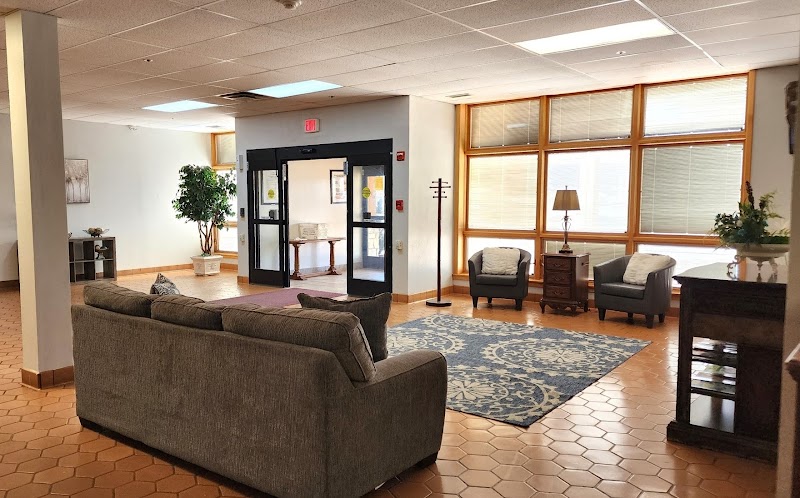
How is Landmark Of Amarillo Rehabilitation And Nursing Ce Staffed?

CMS rates LANDMARK OF AMARILLO REHABILITATION AND NURSING CE's staffing level at 2 out of 5 stars, which is below average compared to other nursing homes. Staff turnover is 58%, which is 12 percentage points above the Texas average of 46%. High turnover can affect care consistency as new staff learn residents' individual needs. RN turnover specifically is 78%, which is notably high. RNs provide skilled clinical oversight, so turnover in this role can affect medical care quality.

What Have Inspectors Found at Landmark Of Amarillo Rehabilitation And Nursing Ce?

State health inspectors documented 24 deficiencies at LANDMARK OF AMARILLO REHABILITATION AND NURSING CE during 2022 to 2025. These included: 1 that caused actual resident harm, 22 with potential for harm, and 1 minor or isolated issues. Deficiencies causing actual harm indicate documented cases where residents experienced negative health consequences.
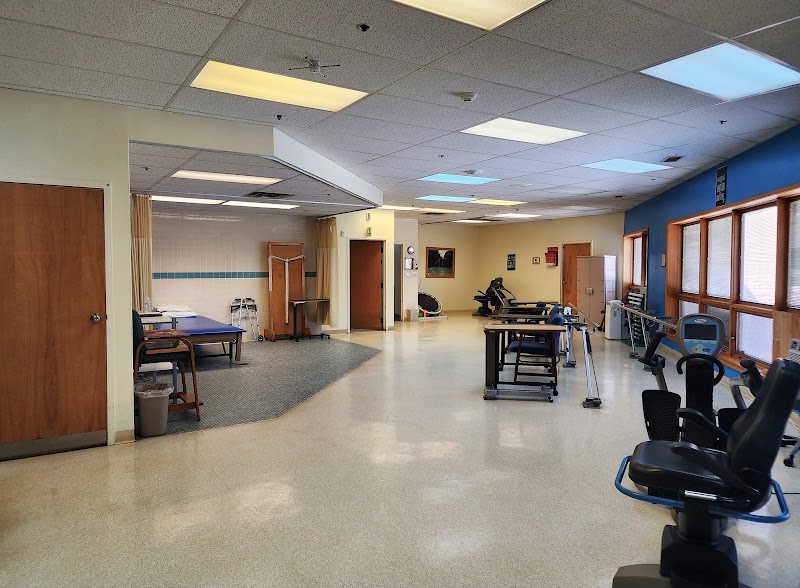
Who Owns and Operates Landmark Of Amarillo Rehabilitation And Nursing Ce?

LANDMARK OF AMARILLO REHABILITATION AND NURSING CE is owned by a for-profit company. For-profit facilities operate as businesses with obligations to shareholders or private owners. The facility is operated by CREATIVE SOLUTIONS IN HEALTHCARE, a chain that manages multiple nursing homes. With 99 certified beds and approximately 78 residents (about 79% occupancy), it is a smaller facility located in AMARILLO, Texas.

How Does Landmark Of Amarillo Rehabilitation And Nursing Ce Compare to Other Texas Nursing Homes?

Compared to the 100 nursing homes in Texas, LANDMARK OF AMARILLO REHABILITATION AND NURSING CE's overall rating (3 stars) is above the state average of 2.8, staff turnover (58%) is significantly higher than the state average of 46%, and health inspection rating (3 stars) is at the national benchmark.

What Should Families Ask When Visiting Landmark Of Amarillo Rehabilitation And Nursing Ce?

Based on this facility's data, families visiting should ask: "How do you ensure continuity of care given staff turnover, and what is your staff retention strategy?" "Can you walk me through typical staffing levels on day, evening, and night shifts?" "Can I visit during a mealtime to observe dining assistance and food quality?" "How do you handle medical emergencies, and what is your hospital transfer rate?" These questions are particularly relevant given the facility's high staff turnover rate and the below-average staffing rating.

Is Landmark Of Amarillo Rehabilitation And Nursing Ce Safe?

Based on CMS inspection data, LANDMARK OF AMARILLO REHABILITATION AND NURSING CE has a clean safety record: no substantiated abuse findings (meaning no confirmed cases of resident harm), no Immediate Jeopardy citations (the most serious violation level indicating risk of serious injury or death), and is not on the Special Focus Facility watch list (a federal program monitoring the lowest-performing 1% of nursing homes). The facility has a 3-star overall rating and ranks #1 of 100 nursing homes in Texas. While no facility is perfect, families should still ask about staff-to-resident ratios and recent inspection results during their visit.

Do Nurses at Landmark Of Amarillo Rehabilitation And Nursing Ce Stick Around?

Staff turnover at LANDMARK OF AMARILLO REHABILITATION AND NURSING CE is high. At 58%, the facility is 12 percentage points above the Texas average of 46%. Registered Nurse turnover is particularly concerning at 78%. RNs handle complex medical decisions and coordinate care — frequent RN changes can directly impact care quality. High turnover means new staff may not know residents' individual needs, medications, or preferences. It can also be disorienting for residents, especially those with dementia who rely on familiar faces. Families should ask: What is causing the turnover? What retention programs are in place? How do you ensure care continuity during staff transitions?

Was Landmark Of Amarillo Rehabilitation And Nursing Ce Ever Fined?

LANDMARK OF AMARILLO REHABILITATION AND NURSING CE has been fined $147,878 across 1 penalty action. This is 4.3x the Texas average of $34,558. Fines at this level are uncommon and typically indicate a pattern of serious deficiencies, repeated violations, or failure to correct problems promptly. CMS reserves penalties of this magnitude for facilities that pose significant, documented risk to resident health or safety. Families should request specific documentation of what issues led to these fines and what systemic changes have been implemented.

Is Landmark Of Amarillo Rehabilitation And Nursing Ce on Any Federal Watch List?

LANDMARK OF AMARILLO REHABILITATION AND NURSING CE is not on any federal watch list. The most significant is the Special Focus Facility (SFF) program, which identifies the bottom 1% of nursing homes nationally based on persistent, serious quality problems. Not being on this list means the facility has avoided the pattern of deficiencies that triggers enhanced federal oversight. This is a positive indicator, though families should still review the facility's inspection history directly.