WINDFLOWER HEALTH CENTER
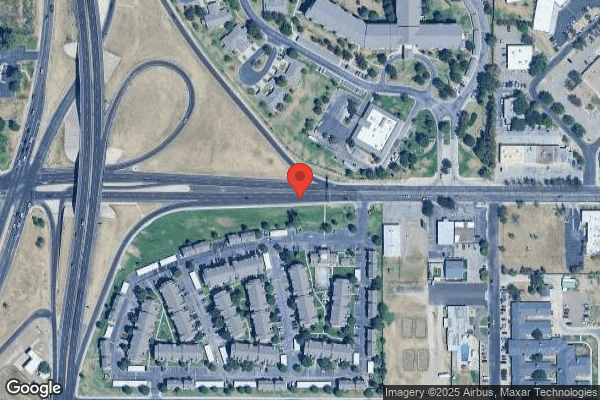

5500 SW 9TH AVE, AMARILLO, TX 79106 (806) 352-7244
Non profit - Corporation 120 Beds LIFESPACE COMMUNITIES Data: November 2025
Trust Grade
53/100
#617 of 1168 in TX
Last Inspection: April 2025

Within standard 12-15 month inspection cycle. Federal law requires annual inspections.

Overview

Windflower Health Center in Amarillo, Texas, has a Trust Grade of C, meaning it is average and falls in the middle of the pack among nursing homes. It ranks #617 out of 1,168 facilities in Texas, placing it in the bottom half, and #7 out of 9 in Potter County, indicating limited local options for families seeking better care. The facility has been worsening, with issues increasing from 8 in 2024 to 11 in 2025. Staffing is rated 3/5, with a turnover of 60%, which is average compared to the Texas state average of 50%. While the nursing home provides good RN coverage, exceeding 78% of facilities in the state, it has concerning findings, including failures to maintain sanitary food preparation standards, posing risks of foodborne illness, and incidents where food was not properly labeled or dated, creating safety hazards for residents. Overall, while there are some strengths, such as RN coverage, the facility's issues with food safety and increasing problems are significant drawbacks to consider.

Trust Score
C
53/100
In Texas
#617/1168
Bottom 48%
Safety Record
Low Risk
No red flags
Inspections
Getting Worse
8 → 11 violations
Staff Stability
⚠ Watch
60% turnover. Above average. Higher turnover means staff may not know residents' routines.
Penalties
○ Average
$14,672 in fines. Higher than 57% of Texas facilities. Some compliance issues.
Skilled Nurses
○ Average
Each resident gets 34 minutes of Registered Nurse (RN) attention daily — about average for Texas. RNs are the most trained staff who monitor for health changes.
Violations
⚠ Watch
32 deficiencies on record. Higher than average. Multiple issues found across inspections.
★★★☆☆
3.0
Overall Rating
★★★☆☆
3.0
Staff Levels
★★★☆☆
3.0
Care Quality
★★★☆☆
3.0
Inspection Score
Stable
2024: 8 issues
2025: 11 issues

The Good

  • Full Sprinkler Coverage · Fire safety systems throughout facility
  • No fines on record

Facility shows strength in fire safety.

The Bad

3-Star Overall Rating

Near Texas average (2.8)

Meets federal standards, typical of most facilities

Staff Turnover: 60%

13pts above Texas avg (46%)

Frequent staff changes - ask about care continuity

Federal Fines: $14,672

Below median ($33,413)

Minor penalties assessed

Chain: LIFESPACE COMMUNITIES

Part of a multi-facility chain

Ask about local staffing decisions and management

Staff turnover is elevated (60%)

12 points above Texas average of 48%

The Ugly 32 deficiencies on record

Apr 2025 8 deficiencies
CONCERN (D)

Potential for Harm - no one hurt, but risky conditions existed

PASARR Coordination (Tag F0644)

Could have caused harm · This affected 1 resident

**NOTE- TERMS IN BRACKETS HAVE BEEN EDITED TO PROTECT CONFIDENTIALITY** Based on observations, interviews, and record review, the facility failed to coordinate assessments with the pre-admission scree...

Read full inspector narrative →
**NOTE- TERMS IN BRACKETS HAVE BEEN EDITED TO PROTECT CONFIDENTIALITY** Based on observations, interviews, and record review, the facility failed to coordinate assessments with the pre-admission screening and resident review program (PASRR) to the maximum extent practicable to avoid duplicative testing and effort for 1 of 17 (Resident #60) residents reviewed for PASRR. Resident #60 was not referred for PASRR Level II Assessment when a diagnosis of Mental Illness was identified on 07/03/2024. This failure could affect residents with mental illnesses and placed them at risk of not being assessed to receive needed services. Findings included: Record review of Resident #60's clinical record face sheet dated 4/09/2025 revealed she was a [AGE] year-old female resident admitted to the facility on [DATE] with diagnoses to include chronic systolic (congestive) heart failure, type 2 diabetes mellitus without complications (high blood sugar), schizoaffective disorder-bipolar type ( hallucinations and delusion with mood), alcohol dependence, anxiety disorder, and partial traumatic amputation of right foot, level unspecified. Record review of Resident #60's last completed MDS was an annual assessment dated [DATE] revealed Resident #60 had a BIMS score of 12 out of 15 indicating she had moderately impaired cognition. In Section A Identification Information in the annual MDS Assessment revealed the following: A1500 Preadmission Screening and Resident Review Is the resident currently considered by the state level II PASRR process to have a serious mental illness and/or intellectual disability or a relation condition. -Answer was 0: No. In Section I Active Diagnoses in the annual MDS Assessment revealed the following: I5700 Anxiety Disorder was checked I5900 Bipolar Disorder was checked I6000 Schizophrenia (schizoaffective and schizophreniform disorders) was checked. Record review of Resident #60's active physician orders dated 04/10/2025 revealed the following: Order for Olanzapine Oral Tablet 20 mg-Give one tablet by mouth at bedtime related to schizoaffective disorder, bipolar type. Order for Cymbalta oral Capsule delayed release particles 30mg-Give 90 mg by mouth at bedtime for anxiety related to schizoaffective disorder, bipolar type. Record review of Resident #60's care plan last updated on 03/14/2025 revealed she was care planned due to behavior problems, yelling throughout the night with interventions that included to intervene as necessary to protect the rights and safety of others. The care plan also stated Resident #60 was utilizing psychotropic medication r/t to bipolar schizoaffective disorder with interventions to administer psychotropic medications as ordered by the physician, monitor for side effects and effectiveness. Record review of Resident #60's psychiatry progress note dated 07/03/2024 revealed the following: Nursing staff request to address a psychiatric issue of concern that requires a timely evaluation and medical intervention. Schizoaffective disorder, bipolar type-patient meets DSM-5 (Diagnostic and Statistical Manual of Mental disorders) criteria. Confirms history of episodes of psychosis outside a disturbance of mood. Diagnosis Assessment and Plan: F25.0: Schizoaffective disorder, bipolar type F41.9: Anxiety disorder, unspecified F10.20 Alcohol dependence, uncomplicated Record review of Resident #60's PASRR Level 1 Screening with date of assessment 12/28/2021 revealed the following: C0100 Mental Illness-No C0200 Intellectual Disability-No C0300 Developmental Disability-No Record review of Resident #60's PASRR Level 1 Screening with date of assessment 01/21/2025 revealed the following: C0100 Mental Illness-No C0200 Intellectual Disability-No C0300 Developmental Disability-No During an interview on 04/10/2025 at 8:48 AM, LVN A stated she was one of the two MDS Coordinators for the facility. LVN A stated the MDS Coordinators were responsible for ensuring each PASRR was accurate in a resident's file. LVN A stated if a resident had a new diagnosis, then a new PASRR I would be conducted, and if it was positive then a referral would be made to the local mental health authority for a PASRR II screening. LVN A looked at Resident #60's clinical file and said the new diagnosis on 07/03/2024 of schizoaffective disorder, bipolar type should have triggered a new PASRR I screening. LVN A said the new diagnosis was put in by the previous DON and the screening was missed. LVN A stated that a possible negative outcome for not conducting a new PASRR I screening for a resident after a new diagnosis of mental illness would be the staff would not know what services to provide the resident or if the facility could meet their needs. During an interview on 04/10/2025 at 8:50 AM, LVN B stated a diagnosis of schizoaffective disorder, bipolar type was a diagnosis that would trigger a new PASRR I screening. LVN B stated Resident #60 should have had a new PASRR I screening once she was diagnosed with schizoaffective disorder . During an interview and observation on 04/11/2025 at 9:40 AM, Resident #60 was in bed watching tv, her head slightly raised. Resident #60 stated she was seeing a psychiatrist and received medication for her anxiety. Resident #60 stated she had no concerns about her care and felt her needs were being met by the facility and her psychiatrist. During an interview on 04/11/2025 at 2:00 PM, the DON stated the MDS coordinators and nursing staff were responsible for making sure any new diagnosis of mental disorders or intellectual disabilities were addressed with regard to PASRR screenings, but she was ultimately responsible for overseeing it was getting done. The DON stated a consequence for not screening residents accurately could affect the resident's care pertaining to that specific diagnosis and the resident may not get the services that were needed. Record review of the facility policy, Resident Assessment-Coordination with PASARR Program dated 01/01/2025 revealed the following: Policy explanation and compliance guidelines: This facility coordinates assessment with the preadmission screening and resident review (PASARR) program under Medicaid to ensure that individual with a mental disorder intellectual disability or a related condition receives care and services in the most integrated setting appropriate to their needs. 1. All applicants to this facility will be screened for serious mental disorders or intellectual disabilities and related condition in accordance with the State's Medicaid rules for screening. a. PASARR Level I-initial pre-screening that is completed prior to admission. A Negative Level 1 screen permits admission to proceed and ends the PASARR process unless a possible serious mental disorder or intellectual disability arises later. 2. A positive Level 1 screen-necessitates a PASARR [NAME] II evaluation .
CONCERN (D)

Potential for Harm - no one hurt, but risky conditions existed

Comprehensive Care Plan (Tag F0656)

Could have caused harm · This affected 1 resident

**NOTE- TERMS IN BRACKETS HAVE BEEN EDITED TO PROTECT CONFIDENTIALITY** Based on observations, interviews, and record review the facility failed to develop and implement a comprehensive person-centere...

Read full inspector narrative →
**NOTE- TERMS IN BRACKETS HAVE BEEN EDITED TO PROTECT CONFIDENTIALITY** Based on observations, interviews, and record review the facility failed to develop and implement a comprehensive person-centered care plan for each resident, consistent with resident rights that includes measurable objectives and timeframes to meet a resident's medical, nursing, and mental and psychosocial needs that are identified in the comprehensive assessment and describes the services that were to be furnished to attain or maintain the resident's highest practicable physical, mental, and psychosocial well-being for 1 (Resident #114) of 17 residents reviewed for care plans. The facility failed to develop a comprehensive person-centered care plan based on assessed needs to address Resident #114's pain and the appropriate interventions. This failure could place residents at risk of not receiving desired and necessary care and treatment. Findings Included: Record review of Resident #114's admission record dated 04/09/2025 revealed a [AGE] year-old male admitted to the facility on [DATE] with diagnoses that included disease of spinal cord, malignant neoplasm of prostate (cancer), and pain. Record review of Resident #114's admission MDS completed on 03/19/2025 revealed a BIMS score of 15 out of 15 indicating cognition was intact. Section J of the MDS indicated Resident #114 received scheduled pain medication. Section J-Health Conditions also revealed pain was present in Resident #114 that interfered with his therapy activities as well as his sleep. Resident #114 rated his pain in Section J to be a 6 out of 10 with 10 being the worst. Section V-Care Area Assessment Summary- pain was triggered and to be addressed in the care plan. Record review of Resident #114's active physician orders revealed the following medication orders: An order dated 03/16/2025 for fentanyl transdermal patch 72-hour 75 mcg/hr-Apply 1 patch transdermally in the morning every 3 days for pain and remove per schedule. An order dated 03/22/2025 for Hydrocodone-Acetaminophen Oral Tablet 7.5-325mg -Give 2 tablets by mouth every 6 hours for pain related to disease of spinal cord, unspecified. Record review of Resident #114's medication administration record for March 2025 revealed Resident #114 received fentanyl transdermal patch 72-hour 75 mcg/hr on 3/17/25, 3/20/25, 3/23/25, 3/26/25, and 3/29/25. Resident #114 received Hydrocodone-Acetaminophen Oral Tablet 7.5-325mg every six hours from 3/23/25 to 3/31/25. Record review of Resident #114's medication administration record for 4/1/25 through 4/10/2025 revealed Resident #114 received fentanyl transdermal patch 72-hour 75 mcg/hr on 4/1/25, 4/4/25, 4/7/25, and 4/10/25. Resident #114 received Hydrocodone-Acetaminophen Oral Tablet 7.5-325mg every six hours from 4/1/25-4/9/2025. Record review of Resident #114's care plan dated 03/26/2025 had no mention of Resident #114's pain management with no goals or interventions related to the diagnoses . During an observation and interview on 04/09/2025 at 9:30 AM, Resident #114 was lying in his bed watching tv., He started to cry and said he was in pain. He stated he had prostate cancer that spread to his bones. Resident #114 said the facility was giving him his pain medication as ordered. During an interview on 04/10/2025 at 9:39 AM, LVN A stated if a resident was in pain and receiving pain medication it should be in the care plan. LVN A pulled up Resident #114's care plan and the MDS Assessment and stated Resident #114's pain management should have been documented in his care plan. LVN A stated it was the MDS Coordinator and the DON's responsibility to ensure care plans were completed accurately. LVN A stated a possible negative outcome for not having services in the care plan would be staff would not know about the care and services needed for the resident. During an interview on 04/10/2025 at 3:00 PM, LVN M stated RN's were responsible for ensuring care and services were put in the care plan. LVN M stated a resident's care plan was generated from the MDS Assessment and not having all the services for a resident in the care plan could impede their progress and cause the resident to stay in the facility longer . During an interview on 04/11/2025 at 2:03 PM the DON stated she was responsible for ensuring care plans were completed accurately. She stated each morning she would conduct a morning meeting with her staff and each resident's care would be discussed and if anything changed or came up in the meeting then the MDS Coordinators were responsible for updating the resident's care plan. The DON stated if the care or services needed was not put in the care plan then care could be missed . Record review of facility policy titled Care Plans, Comprehensive Person-Centered revised March 2022. A comprehensive, person-centered care plan that includes measurable objectives and timetables to meet the resident's physical, psychosocial, and functional needs is developed and implemented for each resident. .The comprehensive, person-centered care plan includes measurable objectives and timeframes, describes the services that are to be furnished to attain or maintain the resident's highest practicable physical, mental and psychosocial well-being . .Assessments of residents are ongoing and care plan are revised as information about the residents and the residents' conditions change .
CONCERN (D)

Potential for Harm - no one hurt, but risky conditions existed

Respiratory Care (Tag F0695)

Could have caused harm · This affected 1 resident

**NOTE- TERMS IN BRACKETS HAVE BEEN EDITED TO PROTECT CONFIDENTIALITY** Based on observation, interview, and record review the facility failed to ensure that residents who need respiratory care were p...

Read full inspector narrative →
**NOTE- TERMS IN BRACKETS HAVE BEEN EDITED TO PROTECT CONFIDENTIALITY** Based on observation, interview, and record review the facility failed to ensure that residents who need respiratory care were provided such care consistent with professional standards of practice for 1 (Resident #39) of 17 residents reviewed for oxygen thearpy. The facility failed to ensure Resident #39 had physician's order in his chart for oxygen. This failure could place residents at risk of having records that do not reflect their current status or needs. Findings Included: Record review of Resident #39's Face Sheet dated 04/10/2025 revealed an [AGE] year-old male admitted to the facility on [DATE] with diagnoses that included, but were not limited to, encounter for orthopedic aftercare following surgical amputation, acquired absence of left leg above knee, type 2 diabetes mellitus (high blood sugar), chronic obstructive pulmonary disease (COPD refers to a group of diseases that cause airflow blockage and breathing-related problems), peripheral vascular disease (blood circulation disorder), heart failure, and unspecified atrial fibrillation (abnormal heartbeat). Record review of Resident #39's admission MDS completed on 03/25/2025 revealed a BIMS of 15 out of 15 which indicated cognition was intact. Section O of the MDS revealed Resident #39 was not receiving oxygen On Admission or While a Resident. Record review of Resident #39's care plan dated 03/30/2025 revealed a focus area of I have Congestive Heart Failure. One of the interventions listed for this focus area was OXYGEN SETTINGS: O2 via nasal cannula @2L. Care plan for Resident #39 also revealed a focus area of I have COPD. One of the interventions for this focus area was OXYGEN SETTINGS: O2 via nasal cannula @ 2L. Record review of Resident #39's active physician's orders with last order review date of 3/25/2025 and next order review date of 04/25/2025 revealed no orders for oxygen. During an observation on 04/09/2025 at 9:01 AM Resident #39 was sitting in his wheelchair beside his bed with oxygen nasal cannula in nose. O2 reading was 1 ½ Lpm. During an observation and interview on 04/11/2025 at 10:00 AM, Resident #39 was lying on his back in his bed with O2 nasal cannula in nose and O2 read 1 ½ lpm. Resident #39 stated that he used oxygen all the time. During an interview on 04/11/2025 at 10:09 AM LVN K stated he had worked at the facility for 1 ½ years. He stated that he was working the same hall that Resident #39 resided on. LVN K was asked to pull up the orders for Resident #39's oxygen and how much O2 he was supposed to be receiving. LVN K stated he could not find orders for Resident #39's oxygen. He stated that it was the admitting nurse and all the nurses' responsibility to make sure orders were put in correctly. LVN K stated that Resident #39 had COPD and that a possible negative outcome for not having oxygen orders in a resident file who was receiving oxygen could be difficulty breathing and that the facility was providing medication without a doctor's order. During an interview on 04/11/2025 at 10:14 AM, the DON stated that she could not find Resident #39's orders for oxygen. She stated that all nurses were responsible for putting admission orders in and that it was a problem that his orders were not in his file. The DON stated a possible negative outcome for not having accurate orders for O2 on file could be that they would not know how much O2 to give the resident. During an interview on 04/11/2025 at 1:17 PM, LVN B stated that it was the nurse's responsibility for putting orders in for new admissions. He stated that a possible negative outcome for not having accurate records for oxygen could be a possible medication error. Record review of facility policy titled Oxygen Administration and dated October 2010 revealed the following: . 1. Verify that there is a physician's order for this procedure. Review the physician's orders or facility protocol for oxygen administration. 2. Review the resident's care plan to assess for any special needs of the resident. Record review of facility policy titled Physician Orders and dated 8/16/2024 revealed the following: . A physician, physician assistant, nurse practitioner, or clinical nurse specialist must provide written and/or verbal orders for the residents' immediate care and needs. 1. The written and/or verbal orders should include at a minimum: b. Medication orders if indicated c. Routine care orders .
CONCERN (D)

Potential for Harm - no one hurt, but risky conditions existed

Deficiency F0700 (Tag F0700)

Could have caused harm · This affected 1 resident

**NOTE- TERMS IN BRACKETS HAVE BEEN EDITED TO PROTECT CONFIDENTIALITY** Based on observations, interviews, and record review the facility failed to assess residents for risk of entrapment from bed rai...

Read full inspector narrative →
**NOTE- TERMS IN BRACKETS HAVE BEEN EDITED TO PROTECT CONFIDENTIALITY** Based on observations, interviews, and record review the facility failed to assess residents for risk of entrapment from bed rails prior to installation. The facility failed to review the risks and benefits of bed rails with 1 (Resident #319) of 17 residents or their resident representatives and obtain informed consent prior to installation of bed rails. Resident #319 had (2) one-quarter bed rails, one on each side of his bed with no documentation of consent or safety assessment prior to installation. This failure could place residents at risk of injury, hinder residents from getting out of bed, and/or cause a decline in resident's ability to engage in activities of daily living. Findings included: Record Review of Resident #319's Face Sheet dated 04/10/2025 revealed a [AGE] year-old male admitted to the facility on [DATE] with diagnoses to include chronic obstructive pulmonary disease (COPD refers to a group of diseases that cause airflow blockage and breathing-related problems), chronic atrial fibrillation (a heart condition where the upper chambers of the heart beat irregularly and can cause stroke and blood clots), pneumonia due to mycoplasma pneumoniae (a bacterial infection which can cause pneumonia, a lung infection), unspecified toxic encephalopathy (brain dysfunction caused by exposure to toxins that can cause altered mental status, memory loss, but without a specific toxin identified), and muscle wasting and atrophy (breakdown of muscles). Record review of Resident #319's admission MDS assessment dated [DATE] revealed the admission MDS was not yet completed. Record review of Resident #319's Care plan dated 04/05/2025 revealed the resident was on antibiotic therapy via IV related to pneumonia and was on enhanced barrier precautions due to the indwelling device. The care plan had no mention of bed rail usage. Record review of Resident 319's clinical record revealed no physician orders for bed rails. Record review of Resident #319's clinical record under assessment tab titled Side Rail/Bed Evaluation revealed the following: Use of Rails/Bars- 1. Indicate the type and size of the bed rails/bars to be used: a. No bed rail(s)/Bar(s) used. Record Review of Resident #319's clinical record for bed rail consents revealed no documentation of a signed bed rail consent. During an observation and interview on 04/09/25 at 11:07 AM, Resident #319 was observed lying in bed with the head of the bed raised, (2) one-quarter bed rails were observed at the head of the bed on each side. Resident #319 was alert and interview able and stated he had no concerns about his care. During an interview on 04/11/25 at 8:43 AM, Resident #319 stated he used his bed rails and liked having them for repositioning but could not remember signing a consent form for them. During an interview and observation on 04/11/25 at 2:25 PM, LVN K, the charge nurse on the hallway that Resident #319 resided on, observed the resident's bed, and stated Resident #319 had (2) one-quarter bed rails on his bed. LVN K stated upon admission the residents were asked if they need or want bedrails, and if so, they must be assessed and sign a consent. During an interview on 04/11/25 at 11:20 AM, LVN H stated she was the nurse who completed the side rail/bed evaluation that stated Resident #319 had no bedrails. She stated she did not remember Resident #319 having bed rails on his bed and then stated she must have made a mistake. LVN H stated a possible negative outcome for not having a signed consent or assessment for bed rails could be death. During an interview on 04/11/25 at 11:22 AM, the ADM stated she was not sure what the procedure was for bed rails since she was so new. A negative outcome for not having a signed consent form or assessment for a bed rail could be that it could impede a resident from getting out of bed. Record Review of the facility policy titled Bed Safety and Bed Rails dated August 2022 revealed the following in part . The use of bed rails is prohibited unless the criteria for use of bed rails have been met. The use of bed rails or side rails is prohibited unless the criteria for use of bed rails have been met, including resident assessment, and informed consent. Before using bed rails for any reason, the staff shall inform the resident or representative about the benefits and potential hazards associated with bed rails and obtain informed consent .
CONCERN (E)

Potential for Harm - no one hurt, but risky conditions existed

Pharmacy Services (Tag F0755)

Could have caused harm · This affected multiple residents

**NOTE- TERMS IN BRACKETS HAVE BEEN EDITED TO PROTECT CONFIDENTIALITY** Based on observations, interviews, and record review, the facility failed to provide pharmaceutical services (including procedur...

Read full inspector narrative →
**NOTE- TERMS IN BRACKETS HAVE BEEN EDITED TO PROTECT CONFIDENTIALITY** Based on observations, interviews, and record review, the facility failed to provide pharmaceutical services (including procedures that assure the accurate acquiring, receiving, dispensing, administering, and documentation of all drugs and biologicals) to meet the needs of 1 out of 5 residents (Residents #8) who was observed for medication administration. -RN I administered medication to Resident #8 via nebulizer and left Resident #8 unattended. These deficient practices can affect residents that receive medications resulting in adverse reactions to medication, deterioration in their health, exacerbation of their disease process, and/or hospitalization. Findings included: Record review of Resident #8's face sheet, dated 04/11/2025, revealed Resident #8 was an [AGE] year-old female resident who was admitted to the facility on [DATE]. Resident #8 had diagnoses of, but not limited to, parainfluenza virus pneumonia, unspecified asthma with acute exacerbation (a sudden worsening of asthma symptoms characterized by difficulty breathing, coughing, wheezing, and chest tightness), chronic obstructive pulmonary disease with acute exacerbation (a sudden worsening of COPD symptoms, like increased shortness of breath, cough, and sputum production), type 2 diabetes mellitus without complications (elevated blood sugar levels in the blood), congestive heart failure (a condition where the heart can't pump enough blood to meet the body's needs), atrial fibrillation (a common heart rhythm disorder characterized by an irregular and often rapid heartbeat, affecting the upper chambers of the heart (atria)), and weakness. Record review of Resident #8's MDS, dated [DATE], revealed that Resident #8's BIMS Score was 15 out of 15, which indicated Resident #8 had not cognitive deficits. Resident #8's functional abilities ranged from partial/moderate assistance needed with lower body dressing and putting on/taking off footwear, and supervision or touching assistance was needed for upper body dressing and shower/bathing. Resident #8 was able to perform toileting hygiene, oral hygiene, and eating with setup or clean-up assistance only. Record review of Resident #8's care plan, dated 04/11/2025, revealed the following: Focus o I have COPD Goal o The resident will be free of s/sx of respiratory infections through review date. Interventions o The resident will display optimal breathing patterns daily through review date. o Give aerosol or bronchodilators as ordered. Monitor/document any side effects and effectiveness. o Head of bed elevated to 45 deress or out of bed upright in a chair during episodes of difficulty breathing. o Monitor for s/sx of acute respiratory insufficiency: Anxiety, Confusion, Restlessness, SOB at rest, Cyanosis, Somnolence. o Monitor/document/report PRN any s/sx of respiratory infection: Fever, Chills, increase in sputum (document the amount, color and consistency), chest pain, increased difficulty breathing (Dyspnea), increased coughing and wheezing. o OT consult for energy conservation recommendations. o OXYGEN SETTINGS: O2 via nasal cannula @ 2-3L prn Record Review of Resident #8's active physicians orders, dated 04/11/2025 revealed the following: Acetylcysteine Inhalation solution 10% (Acetylcysteine)5ml inhale orally four times a day related to PARAINFLUENZA VIRUS PNEUMONIA (J12.2); UNSPECIFIED ASTHMA WITH (ACUTE) EXACERBATION (J45.901) During an observation on 04/10/25 at 07:18 AM revealed Resident #8's nebulizer cup with liquid still in cup. RN I stated it appeared Resident #8 didn't take the entire dose the last time the medication was administered. RN I went to dump the remaining medication in the sink of Resident #8's restroom. During an observation on 04/10/25 at 07:21 AM RN I left the nebulizer treatment on the bedside table when she (RN I) left the room to get Resident #8 new nebulizer tubing. During an observation on 04/10/25 at 07:25 AM RN I administered Resident #8 with her nebulizer treatment and left Resident #8 to administer her the nebulizer treatment alone and left the room. During an observation/interview on 04/10/25 at 07:45 AM Resident #8 was administering her breathing treatment alone in her room. Resident #8 stated the treatment usually takes about 10-15min and the nurses never stay with her to administer nebulizer treatment. During an interview on 04/10/25 at 10:03 AM RN I stated Resident #8 preferred to take her breathing treatment by herself. RN I stated the negative outcome for not staying with the resident during a nebulizer treatment would be the resident might not receive her entire dose. and it would not be as therapeutic as it was supposed to be. RN I then stated she was the only nurse for 21 residents and that is another reason why she didn't stay. She (RN I) didn't want to be caught up in a room if someone else needed her. RN I stated the negative outcome for leaving the medication on the bedside table would be the medication could be knocked over. During an interview on 04/10/25 at 10:09 AM Resident #8 stated she had never stated it was her preference to administer the nebulizer alone. Resident #8 stated, The nurses come in hand it to me and leave. During an interview on 04/11/25 at 11:38 AM DON stated the negative outcome for leaving medication on a bedside table was no medication should be left unattended, someone else could come in and drink it. DON stated the negative outcome for a nurse not staying to watch the administration of a breathing treatment would be that the resident might not complete the medication. Record review of the facility provided policy titled, Medication Administration, reviewed 12/01/2021, revealed the following: . Procedure . . Medications are prepared safely, appropriately labeled, and dispensed safely. Record review of facility provided policy titled, Nebulizer Therapy, date implemented: 04/01/2025, revealed the following: . Care of the Resident . .14. Observe resident during the procedure for any change in condition.
CONCERN (E)

Potential for Harm - no one hurt, but risky conditions existed

Deficiency F0761 (Tag F0761)

Could have caused harm · This affected multiple residents

Based on observation and record review, the facility failed to store and label drugs and biologics in accordance with professional principles, and include the appropriate accessory and cautionary inst...

Read full inspector narrative →
Based on observation and record review, the facility failed to store and label drugs and biologics in accordance with professional principles, and include the appropriate accessory and cautionary instructions and the expiration date when applicable to meet the needs of for 1 of 17 (Resident #6,) and 1 of 5 medication carts (LTC Side B medication cart), and 2 of 2 (rehab side and LTC/MC side)medication storage rooms under review. -Medication cart for B side of LTC had a box of anti-diarrheal with an expiration date of 02/2025. -Resident #6's Albuterol inhaler had an expiration date of 01/2025, and a Breo Ellipta inhaler with no open date on medication. -Medication cart for A side of LTC had a box of acid reducer with an expiration date of 12/2024. -Medication cart for A side of LTC had bottle of Geri-Tussin with an expiration date of 03/2025. -Medication cart for Back of Rehab had glucometer control solution with an expiration date of 09/30/2024. -Rehab medication room had 3 bottles of B-Complex with an expiration date of 03/2025, and 1 bottle of Glucosamine Chondroitin complex with an expiration date of 02/2025. -LTC/MC medication room had 3 bottles of B-Complex with an expiration date of 03/2025. The facility's failure to ensure drugs and biologicals were stored and labeled in accordance with currently accepted professional principles, and include the appropriate accessory and cautionary instructions, and the expiration date when applicable could place all residents receiving medication at risk for drug diversion, drug overdose, and accidental or intentional administration to the wrong resident. Findings include: During an observation on 04/09/25 at 08:27 AM of the medication cart for side B of LTC revealed 4 pink pills in a medication cup in the top medication drawer. LVN C stated they were left there by the night shift and appeared to be Benadryl. 2.5 pills were discovered to be loose in the bottom of the medication drawers. LVN C identified 1.5 pills to be Metoprolol and the brown pill to be Famotidine, and a box of anti-diarrheal with the expiration date of 02/2025. Resident # 67's albuterol had an expiration date of 01/2025 and a Breo Ellipta inhaler with no open date on the inhaler. Resident # 6 had a Breyna inhaler with no open date on the inhaler. Resident #1 had a Wixela inhaler with a discard after 04/07 date written on the inhaler. Discard instructions on box stated to discard after 3 months after opening foil pouch. During an interview on 04/09/25 at 08:41 AM LVN C stated a negative outcome for having loose pills in the medication cart would be the count would be short for the resident at the end of the month. LVN C stated the negative outcome for having expired medications would be the medication would not have the strength that they (medications) need to work. LVN C stated the night shift was responsible for making sure the cart was clean. During an observation on 04/09/25 at 08:46 AM of the Medication cart for side A of LTC revealed a box of acid reducer that had an expiration date of 12/2024 and a bottle of Geri-Tussin with an expiration date of 03/2025. During an observation on 04/09/25 at 08:56 AM of the MC/locked unit medication cart revealed Resident # 218's Breo Ellipta inhaler with no open date on inhaler. Resident # 112 had a Trelegy inhaler with no open date on inhaler. During an observation and interview on 04/09/25 at 09:13 AM of the medication cart for the Back of the rehab side of the facility, revealed Resident # 219 had nasal spray Fluticasone Prop 50mcg spray did not have an open date on the bottle. Control solution for glucometer had an expiration date of 09/30/2024. LVN D stated that the night shift would perform control checks for glucometer machines. During an observation on 04/09/25 at 09:24 AM of the medication cart for the Front of the rehab side of the facility, revealed Resident # 81's Humalog quick pen had an open date of 03/01/2025. During an interview on 04/09/25 at 09:37 AM LVN D stated a negative outcome for having expired controls for the glucometer machines were the blood sugars won't read correctly, they could be wrong. LVN D stated a negative outcome for not having open dates on medications would be the medication might not work because it could be expired. During an observation on 04/09/25 at 09:40 AM of the medication room on the Rehab side of the facility revealed 3 bottles of B-Complex with an expiration date of 03/2025. 1 bottle of Glucosamine Chondroitin complex with an expiration date of 02/2025. During an interview on 04/09/25 at 09:44 AM LVN D stated a negative outcome for having expired medications in the medication storage room would be that someone would come in and grab it, to use it, and the medication would not be effective. During an observation on 04/09/25 at 10:13 AM of the medication room on the LTC/Memory care side of facility reveled 3 bottles of B-Complex with an expiration date of 03/2025. During an interview on 04/09/25 at 10:20 AM LVN C stated a negative outcome for having expired medications in the medication storage room would be that someone can pull them (medication), and put them in the med carts and they won't be effective. During an interview on 04/11/25 at 11:44 AM the DON stated a negative outcome of having expired medications would be the medications would not be effective for the residents. The DON stated the negative outcome for having expired glucometer controls would lead to inaccurate glucose checks for residents. The DON stated the negative outcome for not writing open dates on medications would be that the staff would not know when the medication would expire and lead to an ineffective drug for the resident. The DON stated the negative outcome for having loose pills in the medication carts would be that anyone could take them, it could lead to a resident not having enough medications for the month. The DON stated the night shift was responsible for maintaining the medication carts, but any nurse was responsible for maintaining a clean and orderly cart. The DON stated the negative outcome for having expired medications in the medication rooms would lead to a nurse putting expired medications on a medication cart and them (medications) not being effective for the residents. Record review of the facility provided policy titled, Medication Labeling and Storage, Revised February 2023, revealed the following: Medication Storage . . 2. The nursing staff is responsible for maintaining medication storage and preparation areas in a clean, safe, and sanitary manner. 3. If the facility has discontinued, outdated or deteriorated medications or biologicals, the dispensing pharmacy is contacted for instructions regarding returning or destroying these items. 4 Compartment (including, but not limited to, drawers, cabinets, rooms, refrigerators, carts, and boxes containing medications and biologicals are locked when not in use, and trays or carts used to transport such items are not left unattended if open or otherwise potentially available to others. 5. Medications are stored in an orderly manner in cabinets, drawers, carts, or automatic dispensing systems. Each resident's medications are assigned to an individual cubicle, drawer, or other holding area to prevent the possibility of mixing medications of several residents. .Medication Labeling . .2. The medication label include, at a minimum: . .d. expiration date, when applicable; . Record review of the facility provided policy titled, Medication Administration, Reviewed 12/01/2021, revealed the following: Procedure . .Medications are properly and safely stored throughout the organization.
CONCERN (E)

Potential for Harm - no one hurt, but risky conditions existed

Infection Control (Tag F0880)

Could have caused harm · This affected multiple residents

**NOTE- TERMS IN BRACKETS HAVE BEEN EDITED TO PROTECT CONFIDENTIALITY** Based on observation, interview, and record review, the facility failed to maintain an infection prevention and control program ...

Read full inspector narrative →
**NOTE- TERMS IN BRACKETS HAVE BEEN EDITED TO PROTECT CONFIDENTIALITY** Based on observation, interview, and record review, the facility failed to maintain an infection prevention and control program designed to provide a safe, sanitary, and comfortable environment and to help prevent the development and transmission of communicable diseases and infections for 4 of 6 (LVN C, CNA F, CNA G, and RNI) staff observed for resident care. -LVN C did not perform hand hygiene, use PPE or sterile technique (to minimize the number of microbes present to as few as possible) to flush Resident #27's suprapubic catheter. -CNA F did not change gloves or perform hand hygiene during incontinent care of Resident #60. -CNA G did not change gloves or perform hand hygiene during incontinent care of Resident #60. -EBP signage or PPE for EBP was in place for Resident #319, who has a PICC line. -RN I did not use PPE while administering IV medications via PICC line for Resident #319. -RN I dumped Resident #8's medication down the bathroom sink. These deficient practices affect all residents in the facility by exposing them to care that could lead to the spread of viral infections, secondary infections, communicable diseases. Findings included: During an observation on 04/09/25 at 10:33 AM revealed LVN C was flushing Resident #27's suprapubic catheter. No EBP cart was outside of Resident #27's room and PPE (gown) was not donned. LVN C did not perform hand hygiene before donning gloves to perform the task. No sterile technique was utilized during this procedure. During an observation on 04/09/25 at 10:50 AM revealed LVN C did not perform hand hygiene before the 2nd attempt to flush Resident #27's suprapubic catheter. LVN C did not don PPE (gown) or don sterile gloves or utilize sterile technique for the procedure. During an observation on 04/10/25 at 08:40 AM revealed no EBP precautions signage or PPE was outside the room for Resident #319 who had a PICC line and was receiving IV antibiotics. RN I proceeded to enter into room without PPE (gown) to administer IV antibiotics. During an interview on 04/10/25 at 10:03 AM RN I stated that there was not EBP precautions out in front of Resident #319 room earlier but there was now. RN I stated that the negative outcome for not donning PPE would be that it could lead to an increased risk for infection for the resident. During an observation on 04/10/25 at 02:38 PM revealed perineal care for Resident #60 was performed by CNA G and CNA F. Both CNAs' were asked if they had performed hand hygiene before donning PPE and both of them said that they had not. Both CNAs' walked into the resident's room and started to perform peri-care for Resident #60. Cleaning of Resident #60's peri-area was cleaned in an aseptic technique (minimize the risk of infection by preventing the introduciton of bacteria into an area). Resident #60 was cleaned when CNA F reached for a clean brief with the dirty gloves that CNA F just used to clean the peri-area of Resident #60. CNA G then took the dirty brief and dirty wipes from CNA F and discarded them, then proceeded to pull the clean brief out of the opposite side of the resident with the dirty gloves that they had worn to discard the dirty brief Both CNA's touched the bedspread of Resident #60 and repositioned Resident #60 in the bed. CNA F did not wash or sanitize their hands after removing EBP or gloves after care was complete. During an interview on 04/10/25 at 02:53 PM with CNA F stated that a negative outcome for not changing gloves and washing hands in between the dirty and clean aspect of peri-care could lead to cross contamination. During an interview on 04/10/25 at 02:55 PM CNA G stated that a negative outcome for not changing gloves and performing hand hygiene could lead to an increased risk for infection for the resident During an interview on 04/11/25 at 11:31 AM DON stated that the negative outcome for not performing hand hygiene would be cross contamination, and the negative outcome not having EBP provided for a resident on EBP precautions was that there was a failure in protecting the resident from being introduced to a new organism. Record review of facility provided policy titled Handwashing/Hand Hygiene, revised October 2003, revealed the following: Policy Statement This facility considers hand hygiene the primary means to prevent the spread of healthcare-associated infections. Policy Interpretation and Implementation Administrative Practices to Promote Hand Hygiene . . 2. All personnel are expected to adhere to hand hygiene policies and practice to help prevent the spread of infections to other personnel, residents, and visitors. .Indications for Hand Hygiene 1. Hand hygiene is indicated: a. Immediately before touching a resident; b. Before performing an aseptic task (for example, placing an indwelling device or handling an invasive medical device); c. After contact with blood body fluids, or contaminated surfaces; d. After touch a resident; . .f. before moving from work on a soiled body site to a clean body site on the same resident; and g. immediately after glove removal. . Preventing Contamination of sinks and Sink Areas 1. Personnel will refrain from disposing substances that promote the growth of biofilms in handwashing sinks such as: . . b. medications; . Record review of facility provided policy titled Catheter Irrigation, effective date 01/06/2025, revealed the following: Policy Explanation and compliance Guidelines: 1. Urinary catheters shall be irrigated by a licensed nurse using sterile technique . 2. Irrigation through a closed system is the preferred method of irrigation. .b. Perform hand hygiene. Put on gloves and other protective equipment, as needed. .e. Perform hand hygiene, and prepare for sterile procedure. .g. Remove gloves and perform hand hygiene. Record review of facility provided policy titled Perineal Care, revised February 2018, revealed the following: Steps in the Procedure . .2. Wash and dry your hands thoroughly. .9. Discard disposable items into designated containers. 10. Remove gloves and discard into designated container. 11. Wash and dry your hands thoroughly. 12. Reposition the bed cover. Make resident comfortable. .16. Wash and dry your hands thoroughly. Record review of facility provided policy titled Enhanced Barrier Precautions, revised 04/05/2025, revealed the following: Procedures 1. Enhanced barrier precautions (EBP) will be implemented for the following (including new admissions . . Indwelling medical devices (e.g., central line, urinary catheter, feeding tube, tracheostomy/ventilator regardless of MDRO colonization status. . 3. For new admissions, the admissions team will inform nursing [NAME] before admission to set up EBP. Clear signage on the door or wall outside of the resident room indicating the type of precautions and required PPE (e.g. gown and gloves) will be in place. .4. All team members will wear appropriate PPE (gown and gloves) for high-contact resident are but not limited to: Peri-care Device care (central line, urinary catheter, ) .
CONCERN (F)

Potential for Harm - no one hurt, but risky conditions existed

Food Safety (Tag F0812)

Could have caused harm · This affected most or all residents

Based on observation, interview, and record review, the facility failed to store, prepare, and serve food under sanitary conditions in 2 of 2 kitchens when they failed to: A. Ensure stored food was pr...

Read full inspector narrative →
Based on observation, interview, and record review, the facility failed to store, prepare, and serve food under sanitary conditions in 2 of 2 kitchens when they failed to: A. Ensure stored food was properly labeled, dated and covered. B. Ensure general cleanliness was maintained. These failures placed all residents who ate food served by the kitchen at risk of cross contamination and food-borne illness. Findings included: In an observation on 4/9/25 at 8:20 am, Kitchen # 2 was located inside the LTC facility and had capabilities of storing and preparing food items for the LTC, as well as a steam table for plating and serving foods. In an observation on 4/9/25 at 8;22 am, of the kitchen prep area for Kitchen #2, the following was observed: 1. Food crumbs and spills were observed in the bottom of the 4-door cooler. All 4 door handles were grimy and sticky to the touch. 2. The utensil drawer had food crumbs and debris inside the drawer holding the cooking utensils. There were 5 dirty food caked utensils with food debris inside the drawer with clean utensils. 3. The toaster had food crumbs on the inside of the toaster, the outside of the toaster and around the counter. 4. There were crumbs and food debris on the tops of coffee cups stored in a blue dishwashing crate in the middle of the kitchen. Some of the cups were right side up and laying on their sides. There were plastic lids, plastic jugs, potholders and bowls on top of the coffee cups in the plastic dishwasher crate. 5. The plate holder had food debris and crumbs inside and on top of the plates. 6. The plate covers were stored right side up and had food crumbs inside the lids and on the shelf. 7. The serving cart had crumbs on the inside crevices of the shelves and the outside cart handles were sticky to the touch. 8. The walls of the kitchen had food splatters and grease on the surface. 9. An opened block of cheese wrapped in saran wrap, dated 3/17/25 had 2 black spots on the surface of the cheese stored in the cooler. In an observation on 4/9/25 at 8;45 am of Kitchen #1, which was located in a free-standing building across the street from the LTC facility. Kitchen #1 had the capabilities and the task for cooking, preparing, storing, and serving meals for the LTC facility. In an observation on 4/9/25 at 8:45 am of the pantry in Kitchen #1, the following was found: 1. A package of vanilla wafers, opened, no label or date not in original box. 2. The plastic sugar, flour and rice bins were sticky and grimy to the touch. There were food crumbs on the sides and top of the bins. The sugar had black and brown specks of food and paper in the sugar. 3. A plastic bin held loose dry rice on the bottom of the bin and loose dried pasta on the top of the rice in the bin. 4. A bag of pasta opened, no label or date, not in original box. 5. A plastic tub of brown rice was sitting on top of a 25-pound bag of cornmeal on a shelf. 6. The floor, shelves and trays holding food items had crumbs on all surfaces, were sticky to the touch. There was food and trash in the floor under shelves. In an observation on 4/9/25 at 9:00 am of the walk-in cooler in Kitchen #1, the following was found: 1. 2 trays of individual bowls of fruit uncovered to air, no label or date and 1 tray of individual bowls of salad, uncovered no label or date. The salad was dried up, brown and stuck to the bottom of the bowls. In an observation on 4/9/25 at 9: 08 am of the walk-in freezer in Kitchen #1, the following was found: 1. 2 bags of biscuits, no label or date, not in original box. 2. 2 packages of cookie dough, no label or date, not in original box 3. 2 bags of sweet corn nuggets and 1 bag of okra, no label or date, not in original box. 4. 8 brown bags, no label or date, not in original box. 5. There was trash, paper cups, and food debris in the floor of the freezer. In an observation on 4/9/25 at 9:25 am of the walk-in cooler in Kitchen #1, the following was found: 1. A rack of 6 trays of dessert dough, covered with a plastic sheet with a large hole in the side of the covering that allowed air into the rack, no label or date, 2. The walk-in cooler had trash and food debris on the floor. Observations of Kitchen #2 on 4/10/25 at 9:45 am revealed the same concerns in the kitchen with no corrections. Observations of Kitchen #1 on 4/11/25 at 8:45 am revealed the same concerns in the kitchen with no corrections. In an interview with the Director of Dining Services, (DDS), on 4/10/25 at 3:30 pm, the DSS stated he expected all staff to label and date all foods as they are used. He stated he expected the discard date on the sticker to be filled out as well like the sticker said. He stated he was not aware it had not been filled out for some foods. He stated staff would not know what date to discard the food if the date was not filled out. The DDS stated he was not aware there were food items in the freezer with no sticker. The DDS stated he was not aware of foods not being covered and stated he expected all foods to be covered, labeled and dated. The DDS stated he expected staff to clean every day and as they go. He stated he had not made any cleaning schedules. The DDS stated he told the staff what to clean and when to do it and expected the staff to follow his directions. He stated he had not been aware of the dirt and grime in the kitchen until this conversation. The DDS stated he trained the staff in the kitchen duties and also oversaw the LTC kitchen #2. He stated he had no policies but would try to locate some policies. In an interview and a walk through with the DM on 4/11/25 at 9:00 am the DM acknowledged the issues in the kitchen. She stated the cheese had been dated with the opened date. She stated she was told she did not have to label it any further or have an expiration date. She stated she expected staff to clean as they went and do what needed to be done. She stated she had no check off list for cleaning and she tried to go behind staff to see if cleaning had occurred. She stated she trained staff in kitchen duties. The DM stated she had no policies for the kitchen. She stated the only thing she had were signs posted around the kitchen and the paper titled Daily Cleanups sheet. Record review of the facility's policy titled, 'Date Marking for Food Safety dated 3/25/25, documented: the facility adheres to a date marking system to ensure the safety of ready to eat, time temperature control for safety food. The food shall be clearly marked to indicate the date by which the food shall be consumed or discarded. The individual opening or preparing the food shall be responsible for date marking the food at the time the food is opened or prepared. The marking system shall consist of a color-coded label, the day/date of opening, and the day/date the item must be discarded. The discard date may not exceed the manufacturers use by date, or 4 days, whichever is earliest. The date of opening counts as one day. The DM shall spot check refrigerators weekly for compliance and document accordingly. Prepared foods that are delivered to the nursing units shall be discarded after 2 hours if not consumed. These items shall not be refrigerated as the time/temperature cannot be verified. Record review of the facility 'Daily Cleanup sheet from the DM in Kitchen #2 revealed the morning shift was responsible for wiping down toaster, wiping down all shelves, wiping down all carts inside and outside, sweeping and mopping and taking out trash.
Apr 2025 3 deficiencies
CONCERN (D) 📢 Someone Reported This

A family member, employee, or ombudsman was alarmed enough to file a formal complaint

Potential for Harm - no one hurt, but risky conditions existed

Deficiency F0726 (Tag F0726)

Could have caused harm · This affected 1 resident

Based on interview, and record review, the facility failed to have sufficient nursing staff with the appropriate competencies and skills sets to provide nursing and related services to assure resident...

Read full inspector narrative →
Based on interview, and record review, the facility failed to have sufficient nursing staff with the appropriate competencies and skills sets to provide nursing and related services to assure resident safety and attain or maintain the highest practicable physical, mental, and psychosocial well-being of each resident as determined by the resident assessments and infividual plans of care considering the number, acuity and diagnoses of the facility's resident population in accordance with the facility assessment for 1 of 5 (LVN B) staff reviewed for nursing services. The facility failed to ensure that LVN B distributed and destroyed narcotic medications in accordance with professional standards and facility policy. This failure could place residents at risk for drug diversion, lack of drug efficacy, and adverse reactions. Findings include: During an interview on 04/01/2025 at 9:50am CNA A stated she saw LVN B throw narcotics into the trash can on the medication cart. CNA A stated to LVN B there was drug buster and that was how narcotics were destroyed. CNA A stated that LVN B told her (CNA A) that she (LVN B) forgot and would destroy them that way the next time. CNA A stated that the 2nd time she saw LVN B discarded a narcotic in the trash can on the medication cart, CNA A reported to the ADM. Both of these wastes of narcotics were for Resident #2. During an interview on 04/01/2025 at 11:41am DON stated the narcotic discrepancies were with Resident #2, Resident #5, and Resident #6. DON stated narcotics for Resident #2 were thrown away in the trash can on the medication cart, and the narcotic discrepancies for Resident #5 and Resident #6 were the narcotics were left in a bedside night stand drawer or on a meal tray. DON stated she performed a narcotic audit of medications at that time. DON stated she asked LVN B where the narcotics were for Resident #5 due to medication being signed out before the end of her shift. LVN B stated she had put them in Resident #5's top drawer of his night stand. DON stated there was another narcotic sheet that revealed that Resident #5 had 20 Hydrocodone in the medication card, however when the card was visualized it only had a count of 17. LVN B was asked where the pills were, she stated to the DON that she had already gave them to Resident #5. DON stated that she interviewed Resident #5 and that he had not taken them due to him not liking the medication. DON then proceeded to interview Resident #6 regarding medication being on her meal tray (lunch) and Resident #6 stated that she had not taken any medication and had not seen any medication on the tray. During a phone interview on 04/01/2025 at 3:23 pm, LVN B stated the following: I went to go and pull the meds like I normally do. One resident (Resident #2) was out of facility, and I was in the habit of pulling a Tylenol 3 and placing it in her top drawer of her night stand. This was only the 2nd time that I had done it. The only reason that it happened on Thursday was due to Resident #2 being very tearful and in pain LVN B stated a negative outcome for preparing a narcotic for a resident and then leaving the medication was we just aren't supposed to do it. That side is very heavy when it comes to med pass, and I know that we are not supposed to do it. LVN B was asked about the medication for Resident #5 and Resident #6; LVN stated that the Resident #6 would ask for the medications to be left on bedside table, since she takes her medications one at a time. LVN B did state that she did ask if the resident would take the narcotic first and then the resident could take the remainder of her medications on her own. LVN B stated Resident #5 was starting to move around more and since Resident #5 was eating, LVN B placed the medication in the top drawer of the night stand and when the DON asked her where she put it she went to go and get the medication out of the drawer and the medication was not found. LVN B stated the negative outcome of not staying with residents until medications is taken was that there was no proof that the resident took the medication. LVN B also stated that the negative outcome of placing medications in nightstand drawers it is not in our profession, and we are taught not to do that. LVN B stated was asked if this is something that you are not supposed to do then why did you do it? LVN B stated that the day was just overwhelming, I went with HR to have a drug screen, but I have nothing to hide. During an interview on 04/01/2025 at 4:14pm ADM stated LVN B would be terminated and reported to the Texas Board of Nursing. Copies of those reports were requested by investigator. During an interview on 04/02/2025 at 9:43am DON stated a possible negative outcome of a nurse not staying with a resident to watch the resident take the medication, was that resident's pain would not be addressed and resident not taking the medication and someone else taking it. DON stated the negative outcome of having an incompetent nurse would lead to the safety of residents, and the nurse not following the 5 rights of medication administration and adequate to follow up on resident to assess if the medication was effective. During an interview on 04/02/2025 at 11:36am Resident #6 stated she had never had anyone place medication on her meal tray or in any of her nightstand drawers. Resident #6 stated I just take what they give me. Record review of facility provided policy titled, Staffing, Sufficient and Competent Nursing revised August 2022, revealed the following: .Competent Staff 4. Competency is a measurable pattern of knowledge, skills, abilities, behaviors, and other characteristics that an individual needs to perform work roles or occupational functions successfully. 5. All nursing staff must meet the specific competency requirements of their respective licensure and certification requirements defined by state law. 6. Staff must demonstrate the skills and techniques necessary to care for resident needs including ( but not limited to) the following areas: b. Resident rights; . .g. Basic nursing skills; . .j medication management; . .k. pain management; .
CONCERN (E) 📢 Someone Reported This

A family member, employee, or ombudsman was alarmed enough to file a formal complaint

Potential for Harm - no one hurt, but risky conditions existed

Pharmacy Services (Tag F0755)

Could have caused harm · This affected multiple residents

**NOTE- TERMS IN BRACKETS HAVE BEEN EDITED TO PROTECT CONFIDENTIALITY** Based on interview and record review the facility failed to establish a system of record of receipt and disposition of all contr...

Read full inspector narrative →
**NOTE- TERMS IN BRACKETS HAVE BEEN EDITED TO PROTECT CONFIDENTIALITY** Based on interview and record review the facility failed to establish a system of record of receipt and disposition of all controlled drugs in sufficient detail to enable an accurate reconciliation and determine that drug records were in order and that an account of all controlled drugs were maintatined periodically reconciled for 3 of 10 residents (Resident #2, Resident #5, and Resident #6) reviewed for pharmacy services. 1. The facility failed to prevent LVN B from misplacing narcotics for Resident #2, Resident #5, and Resident #6. 2. The facility failed to ensure Resident #2, #5, and #6's narcotics medications were accounted for: 2 out of the 3 narcotics that were missing. These failures could place residents at risk of not receiving medication therapy that would be effective for their treatment, resulting in the exacerbation of conditions and disease processes. Findings include: Resident #2: Record review of Resident #2's clinical record, dated 04/02/2025, revealed she was a [AGE] year-old female resident who was admitted to the facility on [DATE]. Resident #2 had diagnoses to include spastic diplegic cerebral palsy (a type of cerebral palsy that primarily affects the lower limbs (legs). It is characterized by increased muscle stiffness (spasticity) and difficulty with movement and coordination), acute kidney failure, abnormal posture, hypertension (high blood pressure), neuromuscular dysfunction of bladder (a condition where bladder control is impaired due to brain, spinal cord, or nerve problems, leading to difficulties in emptying or holding urine), and colon cancer. Record Review of Resident #2's MDS, dated [DATE], revealed Resident #2's BIMS score was 15 out of 15 which indicated that Resident #2 did not have any cognitive deficits. Section GG-Functional Abilities revealed Resident #2 required maximal assistance with oral hygiene toileting hygiene, shower/bath, upper body dressing, and lower body dressing. Total dependence was needed for putting on/taking off footwear. Resident #2 only needed set up assistance with eating and touch assistance with personal hygiene. Record review of Resident #2's order summary, dated 04/02/2025, revealed Resident #2 had an order for Acetaminophen-Codeine Tablet 300mg/30mg-Give 1 tablet by mouth every 6 hours as needed for severe pain. This order had a start date of 01/16/2025 and was open ended. Record review of Resident #2's care plan, dated 02/25/2025, revealed in part, the following: Focus o I have alteration in comfort related to pain Goal o I will not have an interruption in normal activities due to pain through the review date. Interventions o Administer medications per orders o Anticipate the resident's need for pain relief and respond immediately to any complaint of pain. Record review of Resident #2's medication administration record, dated 03/01/2025-03-31/2025 revealed that Resident #2 received her Tylenol 3 at 8:00am and 1:00pm on 03/27/2025 with the initials of LVN B recorded as the administrator of the medication. Record review of Resident #2's narcotic count sheet dated 03/21/2025-03/27/2025, revealed that LVN B dispensed 1 Tylenol 3 tablet on 03/23/2025 with an entry of dropped, another entry on 03/26/2025 of dropped, and 03/27/2025 nurse found, medication wasted. Resident #5: Record review of Resident #5's clinical record, dated 04/02/2025, revealed Resident #5 was a [AGE] year-old male resident who was admitted to the facility on [DATE]. Resident #5 had diagnoses to include multiple sclerosis (a chronic autoimmune disease where the body's immune system mistakenly attacks the protective sheath (myelin) covering nerve fibers in the brain and spinal cord), right sided hemiplegia (weakness), type 2 diabetes mellitus without complications (elevated blood sugar), muscle wasting and atrophy(muscle loss). Record review of Resident #5's most recent MDS, dated [DATE], revealed Resident #5's BIMS of 15 out of 15 which indicates that Resident #5 had no cognitive deficits. Section GG-Functional Abilities revealed Resident #5 required total assistance with toileting hygiene, shower/bath, upper body dressing, lower body dressing, and putting on/taking off footwear. Resident #5 needed set up assistance with eating and oral hygiene; and touch assistance with personal hygiene. Record review of Resident #5's order summary, dated 04/02/2025, revealed Resident #5 had an order for Hydrocodone-Tylenol Tablet 10mg/325mg-Give 1 tablet by mouth every 8 hours as needed for pain. This order has a start date of 04/10/2024 and discontinue date of 03/28/2025. Record review of Resident #5's care plan, dated 03/20/2025, revealed in part, the following: Focus o Potential alteration in comfort related to pain Goal o Will be as comfortable as possible Interventions o Anticipate the resident's need for pain relief and respond immediately to any o Monitor/record/report to nurse loss of appetite, refusal to eat and weight loss. o Monitor/record/report to Nurse resident complaints of pain or requests for pain treatment. o Pain assessment, administer pain medication as ordered. Record review of Resident #5's medication administration record, dated 03/01/2025-03-31/2025 revealed that Resident #5 received his Hydrocodone-Tylenol 10mg/325mg at 7:00am and 1:00pm on 03/27/2025 with the initials of LVN B recorded as the administrator of the medication. Record review of Resident #5's narcotic count sheet dated 03/23/2025-03/27/2025, revealed that LVN B dispensed 1 hydrocodone/Tylenol 10mg/325mg tablet with no time next to date and signature. Document further revealed the medication was placed in drawer/missing, next to entry. Resident #6: Record review of Resident #6's clinical record, dated 04/02/2025, revealed she was an [AGE] year-old female resident who was admitted to the facility on [DATE]. Resident #6 had diagnoses which included Alzheimer's disease with early onset, dementia, anxiety, hyperlipidemia (high cholesterol), hypertension (high blood pressure), weakness, trigger finger, left finger. Record Review of Resident #6's MDS, dated [DATE], revealed Resident #6's BIMS score was 15 out of 15 which indicated Resident #6 did not have any cognitive deficits. Section GG-Functional Abilities revealed Resident # 6 required set-up assistance with oral hygiene toileting hygiene, shower/bath, putting on/taking off footwear, and personal hygiene. Moderate/partial assistance was needed for dressing both upper and bottom body. Record review of Resident #6's order summary, dated 04/02/2025, revealed Resident #6 had an order for Hydrocodone-Acetaminophen 10-325mg tablet-Give 1 tablet by mouth every 4 hours as needed for pain. Give 1 tab by mouth, while awake do not exceed 3 grams in 24 hours. This order has a start date of 01/07/2023 and was open ended. Record review of Resident #6's care plan, dated 03/14/2025, revealed in part, the following: Focus o I have chronic joint pain Goal o I will verbalize comfort with current pain regime through the review period. Interventions o Administer Norco (hydrocodone-Acetaminophen), Tylenol as ordered. Monitor for side effects/adverse reactions and effectiveness. Report to MD PRN. o Monitor/record/report to Nurse any s/sx of non-verbal pain: Changes in breathing (noisy, deep/shallow, labored, fast/slow); Vocalizations (grunting, moans, yelling out, silence); Mood/behavior (changes, more irritable, restless, aggressive, squirmy, constant motion); Eyes (wide open/narrow slits/shut, glazed, tearing, no focus); Face (sad, crying, worried, scared, clenched teeth, grimacing) Body (tense, rigid, rocking, curled up, thrashing). o Provide diversional activities as accepted by [Resident #6]. Record review of Resident #6's medication administration record, dated 03/01/2025-03/31/2025 revealed Resident #6 received her Norco at 8:00am and 12:00pm on 03/27/2025 with the initials of LVN B recorded as the administrator of the medication. Record review of Resident #6's narcotic count sheet dated 03/27/2025-03/29/2025, revealed that LVN B dispensed 1 hydrocodone 10mg-325mg tablet with entry for 4:00pm dose missing. During an interview on 04/01/2025 at 8:56am Resident #5 stated he didn't know anything about any medication left for him in a drawer. When asked about the pain medication Resident #5 stated that he didn't like to take it and that the medication had been discontinued. The nurses were really good about giving his my medications when they were due. During an interview on 04/01/2025 at 9:50am CNA A stated she saw LVN B throw narcotics into the trash can on the medication cart. CNA A stated to LVN B there was a drug buster and was how narcotics were destroyed. LVN B replied to CNA A she forgot and would destroy them that way the next time. The 2nd time LVN B discarded a narcotic in the trash can on the medication cart, CNA A made the ADM aware. Both of these wastes of narcotics were for Resident #2. During an interview on 04/01/2025 at 11:09am Resident #2 stated LVN B was supposed to give her meds, but she never gave it to her. Resident #2 stated she had to ask for pain medications because it was PRN. During an interview on 04/01/2025 at 11:41am DON stated the narcotic discrepancies were with Resident #2, Resident #5, and Resident #6. DON stated narcotics for Resident #2 were thrown away in the trash can on the medication cart, and the narcotic discrepancies for Resident #5 and Resident #6 were the narcotics were left in a bedside night stand drawer or on a meal tray. DON stated she performed a narcotic audit of medications at that time. DON stated she asked LVN B where the narcotics were for Resident #5 due to medication being signed out before the end of her shift. LVN B stated she had put them in Resident #5's top drawer of his night stand. DON stated that there was another narcotic sheet that revealed that Resident #5 had 20 Hydrocodone in the medication card, however when the card was visualized it only had a count of 17. LVN B was asked where the pills were, she stated to the DON that she had already gave them to Resident #5. DON stated she interviewed Resident #5 and he had not taken the medication due to him not liking the medication. DON then proceeded to interview Resident #6 regarding medication being on her meal tray (lunch) and Resident #6 stated she had not taken any medication and had not seen any medication on the tray. During a phone interview on 04/01/2025 at 3:23 pm LVN B stated the following: I went to go and pull the meds like I normally do. One resident (Resident #2) was out of facility, and I was in the habit of pulling a Tylenol 3 and placing it in her top drawer of her night stand. This was only the 2nd time that I had done it. The only reason that it happened on Thursday was due to Resident #2 being very tearful and in pain LVN B stated that a negative outcome for preparing a narcotic for a resident and then leaving the medication was we just aren't supposed to do it. That side is very heavy when it comes to med pass, and I know that we are not supposed to do it. LVN B was asked about the medication for Resident #5 and Resident #6; LVN stated the Resident #6 would ask for the medications to be left on bedside table, since she [NAME] her medications one at a time. LVN B stated she did ask if the resident would take the narcotic first and then the resident could take the remainder of her medications on her own. LVN B stated that Resident #5 was starting to move around more and since Resident #5 was eating, LVN B placed the medication in the top drawer of the night stand and when the DON asked her where she put it she went to go and get the medication out of the drawer and the medication was not found. LVN B stated the negative outcome of not staying with residents until medications is taken is that there is no proof that the resident took the medication. LVN B also stated the negative outcome of placing medications in nightstand drawers it is not in our profession, and we are taught not to do that. LVN B stated the reason why she did this was because that the day was just overwhelming, I went with HR to have a drug screen, but I have nothing to hide. During an interview on 04/01/2025 at 4:14pm ADM stated LVN B would be terminated and reported to the Texas Board of Nursing. Copies of those reports were requested by investigator. During an interview on 04/02/2025 at 9:43am DON stated a possible negative outcome of a nurse not staying with a resident to watch the resident take the medication, was that resident's pain would not be addressed and resident not taking the medication and someone else taking it. DON stated the negative outcome of having an incompetent nurse would lead to the safety of residents, and the nurse not following the 5 rights of medication administration and adequate to follow up on resident's to assess if the medication was effective. During an interview on 04/02/2025 at 11:36am Resident #6 stated she never had anyone place medication on her meal tray or in any of her nightstand drawers. Resident #6 stated I just take what they give me. Record review of facility provided policy, titled, Administering Medications, revised April 2019, revealed the following: .5. Medications are administration times are determined by resident need and benefit, not staff convenience. .7. Medications are administered within one (1) hour of their prescribed time, . Record review of facility provided policy titled, Staffing, Sufficient and Competent Nursing revised August 2022, revealed the following: .Competent Staff 1. Competency is a measurable pattern of knowledge, skills, abilities, behaviors, and other characteristics that an individual needs to perform work roles or occupational functions successfully. 2. All nursing staff must meet the specific competency requirements of their respective licensure and certification requirements defined by state law. 3. Staff must demonstrate the skills and techniques necessary to care for resident needs including ( but not limited to) the following areas: a. Resident rights; . .g. Basic nursing skills; . .j medication management; . .k. pain management; .
CONCERN (E) 📢 Someone Reported This

A family member, employee, or ombudsman was alarmed enough to file a formal complaint

Potential for Harm - no one hurt, but risky conditions existed

Deficiency F0761 (Tag F0761)

Could have caused harm · This affected multiple residents

**NOTE- TERMS IN BRACKETS HAVE BEEN EDITED TO PROTECT CONFIDENTIALITY** Based on interview, and record review, the facility failed to ensure in accordance with State and Federal laws, all drugs and bi...

Read full inspector narrative →
**NOTE- TERMS IN BRACKETS HAVE BEEN EDITED TO PROTECT CONFIDENTIALITY** Based on interview, and record review, the facility failed to ensure in accordance with State and Federal laws, all drugs and biologicals were stored in locked compartments under proper temperature controls, and permitted only authorized personnel to have acess to the keys for 3 of 10 residents (Resident #2, Resident #5, and Resident #6) reviewed for medication storage. -The facility failed to ensure LVN B stayed with Resident #6 until narcotic medications were taken. -The facility failed to ensure LVN B did not place narcotics in the nightstand table of Resident #5 and Resident #6's meal tray. -The facility failed to ensure LVN B did not destroy narcotic medications for Resident #2, by throwing them away in the medication cart trash can. These failures could place residents at risk for drug diversion, lack of drug efficacy, and adverse reactions. Findings included: During an interview on 04/01/2025 at 9:50am CNA A stated she saw LVN B throw narcotics into the trash can on the medication cart. CNA A stated to LVN B there was drug buster and that was how narcotics were destroyed. CNA A stated that LVN B told her (CNA A) that she (LVN B) forgot and would destroy them that way the next time. CNA A stated that the 2nd time she saw LVN B discarded a narcotic in the trash can on the medication cart, CNA A reported to the ADM. Both of these wastes of narcotics were for Resident #2. During an interview on 04/01/2025 at 11:09am Resident #2 stated LVN B was supposed to give her meds, but she never gave it to her. Resident #2 stated she had to ask for pain medications because it was PRN. Record Review of Resident #2's MDS, dated [DATE], revealed Resident #2's BIMS score was 15 out of 15 which indicated that Resident #2 did not have any cognitive deficits. Record review of Resident #2's order summary, dated 04/02/2025, revealed Resident #2 had an order for (Tylenol 3) Acetaminophen-Codeine Tablet 300mg/30mg-Give 1 tablet by mouth every 6 hours as needed for severe pain. This order had a start date of 01/16/2025 and was open ended. Record review of Resident #2's medication administration record, dated 03/01/2025-03-31/2025 revealed that Resident #2 received her Tylenol 3 at 8:00am and 1:00pm on 03/27/2025 with the initials of LVN B recorded as the administer of the medication. Record review of Resident #2's narcotic count sheet dated 03/21/2025-03/27/2025, revealed that LVN B dispensed 1 Tylenol 3 tablet on 03/23/2025 with an entry of dropped, another entry on 03/26/2025 of dropped, and 03/27/2025 nurse found, medication wasted. During an interview on 04/01/2025 at 11:41am DON stated the narcotic discrepancies were with Resident #2, Resident #5, and Resident #6. DON stated narcotics for Resident #2 were thrown away in the trash can on the medication cart, and the narcotic discrepancies for Resident #5 and Resident #6 were the narcotics were left in a bedside night stand drawer or on a meal tray. DON stated she performed a narcotic audit of medications at that time. DON stated she asked LVN B where the narcotics were for Resident #5 due to medication being signed out before the end of her shift. LVN B stated she had put them in Resident #5's top drawer of his night stand. DON stated that there was another narcotic sheet that revealed that Resident #5 had 20 Hydrocodone in the medication card, however when the card was visualized it only had a count of 17. LVN B was asked where the pills were, she stated to the DON that she had already gave them to Resident #5. DON stated she interviewed Resident #5 and he had not taken the medication due to him not liking the medication. DON then proceeded to interview Resident #6 regarding medication being on her meal tray (lunch) and Resident #6 stated she had not taken any medication and had not seen any medication on the tray. During a phone interview on 04/01/2025 at 3:23 pm LVN B stated the following: I went to go and pull the meds like I normally do. One resident (Resident #2) was out of facility, and I was in the habit of pulling a Tylenol 3 and placing it in her top drawer of her night stand. This was only the 2nd time that I had done it. The only reason that it happened on Thursday was due to Resident #2 being very tearful and in pain LVN B stated that a negative outcome for preparing a narcotic for a resident and then leaving the medication was we just aren't supposed to do it. That side is very heavy when it comes to med pass, and I know that we are not supposed to do it. LVN B was asked about the medication for Resident #5 and Resident #6; LVN stated the Resident #6 would ask for the medications to be left on bedside table, since she [NAME] her medications one at a time. LVN B stated she did ask if the resident would take the narcotic first and then the resident could take the remainder of her medications on her own. LVN B stated that Resident #5 was starting to move around more and since Resident #5 was eating, LVN B placed the medication in the top drawer of the night stand and when the DON asked her where she put it she went to go and get the medication out of the drawer and the medication was not found. LVN B stated the negative outcome of not staying with residents until medications is taken is that there is no proof that the resident took the medication. LVN B also stated the negative outcome of placing medications in nightstand drawers it is not in our profession, and we are taught not to do that. LVN B stated the reason why she did this was because that the day was just overwhelming, I went with HR to have a drug screen, but I have nothing to hide. During an interview on 04/01/2025 at 4:14pm ADM stated LVN B would be terminated and reported to the Texas Board of Nursing. Copies of those reports were requested by investigator. During an interview on 04/02/2025 at 9:43am DON stated a possible negative outcome of a nurse not staying with a resident to watch the resident take the medication, was that resident's pain would not be addressed and resident not taking the medication and someone else taking it. DON stated the negative outcome of having an incompetent nurse would lead to the safety of residents, and the nurse not following the 5 rights of medication administration and adequate to follow up on resident's to assess if the medication was effective. During an interview on 04/02/2025 at 11:36am Resident #6 stated she never had anyone place medication on her meal tray or in any of her nightstand drawers. Resident #6 stated I just take what they give me. Record review of Resident #5's most recent MDS, dated [DATE], revealed Resident #5's BIMS of 15 out of 15 which indicates that Resident #5 had no cognitive deficits. Record review of Resident #5's order summary, dated 04/02/2025, revealed Resident #5 had an order for Hydrocodone-Tylenol Tablet 10mg/325mg-Give 1 tablet by mouth every 8 hours as needed for pain. This order has a start date of 04/10/2024 and discontinue date of 03/28/2025. Record review of Resident #5's medication administration record, dated 03/01/2025-03-31/2025 revealed that Resident #5 received his Hydrocodone-Tylenol 10mg/325mg at 7:00am and 1:00pm on 03/27/2025 with the initials of LVN B recorded as the administer of the medication. Record review of Resident #5's narcotic count sheet dated 03/23/2025-03/27/2025, revealed that LVN B dispensed 1 hydrocodone-Tylenol 10mg/325mg tablet with no time next to date and signature. Document further revealed the medication was placed in drawer/missing, next to entry. Record Review of Resident #6's MDS, dated [DATE], revealed Resident #6's BIMS score was 15 out of 15 which indicated Resident #6 did not have any cognitive deficits. Record review of Resident #6's medication administration record, dated 03/01/2025-03/31/2025 revealed Resident #6 received her hydrocodone-acetaminophen 10mg-325mg tablet at 8:00am and 12:00pm on 03/27/2025 with the initials of LVN B recorded as the administer of the medication. Record review of Resident #6's narcotic count sheet dated 03/27/2025-03/29/2025, revealed that LVN B dispensed 1 hydrocodone-acetaminophen 10mg-325mg tablet with entry for 4:00pm dose missing. Record review of facility provided policy titled, Discarding and destroying Medications, revised November 2022, revealed the following: .1. All unused controlled substances are retained in a securely locked area with restricted access until disposed of. Record review of facility provided policy titled, Administering oral Medications revised October 2010, revealed the following: .21. Remain with the resident until all medications have been taken. Record review of facility provided policy, titled, Administering Medications, revised April 2019, revealed the following: .5. Medications are administration times are determined by resident need and benefit, not staff convenience. .7. Medications are administered within one (1) hour of their prescribed time, .
Jul 2024 1 deficiency
CONCERN (D) 📢 Someone Reported This

A family member, employee, or ombudsman was alarmed enough to file a formal complaint

Potential for Harm - no one hurt, but risky conditions existed

Notification of Changes (Tag F0580)

Could have caused harm · This affected 1 resident

**NOTE- TERMS IN BRACKETS HAVE BEEN EDITED TO PROTECT CONFIDENTIALITY** Based on interview and record review the facility failed to immediately inform the resident; consult with the resident's physici...

Read full inspector narrative →
**NOTE- TERMS IN BRACKETS HAVE BEEN EDITED TO PROTECT CONFIDENTIALITY** Based on interview and record review the facility failed to immediately inform the resident; consult with the resident's physician; and notify, consistent with his or her authority, the resident representatives when there is an accident involving the resident which results in injury and has the potential for requiring physician intervention or a significant change in the resident's physical, mental, psychosocial status for 1 (Resident #1) of 6 residents reviewed for notification. The facility failed to ensure Resident #1's resident representative was immediately notified when the resident had a change in condition that required her to be transported via ambulance to the hospital. This failure could result in residents not having the comfort and company of their families during traumatic times. Findings included: Record review of Resident #1's admission record dated 06/30/24 indicated that she was an [AGE] year-old female, who was admitted into the facility on [DATE]. Resident #1 had diagnoses that included but were not limited to: dementia (cognitive loss), Alzheimer's disease (a progressive disease that destroys memory and other important mental functions), peripheral vascular disease (blood circulation disorder). Updated diagnoses on 07/03/2024 documented unspecified fracture of unspecified pubis, (hip bone fracture), unspecified fracture of sacrum (pelvis fracture). The admission record further revealed Resident #1's family member was her responsible party and emergency contact. Record review of Resident #1's quarterly MDS completed on 04/16/24. Section C revealed a BIMS of 10 which indicated moderately impaired cognition. Section E indicated Resident #1 had delusions, wandering, verbal behavior toward others. Record review of updated MDS on 06/30/24 indicated a discharge with return anticipated. Section C revealed a BIMS of an 11 which indicated moderately impaired cognition. Resident needed supervision and touching assist with personal needs. Record review of Resident #1's care plan completed on 07/12/24 revealed resident was a risk for falls related to confusion, deconditioning with gait/balance problems, and being unaware of safety needs with an actual fall with injury on 06/30/24 and required supervision/touching assistance to wheel in wheelchair. Record review of Resident #1's progress note completed by nursing staff, dated 06/30/24 at 01:33 AM revealed Resident #1 had fall with injury when attempting to get up from wheelchair resulting in resident being transported to the hospital for further evaluation. Record review of Resident #1's progress note dated 06/30/24 at 08:21 AM as a late entry and written by nursing staff revealed that resident's family member was notified at 08:21 AM regarding her fall and transfer to hospital. During a telephone interview on 07/16/24 at 08:44 AM, family member stated he was not contacted by the facility when Resident #1 had fallen in the middle of the night. He stated he felt there was a miscommunication because two nurses had thought the other had contacted him. The Family member stated he did not find out until 06/30/24 at 08:21 AM that Resident #1 had fallen and was transferred to the hospital, but that there were extensive apologies from staff and a lot of follow up calls after that. During an interview on 07/16/24 at 11:06 AM, LVN A stated if a resident falls, the protocol was to assess the resident, take vitals, call family, notify nursing supervisors, and notify provider. She stated a possible negative outcome of family not being made aware of a family member falling would be terrible, and if it were her family member, she would want to be notified. During an interview on 07/16/24 at 11:09 AM, RN B stated if a resident falls, the protocol was to assess the resident, take their vitals, assess what might have contributed to the fall, notify family, physician, and nursing supervisor. He stated a possible negative outcome for not calling the family it might take them by surprise especially if the resident had a bad injury resulting from the fall. He stated the family deserve to be in the loop just as much as everybody else. He stated it was a part of the facilities protocol to notify the family immediately. During an interview on 07/16/24 at 11:13 AM, LVN C stated if a resident falls, the protocol was to assess the resident, take vitals, call family, physician, and let nursing supervisors know. She stated if she did not reach the family, she would keep calling them back until she spoke with them, and not just leave a message. She stated the importance of calling the family would be that family members need to know what was going on and that if it were her family, and she was not notified, she would be mad. During an interview on 07/16/24 at 11:15 AM, the DON stated the fall protocol for the facility was to first notify the physician, then notify the family immediately or as soon as possible. She stated the charge nurses are responsible for calling the family and physician. Stated there was a report in the health records that are sent to her when family and physician are contacted, but DON could not find that report of when the family member was called or what time it happened. The DON stated a possible negative outcome for not calling the family was they would be upset. During an interview on 07/16/24 at 11:26 AM, Surveyor requested from DON the facility policy regarding protocol for reporting falls. During an interview on 07/16/24 at 11:35 AM, RN D stated she did not call the family of Resident #1. She stated she was waiting with Resident #1 for the ambulance to arrive and she thought another nurse was going to call the family. She stated she did call the physician and it was her responsibility to call the family but there was a miscommunication, and it did not happen. RN D stated the DON called the family member about 7 or 8 the next morning. She stated a possible negative outcome for not calling the family was that something bad could have happened to Resident #1 and the family would not have known about it. During an interview on 07/16/24 at 11:51 AM, the DON stated they did not have a policy regarding protocol for notification or reporting falls.
Feb 2024 7 deficiencies
CONCERN (D)

Potential for Harm - no one hurt, but risky conditions existed

Resident Rights (Tag F0550)

Could have caused harm · This affected 1 resident

**NOTE- TERMS IN BRACKETS HAVE BEEN EDITED TO PROTECT CONFIDENTIALITY** Based on observation, interview, and record review the facility failed to ensure each resident has a right to a dignified existe...

Read full inspector narrative →
**NOTE- TERMS IN BRACKETS HAVE BEEN EDITED TO PROTECT CONFIDENTIALITY** Based on observation, interview, and record review the facility failed to ensure each resident has a right to a dignified existence and to treat each resident with respect and dignity for 1 (Resident #324) of 27 residents reviewed for resident's rights. The facility failed to keep Resident #324's catheter bag covered with a privacy bag. This failure could lead to residents at risk of experiencing feelings of shame and/or embarrassment as well as having their right to privacy violated. Findings include: Record review of Resident #324's face sheet dated 02/26/24 revealed a [AGE] year-old female admitted to the facility on [DATE]. She had diagnoses that included, but were not limited to, chronic congestive heart failure (fluid around the heart), acute respiratory failure (sudden failure of lungs to deliver oxygen to the body), type 2 diabetes mellitus without complications (high blood sugar), morbid obesity, depression, muscle weakness, encounter for fitting and adjustment of urinary device, and need for assistance with personal care. Record review of Resident #324's entry MDS dated [DATE] revealed a BIMS score of 14 out of 15 which indicated her to be cognitively intact as assessed by staff. Record review of Resident #324's baseline care plan dated 02/10/24 revealed the resident had an indwelling catheter. Record review of Resident #324's physicians orders revealed the following: foley order on 02/08/24, foley catheter care as needed dated 02/08/24, foley catheter care every shift dated 02/08/24, change foley tubing and bag as ordered at bedtime every Sunday dated 02/08/24. During an observation on 2/27/24 at 9:18 AM Resident #324 was lying on her back, in bed with head of the bed slightly raised. Her catheter bag was hanging near the foot of the bed on the door side, uncovered in full view of the hallway/dining area. The bag was half full of liquid. During an observation on 2/27/24 at 9:25 AM Resident #324 was lying in her bed, door was open with catheter bag hanging from the bed, uncovered. Directly outside of her room were 3 men sitting at a dining table with full view of the catheter bag in Resident #324's room. During an observation on 2/27/24 at 11:55 AM Resident #324 was sitting at a dining room table for the noon meal. Resident #324's catheter bag was on her wheelchair in full view of the dining room. There was no privacy cover on the catheter bag. During an interview on 2/28/24 at 8:27 AM, the ADON stated that all nursing staff are responsible for catheter care, but primarily CNAs. The ADON stated that catheter bags are supposed to always be covered for privacy regardless if resident is in bed or in their wheelchair. The ADON stated a possible negative outcome for not having a privacy bag in place would be indignity for the resident. During an interview on 2/28/24 at 8:44 AM, CNA D stated that during catheter care she makes sure that the door and curtains are shut for privacy and that the catheter bag is to be covered at all times. CNA D went on to state that a possible negative outcome for not having a catheter bag covered would be that it could make the resident upset and that if other residents saw, they could lose their appetite. During an interview on 2/28/24 at 10:44 AM, Resident #324 stated that it does not bother her when her catheter bag is uncovered in her room, but it does bother her when she is out in the facility, in public view. Record review of facility provided policy titled, Catheter Care, Urinary dated 08/2022 revealed no pertinent information concerning the use of privacy bags. Record review of facility provided policy titled, Resident Rights dated 02/2021 revealed in part: Employees shall treat all residents with kindness, respect, and dignity. Record review of facility provided policy titled, Dignity dated 02/2021 revealed in part: Each resident shall be cared for in a manner that promotes and enhances his or her sense of well-being, level of satisfaction with life, and feelings of self-worth and self-esteem. Residents are treated with dignity and respect at all times. Demeaning practices and standards of care that compromise dignity are prohibited. Staff are expected to promote dignity and assist residents; for example: helping the resident to keep urinary catheter bags covered.
CONCERN (D)

Potential for Harm - no one hurt, but risky conditions existed

Report Alleged Abuse (Tag F0609)

Could have caused harm · This affected 1 resident

**NOTE- TERMS IN BRACKETS HAVE BEEN EDITED TO PROTECT CONFIDENTIALITY** Based on observation, interview, and record review the facility failed to ensure that all alleged violations involving abuse, ne...

Read full inspector narrative →
**NOTE- TERMS IN BRACKETS HAVE BEEN EDITED TO PROTECT CONFIDENTIALITY** Based on observation, interview, and record review the facility failed to ensure that all alleged violations involving abuse, neglect, exploitation or mistreatment, including injuries of unknow source and misappropriation of resident property, are reported immediately, but not later than 2 hours after the allegation is made, if the events that cause the allegation involve abuse or result in serious bodily injury, or not later than 24 hours if the events that cause the allegation do not involve abuse and do not result in serious bodily injury, to the administrator of the facility and to other officials (including to the State Survey Agency and adult protective services where state law provides for jurisdiction in long-term care facilities) in accordance with State law through established procedures for one (Resident # 126) of 18 residents reviewed for abuse. A CNA failed to report to the Abuse Prevention Coordinator an allegation of verbal abuse made by Resident #126 regarding another CNA. This failure could place residents at risk of verbal abuse. Findings included: Record review of Resident #126's admission record dated 02/27/24 revealed a [AGE] year-old female admitted to the facility on [DATE] with diagnoses that included, but were not limited to, Parkinson's disease (chronic and progressive movement disorder that initially causes tremors in one hand and stiffness or slowing of movement), hemiplegia (partial paralysis) affecting left nondominant side , chronic obstructive pulmonary disease (inflammation of lung tissue due to non-infectious causes, which results in cough without mucus or phlegm, shortness of breath, and fatigue), chronic diastolic heart failure (a progressive heart disease that affects the pumping action of the heart muscles resulting in shortness of breath and fatigue), overactive bladder (muscles of the bladder start to contract on their own even when the volume of urine in the bladder is low), and long term use of anticoagulants (use of blood thinners, can cause serious bleeding). Record review of Resident #126's EHR MDS face sheet revealed an admission MDS In Progress with an ARD date of 02/26/24. Section C of this MDS was completed and revealed a BIMS of 15 which indicated intact cognition. Record review of Resident #126's care plan initiated on 02/20/24 revealed a focus area regarding Parkinson's disease. An intervention associated with this focus area was for staff to monitor Resident #126 for signs and symptoms of Parkinson's including poor coordination, tremors, incontinence, and muscle cramps. Record review of staffing schedule provided by DON for Saturday 02/24/24 revealed CNA J and CNA L (CNA L was an agency employee) worked the day shift and CNA R (a male) and CNA K worked the night shift on the rehabilitation wing of the facility. During an observation and interview on 02/26/24 at 08:31 AM Resident #126 was lying in bed with HOB raised to sitting position, her breakfast tray was in front of her on a bedside table, and bi-lateral bedrails were in the upright position on her bed. She stated she was waiting to go to the bathroom. She said staff told her they were too busy passing out breakfast trays to take her to the bathroom. Resident #126 said, I am peeing in my brief, and I have had accidents in my pants. During an observation and interview on 02/27/24 at 08:45 AM Resident #126 was sitting on the edge of her bed with her legs hanging over the edge. Her bed was unmade, and bilateral bedrails were in the upright position. She stated some staff members did not treat her with respect and dignity. When asked for an example, Resident #126 said, The other day they came to take me to the bathroom and every time I got up, I started peeing. I told her (staff member) and I kept saying, 'I am peeing.' And she (staff member) said, 'Stand up.' And she stood me up and she is yelling at me and started pulling my pants down and yelling and me and I did not want to get my pants wet. It made me feel bad. Resident #126 stated she did not remember who the staff member was who yelled at her. When asked if she told anyone about the staff member yelling at her and making her feel bad, she stated, I told one of the girls, but I don't remember who it was, and she said she was going to tell her boss. During an interview on 02/27/24 at 09:23 AM CNA G stated she had worked for the facility for two days. When asked if Resident #126 ever told her about a staff member yelling at her, CNA G stated, She (Resident #126) told me that on Sunday (02/25/24). She mentioned to me that the aide that was working the day before, I guess she had to go to the bathroom and I don't know if they took a long time or what, and she (Resident #126) said when they took her to the bathroom she started dribbling (urine) and she (staff member) made her feel some kind of way. I told the aide that was working over there. When asked which aide she told about the incident, CNA G gave the first name of CNA I. During an interview on 02/27/24 at 10:10 AM DON stated ADM was the Abuse Prevention Coordinator of the facility. During an interview on 02/27/24 at 10:21 AM CNA I stated she heard about the incident with a staff member yelling at Resident #126. She stated CNA G did not tell her, but she did hear about the incident. During an interview on 02/27/24 at 10:27 AM CNA J stated she does not work on Resident #126's side of the rehabilitation wing. When asked if she heard anything about a staff member yelling at Resident #126 during a trip to the bathroom she stated, I didn't hear anything about that. During an interview on 02/27/24 at 10:32 AM Resident #126 stated the staff member who yelled at her was female, tall, and white. During an interview on 02/27/24 at 10:39 AM DON and RN A stated CNA K and CNA J were white. They stated CNA K was short and CNA J was tall. They stated they did not know what CNA L looked like as she was an agency staff. During an interview on 02/27/24 at 10:43 AM CNA K stated she had not heard anything about a staff member yelling at Resident #126. During an interview on 02/27/24 at 11:57 AM CNA L stated Resident #126 did not say anything to her about a staff member yelling at her during a trip to the bathroom. She stated at one time when she was caring for Resident #126, Resident #126 dribbled urine on the floor of the bathroom and kept apologizing over and over to her. CNA L stated she reassured Resident #126 that it was okay, and she (CNA L) would clean it up easily. During an interview on 02/28/24 at 09:44 AM DON stated a possible negative outcome of not reporting an allegation of verbal abuse of a resident by a staff member was, Well it could continue. The resident that was spoken to might withdraw and not have their needs met. The staff person might continue to verbally abuse residents. She stated staff have been trained to report suspicion of abuse directly to ADM. When asked if staff are trained at orientation regarding reporting abuse she said, Yes, and regularly after that. During an interview and observation on 02/28/24 at 02:02 PM LVN M stated a possible negative outcome of not reporting allegations of verbal abuse of a resident was, People could get away with it and residents would be abused. LVN N nodded her head in agreement. Both LVN M and LVN N stated they had received training on reporting allegations of abuse to ADM. During an interview on 02/28/24 at 02:12 PM CNA G was asked if she reported the allegation of verbal abuse to ADM. She stated, I have been an aide long enough I should have reported it .but I didn't. Record review of sign-in sheets for staff in-services regarding abuse for the last month did not reveal CNA G's signature. Record review of facility policy titled Resident Abuse/Neglect/Exploitation and Reporting Requirements and dated 09/08/22 revealed in part: Each resident has the right to be free from abuse . Residents must not be subjected to abuse by anyone, including, but not limited to, team members . For purposes of our abuse policy, abuse includes verbal abuse . It is the policy of the [name of facility] to provide an environment that is free from all types of resident abuse. Team members must report abuse or suspected abuse and/or neglect to appropriate [name of the facility] management personnel. Abuse or suspected abuse, neglect, and/or exploitation should be reported to the Administrator, Director of Nursing, or designated Community Abuse and Neglect Prevention Coordinator. [name of the facility] will follow state-specific and federal abuse reporting regulations. Abuse is the willful infliction of injury, unreasonable confinement, intimidation, or punishment with resulting physical harm, pain or mental anguish. It includes verbal abuse . Report all instances of concern, suspicion or observations immediately.
CONCERN (D)

Potential for Harm - no one hurt, but risky conditions existed

Deficiency F0655 (Tag F0655)

Could have caused harm · This affected 1 resident

**NOTE- TERMS IN BRACKETS HAVE BEEN EDITED TO PROTECT CONFIDENTIALITY** Based on observation, interview, and record review the facility failed to develop and implement a baseline care plan for each re...

Read full inspector narrative →
**NOTE- TERMS IN BRACKETS HAVE BEEN EDITED TO PROTECT CONFIDENTIALITY** Based on observation, interview, and record review the facility failed to develop and implement a baseline care plan for each resident that includes the instructions needed to provide effective and person-centered care of the resident that meet professional standards of quality care. The baseline care plan must be developed within 48 hours of a resident's admission, include the minimum healthcare information necessary to properly care for a resident including, but not limited to initial goals based on admission orders, physician orders, dietary orders, therapy services, social services, and PASRR recommendation for 1 (Resident #73) of 3 closed resident records reviewed for baseline care plans. The facility failed to develop a baseline care plan for Resident #73 that addressed his diagnoses and physician's orders. This failure could place newly admitted residents at risk of not receiving necessary care. Findings Included: Record review of Resident #73's admission MDS completed on 12/28/23 revealed a [AGE] year-old male admitted to the facility on [DATE] with diagnoses that included, but were not limited to, cerebral infarction (occurs as a result of disrupted blood flow to the brain due to problems with the blood vessels that supply it, stroke), hemiplegia and hemiparesis (partial paralysis) affecting left non-dominant side, generalized anxiety disorder (inability to control constant worrying), hypertensive urgency (severe elevation in blood pressure), and long term (current) use of anticoagulants (blood thinner use can lead to minor or severe bleeding and bruising). Section C of the MDS revealed a BIMS of 15 which indicated intact cognition. Section E of the MDS revealed Resident #73 had verbal behavioral symptoms directed toward others and other behavior symptoms not directed toward others 1-3 days of the 7-day look back period. Section GG revealed Resident #73 needed partial/moderate assistance with toileting, bathing, dressing, transferring, moving from sitting to lying/standing, moving from lying to sitting, and personal hygiene. Section I of the MDS indicated Resident #73's primary reason for admission was a stroke. Section N of the MDS revealed Resident #73 had received injections on 5 of the 7 days of the look back period and he was taking antidepressant medication and anticoagulant medication. Record review of Resident #73's care plan initiated 12/08/23 revealed one focus area of Risk for Falls with one goal of Resident Will Be Free of Falls and one intervention of Assist Resident with ambulation and transfers, utilizing therapy recommendations. The care plan was one page long and did not include any other information except for a list of Resident #73's diagnoses, his date of birth , his admission date, and the name of his physician. Record review of Resident #73's orders dated 12/17/23 revealed an order dated 12/13/23 for an antianxiety medication, an order dated 12/09/23 for a calcium channel blocker for high blood pressure, an order dated 12/08/23 for a medication to lower cholesterol, and an order dated 12/08/23 for a muscle relaxing medication. According to the orders in his EHR Resident #73 had an order dated 12/09/23 to wear a pressure relieving boot to manage heel pressure and foot drops while in his bed. He also had orders to be monitored for behaviors, anticoagulant medication side effects, and antianxiety medication side effects all three orders were dated 12/09/23. Resident #73 had an order dated 12/08/23 for PT, OT, and ST to evaluate and treat as needed. Resident #73's orders revealed an order dated 12/08/23 for general diet. During an observation and interview on 02/28/24 at 08:56 AM MDS RN was asked to locate the baseline care plan for Resident #73. She attempted to locate the baseline care plan in Resident #73's EHR and was unable to do so. During an observation and interview on 02/28/24 at 08:58 AM MDS LVN attempted to find a baseline care plan in Resident #73's EHR. She stated she could not find one. She stated the admitting nurse was usually responsible for the baseline care plan but stated it could be another nurse from another shift. MDS LVN stated the baseline care plan had to be completed within 48 hours of admission. During an interview on 02/28/24 at 09:44 AM DON stated the admitting nurse was responsible for completing a baseline care plan. She stated a negative outcome of not having a baseline care plan was the facility would not know who the resident was or what they needed and if there was a change in condition the facility would not know it due to having no baseline. Record review of facility policy titled Care Plans-Baseline and dated March 2022 revealed in part: . A baseline plan of care to meet the resident's immediate health and safety needs is developed for each resident within forty-eight (48) hours of admission. 1. The baseline care plan includes instructions needed to provide effective, person-centered care of the resident that meet professional standards of quality care and must include the minimum healthcare information necessary to properly care for the resident including, but not limited to the following: a. Initial goals based on admission orders and discussion with the resident/representative; b. Physician orders; . d. Therapy services; . 2. The baseline care plan is used until the staff can conduct the comprehensive assessment . The baseline care plan is updated as needed to meet the resident's needs until the comprehensive care plan is developed. written summary of the baseline care plan . that includes, but is not limited to the following: a. The stated goals and objectives of the resident; b. A summary of the resident's medications and dietary instructions; c. Any services and treatments to be administered by the facility and personnel acting on behalf of the facility; .
CONCERN (D)

Potential for Harm - no one hurt, but risky conditions existed

Comprehensive Care Plan (Tag F0656)

Could have caused harm · This affected 1 resident

**NOTE- TERMS IN BRACKETS HAVE BEEN EDITED TO PROTECT CONFIDENTIALITY** Based on observation, interview and record review, the facility failed to implement a comprehensive care plan for each resident ...

Read full inspector narrative →
**NOTE- TERMS IN BRACKETS HAVE BEEN EDITED TO PROTECT CONFIDENTIALITY** Based on observation, interview and record review, the facility failed to implement a comprehensive care plan for each resident that includes measurable objectives and timeframes to meet a resident's medical, nursing, and mental and psychosocial needs that are identified in the comprehensive assessment and describes the services that are to be furnished to attain or maintain the resident's highest practicable physical, mental, and psychosocial well-being for 2 of 18 Residents (Resident #55 and #65) reviewed for comprehensive care plans. - The facility failed to update the code status in the comprehensive person-centered care plan for Resident #55. - The facility failed to include code status in the comprehensive person-centered care plan for Resident #65. This failure could affect all residents in the facility receiving care per comprehensive person-centered care plans resulting in resident not being able to attain or maintain their highest practicable physical, mental, and psychosocial well-being. Finding include: Resident #55 Record review of the clinical record for Resident #55 revealed a [AGE] year-old female resident admitted to the facility on [DATE] with diagnoses of unspecified dementia, unspecified severity, without behavioral disturbance, psychotic disturbance, mood disturbance, and anxiety, delusional disorders, cognitive communication deficit, other seizures, depression, rheumatoid arthritis, unspecified. Resident #55's last MDS was dated 11-17-2023 listing her with a BIMS of 00 indicating she is severely cognitively impaired, and she requires supervision to partial assistance with most activities. Further record review of the clinical record for Resident #55 revealed on her care plan dated, 12/01/2023 that resident is a full code. Resident #55's MDS, dated [DATE] revealed that resident entered into Hospice care and a signed DNR is in Resident #55 clinical record. There was no revision to the care plan to indicate that the resident is a DNR. Observation on 02/26/24 at 08:34 AM revealed Resident #55 sitting at a table in the dining area having breakfast set up for her. Resident was dressed for the day. Observation on 02/26/24 at 09:47 AM revealed Resident #55 participating in activities with other residents., Resident appeared to be enjoying the activity. Observation on 02/27/24 at 11:53 AM revealed Resident #55 sitting in dining area waiting for her lunch to be served to her. Resident #65: Record review of the clinical record for Resident #65 revealed an [AGE] year-old male resident admitted to the facility on [DATE] with diagnoses of unspecified dementia, unspecified severity, with other behavioral disturbance, Alzheimer's disease with late onset, depression. Resident #65's last MDS was dated 01-10-2024 listing him with a BIMS of 05 indicating he is severely cognitively impaired, and he is independent with most activities. Further record review of the clinical record for Resident #65 revealed that there is no mention of his code status on his care plan. A signed DNR was discovered in his clinical record. During an observation on 02/26/24 at 08:36 AM revealed Resident #65 was pacing in the dining area of the memory unit. Resident #65 was dressed in a t-shirt, sweat pants, shoes, and a baseball cap. Resident #65 had an empty coffee cup in his hand and was walking in dining area while staff tried to redirect him. During an observation on 02/27/24 at 11:49 AM revealed Resident #65 sitting at table in dining area waiting for lunch to be served. Resident #65 would not answer any questions directed towards him. During an interview on 02/27/24 01:54 PM MDS RN was asked what a negative outcome would be for a resident's care plan not to be updated with current information. MDS RN stated that the interdisciplinary team would not have updated information. During an interview on 02/27/24 02:04 PM MDS LVN was asked what a negative outcome would be for a resident's care plan not be updated with current information. MDS LVN stated that the social worker would not be reading code status from the care plan, the social worker would be reading code status from the resident's chart. During an interview on 02/27/24 02:20 PM DON was asked what a negative outcome would be for a resident's care plan not to be updated with current information. DON stated that a resident could have a full code called when in fact they are a DNR. During an interview on 02/27/24 at 02:27 PM RN B was asked what a negative outcome would be for a resident's care plan not being updated with current information. RN B stated that there would be a breakdown in the continuation of care. Record review of facility provided policy titled Goals and Interventions, Care Plans: dated Revised February 2024, reads in part: 1. Care plan goals and interventions are defined as the desired outcome for a specific resident problem or focus. .4. Goals and interventions are entered on the resident's care plan so that all disciplines have access to such information and are able to report whether or not the desired outcomes are being achieved. 5. Goals and interventions are reviewed and/or revised: a. when there has been a significant change in the resident's condition; b. when the desired outcome has not been achieved; c. when the resident has been readmitted to the community from a hospital/rehabilitation stay; and d. at least quarterly.
CONCERN (D)

Potential for Harm - no one hurt, but risky conditions existed

Deficiency F0700 (Tag F0700)

Could have caused harm · This affected 1 resident

**NOTE- TERMS IN BRACKETS HAVE BEEN EDITED TO PROTECT CONFIDENTIALITY** Based on observation, interview, and record review the facility failed to attempt to use appropriate alternatives prior to insta...

Read full inspector narrative →
**NOTE- TERMS IN BRACKETS HAVE BEEN EDITED TO PROTECT CONFIDENTIALITY** Based on observation, interview, and record review the facility failed to attempt to use appropriate alternatives prior to installing a side or bed rail, assess the resident for risk of entrapment from bed rails prior to installation, and review the risks and benefits of bed rails with the resident or resident representative and obtain informed consent prior to installation for one (Resident #126) of 18 residents reviewed for bed rails. Resident #126 had quarter bed rails on both sides of her bed with an assessment that indicated no use of bed rails and no consent in the EHR. This failure could place residents at risk of entrapment or injury. Findings Included: Record review of Resident #126's admission record dated 02/27/24 revealed a [AGE] year-old female admitted to the facility on [DATE] with diagnoses that included, but were not limited to, Parkinson's disease (chronic and progressive movement disorder that initially causes tremors in one hand and stiffness or slowing of movement), hemiplegia (partial paralysis) affecting left nondominant side , chronic obstructive pulmonary disease (inflammation of lung tissue due to non-infectious causes, which results in cough without mucus or phlegm, shortness of breath, and fatigue), chronic diastolic heart failure (a progressive heart disease that affects the pumping action of the heart muscles resulting in shortness of breath and fatigue), and long term use of anticoagulants (use of blood thinners can cause serious bleeding). Record review of Resident #126's EHR MDS face sheet revealed an admission MDS In Progress with an ARD date of 02/26/24. Section C of this MDS was completed and revealed a BIMS of 15 which indicated intact cognition. Record review of Resident #126's care plan initiated on 02/20/24 revealed a focus area regarding Parkinson's disease. An intervention associated with this focus area was for staff to monitor Resident #126 for poor coordination and a decline in cognitive function. The care plan revealed a focus area regarding Resident #126's high blood pressure. One of the interventions for this focus area was to monitor Resident #126 for confusion, disorientation, and seizure activity. The care plan revealed a focus area regarding Resident #126's diagnosis of diabetes mellitus (high blood sugar). An intervention for this area was to monitor Resident #126 for confusion, tremor, and lack of coordination. The care plan revealed no mention of bed rails. Record review of Resident #126's active orders dated 01/27/24 revealed no order for bed rails. Record review of the Assessments tab of Resident #126's EHR revealed a Side Rail/Bed Evaluation dated 02/20/24. This evaluation had a section titled Use of Rails/Bars. Question one of this section was: Indicate the type and size of the bed rails/bars to be used The answer checked for this question was a. No bed rail(s)/Bar(s) used. This evaluation was marked as Signed but did not indicate who had signed. Record review of the Miscellaneous tab of Resident #126's EHR revealed no consent for bed rails for 2024. During an observation on 02/26/24 at 08:31 AM Resident #126 was lying in bed with the HOB of the bed raised to sitting position and bilateral quarter bed rails in upright position. During an observation and interview on 02/27/24 at 08:52 AM Resident #126 was sitting on her bed with both legs hanging off the side. Her bed had bilateral quarter bed rails in the upright position. She stated she has had the bed rails since she admitted to the facility. She stated the bed rails helped her move around in bed and get out of bed. During an observation on 02/28/24 at 10:47 AM Resident #126 was seated in her w/c next to her bed. Her bed had bilateral quarter bed rails in the upright position. During an interview on 02/28/24 at 01:28 PM DON stated nursing staff were responsible for doing bed rail assessments. She stated nurses were responsible for having bed rail consents signed. DON said a possible negative outcome of a resident having bed rails without a consent or assessment was, They (residents) can be harmed. When asked why Resident #126 had bedrails without a consent and with an assessment that said no bed rails were used DON replied, I'll have to look into that. Record review of facility policy titled Bed Safety and Bed Rails and dated August 2022 revealed in part: . The use of bed rails is prohibited unless the criteria for use of bed rails have been met. 10. Additional safety measures are implemented for residents who have been identified as having a higher than usual risk for injury including bed entrapment (e.g., altered mental status .). Use of Bed Rails 3. The use of bed rails or side rails (including temporarily raising the side rails for episodic use during care) is prohibited unless the criteria for use of bed rails have been met, including attempts to use alternatives, interdisciplinary evaluation, resident assessment, and informed consent. 4. Prior to the installation or use of a side or bed rail, alternatives to the use of side or bed rails are attempted. 5. If attempted alternatives do not adequately meet the resident's needs the resident may be evaluated for the use of bed rails. This interdisciplinary evaluation includes; a. An evaluation of the alternatives to bed rails that were attempted and how these alternatives failed to meet the resident's needs; b. the resident's risk associated with the use of bed rails; c. input from the resident and/or representative; and d. consultation with the attending physician. 8. Before using bed rails for any reason, the staff shall inform the resident or representative about the benefits and potential hazards associated with bed rails and obtain informed consent.
CONCERN (D)

Potential for Harm - no one hurt, but risky conditions existed

Deficiency F0761 (Tag F0761)

Could have caused harm · This affected 1 resident

Based on observation, interview, and record review it was determined the facility failed to ensure drugs and biologicals were stored and labeled in accordance with currently accepted professional prin...

Read full inspector narrative →
Based on observation, interview, and record review it was determined the facility failed to ensure drugs and biologicals were stored and labeled in accordance with currently accepted professional principles and include the appropriate accessory and cautionary instructions, and the expiration date when applicable on 2 of 3 Medication Carts (East side cart #1 and East side cart #2) in that: 1 expired medication found in Medication Cart #1 on East side of building. 23 expired oral (buccal) dose of medication, 1 packaged medication without an expiration date, 1 box of expired medication, and 6 loose pills were found in Medication Cart #2 on East side of building. The facility's failure to ensure drugs and biologicals were stored and labeled in accordance with currently accepted professional principles, medications that have been compromised could result in residents not receiving an accurate dose of medication as well as not being maintained at their best therapeutic level. Findings include: Observation on 02/26/24 at 09:16AM of Medication Cart #1 East side of building with MA E, revealed a bottle of expired Antacid and anti-gas medication with an expiration date of 11/20/23. Observation on 02/26/24 at 09:33AM of Medication Cart #2 East side of building with LVN F, revealed 6 loose pills, that could not be identified by LVN F, 23 oral syringes (one time use) of Morphine for a resident which expired on 11/2023, Morphine for another resident did not have an expiration date on the packing, and 1 box of Zzz Quil melatonin 2mg tabs with an expiration date of 01/2024. LVN F could not identify any of the 6 loose pills. LVN F took the expired narcotics to DON for her to destroy them. Interview on 02/26/224 at 10:29AM with MA E was asked what a negative outcome would be for giving an expired medication. MA E replied, I might get wrote up and it could hurt their stomach. Interview on 02/26/24 at 10:31AM with LVN F was asked what a negative outcome would be for giving an expired medication. LVN F stated, Well it's not gonna work, it will lose its strength. Interview on 02/26/24 at 10:33 AM the DON was asked what a negative outcome would be for administering an expired medication. The DON stated, The medication will less likely to be effective, and will lose its efficacy. The DON was asked what the process is for removing expired medications. The DON stated she wasn't sure and would look to see what the policy states. Record Review of facility policy titled, 'Medication Labeling and Storage' dated revised 02/2023, states the following, but not limited to: Medication Storage: 2. The nursing staff is responsible for maintaining medication storage and preparation areas in a clean, safe, and sanitary manner. 3. If the facility has discontinued, outdated or deteriorated medications or biologicals, the dispensing pharmacy is contacted for instructions regarding returning or destroying these items. Medication Labeling: 1. Labeling of medications and biologicals dispensed by the pharmacy is consistent with applicable federal and state requirements and currently accepted pharmaceutical practices. 2.The medication label includes, at a minimum: a. medication name (generic and/or brand) d. expiration date, when applicable. 4. For over the counter (OTC) medications in bulk containers (if permitted by state law) the label contains: a. the medication name, b. strength c. quantity d. accessory instructions e. lot number; and f. expiration date (if applicable). Discontinued Medications: 3. Discontinued medications are destroyed or returned to the issuing pharmacy in accordance with facility policy and state regulations. (See Discarding and Destroying Medications policy.)
CONCERN (D)

Potential for Harm - no one hurt, but risky conditions existed

Medical Records (Tag F0842)

Could have caused harm · This affected 1 resident

**NOTE- TERMS IN BRACKETS HAVE BEEN EDITED TO PROTECT CONFIDENTIALITY** Based on interview, and record review, in accordance with accepted professional standards and practices, the facility failed to ...

Read full inspector narrative →
**NOTE- TERMS IN BRACKETS HAVE BEEN EDITED TO PROTECT CONFIDENTIALITY** Based on interview, and record review, in accordance with accepted professional standards and practices, the facility failed to maintain medical records on each resident that were complete, accurately documented, readily accessible, and systematically organized for 1 (Resident #324) of 27 residents reviewed for accurate medical records. The facility failed to correctly transcribe the Nurse Practitioner orders for Resident #324 related to blood sugar. This failure could place resident at risk of not receiving needed care or treatments by misleading care providers regarding what care or treatment resident should receive. The findings include: Record review of Resident #324's face sheet dated 02/26/24 revealed a [AGE] year-old female admitted to the facility on [DATE]. She had diagnoses that included, but were not limited to, chronic congestive heart failure (fluid around the heart), acute respiratory failure (sudden failure of lungs to deliver oxygen to the body), type 2 diabetes mellitus without complications (high blood sugar), morbid obesity, depression, muscle weakness, encounter for fitting and adjustment of urinary device, and need for assistance with personal care. Record review of Resident #324's entry MDS dated [DATE] revealed a BIMS score of 14 out of 15 which indicated her to be cognitively intact as assessed by staff. Record review of Resident #324's progress notes dated 02/08/24 revealed the following: patient had been admitted from the hospital due to the emergency department findings out what appeared to be x-ray changes consistent with slight heart failure. Record review of Resident #324's hospital records dated 02/06/24, revealed the following: patient had received 2 units of insulin lispro (HumaLOG) injection on 02/04/24. Blood sugars were monitored on 02/05/24 & 02/06/24 twice daily with blood sugar readings being over the normal mark of 120 each day. Normal blood sugar readings are between 70-120. On 02/05/24, her reading was 125. On 02/06/24, her reading was 121. Assessment and plan from hospital stated patient has type 2 diabetes (high blood sugar) and she will be placed on sliding scale for blood sugars and hemoglobin A1C (blood test that measures average blood sugar levels over the past 3 months). A1C test at the hospital was 5.8, which was in normal range. Record review of Resident #324's care plan initiated on 02/10/24 revealed no documentation of resident having a diagnosis of diabetes or any mention of resident needing interventions for diabetes. Record review of Resident #324's admission MDS, section I, dated 02/12/24 revealed resident has Diabetes Mellitus (high blood sugar). Record review of Resident #324's progress notes at the facility dated 02/26/24 revealed Diabetes Type 2: continue current treatment regimen and follow blood sugar levels. Record review of Resident #324's physicians orders dated 02/27/24 revealed no mention of insulin or orders to monitor blood sugars. Record review of Resident #324's Weight & Vitals for February revealed no documentation of blood sugars taken. During an interview on 02/27/24 at 9:18 AM, resident stated that she has not had her blood sugars checked since being in the facility. She stated she would monitor herself before coming to the facility, but not every day. Also, stated she has not had an A1C since being in the facility. During an interview on 02/27/24 at 10:48 AM, LVN C stated that the admission nurse is the one who uploads admission packets and reviews diagnoses on residents that come in from the hospital and that they usually keep diagnoses the hospital gives residents. She stated that if a resident has a diagnosis of diabetes, that finger sticks and monitoring would need to happen in case of infection, which can inhibit healing if blood sugar is off. Also, resident could be at risk of going back to the hospital because of complications from not having blood sugar monitored. LVN C went on to state that she would look at history of resident and follow baselines and finger sticks with all diabetics. During an interview on 02/27/24 at 10:53 AM, DHCS stated that when a resident is admitted from the hospital, the admitting nurse puts in orders for the resident and that she reads the discharge paperwork from the hospital and uploads it into the residents' charts in medical records. Observed DHCS showing this surveyor where discharge papers for residents were located in electronic health records and printed hard copy for surveyor. During an interview on 02/27/24 at 11:01 AM, MDS LVN stated if a diabetic came into the facility without medications for diabetes, there would be weekly labs done to monitor their blood sugars, even if they were not taking medications. During an interview on 02/27/24 at 2:36 PM, RN A stated a possible negative outcome for not getting all the orders or records in resident's files would be that there could be medication errors and that the resident could be at risk for harm, or it could lead to an emergency. During an interview on 02/27/24 at 2:50 PM, the DON stated that the floor nurse puts orders in for new admits and reconciles with the Nurse Practitioner on what needs to be in the orders from the hospital. She stated it is not odd for them to discontinue hospital orders for resident because Long Term Care is different from hospital care. She stated that there were no orders on this resident to have any finger sticks or insulin but that there would be an A1C with the labs. During an interview on 02/28/24 at 9:37 AM, MDS LVN stated that progress notes from Nurse Practitioner stated that resident has Diabetes Type 2 and to follow blood sugar levels. She stated that she added Diabetes to care plan because even though facility is not treating Resident #324 for diabetes, she felt she needed to add it to her care plan. During an interview on 02/28/24 at 9:50 AM, FNP stated progress notes she had written that say to follow blood sugar levels was a mistake on her part. She stated that she sees so many diabetic residents and that is what she usually puts in their notes but stating that on Resident #324's notes, was an error. She stated she should have written follow A1C and that she would amend the progress notes for Resident #324. Record review of a facility provided policy titled, Charting and Documentation, dated July 2017, revealed the following: All services provided to the resident, progress towards the care plan goals, or any changes in the resident's medical, physical, functional, or psychosocial condition, shall be documented in the resident's electronic medical record. The electronic medical record should facilitate communication between the interdisciplinary team regarding the resident's condition and response to care. Record review of a facility provided policy titled, Charting Errors and/or Omissions, dated February 2024, revealed the following: Accurate medical records shall be maintained.
Nov 2023 1 deficiency
CONCERN (D) 📢 Someone Reported This

A family member, employee, or ombudsman was alarmed enough to file a formal complaint

Potential for Harm - no one hurt, but risky conditions existed

Deficiency F0760 (Tag F0760)

Could have caused harm · This affected 1 resident

**NOTE- TERMS IN BRACKETS HAVE BEEN EDITED TO PROTECT CONFIDENTIALITY** Based on interview and record review, the facility failed to ensure residents were free of any significant medication errors for...

Read full inspector narrative →
**NOTE- TERMS IN BRACKETS HAVE BEEN EDITED TO PROTECT CONFIDENTIALITY** Based on interview and record review, the facility failed to ensure residents were free of any significant medication errors for one of 6 (Resident #1) residents reviewed for medication administration. -Resident #1 received Propranolol HCl oral tablet 20mg, over the course of 8 days, without an order. This failure could place residents who receive blood pressure medications at an increased risk for complications such as decreased blood pressure, decrease pulse, and an exacerbation of symptoms and disease process. Findings include: Record review of Resident #1's face sheet revealed an [AGE] year-old female re-admitted on [DATE] with diagnoses that included, but were not limited to, hypertensive urgency, essential hypertension, essential tremor, depression, anxiety disorder, muscle weakness and atrophy, not elsewhere classified, fibromyalgia, cognitive communication deficit, pain, unspecified fall, subsequent encounter, syncope and collapse, acute kidney failure. Record review of Resident #1's current MDS completed on 11/17/2023 revealed, in part, that her speech was clear, she was understood and understood others. She had a BIMS score of 15 out of 15, which indicated her cognition was intact. She was independent with partial/moderate assistance with some of her activities of daily living. She was occasionally incontinent of bladder and always continent of bowl. Record review of Resident #1's care plan, dated 11/08/2023, revealed, in part: Focus [Resident #1] has hypertension, date initiated 11/16/2023. Intervention .Evaluate blood pressure, date initiated 11/16/2023. Record review of Resident #1's admission orders, dated 11/03/2023, revealed, in part, that Resident #1 started Propranolol 20mg tablets, with a start date of 09/26/2023. Resident #1 stated that she was placed on the Propranolol for essential tremor, Resident #1 did not like how the medication made her feel and she stopped taking the medication and had not been taking medication any longer. Record review of Resident #1's discharge orders from the hospital, dated 11/08/2023, revealed, in part, that Resident #1 would stop taking Propranolol 20mg tablet. Record review of Resident #1's physicians orders, dated 11/16/2023, revealed, in part, May continue all medications and treatments as ordered from .hospital. Propranolol was not listed on the orders. Record review of Resident #1's MAR/TARs, dated 11/08/2023, revealed, in part, Propranolol was administered at 20:00pm with a blood pressure reading of 122/60 and a pulse of 74. The medication was given twice a day by mouth on 11/09/2023, 11/10/2023, 11/11/2023, 11/12/2023, 11/13/2023, 11/14/2023, and at 08:00am on 11/15/2023. Record review of Resident #1's progress note, 11/15/2023 at 10:30am, note placed in system by the MDS Nurse, reflected, admission care plan meeting held. [Family member] present in room. During review of medications a discrepancy was noted from what she (Resident #1) is currently receiving and what the dc orders from [hospital] were. [Family member] voiced concerns over this issue. I (MDS Nurse) walked back down with her to the patients room. I (MDS Nurse) told her I (MDS Nurse) would wait for the FNP to come out of another patients and address concerns and would follow back up with her. I (MDS Nurse) spoke with FNP about the medication discrepancy. She (FNP) had (LVN A) come over and they went through orders and corrections were going to be made. I (MDS Nurse) went and spoke with the [family member] and patient and let them know that it was being corrected. She [family member] at this time advised me that MD had wanted a BMP and renal function test done. FNP gave order for said labs and it was given to LVN A. I (MDS Nurse) followed up with the DON to make her aware of concerns. Resident was discharged home on [DATE] at 13:49pm. During an interview on 11/20/2023 at 4:26pm MDS Nurse stated that the floor nurse is responsible for transcribing orders received from outside sources. Whether it be a phone order from physician or incoming orders from a transferring facility. During an interview on 11/20/2023 at 4:32 RN C stated that the floor nurse is responsible for transcribing new orders for residents. During an interview on 11/20/2023 at 4:59 PM with RN B regarding Resident #1's Propranolol medication. RN B stated that the floor nurse received documents almost a week before the resident was admitted to the facility. Orders were placed into the system and when the new orders came with the resident on date of admission, they were never updated. Record review of facility provided policy titled, Medication Administration last review date 12/01/2021, reflected: .A medication profile, completed for each client at the time of medical admission, will be updated as indicated and reviewed at least every 60 days. The profile will include the name of the drug, date ordered, dose, route, frequency, duration of therapy if appropriate, action or effect, side effects and contraindications. This profile will include over-the-counter drugs and nutritional supplements. The profile may also serve as a tool for the purpose of client/caregiver education.
Aug 2023 1 deficiency
CONCERN (F) 📢 Someone Reported This

A family member, employee, or ombudsman was alarmed enough to file a formal complaint

Potential for Harm - no one hurt, but risky conditions existed

Food Safety (Tag F0812)

Could have caused harm · This affected most or all residents

F812 Abreviations: lbs- pounds, DM- Dietary Mananger, Admin- Administrator, DD- Dietary Director Based on observation, interview and record review the facility failed to store, prepare, distribute, an...

Read full inspector narrative →
F812 Abreviations: lbs- pounds, DM- Dietary Mananger, Admin- Administrator, DD- Dietary Director Based on observation, interview and record review the facility failed to store, prepare, distribute, and serve food in accordance with professional standards for food service safety in 2 of 2 kitchens (Kitchen A, Kitchen B) reviewed for proper protocols. 1. The facility failed to ensure stored foods are properly labeled and dated putting residents at risk for foodborne illness. 2. The facility failed to ensure proper temperature of hot and cold food items putting residents at risk for foodborne illness. 3. The facility failed to serve residents food that was at the proper holding temperature putting residents at risk for foodborne illness. Findings Include: Observation of Facility Fridge A in Kitchen A on 8/21/2023 at 11:16AM revealed the following: 1. 5lb container of garlic opened with no open date 2. 5lb container of jalapenos opened with no open date 3. 5lb container yellow mustard opened with no open date 4. 5lb container tartar sauce opened with no open date, expired on 7/30/2023 Observation of hot holding temperatures on the facility steam table in Kitchen B on 8/21/2023 at 11:38AM taken by surveyor revealed the following: 1. ham and cheese sandwiches, 55 degrees Fahrenheit 2. premade pureed packaged vegetables, 120 degrees Fahrenheit 3. vegetable soup, 127 Degrees Fahrenheit 4. ham and cheese sandwiches 2nd tray, 50 degrees Fahrenheit Observation of the Facility Fridge B in Kitchen B on 8/31/2023 at 11:51AM revealed the temperature to be 52 degrees Fahrenheit. Observation of the Facility Fridge B in Kitchen B on 8/31/2023 at 12:09PM revealed the temperatures of the food items inside the fridge taken by surveyor: pickles were 42 degrees Fahrenheit, mixed fruit was 45 degrees Fahrenheit and cheese slices were 44 degrees Fahrenheit. Observation of the Facility Fridge B in Kitchen B on 8/31/2023 at 12:13PM revealed the temperature to be 56.7 degrees Fahrenheit. Interview with DM on 8/21/2023 at 11:59AM, the DM was asked what the protocol is for foods do not come to the correct temperature at the steam table and DM stated, We put it in the microwave to warm it up. When asked if the DM thought the food on the steam table that was not temping appropriately was safe to serve to residents DM stated No, it's not safe. The DM stated, Part of the problem is when we open the fridge the temperature drops. When asked if the DM is familiar with the facility's policies and procedures for the kitchen, the DM said Yes I've had training on them. The foods that were not holding appropriate temperature was served to residents. In an Interview with the Admin on 8/21/2023 at 12:34PM, the Admin was asked what the process is for receiving food for mealtimes, Admin stated it comes here from across the street in insulated carts and goes on the steam table to reheat to the proper temperature. When asked what a negative outcome would be of food not reaching the correct temperature and being served to residents Admin stated, they could get a bellyache, diarrhea or get sick. In an Interview with the DD on 8/21/2023 at 3:00PM, the DD was asked what a negative outcome would be of food not reaching the correct temperature and being served to residents and the DD stated, They would get sick. When asked if DD is familiar with the facility's policies and procedures for the kitchen, DD said Yes. Record Review of the facility policy for Receiving and Storage dated 2014 reflected, Refrigerated foods must be stored below 41 degrees unless otherwise specified by law. The policy reflected, acceptable ranges are 35 degrees to 40 degrees for refrigerators. The policy also reflected all food shall be appropriately dated to ensure proper rotation by expiration dates. Received dates (dates of delivery) will be marked on cases and on individual items removed from cases for storage. Use by dates will be completed with expiration dates on all prepared food in refrigerators. Expiration dates on unopened food will be observed and use by dates indicated once food is opened. The policy reflected supervisors will be responsible for ensuring food items in pantry, refrigerators, and freezers are not expired or past perish dates.
Apr 2023 1 deficiency
CONCERN (D) 📢 Someone Reported This

A family member, employee, or ombudsman was alarmed enough to file a formal complaint

Potential for Harm - no one hurt, but risky conditions existed

Report Alleged Abuse (Tag F0609)

Could have caused harm · This affected 1 resident

**NOTE- TERMS IN BRACKETS HAVE BEEN EDITED TO PROTECT CONFIDENTIALITY** Based on observation, interview, and record review the facility failed to ensure that all alleged violations involving abuse, ne...

Read full inspector narrative →
**NOTE- TERMS IN BRACKETS HAVE BEEN EDITED TO PROTECT CONFIDENTIALITY** Based on observation, interview, and record review the facility failed to ensure that all alleged violations involving abuse, neglect, exploitation or mistreatment, including injuries of unknown source and misappropriation of resident property, are reported immediately, but not later than 2 hours after the allegation is made, if the events that cause the allegation involve abuse or result in serious bodily injury, or not later than 24 hours if the events that cause the allegation do not involve abuse and do not result in serious bodily injury, to the administrator of the facility and to other officials (including to the State Survey Agency and adult protective services where state law provides for jurisdiction in long-term care facilities) in accordance with State law through established procedures for 1 (Resident #1) of 7 residents reviewed for abuse and neglect. The facility failed to report to the Administrator and State Survey Agency an injury of unknown source involving Resident #1 within 24 hours of discovery of the injury. This failure could place residents at risk of continued and/or unrecognized abuse or neglect. Findings include: Record review of Resident #1's face sheet, dated 04/07/23, revealed an [AGE] year-old female admitted to the facility on [DATE] with diagnoses that included, but were not limited to, Alzheimer's disease with late onset, and other seizures. The face sheet indicated Resident #1's Family Member H was her responsible party. Record review of Resident #1's admission MDS, dated [DATE], revealed no BIMS as the resident was rarely to never understood. The staff assessment revealed Resident #1's cognition was severely impaired. Section G of the MDS indicated Resident #1 needed limited to extensive assistance and one-person physical assist with bed mobility, transfer, dressing, eating, toilet use, and personal hygiene and was independent with one-person assist in locomotion on the unit. Record review of Resident #1's care plan, dated 03/31/23 revealed, in part, Resident #1 has limited physical mobility related to Alzheimer's disease. AMBULATION: The resident requires supervision when walking. LOCOMOTION: The resident requires supervision for locomotion. The care plan further revealed Resident #1 has had an actual fall with serious injury on 03/30/23 that resulted in a left intertrochanteric fracture (fracture of left femur). Record review of Resident #1's Progress Notes revealed the following: On 03/19/23 RN A noted Family Member H approached RN A and asked her about a bruise he found on Resident #1's forehead. RN A noted a faint receding discolored area near Resident #1's left eye-brow. RN A noted there was no bleeding and no falls had been reported. RN A noted she spoke to DON and ADON regarding the bruise. On 03/22/23 LVN B noted Resident #1's family was in the facility wanting to know about the bruise on her forehead. The family wanted to know if a CT scan had been done. LVN B noted she called the ADON and told her about the family's concerns. LVN B then noted resident bruise on the side of her head is turning yellow in color. On 03/23/22 LVN B noted Resident #1 had a bruise that was turning yellow on the left side of her forehead. On 03/23/23 LVN B noted a late entry for March 18th when a CNA told LVN B there was a bruise on the left hip and left knee of Resident #1. LVN B noted the bruises were turning yellow and the left knee had scabbed areas. During an interview on 04/07/23 at 11:26 AM Resident #1's Family Member I stated Family Member H noticed she [Resident #1] had a gigantic bruise that was on her hair line at her brow to her temple during a visit on 03/19/23. He stated when Family Member H asked the nurses about the bruise they did not have an answer to what had happened, no report, nor did they do anything about it. He stated Family Member J visited Resident #1 on 03/22/23 and noticed the bruise. He stated Family Member J asked for documentation of what happened to cause the bruise, and facility staff could not provide any documentation. He stated Family Member J got pictures of the bruise and he will email them to me. During an interview on 04/07/23 at 03:46 PM CNA C stated if she notices a new bruise on a resident, she reports the bruise to the charge nurse. During an interview on 04/07/23 at 03:48 PM CNAs C and D stated they did notice the bruise on Resident #1's forehead. They stated it happened over the weekend when they were off work. They stated the night shift asked them about it to see if they knew when it happened. When asked if they documented the bruise, they said they did not because a nurse was asking them about it so they knew the nurses already knew about the bruise. During an observation on 04/07/23 at 03:51 PM Resident #1 was lying in bed, asleep with her legs elevated under a blanket and her head turned to the right side. She did not have any bruising to her left temple. During an interview on 04/07/23 at 03:59 PM RN A stated normal procedure when a bruise was found on a resident was to put in an incident report about it. During an interview on 4/07/23 at 04:15 PM, LVN E stated protocol for an unexplained bruise on a resident was put it in your nurse's notes, get hold of family, and let my DON and on-call know. Call doctor and let them know. Do a good complete assessment on the resident. During an interview on 04/07/23 at 06:17 PM, RN F stated protocol for a new bruise found on a resident was to make a note and a 72-hour follow up and take it up the chain to the DON or ADON. He stated he did not notice a bruise on Resident #1's forehead. During an interview on 04/07/23 at 06:22 PM with CNA G she stated if she noticed a new bruise on a resident she would report it to my charge nurse and if nothing gets done, go to abuse coordinator. During an observation and attempted interview on 04/07/23 at 06:25 PM Resident #1 was lying in her bed with her legs elevated under a blanket, awake. She smiled and shook hands with this surveyor but was unable to answer any questions. During an interview on 04/08/23 at 02:47 PM, Family Member J stated she visited Resident #1 on 03/22/23 and noticed a big bruise on the side of her temple .it was real yellow all the way down to her jaw. Family Member J stated, I took pictures of the bruise on my phone, and I inquired about what happened. She stated LVN B looked at the notes and could not find any mention of what happened. Family Member J stated she then called Family Member H and found out he had noticed a bruise in the same area on 03/19/23. She stated the bruise was so extensive it affected the shape of her face right there where her temple was. Family Member J stated she spoke to the ADON and the ADON did not know anything about the bruise but told her she would begin looking into it and let her know what she found. She stated she had meeting with the ADON the next day and during the meeting she asked the ADON if a CT scan had been ordered for the head injury. Family Member J stated the ADON called the physician, and he ordered a CT scan for the following day 03/24/23. She then asked the ADON if there was an incident report for the head injury and was told there was not an incident report. Family Member J stated the ADON told her nobody saw her fall and didn't know she had the injury because her hair fell down in front of her face. Family Member J stated she was called late on 03/23/23 and told the CT scan could not be done until 03/27/23. She stated she was not comfortable with that wait and took Resident #1 to the emergency room for a CT scan. She stated the CT scan did not show any concerns. She stated the emergency room doctor told her It was just a concussion and .it was a very deep bruise and would just have to heal. During an interview on 04/08/23 at 03:06 PM, Family Member H stated he noticed the bruise on Resident #1's brow on 03/19/23 and it was a blue color and right above the left eye. He stated, I was rubbing her head-she likes me to rub her head-and her bangs covered it up, I guess that is why they (nurses) didn't see it. He stated he spoke to a nurse, and she told him there was nothing written up about it, but she would get to the bottom of it. He stated he was not sure which nurse he spoke to but thought it was RN A. Family Member H said the bruise stopped by her eyebrow; it went higher up from her left eye. It looks like she might have run into a wall or a door or I don't know because nobody saw it happen. During an interview on 04/08/23 at 03:43 PM, RN A stated she remembered speaking to Family Member H regarding a bruise to Resident #1's brow. She stated, Nobody knows how she got that bruise. She stated she observed the bruise, when Family Member H brought it to her attention and it wasn't a big bruise, it was just a faint bruise; faint blue right at the outside edge of her eyebrow. RN A stated the bruise was the size of a nickel. She stated, I looked at it and I filed a report of what I saw and what he [Family Member H] told me. She stated the report she referred to was her progress note from 03/19/23. RN A stated her note indicated she spoke to the DON and the ADON about the bruise on 03/19/23. During an interview on 04/08/23 at 04:13 PM, the ADON stated she spoke to RN A regarding the bruise and asked LVN B to file an incident report on 03/22/23 because LVN B spoke to Family Member J about the bruise. She stated she did not know if the incident report was filed. She stated, .the DON follows up with incident reports and the DON does the investigation and all of that. During an interview on 04/08/23 at 04:22 PM, the ADM reviewed the printed incident report for the last three months and noted there was not record of an incident involving Resident #1 on 03/19/23 or 03/22/23. He stated he would call the ADON and try to find that report. During an interview on 04/08/23 at 04:48 PM, the ADM had a regional staff member on speaker phone explaining the system that kept track of incidents was down and the help desk was closed until after Easter. During an interview on 04/08/23 at 05:58 PM the ADM stated the usual procedure when a resident has an injury of unknown origin was, We investigate. He stated this investigation just didn't happen in the case of Resident #1's injury of unknown origin. During an interview on 04/10/23 at 08:28 AM the Interim DON stated she has worked for the facility for three weeks. She stated on her first day [she could not remember the exact date] in the facility she saw a light bruise on the left side of her [Resident #1's] forehead. She stated the bruise was oval in shape, an inch and a half long, light greenish in color. The Interim DON stated the bruise was brought to her attention by the family. When asked if an incident report was filed regarding the bruise, she stated, I was told there was an incident report made but, I have to be honest, I had just started, and I did not follow up at that point. During an interview on 04/10/23 at 02:36 PM, LVN B said of the bruise to Resident #1's brow, I came back to work, and it was there. They told me an incident report was made for it. She said it was RN F who told her an incident report was already made. Record review of printed incident report for the last three months of the facility, dated 04/07/23, mentioned Resident #1 only two times. The first mention was 01/31/23 when a behavior was noted for Resident #1. The second mention of Resident #1 was 03/30/23 when Resident #1 was visually observed on the floor. Record review of an email from Family Member I, received on 04/08/23 at 02:03 PM, revealed two images of Resident #1. In the images a hand is holding Resident #1's hair back on the left side of her head. There is a bruise extending from the hairline to the brow and down the outside of the eye. The bruise is dark reddish-purple along the brow and extending up from the brow and down to the side of the eye. The bruise is yellow with some mottled blue tinges along the outer edges of the bruise to the top and sides. According to the email these pictures were taken by Family Member J on her phone during her visit with Resident #1 on 03/22/23 and sent to Family Member I via text message. Record review of facility policy titled, Abuse Investigations and dated 04/2014 revealed the following: All reports of resident abuse, neglect and injuries of unknow source shall be thoroughly and promptly investigated by facility management. 1. Should an incident or suspected incident of resident abuse, mistreatment, neglect or injury of unknown source be reported, the Administrator, or his/her designee, will appoint a member of management to investigate the alleged incident. 3. The individual conducting the investigation will, as a minimum; . 10. The Administrator will keep the resident and his/her representative (sponsor) informed of the progress of the investigation. 11. The results of the investigation will be recorded on approved documentation forms. 13. The Administrator will inform the resident and his/her representative (sponsor) of the results of the investigation and corrective action taken. 14. The Administrator will provide a written report of the results of all abuse investigations and appropriate action taken to the sate survey and certification agency, the local police department, the ombudsman, and others as may be required by state or local laws, within five (5) working days of the reported incident. 16. Inquiries concerning abuse reporting and investigation should be referred to the Administrator or to the Director of Nursing Services. Record review of facility policy titled, Abuse Prevention Program and dated 12/2016 revealed the following: . As part of the resident abuse prevention, the administration will: . 6. Identify and assess all possible incidents of abuse; 7. Investigate and report any allegations of abuse within timeframes as required by federal requirements; .
Feb 2023 3 deficiencies
CONCERN (E) 📢 Someone Reported This

A family member, employee, or ombudsman was alarmed enough to file a formal complaint

Potential for Harm - no one hurt, but risky conditions existed

Deficiency F0761 (Tag F0761)

Could have caused harm · This affected multiple residents

Based on observation, interview, and record review, the facility failed to ensure all drugs and biologicals were stored in locked compartments for 2 medication/treatment cart (Medication/Treatment car...

Read full inspector narrative →
Based on observation, interview, and record review, the facility failed to ensure all drugs and biologicals were stored in locked compartments for 2 medication/treatment cart (Medication/Treatment carts #1 and #2) reviewed for storage. The facility failed to ensure Medication cart/Treatment carts #1 and #2 were locked when unattended. This failure could place residents at risk of having access to unauthorized medications and/or lead to possible harm or drug diversions. Findings included: During an observation and interview on 2/2/23 at 11:42 a.m. in the rehab suites nurse's station revealed Medication cart #1 with the key lock not pushed in, indicating the cart was unlocked. Surveyor opened and confirmed the cart was unlocked. Residents and family members observed sitting at tables outside of the nurse station. Investigator opened the top two drawers revealing ointments, creams and wound care supplies and informed LVN B that the med cart was unlocked and LVN B locked the cart. LVN B stated the cart was in use by LVN C. LVN B stated the cart should be locked at all times. LVN C was not observed near the cart or behind the nurse's station. LVN B stated LVN C was administering a medication to a resident. During an observation and interview on 2/2/23 at 11:45 a.m. revealed LVN C approached the nurse's station and was asked why she left her medication cart unlocked. LVN C stated she did not realize she left the cart unlocked and knew that it must be locked. LVN C stated that she had just pulled medications from the cart for a resident and forgot to lock it before she walked away. LVN C stated medication carts are supposed to be locked to prevent residents, staff or visitors from taking medications. LVN C stated that if a resident took a prescribed medication that was not theirs it could cause the resident to overdose. LVN stated she had been trained to keep medication carts locked to prevent medication error or diversion. During an observation 2/3/23 from 8:52 a.m.- 8:54 a.m., in the resident rehab hall revealed Medication cart #2 was observed behind the nurse's station locked with the key lock not pushed in with no staff observed behind the nurse station. Observed staff in the rehab wing but not in view of the medication cart. During an observation and interview on 2/3/23 at 8:54 a.m.; revealed LVN B arrived at nurse's station. LVN B stated the cart was a treatment cart. LVN B opened up the drawers of the unlocked cart and stated the prescribed medications such as creams, lotions, liquids were used for wound care. LVN B opened up the top drawer and it was observed to hold several ointments including cortisone crème, barrier creams and bandages. LVN B opened the third drawer to reveal bottles of liquid hydrogen peroxide. LVN B stated, I'm sure it should be, but we never lock it. LVN B stated there is a risk to residents if they were to get into the cart and use creams/ointments or consume the hydrogen peroxide. LVN B stated all the nurses in the rehab hall/wing are assigned to that cart, and it should have been locked. LVN B stated she has been trained to keep all medications carts locked including treatment carts because they contain creams, ointments, bandages, barrier cream, and peroxide. During an interview on 2/3/23 at 10:28 a.m. DON stated medication carts should be locked at all times and that included treatment carts. The DON stated medication and treatment carts are locked due to safety measures to prevent medication diversion and if they are left unlocked it places residents or others getting into carts, and residents ingesting medications, ointments, or liquids they could have a reaction to. DON stated if medication/treatment carts are left unlocked someone could go in the area of that cart and take something and staff would not know what the person took. DON stated there is no reason not to have them locked and staff know that and have been trained to keep medication and treatment carts locked. During an interview and observation with RN A on 2/3/23 at 2:03 p.m. in the rehab resident hall, the Investigator observed Medication cart #1 unlocked with key lock not pushed in at the nurse's station. RN A stated it was not his medication cart, and the medication cart should be locked at all times when not actively in the cart getting a medication. RN A stated all nurses and staff had been trained to keep the medication carts locked at all times to prevent people including residents, staff, or visitors from getting in the cart and taking pills that are not theirs and having medications missing. During an interview and observation with LVN B on 2/3/23 at 2:06 p.m. in the rehab resident hall revealed LVN B was sitting at the nurse's station with Medication cart #1 behind her. LVN B stated, The carts should have been locked cause I just took a med out of it. Yes, that was my big boo-boo. LVN B stated, I don't need anyone, not anybody, not nurses, aides, patients getting my meds. LVN B was asked what the risk could be to residents if they ingested a medication from the cart and LVN B replied, Risk would be death. LVN B stated she had been trained to keep the medication cart locked. Review of the facility's policy titled Storage of Medications last revised April 2007 reflected the following: . Policy statement The facility shall store all drugs and biologicals in a safe, secure, and orderly manner. Policy interpretation and Implementation 7. Cabinets (including but not limited to, drawers, cabinets, rooms, refrigerators, carts, and boxes) containing drugs and biologicals shall be locked when not in use and trays or carts used to transport such items shall not be left unattended if open or otherwise potentially available to others.
CONCERN (E) 📢 Someone Reported This

A family member, employee, or ombudsman was alarmed enough to file a formal complaint

Potential for Harm - no one hurt, but risky conditions existed

Infection Control (Tag F0880)

Could have caused harm · This affected multiple residents

**NOTE- TERMS IN BRACKETS HAVE BEEN EDITED TO PROTECT CONFIDENTIALITY** Based on observation, interview, and record review the facility failed to establish and maintain an Infection Control policy des...

Read full inspector narrative →
**NOTE- TERMS IN BRACKETS HAVE BEEN EDITED TO PROTECT CONFIDENTIALITY** Based on observation, interview, and record review the facility failed to establish and maintain an Infection Control policy designed to provide a safe, sanitary, and comfortable environment and help prevent the development and transmission of disease and infection for all residents, staff, and visitors as evidenced by: The facility failed to ensure staff,( CNA E, Physician, Transportation aide, Speech therapist, Hospice Nurse, Activity Director, LVN B) visitors, and contract/agency were properly wearing N-95 masks, isolation gowns, and performing hand hygiene in the rehab suites hallway where 6 of 7 COVID residents were housed. This failure could affect residents by placing them at risk for the transmission of communicable diseases, infections, including COVID-19, which could result in fatigue, cough, pneumonia, sepsis (infection) and death. Findings include: During the entrance interview on 2/02/23 on 9:50 a.m., the administrator reports there are 2 COVID-19 positive employees and 7 reported positive residents including 1 resident (Resident #8) in the hospital. The administrator provided a Resident Roster with a C next to each resident who was positive for COVID. Residents #2, #3, #4, #5, #6, #8 housed in the Rehab Suites unit; Resident #7 housed in Memory care and Resident #8 who is currently is in the hospital for COVID complications. During an observation on 2/2/23 at 10:35 a.m. revealed CNA E was overheard talking to an unidentified staff in an adjoining office that she was still sick and had to come to work. During an interview and observation on 2/2/23 at 10:41 a.m. revealed CNA E was observed wearing a N-95 mask that had been modified to fit like a surgical mask with the loops designed to go over her head cut into 2 loops to attach behind her ears. CNA E stated she started to feel sick on Saturday (1/28/23) and called in. CNA E stated that today (2/2/23) was her first day back to work and was observed with the following symptoms: coughing, raspy voice, nasal congestion. CNA E stated that her symptoms started with a scratchy throat. CNA E stated she was not tested until this morning, and the result was negative. CNA E stated she modified her N95 mask to fit like a surgical mask because they have to wear N-95 masks due to COVID-19 positive residents, but she does not like how tight the N-95 mask fit. CNA E stated she was not trained to wear a N-95 in this way and has been trained on infection control, correct wearing of PPE, donning and of PPE and COVID-19 precautions. During an interview on 2/2/23 at approximately 10:45 a.m. the ADM was notified that CNA E was not feeling well and had modified her N-95 mask by cutting the loops to allow the N-95 to be worn like a surgical mask and looped behind her ears. The ADM stated it is not the correct way to wear a N-95 mask and he would speak to CNA E. The ADM stated he was unsure if CNA E had been tested for COVID-19 today because they are usually tested in the early afternoon on Thursday's. The ADM provided a list of 6 residents (Residents #2, #3, #4, #5, #6, #8) that were positive with COVID-19. ADM stated 1 resident (Resident #7) lives in Memory Care and 5 (Residents #2, #3, #4, #5, #6, #8) live in Rehab suites. The ADM stated that is not including the 1 resident (Resident #8) who lived in the Rehab suites that was sent to the hospital last night with COVID-19 complications. The ADM stated that there are currently 2 positive staff at this time and the facility is testing staff for COVID-19 today. ADM stated that the facility is following all current CDC guidelines on COVID-19. Record Review of the Resident Roster dated 2/1/2023, revealed 6 residents positive with COVID-19 (Residents #2, #3, #4, #5, #6, #7). 5 residents (#2, #3, #4, #5, #6) live in the Rehab suites unit and 1 Resident (Resident #7) lives in the Memory Care unit. Record Review of dates residents tested positive for COVID, and isolation start dates for the following: Resident #8 tested positive for COVID on 1/29/23 with symptom of a cough. Residents #2, #3, #4, #6, #7 tested positive for COVID on 1/31/23 with no symptoms listed. Resident #5 tested positive for COVID on 2/1/23. During an observation of the rehab unit on 2/2/23 at approximately 11:30 a.m. revealed rooms 543, 545, 552, 553, 555 and 556 had postings on the doors notifying staff/visitors to stop and contact nursing before entering the room, infection control precautions advising to stop and speak to nurse before entering and PPE carts were outside of the rooms. During an observation and interview on 2/2/23 at 11:36 a.m. revealed Resident #1 was in his room located in the rehab unit with 2 family members. Resident #1 stated he tested negative for COVID-19 when he was he was admitted to the facility a few days ago but was not told there was COVID-19 in this unit. Resident #1 stated he likes to walk around the unit and is concerned that because he was not provided a mask from the facility that he may contract COVID again. During an observation on 2/2/23 at 11:49 a.m. of meal service to room [ROOM NUMBER] revealed CNA F was observed wearing a N-95 mask, put a meal tray down on the PPE cart outside of the infected resident room, opened the cart, put on a gown, then put one glove on her right hand, used the other hand and opened the door using the door handle, and then reached in the box and put another glove on. CNA F did not disinfect her hands prior to putting on PPE, did not tie the gown or wear a face shield or goggles. CNA F left the resident door open, walked into the resident room, and was observed in the room leaning over the tray table with the neck of her gown sliding down toward her chest and the sleeves to her elbows and she repeatedly pulled the gown up with her gloved hand. CNA F was observed within 2 feet of resident # as she put his food down on the tray table. CNA F was observed leaning over the table towards the resident who was speaking to her. During an interview and observation on 2/2/23 at 11:52 a.m. CNA F stated she worked at the facility for 2 weeks and the facility has not trained her on PPE donning and doffing. CNA F stated she did not know she needed to wear a face mask or goggles. CNA F stated that there are goggles and face shields available. CNA F stated the Investigator should have seen how many people wore or did not wear PPE until the Investigator walked in the rehab suite hallway. During the interview with CNA F, at 11:54 a.m., the Physician was observed wearing an N95 mask and walked into room [ROOM NUMBER]. The Physician did not put on PPE or use hand sanitizer before touching the door handle and walking into resident room [ROOM NUMBER]. room [ROOM NUMBER] had postings on the door instructing all to stop and ask the nurse before entering and a PPE cart outside of the room with hand sanitizer. The Physician was observed exiting room [ROOM NUMBER], pulling the door several times to get the door to latch and left without disinfecting his hands or changing his mask before entering an unknown resident room at the other side of the Rehab unit. CNA F was observing and stated, See he didn't even use PPE or disinfect his hands. That is a COVID room. During an interview on 2/2/23 at approximately 11:58 a.m. LVN C confirmed that room [ROOM NUMBER] was a COVID-19 positive room and the resident was currently at dialysis and regardless of if a resident was in the room or not, staff must wear full PPE when entering that room. LVN C stated that due to COVID being spread via droplets and it being airborne there can still be droplets in the air or on surfaces when the resident is not in the room. LVN C stated that not wearing Full PPE and sanitizing hands can place other residents and staff at risk of contracting COVID. During an interview on 2/2/23 at approximately 12:10 p.m. the Physician requested the Investigator to follow him back to room [ROOM NUMBER]. Upon approaching the room the Physician tapped on the door where a notification to Stop and instructions to see the nurse before entering had been previously observed and said, How would I know that there was covid? There is no positing. The Physician confirmed that it was his patient in room [ROOM NUMBER] and stated when he went into the room to see the resident, the resident was not in the room and at an appointment. The Physician was shown the Resident Roster list provided by the facility that indicated his resident did have COVID-19 and the Physician stated he was not informed and would only have known if there was a notice. During an interview on 2/2/23 at approximately 12:50 p.m. with CNA F, LVN C and the DON, all stated that resident room [ROOM NUMBER] had a notice on the door prior to the doctor entering the room and they have no idea who removed it. The DON stated she would replace the notice. During an interview on 2/2/23 at 3:17 p.m., the Administrator stated the facility does not perform fit testing on N-95 masks, but staff were in-serviced on how to don and doff PPE including N-95 masks. The Administrator stated he does not remember the last in-service on COVID-19 or PPE at this time. During an interview on 2/2/23 at 3:21 p.m. with the DON and RN D, the DON stated by staff not correctly wearing N-95 masks or PPE they are defeating the purpose of it and are placing the health of residents, staff, family, and themselves at risk of infection. The DON stated the Physician should have known there was COVID-19 in that room because there was a posting on the door. RN D and the DON stated staff are not allowed to modify the fit of the N-95 mask and they have been trained several times on how to properly wear the N-95 mask. During an interview on 2/2/23 at 3:19 p.m., the DON stated the facility mandated that all staff wear N-95 masks, and all rooms with COVID-19 positive residents have PPE carts outside the room and notifications on the door. The DON stated the facility is following all CDC guidelines involving COVID-19 and all staff have been instructed to wear N-95 masks. During an interview on 2/3/23 at 9:03 a.m., the DON stated there was no reason why the Physician was not wearing proper PPE and there was no reason why he would state he was not aware that the resident in room [ROOM NUMBER] had COVID-19 because he was notified, and the facility verified the notification. The DON stated she has verified that all rooms with quarantined residents have postings on the room doors and full PPE carts. The DON stated she has begun in-servicing all staff regarding COVID-19, donning and doffing PPE, and verified that contractors/medical professionals have been notified of COVID-19 status. During an observation and interview on 2/3/23 at 10:59 a.m. the Transportation Aide was observed wearing a surgical mask under the N-95 mask in the Rehab Suites unit. The Transportation aide stated she was screened today and was told to put a N-95 mask on but did not know she could not wear the surgical mask underneath the N-95. The Transportation Aide stated she will go disinfect her hands and put on a N-95 correctly. The Transportation Aide stated she was instructed on how to wear an N-95 mask but thought the surgical mask would offer more protection. She stated she was in-serviced this morning by the DON and understands the importance of preventing the spread of COVID-19. During an observation and interview on 2/3/23 at 11:03 a.m. revealed the Speech Therapist was observed wearing modified N-95 mask in the Rehab Suites unit. The N-95 mask mask loops were cut to fit like a surgical mask, loops pulled behind her ears. The Speech Therapist stated she was aware there were COVID-19 positive residents but does not like to wear the N-95 mask correctly because it hurts her nose. The Speech Therapist stated she was not screened upon arrival and will change her mask now. The Speech Therapist stated she has been trained on how to properly wear N-95 masks, PPE, and infection control. During an observation and interview on 2/3/23 at 11:05 a.m. revealed the Hospice nurse was observed walking into the Rehab suite area wearing a N-95 mask but it was not secure to her face. The bottom loop of the mask was hanging below her chin. The Hospice nurse stated she was in a hurry and didn't take the time to put the mask on correctly because she had too much stuff in her hands. The Hospice Nurse stated she was aware there was COVID-19 in the building and in the rehab suites hall and that the masks are to help prevent the spread of COVID-19. During an observation and interview on 2/3/23 at 11:20 a.m. revealed the Activity director had a modified N-95 mask on The mask's loops were tied behind her ears. The Activity director stated she was aware the mask was not worn correctly but it was more comfortable. The Activity director changed her N-95 mask to new one. The Activity director stated she was in-serviced today on how to wear a mask, proper PPE donning and doffing, infection control policies and COVID-19. The Activity Director Stated she was screened when she entered the facility today. During an Interview and observation on 2/3/23 at 2 p.m. revealed LVN B was observed sitting behind the nurse's station with her N-95 mask below her nose. LVN B stated You caught me and I was scratching my nose. LVN B stated she was in-serviced today on how to wear an N-95 mask, donning and doffing PPE and was screened upon entrance to the facility. LVN B stated the DON is also doing fit testing for N-95 masks to make sure there is no air leaking from the mask. Policy Review: Record Review of Progress notes for (Residents #2, #3, #4, #5, #6, #7 and #8) reveal notifications of COVID-19 positive test results made to resident representatives/family, Resident and resident physician. Record Review of facility policy titled Infection Control and Prevention Program, revised August 2016. revealed staff with potential direct exposure to blood or body fluids are trained in and required to use appropriate precautions and personal protective equipment. The facility will provide personal protective equipment and checks for proper use. Record Review of the facility provided in-services for the Rehab unit; dated 1/24/23 at 1300 hours, revealed that three staff including RN A and LVN C were in-serviced by the DON on COVID Protective Equipment and Handwashing. The in-service included the following topics: -COVID Precautions instructed all staff should wear a KN95/N95 over both mouth and nose at all times while in the facility. Staff is to wash hands before and after providing resident care, before/after lunch, and before/after using time clock machine. -Personal Protective Equipment provided but not limited to: Gowns/aprons/lab coats, Gloves, Masks and Eye wear(goggles or face shields) PPE required for transmission-based precautions is maintained outside and inside the resident's room as needed. -CDC Use Personal Protective Equipment (PPE) When caring for patients with Confirmed or Suspected COVID-19; Face Masks Do's and Don'ts; Respirator On/Respirator Off; Sequence for Donning Personal Protective Equipment (PPE) Facility provided policy, Handwashing/Hand Hygiene 2001 Med-pass, revised August 2019; instructs staff that all personnel shall follow the handwashing/hand hygiene procedures to help prevent the spread of infections to other personnel, residents and visitors. Wash hands with soap after being in contact with a resident with infections including norovirus. Single use disposable gloves should be used when in contact with a resident, or the equipment or environment of a resident who is on contact precautions. Record Review of the Centers for Disease Control website instructs health care providers who enter the room of a patient with suspected or confirmed SARS-CoV-2 infection should adhere to standard precautions and use a NIOSH-approved particulate respirator with N95 filters or higher , gown, gloves, and eye protection (i.e., goggles or a face shield that covers the front and sides of the face). During an Interview and observation on 2/3/23 at 2:00 p.m. of front entrance revealed the Concierge sitting at the front desk screening staff and visitors upon arrival. The Concierge stated she was in-serviced today that she must screen all visitors and staff upon entrance and to provide a dated sticker to confirm they were screened. Concierge stated she has been in-serviced on infection control and PPE. Concierge stated she is also providing N-95 masks to all staff and contractors and encouraging family members to wear masks. Concierge stated there is a posting on the desk (observed) and front door notifying those who enter the facility of the COVID-19 status in facility. Concierge observed screening staff and visitors for COVID symptoms, logging on daily log sheet, providing N-95 masks to staff and offering N-95 or surgical masks to visitors. Concierge stated that the Speech Therapist was not screened in and must have bypassed the table when she entered. Concierge stated she will find the Speech Therapist, screen her and educate the Speech Therapist on the facility procedures. Observations throughout the day on 2/3/23 of DON performing N-95 mask FIT/SEAL tests on staff as they enter the building. Observations on 2/3/23 between 1:00 p.m. to 1:45 p.m. of 6 COVID positive rooms in the Rehab hall revealed postings on doors advising to stop and speak to nurse before entering the room, requiring use of PPE, Instructions on how to DON/DOF, Handwashing and full PPE carts. Interviews and observations with 2 Registered Nurses, 2 Licensed Vocational Nurses, 2 Housekeeping staff, Concierge, Transportation, 3 Certified Nurses Assistants verified that they were required to screen at the front entrance today, received N-95 Fit tests, were in-serviced on how to DON/DOF PPE, perform hand hygiene, how to serve meals to COVID-19 positive residents and how to identify which residents were on isolation/quarantine based on notices placed on resident doors and PPE carts outside resident rooms. All staff interviewed were wearing N-95 masks and stated they understood the in-services and have been instructed that they must be screened upon entry into the building at the beginning of their shift and are only permitted to enter in the front door. Record Review of in-services dated 2/2/23 at 20:30 and 2/3/23 for the location of WF Whole Facility on topic Fit Test had a total of 34 staff signatures. In-services topics included: User Seal Check instructions published by the CDC. Record Review of in-services dated 2/2/23 and 2/3/23 for the location of WF Whole Faciltiy on topic Donning and Doffing had a total of 22 staff signatures. In-service topics included Sequence for Putting on Personal Protective Equipment(PPE) and How to Safely Remove Personal Protective Equipment (PPE) with instructions and visuals published by the CDC. Record Review of CNA E medical visit documented that CNA E was seen in the emergency room and released back to full duty on 2/2/23 with negative COVID, Influenza A, B, and Strep Throat results.
CONCERN (E) 📢 Someone Reported This

A family member, employee, or ombudsman was alarmed enough to file a formal complaint

Potential for Harm - no one hurt, but risky conditions existed

Deficiency F0882 (Tag F0882)

Could have caused harm · This affected multiple residents

Based on interview and record review, the facility failed to ensure that the designated individual responsible (Infection Preventionist-ICP) for the infection control program participated on the quali...

Read full inspector narrative →
Based on interview and record review, the facility failed to ensure that the designated individual responsible (Infection Preventionist-ICP) for the infection control program participated on the quality assessment and assurance committee for 2 of 2 meetings reviewed (November 2022 and December 2022). The facility did not ensure that the ICP was a member of the facility's quality assessment and assurance committee and reported to the committee on a regular basis. This failure could affect the facilities ability to appropriately recognize and respond to communicable diseases and infections. Findings included: During an interview with RN D on 2/3/23 at 11:08 a.m., RN D stated she started her position at the facility as an ADON and then moved to a nurse on the floor in July 2022. RN D stated she then moved to part time (20 hours) to assist the MDS coordinator and then she became the ICP part time (20 hours) when she passed her test after 9/26/22. RN D stated she did not have a clear job description for her ICP position, and she tested employees, and the DON kept up with infection control. During an interview with the DON on 2/3/23 at 12:43 p.m. the DON stated RN D had been in the Infection Preventionist position for over a year and RN D does the staff testing and vaccines for staff. DON stated RN D's job is not just ICP, half of her hours go to ICP, and the other half go to MDS. The DON stated she was not aware that RN D was supposed to attend the QAPI monthly meetings as the ICP and RN D has not attended those meetings in the role of ICP. The DON stated she does most of the leg work for infection control, but she is not certified as an Infection Preventionist. During an interview with RN D on 2/3/23 at 2:21 p.m., RN D stated she had not been to a QAPI meeting since she had become the Infection Control Preventionist (ICP) in September 2022 after passing the training course. RN D stated she did not know that as the ICP she was supposed to be attending the monthly QAPI meetings. RN D stated she was the only ICP in the building. RN D verified that on the QAPI minutes provided for November 2022 and December 2022, she was not in attendance and did not sign the QAPI sign-in sheets for those months. Record review on 2/3/23 provided by the Administrator entitled Status Change Form indicated RN D started her new position as the MDS Coordinator/Training and Infection Control with a start date of 9/19/22. Status offered reflected: Full time. 20 hours a week were to be dedicated to MDS, the other 20 hours were Training (i.e.: in-services, competencies, New Hire/Annual TB Testing, Resident TB testing, Weekly COVID-19 testing, Assist with admission paperwork on floor if needed (between 8 a.m.-5 p.m.), signed by ADM and RN D on 9/21/22. Record Review of RN D's TRAIN-Training plan proof of completion acknowledges that RN D successfully completed Nursing Home Infection Preventionist Training Course, as of 9/26/2022. Record Review of RN D's Center for Disease Control and Prevention (CDC) course, Nursing Home Infection Preventionist Training Course (Web-based) WB-4081 19.3 Contact Hours on 7/15/2021. Record review on 2/3/23 of Monthly QAPI Meeting agendas and sign in sheets provided by the Administrator revealed: Sign in sheets dated 01/24/23, for reporting period December 2022 revealed missing RN D's signature. Sign in sheets dated 12/27/22, for reporting period November 2022 revealed missing RN D's signature. Record review of policy, Infection Prevention and Control Program, updated September 2022, Infection Preventionist: Responsibility, Qualifications and Functions: this individual is also a key member of the Quality Assurance and Assessment (QAA) Committee, who participates and reports on Infection Prevention and Control at the QAA meetings. The IP ensures that the infection prevention and control program meets the CMS program requirements for long-term care,. Record Review of facility policy entitled, Internal Risk Management and Quality Assurance Program reveals under Program Components section 2: Establish Quality Assessment and Assurance Committee with membership to include: Health center administrator, Director of Nursing, Medical director or his/her designee, Infection Preventionist (IP) and at least 3 other team members, at least one of who must be the administrator, owner, a board member, or other individual in a leadership role. Record Review of the facility policy entitled, Quality Assurance and Performance Improvement (QAPI) Program Plan reveals under Element Three: Feedback, Data Systems, and Monitoring, 2. Sources of data that will be monitored will include but are not limited to: Tracking, monitoring, and investigating adverse events such as falls, pressure ulcers and infection through the automated Ability/Riskwatch system, pharmacy reports, skin logs, infection surveillance reports.
Dec 2022 6 deficiencies
CONCERN (D)

Potential for Harm - no one hurt, but risky conditions existed

Deficiency F0638 (Tag F0638)

Could have caused harm · This affected 1 resident

**NOTE- TERMS IN BRACKETS HAVE BEEN EDITED TO PROTECT CONFIDENTIALITY** Based on interview and record review the facility failed to assess a resident using the quarterly review instrument not less fre...

Read full inspector narrative →
**NOTE- TERMS IN BRACKETS HAVE BEEN EDITED TO PROTECT CONFIDENTIALITY** Based on interview and record review the facility failed to assess a resident using the quarterly review instrument not less frequently than once every 3 months for 1 of 18 residents (Resident #228) reviewed for MDS assessments. Resident #228's last MDS assessment was performed on 05/05/22. This failure could lead to the facility being unable to identify the resident's preferences, needs, and functional abilities, which, in turn, could place the resident at risk of receiving inappropriate care or not receiving necessary care. Findings include: Record review of Resident #228's admission Record, dated 12/07/22 revealed an [AGE] year-old female admitted to the facility on [DATE] with diagnoses that included, but were not limited to, malignant neoplasm (cancer) of uterus, type 2 diabetes, muscle wasting and weakness, and difficulty walking. Record review of Resident #228's electronic health record MDS tab revealed Resident #228 received an Admission/Medicare - 5 Day MDS assessment on 11/06/21. She received Quarterly MDS assessments on 02/04/22 and 05/05/22 and has not been assessed since that time. Record review of Resident #228's MDS assessment dated , 05/05/22 revealed a BIMS of 15 indicating intact cognition. The MDS indicated Resident #228 received 1-person physical assist in bed mobility, transfer, walking in room/unit, dressing, eating, toileting, and personal hygiene. The MDS further indicated Resident #228 was independent in locomotion on and off the unit in her wheelchair requiring only set up help. In an interview on 12/07/22 at 09:29 AM LVN D said MDS assessments are to be done every 92 days. When asked why Resident #228 has not had an MDS assessment since 05/05/22, she looked up Resident #228 on her computer and said, Oh my gosh! There is no schedule. I can see looking at it here that the schedule that would pop it up when we run it is not there. When asked what a potential negative outcome to the resident might be regarding the assessment not being done, she stated, I don't really foresee a negative outcome because her care plans are still being looked at and updated. She said she could see that if that were not the case, she might find something during an MDS assessment that was not being addressed in the resident's care. During an interview on 12/07/22 at 02:50 PM LVN D said the policy she follows regarding MDS assessments is the RAI Manual. During an interview on 12/07/22 at 02:20 PM DON said a negative outcome of not having Resident #228's MDS updated timely would be, It captures any changes or new treatments or change of condition and those would be missed if MDS was missed. Record review of facility provided policy titled Care Plans - Comprehensive, dated 12/2010 revealed in part: .2. The comprehensive care plan is based on a thorough assessment that includes, but is not limited to, the MDS.
CONCERN (D)

Potential for Harm - no one hurt, but risky conditions existed

Deficiency F0657 (Tag F0657)

Could have caused harm · This affected 1 resident

**NOTE- TERMS IN BRACKETS HAVE BEEN EDITED TO PROTECT CONFIDENTIALITY** Based on record review and interview the facility failed to review and revise the comprehensive care plan after each assessment ...

Read full inspector narrative →
**NOTE- TERMS IN BRACKETS HAVE BEEN EDITED TO PROTECT CONFIDENTIALITY** Based on record review and interview the facility failed to review and revise the comprehensive care plan after each assessment for 1 of 18 (Resident #85) residents reviewed for care plan timing. Resident #85's care plan with a revision date of 10/26/22 did not align with the Quarterly MDS completed on 10/14/22 in the areas of medication and ADL's. This failure could place residents in danger of not receiving needed care. Findings included: Record review of Resident #85's admission record, dated 12/07/22, revealed a [AGE] year-old female admitted on [DATE] with diagnoses that included, but were not limited to, unspecified dementia without behavioral, mood, or psychotic disturbance, major depressive disorder, and generalized anxiety disorder. Record review of Resident #85's Quarterly MDS dated [DATE] revealed a BIMS of 5 which indicated her cognition was severely impaired. Section E of the MDS indicated no behaviors (hallucinations, delusions, physical aggression, verbal aggression, self-harm, rejection of care, or wandering) were exhibited. Section G of the Quarterly MDS noted Resident #85 required extensive assistance by 2 or more staff members for showering/bathing, bed mobility, and transfer. The MDS further noted Resident #85 needed extensive assistance by 1 or more staff members for dressing, personal hygiene, and toileting. Section N of the MDS revealed Resident #85 received insulin injections as well as antipsychotic, antidepressant, and anticoagulant medications 7 of the 7 days of the look back period. Record review of Resident #85's care plan, with revision date of 10/26/22, revealed her care plan listed Zyprexa and Ativan both of which were discontinued before the revision date. The care plan did not list the current antipsychotic medication, Seroquel, which was started more than a month before the care plan revision date. The care plan noted Resident #85 required limited assistance by 1 staff person for showering/bathing, bed mobility, dressing, personal hygiene, and toileting. The care plan stated Resident #85 will maintain current level of mobility (able to walk with walker unassisted). The care plan noted Resident #85 used Ativan related to anxiety. The care plan noted Resident #85 used Zyprexa related to behavior management. Record review of Resident #85's physicians orders on revealed, in part: Seroquel Tablet 100 MG give one tablet by mouth at bedtime for behaviors dated 09/14/22 Seroquel Tablet 50 MG give one tablet by mouth in the morning for behaviors dated 09/15/22. During an interview on 12/07/22 at 08:42 AM LVN D said the facility constantly updated care plans with new medications and changes. She said they updated them every quarter if there was a change that needed updating following the completion of the MDS Assessment. She said, With any new med we update constantly. She acknowledged the need for care plans to be reviewed within 7 days of a completed comprehensive MDS assessment but added, You can't tell (the care plan had been reviewed) unless I changed something. During an interview on 12/07/22 at 09:29 AM LVN D was asked why Resident #85's care plan mentioned medications that were discontinued in July and September of 2022 if the care plan was reviewed following the Quarterly MDS in October of 2022. She said the care plan should have been reviewed and updated. When asked why it was not reviewed and updated, she replied, I am not sure. I had no help in July, I know, it was just me in July, so it wasn't caught. During an interview on 12/07/22 at 11:23 AM RN G said it has been 6 months since Resident #85 has walked on her own. She said she does not know why Resident #85's care plan from October would say she will continue to be able to walk unassisted. During an interview on 12/07/22 at 02:20 PM thDON said a negative outcome of having the wrong medications listed on Resident #85's care plan would be the family receiving the wrong information. She said, It is important to have the right medications listed. The DON said she did not think it had been 6 months since Resident #85 could walk with her walker. She said she thought Resident #85 was walking with her walker in mid-September of 2022. During an interview on 12/07/22 at 02:41 PM CNA H said she thought it had been 1.5 to 2 months since Resident #85 was able to walk with her walker. Record review of facility provided policy titled, Care Plans - Comprehensive and dated 12/2010 revealed in part: .2. The comprehensive care plan is based on a thorough assessment that includes, but is not limited to, the MDS. 4. Areas of concern that are triggered during the resident assessment are evaluated using specific assessment tools (including Care Area Assessments) before interventions are added to the care plan. 7. The resident's comprehensive care plan is developed within seven (7) days of the completion of the resident's comprehensive assessment (MDS). 8. Assessments of residents are ongoing and care plans are revised as information about the resident and resident's condition change.
CONCERN (D) 📢 Someone Reported This

A family member, employee, or ombudsman was alarmed enough to file a formal complaint

Potential for Harm - no one hurt, but risky conditions existed

Deficiency F0694 (Tag F0694)

Could have caused harm · This affected 1 resident

**NOTE- TERMS IN BRACKETS HAVE BEEN EDITED TO PROTECT CONFIDENTIALITY** Based on observation, interview, and record review, the facility failed to ensure parenteral fluids were to be administered cons...

Read full inspector narrative →
**NOTE- TERMS IN BRACKETS HAVE BEEN EDITED TO PROTECT CONFIDENTIALITY** Based on observation, interview, and record review, the facility failed to ensure parenteral fluids were to be administered consistent with professional standards of practice and physicans orders for 1 of 24 residents (Resident #172) reviewed for physician orders. The facility failed to follow physician orders for completing central line care for resident #172. This deficient practice could result in residents not receiving needed care to maintain optimum health and placing them at risk for injury and/or deterioration in their condition. Findings include: Record review of Resident #172's face sheet printed 12-5-2022 revealed he was a [AGE] year-old male resident admitted to the facility on [DATE] with diagnoses to include sepsis (a life threatening complication of an infection), diabetes (a group of disease that result in too much sugar in the blood), metabolic encephalopathy (an acute condition of global cerebral dysfunction in the absence of primary structural brain disease), coronary artery disease (damage or disease in the hearts major blood vessels). congestive heart failure (a chronic condition in which the heart does not pump blood as well as it should), chronic obstructive pulmonary disease (a group of lung diseases that block airflow and make it difficult to breath), and chronic kidney disease (longstanding disease of the kidneys leading to renal failure). Record review of Resident #172 was admitted on [DATE] and was not due for a completed MDS assessment. Record review of Resident #172's Order Summary Report printed 12-6-2022 with admission date of 11-30-2022 included the following order: Change Central Line Dressing Q7 Days-every day shift every 7 days. Record review of Resident #172's care plan with admission date of 11-30-2022 included the following: Focus: Resident #172 is on antibiotic therapy-Date initiated 12-2-2022 Goal: The resident will be free of any discomfort or adverse side effects of antibiotic therapy. -Date initiated 12-2-2022 Interventions-there are no interventions for central line dressing care. There are no other care plans for central line dressing care. Record review of Resident #172's treatment administration record dated 12-1-2022 to 12-31-2022 revealed he received his central line dressing change on 12-5-2022. This was 10 days after the date on his central line dressing discovered on 12-5-2022 by this surveyor. During an observation on 12-07-22 at 09:06 AM Resident #172 was in his room sitting at the side of his bed. Resident #172 was noted to have a CVL dressing to his left upper chest dated 11-25-22. Resident #172 could not remember if the dressing had been changed by the facility. During an interview on 12-05-22 at 09:24 AM (the nurse responsible for Resident #172 this shift) observed Resident #172's CVL dressing and reported that the date on the dressing was 11-25-22 and that was the last time the dressing was changed. LVN A confirmed the dressing was changed 10 days ago and should be changed every 7 days at minimum making this one 3 days late. LVN A reported that CVL dressings were to be changed every 7 days to prevent infections. During an interview on 12-07-22 at 08:26 AM when questioned the DON reported Resident #172's CVL dressing should have been addressed and noted in his head-to-toe assessment when he was admitted , daily, and at least by day two of his admission. That Resident #172's CVL dressing should have been addressed daily in the shift-to-shift report, that communications between staff will need to be better to prevent this from happening again, that they (the floor staff) will need to do better head-to-toe assessments. The DON reported that CVL dressing changes are at least every 7 days per facility policy to prevent complications such as infection and should have an accompanying physicians order. The DON reported that not addressing a resident's CVL dressing change can result in worsening of that condition and the facility does not want to add to that especially with Resident #172 because he was admitted with sepsis and recovery from a major infection. The DON reported that the CVL is for antibiotic therapy and the facility does not want to make a resident's condition worse. Record review of facility provided policy titled Guidelines for Preventing Intravenous Catheter-Related Infections revised August 2014, revealed the following: Catheter Site Dressing Regimens: 2. Use either sterile gauze or sterile transparent, semi permeable membranes (TSM) to cover central or peripheral catheter sites. 4. Change TSM dressing on CVADs every 5-7 days or PRN if damp, loosened, or visibly soiled. This does not require a physician order.
CONCERN (D)

Potential for Harm - no one hurt, but risky conditions existed

Deficiency F0757 (Tag F0757)

Could have caused harm · This affected 1 resident

**NOTE- TERMS IN BRACKETS HAVE BEEN EDITED TO PROTECT CONFIDENTIALITY** Based on observation, interview and record review, the facility failed to ensure each resident's drug regimen was free from unne...

Read full inspector narrative →
**NOTE- TERMS IN BRACKETS HAVE BEEN EDITED TO PROTECT CONFIDENTIALITY** Based on observation, interview and record review, the facility failed to ensure each resident's drug regimen was free from unnecessary drugs and included adequate monitoring for high-risk medications for 1 of 18 residents (Resident #85) reviewed for unnecessary medications. Resident #85 was taking Donepezil (anti-Alzheimer) HCI 5 mg one tablet twice a day, Eliquis (anticoagulant) 5 mg once a day, Fluoxetine (antidepressant) HCI 20 mg two tablets once a day, Seroquel (antipsychotic) 100 mg once a day (evening), Seroquel 50 mg once a day (morning), and Depakote (anticonvulsant) Sprinkles Capsule Delayed Release 125 mg 4 capsules twice a day and the facility did not monitor Resident #85's response to or effects of the medications. This failure could place residents on high-risk medications, such as antipsychotics and antidepressants, at risk for unrecognized or untreated side effects or adverse reactions. Findings include: Record review of Resident #85's admission record, dated 12/07/22, revealed a [AGE] year-old female admitted on [DATE] with diagnoses that included, but were not limited to, unspecified dementia without behavioral, mood, or psychotic disturbance, major depressive disorder, and generalized anxiety disorder. Record review of Resident #85's physicians orders revealed, in part: Donepezil HCI Tablet 5 MG give one tablet by mouth twice a day related to Dementia dated 11/07/22 Eliquis Tablet 5 MG give one tablet by mouth one time a day dated 07/10/22 Fluoxetine HCI Tablet 20 MG give 40 MG by mouth one time a day related to major depressive disorder dated 07/10/22 Seroquel Tablet 100 MG give one tablet by mouth at bedtime for behaviors dated 09/14/22 Seroquel Tablet 50 MG give one tablet by mouth in the morning for behaviors dated 09/15/22 Depakote Sprinkles Capsule Delayed Release Sprinkle 125 MG give 4 capsule by mouth twice a day related to Major Depressive Disorder dated 07/19/22. During an observation and interview on 12/05/22 11:46 AM Resident #85 was sitting in the day room watching a sermon on TV with several other residents of the locked unit. She was dressed neatly and sitting in a wheelchair. She did not have shoes on her feet, only white socks that looked like men's athletic socks. When asked if she was Ms. (last name of Resident #85) she responded with a questioning look. When asked if she was (first name of Resident #85) she smiled and said, Yes I am. She then looked away and stared blankly to the left and center and would not answer any more questions. During an observation and interview on 12/07/22 at 11:16 AM CNA I was asked how she tracks behaviors and monitors medication side effects for residents on the unit. She demonstrated on her computer where she would document behaviors and side effects. When asked how she knows which residents need behaviors/medication side effects tracked, she said, It just comes up on the screen of that resident. I'm not sure how it gets there. During an observation and interview on 12/07/22 at 11:55 AM the DON and ADON E and ADON F were in the DON's office. When asked where in the electronic health record behaviors and medication side effects would be documented, ADON E said the MAR/TAR. When asked how they would know to track behaviors/side effects ADON E said it would be in the orders. When told Resident #85 did not appear to have orders to monitor for medication side effects ADON E went to the DON's computer and looked up Resident #85. ADON E said the orders had been entered incorrectly so Resident #85's behaviors/side effects had not been tracked. ADON E asked the DON to enter her password into the computer so she (ADON E) could update the orders. The DON said she would do it and asked ADON E if she just needed to do it for the medication on the screen and ADON E said, No, it looks like for all of them. During an interview on 12/07/22 at 02:20 PM the DON was asked if Resident #85's medication side effects would have been tracked before the orders were corrected. She said, Right, no, that would not have been happening. Record Review of facility provided policy titled, Antipsychotic Medication Use, dated 4/2014 revealed, in part: .6. Antipsychotic medications shall generally be used only for the following conditions/diagnoses as documented in the record, consistent with the definition(s) in the Diagnostic and Statistical Manual of Mental Disorders (current or subsequent editions): a. Schizophrenia; b. Schizo-affective disorder; c. Schizophreniform disorder; d. Delusional disorder; e. Mood disorders (e.g. bipolar disorder, depression with psychotic features, and treatment refractory major depression); f. Psychosis in the absence of dementia; g. Medical illnesses with psychotic symptoms and/or treatment-related psychosis or mania (e.g., high-dose steroids); h. Tourette's Disorder; i. Huntington Disease; j. Hiccups (not induced by other medications); or k. Nausea and vomiting associated with cancer or chemotherapy. 7. Diagnoses alone do not warrant the use of antipsychotic medication. In addition to the above criteria, antipsychotic medications will generally only be considered if the following conditions are also met: a. The behavioral symptoms present a danger to the resident or others; AND: (1) The symptoms are identified as being due to mania or psychosis (such as auditory, visual, or other hallucinations; delusions, paranoia or grandiosity); or (2) Behavioral interventions have been attempted and included in the plan of care, except in an emergency . 13. The staff will observe, document, and report to the Attending Physician information regarding the effectiveness of any interventions, including antipsychotic medications. 14. Nursing staff shall monitor for and report any of the following side effects and adverse consequences of antipsychotic medications to the Attending Physician: a. General/anticholinergic: constipation, blurred vision, dry mouth, urinary retention, sedation; b. Cardiovascular: orthostatic hypotension, arrhythmias; c. Metabolic: increase in total cholesterol/triglycerides, unstable or poorly controlled blood sugar, weight gain; or d. Neurologic: Akathisia, dystonia, extrapyramidal effects, akinesia; or tardive dyskinesia, stroke or TIA.
CONCERN (E)

Potential for Harm - no one hurt, but risky conditions existed

Deficiency F0761 (Tag F0761)

Could have caused harm · This affected multiple residents

**NOTE- TERMS IN BRACKETS HAVE BEEN EDITED TO PROTECT CONFIDENTIALITY** Based on observation, interview, and record review; it was determined the facility failed to ensure medications were stored and ...

Read full inspector narrative →
**NOTE- TERMS IN BRACKETS HAVE BEEN EDITED TO PROTECT CONFIDENTIALITY** Based on observation, interview, and record review; it was determined the facility failed to ensure medications were stored and labeled in accordance with currently accepted professional principles on 2 of 5 medication carts reviewed for medication storage. 3 insulin medications in the #3 Rehab Unit medication cart were not marked with the date they were opened and accessed 1 insulin medications in the Memory Care Unit medication cart were not marked with the date they were opened and accessed The facility's failure to ensure medications were labeled or stored in accordance with currently accepted professional principles could place residents receiving medication at risk for administration of medication incorrectly or that are ineffective resulting in exacerbation of the disease being treated or the introduction of infection from contamination. Findings include: Resident #1 Record review of Resident #1's face sheet printed 12-6-2022 revealed he was a [AGE] year-old male resident admitted to the facility on [DATE] with diagnoses to include pneumonia (an infection of the lungs), diabetes (a group of diseases that result in too much blood sugar in the blood), anxiety (intense, excessive, and persistent worry or fear), hypertension (a condition in which the force of blood against the artery wall is too high), and heart failure (a chronic condition in which the heart does not pump blood as well as it should). Record review revealed Resident #1 was admitted [DATE] and was not due for a competed MDS. Record review of Resident #1 clinical record revealed he had base line care plans for diabetes that addressed insulin administration and was not due for comprehensive care plans. Record review of Resident #1's Order Summary Report printed 12-6-2022 included the following orders: Insulin Glargine Solution 100 units/ml-inject 50 units subcutaneously at bedtime for DM Insulin Lispro Solution 100 units/ml-inject 15 units subcutaneously before meals for DM Resident #2 Record review of Resident #2's face sheet printed 12-6-2022 revealed he was a [AGE] year-old male resident admitted to the facility on [DATE] with diagnoses to include influenza (a common viral infection that can be deadly), sepsis (a life threatening complication of an infection), diabetes (a group of diseases that result in too much blood sugar in the blood), anxiety (intense, excessive, and persistent worry or fear), and Alzheimer's (a progressive disease that destroys memory and other important mental functions). Record review revealed Resident #1 was admitted [DATE] and was not due for a competed MDS. Record review of Resident #1 clinical record revealed he had base line care plans for diabetes that addressed insulin administration and was not due for comprehensive care plans. Record review of Resident #1's Order Summary Report printed 12-6-2022 included the following orders: Insulin Lispro Solution 100 units/ml-inject per sliding scale subcutaneously before meals and at bedtime for diabetes. During an observation on 12-05-22 at 11:33 AM of the #3 Rehab Unit medication cart with LVN B the following was noted: 6 insulins present. Resident #1 Insulin Glargine with no marked date of opened or when to discard. LVN B verified the pen was 1/2 empty Insulin Lispro with no marked date of opened or when to discard. LVN B verified the pen was almost empty. Resident #2 Insulin Lispro with no marked date of opened or when to discard. LVN B reported that the pen did not look like it had been accessed but verified that it had been opened. During an interview on 12-05-22 at 11:42 AM LVN B reported that all 3 insulin pens should have been marked with the date they were opened and when they should be discharged . LVN B reported that she did not know why they were not marked, that weekend staff must have restocked and not marked the pens. LVN B reported that she would dispose of and replace the insulin pens. LVN B reported that if someone opens an insulin- they better mark that insulin. LVN B reported that staff need to mark insulin when it is opened so staff will know when the insulin is expired and that she thought most insulins expired in 28-30 days. LVN B reported that an expired insulin will be ineffective and can increase a resident's blood sugar. Resident #111 Record review of Resident #111's face sheet printed 12-6-2022 revealed she was admitted on [DATE] with diagnoses to include diabetes (a group of diseases that result in too much blood sugar in the blood), hypertension (a condition in which the force of blood against the artery wall is too high), chronic obstructive pulmonary disease (a group of lung diseases that block airflow and make it difficult to breath), dementia (a group of thinking and social symptoms that interfere with daily functioning), muscle wasting (a weakening, shrinking, and loss of muscle caused by disease or lack of use), and repeated falls. Record review of Resident #111's MDS revealed a quarterly completed 9-15-2022 listing her with a BIMS of 7 indicating she was severely cognitively impaired, she had a functionality of requiring one to two-person assistance with her activities, and she had an active diagnose in Section I of Type 2 Diabetes. Record review of Resident #111's care plan dated 9-4-2022 revealed the following: Focus: Resident #111 has Diabetes Mellites-Insulin Lispro Goal: Resident will be free from any s/sx of hyper/hypoglycemia. Resident will have no complications related to diabetes. Record review of Resident #111's Order Summary Report printed 12-6-2022 included the following orders: Insulin Lispro Solution 100 units/ml-inject per sliding scale subcutaneously before meals and at bedtime for diabetes. During an observation on 12-05-22 at 12:02 PM of the Memory care unit medication cart with LVN C present. Noted was Resident #111's Lispro insulin pen that was marked with an open date that could not be read and an expiration date of 11-15-22. LVN C verified that the date opened of Resident #111's Lispro insulin pen could not be read, and the date of expirations was 11-15-22. LVN C reported that she thought the insulin pen was out of date. LVN C reported that if an insulin is expired that it will not work, it will not be the right amount. LVN C reported that if used the insulin could result in the resident's blood sugars being too high and residents having hyperglycemia. During an interview on 12-07-22 at 08:23 AM the DON reported that all insulins are to be marked with the open date and discard/expire date when they are opened. The DON reported that she put out an in-service this AM to instruct all nursing personnel on this process to correct the errors noted the day before. The DON reported that if you do not mark the insulin, then you could administer it after the 28 days and the insulin could not be affective. The DON reported that it is the floor staff's responsibility to preorder insulin so that a resident does not receive expired insulin. When asked what consequences could arise from receiving insulin past its use date, the DON reported that residents could have a negative reaction and it could raise their blood sugar. Record Review of the facility provided training/policy titled Medication Storage and Administration Quick Reference Guide initiated 12-7-22 revealed the following: Insulin Vials and Pens- -Affix label to the vial or pen with resident identifier, date opened and expiration date.
CONCERN (F)

Potential for Harm - no one hurt, but risky conditions existed

Food Safety (Tag F0812)

Could have caused harm · This affected most or all residents

**NOTE- TERMS IN BRACKETS HAVE BEEN EDITED TO PROTECT CONFIDENTIALITY** Based on observation, interview, and record review, the facility failed to store, prepare, and serve food under sanitary conditi...

Read full inspector narrative →
**NOTE- TERMS IN BRACKETS HAVE BEEN EDITED TO PROTECT CONFIDENTIALITY** Based on observation, interview, and record review, the facility failed to store, prepare, and serve food under sanitary conditions in the facility kitchen reviewed for dietary services in that: Food Service Workers A and B were not wearing hair restraints or gloves while in the kitchen; there was unlabeled, undated, and unsealed food in the refrigerators, freezers, and dry storage area; there was expired food in the refrigerators, freezers, and dry storage area; staff's personal drink was on the service line and old food was sitting out; there was one warming cart that was not plugged into a power source; there were no covers on trash cans; and refrigerator and freezer temperature logs were not updated. These failures placed residents who ate food served by the kitchen at risk of cross contamination and food-borne illness. Findings include: In an observation of the kitchen on 12/5/2022 at 7:20 AM the following was observed: 1. The 2 food service workers (Worker A and Worker B) in the kitchen were not wearing hairnets or gloves. 2. The foods in the main refrigerator(s) and freezer were not labeled or dated with the contents of the containers, nor the received on, opened on or expiration dates; signs posted on all refrigerators and freezers, clearly stated, Cover and Label all Products 3. There were no covers on the trash can(s). 4. Expired 2% milk in individual serving cartons, which were stuck to the box in which they were being held, in the refrigerator. 5. The service cart holding warm pureed breakfast foods was not plugged into a power source. 6. There were dinner items still on trays at the back of the kitchen from the prior evening's (Sunday, 12/4/2022) dinner service. 7. Temperature logs on the holding refrigerator, walk-in cooler and the freezer had not been updated since 12/1/22. 8. There was expired cole slaw dressing, ranch dressing and ancho peppers in the refrigerator, all with an expiration date of 11/21/2022. 9. There was an open box of apples, with 2 rotted, sitting in one of the back sinks. 10. There was a personal bottle of Dr. Pepper sitting on the service line. 11. 3 containers of what appeared to be cranberry sauce with no label or date. 12. 1 large container of cut fruit salad with no label or date. In an observation of the walk-in cooler on 12/5/2022 at 8:00 AM, the following was observed: 1. 1 zip lock bag of turkey and 1 zip lock bag of ham lunch meat; expiration date 11/30/2022 2. 2 open bags of tortillas, one open loaf of bread and 2 open bags of tortilla chips no dates received. 3. 1 zip lock bag of cheese slices, no label or date; not in original box. 4. 1 food service bag of parmesan cheese and 1 food service bag of shredded mozzarella cheese, no label or date, open to the air. 5. 1 container of liquid cranberry juice concentrate with an expiration date of 11/18/2022. 6. 1 open carton of eggs with an expiration date of 11/25/22. 7. 1 food service carton of liquid egg product with an expiration date of 10/18/2022. 8. 1 open box of heads of lettuce and 1 open box of oranges; no dates received. 9. 1 moldy cucumber sitting on cooler shelf 10. 6 large chubs of thawed hamburger meat with expiration dates of 12/1/22 11. 1 large food service bag of thawed, uncooked chicken breasts with an expiration date of 10/24/2022. In an observation of the walk- in freezer on 12/5/2022 at 8:45 AM, the following was observed: 1. 1 large, open food service bag of sausage patties with no date opened or expiration date visible. 2. 1 container of vegetable base mix with an expiration date of 10/7/2021. 3. 1 food service package of queso [NAME] with an expiration date of 12/1/2022. In an observation of the walk-in pantry on 12/5/2022 at 9:00 AM, the following was observed: 1. 1 large bin of breadcrumbs with an expiration date of 12/1/2020. 2. 1 large bin of cornmeal breading with an expiration date of 12/1/2021. 3. No received dates or visible expiration dates on any of the food service-size cans. In an interview on 12/5/22 at 7:20 AM, the Dietary Manager stated she was usually the one to label and date food, but she was off all weekend. In an interview on 12/5/22 at 7:30AM the Director of Dining said they knew when food was expired and needed to be rotated out of service because they rotated food from the front with the ones from the back. The Dietary Manager and the Director of Dining said the consequences of resident eating expired food was, I guess they could get sick. In an interview at 7:20 AM on 12/5/22, the Dietary Manager was asked why there were no dates or labels on any of the products and her response was, I am usually the one who usually labels and dates everything when it comes in, but I was off all weekend. I asked if the food had just come in and she had no reply. At 7:30AM the Director of Dining was asked how he knew food is expired and needs to be rotated out of service and he responded, We rotate the ones from front with the ones from the back. When asked how he knew it was time to rotate food out of service, He had no reply. I then asked what the consequences might be for the residents who eat this food and they both replied, I guess they could get sick. In an observation on 12/07/2022 at 2:40 PM staff were going through the kitchen, disposing of expired items and labeling and dating remaining items. Record Review of the facility's Food Storage Policy dated July 2014: #6 states, Dry foods that are stored in bins will be removed from original packaging, labeled and dated (use by date). #7 states, All food stored in the refrigerator or freezer will be covered, labeled and dated (use by date). #11 states, Functioning of the refrigeration and food temperatures will be monitored at designated intervals, throughout the day, by the Food Service Manager or designee and documented according to state-specific requirements. Record Review of training records and certifications: Dietary Manager:Certifying Board of Dietary Managers-Certificate # 281462 dated 8/24/22 Director of Dining:Learn2Serve Food Safety Management Principles/8 hours CE credit dated 7/16/22 Record review of the USDA Food Code, dated 2017, revealed: Ready-to-Eat, Time/Temperature Control for Safety Food, Date Marking. (A) Except when PACKAGING FOOD using a REDUCED OXYGEN PACKAGING method as specified under § 3-502.12, and except as specified in (E) and (F) of this section, refrigerated, READY-TO-EAT, TIME/TEMPERATURE CONTROL FOR SAFETY FOOD prepared and held in a FOOD ESTABLISHMENT for more than 24 hours shall be clearly marked to indicate the date or day by which the FOOD shall be consumed on the PREMISES, sold, or discarded when held at a temperature of 5ºC (41ºF) or less for a maximum of 7 days. The day of preparation shall be counted as Day 1.
Dec 2022 1 deficiency
CONCERN (D) 📢 Someone Reported This

A family member, employee, or ombudsman was alarmed enough to file a formal complaint

Potential for Harm - no one hurt, but risky conditions existed

Pharmacy Services (Tag F0755)

Could have caused harm · This affected 1 resident

**NOTE- TERMS IN BRACKETS HAVE BEEN EDITED TO PROTECT CONFIDENTIALITY** Based on interivew and record review the facility failed to provide pharmaceutical serivices to include the accurate dispensing ...

Read full inspector narrative →
**NOTE- TERMS IN BRACKETS HAVE BEEN EDITED TO PROTECT CONFIDENTIALITY** Based on interivew and record review the facility failed to provide pharmaceutical serivices to include the accurate dispensing and administering of drugs to meet the needs for 1 of 7 residents (Resident #1's closed record) reviewed for physician orders The facility failed to follow physician orders for administering Clonidine for Resident #1. The deficient practice could affect residents in the facility resulting in not receiving needed care to maintain optimum health and placing them at risk for injury and/or deterioration in their condition. Findings include: Record review of Resident #1's face sheet dated 12-1-2022 revealed a [AGE] year-old male admitted to the facility on [DATE] with diagnoses to include acute osteomyelitis (a new infection in the bone), methylene resistance staphylococcus aureus infection (a group of Gram-positive bacteria that are genetically distinct from other strains of staphylococcus aureus), diabetes (a group of diseases that result in too much blood sugar in the blood), transient cerebral ischemic attack (a brief stoke-like attack), hypertension (a condition in which the force of the blood against the artery walls is too high), peripheral vascular disease (a circulatory condition in which narrowed blood vessels reduce blood flow to the limbs), and osteoarthritis (a type of arthritis that occurs when flexible tissue at the ends of bones wears down). Record review of Resident #1's clinical record revealed he was discharged to the hospital on [DATE] for non-emergency care ns as of 12-1-2022 was living at home with Home Health Care. Record review of Resident #1's admission MDS completed 11-14-2022 revealed he had a BIMS of 15 indicating he was cognitively intact, and he had a functionality of requiring set-up assistance with activities. Section I, Active Diagnoses listed Resident #1 with hypertension. Record review of Resident #1's care plans with a start date of 11-11-2022 revealed he had no care plans to address hypertension or medications. Record review of Resident #1's physicians orders listed as Active Orders As Of 11-28-2022 revealed the following order: Clonidine HCL Tablet 0.1mg-Give 0.1mg by mouth every 6 hours as needed for SBP >160, DBP >90 related to essential hypertension. Start Date-11-16-2022 Record review of Resident #1's Blood Pressure Summary dated 11-11-2022 through 11-28-2022 revealed the following: 11-18-2022 at 10:08 PM-BP of 167/111 11-21-2022 at 7:08 PM-BP of 162/92 11-25-2022 at 6:27 PM-BP156/99 11-27-2022 at 06:25 AM-BP170/75 Record review of Resident #1's Medication Administration Record: for November 2022 revealed that Resident #1 never received Clonidine on the following dates: 11-18-2022 at 10:08 PM-BP of 167/111 11-21-2022 at 7:08 PM-BP of 162/92 11-25-2022 at 6:27 PM-BP156/99 11-27-2022 at 06:25 AM-BP170/75 Record review and interview revealed Resident #1 was discharged to the hospital on [DATE] for non-emergency care and as of 12-1-2022 is living at home with Home Health care. During an interview on 12-1-2022 at 1:35 PM the DON reported that she reviewed Resident #1's chart to include his orders, vital signs, progress notes, and any other areas of possible documentation and could not find anywhere that the nurses documented that they had administered his Clonidine when his blood pressure was out of the ordered parameters. The DON reported that two of the staff (LVN A and MA B) would be available for interview but the other two were not available at this time. When asked what the consequences of not administering the medication as ordered the DON reported that the resident blood pressure cold increase and that it could not be adventitious for the resident. During an interview on 12-1-2022 at 1:41 PM LVN A verified that she documented Resident #1's blood pressure was out of parameters on 11-27-2022. LVN A reported that the CNA's do the blood pressures, that she could not remember taking care of resident #1 that day, and that LVN A may have let another staff member use her credentials to document in the resident's chart. LVN A reported that she was aware that she should not have done let another staff member use her credentials but with new staff not having sign in information she was not aware of another way to get resident documentation completed. LVN A reported that if she was taking care of Resident #1 that she would have given him his PRN Clonidine. When asked what could happen if the resident did not get his medication, LVN A reported that she used to work in cardiac care and he could blow a coronary artery or have a stroke. During an interview on 12-1-2022 at 1:58 PM when asked if staff should follow Dr's orders the administrator stated, Yes, to the letter. When asked what could happen if they did not follow Drs orders such as in the situation with Resident #1, the administrator reported that the resident could have adverse consequences. When asked his plan to resolve the situation the Administrator reported that they will address each offence, reeducate, and terminated if necessary. During an interview on 12-1-2022 at 2:17 PM MA B reported that she took Resident #1's BP on 11-18-2022 and she remembers it being high, that she reported it to the nurse (who the DON has reported is no longer employed for the facility, said nurse had resigned), and that the current policy is that the charge nurse for the shift handles all PRN medications in case the MD needs to be contacted and follow-up is expected. MA B reported that she is to only give scheduled medications. When asked if MA B knew if the charge nurse followed up on the high blood pressure, MA B reported that she was not aware if she did. When asked what the consequences of not addressing the resident elevated blood pressure and need for PRN medication MA B reported that she thought something could happen, but she was not a Dr. Record review of the facility provided policy titled Administering Medications revised April 2019, revealed the following, Policy Heading: Medications are administered in a safe and timely manner, and as prescribed. Policy Interpretation and Implementation: 4. Medications are administered in accordance with prescriber orders, including any required time frames.
Understanding Severity Codes (click to expand)
Life-Threatening (Immediate Jeopardy)
J - Isolated K - Pattern L - Widespread
Actual Harm
G - Isolated H - Pattern I - Widespread
Potential for Harm
D - Isolated E - Pattern F - Widespread
No Harm (Minor)
A - Isolated B - Pattern C - Widespread

Questions to Ask on Your Visit

  • "Why is there high staff turnover? How do you retain staff?"
  • "Can I speak with families of current residents?"
  • "What's your RN coverage like on weekends and overnight?"

Our Honest Assessment

Strengths
  • • No major safety red flags. No abuse findings, life-threatening violations, or SFF status.
Concerns
  • • 32 deficiencies on record. Higher than average. Multiple issues found across inspections.
  • • $14,672 in fines. Above average for Texas. Some compliance problems on record.
  • • Grade C (53/100). Below average facility with significant concerns.
  • • 60% turnover. Above average. Higher turnover means staff may not know residents' routines.
Bottom line: Mixed indicators with Trust Score of 53/100. Visit in person and ask pointed questions.

About This Facility

What is Windflower's CMS Rating?

CMS assigns WINDFLOWER HEALTH CENTER an overall rating of 3 out of 5 stars, which is considered average nationally. Within Texas, this rating places the facility higher than 99% of the state's 100 nursing homes. This mid-range rating indicates the facility meets federal standards but may have areas for improvement.

How is Windflower Staffed?

CMS rates WINDFLOWER HEALTH CENTER's staffing level at 3 out of 5 stars, which is average compared to other nursing homes. Staff turnover is 60%, which is 13 percentage points above the Texas average of 46%. High turnover can affect care consistency as new staff learn residents' individual needs. RN turnover specifically is 78%, which is notably high. RNs provide skilled clinical oversight, so turnover in this role can affect medical care quality.

What Have Inspectors Found at Windflower?

State health inspectors documented 32 deficiencies at WINDFLOWER HEALTH CENTER during 2022 to 2025. These included: 32 with potential for harm.
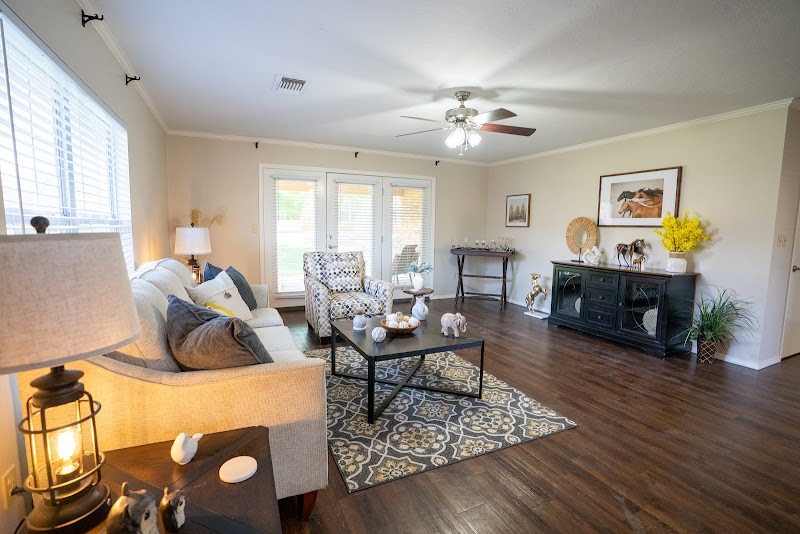
Who Owns and Operates Windflower?

WINDFLOWER HEALTH CENTER is owned by a non-profit organization. Non-profit facilities reinvest revenue into operations rather than distributing to shareholders. The facility is operated by LIFESPACE COMMUNITIES, a chain that manages multiple nursing homes. With 120 certified beds and approximately 75 residents (about 62% occupancy), it is a mid-sized facility located in AMARILLO, Texas.

How Does Windflower Compare to Other Texas Nursing Homes?

Compared to the 100 nursing homes in Texas, WINDFLOWER HEALTH CENTER's overall rating (3 stars) is above the state average of 2.8, staff turnover (60%) is significantly higher than the state average of 46%, and health inspection rating (3 stars) is at the national benchmark.

What Should Families Ask When Visiting Windflower?

Based on this facility's data, families visiting should ask: "How do you ensure continuity of care given staff turnover, and what is your staff retention strategy?" "Can I visit during a mealtime to observe dining assistance and food quality?" "How do you handle medical emergencies, and what is your hospital transfer rate?" "Can I speak with family members of current residents about their experience?" These questions are particularly relevant given the facility's high staff turnover rate.

Is Windflower Safe?

Based on CMS inspection data, WINDFLOWER HEALTH CENTER has a clean safety record: no substantiated abuse findings (meaning no confirmed cases of resident harm), no Immediate Jeopardy citations (the most serious violation level indicating risk of serious injury or death), and is not on the Special Focus Facility watch list (a federal program monitoring the lowest-performing 1% of nursing homes). The facility has a 3-star overall rating and ranks #1 of 100 nursing homes in Texas. While no facility is perfect, families should still ask about staff-to-resident ratios and recent inspection results during their visit.

Do Nurses at Windflower Stick Around?

Staff turnover at WINDFLOWER HEALTH CENTER is high. At 60%, the facility is 13 percentage points above the Texas average of 46%. Registered Nurse turnover is particularly concerning at 78%. RNs handle complex medical decisions and coordinate care — frequent RN changes can directly impact care quality. High turnover means new staff may not know residents' individual needs, medications, or preferences. It can also be disorienting for residents, especially those with dementia who rely on familiar faces. Families should ask: What is causing the turnover? What retention programs are in place? How do you ensure care continuity during staff transitions?

Was Windflower Ever Fined?

WINDFLOWER HEALTH CENTER has been fined $14,672 across 3 penalty actions. This is below the Texas average of $33,226. While any fine indicates a compliance issue, fines under $50,000 are relatively common and typically reflect isolated problems that were subsequently corrected. Families should ask what specific issues led to these fines and confirm they've been resolved.

Is Windflower on Any Federal Watch List?

WINDFLOWER HEALTH CENTER is not on any federal watch list. The most significant is the Special Focus Facility (SFF) program, which identifies the bottom 1% of nursing homes nationally based on persistent, serious quality problems. Not being on this list means the facility has avoided the pattern of deficiencies that triggers enhanced federal oversight. This is a positive indicator, though families should still review the facility's inspection history directly.