ADVANCED REHABILITATION AND HEALTHCARE OF ATHENS
121 COMMONS DRIVE, ATHENS, TX 75751 (903) 677-3434
Government - Hospital district 120 Beds ADVANCED HEALTHCARE SOLUTIONS Data: November 2025 3 Immediate Jeopardy citations
Trust Grade
0/100
#910 of 1168 in TX
Last Inspection: January 2025

Within standard 12-15 month inspection cycle. Federal law requires annual inspections.

Overview

Advanced Rehabilitation and Healthcare of Athens has received a Trust Grade of F, which indicates significant concerns and a poor overall performance. Ranking #910 out of 1168 facilities in Texas places it in the bottom half, and #4 out of 6 in Henderson County shows that there are only two local options that are better. The facility's trend is improving, reducing issues from 15 in 2023 to 10 in 2025; however, the staffing and RN coverage ratings are both concerning, with a low score of 1 out of 5 and a turnover rate of 56%. Notably, the facility has faced $124,017 in fines, which is higher than 84% of Texas facilities, suggesting repeated problems with compliance. Specific incidents include failing to provide timely medical care for residents with severe pain and not consulting physicians regarding critical treatment needs, raising serious concerns about the quality of care provided. Overall, while there are some signs of improvement, families should weigh these serious issues against the facility's strengths.

Trust Score
F
0/100
In Texas
#910/1168
Bottom 23%
Safety Record
High Risk
Review needed
Inspections
Getting Better
15 → 10 violations
Staff Stability
⚠ Watch
56% turnover. Above average. Higher turnover means staff may not know residents' routines.
Penalties
✓ Good
$124,017 in fines. Lower than most Texas facilities. Relatively clean record.
Skilled Nurses
⚠ Watch
Each resident gets only 15 minutes of Registered Nurse (RN) attention daily — below average for Texas. Fewer RN minutes means fewer trained eyes watching for problems.
Violations
⚠ Watch
29 deficiencies on record. Higher than average. Multiple issues found across inspections.
★☆☆☆☆
1.0
Overall Rating
★☆☆☆☆
1.0
Staff Levels
★★★★☆
4.0
Care Quality
★☆☆☆☆
1.0
Inspection Score
Stable
2023: 15 issues
2025: 10 issues

The Good

  • 4-Star Quality Measures · Strong clinical quality outcomes
  • Full Sprinkler Coverage · Fire safety systems throughout facility
  • No fines on record

Facility shows strength in quality measures, fire safety.

The Bad

1-Star Overall Rating

Below Texas average (2.8)

Significant quality concerns identified by CMS

Staff Turnover: 56%

10pts above Texas avg (46%)

Frequent staff changes - ask about care continuity

Federal Fines: $124,017

Well above median ($33,413)

Significant penalties indicating serious issues

Chain: ADVANCED HEALTHCARE SOLUTIONS

Part of a multi-facility chain

Ask about local staffing decisions and management

Staff turnover is elevated (56%)

8 points above Texas average of 48%

The Ugly 29 deficiencies on record

3 life-threatening 1 actual harm
Aug 2025 3 deficiencies 2 IJ (2 affecting multiple)
CRITICAL (K) 📢 Someone Reported This

A family member, employee, or ombudsman was alarmed enough to file a formal complaint

Immediate Jeopardy (IJ) - the most serious Medicare violation

Notification of Changes (Tag F0580)

Someone could have died · This affected multiple residents

**NOTE- TERMS IN BRACKETS HAVE BEEN EDITED TO PROTECT CONFIDENTIALITY** Based on observation, interview, and record review, the facility failed to immediately consult with the physician when a need to...

Read full inspector narrative →
**NOTE- TERMS IN BRACKETS HAVE BEEN EDITED TO PROTECT CONFIDENTIALITY** Based on observation, interview, and record review, the facility failed to immediately consult with the physician when a need to alter treatment significantly due to adverse consequences for 2 of 5 residents reviewed for resident rights. (Resident #1 and Resident #2) The facility failed to notify or consult with Residents #1 and #2's physician for the following: Resident #1 was readmitted to the facility on [DATE] with surgical incisionto the left groin, right groin, and left knee. He did not have treatment orders for these wounds.On 8/10/25 Resident #1's groin area was noted to have signs of infection. Resident #1 went to the hospital on 8/11/25 with a diagnosis of groin infection. Resident #2 was readmitted to the facility on [DATE] at 10:00 p.m. with a stage 4 to her sacrum. She did not have orders to treat the wound as of 6:00 p.m. on 8/13/25. An Immediate Jeopardy (IJ) situation was identified on 8/14/25 at 1:00 p.m. While the IJ was removed on 8/15/25 at 3:22 p.m., the facility remained out of compliance at a potential for not actual harm with a potential for more than minimal harm with a scope of pattern, due to the facility's need to evaluate the effectiveness of the corrective systems. These deficient practices could place residents at risk for pain and suffering. Findings included: Record review of Resident #1's face sheet indicated he was a [AGE] year-old male admitted to the facility on [DATE]. He had a readmission date of 8/5/25. He had diagnoses of peripheral vascular disease (PVD) (a condition where the arteries and veins in the arms, legs, and feet become narrowed or blocked reducing blood flow.) and a history of stroke. Record review of Resident #1's admission MDS assessment dated [DATE] indicated his cognition was intact with a BIMS score of 13. The MDS indicated he used a walker and a wheelchair, but required supervision or touching assistance with most ADLs. Record review of Resident #1's care plan dated 6/2/25 indicated he was incontinent of bowel and bladder. Some of the interventions were to assist to toilet as needed, provide weekly skin checks to monitor for redness, circulatory problems, breakdown or skin concerns, and report any new skin conditions to the physician. Record review of Resident #1's computerized physician orders dated 8/11/25 indicated no orders for treatment to his groin incisions were listed. Record review of Resident #1's After Visit Summary dated 8/4/25 provided instructions to call the provider if redness, tenderness or signs of infection (pain, swelling, redness, odor or green/yellow discharge around incision site, and for severe uncontrolled pain. Record review of Resident #1's Admit/Readmit Evaluation dated 8/5/25 at 1:32 a.m. indicated he had surgical incision wounds on the left groin, right groin, and left front knee. There were no other descriptions. Record review of Resident #1's Admit/Readmit note dated 8/5/25 at 1:32 a.m. indicated he was admitted from the hospital with a diagnosis of deep vein thrombosis, and PVD. He needed limited assistance with transfers, self-performance. He was continent of urine and bowels and needed limited assistance with toileting, self-performance. He had pitting edema to both lower extremities. He complained of pain and was given pain medications. (no mention of surgical wounds) Record review of Resident #1's nursing notes dated 8/5/25 indicated he had a telehealth visit. The resident was readmitted last night with bilateral groin stent placement for PVD. He reported difficult urinating and severe incisional pain. He was requesting to be sent back to the ER and was transferred at 6:12 a.m. to the hospital. At 8:00 a.m. the resident returned from the hospital and was given pain medications. Record review of Resident #1's nursing notes dated 8/7/25 at 1:14 p.m. indicated Resident has open wounds; vascular and surgical. The resident received wound care with no changes in skin condition noted, and there were no signs and symptoms of infection. Record review of Resident #1's Skilled Observation note dated 8/10/25 at 9:37 p.m. indicated no infection was present the wound had redness and inflammation. The skin was warm and dry. The surgical incision was open with wound care and notable changes in skin condition. The observation described the incision with staples on the left side of the groin to have a foul-smelling drainage. The area was red and inflamed, it was cleansed with wound cleanser and was tender to touch. The groin on the right side had no visible signs and symptoms of infection. The note indicated would report to the oncoming charge nurse. Written by LVN E (there was no indication the physician was notified. Record review of Resident #1's nursing notes dated 8/11/25 at 5:50 p.m. the resident was sent to the hospital due to altered mental status. No other information was documented. Record review of Resident #1's hospital records dated 8/11/25 revealed the resident was admitted due to generalized weakness. He had bilateral groin incisions with staples that were irritated, with redness to the left and right groin and a foul smell. It appeared yeasty in nature. He stated his groin infections hurt and itched. His diagnosis was surgical incision infection. He was prescribed Cephalexin 500 mg two times a day for 7 days and Nystatin cream apply to groin area two times a day for 7 days. He returned to the facility on 8/11/25 at 11:14 p.m. and new orders were noted. Record review of Resident #1's nursing note dated 8/11/25 at 11:14 p.m. indicated he was readmitted to the facility with diagnoses of generalized weakness, yeast infection, and incisional infection. He had new orders for cephalexin 500 mg three times a day for 7 days and Nystatin Cream 100,000 units to bilateral groin two times a day for 7 days. Record review of Resident #1's computerized physician orders indicated an order with a start date of 8/12/25 at 8:00 a.m. for Nystatin External cream 100,000 units to bilateral groin area two times daily. An order with a start date of 8/12/25 at 8:00 a.m. for Cephalexin Oral Capsule 500 mg by mouth three times daily for 7 days.After Investigator intervention a treatment administration record was generated on 8/13/25, and indicated his treatment was to start on 8/13/25 at 6 p.m. During a telephone interview on 8/11/25 at 12:06 p.m., an Anonymous staff said Resident #1 had staples to his right and left groin area. The staff said on 8/10/25, a nurse had gone to look at the surgical incisions and they looked infected. The staff said that an unidentified nurse had not called the physician. She stated she had cleansed the area with wound cleanser and wound care was supposed to be done today, 8/11/15 by the treatment nurse. During an observation and interview on 8/11/25 at 3:20 p.m., Resident #1 was noted with EMS in his room. LVN A said Resident #1 was going to the hospital due to a change in his level of consciousness. She said he had staples in his right and left groin area and the left groin area was inflamed. She said it had yellow slimy drainage. She stated she told EMS his blood pressure was 88/56. Resident #1 was noted to be able to ambulate from the bed to the stretcher and was taken by EMS. LVN A said Resident #1's surgical incision appeared infected. During an interview on 8/11/25 at 5:59 p.m., LVN C/Treatment nurse said Resident #1 had surgical incisions on both sides of his groin. She said she was informed the right side of Resident #1's groin was red and inflamed. She was going to reach out to see if they wanted to remove the staples, but had not done so yet. She said they had orders to monitor the areas and put on a dry dressing. (There was no order noted) During an interview on 8/13/25 at 10:46 a.m., the DON said Resident#1 did not have any orders to treat his surgical incisions. The DON said LVN D was on duty when Resident #1 was readmitted to the facility on [DATE], and she should have passed his information on to the oncoming nurse. The DON said LVN D sent Resident #1 back out the same night and did not get an order for his surgical incisions. She said her staff were trained to go by the hospital After Visit Summary for orders. However, if a resident came in as a new admit or a readmit and did not have an order, they were to call the doctor to get an order. The DON said since Resident #1 did not have an order to treat the surgical incisions, someone should have followed up with the physician. After review of the Resident #1's observation note dated 8/10/25, the DON said LVN E should have contacted the physician when she noted Resident #1's wound looked infected. During an interview on 8/13/25 at 1:54 p.m., the RN Weekend Supervisor said she filled in for the treatment nurse on the weekends, and when the treatment nurse was out. She said Resident#1 did not have an order to treat his surgical incisions on the groin area. She said if a resident did not have an order or treatment in place, she was not aware they had any areas. The RN Weekend Supervisor stated when Resident #1 came from the hospital with surgical wounds and did not have anything down to treatment the areas . She said the nursing staff should have called the doctor to see what he wanted done. She said good nursing judgment indicated they should have called the hospital for orders or called the doctor to at least see what the physician wanted done with the wounds. During an interview on 8/13/25 at 2:30 p.m., LVN E said she worked on Friday 8/10/25 and had seen Resident #1's wounds, but did not provide any treatment. She said she was under the impression the treatment nurse was providing treatments to his groin area. She said she asked LVN C/Treatment nurse earlier in the week, and she said Resident #1's wound was getting cleaned and left to open air. LVN E said on the afternoon of Sunday 8/10/25, Resident #1's family brought to her attention that they thought Resident #1's groin area was infected. She said they sent pictures, and she had gone to look at the wound. LVN E said she cleaned the wounds on Resident #1's groin and noted in an observation note the left side was inflamed and red. She said the area could have been infected; it had an odor, and yellow drainage, it was red and inflamed . She said she had not contacted the physician; she passed the information on to the oncoming shift. During an interview on 8/14/25 at 9:45 a.m., the MD said he was not told Resident #1's surgical wound was infected prior to his discharge. He said he expected staff to call him and let him know of changes that occurred with residents. He said when a resident came back from the hospital they needed orders in place. He said if the facility does not have any orders, they should reach out to him for orders. He said the facility usually did a skin assessment and would call him for an order. He said especially if a resident was a readmitted and did not have a previous order for wound care. He said he expected to be notified of Resident conditions. Resident #2 Record review of Resident #2's face sheet dated 8/13/25 indicated she was a [AGE] year-old female admitted to the facility on [DATE] with a readmission date of 8/12/25. She had diagnoses of stroke, end stage renal disease, chronic respiratory failure, heart disease, diabetes, and bipolar disorder. Record review of Resident# 2's admission MDS dated [DATE] indicated she was cognitively intact with a BIMS score of 14. Resident #2 required partial to substantial assist with ADLs. She required supervision with bed mobility, partial to moderate assist with sit to laying, and did not attempt to stand or transfer due to medical condition. The MDS indicated she was at risk for a pressure ulcer. Review of Resident #2's care plan dated 5/19/15 indicated she was at risk for pressures ulcers. One of the interventions was to monitor for redness, circulation problems, pressure sores, open areas, and changes in skin integrity. Review of Resident #2's computerized physician orders dated 8/13/25 at 4:00 p.m. did not reveal an order for treatment to her sacrum wound. Review of Resident #2's nursing notes dated 7/31/25 at 6:00 a.m. revealed the resident was sent to the hospital due to her calling EMS and stating she was having difficulty breathing. Record review of Resident #2's hospital records dated 7/31/25 indicated the resident was admitted to the hospital on [DATE] after a ground level fall. She was discharged to the facility on 7/30/25 and readmitted to the hospital on [DATE] with complaints of shortness of breath and pain associated with groin buttock wounds. Review of Resident #2's hospital After Visit Summary dated 8/12/25 indicated the primary diagnoses for hospitalization was pressure injury of sacral region stage 4, end stage renal disease, uncontrolled diabetes, and fluid overload. There was no order for the care of the pressure injury of the sacrum. Record review of Resident #2's Admit Readmit Evaluation 8/12/25 at 10:00 p.m. indicated skin integrity with wounds present on admission, with bruising, discoloration, and an open wound. The comments indicated a pressure injury of the sacral region, stage 4, and bruising to the hands and front of the elbow. Record review of the facility's 24-hour report for 8/12/25 indicated Resident #2 returned from the hospital at 9:35 p.m., and she had a stage 4 pressure wound on her sacrum. During an interview on 8/13/25 at 6:01 p.m., the Administrator said they did not have any treatment orders for Resident #2's treatments, and she did not have a TAR generated at the current time due to no orders being in place. During an interview 8/14/25 at 11:00 a.m., the RN Weekend Supervisor said whoever admitted Resident #2 should have gotten orders from the hospital. She said if not, they should've gotten orders from the doctor regarding resident service. She said she completed the wound care on Resident #2 yesterday evening.During an interview on 8/13/25 at 4:50 p.m., the DON said Resident #2 had been in the hospital for 45 days. She said every time Resident #2 came to the facility, she was only there for a day or a few hours and then back to the hospital. The DON said normally when a resident was admitted or readmitted , the admitting nurse contacted the hospital for additional orders or contacts the physician for orders. She stated if it was during the night, the treatment nurse would be notified and the next day to do a skin assessment, notify the physician . She said at that time if a resident had wounds or if they needed any kind of treatment, they would get orders. She said she did not know why there were no orders for Resident #2. Record review of the facility's Notification of Changes policy last revised 2/10/21 indicated their policy to provide guidance on when to communicate acute changes in status to the MD, NP and responsible party. The will would immediately inform the resident: consult with the resident's physician, and responsible party for any significant change in physical, mental, or psychosocial status of the resident. The facility documents resident assessments, interventions, physician and family notification on the SBAR, Nursing Progress Note, or Telephone order form as appropriate. This was determined to be an Immediate Jeopardy (IJ) on 8/14/25 at 1:00 p.m. The Administrator, DON, and RNC were informed of the IJ situation on 8/14/25 at 1:00 p.m. a copy of the IJ template was emailed to them at 1:00 p.m. A POR was requested and accepted on 8/15/25 at 10:45 a.m. [The facility failed to implement policies and procedures regarding physician notification to prevent the hospitalization of Resident #1 due to a surgical wound infection.Immediate Action Taken:On 08/14/2025 at 2:30 PM, the attending physician for Resident #1 and #2 was notified of the status of the surgical incision, wounds and the lack of prior communication regarding wound condition. Resident #1and #2 were immediately assessed by the facility's wound care nurse and physician. Orders were received and implemented, including wound care protocols and infectious disease consult. 2. Identification of Residents Affected or Likely to be Affected:A head-to-toe skin and wound assessment was completed on all residents by the Director of Nursing (DON) and Wound Nurse on 08/14/2025. A facility-wide audit was initiated on 08/14/2025 by the DON/Designee to ensure all residents have current wound descriptions, physician orders, and proper documentation of physician notification using skin observation sheets and any discrepancies will be documented in the nurse's notes. Any discrepancies were immediately corrected, and responsible nurses were given additional education by DON/Designee. Telehealth and/or physician will be notified after hours and on weekends. Notification to physician will be documented in the nurse's notes by the licensed nurses. DON/designee educated all licensed nurses on policy/procedure on Change of condition notification. Licensed nurses will use the 24-hour report, the care plan, and Treatment administration record to communicate from shift to shift for all resident's change of conditions and care needs. 3. Actions to Prevent Occurrence/Recurrence:Staff Education On 08/14/2025, all licensed nurses received personized education on: Physician notification requirements will be upon admission/readmission and any change of condition License nurses will contact physicians to clarify admission or readmission orders when there are discrepancies with hospital records, change of conditions of wounds and signs of infection and ensure orders transferred to computer, MAR and TAR,Documentation of wound assessments. Use of SBAR (Situation-Background-Assessment-Recommendation) communication tool upon change of condition prior to physician notification. DON/Designee educated staff on notification of physician and staff were required to demonstrate understanding via return demonstration or post-education quiz. Education will be completed on 8/14/25. Staff unavailable to attend in service on 08/14/2025 will receive personalized in service prior to assuming their duties. Wound Communication Process A daily Wound Rounds Checklist was implemented to ensure: Each wound has documented assessment, treatment orders, and notification status. Any change is reported immediately to DON/Designee and documented in progress notes DON/Designee will complete a weekly interdisciplinary wound rounds initiated as of 08/14/2025 with physician participation (in person or telehealth). Monitoring and Oversight PlanDaily audits of physician notification for any changes in condition by DON or designee for 14 days (08/14-08/28/2025), then weekly x4 weeks. DON/Designee will review all new admissions and readmissions within 24 hours to ensure physician orders and wound care protocols are in place by DON/ Weekend Supervisor/ Designee. Review will be documented on the admission Audit tool.DON or designee will: Review progress notes, nurse notes, and MARs for compliance. Validate timely physician notifications. Audit results will be reported weekly to the Quality Assurance & Performance Improvement (QAPI) committee for 3 months. Continued noncompliance will trigger retraining or disciplinary action. Date Facility Asserts Likelihood for Serious Harm No Longer Exists: 8/14/25] On 8/15/25 the investigator confirmed the facility implemented their plan of removal sufficiently to remove the IJ by: Review of facility skin assessments, facility audit of records to include wound descriptions, physician orders, and documentation in the nursing notes. The skin assessments were reviewed for all residents in the facility and noted two residents were found with redness to the buttocks, one resident with an open area to the buttocks, and one resident with redness to an ostomy site. There were orders noted to be placed, a description of the areas, and the physician was notified. Review of documentation showed Resident #1 and Resident #2 had descriptions of their wounds and treatment orders in place. Review of the facility Wound Daily Audit dated 8/14/25 through 8/24/25 indicated 3 newly admitted residents with skin assessments completed, the physician notified, a wound order in place, the wound care physician notified, and family notified. Record review of in-service dated 8/14/25 indicated nurses were educated on Change in Condition, completing the SBAR when a resident has a change in condition. When a nurse was notified or identified a change in condition they were to immediately, assess the resident gather vital signs, ask specific questions, if possible, notify MD, responsible part, DON and then document in the computer and add to the 24-hour report. Record review of in-service dated 8/14/25 indicated 19 nurses were educated on pressure ulcers/wounds upon admission or readmission. They were instructed to complete a head-to-toe assessment, measure wounds or open areas, complete the skin assessment, document in the computer system on admission or readmission, call the physician or use the [NAME]- health after hours to receive wound care orders, notify family about the wounds and the wound care company, wounds will be care planned, and to call the DON regarding any wounds found on admission or readmission. A copy of the skin management policy was attached. Record review indicated the facility had conducted skilled nursing facility nursing competency testing on nursing staff dated 8/14/25. Some of the questions indicated the physician should be notified as soon as a change was identified, when a resident is admitted with a pressure sore, the responsibility was to notify the MD, after receiving Wound care orders, put them in the computer and initiate care protocol. When observations showed increased redness or drainage from a wound, notify the MD and request updated wound care orders. There were also true and false questions. During an interview on 8/15/25 at 11:45 a.m., the RNC said the facility's census was 103 today and they did 101 skin assessments. She said one resident was up and 1 resident refused, and they are going to try and get them later. She said they did the in services and had a return demonstration test for the nurses. They were not able to have all nurses do the testing because they had called some on the phone. She said they would do their testing later. The RNC said they had done chart audits and had the monitoring tool in place. She stated they were currently doing everything on paper due to the current computer system being down and they were transitioning to another system. During an interview on 8/15/25 at 12:10 p.m., the DON said she in-serviced nurses on change in condition, when to notify the doctor, and the steps to take upon admission. The staff were given a test to determine if they knew what to do for a new admission and when to follow up. She said one resident had surgery and did not have any orders when he was admitted on how to treat the wound, the physician was contacted, and new orders were obtained. The DON said another resident had a tiny area on her bottom and they got an order for the treatment of the wound. She had in-serviced 20 nurses. She had 12 full time nurses and 8 PRN nurses. The DON said, on today, they had the ADON, who was acting as treatment nurse, and 3 charge nurses, in the building. She said Resident #2 had gone back to the hospital. They were doing paper charting on today. During an interview on 8/15/25 at 3:00 p.m., the Administrator said he would admit some mistakes were made with Resident #1. He said he did not agree with the IJ level of severity. He said however the interventions they had put into place with staff training, ensuring the physician was notified, and making sure documentation was in place, had fixed many issues. He said the morning oversight meetings should bring issues to the attention of administration, and they would be able to put systems in place to prevent future problems. He said they would form a habit of doing things the right way. Interviews conducted with nurses the following shift nurses on 8/15/25 between 12:15 p.m. and 2:15 p.m. determined staff were knowledge about the in-services and education provided. At 12:15 p.m. LVN I worked 6p to 6aAt 12:20 p.m. LVN J /ADON worked all shiftsAt 1:15 p.m. LVN L worked 6p to 6aAt 1:30 p.m. LVN M worked 6a to 6pAt 1:34 LVN G worked 6a to 6pAt 1:45 p.m. LVN N worked 6a to 6pAt 1:50 p.m. LVN C/treatment nurse worked all shiftsAt 1:57 LVN K- PRN worked all shiftsAt 2:10 p.m. LVN O worked PRN weekends At 2:15 p.m. LVN A worked 6a to 2p The Administrator, DON, and RNS were informed the IJ was removed on 8/15/25 at 3:35 p.m. The facility remained out of compliance at a severity level of potential harm with a scope of pattern due to the facility's need to evaluate the effectiveness of the corrective systems that were put into place.
CRITICAL (K) 📢 Someone Reported This

A family member, employee, or ombudsman was alarmed enough to file a formal complaint

Immediate Jeopardy (IJ) - the most serious Medicare violation

Quality of Care (Tag F0684)

Someone could have died · This affected multiple residents

**NOTE- TERMS IN BRACKETS HAVE BEEN EDITED TO PROTECT CONFIDENTIALITY** Based on observation, interview, and record review, the facility failed to ensure residents received treatment and care in accor...

Read full inspector narrative →
**NOTE- TERMS IN BRACKETS HAVE BEEN EDITED TO PROTECT CONFIDENTIALITY** Based on observation, interview, and record review, the facility failed to ensure residents received treatment and care in accordance with professional standards of practice for 2 of 5 residents reviewed for resident rights. (Resident #1 and Resident #2) The facility failed to notify or consult with Residents #1 and #2's physician for the following: Resident #1 was readmitted to the facility on [DATE] with surgical incisionto the left groin, right groin, and left knee. He did not have treatment orders for these wounds. On 8/10/25 Resident #1's groin area was noted to have signs of infection. Resident #2 was readmitted to the facility on [DATE] at 10:00 p.m. with a stage 4 to her sacrum. She did not have orders to treat the wound as of 6:00 p.m. on 8/13/25. An Immediate Jeopardy (IJ) situation was identified on 8/14/25 at 1:00 p.m. While the IJ was removed on 8/15/25 at 3:22 p.m., the facility remained out of compliance at a potential for not actual harm with a potential for more than minimal harm with a scope of pattern, due to the facility's need to evaluate the effectiveness of the corrective systems. These deficient practices could place residents at risk for pain and suffering.Findings included: Record review of Resident #1's face sheet indicated he was a [AGE] year-old male admitted to the facility on [DATE]. He had a readmission date of 8/5/25. He had diagnoses of peripheral vascular disease (PVD) (a condition where the arteries and veins in the arms, legs, and feet become narrowed or blocked reducing blood flow.) and a history of stroke. Record review of Resident #1's admission MDS assessment dated [DATE] indicated his cognition was intact with a BIMS score of 13. The MDS indicated he used a walker and a wheelchair, but required supervision or touching assistance with most ADLs. Record review of Resident #1's care plan dated 6/2/25 indicated he was incontinent of bowel and bladder. Some of the interventions were to assist to toilet as needed, provide weekly skin checks to monitor for redness, circulatory problems, breakdown or skin concerns, and report any new skin conditions to the physician. Record review of Resident #1's computerized physician orders dated 8/11/25 indicated no orders for treatment to his groin incisions were listed. Record review of Resident #1's After Visit Summary dated 8/4/25 provided instructions to call the provider if redness, tenderness or signs of infection (pain, swelling, redness, odor or green/yellow discharge around incision site, and for severe uncontrolled pain. Record review of Resident #1's Admit/Readmit Evaluation dated 8/5/25 at 1:32 a.m. indicated he had surgical incision wounds on the left groin, right groin, and left front knee. There were no other descriptions. Record review of Resident #1's Admit/Readmit note dated 8/5/25 at 1:32 a.m. indicated he was admitted from the hospital with a diagnosis of deep vein thrombosis, and PVD. He needed limited assistance with transfers, self-performance. He was continent of urine and bowels and needed limited assistance with toileting, self-performance. He had pitting edema to both lower extremities. He complained of pain and was given pain medications. (no mention of surgical wounds) Record review of Resident #1's nursing notes dated 8/5/25 indicated he had a telehealth visit. The resident was readmitted last night with bilateral groin stent placement for PVD. He reported difficult urinating and severe incisional pain. He was requesting to be sent back to the ER and was transferred at 6:12 a.m. to the hospital. At 8:00 a.m. the resident returned from the hospital and was given pain medications. Record review of Resident #1's nursing notes dated 8/7/25 at 1:14 p.m. indicated Resident has open wounds; vascular and surgical. The resident received wound care with no changes in skin condition noted, and there were no signs and symptoms of infection. Record review of Resident #1's Skilled Observation note dated 8/10/25 at 9:37 p.m. indicated no infection was present the wound had redness and inflammation. The skin was warm and dry. The surgical incision was open with wound care and notable changes in skin condition. The observation described the incision with staples on the left side of the groin to have a foul-smelling drainage. The area was red and inflamed, it was cleansed with wound cleanser and was tender to touch. The groin on the right side had no visible signs and symptoms of infection. The note indicated would report to the oncoming charge nurse. Written by LVN E (there was no indication the physician was notified. Record review of Resident #1's nursing notes dated 8/11/25 at 5:50 p.m. the resident was sent to the hospital due to altered mental status. No other information was documented. Record review of Resident #1's hospital records dated 8/11/25 revealed the resident was admitted due to generalized weakness. He had bilateral groin incisions with staples that were irritated, with redness to the left and right groin and a foul smell. It appeared yeasty in nature. He stated his groin infections hurt and itched. His diagnosis was surgical incision infection. He was prescribed Cephalexin 500 mg two times a day for 7 days and Nystatin cream apply to groin area two times a day for 7 days. He returned to the facility on 8/11/25 at 11:14 p.m. and new orders were noted. Record review of Resident #1's nursing note dated 8/11/25 at 11:14 p.m. indicated he was readmitted to the facility with diagnoses of generalized weakness, yeast infection, and incisional infection. He had new orders for cephalexin 500 mg three times a day for 7 days and Nystatin Cream 100,000 units to bilateral groin two times a day for 7 days. Record review of Resident #1's computerized physician orders indicated an order with a start date of 8/12/25 at 8:00 a.m. for Nystatin External cream 100,000 units to bilateral groin area two times daily. An order with a start date of 8/12/25 at 8:00 a.m. for Cephalexin Oral Capsule 500 mg by mouth three times daily for 7 days.After Investigator intervention a treatment administration record was generated on 8/13/25, and indicated his treatment was to start on 8/13/25 at 6 p.m. During a telephone interview on 8/11/25 at 12:06 p.m., an Anonymous staff said Resident #1 had staples to his right and left groin area. The staff said on 8/10/25, a nurse had gone to look at the surgical incisions and they looked infected. The staff said that an unidentified nurse had not called the physician. She stated she had cleansed the area with wound cleanser and wound care was supposed to be done today, 8/11/15 by the treatment nurse. During an observation and interview on 8/11/25 at 3:20 p.m., Resident #1 was noted with EMS in his room. LVN A said Resident #1 was going to the hospital due to a change in his level of consciousness. She said he had staples in his right and left groin area and the left groin area was inflamed. She said it had yellow slimy drainage. She stated she told EMS his blood pressure was 88/56. Resident #1 was noted to be able to ambulate from the bed to the stretcher and was taken by EMS. LVN A said Resident #1's surgical incision appeared infected. During an interview on 8/11/25 at 5:59 p.m., LVN C/Treatment nurse said Resident #1 had surgical incisions on both sides of his groin. She said she was informed the right side of Resident #1's groin was red and inflamed. She was going to reach out to see if they wanted to remove the staples, but had not done so yet. She said they had orders to monitor the areas and put on a dry dressing. (There was no order noted) During an interview on 8/13/25 at 10:46 a.m., the DON said Resident#1 did not have any orders to treat his surgical incisions. The DON said LVN D was on duty when Resident #1 was readmitted to the facility on [DATE], and she should have passed his information on to the oncoming nurse. The DON said LVN D sent Resident #1 back out the same night and did not get an order for his surgical incisions. She said her staff were trained to go by the hospital After Visit Summary for orders. However, if a resident came in as a new admit or a readmit and did not have an order, they were to call the doctor to get an order. The DON said since Resident #1 did not have an order to treat the surgical incisions, someone should have followed up with the physician. After review of the Resident #1's observation note dated 8/10/25, the DON said LVN E should have contacted the physician when she noted Resident #1's wound looked infected. During an interview on 8/13/25 at 1:54 p.m., the RN Weekend Supervisor said she filled in for the treatment nurse on the weekends, and when the treatment nurse was out. She said Resident#1 did not have an order to treat his surgical incisions on the groin area. She said if a resident did not have an order or treatment in place, she was not aware they had any areas. The RN Weekend Supervisor stated when Resident #1 came from the hospital with surgical wounds and did not have anything down to treatment the areas . She said the nursing staff should have called the doctor to see what he wanted done. She said good nursing judgment indicated they should have called the hospital for orders or called the doctor to at least see what the physician wanted done with the wounds. During an interview on 8/13/25 at 2:30 p.m., LVN E said she worked on Friday 8/10/25 and had seen Resident #1's wounds, but did not provide any treatment. She said she was under the impression the treatment nurse was providing treatments to his groin area. She said she asked LVN C/Treatment nurse earlier in the week, and she said Resident #1's wound was getting cleaned and left to open air. LVN E said on the afternoon of Sunday 8/10/25, Resident #1's family brought to her attention that they thought Resident #1's groin area was infected. She said they sent pictures, and she had gone to look at the wound. LVN E said she cleaned the wounds on Resident #1's groin and noted in an observation note the left side was inflamed and red. She said the area could have been infected; it had an odor, and yellow drainage, it was red and inflamed . She said she had not contacted the physician; she passed the information on to the oncoming shift. During an interview on 8/14/25 at 9:45 a.m., the MD said he was not told Resident #1's surgical wound was infected prior to his discharge. He said he expected staff to call him and let him know of changes that occurred with residents. He said when a resident came back from the hospital they needed orders in place. He said if the facility does not have any orders, they should reach out to him for orders. He said the facility usually did a skin assessment and would call him for an order. He said especially if a resident was a readmitted and did not have a previous order for wound care. He said he expected to be notified of Resident conditions. Resident #2 Record review of Resident #2's face sheet dated 8/13/25 indicated she was a [AGE] year-old female admitted to the facility on [DATE] with a readmission date of 8/12/25. She had diagnoses of stroke, end stage renal disease, chronic respiratory failure, heart disease, diabetes, and bipolar disorder. Record review of Resident# 2's admission MDS dated [DATE] indicated she was cognitively intact with a BIMS score of 14. Resident #2 required partial to substantial assist with ADLs. She required supervision with bed mobility, partial to moderate assist with sit to laying, and did not attempt to stand or transfer due to medical condition. The MDS indicated she was at risk for a pressure ulcer. Review of Resident #2's care plan dated 5/19/15 indicated she was at risk for pressures ulcers. One of the interventions was to monitor for redness, circulation problems, pressure sores, open areas, and changes in skin integrity. Review of Resident #2's computerized physician orders dated 8/13/25 at 4:00 p.m. did not reveal an order for treatment to her sacrum wound. Review of Resident #2's nursing notes dated 7/31/25 at 6:00 a.m. revealed the resident was sent to the hospital due to her calling EMS and stating she was having difficulty breathing. Record review of Resident #2's hospital records dated 7/31/25 indicated the resident was admitted to the hospital on [DATE] after a ground level fall. She was discharged to the facility on 7/30/25 and readmitted to the hospital on [DATE] with complaints of shortness of breath and pain associated with groin buttock wounds. Review of Resident #2's hospital After Visit Summary dated 8/12/25 indicated the primary diagnoses for hospitalization was pressure injury of sacral region stage 4, end stage renal disease, uncontrolled diabetes, and fluid overload. There was no order for the care of the pressure injury of the sacrum. Record review of Resident #2's Admit Readmit Evaluation 8/12/25 at 10:00 p.m. indicated skin integrity with wounds present on admission, with bruising, discoloration, and an open wound. The comments indicated a pressure injury of the sacral region, stage 4, and bruising to the hands and front of the elbow. Record review of the facility's 24-hour report for 8/12/25 indicated Resident #2 returned from the hospital at 9:35 p.m., and she had a stage 4 pressure wound on her sacrum. During an interview on 8/13/25 at 6:01 p.m., the Administrator said they did not have any treatment orders for Resident #2's treatments, and she did not have a TAR generated at the current time due to no orders being in place. During an interview 8/14/25 at 11:00 a.m., the RN Weekend Supervisor said whoever admitted Resident #2 should have gotten orders from the hospital. She said if not, they should've gotten orders from the doctor regarding resident service. She said she completed the wound care on Resident #2 yesterday evening.During an interview on 8/13/25 at 4:50 p.m., the DON said Resident #2 had been in the hospital for 45 days. She said every time Resident #2 came to the facility, she was only there for a day or a few hours and then back to the hospital. The DON said normally when a resident was admitted or readmitted , the admitting nurse contacted the hospital for additional orders or contacts the physician for orders. She stated if it was during the night, the treatment nurse would be notified and the next day to do a skin assessment, notify the physician . She said at that time if a resident had wounds or if they needed any kind of treatment, they would get orders. She said she did not know why there were no orders for Resident #2. Record review of the facility's Notification of Changes policy last revised 2/10/21 indicated their policy to provide guidance on when to communicate acute changes in status to the MD, NP and responsible party. The will would immediately inform the resident: consult with the resident's physician, and responsible party for any significant change in physical, mental, or psychosocial status of the resident. The facility documents resident assessments, interventions, physician and family notification on the SBAR, Nursing Progress Note, or Telephone order form as appropriate. This was determined to be an Immediate Jeopardy (IJ) on 8/14/25 at 1:00 p.m. The Administrator, DON, and RNC were informed of the IJ situation on 8/14/25 at 1:00 p.m. a copy of the IJ template was emailed to them at 1:00 p.m. A POR was requested and accepted on 8/15/25 at 10:45 a.m. [The facility failed to implement policies and procedures to prevent the hospitalization of Resident #1 due to a surgical wound infection.Immediate Action Taken:On 08/14/2025 at 2:30 PM, the attending physician for Resident #1 and #2 was notified of the status of the surgical incision, wounds and the lack of prior communication regarding wound condition. Resident #1and #2 were immediately assessed by the facility's wound care nurse and physician. Orders were received and implemented, including wound care protocols and infectious disease consult. 2. Identification of Residents Affected or Likely to be Affected:A head-to-toe skin and wound assessment was completed on all residents by the Director of Nursing (DON) and Wound Nurse on 08/14/2025. A facility-wide audit was initiated on 08/14/2025 by DON/Designee to ensure all residents have current wound descriptions, physician orders, and proper documentation of physician notification and will be completed by 8/15/25. Any discrepancies were immediately corrected, and responsible nurses were given additional education by DON/Designee.DON/Designee reviewed the last 5 admissions and completed an audit for any missing ordersDON/Designee provided education to licensed nurses on admission and readmission orders3. Actions to Prevent Occurrence/Recurrence:Staff Education On 08/14/2025, the DON/Designee educated all licensed nurses on: Documentation of wound assessments will be located in the progress notes and include descriptions of the wounds, skin tears, bruises, surgical incisions, sizes, measurements, drainage, and colors.Use of SBAR (Situation-Background-Assessment-Recommendation) communication tool will be completed upon identification of change in condition by the charge nurse immediately upon identification of change in conditionStaff were required to demonstrate understanding via return demonstration or post-education quiz. Staff unavailable to attend in service on 08/14/2025 will receive personalized in service prior to assuming their duties. Wound Communication Process A daily Wound Rounds Checklist was implemented to ensure: The DON/Designee audited each resident to ensure wound has documented assessment, treatment orders, orders transferred to computer, MAR and TAR, and notification status. The DON/Designee educated all licensed nurses on wound assessment, documentation, treatment orders, documentation on 24 hour report for shift to shift communication and notification to physicians . Any change is reported immediately to the physician and documented in progress notes.Weekly interdisciplinary wound rounds initiated as of 08/14/2025 with physician participation (in person or telehealth). Monitoring and Oversight PlanDaily audits of physician notification for any changes in condition by DON or designee for 14 days (08/14-08/28/2025), then weekly x4 weeks. All new admissions and readmissions will be reviewed within 24 hours to ensure physician orders and wound care protocols are in place by DON/ Weekend Supervisor/ Designee. Review will be documented on the admission Audit tool.DON or designee will: Review progress notes, nurse notes, and MARs for compliance. Validate timely physician notifications. Audit results will be reported weekly to the Quality Assurance & Performance Improvement (QAPI) committee for 3 months. Continued noncompliance will trigger retraining or disciplinary action. Date Facility Asserts Likelihood for Serious Harm No Longer Exists: 8/14/25] On 8/15/25 the investigator confirmed the facility implemented their plan of removal sufficiently to remove the IJ by: Review of facility skin assessments, facility audit of records to include wound descriptions, physician orders, and documentation in the nursing notes. The skin assessments were reviewed for all residents in the facility and noted two residents were found with redness to the buttocks, one resident with an open area to the buttocks, and one resident with redness to an ostomy site. There were orders noted to be placed, a description of the areas, and the physician was notified. Review of documentation showed Resident #1 and Resident #2 had descriptions of their wounds and treatment orders in place. Review of the facility Wound Daily Audit dated 8/14/25 through 8/24/25 indicated 3 newly admitted residents with skin assessments completed, the physician notified, a wound order in place, the wound care physician notified, and family notified. Record review of in-service dated 8/14/25 indicated nurses were educated on Change in Condition, completing the SBAR when a resident has a change in condition. When a nurse was notified or identified a change in condition they were to immediately, assess the resident gather vital signs, ask specific questions, if possible, notify MD, responsible part, DON and then document in the computer and add to the 24-hour report. Record review of in-service dated 8/14/25 indicated 19 nurses were educated on pressure ulcers/wounds upon admission or readmission. They were instructed to complete a head-to-toe assessment, measure wounds or open areas, complete the skin assessment, document in the computer system on admission or readmission, call the physician or use the [NAME]- health after hours to receive wound care orders, notify family about the wounds and the wound care company, wounds will be care planned, and to call the DON regarding any wounds found on admission or readmission. A copy of the skin management policy was attached. Record review indicated the facility had conducted skilled nursing facility nursing competency testing on nursing staff dated 8/14/25. Some of the questions indicated the physician should be notified as soon as a change was identified, when a resident is admitted with a pressure sore, the responsibility was to notify the MD, after receiving Wound care orders, put them in the computer and initiate care protocol. When observations showed increased redness or drainage from a wound, notify the MD and request updated wound care orders. There were also true and false questions. During an interview on 8/15/25 at 11:45 a.m., the RNC said the facility's census was 103 today and they did 101 skin assessments. She said one resident was up and 1 resident refused, and they are going to try and get them later. She said they did the in services and had a return demonstration test for the nurses. They were not able to have all nurses do the testing because they had called some on the phone. She said they would do their testing later. The RNC said they had done chart audits and had the monitoring tool in place. She stated they were currently doing everything on paper due to the current computer system being down and they were transitioning to another system. During an interview on 8/15/25 at 12:10 p.m., the DON said she in-serviced nurses on change in condition, when to notify the doctor, and the steps to take upon admission. The staff were given a test to determine if they knew what to do for a new admission and when to follow up. She said one resident had surgery and did not have any orders when he was admitted on how to treat the wound, the physician was contacted, and new orders were obtained. The DON said another resident had a tiny area on her bottom and they got an order for the treatment of the wound. She had in-serviced 20 nurses. She had 12 full time nurses and 8 PRN nurses. The DON said, on today, they had the ADON, who was acting as treatment nurse, and 3 charge nurses, in the building. She said Resident #2 had gone back to the hospital. They were doing paper charting on today. During an interview on 8/15/25 at 3:00 p.m., the Administrator said he would admit some mistakes were made with Resident #1. He said he did not agree with the IJ level of severity. He said however the interventions they had put into place with staff training, ensuring the physician was notified, and making sure documentation was in place, had fixed many issues. He said the morning oversight meetings should bring issues to the attention of administration, and they would be able to put systems in place to prevent future problems. He said they would form a habit of doing things the right way. Interviews conducted with nurses the following shift nurses on 8/15/25 between 12:15 p.m. and 2:15 p.m. determined staff were knowledge about the in-services and education provided. At 12:15 p.m. LVN I worked 6p to 6aAt 12:20 p.m. LVN J /ADON worked all shiftsAt 1:15 p.m. LVN L worked 6p to 6aAt 1:30 p.m. LVN M worked 6a to 6pAt 1:34 LVN G worked 6a to 6pAt 1:45 p.m. LVN N worked 6a to 6pAt 1:50 p.m. LVN C/treatment nurse worked all shiftsAt 1:57 LVN K- PRN worked all shiftsAt 2:10 p.m. LVN O worked PRN weekends At 2:15 p.m. LVN A worked 6a to 2p The Administrator, DON, and RNS were informed the IJ was removed on 8/15/25 at 3:35 p.m. The facility remained out of compliance at a severity level of potential harm with a scope of pattern due to the facility's need to evaluate the effectiveness of the corrective systems that were put into place.
SERIOUS (G) 📢 Someone Reported This

A family member, employee, or ombudsman was alarmed enough to file a formal complaint

Actual Harm - a resident was hurt due to facility failures

Resident Rights (Tag F0550)

A resident was harmed · This affected 1 resident

**NOTE- TERMS IN BRACKETS HAVE BEEN EDITED TO PROTECT CONFIDENTIALITY** Based on observation, interview, and record, review the facility failed to provide care in a manner that ensured the residents d...

Read full inspector narrative →
**NOTE- TERMS IN BRACKETS HAVE BEEN EDITED TO PROTECT CONFIDENTIALITY** Based on observation, interview, and record, review the facility failed to provide care in a manner that ensured the residents dignity for 3 of 4 residents reviewed for dignity (Resident # 3, #4, and #5.) 1. The facility failed to provide Resident #3 with briefs that fit. 2. Resident #5 said she was anxious, and was afraid she would embarrass herself due to not having briefs that would fit.3. Resident #4 said she had briefs but that caused her discomfort because they were the wrong size.4. Residents and staff voiced concerns about not having briefs over the weekend on 8/9/25 and 8/10/25. These facility failure to provide residents with briefs that fit could place residents at risk at risk of anxiety, embarrassment and discomfort.Findings included: During an interview on 8/11/25 at 3:10 p.m. the Administrator said they had a shortage on briefs and wipes over this past weekend. He said they had ordered some last Tuesday, 8/5/25, and the order was supposed to arrive today 8/11/25. The Administrator said their census was 104 and they had about 10 or more residents that used bariatric briefs. He said they had bought some at the local store and had a limited amount available at the current time. During a telephone interview on 8/11/25 at 12:06 p.m., an unidentified staff revealed Resident #3's POA called the police because he had to lay in urine all day. The staff member said the facility did not have any bariatric briefs to fit Resident #3 or large residents during the weekend. The staff member said staff went to a neighboring facility to borrow a few briefs, but residents had to go without care, and the facility was also out of wipes. During an interview on 8/11/25 at 4:20 p.m., the HR Director said she had been appointed to order supplies after the former Administrator had left a few weeks ago. She said the problem was that staff waited until they were out of things before, they let her know. She said she did not work the floor, so she did not know what was needed until someone told her. She said they had put in an order on 8/5/25 and it was supposed to be delivered today but it did not look like it will be. However, they were out of some supplies or at least she had been informed they were out of briefs and wipes. During an observation and interview on 8/11/15 at 4:45 p.m. with CNA B revealed she was just placed over generating the orders for supplies. She said they did not have large, extra-large briefs, or bariatric briefs. She said they had issues over the weekend due to staff not having briefs that fit the residents. She said the Administrator had bought some wipes and a couple of bags of bariatric briefs that morning. CNA B said they had an overstock of medium briefs, so the smaller residents were fine. However, most of their residents wore, large and extra-large briefs. She said they had 10 or more that wore the bariatric briefs. Observation of the main supply room with CNA B revealed one package of 12 bariatric briefs, plenty of small briefs, and multiple packs of medium. However, there were no large or extra-large briefs. There was one package of bariatric briefs on the shelf. CNA B said the Administrator had purchased this morning. Observation throughout the facility revealed they had about 3 packs of large briefs. Some of the aides had hidden them away in the linen closets. They had less than 10 bariatric briefs on the hallway. Record review of Resident #3's quarterly MDS dated [DATE] indicated he was cognitively stable with a BIMS of 14. During an interview on 8/13/25 at 10:40 a.m., the DON said they were running low on briefs and wipes, but the staff had enough supplies to make do. She said they could put briefs together if needed. The DON stated the family of Resident #3 called the police and said he was laying in urine all day. The police came and she was told they found no issues. She also said they had the police incident written down; a copy was requested. There was no police report provided. During an interview on 8/13/25 at 1:40 p.m., Resident #3 said he was very upset this weekend at the way he was treated. He said the facility did not have briefs to fit him and he had to lay in urine most of the day. He said they did not have briefs from 7:30 p.m. Saturday night until about 2:30 p.m. Sunday 8/10/25. He said he was mad because he was told he could not get out of bed. He said he had called his family member and told them about the situation. He said the police came and the RN Weekend Supervisor came in and lied to the police in front of his face about having briefs. He said they brought a pack of brief in at that time with two briefs in it. He said he felt it was a stupid situation to have to lay in urine all that time because the facility did not have what they needed. He said he was told they had smaller briefs, but none that would fit him. He said it make him feel very low, like what he needed did not matter. He said they had some good aids, and they tried but had nothing to work with. During an interview on 8/13/25 at 1:54 p.m., the RN Weekend Supervisor said she was made aware the facility was out of bariatric briefs on Sunday morning, 8/10/25. She said she called the sister facility, and they loaned them one package of bariatric briefs about 10 in the pack. She said on Sunday afternoon, the police came after Resident #3's family member called them to report, Resident #3 was laying in urine all night and day. The RN Weekend Supervisor said she had seen Resident #3 out of the bed on Friday and Saturday. She said she had told her staff to put some medium briefs together to get residents up. She said the staff would not be unable to fasten the briefs on the sides, but they had to make do with what they had. She said earlier that day she asked Resident #3 if he wanted to get up and he said no. She said when the police came, they checked Resident # 3 and their supply of briefs at that time and they had no concerns and left. During an interview on 8/13/25 at 2:30 p.m., LVN E said she worked on Sunday 8/10/25. She said she heard they did not have briefs. She had several residents complained. She said Resident #3 was up Saturday and Sunday, but he heard him complain about not having briefs. She said the aides were having a hard time trying to find the supplies they needed to provide care to the residents. During an interview on 8/14/25 at 11:08 a.m. the family member of Resident #3 said he called on Sunday 8/10/25 and said Resident #3 was laying in urine because the facility did not have any briefs. The family member said they called the RN Weekend Supervisor and was told the facility did not have any briefs to fit Resident #3. The family member said she was told by the RN Weekend Supervisor the resident had to stay in the bed, and lay in urine and poo until they had to change the sheets. The family member said she was told the order did not come in, and they did not know where the truck was. The family member said the RN Weekend Supervisor was short and abrupt in her conversation and appeared to not want to be bothered. The family member said that was why they called the police. The family member said they felt it was a crime for the facility to treat the residents worse than animals; having them lay in their own waste and did nothing about it. The family member said the police did not let them know what they found. Record review of Resident #5's quarterly MDS dated [DATE] indicated she was cognitively stable with a BIMS of 14. During an interview on 8/13/25 at 1:05 p.m., Resident #5 said there were no briefs over the weekend, and it started on Friday, 8/8/25. She said on Friday, the aide found one brief that fit her. She said they had hidden the brief so that she could have it for her doctor's appointment on Monday. She said it caused her anxiety to think she would have to go to her doctor's appointment and embarrass herself due to not having any briefs that fit her. She said they had no wipes and no washcloths, so they didn't have anything to wipe her with either. Resident #5 said she felt, due to the shortage of wipes, the laundry could not keep up with the demand. She said an aide had taken two smaller briefs and put them together, but they did not fit. Resident #5 said, on Sunday night, they were able to find a washcloth and she was cleaned up for her appointment on 8/11/25. She said the whole episode caused her a lot of anxiety and discomfort. She said she was afraid to go to activities because she was afraid that she would embarrass herself. Resident #5 said she was more concerned about going to her physician's appointment. She said that it was a very upsetting weekend. She said on Saturday and Sunday they used the smaller briefs as best they could. She said one aide brought some wipes from home and left them in her room so she could have some. She said the briefs they had available would cut off her circulation if they were able to close them at all.Record review of Resident #6's BIMs score dated 7/23/25 indicated she was cognitively stable with a BIMS of 14. During an interview on 8/13/25 at 1:10 p.m., Resident #6 said she witnessed the lack of briefs over the weekend and witnessed her roommate's anxiety and frustration at the situation. During an interview on 8/13/25 at 5:54 p.m., CNA F said she worked this weekend, and they did not have any large briefs. She said she had one resident on the hall that required bariatric briefs, and that was Resident #5. She said she worked on 8/9/25 and 8/10/25, and they could only find one bariatric brief on her hall. She stated she used two medium briefs, layered them, and had to pull the resident's pants up to hold them in place. She said Resident #5 wanted to get up every day about 11:00 a.m., and she explained that there were no briefs. CNA F said Resident #5 said she could not lay in bed all day. CNA F said Resident #5 said it was uncomfortable, but better than lying in bed all day Record review of Resident #4's quarterly MDS dated [DATE] indicated he was cognitively stable with a BIMS of 15. During an interview on 8/13/25 at 3:35 p.m. Resident #4 said she had on a brief at the current time, but it was not the right size, and it was cutting into her skin. She said over the weekend they had found a couple of briefs that kind of fit her, but she did not have any problems getting up. Resident #4 said hopefully they would have some more briefs today because the ones they had were too tight for her. She said she was fine just a little uncomfortable. She said she did not know what size it was, but it was a size to small.During an interview and observation on 8/13/25 at 1:20 p.m. of CNA B and two other staff were placing briefs in a room as an overflow. They said that they had got 3 1/2 pallets of supplies and they had plenty of large, extra-large, and bariatric briefs that had arrived today. During an interview on 8/13/25 at 3:40 p.m., LVN G said she worked at over the weekend on 8/9/25 and 8/10/25 and they did not have large briefs. She said some of those residents could not get up because they did not have briefs to fit them. Review of a purchase order dated 8/7/25 indicated the facility had order 22 boxes of briefs in different sizes and 21 boxes of wipes. The order indicated it was approved for purchase on 8/8/25.
Mar 2025 1 deficiency
CONCERN (E) 📢 Someone Reported This

A family member, employee, or ombudsman was alarmed enough to file a formal complaint

Potential for Harm - no one hurt, but risky conditions existed

Food Safety (Tag F0812)

Could have caused harm · This affected multiple residents

Based on observations, interviews, and record review, the facility failed to store, prepare, distribute, and serve food under sanitary conditions in the kitchen. 1. The Dishwasher was not wearing a h...

Read full inspector narrative →
Based on observations, interviews, and record review, the facility failed to store, prepare, distribute, and serve food under sanitary conditions in the kitchen. 1. The Dishwasher was not wearing a hairnet while working in the kitchen. 2. The Dishwasher was running dishes through the dish machine while the temperature gauge indicated the water was 106 °F. This failure could place residents who ate meals prepared in the kitchen at risk for food borne illness. Findings included: During an observation on 3/29/25 at 2:15 p.m., the Dishwasher was washing dishes in the kitchen while not wearing a hairnet. During an interview on 3/29/25 at 2:20 p.m., the Dishwasher said he only wore a hairnet in the main area of the kitchen, not while in the back washing dishes. He said the facility had an issue with running out of hot water when the laundry staff were running the laundry machines. He said they had to stay in communication with the laundry staff and make sure they would not run the laundry machines while the kitchen was washing dishes or during meal service. He said there had been no problems today and staff kept a log of anytime water temperature was too low to wash dishes . During an interview on 3/29/25 at 2:22 p.m., the Dishwasher washed a load of dishes in the dish machine while the temperature gauge indicated a water temperature of 106°F; a sign posted next to the dish machine indicated a temperature of 120°F was required for dishes to be sanitized. During an interview on 3/29/25 at 2:23 p.m., the Dishwasher said the temperature had been above 120°F all day. He said the dishes that he just washed in 106°F water looked clean and did not need to be rewashed. During an interview on 3/29/25 at 2:25 p.m., Dietary Aid A said the facility had an issue with running out of hot water, but it had been fixed by the Maintenance Supervisor. She said she could not recall the last day there was an incident of running out of hot water, and there had been no incidents today . During an interview on 3/29/25 at 3:00 p.m., the ADM said the facility had an incident of running out of hot water in January of 2025 and the Maintenance Supervisor repaired the water heater. She said the washing machines could not be run while the dish machine was being ran or they would use all the hot water. She said she in-serviced kitchen staff regarding infection control, dishwashing, and required temperatures for sanitizing dishes. She said she already in-serviced kitchen staff again today and instructed them to re-wash all dishes and to use the 3-compartment-sink, which used lower temperature and chemical sanitization, if the water temperature was below 120°F . During an interview on 3/29/25 at 3:45 p.m., the Housekeeping Supervisor said the issue of running out of hot water was first identified in January of 2025. He said the Maintenance Supervisor ordered the parts and made the repairs and there had been no incidents of running out of hot water since. He said the problem only affected the kitchen and laundry room, which had separate hot water tanks from the rest of the facility. He said the washing machines used too much hot water and there was none left in reserve for washing dishes. He said he in-serviced laundry staff not to run washing machines during meal service or when the kitchen was washing dishes. He said the ADM in-serviced kitchen staff to monitor the water temperatures and report any incidents concerning the hot water to supervisors . During observations on 3/29/25 at 4:25 p.m., the Dishwasher was wearing a hairnet and washing a load of dishes in the dish machine; the temperature gauge on the dish machine indicated the water temperature was 121°F. During a telephone interview on 3/29/25 at 4:30 p.m., the Maintenance Supervisor said he was unaware of any problems with the hot water at the facility. He said the facility began running out of hot water in the kitchen in January 2025. He said there were error codes displayed on the water heater that indicated the blower motor and a gas valve were faulty. He said he ordered the parts and repaired the unit and there had not been any more incidents reported to him. He said laundry staff were supposed to shut off laundry machines and not run them when dishes were being washed because the laundry machines used around 100 gallons of water and would use all of the hot water reserves. He said the issue only affected the kitchen and laundry room because the rest of the building had separate water heaters. He said he checked the water temperatures in resident rooms daily and kept a temperature check log and had not identified any concerns . Review of receipt from local a local plumbing company dated 1/9/24 revealed a ball valve was replaced in the boiler room kitchen. Review of DAILY WATER TEMP LOG for April 2024 through March 2025 revealed all daily water temperature checks in resident rooms and care areas fell within the 100°F to 110°F temperature. Review of in-service dated January 2025 titled Dish Machine and Ware Washing. Review of in-service dated 1/27/25 titled Laundry Wash Cycles and Time. Review of in-service dated 3/29/25 titled Infection Control and Regulations. Review of policy titled Ware Washing last revised on 5/2018 indicated the following: .Improper temperatures and/or sanitizer strength will be reported to the person in charge immediately and manual ware washing and/or paper products will be implemented until the problem is corrected .
Jan 2025 4 deficiencies
CONCERN (D)

Potential for Harm - no one hurt, but risky conditions existed

Assessment Accuracy (Tag F0641)

Could have caused harm · This affected 1 resident

**NOTE- TERMS IN BRACKETS HAVE BEEN EDITED TO PROTECT CONFIDENTIALITY** Based on interview and record review the facility failed to ensure accurate assessments were completed for 2 of 6 residents (Res...

Read full inspector narrative →
**NOTE- TERMS IN BRACKETS HAVE BEEN EDITED TO PROTECT CONFIDENTIALITY** Based on interview and record review the facility failed to ensure accurate assessments were completed for 2 of 6 residents (Residents #3 and #41) reviewed for accuracy of assessments. The facility failed to ensure Residents #3 and #41's MDS assessments were accurately coded for Preadmission Screening and Resident Review (PASRR). These failures could place residents at risk for not receiving the appropriate care and services to maintain the highest level of well-being. Findings included: 1. A review of Resident #3's face sheet for January 2025 indicated she was an [AGE] year-old female who admitted to the facility on [DATE] with diagnoses which included bipolar disorder and major depressive disorder. A review of Resident #3's PASRR Form 1012 (used to determine whether an individual has a primary dementia diagnosis or if they have a mental illness diagnosis) done 12/05/2023 indicated she now had a primary diagnosis of dementia and would not qualify for specialized services. A review of Resident #3's annual MDS dated [DATE] Section A1500. Preadmission Screening and Resident Review (PASRR) indicated No if resident currently considered by the state level II PASRR process to have serious mental illness and/or intellectual disability or a related condition. Section I Active Diagnoses under Psychiatric/Mood Disorder indicated the resident had anxiety disorder, depression and bipolar disorder. During an interview on 01/15/2025 at 1:30 p.m., MDS RN H said during an audit they discovered a PASRR Level 1 screening was not done for Resident #3. She said they completed Form 1012 (used to determine whether an individual has a primary dementia diagnosis or if they have a mental illness diagnosis) for Resident #3 because she had a primary diagnosis of dementia. 2. A review of Resident #41's face sheet for January 2025 indicated she was a [AGE] year-old female who admitted to the facility on [DATE] with diagnoses which included bipolar disorder and schizophrenia. A review of Resident #41's PASRR Level 1 screening done 01/25/2024 indicated she was positive for MI. A review of Resident #41's PASRR Evaluation done 02/02/2024 indicated she was positive for MI. The resident was positive for mental illness but did not meet the PASRR definition for mental illness for specialized services. A review of Resident #41's annual MDS dated [DATE] Section A1500. Preadmission Screening and Resident Review (PASRR) indicated No if resident currently considered by the state level II PASRR process to have serious mental illness and/or intellectual disability or a related condition. Section I Active Diagnoses under Psychiatric/Mood Disorder indicated the resident had bipolar disorder and schizophrenia. During an interview on 01/15/2025 at 11:15 a.m., MDS RN B said the facility did not have a policy and used the RAI Version 3.0 Manual as the policy for completing MDS assessments. She said if she had any questions regarding the MDS assessment she went directly to the RAI manual. She said Section A 1500 indicated if the resident was positive for mental illness, intellectual disability or developmental disability. She said she did not realize the Section I Active Diagnoses was related to Section A PASRR screening documentation. She said she had been taught if the local authority had found residents that did not qualify for PASRR services because they did not meet the PASRR definition for mental illness for specialized services and she was told to answer no because they were negative. She said she did not know Section A had to be coded as positive for mental illness, intellectual disability or developmental disability even though they did not qualify for PASRR services.
CONCERN (D)

Potential for Harm - no one hurt, but risky conditions existed

Medical Records (Tag F0842)

Could have caused harm · This affected 1 resident

**NOTE- TERMS IN BRACKETS HAVE BEEN EDITED TO PROTECT CONFIDENTIALITY** Based on observations, interviews, and record review, the facility failed to maintain clinical records in accordance with accept...

Read full inspector narrative →
**NOTE- TERMS IN BRACKETS HAVE BEEN EDITED TO PROTECT CONFIDENTIALITY** Based on observations, interviews, and record review, the facility failed to maintain clinical records in accordance with accepted professional standards and practices that were completed and accurately documented for 1 of 4 residents (Resident #59) reviewed for medical records accuracy. The facility failed to ensure the physician's orders for Resident #59 to received hemodialysis treatment related to renal failure, to be performed three days a week via left upper arm shunt at a dialysis care group facility. These failures could place residents at risk for not receiving the appropriate care and services to maintain the highest level of well-being. Findings included: Record reviewed of Resident #59's face sheet dated (01/14/2025), and physician's orders dated (01/14/2025), indicated she was a [AGE] year old female who admitted to the facility on [DATE] with diagnoses which included, End Stage Renal Disease (A condition in which the kidneys lose the ability to remove waste and balance fluids), Acute Respiratory Failure with Hypoxia (An absence of enough oxygen in the tissues to sustain bodily functions), Chronic Respiratory Failure with Hypoxia, Chronic Obstructive Pulmonary Disease (a group of lung diseases that block airflow and make it difficult to breathe), and Hypertension. Record review of Resident# #59 MDS dated [DATE] revealed, section C0500 BIMS summary score was 15 which, indicated she was cognitively intact. On 01/13/2025 at 10:30a.m. Observed Resident # 59 (Interview-able), in her room sitting in bed watching TV, C/D & well groomed, bed in low position, water at bedside, call light was in reach, no signs of abuse/neglect. The resident's room was clean and homelike and there were no physical environment hazards identified. Resident said staff assisted her with transfers and ADL care. Resident denied A/N, said she had been on hemodialysis for seven years, and was scheduled on Tuesday, Thursday, and Saturday's every week at a local dialysis unit. She voiced no concerns, and said she was satisfied with her care. Record review of Resident # 59 physician's active orders dated (01/14/2025), indicated there was no orders for Resident #59 to receive hemodialysis treatment to be performed. Record review of Resident #59 care plans dated 12/19/2024, indicated focus plan: 1. Dialysis (M-W-F) three days a week, Resident #59 receives dialysis related to renal failure. Hemodialysis treatments to be performed via left upper arm shunt at a dialysis care group. 2. Auscultate shunt site for bruit and palpate for thrill as ordered. Notify physician for absence of bruit/thrill. 3. Obtain lab work per physician orders and report results when available. Record review of the dialysis communication form dated 01/09/2025, indicated Resident #59 vital signs: blood pressure (137/75), respirations (22), and Pulse (74). Resident #59 refused to go to dialysis due to bad weather. Dialysis communication form dated 01/11/2025 indicated vital signs: blood pressure (148/76), respirations (16), and Pulse (64). Sack lunch sent with Resident #59. Communication from dialysis: before dialysis weight 74.5kg, after dialysis weight 70.8kg, total fluid removed 3.7kg. Post dialysis assessment vital signs: blood pressure (158/70), respirations (18), and Pulse (68). Dressing to shunt dry, intact, and no concerns. Observations resident up in wheelchair transferred back to facility. During an interview on 01/14/2025 at 9:30a.m., LVN E said, Resident #59 was scheduled for hemodialysis on Tuesday, Thursday, and Saturday. She said the CNA's will get Resident #59 dressed and ready for dialysis, the resident had agreed to go to her appointment which is scheduled for 11:00am today, and a sack lunch will be sent with Resident #59. During an interview on 01/15/2025 at 11:15a.m., ADON B said, the two facility's ADON's were responsible for checking and reviewing all new admissions, re-admissions, check lists, and physician orders to ensure orders were put in accurately. She said, the ADON's were responsible for ensuring medication administration orders, and dialysis treatments were entered into the Electronic Health Record (EHR). ADON B said, Resident #59 was re-admitted to the facility from the hospital on [DATE]), and the dialysis set orders was not re-entered into EHR. During an interview on 01/15/2025 at 11:30a.m., DON said, the two facility's ADON's were responsible for checking and reviewing all new admissions, re-admissions, check lists, and physician orders to ensure orders were put in accurately. She said, the ADON's were responsible for ensuring medication administration orders, and dialysis treatments were entered into the EHR for the correct patient, correct time, correct route, correct dose, correct medication, and the correct documentation accurately. Review of the facility's Nursing Service Policy Maintenance of Electronic Clinical Records dated 08/13/2019, reviewed on 01/15/2025 indicated, a complete, and accurate electronic clinical record will be maintained on each resident and kept accessible for appropriate personnel to deliver the appropriate level of care for each resident. The electronic clinical records will contain at least, the resident's identification, Physician's orders, Physician documentation, Nursing documentation, and the necessary documents and required assessments. Review of the facility's Following Physician Orders Policy dated 09/28/2021, reviewed on 01/15/2025 indicated guidance on receiving and following physician orders guidelines in writing or via fax, the nurse in a timely manner will document the orders by entering the orders, the times, dates, and signature on the physician order sheet. Follow the facility procedure, including noting the orders, submitting to pharmacy, and transcribing to medication or treatment administration record.
CONCERN (D)

Potential for Harm - no one hurt, but risky conditions existed

Infection Control (Tag F0880)

Could have caused harm · This affected 1 resident

**NOTE- TERMS IN BRACKETS HAVE BEEN EDITED TO PROTECT CONFIDENTIALITY** Based on observations, interviews, and record reviews, the facility failed to establish and maintain an infection prevention and...

Read full inspector narrative →
**NOTE- TERMS IN BRACKETS HAVE BEEN EDITED TO PROTECT CONFIDENTIALITY** Based on observations, interviews, and record reviews, the facility failed to establish and maintain an infection prevention and control program designed to provide a safe, sanitary, and comfortable environment and to help prevent the development and transmission of communicable diseases and infections for 2 of 4 residents (Residents #42 and #76) reviewed for Enhanced Barrier Precautions. LVN E failed to cleanse the injection site prior to administering an insulin injection to Resident #76. LVN F failed to don appropriate PPE (a gown) prior to administering medications via Resident #42's feeding tube. These failures could place residents under their care at risk for the transmission of communicable diseases and infections. Findings include: 1.Record review of a face sheet dated 01/14/2025 indicated Resident #76 was a [AGE] year-old female who was admitted to the facility on [DATE]. She had diagnoses which included Type II Diabetes Mellitus (a condition wherein the pancreas does not make enough insulin resulting in the body having trouble controlling blood sugar and using it for energy). Record review of the quarterly MDS dated [DATE] noted Resident #76 had a BIMS score of 15 which indicated her cognition was intact. The MDS also indicated Resident #76 received insulin injections for the treatment of Diabetes Mellitus. Record review of the Resident #76's physician orders indicated an order dated 11/06/2024 for Resident #76 to be given sliding scale insulin pen injections 4 (four) times a day before meals and at bedtime (The term sliding scale refers to the pre-meal and bedtime dose of insulin based on the blood sugar level before the meal and at bedtime). During an observation and interview on 01/13/2025 at 11:30 AM, LVN E prepared to administer insulin using an insulin pen (a small, lightweight pen that is pre-filled with insulin). She obtained the prescribed insulin pen from her nurse's cart, sanitized her hands, and donned a pair of gloves. LVN E entered Resident #76's room and told Resident #76 she was going to administer insulin. LVN E used her left hand to pull up the sleeve on Resident #76's right arm and hold it in place while she used her right hand to administer the insulin injection into the right upper arm. LVN E did not have an alcohol pad nor did she use anything else to cleanse Resident #76's injection site prior to administering the insulin injection. LVN E said she forgot to cleanse the injection site prior to administering the insulin. LVN E said she should have used an alcohol wipe pad to cleanse the site prior to administering the insulin injection. LVN E said cleansing the injection site prior to giving an injection was important to reduce the risk of infection. A record review of the facility's policy dated 03/12/2015, revised on 02/10/2020, and titled Insulin Pen Administration indicated the following: Policy The purpose of the policy is to provide safe practice guidelines during insulin pen administration to avoid transmission of microorganisms that put patients at risk for infection. Procedure . Clean the skin at the injection site with sterile alcohol swab Inject dose . 2. Record review of a face sheet dated 01/14/2025 indicated Resident #42 was a [AGE] year-old male who was admitted to the facility on [DATE] and was re-admitted on [DATE]. He had diagnoses which included dysphagia (difficulty swallowing) related to cerebrovascular accident (stroke), vascular dementia (brain damage caused by multiple strokes), protein calorie malnutrition, and PEG tube (a feeding tube placed through the skin and abdominal wall in to the stomach for nutrition). Record review of the admission MDS dated [DATE] noted Resident #42 had a BIMS score of 00 (zero) which indicated his cognition was severely impaired. The MDS also indicated Resident #42 had a feeding tube by which he received nutrition. Record review of Resident #42's care plan dated 01/14/2025 indicated Resident #42 required EBP due to having a feeding tube. The care plan specified interventions for EBP which including ensuring an EBP sign was posted on the door to Resident #42's door and on the wall above his bed and ensuring PPE was available for use. During an observation and interview on 01/14/2025 at 8:40 AM, LVN F prepared Resident #42's morning medications for administration through his feeding tube. She donned gloves and entered Resident #42's room. Resident #42 had a sign on his room door facing the hallway which indicated EBP was required. The sign also said that all providers and staff must wear gloves and a gown for high-contact activities which included feeding tube care or use and a second EBP sign with the same information was noted on the wall above the head of Resident #42's bed. There was a 3-drawer plastic container outside the doorway which contained PPE that included gloves and gowns. LVN F did not put on a gown. LVN F told Resident #42 that she was going to give him his medications through his feeding tube. LVN F attempted to obtain an unsealed plastic bag containing a 60 mL syringe that was hanging from the portable pole at Resident #42's bedside. During her attempt to release the bag from the pole, the bag with the syringe in it fell to the floor. Using her gloved hands, LVN F picked the bag and syringe up from the floor, removed the syringe from the unsealed bag, and laid the plastic bag on the bedside nightstand. Without changing her gloves, sanitizing her hands, nor obtaining a new syringe, LVN F used the syringe that was obtained from the bag that fell to the floor to check for tube placement and administer water flushes and medications through the feeding tube. LVN F re-capped the tube when she finished with the medication administration. LVN F then placed the syringe back inside the plastic bag and hung it back on the pole. LVN F removed her gloves, disposed of them in the trash, and left the room. LVN F performed hand hygiene and said she was done. During an interview on 01/14/2025 at 9:20 AM, LVN F said she was not sure exactly what the letters EBP stood for but knew it had to do with infection control. She said EBP meant staff were supposed to wear a mask, gown, and gloves when handling catheters and wounds. When asked if she should have donned a gown prior to handling Resident #42's feeding tube, LVN F said she was not sure. When surveyor asked LVN F to review the EBP sign on Resident #42's door, LVN F read the sign aloud, saying that a gown and gloves were to be used during high-contact resident care activities which included feeding tubes. LVN F said she should have put a gown on in addition to her gloves before handling Resident #42's feeding tube. LVN F said she should have gotten a new syringe instead of using the one that was dropped on the floor. She said microorganisms on the floor could have transferred to the bag containing the syringe. She said she may have contaminated her gloves when she picked the bag from the floor and transferred microorganisms to the syringe when she withdrew it from the bag and possibly spread infection when she handled Resident #42's feeding tube with her contaminated gloves. During an interview on 01/15/2025 at 1:30 PM, ADON D said she was the Infection Preventionist for the facility. She said she expected the nurses to follow the facilities policies on infection control and prevention including the policies on insulin pen use and EBP. She said she expected the nurses to cleanse all injection sites prior to administering injections to reduce the risk for transmission of infection. ADON D said the purpose of EBP was to reduce the risk of spreading infection. ADON D said LVN E should have cleansed the injection site with an alcohol pad prior to administering the injection. ADON D said LVN F should have donned a gown prior to handling Resident #42's feeding tube. ADON D said LVN F should have discarded the dropped syringe and bag and gotten a new one. Record review of the facility's policy dated10/24/2022 and titled Infection Prevention and Control Program indicated the following: Policy: This facility has established and maintains an infection prevention and control program designed to provide a safe, sanitary, and comfortable environment and to help prevent the development and transmission of communicable diseases and infections as per national standards and guidelines. 6. Enhanced Barrier Precautions are used in conjunction with standard precautions and expand the use of PPE to donning of gown and gloves during high-contact resident care activities that provide opportunities for transfer of MDROs to staff hands and clothing. EBP are indicated for residents with any of the following: b. Wounds and/or indwelling medical devices (e.g.feeding tube .) regardless of MDRO status.
CONCERN (F)

Potential for Harm - no one hurt, but risky conditions existed

Grievances (Tag F0585)

Could have caused harm · This affected most or all residents

Based on interview and record review, the facility failed to ensure residents were informed of how to file a grievance for 8 of 8 confidential interviews reviewed for grievances. Residents were not in...

Read full inspector narrative →
Based on interview and record review, the facility failed to ensure residents were informed of how to file a grievance for 8 of 8 confidential interviews reviewed for grievances. Residents were not informed of their right to file a grievance during their stay in the facility. This failure could place residents at risk of a decreased quality of life, decreased awareness of their rights and decreased execution of their rights. Findings included: During a record review on 01/14/2025 of resident council meeting minutes from the past four months (January 2025, December 2024, November 2024 and October 2024) they revealed a grievance form had not been explained to them or how to use the form. During a confidential interview on 01/14/2025 at 10:30 AM, eight confidential interviewees said they did not know how to file a grievance. When asked, they said the AD had never reviewed or explained a grievance form with them. During an interview on 01/15/20254 at 11:15 AM, the AD said if a resident has a grievance, she will complete a grievance form and forward the form to the Administrator. She said she has never reviewed or explained the grievance form to the residents. The AD said the grievance forms wereare located at the nurses' station. When she attempted to locate the grievance form at the nurses' station, she was not able to locate any. The AD said she never informed the residents where the grievance forms were located. During an interview on 01/15/2025 at 2:01 PM, the Administrator said the residents can express a concern to any staff and they will document on the grievance form and the completed forms come to her. When asked, the Administrator said she had not reviewed or explained the grievance form to the residents. She said she had not explained to the resident, their right to complete a grievance form on their own. The Administrator said she had not explained to the residents, where the grievance forms were located. Review of a document titled Grievance Policy, with a revised date of 11/19/2016. Policy: Residents and their families have a right to file a grievance .Procedure: Ensure that residents either individually or through postings throughout the facility are aware of: The right to file grievances orally, or in writing in the language he/she understands.
Jan 2025 2 deficiencies
CONCERN (D) 📢 Someone Reported This

A family member, employee, or ombudsman was alarmed enough to file a formal complaint

Potential for Harm - no one hurt, but risky conditions existed

Free from Abuse/Neglect (Tag F0600)

Could have caused harm · This affected 1 resident

**NOTE- TERMS IN BRACKETS HAVE BEEN EDITED TO PROTECT CONFIDENTIALITY** Based on observation, interview, and record review, the facility failed to protect the residents' right to be free from verbal a...

Read full inspector narrative →
**NOTE- TERMS IN BRACKETS HAVE BEEN EDITED TO PROTECT CONFIDENTIALITY** Based on observation, interview, and record review, the facility failed to protect the residents' right to be free from verbal and physical abuse for 2 of 14 residents reviewed for abuse. (Resident #s 1 and 2) The facility failed to ensure Resident #1 was free from abuse when Resident #2 hit Resident #1 with an open hand to the back of the neck area on 04/08/24. The facility failed to ensure Resident #2 was free from abuse when Resident #1 intentionally rammed his wheelchair into Resident #2's wheelchair and then threatened to kill Resident #2. This failure could place the residents at risk for increased risk for abuse and neglect. Findings included: 1) Record review of Resident #1's admission record, printed on 1/5/25 indicated he was an [AGE] year-old male who initially admitted to facility on 7/31/23 and readmitted on [DATE] and on 12/18/23 and discharged on 10/16/24 with diagnoses including metabolic encephalopathy (is a change in how your brain works due to an underlying condition. It can cause confusion, memory loss and loss of consciousness), myocardial infarction (also known as a heart attack, occurs when blood flow to the heart is blocked, depriving the heart muscle of oxygen). Record review of Resident #1's annual MDS dated [DATE] indicated he had clear speech and was able to make self-understood by expressing ideas and wants; had clear comprehension. Resident #1 had a Brief Interview for Mental Status (BIMS) score of 11, which indicated he had moderately impaired cognition. Record review of Resident #1's progress notes indicated the following: - 4/8/24 at 11:44 am written by LVN B indicated I [LVN B] responded to a verbal altercation in the dining room between [Resident #1] and [Resident #2]. [Resident #1] accused [Resident #2] of hitting him in the back of the neck and head following a verbal altercation between the two. Residents separated and the abuse coordinator informed of the altercation. Both residents were assessed for injury and both residents interviewed for their accounts of the incident. [Resident #1] stated I [Resident #1] was headed to the coffee pot and [Resident #2] was in the way. I [Resident #1] asked him to move out of the way and [Resident #2] became aggressive. [Resident #2] reached out to grab me [Resident #1] and I [Resident #1] told [Resident #2] I would kill him [Resident #2] if he touched me [Resident #1]. I [Resident #1] went around [Resident #2] and started to pour my coffee and he [Resident #2] came up behind me and hit me in the back of the head and neck. - 4/8/24 at 11:59 am written by LVN B indicated a head to toe assessment performed following incident. No redness or bruising noted to back of the head and back of the neck. No swelling noted. No other visible evidence of trauma to the rest of the body. No complaints of pain or discomfort voiced at this time. - 4/9/24 at 3:43 am written by LVN C indicated [Resident #1] resting quietly in bed at this time. Follow up post physical altercation 4/8/24. [Resident #1] denied any pain following incident and no residual injuries noted. [Resident #1] in no distress post incident and does not feel he was in danger. 2) Record review of Resident #2's admission record, printed on 1/5/25 indicated he was an [AGE] year old male who admitted to the facility on [DATE] with diagnoses including hemiplegia and hemiparesis following cerebral infarction affecting left non-dominant side (refers to a medical condition where a person experiences weakness or paralysis on the left side of their body due to a stroke), major depressive disorder (a mental illness that can impact how a person feels, thinks, and functions). Record review of Resident #2's annual MDS dated [DATE] indicated he had clear speech and was able to make self-understood by expressing ideas and wants; had clear comprehension. Resident #2 had a Brief Interview for Mental Status (BIMS) score of 11, which indicated he had moderately impaired cognition. Record review of Resident #2's progress notes indicated the following: - 4/8/24 at 10:55 am written by RN D indicated Alerted to physical aggression by this patient vs another resident after verbal confrontation happened. [Resident #2] stated he said he [Resident #1] would kill me [Resident #2] twice, so when he [Resident #1] came near me [Resident #2] I hit him on his back. [Resident #2] denied injuries but further elaborated with I [Resident #2] need armed guards here because he [Resident #1] may have a knife, gun, or bat. [Resident #2] was assured that no harm will come to him in the facility to which he [Resident #2] verbalized understanding. [Resident #2] responsible party was notified along with the doctor. [Resident #2] assessed with no sign or symptoms of acute distress besides anger issues. 1:1 observation initiated. Addendum: [Resident #2] re-directed not 1:1, calm/cooperative at this time with no further behaviors at this time. - 4/8/24 at 12:27 pm written by RN D indicated [Resident #2] calm/cooperative at this time, received new orders from Nurse Practitioner and alerted [hospice agency] as well as [Resident #2's] responsible party. Lexapro from 5 mg QD to 10mg QD and Ativan from 0.5mg QHS to am and HS. - 4/9/24 at 4:24 am written by LVN E indicated [Resident #2] has been resting quietly during the night with no behavior issues. During an observation and interview on 1/5/25 at 6:49pm Resident #2 was lying in bed and just finished dinner. He said Resident #1 bumped him and threatened him so he hit Resident #1. Resident #2 said it happened a while back and did not know why it was being brought back up. Record review of facility's provider investigation report dated 4/12/24 indicated facility reported to HHSC on 4/8/24. Alleged victim: Resident #1. Alleged Perpetrator: Resident #2 Description of Allegation: [Resident #2] was blocking the coffee pot and was asked to move. [Resident #1] chair hit [Resident #2] chair and [Resident #2] hit [Resident #1] in the back of the head/neck. Provider Response: The AD was engaged in an activity in the dining room when [Resident #1] came in to get a cup of coffee. [Resident #1] requested that [Resident #2] move out of the way. [Resident #2] did not respond fast enough and [Resident #1] chair hit [Resident #2] chair. A verbal altercation occurred, and the AD intervened. After intervening [Resident #1] went on to the coffee pot, and [AD] went to report to the charge nurse that the two had a verbal interaction. Upon arriving back to the dining room [Resident #2] was witnessed behind [Resident #1] when he [Resident #2] hit [Resident #1] in the back of the head/neck area. The charge nurse intervened and separated the two residents and completed assessments of both residents revealing no injury to either resident. The SW spoke with both residents regarding the incident and completed referrals to on-site psych services for evaluation . The tables were rearranged in the dining room allowing additional aisle space to get to the beverage bar. The beverage bar was rearranged allowing easy access to the coffee. No changes made to resident rooms as they resided on different halls. On 4/10/24, [Resident #1] requested to make a report to law enforcement of the incident. An officer came onsite and completed a [police] report . Investigation Summary: In reviewing the statements completed and the camera in the dining room it appeared that both residents contributed to the interaction. [Resident #1] initially bumped into [Resident #2] after requesting him to move allowing him to pass by. Subsequently [Resident #2] then reacted, after the AD intervened by approaching [Resident #1] and hitting him with an open hand in the back neck area. There were no injuries to either party. Both residents were assessed by the nurse following the incident and visited with the SW. Both parties denied any issues related to the incident. On 4/10/24 [Resident #1] requested to files charges against [Resident #2] for hitting and the facility assisted him with the process. Both residents were referred to on-site psych services for assessment and assistance with the development of coping skills related to allow frustration tolerance as the facility is a shared living environment. On 4/10/24, the ombudsman visited the facility and spoke with Resident [Resident #1], and he had no complaints or concerns during her visit. The nurse spoke with the NP regarding the incident, new orders received to change Ativan and Lexapro for [Resident #2]. [Resident #2] also had UTI and received antibiotics. The dining room was rearranged allowing easier access to the coffee pot and beverages. The facility completed in-services on behavior de-escalation, abuse/neglect, and providing an intervention when a situation is occurring. Investigation Findings: Confirmed. Record review of undated handwritten statement provided by the facility from LVN B indicated the following: I [LVN B] responded to a verbal altercation in the dining room between [Resident #1 and Resident #2]. [Resident #1] accused [Resident #2] of hitting him in the back. I [LVN B] asked [Resident #2] if he his [Resident #1] and he [Resident #2] replied yes, I hit him [Resident #1] after he threatened to kill me [Resident #2], and I [Resident #2] take that seriously. I [LVN B] had the two residents separated and informed administrator of incident. I [LVN B] interviewed [Resident #1] about the incident, and he claimed that he [Resident #1] was on his way to the coffee in the dining room. He [Resident #1] claimed that [Resident #2] became agitated and lunged his hand at [Resident #1]. [Resident #1] then said, I'll kill you if you ever touch me! Once [Resident #1] moved past [Resident #2], he [Resident #1] claimed that [Resident #2] then came up behind him and hit him on the back of his he and neck. The verbal altercation that followed is what I [LVN B] came upon when I [LVN B] entered the dining room. [Resident #1] was assessed by this nurse for injury related to getting hit. [Resident #2] denied pain to neck and back of head stating, it only hurt when it happened, it does not hurt not. No redness or bruising noted to back of neck or back of head. No swelling present. [Resident #1] did not wish to press charges. I [LVN B] interviewed [Resident #2] regarding the incident. He [Resident #2] claimed that [Resident #1] aggressively told him to move out of the way to the coffee. He [Resident #2] then claimed that [Resident #1] rammed his wheelchair into his [Resident #2] and threatened I'll kill you if you put your hand on me. [Resident #2] claimed that those are fighting words. [Resident #2] then admitted to coming up behind [Resident #1] and hitting him with an open hand in the back of the head. [Resident #2] stated I have the right to defend myself when someone threatens to kill me. [Resident #2] had nothing further to say after that. Record review of typed statement dated 4-8-24 and signed by DON indicated the following: Spoke with [Resident #1] and he stated I [Resident #1] went in the dining room to get a cup of coffee and that man [Resident #2] was in the middle not even up at the table drinking the coffee, so I [Resident #1] asked him [Resident #2] to move. He [Resident #2] said something, and I [Resident #1] couldn't understand him, be he [Resident #2] didn't move, so I [Resident #1] bumped into his [Resident #2] chair. He [Resident #2] grabbed for me [Resident #1] or something but didn't touch me as I pulled back, so the lady that does the activities pulled my [Resident #1] chair to the coffee pot so I could get some coffee, and that sorry [NAME] waited until I [Resident #1] turned and hit me on my back, not hard and it didn't hurt but I [Resident #1] don't have anything for a [NAME]. I [Resident #1] am a navy seal, and we believe in that. Resident denied any distress, pain or discomfort at this time. Resident separated and notifications completed. Record review of typed statement dated 4-8-24 and signed by DON indicated the following: Spoke with [Resident #2] and he stated that man [Resident #1] was upset where I was blocking the isle and drinking my coffee and didn't move fast enough for him. So, he [Resident #1] bumped my [Resident #2] chair and threatened me [Resident #2]. I [Resident #2] slapped him in the back of his head. I [DON] explained that we can't hit people and he [Resident #2] stop me [DON] and says they can't threaten me [Resident #2] I know the law. Residents [Resident #1 and #2] were separated and assessed with no distress or injuries noted at this time. Only concerned with his cup of coffee. Notifications completed. Record review of typed witness statement dated 4-8-24 and signed by AD indicated the following: I [AD] witnessed an altercation between [Resident #1 and Resident #2] in the dining room around 11:00am. [Resident #2] was sitting in the walkway when [Resident #1] was trying to get to the coffee pot. [Resident #2] would not move to let [Resident #1] through to the coffee pot. I [AD] heard some arguing and looked up and [Resident #3] was trying to slap [Resident #1] in the face, there wasn't any contact. I [AD] stopped my activity to redirect [Resident #2 and Resident #1], I [AD] separated them so I could get some help. When I [AD] came back with help they [Resident #1 and Resident #2] were fighting again. [LVN B] was the nurse that came to help, he [LVN B] provided further intervention to the residents. During an interview on 1/6/25 at 5:24 p.m., the AD said the incident between [Resident #1 and Resident #2] happened a while back and she could not recall all the details. AD said she provided a witness and the information on her statement was accurate. The AD said she remembered she was doing a group activity in the dining room, neither Resident #1 nor Resident #2 attended the group meeting. She said she saw and overheard Resident #1 and Resident #2 having a verbal argument, she separated them and left to go get a nurse for help. The AD said whenever she returned with help, she saw Resident #2 hit Resident #1 in the back of the head; she said herself and LVN B separated Resident #1 and Resident #2 and then she went back to doing her group activity and LVN B took over. The AD said Resident #1 and Resident #2 had similar personalities, no other issues she recalled. During an interview on 1-6-25 at 8:00 p.m., the Administrator said she was the abuse coordinator and followed their abuse policy. The Administrator said following their investigation it was confirmed the abuse incident did occur and they had not had any similar issues since. Record review of revised abuse policy dated 9/6/24 indicated the following: It is the policy of this facility to provide protections for the health, welfare and rights of each resident by developing and implementing written policies and procedures that prohibit and prevent abuse, neglect, exploitation and misappropriation of resident property.
CONCERN (D) 📢 Someone Reported This

A family member, employee, or ombudsman was alarmed enough to file a formal complaint

Potential for Harm - no one hurt, but risky conditions existed

Quality of Care (Tag F0684)

Could have caused harm · This affected 1 resident

**NOTE- TERMS IN BRACKETS HAVE BEEN EDITED TO PROTECT CONFIDENTIALITY** Based on interview and record review the facility failed to ensure that residents received care and services in accordance with ...

Read full inspector narrative →
**NOTE- TERMS IN BRACKETS HAVE BEEN EDITED TO PROTECT CONFIDENTIALITY** Based on interview and record review the facility failed to ensure that residents received care and services in accordance with professional standards of practice for 1 of 14 residents (Resident #3) reviewed for quality of care. The facility failed to follow up with a cardiologist and neurologist referral for Resident #3 for 30 days. This failure could place residents at risk for not receiving appropriate care and treatment and or decline in their health. The findings included: Record review of Resident #3's admission record, printed on 1/5/25 indicated she was an [AGE] year-old female who initially admitted to facility on 10/09/24 and discharged on 11/08/24 with diagnoses including chronic kidney disease stage 3B (a moderate to severe loss of kidney function), hypothyroidism (also called underactive thyroid, is when the thyroid gland doesn't make enough thyroid hormones to meet your body's needs), Type 2 diabetes (is a chronic condition that happens when you have persistently high blood sugar levels), and hypertension (a chronic condition that occurs when your blood pressure is consistently too high). Record review of Resident #2's admission MDS dated [DATE] indicated she had clear speech and was able to make self-understood by expressing ideas and wants; had clear comprehension. Resident #3 had a Brief Interview for Mental Status (BIMS) score of 05, which indicated severe cognitive impairment. Record review of Resident #3's after visit summary from the hospital, printed on 10/09/24 indicated Resident #3 was in the hospital from [DATE] to 10/09/24 due to stroke like symptoms. Other instructions: ambulatory referral to Cardiology and ambulatory referral to neurology. Follow up instructions: Acute encephalopathy and fall likely multifactorial in setting of UTI .There was elevated protein in the urine, with the creatinine however falsely elevated, need to follow up with PCP in 3-5 days and follow up with neurology in 1-2 weeks. Resident had leg swelling, a test was ordered to check for heart failure, Resident #3 has diastolic dysfunction so could be developing heart failure, Resident #3 has sleep apnea and pulmonary hypertension, the swelling could be from this depending on severity. Resident #3 to follow up with cardiology in 1-2 weeks. Record review of Resident #3's medical records from 10/09/24 to 11/08/24 did not reveal any referrals for cardiologist and neurologist. During an interview on 1/6/25 at 7:41 p.m., the DON said she looked through Resident #3's chart and did not see where a referral was made for cardiologist and neurologist. She said the transportation driver normally set up appointments for the residents and wrote down the appointments in the transportation book, but the transportation driver at the time of the incident no longer worked at the facility and the transportation book went missing after she left . The DON said the nurse managers were responsible for making sure referrals were made and she could not recall if any referral was made for Resident #3, and the information was not documented in her chart. The DON explained it was possible since that was not her admitting diagnosis then a referral for the cardiologist and neurologist was not made, but she was not sure. The DON said if Resident #3 admitted from hospital with discharge instructions for a follow up with cardiologist and neurologist then a referral should have been made. During an interview on 1/6/25 at 8:24 p.m., ADON F and ADON G said they reviewed Resident #3's chart and did not see where a referral for cardiologist and neurologist was set up. ADON F said normally whenever they received residents from the hospital and the hospital put the word ambulatory before a word, such as ambulatory referral to cardiology and ambulatory referral to neurology, then the hospital discharged resident to facility and the hospital would still set up referral and then contact the facility with the appointment information. ADON F and ADON G stated as the nursing managers, they should be responsible for making sure referrals were made whenever a resident was admitted , and they could not explain why referrals were not made for Resident #3 whenever she admitted from the hospital.
Dec 2023 2 deficiencies
CONCERN (E)

Potential for Harm - no one hurt, but risky conditions existed

Deficiency F0868 (Tag F0868)

Could have caused harm · This affected multiple residents

Based on an interview and record review, the facility failed to ensure that the facility's medical director or his/her designee attended the Quality Assessment and Assurance/Quality Assurance and Perf...

Read full inspector narrative →
Based on an interview and record review, the facility failed to ensure that the facility's medical director or his/her designee attended the Quality Assessment and Assurance/Quality Assurance and Performance Improvement Committee meetings, for 1 of 1 facility, reviewed for QAA/QAPI. The facility failed to ensure the medical director attended their QAA and QAPI meetings for the months of December 2022, February 2023, July, August, September and October 2023. This failure could place residents at risk for quality deficiencies being unidentified and no appropriate plans of actions developed or implemented. Findings included: Review of the facility's QAA/QAPI meeting signature logs for the months of December 2022, February 2023, July, August, September, and October 2023 revealed, meetings were conducted each month during that period. Neither the Medical Director nor his/her designee signed the sign-in sheets, nor was it indicated on the sign-in sheet that the Medical Director or his designee attended the QAA/QAPI meetings for December 2022, February 2023 and July, August, September, and October 2023, via zoom or by phone. The signature sign-in log also indicated, the Medical Director only attended 5 of 12 monthly QAA/QAPI meetings. During an interview on 12/05/2023 at 3:07 PM, the Administrator said the Medical Director receives notification of the QAA/QAPI meeting from the DON. She said some of the meetings were held before she became administrator. During an interview on 12/05/2023 at 4;15 PM, the DON said she notifies the Medical Director of the QAA/QAPI meetings by phone or text. She said sometimes the Medical Director was in the facility and she would notify him of the meeting verbally. The DON did not say why the Medical Director had missed several meetings. Review of the facility's policy Quality Assessment and Assurance Committee, dated 10/24/2022, revealed, Policy Explanation Compliance Guideline: 1. the QAA committee will be composed of, at a minimum: a. The Director of Nursing, b. The Medical Director or his/her designee .5 the QAA committee .a. Meet at least quarterly as needed.
CONCERN (F)

Potential for Harm - no one hurt, but risky conditions existed

Staffing Data (Tag F0851)

Could have caused harm · This affected most or all residents

**NOTE- TERMS IN BRACKETS HAVE BEEN EDITED TO PROTECT CONFIDENTIALITY** Based on interview and record review, the facility failed to follow guidelines for mandatory submission of staffing information ...

Read full inspector narrative →
**NOTE- TERMS IN BRACKETS HAVE BEEN EDITED TO PROTECT CONFIDENTIALITY** Based on interview and record review, the facility failed to follow guidelines for mandatory submission of staffing information based on payroll data in a uniform format. Long-term care facilities must electronically submit to CMS complete and accurate direct care staffing information, including information for agency and contract staff, based on payroll and other verifiable and auditable data in a uniform format according to specifications established by CMS, in that: The facility failed to submit staffing information to CMS for the 3rd quarter (April, May, June) of the fiscal year 2023. This failure could place residents at risk for personal needs not being identified and met, decreased quality of care, decline in health status, and decreased feelings of well-being within their living environment. Findings included: Review of the facility's staff roster, 12/03/2023 indicated the following: 1 Administrator 1 Nurse manager 1 MDS 5 RNs 3 LVNs 6 MAs 5 CNAs Record review of the facility state form 3761 Civil Rights (Civil Rights Survey Report Titles VI and VII of the Civil Rights Act of 1964)) dated12/03/2023 provided by Administrator indicated a total of 84 residents in the facility. Record review of the PBJ Staffing Data Report, FY Quarter 3 2023 (April 1 - June 30) (), dated 11/30/2023, revealed the facility had failed to submit data for the quarter. During an interview on 12/03/2023 at 3:45 PM, the Administrator said the PBJ reports she thinks are submitted by the HR Director who is not here today. The ADON who does the staffing had no idea who submits the PBJ report. were submitted by the accounting department at the corporate office and all hours were not accurately captured and reported due to an error with the payroll system. It failed to include agency staffing or salaried employees in the reported hours. She said they were not familiar with the requirement for reporting staffing to CMS, because she was not responsible for reporting for the facility. She said the facility did not have a Payroll Based Journal for submission to CMS policy. During a Record review of the PBJ labeled ([NAME] 04/01/2023 - 06/30/2023 exported on 08/03/2023 10:22 AM. The Administrator said this information was only exported from the facility and had not been submitted information to CMS. During an interview on 12/05/2023 at 2:50 PM, the Regional RN Consultant and Facility Administrator both stated that the corporate office had failed to submit the PBJ by the deadline for the 3rd quarter. They both said that they do not have anything to do with PBJ reporting. Record review of the CMS, Electronic Staffing Data Submission Payroll-Based Journal, Long-Term Care Facility Policy Manual, Version 2.6, June 2022, section 1.2 Submission Timeliness and Accuracy, revealed Direct care staffing and census data will be collected quarterly, and is required to be timely and accurate. Further review revealed Report Quarter 3 date range as April 1- June 30,2023. Policy manual revealed, Deadline: Submissions must be received by the end of the 45th calendar day (11:59 PM Eastern Time) after the last day in each fiscal quarter in order to be considered timely.
Jul 2023 3 deficiencies 1 IJ
CRITICAL (J) 📢 Someone Reported This

A family member, employee, or ombudsman was alarmed enough to file a formal complaint

Immediate Jeopardy (IJ) - the most serious Medicare violation

Deficiency F0697 (Tag F0697)

Someone could have died · This affected 1 resident

**NOTE- TERMS IN BRACKETS HAVE BEEN EDITED TO PROTECT CONFIDENTIALITY** Based on interview, observation and record review the facility failed to ensure that pain management was provided to residents w...

Read full inspector narrative →
**NOTE- TERMS IN BRACKETS HAVE BEEN EDITED TO PROTECT CONFIDENTIALITY** Based on interview, observation and record review the facility failed to ensure that pain management was provided to residents who require such services, consistent with professional standards of practice, the comprehensive person-centered care plan, and the residents' goals and preferences for 1 of 5 reviewed for pain. The facility failed to contact the physician in a timely manner regarding Resident #1's pain medication. The facility failed to provide Resident #1 with pain medication for 20 hours after admitting with pain at a 9 out of 10 (0 being no pain at all and 10 being the worst pain you have ever experienced). This failure resulted in an identification of an Immediate Jeopardy (IJ) on 7/13/23 at 11:40 a.m. While the IJ was removed on 7/14/23, the facility remained out of compliance at actual harm that is not immediate jeopardy with a scope identified as isolated due to the facility's need to complete in-service training and evaluate the effectiveness of the corrective systems. These failures could put residents at risk for experiencing unnecessary pain and discomfort that could affect their health, behaviors, and quality of life. Findings Included: Record review of the consolidated physician orders dated 7/12/23 indicated Resident #1 was a [AGE] year-old female, admitted to the facility on [DATE] at 9:13 p.m. with a diagnosis including gastric ulcer with hemorrhage (internal bleed of a stomach ulcer), hypertension (high blood pressure), chronic pain syndrome, overactive bladder, and gastroesophageal reflux disease (heart burn). The physician orders indicated Resident #1 had orders for Morphine Sulfate (medication for pain) by mouth every morning and at bedtime starting 7/06/23 and Hydrocodone (medication for pain) 10-325mg by mouth every 6 hours as needed for pain starting 7/06/23. Record review of the MAR dated July 2023 indicated Resident #1 received her first dose of Morphine Sulfate on 7/06/23 at 7:00 p.m. and was experience pain of 7 out of 10 (0 being no pain and 10 being severe pain) The MAR indicated Resident #1 received her first dose of Hydrocodone on 7/06/23 at 7:30 p.m. and was experience pain of 9 out of 10. Record review of the MDS dated [DATE] indicated Resident #1 was understood by others and understood others. The MDS indicated Resident #1 had a BIMS of 13 and was cognitively intact. The MDS indicated Resident #1 had moderate pain occasionally. Record review of the care plan dated 7/06/23 indicated Resident #1 was on a pain management regimen and takes analgesics routinely or as needed. The care plan indicated interventions included administer medications as ordered, monitor for side effects and effectiveness, and attempt non-pharmacological pain interventions when not contraindicated. Record review of the Admit/Readmit Evaluation dated 07/05/23 at 10:10 p.m. indicated Resident #1 had pain of 9 out of 10 with non-verbal pain indicator of restlessness. The Admit/Readmit Evaluation indicated interventions implemented were narcotics and quiet/relaxation. Record review of the Pain assessment dated [DATE] at 11:39 p.m. indicated Resident #1 reported having pain in her hip and back daily and times it was horrible or excruciating. The Pain Assessment indicated Resident #1 rated her pain as very severe. Record review of the nursing progress noted dated 7/06/23 at 3:06 p.m. indicated, The skilled nurse contacted [the physician] in regards for the need of ordered controlled medications. [The physician] reports ordered medications have been sent to the pharmacy at this time, awaiting arrival . Record review of pain level summary dated 7/06/23 at 7:30 p.m. indicated Resident #1 had a pain level of 9 out of 10. Record review of the pain level summary dated 7/06/23 at 9:24 p.m. indicated Resident #1 had a pain level of 7 out of 10. Record review of pharmacy packing slips dated 7/06/23 indicated Resident #1's morphine sulfate and hydrocodone had been delivered. During an interview on 7/07/23 at 1:20 p.m. Resident #1 said she had been in pain when she admitted to the facility on [DATE]. Resident #1 said did not receive any pain medication until 7/06/23 at 10:50 p.m. During an interview on 7/12/23 at 1:32 p.m. LVN B said she had worked at the facility 2 weeks. LVN B said she worked the 6:00 a.m.-6:00 p.m. shift. LVN B said Resident #1 in pain when she came in for her shift on 7/06/23. LVN B she was told in report about Resident #1' pain medications not being at the facility. LVN B said the order for Resident #1's pain medications had not been sent to the pharmacy. LVN B said she contacted the physician regarding Resident #1's pain medications. LVN B said she had text the physician regarding Resident #1's pain medication on 7/06/23 at 10:02 a.m. but did not chart that she had contacted him at that time. LVN B said she told Resident #1 that she could administer her some Tylenol. LVN B said Resident #1 refused the Tylenol. LVN B said without documentation there was no way to prove medications were given, communication with the physician had taken place, or that Resident #1 had refused Tylenol. During an interview on 7/12/23 at 1:43 p.m. the pharmacy staff said there was not time of delivery for Resident #1's medication on 7/06/23 documented. The pharmacy staff said they did not have the time the controlled medication order was received from the physician. During an interview on 7/12/23 at 2:26 p.m. the DON said when a new admit was coming from the hospital she expected staff to ask the hospital nurse during report to have the hospital doctor send a triplicate with the resident if they have an order for narcotics. The DON said she expected staff to ask the hospital nurse to administer pain medications to a resident with pain prior to them transferring to the facility. The DON said if a resident was admitted with pain 9 out of 10 she expected the nurse to reach out to the physician regarding sending in a controlled medication order if needed and get an order for an as needed pain medication until the pain medication requiring a controlled medication order was available. The DON said if it was after hours the nurses had access to on-call physicians to request an order for pain medication. The DON said the facility's Medical Director had standing ordered for all residents for Tylenol for pain. The DON said when she came into work on 7/06/23 Resident #1 was complaining of pain. The DON said she was called to the Resident #1's room. The DON said Resident #1 complained that she had not yet received any pain medication since she had admitted to the facility on [DATE] and was in pain. The DON said the nurse had been working on getting Resident #1's pain medication all day on 7/06/23. The DON said it was important to manage resident's pain so the residents were pain free. The DON said if something was not charted the only way to prove it had been done would be ask the physician. During an interview on 7/12/23 at 3:41 p.m. the Medical Director said he was familiar with Resident #1. The Medical Director said he had not seen Resident #1 in person yet. The Medical Director said the facility had notified him on 7/06/23 regarding Resident #1's pain. The Medical Director said he could not verify what time he was notified of Resident #1's pain. The Medical Director said he sent the controlled medication order to the pharmacy for Resident #1's morphine sulfate and hydrocodone on 7/06/23. The Medical Director said he could not verify the time the controlled medication orders for these medications was sent to the pharmacy. The Medical Director said the facility had standing orders from him for residents to receive Tylenol for pain. During an observation and interview on 7/13/23 beginning at 12:15 p.m. Resident #1 was lying in the hospital bed resting. Resident #1 said she did not feel good at all. Resident #1 said she did not remember speaking to the surveyor last week or her admission to the facility. During an interview on 7/13/23 at 2:32 p.m. LVN G said she was the nurse who admitted Resident #1 on 7/05/23. LVN G said Resident #1 complained of pain of 9 out of 10. LVN G she had 3 admissions the night that Resident #1 was admitted to the facility. LVN G said the ADON had assisted with inputting orders on 7/05/23. LVN G said her admission assessments for Resident #1 were not completed until 7/6/23, but she had dated them for the night Resident #1 admitted on [DATE]. LVN G said she gave Resident #1 pain medication on 7/06/23. LVN G said the night that she admitted Resident #1 had said she was in pain around midnight and asked for her pain medicine. LVN G said Resident #1 said she was always in pain. LVN G said on 7/05/23 she offered Resident #1 Tylenol and that Resident #1 accepted the Tylenol, but that she did not document giving her Tylenol. LVN G said LVN B gave her report on 7/06/23. LVN G said the LVN B told her in report that she had to contact the pharmacy after the first pharmacy run regarding Resident #1's pain medication and reached out to the physician regarding sending the controlled medication order to the pharmacy. LVN G said that she assumed in the facility's EMR it could be seen when the assessments had been completed. LVN G said she actually never completed the admission evaluation and locked it due to not having Resident #1's height and weight. LVN G said there was no way to prove she had administered Tylenol to Resident #1 due to it not being charted. LVN G said when she came on shift 7/05/23 at 6:00 p.m. the day shift nurse had already taken report from the hospital on Resident #1. LVN G said the report sheet it indicated Resident #1's narcotics order had already been sent to the pharmacy. LVN G said she did not contact the physician regarding Resident #1's pain medication due to being told in report it had been sent to the pharmacy. LVN G said she did not call the pharmacy to verify the narcotics orders were there because she had 3 admissions (3 new residents transferred to the facility from home, the hospital, or another nursing facility) and did not have the time. LVN G said it was important to administer scheduled pain medication to help keep their pain under control and not let it get to an excruciating level. Record review of the facility's Pain Management Policy dated 10/24/2022 indicated, The facility must ensure that pain management was provided to residents who require such services, consistent with professional standards of practice, the comprehensive person-centered care, and the residents' goals and preferences .The facility will utilize a systemic approach for recognition, evaluation, treatment, and monitoring of pain. Pain evaluation are completed on admission, quarterly, with a significant change of condition, and as needed .Based on professional standards of practice, an assessment or evaluation by the appropriate members of the interdisciplinary team (e.g., nurses, practitioner, pharmacists, and anyone else with direct contact with the resident) may necessitate the following information, as applicable to the resident: History of pain and its treatment .Asking the patient to rate the intensity of his/her pain using a numeric scale, a verbal or visual indicator that is appropriate and preferred by the resident .Reviewing the resident's current medical conditions .Impact of pain on quality of life .Current prescribed pain medications .Based on the evaluation, the facility in collaboration with the attending physician/prescriber, other health care professionals and the resident and/or the resident's representative will develop, implement, monitor, and revise as necessary interventions to prevent or manage each individual resident's pain beginning at admission . The Administrator was notified on 7/13/2023 at 11:55 a.m. that an Immediate Jeopardy situation was identified due to the above failure. The Administrator was provided the Immediate Jeopardy template on 7/13/2023 at 11:57 a.m. The facility's Plan of Removal was accepted on 7/14/2023 at 7:35 a.m. and included: 1. Immediately Resident # 1 discharged to hospital on 7/11/23. A Pain User defined assessment will be completed on 100% of all residents in center by the DON/designee to identify if any other residents are experiencing pain. This will be completed today 7/13/23 at 6:00 pm. DON or designee will notify the physician of any resident experiencing unrelieved pain with current pain regimen. This will be completed 7/13/2023 at 6:00 pm if applicable DON or designee will provide all license nurses education on Pain Management Policy this will be completed 7/13/23 at 6:00 pm. The education provides guidance for recognition of pain (verbal and non-verbal,) pain evaluation, pain management and treatment as well as monitoring and reevaluation. Licensed nurses who have not had the in-service by the completion date, will be in-serviced prior to start of their shift. DON or designee will provide all license nurses education on Notification of Change in Condition Policy. This will be completed by 7/13/23 at 6:00 pm. The education provides guidance on when to communicate acute change in a resident's status to the Physician, NP, and responsible party. Licensed nurses who have not had the in-service by the completion date, will be in-serviced prior to start of their shift. DON or designee will provide all license nurses education on Medication Administration Policy. This will be completed by 7/13/23 at 6:00 pm. The education provides guidance on the process for accurate, timely administration, documentation, monitoring, and reevaluation of medication administration. Licensed nurses who have not had the in-service by the completion date, will be in-serviced prior to start of their shift. 2. Identification of Residents Affected or Likely to be Affected: DON/Designee will complete a Pain assessment on 100% of all residents in center to identify if any other residents experiencing pain. This will be completed 7/13/2023 at 6:00 pm, and Physician notification will be completed by charge nurse of resident, for any resident identified with pain. 3. Actions to Prevent Occurrence/Recurrence: DON/Designee will Provide all nurses with education on Pain Management Policy. This will be completed by 7/14/2023 at 6:00 am. No nurse will be allowed to work until this education has been completed. The education provides guidance for recognition of pain (verbal and non-verbal,) pain evaluation, pain management and treatment as well as monitoring and reevaluation. DON/Designee will Provide all nurses with education on Notification on Change of Condition. This will be completed by 7/14/2023 at 6:00 am. No nurse will be allowed to work until this education has been completed. The education provides guidance on when to communicate acute change in a resident's status to the Physician, NP, and responsible party. DON/Designee will Provide all nurses with education on Medication Administration Guidelines. This will be completed by 7/13/2023 at 6:00 pm. No nurse will be allowed to work until this education has been completed. The education provides guidance on the process for accurate, timely administration, documentation, monitoring, and reevaluation of medication administration. DON/Designee completed 100% audit on 7/13/2023 at 4:00 pm and validated that all residents who receive pain medication, have medication available. DON/Designee started education with all license nurses on Control Substance Prescriptions Guidelines (which includes back up procedures for new admissions, including notifying physician and telehealth physician after hours for orders.). This education will be completed on 7/14/2023 at 6:00 am. No nurse will be allowed to work until this education has been completed. 4. Monitoring: DON or designee will monitor daily the 24hr sheets to identify any residents with unrelieved pain with physician notified of any identified. DON or designee will complete the QAPI pain monitor tool daily x 30 days, to validate no resident are experiencing unrelieved pain. Date Facility Asserts Likelihood for Serious Harm No Longer Exists: 7/13/2023 The facility's Medical Director was notified of the immediate jeopardy at 1:41pm on 7/13/23 by the administrator. On 7/13/23 4:00 pm an ad hoc QAPI meeting was conducted including medical director to discuss findings and sustained compliance. On 7/14/2023 the surveyor confirmed the facility implemented their plan of removal sufficiently to remove the Immediate Jeopardy (IJ) by: Interviews with staff on 7/14/23 between 10:53 a.m. and 11:25 am (LVN A, LVN B, RN C, LVN D, LVN E, LVN F) were performed. All staff interviewed were able to name types of non-verbal pain indicators, non-pharmacological pain interventions, when to notify the physician, how to obtain pain medication for newly admitted residents, what information should be documented in the resident EMR, and proper medication administration and documentation. A random sample of resident EMR's were reviewed to ensure pain assessments had been completed on 7/13/23. Record review of QAPI meeting sign-in sheet dated 7/13/23 indicated appropriate staff in attendance. Record review of the DON's signed statement indicated pain medication audit and verification had been completed on all residents receiving pain medication. While the IJ was removed on 7/14/23, the facility remained out of compliance at actual harm that is not immediate jeopardy with a scope identified as isolated due to the facility's need to complete in-service training and evaluate the effectiveness of the corrective systems.
CONCERN (D) 📢 Someone Reported This

A family member, employee, or ombudsman was alarmed enough to file a formal complaint

Potential for Harm - no one hurt, but risky conditions existed

Pharmacy Services (Tag F0755)

Could have caused harm · This affected 1 resident

**NOTE- TERMS IN BRACKETS HAVE BEEN EDITED TO PROTECT CONFIDENTIALITY** Based on interview and record review the facility failed to provide pharmaceutical services, including the accurate acquiring, a...

Read full inspector narrative →
**NOTE- TERMS IN BRACKETS HAVE BEEN EDITED TO PROTECT CONFIDENTIALITY** Based on interview and record review the facility failed to provide pharmaceutical services, including the accurate acquiring, administering and receipt of all drugs and biologicals, to meet the needs of 2 of 5 residents reviewed for pharmacy services. (Resident #1 and Resident #2) The facility failed to ensure Resident #1 was administered her morning doses of atorvastatin (medication for high cholesterol), metoprolol succinate (medication for high blood pressure), cefdinir (an antibiotic), Namenda (medication for dementia), gabapentin (medication for nerve pain), and oxybutynin (medication for overactive bladder) that were available in the facility's e-kit (emergency medication kit) on 7/6/23 The facility failed to ensure Resident #2 was administered his night doses of Flomax (medication for urinary retention), metformin (medication for diabetes), protonix (medication for heart burn), and simvastatin (medication for high cholesterol) that were available in the facility's e-kit (emergency medication kit) on 7/6/23. This failure could place residents who receive medications at risk of not receiving the intended therapeutic benefit of the medications. Findings included: 1. Record review of the consolidated physician orders dated 7/12/23 indicated Resident #1 was a [AGE] year-old female, admitted to the facility on [DATE] with a diagnosis including gastric ulcer with hemorrhage (internal bleed of a stomach ulcer), hypertension (high blood pressure), chronic pain syndrome, overactive bladder, and gastroesophageal reflux disease (heart burn). The physician orders indicated Resident #1 had orders for atorvastatin 40mg by mouth in the morning starting 7/06/23, metoprolol succinate 25mg by mouth in the morning starting 7/06/23, cefdinir 300 mg by mouth twice a day starting 7/06/23, Namenda 10mg by mouth in the morning starting 7/06/23, gabapentin 100mg by mouth three times a day starting 7/06/23, and oxybutynin 5mg by mouth three times a day starting 7/06/23. Record review of the medication administration record (MAR) dated July 2023 indicated Resident #1 was not administered her atorvastatin 40mg, metoprolol succinate 25mg, cefdinir 300mg, Namenda 10mg, gabapentin 100mg, and oxybutynin 5mg on the morning of 7/06/2023. Record review of the MDS dated [DATE] indicated Resident #1 was understood by others and understood others. The MDS indicated Resident #1 had a BIMS of 13 and was cognitively intact. Record review of the Inventory Expiration Report dated 4/10/23 for the facility's e-kit/automated medication dispensing system had the following medication and quantities available: Atorvastatin 40mg-8 tablets Cefdinir 300mg-6 capsules Metoprolol Succinate 25mg-10 tablets Oxybutynin 5mg-5 tablet Gabapentin 100mg-8 capsules Namenda 5mg-5 tablets During an interview on 7/7/23 at 1:20 p.m. Resident #1 said she did not remember if she received routine medications the morning of 7/6/23. During an interview on 7/12/23 at 1:32 p.m. LVN B said that the nurses were responsible for giving the resident the initial doses of medication. LVN B said the medication can be pulled from e-kit/ automated medication dispensing system if they had not arrived from the pharmacy. LVN B said Resident #1's medication had come in from the pharmacy. LVN B said she initial dosed all of Resident #1's morning medication on 7/06/23 but did not document the administration. LVN B said without documentation there is no way to prove medications were given. 2. Record review of the consolidated physician orders dated 7/12/23 indicated Resident #2 was a [AGE] year-old male, admitted to the facility on [DATE] with a diagnosis including diabetes, hyperlipidemia (elevated cholesterol), gastroesophageal reflux disease, and benign prostatic hyperplasia (age-associated prostate gland enlargement that can cause urination difficulty). The physician orders indicated Resident #2 had orders for Flomax (medication for urinary retention) 0.4mg by mouth at bedtime starting 7/06/23, metformin (medication for diabetes) 500mg by mouth at bedtime starting 7/06/23, protonix (medication for gastroesophageal reflux disease) 40mg by mouth at bedtime starting 7/06/23, and simvastatin (medication for high cholesterol) 10mg by mouth at bedtime starting 7/06/23. Record review of the medication administration record (MAR) dated July 2023 indicated Resident #2 was not administered his Flomax 0.4mg, metformin 500mg, protonix 40mg, and simvastatin 10mg at bedtime starting 7/06/23. Record review of the MDS dated [DATE] indicated Resident #2's MDS had not been completed. Record review of the Inventory Expiration Report dated 4/10/23 for the facility's e-kit/automated medication dispensing system had the following medication and quantities available: Metformin 500mg-10 tablets Protonix 40mg-6 capsules Simvastatin 10mg-5 tablets Flomax 0.4mg-6 capsules During an interview on 7/12/23 at 12:20 p.m., the Administrator said LVN G was in the hospital and not available for interview. During an interview on 7/12/23 at 12:32 p.m. the DON said LVN J and LVN B were the nurses who administered all medications to newly admitted residents on 7/6/23. During an interview on 7:12 at 12:38 p.m. the DON said a nurse would be required to initially dose medications for residents that are newly admitted . During an interview on 7/12/23 at 1:43 p.m. a pharmacy staff member said there was not a time of delivery documented for Resident #1 or Resident #2's medication that was documented delivered on 7/06/23. During an interview on 7/12/23 at 1:57 p.m. LVN J said she had worked at the facility since May 2020. LVN J said with a new admission they try to call in medications to the pharmacy after receiving report from the hospital. LVN J said the pharmacy delivered to the facility twice a day. LVN J said if the pharmacy has not delivered and medications were due the nurse should pull them from the e-kit/automated medication dispensing system. LVN J said nurse were required to initial dose medications and were the only staff able to access the e-kit/automated medication dispensing system. LVN J said it was important to get what routine medications were available out of the e-kit/automated medication dispensing system to ensure the residents medication stayed regulated. LVN J said if something was not charted or charted at the wrong time there was no way to prove that it happened or happened at a different time. During an interview on 7/12/23 at 2:26 p.m. The DON said nurses should pull available medications from the e-kit/automated medication dispensing system to administer to newly admitted residents until their medications arrive from the pharmacy. The DON said she worked remotely and inputs orders when a resident is admitted to the facility. The DON said when orders were input into the EMR they were electronically forwarded straight to the pharmacy. The DON said it was important for routine medication to be administered when available from the pharmacy or in the e-kit/automated medication dispensing system for continuation of care. The DON said if something was not charted the only way to prove it had been done would be ask the physician. The DON said when a medication was got out of the e-kit/automated medication dispensing system the pharmacy was notified and replaced that medication. During an interview on 7/12/23 at 3:41 p.m. the Medical Director said for routine medications that were non-narcotic, the staff could get what was available out of the e-kit/automated medication dispensing system. The Medical Director said he would expect the nurses to get medications that were available out of the e-kit/automated medication dispensing system to administer to the residents especially newly admitted residents so they did not go without their medications. Record review of the facility's Medication-Treatment Administration and Documentation Guidelines policy revised 2/02/14 indicated, .Medication-Treatment Administration and Documentation Guidelines applies to licensed nurses and certified medication aides according to licensure or certification scope of practice .Administer the medication according to the physician order .Circle initials for those medication or treatment that were not administered and document reason for the non-administration on the back of the MAR .Check the E Box list for medication not available. If medication not available verify availability with the pharmacy. Notify the physician when medication or treatment will be available, provide information regarding medications in E Box and document physician response . Record review of the facility's Emergency Pharmacy Service & Emergency Kits policy revised 8/2020 indicated, Emergency pharmacy service is available 24 hours a day. Emergency needs for medication are met by using the facility's approved emergency medication supply or by special order from the provider pharmacy. The provider pharmacy supplies emergency medications including emergency drugs, antibiotics, controlled substances, and products for infusion in limited quantities in portable, sealed containers in compliance with applicable state regulations .When accessing medications from the emergency kit or electronic interim box secondary to a new order, or when medication for which there is a current prescription is not readily available, the nurse should not take a medication from the e-kit or electronic interim box without checking allergies on the medical record and possible drug-drug interactions with the pharmacist .
CONCERN (E) 📢 Someone Reported This

A family member, employee, or ombudsman was alarmed enough to file a formal complaint

Potential for Harm - no one hurt, but risky conditions existed

ADL Care (Tag F0677)

Could have caused harm · This affected multiple residents

**NOTE- TERMS IN BRACKETS HAVE BEEN EDITED TO PROTECT CONFIDENTIALITY** Based on observation, interview, and record review, the facility failed to ensure a resident who was unable to carry out activit...

Read full inspector narrative →
**NOTE- TERMS IN BRACKETS HAVE BEEN EDITED TO PROTECT CONFIDENTIALITY** Based on observation, interview, and record review, the facility failed to ensure a resident who was unable to carry out activities of daily living received the necessary services to maintain grooming and personal hygiene were provided for 1 of 8 residents reviewed for ADLs (Residents #3) The facility did not provide scheduled showers for Resident #3. This failure could place residents at risk of not receiving services/care and decreased quality of life. Findings Included: 1. Record review of the consolidated physician orders dated 7/12/23 indicated Resident #3 was a [AGE] year-old male, admitted to the facility on [DATE] with diagnosis including subarachnoid hemorrhage (bleeding in the space between the brain and the tissue covering the brain), muscle wasting and atrophy (when appear smaller than usual due to lack of muscle tissue), muscle weakness, and lack of coordination. Record review of the MDS dated [DATE] indicated Resident #3 understood others and made herself understood. The MDS indicated Resident #3 was cognitively intact with a BIMS score of 15. The MDS indicated required Resident #3 required physical help in part of bathing activity. Record review of the comprehensive care plan dated 5/13/23 indicated Resident #3 had an ADL self-care performance deficit and was at risk for not having their needs met in a timely manner. The care plan indicated the performance deficit is related to functional limitations in range of motion or decreased mobility and impaired balance/impaired coordination. The care plan indicated interventions included extensive assistance x 1 person for bathing. Record review of the Documentation Survey Report dated May 2023 indicated Resident #3 was scheduled to receive his showers on Tuesdays, Thursdays, and Saturday during the 6:00 a.m. to 2:00 p.m. shift. The Documentation Survey Report indicated Resident #3 did not receive a shower on 7/13/23, 7/16/23, 7/18/23, 7/23/23, 7/25/23, 7/27/23, and 7/30/23. The Documentation Survey Report indicated Resident #3 did receive showers on 5/15/23 and 5/20/23. Record review of the Documentation Survey Report dated June 2023 indicated Resident #3 was scheduled to receive his showers on Tuesdays, Thursdays, and Saturday during the 6:00 a.m. to 2:00 p.m. shift. The Documentation Survey Report indicated Resident #3 did not receive a shower on 6/3/23, 6/8/23, 6/10/23, 6/15/23, 6/17/23, 6/22/23, 6/24/23, 6/27/23, and 6/29/23. The Documentation Survey Report indicated Resident #3 did receive showers on 6/1/23, 6/6/23, 6/9/23, 6/19/23, 6/20/23, and 6/26/23. Record review of the Documentation Survey Report dated July 2023 indicated Resident #3 was scheduled to receive his showers on Tuesdays, Thursdays, and Saturday during the 6:00 a.m. to 2:00 p.m. shift. The Documentation Survey Report indicated Resident #3 did not receive a shower on 7/1/23, 7/8/23, and 7/11/23. The Documentation Survey Report indicated Resident #3 did receive showers on 7/2/23, 7/3/23, 7/4/23, 7/5/23, and 7/6/23. During an interview on 7/12/23 at 10:24 a.m. the DON said if the Bathing Task had NA on it that meant the bath/shower was not performed. During an interview on 7/12/23 at 11:09 am the DON said Resident #3 was care planned to be resistive to care and yells at staff to get out of his room. The DON said they had finally gotten Resident #3 into a routine regarding showers and he had been better most of June and July 2023. During an interview and observation on 7/12/23 beginning at 12:25 p.m. Resident #3 said he did not receive his scheduled showers. Resident #3 said he did not refuse his showers. Resident #3 said he had never refused showers. Resident #3 said it made him feel dirty when he did not receive his scheduled showers. Resident #3 was clean and well-groomed during the interview. During an interview on 7/12/23 at 1:32 p.m. LVN B said she had worked back at the facility for about 2 weeks. LVN B said she worked the 6:00 a.m.-6:00 p.m. LVN B said Resident #3 had not refused showers to her knowledge. During an interview 7/12/23 at 1:59 p.m. MA H said she was working on the floor as a CNA today, 7/12/23. MA H said she was familiar with Resident #3. MA H said Resident #3 required assistance with transferring to the bathroom. MA H said she was not aware of Resident #3 refusing showers. During an interview on 7/12/23 at 2:22 p.m. MA H said CNAs were responsible for giving the residents their scheduled showers. MA H said if a resident refused a shower the CNA should report the refusal to the charge nurse. MA H said the charge nurses should chart refusals. MA H said the CNAs were able to chart refusals in the POC system (system that informs staff regarding patient care including bathing, transfer status, and toileting). During an interview on 7/12/23 at 2:26 p.m. the DON said CNAs were responsible for providing the residents their scheduled showers. The DON said if a resident refused their shower the CNA should notify the charge nurse and document the refusal in the POC system. The DON said the charge nurse should then go ask the resident again if they would take their scheduled shower. The DON said the charge nurse is not required to document shower refusals. The DON said the importance of ensuring residents received their scheduled showers was for them to be clean and have good hygiene. Record review of the facility's Activities of Daily Living Care Guidelines dated 1/23/2016 indicated, Residents will receive essential services for activities of daily living to maintain good nutrition, grooming, and personal and oral hygiene .A resident who is unable to carry out activities of daily living will receive the necessary services to maintain good nutrition, grooming, and personal and oral hygiene .Resident participate in and receive the following person centered. Bathing: includes grooming activities such as shaving and brushing teeth and hair .
Jul 2023 7 deficiencies
CONCERN (D) 📢 Someone Reported This

A family member, employee, or ombudsman was alarmed enough to file a formal complaint

Potential for Harm - no one hurt, but risky conditions existed

Abuse Prevention Policies (Tag F0607)

Could have caused harm · This affected 1 resident

**NOTE- TERMS IN BRACKETS HAVE BEEN EDITED TO PROTECT CONFIDENTIALITY** Based on interview and record review the facility failed to implement written policies that prohibit and prevent abuse, neglect,...

Read full inspector narrative →
**NOTE- TERMS IN BRACKETS HAVE BEEN EDITED TO PROTECT CONFIDENTIALITY** Based on interview and record review the facility failed to implement written policies that prohibit and prevent abuse, neglect, and exploitation for 1 of 7 (Resident #1) residents reviewed for abuse and neglect. The facility did not implement their abuse policy when Resident #1's family member reported allegations of neglect to the Administrator. This failure could place the residents at increased risk for abuse and neglect. Findings included: Record review of undated admission record printed on 6/30/23 indicated Resident #1 was an [AGE] year-old female who admitted on [DATE] with diagnoses including Parkinson's disease (a brain disorder that causes unintended or uncontrollable movements, such as shaking, stiffness, and difficulty with balance and coordination), cystocele (a condition in which supportive tissues around the bladder and vaginal wall weaken and stretch, allowing the bladder and vaginal wall to fall into the vaginal canal), abnormalities of gait and mobility and repeated falls. Record review of quarterly MDS dated [DATE] indicated Resident #1 was able to make self-understood and clearly understands others. The MDS indicated she had no cognitive impairment (BIMS of 14 out of 15). Resident #1 required extensive assistance with most ADLs. Record review of grievance report dated 6/8/23 indicated Resident #1's family member initiated the concern. Concern reported to: Administrator; Describe concern using factual terms: Family member contacted administrator to inform him of concerns she had regarding resident's care. Family member reported that resident had not been getting up from bed for amount of time resident had been in facility. Resident had not been evaluated by therapy, call lights had not been answered in a timely manner and family member reported that resident was being Neglected. Individual designated to take action on this concern: Nursing and Therapy Department; Date assigned/Date to be resolved by: 6/8/23. Was a group meeting held: No, Family member met with DON and DOR to address her concerns and obtain data to resolve concerns, family member also informed Administrator of meeting with DON and DOR. What other actions was taken to resolve concern: Family member was informed that facility have an open-door policy and facility was here to work together in finding resolutions to any concerns. Results of action taken: Positive; Plan of care updated: Blank; Staff member signature: Blank; Was grievance resolved: Yes, Family member informed DON and DOR of her concerns regarding resident care by meeting with then one to one. Form completed by: Grievance Officer Signature the Administrator on 6/8/23. During an interview via phone on 7/3/23 at 12:15 p.m., Resident #1's family member said on 6/8/23 she spoke with the facility's Administrator regarding how she felt Resident #1 was being neglected at the facility. She said the administrator appeared as if he was going to investigate all her concerns regarding the lack of care Resident #1 was receiving and she said things had not improved since she spoke with the Administrator, and since the meeting on 6/12/23 Resident #1 had a bad fall and hit her head and got a black eye. Resident #1's family member said Resident #1 was not properly assessed after she hit her head, so the family requested for facility to send Resident #1 to the emergency room. She said the only thing that changed was after three weeks of waiting, Resident #1 was able to start physical therapy. During an interview on 7/3/23 at 7:12 p.m., Resident #1 she said at first, she did have a lot of issues with the services provided by the facility, but she had learned to adopt by pressing her call -light early because it would take the staff that long to get back to assist her. Also, at nights she used her cellphone to call the front desk versus using her call-light because she would get a faster response. Resident #1 said about one week after admission into facility she had an incident when her wheelchair got caught on something in her room and she flipped out of her wheelchair and landed on the floor on her right side and hit her head. She said there was two CNAs in her room making her bed who witnessed everything , and the two CNAs helped her off the floor and back into her wheelchair, they both walked out her room and she waited several minutes thinking they left to go tell a nurse, but no one returned to her room. Resident #1 said she was upset and felt neglected due to nobody came back to check on her or to assess her after she hit her head, and not one staff asked her how she was doing or if she was okay after hitting the floor. Resident #1 said she had to personally call and notify the facility of the incident, because the two CNAs did not notify anyone and she at this time could not recall who the two CNAs were. Resident #1 said after she call and notified the facility about what happened, she decided to go to the emergency room for an evaluation because she did not feel the facility handled the incident appropriately. During an interview on 7/3/23 at 3:50 p.m., the Administrator said all allegations of abuse and neglect was reportable to the state agency, but it just depended on each situation, and he determined what allegations are reported to state agency by following the guidelines in the facility's Abuse Policy. Administrator said it was his responsible for making reports of allegations to the state agency. He said he was the Abuse Coordinator and the Grievance Officer who handled all grievances. He said staff are trained on ANE upon hire and annually. He said he had an open-door policy and staff; residents and family members are welcomed. The Administrator said he handled the grievance made by Resident #1's family member alleging facility neglecting Resident #1 and assumed everything regarding Resident #1 was resolved due to Resident #1' family member met with both the nursing and therapy department and that was why he did not report her allegation of neglect to the State. The Administrator said a few days later Resident #1's family member did tell the DON who told him that she was going to call the State, but he still did not think to report Resident #1's family member allegation of neglect to the State. Record review of the facility's Abuse Policy last reviewed 2/01/21 indicated, The resident has the right to be free from abuse, neglect, misappropriation of resident property, and exploitation, physical and chemical restraint not required to treat the resident's symptoms, involuntary seclusion and corporal punishment .The facility must annually notify covered individuals obligation to comply with the following reporting requirements: .b. Each covered, individual shall report immediately, but no later than 2 hours after forming the suspicion, if the events of the suspicion result in seriously bodily injury, or not later than 24 hours if the events that cause suspicion do not result in bodily harm. c. All alleged violations involving abuse, neglect, exploitation or mistreatment, including injuries of unknown source and misappropriation of resident property, are reported immediately, but not later than 2 hours after the allegation is made . VII. Reporting and Response to Alleged Incidents: .G. The Administrator or designated representative will immediately begin an investigation and follow the State Guidelines for reporting incidents and accidents. Investigation guidelines include: 1. Resident and responsible party interviews, as applicable 2. Physical examination 3. Staff interviews and written statements, as applicable 4. Collaboration with state agencies. 5. Methods to support the individual and detect and prevent further victimization . J. The results of all investigations will be reported to the administrator or designated representative, and other officials in accordance with state law (including the state survey and certification agency) within five (5) working says of the incident.
CONCERN (D) 📢 Someone Reported This

A family member, employee, or ombudsman was alarmed enough to file a formal complaint

Potential for Harm - no one hurt, but risky conditions existed

Report Alleged Abuse (Tag F0609)

Could have caused harm · This affected 1 resident

**NOTE- TERMS IN BRACKETS HAVE BEEN EDITED TO PROTECT CONFIDENTIALITY** Based on interview and record review the facility failed to ensure that all alleged violations involving abuse, neglect, exploit...

Read full inspector narrative →
**NOTE- TERMS IN BRACKETS HAVE BEEN EDITED TO PROTECT CONFIDENTIALITY** Based on interview and record review the facility failed to ensure that all alleged violations involving abuse, neglect, exploitation or mistreatment, including injuries of unknown source and misappropriation of resident property, are reported immediately, but not later than 2 hours after forming the suspicion, if the events that cause the suspicion result in serious bodily injury, or not later than 24 hours if the events that cause the suspicion do not result in serious bodily injury for 1 of 7 (Resident #1) residents reviewed for abuse and neglect. The facility did not report an incident of possible neglect to the state agency within the given time frame. This failure could place the residents at risk for increased risk for abuse and neglect. Findings included: Record review of undated admission record printed on 6/30/23 indicated Resident #1 was an [AGE] year-old female who admitted on [DATE] with diagnoses including Parkinson's disease (a brain disorder that causes unintended or uncontrollable movements, such as shaking, stiffness, and difficulty with balance and coordination), cystocele (a condition in which supportive tissues around the bladder and vaginal wall weaken and stretch, allowing the bladder and vaginal wall to fall into the vaginal canal), abnormalities of gait and mobility and repeated falls. Record review of quarterly MDS dated [DATE] indicated Resident #1 was able to make self-understood and clearly understands others. The MDS indicated she had no cognitive impairment (BIMS of 14 out of 15). Resident #1 required extensive assistance with most ADLs. Record review of grievance report dated 6/8/23 indicated Resident #1's family member initiated the concern. Concern reported to: Administrator; Describe concern using factual terms: Family member contacted administrator to inform him of concerns she had regarding resident's care. Family member reported that resident had not been getting up from bed for amount of time resident had been in facility. Resident had not been evaluated by therapy, call lights had not been answered in a timely manner and family member reported that resident was being Neglected. Individual designated to take action on this concern: Nursing and Therapy Department; Date assigned/Date to be resolved by: 6/8/23. Was a group meeting held: No, Family member met with DON and DOR to address her concerns and obtain data to resolve concerns, family member also informed Administrator of meeting with DON and DOR. What other actions was taken to resolve concern: Family member was informed that facility have an open-door policy and facility was here to work together in finding resolutions to any concerns. Results of action taken: Positive; Plan of care updated: Blank; Staff member signature: Blank; Was grievance resolved: Yes, Family member informed DON and DOR of her concerns regarding resident care by meeting with then one to one. Form completed by: Grievance Officer Signature the Administrator on 6/8/23. During an interview via phone on 7/3/23 at 12:15 p.m., Resident #1's family member said on 6/8/23 she spoke with the facility's Administrator regarding how she felt Resident #1 was being neglected at the facility. She said the administrator appeared as if he was going to investigate all her concerns regarding the lack of care Resident #1 was receiving and she said things had not improved since she spoke with the Administrator, and since the meeting on 6/12/23 Resident #1 had a bad fall and hit her head and got a black eye. Resident #1's family member said Resident #1 was not properly assessed after she hit her head, so the family requested for facility to send Resident #1 to the emergency room. She said the only thing that changed was after three weeks of waiting, Resident #1 was able to start physical therapy. During an interview on 7/3/23 at 7:12 p.m., Resident #1 she said at first, she did have a lot of issues with the services provided by the facility, but she had learned to adopt by pressing her call -light early because it would take the staff that long to get back to assist her. Also, at nights she used her cellphone to call the front desk versus using her call-light because she would get a faster response. Resident #1 said about one week after admission into facility she had an incident when her wheelchair got caught on something in her room and she flipped out of her wheelchair and landed on the floor on her right side and hit her head. She said there was two CNAs in her room making her bed who witnessed everything , and the two CNAs helped her off the floor and back into her wheelchair, they both walked out her room and she waited several minutes thinking they left to go tell a nurse, but no one returned to her room. Resident #1 said she was upset and felt neglected due to nobody came back to check on her or to assess her after she hit her head, and not one staff asked her how she was doing or if she was okay after hitting the floor. Resident #1 said she had to personally call and notify the facility of the incident, because the two CNAs did not notify anyone. Resident #1 said after she call and notified the facility about what happened, she decided to go to the emergency room for an evaluation because she did not feel the facility handled the incident appropriately. During an interview on 7/3/23 at 3:50 p.m., the Administrator said all allegations of abuse and neglect was reportable to the state agency, but it just depended on each situation, and he determined what allegations are reported to state agency by following the guidelines in the facility's Abuse Policy. Administrator said it was his responsible for making reports of allegations to the state agency. He said he was the Abuse Coordinator and the Grievance Officer who handled all grievances. He said staff are trained on ANE upon hire and annually. He said he had an open-door policy and staff; residents and family members are welcomed. The Administrator said he handled the grievance made by Resident #1's family member alleging facility neglecting Resident #1 and assumed everything regarding Resident #1 was resolved due to Resident #1' family member met with both the nursing and therapy department and that was why he did not report her allegation of neglect to the State. The Administrator said a few days later Resident #1's family member did tell the DON who told him that she was going to call the State, but he still did not think to report Resident #1's family member allegation of neglect to the State. Record review of the facility's Abuse Policy last reviewed 2/01/21 indicated, The resident has the right to be free from abuse, neglect, misappropriation of resident property, and exploitation, physical and chemical restraint not required to treat the resident's symptoms, involuntary seclusion and corporal punishment .The facility must annually notify covered individuals obligation to comply with the following reporting requirements: .b. Each covered, individual shall report immediately, but no later than 2 hours after forming the suspicion, if the events of the suspicion result in seriously bodily injury, or not later than 24 hours if the events that cause suspicion do not result in bodily harm. c. All alleged violations involving abuse, neglect, exploitation or mistreatment, including injuries of unknown source and misappropriation of resident property, are reported immediately, but not later than 2 hours after the allegation is made . VII. Reporting and Response to Alleged Incidents: .G. The Administrator or designated representative will immediately begin an investigation and follow the State Guidelines for reporting incidents and accidents. Investigation guidelines include: 1. Resident and responsible party interviews, as applicable 2. Physical examination 3. Staff interviews and written statements, as applicable 4. Collaboration with state agencies. 5. Methods to support the individual and detect and prevent further victimization . J. The results of all investigations will be reported to the administrator or designated representative, and other officials in accordance with state law (including the state survey and certification agency) within five (5) working says of the incident.
CONCERN (D) 📢 Someone Reported This

A family member, employee, or ombudsman was alarmed enough to file a formal complaint

Potential for Harm - no one hurt, but risky conditions existed

Investigate Abuse (Tag F0610)

Could have caused harm · This affected 1 resident

**NOTE- TERMS IN BRACKETS HAVE BEEN EDITED TO PROTECT CONFIDENTIALITY** Based on interview and record review the facility failed to ensure that all alleged violations involving abuse, neglect and inju...

Read full inspector narrative →
**NOTE- TERMS IN BRACKETS HAVE BEEN EDITED TO PROTECT CONFIDENTIALITY** Based on interview and record review the facility failed to ensure that all alleged violations involving abuse, neglect and injury of unknown origin, are thoroughly investigated and report the results of all investigations to the State Survey Agency, within 5 working days of the incident for 1 of 7 (Resident #1) residents reviewed for abuse and neglect. The facility did not investiagate or report to the State Survey Agency when Resident #1's family member reported allegations of neglect to the Administrator. This failure could place the residents at risk for increased risk for abuse and neglect. Findings included: Record review of undated admission record printed on 6/30/23 indicated Resident #1 was an [AGE] year-old female who admitted on [DATE] with diagnoses including Parkinson's disease (a brain disorder that causes unintended or uncontrollable movements, such as shaking, stiffness, and difficulty with balance and coordination), cystocele (a condition in which supportive tissues around the bladder and vaginal wall weaken and stretch, allowing the bladder and vaginal wall to fall into the vaginal canal), abnormalities of gait and mobility and repeated falls. Record review of quarterly MDS dated [DATE] indicated Resident #1 was able to make self-understood and clearly understands others. The MDS indicated she had no cognitive impairment (BIMS of 14 out of 15). Resident #1 required extensive assistance with most ADLs. Record review of grievance report dated 6/8/23 indicated Resident #1's family member initiated the concern. Concern reported to: Administrator; Describe concern using factual terms: Family member contacted administrator to inform him of concerns she had regarding resident's care. Family member reported that resident had not been getting up from bed for amount of time resident had been in facility. Resident had not been evaluated by therapy, call lights had not been answered in a timely manner and family member reported that resident was being Neglected. Individual designated to take action on this concern: Nursing and Therapy Department; Date assigned/Date to be resolved by: 6/8/23. Was a group meeting held: No, Family member met with DON and DOR to address her concerns and obtain data to resolve concerns, family member also informed Administrator of meeting with DON and DOR. What other actions was taken to resolve concern: Family member was informed that facility have an open-door policy and facility was here to work together in finding resolutions to any concerns. Results of action taken: Positive; Plan of care updated: Blank; Staff member signature: Blank; Was grievance resolved: Yes, Family member informed DON and DOR of her concerns regarding resident care by meeting with then one to one. Form completed by: Grievance Officer Signature the Administrator on 6/8/23. During an interview via phone on 7/3/23 at 12:15 p.m., Resident #1's family member said on 6/8/23 she spoke with the facility's Administrator regarding how she felt Resident #1 was being neglected at the facility. She said the administrator appeared as if he was going to investigate all her concerns regarding the lack of care Resident #1 was receiving and she said things had not improved since she spoke with the Administrator, and since the meeting on 6/12/23 Resident #1 had a bad fall and hit her head and got a black eye. Resident #1's family member said Resident #1 was not properly assessed after she hit her head, so the family requested for facility to send Resident #1 to the emergency room. She said the only thing that changed was after three weeks of waiting, Resident #1 was able to start physical therapy. During an interview on 7/3/23 at 7:12 p.m., Resident #1 she said at first, she did have a lot of issues with the services provided by the facility, but she had learned to adopt by pressing her call -light early because it would take the staff that long to get back to assist her. Also, at nights she used her cellphone to call the front desk versus using her call-light because she would get a faster response. Resident #1 said about one week after admission into facility she had an incident when her wheelchair got caught on something in her room and she flipped out of her wheelchair and landed on the floor on her right side and hit her head. She said there was two CNAs in her room making her bed who witnessed everything , and the two CNAs helped her off the floor and back into her wheelchair, they both walked out her room and she waited several minutes thinking they left to go tell a nurse, but no one returned to her room. Resident #1 said she was upset and felt neglected due to nobody came back to check on her or to assess her after she hit her head, and not one staff asked her how she was doing or if she was okay after hitting the floor. Resident #1 said she had to personally call and notify the facility of the incident, because the two CNAs did not notify anyone and she at this time could not recall who the two CNAs were. Resident #1 said after she call and notified the facility about what happened, she decided to go to the emergency room for an evaluation because she did not feel the facility handled the incident appropriately. During an interview on 7/3/23 at 3:50 p.m., the Administrator said all allegations of abuse and neglect was reportable to the state agency, but it just depended on each situation, and he determined what allegations are reported to state agency by following the guidelines in the facility's Abuse Policy. Administrator said it was his responsible for making reports of allegations to the state agency. He said he was the Abuse Coordinator and the Grievance Officer who handled all grievances. He said staff are trained on ANE upon hire and annually. He said he had an open-door policy and staff; residents and family members are welcomed. The Administrator said he handled the grievance made by Resident #1's family member alleging facility neglecting Resident #1 and assumed everything regarding Resident #1 was resolved due to Resident #1' family member met with both the nursing and therapy department and that was why he did not report her allegation of neglect to the State. The Administrator said a few days later Resident #1's family member did tell the DON who told him that she was going to call the State, but he still did not think to report Resident #1's family member allegation of neglect to the State. Record review of the facility's Abuse Policy last reviewed 2/01/21 indicated, The resident has the right to be free from abuse, neglect, misappropriation of resident property, and exploitation, physical and chemical restraint not required to treat the resident's symptoms, involuntary seclusion and corporal punishment .The facility must annually notify covered individuals obligation to comply with the following reporting requirements: .b. Each covered, individual shall report immediately, but no later than 2 hours after forming the suspicion, if the events of the suspicion result in seriously bodily injury, or not later than 24 hours if the events that cause suspicion do not result in bodily harm. c. All alleged violations involving abuse, neglect, exploitation or mistreatment, including injuries of unknown source and misappropriation of resident property, are reported immediately, but not later than 2 hours after the allegation is made . VII. Reporting and Response to Alleged Incidents: .G. The Administrator or designated representative will immediately begin an investigation and follow the State Guidelines for reporting incidents and accidents. Investigation guidelines include: 1. Resident and responsible party interviews, as applicable 2. Physical examination 3. Staff interviews and written statements, as applicable 4. Collaboration with state agencies. 5. Methods to support the individual and detect and prevent further victimization . J. The results of all investigations will be reported to the administrator or designated representative, and other officials in accordance with state law (including the state survey and certification agency) within five (5) working says of the incident.
CONCERN (D) 📢 Someone Reported This

A family member, employee, or ombudsman was alarmed enough to file a formal complaint

Potential for Harm - no one hurt, but risky conditions existed

Deficiency F0692 (Tag F0692)

Could have caused harm · This affected 1 resident

**NOTE- TERMS IN BRACKETS HAVE BEEN EDITED TO PROTECT CONFIDENTIALITY** Based on interview and record review the facility failed to ensure that a resident maintains acceptable parameters of nutritiona...

Read full inspector narrative →
**NOTE- TERMS IN BRACKETS HAVE BEEN EDITED TO PROTECT CONFIDENTIALITY** Based on interview and record review the facility failed to ensure that a resident maintains acceptable parameters of nutritional status, such as usual body weight, unless the resident's clinical condition demonstrates that this is not possible or resident preferences indicate otherwise for 1 of 7 Residents (Residents #5) reviewed for nutritional status. The facility failed to recognize, develop, and implement interventions to address a severe weight loss of 7.5% in one month for Resident #5. This failure could place Residents at risk of unplanned significant weight loss/gain, health deterioration and not having their needs identified and/or met. Findings included: Record review of undated admission record printed on 6/30/23 indicated Resident #5 was a [AGE] year old female who admitted on [DATE] with diagnoses including Non-ST-Elevation Myocardial Infarction (a type of heart attack), Hyperlipidemia (high cholesterol) is an excess of lipids or fats in your blood), Schizophrenia (mental illness that affects how a person thinks, feels, and behaves), hypertension (aka high blood pressure - when the pressure in your blood vessels is too high), and Cognitive Communication Deficit (Difficulty finding the right words, Trouble understanding language, Difficulty with reading). Record review care plan dated 6/9/23 indicated Resident #5 Nutritional Status: Resident is on a ( Regular diet, Mechanical Soft texture, Thin Liquids consistency ) and at nutritional & hydration risk related to Diet restrictions. Goal: Resident will maintain adequate nutritional and hydration status as evidenced by weight being stable with no signs or symptoms of malnutrition or dehydration being present through the next review date. Resident will be adequately nourished and remain within 5% of their ideal body weight through the next review date. Interventions: Provide, serve diet as ordered. Monitor intake and record every meal. Explain and reinforce to the resident the importance of maintaining the diet ordered. Encourage the resident to follow dietary guidelines. Explain the consequences of refusal and malnutrition risk factors. Weight and record at least monthly. Report signs and symptoms of malnutrition such as emaciation, cachexia, temporal wasting or any significant weight loss to the physician as detected. A significant weight loss is more than 5% in 30 days, more than 7.5% in 90 days, or more than 10% in 180 days. Record review of admission MDS dated [DATE] indicated Resident #5 was able to make self-understood and clearly understands others. The MDS indicated she had moderately cognitive impairment (BIMS of 11 out of 15). Resident #5 required supervision and set up only for eating, listed weight at 158 pounds with weight loss. Record review mini nutritional assessment completed on 6/9/23 indicated Resident #5 most recent weight was 158 pounds using chair scale on 6/9/23. No decrease in food intake over the past 3 months, no weight loss during the last 3 months, BMI 23 or greater, and was at risk for malnutrition. Record review of Resident #5's weight summary revealed the following: 6/7/23 -158lbs. (chair scale) 6/9/23 - 158lbs. (chair scale) 7/3/23 - 114.6lbs (chair scale) Record review of Resident #5's after visit summary from referring hospital stay 6/4/23 to 6/7/23 indicated Resident #5 weighed 124lbs. on 6/4/23 admission. Record review of Resident #5's June daily meal intake revealed the following: 6/7/23, resident ate 0 - 25% at dinner. 6/8/23, resident ate (No Entry) at Breakfast and Lunch and 51-75% at dinner. 6/9/23, resident ate 76-100% at breakfast and Lunch and 0-25% at dinner. 6/10/23, resident at 76-100% at breakfast, (No Entry) for Lunch and 51-75% at dinner. 6/11/23, No Entry (Breakfast/Lunch/Dinner) 6/12/23, resident ate 51-75% at breakfast and dinner, (No Entry) for lunch. 6/13/23, No Entry (Breakfast/Lunch/Dinner) 6/14/23, resident ate (No Entry) at breakfast and lunch and 26-50% for dinner. 6/15/23, resident ate (No Entry) at breakfast and lunch and 0-25% for dinner. 6/16/23, resident ate (No Entry) at breakfast and lunch and 26-50% for dinner. 6/17/23, No Entry (Breakfast/Lunch/Dinner) 6/18/23, No Entry (Breakfast/Lunch/Dinner) 6/19/23, resident ate 51-75% at breakfast and lunch and (No Entry) for dinner. 6/20/23, Resident Unavailable at breakfast and lunch and ate 26-50% for dinner. 6/21/23, resident ate 51-75% at breakfast and lunch and dinner. 6/22/23, resident ate (No Entry) at breakfast and lunch and 0-25% for dinner. 6/23/23, No Entry (Breakfast/Lunch/Dinner) 6/24/23, No Entry (Breakfast/Lunch/Dinner) 6/25/23, resident ate (No Entry) at Breakfast and Lunch and 51-75% at dinner. 6/26/23, Resident Unavailable at breakfast and lunch and (No Entry) for dinner. 6/27/23, resident ate (No Entry) at breakfast and lunch and 26-50% for dinner. 6/28/23, resident ate (No Entry) at breakfast and lunch and 26-50% for dinner. 6/29/23, resident ate 76-100% at breakfast and 51-75% for lunch and 26-50% for dinner. 6/30/23, resident ate (No Entry) at Breakfast and Lunch and 51-75% at dinner. Record review of Resident #5's July daily meal intake revealed the following: 7/1/23, No Entry (Breakfast/Lunch/Dinner) 7/2/23, Resident Unavailable at breakfast and lunch and (No Entry) for dinner. 7/3/23, resident ate 76-100% at breakfast and lunch and (No Entry) for dinner. During an interview on 7/3/23 at 5:37 p.m., Resident #5 said today was the first-time facility weighed her. She said she did not eat much of today's dinner because her family took her out to eat earlier and she was still full. During an interview on 7/3/23 at 5:56 p.m., CNA D said she did most of the weights on all residents. She said she did not take Resident #5's previous weights on 6/7/23 and on 6/9/23. CNA D said she first weighed Resident #5 wheelchair which was 38.6lbs, next she took Resident #5's weight while in the wheelchair (153.2lbs) and subtracted the 38.6lbs and that was how she came up with a new weight of 114.6 lbs. CNA D said she believed the previous weights taken had to have been an error and the unknown staff who took Resident #5's weights on 6/7/23 and on 6/9/23 did not subtract the wheelchair weight from the total and that was why Resident #5's weight was so high previously. During an interview on 7/3/23 at 6:05 p.m., the DON said Resident #5's meal intake records were incomplete, so she didn't know how much she ate. She said she did not realize Resident #5's previous 158lbs weight was an error until today when State Investigator requested facility to take Resident #5's weight and she weighed 114.6lbs. The DON said she verified the 158lbs was an error because Resident #5's After Summary from hospital stay 6/4/23 to 6/7/23 was 124lbs, therefore Resident #5 could not have weighted 158lbs at admission on [DATE]. The DON said she could not provide a true weight at admission for Resident #5 due to the 158lbs. was the only weight they had documented. She said for the new admissions per facility policy, they get an admission weight and monthly weights, the doctors did not have a standing order for weekly weights unless a resident had a weight loss/gain identified. She said Resident #5 was due for a monthly weight and that was when they would have discovered the 7.5% unplanned weight loss. She said there was no way of identifying the weight loss until the next weight was due a month later. The DON said once they identify a 7.5% weight loss/gain they notify the dietician, family, and the physician, then the dietician will follow-up and possibly proceed with weekly weights. The DON stated again she was not aware Resident #5's 7.5% unplanned weight loss until today. During an interview on 7/3/23 at 7:49 p.m., CNA E said he was familiar with Resident #5, and she normally ate 0-25% of meals, Resident #5 was not a heavy eater and did not require assistance with eating meals. CNA E said he tries his best to complete documentation, but he is not always able to document because he was busy providing care which he felt was more important than documenting. Record review of revised Weighing of residents policy dated 9/16/16 indicated It is the policy of this facility to monitor the resident's weight to detect significant weight loss or gain in order to ensure that the resident maintains acceptable parameters of nutritional status, taking into account the resident's clinical condition and wishes. Fundamental Information: Weight and weight changes are used as one indicator of a resident's nutritional status. Significant weight changes can also signal other health status concerns. Therefore, it is important to obtain an accurate weight on admission and monthly. Procedure: 1) Residents will be weighed on admission, readmission and monthly Record review of revised Weight Management policy dated 4/23/14 indicated .8)admission height and weight should be taken the day of admission and recorded on the nursing admission assessments as well in the computer. 9)Resident's should be reweighed and re-measured within 24 hours of admission to ensure accuracy. This means record both weights in computer, if there is a significant difference in weight, reweight patient. 10)All residents should be weighed on admission, readmission and monthly unless more frequent weights are deemed necessary by the clinical team.
CONCERN (D) 📢 Someone Reported This

A family member, employee, or ombudsman was alarmed enough to file a formal complaint

Potential for Harm - no one hurt, but risky conditions existed

Medical Records (Tag F0842)

Could have caused harm · This affected 1 resident

**NOTE- TERMS IN BRACKETS HAVE BEEN EDITED TO PROTECT CONFIDENTIALITY** Based on interview and record review the facility failed to maintain clinical records on each resident that were complete and ac...

Read full inspector narrative →
**NOTE- TERMS IN BRACKETS HAVE BEEN EDITED TO PROTECT CONFIDENTIALITY** Based on interview and record review the facility failed to maintain clinical records on each resident that were complete and accurately documented, in accordance with accepted professional standards and practices for 1 of 7 residents reviewed for resident records. (Resident # 5) The facility failed to accurately record Resident #5's meal intake. Resident #5's weights were not accurate. This failure could place the residents at risk for incomplete and inaccurate clinical records which could lead to miscommunication, a delay in services or a potential decline in resident 's health. Findings included: Record review of undated admission record printed on 6/30/23 indicated Resident #5 was a [AGE] year old female who admitted on [DATE] with diagnoses including Non-ST-Elevation Myocardial Infarction (a type of heart attack), Hyperlipidemia (high cholesterol) is an excess of lipids or fats in your blood), Schizophrenia (mental illness that affects how a person thinks, feels, and behaves), hypertension (aka high blood pressure - when the pressure in your blood vessels is too high), and Cognitive Communication Deficit (Difficulty finding the right words, Trouble understanding language, Difficulty with reading). Record review of admission MDS dated [DATE] indicated Resident #5 was able to make self-understood and clearly understands others. The MDS indicated she had moderately cognitive impairment (BIMS of 11 out of 15). Resident #5 required supervision and set up only for eating, listed weight at 158 pounds with weight loss. Record review mini nutritional assessment completed on 6/9/23 indicated Resident #5 most recent weight was 158 pounds using chair scale on 6/9/23. No decrease in food intake over the past 3 months, no weight loss during the last 3 months, BMI 23 or greater, and was at risk for malnutrition. Record review of Resident #5's weight summary revealed the following: 6/7/23 -158lbs. (chair scale) 6/9/23 - 158lbs. (chair scale) 7/3/23 - 114.6lbs (chair scale) Record review of Resident #5's after visit summary from referring hospital stay 6/4/23 to 6/7/23 indicated Resident #5 weighed 124lbs. on 6/4/23 admission. Record review of Resident #5's June daily meal intake revealed the following: 6/7/23, resident ate 0 - 25% at dinner. 6/8/23, resident ate (No Entry) at Breakfast and Lunch and 51-75% at dinner. 6/9/23, resident ate 76-100% at breakfast and Lunch and 0-25% at dinner. 6/10/23, resident at 76-100% at breakfast, (No Entry) for Lunch and 51-75% at dinner. 6/11/23, No Entry (Breakfast/Lunch/Dinner) 6/12/23, resident ate 51-75% at breakfast and dinner, (No Entry) for lunch. 6/13/23, No Entry (Breakfast/Lunch/Dinner) 6/14/23, resident ate (No Entry) at breakfast and lunch and 26-50% for dinner. 6/15/23, resident ate (No Entry) at breakfast and lunch and 0-25% for dinner. 6/16/23, resident ate (No Entry) at breakfast and lunch and 26-50% for dinner. 6/17/23, No Entry (Breakfast/Lunch/Dinner) 6/18/23, No Entry (Breakfast/Lunch/Dinner) 6/19/23, resident ate 51-75% at breakfast and lunch and (No Entry) for dinner. 6/20/23, Resident Unavailable at breakfast and lunch and ate 26-50% for dinner. 6/21/23, resident ate 51-75% at breakfast and lunch and dinner. 6/22/23, resident ate (No Entry) at breakfast and lunch and 0-25% for dinner. 6/23/23, No Entry (Breakfast/Lunch/Dinner) 6/24/23, No Entry (Breakfast/Lunch/Dinner) 6/25/23, resident ate (No Entry) at Breakfast and Lunch and 51-75% at dinner. 6/26/23, Resident Unavailable at breakfast and lunch and (No Entry) for dinner. 6/27/23, resident ate (No Entry) at breakfast and lunch and 26-50% for dinner. 6/28/23, resident ate (No Entry) at breakfast and lunch and 26-50% for dinner. 6/29/23, resident ate 76-100% at breakfast and 51-75% for lunch and 26-50% for dinner. 6/30/23, resident ate (No Entry) at Breakfast and Lunch and 51-75% at dinner. Record review of Resident #5's July daily meal intake revealed the following: 7/1/23, No Entry (Breakfast/Lunch/Dinner) 7/2/23, Resident Unavailable at breakfast and lunch and (No Entry) for dinner. 7/3/23, resident ate 76-100% at breakfast and lunch and (No Entry) for dinner. During an interview on 7/3/23 at 5:56 p.m., CNA D said she did most of the weights on all residents. She said she did not take Resident #5's previous weights on 6/7/23 and on 6/9/23. CNA D said she first weighed Resident #5 wheelchair which was 38.6lbs, next she took Resident #5's weight while in the wheelchair (153.2lbs) and subtracted the 38.6lbs and that was how she came up with a new weight of 114.6 lbs. CNA D said she believed the previous weights taken had to been an error and the unknown staff who took Resident #5's weights on 6/7/23 and on 6/9/23 did not subtract the wheelchair weight from the total and that was why Resident #5's weight was so high previously. During an interview on 7/3/23 at 6:05 p.m., the DON said Resident #5's meal intake records were incomplete, so she didn't know how much she ate. She said the CNAs were to enter meal intakes after each meal. She said she did not realize Resident #5's previous 158lbs weight was an error until today when State Investigator requested facility to take Resident #5's weight and she weighed 114.6lbs. The DON said she verified the 158lbs was an error because Resident #5's After Summary from hospital stay 6/4/23 to 6/7/23 was 124lbs, therefore Resident #5 could not have weighted 158lbs at admission on [DATE]. The DON said she could not provide a true weight at admission for Resident #5 due to the 158lbs. was the only weight they had documented. During an interview on 7/3/23 at 7:49 p.m., CNA E said he was familiar with Resident #5, and she normally ate 0-25% of meals, Resident #5 was not a heavy eater and did not require assistance with eating meals. CNA E said he tried his best to complete documentation, but he was not always able to document because he was busy providing care which he felt was more important than documenting. Record review of revised Clinical Documentation policy dated 3/25/14 indicated The patient's clinical record provides a record of the health status, including observations, measurements, history and prognosis and serves as the primary document describing healthcare services provided to the patient. Fundamental Information: The clinical record is used by healthcare team to record, preserve and communicate the patient's progress and current treatment.
CONCERN (E) 📢 Someone Reported This

A family member, employee, or ombudsman was alarmed enough to file a formal complaint

Potential for Harm - no one hurt, but risky conditions existed

PASARR Coordination (Tag F0644)

Could have caused harm · This affected multiple residents

**NOTE- TERMS IN BRACKETS HAVE BEEN EDITED TO PROTECT CONFIDENTIALITY** Based on interview and record review, the facility failed to ensure recommendations from PASARR evaluation were incorporated for...

Read full inspector narrative →
**NOTE- TERMS IN BRACKETS HAVE BEEN EDITED TO PROTECT CONFIDENTIALITY** Based on interview and record review, the facility failed to ensure recommendations from PASARR evaluation were incorporated for three of three residents reviewed for Coordination of PASRR services. (Resident #s 3, 6 and 7) Facility failed to provide specialized services for PASRR positive residents as agreed to during Resident #'s 3 and 6 IDT meeting. Facility failed to get Resident #7s gait trainer that was initially recommended [DATE], however assessment was not completed. This failure could affect the residents with intellectual and developmental disabilities by placing them at risk of not receiving specialized services that would enhance their highest level of functioning. Findings included: 1.Record review of undated admission record printed on [DATE] indicated Resident #3 was a [AGE] year-old male who admitted on [DATE] with diagnoses including Asperger's syndrome (A developmental disorder affecting ability to effectively socialize and communicate), anxiety disorder (persistent and excessive worry that interferes with daily activities), Trichotillomania (A disorder that involves recurrent, irresistible urges to pull out body hair), severe morbid obesity (a complex chronic disease in which a person has a body mass index (BMI) of 40 or higher or a BMI of 35 or higher), retarded development following protein-calorie malnutrition, and Type II diabetes (A chronic condition that affects the way the body processes blood sugar (glucose). Record review of Resident #3's revised care plan initiated [DATE] indicated the facility Interdisciplinary Team (IDT) has determined that the resident has been deemed PASRR positive on the PASRR evaluation that was conducted by the designated LIDDA/LMHA which may place the resident at risk for not having the ordered specialized services provided. PASRR positive status is related to a history of intellectual disabilities (ID)., mental illness (MI). Goal: Resident will receive all PASRR specialized services as indicated through the next review. Resident will have all PASRR requirements addressed by the IDT through the next review and on-going. Interventions: The IDT will arrange for a meeting with the designated LIDDA/LMHA representative within 14 days of admission. Specialized services determined to be necessary by the IDT will be initiated and request submitted to DADS within 20 business days after date of IDT, services will be delivered within 3 days after approval. Designated staff member will invite the PASRR representative to quarterly care plan meetings and communicate any changes of condition as needed. Record review PASRR Evaluation dated [DATE] completed by a Qualified Intellectual Disability Professional indicated Resident #3 had an intellectual disability and mental illness. Record review of Resident #3's PCSP form Quarterly IDT/SPT Meeting dated [DATE] indicated in section A2800 Nursing Facility Specialized services: G)Specialized Occupational Therapy was coded 3 (on-going); H)Specialized Physical Therapy was coded 6 (pending services). Section A3300 Local Authority Comments: HC confirms that all services were discussed and agreed upon by SPT. PT authorization expired 4/28. DOR to submit restart ASAP. 2. Record review of undated admission record printed on [DATE] indicated Resident #6 was a [AGE] year-old male who admitted on [DATE] and readmitted on [DATE] with diagnoses including Dementia with Lewy bodies (DLB) (a type of progressive dementia that leads to a decline in thinking, reasoning and independent function), Parkinson's disease (a brain disorder that causes unintended or uncontrollable movements, such as shaking, stiffness, and difficulty with balance and coordination), and Bipolar disorder (a brain disorder that causes changes in a person's mood, energy, and ability to function). Record review of Resident #6's revised care plan dated [DATE] indicated the facility Interdisciplinary Team (IDT) has determined that the resident has been deemed PASRR positive on the PASRR evaluation that was conducted by the designated LIDDA/LMHA which may place the resident at risk for not having the ordered specialized services provided. PASRR positive status is related to a history of intellectual disabilities (ID)., mental illness (MI). Goal: Resident will receive all PASRR specialized services as indicated through the next review. Resident will have all PASRR requirements addressed by the IDT through the next review and on-going. Interventions: The IDT will arrange for a meeting with the designated LIDDA/LMHA representative within 14 days of admission. Specialized services determined to be necessary by the IDT will be initiated and request submitted to DADS within 20 business days after date of IDT, services will be delivered within 3 days after approval. Designated staff member will invite the PASRR representative to quarterly care plan meetings and communicate any changes of condition as needed. Record review PASRR Evaluation dated [DATE] completed by a Qualified Intellectual Disability Professional indicated Resident #6 had an intellectual disability and mental illness. Record review of Resident #6's PCSP form Quarterly IDT/SPT Meeting dated [DATE] indicated in section A2800 Nursing Facility Specialized services: D)Specialized Assessment Occupational Therapy was coded 6 (Pending) E) Specialized Assessment Physical Therapy was coded 6 (Pending) F) Specialized Assessment Speech Therapy was coded 6 (Pending) G)Specialized Occupational Therapy was coded 6 (Pending) H)Specialized Physical Therapy was coded 6 (Pending) I) Specialized Speech Therapy was coded 6 (Pending); Section A3300 Local Authority Comments: HC confirms that all services were discussed and agreed upon. OT/PT/ST has expired and currently out of PASRR compliance. DOR has been advised to submit assessments and authorizations ASAP. 3. Record review of undated admission record printed on [DATE] indicated Resident #7 was a [AGE] year-old female who admitted on [DATE] and readmitted on [DATE] with diagnoses including Cerebral palsy (a group of neurological disorders affecting motor and developmental skills), recurrent depressive disorder (experience additional episodes of depression after periods of time without symptoms), mood disorder (a mental health condition that mainly affects your emotional state), mild intellectual disabilities (slower in all areas of conceptual development and social and daily living skills), and anxiety disorder (persistent and excessive worry that interferes with daily activities). Record review PASRR Evaluation dated [DATE] completed by a Qualified Intellectual Disability Professional indicated Resident #7 had an intellectual disability and mental illness. Record review of Resident #7's revised care plan dated [DATE] indicated the facility Interdisciplinary Team (IDT) has determined that the resident has been deemed PASRR positive on the PASRR evaluation that was conducted by the designated LIDDA/LMHA which may place the resident at risk for not having the ordered specialized services provided. PASRR positive status is related to a history of intellectual disabilities (ID). Goal: Resident will have all PASRR requirements addressed by the IDT through the next review and on-going. Interventions: The IDT will arrange for a meeting with the designated LIDDA/LMHA representative within 14 days of admission. Specialized services determined to be necessary by the IDT will be initiated and request submitted to DADS within 20 business days after date of IDT, services will be delivered within 3 days after approval. Designated staff member will invite the PASRR representative to quarterly care plan meetings and communicate any changes of condition as needed. Record review of Resident #7's PCSP form Change in Service Meeting dated [DATE] indicated in section A2900 Durable Medical Equipment: A) Gait Trainer coded 6 (Pending); Section A3300 Local Authority Comments: Update meeting held due to denial of Gait Trainer. DOR to remedy the missing information on forms and re-submit. Record review of Resident #7's PCSP form Quarterly IDT/SPT Meeting dated [DATE] indicated in section A2900 Durable Medical Equipment: A) Gait Trainer coded 6 (Pending); Section A3300 Local Authority Comments: HC confirms that all services were agreed upon. NFSS - ongoing OT, PT, ST and DME gait trainer pending resubmission after denial. IDDSS - ongoing HC and ILST. During an interview via phone on [DATE] at 12:25 p.m., HC said facility has allowed for Resident #3's authorization for his physical therapy to expire as of [DATE]. HC said she has had several conversations with the facility staff on how Resident #3 does not need to have any gaps in his physical therapy. HC said she felt by Resident #3 not having his therapy is causing Resident #3 to be set back and he is not making progress with his ambulation. HC said Resident #6 authorization for his physical and occupational therapy expired as of [DATE]. His speech therapy authorization expired as of [DATE]. HC said she had spoken to the facility staff back around [DATE] to remind them to resubmit the authorizations. Two reminders had been provided in [DATE] and one on [DATE]. As of today, nothing had been done. HC said Resident #7 needed a gait trainer that needed to be ordered by the facility. The request was denied on [DATE]. The facility needed to send the Re-Authorization after this denial. However, the facility never did. The facility was reminded on [DATE] and once again in [DATE]. Resident #7 was provided a loaner gait trainer through a medical supply company; but facility should have gotten Resident #7 her own gait trainer, because it was a possibility for the medical supply company to repossess the gait trainer whenever they felt the need to. During an interview on [DATE] at 2:49p.m., DOR said she was not aware Resident #s 3 and 6 specialized services were pending. She said she was responsible for handling and submitting requested for Specialized Services. The DOR explained using her computer and logging onto the on-line portal that she had submitted the request for Specialized Services, however the system showed services had not been submitted. The DOR said she was still learning how to do everything and said she had spoken with HC who did tell her Resident #s 3,6, and 7 were not receiving the agreed Specialized Services. The DOR said the 1st time she did the paperwork for Resident #7's gait trainer, the medical supply company's cost did not match what she entered so the request for gait trainer was denied, the 2nd time she did the paperwork requesting Resident #7's gait trainer somehow instead of just checking off the gait trainer an error was made and all of the DMEs listed was also checked so the gait trainer was denied again, the 3rd time she did the paperwork requesting Resident #7's gait trainer it was missing a physician signature so the gait trainer was denied again. The DOR said she never submitted a 4th request for Resident #7's gait trainer and just use the loaner gait trainer that was provided. The DOR said she did not discuss during the daily morning meetings regarding her on-going issues with setting up specialized services and needing additional help with completing and submitting required paperwork. During an interview on [DATE] at 3:15p.m., The Administrator said he was not aware facility failed to provide specialized services for PASRR positive residents as agreed to during Resident #'s 3 and 6 IDT meetings. He said had been at the facility about two months and now that he was aware he will get with DOR to get services restarted. Record review of revised PASRR policy dated [DATE] indicated It is the intent to meet an abide by all State and Federal regulations that pertain to resident Preadmission and Screening Resident Review (PASRR) Rules. Procedure: . Facility initiates Specialized Services by submitting requests to DADS within 30 days of PCSP Meeting, if admission is Exempted and within 20 days if admission is not Exempted. Facility delivers Specialized Services.
CONCERN (E) 📢 Someone Reported This

A family member, employee, or ombudsman was alarmed enough to file a formal complaint

Potential for Harm - no one hurt, but risky conditions existed

Deficiency F0655 (Tag F0655)

Could have caused harm · This affected multiple residents

**NOTE- TERMS IN BRACKETS HAVE BEEN EDITED TO PROTECT CONFIDENTIALITY** Based on interview and record review, the facility failed to develop a baseline care plan within 48 hours of admission and provi...

Read full inspector narrative →
**NOTE- TERMS IN BRACKETS HAVE BEEN EDITED TO PROTECT CONFIDENTIALITY** Based on interview and record review, the facility failed to develop a baseline care plan within 48 hours of admission and provide the resident and or the resident representative with a summary of the baseline care plan for 5 of 5 residents reviewed for baseline care plans. (Resident #s 1,2,3,4 and 5) The facility did not complete a baseline care plan within 48 hours of admission for Resident #s 1,2,3 and 5. The baseline care plan for Resident #4 was incomplete. The facility did not provide a written summary of the baseline care plan to Residents and/or their responsible party for Resident #s 1, 2, 3, 4, and 5. This failure could place newly admitted residents at risk for services not being identified and provided as needed. Findings included: 1.Record review of undated admission record printed on 6/30/23 indicated Resident #1 was an [AGE] year-old female who admitted on [DATE] with diagnoses including Parkinson's disease (a brain disorder that causes unintended or uncontrollable movements, such as shaking, stiffness, and difficulty with balance and coordination), cystocele (a condition in which supportive tissues around the bladder and vaginal wall weaken and stretch, allowing the bladder and vaginal wall to fall into the vaginal canal), abnormalities of gait and mobility and repeated falls. Record review of Resident #1's EMR from 5/26/23 to 7/3/23, revealed no baseline care plan. 2.Record review of undated admission record printed on 6/30/23 indicated Resident #2 was a [AGE] year old male who admitted on [DATE] with diagnoses including Post-polio syndrome (a condition that causes gradual muscle weakness and muscle atrophy (loss) that can affect people who've had polio), anxiety disorder (persistent and excessive worry that interferes with daily activities), vertigo of central origin (due to a problem in the brain, usually in the brain stem or the back part of the brain), hypertension (aka high blood pressure - when the pressure in your blood vessels is too high) and Osteoarthritis (occurs when the cartilage that cushions the ends of bones in your joints gradually deteriorates). Record review of Resident #2 baseline care plan dated 7/3/23 was blank, and pages 1 to 5 of the baseline care plan questions had not been completed. 3.Record review of undated admission record printed on 6/30/23 indicated Resident #3 was a [AGE] year-old male who admitted on [DATE] with diagnoses including Asperger's syndrome (A developmental disorder affecting ability to effectively socialize and communicate), anxiety disorder (persistent and excessive worry that interferes with daily activities), Trichotillomania (A disorder that involves recurrent, irresistible urges to pull out body hair), severe morbid obesity (a complex chronic disease in which a person has a body mass index (BMI) of 40 or higher or a BMI of 35 or higher), retarded development following protein-calorie malnutrition, and Type II diabetes (A chronic condition that affects the way the body processes blood sugar (glucose). Record review of Resident #3's EMR from 1/19/22 to 7/3/23, revealed no baseline care plan. 4.Record review of undated admission record printed on 6/30/23 indicated Resident #4 was [AGE] year-old female who admitted [DATE] with diagnoses including hypertension (aka high blood pressure - when the pressure in your blood vessels is too high), Hyponatremia with hypo-osmolality (serum is produced by retention of water, by loss of sodium or both), End-stage renal disease (ESRD) (occurs when the kidneys are no longer able to carry out their daily functions, requiring either dialysis or transplantation), and Dementia (the loss of cognitive functioning - thinking, remembering, and reasoning - to such an extent that it interferes with a person's daily life and activities). Record review of Resident #4's baseline care plan dated 2/22/23 revealed page 6 was not completed, and the date reviewed with resident/representative was left blank. The written summary of baseline care plan section was blank. There was no documentation on the care plan or the signature page that the resident/resident representative was provided a copy of the initial care plan within 48 hours of admission. 5.Record review of undated admission record printed on 6/30/23 indicated Resident #5 was a [AGE] year old female who admitted on [DATE] with diagnoses including Non-ST-Elevation Myocardial Infarction (a type of heart attack), Hyperlipidemia (high cholesterol) is an excess of lipids or fats in your blood), Schizophrenia (mental illness that affects how a person thinks, feels, and behaves), hypertension (aka high blood pressure - when the pressure in your blood vessels is too high), and Cognitive Communication Deficit (Difficulty finding the right words, Trouble understanding language, Difficulty with reading). Record review of Resident #5 baseline care plan dated 7/3/23 revealed it was not completed. There was no documentation on the care plan or the signature page that the resident/resident representative was provided a copy of the initial care plan within 48 hours of admission. During an interview on 7/3/23 at 9:04 p.m., the DON said baseline care plans were to be completed by the nurse who admitted the residents. The charge nurses were responsible for doing the baseline care plans and should be done within 48 hours on all new admissions. During an interview on 7/3/23 at 9:29 p.m., LVN B said during her shift she did get new admissions and did most of the new admission paperwork. LVN B said she entered the orders, completed the new admission assessments, and GG assessment (Function Status). She said she did not recall what a baseline care plan was nor recalled doing baseline care plans for new admissions. LVN B said she worked the 6p to 6a shift and rarely had family members during her assessments. She said all assessments was electronic and she did not provide copies of assessments to the resident or family. During an interview on 7/3/23 at 9:31 p.m., LVN C said for new admissions she completed the admission assessments, skilled nurse notes, and sometimes the V2-V3 (Baseline care plans). She said she did not always complete the V2-V3 assessments especially if she received more than one new admission. LVN C said she did not know the timeframe for V2-V3 to be completed and did not provide copies for resident or family. She said everything is electronic, not on paper. During an interview on 7/3/23 at 10:16 p.m., the DON said it was her responsibility for making sure the baseline care plans were being done, and she was not aware staff was not doing baseline care plans. The DON said Resident #s 1, 2, 3, and 5 did not have baseline care plans done and she completed Resident #s 2 and 5's today. Record review of revised Baseline Care Plan dated 5/13/21 indicated Resident person-centered baseline care plans are developed and implemented for new admission and readmission residents . Fundamental Information: .Baseline care plans are developed and implements within 48 hours of a resident new admission and/or readmission.Baseline care plans are developed by Registered Nurses and other healthcare team members. The LVNs and other healthcare team members execute baseline care plans. Overall care coordination of the resident is evaluated by the DON/designee. Process: .6.The baseline care plans will be maintained in the clinical record. 7.The facility provides the resident and representative with a summary of the baseline care plans in a form and manner the resident can understand.
Jun 2023 2 deficiencies
CONCERN (D) 📢 Someone Reported This

A family member, employee, or ombudsman was alarmed enough to file a formal complaint

Potential for Harm - no one hurt, but risky conditions existed

Report Alleged Abuse (Tag F0609)

Could have caused harm · This affected 1 resident

**NOTE- TERMS IN BRACKETS HAVE BEEN EDITED TO PROTECT CONFIDENTIALITY** Based on interview and record review the facility failed to ensure that all alleged violations involving abuse, neglect, exploit...

Read full inspector narrative →
**NOTE- TERMS IN BRACKETS HAVE BEEN EDITED TO PROTECT CONFIDENTIALITY** Based on interview and record review the facility failed to ensure that all alleged violations involving abuse, neglect, exploitation or mistreatment, including injuries of unknown source and misappropriation of resident property, are reported immediately, but , but not later than 2 hours after forming the suspicion, if the events that cause the suspicion result in serious bodily injury, or not later than 24 hours if the events that cause the suspicion do not result in serious bodily injury for 2 of 5 (Resident #3 and #4) residents reviewed for abuse and neglect. The facility staff did not report to the state agency Resident #3's allegation of Resident #4 hitting her within 24 hours of the allegation. This failure could place residents at risk of injuries, abuse, and/or neglect. Findings include: 1. Record review of the consolidated physician's orders dated 6/13/23 indicated Resident #3 was an [AGE] year-old female re-admitted to the facility on [DATE] with diagnoses including bipolar disorder, dementia, major depressive disorder, hypertension (elevated blood pressure), and COPD. Record review of the MDS dated [DATE] indicated Resident #3 usually understood others and was usually understood by others. The MDS indicated Resident #3 was severely cognitively impaired with a BIMS score of 00. The MDS indicated Resident #3 did not have physical or verbal behaviors directed towards others. Record review of the care plan last updated 6/07/23 indicated Resident #3 had a psychosocial well-being problem related to bipolar disorder, anxiety, and insomnia. Record review of Resident #3's nursing progress note dated 4/14/23 at 2:21 a.m. indicated, [Resident #3] got in altercation with another resident when she found him in her room. [Resident #3] began yelling for help upon returning to her room and finding [Resident #4] in her room. Skilled Nurse and CNA ran to [Resident #3's] room and observed her holding on to end of her cane and [Resident #4] from the next room holding the other end of her cane. [Resident #3] stated that when she was telling [Resident #4] to get out of her room he hit her in the arm. [Resident #3] had a bruise on lower right arm. [Resident #3] refused x-ray at this time . 2. Record review of the consolidated physician's orders dated 6/13/23 indicated Resident #4 was a [AGE] year-old male admitted to the facility on [DATE] with diagnoses including alcohol abuse, hypertension, stroke, and diabetes, Record review of the MDS dated [DATE] indicated Resident #4 sometimes understood others and was sometimes understood by others. The MDS indicated Resident #4 was severely cognitively impaired with a BIMS score of 03. The MDS indicated Resident #4 had physical behaviors directed towards others. Record review of the care plan last updated 5/29/23 indicated Resident #4 had a behavioral problem as evidenced by going in others' rooms with interventions including to redirect from others if agitated and when resident became agitated intervene before the agitation escalated by guiding away from the source of distress, engaging calmly in conversation, or attempting other interventions. Record review of an incident report dated 4/14/23 indicated, [Resident #4] entered room of Resident #3, while she was out of the room. When she returned she seen him in there and began hollering for him to leave her room. The charge nurse and CNA ran down the hall to Resident #3's room where they observed the 2 residents pulling at each end of Resident #3's cane. Record review of Resident #4's nursing progress note dated 4/14/23 at 2:18 a.m. indicated, [Resident #4] went into another resident's room while she was out of the room. When [Resident #3] went back down to go to her room and seen him she yells for help. Skilled Nurse and CNA ran to [Resident #3's] room and observed her holding on to end of her cane and [Resident #4] from the next room holding the other end of her cane. [Resident #3] stated that when she was telling [Resident #4] to get out of her room he hit her in the arm. [Resident #3] had a bruise on lower right arm Record review of reported incidents in TULIP from 4/14/23 through 6/13/23 indicated the facility did not report the resident-to-resident altercation that occurred on 4/14/23 and resulted in Resident #4 hitting Resident #3. During an interview on 6/13/23 at 1:41 p.m. the DON said all allegations of abuse should be reported to the state agency. The DON said a resident hitting another resident would be considered abuse and should be reported to the state agency. The DON said she was not aware Resident #4 had hit Resident #3 during the altercation on 4/14/23. The DON said it was reported to her Resident #3 and Resident #4 were just tugging on a cane. The DON said the previous Administrator did not feel the need to report the incident. During an interview on 6/13/23 at 1:51 p.m. the Administrator said all abuse was reportable to the state agency. The Administrator said a resident hitting another resident was considered abuse. The Administrator said the importance or reporting abuse to the state agency was to play it safe. Record review of the facility's Abuse Policy last reviewed 2/01/21 indicated, Residents must not be subjected to abuse by anyone, including but not limited to, facility staff, other residents, consultants or volunteers, staff of other agencies serving the resident, family members or legal guardians, friends, or other individuals .The facility must annually notify covered individuals obligation to comply with the following reporting requirements: .b. Each covered, individual shall report immediately, but no later than 2 hours after forming the suspicion, if the events of the suspicion result in seriously bodily injury, or not later than 24 hours if the events that cause suspicion do not result in bodily harm. c. All alleged violations involving abuse, neglect, exploitation or mistreatment, including injuries of unknown source and misappropriation of resident property, are reported immediately, but not later than 2 hours after the allegation is made .
CONCERN (E) 📢 Someone Reported This

A family member, employee, or ombudsman was alarmed enough to file a formal complaint

Potential for Harm - no one hurt, but risky conditions existed

ADL Care (Tag F0677)

Could have caused harm · This affected multiple residents

**NOTE- TERMS IN BRACKETS HAVE BEEN EDITED TO PROTECT CONFIDENTIALITY** Based on observation, interview, and record review, the facility failed to ensure a resident who was unable to carry out activit...

Read full inspector narrative →
**NOTE- TERMS IN BRACKETS HAVE BEEN EDITED TO PROTECT CONFIDENTIALITY** Based on observation, interview, and record review, the facility failed to ensure a resident who was unable to carry out activities of daily living received the necessary services to maintain grooming and personal hygiene were provided for 2 of 5 residents reviewed for ADLs (Residents # 1 and #2) The facility did not provide scheduled showers for Resident #1 and Resident #2. This failure could place residents at risk of not receiving services/care and decreased quality of life. Findings Include: 1. Record review of consolidated physician's orders dated 6/13/23 indicated Resident #1 was a [AGE] year-old female, admitted to the facility on [DATE] with diagnosis including hypertension (elevated blood pressure), muscle wasting, muscle weakness, lack of coordination, pain, history of falling, and anxiety disorder. Record review of the MDS dated [DATE] indicated Resident #1 understood others and made herself understood. The MDS indicated Resident #1 was cognitively intact with a BIMS score of 14. The MDS indicated Resident #1 did not reject evaluation or care. The MDS indicated required supervision with dressing, toileting, and personal hygiene. The MDS indicated Resident #1 required physical help in part with bathing activity. Record review of the comprehensive care plan updated 5/04/23 indicated Resident #1 had an ADL self-care performance deficit and was at risk for not having their needs met in a timely manner. The care plan indicated interventions included Resident #1 required limited assistance x1 staff for bathing. Record review of the Documentation Survey Report dated May 2023 indicated Resident #1 was schedule to receive showers on Tuesday's, Thursday's, and Saturday's. The Documentation Survey Report indicated Resident #1 received 3 showers/baths from 5/01/23 through 5/31/23. Record review of the Documentation Survey Report dated June 2023 indicated Resident #1 was schedule to receive showers on Tuesday's, Thursday's, and Saturday's. The Documentation Survey Report indicated Resident # 1 received 1 showers/baths from 6/1/23 through 6/13/23. Record review of nursing progress notes dated 5/01/23 through 6/13/23 did not indicate Resident #1 had refused any showers/baths. During an observation and interview on 6/13/23 at 11:22 a.m. Resident #1 was observed with uncombed, oily hair. Resident #1 said she had only received 1 shower since the first of this month. Resident #1 said she did not get showers routinely. 2. Record review of consolidated physician's ordered dated 6/13/22 indicated Resident #2 was a [AGE] year-old female, admitted to the facility on [DATE] with diagnosis including hypertension, dizziness, muscle wasting, muscle weakness, lack of coordination, and abnormalities of gait and mobility. Record review of the MDS dated [DATE] indicated Resident #2 understood others and made herself understood. The MDS indicated Resident #2 was cognitively intact with a BIMS score of 13. The MDS indicated Resident #2 did not reject evaluation or care. The MDS indicated Resident #2 required extensive assistance with dressing, toileting, and personal hygiene. The MDS indicated for Resident #2 bathing activity did not occur. Record review of the comprehensive care plan updated 6/07/23 indicated Resident #2 had an ADL self-care performance deficit and was at risk for not having their needs met in a timely manner. The care plan indicated interventions included Resident #2 required total assistance x1 staff for bathing. Record review of the Documentation Survey Report dated May 2023 indicated Resident #2 was schedule to receive showers on Monday's, Wednesday's, and Friday's. The Documentation Survey Report indicated Resident #2 did not receive her showers/baths on 5/01/23, 5/05/23, 5/22/23, 5/24/23, 5/29/23 and 5/30/23. Record review of the Documentation Survey Report date June 2023 indicated Resident #2 was schedule to receive showers on Monday's, Wednesday's, and Friday's. The Documentation Survey Report indicated Resident #2 did not receive her showers/baths on 6/2/23 and 6/12/23. Record review of nursing progress notes dated 5/01/23 through 6/13/23 did not indicate Resident #2 had refused any showers/baths. During an observation and interview on 6/09/23 at 2:13 p.m. indicated Resident #2 was clean and well-groomed. Resident #2 said she did not receive her scheduled showers. During an interview on 6/13/23 at 12:56 p.m. CNA B said the CNAs were responsible for performing resident showers. CNA B said the CNAs knew who to perform showers on by looking at the shower schedule. CNA B said Resident #2 did not refuse showers. CNA B said the importance of residents receiving their showers was to prevent skin breakdown. During an interview on 6/13/23 at 1:02 p.m. CNA C said the CNAs were responsible for giving the residents their showers. CNA C said CNAs knew who needed showers by looking on the kiosk at the POC system (system that informs staff regarding patient care including bathing, transfer status, and toileting) CNA C said it was important for residents to receive their showers to prevent rashes and flaky and fragile skin. During an interview on 6/13/23 at 1:13 p.m. CNA D said it was the CNAs responsibility to give the residents their showers. CNA D said the CNAs knew who to perform showers on by looking at the shower schedule. CNA D said it was important for the residents to receive their showers for cleanliness and dignity. During an interview on 6/13/23 at 1:21 p.m. the ADON said the CNAs were responsible for giving showers, but the nurses could give showers if and when needed. The ADON said the facility ensured the CNAs were providing showers by checking the POC system. The ADON said CNAs were supposed to report to the nurses if a shower had not been given and the reason why the shower was not given. The ADON said there had not been any reports to her of residents refusing their showers. The ADON said the importance of residents receiving their scheduled showers was hygiene and skin inspections. During an interview on 6/13/23 at 1:31 p.m. LVN A said the CNAs were responsible for giving showers. LVN A said the nurses ensured showers were given when the CNAs turned in shower sheets for the residents. LVN A said Resident #2 sometimes refused showers. LVN A said if a resident refused a shower, then the resident's family was notified. LVN A said the importance of residents receiving their showers was for hygiene. During an interview on 6/13/23 at 1:31 p.m. the DON said the CNAs were responsible for giving showers, but nurses and MAs could perform showers as well. The DON said the facility ensured showers were given by the shower list. The DON said CNAs were supposed to turn in a shower sheet if a resident refused a shower. The DON said if a resident refused a shower the nurse should go try to encourage the resident to take their shower. The DON said the importance of residents receiving their showers was cleanliness, hygiene, and dignity. During an interview on 6/13/23 at 1:51 p.m. the Administrator said charge nurses and CNAs were responsible for resident showers. The Administrator said he expected residents to receive their showers as scheduled, as needed, and when requested. The Administrator said he ensured residents received their showers by the residents telling him when they had a shower, when they wanted a shower, or when they had not received a shower. The Administrator said the importance of residents receiving their scheduled showers was hygiene. Record review of the facility's Activities of Daily Living Care Guideline policy dated 1/23/16 indicated, Residents will receive essential services for activities of daily living to maintain good nutrition, grooming, and personal and oral hygiene .Residents participate in and receive the following person-centered care: Bathing includes grooming activities such as shaving, and brushing teeth and hair
May 2023 1 deficiency
CONCERN (D) 📢 Someone Reported This

A family member, employee, or ombudsman was alarmed enough to file a formal complaint

Potential for Harm - no one hurt, but risky conditions existed

Infection Control (Tag F0880)

Could have caused harm · This affected 1 resident

**NOTE- TERMS IN BRACKETS HAVE BEEN EDITED TO PROTECT CONFIDENTIALITY** Based on observation, interview, and record review the facility failed to establish and maintain an infection prevention and con...

Read full inspector narrative →
**NOTE- TERMS IN BRACKETS HAVE BEEN EDITED TO PROTECT CONFIDENTIALITY** Based on observation, interview, and record review the facility failed to establish and maintain an infection prevention and control program designed to provide a safe, sanitary, and comfortable environment and to help prevent the development and transmission of communicable diseases and infections for 1 of 5 residents (Resident #4) reviewed for infection control. 1. The facility failed to ensure CNA A and NA B changed gloves or performed hand hygiene while providing incontinent care for Resident #4. 2. The facility failed to ensure CNA A and NA B handled linen properly. These deficient practices could place residents at risk for infection due to improper care practices. Findings include: Record review of Resident #4's face sheet, dated 03/23/23, indicated a [AGE] year-old male who was admitted to the facility on [DATE] with diagnoses which included Alzheimer's (disease is a brain condition that causes a worsening decline in memory, thinking, learning and organizing skills), diabetes (excess sugar in the blood), high blood pressure and peripheral vascular disease (a blood circulation disorder that causes the blood vessels outside of your heart and brain to narrow, block, or spasm). Record review of Resident #4's quarterly MDS assessment, dated 05/15/23, indicated Resident #4 was understood and understood others. Resident #4's BIMs score was 11, which indicated he was moderately cognitively impaired. Resident #4 required total assistance with transfer and toilet use, extensive assist with dressing, bathing, bed mobility and supervision with eating. The MDS indicate he was incontinent of bowel and bladder. Record review of Resident #4's comprehensive care plan, dated 10/10/15, indicated Resident #4 had an ADL self-care performance deficit and was incontinent of bowel and bladder related to bilateral lower extremity amputation and dementia. The interventions of the care plan were for staff to assist with toileting and incontinent care. Staff were to monitor and report to the doctor any signs or symptoms of urinary tract infection and encourage Resident #4 to fully participate and praise for attempts made. During an observation on 05/20/23 at 5:40a.m., CNA A and NA B provided incontinent care to Resident #4 who had a bowel movement. NA B wiped the front of the peri area and then assisted Resident #4 to turn on his side and with the same dirty gloves to provide peri care to the back. NA B wiped Resident #4's back side using front to back and back to front motion to remove bowel movement. NA B applied Resident #4's brief without hand sanitizing or changing dirty gloves. CNA A assisted with turning Resident #4 on his side and placed his bed linen on the floor. CNA A then assisted Resident #4 out of bed without hand sanitizing or changing gloves. NA B picked up the dirty linen and carried them next to her body out of the room with the same dirty gloves and no bag. NA B returned to the room with same dirty gloves on and handed Resident #4 a clean towel to wash his face. CNA A gathered trash and exited the room. CNA A caried the trash down the hallway and placed it in a bag on the floor then removed her dirty gloves and walked to the nurses' station without performing hand hygiene. During an interview on 05/20/23 at 6:00 a.m., NA B said she did not realize she was wiping front to back and back to front, she said she was nervous. NA B said she was supposed to wipe only front to back when providing peri care. NA B said she did realize she had not changed her gloves or preformed hand hygiene while performing incontinent care to Resident #4. NA B said she did not perform hand hygiene or change her gloves when she exited the room and came back with a washcloth for Resident #4. NA B said she knew carrying dirty linen next to her clothes was not the correct way to manage soiled linen. She said she was supposed to carry soiled linen in a bag and then dispose of them. NA B said carrying linen next to her, not changing gloves from dirty to clean and proper hand hygiene was considered cross contamination. NA B said she had been checked off on her skills for incontinent care and hand hygiene. During an interview on 05/20/23 at 6:06 a.m., CNA A said NA B performed the incontinent care procedure incorrectly. CNA A said NA B should have wiped from front to back only, performed hand hygiene and changed her gloves in between dirty to clean. CNA A said she was not supposed to put linen on the floor and she should have performed hand hygiene between handling dirty linen and touching Resident #4. CNA A said she was not supposed to walk down the hallway with dirty gloves on and should have performed hand hygiene after leaving Resident #4's room. CNA A said the failure to handle linen properly, change gloves from dirty to clean and preform hand hygiene could lead to cross contamination and infection issues. During an interview on 05/22/23 at 12:45 p.m., the ADON said she expected staff to preform peri-care and hand hygiene correctly and follow infection control policy. The ADON said she expected staff to wash their hands between glove changes. The ADON said the DON was the overseer over nursing. The ADON said the failure to change gloves, handle linen properly, perform peri-care or hand hygiene correctly could lead to infection. During an interview on 05/22/23 at 2:15 p.m., the DON said she expected staff not to put linen next to their body or on the floor, to change their gloves between clean and dirty, perform peri-care and hand hygiene correctly to prevent infection. The DON said she was the overseer of nursing and had done several skill competencies with staff. The DON said failure to handle linen, change gloves, preform hand hygiene and incontinent care properly could lead to infection issues. During an interview on 05/22/23 at 4:00 p.m., the ADM said he expected staff to follow infection control policy. The ADM said nurse management was responsible to ensure the aides were competent in their skill sets. The ADM said if the aides were not following policy and procedure it could lead to infection control issues. Record review of competencies skills revealed NA B had been checked off on 03/22/23. Record review of the facility's policy, titled Handwashing/Hand Hygiene, dated 11/12/17, indicated Staff involved in direct resident contact will perform proper hand hygiene procedures to prevent the spread of infection to other personnel residents and visitors. #1 hand hygiene was a general term that applies to either hand washing or the use of an accepted hand rub also known as alcohol-based hand rub. #2 staff will perform hand hygiene when indicated, using proper technique consistent with acceptable standards of practice. Record review of the facility's policy titled, Infection Control, dated 10/24/22, indicated This facility has established and maintained and infection prevention and control program designated to provide a safe, sanitary, and comfortable environment and to help prevent the development and transmission of communicable diseases and infections as per accepted national standards and guidelines. Staff includes all facility staff (direct and indirect care function) contracted staff, consultants, volunteers, others who provide care and services to residents on behalf of the facility, and the students in the facilities nurse aide training program or affiliated academic institutions, #2 all staff are responsible for following all polices and procedures related to the program. #4 Standard precautions all staff shall assume that all residents or potentially infected or colonized with an organism that could be transmitted during the course of providing resident care services. Hand hygiene shall be performed in accordance with our facilities established hand hygiene procedure. #11 Linen soiled linen shall be collected at the bedside and placed in a linen bag. When the task is complete the bag shall be closed securely and placed in the soil utility room. Staff shall not handle soil linen unless it is properly bagged. #15 Staff Education all staff are expected to provide care consistent with infection control practices.
Oct 2022 4 deficiencies
CONCERN (D)

Potential for Harm - no one hurt, but risky conditions existed

Accident Prevention (Tag F0689)

Could have caused harm · This affected 1 resident

**NOTE- TERMS IN BRACKETS HAVE BEEN EDITED TO PROTECT CONFIDENTIALITY** Based on observation, interview, and record review, the facility failed to ensure the resident environment remained as free of a...

Read full inspector narrative →
**NOTE- TERMS IN BRACKETS HAVE BEEN EDITED TO PROTECT CONFIDENTIALITY** Based on observation, interview, and record review, the facility failed to ensure the resident environment remained as free of accident hazards as possible and each resident received adequate supervision to prevent accidents for 1 of 5 residents (Residents #66) reviewed for smoking. The facility failed to ensure a smoking apron was provided to Resident #66 to ensure safe smoking conditions. The failure placed residents at risk of cigarette burns and unsafe smoking conditions. Findings included: Record review of a face sheet dated 10/12/22 indicated Resident #66 was a [AGE] year-old female, admitted to the facility on [DATE] with diagnoses including cerebral infarction (stroke), cognitive communication deficit, muscle weakness, lack of coordination, muscle wasting and atrophy (loss of muscle mass and movement) to the right lower leg, and hemiplegia and hemiparesis (paralysis and weakness) affecting the right dominant side. Record review of Resident #66's MDS dated [DATE] indicated Resident #66 had moderately impaired cognition. Resident #66 could make herself understood and was able to understand others. Record review of Resident #66's care plan dated 09/25/22 indicated Resident #66 was at risk for injury related to smoking and did not require an apron. Interventions included to perform smoking assessment according to facility policy. Record review of a smoking assessment dated [DATE] indicated Resident #66 could not light their own cigarette and required a smoking apron. During an observation on 10/10/22 at 10:32 a.m. revealed Resident #66 was outside in the designated smoking area with several other residents. CNA C was in the designated smoking area monitoring the residents. Resident #66 had a lit cigarette in her mouth and was smoking without a smoking apron. There was a smoking apron hanging from a hook attached to a pole directly across from Resident #66. During an observation on 10/11/22 at 1:34 p.m. revealed Resident #66 was outside in the designated smoking area with several other residents. CNA C was in the designated smoking area monitoring the residents. Resident #66 had a lit cigarette in her mouth and was smoking without a smoking apron. There was a smoking apron hanging from a hook attached to a pole directly across from Resident #66. During an observation on 10/11/22 at 4:11 p.m. revealed Resident #66 was outside in the designated smoking area with several other residents. CNA C was in the designated smoking area monitoring the residents. Resident #66 had a lit cigarette in her mouth and was smoking without a smoking apron. There was a smoking apron hanging from a hook attached to a pole directly across from Resident #66. During an observation on 10/12/22 at 11:06 a.m. revealed Resident #66 was outside in the designated smoking area with several other residents. CNA C was in the designated smoking area monitoring the residents. Resident #66 had a lit cigarette in her mouth and was smoking without a smoking apron. There was a smoking apron hanging from a hook attached to a pole directly across from Resident #66. During an interview on 10/12/22 at 11:29 p.m., LVN A said residents who smoke had a Safe Smoking Assessment completed upon admission and then quarterly thereafter. LVN A said assessments are completed by a nurse or administrative staff. LVN A said smoking assessments are important to determine how safe a resident was when they smoked. LVN A said he expected to be told when there is a change in a resident's smoking assessment to ensure new interventions are put in place to promote safe smoking. When LVN A was informed that per Resident #66's smoking assessment she was required to wear a smoking apron, LVN A said he did not know there had been a change in her recent assessment. LVN A said Resident #66 was a safe smoker in her previous assessment and did not require her to wear a smoking apron. LVN A said he was not told about the intervention change to Resident #66's smoking assessment. LVN A said a smoking apron is worn to prevent residents who are unsafe smokers from burns and injury. During an interview on 10/12/22 at 3:30 p.m., CNA C said they had designated smoking times and a staff member is required to be outside at those times to monitor the residents who smoke. CNA C said they had smoking aprons available in the smoking area for the residents to wear for their safety if they are assessed to be an unsafe smoker. CNA C said Resident #66 was a safe smoker and did not require her to wear a smoking apron when she smoked. When CNA C was informed that per Resident #66's smoking assessment she was required to wear a smoking apron, CNA C said he did not know she now about the smoking apron because nobody told him. CNA C said he did not do smoking assessments and expected to be told when there was a change. CNA C said a smoking apron is worn to prevent residents who are unsafe smokers from burns and injury. During an interview on 10/12/22 at 3:39 p.m., the DON said residents who smoke had a Safe Smoking Assessment completed upon admission and then quarterly thereafter. The DON said assessments are completed by a nurse or administrative staff. The DON said assessment were important to determine how safe a resident was while smoking and to add interventions to promote safe smoking. The DON said she completed Resident #66's most recent smoking assessment and determined she needed to wear a smoking apron then told the charge nurse of the changes. The DON said a smoking apron is worn to prevent residents who are unsafe smokers from burns and injury. The DON said she did not document or remember which nurse she told. The DON said she did not know Resident #66 was not wearing a smoking apron since her assessment. The DON said there must have been a breakdown in communication between the charge nurse about Resident #66's smoking assessment. Record review of the facility's Smoking Policy revised 04/24/18 indicated, .To evaluate a patient's ability to participate and exercise the privilege to smoke while residing within the facility .Evaluate patients that smoke .(a) upon admission .(c) if unsafe smoking practices are observed in a current smoker .If the patient is determined to be a Depended Smoker, the patient is supervised during smoking. The patient/family is educated on the use of protective smoking equipment which may include but not limited to a protective smoking vest or apron .
CONCERN (D)

Potential for Harm - no one hurt, but risky conditions existed

Incontinence Care (Tag F0690)

Could have caused harm · This affected 1 resident

**NOTE- TERMS IN BRACKETS HAVE BEEN EDITED TO PROTECT CONFIDENTIALITY** Based on observation, interview, and record review, the facility failed to ensure a resident who was incontinent of bladder rece...

Read full inspector narrative →
**NOTE- TERMS IN BRACKETS HAVE BEEN EDITED TO PROTECT CONFIDENTIALITY** Based on observation, interview, and record review, the facility failed to ensure a resident who was incontinent of bladder received appropriate treatment and services for 1 of 3 residents (Resident #1) reviewed for urinary catheters. The facility failed to drain Resident #78's suprapubic catheter (catheter tube that is inserted into the bladder through a small hole in your belly and drains urine from your bladder) drainage bag full of urine. This failure could place residents with indwelling catheters at risk for urinary tract infections. Findings included: Record review of a face sheet dated 10/12/22 indicated Resident #78 was a [AGE] year-old female, admitted to the facility on [DATE] with diagnoses including multiple sclerosis (a disease affecting the brain and spinal cord that causes muscle stiffness or spasms, paralysis, and decreased bowel/bladder function), sarcopenia (loss of muscle mass and function associated with aging and/or immobility), muscle spasm, retention of urine, muscle weakness, lack of coordination, muscle wasting and atrophy (loss of muscle mass and movement) to right and left leg, and neuromuscular dysfunction of bladder (a condition that occurs when either nerves or the brain cannot communicate effectively with the muscles in the bladder). Record review of Resident #78's MDS dated [DATE] indicated Resident #78 had moderately impaired cognition. Resident #78 could make herself understood and was able to understand others. Resident #78 was dependent with toileting and required two-person assistance. Resident #78 had an indwelling catheter and was frequently incontinent to bowel. Record review of Resident #78's care plan dated 09/27/22 indicated Resident #78 had an ADL self-care performance deficit related to multiple sclerosis and interventions included one staff to assist with showers and incontinent care. Resident #78 had an increased risk of infection related to her suprapubic catheter and interventions included to provide catheter care every shift. Record review of Resident #78's physician's orders dated 10/12/22 indicated Resident #78 had an order written on 03/27/19 for suprapubic catheter care every shift. Record review of a Documentation Survey Report dated and printed out on 10/12/22 at 4:02 p.m. indicated Resident #78 was scheduled daily for toilet use and bladder incontinence during the 10 p.m.- 6 a.m. shift, 6 a.m.- 2 p.m. shift and 2 p.m.- 10 p.m. shift. Resident #78's last documented toilet use, and bladder incontinence was on 10/12/22 at 2:43 a.m. During an observation and interview on 10/11/22 at 10:15 a.m. revealed Resident #78 was in her bed and the catheter drainage collection bag was hanging on the right side of the bed below her bladder. There was clear yellow colored urine in the tubing that was connected to the collection bag. The collection bag contained almost 2000ml of clear yellow colored urine. The largest measurement on the collection bag was 2000ml. Resident #78 said staff assisted her with all her care because she had multiple sclerosis and was unable to move her legs. Resident #78 said she had a suprapubic catheter. Resident #78 said staff emptied her catheter bag several times a day, but they had not done it today. Resident #78 said her catheter bag was last emptied on the night shift but could not remember the time. Resident #78 said her catheter bag was full and needed to be drained. During an observation and interview on 10/11/22 at 2:50 p.m. revealed Resident #78 was in her bed and the catheter drainage collection bag was hanging on the right side of the bed below her bladder. There was clear yellow colored urine in the tubing that was connected to the collection bag. The collection bag contained over 2000ml of clear yellow colored urine. The largest measurement on the collection bag was 2000ml. Resident #78 said her catheter bag was full and still needed to be drained. Resident #78 said there had been several staff in her room today, but they did not drain or look at her catheter bag. Resident #78 said she did not ask the staff to drain her catheter bag. During an observation and interview on 10/11/22 at 4:18 p.m. revealed Resident #78 was in her bed and the catheter drainage collection bag was hanging on the right side of the bed below her bladder. There was clear yellow colored urine in the tubing that was connected to the collection bag. The collection bag contained over 2000ml of clear yellow colored urine and the urine level had reached the bottom part where the clear tubing was connected to the catheter bag. The largest measurement on the collection bag was 2000ml. Resident #78 said staff had not drained her catheter bag. Resident #78 said her catheter bag was full and still needed to be drained. During an observation and interview on 10/11/22 at 5:12 p.m. revealed Resident #78 was in her bed and the catheter drainage collection bag was hanging on the right side of the bed below her bladder. There was clear yellow colored urine in the tubing that was connected to the collection bag. The collection bag contained over 2000ml of clear yellow colored urine and the urine level had reached the bottom part where the clear tubing was connected to the catheter bag. The largest measurement on the collection bag was 2000ml. The RNC said Resident #78's collection bag was full and needed to be drained. The RNC said she expected the nursing staff to drain the collection bag each shift and as needed. The RNC said she did not know when the last time Resident #78's catheter bag was emptied but it had been a while since it was. The RNC said if urine was backed up in the catheter tubing from the catheter bag being full and was unable to flow a resident was at risk for a urinary tract infection. The RNC said she was going to get a staff member to drain Resident #78's catheter bag so they could chart it. During an interview on 10/12/22 at 11:05 a.m., MA B said CNAs and nurses are responsible for catheter care and they should check and empty a resident's catheter bag at least once during their shift and as needed. MA B said she is a CNA and can also check and empty a resident's catheter bag if needed. MA B said she worked yesterday and provided care to Resident #78. MA B said Resident #78 had a catheter. MA B said she was in Resident #78's room a couple times yesterday to give medications to her but did not check her catheter bag or notice that it was full. MA B said she would have emptied it if she noticed it was full. MA B said if urine backs up in the catheter tubing and is unable to flow a resident is at risk for a urinary tract infection. During an interview on 10/11/22 at 5:12 p.m. LVN A said CNAs and nurses are responsible for catheter care and they should check and empty a resident's catheter bag at least once during their shift and as need. LVN A said he worked the 6a.m.- 2p.m. shift yesterday and provided care to Resident #78. LVN A said Resident #78 had a suprapubic catheter. LVN A said he was in Resident #78's room a couple times yesterday but did not check her catheter bag or notice that it was full. LVN B said he did not check Resident #78's catheter bag yesterday and takes full responsibility for it being full. LVN B said if urine backs up in the catheter tubing and is unable to flow a resident is at risk for a urinary tract infection. Record review of the facility's policy titled Indwelling Foley Catheter Guidelines dated 05/23/14 indicated, .The facility shall identify and assess patients with an indwelling catheter or at risk for catherization, provide appropriate treatment and services to prevent urinary tract infections .Maintain unobstructed urine flow .Empty the collecting bag regularly using a separate, clean collecting container for each patient .
CONCERN (D)

Potential for Harm - no one hurt, but risky conditions existed

Social Worker (Tag F0850)

Could have caused harm · This affected 1 resident

Based on record review and interview, the facility of, with a capacity of more than 120 beds or less, failed to employ a qualified social worker on a full-time basis in that: The facility did not hav...

Read full inspector narrative →
Based on record review and interview, the facility of, with a capacity of more than 120 beds or less, failed to employ a qualified social worker on a full-time basis in that: The facility did not have a qualified social worker since May 05/2022. This failure could affect any residents in need of social services and place them at risk of psycho-social decline and poor-quality of life. Findings included: Record review of the Facility Summary Report from Tulip dated 10/12/2022 revealed the facility had a maximum capacity of 120. In an interview with the Administrator, on 10/10/2022 at 10:30 AM, she said, the Social Worker's last day at the facility was at the end of May 2022 and there wasis not a current Social Worker and there has been an attempt to hire a new Social Worker with no successr. In an interview with the DON, on 10/11/2022 at 10:30 AM, she said the Social Worker's last day at the facility was at the end of May 2022 and there wasis not a current Social Worker., Sshe said she hads been attempting to do what she could in the Social Worker's absence, but she was not a licensed Social Worker In an interview with the Regional Director of Operations on 10/12/2022, at 1:30 PM, was asked why the facility did not have a Social Worker, she said the last Social Worker's last day at the facility was at the end of May 2022, the SW had quit for another job and there wasis not a current Social Worker, she said the facility is currently using DON and Administrator to meet the needs of Social Worker In an interview with the HR Ddirector on 10/12/2022, at 1:45 PMpm, she said the last Social Workers last day at the facility was at the end of May 2022. Record review of facility personnel file date 10/12/2022, provided by Health and Human Services and completed by HR indicateddirector indicated there was not a Social Worker on staff. Record review of facility policy Care Plans and Care Area Assessment) revealed the following [in part]: Social Services Director: The Social Service Director will be responsible for: *Cognitive loss/Dementia *Visual function *Communication *Psychosocial Well Being *Mood State *Behavioral Symptoms *Return to Community *The Social Worker will send out invitation letters to the resident, family member, responsible party as well as any other entity that may be required to attend including but not limited to hospice representative, local authority from PASRR program, physician appointed guardian etc. Record review of Glassdoor(website the facility used to advertise for Social Worker) (Glassdoor is the worldwide leader on insights about jobs and companies, this facility has instructed) dated 10/12/2022 accessed revealed: As the Social Worker, you will assist with marketing, admissions, discharge and transfer needs. Under the direction of the Administrator, you will assist in the planning, organization and development of residents to assure that the medically related emotional and social needs of the resident are met/maintained on an individual basis. You will also be responsible for maintaining written documentation in the resident medical records per facility policy and state and federal guidelines.
CONCERN (E)

Potential for Harm - no one hurt, but risky conditions existed

ADL Care (Tag F0677)

Could have caused harm · This affected multiple residents

**NOTE- TERMS IN BRACKETS HAVE BEEN EDITED TO PROTECT CONFIDENTIALITY** Based on observations, interviews and record reviews, the facility failed to ensure a resident who was unable to carry out activ...

Read full inspector narrative →
**NOTE- TERMS IN BRACKETS HAVE BEEN EDITED TO PROTECT CONFIDENTIALITY** Based on observations, interviews and record reviews, the facility failed to ensure a resident who was unable to carry out activities of daily living received the necessary services to maintain good personal hygiene for 3 of 4 residents (Residents #66, #77and #186) reviewed for ADL care. The facility did not provide scheduled showers or bed baths for Resident #66, #78 and #186. This failure could place residents who required assistance from staff for personal hygiene at risk of not receiving care and services, decreased self-esteem, and decreased quality of life. Findings included: 1. Record review of a face sheet dated 10/12/22 indicated Resident #78 was a [AGE] year-old female, admitted to the facility on [DATE] with diagnoses including multiple sclerosis (a disease affecting the brain and spinal cord that causes muscle stiffness or spasms, paralysis, and decreased bowel/bladder function), sarcopenia (loss of muscle mass and function associated with aging and/or immobility), muscle spasm, retention of urine, muscle weakness, lack of coordination, muscle wasting and atrophy (loss of muscle mass and movement) to right and left leg, and neuromuscular dysfunction of bladder (a condition that occurs when either nerves or the brain cannot communicate effectively with the muscles in the bladder). Record review of Resident #78's MDS dated [DATE] indicated Resident #78 had moderately impaired cognition. Resident #78 could make herself understood and was able to understand others. Resident #78 was dependent with bathing and required one-person assistance. Resident #78 had impairments to her right and left lower extremities. Resident #78 had an indwelling catheter and was frequently incontinent to bowel. Record review of Resident #78's care plan dated 09/27/22 indicated Resident #78 had an ADL self-care performance deficit related to multiple sclerosis and interventions included one staff to assist with showers and incontinent care. Record review of a Documentation Survey Report dated and printed out on10/12/22 at 4:02 p.m. indicated Resident #78 was scheduled to receive a shower on Monday's, Wednesday's and Friday's during the 6 a.m-2 p.m. shift. Documentation indicated Resident #78 did not receive a shower on 10/07/22 (Friday), 10/10/22 (Monday) and 10/12/22 (Wednesday). Resident #78's last documented shower she received was on 10/05/22. During an interview on 10/10/22 at 10:58 a.m., Resident #78 said her scheduled shower days were Monday, Wednesday and Friday and they had a shower aide to give showers. Resident #78 said she is scheduled to get a shower today and was still waiting for one. Resident #78 said some days they did not have a shower aide and were the days she did not get a shower. Resident #78 said when the facility did not have enough staff, they take the shower aide off showers and had them work on the hall as a CNA. Resident #78 said no one has offered to give her a shower today and doubted she would because they did not have a shower aide today. During an interview on 10/11/22 at 2:50 p.m., Resident #78 said she did not receive a shower on Friday 10/07/22 or yesterday because they did not have a shower aide. Resident #78 said the last time she received a shower was last week on Wednesday 10/05/22 when they had a shower aide. Resident #78 said no one has offered to give her a shower today but she was scheduled to have one tomorrow. During an interview on 10/12/22 at 9:08 a.m., Resident #78 said she had not had a shower today and was waiting to get one. Resident #78 said she did not know if they had a shower aide working today. During an interview on 10/12/22 at 4:18 p.m., Resident #78 said she had not received a shower today and will probably not get one because they did not have a shower aide. Resident #78 said it has been a week since her last shower and she felt dirty. Resident #78 said feels like nobody cares about her because nobody has offered to give her a shower today. 2. Record review of a face sheet dated 10/12/22 indicated Resident #66 was a [AGE] year-old female, admitted to the facility on [DATE] with diagnoses including cerebral infarction (stroke), cognitive communication deficit, muscle weakness, lack of coordination, muscle wasting and atrophy (loss of muscle mass and movement) to the right lower leg, and hemiplegia and hemiparesis (paralysis and weakness) affecting the right dominant side. Record review of Resident #66's MDS dated [DATE] indicated Resident #66 had moderately impaired cognition. Resident #66 could make herself understood and was able to understand others. Resident #66 was dependent with bathing and required one-person assistance. Resident #66 had no impairments to her right or left lower extremities. Record review of Resident #66's care plan dated 09/25/22 indicated Resident #66 had an ADL self-care performance deficit and interventions included one staff to assist with showers. Record review of a Documentation Survey Report dated and printed out on10/12/22 at 4:11 p.m. indicated Resident #66 was scheduled to receive a shower on Monday's, Wednesday's and Friday's during the 6 a.m-2 p.m. shift. Documentation indicated Resident #66 did not receive a shower on 10/07/22 (Friday), 10/10/22 (Monday) and 10/12/22 (Wednesday). Resident #66's last documented shower she received was on 10/05/22. During an interview on 10/10/22 at 10:41 a.m., Resident #66 said her scheduled shower days were Monday, Wednesday and Friday. Resident #66 said she did not always get her scheduled showers. Resident #66 said she was scheduled to have a shower today and is still waiting to have one. During an interview on 10/12/22 at 10:32 a.m., Resident #66 said she did not receive a shower on Friday 10/07/22 or Monday 10/10/22. Resident #66 said she is scheduled to have a shower today, but nobody has offered to give her one. Resident #66 said it has been a week since her last shower and she felt gross and disgusting. 3. A record review of Resident #186's admission record dated of 9/26/2022 with diagnoses which included fracture of right femur bone(thigh bone) encounter for closed fracture with routine healing, anemia, bipolar disorder, fracture of upper end of right tibia bone( is the larger of the two bones in the lower leg), depression, and essential (primary) hypertension, A record review of Resident #186's care plan dated 10/6/2022, revealed the resident had an ADL self-care performance deficit: Bathing section Extensive 2-person facility to provide shower, shave, oral care, hair care and nail care per schedule. Review of facility Shower schedule reveals Resident #186 would receive a shower twice a week and as needed. During an interview and observation with Resident #186 on 10/10/22 11:26 AM the resident stated she had only one bath since she had been admitted to the facility During an interview and observation with Resident #186 on 10/11/2022 at 11:30 AM she said she was still waiting to get a shower. Observed her hair was dirty oily and disheveled. She said she was not used to living like this. During an interview on 10/12/2022 at 3:00 PM with CNA D and, MA E and CNA D said, the shower aide had been on vacation, and they tried to pick up showers if they could, but a lot of times they don't get to them. MA E said it was hard to pick up a shower when passing meds and assisting with ADLs, so a lot of times showers were missed but they passed it on that the showers were not given to the next shift. During an interview with the ADON on 10/12/2022 at 3:15 PM, she said she was not aware of any residents not receiving showers. The ADON said it was the charge nurse's responsibility to report if there was a problem with residents not receiving their showers. During an interview on 10/12/22 at 3:30 p.m., CNA C said he worked the 6 a.m.- 2 p.m. shift on Monday's, Tuesday's and Wednesday's and provided care to Resident #66 and Resident #78. CNA C said Resident s#66 and #78 are scheduled to get showers on Monday's, Wednesday's and Friday's. CNA C said they normally have a shower aide to give residents showers, but they have not had one all week because they are being pulled to cover other CNA shifts. CNA C said he was responsible for giving showers when they did not have a shower aide. CNA C said he did not give Residents #66 and #78 a shower this week because they did not have a shower aide and enough staff to allow him time during his shift to give them one. During an interview on 10/12/22 at 3:39 p.m., the DON said showers are documented in a resident's electronic health record under the task section by the CNAs. The DON said the electronic health record did not trigger or send her a report when residents do not receive baths and she would have to look at each resident's individual chart to find out. The DON said they had a shower aide responsible for providing residents showers, but there are days they have to take them off showers to work the halls as a CNA to fill their staffing needs. The DON said on the days when they do not have a shower aide the CNAs and nurses are responsible for providing residents their shower. The DON said she had not heard residents complain of not getting showers or baths and was unaware there was a problem. The DON said she expected scheduled showers and baths to be given to the residents and to be notified when they are not given. Record review of the facility policy Activities of Daily Living Care Guidelines dated 01/23/16 indicated, .A resident who is unable to carry out activities of daily living will receive the necessary service to maintain good nutrition, grooming, and personal and oral hygiene .Residents participate in and receive the following person-centered care. Bathing: includes grooming activities such as shaving and brushing teeth and hair.
Understanding Severity Codes (click to expand)
Life-Threatening (Immediate Jeopardy)
J - Isolated K - Pattern L - Widespread
Actual Harm
G - Isolated H - Pattern I - Widespread
Potential for Harm
D - Isolated E - Pattern F - Widespread
No Harm (Minor)
A - Isolated B - Pattern C - Widespread

Questions to Ask on Your Visit

  • "What changes have you made since the serious inspection findings?"
  • "Why is there high staff turnover? How do you retain staff?"
  • "Can I speak with families of current residents?"
  • "What's your RN coverage like on weekends and overnight?"

Our Honest Assessment

Strengths
  • • Licensed and certified facility. Meets minimum state requirements.
Concerns
  • • Multiple safety concerns identified: 3 life-threatening violation(s), 1 harm violation(s), $124,017 in fines. Review inspection reports carefully.
  • • 29 deficiencies on record, including 3 critical (life-threatening) violations. These warrant careful review before choosing this facility.
  • • $124,017 in fines. Extremely high, among the most fined facilities in Texas. Major compliance failures.
  • • Grade F (0/100). Below average facility with significant concerns.
Bottom line: This facility has 3 Immediate Jeopardy findings. Serious concerns require careful evaluation.

About This Facility

What is Advanced Rehabilitation And Healthcare Of Athens's CMS Rating?

CMS assigns ADVANCED REHABILITATION AND HEALTHCARE OF ATHENS an overall rating of 1 out of 5 stars, which is considered much below average nationally. Within Texas, this rating places the facility higher than 0% of the state's 100 nursing homes. A rating at this level reflects concerns identified through health inspections, staffing assessments, or quality measures that families should carefully consider.
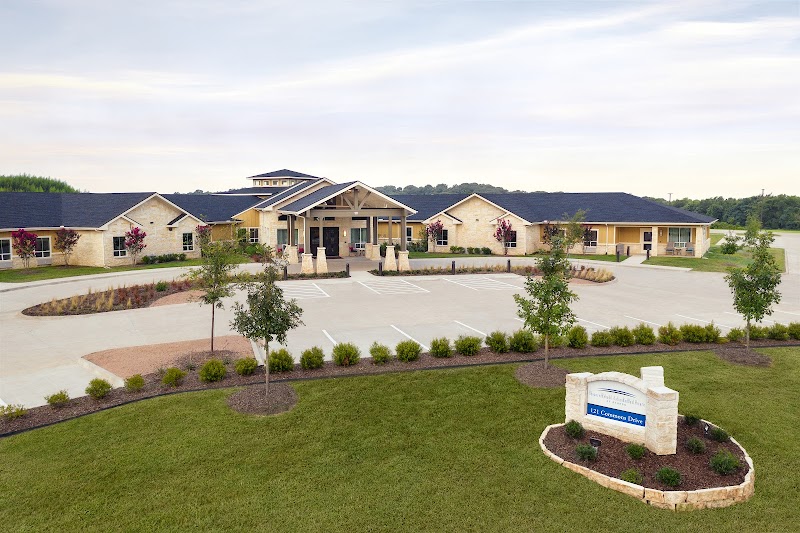
How is Advanced Rehabilitation And Healthcare Of Athens Staffed?

CMS rates ADVANCED REHABILITATION AND HEALTHCARE OF ATHENS's staffing level at 1 out of 5 stars, which is much below average compared to other nursing homes. Staff turnover is 56%, which is 10 percentage points above the Texas average of 46%. High turnover can affect care consistency as new staff learn residents' individual needs. RN turnover specifically is 78%, which is notably high. RNs provide skilled clinical oversight, so turnover in this role can affect medical care quality.

What Have Inspectors Found at Advanced Rehabilitation And Healthcare Of Athens?

State health inspectors documented 29 deficiencies at ADVANCED REHABILITATION AND HEALTHCARE OF ATHENS during 2022 to 2025. These included: 3 Immediate Jeopardy (the most serious level, indicating potential for serious harm or death), 1 that caused actual resident harm, and 25 with potential for harm. Immediate Jeopardy findings are rare and represent the most serious regulatory concerns. They require immediate corrective action.
Who Owns and Operates Advanced Rehabilitation And Healthcare Of Athens?

ADVANCED REHABILITATION AND HEALTHCARE OF ATHENS is owned by a government entity. Government-operated facilities are typically run by state, county, or municipal agencies. The facility is operated by ADVANCED HEALTHCARE SOLUTIONS, a chain that manages multiple nursing homes. With 120 certified beds and approximately 96 residents (about 80% occupancy), it is a mid-sized facility located in ATHENS, Texas.
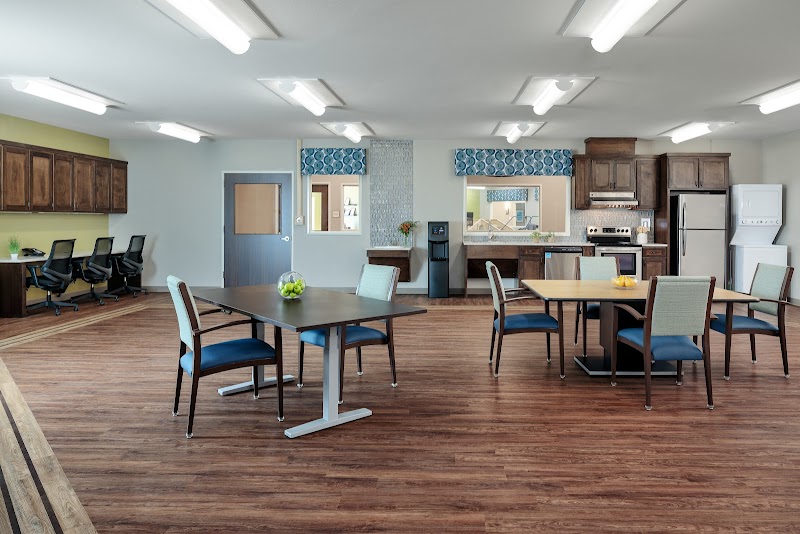
How Does Advanced Rehabilitation And Healthcare Of Athens Compare to Other Texas Nursing Homes?

Compared to the 100 nursing homes in Texas, ADVANCED REHABILITATION AND HEALTHCARE OF ATHENS's overall rating (1 stars) is below the state average of 2.8, staff turnover (56%) is significantly higher than the state average of 46%, and health inspection rating (1 stars) is much below the national benchmark.

What Should Families Ask When Visiting Advanced Rehabilitation And Healthcare Of Athens?

Based on this facility's data, families visiting should ask: "What changes have been made since the serious inspection findings, and how are you preventing similar issues?" "How do you ensure continuity of care given staff turnover, and what is your staff retention strategy?" "Can you walk me through typical staffing levels on day, evening, and night shifts?" "Can I visit during a mealtime to observe dining assistance and food quality?" These questions are particularly relevant given the facility's Immediate Jeopardy citations, the facility's high staff turnover rate, and the below-average staffing rating.

Is Advanced Rehabilitation And Healthcare Of Athens Safe?

Based on CMS inspection data, ADVANCED REHABILITATION AND HEALTHCARE OF ATHENS has documented safety concerns. Inspectors have issued 3 Immediate Jeopardy citations (the most serious violation level indicating risk of serious injury or death). The facility has a 1-star overall rating and ranks #100 of 100 nursing homes in Texas. Families considering this facility should ask detailed questions about what corrective actions have been taken since these incidents.

Do Nurses at Advanced Rehabilitation And Healthcare Of Athens Stick Around?

Staff turnover at ADVANCED REHABILITATION AND HEALTHCARE OF ATHENS is high. At 56%, the facility is 10 percentage points above the Texas average of 46%. Registered Nurse turnover is particularly concerning at 78%. RNs handle complex medical decisions and coordinate care — frequent RN changes can directly impact care quality. High turnover means new staff may not know residents' individual needs, medications, or preferences. It can also be disorienting for residents, especially those with dementia who rely on familiar faces. Families should ask: What is causing the turnover? What retention programs are in place? How do you ensure care continuity during staff transitions?

Was Advanced Rehabilitation And Healthcare Of Athens Ever Fined?

ADVANCED REHABILITATION AND HEALTHCARE OF ATHENS has been fined $124,017 across 2 penalty actions. This is 3.6x the Texas average of $34,319. Fines at this level are uncommon and typically indicate a pattern of serious deficiencies, repeated violations, or failure to correct problems promptly. CMS reserves penalties of this magnitude for facilities that pose significant, documented risk to resident health or safety. Families should request specific documentation of what issues led to these fines and what systemic changes have been implemented.

Is Advanced Rehabilitation And Healthcare Of Athens on Any Federal Watch List?

ADVANCED REHABILITATION AND HEALTHCARE OF ATHENS is not on any federal watch list. The most significant is the Special Focus Facility (SFF) program, which identifies the bottom 1% of nursing homes nationally based on persistent, serious quality problems. Not being on this list means the facility has avoided the pattern of deficiencies that triggers enhanced federal oversight. This is a positive indicator, though families should still review the facility's inspection history directly.