CHANDLER NURSING CENTER
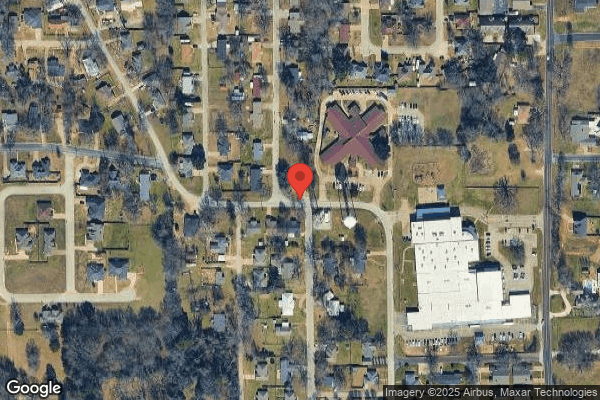
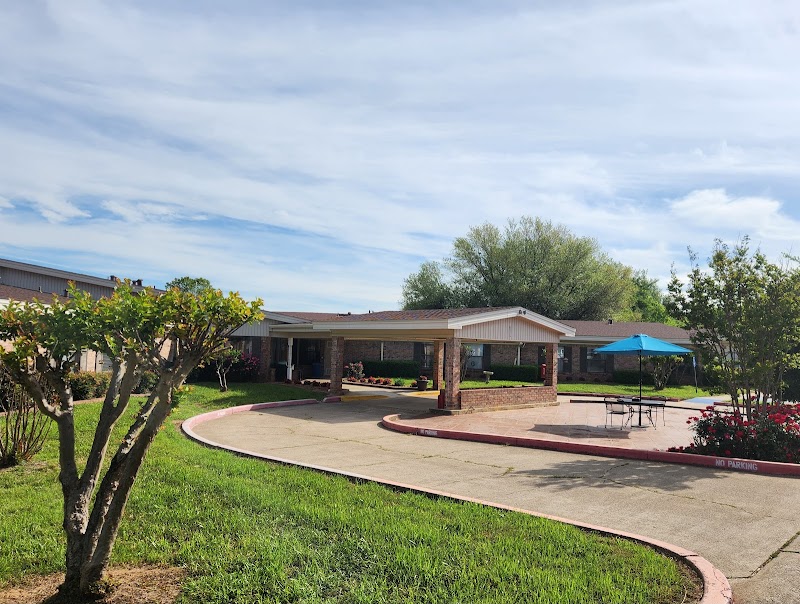
300 CHERRY ST, CHANDLER, TX 75758 (903) 849-2485
Government - Hospital district 90 Beds Independent Data: November 2025 1 Immediate Jeopardy citation
Trust Grade
41/100
#437 of 1168 in TX
Last Inspection: December 2024

Within standard 12-15 month inspection cycle. Federal law requires annual inspections.

Overview

Chandler Nursing Center has a Trust Grade of D, which indicates below-average performance and raises some concerns about the quality of care. They rank #437 out of 1,168 facilities in Texas, placing them in the top half, and #3 out of 6 in Henderson County, meaning there are only two local options that perform better. The facility is worsening, with the number of issues identified increasing from 6 in 2023 to 12 in 2024. Staffing has a middle-of-the-road rating of 3 out of 5 stars, with a turnover rate of 56%, which is about average for Texas. However, they have accumulated fines totaling $17,872, indicating some compliance issues that might reflect repeated problems. The facility does have some strengths, including average RN coverage, which is important for catching potential issues that other staff might miss. Unfortunately, there are significant weaknesses as well, including a critical finding where five residents were potentially at risk for pain and infection due to inadequate staff training and oversight. Other concerns included food safety issues, such as improper kitchen sanitation and failure to keep medications stored securely, which could lead to medication errors and pose health risks to residents. Overall, while there are some positive aspects, families should be aware of the serious issues affecting care quality.

Trust Score
D
41/100
In Texas
#437/1168
Top 37%
Safety Record
High Risk
Review needed
Inspections
Getting Worse
6 → 12 violations
Staff Stability
⚠ Watch
56% turnover. Above average. Higher turnover means staff may not know residents' routines.
Penalties
✓ Good
$17,872 in fines. Lower than most Texas facilities. Relatively clean record.
Skilled Nurses
⚠ Watch
Each resident gets only 22 minutes of Registered Nurse (RN) attention daily — below average for Texas. Fewer RN minutes means fewer trained eyes watching for problems.
Violations
⚠ Watch
25 deficiencies on record. Higher than average. Multiple issues found across inspections.
★★★☆☆
3.0
Overall Rating
★★★☆☆
3.0
Staff Levels
★★☆☆☆
2.0
Care Quality
★★★☆☆
3.0
Inspection Score
Stable
2023: 6 issues
2024: 12 issues

The Good

  • Full Sprinkler Coverage · Fire safety systems throughout facility
  • No fines on record

Facility shows strength in fire safety.

The Bad

3-Star Overall Rating

Near Texas average (2.8)

Meets federal standards, typical of most facilities

Staff Turnover: 56%

Near Texas avg (46%)

Frequent staff changes - ask about care continuity

Federal Fines: $17,872

Below median ($33,413)

Minor penalties assessed

Staff turnover is elevated (56%)

8 points above Texas average of 48%

The Ugly 25 deficiencies on record

1 life-threatening
Dec 2024 12 deficiencies
CONCERN (D) 📢 Someone Reported This

A family member, employee, or ombudsman was alarmed enough to file a formal complaint

Potential for Harm - no one hurt, but risky conditions existed

Resident Rights (Tag F0550)

Could have caused harm · This affected 1 resident

**NOTE- TERMS IN BRACKETS HAVE BEEN EDITED TO PROTECT CONFIDENTIALITY** Based on observation, interview, and record review the facility failed to ensure each resident was treated with respect, dignity...

Read full inspector narrative →
**NOTE- TERMS IN BRACKETS HAVE BEEN EDITED TO PROTECT CONFIDENTIALITY** Based on observation, interview, and record review the facility failed to ensure each resident was treated with respect, dignity, and care for 1 of 16 residents (Resident # 57) observed for care in that: CNA A failed to sit while feeding Resident #57 in the dining room on 12/3/2024. This failure could place residents at risk of not being treated with dignity and respect. Findings included: Record review of a face sheet for Resident #57 dated 12/3/2024 indicated he admitted to the facility on [DATE] and was [AGE] years old with diagnoses of quadriplegia (paralyzed from the neck down), atrial fibrillation (irregular heartbeat) and contracture of left hand (deformity of the hand). Record review of a Quarterly MDS Assessment for Resident #57 dated 10/30/2024 indicated he had moderate impairment in thinking with a BIMS score of 11. He was dependent on staff with all ADLs. Record review of a care plan for Resident #57 dated 10/8/2024 indicated he had a self-care deficit with eating and needed to be spoon fed all his meals. During an observation on 12/3/2024 at 9:32 AM, CNA A was in the dining room feeding Resident #57 while standing. During an interview on 12/3/2024 at 9:37 AM, CNA A said she had been employed at the facility for a week. She said she had just finished feeding Resident #57 and was standing while doing so. She said she knew that the facility wanted them to sit while feeding residents and thought that was what she was supposed to do. She said she did not know why she was not sitting. She said if someone was feeding her while standing, she would not like it and would feel like they were being rushed. During an interview on 12/4/2024 at 10:01 AM, the ADON said she was responsible for training staff in the facility and conducting skills check offs. She said trainings were done on hire, annually, and as needed. She said the staff were trained during orientation on how to be positioned while feeding a resident. She said staff should be directly in front of the residents, sitting and not standing. She said residents may feel insecure if someone was standing over them while feeding. Record review of an in-service training record undated indicated staff were trained on dignity issues while feeding residents and CNA A was in attendance. During an interview on 12/4/2024 at 2:46 PM, the DON said staff should be sitting down at eye level when assisting with feeding a resident and never standing. She said when staff were hired, whoever trained them instructed staff to sit while feeding residents. She said she would not like if someone was standing over her while feeding and it would be a dignity issue. During an interview on 12/4/2024 at 3:17 PM, the Administrator said all staff that are hired complete a floor orientation with designated staff and were trained on assisting residents with meals. She said the staff should be at the level of the resident and should not be standing while feeding a resident. She said it could make them feel like they were being intimidated. She said they did not have a policy on dignity.
CONCERN (D)

Potential for Harm - no one hurt, but risky conditions existed

Deficiency F0558 (Tag F0558)

Could have caused harm · This affected 1 resident

**NOTE- TERMS IN BRACKETS HAVE BEEN EDITED TO PROTECT CONFIDENTIALITY** Based on observations, interviews, and record review the facility failed to ensure the resident was allowed the right to receive...

Read full inspector narrative →
**NOTE- TERMS IN BRACKETS HAVE BEEN EDITED TO PROTECT CONFIDENTIALITY** Based on observations, interviews, and record review the facility failed to ensure the resident was allowed the right to receive services in the facility with reasonable accommodation of resident needs and preferences except when to do so would endanger the health or safety of the resident or other residents for 1 of 8 residents (Resident #24) reviewed for call lights. The facility failed to ensure the emergency call light in Resident #24's bathroom was accessible from the floor on 12/2/24. These failures could affect residents who used their call lights or desire to use the call lights and place them at risk of not being able to notify staff of their needs. Findings include: Record review of a facility face sheet dated 12/3/24 for Resident # 24 reflected that she was a [AGE] year-old female admitted to the facility on [DATE] with diagnoses that include congestive heart failure (a long-term condition that happens when your heart can't pump blood well enough to give your body a normal supply), dementia, and hypertension. Record review of a quarterly MDS assessment dated [DATE] for Resident #24 reflected that she had a BIMS score of 13, which indicated that she was cognitively intact. She was independent with toileting hygiene and toilet transfers. She was always continent of bowel and bladder. Record review of a comprehensive care plan dated 7/21/22 for Resident #24 reflected that she was at risk for falls and had the following intervention .Remind/encourage to use call light for assistance . During an observation and interview on 12/02/24 at 10:34 am Resident #24 was observed in her room sitting up in a wheelchair. Her bathroom call light was observed to be wrapped around the grab bar. She said she did use the restroom independently. She said she does know that it needed to be unwrapped in case she fell in the restroom. She said she did fall in the restroom several years ago but had not fallen recently. During an interview on 12/2/24 at 10:46 am MA F said she had been here since October but said she did not know why the string should not be wrapped around the grab bar. She said she would unwrap it. During an interview on 12/2/24 at 10:59 am CNA D said the call light strings should not be wrapped around the grab bars because a resident may fall and not be able to call for help. She said the resident could hurt themselves. During an interview on 12/4/24 at 4:40 pm DON said Resident #24 had wrapped the string around the grab bar herself. DON said she had spoken to Resident #24 and educated her on why the string should not be wrapped around the grab bar. She said she would be having administrative teams checking the bathroom call light strings going forward. During an interview on 12/4/24 at 4:50 pm Administrator said Resident #24 had been educated and staff will continue education if needed. She said if a resident fell, they might not be able to call for assistance in a timely manner. She said she would have staff double check the strings going forward. Record review of a facility policy titled Procedure - Call Light dated March 2019 read .to respond to resident/patient's request and needs . Record review of a facility policy titled Standard - Resident/Patient Rights dated December 2018 read .The facility recognizes the residents' right to a quality of life that supports privacy, confidentiality, independent expression, choice, and decision making, consistent with State law and Federal regulation .
CONCERN (D)

Potential for Harm - no one hurt, but risky conditions existed

Comprehensive Care Plan (Tag F0656)

Could have caused harm · This affected 1 resident

**NOTE- TERMS IN BRACKETS HAVE BEEN EDITED TO PROTECT CONFIDENTIALITY** Based on interview and record review, the facility failed to develop and implement a comprehensive person-centered care plan tha...

Read full inspector narrative →
**NOTE- TERMS IN BRACKETS HAVE BEEN EDITED TO PROTECT CONFIDENTIALITY** Based on interview and record review, the facility failed to develop and implement a comprehensive person-centered care plan that describes the services that are to be furnished to attain or maintain the resident's highest practicable physical, mental and psychosocial well-being for 1 of 8 residents (Resident #18) reviewed for care plans. The facility failed to develop a comprehensive care plan that included Resident #18's requirement of using a mechanical lift to transfer. This failure could place residents at risk of not having individual needs met and cause residents not to receive needed services. Findings: Record review of a facility face sheet dated 12/2/24 for Resident #18 reflected that he was an [AGE] year-old male admitted to the facility on [DATE] with diagnoses that included parkinsonism (a clinical syndrome characterized by tremor, bradykinesia (slowed movements), rigidity, and postural instability), hemiplegia and hemiparesis following cerebral infarction affecting left non-dominant side (weakness/paralysis to one side of body following a stroke), and Alzheimer's. Record review of a quarterly MDS assessment dated [DATE] for Resident #18 reflected that he had a BIMS score of 6, which indicated that he had severely impaired cognition. He was dependent with transfers and all ADLs. During an observation on 12/2/24 at 12:10 pm Resident #18 was observed in the dining room. He was observed in a wheelchair with a mechanical lift sling underneath him. The lift sling loops were observed to be faded in color and were a very light pink in color. The lift sling was a blue mesh in color with light pink spots observed in the mesh and the label was unreadable. Record review of a comprehensive care plan dated 5/16/24 for Resident #18 reflected an alteration in ADL function and unsteady gait requiring X2 staff assist for transfers. The care plan did not address the use of a mechanical lift. During an interview on 12/4/24 at 4:40 pm DON said the MDS nurse was responsible for care plans but she was unavailable today. She said if a resident required a mechanical lift transfer and it was not properly care planned, staff may not know, and the resident could be at risk for falls and injuries. During an interview on 12/4/24 at 4:50 pm Administrator said the care plans should address resident's needs. She said a resident could be at risk of not receiving the proper assistance. She said going forward, she would expect staff to double check care plans to ensure needed services were care planned. Record review of a facility policy titled Procedure - Comprehensive Interdisciplinary Plan of Care dated July 2018 read .Identify and document the specific, individualized steps or approaches the staff will take to assist the resident/patient to achieve the goal(s) identified .
CONCERN (D) 📢 Someone Reported This

A family member, employee, or ombudsman was alarmed enough to file a formal complaint

Potential for Harm - no one hurt, but risky conditions existed

Accident Prevention (Tag F0689)

Could have caused harm · This affected 1 resident

**NOTE- TERMS IN BRACKETS HAVE BEEN EDITED TO PROTECT CONFIDENTIALITY** Based on observations, interviews, and record review, the facility failed to ensure the residents' environment remained as free ...

Read full inspector narrative →
**NOTE- TERMS IN BRACKETS HAVE BEEN EDITED TO PROTECT CONFIDENTIALITY** Based on observations, interviews, and record review, the facility failed to ensure the residents' environment remained as free of accident hazards as possible for 2 of 8 residents (Resident #18 and Resident #217) reviewed for accidents/hazards. The facility failed to remove worn and damaged mechanical lift slings from service. This deficient practice could place residents at risk of a loss of quality of life due to injuries. Findings included: Record review of a facility face sheet dated 12/2/24 for Resident #18 reflected that he was an [AGE] year-old male admitted to the facility on [DATE] with diagnoses that included parkinsonism (a clinical syndrome characterized by tremor, bradykinesia (slowed movements), rigidity, and postural instability), hemiplegia and hemiparesis following cerebral infarction affecting left non-dominant side (weakness/paralysis to one side of body following a stroke), and Alzheimer's. Record review of a quarterly MDS assessment dated [DATE] for Resident #18 reflected that he had a BIMS score of 6, which indicated that he had severely impaired cognition. He was dependent with all ADLs. Record review of a comprehensive care plan dated 5/16/24 for Resident #18 reflected an alteration in ADL function and unsteady gait requiring X2 staff assist for transfers. The care plan did not address the use of a mechanical lift. Record review of a facility face sheet dated 12/2/24 for Resident # 217 reflected that he was a [AGE] year-old man admitted to the facility on [DATE] with diagnoses that included dementia, hypertension, and type 2 diabetes. Record review of a comprehensive MDS assessment dated [DATE] for Resident #217 reflected that BIMS should not be conducted due to resident being rarely/never understood. Staff assessment for mental status indicated that he had severely impaired cognition. He was dependent with all ADLs. Record review of a baseline care plan dated 11/17/24 for Resident #217 indicated that he required assistance with transfers. The comprehensive care plan had not been completed yet. During an observation on 12/2/24 at 12:10 pm Resident #18 and Resident #217 were observed in the dining room. Resident #18 was observed in a wheelchair with a mechanical lift sling observed underneath him. The lift sling loops were observed to be faded in color and were a very light pink in color. The lift sling was a blue mesh in color with light pink spots observed in the mesh and the label was unreadable. Resident #217 was observed in a geri-chair with a mechanical lift sling underneath him that had loops also faded in color. The loop colors were observed to be white, gray, and light pink in color. The label on Resident #217's lift sling was dated 11/18/22 and had unreadable initials on it. During an interview on 12/3/24 at 10:20 am DON said slings that show color fading and/or bleach spots should not be used because they could tear. She said staff may be unable to differentiate the colors and not be able to tell which loops to use when transferring residents. She said the slings were Medline brand. During an observation and interview on 12/4/24 at 12:07 pm Laundry Supervisor said she does not launder the slings with bleach. She said she trains her staff not to launder with bleach as well. She said slings are laundered with personal laundry to ensure they are not bleached. She said laundry staff are responsible to inspect lift slings before taking them back inside the facility for resident use and they inspect for signs of wear and tear, loose stitches, and faded coloring. A lift sling was observed in the laundry room that had been laundered and air dried. The sling loops were observed to be faded in coloring, loop colors were unable to be differentiated, they all appeared to be a light purple in color. She said she did not notice the coloring on the straps, that she would just look for faded coloring in the stitching. She said if unsafe slings were used, residents could fall and be hurt. During an interview on 12/4/24 at 4:40 pm DON said laundry was responsible for checking slings before bringing them back out for use, but that all staff that use them should inspect them before use. She said the facility has done an in-service and ordered new slings. She said slings that were unsafe could rip and residents could fall. During an interview on 12/4/24 at 4:50 pm Administrator said she would have staff to continue inspecting the lift slings and let her know of any that needed to be replaced. Record review of guidance titled Full Body Slings: Instructions for Use retrieved from www.medline.com on 12/4/24 read .Always inspect slings prior to each use. Signs of rips, tears, or frays indicate sling wear which is unsafe and could result in injury. Signs of color fading, bleached areas, or permanent wrinkles on the straps indicate improper laundering which is unsafe and could result in injury. Any slings with signs of wear or improper laundering should be immediately removed from use . and .Do not remove sling labels. If sling labels are removed or no longer legible, sling must be immediately removed from use . Record review of a facility policy titled Procedure - Lifting Devices - Electric and Hydraulic dated March 2019 read .Inspect the integrity of the equipment .
CONCERN (D) 📢 Someone Reported This

A family member, employee, or ombudsman was alarmed enough to file a formal complaint

Potential for Harm - no one hurt, but risky conditions existed

Deficiency F0760 (Tag F0760)

Could have caused harm · This affected 1 resident

**NOTE- TERMS IN BRACKETS HAVE BEEN EDITED TO PROTECT CONFIDENTIALITY** Based on observation, interview, and record review, the facility failed to ensure that residents were free of significant medica...

Read full inspector narrative →
**NOTE- TERMS IN BRACKETS HAVE BEEN EDITED TO PROTECT CONFIDENTIALITY** Based on observation, interview, and record review, the facility failed to ensure that residents were free of significant medication errors for 1 of 3 residents (Resident #47) reviewed for pharmacy services. The facility failed to ensure Resident #47 received the correct dosage of Depakote (an anticonvulsant medication) on 12/3/24. This failure could place residents at risk of medical complications and not receiving the therapeutic effects of their medications. Findings included: Record review of a facility face sheet dated 12/3/24 for Resident # 47 reflected that he was a [AGE] year-old male admitted to the facility on [DATE] with diagnoses that included cerebral infarction (stroke), dementia, and hypertension (high blood pressure). Record review of a comprehensive MDS assessment dated [DATE] for Resident #47 reflected that he had a BIMS score of 12, which indicated that he had moderately impaired cognition. The medication section indicated that he took an anticonvulsant. Record review of a comprehensive care plan dated 11/26/24 for Resident #47 reflected that he received an anticonvulsant for diagnosis of mood disorder with an intervention that read .administer meds as ordered by MD . Record review of physician order summary report dated 11/1/24 through 11/30/24 for Resident #47 reflected the following physician order dated 6/21/24: .Depakote (divalproex) tablet, delayed release (DR/EC); 125mg; amount: 500mg; oral Special Instructions: Give 4 tabs to = 500mg Twice a Day; 06:30 am - 10:30 am, 05:00 pm - 09:00 pm . Record review of electronic medical record on 12/3/24 for Resident #47 indicated that he had the following active physician's order: .Depakote (divalproex) tablet, delayed release (DR/EC); 125 mg; amt: 500mg; oral. Special Instructions: Give 4 tabs to = 500mg DO NOT CRUSH Twice a Day . dated 11/27/24 and open ended (meaning no stop date). Record review of Medication Administration Record dated 12/1/24 - 12/31/24 for Resident #47 indicated the following medication administration order: .Depakote (Divalproex) tablet; delayed release (DR/EC); 125mg; Amount to administer: 500mg; oral Twice a Day Give 4 tabs to = 500mg DO NOT CRUSH . dated 11/27/24 and open-ended (meaning no stop date). Record review of a facility accident/incident report dated 12/3/24 for Resident #47 read .Describe exactly what happened: Directions on the MAR did not match. Resident given 250mg of Depakote instead of 500mg. Resident assessed. NARN . and .State cause: Nurse didn't check the card against the MAR . Report indicated family and physician were notified with no new orders received. During an observation on 12/3/24 at 8:21 am LVN E was observed administering Resident #47 his medications which included 2 125mg Depakote tablets to equal 250mg. She was observed looking at medication card and medication administration record. During an observation and interview on 12/3/24 at 10:10 am LVN E pulled the card of Depakote for Resident #47 from the medication cart, compared the directions on the card to the Medication Administration Record and said oh, I messed up. She said she failed to catch that the directions on the card did not match the directions on the MAR. Observation of the medication card revealed that directions read .DIVALPROEX 125MG 2 PO in AM and 4 PO in PM . There was no change of direction sticker on the card of medications. During an interview on 12/3/24 at 1:22 pm pharmacy representative said Resident #47's order in their system showed to be Depakote 125 mg 2 tabs by mouth in the morning and 4 tabs by mouth at night and had a start date of 12/19/23. She said they had been filling the medication according to those directions. She said the new order showing 500 mg twice daily was received today. During an interview on 12/4/24 at 4:40 pm DON said she expected her staff to follow physician orders when administering medications and follow medication administration rights. She said she will do in-services and skills checkoffs with nursing staff and medication aides. She said residents could be harmed if medications were not administered appropriately. During an interview on 12/4/24 at 4:50 pm Administrator said LVN E had been counseled and staff educated on medication administration. She said depending on the medication given, residents could not get what they need, or they could get something they did not need. Record review of a facility policy titled Procedure - Medication Administration dated March 2019 read .Read the Medication Administration Record (MAR) for the ordered medication, dose, dosage form, route, and time . and .Verify the pharmacy prescription label on the drug and the manufacturer's identification system matched the MAR. If there is a discrepancy, check the original physician's order and notify the pharmacy. Do not give the medication until clarified . Record review of a facility policy titled Standard - Medication Errors dated December 2018 read .Significant and Non-significant medication errors are defined by OBRA using the following criteria: .2. Drug Category - If the drug is from a category that usually requires the resident/patient to be titrated to a specific blood level, a single medication error could alter that level and precipitate a reoccurrence of symptoms or toxicity .Examples of drug categories which require titration of resident/patient blood levels may include, but are not limited to, the following agents: anticonvulsants, anticoagulants, antiarrhythmic, anti-anginal, and anti-glaucoma .
CONCERN (D)

Potential for Harm - no one hurt, but risky conditions existed

Deficiency F0804 (Tag F0804)

Could have caused harm · This affected 1 resident

Based on observation, interviews, and record review the facility failed to ensure recipes were followed to meet the nutritional needs of residents. The facility failed to ensure each resident receives...

Read full inspector narrative →
Based on observation, interviews, and record review the facility failed to ensure recipes were followed to meet the nutritional needs of residents. The facility failed to ensure each resident receives and the facility provides food prepared by methods that conserve nutritive value, flavor and appearance for 2 of 2 observed recipe variations for meal accuracy. The facility failed to ensure recipes were followed during pureeing and approved liquid from the menu was used to preserve nutritive value of the food. Findings include: Observation and Record review on 12/03/2024 at 11:30 AM of cook pureeing Spanish [NAME] and Enchiladas for lunch revealed she used water of an unknow amount to dilute enchiladas and Spanish rice. Water was not on the recipes as approved liquids to dilute these items for pureeing. During an observation on 12/03/2024 at 11:30 AM, of the kitchen, the cook did not use recipe instructions to determine the appropriate liquid to be used for pureeing. During an observation on 12/03/2024 at 11:33 AM, of the kitchen, the cook used water to thin the enchiladas and rice. Recipes did not list water as an appropriate liquid for pureeing. During Record Review on 12/04/2024 of the facility's menus for Spanish [NAME] and Chicken Enchiladas water used by the cook did not meet the recipe guidelines. Water used was not measured or an approved liquid on the recipes. During an interview with DM on 09/04/2024 at 9:52AM said she has worked at the facility for 4 years. DM said she realize she should have stepped in and stopped her cook when she saw her making a mistake . She said they have in-service and trainings, but they are verbal and not on paper. She said she will in-service staff today on food preparation and start documenting in-service and trainings on paper and keep a log for the future. She said recipes should be followed to make sure each resident gets the correct meal type ordered and receive the intentional nutritive value. DM said the cook should have used instant rice and not the rice prepared for regular diets. DM said she will work on staff daily and not let them become relaxed, assure everyone follow menus and recipes. Said she would like to see staff change for the positive and she will diligently work to assure they use their mistakes as a learning tool, correct their mistakes and move forward and get it right. During an interview with the cook on 09/04/24 at 10:19AM said she has worked here for 12 plus years. [NAME] said she had the recipe but did not look at it during preparing the rice and enchilada's as she has cooked the same things for so long and just remembers. Said they use water on most food items for pureeing. Said she had her menu out and will look at it from now on to assure she's preparing food correctly. She said she want every resident to get good quality food and understands variating from the menu may have negative outcomes for the residents. She said she have not received any trainings on pureeing in several years. Interview with DA on 12/04/2024 at 10:40AM said she worked at the facility for 20 yrs. as a DA. She said she feels like they can do better in all areas . She said she does not receive written trainings or in-services. She said they are told what to do sometimes but nothing formal or in writing. Interview with ADON on 12/04/2024 at 11:00AM said the DM is supposed to educate and in-service the kitchen staff and keep up with the training the kitchen staff needs and have had. She said she is responsible for keeping up with the in-services provided to the kitchen staff. She said after the DM in-services the staff she is to provide her with the documentation that the in-services were completed. She said they are verbally trained and in serviced almost daily. She said she will work with DM to train kitchen staff and maintain knowledge of policy and state regulations as well as keep a log of trainings, education and in-services provided to the kitchen staff. She said she would like to see the facility with no deficiencies and will apply herself more diligently to try and assure the residents are safe and well cared for. Interview with DON on12/04/2024 at 11:07AM said she has worked here since April 2024. She said kitchen staff attend the monthly staff meeting but she has not been involved with kitchen staff's in-services or training but will become more involved now that she knows there is a need for more assistance with educating and in-services in the kitchen. Interview with RD on 12/04/24 at 11:50 AM said she had only been with this facility since 10/24/24. She said she completed an in service in the kitchen on puree and meal prep today. She said she made sure staff understands the spoon and fork test for consistency of pureed foods, follow the menus unless they have approved variations by a licensed dietitian and that residents could choke or not get the required nutrition if the recipes are not followed. She said she will continue in servicing the staff monthly as well as have another outside dietitian/staff to come in and train the kitchen staff. She said her job duty is to audit the kitchen on different areas throughout the year. She said she will spend time with staff to assure the residents health and safety is first.
CONCERN (D)

Potential for Harm - no one hurt, but risky conditions existed

Deficiency F0805 (Tag F0805)

Could have caused harm · This affected 1 resident

Based on observation, interviews, and record review the facility failed to ensure each resident received and the facility provided food prepared in a form designed to meet individual needs for 1 of 4 ...

Read full inspector narrative →
Based on observation, interviews, and record review the facility failed to ensure each resident received and the facility provided food prepared in a form designed to meet individual needs for 1 of 4 trays reviewed for puree diets. The facility failed to prepare the Spanish rice and Enchiladas on the pureed test tray to a pudding like or smooth consistency on 12/03/2024. Findings Include: During Observation on 12/03/2024 at 11:30 AM [NAME] was observed pureeing of Spanish rice and enchiladas. The pureed for prepared for the residents was of appropriate smoothness and texture. During Observation on 12/03/2024 of a pureed test tray, the food was clumpy, sticky, with pieces of rice and chunks of enchiladas not blended to a smooth/pudding like consistency. During Observation and interview with DM on 12/03/2024 at 1:42 PM, the DM sampled the test tray by stirring the food with a spoon and said the food was not at the right consistency per their puree guidelines. She said she do not know exactly what happen with the requested puree test tray and thinks her cook must have gotten confused. She said they have three residents on puree diets at the facility, and she will check to see if the resident's food was at an approved consistency and if not provide them with another tray. During an interview with DM on 12/04/2024 at 9:52AM said she has worked at the facility for 4 years. DM said she realized she should have stepped in and stopped her cook when she saw her making a mistake . She said they have in-service and trainings, but they are verbal and not on paper, said she will in-service staff today on food preparation and start documenting in-service and trainings on paper and keep a log for the future. DM said she will work on staff daily and not let them become relaxed, assure everyone follow menus and recipes, and puree is at the right consistency. Said she would like to see staff change for the positive and she will diligently work to assure they use their mistakes as a learning tool, correct their mistakes and move forward and get it right. During an interview with the cook on 12/04/2024 at 10:19AM said she has worked here for 12 plus years. The cook said she was nervous and know she forgot some of the steps when pureeing. When asked why the pureed food on the test tray is not the same as the observed puree food during observation and testing the pureed food. The cook said she did not puree extra or alter the food on the test tray and do not know what happen to make the food thicken and clump up. She said maybe it happened because the food was sitting on the hot steam table. [NAME] said if a resident eats food not thinned out enough, they could choke. Interview with DA on 12/04/2024 at 10:40AM said she worked at the facility for 20 yrs. as a DA. She said she feels like they can do better in all areas including food preparation. She said she does not receive written trainings or in-services. She said they are told what to do sometimes but nothing formal or in writing. Interview with ADON on 12/04/2024 at 11:00AM said the DM is supposed to educate and in-service the kitchen staff and keep up with the training the kitchen staff needs and have had. She said she is responsible for keeping up with the in-services provided to the kitchen staff. She said after the DM in-services the staff she is to provide her with the documentation that the in-services were completed. She said they are verbally trained and in serviced almost daily. She said she will work with DM to train kitchen staff and maintain knowledge of policy and state regulations as well as keep a log of trainings, education and in-services provided to the kitchen staff. She said she would like to see the facility with no deficiencies and will apply herself more diligently to try and assure the residents are safe and well cared for. Interview with DON on12/04/2024 at 11:07AM said she has worked here since April 2024. She said kitchen staff attend the monthly staff meeting but she has not been involved with kitchen staff's in-services or training but will become more involved now that she knows there is a need for more assistance with educating and in-services in the kitchen. Interview with RD on 12/04/24 at 11:50 AM said she has only been with this facility since 10/24/24. She said she completed an in service in the kitchen on puree and meal prep today. She said she will continue in servicing the staff monthly as well as have another outside dietitian/staff to come in and train the kitchen staff. She said she comes to the facility bimonthly and has a test tray each time. She said she has not noticed any issue with the texture. She said her job duty is to audit the kitchen on different areas throughout the year. She said most of her time is spent on clinical prospective to assure the residents health and safety is first. Interview with the Administrator on 12/04/24 at 4:52 PM said the cook should follow the menus and check to see if it's the right consistency per doctor's order and care plan before serving. Record Review of the facility's document titled In-Service Training Record reflected on 12/04/2024 kitchen staff was provided education and training on puree consistency and puree preparation. Record Review on 12/04/2024 of the facility's document titled testing Altered Textures reflected pureed foods should be a pudding like consistency and fall off the spoon in one single lump. Retaining its shape without separating any liquids and food should not contain any lumps.
CONCERN (E) 📢 Someone Reported This

A family member, employee, or ombudsman was alarmed enough to file a formal complaint

Potential for Harm - no one hurt, but risky conditions existed

Deficiency F0761 (Tag F0761)

Could have caused harm · This affected multiple residents

**NOTE- TERMS IN BRACKETS HAVE BEEN EDITED TO PROTECT CONFIDENTIALITY** Based on observations, interviews, and record review, the facility failed to ensure drugs and biologicals used in the facility w...

Read full inspector narrative →
**NOTE- TERMS IN BRACKETS HAVE BEEN EDITED TO PROTECT CONFIDENTIALITY** Based on observations, interviews, and record review, the facility failed to ensure drugs and biologicals used in the facility were labeled in accordance with currently accepted professional principles and store all drugs and biologicals in locked compartments and permit only authorized personnel to have access to the keys for 2 of 5 residents (Resident #13 and Resident #4) reviewed for medication administration. 1.The facility did not ensure medications were not stored at the bedside for Resident #13 on 12/2/2024 and 12/3/2024. 2.The facility did not ensure medications were not stored at the bedside for Resident #4 on 12/2/2024 This failure could place all residents at an increased risk of the potential for overmedications resulting in adverse health consequences. Findings included: 1. Record review of a face sheet for Resident #13 dated 12/3/2024 indicated she admitted to the facility on [DATE] and was [AGE] years old with diagnoses of age-related osteoporosis (brittle bones), hypertension, COPD (a group of lung diseases that make it difficult to breathe), and candidiasis (yeast rash). Record review of active physician orders for Resident #13 dated 12/1/2024-12/31/2024 indicated there were not any orders for nasal spray, zinc oxide or mentholatum ointment or any orders for resident to self-administer medications. Record review of a Quarterly MDS Assessment for Resident #13 dated 10/5/2024 indicated she did not have any impairment in thinking with a BIMS score of 15. Record review of a care plan for Resident #13 dated 4/23/2024 indicated she was at risk for ineffective breathing pattern related to allergies with an approach to administer medications as prescribed by physician and monitor for side effects and effectiveness. During an observation on 12/2/2024 at 10:05 AM, in the room of Resident #13, she was not in the room. On her overbed table was a tube of zinc oxide ointment. During an observation on 12/3/2024 at 7:53 AM, in the room of Resident #13, she was not in the room. On her overbed table was a tube of zinc oxide, a bottle of nasal spray and a jar of mentholatum ointment. During an observation and interview on 12/3/2024 at 8:13 AM, Resident #13 was dressed and sitting in the dining room. She said she had been at the facility since April 2024. She said she had a runny nose constantly and the nasal spray helped and used it multiple times a day, and she used the mentholatum for her nose as well. She said she put the zinc oxide on her bottom sometimes and used it if she had a breaking out on the skin in her groin area and under her breasts. She said the medications were brought to her by family. During an observation on 12/3/2024 at 4:00 PM, in the room of Resident #13, she was sitting up in a recliner awake. Medications of nasal spray, zinc oxide ointment and mentholatum ointment were still present on her over bed table. During an interview on 12/3/2024 at 4:14 PM, the ADON said Resident #13 should not have any medications at the bedside and said her family brought them to her and they should have made the facility aware of the medications at the time they were brought into the facility. She said they would immediately put in an order and remove the medications and call the family to let them know that they must make the facility aware of any medications being brought in. During a followup interview on 12/4/2024 at 10:01 AM, the ADON said there were not any residents in the facility that were deemed safe to self-administer medications. She said she talked to Resident #13's family and reeducated them that there could not be any OTC medications brought into the facility without them being aware and they could not be kept at the bedside. She said she informed the family that the medications had to be approved by the physician. She said she was not aware that Resident #13 had medications at the bedside until yesterday 12/3/2024. She said the facility had ambassador rounds and management were assigned rooms in the facility to check for safety and any concerns of the residents. She said the SW was assigned the room of Resident #13 and was not working today. She said residents could overmedicate or could give medications to other residents or other residents could enter the room and take the medications if they were left at the bedside. She said Resident #13 did not have any orders for OTC medications. During an interview on 12/4/2024 at 2:46 PM, the DON said there were not any residents in the facility that were deemed safe to self-administer any medications. She said she was made aware of Resident #13 having OTC medications at the bedside on yesterday 12/3/2024. She said her family was notified and they picked up the medications on yesterday 12/3/2024. She said they did get an order for the nasal spray and an order for bio freeze. She said residents could take too much of the medicine or other residents could get them if they were left at the bedside. She said on admission to the facility the admission director notified families/residents of items that they could and could not have. She said each morning a member of the administrative team performed ambassador rounds and they were supposed to check the rooms for any safety issues or concerns. She said they planned to have the nurse team make rounds to ensure residents were safe and did not have anything they were not supposed to have. 2. During an observation and interview on 12/2/2024 at 10:40 AM, Resident #4 was sitting in her wheelchair in her room. On her dresser she had a bottle of Aspercream. She said she uses the Aspercream on her left elbow due to having arthritis. She said her family brings it to her. Resident did not say how often she uses the Aspercream, how much she uses or if the staff knew she had Aspercream in her room. Record review of a face sheet for Resident #4 dated 12/3/2024 indicated she admitted to the facility on [DATE] and was [AGE] years old with diagnoses of Osteoarthritis, Unspecified dementia, hypertension, senile degeneration of brain and psychotic, Cerebral ischemia. Record review of active physician orders for Resident #4 dated 11/04/2024-12/04/2024 indicated there were not any orders for Aspercream or any orders for resident to self-administer medications. Record review of a Quarterly MDS Assessment for Resident #4 dated 09/21/2024 indicated she did not have any impairment in thinking with a BIMS score of 15. Record review of a care plan for Resident #4 dated 10/04/2024 indicated she was not care planned to have medications in her room or self-administer medications. During an interview on 12/04/2024 at 11:00AM, the ADON said she did not know anyone had medications in their room and all medication should be stored in the medication room and or in the locked medication cart. She said she do not know why but occasionally a family member will bring in over the counter medications to a resident without letting anyone know. She said they will get a doctor's order if possible. She said the families are orientated on their policy that no medications are to be brought to the resident or left in their room. During an interview on 12/4/2024 at 11:07AM, the DON said Resident #4 should not have any medications at the bedside and said she and her family were informed at admission that residents cannot have medication in their room and if prescribed by a physician they will be kept with other medication in the medication room or in the medication cart. DON said the medication would be removed immediately. During an interview on 12/4/2024 at 3:17 PM, the Administrator said there were not any residents in the facility deemed safe to self-administer medications and they should be stored in the medication room or in the cart. She said residents may not know how to properly use them or someone else may get them and use them improperly or interact with other medication. She said she planned to continue to educate staff and family on what they should not bring into the rooms and to let them know so they can get an order for it. Record review of a facility policy titled Medication Storage dated December 2018 indicated, .Medications, treatments, and biologicals are stored safely, securely and properly following manufacturer's recommendations or facility policy. 4. Except for those requiring refrigeration, medications intended for internal use are stored in a medication cart or other designated area . and .The dispensing pharmacy will dispense medications in containers that meet legal requirements. Medications are kept and stored in these containers .
CONCERN (E) 📢 Someone Reported This

A family member, employee, or ombudsman was alarmed enough to file a formal complaint

Potential for Harm - no one hurt, but risky conditions existed

Deficiency F0839 (Tag F0839)

Could have caused harm · This affected multiple residents

**NOTE- TERMS IN BRACKETS HAVE BEEN EDITED TO PROTECT CONFIDENTIALITY** Based on interviews and record review the facility failed to ensure professional staff were licensed, certified, or registered i...

Read full inspector narrative →
**NOTE- TERMS IN BRACKETS HAVE BEEN EDITED TO PROTECT CONFIDENTIALITY** Based on interviews and record review the facility failed to ensure professional staff were licensed, certified, or registered in accordance with applicable State laws for 2 of 5 staff (CNA B and CNA C) reviewed for staff qualifications. The facility failed to ensure CNA B was appropriately certified to practice and provide CNA care in the State of Texas when her certification expired on [DATE]. The facility failed to ensure CNA C was appropriately certified to practice and provide CNA care in the State of Texas when her certification expired on [DATE]. This failure could place residents at risk of not receiving care and services from staff who were properly trained. The findings included: Record review of the personnel file for CNA B indicated she hired at the facility on [DATE] and her certification expired on [DATE]. Record review of the personnel file for CNA C indicated she hired at the facility on [DATE] and her certification expired on [DATE]. Attempted a phone interview on [DATE] at 1:20 PM, CNA B did not answer the phone and a voicemail message was left for a return phone call and by the time of Surveyor exit on [DATE] at 5:30 PM there was not a return phone call. During a phone interview on [DATE] at 4:05 PM, CNA C said she had been employed at the facility over a year and worked double shifts on the weekends. She said the last time she worked was this past weekend ([DATE] and [DATE]). She was not aware her certification expired [DATE]. She said the ADON informed her 2 weeks ago that her certification expired. She said her registry was from another state and could not get into her TULIP account and said she was in the process of getting it back active. She said HR gave her a form to get completed and was taking it to a notary to get it notarized. She said she had to finish some training modules and download completion of the modules and then upload them into TULIP. She said once that was done, she would get the paper notarized and upload the form. She was told if she could get it completed this week, then she could return to work this upcoming weekend. She said she did not know how to check the expiration and her past employers did everything with the renewal process. She said she found out 2 weeks ago that it was expired and has worked every weekend since [DATE]. She said the ADON told her she would be taken off the schedule until it was renewed. During an interview on [DATE] at 2:37 PM, the ADON said CNA B and CNA C both had expired certifications. She said she was aware back during the summer of this year, and both were notified that they were expired. She said the staff were responsible for creating an account in TULIP, completing the required infection control modules, and uploading the documents into the portal. She said the facility offered to help them and help was given to them both with logging into the portal. She said both staff had completed the required modules. She said she was aware of the extensions that were given to them with the last extension being [DATE]. She said both staff were allowed to work before due to the waivers that were in place with the extensions prior and the most recent extension ended [DATE]. She said both staff right now have been removed from the schedules until verification was made that their certifications were renewed. She said there could be a risk of having staff work that were not properly trained with having expired certifications. During an interview on [DATE] at 3:17 PM, the Administrator said they had been in servicing the staff on TULIP certification and conducted an in-service in [DATE] and the waiver ended in [DATE]. She said they had problems with the TULIP system and tickets still have not been answered. She said they had the nurse aides go in and create an account and when they did, they did not get any errors when creating an account. She said she notified her staff last week on [DATE] that anyone that did not have a renewed certification was not allowed to work if they had not done what they were supposed to do by [DATE]. She said those staff were not on the schedule and that included CNA B and CNA C. She said the staff should be responsible for ensuring their certifications are updated. She said she planned for anyone without an active certification would not be allowed to work. She said the risk was limited to the residents since both CNA B and CNA C had been certified versus someone that was new without any training. A copy of a facility policy for staff qualifications was requested and none was provided. Administrator said the facility did not have a policy on [DATE] at 9:03 AM.
CONCERN (E) 📢 Someone Reported This

A family member, employee, or ombudsman was alarmed enough to file a formal complaint

Potential for Harm - no one hurt, but risky conditions existed

Infection Control (Tag F0880)

Could have caused harm · This affected multiple residents

**NOTE- TERMS IN BRACKETS HAVE BEEN EDITED TO PROTECT CONFIDENTIALITY** Based on observations, interviews, and record review the facility failed to establish and maintain an infection prevention and c...

Read full inspector narrative →
**NOTE- TERMS IN BRACKETS HAVE BEEN EDITED TO PROTECT CONFIDENTIALITY** Based on observations, interviews, and record review the facility failed to establish and maintain an infection prevention and control program designed to provide a safe, sanitary, and comfortable environment and to help prevent the development and transmission of communicable diseases and infections for 2 of 6 residents (Resident #166 and Resident #44) and 2 of 5 staff (Treatment Nurse and CNA D) reviewed for infection control. Treatment Nurse did not sanitize or wash her hands between glove changes while performing wound care to Resident #166 on 12/3/2024. CNA D failed to wear a gown while performing incontinent care for Resident #44, who was on enhanced barrier precautions, and did not wash or sanitize her hands between glove changes on 12/4/2024. These failures could place residents at risk of exposure to infectious diseases due to improper infection control practices. Findings included: 1. Record review of a face sheet dated 12/3/2024 for Resident #166 indicated she admitted to the facility on [DATE] and was [AGE] years old with diagnoses of orthostatic hypotension (blood pressure dropping with position changes), pressure ulcer of left buttock, stage 2 (bed sore in the left buttock with the top layer of skin being broken), and hypertensive heart disease with heart failure (high blood pressure in the heart). Record review of a care plan dated 12/2/2024 for Resident #166 indicated she had a pressure ulcer on buttocks with an approach to provide treatment as ordered by wound care doctor. Record review of an admission MDS Assessment for Resident #166 dated 11/28/2024 indicated the assessment was in process and not completed. Record review of active physician orders for Resident #166 dated 11/26/2024 indicated an order for wound care to bilateral buttocks to clean with normal saline or wound cleanser, pat dry and apply skin prep to peri-wound area, cover with hydrocolloid once a day on Tuesday, Thursday, and Saturday. During an observation on 12/3/2024 at 11:06 AM, the Treatment Nurse was in the room of Resident #166 to perform wound care. Wound care supplies were noted on a tray in the room. The Treatment Nurse donned (put on) a gown in the room and gloves and positioned Resident #166 in the bed. She placed an under pad under Resident #166's buttocks and pulled down her brief. The Treatment Nurse removed her gloves and placed them in the trash and put on another pair of gloves and did not wash or sanitize them. She performed wound care and cleaned the open wound to Resident #166's left buttock with a gauze and normal saline and placed the gauze in the trash. She took a dry gauze and patted the area dry and placed it in the trash. She removed her gloves and placed them in the trash and put on clean gloves without washing or sanitizing her hands. She applied skin prep around the wound and applied a dressing to the wound. Resident #166's brief was pulled back up and positioned in bed. The Treatment Nurse removed her gown and gloves and placed them in the trash and washed her hands in the bathroom. During an interview on 12/3/2024 at 11:18 AM, the Treatment Nurse said she had been employed at the facility since June 2023. She said she did not have sanitizer with her during the wound care performed on Resident #166 and should have used sanitizer before and after her glove changes. She said she washed her hands before she entered the room, but the State Surveyor did not see her do it. She said she had a skills check off in September 2024 by the ADON. She said residents could be at risk of infections if staff did not wash or sanitize their hands between glove changes. Record review of an Education/Training Record dated 12/3/2024 for Treatment Nurse indicated a training was provided to her on infection control with hand hygiene. 2. Record review of a face sheet for Resident #44 dated 12/4/2024 indicated she admitted to the facility on [DATE] and was [AGE] years old with diagnoses of hydronephrosis with ureteral stricture (blockage or obstruction in the kidneys), ileostomy (a surgical opening created that is connected to the lower end of the intestine to the stomach wall for moving waste out of the body), and hypertension. Record review of a care plan for Resident #44 dated 3/5/2024 indicated she had an ileostomy and had alteration in urinary function. Approach to monitor for incontinence every 2 hours and prn. Record review of a Quarterly MDS Assessment for Resident #44 dated 10/10/2024 indicated she did not have any impairment in thinking with a BIMS score of 14. She required substantial/maximal assistance with toileting hygiene. She was always incontinent of bladder and had an ostomy. Record review of a facility list of residents on EBP undated indicated Resident #44 was listed for ileostomy. During an observation on 12/4/2024 at 10:52 AM, CNA D was in the room of Resident #44 to provide incontinent care. Resident #44 had an EBP sign on her door and there was not any ppe noted outside of the door. CNA D sanitized her hands and put on gloves only and no gown. She emptied the colostomy bag of the resident and removed her gloves and placed them in the trash. She grabbed a brief and placed it on the over bed table and placed gloves on her hands without sanitizing or washing them and removed 3 wipes and placed them on the brief. She pulled down the linens and opened the brief. She took a wipe and wiped the resident's lower abdomen and down both inner thighs and placed the wipe in the trash. She took another wipe and wiped down the vaginal area from front to back and placed it in the trash. She rolled the resident onto her left side and wiped her rectal area from front to back and rolled the draw sheet underneath the resident. She removed the brief and her gloves and placed them in the trash. She covered the resident back up and exited the room and sanitized her hands from a wall dispenser. She reentered the room with a draw sheet. She placed gloves on her hands and removed the draw sheet that was on the bed and placed it in a plastic bag. She placed a clean draw sheet underneath the resident's buttocks, positioned the brief and secured it. She removed her gloves and placed them in the trash and removed the trash and placed it in a bin outside of the room. She sanitized her hands from a wall dispenser in the hallway. During an interview on 12/4/2024 at 11:11 AM, CNA D said she had been employed at the facility for 6 months and worked 6 am-2 pm. She said during the care provided to Resident #44 she could not think of anything that she would have done differently. She said she was trained to remove gloves before exiting the room and sanitize between glove changes. She said she did not realize she did not sanitize her hands between each glove change during the care provided. She said residents could be at risk for infections if staff did not wash or sanitize hands between glove changes. She said the EBP signs on the resident's doors in the facility indicated safety concerns. She said the staff were to dress up with gloves and gowns but said Resident #44 was not on EBP. She said the resident had a sign on the door but did not have any PPE outside of the door in the hallway. She said so she did not put a gown on. She said her last skills check off was on hire at the facility. Record review of a CNA Competency Evaluation for CNA D dated 9/20/2024 indicated she was proficient in hand hygiene with incontinent care. During an interview on 12/4/2024 at 2:37 PM, the IP/ADONaid when staff were providing direct contact to residents on EBP they should wear a gown and gloves. She said she provided staff with training on EBP and any residents with indwelling devices, wounds, catheters, or ostomies were on EBP. She said Resident #44 was on EBP for her ostomy and staff should wear a gown and gloves while providing direct patient care. She said there was a risk of infections if staff did not. Record review of a facility in-service dated 3/28/2024 on Enhanced Barrier Precautions indicated staff were trained on EBP and the PPE that was required. During an interview on 12/4/2024 at 2:46 PM, the DON said the IP/ADON was responsible for training staff on infection control and EBP. She said the facility had a separate in-service on EBP. She said residents who had wounds, indwelling devices or ostomies would be placed on EBP. She said when hands were soiled, between glove changes, and before and after care staff should wash or sanitize their hands. She said if a resident was on EBP, staff should be wearing a gown and gloves when providing care like changing or caring for an ostomy. She said there was a risk for infections and germs getting in if staff did not wash or sanitize their hands. She said they planned to in-service and conduct skills check off with return demonstration with all staff. During an interview on 12/4/2024 at 3:17 PM, the Administrator said the ADON/IP was responsible for training staff on infection control, at orientation, and conducted 2 in-services yearly and as needed. She said residents placed on EBP included residents with wounds, catheters, ostomy of any type, or any port of entry on the body. She said if staff were providing care for a resident on EBP, they should wear a gown and gloves. She said hand hygiene should be performed before and after care, between residents, when going from dirty to clean, and after changing gloves. She said there was a risk for infections if staff did not wash or sanitize their hands. She said she planned to in-service staff on infection control. Record review of a facility policy titled Hand Hygiene dated September 2019 indicated, .The facility will follow the Centers for Disease Control (CDC) Guidelines for Hand Hygiene. Handwashing/ABHR (Alcohol based hand rub) is mandated between resident/patient contact in an effort to prevent the spread of infection. Hands must be washed/ABHR after the following including, but not limited to: removal of gloves following completion of a procedure. Record review of a facility policy titled Enhanced Barrier Precautions undated indicated, .Enhanced barrier precautions (EBPs) are utilized to prevent the spread of multi-drug resistant organisms (MDROs) to residents. a. Gloves and gowns are applied prior to performing the high contact resident care activity. Examples of high-contact resident activities requiring the use of gown and gloves for EBPs include: g. providing hygiene; h. changing linens; i. changing briefs or assisting with toileting; j. device care or use .
CONCERN (F)

Potential for Harm - no one hurt, but risky conditions existed

Food Safety (Tag F0812)

Could have caused harm · This affected most or all residents

Based on observation, interview, and record review the facility failed to store, prepare, distribute, and serve food in accordance with professional standards for food service safety in the facility's...

Read full inspector narrative →
Based on observation, interview, and record review the facility failed to store, prepare, distribute, and serve food in accordance with professional standards for food service safety in the facility's only kitchen reviewed for food safety requirements and kitchen sanitation. 1.The facility failed to ensure the ice machine was properly cleaned. 2. The facility failed to ensure the designated scoop for ice was used. 3. The facility failed to ensure the spatula used for pureeing was kept on a clean, sanitary surface. 4. The facility failed to ensure gloves were used when prepping food products. 5.The facility failed to ensure foods stored in the refrigerators, were labeled and dated. 6. The facility failed to ensure the [NAME] effectively wore a hair net to cover all her hair. [NAME] had hair out on both sides of her head not covered by her hair net. 7. The facility failed to ensure oven did not have brown and/or black baked on build up. 8. The facility failed to ensure steam table did not have brown and/or black build up. 9. The facility failed to ensure food processor was properly sanitized between changing from one entree to another. These failures could place residents who eat from the kitchen at risk of foodborne illnesses. Findings included: During an observation and interview on 12/02/2024 at 9:13 AM, in the cooler 22 pre prepared glasses of white, brown, and red liquids were not dated or labeled. [NAME] said she had them prepared for the next day. During an observation and interview on 12/02/2024 at 9:18 AM, there were brown and/or black baked on build up around the edges of the steam table and oven. The DM said they have a daily cleaning schedule, and all staff are responsible for cleaning the appliances in the kitchen in the AM and PM. During an observation on 12/02/2024 at 9:25 AM, The oven had brown and black dried baked on substance on the outside and insides of the oven door, around the oven knobs, and on the back splash of the oven. During an observation on 12/02/2024 at 9:25 AM, the Steam table had brown and black substance build upon the frame and on the edges. During an observation on 12/02/2024 at 12:30 PM DA came out of the kitchen to the dining area and scooped ice with a water pitcher and did not use the appropriate scoop designated to scoop ice from the ice machine. During an observation on 12/03/2024 at 10:15 AM the ice machine had black, and brown on the inside walls. Black and brown substance was on the sides and top inside the machine. During an observation on 12/03/2024 at 11:37 AM, [NAME] used food processor to puree rice then picked up a wet towel out of the bottom of the sink and washed the food processor with running water from the faucet and the towel. During an observation on 12/03/2024 at 11:41 AM, [NAME] rinsed a spatula under running water and reused it when pureeing without washing, sanitizing or rinsing it. [NAME] did not change or sanitize spatula and laid the spatula on the table after use between enchiladas and rice. [NAME] never sanitized the table before she started pureeing. During an observation on 12/03/2024 at 11:45 AM, 3 compartment sinks, being used to wash dishes with no wash, sanitizing or rinse water. During an observation on 12/03/2024 at 11:50 AM [NAME] failed to wash hands or wear gloves when going from rinsing the food processor and preparing food. She started scooping the prepared food and pureeing without sanitizing her hands or wearing gloves. Record review on 12/03/2024 of the kitchen cleaning and sanitation standards stated follow appropriate procedures for washing and sanitizing kitchen equipment. Record review on 12/03/2024 of the kitchen cleaning and sanitation standards stated wash dirty pot, pans, and cooking utensils in the three-compartment sink with appropriate water temperature, approved ware washing detergent and sanitizing agent. Record review 12/03/2024 of the kitchen cleaning and sanitation standards stated ensure all food containers are labeled with name and date received. Record review 12/03/2024 of the kitchen cleaning and sanitation standards stated wash hands after touching anything that may contaminate hands, such as unsanitized equipment, work surfaces, or wash cloths. Record review 12/03/2024 of the kitchen cleaning and sanitation standards stated maintain clean and sanitary kitchen facilities and equipment by following cleaning instruction procedures. Record review 12/03/2024 of the kitchen cleaning and sanitation standards states Clean and sanitize food-contact surfaces and equipment before and after each use. Record review 12/03/2024 of the facility's Ice Machine cleaning schedule indicated the ice machine is cleaned every three months and last cleaned November. The date and year were not provided on the cleaning log. Record review 12/03/2024 of the Indigo NXT Ice Machines Maintenance Manual states descale and sanitize the ice machine every six months for efficient operation. If the ice machine requires more frequent descaling and sanitizing. Detailed Descaling/Sanitizing must be performed a minimum of once every six months. During an interview with the DM on 12/04/2024 at 9:52AM said she has worked at the facility for 4 years. The DM said that the oven is to be cleaned with oven cleaner bi-weekly. She said the oven is very old and that kind of oven is not even made anymore. She said the ice machine is cleaned monthly. DM said she realized she should have stepped in and stopped her cook when she saw her making a mistake when not following the recipe and not cleaning and sanitizing the food processor appropriately. She said she knows, and the cook knows the food processor needs to be cleaned, sanitized, and dried between each different entree. The DM said she understands that not cleaning and sanitizing properly could cause food borne illness to residents and others. The DM said she knows that not wearing gloves during food service could cause cross contamination. The DM said they have in-service and trainings, but they are verbal and not on paper, said she will in-service staff today on food preparation/sanitation and start documenting in-service and trainings on paper and keep a log for the future. The DM said she and staff knows and understand that all items in the cooler and freezer should be dated and labeled. The DM said they will clean the buildup off the steam table glass and frame of the steam table. The DM said she will work on staff daily and not let them become relaxed. The DM said she would like to see staff change for the positive and she will diligently work to assure they use their mistakes as a learning tool, correct their mistakes and move forward and get it right. During an interview with the cook on 12/04/24 at 10:19AM, said she has worked here for 12 plus years. She said she realized she did not properly sterilize the food processor during puree and understand someone may get sick. She said sanitation is very important, she was nervous and knew better and will not make the same mistakes again. She said the ice machine is cleaned about every 4 months. She said the oven and steam table had not been cleaned as far as carbon build up in a while and when it happens, she cleans them, and all essential equipment is wiped with cleaner every day. She said she knows everything in the cooler and freezer should be dated and labeled and discarded within 3 days. She said she understands gloves should be used during food preparation and that food can become contaminated if they don't wear gloves and have clean hands. She said she would like to see a bigger team effort when it comes to helping with individual tasks like cleaning the larger kitchen equipment. She said she going to suggest if one team member finishes their task, then they can offer to help the others finish their task. The cook said she feels this would help with making less mistakes. During an interview with Dishwasher on 12/04/2024 at 10:30AM, said he has worked at the facility for two years. He said sanitation is important and if you don't sanitize you can get a write up. He said people can get sick if things are not correctly sanitized. He said he assists in cleaning the kitchen but has not been assigned to clean the stove or steam table. He said he has not seen the ovens deep cleaned but they wipe them every day with sanitizer. He said he would like to have a new oven and to make sure he knows what to do to make the kitchen safe for the residents. The dishwasher said he has not been in-serviced or signed in-service documentation and if he has a question he will ask for clarity. Interview with DA on 12/04/24 at 10:40AM, said she worked at the facility for 20 yrs. as a DA. She said she feels like they can do better in all areas such as teamwork, food preparing, sanitation (wearing gloves) and proper trainings for all staff. She said she does not receive written trainings or in-services. She said they are told what to do sometimes but nothing formal or in writing. She said if things are not properly sanitized bacteria will grow and someone could get sick. She said they should use sanitation buckets and the 3-compartment sink should be set up and ready for use with wash water, sanitizing water, and rinse water. She said gloves should be used during food preparation and everyone should clean their hands. She said she never cleans the ice machine, and the maintenance man is responsible for cleaning it. She said they occasionally soak the stove overnight to clean carbon build up but not very often. She said she feels like the cleaning should be done as a team and not assigned to one person. She said she would like to see the kitchen updated and replace some old equipment. She said the steam table and oven are wiped off with sanitizer but not deep cleaned often. Interview with ADON on 12/04/2024 at 11:00AM. She said the DM is supposed to educate and in-service the kitchen staff and keep up with the training the kitchen staff needs and have had. She said she is responsible for keeping up with the in-services provided to the kitchen staff. She said after the DM in-services the staff she is to provide her with the documentation that the in-services were completed. She said they are verbally trained and in serviced almost daily. She said she will work with DM to train kitchen staff and maintain knowledge of policy and state regulations as well as keep a log of trainings, education and in-services provided to the kitchen staff. She said she would like to see the facility with no deficiencies and will apply herself more diligently to try and assure the residents are safe and well cared for. Interview with DON on 12/04/2024 at 11:07AM said she has worked here since April 2024. She said kitchen staff attend the monthly staff meeting but she has not been involved with kitchen staff's in-services or training but will become more involved now that she knows there is a need for more assistance with educating and in-services in the kitchen. Interview with Maintenance Supervisor on 12/04/24 at 11:30 AM. Maintenance Supervisor said he has worked at the facility for 6 months. He said he's responsible for cleaning the ice machine. He said he checks and cleans the ice machine at least every 2 months. He said he lasted cleaned the ice machine November 2024. He was not sure of the exact date and said approximately a year ago. He said he understands that the ice machine should be free of germs and bacteria and if it's not residents can get bad ice and get sick or something. Interview with RD on 12/04/24 at 11:50 AM. said she has only been with this facility since 10/24/24. She said she completed an in service in the kitchen on sanitation and meal prep today. She said she will continue in servicing the staff monthly as well as have another outside dietitian/staff to come in and train the kitchen staff. She said she feels without good sanitation and glove use it could cause cross contamination of foods. She said cleanliness is important to be sanitary. She said she comes to the facility bimonthly and has a test tray each time. She said she would like to see consistency with sanitation, adherence to training and education that is ongoing. She said her job duty is to audit the kitchen on different areas throughout the year. She said most of her time is spent on clinical prospective to assure the residents health and safety is first. Interview with the Administrator on 12/04/24 at 04:52 PM Administrator said for good infection control in the kitchen everyone should use gloves when touching/preparing food items. She said the kitchen staff should first use good hand hygiene. The administrator said utensils should be washed and sanitized prior to each use. She said the food processor should be cleaned, sanitized, and dried after each time the cook changes from one menu item to the other. She said kitchen staff should have 3 compartment sink ready to go prior to starting meal prep. Said 3 compartment sink should have wash, sanitize, and rinse water prior to having to use it. The administrator said she intends to do one on one training with staff. She said kitchen staff attends verbal in services for the entire staff monthly. Said kitchen staff should label and store all foods the day they come into the facility. Said all preprepared food or drinks should have a date and label on them and be stored properly. Said maintenance cleans the ice machine but she is not sure of the last cleaning date. Said if the ice machine is not clean or the food is not stored properly as well as sanitation not used properly it runs the risk of food borne illness and could make the residents sick. Said she would like to see more in services and progress made to ensure the residents are free of harm.
MINOR (C) 📢 Someone Reported This

A family member, employee, or ombudsman was alarmed enough to file a formal complaint

Minor Issue - procedural, no safety impact

Staffing Information (Tag F0732)

Minor procedural issue · This affected most or all residents

Based on observation and interview, the facility failed to ensure nurse staffing data was posted daily and readily accessible to residents and visitors with all required information for 2 of 3 days re...

Read full inspector narrative →
Based on observation and interview, the facility failed to ensure nurse staffing data was posted daily and readily accessible to residents and visitors with all required information for 2 of 3 days reviewed (12/2/2024 and 12/3/2024) for nurse staffing posting. The facility failed to post the daily staffing information in a prominent place on 12/2/2024 and 12/3/2024. This failure could place residents, families, and visitors at risk of not being informed of the census and number of staff working each day to provide care on all shifts. Findings: During an observation on 12/2/2024 at 9:00 AM, there was no daily staff posting in or around the front entrance or at the nurse's station. During an observation on 12/2/2024 at 11:07 AM, the daily staff posting was on a wall on B hall dated 12/2/2024. During an observation on 12/3/2024 at 9:30 AM, the daily staff posting was on a wall on B hall dated 12/3/2024. During an observation on 12/4/2024 at 8:00 AM, the daily staff posting was dated 12/3/2024 at the front entrance on a wall. During an interview on 12/4/2024 at 10:01 AM, the ADON said she was responsible for putting out the daily staff posting. She said she had always put the daily staff posting on B hall because that was where all other postings were in the facility, and it had a wall mount for it. She said when she hired as the ADON she was trained to place it on B hall. She said on yesterday 12/3/2024 they moved the posting to be placed at the front entrance of the facility. During an interview on 12/4/2024 at 3:17 PM, the Administrator said she was aware of the posting being on B hall and no one had mentioned it before or brought it to her attention that it needed to be in another place for all to see. She said they just followed the state regulation and there could be a risk of someone not being informed of the planned staffing for the day if it was not in a location for all to see. She said they did not have a policy for staff postings.
Oct 2023 3 deficiencies
CONCERN (D)

Potential for Harm - no one hurt, but risky conditions existed

Incontinence Care (Tag F0690)

Could have caused harm · This affected 1 resident

**NOTE- TERMS IN BRACKETS HAVE BEEN EDITED TO PROTECT CONFIDENTIALITY** Based on observation, interview, and record review, the facility failed to ensure a resident received appropriate treatment and ...

Read full inspector narrative →
**NOTE- TERMS IN BRACKETS HAVE BEEN EDITED TO PROTECT CONFIDENTIALITY** Based on observation, interview, and record review, the facility failed to ensure a resident received appropriate treatment and services to prevent urinary tract infections for 1 (Resident #37) of 2 residents reviewed for indwelling urinary catheters. The facility failed to ensure Resident #37's urinary (foley) catheter drainage collection bag was positioned to prevent contact with the floor. The facility failed to ensure Resident #37's catheter was anchored to the resident's thigh to prevent complications. This failure could place residents with urinary catheters at risk for damage to the bladder or urethra, dislodging of the catheter, and urinary tract infections. Findings include: Review of Resident #37's face sheet dated10/11/2023 indicated Resident #37 was a [AGE] year-old male who was admitted to the facility 004/06/2023 with diagnoses including Parkinson's disease, urinary tract infection, obstructive uropathy(a disorder of the urinary tract that occurs due to obstructed urine flow and can cause permanent damage to the kidney), reflux uropathy (a condition that allows urine to go back up into the tubes draining urine from the kidneys and the kidneys), and benign prostatic hyperplasia (enlargement of the prostate that can cause urinary tract infections, kidney stones, or damage to the kidneys). Review of an MDS assessment dated [DATE] indicated Resident #37 had a BIMS score of 5 (severely impaired cognition) and was dependent on staff for activities of daily living including incontinent care, bed mobility, bathing, and dressing. Resident was also noted to be receiving hospice services. Review of Resident #37's physician orders dated 10/01/2023-10/31/2023 indicated an order dated 06/13/2023 that read, Foley Catheter care Daily, Ensure Stat-Lock (a catheter stabilization device that adheres to the skin) is in place. Review of a care plan dated 06/01/2023 indicated Resident #37 had a history of urinary tract infections and had an indwelling urinary catheter. The care plan indicated a goal of minimizing Resident #37's risk for urinary tract infection and included interventions to secure Resident #37's catheter with Velcro tube holder and provide catheter care every shift. Observation of Resident #37 on 10/09/23 at 10:16 AM noted him to have urinary catheter tubing draining amber colored urine into a urine collection bag that was hanging from the bedframe. The bottom of the bag was touching the floor. Resident was asleep. Observation of Resident #37 on 10/09/23 at 3:12 PM noted the catheter collection bag to be lying completely on the floor (not suspended from bed frame). Resident #37 was lying in bed with the head of the bed slightly elevated. Resident was asleep and had some of the bed linen in his hand and pulled slightly over his leg, exposing the urinary catheter. The catheter was draped over his right leg but was not anchored/secured to the thigh. Observation of Resident #37 on 10/10/2023 at 07:45 AM noted the urine collection bag to be hanging from the bed frame with bottom of bag touching the floor. Observation of Resident # 37 on 10/10/23 12:22 PM noted the urine collection bag containing amber colored urine to be lying directly on the floor (not suspended from bed frame). . During observation and interview on 10/10/2023 at 02:40 PM, Nurse Aide G was asked to move bed covers to expose the urinary catheter. The catheter was noted to be draped over Resident #37's right leg and connected to the tubing which was draining amber colored urine into the collection bag. The catheter was not anchored/secured to the thigh nor abdomen. Nurse Aide G said she would tell the nurse if the resident had swelling in the genital area, blood in the urine, or if the catheter was leaking. She said the catheter bag was supposed to be suspended from the bed frame, so it is below the bladder. CNA G did not mention telling the nurse that Resident #37's urinary catheter was not secured to the thigh. During an interview with Nurse D on 10/10/2023 at 04:00 PM, she said the nurses are responsible for monitoring urinary catheters. She said the catheters should be checked at least every shift. She said the nurses should be assessing urine output, checking to ensure there are no kinks in the tubing, and ensure the catheters are secured to the leg. Nurse D said she had checked Resident #37's catheter when she made rounds. She said she did not know if Resident #37's catheter was secured to the thigh or not. During an interview with the DON on 10/10/2023 at 04:10 PM, she said she expected the nurses to check residents with urinary catheters every shift to assess urine characteristics, ensure proper positioning of catheter tubing and collection bag, and ensure the catheter is secured to the leg. She said the facility had Velcro leg straps and Stat-Locks. She said anchoring the urinary catheter prevents complications resulting from tension or pressure on the bladder and urethra. Review of the facility's policy dated March 2019 and titled, Catheter-Urinary Care and Maintenance: Indwelling Catheter reflected: 17. Assure catheter is properly secured. Daily Indwelling Catheter Care 33. Check that the catheter is attached to the thigh or abdomen (male), or as ordered' 34. Check drainage bag and tubing for proper placement. Privacy/Dignity: Infection Prevention 40. Coil and place the tubing and drainage bag inside the catheter cover. Ensure that the tubing is not kinked, and drainage bag and tubing are free of tension. 41. Secure the covered drainage bag off the floor on designated area of the bed and/or chair. 42. Monitor proper placement of the catheter cover, drainage bag and tubing every shift.
CONCERN (E)

Potential for Harm - no one hurt, but risky conditions existed

MDS Data Transmission (Tag F0640)

Could have caused harm · This affected multiple residents

**NOTE- TERMS IN BRACKETS HAVE BEEN EDITED TO PROTECT CONFIDENTIALITY** Based on interview and record reviewed, the facility failed to ensure an encoded, accurate, and complete Minimum Date Set (MDS) ...

Read full inspector narrative →
**NOTE- TERMS IN BRACKETS HAVE BEEN EDITED TO PROTECT CONFIDENTIALITY** Based on interview and record reviewed, the facility failed to ensure an encoded, accurate, and complete Minimum Date Set (MDS) admission assessment was electronically transmitted to the CMS System for 14 of 14 residents' records reviewed for MDS assessments. (Resident #'s 1, 34, 26, 10, 2, 19, 22, 51, 33, 37, 44, 21, 49, and 32). The facility did not ensure the admission MDS assessment was completed and transmitted as required for Resident #'s 1, 34, 26, 10, 2, 19, 22, 51, 33, 37, 44, 21, 49, and 32. This failure could place residents at risk of not having their assessments transmitted timely. Findings included: Review of Resident #1's face sheet dated 10/10/2023 reflected a an [AGE] year-old female. She was admitted to the facility on [DATE]. Her diagnoses included: Senile degeneration of brain, not elsewhere classified-Re-admit to H2H with Dx, Personal history of COVID-19, Candidiasis of skin and nail, Unspecified dementia, unspecified severity, without behavioral disturbance, psychotic disturbance, mood disturbance, and anxiety, Muscle wasting and atrophy, not elsewhere classified, unspecified site, Muscle weakness (generalized), Other abnormalities of gait and mobility, Other lack of coordination, Cognitive communication deficit, Major depressive disorder, recurrent, mild, Preglaucoma, unspecified, bilateral, Nonexudative age-related macular degeneration, bilateral, early dry stage, Allergic rhinitis, unspecified, Hypokalemia, Vitamin deficiency, unspecified, Acute nasopharyngitis [common cold], Cough, Nausea with vomiting, unspecified, Diarrhea, unspecified, Functional dyspepsia, Constipation, unspecified, Carbuncle of buttock, Pressure ulcer of unspecified site, unspecified stage, Encephalopathy, unspecified, Gastro-esophageal reflux disease without esophagitis, Hypo-osmolality and hyponatremia, Other malaise, Urinary tract infection, site not specified, Abnormal weight loss, Other disorders of plasma-protein metabolism, not elsewhere classified, Hypothyroidism, unspecified, Unspecified urinary incontinence, Other hyperlipidemia, Hyperlipidemia, unspecified, Deficiency of other specified B group vitamins, Type 2 diabetes mellitus without complications, Anemia, unspecified, Other specified mental disorders due to known physiological condition, Insomnia, unspecified, Acute duodenal ulcer with hemorrhage, Gastro-esophageal reflux disease with esophagitis, Essential (primary) hypertension, Edema, unspecified, Arthrodesis status Resident #1 remains in facility which reflected that the MDS record was over 120 days old. Review of the electronic MDS tab for Resident #1 revealed the quarterly MDS dated [DATE]. The quarterly MDS status reflected incomplete, assessment was never electronically transmitted to CMS. A review of Resident #34's face sheet dated 10/10/2023 reflected a [AGE] year-old female. She was admitted to the facility on [DATE] Her diagnoses included: Parkinson's disease(Primary), Pneumonia, unspecified organism, Encephalopathy, unspecified, Polyneuropathy, unspecified, Acute candidiasis of vulva and vagina, Personal history of urinary (tract) infections, Urinary tract infection, site not specified, Personal history of COVID-19, Constipation, unspecified, Age-related osteoporosis without current pathological fracture, Candidiasis, unspecified, Rash and other nonspecific skin eruption, Rhabdomyolysis, Unspecified convulsions, Major depressive disorder, recurrent, moderate, Generalized anxiety disorder, Epilepsy, unspecified, not intractable, without status epilepticus, Hypothyroidism, unspecified, Hyperlipidemia, unspecified, Bipolar disorder, current episode mixed, unspecified, Major depressive disorder, single episode, mild, Chronic pain syndrome, I10 Essential (primary) hypertension, Gastro-esophageal reflux disease with esophagitis, Functional dyspepsia, Constipation, unspecified, Hormone replacement therapy, Other muscle spasm, Cough, Repeated falls, Fever, unspecified, Pain, unspecified Review of the electronic MDS tab for Resident #34 revealed the quarterly MDS dated [DATE]. The quarterly MDS status reflected incomplete, assessment was never electronically transmitted to CMS. A review of Resident #26's face sheet dated 10/10/2023 reflected a [AGE] year-old male. He was admitted to the facility on [DATE] his diagnoses included: Alzheimer's disease, unspecified(Primary), Personal history of COVID-19-Recovered on 9/6/22, Other symptoms and signs concerning food and fluid intake, Urinary tract infection, site not specified(History of), Pressure-induced deep tissue damage of right heel, Nutritional deficiency, unspecified-APPETITE STIMULENT, Streptococcus, group A, as the cause of diseases classified elsewhere, Edema, unspecified, Fever, unspecified(Prelim.), Pain, unspecified(Prelim.), Edema, unspecified(Prelim.), Cough(Prelim.), Frequency of micturition(Prelim.), Hypokalemia(Prelim.), Other specified mental disorders due to known physiological condition(Prelim.), Major depressive disorder, recurrent, unspecified(Prelim.), Parkinson's disease(Prelim.), Essential (primary) hypertension(Prelim.), Functional dyspepsia(Prelim.), Constipation, unspecified(Prelim.), Hypokalemia, Frequency of micturition Review of the electronic MDS tab for Resident #26 revealed the quarterly MDS dated [DATE]. The quarterly MDS status reflected incomplete, assessment was never electronically transmitted to CMS. A review of Resident #10's face sheet dated 10/10/2023 reflected a [AGE] year-old male. He was admitted to the facility on [DATE] his diagnoses included: Unspecified dementia, unspecified severity, without behavioral disturbance, psychotic disturbance, mood disturbance, and anxiety(Primary), Encephalopathy, unspecified, Acute kidney failure, unspecified, Hypo-osmolality and hyponatremia, Rash and other nonspecific skin eruption(Prelim.), Raynaud's syndrome without gangrene, Acute embolism and thrombosis of unspecified deep veins of lower extremity, bilateral(History of), Anorexia, Obsessive-compulsive disorder, unspecified, Dry eye syndrome of bilateral lacrimal glands, Candidiasis, unspecified, Bipolar disorder, unspecified, Acute gastric ulcer without hemorrhage or perforation(History of), Unspecified osteoarthritis, unspecified site, Contracture of muscle, unspecified site(Prelim.), Other muscle spasm(Prelim.), Functional dyspepsia(Prelim.), Constipation, unspecified(Prelim.), Primary biliary cirrhosis(Prelim.), Major depressive disorder, recurrent, unspecified(Prelim.), Anxiety disorder, unspecified(Prelim.), Insomnia, unspecified(Prelim.), Hypothyroidism, unspecified, Hypo-osmolality and hyponatremia(Prelim.), Essential (primary) hypertension(Prelim.), Gastro-esophageal reflux disease without esophagitis(Prelim.), Cough(Prelim.), Fever, unspecified(Prelim.), Pain Review of the electronic MDS tab for Resident #10 revealed the quarterly MDS dated [DATE]. The quarterly MDS status reflected incomplete, assessment was never electronically transmitted to CMS. A review of Resident #2's face sheet dated 10/10/2023 reflected a [AGE] year-old female. She was admitted to the facility on [DATE] Her diagnoses included: Unspecified dementia, unspecified severity, without behavioral disturbance, psychotic disturbance, mood disturbance, and anxiety(Primary), Acute respiratory failure with hypoxia(Admission), Zoster with other complications, E55.9 Vitamin D deficiency, unspecified, Hypertensive heart disease with heart failure, Other forms of acute ischemic heart disease, Chronic obstructive pulmonary disease, unspecified, Pneumonitis due to inhalation of food and vomit, Fibromyalgia, Hypocalcemia, Insomnia, unspecified, Cutaneous abscess of right upper limb-Shoulder(History of), Heart failure, unspecified, Other malaise, K59.00 Constipation, unspecified, Allergy, unspecified, initial encounter(Prelim.), Nausea with vomiting, unspecified, Rash and other nonspecific skin eruption, Other specified disorders of nose and nasal sinuses, Mononeuropathy, unspecified, Unspecified lack of coordination, Unspecified osteoarthritis, unspecified site, Pain in unspecified shoulder, Muscle wasting and atrophy, not elsewhere classified, unspecified site, Pain, unspecified, Anemia, unspecified, Iron deficiency anemia, unspecified, Age-related osteoporosis without current pathological fracture, Shortness of breath, Edema, unspecified, Hypothyroidism, unspecified, Hyperlipidemia, unspecified, Anxiety disorder, unspecified, Essential (primary) hypertension, Mononeuropathy, unspecified, Pruritus [NAME], Traumatic arthropathy, unspecified shoulder, Fever, unspecified Review of the electronic MDS tab for Resident #2 revealed the quarterly MDS dated [DATE]. The quarterly MDS status reflected incomplete, assessment was never electronically transmitted to CMS. A review of Resident 19 #s face sheet dated 10/10/2023 reflected a [AGE] year-old male. He was admitted to the facility on [DATE] his diagnoses included: Bipolar II disorder(Primary), Local infection of the skin and subcutaneous tissue, unspecified, Secondary hypertension, unspecified, Acute pharyngitis, unspecified, R09.82 Postnasal drip, Pityriasis versicolor, Otalgia, unspecified ear, Wheezing, Insomnia, unspecified, Candidiasis, unspecified, Abrasion of right wrist, initial encounter, Obstructive and reflux uropathy, unspecified, Calculus of kidney with calculus of ureter, Calculus of kidney(Prelim.), Constipation, unspecified, I10 Essential (primary) hypertension, Metabolic encephalopathy, Hypothyroidism, unspecified, Type 2 diabetes mellitus with diabetic neuropathy, unspecified, Type 2 diabetes mellitus without complications, Hyperlipidemia, unspecified, Idiopathic gout, unspecified site, Urinary tract infection, site not specified, Benign prostatic hyperplasia without lower urinary tract symptoms, Acute kidney failure, unspecified Review of the electronic MDS tab for Resident #19 revealed the quarterly MDS dated [DATE]. The quarterly MDS status reflected incomplete, assessment was never electronically transmitted to CMS. A review of Resident #22's face sheet dated 10/10/2023 reflected a [AGE] year-old female. She was admitted to the facility on [DATE]. Her diagnoses included: Cerebral infarction, unspecified(Primary), Insomnia, unspecified, Other specified soft tissue disorders, Unspecified systolic (congestive) heart failure, Other constipation, Acute candidiasis of vulva and vagina, Muscle weakness (generalized), Acute kidney failure with tubular necrosis, Diarrhea, unspecified, Unsteadiness on feet, Other abnormalities of gait and mobility, Other lack of coordination, Unspecified lack of coordination, Cognitive communication deficit, Pain, unspecified, Depression, unspecified, Encephalopathy, unspecified, Essential (primary) hypertension, Unspecified atrial fibrillation, Gastro-esophageal reflux disease without esophagitis, Paralytic ileus, Unspecified protein-calorie malnutrition, E Hyperlipidemia, unspecified, Hypokalemia Review of the electronic MDS tab for Resident #22 revealed the quarterly MDS dated [DATE]. The quarterly MDS status reflected incomplete, assessment was never electronically transmitted to CMS. A review of Resident #51's face sheet dated 10/10/2023 reflected a [AGE] year-old male. He was admitted to the facility on [DATE]. His diagnoses included: Alzheimer's disease, unspecified(Primary), Repeated falls, Chronic kidney disease, unspecified, Unspecified dementia, unspecified severity, without behavioral disturbance, psychotic disturbance, mood disturbance, and anxiety, Unspecified acute conjunctivitis, unspecified eye, Disturbances of salivary secretion, Constipation, unspecified, Insomnia, unspecified, Pain, unspecified, Other long term (current) drug therapy, Cough, unspecified, Dementia in other diseases classified elsewhere, moderate, with other behavioral disturbance, Diarrhea, unspecified, Rash and other nonspecific skin eruption. Review of the electronic MDS tab for Resident #51 revealed the quarterly MDS dated [DATE]. The quarterly MDS status reflected incomplete, assessment was never electronically transmitted to CMS. A review of Resident #33's face sheet dated 10/10/2023 reflected a [AGE] year-old female. She was admitted to the facility on [DATE]. Her diagnoses included: Malignant neoplasm of upper-inner quadrant of left female breast(Primary), Nausea, Restlessness and agitation, Generalized anxiety disorder, Acute pharyngitis, unspecified, Pain, unspecified, Constipation, unspecified, Tremor, unspecified, Allergic rhinitis, unspecified, Gastro-esophageal reflux disease without esophagitis, Idiopathic gout, unspecified site, Muscle weakness (generalized), Primary insomnia, Other idiopathic peripheral autonomic neuropathy, Chronic diastolic (congestive) heart failure, Hyperlipidemia, unspecified, Hypokalemia, Schizophrenia, unspecified, Other recurrent depressive disorders, Adult failure to thrive, Unspecified fall, sequela, Exudative age-related macular degeneration, bilateral, with inactive choroidal neovascularization, Fever presenting with conditions classified elsewhere, Hypoxemia, Acute kidney failure with tubular necrosis. Review of the electronic MDS tab for Resident #33 revealed the quarterly MDS dated [DATE]. The quarterly MDS status reflected incomplete, assessment was never electronically transmitted to CMS. A review of Resident #37's face sheet dated 10/10/2023 reflected a [AGE] year-old male. He was admitted to the facility on [DATE]. His diagnoses included: Urinary tract infection, site not specified(Primary), Other malaise, Pneumonia, unspecified organism, Parkinson's disease, Anxiety disorder due to known physiological condition, Pain, unspecified, Generalized anxiety disorder(History of), Dry eye syndrome of bilateral lacrimal glands, Excoriation (skin-picking) disorder, Candidiasis, unspecified, Pressure ulcer of left buttock, stage 2, Candidiasis of skin and nail, Allergic rhinitis, unspecified, Other obstructive and reflux uropathy, Heartburn, Orthostatic hypotension, Hypothyroidism, unspecified, Essential (primary) hypertension, Insomnia, unspecified, Constipation, unspecified, Gout, unspecified, Dysphagia, unspecified, Pain, unspecified, Benign prostatic hyperplasia with lower urinary tract symptoms(History of), Benign prostatic hyperplasia with lower urinary tract symptoms, Cough, Nausea with vomiting, unspecified, Unilateral inguinal hernia, with obstruction, without gangrene, not specified as recurrent, Syncope and collapse. Review of the electronic MDS tab for Resident #37 revealed the quarterly MDS dated [DATE]. The quarterly MDS status reflected incomplete, assessment was never electronically transmitted to CMS. A review of Resident #44's face sheet dated 10/10/2023 reflected a [AGE] year-old male. He was admitted to the facility on [DATE]. His diagnoses included: Unspecified diastolic (congestive) heart failure(Primary), Wheezing, Pleural effusion, not elsewhere classified(Prelim.), Displaced fracture of olecranon process without intraarticular extension of left ulna, initial encounter for closed fracture, Constipation, unspecified, obstructive pulmonary disease, unspecified, Personal history of COVID-19-Recovered 1/29/22., Edema, unspecified(Prelim.), Other asthma, Unilateral inguinal hernia, without obstruction or gangrene, not specified as recurrent-Left, Unspecified severe protein-calorie malnutrition, Hyperlipidemia, unspecified, Hypo-osmolality and hyponatremia, Unspecified cataract-Bilateral, Essential (primary) hypertension, Paroxysmal atrial fibrillation, Pain in unspecified hip, Benign prostatic hyperplasia without lower urinary tract symptoms, Cardiac murmur, unspecified(History of), Long term (current) use of anticoagulants, Dysphagia, unspecified. Review of the electronic MDS tab for Resident #44 revealed the MDS dated [DATE]. The quarterly MDS status reflected incomplete, assessment was never electronically transmitted to CMS. A review of Resident #21's face sheet dated 10/10/2023 reflected a [AGE] year-old female. She was admitted to the facility on [DATE]. Her diagnoses included: Acute on chronic diastolic (congestive) heart failure(Primary, Admission), Rash and other nonspecific skin eruption, MELAS syndrome, Overactive bladder, Urinary tract infection, site not specified(History of), Primary osteoarthritis, right shoulder, Personal history of COVID-19, Dementia in other diseases classified elsewhere, unspecified severity, without behavioral disturbance, psychotic disturbance, mood disturbance, and anxiety, Cognitive communication deficit, Pulmonary hypertension, unspecified, Pneumonia, unspecified organism, Gastro-esophageal reflux disease without esophagitis, Constipation, unspecified, Unspecified hemorrhoids, Fibromyalgia, Elevated blood-pressure reading, without diagnosis of hypertension, Other recurrent depressive disorders, Anxiety disorder, unspecified, Restless legs syndrome, Other idiopathic peripheral autonomic neuropathy, Unspecified atrial fibrillation, Anemia, unspecified, Hypothyroidism, unspecified, Type 2 diabetes mellitus with diabetic neuropathy, unspecified, Type 2 diabetes mellitus without complications, Vitamin deficiency, unspecified, Nutritional deficiency, unspecified, Pain, unspecified, Unspecified fracture of right patella, initial encounter for closed fracture, Long term (current) use of anticoagulants. Review of the electronic MDS tab for Resident #21 revealed the quarterly MDS dated [DATE]. The quarterly MDS status reflected incomplete, assessment was never electronically transmitted to CMS. A review of Resident #49's face sheet dated 10/10/2023 reflected a [AGE] year-old female. She was admitted to the facility on [DATE]. Her diagnoses included: Unspecified dementia, mild, without behavioral disturbance, psychotic disturbance, mood disturbance, and anxiety(Primary), Other toxic encephalopathy(Admission), Vitamin D deficiency, unspecified, Other insomnia, Pruritus, unspecified, Iron deficiency anemia, unspecified, Other specified arthritis, unspecified site, Chronic kidney disease, stage 4 (severe), Urinary tract infection, site not specified, Multiple fractures of ribs, right side, sequela, Other hyperlipidemia, Depression, unspecified, Other hereditary and idiopathic neuropathies, Essential (primary) hypertension, Unspecified dementia, unspecified severity, without behavioral disturbance, psychotic disturbance, mood disturbance, and anxiety Review of the electronic MDS tab for Resident #49 revealed the quarterly MDS dated [DATE]. The quarterly MDS status reflected incomplete, assessment was never electronically transmitted to CMS. A review of Resident #32's face sheet dated 10/10/2023 reflected a [AGE] year-old female. She was admitted to the facility on [DATE]. Her diagnoses included: Other sequelae of cerebral infarction(Primary), Xerosis cutis, Pressure ulcer of unspecified buttock, stage 1, Sjogren syndrome, unspecified, Plantar fascial fibromatosis, Age-related osteoporosis without current pathological fracture, Acute kidney failure, unspecified, Acute cystitis without hematuria(History of), Mixed incontinence, Full incontinence of feces, Personal history of transient ischemic attack (TIA), and cerebral infarction without residual deficits, History of falling, Low back pain, unspecified, Sepsis, unspecified organism(History of), Candidiasis of skin and nail, Anemia, unspecified, Vitamin D deficiency, unspecified, Mixed hyperlipidemia, Nicotine dependence, unspecified, uncomplicated, Generalized anxiety disorder, Other chronic pain, Other allergic rhinitis, Gastro-esophageal reflux disease without esophagitis, Other constipation. Review of the electronic MDS tab for Resident #32 revealed the quarterly MDS dated [DATE]. The quarterly MDS status reflected incomplete, assessment was never electronically transmitted to CMS. During an interview with the ADM on 10/10/2023 at 3:15pm she said she was not aware of 14 residents (Resident #'s 1, 34, 26, 10, 2, 19, 22, 51, 33, 37, 44, 21, 49, and 32) Quarterly MDS had not been completed and transmitted, she said they do not have a MDS coordinator and that the corporate MDS was currently responsible to complete and transmit the MDS, she said she is only one person and comes once a week. The failure to submit or complete MDS assessment records leads to inaccurate MDS 3.0 Quality Measures (QMs) data, potentially affecting the resident, the facility's payment and facility liabilities. have a major impact on the clinical assessment process, state survey outcomes, quality measures reporting, and reimbursement. During an interview with the DON/ADON on10/10/23 at 03:31 PM both said the facility did not have a full time MDS Coordinator, the ADON said she would review but has not submitted any MDS. During an interview with administrator on 10/11/2023 at 11:00am she said that the facility does not have an policy for MDS that they follow the RAI guidelines. Review of RAI guidelines dated: October 2017 reflected: §483.20(f) Automated data processing requirement- §483.20(f)(1) Encoding data. Within 7 days after a facility completes a resident's assessment, a facility must encode the following information for each resident in the facility: (i) admission assessment. (ii) Annual assessment updates. (iii) Significant change in status assessments. (iv) Quarterly review assessments. (v) A subset of items upon a resident's transfer, reentry, discharge, and death. (vi) Background (face-sheet) information, if there is no admission assessment. §483.20(f)(2) Transmitting data. Within 7 days after a facility completes a resident's assessment, a facility must be capable of transmitting to the CMS System information for each resident contained in the MDS in a format that conforms to standard record layouts and data dictionaries, and that passes standardized edits defined by CMS and the State. §483.20(f)(3) Transmittal requirements. Within 14 days after a facility completes a resident's assessment, a facility must electronically transmit encoded, accurate, and complete MDS data to the CMS System, including the following: (i)admission assessment. (ii) Annual assessment. (iii) Significant change in status assessment. (iv) Significant correction of prior full assessment. (v) Significant correction of prior quarterly assessment. (vi) Quarterly review. (vii) A subset of items upon a resident's transfer, reentry, discharge, and death. (viii) Background (face-sheet) information, for an initial transmission of MDS data on resident that does not have an admission assessment. §483.20(f)(4) Data format. The facility must transmit data in the format specified by CMS or, for a State which has an alternate RAI approved by CMS, in the format specified by the State and approved by CMS.
CONCERN (E)

Potential for Harm - no one hurt, but risky conditions existed

PASARR Coordination (Tag F0644)

Could have caused harm · This affected multiple residents

**NOTE- TERMS IN BRACKETS HAVE BEEN EDITED TO PROTECT CONFIDENTIALITY** Based on interview, and record review, the facility failed to ensure individuals with mental health disorders were provided an a...

Read full inspector narrative →
**NOTE- TERMS IN BRACKETS HAVE BEEN EDITED TO PROTECT CONFIDENTIALITY** Based on interview, and record review, the facility failed to ensure individuals with mental health disorders were provided an accurate Preadmission Screening and Resident Review (PASRR) Screening for 2 of 5 residents reviewed for PASRR (Resident's #15 and #20) The facility failed to ensure Resident #15 and Resident #20 had accurate PASRR Level 1 Screenings indicating diagnoses of mental illness. This failure could place residents at risk of not receiving needed assessments (PASRR Evaluation), individualized care, and specialized services to meet their needs. Findings included: 1. Record review of a face sheet dated 10/11/2023 indicated Resident #15 was an [AGE] year-old male who admitted to the facility on [DATE] with diagnoses including mood disorder with depressive features, major depressive disorder, anxiety, and PTSD (post-traumatic stress disorder). Record review of the Comprehensive (admission) MDS assessment dated [DATE] indicated, Resident #15 had a BIMS score of 5, indicating severely impaired cognition. The MDS section, Preadmission Screening and Resident Review, indicated Resident #15 did not have a serious mental illness. The MDS section, Psychiatric/Mood Disorder, indicated Resident #15 had diagnoses of anxiety, depression, PTSD, and mood disorder with depressive features. Record review of the care plan with a date initiated on 03/30/2023 indicated Resident #15 was at risk for adverse consequences related to receiving antidepressant medication for treatment of depression, anxiety, and PTSD. The care plan included interventions to monitor for adverse conditions and side effects related to use of psychotropic medications. Record review of the MAR dated 03/01/2023 - 03/31/2023 indicated Resident #15 had orders for and received the psychotropic medications of Celexa to treat major depressive disorder and Depakote to treat mood disorder on admission. Record review of Resident 15's PASRR Level 1 Screening completed on 03/29/2023 indicated in section C0100 no evidence of this individual having mental illness. 2. Record review of a face sheet dated 10/11/2023 indicated Resident #20 was a [AGE] year-old female who admitted to the facility on [DATE] with diagnoses including anxiety, delusional disorder, major depressive disorder, mood disorder, and Alzheimer's disease. Record review of the Comprehensive (admission) MDS assessment dated [DATE] indicated, Resident #20 had a BIMS score of 00, indicating severely impaired cognition. The MDS section, Preadmission Screening and Resident Review, indicated Resident #20 did not have a serious mental illness. The MDS section, Psychiatric/Mood Disorder, indicated Resident #20 to have diagnoses of anxiety, depression, and mood disorder. Record review of the care plan with a date initiated on 05/03/2023 indicated Resident #20 was at risk for drug related complications related to medications to treat diagnoses of anxiety, depression, mood disorder, and delusional disorder and psychotic disorder. The care plan included interventions to monitor for signs of complications or adverse side effects related to use of psychotropic medications. Record review of the Comprehensive (admission) MDS assessment dated [DATE] indicated Resident #20 had been receiving Seroquel, an antipsychotic used to treat mental illness disorders. Record review of Resident 20's PASRR Level 1 Screening completed on 04/25/2023 indicated in section C0100 no evidence of this individual having mental illness. During an interview with the DON and ADON on 10/10/2023 at 9:45 AM, the DON said the MDS Coordinator was responsible for PASRR functions, but the facility was currently without an MDS Coordinator. The ADON said she was responsible for PASRR in the interim. The ADON said she did not check Resident #15's nor Resident #20's PASRR to ensure accuracy of the PASRR Level 1 Screening. She said the LA (Local Authority) should have been called regarding the incorrect PASRR. She said it was important for the PASRR Level 1 Screening to be accurate because the facility needed to make sure the residents were getting the correct resources.
May 2023 3 deficiencies 1 IJ
CRITICAL (J) 📢 Someone Reported This

A family member, employee, or ombudsman was alarmed enough to file a formal complaint

Immediate Jeopardy (IJ) - the most serious Medicare violation

Quality of Care (Tag F0684)

Someone could have died · This affected 1 resident

**NOTE- TERMS IN BRACKETS HAVE BEEN EDITED TO PROTECT CONFIDENTIALITY** Based on interview and record review the facility failed to ensure that residents receive treatment and care in accordance with ...

Read full inspector narrative →
**NOTE- TERMS IN BRACKETS HAVE BEEN EDITED TO PROTECT CONFIDENTIALITY** Based on interview and record review the facility failed to ensure that residents receive treatment and care in accordance with professional standards of practice 1 of 4 (Resident #1) residents reviewed quality of care. The facility failed to assess Resident #1's right contracted hand for skin breakdown. The facility failed to provide treatment for the contracted hand to prevent skin breakdown. The facility failed to provide treatment for wound to Resident #1's right palm. The facility failed to develop a care plan for Resident #1's contracted hand and need for management. The facility failed to notify the physician of Resident #1's wound to the right hand. This failure resulted in an identification of an Immediate Jeopardy (IJ) on 5/03/23 at 4:45 p.m. While the IJ was removed on 5/06/23, the facility remained out of compliance at actual harm that is not immediate jeopardy with a scope identified as isolated due to the facility's need to complete in-service training and evaluate the effectiveness of the corrective systems. This failure could place 5 residents who had contractures at risk for pain, worsening contracture, wounds, and infection. Findings included: 1. Record review of the undated face sheet indicated Resident #1 an [AGE] year old male admitted to the facility on [DATE] with diagnoses including cerebral infarction (stroke), ataxia (impaired balance or coordination, can be due to damage to the brain, nerves, or muscles), aphasia (loss of ability to understand or express speech, caused by brain damage), and flaccid hemiplegia affecting the right dominant side (severe of complete loss of motor function on the right side). Record review of the MDS dated [DATE] indicated Resident #1 was rarely/never understood by others and understood others. The MDS indicated Resident #1 had a BIMS of 00 and was severely cognitively impaired. The MDS indicated Resident #1 evaluation or care 1 to 3 days over the 7-day look back period. The MDS indicated Resident #1 required extensive assistance with personal hygiene and dressing. The MDS indicated Resident #1 did not have any skin conditions. Record review of the care plan revised on 9/20/22 indicated Resident #1 was at high risk for alteration in skin integrity. The care plan indicated Resident #1 had the potential for complication due to pain related to decreased mobility. The care plan indicated Resident #1 was unable to express needs related to aphasia. Record review of a skin assessment dated [DATE] indicated Resident #1 had no new areas of skin impairment. Record review of a skin assessment dated [DATE] indicated Resident #1 had no new areas of skin impairment. Record review of the nursing progress notes dated 4/07/23 through 5/02/23 indicated Resident #1 had not refused a skin assessment. Record review of the hospital records dated 5/3/23 indicated Resident #1 was Resident #1 was sent to the emergency room (ER) for chief complaint of wound check. The ER note indicated Resident #1 was sent from the nursing facility for a wound to his right hand. The ER note indicated discharge orders for Resident #1 included wound clinic referral and Lamisil (a medication to treat fungal infections) 250 mg tablet daily. Record review of the facility's skin reports dated 4/22/23 through 4/28/23 indicated Resident #1 did not have any skin condition or wound. Record review of the physician's progress note dated 5/05/23 indicated the physician agreed with the ER assessment of Resident #1's wound to his right hand. The physician wound care note indicated Resident #1 would be seen by the wound care doctor on 5/10/23. The physician progress note indicated Resident #1's right palm did not appear necrotic (dead or dying) or infected. Record review of the schedule of nurses assigned for skin assessments indicated the facility had a nurse assigned to completed skin assessments on 2/09/23, 2/11/23. 2/12/23, 3/09/23, 3/23/23. 4/06/23, and the week of 4/24/23 through 4/28/23. During an observation 5/03/23 at 12:45 p.m. Resident #1's right hand indicated his right palm was black with the skin peeling off in a sheet and foul smelling. Resident #1's middle and ring fingers were to be black at the base of the fingers. During an interview on 5/03/23 at 12:47 p.m. Resident #1 said his right hand hurt. During an interview on 5/03/23 at 12:57 p.m. the DON said Resident #1 refused care. The DON said Resident #1 refused skin assessments. The DON said she did not know why Resident #1 was not on the list of wounds that was provided to the surveyor. The DON said when Resident #1 refused care the facility reported the refusal to the family and the physician. The DON informed the physician of Resident #1's wound to his right palm while in with the surveyor. During an interview on 5/03/23 at 1:16 p.m. LVN A said she was the previous treatment nurse. LVN A said the last time she had seen Resident #1's right palm was approximately on 4/06/23 when she performed his skin assessment. LVN A said Resident #1's right palm was not discolored and did not have a wound on 4/06/23. During an interview on 5/03/23 at 1:20 p.m. LVN A said she worked out her 2 weeks as the full-time treatment nurse and was no longer a full-time staff member at the facility in February 2023. LVN A said the new treatment nurse started at the facility the week of 4/24/23 through 4/28/23. LVN A said residents had not received skin assessments routinely since February 2023 when she stepped down to PRN from full-time. During an interview on 5/03/23 at 2:35 p.m. the DON said she and the ADON had been responsible in completing skin assessments on the days the facility did not have coverage and that the skin assessments had fell through the cracks. During an interview on 5/03/23 at 3:05 p.m. the DON said from February 2023 until the week of 4/24/23 through 4/28/23 the facility had several different nurses work that were responsible for skin assessments. During an interview on 5/03/23 at 3:22 p.m. the DON said skin assessments should be performed weekly to monitor residents for impaired skin integrity. The DON said the facility did not have a policy regarding contracture management. During an interview on 5/05/23 at 10:42 am the physician said she was notified of the wound to Resident #1's hand on 5/03/23. The physician said Resident #1 was sent to the ER for evaluation due to her and the nurse practitioner not being available to come to the facility and assess Resident #1's wound. Record review of the facility's Pressure Injury Prevention policy dated September 2018 indicated, Comprehensive skin inspection is an important tool in pressure injury prevention, classification, diagnosis, and treatment .Comprehensive inspection will include .inspection/observation of skin conditions .Document skin condition(s) on admission and regularly thereafter .Repeat skin inspections at regular intervals, at least weekly and with significant changes in skin condition .Develop an initial plan of care based on the area of risk identifies in the comprehensive skin inspection . Record review of the facility's Condition Changes/Episodic Documentation policy dated December 2018 indicated, The facility will document change in a resident/patient's condition or significant resident/patient care issues each shift Document the facts regarding the changes in condition or incident as applicable .Notify physician and document .Notify the family . The Administrator was notified on 5/03/2023 at 4:59 p.m. that an Immediate Jeopardy situation was identified due to the above failure. The Administrator was provided the Immediate Jeopardy template on 5/03/2023 at 5:01 p.m. The facility's Plan of Removal was accepted on 5/04/2023 at 4:42 p.m. and included: DON notified Medical Director of IJ at 6:03 pm 5/3/23 Complete skin checks of all residents will be completed by Licensed Nurses (ADON, PRN Treatment Nurse, Treatment Nurse, 10-6 Charge Nurse, and & MDS Coordinator) beginning immediately. Special attention during skin checks will be observed for any residents with contractures. These checks will be documented on the Weekly Skin Report. Any skin issues identified will also be documented on a Skin Grid. (Skin checks were completed 5/3/23. Completed skin checks were reviewed for completion on 5/4/23 by DON and ADON. No new pressure areas were noted.) Physician will be promptly notified by identifying nurse of any skin issues identified for treatment orders. (DON and ADON currently reviewing for notification and new orders/treatment on any identified skin issues. Any new orders/treatment will be implemented by end of 5/4/23) Therapy will screen/rescreen all residents with contractures in the facility to ensure interventions are in place to manage skin risk. These interventions will be addressed in their plan of care. (Completed 5/4/23 All 5 residents (2 are currently receiving Therapy) ADON in serviced nurses on Therapy suggested resident specific contractures interventions and added to Care Plan (5/4/23). Interventions added to treatment book. Charge nurses to monitor that interventions are in place and Tx nurse to monitor while performing daily skin care. All nurses and C.N.A's present in-serviced by DON/ADON on contracture management and identification 5/4/23 at 3:11pm. All evening shift nursing staff and nurse mangers have been trained as of 3:30pm 5/4/23. All nursing staff will be in-serviced upon their arrival to work until all nurses and C.N.A's have been trained. Any resident with a contracture will be assigned daily skin care/cleansing and inspection by Treatment Nurse (Implemented 5/4/23) Treatment Nurse started 4/24/23 and has been training for her position duties and current responsibilities of position including completing Weekly Skin Assessments, assessing any skin areas of concern as identified by direct care staff/charge nurses, physician notification, obtaining treatment orders, and implementing treatment and monitoring for effectiveness of treatment/healing and reporting ongoing information regarding skin issues to Dr/NP. Completion Date 5/4/23 at 10 am. Trained by DON. DON and ADON to Inservice Licensed Nurses concerning requirement to notify the physician, RP, and Nurse Manager/DON if the resident refuses skin assessment and when skin assessments are indicated to be performed, physician notification of identified skin issues and as well as ensuring physician notification will be documented in the Progress Notes. Licensed Nurses in-serviced on this immediately (5/3/23 6:30 pm) for staff present and as they arrive for work until all licensed nurses have been trained. Staff on all three shifts have been trained as of 6:00 am 5/4/23. DON and ADON In-serviced Direct Care staff to promptly report any skin issues identified during care to Licensed Nurse for assessment. Inservice completed at 6:30 pm 5/3/23 for all C.N.A's that were present. Staff on all three shifts have been trained as of 6:00 am 5/4/23. All C.N.A's will be in-serviced as they arrive to work until all C.N.A's have been trained. On 5/06/2023 the surveyor confirmed the facility implemented their plan of removal sufficiently to remove the Immediate Jeopardy (IJ) by: Interview with the physician on 5/05/23 at 10:42 a.m. in which the physician said she was notified by the Administrator of the immediate jeopardy and was in agreeance with the facility's plan of removal. Record review of residents' skin assessments indicated all residents had skin assessment completed on 5/03/23 and 5/04/23. Record review of therapy screens for the 5 residents in the facility with contractures. Record review of in-services for CNAs and nurse regarding reporting skin concerns to the nurse and physician, completing weekly skin assessments, completing the daily shower schedule, and contracture management. Record review of the TAR for residents with contractures to ensure contracture management was added and completed daily. Record review of the care plans for resident with contractures to ensure all residents with contractures had a care plan in place with interventions. Interview with staff on 5/05/23 at 12:26 p.m. through 2:38 p.m. (LVN A, LVN B, the Treatment Nurse, CNA C, CNA D, CNA E, CNA F, MA G, CNA H, LVN J, LVN K) were performed. During the interviews the staff were able to indicate proper contracture management, how often skin assessment should be completed, when to report skin changes and to whom, and when shower schedules should be complete. While the IJ was removed on 5/06/23, the facility remained out of compliance at actual harm that is not immediate jeopardy with a scope identified as isolated due to the facility's need to complete in-service training and evaluate the effectiveness of the corrective systems.
CONCERN (D) 📢 Someone Reported This

A family member, employee, or ombudsman was alarmed enough to file a formal complaint

Potential for Harm - no one hurt, but risky conditions existed

ADL Care (Tag F0677)

Could have caused harm · This affected 1 resident

**NOTE- TERMS IN BRACKETS HAVE BEEN EDITED TO PROTECT CONFIDENTIALITY** Based on observation, interview, and record review, the facility failed to ensure necessary services to maintain grooming and pe...

Read full inspector narrative →
**NOTE- TERMS IN BRACKETS HAVE BEEN EDITED TO PROTECT CONFIDENTIALITY** Based on observation, interview, and record review, the facility failed to ensure necessary services to maintain grooming and personal hygiene were provided for 3 of 6 (Resident #1, Resident #2, and Resident #5) residents reviewed for ADLs. The facility did not provide scheduled showers for Resident #1, Resident #2, and Resident #5. The facility failed to ensure Resident #2's fingernails were clean. These failures could place residents at risk of not receiving services/care, decreased quality of life, and decreased self esteem Findings Included 1. Record review of the undated face sheet indicated Resident #1 was an [AGE] year old male admitted to the facility on [DATE] with diagnoses including cerebral infarction (stroke), ataxia (impaired balance or coordination, can be due to damage to the brain, nerves, or muscles), aphasia (loss of ability to understand or express speech, caused by brain damage), and flaccid hemiplegia affecting the right dominant side (severe of complete loss of motor function on the right side). Record review of the physician orders dated 5/1/23 through 5/31/23 indicated Resident #1 had an order starting 10/24/22 to be showered 3 times a week. Record review of the MDS dated [DATE] indicated Resident #1 was rarely/never understood by others and understood others. The MDS indicated Resident #1 had a BIMS of 00 and was severely cognitively impaired. The MDS indicated Resident #1 required extensive assistance with personal hygiene and dressing. Record review of the care plan revised on 9/20/22 indicated Resident #1 was at high risk for alteration in skin integrity. The care plan indicated Resident #1 was unable to express needs related to aphasia. The care plan indicated Resident #1 had a self-care deficit including bathing with interventions including total assistance with bathing and resistive to care, leave resident alone and come back later or with a different caregiver. Record review of the Point of Care History dated 4/03/23 through 5/03/23 indicated Resident #1 had not received a shower during this time frame. Record review of the nursing progress notes dated 4/03/23 through 5/03/23 indicated Resident #1 had not refused a shower during this time frame. During an interview on 5/03/23 at 8:40 a.m. the complainant said when she changed and cleaned up Resident #1 on 5/01/23 he was full of feces and urine. The complainant said Resident #1 had a powdery substance caked on him that was brown colored. The complainant said Resident #1 was resistive to being cleaned because of the pain. The complainant said once Resident #1 was cleaned he was observed to be excoriated in his groin area. During an interview on 5/03/23 at 12:57 p.m. the DON said Resident #1 refused care. The DON said when Resident #1 refused care staff reported to the family and to the physician the refusal. During an interview on 5/03/23 at 2:55 p.m. CNA M said Resident #1 would refuse care including showers. CNA M said if a resident refused a shower the CNA should reapproach the resident later and offer them a bed bath. CNA M said a resident continued to refuse their shower the nurse should be notified. CNA M said the CNA should document the refusal in the Point of Care system. During an interview on 5/03/23 at 3:00 p.m. LVN L said Resident #1 would refuse care including showers. LVN L said if a resident refused their shower they should be reapproached at a later time. LVN L said refusal were documented on the 24-hour report, but not in the resident's progress notes or medical records. 2. Record review of an undated face sheet indicated Resident #2 was an [AGE] year-old male admitted to the facility on [DATE] with diagnoses including Parkinson's disease, contracture of the right hand, lack of coordination, and muscle weakness. Record review of the MDS dated [DATE] indicated Resident #2 was usually understood by others and usually understood others. The MDS indicated Resident #2 had a BIMS of 05 and was severely cognitively impaired. The MDS indicated Resident #2 was totally dependent for dressing and personal hygiene. The care plan last revised 4/20/23 indicated Resident #2 had an alteration in comfort related to right hand contracture and decreased mobility. Record review of the Point of Care History dated 4/03/23 through 5/03/23 indicated Resident #2 had not received a shower on 4/23/23. During an observation on 5/03/23 at 10:17 a.m. Resident #2 had a dark brown substance under his fingernails. During an observation on 5/04/23 at 12:22 p.m. Resident #2 had a dark brown substance under his fingernails. 3. Record review of an undated face sheet indicated Resident #5 was an [AGE] year-old female admitted to the facility on [DATE] with diagnoses including right below the knee amputation, dementia, and disorder of the skin. Record review of the MDS dated [DATE] indicated Resident #5 understood others and was understood by other. The MDS indicated Resident #5 had a BIMS of 12 and was moderately cognitively impaired. The MDS indicated Resident #5 did not reject evaluation or care. The MDS indicated Resident #5 required extensive assistance with dressing and personal hygiene. Record review of the care plan revised 10/14/22 indicated Resident #5 had a self-care deficit with interventions including provide one person staff assistance with bathing. Record review of the Point of Care History dated 4/03/23 through 5/03/23 indicated Resident #5 had not received a shower on 4/04/23, 4/06/23, and 4/18/23. During an observation and interview on 5/3/23 at 9:30 a.m. Resident #5 said she did not receive her baths as scheduled. Resident #5 said if she asked for a basin of water and soap they will bring it to her so she can bathe herself. Resident #5's hair was oily. During an interview on 5/04/23 at 2:20 p.m. CNA E said CNAs were responsible for providing resident showers. CNA E said if a resident refused their shower it should be documented in the Point of Care system. CNA E said nail care should be provided with showers. CNA E said the importance of residents receiving their showers was for hygiene and to prevent skin breakdown. CNA E said Resident #5 preferred to wash herself with a basin of water and soap. CNA E said when Resident #5 washed herself it should be documented in the Point of Care system as her receiving a shower/sponge bath/bed bath. During an interview on 5/04/23 at 2:15 p.m. CNA N said she was an agency CNA and had only worked in the facility a few times. CNA N said CNAs were responsible for providing showers to the residents. CNA N said CNAs were responsible for keeping resident's nails clean unless the resident was diabetic and then it was the nurse's responsibility. CNA N said if a resident refused their showers it should be reported to the nurse. During an interview on 5/04/23 at 2:18 p.m. CNA P said CNAs were responsible for providing resident showers and cleaning their nails. CNA P said resident nails should be cleaned during the resident's shower. CNA P said if a resident refused their shower or nail care the resident had to sign they refused, and it should be reported to the nurse. CNA P said the importance of residents receiving their showers was for hygiene, to prevent skin breakdown, and for dignity. During an interview on 5/04/23 at 2:25 p.m. LVN Q said the nurses were responsible for ensuring the CNAs gave the residents their showers and cleaned their fingernails. LVN Q said showers should be given 3 times a week. LVN Q said if a resident refuses the resident should be asked again. LVN Q said if the resident continues to confuse it should be documented in the nursing progress notes. LVN Q said the importance of the residents receiving their showers was to decrease risk of infection, an additional skin observation, and for dignity. During an interview on 5/04/23 at 3:43 p.m. the DON said she expected residents to showered as often as they wanted to be. The DON said resident nails should be cleaned with their showers and as needed. The DON said if a resident refused she expected staff to try again a couple times or send a different staff member to ask the resident. The DON said if a resident continued to refuse she expected staff to report the refusal to the family and document the refusal. The DON said the importance of residents receiving their showers was for dignity, quality of life, and for skin assessment. Record review of the facility's Bathing-Showering policy dated March 2019 indicated, Bathing and showers were provided to provide personal hygiene and stimulate circulation .
CONCERN (E) 📢 Someone Reported This

A family member, employee, or ombudsman was alarmed enough to file a formal complaint

Potential for Harm - no one hurt, but risky conditions existed

Deficiency F0688 (Tag F0688)

Could have caused harm · This affected multiple residents

**NOTE- TERMS IN BRACKETS HAVE BEEN EDITED TO PROTECT CONFIDENTIALITY** Based on observation, interview and record review, the facility failed to ensure residents received appropriate treatment and se...

Read full inspector narrative →
**NOTE- TERMS IN BRACKETS HAVE BEEN EDITED TO PROTECT CONFIDENTIALITY** Based on observation, interview and record review, the facility failed to ensure residents received appropriate treatment and services to prevent further decrease of ROM for 4 of 4 (Resident #1, Resident #2, Resident #3, Resident #4) residents reviewed with limited range of motion. The facility did not ensure Resident #1, Resident #2, Resident #3, and Resident #4 were receiving contracture management to treat their contracted hands This failure could place residents at risk for decrease in mobility, range of motion and contribute to worsening of contractures. Findings included: 1. Record review of the undated face sheet indicated Resident #1 an [AGE] year old male admitted to the facility on [DATE] with diagnoses including cerebral infarction (stroke), ataxia (impaired balance or coordination, can be due to damage to the brain, nerves, or muscles), aphasia (loss of ability to understand or express speech, caused by brain damage), and flaccid hemiplegia affecting the right dominant side (severe of complete loss of motor function on the right side). Record review of the MDS dated [DATE] indicated Resident #1 was rarely/never understood by others and understood others. The MDS indicated Resident #1 had a BIMS of 00 and was severely cognitively impaired. The MDS indicated Resident #1 required extensive assistance with personal hygiene and dressing. The MDS indicated Resident #1 had functional limitation in range of motion on one side involving his upper extremity. Record review of the care plan revised on 9/20/22 indicated Resident #1 was at high risk for alteration in skin integrity. The care plan indicated Resident #1 had the potential for complication due to pain related to decreased mobility. During an observation and interview on 5/03/23 at 8:55 a.m. Resident #1 had a contracture to the right hand with no contracture device in place. Resident non-verbal and unable to be interviewed. During an observation on 5/03/23 at 10:22 a.m. Resident #1 had a rolled washcloth in his contracted right hand. During an interview on 5/03/23 at 12:47 p.m. Resident #1's family said they had not ever seen him with a hand roll (a device used specifically for hand contractures to prevent breakdown of the skin and worsening on the contracture) or wash cloth in his contracted hand. They said a family member visits frequently and at different times of the day to check on him and would have seen a hand roll or rolled wash cloth in his hand. 2. Record review of an undated face sheet indicated Resident #2 was an [AGE] year-old male admitted to the facility on [DATE] with diagnoses including Parkinson's disease, contracture of the right hand, lack of coordination, and muscle weakness. Record review of the MDS dated [DATE] indicated Resident #2 was usually understood by others and usually understood others. The MDS indicated Resident #2 had a BIMS of 05 and was severely cognitively impaired. The MDS indicated Resident #2 was totally dependent for dressing and personal hygiene. The MDS indicated Resident #2 had functional limitation in range of motion to bilateral upper extremities. The care plan last revised 4/20/23 indicated Resident #2 had an alteration in comfort related to right hand contracture and decreased mobility. Record review of Resident #2's occupational therapy evaluation dated 3/31/23 indicated Resident #2 would be seen 4/03/23 through 4/30/23. The occupational therapy evaluation indicated Resident #2 would safely wear a palmar guard on right and left hands for up to three hours a day with minimal signs and symptoms of redness, swelling, discomfort, or pain. Record review of Resident #2's occupational therapy recertification for dated 5/01/23 through 5/30/23 indicated Resident #2 would safely wear a palmar guard on his right and left hands for up to 6 hours a day with minimal signs and symptoms of redness, swelling, discomfort, or pain. During an observation an interview on 5/03/23 at 10:17 a.m. Resident #2 was sitting in his wheelchair in the hallway. Resident #2 had bilateral hand contractures with no contracture device in place. Resident #2 said on 5/02/23 the facility staff put something in his hand to aide with his contracture. Resident #2 said the facility did not put something in his hand daily for his contractures. During an observation on 5/04/23 at 10:00 a.m. Resident #2 was sitting up in his wheelchair in his room with eyes closed. Resident #2 had a rolled washcloth in his left contracted hand. Resident #2 did not have rolled wash cloth in his right contracted hand. 3. Record review of an undated face sheet indicated Resident #3 was a [AGE] year-old male admitted to the facility on [DATE] with diagnoses including Alzheimer's disease and Parkinson's disease. Record review of the physician orders dated 5/01/23 through 5/31/23 indicated Resident #2 had an order to gently flush right contracted hand with normal saline, dry with gauze, and apply triple antibiotic ointment to right middle finger scab daily starting 2/02/23. Record review of Resident #3's TAR (treatment administration record) for treatment to his left contracted hand for March and April 2023 indicated treatment to his right hand was not performed on 4/13/23, 4/21/23, 3/3/23, 3/12/23, 3/13/23, 3/14/23, 3/15/23, 3/17/23, 3/23/23, and 3/24/23. Record review of the MDS dated [DATE] Resident #3 was usually understood by others and usually understood others. The MDS indicated Resident #3 had a BIMS of 03 and was severely cognitively impaired. The MDS indicated Resident #3 did not reject evaluation or care. The MDS indicated Resident #3 required extensive assistance with dressing and personal hygiene. MDS indicated Resident #3 had functional limitation in range of motion on one side involving his upper extremity. Record review of the care plan last revised on 3/30/23 indicated Resident #3 was at risk for alteration in skin integrity. During an observation on 5/04/23 at 10:50 a.m. Resident #3 did not have a rolled washcloth or contracture device in place to his right contracted right hand. 4. Record review of an undated face sheet indicated Resident #3 was a [AGE] year-old male admitted to the facility on [DATE] with diagnoses including Alzheimer's disease, pain, and gout (a form of arthritis characterized by severe pain, redness, and tenderness in joints). Record review of the MDS dated [DATE] indicated Resident #4 was usually understood by others and usually understood others. The MDS indicated Resident #4 had a BIM of 00 and was severely cognitively impaired. The MDS indicated Resident #4 did not reject evaluation or care. The MDS indicated Resident #4 was totally dependent for personal hygiene and dressing. MDS indicated Resident #4 had functional limitation in range of motion on one side involving his upper extremity. Record review of the care plan last revised 10/11/22 indicated Resident #4 was at a high risk for alteration in skin integrity. Record review of an undated, handwritten the list of residents with contractures indicated the facility had 4 residents with contractures. During an observation and interview on 5/03/23 at 2:00 p.m., Resident #4 had a rolled washcloth in place to his contracted hand. Resident #4 said facility did not place a rolled washcloth in his contracted hand daily. During an interview on 5/03/23 at 12:57 pm the DON said that the facility attempted to put a rolled washcloth in Resident #1's contracted hand daily, but he will pull it out. The DON said without an order or care plan she does not know how she will prove the facility has been placing a rolled washcloth in Resident #1's contracted hand. The DON said nursing staff were trained on contracture care and that was how they knew to put the hand roll or wash cloth in a resident's hand that was contracted. During an interview on 5/03/23 at 1:16 pm LVN A said hand rolls or rolled washcloths were put in place for contractures if there was an order for one. During an interview on 5/03/23 at 2:35 The DON said they facility did not have a policy regarding hand rolls for contractures. During an interview on 5/03/23 at 3:22 p.m. the DON said skin assessments should be performed weekly to monitor residents for impaired skin integrity. The DON said the facility did not have a policy regarding contracture management. During an interview on 5/04/23 at 9:20 a.m. the Director of Rehab (DOR) said Resident #2 was receiving occupational therapy services that included treatment for the contractures to Resident #2's bilateral hands. The DOR said he had worked at the facility for a year and a half and in his time of employment staff had not been in-serviced regarding contracture management. The DOR said contracture management was important in preventing wounds. The DOR said Resident #1, Resident #3, and Resident #4 were screened by therapy for contractures on 5/03/23 after surveyor intervention. The DOR said recommendation were made for Resident #1, Resident #3, and Resident #4 to receive gentle passive range of motion and hand hygiene to contracted hands 7 days a week and to place a rolled washcloth(s) in the resident's contracted hands for 2 hours twice a day as tolerated for prevention of wounds. During an interview on 5/4/23 at 2:00 p.m. the Administrator said when she gave the surveyor a list of residents with contractures on 5/3/23 there were 4 residents on the list. The Administrator said going through their processes they became aware of a 5th resident with a hand contracture who was receiving therapy services.
Nov 2022 2 deficiencies
CONCERN (D) 📢 Someone Reported This

A family member, employee, or ombudsman was alarmed enough to file a formal complaint

Potential for Harm - no one hurt, but risky conditions existed

Report Alleged Abuse (Tag F0609)

Could have caused harm · This affected 1 resident

**NOTE- TERMS IN BRACKETS HAVE BEEN EDITED TO PROTECT CONFIDENTIALITY** Based on interview and record review, the facility failed to ensure that all alleged violations involving abuse, neglect, exploi...

Read full inspector narrative →
**NOTE- TERMS IN BRACKETS HAVE BEEN EDITED TO PROTECT CONFIDENTIALITY** Based on interview and record review, the facility failed to ensure that all alleged violations involving abuse, neglect, exploitation or mistreatment, including injuries of unknown source, are reported immediately, but no later than 2 hours after the allegation is made, if the events that cause the allegation involve abuse or result in serious bodily injury, for 1 of 3 residents (Resident #1) reviewed for neglect. The facility failed to report to Health and Human Services Commission when Resident #1 was found on the floor with a hematoma to the left forehead. This failure could place the residents at risk for increased risk for abuse and neglect. Findings included: Record review of a face sheet printed on 11/04/22 indicated Resident #1 was an [AGE] year-old female who admitted on [DATE] and readmitted on [DATE] with diagnoses including Parkinson's disease (a brain disorder that cause unintended or uncontrollable movements), major depressive disorder, and toxic encephalopathy (brain dysfunction caused by toxic exposure). Record review of Annual MDS dated [DATE] indicated Resident #1 responded adequately to simple, direct communications only and her ability was limited to making concrete requests with a BIMS score of 2 which indicated she had severely impaired cognition was not able to answer questions. She required extensive assistance in performing most activities of daily living (ADLs). She was incontinent of bowel and incontinent of bladder. Record review of Resident #1's revised care plan dated 11/4/22 indicated: Resident #1 had a potential for injury due to falls: Poor safety awareness; unsteady gait; history of previous falls; decline in medical condition; attempts to stand unassisted; impulsiveness; decreased mobility; medication usage, leans forward in wheelchair with legs under chair while attempting to propel wheelchair. 10/28/22- fall in room resulting in hematoma to forehead. Sent to ER for eval. Returned with no new orders. Long Term Goal Target Date: 11/19/22- Resident #1's risk of falls will be minimized next quarter. Resident #1 will remain free from injury due to falls next quarter. Record review of Resident #1's accident and incident report dated 10/31/2022 indicated on 10/28/22 at 5:10 pm the incident occurred in room [ROOM NUMBER]A. Reported by CNA B to LVN C that Resident #1 was found lying on her left side on the floor; Hematoma to left forehead. Injury: hematoma, laceration and swelling to left forehead. Resident #1 was taken to local hospital on [DATE] at 5:30 pm. Record review of Resident #1's accident and incident final disposition report dated 10/28/22 indicated the fall incident occurred on 10/28/22. Staff interview was conducted. Outcome of interview with staff: Resident #1 was found on floor. Reasonable cause of occurrence established: attempted to transfer unassisted. Immediate action taken: assessed Resident #1 for pain, skin assessment, 911 called and report made to local Emergency Room. Final disposition: returned from ER with hematoma to left forehead. Did occurrence require notification of State Agency: No. Record review of Resident #1's Post Fall Investigation form dated 10/28/22 indicated the fall was not observed and Resident #1 was confused and mumbled. Also, indicated Resident #1 was in her room whenever she slid out of chair, had poor lower extremity strength, and there were no changes in gait or balance. Record review of undated witness statement indicated On 10/28/22 at 5:10 pm CNA B walked into Resident #1's room with her food tray and found Resident #1 laying on the floor. The charge nurse LVN C was informed immediately. During an observation on 11/4/22 at 10:25 a.m. and on 11/7/22 at 9:36 a.m., Resident #1 was sitting in her wheelchair by the nurse station at the end of D Hall. She had a large size hematoma that covered left forehead; it was yellowish and dark purple like color. State Investigator attempted to interview Resident #1 on both dates, and she did not respond nor appeared to understand questions being asked. During a telephone interview on 11/6/22 at 1:40 p.m., LVN C said on 10/28/22 she was the charge nurse for Resident #1's hall. She said CNA B immediately reported to her that she found Resident #1 on the floor in her room. She said Resident #1's fall was not witnessed. LVN C said Resident #1 was incoherent not interviewable and cannot answer questions and said she sent Resident #1 to the emergency room due to Resident #1 was found on the floor with a large bruise to left forehead. During a telephone interview on 11/6/22 at 3:02 p.m., CNA B said on 10/28/22 during supper time, she was taking the dinner tray to Resident #1's room whenever she found Resident #1 on the floor in her room. She said she did not witness how Resident #1 got on the floor and immediately notified her charge nurse LVN C. During an interview on 11/7/22 at 9:38 a.m., the Administrator said she was the abuse coordinator. She said they had 2 hours to report to the State allegation or suspicion of abuse and for all other allegations they had 24 hours to report to the state. The Administrator said she was aware of the incident Regarding Resident #1 found on the floor with a hematoma to her left forehead and did not report it to the state because it was obvious that Resident #1 had a fall because she was found on the floor. The administrator said the incident was not seen by staff and was told Resident #1 had a fall, had a head injury and was sent to the emergency room. She said Resident #1 had an injury, resident did not tell staff what happened, and the injury occurred because Resident #1 fell out her wheelchair and she knew that because Resident #1 was found on the floor so it could not had been abuse. The administrator said their policy was to report to the state injuries of unknown source if the injury was in a weird place on the resident or if injury was due to something sexual, so that was why she did not report Resident #1's incident to the state. During an interview on 11/7/22 at 9:49 a.m., the ADON said she was aware of the incident regarding Resident #1 found on the floor with hematoma to left forehead. She said she was walking out the front door whenever Resident #1 was being picked up by the ambulance and sent to the emergency room. She said Resident #1 did not have any recent history of falls. The ADON said any unwitnessed falls or falls with head injury are sent to the emergency room. She said she did not recall at that time if they reported Resident #1's incident to the state. During an interview and observation on 11/7/22 at 10:37 a.m., the ADON said she did not know the exact hematoma measurements for Resident #1. The ADON used a ruler and took measurements of Resident #1's left forehead. The ADON said the bump was 4cm x 4cm and starting at the yellow color of the bruising to the dark color near left temple was 5 ½ cm x 10 ½ cm (right to left). Record review of clinical administrative manual effective December 2018 in section 1.1.4 Section A Topic: Prevention and Reporting suspected resident abuse, neglect and/or misappropriation of property. Defined Injury of Unknown Source as The source of the injury was not observed by any person or the source of the injury could not be explained by the resident . Section 1.1.12 Section A : Procedure - .Reporting 3) Ensure that all alleged violations involving abuse, neglect, exploitation or mistreatment, including injuries of unknown source and misappropriation of resident property, are reported immediately, but not later than 2 hours after the allegation is made, if the events that cause the allegation involved abuse or result in serious bodily injury, or not later than 24 hours if the events that cause the allegation do not involve abuse and do not result in serious bodily injury, to the administrator of the facility and to other officials (including to the State Survey Agency and Adult Protective Services where state law provides for jurisdiction in long term care facilities) in accordance with State law through established procedures.
CONCERN (D) 📢 Someone Reported This

A family member, employee, or ombudsman was alarmed enough to file a formal complaint

Potential for Harm - no one hurt, but risky conditions existed

Investigate Abuse (Tag F0610)

Could have caused harm · This affected 1 resident

**NOTE- TERMS IN BRACKETS HAVE BEEN EDITED TO PROTECT CONFIDENTIALITY** Based on interview and record review the facility failed to report the results of all investigations to the State Survey Agency ...

Read full inspector narrative →
**NOTE- TERMS IN BRACKETS HAVE BEEN EDITED TO PROTECT CONFIDENTIALITY** Based on interview and record review the facility failed to report the results of all investigations to the State Survey Agency (Texas Health and Human Services), within 5 working days of the incident for 1 of 1 resident (Resident #1) reviewed for neglect. The facility did not provide the state survey agency with a PIR for Resident #1 within 5 working days of incident. This failure could place the residents at risk for increased risk for abuse and neglect. Findings Included: Record review of face sheet printed on 11/04/22 indicated Resident #1 was an [AGE] year-old female who admitted on [DATE] and readmitted on [DATE] with diagnoses including Parkinson's disease (a brain disorder that cause unintended or uncontrollable movements), major depressive disorder, and toxic encephalopathy (brain dysfunction caused by toxic exposure). Record review of Annual MDS dated [DATE] indicated Resident #1 responded adequately to simple, direct communications only and her ability was limited to making concrete requests with a BIMS score of 2 which indicated she had severely impaired cognition was not able to answer questions. She required extensive assistance in performing most activities of daily living (ADLs). She was incontinent of bowel and incontinent of bladder. Record review of Resident #1's revised care plan dated 11/4/22 indicated: Resident #1 had a potential for injury due to falls: Poor safety awareness; unsteady gait; history of previous falls; decline in medical condition; attempts to stand unassisted; impulsiveness; decreased mobility; medication usage, leans forward in wheelchair with legs under chair while attempting to propel wheelchair. 10/28/22- fall in room resulting in hematoma to forehead. Sent to ER for eval. Returned with no new orders. Long Term Goal Target Date: 11/19/22- Resident #1's risk of falls will be minimized next quarter. Resident #1 will remain free from injury due to falls next quarter. Record review of the Intake investigation worksheet priority date 11/03/22 indicated a complainant called in a complaint #386842 on 11/03/22 regarding Resident #1. The general notes from intake indicated Resident #1 sustained an unwitnessed fall. It was speculated Resident #1 fell from her wheelchair since she was left unattended. Also, indicated Resident #1 obtained a tennis ball size hematoma on her head. 911 was contacted since Resident #1 was bleeding a mild amount of blood. Resident #1 was taken to the local medical center in the area. No major injuries were noted, and Resident #1 returned to the facility later that night. Record review of Resident #1's accident and incident report dated 10/31/2022 indicated on 10/28/22 at 5:10pm the incident occurred in room [ROOM NUMBER]A. Reported by CNA B to LVN C that Resident #1 was found lying on her left side on the floor; Hematoma to left forehead. Injury: hematoma, laceration and swelling to left forehead. Resident #1 was taken to local hospital on [DATE] at 5:30pm. Record review of Resident #1's accident and incident final disposition report dated 10/28/22 indicated the fall incident occurred on 10/28/22. Staff interview was conducted. Outcome of interview with staff: Resident #1 was found on floor. Reasonable cause of occurrence established: attempted to transfer unassisted. Immediate action taken: assessed Resident #1 for pain, skin assessment, 911 called and report made to local Emergency Room. Final disposition: returned from ER with hematoma to left forehead. Did occurrence require notification of State Agency: No. Record review of Resident #1's Post Fall Investigation form dated 10/28/22 indicated the fall was not observed and Resident #1 was confused and mumbled. Also, indicated Resident #1 was in her room whenever she slid out of chair, had poor lower extremity strength, and there were no changes in gait or balance. Record review of undated witness statement indicated On 10/28/22 at 5:10 pm CNA B walked into Resident #1's room with her food tray and found Resident #1 laying on the floor. The charge nurse LVN C was informed immediately. During an observation on 11/4/22 at 10:25 a.m. and on 11/7/22 at 9:36 a.m., Resident #1 was sitting in her wheelchair by the nurse station at the end of D Hall. She had a large size hematoma that covered left forehead; it was yellowish and dark purple like color. State Investigator attempted to interview Resident #1 on both dates, and she did not respond nor appeared to understand questions being asked. During a telephone interview on 11/6/22 at 1:40p.m., LVN C said on 10/28/22 she was the charge nurse for Resident #1's hall. She said CNA B immediately reported to her that she found Resident #1 on the floor in her room. She said Resident #1's fall was not witnessed. LVN C said Resident #1 was incoherent not interviewable and cannot answer questions and said she sent Resident #1 to the emergency room due to Resident #1 was found on the floor with a large bruise to left forehead. During a telephone interview on 11/6/22 at 3:02p.m., CNA B said on 10/28/22 during supper time, she was taking the dinner tray to Resident #1's room whenever she found Resident #1 on the floor in her room. She said she did not witness how Resident #1 got on the floor and immediately notified her charge nurse LVN C. During an interview on 11/7/22 at 9:38 a.m., the Administrator said she was the abuse coordinator. She said they had 2 hours to report to the State allegation or suspicion of abuse and for all other allegations they had 24 hours to report to the state. The Administrator said she was aware of the incident Regarding Resident #1 found on the floor with a hematoma to her left forehead and did not report it to the state because it was obvious that Resident #1 had a fall because she was found on the floor. The administrator said the incident was not seen by staff and was told Resident #1 had a fall, had a head injury and was sent to the emergency room. She said Resident #1 had an injury, resident did not tell staff what happened, and the injury occurred because Resident #1 fell out her wheelchair because and she knew that because Resident #1 was found on the floor so it could not had been abuse. The administrator said their policy was to report to the state injuries of unknown source if the injury was in a weird place on the resident or if injury was due to something sexual, so that was why she did not report Resident #1's incident to the state. During an interview on 11/7/22 at 9:49 a.m., the ADON said she was aware of the incident regarding Resident #1 found on the floor with hematoma to left forehead. She said she was walking out the front door whenever Resident #1 was being picked up by the ambulance and sent to the emergency room. She said Resident #1 did not have any recent history of falls. The ADON said any unwitnessed falls or falls with head injury are sent to the emergency room. She said she did not recall at that time if they reported Resident #1's incident to the state. During an interview and observation on 11/7/22 at 10:37 a.m., the ADON said she did not know the exact hematoma measurements for Resident #1. The ADON used a ruler and took measurements of Resident #1's left forehead. The ADON said the bump was 4cm x 4cm and starting at the yellow color of the bruising to the dark color near left temple was 5 ½ cm x 10 ½ cm (right to left). Record review of clinical administrative manual effective December 2018 in section 1.1.4 Section A Topic: Prevention and Reporting suspected resident abuse, neglect and/or misappropriation of property. Defined Injury of Unknown Source as The source of the injury was not observed by any person or the source of the injury could not be explained by the resident . Section 1.1.12 Section A : Procedure - .Reporting 3) Ensure that all alleged violations involving abuse, neglect, exploitation or mistreatment, including injuries of unknown source and misappropriation of resident property, are reported immediately, but not later than 2 hours after the allegation is made, if the events that cause the allegation involved abuse or result in serious bodily injury, or not later than 24 hours if the events that cause the allegation do not involve abuse and do not result in serious bodily injury, to the administrator of the facility and to other officials (including to the State Survey Agency and Adult Protective Services where state law provides for jurisdiction in long term care facilities) in accordance with State law through established procedures.
Aug 2022 5 deficiencies
CONCERN (D)

Potential for Harm - no one hurt, but risky conditions existed

Comprehensive Care Plan (Tag F0656)

Could have caused harm · This affected 1 resident

**NOTE- TERMS IN BRACKETS HAVE BEEN EDITED TO PROTECT CONFIDENTIALITY** Based on observation, interview, and record review, the facility failed to implement the comprehensive person-centered care plan...

Read full inspector narrative →
**NOTE- TERMS IN BRACKETS HAVE BEEN EDITED TO PROTECT CONFIDENTIALITY** Based on observation, interview, and record review, the facility failed to implement the comprehensive person-centered care plan of each resident that included measurable objectives and timetables to meet a resident's medical, nursing, and mental and psychosocial needs for 1 of 3 residents reviewed for physician orders for oxygen therapy. (Resident #4) The facility failed to implement a comprehensive person-centered care plan for Resident #24's oxygen at 3 liters nasal cannula as needed for shortness of breath ordered by the physician on 06/03/2022. This failure could place residents at risk for not receiving appropriate care and services to meet their needs. Findings included: Record review of the Physician orders dated 06/03/2022 indicated Resident #24 was a [AGE] year-old female, admitted on [DATE]. Her diagnosis was pulmonary embolism and shortness of breath. Record review of Resident #24's physician orders dated 06/03/2022 indicated she admitted to the facility with an order for oxygen at 3 liter per minute as needed for shortness of breath. Record review of Resident #24's care plans initiated on 06/03/2022 indicated she was at risk for ineffective breathing pattern and approaches included to administer oxygen as ordered by the physician. Record review of Resident #24's treatment administration record (TAR) dated 06/03/2022-08/31/2022 did not address the resident oxygen administration ordered by the physician or oxygen set up maintenance. Record review of Resident #24's MDS dated [DATE] indicated she was cognitively intact and was dependent on one staff for activities of daily living and utilized oxygen. During an observation and interview on 08/15/2022 at 9:34 a.m., Resident #24 was resting in her bed with the head of her bed elevated, awake and alert, and had oxygen at 2 liters per nasal cannula on. She said she always required her oxygen since she admitted from the hospital and said she could not breath without it. Her oxygen tubing and humidifier was not dated or labeled. During an observation and interview on 08/16/2022 at 10:00 a.m., Resident #24 was alert in her bed, coughing, said she swallowed a toothpick. She was assessed by LVN A, he said she was fine. Resident #24 had on oxygen at 2 liters per nasal cannula and the oxygen tubing and humidifier was not dated or labeled. LVN A said he was not Resident #24's charge nurse and did not know anything about Resident #24's oxygen but advised the surveyor to ask Resident #24's charge nurse, LVN B. During an interview and record review on 08/16/2022 at 10:19 a.m., LVN B said she was Resident #24's charge nurse. LVN B said she was an agency nurse but worked at the facility regularly and was familiar with Resident #24. LVN B said she did not know why Resident #24 required oxygen or what the physician order was but said she thought she had been treated for a pulmonary embolism in the hospital. LVN B said the oxygen was supposed to be transcribed onto the treatment administration record when the physician order was received, so the appropriate protocol could be documented such as monitoring the oxygen administration and changing tubing to ensure it was safe and clean. LVN B stated Resident #24's oxygen administration nor set up maintenance was documented on her medication or treatment administration records. During an interview and record review on 08/16/2022 at 10:30 a.m., the MDS nurse said she was one of the nurse managers responsible to review clinical records for newly admitted residents daily in the interdisciplinary team meetings. The MDS nurse said Resident #24 was on oxygen since admission and the physician order should have been transcribed onto her treatment administration order to ensure it was properly administered and maintained but it was missed. During an interview on 08/16/2022 at 11:43 a.m., the ADON said she contacted Resident #24's Nurse Practitioner to clarify her order for oxygen and it was transcribed into the computer to print on the consolidated physician's orders and the treatment administration orders after surveyor intervention. During an interview on 08/16/2022 at 10:37 a.m., the Administrator said the nurse managers were responsible to oversee that newly admitted residents' physician orders were properly transcribed into the clinical records, including the electronic medical records and treatment administration records, and the DON should have ultimately overseen that Resident #24's oxygen administration and set up were appropriately transcribed and administered. Record review of the facility's Oxygen Administration policy effective March 2019 indicated the facility required that a physician's order be obtained prior to the administration of oxygen. Record review of the facility's Comprehensive Interdisciplinary Plan of Care policy effective July 2018 indicated comprehensive interdisciplinary plan of care will be developed and implemented no later than 21 days following the admission, annual, or significant change MDS/RAI process. Procedures included review of the medical record documentation including, but not limited to, the following to establish functional and clinical needs: .nursing admission information, consider the following resident areas including but not limited to: unique characteristics .
CONCERN (D)

Potential for Harm - no one hurt, but risky conditions existed

Respiratory Care (Tag F0695)

Could have caused harm · This affected 1 resident

**NOTE- TERMS IN BRACKETS HAVE BEEN EDITED TO PROTECT CONFIDENTIALITY** Based on observation, interview and record review, the facility failed to implement the comprehensive person-centered care plan ...

Read full inspector narrative →
**NOTE- TERMS IN BRACKETS HAVE BEEN EDITED TO PROTECT CONFIDENTIALITY** Based on observation, interview and record review, the facility failed to implement the comprehensive person-centered care plan of each resident that included measurable objectives and timetables to meet a resident's medical, nursing, and mental and psychosocial needs for 1 of 3 residents reviewed for physician orders for oxygen therapy. (Resident #4) The facility failed to implement a comprehensive person-centered care plan for Resident #24's oxygen at 3 liters nasal cannula as needed for shortness of breath ordered by the physician on 06/03/2022 and the oxygen tubing was not dated. These failures could place residents at risk for not receiving appropriate care and services to meet their needs. Findings included: Record review of the Physician orders dated 06/03/2022 indicated Resident #24 was a [AGE] year-old female, admitted on [DATE]. Her diagnoses included bipolar disorder, pulmonary embolism, spinal stenosis, and chronic pain syndrome. Record review of Resident #24's physician orders dated 06/03/2022 indicated she admitted to the facility with an order for oxygen at 3 liter per minute as needed for shortness of breath. Record review of Resident #24's care plans initiated on 06/03/2022 indicated she was at risk for ineffective breathing pattern and approaches included to administer oxygen as ordered by the physician. Record review of Resident #24's treatment administration record dated 06/03/2022-08/31/2022 revealed she did not have documentation of her oxygen administration as ordered by the physician or oxygen set up maintenance. Record review of Resident #24's MDS dated [DATE] indicated she was cognitively intact and was dependent on one staff for activities of daily living and utilized oxygen. During an observation and interview on 08/15/2022 at 9:34 a.m., Resident #24 was resting in her bed with the head of her bed elevated, awake and alert, and had oxygen at 2 liters per nasal cannula on. She said she always required her oxygen since she admitted from the hospital and said she could not breath without it. Her oxygen tubing and humidifier was not dated or labeled. During an observation and interview on 08/16/2022 at 10:00 a.m., Resident #24 was alert in her bed, coughing, said she swallowed a toothpick. She was assessed by LVN A, he said she was fine. Resident #25 had on oxygen at 2 liters per nasal cannula and the oxygen tubing and humidifier was not dated or labeled. LVN A said he was not Resident #24's charge nurse and did not know anything about Resident #24's oxygen but advised the surveyor to ask Resident #24's charge nurse, LVN B. During an interview and record review on 08/16/2022 at 10:19 a.m., LVN B said she was Resident #24's charge nurse. LVN B said she was an agency nurse but worked at the facility regularly and was familiar with Resident #24. LVN B said she did not know why Resident #24 required oxygen or what the physician order was but said she thought she had been treated for a pulmonary embolism in the hospital. LVN B said the oxygen was supposed to be transcribed onto the treatment administration record when the physician order was received so that the appropriate protocol could be documented such as monitoring the oxygen administration and changing tubing to ensure it was safe and clean. LVN B confirmed Resident #24's oxygen administration or set up maintenance was documented on her medication or treatment administration records. During an interview and record review on 08/16/2022 at 10:30 a.m., the MDS nurse said she was one of the nurse managers responsible to review clinical records for newly admitted residents daily in the interdisciplinary team meetings. The MDS nurse said Resident #24 was on oxygen since admission and the physician order should have been transcribed onto her treatment administration order to ensure it was properly administered and maintained but it was missed. During an interview on 08/16/2022 at 11:43 a.m., the ADON said she contacted Resident #24's Nurse Practitioner to clarify her order for oxygen and it was transcribed into the computer to print on the consolidated physician's orders and the treatment administration orders after surveyor intervention. During an interview on 08/16/2022 at 10:37 a.m., the Administrator said the nurse managers were responsible to oversee that newly admitted residents' physician orders were properly transcribed into the clinical records, including the electronic medical records and treatment administration records, and the DON should have ultimately overseen that Resident #24's oxygen administration and set up were appropriately transcribed and administered. Record review of the facility's Oxygen Administration policy effective March 2019 indicated the facility required that a physician's order be obtained prior to the administration of oxygen .place oxygen delivery device in plastic bag, labeled with the date andresident/patient name . Record review of the facility's Comprehensive Interdisciplinary Plan of Care policy effective July 2018 indicated comprehensive interdisciplinary plan of care will be developed and implemented no later than 21 days following the admission, annual, or significant change MDS/RAI process. Procedures included review of the medical record documentation including, but not limited to, the following to establish functional and clinical needs: .nursing admission information, consider the following resident areas including but not limited to: unique characteristics .
CONCERN (D)

Potential for Harm - no one hurt, but risky conditions existed

Deficiency F0761 (Tag F0761)

Could have caused harm · This affected 1 resident

Based on observation, interview, and record review, the facility failed to ensure all drugs and biologicals were in locked compartments, and permit only authorized personnel to have access medications...

Read full inspector narrative →
Based on observation, interview, and record review, the facility failed to ensure all drugs and biologicals were in locked compartments, and permit only authorized personnel to have access medications for 1 of 4 medication carts (C/D Hall Medication Cart) observed, for labeling and storage, in that: C/D Hall medication cart was left unlocked outside the nurse's station during meal service. This deficient practice could place residents at risk for harm and possible drug diversion. The findings were: Observation on 08/15/22 at 12:50 p.m. revealed the C/D hall medication cart, located in front of the nurse's station with the medication drawers facing the hallway was unlocked and accessible to anyone in the hall. No staff members were in the direct line of sight to medication cart, no staff members were in the nurse's station and two unidentified residents were outside of the dining room nearby within three feet of the unlocked medication cart. During an interview with LVN A on 08/15/22 at 12:50 p.m., LVN A stated he was responsible for the unlocked C/D hall medication cart, and it should have been locked when left unattended. LVN A stated he should not have left the medication cart unlocked and kept the keys on his person to keep unauthorized users from getting into the medication cart or medication room. LVN A said there were confused residents that could get in the unlocked medication cart and said that one of the residents within three feet of the unlocked medication cart was confused and had the potential to be hurt by taking medications in the medication cart not prescribed for her, which was dangerous. He said he attended the in-service training in orientation regarding keeping the medication carts secured but had forgotten. During an interview with the DON on 08/15/22 02:02 p.m., she said the medication carts should always be locked when staff was not using them for any amount of time due to confused residents could access the medications. She said she wrote LVN A up and if any staff made this mistake again, they would be fired because it was a serious safety risk to her residents. During an interview with the ADM on 08/17/22 at 10:37 a.m., she said she was notified by the DON the C/D hall medication cart, located in front of the nurse's station with the medication drawers facing the hallway was unlocked and accessible to anyone in the hall and said staff were in-serviced in response to the surveyor found the medication cart unlocked. The ADM said this was immediately addressed due to the seriousness of the potential outcome to her residents if a confused resident accessed the unlocked medication cart. Record review of the facility's policy titled Medication Storage effective December 2018 read in part: Medications, treatments, and biologicals are stored safely, securely and properly following manufacturer's recommendations or facility policy. The medication supply is accessible only to licensed nursing personnel, pharmacy personnel, or staff members lawfully authorized to administer medications. The procedure indicated, Only licensed nurses, the consultant pharmacist, and those lawfully authorized are allowed access to medications. Medication rooms, carts, and medication supplies are locked or attended by persons with legal authorized access.
CONCERN (E)

Potential for Harm - no one hurt, but risky conditions existed

Food Safety (Tag F0812)

Could have caused harm · This affected multiple residents

Based on observation, interview and record review, the facility failed to prepare, distribute, and serve food in accordance with professional standards for food service safety for 1 of 1 kitchen. The ...

Read full inspector narrative →
Based on observation, interview and record review, the facility failed to prepare, distribute, and serve food in accordance with professional standards for food service safety for 1 of 1 kitchen. The facility failed to ensure cooking utensils and pans were clean of moisture, food particles and stored in a dry sanitary manner. This failure could place residents who ate meals prepared in the kitchen at risk of food being served in unsanitary conditions and for food-borne illnesses. The findings included: During an observation of the kitchen on 08/15/22 at 10:15 a.m., 5 medium and 3 small steam table pans, stacked on the lower shelf of a table, contained moisture, water, food particles and a thick glazed oily substance on the inside. During an interview with [NAME] D, on 08/15/2022 at 10:32 a.m., she said those pans were put up too soon. She said she did not wash those pans, but she was responsible for washing her own pots and pans. She said she does not know who washed the pans, but the pans should be put up dry and clean. During an interview with the Dietary Manager on 08/15/2022 at 10:37 a.m., she said the pans are wet. She said she had no explanation for it; the staff know pans are supposed to be put up dry. She said the cook was responsible for washing their own pans. The Dietary Manager immediately placed the pans in the three-compartment sink for re-washing. When shown the thick glazed oily substance, the Dietary Manager did not comment, she shook her head and continued to place the pans in the three-compartment sink. Record review of the facility's Nutrition Services Practice Manual, 7.21.1 - Sanitation: Standard Clean and Sanitizing, dated September 2018. #12. Wash dirty pots and pans and cooking utensils in the three-compartment sink. #12 d. Air dry.
CONCERN (E)

Potential for Harm - no one hurt, but risky conditions existed

Infection Control (Tag F0880)

Could have caused harm · This affected multiple residents

Based on observation, interview, and record review, the facility failed to maintain an infection prevention and control program to provide a safe, sanitary, and comfortable environment to prevent the ...

Read full inspector narrative →
Based on observation, interview, and record review, the facility failed to maintain an infection prevention and control program to provide a safe, sanitary, and comfortable environment to prevent the development and the transmission of disease and infections for residents dining in the facility and 2 of 2 staff reviewed for infection control (LVN A and CNA C). *CNA C did not perform appropriate hand hygiene or don a hair net when entering the kitchen during a meal service. *LVN A did not wash or sanitize his hands in between feeding Residents #37,#9, #39 and #8. *LVN A was observed eating during and between assisting Residents #37,#9,#39 and #8 with their meals. These failures could place residents at risk for cross contamination, infection, and decreased quality of life. Findings included: During an observation on 08/15/22 12:40 p.m., LVN A was observed feeding Resident #37 while feeding this resident, LVN A was observed sneaking and eating himself. LVN A never wash his hands after any bites of food he put into his mouth, he would pull his face mask down, sneak a bit of food pull his mask back up over his mouth and nose and resume assisting Resident #37 with feeding. LVN A began to assist Resident #9 never washing or sanitizing his hands between residents. LVN A began to assist feeding Resident #39 never washing or sanitizing his hands between residents, then began assisting Resident #8 with feeding, never washing or sanitizing his hands. During an observation on 08/15/22 12:48 p.m. CNA C entered the kitchen during meal service to obtain a meal tray for a resident not eating in the dining room. She did not perform hand hygiene before she entered the kitchen and did not don a hair net, retrieved the tray from the central serving table in the kitchen, then took the tray outside of the kitchen in the dining room and obtained tea in an uncovered open Styrofoam cup and carried it down the C-hall to the resident's room. She left the resident's room and did not wash/sanitize her hands. During an observation on 08/15/22 12:40 p.m., LVN A was observed feeding Resident #37 while feeding this resident, LVN A was observed sneaking and eating himself. LVN A would remove his mask take a couple of bites of bread never wash his hands after any bites of food, pull his mask back up over his mouth and nose and resume assisting Resident #37 with feeding never washing or sanitizing his hands between residents. LVN A began to assist Resident #9 never washing or sanitizing his hands between residents. LVN A began to assist feeding Resident #39 never washing or sanitizing his hands between residents, then began assisting Resident #8 with feeding, never washing or sanitizing his hands. During an interview on 08/15/22 at 12:52 p.m. CNA C said the facility's protocol was for all staff must sanitize their hands and wear a hair net anytime they enter the kitchen past the door. CNA C said she did not think cups required covers when transported down the hall but then stated glasses were usually covered with saran wrap when delivered as part of infection control protocol to keep items residents would consume from contamination. CNA C stated she entered the kitchen inappropriately and did not observe the facility's protocol properly. During an interview on 08/15/22 at 2:02 p.m., the DON said staff were not allowed in the kitchen without hair nets or washing hands. During an interview on 8/16/2022 at 10:17 AM, the DON said staff should wash or sanitize hands between any patient contact and should not be eating while feeding any resident. She said the residents were at risk of infection from staff eating during contact and staff not washing or sanitizing hands between patient contact. During an interview on 08/17/22 at 10:37 a.m., the ADM said all staff were required to sanitize their hands and don hair nets when entering the kitchen so as not to contaminate food consumed by the residents. Record review of the facility's Sanitation policy effective September 2018 indicated the purpose of personal hygiene in the nutritional services department was to ensure proper personal hygiene to prevent contamination of food. The policy indicated the facility procedure for personal hygiene included to wash hands properly and as often as need, and .to wear a hair restraint at all times in the nutritional services department. Record review of a facility's policy, Personal Hygiene with a revised date of September 2018 indicated, .All staff will perform proper hand hygiene procedures to prevent the spread of infection to other personnel, residents, and visitors. Wash hands after the following activities, including, but not limited to: - After touching the hair, face or body - Resident/patient contact
Understanding Severity Codes (click to expand)
Life-Threatening (Immediate Jeopardy)
J - Isolated K - Pattern L - Widespread
Actual Harm
G - Isolated H - Pattern I - Widespread
Potential for Harm
D - Isolated E - Pattern F - Widespread
No Harm (Minor)
A - Isolated B - Pattern C - Widespread

Questions to Ask on Your Visit

  • "What changes have you made since the serious inspection findings?"
  • "Why is there high staff turnover? How do you retain staff?"
  • "Can I speak with families of current residents?"
  • "What's your RN coverage like on weekends and overnight?"

Our Honest Assessment

Strengths
  • • Licensed and certified facility. Meets minimum state requirements.
Concerns
  • • Multiple safety concerns identified: 1 life-threatening violation(s). Review inspection reports carefully.
  • • 25 deficiencies on record, including 1 critical (life-threatening) violation. These warrant careful review before choosing this facility.
  • • $17,872 in fines. Above average for Texas. Some compliance problems on record.
  • • Grade D (41/100). Below average facility with significant concerns.
Bottom line: Trust Score of 41/100 indicates significant concerns. Thoroughly evaluate alternatives.

About This Facility

What is Chandler Nursing Center's CMS Rating?

CMS assigns CHANDLER NURSING CENTER an overall rating of 3 out of 5 stars, which is considered average nationally. Within Texas, this rating places the facility higher than 99% of the state's 100 nursing homes. This mid-range rating indicates the facility meets federal standards but may have areas for improvement.
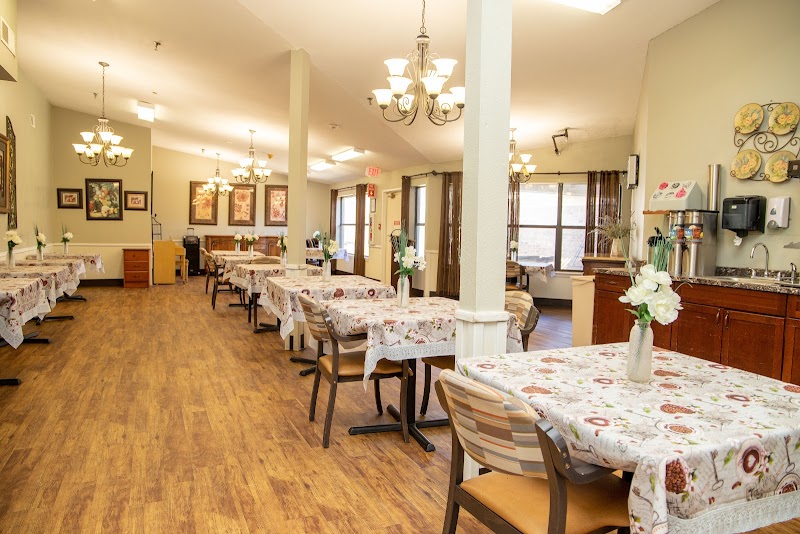
How is Chandler Nursing Center Staffed?

CMS rates CHANDLER NURSING CENTER's staffing level at 3 out of 5 stars, which is average compared to other nursing homes. Staff turnover is 56%, which is 10 percentage points above the Texas average of 46%. High turnover can affect care consistency as new staff learn residents' individual needs.

What Have Inspectors Found at Chandler Nursing Center?

State health inspectors documented 25 deficiencies at CHANDLER NURSING CENTER during 2022 to 2024. These included: 1 Immediate Jeopardy (the most serious level, indicating potential for serious harm or death), 23 with potential for harm, and 1 minor or isolated issues. Immediate Jeopardy findings are rare and represent the most serious regulatory concerns. They require immediate corrective action.
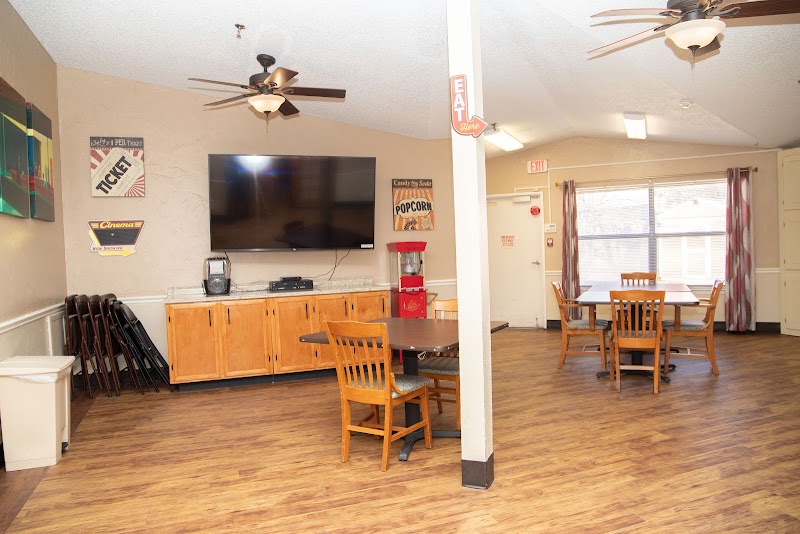
Who Owns and Operates Chandler Nursing Center?

CHANDLER NURSING CENTER is owned by a government entity. Government-operated facilities are typically run by state, county, or municipal agencies. The facility operates independently rather than as part of a larger chain. With 90 certified beds and approximately 68 residents (about 76% occupancy), it is a smaller facility located in CHANDLER, Texas.
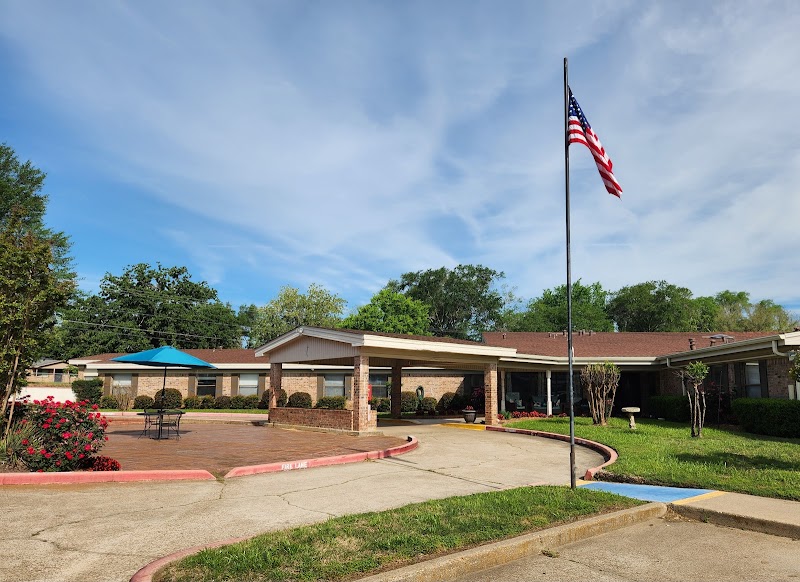
How Does Chandler Nursing Center Compare to Other Texas Nursing Homes?

Compared to the 100 nursing homes in Texas, CHANDLER NURSING CENTER's overall rating (3 stars) is above the state average of 2.8, staff turnover (56%) is near the state average of 46%, and health inspection rating (3 stars) is at the national benchmark.

What Should Families Ask When Visiting Chandler Nursing Center?

Based on this facility's data, families visiting should ask: "What changes have been made since the serious inspection findings, and how are you preventing similar issues?" "How do you ensure continuity of care given staff turnover, and what is your staff retention strategy?" "Can I visit during a mealtime to observe dining assistance and food quality?" "How do you handle medical emergencies, and what is your hospital transfer rate?" These questions are particularly relevant given the facility's Immediate Jeopardy citations and the facility's high staff turnover rate.

Is Chandler Nursing Center Safe?

Based on CMS inspection data, CHANDLER NURSING CENTER has documented safety concerns. Inspectors have issued 1 Immediate Jeopardy citation (the most serious violation level indicating risk of serious injury or death). The facility has a 3-star overall rating and ranks #1 of 100 nursing homes in Texas. Families considering this facility should ask detailed questions about what corrective actions have been taken since these incidents.

Do Nurses at Chandler Nursing Center Stick Around?

Staff turnover at CHANDLER NURSING CENTER is high. At 56%, the facility is 10 percentage points above the Texas average of 46%. High turnover means new staff may not know residents' individual needs, medications, or preferences. It can also be disorienting for residents, especially those with dementia who rely on familiar faces. Families should ask: What is causing the turnover? What retention programs are in place? How do you ensure care continuity during staff transitions?

Was Chandler Nursing Center Ever Fined?

CHANDLER NURSING CENTER has been fined $17,872 across 1 penalty action. This is below the Texas average of $33,258. While any fine indicates a compliance issue, fines under $50,000 are relatively common and typically reflect isolated problems that were subsequently corrected. Families should ask what specific issues led to these fines and confirm they've been resolved.

Is Chandler Nursing Center on Any Federal Watch List?

CHANDLER NURSING CENTER is not on any federal watch list. The most significant is the Special Focus Facility (SFF) program, which identifies the bottom 1% of nursing homes nationally based on persistent, serious quality problems. Not being on this list means the facility has avoided the pattern of deficiencies that triggers enhanced federal oversight. This is a positive indicator, though families should still review the facility's inspection history directly.