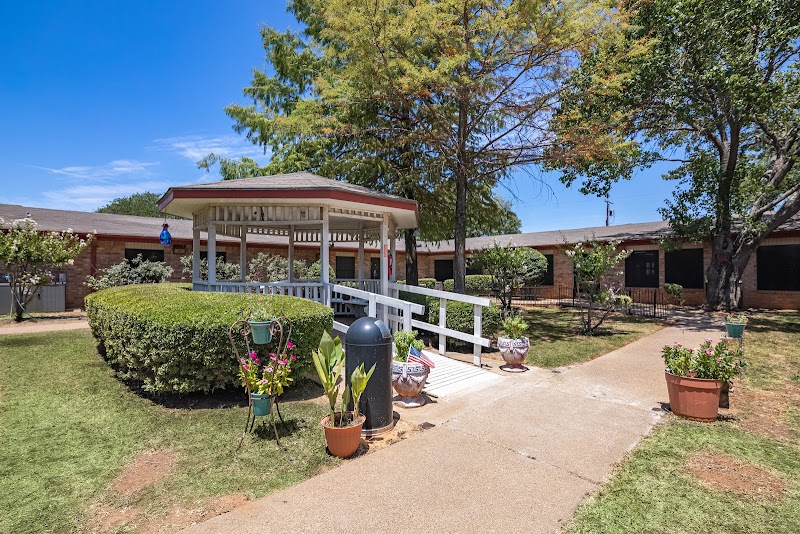
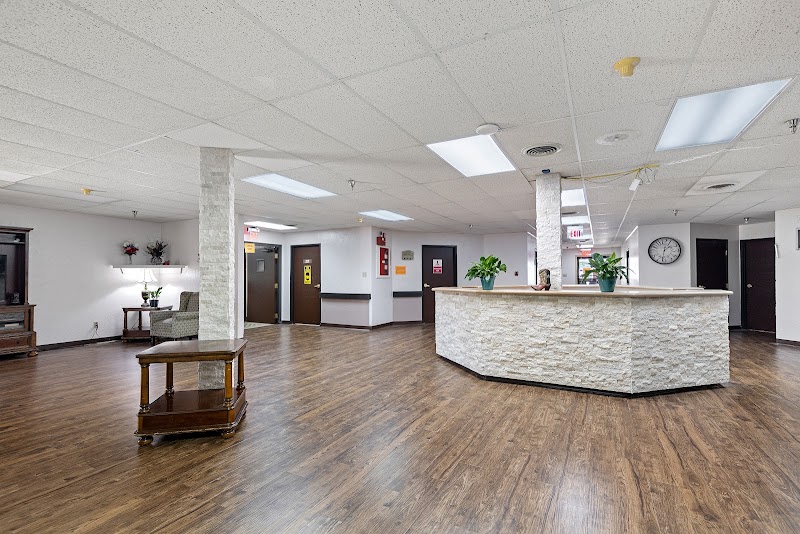

Avir at Athens

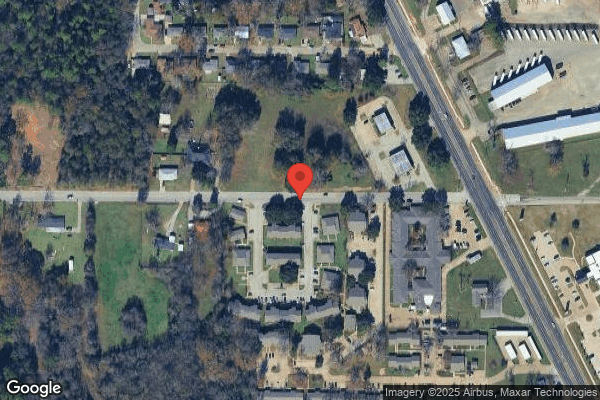
150 GIBSON RD, ATHENS, TX 75751 (903) 677-5864
Government - Hospital district 112 Beds SUMMIT LTC Data: November 2025 4 Immediate Jeopardy citations
Trust Grade
0/100
#925 of 1168 in TX
Last Inspection: December 2024

Within standard 12-15 month inspection cycle. Federal law requires annual inspections.

Overview

Avir at Athens has received a Trust Grade of F, indicating significant concerns about the quality of care provided. With a state rank of #925 out of 1168, they are in the bottom half of nursing facilities in Texas, and they rank #5 out of 6 in Henderson County, meaning only one local option is better. While the facility is showing signs of improvement, with issues decreasing from 10 in 2023 to 6 in 2024, their staffing situation is troubling, rated at 1 out of 5 stars with a high turnover rate of 67%, which is above the state average. Additionally, they have faced substantial fines totaling $243,325, indicating ongoing compliance issues that are higher than 94% of Texas facilities. Specific incidents of concern include a failure to prevent a resident from receiving medications they were allergic to, which could lead to serious health risks, and a reported case of abuse where a staff member physically harmed a resident and was not immediately reported, raising serious safety concerns. While there is a notable lack of RN coverage, being less than 88% of state facilities, there are still some average quality measures in place. Overall, families should weigh these significant weaknesses against any improvements when considering Avir at Athens for their loved ones.

Trust Score
F
0/100
In Texas
#925/1168
Bottom 21%
Safety Record
High Risk
Review needed
Inspections
Getting Better
10 → 6 violations
Staff Stability
⚠ Watch
67% turnover. Above average. Higher turnover means staff may not know residents' routines.
Penalties
✓ Good
$243,325 in fines. Lower than most Texas facilities. Relatively clean record.
Skilled Nurses
⚠ Watch
Each resident gets only 13 minutes of Registered Nurse (RN) attention daily — below average for Texas. Fewer RN minutes means fewer trained eyes watching for problems.
Violations
⚠ Watch
16 deficiencies on record. Higher than average. Multiple issues found across inspections.
★☆☆☆☆
1.0
Overall Rating
★☆☆☆☆
1.0
Staff Levels
★★★☆☆
3.0
Care Quality
★★☆☆☆
2.0
Inspection Score
Stable
2023: 10 issues
2024: 6 issues

The Good

  • Full Sprinkler Coverage · Fire safety systems throughout facility
  • No fines on record

Facility shows strength in fire safety.

The Bad

1-Star Overall Rating

Below Texas average (2.8)

Significant quality concerns identified by CMS

Staff Turnover: 67%

20pts above Texas avg (46%)

Frequent staff changes - ask about care continuity

Federal Fines: $243,325

Well above median ($33,413)

Significant penalties indicating serious issues

Chain: SUMMIT LTC

Part of a multi-facility chain

Ask about local staffing decisions and management

Staff turnover is elevated (67%)

19 points above Texas average of 48%

The Ugly 16 deficiencies on record

4 life-threatening
Dec 2024 3 deficiencies
CONCERN (D)

Potential for Harm - no one hurt, but risky conditions existed

Notification of Changes (Tag F0580)

Could have caused harm · This affected 1 resident

**NOTE- TERMS IN BRACKETS HAVE BEEN EDITED TO PROTECT CONFIDENTIALITY** Based on observation, interviews and record reviews, the facility failed to notify the resident's physician when there was a sig...

Read full inspector narrative →
**NOTE- TERMS IN BRACKETS HAVE BEEN EDITED TO PROTECT CONFIDENTIALITY** Based on observation, interviews and record reviews, the facility failed to notify the resident's physician when there was a significant change in the resident's physical, mental, or psychosocial status (that is, a deterioration in health, mental or psychosocial status in either life threatening conditions or clinical complications) for 1 of 4 residents (Resident #54) reviewed for change in condition. LVN B failed to notify the physician when she did not administer Resident #54's scheduled insulin dose due to low blood sugar level. This failure could place residents at risk for non-therapeutic effects of the medication and decline in health status. Findings included: A record review of Resident #54's face sheet indicated she was a [AGE] year-old female who admitted to the facility on [DATE]. She had multiple diagnoses which included diabetes mellitus, dysphagia (difficulty swallowing) following a stroke, gastrostomy status (refers to the presence of a surgical opening into the stomach that allows for nutritional support), and cerebral infarction (stroke) with hemiplegia and hemiparesis (conditions that cause weakness or paralysis) of both sides of the body. A record review of the quarterly MDS dated [DATE] noted Resident #54 had a BIMS of 2 indicating her cognition was severely impaired and was dependent on staff for all activities of daily living. The same MDS indicated Resident #54 had a diagnosis of diabetes and received insulin injections. A record review of Resident #54's physician orders dated 12/03/2024 indicated Resident #54 had orders for routine (medications taken at the same time each day at the same time and by the same route) and sliding scale injections of insulin (amount of insulin given based on the patient's blood sugar level). The physician's order dated 06/26/2024 indicated Resident #54 was to routinely receive 5 units of Humalog insulin by subcutaneous injection 3 (three) times a day at 08:00 AM, 01:00PM, and 05:00 PM. The order did not require Resident #54's blood sugar to be checked prior to administering the insulin nor parameters for withholding the insulin. During observation and interview on 12/03/2024 at 01:00 PM, LVN B was observed to use a glucometer to check Resident #54's blood sugar. LVN B said Resident #54's sugar level was 71. LVN B said the insulin was not to be given if the if Resident #54's blood sugar was less than 100. During an interview on 12/03/2024 at 01:45 PM, LVN B said the order to administer 5 units of Humalog insulin did not require Resident #54's blood sugar to be checked prior to administering the insulin. She said the order did not include instructions for holding (not giving) insulin. She said the nurses just knew to check blood sugar levels before administering insulin and to not administer insulin if any resident's blood sugar was below 100. During an interview on 12/04/2024 at 10:05 AM, LVN B said she did not notify the physician of holding Resident #54's insulin. LVN B said she did not call the doctor to request an order for glucometer checks prior to insulin administration and to request parameters for holding insulin. LVN B said she did not know why the routine insulin was withheld on the 2 days Resident #54's blood sugar was 150 and 103. A record review of Resident #54's insulin administration record dated 12/01/2024-12/03/2024 indicated Resident #54's blood sugar levels were checked 9 times prior to administering the routinely scheduled insulin using a glucometer. The blood sugar levels were noted to be less than 100 (one hundred) for 4 (four) of the 9 (nine) glucometer checks. The insulin administration record indicated the 5 units Humalog insulin were withheld (not given) at those times. The insulin administration record indicated the routine doses of insulin were held 2 (two) of the 9 (nine) times when the blood sugar levels were greater than 100. There was no indication of the physician being notified of the 6 (six) withheld insulin doses nor the glucometer levels on 12/01/24 08:00 AM BS 150, 12/01/24 01:00 PM - BS 93, 12/01/24 05:00 PM - BS 103, 12/02/24 05:00 PM BS - 79, 12/03/24 13:00 PM - BS 71, and 12/03/24 05:00 PM BS - 91). During an interview on 12/04/2024 at 02:00 PM, the DON said if a nurse decides to hold an insulin dose per nursing judgement based on the blood sugar level without having pre-established parameters, the physician or nurse practitioner should be notified as soon as possible. She said Resident #54 had an order for sliding scale insulin (a prescription that adjusts the amount of insulin a person receives based on their blood sugar level) 4 times a day plus the order for 5 units of regularly scheduled insulin 3 times a day. The DON said the physician should have been notified of the withheld insulin doses. The DON said the physician should also have been consulted about the 2 (two) separate orders for insulin administration resulting in 7 finger sticks a day to check blood sugar levels. The DON said she spoke with the Nurse Practitioner and Resident #54's order for the routinely scheduled insulin (5 units Humalog 3 times a day) was placed on hold until the physician was consulted. The DON said the routine order for insulin would probably be discontinued since Resident #54 had an order for sliding scale insulin administration 4 times a day. The DON said Resident #54 was at risk for a lower-than-normal blood sugar level and a decline in status. The DON said the facility did not have a policy specific to insulin. A review of the facility's policy dated 12/2018 and titled Change of Condition - Observing, Reporting, and Recording indicated the following: Policy: It is the policy of this home to inform the resident, the resident's physician, and if indicated the resident's responsible party of the following: 2. A significant change in the resident's physical, mental or psychosocial status, such as a deterioration in health, mental, or psychosocial status, in life-threatening conditions or clinical complications. 4. A need to alter treatment significantly.
CONCERN (D)

Potential for Harm - no one hurt, but risky conditions existed

Pharmacy Services (Tag F0755)

Could have caused harm · This affected 1 resident

**NOTE- TERMS IN BRACKETS HAVE BEEN EDITED TO PROTECT CONFIDENTIALITY** Based on observation, interview and record review, the facility failed to ensure the accurate acquiring, receiving, dispensing, ...

Read full inspector narrative →
**NOTE- TERMS IN BRACKETS HAVE BEEN EDITED TO PROTECT CONFIDENTIALITY** Based on observation, interview and record review, the facility failed to ensure the accurate acquiring, receiving, dispensing, and administering of all drugs and biologicals to meet the needs of each resident for 1 of 3(Resident #22) reviewed for pharmacy services. MA C failed to administer a correct dose of a scheduled medication, lactulose solution (to treat constipation and liver disease) to Resident #22 as ordered by the physician. This failure could place residents at risk for not receiving the intended therapeutic response of prescribed medications which could result in diminished health and well-being. Findings included: A record review of Resident #22's face sheet indicated he was a [AGE] year-old male who admitted to the facility on [DATE]. He had diagnoses which included stroke, slow transit constipation (condition where the large intestine moves waste too slowly, leading to constipation and other issues), and chronic hepatic failure (liver is permanently damaged and can no longer function properly). A record review of the quarterly MDS dated [DATE] indicated Resident #22 had a BIMS of 3 indicating his cognition was severely impaired. A record review of the physician orders dated 12/03/2024 indicated an order for Resident #22 to be given lactulose solution; 10 gram/15 ml; Amount to Administer: 30 ml oral - 4 Times A Day for the treatment of chronic liver failure. During observation of medication administration on 12/03/2024 at 09:25 AM, MA C was noted to pour 20 ml of lactulose from a bottle labeled lactulose 20 gm/30 ml. MA C said she poured 20 ml of the solution. MA C gave Resident #22 his meds including the 20 ml of the lactulose 10 gm/15 ml solution. After Resident #22 had taken his medications MA C returned to the cart, documented the medications administered, and said she was finished. During an interview on 12/03/2024 at 10:30, MA C said she gave the correct dose of lactulose solution. MA C pointed to the 20gm portion of the order and said the order said to give 20 ml. After discussing the variance in the order as written on the MAR (lactulose 10mg/15ml give 30 ccl) and the label on the bottle that read lactulose 20mg/30cc give 30 cc, MA C said she did not understand the error. During an interview on 12/03/2024 at 10:45 AM, the DON said MA C misunderstood the order. DON said the concentration of lactulose on the physician's order should match the pharmacy label on the lactulose container (bottle). She said MA C misinterpreted the 20gm to mean 20cc. The DON said understanding liquid concentrations (ratios of medication amount to liquid amount) was important to ensuring the correct doses of medication are given. She said she would re-train MA C on liquid medications and add additional administration instructions for the lactulose order to the MAR's Special Instructions section. A record review of the facility's policy dated 12/20/2018 and titled Medication Administration: indicated the following: Policy: It is the policy of this home that medications will be administered and documented as ordered by the physician and in accordance with state regulations. 13. Prior to administration, the medication and dosage schedule on the resident's MAR is compared with the medication label. If the label and MAR are different and the container is not flagged indicating a change in directions or if there is any other reason to question the dosage or directions, the physician's orders are checked for the correct dosage schedule.
CONCERN (E)

Potential for Harm - no one hurt, but risky conditions existed

Assessment Accuracy (Tag F0641)

Could have caused harm · This affected multiple residents

**NOTE- TERMS IN BRACKETS HAVE BEEN EDITED TO PROTECT CONFIDENTIALITY** Based on interview and record review the facility failed to ensure accurate MDS assessments were completed for 6 of 9 residents ...

Read full inspector narrative →
**NOTE- TERMS IN BRACKETS HAVE BEEN EDITED TO PROTECT CONFIDENTIALITY** Based on interview and record review the facility failed to ensure accurate MDS assessments were completed for 6 of 9 residents (Residents #1, #2, #17, #50, #60, and #65) reviewed for accuracy of MDS assessments. The facility failed to ensure Residents #1, #2, #17, #50, #60, and #65's MDS assessment was accurately coded for Preadmission Screening and Resident Review (PASRR). These failures could place residents at risk for not receiving the appropriate care and services to maintain the highest level of well-being. Findings included: 1.A review of Resident #1's face sheet for December 2024 indicated she was a [AGE] year-old female who admitted to the facility on [DATE] with diagnoses which included traumatic brain injury, anxiety, psychosis, schizophrenia and depressive disorder. A review of Resident #1's PASRR Level 1 screening done 11/07/2022 indicated she was positive for MI/ID/DD. A review of Resident #1's PASRR Evaluation done 11/08/2022 indicated she was negative for ID and negative for DD. The resident was positive for mental illness but did not meet the PASRR definition for mental illness for specialized services. A review of Resident #1's annual MDS dated [DATE] Section A1500. Preadmission Screening and Resident Review (PASRR) indicated No if resident currently considered by the state level II PASRR process to have serious mental illness and/or intellectual disability or a related condition. Section I Active Diagnoses under Psychiatric/Mood Disorder indicated the resident had anxiety disorder, depression, and schizophrenia. 2. A review of Resident #2's face sheet for December 2024 indicated she was a [AGE] year-old female who admitted to the facility on [DATE] with diagnoses which included cerebral palsy, depressive episodes, bipolar disorder, schizophrenia and anxiety disorder. A review of Resident #2's PASRR Level 1 screening done 08/17/2024 indicated she was positive for MI/ID/DD. A review of Resident #2's PASRR Evaluation done 09/17/2024 indicated she was positive for ID and positive for DD. The resident was positive for mental illness but did not meet the PASRR definition for mental illness for specialized services. A review of Resident #2's admission MDS dated [DATE] Section A1500. Preadmission Screening and Resident Review (PASRR) indicated No if resident currently considered by the state level II PASRR process to have serious mental illness and/or intellectual disability or a related condition. Section I Active Diagnoses under Neurological indicated the resident had cerebral palsy and under Psychiatric/Mood Disorder indicated the resident had anxiety disorder, depression, bipolar disorder and schizophrenia. 3. A review of Resident #17's face sheet for December 2024 indicated she was a [AGE] year-old female who admitted to the facility on [DATE] with diagnoses which included bipolar disorder. A review of Resident #17's PASRR Level 1 screening done 11/03/2022 indicated she was positive for mental illness. A review of Resident #17's PASRR Evaluation done 12/06/2022 indicated she was positive for mental illness but did not meet the PASRR definition for mental illness for specialized services. A review of Resident #17's admission MDS dated [DATE] Section A1500. Preadmission Screening and Resident Review (PASRR) indicated No if resident currently considered by the state level II PASRR process to have serious mental illness and/or intellectual disability or a related condition. Section I Active Diagnoses under Psychiatric/Mood Disorder indicated the resident had bipolar disorder. 4. A review of Resident #50's face sheet for December 2024 indicated he was a [AGE] year-old male who admitted to the facility on [DATE] with diagnoses which included anxiety disorder, mild intellectual disabilities, and bipolar disorder with psychotic features. A review of Resident #50's PASRR Level 1 screening done 09/08/2023 indicated he was positive for ID. A review of Resident #50's PASRR Evaluation done 09/22/2023 indicated he was positive for ID and positive for mental illness but did not meet the PASRR definition for mental illness for specialized services. A review of Resident #50's admission MDS dated [DATE] Section A1500. Preadmission Screening and Resident Review (PASRR) indicated No if resident currently considered by the state level II PASRR process to have serious mental illness and/or intellectual disability or a related condition. Section I Active Diagnoses under Psychiatric/Mood Disorder indicated the resident had anxiety disorder and bipolar disorder and other active diagnoses he had mild intellectual disabilities. 5. A review of Resident #60's face sheet for December 2024 indicated he was a [AGE] year-old male who admitted to the facility on [DATE] with diagnoses which included psychotic disorder with delusions, major depressive disorder, and other symbolic dysfunctions. A review of Resident #60's PASRR Level 1 screening done 03/27/2023 indicated he was negative for MI/ID/ID. A second PASRR Level 1 screening dated 04/03/2023 indicated he had a primary diagnosis of dementia and was considered negative for mental illness for specialized services. A review of Resident #60's PASRR Evaluation done 09/26/2023 indicated he had a primary diagnosis of dementia and was positive for mental illness but did not meet the PASRR definition for mental illness for specialized services. A review of Resident #60's admission MDS dated [DATE] Section A1500. Preadmission Screening and Resident Review (PASRR) indicated No if resident currently considered by the state level II PASRR process to have serious mental illness and/or intellectual disability or a related condition. Section I Active Diagnoses under Psychiatric/Mood Disorder indicated the resident had depression and psychotic disorder. 6. A review of Resident #65's face sheet December 2024 indicated she was a [AGE] year-old female who admitted to the facility on [DATE] with diagnoses which included Alzheimer's disease, major depressive disorder, psychotic disorder with delusions, and anxiety disorder. A review of Resident #65's PASRR Level 1 screening done 11/03/2022 indicated she had a primary diagnosis of dementia and was considered negative for mental illness for specialized services. A PASRR Evaluation was not done because she had a primary diagnosis of dementia and would not qualify for specialized services. A review of Resident #65's admission MDS dated [DATE] Section A1500. Preadmission Screening and Resident Review (PASRR) indicated No if resident currently considered by the state level II PASRR process to have serious mental illness and/or intellectual disability or a related condition. Section I Active Diagnoses under Psychiatric/Mood Disorder indicated the resident had anxiety disorder, depression and psychotic disorder. During an interview on 12/04/2024 at 10:05 AM, the Regional Reimbursement Consultant said she was in the process of training the recently hired MDS Coordinator. She said the facility used the RAI Version 3.0 Manual as the policy for completing MDS assessments. She said she had been auditing some of the residents MDS files and noted some residents' coding was incorrect and she was submitting changes to the MDS to CMS. She said Section A 1500 indicated if the resident was positive for mental illness, intellectual disability or developmental disability. She said she did not realize the Section I Active Diagnoses was related to Section A PASRR screening documentation. She said the local authority had found residents that did not qualify for PASRR services because they did not meet the PASRR definition for mental illness for specialized services. She said she did not know Section A had to be coded as positive for mental illness, intellectual disability or developmental disability even though they did not qualify for PASRR services. During an interview on 12/04/2024 at 1:35 PM the administrator said the facility did not have a specific policy regarding maintaining accuracy of MDS assessments. He said the RAI manual was used to ascertain accuracy.
Nov 2024 3 deficiencies 3 IJ
CRITICAL (J) 📢 Someone Reported This

A family member, employee, or ombudsman was alarmed enough to file a formal complaint

Immediate Jeopardy (IJ) - the most serious Medicare violation

Free from Abuse/Neglect (Tag F0600)

Someone could have died · This affected 1 resident

**NOTE- TERMS IN BRACKETS HAVE BEEN EDITED TO PROTECT CONFIDENTIALITY** Based on observation, record review and interview the facility failed to ensure a resident had the right to be free from abuse f...

Read full inspector narrative →
**NOTE- TERMS IN BRACKETS HAVE BEEN EDITED TO PROTECT CONFIDENTIALITY** Based on observation, record review and interview the facility failed to ensure a resident had the right to be free from abuse for 1 of 7 residents reviewed for abuse (Resident #1). LVN E and CNA D witnessed CNA C abusing Resident #1. CNA C hit Resident #1 and was allowed to remain in the facility for over three hours with access to Resident #1 and other Residents. The noncompliance was identified as PNC (past non-compliance). The IJ (Immediate Jeopardy) began on 4/19/24 and ended 4/19/24. The facility had corrected the noncompliance before the survey began. The facility failures could have caused residents serious physical injury. Findings Included: Record review of Resident #1's face sheet indicated she was an [AGE] year-old female admitted to the facility on [DATE]. She had a diagnosis of Alzheimer's disease (progressive disease that destroys memory), and unsteadiness on feet. Record review of Resident #1's Quarterly MDS dated [DATE] indicated she was severely cognitively impaired with a BIMS score of 5. The MDS did not indicate any mood or behavior issues. The resident required substantial to maximum assist with all ADLS except eating, and oral hygiene. Record review of Resident #1's care plan indicated a problem start date of 1/7/22 of frequent incontinence of bowel and bladder. An approach was to provide peri care after each incontinent episode. The plan indicated a problem of ADL Self Care Performance Deficit. Some of the approaches were the resident required maximum assist for bathing, supervised assist for bed mobility, and one person assist for toileting. The plan indicated a problem of Cognitive loss due to dementia. One of the approaches was to provide the resident with necessary cues, stop, and return if the resident was agitated. Record review a Provider Investigation Report indicated an incident occurred on 4/19/24 at 3:30 a.m. The report indicated LVN E and CNA D witnessed CNA C hit Resident #1 in the stomach area. The nurse heard Resident #1 screaming and yelling in her room. The nurse went to assess the resident in her room. When the nurse opened the door, CNA C was changing Resident #1. The resident was grabbing the blankets and yelling to get CNA C away from her and for CNA C to leave her alone. CNA C was seen balling up her fist on her right hand and to hit Resident #1 on her right side in the rib area. The nurse immediately yelled what are you doing? You cannot do that. CNA C stated, I'm tired of her pinching The investigation indicated Resident #1 was assessed by LVN E on 4/19/24 at 3:45 a.m. with no visible injuries noted and no complaints of pain. CNA C was suspended pending investigation 4/19/24 at 6:30 a.m. The resident received another head-to-toe assessment on 4/19/24 at 10:00 a.m. with no injuries noted from this morning's incident. The family, the physician and the police department were notified. LVN E and CNA D were given one on one education on 4/19 by the DON regarding the importance of reporting allegations of abuse immediately. LVN E and CNA D were issued a three-day suspension on 4/19/2024 for failing to report allegations of abuse immediately. CNA C was terminated due to abuse allegation on 4/19/24 being confirmed. All interview able residents were interviewed by the administrator and social worker regarding abuse on 4/19/24. All non-resident received head to toe assessment, to assess for any injuries or evidence of abuse, by Nurses on 4/19/24. The direct care staff were interviewed on 4/19/24 by the administrator and DON regarding abuse and reporting requirements. The Abuse/Reportable Event policy was reviewed on 4/19/24 at 11:00 a.m. by the Administrator, Regional Director of Operations, Regional Nurse, and DON no changes made to the policy at this time. The DON provided education to all staff regarding abuse/reportable events policy, including types of abuse, and reporting requirements all staff present in the facility were educated on 4/19/24. Staff that were not present for education would receive the education prior to their next shift. The social services, Director or design would continue to interview and assess Resident #1 for emotional distress. During an observation and interview on 11/25/24 at 3:10 p.m. Resident #1 was sitting in a wheelchair by the nursing station. She said she was fine; she said she was still breathing. The rest of her conversation was about her childhood. She was unable to answer any questions about the incident. Attempts were made to contact CNA C, but phone numbers for her appeared to be disconnected. During an interview on 11/26/24 at 11:40 a.m. the Administrator said after the incident with Resident #1 he did interviews with all staff available at that time. He said he was notified on 4/19/24 around 6:00 a.m. of the abuse. He said CNA C had already left, and he talked to CNA C on the phone. He said at first, CNA C denied the incident. He said he told her he had two witnesses, she seemed frustrated, and did not say much. He said she just asked if she was terminated. He said they had implemented corrective actions such as terminating CNA C immediately, calling the police, the physician and updated Resident #1's care plan. He said they monitored Resident #1 for three days after the incident from 4/19/24 through 4/22/24, and they completed safe surveys with Resident #1 on each shift to make sure she did not have any reoccurring memories of the event. He said CNA C went home that morning and she never came back. The Administrator said he received statements from LVN E and CNA D, they did specific in services with LVN E and CNA D. He said they conducted safe surveys with the residents and follow up interviews with any concerns voiced by residents and there no concerns with abuse. The Administrator said they conducted skin assessments on all the residents. He said they also talked to staff about burn out and he conducted regular training on abuse, at least once a month. During a telephone interview on 11/26/24 at 10:38 a.m. CNA D said Resident #1 had never hit or scratched her. She said the incident happened on the 10 to 6 a.m. shift on 4/19/24. CNA D said it could have been the way the aide approached Resident #1 in the middle of the night to make her resistive to care. She said Resident #1 was clutching the covers and saying, Stop leave me alone. She said she did not see Resident #1 trying to strike CNA C. CNA D said she was sitting in the lounge and LVN E was sitting at the nursing station. She said they kept hearing through the door a resident grunting and saying, no and stop can D said at first, they did not know which room the noise was coming from, there were two rooms right by the nurse's station. She said they thought someone had fallen. She said she had gotten up to follow the nurse. When LVN E opened Resident #1's, she opened the door abruptly. CNA D said as the door opened CNA C had her forearm up with her fist balled up and hit Resident #1 in the stomach area. CNA D said she could see CNA C and Resident #1 quite well. She said all CNA C said was I am tired of her hitting and scratching me. CNA D said LVN E told her she could not do that and to leave the room. CNA D said CNA C walked out of the room. She said Resident #1 was saying to get CNA C out of her room and she appeared upset at the time, but later she was back to her old self. CNA D said it appeared Resident #1 had forgotten the incident. She said she was in shock because had worked with CNA C a long time and had not expected that type of behavior from her. During a telephone interview on 11/26/24 at 2:24 p.m. LVN E said she was sitting at the nursing station and heard a resident saying stop. She said she kept hearing words, grunting, and wanted to know where the noise was coming from. She said she and CNA D opened Resident # 1's and saw CNA C appeared to have just changed Resident #1. LVN E said Resident #1 was holding tight to the covers. She said CNA C was standing facing the door, over Resident #1 and the bed. She said CNA C was yakking on the covers, bulled up her fist, and punched Resident #1 in her side area. LVN E said she told the aide she could not do that, and to leave the room. She said CNA C left the room. LVN E said she assessed Resident #1 after the incident. She said she had two or three blankets on her, and there was no redness or busies. She said Resident #1 said she did not want CNA C in her room and for CNA C to leave her alone. She said she had gone back later, and Resident #1 was asleep. She said she and CNA D had gone in later to provide care to Resident #1 on the last round of the night and she appeared fine. The LVN said she knew to protect Resident #1 and get the aide away from the Resident #1. LVN E said she and CNA D were both in disbelief at the actions of CNA C. LVN E said CNA C disappeared for about 30 minutes. She finished working that night, but she was not allowed to go back into Resident #1's room. The LVN said she had never had anything like that happen before and her concern was protecting Resident #1. LVN E said she did not report the incident until the end of her shift. She said she was written up and in serviced on abuse and reporting. She said the next time she would notify they Administrator and everybody. Record review of the facility policy on Abuse/Reportable Events (not dated) indicated all residents have the right to be fee from abuse. Resident should not be subjected to abuse by anyone. The facility will provide and ensure the promotion and protection of resident's rights. Abuse is the willful infliction of injury. Willful individual must have intended to inflict injury or harm. Physical abuse includes hitting, slapping, pinching, and kicking. The facility took the following actions to correct the noncompliance on 4/19/24. Record review of Resident #1's care plan indicated a problem with a start date of 4/19/24 of psychosocial wellbeing, the resident was a victim of abuse related to an inappropriate interaction by staff. Some of the approaches were the resident received a full head to toe skin assessment. She would have emotional distress monitoring every shift for 72 hours. Record review of Resident #1's skin assessment dated [DATE] indicated no new areas. Review of Safe Surveys indicated a questionnaire was completed on Resident #1 each shift from 4/19/24 through 4/22/24 with no concerns noted. Record review of one-hour checks indicated they were completed on Resident #1 every hour with her vital signs from 4/19/24 through 4/22/24. Record review of Abuse pre and posttest and Abuse/Reporting in service was completed on 4/19/24 by more than 70 staff to include all departments and agency staff. The in service included the Resident Rights Policy, Abuse/Reporting Events policy the Abuse Coordinator information and to report immediately. Record review of CNA C's Employee Timecard indicated her last date of employment was 4/19/24 and she clocked out on 4/19/24 at 6:06 a.m. Record review of CNA C's employee training indicated she received abuse training on 5/2/23 prior to the incident on 4/19/24. Record review of CNA C's employee file indicated she received a disciplinary action of discharge form employment and to be banned from the property dated 4/19/24. The employee was discharged due to resident abuse or neglect or directly related to the safety and wellbeing of a resident. Record review of LVN E's employee training indicated LVN E received abuse training on 5/5/23 prior to the incident on 4/19/24. Record review of LVN E's employee file indicated LVN E received a disciplinary action with unpaid suspension on 4/19/24. Due to failure to promptly report to the immediate supervisor on the job injury or accident involving an employee. The employee did not report witnessed resident abuse immediately instead reported 3 hours after the incident. Record review of CNA D's employee training indicated she received abuse training on 4/17/23 prior to the incident on 4/19/24. Record review of CNA D's employee file indicated CNA D received a disciplinary action with unpaid suspension on 4/19/24. Due to failure to promptly report to the immediate supervisor on the job injury or accident involving an employee. The employee did not report witnessed resident abuse immediately instead reported 3 hours after the incident. During an interview on 11/26/24 at 8:49 a.m. CNA F said she had worked at the facility for 28 years. She said she had heard CNA C had hit Resident #1, but she had not seen the incident. CNA F said she was shocked because she and CNA F had worked at the facility together for about the same amount of time. CNA F said Resident #1 would holler out occasionally, but she was not resistive to care. CNA F said she was in serviced on abuse regularly. She said she had not seen or heard any abuse and if she did, she would report to the administrator immediately. During an interview on 11/26/24 at 9:08 a.m. CNA G said she had worked at the facility for a little over a year. She said Resident #1 was a sweet and confused. She said she did not holler out. CNA G said Resident #1 would sometimes be resistive to getting up in the morning but if you give her a little while she was fine. She said she was aware of the multiple types of abuse. She said if she saw or heard abuse, she would report it immediately to the administrator. During an interview on 11/26/24 at 9:30 a.m. CNA I said she did aid Resident #1. She said Resident #1 did not holler out. She said Resident #1 could be stubborn especially in the morning when she did not want to get up. She said she was familiar with what abuse was and if she saw or head abuse, she would report it to the administrator immediately. During an interview on 11/26/24 at 9:41 a.m. CNA J said she was aware of what abuse was and if she saw or heard any abuse she would report to the Administrator immediately. She said Resident #1 did not holler out and was not resistive to care. During an interview on 11/26/24 at 9:50 a.m. LVN K said Resident #1 did not holler out and she was not resistive to care. LVN K said she had never known Resident #1 to hit. LVN K said the only way Resident #1 would strike was if they were forcing her to do something she did not want to do. During an interview on 11/26/24 at 1:20 p.m. LVN L said she worked at the facility for two weeks. She said she received training on abuse and neglect. She said if she saw or heard abouts she would report immediately to the administrator. The noncompliance was identified as PNC (past non-compliance). The IJ (Immediate Jeopardy) began on 4/19/24 and ended 4/19/24. The facility had corrected the noncompliance before the survey began.
CRITICAL (J) 📢 Someone Reported This

A family member, employee, or ombudsman was alarmed enough to file a formal complaint

Immediate Jeopardy (IJ) - the most serious Medicare violation

Report Alleged Abuse (Tag F0609)

Someone could have died · This affected 1 resident

**NOTE- TERMS IN BRACKETS HAVE BEEN EDITED TO PROTECT CONFIDENTIALITY** Based on observation, interview, and record review the facility failed to ensure that all alleged violations involving abuse wer...

Read full inspector narrative →
**NOTE- TERMS IN BRACKETS HAVE BEEN EDITED TO PROTECT CONFIDENTIALITY** Based on observation, interview, and record review the facility failed to ensure that all alleged violations involving abuse were reported immediately, but not later than 2 hours after the allegation was made, if the events that caused the alleagtion involve abuse or result in serious bodily injury, to the Administrator of the facility and to other officials in accordance with State law for 1 of 7 residents reviewed for abuse (Resident #1.) LVN E and CNA D did not immediately report abuse to the Administrator after they witnessed CNA C abusing Resident #1. CNA C hit Resident #1 and was allowed to remain in the facility for over three hours with access to Resident #1 and other Residents. The noncompliance was identified as PNC (past non-compliance). The IJ (Immediate Jeopardy) began on 4/19/24 and ended 4/19/24. The facility had corrected the noncompliance before the survey began. This failure could have caused continued abuse to Resident #1 and possibly other residents. Findings included: Record review of Resident #1's face sheet indicated she was an [AGE] year-old female admitted to the facility on [DATE]. She had a diagnosis of Alzheimer's disease (progressive disease that destroys memory), and unsteadiness on feet. Record review of Resident #1's Quarterly MDS dated [DATE] indicated she was severely cognitively impaired with a BIMS score of 5. The MDS did not indicate any mood or behavior issues. The resident required substantial to maximum assist with all ADLS except eating, and oral hygiene. Record review of Resident #1's care plan indicated a problem start date of 1/7/22 of frequent incontinence of bowel and bladder. An approach was to provide peri care after each incontinent episode. The plan indicated a problem of ADL Self Care Performance Deficit. Some of the approaches were the resident required maximum assist for bathing, supervised assist for bed mobility, and one person assist for toileting. The plan indicated a problem of Cognitive loss due to dementia. One of the approaches was to provide the resident with necessary cues, stop, and return if the resident was agitated. Record review a Provider Investigation Report indicated an incident occurred on 4/19/24 at 3:30 a.m. The report indicated LVN E and CNA D witnessed CNA C hit Resident #1 in the stomach area. The nurse heard Resident #1 screaming and yelling in her room. The nurse went to assess the resident in her room. When the nurse opened the door, CNA C was changing Resident #1. The resident was grabbing the blankets and yelling to get CNA C away from her and for CNA C to leave her alone. CNA C was seen balling up her fist on her right hand and hit Resident #1 on her right side in the rib area. The nurse immediately yelled what are you doing? You cannot do that. CNA C stated, I'm tired of her pinching The investigation indicated Resident #1 was assessed by LVN E on 4/19/24 at 3:45 a.m. with no visible injuries noted and no complaints of pain. CNA C was suspended pending investigation 4/19/24 at 6:30 a.m. The allegation of abuse was reported to HHSC on 4/19/24 at 8:33 a.m. The resident received another head-to-toe assessment on 4/19/24 at 10:00 a.m. with no injuries noted from this morning's incident. The family, the physician and the police department were notified. LVN E and CNA D were given one on one education on 4/19 by the DON regarding the importance of reporting allegations of abuse immediately. LVN E and CNA D were issued a three-day suspension on 4/19/2024 for failing to report allegations of abuse immediately. CNA C was terminated due to abuse allegation on 4/19/24 being confirmed. All interview able residents were interviewed by the administrator and social worker regarding abuse on 4/19/24. All non-resident received head to toe assessment, to assess for any injuries or evidence of abuse, by Nurses on 4/19/24. The direct care staff were interviewed on 4/19/24 by the administrator and DON regarding abuse and reporting requirements. The Abuse/Reportable Event policy was reviewed on 4/19/24 at 11:00 a.m. by the Administrator, Regional Director of Operations, Regional Nurse, and DON no changes made to the policy at this time. The DON provided education to all staff regarding abuse/reportable events policy, including types of abuse, and reporting requirements all staff present in the facility were educated on 4/19/24. Staff that were not present for education would receive the education prior to their next shift. The social services, Director or design would continue to interview and assess Resident #1 for emotional distress. During an interview on 11/26/24 11:40 a.m. the Administrator after the incident with Resident #1 he did interviews with all staff available at that time. The Administrator said he was notified about the incident on 4/19/24 around 6:00 a.m. He said CNA C had already left, and he talked to CNA C on the phone. He said at first, CNA C denied the incident. He said he told her he had two witnesses, she seemed frustrated, and did not say much. He said she just asked if she was terminated. He said LVN E or CNA D did not notify him that night, they informed him the first thing the next morning. He called the incident into the state at that time around 8:30 a.m. He said they had implemented corrective actions such as terminating CNA C immediately, calling the police, the physician and updated Resident #1's care plan. He said they monitored Resident #1 for three days after the incident from 4/19/24 through 4/22/24, and the completed safe surveys with Resident #1 on each shift to make sure she did not have any reoccurring memories of the event. He said CNA C went home that morning and she never came back. The Administrator said he wrote LVN E and CNA D up for not reporting the incident immediately. He said CNA C was allowed to remain in the building for over three hours before the incident was reported. The Administrator said he received statements from LVN E and CNA D, and they did specific in services with LVN E and CNA D. He said they conducted safe surveys with the residents and follow up interviews with any concerns voiced by residents and there no concerns with abuse. The Administrator said they conducted skin assessments on all the residents. He said they also talked to staff about burn out and he conducted regular training on abuse, at least once a month. During an observation and interview on 11/25/24 at 3:10 p.m. Resident #1 was sitting in a wheelchair by the nursing station. She said she was fine; she said she was still breathing. The rest of her conversation was about her childhood. She was unable to answer any questions about the incident. Attempts were made to contact CNA C, but phone numbers for her appeared to be disconnected. During a telephone interview on 11/26/24 at 10:38 a.m. CNA D said Resident #1 had never hit or scratched her. She said the incident happened on the 10 to 6 a.m. shift on 4/19/24. CNA D said it could have been the way the aide approached Resident #1 in the middle of the night to make her resistive to care. She said Resident #1 was clutching the covers and saying, Stop leave me alone. She said she did not see Resident #1 trying to strike CNA C. CNA D said she was sitting in the lounge and LVN E was sitting at the nursing station. She said they kept hearing through the door a resident grunting and saying, no and stop CNA said at first, they did not know which room the noise was coming from, there are two rooms right by the nurse's station. She said they thought someone had fallen. She said she had gotten up to follow the nurse. When LVN E Resident #1's door, she opened the door abruptly. CNA D said as the door opened CNA C had her forearm up with her fist balled up and hit Resident #1 in the stomach area. CNA D said she could see CNA C and Resident #1 quite well. She said all CNA C said was I am tired of her hitting and scratching me. CNA D said LVN E told her she could not do that and to leave the room. She said CNA C left the room. CNA D said CNA C left the room. She said Resident #1 was saying to get CNA C out of her room and she appeared upset at the time, but later she was back to her old self. CNA D said it appeared Resident #1 had forgotten the incident. She said she was a shock because had worked with CNA C a long time and had not expected that type of behavior from her. During a telephone interview on 11/26/24 at 2:24 p.m. LVN E said she was sitting at the nursing station and heard a resident saying stop. She said she kept hearing words, grunting, and wanted to know where the noise was coming from. She said she and CNA D opened Resident #1's door and saw CNA C appeared to have just changed Resident #1. LVN E said Resident #1 was holding tight to the covers. She said CNA C was standing facing the door, over Resident #1 and the bed. She said CNA C was yakking on the covers, bulled up her fist, and punched Resident #1 in her side area. LVN E said she told the aide she could not do that, and to leave the room. LVN E said she assessed Resident #1. She said she had two or three blankets on her, and there was no redness or busies. She said Resident #1 said she did not want CNA C in her room and for CNA C to leave her alone. LVN E said CNA C left the room. She said she was gone for about 30 minutes but did finish her shift. LVN E said she had gone back later, and Resident #1 was asleep. She said she and CNA D had gone in on the last round of the night to provide care to Resident #1 and she appeared fine. The LVN said she knew to protect the patient and get the aide away from the Resident #1. LVN E said she and CNA D were both in disbelief at the actions of CNA C. She said she had never had anything like that happen before, and had not sent CNA C home. She was only thinking of keeping Resident #1 safe and not allowing the aide back in her [NAME]. LVN E said she had reported the incident when the dayshift staff came in. She said she was suspended for three days for not reporting the incident immediately. The LVN said if anything like that happened, she would call everybody as soon as possible. LVN E said CNA C had already left by the time she had reported the incident. Record review of the facility policy on Abuse/Reportable Events with no dated indicated all residents have the right to be fee from abuse. Resident should not be subjected to abuse by anyone. The facility will provide and ensure the promotion and protection of resident's rights. Abuse is the willful infliction of injury. Willful individual must have intended to inflict injury or harm. Physical abuse includes hitting, slapping, pinching, and kicking. Facility employees must report all allegations of abuse. If the allegations involve abuse or result in serious bodily injury, the report is to be made within two hours of the allegation. The facility took the following actions to correct the noncompliance on 4/19/24. Record review of Resident #1's care plan indicated a problem with a start date of 4/19/24 of psychosocial wellbeing, the resident was a victim of abuse related to an inappropriate interaction by staff. Some of the approaches were the resident received a full head to toe skin assessment. She would have emotional distress monitoring every shift for 72 hours. Record review of Resident #1's skin assessment dated [DATE] indicated no new areas. Review of Safe Surveys indicated a questionnaire was completed on Resident #1 each shift from 4/19/24 through 4/22/24 with no concerns noted. Record review of one-hour checks indicated they were completed on Resident #1 every hour with her vital signs from 4/19/24 through 4/22/24. Record review of Abuse pre and posttest and Abuse/Reporting in service was completed on 4/19/24 by more than 70 staff to include all departments and agency staff. The in service included the Resident Rights Policy, Abuse/Reporting Events policy the Abuse Coordinator information and to report immediately. Record review of CNA C's Employee Timecard indicated her last date of employment was 4/19/24 and she clocked out on 4/19/24 at 6:06 a.m. Record review of CNA C employee training indicated she received abuse training on 5/2/23 prior to the incident on 4/19/24. Record review of CNA C employee file indicated she received a disciplinary action of discharge form employment and to be banned from the property dated 4/19/24. The employee was discharged due to resident abuse or neglect or directly related to the safety and wellbeing of a resident. Record review of LVN E's employee training indicated LVN E received abuse training on 5/5/23 prior to the incident on 4/19/24. Record review of LVN E's employee file indicated LVN E received a disciplinary action with unpaid suspension on 4/19/24. Due to failure to promptly report to the immediate supervisor on the job injury or accident involving an employee. The employee did not report witnessed resident abuse immediately instead reported 3 hours after the incident. Record review of CNA D's employee training indicated she received abuse training on 4/17/23 prior to the incident on 4/19/24. Record review of CNA D's employee file indicated CNA D received a disciplinary action with unpaid suspension on 4/19/24. Due to failure to promptly report to the immediate supervisor on the job injury or accident involving an employee. The employee did not report witnessed resident abuse immediately instead reported 3 hours after the incident. During an interview on 11/26/24 at 8:49 a.m. CNA F said she had worked at the facility for 28 years. She said she had heard CNA C had hit Resident #1, but she had not seen the incident. CNA F said she was shocked because she and CNA F had worked at the facility together for about the same amount of time. CNA F said Resident #1 would holler out occasionally, but she was not resistive to care. CNA F said she was in serviced on abuse regularly. She said she had not seen or heard any abuse and if she did, she would report to the administrator immediately. During an interview on 11/26/24 at 9:08 a.m. CNA G said she had worked at the facility for a little over a year. She said Resident #1 was a sweet and confused. She said she did not holler out. CNA G said Resident #1 would sometimes be resistive to getting up in the morning but if you give her a little while she is fine. She said she was aware of the multiple types of abuse. She said if she saw or heard abuse, she would report it immediately to the administrator. During an interview on 11/26/24 at 9:30 a.m. CNA I said she did aid Resident #1. She said Resident #1 did not holler out. She said Resident #1 could be stubborn especially in the morning when she did not want to get up. She said she was familiar with what abuse was and if she saw or head abuse, she would report it to the administrator immediately. During an interview on 11/26/24 at 9:41 a.m. CNA J said she was aware of what abuse was and if she saw or heard any abuse. She said she would report to the Administrator immediately. She said Resident #1 did not holler out and was not resistive to care. During an interview on 11/26/24 at 9:50 a.m. LVN K said Resident #1 did not holler out and she was not resistive to care. LVN K said she had never known Resident #1 to hit. LVN K said the only way Resident #1 would strike was if they were forcing her to do something she did not want to do. During an interview on 11/26/24 at 10:14 a.m. the DON said LVN E did immediately remove CNA C from Resident #1 and the LVN assessed the resident. The DON said LVN E did not call immediately, the incident occurred about 3:30 a.m. The DON said they were not informed until the end of the shift about 6:00 a. she said the LVN worked for agency and the aide no longer worked for the facility. During an interview on 11/26/24 at 1:20 p.m. LVN L said she worked at the facility for two weeks. She said she received training on abuse and neglect. She said if she saw or heard abouts she would report immediately to the administrator. The noncompliance was identified as PNC (past non-compliance). The IJ (Immediate Jeopardy) began on 4/19/24 and ended 4/19/24. The facility had corrected the noncompliance before the survey began.
CRITICAL (J) 📢 Someone Reported This

A family member, employee, or ombudsman was alarmed enough to file a formal complaint

Immediate Jeopardy (IJ) - the most serious Medicare violation

Accident Prevention (Tag F0689)

Someone could have died · This affected 1 resident

**NOTE- TERMS IN BRACKETS HAVE BEEN EDITED TO PROTECT CONFIDENTIALITY** Based on interview and record review the facility failed to ensure a resident received adequate supervision and assistive device...

Read full inspector narrative →
**NOTE- TERMS IN BRACKETS HAVE BEEN EDITED TO PROTECT CONFIDENTIALITY** Based on interview and record review the facility failed to ensure a resident received adequate supervision and assistive devices to prevent accidents for 1 of 7 residents reviewed for accidents (Resident #2). CNA A failed to ensure two staff members provided a Hoyer lift transfer. A family member assisted with the transfer, the Hoyer lift sling strap was not attached properly, and Resident #2 fell out of the Hoyer lift. The noncompliance was identified as PNC (past non-compliance). The IJ (Immediate Jeopardy) began on 3/3/24 and ended 3/3/24. The facility had corrected the noncompliance before the survey began. This failure could have caused serious injury. Findings included: Record review of Resident #2's face sheet indicated she was a [AGE] year-old female admitted to the facility on [DATE]. Some of her diagnoses were muscle weakness, obesity, and lack of coordination. Record review of Resident #2's admission MDS dated [DATE] indicated the resident had a BIMs score of 13 indicating she was cognitively intact. Her ADLs were listed as partial to moderate assist for transfers with the helper doing less than half the effort. Record review of Resident #2's care plan indicated a problem with a start date of 2/20/24. Resident #2 had limited ability to transfer herself related to morbid obesity and recent hospitalization. The goal was the resident would transfer with the use of a mechanical lift by staff and a transfer belt with therapy with an edited dated of 3/25/24. The resident had a problem with a start date of 2/20/24 with the category of falls, and an edited date of 3/5/24. The resident had the potential for injury related to falls due to a decline in medical condition, attempts to stand unassisted, impulsiveness, and recent hospitalization. Resident had an actual fall since admission. Some of the approaches were Resident #2 was to be transferred with a Hoyer lift by two staff for all transfers. Record review of Resident #2's physician orders dated 3/4/24 indicated an order for Tylenol 325 mg, two tablets every six hours as need or pain. Record review of a nursing note dated 3/3/24 at 10:58 a.m. indicated LVN B found Resident #2 on the floor in her room beside the bed. CNA A and Resident #2's family member was also in the room. CNA A was attempting to transfer Resident #2 from the bed to the shower chair with the mechanical lift when the resident fell. Resident #2 complained of a sharp pain in her neck and back at a pain scale of 10 out of 10(with 10 being the worst pain possible.) Resident #2 was assessed, and no abnormalities found. She had a small red area over her left eyebrow. Resident #2 did not complain of head pain. Resident #2 was assisted back to bed. Resident #2 wanted Tylenol and Tylenol was administered. Resident #2 did not want to go to the hospital. Resident #2 and the family member were educated on the benefits of going to the hospital for an evaluation and Resident #2 continued to refuse. The nurse practitioner gave orders for an immediate imaging of the head spine and neck. Resident #2 was checked for a pain level 10 minutes later and voiced her pain was a 7 out of 10. Resident #2's vital signs were within normal limits. Resident #2 was checked again for pain at 10:45 a.m. and said her pain was a 3 out of 10. Resident #2 continued to refuse to go to the hospital. Review of a radiology report dated 3/3/24 indicated Resident #2's x-ray of the skull, and three views of the spine were all negative. Record review of the facility Provider Investigation Report indicated on 3/3/24 at 8:50 a.m. CNA A was transferring Resident #2 from the bed to the wheelchair. The resident was transferred with a Hoyer lift, and her family member was in the room along with CNA A. During the transfer Resident #2 slipped out of the Hoyer sling and fell to the floor. Charge nurse LVN B inspected the Hoyer lift and discovered a strap was not completely in place and caused the resident to slip out. At the time of the incident Resident #2 said her neck and back hurts. The initial assessment indicated Resident #2 had range of motion in all 4 extremities within normal limits. LVN B tried to send Resident #2 to the hospital, but Resident #2 adamantly refused. The nurse practitioner was notified, and neuro checks were initiated. Resident #2 was alert and oriented and her own medical power of attorney. X rays were ordered in house, and they were negative for any fractures. The resident was provided as needed Tylenol for pain. All lifts and slings were checked for proper functioning with no issues noted. Education and disciplinary actions were given to CNA A. The investigation findings were confirmed. The facility took the following actions to correct the noncompliance on 3/3/24. Record review dated 3/3/24 indicated in- services were conducted on Hoyer transfers, Abuse /Reportable events, and Resident Rights. Mechanical lift competency check offs were also completed by staff. Record review an Employee Disciplinary Report dated 3/3/24 indicated CNA A received a written counseling and education training on the mechanical lift transfer safety with a skills competency check. A thirty-day probation, a one-day suspension. Record reviews indicated CNA A had a Certificate of [NAME] Completion on Fall Prevention competed 3/5/24 and Certificate of [NAME] Completion on Position and Transfer Techniques dated 3/5/24. Record review of In-Service Training report dated 3/3/24 indicated staff were in serviced on Abuse Reportable Events, Resident Rights and Mechanical Lift Transfer. Record review of Using a Mechanical Lifting Machine competency demonstration indicated they were conducted on 3/4/24. Record review of the facility Mechanical Lift policy with and effective August 2020. The policy stated it is the policy of this home to utilize the Hoyer or similar lift when it is necessary to safely transfer a resident due to body wight or physical condition. Lifting a resident with a mechanical lift is always a two-person procedure. One of the procedures indicated to check chains and hooks to make [NAME] they are properly positioned. Record review of a Discharge Summary indicated Resident #2 was discharged to home on 3/10/24. During an interview on 11/25/24 at 9:15 a.m. the Administrator said CNA A had been educated on not allowing family members to help her with transfers. He said she was educated on always having another staff member with her for Hoyer lift transfers. She was also given a disciplinary action and was required to take some online courses. He said Resident # 2 did not want to go to the hospital and had no injuries. The Administrator said the resident had since discharged home. During an interview on 11/26/24 at 8:57 a.m. CNA A said she worked at the facility for 15 years. CNA A said on the morning of 3/3/24 she was transferring Resident #2 from the bed to the shower chair. CNA A said she did not get another staff member to help her with the Hoyer lift transfer because Resident #2's family member was in the room. CNA A said the family member had assisted with transfers in the past. She said they had placed the loops on the transfer pad/sling to the Hoyer lift. CNA A said she had worked the controls on the mechanical/Hoyer lift and the family member had guided the resident towards the chair. She said they had lifted her from the bed and pivoted around toward the chair. CNA A said right before Resident #2 was at the chair one of the loops connected to the pad/sling came off, and Resident #2 slid to the floor. She said the family member likely did not secure the loop on the Hoyer securely. CNA A said she was in serviced on abuse neglect, and Hoyer lift transfers. She said she was also written up and was now aware to always get another staff for Hoyer lift transfers. She said she was told family members were not to assist with transfers.
Oct 2023 9 deficiencies 1 IJ (1 affecting multiple)
CRITICAL (K) 📢 Someone Reported This

A family member, employee, or ombudsman was alarmed enough to file a formal complaint

Immediate Jeopardy (IJ) - the most serious Medicare violation

Deficiency F0757 (Tag F0757)

Someone could have died · This affected multiple residents

**NOTE- TERMS IN BRACKETS HAVE BEEN EDITED TO PROTECT CONFIDENTIALITY** Based on interview, and record review the facility failed to ensure the drug regimen was free from unnecessary medication for 1 ...

Read full inspector narrative →
**NOTE- TERMS IN BRACKETS HAVE BEEN EDITED TO PROTECT CONFIDENTIALITY** Based on interview, and record review the facility failed to ensure the drug regimen was free from unnecessary medication for 1 of 5 (Resident #74) residents reviewed for unnecessary medications. 1. The facility failed to ensure Resident #74 did not receive a medication she was allergic to (ibuprofen) ordered for a swollen right hand on 5/22/23. 2. The facility failed to ensure Resident #74 was not given medications she was allergic to as ordered (ibuprofen 400 mg by mouth 4 times a day for 14 days). Resident #1 received ibuprofen from 05/22/23 to 07/23/23 (63 days). 3. The facility failed to ensure Resident #74's ibuprofen was discontinued after Resident #1 returned from the hospital from an upper GI bleed. Resident #1 received scheduled ibuprofen on 07/26/23 through 07/27/23 (4 doses). An Immediate Jeopardy (IJ) was identified on 10/20/23. While the IJ was removed on 10/21/23, the facility remained out of compliance at a scope of pattern and a severity level of actual harm that is not immediate threat due to the facility's need to evaluate the effectiveness of the corrective systems. These failures could place residents at risk of harm or death related to receiving unnecessary medications. Findings included: Record review of Resident #74's face sheet, dated 10/20/23, indicated she was an [AGE] year-old female who admitted to the facility on [DATE] with diagnoses including dementia (damage to or loss of nerve cells in the brain that causes memory loss, confusion, the ability to think or make decisions), gastrointestinal hemorrhage (bleeding in the digestive tract caused by a disease or condition) and gastro-esophageal reflux disease (stomach acid repeatedly flows back into the tube connecting your mouth and stomach). Record review of Resident #74's Care Plan dated 04/27/21 and last revised on 07/31/23 indicated she had an allergy to Lisinopril and Pravastatin and interventions included do not administer allergen, make note on chart of allergies and notify the physician if allergen is ordered. Resident #74's care plan did not address an allergy to ibuprofen. Record review of Resident #74's MDS dated [DATE] indicated she usually made herself understood and sometimes understood others. Resident #74 had severely impaired cognition. Record review of Resident #74's admission History and Physical dated 04/27/21by the Nurse Practitioner indicated she had a past medical history of dementia, anemia (blood disorder in which the blood has a reduced ability to carry oxygen due to a lower-than-normal number of red blood cells), gastro-esophageal reflux disease and peptic ulcer disease (open sores that develop on the inside lining of your stomach and the upper portion of your small intestine causing dark or black stool and vomiting). Resident #74 had an allergy to lisinopril, and pravastatin. Resident #74's admission History and Physical did not list ibuprofen as an allergy. Record review of hospital records dated 04/30/21 indicated Resident #74 had a fall and was sent to the hospital. Records indicated Resident #74 had an allergy to ibuprofen, lisinopril, and pravastatin. Record review of hospital records dated 08/28/21 indicated Resident #74 had a fall and was sent to the hospital. Records indicated Resident #74 had an allergy to ibuprofen, lisinopril, and pravastatin. Record review of a handwritten telephone order dated 05/22/23 indicated Resident #74 had an order to receive ibuprofen 400 mg by mouth 4 times a day for 14 days. The telephone order was signed by LVN E. Record review of Resident #74's physician's order dated 05/22/23 indicated she had an order for ibuprofen 400 mg by mouth 4 times a day. Resident #74's ibuprofen was discontinued on 07/31/23. Record review of Resident #74's MAR for the month of May, June, and July of 2023 indicated she received ibuprofen on the following dates: *05/22 through 05/31 (10 days) *06/01 through 06/30 (30 days) *07/01 through 07/23 (23 days) Record review of Resident #74's nursing progress notes dated 07/24/23 at 3:00 a.m. by LVN E, indicated at 2:50 a.m. she was called to the shower room. The resident had a black tarry bowel movement with blood. LVN E notified the hospice nurse. Record review of Resident #74's nursing progress notes dated 07/24/23 at 3:59 a.m. by LVN E, indicated she was instructed by the hospice nurse to check the resident's blood pressure and to send her to the hospital for possible gastrointestinal bleed if it was low. Resident's manual blood pressure was 98/54 (normal blood pressure 120/80). Resident was transported to the hospital. Record review of Resident #74's nursing progress notes dated 07/26/23 at 10:22 a.m. by the ADON, indicated she called the hospital, and informed the resident was admitted for a gastrointestinal bleed. Record review of Resident #74 hospital records dated 07/26/23 indicated she had dark bloody stools and was transferred to the hospital on [DATE]. She had an allergy to ibuprofen and a history of peptic ulcer disease (an open sore that develops on the inside lining of your stomach and the upper portion of your small intestine). She had a hemoglobin (a protein in blood that carries oxygen to the body) level of 6.0 (Normal range 12.0-16.0) and was transfused with 2 units (approximately 2 pints) of blood in the emergency department. She was admitted to the intensive care unit (unit with specialized staff, equipment, and standards that handles severe, potentially life-threatening cases) diagnosed with an upper gastrointestinal bleed. She was transfused with 1 unit (approximately 1 pint) of blood in the intensive care unit 07/25/23. She was discharged back to the nursing facility on 07/26/23. Record review of Resident #74's MAR for July 2023 indicated she received ibuprofen on the following dates: *07/26 and 07/27 (2 days) Record review of Resident #74's nursing progress notes dated 07/26/23 at 8:17 p.m. by RN G, indicated she returned to the nursing facility and had dark blood in her brief upon arrival. Record review of Resident #74's nursing progress notes dated 07/27/23 at 6:10 p.m. by RN G, indicated the family notified her the resident had vomited. RN F observed a moderate amount of coffee ground emesis and the family requested for the resident to be sent to the emergency room. Record review of Resident #74's nursing progress notes dated 07/27/23 at 6:22 p.m. by RN G, indicated the resident was transferred to the hospital. Record review of Resident #74 hospital records dated 07/31/23 indicated she had vomited blood at the nursing facility and was transferred to the emergency department on 07/27/23. She had an allergy to ibuprofen and a history of peptic ulcer disease. She had a hemoglobin level of 9.8 (Normal range 12.0-16.0) on arrival and trended to a hemoglobin level of 6.9. She received 2 units (approximately 2 pints) of blood and was admitted . She was discharged to the nursing facility on 07/31/23. Record review of Resident #74's allergy history indicated ibuprofen was added as an allergy on 08/01/23 by the ADON. Record review of Resident #74's census dated 10/21/23 indicated she was discharged from the facility on 08/16/23 to another nursing facility. During an interview on 10/20/23 at 2:14 p.m., LVN E said she worked the 6:00 a.m.-2:00 p.m. shift and was the charge nurse for Resident #74 when the ibuprofen was ordered on 05/22/23. LVN E said Resident #74 had a swollen wrist, and she notified the hospice nurse. LVN E said the hospice nurse came to the facility to assess Resident #74 then notified the physician. LVN E said the hospice nurse hand wrote an order for Resident #74 to take ibuprofen 4 times a day for 14 days. LVN E said she signed the hospice nurse's handwritten order then entered it into Resident #74's electronic chart. LVN E said she did not enter the date to discontinue the ibuprofen after 14 days. LVN E said Resident #74 received ibuprofen for almost 2 months because she entered the incorrectly. LVN E said a resident taking ibuprofen with peptic ulcer disease is at risk of bleeding. LVN E said Resident #74 had peptic ulcer disease and was taking ibuprofen when she was sent to hospital for a gastrointestinal bleed. LVN E said she did not know Resident #74 had an allergy to ibuprofen prior to going to the hospital. During an interview on 10/20/23 at 2:23 p.m., the DON said the charge nurse was responsible for entering physician's orders in a resident's chart and she was responsible they were entered in correctly. The DON said Resident #74 had a swollen wrist and was ordered ibuprofen for 14 days. The DON said LVN E entered the order in Resident #74's chart and she did not enter the date to discontinue the ibuprofen after 14 days. The DON said she did not check Resident #74's chart to see if LVN E entered the order correctly. The DON said Resident #74 received ibuprofen for almost 2 months. The DON said Resident #74 was sent to hospital twice for a gastrointestinal bleed. The DON said the ibuprofen was discontinued and added as an allergy to her electronic chart when Resident #74 returned from the hospital the second time . The DON said she did not know Resident #74's past hospital records listed ibuprofen as an allergy. The DON said she did not review Resident #74's hospital records because she assumed they were reviewed by the previous DON before she was hired. The DON said a resident taking ibuprofen with peptic ulcer disease is at risk of bleeding. The DON said Resident #74 had peptic ulcer disease and was taking ibuprofen when she went to the hospital. The DON said she did not know Resident #74 had an allergy to ibuprofen prior to going to the hospital and have since changed how they monitored medications. The DON said a list of new medications ordered from the previous day is printed out and reviewed during their daily clinical meeting for resident allergies and to ensure orders are entered accurately. Record review of the facility's Medication-Administration policy dated 08/2020 indicated, It is the policy of this home that medication will be administered and documented as ordered by the physician and in accordance with state regulations . Record review of the facility's Physician Services policy dated 08/2020 indicated, .Procedure .8. Physician's orders for treatment and medication shall be recorded in the medical record and shall be signed by the attending physician. Such orders shall be in effect for the number of days specified by the physician .11. The DON/Administrator will be responsible to monitor physician visits to assure that the resident is receiving appropriate care and services . The Administrator was notified on 10/20/23 at 6:38 p.m. that an Immediate Jeopardy situation was identified due to the above failures. The Administrator was provided the Immediate Jeopardy template on 10/20/23 at 6:44 p.m. The facility's Plan of Removal was accepted on 10/21/23 at 3:00 p.m. and included: Resident Specific o An allergy for ibuprofen was added into Resident #1's electronic medical record on 8/1/23 due to having the GI bleed. o Resident #1 no longer resides at the facility as Resident #1 was discharged on 8/16/2023. o Medical Director notified of IJ on 10/20/2023 at 7:58 PM by Administrator. o Notified Pharmacy Consultant of IJ on 10/20/2023 at 7:58 PM by Director of Nursing. System Changes o Audit of all medication orders for NSAID use and stop dates completed on 10/20/2023 for all residents by Director of Nursing and Assistant Director of Nursing at 10:30 PM. o Head to toe assessment completed for all residents on 10/20/2023 by Treatment Nurse/LVN at 11:50 PM. o During stand up/clinical meeting DON and/or ADON to review new orders with stop dates if applicable to ensure correct transcription into EMR. Education o Director of Nursing provided education to all staff on signs/symptoms of GI Bleeding. If signs and/or symptoms of GI Bleeding are identified the staff member should report to charge nurse immediately. Once notified the charge nurse should contact physician. All staff present in the facility were educated on 10/20/2023. Staff not present for the education will receive education prior to their next shift. o Director of Nursing provided education to nursing staff regarding Medication Administration of Long Term NSAID's and Risks. All nursing staff present in the facility were educated on 10/20/2023. Staff not present for the education will receive education prior to their next shift. o Director of Nursing provided education to nursing staff regarding The 5 Rights of Medication Administration. All nursing staff present in the facility were educated on 10/20/2023. Staff not present for the education will receive education prior to their next shift. o Administrator, Director of Nursing, and Assistant Director of Nursing in-serviced on 10/20/2023 at 9:43 PM by Regional Clinical Consultant in regard to Monitoring New Orders for Accurate Transcription into EMR. Monitoring o Order obtained from Medical Director by Director of Nursing for every resident on 10/20/2023 to monitor for abnormal bleeding i.e. excessive bruising, bleeding gums, nose bleeds, tarry stools, etc. This is documented Q Shift on the medication administration record in the EMR. On 10/21/23 the surveyor confirmed the facility implemented their plan of removal sufficiently to remove the Immediate Jeopardy (IJ) by: Verifying the Medical Director had been informed of the Immediate Jeopardy from documentation signed by the Administrator. Verifying the Pharmacy Consulted had been informed of the Immediate Jeopardy from documentation signed by the DON. Record review of in services revealed staff were educated on signs and symptoms of gastrointestinal bleeding, report signs and symptoms of bleeding to charge nurse, long term NSAID's and Risks, and The 5 Rights of Medication Administration. Record review of in services revealed the Administrator, DON and ADON were educated on Monitoring New Orders for Accurate Transcription into EMR (electronic medical record) and reviewing new orders with stop dates to ensure correct transcription into EMR during clinical meeting. Record reviews on four resident charts taking ibuprofen were completed to ensure medication orders for NSAID use and stop dates were completed, head to toe assessment were completed and orders to monitor for abnormal bleeding, excessive bruising, bleeding gums, nose bleeds, tarry stools, etc. each shift. There were no issues identified. Interviews with 5 Licensed Nurses, 3 MA and 9 CNAs (on all shifts 6 a.m.- 2 p.m., 2 p.m.-10 p.m., 10 p.m.- 6 a.m., 6 a.m.-6 p.m., and Weekend Doubles) were performed on 10/21/23. All licensed nursing staff were able to correctly identify signs and symptoms of gastrointestinal bleeding, who to report it to, monitoring for bleeding each shift and documenting it on the MAR. Licensed nurses and MA were able to correctly identify medication administration of long-term use and risks of NSAIDs (nonsteroidal anti-inflammatory drugs) and 5 Rights of Medication Administration. During an interview on 10/21/23 at 4:31 p.m., the DON said she in-serviced the nursing staff on signs and symptoms of gastrointestinal bleeding, report signs and symptoms of bleeding to charge nurse, long term NSAID's and Risks, and The 5 Rights of Medication Administration. The DON said staff who were not in serviced would be prior to their next shift. The DON said she was in serviced on Monitoring New Orders for Accurate Transcription into EMR (electronic medical record) and reviewing new orders with stop dates to ensure correct transcription into EMR during clinical meeting. The DON said clinical meetings are held daily. During an interview on 10/21/23 at 4:44 p.m., the ADON said she was in serviced on Monitoring New Orders for Accurate Transcription into EMR (electronic medical record) and reviewing new orders with stop dates to ensure correct transcription into EMR during clinical meeting. The ADON said clinical meetings are held daily. During an interview on 10/21/23 at 4:53 p.m., the Administrator said he was in serviced on Monitoring New Orders for Accurate Transcription into EMR (electronic medical record) and reviewing new orders with stop dates to ensure correct transcription into EMR during clinical meeting. The Administrator said clinical meetings are held daily. On 10/21/23 at 5:30 p.m., the Administrator was informed the IJ was removed; however, the facility remained out of compliance at a scope of pattern and a severity level of actual harm that is not immediate jeopardy due to the facility's need to evaluate the effectiveness of the corrective systems.
CONCERN (D)

Potential for Harm - no one hurt, but risky conditions existed

Deficiency F0645 (Tag F0645)

Could have caused harm · This affected 1 resident

**NOTE- TERMS IN BRACKETS HAVE BEEN EDITED TO PROTECT CONFIDENTIALITY** Based on interview and record review, the facility failed to ensure the Pre-admission Screening and Resident Review (PASRR) Leve...

Read full inspector narrative →
**NOTE- TERMS IN BRACKETS HAVE BEEN EDITED TO PROTECT CONFIDENTIALITY** Based on interview and record review, the facility failed to ensure the Pre-admission Screening and Resident Review (PASRR) Level I assessment was completed prior to admission. For 1 of 12 residents (Residents #60) reviewed for PASRR Level I screenings. The facility failed to have a level 1 PASRR assessment for Resident #60 available/documented. This failure could place residents who had a mental illness at risk of not receiving a needed assessment (PASRR Evaluation), individualized care, or specialized services to meet their needs. Findings included: Record review of Resident #60's face sheet, date 09/20/23, indicated she was an [AGE] year-old female, admitted to the facility on [DATE]. Resident #60 diagnoses included non-Alzheimer's dementia unspecified severity, with other behavioral disturbance on admission, psychotic disorder with delusions due to known physiological condition, major depressive disorder, recurrent severe without psychotic features, anxiety disorder, and Parkinson's disease. Record review of Resident #60's admission MDS assessment, dated 06/07/23, indicated section A1500 was marked 0 or no. This indicated the resident was not currently considered by the state level II PASRR process to have serious mental illness and/or intellectual disability or a related condition. Section A1510 was not marked for level II PASRR conditions. The assessment indicated she had a Brief Interview for Mental Status (BIMS) score of 05, which indicated severe cognitive impairment. Record review of Resident #60's electronic medical record a PASRR level 1 screening assessment was unable to be identified or located. During an interview on 10/25/23 at 1:16 PM, the MDS Coordinator said she was still working on the facility's PASRR forms, and it was possible the PASRR forms had not been uploaded to the electronic record. She said she would try to locate Resident 60's PASRR Level 1 assessment forms. During an interview on 10/25/23 at 3:38, the MDS Coordinator said she was unable to locate documentation on Resident #60's PASRR Level 1 Screening assessment forms. Resident #60 was admitted to facility on 5/25/23 from another long-term care facility. Record review of the resident Assessment and Care Screening (Nursing Home Comprehensive Item Set indicated on 06/07/23 section A1500 assessment was completed as the most recent admission entry. Record review of the facility's policy, specialized rehabilitative services, stated: .Specialized services for MI [mental illness] or MR [mental retardation] For a resident with MI or MR, the community will ensure that the individual receives the services necessary to assist him or her in maintaining or achieving as much independence and self-determination as possible. The preadmission screening and resident review (PASRR) indicates specialized services required by the resident. The state is required to list those services in the report, as well as to provide or arrange for the provision of the services. Even if the state determines that the resident does not require specialized services, the community is still responsible for providing all services necessary to meet the resident's mental health or mental retardation needs. The community provides interventions that complement, reinforce, and are consistent with any specialized services (as defined by the resident's PASRR)
CONCERN (D)

Potential for Harm - no one hurt, but risky conditions existed

Unnecessary Medications (Tag F0759)

Could have caused harm · This affected 1 resident

**NOTE- TERMS IN BRACKETS HAVE BEEN EDITED TO PROTECT CONFIDENTIALITY** Based on observation, interview, and record review, the facility failed to ensure a medication error rate less that 5 percent. T...

Read full inspector narrative →
**NOTE- TERMS IN BRACKETS HAVE BEEN EDITED TO PROTECT CONFIDENTIALITY** Based on observation, interview, and record review, the facility failed to ensure a medication error rate less that 5 percent. There were 3 errors out of 34 opportunities, resulting in an 8 percent medication error rate involving 1 of 3 residents (Resident #13). MA B failed to administer 2 scheduled medications, spironolactone (to treat excess fluid in the tissues) and vitamin D3 (to treat vitamin deficiency), to Resident #13 as ordered by the physician. MA B failed to follow physician's orders regarding specific instructions for the administration of polyethylene glycol 3350 (for treatment of constipation). These failures could place the resident at risk of not receiving the therapeutic effect of the mediations and could result in a decline health status. Findings included: Record review of an undated face sheet indicated Resident #13 was a [AGE] year-old female who admitted to the facility on [DATE] with diagnoses including hypertension (elevated/high blood pressure), chronic peripheral venous insufficiency (improper functioning of the valves in the leg causing swelling), acute pulmonary edema (excess fluid in the lungs), vitamin deficiency, and constipation. During observation and interview on 10/23/2023 at 09:10 AM, MA B administered the following scheduled medications to Resident #13: aspirin, citalopram, loratadine, cranberry tablet, vitamin B12, duloxetine, lactulose, Lasix, rivastigmine, and polyethylene glycol mixed in a liquid supplement, multivitamin, ferrous sulfate, and prednisolone eye drops. MA B was not able to locate two medications, a multivitamin and ferrous sulfate, in the cart and obtained them from the nurse. Record review on 10/23/2023 at 11:20 AM of the physician orders dated for 09/23/2023-10/23/2023 indicated Resident #13 was also to receive the following medications at 09:00 AM daily: o Spironolactone 25mg daily to help treat edema (excess fluid in the tissues) and o Vitamin D3 50mcg (2000 units) for vitamin deficiency. These 2 (two) medications were not administered during the observed medication pass at 09:10 on 10/23/2023. Record review on 10/23/2023 at 11:20 A of the physician orders dated 09/23/2023-10/23/2023 indicated an order for polyethylene glycol 3350 powder was to be administered as follows: o Polyethylene glycol 3350 powder 17gm/dose 1 scoop Special Instructions: Stir in 4-8 ounces water, juice, soda, coffee, or tea until dissolved and administer immediately. On 10/23/2023 at 09:10 AM, MA B was observed to place 17gm/dose of polyethylene glycol 3350 powder in a plastic cup. She then poured an unmeasured amount of a liquid supplement (Hi-Cal 2 calories/per 1 ml) into the same cup and used a wooden spoon to mix the two together. After placing the other medications in Resident #13's mouth, MA B attempted to give Resident #13 the polyethylene glycol 3350 mixed with the liquid supplement but the mixture would not pour from the cup. MA B then waked over to the medication cart and added an unmeasured amount of water to the cup, stirred the mixture again, and returned to the resident. MA B held the cup to Resident #13's mouth and poured the thickened mixture, a little at a time, into the resident's mouth. MA B said she had poured 30 mls of liquid supplement and a splash of water into the cup with the polyethylene glycol 3350 powder. MA B did not give Resident #13 any water after administering the medications and polyethylene glycol 3350. On 10/23/2023 at 09:28, MA B said she was finished giving Resident #13 her medications. During the observation of this medication pass, MA B did not go to the medication room to see if the needed medications (spironolactone and vitamin D3) were there, nor did she tell the charge nurse about the missing medications. During an interview on 10/23/2023 at 01:10 PM with the DON and MA B, MA B said she did not give Resident #13 her spironolactone and vitamin D3 because they were not in the cart and said she had documented the medications were not available. She said if she did not have a scheduled medication in the cart, she would look for it in the medication room and if she did not find it, she would document the medication was not available on the medication administration record (MAR). The DON said the medication aide should notify the nurse if a scheduled medication was not available and the charge nurse could access the facility's emergency drug container and obtain needed medication from it. The DON said if a needed medication was not in the emergency container, then the charge nurse would notify the pharmacy and the pharmacy would either deliver it or obtain it from a local pharmacy for delivery. The DON said she would obtain the needed medications from the medication room and have MA B administer them. Record review of the MAR on 10/23/2023 at 01:55 PM indicated MA B had documented the spironolactone as Not Administered: Drug/Item unavailable. The vitamin D3 medication was documented as being administered at 09:00 AM. During an interview on 10/23/2023 at 02:30 PM, MA B said she made a mistake and should have documented the vitamin D3 as not being administered. MA B also said she used the Hi-Cal liquid supplement to mix with the polyethylene glycol powder because she felt Resident #13 needed it. She said she estimated how much water and liquid supplement she used and did not know why she did not measure the amounts given. She said she should have used the ordered amount of water to mix the drug with. Review of the facility's policy titled Medication - Administration dated 08-2020 indicated the following: Policy It is the policy of this home that medications will be administered and documented as ordered by the physician and in accordance with state regulations. Procedure .4. Current medications and dosage schedules, except topical used for treatments, are listed on the resident's medication record (MAR) .7. Supplies and equipment, which are needed during a medication pass, are to be placed on the medication cart. The following equipment and materials are needed for the medication pass: Routine medications needed, including house stock medications. 8. Medications are administered within 60 minutes of scheduled time, unless otherwise specified by the Physician.
CONCERN (D)

Potential for Harm - no one hurt, but risky conditions existed

Deficiency F0760 (Tag F0760)

Could have caused harm · This affected 1 resident

**NOTE- TERMS IN BRACKETS HAVE BEEN EDITED TO PROTECT CONFIDENTIALITY** Based on observation, interview, and record review, the facility failed to ensure residents were free from significant medicatio...

Read full inspector narrative →
**NOTE- TERMS IN BRACKETS HAVE BEEN EDITED TO PROTECT CONFIDENTIALITY** Based on observation, interview, and record review, the facility failed to ensure residents were free from significant medication errors for 1 of 3 residents (Resident #13) reviewed for medication administration accuracy. MA B failed to administer a scheduled medication, spironolactone (used to treat high blood pressure and excess fluid in the tissues, to Resident #13 as ordered by the physician. This failure could place the resident at risk of not receiving the therapeutic effects of the mediation and could result in a decline health status. Findings included: Record review of an undated face sheet indicated Resident #13 was a [AGE] year-old female who admitted to the facility on [DATE] with diagnoses including hypertension (elevated/high blood pressure), chronic peripheral venous insufficiency (improper functioning of the valves in the leg causing swelling), and acute pulmonary edema (excess fluid in the lungs). Record review of Resident #13's Quarterly MDS assessment dated [DATE] indicated her cognition to be severely impaired as indicated by a BIMS score of 2 out of 15 and dependent on staff for most ADLs. During observation and interview on 10/23/2023 at 09:10 AM, MA B administered medications to Resident #13 including aspirin, citalopram, loratadine, cranberry tablet, vitamin B12, multivitamin, duloxetine, lactulose, Lasix, iron, rivastigmine, polyethylene glycol, and prednisolone eye drops. Record review on 10/23/2023 at 11:20 AM of the physician orders dated for 09/23/2023-10/23/2023 indicated Resident #13 was also to receive the following medication at 09:00 AM daily: o Spironolactone 25mg daily (to help treat edema and hypertension). This medication was not administered during the observed medication pass at 09:10 on 10/23/2023. In an interview on 10/23/2023 at 09:28, MA B said she was finished giving Resident #13 her medications. MA B did not go to the medication room to see if the needed medication (spironolactone) was there, nor did she tell the charge nurse about the missing medication during this observation of the medication pass. During an interview on 10/23/2023 at 01:10 PM with the DON and MA B, MA B said she did not give Resident #13 her spironolactone because it was not in the cart. She said if she did not have a scheduled medication in the cart, she would look for it in the medication room and if she did not find it, she would document the medication was not available on the MAR. The DON said the medication aide should notify the nurse if a scheduled medication was not available and the charge nurse could access the facility's emergency drug container and obtain needed medication from it. The DON said if a needed medication was not in the emergency container, then the charge nurse would notify the pharmacy and the pharmacy would either deliver it or obtain it from a local pharmacy for delivery. Record review of the MAR on 10/23/2023 at 01:55 PM indicated MA B had documented the spironolactone as Not Administered: Drug/Item unavailable. Review of the facility's policy titled Medication - Administration dated 08-2020 indicated the following: It is the policy of this home that medications will be administered and documented as ordered by the physician and in accordance with state regulations. Procedure .4. Current medications and dosage schedules, except topical used for treatments, are listed on the resident's medication record (MAR) .7. Supplies and equipment, which are needed during a medication pass, are to be placed on the medication cart. The following equipment and materials are needed for the medication pass: Routine medications needed, including house stock medications. 8. Medications are administered within 60 minutes of scheduled time, unless otherwise specified by the Physician.
CONCERN (E)

Potential for Harm - no one hurt, but risky conditions existed

PASARR Coordination (Tag F0644)

Could have caused harm · This affected multiple residents

**NOTE- TERMS IN BRACKETS HAVE BEEN EDITED TO PROTECT CONFIDENTIALITY** Based on interviews and record reviews, the facility failed to ensure individuals with mental health disorders were provided an ...

Read full inspector narrative →
**NOTE- TERMS IN BRACKETS HAVE BEEN EDITED TO PROTECT CONFIDENTIALITY** Based on interviews and record reviews, the facility failed to ensure individuals with mental health disorders were provided an accurate Preadmission Screening and Resident Review Level 1(PASRR 1) Screening for 3 of 12 residents reviewed for PASRR (Residents #12, 23, and #45). The facility failed to ensure Residents #12, #23, and #45 had accurate PASRR Level 1 Screenings indicating diagnoses of mental illness. This failure could place residents at risk of not receiving needed assessments (PASRR Evaluation), individualized care, and specialized services to meet their needs. Findings included: Resident #12 Record review of Resident 12's PASRR Level 1 Screening completed on 03/27/2023 indicated in section C0100 this resident did not have evidence of having a mental illness. Record review of an undated face sheet indicated Resident #12 was an [AGE] year-old female who admitted to the facility on [DATE] with diagnoses including major depressive disorder. Record review of the Comprehensive (admission) MDS assessment dated [DATE] indicated Resident #12 had a BIMS score of 0 (zero), indicating severely impaired cognition. The MDS section for PASRR indicated Resident #12 did not have a serious mental illness. The MDS section I, Active Diagnoses, indicated Resident #12 had a diagnosis of major depressive disorder. Record review of the physician's orders dated 09/25/23-10/25/2023 indicated an order dated 03/26/2023 for Resident #12 to receive venlafaxine (a psychotropic medication) for treatment of major depressive disorder. Resident #23 Record review of Resident 23's PASRR Level 1 Screening completed on 04/17/2023 indicated in section C0100 this resident did not have evidence of having a mental illness. Record review of an undated face sheet indicated Resident #23 was a [AGE] year-old male who admitted to the facility on [DATE] with diagnoses including schizophrenia and major depressive disorder. Record review of the Comprehensive (admission) MDS assessment dated [DATE] indicated, Resident #23 had a BIMS score of 5 (five) indicating severely impaired cognition. The MDS section for PASRR indicated Resident #23 did not have a serious mental illness. The MDS section, Psychiatric/Mood Disorder, indicated Resident #23 to have a diagnosis of schizophrenia. Record review of physician orders dated 09/25/2023-10/25/2023 indicated orders dated 05/01/2023 for resident #23 to receive Seroquel (psychotropic drug) 3 times a day and Zyprexa (psychotropic drug)1 time daily for treatment of schizophrenia. Record review of the Comprehensive (admission) MDS assessment dated [DATE] indicated Resident #23 was receiving antipsychotic medications on a routine basis. Resident #45 Record review of Resident 45's PASRR Level 1 Screening completed on 03/27/2023 indicated in section C0100 this resident did not have evidence of having a mental illness. Record review of an undated face sheet indicated Resident #45 was a [AGE] year-old male who admitted to the facility on [DATE] with diagnoses including schizoaffective disorder, bipolar disorder, and PTSD. Record review of the Comprehensive (admission) MDS assessment dated [DATE] indicated Resident #45 had a BIMS score of 15(indicating his cognition to be intact) and dependent on staff for ADLs due to a diagnosis of quadriplegia (paralysis of all four limbs). The MDS section for PASRR indicated Resident #12 did not have a serious mental illness. The MDS section I, Active Diagnoses, indicated Resident #12 had diagnoses of depression, bipolar disorder, psychotic disorder, schizophrenia, and PTSD. The Medications section of the MDS indicated Resident #45 was receiving antipsychotic medications on a routine basis. Record review of the physician's orders dated 09/25/23-10/25/2023 indicated orders for Resident #45 to receive Depakote, Seroquel, and Zyprexa (medications used to treat schizophrenia and bipolar disease) on a routine basis. Record review of Resident #45's care plan dated 03/29/2023 indicated resident required drugs for the treatment of schizoaffective disorder and interventions were aimed at reducing the risk of drug-related complications. During an interview with the MDS Nurse on 10/24/2023 at 9:45 AM, she said she was responsible for tasks related to PASRR and MDS processes. She said she was hired in May of 2023 and was new to the PASRR and MDS process. She said at the time of Residents #'s 12, 23, and 45, she thought the PASRRs completed by the discharging facility were incorrect and said she notified the local authority of her concerns. She said the local authority told her she would follow up on her concerns. She said she did not do anything else because she did not know she was supposed to. The MDS Nurse said she understood the importance of PASRR Level 1 Screenings being accurate because the facility needed to make sure eligible residents were getting the correct resources.
CONCERN (E)

Potential for Harm - no one hurt, but risky conditions existed

Pharmacy Services (Tag F0755)

Could have caused harm · This affected multiple residents

**NOTE- TERMS IN BRACKETS HAVE BEEN EDITED TO PROTECT CONFIDENTIALITY** Based on interview and record review, the facility failed to ensure pharmaceutical services were provided to meet the needs of 1...

Read full inspector narrative →
**NOTE- TERMS IN BRACKETS HAVE BEEN EDITED TO PROTECT CONFIDENTIALITY** Based on interview and record review, the facility failed to ensure pharmaceutical services were provided to meet the needs of 1 of 4 residents reviewed for pharmacy services. (Resident #127). The facility failed to ensure pantoprazole granules DR for oral suspension were administered correctly to Resident #127. This failure could place residents at risk for not receiving the intended therapeutic benefit of their medications or receiving them correctly as directed by manufacturer's directions. Findings included: Record review of Resident #127's face sheet, dated 10/22/2023, indicated she was a [AGE] year-old female, admitted to the facility on [DATE]. She had diagnoses which included gastro-esophageal reflux disease (acid indigestion), congestive heart failure, fractured femur, high blood pressure, dementia, and anxiety. Record review of Resident #127's admission progress notes, dated 10/03/2023, indicated she was alert and oriented to herself only; she had a BIMS (Brief Interview for Mental Status) of 99 indicating she was unable to complete the interview and was severely cognitively impaired; required assistance of 1 staff with ADLs; frequently incontinent of bowel and bladder, but could use the bedside commode. Record review of Resident 127's consolidated physician orders dated October 2023 indicated the resident had an order entered on 10/12/2023 to start pantoprazole granules DR for suspension in packet, 40 mg. orally with special instructions to mix with water or juice for her gastro-esophageal reflux disease. Record review of Resident #127's MAR, dated 10/2023, indicated she received the pantoprazole granules DR every day at 8:00 AM starting on 10/13/23 through 10/24/23. The MAR indicated the medication was to be mixed with water or juice. During an interview and observation on 10/25/23 at 8:45 AM MA C pulled up the MAR for Resident # 127 and the order indicated to give pantoprazole granules in water or juice. She said she would give the resident a full glass of water (7 oz) indicating the plastic cups on her cart. She said she tried to get residents to drink as much water as she can to keep them from getting dehydrated and getting UTIs. She also had healthshakes on her cart where the first ingredient was nonfat milk. She said she only used water with Resident # 127. MA C pulled the medication packet from the medication cart and the pharmacy label indicated to give 1 pkt as directed and give by mouth daily. Another small label on the bottom of the medication bag indicated Do not crush. Give with apple juice or applesauce. The label did not indicate any specific amounts of applesauce or apple juice. MA C said she never used apple juice or applesauce and indicated she had not noticed the additional label indicating to use apple juice. During an interview on 10/25/23 at 9:05 AM the ADON was asked to pull up the physician orders in the electronic record for viewing for Resident # 127. She said she entered the order for pantoprazole granules given by the NP on 10/12/23 to discontinue the pantoprazole tablet and to begin the pantoprazole granules. She said the NP did not indicate how to prepare the suspension. She said she added give with water or juice and she said any juice the resident preferred could be used and she would expect it to be administered using 6-8 oz. She said she did not know the specific parameters regarding the administration of the pantoprazole granules. During an interview on 10/25/23 at 9:10 AM the DON said she was not aware pantoprazole suspension granules had to be given in a specific way. She said new medication orders are reviewed every morning in stand-up meeting. She said she tried to review resident charts and physician orders for accuracy weekly. She did not indicate whether she had reviewed Resident # 127's physician orders for accuracy. During an interview on 10/25/23 at 9:15 AM the RN Consultant had pulled the directives from the manufacturer concerning the preparing of the pantoprazole suspension using only apple juice or applesauce when administering the pantoprazole granules and said staff would be in-serviced regarding the administration. Review of the manufacturer's instructions on 10/25/2023 at Pfizer's website at pfizermedicalinformation.com indicated the following: Instructions for Use: PROTONIX (pantoprazole sodium) for delayed-release oral suspension .should only be taken with applesauce or apple juice; should not be mixed in water or other liquids, or other foods; packet should not be divided to make a smaller dose. Taking PROTONIX for oral suspension with applesauce: 1. Open the packet of PROTONIX for oral suspension. 2. Sprinkle all of the granules in the packet on 1 teaspoon of applesauce. 3. Swallow the granules and applesauce within 10 minutes of putting the granules on the teaspoon of applesauce. 4. Take sips of water to make sure the granules are washed down into the stomach. Take more sips of water as needed. Taking PROTONIX for oral suspension with apple juice: 1. Open the packet of PROTONIX for oral suspension. 2. Empty all of the granules in the packet into a small cup that contains 1 teaspoon of apple juice. 3. Stir the granules-apple juice mixture for 5 seconds. The granules will not break up. 4. Swallow the mixture right away. 5. To make sure that the entire dose is taken, add more apple juice to the cup, stir and swallow the apple juice right away. 6. Repeat step 5 if there are granules left in the cup .
CONCERN (E)

Potential for Harm - no one hurt, but risky conditions existed

Deficiency F0761 (Tag F0761)

Could have caused harm · This affected multiple residents

Based on observation, interview, and record review the facility failed to ensure, in accordance with State and Federal laws, all drugs and biologicals were stored in locked compartments and permitted ...

Read full inspector narrative →
Based on observation, interview, and record review the facility failed to ensure, in accordance with State and Federal laws, all drugs and biologicals were stored in locked compartments and permitted only authorized personnel to have access to 1 of 2 rooms (DON's office) and 1 of 3 medication carts used for storage of medications and other biological chemicals. The facility failed to ensure MA B kept OTC medications secured in the medication cart and unable to be accessed by unauthorized personnel. The facility failed to ensure the DON's office was secured and unable to be accessed by unauthorized personnel. These failures could place residents at risk for misuse of medication and overdose, drug diversions, and adverse reactions to medications. Findings included: During observation of medication administration on 10/23/2023 beginning at 09:10 AM, MA B opened a new bottle containing 100 generic multivitamins, removed 1 (one) tablet from the bottle, put the vitamin tablet in a medicine cup, put the lid on the bottle, and set the bottle on top of the medication cart. MA B obtained other medications from the cart, put those medications in the cup with the vitamin in it, and put those containers back inside the cart. MA B locked the cart, leaving the bottle of multivitamins on top of the cart. MA B left the cart parked against the wall at the entrance to 200 hall, turned her back to the cart and walked across the area (approximately 7 feet) to the resident she was to administer the medications to. MA B administered the medications to the resident and returned to the cart. MA B said she had done all she needed to do. This surveyor pointed to the Multivitamin bottle. MA B said she forgot to put the bottle into the cart. She said someone could have taken it. During observation and interview on 10/25/2023 at 11:20 AM, the DON's office door was noted to be unlocked and fully open. Upon following the DON into her office, a box, measuring approximately 8x16x10 inches and containing multiple cards of medications including medications for high blood pressure, depression, mental illness, nausea, high cholesterol, etc., was noted setting on the floor in front of a locked closet where discontinued narcotics were kept. The DON was observed to count 57 cards containing 1 to 30 medications on each card, 2 bottles of unknown number of vitamin C tablets, 1 partial bottle of lactulose, and 1 hand-held nebulizer for respiratory treatment. The drugs were not secured and were available to anyone who walked into the DON's office. The DON said the medications were to be processed for destruction and she had just put the box in there. The DON did not offer a rationale for not securing the drugs. Record review of the facility's policy dated 08-2020 and titled Medication-Discontinued Medication/Destruction of Drugs indicated the following: 1. When a medication has passed its expiration date or is otherwise deteriorated, or has been discontinued, or for a resident no longer residing at the home, it should be removed from the medication cart as soon as possible and accounted for and kept under lock and key in the medication room.
CONCERN (E)

Potential for Harm - no one hurt, but risky conditions existed

Infection Control (Tag F0880)

Could have caused harm · This affected multiple residents

**NOTE- TERMS IN BRACKETS HAVE BEEN EDITED TO PROTECT CONFIDENTIALITY** Based on observation, interview and record review, the facility failed to maintain an infection control program designed to prev...

Read full inspector narrative →
**NOTE- TERMS IN BRACKETS HAVE BEEN EDITED TO PROTECT CONFIDENTIALITY** Based on observation, interview and record review, the facility failed to maintain an infection control program designed to prevent the development and transmission of disease and infection for infection control and based on observations, interviews, and record reviews, the facility failed to implement infection control practices designed to provide a safe, sanitary, and comfortable environment to help prevent the development and transmission of communicable diseases and infections for 6 of 7 residents (Resident #'s 6, 27, 32, 46, 68 and 70) reviewed for infection control practices, in that:. *Resident #'s 6, 42, and 68's O2 tubing was not covered and Resident #46's oxygen tubing was not labeled correctly. *Resident #70's Nebulizer tubing was not covered. *Resident #32's CPAP tubing was dirty and not covered; and *Facility staff did not disinfect the glucometer properly before and after it was used on Resident #27. This failure placed residents' risk for exposure to possible transmission of communicable diseases and infections. Findings included: Observations on 10/22/2023 to 10/25/2023 between 9:00 am and 3:30 PM during facility tour revealed the following: *During an observation resident#6 oxygen tubing was not covered in a plastic bag and was hanging on the concentrator. Portable oxygen tubing was hanging from wheelchair being used. *During an observation resident #46 lying in the bed oxygen tubing was not covered in a plastic bag and was hanging on the concentrator. Oxygen tubing had label date of 7/31/2023 and was not in a plastic bag. *During an observation and interview 10/22/23 at 12:07pm with Resident#70 stated he gets Nebulizer treatment and uses oxygen at night. Was noted Nebulizer tubing had the date of 9/27/2023 and was on top of the machine on the side of the table uncovered. *During an observation and interview on 10/22/23 at 12:11pm with resident#32 said he uses the CPAP machine at night., the CPAP mask was on top of the machine, there was dirty tubing on side table uncovered no date indicating when changed and the O2 tubing on floor uncovered. *During an observation on 10/25/23 at 1:15pm In room [ROOM NUMBER]A (Resident #68 was not in the room) oxygen tubing was not covered in a plastic bag and was hanging on the concentrator dangling to the floor and not dated. In an interview on 10/24/2023 at 10:50 AM, the DON stated the oxygen tubing is changed weekly and the oxygen tubing is placed in a zip lock bag for infection control to prevent contamination. She stated the CPAP mask are to be cleaned after each use and placed inside zip lock bag. In an interview and Record review on 10/24/2023 at 2pm with the DON she was asked who is responsible to make sure O2 tubing is changed and dated, she said it is the night shift on Sunday's nurse responsibility to change tubing and it's my responsibility to perform infection control audits to review that policies are being followed. Record review revealed the Night shift was signing tasks being done but observation revealed task was not done. In an interview on 10/25/2023 at 1:40 PM, the ADON/IP stated the oxygen tubing and CPAP mask should be placed in a zip lock bag after each use. She stated, the facility did not have an Infection Control policy for cross contamination it is best practice to bag the items as a best practice for infection control. She said it was a system failure that the facility was not monitoring this to ensure it was being done and residents are at risk for respiratory infections. Resident #27 Review of Resident #27's undated face sheet indicated Resident #27 to be a [AGE] year-old female who admitted to the facility on [DATE] with diagnoses including diabetes. Record review of Resident #27's Annual MDS assessment dated [DATE] indicated her cognition to be severely impaired as indicated by a BIMS score of 7 out of 15 and requiring moderate to maximum assistance with most ADLs. Review of Resident #27's physician orders dated 09/23/2023-10/23/2023 indicated an order dated 05/06/2023 for Resident #27's blood glucose level to be checked 4 (four) times a day with additional instructions to administer doses of Humalog insulin according to a prescribed sliding scale (A sliding scale varies the dose of insulin based on blood glucose level). During observation and interview on 10/23/2023 at 11:40 AM, LVN A cleansed her hands with an alcohol-based hand sanitizer, put on a pair of disposable gloves, and removed a glucometer (a handheld meter used to measure how much glucose is in the blood) and a lancet (a small, sterile needle used to obtain a blood sample to check blood glucose levels) from the drawer of her medication cart and set them on top of the cart. Using her gloved fingers, she obtained a test strip from its container and inserted the test strip into the glucometer. She then picked up the glucometer and lancet and entered Resident #27's room. After cleaning Resident #27's finger with an alcohol pad, LVN B obtained a blood sample from her finger and applied it to the glucometer test strip. LVN A said Resident #27's blood sugar level was 117 and would not be receiving any insulin. LVN A returned to the medication cart, disposed of the lancet, alcohol pad, and test strip, and set the glucometer on top of the medication cart. LVN A then obtained an alcohol pad and used the pad to clean the glucometer. She disposed of the alcohol pad, removed her gloves, and placed the glucometer in the medication cart drawer. She said she had several residents requiring point-of-care blood glucose testing daily but had no more to be done at that time. LVN A said she used an alcohol pad to clean the glucometer before this surveyor arrived at the medication cart. LVN A said she always used alcohol pads to clean the glucometers. During an interview with the DON on 10/23/2023 at 12:05 PM, she said she expected the nurses to follow infection prevention and control practices during point-of-care testing using glucometers. She said the nurses should use an EPA Registered germicidal disposable wipe referred to as Purple Top (PDI Super Sani-Cloth Germicidal Disposable wipes packaged in a purple and white plastic container with a purple top) wipes. Record review of the User's Guide for the Evencare G2 glucometer used by LVN A indicated EPA Registered wipes were to be used to disinfect the glucometer. Record review of the facility policy titled Finger Stick Blood Sampling dated 12/1/2018 indicated the following: Equipment and Supplies 2. Germicidal Wipes Procedure 8. Clean the glucometer with germicidal wipes unless otherwise indicated or bleach/water solution diluted with a 1 to 10 ratio before initial use, after final use and between each resident following manufacturer directions. The facility's policy, Respiratory Therapy Equipment dated 12/2018, reflected, [NAME] bottle with date and initials upon opening and discard after seven days or as needed, change oxygen cannula and tubing every seven (7) days and as necessary, keep oxygen cannula and tubing used PRN in a plastic bag when not in use. Nebulizer equipment, store circuit in plastic bag, marked with date and residents name between uses. The Director of Nursing will perform infection control audits to review staff procedure in observation of standard precautions, Infection control and isolation procedures.
MINOR (C)

Minor Issue - procedural, no safety impact

Staffing Information (Tag F0732)

Minor procedural issue · This affected most or all residents

Based on observation, interview, and record review, the facility failed to post the daily nurse staffing data at the beginning of each shift in a prominent place, readily accessible to residents and v...

Read full inspector narrative →
Based on observation, interview, and record review, the facility failed to post the daily nurse staffing data at the beginning of each shift in a prominent place, readily accessible to residents and visitors that included the facility name; the total number of hours worked per shift by the registered nurses, the licensed vocational nurses, and the certified nurse aides directly responsible for resident care for the facility for 2 of 3 days reviewed for staffing postings (10/22/23 - 10/23/23) and did not maintain the posted daily nurse staffing data for a minimum of 18 months. The facility did not post the required staffing with hours worked daily for the public and residents and did not maintain the staffing for a minimum of 18 months. This failure could place the census of 76 residents, families, and visitors at risk of not having the daily nurse staffing data. Findings include: During a daily observation on 10/22/2023 to 10/23/2023 beginning at 9:30 a.m. each day, revealed no staffing posting was posted in the lobby, halls to resident's rooms, or at the nurse station with total hours worked for RNs, LVNs and CNAs. During an interview on 10/22/2023 at 3:20 pm, LVN A said she did not know where the staffing posting was located. During an interview on 10/22/2023 at 3:25pm, ADON said the staffing posting should be posted on board in front of the administrator's office. She said it was her responsibility because they currently were without a staffing coordinator. During an interview on 10/22/2023 at 3:30 PM., the Administrator said let me go and find the posting and surveyor said I will go with you and to find they did not have anything posted for staffing. He said, they did not have a staffing coordinator, let me get the DON to post the staffing , since it's her responsibility to make sure this is posted. During an observation of the posting dated 10/25/2023 the RN posting was incorrect due to the facility did not have an RN for actual direct care staff. During an interview with the DON on 10/25/2023 at 3:45 pm, she said she thought she could count herself as the RN.
Aug 2023 1 deficiency
CONCERN (E) 📢 Someone Reported This

A family member, employee, or ombudsman was alarmed enough to file a formal complaint

Potential for Harm - no one hurt, but risky conditions existed

Pharmacy Services (Tag F0755)

Could have caused harm · This affected multiple residents

**NOTE- TERMS IN BRACKETS HAVE BEEN EDITED TO PROTECT CONFIDENTIALITY** Based on observation, interview, and record review the facility failed to provide pharmaceutical services including procedures t...

Read full inspector narrative →
**NOTE- TERMS IN BRACKETS HAVE BEEN EDITED TO PROTECT CONFIDENTIALITY** Based on observation, interview, and record review the facility failed to provide pharmaceutical services including procedures that assured the accurate administration of all drugs and biologicals to meet the needs of each resident for two of six residents (Resident #1 and Resident #2) reviewed for medications. The facility failed to ensure all medications were administered according to facility procedure when nursing staff failed to document the administration of medications within the one-hour window according to facility policy. This failure could place residents at risk for not receiving the therapeutic benefits from medications. Findings included: Resident #1 Review of a face sheet showed Resident #1 was an [AGE] year-old female admitted on [DATE] with diagnoses of Essential (Primary) Hypertension (High Blood Pressure), Epilepsy (a condition which could cause seizures), Transient Cerebral ischemic attach (Stroke), and Atherosclerotic heart disease of native coronary artery without angina pectoris (A buildup of plaque inside the coronary artery, the main artery which supplies blood to the heart, which can cause the arteries to narrow, blocking blood flow to the heart). Review of consolidated physician order for August 2023 showed Resident #1 was to receive Levetiracetam 750 mg twice and day, Carbamazepine 200 mg twice daily, and Vimpat 50 mg twice daily for Epilepsy. Potassium chloride 10 mg, one a day and Carvedilol 6.25 mg twice daily, Plavix 75 mg one a day, and Eliquis 5 mg twice a day for heart disease, Aspirin 81 mg once a day for cerebral infarction, and Amlodipine 10 mg once a day for hypertension. Review of the medication administration records dated 08/25/23 showed at 7:42 a.m., Resident #1 received Aspirin 81 mg. At 8:59 a.m. received Carbamazepine 200 mg, Levetiracetam 750 mg, Eliquis 5 mg, Vimpat 50 mg, Plavix 75 mg, and Potassium chloride 10 mg. At 9:46 a.m. Resident #1 received Amlodipine 10 mg and Carvedilol 6.25 mg. According to the MAR these medications were to be given at 8:00 a.m. During an interview on 08/25/23 at 12:15 p.m., Resident #1 said one day a few weeks ago, she did not get her morning meds until about noon. Resident #1, said she told the DON about it, and wondered when she would be able to get her noon meds since she was just now getting her morning meds and it was almost noon. Resident #1, said the DON told her she would have to wait at least 4 hours to receive her next dose, because she could not have them so close together. Resident #1 said she was concerned because she receives blood pressure medication, and she should not wait hours for the medication to be given. Resident #1 said the medication aide who was late giving the medication was an agency staff and she did not know her name. Resident #1 said she had not seen the med aide at the facility since that day. Resident #2 Review of a face sheet showed Resident #2 was a [AGE] year-old female admitted on [DATE] with diagnoses of Hypertension, Dysphagia following cerebral infarction (Stroke), and Atherosclerosis heart disease of native artery without angina. Review of the consolidated physician orders for August 2023 showed Resident #2 was prescribed Lisinopril 20 mg and amlodipine 5 mg once a day for hypertension, and Aspirin 81 mg tablet one a day for Atherosclerosis heart disease of native artery without angina Review of the MAR for August 2023 for Resident #2 showed on 08/04/23, 08/05/23, 08/07/23, 08/11/23, 08/14/23, 08/17/23, 08/18/23, and 08/19/23 there was late administration with comments of charted late for aspirin 81 mg. On 08/04/23, 08/05/23. 08/07/23. 08/08/23, 08/09/23, 08/11/23, 08/14/23. 08/17/23. 08/18/23, 08/19/23, 08/21/23, 08/23/23 there was late administration with comments of charted late for amlodipine 5 mg. On 08/04/23, 08/05/23, 0807/23, 0809/23, 08/11/23, 08/14/23, 08/17/23, 08/18/23, 08/19/23, 0821/23, and 0/823/23 for Lisinopril 20 mg medications were documented late. During an interview on 08/25/23 at 12:15 p.m., Resident #2 said most of the time she receives her medication timely, but there had been times when she received her medication late. Resident #2 said she had not had any adverse effects from getting her medications late. During an interview on 08/28/23 at 9:20 a.m. the DON said she does not know and cannot tell the difference from when a medication was given late or when it was just charted late by looking at the electronic MAR. The DON said nurses document the reason a medication was given late in the nurse progress notes. The DON said medications aides do not have the ability to chart in progress notes why a medication was given late. The DON said the facility had been using agency staff and when an agency staff failed to document medication administration timely the only recourse, she had was to notify the agency that the nurse or Medication Aide cannot return to the facility. DON said that was the only disciplinary acting she has in dealing with agency staff. The DON said she remembered Resident #1 talking to her about getting her medication late. She said she told Resident #1 the medication could not be given too close together and they would have to wait at least four hours before the next dose could be administered. The DON said the medication aide who failed to administer the medications to Resident #1 was an agency staff. The DON said the agency was notified and the medication aide was not allowed to return to work at the facility. The DON said there was no adverse effect to Resident #1 not receiving the medication. During observation and interview on 08/28/23 at 8:15 a.m. LVN A was observed passing medications. LVN A was observed taking a Resident's blood pressure with a reading of 111/64. LVN A was observed writing the blood pressure reading on a piece of paper on the medication cart. LVN A said to ensure residents receive their medication timely, sometimes she would write it down on a piece of paper and enter it into the e-MAR later after she had passed all the medications. LVN A said just because there was a late entry on the e-mar, does not mean the medication was given late. LVN A said it just showed the documentation was done after the time the medication was due and not that the medication was administered late. LVN A said the 8:00 AM medications can be given anytime between 7:00 AM and 9:00 AM and would not be late. LVN said if a medication was physically given outside those time frames, the nurse is to enter a reason in the nurse's progress notes as to why the medication was given late. LVN said had completed the morning medication pass for today and all medications had been given. During an interview on 08/28/23 at 11:15 a.m., LVN B said she was not aware of resident receiving their medications late. LVN B said sometimes documentation was entered into the e-MAR after the medication was given and it may be after the scheduled time and the system shows it as late. LVN B said if a medication was given late, the nurse should chart the reason for the medication being given late. LVN B said it could be because the resident was out of the facility at the time, in an activity, or sleeping and has asked not to be disturbed. LVN B said she was not aware of any adverse effects to a resident due to not receiving their medication timely. Review of the facility policy for medication administration dated 08/2020, showed POLICY: It is the policy of this home that medications will be administered and documented as ordered by the physician and in accordance with state regulations. PROCEDURE: 1 Medications are prepared, administered, and recorded only by licensed nursing, certified medication aides or other professional authorized by state laws and regulations to administer medications.8. Medications are administered within 60 minutes of scheduled time, unless otherwise specified by the physician. The resident's MAR is initialed by the person administering a medication.
Understanding Severity Codes (click to expand)
Life-Threatening (Immediate Jeopardy)
J - Isolated K - Pattern L - Widespread
Actual Harm
G - Isolated H - Pattern I - Widespread
Potential for Harm
D - Isolated E - Pattern F - Widespread
No Harm (Minor)
A - Isolated B - Pattern C - Widespread

Questions to Ask on Your Visit

  • "What changes have you made since the serious inspection findings?"
  • "What safeguards are in place to prevent abuse and neglect?"
  • "Why is there high staff turnover? How do you retain staff?"
  • "Can I speak with families of current residents?"
  • "What's your RN coverage like on weekends and overnight?"

Our Honest Assessment

Strengths
  • • Licensed and certified facility. Meets minimum state requirements.
Concerns
  • • Multiple safety concerns identified: Federal abuse finding, 4 life-threatening violation(s), $243,325 in fines. Review inspection reports carefully.
  • • 16 deficiencies on record, including 4 critical (life-threatening) violations. These warrant careful review before choosing this facility.
  • • $243,325 in fines. Extremely high, among the most fined facilities in Texas. Major compliance failures.
  • • Grade F (0/100). Below average facility with significant concerns.
Bottom line: This facility has a substantiated abuse finding. Extreme caution advised. Explore alternatives.

About This Facility

What is Avir At Athens's CMS Rating?

CMS assigns Avir at Athens an overall rating of 1 out of 5 stars, which is considered much below average nationally. Within Texas, this rating places the facility higher than 0% of the state's 100 nursing homes. A rating at this level reflects concerns identified through health inspections, staffing assessments, or quality measures that families should carefully consider.

How is Avir At Athens Staffed?

CMS rates Avir at Athens's staffing level at 1 out of 5 stars, which is much below average compared to other nursing homes. Staff turnover is 67%, which is 20 percentage points above the Texas average of 46%. High turnover can affect care consistency as new staff learn residents' individual needs.

What Have Inspectors Found at Avir At Athens?

State health inspectors documented 16 deficiencies at Avir at Athens during 2023 to 2024. These included: 4 Immediate Jeopardy (the most serious level, indicating potential for serious harm or death), 11 with potential for harm, and 1 minor or isolated issues. Immediate Jeopardy findings are rare and represent the most serious regulatory concerns. They require immediate corrective action.

Who Owns and Operates Avir At Athens?

Avir at Athens is owned by a government entity. Government-operated facilities are typically run by state, county, or municipal agencies. The facility is operated by SUMMIT LTC, a chain that manages multiple nursing homes. With 112 certified beds and approximately 76 residents (about 68% occupancy), it is a mid-sized facility located in ATHENS, Texas.

How Does Avir At Athens Compare to Other Texas Nursing Homes?

Compared to the 100 nursing homes in Texas, Avir at Athens's overall rating (1 stars) is below the state average of 2.8, staff turnover (67%) is significantly higher than the state average of 46%, and health inspection rating (2 stars) is below the national benchmark.

What Should Families Ask When Visiting Avir At Athens?

Based on this facility's data, families visiting should ask: "What changes have been made since the serious inspection findings, and how are you preventing similar issues?" "What safeguards and monitoring systems are in place to protect residents from abuse or neglect?" "How do you ensure continuity of care given staff turnover, and what is your staff retention strategy?" "Can you walk me through typical staffing levels on day, evening, and night shifts?" These questions are particularly relevant given the facility's Immediate Jeopardy citations, the substantiated abuse finding on record, the facility's high staff turnover rate, and the below-average staffing rating.

Is Avir At Athens Safe?

Based on CMS inspection data, Avir at Athens has documented safety concerns. The facility has 1 substantiated abuse finding (meaning confirmed case of resident harm by staff or other residents). Inspectors have issued 4 Immediate Jeopardy citations (the most serious violation level indicating risk of serious injury or death). The facility has a 1-star overall rating and ranks #100 of 100 nursing homes in Texas. Families considering this facility should ask detailed questions about what corrective actions have been taken since these incidents.

Do Nurses at Avir At Athens Stick Around?

Staff turnover at Avir at Athens is high. At 67%, the facility is 20 percentage points above the Texas average of 46%. High turnover means new staff may not know residents' individual needs, medications, or preferences. It can also be disorienting for residents, especially those with dementia who rely on familiar faces. Families should ask: What is causing the turnover? What retention programs are in place? How do you ensure care continuity during staff transitions?

Was Avir At Athens Ever Fined?

Avir at Athens has been fined $243,325 across 4 penalty actions. This is 6.9x the Texas average of $35,512. Fines at this level are uncommon and typically indicate a pattern of serious deficiencies, repeated violations, or failure to correct problems promptly. CMS reserves penalties of this magnitude for facilities that pose significant, documented risk to resident health or safety. Families should request specific documentation of what issues led to these fines and what systemic changes have been implemented.

Is Avir At Athens on Any Federal Watch List?

Avir at Athens is not on any federal watch list. The most significant is the Special Focus Facility (SFF) program, which identifies the bottom 1% of nursing homes nationally based on persistent, serious quality problems. Not being on this list means the facility has avoided the pattern of deficiencies that triggers enhanced federal oversight. This is a positive indicator, though families should still review the facility's inspection history directly.