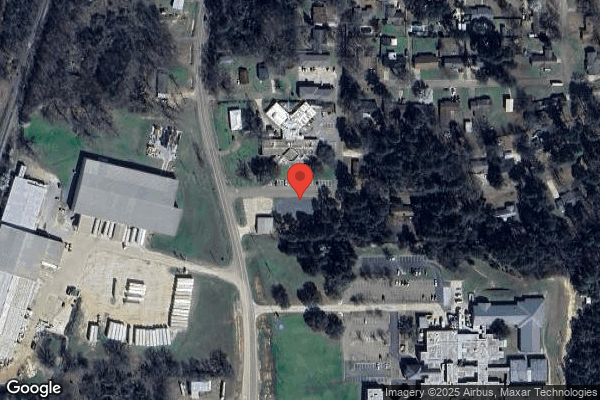
ROSE HAVEN RETREAT

200 LIVE OAK ST, ATLANTA, TX 75551 (903) 796-4127
Government - Hospital district 108 Beds CARING HEALTHCARE GROUP Data: November 2025 1 Immediate Jeopardy citation
Trust Grade
56/100
#332 of 1168 in TX
Last Inspection: May 2025

Inspected within the last 6 months. Data reflects current conditions.

Overview

Rose Haven Retreat in Atlanta, Texas, has a Trust Grade of C, which means it is average and sits in the middle of the pack among nursing homes. It ranks #332 out of 1168 facilities in Texas, placing it in the top half, and #2 out of 4 in Cass County, indicating only one local option is better. The facility's trend is stable, with 10 issues reported in both 2024 and 2025, and staffing is rated at 4 out of 5 stars, though its 55% turnover rate is average. However, the facility has faced some concerns, including a critical incident where a resident managed to leave a secured area, raising safety questions, and several issues related to food storage and safety that could pose health risks. On the plus side, the facility maintains good RN coverage and overall quality measures, which are rated 5 out of 5 stars.

Trust Score
C
56/100
In Texas
#332/1168
Top 28%
Safety Record
High Risk
Review needed
Inspections
Holding Steady
10 → 10 violations
Staff Stability
⚠ Watch
55% turnover. Above average. Higher turnover means staff may not know residents' routines.
Penalties
✓ Good
$8,281 in fines. Lower than most Texas facilities. Relatively clean record.
Skilled Nurses
○ Average
Each resident gets 35 minutes of Registered Nurse (RN) attention daily — about average for Texas. RNs are the most trained staff who monitor for health changes.
Violations
⚠ Watch
34 deficiencies on record. Higher than average. Multiple issues found across inspections.
★★★★☆
4.0
Overall Rating
★★★★☆
4.0
Staff Levels
★★★★★
5.0
Care Quality
★★★☆☆
3.0
Inspection Score
Stable
2024: 10 issues
2025: 10 issues

The Good

  • 4-Star Staffing Rating · Above-average nurse staffing levels
  • 5-Star Quality Measures · Strong clinical quality outcomes
  • Full Sprinkler Coverage · Fire safety systems throughout facility
  • No fines on record

Facility shows strength in staffing levels, quality measures, fire safety.

The Bad

Staff Turnover: 55%

Near Texas avg (46%)

Higher turnover may affect care consistency

Federal Fines: $8,281

Below median ($33,413)

Minor penalties assessed

Chain: CARING HEALTHCARE GROUP

Part of a multi-facility chain

Ask about local staffing decisions and management

The Ugly 34 deficiencies on record

1 life-threatening
May 2025 9 deficiencies
CONCERN (D)

Potential for Harm - no one hurt, but risky conditions existed

Safe Environment (Tag F0584)

Could have caused harm · This affected 1 resident

**NOTE- TERMS IN BRACKETS HAVE BEEN EDITED TO PROTECT CONFIDENTIALITY** Based on observation, interview, and record review, the facility failed to provide a safe, clean, comfortable, homelike environm...

Read full inspector narrative →
**NOTE- TERMS IN BRACKETS HAVE BEEN EDITED TO PROTECT CONFIDENTIALITY** Based on observation, interview, and record review, the facility failed to provide a safe, clean, comfortable, homelike environment allowing the resident to use his or her personal belongings to the extent possible for 1 of 5 residents (Resident #33) reviewed for cleanliness of the physical environment. The facility failed to ensure Resident #33's bed sheets were clean and free of stains. This failure could place residents at risk for a decreased quality of life and an unsanitary environment. The findings included: Record review of the face sheet, dated 05/07/25, reflected Resident #33 was a [AGE] year-old female who initially admitted to the facility on [DATE] with diagnosis of unspecified dementia without behaviors (memory loss) and Schizophrenia (chronic mental disorder characterized by symptoms such as hallucinations, delusions, and cognitive challenges). Record review of the quarterly MDS assessment, dated 04/07/25, reflected Resident #33 had clear speech and was understood by others. The MDS reflected Resident #33 was able to understand others. The MDS reflected Resident #33 had a BIMS score of 15, which indicated no cognitive impairment. The MDS reflected Resident #33 had no behaviors or refusal of care during the look-back period. The MDS reflected Resident #33 required supervision or touching assistance with most ADLs. Record review of the comprehensive care plan, dated 03/15/25, reflected Resident #33 required supervision or touching assistance with most ADLs. The care plan reflected Resident #33 required one staff assistance with showers two times a week with complete bed baths on alternating days. During an observation on 05/05/25 beginning at 9:14 AM, Resident #33 was lying in the bed with her sheets pulled up to her face. The top sheet had numerous brown stains with a crusty yellow substance. During an observation and interview on 05/06/25 beginning at 11:09 AM, Resident #33 was lying in her bed with her top sheet pulled up near her face. The top sheet had numerous brown stains with a crusty yellow substance. Resident #33 stated the facility staff usually changed her sheets on her shower days. Resident #33 stated her shower days were on Monday, Wednesday, and Friday. Resident #33 stated she received her shower on 05/05/25 but the facility staff did not change her sheets. Resident #33 stated it bothered her the staff did not change her sheets. Resident #33 stated she felt nasty and gritty. During an interview on 05/07/25 beginning at 1:00 PM, NA D stated linens should have been changed every shower day. NA D stated the CNAs were responsible for changing the linens. NA D stated Resident #33 received showers on Monday, Wednesday, and Friday. NA D stated she was unsure if Resident #33's linens were changed on Monday because she did not work. NA D stated if Resident #33's sheets had noticeable stains or crusty substances they should have been changed even if it wasn't her shower day. NA D stated she noticed clean bed sheets coming from laundry were not in the best condition and often had stains. NA D stated she had not reported the condition of the bed sheets. NA D stated it was important to ensure linens were changed and in good condition to maintain a homelike and comfortable environment and prevent the growth of bacteria. During an interview on 05/07/25 beginning at 1:03 PM, the Housekeeping Supervisor stated the laundry staff were trained to look at the condition of the bed sheets. The Housekeeping Supervisor stated if she noticed a bedsheet was torn or stained, they placed them into a bag or threw them away. The Housekeeping Supervisor stated it was hard to miss sheets that were heavily stained. The Housekeeping Supervisor stated if the sheets became stained or needed to be changed the CNAs were responsible for completing that. The Housekeeping Supervisor stated it was important to ensure sheets were changed and in good condition to prevent infection. The Housekeeping Supervisor stated it was also important to maintain a homelike and comfortable environment. During an interview on 05/07/25 beginning at 1:06 PM, the CNA Supervisor stated bed sheets should have been changed as needed and every shower day. The CNA Supervisor stated Resident #33's sheets should have been changed on Monday, Wednesday, and Friday. The CNA Supervisor was unsure why Resident #33's bed sheets would not have been changed. The CNA Supervisor stated it was important to ensure bed sheets were changed and in good condition to maintain infection control and a homelike environment. During an interview on 05/07/25 beginning at 1:12 PM, the DON stated she expected bed sheets to have been changed on shower days and as needed. The DON stated the CNAs and charge nurses should have ensured the bed sheets were changed. The DON stated Resident #33 was non-complaint at times with certain things. The DON stated she was unsure if Resident #33 refused to have her bedsheets changed. The DON stated general rounds were completed but there was no system in place for monitoring bed linens. The DON stated it was important to ensure bedsheets were changed to maintain good skin integrity, to control odors, to ensure residents were bathed properly, to maintain a comfortable environment, and maintain pest control. During an interview on 05/07/25 beginning at 1:41 PM, the Administrator stated she expected the staff to change the bed linens on shower days and as needed. The Administrator stated Resident #33 refused care at times but was unsure if she refused this week. The Administrator stated she expected staff to at least attempt to change the bed linens. The Administrator stated it was important to ensure bedsheets were changed for hygiene purposes and to maintain a comfortable environment. Record review of the Quality of Life - Homelike Environment policy, revised May 2017, reflected the facility staff and management shall maximize, to the extent possible, the characteristics of the facility that reflect a personalized, homelike setting. These characteristics included: .clean bed and bath linens that are in good condition .
CONCERN (D)

Potential for Harm - no one hurt, but risky conditions existed

Assessment Accuracy (Tag F0641)

Could have caused harm · This affected 1 resident

**NOTE- TERMS IN BRACKETS HAVE BEEN EDITED TO PROTECT CONFIDENTIALITY** Based on interview and record review the facility failed to ensure assessments accurately reflected the resident status for 1 of...

Read full inspector narrative →
**NOTE- TERMS IN BRACKETS HAVE BEEN EDITED TO PROTECT CONFIDENTIALITY** Based on interview and record review the facility failed to ensure assessments accurately reflected the resident status for 1 of 16 residents (Resident #3) reviewed for MDS assessment accuracy. The facility failed to accurately reflect Resident #3's active diagnoses to not include a diagnosis of schizophrenia (a disorder that affected a person's ability to think, feel, and behave clearly) on her 4/23/25 MDS assessment. This failure could place residents at risk for not receiving care and services to meet their needs. Findings included: Record review of Resident #3's face sheet, dated 5/06/25, indicated she was [AGE] years old and admitted to the facility on originally on 7/13/21 and re-admitted on [DATE]. Resident #3 had diagnoses which included dementia (progressive or persistent loss of intellectual functioning including impairment of memory, thinking, and personality changes due to disease of the brain) with psychotic disturbance (mental disorder characterized by a disconnection from reality with symptoms of delusions-false belief of reality; hallucinations-seen, heard, touched, tasted, or smelled something that was not really there; talking incoherently; and agitation), neurosyphilis (infection that can occur in people with syphilis-sexually transmitted disease, especially if left untreated, that affects the coverings of the brain, the brain itself, or the spinal cord), and depressive episodes (feelings of sadness, tearfulness, angry outbursts, irritability or frustration even over small matters). Record review of Resident #3's annual MDS assessment, dated 4/23/25, indicated Resident #3 had a BIMS of 3, which indicated she had severe cognitive impairment. The MDS indicated Resident #3 had an active diagnosis of schizophrenia. Record review of Resident #3's undated care plan indicated she received an antidepressant and antipsychotic medication related to anxiety, paranoid delusional thinking, and depression auditory (hearing) and visual hallucinations, paranoid that people were out to get her and that she was being poisoned. Resident #3 had memory problems related to dementia. Resident #3 had physical behavioral symptoms toward others had history of hitting other residents. Resident #3 had auditory and visual hallucinations, talking to people and animals that were not present with diagnosis of schizophrenia with primary diagnosis of dementia. Record review of Resident 3's Physician Order Report, dated 4/07/25 - 5/07/25, indicated Resident #3 did not have a diagnosis of schizophrenia. During an interview on 5/07/25 at 8:10 AM, the Regional Nurse said the MDS Coordinator investigated Resident #3's chart and concluded the schizophrenia diagnosis was marked in error or was marked on the wrong resident with the same last name because she was the MDS Coordinator for two buildings/facilities. During an interview on 5/07/25 at 10:21 AM, the MDS Coordinator said she was the MDS Coordinator for two buildings/facilities and she did not know what happened but Resident #3's MDS was just miscoded. The MDS Coordinator said she had been the MDS Coordinator since 1999. The MDS Coordinator said she had been doing both buildings/facilities for a couple of years. The MDS Coordinator said she primarily did the MDSs remotely and received information from the DON, SW, therapy, and all other care areas. The MDS Coordinator said she was in the process of submitting MDS corrections in Resident #3's chart. The MDS Coordinator said there was no pertinent information to justify the diagnosis of schizophrenia being coded on Resident #3's MDS. The MDS Coordinator said the MDS should reflect an accurate picture of the resident to guide the resident's care. The MDS Coordinator said the resident was at risk of not receiving the services that they needed if the MDS was not coded accurately. The MDS Coordinator said she followed the RAI manual and looked things up if she had any questions. The MDS Coordinator said she saw Resident #3's MDS included schizophrenia was first coded in May of 2024 and apparently was carried over from assessment to assessment. The MDS Coordinator said she just really did not have a good answer for why it was coded. The MDS Coordinator said she was currently auditing all of the diagnoses and assessments in the facility. During an interview on 5/07/25 at 1:24 PM, the ADM said she would expect the MDS to be coded accurately. The ADM said the MDS was a medical record, it affected what care was provided and/or services the resident received. The ADM said if the MDS was not coded accurately, the resident may not get medications or services that they needed or they may get medications or services they did not need. The ADM said the MDS Coordinator, and the DON were responsible for ensuring the MDS was coded accurately. Record review of the facility's undated policy titled Minimum Data Set (MDS) Policy for MDS assessment Data Accuracy indicated . the purpose of the MDS policy was to ensure each resident received an accurate assessment by qualified staff to address the needs of the resident who were familiar with his/her physical, mental, and psychosocial well-being . Federal regulations at 42 CFR 483.20 (b)(1)(xviii), (g), and (h) require . the assessment accurately reflect the resident's status
CONCERN (D)

Potential for Harm - no one hurt, but risky conditions existed

Deficiency F0699 (Tag F0699)

Could have caused harm · This affected 1 resident

**NOTE- TERMS IN BRACKETS HAVE BEEN EDITED TO PROTECT CONFIDENTIALITY** Based on observations, interviews, and record review, the facility failed to ensure that residents who are trauma survivors rece...

Read full inspector narrative →
**NOTE- TERMS IN BRACKETS HAVE BEEN EDITED TO PROTECT CONFIDENTIALITY** Based on observations, interviews, and record review, the facility failed to ensure that residents who are trauma survivors receive culturally competent, trauma-informed care in accordance with professional standards of practice and accounting for residents' experiences and preferences in order to eliminate or mitigate triggers that may cause re-traumatization of the resident for 1 of 1 resident (Resident #28) reviewed for trauma-informed care. The facility failed to ensure Resident #28 had a trauma screening completed upon admission to the facility that identified possible triggers when Resident #28 had a history of trauma. This failure could place residents at an increased risk for psychological distress due to re-traumatization. The findings included: Record review of the face sheet, dated 05/06/25, reflected Resident #28 was a [AGE] year-old male who initially admitted to the facility on [DATE] with a diagnosis of PTSD (mental health condition that develops following a traumatic event characterized by intrusive thoughts about the incident, recurrent distress/anxiety, flashback and avoidance of similar situations). Record review of the annual MDS assessment, dated 03/13/25, reflected Resident #28 had clear speech and was understood by others. The MDS reflected Resident #28 was able to understand others. The MDS reflected Resident #28 had a BIMS score of 10, which indicated moderately impaired cognition. The MDS reflected Resident #28 had no behaviors or refusal of care. The MDS reflected Resident #28 had an active diagnosis of PTSD. Record review of the comprehensive care plan, dated 03/25/2024, reflected Resident #28 had a history of being fearful and easily annoyed related to PTSD. The goal was to use effective coping mechanisms to manage PTSD and have no fearful episodes during the next 90 days. Record review of Resident #28's initial social service history, dated 03/19/24, reflected no screening questions to indicate a history of trauma. Record review of the Resident #28's Make Me Feel Important form, undated, reflected the sections titled Five things to NEVER do with/around me: and Five things to ALWAYS do with/around me: were not filled out or answered. During an interview on 05/06/25 beginning at 3:49 PM, the Social Services Director stated she was responsible for completing the initial social history assessment on admission. The Social Services Director stated quarterly assessments and progress notes were completed each time a care plan meeting was conducted. The Social Services Director stated the initial social history assessment had no screening questions related to trauma. The Social Services Director stated she communicated with the DON for psychiatric referrals for residents who confided in her about their traumatic histories. The Social Services Director stated there was no trauma screening completed on admission that she was aware of. The Social Services Director stated if someone admitted to the facility with a diagnosis of PTSD, the facility attempted to obtained counseling services. The Social Services Director was unaware of any services being provided for Resident #28. The Social Services Director stated it was important to ensure residents were screened for a history of trauma and potential triggers were identified to maintain the correct environment to prevent triggers that could have caused re-traumatization. The Social Services Director stated it would have been important to know the potential triggers to prevent aggravation, frustration, or other behaviors. During an observation and interview on 05/06/25 beginning at 4:02 PM, Resident #28 was sitting up in the dining room watching videos on his laptop. Resident #28 did not want to leave the dining room, unable to complete the interview regarding his PTSD diagnosis. During an interview on 05/07/25 beginning at 1:12 PM, the DON stated the only part of trauma informed care that she participated in was during the new admission referral process. The DON stated she reviewed the clinical record for psychotropic medication and behaviors. The DON stated she reviewed the diagnosis to ensure the referral was appropriate for admission to the facility. During an interview on 05/07/25 beginning at 1:41 PM, the Administrator stated she reviewed the clinical documentation of new admission referrals to try and identify a possible history of trauma or any diagnosis related to trauma. The Administrator stated the Social Services Director was responsible for completing the initial social history assessment, which included trauma screening questions. The Administrator stated she was unaware the initial social services history assessment did not include the trauma screening questions. The Administrator stated the Activity Director, and the CNA Supervisor completed the Make Me Feel Important form, which was used to identify specific triggers and de-escalation interventions. The Administrator was unaware Resident #28's Make Me Feel Important form was not filled out. The Administrator stated she recently started working on developing a system for trauma informed care and had not completed it. The Administrator stated it was important to ensure residents were assessed for a history of trauma and potential triggers were identified to prevent re-traumatizing and maintain the safety of the residents and staff. Record review of the Trauma Informed Care policy, dated 2024, reflected .a tool for screening new residents for trauma will be developed and implemented as part of the admissions process if a resident demonstrations signs of past trauma (either one-time or on-going), additional screening will take place .
CONCERN (D)

Potential for Harm - no one hurt, but risky conditions existed

Pharmacy Services (Tag F0755)

Could have caused harm · This affected 1 resident

**NOTE- TERMS IN BRACKETS HAVE BEEN EDITED TO PROTECT CONFIDENTIALITY** Based on observation, interview and record review the facility failed provide pharmaceutical services (including procedures that...

Read full inspector narrative →
**NOTE- TERMS IN BRACKETS HAVE BEEN EDITED TO PROTECT CONFIDENTIALITY** Based on observation, interview and record review the facility failed provide pharmaceutical services (including procedures that assured the accurate acquiring, receiving, dispensing, and administering of all drugs and biologicals) to meet the needs of each resident for 1 of 6 residents (Resident #36) reviewed for medication administration. The facility failed to ensure Resident #36 rinsed and spit after administration of an inhalation medication (Budesonide) for a diagnosis of COPD. This failure could place residents at an risk for inaccurate drug administration and not receiving the care and services to meet their individual needs. The findings include: Record review of Resident #36's face sheet, dated 05/07/2025, revealed Resident #36 was a [AGE] year-old female who admitted to the facility on [DATE]. Resident #36 had a diagnosis which included COPD - chronic obstructive pulmonary disease (chronic inflammatory lung disease that causes obstructed airflow from the lungs). Record review of the order summary report, dated 05/07/2025, revealed Resident #36 had an order, which started on 02/14/2025, for Budesonide 0.5 milligram/2 milliliter suspension for nebulization, I ampule inhalation twice a day for a diagnosis of COPD with special instruction to rinse mouth and spit after each use. Record review of the MAR, dated 05/06/2025, indicated Resident #36 received Budesonide 0.5 milligram/2 milliliter suspension for nebulization, I ampule inhalation. Record review of the Annual MDS assessment, dated 04/14/2025, indicated Resident #36 had clear speech and was understood by staff. Resident #36 was able to understand others. Resident #36 had a BIMS of 15, which indicated intact cognition. Record review of the comprehensive care plan, initiated on 07/19/2024, indicated Resident #36 had a diagnosis of COPD and took medication. The interventions included: administer medication per orders. During an observation on 05/06/2025 at 8:45 AM, revealed LVN F prepared Resident #36's medication for administration. LVN F obtained a bottle of multivitamin with minerals and placed one, round, pale pink tablet in the cup. LVN F finished preparing the remainder of Resident #36's morning medication, which included the Budesonide 0.5 milligram/2 milliliter suspension for nebulization, I ampule inhalation. LVN F obtained a plastic glass of water and went into Resident #36's room. LVN F gave Resident #36's his medication cup, which included the multivitamin with minerals, and Resident #36 swallowed the medication. LVN F then administered Resident #36's Budesonide 0.5 milligram/2 milliliter suspension for nebulization, I ampule inhalation. LVN F gave Resident #36 a glass of water after administration of the medication but did not instruct Resident #36 to rinse and spit after the use of his nebulizer inhalation treatment. During an interview on 05/06/2025 at 09:10 AM, LVN F stated medication should have been administered per the physician orders. LVN F stated special instructions should have been followed during medication administration. LVN F stated she should have instructed Resident #36 to rinse and spit after administration of his nebulizer inhalation treatment, but she did not think to look at the label on the box. LVN F stated she should have verified the order and the medication bottle prior to administering the medication to Resident #36. LVN F stated it was important to ensure medication was administered per the physician orders to prevent adverse effects such as cavities. During an interview on 05/07/2025 at 01:10 PM, the DON stated she expected medications to be given as ordered by the physician. The DON stated LVN F should have instructed Resident #36 to rinse and spit after administration of his nebulizer inhalation treatment. The DON stated the EMAR , and the medication label should be verified at least 3 times prior to medication administration. The DON stated it was important to ensure special instructions were followed and the correct medications were administered to prevent adverse reactions to the resident . The DON said the resident should rinse per the medication guidelines and orders to prevent any side effects from the nebulizer such as cavities. During an interview on 05/07/2025 at 01:30 PM, the Administrator stated she expected medication to be administered per the physician order. The Administrator stated nursing management was responsible for monitoring to ensure medications were administered correctly. The Administrator stated it was important to administer medications according to the physician order to ensure the safety and well-being of the residents. Record review of the Administering Medications policy, revised on 12/2012, indicated 3. Medications must be administered in accordance with the orders, and by manufactures guidelines.
CONCERN (D)

Potential for Harm - no one hurt, but risky conditions existed

Deficiency F0761 (Tag F0761)

Could have caused harm · This affected 1 resident

Based on observation, interview and record review the facility failed to ensure drugs and biologicals used in the facility were labeled in accordance with currently accepted professional principles, a...

Read full inspector narrative →
Based on observation, interview and record review the facility failed to ensure drugs and biologicals used in the facility were labeled in accordance with currently accepted professional principles, and include the appropriate accessory and cautionary instructions, and the expiration date when applicable for 1 of 4 medication carts (Cart 4) reviewed for drugs and biologicals. 1. The facility failed to ensure LVN E locked Cart 4 on the secured unit nurse medication cart, when it was not in use on 05/06/2025. 2. The facility failed to ensure two Albuterol Sulfate Inhalation Solution (inhalation solution used to open the airways for breathing) on Cart 4 was dated when opened. These failures could place residents at risk of not receiving drugs and biologicals as needed, medication errors, medication misuse, and drug diversion. Findings include: During an observation and interview on 05/06/2025 starting at 09:32 AM, revealed LVN E entered the resident's room and did not lock her medication cart. While in the room, LVN E was not able to visualize her medication cart because she had the privacy curtain pulled. The nurse had a conversation with the resident for approximately 10 minutes before returning to her medication cart. LVN E said she guessed she got distracted and did not realize she did not lock it. LVN E said the nurse should ensure the medication cart was locked when not in use. LVN E said it was important for the medication cart to be locked because they had dementia patients, and someone could go and inject themselves or someone could take stuff. LVN E said it was super dangerous for the medication cart to be left unlocke with narcotics on the cart During an observation and interview on 05/07/2025 at 08:35 AM, two Albuterol Sulfate Inhalation Solutions on Cart 4 were not dated when opened. LVN E said she did not know who opened them, so she did not know why they had not put an open date on them. LVN E said the person who opened a medication was responsible for putting the open date on it. LVN E said it was important to label and date the medications when opened to ensure the medications were effective and therapeutic for the residents. During an interview on 05/07/2025 at 1:11 PM, the DON said the medication cart needed to be locked at all times when not in use. The DON said she conducted rounds daily to check to ensure the medication carts were locked. The DON said the nurses were responsible for ensuring the medication carts were locked. The DON said if the medication cart was left unlocked somebody could access the medications or treatments in it. The DON said she did random weekly audits on the medication carts to ensure the medications were labeled and dated correctly. The DON said it was important for all breathing inhalations to have an open date to ensure the residents did not receive expired medications. The DON said all medications should be stored and labeled per the manufacturer's instructions. During an interview on 05/07/2025 at 1:30 PM, the Administrator said she expected for the medication carts to be locked anytime the nurses were not in front of them. The Administrator said if the medication cart was left unlocked a resident could get into the medication cart. The Administrator said the nurses should be making sure they dated medications when opened. The Administrator said there was a system in place to check the medication carts. This system included the clinic staff and the pharmacy consult checking the medication carts to ensure everything was dated. The Administrator said it was important to date medications as opened to ensure efficiency of the medication. Record review of the facility's policy, titled, Security of Medication Cart, revised April 2007, indicated, 4. Medication carts must be securely locked at all times when out of the nurse's view. Record review of the facility's policy, titled Labeling of Medication Containers, revised on April 2007, indicated, 5. The date drug dispensed; The expiration date when applicable
CONCERN (D)

Potential for Harm - no one hurt, but risky conditions existed

Dental Services (Tag F0791)

Could have caused harm · This affected 1 resident

**NOTE- TERMS IN BRACKETS HAVE BEEN EDITED TO PROTECT CONFIDENTIALITY** Based on observation, interview, and record review, the facility failed to assist residents in obtaining routine and 24-hour eme...

Read full inspector narrative →
**NOTE- TERMS IN BRACKETS HAVE BEEN EDITED TO PROTECT CONFIDENTIALITY** Based on observation, interview, and record review, the facility failed to assist residents in obtaining routine and 24-hour emergency dental services to meet the needs of 1 of 1 (Resident #33) residents reviewed for dental services. The facility failed to ensure Resident #33 received dental services when she had a broken tooth that caused her discomfort. This failure could place residents at risk of not receiving needed dental care and a decreased quality of life. The findings included: Record review of the face sheet, dated 05/07/25, reflected Resident #33 was a [AGE] year-old female who initially admitted to the facility on [DATE] with diagnosis of unspecified dementia without behaviors (memory loss) and Schizophrenia (chronic mental disorder characterized by symptoms such as hallucinations, delusions, and cognitive challenges). Record review of the quarterly MDS assessment, dated 04/07/25, reflected Resident #33 had clear speech and was understood by others. The MDS reflected Resident #33 was able to understand others. The MDS reflected Resident #33 had a BIMS score of 15, which indicated no cognitive impairment. The MDS reflected Resident #33 had no behaviors or refusal of care during the look-back period. The MDS reflected Resident #33 required supervision or touching assistance with oral hygiene that included ability to use suitable items to clean teeth. The MDS reflected Resident #33 had no broken or loosely fitting full or partial denture or mouth or facial pain, discomfort, or difficulty with chewing. Record review of the comprehensive care plan, dated 03/15/25, reflected Resident #33 required supervision or touching assistance with most ADLs. The care plan reflected Resident #33 required one staff assistance with oral care two times a day and as needed. The care plan did not address any dental issues. During an observation and interview on 05/05/25 beginning at 9:14 AM, Resident #33 was lying in the bed with the sheets pulled up around her face. Resident #33 stated her tooth was broken and had been giving her problems and she felt that the facility staff had not addressed it. Resident #33 stated she was having a hard time eating but had not lost any weight. Resident #33 denied constant pain or hurting. Resident #33 stated she had slight discomfort only while eating. Resident #33 opened her mouth to show the state surveyor her teeth. Resident #33 had her natural teeth, and no obvious broken teeth were observed. During an interview on 05/07/25 beginning at 9:36 AM, the Social Services Director stated she was aware Resident #33 had a dental concern. The Social Services Director stated she had attempted to reach out to the mobile dentistry used by the facility, but they would not see Resident #33 because she had an outstanding balance at the facility. The Social Services Director stated she attempted to reach out to several places in the community, but they would not accept Resident #33's medical insurance plan. The Social Services Director provided the documentation from a soft file in her office. Record review of the social progress notes, signed and dated 04/23/25, reflected On today [Resident #33] told this [Social Services Director] that her tooth cracked and is causing her a little pain and discomfort. This [Social Services Director] checking on [mobile dentistry] for resident and encouraged her to tell her nurse when it bothers her and maybe she can give resident [over the counter] pain reliver. Resident stated that she would. Will continue to monitor Record review of the social progress notes, signed and dated 04/24/25, reflected Resident [#33] has a past due balance and [the mobile dentistry] will only see residents whose bill is up to date. This [Social Service Director] trying to find an alternative for Resident #33. Will continue to monitor . There were no further notes to address the Resident #33's dental pain or discomfort. During an interview on 05/07/25 beginning at 9:44 AM, the Social Services Director was unable to answer any questions about the specifics of Resident #33's outstanding balance. The Social Services Director stated the BOM was responsible for handling Resident #33's finances. The Social Services Director stated she was unsure if there were any community resources that could have helped Resident #33 with her outstanding balance or dental concerns. During an interview on 05/07/25 beginning at 9:48 AM, the BOM stated Resident #33 had an outstanding balance at the facility. The BOM stated she had attempted to reach out to Resident #33's family member on numerous occasions to attempt to collect the balance. The BOM stated Resident #33's family member did not answer the phone or return her phone calls to the facility. The BOM stated Resident #33 complained of dental issues since admitting to the facility. The BOM stated Resident #33's family member mentioned he would have taken Resident #33 to the dentist in the past. The BOM stated she told the Social Services Director to reach out to places in the community that would have seen her. The BOM stated the facility has had problems with the mobile dentistry services for other residents. During an interview on 05/07/25 beginning at 10:02 AM, the BOM stated she provided a couple of phone numbers to dentist offices in the area to the Social Services Director. The BOM stated she attempted to call Resident #33's family member with no response. During an attempted telephone interview on 05/07/25 beginning at 10:15 AM, Resident #33's family member did not answer the phone. A brief message was left with a call back number, but the call was not returned upon exit of the facility. During an interview on 05/07/25 beginning at 11:11 AM, the Corporate Clinical Nurse stated Resident #33 was currently at the dentist and the facility was going to cover the cost. During an interview on 05/07/25 beginning at 12:10 PM, the Social Services Director stated she was unsure if she spoke with Resident #33's family member about her dental concerns when he was contacted on 04/25/25. The Social Services Director stated Resident #33 had just returned from a dental appointment. The Social Services Director stated when she attempted to reach out to other dentists in the area it was not for Resident #33. The Social Services Director stated when a resident complained of dental concerns, she looked to see if they had any dental insurance. She said if the residents had no dental insurance, then she attempted to set them up with the mobile dentistry service that came to the facility. The Social Services Director stated if everything checked out with the mobile dentistry service then they were scheduled. If the mobile dentistry was unable to see the resident, then they would find a place in the community and the resident would have to pay for it out of pocket. The Social Services Director stated she should have notified the nursing staff about Resident #33's dental concerns but the only person she notified was the BOM. The Social Services Director stated Resident #33 should have been seen by the dentist sooner. The Social Services Director stated she was fairly new to the position and was still learning the specifics of her job duties. The Social Services Director stated it was important to ensure dental services were provided to residents who had dental concerns to minimize pain, prevent infection, and prevent appetite changes. During an interview on 05/07/25 beginning at 1:12 PM, the DON stated she had not been informed of Resident #33's dental concerns or any pain or discomfort. The DON stated she expected to be notified if a resident had any dental issues or concerns. The DON stated the facility staff usually talked about things like that during the morning stand-up meetings. The DON stated Resident #33's teeth were not discussed that she was able to recall. The DON stated it was important to ensure dental issues were followed up on to make sure care was provided, pain was controlled, and no secondary illness developed as a result of untreated dental issues. During an interview on 05/07/25 beginning at 1:41 PM, the Administrator stated she expected a process to have been followed for residents with dental pain. The Administrator stated the process included notifying nursing staff and herself as soon as the dental concerns were discovered. The Administrator she was notified on 05/05/25 regarding Resident #33's dental concerns and was following up to see where they were at in the clinical process. The Administrator stated she should have been notified sooner. The Administrator stated it was important to ensure dental issues were addressed to prevent infections and pain. Record review of the Dental Services policy, revised December 2016, reflected Routine and emergency dental services are available to meet the resident's oral health services in accordance with the resident's assessment and plan of care .routine dental services are provided to our resident through: a contract agreement .referral to the resident's personal dentist .referral to community dentists .referral to other health care organizations that provide dental services .residents have the right to select dentists of their choice when dental care or services are needed .social services representatives will assist residents with appointments, transportation arrangements, and for reimbursement of dental services
CONCERN (D)

Potential for Harm - no one hurt, but risky conditions existed

Infection Control (Tag F0880)

Could have caused harm · This affected 1 resident

Based on observation, interview, and record review the facility failed to ensure an infection prevention and control program designed to provide a safe and sanitary environment and to help prevent the...

Read full inspector narrative →
Based on observation, interview, and record review the facility failed to ensure an infection prevention and control program designed to provide a safe and sanitary environment and to help prevent the development and transmission of communicable diseases and infections for 1 of 7 staff (Laundry Aide G) reviewed for infection control practices. The facility failed to ensure that Laundry Aide G covered the laundry cart while delivering the resident's clothing. This failure could place residents and staff at risk for cross-contamination and the spread of infection. Findings: During an observation and interview on 05/05/2025 at 09:10 am., Laundry Aide G was seen in hall 2 pushing an uncovered laundry cart that had clean clothes exposed. Laundry Aide G said she covered the laundry cart while she transported it from the laundry building outside, but once she entered the facility, she was not required to cover the laundry cart while she delivered to the residents. During an interview 05/07/2025 at 1:10 PM., the DON said dirty and soiled laundry should not be transported out in the open due to the risk of infection and cross contamination. The DON said she expected the clean linens and residents' clothing to be distributed per the proper protocol per housekeeping, which is covered in and outside the building. The DON said and she expected all staff to ensure infection preventives were utilized daily to protect the residents' health and wellbeing by proper handwashing, bagging and transporting soiled linen in closed containers, using PPE appropriately and properly. During an interview on 05/07/2025 at 1:15 PM, the Housekeeping Supervisor said she was responsible for and had educated the laundry aides and expected the staff to keep the clean laundry covered while transported it from the laundry building outside and required to cover the laundry cart of clean clothing while delivered to the residents to prevent cross contamination. During an interview on 05/07/2025 at 1:30 PM, the Administrator said she expected for all staff to be responsible for infection control precaution. The Administrator stated the facility had purchased a covered cart strictly for the delivery of clean linens and expected staff to utilize the cart for linen delivery to prevent cross contamination while inside and outside of the building. Record review of the facility's policy titled, Departmental (Environmental Services) - Laundry and Linen, updated January 2014, indicated, . 7. Clean linen will remain hygienically clean (free of pathogens in sufficient numbers to cause human illness) through measures designed to protect it from environmental contaminations, such as covering clean linen carts.
CONCERN (D)

Potential for Harm - no one hurt, but risky conditions existed

Smoking Policies (Tag F0926)

Could have caused harm · This affected 1 resident

Based on observation, interview, and record review the facility failed to follow their own established smoking policy for the facility's only smoking area and 1 of 1 facility smoking area reviewed for...

Read full inspector narrative →
Based on observation, interview, and record review the facility failed to follow their own established smoking policy for the facility's only smoking area and 1 of 1 facility smoking area reviewed for smoking policies. The facility failed to ensure the smoking area had no cigarette butts on the ground and the red metal can was free of trash on 05/05/25. This failure could place residents at risk of an unsafe smoking environment. The findings included: During an observation on 05/05/25 beginning at 10:57 AM, there were 2 red-tipped cigarette butts on the sidewalk near the door. There was a sign on the door that stated, Do not throw cigarette butts on the ground. There was a used white tissue in the red metal can. During an interview on 05/07/25 beginning at 12:49 PM, The Social Services Director stated she was the staff member responsible for the 11:00 AM smoke break. The Social Services Director stated she did not notice the used white tissues in the red metal can or the used, red-tipped cigarette butts on ground during the smoke break on 05/05/25. The Social Services Director stated the Maintenance Assistant and housekeeping staff were responsible for making sure the red metal can had no trash and cigarette butts were kept off the ground. The Social Services Director stated when she noticed trash in the red metal can or cigarette butts on the ground, she should have let someone know or fixed it herself. The Social Services Director stated it was important toe ensure cigarette butts were kept off the ground and trash was kept out of the red metal can to prevent fires. During an interview on 05/07/25 beginning at 12:53 PM, the Housekeeping Supervisor stated the Maintenance Assistant was responsible for picking up the cigarette butts every morning. The Housekeeping Supervisor stated if anyone noticed cigarette butts on the ground, they should have picked them up. The Housekeeping Supervisor stated she worked together with the Maintenance Assistant to keep trash out of the red metal trashcan and cigarette butts off the ground. The Housekeeping Supervisor stated she believed the residents throw trash in the red metal can without thinking about it. The Housekeeping Supervisor stated it was important to ensure trash was kept out of the red metal can and cigarette butts were kept off the ground to prevent fires. During an interview on 05/07/25 beginning at 1:24 PM, the Maintenance Assistant stated she was responsible for picking up the cigarette butts and making sure the trash was kept out of the red metal can. The Maintenance Assistant stated she kept sand in the red can and recently added more. The Maintenance Assistant stated she had educated the staff who take the residents out to smoke about making sure the residents did not throw their cigarette butts on the ground. The Maintenance Assistant stated the staff should have been checking the red metal can for trash. The Maintenance Assistant stated if it was noticed they should have notified her or removed it. The Maintenance Assistant stated it was important to ensure cigarette butts were kept off the ground and trash was kept out of the red metal can to prevent fires. During an interview on 05/07/25 beginning at 1:41 PM, the Administrator stated she expected the facility staff to ensure residents were putting their cigarettes butts in the red metal can or ashtrays. The Administrator stated the Maintenance Assistant or housekeeping staff were responsible for monitoring to ensure the cigarette butts were kept off the ground and trash was kept out of the red metal can. The Administrator stated it was important for fire safety. Record review of the Smoking Policy - Residents, revised July 2017, reflected .this facility shall establish and maintain safe resident smoking practices .ashtrays are emptied only into designated receptacles .
CONCERN (F)

Potential for Harm - no one hurt, but risky conditions existed

Food Safety (Tag F0812)

Could have caused harm · This affected most or all residents

Based on observation, interview and record review the facility failed to store, prepare, distribute, and serve food in accordance with professional standards for food service safety in the facility's ...

Read full inspector narrative →
Based on observation, interview and record review the facility failed to store, prepare, distribute, and serve food in accordance with professional standards for food service safety in the facility's only kitchen reviewed for food safety requirements. 1. The facility failed to ensure food items were not stored on the floor of the dry pantry. 2. The facility failed to ensure food items in the dry pantry were labeled and dated. 3. The facility failed to ensure plastic bags of what appeared to be hamburger patties, chicken tender strips, sausage patties, onions/green/red peppers, and French fries were labeled and dated in the large freezer. 4. The facility failed to ensure a plastic bag containing an unknown meat was labeled and dated in the white freezer. 5. The facility failed to ensure the white freezer did not have melted and refrozen substance in the bottom of freezer. 6. The facility failed to ensure a silver metal container in the refrigerator/cooler with what appeared to be chicken noodle soup covered with plastic wrap, was labeled and dated. 7. The facility failed to ensure a large plastic zippered bag of what appeared to be 1/2 sandwiches with resident names on individual plastic bags were labeled or dated. 8. The facility failed to ensure a partial bag of what appeared to be biscuits was not labeled or dated. These failures could place residents at risk of foodborne illness and food contamination. Findings included: During initial tour observations and interviews of the kitchen on 5/05/25 beginning at 8:25 AM, and accompanied by [NAME] A, revealed: The dry Pantry had: * A box on the floor with 6 large cans of mixed greens and they were not dated. * A partial box (3 of 6) large cans of vegetables for stew were stored on top of the mixed greens and they were not dated. * A partial box of chips with 3 large clear bags of chips was on the floor and they were not dated. * An unopened box of individual bagged coffee was on the floor. * A box of large cans of tropical fruit salad was on the floor. * A box of large cans of peas and diced carrots was on the floor and was not dated. The large Freezer had: * A plastic bag of what appeared to be hamburger patties, and they were not labeled or dated. * A plastic bag of what appeared to be chicken tender strips, and they were not labeled or dated. * Two partial plastic bags of what appeared to be chicken tender strips, and they were not labeled or dated and there was no opened date. * A partial bag of what appeared to be sausage patties, and they were not labeled or dated and there was no opened date. * A plastic zippered bag with what appeared to be chopped onion, red/green bell peppers and they were not labeled or dated. * Three bags of what appeared to be French fries and they were not labeled or dated. White freezer had: * Two plastic zippered bags with an unknown meat that was not labeled or dated. * The white freezer had what looked like it had defrosted something in the bottom of the freezer, and it refroze. The Refrigerator/Cooler had: * A silver metal container with what appeared to be chicken noodle soup covered with plastic wrap and it was not labeled or dated. * A large plastic zippered bag of what appeared to be 1/2 sandwiches with resident names on individual plastic bags and they were not labeled or dated. * A partial bag of what appeared to be biscuits, and they were not labeled or dated and there was no opened date. During an interview on 5/05/25 at 8:45 AM, [NAME] A said all food items should be labeled and dated when they were placed in the freezer or cooler. [NAME] A said food items should be labeled and dated to know when it was placed in there and to know if or when it would go bad. [NAME] A said if food that was not labeled or dated was served to the residents, it could be expired, and residents could get sick. [NAME] A said food should not be stored on the floor of the dry goods pantry because it could cause accidents. [NAME] A said they were short staffed in the kitchen and there were only two people on each shift, and they tried to get to things as they could and since the dishwasher had not been working and they had to handwash everything, it took extra time. [NAME] A said they had someone who came in on the days of the truck deliveries to put up the stock, she said she was not sure why the delivery items were not put up from Friday (5/02/25). [NAME] A said the DM had been in the hospital since Friday (5/02/25). [NAME] A said the sandwiches were probably made yesterday for evening shift snacks, but she just assumed and was not for sure, but they only made sandwiches daily and they were used daily for the residents' snacks. During an interview on 5/05/25 at 8:55 AM, Dishwasher B said the dishwasher had been out for about two weeks and they tried to repair it, but the machine was old, and they could not get parts, so they had a new one ordered. Dishwasher B said food items should be labeled and dated when placed in the freezers or cooler. Dishwasher B said if the item was not labeled or dated, it should be thrown away and not served to the residents because you would not know when it was made. Dishwasher B said she threw anything away that was not labeled or dated and would not serve it to residents because it could make them sick. During an interview on 5/07/25 at 8:30 AM, the DM said she expected staff to put food delivery stock up and label and date everything when it was delivered on Tuesdays and Fridays. The DM said they had a specific person to put stock up when it came in, Dietary Stocker C. The DM said she did not know why the stock person did not put the stock up. The DM said food items should be labeled and dated when placed in the freezer and if the package had been opened then it should have an opened date on it. The DM said it was important to label and date the food items when placed in the freezer to know what it was, and to ensure the food item was still good to use. The DM said if the food item was out of date and was served to the residents it could make them sick. During an interview on 5/07/25 at 12:53 PM, Dietary Stocker C said she was a stocker and only worked on Tuesdays. Dietary Stocker C said she put up the food truck deliveries and rotates the groceries. Dietary Stocker C said she dated the dry goods and placed on the shelf. Dietary Stocker C said they got food delivery trucks every Tuesday and sometimes on Fridays depending on the menus. Dietary Stocker C said she did not think they got a truck on last Friday (5/02/25). Dietary Stocker C said if there was a box or a bag, everything should be labeled and dated. Dietary Stocker C said sometimes she used the sticky labels on items in the freezer and sometimes they would come off. Dietary Stocker C said she did not usually have anything to do with putting partial bags of items in the freezer. Dietary Stocker C said if there were boxes of food items on the floor, she would ensure they were stored properly before leaving. Dietary Stocker C said items should be put up so it could be rotated, so the oldest items were used first, and it helped her with the rotating stock. Dietary Stocker C said if they were not labeled or dated, it could spoil and make someone sick. Dietary Stocker C said everyone gave a helping hand in the kitchen and someone else would help put things up if they received a food truck delivery when she was not working. During an interview on 5/07/25 at 1:24 PM, the ADM said boxes of food items should not be left on the floor. The ADM said when food items were delivered, the staff should inspect the items for damage, date the item with date delivered and put up for proper storage. The ADM said leaving food items stored on the floor contributed to pests and could be a food contamination issue. The ADM said she would expect staff to follow the facility's policy of labeling, dating, and storing food, even when the DM was not there. The ADM said there could be an infection control issue, cross contamination, and food spoilage if the food items were not labeled or dated. The ADM said it could also potentially make the resident sick or could be something the resident was allergic to if an item was not labeled or dated. The ADM said the DM would be the first one responsible for ensuring food was labeled, dated, and stored appropriately and then the ADM would be ultimately responsible. Record review of the facility's policy titled Food Receiving and Storage, dated revised July 2024, indicated . foods shall be received and stored in a manner that complies with safe food handling practices . food services, or other designated staff, will maintain clean food storage areas at all times . food in designated dry storage areas shall be kept off the floor (at least 18 inches) . all foods stored in the refrigerator or freezer will be covered, labeled and dated (use by date) . all foods belonging to residents must be labeled with the resident's name, the item and the use by date . other opened containers must be dated and sealed or covered during storage Record review of the facility's policy titled Food Preparation and Service, dated revised July 2024, indicated . food service employees shall prepare and serve food in a manner that complies with safe food handling practices . food preparation staff will adhere to proper hygiene and sanitary practices to prevent the spread of foodborne illness
Feb 2025 1 deficiency 1 IJ
CRITICAL (J) 📢 Someone Reported This

A family member, employee, or ombudsman was alarmed enough to file a formal complaint

Immediate Jeopardy (IJ) - the most serious Medicare violation

Accident Prevention (Tag F0689)

Someone could have died · This affected 1 resident

**NOTE- TERMS IN BRACKETS HAVE BEEN EDITED TO PROTECT CONFIDENTIALITY** Based on observations, interviews, and record review the facility failed to ensure the resident environment remained free of acc...

Read full inspector narrative →
**NOTE- TERMS IN BRACKETS HAVE BEEN EDITED TO PROTECT CONFIDENTIALITY** Based on observations, interviews, and record review the facility failed to ensure the resident environment remained free of accident hazards as possible, and each resident received adequate supervision to prevent elopement for 1 of 18 residents (Resident #1) reviewed for accident hazards and supervision. The facility failed to prevent Resident #1 from eloping (leaving the facility property) from the secured unit on 02/10/25. The noncompliance was identified as PNC. The IJ began on 02/10/25 and ended on 02/10/25. The facility had corrected the noncompliance before the survey began. This failure could place the residents at risk for serious injury, serious harm, serious impairment, or death. The findings included: Record review of the face sheet, undated, reflected Resident #1 was a [AGE] year-old male who admitted to the facility on [DATE] with diagnoses of unspecified dementia (memory loss), anxiety disorder (intense feelings of anxiety and fear that can interfere with daily activities), restlessness and agitation, delusional disorder (type of psychotic disorder that involves having unshakable belief in something not true), and unspecified convulsions (seizures). Record review of the quarterly MDS assessment, dated 01/22/25, reflected Resident #1 had clear speech and was understood by others. The MDS reflected Resident #1 was able to understand others. The MDS reflected Resident #1 had a BIMS score of 6, which indicated severely impaired cognition. The MDS reflected Resident #1 had inattention and disorganized thinking that was continuously present and did not fluctuate. The MDS reflected Resident #1 had no behaviors. The MDS reflected Resident #1 was independent with indoor mobility that included ambulation (walking) and used no assistive devices. Record review of the comprehensive care plan, updated on 02/10/25, reflected Resident #1 was at risk for elopement and exhibited wandering behaviors. The interventions included: one-to-one observations that started on 02/10/25 and resolved on 02/15/25; and provide comfort measures for basic needs if Resident #1 begins to wander, such as pain, hunger, toileting, too hot/cold. Record review of the physician order report, dated 01/25/25 to 02/25/25, reflected Resident #1 had an order which started on 01/20/2025 for Resident #1 to admit to the facility on the secured unit related to elopement risk. Record review of the elopement risk assessment, dated 08/28/24, reflected Resident #1 had a score of 24. The scoring criteria stated if a resident had a score of 10 or more, the resident was at risk for elopement. Record review of the skilled daily nurses note, dated 02/10/25, reflected Resident #1 exhibited wandering behaviors on the evening shift. The narrative, timed at 4:40 PM, stated [RN A] came from front when stopped by [BOM] asking where resident is. Resident had eloped and went outside down the road and fell. EMS called for evaluation - taken to ER. Resident awake and alert, oriented to baseline at time of incident. DON notified, RP notified, Administrator notified. The narrative timed at 8:45 PM, stated Resident returns to locked unit via facility van accompanied with staff. Ambulatory, alert to baseline. Contusion to right forehead and 2 scabs on right ear. No new orders per ER doctor. Add: Abrasion on right forehead, 2 scabs with bruising on right ear. Small bruise on right upper extremity, small scabbed over abrasion on left knee. Record review of the incident report, dated 02/10/25, reflected Resident #1 was found outside the facility and had an unwitnessed fall. The incident report reflected Resident #1 was alert and had head involved contusions/hematomas. The narrative stated [RN A] was getting blood sugar levels from front residents. [CNA B] in shower with another resident. Received a call from [BOM] stating resident had eloped. Resident returned to facility. EMS here to assess resident, sent to ER for evaluation and treatment. Record review of CNA B's witness statement, dated 02/10/25, reflected I was giving a shower during time of incident - I wasn't aware of incident. I did give him [Resident #1] a snack and orange juice in the dining room at 4:30 PM. Watching television. Record review of RN A's witness statement, dated 02/10/25, reflected This resident last seen by this nurse approximately 3 PM - 3:30 PM while getting vital signs. This nurse had to leave secured unit to go check blood sugars on other residents under this nurse's care. Arrived back on secured unit to [BOM] asking if I had seen resident. Resident found outside, doctor states to send resident to ER. Record review of Sitter C's witness statement, dated 02/10/25, reflected I didn't see what happened. The last time I saw him [Resident #1] was when I came in at 2 PM. I've been doing one-on-one with [another resident]. Record review of the provider investigation report, signed 02/17/25, reflected the facility immediately returned Resident #1 to the facility and assessed for injury. Resident #1 was sent to the ER for evaluation and treatment. The facility immediately performed a head count, and all other residents were accounted for. The facility checked all alarms and exit-doors to ensure they were functioning properly. The facility performed a psycho-social assessment on Resident #1 and resident safe surveys. The facility provided in-service education on abuse, neglect, and exploitation, elopement, alarms, door codes, and using exit doors on the secured unit. Record review of Resident #1's ER paperwork, dated 02/10/25, reflected Resident #1 was seen in the emergency department for an abrasion on forehead after a fall. No significant findings were identified. Record review of the daily census report, dated 02/10/25, reflected a note that stated the BOM performed a head count of all 46 residents in the facility. All residents were accounted for. Record review of a signed statement, dated 02/10/25, reflected All doors and door alarms were checked and found to be in working order by myself [Administrator] and nurse's [RN D] and [RN A]. Record review of the psycho-social assessment, dated 02/10/25, reflected Resident #1 had a BIMS score of 3, which indicated severe cognitive impairment. The assessment reflected Resident #1 had delusions (misconceptions or beliefs that are firmly held, contrary to reality). The assessment reflected Resident #1 was oriented to self and had poor memory in the present. The assessment reflected Resident #1 was anxious, agitated, and depressed at times. The assessment reflected Resident #1 wandered, was verbally abusive, physically abusive, and social inappropriate at times. Record review of the resident safe surveys, dated 02/10/25, reflected no significant findings. Record review of the in-service record dated 2/10/25 reflected education was provided on abuse policy and procedure. There were approximately 61 signatures. Record review of the in-service record dated 2/10/25 reflected education was provided on elopement to include procedure if elopement occurs. There were approximately 61 signatures. Record review of the in-service record dated 2/10/25 reflected education was provided on answering alarms and investigating source of alarms. There were approximately 61 signatures. Record review of the in-service record dated 2/10/25 reflected education was provided on exit doors to include not using them to enter and exit the building. Ensuring they are enabled and alarmed at all times. There were approximately 61 signatures. Record review of the in-service record dated 2/10/25 reflected education was provided on red box alarm keys to include location and sign out procedures. There were approximately 40 signatures. During an observation and interview on 02/20/25 beginning at 10:53 AM, Resident #1 was sitting up in the dining room. Resident #1 had bruising to his right eye. Resident #1 stated he had fallen across the street, but he was doing okay. Resident #1 was unable to give any further details of the incident on 02/10/25 as he was confused during the conversation. During an interview on 02/20/25 beginning at 10:55 AM, LVN E stated Resident #1 had eloped on the 2-10 shift on 02/10/25 and was found in the ditch, from what she told in report. LVN E stated Resident #1 was admitted to the facility because he had eloped at a previous facility. LVN E stated the door alarm had been turned off a couple of weeks prior to the incident because of the rain. LVN E stated Resident #1 was on the secured unit when the elopement happened. LVN E stated Resident #1 exit-seeks and tried to get out of the facility every day. LVN E stated she worked the 6-2 shift on the day Resident #1 eloped and he was exit-seeking. LVN E said when Resident #1 started exit-seeking the facility staff tried to redirect them, offer snacks, or increase activities. LVN E said Resident #1 was difficult to redirect at times because he was angry or belligerent. LVN E stated the staff used to use the exit-doors on the secured unit to enter and exit but they were not allowed to do that any longer since Resident #1 got out of the facility. During an observation on 02/20/25 beginning at 11:22 AM, CNA F assisted surveyor to the exit-doors on the secured unit. The right-side door was locked and unable to be opened without a code. Red box alarm noted on door in the on position. Door was opened and alarm sounded. The back door, off the hallway was locked. A keypad box was located beside the door and was functioning properly. Red box alarm noted on the door in the on position. Door was opened and alarm sounded. The patio door, off the dining room, was locked and the keypad was functioning properly. The outside patio was fenced in with no issues identified. The left-side hallway door was locked. A keypad box was located beside the door and was functioning properly. Red box alarm noted on the door in the on position. Door was opened and the alarm sounded. There was signage on all doors that stated Do not use. This is not an exit. During an interview on 02/20/25 beginning at 11:25 AM, CNA F stated the maintenance department was responsible for monitoring the doors to ensure they were functioning properly. CNA F stated the nurse's had access to turn the door alarms on and off with a key. CNA F stated the staff used to come in and out of the doors to the secured unit, but they do not use them any more after the incident with Resident #1. During an interview on 02/20/25 beginning at 11:46 AM, RN A stated on 02/10/25 she was the nurse assigned to the back secured unit, but she was also assigned residents in the front halls. RN A stated she was at the front getting blood sugars at approximately 4 PM - 4:30 PM. RN A stated when she returned to the secured unit, she was confronted by the BOM who asked her if she knew Resident #1 was missing. RN A stated she had no idea Resident #1 was missing and had not heard any alarms because she was at the front of the building. RN A stated the BOM stated she had received a call that Resident #1 was walking down the road. RN A stated she went to look for Resident #1 and found him down the road from the facility at a couple houses next door. RN A stated he was off the premises. RN A stated Resident #1 was standing up when she found him. RN A stated Resident #1 had apparently gotten hurt because he had an abrasion to his right eyebrow and right ear. RN A stated when Resident #1 returned to the facility, he was assessed and treated for his wounds. RN A stated Resident #1 was sent to the ER just to be sure because the fall was un-witnessed. RN A stated Resident #1 exhibited exit-seeking behaviors often. RN A stated staff used to use the exit-doors to the secured unit, but they were unable to use them since the incident with Resident #1. RN A stated after Resident #1 was sent to the ER, she checked the doors on the secured unit. RN A stated the back door, off the hallway had a keypad that was blinking green and red repetitively and the door was unlocked. RN A stated she reported the door to the Administrator and the maintenance staff were in that day to fix it. RN A stated she had noticed the keypad doing that before and had mentioned it to the management staff. RN A stated after the incident with Resident #1 the facility staff repaired the door, implemented 15-minute door checks, changed the door codes, and provided in-service education to staff on not using the side doors, ensuring red box alarms were turned on and functioning, abuse and neglect, and elopement policy and procedures. During an observation and interview on 02/20/25 beginning at 2:05 PM, the BOM stated she received a call from her friend who lives a few houses down, saying I think you have a resident out. The BOM stated her friend described the resident and she felt like it sounded like Resident #1, so she alerted the nurse and ran out the back door. The BOM stated as she was running out the back door, RN A was coming from the secured unit and they found Resident #1, escorted him back to the facility, and called EMS. The BOM assisted surveyor to the back parking lot and pointed out a mailbox and house approximately 150 feet from the back parking lot. The BOM stated that was where Resident #1 was found. The road ran in front of residential housing and the speed limit was 30 miles per hour. There were lightly wooded areas near the house. During an interview on 02/20/25 beginning at 2:17 PM, the Administrator stated she had just left the facility when she received a phone call from the BOM saying Resident #1 had gotten out. The Administrator stated she turned around and came back to the facility. The Administrator she had discovered Resident #1 received a small abrasion and was sent to the ER, he returned to the facility later that night before she had left. The Administrator stated the facility staff placed Resident #1 on frequent monitoring, changed the alarm codes, checked doors and alarms, performed a head count. The Administrator stated there was an issue with the keypad on the back door but it was fixed immediately. The Administrator stated they were unsure how Resident #1 got out of the facility and believed he could have slipped out after a family member left the facility. The Administrator stated all staff were provided in-service education on abuse and neglect, elopement policy and procedure, door codes, not using exit-doors as entrance to the facility, and red box alarms. The Administrator stated QAPI will be held at the end of the month. During an interview on 02/20/25 beginning at 2:24 PM, CNA B stated he was giving a shower on 02/10/25 when Resident #1 escaped, and he did not see anything. CNA B said he did not hear any alarms going off or he would have attempted to investigate. CNA B stated Resident #1 normally wandered and tried to get out of the facility. CNA B stated he last saw Resident #1 when he served them snacks and orange juice at approximately 4:30 PM. CNA B stated Resident #1 had been wandering up and down the hallways prior to the incident but he did not notice any issues or problems with the doors or door alarms. During interviews conducted on 02/20/25 between 1:29 PM and 3:45 PM, reflected ADON L, RN A, RN D, LVN E, LVN M, MA K, MA Q, CNA B, CNA F, CNA N, CNA O, CNA R, NA G, NA H, and NA P were provided in-service education on abuse and neglect, elopement policy and procedure, not using the exit-door on the secured unit for entrance and exit, door codes and red box alarms. The staff were able to give examples of the different types of abuse to include neglect, identify the abuse coordinator, and verbalize abuse or neglect should be reported immediately. The staff were able to verbalize policy and procedure for elopement and identified residents at risk. The staff were able to verbalize interventions that could be used to prevent elopement for residents at risk. The staff stated the were not able to use the exit-doors on the secured unit for entrance or exit to the facility. The staff stated the red box door alarms should be on the on position at all times. The staff stated the door codes were changed and they were instructed to not give the code out and if family members needed to leave the staff had to let them out. During an interview on 02/24/25 beginning at 11:33 AM, the Maintenance Director stated the exit-doors on the secured unit were checked weekly and for any complaints or as needed. The Maintenance Director stated the red box alarm batteries were changed every month. The Maintenance Director stated on 02/10/25 when he arrived at the facility, the red box alarm was on the off position, but the keypad and door were functioning properly. The Maintenance Director stated, you could have the best system in the world but if it isn't on then it won't work. Surveyor requested documentation of door checks. Record review of the maintenance door check logs reflected the exit doors were checked with no issues identified on 01/03/25, 01/06/25, 01/10/25, 01/13/25, 01/20/25, 01/24/25, 01/27/25, 01/31/25, 02/03/25, 02/07/25, 02/10/25, 02/14/25, 02/17/25, and 02/21/25. Record review of the Wandering, Unsafe Resident policy, revised December 2007, reflected the facility will strive to prevent unsafe wandering while maintaining the least restive environment for all residents who are at risk for elopement .nursing staff will document circumstances related to unsafe actions, including wandering, by a resident .staff will institute a detailed monitoring plan, as indicated for residents who are assessed to have a high risk of elopement . The noncompliance was identified as PNC. The IJ began on 02/10/25 and ended on 02/10/25. The facility had corrected the noncompliance before the survey began.
Apr 2024 10 deficiencies
CONCERN (D)

Potential for Harm - no one hurt, but risky conditions existed

Deficiency F0552 (Tag F0552)

Could have caused harm · This affected 1 resident

**NOTE- TERMS IN BRACKETS HAVE BEEN EDITED TO PROTECT CONFIDENTIALITY** Based on interviews and record reviews, the facility failed to ensure the residents had the right to be informed of the risks an...

Read full inspector narrative →
**NOTE- TERMS IN BRACKETS HAVE BEEN EDITED TO PROTECT CONFIDENTIALITY** Based on interviews and record reviews, the facility failed to ensure the residents had the right to be informed of the risks and participate in, his or her treatment which included the right to be informed in advance, by the physician or other practitioner or professional, of the risks and benefits of proposed care, of treatment and treatment alternatives or treatment options and to choose the alternative or options he or she preferred, for 1 of 20 residents (Resident #102) reviewed for resident rights. The facility failed to obtain informed consent from Resident #102's RP prior to administering Prozac (antidepressant medication used to treat depression-persistent sadness) to Resident #102. This failure could place residents at risk of receiving medications without their prior knowledge or consent, or that of their responsible party and could place the residents at an increased risk for adverse reactions to the medications. Findings included: Record review of Resident #102's face sheet dated 4/15/24 indicated Resident #102 was an [AGE] year-old female and admitted to the facility 4/01/24 with diagnoses including dementia (a group of thinking and social symptoms that interferes with daily functioning) with agitation, anxiety (intense, excessive, and persistent worry and fear about everyday situations), malignant neoplasm (cancer) of female breast, and depression (persistent sadness). Record review of Resident #102's quarterly MDS assessment dated [DATE] indicated Resident #102 was usually understood and understood others. The MDS indicated Resident #102's BIMS score was 7 which indicated she had severe cognitive impairment. The MDS indicated Resident #102 received an antidepressant medication. Record review of Resident #102's undated care plan indicated Resident #102 resisted care, refused bathing and changing soiled clothes, refused to staff to provide nail care with a problem start date of 4/15/24; Resident #102 wandered and was placed on the secure unit with a problem start date of 4/15/24; Resident #102 had behavioral symptoms not directed toward others, was sexually inappropriate would come into hallway take off her clothes and brief and start masturbating with a problem start date of 4/15/24; Resident #102 had a history of depression with a problem start date of 4/10/24; Resident #102 had cognitive impairment and poor decision making and placed on a special care unit for safety due to elopement attempts related dementia with a problem start date of 4/10/24. Record review of Resident #102's undated Orders revealed an order for Prozac (fluoxetine) 40 mg 1 capsule by mouth once a morning with a start date 4/14/24. Record review of Resident #102's Medication Flowsheet dated 4/01/24-4/30/24 revealed Prozac (fluoxetine) 40 mg every AM had been handwritten on the flowsheet as a new order and was initialed as being given on 4/16/24 and 4/17/24 by LVN F and sertraline 50 mg 1 tablet at bedtime was discontinued with last dose administered 4/15/24. Record review of Resident #102's nurse's notes dated 4/13/24 at 4:00 PM revealed LVN E documented Resident #102 was in the hallway, showing all of her peri area (private areas) and was masturbating (sexual self-stimulation), very difficult to redirect, would not go to her room, now covered, very argumentative with staff. LVN E then documented on 4/13/24 at 4:10 PM, Resident #102 attempted to go out of the side door and LVN E notified the DON and Resident #102 was moved to the back (secured) unit. LVN E documented on 4/13/24 at 5:45 PM, she notified the attending MD and received orders to discontinue Resident #102's sertraline and start Prozac 40 mg by mouth every AM. LVN E documented on 4/13/24 at 17:45 PM, she notified Resident #102's RP to inform him of Resident 102's behaviors and being moved to the secure unit and she talked to Resident #102's RP about giving verbal consent for the new order of Prozac. LVN E documented Resident #102's RP did not feel comfortable giving verbal consent and said he would come to the facility on 4/14/24 to sign the consent. During an interview on 4/16/24 at 9:55 AM, the RP for Resident #102 said Resident #102 lived with him in his guest house semi-independently for 4 1/2 years until about two weeks ago when he placed her in the facility. Resident #102's RP said Resident #102's dementia had progressed to the point that she could not walk about a month ago. Resident #102's RP said his only concern was the facility called and asked him to move Resident #102 to the dementia unit because she tried to leave the building and he did not see how she could have done that if she could not walk. Resident #102's RP said the facility also called him to change one of her psych meds to Prozac and they said she was hitting and refusing her medications. Resident #102's RP said he did not feel comfortable giving verbal consent over the phone and wanted to lay eyes on Resident #102 before he would consider giving consent. Resident #102's RP said if Resident #102 was refusing to take the medications she was already on, how would changing to a different medication help if she was refusing to take it. Resident #102's RP said he told them she took medications for him crushed and put in juice. Resident #102's RP said the facility told him they could not crush certain meds and he said he was just talking about her psych medications, so they could get the desired behaviors. Resident #102's RP said she would refuse to do things if they tried to do to many things at once and they needed to give her psych medications first thing in the morning to give the medications time to work before trying to get her dressed or feed her because she would refuse care. During an interview on 4/17/24 at 12:07 PM, Resident #102's RP said the facility notified him on 4/13/24 of wanting to change her antidepressant medication to Prozac and he told them he did not feel comfortable giving verbal consent over the phone without laying eyes on Resident #102. Resident #102's RP said he had planned to come see Resident #102 on 4/14/24 to review the need for Resident to change her antidepressant to Prozac, but he was not able to come on 4/14/24 and he was planning to come the weekend of 4/20/24. Resident #102's RP said he still had not given consent. During an interview on 4/17/24 at 8:30 AM, the ADON said the nurses should obtain written consent for psychotropic medications (antidepressants, antianxiety, antipsychotics, mood stabilizers, and stimulants) during the resident's admission or prior to starting a new psychotropic medication. The ADON said the nurses should obtain written signatures but if the family was not available, then they could obtain verbal phone consents with two nurses as witnesses. The ADON said then they would get the RP to physically sign the consents and when/if they came into the facility. The ADON said she reviewed consents to ensure they were done for required medications. The ADON said Resident #102 was to start on Prozac, but Resident #102's RP said he was not comfortable with giving verbal consent over the phone and he was supposed to come and sign the consent for the Prozac on Sunday (4/14/24). The ADON said Resident #102's RP had not come to the facility yet and Resident #102 had not started the Prozac. The ADON said psychotropic medications were not ever administered to a resident without consent. During an interview on 4/17/24 at 11:50 AM, LVN F said she had worked at the facility since August 2023 full time and had worked as needed for a couple years. LVN F said the nurses were responsible for obtaining consents for psychotropic medications upon admission and prior to starting a new psychotropic medication. LVN F said an antidepressant should not be administered without consent of the resident or the resident's RP. LVN F said Resident #102 had been receiving Prozac. LVN F said she did not know if consent had been received for Resident #102 to receive Prozac. During an interview on 4/17/24 at 11:55 AM, the ADON said they had not received consent for Resident #102 to receive Prozac because her RP did not feel comfortable giving verbal consent and was supposed to have come to the facility last Sunday (4/14/24) to sign the consent, but he did not come. The ADON said an antidepressant should not have been given without consent of RP. The ADON said she was not aware Resident #102 was administered Prozac without consent of her RP. During an interview on 4/17/24 at 2:19 PM, the DON said a consent should have been obtained from Resident #102's RP prior to administering the Prozac to Resident #102. The DON said the nurse should have notified the MD and the order for Prozac should have been placed on hold until consent was given by Resident #102's RP. The DON said obviously the physician felt the resident needed the medication due to exacerbation of behaviors. The DON said she did not know how being given Prozac without the Resident #102's RP's consent negatively affected Resident #102. During an interview on 4/17/24 at 2:35 PM, the Regional Nurse Consultant said she talked to LVN F and LVN F said she popped the Prozac out of the medication card, but Resident #102 refused to take the medication and LVN F said she had not been able to document Resident #102 had refused the Prozac because they had Resident #102's chart. The Regional Nurse Consultant said, however, the Prozac should not have been placed on Resident #102's MAR without obtaining consent. Surveyor informed the Regional Nurse Consultant that LVN F had stated to Surveyor, Resident #102 had been receiving Prozac. The Regional Nurse Consultant said she would go with what LVN F stated to Surveyor. During an interview on 4/17/24 at 2:55 PM, the ADM said she would expect staff to obtain consents for required medications prior to administering the medication. The ADM said by not obtaining consent, the resident could be given medications that the resident or their RP did not want them to have. Record review of the facility's policy titled Resident Rights with a revised date of December 2016 revealed . employees shall treat all residents with kindness, respect, and dignity . federal and state laws guarantee certain basic rights to all residents of the facility . rights include the resident's right to . be supported by the facility in exercising his or her rights . exercise his or her rights without interference, coercion, discrimination or reprisal from the facility . be informed about his or her rights and responsibilities . appoint a legal representative of his or her choice . be notified of his or her medical condition and of any changes in his or her condition . be informed of, and participate in, his or her care planning and treatment . Record review of a facility provided document from Texas Health and Human Services titled Classes of Medications Frequently Used for Psychiatric Indications with a reviewed date of January 2023, revealed . consent was required for any medication that was used in the treatment of psychiatric diagnosis or symptom, whether or not the medication was included on this list or not . listed under Antidepressants . fluoxetine (Prozac) .
CONCERN (D)

Potential for Harm - no one hurt, but risky conditions existed

Deficiency F0558 (Tag F0558)

Could have caused harm · This affected 1 resident

**NOTE- TERMS IN BRACKETS HAVE BEEN EDITED TO PROTECT CONFIDENTIALITY** Based on observation, interview, and record review, the facility failed to ensure residents had the right to reside and receive ...

Read full inspector narrative →
**NOTE- TERMS IN BRACKETS HAVE BEEN EDITED TO PROTECT CONFIDENTIALITY** Based on observation, interview, and record review, the facility failed to ensure residents had the right to reside and receive services in the facility with reasonable accommodation of resident needs and preferences for 1 of 16 residents (Resident #1) reviewed for resident rights. The facility failed to ensure Resident #1 had access to a call light. This failure could place residents at risk for unmet needs and decreased quality of life. Findings included: Record review of a face sheet dated 04/16/24 indicated Resident #1 was [AGE] years old and was admitted on [DATE] with diagnoses including high blood pressure, anxiety disorder, pain, and shortness of breath. Record review of the MDS dated [DATE] indicated Resident #1 was understood and understood others. The MDS indicated a BIMS score of 6 indicating severe cognitive impairment . The MDS indicated Resident #1 required substantial/maximal assistance with ADLs. Record review of a care plan last revised on 03/14/24 indicated Resident #1 was at risk of falling related to cognitive impairment, poor safety awareness, fatigued easily with episodes of shortness of breath, had a history of angina, and took anti-anxiety medication and had episodes of incontinence. There was an intervention to keep call light in reach at all times. During an observation on 04/15/24 at 9:49 a.m., Resident #1 was in bed. Resident #1's call light was draped over the head of the mattress. The call light was between the mattress and the fitted sheet. It appeared the fitted sheet had been placed on the bed without moving the call light from the mattress. Resident #1 could not access the call light. During an observation on 04/15/24 at 2:40 p.m., Resident #1 was in bed. The call light was between the mattress and the fitted sheet. Resident #1 could not access the call light. During an observation 04/15/24 at 3:50 p.m., Resident #1 was in bed. The call light was between the mattress and the fitted sheet. Resident #1 could not access the call light. During an observation and interview on 04/16/24 at 9:46 a.m., Resident #1 was in bed. Her call light was hanging between her mattress and the foot board, out of reach of the resident. She said she did not know where her call light was. She said she did not know how she would call for assistance if she could not reach her call light. During an interview on 04/16/24 at 1:34 p.m., CNA A said she was the CNA for Resident #1 on 04/15/24. She said she did not put sheets on Resident #1's bed on 04/15/24. She said while providing care she did not notice the call light was between the fitted sheet and the mattress. She said Resident #1 would put the call light under her covers and that was where she thought the call light was. She said she would have gotten the call light out from under the fitted sheet if she had realized that was where it was. During an interview on 04/17/24 at 10:34 a.m., RN D said she would not expect for any call light to be between the fitted sheet and the mattress. She said she would expect call lights to be within the resident reach so the resident could the call and call for help. She said residents could potentially fall or be injured if they could not reach their call light. She said, or they could need to be toileted. During an interview on 04/17/24 at 11:02 a.m., the DON said the CNAs were primarily responsible for residents being able to reach their call lights. She said call lights should be in reach and functional. She said residents not being about to reach their call light could cause them to be unable to voice their needs via call light. She said she would have expected for Resident #1's call light to have not been under the fitted sheet and within reach. During an interview on 04/17/24 at 1:17 p.m., the Administrator said CNAs and anybody that goes into a resident's room was responsible for residents having their call lights. She said she would have expected the call light to have been within reach of Resident #1. She said a resident not having a call light could cause the resident to not to be able to alert staff that they needed care or wanted something. Review of an Answering the Call Light facility policy dated October 2010 indicated, .The purpose of this procedure is to respond to the resident's request and needs .When the resident is in bed or confined to a chair be sure the call light is within easy reach of the resident .
CONCERN (D)

Potential for Harm - no one hurt, but risky conditions existed

Deficiency F0561 (Tag F0561)

Could have caused harm · This affected 1 resident

**NOTE- TERMS IN BRACKETS HAVE BEEN EDITED TO PROTECT CONFIDENTIALITY** Based on interview and record review, the facility failed to promote resident self-determination through support of resident cho...

Read full inspector narrative →
**NOTE- TERMS IN BRACKETS HAVE BEEN EDITED TO PROTECT CONFIDENTIALITY** Based on interview and record review, the facility failed to promote resident self-determination through support of resident choice for 1 of 16 residents (Resident #6) reviewed for resident rights. The facility did not assist Resident #6 out of bed when he requested. This failure could place dependent residents at risk for feelings of depression, lack self-determination and decreased quality of life. Findings included: Record review of the face sheet dated 04/16/24 indicated Resident #6 was [AGE] years old and admitted on [DATE] with diagnoses including diabetes, acquired absence of right leg and left leg above the knee, and quadriplegia (paralysis of all four limbs). Record review of the MDS dated [DATE] indicated Resident #6 was understood and understood others. The MDS indicated a BIMS score of 7 which indicated severe cognitive impairment. The MDS indicated Resident #6 required substantial/maximal assistance with ADLs. The MDS indicated Resident #6 was dependent on staff for chair/bed-to-chair transfers. Record review of a care plan last revised on 04/13/24 indicated Resident #6 had an active diagnosis of depression with an intervention to provide assistance with mobility. The care plan indicated the resident refused to be placed back in bed for incontinent care. There was an intervention allow the resident to have control over situations, if possible. During an observation and interview on 04/15/24 at 2:00 p.m., Resident #6 was in bed. He said his only concern was that he wanted to go outside. He said he used to be outside all of the time. He said he asked at least once a week to go outside. During an observation on 04/16/24 at 9:44 a.m., Resident #6 was in bed. During an observation on 04/16/24 at 11:00 a.m., Resident #6 was in bed. During an observation and interview on 04/16/24 at 3:33 p.m., Resident #6 said he was not gotten out of bed on 4/14/24 or 4/15/24. He said he wanted to get out of bed every day. He said he was told by an aide that he could not get up out of bed because he had a sore on his bottom and he needed to be in bed so it would get well. Resident #6 said, If I could get myself out of this bed, I would be out of here. During an interview on 04/17/24 at 10:10 a.m., CNA C said she tried to get Resident #6 up as much as he could get up. She said she had not been getting him up out of bed because he had a bedsore on his bottom, and he could not wear a brief. She said once he was up out of bed he wanted to stay up and did not like getting back in bed to be changed. She said she had not known him to be out of bed for the last two weeks. She said every shift she had worked during this time he had asked to be gotten out of bed. She said she had not gotten him out of bed. She said he loved to go outside and sit outside. During an interview on 04/17/24 at 10:34 a.m., RN D said Resident #6 rarely wanted to get out of bed. She said it had been approximately 2 weeks since she had seen him out of bed. She said she did not know why he was not gotten up when he had asked. She said if he wanted out of bed, he should have been gotten up. She said she was not aware of any reason he could not get out of bed. During an interview on 04/17/24 at 11:02 a.m., the DON said Resident #6 did get out of bed. She said when he was up he wanted to stay out of bed for hours and go outside. She said he did not want to get back in the bed for incontinent care and this had caused his wound to get worse. She said he still had the right to get up. She said Resident #6 not being gotten up could have come from the wound care doctor. She said Resident #6 not being gotten up could have a psychosocial impact. During an interview on 04/17/24 at 1:09 p.m., the Wound Care Nurse said Resident #6 did want to get out of bed. She said she had educated him on his positioning and sitting in his chair for hours. She said the last time she saw him up out of bed was 04/11/24 or 04/12/24. She said CNA C told her she misunderstood and thought he was not supposed to have been gotten out bed at all. She said other than him being non-compliant with his wound care, there was no reason for him not to have been gotten out of bed. During an interview on 04/17/24 at 1:17 p.m., the Administrator said the CNAs were responsible for getting Resident #6 out of bed. She said nurses could have gotten him up if he asked. She said if he asked to get out of bed every day, she would have expected him to be gotten up every day. She said he was up most days and he wanted to sit outside when the weather was nice. She said she would not have expected for the CNAs to have refused to get him up. She said he wanted to get up he has the right no matter what. Review of a Resident Rights facility policy dated December 2016 indicated, .Federal and state laws guarantee certain basic rights to all resident of this facility. These rights include the resident's right to .self-determination .exercise his or her rights as a resident of the facility .be supported by the facility in exercising his or her rights .
CONCERN (D)

Potential for Harm - no one hurt, but risky conditions existed

Assessment Accuracy (Tag F0641)

Could have caused harm · This affected 1 resident

**NOTE- TERMS IN BRACKETS HAVE BEEN EDITED TO PROTECT CONFIDENTIALITY** Based on observation, interview, and record review, the facility failed to ensure assessments accurately reflected the status fo...

Read full inspector narrative →
**NOTE- TERMS IN BRACKETS HAVE BEEN EDITED TO PROTECT CONFIDENTIALITY** Based on observation, interview, and record review, the facility failed to ensure assessments accurately reflected the status for 1 of 16 residents reviewed for assessments. (Resident #36). The facility failed to complete an accurate resident assessment for Resident #36. Resident #36's resident assessment did not reflect that he was a tobacco user. This failure could place residents at risk of not having individual needs met and a decreased quality of life. Findings included: Record review of the face sheet dated 04/16/24 indicated Resident #36 was [AGE] years old and was admitted [DATE] with diagnoses including post-traumatic stress disorder, unspecified mood disorder, and high blood pressure. Record review of the most recent MDS dated [DATE] indicated Resident #36 was understood and understood others. Resident #2 had a BIMS score of 10 indicating moderate cognitive impairment. The MDS indicated Resident #36 was not a current tobacco user. Record review of Resident #36's care plan dated 03/25/24 did not indicate Resident #36 was a smoker. Record review of a Safe Smokers list dated 04/12/24 indicated Resident #36 was a safe smoker. During an observation and interview on 04/16/24 at 10:55 a.m., Resident #36 was standing by the door leading to the smoking area. He said he was a smoker and was waiting to go out on his smoke break. During an interview on 04/17/24 at 9:09 a.m., the MDS Nurse said she was responsible for completing the MDS assessments for each resident. She said someone being a smoker should be marked on the MDS. She said she tried to keep an updated list of all smokers. She said tobacco use not being marked on the MDS of a resident that smoked would cause it not to be on the care plan and the resident might not be monitored for safety. She said she was told Resident #36 was not a smoker. She said thought his clinical records indicated he was an everyday smoker. During an interview on 04/17/24 at 11:02 a.m., the DON said Resident #36 was a smoker. She said she would have expected tobacco use to have been triggered on Resident #36's MDS and care planned for smoking. She said there was a safe smoking assessment completed for Resident #36. She said an inaccurate MDS could cause the care plan to be incorrect. She said a care plan not being correct could cause staff to not be able to meet residents needs properly. During an interview on 04/17/24 at 1:17 p.m., the Administrator said the MDS nurse was responsible for completing MDS assessments. She said she expected all MDS assessments to be accurate. She said she would have expected Resident #36 to have been identified as a tobacco user on his MDS. She said an MDS assessment not being accurate would not show what care a resident needed. She if he was not identified as a smoker, a smoking assessment might not have been done and he may not have been made aware of smoking times. Review of the facility's undated policy titled Minimum Data Set (MDS) Policy for MDS assessment Data Accuracy indicated . the purpose of the MDS policy was to ensure each resident received an accurate assessment by qualified staff to address the needs of the resident who were familiar with his/her physical, mental, and psychosocial well-being . according to CMS's RAI Version 3.0 Manual . the MDS was a core set of screening, clinical, and functional status elements, including common definitions and coding categories, which form the foundation of a comprehensive assessment for all residents of nursing homes . Federal regulations at 42 CFR 483.20 (b)(1)(xviii), (g), and (h) required that . the assessment accurately reflected the resident's status . the assessment process included direct observation, as well as communication with the resident and direct care staff on all shifts .
CONCERN (D)

Potential for Harm - no one hurt, but risky conditions existed

Deficiency F0645 (Tag F0645)

Could have caused harm · This affected 1 resident

**NOTE- TERMS IN BRACKETS HAVE BEEN EDITED TO PROTECT CONFIDENTIALITY** Based on interview and record review, the facility failed to ensure individuals with mental health disorders were provided an ac...

Read full inspector narrative →
**NOTE- TERMS IN BRACKETS HAVE BEEN EDITED TO PROTECT CONFIDENTIALITY** Based on interview and record review, the facility failed to ensure individuals with mental health disorders were provided an accurate Preadmission Screening and Resident Review (PASRR) Screening for 1 of 4 residents (Resident #27) reviewed for PASRR. The facility failed to review Resident #27's PASRR level 1 assessment for accuracy. Resident #27 had a diagnosis of schizophrenia (a mental disorder that affects a person's ability to think, feel, and behave clearly) not reflected on PASRR Level 1. This failure could place residents at risk of not receiving needed assessments (PASRR Evaluation), individualized care and specialized services to meet their needs. Findings included: Record review of a face sheet dated 04/16/24 indicated Resident #27 was [AGE] years old and was admitted on [DATE] with diagnoses including schizophrenia, delusional disorders, and unspecified intellectual disabilities - severe. Record review of an annual MDS assessment dated [DATE] indicated Resident #27 was not currently considered by the state level II PASRR process to have serious mental illness but did have an intellectual disability. The MDS indicated Resident #27 was understood and understand others. The MDS indicated Resident #27 had unclear speech. The MDS indicated a BIMS score of 7 which indicated severe cognitive impairment. The MDS indicated an active diagnosis of schizophrenia. Record review of a care plan dated 03/14/2024 indicated Resident #27 had a diagnosis of schizophrenia and cerebral palsy. The care plan indicated Resident #27 was PASSR positive. There was an intervention to be monitored for outbursts related to schizophrenia. Record review of a PASRR Lever 1 Screening dated 04/19/18 indicated, .Mental Illness .Is there evidence or an indicator this is an individual that has a mental illness .No .Developmental Disability .Is there evidence or indicators that this individual has a Developmental Disability (Related Condition) other than an Intellectual Disability (e.g., Autism, Cerebral Palsy, Spina Bifida) .Yes . During an interview on 04/17/24 at 9:09 a.m., the MDS Nurse said she was responsible for making sure PASRR level 1 assessments were correct. She said she took a training in November or December 2023. She said she was responsible for reviewing the PASRR level 1 assessment to make sure they were correct before submission. She said if someone had a mental illness she would expect for it to have been marked yes on the PASRR level 1 assessment. She said if she found an error, she was to report it to the local authority. She said if a PASRR level 1 assessment was not correct, residents could go without the specialized services they were entitled to. She said because Resident #27 was already PASSR positive she had not reviewed his PASRR level 1 assessment. She said his P1 was completed before she was employed at the facility. She said in July 2023, she reviewed all PASSR negative residents but not PASSR positive. During an interview on 04/17/24 at 11:02 a.m., the DON said the MDS Nurse was responsible to making sure PASRR level 1 assessments were accurate. She said the process was that she would send the MDS Nurse the medical records and the PASSR to the MDS Nurse. She said she thought when residents came to the facility for the PASSR Evaluation, it was also their responsibility to verify the information. During an interview on 04/17/24 on 1:17 p.m., the Administrator said the MDS nurse, and the DON were responsible for reviewing PASRR level 1 assessments. She said they had meetings where the services were discussed. She said when a resident was PASSR positive on one PASRR level 1 assessment they were positive. She did not feel Resident #27's mental illness being triggered would have made a difference. She said she felt he was offered the services he needed. She said he refused his services and just wanted to be left alone. She said a PASRR level 1 assessment not being correct might cause services to have not been offered that a resident had a right to. Review of an undated Preadmission Screening and Resident Review (PASRR) facility policy indicated, .Nursing and medical needs of individuals with mental disorders or intellectual disabilities will be determined by coordination with the Medicaid Pre-admission Screening and Resident Review program (PASRR) to the extent possible . The policy did not address the accuracy of the PASRR level 1 assessments.
CONCERN (D)

Potential for Harm - no one hurt, but risky conditions existed

Comprehensive Care Plan (Tag F0656)

Could have caused harm · This affected 1 resident

**NOTE- TERMS IN BRACKETS HAVE BEEN EDITED TO PROTECT CONFIDENTIALITY** Based on observation, interview, and record review the facility failed to develop, and implement a comprehensive care plan to me...

Read full inspector narrative →
**NOTE- TERMS IN BRACKETS HAVE BEEN EDITED TO PROTECT CONFIDENTIALITY** Based on observation, interview, and record review the facility failed to develop, and implement a comprehensive care plan to meet the medical, nursing, mental and psychosocial needs for 2 of 20 residents reviewed for care plans (Resident #36 and Resident #102). 1. The facility failed to develop the comprehensive person-centered care plan for Resident #36 indicating the resident was a smoker. 2.The facility failed to implement Resident #102's comprehensive person-centered care plan when LVN E did not notify the hospice agency of Resident #102's behavioral changes and moving her to the secured unit. These failures could place residents in the facility at an increased risk of a decline in physical or functional well-being, of not receiving necessary care or services, and having personalized plans developed/implemented to address their needs. Findings included: 1. Record review of the face sheet dated 04/16/24 indicated Resident #36 was [AGE] years old and was admitted [DATE] with diagnoses including post-traumatic stress disorder, unspecified mood disorder, and high blood pressure. Record review of the most recent MDS dated [DATE] indicated Resident #36 was understood and understood others. Resident #2 had a BIMS score of 10 indicating moderate cognitive impairment. Section J1300 indicated Resident #36 was not a current tobacco user. Record review of Resident #36's care plan dated 03/25/24 did not indicate Resident #36 was a smoker. Record review of a Safe Smokers list dated 04/12/24 indicated Resident #36 was a safe smoker. During an observation and interview on 04/16/24 at 10:55 a.m., Resident #36 was standing by the door leading to the smoking area. He said he was a smoker and was waiting to go out on his smoke break. During an interview on 04/17/24 at 9:09 a.m., the MDS Nurse said she was responsible for responsible for creating the care plans. She said she created Resident #36's care plan. She said Resident #36 not being marked as a tobacco user on the MDS caused him not to be care planned for smoking. She said Resident #36 not being care planned as a smoker could be a safety issue. She said a care plan is to be a complete picture of the resident and to meet their needs and provide care for them. She said staff should follow the care plan to provide care. During an interview on 04/17/24 at 11:02 a.m., the DON said care plans were used to coordinate care and properly care for someone. She said the MDS nurse was primarily responsible for care plans and MDSs. She said Resident #36 was a smoker. She said she would have expected Resident #36 to have been care planned as a smoker. She said there was a safe smoking assessment completed for Resident #36. During an interview on 04/17/24 at 1:17 p.m., the Administrator said a care plan was used for directing residents' care. She said the care plan listed goals, who was responsible, and how to achieve those goals. She said she would have expected Resident #36 to have been care planned for smoking. She said the MDS nurse was responsible for care plans. 2. Record review of Resident #102's face sheet dated 4/15/24 indicated Resident #102 was an [AGE] year-old female and admitted to the facility 4/01/24 with diagnoses including dementia (a group of thinking and social symptoms that interferes with daily functioning) with agitation, anxiety (intense, excessive, and persistent worry and fear about everyday situations), malignant neoplasm (cancer) of female breast, and depression (persistent sadness). Record review of Resident #102's quarterly MDS assessment dated [DATE] indicated Resident #102 was usually understood and understood others. The MDS indicated Resident #102's BIMS score was 7 which indicated she had severe cognitive impairment. The MDS indicated Resident #102 received hospice services. Record review of Resident #102's undated care plan indicated Resident #102 was receiving hospice services with a problem start date of 4/10/24 and had interventions to communicate with hospice when any changes were indicated in the plan of care, coordinate plan of care with hospice agency reflecting hospice philosophy, ensure the facility and the hospice agency were aware of the other's responsibilities in implementing the plan of care, identify the care and services to be provided by the facility and the hospice agency, and notify hospice when there was any change in Resident #102's condition. Resident #102 resisted care, refused bathing and changing soiled clothes, refused for staff to provide nail care with a problem start date of 4/15/24; Resident #102 wandered and was placed on the secure unit with a problem start date of 4/15/24; Resident #102 had behavioral symptoms not directed toward others, was sexually inappropriate would come into hallway take off her clothes and brief and start masturbating with a problem start date of 4/15/24. Record review of Resident #102's nurse's notes dated 4/13/24 at 4:00 PM revealed LVN E documented Resident #102 was in the hallway, showing all of her peri area (private areas) and was masturbating (sexual self-stimulation), very difficult to redirect, would not go to her room, now covered, very argumentative with staff. LVN E then documented on 4/13/24 at 4:10 PM, Resident #102 attempted to go out of the side door and LVN E notified the DON and Resident #102 was moved to the back (secured) unit. LVN E documented on 4/13/24 at 5:45 PM, she notified the attending MD and received orders to discontinue Resident #102's sertraline and start Prozac 40 mg by mouth every AM. LVN E documented on 4/13/24 at 17:45 PM, she notified Resident #102's RP to inform him of Resident 102's behaviors and being moved to the secure unit and she talked to Resident #102's RP about giving verbal consent for the new order of Prozac. LVN E documented Resident #102's RP did not feel comfortable giving verbal consent and said he would come to the facility on 4/14/24 to sign the consent. There was no documentation LVN E notified the hospice agency of Resident #102's behavioral changes or moving her to the secured unit. During an interview on 4/16/24 at 9:55 AM, the RP for Resident #102 said his only concern was the facility called 4/13/24 and asked him to move Resident #102 to the dementia unit because she tried to leave the building and he did not see how she could have done that if she could not walk. Resident #102's RP said the facility also called him 4/13/24 to change one of her psych meds to Prozac and they said she was hitting and refusing her medications. Resident #102's RP said Resident #102 was on hospice services and the facility should be contacting the hospice agency with any changes in Resident #102's care. During an interview on 4/16/24 at 11:12 AM, a Hospice Representative said Resident #102 was admitted to the hospice agency on 4/04/24. The Hospice Representative said she came to the facility to visit Resident #102 on 4/15/24 and when she went to Resident #102's last known room, Resident #102 was not in her room, the bed was stripped, and there was a few of her personal items in the room. The Hospice Representative said she thought maybe they had taken Resident #102 to the shower or something. The Hospice Representative said she asked a staff member where Resident #102 was and was told Resident #102 was moved to the memory care unit. The Hospice Representative said she was told the resident had some behavioral issues, was combative, and was exit seeking over the weekend (4/13/24). The Hospice Representative said the facility did not notify the hospice agency over the weekend (4/13/24). The Hospice Representative said the facility should notify the hospice agency at the time of the behavior changes and their nurse could have intervened and contacted their MD for interventions. The Hospice Representative said since the hospice agency was not informed of the room change or of the behavioral changes, they were not able to intervene. The Hospice Representative said the facility's attending MD also changed her psych medication without going through the hospice MD. The Hospice Representative said the facility should be coordinating with hospice with any changes with Resident #102. During an interview on 4/17/24 at 9:15 AM, the MDS Coordinator said the purpose of the care plan was to have a complete picture of the resident to show what care was needed to meet the needs of the resident. The MDS Coordinator said the nurses should follow the care plan to provide care to the resident. During an interview on 4/17/24 at 10:13 AM, LVN E said if a resident was on hospice services, the hospice agency should be notified for any change or if something is going on with the resident, so the hospice nurse could come put another set of eyes on the resident and notify the hospice MD. LVN E said the purpose of the care plan was so staff would know how to take care of the resident. LVN E said the care plan should be followed by staff. LVN E said Resident #102 was being sexually inappropriate in the hallway and had tried to exit out the side door a total of three times in a 24-hour period saying she wanted to go home, and she thought her car was in the parking lot over the weekend (4/13/24). LVN E said after the third time of Resident #102 opening the door trying to exit, but she did not get out of the building, she notified her DON. LVN E said her DON told her to move Resident #102 to the locked unit. LVN E said she notified Resident #102's RP and the attending MD. LVN E said Resident #102 was fairly new to her and she did not even think about calling the hospice agency and had forgot Resident #102 was on hospice services. LVN E said her main concern at the time was for Resident #102's safety. LVN E said the care plan to notify hospice should have been followed to allow for Hospice to lay another set of eyes on Resident #102 and they may have been able intervene and curb the resident's behaviors. LVN E said if the care plan was not followed, the resident may not receive the help they needed. During an interview on 4/17/24 at 2:19 PM, the DON said the purpose of the care plan was to tell staff how to take care of the resident in addition to the MAR/TARs and orders. The DON said she would expect staff to follow the care plan. The DON said LVN E should have notified the hospice agency with Resident #102's behavioral changes and moving her to the secured unit. During an interview on 4/17/24 at 2:55 PM, the ADM said the care plan gave guidelines to improve the resident's outcomes with goals and interventions, and how they planned to accomplish it. The ADM said she would expect the resident's care plan to be followed. The ADM said the hospice agency should have been notified with any changes of condition and the room change of Resident #102. The ADM said if the care plan was not followed there was risk of the resident not receiving needed care. Record review of the facility's policy titled Care Plans, Comprehensive Person-Centered with a revised date of December 2016, revealed . a comprehensive, person-centered care plan that included measurable objectives and timetables to meet the resident's physical, psychosocial and functional needs was developed and implemented for each resident . each resident's comprehensive person-centered care plan would be consistent with the resident's rights to participate in the development and implementation of his or her plan of care, including the right to . receive the services and/or items included in the plan of care . the comprehensive, person-centered care plan will . describe the services that were to be furnished to attain or maintain the resident's highest practicable physical, mental, and psychosocial well-being . identify the professional services that were responsible for each element of care .
CONCERN (D)

Potential for Harm - no one hurt, but risky conditions existed

Accident Prevention (Tag F0689)

Could have caused harm · This affected 1 resident

**NOTE- TERMS IN BRACKETS HAVE BEEN EDITED TO PROTECT CONFIDENTIALITY** Based on observation, interview, and record review, the facility has failed to ensure that the resident environment remains as f...

Read full inspector narrative →
**NOTE- TERMS IN BRACKETS HAVE BEEN EDITED TO PROTECT CONFIDENTIALITY** Based on observation, interview, and record review, the facility has failed to ensure that the resident environment remains as free of accident hazards as possible and provide supervision to prevent avoidable accidents for 1 of 3 residents (Resident #13) and 1 of 4 staff (CNA A) reviewed for transfer. The facility failed to ensure CNA A performed a safe mechanical lift transfer (devices used to assist with transfers and movement of individuals who require support for mobility beyond the manual support provided by caregivers alone) for Resident #13. This failure could place residents at risk of injury from accident and hazards. Findings included: Record review of a face sheet printed 04/17/24 indicated Resident #13 was a [AGE] year-old, female and was admitted on [DATE] with diagnoses including dementia (a group of thinking and social symptoms that interferes with daily functioning), cerebral infarction (stroke), hemiplegia (paralysis of one side of the body), affecting left nondominant side, and age-related osteoporosis (is a bone disease that develops when bone mineral density and bone mass decreases, or when the structure and strength of bone changes). Record review of a quarterly MDS assessment dated [DATE] indicated Resident #13 was usually understood and usually had the ability to understand others. The MDS indicated Resident #13 had minimal difficulty hearing, unclear speech, and moderately impaired vision. The MDS indicated Resident #13 had a BIMS score of 06 which indicated severe cognitive impairment. The MDS indicated Resident #13 was dependent (helper does all of the effort) for chair/bed to chair transfer, toilet transfer, and tub/shower transfer. Record review of a care plan dated 11/10/19, revised 04/10/24, indicated Resident #13 was transferred per staff x 2 with mechanical lift. Resident #13 required substantial/maximal assistance. Staff did more than half the effort and staff lifted or held trunk or limbs and provide more than half effort for ADLs. Intervention included Resident #13 was up in wheelchair as needed per staff transfer with mechanical and 2 staff members. During an observation on 04/15/24 at 12:49 p.m., CNA G and CNA A lifted Resident #13 in the mechanical lift from her wheelchair. The mechanical lift base legs were in the opened position. CNA A operated the mechanical lift controller and shifter handle (is used to open or close the legs of the base for stability when lifting a patient). CNA A moved the mechanical lift from Resident #13's wheelchair to her bed. CNA A placed the mechanical lift over Resident #13's bed with the base legs opened, underneath the bed frame. CNA A locked the mechanical lift brakes, closed the base legs with shifter handle then lowered Resident #13 into her bed. During an interview on 04/17/24 at 10:51 a.m., LVN F said when the mechanical lift was under a resident's bed and the resident was being lowered into a wheelchair or bed, the legs of the base should be opened. She said the legs of base needed to be opened because the center of gravity was better. She said if the legs of the base were not opened during use of the mechanical lift, the machine could tip. She said if the machine tipped during mechanical lift transfer the resident could get hurt and injured leading to hospitalization. During an interview on 04/17/24 at 11:18 a.m., CNA A said legs of the base for mechanical lift should be closed when underneath a resident's bed and lowering the resident. She said she was taught at another facility, to close the legs of base when lowering a resident. She said she could understand why the legs should be opened to provide a stronger base when lowering a resident in the bed. She said if the base legs were not positioned right then the mechanical lift could tip and hurt or injury the resident. She said she had completed a CNA checkoff when she was hired, on mechanical lift transfers. During an interview on 04/17/24 at 11:37 a.m., the DON said mechanical lift base legs should be opened during use and closed when not. She said the legs of the base should be opened underneath a resident's bed and lowering the resident in the bed. She said opened legs of the base provided stability. She said if the mechanical lift was not stable, it could fall and injure the resident. She said the previous CNA coordinator had gone over mechanical lift transfers with the CNAs. She said CNAs were monitor if they operated the mechanical lift correctly by doing check offs upon hire and annually. During an interview on 04/17/24 at 11:56 a.m., the CNA Coordinator K said he had been in his position for 1-2 weeks. He said he was still working on observing CNAs skills. He said it was important for the mechanical lift base legs to be opened when lowering a resident to the bed or wheelchair. He said the opened leg base position provided balance to the machine. He said when the base of legs was opened, if it started to rock, the base legs would balance it out. He said if the mechanical lift was not used correctly, then the resident was at risk for harm, fracture, fall, or concussion. He said the staff also had the potential to hurt themselves during an improper mechanical transfer. During an interview on 04/17/24 at 12:10 p.m., the ADM said she was not familiar enough with mechanical lift to comment on its use. Record review of CNA A's Departmental Orientation checklist dated 02/13/24 indicated .transferring patients .2 person transfers with lift .completed . Record review of an undated operation guide Manual/Electric Portable Patient Lift indicated .the legs of the lift must be in the maximum open position and the shifter handle locked in place for optimum stability and safety . Review of Best Practices for Using Patient Lifts by the U.S. Food and Drug Administration, www.fda.gov was accessed on 04/22/24 indicated on slide 7, .keep the base (legs) of the patient lift at maximum open position . Review of How to Properly Operate a Hoyer Lift dated 4/10/2019 at https://medical-stretchers.com/articles/how-to-properly-use-a-wheelchair-n104 and was accessed on 04/22/24 indicated, A Hoyer Lift is a device that is designed to easily transfer or lift a person with minimal physical effort. There are many safety tips and precautions one needs to follow while operating a Hoyer lift .When using the lift, you should always ensure that the base is open to ensure that the equipment remains stable during the lift .
CONCERN (E)

Potential for Harm - no one hurt, but risky conditions existed

Unnecessary Medications (Tag F0759)

Could have caused harm · This affected multiple residents

**NOTE- TERMS IN BRACKETS HAVE BEEN EDITED TO PROTECT CONFIDENTIALITY** Based on observation, interview and record review, the facility failed to ensure that it was free of medication error rate of 5 ...

Read full inspector narrative →
**NOTE- TERMS IN BRACKETS HAVE BEEN EDITED TO PROTECT CONFIDENTIALITY** Based on observation, interview and record review, the facility failed to ensure that it was free of medication error rate of 5 percent or greater. The facility had a medication error rate of 12.5%, based on 4 errors out of 32 opportunities, which involved 4 of 6 residents (Resident #8, Resident #22, Resident #36, Resident #44) reviewed for medication administration. 1. MA L administered Acetaminophen-codeine 300-30mg (is a prescription pain medicine) at 10:30 a.m. instead of 8:00 a.m. as ordered on 04/15/24 for Resident #8. 2. MA L administered Aspirin 81mg (is an antiplatelet (make it harder for blood clots to form); effective at preventing heart attack or stroke) at 9:31 a.m. instead of 8:00 a.m. and without food as ordered on 04/15/24 for Resident #22. 3. MA L administered Esomeprazole Magnesium 20mg (is used to treat conditions where there is too much acid in the stomach) at 9:23 a.m. instead of 7:00 a.m. as ordered on 04/15/24 for Resident #36. 4. MA L administered Omeprazole 40mg (is used to treat certain conditions where there is too much acid in the stomach) at 9:56 a.m. instead of 7:00 a.m. and did not give it 30-60 minutes prior to eating food as ordered on 04/15/24 for Resident #44. These failures could place residents at risk for not receiving the intended therapeutic benefit of their medications or receiving them as prescribed, per physician orders. Findings included: 1. Record review of a face sheet printed 04/17/24 indicated Resident #8 was a [AGE] year-old, female and was admitted on [DATE] with diagnoses including gout (is a type of inflammatory arthritis that causes pain and swelling in your joints), pain in left knee, chest pain, and pain. Record review of an admission MDS assessment dated [DATE] indicated Resident #8 was understood and understood others. The MDS indicated Resident #8 had a BIMS score of 09 which indicated moderate cognitive impairment. The MDS indicated Resident #8 required partial/moderate assistance for oral hygiene, toilet hygiene, shower/bathe self, dressing, and personal hygiene. The MDS indicated Resident #8 did not receive scheduled pain medication regimen, prn pain medication, or non-medication intervention for pain. Record review of a care plan dated 01/10/24 indicated Resident #8 had potential for complaints of chronic pain related to left knee and gout. Intervention included administer medications as directed. Record review of Resident #8's consolidated physician orders printed 04/17/24 indicated acetaminophen-codeine tablet 300-30mg, 1 tablet every 8 hours, 8:00 a.m., 4:00 p.m., 12:00 a.m. Start date 02/20/24, with no end date. Record review of Resident #8's MAR dated 04/01/24-04/30/24 indicated acetaminophen-codeine tablet 300-30mg, 1 tablet every 8 hours, DX: pain, 12:00 a.m., 8:00 a.m. Start date 02/20/24, with no end date. During an observation on 04/15/24 at 10:30 a.m., MA L prepared and administered Resident #8's acetaminophen-codeine tablet 300-30mg, 1 tablet with 12 other prescribed medications. 2. Record review of a face sheet printed 04/17/24 indicated Resident #22 was a [AGE] year-old, male and was admitted on [DATE] with diagnosis including cerebral infarction (stroke). Record review of a quarterly MDS assessment dated [DATE] indicated Resident #22 was understood and understood others. The MDS indicated Resident #22 had a BIMS score of 07 which indicated moderate cognitive impairment. The MDS indicated Resident #22 required substantial/maximal assistance for oral hygiene, toileting hygiene, shower/bathe self, dressing, and personal hygiene. Record review of a care plan dated 09/14/23 indicated Resident #22 had Atrial Fibrillation with potential for abnormal bleeding and bruising related to antiplatelet therapy. Intervention included administer antiplatelet as ordered. Record review of Resident #22's consolidated physician orders printed 04/17/24 indicated Aspirin 81mg, 1 tablet, special instruction: **with food**, once a morning, 8:00 a.m. Start date 02/20/24, no end date. Record review of Resident #22's MAR dated 04/01/24-04/30/24 indicated Aspirin 81mg, 1 tablet, special instruction: **with food**, DX: cerebral infarction, once a morning, 8:00 a.m. Start date 02/20/24, no end date. During an observation on 04/15/24 at 09:31 a.m., MA L prepared and administered Resident #22's, Aspirin 81mg, 1 tablet with 3 other prescribed medications. Resident #22 was not eating at the time of the administration. 3. Record review of a face sheet printed 04/17/24 indicated Resident #36 was a [AGE] year-old, male and was admitted on [DATE] with diagnosis including gastro-esophageal reflux disease (means stomach acid is rising into your esophagus). Record review of an admission MDS assessment dated [DATE] indicated Resident #36 was understood and understood others. The MDS indicated Resident #36 had a BIMS score of 10 which indicated moderate cognitive impairment. The MDS indicated Resident #36 required partial/moderate assistance for oral hygiene, toilet hygiene, shower/bathe self, dressing, and personal hygiene. Record review of a care plan dated 03/25/24 indicated Resident #36 ADL functions partial/moderate assistance. Intervention assist with ADLs as needed. The care plan did not address Resident #36's gastro-esophageal reflux. Record review of Resident #36's consolidated physician order printed 04/17/24 indicated Esomeprazole Magnesium 20mg, 1 capsule, oral, once a day, 7:00 a.m. Start date 03/19/24, no end date. Record review of Resident #36's MAR dated 04/01/24-04/30/24 indicated Esomeprazole Magnesium 20mg, 1 capsule, oral, once a day, DX: gastro-esophageal reflux disease 7:00 a.m. Start date 03/19/24, no end date. During an observation on 04/15/24 at 09:23 a.m., MA L prepared and administered Resident #36's, Magnesium 20mg, capsule with 1 other prescribed medication. 4. Record review of a face sheet printed 04/17/24 indicated Resident #44 was a [AGE] year-old, female and was admitted on [DATE] with diagnosis including gastro-esophageal reflux disease (means stomach acid is rising into your esophagus). Record review of a quarterly MDS assessment dated [DATE] indicated Resident #44 was understood and understood others. The MDS indicated Resident #44 had a BIMS score of 07 which indicated severe cognitive impairment. The MDS indicated Resident #44 required substantial/maximal assistance for oral hygiene, toilet hygiene, shower/bathe self, dressing, and personal hygiene. Record review of a care plan dated 09/14/23 indicated Resident #44's ADL functions substantial/maximal assistance. Intervention included assist with ADLs as needed. The care plan did not address Resident #44's gastro-esophageal reflux. Record review of Resident #44's consolidated physician order printed 04/17/24 indicated Omeprazole 40mg, 1 capsule, oral, special instruction: *Give 30-60 mins prior to eating food*, twice a day, 7:00 a.m., 5:00 p.m. Start date 09/07/23, no end date. Record review of Resident #44's MAR dated 04/01/24-04/30/24 indicated Omeprazole 40mg, 1 capsule, oral, special instruction: *Give 30-60 mins prior to eating food*, DX: gastro-esophageal reflux disease, twice a day, 7:00 a.m., 5:00 p.m. Start date 09/07/23, no end date. During an observation on 04/15/24 at 09:56 a.m., MA L prepared and administered Resident #44's, Omeprazole 20mg, 2 capsule with 5 other prescribed medications. During an interview on 04/15/24 at 11:00 a.m., the Regional Nurse Consultant said medications with a specified administration time could be given 1 hour before and after the ordered time. She said the medications with a time range had to be given within that window of time. During an interview on 04/17/24 at 10:45 a.m., MA L said medication with specified time had to be given 1 hour before or after the ordered administration time. She said if a medication was scheduled for 7:00 a.m., she had to give it by 8:00 a.m. She said Resident #36 and Resident #44's medications were acid reducer so she should have given at 7:00 a.m. or before the resident ate. She said it was important to give the acid reducer before the resident ate to prevent acid erosion of the throat and stomach form the reflux. She said Resident 22's Aspirin should be given with food to prevent an upset stomach. She said after med pass with surveyor on 04/15/24, she realized she needed to revamp her med pass routine. She said she had to educate herself and the residents on the importance of giving certain medication at certain times. During an interview on 04/17/24 at 10:51 a.m., LVN F said the facility allowed scheduled medication with specified times to be given 1 hour before and after. She said acid reducers should be given at 7:00 a.m. and without food. She said acid reducers were more effective on an empty stomach and helped reduce the acid for food. She said Aspirin should be given with food reduced the chances of the rest getting an upset stomach. She said if medications were not given as ordered, resident could experience the symptoms the medication was trying to prevent. During an interview on 04/17/24 at 11:37 a.m., the DON said there was a 1 hour before and after window scheduled medications could be given. She said a scheduled medication given after the 1-hour window was considered late. She said acid reducer medication was supposed to be given before the reside ate to prevent acid reflux. She said if the medication was not given before the resident ate, the resident could experience ingestion. She said she did not know why Resident #22's Aspirin had to be given with food. She said she would have to do some digging to see why Resident #22 needed his Aspirin with food. She said some residents GI bleed could need their Aspirin with food. She said Resident #22's Aspirin should be given with food if that is what the order said. During an interview on 04/17/24 at 12:10 p.m., the ADM said she did not know about nursing to comment of medication administration times and the purpose of certain medications. Record review of a facility's Administering Medications policy revised 12/2012 indicated .medication shall be administered in a safe and timely manner, and as prescribe .medications must be administered in accordance with the orders, including any required time frame .medications must be administered within 1 hour of their prescribed time, unless otherwise specified .for example, before and after meals orders .
CONCERN (E)

Potential for Harm - no one hurt, but risky conditions existed

Infection Control (Tag F0880)

Could have caused harm · This affected multiple residents

**NOTE- TERMS IN BRACKETS HAVE BEEN EDITED TO PROTECT CONFIDENTIALITY** Based on observation, interview, and record review the facility failed to ensure an infection prevention and control program des...

Read full inspector narrative →
**NOTE- TERMS IN BRACKETS HAVE BEEN EDITED TO PROTECT CONFIDENTIALITY** Based on observation, interview, and record review the facility failed to ensure an infection prevention and control program designed to provide a safe and sanitary environment and to help prevent the development and transmission of communicable diseases and infections for 5 of 16 residents reviewed for infection control. (Resident #35, Resident #6, Resident #7, Resident #103, Resident #18) 1.The facility failed to ensure CNA G changed her gloves and performed hand hygiene appropriately while providing incontinent care to Resident #35. 2.The facility failed to ensure CNA G changed her gloves after providing incontinent care to Resident #35 prior to touching Resident #35's bare hip, bare leg, clean brief, clothing, bedding, pillow, 2 drinking cups, bedside table, and bed remote. 3. The facility failed to ensure CNA G and CNA J followed the Enhanced Barrier Precaution to don gown and gloves for incontinence care for Resident #6. 4. The facility failed to ensure CNA A changed her gloves and performed hand hygiene appropriately while providing incontinent care to Resident #7. 5. The facility failed to ensure CNA A changed her gloves after providing incontinent care to Resident #7 prior to touching Resident #7's POTUS boot (is designed to reduce heel ulcers (and skin sores) and turning her. 6. The facility failed to ensure CNA B changed her gloves and performed hand hygiene appropriately while providing incontinent care to Resident #103. 7. The facility failed to ensure CNA B changed her gloves after providing incontinent care to Resident #103 prior to touching Resident #103's covers. 8. The facility failed to isolate Resident #18 after urine cultures (test checks urine for germs (microorganisms) that cause infections) revealed ESBL (enzymes break down and destroy some commonly used antibiotics) in his urine. These failures could place residents at risk for cross-contamination, increased risk of infection and the spread of infection. Findings included: 1. Record review of Resident #35's face sheet dated 4/15/24 indicated Resident #35 was an [AGE] year-old female and admitted to the facility on [DATE] with diagnoses including dementia (progressive or persistent loss of intellectual functioning with impairment or memory and thinking and often with personality changes), history of UTI (urinary tract infection), and atopic dermatitis-Eczema (itchy inflammation of the skin). Record review of Resident #35's quarterly MDS dated [DATE] indicated Resident #35 was understood and understood others. The MDS indicated Resident #35 had a BIMS score of 7 which indicated she had severe cognitive impairment. Resident #35 was always incontinent of bowel and bladder. Record review of Resident #35's undated care plan indicated she had the potential for a UTI related to a history of urinary infection, incontinent of bowel and bladder, and refuses care at times. Resident #35 had interventions including to ensure meticulous personal hygiene, especially after elimination, keep perineal area clean and dry, and use a front to back wiping technique; use principles of infection control and universal/standard precaution. Record review of Resident #35's orders revealed an order to apply nystatin powder (medication used to treat fungal and yeast infections of the skin) to affected area twice daily as needed with a start date of 4/13/21. During an observation on 04/15/24 at 10:30 AM, NA G said came to Resident #35's room to perform incontinent care. NA G told Resident #35 you are going to see me do things, I don't usually do but I want to do things the right way with her (surveyor) watching me. NA G removed everything including Resident #35's two drinking cups from her bedside table and placed them on side table. NA G washed hands and applied gloves, then she covered the bedside table with towel and placed two wash basins on table with soapy water in one and clean water in the other one. NA G said then handed Resident #35 a wet clean washcloth to wash her face with. NA G then used a clean wet soapy washcloth to wash under Resident #35's breasts and underarms and Resident #35 said she has tendency to get yeast and had some raw areas under arms and breast and inner thighs. Observed small, reddened areas under both of Resident #35's breasts and under arms. NA G then cleaned under both breasts and under arms with clean water and patted the areas dry. NA G then applied moisture barrier cream under underarms and breasts then applied powder to the areas. NA G then proceeded without changing her gloves to put a clean gown on Resident #35. NA G then without changing her gloves, cleaned Resident #35's front private area using front to back technique, then assisted Resident #35 to turn on left side by touching bare right hip and leg. NA G then without changing her gloves proceeded to clean Resident #35's buttocks that was soiled with feces. NA G then proceeded to apply moisture barrier cream to Resident #35's buttocks, without changing her gloves. NA G then assisted Resident #35 to turn back over onto her back by placing her same gloves on Resident #35's right hip and leg. NA G then proceeded using same gloves, assisted Resident #35 to roll to right side by placing same gloved hands on her left hip and leg. NA G then removed soiled brief and under pad and placed in a plastic bag. NA G then using same gloves, proceeded to place a clean under pad and brief under and on resident and then positioned resident back onto her back. NA G then without changing her gloves, NA G pulled Resident #35's gown down over brief, used the bed remote to lower the bed, pulled the resident's bedding over her, replaced the resident's 2 drinking cups from side table back onto the bedside table, and pulled the resident up in bed. NA G then removed her gloves and sanitized her hands. NA G performed all of the above using the same gloves throughout and did not change gloves or perform hand hygiene appropriately. During an interview on 4/17/24 at 10:13 AM, LVN E said staff should be changing their gloves when going from dirty to clean areas while performing incontinent care. LVN E said it would not be appropriate for a NA to provide incontinent care, then apply a cream to the resident's bottom, then apply cream to the resident's front private area, and then proceed to touch clean items with same gloves. LVN E said it would be cross contamination and increase the risk of infection for the resident. During an interview on 4/17/24 at 11:00 AM, NA G said she had worked at the facility for a year. NA G said she had completed the CNA program but was waiting to take her certification test. NA G said she told Resident #35 she was doing things different from how she normally cleaned her up because she wanted to make sure she did it right and she just wanted to let the resident know why it was different. NA G said she normally only used one wash basin and did not use two. NA G said she should have changed her gloves when going from front to back during incontinent care and she knew she messed up when she turned the resident back over after performing incontinent care. NA G said she had been told the redness areas under Resident #35's arms and breasts was yeast and the treatment nurse had a special cream she applied to the areas, but she was told to use moisture barrier cream in between when the treatment nurse applied the special cream. NA G said she messed up from top to bottom and cross-contaminated by not changing her gloves after applying cream under Resident's arms and breast, then cleaning resident's front peri area, then feces from buttocks, then applying cream to buttocks, then rolled resident over and applied cream to front peri area, then proceeded to touch bed remote, resident, covers, clothes, and drinking cups. NA G said it was cross-contamination and put the resident at risk for infection. NA G said she had received training on when to change gloves during incontinent care and infection control. NA G said she was so nervous to have the surveyor watching her and knew she had forgot to change her gloves and knew it was wrong. During an interview on 4/17/24 at 2:19 PM, the DON said staff should change gloves when going from a dirty to clean area during incontinent care and wash hands and/or use hand sanitizer with each glove change. The DON said CNA G should have changed her gloves and sanitized her hands after cleaning and applying moisture barrier under Resident #35's arms and breasts, then after cleaning feces from Resident #35's buttocks, then after applying moisture barrier cream to buttocks, then after applying moisture barrier to her front perineal area and inner thighs, and she should have removed her soiled gloves and sanitized her hands prior to handling the resident and items in her room. The DON said there was an increased risk of spreading infection without proper hand sanitation and changing gloves appropriately. During an interview on 4/17/24 at 2:55 PM, the ADM said staff should change their gloves anytime they are going from a dirty area to a clean area and when their gloves become soiled. The ADM said it was unacceptable for CNA G to not change her gloves and sanitize her hands prior to touching Resident #35's clean bare skin, clothing, clean brief, bedding, pillow, drinking cups, bedside table, and bed remote. The ADM said it was an infection control issue. Record review of the facility's Departmental Orientation titled Nursing-CNA, RNA revealed NA G began orientation on 2/09/24 and completed orientation on 2/09/24 and each item was to be checked off as completed . each item was to be fully explained, examples shown, and employee in-serviced on nursing responsibilities regarding . NA G was checked off on bathing (bed, tub, shower, partial, perineal care) . skin care (cleanliness, lotions/powders, massage, positioning) . cleaning procedures . Infection Control . cleaning/sanitizing of all work areas . hygiene (hand sanitizing, gloves) . isolation procedures/universal precautions . check off as completed, the employee must locate or demonstrate each of the following . NA G was checked off on . bathing . perineal care . personal patient hygiene, grooming, and care . proper hand sanitizing . and was signed by NA G on 2/09/24. 2. Record review of face sheet printed 04/17/24 indicated Resident #6 was a [AGE] year-old, male and was admitted on [DATE] with diagnoses including colostomy status (is surgery to create an opening for the colon (large intestine) through the belly (abdomen)), Type 2 diabetes (is a condition that happens because of a problem in the way the body regulates and uses sugar as a fuel), quadriplegia (is a symptom of paralysis that affects all a person's limbs and body from the neck down), and urinary incontinence (the loss of bladder control). Record review of a quarterly MDS assessment dated [DATE] indicated Resident #6 was understood and understood others. The MDS indicated Resident #6 had a BIMS score of 07 which indicated severe cognitive impairment. The MDS indicated Resident #6 required substantial/maximal assistance for oral hygiene, toileting hygiene, shower/bathe self, dressing, and personal hygiene. The MDS indicated Resident #6 was always incontinent of urine. The MDS indicated Resident #6 had an ostomy (is a surgery that creates an opening in the abdomen, changing the way that waste exits your body). Record review of a care plan dated 03/30/24 indicated Resident #6 was at increased risk for MDRO related to enhanced barrier precautions to be used (pressure ulcer). Interventions included before entering a resident's room with an EBP sign: gather all needed supplies and materials, clean hands correctly, put on a gown and gloves. After care, throw away gown and gloves, clean hands again. Finish all steps before moving on to another resident. Examples of high-contact resident care activities requiring gown and glove use for EBP included: dressing, bathing/showering, transferring, providing hygiene, changing linens, changing briefs, or assisting with toileting. During an observation on 04/15/24 at 12:45 p.m., the WCN asked NA G to change Resident #6 so she could do his wound dressing change. NA G grabbed a bag of items to provide incontinent care, her and CNA J entered Resident #6's room. At Resident #6's door, was a plastic container with gowns and on the door was a Enhanced Barrier Precaution sign. During an observation on 04/15/24 at 12:50 p.m., NA G exited Resident #6's room and noticed the surveyor, WCN, and ADON were wearing gowns to enter another resident with EBP room. NA G stopped and said oops, I did not put that on for Resident #6. NA G went to the linen cart and got an item then reentered Resident #6's room without a gown. During an interview on 04/17/24 at 11:26 a.m., NA G said her, and CNA J did not wear gowns when they provided incontinent care for Resident #6 on 04/15/24. She said Resident #6 was on EBP for his colostomy and wound. She said there was a sign posted on Resident #6's door letting her know she needed to put in on before entering. She said she really did not understand why she had to wear a gown and gloves for EBP resident. She said she did not know the full reason why EBP was being used in the facility, but knew it was important. She said the EBP was done to protect the resident. She said she had been recently in-serviced on EBP. Record review of NA G's Departmental Orientation Nursing- CNA, RNA dated 02/09/24 indicated .check off each item as completed .each item is to be fully explained, examples shown, and employee in-services on nursing responsibilities regarding .check off completed for infection control .isolation procedures/universal precautions . Record review of CNA J's Nurse Aide Checklist dated 03/26/24 did not reveal a checkoff for isolation procedures. Record review of a facility's in-service training topic Enhanced Barrier Precautions by the DON, dated 04/01/24 indicated .enhanced barrier precautions .everyone must: clean their hands, including before entering and when leaving the room .providers and staff must also: wear gloves and gown for the following High-Contact Resident Care Activities .changing briefs or assisting with toileting . NA G and CNA J signatures noted on attendance roster. 3. Record review of a face sheet printed 04/17/24 indicated Resident #7 was an [AGE] year-old, female and was admitted on [DATE] and 12/23/22 with diagnoses including dementia (a group of thinking and social symptoms that interferes with daily functioning), atrial fibrillation (is an irregular and often very rapid heart rhythm), and nutritional deficiency (occurs when the body is not getting enough nutrients such as vitamins and minerals). Record review of a quarterly MDS assessment dated [DATE] indicated Resident #7 was understood and had the ability to understand others. The MDS indicated Resident #7 had a BIMS score of 06 which indicated severe cognitive impairment. The MDS indicated Resident #7 required substantial/maximal assistance for eating, oral hygiene, toileting hygiene, shower/bathe self, dressing, and personal hygiene. The MDS indicated Resident #7 was always incontinent for urine and bowel. Record review of a care plan dated 05/17/18, revised 03/14/24 indicated Resident #7 required substantial/maximal assistance with ADL's related to impaired mobility, impairment in range of motion in all extremities, use of wheelchair for locomotion and transfer by Hoyer lift. Intervention included total assist x1 for bed mobility and toileting. During an observation on 04/15/24 at 1:38 p.m., NA G and CNA A provided Resident #7 incontinent care. NA G held Resident #7 on her side while CNA A wiped Resident #7's bottom with gloves. After CNA A finished cleaning Resident #7, without changing gloves, she assisted NA G with turning Resident #7 on back. CNA A, then lifted Resident #7's leg and straightened the POTUS boot on her left foot with the same gloves. During an observation on 04/17/24 at 11:18 a.m., CNA A said she did not remember not changing her gloves after cleaning Resident #7 then, touching Resident #7 and her POTUS boot. She said when gloves were removed, staff should wash their hands or use hand gel. She said she should have changed her gloves before touching the resident for infection control. Record review of CNA A's Departmental Orientation Nursing- CNA, RNA dated 02/09/24 indicated .check off each item as completed .each item is to be fully explained, examples shown, and employee in-services on nursing responsibilities regarding .check off completed for bathing ( .perineal care .) .check off completed for catheters ( .indwelling .) .check off completed for Infection control .hygiene ( .hand sanitizing, gloves .) . 4. Record review of a face sheet printed 04/17/24 indicated Resident #103 was a [AGE] year-old, male and was admitted on [DATE] with diagnoses including malignant neoplasm of bronchus or lung (is a kind of cancer that starts as a growth of cells in the lungs), secondary malignant neoplasm (cancer) of brain and bone, Crohn's disease (is a chronic (long-lasting) disease that causes inflammation in your digestive tract), and personal history of urinary tract infections (infections that happen when bacteria, often from the skin or rectum, enter the urethra, and infect the urinary tract). Record review of a baseline care plan dated 04/11/24 indicated Resident #103 required assistance of bathing and dressing. Intervention included assist with ADLs and assess for restorative. A comprehensive care plan was not completed due to Resident #103 being admitted to the facility less than 21 days ago. Unable to complete a record review of the MDS due to Resident #103 being admitted to the facility less than 21 days ago. No MDS for Resident #103 was completed prior to exit. During an observation on 04/15/24 at 2:34 p.m., CNA B and NA J provided Resident #103 with Foley care. CNA B cleaned Resident #103's groin area and catheter. CNA B asked Resident #103 to turn towards her so NA G could do the back. Resident #103 turned on his right side, CNA B moved Resident #103 covers from around his feet without changing gloves. CNA B with the same gloves, touched the bag her incontinent supplies were in. On 04/17/24 at 11:37 a.m., called CNA B and left message to return phone call. CNA B did not return my phone call before or after exit. Record review of CNA B's Departmental Orientation Nursing- CNA, RNA dated 02/09/24 indicated .check off each item as completed .each item is to be fully explained, examples shown, and employee in-services on nursing responsibilities regarding .check off completed for bathing ( .perineal care .) .check off completed for catheters ( .indwelling .) .check off completed for Infection control .hygiene ( .hand sanitizing, gloves .) . 5. Record review of a face sheet printed 04/17/24 indicated Resident #18 was a [AGE] year-old, male and was admitted on [DATE] and 06/02/23 with diagnoses including chronic obstructive pulmonary disease (is a chronic inflammatory lung disease that causes obstructed airflow from the lungs), urinary tract infection (is an infection in any part of your urinary system: kidneys, bladder, ureters, and urethra), and Type 2 diabetes (is a condition that happens because of a problem in the way the body regulates and uses sugar as a fuel). Record review of a quarterly MDS assessment dated [DATE] indicated Resident #18 was understood and understood others. The MDS indicated Resident #18 had a BIMS score of 12 which indicated moderate cognitive impairment. The MDS indicated Resident #18 required supervision for oral hygiene, toileting hygiene, shower/bathe self, dressing, and personal hygiene. The MDS indicated Resident #18 was always incontinent for urine and bowel. Record review of an acute plan of care for infection dated 01/09/24 indicated Resident #18 had diagnosis of UTI. Intervention included administer meds as per MD orders, monitor and report ill findings to MD as indicated. Record review of a care plan dated 04/01/24 indicated Resident #18 was at increased risk for MDRO related to enhanced barrier precaution to be used for ESBL. Intervention included gloves and gown prior to the high-contact care activity. Record review of a plan of care dated 04/05/24 indicated Resident #18 had UTI. Intervention included administer meds as per MD orders, monitor and report ill findings to MD as indicated. Record review of Resident #18's consolidated physician order dated 01/01/24-01/31/24 did not reveal contact isolation order. Record review of Resident #18's consolidated physician order dated 04/01/24-04/17/24 did not reveal contact isolation order. Record review of Resident #18's MAR dated 01/01/24-01/31/24 did not reveal contact isolation order. Record review of Resident #18's MAR dated 04/01/24-04/17/24 did not reveal contact isolation order. Record review of Resident #18's nurse's notes dated 01/10/24-01/16/24 did not reveal Resident #18 had been on contact isolation precaution due to ESBL in his urine. Record review of Resident #18's nurse's notes dated 04/04/24-04/12/24 did not reveal Resident #18 had been on contact isolation precaution due to ESBL in his urine. Record review of the facility's Infection Control Log dated 01/01/24-01/31/24 indicated .Resident #18 .infection related DX: UTI .Organism: Klebsiella Pneumonia .isolated: No . Record review of the facility's Infection Control Log dated 04/01/24 indicated .Resident #18 .Infection DX: UTI .isolated 04/04/24 . Record review of Resident #18's culture results dated 01/08/24 indicated .pathogens detected: High: Klebsiella Pneumonia .antibiotic notes: ESBL (Extended Spectrum Beta-lactamase) detected .antibiotic resistance genes .ESBL 1 . Record review of Resident #18's culture results dated 04/01/24 indicated .pathogens detected: Moderate: Klebsiella Pneumonia .antibiotic notes: ESBL (Extended Spectrum Beta-lactamase) detected .antibiotic resistance genes .ESBL 1 . Record review of Resident #18's 72-hour Antibiotic Time-Out dated 01/12/24 indicated .Resident #18 .UTI .strong odor .change antibiotic .DON . Transmission-based precautions was not selected. Record review of Resident #18's 72-hour Antibiotic Time-Out dated 04/04/24 indicated .Resident #18 .UTI .Transmission-based precautions: Contact .Enhanced Barrier Precaution .DON . During an interview on 04/17/24 at 8:50 a.m., the DON said they suspected Resident #18 was colonized (is the presence of bacteria on a body surface (like on the skin, mouth, intestines, or airway) without causing disease in the person) with ESBL in his urine. She said the doctor had order a urine culture after Resident #18 completed his antibiotics to see if he still tested for ESBL. She said normally if a resident tested positive for ESBL, the resident would be placed on contact isolation until antibiotic were completed then placed on enhanced barrier precautions. She said if a resident was placed on isolation, there should be an order in the resident's chart and the nurses should be documenting the resident being on isolation status in nurses note. During an interview on 04/17/24 at 9:00 a.m., Resident #18 said the only isolation he had been on was when he had COVID-19. He said he had not been on isolation for something growing in his urine. He said he mostly took care of his urine but sometimes staff emptied the urinal for him. During an interview on 04/17/24 at 10:51 a.m., LVN F said if a resident had a MDRO, she followed the physician order after the results were sent to the doctor. She said if the doctor ordered the resident to be on isolation, she would place the resident on isolation. She said isolation was important for resident with MDRO to prevent the transmission of the organism to the other residents. She said not isolating the resident risked spreading the MDRO in the facility. She said gloves should be changed after incontinent care was provided before staff touched the resident or the resident's stuff. She said it was important to change gloves, so germs were not spread. She said if staff touched items with contaminated gloves, then it risked some else touching the same area and spreading it. She said she tried to assist with incontinent care to monitor if the CNAs were providing correct incontinent care. She said gown and gloves were required for residents on EBP. She said residents with Foleys and wounds were placed on EBP. She said EBP was to prevent resident more susceptible to infection for getting an infection. She said no wearing gown and gloves during close care placed the resident at risked for an infection and exposure to germs. She said the resident could then need antibiotics or hospitalization. During an interview on 04/17/24 at 11:37 a.m., the DON said staff should wear gown and gloves for a resident on EBP and who had a MDRO. She said resident with devices such as catheters and wounds with dressing were placed on EBP. She said EBP was important to prevent the spread of infection. She said the DON and CNA coordinator should ensure staff were following the EBP guidelines. She said she tried to do in and out surveillance, but she could not be everywhere. She said the facility also educated the staff of EBP with in-service and video. She said she expected staff the remove their gloves after cleaning a resident then doing some form of hand hygiene. She said it was important to change gloves and perform hang hygiene to be aseptic. She said hand hygiene prevented infection and cross contamination. She said she sometimes observed CNAs perform incontinent care but mostly the CNA coordinator did the monitoring. During an interview on 04/17/24 at 11:56 a.m., CNA coordinator K said he had been in his position for 1-2 weeks. He said he was still working on observing the CNA's skills. He said he expected the CNAs to remove their gloves, perform hand hygiene then place new gloves on before touching the resident. He said it was important for infection control. He said just because something was not visible seen on the glove, did not mean something was not on them to spread. During an interview on 04/17/24 at 12:10 p.m., the ADM said not changing gloves after cleaning a resident then touching the residents and their items was not good infection control practice and had the potential to cause an outbreak in the facility. She said when staff provided direct care to resident on EBP, they were to wear a gown and gloves. She said EBP was important to protect the resident from infection and anything the staff may have on themselves. She said all staff knew to wear gown and gloves during direct contact for resident on EBP. She said the DON had done in-service of the topic. She said a resident with ESBL in their urine, should be placed on isolation. She isolation was important, so the infection did not spread. She said the Infection Control Preventionist was responsible for ensuring infection control was maintained in the facility. She said the DON was the Infection Control Preventionist. Record review of the facility's policy titled Handwashing/Hand Hygiene with a revised date of August 2015 revealed . the facility considered hand hygiene the primary means to prevent the spread of infection . all personnel shall be trained and regularly in-serviced on the importance of hand hygiene in preventing the transmission of healthcare-associated infections . all personnel shall follow the handwashing/hand hygiene procedures to help prevent the spread of infections . wash hands with soap and water for following situations . when hands visibly soiled . use alcohol-based hand rub or soap and water for the following situations . before and after direct contact with residents . before donning sterile gloves . before moving from a contaminated body site to a clean body site during resident care . after contact with objects in the immediate vicinity of the resident . before and after entering isolation precaution settings . the use of gloves does not replace handwashing/hand hygiene . integration of glove use along with routine hand hygiene is recognized as the best practice for preventing healthcare-associated infections . applying and removing gloves . perform hand hygiene before applying non-sterile gloves . Record review of the facility's policy titled Perineal Care with a revised date of October 2010 revealed . the purpose of the procedure was to provide cleanliness and comfort to the resident, to prevent infections and skin irritation, and to observe the resident's skin . wash and dry hands thoroughly . put on gloves . for female resident . wash perineal area, wiping from front to back . wash rectal area thoroughly, wiping from the labia towards and extending over the buttocks . remove gloves and discard . wash and dry hands thoroughly . reposition the bed covers . make resident comfortable . Record review of a CMS Memorandum Enhanced Barrier Precautions in Nursing Homes dated 04/20/24 indicated .EBP recommendations now include use of EBP for residents with chronic wounds or indwelling medical devices during high-contact resident care activities regardless of their multidrug-resistant organism status .EBP refer to an infection control intervention designed to reduce transmission of MDRO that employs targeted gown and glove use during high contact resident care activities . Record review of a facility's Isolation- Categories of Transmission-Based Precautions policy revised 01/2012 indicated .TBP shall be used when caring for residents who are documented or suspected to have communicable disease or infections that can be transmitted to others .TBP will be used whenever measures more stringent than Standard Precautions are needed to prevent or control the spread of infection .Contact Precautions .for residents known or suspected to be infected with microorganisms that can be transmitted by direct contact with the resident or indirect contact with environmental surfaces or resident-care items in the resident's environment .examples of infections requiring contact precautions included, but not limited to .infections with multi-drug resistant organisms .
CONCERN (F)

Potential for Harm - no one hurt, but risky conditions existed

Food Safety (Tag F0812)

Could have caused harm · This affected most or all residents

Based on observation, interview, and record review, the facility failed to store, prepare, distribute, and serve food in accordance with professional standards for food service safety in the facility'...

Read full inspector narrative →
Based on observation, interview, and record review, the facility failed to store, prepare, distribute, and serve food in accordance with professional standards for food service safety in the facility's only kitchen reviewed for food safety requirements. 1. The facility failed to ensure an opened bag of potato chips was securely closed or stored in a secure container. 2. The facility failed to ensure the tin pan with stuffed green peppers in beef sauce was securely closed in the freezer. 3. The facility failed to ensure two measuring cups were stored with the top openings facing down. 4. The facility failed to ensure there was minimal carbon buildup on approximately 7 baking sheet pans. These failures could place residents at risk of foodborne illness and food contamination. Findings included: During initial tour observations in the kitchen on 4/15/24 beginning at 8:57 AM and accompanied by DM, there was an opened bag of potato chips with top of bag folded over and not securely closed in the dry goods pantry. DM went and got a plastic zipper bag and put the opened bag of potato chips in it. In the freezer, there was a silver tin pan labeled green peppers in beef sauce with the top cover lifted revealing approximately a fourth of the food and it had small pieces of what appeared to be ice on the top of the stuffed bell peppers in beef sauce. The DM then securely closed the top of the stuffed bell peppers in beef sauce. There were approximately 7 baking sheet pans with thick black carbon buildup on the outside of the pans and rim. There were two measuring cups hanging from the ceiling potholder rack with the top openings facing up toward the ceiling. During an interview on 4/17/24 at 1:13 PM, [NAME] H said she had worked at the facility for about 14 years in the kitchen. [NAME] H said all kitchen staff were responsible for ensuring there was an open date on packages of food that had been opened and the opened packaged should be placed in a zip lock bag to keep anything from getting in the package of food. [NAME] H said all kitchen staff were responsible for ensuring food items were stored properly in the freezer. [NAME] H said the black stuff on the baking sheet pans were from years of use and they have scrubbed and scrubbed, and it would not come off. [NAME] H said they lined the baking sheet pans with foil before using them. [NAME] H said she was not sure what the risk of carbon buildup on the baking sheet pans was for the resident. [NAME] H said the if the chip bag was not securely closed or placed in a plastic zippered bag, the potato chips could become stale and would not be good and/or anything could get into the opened package of chips. [NAME] H said they used to have a problem with pests/roaches, but she had not seen any in a long time. [NAME] H said if the stuffed bell peppers were not securely closed in the freezer, they could get freezer burnt and it would not be good. [NAME] H said the ice particles on food normally meant it was freezer burnt, and it would not be good for the residents and should not be served. [NAME] H said the measuring cups hanging with the top openings facing up toward the ceiling could collect dust and should be stored with the top opening facing down. During an interview on 4/17/24 at 1:28 PM, the DM said she had worked at the facility since 1992. The DM said the opened bag of potato chips should have been stored in a plastic zippered bag with an open date on it to keep anything from getting into the bag and to preserve the quality of the bag of chips. The DM said the lid of bell peppers should have been tightly secured because it was unused. The DM said she checked the bell peppers and resecured the packaging to ensure the quality of the meal. The DM said they used a degreaser to try to remove the carbon buildup from the cookware, but it would not come off. The DM said she was working on replacing the pans but had not placed an order yet due to financial reasons. The DM said the carbon build up was not on the inside of the pans and they lined them with foil prior to using them, therefore there was not a risk to the residents. The DM said they washed the measuring cups prior to using them and did not see an issue with them hanging with the tops facing up on the hanging rack. The DM said she had not seen any pests/roaches in about a week when she saw one roach. The DM said they have a pest control company come spray weekly. The DM said she ended up tossing the opened bag of potato chips, because she did not know how long they had been open. The DM said the stuffed bell peppers had been delivered to the facility last Friday (4/12/24) and she inspected them and determined they were not freezer burnt and served them as an alternate on 4/16/24. During an interview on 4/17/24 at 2:55 PM, the ADM said she would expect food to be securely closed because anything could get in it and contaminate the food if not stored properly. The ADM said she would expect the baking pans to be free of carbon buildup due to it could contaminate the food. The ADM said they had been fighting a battle with pests/roaches in the facility, but it had gotten much better, and they had the pest control company come weekly. The ADM said if food was not stored properly or if the baking pans were not free of carbon buildup, it placed the residents at risk. Record review of the facility's policy titled Dietary Services dated 2007 indicated . the purpose . to prevent contamination of food products and therefore prevent foodborne illness . provide safe food services for residents . provide for the proper receipt and storage of all food supplies . utensils, cups, glasses and dishes must be handled in such a way as to avoid touching surfaces with which food or drink will come into contact .
Dec 2023 1 deficiency
CONCERN (F) 📢 Someone Reported This

A family member, employee, or ombudsman was alarmed enough to file a formal complaint

Potential for Harm - no one hurt, but risky conditions existed

Food Safety (Tag F0812)

Could have caused harm · This affected most or all residents

Based on observation, interview and record review the facility failed to store, prepare, distribute, and serve food according with professional standards for food service safety. Dietary staff failed ...

Read full inspector narrative →
Based on observation, interview and record review the facility failed to store, prepare, distribute, and serve food according with professional standards for food service safety. Dietary staff failed to ensure food was at a safe temperature prior to serving food to residents. This failure could place the census of 47 residents who ate food from the kitchen at risk for food borne illness. Findings included: During an observation on 12/16/23 at 11:05 a.m., food trays had been delivered to residents. Review of a cooking temperature log dated 12/16/23 showed the temperature of the food from the breakfast meal and lunch meal had not been entered. During an interview on 12/16/23 at 11:06 a.m., [NAME] A said she had not taken the temperature of the food for the noon meal prior to serving the food to residents. [NAME] A said she had taken the temperature of the food for breakfast but had not entered the temperatures in the cooking temperature logbook. She said she had the temperatures written down and would go get them. During an observation on 12/16/23 at 11:07 a.m. [NAME] A was observed walking to the dietary office which was out of sight. [NAME] A returned with a piece of paper with some numbers written on the paper. [NAME] A said the numbers were the temperatures of the food this morning for breakfast. [NAME] A said she had received training on taking food temperatures before sending out food to residents. During an interview on 12/16/23 at 11:08 a.m. DA D said the temperature of the food should be taken before serving. DA D said staff had been trained to take temperatures and record the temperatures in the logbook before residents were serviced. DA D said she was not aware that [NAME] A had not taken the temperatures before sending food out to the residents. During an interview on 12/16/23 at 11:10 a.m. DA C said the temperature of the food should be taken before serving. DA C said staff had been trained to take temperatures and record the temperatures in the logbook before residents are served. DA C said she was not aware that [NAME] A had not taken the temperatures before sending food out to the residents. During an interview on 12/16/23 at 12:35 p.m. DA B said [NAME] A had not taken the temperature of the food at breakfast or lunch before serving residents on 12/16/23. DA B said he witnessed [NAME] A go into the dietary office, write something on a piece of paper, and take the paper to the investigator. DA B said [NAME] A made up the temperatures of the food for breakfast. DA B said he had received training that food should be served at the right temperature. During an interview on 12/16/23 at 12:45 p.m. RN E said [NAME] A had been terminated and escorted from the building for failing to follow policy and by failing to take the temperature of the food before serving residents. RN E said [NAME] A put residents at risk of becoming sick from eating food from the kitchen. During an interview on 12/16/23 at 12:50 p.m. the Administrator said dietary staff should have ensured the temperature of food was within the safe level prior to serving residents. The Administrator said [NAME] A failed to take the temperatures for breakfast and lunch on 12/16/23. The Administrator said all dietary staff will receive an in-service training on food safety and monitoring food temperatures. During an interview on 12/17/23 at 9:25 a.m. the Dietary Manager (DM) said she was not working on 12/16/23. The DM said dietary staff had received training annually and new hires are trained during their probationary period. The Training included taking food temperatures and logging the temperatures in the cooking temperature logbook before serving food to residents. The DM said all residents at the facility eat food served from the kitchen. The DM said [NAME] A was terminated on 12/16/23 for not taking the temperature of the food before serving residents. Review of the facility's Food Preparation and Service Policy dated 07/2014 showed Food service employees shall prepare and serve food in a manner that complies with safe food handling practices .Food preparation, cooking, and holding temperatures and times .1. The danger zone for food temperatures is between 41 F and 135 F. This temperature range promotes. the rapid growth of pathogenic microorganisms that cause foodborne illness . 4. Thermometers will be placed in hot and cold storage areas and checked for accuracy in accordance with accepted public health standards . 18. The temperature of foods held in steam tables will be monitored by food service staff.
Aug 2023 1 deficiency
CONCERN (E) 📢 Someone Reported This

A family member, employee, or ombudsman was alarmed enough to file a formal complaint

Potential for Harm - no one hurt, but risky conditions existed

Deficiency F0925 (Tag F0925)

Could have caused harm · This affected multiple residents

**NOTE- TERMS IN BRACKETS HAVE BEEN EDITED TO PROTECT CONFIDENTIALITY** Based on observation, interview and record review, the facility failed to maintain an effective pest control program so the faci...

Read full inspector narrative →
**NOTE- TERMS IN BRACKETS HAVE BEEN EDITED TO PROTECT CONFIDENTIALITY** Based on observation, interview and record review, the facility failed to maintain an effective pest control program so the facility was free from pests and rodents for 1 of 1 dining rooms and 2 of 3 residents (Resident #1 and Resident #2) reviewed for pest control. The facility failed to maintain an effective pest control program to ensure the facility was free of roaches. This failure could place residents at risk for an unsanitary environment and a decreased quality of life. Findings included: 1. Record review of Resident #1's face sheet, dated 08/30/2023, indicated Resident #1 was a [AGE] year-old female who was admitted to the facility on [DATE]. Resident #1 had diagnoses which included Parkinson's disease (disorder of the central nervous system affects movements, often including tremors), Diabetes Mellitus (too much sugar in the blood) without complications, Hypertension (high blood pressure) and Delusional disorders (psychotic disorder). Record review of the Quarterly MDS assessment, dated 07/07/2023, indicated Resident #1 was usually able to make self-understood and sometimes understood others. Resident #1 had a BIMS score of 6, which indicated she had severe cognitive impairment. Resident #1 required extensive assistance with bed mobility, transfer, dressing, toilet use and personal hygiene. Record review of Resident #1's care plan, with revised date of 04/07/2023, did not indicate an environment free of pests. 2. Record review of Resident #2's face sheet, dated 08/30/2023, indicated Resident #2 was a [AGE] year-old female initially admitted to the facility on [DATE] and re-admitted on [DATE]. Resident #2 had diagnoses which included vascular dementia (refers to changes to memory, thinking) without behavioral disturbance, mood disturbance, chronic obstructive pulmonary disease (chronic inflammatory lung disease that causes obstructed airflow from the lungs) and schizophrenia (mental disorder characterized by delusions). Record review of the Quarterly MDS assessment, dated 08/23/2023, indicated Resident #2 understood others and sometimes made herself understood. Resident #2 had BIMS of 7, which indicated she had severe cognitive impairment. Resident #2 required limited assistance with bed mobility, transfer, dressing, toilet use and personal hygiene. Record review of Resident #2's care plan, last revised 07/27/23, did not indicate an environment free of pests. During an observation on 08/30/2023 at 11:10 AM, food crumbs and particles were observed on the dining table and on the floor beneath the table. During an observation on 08/30/2023 at 11:20 AM, two medium sized roaches were observed on the floor and along baseboards of Resident #1's bathroom. During an observation on 08/30/2023 at 2:15 PM, two small sized roaches were observed on the floor in Resident #2's room. During an observation on 08/30/2023 at 2:18 PM, one large roach was observed crawling on the toilet tissue in Resident #1's bathroom. During an observation on 08/31/2023 at 10:35 AM, two small sized roaches were observed on the floor of Resident #1's bathroom. During an observation on 08/31/2023 at 10:50 AM, two medium sized roaches on brown crumbs were observed on the floor in Resident #2's room. During an observation on 8/31/2203 at 10:51 AM, one soda can with dead roaches and brown stains on the floor and wall behind the vending machines in the dining area. During an observation on 08/31/2023 at 11:01 AM, one large sized roach observed on the floor in Resident #2's room. During an interview on 08/30/2023 at 11:20 AM, Resident #1 said she often saw roaches in her bathroom, crawling on the floor around her dresser, and in the window seal. Resident #1 said she did not like the roaches, and it was disgusting. Resident #1 said the floors were dirty often with food crumbs, dust, and trash. During an interview on 08/30/2023 at 02:15 PM, Resident #2 said she always saw bugs crawling around on the floor in her room and in the dining area. Resident #2 said the bugs were big and little. Resident #2 said she did not like the bugs. During an interview on 08/30/2023 at 03:51 PM, the Exterminator said he saw roaches inside the facility. The Exterminator said he was treating mice and roaches at the facility. The Exterminator said roaches were bad inside the kitchen, dining area, and in resident rooms. The Exterminator said after every visit he left a summary report at the facility that included his recommendations. The Exterminator said he made recommendations verbally to the Maintenance Supervisor at the facility that the walls, cracks, and holes in the kitchen needed to be fixed. The Exterminator said he also recommended for the kitchen staff to pull the kitchen equipment away from the wall and clean the area monthly. The Exterminator said he verbally informed maintenance to keep the dining area clean of food debris. The Exterminator said the kitchen staff had not been compliant with his cleaning recommendations. The Exterminator said he saw food crumbs under the residents' beds and dressers. The Exterminator said he informed staff to clean after each meal to help get rid of the pests. The Exterminator said it was important to keep the environment free of pests because it was the residents' home and it needed to be clean and for them to have a safe environment. During an interview on 08/30/23 at 04:27 PM, the Maintenance Supervisor said the exterminator made recommendations verbally to her regarding the walls, cracks, and holes in the kitchen needed to be fixed, the kitchen staff to pull the kitchen equipment away from the wall and clean the area monthly, and informed maintenance to keep the dining area clean of food debris. The Maintenance Supervisor said a lot of staff were off work related to COVID and she was picking up where they had left off on the cleaning. The Maintenance Supervisor said all the staff were responsible for making sure there was a clean, safe environment for everyone at the facility. During an interview on 08/31/2023 at 10:54 AM the Dietary Manager said she and the cooks were responsible for making sure the tables located in the dining room and the kitchen were cleaned and sanitized. The Dietary Manager said maintenance was responsible for covering the holes and caulking the cracks in the kitchen. The Dietary Manager said she was informed by Maintenance regarding the cleaning and repair recommendations from the exterminator. The Dietary Manager said she had been compliant with the recommendations from the exterminator. The Dietary Manager said she had weekly and daily cleaning schedules. The Dietary Manager said she physically checked the shelves, oven, stove, and fryers weekly. The Dietary Manager said food debris were checked after each shift. The Dietary Manager said she sanitized the kitchen and dining area daily. The Dietary Manager said she expected the kitchen and dining area to be free and clean of pests. The Dietary Manager said the facility should be free and clean of pests to maintain the residents' health and safety. During an interview on 08/31/2023 at 1:28 PM, the Administrator said she expected the Maintenance Supervisor to check the residents' rooms and dining area daily to ensure the facility was clean. The Administrator said the Dietary Manager was responsible for ensuring the kitchen and the dining tables were clean. The Administrator said she completed random spot checks to ensure the resident rooms were wiped down, the areas behind the furniture were cleaned, and the floors were swept. The Administrator said the facility should be free of pests to prevent infections and promote dignity for the residents. During an interview on 08/31/2023 at 02:07 PM, the ADON/Treatment Nurse said she saw roaches on the floor to the left side of the nurses' station on several occasions. The ADON/Treatment Nurse said the facility should be free of pests to prevent infections and environmental issues. The ADON/Treatment Nurse said she expected housekeeping to sweep and mop daily to prevent food and debris accumulation which attracted pest/rodents into the facility. She said it was everyone's job to pick up and take out trash from the residents' rooms to decrease bugs. The ADON/Treatment Nurse said food should be removed from rooms daily or wrapped tightly and securely to prevent cross contamination and infections caused by roaches. Record review of the exterminator service reports indicated visits on: 05/19/2023 - Recommendations: consider plastic or nylon seal tight containers for storage instead of cardboard boxes to remove potential harborages for cockroaches and mice in food storage/pantry area and patient rooms. 06/13/2023 - Recommendations: consider plastic or nylon seal tight containers for storage instead of cardboard boxes to remove potential harborages for cockroaches and mice in food storage/pantry area and patient rooms. 07/19/2023 - Recommendations: food and debris in corners need to be removed, clean and sanitize shelving and under booths to prevent pest and contamination, clean and sanitize under ovens/fryers. 08/01/2023 - Recommendations: food and debris in corners need to be removed, clean and sanitize shelving and under booths to prevent pest and contamination, clean and sanitize under ovens/fryers. 08/18/2023 - Recommendations: food and debris in corners need to be removed, clean and sanitize shelving and under booths to prevent pest and contamination, clean and sanitize under ovens/fryers. Record review of the Daily and Weekly Kitchen Check List dated 07/07/2023 - 08/27/2023, indicated the cleaning tasks had been completed. Record review of weekly Deep Cleaning List for Patient Rooms dated 07/25/2023 - 08/16/2023, indicated the cleaning tasks had been completed. Record review of the facility's revised policy, dated May 2008, titled, Pest Control, indicated, .Our facility shall maintain an effective pest control program. Policy Interpretation and Implementation 1. This facility maintains an on-going pest control program to ensure that the building is kept free of insects and rodents. 2. Pest control services are provided by . 3. Windows are screened at all times.4. Only approved FDA and EPA insecticides and rodenticides are permitted in the facility and all such supplies are stored in areas away from food storage areas. 5. Garbage and trash are not permitted to accumulate and are removed from the facility daily. 6. Maintenance services assist, when appropriate and necessary, in providing pest control services not address maintaining an effective pest control program
Jul 2023 1 deficiency
CONCERN (F) 📢 Someone Reported This

A family member, employee, or ombudsman was alarmed enough to file a formal complaint

Potential for Harm - no one hurt, but risky conditions existed

Deficiency F0925 (Tag F0925)

Could have caused harm · This affected most or all residents

**NOTE- TERMS IN BRACKETS HAVE BEEN EDITED TO PROTECT CONFIDENTIALITY** Based on observation, interview, and record review, the facility failed to maintain an effective pest control program to ensure ...

Read full inspector narrative →
**NOTE- TERMS IN BRACKETS HAVE BEEN EDITED TO PROTECT CONFIDENTIALITY** Based on observation, interview, and record review, the facility failed to maintain an effective pest control program to ensure the facility was free of pests in one Secure Unit, one kitchen, 3 of 27 resident's rooms (rooms [ROOM NUMBER]) , and 2 of 4 hallways (Hall 100 and 400). The facility failed to treat the roaches in Hall 1 and Hall 4. The facility failed to treat the roaches in rooms [ROOM NUMBERS]. The facility failed to treat the roaches in the Secured Unit. The facility failed to treat the roaches in the kitchen. This failure could place residents at risk for the potential spread of infection, cross-contamination, and decreased quality of life. Findings included: During an interview on 7/14/23 at 12:57 p.m., Resident #1 she said she had not seen roaches lately. She said a week or two ago she saw one in the floor on hall 4. During an interview on 7/14/23 at 1:27 p.m., Resident #2 (room [ROOM NUMBER]) said she saw a roach in her bathroom this morning. She said it moved fast it could have been a bug instead of a roach. During an observation and interview on 7/14/23 at 1:39 p.m., revealed Resident #3 (room [ROOM NUMBER], Hall 100) was in his room in his recliner. He said he had seen bugs/roaches yesterday in his room on the floor. He said he saw one roach in his room today. During an interview on 7/15/23 at 9:39 a.m., LVN A said he saw 2 roaches, the small ones, today while in the Secure Unit. He said he had not reported it yet. During an interview on 7/15/23 at 10:05 a.m., CNA B said she had seen roaches in the facility off and on over the last few weeks. She said usually she saw them in the hallways. She said she saw some roaches in one of the halls yesterday, about 4 and she killed them. She said she did not remember which hall it was where she saw the roaches. During an observation and interview on 7/15/23 at 11:02 a.m., the DM said she had seen a few roaches last week in the kitchen in the supply closet and the foyer. She said she saw 3 roaches and killed them. She said the Pest Control Company came out to the facility after that and treated the kitchen. She said she did not remember the date. She said the Maintenance Director went into the kitchen and followed up after the Pest Control Company had visited. She said she was not sure what the Maintenance Supervisor did to help prevent roaches, but she had not seen any roaches since then. The surveyor did not see any roaches in the kitchen. During an interview and record review on 7/15/23 at 11:19 a.m., the Administrator provided the surveyor the last Pest Control Company visit dated 6/13/23. The [Name of Company] indicated on 6/13/23 they had inspected the facility. The public areas indicated German Roaches, inspected and applied treatment . The Administrator showed the surveyor the contract dated 10/16/13. The [Name of Company] indicated they had a Commercial Outside Pest Control contract monthly. During an interview on 7/15/23 at 11:27 a.m., RN C said she had seen roaches in the last few days in the Secured Unit but had not seen anyone come out to spray for the roaches. During an interview on 7/15/23 at 11:39 a.m., the DON said they were considering changing pest control company's because of the roaches. She said their current Pest Control Company was due to be at the facility Tuesday, (7/18/23). She said the Maintenance Director had put something out last week for roaches/bugs until the Pest Control Company came. She said she was not sure what he had done. During an interview on 7/15/23 at 12:04 p.m., CNA D said she always worked in the Secure Unit. She said she had seen roaches in the Secure Unit shower room this morning. She said when she turned the light on, they ran. She said they were the little type of roaches. She said she had seen the Pest Company spray for them, but it did not seem to be doing any good. She said she did not remember when they had sprayed for the roaches. During an interview on 7/15/23 at 12:24 p.m. the Administrator said she called another Pest Control Company and they were supposed to be at the facility today to spray for the roaches. During an interview and record review on 7/15/23 at 12:40 p.m., the DON showed the surveyor a sheet indicating the Maintenance Director had put out glue strips in the kitchen for the roaches on 7/6/23. The document was titled Maintenance Log and indicated: 7/6/23 Kitchen, put out glue strips. The Maintenance Director had signed the log. During an interview on 7/18/23 at 8:30 a.m., Resident #5 (room [ROOM NUMBER]) said she saw one roach on her floor yesterday. She said she had only seen one. During an observation and interview on 7/18/23 at 8:38 a.m., revealed Resident #6 (room [ROOM NUMBER]) was sitting on his bed that was on the floor. His bed side table was adjusted for his bed so he could eat his meals sitting on his bed. He said he saw a roach on his bed side table today at breakfast time and he killed it. During an interview on 7/18/23 at 8:43 a.m., the Administrator said a new Pest Control Company came out Monday (7/17/23) and they would be sending a quote for the building. She said she had not received the quote at this time. During an interview on 7/18/23 at 8:55 a.m., CNA E said there were roaches all over the building and it was horrible. She said she had seen roaches today on the floor on hall 100, behind the trash can on hall 100, and in room [ROOM NUMBER]. She said roaches had been a problem in the facility for about 2 months. She said she had seen the Pest Control Company come to spray but did not remember when they were there. She said the treatment by the Pest Control Company did not seem to help get rid of the roaches. During a record review and interview on 7/18/23 at 9:14 a.m., the Administrator provided the [Name of Company] contract. The contract indicated Commercial Outside Pest Control. She said that was the only contract she had. She said they treated the inside and outside as needed. She indicated to the surveyor a section on the visit 6/13/23 that indicated the Pest Control Company had inspected and performed preventative treatment to the laundry/storage area. The document indicated German Roaches were found in public areas and were inspected with treatment applied. During an interview on 7/18/23 at 9:24 a.m., CNA F said she saw roaches in the Secure Unit today. She said she saw 3 or 4 in bathroom/shower room. She said they ran off when she turned on the light. She said she had seen roaches in the Secure Unit for months and everyone knew there was a roach problem. She said a Pest Control Company came out and sprayed but it did not do any good. During an interview on 7/18/23 at 10:00 a.m., LVN G said roaches had been a problem in the facility for months. She said they were in residents' rooms, halls, and medication rooms. She said she had told the Administrator, DON, and Maintenance Director. She said roaches were all over the building. During a phone interview on 7/18/23 at 10:27 a.m., the Maintenance Director said roaches in the kitchen was a newer, more recent thing. He said the rain lately had pushed the roaches in the facility. He said the roaches had been bad in the facility for the last 2 weeks. He said he put out bait trays and glue traps in the utility closets (mops and brooms) in the kitchen, the kitchen pantries, and different areas in the kitchen last Thursday (7/13/23). He said he had seen roaches in the utility closets and kitchen pantries. He said he did not know if there were roaches today. He said his Maintenance Log reflected he put out glue strips on 7/6/23 in the kitchen. He said he put out bait trays and glue strips on 7/13/23 but that was documented in his personal notes he carried with him. He said it was probably not documented on the Maintenance Log. He said he also worked at a sister facility. He said the last time he saw roaches in the facility was 7/13/23 in the kitchen pantry, and utility closets. He said the combination of the Pest Control Company and the things he was doing to prevent roaches was working, but the kitchen could be better. He said he was not aware staff and resident's were seeing roaches all over the building. He said roaches were not out of control in the facility. He said the kitchen needed to be cleaned a little better and they needed the Pest Control Company to come out when there were sightings of roaches. He said one of the maintenance crew had called the Pest Control Company about a roach sighting on Saturday (7/15/23). He said he thought the Pest Control Company came out on Saturday, but they may not have because they rescheduled for today (7/18/23). The Maintenance Director said he could not say that roaches were a problem. During an interview on 7/18/23 at 11:36 a.m., ADON H said roaches were a problem in the building, but they were not as bad now as they used to be. She said the last 2 weeks she worked in the Secured Unit she only killed 2 roaches. She said she could not speak for the front of the building, but the back (Secure Unit) was better. She said prior to the last 2 weeks she would kill 4-5 roaches per night. She said any roaches in the building was a problem. She said the risk of roaches in the building was they carried disease and could make someone sick. During an interview on 7/18/23 at 1:51 p.m., ADON J said roaches were a problem earlier this year and Pest Control came and sprayed. She said it was much better now. She said she still saw roaches but not as many. She said the last time she saw live roaches was 2 weeks ago and had not seen any since. She said she saw a dead roach this morning in the short hall that led outside to the laundry. She said the risk of having roaches in the building was they could cause infections and spread disease. During an interview on 7/18/23 at 12:04 p.m., the DON said there were roaches in the building currently and they were being treated. She said it was not a problem. She said they were up against one (next door) of the nastiest apartment complexes there was, and that contributed to the fact that they had to stay on top of the roaches. She said she did not remember the last time Pest Control came out to spray. She said as wet as it had been from the rain, they needed to come out and spray again. She said she did not know if the Pest Control Company would come spray today or not. She said she did not see a risk or danger to anyone because roaches did not carry diseases. During an interview on 7/18/23 at 12:17 p.m., the Administrator said they had a problem with roaches and they were working on it. She said they had been doing deep cleans in resident rooms and in the kitchen. She said she did not have the documentation for the deep cleaning but would look for it. She said they had been doing deep cleans for a couple of months. She said Pest Control was coming to the facility today. She said she was looking at a new provider for Pest Control and was waiting on a new quote. She said the risk of having the roaches was infection and quality of life. At the time of exit on 7/18/23 at 12:50 p.m., the Administrator had not provided the documentation for deep cleaning the kitchen and resident rooms. A Record Review of an email, provided by the Administrator, from their Pest Control Company dated 7/18/23 that indicated the facility was on a monthly plan for Pest Control which auto renewed every month. A Record Review of a Pest Control Policy dated May 2008 indicated: Policy Statement. 1.This facility maintains an on-going pest control program to ensure that the building is kept free of insects and rodents . 6.Maintenance services assist, when appropriate and necessary, in providing pest control services. A Record Review of a Quality of Life - Homelike Environment Policy dated May 2017 indicated: Residents are provided with a safe, clean, comfortable and homelike environment . 2.The facility staff and management shall maximize, to the extent possible, the characteristics of the facility that reflect a personalized, homelike setting. These characteristics include: a. Clean, sanitary, and orderly environment
Apr 2023 2 deficiencies
CONCERN (D) 📢 Someone Reported This

A family member, employee, or ombudsman was alarmed enough to file a formal complaint

Potential for Harm - no one hurt, but risky conditions existed

Resident Rights (Tag F0550)

Could have caused harm · This affected 1 resident

**NOTE- TERMS IN BRACKETS HAVE BEEN EDITED TO PROTECT CONFIDENTIALITY** Based on observations, interviews, and record review the facility failed to treat each resident with respect and dignity and pro...

Read full inspector narrative →
**NOTE- TERMS IN BRACKETS HAVE BEEN EDITED TO PROTECT CONFIDENTIALITY** Based on observations, interviews, and record review the facility failed to treat each resident with respect and dignity and provide care in a manner that promotes maintenance or enhancement of his or her quality of life for 2 of 5 residents (Resident #4 and Resident #3) reviewed for resident rights in that: Sitter E did not treat Resident #4 and Resident #3 with dignity or respect when she spoke to them in a rude tone. This failure could place residents at an increased risk of embarrassment, anger, feelings of worthlessness, sadness, and diminished quality of life. The findings included: 1.Record review of Resident #4' s face sheet dated 2/3/23 indicated he was [AGE] years old, admitted to the facility on [DATE] with diagnoses including dementia, acquired absence of left leg below the knee, and depression. Record review of the MDS dated [DATE] indicated Resident #4 was understood and made himself understood. The MDS indicated Resident #4 had mild cognitive impairment (BIMS of 8). The MDS indicated he had no behavior of rejecting care. The MDS indicated Resident #4 required supervision with dressing, toilet use, and bathing. The MDS indicated Resident #4 required no assistance with all others ADLS. Record review of the care plan revised on 4/7/23 indicated Resident #4 had depression and cognitive impairment. The care plan interventions included do not alienate or criticize Resident #4 when non-compliant and provide pleasant environment . During an observation on 4/14/23 at 11:55 a.m., Sitter E was in the secured unit dining room. Sitter E spoke in a rude tone of voice loudly said, Get that off the table, Get that off the table! You know better than that! That's nasty! Sitter E was speaking to Resident #4 whom had placed a tissue on one of the dining room tables. Resident #4 hung his head and rolled away from her in his wheelchair. During an observation on 4/14/23 at 12:00 p.m., Sitter E was in front of the nursing station. Resident #4 was in front of the nursing station. Sitter E tied a plastic bag to the side of Resident #4's wheelchair and said in a rude tone, Now put that nasty stuff in here! Don't be putting that on the table! Resident #4 wheeled himself in his wheelchair back to the dining room. During an interview on 4/14/23 at 12:20 p.m., Resident #4 indicated the way Sitter E spoke to him made him feel angry and embarrassed. 2.Record review of Resident #3's face sheet dated 6/24/22 indicated she was [AGE] years old, re-admitted to the facility on [DATE] with diagnoses including dementia, disorientation, and heart disease. Record review of the MDS dated [DATE] indicated Resident #3 was understood and made herself understood. The MDS indicated Resident #3 had severe cognitive impairment (BIMS of 6). The MDS indicated she had no behavior of rejecting care and no physical or verbal behaviors towards others. The MDS indicated Resident #3 required limited assistance with dressing, personal hygiene, and bathing. The MDS indicated Resident #3 required supervision with all other ADLS except locomotion (for which no assistance/supervision was required). Record review of the care plan revised on 2/14/23 indicated Resident #3 had diagnoses of anxiety, delusional thinking, and depression. The care plan interventions included, monitor if Resident #3's behavior/mood symptoms present a danger to herself or other residents and intervene as needed. The care plan interventions also included to avoid over stimulation (such as noise, crowding, other physically aggressive residents) and maintain a calm environment for Resident #3, maintain a calm approach with Resident #3. During an observation on 4/14/23 at 12:10 p.m., Resident #3 sat beside Sitter E infront of the nursing station. Resident #4 sat infront of Sitter E. Resident #3 began to speak rudely to Resident #4. Sitter E attempted to intervene. Sitter E spoke in a rude tone of voice and yelled at Resident #3 Back off! Back off! Leave him alone! Be quiet! Leave him alone! I'm going to make you get up out my chair if you keep it up! Resident #3 continued to speak rudely and grew louder in response to Sitter E. During an interview on 4/14/23 at 12:35 p.m., Resident #3 indicated she did not recall Sitter E talking to her at the nursing station. During an interview on 4/14/23 at 12:45 p.m., Sitter E said she had worked at the facility for about 8-9 years. Sitter E said she worked from 6:30 a.m. to 2:30 p.m., Monday through Friday. Sitter E said until recently she also worked 4 days a week from 11:00 p.m. to 7:00 a.m. at another facility. Sitter E indicated she had known Resident #4 for a long time. Sitter E stated, He (Resident #4) does a lot of stuff to aggravate me. Sitter E said she did not intend to upset Resident #4. Sitter E said I might have been too much. I didn't mean to be. They just keep going and going. Sitter E indicated she thought when she yelled at Resident #3, she (Resident #3) would stop being mean to Resident #2. During an interview on 4/14/23 at 2:15 p.m., LVN A said Sitter E spoke loudly because she was hard of hearing. During an interview on 4/17/23 at 10:10 a.m., CNA C said residents should be treated with respect and dignity. CNA C said if a resident was being rude to another resident staff should intervene in a calm manner. During an interview on 4/17/23 at 10:15 a.m., CNA D indicated she did not usually work on the secured unit and just started working on the secured unit in the past 2 days. CNA D said she had not heard anything bad about Sitter E. CNA D said all residents should always be treated with dignity and respect. CNA D said if a resident was being rude to another resident they should be separated. During an interview on 4/17/23 at 10:30 a.m., CNA B indicated he regularly worked on the secured unit and regularly worked with Sitter E. CNA B said if a resident was being rude to another resident staff should intervene in a calm manner in order not to escalate the situation. He said the residents should also be separated. During an interview on 4/17/23 at 11:10a.m., LVN G said she always worked on the secured unit. LVN G said if residents were involved in a verbal altercation they should be separated. LVN G indicated staff should speak calmly to deescalate the situation. During an interview on 4/17/23 at 11:55 a.m., the DON said Sitter E had worked at the facility a long time. The DON said Sitter E speaking rudely to Resident #4 was not appropriate and was a dignity/respect issue. The DON said while she supported intervention with a resident-to-resident verbal altercation, it should be handled in a calm and respectful manner. During an interview on 4/17/23 at 12:10 p.m., the Administrator said she knew Sitter E spoke loudly but had never witnessed nor had it been reported to her that Sitter E was disrespectful towards residents. The Administrator said all residents should be treated with respect and dignity. Record review of the facility policy and procedure titled, Dignity revised February 2021, stated .Each resident shall be cared for in a manner that promotes and enhances his or her sense of well-being , level of satisfaction with life and feelings of self-worth and self-esteem .Residents are treated with dignity and respect at all times .Staff speak respectfully to residents at all times .Staff are expected to treat cognitively impaired residents with dignity and sensitivity .
CONCERN (E) 📢 Someone Reported This

A family member, employee, or ombudsman was alarmed enough to file a formal complaint

Potential for Harm - no one hurt, but risky conditions existed

Accident Prevention (Tag F0689)

Could have caused harm · This affected multiple residents

**NOTE- TERMS IN BRACKETS HAVE BEEN EDITED TO PROTECT CONFIDENTIALITY** Based on observation, interview, and record review the facility failed to ensure the resident environment remained free of accid...

Read full inspector narrative →
**NOTE- TERMS IN BRACKETS HAVE BEEN EDITED TO PROTECT CONFIDENTIALITY** Based on observation, interview, and record review the facility failed to ensure the resident environment remained free of accident hazards for 2 of 5 residents reviewed for accident hazards (Resident #1 and Resident #2). The facility did not ensure Resident #1 had appropriate footwear on. The facility did not ensure Resident #2's bed had a locking mechanism in place. These failures could place dependent residents at risk for falls and injury. Findings included: 1.Record review of Resident #1's face sheet dated 12/21/22 indicated she was [AGE] years old, admitted to the facility on [DATE] with diagnoses including; history of hip fracture, dementia, osteoporosis (condition in which the bones become brittle and fragile from loss of tissue), and history of repeated falls. Record review of the MDS dated [DATE] indicated Resident #1 was understood and made herself understood. The MDS indicated Resident #1 had severe cognitive impairment (BIMS of 6). The MDS indicated she had no behavior of rejecting care. The MDS indicated Resident #1 required extensive assistance with dressing and personal hygiene. The MDS indicated Resident #1 required supervision with bed mobility, transfers, walking, and toilet use. The MDS indicated Resident #1 had 2 or more falls since admission that resulted in no injuries. Record review of the care plan revised on 3/8/23 indicated Resident #1 was at risk for falls due to cognitive impairment with poor safety awareness. The care plan indicated Resident #1 had a history of repeated falls. The care plan interventions included Resident #1 was to be provided proper, well-maintained footwear. Record review of the facility Incident/Accident Tracking Log for the month March 2023, revealed Resident #1 had three unwitnessed falls on the following dates: 3/21/23; 3/24/23; and 3/31/23. The Incident Log indicated these falls did not result in any injuries. Record review of the Incident Report for Resident #1 dated 3/21/23 indicated she was found sitting on the floor in her room between her bed and her wheelchair. The incident report indicated Resident #1 was assessed and found with no injury. Record review of the Incident Report for Resident #1 dated 3/24/23 indicated she was found sitting on the floor in her room infront of her wheelchair. The incident report indicated Resident #1 was assessed and found with no injury. Resident #1's Incident Report for 3/31/23 was requested from the Administrator on 4/17/23 at 1:00 p.m. but not received . Record review of the facility Incident/Accident Tracking Log for the month April 2023, revealed Resident #1 had one unwitnessed fall on 4/8/23. The Incident Log indicated the fall resulted in swelling and discoloration to Resident #1's right eye. Record review of the Incident Report for Resident #1 dated 4/8/23 indicated she was found on the floor in her room. The incident report indicated Resident #1 was assessed and was found with a 4 inches x 3 inches knot to the right side of her forehead with discoloration. During an observation on 4/13/23 at 3:30 p.m., Resident #1 scooted herself around the secured unit dining room in her wheelchair. Resident #1 had two black eyes, the bridge of her nose was bruised and was light green in color. The right side of her face (from the top of her forehead to the base of her cheek) was bruised and was purple to black in color. Resident #1 had soft fuzzy socks that were pink and gray in color. The left sock was twisted and revealed the bottom surface of the sock at the ankle. There was no anti-skid gripping on the bottom of the sock. During an interview on 413/23 at 3:35 p.m., CNA H said all residents should have appropriate footwear on to prevent falls. CNA H indicated appropriate footwear included shoes with a sole that were not slick or socks with grips on the bottom . CNA H indicated the bruising to Resident #1's face was a result from her fall on 4/8/23. During an interview and observation on 4/13/23 at 3:40 p.m., LVN G said it was important for residents to have appropriate footwear on to prevent falls. She indicated this was especially true for residents on the secured unit such as Resident #1. LVN G said on the secured unit most of the residents do not have safety awareness and must be watched closely. LVN G indicated the bruising to Resident #1's face was a result from her fall on 4/8/23. During an interview on 4/13/23 at 4:30 p.m., Resident #1 sat in her wheelchair in the secured unit dining room. Resident #1 still had the soft fuzzy socks that were pink/gray in color and without grips on her feet. 2. Record review of Resident #2's face sheet dated 3/30/23 indicated she was [AGE] years old, admitted to the facility on [DATE] with diagnoses including; muscle weakness, dementia, malnutrition, dysphagia (difficulty or discomfort in swallowing), aphasia (disorder that effects communication). Record review of the MDS dated [DATE] indicated Resident #2 had severe cognitive impairment (BIMS of 3). The MDS indicated Resident #1 required extensive assistance with dressing and personal hygiene. The MDS indicated Resident #2 required limited assistance with dressing, personal hygiene, and toileting. The MDS indicated she required extensive assistance with bathing. The MDS indicated Resident #2 required supervision with all other ADLS except locomotion. The MDS indicated she had not had any falls since admission. Record review of the care plan dated 4/6/23 indicated Resident #2 was at risk for falls due to cognitive impairment. The care plan interventions included Resident #2's bed wheels were to be locked. Record review of the facility Incident/Accident Tracking Log for the month March 2023, indicated Resident #2 had no falls or incident in March (Resident #2 admitted to the facility 4/30/23). Record review of the facility Incident/Accident Tracking Log for the month April 2023, revealed Resident #2 was found with bruising to her arms on 4/5/23. Record review of the Incident Report dated 4/5/23 indicated Resident #2 was found with purple discoloration to both of her upper arms (above the elbows and below the shoulder). The Incident Report indicated Resident #2 had been found sitting in the dining room floor on many occasions since her admission to the facility. The incident report indicated Resident #2 had no documented falls since her admission. During an observation 4/13/23 at 3:35 p.m., revealed Resident #2 sat in her wheelchair in the secured unit dining room. Resident #2 had bruising (black and purple in color) to both upper portions (above the elbows and below the shoulder) of her arms. During an interview and observation on 4/13/23 at 3:40 p.m., LVN G took the surveyor to Resident #2's empty room. LVN G said Resident #2's bed was changed because staff would find the bed swung to one side or the other and felt it was not safe. LVN G said the bed swung freely because there were no brakes on the bed. LVN G said the bed was replaced because of how freely it moved. LVN G grabbed the foot of Resident #2's bed (the new bed) and moved it to the left then right. While she moved the bed LVN G said, this bed moves too but not as bad as the other one did. There were no locking mechanisms on the bed (the new bed). LVN G then walked to the other bed in the room which was located on the far right with one side against the wall. LVN G grabbed the foot of that bed and moved it with one hand to left and indicated it was her old bed. The 'old' bed moved quickly and freely. Neither the 'old' bed nor the 'new' bed had locking mechanisms. LVN G indicated she had not notified the maintenance director about the bed but said she could not say if other staff had notified the maintenance director. LVN G said the night shift nurse had changed the beds out. LVN G indicated she did not know if another bed was available. During an interview on 4/14/23 at 2:15 p.m., LVN A said bed wheels should be locked to prevent residents from falls and injuries. LVN A indicated if a bed was missing a locking mechanism the bed should have been recorded in the maintenance book in order for it to be repaired. LVN A said residents should have appropriate footwear (non-slip shoes or socks) to prevent falls and injuries. During an interview on 4/17/23 at 10:10 a.m., CNA C said residents not having appropriate footwear on was a safety issue. CNA C said appropriate footwear included socks with slip proof gripping on the bottom or shoes with ant-slip sole. CNA C said beds should remain locked unless staff were in the room and needed to move the bed to provide care. CNA C said an unlocked bed was a safety issue and could cause a resident to fall. CNA C said if a bed was missing brakes, she would notify the nurse and the maintenance director so the bed could be replaced. During an interview on 4/17/23 at 10:15 a.m., CNA D indicated bed wheels should be locked to prevent resident falls and injuries. CNA D said if a bed was missing brakes and could not be locked, she would tell the nurse on duty. CNA D said residents should have appropriate footwear (non-slip shoes or socks) to prevent falls. During an interview on 4/17/23 at 10:30 a.m., CNA B indicated bed wheels should be locked to prevent residents from falls and injuries. CNA B indicated if a bed was missing a locking mechanism, he would notify the nurse right away because a bed without brakes posed a risk for injury to both the resident and the staff that provided care. CNA B said he would also log the bed in the maintenance book so it could be repaired. CNA B said residents should have appropriate footwear (non-slip shoes or socks) to prevent falls. Record review of the Maintenance Log for April 2023 indicated no bed missing brakes had been logged in the maintenance book. During an interview on 4/17/23 at 11:00 a.m., the Maintenance Director said no staff had notified her of a bed missing brakes or a bed that would not lock. She said there was not a system in place in which she routinely or systematically checked the facility beds for brakes. The Maintenance Director said she relied on staff to notify her of if a bed would not lock. During an interview on 4/17/23 at 11:55 a.m., the DON said beds without breaks and residents in inappropriate footwear were significant fall risks. The DON indicated she expected staff to ensure residents had appropriate footwear on especially on the secure unit as most residents had decreased safety awareness and decreased cognition. The DON said she expected nurses to check to ensure residents had appropriate footwear throughout their shifts when routine care was provided. The DON said Resident #1 should have had appropriate footwear on her feet. The DON said there was no system in place, that she was aware of, to ensure beds locked. The DON said she expected staff to notify the maintenance director if a bed was found that could not be locked. The DON said she expected staff to remove the bed from service until it could be repaired. The DON said neither of the beds that would not lock should have been in Resident #2's room. During an interview on 4/17/23 at 12:10 p.m., the Administrator said she expected staff to notify herself and the maintenance director if a bed would not lock. The Administrator said she expected staff to notify the maintenance director in person and record the bed in the maintenance log in order for it be repaired. She said the bed should have been removed from Resident #2's room and indicated the bed should have been replaced with a locking bed. The Administrator said she expected staff to ensure that all residents had appropriate footwear. The Administrator indicated beds without breaks and residents wearing inappropriate footwear posed a risk of injury. Record review of the undated facility policy and procedure titled, Fall Prevention and Management Program, stated Purpose: To establish policy, assign responsibility and provide procedure for residents at risk for falls; to systematically assess fall risk factors; provide guidelines for fall and repeat fall preventative interventions; and outline procedures for documentation and communication procedures . (3) the Director of Nursing, Designee, or Charge Nurses are responsible for implementation and oversight of individualized residents fall prevention care as follows: .( e) Supervising direct care personnel in delivering safe and personalized care .(5) Environmental Management Staff Service and Maintenance staff will ensure environment is safe. (8) Cognitive/Memory problems- this includes residents who forgot their limitations. For these residents there are a variety of interventions. (a) Nursing Staff ensure .Resident has appropriate footwear present (i.e., for tiled floors either treaded slipper socks or hard sole shoes) .(9) Conducting Environmental and Equipment Assessments .
Mar 2023 9 deficiencies
CONCERN (D) 📢 Someone Reported This

A family member, employee, or ombudsman was alarmed enough to file a formal complaint

Potential for Harm - no one hurt, but risky conditions existed

Investigate Abuse (Tag F0610)

Could have caused harm · This affected 1 resident

**NOTE- TERMS IN BRACKETS HAVE BEEN EDITED TO PROTECT CONFIDENTIALITY** Based on interview and record review the facility failed to ensure all allegations of abuse, neglect, exploitation, or mistreatm...

Read full inspector narrative →
**NOTE- TERMS IN BRACKETS HAVE BEEN EDITED TO PROTECT CONFIDENTIALITY** Based on interview and record review the facility failed to ensure all allegations of abuse, neglect, exploitation, or mistreatment had evidence that all alleged violations were thoroughly investigated for 2 of 15 residents (Residents #22 and #32) reviewed for abuse and neglect. The facility failed to obtain interviews or statements from staff members, LVN V, WC N, CNA W, CNA R, CNA Q, CNA L, RN K, ADON O, CNA P, CNA B, CNA A who worked the night before and day of incident when Resident #22 had an injury of unknown origin. The facility failed to obtain interview or statement from Resident #22's hospice nurse who found the injury of unknown origin. The facility failed to ensure all staff reviewed and signed in-services given to staff members after Resident #22 and Resident #32's incidents on abuse/neglect and injury of unknown origin. These failures could place residents at risk for continued alleged violations, and diminished quality of life. Finding included: 1.Record review of a face sheet dated 02/08/23 revealed Resident #32 was a [AGE] year-old male admitted on [DATE] with diagnoses including dementia (impaired ability to remember, think, or make decisions that interferes with doing everyday activities) and acquired absence of left leg below knee (amputation). Record review of Resident #32's admission MDS assessment, dated 02/10/23, revealed Resident #32 was understood and understood others. The MDS reveled Resident #32 had BIMS of 08 which indicated moderate cognitive impairment and required supervision for ADLs. Record review of Resident #32's care plan dated 02/15/23 revealed assist of 1 staff member to encourage and assist to turn and reposition every 2 hours and prn. Intervention included assist with ADLs as needed. Record review of Resident #32's provider investigation report, dated 02/08/23 at 9:00 a.m., revealed .incident category: injury of unknow origin .02/08/23 at 5:00 a.m. independently ambulatory .not interview able .no capacity to make informed decisions . history of similar allegations .no presence of witness .no statement attached .description of allegation: Resident #32 was noted by CNA A to have scant blood above his left eyebrow .LVN X was informed and an assessment was performed .Resident #32 later stated he slipped while attempting to transfer from his bed to wheelchair .Resident #32 has BIMS of 7 with severe cognitive deficit .staff were in-serviced on fall prevention, injury of unknown origin, and abuse, neglect, and exploitation . Record review of an incident report for Resident #32, dated 02/08/23, by LVN X at 5:00 a.m., revealed reported by LVN X .location in room .nature of incident unwitnessed fall with primary injury of laceration/skin tear . treatment of first aid in facility provided .Resident #22 noted by CNA A during rounds a small skin tear with scant blood along the left eyebrow .Resident #22 was in wheelchair .when asked, 'if he had a fall?' Resident #22 responded 'no' then 'I do not know' . Record review of CNA A's witness and/or person (s) involved statement for Resident #32, dated 02/08/23 at 5:00 a.m., revealed I [CNA A] was going down the hallway doing my rounds when I saw Resident #32 coming up the hallway and noticed blood on his eyebrow, reported to LVN X . Record review of an Abuse and Neglect in-service training report, given by the DON, for all departments, dated 02/08/23, revealed signatures of MA D, MR E, CNA F, Laundry G, HSPK H, CNA J, CNA B, RN K, CNA L, FD C, LVN M, WCN N. Summary of abuse/neglect in-service training report revealed Any suspicion of Abuse must be reported to the ADM/Abuse Coordinator ASAP!! The in-service training report did not reveal signatures for CNA A or LVN X the two staff members who worked the morning of Resident #32's incident. Record review of an Injury unknown in-service training report, given by the DON, for all departments, dated 02/08/23, revealed signatures of MA D, MR E, CNA F, Laundry G, HSPK H, CNA J, CNA B, RN K, CNA L, FD C, LVN M, WCN N. Summary of injury unknown in-service training report revealed Any skin tear, bruising, etc. That was not witness is considered injury unknown. The in-service training report did not reveal signatures for CNA A or LVN X the two staff members who worked the morning of Resident #32's incident. 2. Record review of an undated face sheet revealed Resident #22 was a [AGE] year-old female admitted on [DATE] with diagnoses including dementia (impaired ability to remember, think, or make decisions that interferes with doing everyday activities) and Alzheimer's (a progressive disease that destroys memory and other important mental functions). Record review of Resident #22's MDS assessment, dated 12/13/22, revealed Resident #22 was understood and understood others. The MDS revealed Resident #22 had BIMS 06 which indicated severe cognitive impairment and continuously presence of inattention (easily distractible or having difficulty keeping track of what is being said), disorganized thought (rambling or irrelevant conversation, unclear or illogical flow of ideas, or unpredictable switching from subject to subject), and altered level of consciousness (a state of reduced alertness or inability to arouse due to low awareness of the environment). The MDS revealed Resident #22 required limited assistance with one person assist for bed mobility, transfer, dressing, toilet use, and personal hygiene. Record review of Resident #22's care plan, dated 03/04/2020, revealed limited assistance required x1 person for ADLs: bed mobility, transfers, dressing, toileting, adjusting clothing and transfer on/off toilet (continent), bathing, personal hygiene. Resident #22 can feed self with set up. Intervention included adapt my environment to maximize independence as allowed. Record review of Resident #22's care plan, dated 03/04/20, revealed a memory/recall problem related to Alzheimer's disease. Intervention ensure area is free of hazards. Record review of an incident report for Resident #22, dated 03/02/23, by DON at 9:10 a.m., revealed .reported by hospice nurse .location the dining room .nature of incident skin tear/laceration and bruise/abrasion, treatment of first aid in facility provided . [DON]called to the dining room by hospice nurse, Resident #22 states 'I bumped my leg on the table' .1 cm long skin tear with surrounding discoloration . Record review of Resident #22's provider investigation report, dated 03/03/23 at 12:25 p.m., revealed .incident category: injury of unknow origin .03/02/23 at 9:10 a.m. not independently ambulatory .not interview able .no capacity to make informed decisions . history of similar allegations .no presence of witness .no statement attached .description of allegation: Resident #22's hospice nurse informed the DON of a large area of discoloration on her shin with 1 cm skin tear .staff were in-serviced on injury of unknown origin and abuse, neglect, and exploitation . Record review of the daily census, dated 03/02/23, revealed Resident #22 resided in 32A. Record review of the nursing assignment sheet, dated 03/01/23, revealed on the 10pm-6am shift: RN K (front hall), ADON O (back hall), CNA P (Front 1-13B rooms), CNA B (14-32A), CNA A (Back) Record review of the nursing assignment sheet, dated 03/02/23, revealed on the 6am-2pm shift: LVN V (front hall), WC N (back hall), CNA W (Front 1-7B rooms), CNA R (Front 9A-24B), CNA Q (Front 25B-32A), CNA L (back). Record review of the employee list last, updated on 03/03/23, revealed 71 employees including department heads and administrative staff. Record review of an Abuse and Neglect in-service training report, given by the DON, for all departments, dated 03/03/23, revealed signatures of CNA A, CNA B, and FD C. Summary of abuse/neglect in-service training report revealed Any suspicion of Abuse must be reported to the ADM/Abuse Coordinator ASAP!! The in-service training report did not reveal signatures for LVN V, WCN N, CNA W, CNA R, CNA Q, CNA L, RN K, CNA P the staff members who worked the night before and morning of Resident #22's incident. Record review of an Injury unknown in-service training report, given by the DON, for all departments, dated 03/03/23, revealed signatures of CNA A, CNA B, and FD C. Summary of injury unknown in-service training report revealed Any skin tear, bruising, etc. That was not witness is considered injury unknown. The in-service training report did not reveal signatures for LVN V, WCN N, CNA W, CNA R, CNA Q, CNA L, RN K, CNA P the staff members who worked the night before and morning of Resident #22's incident. Record review of the 2023 facility In-service binder did not reveal another copy of the Abuse/neglect or Injury unknown training reports dated 02/08/23 or 03/03/23 with more signatures. During an interview on 03/15/23 at 11:14 a.m., CNA Q said she was assigned to Resident #22 on 03/02/23 and worked the 6am-2pm shift. She said she could not remember if Resident #22 was already up and ready when she started her shift. CNA Q said she did not notice any bruises on Resident #22 at the start of her shift nor did she complain of discomfort. CNA Q said Resident #22 required assistance x1 for ADLs but did self-propel herself in the wheelchair. She said nothing in Resident #22's room or at her favorite table in the dining room could had caused the purple/red bruise in the middle of her leg. She said she did not remember doing an in-service on abuse/neglect or injury unknown after the incident. CNA Q said she did not remember being interviewed about the incident and did not write a statement. During an interview on 03/15/23 at 11:31 a.m., CNA R said she worked 03/02/23 but did not take care of Resident #22. She said Resident #22 was scheduled for the 10pm-6am shift to get up but sometimes day shift had to get her dressed and in the wheelchair. CNA R said Resident #22 required assistance x1 for ADLs and could self-propel herself in the wheelchair. She said in Resident #22's room and her preferred table in the dining room did not have objects low enough to bump her leg. CNA R said she did not get interviewed about the incident involving Resident #22 or asked to make statement. CNA R said she remembered signing an in-service about abuse/neglect but did not recall if it was after Resident #22's incident. During an interview on 03/15/23 at 1:11 p.m., Resident #22's hospice nurse said she arrived at the facility around 8:50 a.m. on 03/02/23 and found her in the dining room. The hospice nurse said she wheeled Resident #22 to her room to do her assessment and found an abrasion and large dark purple, blackish bruise. She said the abrasion on Resident #22's leg looked like a half circle from a nail. The hospice nurse said when she arrived at the facility no staff member mentioned an incident to explain the abrasion and bruise and Resident #22 did not know what happened. She said Resident #22 had 2 special tables but mostly sat at the one with the window and the tables do not have regular chairs at them to cause a bruise. The hospice nurse said she did not write an involvement statement or was interviewed for Resident #22's incident. On 03/15/23 at 1:23 p.m., attempted to reach CNA A for phone interview, message left with no return call before exit. On 03/15/23 at 1:25 p.m., attempted to reach LVN X for phone interview, unable to leave message with no return call before exit. During an interview on 03/15/23 at 3:00 p.m., LVN V said she worked the day of Resident #22's incident. She said she did not think she was assigned to her but to the nurse assigned to the back hall. LVN V said she did not give a statement to the DON or ADM about not knowing or being involved in Resident #22's injury of unknown origin. During an interview on 03/15/23 at 4:14 p.m. the DON with the Regional Nurse in attendance, said when an incident happened, she reviewed the resident's medication, created, updated, or revised interventions, reviewed incidents report, and created in-services for the staff member such as fall prevention, abuse/neglect, and injury unknown. The DON said she also met with the interdisciplinary teams to help develop intervention for the resident. She said during an investigation of an incident, she interviewed the resident and obtained witness statements. The Regional Nurse said the DON was responsible for internal investigations and the ADM did external investigations like a hospice nurse. The DON said she did not know who got Resident #22 out of bed the morning of her incident or if the hospice aide had visited. The DON said after the incident happened, Resident #22 said she bumped something, so they removed the chair from her preferred table. The Regional Nurse said the facility decided to report it to the State later due to Resident #22's low BIMS. The DON said she talked to some staff members about Resident #22's injury of unknow origin incident but did not document who she spoke with or what they said. The DON said she did not get witness statements for Resident #22's incidents because it was not witnessed. She said she did not interview or get a statement from the hospice nurse because she did not work for the facility. The DON said the facility thought a chair at Resident #22's preferred dining room table may have caused the injury, but they were unsure. The DON said Resident #32's unwitnessed incident probably was from a fall but she had obtained statements from staff so Resident #22 should have had documented statements from staff members who worked the last 24-48 hours from the time of the incident. She said it was important to fully investigate incidents to provide a paper trail, rule out abuse and neglect, and to make sure the facility really knew what happened. The DON said the in-services after Resident #32 and #22's incidents, on abuse/neglect and injury unknown, should have been signed by all department staff members. The DON said she did not know the in-services only had 3-6 signatures. The DON said the in-services were for educational purposes. The Regional Nurse said the in-services were also to ensure staff knew what, when, and who to report abuse/neglect and prevention. The DON said all department heads were responsible for making sure their staff signed the in-services. During an interview on 03/15/23 at 4:56 p.m., the ADM said she was the abuse coordinator for the facility. She said her responsibilities involved interviewing staff and resident about the incidents, reviewed the incidents and accidents reports, and put intervention into place. The ADM said it was good to get witness statements or statements from staff members working the day of the incident to make sure the facility had all pieces to the puzzle. She said whoever filled out the incident report was responsible for statements. The ADM said she did not normally get external statements like Resident #22's hospice company employees. She said the in-services made after the incidents were left out for several days, so all staff had an opportunity to read and sign. The ADM said 3 signatures on an abuse/neglect or injury unknown in-service was not sufficient. Record review of an undated Facility Investigation Policy/Procedure revealed .to gather all the accurate and pertinent information when an allegation of abuse, neglect .has been lodged .facility internal investigation .includes resident interview, staff interview, and staff member's statement . make sure to interview all staff members and residents involved .have all staff members write a statement, make sure to include the date and time .after gathering as much information as possible .take appropriate actions as needed .this includes additional in-service Record review of an undated facility injury of unknown source Inservice policy interpretation and implementation policy revealed statements should be taken from all personnel who have contact with resident in the past 48 hours to determine if anyone has observed any incidents that could have contributed to the injury of unknow origin
CONCERN (D)

Potential for Harm - no one hurt, but risky conditions existed

Deficiency F0645 (Tag F0645)

Could have caused harm · This affected 1 resident

**NOTE- TERMS IN BRACKETS HAVE BEEN EDITED TO PROTECT CONFIDENTIALITY** Based on interview and record review, the facility failed to ensure the Pre-admission Screening and Resident Review (PASRR) Leve...

Read full inspector narrative →
**NOTE- TERMS IN BRACKETS HAVE BEEN EDITED TO PROTECT CONFIDENTIALITY** Based on interview and record review, the facility failed to ensure the Pre-admission Screening and Resident Review (PASRR) Level I assessment accurately reflected the resident's status for 1 of 2 residents (Resident #20) reviewed for PASRR Level I screenings. The facility failed to ensure the accuracy of the PASRR Level 1 screening for Resident #20. The PASRR 1 Level screening did not accurately reflect Resident #20 had an indicator or evidence of mental illness, although he had received medical attention for suicidal ideations 9 days prior to his admission to the facility. This failure could place residents who had a mental illness at risk of not receiving a needed assessment (PASRR Evaluation), individualized care, or specialized services to meet their needs. Findings included: Record review of the consolidated physician orders for Resident #20 dated 2/23/23, indicated he was [AGE] years old, admitted to the facility on [DATE] with diagnoses including delusional disorders, major depressive disorder severe with psychotic symptoms, anxiety disorder, history of methamphetamine dependance, and suicidal ideations. Record review of the MDS assessment dated [DATE] indicated Resident #20 had moderate cognitive impairment (BIMS of 9). The MDS indicated Resident #20 had no evidence of a change in mental status from his base line. The MDS indicated he had no behaviors of inattention, disorganized thinking, or altered level of consciousness. The MDS indicated he had moderately severe depression (PHQ-9 [patient health questionnaire for the presence and severity of depression] score of 15). The MDS indicated he had no potential indicators of psychosis. The MDS indicated he had active diagnoses of anxiety and depression. Record review of the MDS assessment dated [DATE] indicated Resident #20 was cognitively intact (BIMS of 13). The MDS indicated Resident #20 had no evidence of a change in mental status from his base line. The MDS indicated he had no behaviors of inattention, disorganized thinking, or altered level of consciousness. The MDS indicated he had no symptoms of depression (PHQ-9 [patient health questionnaire for the presence and severity of depression] score of 0). The MDS indicated he had no potential indicators of psychosis. The MDS indicated he had active diagnoses of anxiety, depression and psychotic disorder other than schizophrenia. Record review of the care plan dated 6/9/23 indicated Resident #20 was being treated for depression, history of suicidal ideation, history of substance abuse, history of delusional disorder and anxiety. The care plan interventions included assess Resident #20's behavioral symptoms to determine if his behaviors present a danger to himself and/or others; intervene as necessary. The care plan was revised on 3/6/23 and indicated Resident #20 had a history of delusional disorder. The revised care plan interventions included do not confront, argue against or deny Resident #20's belief system; keep distance between Resident #20 and others during periods of delusional periods; reinforce and focus on reality . Record review of the transition record from the hospital dated 5/24/22 indicated Resident #20's reason for admission to the hospital was Patient suicide ideation states he has no reason to live states he is going to jump off a bridge or cut his wrist. Record review of the hospital psych (psychiatry) consult note dated 6/1/22 indicated Resident #20 had a diagnosis of Major depressive disorder, recurrent, severe with psychotic symptoms. The psych note indicated Resident #20 had suicidal ideation with a plan to cut his wrist and indicated Resident #20 reported he had nothing to live for and indicated he was hearing voices. Record review of the discharge summary from the hospital dated 6/2/23 indicated his discharge diagnosis was major depressive disorder, recurrent, severe with psychotic symptoms. The discharge summary indicated Resident # 20 had been admitted for major depression and underwent psychiatric evaluation and was started on a program of group therapy, recreational therapies, individual therapy/counseling and psychiatric nursing interventions. The discharge summary stated, his medications were gradually adjusted as well and indicated his Seroquel (an antipsychotic drug) was increased to 225 mg (from 150 mg) daily. Record review of the PASRR level 1 screening for Resident #20 dated 6/2/22(prior to his admission to the facility) completed by the hospital social worker, indicated Resident #20 had no evidence or an indicator of mental illness. Record review of the PASRR level 1 screening for Resident #20 dated 6/2/22 (prior to his admission to the facility) entered by LVN Y, indicated Resident #20 had no evidence or an indicator of mental illness. During an interview on 3/15/23 at 1:18 p.m., LVN Y said she worked at the facility as the MDS coordinator and was also responsible for PASRR coordination. LVN Y said with regards to a new admission she entered the screening results from the referring entity (i.e., hospital) into the LTC online portal. LVN Y said she had worked with PASRR coordination since May of 2022. LVN Y said she would have been the one to enter Resident #20's screening information from the hospital into the LTC online portal. LVN Y indicated when she received a negative PASRR screening, she would review the hospital discharge documentation/hospital record to confirm the accuracy of the negative screen. LVN Y said she remembered talking to someone with local health authority regarding Resident #20 and believed it was decided his screen was negative because suicidal ideation was not a qualifying diagnosis for a positive PASRR screen. LVN Y said she could not remember who she had spoken with regarding Resident #20 at the local health authority. During an interview on 3/15/23 at 1:44 p.m., the DON said when the facility received a new admission from the hospital, she would send the PASRR to LVN Y and she (LVN Y) would take it from there. The DON clarified, LVN Y received PASRR screens, reviewed hospital records for screening accuracy and entered the information into the LTC online portal. The DON said she felt Resident #20 having been admitted to the hospital days before his admission to the facility with suicidal ideations would be an indicator of mental illness. The DON said there was no system in place to review or check the accuracy of the nursing facilities current practices in regard to PASRR screenings. During an interview on 3/15/23 at 2:06 p.m., the Licensed Mental Health Authority said it was the responsibility of the facility to review the PASSR screening from the hospital and the medical records from the hospital to ensure accurate PASRR screening completion. The Licensed Mental Health Authority said if the hospital record reflected the Resident had an indication of mental illness, it was the responsibility of the facility to redo the PASRR screening and enter the corrected information into the LTC online portal. The Licensed Mental Health Authority said once the facility entered the PASRR screening information to reflect an indication of mental illness, the local mental health authority would be prompted to come and complete and evaluation. The Licensed Mental Health Authority said it was not up to the facility to determine PASRR eligibility for a resident or to determine what diagnoses would qualify a resident to have been PASRR eligible. During an interview on 3/15/23 at 3:47 p.m., the Administrator said Resident #20's PASRR screening should have been corrected by LVN Y to reflect and indicator of mental illness as he had been admitted to the hospital days before his admission to the facility because of suicidal ideation. The Administrator said there was no system in place to review or check the accuracy of the nursing facility's current practices in regard to PASRR screenings. Record review of the facility policy and procedure titled, Resident Assessment Coordination of PASRR and Assessments, dated 11/28/20 stated, .Coordination. The facility will coordinate assessments with eh pre-admission screening and resident review (PASRR) program under Medicaid in subpart C of this part to the maximum extent practicable to avoid duplicate testing and effort .
CONCERN (D)

Potential for Harm - no one hurt, but risky conditions existed

Comprehensive Care Plan (Tag F0656)

Could have caused harm · This affected 1 resident

**NOTE- TERMS IN BRACKETS HAVE BEEN EDITED TO PROTECT CONFIDENTIALITY** Based on observations, interview, and record review, the facility failed to develop and implement a comprehensive person-centere...

Read full inspector narrative →
**NOTE- TERMS IN BRACKETS HAVE BEEN EDITED TO PROTECT CONFIDENTIALITY** Based on observations, interview, and record review, the facility failed to develop and implement a comprehensive person-centered care plan for each resident, consistent with the resident rights, that includes measurable objectives and timeframes to meet a resident's medical, nursing, mental and psychosocial needs that are identified in the comprehensive assessment for 1 of 15 residents (Resident #32) reviewed for comprehensive person-centered care plans. The facility failed to implement Resident #32's fall management care plan interventions to inspect room for sharp objects and leave bathroom light on. The facility failed to implement fall prevention program due to not having therapy screen Resident #32's new wheelchair before use. The facility failed to ensure Resident #32 had an anti-pressure cushion for pressure reduction while out of bed in chair. These failures could place residents at risk of not having their individualized needs met, falls and a decline in their quality of care and life. Findings included: Record review of a face sheet dated 02/08/23 revealed Resident #32 was a [AGE] year-old male admitted on [DATE] with diagnoses including dementia (impaired ability to remember, think, or make decisions that interferes with doing everyday activities), acquired absence of left leg below knee (amputation), rheumatoid arthritis (a type of arthritis where your immune system attacks the tissue lining the joints on both sides of your body), diabetes (a disease that occurs when your blood glucose, also called blood sugar, is too high), and hepatitis C (a viral infection that causes liver inflammation, sometimes leading to serious liver damage). Record review of Resident #32's admission MDS assessment, dated 02/10/23, revealed Resident #32 was understood and understood others. The MDS reveled Resident #32 had BIMS of 08 which indicated moderate cognitive impairment and required supervision for ADLs. The MDS revealed Resident #32 had falls in the last month prior to admission. The MDS revealed Resident #32 had falls in last 2-6 months prior to admission. The MDS revealed Resident #32 had falls since admission/entry with 2 or more had no injury and 1 had injury (except major; skin tears, abrasions, lacerations, superficial bruises, etc.). Record review of Resident #32's undated fall management care plan revealed potential for falls and injuries related to above the knee amputation left leg, rheumatoid arthritis, diabetes, and hepatitis C. Date of actual falls: 02/05/23 (unwitnessed), 02/06/23 (unwitnessed), 02/07/23 (unwitnessed), and 03/05/23 (unwitnessed). Goals: Remain fall free for 30 days. Remain free of injury related to falls for 30 days. Interventions: 02/05/23-Therapy evaluation, call light education. 02/06/23- Therapy evaluation today, medication review. 02/07/23- Neurological checks, safety education, anti-slip socks, and room change. 02/08/23- Nail care, room inspected for sharp objects. 03/05/23- Leave bathroom light on. Record review of Resident #32's care plan dated 03/08/23 revealed at risk for falling related to cognitive impairment with poor decision making and poor safety awareness will not call for assistance in transfers had has multiple falls, has potential to fatigue easily due to anemia and diabetes, left below knee amputation causing balance issues, has episodes of pain, phantom pain, rheumatoid arthritis and takes antidepressant medication. Intervention included place in a fall prevention program. Record review of Resident #32's care plan dated 03/07/23 revealed at risk for skin breakdown related to cognitive impairment, incontinence episodes and refuses care at times, diabetes, left below knee amputation, fatigues easily due to anemia related to rheumatoid arthritis. Intervention included use an anti-pressure cushion for pressure reduction while out of bed in chair. Record review of Resident #32's incident report by LVN V dated 02/05/23 revealed resident room .unwitnessed fall .resident #32 on floor by wheelchair upon entering room resident noted back against wheelchair .Resident #32 stated 'I was gonna try and get over there in that wheelchair and slid down on the floor . Record review of Resident #32's incident report by LVN M dated 02/06/23 revealed .resident room .unwitnessed fall .Resident #32 laying supine between wheelchair and bed .try to get in the bed . Record review of Resident #32's incident report by WCN N dated 02/07/23 revealed . resident room .unwitnessed fall .confused .Resident #32 observed sitting upright in floor on buttocks bedside bed .Resident #32 reported he slid out of bed onto floor trying to get into wheelchair . Record review of an incident report for Resident #32, dated 02/08/23, by LVN X at 5:00 a.m., revealed reported by LVN X .location in room .nature of incident unwitnessed fall with primary injury of laceration/skin tear . treatment of first aid in facility provided .Resident #22 noted by CNA A during rounds a small skin tear with scant blood along the left eyebrow .Resident #22 was in wheelchair .when asked, 'if he had a fall?' Resident #22 responded 'no' then 'I do not know' . Record review of Resident #32's incident report by LVN X dated 03/05/23 revealed .resident bathroom .unwitnessed .during med pass I heard a loud thud and ran to attend to Resident #32 .noted Resident #32 sitting in floor in front of wheelchair on bottom .Resident #32 had scant bleeding from two skin tears lateral of left knee and skin tears lateral of right knee .Resident #32 stated going to the toilet . During an observation and interview on 03/13/23 at 11:27 a.m., Resident #32 was on the secured unit dining room. Resident #32 was sitting in a wheelchair labeled with another resident name on both sides and no wheelchair cushion. Resident #32 wheeled to his room with some difficulty in how he propelled himself. Resident #32's room was noted to have a nightstand by the head of his bed. The nightstand had four pointed, sharp edges. Resident #32's room was noted to have a dresser at the foot of his bed with a television on top of it. The dresser had four pointed, sharp edges. Resident #32 said the bathroom in his room had been broken for a week and he had to go to other resident's bathrooms. During an observation on 03/14/23 at 9:29 a.m., Resident #32 was on the secured unit going up and down the hall. Resident #32 was sitting in a wheelchair labeled with another resident name on both sides and no wheelchair cushion. Resident #32 wheeled to his room with some difficulty in how he propelled himself. During an observation and interview on 03/15/23 at 9:11 a.m., the Maintenance Assistant said she was responsible for putting padding around resident's furniture for fall interventions. She said Resident #32's nightstand and dresser had sharp edges, but no one had instructed her to wrap his furniture. During an interview on 03/15/23 at 9:15 a.m., CNA L said Resident #32 normally used a bathroom two doors down. CNA L said the residents kept the light on in the bathroom and CNAs had to always turn it off. CNA L said she did not know staff were supposed to keep the bathroom light on for Resident #32 for his falls. During an interview on 03/15/23 at 11:31 a.m., CNA R said she considered Resident #32's nightstand and dresser to have sharp edges. She said Resident #32 went to the bathroom by himself and was never told to keep the bathroom light on to help prevent his falls. During an interview on 03/15/23 at 2:33 p.m., LVN T said she did not know the facility's fall prevention intervention for Resident #32, but she sent a CNA with him to the bathroom. She said Resident #32's room still had sharp objects in his room. LVN T said she heard about keeping Resident #32's bathroom light on but it had been broken since Saturday (03/11/23). LVN T said about a week ago she asked a CNA, she could not recall who, why Resident #32 was in another resident's wheelchair. LVN T said the resident had given Resident #32 her wheelchair because his brakes did not work. During an interview on 03/15/23 at 4:14 p.m., the DON with the Regional Nurse in attendance, said when an incident happened, she reviewed the resident's medication, created, updated, or revised interventions. The DON said she also met with the interdisciplinary teams to help develop interventions for residents. She said after Resident #32's falls the facility provided nail care, therapy, safe education, no sharp objects, and because he fell a lot at night, a light was left on in the bathroom. The DON said she did not think Resident #32's nightstand and dresser had sharp edges. She said Resident #32 moved rooms but if he had sharp edges in his current rooms then his nightstand needed to be padded. The DON said the padding would cushion if he fell and prevented lacerations. She said all nursing staff can see the acute fall management care plan so should have been aware of Resident #32's fall interventions. The DON said nurses were responsible for implementing care plan interventions such as wheelchair cushions if the resident was not on therapy services. The DON said a therapy screen should have been placed for Resident #32 before he was given a new wheelchair. She said no one admitted to giving Resident #32 a new wheelchair. During an interview on 03/15/23 at 1:44 p.m., the DOR said she worked with Resident #32 on 02/10/23, she noticed his wheelchair brake was broken and replaced it with another wheelchair. The DOR said the wheelchair she gave Resident #32 did not have another resident's name on it. She said it would be important for Resident #32 to have the right sized wheelchair so he would not have difficulty propelling himself, reduced pressure, or skin issues, and ensure it had the right equipment in or on it, such as pressure reduction cushion. The DOR said Resident #32's previous wheelchair arm rest was removeable for easier transfers. She said Resident #32 was discharged for rehab services because he had reached maximum potential with skilled services. The DOR said if Resident #32 had more falls or injuries since 02/10/23, he needed to be reevaluated. She said the DON notified her of residents with increased falls who needed to be screened, evaluated, or reevaluated. The DOR said at daily morning meeting she got a report of incidents and accidents and only knew about Resident #32's incidents on 02/13/23 and 03/12/23. She said she would have wanted to see Resident #32 by now. The DOR said Resident #32 could have benefited from toilet modifications, support rails in the bathroom, or sliding board for transfers. She said Resident #32 receiving rehab services would have given him better quality of life, maintain his independence, and safety. Record review of a facility Care Plans, Comprehensive Person-centered policy, dated 12/16 revealed .a comprehensive, person-centered care plan .to meet the resident's physical, psychosocial and functional needs is developed and implemented for each resident .the interdisciplinary team, in conjunction with the resident and his/her family .develops and implements a comprehensive, person-centered care plan . Record review of an undated facility Fall Prevention and Management Program revealed .to systematically assess fall risk factors .provide guidelines for fall and repeat fall preventative .manipulation of the environment to prevent falls .and appropriate management of those who experience a fall .DON or designee is responsible .oversight of this policy .assuring implementation of this policy, for providing a safe environment, and maintaining appropriate equipment experts to aid in fall prevention .implementation and oversight of individualized resident fall prevention care . rehabilitation staff will provide assessment for assistive devices and need for gait training .environmental management service and maintenance staff will assure environment is safe .all high fall risk residents .falling star identification program .fall frequently .refer to rehabilitation therapy for further evaluation .gait/mobility problems .have occupational therapy assess the environment and implement their recommendations .often OT will recommend aids like transfer bars or raised toilet seats .place a bedside commode next to bed if the resident has difficulty walking to the bathroom at night . cognitive /memory problems .nursing staff ensure .the resident's bed in low position .toilet seat is at a height that allows easy transfer .assistive devices are working properly and repaired in timely manner .conducting environmental and equipment assessments .
CONCERN (D)

Potential for Harm - no one hurt, but risky conditions existed

ADL Care (Tag F0677)

Could have caused harm · This affected 1 resident

**NOTE- TERMS IN BRACKETS HAVE BEEN EDITED TO PROTECT CONFIDENTIALITY** Based on observation, interview, and record review the facility failed to ensure a resident who was unable to carry out activiti...

Read full inspector narrative →
**NOTE- TERMS IN BRACKETS HAVE BEEN EDITED TO PROTECT CONFIDENTIALITY** Based on observation, interview, and record review the facility failed to ensure a resident who was unable to carry out activities of daily living received the necessary services to maintain good nutrition, grooming, and personal and oral hygiene were provided for 1 of 16 residents (Residents #15) reviewed for ADL care. The facility failed to ensure Resident #15's facial hairs were removed. These failures could place residents at risk of not receiving care/services, decreased quality of life impacting their loss of dignity. Findings included: Record review of the Physician order report dated 3/1/2023-3/31/2023, indicated Resident #15 was [AGE] years old, admitted to the facility on [DATE] with diagnoses including constipation, osteoarthritis (type of arthritis), chronic kidney disease, dementia (impairment of brain function such as memory loss and judgement), anxiety, high blood pressure and heart failure. Record review of the comprehensive MDS dated [DATE], indicated Resident #15 made herself understood and understood others. The MDS indicated Resident #15 had a BIMS score of 7(severe impairment). The MDS indicated Resident #15 required supervision with bed mobility, transfers, dressing, toileting, and personal hygiene. Record review of the care plan dated 2/10/2023, indicated Resident #15 required assistance with personal hygiene. The care plan indicated Resident #15 required encouragement and assistance of one staff member for set-up and supervision with showers. Interventions included assist with ADL's as needed, set-up, assist, give shower, shave, oral, hair, nail care per schedule and as needed. During an observation and interview on 3/13/2023 at 10:43 a.m., Resident #15 said she was to receive a shower three days a week on Monday, Wednesday, and Fridays. Resident #15 had multiple long (approx. 0.5 cm) hairs on her chin. Resident #15 said she would like them shaved or plucked but the staff did not do that regularly. During an observation and interview on 3/14/2023 at 2:00 p.m., Resident #15 had multiple long chin hairs. Resident #15 said she would really like to get rid of the chin hairs. During an observation on 3/15/2023 at 9:35 a.m., Resident #15 had multiple long chin hairs. During an interview on 3/15/2023 at 9:44 a.m., CNA B said she assisted residents on the unit with bathing and personal care. CNA B said Resident #15 would allow staff to assist her with removing chin hairs. CNA B said the facility did not have any razors at times, so she was unable to shave residents at each shower. During an interview on 3/15/2023 at 9:49 a.m., LVN A said chin hairs on women should be removed on scheduled shower days. During an interview on 3/15/2023 at 2:53 p.m., the DON said facial hairs should be removed on shower days and as needed. The DON said ADL's were documented in the electronic medical record and on shower sheets by the aides. During an interview on 3/15/2023 at 3:44 p.m., the Administrator said residents should have any facial hair trimmed or shaved during their scheduled shower times and as needed. Record review of a policy dated 2001 titled Shaving the Resident, indicated the purpose of the procedure was to promote cleanliness and provide skin care.
CONCERN (D)

Potential for Harm - no one hurt, but risky conditions existed

Deficiency F0692 (Tag F0692)

Could have caused harm · This affected 1 resident

**NOTE- TERMS IN BRACKETS HAVE BEEN EDITED TO PROTECT CONFIDENTIALITY** Based on observation, interview, and record review the facility failed to provide a therapeutic diet that took into account the ...

Read full inspector narrative →
**NOTE- TERMS IN BRACKETS HAVE BEEN EDITED TO PROTECT CONFIDENTIALITY** Based on observation, interview, and record review the facility failed to provide a therapeutic diet that took into account the residents clinical condition, and preferences for 1 of 1 resident receiving thickened liquids. (Resident #6) The facility failed to serve Resident #6 thickened liquids during lunch per physician's orders. This failure could place residents at risk of coughing, aspiration, pneumonia and poor quality of life. Findings included: Record review of physician's orders dated 3/01/2023-3/31/2023, indicated Resident #6 was [AGE] years old, admitted to the facility on [DATE] with diagnoses including cough, dementia (a general term for memory, language, problem solving and other thinking abilities that are severe enough to interfere with daily life), depression, high blood pressure and dysphagia (difficulty swallowing foods or liquids). The orders indicated Resident #6 was on a regular diet with nectar thick liquids. Record review of the comprehensive MDS dated [DATE], indicated Resident #6 made herself understood and understood others. The MDS indicated Resident #6 had a BIMS score of 5 (severely impaired cognition). The MDS indicated Resident #6 required supervision for bed mobility, transfers, and toileting. The MDS indicated Resident #6 required extensive assistance with dressing, toileting, and personal hygiene. The MDS indicated Resident #6 was independent eating. Record review of the care plan updated 2/1/2023 indicated Resident #6 had a potential for malnutrition and ordered nectar thickened liquids. During an observation on 3/13/2023 at 12:10 p.m., Resident #6 was sitting in the dining room with a tray of food in front of her, a half of glass of tea with a straw and a cup of ice water. Resident #6 was sipping on the tea when she began to cough. The meal ticket next to the tray said nectar thick tea and water. The tea and water did not appear thickened. During an observation and interview on 3/12/2023 at 12:10 p.m., CNA B removed both the tea and the water from Resident #6 and said her liquids were supposed to have been thickened. During an interview on 3/12/2023 at 12:12 p.m., LVN C said Resident #6 should have had thickened liquids because she had dysphagia and drinking thin liquids could cause her to cough and liquid could go into her lungs. During an interview on 3/15/2023 at 9:10 a.m., ST D said coughing was a reflex when something was trying to enter the airway and the body was trying to clear it. She said if the cough was weak and did not clear the liquid from the airway there could be a risk of aspiration. The ST D said aspiration could lead to pneumonia. During an interview on 3/15/2023 at 9:15 a.m., The DOR said nursing staff was responsible for ensuring residents who were on thickened liquids received thickened liquids. The DOR said it was important Resident #6 received thickened liquids as ordered to prevent aspiration and pneumonia. During an interview on 3/15/2023 at 9:51 a.m ., LVN A said the kitchen thickened the liquids for Resident #6. LVN A said the meal card served with each resident's tray alerted staff that her liquids should be thickened, and the liquids were labeled as thickened. LVN A said Resident #6 had a hard time swallowing thin liquids after being admitted to the facility and the thickened liquids seemed to help. LVN A said Resident #6 could choke and aspirate the fluids if they were not thickened. During an interview on 3/15/2022 at 11:15 a.m., Dietary aide E said the liquids were purchased pre-thickened for Resident #6. Dietary aide E said the dietary cards instructed the staff on what each resident was to be served. During an interview on 3/15/2023 at 11:20 a.m., the Dietary manager said any dietary orders were sent to her and she placed them on the resident's dietary card, so staff knew what food and drink to serve each resident. The Dietary manager said trays were to be checked by the nurses prior to being served by checking the card versus what was on the plate/tray. During an interview on 3/15/2023 at 2:53 p.m., the DON said Resident #6 got nectar thick liquids due to coughing when drinking thin liquids. The DON said Resident #6 went on hospice care and everyone involved in her care agreed with Resident #6's family member to not do a swallow study but to give Resident #6 nectar thick liquids. The DON said she had not seen or heard her have any issues since starting the thickened liquids. The DON said the danger of Resident #6 not receiving nectar thickened liquids as ordered was choking and aspiration. The DON said it was the responsibility of the dietary department and nursing to ensure Resident #6 received thickened liquids. The DON said staff should check each dietary card versus what was on the plate and tray prior to serving to the residents. During an interview on 3/15/2023 at 3:44 p.m., the Administrator said liquids were bought already thickened and she expected all diet orders to be followed by the kitchen and to be checked for accuracy by the staff passing trays. Record review of a policy dated 2001 titled Therapeutic diets indicated mechanically altered diets, as well as diets modified for medical or nutritional needs, will be considered therapeutic diets and examples include: d. altered consistency diets. The policy indicated the food services manager would establish and use a tray identification system to ensure each resident receives his or her diet as ordered.
CONCERN (D)

Potential for Harm - no one hurt, but risky conditions existed

Room Equipment (Tag F0908)

Could have caused harm · This affected 1 resident

**NOTE- TERMS IN BRACKETS HAVE BEEN EDITED TO PROTECT CONFIDENTIALITY** Based on observations, interviews, and record review, the facility failed to ensure all patient care equipment was in safe opera...

Read full inspector narrative →
**NOTE- TERMS IN BRACKETS HAVE BEEN EDITED TO PROTECT CONFIDENTIALITY** Based on observations, interviews, and record review, the facility failed to ensure all patient care equipment was in safe operating condition for 2 of 15 residents (Resident#32, Resident #35) reviewed for safe, functional equipment. The facility failed to ensure Resident #32 had a functioning bed brake. The facility failed to ensure Resident #35 had appropriate armrest of his wheelchair. These failures could place residents at risk for skin issues, discomfort, and falls. Findings included: 1. Record review of a face sheet dated 02/08/23 revealed Resident #32 was a [AGE] year-old male admitted on [DATE] with diagnoses including dementia (impaired ability to remember, think, or make decisions that interferes with doing everyday activities), acquired absence of left leg below knee (amputation), and rheumatoid arthritis (a type of arthritis where your immune system attacks the tissue lining the joints on both sides of your body). Record review of Resident #32's admission MDS assessment, dated 02/10/23, revealed Resident #32 was understood and understood others. The MDS reveled Resident #32 had BIMS of 08 which indicated moderate cognitive impairment and required supervision for ADLs. Record review of Resident #32's undated fall management care plan revealed potential for falls and injuries related to above the knee amputation left leg, rheumatoid arthritis, diabetes, and hepatitis C. Date of actual falls: 02/05/23 (unwitnessed), 02/06/23 (unwitnessed), 02/07/23 (unwitnessed), and 03/05/23 (unwitnessed). Goals: Remain fall free for 30 days. Remain free of injury related to falls for 30 days. Interventions: 02/05/23-Therapy evaluation, call light education. 02/06/23- Therapy evaluation today, medication review. 02/07/23- Neurological checks, safety education, anti-slip socks, and room change. 02/08/23- Nail care, room inspected for sharp objects. 03/05/23- Leave bathroom light on. During an observation and interview on 03/15/23 at 9:11 a.m., The Maintenance Assistant demonstrated Resident #32's bed mechanism with some difficult. The Maintenance Assistant called CNA L for assistance to work the handles. As the Maintenance Assistant and CNA L maneuvered Resident #32's bed, it would not stay in place. When asked to lock the bed, the Maintenance Assistant could not do it, then CNA L attempted with no success. CNA L said she did not know Resident #32 's bed did not lock because when she arrived for her morning shift, he was already in his wheelchair and out of his room. The Maintenance Assistant said she handled most of the repairs in the facility. She said the Maintenance Supervisor was primarily at their sister facility. The Maintenance Assistant said she made rounds on all the halls every morning looking for issues. She said she picked one random room a day and did a more thorough maintenance check. The Maintenance Assistant said she was responsible for fixing equipment, but she could only fix it if staff told her about it. CNA L said she knew to put repairs in the maintenance book. During an interview on 03/15/23 at 11:31 a.m., CNA R said she did not know Resident #32's bed brake was broken. She said she knew to put repairs in the maintenance book, but repairs took 2-3 months to get done. During an interview on 03/15/23 at 2:33 p.m., LVN T said she did not know Resident #32's bed brake was broken. She said nurse, CNAs, or housekeeping should have noticed Resident #32's bed brake not working. LVN T said Resident #32 had a lot of falls and did not call for assistance, so his furniture needed to be safe. 2. Record review of the undated face sheet revealed Resident #35 was a [AGE] year-old male admitted on [DATE] with diagnoses including cerebral infarction (stroke) with right sided weakness and age-related physical debility (a state of general weakness or feebleness). Record review of the annual MDS assessment dated [DATE] revealed Resident #35 was understood and understood others. The MDS revealed Resident #35 had a BIMS of 09 which indicated moderate cognitive impairment. The MDS revealed Resident #35 required supervision for bed mobility, transfer, dressing, toilet use, and personal hygiene but limited assistance for bathing. The MDS revealed Resident #35 was not steady but able to stabilize without staff assistance for moving from seated to standing position, walking, turning around, moving on and off toilet, and surface-to-surface transfer. The MDS revealed Resident #35 did not have functional limited range of motion. The MDS revealed Resident #35 used wheelchair. Record review of Resident #35's care plan dated 04 /27/19 revealed at risk for falls. Intervention included implement exercise program that targets strength, gait, and balance. Record review of Resident #35's care plan dated 10/30/2020 revealed required supervision/extensive assistance for ADLs. Interventions bed mobility assist x1 for supervision and transfer assist x1. I [Resident #35] am independent for locomotion once I am in my wheelchair. Record review of Resident #35's care plan dated 06/25/19 revealed complaint of chronic pain related to previous cerebrovascular accident (stroke), to my right arm. Intervention included offer positioning assistance for comfort. Record review of Resident #35's care plan dated 04/27/19 revealed at risk for injury/bruising related to anticoagulant (prevent or reduce coagulation of blood) medication and right sided hemiplegia (paralysis of one side of the body) related to cerebrovascular accident. Intervention encourage me to protect my right side from injury. During an interview and observation on 03/13/23 at 10:24 a.m., Resident #35 was in his room sitting in his wheelchair. Resident #35's wheelchair had gray, foam material with several strips of tape around the metal piece of the body of the wheelchair. On Resident #35's armrest was flattened gray foam with several strips and layers of tape of both sides. When the flattened gray foam was lifted, a thin piece of non-padded cardboard was exposed. Resident #35 said he had been using the wheelchair for about a year the way it was. He said about six months ago the facility was supposed to replace his armrest, but maintenance did not have the right size. Resident #35 said his current arm rests were not comfortable especially when he transferred or repositioned himself. During an interview on 03/15/23 at 9:40 a.m., the Maintenance assistant said she was responsible for the maintenance on resident's wheelchairs. The Maintenance assistant found Resident #35 in the hallway and looked at his wheelchair. She said Resident #35's wheelchair had always had the gray foam around the metal frame. The maintenance assistant said she did not know why Resident #35 did not have proper armrest. She said the nurses should have told her Resident #35 needed new armrest or put it in the maintenance book. Resident #35 told the maintenance assistant, remember you were supposed to order some new armrest because the ones you had did not fit. She said, you are right, Mr. [Resident #35]. During an interview on 03/15/23 at 2:40 p.m., LVN V said when Resident #35 started using his current wheelchair, it was not in the shape it was currently in. She said Resident #35 used his wheelchair a lot and it had gone downhill. LVN V said she knew to let maintenance know or put in the logbook about repairs, but she honestly did not notice the condition of his armrest until it was brought to her attention. She Resident #35 needed a wheelchair in good repair because he used it a lot for his ADLs and did not want him to hurt himself when he transferred. During an interview on 03/15/23 at 4:14 p.m., the DON with the Regional Nurse in attendance said the CNAs and nurses should have noticed Resident #32's bed brake was broken and placed it in the maintenance book. She said maintenance was also responsible for the upkeep of resident wheelchairs. The DON said Resident #35 should have a good wheelchair for his safety and dignity. During an interview on 03/15/23 at 4:56 p.m., the ADM said maintenance was responsible for the upkeep of resident's equipment. She said staff should place issues in the maintenance binder and maintenance should check the binder daily. The ADM said maintenance completed a weekly maintenance checklist and she spot checked areas to ensure the checklist was accurate. She said properly working equipment or furniture was important for dignity and safety purposes. Record review of the maintenance binder dated 2022 did not reveal maintenance request for Resident #35's wheelchair arm rest replacements. Record review of the maintenance binder dated 2023 did not reveal maintenance request for Resident #35's wheelchair arm rest replacements or Resident #32 bed brake. Record review of the facility's weekly maintenance checklist x5 weeks, dated 01/23 revealed .Furniture not broken/damage in resident rooms . Record review of the facility's weekly maintenance checklist x4 weeks, dated 02/23 revealed .Furniture not broken/damage in resident rooms . Record review of a facility Assistive Devices and Equipment policy dated 07/17 revealed .our facility provides, maintains, trains, and supervise the use of assistive devices and equipment for residents .devices and equipment that assist with resident mobility, safety, and independence are provided for residents .
CONCERN (E)

Potential for Harm - no one hurt, but risky conditions existed

Assessment Accuracy (Tag F0641)

Could have caused harm · This affected multiple residents

**NOTE- TERMS IN BRACKETS HAVE BEEN EDITED TO PROTECT CONFIDENTIALITY** Based on interview and record review the facility failed to ensure an accurate MDS was completed for 4 of 24 reviewed for MDS ac...

Read full inspector narrative →
**NOTE- TERMS IN BRACKETS HAVE BEEN EDITED TO PROTECT CONFIDENTIALITY** Based on interview and record review the facility failed to ensure an accurate MDS was completed for 4 of 24 reviewed for MDS accuracy. (#23 #05 #32, and #40) The facility failed to accurately document Resident #23's antipsychotic and opioid usage. The facility failed to accurately document Resident #05's height, weight, and antidepressant usage. The facility failed to accurately document Resident #32's height and weight. The facility failed to accurately document Resident # 40's fall with injury, weight, height, and opioid usage. These failures could place residents at risk for not receiving needed care and services. Findings included: 1. Record review of an undated face sheet revealed Resident #23 was an 87- year-old- female, admitted on [DATE] with the diagnoses of Alzheimer's disease (a general term for loss of memory, language, problem-solving and other thinking abilities that are severe enough to interfere with daily life), anemia (a condition in which the body does not have enough healthy red blood cells) and malnutrition (a nutritional status in which reduced availability of nutrients leads to changes in body composition and function). Record review of an MDS dated [DATE] for Resident #23 revealed a BIMS of 05, which indicated a severe memory impairment. The MDS also revealed Resident #23 required extensive assistance bed mobility, eating, transfer, and toileting. The MDS revealed Resident #23 had not taken any antipsychotic medications in the look back period (the time period over which the resident's condition or status is captured by the MDS assessment). The MDS revealed Resident #23 had taken 7 days of opioid medication in the look back period. Record review of January 2023 consolidated physician orders revealed Resident #23 had an order for olanzapine (antipsychotic medication) 5mg twice daily and an order for hydrocodone (opioid) 7/325 mg one tablet every 6 hours as needed for pain. Record review of Resident # 23's MAR dated 01/01/2023 to 01/31/2023 indicated Resident #23 had taken olanzapine 5mg twice daily for the entire month of January 2023. The MAR also indicated that zero doses of hydrocodone 7/325 mg had been administered in the month of January 2023. During an interview on 03/15/2023, the MDS nurse revealed Resident #23 should have been coded for antipsychotic use and not coded for opioid use. The MDS nurse stated this was coded in error. The MDS nurse stated miscoding the MDS can affect things like the facility's quality measures and the residents care plan. The MDS nurse stated the residents care plan was used to guide that individualized resident care. 2. Record review of an undated face sheet revealed Resident #05 was a [AGE] year-old- male, admitted on [DATE] with the diagnoses of anemia (a condition in which the body does not have enough healthy red blood cells), COPD (a group of lung diseases that make it hard to breathe and get worse over time), and TIA (transient ischemic attack - is a temporary period of symptoms similar to those of a stroke.) Record review of the MDS dated [DATE] revealed Resident #05 had a BIMS of 07, which indicated a moderate cognitive impairment. The MDS also indicated Resident #05 was limited assistance of one staff member with ADLs including bed mobility, transfer, and toileting. The MDS indicated Resident #05 had a height of 0 inches and a weight of 0 pounds. The MDS indicated Resident #05 received 0 days of antidepressant medication. Record review of consolidated physician's orders dated December 2022 revealed an order for duloxetine (antidepressant) 60mg once daily. Record review of a MAR dated 12/01/2023-12/31/2023 revealed duloxetine 60 mg was administered daily from 12/15/2023 to 12/31/2023. During an interview on 03/15/2023 at 1:00 p.m., the MDS nurse stated Resident #05 was not coded with a height and weight because one was not recorded in the chart. The MDS nurse stated she did not ask for anyone to obtain the height and weight to complete the MDS assessment accurately. The MDS nurse explained that she was the MDS nurse for a sister facility full time and did MDS's for this facility as needed. The MDS nurse stated she came to the facility on occasion, or the facility sent her the information she needed to complete the MDS. The MDS nurse stated no data was available for her to put in the height and weight section of the MDS for Resident #05 sent to her. The MDS nurse stated she overlooked the antidepressant usage. 3. Record review of an undated face sheet revealed Resident #32 was a [AGE] year-old-male, admitted to the facility on [DATE] with diagnoses of anemia (a condition in which the body does not have enough healthy red blood cells), diabetes mellitus (an impairment in the way the body regulates and uses sugar (glucose) as a fuel), and viral hepatitis (an infection that causes liver inflammation and damage). Record review of an MDS dated [DATE] revealed Resident #32 had a BIMS of 08, which indicated a moderate cognitive impairment. Resident #32 required supervision only for all ADLs. The MDS indicated a height of 0 and a weight of 0. Record review of facility weight log 2023 indicated Resident #32 had an admission weight of 157.6 pounds on 02/04/2023. During an interview on 03/15/2023 at 12:00 p.m., Resident #32 stated he was 5 feet 6 inches tall when standing up. During an interview on 03/15/2023 at 1:00 p.m., the MDS nurse stated Resident #32 should have been coded to be 65 inches tall and weigh 158 pounds on the 02/10/2023 admission MDS. The MDS nurse stated that information was not available to her when she did the MDS. The MDS nurse stated it was important to know and include residents' weight to track weight loss and gain for each resident. 4. Record review of an undated face sheet revealed Resident #40 was an [AGE] year-old-male admitted to the facility on [DATE] with the diagnoses of heart failure ( a condition that develops when your heart doesn't pump enough blood for your body's needs), pulmonary fibrosis (a lung disease that occurs when lung tissue becomes damaged and scarred), and malnutrition (a nutritional status in which reduced availability of nutrients leads to changes in body composition and function). Record review of an MDS dated [DATE] revealed Resident #40 had a BIMS of 07, which indicated a moderate memory impairment. Resident #40 required extensive assistance with bed mobility and extensive assistance with transfer and toileting. The MDS for Resident #40 indicated two falls with no injury occurred. The MDS was coded with a height of 0 inches and a weight of 0 pounds. The MDS was coded with 0 days of opioid use. Record review of an incident report dated 01/18/2023 revealed Resident #40 fell out of bed onto a fall mat at his bedside and obtained a skin tear. An incident report dated 01/24/2023 revealed Resident #40 fell out of bed onto a fall mat beside his bed no injuries noted. Record review of the weight report revealed no weight for Resident #40 in January 2023. The first recorded weight for Resident #40 was 120.6 pounds in February of 2023. Record review of Resident #40's admission orders dated January 2023 revealed an order for tramadol 50mg one tablet every 8 hours as needed for pain. Record review of Resident #40's MAR dated January 2023 revealed Resident #40 received tramadol 50mg one tablet on 01/20/2023. During an interview on 03/15/2023 at 1:00 p.m., the MDS nurse stated Resident #40 had several errors on his 01/24/2023 MDS after review. The MDS nurse stated Resident #40 should have been coded for 1 fall with no injury and 1 fall with injury. The MDS nurse stated there was no recorded weight for the resident made available to her when doing the MDS but according to the RAI manual she should have put a (-) for the unknown weight. Review of the RAI (Resident Assessment Instrument) manual 2022 version, .If a resident cannot be weighed, for example because of extreme pain, immobility, or risk of pathological fractures, use the standard no-information code (-) and document rationale on the resident's medical record. During an interview on 03/15/2023 at 1:15 p.m., the DON stated it was the responsibility of the MDS nurse to ensure accurate MDS's were produced and transmitted to CMS. The DON stated there was currently no system check in place to audit the MDS accuracy but ultimately the DON or corporate RN signed the MDS for completion and the MDS nurses signed it for accuracy. During an interview on 03/03/2023 at 2:00 p.m., the Administrator stated it was the responsibility of the MDS Nurse to produce accurate MDSs and care plans. The Administrator stated accuracy was important for revenue as well as to ensure the facility was reporting the correct information to CMS on the quality measures. During a record review of the facility's Minimum Data Set Policy for MDS assessment Data Accuracy, undated, revealed the purpose of the MDS policy was to ensure each resident received an accurate assessment by qualified staff to address the needs of the resident who are familiar with his/her physical, mental, and psychosocial well-being. The assessment should accurately reflect the resident's status.
CONCERN (E)

Potential for Harm - no one hurt, but risky conditions existed

Deficiency F0804 (Tag F0804)

Could have caused harm · This affected multiple residents

**NOTE- TERMS IN BRACKETS HAVE BEEN EDITED TO PROTECT CONFIDENTIALITY** Based on observation, interview, and record review, the facility failed to provide food that was palatable and served at an appe...

Read full inspector narrative →
**NOTE- TERMS IN BRACKETS HAVE BEEN EDITED TO PROTECT CONFIDENTIALITY** Based on observation, interview, and record review, the facility failed to provide food that was palatable and served at an appetizing temperature for 3 of 16 residents reviewed for palatable food. (Resident #37, Resident #20, and Resident #31) The facility failed to provide palatable food served at an appetizing temperature for Resident #37, Resident #20, and Resident #31. This failure could place residents who ate food from the kitchen at risk for weight loss, altered nutritional status, and diminished quality of life. Finding included: 1. Record review of an undated face sheet indicated Resident #37 was an [AGE] year-old female, admitted on [DATE] with diagnoses of dementia (a general term for memory, language, problem solving and other thinking abilities that are severe enough to interfere with daily life), viral hepatitis (infection that causes liver inflammation and damage) and malnutrition (a nutritional status in which reduced availability of nutrients leads to changes in body composition and function). Record review of an MDS dated [DATE] for Resident #37 revealed a BIMS of 07, which indicated a moderate memory impairment. The MDS also revealed Resident #37 required limited to extensive assistance for bed mobility, transfer, and toileting. Resident #37 was independent with eating. During an interview on 3/13/2023 at 10:15 a.m., Resident #37 stated her only complaint about the facility was that the food was always stone cold. Resident #37 stated she wanted her meals to be hot, but she would settle for warm. Resident #37 stated she refused to eat cold eggs or oatmeal and they were served every day. Resident #37 stated she just sent them back and did not bother trying to eat them. Resident #37 stated the kitchen often put gravy on meat to make them more appetizing, but the gravy was always congealed when she got her tray and she refused to eat that. Resident #37 stated she did not like microwaved meat or eggs, she would just as soon not eat. During an observation and interview on 03/14/2023 at 12:25 p.m., Resident #37 was noted to have a pork chop with gravy, cabbage, a roll, and sweet potatoes on her tray. Resident #37 ate the sweet potatoes, and half the roll. Resident #37 stated she wasn't eating that cold meat with the salty jelled gravy. 2. Record review of the consolidated physician orders for Resident #20 dated 2/23/23, indicated he was [AGE] years old, admitted to the facility on [DATE] with diagnoses including type II diabetes, chronic obstructive pulmonary disease (condition involving constriction of the airways and difficulty or discomfort in breathing), high blood pressure, vitamin b group deficiencies, morbid obesity, and hyperlipidemia (A condition in which there are high levels of fat particles [lipids such as cholesterol and triglycerides]in the blood). Record review of the MDS assessment dated [DATE] indicated Resident #20 was cognitively intact (BIMS of 13). The MDS indicated Resident #20 made himself understood and understood others. The MDS indicated he required no assistance or supervision with eating. Record review of the care plan revised on 3/6/23 indicated Resident #20 had diabetes. The care plan interventions included discourage excessive snacking, discourage family from bringing food for Resident #20 that does not adhere to dietary requirements; and monitor and record food intake. During an interview on 3/13/23 at 10:30 a.m., Resident #20 said the food at the facility was ok. He said the food tasted good but was often cold when he received it. Resident #20 said he could not remember if he had notified anyone about the cold food at the facility. 3. Record review of the consolidated physician orders for Resident #31 dated 2/25/23, indicated he was [AGE] years old, admitted to the facility on [DATE] with diagnoses including disturbances of salivary production, heart disease, diarrhea, nausea, hear failure, muscle wasting/atrophy (weakening, shrinking, and loss of muscle caused by disease or lack of use), GERD (Gastroesophageal reflux disease occurs when stomach acid repeatedly flows back into the tube connecting your mouth and stomach), and vitamin deficiency. Record review of the MDS assessment dated [DATE] indicated Resident #31 had moderate cognitive impairment (BIMS of 10). The MDS indicated Resident #31 made himself understood and understood others. The MDS indicated he required no assistance or supervision with eating. Record review of the care plan revised on 3/6/23 indicated Resident #31 had the potential for malnutrition. The care plan interventions included express to Resident #31 a willingness to adjust dietary regimen, explore alternative dietary options, provide a pleasant environment for eating and encourage family to bring food that Resident #31 will eat. During an interview on 3/13/23 at 10:50 a.m., Resident #31 said he preferred to eat in his room. Resident #31 said his food was often cold or just not warm enough to eat. Resident #31 said he had complained about the food many times to many people including the DON and Administrator, but it did not seem to do any good. During an observation and interview on 3/14/2023 at 1:00 p.m., a lunch tray was sampled by the dietary manager and four surveyors. The sample tray consisted of a pork chop with gravy, cabbage, yams, roll and cookie. The Dietary manager said the pork chop was a little dry and lukewarm in temperature. The Dietary manager said the facility did not have plate warmers to keep the food warm. The Dietary manager stated that the yams were room temperature and said they needed to be warmer. During an interview on 3/15/2023 at 3:44 p.m., the Administrator said residents needed to like what they were eating so they would eat and keep their weight at a healthy level. The Administrator said she expected hot foods to be served hot and cold foods to be served cold. A policy for food palatability was requested but not provided by the facility at the time of exit.
CONCERN (E)

Potential for Harm - no one hurt, but risky conditions existed

Safe Environment (Tag F0921)

Could have caused harm · This affected multiple residents

Based on observations, interviews, and record reviews, the facility failed to provide a safe, functional, sanitary, and comfortable environment for residents, staff, and the public, 5 of 15 residents ...

Read full inspector narrative →
Based on observations, interviews, and record reviews, the facility failed to provide a safe, functional, sanitary, and comfortable environment for residents, staff, and the public, 5 of 15 residents (Resident #5, Resident #21, Resident #18, Resident #28, Resident #32) reviewed for environment. The facility failed to ensure Resident #5, and Resident #32 had light cover over their light fixtures. The facility failed to ensure Resident #21's overhead light cover was not broken and unsecured. The facility failed to ensure Resident #28, Resident #18, and Resident #21 did not have objects on top of their overhead light fixtures. The facility failed to ensure Resident #32 did not have furniture with peeling particles and water damage. These failures could place residents at risk for diminished quality of life. Findings included: During an observation on 03/13/23 at 11:25 a.m., Resident #21 was lying in bed asleep on the secured unit. From the doorway, Resident #21's light fixture cover which was horizontal with her bed was leaning. On top of Resident #21's light fixture, a small teddy bear, cardboard Christmas ornament, and a teddy bear in a wooden box was observed. Resident #28, roommate of Resident #21, was not in the room. On top of Resident #28's light fixture which was above the head of her bed, were 3 objects. During an observation on 03/13/23 at 11:27 a.m., Resident #18 had 3 medium sized teddy bears and 4 paper cards on top of his light fixture which was horizontal to his bed on the secured unit. Resident #32, roommate of Resident #18, had exposed long fluorescent tube light bulb with no light cover directly over the head of his bed. The bulb was warm but not hot to touch. Next to Resident #32's bed was a nightstand with several area of missing particleboard and the bottom had a large strip of missing particleboard. During an observation on 03/13/23 at 2:00 p.m., Resident #21 was lying in bed asleep on the secured unit. From the doorway, Resident #21's light fixture cover which was horizontal with her bed was leaning. On top of Resident #21's light fixture, a small teddy bear, cardboard Christmas ornament, and a teddy bear in a wooden box was observed. Resident #28 was not in the room. On top of Resident #28's light fixture which was above the head of her bed, was 3 objects. During an observation on 03/14/23 at 9:20 a.m., Resident #21 was lying in bed asleep on the secured unit. From the doorway, Resident #21's light fixture cover which was horizontal with her bed was leaning. On top of Resident #21's light fixture, a small teddy bear, cardboard Christmas ornament, and a teddy bear in a wooden box was observed. Resident #28 was not in the room. On top of Resident #28's light fixture which was above the head of her bed, were 3 objects. During an observation on 03/13/23 at 09:29 a.m., Resident #18 had 3 medium sized teddy bears and 4 paper cards on top of his light fixture which was horizontal to his bed on the secured unit. Resident #32 had exposed long fluorescent tube light bulb with no light cover directly over the head of his bed. The bulb was warm but not hot to touch. Next to Resident #32's bed was a nightstand with several area of missing particleboard and the bottom had a large strip of missing particleboard. During an interview and observation on 03/14/2023 at 10:30 a.m., Resident #5 stated he was concerned about the light fixtures in his room. Resident #5 stated he shared a room with his family member, and she had dementia that was getting progressively worse. Resident #5 stated it was dangerous for himself and his family member to have exposed light bulbs in their light fixtures above their beds. Resident #5 stated he feared he or his family member would accidently bump the bulb or the fixture making the bulb fall out and shatter. During the observation it was noted that both beds were long way, up against the wall. It was also noted both beds had an exposed long fluorescent tube light bulb with no light cover directly above their body in the bed. The bulb was warm but not hot to touch. During an observation on 03/14/23 at 9:20 a.m., Resident #21 was in the dining room on the secured unit. From the doorway, Resident #21's light fixture cover which was horizontal with her bed was leaning. On top of Resident #21's light fixture, a small teddy bear, cardboard Christmas ornament, and a teddy bear in a wooden box was observed. Resident #28 was not in the room. On top of Resident #28's light fixture which was above the head of her bed, were 3 objects. During an observation and interview on 03/15/23 at 9:00 p.m. Resident #21 was in the dining room on the secured unit. From the doorway, Resident #21's light fixture cover which was horizontal with her bed was leaning. On top of Resident #21's light fixture, a small teddy bear, cardboard Christmas ornament, and a teddy bear in a wooden box was observed. Resident #28 was not in the room. On top of Resident #28's light fixture which was above the head of her bed, were 3 objects. the Maintenance Assistant said she handled most of the repairs in the facility. She said the Maintenance Supervisor was primarily at their sister facility. The Maintenance Assistant said she made rounds on all the halls every morning looking for issues. She said she picked one random room a day and did a more thorough maintenance check. She said she had not noticed Resident #21's leaning light fixture cover. The Maintenance assistant took the cover off the light fixture, and it was broken on one side. She said someone probably knocked it off, broke it and did not put in a work order. The Maintenance Assistant said she was responsible for fixing equipment, but she could only fix it if staff told her about it. The Maintenance assistant said nothing heavy should be on top of the light fixture covers. She said the facility's policy was nothing was allowed on top of the light fixture. She said nothing should be on top of the light fixture because of safety reasons and the objects could hit the residents. Resident #18 had 3 medium sized teddy bears and 4 paper cards on top of his light fixture which was horizontal to his bed on the secured unit. Resident #32 had exposed long fluorescent tube light bulb with no light cover directly over the head of his bed. The bulb was warm but not hot to touch. Next to Resident #32's bed was a nightstand with several area of missing particleboard and the bottom had a large strip of missing particleboard. The maintenance assistant said she had also missed Resident #32 not having a light fixture cover. She said no one and informed her Resident #32 did not have a cover. The Maintenance assistant said her, and the housekeeping supervisor had made a list of residents who needed new furniture on Monday (03/13/23). She said the facility did not have to order new furniture; they took furniture from empty rooms. She said Resident #32's nightstand should have been changed out because it had water damage. The maintenance assistant said Resident #32's nightstand was tacky. During an observation on 03/15/2023 at 10:45 a.m., the light bulbs in Resident #05's room were still directly above the residents in bed and had no cover leaving the bulbs exposed. During an interview on 03/15/23 at 11:31 a.m., CNA R said she knew to put repairs in the maintenance book, but repairs took 2-3 months to get done. During an interview on 03/15/23 at 12:43 p.m., the housekeeping supervisor said the building was an older building and she did the best she could to keep the place clean and tidy. She said she replaced furniture like overbed tables, dressers, and bedside tables, as it needed to be replaced. She said she rounded and looked for furniture that needed to be replaced once a week and replace what needed to be replaced or if the staff told her it needed to be replaced. During an interview on 03/15/23 at 2:33 p.m., LVN T said she had not noticed any furniture on the secure unit needing to be replaced. She said she did not notice Resident #32 had no light cover or Resident #21 light cover was leaning and if she did, she would have put it in the maintenance book. She said she did not recommend putting things on top of the light fixture because it was a fire hazard. During an interview on 03/15/23 at 4:14 p.m., the DON with the Regional Nurse in attendance said the CNAs and nurses should have noticed no light covers, broken light covers, and furniture was broken and placed it in the maintenance book. The DON said the maintenance assistant updated the ADM on furniture that need to be replaced. She said maintenance was responsible for the upkeep of the building. The DON said it was a safety and dignity issue. She said this was the resident's home and needed to suit their needs. She said maintenance should do inspection to ensure resident's items were not stored on top of the light fixtures. The DON said staff should also be make sure of that too. She said it was a fire hazard. During an interview on 03/15/23 at 4:56 p.m., the ADM said maintenance was responsible for the upkeep of resident's equipment. She said staff should place issues in the maintenance binder and maintenance should check the binder daily. The ADM said maintenance completed a weekly maintenance checklist and she spot checked areas to ensure the checklist was accurate. She said properly working equipment or furniture was important for dignity and safety purposes. The ADM said anyone can report broken or furniture that needed to be replaced to maintenance. Record review of the facility's weekly maintenance checklist x5 weeks, dated 01/23 revealed .Furniture not broken/damage in resident rooms . light bulbs/covers working Record review of the facility's weekly maintenance checklist x4 weeks, dated 02/23 revealed .Furniture not broken/damage in resident rooms . light bulbs/covers working Record review of a facility Fire Safety and Prevention policy dated 05/11 revealed .all personnel must learn methods of fire prevention and must report condition(s) that could result in a potential fire hazard .
Understanding Severity Codes (click to expand)
Life-Threatening (Immediate Jeopardy)
J - Isolated K - Pattern L - Widespread
Actual Harm
G - Isolated H - Pattern I - Widespread
Potential for Harm
D - Isolated E - Pattern F - Widespread
No Harm (Minor)
A - Isolated B - Pattern C - Widespread

Questions to Ask on Your Visit

  • "What changes have you made since the serious inspection findings?"
  • "Can I speak with families of current residents?"
  • "What's your RN coverage like on weekends and overnight?"

Our Honest Assessment

Strengths
  • • Licensed and certified facility. Meets minimum state requirements.
Concerns
  • • Multiple safety concerns identified: 1 life-threatening violation(s). Review inspection reports carefully.
  • • 34 deficiencies on record, including 1 critical (life-threatening) violation. These warrant careful review before choosing this facility.
  • • Grade C (56/100). Below average facility with significant concerns.
Bottom line: Mixed indicators with Trust Score of 56/100. Visit in person and ask pointed questions.

About This Facility

What is Rose Haven Retreat's CMS Rating?

CMS assigns ROSE HAVEN RETREAT an overall rating of 4 out of 5 stars, which is considered above average nationally. Within Texas, this rating places the facility higher than 99% of the state's 100 nursing homes. This rating reflects solid performance across the metrics CMS uses to evaluate nursing home quality.

How is Rose Haven Retreat Staffed?

CMS rates ROSE HAVEN RETREAT's staffing level at 4 out of 5 stars, which is above average compared to other nursing homes. Staff turnover is 55%, compared to the Texas average of 46%.

What Have Inspectors Found at Rose Haven Retreat?

State health inspectors documented 34 deficiencies at ROSE HAVEN RETREAT during 2023 to 2025. These included: 1 Immediate Jeopardy (the most serious level, indicating potential for serious harm or death) and 33 with potential for harm. Immediate Jeopardy findings are rare and represent the most serious regulatory concerns. They require immediate corrective action.

Who Owns and Operates Rose Haven Retreat?

ROSE HAVEN RETREAT is owned by a government entity. Government-operated facilities are typically run by state, county, or municipal agencies. The facility is operated by CARING HEALTHCARE GROUP, a chain that manages multiple nursing homes. With 108 certified beds and approximately 45 residents (about 42% occupancy), it is a mid-sized facility located in ATLANTA, Texas.

How Does Rose Haven Retreat Compare to Other Texas Nursing Homes?

Compared to the 100 nursing homes in Texas, ROSE HAVEN RETREAT's overall rating (4 stars) is above the state average of 2.8, staff turnover (55%) is near the state average of 46%, and health inspection rating (3 stars) is at the national benchmark.

What Should Families Ask When Visiting Rose Haven Retreat?

Based on this facility's data, families visiting should ask: "What changes have been made since the serious inspection findings, and how are you preventing similar issues?" "Can I visit during a mealtime to observe dining assistance and food quality?" "How do you handle medical emergencies, and what is your hospital transfer rate?" "Can I speak with family members of current residents about their experience?" These questions are particularly relevant given the facility's Immediate Jeopardy citations.

Is Rose Haven Retreat Safe?

Based on CMS inspection data, ROSE HAVEN RETREAT has documented safety concerns. Inspectors have issued 1 Immediate Jeopardy citation (the most serious violation level indicating risk of serious injury or death). The facility has a 4-star overall rating and ranks #1 of 100 nursing homes in Texas. Families considering this facility should ask detailed questions about what corrective actions have been taken since these incidents.

Do Nurses at Rose Haven Retreat Stick Around?

ROSE HAVEN RETREAT has a staff turnover rate of 55%, which is 9 percentage points above the Texas average of 46%. Moderate turnover is common in nursing homes, but families should still ask about staff tenure and how the facility maintains care continuity when employees leave.

Was Rose Haven Retreat Ever Fined?

ROSE HAVEN RETREAT has been fined $8,281 across 1 penalty action. This is below the Texas average of $33,162. While any fine indicates a compliance issue, fines under $50,000 are relatively common and typically reflect isolated problems that were subsequently corrected. Families should ask what specific issues led to these fines and confirm they've been resolved.

Is Rose Haven Retreat on Any Federal Watch List?

ROSE HAVEN RETREAT is not on any federal watch list. The most significant is the Special Focus Facility (SFF) program, which identifies the bottom 1% of nursing homes nationally based on persistent, serious quality problems. Not being on this list means the facility has avoided the pattern of deficiencies that triggers enhanced federal oversight. This is a positive indicator, though families should still review the facility's inspection history directly.