IGNITE MEDICAL RESORT ROUND ROCK, LLC

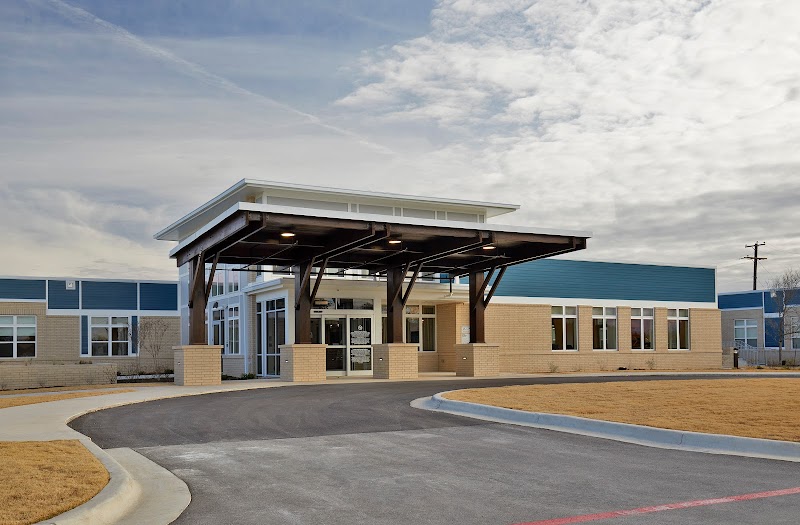
16219 RANCH ROAD 620 NORTH, AUSTIN, TX 78717 (512) 520-1834
For profit - Limited Liability company 70 Beds IGNITE MEDICAL RESORTS Data: November 2025 6 Immediate Jeopardy citations
Trust Grade
0/100
#741 of 1168 in TX
Last Inspection: October 2024

Within standard 12-15 month inspection cycle. Federal law requires annual inspections.

Overview

Ignite Medical Resort Round Rock, LLC has received a Trust Grade of F, indicating significant concerns about the quality of care provided. With a state ranking of #741 out of 1168 and a county ranking of #9 out of 15, this facility is in the bottom half of nursing homes in Texas, suggesting that there are many better options available. While the facility is improving, having reduced issues from 16 in 2024 to 3 in 2025, it still faces serious problems, including a concerning 65% staff turnover, which is significantly higher than the Texas average. The facility has accumulated $100,050 in fines, a figure that is higher than 88% of Texas facilities, indicating repeated compliance issues. Specific incidents of care failures include not notifying a physician about a resident's severe health deterioration and a lack of necessary treatments, which resulted in serious health complications for the resident. While the facility has good RN coverage, more than 95% of Texas facilities, families should weigh these weaknesses against the strengths when considering care options.

Trust Score
F
0/100
In Texas
#741/1168
Bottom 37%
Safety Record
High Risk
Review needed
Inspections
Getting Better
16 → 3 violations
Staff Stability
⚠ Watch
65% turnover. Above average. Higher turnover means staff may not know residents' routines.
Penalties
⚠ Watch
$100,050 in fines. Higher than 94% of Texas facilities. Major compliance failures.
Skilled Nurses
✓ Good
Each resident gets 57 minutes of Registered Nurse (RN) attention daily — more than average for Texas. RNs are trained to catch health problems early.
Violations
⚠ Watch
47 deficiencies on record. Higher than average. Multiple issues found across inspections.
★★☆☆☆
2.0
Overall Rating
★★★☆☆
3.0
Staff Levels
★★★★★
5.0
Care Quality
★☆☆☆☆
1.0
Inspection Score
Stable
2024: 16 issues
2025: 3 issues

The Good

  • 5-Star Quality Measures · Strong clinical quality outcomes
  • Full Sprinkler Coverage · Fire safety systems throughout facility
  • No fines on record

Facility shows strength in quality measures, fire safety.

The Bad

2-Star Overall Rating

Below Texas average (2.8)

Below average - review inspection findings carefully

Staff Turnover: 65%

19pts above Texas avg (46%)

Frequent staff changes - ask about care continuity

Federal Fines: $100,050

Well above median ($33,413)

Significant penalties indicating serious issues

Chain: IGNITE MEDICAL RESORTS

Part of a multi-facility chain

Ask about local staffing decisions and management

Staff turnover is elevated (65%)

17 points above Texas average of 48%

The Ugly 47 deficiencies on record

6 life-threatening 1 actual harm
May 2025 1 deficiency
CONCERN (E) 📢 Someone Reported This

A family member, employee, or ombudsman was alarmed enough to file a formal complaint

Potential for Harm - no one hurt, but risky conditions existed

Pharmacy Services (Tag F0755)

Could have caused harm · This affected multiple residents

**NOTE- TERMS IN BRACKETS HAVE BEEN EDITED TO PROTECT CONFIDENTIALITY** Based on interview and record review the facility failed to provide pharmaceutical services, including procedures that assured t...

Read full inspector narrative →
**NOTE- TERMS IN BRACKETS HAVE BEEN EDITED TO PROTECT CONFIDENTIALITY** Based on interview and record review the facility failed to provide pharmaceutical services, including procedures that assured the accurate acquiring, receiving, dispensing and administering of all drugs and biologicals, to meet the needs of each resident for one of four residents (Resident #1) reviewed for pharmaceutical services. The facility failed to ensure Resident #1 received her Furosemide (given to help treat fluid retention) on 04/06/25 at 7:00 AM and 04/11/24 at 5:00 pm, Spironolactone (used to treat high blood pressure) on 04/06/25 at 7:00 AM and 05/11/25 at 5:00 PM, alprazolam (used to treat anxiety disorders) on 04/11/25 at 5:00 PM and 04/12/25 at 5:00 PM, Metronidazole (used to treat infections) on 04/11/25 at 5:00 PM, and Midodrine HCl (used to treat low blood pressure) on 04/11/25, 04/14/25, 04/19/25 and 04/20/25 at 5:00 PM. This deficient practice could place residents at risk of not receiving the intended therapeutic benefit of the medications and supplements, which could result in worsening or exacerbation of medical conditions. Findings included: Record review of Resident #1's face sheet reflected a [AGE] year-old female who was admitted to the facility on [DATE]. Resident #1 had diagnoses which included spontaneous bacterial peritonitis (a bacterial infection of the ascitic fluid, the fluid that accumulates I the abdominal cavity, without a clear intra-abdominal cause), streptococcal infection (caused by bacteria in the Streptococcus [NAME]), and generalized anxiety disorder . Record review of Resident #1's, undated, care plan reflected a focus of resident was receiving antianxiety medications with intervention, administer anti-anxiety medications as ordered by physician. Record review of Resident #1's, undated, care plan reflected a focus of resident was receiving antianxiety medications with intervention, administer anti-anxiety medications as ordered by physician. Record review of the care plan reflected no care plan for refusal of medication or care. Record review of Resident #1's admission MDS dated [DATE] reflected a BIMS score of 15, indicating intact cognition. Record review of Resident #1's orders reflected Furosemide (given to help treat fluid retention [edema]) and swelling that is caused by congestive heart failure, liver disease, kidney disease, or other medical conditions) Oral Tablet 40MG give one table by mouth two times a day for Lasix (for the treatment of edema associated with congestive heart failure, cirrhosis of the liver, and renal disease, including the nephrotic syndrome) order date 04/05/25 no D/C date. Record review of Resident #1's MAR for April 2025 reflected Furosemide oral Tablet 40MG give one table by mouth two times a day for Lasix was not administered on 04/06/25 at 7:00 AM and 04/11/24 at 5:00 PM. Record review of Resident #1's orders reflected Spironolactone (used in combination with other medicines to treat high blood pressure [hypertension] and heart failure) oral Tablet 100 MG give 1 tabled by mouth two times a day for potassium sparring (medications that increase urine output without causing a lot of potassium in the urine) order date 04/05/25 no D/C date. Record review of Resident #1's MAR for April 2025 reflected Spironolactone Oral Tablet 100 MG give 1 tabled by mouth two times a day for potassium sparring was not administered on 04/06/25 at 7:00 AM and 05/11/25 at 5:00 PM. Record review of Resident #1's orders reflected alprazolam (used to treat anxiety disorders and panic disorder) oral tabled 0.5 MG give 1 tablet by mouth three times a day for anxiety order date 04/05/25, D/C date 04/12/2025. Record review of Resident #1's MAR reflected alprazolam oral tablet 0.5 MG give 1 tablet by mouth three times was not administered on 04/11/25 at 5:00 PM. Record review of Resident #1's orders reflected Metronidazole (used to treat skin infections, rosacea, and mouth infections, including infected gums and dental abscesses) oral tabled 500 MG give 1 tabled by mouth three times a day for antibiotic for 7 days. Record review of Resident #1's MAR reflected Metronidazole oral tablet 500 MG give 1 tablet by mouth three times a day was not administered on 04/11/25 at 5:00 pm. Record review of Resident #1's orders reflected Midodrine HCI (used to treat low blood pressure [hypotension]) oral tablet 10 MG give 1 tablet by mouth three times a day for hypertension (a condition where the force of blood pushing against your artery walls is consistently too high) order date 04/05/25 no D/C date. Record review of Resident #1's MAR reflected Midodrine HCI oral tablet 10 MG Give 1 tablet by mouth three times a day for hypertension was not administered on 04/11/25, 04/14/25, 04/19/25 or 04/20/25 at 5:00 PM. Interview on 05/03/25 at 2:51 PM with RN A revealed it was the responsibility of the charge nurse to make sure residents got their medications, and it was the responsibility of the person who administered the medications to indicated in the resident EMAR the medication was given. She said the negative effects of not showing the medications were the resident could potentially get the wrong dose if it was not documented properly. The negative effect of residents not getting the medication would be they would not receive the effects of the medication they needed. She said if there was a reason the medication was not administered to the resident, the reason should be documented either in the MAR or the resident's progress notes. Interview on 05/03/25 at 3:07 PM with LVN B revealed she administered Resident #1 her medications and she was aware Resident #1 suffered from anxiety. She said after she administered the resident's medications, she recorded it in the EMR. She revealed if the EMAR did not indicate the medication was administered in the EMAR, it could not be 100 percent confirmed the resident received the medication . She said if it was not documented, it was not administered. She said a negative effect of not giving a resident medication would depend on what medication was not given. She said if a resident was taking a scheduled blood pressure medication, and they did not receive their blood pressure medication, it could affect the resident's blood pressure. She said it was the facility's policy that when you were administering medication to a resident the administration of the medications were documented in the resident's EMAR. She said it was the responsibility of the person who administered the medication to make sure the resident got the medication. Interview on 05/03/25 at 4:18 PM with MT C revealed it was the responsibility of the medication aide or the person administering the medication to the resident to make sure the medication was administered. He said the negative effect if a medication was not administered was the resident could be sick. He said if residents did not receive their prescribed antibiotics, they would not get better. He said the negative effect if there was a blank on the EMAR indicated the medication was not administered and there was no proof the resident got the medication . Interview on 05/03/25 at 3:36 PM with CNO revealed it was the responsibility of the charge nurse to double check and confirm residents received their prescribed medications. He said if it was not documented the resident received the medication there was no way to confirm it was administered because the documentation was the primary source of confirmation. He said the possible negative effect if the resident did not receive the medication would depend on the type of medication that was not administered. If the medication was a pain medication that was no administered, the resident could be in pain but with routine medications, there would be minimal negative effects. He said it was the policy of the facility when medications were given, the administration of the medication was documented in the resident EMAR . Record review of the facility's Administration Medications, October 2024, reflected all medications are administered safely and appropriately to aid residents to help overcome illness, relieve, and prevent symptoms and help diagnosis. Hit 'prep' on the EMAR as the medication is prepared. Hit 'confirm on the EMAR once the medication is popped out. Remain with the resident to ensure that the resident swallows the medication. Once resident takes the medication, hit 'save' on the EMAR. If medication is not administered, record reason on the EMAR and notify physician or nurse practitioner. If the medication is given at a time different from the scheduled time, indicate the reason in the 'comment' section of the EMAR.
Jan 2025 1 deficiency
CONCERN (D) 📢 Someone Reported This

A family member, employee, or ombudsman was alarmed enough to file a formal complaint

Potential for Harm - no one hurt, but risky conditions existed

Free from Abuse/Neglect (Tag F0600)

Could have caused harm · This affected 1 resident

**NOTE- TERMS IN BRACKETS HAVE BEEN EDITED TO PROTECT CONFIDENTIALITY** Based on interview and record review, the facility failed to ensure all residents were free from physical abuse for one (Residen...

Read full inspector narrative →
**NOTE- TERMS IN BRACKETS HAVE BEEN EDITED TO PROTECT CONFIDENTIALITY** Based on interview and record review, the facility failed to ensure all residents were free from physical abuse for one (Resident #1) of seven residents reviewed for abuse in that: CNA B forced Resident #1 to have his vitals taken after he refused and used force to push Resident #1 on his back on 01/27/2025. Noncompliance existed from 01/27/2025 to 01/28/2025, but the facility corrected the noncompliance through re-training and assessment of staff, reviews of clinical information, and the immediate suspension of CNA B. Therefore, the findings are of past noncompliance. This deficient practice could place residents at risk of fear, physical injury and psychosocial harm. Findings included: Review of Resident #1's face sheet revealed a [AGE] year-old male admitted on [DATE] with diagnosis of pressure ulcer of sacral region (above tailbone), paraplegia (a condition that causes paralysis or loss of mobility in both legs), muscle weakness, and chronic pain (syndrome a condition characterized by persistent pain that lasts for at least three to six months and significantly impacts a person's life). Review of Resident #1's admission MDS assessment dated [DATE] reflected a BIMS score of 15 which indicated no cognitive impairment. Review of MDS functional abilities section reflected Resident #1 was dependent for toilet transfers, tub/shower transfers, going from lying to sitting on side of bed and for chair-to-bed/bed-to-chair transfers. Further review reflected Resident #1 required substantial/maximal assistance to go from sitting to lying. Review of Resident #1's care plan dated 01/09/2025 reflected that Resident #1 had an ADL self-care perform deficit and limitations in physical mobility. Interventions reflected Resident #1 was dependent and/or substantial/maximal assistance for siting to lying. Review of Resident #1's nursing progress notes dated 01/27/2025 by LVN A reflected Resident #1 was upset and wanted nurse to his room and complained of alleged abuse. LVN A stated she called the ED, spoke with HD and CNO was notified. Resident #1 was assessed head to toe and no bruising or marks were noted on Resident #1. Review of Resident #1's nursing progress note dated 01/29/2028 by ACNO reflected Resident was doing fine and received pain medication. Review of Resident #1's nursing progress note dated 01/28/2025 by CNO reflected ED, CNO, ACO interviewed Resident #1 regarding allegation of abuse and that Resident #1 felt safe at the facility. Review of Resident #1's MAR/TAR pain evaluation reflected no increased pain and appeared consistent with Resident #1's normal level of pain on 01/27/2025, 01/28/2025 and 01/29/2025. During an interview on 01/29/2025 at 10:31 AM, Resident #1 stated that there was an incident with CNA B on 01/27/2025 in the evening around 7:00 PM. Resident #1 stated that he asked CNA B to bring him coffee and when CNA B returned with his coffee, CNA B told Resident #1 she was going to take his vital signs. Resident #1 stated he was sitting in his bed watching television when CNA B returned and stated he did not want to have his vitals taken. Resident #1 stated CNA B told him you're going to give me the vitals and took his coffee and put it in the bathroom away from his reach. Resident #1 stated CNA B told him, he was not going to get the coffee until Resident #1 gave CNA B his vital signs. Resident #1 stated he again declined and stated he did not want his vital signs taken and asked CNA B for his coffee back. Resident #1 stated CNA B then snatched his call light, and television remote and threw his television remote across the room into his wheelchair. Resident #1 stated CNA B stated to Resident #1 that he was going to watch television without his coffee until Resident #1 let CNA B take his vital signs. Resident #1 stated that he had tucked his hands under his legs and then CNA B then grabbed his left arm and put the blood pressure cuff on his arm, crossed his arms over his chest and made an x with his arms and laid him on his back on his bed. Resident #1 stated he yelled at CNA B, and she stated if you want to act like a n*****, I'll show you how one acts. Resident #1 stated that CNA B then left the room and he called his nurse in and asked to speak with administration. Resident #1 stated CNO then called him and Resident #1 explained what happened and CNO stated it would be taken care of. Resident #1 stated the next morning, administration (ED, CNO, ACNO) talked to him about the incident. Resident #1 stated CNO told him that CNA B would no longer be working with him, and he had not seen her again since immediately after the incident. Resident #1 stated he felt CNA B's actions were abusive. Resident #1 stated he felt safe at the facility at the time of the interview. Resident #1 stated that he was unsure if anyone heard or was around but stated it was pretty loud between him and CNA B. During an interview via telephone on 01/29/2025 at 2:40 PM, CNA B stated that on 01/27/2028 she was required to take residents' vitals. CNA B stated she and Resident #1 had been messing around, playing throughout the week. CNA B stated on that day (01/27/2025) she and Resident #1 asked her to get him coffee. CNA B stated she returned to Resident #1's room and said she was going to give him his drink but asked that he give her vitals. CNA B stated she thought Resident #1 and her were messing around in a friendly manner. CNA B stated she put Resident #1's drink in the bathroom and she pretended she was going to walk out of the room. CNA B stated she got the blood pressure cuff around Resident #1's arm and believed Resident #1 allowed it. CNA B stated Resident #1 told her you know I am stronger than you and pushed his arms up. CNA B stated Resident #1 then frowned. CNA B stated she thought Resident #1 was getting serious and she took the blood pressure cuff and left his room. She stated that after thinking about it, she thought it was unprofessional but believed she and Resident #1 had a rapport. CNA B stated her hands were on Resident #1's arms but she was not applying pressure. CNA B stated when she took residents' blood pressure, she usually did not have her hands on the residents. She stated when she did that, Resident #1 was still smiling and then he leaned back and pushed his hands up and CNA B realized Resident #1 was no longer playing around. CNA B stated she was currently suspended and was sent home on [DATE] CNA B stated she took Resident #1's call light and television remote, but she believed they were playing. CNA B stated she had to review policies when she started and it included abuse and neglect, and resident rights. CNA B stated Resident #1 could not walk or get out of bed. CNA B stated an example of physical abuse included hitting a resident, restraining a resident, and placing a call light out of their reach. CNA B stated she gave Resident #1 his call light back. Interview was attempted via phone call and text message with LVN A on 01/29/2025 at 11:22 AM and 12:12 PM. Requested CNO assistance with getting in touch with LVN A on 01/29/2025 at 12:20 PM. Phone call has not been returned as of 01/31/2025. During an interview on 01/29/2025 at 11:59 AM, LVN C stated that she worked with Resident #1 on 01/28/2025, the morning after the incident. LVN C stated that Resident #1 did not appear emotionally distressed, and he was up and ready for therapy. She stated that he had general pain and that his was normal for Resident #1. LVN C stated that residents had the right to refuse care. LVN C stated that she received training on abuse and neglect, and it included who to report allegations to, and when to report it. LVN C stated if she received a report of abuse, she would remove the staff from the resident, and report to the ED immediately. She stated that she would do a head-to-toe assessment and assess for any potential emotional changes. She stated that she was assigned to work with Resident #1 the morning after the incident and that the ED and CNO checked in with Resident #1 as well. LVN C stated that when she asked Resident #1 how he was doing, he told her he was doing okay and appeared normal. LVN C stated that Resident #1 is unable to walk and required a mechanical lift to get in and out of bed. During an interview on 01/29/2025 at 12:20 PM, CNO stated that he received a phone call Monday (01/27/2025) night from HD and LVN A. CNO stated that he received report from the HD that when CNA B returned with Resident #1's coffee, she asked to take his vitals and he declined. CNA B then placed his coffee in the restroom and asked Resident #1 again to take his vitals and Resident #1 again declined and asked for his coffee. CNA B then took his remotes and said if he did not allow his vitals to be taken, he was not going to get his coffee. Resident #1 had his hands under his legs and CNA B grabbed his arms and attempted to take his vitals and was able to get the blood pressure cuff on him. Resident #1 had reported he was tensing and said he was not going to let CNA B get his vitals and held his arms together and Resident #1 attempted to show CNA B he was stronger. It was then reported to CNO that CNA B said if Resident #1 did not give her his vitals, she was not going to care for him. CNO stated that CNA B was immediately suspended, and she was asked to leave the facility. CNO stated he informed LVN A that CNA B was suspended. CNO stated he instructed LVN A to ensure the resident had an assessment completed, pain medication in the event he needed them, and notify the on-call physician of the allegation and ensure there were no new injuries. CNO stated that Resident #1 stated CNA B was out of line and not being playful. CNO stated he spoke with CNA B and the first thing she told him was I'm sorry and CNA B stated she tried to get Resident #1 to take his vital signs and CNA B started to cry on the phone and again stated I'm sorry. CNO stated that CNA B told him she straightened Resident #1's arm to get his vitals. CNO stated on 01/28/2025, the ACNO, CNO and ED went to Resident 1's room to follow up with him. CNO stated Resident #1 told him, he felt safe. CNO stated there were no adverse reactions noted during this follow up. CNO stated that CNA B was still suspended and pending her statement. CNO stated CNA B did not come to the facility as scheduled on 01/29/2025 at 10:00 AM to provide her written statement for the facility's ongoing investigation. During an interview on 01/29/2025 at 12:56 PM, NP stated that he saw Resident #1 on 01/28/2025 and that the Resident #1 reported his pain was controlled, nothing unusual and there were no significant new complaints. NP stated that Resident #1 did not appear emotionally distressed. During an interview on 01/29/2025 at 1:50 PM, HD stated she was made aware of the concerns on 01/27/2025 in the evening, and she was asked to get a statement from Resident #1 by CNO. She stated that during the statement, Resident #1 was matter of fact and was not overly expressive. She stated he did not appear emotionally distressed. She stated she visited all residents the next morning (01/28/2025) and asked how they were treated and if there were any concerns. HD stated that all residents denied any issues with staff or care. During an interview on 01/29/2025 at 1:55 PM, ACNO stated that he completed in-servicing with each department regarding abuse and neglect. ACNO stated that he followed up with Resident #1 yesterday morning (01/28/2025) and no issues were noted. ACNO stated he checked in with residents around Resident #1's room and all denied issues or concerns. ACNO stated that Resident #1 appeared to be within his normal demeanor. During an interview on 01/29/2025 at 2:06 PM, the ED stated that she reported the incident to HHSC and also reported to police department. ED stated she was familiar with Resident #1 and worked with him at a previous facility. ED stated that she checked in on him after the incident and completed a psychosocial evaluation and he appeared fine and had no changed in appetite and mood was elevated. ED stated Resident #1 reported he was fine and thought it was a weird and strange the way CNA B interacted with him. ED stated Resident #1 felt safe and denied any injuries. ED stated Resident #1 was in wheelchair smiling, talking, and laughing. ED stated CNA B was currently suspended and was not taking the facility's phone calls. ED stated that CNA B had only been working two weeks and she was usually engaging with residents so the incident was surprising. ED stated that CNO spoke with CNA B regarding the incident on 01/27/2025. ED stated that Resident #1 could not reach his coffee because he was paralyzed. ED stated CNA B admitted to CNO that she moved Resident #1's coffee and tv remote and Resident #1 stated CNA B laid her body on him. ED stated that she believed Resident #1 and stated he was alert and orientated. During an interview on 01/29/2025 at 2:27 PM, CNA D stated she received training on abuse and neglect yesterday or the day before. CNA D stated that if any abuse was witnessed it should be reported immediately to the ED. She stated an example of physical abuse could be roughly handling a resident or leaving them on the toilet for too long. CNA D stated taking a resident's call light or remote was considered abuse, especially if they could not reach it. During an interview on 01/29/2025 at 4:29 PM, CNO stated that in-servicing was completed over abuse and neglect, regular check-ins were initiated with all residents and stated HD continued to check-in with all residents every day to ensure they are getting the care. CNO stated the investigation regarding CNA B was ongoing. CNO stated he expected staff to report all allegations immediately to ED, and if unable to reach her, they can reach out to him. He stated the nurse or CNO will complete an initial head-to-toe assessment, assess pain and if there is an alleged identified AP, CNO would assist with suspension. During an interview on 01/29/2025 at 4:29 PM, ED stated there were no other incidents or warning regarding concerns with CNA B. ED stated they rounded frequently on residents and there were guardian angel rounds with leadership staff. ED stated HD completed daily rounds and reports anything big or small. Review of CNA B employee filed revealed hire date of 01/14/2025 reflected abuse and resident rights policy was included. Abuse competency post test was completed by CNA B on 01/15/2025. Further review of posttest reflected that taking a resident's call light was considered a form of abuse. Review of facility in-service dated 01/28/2025 titled Abuse and Neglect reflected in-servicing was completed with each department (management, clinical, dietary, therapy) and included 40 staff members. In-servicing included abuse policy acknowledgement/post-test. Review of the facility's policy titled Abuse & Neglect with revision date of April 2024 revealed it is the policy of this facility to prohibit and prevent abuse, neglect and exploitation of residents and misappropriation of resident property . Abuse is defined as the willful infliction of injury, unreasonable confinement, intimidation, or punishment with resulting physical harm, pain or mental anguish. Abuse included deprivation of goods or services that are necessary to attain or maintain physical, mental or psychosocial well-being by caretaker or individual.
Jan 2025 1 deficiency
CONCERN (E) 📢 Someone Reported This

A family member, employee, or ombudsman was alarmed enough to file a formal complaint

Potential for Harm - no one hurt, but risky conditions existed

Pressure Ulcer Prevention (Tag F0686)

Could have caused harm · This affected multiple residents

**NOTE- TERMS IN BRACKETS HAVE BEEN EDITED TO PROTECT CONFIDENTIALITY** Based on interview and record review, the facility failed to ensure residents received necessary treatment and services, consist...

Read full inspector narrative →
**NOTE- TERMS IN BRACKETS HAVE BEEN EDITED TO PROTECT CONFIDENTIALITY** Based on interview and record review, the facility failed to ensure residents received necessary treatment and services, consistent with professional standards of practice to promote wound healing and to prevent new pressure ulcers from developing for three (Resident #1, Resident #2, and Resident #3) of five residents reviewed for pressure injuries. The facility failed to: 1.) Ensure Resident #1 had wound care treatments until four days after being admitted . She missed seven wound care treatments in December 2024 and January 2025. 2.) Ensure Residents #2 and #3 had orders for the monitoring of their wound vacs (a negative pressure wound therapy) every shift. This failure could place residents at risk of improper wound management, the development of new pressure injuries, deterioration in existing pressure injuries, infection, and pain. Findings included: 1.) Review of Resident #1's undated face sheet reflected a [AGE] year-old female who was admitted to the facility on [DATE] with diagnoses including type II diabetes, need for assistance with personal care, and chronic kidney disease. Review of Resident #1's admission MDS assessment, dated 12/30/24, reflected a BIMS was not conducted due to her rarely/never being understood. Section M (Skin Conditions) reflected she had one or more pressure ulcers/injuries. Review of Resident #1's admission care plan, dated 12/31/24, reflected she was at risk for further alteration in skin integrity, admitted with pressure ulcers, health conditions, and poor oral intake with an intervention of providing skin/wound treatments as ordered. Review of Resident #1's admission skin assessment, dated 12/23/24, reflected she had skin integrity issues on her RUE midline, discoloration to her bilateral buttocks, discoloration to her bilateral heels, discoloration to both feet and ankles, wound to her LUE, multiple wounds to her toes, and multiple pressure injuries to her sacral/coccyx (tailbone). Review of Resident #1's physician orders, undated with no start date, reflected to cleanse the L 2nd toe, L 3rd toe, L 4th toe, L 5th toe, and L great toe with NS or wound cleanser, pat dry, apply betadine and cover with dry dressing and PRN when soiled - one time a day for wound to toes. Review of Resident #1's physician orders, undated with no start date, reflected to cleanse the R and L heel with NS or wound cleanser, pat dry, apply betadine to site, and leave open to air one time a day for wounds to heels. Review of Resident #1's physician orders, undated with no start date, reflected to cleanse sacrum with NS or wound cleanser, pat dry, apply skin prep to peri wound, apply Medihoney to wound bed, cover with dressing and PRN when soiled one time a day for sacral wound. Review of Resident #1's December 2024 TAR reflected treatments for all of her wounds her wounds were provided on 12/27/24, 12/29/24, 12/30/24, and 12/31/24. Resident #1 was admitted to the facility with the wounds on 12/23/24. Review of Resident #1's December 2024 and January 2025 TARs reflected she missed wound care treatments for all of her wounds from 12/23/24 - 12/26/24, on 12/28/24, 01/02/25, and 01/05/25. 2.) Review of Resident #2's undated face sheet reflected a [AGE] year-old male who was admitted to the facility on [DATE] with diagnoses including paraplegia (paralysis of the legs and lower body), chronic pain syndrome, and stage IV pressure ulcers to the sacral region and right and left buttock. Review of Resident #2's admission MDS assessment, dated 01/08/25, reflected a BIMS score of 15, indicating no cognitive impairment. Section M (Skin Conditions) reflected he had one or more pressure ulcers/injuries. Review of Resident #2's admission care plan, dated 01/03/25, reflected he was at risk for alterations in skin integrity with an intervention of encouraging/assisting with turning and repositioning every 2-3 hours. Review of Resident #2's physician orders, dated 01/14/25, reflected wound vacs to his right and left buttock - suction setting 125 mmHG, change (T/Th/S), Cleanse with wound cleanser; pat dry; skin prep peri wound; cut granufoam to fit wound bed. Apply transparent drape. Cut a small hole in the drape near the center for granufoam and place connecter pad directly over hole, connect tubing to vac canaster and turn on device. Ensure seal is patent and no leaks, patch if necessary - one time a day every Tuesday, Thursday, and Saturday. There was no order to monitor every shift. During an observation and interview on 01/15/25 at 12:58 PM revealed Resident #2's wound vac to be connected and running appropriately. He stated he had it put on on 01/13/25 and the staff would be replacing it the following day, 01/16/25. He stated the staff were tending to his wound and he had no concerns. Review of Resident #3's undated face sheet reflected a [AGE] year-old male who was admitted to the facility on [DATE] with diagnoses including paraplegia, chronic pain syndrome, and unspecified staged pressure ulcers of his sacral region and left buttock. Review of Resident #3's EMR, on 01/15/25, reflected his 5-day MDS assessment had not been completed. Review of Resident #3's EMR, on 01/15/25, reflected his baseline care plan had not been completed. Review of Resident #3's physician orders, dated 01/14/25, reflected wound vac to his left ischium (bone of the lower back) - suction setting 155 mmHG, change (Monday and Thursday), Cleanse with wound cleanser; pat dry; skin prep peri wound; cut granufoam to fit wound bed. Apply transparent drape. Cut a small hole in the drape near the center for granufoam and place connecter pad directly over hole, connect tubing to vac canaster and turn on device. Ensure seal is patent and no leaks, patch if necessary - one time a day every Monday and Thursday. There was no order to monitor every shift. During an interview on 01/15/25 at 11:14 AM, the CNO stated a head-to-toe assessment should be completed by the admitting nurse upon admission and wound treatment orders should be implemented within 24 hours at the latest. He stated if a resident went four days without treatment orders after being admitted , that would not meet his expectations. He stated that could cause the wounds to possibly worsen. He stated residents with a wound vac should have orders to monitor it every shift. During an interview on 01/15/25 at 1:11 PM, the WCN stated the admitting nurse should ensure wound treatment orders were put in place within 24 hours of a residents' admission. She stated it would not meet her expectations for a resident to go 4-5 days without treatment orders. She stated that could be bad/detrimental and wounds could worsen. She stated residents with wound vacs should have orders to monitor every shift. She stated the nurses needed to monitor to make sure the machine was actually suctioning, making sure it still had a seal, and that there was no seepage or drainage. She stated that would be to ensure wounds were not worsening and also for infection control prevention. Review of an in-service conducted by the CNO, dated 11/27/24, reflected the nursing staff were in-serviced on skin assessments and their Skin Policy and Procedure. Review of the facility's Skin Policy and Procedure Policy, dated 03/2020, reflected the following: If the resident has, on admission, or develops pressure sore(s), he/she will receive necessary and appropriate treatment and services to promote healing, prevent infection and prevent further development of additional impaired skin integrity. A request for a policy on wound vacs was requested but not received prior to exiting.
Nov 2024 5 deficiencies 2 IJ
CRITICAL (J) 📢 Someone Reported This

A family member, employee, or ombudsman was alarmed enough to file a formal complaint

Immediate Jeopardy (IJ) - the most serious Medicare violation

Notification of Changes (Tag F0580)

Someone could have died · This affected 1 resident

**NOTE- TERMS IN BRACKETS HAVE BEEN EDITED TO PROTECT CONFIDENTIALITY** Based on interviews and record review, the facility failed to consult with the resident's physician when there was a significant...

Read full inspector narrative →
**NOTE- TERMS IN BRACKETS HAVE BEEN EDITED TO PROTECT CONFIDENTIALITY** Based on interviews and record review, the facility failed to consult with the resident's physician when there was a significant change in the resident's physical, mental, or psychosocial status (that is, a deterioration in health, mental, or psychosocial status in either life-threatening conditions or clinical complications) for 1 (Resident #1) of 6 residents reviewed for resident rights. 1. The facility failed to notify the MD or NP when Resident #1, who has a diagnosis of stage 5 kidney failure, complained of not being able to urinate. 2. The facility failed to notify the MD or NP when Resident #1, with a BIMS score of 15, began exhibiting erratic behaviors, changes in mental status, confusion, and agitation. 3. The facility failed to notify the MD, NP, or abuse coordinator when Resident #1 presented with bruises on her abdomen, back, legs, arms, and forehead . The failures resulted in an identification of an Immediate Jeopardy (IJ) on 11/13/24 at 2:49 PM. While the IJ was removed on 11/14/24 at 7:19 PM, the facility remained at a level of no actual harm with potential for more than minimal harm that is not immediate jeopardy at a scope of isolated due to the facility's need to evaluate the effectiveness of the corrective systems. These failures could place residents at risk for delay in medical treatment, decline in health, and death. Findings included: Review of Resident #1's admission MDS assessment dated [DATE], reflected Section A (Identification Information) reflected a [AGE] year-old female admitted to the facility on [DATE]. Section I (Active Diagnoses) reflected diagnoses including left hemiplegia following cerebral infarct (weakness or paralysis on the left side of the body after a stroke), chronic kidney disease, muscle weakness, seizures, anxiety (intense and excessive worry and fear), and abnormalities of gait. The primary medical condition category was listed as stroke. Section B (Hearing, Speech, and Vision) reflected the resident's speech was clear and she made herself understood. Section C (Cognitive Patterns) reflected a BIMS score of 15 indicating intact cognition. Section E (Behavior) reflected no hallucinations (an experience involving the apparent perception of something not present) or delusions (Fixed, false conviction in something that is not real). Section E also reflected no verbal behaviors directed towards others, and no physical behaviors not directed towards others (e.g., physical symptoms such as hitting or scratching self, pacing, rummaging, public sexual acts, disrobing in public, throwing or smearing food or bodily wastes, or verbal/vocal symptoms like screaming, disruptive sounds). Section H (Bladder and Bowel) reflected the resident was continent of bowel and bladder. Section N (Medications) reflected the resident received anticoagulant and antiplatelet medications. Review of Resident #1's comprehensive care plan reflected a focus, initiated 10/30/24, of depressive symptoms with an intervention, Observe and report any changes in mental status, notify MD if any changes in mood, behavior and/or psychosocial status is observed. A focus, initiated 10/25/24, of risk for falls with interventions including, Follow facility fall protocol and, review information on past falls and attempt to determine cause of falls. Record possible root causes . A focus, initiated 10/25/24, reflected potential alteration in nutrition and hydration with interventions including, Monitor/document/report PRN any s/s of dehydration: decreased or no urine output and new onset confusion. A focus, initiated 10/25/24, for antianxiety medication reflected interventions including, Monitor/document/report PRN any adverse reactions to anti-anxiety therapy: .Confusion, impaired thinking and judgement, mania, hostility, rage, aggressive or impulsive behavior, hallucinations. A focus, initiated 10/25/24, for anticoagulant therapy reflected an intervention, Monitor/document/report PRN adverse reactions .sudden changes in mental status. The care plan did not address the resident's kidney disease. A focus initiated 11/04/24 reflected, The resident has a behavior problem of repeatedly putting herself on the floor (purposeful), throwing items on floor and breaking (plates, cups, etc.), yelling out loud, clogging toilet with paper towels. Goals included, Resident will show a decrease in negative behaviors by next review date and Will exhibit socially appropriate behaviors during review period. Interventions included, Approach resident appropriately when resident is hallucinating, delusional or expressing potentially harmful suspicions . Ask resident if these hallucinations/delusions are harmful to themselves in any way .Document resident's inappropriate behaviors when it occurs . If reasonable, discuss the resident's behavior. Explain/reinforce why behavior is inappropriate and or unacceptable to the resident . Intervene as necessary to protect the rights and safety of others . Review of Resident #1's progress note dated 10/31/24 at 4:31 AM, written by LVN D reflected, .resident was sitting on the floor, states she woke up needing to use the restroom and was attempting to get up too quickly; bed was in low position with call light in reach, resident aware to call for help, VS WNL, denies pain, no s/s LE rotation, current anticoag rx [sic] on hold, denies hitting head, on neuro checks. Review of Resident #1's progress note dated 11/1/24 at 1:25 AM, written by LVN D, reflected Guest c/o 'not being able to urinate', bladder scan performed with no residual, noted in 24-hour report for in house NP. Review of Resident #1's progress note dated 11/1/24 at 9:44 PM reflected, fall f/u day 2/3: resident observed propelling self in hallway on unit, resident observed clogging toilets (toilet in her room and empty rooms) with paper towels, resident redirected multiple times nurse manager notified, maintenance order placed. Review of Resident #1's progress note dated 11/02/24 at 8:00 PM (created 11/03/24 at 1:03 AM), written by LVN K, reflected in part, .resident observed yelling out for help . Review of Resident #1's progress note dated 11/02/24 at 9:35 PM, written by LVN K (created 11/03/24 at 5:37 AM) reflected, Day 3/3 fall f/u bruises noted to abd, lower back, ble, bue, and forehead. The note does not reflect that the provider was notified of the bruises. Review of Resident #1's progress note dated 11/03/24 at 2:59 PM, written by LVN B, reflected in part, Guest noted from previous shift not having a good sleep yelling all night and breaking things and putting herself to the floor many times .the next day the pt continue breaking things and breakfast plates and cup and pulling the call light off the wall and continue throwing herself on the floor and yelling and the NP was called and the pt call 911 by herself and she was sent out for AMS and the pt has scattered bruising all over . Review of Resident #1's progress notes from 11/02/24 through 11/03/24, reflected no documentation that the provider was notified of bruising until the resident was sent out with EMS around 2:51 PM on 11/03/24. Additionally, there was no further information regarding her genitourinary status or that the provider was notified of the change in urinary status. There was no documentation that the provider was notified of the change in mental status or behaviors, or that Resident #1 was yelling out, yelling out all night, clogging toilets, breaking things, putting herself on the floor many times. The notes did not reflect that the provider was notified when the behaviors of throwing things, breaking things, pulling the call light off the wall, and throwing herself to the floor, and yelling continued to the next day. Review of an incident report dated 10/31/24 at 4:31 AM, reflected Resident #1's fall from the same date and time. Immediate actions taken included, Resident aware and reeducated to call for assistance when needing help . Mental Status reflected only the oriented to person box was checked. Predisposing Physiological Factors reflected the boxes for confused and impaired memory were checked. Predisposing Situation Factors reflected the boxes for behavior issues, during transfer and, ambulating without assist were checked. No notifications to the physician or responsible party were documented. Review of Resident #1's shower sheet dated 11/02/24, reflected scattered fading bruises. The time of the note is left blank. Lines on the body diagram indicated bruises on the abdomen, arms, and left leg. The form was signed by a CNA and a nurse. The nurse's signature is illegible. Review of Resident #1's Task: Bladder Continence, the resident was marked as continent five times from 10/26/24 through 10/30/24. On 11/01/24, she was marked as incontinent of bladder. Review of Resident #1's Transfer Form dated 11/03/24 at 2:59 PM reflected the resident was incontinent of bladder. Review of photos of Resident #1 taken in the ER on [DATE] between 4:35 PM and 4:39 PM reflected the following: Face - two red bruises on her forehead and one on her left eyebrow. Abdomen - one purple/red bruise just below her umbilicus (belly button) and extending down towards the pubic bone, unable to visualize the bottom of the bruise due to positioning. The bruise is about 6 inches wide. A large deep purple hematoma (bruise) on the right abdomen flank is about 14 inches in width Review of the Change in Resident Condition policy revised 06/2022, reflected in part, To provide guidance on notification of the physician when there is a change of condition. 1. Should there be a significant change in the resident's physical, mental or emotional status, the attending physician should be notified. 2. If the attending physician does not respond within 30 minutes, contact the Medical Director. 3. If the Medical Director does not call within 30 minutes, contact the DON. It starts at about the level of the umbilicus, about 5 inches are visible, the bottom edge of the hematoma is covered by clothing. There was a tape measure visible lying across the wound in the in picture. Right upper leg - about 11 purple bruises on lateral (outside)/posterior (back) view. Right lower leg - about 8 purple bruises on posterior view Left lower leg - a purple bruise that starts a few inches below her knee and extends to just above the ankle, about 10 inches on anterior (front) view, tape measure visible in the photo. About 7 purple bruises are visible on the medial (inside) aspect of the leg and the large bruise on the anterior view extends to the medial aspect. Right foot - about 10 purple/red bruises on medial, lateral, dorsal (top), and plantar (bottom) surfaces. Laceration on dorsal surface. Left foot - about 6 purple/red bruises on lateral and dorsal surfaces. Right arm - about 3 purple bruises and one large deep purple/red bruise visible. Review of Resident #1's Emergency Provider Report from the ER, dated 11/03/24 at 5:52 PM, reflected in part, Presentation Chief Complaint - Altered Mental status. Stated complaint Left hip pain/confusion per EMS . presents with altered mental status and scattered bruising . speech nonsensical and unable to communicate effectively . Primary Impression: Altered Mental Status. Secondary Impressions: Anemia, Ecchymosis, History of completed stroke. Review of Resident #1's physician progress notes from the acute hospital dated 11/11/24 at 11:48 AM reflected in part, Patient was agitated on arrival to emergency room, required several doses of sedatives for agitation in emergency room. Per EMS report nursing staff at facility reported patient was hitting her own head against the wall and had frequent falls CT chest abdomen, and pelvis shows significant bladder distention. Markedly enlarged bilateral kidney with innumerable cyst . Hematoma in the subcutaneous fat in the lateral right mid to lower abdomen measuring 8.3 x 3.8 x 7.6 cm. Hemoglobin 6.1 on admission. Patient underwent 2 units of PRBC transfusion from extensive bruising all over the body. No evidence of GI bleed. Eliquis was discontinued, aspirin and Plavix continued. Acute metabolic encephalopathy resolved. Resident has some urinary retention, and a catheter was placed . Urinary tract infection, received Ceftriaxone 1 gram IV every 24 hours. Review of Resident #1's EMR including MDS assessment, progress notes, evaluations, and MARs dated from 10/25/24 through 11/03/26, did not reflect the physician was notified of a change in mental status, changes in mood, behavior and/or psychosocial status. There was no documentation that the physician was notified of hallucinations or delusions. During a telephone interview on 11/06/24 at 8:16 AM, Resident #1's FM stated the resident had called her on 11/02/24 and said she thought she had a UTI because she was not peeing, and she did not feel right. She stated they were on speaker phone and there was a staff member in the room. She stated she asked the other person in the room if the doctor was coming to see the resident and the other person replied, Yes. She stated she did not know if a doctor ever saw the resident about her complaint of not urinating. She stated she saw the resident the next day in the ER. She stated the resident went to the ER for altered mental status and multiple falls. She stated she was never notified of the falls. She stated she noticed, during phone calls and texts, the resident being more confused and irritable for the few days prior to going to the ER. She stated Resident #1 started having trouble writing a coherent text message. She stated the decline went on for days before Resident #1 called 911 to go to the hospital. During an interview on 11/06/24 at 2:28 PM, the VPCO stated the post fall assessment would have the documentation regarding the resident's status. She stated the nurses would document in the progress notes when a bruise was observed or noticed. She stated they would definitely investigate any bruises that could not be explained. She stated if an alert and oriented resident had falls and a change in behavior, her first thought was to get a UA as changes were often a sign of infection. During an interview on 11/07/24 at 10:33 AM, the MD stated she saw Resident #1 on 10/28/24. She stated she did not look under the clothes but there were no bruises on the visible skin. She stated she was not aware of extensive bruising. She stated the resident was on 3 different medications that could have caused her to bruise easily. She stated Resident #1's hemoglobin was 8.8 (hemoglobin, part of the blood, helps carry oxygen to all the vital organs, 12-17 is a normal level) on 10/23/24 at the acute hospital prior to her admission at this facility. She looked but did not see any blood results from the time the resident was in the facility. She stated she was not aware that the resident complained of not being able to urinate. She stated the resident had chronic kidney disease, but she had been urinating, as far as she knew, while at the facility. She stated the resident may not have been drinking enough, or her kidney disease may have worsened. She stated she expected to be notified of changes in condition when they occurred. She stated the resident was a good historian and would have been able to talk about the bruises and any problems with urination. She stated she was not notified of any erratic behavior other than the resident being upset that her daughter did not answer the phone. During an interview on 11/07/24 at 11:11 AM, the NP stated bruising may not occur right away if a resident fell or sustained an injury. The NP stated if a resident were on blood thinners and hit their head, to be safe, the resident would be sent out for evaluation. After viewing the picture of the abdominal bruise, the NP stated that bruise should have been reported immediately as the resident was on blood thinners. The NP stated she was not aware that the resident had complained of not being able to urinate. She stated she was not aware of the facility 24-hour report. She stated the on-call providers kept a report of the calls received. She reviewed the notes and stated she did not see an entry for Resident #1's urinary complaint. The NP stated she was notified of the erratic behavior when the nurse called her at 2:25 PM on 11/03/24. During an interview on 11/07/24 at 12:33, LVN B stated she had worked at the facility for about three years. She stated she first saw bruises on Resident #1's arm on 10/29/24 but did not work on the resident's hall until 11/01/24. She stated she noticed bruises on Resident #1's abdomen on 11/01/24. She stated because the resident was on blood thinners, she figured the resident was on anticoagulant injections while in the acute hospital and that was the reason for the bruises. She stated because they were old bruises, she did not report them. She stated the resident had scattered bruises all over her body. She stated on Saturday, 11/02/24, the resident was yelling and pulled the call light off the wall. She stated the resident was trying to call her daughter and was yelling about it. LVN B told the resident she would help her call her daughter shortly. When she returned to the room to help, the resident began yelling again and pushed her tray all the way out of her room; the yelling continued. LVN B stated she did not notify the doctor as the resident was just mad about her daughter not answering the phone. She stated on Sunday morning 11/03/24, she was told in report that Resident #1 had yelled all night. She stated the resident continued to yell, kept putting herself on the floor, and hit herself in the head with the phone. She stated it was very different behavior for this resident, but the resident was mad at her daughter. LVN B stated in the afternoon she explained to the resident that she would notify the provider to have her sent out. LVN B stated shortly after she got to the nursing station, the front desk called and asked her if she had called 911. The front desk told her 911 was on the phone about Resident #1 and she told them to come get her. LVN B stated, She heard me say I was going to send her out, so she went ahead and called 911. During an interview on 11/07/24 at 2:00 PM with the VPCO and CNO, the VPCO stated on 10/31/24, she was called to the room after Resident #1 was found sitting on the floor. She stated there was no facial bruising at that time. After seeing the picture of the bruise on Resident #1's abdomen/trunk/back, the CNO stated the bruise was from anticoagulant injections due to its location. The VPCO stated it was a new bruise because it had not changed colors. She stated she could not tell when or where the picture was taken so she could not verify the bruise was present while the resident was at the facility. During a telephone interview on 11/07/24 at 2:38 PM, Resident #1 stated she fell when she was at the facility. She stated, I tried to get help and they said they would be right back, and it was an hour. Resident #1 stated she was crawling around on her butt trying to get help. She stated they took their time to help. She stated one staff member told her they were going to kick her out if she kept acting up. She stated she had bruises on her arms which she sustained during the falls. She said she fell and hit her back. She stated the big bruise hurt and stated an ice pack would have helped. She stated she did not feel right and had trouble urinating, I thought I had a UTI. During an interview on 11/07/24 at 5:05 PM, the GM stated the nursing documentation should reflect the work they were doing. He expected documentation to be accurate and timely. He stated he expected the nurse to contact the MD, NP, or CNO if there was a change in condition or mental status. During an interview on 11/12/24 at 4:17 PM with the ACNO, he stated he had recently provided training on customer service, change of condition, and assessment. After review of Resident #1's abdominal flank bruise, he stated he expected the provider would have been notified of a bruise of that size. He stated if he saw the resident having behaviors, he would not necessarily notify the doctor if those behaviors caused the bruising. He stated if the resident was on blood thinners, he should notify the provider. He stated the provider should be notified if a resident had a change in status. During a telephone interview on 11/13/24 at 11:49 AM, CNA A stated on 10/31/24, Resident #1 was somewhat confused, so she checked on the resident every 30 minutes. She stated that was a change for the resident. She stated the resident had bruises, but the nurse had already assessed them. She stated there was just a small bruise on the resident's arm that the resident said came from a fall earlier in the day. The CNA stated she reported that bruise to the nurse, but the nurse said it would not show up that fast so it must have been an old bruise. During an interview on 11/13/24 at 1:06 PM, LVN B stated the change in Resident #1's mental status did not occur until Sunday 11/03/24. On Saturday (11/02/24) morning report, which she received from LVN D, she was told the resident was found on the floor. On Sunday morning in report, she was told other residents were mad because Resident #1 was making so much noise all night. She stated the resident had complained of pain the night before and they got a hip x-ray. She stated she did not remember ever being told in report that Resident #1 complained of not being able to urinate. She stated on the morning of 11/03/24 Resident #1 continued to yell and break things and throw herself on the floor. She stated the resident had bruises all over and she notified the provider to send the resident out. She stated she assessed the resident, and it was because her daughter did not answer the phone, that she was mad. Review of the Change in Resident Condition policy revised 06/2022, reflected in part, To provide guidance on notification of the physician when there is a change of condition. 1. Should there be a significant change in the resident's physical, mental or emotional status, the attending physician should be notified. 2. If the attending physician does not respond within 30 minutes, contact the Medical Director. 3. If the Medical Director does not call within 30 minutes, contact the DON. The VPCO was notified on 11/13/24 at 2:49 PM that an IJ had been identified and an IJ template was provided. The following POR was approved on 11/14/24 at 4:32 PM: Allegation of Credible Compliance F684 11/13/2024 November 13th, 2024 Immediate Interventions: 1. Notifications made to the Medical Director on 11/13/24 at approximately 4:00pm of the immediate jeopardy citation 2. Emergency meeting conducted with action plan developed. This occurred at 4:30pm on 11/13/24 Attendees: RN, VP of Clinical Operations Administrator RN, Assistant Director of Nursing Action Plan: Licensed nursing staff, certified medication aides, and certified nursing assistants in-serviced immediately on the facility policy and procedure for notification of change of condition and the abuse and neglect policy and procedure. Resident #1 has discharged from the facility and therefore a plan of correction cannot be accomplished. Current residents were assessed by licensed nursing staff for any changes of condition, including but not limited to their physical (including but not limited to skin integrity), mental and emotional status. No negative outcomes were obtained from these assessments. A root cause analysis was completed by the VP of Clinical Operations and incorporated into staff training and in-servicing, which includes notification of change of condition, and abuse and neglect policies and procedures. 3. Licensed nursing staff, certified medication aides, and certified nursing assistants were in-serviced on the change of condition policy and procedure, including but not limited to: changes in resident behavior, skin integrity changes, increased confusion, and genitourinary changes. The assistant director of nursing and nursing supervisor have provided in-service, education and compliance training with staff. - Changes of condition must be reported to the provider timely (within 30 min) if no response within 30 minutes the Medical Director will be notified. If the Medical Director does not respond within 30 minutes, the Director of Nursing will be contacted. - Documentation of changes of condition will be documented in the medical record within the nurse's shift. - Signs and symptoms of abuse or neglect, the Administrator will be notified immediately. - Allegations of abuse and neglect will be reported to all appropriate state and local entities by the Administrator in accordance with all state and federal regulations. 4. Meeting with the following managers to review Immediate Jeopardy on 11/13/24. We reviewed the notification of changes of condition policy and procedure, as well as the abuse and neglect policy and procedure. - Administrator - VP of Clinical Operations - Director of Rehabilitation - Assistant Director of Nursing - Nursing Supervisor - MDS Coordinator - Dietary Manager - Social Services Training: 1. RN Director of Nursing, to be in-serviced by RN [NAME] President of Clinical Operations. [Name] will be in-serviced on the notification of changes of condition policy and procedure, and the abuse and neglect policy and procedure. The VP of Clinical Operations ensures in-servicing and training tasks are provided and compliance is achieved. 2. An immediate in-service was initiated on 11/13/2024 by VP of Clinical Operations on change of condition notification and abuse and neglect. 3. Beginning 11/13/24 and on-going: A post-test will be completed by direct care nursing staff to ensure competency on notification of changes of condition and abuse and neglect. Staff must answer all questions correctly before returning to work. 4. New staff will receive in-servicing prior to orientation on the floor. PRN staff will not be allowed to work in the facility until they have completed in-service training and post-test. 5. A payroll report listing current employees will be used to track in-service completion. The VP of Clinical Operations will ensure this task is completed. Monitoring: 1. Nursing Administration (Director of Nursing, Assistant Director of Nursing) will interview and conduct skin assessments at random for residents residing in the facility, as well as review the electronic medical record to ensure compliance with the facility's abuse and neglect and notification of changes of condition policies to ensure compliance. This will occur daily for one week, then twice weekly for four weeks, and monthly thereafter. 2. Administrator, or appointed designee, will review this plan in its entirety in the Clinical Meeting scheduled 5 times per week (Monday through Friday) to monitor for compliance, and to make changes based on the interdisciplinary team's review and decision. This will be on-going. [Facility] requests that the measures we have implemented be reviewed and that our allegation of removal of jeopardy be accepted as of 11/13/24. The investigator monitored the Plan of Removal on 11/14/24 as followed: During interviews conducted on 11/14/24 between 4:39 PM and 7:00 PM, 3 CNAs, 2 LVNs, and 2 RNs from both shifts stated they were in-serviced on Abuse and Neglect and Change in Condition. Some staff reported they had the training on 11/13/24, while others reported the training on 11/14/24 prior to starting their shift. All staff stated the abuse coordinator was the GM. Staff stated any abuse had to be reported immediately. Staff reported taking a written test about abuse and neglect. Staff reported in-service and a written test regarding notification of changes. The staff stated the in-service covered reporting any change such as bruises, skin tears, complaints of difficulty urinating, behaviors, or pain. Staff stated the provider needed to be notified immediately. If the provider did not respond within 30 minutes, the medical director was notified. If no response from the medical director within 30 minutes, the CNO was notified. Documentation was to be completed as soon as possible but no later than the end of the shift. The staff stated the test was a multiple-choice test. They stated questions included, Which of the following incidents requires notification to the MD/NP? and, If the resident experiences a significant change, what actions must the nurse take? Review of the facility's Ad Hoc meeting agenda dated 11/13/24, reflected the Medical Director was notified. The VPCO, RN Supervisor, Director of Rehab, MDS Coordinator, DM, SS, and DCE attended the meeting. Review of the post-tests to ensure competency on notification of changes of condition and abuse and neglect was conducted. The test for change of condition contained seven multiple-choice questions. A sample of questions included, A charge nurse must notify the physician of the following: circle all that apply, Which of the following requires notification to the MD/NP? and, If a resident experiences a significant change in their physical, mental, or psychosocial status, which action must the charge nurse take? The Abuse post-test contained 10 True or False questions. A sample of the questions included, Everyone in the facility is responsible for watching for and reporting abuse. Taking away a resident's call light is considered a form of abuse. It is okay to swear in front of a resident if they are swearing too. The tests were taken by direct care nursing staff as well as staff from other departments. The tests reviewed were all passed with no concerns identified. Review of the Abuse in-service given by the VPCO, dated 11/13/24 reflected Notification to Abuse Coordinator (GM). The in-service contained 43 signatures. The Abuse & Neglect policy was attached. Review of the Change of Condition notification in-service given by the VPCO, dated 11/13/24 reflected Assessment and notification must be completed on any physical, mental or emotional changes. The Change of Condition Policy was attached. The sign-in sheet contained 43 signatures. Review of the payroll report listing current employees was reviewed. 18 nursing staff had completed the training. 4 general administrative staff had completed the training. An interview and skin assessment were conducted on all residents in house. A sample of 5 residents medical records reflected the residents were interviewed and a head-to-toe assessment was completed. No significant findings noted. The CNO was out of town but per the VPCO, he was trained verbally during a telephone call and would take the tests when he returned to duty. The VPCO was notified on 11/14/24 at 7:19 PM that the IJ had been removed. While the IJ was removed on 11/14/24 at 7:19 PM, the facility remained at a level of no actual harm with potential for more than minimal harm that is not immediate jeopardy at a scope of isolated due to the facility's need to evaluate the effectiveness of the corrective systems.
CRITICAL (J) 📢 Someone Reported This

A family member, employee, or ombudsman was alarmed enough to file a formal complaint

Immediate Jeopardy (IJ) - the most serious Medicare violation

Quality of Care (Tag F0684)

Someone could have died · This affected 1 resident

**NOTE- TERMS IN BRACKETS HAVE BEEN EDITED TO PROTECT CONFIDENTIALITY** Based on observations, interviews, and record reviews, the facility failed to provide the necessary care and services to attain ...

Read full inspector narrative →
**NOTE- TERMS IN BRACKETS HAVE BEEN EDITED TO PROTECT CONFIDENTIALITY** Based on observations, interviews, and record reviews, the facility failed to provide the necessary care and services to attain or maintain the highest practicable physical, mental, and psychosocial wellbeing for 1 (Resident #1) of 6 residents reviewed for quality of care. 1. The facility failed to assess the resident or notify the provider when Resident #1, who has a diagnosis of stage 5 kidney failure, complained of not being able to urinate. 2. The facility failed to assess Resident #1, notify the provider or the abuse coordinator when Resident #1, who was taking blood thinners and had a BIMS score of 15, presented with bruises all over her body, and began throwing herself on the floor, hitting herself on the head, yelling, and exhibiting erratic behaviors . 3. The facility failed to follow the care plan and notify the MD of changes in mental status, confusion, and agitation. 4. The facility failed to assist Resident #1 to transfer to the hospital on [DATE], before she called 911 and waited 27 minutes on the phone until EMS arrived. The failures resulted in an identification of an Immediate Jeopardy (IJ) on 11/13/24 at 2:49 PM. While the IJ was removed on 11/14/24 at 7:19 PM, the facility remained at a level of no actual harm with potential for more than minimal harm that is not immediate jeopardy at a scope of isolated due to the facility's need to evaluate the effectiveness of the corrective systems. These failures could place residents at risk for not receiving intervention in a timely manner and a decline in health and hospitalization. Findings included: Review of Resident #1's admission MDS assessment dated [DATE], Section A (Identification Information) reflected a [AGE] year-old female admitted to the facility on [DATE]. Section I (Active Diagnoses) reflected diagnoses including left hemiplegia following cerebral infarct (weakness or paralysis on the left side of the body after a stroke), chronic kidney disease, muscle weakness, seizures, anxiety (intense and excessive worry and fear), and abnormalities of gait. The primary medical condition category was listed as stroke. Section B (Hearing, Speech, and Vision) reflected the resident's speech was clear and she made herself understood. Section C (Cognitive Patterns) reflected a BIMS score of 15 indicating intact cognition. Section E (Behavior) reflected no hallucinations or delusions. Section E also reflected no verbal behaviors directed towards others, and no physical behaviors not directed towards others (e.g., physical symptoms such as hitting or scratching self, pacing, rummaging, public sexual acts, disrobing in public, throwing, or smearing food or bodily wastes, or verbal/vocal symptoms like screaming, disruptive sounds). Section H (Bladder and Bowel) reflected the resident was continent of bowel and bladder. Section N (Medications) reflected the resident received anticoagulant and antiplatelet medications. Review of Resident #1's comprehensive care plan reflected a focus, initiated 10/30/24, of depressive symptoms with an intervention, Observe and report any changes in mental status, notify MD if any changes in mood, behavior and/or psychosocial status is observed. A focus, initiated 10/25/24, of risk for falls with interventions including, Follow facility fall protocol and, review information on past falls and attempt to determine cause of falls. Record possible root causes . A focus, initiated 10/25/24, reflected potential alteration in nutrition and hydration with interventions including, Monitor/document/report PRN any s/s of dehydration: decreased or no urine output and new onset confusion. A focus, initiated 10/25/24, for antianxiety medication reflected interventions including, Monitor/document/report PRN any adverse reactions to anti-anxiety therapy: .Confusion, impaired thinking and judgement, mania, hostility, rage, aggressive or impulsive behavior, hallucinations. A focus, initiated 10/25/24, for anticoagulant therapy reflected an intervention, Monitor/document/report PRN adverse reactions .sudden changes in mental status. The care plan did not address the resident's kidney disease. A focus initiated 11/04/24 reflected, The resident has a behavior problem of repeatedly putting herself on the floor (purposeful), throwing items on floor and breaking (plates, cups, etc.), yelling out loud, clogging toilet with paper towels. Goals included, Resident will show a decrease in negative behaviors by next review date and Will exhibit socially appropriate behaviors during review period. Interventions included, Approach resident appropriately when resident is hallucinating, delusional or expressing potentially harmful suspicions . Ask resident if these hallucinations/delusions are harmful to themselves in any way .Document resident's inappropriate behaviors when it occurs . If reasonable, discuss the resident's behavior. Explain/reinforce why behavior is inappropriate and or unacceptable to the resident . Intervene as necessary to protect the rights and safety of others . Review of Resident #1's admission Nursing Evaluation, dated 10/25/24 at 7:29 PM, reflected normal skin color on the resident's face, upper extremities, and lower extremities. The assessment note redness on the sacrum but no other skin integrity concerns. Review of Resident #1's physician order dated 10/25/24 reflected, Skin Checks Weekly every day shift every Saturday - Must open and document Skin Evaluation for each assessment (including no new areas found). Review of Resident #1's Medication/Treatment Administration Record for November 2024, reflected LVN B signed the Weekly Skin Evaluation as completed on 11/02/24. Review of Resident #1's Evaluation log from 10/25/24 through 11/03/24 reflected no Weekly Skin Evaluation was completed. Review of Resident #1's Order Summary Report for active orders as of 11/03/24, reflected the following medication orders: 10/28/24 Apixaban oral tablet 5mg by mouth two times a day for DVT PPX unsupervised self-administration. 10/25/24 Aspirin oral capsule 81mg by mouth on time a day for analgesics. 10/25/24 Clopidogrel Bisulfate oral tablet 75mg by mouth one time a day for hematological agents 10/25/24 Buspirone HCl oral tablet 5mg by mouth two times a day for antianxiety agents. Review of Resident #1's shower sheet dated 11/02/24, reflected scattered fading bruises. The time of the note is left blank. Lines on the body diagram indicated bruises on the abdomen, arms, and left leg. The form was signed by a CNA and a nurse. The nurse's signature is illegible. Review of Resident #1's progress note dated 10/31/24 at 4:31 AM, written by LVN D reflected, .resident was sitting on the floor, states she woke up needing to use the restroom and was attempting to get up too quickly; bed was in low position with call light in reach, resident aware to call for help, VS WNL, denies pain, no s/s LE rotation, current anticoag rx [sic] on hold, denies hitting head, on neuro checks. Review of Resident #1's progress note 10/31/24 at 12:30 PM (created 11/01/24 at 8:35 AM) written by the VPCO, reflected, . Staff member was informed guest called to say she fell in her room, upon entering room guest was observed sitting in an upright position on her buttock . no apparent injuries, no redness, swelling, bruising or abnormalities .denies hitting her head or any other area of her body . educated guest to call for assistance with any further transfers .verbalized understanding. Guest is her own r/p, clinical manager and MD notified as well. Review of Resident #1's progress note dated 11/1/24 at 1:25 AM, written by LVN D, reflected Guest c/o 'not being able to urinate', bladder scan performed with no residual, noted in 24-hour report for in house NP. Review of Resident #1's progress note dated 11/1/24 at 9:44 PM reflected, fall f/u day 2/3: resident observed propelling self in hallway on unit, resident observed clogging toilets (toilet in her room and empty rooms) with paper towels, resident redirected multiple times nurse manager notified, maintenance order placed. Review of Resident #1's progress note dated 11/02/24 at 8:00 PM, written by LVN K, reflected in part, .resident observed yelling out for help . The note did not reflect the provider being notified that the yelling out behavior was a change in mental status from being alert and oriented, with a BIMS score of 15, and able to make her needs known. Review of Resident #1's progress note dated 11/02/24 at 9:35 PM, written by LVN K (created 11/03/24 at 5:37 AM) reflected, Day 3/3 fall f/u bruises noted to abd, lower back, ble, bue, and forehead. The note does not reflect that the provider was notified of the bruises. Review of Resident #1's progress note dated 11/03/24 at 2:59 PM, written by LVN B, reflected in part, Guest noted from previous shift not having a good sleep yelling all night and breaking things and putting herself to the floor many times .the next day the pt continue breaking things and breakfast plates and cup and pulling the call light off the wall and continue throwing herself on the floor and yelling and the NP was called and the pt call 911 by herself and she was sent out for AMS and the pt has scattered bruising all over . Review of Resident #1's progress notes from 11/02/24 through 11/03/24, reflected no documentation that the bruises were assessed, or the provider notified of bruising until the resident was sent out with EMS around 2:51 PM on 11/03/24. Review of the incident report log from 08/01/24 through 11/06/24, reflected Resident #1 had two falls. The throwing herself to the floor was not documented on the incident list. Review of an incident report dated 10/31/24 at 4:31 AM, reflected Resident #1's fall from the same date and time. Immediate actions taken included, Resident aware and reeducated to call for assistance when needing help . Mental Status reflected only the oriented to person box was checked. Predisposing Physiological Factors reflected the boxes for confused and impaired memory were checked. Predisposing Situation Factors reflected the boxes for behavior issues, during transfer and, ambulating without assist were checked. No notifications were documented. Review of an incident report dated 10/31/24 at 12:30 PM, reflected Resident #1's fall from the same date and time. Immediate actions taken included, educated guest to call for assistance with any further transfers to decrease the risk of a fall. Page 1 of the report reflected the guest was alert and oriented x4. Page 2 of the report reflected the mental status as only oriented to person. No Predisposing Environmental or Physiological factors checked. Review of a text message from Resident #1 to a FM sent 11/01/24 at 10:30 PM, the resident texted, In short my pan s, I shit, I'm in sa diaper but, I'm in a dia diaper [sic] Review of Resident #1's Task: Bladder Continence, the resident was marked as continent five times from 10/26/24 through 10/30/24. On 11/01/24, she was marked as incontinent of bladder. Review of an undated document received in an email on 11/15/24 by the VPCO, regarding Resident #1's complaint of not being able to urinate, reflected in part, .The day shift licensed nurse worked with the resident has documented vital signs along with a pain assessment documented in the resident medical record. The resident did not verbally express any further concerns. As such, there was no indication from the residents or the nurse that additional follow-up was necessary at the time. The transfer form, included in the email, reflected the resident required assistance with toileting and was incontinent of bladder. Review of Resident #1's progress notes from 11/01/24 through 11/03/24, reflected no assessment of the cause for the incontinence and no further information regarding her genitourinary status. Review of Resident #1's progress notes dated 11/01/24 through 11/03/24 reflected no documentation that the provider was notified of the change in mental status or behaviors. The notes did not reflect that the nurse manager who was notified, followed up on the resident's change in mental status. Review of Resident #1's progress notes dated 10/31/24 through 11/03/24, up until the final entry, reflected no documentation that the provider was notified of yelling out, yelling out all night, clogging toilets, breaking things, putting herself on the floor many times. The notes do not reflect that the provider was notified when the behaviors of throwing things, breaking things, pulling the call light off the wall, and throwing herself to the floor, and yelling continued to the next day. Review of a screen shot from Resident #1's phone dated 11/03/24, reflected a phone call placed to 911 at 1:59 PM. The call lasted 27 minutes. Review of photos of Resident #1 taken in the ER on [DATE] between 4:35 PM and 4:39 PM reflected the following: Face - two red bruises on her forehead and one on her left eyebrow. Abdomen - one purple/red bruise just below her umbilicus (belly button) and extending down towards the pubic bone, unable to visualize the bottom of the bruise due to positioning. The bruise is about 6 inches wide. A large deep purple hematoma (bruise) on the right abdomen flank is about 14 inches in width extending across her low back. It starts at about the level of the umbilicus, about 5 inches are visible, the bottom edge of the hematoma is covered by clothing. There was a tape measure visible lying across the wound in the in picture. Right upper leg - about 11 purple bruises on lateral (outside)/posterior (back) view. Right lower leg - about 8 purple bruises on posterior view Left lower leg - a purple bruise that starts a few inches below her knee and extends to just above the ankle, about 10 inches on anterior (front) view, tape measure visible in the photo. About 7 purple bruises are visible on the medial (inside) aspect of the leg and the large bruise on the anterior view extends to the medial aspect. Right foot - about 10 purple/red bruises on medial, lateral, dorsal (top), and plantar (bottom) surfaces. Laceration on dorsal surface. Left foot - about 6 purple/red bruises on lateral and dorsal surfaces. Right arm - about 3 purple bruises and one large deep purple/red bruise visible. Review of Resident #1's Emergency Provider Report, dated 11/03/24 at 5:52 PM, reflected in part, Presentation Chief Complaint - Altered Mental status. Stated complaint Left hip pain/confusion per EMS . presents with altered mental status and scattered bruising . speech nonsensical and unable to communicate effectively . Primary Impression: Altered Mental Status. Secondary Impressions: Anemia, Ecchymosis, History of completed stroke. Review of Resident #1's physician progress notes from the acute hospital dated 11/11/24 at 11:48 AM reflected in part, Patient was agitated on arrival to emergency room, required several doses of sedatives for agitation in emergency room. Per EMS report nursing staff at facility reported patient was hitting her own head against the wall and had frequent falls CT chest abdomen, and pelvis shows significant bladder distention. Markedly enlarged bilateral kidney with innumerable cyst . Hematoma in the subcutaneous fat in the lateral right mid to lower abdomen measuring 8.3 x 3.8 x 7.6 cm. Hemoglobin 6.1 on admission. Patient underwent 2 units of PRBC transfusion from extensive bruising all over the body. No evidence of GI bleed. Eliquis was discontinued, aspirin and Plavix continued. Acute metabolic encephalopathy resolved. Resident has some urinary retention, and a catheter was placed . Urinary tract infection, received Ceftriaxone 1 gram IV every 24 hours. Review of Resident #1's EMR including MDS assessment, progress notes, evaluations, and MARs dated from 10/25/24 through 11/04/26, did not reflect the resident was assessed for a change in mental status, changes in mood, behavior and/or psychosocial status, s/s of dehydration, reactions to anti-anxiety or anticoagulant medications. There was no documentation that the resident was assessed for hallucinations or delusions after the initial MDS assessment, or for possible causes of the altered mental status. During a telephone interview on 11/06/24 at 8:16 AM, Resident #1's FM stated the resident had called her on 11/02/24 and said she thought she had a UTI because she was not peeing, and she did not feel right. She stated they were on speaker phone and there was a staff member in the room. She stated she asked the other person in the room if the doctor was coming to see the resident and the other person replied, Yes. She stated she did not know if a doctor ever saw the resident about her complaint of not urinating. She stated she saw the resident the next day in the ER. She stated the resident went to the ER for altered mental status and multiple falls. She stated she was never notified of the falls. She stated she noticed, during phone calls and texts, the resident being more confused and irritable for the few days prior to going to the ER. She stated Resident #1 started having trouble writing a coherent text message. She stated the decline went on for days before she called 911 to go to the hospital. During an interview on 11/06/24 at 2:28 PM, the VPCO stated the post fall assessment would have the documentation regarding the resident's status. She stated the nurses would document in the progress notes when a bruise was observed or noticed. She stated they would definitely investigate any bruises that could not be explained. She stated if an alert and oriented resident had falls and a change in behavior, her first thought was to get a UA as changes were often a sign of infection. During an interview on 11/07/24 at 10:33 AM, the MD stated she saw Resident #1 on 10/28/24. She stated she did not look under the clothes but there were no bruises on the visible skin. She stated she was not aware of extensive bruising. She stated the resident was on 3 different medications that could have caused her to bruise easily. She stated Resident #1's hemoglobin was 8.8 (hemoglobin, part of the blood, helps carry oxygen to all the vital organs, 12-17 is a normal level) on 10/23/24 at the acute hospital prior to her admission at this facility. She looked but did not see any blood results from the time the resident was in the facility. She stated she was not aware that the resident complained of not being able to urinate. She stated the resident had chronic kidney disease, but she had been urinating, as far as she knew, while at the facility. She stated the resident may not have been drinking enough, or her kidney disease may have worsened. She stated she expected to be notified of changes in condition when they occurred. She stated the resident was a good historian and would have been able to talk about the bruises and any problems with urination. She stated she was not notified of any erratic behavior other than the resident being upset that her daughter did not answer the phone. During an interview on 11/07/24 at 11:11 AM, the NP stated for any unwitnessed fall, she expected the staff to ask the resident if they had hit their head. She stated bruising may not occur right away if a resident fell or sustained an injury. The NP stated if a resident was on blood thinners and hit their head, to be safe, the resident would be sent out for evaluation. After viewing the picture of the abdominal bruise, the NP stated that bruise should have been reported immediately as the resident was on blood thinners. She stated the bruise looked fresh and it may have happened when she threw herself on the floor. The NP stated she was not aware that the resident had complained of not being able to urinate. She stated she was not aware of the facility 24-hour report. She stated the on-call providers kept a report of the calls received. She reviewed the notes and stated she did not see an entry for Resident #1's urinary complaint. The NP stated she was notified of the erratic behavior when the nurse called her at 2:25 PM on 11/03/24. During an interview on 11/07/24 at 12:33, LVN B stated she had worked at the facility for about three years. She stated she first saw bruises on Resident #1's arm on 10/29/24 but did not work on the resident's hall until 11/01/24. She stated she noticed bruises on Resident #1's abdomen on 11/01/24. She stated because the resident was on blood thinners, she figured the resident was on anticoagulant injections while in the acute hospital and that was the reason for the bruises. She stated because they were old bruises, she did not report them. She stated the resident had scattered bruises all over her body. She stated on Saturday, 11/02/24, the resident was yelling and pulled the call light off the wall. She stated the resident was trying to call her daughter and was yelling about it. LVN B told the resident she would help her call her daughter shortly. When she returned to the room to help, the resident began yelling again and pushed her tray all the way out of her room. The yelling continued. LVN B stated she did not notify the doctor as the resident was just mad about her daughter not answering the phone. She stated on Sunday morning 11/03/24, she was told in report that Resident #1 had yelled all night. She stated the resident continued to yell, kept putting herself on the floor, and hit herself in the head with the phone. She stated it was very different behavior for this resident, but the resident was mad at her daughter. LVN B stated in the afternoon she explained to the resident that she would notify the provider to have her sent out. LVN B stated shortly after she got to the nursing station, the front desk called and asked her if she had called 911. The front desk told her 911 was on the phone about Resident #1 and I told them to come get her. LVN B stated, She heard me say I was going to send her out, so she went ahead and called 911. During an interview on 11/07/24 at 2:00 PM with the VPCO and CNO, the VPCO stated on 10/31/24 she was called to the room after Resident #1 was found sitting on the floor. She stated there was no facial bruising at that time. After seeing the picture of the bruise on Resident #1's abdomen/trunk/back, the CNO stated the bruise was from anticoagulant injections due to its location. The VPCO stated it was a new bruise because it had not changed colors. She stated she could not tell when or where the picture was taken so she could not verify the bruise was present while the resident was at the facility. During a telephone interview on 11/07/24 at 2:38 PM, Resident #1 stated she fell when she was at the facility. She stated, I tried to get help and they said they would be right back, and it was an hour. She stated she was crawling around on her butt trying to get help. They took their time to help me. She stated one staff member told her they were going to kick me out if I kept acting up. She stated she had bruises on her arms which she sustained during the falls. She said she fell and hit her back. She stated the big bruise hurt and stated maybe an ice pack would have helped. She stated she did not feel right and had trouble urinating, I thought I had a UTI. During an interview on 11/07/24 at 5:05 PM, the GM stated there were no competencies for the bladder scan . He stated there was a manual for the bladder scan machine itself. He stated nursing documentation varies from person to person. He stated the nursing documentation should reflect the work they were doing. He expected documentation to be accurate and timely. He stated the clinical management team was responsible to monitor documentation. He stated he expected the nurse to contact the provider or CNO if there was a change in condition or mental status. During an interview on 11/12/24 at 4:17 PM with the ACNO, he stated he had recently provided training on customer service, change of condition and assessment. He stated he had not provided any training on bladder scans. He stated if a resident complained of not being able to urinate, the nurse reached out to the provider, performed a straight cath, bladder scan, or whatever the provider ordered. He stated it would be case by case, but voiding should occur at least every 4-8 hours. He stated signs and symptoms of UTI could be itching, burning, frequency, or new onset confusion. He stated if there was a bladder scan with no residual, there was no need for follow up. He stated if it was him, he would have rescanned to ensure the initial reading was correct. He stated skin assessments were done upon admission and he believed the wound care nurse was responsible to complete the skin assessment. He stated the skin assessments were completed, he thought, weekly per the policy. He stated CNAs documented in the electronic record and completed shower sheets. The CNAs were expected to document and report any skin issues such as bruises, skin tears, or red areas. He stated residents could get bruised many ways and they could be self-inflicted if the resident was having behaviors. After review of Resident #1's abdominal flank bruise, he stated she may have sustained the bruise when she fell or threw herself on the floor. He expected the provider to be notified of a bruise of that size. He stated it looked new as he did not see any yellow or other signs of aging. He stated if he saw the resident having behaviors, he would not necessarily notify the doctor if those behaviors caused the bruising. He stated if the resident was on blood thinners, probably, he should notify the provider. During an interview on 11/13/24 at 11:08 AM, LVN C stated she was trained on performing a bladder scan when she worked at a hospital, but she had not had any recent training on the bladder scan. She stated the last time she worked with Resident #1, on 10/31/24, she was alert and oriented, and wheeling herself to the coffee shop in the lobby. She stated she completed a skin assessment that day as she helped the resident get dressed. She did not notice any bruises or skin impairment. She stated she did not document that skin assessment. During a telephone interview on 11/13/24 at 11:49 AM, CNA A stated on 10/31/24, Resident #1 was somewhat confused, so she checked on the resident every 30 minutes. She stated they had the bed in the low position, and she told her several times to call for assistance before getting up, but the resident kept getting up. She stated that was a change for the resident. She stated the resident had bruises, but the nurse had already assessed them. She stated there was just a small bruise on the resident's arm that the resident said came from a fall earlier in the day. The CNA stated she reported that bruise to the nurse but the nurse said it would not show up that fast so it must have been an old bruise. During an interview on 11/13/24 at 1:06 PM, LVN B stated the change in Resident #1's mental status did not occur until Sunday 11/03/24. On Saturday (11/02/24) morning report, which she received from LVN D, she was told the resident was found on the floor. On Sunday morning in report, she was told other residents were mad because Resident #1 was making so much noise all night. She stated the resident had complained of pain the night before and they got a hip x-ray. She stated she did not remember ever being told in report that Resident #1 complained of not being able to urinate. She stated on the morning of 11/03/24 Resident #1 continued to yell and break things and throw herself on the floor. She stated the resident had bruises all over and she notified the provider to send the resident out. She stated she assessed the resident, and it was because her daughter did not answer the phone, that she was mad. Multiple attempts to contact LVN D by telephone were made between 11/07/24 and 11/13/24. No return call was received prior to exit from the facility. Review of the Change in Resident Condition policy revised 06/2022, reflected in part, To provide guidance on notification of the physician when there is a change of condition. 1. Should there be a significant change in the resident's physical, mental or emotional status, the attending physician should be notified. 2. If the attending physician does not respond within 30 minutes, contact the Medical Director. 3. If the Medical Director does not call within 30 minutes, contact the DON. Review of the Post-Fall policy revised 05/2023, reflected in part, The LPN/RN will assess the resident for injury and give care/treatment needed at that time. Evaluating the resident's need for: First aid needs, Assessment will include vital signs, skin assessment, neurological assessment, ROM .pain .The LPN/RN notifies the physician of the fall and findings from his/her assessment. The physician makes the clinical decision to transfer resident to hospital or monitor and treat in facility. The Administrator and DON are notified of fall. Document circumstances, notification of medical doctor, family or responsible party, Administrator and Director of Nursing and findings from the assessment in the clinical record . Review of the Bladder Scan Protocol revised 09/2024 reflected, To ensure bladder scan orders are followed in accordance with physician orders. Policy/ Procedure: 1. Bladder scans may be initiated for residents experiencing signs and symptoms of urinary retention and/or recent catheter removal at the licensed nurse's discretion, provider notification will occur for abnormal results. 2. Post void residuals will be completed via a bladder scan device if available in accordance with physician orders . Review of the Skin Policy & Procedure dated 03/2020, reflected in part, The nurse will perform a full-body initial skin assessment to identify if the resident is at risk for a pressure ulcer within 24 hours of admission to the facility and weekly .The nurse will conduct a full-body skin assessment for each resident weekly to ensure no risks have developed .Each Direct Care Provider will examine each resident's total body skin with each bathing experience and will report any abnormalities to the nurse using the Skin Sheet. The VPCO was notified on 11/13/24 at 2:49 PM that an IJ had been identified and an IJ template was provided. The following POR was approved on 11/14/24 at 4:32 PM: Allegation of Credible Compliance F684 11/13/2024 November 13th, 2024 Immediate Interventions: 1. Notifications made to the Medical Director on 11/13/24 at approximately 4:00pm of the immediate jeopardy citation 2. Emergency meeting conducted with action plan developed. This occurred at 4:30pm on 11/13/24 Attendees: RN, VP of Clinical Operations Administrator RN, Assistant Director of Nursing Action Plan: Licensed nursing staff, certified medication aides, and certified nursing assistants in-serviced immediately on the facility policy and procedure for notification of change of condition and the abuse and neglect policy and procedure. Resident #1 has discharged from the facility and therefore a plan of correction cannot be accomplished. Current residents were assessed by licensed nursing staff for any changes of condition, including but not limited to their physical (including but not limited to skin integrity), mental and emotional status. No negative outcomes were obtained from these assessments. A root cause analysis was completed by the VP of Clinical Operations and incorporated into staff training and in-servicing, which includes notification of change of condition, and abuse and neglect policies and procedures. 3. Licensed nursing staff, certified medication aides, and [TRUNCATED]
CONCERN (E) 📢 Someone Reported This

A family member, employee, or ombudsman was alarmed enough to file a formal complaint

Potential for Harm - no one hurt, but risky conditions existed

Pressure Ulcer Prevention (Tag F0686)

Could have caused harm · This affected multiple residents

**NOTE- TERMS IN BRACKETS HAVE BEEN EDITED TO PROTECT CONFIDENTIALITY** Based on interview, and record review, the facility failed to provide the necessary treatment and services, based on the compreh...

Read full inspector narrative →
**NOTE- TERMS IN BRACKETS HAVE BEEN EDITED TO PROTECT CONFIDENTIALITY** Based on interview, and record review, the facility failed to provide the necessary treatment and services, based on the comprehensive assessment and consistent with professional standards of practice, to prevent development of pressure injuries for 4 (Resident #1, Resident #2, Resident #3, and Resident #4) of 4 residents reviewed for quality of care. 1. The facility did not prevent the development of one facility acquired Stage II pressure injury for Resident #3. 2. The facility failed to complete weekly skin assessments according to their policy for Residents # 1, 2, 3, and 4. These failures could place residents at risk for developing pressure ulcers or wounds. Findings included: Review of Resident #3's face sheet dated 11/12/2024 reflected an [AGE] year-old female admitted to the facility on [DATE] diagnoses included muscle weakness, need for assistance with personal care, other abnormalities of gait and mobility. It reflected Resident # 3 was discharged from the facility on 11/06/2024. Review of Resident #3's admission MDS assessment dated [DATE] reflected a BIMS score of 15 indicating no cognitive impairment. Review of Resident #3's care plan initiated 10/22/2024 reflected Resident #3 had ADL selfcare performance deficits and limitations in physical mobility. The resident was at risk for alteration in skin integrity. The resident had an alteration in musculoskeletal status related to left humerus fracture. It was also reflected Resident #3 was at risk for alteration in skin integrity. Review of Resident #3's initial skin assessment dated [DATE] reflected Resident #3 had no skin breakdown upon admission. The following were also reflected: The resident is at risk for alteration in skin integrity. Goal: The resident will remain free of new skin impairment through the review date Intervention: Apply barrier cream per facility protocol to help protect skin from excess moisture Intervention: Encourage/assist with turning and repositioning every 2-3 hours Intervention: Provide skin/wound treatments as ordered. Review of Resident #3's physician order dated 10/22/2024 reflected: Barrier Cream apply after incontinent episodes as needed. Review of facility's wound report dated 10/13/2024 to 11/11/2024 reflected Resident #3 had a wound that was identified on 11/05/2024 at her right gluteal fold, classified as trauma/skin stripping . Stage not applicable. Review of Resident #3's physician order dated 11/05/2024 reflected: Apply Hydrocolloid dressing to right gluteal fold skin tear after treatment with collagen. one time a day for wound care. Collagen to right gluteal fold one time a day for wound care. Review of Resident #3's local Home Health clinical records dated 11/08/2024 reflected Resident #3 had pressure ulcer right buttock, stage 2. During an interview on 11/12/2024 at 4:48 PM, Resident #3's family stated staff were leaving Resident # in her soiled brief for long periods and the resident was not being repositioned frequently. Resident #3's family also stated she spoke with facility's staff regarding not being changed frequently and concerns regarding Resident #3 developing pressure ulcers. Family stated a week and a half later Resident #3 was discharged home with a pressure ulcer. During an interview on 11/13/2024 at 10:14 am, CNA G stated skin breakdown was caused from sitting too long or laying too long or not being changed on time . CNA G also stated she worked with Resident #3, and Resident #3 needed assistance with repositioning. During an interview on 11/13/2024 at 11:08 am, LVN C stated Resident #3 had developed redness at Resident #3's buttock and the staff were applying barrier cream to the site. She also stated the area opened at her right-side buttocks just before Resident #3 was discharged from the facility. She stated not moving around, sitting for long, and not being able to reposition could cause skin breakdown. During an interview on 11/13/2024 at about 2:17 PM, the ACNO stated he did not expect a resident to develop skin breakdown. It could be moisture, sitting too long, and a million things. Review of Resident #1's face sheet dated 11/06/2024, reflected a [AGE] year-old female admitted to the facility on [DATE]. Her diagnoses included left hemiplegia following cerebral infarct, chronic kidney disease, muscle weakness, seizures, anxiety, and abnormalities of gait. It reflected the resident discharged [DATE]. Review of Resident #1's admission MDS assessment dated [DATE] reflected a BIMS score of 15 indicating no cognitive impairment. MDS also indicated Resident #1 was at risk for skin breakdown. Review of Resident #1's admission Nursing Evaluation, dated 10/25/2024 at 7:29 PM, reflected, redness on the sacrum but no other skin integrity concerns. Review of Resident #1's care plan initiated 10/25/2024 reflected Resident #1 was at risk for alteration in skin integrity, required assistance with ADLs, and had left hemi. Interventions included the following: Apply barrier cream per protocol, encourage good nutrition, encourage/assist with turning every 2-3 hours, monitor skin when providing care, and notify nurse of any changes. Review of Resident #1's physician order dated 10/25/2024 reflected, Skin Checks Weekly every day shift every Saturday - Must open and document Skin Evaluation for each assessment (including no new areas found). Review of Resident #1's Medication/Treatment Administration Record for November 2024, reflected LVN B signed the Weekly Skin Evaluation as completed on 11/02/2024. Review of Resident #1's Evaluation log from 10/25/24 through 11/03/2024 reflected no Weekly Skin Evaluation was completed. Review of Resident #2's face sheet date 11/06/2024, reflected a [AGE] year-old female admitted to the facility on [DATE]. Her diagnoses included hip fracture, pain due to internal orthopedic prosthetic device, unspecified fall, and hypertension. Review of Resident #2's admission MDS assessment, dated 10/28/24 reflected a BIMS score of 15 indicating no cognitive impairment. It was reflected Resident # 2 had surgical incision at left hip. Review of Resident #2's comprehensive care plan initiated 10/25/2024, reflected in part, Focus: The resident is at risk for further alteration in skin integrity, left hip post-surgical. Goal: The resident will remain free of new skin impairment through the review date. Interventions: Apply barrier cream .Avoid scratching .Do not allow linens to be creased/folded .Educate resident/family the importance of changing positions .Encourage and assist with turning and repositioning every 2-3 hours . Provide skin/wound treatments as ordered. Review of the physician order summary for Resident #2 dated 10/25/24 reflected in part, Skin checks Weekly every day shift every Saturday - Must open and document Skin Evaluation for each assessment (including no new areas found). Review of Resident #2's November 2024 MAR/TAR reflected the weekly skin evaluation was signed as completed on 11/02/2024 by RN L. Review of Resident #2's evaluation log reflected no Weekly skin check was completed on 11/02/2024. Review of Resident #3's face sheet dated 11/12/2024 reflected an [AGE] year-old female admitted to the facility on [DATE] diagnoses included muscle weakness, need for assistance with personal care, other abnormalities of gait and mobility. It reflected Resident # 3 was discharged from the facility on 11/06/2024. Review of Resident #3's admission MDS assessment dated [DATE] reflected a BIMS score of 15 indicating no cognitive impairment. Review of Resident #3's initial skin assessment dated [DATE] reflected Resident # 3 had no skin breakdown upon admission. Review of Resident #3's care plan initiated 10/22/2024 reflected Resident #3 had ADL selfcare performance deficits and limitations in physical mobility, the resident is at risk for alteration in skin integrity, the resident has an alteration in musculoskeletal status related to left humerus fracture (humerus is the long bone in the arm running from the shoulder to the elbow). It reflected Resident # 3 was discharged from the facility on 11/06/2024. Review of Resident #3's evaluation log (skin assessment) reflected no Weekly skin check was completed for Resident # 3 on 10/29/2024 or 11/05/2024. Review of Resident #3's clinical records reflected there was no other skin assessment noted for Resident # 3 on 10/29/2024 and 11/05/2024. Review of Resident #3's October's 2024 MAR/TAR reflected the weekly skin evaluation was signed as completed on 10/29/2024. Review of Resident #3's November 2024 MAR/TAR reflected the weekly skin evaluation was signed as completed on 11/05/2024 by LVN D. Review of Resident #4's face sheet dated 11/12/2024 reflected an [AGE] year-old female admitted to the facility on [DATE] with diagnoses of age-related osteoporosis (a condition in which bone strength weakens and is susceptible to fracture), other abnormalities of gait and mobility, muscle weakness. Review of Resident #4's admission MDS assessment dated [DATE] reflected a BIMS score of 15 indicating no cognitive impairment. It was reflected MDS had not address Resident #4's skin conditions. Review of Resident #4's care plan initiated 11/05/2024 reflected Resident #4 had ADL self-care performance deficits and limitations in physical mobility, resident was at risk for further alteration in skin integrity, right hip post-surgical incision, right lower leg skin tears, The resident had an alteration in musculoskeletal status related to right femur (the thigh bone) fracture s/p ORIF. Review of Resident #4's skin assessment dated [DATE] reflected right thigh front and right lower leg front, wound vac in place and multiple skin tears. Review of Resident #4's evaluation log reflected no weekly skin check was completed on 11/13/2024 . During an interview on 11/12/2024 at 4:17 PM, the ACNO stated skin assessment were supposed to be done on admission and weekly according to the facility's policy. He also stated all the management team members were responsible to ensure the assessments were completed . During an interview on 11/13/2024 at 11:08 am, LVN C stated skin assessments were done by the nurses and the nurses were prompted weekly on the electronic documentation system to do skin assessments. Review of facility's policy titled Skin Policy and procedure dated March 2020 reflected: [the facility] is committed to ensuring comprehensive skin assessment and treatments are implemented for all residents in accordance with all state and federal regulations. Based on the comprehensive assessment of the resident, facility clinical staff will ensure that the resident who enters the facility without pressure injury will not develop a pressure injury unless the resident's clinical condition demonstrates that the condition was unavoidable. o The licensed nurse and interdisciplinary team will assess and periodically reassess each resident's risk for developing a pressure ulcer and take action to address any identified risks. o the interdisciplinary team will create a written plan for the identification of risk for and prevention of pressure ulcers. o Identification and evaluation of risk factors of: o the nurse will conduct a full-body skin assessment for each resident weekly to ensure no risks have developed.
CONCERN (E) 📢 Someone Reported This

A family member, employee, or ombudsman was alarmed enough to file a formal complaint

Potential for Harm - no one hurt, but risky conditions existed

Medical Records (Tag F0842)

Could have caused harm · This affected multiple residents

**NOTE- TERMS IN BRACKETS HAVE BEEN EDITED TO PROTECT CONFIDENTIALITY** Based on interviews and record review the facility failed to maintain medical records on each resident in accordance with accept...

Read full inspector narrative →
**NOTE- TERMS IN BRACKETS HAVE BEEN EDITED TO PROTECT CONFIDENTIALITY** Based on interviews and record review the facility failed to maintain medical records on each resident in accordance with accepted professional standards and practices that are complete and accurately documented for 2 (Resident #1 and Resident #2) of 6 residents who were reviewed for administration. 1. The facility failed to accurately document the administration of Resident #1's anticoagulant medication from 10/28/24 through 11/05/24. 2. The facility failed to transcribe a wound care order 10/30/24 for Resident #2. These failures could place residents at risk of lack of desired effect of medications and treatments, and lack of wound healing. Findings included: 1. Review of Resident #1's admission MDS assessment dated [DATE], Section A (Identification Information) reflected a [AGE] year-old female admitted to the facility on [DATE]. Section I (Active Diagnoses) reflected diagnoses included left hemiplegia following cerebral infarct, chronic kidney disease, muscle weakness, seizures, anxiety, and abnormalities of gait. The primary medical condition category was listed as stroke. Section C (Cognitive Patterns) reflected a BIMS score of 15 indicating intact cognition. Review of Resident #1's face dated 11/06/24 reflected she discharged on 11/03/24. Review of Resident #1's comprehensive care plan reflected a focus, initiated 10/25/24, for anticoagulant therapy reflected interventions, Administer anticoagulant medications as ordered by physician. Monitor for side effects and effectiveness every shift and Monitor/document/report PRN adverse reactions .sudden changes in mental status. Review of Resident #1's Order Summary Report for active orders as of 11/03/24, reflected the following medication order: 10/28/24 Apixaban oral tablet 5mg by mouth two times a day for DVT PPX unsupervised self-administration. Review of Resident #1's EMR revealed no assessment or physician's order for self-administration of medications. Review of Resident #1's MAR for October 2024 reflected, U-SA for the two doses due each day on 10/28/24, 10/29/24, 10/30/24, and 10/31/24. The chart codes reflected U=unknown Review of Resident #1's MAR for November 2024 reflected, U-SA for the two doses due each day on 11/01/24, 11/02/24, 11/03/24, 11/04/24, and 11/05/24. Review of Resident #1's Order Recap Report for orders between 10/25/25 and 11/06/24, did not reveal any orders to hold the anticoagulant medications. Review of Resident #1's progress note dated 10/31/24 at 4:31 AM, written by LVN D reflected, .resident was sitting on the floor, states she woke up needing to use the restroom and was attempting to get up too quickly; bed was in low position with call light in reach, resident aware to call for help, VS WNL, denies pain, no s/s LE rotation, current anticoag rx [sic] on hold, denies hitting head, on neuro checks. 2. Review of Resident #2's admission MDS assessment, dated 10/28/24, Section A (Identification Information) reflected a [AGE] year-old female admitted to the facility on [DATE]. Section I (Active Diagnoses) reflected her diagnoses included a hip fracture, pain due to internal orthopedic prosthetic device, unspecified fall, and hypertension. Section C (Cognitive Patterns) reflected a BIMS score of 15 indicating intact cognition. Section GG (Functional Abilities) reflected she required substantial/maximum assistance for sit to stand, chair to chair, and toilet transfers. Section M (Skin Conditions) reflected the resident had a surgical wound, received surgical wound care, and received applications of ointments/medications, and was at risk for pressure ulcers. Review of Resident #2's comprehensive care plan initiated 10/25/24, reflected in part, Focus: The resident is at risk for further alteration in skin integrity, left hip post-surgical. Goal: The resident will remain free of new skin impairment through the review date. Interventions: Apply barrier cream . Avoid scratching .Do not allow linens to be creased/folded .Educate resident/family the importance of changing positions .Encourage and assist with turning and repositioning every 2-3 hours . Provide skin/wound treatments as ordered. Review of the order summary for Resident #2 reflected in part, [name] hydrocolloid dressing to Right Buttock for denuded skin ordered 10/30/24 with no end date on the order. Review of Resident #2's November 2024 TAR reflected no order for the hydrocolloid dressing to her right buttock. During an observation and interview on 11/06/24 at 7:35 AM, Resident #2 stated she had an incision on her hip. She stated for a while, she had to beg the staff to come put a dressing over the incision because it was draining so much it got her sweater all bloody. She stated she did not recall any other treatments or wound care. During an interview on 11/07/24 at 12:33 PM, LVN B reviewed the order for Resident #1's Apixaban then stated, They must have clicked the wrong box when it was ordered because the resident did not give her own meds. She stated by looking at the MAR, she could not tell if the medication had been given . She stated she gave the medication because she remembered reading Eliquis 5mg po bid and it was the right time, so she gave the med. She stated if she saw an order that was not correct, she should have called the doctor for clarification. She stated when she clicked in the box after she administered the medication, the U-SA populated instead of her initials. She stated she did not notice the order was wrong because she quit reading the order after she verified the dose and time. She stated she gave the medication to the resident on 10/29/24, 11/01/24, 11/02/24, and 11/03/24. During an interview on 11/07/24 at 2:00 PM, the VPCO stated they did not have any residents who self-administered medications. She stated she did not know how that order got there. She stated the nurse that discovered an incorrect order was responsible to notify the provider for clarification. She stated she would have to check with the nurses to see if the medication was given to Resident #1. She stated she would look at the order for Resident #2's hydrocolloid dressing because she did not believe the resident had a wound that would require that type of dressing. During an interview on 11/07/24 at 4:56 PM, the VPCO stated she could not get the hydrocolloid dressing to populate on the TAR and was not sure why. She stated she did not know why the treatment was ordered. Review of the facility's Self Administration of Medications and Treatments policy, dated 11/2018, reflected in part, 1. Self administration of medications and treatments is determined by physician order after determining that the resident is able to self administer. 2. Medications and treatments for self administration are kept in a locked drawer in the resident room. 3. All medications and treatments that are self-administered are signed out in the MAR or TAR with the nurses initials . Review of the facility's Physician Orders policy, revised 05/2023, reflected in part, General: To clarify requirements and assure that all physicians' orders are valid and safe for patient care. Policy: 1. Orders may be called, hand-written, faxed, or electronically generated by physician . 3. After the authorized provider has completed the orders, the RN or LPN is responsible to promptly and accurately transcribe all written orders. The RN or LPN must include his/her signature, the date and time of the transcription and credentials . 4. Orders that are unclear must be clarified prior to implementation. Review of the facility's Administration of Medications policy, revised 04/2023, reflected in part, General: All medications are administered safely and appropriately to aid residents to and help in overcome Illness, relieve and prevent symptoms and help in diagnosis. Procedure . 3. Check medication administration record prior to administering medication for the right medication, dose, route, patient and time. 4. Read each order entirely. 5. Remove medication from drawer and read label three times; when removing from drawer, before pouring and after pouring . 14. Click confirm on the eMAR once the medication is removed from the package . 17. Remain with the resident to ensure that the resident swallows the medication. Once resident takes the medication, hit save on the eMAR. 18. If medication is not administered, record reason on the eMAR and notify physician or nurse practitioner. Observe the resident for medication side effects and inform the physician if any occur .
CONCERN (E) 📢 Someone Reported This

A family member, employee, or ombudsman was alarmed enough to file a formal complaint

Potential for Harm - no one hurt, but risky conditions existed

Infection Control (Tag F0880)

Could have caused harm · This affected multiple residents

**NOTE- TERMS IN BRACKETS HAVE BEEN EDITED TO PROTECT CONFIDENTIALITY** Based on observation, interview, and record review, the facility failed to maintain an infection prevention and control program ...

Read full inspector narrative →
**NOTE- TERMS IN BRACKETS HAVE BEEN EDITED TO PROTECT CONFIDENTIALITY** Based on observation, interview, and record review, the facility failed to maintain an infection prevention and control program designed to provide a safe, sanitary, and comfortable environment to help prevent the development and transmission of communicable disease and infection for 1 of 3 residents (Resident #2) reviewed for infection prevention and control. The facility failed to place Resident #2 on Enhanced Barrier Precautions when admitted on [DATE] with a surgical wound. The facility failed to ensure they made PPE available near or outside resident's rooms who were on EBP. These failures could place residents at risk for infections. Findings included: Review of Resident #2's admission MDS assessment, dated 10/28/24, reflected Section A (Identification Information) reflected a [AGE] year-old female admitted to the facility on [DATE]. Section I (Active Diagnoses) reflected her diagnoses included a hip fracture, pain due to internal orthopedic prosthetic device, unspecified fall, and hypertension. Section C (Cognitive Patterns) reflected a BIMS score of 15 indicating intact cognition. Section GG (Functional Abilities) reflected she required substantial/maximum assistance for sit to stand, chair to chair, and toilet transfers. Section M (Skin Conditions) reflected the resident had a surgical wound, received surgical wound care, and received applications of ointments/medications. Review of Resident #2's comprehensive care plan initiated 10/25/24, reflected in part, Focus: The resident is at risk for further alteration in skin integrity, Left hip post-surgical. Goal: The resident will remain free of new skin impairment through the review date. Interventions: Apply barrier cream .Avoid scratching .Do not allow linens to be creased/folded .Educate resident/family the importance of changing positions .Encourage and assist with turning and repositioning every 2-3 hours . Provide skin/wound treatments as ordered. The comprehensive care plan did not address Enhanced Barrier Precautions. Review of Resident #2's Wound Rounds assessment dated [DATE] at 11:53 AM reflected in part, site-right hip, type-surgical, classification-incision, exudate-serosanguineous. Review of Resident #2's Order Summary Report for active orders dated 10/30/24, reflected an order for Bordered Gauze 4x10 and 4x4 to left hip surgical site one time a day on even days. During observations on 11/6/24 between 6:11 AM and 6:58 AM, 9 EBP signs were observed on the doors of rooms 114, 125, 130, 132, 158, 159, 160, 163, and 165 . There was no PPE observed near or at the door of the rooms. After an observation of measuring the distance from the nurses' station to Resident #2's room door on 11/07/24 at 10:15 AM, the meter on the measuring wheel reflected the distance was 110 feet. An observation on 11/07/24 at 12:10 PM revealed a blue disposable isolation gown hung on a hook just inside room [ROOM NUMBER]. A sign indicating EBP was observed on the room door. During an observation and interview on 11/06/24 at 7:35 AM, Resident #2 stated she had an incision on her hip. She stated for a while, she had to beg the staff to come put a dressing over the incision because it was draining so much it got her sweater all bloody. She showed the dried blood stains on the sweater she was wearing. The stains lined up with the surgical cite. She stated she did not recall the staff ever wearing gowns when they provided care, Just their regular clothes. She stated the staff always wore gloves but did not always remove them before they left the room. During an interview on 11/6/24 at 6:11 AM, CNA A stated there was no one on her end of the hallway who required PPE during care. Her end of the hall included rooms [ROOM NUMBER]. She stated she wore gloves when providing care to all residents. She stated she had received training on infection control on the computer training system. During an interview on 11/06/24 at 6:13 AM, CNA F stated she had one resident who was on isolation and, You have to gown up when you go in that room but not any of the other rooms. During an interview on 11/06/24 at 6:18 AM, LVN D stated he had worked at the facility, before, as a CNA and returned as an LVN a couple of weeks ago. He stated he did not have the whole orientation training again. When asked about the process for EBP, he stated anyone with wounds or lines such as an IV, would be on EBP. He stated gloves, but not gowns, were required when care was provided to residents on EBP. He stated there were PPE carts in the supply room ready to go for any resident placed on isolation precautions. He stated a possible negative outcome of not wearing the correct PPE could be infection transfer or cross contamination. During an interview on 11/06/24 at 6:35 AM, LVN E stated she recently had training in infection control. She stated the training included hand hygiene and EBP. She stated if the resident had a wound, she had to wear gloves when care was provided. If the resident with the wound had MRSA, she also had to wear a gown. She stated PPE was kept in the supply room. She stated if the resident was on isolation, they kept the PPE in a cart at the room. She stated they re-used the disposable gowns, One gown, one resident, one shift unless the resident had MRSA or C-diff then they used a clean gown each time. She stated there were hooks in the room to hang the gowns. She stated an adverse outcome of not wearing the proper PPE could be the spread of germs. During an interview on 11/06/24 at 9:04 AM, the ACNO stated he was the Infection Preventionist. He stated he had been in the position since he started working at the facility 9 weeks ago. He stated they had one resident on isolation for C-diff and many residents on EBP. He stated everyone with a catheter, peg tube, wound, or IV was on EBP. He stated PPE was kept at the nurse's station and in central supply. He stated he would pull the log to see when infection control training was last done. He stated he was not sure what training rehires received. He stated he had not been using a log or tracking observations of hand hygiene or donning/doffing PPE. He stated they prided themselves on following the EBP protocol, but a negative outcome of not following infection control practices could be cross contamination. He stated residents with stage 3 wounds, or any surgical wound would be on EBP. He stated even if the surgical wound looked closed, it was better to err on the side of caution. During an interview on 11/06/24 at 1:20 PM, CNA H stated he recently had been trained on infection control. When asked to describe EBP, he stated, Some people came in with COVID, so you had to use the extra PPE . He stated a face mask, gown, and face shield were required. He stated PPE was kept in the supply room. During an interview on 11/06/24 at 2:27 PM, the VPCO stated it was her expectation that staff followed EBP. She stated the infection preventionist was responsible for training on infection control. She stated upon hire, EBP was incorporated with Infection Control training. She stated they completed annual skills checks and capability was assessed upon hire. She stated every month they had skill checkoffs on different topics. During an interview on 11/07/24 at 9:42 AM, the ACNO stated management all did rounding and monitored PPE usage. He stated they did not require a physician's order for EBP. He stated the nurse who completed the admission assessment was responsible for initiating the EBP when indicated. He stated it did not meet his expectations that a resident with a draining surgical wound was not on EBP. He stated Resident #2 moved from one hall to another hall and he assumed the EBP sign did not move with her to the new room. He stated it was about 90 feet from the nurse's station where the PPE was kept to Resident #2's door. He stated he considered that to be nearby. During an interview on 11/07/24 at 2:00 PM, the VPCO stated EBP was required for wounds that required a daily dressing. She stated some residents did not require daily dressing changes for their wounds. She stated she would have to look at Resident #2's orders to see if she needed to be on EBP. She stated they did not require an order for EBP because it was just a precaution and not isolation. She stated PPE was kept in the supply room and the nursing station, and it was available. She stated they did not reuse PPE. During an interview on 11/07/24 at 4:24 PM, CNA M stated she had not had much training since working there for three months. She stated when she provided care for residents who required EBP, she had to wear gloves and a gown. She stated she was not sure about reusing a gown but then stated, Well, I guess I would if I was going to be in the room several times, yes, it is okay to use the same gown for the shift. During an interview on 11/07/24 at 5:05 PM, the GM stated he expected staff to follow the infection control policies. He stated on or near the resident door could mean 100 to 150 feet or maybe up to 1000 feet if you looked up the definition of near in the dictionary. They did not put the PPE carts near the rooms in order to provide a more home-like environment. During an interview on 11/12/24 at 5:48 PM, the GM stated the guests in the facility were called guests because they were in the facility for a short period of time. He stated they were not referred to as residents because it was a temporary stay. When asked about the homelike environment he stated they did not have bins of PPE at the rooms because they wanted the facility to look more home-like than hospital-like. During an interview on 11/13/24 at 11:08 AM, LVN C stated they used EBP for residents with wound or dressing changes. She stated a gown and gloves were required if providing contact care to residents on EBP. She stated anyone with a line or wound was placed on EBP when they were admitted . She stated Resident #2 was not on EBP when the resident moved to a room on the hall where she worked. She stated the wound was open to air but there was one day when the wound leaked, and it had to be covered with a dressing. She stated the resident should have been put on EBP at that time. She stated, I should have changed her precautions, but I didn't. LVN C stated not wearing proper PPE or following precautions could lead to the spread of infection. During an interview on 11/13/24 at 10:22 AM, CNA G stated she worked with Resident #2 until she moved to another room on the hall. She stated the resident was not on EBP or isolation as far as she knew, she just wore gloves. Review of the facility's Infection Control policy, revised 05/2024, reflected in part, This facility will follow the Enhanced Barrier Precautions Policy for all MDRO infections. Review of the facility's Enhanced Barrier Precautions policy dated, 03/2024, reflected in part, This facility follows recommendations and guidance from the Centers for Disease Control in order to keep all residents safe from Healthcare Acquired Infections (HAI) . EBP: refers to an infection control intervention designed to reduce transmission of multidrug-resistant organisms that employs targeted gown and glove use during high contact resident care activities . Wound: refers to any skin opening requiring a dressing such as for chronic wounds such as: pressure ulcers, diabetic foot ulcers, unhealed surgical wounds, and chronic venous stasis ulcers . Make PPE including gowns and gloves available near or outside resident's room . Staff will not wear the same gown and gloves for care of more than one resident or reuse the gown and gloves for the same resident . Residents will be maintained in EBP throughout the duration of the resident's stay in the facility or until resolution of the wound or discontinuation of the indwelling medical device that placed the resident at higher risk . According to the CDC website, https://www.cdc.gov/long-term-care-facilities/hcp/prevent-mdro/ppe.html, accessed on 11/18/24, Make PPE, including gowns and gloves, available immediately outside of the resident room; Incorporate periodic monitoring and assessment of adherence to determine the need for additional training and education.
Oct 2024 5 deficiencies
CONCERN (D)

Potential for Harm - no one hurt, but risky conditions existed

ADL Care (Tag F0677)

Could have caused harm · This affected 1 resident

**NOTE- TERMS IN BRACKETS HAVE BEEN EDITED TO PROTECT CONFIDENTIALITY** Based on observations, interviews, and record reviews, the facility failed to ensure a resident who is unable to carry out activ...

Read full inspector narrative →
**NOTE- TERMS IN BRACKETS HAVE BEEN EDITED TO PROTECT CONFIDENTIALITY** Based on observations, interviews, and record reviews, the facility failed to ensure a resident who is unable to carry out activities of daily living receives the necessary services to maintain good grooming and personal hygiene for 1 of 7 Residents (Resident #33) reviewed for ADL care. The facility failed to provide grooming services, in the form of nail care, for Resident #33. This failure could have placed residents at risk of scratches, infections, or lowered self-esteem. Findings Included: Record review of Resident #33's AR, dated 10/14/2024, reflected an [AGE] year-old woman, who admitted to the facility on [DATE]. She was diagnosed with Dementia (which was a disease that affected memory, thought, and interfered with daily life), Acquired Absence of Left Finger (left index), the Need for Assistance with Personal care, and Diabetes Mellitus Type 2 (which was a condition of the body that disrupted how the body used sugar for fuel). Record review of Resident #33's admission MDS assessment, dated 10/8/2024, reflected the resident had a BIMS Score of 12. A BIMS Score of 12 indicated the resident had moderate cognitive impairment. The resident had impairment on one side of their upper extremities (shoulder, elbow, wrist, and hand.) The resident had no impairment in either lower extremity (hip, knee, ankle, and foot.) The resident required partial/moderate assistance with personal hygiene (The ability to maintain personal hygiene, including combing hair, shaving, applying makeup, washing/drying face, and hands) which meant the helper provided less than half the effort while the resident completed the greater portion of the activity. Record review of Resident #33's CCP reflected an area of Focus area for ADL Care, initiated on 10/1/2024, evidenced by ADL Care Self-Performance Self Deficits. The Goal, initiated on 10/1/2024 indicated the resident would improve self-care. The Intervention, initiated on 10/1/2024, delegated nursing home staff to perform personal hygiene, resident was dependent. Record review of Resident #33's Order Summary Report indicated an order, start date of 10/5/2024 for weekly skin checks (every Saturday night.) Interview and observation on 10/14/24 at 12:34 PM of Resident #33 revealed her in her room and sitting in a wheelchair watching television. The room was free from clutter and odors. She stated she was doing alright. She was alert and orientated to place and time. Observations revealed a recent amputation of her left index finger. Closer inspection revealed her thumb nail extended 1/2 inch past the fingertip, middle finger fingernail (if she had five fingers) was 1/4 inch past the fingertip and jagged, her ring finger fingernail extended 3/4 inches past the fingertip, and her pinky finger fingernail was 1/2 inch past the fingertip. He right hand thumbnail extended 1/2 inch past the fingertip, her index finger fingernail was short and extended 1/8 inch past the fingertip, but curled down towards the fingertip, her middle finger fingernail was 3/4 inch past the fingertip, her ring finger fingernail extended 3/4 inches past the fingertip, and her pinky finger fingernail was 1/2 inch past the fingertip. Resident did not want to complain about her fingernail length, but felt they were too long and needed to be trimmed. Observations on 10/16/24 at 8:56 AM revealed Resident #33's fingernails had not been trimmed (matching the observation on 10/14/2024 at 12:34 PM). She was indifferent about her nails having been neglected. She was not aware staff were supposed to have been helping her with her nail hygiene, but overall felt she deserved more attention to her nails. Interview and record review on 10/16/24 at 9:28 AM with CNA M revealed residents who are bathed/showered were observed for skin abnormalities, which included the need for nail care. The resident either had a documented paper shower observation sheet, or the services were documented in PCC (the facility's documentation platform). Record review of the facility's binder of shower sheet observations, which was located at the nurse's station, did not contain a shower sheet for Resident #33. Interview on 10/16/24 at 9:36 AM with LVN O, revealed some residents received paper shower observation sheets or the shower observations were documented in PCC. Interview on 10/16/24 at 9:44 AM with CNA N revealed residents who received showers/baths received observation of skin and body, which were either documented in PCC or on a paper shower observation sheet. Observations of CNA N having searched PCC for shower/skin observations did not reveal shower observation documentation for Resident #33. Interview and observations on 10/16/24 at 10:02 AM with RN Q, revealed Resident #33 was a diabetic and licensed nursing staff would have been enlisted to perform nail care for diabetic residents. RN Q expected the CNA staff to document the skin observations, to include the need for nail care, on a paper shower observation sheet. Observations of RN Q having searched PCC for any documentation, revealed PCC did not allow for elaborations of shower observations. The options for CNA staff were limited to either yes-meaning task performed, or No-meaning task not performed. The risks for residents, with long or jagged fingernails, were scratches, infections, and lowered self-esteem. Safeguards in place to identify the need for nail care were regular rounds, paper shower observation sheets, and staff awareness. Interview on 10/16/24 at 10:13 AM with LVN O revealed she approached Resident #33, in her room, for a nail observation. She stated Resident #33 did not want her nails cut. LVN O, stated Resident #33 responded with the offer of nail care with, No. Not at all. Even though Resident #33 refused nail care on 10/16/24 at 10:13 AM, LVN O stated there should have been documentation of the refusal having been obtained prior to today, 10/16/2024. Observation and interview on 10/16/24 at 10:26 AM with Resident #33 revealed her being taken to physical therapy in her wheelchair. Resident #33 stated she did not refuse nail care and stated, I did not say no, I was in the bathroom when they asked. I do want my nails cut. Interview on 10/16/24 at 10:13 AM with LVN O revealed she revisited Resident #33's nail care. She stated she misunderstood Resident #33 earlier on room visit on 10/16/24 at 10:13 AM. Her revisit resulted in Resident #33 having desired to have her nails cut. Interview on 10/16/24 at 2:52 PM with the GM revealed she expected her staff to assess the need for grooming and let the resident make the choice to whether they wanted the service performed. If the resident's choice to refuse nail care ever reached the point of an accident, the facility staff would speak to the medical provider to address the concern. The GM deferred questions that pertained to negative consequences of long, or jagged nails, as they were of a clinical nature. Record review of the facility's ADL Policy, dated November 2020, revealed the facility would provide each resident with care, treatment, and services. The policy included: bathing, dressing, grooming, transferring, locomotion, ambulation, toileting, eating, and communication.
CONCERN (D)

Potential for Harm - no one hurt, but risky conditions existed

Accident Prevention (Tag F0689)

Could have caused harm · This affected 1 resident

**NOTE- TERMS IN BRACKETS HAVE BEEN EDITED TO PROTECT CONFIDENTIALITY** Based on observations, interviews, and record reviews, the facility failed to ensure residents received adequate supervision to ...

Read full inspector narrative →
**NOTE- TERMS IN BRACKETS HAVE BEEN EDITED TO PROTECT CONFIDENTIALITY** Based on observations, interviews, and record reviews, the facility failed to ensure residents received adequate supervision to prevent accidents for 2 of 2 residents (Residents #37 and Resident #42) reviewed for accidents and supervision. The facility failed to ensure Resident #37, and Resident #42 were provided safety when facility staff were directing the residents to going outside to smoke in the roadway without supervision. Findings Included: Record review of Resident #37's face sheet reflected a [AGE] year-old male with an admission date of 09/04/24. Resident #37 had diagnoses which included fall subsequent encounter, generalized muscle weakness and need for assistance with personal care. Resident #37's admission MDS assessment dated [DATE] reflected he had a BIMS Score of 12, and moderate cognitive impairment. Resident #37 used a wheelchair for mobility. The MDS did not have that the resident was a smoker. Record review of Resident #37's Care Plan dated 09/04/24 revealed Resident #37 was at risk for falls. Resident #37 had an actual fall. On 09/07/24 at 8:54 PM a guest observed Resident #37 on the floor. Resident #37 had an ADL self-care performance deficits and limitations in physical mobility and required substantial/maximal assistance with transfers. The care plan reflected Resident #37 was a cigarette smoker prior to admission. Resident non-compliant with no smoking policy of facility, observed by staff smoking outside. Education provided and smoking cessation alternatives offered, resident has refused. Record review of Resident #42's face sheet reflected a [AGE] year-old male with an admission date of 09/04/24. Resident #42 had diagnoses which included hemiplegia and hemiparesis following cerebral infarction affecting left dominant side (paralysis and weakness on right side after stroke), Repeated falls, muscle weakness, unsteadiness on feet, cognitive communication deficit (problems with communication), and need for assistance with personal care. Record review of Resident #42's Quarterly MDS assessment, dated 09/30/24, revealed a BIMS score of 15, suggesting intact cognition. Resident #42 used a wheelchair for mobility. The MDS did not have that the resident was a smoker. Record review of Resident #42's Care Plan, dated 09/24/24, revealed Resident #42 was at risk for falls. Resident #42 has ADL self-care performance deficits and limitations in physical mobility. Resident #42 was a cigarette smoker prior to admission. Resident non-compliant with no smoking policy of facility, observed by staff smoking outside. Education provided and smoking cessation alternatives offered, resident has refused. Observation of Facility on 10/14/2024 at 8:54am revealed Residents #37 and #42 were outside on the sidewalk approximately 30 feet from the front door smoking with no staff members. Interview on 10/14/2024 at 7:11 PM with Resident #37 revealed he was a resident who smokes while a resident at the facility. To smoke, he stated administration, no one in specific, had instructed him to exit the building and ambulate, in his wheelchair, to a smoking area just off the property and out of public view. He stated he kept his own lighter and his own cigarettes; he had not been assessed for smoking safety. He had no visible burns and stated he had not burned himself. Interview on 10/14/2024 at 7:17 PM with Resident #42 revealed he was a resident who smokes while a resident at the facility. To smoke, he stated the Activity Director (AD) had instructed him to exit the building and ambulate, in his wheelchair, to the end of the property out of public view. He stated he kept his own lighter and his own cigarettes; he had not been assessed for smoking safety. He had no visible burns and stated he had not burned himself. Observation on 10/15/24 at 08:39 AM revealed Resident #37 outside smoking and accompanied by facility staff. The resident was observed in his wheelchair on the road. The road has a downward slope, coming from the facility. Observations on 10/15/2024 at 8:50 AM revealed Resident #37, with the GM, on the outer edge of the facility, which was observed as public property. He was in his wheelchair smoking in the road. Interview on 10/15/24 at 09:19 AM with GM revealed they had a meeting this morning (10/15/24) to review of the smoking policy and conduct a smoking assessment with Resident #37. GM stated Resident #37's POA was coming today to discuss financial stuff and will be taking Resident #37's smoking paraphernalia home. The GM said she discussed the policy about smoking with him and did a smoking evaluation with him this morning. GM stated Resident #37 knew where the sign in /out book is and had been compliant in signing in and out of the book. She stated Resident #37 had one cigarette on him, and she had Resident #37's lighter. POA was contacted and stated he would be taking the cigarette paraphernalia home. Interview on 10/15/24 at 09:56 AM with Resident #37 revealed he was instructed to follow the smoking policy this morning. Resident #37 stated the smoking rules have kept changing since he had been here, and he wished there would be consistency with the rules for smoking. Record review of a Progress Note for Resident #37 dated 10/15/24 at 8:50 AM reflected, Resident is a smoker. Resident smokes cigarettes. Resident carries matches or lighter. Resident asks others for a light or lights from another cigarette. Resident smokes in unauthorized areas. Resident begs or steals smoking materials from others. Resident refuses to wear appropriate clothing/footwear to go outdoors to smoke. Resident refuses to follow the facility safe smoking policy. Resident Risk Score is 6.0, Unsafe Smoker - follow facility policy. Record Review of Resident #42's Progress Note dated 10/15/2024 at 8:57am reflected Resident is a smoker. Resident smokes cigarettes. Resident smokes less than hourly. Resident smokes in unauthorized areas. Resident has Extrapyramidal Symptoms (involuntary movements that cannot be controlled), History of CVA (a brain attack), Parkinson's (a disorder of the central nervous system) or other diagnosed syndrome or disease that would limit the safe physical act of smoking. Resident refuses to follow the facility safe smoking policy. Resident Risk Score is 6.0, Unsafe Smoker - follow facility policy. An interview with Resident #37 on 10/15/2024 at 1:00pm revealed that the ADM was showing Resident #37 the property line. Resident #37 said the ADM instructed him to go to that spot he was at this morning. He said that his nurse wants him in for the night by dark. He said that the ADM did not tell him he needed anyone to go with him when he goes to smoke. He said the facility would prefer his POA to go with him. He said he had not been almost hit by a car but fears that he will be hit one day. Resident #37 said if the road were even ground it would be acceptable, but it is not and it is difficult going and coming back from the spot offsite. He also said because of the uneven ground that he does not feel safe because he is sitting in the roadway smoking. An interview with Resident #42 on 10/15/2024 at 2:22pm revealed that he was instructed to go down the same road that Resident #37 was told. He stated he does not go out past 6:30pm. He also said that the facility did not tell him that he needed anyone to go with him. He said that he had almost been hit by a car about a week ago while going to the spot the facility told him to, and he fears he will be hit one day. He said he did not report it to anyone. He also said it was hard for him to get down to the spot because he only had one arm to use to push himself down there and back. He said he did not feel safe going to the designated spot. Record review of No Smoking Policy dated September 2020 revealed: Non-smoking shall be defined as: No cigarettes, cigars, pipes, e-cigarettes or any other type of inhaled tobacco are allowed inside or outside on the grounds of the [facility]. Any resident or guest with known tobacco products in their possession will be asked to voluntarily surrender them to [facility] staff.
CONCERN (D)

Potential for Harm - no one hurt, but risky conditions existed

Smoking Policies (Tag F0926)

Could have caused harm · This affected 1 resident

**NOTE- TERMS IN BRACKETS HAVE BEEN EDITED TO PROTECT CONFIDENTIALITY** Based on observation, interview and record review the facility failed to establish policies regarding smoking for 2 of 2 (Reside...

Read full inspector narrative →
**NOTE- TERMS IN BRACKETS HAVE BEEN EDITED TO PROTECT CONFIDENTIALITY** Based on observation, interview and record review the facility failed to establish policies regarding smoking for 2 of 2 (Resident #37 and Resident #42) residents reviewed for smoking. 1. The facility failed to enforce the no smoking policy for Resident #37 and #42. 2. The facility failed to ensure that the residents did not have their cigarettes and lighters in their rooms. This failure could place all residents at risk of injury, burns, and unsafe environment. Findings included: Record review of Resident #37's face sheet reflected a [AGE] year-old male with an admission date of 09/04/24. Resident #37 had diagnoses which included fall subsequent encounter, generalized muscle weakness and need for assistance with personal care. Record review of Resident #37's admission MDS assessment dated [DATE] reflected he had a BIMS Score of 12, and moderate cognitive impairment. Resident #37 used a wheelchair for mobility. The MDS did not have that the resident was a smoker. Record review of Resident #37's Care Plan dated 09/04/2024 revealed Resident #37 was a cigarette smoker prior to admission. Resident non-compliant with no smoking policy of facility, observed by staff smoking outside. Education provided and smoking cessation alternatives offered, resident has refused. Record review of Resident #42's face sheet reflected a [AGE] year-old male with an admission date of 09/04/24. Resident #42 had diagnoses which included hemiplegia and hemiparesis following cerebral infarction affecting left dominant side (paralysis and weakness on right side after stroke), repeated falls, muscle weakness, unsteadiness on feet, cognitive communication deficit (problems with communication), and need for assistance with personal care. Record review of Resident #42's Quarterly MDS assessment, dated 09/30/24, revealed a BIMS score of 15, suggesting intact cognition. Resident #42 used a wheelchair for mobility. The MDS did not have that the resident was a smoker. Record review of Resident #42's Care Plan dated 09/08/2024 revealed Resident #42 was a cigarette smoker prior to admission. Resident non-compliant with no smoking policy of facility, observed by staff smoking outside. Education provided and smoking cessation alternatives offered, resident has refused. Observation of the facility on 10/14/2024 at 8:54am revealed Resident #37 and Resident #42 outside the front entrance approximately 30 ft. from the front entrance smoking cigarettes. Interview with the GM on 10/14/2024 at 9:21am revealed that the facility was a nonsmoking facility. She stated that the facility will educate residents who are caught smoking. Observations on 10/14/2024 at 6:45 PM revealed the main entrance had a trash can, which had a metal adaptation on the top to extinguish cigarettes or cigars. There was small courtyard, to the left of the main entrance (from facing the building.) In the small courtyard, there was a small, raised flower bed (5 feet across in diameter). Inside the small, raised flower bed were 14 cigarette butts and an empty pack for cigarettes. There was a side entrance to the facility from the courtyard with a small [No Smoking] sign attached to the door. An interview on 10/14/2024 at 7:11 PM with Resident #37 revealed he was a resident who smokes while a resident at the facility. To smoke, he stated administration, no one in specific, had instructed him to exit the building and ambulate, in his wheelchair, to a smoking area just off the property and out of public view. He stated he kept his own lighter and his own cigarettes; he had not been assessed for smoking safety. He had no visible burns and stated he had not burned himself. An interview on 10/14/2024 at 7:17 PM with Resident #42 revealed he was a resident who smokes while a resident at the facility. To smoke, he stated the Activity Director (AD) had instructed him to exit the building and ambulate, in his wheelchair, to the end of the property out of public view. He stated he kept his own lighter and his own cigarettes; he had not been assessed for smoking safety. He had no visible burns and stated he had not burned himself. He did state that the facility did offer smoking cessation materials and informed them of where to go to smoke. Observation on 10/15/24 at 08:39 AM revealed Resident #37 outside smoking and accompanied by facility staff. Observations on 10/15/2024 at 8:43 AM revealed Resident #37, with the GM, on the outer edge of the facility, which was observed as public property. He was in his wheelchair smoking. The spot he was smoking had approximately 50 cigarette butts on the grass. The distance, from a centralized point of the facility to the observed smoking location, was 249 feet. An interview on 10/15/24 at 09:19 AM with the GM revealed they had a meeting this morning (10/15/24) to review the smoking policy and conduct a smoking assessment with Resident #37. The GM stated Resident #37's POA was coming today to discuss financial stuff and will be taking Resident #37's smoking paraphernalia home. She said she discussed the policy about smoking with him and did a smoking evaluation with him. She said Resident #37 knew where the sign in /out book was and had been compliant in signing in and out of the book. She said Resident #37 had one cigarette on him, and she had Resident #37's lighter. She said the POA was contacted and stated he would be taking the cigarette paraphernalia home. An interview on 10/15/24 at 09:56 AM with Resident #37 revealed he was instructed to follow the smoking policy this morning. Resident #37 stated the smoking rules have kept changing since he had been at the facility, and he wished there would be consistency with the rules for smoking. Record review of a Progress Note for Resident #37 dated 10/15/24 at 8:50 AM reflected, Resident is a smoker. Resident smokes cigarettes. Resident carries matches or lighter. Resident asks others for a light or lights from another cigarette. Resident smokes in unauthorized areas. Resident begs or steals smoking materials from others. Resident refuses to wear appropriate clothing/footwear to go outdoors to smoke. Resident refuses to follow the facility safe smoking policy. Resident Risk Score is 6.0, Unsafe Smoker-follow facility policy. Record Review of Resident #42's Progress Note dated 10/15/2024 at 8:57am reflected Resident is a smoker. Resident smokes cigarettes. Resident smokes less than hourly. Resident smokes in unauthorized areas. Resident has Extrapyramidal Symptoms (involuntary movements that cannot be controlled), History of CVA (a brain attack), Parkinson's (a disorder of the central nervous system) or other diagnosed syndrome or disease that would limit the safe physical act of smoking. Resident refuses to follow the facility safe smoking policy. Resident Risk Score is 6.0, Unsafe Smoker - follow facility policy. An interview with the GM on 10/16/2024 at 1:43pm revealed that the facility is a non-smoking facility. She said if a resident smoked, they offer alternatives such as nicotine gum or lozenges. She stated she did not have smoking residents because it was a nonsmoking facility. She said staff just started (today) to take two residents out to smoke because they were non-compliant with the smoking policy. She said the residents are not happy when staff tell them to go off property to smoke but the residents comply with the request. She said she and the DON are responsible for ensuring residents are not smoking on property. She said when the resident was caught not complying, she and the DON would reeducate and ask if staff can hold the resident's smoking supplies. She said when residents still do not comply the facility will talk to the resident and family members and offer for staff to take resident off property to smoke. She stated she did not know what the negative outcome could be with a resident keeping their cigarettes and lighter on them. An interview with the AGM on 10/16/2024 at 1:56pm revealed that there was a no smoking policy. He said the hospital- marketing team advises a no smoking policy before the resident gets to the facility. Interventions include offer alternatives such as lozenges and patches. He said the facility had two residents that were smokers. He said that staff do take the residents off site to smoke. He said the two Residents that currently smoke have been appreciative of the staff working with them by taking them off site to smoke. He said Staff asks to hold his smoking items . Recently the two Residents decided to keep the cigarettes and lighters and would not allow Staff to hold on to the items. He said if a resident is agreeable the facility would assist with locating a smoking facility for the resident. He said the negative outcome would vary from resident to resident. An interview with RN A on 10/16/2024 at 2:17pm revealed that the facility was a no smoking facility. He stated he did not know how many residents there were in the facility that smoked. He also said that staff do not take the residents out to smoke. He said if a resident brings smoking supplies with them the staff will ask to hold them until the resident is discharged . He stated that a resident could get burned or cause an issue due to oxygen tanks being near and it was not safe for residents to have smoking supplies. He stated when a resident does not comply with the smoking policy the facility would educate the resident, staff would notify the GM and DON, offer nicotine patches or gum. He said when a resident does not comply with the smoking policy the resident has to go. Record review of No Smoking Policy dated September 2020 revealed: Non-smoking shall be defined as: No cigarettes, cigars, pipes, e-cigarettes or any other type of inhaled tobacco are allowed inside or outside on the grounds of the [facility]. Any resident or guest with known tobacco products in their possession will be asked to voluntarily surrender them to [the facility] staff.
CONCERN (E)

Potential for Harm - no one hurt, but risky conditions existed

Deficiency F0679 (Tag F0679)

Could have caused harm · This affected multiple residents

**NOTE- TERMS IN BRACKETS HAVE BEEN EDITED TO PROTECT CONFIDENTIALITY** Based on observations, interviews, and record reviews, the facility failed to provide, based on the comprehensive assessment and...

Read full inspector narrative →
**NOTE- TERMS IN BRACKETS HAVE BEEN EDITED TO PROTECT CONFIDENTIALITY** Based on observations, interviews, and record reviews, the facility failed to provide, based on the comprehensive assessment and care plan and preferences of each resident, an ongoing program to support residents in their choice of activities, both facility-sponsored group and individual activities and independent activities, designed to meet the interests of and support the physical, mental, and psychosocial well-being for 3 of 7 Residents (Resident #32, Resident #152, and Resident #154) reviewed for facility activities. 1. The facility failed to post the activity schedule in a prominent location, visible to residents and responsible parties. 2. The facility failed to hold activities that were on the activity schedule. 3. The facility failed to complete Resident #152's Activity Assessment. 4. The facility failed to perform Resident #154's Activity Assessment within the facility's required completion period. 5. The facility failed to provide Resident #32, Resident #152, and Resident #154 a monthly activity calendar. This failure could have placed the residents at risk of isolation, depression, missed opportunities to work on fine motor skills, and a diminished quality of life. Findings Included: Observations on 10/14/2024 at 10:00 AM of the facility entrance, the facility hallways, and the facility information board did not display a resident activity schedule. Observations and record review on 10/14/2024 at 2:30 PM in the dining room did not reveal the AD providing the daily activity, which was supposed to be crafts. Record review of the activity calendar, provided at entrance conference, revealed the activity was scheduled to occur at 2:30 PM. Observations on 10/15/24 at 9:00 AM of the facility entrance, the facility hallways, and the facility information board did not display a resident activity schedule. Observations and record review on 10/15/2024 at 10:30 AM in the dining room did not reveal the AD providing the daily activity, which was supposed to be painting. Record review of the activity calendar, provided at entrance conference, revealed the activity was scheduled to occur at 10:30 AM. Resident #32 Record review of Resident #32's AR, dated 10/15/2024, reflected a [AGE] year-old woman, who admitted to the facility on [DATE]. She was diagnosed with Fracture of Right Lower Leg, an Anxiety Disorder (which was a mental health condition marked by heightened responses (worry) to certain situations and stimuli), a Bi-Polar Disorder (which was a mood disorder marked by elevated moods and de-elevated moods), and Major Depression (which was a mental condition characterized by depressed mood, loss of pleasure, or interest in life). Record review of Resident #32's admission MDS assessment, dated 10/7/2024 reflected the resident had a BIMS Score of 15. A BIMS Score of 15 indicated the resident had no cognitive impairment. The resident's mood interview indicated the resident felt down, depressed, or hopeless 2 to 6 days over the course of the last 2 weeks. Resident felt it was very important to do things with groups of people and somewhat important to do her favorite activities. Record review of Resident #32's Activity Assessment, dated 10/7/2024, revealed the resident felt it was very important to do things with groups of people and somewhat important to do her favorite activities. The resident's leisure activities were card games, creative arts, learning/education, music, and parties/social. Other information gathered indicated an interest in bingo and painting. Record review of Resident #32's CCP reflected an area of Focus for leisure activities, initiated on 10/7/2024. The Goal initiated on 10/8/2024 indicated the resident would participate in their leisure activities as desired. The Interventions provided, initiated on 10/7/2024, listed card games, creative arts, learning/education, and parties/social. Interview and observation on 10/15/2024 at 2:50 PM with Resident #32 revealed she was unaware of activities at the facility. Resident #32 stated she had not received a copy of the activity calendar for the month of October 2024. Not knowing about the activities at the facility made her feel frustrated and isolated. She had not been approached by staff to remind her of any activity. She was alert and oriented to place and time. Observations of Resident #32's room did not reveal an activity calendar. Resident #154 Record review of Resident #154's AR, dated 10/15/2024, reflected a [AGE] year-old woman, who admitted to the facility on [DATE]. She was diagnosed with Acute Respiratory Failure (which was condition of the lungs having caused an inability for oxygen to enter the body) and Acquired Absence of Left Leg Below Knee. Record review of Resident #154's admission MDS assessment, dated 10/10/2024, reflected the resident had a BIMS Score of 15. A BIMS Score of 15 indicated the resident had no cognitive impairment. Section F. Preferences for Customary Routines and Activities had not been completed. Record review of Resident #154's Activity Assessment, located on the Assessment Page in PCC (Point Click Care,) the facility's documentation platform, reflected Resident #154's Activity Interview was due on 10/11/2024 and was 4 days overdue. Interview and observation on 10/15/24 at 4:34 PM with Resident #154 revealed she was not aware of activities provided by the facility. She had not received an activity calendar in her room, nor had staff informed her to attend any activities. She was unaware they had activities to do. She stated she felt aggravated that she had not been informed. She felt like she was cooped up in the room all day. She was alert and orientated to place and time. Observation of Resident #154's room did not reveal an activity calendar. Resident #152 Record review of Resident #152's AR, dated 10/15/2024, reflected a [AGE] year-old woman, who admitted to the facility on [DATE]. She was diagnosed with Depression (which was a mental condition characterized by depressed mood, loss of pleasure, or interest in life) and an anxiety disorder (which was a mental health condition marked by heightened responses of worry to certain situations and stimuli). Record review of Resident #152's admission MDS assessment, dated 10/15/2024, reflected the resident had not yet been assessed for a BIMS Score. Section F. Preferences for Customary Routines and Activities had not been completed. Record review of Resident #152's Activity Assessment, located on the Assessment Page in PCC reflected Resident #152's Activity Interview was opened, but was unedited, on 10/15/2024. The Activity Assessment was blank. Record review of Resident #152 CCP, with an admission date of 10/9/2024, did not reveal a care area section for Activities. Interview and observation on 10/15/24 at 4:39 PM with Resident #152 revealed she had not been informed about activities at the facility. She did not know there were scheduled activities and she had not received an activity calendar. She was disappointed there were no activities to do and even more so when she learned the facility was supposed to have provided them. She did not get reminders from staff since her arrival. Observation of her room did not reveal an activity calendar. Observations on 10/16/24 at 11:00 AM of the facility entrance, the facility hallways, and the facility information board did not display a resident activity schedule. Interview and Record review on 10/16/24 at 11:48 AM with the AD revealed she had been the AD at the facility for the last 8 months. She did not have any certificate, nor had she attended any formal training, for the position. The AD, stated new residents were supposed to have been assessed for activities in Section F of the MDS. The AD stated she either looked at the Assessment Page in PCC for the dates the assessments were due or the MDS Nurse, MDSN, would tell her. There were no Activity Calendars posted on the walls, or on any information boards, in the facility. Record review of the facility's welcome packet revealed 10 pages of facility information but no information about activities. The AD acknowledged there was no information about activities in the welcome packet; she had not asked to be included in the facility's welcome packet. The AD stated she had not provided residents with a copy of the activity calendar. The activity (crafting) planned for Monday, 10/14/2024 at 2:30 PM in the dining room, was canceled due to staffing shortages; the activity (painting) planned for Tuesday, 10/15/2024 at 10:30 AM in the dining room, was canceled due to a resident council meeting 4 hours later that same day. The AD stated activities for residents were important because activities got the residents out of their rooms, promoted socialization, helped fine motor skills, and kept them active. Without activities, the residents may have become isolated, or depressed, and would have missed opportunities for work on their fine motor skills. A safeguard in place, to ensure residents were informed of activities, was a daily room visit. Staff would tell the resident about activities and wrote those names down, to know who to collect at the scheduled time. The lists were not kept on file. The AD stated the facility had not been meeting the standards of the facility's Activity Policy. Interview on 10/16/24 at 2:37 PM with GM revealed the current AD was trained and supervised by the SAD, who was over multiple facilities in the region. The AD had not had a great deal of experience with activities, but the facility thought she was a good fit, since residents liked her. She had not taken an Activity Director Course. The GM stated morning rounds, a daily administrative walk through of the facility, was performed daily to let residents know of activities. Benefits for the residents having attended activities highlight social interaction, increased joy, and practice with fine motor skills; The GM deferred any questions to negative outcomes due to the lack of activities. Record review of the facility's activity calendar, for the month of October 2024, revealed a planned activity for each day of the month. Record review of the facility's Activity Policy, dated November 2020, revealed group activities will be offered to all residents and guests. Residents will be offered a variety of activities based on their preferences. A calendar of activities will be made available to all residents upon admission and each month thereafter.
CONCERN (F)

Potential for Harm - no one hurt, but risky conditions existed

Food Safety (Tag F0812)

Could have caused harm · This affected most or all residents

Based on observations, interviews, and record reviews, the facility failed to store, prepare, and distribute food in accordance with professional standards for the facility's only kitchen reviewed for...

Read full inspector narrative →
Based on observations, interviews, and record reviews, the facility failed to store, prepare, and distribute food in accordance with professional standards for the facility's only kitchen reviewed for food service safety. 1. The facility failed to properly seal, label, and date foods stored in the kitchen's freezer, refrigerator , activity room snack bar, and walk-in cooler. 2. The facility failed to clean and sanitize the kitchen's only industrial can opener. 3. The HC failed to wear effective hair restraint while preparing food. This failure could have placed residents at risk of ingesting food borne pathogens, ingesting adulterated foods, and becoming ill. Findings Included: Record review and observation on 10/14/2024 at 9:05 AM of the facility's only kitchen revealed a sign on the small refrigerator/freezer (side by side) door, which reflected the correct way to fill out a food label. The sign indicated:1. Fill in the item name; 2. Current date/ Prep date: 3. Use by date was 6 days after prep date; 4. Your initials. Observations in the small freezer revealed an opened, yet re-sealed with a banana clip, bag of frozen tater tots without a label to signify date opened, or a use by date; a bag of frozen spicy black bean hamburger patties in an unsealed bag, without a label to signify date opened, or a use by date; a 1.5 foot by 2.5 foot metal sheet pan with 6 small plastic cups of a white liquid, wrapped in plastic wrap, and 43 small 2 ounce covered plastic cups of colorful mixed shapes of food, without a label to signify date prepared, or a use by date; a 2 quart square plastic container with a green lid, containing a red substance, without a label to signify date opened, or a use by date. Record review and observation on 10/14/2024 at 9:14 AM of the facility's walk-in cooler revealed a sign on the walk-in's door, which reflected the correct way to fill out a food label. The sign indicated:1. Fill in the item name; 2. Current date/ Prep date: 3. Use by date was 6 days after prep date; 4. Your initials. Observations in the walk-in cooler revealed a clear plastic medium sized container, with no lid, containing an assortment of items; 1 bottle of BBQ sauce; 1 box of bread sticks, 1 opened jar of banana peppers (dated 10/3/2024,) and 3 small plastic containers of a cubed cheese like item; none of the individual items in the clear plastic medium sized container, minus the jar of banana peppers, possessed a label to signify date opened, or a use by date; furthermore, the 1 opened jar of banana peppers (dated 10/3/2024,) was supposed to have been used by 10/9/2024. On a separate shelf, in the facility's walk-in cooler, there was an opened box of cooked chicken breasts (meaning unsealed and open to the air) without a label to signify date opened, or a use by date. On a separate shelf, there was an opened plastic bag (meaning unsealed and open to the air) of parmesan cheese (dated 10/8/2024); a 3 inch by 3 inch wide and 8 inch long rectangular slab of a cheese like substance, which was partially sealed (meaning unsealed and open to the air) without label to signify date opened, or a use by date. Observation and interview on 10/15/24 at 11:46 AM revealed the kitchen's only industrial can opener had a 1.5 inch by 1.5-inch mounting bracket attached to a metal food preparation table. The seams, where the 1.5 inch by 1.5-inch mounting bracket was attached to the table, had a black sticky substance in the cracks and crevices. The 1.5 inch by 1.5 inch by 10-inch-long metal shaft, which fit into the 1.5 inch by 1.5-inch mounting bracket had the same black sticky substance. On the top end of the 1.5 inch by 1.5 inch by 10-inch-long metal shaft, was a 6-inch-long handle mechanism. The 6-inch-long handle mechanism rotated a metal gear (like the size and shape of a hockey puck,) which in turn rotated a metal can. On the underside of the 6-inch-long handle mechanism, was a 1-inch piece of sharp metal, which ended at a point, which pierced the top of the can. Inside the metal gear, and on the 1-inch piece of sharp metal, was the same black sticky substance. Interview with the dishwasher, KA, revealed he did not remember the last time the industrial can opener was washed. Observations on 10/15/24 at 12:01 PM in the facility's only kitchen revealed HC preparing food. He was observed with effective hair restraint over his head, lower mouth, and neck, but he did not have any effective hair restraint covering his mustache. Observation on 10/15/2024 at 1:54 PM in the activity bar snack refrigerator, located on the side wall of the main dining room, revealed two bottles of ketchup and two bottles of yellow mustard. All 4 bottles were without a label to signify date opened, or a use by date. Observations on 10/16/24 at 1:07 PM in the facility's only kitchen revealed the HC without effective hair restraint. He was observed with effective hair restraint over his head, lower mouth, and neck, but he did not have any effective hair restraint covering his mustache. Interview and observation on 10/16/24 at 1:10 PM with the HC revealed the label and dating system, used by the kitchen staff, was designed to keep food from being held for too long and becoming unsafe to eat. The dating system indicated when the food was opened, or prepared, and when the fold was no longer to be used (or thrown away) if not used by the 6th day. Foods were supposed to be sealed tight, like in a bag or a container, to have protected them from exposure to the frigid air in the refrigerator, freezer, and walk-in cooler. Foods not properly sealed, and exposed to the air, could have begun to grow mold, grow bacteria, or become stale. If a resident ingested food that was moldy, or with bacteria, the resident was exposed to food borne pathogens. A safeguard in place to ensure food was properly sealed, labeled, and dated was a weekly walk through of the kitchen to spot check items for labels and safe storage. Observation of HC revealed he had effective hair restraint over his head, lower mouth, and neck, but he did not have any effective hair restraint covering his mustache. He stated hair restraints were provided to staff and were required to cover both the hair on the head and on the face. Each entrance to the kitchen had a small plastic box, attached the door frame, with disposable hair restraints. No one was allowed to enter the kitchen without their hair restraint. The HC stated it was hard to breathe at times, so he lowered the cloth fabric from his mouth and mustache. He was then observed raising the fabric covering his neck and lower mouth over his lips and to cover his mustache. He stated hair restraints were utilized to keep hair out of resident's food. The HC, stated He had not been corrected about his mustache hair restraint, from the KM. Having heard the verbal description of the facility's only industrial can opener, he acknowledged the industrial can opener could have been contaminated with food borne pathogens. At times, the facility served fruit from a can, which had been opened with the industrial can opener. Canned fruit did not get heated to 165 degrees for 15 seconds, which was the temperature to kill food borne pathogens. The canned fruit, or any other food items opened with the industrial can opener (not heated to 165 degrees for 15 seconds) could have been contaminated with a food borne pathogens. A resident who ingested food borne pathogens could have become sick. The effects of food borne pathogens could have caused a resident to have had an upset stomach, diarrhea, and unintended weight loss. The kitchen did not have a posted cleaning schedule for kitchen areas, or equipment. No tasks were assigned, cleaning was a team effort. Interview and record review on 10/16/24 at 3:15 PM with the KM revealed the policy of the facility's only kitchen was to follow time/temperature guidelines and make sure the food served to the residents was fresh, appealing, and met dietary requirements. She expected staff to securely wrap, or use a clean storage container, with the label system described in record review, 10/14/2024 at 9:05 AM. Record review of a cleaning schedule (undated,) provide by the KM during interview, instructed staff to wash the can openers, which meant the industrial can opener. The cleaning schedule had been posted on the wall in the kitchen, but its vertical edges curled inwards on both sides covering the instructions for cleaning. Kitchen staff were required to wear effective hair restraint prior to having entered to the kitchen. Effective hair restraint meant having covered hair on the head and facial hair, if applicable. The KM stated the hair restraint equipment, provided by the facility, was of sufficient design to cover hair, beards, and mustaches. Staff wore hair restraints, so the food did not get contaminated; foods not stored in appropriate time and temperature guidelines were at higher risk for the growth of food-borne pathogens. Residents exposed to contaminated food, or food-borne pathogens, were at risk of diarrhea, vomiting, stomach pain, and unintended weight loss. Interview on 10/16/24 at 3:47 PM with LVN P revealed a food-borne pathogen was a bacterium that grew on, and in, food that was not cooked, handled, or stored properly. Residents exposed to food borne pathogens were at risk to have experienced diarrhea, nausea, food poisoning, vomiting, dehydration, and unintended weight loss. Interview on 10/16/24 at 4:04 PM with the GM revealed she expected her kitchen staff to follow proper sanitization and proper food handling techniques. Kitchen staff was trained per policy. The failure for the kitchen staff to follow policy fell upon training and education. Record review of the facility's Infection Prevention & Control for Food Service Policy, dated 2022, revealed the facility stored, prepared, and distributed food in a sanitary manner to prevent food borne illness, cross contamination, and to assure infection prevention and control. Staff were instructed to wear effective hair restraint and a beard guard, if needed. Counters, equipment, and utensils were supposed to be washed, and rinsed, after each use, with a detergent solution. Food was supposed to be labeled, with a use by date. Record review of the Food and Drugs Administration 2022 Food Code, 1/18/2023 Edition, reflected guidance for Hair Restraints. Section 2-402 Hair Restraints indicated food employees were supposed to wear hair restraints, such as hats, hair coverings, nets, beard restraints, and clothing that covered body hair; Designed, and worn, to effectively keep their hair from contacting exposed food. Record review of the Food and Drugs Administration 2022 Food Code, 1/18/2023 Edition, reflected guidance for Reduced Oxygen Packaging. Annex 6, Food Processing Criteria indicated the shelf life of foods was based on storage temperature for a certain time and other factors of the food. Each package of food was supposed to display a [use-by date.] Record review of the Food and Drugs Administration 2022 Food Code, 1/18/2023 Edition, reflected guidance for Can Openers. Section 4-204.19 indicated the cutting, or piercing, surfaces of a can opener could directly contact food as the container was opened. These surfaces must be protected from contamination. Record review of the HC's food handler's card revealed it was current and was dated to expire on 6/27/2025. Record review of the KM's food handler card revealed it was current and was dated to expire on 5/18/2028. Record review of the KM's associate degree, in the Culinary Arts, revealed it was effective as of 3/31/2017.
Sept 2024 2 deficiencies 1 Harm
SERIOUS (G) 📢 Someone Reported This

A family member, employee, or ombudsman was alarmed enough to file a formal complaint

Actual Harm - a resident was hurt due to facility failures

Incontinence Care (Tag F0690)

A resident was harmed · This affected 1 resident

**NOTE- TERMS IN BRACKETS HAVE BEEN EDITED TO PROTECT CONFIDENTIALITY** Based on interview and record review, the facility failed to ensure that a resident who is incontinent of bladder receives appro...

Read full inspector narrative →
**NOTE- TERMS IN BRACKETS HAVE BEEN EDITED TO PROTECT CONFIDENTIALITY** Based on interview and record review, the facility failed to ensure that a resident who is incontinent of bladder receives appropriate treatment and services to prevent urinary tract infections to the extent possible for one (Resident #1) of three residents reviewed for foley catheter care. The facility failed to monitor/document Resident #1's (who has a history of urine retention) urine output for three days (09/11/24 - 09/13/24). On 09/14/24 an I/O catheter removed 700 CCs of urine and he was sent out to the hospital the following day due to swelling to his groin, the foley not draining, and his urine being cloudy with clots of pus. This failure could place residents at risk of UTIs, urine retention, bladder rupture, or hospitalization. Findings included: Review of Resident #1's undated face sheet reflected an [AGE] year-old male who was admitted to the facility on [DATE] with diagnoses including urinary tract infection, severe sepsis (a serious condition in which the body responds improperly to an infection), acute kidney failure, type II diabetes, and neuromuscular dysfunction of the bladder (what happens when the relationship between the nervous system and bladder function is disrupted by injury or disease). As of 09/24/24, Resident #1 was still in the hospital. Review of Resident #1's admission MDS Assessment, dated 09/12/24, reflected a BIMs of 8, indicating a moderate cognitive impairment. Section H (Bladder and Bowel) reflected he had an indwelling catheter and required intermittent catheterization. Review of Resident #1's admission care plan, dated 09/12/24, reflected he had a urinary catheter and was at risk of complications associated with F/C placement with an intervention of monitoring/recording/reporting to MD for s/sx of UTI: pain, burning, blood-tinged urine, cloudiness, no output . It further reflected he had the potential for alterations in nutrition and hydration with an intervention of monitoring/documenting/reporting PRN and any s/sx of dehydration: decreased or no urine output . Review of Resident #1's hospital medical records, dated 08/25/24, reflected the following: .CT Abd showed urinary distention . Bilateral hydronephrosis (excess urine accumulation in the kidneys) secondary to large urinary bladder distention . Review of Resident #1's NP A assessment, dated 09/10/24, reflected the following: . On exam today, [Resident #1] is seen lying down in bed, [FM B] at bedside. [Resident #1] is sleepy, HOH, forgetful-on-RA-noted tenderness to suprapubic area with palpation and has abdominal distension on exam-as per [FM B] the Foley was discontinued from the hospital since he was pulling on it-will order bladder scan with orders for I/O cath . Review of Resident #1's NP A assessment, dated 09/12/24, reflected the following: . [Resident #1] is more alert today, HOH, forgetful-on RA-[Resident #1] was retaining urine and Foley has been placed . GU: Foley CDI to bedside drainage with dark yellow urine Review of Resident #1's physician order, dated 09/12/24, reflected Foley Catheter Care to include anchoring tubing and checking skin integrity every shift and PRN. There were no orders for the reason for the catheter, size of catheter, or monitoring the input/output of urine. Review of Resident #1's progress note, dated 09/14/24 and documented by LVN C , reflected the following: This nurse reported to on call Dr [sic] that [Resident #1]'s urine output was cloudy with flakes and pus in urine bag. Foley was removed due to leakage and I&O cath was completed for 700 and reported to on call physician. N/O for Rocephin (antibiotic) 1 gm q24hrs x7 days . Review of Resident #1's progress note, dated 09/15/24 and documented by LVN C, reflected the following: This nurse noticed swelling in [Resident #1]'s groin area, attempted to I&O due to leakage with foley and not draining, was able to drain 100 cc from [Resident #1] but very cloudy and clots of pus draining out. Dr was notified of swelling and unable to drain, order to send out to hospital (hospital name) . During an interview on 09/24/24 at 11:08 AM, NP D stated she was not Resident #1's NP while he was at the facility . She stated if a resident had a foley catheter, there should be separate orders for foley care, emptying the bag every 6-8 hours, stat lock placement, and recording the output of urine. She stated if a resident had a history of urine retention it was even more important to have orders for monitoring output to show that the foley was working properly and that output was getting charted. She stated the importance of the orders was to ensure care was getting done and monitoring input/output. She stated a possible negative outcome of not having these orders could be reoccurring UTIs. During a telephone interview on 09/24/24 at 12:56 PM, NP A stated she had been Resident #1's NP while he was at the facility. She stated he had a catheter in the hospital but he kept trying to pull it out so the hospital removed it and he was admitted to the facility without one. She stated she first saw him on 09/10/24 and she could tell he was retaining urine so she gave orders for a foley to be placed. She stated once a resident has a foley catheter in place, the staff are no longer expected to conduct bladder scans because they should be monitoring and documenting urine output to ensure the resident was not retaining urine. She stated it was particularly important to monitor Resident #1's urine output because urine retention was one of his problems when he was in the hospital. She stated a negative outcome of not monitoring/documenting urine output/input could lead to complications such as a UTI, bladder rupture, and higher risk for infection. She stated Resident #1 already had a history of sepsis from UTIs in the past. She stated it was her expectation that urine output be monitored every shift . During a telephone interview on 09/24/24 at 2:09 PM, the MD stated when a resident had a foley catheter they should have orders for routine foley care, assessing that the bag is situated below the bladder, and more medical stuff. He stated monitoring urine output was important because it could help determine if a resident is going into renal failure or if their kidneys are shutting down. He stated if the bladder did not feel full and the resident was not producing a lot of urine, they could also be dehydrated. He stated a negative outcome of not monitoring urine output depended on what the underlying issue was. He stated urine retention could lead to UTIs, damaged kidneys, and distention of the bladder. During an interview on 09/24/24 at 3:50 PM, the VPCS stated the nurses were responsible for ensuring all orders (for catheter care) were in the residents' EMR. She stated orders for a foley catheter would include care every shift, what type of foley, and fluid restrictions. She stated a negative outcome of not monitoring urine output could not be determined because foley catheters were not meant to be a long-term intervention. Review of the facility's Catheterization of Urinary Bladder Policy, dated November 2018, reflected the following: A catheter is placed in the bladder when it is needed to prevent urinary retention . . 19. Output should be recorded every shift only with a physician order, 20. Make sure the physician order sheet contains an order for the catheter specifying reason, size of catheter and balloon and to change the bag PRN.
CONCERN (E) 📢 Someone Reported This

A family member, employee, or ombudsman was alarmed enough to file a formal complaint

Potential for Harm - no one hurt, but risky conditions existed

Medical Records (Tag F0842)

Could have caused harm · This affected multiple residents

**NOTE- TERMS IN BRACKETS HAVE BEEN EDITED TO PROTECT CONFIDENTIALITY** Based on interview and record review, the facility failed to ensure that medical records were accurately documented for three (R...

Read full inspector narrative →
**NOTE- TERMS IN BRACKETS HAVE BEEN EDITED TO PROTECT CONFIDENTIALITY** Based on interview and record review, the facility failed to ensure that medical records were accurately documented for three (Resident #2, Resident #3, and Resident #4) of six residents reviewed for accurate medical records. The facility failed to document nursing notes in Residents #2's, #3's, and #4's EMRs when they were discharged from the facility. This deficient practice could result in errors in care and treatment. Findings included: Review of Resident #2's undated face sheet reflected an [AGE] year-old male who was admitted to the facility on [DATE] and discharged on 09/13/24 with diagnoses including adult failure to thrive , type II diabetes, urinary tract infection, hypertension (high blood pressure), and a history of falling. Review of Resident #2's discharge MDS assessment, dated 09/13/24, reflected a BIMS of 12, indicating a moderate cognitive impairment. Section Q (Participation in Assessment and Goal Setting) reflected he was in active discharge planning already occurring for him to return to the community. Review of Resident #2's admission care plan, dated 08/19/24, reflected he wished to return/be discharged to his previous home situation with an intervention of making arrangements with required community resources to support independence post-discharge. Review of Resident #2's progress notes in his EMR, on 09/24/24, reflected the last note documented was from 09/12/24 and did not mention anything about being discharged . Review of Resident #3's undated face sheet reflected a [AGE] year-old female who was admitted to the facility on [DATE] and discharged on 09/16/24 with diagnoses including muscle weakness, depression, anxiety disorder, and fusion of the spine . Review of Resident #3's discharge MDS assessment, dated 09/16/24, reflected a BIMS had not been conducted. Section Q (Participation in Assessment and Goal Setting) reflected she was in active discharge planning already occurring for her to return to the community. Review of Resident #3's admission care plan, dated 09/12/24, reflected she wished to return/be discharged to her previous home situation with an intervention of making arrangements with required community resources to support independence post-discharge. Review of Resident #3's progress notes in her EMR, on 09/24/24, reflected the last note documented was from 09/16/24 and did not mention anything about being discharged . Review of Resident #4's undated face sheet reflected a [AGE] year-old female who was admitted to the facility on [DATE] and discharged on 09/20/24 with diagnoses including type II diabetes, urinary tract infection, fibromyalgia (a disorder that affects muscle and soft tissue), and generalized muscle weakness. Review of Resident #4's admission MDS assessment, dated 09/12/24, reflected a BIMS of 15, indicating no cognitive impairment. Section Q (Participation and Goal Setting) reflected her overall goal was to be discharged to the community. Review of Resident #4's admission care plan, dated 09/08/24, reflected she wished to return/be discharged to her previous home situation with an intervention of making arrangements with required community resources to support independence post-discharge. Review of Resident #4's progress notes in her EMR, on 09/24/24, reflected the last note documented was from 09/20/24 and did not mention anything about being discharged . During an interview on 09/24/24 at 3:50 PM with the VPCS, she stated nurses were expected to document in resident progress notes anytime there was a change in condition, a new order, if a resident was being sent to the hospital, or being discharged . The importance was to ensure that all nursing staff were on the same page. Review of the facility's Discharge Policy, dated November 2018, reflected the following: . Document on the nursing notes the condition of the patient, who was notified of the transfer, where the resident is going, mode of transportation, disposition of resident belongings and medications, notification to all parties of the discharge.
Jul 2024 1 deficiency
CONCERN (D) 📢 Someone Reported This

A family member, employee, or ombudsman was alarmed enough to file a formal complaint

Potential for Harm - no one hurt, but risky conditions existed

Infection Control (Tag F0880)

Could have caused harm · This affected 1 resident

**NOTE- TERMS IN BRACKETS HAVE BEEN EDITED TO PROTECT CONFIDENTIALITY** Based on observation, interview and record review, the facility failed to maintain an infection and prevention control program t...

Read full inspector narrative →
**NOTE- TERMS IN BRACKETS HAVE BEEN EDITED TO PROTECT CONFIDENTIALITY** Based on observation, interview and record review, the facility failed to maintain an infection and prevention control program that included, at a minimum, a system for preventing and controlling infections for 1 of 3 residents (Residents #1) reviewed for infection control, as indicated by: CNA A and LVN B failed to wash hands and change dirty gloves while handling clean items while providing pericare to Resident #1. This failure could place the residents at risk of transmission of diseases and infection. Findings included: Review of Resident #1's face sheet dated 07/27/24 reflected, Resident #1 admitted to the facility on [DATE]. He was a [AGE] year-old male diagnosed with Fracture of first, second, third, fourth and fifth lumbar vertebra ( the bone in the lower spine) , Fracture of other parts of pelvis, Multiple fractures of ribs, Alcoholic cirrhosis of liver( a type of late stage liver disease due to excessive alcohol consumption), Hypertension, Muscle weakness, Difficulty in walking and Need for assistance with personal care. Record review of Resident #1's quarterly MDS assessment dated 0722/23 reflected her BIMS was 15 indicating his cognition was intact. Record review of Resident #1's care plan dated 07/17/24 revealed Resident #1 was incontinent and relevant intervention was changing disposable briefs as needed. An observation on 07/27/24 at 10:20 a.m., revealed CNA A was breaking infection control protocol by using soiled gloves while handling clean items while providing pericare to Resident #1. She used one pair of gloves for the entire procedure. CNA A and LVN B entered the room for pericare on Resident #1. CNA A and LVN B donned (to put on) gloves without washing or sanitizing their hands. CNA A removed the soiled brief and wiped Resident #1's perineal area and his back with wet wipes dispensing directly from the packet. She then picked up new brief with the soiled gloves. She also handled the packet of wipes with remaining wipes in it and kept it on the bedside table. She removed a wet wipe from it with the soiled gloves and given to Resident #1, when he requested one. He was about to wipe his face with that contaminated wipe when the investigator intervened and stopped him from doing so. During an interview on 07/27/24 at 11:05AM, CNA A said she should have changed the gloves whenever handling fresh items while doing pericare on Resident #1. She continued, she was nervous and forgot to wash her hands before donning the gloves and change the dirty gloves with new one when handling clean items so that she would not have contaminated them. CNA A stated following infection control protocol was important to minimize spreading diseases from one resident to another. CNA A stated she did not remember if she received any in services on pericare. During an interview on 07/27/24 at 11:10AM, LVN B stated she forgot to wash her hands before donning the gloves. She also stated she did not correct CNA A as she failed to notice a breach of infection control protocol by CNA A by handling cleans items with dirty gloves. She stated she received infection control in services often however could not remember when she did receive the last one. During a telephone interview on 07/27/24 at 12:20PM, the interim CNO stated she started working at the facility as an RN about a year ago and for the last few weeks as the interim CNO. She stated it was important to dispose the dirty gloves and then wear new gloves when handling fresh items so that they will not be contaminated. She said strict infection control protocol is essential to control infection. She said there was a breach in infection control protocol if CNA A had handled clean items with soiled gloves. She stated she would be the new CNO at the facility from 07/29/24 and was committed to make sure all the staff members follow infection control policies and procedures. Review of Inservice records from 03/01/24 to 07/27/24 revealed an in service on Enhanced Barrier precaution conducted on 04/01/24 and both CNA A and LVN B had not participated in it. Review of facility's policy titled Infection control Policy revised in May2024 reflected: This facility will follow Standard Precautions for infection control and prevention to protect residents, staff, and visitors to ensure staff do not carry infectious pathogens on hands or via equipment during resident care including but not limited to: Hand hygiene Perform hand hygiene: Before and after contact with a resident Immediately after touching blood, body fluids, non-intact skin, mucous membranes or contaminated items (even when gloves are worn during contact Immediately after removing gloves When moving from contaminated body sites to clean body sites during resident care After touching objects and medical equipment in immediate resident care area Before eating. After using restroom After coughing or sneezing into a tissue Gloves: Touching blood Touching body fluids Touching non-intact skin/mucous membranes Touching any contaminated items Always during activities involving vascular access.
Jul 2024 3 deficiencies 3 IJ
CRITICAL (J) 📢 Someone Reported This

A family member, employee, or ombudsman was alarmed enough to file a formal complaint

Immediate Jeopardy (IJ) - the most serious Medicare violation

Notification of Changes (Tag F0580)

Someone could have died · This affected 1 resident

**NOTE- TERMS IN BRACKETS HAVE BEEN EDITED TO PROTECT CONFIDENTIALITY** Based on interviews and record reviews, the facility failed to inform the resident's Physician or Nurse Practitioner when there ...

Read full inspector narrative →
**NOTE- TERMS IN BRACKETS HAVE BEEN EDITED TO PROTECT CONFIDENTIALITY** Based on interviews and record reviews, the facility failed to inform the resident's Physician or Nurse Practitioner when there was a need to alter treatment significantly for 1 (Resident #1) of 5 residents reviewed for pharmacy services. The facility failed to ensure Resident #1's scheduled medications were acquired and administered. Resident #1 was not given ceftriaxone (antibiotic used to treat bacterial infections) for a total of 4 times within the dates of 07/09/2024 to 07/11/2024, staff did follow up with the pharmacy for the antibiotics, staff did not communicate with the NP of the lack of antibiotics and missed medications, and staff did not communicate the missed doses to the administration. This failure resulted in the Resident #1's being sent to the hospital to have consistent antibiotic treatment, and to treat Bacteremia (bacteria in the blood stream) and ventriculitis (inflammation of the ventricles in the brain). An IJ was identified on 07/18/2024. The IJ Template was provided to the facility on [DATE] at 06:35 p.m. While the IJ was removed on 07/19/2024, the facility remained out of compliance at a scope of isolated and severity of no actual harm with potential for more than minimal harm that is not immediate jeopardy. This failure could place residents at risk of not receiving their scheduled medications in an accurate and timely manner to promote healing and to meet the needs and care of resident. Findings Included: Review of Resident #1's face sheet, dated 07/18/2024, revealed a [AGE] year-old-female. admitted to the facility on [DATE] and discharged on 07/12/2024. Resident #1's face sheet further revealed diagnoses of other Encephalitis (An inflammation of the brain usually caused due to infection that causes flu like symptoms), Encephalomyelitis (term for inflammation of the brain and spinal cord), and Bacteremia (the presence of bacteria in the bloodstream)/ventriculitis inflammation of ventricles in the brain). Record review of Resident #1's orders, dated 07/18/2024, revealed two discontinued orders for: Ceftriaxone Sodium Intravenous Solution Reconstituted (Ceftriaxone Sodium) Use 2000 mg (milligrams) intravenously every 12 hours for abt (Antibiotic Therapy), order date: 07/09/2024, start date: 07/09/2024 Ceftriaxone Sodium Intravenous Solution Reconstituted (Ceftriaxone Sodium) Use 2000 mg (milligrams) intravenously every 12 hours for abt (Antibiotic Therapy) until 07/18/2024, order date: 07/09/2024, start date: 07/09/2024, end date: 07/18/2024 Record review of Resident #1's July MAR (Medication Administration Record), dated 07/18/2024, revealed: Ceftriaxone Sodium Intravenous Solution Reconstituted (Ceftriaxone Sodium) Use 2000 mg (milligrams) intravenously every 12 hours for abt (Antibiotic Therapy), order date: 07/09/2024 1038 (10:38 a.m.), D/C (Discontinued) Date: 07/10/2024 0608 (06:08 a.m.). With administer times at 0900 (09:00 a.m.) and 2100 (09:00 p.m.). Further review revealed: Tuesday 07/09/24 a charting code of 09 at 2100 (09:00 p.m.) Ceftriaxone Sodium Intravenous Solution Reconstituted (Ceftriaxone Sodium) Use 2000 mg (milligrams) intravenously every 12 hours for abt (Antibiotic Therapy) until 07/18/2024 23:59 (11:59 p.m.), D/C (Discontinued) Date: 07/12/2024 at 1548 (03:48 p.m.). With administer times at 0900 (09:00 a.m.) and 2100 (09:00 p.m.). Further review revealed: Wednesday 07/10/2024 a charting code of 09 at 0900 (09:00 a.m.), and 2100 (09:00 p.m.) Thursday 07/11/2024 a charting code of (x) at 0900 (09:00 a.m.), and a charting code of a check mark 2100 (09:00 p.m.) Friday 07/12/2024 a charting code of (x) at 0900 (09:00 a.m.), and a charting code of (x) at 2100 (09:00 p.m.) Further review of Resident #1 July MAR (Medication Administration Record) revealed a Chart Codes/Follow up table, a charting code of a check mark is listed as administered. Additional review of Resident #1's July MAR (Medication Administration Record), on page 30: Ceftriaxone Sodium Intravenous Solution Reconstituted, scheduled time: 07/11/2024 2100 (09:00 p.m.), administered time: 07/11/2024 2320 (11:20 p.m.), administered by LVN B, route intravenously, and location of Admin arm-right. Record review of Resident #1's July MAR revealed Resident #1 was administered Ceftriaxone Sodium Intravenous one time from the dates of 07/09/2024 to 07/12/2024. Record review of Resident #1's Progress Notes, dated 07/18/2024, revealed: Note, effective date: 07/09/2024 2022 (08:22 p.m.), type: Emar (electronic medication administration), note text: Ceftriaxone Sodium Intravenous Solution Reconstituted (Ceftriaxone Sodium) Use 2000 mg (milligrams) intravenously every 12 hours for abt (Antibiotic Therapy) pending pharmacy delivery. Note, effective date: 07/10/2024 1007 (10:07 a.m.), type: Emar (electronic medication administration), note text: Ceftriaxone Sodium Intravenous Solution Reconstituted (Ceftriaxone Sodium) Use 2000 mg (milligrams) intravenously every 12 hours for abt (Antibiotic Therapy) until 07/18/2024 23:59 (11:59 p.m.) PT (patient) pulled IV (Intravenous) line out. Note, effective date: 07/10/2024 1600 (04:00 p.m.), type: Emar (electronic medication administration), note text: Ceftriaxone Sodium Intravenous Solution Reconstituted (Ceftriaxone Sodium) Use 2000 mg (milligrams) intravenously every 12 hours for abt (Antibiotic Therapy) until 07/18/2024 23:59 (11:59 p.m.) pending pharmacy delivery. Note, effective date: 07/10/2024 2253 (10:53 p.m.), type: Emar (electronic medication administration), note text: Ceftriaxone Sodium Intravenous Solution Reconstituted (Ceftriaxone Sodium) Use 2000 mg (milligrams) intravenously every 12 hours for abt (Antibiotic Therapy) until 07/18/2024 23:59 (11:59 p.m.) Medication pending arrival to facility. Note, effective date: 07/11/2024 1810 (06:10 p.m.), type: Emar (electronic medication administration), note text: Ceftriaxone Sodium Intravenous Solution Reconstituted (Ceftriaxone Sodium) Use 2000 mg (milligrams) intravenously every 12 hours for abt (Antibiotic Therapy) until 07/18/2024 23:59 (11:59 p.m.) Not Available. Note, effective date: 07/12/2024 0947 (09:47 a.m.), type: Emar (electronic medication administration), note text: Ceftriaxone Sodium Intravenous Solution Reconstituted (Ceftriaxone Sodium) Use 2000 mg (milligrams) intravenously every 12 hours for abt (Antibiotic Therapy) until 07/18/2024 23:59 (11:59 p.m.) med order pending, call pharmacy. Record review of Resident #1's NP Progress note, dated 07/12/2024, revealed an HPI (History of Present Illness) Related to this Visit, notified this AM (Morning) by nursing staff that pt (Patient) has not received IV (Intravenous) abx (Antibiotic) ceftriaxone since admission d/t (Determine that) Pharmacy carrier not delivering med to facility. No previous staff or nursing notified this NP (Nurse Practitioner) that med had not been delivered since pt's (Patient's) admission. This NP (Nurse Practitioner) called and notified attending MD (Medical Doctor) and notified her of the situation. pt (Patient) sent to ER (Emergency Room) to ensure pt restarted on abx (Antibiotic). Spoke to pt's Family #1 in pt's room and notified family that pt has not received her IV (Intravenous) abx and will be sending pt back to ER. MD stated his frustrations with facility and wanted pt immediately sent out, which this NP explained was already in the process. Record review of Resident #1's hospital records, dated 07/18/2024, revealed Resident #1 an admission date to the hospital on [DATE], with no discharge date , with a chief complaint missed antibiotic. Further review of Resident #1's hospital records revealed an Assessment/Plan note: this 91-yeard-old female with past medical history of diabetes type 2 dementia, and haemophiles influenza (bacteria that can cause severe infection) on ceftriaxone was brought from skilled nursing facility. 1. Bacteremia (the presence of bacteria in the bloodstream)/ventriculitis inflammation of ventricles in the brain). Continue ceftriaxone 2 g (grams) every 12 hour till (until) 7/20 Interview on 07/18/2024 at 11:24 a.m., RN A stated that she worked the day shift when Resident #1 arrived on 07/09/2024, Resident #1 arrived between 3pm to 4pm. RN A stated that she remembered Resident #1 because of her antibiotics (Ceftriaxone) and she was scheduled to receive her medications twice, 9am and 9pm as that was how the orders was listed. RN A stated she admitted Resident #1, her antibiotics were not in house, RN A stated she ordered them from the pharmacy, as Resident #1's admitting records from the hospital revealed Resident #1 received her first dose of the antibiotic and Resident #1 next dose would be at 9pm. RN A stated she passed this information down to the next nurse on shift, as she would be off duty from 07/10/2024 to 07/12/2024. RN A returned to work on 07/12/2024 and reviewed Resident #1 medication administration and discovered that Resident #1 had missed doses of Ceftriaxone and had only received one dose on 07/11/2024 at 9pm. RN A stated when she inquired on the missed antibiotics, she was told the medications have not arrived in the facility. RN A stated she informed the ACNO, and NP of the missed doses. RN A stated that staff should have followed up with the pharmacy for the medications, inform the DON or ACNO, and notify the MD or NP of the missing antibiotics to look for alternatives. RN A stated that there we risk associated with the missed dosages as it could lead to an infection in Resident #'s blood. RN A stated Resident #1 was sent to the ER per the NP orders as the NP was seriously concerned of Resident #1 not receiving the antibiotics. Interview on 07/18/2024 at 12:27 p.m., LVN A stated she worked the floor as a charge nurse during Resident #1 stay on 07/11/2024. LVN A stated that Resident #1 antibiotics (Ceftriaxone) were not available that day. LVN A stated she checked the Ekit that day and there was no Ceftriaxone available. LVN A stated she marked it on the MAR as a 9, listed as other because the antibiotic was not available. LVN A stated that if there are missed doses, we contact the MD or NP, there is a procedure to follow up with the pharmacy and notify the DON or ACNO. LVN A stated, I screwed up, I admit it, I did not call the pharmacy because I thought it would be delivered later that day, and I did not call the NP. It was so busy that day, I'm sorry. LVN A stated the risks of Resident #1 not having her antibiotics would be the increased risk of infection. Interview on 07/18/2024 at 01:48 p.m., LVN B stated she worked during Resident #1's time at the facility and remembered her. LVN B confirmed that Resident #1 antibiotics are administered intravenously. LVN B stated that on Wednesday night (07/10/2024), she did not see Resident #1's Ceftriaxone in the cart, LVN B added she did not look in the Ekit that night. LVN B stated in Resident #1's MAR she coded it as 9 as she did not want to lie and say she administered the Ceftriaxone. LVN B stated on Thursday night (07/11/2024) Resident #1 did not have her Ceftriaxone in the cart, LVN B asked another nurse to look in the Ekit, and a dose of Ceftriaxone was available. LVN B stated she successfully administer Resident#1's antibiotic (Ceftriaxone), that is why she marked it with a checkmark. LVN B stated, I take full accountability, didn't check the ekit, and didn't call, I didn't call the pharmacy, I was thinking it (Ceftriaxone) was on its way here, I was thinking it was, that's why I put a medication pending arrival in the progress note, I didn't call the NP, the DON or ACNO, I should have but it was busy those nights. LVN B stated the risk of not Resident #1 not having her Ceftriaxone was, the risk of not getting better, of not healing, the risk of infection, and the risk of the resident (Resident #1) not going home as planned, I'm sorry. Interview on 07/18/2024 at 03:09 p.m., NP stated that she was only told that Resident #1 did not receive the scheduled antibiotic Ceftriaxone on 07/12/2024, the day I sent her to the ER. NP stated she was informed by RN A. NP stated she informed the MD, we were not happy, because staff did not give her Ceftriaxone, and we were not informed. NP added Resident #1 missed many doses, and when she was informed, I wanted to assure Resident #1 received her Ceftriaxone, that is the reason she had to send her to the ER. NP stated, the antibiotics (Ceftriaxone) was important for this patient, this was the main reason she was here to treat her infection, she had an infection in her brain that was treated at hospital, to assure that the infection won't come back and keep ravaging this patient, the antibiotics (Ceftriaxone) had to be consistent, and continued at the facility. the NP added, even with one dose she (Resident #1) received it could lead to serious harm, she (Resident #1) could have gone septic, sending to her hospital was ensuring she doesn't go septic and have drastic harm done to her (Resident #1). Interview on 07/18/2024 at 04:00 p.m., DON stated staff were required to look in the Ekit, if medications are not available staff are to notify the resident's providers, to look for alternative medications or treatments, or to make appropriate adjustments. The DON stated that the process and procedures are here to keep residents safe and to also offer options for our facility to treat residents. The DON confirmed she was not notified of Resident #1's missed doses (Ceftriaxone) within the dates of 07/09/2024 to 07/11/2024. Interview on 07/18/2024 at 04:13 p.m., ACNO stated if no medications are available in the medication cart or the Ekit, staff should follow up with pharmacy, there two routes of delivery. If the medication does not come in from pharmacy, and there is no reason given from the pharmacy, staff are supposed to tell the DON, ADM, GM, ACNO. ACNO stated staff are supposed to follow up and call doctor or NP to see if there are alternatives. ACNO stated she recalled Resident #1 because she was on antibiotics (Ceftriaxone). ACNO stated she was informed on Friday (07/12/2024) approximately at 10:40 a.m., she informed the GM, and a pharmacy follow up would be completed. ACNO stated that she was informed that Resident #1 had missed two days without her (Resident #1) antibiotics. ACNO stated that staff should have notified, her, DON, GM that first day the Ceftriaxone had not come in and if Resident #1 did not receive the antibiotic. ACNO stated she verbally educated LVN A on the process of calling administration on 07/12/2024, but no in-services completed. ACNO stated, The antibiotic (Ceftriaxone), was important, if there were missed doses, it would interfere with her (Resident #1's) healing. Interview on 07/18/2024 at 05:39 p.m., GM stated staff are to contact the providers if there are no medications available for any reason, providers are to offer adjustments or alternatives for the missing medications, staff are to contact the pharmacy directly as well to work with them to have those medications delivered. GM added if the pharmacy is not able to deliver the medication, staff are to contact his or her supervisors and inform them of the situation. GM stated if the process is not followed, there are risk to residents not receiving the desired and appropriate treatments. GM stated she was not informed by staff of Resident #1 missed dosages of antibiotics (Ceftriaxone) within the dates of 07/09/2024 to 07/11/2024. GM stated she was informed by the ACNO on 07/12/2024, and she immediately followed up with the pharmacy that day. Record Review of the Facility's Medication Ordering and Receiving from Pharmacy/Ordering and Receiving Non-Controlled Medications, dated 01/23, reflected the Policy: Medications and related products are received from the provider pharmacy on a timely basis. The nursing care center maintains accurate reds of medication order and receipt. Procedures: 1. Section E: New Medications, expect for emergency or stat medications, are ordered as follows: If the first dose of medication is scheduled to be given before the next regularly scheduled pharmacy delivery, please telephone or transmit the medication orders to the pharmacy immediately upon receipt. Inform the pharmacy of the need for prompt delivery. Timely delivery of new orders is required so that medication administration is not delayed. If available, the emergency kit is used when the resident needs a non-controlled medication prior to pharmacy delivery. 1. Section F: Stat and emergency medications; except for Controlled Substances are ordered as follows: During regular pharmacy hours, the emergency or stat order is transmitted to the pharmacy immediately upon receipt. Such medications are delivered and administer in a timely manner. Emergency/STAT medication order then medication is not available in the emergency kit: An emergency/STAT order is placed with the provider pharmacy and the pharmacy is called by nursing staff to request the STAT. The requested medication(s) will be delivered in a timely manner. Subsequent doses are scheduled according to nursing care center policy on medication administration. Record Review of the Facility's Administration of Medications, dated 04/2023, revealed General statement, All medications are administered safely and appropriately to aid resident to and help overcome illness, relieve and prevent symptoms and help in diagnosis. The GM was notified on 07/18/2024 at 06:35 p.m., that an IJ situation was identified due to the above failures and the IJ template was provided. The POR (Plan of Removal) was accepted on 07/19/2024 at 03:37 p.m., and included: On 7/18/24 an abbreviated survey was initiated on 7/18/24 the surveyor provided an Immediate Jeopardy (IJ) Template notification that the Regulatory Services has determined that the condition at the facility constitutes an immediate jeopardy resident health and safety. The notification of Immediate Jeopardy states as follows: F755 - The facility failed to provide pharmaceutical services (including procedures that assure the accurate acquiring, receiving, dispensing, and administering of all drugs and biological) to meet the needs of a resident, this resulted in Resident #1 missing dosages of ceftriaxone. 1. Corrective Action for residents affected by the deficient practice: a. Resident #1 had been discharged from the facility on 7/12/2024. 2. How other residents having the potential to be affected be identified and what corrective action(s) will be taken: a. Residents admitted to the facility have the potential to be affected by the identified deficient practice. Education was given to DON and GM by Chief Clinical Officer on 7/18/2024. Inservice will start 7/18/2024 and be completed by all fulltime staff by 7/19/2024 and be conducted by director of nursing (DON), general manager (GM) to all Fulltime, part time, PRN nurses and certified medication aides (CMA). Training for all new hires, PRN and part time employees will be completed prior to start of shift. Post test will be conducted after Inservice. Topic will include: i. Proper ordering/reordering medications process - will review the pharmacy policy section 3.2 entitled Medication Ordering and Receiving From Pharmacy Provider ii. Proper Protocol for all Facility Nurses and medication aides for bullet points 1,2, and 3. when medication is unavailable - 1. Check Medication expensing machine and IV E-kit immediately. Nurses & CMAs. 2. Contact pharmacy immediately. Nurses & CMAs. 3. Notify DON and/or GM for escalation Within 1 hour of calling pharmacy. Nurses & CMAs. 4. Within 1 hour after notifying DON and/or GM, notify physician to request for alternative orders. ONLY for nurses 5. Document and carry out provider's instructions immediately. ONLY for nurses iii. Proper Protocol for all Facility Nurses and Medication aides of notification tree if medication is unavailable - 1. DON Contact information is posted in med room 2. Contact GM Contact information is posted in Med Room 3. Contact assigned provider ONLY for nurses iv. Contents of medication dispensing machine and IV E-kits - see Attachment A b. Inservices will be reinforced via the bulletin board of the electronic health records as well as live documents sent via text message. Inservice will be required to be completed prior to start of shift. There will be post test given and graded by CNO and/or GM c. Nursing staff initiated a MAR-to-Cart audit of all in-house residents on 7/18/2024 to ensure medications are available and to order/reorder medications that are not available in the medication carts. This will be completed by 7/19/2024. 3. Measures that will be put in place or systemic changes that will be made to ensure the deficient practice(s) does not recur: a. The medication lists of all new admissions will be matched with actual medications the following day by DON and or designee starting 7/20/2024 and will be ongoing process. Medications should be available by next delivery period and/or within 24 hours of order entry. If a medication is scheduled prior to pharmacy scheduled delivery run, nurses or certified medication aides are to pull first dose from the IV-ekit or medication delivery machine. Then follow regular delivery for the next dose. If medications are not available on the medication dispensing machine, the nurses and certified medication aides are expected to call for STAT delivery. List of medications available on the medication dispensing machine was posted by DON on 7/18/2024 in the medication rooms. 4. Monitoring performance: a. DON and/or designee will complete a daily audit of medications for new admissions, starting 7/20/2024 until 8/1/2024. Then will be reduced to weekly x 2 weeks ending 8/15/2024. Then move to random new admit medication audits until 8/30/2024. b. If there is missing medication, DON and/or designee will ensure that the notification tree was activated beginning 7/18/2024 and will be ongoing process. c. Findings will be discussed weekly starting 7/19/2024 between GM, DON and/or designee and VP of clinical operations and will continue weekly until 8/15/2024. There was an ADHOC QAPI meeting held on 7/18/2024 with the General Manager, Administrator, Director of Nursing, Medical Director, Pharmacy Director, Chief Clinical Officer, and Regional VP of Clinical, after the IJ was called. Findings will also be presented during monthly QAPI meeting x3 months. The Survey Team monitored the Plan of Removal on 07/19/2024 Observations on 07/19/2024 from 08:30 a.m. to 03:30 p.m., revealed nursing staff received in-service training from GM and DON on topics of Proper ordering/reordering medications process, contacting administration, and systematic changes to assure accuracy of orders and medications. Record review on 07/19/2024 revealed daily audit of medications for new admissions, and MAR-to-Cart audit of all in-house residents. Record review on 07/19/2024 revealed ADHOC QAPI meeting held on 7/18/2024 with the General Manager, Administrator, Director of Nursing, Medical Director, Pharmacy Director, Chief Clinical Officer, and Regional VP of Clinical Record review on 07/19/2024 revealed in-services completed for 12 staff on topics of Proper ordering/reordering medications process, contacting administration, and systematic changes to assure accuracy of orders and medications. Further record review revealed graded post-test for staff, no failures. Interview on 07/19/2024 at 03:41 p.m., LVN C stated she has taken in-services on 07/18/2024 at PM shift, on topics of Proper ordering/reordering medications process, contacting administration, providers to inform of any missing medications to seek immediate interventions and alternatives, and systematic changes to assure medications and orders accuracy. LVN C stated she has taken the post-test and confirmed completion and passed. Interview on 07/19/2024 at 03:47 p.m., RN B stated he has taken in-services on 07/18/2024 at PM shift, on topics of Proper ordering/reordering medications process, contacting administration, providers to inform of any missing medications to seek immediate interventions and alternatives, and systematic changes to assure medications and orders accuracy. RN B stated he has taken the post-test and confirmed completion and passed. Observation and interview on 07/19/2024 at 03:53 p.m., LVN D was observed calling the pharmacy on medications delivery. LVN D stated she has taken in-services on 07/19/2024 at AM shift, on topics of Proper ordering/reordering medications process, contacting administration, providers to inform of any missing medications to seek immediate interventions and alternatives, and systematic changes to assure medications and orders accuracy. LVN D stated she has taken the post-test and confirmed completion and passed. Interview on 07/19/2024 at 04:09 p.m., CMA A stated she he has taken in-services on 07/19/2024 at AM shift, on topics of Proper ordering/reordering medications process, contacting administration, notifying nurses to follow process of provider notifications to seek immediate interventions and alternatives. CMA A stated she has taken the post-test and confirmed completion and passed. Interview on 07/19/2024 at 04:36 p.m., ACNO stated she has taken in-services on 07/19/2024 at AM shift, on topics of Proper ordering/reordering medications process, contacting administration, providers to inform of any missing medications to seek immediate interventions and alternatives, and systematic changes to assure medications and orders accuracy. ACNO stated she has taken the post-test and confirmed completion and passed. ACNO stated daily audit of medications for new admissions, and MAR-to-Cart audit of all in-house residents completed and will continue. Phone call Interview on 07/19/2024 at 04:39 p.m., LVN B stated she has taken in-services on 07/19/2024 over phone with DON, on topics of Proper ordering/reordering medications process, contacting administration, providers to inform of any missing medications to seek immediate interventions and alternatives, and systematic changes to assure medications and orders accuracy. LVN B stated she has taken the post-test and confirmed completion and passed. Phone call Interview on 07/19/2024 at 04:43 p.m., LVN A stated she has taken in-services on 07/19/2024 at AM shift, on topics of Proper ordering/reordering medications process, contacting administration, providers to inform of any missing medications to seek immediate interventions and alternatives, and systematic changes to assure medications and orders accuracy. LVN A stated she has taken the post-test and confirmed completion and passed. Interview on 07/19/2024 at 04:49 p.m., the DON stated the Chief Clinical Officer educated her and the GM on topics of Proper ordering/reordering medications process on 7/18/2024, ADHOC QAPI meeting held on 7/18/2024 with the General Manager, Administrator, Director of Nursing, Medical Director, Pharmacy Director, Chief Clinical Officer, and Regional VP of Clinical, and in-service started 07/18/2024 after IJ identified on topics of [NAME] ordering/reordering medications process, for all Fulltime, part time, PRN nurses and certified medication aides (CMA), as needed for all new hires, PRN and part time employees will be completed prior to start of shift. DON stated daily and random audits will continue to assure compliance. Interview on 07/19/2024 at 04:59 p.m., GM stated Chief Clinical Officer educated her and DON on topics of Proper ordering/reordering medications process on 7/18/2024, ADHOC QAPI meeting held on 7/18/2024 with the General Manager, Administrator, Director of Nursing, Medical Director, Pharmacy Director, Chief Clinical Officer, and Regional VP of Clinical, and in-service started 07/18/2024 after IJ identified on topics of [NAME] ordering/reordering medications process, for all Fulltime, part time, PRN nurses and certified medication aides (CMA), as needed for all new hires, PRN and part time employees will be completed prior to start of shift. DON stated daily and random audits will continue to assure compliance. The GM was notified on 07/19/2024 at 05:27 p.m. that the Immediate Jeopardy was removed. While the IJ was removed on 07/19/2024, the facility remained out of compliance at a scope of isolated and severity of no actual harm with potential for more than minimal harm that is not immediate jeopardy.
CRITICAL (J) 📢 Someone Reported This

A family member, employee, or ombudsman was alarmed enough to file a formal complaint

Immediate Jeopardy (IJ) - the most serious Medicare violation

Pharmacy Services (Tag F0755)

Someone could have died · This affected 1 resident

**NOTE- TERMS IN BRACKETS HAVE BEEN EDITED TO PROTECT CONFIDENTIALITY** Based on interviews and record reviews, the facility failed to provide pharmaceutical services, including accurate acquiring, an...

Read full inspector narrative →
**NOTE- TERMS IN BRACKETS HAVE BEEN EDITED TO PROTECT CONFIDENTIALITY** Based on interviews and record reviews, the facility failed to provide pharmaceutical services, including accurate acquiring, and administering of all drugs and biologicals to meet the needs for 1 (Resident #1) of 5 residents reviewed for pharmacy services. The facility failed to ensure Resident #1's scheduled medications were acquired and administered. Resident #1 was not given ceftriaxone (antibiotic used to treat bacterial infections) for a total of 4 times within the dates of 07/09/2024 to 07/11/2024, staff did follow up with the pharmacy for the antibiotics, staff did not communicate with the NP of the lack of antibiotics and missed medications, and staff did not communicate the missed doses to the administration. This failure resulted in the Resident #1's being sent to the hospital to have consistent antibiotic treatment, and to treat Bacteremia (bacteria in the blood stream) and ventriculitis (inflammation of the ventricles in the brain). An IJ was identified on 07/18/2024. The IJ Template was provided to the facility on [DATE] at 06:35 p.m. While the IJ was removed on 07/19/2024, the facility remained out of compliance at a scope of isolated and severity of no actual harm with potential for more than minimal harm that is not Immediate Jeopardy. This failure could place residents at risk of not receiving their scheduled medications in an accurate and timely manner to promote healing and to meet the needs and care of resident. Findings Included: Review of Resident #1's face sheet, dated 07/18/2024, revealed a [AGE] year-old-female. admitted to the facility on [DATE] and discharged on 07/12/2024. Resident #1's face sheet further revealed diagnoses of other Encephalitis (An inflammation of the brain usually caused due to infection that causes flu like symptoms), Encephalomyelitis (term for inflammation of the brain and spinal cord), and Bacteremia (the presence of bacteria in the bloodstream)/ventriculitis inflammation of ventricles in the brain). Record review of Resident #1's orders, dated 07/18/2024, revealed two discontinued orders for: Ceftriaxone Sodium Intravenous Solution Reconstituted (Ceftriaxone Sodium) Use 2000 mg (milligrams) intravenously every 12 hours for abt (Antibiotic Therapy), order date: 07/09/2024, start date: 07/09/2024 Ceftriaxone Sodium Intravenous Solution Reconstituted (Ceftriaxone Sodium) Use 2000 mg (milligrams) intravenously every 12 hours for abt (Antibiotic Therapy) until 07/18/2024, order date: 07/09/2024, start date: 07/09/2024, end date: 07/18/2024 Record review of Resident #1's July MAR (Medication Administration Record), dated 07/18/2024, revealed: Ceftriaxone Sodium Intravenous Solution Reconstituted (Ceftriaxone Sodium) Use 2000 mg (milligrams) intravenously every 12 hours for abt (Antibiotic Therapy), order date: 07/09/2024 1038 (10:38 a.m.), D/C (Discontinued) Date: 07/10/2024 0608 (06:08 a.m.). With administer times at 0900 (09:00 a.m.) and 2100 (09:00 p.m.). Further review revealed: Tuesday 07/09/24 a charting code of 09 at 2100 (09:00 p.m.) Ceftriaxone Sodium Intravenous Solution Reconstituted (Ceftriaxone Sodium) Use 2000 mg (milligrams) intravenously every 12 hours for abt (Antibiotic Therapy) until 07/18/2024 23:59 (11:59 p.m.), D/C (Discontinued) Date: 07/12/2024 at 1548 (03:48 p.m.). With administer times at 0900 (09:00 a.m.) and 2100 (09:00 p.m.). Further review revealed: Wednesday 07/10/2024 a charting code of 09 at 0900 (09:00 a.m.), and 2100 (09:00 p.m.) Thursday 07/11/2024 a charting code of (x) at 0900 (09:00 a.m.), and a charting code of a check mark 2100 (09:00 p.m.) Friday 07/12/2024 a charting code of (x) at 0900 (09:00 a.m.), and a charting code of (x) at 2100 (09:00 p.m.) Further review of Resident #1 July MAR (Medication Administration Record) revealed a Chart Codes/Follow up table, a charting code of a check mark is listed as administered. Additional review of Resident #1's July MAR (Medication Administration Record), on page 30: Ceftriaxone Sodium Intravenous Solution Reconstituted, scheduled time: 07/11/2024 2100 (09:00 p.m.), administered time: 07/11/2024 2320 (11:20 p.m.), administered by LVN B, route intravenously, and location of Admin arm-right. Record review of Resident #1's July MAR revealed Resident #1 was administered Ceftriaxone Sodium Intravenous one time from the dates of 07/09/2024 to 07/12/2024. Record review of Resident #1's Progress Notes, dated 07/18/2024, revealed: Note, effective date: 07/09/2024 2022 (08:22 p.m.), type: Emar (electronic medication administration), note text: Ceftriaxone Sodium Intravenous Solution Reconstituted (Ceftriaxone Sodium) Use 2000 mg (milligrams) intravenously every 12 hours for abt (Antibiotic Therapy) pending pharmacy delivery. Note, effective date: 07/10/2024 1007 (10:07 a.m.), type: Emar (electronic medication administration), note text: Ceftriaxone Sodium Intravenous Solution Reconstituted (Ceftriaxone Sodium) Use 2000 mg (milligrams) intravenously every 12 hours for abt (Antibiotic Therapy) until 07/18/2024 23:59 (11:59 p.m.) PT (patient) pulled IV (Intravenous) line out. Note, effective date: 07/10/2024 1600 (04:00 p.m.), type: Emar (electronic medication administration), note text: Ceftriaxone Sodium Intravenous Solution Reconstituted (Ceftriaxone Sodium) Use 2000 mg (milligrams) intravenously every 12 hours for abt (Antibiotic Therapy) until 07/18/2024 23:59 (11:59 p.m.) pending pharmacy delivery. Note, effective date: 07/10/2024 2253 (10:53 p.m.), type: Emar (electronic medication administration), note text: Ceftriaxone Sodium Intravenous Solution Reconstituted (Ceftriaxone Sodium) Use 2000 mg (milligrams) intravenously every 12 hours for abt (Antibiotic Therapy) until 07/18/2024 23:59 (11:59 p.m.) Medication pending arrival to facility. Note, effective date: 07/11/2024 1810 (06:10 p.m.), type: Emar (electronic medication administration), note text: Ceftriaxone Sodium Intravenous Solution Reconstituted (Ceftriaxone Sodium) Use 2000 mg (milligrams) intravenously every 12 hours for abt (Antibiotic Therapy) until 07/18/2024 23:59 (11:59 p.m.) Not Available. Note, effective date: 07/12/2024 0947 (09:47 a.m.), type: Emar (electronic medication administration), note text: Ceftriaxone Sodium Intravenous Solution Reconstituted (Ceftriaxone Sodium) Use 2000 mg (milligrams) intravenously every 12 hours for abt (Antibiotic Therapy) until 07/18/2024 23:59 (11:59 p.m.) med order pending, call pharmacy. Record review of Resident #1's NP Progress note, dated 07/12/2024, revealed an HPI (History of Present Illness) Related to this Visit, notified this AM (Morning) by nursing staff that pt (Patient) has not received IV (Intravenous) abx (Antibiotic) ceftriaxone since admission d/t (Determine that) Pharmacy carrier not delivering med to facility. No previous staff or nursing notified this NP (Nurse Practitioner) that med had not been delivered since pt's (Patient's) admission. This NP (Nurse Practitioner) called and notified attending MD (Medical Doctor) and notified her of the situation. pt (Patient) sent to ER (Emergency Room) to ensure pt restarted on abx (Antibiotic). Spoke to pt's Family #1 in pt's room and notified family that pt has not received her IV (Intravenous) abx and will be sending pt back to ER. MD stated his frustrations with facility and wanted pt immediately sent out, which this NP explained was already in the process. Record review of Resident #1's hospital records, dated 07/18/2024, revealed Resident #1 an admission date to the hospital on [DATE], with no discharge date , with a chief complaint missed antibiotic. Further review of Resident #1's hospital records revealed an Assessment/Plan note: this 91-yeard-old female with past medical history of diabetes type 2 dementia, and haemophiles influenza (bacteria that can cause severe infection) on ceftriaxone was brought from skilled nursing facility. 1. Bacteremia (the presence of bacteria in the bloodstream)/ventriculitis inflammation of ventricles in the brain). Continue ceftriaxone 2 g (grams) every 12 hour till (until) 7/20 Interview on 07/18/2024 at 11:24 a.m., RN A stated that she worked the day shift when Resident #1 arrived on 07/09/2024, Resident #1 arrived between 3pm to 4pm. RN A stated that she remembered Resident #1 because of her antibiotics (Ceftriaxone) and she was scheduled to receive her medications twice, 9am and 9pm as that was how the orders was listed. RN A stated she admitted Resident #1, her antibiotics were not in house, RN A stated she ordered them from the pharmacy, as Resident #1's admitting records from the hospital revealed Resident #1 received her first dose of the antibiotic and Resident #1 next dose would be at 9pm. RN A stated she passed this information down to the next nurse on shift, as she would be off duty from 07/10/2024 to 07/12/2024. RN A returned to work on 07/12/2024 and reviewed Resident #1 medication administration and discovered that Resident #1 had missed doses of Ceftriaxone and had only received one dose on 07/11/2024 at 9pm. RN A stated when she inquired on the missed antibiotics, she was told the medications have not arrived in the facility. RN A stated she informed the ACNO, and NP of the missed doses. RN A stated that staff should have followed up with the pharmacy for the medications, inform the DON or ACNO, and notify the MD or NP of the missing antibiotics to look for alternatives. RN A stated that there we risk associated with the missed dosages as it could lead to an infection in Resident #'s blood. RN A stated Resident #1 was sent to the ER per the NP orders as the NP was seriously concerned of Resident #1 not receiving the antibiotics. Interview on 07/18/2024 at 12:27 p.m., LVN A stated she worked the floor as a charge nurse during Resident #1 stay on 07/11/2024. LVN A stated that Resident #1 antibiotics (Ceftriaxone) were not available that day. LVN A stated she checked the Ekit that day and there was no Ceftriaxone available. LVN A stated she marked it on the MAR as a 9, listed as other because the antibiotic was not available. LVN A stated that if there are missed doses, we contact the MD or NP, there is a procedure to follow up with the pharmacy and notify the DON or ACNO. LVN A stated, I screwed up, I admit it, I did not call the pharmacy because I thought it would be delivered later that day, and I did not call the NP. It was so busy that day, I'm sorry. LVN A stated the risks of Resident #1 not having her antibiotics would be the increased risk of infection. Interview on 07/18/2024 at 01:48 p.m., LVN B stated she worked during Resident #1's time at the facility and remembered her. LVN B confirmed that Resident #1 antibiotics are administered intravenously. LVN B stated that on Wednesday night (07/10/2024), she did not see Resident #1's Ceftriaxone in the cart, LVN B added she did not look in the Ekit that night. LVN B stated in Resident #1's MAR she coded it as 9 as she did not want to lie and say she administered the Ceftriaxone. LVN B stated on Thursday night (07/11/2024) Resident #1 did not have her Ceftriaxone in the cart, LVN B asked another nurse to look in the Ekit, and a dose of Ceftriaxone was available. LVN B stated she successfully administer Resident#1's antibiotic (Ceftriaxone), that is why she marked it with a checkmark. LVN B stated, I take full accountability, didn't check the ekit, and didn't call, I didn't call the pharmacy, I was thinking it (Ceftriaxone) was on its way here, I was thinking it was, that's why I put a medication pending arrival in the progress note, I didn't call the NP, the DON or ACNO, I should have but it was busy those nights. LVN B stated the risk of not Resident #1 not having her Ceftriaxone was, the risk of not getting better, of not healing, the risk of infection, and the risk of the resident (Resident #1) not going home as planned, I'm sorry. Interview on 07/18/2024 at 03:09 p.m., NP stated that she was only told that Resident #1 did not receive the scheduled antibiotic Ceftriaxone on 07/12/2024, the day I sent her to the ER. NP stated she was informed by RN A. NP stated she informed the MD, we were not happy, because staff did not give her Ceftriaxone, and we were not informed. NP added Resident #1 missed many doses, and when she was informed, I wanted to assure Resident #1 received her Ceftriaxone, that is the reason she had to send her to the ER. NP stated, the antibiotics (Ceftriaxone) was important for this patient, this was the main reason she was here to treat her infection, she had an infection in her brain that was treated at hospital, to assure that the infection won't come back and keep ravaging this patient, the antibiotics (Ceftriaxone) had to be consistent, and continued at the facility. the NP added, even with one dose she (Resident #1) received it could lead to serious harm, she (Resident #1) could have gone septic, sending to her hospital was ensuring she doesn't go septic and have drastic harm done to her (Resident #1). Interview on 07/18/2024 at 04:00 p.m., DON stated staff were required to look in the Ekit, if medications are not available staff are to notify the resident's providers, to look for alternative medications or treatments, or to make appropriate adjustments. The DON stated that the process and procedures are here to keep residents safe and to also offer options for our facility to treat residents. The DON confirmed she was not notified of Resident #1's missed doses (Ceftriaxone) within the dates of 07/09/2024 to 07/11/2024. Interview on 07/18/2024 at 04:13 p.m., ACNO stated if no medications are available in the medication cart or the Ekit, staff should follow up with pharmacy, there two routes of delivery. If the medication does not come in from pharmacy, and there is no reason given from the pharmacy, staff are supposed to tell the DON, ADM, GM, ACNO. ACNO stated staff are supposed to follow up and call doctor or NP to see if there are alternatives. ACNO stated she recalled Resident #1 because she was on antibiotics (Ceftriaxone). ACNO stated she was informed on Friday (07/12/2024) approximately at 10:40 a.m., she informed the GM, and a pharmacy follow up would be completed. ACNO stated that she was informed that Resident #1 had missed two days without her (Resident #1) antibiotics. ACNO stated that staff should have notified, her, DON, GM that first day the Ceftriaxone had not come in and if Resident #1 did not receive the antibiotic. ACNO stated she verbally educated LVN A on the process of calling administration on 07/12/2024, but no in-services completed. ACNO stated, The antibiotic (Ceftriaxone), was important, if there were missed doses, it would interfere with her (Resident #1's) healing. Interview on 07/18/2024 at 05:39 p.m., GM stated staff are to contact the providers if there are no medications available for any reason, providers are to offer adjustments or alternatives for the missing medications, staff are to contact the pharmacy directly as well to work with them to have those medications delivered. GM added if the pharmacy is not able to deliver the medication, staff are to contact his or her supervisors and inform them of the situation. GM stated if the process is not followed, there are risk to residents not receiving the desired and appropriate treatments. GM stated she was not informed by staff of Resident #1 missed dosages of antibiotics (Ceftriaxone) within the dates of 07/09/2024 to 07/11/2024. GM stated she was informed by the ACNO on 07/12/2024, and she immediately followed up with the pharmacy that day. Record Review of the Facility's Medication Ordering and Receiving from Pharmacy/Ordering and Receiving Non-Controlled Medications, dated 01/23, reflected the Policy: Medications and related products are received from the provider pharmacy on a timely basis. The nursing care center maintains accurate reds of medication order and receipt. Procedures: 1. Section E: New Medications, expect for emergency or stat medications, are ordered as follows: If the first dose of medication is scheduled to be given before the next regularly scheduled pharmacy delivery, please telephone or transmit the medication orders to the pharmacy immediately upon receipt. Inform the pharmacy of the need for prompt delivery. Timely delivery of new orders is required so that medication administration is not delayed. If available, the emergency kit is used when the resident needs a non-controlled medication prior to pharmacy delivery. 1. Section F: Stat and emergency medications; except for Controlled Substances are ordered as follows: During regular pharmacy hours, the emergency or stat order is transmitted to the pharmacy immediately upon receipt. Such medications are delivered and administer in a timely manner. Emergency/STAT medication order then medication is not available in the emergency kit: An emergency/STAT order is placed with the provider pharmacy and the pharmacy is called by nursing staff to request the STAT. The requested medication(s) will be delivered in a timely manner. Subsequent doses are scheduled according to nursing care center policy on medication administration. Record Review of the Facility's Administration of Medications, dated 04/2023, revealed General statement, All medications are administered safely and appropriately to aid resident to and help overcome illness, relieve and prevent symptoms and help in diagnosis. The GM was notified on 07/18/2024 at 06:35 p.m., that an IJ situation was identified due to the above failures and the IJ template was provided. The POR (Plan of Removal) was accepted on 07/19/2024 at 03:37 p.m., and included: On 7/18/24 an abbreviated survey was initiated on 7/18/24 the surveyor provided an Immediate Jeopardy (IJ) Template notification that the Regulatory Services has determined that the condition at the facility constitutes an Immediate Jeopardy resident health and safety. The notification of Immediate Jeopardy states as follows: F755 - The facility failed to provide pharmaceutical services (including procedures that assure the accurate acquiring, receiving, dispensing, and administering of all drugs and biological) to meet the needs of a resident, this resulted in Resident #1 missing dosages of ceftriaxone. 1. Corrective Action for residents affected by the deficient practice: a. Resident #1 had been discharged from the facility on 7/12/2024. 2. How other residents having the potential to be affected be identified and what corrective action(s) will be taken: a. Residents admitted to the facility have the potential to be affected by the identified deficient practice. Education was given to DON and GM by Chief Clinical Officer on 7/18/2024. Inservice will start 7/18/2024 and be completed by all fulltime staff by 7/19/2024 and be conducted by director of nursing (DON), general manager (GM) to all Fulltime, part time, PRN nurses and certified medication aides (CMA). Training for all new hires, PRN and part time employees will be completed prior to start of shift. Post test will be conducted after Inservice. Topic will include: i. Proper ordering/reordering medications process - will review the pharmacy policy section 3.2 entitled Medication Ordering and Receiving From Pharmacy Provider ii. Proper Protocol for all Facility Nurses and medication aides for bullet points 1,2, and 3. when medication is unavailable - 1. Check Medication expensing machine and IV E-kit immediately. Nurses & CMAs. 2. Contact pharmacy immediately. Nurses & CMAs. 3. Notify DON and/or GM for escalation Within 1 hour of calling pharmacy. Nurses & CMAs. 4. Within 1 hour after notifying DON and/or GM, notify physician to request for alternative orders. ONLY for nurses 5. Document and carry out provider's instructions immediately. ONLY for nurses iii. Proper Protocol for all Facility Nurses and Medication aides of notification tree if medication is unavailable - 1. DON Contact information is posted in med room 2. Contact GM Contact information is posted in Med Room 3. Contact assigned provider ONLY for nurses iv. Contents of medication dispensing machine and IV E-kits - see Attachment A b. Inservices will be reinforced via the bulletin board of the electronic health records as well as live documents sent via text message. Inservice will be required to be completed prior to start of shift. There will be post test given and graded by CNO and/or GM c. Nursing staff initiated a MAR-to-Cart audit of all in-house residents on 7/18/2024 to ensure medications are available and to order/reorder medications that are not available in the medication carts. This will be completed by 7/19/2024. 3. Measures that will be put in place or systemic changes that will be made to ensure the deficient practice(s) does not recur: a. The medication lists of all new admissions will be matched with actual medications the following day by DON and or designee starting 7/20/2024 and will be ongoing process. Medications should be available by next delivery period and/or within 24 hours of order entry. If a medication is scheduled prior to pharmacy scheduled delivery run, nurses or certified medication aides are to pull first dose from the IV-ekit or medication delivery machine. Then follow regular delivery for the next dose. If medications are not available on the medication dispensing machine, the nurses and certified medication aides are expected to call for STAT delivery. List of medications available on the medication dispensing machine was posted by DON on 7/18/2024 in the medication rooms. 4. Monitoring performance: a. DON and/or designee will complete a daily audit of medications for new admissions, starting 7/20/2024 until 8/1/2024. Then will be reduced to weekly x 2 weeks ending 8/15/2024. Then move to random new admit medication audits until 8/30/2024. b. If there is missing medication, DON and/or designee will ensure that the notification tree was activated beginning 7/18/2024 and will be ongoing process. c. Findings will be discussed weekly starting 7/19/2024 between GM, DON and/or designee and VP of clinical operations and will continue weekly until 8/15/2024. There was an ADHOC QAPI meeting held on 7/18/2024 with the General Manager, Administrator, Director of Nursing, Medical Director, Pharmacy Director, Chief Clinical Officer, and Regional VP of Clinical, after the IJ was called. Findings will also be presented during monthly QAPI meeting x3 months. The Survey Team monitored the Plan of Removal on 07/19/2024 Observations on 07/19/2024 from 08:30 a.m. to 03:30 p.m., revealed nursing staff received in-service training from GM and DON on topics of Proper ordering/reordering medications process, contacting administration, and systematic changes to assure accuracy of orders and medications. Record review on 07/19/2024 revealed daily audit of medications for new admissions, and MAR-to-Cart audit of all in-house residents. Record review on 07/19/2024 revealed ADHOC QAPI meeting held on 7/18/2024 with the General Manager, Administrator, Director of Nursing, Medical Director, Pharmacy Director, Chief Clinical Officer, and Regional VP of Clinical Record review on 07/19/2024 revealed in-services completed for 12 staff on topics of Proper ordering/reordering medications process, contacting administration, and systematic changes to assure accuracy of orders and medications. Further record review revealed graded post-test for staff, no failures. Interview on 07/19/2024 at 03:41 p.m., LVN C stated she has taken in-services on 07/18/2024 at PM shift, on topics of Proper ordering/reordering medications process, contacting administration, providers to inform of any missing medications to seek immediate interventions and alternatives, and systematic changes to assure medications and orders accuracy. LVN C stated she has taken the post-test and confirmed completion and passed. Interview on 07/19/2024 at 03:47 p.m., RN B stated he has taken in-services on 07/18/2024 at PM shift, on topics of Proper ordering/reordering medications process, contacting administration, providers to inform of any missing medications to seek immediate interventions and alternatives, and systematic changes to assure medications and orders accuracy. RN B stated he has taken the post-test and confirmed completion and passed. Observation and interview on 07/19/2024 at 03:53 p.m., LVN D was observed calling the pharmacy on medications delivery. LVN D stated she has taken in-services on 07/19/2024 at AM shift, on topics of Proper ordering/reordering medications process, contacting administration, providers to inform of any missing medications to seek immediate interventions and alternatives, and systematic changes to assure medications and orders accuracy. LVN D stated she has taken the post-test and confirmed completion and passed. Interview on 07/19/2024 at 04:09 p.m., CMA A stated she he has taken in-services on 07/19/2024 at AM shift, on topics of Proper ordering/reordering medications process, contacting administration, notifying nurses to follow process of provider notifications to seek immediate interventions and alternatives. CMA A stated she has taken the post-test and confirmed completion and passed. Interview on 07/19/2024 at 04:36 p.m., ACNO stated she has taken in-services on 07/19/2024 at AM shift, on topics of Proper ordering/reordering medications process, contacting administration, providers to inform of any missing medications to seek immediate interventions and alternatives, and systematic changes to assure medications and orders accuracy. ACNO stated she has taken the post-test and confirmed completion and passed. ACNO stated daily audit of medications for new admissions, and MAR-to-Cart audit of all in-house residents completed and will continue. Phone call Interview on 07/19/2024 at 04:39 p.m., LVN B stated she has taken in-services on 07/19/2024 over phone with DON, on topics of Proper ordering/reordering medications process, contacting administration, providers to inform of any missing medications to seek immediate interventions and alternatives, and systematic changes to assure medications and orders accuracy. LVN B stated she has taken the post-test and confirmed completion and passed. Phone call Interview on 07/19/2024 at 04:43 p.m., LVN A stated she has taken in-services on 07/19/2024 at AM shift, on topics of Proper ordering/reordering medications process, contacting administration, providers to inform of any missing medications to seek immediate interventions and alternatives, and systematic changes to assure medications and orders accuracy. LVN A stated she has taken the post-test and confirmed completion and passed. Interview on 07/19/2024 at 04:49 p.m., the DON stated the Chief Clinical Officer educated her and the GM on topics of Proper ordering/reordering medications process on 7/18/2024, ADHOC QAPI meeting held on 7/18/2024 with the General Manager, Administrator, Director of Nursing, Medical Director, Pharmacy Director, Chief Clinical Officer, and Regional VP of Clinical, and in-service started 07/18/2024 after IJ identified on topics of [NAME] ordering/reordering medications process, for all Fulltime, part time, PRN nurses and certified medication aides (CMA), as needed for all new hires, PRN and part time employees will be completed prior to start of shift. DON stated daily and random audits will continue to assure compliance. Interview on 07/19/2024 at 04:59 p.m., GM stated Chief Clinical Officer educated her and DON on topics of Proper ordering/reordering medications process on 7/18/2024, ADHOC QAPI meeting held on 7/18/2024 with the General Manager, Administrator, Director of Nursing, Medical Director, Pharmacy Director, Chief Clinical Officer, and Regional VP of Clinical, and in-service started 07/18/2024 after IJ identified on topics of [NAME] ordering/reordering medications process, for all Fulltime, part time, PRN nurses and certified medication aides (CMA), as needed for all new hires, PRN and part time employees will be completed prior to start of shift. DON stated daily and random audits will continue to assure compliance. The GM was notified on 07/19/2024 at 05:27 p.m. that the Immediate Jeopardy was removed. While the IJ was removed on 07/19/2024, the facility remained out of compliance at a scope of isolated and severity of no actual harm with potential for more than minimal harm that is not Immediate Jeopardy.
CRITICAL (J) 📢 Someone Reported This

A family member, employee, or ombudsman was alarmed enough to file a formal complaint

Immediate Jeopardy (IJ) - the most serious Medicare violation

Deficiency F0760 (Tag F0760)

Someone could have died · This affected 1 resident

**NOTE- TERMS IN BRACKETS HAVE BEEN EDITED TO PROTECT CONFIDENTIALITY** Based on interviews and record reviews, the facility failed to ensure a resident was free of any significant medication errors f...

Read full inspector narrative →
**NOTE- TERMS IN BRACKETS HAVE BEEN EDITED TO PROTECT CONFIDENTIALITY** Based on interviews and record reviews, the facility failed to ensure a resident was free of any significant medication errors for 1 (Resident #1) of 5 residents reviewed for pharmacy services. The facility failed to ensure Resident #1's scheduled medications were acquired and administered. Resident #1 was not given ceftriaxone (antibiotic used to treat bacterial infections) for a total of 4 times within the dates of 07/09/2024 to 07/11/2024, staff did follow up with the pharmacy for the antibiotics, staff did not communicate with the NP of the lack of antibiotics and missed medications, and staff did not communicate the missed doses to the administration. This failure resulted in the Resident #1's being sent to the hospital to have consistent antibiotic treatment, and to treat Bacteremia (bacteria in the blood stream) and ventriculitis (inflammation of the ventricles in the brain). An IJ was identified on 07/18/2024. The IJ Template was provided to the facility on [DATE] at 06:35 p.m. While the IJ was removed on 07/19/2024, the facility remained out of compliance at a scope of isolated and severity of no actual harm with potential for more than minimal harm that is not immediate jeopardy. This failure could place residents at risk of not receiving their scheduled medications in an accurate and timely manner to promote healing and to meet the needs and care of resident. Findings Included: Review of Resident #1's face sheet, dated 07/18/2024, revealed a [AGE] year-old-female. admitted to the facility on [DATE] and discharged on 07/12/2024. Resident #1's face sheet further revealed diagnoses of other Encephalitis (An inflammation of the brain usually caused due to infection that causes flu like symptoms), Encephalomyelitis (term for inflammation of the brain and spinal cord), and Bacteremia (the presence of bacteria in the bloodstream)/ventriculitis inflammation of ventricles in the brain). Record review of Resident #1's orders, dated 07/18/2024, revealed two discontinued orders for: Ceftriaxone Sodium Intravenous Solution Reconstituted (Ceftriaxone Sodium) Use 2000 mg (milligrams) intravenously every 12 hours for abt (Antibiotic Therapy), order date: 07/09/2024, start date: 07/09/2024 Ceftriaxone Sodium Intravenous Solution Reconstituted (Ceftriaxone Sodium) Use 2000 mg (milligrams) intravenously every 12 hours for abt (Antibiotic Therapy) until 07/18/2024, order date: 07/09/2024, start date: 07/09/2024, end date: 07/18/2024 Record review of Resident #1's July MAR (Medication Administration Record), dated 07/18/2024, revealed: Ceftriaxone Sodium Intravenous Solution Reconstituted (Ceftriaxone Sodium) Use 2000 mg (milligrams) intravenously every 12 hours for abt (Antibiotic Therapy), order date: 07/09/2024 1038 (10:38 a.m.), D/C (Discontinued) Date: 07/10/2024 0608 (06:08 a.m.). With administer times at 0900 (09:00 a.m.) and 2100 (09:00 p.m.). Further review revealed: Tuesday 07/09/24 a charting code of 09 at 2100 (09:00 p.m.) Ceftriaxone Sodium Intravenous Solution Reconstituted (Ceftriaxone Sodium) Use 2000 mg (milligrams) intravenously every 12 hours for abt (Antibiotic Therapy) until 07/18/2024 23:59 (11:59 p.m.), D/C (Discontinued) Date: 07/12/2024 at 1548 (03:48 p.m.). With administer times at 0900 (09:00 a.m.) and 2100 (09:00 p.m.). Further review revealed: Wednesday 07/10/2024 a charting code of 09 at 0900 (09:00 a.m.), and 2100 (09:00 p.m.) Thursday 07/11/2024 a charting code of (x) at 0900 (09:00 a.m.), and a charting code of a check mark 2100 (09:00 p.m.) Friday 07/12/2024 a charting code of (x) at 0900 (09:00 a.m.), and a charting code of (x) at 2100 (09:00 p.m.) Further review of Resident #1 July MAR (Medication Administration Record) revealed a Chart Codes/Follow up table, a charting code of a check mark is listed as administered. Additional review of Resident #1's July MAR (Medication Administration Record), on page 30: Ceftriaxone Sodium Intravenous Solution Reconstituted, scheduled time: 07/11/2024 2100 (09:00 p.m.), administered time: 07/11/2024 2320 (11:20 p.m.), administered by LVN B, route intravenously, and location of Admin arm-right. Record review of Resident #1's July MAR revealed Resident #1 was administered Ceftriaxone Sodium Intravenous one time from the dates of 07/09/2024 to 07/12/2024. Record review of Resident #1's Progress Notes, dated 07/18/2024, revealed: Note, effective date: 07/09/2024 2022 (08:22 p.m.), type: Emar (electronic medication administration), note text: Ceftriaxone Sodium Intravenous Solution Reconstituted (Ceftriaxone Sodium) Use 2000 mg (milligrams) intravenously every 12 hours for abt (Antibiotic Therapy) pending pharmacy delivery. Note, effective date: 07/10/2024 1007 (10:07 a.m.), type: Emar (electronic medication administration), note text: Ceftriaxone Sodium Intravenous Solution Reconstituted (Ceftriaxone Sodium) Use 2000 mg (milligrams) intravenously every 12 hours for abt (Antibiotic Therapy) until 07/18/2024 23:59 (11:59 p.m.) PT (patient) pulled IV (Intravenous) line out. Note, effective date: 07/10/2024 1600 (04:00 p.m.), type: Emar (electronic medication administration), note text: Ceftriaxone Sodium Intravenous Solution Reconstituted (Ceftriaxone Sodium) Use 2000 mg (milligrams) intravenously every 12 hours for abt (Antibiotic Therapy) until 07/18/2024 23:59 (11:59 p.m.) pending pharmacy delivery. Note, effective date: 07/10/2024 2253 (10:53 p.m.), type: Emar (electronic medication administration), note text: Ceftriaxone Sodium Intravenous Solution Reconstituted (Ceftriaxone Sodium) Use 2000 mg (milligrams) intravenously every 12 hours for abt (Antibiotic Therapy) until 07/18/2024 23:59 (11:59 p.m.) Medication pending arrival to facility. Note, effective date: 07/11/2024 1810 (06:10 p.m.), type: Emar (electronic medication administration), note text: Ceftriaxone Sodium Intravenous Solution Reconstituted (Ceftriaxone Sodium) Use 2000 mg (milligrams) intravenously every 12 hours for abt (Antibiotic Therapy) until 07/18/2024 23:59 (11:59 p.m.) Not Available. Note, effective date: 07/12/2024 0947 (09:47 a.m.), type: Emar (electronic medication administration), note text: Ceftriaxone Sodium Intravenous Solution Reconstituted (Ceftriaxone Sodium) Use 2000 mg (milligrams) intravenously every 12 hours for abt (Antibiotic Therapy) until 07/18/2024 23:59 (11:59 p.m.) med order pending, call pharmacy. Record review of Resident #1's NP Progress note, dated 07/12/2024, revealed an HPI (History of Present Illness) Related to this Visit, notified this AM (Morning) by nursing staff that pt (Patient) has not received IV (Intravenous) abx (Antibiotic) ceftriaxone since admission d/t (Determine that) Pharmacy carrier not delivering med to facility. No previous staff or nursing notified this NP (Nurse Practitioner) that med had not been delivered since pt's (Patient's) admission. This NP (Nurse Practitioner) called and notified attending MD (Medical Doctor) and notified her of the situation. pt (Patient) sent to ER (Emergency Room) to ensure pt restarted on abx (Antibiotic). Spoke to pt's Family #1 in pt's room and notified family that pt has not received her IV (Intravenous) abx and will be sending pt back to ER. MD stated his frustrations with facility and wanted pt immediately sent out, which this NP explained was already in the process. Record review of Resident #1's hospital records, dated 07/18/2024, revealed Resident #1 an admission date to the hospital on [DATE], with no discharge date , with a chief complaint missed antibiotic. Further review of Resident #1's hospital records revealed an Assessment/Plan note: this 91-yeard-old female with past medical history of diabetes type 2 dementia, and haemophiles influenza (bacteria that can cause severe infection) on ceftriaxone was brought from skilled nursing facility. 1. Bacteremia (the presence of bacteria in the bloodstream)/ventriculitis inflammation of ventricles in the brain). Continue ceftriaxone 2 g (grams) every 12 hour till (until) 7/20 Interview on 07/18/2024 at 11:24 a.m., RN A stated that she worked the day shift when Resident #1 arrived on 07/09/2024, Resident #1 arrived between 3pm to 4pm. RN A stated that she remembered Resident #1 because of her antibiotics (Ceftriaxone) and she was scheduled to receive her medications twice, 9am and 9pm as that was how the orders was listed. RN A stated she admitted Resident #1, her antibiotics were not in house, RN A stated she ordered them from the pharmacy, as Resident #1's admitting records from the hospital revealed Resident #1 received her first dose of the antibiotic and Resident #1 next dose would be at 9pm. RN A stated she passed this information down to the next nurse on shift, as she would be off duty from 07/10/2024 to 07/12/2024. RN A returned to work on 07/12/2024 and reviewed Resident #1 medication administration and discovered that Resident #1 had missed doses of Ceftriaxone and had only received one dose on 07/11/2024 at 9pm. RN A stated when she inquired on the missed antibiotics, she was told the medications have not arrived in the facility. RN A stated she informed the ACNO, and NP of the missed doses. RN A stated that staff should have followed up with the pharmacy for the medications, inform the DON or ACNO, and notify the MD or NP of the missing antibiotics to look for alternatives. RN A stated that there we risk associated with the missed dosages as it could lead to an infection in Resident #'s blood. RN A stated Resident #1 was sent to the ER per the NP orders as the NP was seriously concerned of Resident #1 not receiving the antibiotics. Interview on 07/18/2024 at 12:27 p.m., LVN A stated she worked the floor as a charge nurse during Resident #1 stay on 07/11/2024. LVN A stated that Resident #1 antibiotics (Ceftriaxone) were not available that day. LVN A stated she checked the Ekit that day and there was no Ceftriaxone available. LVN A stated she marked it on the MAR as a 9, listed as other because the antibiotic was not available. LVN A stated that if there are missed doses, we contact the MD or NP, there is a procedure to follow up with the pharmacy and notify the DON or ACNO. LVN A stated, I screwed up, I admit it, I did not call the pharmacy because I thought it would be delivered later that day, and I did not call the NP. It was so busy that day, I'm sorry. LVN A stated the risks of Resident #1 not having her antibiotics would be the increased risk of infection. Interview on 07/18/2024 at 01:48 p.m., LVN B stated she worked during Resident #1's time at the facility and remembered her. LVN B confirmed that Resident #1 antibiotics are administered intravenously. LVN B stated that on Wednesday night (07/10/2024), she did not see Resident #1's Ceftriaxone in the cart, LVN B added she did not look in the Ekit that night. LVN B stated in Resident #1's MAR she coded it as 9 as she did not want to lie and say she administered the Ceftriaxone. LVN B stated on Thursday night (07/11/2024) Resident #1 did not have her Ceftriaxone in the cart, LVN B asked another nurse to look in the Ekit, and a dose of Ceftriaxone was available. LVN B stated she successfully administer Resident#1's antibiotic (Ceftriaxone), that is why she marked it with a checkmark. LVN B stated, I take full accountability, didn't check the ekit, and didn't call, I didn't call the pharmacy, I was thinking it (Ceftriaxone) was on its way here, I was thinking it was, that's why I put a medication pending arrival in the progress note, I didn't call the NP, the DON or ACNO, I should have but it was busy those nights. LVN B stated the risk of not Resident #1 not having her Ceftriaxone was, the risk of not getting better, of not healing, the risk of infection, and the risk of the resident (Resident #1) not going home as planned, I'm sorry. Interview on 07/18/2024 at 03:09 p.m., NP stated that she was only told that Resident #1 did not receive the scheduled antibiotic Ceftriaxone on 07/12/2024, the day I sent her to the ER. NP stated she was informed by RN A. NP stated she informed the MD, we were not happy, because staff did not give her Ceftriaxone, and we were not informed. NP added Resident #1 missed many doses, and when she was informed, I wanted to assure Resident #1 received her Ceftriaxone, that is the reason she had to send her to the ER. NP stated, the antibiotics (Ceftriaxone) was important for this patient, this was the main reason she was here to treat her infection, she had an infection in her brain that was treated at hospital, to assure that the infection won't come back and keep ravaging this patient, the antibiotics (Ceftriaxone) had to be consistent, and continued at the facility. the NP added, even with one dose she (Resident #1) received it could lead to serious harm, she (Resident #1) could have gone septic, sending to her hospital was ensuring she doesn't go septic and have drastic harm done to her (Resident #1). Interview on 07/18/2024 at 04:00 p.m., DON stated staff were required to look in the Ekit, if medications are not available staff are to notify the resident's providers, to look for alternative medications or treatments, or to make appropriate adjustments. The DON stated that the process and procedures are here to keep residents safe and to also offer options for our facility to treat residents. The DON confirmed she was not notified of Resident #1's missed doses (Ceftriaxone) within the dates of 07/09/2024 to 07/11/2024. Interview on 07/18/2024 at 04:13 p.m., ACNO stated if no medications are available in the medication cart or the Ekit, staff should follow up with pharmacy, there two routes of delivery. If the medication does not come in from pharmacy, and there is no reason given from the pharmacy, staff are supposed to tell the DON, ADM, GM, ACNO. ACNO stated staff are supposed to follow up and call doctor or NP to see if there are alternatives. ACNO stated she recalled Resident #1 because she was on antibiotics (Ceftriaxone). ACNO stated she was informed on Friday (07/12/2024) approximately at 10:40 a.m., she informed the GM, and a pharmacy follow up would be completed. ACNO stated that she was informed that Resident #1 had missed two days without her (Resident #1) antibiotics. ACNO stated that staff should have notified, her, DON, GM that first day the Ceftriaxone had not come in and if Resident #1 did not receive the antibiotic. ACNO stated she verbally educated LVN A on the process of calling administration on 07/12/2024, but no in-services completed. ACNO stated, The antibiotic (Ceftriaxone), was important, if there were missed doses, it would interfere with her (Resident #1's) healing. Interview on 07/18/2024 at 05:39 p.m., GM stated staff are to contact the providers if there are no medications available for any reason, providers are to offer adjustments or alternatives for the missing medications, staff are to contact the pharmacy directly as well to work with them to have those medications delivered. GM added if the pharmacy is not able to deliver the medication, staff are to contact his or her supervisors and inform them of the situation. GM stated if the process is not followed, there are risk to residents not receiving the desired and appropriate treatments. GM stated she was not informed by staff of Resident #1 missed dosages of antibiotics (Ceftriaxone) within the dates of 07/09/2024 to 07/11/2024. GM stated she was informed by the ACNO on 07/12/2024, and she immediately followed up with the pharmacy that day. Record Review of the Facility's Medication Ordering and Receiving from Pharmacy/Ordering and Receiving Non-Controlled Medications, dated 01/23, reflected the Policy: Medications and related products are received from the provider pharmacy on a timely basis. The nursing care center maintains accurate reds of medication order and receipt. Procedures: 1. Section E: New Medications, expect for emergency or stat medications, are ordered as follows: If the first dose of medication is scheduled to be given before the next regularly scheduled pharmacy delivery, please telephone or transmit the medication orders to the pharmacy immediately upon receipt. Inform the pharmacy of the need for prompt delivery. Timely delivery of new orders is required so that medication administration is not delayed. If available, the emergency kit is used when the resident needs a non-controlled medication prior to pharmacy delivery. 1. Section F: Stat and emergency medications; except for Controlled Substances are ordered as follows: During regular pharmacy hours, the emergency or stat order is transmitted to the pharmacy immediately upon receipt. Such medications are delivered and administer in a timely manner. Emergency/STAT medication order then medication is not available in the emergency kit: An emergency/STAT order is placed with the provider pharmacy and the pharmacy is called by nursing staff to request the STAT. The requested medication(s) will be delivered in a timely manner. Subsequent doses are scheduled according to nursing care center policy on medication administration. Record Review of the Facility's Administration of Medications, dated 04/2023, revealed General statement, All medications are administered safely and appropriately to aid resident to and help overcome illness, relieve and prevent symptoms and help in diagnosis. The GM was notified on 07/18/2024 at 06:35 p.m., that an IJ situation was identified due to the above failures and the IJ template was provided. The POR (Plan of Removal) was accepted on 07/19/2024 at 03:37 p.m., and included: On 7/18/24 an abbreviated survey was initiated on 7/18/24 the surveyor provided an Immediate Jeopardy (IJ) Template notification that the Regulatory Services has determined that the condition at the facility constitutes an immediate Jeopardy resident health and safety. The notification of Immediate Jeopardy states as follows: F755 - The facility failed to provide pharmaceutical services (including procedures that assure the accurate acquiring, receiving, dispensing, and administering of all drugs and biological) to meet the needs of a resident, this resulted in Resident #1 missing dosages of ceftriaxone. 1. Corrective Action for residents affected by the deficient practice: a. Resident #1 had been discharged from the facility on 7/12/2024. 2. How other residents having the potential to be affected be identified and what corrective action(s) will be taken: a. Residents admitted to the facility have the potential to be affected by the identified deficient practice. Education was given to DON and GM by Chief Clinical Officer on 7/18/2024. Inservice will start 7/18/2024 and be completed by all fulltime staff by 7/19/2024 and be conducted by director of nursing (DON), general manager (GM) to all Fulltime, part time, PRN nurses and certified medication aides (CMA). Training for all new hires, PRN and part time employees will be completed prior to start of shift. Post test will be conducted after Inservice. Topic will include: i. Proper ordering/reordering medications process - will review the pharmacy policy section 3.2 entitled Medication Ordering and Receiving From Pharmacy Provider ii. Proper Protocol for all Facility Nurses and medication aides for bullet points 1,2, and 3. when medication is unavailable - 1. Check Medication expensing machine and IV E-kit immediately. Nurses & CMAs. 2. Contact pharmacy immediately. Nurses & CMAs. 3. Notify DON and/or GM for escalation Within 1 hour of calling pharmacy. Nurses & CMAs. 4. Within 1 hour after notifying DON and/or GM, notify physician to request for alternative orders. ONLY for nurses 5. Document and carry out provider's instructions immediately. ONLY for nurses iii. Proper Protocol for all Facility Nurses and Medication aides of notification tree if medication is unavailable - 1. DON Contact information is posted in med room 2. Contact GM Contact information is posted in Med Room 3. Contact assigned provider ONLY for nurses iv. Contents of medication dispensing machine and IV E-kits - see Attachment A b. Inservices will be reinforced via the bulletin board of the electronic health records as well as live documents sent via text message. Inservice will be required to be completed prior to start of shift. There will be post test given and graded by CNO and/or GM c. Nursing staff initiated a MAR-to-Cart audit of all in-house residents on 7/18/2024 to ensure medications are available and to order/reorder medications that are not available in the medication carts. This will be completed by 7/19/2024. 3. Measures that will be put in place or systemic changes that will be made to ensure the deficient practice(s) does not recur: a. The medication lists of all new admissions will be matched with actual medications the following day by DON and or designee starting 7/20/2024 and will be ongoing process. Medications should be available by next delivery period and/or within 24 hours of order entry. If a medication is scheduled prior to pharmacy scheduled delivery run, nurses or certified medication aides are to pull first dose from the IV-ekit or medication delivery machine. Then follow regular delivery for the next dose. If medications are not available on the medication dispensing machine, the nurses and certified medication aides are expected to call for STAT delivery. List of medications available on the medication dispensing machine was posted by DON on 7/18/2024 in the medication rooms. 4. Monitoring performance: a. DON and/or designee will complete a daily audit of medications for new admissions, starting 7/20/2024 until 8/1/2024. Then will be reduced to weekly x 2 weeks ending 8/15/2024. Then move to random new admit medication audits until 8/30/2024. b. If there is missing medication, DON and/or designee will ensure that the notification tree was activated beginning 7/18/2024 and will be ongoing process. c. Findings will be discussed weekly starting 7/19/2024 between GM, DON and/or designee and VP of clinical operations and will continue weekly until 8/15/2024. There was an ADHOC QAPI meeting held on 7/18/2024 with the General Manager, Administrator, Director of Nursing, Medical Director, Pharmacy Director, Chief Clinical Officer, and Regional VP of Clinical, after the IJ was called. Findings will also be presented during monthly QAPI meeting x3 months. The Survey Team monitored the Plan of Removal on 07/19/2024 Observations on 07/19/2024 from 08:30 a.m. to 03:30 p.m., revealed nursing staff received in-service training from GM and DON on topics of Proper ordering/reordering medications process, contacting administration, and systematic changes to assure accuracy of orders and medications. Record review on 07/19/2024 revealed daily audit of medications for new admissions, and MAR-to-Cart audit of all in-house residents. Record review on 07/19/2024 revealed ADHOC QAPI meeting held on 7/18/2024 with the General Manager, Administrator, Director of Nursing, Medical Director, Pharmacy Director, Chief Clinical Officer, and Regional VP of Clinical Record review on 07/19/2024 revealed in-services completed for 12 staff on topics of Proper ordering/reordering medications process, contacting administration, and systematic changes to assure accuracy of orders and medications. Further record review revealed graded post-test for staff, no failures. Interview on 07/19/2024 at 03:41 p.m., LVN C stated she has taken in-services on 07/18/2024 at PM shift, on topics of Proper ordering/reordering medications process, contacting administration, providers to inform of any missing medications to seek immediate interventions and alternatives, and systematic changes to assure medications and orders accuracy. LVN C stated she has taken the post-test and confirmed completion and passed. Interview on 07/19/2024 at 03:47 p.m., RN B stated he has taken in-services on 07/18/2024 at PM shift, on topics of Proper ordering/reordering medications process, contacting administration, providers to inform of any missing medications to seek immediate interventions and alternatives, and systematic changes to assure medications and orders accuracy. RN B stated he has taken the post-test and confirmed completion and passed. Observation and interview on 07/19/2024 at 03:53 p.m., LVN D was observed calling the pharmacy on medications delivery. LVN D stated she has taken in-services on 07/19/2024 at AM shift, on topics of Proper ordering/reordering medications process, contacting administration, providers to inform of any missing medications to seek immediate interventions and alternatives, and systematic changes to assure medications and orders accuracy. LVN D stated she has taken the post-test and confirmed completion and passed. Interview on 07/19/2024 at 04:09 p.m., CMA A stated she he has taken in-services on 07/19/2024 at AM shift, on topics of Proper ordering/reordering medications process, contacting administration, notifying nurses to follow process of provider notifications to seek immediate interventions and alternatives. CMA A stated she has taken the post-test and confirmed completion and passed. Interview on 07/19/2024 at 04:36 p.m., ACNO stated she has taken in-services on 07/19/2024 at AM shift, on topics of Proper ordering/reordering medications process, contacting administration, providers to inform of any missing medications to seek immediate interventions and alternatives, and systematic changes to assure medications and orders accuracy. ACNO stated she has taken the post-test and confirmed completion and passed. ACNO stated daily audit of medications for new admissions, and MAR-to-Cart audit of all in-house residents completed and will continue. Phone call Interview on 07/19/2024 at 04:39 p.m., LVN B stated she has taken in-services on 07/19/2024 over phone with DON, on topics of Proper ordering/reordering medications process, contacting administration, providers to inform of any missing medications to seek immediate interventions and alternatives, and systematic changes to assure medications and orders accuracy. LVN B stated she has taken the post-test and confirmed completion and passed. Phone call Interview on 07/19/2024 at 04:43 p.m., LVN A stated she has taken in-services on 07/19/2024 at AM shift, on topics of Proper ordering/reordering medications process, contacting administration, providers to inform of any missing medications to seek immediate interventions and alternatives, and systematic changes to assure medications and orders accuracy. LVN A stated she has taken the post-test and confirmed completion and passed. Interview on 07/19/2024 at 04:49 p.m., the DON stated the Chief Clinical Officer educated her and the GM on topics of Proper ordering/reordering medications process on 7/18/2024, ADHOC QAPI meeting held on 7/18/2024 with the General Manager, Administrator, Director of Nursing, Medical Director, Pharmacy Director, Chief Clinical Officer, and Regional VP of Clinical, and in-service started 07/18/2024 after IJ identified on topics of [NAME] ordering/reordering medications process, for all Fulltime, part time, PRN nurses and certified medication aides (CMA), as needed for all new hires, PRN and part time employees will be completed prior to start of shift. DON stated daily and random audits will continue to assure compliance. Interview on 07/19/2024 at 04:59 p.m., GM stated Chief Clinical Officer educated her and DON on topics of Proper ordering/reordering medications process on 7/18/2024, ADHOC QAPI meeting held on 7/18/2024 with the General Manager, Administrator, Director of Nursing, Medical Director, Pharmacy Director, Chief Clinical Officer, and Regional VP of Clinical, and in-service started 07/18/2024 after IJ identified on topics of [NAME] ordering/reordering medications process, for all Fulltime, part time, PRN nurses and certified medication aides (CMA), as needed for all new hires, PRN and part time employees will be completed prior to start of shift. DON stated daily and random audits will continue to assure compliance. The GM was notified on 07/19/2024 at 05:27 p.m. that the Immediate Jeopardy was removed. While the IJ was removed on 07/19/2024, the facility remained out of compliance at a scope of isolated and severity of no actual harm with potential for more than minimal harm that is not immediate jeopardy.
Nov 2023 1 deficiency
CONCERN (E) 📢 Someone Reported This

A family member, employee, or ombudsman was alarmed enough to file a formal complaint

Potential for Harm - no one hurt, but risky conditions existed

Deficiency F0660 (Tag F0660)

Could have caused harm · This affected multiple residents

**NOTE- TERMS IN BRACKETS HAVE BEEN EDITED TO PROTECT CONFIDENTIALITY** Based on interview and record review, the facility failed to develop and implement an effective discharge planning process that ...

Read full inspector narrative →
**NOTE- TERMS IN BRACKETS HAVE BEEN EDITED TO PROTECT CONFIDENTIALITY** Based on interview and record review, the facility failed to develop and implement an effective discharge planning process that focused on the resident's discharge goals, the preparation of residents to be active partners and effectively transition them to post-discharge care, and the reduction of factors leading to preventable readmissions for 6 of 6 residents (Residents #1, 2, 3, 4, 5, and 6). The facility failed to fully involve residents and/or their responsible parties in the discharge planning process prior to their discharge. This failure placed residents at risk of anxiety, disenfranchisement, and rehospitalization. Findings included: Review of the undated face sheet for Resident #1 reflected a [AGE] year-old female admitted to the facility on [DATE] with a primary diagnosis of peritonitis (inflammation of peritoneum, the membrane that lines the inner abdominal wall and encloses organs within the abdomen) and discharged on 10/03/23. Review of the Discharge Return Anticipated MDS assessment for Resident #1 dated 10/13/23 reflected she was assessed by staff for cognition and was found to have intact cognition. Review of the care plan for Resident #1 dated 09/30/23 reflected the following: The resident wishes to return/be discharged to previous home situation. The resident will be able to verbalize/communicate required assistance post-discharge and the services required to meet needs before discharge. Encourage the resident to discuss feelings and concerns with impending discharge. Monitor for and address episodes of anxiety, fear, and distress. Establish a pre-discharge plan with the resident/family/caregivers and evaluate progress and revise plan as needed. Make arrangements with required community resources to support independence post-discharge. Review of progress notes for Resident #1 reflected no social service note related to discharge and no care management team note. Review of evaluations for Resident #1 reflected no Care Management document . During a telephone interview on 11/01/23 at 10:37 AM, Resident #1 stated the facility would not talk to her about arranging for transportation to the airport when she discharged . She stated she was only in the facility for antibiotics and dialysis,. She stated she was able to make her own decisions and would not be forced to have dialysis when she did not feel up to it. She stated the facility did not hold discharge planning meetings with her. She stated the SW and the BOM would visit her but they just told her what was happening and asked her to sign things instead of listening. She stated she was not unsafe, because she did not need to be in a nursing facility, but the facility did not communicate well with her or let her be in charge of her own life. Review of the undated face sheet for Resident #2 reflected an [AGE] year-old male admitted to the facility on [DATE] with a primary diagnosis of pneumonia and discharged on 10/15/23. Review of the Discharge Return Not Anticipated MDS for Resident #2 dated 10/15/23 reflected a BIMS score of 00, indicting severely impaired cognition. Review of the care plan for Resident #2 dated 09/30/23 reflected the following: The resident wishes to return/be discharged to previous home situation. The resident will be able to verbalize/communicate required assistance post-discharge and the services required to meet needs before discharge. Encourage the resident to discuss feelings and concerns with impending discharge. Monitor for and address episodes of anxiety, fear, and distress. Establish a pre-discharge plan with the resident/family/caregivers and evaluate progress and revise plan as needed. Make arrangements with required community resources to support independence post-discharge. Review of progress notes for Resident #2 reflected no social service note related to discharge and no care management team note. Review of evaluations for Resident #2 reflected no Care Management document. Review of the undated face sheet for Resident #3 reflected an [AGE] year-old female admitted to the facility on [DATE] with a primary diagnosis of nontraumatic intracerebral hemorrhage and discharged on 10/16/23. Review of the Discharge Return Anticipated MDS for Resident #3 dated 10/01/23 reflected a BIMS score of 03, indicting severely impaired cognition. Review of the care plan for Resident #3 dated 09/22/23 reflected the following: The resident wishes to return/be discharged to previous home situation. The resident will verbalize/communicate an understanding of the discharge plan and describe the desired outcome by the review date. Encourage the resident to discuss feelings and concerns with impending discharge. Resident discharging with home health services. Monitor for and address episodes of anxiety, fear, and distress. During an interview on 11/01/23 at 09:40 AM, a FM for Residents #2 and 3 stated that, while Residents #2 and 3 were too cognitively impaired to participate in the discharge planning process, the residents' family team were not engaged fully. The FM stated the residents should have had neurology appointments shortly after their discharges, but the Residents #2 and 3 were sent home on Hospice and the Hospice caseworker had refused to assist the family team with transportation. The FM stated that the family had no experience with this kind of situation, and they thought Hospice was a form of home health care. The FM stated the family did not know Hospice was end of life care and that all the Hospice would do was leave the residents in their beds at home. The FM stated the discharge was not unsafe, but the facility did not spend enough time with the family helping them understand what would happen when Residents #2 and 3 discharged . Review of progress notes for Resident #3 reflected no social service note related to discharge and no care management team note. Review of evaluations for Resident #3 reflected no Care Management document. Review of the undated face sheet for Resident #4 reflected a [AGE] year-old male admitted to the facility on [DATE] with a primary diagnosis of muscle wasting and atrophy and discharged on 10/13/23. Review of the Discharge Return Anticipated MDS for Resident #4 dated 10/14/23 reflected a staff assessment for cognition indicated he had modified independence in cognition. Review of the care plan for Resident #4 dated 09/08/23 reflected the following: The resident wishes to return/be discharged to previous home situation. The resident will verbalize/communicate an understanding of the discharge plan and describe the desired outcome by the review date. Encourage the resident to discuss feelings and concerns with impending discharge. Monitor for and address episodes of anxiety, fear, distress. Establish a pre-discharge plan with the resident/family/caregivers and evaluate progress and revise plan as needed. Evaluate/record the resident's abilities and strengths, with family/caregivers/IDT. Determine gaps in abilities which will affect discharge. Resident discharging with home health services. Resident discharging with therapy services. Review of progress notes for Resident #4 reflected no social service note and no care management team note. Review of evaluations for Resident #4 reflected no Care Management document . An attempt was made to contact Resident #4 by telephone on 11/03/23 at 10:12 AM but the number provided was out of service. Review of the undated face sheet for Resident #5 reflected a [AGE] year-old male admitted to the facility on [DATE] with a primary diagnosis of fracture of right femoral neck (hip bone fracture) and discharged on 10/26/23. Review of the Medicare 5-day MDS for Resident #5 dated 10/11/23 reflected a staff assessment for cognition indicated he had modified independence in cognition. The Discharge Return Not Anticipated MDS for Resident #5 dated 10/26/23 had not been completed. Review of the care plan for Resident #5 dated 10/05/23 reflected no care planning related to discharge. Review of progress notes for Resident #5 reflected no social service note related to discharge and no care management team note An attempt was made to contact Resident #5 and his FM by telephone on 11/03/23 at 10:13 AM but there was no answer, and the contact was not returned as of 11/09/23. Review of the undated face sheet for Resident #6 reflected a [AGE] year-old female admitted to the facility on [DATE] with a primary diagnosis of pyothorax without fistula (collection of pus in the pleural cavity, a space between lungs and inner surface of the chest wall) and discharged on 11/03/23. Review of the Medicare 5-day MDS for Resident #6 dated 10/03/23 reflected a BIMS score of 14, indicating she had intact cognition. Review of the care plan for Resident #6 dated 09/08/23 reflected the following: The resident wishes to return/be discharged to previous home situation. The resident will be able to verbalize /communicate an understanding of the discharge plan and describe the desired outcome by the review date. The resident will be able to verbalize/communicate required assistance post-discharge and the services required to meet needs before discharge. Encourage the resident to discuss feelings and concerns with impending discharge. Monitor for and address episodes of anxiety, fear, distress. Establish a pre-discharge plan with the resident/family/caregivers and evaluate progress and revise plan as needed. Evaluate/record the resident's abilities and strengths, with family/caregivers/IDT. Determine gaps in abilities which will affect discharge. Make arrangements with required community resources to support independence post-discharge. Resident discharging with home health services. Resident discharging with therapy services . During an interview on 11/01/23 at 11:55 AM, Resident #6 stated she was told the day prior, 10/31/23, that she was being discharged and would not have any more days paid for by Medicare. She stated she was given the option to pay for her stay, but she did not want to stay. She stated the issue was that her physicians had told her she could not live on her own anymore and needed a live-in caregiver or to go to an assisted living facility. She stated now she only had three days to figure it out. She stated she has a great family team and they have identified an assisted living that will be suitable for her, but on principle, the facility should have communicated better. She stated she had a visit from the SW, who was very condescending towards her. The SW had her sign the form saying Medicare would no longer pay for her stay, and that was it. She stated she had to tell the SW not to talk down to her. Resident #6 stated she had never been involved in any care plan meetings or discharge planning meetings. She stated the visit from the SW was the only thing like that, and it did not happen until the day prior, and it was very unpleasant. During an interview on 11/01/23 at 12:18 PM, a FM for Resident #6 stated the family for Resident #6 was horrendously upset, because the facility should not have just blindsided her with the information that she would be discharged that quickly. The FM stated Resident #6's family had been proactive and had some ideas already in place for where she would go when she discharged , but that was no thanks to the facility. She stated she had been visiting Resident #6 almost daily during her stay, and nobody from the facility ever came in to meet with them until yesterday, 10/31/23. During an interview on 11/01/23 at 02:10 PM, the SW stated she had been at the facility for almost four months. She stated her role in discharge planning was as the primary discharge planner. She stated from beginning to end, she followed up with the family and/or guest (resident) and made sure everything was ordered for their return home, such as DME, wheelchairs, home health services, and things like that. The SW stated the doctors completed the discharge summaries for discharging residents, and she used a form in the EMR called My Transitions Home. She stated this form included upcoming appointments, medication reconciliation where applicable, DME, and other issues pertinent to discharge. The SW stated the residents did not help her fill out the My Transition Home evaluation, but she did meet with them frequently during their stays to discuss their wishes. During an interview on 11/03/23 at 10:45 AM, the SW stated there would be a care management note or social services note in the progress notes or a care management document in the evaluations tab of the EMR to represent each of those discharge planning meetings. When it was pointed out to the SW that these documents were not present in the EMR for several of the residents sampled, she stated she may not have entered notes, because she was behind on paperwork. The SW stated all the residents in the facility were short-term, so she was conducting discharge planning constantly for a revolving census around 70, and it was a lot of work for one social worker. She stated she did speak very clearly with the family for Residents #2 and 3 about Hospice care and what it meant. She stated she did not assume they understood that Hospice meant end of life and was explicit about it when she introduced the idea. She stated she did not know how the family would have failed to understand that Hospice services were end of life services . During an interview on 11/03/23 at 11:38 AM, the ADM stated the primary person responsible for monitoring to ensure residents were able to participate in the discharge planning process was the SW, but she monitored, as well. The ADM stated their IDT had noticed some discrepancies in discharge planning and had talked about it in house. The ADM stated she could not recall any specifics but knew that certain steps in the process had been noted to be overlooked. The ADM stated when the process was implemented completely, the system worked very well, but they had some issues with the notes from discharge planning discussions not being documented in the clinical record. The ADM stated they were working on fixing the issues, and it had been added to the QAPI agenda but no action plan had been created. The ADM stated part of the issue was that there should have been two social workers for such a high resident turnover, and one of the social workers had left. She stated they had created new positions to assist with the discharge planning and implementation/documentation process, but those positions were new, and they were still discovering what their precise role would be. The ADM stated a potential negative outcome of residents and responsible parties not being involved in their own discharge planning process was the residents could potentially return to the hospital, but she was not aware of any situation like that occurring. Review of facility policy dated May 2023 and titled Admission, Transfer, & Discharge reflected the following: For a resident-initiated discharge, the clinical record will contain, but is not limited to: documentation or evidence of the resident's/representative's verbal or written notice of intent to leave the facility; A discharge care plan; Documented discussions with the resident/representative containing details of discharge planning and arrangements for post-discharge care. Resident's comprehensive care plan will contain resident's goals for admission and desired outcomes, which will be in alignment with the resident-initiated discharge.
Aug 2023 8 deficiencies
CONCERN (D) 📢 Someone Reported This

A family member, employee, or ombudsman was alarmed enough to file a formal complaint

Potential for Harm - no one hurt, but risky conditions existed

Respiratory Care (Tag F0695)

Could have caused harm · This affected 1 resident

**NOTE- TERMS IN BRACKETS HAVE BEEN EDITED TO PROTECT CONFIDENTIALITY** Based on observation, interview, and record review, the facility failed to ensure residents who needed respiratory care were pro...

Read full inspector narrative →
**NOTE- TERMS IN BRACKETS HAVE BEEN EDITED TO PROTECT CONFIDENTIALITY** Based on observation, interview, and record review, the facility failed to ensure residents who needed respiratory care were provided such care, consistent with professional standards of practice for 1 of 2 residents (Residents #117) reviewed for respiratory care, in that: The facility failed to ensure Resident #117's humidifier for her oxygen was dated. This deficient practice could place residents who received oxygen therapy at risk for incorrect oxygen support being delivered and an increase in respiratory complications. The findings were: Record review of Resident #117's face sheet, dated 08/25/2023, revealed the resident was admitted on [DATE] with diagnoses that included: acute respiratory failure, asthma, depression, and acute kidney failure. Record review of Resident #117's admission MDS assessment, dated 08/19/2023, revealed the resident had a BIMS score of 12, which indicated moderate cognitive impairment. Record review of Resident #117's physicians orders, dated 08/25/2023, revealed an order entered on 08/20/2023 that read: Continuous O2 Via (NC/MASK) at 2 lpm every shift. During an observation and interview on 08/22/2023 at 12:58 p.m., Resident #117 was sitting up in bed and watching t.v. Resident #117 was currently on 2 liters of oxygen and the nasal canula was in place under her nose. Further observation revealed the tubing to the oxygen was dated but that the humidifier container was not dated. Resident #117 said she used oxygen and she also stated she had no complaints about the facility nor the staff. During an observation and interview on 08/22/2023 at 1:05 pm., the ADON observed Resident #117 was currently using oxygen and that she was on 2 lpm. The ADON further observed the tubing for the oxygen had a date written on it but the humidifier container had no date on it. The ADON stated the staff changed out the water and the tubing every week on Sundays and they usually will date either the tubing or the humidifier but not both. During an interview on 08/25/2023 at 12:07 p.m., the ADMN stated the oxygen tubing and humidifier was dated when they were changed out weekly or as needed. He stated nursing staff and guardian angel (staff rounds for assigned resident rooms) when doing their rounds were responsible for ensuring items that needed attention in a resident's room were completed. The ADMN stated there was a potential harm to the resident by not dating the humidifier container because then no one knows how long that water has been in the container. During an interview and record review on 08/25/2023 at 12:37 at p.m., the DON stated staff change out the oxygen tubing and humidifier water on Sunday nights. The DON stated staff dated the tubing instead of the humidifier because there was more space to write on the tubing. She stated staff were writing on the humidifier but that the date rubbed off at times. The DON believed there was no potential harm to the resident because the humidifier water can potentially last longer than the weekly change out. Record review of the facility's policy titled O2 Tubing, revised 05/2023, which read 1. Sterile water for humidification is changed based on specific manufacturer guidelines. During a record review and interview on 08/25/2023 at 4:40 p.m., revealed the above policy was just given to this surveyor. This surveyor asked the DON to email the manufacturer guidelines by the end of the day on 08/28/2023. Record review of Sterile Water Inhalation manugacturer guidelines, dated 02/03/2020, revealed no mention of how often the sterile water was recommended to be changed out. Further record review revealed no mention of the sterile water being dated once it was changed out.
CONCERN (E) 📢 Someone Reported This

A family member, employee, or ombudsman was alarmed enough to file a formal complaint

Potential for Harm - no one hurt, but risky conditions existed

Deficiency F0941 (Tag F0941)

Could have caused harm · This affected multiple residents

Based on interview and record review, the facility failed to provide effective communications mandatory training for 10 of 12 employees (DON, ADON, CNA F, CMA G, RN I, RN J, LVN K, LVN L, PT M, OT N) ...

Read full inspector narrative →
Based on interview and record review, the facility failed to provide effective communications mandatory training for 10 of 12 employees (DON, ADON, CNA F, CMA G, RN I, RN J, LVN K, LVN L, PT M, OT N) reviewed for training, in that: The facility failed to ensure DON, ADON, CNA F, CMA G, RN I, RN J, LVN K, LVN L, PT M, OT N completed effective communication training. This failure could place residents at risk of miscommunication and social isolation due to lack of staff training. The findings were: 1. Record review of Staff Roster, undated, revealed the DON was hired on 12/09/2019. Record review of the DON's training history revealed the DON had not completed effective communication training in the last year. 2. Record review of Staff Roster, undated, revealed the ADON was hired on 07/19/2022. Record review of the ADON's training history revealed the ADON had not completed effective communication training in the last year. 3. Record review of Staff Roster, undated, revealed the CNA F was hired on 11/01/2021. Record review of CNA F's training history revealed CNA F had not completed effective communication training in the last year. 4. Record review of Staff Roster, undated, revealed the CMA G was hired on 01/25/2022. Record review of CMA G's training history revealed CMA G had not completed effective communication training in the last year. 5. Record review of Staff Roster, undated, revealed RN I was hired on 08/16/2022. Record review of RN I's training history revealed RN I had not completed effective communication training in the last year. 6. Record review of Staff Roster, undated, revealed RN J was hired on 06/14/2022. Record review of RN J's training history revealed RN J had not completed effective communication training in the last year. 7. Record review of Staff Roster, undated, revealed the LVN K was hired on 07/19/2022. Record review of LVN K's training history revealed LVN K had not completed effective communication training in the last year. 8. Record review of Staff Roster, undated, revealed LVN L was hired on 04/01/2022. Record review of LVN L's training history revealed LVN K had not completed effective communication training in the last year. 9. Record review of Staff Roster, undated, revealed PT M was hired on 04/01/2022. Record review of PT M's training history revealed PT M had not completed effective communication training in the last year. 10. Record review of Staff Roster, undated, revealed OT N was hired on 01/11/2022. Record review of OT N's training history revealed OT N had not completed effective communication training in the last year. During an interview and record review on 08/25/2023 at 3:03 p.m., HR stated between orientation and the company's online training database, the facility believed they had covered all the areas required for staff development training. HR stated it was ultimately HR and the DON's responsibility to ensure all required staff training was completed. HR stated the potential harm to residents was either injury, or infection depending on the mental health of the residents. During an interview on 08/25/2023 at 03:27 p.m., the DON stated their company had some guidance checkoff lists but was not covering all required topics. The DON stated that HR was responsible for some of the training and that the DON was responsible for the skills training for nursing department or floor staff. She stated she believed there was no potential harm to residents because she believed the training was covered in other areas. During an interview on 08/25/2023 at 3:53 p.m., the ADMN stated as far as he knew, he was aware of all the training, with the exception of the added phase III training and when it was actually going to be implemented. The ADMN stated the administrator was ultimately responsible for ensuring training was completed. The ADMN stated there was a potential harm to residents, depending on what training was not completed. The ADMN was not willing to go into details into what type of potential harm. Record review of facility policy titled Required Training and In-Services of Staff, reviewed 05/2023, revealed The facility has developed, implemented and maintains an effective training program for all new and existing staff, individuals providing services under a contractual arrangement, and volunteers, consistent with defined and expected roles.
CONCERN (E) 📢 Someone Reported This

A family member, employee, or ombudsman was alarmed enough to file a formal complaint

Potential for Harm - no one hurt, but risky conditions existed

Deficiency F0942 (Tag F0942)

Could have caused harm · This affected multiple residents

Based on interview and record review, the facility failed to provide the required education on the rights of the resident and the responsibilities of a facility to properly care for its resident for 1...

Read full inspector narrative →
Based on interview and record review, the facility failed to provide the required education on the rights of the resident and the responsibilities of a facility to properly care for its resident for 10 of 12 employees (DON, ADON, CNA F, CMA G, RN I, RN J, LVN K, LVN L, PT M, OT N) reviewed for training, in that: The facility failed to ensure DON, ADON, CNA F, CMA G, RN I, RN J, LVN K, LVN L, PT M, OT N completed resident rights training within the previous year. This failure could affect residents and place them at risk of being uninformed due to lack of staff training. The findings were: 1. Record review of Staff Roster, undated, revealed the DON was hired on 12/09/2019. Record review of the DON's training history revealed the DON had not completed resident rights training in the last year. 2. Record review of Staff Roster, undated, revealed the ADON was hired on 07/19/2022. Record review of the ADON's training history revealed the ADON had not completed resident rights training in the last year. 3. Record review of Staff Roster, undated, revealed the CNA F was hired on 11/01/2021. Record review of CNA F's training history revealed CNA F had not completed resident rights training in the last year. 4. Record review of Staff Roster, undated, revealed the CMA G was hired on 01/25/2022. Record review of CMA G's training history revealed CMA G had not completed resident rights training in the last year. 5. Record review of Staff Roster, undated, revealed RN I was hired on 08/16/2022. Record review of RN I's training history revealed RN I had not completed resident rights training in the last year. 6. Record review of Staff Roster, undated, revealed RN J was hired on 06/14/2022. Record review of RN J's training history revealed RN J had not completed resident rights training in the last year. 7. Record review of Staff Roster, undated, revealed the LVN K was hired on 07/19/2022. Record review of LVN K's training history revealed LVN K had not completed resident rights training in the last year. 8. Record review of Staff Roster, undated, revealed LVN L was hired on 04/01/2022. Record review of LVN L's training history revealed LVN K had not completed resident rights training in the last year. 9. Record review of Staff Roster, undated, revealed PT M was hired on 04/01/2022. Record review of PT M's training history revealed PT M had not completed resident rights training in the last year. 10. Record review of Staff Roster, undated, revealed OT N was hired on 01/11/2022. Record review of OT N's training history revealed OT N had not completed resident rights training in the last year. During an interview and record review on 08/25/2023 at 3:03 p.m., HR stated between orientation and the company's online training database, the facility believed they had covered all the areas required for staff development training. HR stated it was ultimately HR and the DON's responsibility to ensure all required staff training was completed. HR stated the potential harm to residents was either injury, or infection depending on the mental health of the residents. During an interview on 08/25/2023 at 03:27 p.m., the DON stated their company had some guidance checkoff lists but was not covering all required topics. The DON stated that HR was responsible for some of the training and that the DON was responsible for the skills training for nursing department or floor staff. She stated she believed there was no potential harm to residents because she believed the training was covered in other areas. During an interview on 08/25/2023 at 3:53 p.m., the ADMN stated as far as he knew, he was aware of all the training, with the exception of the added phase III training and when it was actually going to be implemented. The ADMN stated the administrator was ultimately responsible for ensuring training was completed. The ADMN stated there was a potential harm to residents, depending on what training was not completed. The ADMN was not willing to go into details into what type of potential harm. Record review of facility policy titled Required Training and In-Services of Staff, reviewed 05/2023, revealed The facility has developed, implemented and maintains an effective training program for all new and existing staff, individuals providing services under a contractual arrangement, and volunteers, consistent with defined and expected roles.
CONCERN (E) 📢 Someone Reported This

A family member, employee, or ombudsman was alarmed enough to file a formal complaint

Potential for Harm - no one hurt, but risky conditions existed

Deficiency F0944 (Tag F0944)

Could have caused harm · This affected multiple residents

Based on interviews and record reviews, the facility failed to ensure Quality Assurance and Performance Improvement (QAPI) training that outlines and informs staff of the elements and goals of the fac...

Read full inspector narrative →
Based on interviews and record reviews, the facility failed to ensure Quality Assurance and Performance Improvement (QAPI) training that outlines and informs staff of the elements and goals of the facility's QAPI program for 10 of 12 employees (Cook D, CNA E, CNA F, CMA G, RN I, RN J, LVN K, LVN L, PT M, OT N) reviewed for training, in that: The facility failed to ensure [NAME] D, CNA E, CNA F, CMA G, RN I, RN J, LVN K, LVN L, PT M, OT N completed QAPI training within the last year. These failures could affect residents and place them at risk of poor care or victimization due to lack of staff training. Findings included: 1. Record review of Staff Roster, undated, revealed the [NAME] D was hired on 08/16/2022. Record review of [NAME] D's training history revealed [NAME] D had not completed QAPI training in the last year. 2. Record review of Staff Roster, undated, revealed CNA E was hired on 06/16/2022. Record review of CNA E's training history revealed CNA E had not completed QAPI training in the last year. 3. Record review of Staff Roster, undated, revealed the CNA F was hired on 11/01/2021. Record review of CNA F's training history revealed CNA F had not completed QAPI training in the last year. 4. Record review of Staff Roster, undated, revealed the CMA G was hired on 01/25/2022. Record review of CMA G's training history revealed CMA G had not completed QAPI training in the last year. 5. Record review of Staff Roster, undated, revealed RN I was hired on 08/16/2022. Record review of RN I's training history revealed RN I had not completed QAPI training in the last year. 6. Record review of Staff Roster, undated, revealed RN J was hired on 06/14/2022. Record review of RN J's training history revealed RN J had not completed QAPI training in the last year. 7. Record review of Staff Roster, undated, revealed the LVN K was hired on 07/19/2022. Record review of LVN K's training history revealed LVN K had not completed QAPI training in the last year. 8. Record review of Staff Roster, undated, revealed LVN L was hired on 04/01/2022. Record review of LVN L's training history revealed LVN K had not completed QAPI training in the last year. 9. Record review of Staff Roster, undated, revealed PT M was hired on 04/01/2022. Record review of PT M's training history revealed PT M had not completed QAPI training in the last year. 10. Record review of Staff Roster, undated, revealed OT N was hired on 01/11/2022. Record review of OT N's training history revealed OT N had not completed QAPI training in the last year. During an interview and record review on 08/25/2023 at 3:03 p.m., HR stated between orientation and the company's online training database, the facility believed they had covered all the areas required for staff development training. HR stated it was ultimately HR and the DON's responsibility to ensure all required staff training was completed. HR stated the potential harm to residents was either injury, or infection depending on the mental health of the residents. During an interview on 08/25/2023 at 03:27 p.m., the DON stated their company had some guidance checkoff lists but was not covering all required topics. The DON stated that HR was responsible for some of the training and that the DON was responsible for the skills training for nursing department or floor staff. She stated she believed there was no potential harm to residents because she believed the training was covered in other areas. During an interview on 08/25/2023 at 3:53 p.m., the ADMN stated as far as he knew, he was aware of all the training, with the exception of the added phase III training and when it was actually going to be implemented. The ADMN stated the administrator was ultimately responsible for ensuring training was completed. The ADMN stated there was a potential harm to residents, depending on what training was not completed. The ADMN was not willing to go into details into what type of potential harm. Record review of facility policy titled Required Training and In-Services of Staff, reviewed 05/2023, revealed The facility has developed, implemented and maintains an effective training program for all new and existing staff, individuals providing services under a contractual arrangement, and volunteers, consistent with defined and expected roles.
CONCERN (E) 📢 Someone Reported This

A family member, employee, or ombudsman was alarmed enough to file a formal complaint

Potential for Harm - no one hurt, but risky conditions existed

Deficiency F0946 (Tag F0946)

Could have caused harm · This affected multiple residents

Based on interview and record review, the facility failed to provide the required compliance and ethics training for 12 of 12 employees (DON, ADON, [NAME] D, CNA E, CNA F, CMA G, RN I, RN J, LVN K, LV...

Read full inspector narrative →
Based on interview and record review, the facility failed to provide the required compliance and ethics training for 12 of 12 employees (DON, ADON, [NAME] D, CNA E, CNA F, CMA G, RN I, RN J, LVN K, LVN L, PT M, OT N) reviewed for training, in that: The facility failed to ensure DON, ADON, [NAME] D, CNA E, CNA F, CMA G, RN I, RN J, LVN K, LVN L, PT M, OT N completed compliance or ethics within the previous year. This failure could affect residents and place them at risk of poor care or victimization due to lack of staff training. Findings included: 1. Record review of Staff Roster, undated, revealed the DON was hired on 12/09/2019. Record review of the DON's training history revealed the DON had not completed compliance or ethics training in the last year. 2. Record review of Staff Roster, undated, revealed the ADON was hired on 07/19/2022. Record review of the ADON's training history revealed the ADON had not completed compliance or ethics training in the last year. 3. Record review of Staff Roster, undated, revealed the [NAME] D was hired on 08/16/2022. Record review of [NAME] D's training history revealed [NAME] D had not completed compliance or ethics training in the last year. 4. Record review of Staff Roster, undated, revealed CNA E was hired on 06/16/2022. Record review of CNA E's training history revealed CNA E had not completed compliance or ethics training in the last year. 5. Record review of Staff Roster, undated, revealed the CNA F was hired on 11/01/2021. Record review of CNA F's training history revealed CNA F had not completed compliance or ethics training in the last year. 6. Record review of Staff Roster, undated, revealed the CMA G was hired on 01/25/2022. Record review of CMA G's training history revealed CMA G had not completed compliance or ethics training in the last year. 7. Record review of Staff Roster, undated, revealed RN I was hired on 08/16/2022. Record review of RN I's training history revealed RN I had not completed compliance or ethics training in the last year. 8. Record review of Staff Roster, undated, revealed RN J was hired on 06/14/2022. Record review of RN J's training history revealed RN J had not completed compliance or ethics training in the last year. 9. Record review of Staff Roster, undated, revealed the LVN K was hired on 07/19/2022. Record review of LVN K's training history revealed LVN K had not completed compliance or ethics training in the last year. 10. Record review of Staff Roster, undated, revealed LVN L was hired on 04/01/2022. Record review of LVN L's training history revealed LVN K had not completed compliance or ethics training in the last year. 11. Record review of Staff Roster, undated, revealed PT M was hired on 04/01/2022. Record review of PT M's training history revealed PT M had not completed compliance or ethics training in the last year. 12. Record review of Staff Roster, undated, revealed OT N was hired on 01/11/2022. Record review of OT N's training history revealed OT N had not completed compliance or ethics training in the last year. During an interview and record review on 08/25/2023 at 3:03 p.m., HR stated between orientation and the company's online training database, the facility believed they had covered all the areas required for staff development training. HR stated it was ultimately HR and the DON's responsibility to ensure all required staff training was completed. HR stated the potential harm to residents was either injury, or infection depending on the mental health of the residents. During an interview on 08/25/2023 at 03:27 p.m., the DON stated their company had some guidance checkoff lists but was not covering all required topics. The DON stated that HR was responsible for some of the training and that the DON was responsible for the skills training for nursing department or floor staff. She stated she believed there was no potential harm to residents because she believed the training was covered in other areas. During an interview on 08/25/2023 at 3:53 p.m., the ADMN stated as far as he knew, he was aware of all the training, with the exception of the added phase III training and when it was actually going to be implemented. The ADMN stated the administrator was ultimately responsible for ensuring training was completed. The ADMN stated there was a potential harm to residents, depending on what training was not completed. The ADMN was not willing to go into details into what type of potential harm. Record review of facility policy titled Required Training and In-Services of Staff, reviewed 05/2023, revealed The facility has developed, implemented and maintains an effective training program for all new and existing staff, individuals providing services under a contractual arrangement, and volunteers, consistent with defined and expected roles.
CONCERN (E) 📢 Someone Reported This

A family member, employee, or ombudsman was alarmed enough to file a formal complaint

Potential for Harm - no one hurt, but risky conditions existed

Deficiency F0949 (Tag F0949)

Could have caused harm · This affected multiple residents

Based on interview and record review, the facility failed to provide mandatory effective behavioral health training for 10 of 12 employees (DON, ADON, CNA F, CMA G, RN I, RN J, LVN K, LVN L, PT M, OT ...

Read full inspector narrative →
Based on interview and record review, the facility failed to provide mandatory effective behavioral health training for 10 of 12 employees (DON, ADON, CNA F, CMA G, RN I, RN J, LVN K, LVN L, PT M, OT N) reviewed for training, in that: The facility failed to ensure DON, ADON, CNA F, CMA G, RN I, RN J, LVN K, LVN L, PT M, OT N completed behavioral health training within the previous year. This failure could place residents at risk of not attaining or maintaining their highest practicable physical, mental, and psychosocial well-being due to lack of staff training. The findings were: 1. Record review of Staff Roster, undated, revealed the DON was hired on 12/09/2019. Record review of the DON's training history revealed the DON had not completed behavioral health training in the last year. 2. Record review of Staff Roster, undated, revealed the ADON was hired on 07/19/2022. Record review of the ADON's training history revealed the ADON had not completed behavioral health training in the last year. 3. Record review of Staff Roster, undated, revealed the CNA F was hired on 11/01/2021. Record review of CNA F's training history revealed CNA F had not completed behavioral health in the last year. 4. Record review of Staff Roster, undated, revealed the CMA G was hired on 01/25/2022. Record review of CMA G's training history revealed CMA G had not completed behavioral health training in the last year. 5. Record review of Staff Roster, undated, revealed RN I was hired on 08/16/2022. Record review of RN I's training history revealed RN I had not completed behavioral health training in the last year. 6. Record review of Staff Roster, undated, revealed RN J was hired on 06/14/2022. Record review of RN J's training history revealed RN J had not completed behavioral health training in the last year. 7. Record review of Staff Roster, undated, revealed the LVN K was hired on 07/19/2022. Record review of LVN K's training history revealed LVN K had not completed behavioral health training in the last year. 8. Record review of Staff Roster, undated, revealed LVN L was hired on 04/01/2022. Record review of LVN L's training history revealed LVN K had not completed behavioral health training in the last year. 9. Record review of Staff Roster, undated, revealed PT M was hired on 04/01/2022. Record review of PT M's training history revealed PT M had not completed behavioral health training in the last year. 10. Record review of Staff Roster, undated, revealed OT N was hired on 01/11/2022. Record review of OT N's training history revealed OT N had not completed behavioral health training in the last year. During an interview and record review on 08/25/2023 at 3:03 p.m., HR stated between orientation and the company's online training database, the facility believed they had covered all the areas required for staff development training. HR stated it was ultimately HR and the DON's responsibility to ensure all required staff training was completed. HR stated the potential harm to residents was either injury, or infection depending on the mental health of the residents. During an interview on 08/25/2023 at 03:27 p.m., the DON stated their company had some guidance checkoff lists but was not covering all required topics. The DON stated that HR was responsible for some of the training and that the DON was responsible for the skills training for nursing department or floor staff. She stated she believed there was no potential harm to residents because she believed the training was covered in other areas. During an interview on 08/25/2023 at 3:53 p.m., the ADMN stated as far as he knew, he was aware of all the training, with the exception of the added phase III training and when it was actually going to be implemented. The ADMN stated the administrator was ultimately responsible for ensuring training was completed. The ADMN stated there was a potential harm to residents, depending on what training was not completed. The ADMN was not willing to go into details into what type of potential harm. Record review of facility policy titled Required Training and In-Services of Staff, reviewed 05/2023, revealed The facility has developed, implemented and maintains an effective training program for all new and existing staff, individuals providing services under a contractual arrangement, and volunteers, consistent with defined and expected roles.
CONCERN (F) 📢 Someone Reported This

A family member, employee, or ombudsman was alarmed enough to file a formal complaint

Potential for Harm - no one hurt, but risky conditions existed

Food Safety (Tag F0812)

Could have caused harm · This affected most or all residents

Based on observation, interview, and record review, the facility failed to store, prepare, distribute, and serve food in accordance with professional standards for food service safety for 1 of 1 kitch...

Read full inspector narrative →
Based on observation, interview, and record review, the facility failed to store, prepare, distribute, and serve food in accordance with professional standards for food service safety for 1 of 1 kitchen. The facility failed to ensure frozen food items were sealed and dated in the freezer in 2 of 2 freezers. The facility failed to ensure refrigerated food items were dated when opened or prepared in 2 of 2 refrigerators. The facility failed to ensure vegetables were disposed when expired in 1 of 2 refrigerators. The facility failed to ensure grilling equipment in the kitchen was clean and free of food debris. The facility failed to ensure pureed meals when prepared were free of risk of contamination. These failures could place resident who received meals and/or snacks from the kitchen at risk for food borne illness. The findings were: Observations on 08/22/2023 at 10:26 a.m. during the initial tour of the kitchen the standing refrigerator revealed peach cobbler in souffle cups on a tray in the fridge with no dates on the tray or the saran wrap covering the cups. The standing freezer further revealed a bag of frozen crinkled French fries and a bag of frozen biscuits not sealed (opened to air) and not dated when opened. The walk in refrigerator revealed 2 bags of romaine lettuce wrapped in saran wrap dated 8/14/2023 as opened dated, a bag of clipped green onions full opened not sealed or wrapped with date of 8/14/2023, a half stalk of celery wrapped in saran wrap not dated, an approximately quarter of fresh cantaloupe cut and wrapped with saran wrap not dated, half of a cut watermelon wrapped in saran wrap not dated, 4 x 5 lbs. bag of grated parmesan cheese wrapped in saran wrap with no opened date and a container of apple sauce uncovered in fridge with prep date 8/16/2023 use by date 08/22/2023. During an interview on 08/22/2023 at 10:33 a.m. with the EC A she stated the pre-bagged lettuce could hold in the fridge for 3 days when opened then further stated it should have been removed from the fridge and thrown out. The EC A further stated the container of apple sauce she had placed it in the fridge when she heard the surveyor was in the kitchen, it should have been covered. The EC A stated all items are supposed to be sealed with saran wrap or sealed then dated with open dates once opened and placed back in the refrigerator or freezer. Observation on 08/23/2023 at 8:49 a.m. standing freezer revealed 3 frozen premade hamburger patties in the manufactures reusable bag with the bottom of the bag opened then twisted shut and not dated when open. The standing freezer further revealed the same bag of frozen biscuits and crinkled French fries from the initial tour the day before still in freezer not dated and not sealed. The walk-in refrigerator revealed a partially used head of lettuce wrapped in saran wrap not dated when used along with the same partially cut cantaloupe and watermelon from the day before initial tour still in the fridge with no cut date and wrapped in saran wrap. The walk-in freezer further revealed an open sleeve of beef burger patties in the original packaging open not sealed and not dated with open date. Observation and interview on 08/23/2023 at 11:52 a.m. revealed the grill in the kitchen with food build up on the grates, burnt on foods and drippings from pan cake mix due to bowl of pan cake mix had been rested on the grill per the cook when breakfast was made. The cook stated they usually clean the grill but had been shorthanded lately and he was not able to tell when the last cleaning had been done. During an interview on 08/23/2023 at 12:10 p.m. the EC A stated the grill in the kitchen was typically used to make steaks however, since the beginning of COVID they had not done since then. The EC A further stated the grill should have been cleaned and it had food build up on it. EC A was not able to tell when it had been last cleaned. Observations and interviews on 08/23/2023 at 12:42 p.m. revealed the cook while he made the puree green beans placed his hand over the hole at the top of the robo-coupe (blender) and stated there was not anything to go in the hole then placed the blue hand towel he had been using to wipe things off the robo-coupe between puree items and had wiped the counter with. The cook was further observed when he removed the lid from the robo-coupe he hooked his finger in the hole of the lid to remove and used spatula to scrape the lid. When asked the cook stated, I shouldn't have done that? while the EC A was standing there, she replied no it was cross contamination. Observation and interview on 08/24/2023 at 10:53 a.m. the walk-in refrigerator revealed a partial bell pepper wrapped in saran wrap and not dated, a bag of carrots not sealed or dated. The EC B stated the items should have been sealed and dated. The EC B further stated by being open it put them at risk of contamination, sealing helped refrigerated items stay fresh and by dating the items let the staff know when they should be used by or thrown out. During an interview on 08/25/23 at 3:56 p.m. the ADMN stated food can spoil quicker than normal when not sealed and it could become contaminated when not sealed properly. The ADMN further stated food not dated with an open date could cause the guest to get outdated food. Record review of the facility's policy tiled Food & Nutrition Services/Sanitation & Food Safety, Labeling and Dating Foods, sources: FDA Food Code 2013, revised 2017, under Policy revealed To decrease the risk of food borne illness and to provide the highest quality, foods is labeled with the dated received, the date opened and the date by which the item should be discarded., Procedure: Refrigerated Food revealed refrigerated potentially hazardous food or Time/Temperature controlled for safety foods are labeled with the date received and if not opened, are discarded by the manufacture's expiration date. If opened the cold food item is labeled with the date opened and the date by which to discard or use by. Record review of the facility's policy titled Food & Nutrition Services/Sanitation & Food Safety, Storage of Frozen Foods, sources: FDA Food Code 2013, revised 2017, under Procedure: revealed Opened products that have not been properly sealed and dated are discarded. Review of the Food Code, U.S. Public Health Service, U.S. FDA, 2017, U.S. Department of H&HS, revealed, 3-305.1, Food Storage, (A) Food shall be protected from contamination by storing the food: (1) in a clean, dry location; (2) Where it is not exposited to splash, dust, or other contamination.
MINOR (C) 📢 Someone Reported This

A family member, employee, or ombudsman was alarmed enough to file a formal complaint

Minor Issue - procedural, no safety impact

Staffing Information (Tag F0732)

Minor procedural issue · This affected most or all residents

Based on observation and interview, the facility failed to post the nurse staffing data on a daily basis at the beginning of each shift for 1 of 4 days (8/22/23), reviewed for daily staff posting. The...

Read full inspector narrative →
Based on observation and interview, the facility failed to post the nurse staffing data on a daily basis at the beginning of each shift for 1 of 4 days (8/22/23), reviewed for daily staff posting. The facility failed to post the required daily staff posting on 8/22/23. This failure could result in residents and visitors being unaware of daily staffing levels. The findings were: In an observation on 8/22/23 at 10:10 a.m., the daily staff posting was in a hard clear plastic stand up display on the counter at the entrance of the facility next to the visitor sign in. The daily staff posting was dated 8/21/23. In an interview on 8/22/23 at 10:10 a.m., staff C stated one of the facility nurses was responsible for posting the daily staffing information and she was unaware it had not been completed today. In an interview on 8/25/23 at 3:00 p.m., the DON stated she or her assistant were responsible for posting the daily staffing and it was usually done after the morning meeting and surveyors arrived before it had been completed. The DON further stated the harm from not posting the daily staffing could be that residents and visitors would not know the facility staffing levels. In an interview on 8/25/23 at 4:00 p.m., with the ADMN the facility policy on posting the daily staffing levels was requested and was not received prior to exit.
Jul 2023 3 deficiencies 1 IJ
CRITICAL (J) 📢 Someone Reported This

A family member, employee, or ombudsman was alarmed enough to file a formal complaint

Immediate Jeopardy (IJ) - the most serious Medicare violation

Deficiency F0742 (Tag F0742)

Someone could have died · This affected 1 resident

**NOTE- TERMS IN BRACKETS HAVE BEEN EDITED TO PROTECT CONFIDENTIALITY** Based on interviews and record reviews the facility failed to ensure a resident who displays or is diagnosed with mental disorde...

Read full inspector narrative →
**NOTE- TERMS IN BRACKETS HAVE BEEN EDITED TO PROTECT CONFIDENTIALITY** Based on interviews and record reviews the facility failed to ensure a resident who displays or is diagnosed with mental disorder or psychosocial adjustment disorder receives appropriate treatment and services to correct the assessed problem or to attain the highest practicable mental and psychosocial well-being for 1 of (Resident # 1) 1 residents reviewed for suicidal ideation in that: The failed to monitor Resident #1 closely after verbalizing to multiple staff members that she wanted to die on 06/26/2023 and Resident #1 attempted suicide on 06/26/2023 at about 2:50 p.m. and was sent to the local hospital ER. An Immediate Jeopardy (IJ) situation was identified on 07/07/2023 at 5:20 p.m. While the IJ was removed on 07/11/2023 at 13:5012 p.m., the facility remained out of compliance at a scope of isolated with no actual harm with the potential for more than minimal harm that is not immediate jeopardy, due to the facility's need to evaluate the effectiveness of the corrective systems. This deficient practice placed residents at risk for accidents, a diminished quality of life and suicide. Findings included: Review of Resident #1's undated face sheet revealed a [AGE] year-old female with admission date of 06/22/2023. Diagnoses included altered mental status, unspecified, urinary tract infection, and depression. Review of Resident #1's physician order dated 06/22/2023 reflected: Psychologist or Psychiatrist to evaluate and treat as needed. Review of Resident #1's 5-days MDS assessment dated [DATE] revealed a BIMS score of 00, which indicated severe cognitive impairment. Review of Resident #1's care plan dated 06/23/2023 revealed the resident had an ADL self-care performance deficit and limited physical mobility, the resident had a psychosocial wellbeing problem, and was a full code (f a person's heart stopped beating and/or they stopped breathing, all resuscitation procedures will be provided to keep them alive). The care plan also reflected the resident was having adjustment issues and voiced she wanted to die, staff witnessed guest attempting to harm self when entered room initiated on 06/26/2023. Review of Resident #1's Progress note dated 06/23/2023 at 12: 37 p.m. written by the OT reflected During OT evaluation, patient stated to OT I don't want to live and refused to use oxygen despite education and reflected of recommended medical intervention. Review of Resident #1's NP progress notes dated 06/23/2023 written by NP B reflected: Notified by therapy that patient is refusing to wear oxygen and is saying that she is ready to die. She is satting (oxygen level) in the 80s without nasal cannula, does not appear to be short of breath, however. Patient has very poor English, but she is telling me that she is old and should not have lived this long anyway. Extensive emotional support offered. We discussed that she should be able to make progress and go back home but she says she does not want to try. Denies any plans of actively hurting herself. PHQ-9 Screening: In the past two weeks, how often have you been bothered by any of the following problems? 0 = not at all 1 = several days 2 = more than half the days 3 = nearly every day 1. little interest or pleasure in doing things? 3 2. Feeling down, depressed, or hopeless? 3 9. Thoughts that you would be better off dead, or of hurting yourself in some way? 2 Review of Resident #1's PHQ9 (The 9-question Patient Health Questionnaire is a diagnostic tool introduced in 2001 to screen adult patients in a primary care setting for the presence and severity of depression. It rates depression based on the self-administered Patient Health Questionnaire) assessment conducted by the social worker dated 06/26/2023 at 9:34 a.m. reflected a score of 15, Moderately Severe Depression (staff Observation). It was also reflected Resident #1 answered yes to the question state that life isn't worth living, wishes for death, or attempts to harm self-symptom presence and state that life isn't worth living, wishes for death, or attempts to harm self-symptom presence 2-6 days. Review of Resident #1's Progress notes dated 06/26/2023 at 12:02 pm written by LVN A reflected Guest requested to speak with family. Called guest family for guest to speak. Left room with guest sitting in wheelchair on the phone with speaking with family. Then observed guest banging phone on bedside table repeatedly stating get me out of here. why am I here. I'm going to kill myself. I just want to die. Reported to DONNCO. Guest still on phone with family member. NCO states will notify social work. Review of Resident #1's incident report dated 06/26/2023 at 2:50 p.m. reflected Resident #1 was found by social services sitting in a wheelchair in her bathroom with the call light cord wrapped and tied around her neck. The Resident was unable to give description of incident. Continuously states she wants to kill herself. Review of Resident #1's progress notes dated 06/26/2023 at 2:56 pm written by the Social Worker reflected: This writer was walking down the hallway and noticed that guest's light was red, this writer knocked and then entered the room. This writer called out and didn't see the guest in bed- as I turned into the bathroom this writer found the guest with the emergency cord wrapped and tied around her neck. The writer ran into the hallway and found two therapists to come assist. The two therapists followed this writer into the guest's room/bathroom where they untied her cord. This writer informed DON that guest needed to be sent out for a Psych Eval. Review of Resident #1's progress notes dated 06/26/2023 at 2:57 p.m. written by the PT reflected: entered pt's room approximately 10:40AM pt. stating Give me a knife, I want to kill myself, throw me out the window. Reported to DOR who then immediately reported at 10:50AM to social worker and administration. Later in the day passing by pt.'s room approx. 2:55PM social worker asking for help due to pt. wrapping call light cord around neck in bathroom. Review of Resident #1's progress notes dated 06/26/2023 at 3:01 p.m. written by the DOR reflected: At 10:50am PT notified me that pt. made reports of wanting to kill herself and just die. Immediately notified SW and GM about guest's reports and ensured a referral had been made to psychology services and for following up. Review of Resident #1's MDS dated [DATE] reflected It was noted Resident #1 was discharged on 06/26/2023. During an interview on 07/07/2023 at 11:04 a. m. the PT stated Resident #1 expressed not wanting to live during therapy initial evaluation on 06/23/2023 and the Director of Rehabilitation was notified immediately. The PT stated the DOR notified the GM, DON and Social Services. The PT stated on 06/26/2023 Resident #1 asked her (PT) to give her a knife or throw her out through the window along with the trash, and Resident #1 stated she wanted to kill herself. The PT stated, she left Resident #1 in the room by herself to notify the Director of therapy. The PT stated, I guess it was not safe to leave her (Resident #1) by herself in the room. The PT stated later that day, at about 2:55 p.m. she was approached by the Social Worker asking for help for Resident #1. The PT stated when she walked into Resident #1's room, Resident #1 had the cord from the call light around her neck, but not completely. The PT stated she then wheeled Resident #1 to the nurse's station and notified LVN A of the incident. During an interview on 07/07/2023 at 11:21 a.m. LVN A stated on 06/26/2023 at about 08:00 am was the first day she heard Resident #1 verbalize wanting to die. LVN A stated while Resident #1 was on the phone with family, she heard Resident #1 telling family she wanted to kill herself. LVN A stated she notified the DON and the ADON about Resident #1's behavior. LVN A stated staff were going back and forth to Resident #1's room due to Resident #1 being agitated, banging the phone on the table, yelling, and screaming out loud. LVN A stated everyone knew about Resident #1's behavior and Resident #1's room door was kept opened. LVN A stated she was on her break when the Social Worker found Resident #1 in the restroom with the cord from the call light around her neck. LVN A stated Resident #1 was taken to the nurse's station after the incident and Resident #1 made multiple attempts hitting her forehead, motion of stabbing herself and attempts to hit staff. During an interview on 07/07/2023 at 11:49 a.m. the Social Worker stated on 6/26/23, she saw a flashing red light from Resident #1's room. The social worker stated she called out Resident #1's name and she did not respond. The social worker stated Resident #1 was found in the restroom in her room with the cord from the call light in the restroom around her (Resident #1) neck and the resident was pulling on the cord. The Social Worker stated she ran out for help and saw 2 therapy staff one of which was the PT. The Social worker stated the therapy staff took the cord from around Resident #1's neck. The Social Worker stated maybe 2 hours prior to the incident, the DOR sent a group text to she (social Worker) and the GM that Resident #1 made a statement of wanting to die. The Social worker stated she was going to make a referral to Psych but Resident # 1 attempted suicide before she could. The social Worker stated during her initial assessment with Resident #1, Resident #1 had depression noted. During an interview on 07/07/2023 at 12:19 p.m. the DOR stated she was notified by the PT on 06/23/2023 that Resident #1 expressed being depressed and she immediately notified the Social Worker and the GM. The DOR stated during one of Resident #1's treatment sessions, on the morning of 06/26/2023 Resident #1 asked that the PT give her a knife and throw her out with the trash. The DOR stated she immediately notified the GM and the social worker. If a resident says she does not want to live, it should be taken seriously that is serious. The DOR stated usually the first time a resident expressed wanting to harm themselves the DON and NP were notified. The DOR stated, You know it is not uncommon for people to express the need of wanting to kill themselves, I just make my report and those who are trained to take care of it, takes care of it. On the day she was sent out, that was the day she was expressing more of a direct suicidal ideation. During an interview on 07/07/2023 at 12:35 p.m. the DON stated she was made aware of the initial statement made by Resident #1 on 06/23/2023 and she assessed Resident #1, but she did not document her assessment. The DON stated she was made aware the second time Resident #1 verbalized she wanted to die on 06/26/2023. The DON stated staff were monitoring the resident by making frequent rounds. The DON stated the facility did not provide one on one monitoring due to staffing. The DON stated she could not say why Resident #1 was not sent out after verbalizing the second time that she wanted to die since the facility was not able to provide one on one monitoring. During an interview on 07/07/2023 at 3:42 p.m. NP B stated she was notified on 06/23/2023 by therapy and nursing that Resident #1 verbalized not wanting to live. NP B stated she assessed Resident #1, and Resident stated she did not want to live. NP B stated Resident # 1 had no plan, was weak at the time, could not move, had no strength, and could not carry out what she was saying. NP B stated Resident #1's statement was passive and had no plan and if Resident #1 had a plan, she would have spoken to the DON to follow the facility's protocols regarding suicide. During an interview on 07/07/2023 at 5:29 p.m. the GM stated she only heard about Resident #1 wanting to die on 06/26/2023. The GM stated the procedure to follow for a resident with suicidal ideation was reflected on the behavior monitoring policy. The GM stated, I did not know she had said it earlier. Now I am understanding why it was an IJ. We have the behavioral monitoring policy, if a resident has a plan, we will send them to the hospital for evaluation and monitoring. During an interview on 07/10/2023 at 10:48 a.m. NP C stated NP B informed her on 06/23/2023 sent her a communication that Resident #1 wanted to die but had no plans. NP C stated she worked on 06/26/2023 and was not made aware Resident #1 continued to have suicidal ideation until after the incident. NP C stated if she was made aware, she would have assessed Resident #1, and if she was suicidal, she would have sent Resident #1 to the ER for immediate psychiatric consult. NP C stated they can try to monitor but this was not the right setting for them, and sending the resident out was better. NP C stated Resident #1 should have been assessed; it was not the best thing to leave Resident #1 by herself in the room. During an interview on 07/10/2023 at 11:13 a.m. the ADON stated on 06/23/2023 he was told by the PT Resident #1 did not want to wear her oxygen. He stated he went to assess Resident #1 and she was sating (oxygen level) in 93-94% on room air and the family stated Resident #1 did not wear oxygen at home. The ADON stated LVN A did not notify him on 06/26/2023 about Resident #1 verbalizing that she wanted to die. The ADON stated the next time he heard of Resident #1 wanting to die was after she attempted to kill herself. The ADON stated, If I had known prior, I was going to notify the GM, DON made sure Resident #1 was safe, have someone to watch her, initiate one on one visit, notify the physician, family, if she got violent, we would activate 911. Review of the facility's policy titled BEHAVIOR EMERGENCY POLICY revised 04/2023 reflected: The goal of the facility is to provide a safe, secure environment. To foster a safe environment, a consistent staff approach to behavioral problems and emergencies are necessary. Responsible Party: Nursing Staff, Social Services, GM. Policy The goal is to use the least restrictive behavioral interventions and move through the steps at increments necessary to maintain a safe environment. No forms of seclusions are permitted, however, separation from other residents or staff is allowed for a short period of time to reduce agitation. Staff should remain calm and professional at all times. Demonstrate empathy and offer reassurance of safety: I understand your situation, you are safe here, you don't need to be afraid, etc. Set verbal limits: please keep your voice down, stop swinging your arms, etc. Escort to private area - a quiet room with decreased external stimulation for a short amount of time may help calm the resident and provides privacy. Initiate 1:1 observation/monitoring as needed until the resident is calm. Offer medication - utilize physician order for a medication explaining to the resident how the medication will help them. Notify physician for transfer to emergency room for evaluation of behavioral disturbance. If resident becomes violent to staff or others, call 911 for outside intervention. After the incident, document in the nursing notes: a. The president's behavior and/or symptoms at the onset. b. The events and/or reasons potentially contributing to the president's behavior. c. An assessment of the resident. d. Each intervention utilized. e. Notification of family/physician and subsequent orders Review of the facility's policy titled Behavioral Monitoring dated July 2020 reflected: To ensure behavioral monitoring is completed in accordance with all state and federal requirements. Responsible Party: GM, DON Policy/Procedure: 1. Residents that are exhibiting behaviors, and/or that are receiving psychotropic medications will have behavioral monitoring completed by licensed facility nursing staff. 2. Behavioral monitoring may be completed on paper or within the facility electronic medical record. 3. Behavioral monitoring may include but isn't limited to the type(s) of behaviors being exhibited, non-pharmacological interventions attempted prior to administering medications, and the outcome of the non-pharmacological and/or pharmacological interventions. 4. Residents who are exhibiting new and/or increased behaviors that are not improving with non-phar-macological and/or pharmacological interventions may be referred to psychiatric and/or psychology services for further treatment interventions. 5. In the event the resident is exhibiting suicidal and/or homicidal ideations, the physician will be notified and increased intensive staff monitoring implemented until the resident can be transferred to a higher level of care. This was determined to be an Immediate Jeopardy (IJ) on 07/07/2023 at 5:20 p.m. The General Manager and DON were notified. The General Manager was provided with the IJ template on 07/07/2023 at 5:20 p.m. The following Plan of Removal submitted by the facility was accepted on 07/10/2023 at 3:12 p.m.: Plan of Removal Immediate Jeopardy On 07/07/2023 an abbreviated survey was initiated at the facility. On 07/07/2023 the surveyor provided an Immediate Jeopardy (IJ) notification that the Regulatory Services has determined that the condition at the facility constitutes an immediate jeopardy to resident health and safety. The notification of Immediate Threat states as follows: F742-The facility failed to ensure each resident received adequate supervision and assistance to prevent accidents for one of (Resident # 1) one residents reviewed for suicidal ideation. Action: Resident #1 was sent to the emergency room for further psychiatric evaluation on 6/26/2023. She did not recall the incident during her ER evaluation. She was not admitted and transferred to another SNF on that same day. Action: All active residents currently in the facility had PHQ-9 (Patient Health Questionnaire) screening done by Director of Care Transitions and/or Designee. Any resident scoring 10 or higher (which indicates moderate depression) has been referred to psych services on July 10th, by Director of Care Transitions and/or Designee. On July 10th, Director of Care Transitions or nurse/designee notified physician, responsible party, Director of Nursing and GM. Behavior Monitoring Policy and/or Behavior Emergency Policy were followed based on specific resident behaviors. These team members will be involved in setting up a safe plan if resident voices suicidal ideations voiced during PHQ-9 intake that would include 1:1 monitoring until resident is transferred to hospital and removing any items that could be used by resident as harm (silverware, shoelaces, call light cords, etc.). Staff to be notified of resident safety plan requirements until discharged . The PHQ-9 is a questionnaire that is administered with MDS Assessment cycle which includes change of condition. It can be used at any time to determine if resident is experiencing depression and there is not a requirement on who is able to conduct the PHQ-9 with residents. Start Date:7/8/2023 Completion Date: 7/8/2023 by midnight Responsible: Director of Care Transitions (Social Worker) and/or Designee Action: All staff including GM and Director of Nursing have received training on reporting of resident threat to self/voicing suicidal ideations immediately utilizing our Behavior Emergency Policy and Behavioral Monitoring Policy by 7/8/23. Any staff on leave/agency/prn to be in-serviced prior to return to duty. The Behavior Emergency Policy and the Behavior Monitoring Policy will be followed when residents experience suicidal ideation. Start Date: 7/8/2023 Completion Date: 7/8/2023 Responsible: GM and Director of Nursing Services (trained by Regional Clinical Support for the facility prior to training facility staff) Action: Director of Nursing has conducted health and welfare rounds on all in house residents on 7/8/2023 and then will continue completing health and welfare rounds on all in house residents by DON/designee: daily for 2 weeks, weekly for 1 month, and randomly thereafter. DON was trained by Regional Clinical Support on 7/8/2023. All results reported to monthly QAPI committee on July 10th, for review of trends and action as needed. If suicidal ideations are voiced during rounds, DON/Designee will notify physician, responsible party, the GM and Director of Care Transitions immediately. The Behavior Emergency Policy and the Behavior Monitoring Policy will be followed when residents voice suicidal ideations. These team members will be involved in setting up a safe plan when resident voices suicidal ideations voiced during health and wellness rounds or at any time to any staff member that would include 1:1 monitoring until resident is transferred to hospital and ensuring a safe environment removing any items that could be used by resident as harm (silverware, shoelaces, call light cords, etc.). QAPI Committee includes, Medical Director, DON, GM, Social Services, Environmental Services, HR, Pharmacist. Any residents that have suicidal ideations during initial rounds on 7/8/2023 will be discussed with the GM, DON, and Directors of Care Transitions for safety plan. Care plans to be initiated and physician and responsible party to be notified immediately. Start Date: 7/8/2023 Completion Date: 7/8/2023 for initial rounds; then ongoing Responsible DON/Designee Action: All residents admitted with a diagnosis of depression and/or psychotropic medications will be referred to psych services within 72 hours of admitting by Director of Nursing or Director of Care Transitions or designee. Prior to psych services referral, Director of Care Transitions or DON or designee will notify physician, responsible party and GM immediately if resident is voicing suicidal ideations. These team members will be involved immediately in setting up a safe plan based which could include but are not limited to referral to psych services, 1:1 monitoring, transfer to hospital and ensuring a safe environment for resident. Psych services typically visit on a weekly basis for neuropsych evaluations can be expedited as needed. Any resident voicing suicidal ideations will be provided with 1:1 monitoring until transferred to hospital and will remain in a safe environment in which any items that could be used as harm will be removed (silverware, shoelaces, call light cords, etc). Start Date: 7/8/2023 Completion Date: ongoing Monitoring of the plan of removal was completed on 07/11/2023 and revealed the following: During an interview on 07/11/2023 at 11:26 a.m. LVN A stated she was on what serviced on what to do in a suicidal situation. LVN A stated they were to notify the DON and the GM. LVN A stated the Resident was not to be left alone, they should be placed on 1:1 care/monitoring. LVN A stated the resident should be in an environment that is safe and free from anything that could be used potentially to harm themselves. During an interview on 07/11/2023 at 11:54 a.m. LVN D stated she was in-serviced on 07/10/2023 on suicidal ideations. LVN D stated when a resident was having suicidal ideation, she would call the DON and the GM, and notify the doctor and the social worker for psych evaluation. LVN D stated she would continue to monitor the resident, make sure the resident is given plastic silverware only, the call light would be taken away from the resident, and the resident would be monitored visually. monitoring. LVN D stated she would not leave the resident in a room when they were expressing to harm themselves. LVN D stated, you cannot assume a resident would not kill themselves after they have verbalized it. During an interview on 07/11/2023 at 12:17 p.m. CNA E stated she was in-serviced on 07/10/2023 on suicidal ideations. She stated she had to make sure she stayed with the resident and called the DON. During an interview on 07/11/2023 at 12:35 p.m. CNA F stated she was in-serviced on 07/10/2023 on who to notify when a resident verbalized harming self and how to keep a resident safe. CNA F stated If someone made a statement to harm themselves or physically harm themselves, they would be put on one-on-one supervision in a safe area in their room. She stated she would try to get more information from the resident and call her supervisor to intervene but would never leave the resident alone. During an interview on 07/11/2023 at 12:46 p.m. the Social Worker stated she was in-serviced on 07/10/2023 on Residents with suicidal ideations. The social Worker stated if a resident verbalized wanting to kill self or not wanting to be here, she would ask the resident if they had a plan. The social worker stated it was important for whoever getting the information to alert the DON, ADON, the GM and her (Social Worker). The Social Worker stated, when alerted by another staff of a resident having suicidal ideation, she would discuss feelings with the resident and based on the findings the resident would be transferred to the ER. During an interview on 07/11/2023 at 12:58 p.m. the DOR stated on 07/10/2023 she was in-serviced on the Behavior monitoring policy, and how to respond to the resident when they were having suicidal or homicidal ideation. The DOR stated she would try to figure out the trigger., and seclude the resident as needed. The DOR stated for residents with suicidal ideations, no seclusion was needed, empathy, least restrictive modification. The DOR stated they were trained who to notify by following the tree/chain of command, including the GM, DON, ADONANCO, and social workers. The DOR stated she was responsible to in-service therapy staff as they got back to work. The DOR stated the DON and GM were in-servicing other staff as they came back to work. During an interview on 07/11/2023 at 1:54 p.m. the PT stated she was in-serviced by the DOR on 07/10/2023 regarding the behavioral modification process. The PT stated if a resident expressed suicidal ideation, the DOR, GM and the DON were to be notified, and do not leave the resident by themselves. Record review of the facility's Inservice, dated 07/07/2023, reflected the following trainings were instructed by the DOO and participants were the DON and the GM. Suicidal Ideation and Behavioral Monitoring During an interview on 07/11/2023 at 1:23 p.m. the DON stated she and the GM were in-serviced on 07/07/2023 by the DOO regarding Behavioral monitoring and Residents with suicidal ideation, the process and mechanism of action and her responsibilities when a Resident verbalized suicidal ideation. The DON stated she initiated the in-services for all other staff on 07/08/2023. The DON stated she, the GM, the DOR and the ADON were responsible to make sure all staff were in-serviced prior to working their shifts. The DON stated she completed Health and Welfare Resident Audits on all Residents on 07/08/2023, 07/09/2023, and 07/10/2023; and the ones for 07/11/2023 were in progress. During an interview on 07/11/2023 at 1:38 p.m. the GM stated she and the DON were in-serviced on 07/07/2023 by the DOO regarding Behavioral monitoring and Residents with suicidal ideation, the process, and her responsibilities when a Resident verbalized suicidal ideation. The GM stated the 2 policies were reviewed, when a resident verbalized suicidal ideation, the staff would call for help and never leave the resident alone. The GM stated the nurses would assess the resident and notify the RP, Physician, and initiate one-on-one monitoring until the resident was transferred to the ER. Record review of the facility's Inservice, dated 07/08/2023, reflected the following trainings were instructed by the DON and the GM and the participants were all other staff in the facility. Behavioral Emergency Policy. Adequate supervision and assistance to prevent accidents Record review of facility's POR documentations reflected Health and Welfare Resident Audits were completed on all Residents on 07/08/2023, 07/09/2023, and 07/10/2023 by the DON. Record review of facility's POR documentations reflected 36 Residents BIMS and PHQ9 assessments were completed by the Social Worker The GM was informed the Immediate Jeopardy was removed on 07/11/2023 at 1:50 p.m. The facility remained out of compliance at a severity level of no actual harm with potential for more than minimal harm that is not immediate jeopardy with a scope of isolated due to the facility's need to evaluate the effectiveness of the corrective systems that were put into place.
CONCERN (D) 📢 Someone Reported This

A family member, employee, or ombudsman was alarmed enough to file a formal complaint

Potential for Harm - no one hurt, but risky conditions existed

Report Alleged Abuse (Tag F0609)

Could have caused harm · This affected 1 resident

**NOTE- TERMS IN BRACKETS HAVE BEEN EDITED TO PROTECT CONFIDENTIALITY** Based on interview and record review, the facility failed to ensure all alleged violations involving neglect were reported immed...

Read full inspector narrative →
**NOTE- TERMS IN BRACKETS HAVE BEEN EDITED TO PROTECT CONFIDENTIALITY** Based on interview and record review, the facility failed to ensure all alleged violations involving neglect were reported immediately or not later than 24within 2 hours for 1 of 4 residents (Resident # 1) reviewed for reporting in that: The facility failed to report to the State Agency an incident of neglect when Resident #1, who had expressed suicidal ideation was found in her restroom with the cord from her call light around her neck attempting suicide on 6/26/23. This failure could place residents at risk of injury related to abuse and neglect. Findings included: Review of Resident #1's undated face sheet revealed a [AGE] year-old female with admission date of 06/22/2023. Diagnoses included altered mental status, unspecified, urinary tract infection, and depression. Review of Resident #1's physician order dated 06/22/2023 reflected: Psychologist or Psychiatrist to evaluate and treat as needed. Review of Resident #1's 5-days MDS assessment dated [DATE] revealed a BIMS score of 00, which indicated severe cognitive impairment. Review of Resident #1's care plan dated 06/23/2023 revealed the resident had an ADL self-care performance deficit and limited physical mobility, the resident had a psychosocial wellbeing problem, and was a full code (f a person's heart stopped beating and/or they stopped breathing, all resuscitation procedures will be provided to keep them alive). The care plan also reflected the resident was having adjustment issues and voices she wanted to die, staff witnessed guest attempting to harm self when entered room initiated on 06/26/2023. During an interview on 07/07/2023 at 12:19 p.m. the DOR stated she was notified by the PT on 06/23/2023 that Resident #1 expressed being depressed and she immediately notified the Social Worker and the GM. The DOR stated during one of Resident #1's treatment sessions, on the morning of 06/26/2023 Resident #1 asked that the PT give her a knife and throw her out with the trash. The DOR stated she immediately notified the GM and the social worker. If a resident says she does not want to live, it should be taken seriously. The DOR stated usually the first time a resident expressed wanting to harm themselves the DON and NP were notified. The DOR stated, You know it is not uncommon for people to express the need of wanting to kill themselves, I just make my report and those who are trained to take care of it, takes care of it. On the day she was sent out, that was the day she was expressing more of a direct suicidal ideation. Review of Resident #1's incident report dated 06/26/2023 at 2:50 p.m. reflected Resident #1 was found by social services sitting in a wheelchair in her bathroom with the call light cord wrapped and tied around her neck. The Resident was unable to give description of incident. Continuously states she wants to kill herself. Review of Resident #1's progress notes dated 06/26/2023 at 2:56 pm written by the Social Worker reflected: This writer was walking down the hallway and noticed that guest's light was red, this writer knocked and then entered the room. This writer called out and didn't see the guest in bed- as I turned into the bathroom this writer found the guest with the emergency cord wrapped and tied around her neck. The writer ran into the hallway and found two therapists to come assist. The two therapists followed this writer into the guest's room/bathroom where they untied her cord. This writer informed DON that guest needed to be sent out for a Psych Eval. During an interview on 07/07/2023 at 11:49 a.m. the Social Worker stated on 6/26/23, she saw a flashing red light from Resident #1's room. The social worker stated she called out Resident #1's name and she did not respond. The social worker stated Resident #1 was found in the restroom in her room with the cord from the call light in the restroom around her (Resident #1) neck and the resident was pulling on the cord. The Social Worker stated she ran out for help and saw 2 therapy staff one of which was the PT. The Social worker stated the therapy staff took the cord from around Resident #1's neck. The Social Worker stated maybe 2 hours prior to the incident, the DOR sent a group text to she (social Worker) and the GM that Resident #1 made a statement of wanting to die. The Social worker stated she was going to make a referral to Psych but Resident # 1 attempted suicide before she could. The social Worker stated during her initial assessment with Resident #1, Resident #1 had depression noted. During an interview on 07/07/2023 at 11:04 a. m. the PT stated on 06/26/2023 at about 2:55 p.m. she was approached by the Social Worker asking for help for Resident #1. The PT stated when she walked into Resident #1's room, Resident #1 had the cord from the call light around her neck, but not completely. The PT stated she then wheeled Resident #1 to the nurse's station and notified LVN A of the incident. Review of Resident #1's progress notes reflected she was sent to the ER on [DATE]. Review of Resident #1's local ER records dated 06/26/2023 reflected Resident #1 was transferred to the ER due to suicidal ideation and was found with a cord around her neck. During an interview on 07/10/2023 at 11:31 a.m. the GM stated she did not report the incident to the State Agency because Resident #1 was sent to the ER and did not return to the facility. The GM also stated Resident #1 was not harmed so the facility did not report the incident to the State Agency. The GM stated they reviewed the incident and thought it did not meet the requirements/criteria for reporting to the State Agency. The GM stated falls with fracture when a resident is confused, abuse allegations, incidents of unknown origin, and large bruises were all reportable incidents. She stated Resident #1 was not harmed and was sent out to the ER, so it was not reportable. Review of the facility's policy titled Abuse and Neglect dated October 2022 reflected: STANDARD: It is the policy of this facility to prohibit and prevent abuse, neglect, and exploitation of residents and misappropriation of resident property by implementation of specific procedures listed in the required components of this policy. It is the policy of this facility that each resident will be free from abuse, neglect, misappropriation of resident property and exploitation. Abuse may include verbal, mental, sexual, or physical abuse, corporal punishment, or involuntary seclusion and any physical or chemical restraint not required to treat the resident's medical symptoms. Additionally, residents will be protected from abuse, neglect, and harm while they are residing at the facility. 'Neglect' is the failure of the facility, it's employees or service providers to provide goods and services to a resident that are necessary to avoid physical harm, pain, mental anguish, or emotional distress. o in the event an incident that meets or has the potential to meet one of the definitions stated in the policy on abuse or neglect of a resident is reported to the Administrator or designee, an investigation of the incident will be commenced immediately The Administrator will contact the State Agency Complaint Hotline within twenty-four (24) hours (actual hours) of the incident and will proceed with the investigation after DADS notification.
CONCERN (E) 📢 Someone Reported This

A family member, employee, or ombudsman was alarmed enough to file a formal complaint

Potential for Harm - no one hurt, but risky conditions existed

Deficiency F0837 (Tag F0837)

Could have caused harm · This affected multiple residents

Based on interview and record review, the facility failed to operate under the supervision of a nursing facility administrator who was licensed by the Texas Board of Nursing Facility Administrators. T...

Read full inspector narrative →
Based on interview and record review, the facility failed to operate under the supervision of a nursing facility administrator who was licensed by the Texas Board of Nursing Facility Administrators. The facility failed to have a licensed Administrator. This failure could affect all residents and placed them at risk for decreased quality of life. Findings included: In an interview on 07/07/2023 at 11:42 a.m. the GM stated she had been at the facility since January of 2023. She also stated she had an Indiana Administrator's license and was waiting on her license to get approved in Texas. The GM stated to the best of her knowledge there was no Corporate Administrator who oversees her while her administrator license is pending approval. The GM stated she had documentation regarding evidence of her pending License. Review of the GM's personnel file reflected she was hired at the facility on 01/03/2023. Record review of the Texas Nursing Facility Administrator Licensing System website reflected the GM had no 'Prospective' license status. Review of Documents presented to the Surveyor by the GM on 07/07/2023 reflected the GM had an active facility administrator license in the state of Indiana. Review of documentations presented by the GM on 07/07/2023 reflected the GM requested a provisional license in the state of Texas on 01/22/2023. It was noted on 01/24/2023 that the documents did not verify a lot of information that were required for licensure. It was also reflected up to 06/28/2023 that the documents did not verify a lot of information that were required for licensure.
Mar 2023 1 deficiency
CONCERN (E) 📢 Someone Reported This

A family member, employee, or ombudsman was alarmed enough to file a formal complaint

Potential for Harm - no one hurt, but risky conditions existed

Deficiency F0694 (Tag F0694)

Could have caused harm · This affected multiple residents

**NOTE- TERMS IN BRACKETS HAVE BEEN EDITED TO PROTECT CONFIDENTIALITY** Based on observation, interview and record review, the facility failed to ensure parenteral fluids (means any non-oral means of ...

Read full inspector narrative →
**NOTE- TERMS IN BRACKETS HAVE BEEN EDITED TO PROTECT CONFIDENTIALITY** Based on observation, interview and record review, the facility failed to ensure parenteral fluids (means any non-oral means of administration, but is generally interpreted as relating to injecting directly into the body, bypassing the skin and mucous membranes) were administered according to professional standard of practice and in accordance with physician order for 1 of 4 residents (Resident #1) reviewed for quality of care in that. The facility failed to do dressing changes on Resident #1's PICC line (A PICC line gives your doctor access to the large central veins near the heart. It's generally used to give medications or liquid nutrition) located in his right upper arm. This failure could place residents with central lines at risk for infection, decreased quality of care and hospitalization. The Findings include: Review of Resident #1's face sheet revealed a [AGE] year-old male with admission date of 02/24/2023. Diagnoses include cutaneous abscess (a localized collection of pus in the skin and may occur on any skin surface) of left foot, Methicillin Resistant Staphylococcus Aureus infections (is a cause of staph infection that is difficult to treat because of resistance to some antibiotics) as the case of disease classified elsewhere. Review of Resident #1's MDS assessment dated [DATE] revealed a BIMS score of 15, indicating no cognitive impairment. It was also noted Resident #1 received IV medication. Review of Resident #1's Care Plan revealed the resident has an ADL self-care performance deficit and limited physical mobility, and is on antibiotic therapy, Review of Resident #1's Physician Orders reflected the following: Change PICC line dressing every 7 days (sterile process) one time a day every 7 day(s) for PICC Line -Order Date- 02/24/2023 Change needleless connector every week with dressing change and following blood draws one time a day every 7 day(s) for per protocol -Order Date- 02/24/2023 Review of Resident #1's Treatment Administration Record reflected Resident #1's PICC dressing changes should have been done on 03/04/2023 and 03/11/2023. It was also reflected RN A signed it off on 03/04/2023 while 03/11/2023 was blank. Observation on 03/13/2023 at 11:28 am revealed Resident #1 with PICC on his right upper arm, and dressing covering the catheter with multiple paper tapes covering the edges of the PICC dressing. Dried blood was also noted under the transparent part of the PICC dressing, where the catheter enters the skin. In an interview on 03/13/2023 at 11:28am Resident #1 stated his PICC dressing has never been changed since his admission to the facility on [DATE]. Resident # 1 also stated the paper tapes were applied upon his request because the edges of the PICC dressing had been peeling. In an interview on 03/13/2023 at 12:59 pm RN A stated Resident #1 has a midline and dressing changes to the site must be done every week and as needed. RN A stated she did not do dressing changes on Resident #1's PICC site because she was afraid to pull the skin. She also stated she reenforced the dressing with paper tape. RN A stated not doing dressing changes on PICC as ordered can cause infection. Later on 03/13/023 at 2:41 pm when asked why RN A signed on the Treatment Administration Records on 03/04/2023 that she changed the dressing on Resident #1's PICC site knowing that she did not, RN A stated she was about to do the dressing changes and noticed the facility was out of connector for the PICC. In an interview on 03/13/2023 at 1:45 pm the ADON stated PICC dressing changes are supposed to be done every 7 days and when the dressing is not intact, soiled or as needed and should be changed by an RN. The ADON stated LVNs can change the dressing on PICC line, but they have to be checked off. The ADON stated it is not ok to not change the dressing on a PICC, we have to do it to prevent infection, we have to check the skin under the dressing and make sure it is intact. The ADON stated she will in-service the nurses on PICC dressing changes. The ADON stated she doesn't check behind staff to make sure things were done. The ADON stated she saw it was signed on 03/04/2023 by RN A and assumed Resident #1's PICC dressing was changed. In an interview on 03/13/2023 at 1:15 pm the DON stated according to the facility's policy, dressing changes for PICCs are supposed to be done every 7 days to prevent infection. She stated the charge nurses on the floor are supposed to change their assigned Residents PICC dressing. The DON stated if there are problems with PICC line dressing changes, she expect the charge nurses to notify ADONs who will then notify her. The DON stated the ADONs are supposed to do an audit every week and notify her but she was not notified of any problems. Review of the facility policy titled Central Line Care dated 11/2020 reflected: To ensure the care and management of central venous access devices in accordance with all state and federal regulations. Peripherally Inserted Central Catheter (PICC) line care dressing change, maintenance and removal will be completed according to standard of practice by Licensed Nurses only. .Only an RN trained in the removal of a PICC line may remove a PICC line with a physician order. .If a PICC line insertion occurred within twenty-four (24) hours an RN must change the dressing. .Following the initial 24-hour dressing change an RN or LPN will change the injection cap and the dressing at a minimum weekly or any time the dressing becomes moist, loosened or soiled.
Jan 2023 1 deficiency
CONCERN (D) 📢 Someone Reported This

A family member, employee, or ombudsman was alarmed enough to file a formal complaint

Potential for Harm - no one hurt, but risky conditions existed

Infection Control (Tag F0880)

Could have caused harm · This affected 1 resident

**NOTE- TERMS IN BRACKETS HAVE BEEN EDITED TO PROTECT CONFIDENTIALITY** Based on observation, interview and record review, the facility failed to maintain an infection and prevention control program t...

Read full inspector narrative →
**NOTE- TERMS IN BRACKETS HAVE BEEN EDITED TO PROTECT CONFIDENTIALITY** Based on observation, interview and record review, the facility failed to maintain an infection and prevention control program that included, at a minimum, a system for preventing and controlling infections for 1 of 2 residents (Residents #1) reviewed for incontinence and wound care as indicated by: CNA A while providing incontinent care for Resident # 1, contaminated the whole packet of wet wipes by pulling out individual wipes from the packet with unclean gloves. This failure could place the residents at the facility at risk of transmission of disease and infection. Findings included: Record review of Resident #1's face sheet, dated 01/05/23, reflected Resident #1 admitted to the facility on [DATE]. She was a [AGE] year-old female diagnosed with Cutaneous Abscess of left lower limb ( abscess on the skin of left leg) , Venous insufficiency (Obstruction blood flow through the veins in the legs), Type 2 Diabetes Mellitus, Congenital Hypothyroidism with diffuse goiter ( enlargement of the thyroid gland present at birth), Hyperlipidemia (excess fat in blood), Essential Hypertension (high blood pressure) , Bell's palsy (a disorder of muscle nerves in the face) , Muscle weakness and Unsteadiness on feet. Review of facility's Infection Control policy dated 09/2022 reflected: This facility will facilitate safe care of all residents and staff with known or suspected communicable disease by establishing and maintaining an infection prevention and control program designed to provide a safe, sanitary, and comfortable environment and to help prevent the development and transmission of communicable diseases and infections. This policy applies to all staff members from all departments of this facility, including direct and indirect care staff, contracted staff, consultants, volunteers, and others who provide care and services to residents on behalf of the facility, and students in a facility-supported training program, contracted and vendors of facility, residents residing in the facility, and visitors of facility . . Wear clean, non-sterile gloves when entering room, Remove soiled gloves, wash hands, and change gloves after having contact with infective material, Remove gloves before leaving resident's environment and wash hands immediately with antimicrobial soap . During an observation on 01/18/2023 at 2:00 pm, CNA A and CN A B provided incontinent care to Resident #1. CNA A contaminated a whole packet of clean wet wipes by pulling out wipes directly from the whole packet wearing dirty gloves. CNA A and CNA B entered Resident #1's room and donned gloves ( putting on disposable gloves) after washing their hands. CNA A pulled out some wet wipes from a packet in advance and arranged them on a table. Once the brief soiled with urine and feces was removed, CNA A picked up wipes one by one from the table to clean the buttocks and perineal area of the resident. When the dispensed-out wipes ran out CN A A pulled out wipes directly from the whole packet without changing the soiled gloves and continued the cleaning process. After the completion of cleaning, she changed her gloves and dressed the resident with new brief. CNA B was holding and maneuvering the resident so that CNA A could do the peri care effectively. CNA B placed the resident into a comfortable position and adjusted the linen and bed after the completion of incontinent care. CNA A placed the contaminated packet of wipes into the drawer and collected the plastic bag with all the dirty material for disposal and left the room with CNA B. During an interview on 01/18/2023 at 2:30 pm, CNA A said she thought she was doing the incontinent care correctly. When the HHSC investigator walked through the process of incontinence care, CNA A stated she understood that she was contaminating the packet by pulling out wipes directly from it with gloves soiled with urine and feces. When asked about the training and in services that she had received for incontinent care and infection control process and procedures, CNA A stated the facility provided infection control related training like hand hygiene, appropriate use of PPEs and sanitization of surfaces and equipment every now and then. She stated she could not remember any specific training she had received for incontinent care after joining the facility few months ago. When asked how her action could affect the residence CNA A replied that there was a danger of spreading diseases through contamination. Record review of training on infection control/incontinent care on 01/18/23 revealed that there was no training on infection control or in continence care in the past 3 months. During an interview on 01/18/2023 at 4:00 pm the NM stated CNA A should have changed her gloves before handling clean packet of wipes. The NM stated there was a risk of the transmission of communicable diseases and infection through contamination if proper infection control protocols were not followed during incontinent care. The NM said their IP makes regular rounds on the floor to identify deficient practices done by nursing staff and in services and training is provided to the identified staff. During an interview on 01/18/2023 at 4:30 pm The ADM stated that she was new to the facility; joined a week ago and was committed to providing quality service to the residents. She stated CNA A was expected to change her gloves when she moved from dirty to clean while providing perineal care as this was necessary to limit the incidences of spreading transmittable diseases. The ADM stated she would initiate retraining the staff members involved and organize an in-service program on infection control procedure for all the nursing staff members. According to the website https://www.cdc.gov/handhygiene/providers/index.html dated January,2021 the Center for Disease Control (CDC) , accessed on 01/20/23, recommended the following for glove use. Glove Use: When and how to wear gloves: Wear gloves, according to Standard Precautions, when it can be reasonably anticipated that contact with blood or other potentially infectious materials, mucous membranes, non-intact skin, potentially contaminated skin or contaminated equipment could occur . . Change gloves and perform hand hygiene during patient care, if : Gloves become damaged, Gloves become visibly soiled with blood or body fluids following a task, Moving from work on a soiled body site to a clean body site on the same patient or if another clinical indication for hand hygiene occurs. Never wear the same pair of gloves in the care of more than one patient. Carefully remove gloves to prevent hand contamination. According to the website https://apps.hhs.texas.gov/providers/NF/credentialing/cna/infection-control/module3/Module_3_PPE_122021_print.html dated 12/20/21 the Health and Human Service , Texas , accessed on 01/20/23, recommended the following for gloves use. Gloves are designed to protect your hands from pathogens and to prevent the spread of pathogens. Unintentionally transferring a pathogen to your bare hands is an easy way to spread a contagion through your facility . DOs: Perform hand hygiene before and after resident contact, even when gloves are worn. Work from clean to dirty. Perform hand hygiene after glove removal. Change gloves as needed during resident care activities. DON'Ts: Touch yourself while wearing contaminated gloves. Handle clean materials, equipment, or surfaces while wearing contaminated gloves. Wear the same pair of gloves for the care of more than one resident. Wash disposable gloves. It is important to note that gloves can spread illnesses just like bare hands. Wearing gloves does not stop the transfer of pathogens. It is very easy for cross-contamination to occur even when wearing gloves. Be mindful of the order in which you touch things (remember clean to dirty) and when you may need to change gloves mid-procedure
Dec 2022 2 deficiencies
CONCERN (D) 📢 Someone Reported This

A family member, employee, or ombudsman was alarmed enough to file a formal complaint

Potential for Harm - no one hurt, but risky conditions existed

Deficiency F0559 (Tag F0559)

Could have caused harm · This affected 1 resident

**NOTE- TERMS IN BRACKETS HAVE BEEN EDITED TO PROTECT CONFIDENTIALITY** Based on interview and record review, the facility failed to ensure the right to receive written notice of a room change before ...

Read full inspector narrative →
**NOTE- TERMS IN BRACKETS HAVE BEEN EDITED TO PROTECT CONFIDENTIALITY** Based on interview and record review, the facility failed to ensure the right to receive written notice of a room change before the change was made for 1 of 4 residents (Resident #1) reviewed for notification of room change. Facility failed to ensure Resident #1 , and his Responsible Party (RP) received written notice prior to a room change. This failure could place residents at risk for being displaced without notice and/or reason in order to accommodate other individuals. Findings included: Record review of Resident 1's undated face sheet reflected he was an [AGE] year-old male admitted to the facility on [DATE] with diagnoses of Cerebral Infarction due to unspecified occlusion or stenosis of right posterior cerebral artery (brain stroke), Malignant neoplasm of upper lobe right bronchus or lung (lung cancer), Major Depressive Disorder, history of falling, and neoplasm related pain (cancer related pain). Record review of Resident #1's initial MDS dated [DATE] reflected he had a BIMS score of 8 indicating moderate cognitive impairment. Interview on 12/31/2022 at 9:00 AM the RP for Resident #1 stated they were not notified of a room change on 12/24/2022 and were unable to find him when entering the facility on 12/25/2022. Interview on 12/31/2022 at 11:59 AM LVN A stated stated the resident's RP should be notified if they are going to be moved and to get permission from them. Record review of Resident #1's chart reflected there was no nurses note documented on 12/24/2022 for the day shift and was transferred per EMS on the evening shift of 12/25/2022 to a local hsopital at the family's request. Interview on 12/31/2022 at 2:09 PM LVN B stated she received report from LVN C who had Resident #1 moved during the day on 12/24/2022 so he could be closer to the nurse's station as he was having behaviors including wandering into other residents rooms and removing his clothing. LVN B stated LVN C did not have time to notify the family of the move due to it being a chaotic day. Interview on 12/31/2022 at 3:25 PM the DON stated the facility protocol is to call family members whenever a resident is moved to keep them updated. She stated she could not locate a policy or procedure regarding room changes. Interview on 12/31/2022 at 3:30 PM the Regional Clinical Director stated the family/RP should be notified of a room change .
CONCERN (D) 📢 Someone Reported This

A family member, employee, or ombudsman was alarmed enough to file a formal complaint

Potential for Harm - no one hurt, but risky conditions existed

Deficiency F0655 (Tag F0655)

Could have caused harm · This affected 1 resident

**NOTE- TERMS IN BRACKETS HAVE BEEN EDITED TO PROTECT CONFIDENTIALITY** Based on interview and record review the facility failed to develop and implement a baseline care plan that includes the instruc...

Read full inspector narrative →
**NOTE- TERMS IN BRACKETS HAVE BEEN EDITED TO PROTECT CONFIDENTIALITY** Based on interview and record review the facility failed to develop and implement a baseline care plan that includes the instructions needed to provide effective and person-centered care of the resident that meet professional standards of quality care within 48 hours of admission for 1 of 4 residents (Resident #1) reviewed for baseline care plans. The facility failed to complete and provide Resident #1 and their representatives a written summary of their baseline care plans within 48 hours of admission. This failure could affect residents who were newly admitted to the facility and could result in them not receiving continuity of care and communication among nursing home staff to ensure that immediate care needs are met: Findings included: Record review of Resident 1's undated face sheet reflected he was an [AGE] year-old male admitted to the facility on [DATE] with diagnoses of Cerebral Infarction due to unspecified occlusion or stenosis of right posterior cerebral artery (brain stroke), Malignant neoplasm of upper lobe right bronchus or lung (lung cancer), Major Depressive Disorder, history of falling, and neoplasm related pain (cancer related pain). Record review of Resident #1's initial MDS dated [DATE] reflected he had a BIMS score of 8 indicating moderate cognitive impairment. Record review of Resident #1's chart reflected there was no baseline care plan. Interview on 12/31/2022 at 3:25 PM the DON stated there was no baseline care plan in the chart for Resident #1. She further stated it was due within 48 hours of admission, should have been completed by the MDS nurse and it helps the CNAs provide appropriate care . Interview on 12/31/2022 at 3:30 PM the Regional Clinical Director stated a baseline care plan was due within 48 hours of admission and the potential risk of not having one completed is the staff may not have the information they need to take care of the resident. No policy regarding baseline care plans was provided by the DON prior to exit from the facility .
Jun 2022 12 deficiencies
CONCERN (D)

Potential for Harm - no one hurt, but risky conditions existed

Deficiency F0578 (Tag F0578)

Could have caused harm · This affected 1 resident

**NOTE- TERMS IN BRACKETS HAVE BEEN EDITED TO PROTECT CONFIDENTIALITY** Based on observation, interview, and record review, the facility failed to maintain medical records, in accordance with accepted...

Read full inspector narrative →
**NOTE- TERMS IN BRACKETS HAVE BEEN EDITED TO PROTECT CONFIDENTIALITY** Based on observation, interview, and record review, the facility failed to maintain medical records, in accordance with accepted professional standards and practices, that are complete; and accurately documented for 1 of 6 residents (Resident #241) reviewed for completeness, in that: Resident #'241's medical record did not list his Advance Directive at admissions. This failure could result in the residents receiving or not receiving life support measures to include CPR (cardiopulmonary resuscitation) in an emergency; and could lead to a diminished quality of life, injury, and death. The findings were: Record review of Resident #241's face sheet, dated [DATE], and EMR (electronic medical record) revealed, the resident was admitted on [DATE] with diagnoses that included: fracture of neck, acute respiratory failure, depression, and tracheotomy. Resident was a male; age [AGE] .Advanced Directive was not listed on the face sheet. The RP (responsible party) was listed as: the resident. Record review of Resident #241's five day MDS (minimum data set), dated [DATE], revealed, o BIMS (brief interview of mental status) Score was 13 (cognitively intact) o ADLs (activities of daily living): for eating was NPO (nothing by mouth). Record review of Resident #88's Physician' Orders, dated [DATE] , revealed the Advance Directive was not listed. Observation and interview on [DATE] at 12:51 PM, Resident #241 commented that his Advance Directive at the hospital was Full Code and he wanted the facility to honor his Full Code AD (Advance Directive) During an interview on [DATE] at 4:49 PM, Resident #241 stated that, he desired an Advance Directive of Full Code. During an interview on [DATE] at 4;50 PM. LVN B revealed, the Advance Directive was not captured in the face sheet and the doctor's orders for Resident #241. During an interview on [DATE] at 4:56 PM. LVN C confirm that the Advance Directive for Resident # 241 was not listed in the resident's consolidated physician's orders. LVN C described the process of capturing the Advance Directive at admissions as .the admitting nurse verifies the hospital orders and a second nurse confirms the orders on Advance Directive .at this moment ([DATE] at 4:56 PM) the AD (advance directive) is not listed in the MD's orders . During an interview on [DATE] at 12:45 PM [NAME], NP stated: it (AD) was just missed by the admitting nurse [admitting nurse was not known] I have no explanation for the error; but it is critical the AD be known in case of an emergency requiring life support to include CPR .the facility's policy might have been for social work pick-up the AD and the admitting nurse should have done a record check .and the AD confirmed by another nurse .the admin nurse is responsible for checking on the AD . However, there will always be a code status of Full Code if the Advance Directive is not known during an emergency . Record review of facility's Code Status policy, dated 11/2018, read, .Upon admission or re-admission the code status will be verified by facility personnel with the resident, [NAME] and /or responsible party .
CONCERN (D)

Potential for Harm - no one hurt, but risky conditions existed

Deficiency F0582 (Tag F0582)

Could have caused harm · This affected 1 resident

**NOTE- TERMS IN BRACKETS HAVE BEEN EDITED TO PROTECT CONFIDENTIALITY** Based on interview and record review the facility failed to ensure the notice to residents when changes in coverage were made to...

Read full inspector narrative →
**NOTE- TERMS IN BRACKETS HAVE BEEN EDITED TO PROTECT CONFIDENTIALITY** Based on interview and record review the facility failed to ensure the notice to residents when changes in coverage were made to items and services covered by Medicare as soon as is reasonably possible provided to 2 of 3 residents (Resident #196 and Resident #197) who were provided skilled Medicare services but were discharge in that: Resident #196 and Resident #197 were not given a Notice of Medicare Non-coverage when discharged from skilled services at the facility prior to covered days being exhausted. This failure could affect residents who use skilled services and could place them at risk of not being aware of changes to provided services, which would have informed residents of the option to continue services at the risk of out-of-pocket cost and the right to appeal the discharge from services. The findings were: Record review for Resident #196's face sheet, dated 06/09/2022, revealed the resident was admitted to the facility originally on 03/27/2022 and readmitted on [DATE] with diagnoses that included: multiple fractures of ribs (right side), subsequent encounter for fracture with routine healing, diabetes mellitus type 2 (impairment in the way the body regulates and uses sugar (glucose) as a fuel), urine retention(Inability to voluntarily empty the bladder completely or partially), secondary malignant neoplasm of bone (A bone tumor is a neoplastic growth of tissue in bone), secondary malignant neoplasm (cancer) of genital organs, hypertension (high blood pressure), generalized muscle weakness, dysphagia oropharyngeal phase (small pouch that forms and collects food particles in your throat, often just above your esophagus, leads to difficulty swallowing, gurgling sounds, bad breath, and repeated throat clearing or coughing), unsteadiness on feet, and traumatic hemothorax subsequent encounter (Accumulation of blood within the pleural space resulting from blunt or penetrating injury to thoracic structures including the heart, mediastinum, lungs, great vessels, lung vasculature and chest wall). Record review for Resident #196 revealed the Notice of Medicare Non-Coverage (NOMNC) had not been initiated on 04/28/2022 (72 hours prior to end of coverage) with the effective end date of coverage being on 05/02/2022. There was no evidence that this document was completed. Record review for Resident #197's face sheet, dated 06/09/2022, revealed the resident was originally admitted to the facility on [DATE] with diagnoses that included: non-st elevation (nstemi) myocardial infarction (type of heart attack), encounter for surgical aftercare following surgery on the circulatory system, presence of coronary angioplasty (procedure used to open clogged heart arteries) implant and graft, paroxysmal atrial fibrillation, atherosclerosis (a narrowing of the arteries that can significantly reduce the blood supply to vital organs such as the heart, brain and intestines) of coronary artery bypass grafts (medical procedure to improve blood flow to the heart) without angina pectoris (chest pain or discomfort that keeps coming back). Record Review for Resident #197 revealed the NOMNC had not been initiated on 03/30/2022 (72 hours prior to end of coverage) with the effective end date of coverage being on 04/03/2022. There was no evidence that this document was completed. During an interview with the GM on 06/09/2022 at 9:37 a.m. the GM stated the social worker was responsible for the completion of NOMNC. The GM further stated the NOMNCs for Resident #196 and Resident #197 should have been completed by the prior social worker. However they were not able to locate the NOMNCs. During an interview with the Social Worker on 06/09/2022 at 3:02 p.m., the Social Worker stated she started on 05/05/2022 and Resident #196 and Resident #197 were discharged prior to her start date. The Social Worker stated she would usually complete the NOMNCs 72 hours prior to a resident's discharge. The Social Worker stated she was not able to locate the NOMNCs for Resident #196 and Resident #197. The Social Worker further stated was her responsibility to complete the NOMNCs and then they were uploaded into the resident's EHR. Record review of the ABN (Advanced Beneficiary Notice) Policy and Procedure provided by facility's GMABN Policy and Procedure, approved by CCO April 2022, revealed Policy: The facility will inform each resident before, or at the time of admission, and periodically during the resident's stay of services available in the facility and charges for those services including any charges for services not covered under Medicare for by the facility's per diem rate. The facility will provide each resident with a written description of legal rights which includes a description of the manner of protecting personal funds. This facility will provide written notification to residents with necessary information to decide whether or not to appeal a decision to terminate Medicare care and services at least three (3) days prior to the planned change in payor status or discharge. Procedure: When the Medicare utilization Review Committee feels that the resident no longer requires skilled services provided as a Medicare benefit, the Social Services Director as assigned by the facility Administrator will issue a Notice of Denial Medicare Coverage letter. The denial letter will be provided to the resident and/or responsible party no later than three (3) calendar days prior to the planned discharge.
CONCERN (D)

Potential for Harm - no one hurt, but risky conditions existed

Deficiency F0583 (Tag F0583)

Could have caused harm · This affected 1 resident

**NOTE- TERMS IN BRACKETS HAVE BEEN EDITED TO PROTECT CONFIDENTIALITY** Based on observation, interview and record reviews, the facility failed to provide personal privacy for one (Resident #141) out ...

Read full inspector narrative →
**NOTE- TERMS IN BRACKETS HAVE BEEN EDITED TO PROTECT CONFIDENTIALITY** Based on observation, interview and record reviews, the facility failed to provide personal privacy for one (Resident #141) out of 16 residents reviewed for privacy in that: LVN E entered Resident #141's room without knocking This deficient practice could affect residents who resided at the facility and could result in a lack of privacy. The findings were: Review of Resident #141's electronic face sheet dated 6/9/22 revealed he was admitted to the facility on [DATE] with diagnoses of: acute kidney failure, diabetes mellitus (inability to regulate blood sugars), pressure ulcer of sacral region (wound to sacrum developed from pressure), dementia (cognitive and memory impairment) and atherosclerotic heart disease (hardened arteries from plaque buildup). Record review of Resident #141's EHR revealed an MDS assessment was not due for completion at the time. Review of Resident #141's baseline care plan dated 6/11/22 revealed Focus .resident has impaired cognitive function or impaired thought processes r/t dementia .Interventions .Ask yes/no questions in order to determine the resident's needs. Observation on 6/8/22 at 10:00 a.m. revealed LVN E walked into Resident #141's room without knocking first. Interview on 6/8/22 at 10:05 a.m. with LVN E revealed she knew she should have knocked on the resident's door because it was a dignity and privacy issue. She stated the residents could experience a feeling of low self-esteem or loss of respect for their rights when people just walk right into their living spaces. Interview on 6/8/22 at 11:30 a.m. with Resident #141, when asked if he would like people to knock on the door and respect his privacy prior to entering his room he stated yes. Interview on 6/9/22 at 4:00 p.m. with the Nurse Consultant revealed that at present time, the DON was not available, and she was accountable for training nursing staff until the DON returned. She stated that privacy and dignity training was provided to staff. She stated that LVN E and staff needed to knock on residents' doors prior to entering the room out of respect and to honor the residents' privacy. She stated it could result in the resident getting despondent and have low self-esteem. Review of the facility policy and procedure titled Resident Dignity dated November 2018 revealed The facility will promote care for elders of the facility in a manner and in an environment that maintains and enhances each resident's dignity and respect in full recognition of the resident's individuality .All staff members will always respect each resident's private space and property .staff will knock on the door prior to entering the resident personal space.
CONCERN (D)

Potential for Harm - no one hurt, but risky conditions existed

Incontinence Care (Tag F0690)

Could have caused harm · This affected 1 resident

**NOTE- TERMS IN BRACKETS HAVE BEEN EDITED TO PROTECT CONFIDENTIALITY** Based on observation, interview, and record review, the facility failed to ensure that one (Resident #87) of two residents with ...

Read full inspector narrative →
**NOTE- TERMS IN BRACKETS HAVE BEEN EDITED TO PROTECT CONFIDENTIALITY** Based on observation, interview, and record review, the facility failed to ensure that one (Resident #87) of two residents with indwelling urinary catheters reviewed received the appropriate treatment and services to prevent Urinary Tract Infection (UTI's): The facility failed to ensure Resident #87 had a physician's order for the need/use of and specific instructions for the care and monitoring of his indwelling urinary drainage catheter. This deficient practice could affect any resident with an indwelling urinary catheter, without physician's orders at risk for not receiving proper catheter care and/or development of UTI's. The findings included: Record Review of Resident #87's Face Sheet dated 06/09/22 documented a [AGE] year-old male admitted [DATE] with the diagnoses of: Displaced fracture of right femur, aftercare following joint hip replacement, hypertension (high blood pressure), and generalized muscle weakness. Record review of Resident #87's admission Minimum Data Set revealed the assessment was not yet completed due to being admitted [DATE]. Record review of Resident #87's admission Nursing Evaluation dated 06/04/22 documented Indwelling catheter used. Record review of Resident #87's Brief Interview of Mental Status Evaluation dated 06/06/22 documented a score of 13- cognitively intact. Record review of Resident #87's Care Plan dated 06/06/22 revealed the plan did not include or address his indwelling urinary catheter need/use or care. Observation of Resident #87 on 06/07/22 at 04:18 PM revealed he was lying in bed with his eyes closed. Resident #87 did not awaken to the knock on the door or verbal stimuli. Resident #87 had an indwelling urinary catheter drainage bag visible that was hooked to the left side of the bed frame. The urine in the drainage collection bag was light tea colored and was visible from the doorway. Observation and interview with Resident #87 on 06/09/22 at 10:52 AM revealed he was lying in bed on his back. Resident #87 was awake and appeared appropriately dressed and groomed. Resident #87 was verbal and was able to correctly state his name but incorrectly stated his location and date/time. Resident #87 said he received the catheter while he was in the hospital prior to being admitted to the facility, not being able to recall date of insertion. Resident #87 said he thought his catheter tubing was cleaned by the nurse practitioner earlier today. Resident #87 said he could not recall when was the last time or who cleaned his catheter prior to the nurse practitioner cleaning it that morning. In an interview with Certified Nurse Aide (CNA) G on 06/09/22 at 10:55 AM revealed she had not conducted catheter care on Resident #87. CNA G said she did not have any specific instructions on how often or how to clean Resident #87's catheter. CNA G said usually catheter care was included in the CNA Flow Sheet but did not have anything for Resident #87. CNA G said she cleaned Resident #87's catheter with disposable wipes whenever he needed a brief change for his incontinent bowel movements. Interview with LVN C on 06/09/22 at 10:57 AM revealed she said she was responsible for creating resident care plans. LVN C said she was not aware Resident #87 had an indwelling urinary catheter. The MDS Coordinator said there was no current order for Resident #87's indwelling urinary catheter use and care, therefore, catheter use and care was not added to the current acute care plan. LVN C said catheter use and care should be included in the care plan for staff awareness and direction for continuity of care. Interview with LVN F on 06/09/22 at 11:15 AM revealed he reviewed Resident #87's current electronic physician orders and said Resident #87 did not have any physician orders for the use/need and care of an indwelling urinary catheter. LVN F reviewed Resident #87's June 2022 Medication Administration Record (MAR) and Treatment Administration Record (TAR) and said Resident #87's indwelling urinary catheter was not addressed in the MAR or TAR either. LVN F said he cared for Resident #87 twice this week for 12 hours and he was not aware that Resident #87 did not have any physician's orders for the need/use, care, and monitoring of his indwelling urinary catheter but knew he had an indwelling urinary catheter. LVN F said the admitting nurse and every nurse caring for Resident #87 should have reviewed the orders and ensured Resident #87 had a physician's order and instructions for the need/use, monitoring, and care of his indwelling urinary catheter to ensure proper care of the device. LVN F said Resident #87 was at risk for improper care of his indwelling urinary catheter and at risk for catheter complications not having a physician's order for daily care and monitoring of the indwelling urinary catheter. Interview with [NAME] President of Clinical Operations (VPCO) and Chief Clinical Officer (CCO) on 06/09/22 at 03:07 PM revealed the facility's Director of Nurses (DON) was not present or available due to being on medical leave and both were in charge until the DON returned. The VPCO said any resident that had an indwelling urinary catheter needed an order for use and care of the catheter. The VPCO said if no orders were received on admission, the admitting nurse should have called the physician for orders. The VPCO said if the admitting nurse did not do so then every nurse caring for that resident with a catheter should have looked to see if there was a current order and called the physician for the orders at that time. The VPCO said the DON was responsible for conducting new admission assessment audits for that reason, To ensure orders are present for the care needed. The VPCO said indwelling urinary catheter use and care should be included in the care plan. The VPCO said the MDS Coordinator was responsible for ensuring the catheter was included in the care plan. The VPCO said the indwelling urinary catheter should be care planned for all staff to be aware of the needs of the resident. Record review of the facility's Catheter Care Protocol dated April 2022 documented Every resident with an indwelling catheter will be reassessed bu a licensed nurse weekly for 30 days after insertion of the catheter, then monthly therafter to determine further need .The physician is responsible for writing the order for placement of the catheter. The registered nurse or licensed proactical nurse is responsible for placing an indwelling urinary catheter Every indwelling catheter must be ordered by a physician including the appropriate, approved indication for the catheter for catheter use, and the physician's estimate of the stop date, type of catheter, the size of the catheter, the size of the retention balloon, and frequency of catheter care Each resident with an indwelling catheter will be assessed every shift for discomfort/pain related to the use of the catheter and, if any, location of discomfort/pain and what non-pharmological interventions are attempted and effective .If a catheter has been in place for 3 days or longer, the nurse will provide daily reminders to the physician recommending the removal of the catheter unless the catheter is still indicated .The care plan for the indwelling catheter will include the following: Identifies quantifiable, measurable objectives with timeframes to enable assessment if abjectives have been met; Identified interventions specific enough to guide the provision of services and treatment of the indwelling catheter; defines interventions to prevent skin breakdown; Identifies approaches to minimize risk of infection .
CONCERN (D)

Potential for Harm - no one hurt, but risky conditions existed

Staffing Information (Tag F0732)

Could have caused harm · This affected 1 resident

Based on observation and interview, the facility failed to post the required nurse staffing information, including facility name, current date, total number, and the actual hours worked by staff direc...

Read full inspector narrative →
Based on observation and interview, the facility failed to post the required nurse staffing information, including facility name, current date, total number, and the actual hours worked by staff directly responsible for resident care per shift specified on a daily basis at the beginning of each shift in a clear and readable format in a prominent place readily accessible to residents and visitors for 3 of 3 days (06/07/2022, 06/08/2022 and 06/09/2022) reviewed for nurse staff information, in that: The facility failed to post daily staffing as required at the beginning of each shift on 06/07/2022, 06/08/2022 and 06/09/2022. This deficient practice could result in residents and visitors being unaware of facility staffing levels. The findings were: Observation on 06/07/2022 at 9:15 a.m. in the lobby and at the nursing stations, revealed the daily staff posting was not found to be posted. Observation on 06/08/2022 at 12:00 p.m. in the lobby and at the nursing stations, revealed the daily staff posting was not found to be posted. Observation on 06/09/2022 at 1:00 p.m. in the lobby and at the nursing stations, revealed the daily staff positing was not found to be posted. In an Interview 06/09/2022 at 1:51 p.m. the GM reported he did not know where the staff posting was displayed for the daily staffing. In an interview on 06/09/2022 at 2:27 p.m. the GM revealed the facility had not been positing the daily staffing and that the CNO was responsible. However the CNO was out for medical leave. In an interview on 06/09/2022 at 3:50 p.m. the VPCO stated the daily staffing should be posted by the staffing coordinator. However they were out with COVID at the time and had not been the building. VPCO further stated that it should be posted daily in the lobby usually on the receptionist desk in a frame. Record review of the Posting of Nursing Hours Policy and Procedure provided by the facility's GM Posting of Nursing Hours Policy and Procedure approved by the CCO April 2022, revealed The Director of Nursing or designee will ensure the number of registered nurses, licensed practical nurses and certified nurse aides scheduled for each day: the name of the facility; the census of the facility; and the total number of hours each position listed is posted at the entrance to the facility and will be kept current during each day by revising the form as staff and census change. Procedure: At the beginning of each day the Director of Nursing or designee will calculate the number of full time equivalent for each shift of the current day the following types of nursing employees that provided direct care to residents on those shifts if applicable The form will be posted at the main entrance of the health center and be accessible to residents, family members and others in the public .
CONCERN (D)

Potential for Harm - no one hurt, but risky conditions existed

Deficiency F0804 (Tag F0804)

Could have caused harm · This affected 1 resident

**NOTE- TERMS IN BRACKETS HAVE BEEN EDITED TO PROTECT CONFIDENTIALITY** Based on observation, interview, and record review the facility failed to ensure residents receive food that is palatable, attra...

Read full inspector narrative →
**NOTE- TERMS IN BRACKETS HAVE BEEN EDITED TO PROTECT CONFIDENTIALITY** Based on observation, interview, and record review the facility failed to ensure residents receive food that is palatable, attractive and at a safe and appetizing temperature for 1 of 1 kitchen reviewed for safe and appetizing temperatures, in that: The lunch meal served on 06/09/22 from noon to 1:30 PM did not have the required holding temperatures for the last meal tray served from the kitchen. This failure could lead to a diminished quality of life and expose residents to food borne pathogens and illness. The findings included: Record review of Resident #88's face sheet, dated 06/09/22, and EMR (electronic medical record) revealed, the resident was admitted on [DATE] with diagnoses that included: obesity, joint replacement surgery, and anemia (lack of healthy red blood cells). Resident was a female; age [AGE]. Advanced Directive was Full Code. RP (responsible party) was listed as: the resident. Record review of Resident #88's admission MDS (minimum data set), dated 06/01/22, revealed, o BIMS (brief interview of mental status) Score was 15 (cognitively intact) o ADLs (activities of daily living): for eating was listed as supervision and setup. Record review of Resident #88's Physician' Orders, dated 05/29/22 , revealed resident's diet was listed as regular. Observation of Resident #88 on 06/07/22 at 9:32 AM revealed, she was alert and awake, currently participating with physical therapy. Resident #88 appeared appropriately dressed and groomed. No bruising or injuries noted. Resident #88 engaged in appropriate conversation with the physical therapy staff. Resident #88 was able to correctly state her name, location, date and time. Interview with Resident #88 on 06/07/22 at 9:44 AM, she said food was always cold, no condiments were given, even when asked, and the facility did not follow menu. Resident #88 said she had to ask staff to microwave her food for almost all meals because the food was cold. Resident #88 said It is ridiculous that we are expected to eat cold food. You would think they would learn after food was sent back every meal, every day that something is wrong with their process. Now, I get the food and I don't even want to look at it, even though I am hungry because I know it is cold, it is not appetizing. I do not think I have lost any weight but if this continues, I will be pretty thin by the time I get discharged home. [Survey sample for interview was 24]. During observation an on 06/09/22 at 1:10 PM, surveyor was served the last lunch tray from the kitchen. The Chef took temperatures and tasted the food tray. The surveyor observed the temperature readings and tasted the food tray. The results were as follows: Braut 127.0 F (not holding at 135.0 F (hot) Beans 118.0 F (not holding at 135.0 F (hot) Soup (vegetable) 135.0 F [NAME] slaw 51.0 F (not holding at 41.0 F or lower (cold) Apple sauce 60.0 F Tea 36.0 F During an interview on 06/09/22 at 1:20 PM, the Chef stated, I think a lot of time the food is not delivered quickly and sits on the hallway .the issue is not the kitchen staff but the nursing staff .once we hire two more dietary aides, we will assume the responsibility of delivery the food trays . Chef stated she used the TFER to guide him on holding temperatures. During an interview on 06/09/22 at 3:05 PM, the Nurse Consultant revealed that, she did not have an explanation for the food not meeting holding temperatures for the noon meal on 06/09/22. Record review of facility's Grievance Log, dated 5/20/22, revealed, discharged Resident #1 filed a complaint that food was cold and delivered late. Resident claimed that tray was too long at the nurse's station. The resolution was that the nursing staff would assist with food tray delivery. Record review of facility's Food Temps policy, dated 11/2020, read, .All hot foods items will be held at the temperature of at least 140 (degrees) F .All cold foods will be held at a temperature of 41 (degrees) F or below . Record review of TFER, dated, 10/2015, paragraph 228.75 (f) (1) (A-B), read: .temperature controlled for safety food shall be maintained: (A) at 57 degrees Celsius (135 degrees Fahrenheit) or above [hot food] .or (B) 5 degrees Celsius (41 degrees Fahrenheit) or less [cold food/drinks] .
CONCERN (D)

Potential for Harm - no one hurt, but risky conditions existed

Food Safety (Tag F0812)

Could have caused harm · This affected 1 resident

Based on observation, interview, and record review, the facility failed to serve food under sanitary conditions in accordance with professional standards for food service safety for 1 of 1 kitchen, re...

Read full inspector narrative →
Based on observation, interview, and record review, the facility failed to serve food under sanitary conditions in accordance with professional standards for food service safety for 1 of 1 kitchen, reviewed for sanitary conditions. Cook A failed to use a beard restraint while working in the kitchen. This failure has the potential to affect residents who receive food prepared by the facility by exposing residents to food contaminants. The findings included: 06/07/22 09:48 AM Observation on 06/07/22 at 9:48 AM. revealed [NAME] A did not have a beard guard and his face was covered by a surgical mask exposing beard hair around the surgical mask. [NAME] A was observed preparing the lunch meal. During an interview on 07/07/22 at 10:03 AM, [NAME] A revealed that, he was not aware that a beard hair restraint was required when working in the kitchen. [NAME] A assumed that the surgical mask served as a hair restraint for the beard. During an interview at 06/07/22 at 10:07 AM, the Chef stated, I did not know a beard guard was required by regulation because, she assumed the surgical face covered the beard. Chef confirmed that the beard was exposed even though [NAME] A wore a surgical mask. The Chef confirmed that having an exposed beard could lead to hair dropping on the food and that it was also a sanitation concern. 06/07/22 11:16 AM During an interview on 06/07/22 at 11:16 AM. the Consultant RN stated, the beard should have been covered so no hair falls into the food .he has been in-serviced and it has been corrected . Record review of facility's Hair Restraints policy, dated 2020, read, Hair restraints, hats, and/or beard guards shall be used to prevent hair from contacting exposed food . Record review of the Texas Food Establishment Regulations 228.75(g)(3) dated October 2015 reflected: - Food employees shall wear hair restraints such as hats, hair coverings or nets, beard restraints, and clothing that covers body hair.
CONCERN (E)

Potential for Harm - no one hurt, but risky conditions existed

Deficiency F0655 (Tag F0655)

Could have caused harm · This affected multiple residents

**NOTE- TERMS IN BRACKETS HAVE BEEN EDITED TO PROTECT CONFIDENTIALITY** R#140 Review of Resident #140's electronic face sheet dated 6/9/22 revealed she was admitted to the facility on [DATE] with diag...

Read full inspector narrative →
**NOTE- TERMS IN BRACKETS HAVE BEEN EDITED TO PROTECT CONFIDENTIALITY** R#140 Review of Resident #140's electronic face sheet dated 6/9/22 revealed she was admitted to the facility on [DATE] with diagnoses of encephalopathy (swelling of the brain), hypertensive heart and chronic kidney disease (heart and kidney problems), respiratory failure with hypoxia (lung issues with low oxygen concentration), and bipolar disorder (mood changes). Review of Resident #140's admission MDS assessment with an ARD of 5/27/22 revealed she scored a 6/15 on her BIMS which indicated she was moderately cognitively impaired. She required supervision and oversight in bed mobility, one person assistance. Review of Resident #140's baseline person-centered care plan dated 6/7/22 revealed no care plan for 1/4 side rails X 2 .Focus .has an ADL self-care performance deficit and limited physical mobility .intervention .Bed Mobility .Physical Assist. She also had Focus .has potential for delirium (confusion) r/t dementia and encephalopathy .Interventions .resident understands, simple, direct sentences. Bed rails were not reflected in her care plan. Review of Resident #140's EHR revealed she had no assessment or consent for bed rails. Observation on 06/09/22 at 10:10 a.m. of Resident #140 revealed she was lying in bed, 1/4 side rails up x 2. Interview on 6/9/22 at 10:12 a.m. with Resident #140, she stated no one asked her if she wanted the bed rails. She did not want both, only one would help her to assist herself in bed. Interview on 6/9/22 at 5:16 p.m. with LVN C, MDS nurse revealed that the care plan for Resident #140 should have addressed her side rails because it was important for staff to know what type of care the resident required. Interview with the [NAME] President of Clinical Operations (VPCO) and Chief Clinical Officer (CCO) on 06/09/22 at 03:07 PM revealed the facility's Director of Nurses (DON) was not present or available due to be on medical leave and both were in charge until the DON returned. The VPCO said there was an actual evaluation in the electronic program (PCC) but the facility was not implementing the evaluations/assessments or care planned the use of side rails. Right now there was no one responsible for the implementation of consents, care plans, and evaluations of bed rails. Our facility in San [NAME] was cited for this last week, and we were getting ready to implement it because they got cited for it but you all walked in this week. The side rails are supposed to be for positioning, they should be evaluated for safety, we need a consent, and should be care planned if using them. We will be working on this. The CCO and VPCO said it was important to implement the process for safety and guest satisfaction. Care plans should reflect the use of bed rails to ensure person-centered care plans and staff instruction of care. R#141 Review of Resident #141's electronic face sheet dated 6/9/22 revealed he was admitted to the facility on [DATE] with diagnoses of: acute kidney failure, diabetes mellitus (inability to regulate blood sugars), pressure ulcer of sacral region (wound to sacrum developed from pressure), dementia (cognitive and memory impairment) and atherosclerotic heart disease (hardened arteries from plaque buidup). Record review of Resident #141's EHR revealed MDS was not due for completion at the time. Review of Resident #141's EHR revealed no bedrail assessment or bedrail consent. Review of Resident #141's baseline care plan dated 6/3/22 revealed Focus .resident has impaired cognitive function or impaired thought processes r/t dementia .Interventions .Ask yes/no questions in order to determine the residents needs .Focus .has an ADL self-care performance deficit and limited physical mobility r/t .Interventions .Bed Mobility: Physical Assist. Bed rails were not reflected in his care plan. Observation on 06/07/22 at 10:25 a.m. of Resident #141, he was sitting in chair by bed. Fall mat was on the floor by his chair and his bed side rails were up X 2. Interview on 6/7/22 at 10:30 a.m. with Resident #141 revealed he had the side rails when in bed and no one had asked him if he wanted them. He was asked direct yes/no questions. He seemed confused as to if he wanted them or not. Interview on 6/9/22 at 5:16 p.m. with LVN C, MDS nurse revealed that the care plan for Resident #141 should have addressed her side rails because it was important for staff to know what type of care the resident required. Interview with the [NAME] President of Clinical Operations (VPCO) and Chief Clinical Officer (CCO) on 06/09/22 at 03:07 PM revealed the facility's Director of Nurses (DON) was not present or available due to be on medical leave and both were in charge until the DON returned. The VPCO said there was an actual evaluation in the electronic program (PCC) but the facility was not implementing the evaluations/assessments or care planned the use of side rails. Right now there was no one responsible for the implementation of consents, care plans, and evaluations of bed rails. Our facility in San [NAME] was cited for this last week, and we were getting ready to implement it because they got cited for it but you all walked in this week. The side rails are supposed to be for positioning, they should be evaluated for safety, we need a consent, and should be care planned if using them. We will be working on this. The CCO and VPCO said it was important to implement the process for safety and guest satisfaction. Care plans should reflect the use of bed rails to ensure person-centered care plans and staff instruction of care. Review of the facility policy and procedure titled Side Rails Policy dated November 2018 revealed The resident will be evaluated for the use of .side rails prior to being used/installed using the Restraint/Adaptive Equipment Use Tool .will be informed of the risks and benefits .and a consent will be obtained. R#147 Review of Resident #147's electronic face sheet dated 6/9/22 revealed she was admitted to the facility on [DATE] with diagnoses of chronic obstructive pulmonary disease (lung disorder), acute and chronic respiratory failure with hypoxia (lung disorder with low oxygen concentrations), diabetes mellitus (blood sugar abnormality), depression (low mood) and chronic pain disorder (discomfort). Review of Resident #147's admission MDS assessment with an ARD of 6/8/22 revealed she scored a 15/15 on her BIMS which indicated she was cognitively intact .she required minimal assist with her ADL's to include bed transfer. Review of Resident #147's baseline person-centered care plan dated 5/12/22 revealed Focus .has an ADL self-care performance deficit and limited physical mobility .Interventions .Bed Mobility: Independent. Bed rails were not reflected in her care plan. Review of Resident #147's EHR revealed no bedrail assessment or bedrail consent. Observation on 6/8/22 at 11:00 a.m. of Resident #147 revealed she was sitting in her room. Side rails 1/4 were up X 2 on her bed. When interviewed about here side rails, she stated that staff automatically put them up, and that she was never asked if she wanted them or not. She stated she really did not need them, but they put them up when she is in bed. Interview on 6/9/22 at 5:16 p.m. with LVN C, MDS nurse revealed that the care plan for Resident #147 should have addressed her side rails because it was important for staff to know what type of care the resident required. Interview with the [NAME] President of Clinical Operations (VPCO) and Chief Clinical Officer (CCO) on 06/09/22 at 03:07 PM revealed the facility's Director of Nurses (DON) was not present or available due to be on medical leave and both were in charge until the DON returned. The VPCO said there was an actual evaluation in the electronic program (PCC) but the facility was not implementing the evaluations/assessments or care planned the use of side rails. Right now there was no one responsible for the implementation of consents, care plans, and evaluations of bed rails. Our facility in San [NAME] was cited for this last week, and we were getting ready to implement it because they got cited for it but you all walked in this week. The side rails are supposed to be for positioning, they should be evaluated for safety, we need a consent, and should be care planned if using them. We will be working on this. The CCO and VPCO said it was important to implement the process for safety and guest satisfaction. Care plans should reflect the use of bed rails to ensure person-centered care plans and staff instruction of care. Review of the facility policy and procedure titled Care Plan dated November 2018 revealed Each resident will have a care plan that is current, individualized and consistent with their medical regime .a preliminary care plan is developed for each resident that addresses the admission assessments and orders by the physician that address the resident's immediate needs. Based on observations, interviews, and record reviews, the facility failed to develop and implement a baseline care plan that includes the instructions needed to provide effective and person-centered care of the resident that meet professional standards of quality care within 48 hours of admission for for 7 of 20 residents (#87, #88, #94, #95, #140, #141 and #147) reviewed for baseline care plans, in that: 1. Resident #87's baseline care plan did not address the need/use of or care of his indwelling urinary catheter. 2. Resident's #87, #88, #94, #95, #140, #141 and #147's baseline care plans did not address their bedrails. These failures could affect residents who were newly admitted to the facility and could result in them not receiving, continuity of care and communication among nursing home staff to ensure that immediate care needs are met: The findings were: 1. Record review of Resident #87's Face Sheet dated 06/09/22 documented a [AGE] year-old male admitted [DATE] with the diagnoses of: Displaced fracture of right femur, aftercare following joint hip replacement, hypertension (high blood pressure), and generalized muscle weakness. Record review of Resident #87's admission Minimum Data Set (MDS) revealed the assessment was not yet completed due to being admitted [DATE]. Record review of Resident #87's admission Nursing Evaluation dated 06/04/22 documented Indwelling catheter used. Record review of Resident #87's Brief Interview of Mental Status Evaluation dated 06/06/22 documented a score of 13- cognitively intact. Record review of Resident #87's baseline Care Plan dated 06/06/22 revealed the plan did not include or address the need/use of or care of his indwelling urinary catheter. Observation of Resident #87 on 06/07/22 at 04:18 PM revealed he was lying in bed with his eyes closed. Resident #87 did not awaken to the knock on the door or verbal stimuli. Resident #87 had an indwelling urinary catheter drainage bag visible that was hooked to the left side of the bed frame. The urine in the drainage collection bag was light tea colored and was visible from the doorway. Observation and interview with Resident #87 on 06/09/22 at 10:52 AM revealed he was lying in bed on his back. Resident #87 was awake and appeared appropriately dressed and groomed. Resident #87 was verbal and was able to correctly state his name but incorrectly stated his location and date/time. Resident #87 said he already had the urinary catheter when he was admitted to the facility. Interview with Licensed Vocational Nurse (LVN) C on 06/09/22 at 10:57 AM revealed she said she was responsible for MDSs and care plans. LVN C said the care plans were created through gathered information from resident assessments, physician orders, and MDSs. LVN C said she was not aware Resident #87 had an indwelling urinary catheter because there was no current order for Resident #87's indwelling urinary catheter use and care, therefore, catheter use and care was not added to the current care plan. The MDS Coordinator said catheter use and care should be included in the care plan for staff awareness and direction for continuity of care. Interview with LVN F on 06/09/22 at 11:15 AM revealed he reviewed Resident #87's current electronic physician orders and said Resident #87 did not have any physician orders for the need/use of or care of an indwelling urinary catheter. LVN F reviewed Resident #87's current electronic care plan and said his indwelling urinary catheter need/use of or care was not included in the care plan but It should because it is a medical treatment needing constant attention and care. The care plan directs the staff what care the resident requires. 2.) R #87 Record review of Resident #87's electronic medical records/assessments and consents revealed Resident #87 did not have an assessment for entrapment, any evidence of reviewed risks and benefits with the resident or representative, or a consent for the use of bed rails. Observation and interview with Resident #87 on 06/07/22 at 11:10 AM revealed she was awake lying in bed, on his back,, watching television. Resident #87 was appropriately dressed and groomed. Resident #87 was verbal and was able to correctly state his name, current location, date and time. Resident #87 had a side rail attached to her bed frame and was raised on each side of her head of bed. Resident #87 said she did not know how to raise or lower the rail and he did not request the rail. Resident #87 said she used the rail at times to reposition or lift herself up in bed. Resident #87 said he did not mind having the rails on the bed and the rails did not prevent her from getting out of bed. Resident #88 Record review of Resident #88's Face Sheet dated 06/09/22 documented a [AGE] year-old female admitted [DATE] with the diagnoses of: Aftercare following joint replacement surgery, obesity (over weight), pain, and generalized muscle weakness. Record review of Resident #88's admission MDS dated [DATE] revealed she had a brief interview of mental status score of 15- cognitively intact, required limited assistance with one person physical assist for bed mobility, transfers, dressing, and personal hygiene. Bed rail not used. Record review of Resident #88's Care Plan dated 06/02/22 and revised 06/07/22 revealed the plan did not include or address the use/need, monitoring or maintenance of side rails. Record review of Resident #88's electronic medical records/assessments and consents revealed Resident #88 did not have an assessment for entrapment, any evidence of reviewed risks and benefits with the resident or representative, or a consent for the use of bed rails. Observation and interview with Resident #88 on 06/07/22 at 10:27 AM revealed she was awake and was sitting on the side of her bed, watching television. Resident #88 was appropriately dressed and groomed. Resident #88 was verbal and was able to correctly state her name, current location, date and time. Resident #88 had a side rail attached to her bed frame and was raised on each side of her head of bed. Resident #88 said she did not know how to raise or lower the rail and she did not request the rail. Resident #88 said she used the rail at times to reposition or lift herself up in bed. Resident #88 said she did not mind having the rails on the bed and the rails did not prevent her from getting out of bed. Resident #94: Record review of Resident #94's Face Sheet dated 06/09/22 documented a [AGE] year-old female admitted [DATE] with the diagnoses of: Fracture of left femur, diabetes mellitus (high blood sugar), chronic pain syndrome, and generalized muscle weakness. Record review of Resident #94's baseline Care Plan dated 05/26/22 revealed the plan did not include or address Resident #94's use, monitoring or maintenance of bed rails. Record review of Resident #94's admission Minimum Data Set, dated [DATE] revealed she had a brief interview of mental status score of 15- cognitively intact, required limited assistance with one person physical assist for transfers, dressing, and personal hygiene. Bed rails not used. Record review of Resident #94's electronic medical records/assessments and consents revealed Resident #94 did not have an assessment for entrapment, any evidence of reviewed risks and benefits with the resident or representative, or a consent for the use of bed rails. Observation and interview with Resident #94 on 06/07/22 at 09:57 AM revealed she was lying in her bed, watching television. Resident #94 was alert, appeared appropriately dressed and groomed, no odors noted. Resident #94 was verbal and was able to correctly state her name, date of birth , current location, date and time. Resident #94 was pleasant and engaged in conversation appropriately. Resident #94 had one half side rail raised and attached to her bed frame on each side of her head of bed. Resident #94 said she did not request the bed rails but she used them to assist herself in repositioning in bed. Resident #95: Record review of Resident #95's Face Sheet dated 06/08/22 documented an [AGE] year-old female admitted [DATE] with the diagnoses of: Aftercare following knee joint replacement surgery, Chronic Obstructive Pulmonary Disease (COPD - disease that is characterized by persistent respiratory symptoms like progressive breathlessness and cough), difficulty walking, generalized muscle weakness. Record review of Resident #95's Care Plan dated 05/31/22 revealed the plan did not include or address Resident #95's use, monitoring or maintenance of bed rails. Record review of Resident #95's admission Minimum Data Set, dated [DATE] revealed she had a brief interview of mental status score of 15- cognitively intact. Bed rails not used. Record review of Resident #95's electronic medical records/assessments and consents revealed Resident #95 did not have an assessment for entrapment, had an evidence of reviewing risks and benefits with the resident or representative, or a consent for use of bed rails. Observation and interview with Resident #95 on 06/07/22 at 10:17 AM revealed she was awake, sitting on the edge of her bed, changing her brief. Resident #95 was appropriately dressed and groomed. Resident #95 was verbal and was able to correctly state her name, current location, date and time. Resident #95 had a half side rail attached to her bed frame and was raised on each side of her head of bed. Resident #95 said she did not know how to raise or lower the rail and she did not request the bed rail. Resident #85 said she used the rail at times to reposition or lift herself up in bed. Resident #95 said she did not mind having the rails on the bed and the rails did not prevent her from getting out of bed. Interview with [NAME] President of Clinical Operations (VPCO) and Chief Clinical Officer (CCO) on 06/09/22 at 03:07 PM revealed the facility's Director of Nurses (DON) was not present or available due to being on medical leave and both were in charge until the DON returned. The VPCO said there was an actual evaluation in the electronic program (PCC) but the facility was not implementing the evaluations/assessments or care planned the use of side rails at this time. Right now there was no one responsible for the implementation of consents, care plans, and evaluations of bed rails. Our facility in San [NAME] was cited for this last week, and we were getting ready to implement it because they got cited for it but you all walked in this week. The side rails are supposed to be for positioning, they should be evaluated for safety, we need a consent, and should be care planned if using them. We will be working on this. The CCO and VPCO said it was important to implement the process for safety and guest satisfaction. Care plans should reflect the use of bed rails to ensure person-centered care plans and staff instruction of care. The VPCO said the consents for bed rails was to ensure documentation, education, and acceptance of the use of bed rails and to ensure the resident was made aware of the risk factors of the use of bed rails. Record review of the facility's Care Plan policy and procedure dated November 2018 documented A preliminary care plan is developed for each resident upon admission to the facility. This care plan includes the admission assessments and orders by the physician that address the resident's immediate needs .The care plan consists of the following: a. Problems as identified by reviewing the medical record and discussion with the resident and/or significant others .
CONCERN (E)

Potential for Harm - no one hurt, but risky conditions existed

Respiratory Care (Tag F0695)

Could have caused harm · This affected multiple residents

**NOTE- TERMS IN BRACKETS HAVE BEEN EDITED TO PROTECT CONFIDENTIALITY** 5. Record review of Resident #192's face sheet, dated 06/09/2022, revealed the resident was admitted [DATE] with diagnoses that ...

Read full inspector narrative →
**NOTE- TERMS IN BRACKETS HAVE BEEN EDITED TO PROTECT CONFIDENTIALITY** 5. Record review of Resident #192's face sheet, dated 06/09/2022, revealed the resident was admitted [DATE] with diagnoses that included: Parkinson's disease (progressive nervous system disorder that affects movement), chronic respiratory failure with hypoxia (caused by many factors that affect the normal functioning of the patient especially the lungs), chronic diastolic (congestive) heart failure (stiffness of the left ventricle, which means the heart doesn't relax and fill with blood normally) and chronic obstructive pulmonary disease (a chronic inflammatory lung disease that causes obstructed airflow from the lungs). Record review of Resident #192's EHR revealed that MDS was not due for completion at the time. Record review of Resident #192's physician's order summary dated 06/08/2022 revealed orders for staff to change O2 tubing on Sundays every night shift every Sun. May titrated (To adjust the amount consumed until the desired effects are achieved) O2 via nasal cannula to keep SpO2 greater than 92% every shift. Record review of Resident #192's care plan initiated on 06/03/2022 revealed a care plan for altered respiratory status/difficulty breathing r/t CHF, COPD, Chronic respiratory failure with use of oxygen. During observation and interview on 06/07/2022 at 11:46 a.m. revealed Resident #192 lying in her bed wearing her nasal cannula. Further observation revealed tubing was not dated. During an interview on 06/07/2022 at 12:11 p.m. LVN J stated that she believed the tubing of Resident #192 had been changed on 06/01/2022 same date that was on the saline. However she confirmed the tubing was not dated so she would change it. LVN J further stated Resident #192 used oxygen continuously. During an interview on 06/09/2022 at 11:12 a.m. LVN I confirmed that Resident #192 did not have orders for the number of liters per minute that should be administered. LVN I further stated that the orders come to the facility upon discharge from the hospital. She stated the orders would be shown to the nurse practitioner and once the orders were verified it would be documented in the electronic order system. LVN I stated the order should tell how many liters the resident should have been on. 6. Record review of Resident #193's face sheet, dated 06/09/2022, revealed the resident was admitted [DATE] with diagnoses that included: dementia (loss of cognitive functioning), paroxysmal atrial fibrillation (rapid, erratic heart rate begins suddenly and then stops on its own within 7 days), and hyperlipidemia (high cholesterol). Record review of Resident #193's admission MDS, dated [DATE], revealed the resident's BIMS score was 13 which indicated intact cognition and further revealed special treatments performed while admitted of receiving oxygen treatments. Record review of Resident #193's care plan initiated on 05/31/2022 revealed there was not a care plan for oxygen use. Record review of Resident #193's physician's order summary dated 06/07/2022 revealed orders for staff to monitor O2 saturations every shift. During observation and interview on 06/07/2022 at 4:20 p.m. revealed Resident #193 was lying in bed with oxygen tubing/nasal cannula resting behind her head on her pillow. Further observation revealed oxygen tubing was not dated with the saline water bottle attached dated 06/05/2022. Resident #193 stated the staff check her oxygen once every two to three hours, but could not remember if her tubing had ever been changed. Record review of the facility's Oxygen Hygiene Policy dated November 2018 documented 1. Any resident or guest receiving any type of oxygen delivery will have orders in the electronic medical record. Examples of oxygen delivery can include oxygen via nasal cannula, nebulizer treatment .2. Residents or guests will have their oxygen delivery devices and tubing properly stored when not in use. 3. Tubing will be changed and/or cleaned in accordance with physician orders in order to prevent infection. 3. Review of Resident #140's electronic face sheet dated 6/9/22 revealed she was admitted to the facility on [DATE] with diagnoses of encephalopathy (swelling of the brain), hypertensive heart and chronic kidney disease (heart and kidney problems), respiratory failure with hypoxia (lung issues with low oxygen concentration), and bipolar disorder (mood changes). Review of Resident #140's admission MDS assessment with an ARD of 5/27/22 revealed she scored a 6/15 on her BIMS which indicated she was moderately cognitively impaired. She required supervision and oversight for ADL's and oxygen use was checked off that she received it while in the facility. Review of Resident #140's baseline person-centered care plan dated 6/7/22 revealed Focus .has altered respiratory status/difficulty breathing r/t CHF (Congested Heart Failure) and COPD (Chronic Obstructive Pulmonary Disease) (disease that is characterized by persistent respiratory symptoms like progressive breathlessness and cough) .Interventions .O 2 per MD order. Review of Resident #140's Active Orders As Of: 6//9/22 revealed Change O 2 tubing on Sunday nights every night shift every Sunday .order date 6/7/22 .May titrate O 2 via nasal cannula to keep SP02 greater than 92% each shift. The order did not provide a rate for the oxygen. Observation on 06/08/22 at 07:33 a.m. of Resident #140 revealed she was lying in bed with oxygen infusing via a concentrator at 2 L/NC. Tubing was not dated. Interview on 6/9/22 at 10:12 a.m. with Resident #140, revealed the nurses came in and checked her oxygen each shift. Interview on 6/9/22 at 10:46 a.m. with LVN F, charge nurse revealed oxygen tubing gets changed every Sunday, and it should be dated and if it is not changed it could have dirt or dust particles in the tubing and obstruct breathing. He stated he was not aware Resident #140's tubing was not dated. Interview on 06/09/22 at 3:21 p.m. with the VPCO revealed that residents should have a complete order for the oxygen and care plan for oxygen and there are batch orders for changing the tubing. Night shift should be changing it every Sunday and it should be dated to determine it. Orders should include should have the liter flow to keep it above the range what you want the spO2 to be and that tubing should be changed. If you don't have guidelines it causes someone to get too much oxygen and put them in to respiratory distress. The responsibility of the orders is for the physician to write the orders if they want the many times they are admitted with oxygen with no orders. The admitting nurse should obtain the orders. The CNO reviews all new admissions the next morning or the same day it would be her responsibility to make a list of things to be followed up on. If it is not caught by the CNO or admission nurse the licensed nurse would follow up on the oxygen. Interview on 6/9/22 at 3:30 p.m. with the Chief of Clinical Practice revealed that having complete orders for oxygen is a standard of practice and if it is a continuous order, the nurses should check the tubing every shift. 4. Review of Resident #146's electronic face sheet dated 6/9/22 revealed he was admitted to the facility on [DATE] with diagnoses of: myocardial infarction (stroke), anemia (low blood count with low iron), alcoholic cirrhosis of liver without ascites (liver dysfunction related to alcohol intake and no fluid buildup), atrial fibrillation (heart dysrhythmia) and acute kidney failure (kidney dysfunction). Review of Resident #146's baseline person-centered care plan dated 6/7/22 revealed Focus .has altered respiratory status/difficulty breathing r/t CHF (Congested Heart Failure) and COPD (Chronic Obstructive Pulmonary Disease) (disease that is characterized by persistent respiratory symptoms like progressive breathlessness and cough) .Interventions .O 2 per MD order. Review of Resident #146's Active Orders as of: 6//9/22 revealed Change O 2 tubing on Sunday nights every night shift every Sunday .order date 5/11/22 .Continuous O 2 via mask at 2 lpm every shift. Observation on 06/08/22 at 07:33 a.m. of Resident #146 revealed his oxygen was on at 2 L/mask, tubing not dated, resident states should be on 3 L/min. Interview on 6/9/22 at 08:12 a.m. with Resident #146, she stated that the nurses came in and checked his oxygen each shift. Interview on 6/9/22 at 10:46 a.m. with LVN F, charge nurse revealed oxygen tubing gets changed every Sunday by the night shift nurse, and it should be dated and if it is not changed it could have dirt or dust particles in the tubing and obstruct breathing. He stated he was not aware Resident #146's tubing was not dated. Interview on 06/09/22 at 3:21 p.m. with the VPCO revealed that residents should have a complete order for the oxygen and care plan for oxygen and there are batch orders for changing the tubing. Night shift should be changing it every Sunday and it should be dated to determine it. Orders should include should have the liter flow to keep it above the range what you want the spO2 to be and that tubing should be changed. If you don't have guidelines it causes someone to get too much oxygen and put them in to respiratory distress. The responsibility of the orders is for the physician to write the orders and many times the residents are admitted with oxygen with no orders. The admitting nurse should obtain the orders. The CNO reviews all new admissions the next morning or the same day it would be her responsibility to make a list of things to be followed up on. If it is not caught by the CNO or admission nurse the licensed nurse would follow up on the oxygen. Interview on 6/9/22 at 3:30 p.m. with the Chief of Clinical Practice revealed that having complete orders for oxygen is a standard of practice and if it is a continuous order the nurses should check the tubing every shift. Based on observations, interview and record reviews, the facility failed to provide respiratory care consistent with professional standards of practice and the comprehensive person-centered care plan for 6 of 8 (Resident #32, #95, #140, #146, #192 and #193) residents who received oxygen: 1. Resident #32's tubing or nasal cannula had not been changed since two days after admission. 2 a. The facility did not retrieve a physician's order for the need/use of, care or monitoring of Resident #95's oxygen therapy. b. The facility did not address/include the need/use of, care or monitoring of Resident #95's oxygen therapy. c. Resident #95's oxygen tubing was not dated. 3. Resident #140's oxygen tubing was not dated and physician orders were not complete for the use of oxygen. 4. Resident #146's oxygen tubing was not dated. 5. Resident #192's oxygen tubing was not dated, and the physician orders were not complete for use of oxygen. 6. Resident #193's oxygen tubing was not dated, and the physician orders were not complete for use of oxygen. These failures could affect all residents on oxygen and could result in respiratory compromise and/or hypoxia (deficiency in the amount of oxygen reaching the tissues). The findings were: 1. Record review of Resident #32's face sheet, dated 06/09/2022, revealed the resident was admitted [DATE] with diagnoses that included: Parkinson's Disease (progressive nervous system disorder that affects movement), obstructive sleep apnea (repeated episodes of complete or partial obstructions of the upper airway during sleep), chronic obstructive pulmonary disease with (acute)exacerbation (chronic inflammatory lung disease that causes obstructed airflow from the lungs), anxiety disorder (feelings of nervousness, panic and fear) , and pneumonitis (when an irritating substance causes the tiny air sacs (alveoli) in your lungs to become inflamed) due to inhalation of food and vomit. Record review of Resident #32's admission MDS, dated 05/24//2022, revealed the resident's BIMS score was 14 which indicated intact cognition and further revealed special treatments performed while admitted of receiving oxygen treatments. Record review of Resident #32's physician's order summary dated 06/07/2022 revealed orders for O2 (oxygen) every day shift every Sunday and as need. Further revealed continuous O2 (oxygen) via (NC (nasal cannula)/Mask) at 1-2 pm (liters per minute) every shift. Record review of Resident #32's care plan initiated on 05/31/2022 revealed a care plan for altered respiratory status/difficulty breathing r/t COPD, Pneumonia, Sleep Apnea. Administer oxygen as ordered. Monitor O 2 sat levels (blood oxygen saturation). During observation and interview on 06/07/2022 at 10:26 a.m. revealed Resident #32 lying in her bed with the oxygen tubing dated 5/19/2022 and nasal cannula resting on the bed over the quarter side rail next to her. Resident #32 stated she only used the oxygen at night when she was sleeping, and the oxygen tubing/nasal cannula had not been changed by staff. 2. Record review of Resident #95's Face Sheet dated 06/08/22 documented an [AGE] year-old female admitted [DATE] with the diagnoses of: Aftercare following knee joint replacement surgery, Chronic Obstructive Pulmonary Disease (COPD - disease that is characterized by persistent respiratory symptoms like progressive breathlessness and cough), difficulty walking, generalized muscle weakness. Record review of Resident #95's Comprehensive Care Plan dated 05/31/22 revealed [Resident #95] has altered respiratory status/difficulty breathing related to COPD .interventions: · Administer medication/puffers as ordered. Monitor for effectiveness and side effects. · Elevate head of bed to alleviate Shortness of Breath · Give aerosol or bronchodilators as ordered. Monitor/document any side effects and effectiveness. · Give medications as ordered by physician. Monitor/document side effects and effectiveness. · Monitor /document changes in orientation, increased restlessness, anxiety, and air hunger. · Monitor for difficulty breathing on exertion. Remind resident not to push beyond endurance. · Monitor for signs and symptoms of potential respiratory infection · Monitor for signs and symptoms of acute respiratory insufficiency · Monitor for signs and symptoms of respiratory distress and report to medical director as needed . · Monitor VITAL SIGNS as ordered . · Monitor/document for anxiety. Offer support, encourage resident to vent frustrations, fears. Reassure. Give as needed medications for anxiety as ordered. · Monitor/document/report abnormal breathing patterns to medical director . Record review of Resident #95's admission Minimum Data Set (MDS) dated [DATE] revealed Resident #95 had a brief interview of mental status score of 15- cognitively intact, required limited assistance with one person physical assist for bed mobility, transfers, dressing, and personal hygiene. Oxygen treatment not performed at home but was performed while in the facility. Record review of Resident #95's June 2022 Physician Orders revealed there were no orders for oxygen administration/maintenance/monitoring or changing of nasal cannula tubing. Record review of Resident #95's June 2022 Medication Administration Record and Treatment Administration Record revealed they did not address or include oxygen administration/monitoring or changing of nasal cannula tubing. Observation and interview with Resident #95 on 06/07/22 at 09:38 AM revealed she was sitting on the right side of the bed. Resident #95 was alert and verbal and was able to correctly state her name, date of birth , day/date/time, and reason for admission. Resident #95 had a nasal cannula in her nostrils. Resident #95 said she had COPD and used oxygen only when she was short of breathe and usually at night while she slept. Resident #95 said she put the oxygen tubing on and took it off herself. Inspection of the oxygen concentrator revealed it was set at 2 liters per minute. Inspection of the oxygen tubing revealed the tubing was not labeled with any date or time. Observation of Resident #95 on 06/07/22 at 03:50 PM revealed she was asleep in her bed, on her back, without receiving any oxygen. Resident #95's oxygen tubing was wrapped around her left bed rail. Inspection of the nasal cannula tubing revealed there was no labeling of the tubing. Inspection of the oxygen concentrator revealed it was set at 2 liters per minute. Interview with Licensed Vocational Nurse (LVN) F on 06/07/22 at 3:57 PM, he reviewed Resident #95's current electronic physician orders and said She does not have orders for oxygen so oxygen is not included in the Treatment Administration Record and it looks like her care plan does not address oxygen use. LVN F said the admitting nurse or the nurse who received the order for oxygen should have entered the order in the electronic system and from there all the nurses would administer and monitor that order. LVN F said he did not know Resident #95 did not have an order for oxygen because She usually only uses the oxygen at night, not in the day. I had not checked the tubing to see if it was dated.LVN F said Resident #95 should have had an order for oxygen use, nasal cannula tube labeling, and monitoring. LVN F said Resident #95's oxygen use and maintenance should have been included in her care plan for continuity of care. This surveyor followed LVN F to Resident #95's room which Resident #95 was asleep, not wearing her oxygen. The oxygen tubing was wrapped around her right bed rail and was connected to the oxygen concentrator set at 2 liters per minute. LVN F said Resident #95's oxygen tubing was not labeled so he did not exactly know when the oxygen tubing was administered. LVN F checked Resident #95's oxygen saturation and received a reading of 93% to room air. In an interview with LVN C on 06/08/22 at 3:38 PM revealed she stated she was responsible for creating resident care plans. LVN C said the care plans were created and revised in response to resident assessments, physician orders, hospital records, and a brief interview of mental status. LVN C said every morning the interdisciplinary team met and discussed all orders from the past 24 hours. LVN C said the care plans should be updated as orders were received, if needed. LVN C said Resident #95's administration of oxygen therapy should have been included in the care plan but since there was no order for oxygen at the time, it was not added to the care plan. LVN C said oxygen use/therapy was important to include in the care plan for staff awareness/notification/education. Interview with [NAME] President of Clinical Operations (VPCO) and Chief Clinical Officer (CCO) on 06/09/22 at 03:22 PM revealed the facility's Director of Nurses (DON) was not present or available due to being on medical leave and both were in charge until the DON returned. The VPCO said a resident needing oxygen therapy should be have an order for use, an order for oxygen tubing change, and it should be care planned. The VPCO said the policy was that the tubing should be changed every Sunday. The VPCO said an order for oxygen should have an oxygen liter flow rate, frequency, a range to keep oxygen saturation level at, and changing of tubing. The VPCO said an accurate order for oxygen should be a standard practice, we need guidelines prescribed by the doctor. The VPCO said the physician was responsible for writing the orders but the admitting nurse would be responsible for obtaining the order if an order was not provided on admission. All the licensed nurses taking care of the resident should look for and get an order from the physician if there wasn't already an order. The CCO said licensed nursing staff should be monitoring the oxygen at least every shift. The VPCO said the DON would also be responsible to ensure orders were obtained by conducting daily order audits. A missing order should not have got past the admitting nurse and DON if the daily audits were conducted effectively. The VPCO said oxygen therapy should be care planned, the MDS Coordinator are responsible for including oxygen therapy in the care plan. The MDS Coordinator is responsible to review orders for any new orders and from there they revise the care plan. The VPCO said The care plan is a map for caring for the resident, so all staff can provide the same care via the instruction on the care plan. The VPCO said if no orders for oxygen therapy and care, the resident could be at risk for respiratory distress.
CONCERN (E)

Potential for Harm - no one hurt, but risky conditions existed

Deficiency F0700 (Tag F0700)

Could have caused harm · This affected multiple residents

**NOTE- TERMS IN BRACKETS HAVE BEEN EDITED TO PROTECT CONFIDENTIALITY** 9. Record review of Resident #188's face sheet, dated 06/09/2022, revealed the resident was admitted to the facility on [DATE] w...

Read full inspector narrative →
**NOTE- TERMS IN BRACKETS HAVE BEEN EDITED TO PROTECT CONFIDENTIALITY** 9. Record review of Resident #188's face sheet, dated 06/09/2022, revealed the resident was admitted to the facility on [DATE] with diagnoses that included: end stage renal disease (when the kidneys permanently fail to work)., dependence on renal dialysis (process for removing waste and excess water from the blood, and is used primarily as an artificial replacement for lost kidney function in people with renal failure), unsteadiness on feet, muscle weakness, and ischemic cardiomyopathy (term that refers to the heart's decreased ability to pump blood properly, due to myocardial damage brought upon by ischemia). Record review of Resident 188's 5-day MDS, dated [DATE], revealed the resident's BIMS score was 14 which indicated intact/borderline cognition and further revealed resident required limited assistance (resident highly involved in activity, staff provide guided maneuvering of limbs or other non-weight-bearing assistance) by one-person physical assistance for bed mobility and transfers. Record review of Resident #188's EHR revealed no bedrail assessment or bedrail consent. During observation and interview on 06/07/2022 at 12:02 p.m. Resident #188 was resting in his bed with both quarter rails in the upright position at the head of his bed. Resident #188 denied having been informed on bed rail use and the risk. He further stated that he used them pull up on his bed and when getting out of bed. 10. Record review for Resident #190's face sheet, dated 06/09/2022, revealed the resident was admitted was admitted to the facility originally on 05/14/2022 then readmitted on [DATE] with diagnoses that included: encounter of orthopedic aftercare following surgical amputation, acute postprocedural pain, acquired deformities of unspecified foot, end stage renal disease (when the kidneys permanently fail to work), dependence on renal dialysis (process for removing waste and excess water from the blood, and is used primarily as an artificial replacement for lost kidney function in people with renal failure), and idiopathic peripheral autonomic neuropathy (disease affecting peripheral nerves that causes weakness, numbness and pain in feet and hands). Record review of Resident 190's 5-day MDS, dated [DATE], revealed the resident's BIMS score was 14 which indicated intact/borderline cognition and further revealed resident required limited assistance (resident highly involved in activity, staff provide guided maneuvering of limbs or other non-weight-bearing assistance) by one-person physical assistance for bed mobility, dressing, and transfers. Record review of Resident #190's EHR revealed no bedrail assessment or bedrail consent. During observation and interview on 06/07/2022 at 10:53 a.m. Resident #190 was sitting in wheelchair at bed side with both quarter rails to the head of the bed being in the upright position. Resident #190 stated that the rails were on his bed when he arrived at the facility and further stated that he was not consulted about the rails. Record review of Resident #192's face sheet, dated 06/09/2022, revealed the resident was admitted to the facility on [DATE] with diagnoses that included: Parkinson's disease (progressive nervous system disorder that affects movement), unsteadiness on feet, generalized muscle weakness, and dementia with Lewy bodies (form of progressive dementia that affects a person's ability to think, reason, and process information). Record review revealed Resident #192 was not due for MDS completion. Record review of Resident #192's EHR revealed no bedrail assessment or bedrail consent. During observation and interview on 06/07/2022 at 11:46 a.m. revealed Resident #192 lying in bed with both quarter rails in the upright position at the head of her bed. Resident #192 stated the rails were on her bed when she was admitted and that she used them for moving in her bed. Resident #192 further stated that she was educated a little on how she could use them by facility staff but did not discuss the risk of injury in relation to side rails. 12. Record review of Resident #193's face sheet, dated 06/09/2022, revealed the resident was admitted to the facility on [DATE] with diagnoses that included: low back pain, contusion of lower back and pelvis, generalized muscle weakness, abnormalities of gait and mobility, and dementia (loss of cognitive functioning - thinking, remembering, and reasoning) without behavioral disturbance. Record review of Resident 193's 5-day MDS, dated [DATE], revealed the resident's BIMS score was 13 which indicated intact/borderline cognition and further revealed resident required limited assistance (resident highly involved in activity, staff provide guided maneuvering of limbs or other non-weight-bearing assistance) by one-person physical assistance for bed mobility, dressing, and transfers. Record review of Resident #193's EHR revealed no bedrail assessment or bedrail consent. During observation and interview on 06/07/2022 at 4:20 p.m. revealed Resident #193 sitting in her bed with both quarter rails at the head of her bed in the upright position. Resident #193 stated that had not been informed of the risk of having side rails on her bed. Record review of Resident #195's face sheet, dated 06/09/2022, revealed the resident was admitted to the facility on [DATE] with diagnoses that included: hemiplegia (paralysis of one side of the body) and hemiparesis (another term for hemiplegia) following unspecified cerebrovascular disease (conditions that includes stroke, transient ischemic attack, aneurysms, and blocked arteries) affecting the left dominant side, epilepsy (conditions with recurring seizures), generalized muscle weakness, age-related osteoporosis (weakens bones to the point where they break easily) without current pathological fracture, and unsteadiness on feet. Record review of Resident 195's 5-day MDS, dated [DATE], revealed the resident's BIMS score was 1 which indicated moderate cognitive impairment and further revealed resident required limited assistance (resident highly involved in activity, staff provide guided maneuvering of limbs or other non-weight-bearing assistance) by two-person physical assistance for bed mobility. Record review of Resident #195's EHR revealed no bedrail assessment or bedrail consent. During observation and interview on 06/07/2022 at 12:02 p.m. revealed Resident #195 lying in his bed with both quarter rails in upright position at the head of his bed. Resident #195 stated that he had not been educated on the use of the risk of side rails or the use. During an interview on 06/09/2022 at 11:05 a.m. LVN I stated they do not evaluate residents for the use of side rails and consents are not required for the quarter rails. She further stated the quarter side rails are used to assist with changing, positioning and grabbing on the bed to lift. LVN I stated she did not feel having the rails the size the facility had could cause a negative outcome. Interview with the [NAME] President of Clinical Operations (VPCO) and Chief Clinical Officer (CCO) on 06/09/22 at 03:07 PM revealed the facility's Director of Nurses (DON) was not present or available due to be on medical leave and both were in charge until the DON returned. The VPCO said there was an actual evaluation in the electronic program (PCC) but the facility was not implementing the evaluations/assessments or care planned the use of side rails. Right now there was no one responsible for the implementation of consents, care plans, and evaluations of bed rails. Our facility in San [NAME] was cited for this last week, and we were getting ready to implement it because they got cited for it but you all walked in this week. The side rails are supposed to be for positioning, they should be evaluated for safety, we need a consent, and should be care planned if using them. We will be working on this. The CCO and VPCO said it was important to implement the process for safety and guest satisfaction. Care plans should reflect the use of bed rails to ensure person-centered care plans and staff instruction of care. The VPCO said the consents for bed rails was to ensure documentation, education, and acceptance of the use of bed rails and to ensure the resident was made aware of the risk factors of the use of bed rails. Review of the facility policy and procedure titled Side Rails Policy dated November 2018 revealed The resident will be evaluated for the use of .side rails prior to being used/installed using the Restraint/Adaptive Equipment Use Tool .will be informed of the risks and benefits .and a consent will be obtained. 5. Review of Resident #140's electronic face sheet dated 6/9/22 revealed she was admitted to the facility on [DATE] with diagnoses of encephalopathy (swelling of the brain), hypertensive heart and chronic kidney disease (heart and kidney problems), respiratory failure with hypoxia (lung issues with low oxygen concentration), and bipolar disorder (mood changes). Review of Resident #140's admission MDS assessment with an ARD of 5/27/22 revealed she scored a 6/15 on her BIMS which indicated she was moderately cognitively impaired. She required supervision and oversight in bed mobility with one person assistance. Review of Resident #140's baseline person-centered care plan dated 6/7/22 revealed no care plan for 1/4 side rails were both up .Focus .has an ADL self-care performance deficit and limited physical mobility .intervention .Bed Mobility .Physical Assist. She also had Focus .has potential for delirium (confusion) r/t dementia and encephalopathy .Interventions .resident understands, simple, direct sentences. Bed rails were not reflected in her care plan. Review of Resident #140's EHR revealed she had no assessment or consent for bed rails. Observation on 06/09/22 at 10:10 a.m. of Resident #140 revealed she was lying in bed with 1/4 side rails up on both sides of the bed. Interview on 6/9/22 at 10:12 a.m. with Resident #140 revealed no one asked her if she wanted the bed rails. She did not want both, only one would help to assist herself in bed. Interview on 6/9/22 at 5:16 p.m. with LVN C, MDS nurse revealed that the care plan for Resident #140 should have addressed her side rails because it was important for staff to know what type of care the resident required. 6. Review of Resident #141's electronic face sheet dated 6/9/22 revealed he was admitted to the facility on [DATE] with diagnoses of: acute kidney failure, diabetes mellitus (inability to regulate blood sugars), pressure ulcer of sacral region (wound to sacrum developed from pressure), dementia (cognitive and memory impairment) and atherosclerotic heart disease (hardened arteries from plaque buildup). Record review of Resident #141's EHR revealed MDS was not due for completion at the time. Review of Resident #141's EHR revealed no evidence that a bedrail assessment or bedrail consent was completed. Review of Resident #141's baseline care plan dated 6/3/22 revealed Focus .resident has impaired cognitive function or impaired thought processes r/t dementia .Interventions .Ask yes/no questions in order to determine the resident's needs .Focus .has an ADL self-care performance deficit and limited physical mobility r/t .Interventions .Bed Mobility: Physical Assist. Bed rails were not reflected in his care plan. Observation on 06/07/22 at 10:25 a.m. of Resident #141, he was sitting in chair by bed. Fall mat was on the floor by his chair and his bed side rails were up on both sides of the bed. Interview on 6/7/22 at 10:30 a.m. with Resident #141 revealed he had the side rails when in bed and no one asked him if he wanted them. Interview on 6/9/22 at 5:16 p.m. with LVN C, MDS nurse revealed that the care plan for Resident #141 should have addressed her side rails because it was important for staff to know what type of care the resident required. 7. Review of Resident #147's electronic face sheet dated 6/9/22 revealed she was admitted to the facility on [DATE] with diagnoses of chronic obstructive pulmonary disease (lung disorder), acute and chronic respiratory failure with hypoxia (lung disorder with low oxygen concentrations), diabetes mellitus (blood sugar abnormality), depression (low mood) and chronic pain disorder (discomfort). Review of Resident #147's admission MDS assessment with an ARD of 6/8/22 revealed she scored a 15/15 on her BIMS which indicated she was cognitively intact. She required minimal assistance with her ADLs to include bed transfers. Review of Resident #147's baseline person-centered care plan dated 5/12/22 revealed Focus .has an ADL self-care performance deficit and limited physical mobility .Interventions .Bed Mobility: Independent. (bed rails were not reflected in her care plan). Review of Resident #147's EHR revealed no evidence that a bedrail assessment or bedrail consent was completed. Observation on 6/8/22 at 11:00 a.m. of Resident #147 revealed she was sitting in her room. Side rails 1/4 were up on both sides on her bed. When interviewed about here side rails, she stated that staff automatically put them up, and that she was never asked if she wanted them or not. She stated she really did not need them, but they put them up when she is in bed. Interview on 6/9/22 at 5:16 p.m. with LVN C, MDS nurse revealed that the care plan for Residents #140, #141 and #147 should have addressed their side rails because it was important for staff to know what type of care the resident required. 8. Interview with the [NAME] President of Clinical Operations (VPCO) and Chief Clinical Officer (CCO) on 06/09/22 at 03:07 PM revealed the facility's Director of Nurses (DON) was not present or available due to be on medical leave and both were in charge until the DON returned. The VPCO said there was an actual evaluation in the electronic health records program but the facility was not implementing the evaluations/assessments or care planned the use of side rails. Right now there was no one responsible for the implementation of consents, care plans, and evaluations of bed rails. Our facility in San [NAME] was cited for this last week, and we were getting ready to implement it, because they got cited for it, but you all walked in this week. The side rails are supposed to be for positioning, they should be evaluated for safety, we need a consent, and should be care planned if using them. We will be working on this. The CCO and VPCO said it was important to implement the process for safety and guest satisfaction. Care plans should reflect the use of bed rails to ensure person-centered care plans and staff instruction of care. Review of the facility's policy and procedure titled Care Plan dated November 2018 revealed Each resident will have a care plan that is current, individualized and consistent with their medical regime .a preliminary care plan is developed for each resident that addresses the admission assessments and orders by the physician that address the resident's immediate needs. Based on observation, interview, and record review the facility failed to ensure residents were assessed, and reviewed the risks and benefits of bed rails with the resident or resident representative and obtain informed consent prior to installation of bed rails for 12 of 24 residents (Residents #32, #87, #88, #94, #95, #140, #147, #188, #190, #192, #193 and #195) reviewed for bedrails in that: The facility did not assess or get consent for Residents #32, #87, #88, #94, #95, #140, #147, #188, #190, #192, #193 and #195 for the use of bedrails. These failures could put the residents at risk for potential injuries. The findings were: 1. Record review of Resident #32's face sheet, dated 06/09/2022, revealed the resident was admitted to the facility on [DATE] with diagnoses that included: Parkinson's Disease (progressive nervous system disorder that affects movement), low back pain, chronic obstructive pulmonary disease with (acute)exacerbation (chronic inflammatory lung disease that causes obstructed airflow from the lungs), anxiety disorder (feelings of nervousness, panic and fear), chronic pain syndrome (symptoms beyond pain alone), and osteoarthritis (degenerative disease that worsens over time, often resulting in chronic pain. Joint pain and stiffness can become severe enough to make daily tasks difficult). Record review of Resident #32's admission MDS, dated 05/24//2022, revealed the resident's BIMS score was 14 which indicated intact/borderline cognition and further revealed resident required limited assistance (resident highly involved in activity, staff provide guided maneuvering of limbs or other non-weight-bearing assistance) by one-person physical assistance for bed mobility and transfers. Record review of Resident #32's EHR revealed no bedrail assessment or bedrail consent. During observation and interview on 06/07/2022 at 10:26 a.m. revealed Resident #32 with both quarter rails in the upright position at the head of the bed. Resident #32 stated that she used the bed rails to assist her with getting up from the bed. Resident #32 further stated that she had not received education on the risk of bed rails and that the bed rails were on the bed when she was admitted to the facility. 2. Record Review of Resident #87's Face Sheet dated 06/09/22 documented a [AGE] year-old male admitted [DATE] with the diagnoses of: Displaced fracture of right femur, aftercare following joint hip replacement, hypertension (high blood pressure), and generalized muscle weakness. Record review of Resident #87's admission Minimum Data Set revealed the assessment was not yet completed due to being admitted [DATE]. Record review of Resident #87's Brief Interview of Mental Status Evaluation dated 06/06/22 documented a score of 13- cognitively intact. Record review of Resident #87's electronic medical records/assessments and consents revealed Resident #87 did not have an assessment for entrapment, any evidence of reviewed risks and benefits with the resident or representative, or a consent for the use of bed rails. Observation and interview with Resident #87 on 06/07/22 at 11:10 AM revealed she was awake lying in bed, on his back,, watching television. Resident #87 was appropriately dressed and groomed. Resident #87 was verbal and was able to correctly state his name, current location, date and time. Resident #87 had a side rail attached to her bed frame and was raised on each side of her head of bed. Resident #87 said she did not know how to raise or lower the rail and he did not request the rail. Resident #87 said she used the rail at times to reposition or lift herself up in bed. Resident #87 said he did not mind having the rails on the bed and the rails did not prevent her from getting out of bed. 3. Record review of Resident #88's Face Sheet dated 06/09/22 documented a [AGE] year-old female admitted [DATE] with the diagnoses of: Aftercare following joint replacement surgery, obesity (over weight), pain, and generalized muscle weakness. Record review of Resident #88's admission Minimum Data Set, dated [DATE] revealed she had a brief interview of mental status score of 15- cognitively intact, required limited assistance with one person physical assist for bed mobility, transfers, dressing, and personal hygiene. Bed rail not used. Record review of Resident #88's electronic medical records/assessments and consents revealed Resident #88 did not have an assessment for entrapment, any evidence of reviewed risks and benefits with the resident or representative, or a consent for the use of bed rails. Observation and interview with Resident #88 on 06/07/22 at 10:27 AM revealed she was awake and was sitting on the side of her bed, watching television. Resident #88 was appropriately dressed and groomed. Resident #88 was verbal and was able to correctly state her name, current location, date and time. Resident #88 had a side rail attached to her bed frame and was raised on each side of her head of bed. Resident #88 said she did not know how to raise or lower the rail and she did not request the rail. Resident #88 said she used the rail at times to reposition or lift herself up in bed. Resident #88 said she did not mind having the rails on the bed and the rails did not prevent her from getting out of bed. 4. Record review of Resident #94's Face Sheet dated 06/09/22 documented a [AGE] year-old female admitted [DATE] with the diagnoses of: Fracture of left femur, diabetes mellitus (high blood sugar), chronic pain syndrome, and generalized muscle weakness. Record review of Resident #94's admission Minimum Data Set, dated [DATE] revealed she had a brief interview of mental status score of 15- cognitively intact, required limited assistance with one person physical assist for transfers, dressing, and personal hygiene. Bed rails not used. Record review of Resident #94's electronic medical records/assessments and consents revealed Resident #94 did not have an assessment for entrapment, had an evidence of reviewing risks and benefits with the resident or representative, or a consent for use of bed rails. Observation and interview with Resident #94 on 06/07/22 at 09:57 AM revealed she was lying in her bed, watching television. Resident #94 was alert, appeared appropriately dressed and groomed, no odors noted. Resident #94 was verbal and was able to correctly state her name, date of birth , current location, date and time. Resident #94 was pleasant and engaged in conversation appropriately. Resident #94 had one half side rail raised and attached to her bed frame on each side of her head of bed. Resident #94 said she did not request the bed rails but she used them to assist herself in repositioning in bed. 5. Record review of Resident #95's Face Sheet dated 06/08/22 documented an [AGE] year-old female admitted [DATE] with the diagnoses of: Aftercare following knee joint replacement surgery, Chronic Obstructive Pulmonary Disease (COPD - disease that is characterized by persistent respiratory symptoms like progressive breathlessness and cough), difficulty walking, generalized muscle weakness. Record review of Resident #95's admission Minimum Data Set, dated [DATE] revealed she had a brief interview of mental status score of 15- cognitively intact. Bed rails not used. Record review of Resident #95's electronic medical records/assessments and consents revealed Resident #95 did not have an assessment for entrapment, had an evidence of reviewing risks and benefits with the resident or representative, or a consent for use of bed rails. Observation and interview with Resident #95 on 06/07/22 at 10:17 AM revealed she was awake, sitting on the edge of her bed, changing her brief. Resident #95 was appropriately dressed and groomed. Resident #95 was verbal and was able to correctly state her name, current location, date and time. Resident #95 had a side rail attached to her bed frame and was raised on each side of her head of bed. Resident #95 said she did not know how to raise or lower the rail and she did not request the bed rail. Resident #85 said she used the rail at times to reposition or lift herself up in bed. Resident #95 said she did not mind having the rails on the bed and the rails did not prevent her from getting out of bed.
CONCERN (E)

Potential for Harm - no one hurt, but risky conditions existed

Deficiency F0808 (Tag F0808)

Could have caused harm · This affected multiple residents

**NOTE- TERMS IN BRACKETS HAVE BEEN EDITED TO PROTECT CONFIDENTIALITY** Based on observations, interviews and record reviews, the facility failed to provide the physician prescribed therapeutic diet t...

Read full inspector narrative →
**NOTE- TERMS IN BRACKETS HAVE BEEN EDITED TO PROTECT CONFIDENTIALITY** Based on observations, interviews and record reviews, the facility failed to provide the physician prescribed therapeutic diet to 3 residents (#139, #141 and #142) of 3 residents reviewed for therapeutic diets in that: Residents # 139, #141, and #142 did not receive the CCHO diet that was listed on the menu. This deficient practice could affect residents prescribed therapeutic diets and could result in malnutrition. The findings were: R#139 Review of Resident #139's electronic face sheet dated 6/9/22 revealed she was admitted to the facility on [DATE] with diagnoses of urinary tract infection (bacteria in urine), hypertension (high blood pressure) and diabetes mellitus (inability to regulate blood sugars). Record review of Resident #139's EHR revealed MDS was not due for completion at the time. Review of Resident #139's baseline care plan dated 5/26/22 revealed Focus .has the potential for nutritional deficit .Interventions .RD to evaluate and make diet changes and recommendations PRN. Review of Resident #139's Active Orders as Of: 6/8/22 revealed Controlled Carbohydrate diet regular texture .start date 6/2/22. Review of the facility extended menu Week 2 Tuesday revealed for Lunch .CCHO .soup of the day, lasagna, green beans and the only difference was the strawberry cobbler and sugar packets. The regular diet strawberry cobbler was portioned with a #6 scoop and the CCHO strawberry cobbler was portioned with a #12 scoop (which is half the regular portion). (Larger scoop number, smaller portion). Sugar packets were substituted with sugar substitute. Observation on 6/7/22 at 12:30 p.m. of Resident #139's lunch tray in her room revealed she was served diced pears instead of strawberry cobbler which was listed on the CCHO diet menu and on her meal ticket. She had 4 packets of regular sugar on her tray instead of sugar substitute. Interview on 6/7/22 at 12:40 p.m. with Resident #139 revealed she was not aware that he was supposed to get strawberry cobbler instead of pears. When asked if she liked strawberry cobbler, she stated she would have preferred the cobbler. Interview on 6/7/22 at 1:00 p.m. with CNA K who was standing by a cart with a divided tray with condiments on it revealed she handed out some of the trays, but she stated that the CNA's do not check the trays for correct diet or food and they receive them directly from the kitchen. She stated that the only two things the CNA checks is the condiments such as sugar, salt, pepper, and the resident's name. Interview on 6/7/22 at 1:10 p.m. with CNA L who delivered Resident #139's tray revealed that the CNA's do not check the tray for the right diet, but she did mistake the sugar packets. She stated she was not paying attention and Resident #139 should have received sugar substitute. Interview on 6/7/22 at 2:11 p.m. with the DM revealed the residents on a CCHO diet received diced pears instead of the smaller portion of strawberry cobbler which was listed on their tickets and the extended menu which defines what servings or substitutes are required. She stated that she informed the kitchen staff that the residents on a CCHO diet should have received the smaller portion of strawberry cobbler instead of the diced pears. She stated that the nutritional value was not equivalent and could result in the resident having a decreased quality of life. She stated that nurses do not check the trays, and that kitchen staff are the one's putting foods on the tray and accountable for the servings. She stated that Resident #139 should have received the strawberry cobbler with a #12 scoop serving size. Interview with the [NAME] President of Clinical Operations (VPCO) and Chief Clinical Officer (CCO) on 06/09/22 at 03:07 PM revealed the facility's Director of Nurses (DON) was not present or available due to be on medical leave and both were in charge until the DON returned. She stated that nurses needed to check the trays for appropriate diet and foods, and that she was going to work on the issues because a resident could get the wrong diet or food type and choke. R#141 Review of Resident #141's electronic face sheet dated 6/9/22 revealed he was admitted to the facility on [DATE] with diagnoses of: acute kidney failure, diabetes mellitus (inability to regulate blood sugars), pressure ulcer of sacral region (wound to sacrum developed from pressure), dementia (cognitive and memory impairment) and atherosclerotic heart disease (hardened arteries from plaque buildup). Record review of Resident #141's EHR revealed MDS was not due for completion at the time. Review of Resident #141's baseline care plan dated 6/3/22 revealed Focus .has the potential for nutritional deficit .Interventions .RD to evaluate and make diet changes and recommendations PRN. Review of Resident #141's Active Orders As Of: 6/9/22 revealed Controlled Carbohydrate diet mechanical soft texture .start date 6/8/22. Observation on 6/7/22 at 12:30 p.m. of Resident #141's lunch tray in his room revealed he was served diced pears instead of strawberry cobbler which was listed on the CCHO diet menu and on his meal ticket. Interview on 6/7/22 at 12:40 p.m. with Resident #141 revealed he was not aware that he was supposed to get strawberry cobbler instead of pears. When asked if he liked strawberry cobbler he stated yes. Interview with the [NAME] President of Clinical Operations (VPCO) and Chief Clinical Officer (CCO) on 06/09/22 at 03:07 PM revealed the facility's Director of Nurses (DON) was not present or available due to be on medical leave and both were in charge until the DON returned. She stated that nurses needed to be checking the trays for appropriate diet and foods, and that she was going to work on the issues because a resident could get the wrong diet or food type and choke. Review of the facility information on Low Concentrated Sweets which alo applied to a CCHO Diet), derived from Menu Support Documents/Source Tech (undated) revealed The CCHO diet is written according to the general diet but foods containing high amounts of concentrated sugar, such as syrup, jelly, honey, desserts, etc. are replaced with sugar-free/reduced calorie products, served in a smaller portion or eliminated. Review of the facility policy and procedure titled Diet Orders dated November 2018 revealed If the diet received for the resident is different than the order, the nursing staff will alert the dieteary department. R#142 Review of Resident #142's electronic face sheet dated 6/9/22 revealed she was admitted to the facility on [DATE] with diagnoses of: pneumonia (lung infection), urinary tract infection (bacteria in urine), diabetes mellitus (difficulty regulating blood sugar) and hypothyroidism (dysfunction of thyroid gland, fatigue, low energy). Record review of Resident #142's EHR revealed MDS was not due for completion at the time. Review of Resident #142's baseline care plan dated 6/2/22 revealed Focus .has the potential for nutritional deficit .Interventions .RD to evaluate and make diet changes and recommendations PRN. Review of Resident #142's Active Orders As Of: 6/9/22 revealed Controlled Carbohydrate diet regular texture .start date 6/2/22. Observation on 6/7/22 at 12:35 p.m. of Resident #142's lunch tray in her room revealed she was served diced pears instead of strawberry cobbler which was listed on the CCHO diet menu and on her meal ticket. Interview on 6/7/22 at 12:37 p.m. with Resident #142 revealed she was not aware that she was supposed to get strawberry cobbler instead of pears. When asked if she liked strawberry cobbler she stated yes. Interview on 6/7/22 at 1:00 p.m. with CNA K who was standing by a cart with a divided tray with condiments on it revealed she handed out some of the trays, but she stated that the CNA's do not check the trays for correct diet or food and they receive them directly from the kitchen. She stated that the only two things the CNA checks is the condiments such as sugar, salt, pepper, and the resident's name. interview on 6/7/22 at 2:11 p.m. with the DM revealed the residents on a CCHO diet received diced pears instead of the smaller portion of strawberry cobbler which was listed on their tickets and the extended menu which defines what servings or substitutes are required. She stated that she informed the kitchen staff that the residents on a CCHO diet should have received the smaller portion of strawberry cobbler instead of the diced pears. She stated that the nutritional value was not equivalent and could result in the resident having a decreased quality of life. She stated that nurses do not check the trays, and that kitchen staff are the one's putting foods on the tray and accountable for the servings. She stated that Resident #142 should have received the strawberry cobbler with a #12 scoop serving size. Interview with the [NAME] President of Clinical Operations (VPCO) and Chief Clinical Officer (CCO) on 06/09/22 at 03:07 PM revealed the facility's Director of Nurses (DON) was not present or available due to be on medical leave and both were in charge until the DON returned. She stated that nurses needed to be checking the trays for appropriate diet and foods, and that she was going to work on the issues because a resident could get the wrong diet or food type and choke. Review of the facility information on Low Concentrated Sweets which alo applied to a CCHO Diet), derived from Menu Support Documents/Source Tech (undated) revealed The CCHO diet is written according to the general diet but foods containing high amounts of concentrated sugar, such as syrup, jelly, honey, desserts, etc. are replaced with sugar-free/reduced calorie products, served in a smaller portion or eliminated. Review of the facility policy and procedure titled Diet Orders dated November 2018 revealed If the diet received for the resident is different than the order, the nursing staff will alert the dietary department.
CONCERN (E)

Potential for Harm - no one hurt, but risky conditions existed

Infection Control (Tag F0880)

Could have caused harm · This affected multiple residents

**NOTE- TERMS IN BRACKETS HAVE BEEN EDITED TO PROTECT CONFIDENTIALITY** R#141 3. Review of Resident #141's electronic face sheet dated 6/9/22 revealed he was admitted to the facility on [DATE] with di...

Read full inspector narrative →
**NOTE- TERMS IN BRACKETS HAVE BEEN EDITED TO PROTECT CONFIDENTIALITY** R#141 3. Review of Resident #141's electronic face sheet dated 6/9/22 revealed he was admitted to the facility on [DATE] with diagnoses of: acute kidney failure, diabetes mellitus (inability to regulate blood sugars), pressure ulcer of sacral region (wound to sacrum developed from pressure), dementia (cognitive and memory impairment) and atherosclerotic heart disease (hardened arteries from plaque buidup). Record review of Resident #141's HER revealed MDS was not due for completion at the time. Review of Resident #141's baseline care plan dated revealed Focus .resident has impaired cognitive function or impaired thought processes r/t dementia .Interventions .Ask yes/no questions in order to determine the residents needs .Focus .the resident has an ADL self-care performance deficit and limited physical mobility r/t .Interventions .Dressing: Physical Assist. Observation on 6/9/22 at 08:21 a.m. of Resident #141's shower revealed two hospital gowns lying on the floor. Interview on 6/9/22 at 09:00 a.m. with CNA K, who was taking care of Resident #141 revealed she did not get the resident up out of bed, and that it must have been Occupational Therapy, specifically PTA M, and they always leave resident's dirty clothes in the restroom. She stated that it was an infection control issue and a resident should not have dirty clothes lying out in clean areas because of cross contamination. She stated when she arrived at the facility she did not have time to check rooms. Interview on 6/8/22 at 10:23 a.m. with PTA M revealed she could not recall leaving any of Resident #141's dirty linen on the shower floor. She stated she knew it was important to put dirty linen into a bag prior to taking it out of a resident's room because of potential cross contamination. Interview on 6/8/22 at 11:30 a.m. with Resident #141, when asked if he would like people to take his dirty linen out of the room and not leave it on his shower floor, he stated yes. Interview on 6/9/22 at 4:00 p.m. with the Nurse Consultant revealed that at present the DON was not available and she was accountable for training nursing staff until the DON returned. She stated that she had heard that dirty linen was not being bagged and taken out of resident rooms. She stated nursing staff were working with therapy to eliminate the issue because it was important to prevent cross contamination and provide the resident with a clean environment. Review of the facility policy and procedure titled Linen Handling and Storage revealed Soiled linens will be placed inside a bag prior to being removed from the resident's room. Based on observation, interview, and record review, the facility failed to maintain an infection prevention and control program, including hand hygiene, designed to provide a safe, sanitary and comfortable environment, and to help prevent the development and transmission of communicable diseases and infections, for 5 Residents (#89, #90 ,#95, #97 and #141) of 20 residents reviewed for infection control practices during personal care, in that: 1. The facility's Phlebotomist failed to perform proper hand hygiene and glove usage prior to drawing Resident #90's blood. The Phlebotomist used contaminated gloves she had stored in her right shirt pocket to draw Resident #90's blood. 2 Certified Medication Aide (CMA) H failed to sanitize the digital wrist blood pressure cuff before, after, and between use on Resident's #89, #95, and #97. 3. Dirty linen was observed to be left on Resident #147's shower room floor. This failure could place residents that require assistance with personal care and medication administration at risk for healthcare associated cross-contamination and infections. The findings included: 1. Record review of Resident #90's Face Sheet dated 06/08/22 documented a [AGE] year-old female admitted [DATE] with a diagnoses of: Fracture of right femur shaft, need of orthopedic aftercare, hypertension, unsteadiness on feet, and generalized muscle weakness. Record review of Resident #90's Care Plan dated 06/01/22 documented: · [Resident #90] has an ADL [activities of daily living] self-care performance deficit and limited physical mobility . · [Resident #90] has a psychosocial well-being problem related to [r/t] recent hospital stay and present fracture has a psychosocial well-being problem r/t recent hospital stay and present fracture . · [Resident #90] has actual impairment to skin integrity r/t right groin surgical incision & right knee surgical incision . Record review of Resident #90's admission Minimum Data Set (MDS) dated [DATE] revealed she had a brief interview of mental status score of 15- cognitively intact, required extensive assistance with two person physical assist for bed mobility, transfers, dressing, and personal hygiene. Observation and interview with Resident #90 on 06/07/22 at 11:28 AM revealed she was awake and alert. Resident #90 was lying in bed on her back and was engaged in conversation with her son and husband whom were visiting. Resident #20 was able to correctly state her name, date of birth , location, time/date, and reason for admission. At 11:29 AM, the Phlebotomist entered the room and said she needed to draw Resident #20's blood. The Phlebotomist pulled two gloves from the box of gloves posted on the wall next to bathroom door and put them on, without performing hand hygiene. With the gloves on, the Phlebotomist touched the light switch with her right index finger to turn on the light, grabbed a slip of paper from her phlebotomy basket to read it, and using both gloved hands, grabbed Resident #90's bedside table to push it back, out of her way. After the Phlebotomist applied the tourniquet on Resident #90's right upper arm, and just before she was going to puncture Resident #90's right arm with a needle, this surveyor asked the Phlebotomist to wash her hands before drawing blood. The Phlebotomist, said Oh, yes ma'am, I forgot to do that. After washing her hands, the Phlebotomist walked out the room. At 11:30 AM, the Phlebotomist entered the room, sanitized her hands, and grabbed gloves she had stored from her right shirt pocket and put them on then drew Resident #90's blood. In an interview with the Phlebotomist on 06/07/22 at 11:32 AM she said she worked for the facility in the lab. The Phlebotomist said she received infection control/hand hygiene training approximately three times a year, the last training being approximately one month ago. The Phlebotomist said I did not wash my hands but I sanitized my hands before I walked in the room. Yes, I touched the door and door knob after I sanitized my hands. When asked to recall what she did after she put on her clean gloves, the Phlebotomist said I turned on the light, moved the bedside table, yes they probably were not clean. I contaminated my gloves. When asked if she thought storing gloves in her pocket was considered proper practice to ensure the gloves were kept clean, the Phlebotomist said No, my pocket isn't considered clean so I contaminated those too. When asked how using contaminated gloves could affect the resident, the Phlebotomist said It could place the resident at risk for getting an infection. Interview with [NAME] President of Clinical Operations (VPCO) and Chief Clinical Officer (CCO) on 06/09/22 at 03:56 PM revealed the facility's Director of Nurses (DON) was not present or available due to being on medical leave and both were in charge until the DON returned. The VPCO said lab personnel were facility personnel and not contracted so they should receive the same education of infection control as all the other staff however the VPCO said she could not confirm what training the lab personnel had since the current company had just taken over this facility. The VPCO said lab and all staff should perform hand hygiene before and after resident care and blood draws, if staff touch any objects with their gloves, they should remove the gloves, perform hand hygiene, apply clean gloves and continue with the task. The CCO said gloves stored in the pocket was not considered clean and could place the resident at risk for contamination. The VPCO said these procedures were important to prevent the risk of infection. 2. Observation of medication pass on 06/08/22 beginning at 8:06 AM revealed CMA H retrieved a digital wrist blood pressure cuff from the top drawer of her medication cart. CMA H entered Resident #95's room and placed the digital wrist blood pressure cuff on Resident #95's left wrist and retrieved a reading. After administering Resident #95 her medication, CMA H walked out of the room and placed the blood pressure cuff on top of her medication cart. At 8:37 AM, CMA H entered Resident #89's room and positioned the same unsanitized digital blood pressure cuff on Resident #89's right wrist and received a blood pressure reading. After administering Resident #89 her medications, CMA H exited the room and placed the blood pressure cuff on top of her medication cart. At 8:48 AM, CMA H entered Resident #97's room and positioned the unsanitized digital blood pressure cuff on Resident #97's right wrist and received a blood pressure reading. CMA H did not sanitize the digital blood pressure cuff before or between resident use. In an interview with CMA H on 06/08/22 at 08:50 AM, she stated I sanitize the blood pressure cuff at the beginning of my shift and if the resident is on any isolation and if any body fluids get on the cuff. CMA H asked the surveyor if she was suppose to sanitize the blood pressure cuff after each resident. When asked what process she followed between resident contact, she stated I sanitize my hands. Oh I guess if you look at it that way then I should sanitize the cuff between resident to prevent cross contamination. CMA H said not sanitizing between resident contact could place the resident at risk for infection. Interview with [NAME] President of Clinical Operations (VPCO) and Chief Clinical Officer (CCO) on 06/09/22 at 03:59 PM revealed the VPCO said resident care equipment such as blood pressure cuffs should be sanitized before, between, and after resident care. The VPCO said not sanitizing blood pressure cuffs between resident use could place the resident at risk for cross contamination and infection. Record review of the facility's Cleaning and Disinfection of Equipments dated November 2018 documented Supplied and equipment will be cleaned immediately after use. Gross blood, secretions and debris will be removed as soon as possible. Cleaning may be done in the resident's room or the soiled utility room. Record review of the facility's Infection Control Policy dated March 2020 documented Hand Hygiene: . -Refers to both washing with plain or anti-microbial soap and water and use of alcohol gel -When hands are not visibly soiled, alcohol gel is preferred method of hand hygiene. Perform hand hygiene: -Before and after contact with a resident -Immediately after touching blood, body fluids, non-intact skin, mucous membranes or contaminated items (even when gloves are worn during contact) -Immediately after removing gloves -After touching objects and medical equipment in immediate resident care area .
Understanding Severity Codes (click to expand)
Life-Threatening (Immediate Jeopardy)
J - Isolated K - Pattern L - Widespread
Actual Harm
G - Isolated H - Pattern I - Widespread
Potential for Harm
D - Isolated E - Pattern F - Widespread
No Harm (Minor)
A - Isolated B - Pattern C - Widespread

Questions to Ask on Your Visit

  • "What changes have you made since the serious inspection findings?"
  • "Why is there high staff turnover? How do you retain staff?"
  • "Can I speak with families of current residents?"
  • "What's your RN coverage like on weekends and overnight?"

Our Honest Assessment

Strengths
  • • Licensed and certified facility. Meets minimum state requirements.
Concerns
  • • Multiple safety concerns identified: 6 life-threatening violation(s), 1 harm violation(s), $100,050 in fines, Payment denial on record. Review inspection reports carefully.
  • • 47 deficiencies on record, including 6 critical (life-threatening) violations. These warrant careful review before choosing this facility.
  • • $100,050 in fines. Extremely high, among the most fined facilities in Texas. Major compliance failures.
  • • Grade F (0/100). Below average facility with significant concerns.
Bottom line: This facility has 6 Immediate Jeopardy findings. Serious concerns require careful evaluation.

About This Facility

What is Ignite Medical Resort Round Rock, Llc's CMS Rating?

CMS assigns IGNITE MEDICAL RESORT ROUND ROCK, LLC an overall rating of 2 out of 5 stars, which is considered below average nationally. Within Texas, this rating places the facility higher than 0% of the state's 100 nursing homes. A rating at this level reflects concerns identified through health inspections, staffing assessments, or quality measures that families should carefully consider.
How is Ignite Medical Resort Round Rock, Llc Staffed?

CMS rates IGNITE MEDICAL RESORT ROUND ROCK, LLC's staffing level at 3 out of 5 stars, which is average compared to other nursing homes. Staff turnover is 65%, which is 19 percentage points above the Texas average of 46%. High turnover can affect care consistency as new staff learn residents' individual needs.

What Have Inspectors Found at Ignite Medical Resort Round Rock, Llc?

State health inspectors documented 47 deficiencies at IGNITE MEDICAL RESORT ROUND ROCK, LLC during 2022 to 2025. These included: 6 Immediate Jeopardy (the most serious level, indicating potential for serious harm or death), 1 that caused actual resident harm, 39 with potential for harm, and 1 minor or isolated issues. Immediate Jeopardy findings are rare and represent the most serious regulatory concerns. They require immediate corrective action.
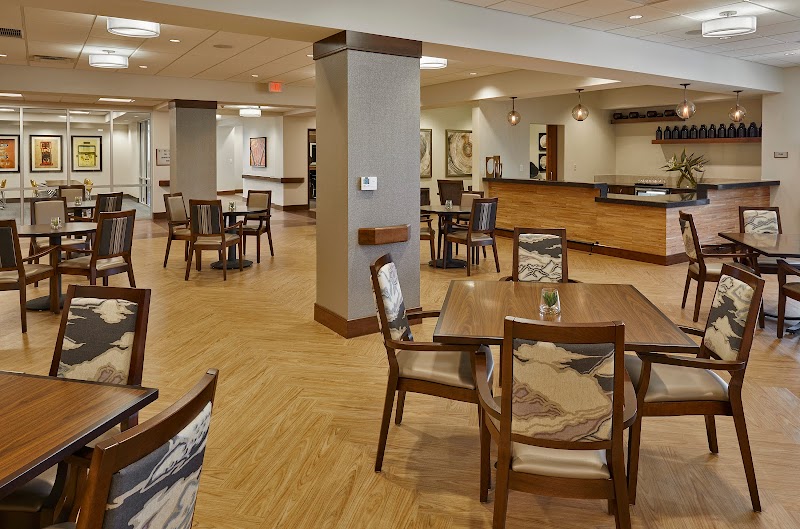
Who Owns and Operates Ignite Medical Resort Round Rock, Llc?

IGNITE MEDICAL RESORT ROUND ROCK, LLC is owned by a for-profit company. For-profit facilities operate as businesses with obligations to shareholders or private owners. The facility is operated by IGNITE MEDICAL RESORTS, a chain that manages multiple nursing homes. With 70 certified beds and approximately 60 residents (about 86% occupancy), it is a smaller facility located in AUSTIN, Texas.
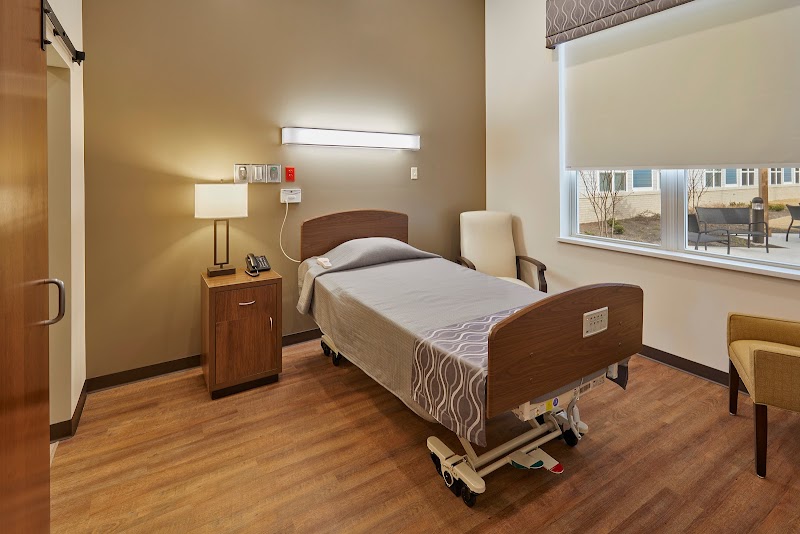
How Does Ignite Medical Resort Round Rock, Llc Compare to Other Texas Nursing Homes?

Compared to the 100 nursing homes in Texas, IGNITE MEDICAL RESORT ROUND ROCK, LLC's overall rating (2 stars) is below the state average of 2.8, staff turnover (65%) is significantly higher than the state average of 46%, and health inspection rating (1 stars) is much below the national benchmark.

What Should Families Ask When Visiting Ignite Medical Resort Round Rock, Llc?

Based on this facility's data, families visiting should ask: "What changes have been made since the serious inspection findings, and how are you preventing similar issues?" "How do you ensure continuity of care given staff turnover, and what is your staff retention strategy?" "Can I visit during a mealtime to observe dining assistance and food quality?" "How do you handle medical emergencies, and what is your hospital transfer rate?" These questions are particularly relevant given the facility's Immediate Jeopardy citations and the facility's high staff turnover rate.

Is Ignite Medical Resort Round Rock, Llc Safe?

Based on CMS inspection data, IGNITE MEDICAL RESORT ROUND ROCK, LLC has documented safety concerns. Inspectors have issued 6 Immediate Jeopardy citations (the most serious violation level indicating risk of serious injury or death). The facility has a 2-star overall rating and ranks #100 of 100 nursing homes in Texas. Families considering this facility should ask detailed questions about what corrective actions have been taken since these incidents.

Do Nurses at Ignite Medical Resort Round Rock, Llc Stick Around?

Staff turnover at IGNITE MEDICAL RESORT ROUND ROCK, LLC is high. At 65%, the facility is 19 percentage points above the Texas average of 46%. High turnover means new staff may not know residents' individual needs, medications, or preferences. It can also be disorienting for residents, especially those with dementia who rely on familiar faces. Families should ask: What is causing the turnover? What retention programs are in place? How do you ensure care continuity during staff transitions?

Was Ignite Medical Resort Round Rock, Llc Ever Fined?

IGNITE MEDICAL RESORT ROUND ROCK, LLC has been fined $100,050 across 5 penalty actions. This is 2.9x the Texas average of $34,079. Fines at this level are uncommon and typically indicate a pattern of serious deficiencies, repeated violations, or failure to correct problems promptly. CMS reserves penalties of this magnitude for facilities that pose significant, documented risk to resident health or safety. Families should request specific documentation of what issues led to these fines and what systemic changes have been implemented.

Is Ignite Medical Resort Round Rock, Llc on Any Federal Watch List?

IGNITE MEDICAL RESORT ROUND ROCK, LLC is not on any federal watch list. The most significant is the Special Focus Facility (SFF) program, which identifies the bottom 1% of nursing homes nationally based on persistent, serious quality problems. Not being on this list means the facility has avoided the pattern of deficiencies that triggers enhanced federal oversight. This is a positive indicator, though families should still review the facility's inspection history directly.