THE CENTER AT PARMER
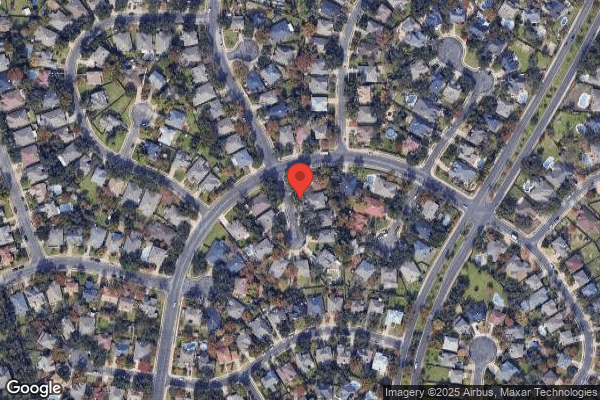
13800 N FM 620 RD SB, AUSTIN, TX 78717 (737) 236-6400
For profit - Limited Liability company 80 Beds VERITAS MANAGEMENT GROUP Data: November 2025
Trust Grade
73/100
#144 of 1168 in TX
Last Inspection: October 2024

Within standard 12-15 month inspection cycle. Federal law requires annual inspections.

Overview

The Center at Parmer has a Trust Grade of B, indicating it is a good choice, though there is room for improvement. It ranks #144 out of 1,168 nursing homes in Texas, placing it in the top half of the state, and #2 out of 15 in Williamson County, meaning only one local option is better. The facility is improving, with issues decreasing from 6 in 2024 to 3 in 2025, although it still has a staffing rating of 3 out of 5, with a turnover rate of 60%, which is average for Texas. While the facility has reported $8,648 in fines, which is average, it has more RN coverage than most Texas facilities, ensuring better monitoring of residents. However, there were concerning incidents, including a serious failure to manage pain for a resident who went three days without necessary medication, leading to unnecessary suffering. Additionally, staff did not receive required training on the facility's quality assurance program, which could affect the quality of care provided. Overall, while there are strengths, such as high RN coverage and an improving trend, there are notable weaknesses in pain management and staff training that potential residents should consider.

Trust Score
B
73/100
In Texas
#144/1168
Top 12%
Safety Record
Moderate
Needs review
Inspections
Getting Better
6 → 3 violations
Staff Stability
⚠ Watch
60% turnover. Above average. Higher turnover means staff may not know residents' routines.
Penalties
⚠ Watch
$8,648 in fines. Higher than 97% of Texas facilities. Major compliance failures.
Skilled Nurses
○ Average
Each resident gets 31 minutes of Registered Nurse (RN) attention daily — about average for Texas. RNs are the most trained staff who monitor for health changes.
Violations
⚠ Watch
17 deficiencies on record. Higher than average. Multiple issues found across inspections.
★★★★★
5.0
Overall Rating
★★★☆☆
3.0
Staff Levels
★★★★★
5.0
Care Quality
★★★★☆
4.0
Inspection Score
Stable
2024: 6 issues
2025: 3 issues

The Good

  • 5-Star Quality Measures · Strong clinical quality outcomes
  • Full Sprinkler Coverage · Fire safety systems throughout facility
  • No fines on record

Facility shows strength in quality measures, fire safety.

The Bad

Staff Turnover: 60%

14pts above Texas avg (46%)

Frequent staff changes - ask about care continuity

Federal Fines: $8,648

Below median ($33,413)

Minor penalties assessed

Chain: VERITAS MANAGEMENT GROUP

Part of a multi-facility chain

Ask about local staffing decisions and management

Staff turnover is elevated (60%)

12 points above Texas average of 48%

The Ugly 17 deficiencies on record

1 actual harm
Jul 2025 2 deficiencies
CONCERN (D) 📢 Someone Reported This

A family member, employee, or ombudsman was alarmed enough to file a formal complaint

Potential for Harm - no one hurt, but risky conditions existed

Report Alleged Abuse (Tag F0609)

Could have caused harm · This affected 1 resident

**NOTE- TERMS IN BRACKETS HAVE BEEN EDITED TO PROTECT CONFIDENTIALITY** Based on interview and record review the facility failed to, in response to allegations of abuse, neglect, exploitation, or mist...

Read full inspector narrative →
**NOTE- TERMS IN BRACKETS HAVE BEEN EDITED TO PROTECT CONFIDENTIALITY** Based on interview and record review the facility failed to, in response to allegations of abuse, neglect, exploitation, or mistreatment, ensure that all alleged violations are reported to the state survey agency immediately but not later than 2 hours after the allegation is made if the events that cause the allegation involve abuse for one (1) of five (5) residents reviewed for abuse and neglect. (Resident #1).The facility failed to report an alleged abuse incident reported by Resident #1 on 06/19/2025 to the State Agency when Resident#1 alleged CNA B pushed her. This deficient practice placed all residents at risk of harm from abuse due to not having a thorough investigation done for an alleged abuseFindings Include: Record review of Resident #1's face sheet, dated 07/15/2025, revealed a [AGE] year-old female who was admitted to the facility on [DATE]. Resident #1 had diagnoses which included hypertension (high blood pressure), fall on the same level from slipping, muscle weakness, unsteady to the feet, history of falling, traumatic subdural Hemorrhage (a type of traumatic brain injury (TBI) where blood collects under the dura mater, the outer membrane covering the brain, due to a head injury) without loss of consciousness subsequent encounter. Record review of Resident #1's Quarterly MDS dated [DATE] revealed Resident #1 had a BIMS score of 10 indicating moderate cognitive impairment. Review of Resident #1's care plan initiated 05/30/2025 reflected Resident #1 had actual/potential decline in her ability to perform her activities of daily living, bowel/bladder incontinence, and need for assistance with transfers/toileting related to impaired mobility secondary to weakness and debility (physical weakness, especially as a result of illness.Most of the cases presented with general debility, muscle weakness, and weight loss.)Review of CNA B's written statement dated 06/19/2025 reflected: June 19, 2025 3:47 am Patient in [xx] had call light on upon entering the room the patient was sitting in her wheelchair and asked if I could help her unlock her brakes. I asked her why she didn't call before she transferred to the chair. She stated that she's not a 2-year-old and should not have to ask for permission to go to the bathroom. I explained to her the safety issue of calling before she transferred to her chair. She then stated that you've been a bitch since day one and won't let me do anything on my own. I proceeded to help her with her brakes and take her to the restroom, she refused to let me help her toilet. I explained to her that her chair is not locked and it's not safe for her to do this alone. I locked her chair and let her toilet herself while I stood outside of the restroom. I noticed she was struggling to pull up her underwear so I asked her if I could help with that, she then yelled at me to get away from her she does not need my help. She then accused me of throwing her up against the wall. I then exited the room and alerted the nurse of what the patient was saying. [room #] Statement [CNA B].Review of LVN A's written statement dated 06/19/2025 reflected: To: Abuse Coordinator Re: Statement regarding patient allegation Patient: [Resident #1]6/19/25 This date 6/19/25 this nurse called into the patient's, [Resident #1] room by [CNA B]. This nurse entered room, observed [CNA B] standing by restroom door, and patient [Resident #1] awake, sitting in her wheelchair by the bed, no s/s of distress. [CNA B] informed this nurse that patient stated CNA had pushed her. This nurse asked CNA B to leave room, then asked patient to tell me what happened. Patient verbalized that while transferring to the toilet from the wheelchair, CNA B pushed her left shoulder against the wall. This nurse asked if I may check her for injury, patient agreeable. No visible sign of injury noted to back, shoulders or face. ROM per baseline, patient denied pain. This nurse reassured patient that the CNA would not return to room, and assisted patient back into bed safely, bed placed in low position, fall precautions in place, call light within reach. This nurse immediately notified abuse coordinator and spoke with DON. [LVN A]During an interview on 07/15/2025 at about 2:20 pm, the DON stated there was an allegation incident of abuse regarding Resident #1. The DON stated CNA B went to assist Resident #1 in her room on the overnight shift, CNA B did not touch Resident #1, and Resident #1 accused CNA B of pushing her. The DON stated LVN A notified her and both LVN A and CNA B left written statements.During an interview on 07/15/2025 at about 2:32 pm, LVN A stated on the morning of 06/19/2025 Resident #1 alleged that CNA B pushed her. LVN A stated CNA B called her [LVN A] to inform her that Resident #1 alleged she had pushed her. LVN A said she asked the CNA to leave the room while she spoke with Resident #1. LVN A stated Resident #1 stated CNA B had pushed her. LVN A stated she assessed Resident #1 and there was no evidence of injuries. LVN A stated she helped Resident #1 out of the restroom. LVN A stated she and CNA B wrote statements for the abuse coordinator, and she reported the incident immediately. During an interview on 07/15/2025 at about 3:13 pm the Administrator stated he had just found out about the incident today 07/15/2025 regarding Resident #1 when the State Surveyor asked due to him being on vacation at the time of the incident. The Administrator stated he would have interviewed Resident #1, if there was an allegation of abuse, and he would have reported it to the state. The Administrator stated in his absence, the DON was responsible to report to the state all allegations of abuse and neglect. The Administrator stated, when a Resident alleged abuse, it was reportable to the state. During an interview on 07/15/2025 at about 3:33 pm, the DON stated she attempted to interview Resident #1 and Resident #1 was dismissive, so she [DON] did nothing else regarding the allegation. The DON stated she did not document her attempt to interview Resident #1. The DON stated the Administrator was on vacation at the time and so she made contact with the Administrator's Boss and told him about the incident. The DON stated she did not report the incident to the State Agency. The DON stated allegations of abuse and neglect were reportable to the State Agency.During an interview on 7/15/2025 at 3:45 pm, CNA B stated on the morning of 06/19/2025, she went to assist Resident #1 and Resident #1 was already in the wheelchair. CNA B stated she was trying to explain to Resident #1 that she had to call for help before getting out of bed. CNA B stated she never got to help Resident #1, she did not touch Resident #1 when Resident #1 accused her [CNA B] of pushing her. CNA B said she immediately walked out of the room and notified LVN A. CNA B stated LVN A went to Resident #1 and assessed her. CNA B stated LVN A called the Administrator, but she [CNA B] told LVN A that the Administrator was not available, so LVN A called the DON. CNA B said she wrote a statement and gave to LVN A.Review of facility's policy titled Abuse and Neglect Prohibition revised 10/12/2022 reflected: PolicyEach resident has the right to be free from abuse, neglect, mistreatment, injuries of unknown origin, misappropriation of resident property, exploitation, corporal punishment, involuntary seclusion and any physical or chemical restraint not required to treat the resident's medical symptoms. The facility does not allow involuntary seclusion. Any observations or allegations of abuse, neglect or mistreatment must be immediately reported to the Administrator.Abuse Prevention Coordinator The facility administrator is the Abuse Prevention Coordinator. Abuse means the willful infliction of injury, unreasonable confinement, intimidation, or punishment with resulting physical harm, pain, or mental anguish. Abuse also includes the deprivation by an individual, including a caretaker, of goods or services that are necessary to attain or maintain physical, mental, and psychosocial well-being. It includes verbal abuse, sexual abuse, physical abuse, and mental abuse, including abuse facilitated or enabled through the use of technology. Injuries of unknown origin may occur as a result of abuse. Alleged violation is a situation or occurrence that is observed or reported by staff, resident, relative, visitor, another health care provider, or others but has not yet been investigated and, if verified, could be noncompliance with the Federal requirements related to mistreatment, exploitation, neglect, or abuse, including injuries of unknown source, and misappropriation of resident property.PreventionReporting and ResponseSTATE REPORTING OBLIGATIONS: The facility will report all allegations and substantiated occurrences of abuse, neglect, exploitation, mistreatment including injuries of unknown origin, and misappropriation of property to the administrator, State Survey Agency, and law enforcement officials and adult protective services (where state law provides for jurisdiction in long-term care). What to Report1. All alleged violations of abuse, neglect, exploitation or mistreatment, including injuries of unknown source and misappropriation of resident property2. The results of all investigations of alleged violationsWho is Required to Report----The FacilityWhen to Report the Incident----2 hours if the alleged violation involves abuse or results in serious bodily injury.
CONCERN (D) 📢 Someone Reported This

A family member, employee, or ombudsman was alarmed enough to file a formal complaint

Potential for Harm - no one hurt, but risky conditions existed

Investigate Abuse (Tag F0610)

Could have caused harm · This affected 1 resident

**NOTE- TERMS IN BRACKETS HAVE BEEN EDITED TO PROTECT CONFIDENTIALITY** Based on interview and record review the facility failed to, in response to allegations of abuse, neglect, exploitation, or mist...

Read full inspector narrative →
**NOTE- TERMS IN BRACKETS HAVE BEEN EDITED TO PROTECT CONFIDENTIALITY** Based on interview and record review the facility failed to, in response to allegations of abuse, neglect, exploitation, or mistreatment, have evidence that all alleged violations are thoroughly investigated and report the results of all investigations to the state survey agency within five working days of the incident for one (1) of five (5) residents reviewed for abuse and neglect. (Resident #1).The facility failed to thoroughly investigate an alleged abuse incident reported by Resident #1 on 06/19/2025 when Resident #1 alleged being pushed by CNA B. This deficient practice placed all residents at risk of harm from abuse due to not having a thorough investigation done for an alleged abuse.Findings Include: Record review of Resident #1's face sheet, dated 07/15/2025, revealed a [AGE] year-old female who was admitted to the facility on [DATE]. Resident #1 had diagnoses which included hypertension (high blood pressure), fall on the same level from slipping, muscle weakness, unsteady to the feet, history of falling, traumatic subdural Hemorrhage (a type of traumatic brain injury (TBI) where blood collects under the dura mater, the outer membrane covering the brain, due to a head injury) without loss of consciousness subsequent encounter. Record review of Resident #1's Quarterly MDS dated [DATE] revealed Resident #1 had a BIMS score of 10 indicating moderate cognitive impairment. Review of Resident #1's care plan initiated 05/30/2025 reflected Resident #1 had actual/potential decline in her ability to perform her activities of daily living, bowel/bladder incontinence, and need for assistance with transfers/toileting related to impaired mobility secondary to weakness and debility (physical weakness, especially as a result of illness.Most of the cases presented with general debility, muscle weakness, and weight loss.)Review of CNA B's written statement dated 06/19/2025 reflected: June 19, 2025 3:47 am Patient in [xx] had call light on upon entering the room the patient was sitting in her wheelchair and asked if I could help her unlock her brakes. I asked her why she didn't call before she transferred to the chair. She stated that she's not a 2-year-old and should not have to ask for permission to go to the bathroom. I explained to her the safety issue of calling before she transferred to her chair. She then stated that you've been a bitch since day one and won't let me do anything on my own. I proceeded to help her with her brakes and take her to the restroom, she refused to let me help her toilet. I explained to her that her chair is not locked and it's not safe for her to do this alone. I locked her chair and let her toilet herself while I stood outside of the restroom. I noticed she was struggling to pull up her underwear so I asked her if I could help with that, she then yelled at me to get away from her she does not need my help. She then accused me of throwing her up against the wall. I then exited the room and alerted the nurse of what the patient was saying. [room #] Statement [CNA B].Review of LVN A's written statement dated 06/19/2025 reflected: To: Abuse Coordinator Re: Statement regarding patient allegation Patient: [Resident #1]6/19/25 This date 6/19/25 this nurse called into the patient's, [Resident #1] room by [CNA B]. This nurse entered room, observed [CNA B] standing by restroom door, and patient [Resident #1] awake, sitting in her wheelchair by the bed, no s/s of distress. [CNA B] informed this nurse that patient stated CNA had pushed her. This nurse asked CNA B to leave room, then asked patient to tell me what happened. Patient verbalized that while transferring to the toilet from the wheelchair, CNA B pushed her left shoulder against the wall. This nurse asked if I may check her for injury, patient agreeable. No visible sign of injury noted to back, shoulders or face. ROM per baseline, patient denied pain. This nurse reassured patient that the CNA would not return to room, and assisted patient back into bed safely, bed placed in low position, fall precautions in place, call light within reach. This nurse immediately notified abuse coordinator and spoke with DON. [LVN A]During an interview on 07/15/2025 at about 2:20 pm, the DON stated there was an allegation incident of abuse regarding Resident #1. The DON stated CNA B went to assist Resident #1 in her room on the overnight shift, CNA B did not touch Resident #1, and Resident #1 accused CNA B of pushing her. The DON stated LVN A notified her and both LVN A and CNA B left written statements.During an interview on 07/15/2025 at about 2:32 pm, LVN A stated on the morning of 06/19/2025 Resident #1 alleged that CNA B pushed her. LVN A stated CNA B called her [LVN A] to inform her that Resident #1 alleged she had pushed her. LVN A said she asked the CNA to leave the room while she spoke with Resident #1. LVN A stated Resident #1 stated CNA B had pushed her. LVN A stated she assessed Resident #1 and there was no evidence of injuries. LVN A stated she helped Resident #1 out of the restroom. LVN A stated she and CNA B wrote statements for the abuse coordinator, and she reported the incident immediately. During an interview on 07/15/2025 at about 3:13 pm the Administrator stated he had just found out about the incident today 07/15/2025 regarding Resident #1 when the State Surveyor asked due to him being on vacation at the time of the incident. The Administrator stated he would have interviewed Resident #1, if there was an allegation of abuse, and he would have reported it to the state. The Administrator stated in his absence, the DON was responsible to report to the state all allegations of abuse and neglect. The Administrator stated, when a Resident alleged abuse, it was reportable to the state. During an interview on 07/15/2025 at about 3:33 pm, the DON stated she attempted to interview Resident #1 and Resident #1 was dismissive, so she [DON] did nothing else regarding the allegation. The DON stated she did not document her attempt to interview Resident #1. The DON stated the Administrator was on vacation at the time and so she made contact with the Administrator's Boss and told him about the incident. The DON stated she did not report the incident to the State Agency. The DON stated allegations of abuse and neglect were reportable to the State Agency.During an interview on 7/15/2025 at 3:45 pm, CNA B stated on the morning of 06/19/2025, she went to assist Resident #1 and Resident #1 was already in the wheelchair. CNA B stated she was trying to explain to Resident #1 that she had to call for help before getting out of bed. CNA B stated she never got to help Resident #1, she did not touch Resident #1 when Resident #1 accused her [CNA B] of pushing her. CNA B said she immediately walked out of the room and notified LVN A. CNA B stated LVN A went to Resident #1 and assessed her. CNA B stated LVN A called the Administrator, but she [CNA B] told LVN A that the Administrator was not available, so LVN A called the DON. CNA B said she wrote a statement and gave to LVN A.Abuse Prevention Coordinator The facility administrator is the Abuse Prevention Coordinator. Abuse means the willful infliction of injury, unreasonable confinement, intimidation, or punishment with resulting physical harm, pain, or mental anguish. Abuse also includes the deprivation by an individual, including a caretaker, of goods or services that are necessary to attain or maintain physical, mental, and psychosocial well-being. It includes verbal abuse, sexual abuse, physical abuse, and mental abuse, including abuse facilitated or enabled through the use of technology. Injuries of unknown origin may occur as a result of abuse. Alleged violation is a situation or occurrence that is observed or reported by staff, resident, relative, visitor, another health care provider, or others but has not yet been investigated and, if verified, could be noncompliance with the Federal requirements related to mistreatment, exploitation, neglect, or abuse, including injuries of unknown source, and misappropriation of resident property.Prevention3. Facility supervisors will immediately investigate and correct reported or identified situations in which abuse, neglect, injuries of unknown origin, or misappropriation of resident property is at risk for occurring.4. Staff will be instructed to report any signs of stress from employees, family and other individuals involved with the resident that may lead to abuse, neglect, injuries of unknown origin, or misappropriation of resident property, and to intervene as appropriate.Investigation1. The facility will timely conduct an investigation of any alleged abuse/neglect, exploitation,mistreatment, injuries of unknown origin, or misappropriation of resident property in accordance with state law.2. Any employee alleged to be involved in an instance(s) of abuse and/or neglect will be interviewed and suspended immediately, and will not be permitted to return to work unless and until suchallegations of abuse/neglect are unsubstantiated.
Jun 2025 1 deficiency
CONCERN (D) 📢 Someone Reported This

A family member, employee, or ombudsman was alarmed enough to file a formal complaint

Potential for Harm - no one hurt, but risky conditions existed

Deficiency F0628 (Tag F0628)

Could have caused harm · This affected 1 resident

**NOTE- TERMS IN BRACKETS HAVE BEEN EDITED TO PROTECT CONFIDENTIALITY** Based on interviews and record reviews, the facility failed to notify the resident and resident's representative(s) of the disch...

Read full inspector narrative →
**NOTE- TERMS IN BRACKETS HAVE BEEN EDITED TO PROTECT CONFIDENTIALITY** Based on interviews and record reviews, the facility failed to notify the resident and resident's representative(s) of the discharge, reasons for the move, and right to appeal in writing and in a language and manner they understand and send a copy of the notice to a representative of the Office of the State Long-Term Care Ombudsman for 1 (Resident #1) of 6 residents reviewed for discharge planning. 1. The facility failed to notify Resident #1 and Resident #1's RP of Resident #1's discharge, reasons for the move, and right to appeal in writing, in a language and manner they understand, and at least 30 days before Resident #1 was discharged from the facility on 06/11/25. 2. The facility failed to send a copy of the notice to the facility's Ombudsman before Resident #1 was discharged from the facility on 06/11/25. This failure could place residents at risk of being discharged without alternative placement, discharge options, their rights to appeal and access to advocacy services. Findings included: Review of Resident #1's Profile, dated 06/23/25, reflected she was a [AGE] year old female who was admitted to the facility on [DATE] and discharged from the facility on 06/11/25. Review of Resident #1's Medical Diagnoses Report, dated 06/23/25, reflected she had diagnoses of hemiplegia (complete paralysis of one side of the body) and hemiparesis (weakness on one side of the body) following cerebral infarction (stroke) affecting the left dominant side, dysphagia following cerebral infarction (difficulty swallowing), age-related physical debility (a state of weakness and reduced physical strength), generalized muscle weakness, unsteadiness on feet, other lack of coordination, anxiety disorder, anorexia (an eating disorder causing people to obsess about weight and what they eat) and depression. Review of Resident #1's admission MDS, dated [DATE], reflected she had a BIMS score of 6 out of 15, which indicated severe cognitive impairment. Resident #1 also always needed help with health literacy (assistance with reading written material related to health) and was dependent on assistance with her functional cognition (assistance with planning regular tasks). Review of Resident #1's Care Plan, initiated on 03/03/25, reflected she wanted to establish goals for herself and be involved in her discharge planning process. Staff were also required to communicate with Resident #1 and/or her family related to progress, goals and plans, contact appropriate community agencies as needed when Resident #1 was ready to discharge, continue to encourage Resident #1 to make an effort toward achieving their goals, and Resident #1 wanted to go home when she discharged . Review of Resident #1's Progress Notes, from 03/03/25 through 06/23/25, reflected there were no notes related to a written notice of discharge and reasons for the move given to Resident #1, Resident #1's RP, and the facility's Ombudsman. Review of Resident #1's Electronic Health Records on 06/23/25 reflected there was no written notice of discharge and reasons for the move given to Resident #1, Resident #1's RP, and the facility's Ombudsman. Review of Resident #1's IDT Discharge Summary, created by CM on 06/10/25 at 1:07 p.m., reflected she was discharged on 06/11/25 at 12:00 p.m. with hospice, a wheelchair and a mechanical lift, would continue physical therapy and medication management, and transported in a private vehicle to her home. The section of the summary in which the discharge instructions were to be reviewed with Resident #1 or Resident #1's RP in a language they understand was not signed and not dated by Resident #1, Resident #1's RP, and CM or discharging nurse. An attempt to contact the facility's Ombudsman was made on 06/23/25 at 9:50 a.m. The facility's Ombudsman did not return the surveyor's attempted contact before exit. During an interview on 06/23/25 at 9:54 a.m., Resident #1's RP stated the facility did not provide her and Resident #1 with a written 30-day notice that they were discharging Resident #1 on 06/11/25. Resident #1's RP stated she learned that Resident #1 was discharging from the facility by a medical equipment provider who called her on 06/06/25. Resident #1's RP stated she called the CM on 06/06/25 and the CM told her that Resident #1 was being discharged from the facility on 06/11/25 because she was coming up to her 100 days of covered stay at the facility. Resident #1's RP stated she informed the CM and ADM about her concerns of not being notified of Resident #1's discharge in advance on unknown date . Resident #1's RP also stated the facility did not inform her and Resident #1 of Resident #1's right to appeal the discharge and the appeal process. During an interview on 06/23/25 at 1:23 p.m., the ADON stated the CM was responsible for notifying residents, residents' RPs and the Ombudsman in writing of residents' discharge from the facility. The ADON stated she spoke with the facility's Corporate team and learned that the facility was required to send a written discharge notice to residents, residents' RPs and the Ombudsman within 30 days of discharge per the facility's policy. The ADON stated she did not know the facility was required to send a written 30-day notice of discharge to residents, RPs and Ombudsman because the facility's policy was vague. The ADON stated the facility did not comply with the regulation for providing a written 30-day notice of discharge to residents, residents' RPs, and the Ombudsman. During an interview on 06/23/25 at 1:56 p.m., Resident #1's RP stated Resident #1 was unable to answer the surveyor's questions due to her severe cognitive impairment. Resident #1's RP also stated the Administrator told her that she did not have to be informed of Resident #1's discharge three days before Resident #1's discharge. During an interview on 06/23/25 at 2:28 p.m., the CM said she was responsible for issuing a formal written notice of discharge to residents, residents' RPs, and the Ombudsman. The CM stated she did not provide Resident #1, Resident #1's RP, and the Ombudsman with a written notice of discharge because she did not know she had to provide a formal written notice of discharge to the resident, residents' RP, and Ombudsman within 30 days of a resident's discharge from the facility. The CM also stated she did not inform Resident #1 and Resident #1's RP of Resident #1's right to appeal the discharge and the appeal process for unknown reasons. The CM stated she knew it was important to provide a notice of discharge in writing to the resident, representative and Ombudsman at least 30 days before a resident is discharged and said, So residents' families knew when, where, why and how the resident was discharging from the facility. So the Ombudsman was aware of the resident's discharge. The CM stated she knew it was important to inform the resident and residents' RPs of residents' right to appeal their discharge and the appeal process and said, Because residents must know their right to appeal. The CM stated the ADM was responsible for overseeing and ensuring the discharge process was correctly completed. The CM stated the ADM was out of the country at the time of the interview. During an interview on 06/23/25 at 2:59 p.m., the DON stated Resident #1 had a low BIMS and could not make decisions for herself. The DON stated the CM was responsible for initiating the notice of discharge to the resident, resident's RP, and Ombudsman. The DON stated the CM did not provide a written notice of discharge to Resident #1, Resident #1's RP, and the Ombudsman. The DON stated she knew it was important to provide a written notice of discharge to residents, residents' RPs, and the Ombudsman within 30 days of a resident's discharge from the facility and said, You have to notify the appropriate parties to ensure the resident discharge safely and to be able to follow-up with necessary agencies and make sure resident was safe and provided continued care from the facility when transitioning back to home and so family was equipped when receiving the resident. And so the Ombudsman could ensure and had a role in resident being well taken care of and it was important for continuity of care for the resident and to make sure to communicate all discharge plans and interventions the resident needed for the resident's welfare. The DON stated the ADM was responsible for overseeing and ensuring the CM correctly completed the discharge process. Review of the facility's Transfers and Discharges policy, undated, reflected, .Any transfer or discharge not meeting regulatory standards or that places the resident at risk is considered inappropriate and is strictly prohibited .Discharges are inappropriate and unlawful if they occur under any of the following conditions: .2. Failure to provide written notice: Not giving the required 30-day written notice to the resident and their representative .Procedure for Transfer or discharge: .Notice Requirements: The facility must provide 30 days written notice of discharge to the resident and their legal representative .Notice must include: Reason for discharge, effective date, location to which the resident is being transferred, contact information for: state long-term care ombudsman, state survey agency, appeal rights and process, resources for assistance .5. Residents and their representatives must be informed of their right to appeal a discharge .6. Involuntary Discharges: .The Ombudsman program must be notified before the discharge is initiated .Staff Responsibilities: Admissions and Social Services: Ensure that transfers and discharges are carried out in accordance with this policy, providing support and proper documentation .Administrator: .inform the Ombudsman . Review of the facility's Resident Rights policy, undated, reflected, .Social Services: The Center must provide you with any needed medically-related social services, including .discharge planning .You can't be sent to another nursing home or be made to leave The Center .You (and your representative) have a right to be notified before you are transferred or discharged from The Center .Your rights include: .The right to remain in the facility: The right to not be transferred or discharged .and to be given 30 days advance notice .
Oct 2024 5 deficiencies
CONCERN (D)

Potential for Harm - no one hurt, but risky conditions existed

MDS Data Transmission (Tag F0640)

Could have caused harm · This affected 1 resident

**NOTE- TERMS IN BRACKETS HAVE BEEN EDITED TO PROTECT CONFIDENTIALITY** Based on interviews and record review, the facility failed to transmit a resident assessment within the required time frame for ...

Read full inspector narrative →
**NOTE- TERMS IN BRACKETS HAVE BEEN EDITED TO PROTECT CONFIDENTIALITY** Based on interviews and record review, the facility failed to transmit a resident assessment within the required time frame for 1 of 4 discharged residents (Resident #61) reviewed for data encoding and transmission. in that: Resident #61's Discharge MDS was not encoded or transmitted as of 07/22/2024. This failure affected residents who have been discharged in the last 30 days at risk of not having their assessments transmitted timely. The findings included: Record review of Resident #61's face sheet revealed the resident admitted to the facility on [DATE] and discharged on 07/12/2024 home. Resident #61's admitting diagnoses included intervertebral disc disorder with radiculopathy in the lumbar region (symptoms that occur when a spinal nerve root is compressed) other lower back pain, and hypo-osmolality and hyponatremia (a condition of having low levels of electrolytes (including sodium), proteins, and nutrients). Record review of Resident #61's EMR revealed the resident's admission MDS was completed and accepted, but the Discharge MDS assessment was not initiated to where the assessment would be visible, coded, or transmitted as of 07/26/2024. Record review of the RAI (Resident Assessment Instrument) Manual OBRA Assessment Summary, dated October 2023, revealed OBRA Discharge assessments -Return Not Anticipated (A0310F = 10) Must be completed when the resident is discharged from the facility and the resident is not expected to return to the facility within 30 days. Must be completed (item Z0500B) within 14 days after the discharge date (A2000 + 14 calendar days). Must be submitted within 14 days after the MDS completion date (Z0500B + 14 calendar days. In an interview on I0/30/2024 at 2:39 PM the MDS coordinator stated she was out for personnel reasons and Resident #61's Discharge MDS was not encoded or timely transmitted as of 07/22/2024. The MDS coordinator said she was responsible for the encoding of this record in a timely manner. Facility MDS policy dated 02/08/2021 reflected it is the policy of this facility that MDS assessments, discharge and reentry records will be completed and electronically encoded into our facilities MSDS information system and appropriate assessments will be transmitted to CMS. Procedures: 1. All staff members will be responsible for completion of the MSDS and transmission process in accordance with the MDS RAI instruction manual. 2. MDS electronic submissions shall be conducted in accordance with current OBRA regulation governing the transmission of such data. 3. The MDS coordinator is responsible for ensuring that appropriate edits are made prior to transmitting MDS data and that feedback and validation reports from each transmission are maintained for historical purposes and for tracking.
CONCERN (D)

Potential for Harm - no one hurt, but risky conditions existed

Deficiency F0679 (Tag F0679)

Could have caused harm · This affected 1 resident

**NOTE- TERMS IN BRACKETS HAVE BEEN EDITED TO PROTECT CONFIDENTIALITY** Based on interviews and record review, the facility failed to provide, based on the comprehensive assessment and care plan and t...

Read full inspector narrative →
**NOTE- TERMS IN BRACKETS HAVE BEEN EDITED TO PROTECT CONFIDENTIALITY** Based on interviews and record review, the facility failed to provide, based on the comprehensive assessment and care plan and the preferences of each resident, an ongoing program to support residents in their choice of activities, both facility-sponsored group and individual activities and independent activities, designed to meet the interests of and support the physical, mental, and psychosocial well-being of each resident, encouraging both independence and interaction in the community for 3 residents of 24 residents (Resident #11, Resident #18, and Resident #285) reviewed for activities. 1. Residents #11, Resident #18, and Resident #285 were not engaged in a person-centered activity programs and said they were bored. 2. The group activity calendar for the month of September 2024 listed an entry of books, puzzles, and TV Time for each day, no other activities listed. 3. The group activity calendar of the month of October 2024 listed 16 days of AM (morning) news, puzzles, and books. These failures placed residents at risk of boredom, depression, and a diminished quality of life. Findings included: Review of Resident #11's face sheet, dated 10/31/2024, reflected an [AGE] year-old female who was admitted to the facility on [DATE] and re-admitted on [DATE] with diagnoses that included acute respiratory failure with hypoxia (a dangerous condition that occurs when the body does not have enough oxygen which can lead to low oxygen levels in the body's tissues), acute congestive heart failure, morbid obesity due to excess calories, and unsteadiness on feet. Review of Resident #11's initial MDS assessment, dated 09/17/2024, section F0500 interview for activity preferences reflected: o How important is it to you to have books, newspapers, and magazines to read - very important o How important is it to you to listen to music you like? - very important o How important is if for you to be around animals such as pets? - very important o How important is it to you to keep up with the news? - very important o How important is it to you to do thing with groups of people? - very Important o How important is it to you to do your favorite activities? - very important o How important is it to you to go outside to get fresh air when the weather is good? - Very important o How important is it to you to participate in religious services or activities? - very important Review of Resident #11's 09/11/2024 BIMS reflected a score of 13, indicating intact cognition. Review of Resident #11's care plan dated 09/13/2024 reflected a focus of My Preferences dated 09/13/2024, Goal dated 09/13/2024 - my preferences will be met during my stay. Intervention dated 09/13/2024 - preferred time to wake up between 8:00 AM and 9:00 AM and dated 09/16/2024 intervention permission given to wake up to administer medications, therapy or other services dated 09/13/2024. Review of Resident #18's face sheet, dated 10/31/2024, reflected an [AGE] year-old female who was admitted to the facility on [DATE] with diagnoses that included atrial fibrillation (a common heart arrhythmia that causes the upper chambers of the heart to beat irregularly and often rapidly), muscle weakness, and steadiness on feet, and need for assistance with personal care. Review of Resident #18's initial MDS assessment, dated 09/20/2024, section F0500 interview for activity preferences was not completed. Review of Resident #18's 09/11/2024 BIMS reflected a score of 13, indicating intact cognition. Review of Resident #18's care plan dated 09/15/2024 reflected a focus of My Preferences dated 09/15/2024, Goal dated 09/15/2024 - my preferences will be met during my stay. Intervention dated 09/15/2024 - preferred time to wake up between 8:00 AM and 9:00 AM, and permission given to wake up to administer medications, therapy, or other services. Review of Resident #285's face sheet, dated 10/31/2024, reflected an [AGE] year-old female who was admitted to the facility on [DATE] with diagnoses that included metabolic encephalopathy (a brain disorder caused by a chemical imbalance in the blood that affects brain function), convulsions, acute kidney failure, and unsteadiness on feet. Review of Resident #285's initial MDS assessment, dated 10/16/2024, section F0500 interview for activity preferences reflected: o How important is it to you to have books, newspapers, and magazines to read - very important o How important is it to you to listen to music you like? - very important o How important is if for you to be around animals such as pets? - very important o How important is it to you to keep up with the news? - very important o How important is it to you to do thing with groups of people? - very Important o How important is it to you to do your favorite activities? - very important o How important is it to you to go outside to get fresh air when the weather is good? - Very important o How important is it to you to participate in religious services or activities? - very important Review of Resident #285's 10/13/2024 BIMS reflected a score of 12, indicating moderate cognitive impairment. Review of Resident #285's care plan dated 10/12/2024 reflected a focus of My Preferences dated 10/12/2024, Goal dated 10/13/2024 - my preferences will be met during my stay. Intervention dated 10/12/2024 - preferred time to wake up between 8:00 AM and 9:00 AM, and permission given to wake up to administer medications, therapy, or other services. Review of Resident #11's Activity Initial Evaluation dated 09/17/2024 reflected: o Activity Involvement preferences - afternoon o Activity Involvement Preferences - group activities o How important is it to you to have books, newspapers, and magazines to read? - very important o How important is it to you to have music you like to listen to? - very important o How important is if for you to be around animals such as pets? - very important o How important is it to you to keep up with the news? - very important o How important is it to you to do thing with groups of people? - very Important o How important is it to you to do your favorite activities? - very important o How important is it to you to go outside to get fresh air when the weather is good? - Very important o How important is it to you to participate in religious services or activities? - very important o Indicate respondent for daily activities and preferences - resident Review of Resident #18's Activity Initial Evaluation dated 09/20/2024 reflected: o Activity Involvement preferences - morning o Activity Involvement Preferences - Individual activities o Issues, concerns, problems or needs that may affect involvement or engagement in leisure activity included - prefers to stay in own room o Additional Individual Interests - Watching TV/Movies o Group Activities - social (socials, entertainment, games, moves, pet visits) o How important is it to you to have books, newspapers, and magazines to read? - very important o How important is it to you to have music you like to listen to? - very important o How important is if for you to be around animals such as pets? - very important o How important is it to you to keep up with the news? - very important o How important is it to you to do thing with groups of people? - very Important o How important is it to you to do your favorite activities? - very important o How important is it to you to go outside to get fresh air when the weather is good? - Very important o How important is it to you to participate in religious services or activities? - very important o Indicate respondent for daily activities and preferences - resident Review of Resident #285's Activity Initial Evaluation dated 10/14/2024 reflected: o Activity Involvement preferences - no specific preference o Activity Involvement Preferences - individual activities and group activities o How important is it to you to have books, newspapers, and magazines to read? - very important o How important is it to you to have music you like to listen to? - very important o How important is if for you to be around animals such as pets? - very important o How important is it to you to keep up with the news? - very important o How important is it to you to do thing with groups of people? - very Important o How important is it to you to do your favorite activities? - very important o How important is it to you to go outside to get fresh air when the weather is good? - very important o How important is it to you to participate in religious services or activities? - very important o Indicate respondent for daily activities and preferences - resident In an interview on 10/30/24 at 4:02 PM Resident #11 stated she did not receive an activity calendar; she had not been offered a manicure or pedicure as an activity. She stated she did not know the facility had activities and she was extremely bored, and she was bored over the weekend. She stated there was nothing to do on the weekend. She said that not having had activities affected her attitude and got her down. In an interview on 10/29/2024 at 10:52 AM Resident #18 stated the staff had not given her the opportunity to demonstrate her intelligence or ability and she had not been given the opportunity to show people that she is not a potato. When asked what she meant by potato, she said she had been regarded an object that just laid there. She stated the only thing she had been out to do was walk with a walker. She stated she did not have enough stimulation. In an interview on 10/31/2024 at 9:38 AM Resident #18 stated she did not recall receiving an activities calendar. She stated she is bored. She stated she stayed in bed all day yesterday because there was, not a damn thing to do otherwise. She did not tell the staff she is bored because she was not a complainer. Resident #18 felt activities should be offered based on the individual needs of each resident and she felt she had been lumped into a category and it had been difficult to express herself. In an interview on 10/31/24 at 9:13 AM Resident #285 stated she had never seen an activity calendar and she was absolutely bored and asked, what the hell is there to do here? When asked how she felt being bored, she replied that that was a stupid question and how would you feel if you were bored? She said she was invited to Bingo, but she did not know one person at the facility. Observation on 10/31/24 at 9:13 AM revealed, the state surveyor, with the permission Resident #285, looked for an activity calendar in the papers in her room and no activity calendar was located in her room. In an interview on 10/31/2024 at 10:15 AM the Activities Director stated she began the job as the activity's director the second week of October 2024. She stated the first thing she began doing was working on the activity calendar. She stated she tried to make sure residents had activities because she wanted them to get out of their rooms and get them motivated. She stated that if residents were closed in their rooms they got depressed. She set up puzzles in a room on the third floor and books were in the library. AM (morning) news was for residents who want to get up and watch the news. She stated she felt an activity was something to get residents active and to get residents to use their hands and feet. She said most residents liked Bingo. She stated an activity assessment was done with each resident. She stated she went to the residents' rooms a little bit after breakfast and explained the activities to them. They currently did not have any religious offerings. She explained the night receptionist was supposed to turn on the TV before she left for the evening. She stated she had been spending time visiting with the residents. She stated she thought residents could get depressed and bored and her goal was to keep them motivated because they were already down and sad. She stated the resident council meeting, and the beauty parlor information should have been on the activity calendar. In an interview on 10/31/2024 at 10:27 AM the Administrator stated resident activities were both for group and individual. Residents were provided with an activity assessment and the facility had activity rooms on both floors that provided coloring books, puzzles, games, and books. The facility was without an activity director from September 2024 until about two weeks ago and no one was acting as an activity director. He stated they did Bingo with residents. He said additional activities were provided to the residents that were not reflected on the September 2024 and October 2024 activity calendar. He said activities could be described as an ongoing patient centered activity program that incorporated the patient's hobbies and culture preferences and he felt like the books, the AM (morning) news, and coloring partially met this description. He stated they could have provided more activates but it was hard when there was not someone in the role as activity director. He said it was the responsibility of the Administrator to make sure that the residents had activities and if residents do not have activities, it was possible they could decline. He stated the lack of activities could affect their mental health, but he did not know how much it would affect them because the facility was a rehabilitation skilled nursing facility and residents do not live at the facility long term. A review of the facility September 2024 activity calendar reflected: 09/01/2024 through 09/30/2024 - books, puzzles, and TV time. A review of the facility October 2024 activity calendar reflected: 10/01/2024 through 10/12/2024 - AM (morning) news, puzzles 3rd floor, and books, 10/13/2024 AM (morning) news, Sunday Night Football, 10/14/2024 through 10/17/2024 - AM (morning) news, puzzles 3rd floor, and books, 10/198/2024 Bingo 1:30 PM - 3:30 PM, 10/19/2024 - AM (morning) news and college football, 10/20/2024 AM (morning) news and Sunday Night Football, 10/21/2024 Bingo 1:30 PM - 3:30 PM, 10/22/2024 Movie Night 7:00 PM, 10/23/24 Quartet 1:30 PM - 3:30 PM, 10/24/2024 Fall [NAME], 10/25/2024 Bingo 1:30 PM - 3:30 PM and Central Texas Rehabilitation Hospital, 10/26/2024 AM (morning) news and College Football, 10/29/2024 Arts & Crafts, Halloween bags 1:30 PM - 3:30 PM, 10/30/2024 Bingo 1:30 PM - 3:30 PM, 10/31/2024 Halloween Party staff/patient. Review of facilities activities policy dated 02/08/2021 reflected the patient has the right to choose activities and participate in activities, including social, religious, and community activities that do not interfere with the rights of other patients in the facility. The center will ensure and implement an ongoing patient centered activity program that incorporates the patient's hobbies and cultural preferences, which is integral to maintaining and or improving a patient's physical, mental, and psychosocial well-being and independence. The facility will support and create meaningful life by supporting his/her domain of Wellness. The patient will make choices about the activities they would like to participate in. The activity calendar will be provided to all patients. Activities will be provided seven days a week on days and evening. Activity room will have self-directed activities 24 hours a day available to the patient. The patient's interests will be reviewed by activity director with patient. Activities of daily living such as manicures and pedicures and hair styling may be part of an activity program. Validating and respecting patients right to refuse an activity. Promoting one to one visits in patient room as needed. Engagements of exercise and movement. Hands on activities such as crafts, games, etcetera.
CONCERN (D)

Potential for Harm - no one hurt, but risky conditions existed

Respiratory Care (Tag F0695)

Could have caused harm · This affected 1 resident

**NOTE- TERMS IN BRACKETS HAVE BEEN EDITED TO PROTECT CONFIDENTIALITY** Based on observations, interviews, and record review, the facility failed to ensure respiratory care was provided consistent wit...

Read full inspector narrative →
**NOTE- TERMS IN BRACKETS HAVE BEEN EDITED TO PROTECT CONFIDENTIALITY** Based on observations, interviews, and record review, the facility failed to ensure respiratory care was provided consistent with professional standards of practice for 1 of 1 Residents (Resident #73) reviewed for tracheostomy care. The facility failed to ensure Resident #73 used aseptic technique (a procedure that healthcare providers use to prevent the spread of germs that cause infection. Placing barriers, using sterile equipment, and following strict guidelines that help create an environment free of germs.) during tracheostomy care. The facility further failed to ensure that Resident #73's tracheostomy tube was free from secretions to ensure a patent airway prior to inserting his inner cannula. This failure could place residents who use respiratory equipment and have tracheostomies at risk for respiratory infections and respiratory distress. Findings included: Review of Resident #73's face sheet dated 10/30/2024 reflected he was admitted on [DATE] with the following diagnoses encephalopathy (a medical term used to describe a disease that affects brain structure or function. It causes altered mental state and confusion.), human immunodeficiency virus, (a virus that attacks cells that help the body fight infection, making a person more vulnerable to other infections and diseases.), and tracheostomy status (a surgically created opening in the neck leading directly to the trachea (the breathing tube). It is maintained open with a hollow tube called a tracheostomy tube.). Review of Resident #73's admission MDS dated [DATE] reflected he was assessed to have a BIMS score of 14 indicating he was cognitively intact. Resident #73 was assessed to be independent in all areas of ADL assistance. Resident #73 was assessed to have a multidrug-resistant organism, to receive antibiotics, and to receive tracheostomy care and suctioning. Review of Resident #73's comprehensive care plan reflected a focus area dated 09/19/2024 Antibiotic therapy related infection gangrenous necrosis (is death of body tissue due to a lack of blood flow or a serious bacterial infection.) and acute osteomyelitis of the mandible . Further review reflected a focus area dated 10/29/2024 Tracheostomy interventions included suction as needed. The plan of care did not address tracheostomy care or frequency of care. Review of Resident #73's consolidated physician orders reflected an order dated 09/18/2024 Trach care: Stoma: cleanse peri area with normal start at 12 o'clock to 9am, 3 pm to 6pm, and 12am to 3am. Apply new drain sponge secure in place with new trach tie. Monitor for signs and symptoms of breakdown around stoma as needed. Observation on 10/30/2024 at 11:05 AM LVN F entered Resident #73's room to provide tracheostomy care. LVN F gathered her supplies and opened the sterile trach care kit. LVN F then opened the sterile trach inner cannula and dropped the inner cannula into the trach care kit. LVN F had an unopened bottle of normal saline. LVN F then donned gloves and removed Resident #73's old trach gauze from around his trach stoma and she removed his inner cannula. LVN F sanitized her hands and donned she donned sterile gloves. LVN F then opened the non- sterile normal saline and poured into the sterile tray. Resident #73 was observed coughing as she cleaned around the trach stoma producing mucus. Resident #73 continued to cough and was observed to have a mucus plug visible at the opening of the tracheostomy tube. LVN F then, without clearing the airway inserted the inner cannula through the mucus plug. In an interview on 10/30/2024 at 11:20 am LVN F stated she should have opened the normal saline and placed it in the trach care tray prior to donning the sterile gloves. She stated by not doing so she contaminated her sterile field. She stated should have suctioned Resident #73 or made sure his airway was clear prior to inserting the inner cannula. In an interview on 10/30/2024 at 11:30 AM the DON stated he excepted trach care to be done as an aseptic procedure and LVN F did cross contaminate when she used sterile gloves to open the normal saline which was not sterile to prevent infections. He further stated the resident's airway should be clear prior to inserting an inner cannula to prevent blockage of the airway. Review of the facility's policy Tracheostomy care dated 10/10/2019 reflected Purpose: The purpose of this procedure is to guide tracheostomy care and the cleaning of reusable tracheostomy cannulas. 1. Aseptic technique must be used: (Aseptic technique is a procedure that healthcare providers use to prevent the spread of germs that cause infection. Placing barriers, using sterile equipment, and following strict guidelines help create an environment free of germs that can make you sick.) a. During cleaning and sterilization of reusable tracheostomy tubes; b. During all dressing changes until the tracheostomy wound has granulated (healed), and c. During tracheostomy tube changes, either reusable or disposable. 2. Gloves must be used on both hands during any or all manipulation of the tracheostomy. Sterile gloves must be used during aseptic procedures 5. Tracheostomy care should be provided as often as needed, at least once daily for old, established tracheostomies, and at least every eight hours for residents with unhealed tracheostomies . A suction machine, supply of suction catheters, exam and sterile gloves, and flush solution, must be available at the bedside at all times . Review of the website: https://nurseslabs.com/tracheostomy/#h-providing-tracheostomy-care for nursing procedure dated 05/26/2024 reflected .5. Establish the sterile field. Open other sterile supplies as needed, including sterile applicators, a suction kit, and a tracheostomy dressing. 6. Suction the tracheostomy tube, if necessary. Put a clean glove on your nondominant hand and a sterile glove on your dominant hand (or put on a pair of sterile gloves). Suction the full length of the tracheostomy tube to remove secretions and ensure a patent airway. Rinse the suction catheter, wrap it around your hand, and peel the glove off so that it turns inside out over the catheter. 7. Remove the inner cannula. Unlock the inner cannula with the gloved hand. Gently pull it out in line with its curvature and place it in the soaking solution. This moistens and loosens secretions. 8. Remove the soiled dressing. Place the soiled tracheostomy dressing in your gloved hand and peel the glove off so that it turns inside out over the dressing. Discard the glove and the dressing. 9. Put on sterile gloves. Keep your dominant hand sterile during the procedure. Clean the inner cannula. Remove the inner cannula from the soaking solution. 10. Clean the lumen and entire inner cannula thoroughly using the brush or pipe cleaners moistened with sterile normal saline. Inspect the cannula for cleanliness by holding it at eye level and looking through it into the light. Rinse the inner cannula thoroughly in the sterile normal saline. After rinsing, gently tap the cannula against the inside edge of the sterile saline container. Use a pipe cleaner folded in half to dry only the inside of the cannula, leaving a film of moisture on the outer surface to lubricate the cannula for reinsertion. This removes excess liquid and prevents aspiration. 11. Replace the inner cannula, securing it in place. Insert the inner cannula by grasping the outer flange and inserting the cannula in the direction of its curvature. Lock the cannula in place by turning the lock (if present) to secure the flange of the inner cannula to the outer cannula. 12. Clean the incision site and tube flange. Using sterile applicators or gauze dressings moistened with normal saline, clean the incision site. Handle the sterile supplies with your dominant hand and use each applicator or gauze dressing only once. Hydrogen peroxide may be used (usually in a half-strength solution mixed with sterile normal saline) to remove crusty secretions. Thoroughly rinse the cleaned area using gauze squares moistened with sterile normal saline. This avoids contaminating a clean area and ensures thorough cleaning without irritating the skin. 13. Apply a sterile dressing. Use a commercially prepared tracheostomy dressing or open and refold a 4×4-inch gauze dressing into a V shape. Place the dressing under the flange of the tracheostomy tube while ensuring the tube is securely supported to avoid irritation from excessive movement .
CONCERN (D)

Potential for Harm - no one hurt, but risky conditions existed

Infection Control (Tag F0880)

Could have caused harm · This affected 1 resident

**NOTE- TERMS IN BRACKETS HAVE BEEN EDITED TO PROTECT CONFIDENTIALITY** Based on observations, interviews, and record review the facility failed to establish and maintain an infection prevention and c...

Read full inspector narrative →
**NOTE- TERMS IN BRACKETS HAVE BEEN EDITED TO PROTECT CONFIDENTIALITY** Based on observations, interviews, and record review the facility failed to establish and maintain an infection prevention and control program designed to provide a safe, sanitary, and comfortable environment and to help prevent the development and transmission of communicable diseases and infections and follow accepted national standards for one of one resident reviewed for tracheotomy care (Resident #73). The facility failed to ensure LVN F used aseptic technique during tracheotomy care for Resident #73. These failures could place residents at risk for developing wound and upper respiratory infections. Findings included: Review of Resident #73's face sheet dated 10/30/2024 reflected he was admitted on [DATE] with the following diagnoses encephalopathy (A medical term used to describe a disease that affects brain structure or function. It causes altered mental state and confusion.), human immunodeficiency virus, (a virus that attacks cells that help the body fight infection, making a person more vulnerable to other infections and diseases.), and tracheostomy status (a surgically created opening in the neck leading directly to the trachea (the breathing tube). It is maintained open with a hollow tube called a tracheostomy tube.). Review of Resident #73's admission MDS dated [DATE] reflected he was assessed to have a BIMS score of 14 indicating he was cognitively intact. Resident #73 was assessed to be independent in all areas of ADL assistance. Resident #73 was assessed to have a multidrug-resistant organism, to receive antibiotics, to receive tracheostomy care and suctioning. Review of Resident #73's comprehensive care plan reflected a focus area dated 09/19/2024 Antibiotic therapy related infection gangrenous necrosis (is death of body tissue due to a lack of blood flow or a serious bacterial infection.) and acute osteomyelitis of the mandible . Further review reflected a focus area dated 10/29/2024 Tracheostomy interventions included suction as needed. The plan of care did not address tracheostomy care or frequency of care. Review of Resident #73's consolidated physician orders reflected an order dated 09/18/2024 Trach care: Stoma: cleanse peri area with normal start at 12 o'clock to 9am, 3 pm to 6pm and 12am to 3am. Apply new drain sponge secure in place with new trach tie. Monitor for signs and symptoms of breakdown around stoma as needed. Observation on 10/30/2024 at 11:05 AM LVN F entered Resident #73 room to provide tracheostomy care. LVN F gathered her supplies and opened the sterile trach care kit. LVN F then opened the sterile trach inner cannula and dropped the inner cannula into the trach care kit. LVN F had an unopened bottle of normal saline. LVN F then donned gloves and removed Resident #73 old trach gauze from around his trach stoma and she removed his inner cannula. LVN F sanitized her hands and donned she donned sterile gloves. LVN F then opened the non- sterile normal saline and poured into the sterile tray. Resident #73 was observed coughing as she cleaned around the trach stoma producing mucus. Resident #73 continued to cough and was observed to have a mucus plug visible at the opening of the tracheostomy tube. LVN F then, without clearing the airway inserted the inner cannula through the mucus plug. In an interview on 10/30/2024 at 11:20 am LVN F stated she should have opened the normal saline and placed it in the trach care tray prior to donning the sterile gloves. She stated by not doing so she contaminated her sterile field. In an interview on 10/30/2024 at 11:30 AM the DON stated he excepted trach care to be done as an aseptic procedure and the LVN F did cross contaminate when she used to sterile gloves to open the normal saline which was not sterile to prevent infections. Review of the facility's policy Tracheostomy care dated 10/10/2019 reflected Purpose: The purpose of this procedure is to guide tracheostomy care and the cleaning of reusable tracheostomy cannulas. 1. Aseptic technique must be used:( Aseptic technique is a procedure that healthcare providers use to prevent the spread of germs that cause infection. Placing barriers, using sterile equipment, and following strict guidelines help create an environment free of germs that can make you sick.) a. During cleaning and sterilization of reusable tracheostomy tubes; .Sterile gloves must be used during aseptic procedures 5. Tracheostomy care should be provided as often as needed, at least once daily for old, established tracheostomies, and at least every eight hours for residents with unhealed tracheostomies . Review of the website: https://nurseslabs.com/tracheostomy/#h-providing-tracheostomy-care for nursing procedure dated 05/26/2024 reflected .5. Establish the sterile field. Open other sterile supplies as needed, including sterile applicators, a suction kit, and a tracheostomy dressing. 6. Suction the tracheostomy tube, if necessary. Put a clean glove on your nondominant hand and a sterile glove on your dominant hand (or put on a pair of sterile gloves) .8. Remove the soiled dressing. Place the soiled tracheostomy dressing in your gloved hand and peel the glove off so that it turns inside out over the dressing. Discard the glove and the dressing. 9. Put on sterile gloves. Keep your dominant hand sterile during the procedure . Using sterile applicators or gauze dressings moistened with normal saline, clean the incision site. Handle the sterile supplies with your dominant hand and use each applicator or gauze dressing only once .Thoroughly rinse the cleaned area using gauze squares moistened with sterile normal saline. This avoids contaminating a clean area and ensures thorough cleaning without irritating the skin. 13. Apply a sterile dressing.
CONCERN (E)

Potential for Harm - no one hurt, but risky conditions existed

Comprehensive Care Plan (Tag F0656)

Could have caused harm · This affected multiple residents

**NOTE- TERMS IN BRACKETS HAVE BEEN EDITED TO PROTECT CONFIDENTIALITY** Based on observations, interviews, and record review, the facility failed to implement a comprehensive care plan to meet the med...

Read full inspector narrative →
**NOTE- TERMS IN BRACKETS HAVE BEEN EDITED TO PROTECT CONFIDENTIALITY** Based on observations, interviews, and record review, the facility failed to implement a comprehensive care plan to meet the medical and nursing needs and the services to be furnished to attain or maintain the resident's highest practicable physical, mental, and psychosocial well-being of 3 (Resident #235, Resident #242, and Resident #289) of 6 residents reviewed for care plans. The facility failed to complete an accurate comprehensive care plan for Resident #235, Resident #242, and Resident #289 by not including assistance required during transfer. This failure could place residents at risk of not having their care and treatment needs assessed to ensure necessary care and services were provided during transfers leading to falls and hospitalizations. Resident #235 Record review of Resident #235's undated face sheet reflected he was a [AGE] year-old male who was admitted to the facility on [DATE] with diagnoses that included nondisplaced fracture of the base of neck of right femur (right hip fracture), malaise (weakness), muscle weakness, and unsteadiness on feet. Record review of Physical Therapy Progress Report dated 10/10/2024 reflected resident #235 had a weight bearing status precaution (restrictions) on his right lower extremity of 10-20% related to his right femoral neck fracture. Record review of Resident #235's Comprehensive Care Plan dated 10/09/2024 reflected resident #235 needed assistance with transfers/toileting related to impaired mobility secondary to weakness and debility. Interventions on the care plans did not indicate how much assistance was needed. Record review of Resident #235's admission MDS dated [DATE] reflected he had a BIMS score of 10 indicating he had cognitive impairment. Resident #235 required substantial assistance with activities of daily living such as dressing and grooming. He was dependent for transfers meaning to complete the activity the helper does all the effort, and the resident does none of the effort. Or the assistance of 2 (two) or more helpers was required for the resident to complete the activity. In an interview on 10/29/2024 at 10:04 AM with Resident #235, he stated he was able to get into his wheelchair with assistance of 1 staff but could not stand too long or put weight on his hip and knee. Resident #235 stated he was very weak when standing. Resident #242 Record review of Resident #242's face sheet dated 10/30/2024 reflected she was an [AGE] year-old male who was admitted to the facility on [DATE] with diagnoses that included hemiplegia and hemiparesis following cerebral infarction affecting left non dominant side (paralysis after a stroke), facial weakness following cerebral infarction (stroke), muscle weakness, and history of falling. Record review of Baseline Care plan dated 10/08/2024 reflected resident #242 required 2-person assistance with transfers. Transfer status with the use of the Hoyer (mechanical lift) was not marked. Record review of Resident #242's Comprehensive Care Plan dated 10/08/2024 reflected resident #242 needed assistance with transfers/toileting related to impaired mobility secondary to weakness and debility. Interventions on the care plan did not indicate how much assistance was needed. Record review of Physical Therapy evaluation and plan of treatment dated 10/09/2024 reflected resident #242 was total dependence for transfer status. Record review of Resident #242's admission MDS dated [DATE] reflected she had a BIMS score of 12 indicating she had moderate cognitive impairment. Resident #242 required substantial assistance with activities of daily living such as dressing and grooming. She was dependent for transfers meaning to complete the activity the helper did all the effort, and the resident did none of the effort. Or the assistance of 2 (two) or more helpers was required for the resident to complete the activity. The MDS also reflected Resident #242 required the use of a wheelchair for mobility and had limited range of motion with impairments on one side of both her upper and lower extremities. In an observation and interview on 10/29/2024 at 10:34 AM with Resident #242, she was observed lying in bed on top of a lift sling. Resident #242 stated the staff were going to get her up. She stated the staff used the sling to transfer her with a lift. Resident #289 Review of Resident #289's face sheet, dated 10/31/2024, reflected an [AGE] year-old male who was admitted to the facility on [DATE] and re-admitted on [DATE] with diagnoses that included sepsis due to methicillin resistant staphylococcus aureus (a contagious bacterial infection that starts on the skin and is resistant to most common antibiotics. MRSA can spread through cuts, scrapes, and skin-to-skin contact), acute congestive heart failure, type 2 diabetes, acute respiratory failure with hypoxia (a dangerous condition that occurs when the body does not have enough oxygen, which can lead to low oxygen levels in the body's tissues), unsteadiness on feet, and other lack of coordination. Review of Resident #289's initial MDS assessment, dated 10/17/2024, reflected no information regarding resident activities of daily living assistance transfer needs. Review of Resident #289's BIMS assessment dated [DATE] reflected a score of 14, indicating intact cognition . Review of Resident #289's care plan dated 10/17/2024 reflected a focus of, I need assistance with transfers/toileting related to impaired mobility secondary to weakness and debility with a goal dated 10/17/2024, I will cooperate in toileting efforts through the review date and interventions dated 10/17/2024, check frequently and assist with toileting as needed and keep call light within reach and remind me to call for assistance. In an interview on 10/31/2024 at 11:33 AM Resident #289 stated he had been helped from his bed to his wheelchair and from his wheelchair to his bed and to the toilet by sometimes one staff member or sometimes two staff members. He said a male staff member sometimes helped him alone, but pretty much he had two people helping him and he had not felt unsafe when he was transferred. Observation on 10/30/2024 at 9:02 AM revealed two staff members were present during an attempted transfer of Resident #289 from his bed to his wheelchair. Resident #289 stood up from the bed with a staff member on either side of him each with their hands on one of his arms, but after he achieved a standing position, he said he was in too much pain to be moved to his wheelchair. The staff members held his arms and lowered him to a sitting position on the bed and helped him lay back on his bed. In an interview on 10/30/2024 at 9:03 AM CNA D and CNA E each stated Resident #289 was always a two-person transfer. In an interview on 10/31/2024 at 11:47 AM CNA F stated that Resident #289 was usually a two-person transfer, but at times he had assisted Resident #289 by himself. In an interview on 10/31/2024 at 10:50 AM LVN C stated staff can obtain transfer status by reviewing the care plan. She stated if the care plan just states assistance with transfers then she would assume that would be a 1-person transfer. She stated staff have a beginning of shift verbal report with the nursing assistants and they let them know how much assistance a resident will need with transfers. She stated the nursing assistants should be communicating transfer status in shift report between each other and in the care plan. LVN C stated negative effects for not establishing a transfer status within the care plan would be residents falling. In an interview on 10/31/2024 at 11:00 AM the DON stated transfer status should be on the task bar. The DON stated the nursing assistants get transfer status information in report verbally. The DON stated ultimately the therapist established the transfer status and communicated it to the nurses and nursing assistants. He stated the nurses were responsible for updating the care plan along with the MDS coordinator. He stated the negative effects for not having transfer status on the care plan were that the resident could fall. In an interview on 10/31/2024 at 11:19 AM the ADM stated the facility liked to have therapy evaluate and communicate the transfer status of a resident to the team. Once transfer status was determined it was communicated verbally to the nurses and nursing assistants. The nursing staff pass this information in verbal report. They walk the halls giving bedside report to each other on the residents' status. Within the electronic medical records transfer status should be in the care plan and specialty equipment needed if used. The negative effects of not listing a transfer status would be a resident fall. In an interview on 10/31/2024 at 12:22 PM MDS Coordinator B stated the ADON and the DON will update the care plans with transfer status. She stated use of mechanical lifts, limitations in weight bearing status, and transfer assistance needed would be documented under task bar. She stated the MDS Coordinator has not been defining assistance needed by staff in the care plan. She stated negative effects for the resident may include the nursing assistants may have a problem with the transfer or will have to ask someone for the amount of assistance needed. Record review of facility policy titled Care Plan dated 3/14/24 reflected The center will develop, implement, and provide care in accordance with a comprehensive person-centered care plan for the resident consistent with regulatory requirements. The care plan is to include measurable objectives and timeframes to meet a resident's medical, nursing, psycho-social, and functional needs identified with completion of the comprehensive assessment. To the extent that is practical, the resident and/or family will be involved in the development of their care plan. The care plans will be modified when needed to meet the resident's current needs, problems, and goals. Any revision, additions, or deletion to the plan of care will be dated and initialed. Revisions involving the care of other disciplines are done through consultative and collaborative efforts.
Feb 2024 1 deficiency
MINOR (B) 📢 Someone Reported This

A family member, employee, or ombudsman was alarmed enough to file a formal complaint

Minor Issue - procedural, no safety impact

Deficiency F0657 (Tag F0657)

Minor procedural issue · This affected multiple residents

**NOTE- TERMS IN BRACKETS HAVE BEEN EDITED TO PROTECT CONFIDENTIALITY** Based on interviews and record reviews, the facility failed to develop a comprehensive care plan within seven days after complet...

Read full inspector narrative →
**NOTE- TERMS IN BRACKETS HAVE BEEN EDITED TO PROTECT CONFIDENTIALITY** Based on interviews and record reviews, the facility failed to develop a comprehensive care plan within seven days after completion of the comprehensive assessment for 4 (Residents #1, 2, 3, and 4) of 6 residents reviewed for comprehensive care plans, in that: The facility failed to complete a comprehensive person-centered care plan to address Residents #1, 2, 3, and 4's needs within seven days after the comprehensive MDS assessment were completed. This deficient practice could place residents at risk of not having their individual care needs met in a timely manner or diminished quality of life. Findings included: Record review of Resident #1's face sheet, dated 02/12/24, reflected a [AGE] year-old male who was admitted to the facility on [DATE], readmitted on [DATE], and was his own RP. Record review of Resident #1's medical diagnoses report, dated 02/12/24, reflected he had diagnoses including encounter for surgical aftercare following digestive system surgery, acute cholecystitis (inflammation of the gallbladder, a small, digestive organ beneath the liver), acute on chronic systolic (congestive) heart failure, influenza due to other identified influenza virus with other respiratory manifestations, essential (primary) hypertension (a condition in which the force of the blood against the artery walls is too high), uncomplicated alcohol dependence and cocaine abuse, long term (current) use of opiate analgesic (pain relieving drug), unspecified nutritional anemia (a condition in which the blood doesn't have enough healthy red blood cells and hemoglobin, a protein found in red blood cells, to carry oxygen all through the body), and unspecified and subsequent encounter of open wound of right wrist. Record review of Resident #1's comprehensive MDS assessment, dated 11/11/23, reflected a BIMS score of 13, indicating he was cognitively intact. Resident #1 was independent with eating, required set-up/clean-up assistance with oral and personal hygiene, supervision/touching assistance with toileting, bed mobility and transfers, and partial/moderate assistance with showering/bathing. Record review of Resident #1's clinical record reflected the comprehensive care plan was started on 11/28/23. There was no completion date, indicating the care plan was not completed. Record review of Resident #2's face sheet, dated 02/12/24, reflected a [AGE] year-old female who was admitted to the facility on [DATE] and was her own RP. Record review of Resident #2's medical diagnoses report, dated 02/12/24, reflected she had diagnoses including cellulitis of right lower limb, non-pressure chronic ulcer of other part of right foot with unspecified severity, unspecified rheumatoid arthritis (a chronic inflammatory disorder usually affecting small joints in the hands and feet), chronic pain syndrome, dependence on wheelchair, long term (current) use of opiate analgesic, long term (current) use of antibiotics, unspecified low back pain, and unspecified insomnia. Record review of Resident #2's comprehensive MDS assessment, dated 12/22/23, reflected a BIMS score of 15, indicating she was cognitively intact. Resident #2 required supervision/touching assistance with eating, partial/moderate assistance with oral hygiene, substantial/maximal assistance with showering, personal hygiene, bed mobility and transfers, and dependent on toileting. Record review of Resident #2's clinical record reflected the comprehensive care plan was started on 12/22/23. There was no completion date, indicating the care plan was not completed. Record review of Resident #3's face sheet, dated 02/12/24, reflected a [AGE] year-old female who was admitted to the facility on [DATE] and was her own RP. Record review of Resident #3's medical diagnoses report, dated 02/12/24, reflected she had diagnoses including COVID-19, unspecified hypothyroidism (a condition in which the thyroid gland doesn't produce enough thyroid hormone), unspecified depression, morbid (severe) obesity due to excess calories, unspecified insomnia, weakness, unspecified edema (swelling caused by too much fluid trapped in the body's tissues), pain in left shoulder, pneumonia due to coronavirus disease, unspecified anxiety disorder, unsteadiness on feet, other lack of coordination, long term (current) use of anticoagulants, overactive bladder, and history of falling. Record review of Resident #3's comprehensive MDS assessment, dated 02/07/24, reflected a BIMS score of 15, indicating she was cognitively intact. Resident #3 required supervision/touching assistance with eating and oral hygiene, partial/moderate assistance with personal hygiene, substantial/maximal assistance with showering/bathing and bed mobility dependent on toileting and transfers. Record review of Resident #3's clinical record reflected the comprehensive care plan was started on 02/08/24. There was no completion date, indicating the care plan was not completed. Record review of Resident #4's face sheet, dated 02/13/24, reflected a [AGE] year-old male who was admitted to the facility on [DATE], discharged on 01/17/24, and was his own RP. Record review of Resident #4's medical diagnoses report, dated 02/12/24, reflected he had diagnoses including wedge compression fracture of T11-T12 vertebra subsequent encounter for fracture with wound healing, fall (on) (from) other stairs and steps subsequent encounter, other hypoglycemia, other postprocedural complications and disorders of digestive system, unspecified nausea with vomiting, type 2 diabetes mellitus without complications, unspecified asthma, generalized muscle weakness, essential (primary) hypertension, unspecified depression and anxiety disorder. Record review of Resident #4's comprehensive MDS assessment, dated 12/17/23, reflected no BIMS score was documented. Resident #4 was independent with bed mobility, required set-up/clean up assistance with eating and oral hygiene, supervision with personal hygiene, substantial/maximal assistance with showering, dependent on toileting, and did not attempt to demonstrate transfer functional status due to medical conditions. Record review of Resident #4's clinical record reflected the comprehensive care plan was started on 01/04/24. There was no completion date, indicating the care plan was not completed. During an interview on 02/12/24 at 11:35 a.m., the ADM revealed comprehensive care plans were completed and updated daily. The ADM also revealed the MDS nurse was responsible for preparing residents' comprehensive care plans. During an interview on 02/12/24 at 11:46 a.m., MDS Nurse A revealed she started working for the facility on either 01/28/24 or 01/30/24. MDS Nurse A also revealed residents' comprehensive care plans were completed by the MDS nurse. MDS Nurse A explained residents' comprehensive care plans were completed within 14-21 days after the MDS assessment was completed. MDS Nurse A revealed she knew the facility was behind with completing residents' comprehensive care plans and she was helping with catching them up. MDS Nurse A did not know why the facility fell behind. MDS Nurse A revealed she knew MDS Nurse B and her back-up, who were both part-time, were both sick for some time. MDS Nurse A did not know when and for how long MDS Nurse B and her back-up were sick or if there was a second back-up who worked on residents' comprehensive care plans. MDS Nurse A revealed she was able to reach out to MDS Nurse B if she needed additional assistance and training. MDS Nurse A also revealed departments (dietary, physical therapy, nursing, and social services) signed after they reviewed and revised their sections of the residents' comprehensive care plans. MDS Nurse A explained she followed-up with the assigned department personnel by email to ensure they finished reviewing their section of the residents' comprehensive care plans. MDS Nurse A did not know why department personnel were not assigned to review their sections of Residents #1, 2, 3, and 4's comprehensive care plans. MDS Nurse A revealed residents could not be at risk of any adverse outcomes if their comprehensive care plans were not completed in a timely manner. During an interview on 02/12/24 at 12:05 p.m., MDS Nurse B revealed she started working at the facility full-time at the end of August 2021 and became PRN status at the end of January 2024. MDS Nurse B also revealed residents' comprehensive care plans were completed by the MDS nurse. MDS Nurse B also revealed MDS Nurse A was responsible for ensuring residents' comprehensive care plans were completed within the required timeframes. MDS Nurse B explained residents' comprehensive care plans were completed within seven days after the MDS assessment was completed. MDS Nurse B did not know why Residents #1, 2, 3,and 4's comprehensive care plans were not completed with a completion date indicated. MDS Nurse B explained MDS Nurse A might have forgotten to indicate a completion date on Residents #1, 2, 3, and 4's comprehensive care plans. MDS Nurse B revealed departments who completed their review of their sections in residents' comprehensive care plan should be indicating with a date when their review was completed. MDS Nurse B also revealed residents might be at risk if their comprehensive care plans were not completed in a timely manner because of their condition. Record review of the undated MDS Coordinator's job description reflected the following, Purpose of job position: The primary purpose of this position is to conduct and coordinate the development and completion of the RAI, that is, the MDS, CAAs and care plan in accordance with state and federal requirements. The MDS Coordinator participates as part of the facility IDT in the systems and processes to manage patients receiving skilled services as assigned. Essential Functions: Coordinates the IDT in timely completion of the assessments. Completes care plan items and attends care plan meetings as assigned. Provides teaching and training for MDS item completion to IDT members that have responsibility for MDS item completion. Record review of the facility's care plan policy and procedure, revised 02/08/21, reflected the following, Policy: It is the policy of the facility to promote seamless interdisciplinary care for our residents by utilizing the interdisciplinary plan of care based on assessment, planning, treatment, service, and intervention. It is utilized to plan and manage resident care as evidenced by documentation from admission through discharge for each resident. The care plan will identify priority problems and needs to be addressed by the interdisciplinary team, and will reflect the patient's strengths, limitations, and goals. The interdisciplinary care plan will be developed through collaborative efforts of the IDT and other health care professionals. It is our purpose to ensure that each resident is provided with individualized, goal-directed care, which is reasonable, measurable, and based on resident needs. Procedure: The Centers will develop, implement, and provide care in accordance with a comprehensive person-centered care plan for the resident consistent with regulatory requirements. The interdisciplinary team members will contribute towards the interventions and approaches needed to obtain the resident's desired and expected outcomes. The care plans will be modified when needed to meet the resident's current needs, problems, and goals. Any revision, additions, or deletion to the plan of care will be dated. All residents are discussed with the Interdisciplinary Team to provide continued updates, revisions, and discontinuation of interventions based on the resident's goals, care needs, and discharge planning.
Sept 2023 4 deficiencies
CONCERN (D)

Potential for Harm - no one hurt, but risky conditions existed

Assessment Accuracy (Tag F0641)

Could have caused harm · This affected 1 resident

**NOTE- TERMS IN BRACKETS HAVE BEEN EDITED TO PROTECT CONFIDENTIALITY** Based on record review and interview, the facility failed to complete an assessment which accurately reflected the resident's st...

Read full inspector narrative →
**NOTE- TERMS IN BRACKETS HAVE BEEN EDITED TO PROTECT CONFIDENTIALITY** Based on record review and interview, the facility failed to complete an assessment which accurately reflected the resident's status for 1 of 24 (Resident #7) residents reviewed, in that: Resident #7's use of antipsychotics were not included in the resident's admission MDS assessments. This failure could result in inadequate care due to an incomplete assessment of her psychological condition. The findings included: Record review of Resident #7's face sheet, dated 09/01/2023, reflected the resident was admitted to the facility on [DATE] with a diagnoses including Alzheimer's Disease, Unspecified (A progressive disease that destroys memory and other important mental functions.) Record review of Resident #7's admission MDS, dated [DATE], revealed a BIMS score of 12 which indicated moderate cognitive impairment. Further review of the initial medication assessment, completed by the Corporate LVN, reflected an answer of 5 days for question N0410A with regard to the question Indicate the number of days the resident received the following medications by pharmacological classification, not how it is used, during the last 7 days or since admission/entry or reentry if less than 7 days. Following this question and answer, the question N0450 was answered with No - Antipsychotics were not received to the question Did the resident receive antipsychotic medications since admission/entry or reentry or the prior OBRA assessment, whichever is more recent? Record review of Resident #7's order summary, dated, 09/01/2021, reflected an order for the medication Risperidone (an antipsychotic medication that can be used to treat Alzheimer's Disease) with a start date of 07/25/2023. Interview with the MDS Coordinator on 09/01/2023 at 10:46 AM, the MDS Coordinator stated Resident #7's admission MDS was completed by a corporate LVN who supports her when her workload is too large. The MDS Coordinator stated she completed an audit of Resident #7's admission MDS today and confirmed question N0450 was completed incorrectly and during the look-back period that this MDS is based on the antipsychotic was taken. The MDS Coordinator stated she was unaware why the Corporate LVN completed the MDS question N0450 incorrectly. Interview on 09/01/2023 at 11:10 AM, the DON stated the MDS assessments are completed either by herself or by the RN's of the facility and confirmed Resident #7 received an antipsychotic since admission and during the look-back period Resident #7 was taking the antipsychotic then as well. The DON stated it is her expectation that assessments were reflected in the MDS appropriately. Interview on 09/01/2023 at 3:57 PM, the ADM stated it was his expectation that the MDS for any resident is completed thoroughly and corrected based on the resident assessment tool. Record review of the facility policy, Minimum Data Set (MDS) Policy for MDS Assessment Data Accuracy, undated, reflected, The purpose of the MDS policy is to ensure each resident receives and accurate assessment by qualified staff to address the needs of the resident who are familiar with his/her physical, mental and psychological well-being.
CONCERN (D)

Potential for Harm - no one hurt, but risky conditions existed

Infection Control (Tag F0880)

Could have caused harm · This affected 1 resident

Based on observation, interview, and record review, the facility failed to maintain an infection prevention and control program designed to provide a safe, sanitary, and comfortable environment to hel...

Read full inspector narrative →
Based on observation, interview, and record review, the facility failed to maintain an infection prevention and control program designed to provide a safe, sanitary, and comfortable environment to help prevent the development and transmission of infections for 1 of 3 staff (LVN B) reviewed for infection control, in that: LVN B did not sanitize her hands prior to setting up wound care supplies for Resident #19. These deficient practices could place residents who receive wound care or catheter care at-risk for infections. The findings included: During an observation on 08/31/23 at 09:22 a.m., LVN B prepared wound care supplies for Resident #19's pressure ulcers. LVN B washed her hands in the resident's bathroom. LVN B touched the resident's door upon returning to her nurse cart to get more supplies. LVN B reached in her pocket and grabbed out her keys to open the cart. LVN B then grabbed gauze from the cart with her bare hands and put the gauze into cups. LVN B then sprayed the gauze in the cups with wound cleaner. LVN B then returned to the resident's room, washed her hands, and used the gauze to clean Resident #19's pressure wound on his buttocks area. During an interview on 08/31/23 at 9:38 a.m. LVN B stated she returned to her cart for more supplies after dropping some. LVN B stated she wipes her keys down every day but did not wipe down her keys or cart before grabbing more gauze. LVN B stated she should have sanitized her hands before she touched the gauze because of infection control. She stated she could have contaminated the gauze with bacteria from the door, cart, or keys and infected the resident's pressure wounds. During an interview on 09/01/23 at 10:34 a.m., the DON stated LVN B should have sanitized her hands before grabbing the gauze. The DON stated she could not say if the gauze was contaminated with anything because she doesn't know what the gauze could have been contaminated with. The DON stated staff is expected to sanitize their hands when they are visibly soiled, as needed, and between patient care. Record review of the facility's policy titled Infection Prevention, Control, & Immunizations, dated 02/08/21, Policy: the staff, employees, consultants, contractors, volunteers, and others who provide services and care to the patient's on behalf of the patients. Guidelines: .2. Staff will use standard precautions (hand hygiene and appropriate PPE equipment) 3. staff will follow appropriate hand hygiene practice 4. alcohol based hand rub is readily accessible and appropriate locations .6. Staff will wash hands and perform hand hygiene even when gloves are used in the following situation: before and after patient contact, after contact with blood, bodily fluids, or visibly contaminated or other objects or surfaces in patients environment, after performing procedures and removing PPE and catheter test (PICC line, CVC/dressing care) . Record review of the facility's policy titled Infection Prevention Wound Care Observation Checklist, dated 07/2019, stated Additional Evidence-Based Practice .2. proper hand hygiene is that which occurs at the right time, use of the right method, and uses correct technique and duration. Follow the CDC guideline for hand hygiene in health care settings available at https:www.cdc.gov/mmwr/PDF/rr/rr5116.pdf .3. Gloves should be changed and hand hygiene performed when moving from dirty to clean wound care activities (e.g., after removal of soil dressings, before handling clean supplies). Debridement or irrigation should be performed in a way that minimizes cross contamination of surrounding surfaces from aerosolized irrigation solutions .6. Wound care supply cart should never enter the patient /residents immediate care area nor be accessed while wearing gloves or without performing hand hygiene first. These are important to preventing cross contamination of clean supplies and reiterates the importance of collecting all supplies prior to beginning the wound care.
CONCERN (E)

Potential for Harm - no one hurt, but risky conditions existed

Unnecessary Medications (Tag F0759)

Could have caused harm · This affected multiple residents

**NOTE- TERMS IN BRACKETS HAVE BEEN EDITED TO PROTECT CONFIDENTIALITY** Based on observation, interview, and record review the facility failed to ensure their medication error rate was not 5 percent o...

Read full inspector narrative →
**NOTE- TERMS IN BRACKETS HAVE BEEN EDITED TO PROTECT CONFIDENTIALITY** Based on observation, interview, and record review the facility failed to ensure their medication error rate was not 5 percent or greater and had a medication error rate of 30.77% percent with 26 medications administration opportunities observed with 8 errors for 2 of 5 residents (Residents #39 and #195) and 1 of 2 staff (RN A) reviewed for medication administration, in that: 1. RN A administered the incorrect dosage of diltiazem to Resident #39. 2. RN A administered 4 medications to Resident #39 with no physician orders. 3. RN A crushed all of Resident #39's medications in the same bag, 2 medications were extended release (Do NOT Crush) and administered them to Resident #39. 4. RN A did not observe administration of 1 medication for Resident #195. 5. RN A allowed Resident #195 to self-administer a medication when the order did not allow for self-administration. These deficient practices could place residents at risk of not receiving therapeutic effects from their medications as intended by the prescribing physician order. The findings include: 1. Record review of Resident #39's faceshet, dated 8/31/23, revealed he was admitted on [DATE] with diagnoses which included acute kidney failure, syncope and collapse, and hypertensive emergency. Record review of Resident #39's admission MDS assessment, dated 7/31/23, revealed a BIMS score of 13 which indicated no cognitive impairment. Record review of Resident #39's orders, dated 08/31/23, revealed a physician order for, diltiazem HCl Oral Tablet 60 MG, give 1 tablet by mouth one time a day for HTN Hold for SBP <125, order date 08/30/23, start date 08/31/23, and no end date. An observation on 08/31/23 at 8:31 a.m. RN A dispensed (1) 120 mg tablet of diltiazem to Resident #39 and not the 60 mg prescribed. 2. Record review of Resident #39's orders, dated 08/31/23, revealed a physician order for Potassium Chloride ER Oral Tablet Extended Release 10 MEQ (Potassium Chloride) Give 1 tablet by mouth one time a day for Hypokalemia, with an order date of 07/27/23, a start date of 07/28/23, no end date, and an order status of DISCONTINUED. Record review of Resident #39's orders, dated 08/31/23, revealed a physician order for Lisinopril Oral Tablet 10 MG (Lisinopril) Give 1 tablet by mouth one time a day for Blood Pressure HOLD FOR SYSTOLIC BLOOD PRESSURE <110 OR HR <60, with an order date of 07/27/23, a start date of 07/28/23, no end date, and an order status of DISCONTINUED. Record review of Resident #39's orders, dated 08/31/23, revealed a physician order for Furosemide Oral Tablet 20 MG (Furosemide) Give 1 tablet by mouth one time a day for Edema, with an order date of 07/27/23, a start date of 07/28/23, no end date, and an order status of DISCONTINUED. Record review of Resident #39's orders, dated 08/31/23, revealed a physician order for hydralazine HCl Oral Tablet 50 MG (Hydralazine HCl) Give 1 tablet by mouth every 8 hours for HTN Hold for B/P less than 110/70, with an order date of 08/24/23, a start date of 08/24/23, no end date, and an order status of DISCONTINUED. Record review of Resident #39's orders, dated 08/31/23, revealed a physician order for hydralazine HCl Oral Tablet 50 MG (Hydralazine HCl) Give 1 tablet by mouth three times a day for HTN Hold for B/P less than 120/70, with an order date of 08/25/23, a start date of 08/29/23, no end date, and an order status of DISCONTINUED. An observation on 08/31/23 at 8:31 a.m. RN A dispensed (1) 10 mEq ER tablet of potassium chloride (medication to treat and prevent low blood potassium), (1) 10 mg tablet of lisinopril (medication to treat high blood pressure), (1) 20 mg tablet of furosemide (This medication is known as a diuretic (like a water pill). It helps your body get rid of extra water by increasing the amount of urine you make. Getting rid of extra water decreases the strain on your heart and blood vessels, thereby lowering high blood pressure), and (1) 50 mg tablet of hydralazine (medication to treat high blood pressure) to Resident #39. 3. Record review of Resident #39's orders, dated 08/31/23, revealed a physician order for Pantoprazole Sodium Oral Tablet Delayed Release (designed to delay release of a drug in the body (as through the use of enteric coatings) usually until it passes through the stomach into the small intestine) 40 MG (Pantoprazole Sodium) Give 1 tablet by mouth two times a day for GERD (Gastroesophageal reflux disease), with an order date of 07/27/23, a start date of 07/27/23, no end date, and an order status of ACTIVE. Record review of Resident #39's orders, dated 08/31/23, revealed a physician order for Potassium Chloride ER Oral Tablet Extended Release (designed to slowly release a drug in the body over an extended period of time especially to reduce dosing frequency) 10 MEQ (Potassium Chloride) Give 1 tablet by mouth one time a day for Hypokalemia, with an order date of 07/27/23, a start date of 07/28/23, no end date, and an order status of DISCONTINUED. An observation on 08/31/23 at 8:31 a.m. RN A removed Tamsulosin capsule 0.4 mg, potassium chloride extended-release tablet 10 meq, midodrine tablet 5 mg, diltiazem tablet 120 mg, lisinopril tablet 10 mg, pantoprazole tablet 40 mg delayed release, furosemide tablet 20 mg, and hydralazine tablet from their packages. RN A then placed all the pills in the same bag and crushed them all together. RN A then took the crushed pills, mixed them with apple sauce, and administered them to Resident #39. 4. Record review of Resident #195, dated 8/31/23, revealed she was admitted to the facility on [DATE] with diagnoses which included hyperkalemia, displaced trimalleolar fracture of left lower leg, and unspecified asthma with acut exacerbation. Record review of Resident #195's orders, dated 08/31/23, revealed a physician order for, Polyethylene Glycol 3350 Powder (Polyethylene Glycol 3350 (Bulk)) Give 1 tsp by mouth one time a day for Constipation Mix with 4 oz of juice or water, order date 08/30/23, start date 08/31/23, and no end date. During an observation on 08/31/23 at 8:42 a.m. RN A mixed 1 cap (about 3.5 tsp) full of polyethylene glycol powder with a cup of water. RN A entered Resident #195's room and placed the cup on the counter across the room from Resident #195's bed. RN A administered other medications to Resident #195 and left the room. This surveyor asked RN A if he was done administering medications to Resident #195 and RN A stated yes. This surveyor asked about the polyethylene glycol mixture and RN A stated he forgot. RN A reentered Resident #195's room and moved the cup onto the Resident's bedside table and left the room. 5. Record review of Resident #195's orders, dated 08/31/23, revealed a physician order for, Fluticasone Propionate Nasal Suspension 50 MCG/ACT (Fluticasone Propionate (Nasal)) 2 sprays in each nostril one time a day for Nasal congestion, order date 08/26/23, start date 08/27/23, and no end date. During an observation on 08/31/23 at 8:42 a.m. RN A handed Resident #195 a bottle of Fluticasone Propionate Nasal spray and Resident #195 self-administered 2 sprays into each nostril. During an interview on 08/31/23 at 11:54 a.m. RN A stated he looks at the electronic medication administration record to verify medications when administering medications to residents. RN A then looked at the MAR and the physician orders and stated he could not find all the orders. RN A stated the potassium chloride he administered to Resident #39 was not an active order and that he should not crush extended-release pill or administered it. RN A stated he was trying to rush because he was being observed and did not check the medication orders. RN A stated when he checked Resident #39's blood pressure, it was good, so he administered the medication. RN A stated they do not hold the lisinopril when the residents blood pressure is good. RN A stated the resident cannot swallow the pills. RN B stated he crushed all the pills together because the resident would complain if he had to swallow an extended-release pill whole or if RN B crushed 10 pills separately. RN B stated you should not crush extended-release pills because it changes the absorption. RN B stated he spoke with the prescribing nurse practitioner, and they had discontinued the furosemide and lisinopril or all the blood pressure medications because they wanted to monitor the Resident's blood pressure but because the blood pressure was excellent, he did not need to hold the medications. RN A stated he forgot to give Resident #195 her polyethylene glycol powder with a cup of water, but he went back in the room and observed her taking it. During an interview on 08/31/23 at 12:12 p.m. the DON stated staff is expected to verify any medications against the MAR or TAR, verify the identity of the patient, and they should be able to see the active medication orders. The DON stated staff is expected to remove any medication that have been discontinued and dispose of them. The DON stated she was not sure why Resident #39's medications had been discontinued and administering medication without an active physician's order could cause the resident to have adverse effects. During an observation on 08/31/23 at 1:52 p.m. a nurse took Resident 39's blood pressure. The blood pressure reading was 106/54. During an interview on 08/31/23 at 2:24 p.m. NP C stated they had discontinued Resident #39's blood pressure medications because he was having issues with hypotension. The NP stated she was notified discontinued medications were administered to Resident #39. The NP stated she instructed nursing staff to alert her if his systolic (top number) blood pressure dropped below 100. The NP stated since the resident had a history of a brain bleed she wanted the systolic blood pressure to stay under 140. During a follow up interview on 09/01/23 at 10:47 a.m. the DON stated Resident #39 had his medications discontinued because he had been hypotensive (low blood pressure). The DON stated symptoms of hypotension could be dizziness, flush feeling, pale, and tachycardia (fast heart rate). The DON stated if a resident could self-administer medications, they put the order in and do a self-medication evaluation. The DON stated Resident #195 could not self-administer the nasal spray. The DON stated staff can leave medication at the bedside only If there is an order stating they can leave it at the bedside. Record review of the facility's policy titled Medication Administration, dated 02/02/21, stated policy : it is the policy of the facility that medications are to be administered as prescribed by the attending physician. Procedures: 1. only licensed medical and nursing personnel or other lawfully authorized staff members may prepare, administer, and record medications. 2. Medications must be administered in accordance with the written orders of the attending physician. 3. All current drugs and dosage schedules must be recorded on the patient's medical administration record (MAT and TAR) .6. The staff administering the medication must record the administration on the patient's MAR/TAR. 7. Should a drug be withheld, refused, or given other than at a scheduled time it should be appropriately documented as such on the MAR.
CONCERN (F)

Potential for Harm - no one hurt, but risky conditions existed

Deficiency F0944 (Tag F0944)

Could have caused harm · This affected most or all residents

Based on interview and record review, the facility failed to include as part of its QAPI program, mandatory training that outlined and informed staff of the elements and goals of the facility's QAPI p...

Read full inspector narrative →
Based on interview and record review, the facility failed to include as part of its QAPI program, mandatory training that outlined and informed staff of the elements and goals of the facility's QAPI program, for 11 of the 11 staff members reviewed for mandatory training, in that: All eleven staff members reviewed for mandatory training had not received training regarding the facility's QAPI program. This failure could place residents at risk of receiving inadequate care from staff who are unfamiliar with the facility's QAPI program. The findings included: Record review of employee files reflected the following employees had not received training regarding the QAPI program: -ADM was hired on 05/09/2023 -DON hired on 02/17/2022 -RN E, hired on 10/27/2022 -LVN F, hired on 06/02/2022 -LVN G, hired on 06/17/2021 -DM, hired on 08/21/2023 -DOR, hired on 03/01/2022 -CNA H, hired on 02/09/2023 -CNA I, hired on 07/11/2023 -CNA J, hired on 01/30/2020 -CNA K, hired on 06/16/2022 Interview 08/31/2023 at 5:08 PM, the HRD stated she was not aware of staff being required to be trained in any manner related to QAPI and could not find training related to QAPI for any staff. The HRD stated corporate assigned training to the facility staff based on job code and staff completed training based on their corporate-assigned training plan. Interview on 09/01/2023 at 3:57 PM, the ADM stated he was the QA point-of-contact and was not aware any staff members, himself included, were required to be trained on QAPI and only receives training that is assigned to him from corporate. The ADM stated he believed the QA plan and associated processes related to QAPI were helpful to staff. The ADM stated he did not understand the risk associated with staff being untrained on QAPI.
Dec 2022 1 deficiency 1 Harm
SERIOUS (G) 📢 Someone Reported This

A family member, employee, or ombudsman was alarmed enough to file a formal complaint

Actual Harm - a resident was hurt due to facility failures

Deficiency F0697 (Tag F0697)

A resident was harmed · This affected 1 resident

**NOTE- TERMS IN BRACKETS HAVE BEEN EDITED TO PROTECT CONFIDENTIALITY** Based on observation, interview, and record review the facility failed to ensure that pain management was provided to residents ...

Read full inspector narrative →
**NOTE- TERMS IN BRACKETS HAVE BEEN EDITED TO PROTECT CONFIDENTIALITY** Based on observation, interview, and record review the facility failed to ensure that pain management was provided to residents who required such services, consistent with professional standards of practice, the comprehensive person-centered care plan, and the residents' goals and preferences for one of six residents reviewed (Resident #1) for pain management, in that Resident #1 had uncontrolled pain when she did not receive hydrocodone-acetaminophen 10-325 mg PRN as prescribed and requested for three days, due to it not being available in the building. This failure allowed Resident #1 to experience unnecessary pain and placed other residents at risk of uncontrolled pain and diminished quality of life. Findings included: Review of the undated face sheet for Resident #1 reflected a [AGE] year-old female admitted to the facility on [DATE] with diagnoses of encounter for surgical aftercare following surgery on the skin and subcutaneous tissue, type two diabetes mellitus, hypertension (high blood pressure), depression, insomnia, hyperlipidemia (high cholesterol), history of methicillin resistant staphylococcus aureus infection (a bacterial infection resistant to antibiotics), urge incontinence (a strong, sudden need to urinate that is difficult to delay), presence of left artificial hip joint, gastroesophageal reflux disease (heartburn), chronic pain syndrome, history of other infectious and parasitic diseases, muscle weakness, and long-term use of insulin. Review of the care plan for Resident #1 dated 11/06/22 and revised on 11/13/22 reflected the following: I have acute/chronic pain r/t surgical wound to sacrum post skin flap secondary to pressure ulcer. I will have effective pain control over next 90 days. Acknowledge presence of pains and discomfort. Listen to patient's concerns as needed. Administer pain medications per physician order and note effectiveness. Implement non-pharmacological interventions when able such as: positioning/support, exercise/stretching, ice packs/moist hot pack application, relaxation. Monitor for pain every shift and as needed. Notify physician as needed of any changes. It also reflected the following, dated 11/08/22: I am taking Opioid medication for pain relief. I had a surgical procedure of a surgical flap closure on the sacrum. I will be free of any discomfort or adverse side effects from opiod pain medication through the review date. Monitor for side effect of dependence, somnolence, nausea, vomiting, constipation, itching, slowed reaction, respiratory depression and addiction. Review of the admission MDS for Resident #1 dated 11/12/22 Section C Cognitive Patterns reflected a BIMS score of 15, indicating little or no cognitive impairment. Review of Section J Health Conditions reflected she had received scheduled pain medications, PRN pain medications, and non-medication intervention for pain in the five-day lookback period prior to the assessment. Review of physician orders for Resident #1 reflected the following: -Hydrocodone-acetaminophen 10-325 mg Give one tablet by mouth as needed every 8 hours for pain 7-10 started 12/09/22. -TraMADol HCl Oral Tablet 50 MG (Tramadol HCl) Give 2 tablet by mouth every 6 hours as needed for pain rating of 5-10 dated 12/10/22 -Evaluation pain q shift and document. every shift for Routine Screening; Pain; dated 11/05/22 Review of the December 2022 MAR for Resident #1 reflected the following administrations: -Hydrocodone-Acetaminophen 10-325 mg (Norco) given on 12/10/22 at 8:08 a.m. with an associated pain scale of 5. Follow up pain scale for this administration was listed as 0 out of 10. It was given on 12/10/22 at 7:18 p.m. with an associated pain scale of 7. Follow up pain scales for both administrations were 0 out of 10. -Tramadol HCl 50 mg given on 12/11/22 at 7:42 p.m. with an associated pain scale of 6 out of 10. Follow up pain scale for this administration was listed as a 2 out of 10. Administered again on 12/13/22 at 6:42 p.m. with a pain scale of 6. Follow up undetermined. Review of the controlled substances log for Resident #1 on 12/14/22 reflected that Tramadol was counted as give on 12/13/22 at 9:00 a.m. and signed by RN B. Hydrocodone-Acetaminophen had not been signed out at all on the log. Review of pain evaluations for Resident #1 dated 12/11/22 to 12/13/22 reflected the following: -Day evaluation 12/11/22 2 out of 10 -Evening evaluation 12/11/22 0 out of 10 -Day evaluation 12/12/22 2 out of 10 -Evening evaluation 12/12/22 2 out of 10 -Day evaluation 12/13/22 6 out of 10 Review of skilled nurse's notes for Resident #1 reflected each note included a pain assessment. These pain assessments were documented as follows: -12/11/22 11:32 p.m. pain was 7 out of 10 -12/12/22 8:29 p.m. pain was 7 out of 10 During interview on observation on 12/13/22 at 3:10 p.m., Resident #1 stated she was still waiting for a pain medication. Resident #1 stated she was supposed to get Norco, but they kept telling her that the pharmacy had not sent it. Resident #1 stated they have not had the medication in the building for three days, and in the meantime, they have only offered her Tramadol. Resident #1 stated Tramadol was what they prescribed for menstrual cramps in the 60s, and it was not effective for her. Resident #1 stated she accepted it once, but she has not bothered to take it again, because it did not help her pain. Resident #1 stated she was in pain during the interview. Resident #1 did not exhibit any outward signs of pain such as wincing, sweating, or grimacing. During an interview on 12/13/22 at 5:32 p.m., LVN A stated he had worked with Resident #1 the day prior, on 12/12/22. LVN A stated he thought she asked for Hydrocodone-Acetaminophen, but he did not have any to give her at that time. LVN A stated he offered Tramadol, but she did not accept and said it was not effective for her. LVN A stated she told him she was in pain, but she asked for the Hydrocodone-Acetaminophen with a flat affect. LVN A stated he assessed her for pain, and she was a at a 2 of 10. LVN A stated if she had indicated she was in more pain, he would have contacted the pharmacy for access to obtain a Hydrocodone-Acetaminophen from the facility emergency kit. During an interview on 12/13/22 at 6:06 p.m., RN B stated she worked 6:00 a.m. to 6:00 p.m. at the facility. RN B stated she had administered a Tramadol to Resident #1 that evening (12/13/22). RN B stated Resident #1's Hydrocodone-Acetaminophen was not in the building, because it had not been delivered to the pharmacy. RN B stated she had not spoken to the DON about the medicine not being available and was not entirely sure of the protocol for alerting the DON when a medication was not received from the pharmacy, but normally she would report to the DON. When asked why she did not report the situation to the DON, RN B did not have an answer. RN B stated Resident #1 preferred the Hydrocodone-Acetaminophen but was willing to take the Tramadol sometimes if her pain was too bad. During an interview on 12/13/22 at 6:10 p.m., RN C stated he worked the 6:00 p.m. to 6:00 a.m. shift. RN C stated Resident #1 had not reported any pain during his shifts. When asked about the skilled nursing notes in her chart that indicated her pain was at a 7 of 10, RN C stated they must have been entered by the other overnight nurse, RN E. RN C stated Resident #1 did not ask for any pain medication on his shift. RN C stated usually she did ask for pain medication one time first thing in the morning, and she wanted her Hydrocodone-Acetaminophen and would not take the Tramadol. RN C stated she always said her pain was 10 out of 10. RN C stated his understanding about the Hydrocodone-Acetaminophen was that it was supposed to have arrived the night before, 12/12/22, and should now arrive by tonight 12/13/22. RN C stated he had not talked to the DON or ADON about the missing medication and did not know if they were aware. An attempt was made on 12/13/22 at 7:03 p.m. to interview RN E by telephone, but she did not answer and did not return contact prior to exit. During an interview and observation on 12/14/22 at 8:08 a.m., RN D stated she was just about to administer Hydrocodone-Acetaminophen to Resident #1 who was complaining of pain at a scale of 7 out of 10. RN D stated the medication had arrived at the facility the night before, but this was the first time it had been administered. RN D pulled the blister pack out of the medication cart and presented it. Observation on 12/14/22 at 8:30 a.m. revealed DON called RN B on speaker phone and asked why the narcotic logbook listed an administration of Tramadol at 9:00 a.m. on 12/13/22 while the MAR had it listed as administered on 12/13/22 at 6:42 p.m. RN B told the DON the medication was administered at 9:00 a.m. but she did not document in the MAR until later, and the time in the MAR was incorrect. The DON asked RN B to correct the time. RN B stated that Resident #1's pain was at a 2 when it was reassessed after that administration of Tramadol. During an interview on 12/14/22 at 7:19 a.m., DON stated Resident #1 had a sacral flap (a surgery in which a piece of tissue is taken from a donor site and moved to another site with an intact blood supply) and she was very concerned about her pain medication. DON stated she was not sure exactly what the pain medication regimen was for the resident, but she tended to want Hydrocodone-Acetaminophen all the time regardless of what her pain scale was. DON stated Resident #1 told them the tramadol did not work for her, and the only medication she said worked for her pain was two Hydrocodone-Acetaminophen. DON stated that sometimes there was a delay in receiving medication from the pharmacy when they were waiting for a provider to send a triplicate (a special form required for writing prescriptions for certain narcotic medication). DON stated it was her understanding that the nurse began calling the NP for a refill on the order for Resident #1's Hydrocodone-Acetaminophen on 12/08/22 and the issue with the medication was the NP did not send the triplicate form. DON stated one of her staff had made her aware that the medication had not arrived at around noon the day before, 12/13/22. DON stated she spoke to Resident #1 and confirmed she was not in too much pain for the pain to be addressed by Tramadol, and they reached out again to the provider to ensure the prescription would be sent. When asked why a stronger pain medication had not been pulled from the emergency kit to give to Resident #1, DON stated staff were assessing her pain, and it was not in the range that required the Hydrocodone-Acetaminophen. DON stated her nurses were telling her that the Tramadol was reducing her pain to a 2 out of 10 when Resident #1 was willing to take it, and yet she was refusing. When asked if she felt they did not need to provide the stronger medication because they considered Resident #1 to be drug seeking, DON stated that did not play a role in their decision. DON stated if the resident was ordered a medication and wanted the medication, it should be administered when the resident wanted it. DON stated usually, they were able to get in touch with the provider and get the triplicate sent to the pharmacy. When asked what the procedure should have been if they could not get the triplicate sent in, and DON stated she would escalate to her boss to have her boss escalate it to the NP's boss. When asked why it was not escalated in that way in this situation, DON stated the nurses were assessing the resident, and she assessed the resident herself, and Resident #1 was not reporting a pain level to them that warranted offering the Hydrocodone-Acetaminophen. DON stated when she assessed Resident #1, she determined the resident's pain was a level six of ten, and the resident was amenable to the fact they were working very hard to provide her with her desired medication. DON stated that she was responsible for ensuring residents' pain was controlled. DON stated she did not think she had done any specific in-servicing on what to do if a medication had not arrived at the facility, but she felt the staff knew to reach out to her. During an interview on 12/14/22 at 8:19 a.m., NP stated she was not aware that Resident #1's Hydrocodone-Acetaminophen was not available from 12/11/22 to 12/13/22. NP stated the resident had been on a pain regimen for quite some time and had been ordered the Hydrocodone-Acetaminophen as needed every six hours. NP stated that she had reduced the frequency of the pain medication from every six to every eight hours on 12/09/22, and so the prescription probably required a new triplicate form to be provided to the pharmacy, but no one had reached out to her to ask for it. NP stated Resident #1 had experienced pain chronically and had been on Hydrocodone-Acetaminophen for many weeks. NP stated it was time to back the medication off slowly. NP stated the staff usually contacted her if there was an issue with a prescription at the pharmacy, but no one had called her about this. During an interview on 9:13 a.m., ADM stated Resident #1 should have had her medication available to her as it was ordered. ADM stated the DON was responsible for overseeing the program to ensure that residents had their pain medications and their pain was properly controlled. ADM stated that process was also monitored when the DON did a weekly review of the system which was sent to a clinical consultant for their company. When asked what negative impact not having a prescribed narcotic pain medication could have on a resident, ADM stated it could cause Resident #1 to be in pain and lower her quality of life. Review of facility policy dated 02/02/21 and titled Analgesia Policy & Procedure reflected the following: PURPOSE Pain is a medical problem that we face on a daily basis in our facility. Frequently patients arrive from the hospital with acute pain secondary to being transferred and transported to (facility name). This protocol should help with alleviating any delays in our attempts at controlling pain. POLICY Upon admission, all patients will be evaluated for pain. Pain level will also be evaluated every shift. Once a patient expresses the perception of pain or makes a request for pain medication, patient will be provided with a dose of analgesic pain medication or non-pharmacological intervention will be initiated. RESPONSIBLE AREAS: Nursing Staff PROCEDURE: -It is the responsibility of the individual staff member that heard the complaint to follow up and make sure that some intervention (pharmacological or otherwise) is initiated. -If a patient has an order for a pain medication from the hospital or one of our physicians, please use that order. Any scheduled pain medications should be given as close as time stated in MAR. -If there is no order and the patient is experiencing pain, contact the physician immediately to obtain an order for analgesia. -If no response is received timely, please call the Medical Director to obtain an order for analgesia. -In the interim, attempt non-pharmacological modalities for pain control such as repositioning, touch therapy, biofeedback, distraction (TV, conversation etc.).
Jun 2022 3 deficiencies
CONCERN (E)

Potential for Harm - no one hurt, but risky conditions existed

Deficiency F0582 (Tag F0582)

Could have caused harm · This affected multiple residents

**NOTE- TERMS IN BRACKETS HAVE BEEN EDITED TO PROTECT CONFIDENTIALITY** Based on record review, interviews, and policy review, the facility failed to ensure residents who completed therapy under Medic...

Read full inspector narrative →
**NOTE- TERMS IN BRACKETS HAVE BEEN EDITED TO PROTECT CONFIDENTIALITY** Based on record review, interviews, and policy review, the facility failed to ensure residents who completed therapy under Medicare part A received a Notice of Medicare Non-coverage (NOMNC) with information and guidance regarding their rights of appeal. This affected three (Resident #174, #13, and #175) of four sampled residents reviewed for NOMNC. This failure had the potential to affect all residents receiving Medicare Part A services. Findings included: A review of a facility policy titled Notice of Medicare Non-coverage (NOMNC) dated 01/01/2021 revealed The NOMNC must be given when the las [sic] skilled service is to be discontinued; The NOMNC must be delivered at least two calendar days before Medicare covered services end (Effective Date) or the second to the last day of service if care is not being provided daily; The NOMNC must be signed and dated by the Medicare/Medicare Advantage beneficiary; A dated copy of the notice must be placed in the beneficiary's medical file. 1. A review of Resident #174's admission Record revealed the facility admitted the resident on 03/19/2022 with diagnoses of hepatic failure, pancytopenia, alcoholic cirrhosis of the liver with ascites, hypertension, muscle weakness, depression, and chronic kidney disease. A review of the admission 5-day Minimum Data Set (MDS), dated [DATE], revealed the resident had no cognitive impairment, as indicated by a Brief Interview for Mental Status (BIMS) score of 15 of 15. During an interview on 06/14/2022 at 2:07 PM, Resident #174 stated he/she had been waiting for the facility to transfer the resident to another facility. The resident stated he/she wanted to get back into therapy and the case manager was working on getting him/her set up on Medicaid. The resident stated the facility was expensive and he/she wanted to get into another facility quickly. A review of the resident's facility health record indicated the resident was discharged from Medicare Part A on 05/12/2022 and started private-pay status on 05/12/2022. The record did not indicate a NOMNC was issued. During an interview on 06/17/2022 at 11:18 AM, Case Manager #3 revealed her duties included planning for resident discharge, transferring residents to assisted living or the community if needed, setting up durable medical equipment (DME), and notifying Adult Protective Services (APS) when needed. She indicated she ensured everything was ready at home so that residents received proper care when going home, which she documented in the progress notes. During a second interview on 06/17/2022 at 1:36 PM, Case Manger #3 confirmed she was responsible for providing Resident #174 with a NOMNC. She stated she was not aware that the resident had been discharged from therapy and was now privately paying but confirmed the information while viewing the information in the facility health record. She confirmed that she had not given Resident #174 a NOMNC. 2. A review of Resident #13's admission Record revealed the facility admitted the resident on 03/21/2022 with diagnoses of acute and chronic respiratory failure, pulmonary edema, congestive heart failure, lymphedema, and sepsis. The resident was discharged on 05/18/2022 and the last Medicare Part-A-covered day was 05/17/2022. Review of the SNF [Skilled Nursing Facility] Beneficiary Protection Notification Review form, completed by the facility for Resident #13, revealed the resident's last covered day of Medicare Part A service was 05/17/2022. The form indicated no NOMNC was provided. The explanation as to why the NOMNC was not provided indicated, Other. Explain: Overlooked. During an interview on 06/17/2022 at 12:21 PM, Social Worker #4 revealed she was the only social worker in the building and performed case-management duties as well. She indicated she served as the point of contact for residents and/or representatives, assisted with setting up home health services and durable medical equipment (DME), and updated residents and/or representatives on her progress. She reported the facility started discharge planning as soon as the facility admitted a resident. She stated the planning began with the completion of the social assessment upon admission. She confirmed that she and Case Manger #3 were responsible for providing residents with a NOMNC once therapy determined a resident had reached the maximum benefit of therapy. Social Worker #4 confirmed there was no NOMNC issued for Resident #13 and did not know how it was missed. 3. A review of Resident #175's admission Record revealed the facility admitted the resident to the facility on [DATE] with diagnoses of atherosclerotic heart disease, essential hypertension, major depressive disorder, dysphagia (difficulty swallowing), hyperlipidemia, dementia, and presence of a cardiac pacemaker. The resident was discharged on 03/16/2022 and the last Medicare Part-A-covered day was 03/15/2022. Review of the SNF Beneficiary Protection Notification Review form, completed by the facility for Resident #175, revealed the resident's last covered day of Medicare Part A service was 03/15/2022. The form indicated no NOMNC was provided. The explanation as to why the NOMNC was not provided indicated, Other. Explain: Overlooked. During an interview on 06/17/2022 at 12:21 PM, Social Worker #4 revealed she was the only social worker in the building and performed case-management duties as well. She indicated she served as the point of contact for residents and/or representatives, assisted with setting up home health services and durable medical equipment (DME), and updated residents and/or representatives on her progress. She reported the facility started discharge planning as soon as the facility admitted a resident. She stated the planning began with the completion of the social assessment upon admission. She confirmed that she and Case Manger #3 were responsible for providing residents with a NOMNC once therapy determined a resident had reached the maximum benefit of therapy. Social Worker #4 confirmed there was no NOMNC issued for Resident #175 and did not know how it was missed. During an interview on 06/17/2022 at 2:27 PM, the Executive Director stated the case managers were responsible for meeting with residents and/or representatives on admission, noting the case manager's responsibilities included reviewing the plan for the stay, discharge goals, setting up home health and DME, and serving as the point of contact for residents and representatives. The Executive Director stated the case managers were both new, noting Social Worker #4 came from a long-term care background and was still learning the system, and Case Manger #3 was transferred from the business office. The Executive Director expressed disappointment that three NOMNCs were not provided to residents and noted staff would receive additional training.
CONCERN (E)

Potential for Harm - no one hurt, but risky conditions existed

Deficiency F0761 (Tag F0761)

Could have caused harm · This affected multiple residents

Based on observations, interviews, and facility policy review, it was determined the facility failed to ensure all medications were stored in locked compartments to ensure safety. On three occasions,...

Read full inspector narrative →
Based on observations, interviews, and facility policy review, it was determined the facility failed to ensure all medications were stored in locked compartments to ensure safety. On three occasions, medication carts were unlocked and unattended by staff. This had the potential to affect all residents residing in the facility by allowing medications to be removed from the cart and used unsafely. Findings included: A review of facility policy titled, Storage of Medications, dated 02/08/2021, revealed the following: Medications and biologicals are stored properly, following manufacturer's or provider pharmacy recommendations, to maintain their integrity and to support safe effective drug administration. The medication supply shall only be accessible only to licensed nursing personnel, pharmacy personnel, or staff members lawfully authorized to administer medications. The policy further noted, In order to limit access to prescription medications, only licensed nurses, pharmacy staff, and those lawfully authorized to administer medications (such as medication aides) are allowed access to medication carts. Medication rooms, cabinets, and medication supplies should remain locked when not in use or attended by persons with authorized access. An observation on 06/14/2022 at 11:00 AM revealed the medication cart stored in the 200 Hallway on the second floor was unlocked. The nurse was at the nurses' station, approximately 500 feet away. During an interview on 06/14/2022 at 11:02 AM, Licensed Vocational Nurse (LVN) #2 confirmed the medication cart was left unlocked. LVN #2 stated they just discharged a resident and was distracted. LVN #2 then locked the medication cart. An observation on 06/15/2022 at 9:38 AM revealed the medication cart stored in the 200 Hallway on the second floor was unlocked. The nurse was in a room assisting a resident, and the nurse did not have visual contact with the medication cart. The medication cart was on the same side of the hallway as the room the nurse was assisting in, and the door was shut to the resident's room. During an interview on 06/15/2022 at 9:38 AM, Registered Nurse (RN) #1 confirmed the medication cart was unlocked. RN #1 stated they had gone to a resident's room to provide assistance and forgot to lock the cart. An observation on 06/17/2022 at 10:32 AM revealed the medication cart stored outside of the Director of Nursing's (DON) office on the third floor was unlocked. There were multiple staff and visitors in the area at the time. During an interview on 06/17/2022 at 10:32 AM, the DON confirmed the medication cart was unlocked. The DON then locked the cart. During an interview on 06/17/2022 at 2:54 PM, the Executive Director stated the medication carts were to be locked and narcotics were to be maintained separately and locked as well. The Executive Director stated the unsecured medications could cause harm to residents who may take medications not prescribed for them.
CONCERN (E)

Potential for Harm - no one hurt, but risky conditions existed

Food Safety (Tag F0812)

Could have caused harm · This affected multiple residents

Based on observations, interviews, and facility policy review, it was determined the facility failed to ensure food served to residents at the facility was prepared and stored under sanitary condition...

Read full inspector narrative →
Based on observations, interviews, and facility policy review, it was determined the facility failed to ensure food served to residents at the facility was prepared and stored under sanitary conditions. Specifically, the facility failed to ensure: 1. Food items stored in the refrigerator were labeled to indicate the open date and the use by date; 2. Dietary staff performed hand hygiene between tasks for two of five dietary staff; and 3. Temperatures of food items were obtained and logged as safe for serving before plating the meal for one of one meal service observation. Findings included: According to the facility policy titled, Food Storage Policy, last revised on 02/08/2021, The same day that food products are delivered to the facility, they are to be inspected for safety and quality. Each item is to be accurately dated upon receipt. When items are opened or in use, 'use-by-dates' are to be labeled upon them followed by storing the item in the proper area such as Refrigerator, Freezer, or Dry Storage area located in the kitchen. 1. During an initial tour of the kitchen with the Executive Chef on 06/14/2022 at 9:24 AM, 15 single-serve yogurts in a disposable lid cup were observed in a refrigerator. The tray containing the 15 yogurts had a label which recorded the preparation date of the yogurts as 06/08/2022. The use-by date portion of the label was not completed. The Executive Chef stated the facility adopted the idea of rechecking all food items in the refrigerator after 72 hours. He acknowledged there was no sign on the label indicative of any checks conducted after the 06/08/2022 preparation date. He acknowledged that 72 hours after 06/08/2022 was 06/11/2022. Further observation of the refrigerator revealed 11 cups of chopped fruit salads with preparation dates reported as 06/10/2022. The use-by date on the label was not completed. In addition, an opened bag of chopped potatoes was observed with no label to indicate when the chopped potatoes had been opened. There was also a bowl of stewed tomatoes with a preparation date of 06/09/2022. The bowl did not include a use-by date. Furthermore, there were seven pies in single-serve transparent packs without labels indicating when the pies were prepared or the use by date. During an interview with the Executive Chef on 06/17/2022 at 2:06 PM, he stated it was important to label every opened food item in the refrigerator in order to be able to monitor and ensure the food items were still safe to serve. The Executive Chef stated it was important for the facility to have a system for establishing how long opened food items were good for. According to the Executive Chef, the facility currently encouraged a first in, first out system. On 06/17/2022 at 3:10 PM, the Administrator stated he expected all food items in the refrigerator to be labeled to report their open date and how long they were good for. He stated it was important to record the information to let staff know how long the food items were good for. 2. According to The Centers for Disease Control and Prevention (CDC) Hand Hygiene Guidance, retrieved from www.cdc.gov/handhygiene/providers/ and retrieved on 06/21/2022, Multiple opportunities for hand hygiene may occur during a single care episode. Following are the clinical indications for hand hygiene: Use an alcohol-based hand sanitizer immediately before touching a patient, before performing an aseptic task (e.g., placing an indwelling device) or handling invasive medical devices, before moving from work on a soiled body site to a clean body site on the same patient, after touching a patient or the patient's immediate environment, after contact with blood, body fluids or contaminated surfaces, and immediately after glove removal. Wash with soap and water when hands are visibly soiled, after caring for a person with known or suspected infectious diarrhea, and after known or suspected exposure to spores. During an initial tour of the facility's kitchen on 06/14/2022 at 9:14 AM, the surveyor observed Dietary Aide (DA) #10, DA #11, and the Executive Chef in the kitchen. The observation revealed the dietary staff were not wearing masks. The surveyor called to staff's attention the lack of mask use. While DA #10 could be observed performing hand hygiene after putting on her mask and before returning to the food preparation area, DA #11 applied her mask and, without performing hand hygiene, returned to her task of wrapping silverware in a napkin. The surveyor intervened and had DA #11 take out the silverware she had wrapped without performing hand hygiene. During a follow-up observation in the kitchen on 06/17/2022 at 11:25 AM, DA #12 was wearing his mask below his nose while on the serving line. He was responsible for placing packed snacks (potato chips and crackers) on the meal trays. DA #12 did not perform hand hygiene after adjusting his mask. During an interview with the Executive Chef on 06/17/2022 at 2:06 PM, he stated that dietary staff should have performed hand hygiene after they wore their masks and possibly touched their faces before they returned to their tasks. During an interview with the Administrator on 06/17/2022 at 3:10 PM, he stated he expected dietary staff to perform hand hygiene between tasks to ensure food was prepared under sanitary conditions. 3. According to the facility policy titled, Food Temperatures, revised on 02/08/2021, The temperature of all food items will be taken and properly recorded prior to service of each meal. The policy also indicated 2. All cold food items must be stored at a temperature of 41 [degrees] F [Fahrenheit] or below. 3. Temperatures should be taken periodically to assure hot foods stay above 135 [degrees] F and cold foods stay below 41 [degrees] F during the holding and plating process and until food leaves the service area. During a follow-up observation in the kitchen on 06/17/2022 at 11:33 AM, the facility's posted meal menu revealed the facility was to serve turkey, bacon, lettuce, and tomato sandwiches. Dietary Aide (DA) #10, who was also the cook, brought out already-prepared sandwiches from the facility's walk-in refrigerator. DA #10 did not obtain the temperature of the sandwiches after she brought them out of the refrigerator. At 11:43 AM, DA #10 plated the first sandwich. DA #10 still did not take the temperature of the meal before she plated the first meal. The surveyor asked about the temperature of the sandwiches, and staff obtained the temperature and recorded it as 60.3 degrees Fahrenheit. During an interview on 06/17/2022 at 11:45 AM, the Executive Chef stated the cook was supposed to have taken the temperature of the sandwiches immediately after she brought them out of the walk-in refrigerator. He stated the holding temperature was supposed to be at 40 degrees or below for the sandwiches to be considered safe to serve. He stated food temperature logs should be completed in real time. He ordered that the sandwiches be returned to the walk-in refrigerator. At 12:18 PM, the sandwiches were brought back out from the refrigerator. At that time, the temperature was taken of the sandwiches and measured 34 degrees Fahrenheit. Further observation revealed the facility placed the ready-to-serve sandwiches on a flat aluminum tray and then placed the tray on the steam table. The steam table bowls were prefilled with ice. However, the flat tray containing the sandwiches was not submerged in the steam table bowl containing the ice to help keep the temperature of the sandwiches down. The first meal left the kitchen at 12:25 PM. Continued observation at 12:43 PM (mid-way into the meal service) revealed the Executive Chef took the temperature of the sandwiches again, which measured 51.3 degrees Fahrenheit. During an interview with the Executive Chef on 06/17/2022 at 2:06 PM, he stated the cold sandwiches served at lunch (on 06/17/2022) were prepared at 9:00 AM that day. He stated they were placed on a tray, wrapped with plastic, and placed in the walk-in refrigerator. He stated the process before meal service should include dietary staff obtaining and recording food temperatures. He stated for cold meals, the temperature should measure 40 degrees Fahrenheit or below. He stated the turkey and bacon had been cooked. He stated it was important to keep the bacon and turkey out of the danger zone. Per the Executive Chef, the danger zone was a temperature between 40- and 135- degrees Fahrenheit. He acknowledged the temperature log was not completed before the meals were plated. He stated his expectation was for staff to record the temperature of a meal when it went from the preparation phase to the holding phase. He stated the preparation phase to the holding phase was particularly important because it was the phase food items were more susceptible to be contaminated if they dropped temperature. He added it was the phase bacteria could go out of control. The Executive Chef stated he had completed in-services with dietary staff following the identified concerns. On 06/17/2022 at 3:10 PM, the Administrator stated he expected food temperatures to be kept within the safe range to ensure residents did not suffer from foodborne illnesses. He added that food temperatures should be taken after preparation and when placed on the steam table and recorded on the log in real time to ensure the food was at safe serving temperatures.
Understanding Severity Codes (click to expand)
Life-Threatening (Immediate Jeopardy)
J - Isolated K - Pattern L - Widespread
Actual Harm
G - Isolated H - Pattern I - Widespread
Potential for Harm
D - Isolated E - Pattern F - Widespread
No Harm (Minor)
A - Isolated B - Pattern C - Widespread

Questions to Ask on Your Visit

  • "Why is there high staff turnover? How do you retain staff?"
  • "Can I speak with families of current residents?"
  • "What's your RN coverage like on weekends and overnight?"

Our Honest Assessment

Strengths
  • • Licensed and certified facility. Meets minimum state requirements.
Concerns
  • • 17 deficiencies on record, including 1 serious (caused harm) violation. Ask about corrective actions taken.
  • • 60% turnover. Above average. Higher turnover means staff may not know residents' routines.
Bottom line: Mixed indicators with Trust Score of 73/100. Visit in person and ask pointed questions.

About This Facility

What is The Center At Parmer's CMS Rating?

CMS assigns THE CENTER AT PARMER an overall rating of 5 out of 5 stars, which is considered much above average nationally. Within Texas, this rating places the facility higher than 99% of the state's 100 nursing homes. This rating reflects solid performance across the metrics CMS uses to evaluate nursing home quality.

How is The Center At Parmer Staffed?

CMS rates THE CENTER AT PARMER's staffing level at 3 out of 5 stars, which is average compared to other nursing homes. Staff turnover is 60%, which is 14 percentage points above the Texas average of 46%. High turnover can affect care consistency as new staff learn residents' individual needs. RN turnover specifically is 70%, which is notably high. RNs provide skilled clinical oversight, so turnover in this role can affect medical care quality.

What Have Inspectors Found at The Center At Parmer?

State health inspectors documented 17 deficiencies at THE CENTER AT PARMER during 2022 to 2025. These included: 1 that caused actual resident harm, 15 with potential for harm, and 1 minor or isolated issues. Deficiencies causing actual harm indicate documented cases where residents experienced negative health consequences.

Who Owns and Operates The Center At Parmer?

THE CENTER AT PARMER is owned by a for-profit company. For-profit facilities operate as businesses with obligations to shareholders or private owners. The facility is operated by VERITAS MANAGEMENT GROUP, a chain that manages multiple nursing homes. With 80 certified beds and approximately 75 residents (about 94% occupancy), it is a smaller facility located in AUSTIN, Texas.

How Does The Center At Parmer Compare to Other Texas Nursing Homes?

Compared to the 100 nursing homes in Texas, THE CENTER AT PARMER's overall rating (5 stars) is above the state average of 2.8, staff turnover (60%) is significantly higher than the state average of 46%, and health inspection rating (4 stars) is above the national benchmark.

What Should Families Ask When Visiting The Center At Parmer?

Based on this facility's data, families visiting should ask: "How do you ensure continuity of care given staff turnover, and what is your staff retention strategy?" "Can I visit during a mealtime to observe dining assistance and food quality?" "How do you handle medical emergencies, and what is your hospital transfer rate?" "Can I speak with family members of current residents about their experience?" These questions are particularly relevant given the facility's high staff turnover rate.

Is The Center At Parmer Safe?

Based on CMS inspection data, THE CENTER AT PARMER has a clean safety record: no substantiated abuse findings (meaning no confirmed cases of resident harm), no Immediate Jeopardy citations (the most serious violation level indicating risk of serious injury or death), and is not on the Special Focus Facility watch list (a federal program monitoring the lowest-performing 1% of nursing homes). The facility has a 5-star overall rating and ranks #1 of 100 nursing homes in Texas. While no facility is perfect, families should still ask about staff-to-resident ratios and recent inspection results during their visit.

Do Nurses at The Center At Parmer Stick Around?

Staff turnover at THE CENTER AT PARMER is high. At 60%, the facility is 14 percentage points above the Texas average of 46%. Registered Nurse turnover is particularly concerning at 70%. RNs handle complex medical decisions and coordinate care — frequent RN changes can directly impact care quality. High turnover means new staff may not know residents' individual needs, medications, or preferences. It can also be disorienting for residents, especially those with dementia who rely on familiar faces. Families should ask: What is causing the turnover? What retention programs are in place? How do you ensure care continuity during staff transitions?

Was The Center At Parmer Ever Fined?

THE CENTER AT PARMER has been fined $8,648 across 1 penalty action. This is below the Texas average of $33,165. While any fine indicates a compliance issue, fines under $50,000 are relatively common and typically reflect isolated problems that were subsequently corrected. Families should ask what specific issues led to these fines and confirm they've been resolved.

Is The Center At Parmer on Any Federal Watch List?

THE CENTER AT PARMER is not on any federal watch list. The most significant is the Special Focus Facility (SFF) program, which identifies the bottom 1% of nursing homes nationally based on persistent, serious quality problems. Not being on this list means the facility has avoided the pattern of deficiencies that triggers enhanced federal oversight. This is a positive indicator, though families should still review the facility's inspection history directly.