BASTROP LOST PINES NURSING AND REHABILITATION CENT
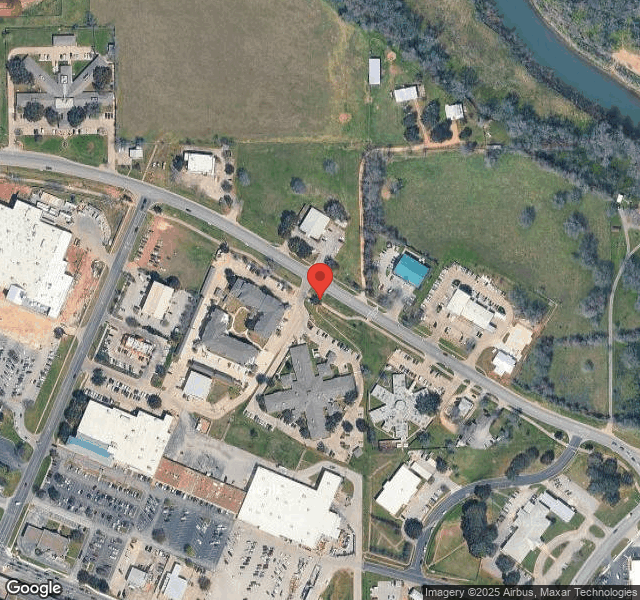
430 OLD AUSTIN HWY, BASTROP, TX 78602 (512) 321-3527
Government - Hospital district 120 Beds WELLSENTIAL HEALTH Data: November 2025 3 Immediate Jeopardy citations
Trust Grade
0/100
#642 of 1168 in TX
Last Inspection: December 2024

Within standard 12-15 month inspection cycle. Federal law requires annual inspections.

Overview

Bastrop Lost Pines Nursing and Rehabilitation Center has received a Trust Grade of F, indicating poor quality and significant concerns about resident care. It ranks #642 out of 1168 facilities in Texas, placing it in the bottom half, and #3 out of 5 in Bastrop County, meaning there are only two better options locally. The facility is showing some improvement, with the number of issues decreasing from 12 in 2023 to 11 in 2024. However, staffing is a major weakness, scoring only 1 out of 5 stars, with a concerning turnover rate of 47%, while RN coverage is below that of 90% of Texas facilities. Notably, there have been serious incidents, including a resident who was not sent to the emergency room despite showing critical symptoms and another who did not receive timely pain management after surgery, raising significant safety and care concerns.

Trust Score
F
0/100
In Texas
#642/1168
Bottom 46%
Safety Record
High Risk
Review needed
Inspections
Getting Better
12 → 11 violations
Staff Stability
⚠ Watch
47% turnover. Above average. Higher turnover means staff may not know residents' routines.
Penalties
⚠ Watch
$152,042 in fines. Higher than 77% of Texas facilities, suggesting repeated compliance issues.
Skilled Nurses
⚠ Watch
Each resident gets only 11 minutes of Registered Nurse (RN) attention daily — below average for Texas. Fewer RN minutes means fewer trained eyes watching for problems.
Violations
⚠ Watch
30 deficiencies on record. Higher than average. Multiple issues found across inspections.
★★☆☆☆
2.0
Overall Rating
★☆☆☆☆
1.0
Staff Levels
★★★★★
5.0
Care Quality
★★☆☆☆
2.0
Inspection Score
Stable
2023: 12 issues
2024: 11 issues

The Good

  • 5-Star Quality Measures · Strong clinical quality outcomes
  • Full Sprinkler Coverage · Fire safety systems throughout facility
  • No fines on record

Facility shows strength in quality measures, fire safety.

The Bad

2-Star Overall Rating

Below Texas average (2.8)

Below average - review inspection findings carefully

Staff Turnover: 47%

Near Texas avg (46%)

Higher turnover may affect care consistency

Federal Fines: $152,042

Well above median ($33,413)

Significant penalties indicating serious issues

Chain: WELLSENTIAL HEALTH

Part of a multi-facility chain

Ask about local staffing decisions and management

The Ugly 30 deficiencies on record

3 life-threatening 1 actual harm
Dec 2024 9 deficiencies
CONCERN (D)

Potential for Harm - no one hurt, but risky conditions existed

Deficiency F0578 (Tag F0578)

Could have caused harm · This affected 1 resident

**NOTE- TERMS IN BRACKETS HAVE BEEN EDITED TO PROTECT CONFIDENTIALITY** Based on interview and record review the facility failed to ensure the residents had the right to request, refuse, and/or discon...

Read full inspector narrative →
**NOTE- TERMS IN BRACKETS HAVE BEEN EDITED TO PROTECT CONFIDENTIALITY** Based on interview and record review the facility failed to ensure the residents had the right to request, refuse, and/or discontinue treatment, to participate in or refuse to participate in experimental research and to formulate an advance directive for 1 of 5 residents (Resident #80) reviewed for advanced directives. The facility failed to ensure Resident #80's out of hospital do-not-resuscitate (OOH-DNR) form included all required signatures which included a signature from the physician. This failure could place residents at risk of having their wishes dishonored, and of having CPR (cardiopulmonary resuscitation) performed against their wishes. Findings include: Record review of Resident #80's face sheet, dated [DATE], reflected Resident #80 was admitted to the facility on [DATE]. Resident #80 had diagnoses which included severe chronic kidney disease and displaced fracture of the base of the neck of the left femur (broken leg). The advance directive listed was DNR . Record review of Resident #80's care plan, dated [DATE], reflected the resident selected a DNR code status. Interventions included to ensure the signed DNR was in the medical record. Record review of Resident #80's quarterly MDS, dated [DATE], reflected a BIMS score of 09, which indicated moderate cognitive impairment. Record review of Resident #80's physician orders reflected DNR/Do Not Attempt Resuscitation order dated of [DATE]. Record review of Resident #80's clinical record reflected an OOH-DNR form, dated [DATE]. Further review revealed under the section all persons who have signed above must sign below, acknowledging that this document has been properly completed there were no signatures from the resident, witnesses/notary, or physician. A second OOH-DNR form dated [DATE] revealed under the section Physician's Statement, there was no physician's signature. Also, under the section all persons who have signed above must sign below, acknowledging that this document has been properly completed there were no signature from the physician . During an interview on [DATE] at 10:03 AM with Social Worker C, she stated typically, upon admission, the DNR or advance directive was included in the admissions paperwork. Social Worker C looked at both DNRs in the file for Resident #80 and stated both DNRs were not valid because they were missing signatures. The DNR, dated [DATE], was not valid due to no signatures at the bottom, which was why she had a new DNR created in [DATE]. Social Worker C reviewed the new DNR, dated [DATE], and stated it was not valid because it did not have the doctor's signature. Social Worker C stated she wrote the doctor's name on the form, but it was not signed by the doctor. Social Worker C stated she emailed the doctor three times for signature ([DATE], [DATE] and [DATE]) and stated the DNR was not valid and needed the doctor's signature. She stated she failed to follow up after that. Social Worker C stated she put a temporary DNR in the file while they were waiting for the doctor's signature. Social Worker C stated she was not aware of any timeframe for the doctor's signature to be completed on the form, but waiting six months for a signature, would not meet her expectation. She stated the potential negative outcome for the resident with a DNR that was not valid or signed was their choice would not be honored, and they would be resuscitated against their wishes. She stated she thought she could use a temporary DNR without the doctor's signature. During an interview on [DATE] at 11:57 AM with Resident #80, she appeared confused and was not able to understand questions regarding her advance directors or DNR . During an interview on [DATE] at 12:41 PM, the ADM stated he would honor a DNR without a doctor's signature and was not sure if paramedics would honor the DNR without a doctor's signature. The ADM's expectation was a doctor would sign the DNR timely, and the facility did not have a policy regarding specific timeframes for a doctor's signature. If a resident had a DNR and coded, it would be a dignity issue of not honoring the resident's wishes if CPR was performed. During an interview on [DATE] at 01:22 PM, the DON, stated a temporarily DNR was valid if the DNR was only missing the doctor's signature. It would be her expectation to have the doctor sign as soon as possible, but there was no policy that discussed timeframes or deadlines for a doctor's signature on a DNR. During an interview on [DATE] at 01:36 PM, the Regional RN, stated when a new resident was admitted to the facility, the Social Worker would talk to the resident or family member within the 48-hour care plan timeframe about advance directives. When the DNR form was filled out correctly, the facility would call the doctor to inform him or her about the DNR and request a doctor's order for the DNR. The temporary DNR would be put in the resident's record pending the doctor's signature on the form. Her expectation was the doctor's signature would be prompt and waiting six months for a signature, would not meet her expectation. She stated the facility did not have a policy regarding timeframes for signatures on a DNR form. The Regional RN stated a DNR was not valid unless all signatures were on the form. The potential harm to a resident was not having their wishes honored. On [DATE], a signed DNR was provided to the State Surveyor. Record review of the facility's policy titled Residents' Rights Regarding Treatment and Advanced Directives, dated [DATE], reflected it is the policy of this facility to support and facilitate a resident's right to request, refuse and/or discontinue medical or surgical treatment and to formulate an advance directive .On admission, the facility will determine if the resident has executed an advance directive . Record review of the facility's manual, revised [DATE], under section titled Advance Directives reflected, This topic and the related information, will be reviewed and discussed with the resident, surrogate decision maker, or legal representative within 14 days of admission and annually Record review of the Health and Safety Code 166.083(7)(13) reflected an OOH-DNR must contain a statement at the bottom of the document, with places for the signature of each person executing the document, that the document had been properly completed.
CONCERN (D)

Potential for Harm - no one hurt, but risky conditions existed

Deficiency F0757 (Tag F0757)

Could have caused harm · This affected 1 resident

**NOTE- TERMS IN BRACKETS HAVE BEEN EDITED TO PROTECT CONFIDENTIALITY** Based on interview and record review the facility failed to ensure each resident's drug regimen was free from unnecessary drugs ...

Read full inspector narrative →
**NOTE- TERMS IN BRACKETS HAVE BEEN EDITED TO PROTECT CONFIDENTIALITY** Based on interview and record review the facility failed to ensure each resident's drug regimen was free from unnecessary drugs for 1 of 8 residents (Resident #78) reviewed for unnecessary drugs. The facility failed to monitor Resident #78 for adverse effects of prophylactic antibiotic use. This failure could place residents at risk of nausea, diarrhea, and secondary infection. Findings include: Record review of Resident #78's admission record, dated 12/3/24, reflected a [AGE] year-old female who was admitted to the facility on [DATE]. Resident #78 had diagnoses which included but not limited to encephalopathy (a group of disorders that affect the brain and cause altered mental state), Urinary tract infection, dysphagia (difficulty swallowing), and need for assistance with personal care. Record review of Resident #78's admission MDS reflected a BIMS score of 0, which indicated severe cognitive impairment. Record review of Resident #78's care plan, dated 11/6/2024 and revised on 11/14/24, reflected the resident had bladder incontinence r/t weakness, advanced age, dementia with interventions which included: Monitor/document for signs and symptoms of UTI. No other care plan related to antibiotics. Record review of Resident #78's antibiotic clinical review, dated 11/26/24, reflected signs/symptoms observed including McGeer's Criteria (these criteria are used to make an empiric diagnosis of UTI in a nursing home resident): Frequent UTIs Under the section UTI without indwelling catheter the form reflected 6. Must fulfill at least three of the following signs or symptoms No listed symptoms were indicated for Resident #78 at that time. Under the section Infection outcome reflected Did the resident meet McGeer's Criteria for Infection? with a response of no. Record review of Resident #78's physician order summary, dated 12/3/24, reflected an order for Bactrim Oral Tablet 400-80 MG, Give 1 tablet by mouth one time a day for prophylaxis with a start date of 11/26/24. There were no orders for tracking side effects of an antibiotic. Interview on 12/5/24 at 10:31 AM with ADON ICP N revealed she oversaw the infection control program. She stated when a practitioner ordered antibiotics or a resident was admitted from the hospital with orders for antibiotics, they were started or continued and not questioned. She stated it was her responsibility to review orders for antibiotics and review the first section of the antibiotic clinical review and complete the last part of the review. The ADON ICP N stated she reviewed the antibiotic clinical review but just went with the orders from the nurse practitioner instead of questioning the order. ADON ICP N stated she didn't know residents were not supposed to take antibiotic prophylactically per the CDC guidelines. She stated this was a learning experience for her. Interview on 12/5/24 at 1:15 PM with the DON revealed she was aware Resident #78 was on prophylactic antibiotics. She stated Resident #78's family contacted the nurse practitioner because the resident was taking an antibiotic prophylactically at home due to chronic recurring urinary tract infections. The DON stated there was no indication that was approved to take antibiotic prophylactically. She stated her expectations of the nurses was to question the provider if they received an order for prophylactic antibiotics. She expected the nurses to complete the first part of the antibiotic clinical review and the infection control prevention nurse to finish the form. The DON stated she didn't think there were any potential effects to residents on long term antibiotics but stated a resistance to the antibiotic could happen. Record review of the facility's policy titled Antibiotic Stewardship Program, dated 10/24/22, reflected: Policy: It is the policy of this facility to implement an Antibiotic Stewardship Program as part of the facility's overall infection prevention and control program. The purpose of the program is to optimize the treatment of infections while reducing the adverse events associated with antibiotic use. Policy Explanation and Compliance Guidelines . 4. The program includes antibiotic use protocols and a system to monitor antibiotic use . a. Antibiotic use protocols: iii. The facility uses the updated McGeer's criteria to define infections . v. All prescriptions for antibiotics shall specify the dose, duration, and indication for use . b. Monitoring antibiotic use: i. Monitor response to antibiotics, and laboratory results when available, to determine if the antibiotic is still indicated or adjustments should be made.
CONCERN (D)

Potential for Harm - no one hurt, but risky conditions existed

Deficiency F0761 (Tag F0761)

Could have caused harm · This affected 1 resident

**NOTE- TERMS IN BRACKETS HAVE BEEN EDITED TO PROTECT CONFIDENTIALITY** Based on observation, interview, and record review, the facility failed to ensure drugs and biologicals used in the facility wer...

Read full inspector narrative →
**NOTE- TERMS IN BRACKETS HAVE BEEN EDITED TO PROTECT CONFIDENTIALITY** Based on observation, interview, and record review, the facility failed to ensure drugs and biologicals used in the facility were were stored and labeled in accordance with currently accepted professional principles for 1 of 4 medication carts (100 hall Nurses' Medication Cart). The facility failed to ensure expired supplies were removed from 100 Nurses' Medication Cart including 7 Disposable syringes with expiration date of [DATE]. This failure could place residents at risk of contamination which could cause infection or injury. Findings include: Observation on [DATE] at 9:32 AM of the top drawer on the 100 hall Nurses' Medication cart revealed 7 Disposable syringes with needles that had an expiration date of [DATE]. Interview on [DATE] at 9:35 AM with LVN E revealed all floor nurses were to check expiration dates on the supplies as they go. He stated using expired supplies could lead to contamination. Interview on [DATE] at 1:15 PM with the DON revealed the staff should be checking for expiration dates in their carts every day. She stated using the expired supplies could vary depending on what the supplies were but using expired syringes or needles could lead to infection at the site of injection or weakness in the supplies being used. Interview on [DATE] at 2:20 PM with the ADM revealed his expected was for staff to check for expired supplies at least weekly. He stated using the expired supplies could result in infection. There was no specific policy for expired supplies.
CONCERN (D)

Potential for Harm - no one hurt, but risky conditions existed

Antibiotic Stewardship (Tag F0881)

Could have caused harm · This affected 1 resident

**NOTE- TERMS IN BRACKETS HAVE BEEN EDITED TO PROTECT CONFIDENTIALITY** Based on interview and record review the facility failed to establish an infection prevention and control program (IPCP) that mu...

Read full inspector narrative →
**NOTE- TERMS IN BRACKETS HAVE BEEN EDITED TO PROTECT CONFIDENTIALITY** Based on interview and record review the facility failed to establish an infection prevention and control program (IPCP) that must include, at a minimum, an antibiotic stewardship program that included antibiotic use protocols and a system to monitor antibiotic use for 1 of 5 residents (Resident #78) reviewed for infection control. The facility failed to follow antibiotic stewardship policy for Resident #78 by ensuring a duration for medication. This deficient practice could place residents at risk for unnecessary antibiotic use, inappropriate antibiotic use and increased multi drug resistant organisms. Findings include: Record review of Resident #78's admission record, dated 12/3/24, reflected a [AGE] year-old female who was admitted on [DATE]. Resident #78 had diagnoses which but not limited to encephalopathy (a group of disorders that affect the brain and cause altered mental state), Urinary tract infection (an infection in the urine), dysphagia (difficulty swallowing), and need for assistance with personal care. Record review of Resident #78's admission MDS, dated [DATE], reflected a BIMS score of 0, which indicated severe cognitive impairment. Record review of Resident #78's physician order summary, dated 12/3/24, reflected an order for Bactrim Oral Tablet 400-80 MG, Give 1 tablet by mouth one time a day for prophylaxis with a start date of 11/26/24. There were no orders for tracking side effects of an antibiotic. Record review of Resident #78's care plan, dated 11/6/2024 and revised on 11/14/24, reflected the resident has bladder incontinence r/t weakness, advanced age, dementia with interventions which included: Monitor/document for signs and symptoms of UTI. There was no other care plan related to antibiotics. Record review of Resident #78's antibiotic clinical review, dated 11/26/24, reflected signs/symptoms which included McGeer Criteria: Frequent UTIs Under the section UTI without indwelling catheter the form reflected 6. Must fulfill at least three of the following signs or symptoms No listed symptoms were indicated for Resident #78 at that time. Under the section Infection outcome reflected Did the resident meet McGeer Criteria for Infection? with a response of no. Interview on 12/5/24 at 10:31 AM with ADON ICP N revealed she oversaw the infection control program. She stated when a practitioner ordered antibiotics or a resident was admitted from the hospital with orders for antibiotics, they were started or continued and not questioned. She stated it was her responsibility to review orders for antibiotics and review the first section of the antibiotic clinical review and complete the last part of the review. The ADON ICP N stated she reviewed the antibiotic clinical review but just went with the orders from the nurse practitioner instead of questioning the order. ADON ICP N stated she didn't know residents were not supposed to take antibiotic prophylactically per the CDC guidelines. She stated this was a learning experience for her. Interview on 12/5/24 at 1:15 PM with the DON revealed she was aware Resident #78 was on prophylactic antibiotics. She stated Resident #78's family contacted the nurse practitioner because the resident was taking an antibiotic prophylactically at home due to chronic recurring urinary tract infections. The DON stated there was no indication that was approved to take antibiotic prophylactically. She stated her expectations of the nurses was to question the provider if they received an order for prophylactic antibiotics. She expected the nurses to complete the first part of the antibiotic clinical review and the infection control prevention nurse to finish the form. The DON stated she didn't think there were any potential effects to residents on long term antibiotics but stated a resistance to the antibiotic could happen. Record review of the facility's policy titled Antibiotic Stewardship Program, dated 10/24/22, reflected: Policy: It is the policy of this facility to implement an Antibiotic Stewardship Program as part of the facility's overall infection prevention and control program. The purpose of the program is to optimize the treatment of infections while reducing the adverse events associated with antibiotic use. Policy Explanation and Compliance Guidelines . 5. The program includes antibiotic use protocols and a system to monitor antibiotic use . b. Antibiotic use protocols: iii. The facility uses the updated McGeer's criteria to define infections . v. All prescriptions for antibiotics shall specify the dose, duration, and indication for use . c. Monitoring antibiotic use: i. Monitor response to antibiotics, and laboratory results when available, to determine if the antibiotic is still indicated or adjustments should be made.
CONCERN (D)

Potential for Harm - no one hurt, but risky conditions existed

Deficiency F0883 (Tag F0883)

Could have caused harm · This affected 1 resident

**NOTE- TERMS IN BRACKETS HAVE BEEN EDITED TO PROTECT CONFIDENTIALITY** Based on interview and record review, the facility failed to develop policies and procedures to ensure each resident was offered...

Read full inspector narrative →
**NOTE- TERMS IN BRACKETS HAVE BEEN EDITED TO PROTECT CONFIDENTIALITY** Based on interview and record review, the facility failed to develop policies and procedures to ensure each resident was offered an influenza immunization October 1 through March 31 annually, unless the immunization was medically contraindicated or the resident had already been immunized during this time period and before offering the pneumococcal immunization, each resident was offered a pneumococcal immunization, unless the immunization was medically contraindicated or the resident had already been immunized for 1 of 5 residents (Resident #92) reviewed for immunizations . 1. The facility failed to ensure Resident #92 was offered the pneumococcal and influenza vaccinations per her RP wishes. 2. The facility failed to ensure Resident #92's medical record reflected her vaccination history for the pneumonia and influenza vaccinations . 3. The facility failed to ensure the consent form for the pneumonia and influenza vaccinations, dated 09/04/2024, reflected an accurate account of Resident #92's RP wishes. These failures could place residents at risk for contracting a viral disease that could spread through the facility and cause respiratory complications, and potential adverse health outcomes. Findings include: Record review of Resident #92's face sheet, dated 12/05/2024, reflected a [AGE] year-old female who was admitted to the facility on [DATE]. Resident #92 had diagnoses which included cerebral infarction due to embolism of left middle cerebral artery (the pathologic process that results in an area of necrotic tissue in the brain. It is caused by disrupted blood supply [ischemia] and restricted oxygen supply), hemiplegia (a symptom that involves one-sided paralysis), and gastrostomy status (is a surgical procedure for inserting a tube through the abdomen wall and into the stomach). Record review of Resident #92's Quarterly MDS, dated [DATE], reflected she was assessed to have no BIMS score conducted which indicated severe cognitive impairment. Resident #92 was assessed to require substantial to dependent assist with all ADLs. Resident #92 was assessed to not receive the influenza vaccine which indicated it was offered and declined. Resident #92 was assessed to not receive the pneumococcal vaccine which indicated it was offered and declined. Record review of Resident #92's comprehensive care plan reflected no entries related to her immunization status. Record review of Resident #92 EMR reflected no entries for influenza vaccines or PCV20 (pneumococcal conjugate vaccine) or Pneumovax 23 (pneumococcal polysaccharide vaccine) the documentation reflected Resident #92 refused both the pneumococcal and influenza vaccine. Record review of Resident #92's pneumonia and influenza consent form, dated 09/04/2024, reflected Resident #92 declined the influenza vaccine; no reason was indicated for decline and no history of previous vaccinations were documented and no teaching was provided. Resident #92' consent form reflected Resident #92 accepted the pneumonia vaccine no history of previous pneumonia vaccinations was documented on the form. In an interview on 12/05/2024 at 10:20 AM, Resident #92's RP stated she wanted Resident #92 to have all immunizations for influenza and pneumonia and did not decline the vaccinations. In an interview on 12/05/2024 the ADON (also the ICP) stated when a resident came into the facility a consent form for immunizations was completed. She stated a vaccination history should be performed. She stated Resident #92 had not gotten her pneumonia vaccination since admission and she was not sure of her history. The ADON stated since Resident #92 was high risk related to her stroke and G-tube, not getting the vaccinations could lead to complications if she developed flu or pneumonia. The ADON stated Resident #92 should have gotten her pneumonia vaccination since she accepted it. The ADON further stated Resident #92's medical record should have reflected an accurate account of her wishes. In an interview on 12/05/2024 at 11:27 AM, the DON stated the ADON was responsible for performing immunizations and conducting immunizations histories when a resident was admitted . She stated it was her expectation that residents received their immunizations as needed and per wishes. Record review of the facility's policy infection prevention and control program, dated 05/13/2023, reflected .7. Influenza and Pneumococcal Immunization: a. Residents will be offered the influenza vaccine each year between October 1 and March 31, unless contraindicated or received the vaccine elsewhere during that time. B Residents will be offered the pneumococcal vaccines recommended by the CDC upon admission, unless contraindicated or received the vaccines elsewhere. c. Education will be provided to the residents and/or representatives regarding the benefits and potential side effects of the immunizations prior to offering the vaccines. d. Residents will have the opportunity to refuse immunizations. e. Documentation will reflect the education provided and details regarding whether or not the resident received the immunizations .
CONCERN (E) 📢 Someone Reported This

A family member, employee, or ombudsman was alarmed enough to file a formal complaint

Potential for Harm - no one hurt, but risky conditions existed

Safe Environment (Tag F0584)

Could have caused harm · This affected multiple residents

**NOTE- TERMS IN BRACKETS HAVE BEEN EDITED TO PROTECT CONFIDENTIALITY** comfortable, and homelike environment, allowing the resident to use his or her personal belongings to the extent possible for fi...

Read full inspector narrative →
**NOTE- TERMS IN BRACKETS HAVE BEEN EDITED TO PROTECT CONFIDENTIALITY** comfortable, and homelike environment, allowing the resident to use his or her personal belongings to the extent possible for five of sixteen (room [ROOM NUMBER], 307, 313, 315, and 316) rooms reviewed for environmental conditions. 1) The facility failed to securely attach a sink basin to the wall, which ensured that the sink did not move or fall off in room [ROOM NUMBER]. 2) The facility failed to ensure the wall in room [ROOM NUMBER] was free from black scuff marks and large patches of peeling paint. 3) The facility failed to ensure the bed in room [ROOM NUMBER] had a footboard to prevent the mattress from sliding down and off the bed. 4) The facility failed to ensure the window in room [ROOM NUMBER] and room [ROOM NUMBER] closed properly without a gap to the outside to ensure proper room temperature could be held and to protect the residents from potential of vandalism or break-in. These failures could place residents at risk of living in an unsafe, unhomelike, and uncomfortable environment. Findings included: 1. Observation and interview on 12/03/2024 at 10:35 AM, revealed room [ROOM NUMBER]'s bathroom sink basin was detached from the wall and there was approximately a 1-inch gap from the basin to the wall on the top and sides of the sink. The sink moved when the sink was pressed down. Resident #55 stated the sink had been like that for months and she called the maintenance director several times and never got a response. Resident #55 did not use the sink as she was dependent on staff for all her activities of daily living. Resident #67 stated she stopped using the sink for fear of getting hurt because the sink was detached from the wall . She did not like the condition of the sink and wanted it repaired. Observation and interview on 12/04/2024 at 8:16 AM, revealed room [ROOM NUMBER]'s bathroom sink basin was detached from the wall and there was approximately a 1-inch gap from the basin to the wall on the top and sides of the sink. Resident #55 stated the Maintenance Director came to work on the sink on 12/03/2024 but told the resident he did not have a sink to replace it and would return later to repair it. Resident #55 stated the Maintenance Director told her to be careful when using the sink . During an observation and interview on 12/04/2024 at 03:12 PM, the Maintenance Director stated he repaired the sink in room [ROOM NUMBER] this morning after the ADM told him about it on 12/02/2024. room [ROOM NUMBER]'s bathroom sink was observed to be fully attached to the wall with new caulking around the basin. The Maintenance Director stated the sink would be considered a critical task that would be repaired immediately because of the safety concern. If the resident applied too much pressure, the sink could fall and cause bodily injury. He stated Resident #67 was in a wheelchair and the sink could fall and break a toe. The Maintenance Director stated he did rounds in residents' rooms often as part of his daily work but would not say how often that was. The Maintenance Director was new to his position and only been at the facility for a couple of months . He relied on staff to put in work orders. He stated residents could make maintenance requests for repairs by telling a staff member, who then created a work order using a Kiosk system that went to the Maintenance Director's phone and computer as work orders . He would review the work orders and prioritize the work and did the work per hallway. Time for repairs varied depending on how critical the task was. During an interview on 12/05/2024 at 10:05 AM, CNA J stated she was not aware of the sink in room [ROOM NUMBER]. She assisted Resident #67 to the bathroom. CNA stated that the sink coming away from the wall would be a safety concern if either resident put any weight on the sink because it could fall and hurt the resident. If she had noticed it, she would have reported it to the nurse. Record review of open and closed work orders provided by the ADM showed no order history for the sink repair. Record review of the work order for the sink repair in room [ROOM NUMBER], provided by the Maintenance Director on 12/04/2024 at 04:00 PM, reflected it was created on 12/04/2024 at 3:49 PM by the Maintenance Director with a due date of 12/02/2024 . 2. Observation on 12/03/2024 at 09:53 AM, revealed room [ROOM NUMBER]'s left side of the wall between bed A and bed B had several black scuff marks which extended along the entire bottom of the wall in the middle of the room above the baseboard. Several areas of paint were peeled off the wall which exposed the white sheetrock. Resident #26 was observed asleep in wheelchair in room and unavailable for interview. The other resident in the room was in the hospital and was not available for interview. During a telephone interview on 12/04/2024 at 01:16 PM, Resident #26's family member stated she had seen the scuff marks and missing paint and thought that was due to the roommate's wheelchair. She stated she had not reported it to staff, but wanted it repaired. She stated Resident #26's vision was poor and probably hasn't noticed the scuff marks and missing pain. She stated Resident #26 currently had an urinary tract infection and was confused and would not be able to answer questions. During an interview on 12/04/2024 at 03:12 PM, the State Surveyor showed the Maintenance Director room [ROOM NUMBER]. The Maintenance Director stated he was not aware of the wall issue with the scruff marks and peeling paint. He stated it was probably due to the roommate's wheelchair and had been like that for a while. He stated the paint was peeling off and he would not consider that a homelike environment. He would not want his mother or grandmother in a room like that. He checked the computer system and did not find a work order . During an interview on 12/05/2024 at 10:05 AM, CNA J stated she had had not noticed the scuff marks and peeling paint but said that was not homelike. 3. Observation and interview on 12/03/2024 at 11:51 AM, revealed room [ROOM NUMBER] had a mechanical bed without a footboard. Resident #43 stated it took the facility weeks to respond to a maintenance request . She stated the mattress slides off the bed. Observation and interview on 12/05/2024 at 09:36 AM, revealed Room#315's bed had a footboard . Resident #43 stated her bed had been missing the footboard for approximately 3 to 4 weeks. She reported it to the Administrator and to several unnamed staff members that she could not identify. Resident #46 stated the mattress would slide around while she was lying in the bed, and she was afraid of falling off the bed . She had never fallen off the bed due to not having a footboard. She stated she received a new bed with a footboard on 12/03/2024 and she felt safe . Record review of closed work orders revealed there was no specific order for a footboard. During an interview on 12/04/2024 at 03:12 PM, the Maintenance Director stated he was aware of several concerns regarding the beds on hall 300. There had been a delay in maintenance repairs because he was recently hired and getting caught up on all the repairs. Interview on 12/05/2024 at 12:41 PM, the ADM stated Resident #43 complained about a lot of things in her room and can get fixated on her concerns. The ADM stated any staff members could report a maintenance repair concern. The ADM stated that they did not have a Maintenance Director for about two weeks and had to hire a new one and this created a delay in some maintenance requests being completed. 4. Observation and interview on 12/03/2024 at 12:47 PM, revealed room [ROOM NUMBER]'s windowsill had a rolled towel along the base of the window. The window had a small gap appropriately ½ inch on the left side of the window and would not close completely. Resident #72's AR stated the window did not close all the way and the room got cold due to the gap in the window. The AR reported it to the Maintenance Director at the end of September 2024, but it had not been repaired . The ambient temperature in the room felt comfortable to the State surveyor and Resident #72 was observed to be appropriately dressed. Resident #72 was not interviewable. Observation and interview on 12/03/2024 at 03:31 PM, Resident #84 was observed lying in bed wearing a t-shirt and brief. Resident #84 was non-verbal but could nod in response to yes and no questions. He nodded yes that he was aware of the window problem, and it bothered him. He wanted it repaired. Resident #84 nodded no when asked if he or the room was cold. Observation on 12/04/2024 at 08:11 AM, revealed room [ROOM NUMBER]'s windowsill had a rolled towel along the base of the window. The window had a small gap appropriately ½ inch on the left side of the window and would not close completely. A cold draft could be felt by the window. The outside temperature was appropriately 53 degrees Fahrenheit according to a weather app, but the inside of the room felt comfortable. During an interview on 12/04/24 at 03:23 PM the State Surveyor showed the Maintenance Director room [ROOM NUMBER]'s window. The Maintenance Director stated he was not aware of any problem with the window. He looked at the window and said there was a small piece of plastic and a string in the bottom left corner of the window that was preventing the window from closing all the way. He stated he checked all the windows two weeks ago and had not noticed it. The Maintenance Director stated the concern would be the draft/weather could cause temperature changes in the room, and someone might try to vandalize or break into the room. He checked the computer system and did not find a work order . Observation and interview on 12/05/2024 at 11:56 AM, revealed room [ROOM NUMBER]'s windowsill had a rolled towel along the base of the window. The towel was dirty with what appeared to be dirt and was slightly damp. The window had a small gap appropriately ½ inch that a pen would fit in along the entire window and would not close completely. A cold draft could be felt coming in from the window. The outside temperature was appropriately 55 degrees Fahrenheit according to the weather app on the surveyor's state issued cell phone . Resident #80 was observed wearing gloves. She stated she did not put the towel there and did not know how long it had been there . Resident #80 appeared confused and was not able to answer specific questions about the window. Interview on 12/05/2024 at 08:20 AM and 12:41 PM, the ADM stated he was aware of the delays in maintenance repairs due to problems with the prior Maintenance Director not completing repairs timely. The facility had a mock survey that brought this concern to their attention, and they had an Ad Hoc QAPI meeting on 11/05/2024 to discuss the maintenance repair concerns. Due to these concerns, the previous Maintenance Director was asked to leave, and the facility hired a new Maintenance Director because it was taking a long time to do any repairs. Due to the Ad Hoc QAPI meeting, the new Maintenance Director went through the entire building using a systematic approach to identify maintenance concerns. When asked if the ADM identified priority items that needed to be repaired that would impact a resident's safety, the ADM stated no, they used the systematic approach. The ADM stated there was no formal policy on how soon to respond to work orders and there was no policy on maintenance repairs. The ADM stated he utilized a preventative maintenance program. The ADM stated critical items would be repaired that could possibly harm a resident and should be addressed as soon as possible, such as the sink in room [ROOM NUMBER]. High priority repairs could cause harm and should be handled quickly, such as next day if possible. The delay in maintenance repairs would not be homelike. The ADM stated the concern with the windows in room [ROOM NUMBER] and #316 could affect the room temperature, especially since it was cold outside. The ADM stated during their transition when hiring a new Maintenance Director, they did not have a Maintenance Director for about two weeks and that caused a delay in repairs. Record review of grievances for the last three months did not show any maintenance delay grievances related to these specific concerns. Record review of the facility manual, revised 07/14/2020, under section titled Statement of Resident Rights reflected, the residents have a right to: all care necessary for you to have the highest possible level of health; live in a safe, decent, and clean conditions; be treated with dignity, courtesy, consideration, and respect.
CONCERN (E)

Potential for Harm - no one hurt, but risky conditions existed

ADL Care (Tag F0677)

Could have caused harm · This affected multiple residents

**NOTE- TERMS IN BRACKETS HAVE BEEN EDITED TO PROTECT CONFIDENTIALITY** Based on observations, interview and record review, the facility failed to ensure a residents who was unable to carry out activi...

Read full inspector narrative →
**NOTE- TERMS IN BRACKETS HAVE BEEN EDITED TO PROTECT CONFIDENTIALITY** Based on observations, interview and record review, the facility failed to ensure a residents who was unable to carry out activities of daily living received the necessary services to maintain good nutrition, grooming, and personal and oral hygiene for two of eight residents (Resident # 5, and Resident #79) reviewed ADL care. 1. The facility failed to ensure Resident #5 and Resident #79 nails were cleaned, trimmed, and did not have any rough edges on 12/03/2024. This failure could place residents at risk for poor hygiene, dignity issues, and decreased quality of life. Findings include: 1. Record review of Resident # 5's face sheet, dated, 12/05/2024 , reflected an [AGE] year-old male who was admitted to the facility on [DATE] . Resident #5 had diagnoses which included unspecified dementia , unspecified severity without disturbance, psychotic disturbance, mood disturbance, and anxiety (the loss of cognitive functioning such as: thinking, remembering, and reasoning to the extent that it interferes with a person's daily life and activities without any behavior or mood disturbances), type 2 diabetes mellitus without complications ( a long-term medical condition in which your body doesn't use insulin properly, resulting in unusual blood sugar levels), and adult failure to thrive (a decline in older adults that manifests as a downward spiral of health and ability). Record review of Resident #5's Quarterly MDS Assessment, dated 10/29/2024, reflected the resident had a BIMS score of 8, which indicated his cognition was moderately impaired. Resident #5 required partial/moderate assistance- staff did less than half the effort with personal hygiene, lower body dressing, toileting, putting on/taking off footwear and transfers. Record review of Resident #5's Comprehensive Care Plan, started on 11/01/2024 and completed on 11/08/2024, reflected Resident #5 had an ADL self-care performance deficit related to dementia, adult failure to thrive, and diabetes mellitus 2. Interventions: Check nail cleanliness, length and trim as needed on bath day and as needed. Report any changes in nail care to nurse. Observation on 12/03/24 at 10:07 AM revealed. Resident #5 was in his room lying on his bed. He had a blackish/ brownish substance underneath the middle and ring finger on his right hand. Resident #5's nails were long and uneven around the edges on all fingernails on his right hand. Interview on 12/03/2024 at 10:09 AM, Resident #5 stated his nails needed to be cleaned and cut. Resident #5 stated he asked a staff to clean and trim his nails. He stated he did not know the staff name. Resident #5 stated the staff did not clean or trim his nails. He stated he asked staff within the past 3 days and the staff said he would get his nails cleaned and trimmed sometime this week or next week . 2. Record review of Resident #79's face sheet, dated 12/04/2024, reflected an [AGE] year-old female who was admitted to the facility on [DATE] and readmitted on [DATE]. Resident #79 needed assistance with personal care (someone required assistance with basic daily living activities such as: bathing, dressing, eating, toileting, grooming due to physical, mental, or cognitive limitations that prevent them from preforming these tasks independently), dementia in other diseases classified elsewhere, moderate, with psychotic disturbance (the loss of cognitive functioning such as: thinking, remembering, and reasoning to the extent that it interferes with a person's daily life and activities and a set of symptoms that indicate a person has lost touch with reality), and generalized muscle weakness ( a decrease in muscle strength throughout the body ) Record review of Resident #79's Quarterly MDS Assessment, dated 09/30/2024, reflected Resident #79 had a BIMS score of 2, which indicated her cognition was severely impaired. Resident #79 required substantial/maximal assistance (helper does more than half the work) with personal hygiene, upper body dressing, showers, oral hygiene, and eating. She was total dependent on staff for transfers, lower body dressing, and toileting hygiene. Record review of Resident #79's Comprehensive Care Plan, with a start date of 10/03/024 and completed on 10/16/2024, reflected Resident #79 had an ADL self-care performance deficit related to dementia. Interventions: Check nail length, trim, and clean on bath day and as needed. Report any changes to the nurse. Observation and interview on 12/03/2024 at 10:37 AM revealed Resident #79 were lying in bed. Her nails on her right hand were not smooth around the edges. She had a blackish brownish substance underneath her middle and ring fingernails on her right hand. Resident #79 was not interview able. Interview on 12/03/2024 at 10: 44 AM, CNA G stated Resident #79's nails on her right hand were rough around the edges and needed to be filed. She stated there was a blackish substance underneath Resident #79's middle and ring fingernails on her right hand. CNA G stated she was not aware of Resident #79 or Resident #5 refusing nail care. She stated she had given care to these two residents numerous times per month. CNA G stated a resident may scratch themselves or someone else. She stated it was a possibility a resident may develop a skin tear if their nails were not correctly filed such as having rough nails . She stated it was CNAs responsibility to clean and trim all residents' fingernails except resident with diagnosis of diabetes. She stated nurses trimmed and cleaned residents with diabetes fingernails. In an interview on 12/05/24 at 08:36 AM, the Director of Nurses stated if a resident ingested the blackish substance on their fingers or underneath their fingernails, there was a possibility the substance may be some type of bacteria. She stated there was a possibility a resident may develop vomiting or diarrhea. She stated all residents were expected to receive nail care during showers and as needed. The Director of Nurses stated the CNAs completed nail care on all residents except for the residents with diagnosis of diabetes. She stated all residents with a diagnosis of diabetes, the nurse was responsible for their nail care. The Director of Nurses stated she expected the CNAs to report any changes in all residents' nails to the nurse supervisor. She stated if a resident had rough nails, there was a potential a resident may scratch themselves or someone else and cause a skin tear. She stated it was the nurse supervisor's responsibility to monitor ADL care. In an interview on 12/05/2024 at 9:14 AM , CNA H stated the CNAs were responsible for cleaning, trimming, and filing all residents' nails except for the residents with a diagnosis of diabetes. She stated the nurses were responsible for all the residents' nails with a diagnosis of diabetes. CNA H stated the residents nails were usually cleaned on their shower days and as needed. She stated if there was a blackish substance on the residents' fingertips or underneath their nails and the resident swallowed the blackish substance there was a possibility a resident may become ill such as vomiting and diarrhea. She stated a resident may cause a skin tear if their fingernails were not smooth. CNA H stated she was in-serviced on cleaning, filing, and trimming residents' nails but she did not recall the date. She stated she had given care to Resident # 79 and Resident #5 and she was not aware of these residents refusing nail care . In an interview on 12/05/24 at 09:25 AM, LVN D stated the nurses, and the CNAs were responsible for nail care. He stated the nurses were responsible to trim and clean all resident's nails with a diagnosis of diabetes. LVN D stated it was the CNAs responsibility to clean and trim all other residents' nails during showers or as needed. He stated if there was a blackish substance underneath the resident's nails, there was a possibility the substance had bacteria. LVN D a stated if a resident swallowed the bacteria there was a possibility a resident may become ill with stomach problems and may develop a stomach infection. LVN D stated he was not aware of Resident # 5 or Resident # 79 refusing nail care. monitoring nail care. LVN D stated he was in-serviced on nail care; however, he did not recall the date. Record review of the facility's policy on Activities of Daily Living, dated 05/26/2023, reflected a resident who is unable to carry out activities of daily living will receive the necessary services to maintain good nutrition, grooming, and personal hygiene.
CONCERN (E)

Potential for Harm - no one hurt, but risky conditions existed

Deficiency F0688 (Tag F0688)

Could have caused harm · This affected multiple residents

**NOTE- TERMS IN BRACKETS HAVE BEEN EDITED TO PROTECT CONFIDENTIALITY** Based on observation, interview, and record review the facility failed to ensure residents with limited range of motion received...

Read full inspector narrative →
**NOTE- TERMS IN BRACKETS HAVE BEEN EDITED TO PROTECT CONFIDENTIALITY** Based on observation, interview, and record review the facility failed to ensure residents with limited range of motion received appropriate treatment and services to increase range of motion and/or to prevent further decrease in range of motion for 1 of 7 residents (Resident #84) reviewed for limited range of motion. The facility failed to ensure Resident #84 was evaluated, treated, and had interventions in place for hand contractures (permanent tightening of the muscles, tendons, skin, and surrounding tissues that causes the joints to shorten and stiffen and a decrease in range of motion) . This deficient practice could place at risk for decrease in mobility, range of motion, further decline, future injuries, pain and contribute to worsening of contractures. Findings include: Record review of Resident #84's face sheet, dated 12/04/2024, reflected a [AGE] year-old male who was admitted to the facility on [DATE]. Resident #84 had diagnoses which included quadriplegia (a form of paralysis that affects all four limbs and the torso), contractures of both hands, dysphagia (difficulty swallowing), aphasia (a disorder that affects how you communicate), pain, history of traumatic brain injury, and acquired absence of unspecified leg above the knee (amputation of leg). Record review of Resident #84's Quarterly MDS assessment, dated 10/02/2024, reflected Resident #84 was assessed to have a BIMS score of 99, which indicated the resident was unable to complete the interview. Resident #84 was assessed to have functional limitations in range of motion for both upper extremities. Resident #84 was assessed to be dependent on staff for toileting, showering, footwear, and transfers and was assessed to be incontinent of bowel and bladder. He required maximum assistance with eating, oral and personal hygiene and dressing. The resident required partial/moderate assistance with rolling from side to side, sit to lying, and lying to sitting on side of bed. No occupational or physical therapy nor restorative programs had not been performed. Record review of Resident #84's comprehensive care plan under ADL self-care, revised on 10/25/2024, reflected the resident had contractures to bilateral hands, impaired cognition, seizures, quadriplegia, and history of a traumatic brain injury. Interventions reflected the resident was extensive to total assist times 1-2 staff for repositioning and turning in bed and eating. Interventions included PT/OT evaluation and treatment per as MD (medical doctor) orders. Under limited mobility due to contractures to bilateral hands and quadriplegia, interventions included monitor, document and report any symptoms of immobility or contractures forming or worsening, and PT, OT referrals as ordered or PRN. Resident was at risk for falls and interventions included, PT evaluate and treat as ordered or PRN. Record review of Resident #84's consolidated physician orders, dated 09/26/2024, reflected an order for PT and OT to evaluate and treat. Record review of Resident #84's progress note, dated 10/09/2024, signed by the treating family nurse practitioner, reflected the resident had no pain upon exam. Progress note, dated 11/18/2024, signed by the treating family nurse practitioner, reflected the resident had pain greater than five. Resident #84 was diagnosed with chronic pain from contracture of limbs with probable spasms of muscles. The resident's pain medications were changed due to pain not controlled by oxycodone twice a day and as needed medications. Oxycodone was changed to three times a day. Observation and interview on 12/03/2024 at 03:31 PM, revealed Resident #84 had contractures to both hands. His fingers were flat and bent toward his palms. There were no splints or palm guards observed, but there were photos on the wall of wrist/hand guards. The resident was non-verbal. He could nod in response to yes or no questions and used a communication board to communicate his needs. The resident expressed he was not receiving therapy services and wanted therapy services. Observation on 12/04/2024 at 12:00 PM, revealed Resident #84 was in the dining room in his wheelchair. Resident #84's bilateral hands remained without splints or palm guards. Observation on 12/04/2024 at 04:35 PM, revealed Resident #84 was lying in bed without any splints or palm guards. During an interview on 12/04/2024 at 03:57 PM, ST A and OT B stated Resident #84 had not been evaluated for therapy services yet, but there was an order in the resident's file . During an interview on 12/04/2024 at 04:02 PM, the PT Regional Rehabilitation Director stated Resident #84 had not been evaluated or treated for therapy services. She was not aware of an order to evaluate the resident. She stated the therapy teams usually responded to orders to evaluate a resident within 48-hours and because it had been over two months since the order was written, that meant the therapy department staff missed the order and it was not communicated with them. The PT Regional Rehabilitation Director stated usually, the person who made the order will inform the therapy team of the new order during morning meetings. This order was put in by the resident's nurse practitioner and it was not communicated to them during the morning meeting. She stated it was important to evaluate quickly to determine a resident's eligibility for services to avoid a decline in function. During an interview on 12/04/2024 at 04:40 PM, the DON stated all residents received a standing order to screen for therapy services as indicated but did not mean all residents needed therapy. The DON stated Resident #84 would be a good candidate for therapy services . The DON did not give a reason why Resident #84 was not evaluated. During an interview on 12/05/2024 at 10:52 AM, the PT Regional Rehabilitation Director stated Resident #84 was evaluated on 12/04/2024 and was eligible for receiving services. The short-term goal was improving function and ability and the long-term goal was restorative care. Resident #84 was a really good candidate for occupational therapy and the delay in completing the therapy evaluation and services could have caused the contractures and pain to worsen and decreased the resident's the quality of life . Record review of Resident #84's Occupational therapy evaluation and plan of treatment, dated 12/05/2024, revealed the resident qualified for OT services 5 times a week for 8 weeks. Resident #84 was prescribed a resting hand splint and elbow extension splint on the left fingers, left hand, left wrist, and left elbow. A carrot or [NAME] guard for the right hand and right elbow protector. The Clinical impressions included high pain levels impacting his safety with ADLs and increasing risks of secondary complications from immobility. During an interview on 12/05/2024 at 12:03 PM, LVN D stated he saw Resident #84 wearing hand braces sometimes, but it was the therapy staff who were responsible for putting the braces on the resident. LVN D stated it was important for the resident to wear hand braces due to the resident's contractures; otherwise, the contractures could get worse. LVN D was not aware of any doctor's orders regarding therapy services. During an interview on 12/05/2024 at 12:09 PM, CNA J stated she had never seen Resident #84 wear hand/arm braces, but the resident was evaluated by therapy on 12/05/2024. CNA J stated it was important to treat the contractures in the resident's arms and hands because she saw the resident was in pain . CNA J stated she told the charge nurse , and no one did anything about it. During an interview on 12/05/2024 at 12:15 PM, CNA I stated she saw Resident #84 wear hand/arm braces sometimes and it was important to treat the contractures in the resident's hands so the contracture would not get worse. During an interview on 12/05/2024 at 12:23 PM, ADON N stated she thought Resident #84 was receiving therapy services, but the resident did not like to wear the hand/arm braces because he would rub his hands/wrists together when he had them on. ADON N stated the nurse on the hall or CNAs would be responsible for putting on the braces. ADON N stated Resident #84 needed to wear the hand braces to prevent further contractures, further decline in the hand function, and possible comfortable measures to reduce pain. During an interview on 12/05/2024 at 12:41 PM, the ADM stated the facility did not have a policy about contractures or range of motion. The ADM's expectation was the facility would take care of the resident's needs and regarding Resident #84's order for therapy evaluation, they missed it. The ADM stated when a resident had an order to screen or evaluate for therapy, the Director of Rehabilitation, Case management nurses, and other nurse management staff would be responsible for notifying the therapy team of the order. The delay in therapy evaluation could have caused the resident to decline in functionable ability and have increased pain. This would not meet his expectation. During an interview on 12/05/2024 at 01:22 PM, the DON stated the facility had batch orders for therapy if residents needed to be seen. It was not a specific order to be evaluated that day. The DON stated she realized they had a problem with the way the batch orders were sent, and she had stopped that practice due to Resident #84's order being overlooked. The DON stated Resident #84 would was a good candidate for therapy services due to prevent the worsening of contractures, loss of function, pain, and possible skin breakdown . On 12/05/2024 at 11:47 AM, State Surveyor requested a copy of the facility's policy for Contracture Management and ADM stated in an email that they had no policy.
CONCERN (E)

Potential for Harm - no one hurt, but risky conditions existed

Infection Control (Tag F0880)

Could have caused harm · This affected multiple residents

**NOTE- TERMS IN BRACKETS HAVE BEEN EDITED TO PROTECT CONFIDENTIALITY** 2. Record review of Resident # 21's admission record, dated 12/3/24, reflected a [AGE] year-old female who was admitted to the f...

Read full inspector narrative →
**NOTE- TERMS IN BRACKETS HAVE BEEN EDITED TO PROTECT CONFIDENTIALITY** 2. Record review of Resident # 21's admission record, dated 12/3/24, reflected a [AGE] year-old female who was admitted to the facility on [DATE]. Resident #21 had diagnoses which included but were not limited to pressure ulcer of sacral region (open area to area just above the buttocks), chronic obstructive pulmonary disease (a progressive disease of the lung affecting the ability to breath), need for assistance with personal care, hypertension (high blood pressure), and low back pain. Record review of Resident #21's annual MDS, dated [DATE], reflected a BIMS score of 15, which indicated no cognitive impairment. Resident #21 had one stage 4 wound and one unstageable-deep tissue injury. Record review of Resident #21's care plan, dated 11/4/24, reflected the resident had an alteration in skin integrity related to a stage 3 pressure ulcer/injury to left shin and a self-care deficit related to a stage 4 pressure ulcer to the sacral region. Record review of Resident #21's physician order summary, dated 12/3/24, reflected an order which stated, Use gown and gloves for high contact resident care activities for those with known to be colonized or infected with a CDC targeted MDRO as well as those with increased risk of MDRO (residents with wounds or indwelling medical devices) .Stage 3 pressure wound to left shin cleanse with NS, pat dry and apply Betadine and dry dressing q day .Sternum Surgical clean site with NS apply calcium alginate and cover with a dry dressing .Sacro coccyx (area just above and including buttocks) Stage 4 Cleanse with NS pat dry. Apply medihoney and collagen. Cover with calcium alginate and a dry dressing. Record review of Resident #95's admission record, dated 12/4/24, reflected an [AGE] year-old female admitted to the facility on [DATE]. Resident #95 had diagnoses which included but were not limited to atrial fibrillation (an abnormal heart rhythm), pneumonia (an infection in the lungs), muscle wasting, need for assistance with personal care, and dysphagia (difficulty swallowing). Record review of Resident #95's comprehensive MDS, dated [DATE], reflected a BIMS score of 10, which indicated mild cognitive impairment. Record review of Resident #95's care plan, dated 11/6/24, reflected Pressure ulcer/injury: The resident has an alteration in skin integrity r/t the presence of a unstageable pressure ulcer/injury on my Sacro coccyx with a date of origin of 11/6/24. Resident has the need for Enhanced Barrier Precautions due to pressure ulcer. With interventions including, Place on Enhanced Barrier Precautions, ensure a sign is placed on the door to notify staff and visitors of the precautionary measures; Gown and gloves only for high-contact resident care activities (dressing, bathing/showering, personal hygiene, changing linens, assisting with toileting, perineal/incontinent care, medical device care or use, wound care), no room restriction and may participate in communal activities. Use a mask, goggles/eye shield as indicated. Record review of Resident #95's physician order summary, dated 12/4/24, reflected an order which stated, Use gown and gloves for high contact resident care activities for those with known to be colonized or infected with a CDC targeted MDRO as well as those with increased risk of MDR. Wound care: Right Buttock MASD Cleanse with WC/NS. Pat dry with gauze. Apply Medi honey and calcium alginate to wound bed and cover with a dry dressing. Wound care: Sacro coccyx pressure unstageable Cleanse with WC/NS. Pat dry with gauze. Apply Medi honey and calcium alginate to wound bed and cover with a dry dressing. Observation on 12/4/24 at 9:59 AM of wound care for Resident #21 was conducted by Wound care nurse LVN F and CNA K. Orange Enhanced Barrier Precaution caution sign was taped to the room door with a small cart that contained gowns and gloves outside the room. The Wound care nurse LVN F and CNA K did not put on a gown prior to providing resident care. Observation on 12/4/24 at 9:34 AM of wound care for Resident #95 was conducted by Wound care nurse LVN F and CNA K. Orange Enhanced Barrier Precaution caution sign was taped to the room door with a small cart that contained gowns and gloves outside the room. The Wound care nurse LVN F and CNA K did not put on a gown prior to providing resident care. During an interview on 12/5/24 at 1:01 PM with Wound Care Nurse LVN F, she stated she did not wear a gown while performing wound care on Residents #21 and #95. The Wound Care Nurse LVN F stated EBP should be utilized while performing direct patient care to those who are immunocompromised, have foley catheters, chronic wounds, and PEG tubes. Wound Care Nurse LVN F stated that in order to perform direct care to these residents that staff is to wear a gown and gloves then dispose of gown and gloves in box and wash hands before exiting room. She stated not following this procedure could result in cross contamination. During an interview on 12/5/24 at 1:15 PM, the DON stated her expectations for staff are to follow EBP with any residents who have PEG tubes, tracheostomies (a surgically inserted tube into the neck to assist with breathing), foley catheters, or chronic wounds. She stated these residents can be identified by signs on their doors and staff is to wear gown and gloves during direct care. The in-service dated 9/5/24 with the topic EBP revealed For residents for whom EBP are indicated, EBP is employed when performing the following high-contact resident care activities: -Dressing -Bathing/showering -Transferring -Providing hygiene -Changing linens -Changing briefs or assisting with toileting -Device care or use: central line, urinary catheter, feeding tube, tracheostomy/ventilator -Wound care: any skin opening requiring a dressing She stated not following these precautions could leave the resident at risk for infection. During an interview on 12/5/24 at 2:20 PM with the ADM revealed his expectations for EBP are for staff to follow policy and standard of care He stated that not doing so could put residents and employees at risk of illness. Record review of the facility's policy on Infection Prevention and Control Program, dated 5/13/2023, reflected this facility has established and maintains an infection prevention and control program designed to provide a safe, sanitary, and comfortable environment and to help prevent the development and transmission of communicable diseases and infections as per accepted national standards and guidelines. Record review of the facility's policy on Infection Preventionist, dated 10/24/2022, reflected Infection Preventionist was designed as the individual designated by the facility to be responsible for the infection prevention and control program. The IP (Infection Preventionist) will have knowledge to perform the role and remain current with infection prevention and control issues and be aware of national organizations' guidelines, as well as those from national/ state/ local public health authorities. The IP responsibilities include but not limited to: 1. Develop and implement an ongoing infection prevention and control program to prevent, recognize, and control the onset and spread of infections in order to provide a safe, sanitary, and comfortable environment. 2. Establish facility-wide systems for the prevention, identification, reporting, investigation and control of infections and communicable diseases of residents, staff, and visitors. 3. Oversight of and ensuring the requirements are met for the facility's antibiotic stewardship program. Based on observation, interview and record review the facility failed to establish and maintain an infection prevention and control program designed to provide a safe, sanitary and comfortable environment and to help prevent the development and transmission of communicable diseases and infections for three of eight residents(Resident # 21, Resident #85, and Resident #95) reviewed for infection control. 1. The facility failed to secure the ice chest and prevent Resident # 85 from placing her fingers and hands inside the ice chest . 2. The facility failed to ensure the Wound Care Nurse LVN and CNA K followed Enhanced Barrier Precautions by wearing a gown while performing direct care tasks with Resident #21 and Resident #95. These failures could place residents at risk of transmission of disease and infection. Findings include: 1. Record review of Resident #85's face sheet, dated 12/04/2024, reflected a [AGE] year-old female who was admitted to the facility on [DATE]. Resident #85 had diagnoses which included vascular dementia, unspecified, without behavioral disturbance, psychotic disturbance, mood disturbance , and anxiety ( caused by damage to brain blood vessels- affects a person's thinking and memory functions without noticeable changes in mood or behavior), anemia ( a condition in which the blood lacks adequate healthy red blood cells. Red blood cells carry oxygen to the body's tissues), and expressive language disorder ( a condition where a person struggles to communicate their thoughts and ideas effectively through speech or writing). Record review of Resident #85's Quarterly MDS, dated [DATE], reflected Resident #85 had a BIMS score of 3, which indicated her cognition was severely impaired. Resident #85 required set up for bathing and was independent with eating, hygiene, transfers, and ambulation. Record review of Resident #85's Comprehensive Care Plan, with a start date of, 10/14/2024 and completion date of 10/22/2024, reflected Resident #85 was a wanderer. Interventions: Distract resident from wandering by offering pleasant diversions, structured activities, food, conversation, television, and / or a book. Identify pattern of wandering: is it purposeful, aimless, or escapist? Does Resident #85 indicate the need for more exercise? Intervene as appropriate. Provide Resident #85 structured activities : toileting, walking inside and outside , reorientation strategies including signs, pictures, and memory boxes. Resident #85 had impaired cognitive function/impaired thought processes as evidence by difficulty making decisions and poor judgement. Intervention: communicate with the resident/family regarding residents' capabilities and needs. Keep Resident #85's routine consistent and try to provide consistent care givers as much as possible in order to decrease confusion. Observation on 12/03/2024 at 10:14 AM revealed the ice chest on a rolling cart was located approximately across from the medical record office when entering the 400 hall. Observation on 12/03/2024 at 10:14 AM revealed Resident #85 walked from the open area near the nurses' desk onto the 400 hall. She immediately -placed her hands in the ice and placed the ice in a cup. There was a yellowish dried substance on the side of Resident #85's left hand and her small finger. Resident #85 was at the ice chest and placed her right and left hands onto the ice. ADON N Infection Control Preventionist walked by Resident #85 as she placed her hands into the ice chest and looked at Resident #85. ADON N Infection Control Preventionist did not intervene and continued to walk away from Resident #85. Interview on 12/03/2024 at 10:20 AM, ADON N Infection Control Preventionist stated she did see Resident #85 with her hands in the ice chest touching the ice. ADON ICP N stated Resident #85 cross contaminated the ice when she touched the ice with her bare hands, and it was an infection control issue. She stated she did observe Resident #85 place her hands on the ice located in the ice chest and she did not intervene or re-direct Resident #85 . ADON ICP N stated the State Surveyor already made the observation and she knew it would be an infection control issue and she did not see the need to correct it due to it was already going to be an infection control issue. ADON ICP N stated she was expected to stop and re-direct Resident #85 and remove the ice chest from the 400 hall to the kitchen for sanitations. She stated the ice chest was never to be on any halls without supervision from staff . She stated the ice chest was expected to be in the nourishment room near the nurse's desk or in the kitchen. ADON ICP N stated she did not take precautions to prevent infection control or cross contamination with the ice in the ice chest on 400 hall. She stated she was the Infection Control Preventionist and she knew she was to remove the ice chest immediately and she did not do this when she saw Resident #85 place her hands in the ice chest and touched the ice. She stated if a resident ingested contaminated ice there was a potential the resident may become physically ill such as stomach infection. Interview on 12/03/2024 at 10:35 AM, Hospitality Aide M stated she passed out ice approximately 6:00 AM to 7:00 AM on 12/03/2024. She stated she placed the ice chest in the nourishment room when she finished passing out ice. Hospitality Aide M stated the protocol for obtaining the ice chest was either the CNA or Hospitality Aide would go to the kitchen and ask for the ice chest and someone from dietary staff would push the ice chest out into the dining area for the CNA or Hospitality Aide to push the cart to the hall where ice was going to be passed out to the residents. She stated when the staff was finished the ice chest was pushed to the nourishment room. Hospitality Aide M stated the ice chest was not to be left anywhere in the facility unattended which included the halls. She stated if a resident touched the ice with their bare hands this was cross contamination onto the ice. Hospitality Aide M stated if a resident did swallow some bacteria from the ice there was a possibility a resident may become sick such as vomiting. Interview on 12/03/2024 at 10:46 AM, CNA G stated the ice chest was not to be left on the hall unsupervised to prevent residents obtaining their own ice. She stated the CNA or Hospitality Aide was expected to request the ice chest from dietary department and the dietary department would push the ice chest from the kitchen into the dining room and the CNA or hospitality aide would push it onto the hall and pass out the ice to the residents. She stated when the staff was finished passing out the ice the staff was to push it into the nourishment room if there was ice in the ice chest. CNA G stated if the ice chest was empty, the staff was to return the ice chest to the kitchen for them to sanitize it for the next time it was to be used by staff. She stated if a resident placed their bare hands in the ice chest and touched the ice it was considered to be an infection control issue such as cross contamination of germs from the resident's hands onto the ice. CNA G stated she observed the Hospitality Aide pass out ice between 6:00 AM and 7:00 AM on 12/03/2024. She stated she did not observe Hospitality Aide M push the ice chest off the 400 hall. Interview on 12/04/2024 at 9:55 AM, the Dietary Manager stated the ice chest protocol was a CNA or Hospitality Aide would come to the kitchen door and request the ice chest filled with ice. She stated a dietary staff would push the ice chest outside of the kitchen door for the CNA or Hospitality Aide. The Dietary Manger stated the only time dietary staff pushed the ice chest on the hall was at night before they went home and they delivered the ice chest to the nourishment room. She stated the dietary staff never pushed the ice chest to the hall or anywhere in the facility except the nourishment room. In an interview on 12/05/2024 at 8:36 AM, the DON stated the CNA or hospitality aide was required to go to the kitchen and request the ice chest filled with ice. She stated the CNA or hospitality aide was expected to push the ice cart to the hall and pass out ice. She stated when the staff completed passing out the ice the staff was to return it to the nourishment room if there was ice in the ice chest. The DON stated if there was not ice in the ice chest the staff was to return it to the kitchen for cleaning. The DON stated ADON ICP N was expected to stop and redirect Resident #85. She stated after ADON ICP N redirected Resident #85 she was expected to push the ice chest to the kitchen and explain to dietary staff the ice chest needed to be cleaned. She stated the staff had been in serviced on infection control. The DON stated she did not recall if there was a discussion about residents touching medical devices, other residents' food and/or ice these items would be considered cross contaminated.
Apr 2024 1 deficiency 1 IJ
CRITICAL (J) 📢 Someone Reported This

A family member, employee, or ombudsman was alarmed enough to file a formal complaint

Immediate Jeopardy (IJ) - the most serious Medicare violation

Deficiency F0578 (Tag F0578)

Someone could have died · This affected 1 resident

**NOTE- TERMS IN BRACKETS HAVE BEEN EDITED TO PROTECT CONFIDENTIALITY** Based on interview and record review the facility failed to ensure the resident's right to formulate an advance directive for 1 ...

Read full inspector narrative →
**NOTE- TERMS IN BRACKETS HAVE BEEN EDITED TO PROTECT CONFIDENTIALITY** Based on interview and record review the facility failed to ensure the resident's right to formulate an advance directive for 1 of 3 Residents (Resident #3) whose records were reviewed for DNR code status. The facility failed to ensure nursing staff followed emergency protocol and failed to ensure staff did not provide Resident #3, who had a DNR in place, CPR, after the resident became unresponsive, without a pulse and respirations, according to professional standards of practice. The noncompliance was identified as PNC. The IJ began on [DATE] and ended on [DATE]. The facility had corrected the noncompliance before the survey began. This deficient practice could deny a resident's right to experience the dying process as they had predetermined with their advance directive, resulting in a resident having to experience the death process twice. Findings include: Review of Resident #3's undated face sheet reflected an [AGE] year-old male who was readmitted to the facility on [DATE], with an initial admission date of [DATE], with diagnoses including unspecified dementia (a progressive brain condition that can cause issues with thinking, behavior, and memory), type II diabetes, heart failure, muscle wasting and atrophy (decreasing size). Review of Resident #3's Annual MDS assessment, dated [DATE], reflected a BIMS of 11, indicating a moderate cognitive impairment. Review of Resident #3's care plan, revised [DATE], revealed an area of focus included Resident #3 had a DNR. The goal of the of the DNR focus being, Facility will comply with resident/family wishes. Interventions included If resident has a cardiac arrest, do not call 911 or initiate CPR. Notify MD/RP and follow instructions after notification. Review of Resident #3's physician orders for [DATE] revealed an order for DNR, dated [DATE]. Review of Resident #3's Out-of-Hospital Do-Not-Resuscitate Order revealed it was signed on [DATE]. The order contains signatures of two witnesses, a physician and Resident #3. Review of Resident #3's progress note, written by LVN A, dated [DATE] revealed the following: CNA staff was screaming this nurse's name at the hallway to come to resident's room. When this nurse arrived. Resident was sitting in the bathroom commode unresponsive. This nurse moved resident to the to the floor, started CPR, applied oxygen, and activated 911. Stopped CPR as soon as staff was informed that the resident is DNR. Resident pulse started to come back some minutes before EMS arrived. Resident was transferred to (hospital name) by the EMS. Continued review of the notes revealed on [DATE] it is noted Resident #3 remained in the hospital. During an interview on [DATE] at 9:51 AM, LVN A stated he was Resident #3's nurse on [DATE]. He stated he heard CNA J screaming his name, so he went to where she was. Once there he saw Resident #3 on the toilet with CNA J and MA L trying to hold the resident, so he was sitting upright. LVN A stated he and MA L assisted Resident #3 to the floor and he sent CNA J to get a pillow, so they did not injure Resident #3's head while putting him on the floor. He stated he asked CNA J to go get the crash cart (cart carrying equipment used for resuscitation). He checked Resident #3 for a pulse and respirations and there was none. LVN A stated he asked MA L to find the resident's code status, but she said she did not know how. He then asked MA L to take over the CPR so he could check Resident #3's code status himself. LVN A said she was crying and said she did not know how to do CPR either. He stated he asked CNA J to go get the nurses cart and the other nurses. He stated he did not know Resident #3's code but his instinct was to do CPR as the resident was turning blue. LVN A stated he realized Resident #3 was breathing when the resident said, help me. LVN A stated he then went and checked the code status and saw Resident #3 had a DNR. LVN B was outside the room and had called 911. LVN A stated by the time EMS arrived, which was not more than a few minutes later Resident #3 was breathing and coming back alive. He stated EMS did not do CPR; they just bundled Resident #3 up and took him. LVN A stated there is no way that a nurse can memorize every resident's code status and it is not unusual for the status to change day from day. LVN A stated that the nursing staff received an in service saying to know the code before starting CPR. He stated the CNAs were trained on where the code status is located and to check the status while the nurse is checking for respirations, pulse and is positioning the resident. LVN A stated it takes less than a minute to log in to the EHR and click on the resident's picture. LVN A stated following the rule of checking before starting CPR will ensure the resident's wishes are followed. During an interview on [DATE] at 12:20 PM, MA L stated she was next door to Resident #3's room putting in eye drops for another resident. She stated she heard CNA J call out for help. MA L stated she found CNA J trying to hold up Resident #3 on the toilet. She got on the other side of Resident #3 to help. She stated LVN A came in the bathroom, and they lowered Resident #3 to the ground, putting a pillow under his head. MA L stated the nurse checked for respirations and a pulse but there were not any. She stated she started freaking out. MA L said there was not any talk about what Resident #3's code status was, and she was not asked to check, but LVN A started CPR right away. MA L stated CNA J started to get stuff the nurse was asking for while he was giving CPR. MA L stated she did not assist with the CPR but did assist with applying oxygen that someone had brought. MA L stated she believes it was LVN B who told LVN A that Resident #3 was a DNR. MA L stated she was uncertain if LVN B told LVN A before or after EMS arrived. During an interview on [DATE] at 1:57 PM, CNA J stated she had heard an emergency bathroom call light going off, so she responded. She stated she found Resident #3 was sitting on the toilet, slumped over and unresponsive. MA L, who had been close by, responded to her calling for help. CNA J stated LVN A was in the room soon after. She stated LVN A asked her to hand him a pillow and go get the crash cart. She ran to the crash cart and took it back to Resident #3's room. Once there LVN A then asked her to get the oxygen which was in the room next door. After she got the oxygen to the room, LVN A told her to go get the nurse's cart. CNA J stated she had no idea how long of a time this had taken to run and get these things, but LVN A was applying pressure during this time and asked her and MA L to apply the oxygen nasal cannula. CNA J stated LVN A had not asked her to find out Resident #3's code status. She did not see LVN A applying CPR, just applying pressure to Resident #3's chest. CNA J stated at the time she was having a panic attack and did not remember how Resident #3's code status was determined to be DNR. CNA J stated since the incident with Resident #3 she has received in servicing and knows if this situation happened again, she would notify the nurse and immediately look up the code status. During an interview on [DATE] at 2:05 PM, LVN B stated she had heard MA L yelling for help and ran over to Resident #3's room. She stated she got to the room soon after LVN A and saw Resident #3 on the floor. LVN B stated she heard LVN A yell for someone to get the crash cart. LVN B said by that time she was already calling 911, so CNA J got the crash cart. LVN B stated she stepped out of the room so she could hear what 911 was saying. LVN B stated she had seen that LVN A started CPR before she left the room. LVN B stated she does not remember who announced Resident #3 had a DNR, but it had been discovered when someone, she thinks another nurse, printed out the paperwork to give to EMS. LVN B stated soon after Resident #3 received CPR the facility had an in-service reminding all where the code status was available and that the nurse needed to know prior to giving anyone CPR. During an interview on [DATE] at 1:25 PM, with CNA K stated she works as needed on the overnight shift usually. She explained she did not work the night Resident #3 was found unresponsive. CNA K stated all of them, CNAs and nurses had been in-serviced with a reminder of where to find a resident's code status. CNA K stated CNAs were told to look up the code status in addition to or for the nurse they notified. She stated when they open a resident information, which they do most days to chart, the status is at the top of the page. Interview on [DATE] at 3:30 PM, with LVN C stated he had not worked with Resident #3 but had received the in-service last month regarding code status. He is clear on where the information is in the EHRs and knows to look before performing CPR on any resident. LVN C stated it is the first screen you see when you open the resident's record. He stated he no longer sees agency staff (paid by a private employer, who is contracted with the facility to fill vacancies) and that all staff nurses received the in service. LVN C stated he recently was given a mock drill. He stated he did not know what was happening, that a staff came up and told him a resident was down. He said he grabbed the crash cart and ran down to the resident's room. On the way he saw an MA in the hall and asked her to look up the resident's code status. LVN C stated once he got to the room the DON was there and asked him what all he had done and what he would do from that point on. LVN C stated the crash cart contains a list of residents that have DNRs. During an interview on [DATE] at 1:50 PM, with CNA D stated she did not work on Resident #3's hall but they all have to ability to see all resident's information so she would be able to look up a code status. CNA D stated the code is on the first page you open. The CNA would go to the kiosk on each hall, sign in, and click on the resident's picture to get the information. During an interview on [DATE] at 1:00 PM, CNA E stated she had received an in-service about looking up a resident's code status. She stated they are to notify the nurse, then look up the status themselves. If the nurse does not know or ask you should be able to tell them. CNA E stated they use the kiosk located in the hallway. She said each kiosk has the information for all residents in the facility. When CNA E had been asked by the writer to pull up a random resident's information, that was not on her hall, she had been able to do so in 35 seconds. During an interview on [DATE] at 1:04 PM, CNA F stated she had received an in-service about looking up a resident's code status. She stated they are to notify the nurse, then look up the status, so they know themselves. CNA F stated they tell the nurse when they respond to the call or while they are assessing the resident. She stated every CNA has a code they use to get into any of the kiosks. They use it daily to chart on the residents they are assigned. When CNA E had been asked by the writer to pull up a random resident's information, that was not on her hall, she had been able to do so in 20 seconds. During an interview on [DATE] at 3:28 PM, NA G, stated she had been newly hired. With her training she had been taught that if they find a resident unresponsive, they run to notify the nurse, if someone else is available to stay with resident. If not they holler out, then look up the resident's code status. When NA G had been asked by the writer to pull up a random resident's information, that was not on her hall, she had been able to do so in 42 seconds. During an interview on [DATE] at 3:34 PM, CNA H stated she had received the in-service. She stated she was clear that they were to notify the nurse, then look up the resident's code. CNA H stated the nurse will probably already know but they make sure to have the information in case the nurse asks or does not know. When CNA H had been asked by the writer to pull up a random resident's code, who was not on her assigned hall. She initially pulled up the wrong hall and did not see the resident's picture. She stated she had forgotten the resident had recently changed rooms. CNA H then went to a different hall listed in the program, on the kiosk, and found the resident's information within 47 seconds, total time from being asked initially. During an interview on [DATE] at 2:05 PM, the facility On-Call NP stated she did not work with Resident #3 but is the NP available today. The NP stated when working with any resident the nurse should know the resident's code status. If the resident has a DNR status and is found unresponsive nothing should be done. The NP stated not following the resident's code status means that as a nurse you do not have authorization to resuscitate the resident. During interviews on [DATE] at 9:00 AM and [DATE] at 2:45 PM, with the Acting DON revealed LVN A should have known Resident #3's code status before initiating CPR. As a result of not doing that there is a possibility of not honoring the residents wishes. The acting DON stated in services were given, during which each nurse had to demonstrate where the code status is located. The status was on the opening page in the EHR after the residents' picture is clicked. She stated unannounced drills had been performed with the nursing staff to ensure they implemented knowing the code before any resuscitative measures. The Acting DON stated CNAs were not supposed to give CPR as they are not required to have certification. She stated the CNAs are told to call a nurse. During an interview on [DATE] at 9:49 AM, with the CN stated they recognized the issue right away after the incident. She feels it was not a system problem, that it was an isolated incident. CPR should have not been given by LVN A. The CN stated they started in-servicing and asking for return demonstrations. All the nurses knew prior to the in-services how to get to the code status. The CN said they had them all demonstrate and state the process when responding. She stated the change they made was making sure nurses were aware to get the information before starting CPR. During an interview on [DATE] at 12:02 PM, Resident #3's FM was contacted. The FM stated they were aware CPR had been performed on Resident #3 after he was found without a pulse. The FM stated LVN A had called them after Resident #3 was sent to the hospital. FM stated the facility should not have done CPR and should not have sent Resident #3 to the hospital. FM R became upset and asked the caller to call another FM to talk to. During an interview on [DATE] at 12:13 PM, with Resident #3's FM was contacted. The FM stated they were upset because by performing CPR they went against what he wanted. Resident #3 had to live another 4 days in the hospital. FM stated they were told at the hospital there was nothing to be done to help Resident #3. The FM stated he was suffering, having strokes repeatedly. Resident #3 was not able to eat or drink and he was unable to communicate with the family but would moan and said help me repeatedly. The FM said it was very hard to see him like that especially because there was nothing they could do to help him although he kept asking. During an interview on [DATE] at 2:00 PM, with the facility AA revealed it had been recognized that the advance directives were not implemented correctly. The AA stated they were not involved at the time Resident #3's death had occurred but had reviewed the information and corrections. The facility AA believed it was not systems issue; it was one nurse. The facility AA stated LVN A is a good nurse, and they worked with him and do not believe this will ever occur again. Nursing and CNAs have all been re-in-serviced, and a lot of code drills were conducted to make sure everyone is on the same page. The expectation would be that the staff verify the code status and go the direction the resident's code status states. If a resident has a DNR, they would expect the staff to honor their wishes and let them be. CPR and calling 911 would not be honoring their wishes. Review of the facility policy, Cardiopulmonary Resuscitation, dated [DATE], revealed It is the policy of this facility to adhere to residents' right to formulate advance directives. In accordance to these rights, this facility will implement guidelines regarding cardiopulmonary resuscitation (CPR). Policy Explanation and Compliance Guidelines: 1. The facility will follow current American Heart Association (AHA) guidelines regarding CPR. 2. If a resident experiences a cardiac arrest, facility staff will provide basic life support, including CPR, prior to the arrival of emergency medical services, and: a. In accordance with the resident's advance directives, or b. In the absence of advance directives or a Do Not Resuscitate order; and c. If the resident does not show obvious signs of clinical death (e.g., rigor mortis, dependent lividity, decapitation, transection, or decomposition). 3. CPR certified staff will be available at all times. 4. Staff will maintain current CPR certification for healthcare providers through a CPR provider who evaluates proper technique through in- person demonstration of skills. CPR certification which includes an online knowledge component yet still requires in-person skills demonstrations to obtain certification or recertification is also acceptable. Review of the facility policy, Communication of Code Status, dated [DATE] revealed It is the policy of this facility to adhere to residents' right to formulate advance directives. In accordance to these rights, this facility will implement procedures to communicate a residents' code status to those individuals who need to know this information. Policy Explanation and Compliance Guidelines: 1. The facility will follow facility policy regarding a resident's right to request, refuse and/or discontinue medical or surgical treatment and to formulate an Advance Directive. 2. When an order is written pertaining to a resident's presence or absence of an Advance Directive, the directions will clearly documented in the physician orders section of the medical record. Examples of directions to be documented include, but are not limited to: a. Full Code b. Do Not Resuscitate c. Do not Intubate d. Do not Hospitalize 3. The nurse who notates the physician order is responsible for documenting the direction in all relevant sections of the medical record. 4. In the absence of an Advance Directive or further direction from the physician, the default direction will be full code. 5. The presence of an Advance Directive or any physician directives related to the absence or presence of an Advance Directive shall be communicated to Social Services. 6. The residents code status will be reviewed at least quarterly. Review of the facility's Ad-Hoc QAPI agenda, dated [DATE], reflected the ADM, DON, MD, SSR, MR and 6 other non-titled staff were in attendance. They discussed communication of code status, CPR and where to access Code status. Review of an in-service entitled Looking up Code Status in PCC/POC, dated [DATE], reflected staff from all shifts were reeducated on the facility's code status definition and the location in the resident chart in PCC/POC and EMR. Review of an in-service entitled Communication of Code Status and CPR, dated [DATE] reflected all shifts were reeducated on the facility policy that only CPR certified employees can perform CPR and Before initiating CPR, code status must be verified. DNR binder containing all patients who are DNR is on the crash carts, and also in PCC. If someone is needing CPR, one staff member stay with resident, one staff member get the crash cart and verify code status. The in-service noted nursing staff not in attendance were given the in-service by phone. Review of an in-service entitled Return Demonstration of where to Access Patients code status, dated [DATE]. The in-service training session contained, nursing staff performed a return demonstration of where they go to in PCC to access a patients code status. There were forty-five signatures on [DATE]. Review of Code Blue Mock Drill evaluations, from [DATE] - [DATE], reflected all 47 participants participated in the drill evaluation containing a checkoff sheet for resident scenario which includes: First person arrives at the scene Resident checked for responsiveness Resident checked for breathing Resident checked for pulse Determine code status Activates emergency response and asks for crash cart/AED/EMS Leader Arrives Leader directs staff to call 911 Leader ensures that notifications are made (MD, RP) First responder arrives at scene Patient prepared for CPR with bed flat & backboard in place Patients responsiveness and breathing checked CPR initiated Adult compressions (30/2) full recoil Adult Breaths (30/2) visible chest rise) AED arrives at scene Power on AED Follow prompts, Electrodes place Clears for analysis Clears to safely deliver shock Shock delivered Resume compressions Continue CPR until EMS arrives Documentation Did recorder take minutes during the code Were details of event properly conveyed to EMS Documented emergency procedure followed Continued review revealed one of the drills contains information that the resident had a DNR. CPR/AED was not utilized. The Administrator was informed the of the past noncompliance at the Immediate Jeopardy level on [DATE] at 5:05 PM.
Jan 2024 1 deficiency 1 IJ (1 affecting multiple)
CRITICAL (K) 📢 Someone Reported This

A family member, employee, or ombudsman was alarmed enough to file a formal complaint

Immediate Jeopardy (IJ) - the most serious Medicare violation

Quality of Care (Tag F0684)

Someone could have died · This affected multiple residents

**NOTE- TERMS IN BRACKETS HAVE BEEN EDITED TO PROTECT CONFIDENTIALITY** Based on interview and record review, the facility failed to ensure that residents received treatment and care in accordance wit...

Read full inspector narrative →
**NOTE- TERMS IN BRACKETS HAVE BEEN EDITED TO PROTECT CONFIDENTIALITY** Based on interview and record review, the facility failed to ensure that residents received treatment and care in accordance with professional standards of practice, the comprehensive person-centered care plan, and the residents' choices for 1 (Resident #1) of 4 residents reviewed for quality of care, in that: The facility failed to ensure Resident #1 was sent to the ER after she experienced a severe change in condition, altered mental status, vitals not within normal parameters, being diagnosed with pneumonia, and requiring oxygen via oxygen mask and scheduled nebulizer treatments. Resident #1 was not monitored during dinner on [DATE] and was found unresponsive approximately 50 minutes after receiving her meal tray without her oxygen mask on and she subsequently was not able to be resuscitated by CPR. This failure resulted in an identification of an Immediate Jeopardy (IJ) on [DATE] at 4:05 PM. While the IJ was removed on [DATE] at 4:45 PM, the facility remained at a level of actual harm at a scope of isolated that is not immediate jeopardy due to the facility's need to evaluate the effectiveness of the corrective systems. These failures could place residents at risk of not receiving necessary medical care, harm, and death. Findings included: Review of Resident #1's undated face sheet reflected a [AGE] year-old female who was admitted to the facility on [DATE] with diagnoses including unspecified dementia, type II diabetes, hypertension (high blood pressure), age-related physical debility, and generalized anxiety. Review of Resident #1's quarterly MDS assessment, dated [DATE], reflected a BIMS of 11, indicating a moderate cognitive impairment. Section GG0120 (Mobility Devices) reflected she did not require a can/crutch, walker, or wheelchair for ambulation. Section GG0130 (Self-Care) reflected she was independent with toileting, dressing, and personal hygiene. Section GG0170 (Mobility) reflected she as independent with transferring and ambulating. Section H (Bladder and Bowel) reflected she was frequently incontinent with urine continence and always continent with bowel continence. Section J (Health Conditions) reflected she never experienced shortness of breath and she had not experienced any recent falls. Section O (Special Treatments, Procedures, and Programs) reflected she did not require oxygen therapy. Review of Resident #1's quarterly care plan, revised [DATE], reflected she was at risk for stroke and heart disease secondar to hypertension with an intervention of monitoring/documenting/reporting PRN any s/sx of malignant (infectious) hypertension: headache, visual problems, confusion, disorientation, lethargy, nausea and vomiting, irritability, and difficulty breathing. She was at high risk for communicable respiratory infections (influenza/pneumonia) with an intervention of monitoring facility for trends in respiratory infections. Review of Resident #1's Fall Risk Evaluation, dated [DATE], reflected a score of 9, indicating she had a low risk of falling. She was oriented x3 (time, place, person) and regularly continent. Review of Resident #1's Change of Condition Communication Form dated [DATE] at 5:20 PM, reflected the following: Signs/Symptoms Detail: post fall, AMS: unable to sit upright without leaning to a side, congested, coughing. This condition, symptom, or sign has occurred before: No . 1. Mental Status Changes: Decreased consciousness (sleepy, lethargic) 2. Functional Status Changes: Needs more assistance with ADLs and fall 3. Respiratory: Shortness of breath, abnormal lung sounds Review of Resident #1's Fall Risk Evaluation, dated [DATE], reflected a score of 11, indicating she had a high risk of falling and was disoriented x3. Review of Resident #1's progress notes, dated [DATE] at 6:29 PM and documented by LVN A, reflected the following: [Resident #1] was observed in a sitting position on the floor after staff informed (LVN A) that [Resident #1] fell. [Resident #1] verbalized that she was trying to sit on the chair before sliding down, but denied injury, or hitting her head against anything . Review of Resident #1's progress notes, dated [DATE] at 4:40 PM and documented by LVN A, reflected the following: F/u post fall day 1/3, [Resident #1] alert and oriented, able to make needs known, denied pain or injury, tolerated meals and fluids well, 75% of both meals tolerated. [Resident #1] unable to sitting upright, congested, and was coughing. NP notified gave order for CXR, CBC, and BMP, and to start DuoNeb (nebulizer treatment) QID X4 days. Review of Resident #1's progress notes, dated [DATE] at 5:39 AM and documented by LVN B, reflected the following: [Resident #1] chest x-ray result: left perihilar infiltrate, right axillary clips - notified NP gave order for Levaquin 750mg every day for 7 days. Review of Resident #1's progress notes, dated [DATE] at 8:30 AM and documented by LVN A, reflected the following: Found [Resident #1] leaning back on bed completely undressed to lower body. Not easily aroused. BP 144/87, HR 89, RR 20, 77% RA. Applied O2 at 2L/NC, now 95%. Abnormal CXR and initiation of Levaquin noted. Review of Resident #1's progress notes, dated [DATE] at 1:00 PM and documented by LVN A, reflected the following: [CNA C] alerted nurse to room. Found [Resident #1] on the floor in front of bed. CNA's had attempted to transfer [Resident #1] to the bed. [Resident #1] suddenly stopped assisting staff and became dead weight. [Resident #1] fell to the floor with resting position belly down. [Resident #1] did not hit her head. Head to toe assessment completed. D/t dx of PNA and AMS, [Resident #1] unable to complete ROM but not r/t fall. A&Ox0 also r/t to dx PNA and not to fall. No injury noted. Review of Resident #1's NP progress note, dated [DATE], reflected the following: Seen for AMS, weakness, SOB. Staff reported fall, elevated temperature and hypoxia over the weekend. CXR obtained and showed infiltrates, [Resident #1] started on levofloxacin and DuoNebs TID, orders for O2 to maintain SpO2. Today, staff reports continued AMS, [Resident #1] getting out of chair without assistance, fell without apparent injury but likely related to episode of bowel incontinence as she is seen on floor covered in feces. She repeatedly removes nasal cannula. Oriented x 1. Nurse reports BG 132, and SpO2 97-98% with 2-3 L O2. Assisted staff with cleaning up [Resident #1] and returned her to bed, applied O2 mask at 2.2 L. Review of Resident #1's progress notes, dated [DATE] at 9:42 AM and documented by LVN A, reflected the following: Increased rounding by staff to assist with ADLs due to recent change of condition. Review of Resident #1's progress notes, dated [DATE] at 7:00 PM and documented by LVN A, reflected the following: At approx 5:38 PM, [CNA D] alerted this nurse and 2nd nurse to room. Upon entering room [Resident #1] was laying on her back on the bed. Bedside table was in front of the bed with meal tray ½ eaten. Upon assessment [Resident #1] was found unresponsive, no respirations nor pulse found. Started chest compressions immediately and called code blue and instructed other nurse to grab crash cart and to call 911. 3rd nurse arrived and assisted to move [Resident #1] to the floor. Continued chest compressions. Crash cart arrived, placed AED pads, found no heart rhythm. CPR continued. EMS arrived approx. 5:50 PM and took over care. EMS called time of death at 6:20 PM. Review of Resident #1's physician orders, dated [DATE], reflected to apply O2 PRN with mask to maintain SpO2 >92%. Review of Resident #1's TAR, January of 2024, reflected she was started on Levaquin Oral Tablet 750 MG - one tablet by mouth one time a day related to cough for seven days, starting on [DATE]. She was administered a dose on [DATE] and [DATE]. Review of Resident #1's TAR, January of 2024, reflected she was administered Azithromycin Oral Tablet 250 MG - give two tablets by mouth one time a day for Pneumonia for one day on [DATE]. Review of Resident #1's TAR, January of 2024, reflected she was administered Ceftriaxone Sodium Injection Solution Reconstituted 1 GM intramuscularly one time for pneumonia on [DATE]. Review of Resident #1's documented vital signs in her EMR, from [DATE] - [DATE], reflected multiple occasions when her vitals were outside of her normal parameters despite the interventions being utilized: Blood Sugar: [DATE] at 11:24 AM - 174.0 mg/dL [DATE] at 8:22 AM - 242.0 mg/dL [DATE] at 11:47 AM - 163.0 mg/dL [DATE] at 4:20 PM - 216.0 mg/dL Oxygen Saturations: [DATE] at 12:12 PM - 92.0% (oxygen via mask) [DATE] at 3:13 PM - 88.0% (oxygen via mask) Pulse: [DATE] at 6:02 PM - 98 BPM [DATE] at 1:05 AM - 99 BPM [DATE] at 1:34 AM - 99 BPM [DATE] at 9:43 AM - 102 BPM [DATE] at 11:54 AM - 98 BPM During a telephone interview on [DATE] at 2:46 PM, CNA C stated she worked with Resident #1 regularly. She stated Resident #1 was very independent, was ambulatory, was continent, and could easily have a conversation with you. She stated Resident #1 had a drastic change in condition after her fall on [DATE]. She stated she was lethargic, her neck was hurting, she was very confused, and was defecating on herself. She stated she, CNA E, and LVN A repeatedly told the DON she needed to be sent to the hospital but she insisted on keeping Resident #1 in bed. She stated on [DATE] she was even worse than the day before and did not leave her room at all. She stated she was put on 1:1 care due to her extreme confusion. She stated she did not understand why the DON was so adamant about refusing to seek further medical care. She stated the DON dismissed her, probably because she was 'just a CNA'. During an interview on [DATE] at 11:13 AM, the RCRN stated if the nurse thought a resident was critically ill and they continued to decline and the interventions in place were not effective, the nurse should contact the NP or use their own judgement if they needed to. She stated she was involved with the change in condition for Resident #1 and spoke to both the NP and LVN A several times. She stated she was happy with the interventions that had been put in place and believed the NP would have sent her to the ER if she believed she needed to. During a telephone interview on [DATE] at 11:42 AM, LVN A stated she was Resident #1's nurse on the days after her fall on [DATE]. She stated she did have a severe change in condition but was not overly concerned until she got to work on [DATE]. She stated she was told when she came onto her shift that Resident #1 had tested positive for pneumonia and had been started on Levaquin. She stated she went and assessed her and her oxygen level was 77%. She stated she requested to the NP that she be sent to the ER and the NP stated no because her vitals were stable. She stated after being administered a Rocephin shot, she was a little more alert but still not her normal self and was very confused. She stated on [DATE] in the morning, her blood pressure was low and her heart rate was elevated. She stated the DON and NP still refused to send her to the hospital because her vitals were stable, even though they were not. She stated she requested multiple times to the DON and NP to send her out on both [DATE] and [DATE] and they refused. She stated at one point on [DATE], she got extremely upset and got in the NP's face and stated, What is going on? She is so sick and would be in the ICU right now. She stated in hindsight, she should have gone around the NP and just let herself get in trouble (by sending her to the hospital). She stated Resident #1 was on 1:1 because she was so sick and kept taking her oxygen off. She stated she had 1:1 care on [DATE] and up until 2:00 PM on [DATE]. She stated she immediately went to the ADON and asked why she no longer had 1:1 care and the ADON told her she no longer got to have one (sitter). She stated that evening, [DATE], the aides must have brought her dinner tray and left her alone. When asked how a resident was supposed to eat while utilizing an oxygen mask to keep their oxygen saturations up, LVN A sighed and stated, Exactly. She stated Resident #1 clearly took off the mask to eat and her oxygen saturations dropped. She stated she should have been monitored, and quite honestly, should have been sent to the hospital long before then. LVN A was extremely tearful and felt like it was her fault because she had Resident #1's life in her hands. She stated she could not even face returning to the facility after that day and was so upset the NP and DON did not value her nursing expertise and/or opinion. During an interview on [DATE] at 12:14 PM, the DON stated she was informed of Resident #1's change in condition after her second fall on [DATE]. She stated they did not attribute the fall to her change in condition. She stated she had 1:1 care to help keep her oxygen on and to prevent her from getting up. She stated if she took off her oxygen it would only cause more confusion. She stated she was not informed as to why the 1:1 care stopped on [DATE]. She stated if a resident was utilizing a face mask for oxygen, she would expect for someone to sit with them during meals to ensure their saturations did not drop or to utilize a nasal canula during the meal. She stated she was not sure if anyone monitored Resident #1 during dinner on [DATE]. She stated she was not notified by any staff members in particular that they believed Resident #1 did need to go to the hospital, but was aware there were numerous occasions when the NP was told by staff they believed she needed to be sent out. She stated she was not a doctor or the facility NP, but her gut told her that maybe they could keep an eye on her a little longer before she required hospitalization. When asked if she believed Resident #1 had been improving after reading her chart, she stated her vitals seemed ok, so who knows. She stated she could not answer if the NP was right or not for not sending her out. During an interview on [DATE] at 12:27 PM, the ADM stated the NP was working very closely with Resident #1. He stated he was worried about her but did not know if she should have been sent to the hospital as he was not a nurse. He stated he made sure nurses knew to notify the NP of any changes in her condition. He stated the NP saw her early on [DATE] and Resident #1 was able to recognize her and thought she was responding well to the treatment. He stated Resident #1 was never on 1:1 because they do not provide 1:1, but the staff was closely monitoring her. He stated he did not know the answer to what should be done during a meal when a resident was utilizing an oxygen mask but would imagine she would have been monitored. He stated he did not think any staff members had voiced their concerns to the NP about Resident #1 needed hospitalization because she would have listened to them. During a telephone interview on [DATE] at 1:10 PM, CNA E stated she worked with Resident #1 on [DATE] from 6:00 AM - 10:00 PM and she was absolutely not herself. She stated she was on 1:1 the whole day. She stated she personally notified LVN A, NP, and DON that she believed she needed to be sent to the ER and the DON told her that as long as her vitals were stable and her oxygen mask was on, there was no need for the ER. During a telephone interview on [DATE] at 1:15 PM, CNA F stated she worked closely with Resident #1 and worked with her on [DATE]. She stated she was on 1:1 in the morning but not on the 2:00 PM - 10:00 PM shift. She stated Resident #1 was not herself and she was very worried about her. She stated she was not instructed on what to do during mealtime (dinner) for Resident #1. She stated she and another aide (CNA G) were passing trays and assisting with feeding residents in the dining room. She stated there was no one in Resident #1's room when she was eating dinner. During a telephone interview on [DATE] at 1:19 PM, CNA G stated she was not instructed on what to do during dinner with Resident #1. She stated it her first day was on [DATE] and she arrived around mealtime and jumped in to help feeding residents. She stated when she went to pick up her tray after dinner around 6:40 PM, she found Resident #1 without her oxygen mask on and she was unresponsive. During a telephone interview on [DATE] at 1:24 PM, Resident #1's NP stated it was her understanding that she had a change in condition with congestion on [DATE]. She stated a chest x-ray had determined she had Pneumonia and she started her on Levaquin. She stated when she saw her on [DATE] she was confused and had bowel incontinence which were both definitely unusual for her. She stated she added another antibiotic at this time. She stated her vitals remained stable, she had an order for a breathing treatment every hour, and she had a sitter with her. She stated she was not made aware that 1:1 care had stopped on [DATE]. She stated it would be her expectation that someone was in the room monitoring her during dinner and would reapply the mask after she was done eating. She stated staff members would have different opinions but in her clinical opinion, she was stable and the hospital was a place that was not without risk either. She stated she made her clinical judgement. A copy of the facility's Change in Condition Policy was requested but was only given a Notification of Changes Policy, dated [DATE]. This policy does not reflect when to seek further medical treatment after a resident has a change in condition. The ADM, DON, and RCRN were notified on [DATE] at 4:05 PM that an Immediate Jeopardy had been identified due to the above failures and an IJ template was provided. The following POR was accepted on [DATE] at 1:46 PM: On [DATE], the facility was notified by the surveyor, that an immediate jeopardy had been called and the facility needed to submit a letter of credible allegation. The Facility respectfully submits this Letter for Plan of Removal pursuant to Federal and State regulatory requirements. The immediate jeopardy allegations are as follows: Issue: F684 Quality of Care Resident #1 is no longer in the facility. On [DATE] with completion date by [DATE], the Director of Nursing/designee will evaluate all residents (#90) in the facility to ensure there were no unidentified changes in condition. Evaluation will be documented in the resident progress notes in (electronic records). On [DATE], the Director of Nursing / designee initiated reeducated with Licensed Nurses on the following topics: Abuse and Neglect Notification of Changes in Condition Quality of Care Respiratory Care Oxygen Use Vital Sign parameters Contacting Attending and Medical Director as secondary contacts for interventions up to and including hospital transfer as necessary One-on-one supervision On [DATE], the Director of Nursing / designee initiated reeducated with Certified Nurse Aides, Nurse Aides, and Medication Aides on the following topics: Abuse and Neglect Notification of Changes in Condition Quality of Care Respiratory Care Oxygen Use One on one supervision Vital Sign parameters Re-education of 100% of nursing staff will be completed by [DATE]. Those that are PRN, Agency and/ or out on FMLA/ LOA will have the education completed prior to accepting assignment for their next scheduled shift. · Beginning [DATE] and going forward, the Director of Nursing / designee will review the 24- hour report in the morning clinical meeting to ensure that changes of condition documented in the clinical record are identified and communicated with the physician and the resident representative. · Beginning [DATE] and on-going, the Director of Nursing or designee will monitor compliance each weekly morning. Results of findings will be discussed in the monthly QAPI meeting for three months and the plan will be continues as needed. · Beginning [DATE] and on-going, the Administrator will attend the morning clinical meeting to ensure the Director of Nursing or designee is reviewing the 24-hour report in the morning clinical meeting to identify changes in condition. An AdHoc QAPI was conducted on [DATE], by the Administrator, with the Medical Director, Director of Nursing, and the Regional Clinical Specialist to discuss the immediate jeopardy concerning ensuring that residents received treatment and care in accordance with professional standards of practice, the comprehensive person-centered care plan, and the residents' choices. The Survey Team monitored the POR on [DATE] as followed: During a telephone interview on [DATE] at 1:54 PM, Resident #1's MD stated he attended the QAPI meeting the day before by telephone. He stated a resident should be sent to the hospital when the facility could not provide the level of care needed, such as abnormal lab results, not being able to sustain adequate oxygen levels, or if there was anything the facility could not sustain that was out of threshold. He stated usually the DON would need to get involved at that point. He stated if the DON and the clinical team thought the resident met valid clinical criteria requiring hospitalization, then the resident would then be sent out. He stated normally a resident would not be sent out unless there was a dramatic difference from their baseline. He stated according to the NP, Resident #1's vitals had remained within normal parameters, she did not have a fever, and her respiratory rate was not elevated. During an interview on [DATE] at 3:35 PM, the ADM stated the DON and ADON were responsible for ensuring all staff were in-serviced before working the floor and they had already in-serviced approximately 50% of all staff. During interviews on [DATE] from 2:17 PM - 3:02 PM, revealed one MA, two CNAs, and three LVNs all stated they were in-serviced on several topics before the start of their shift. They were all able to state who their Abuse and Neglect Coordinator was as well as give several types of abuse such as mental, physical, and sexual. They all were able to state when a resident should be on 1:1 and what that would entail. They were all able to describe changes of conditions such as confusion, elevated blood pressure, fever, or being lethargic. They all relayed they are to notify the charge nurse immediately if they notice any changes of condition in a resident. They all stated no resident should be left alone to eat if they utilized an oxygen mask. Review of the facility's Ad Hoc QAPI Meeting Attendance sheet, dated [DATE], reflected the ADM, DON, MD, and RCRN were in attendance. Review of an in-service entitled Oxygen Devices, dated [DATE] and conducted by the RT and DON, reflected nurses were reeducated on oxygen orders, devices (nasal cannula, high flow cannula, oxygen masks, venti mask, non-breather) bubble humidifier, pop-off refillable humidifier, vital monitoring, and monitoring between device changes. Review of an in-service entitled Oxygen Masks, dated [DATE] and conducted by the DON, reflected all clinical staff were reeducated on oxygen masks. Review of an in-service entitled Quality of Care, dated [DATE] and conducted by the RCRN, reflected the following: This goal of this facility is to provide the best care to each and every resident. This includes but is not limited to: monitoring and assessing/evaluating for changes in condition, providing prompt notification to the medical provider and responsible party, intervention and treatment for issues when they arise, appropriate reevaluation of the interventions, and thorough and accurate documenting in the medical record. If the residents' condition does not improve, notify the provider and RP and follow orders as applicable. Review of an in-service, dated [DATE] and conducted by the ADM, reflected the nursing department was reeducated on the following: If a nurse wants one on one supervision for a patient, they must consult with the DON or Administrator prior to placing the patient on one-to-one supervision. If a nurse wants to remove a patient from one-on-one supervision, they must consult with the DON or Administrator first. One on one means within arm's reach, can't leave until relieved. Review of an in-service entitled Abuse and Neglect, dated [DATE] and conducted by the ADM, reflected all staff were reeducated on the following: Residents have the right to be free from neglect regarding their care. If a resident has orders for oxygen and we are concerned about their condition, we need to make sure that we monitor them more closely during their meals. If they are not stable, their meal should wait until they are feeling better and sats/vitals are WNL and they feel like eating. Review of an in-service entitled Vital Signs, dated [DATE] and conducted by the DON, reflected clinical staff were reeducated on the following: If you check vitals on a resident and they are out of range for that particular resident, notify the charge nurse and have them recheck them. If there continues to be a change from baseline, notify the NP/MD as indicated. Review of an in-service entitled Changes in Condition, dated [DATE] and conducted by the DON, reflected CNAs were reeducated on the following: If you are taking care of a resident and you see a change in condition, notify the charge nurse. If you feel that not enough is being done for the resident, please promptly notify the DON and express your concerns. While the IJ was removed on [DATE] at 4:45 PM, the facility remained at a level of actual harm at a scope of isolated that is not immediate jeopardy due to the facility's need to evaluate the effectiveness of the corrective systems.
Dec 2023 2 deficiencies
CONCERN (D) 📢 Someone Reported This

A family member, employee, or ombudsman was alarmed enough to file a formal complaint

Potential for Harm - no one hurt, but risky conditions existed

Comprehensive Care Plan (Tag F0656)

Could have caused harm · This affected 1 resident

**NOTE- TERMS IN BRACKETS HAVE BEEN EDITED TO PROTECT CONFIDENTIALITY** Based on interview and record review, the facility failed to develop and implement a comprehensive person-centered care plan for...

Read full inspector narrative →
**NOTE- TERMS IN BRACKETS HAVE BEEN EDITED TO PROTECT CONFIDENTIALITY** Based on interview and record review, the facility failed to develop and implement a comprehensive person-centered care plan for each resident that included measurable objectives and timetables to meet a resident's medical, nursing, and mental and psychosocial needs for one (Resident #2) of five residents reviewed for care plans, in that: The facility failed to develop and implement a comprehensive person-centered care plan for Resident #2. This deficient practice could place residents at risk of not having their individual care needs met in a timely manner or diminished quality of life. Findings included: Record review of Resident #2's admission record, dated 12/27/23, reflected an [AGE] year-old female who was admitted to the facility on [DATE], was her own RP, and with diagnoses including muscle wasting and atrophy, delusional disorders, other specified depressive episodes, other dissociative and conversion disorders, unsteadiness on feet, other lack of coordination, cognitive communication deficit, need for assistance with personal care, pain in unspecified foot, and repeated falls. Record review of Resident #2's comprehensive MDS assessment, dated 11/10/23, reflected a BIMS score of 13, indicating she was cognitively intact. Resident #2 required substantial/maximal assistance bed mobility and transfers. Record review of Resident #2's clinical record reflected she did not have a comprehensive care plan. During an interview on 12/27/23 at 11:55 a.m., LVN A stated she worked at the facility for 12 years. LVN A stated her and MDS Nurse A prepared residents comprehensive care plans. LVN A stated MDS Nurse A prepared care plans for residents who were staying at the facility for a short-term. LVN A stated she prepared care plans for residents who were staying at the facility for a long-term. During an interview on 12/27/23 at 12:28 p.m., LVN A stated comprehensive care plans were completed seven days after the MDS assessment was completed. LVN A stated she was not sure why Resident #2's comprehensive care plan was not completed after Resident #2's MDS assessment was completed on 11/20/23. During an interview on 12/27/23 at 12:42 p.m., LVN A stated Resident #2's comprehensive care plan was completed, but it was not signed. LVN A stated she and MDS Nurse A checked to ensure residents' comprehensive care plans were signed. LVN A stated she and MDS Nurse A missed checking Resident #2's comprehensive care plan to make sure it was signed. During an interview on 12/27/23 at 5:22 p.m., MDS Nurse A stated he worked at the facility for a year. MDS Nurse A stated residents comprehensive care plans must be completed seven days after their MDS assessment was completed. MDS Nurse A stated residents comprehensive care plans were completed and up to date. MDS Nurse A stated staff still needed to sign off on residents' comprehensive care plans. MDS Nurse A stated there were no other residents except Resident #2 in which he was waiting for staff to sign off on the comprehensive care plans. MDS Nurse A stated Resident #2's comprehensive care plan was not signed off because there was a miscommunication between him and LVN A. MDS Nurse A explained he thought LVN A verified the signatures were completed on Resident #2's comprehensive care plan and LVN A thought he verified the signatures were completed. MDS Nurse A stated residents' comprehensive care plans were sent over to the designated care unit and will not display a completion date until all parties signed off on the plan. During an interview on 12/27/23 at 5:38 p.m., DON stated she worked at the facility for 11 months. The DON stated the facility had two MDS nurses who completed residents' comprehensive care plans. DON stated the MDS nurses split up completing the care plans by long-term and skilled care. DON stated residents' comprehensive care plans must be completed within seven days. DON stated she was not sure who verified to make sure residents' comprehensive care plans were completed within required timeframes. DON stated residents could be negatively impacted if their comprehensive care plans were not completed in a timely manner. During an interview on 12/27/23 at 6:20 p.m., ADM stated he worked at the facility for a year and a half. ADM stated the facility's two MDS nurses were responsible for revising residents' comprehensive care plans. ADM stated he was not sure what the timeframes were for completing residents' comprehensive care plans. Record review of the facility's comprehensive care plans policy and procedure, dated 10/24/22, reflected the following: . 2. The comprehensive care plan will be developed within 7 days after the completion of the comprehensive MDS assessment. All Care Assessment Areas triggered by the MDS will be considered in developing the plan of care. Other factors identified by the interdisciplinary team, or in accordance with the resident's preferences, will also be addressed in the plan of care. The facility's rationale for deciding whether to proceed with care planning will be evidenced in the clinical record.
CONCERN (E) 📢 Someone Reported This

A family member, employee, or ombudsman was alarmed enough to file a formal complaint

Potential for Harm - no one hurt, but risky conditions existed

Report Alleged Abuse (Tag F0609)

Could have caused harm · This affected multiple residents

**NOTE- TERMS IN BRACKETS HAVE BEEN EDITED TO PROTECT CONFIDENTIALITY** Based on observation, interview, and record review, the facility failed to ensure all allegations involving abuse and neglect we...

Read full inspector narrative →
**NOTE- TERMS IN BRACKETS HAVE BEEN EDITED TO PROTECT CONFIDENTIALITY** Based on observation, interview, and record review, the facility failed to ensure all allegations involving abuse and neglect were immediately reported no later than 24 hours after an allegation was made for 2 of 4 residents (Resident #1 and #2) reviewed for grievances, in that: 1. The facility failed to report Resident #1's incident to the SA. On 12/6/23, CNA A bumped Resident #1's forehead against a bed side table during perineal care and did not report the incident to a charge nurse. Resident #1's family reported they noticed a small bump on Resident #1's forehead. Resident #1 was assessed and found to have a quarter-sized bump on her forehead. 2. The facility failed to report Resident #2's incident to the SA. On 12/8/23, the OT reported to the DOR that she observed the PTA being pushy and demanding with Resident #2. Resident #2 expressed to the OT she did not want the PTA to work with her after the interaction. These deficient practices could place residents at risk of abuse or neglect. Findings included: Resident #1 Record review of Resident #1's admission record, dated 12/27/23, reflected an [AGE] year-old female who was readmitted to the facility on [DATE], initially admitted on [DATE], had a RP/POA, and with diagnoses including unspecified heart failure, generalized muscle weakness, abnormal posture, need for assistance with personal care, vascular dementia, other recurrent depressive disorders, and unspecified anxiety disorder. Record review of Resident #1's discharge MDS assessment, dated 12/6/23, reflected Resident #1 was discharged on 12/6/23 to a short-term general hospital. Resident #1 required supervision partial/moderate assistance with toileting and personal hygiene, which indicated helper did and provided less than half the effort. Resident #1 was also dependent on showering and required substantial/maximal assistance with bed mobility and transfers, which indicated helper did and provided more than half the effort. Record review of Resident #1's quarterly MDS assessment, dated 10/17/23, reflected no BIMS score. Resident #1 was dependent with toileting, showering, personal hygiene, bed mobility, and transfers. Record review of Resident #1's comprehensive care plan, dated 11/6/23, reflected she had episodes of bowel incontinence and required perineal care after each episode. Resident #1 also had an ADL self-care performance deficit and required two staff members for repositioning and turning in bed, toilet use, and transfers and one staff member for personal hygiene. Record review of the facility's incident log from 11/1/23 through 12/27/23 reflected Resident #1's incident on 12/6/23 at 2:30 p.m. under procedure related incidents . Record review of the facility's grievance/complaint form, dated 12/6/23, reflected ADM and DON was contacted and assigned to resolved the complaint/grievance. The nature of the complaint indicated, Family member in to visit and noticed a small bump on [Resident #1's] forehead. Documentation of facility follow-up indicated, DON assessed [Resident #1's] forehead and noted a quarter-sized area to the left over eyebrow. No redness was seen. [Resident #1] denied pain when [DON] touched it. Vital signs taken (stable) [Resident #1] made eye contact with [DON] when [DON] assessed. Alert but nonverbal which is [Resident #1's] baseline. Resolution of concern/grievance indicated, [Resident #1's] family requested for her to be sent out to the ER for further evaluation. During an interview on 12/27/23 at 4:33 p.m., CNA A stated she provided Resident #1 with perineal care on the day of Resident #1's incident. CNA A stated she was by herself when Resident #1's incident occurred. CNA A stated Resident #1's bedside table was too close to Resident #1's head. CNA A stated she nicked Resident #1's head against Resident #1's bedside table. CNA A stated she asked Resident #1 if she was okay and if she needed a nurse. CNA A stated Resident #1 told her she was okay and did not want a nurse to assess her. CNA A stated she did not receive help from her second CNA. CNA A stated she was told by the DON and ADM that Resident #1's family observed a bump on Resident #1's head. CNA A stated she did not notify a nurse of Resident #1's incident because Resident #1 told her that she was okay and did not want a nurse to assess her. CNA A stated she asked Resident #1 multiple times if she was okay. CNA A stated she was responsible for notifying a nurse. CNA A stated the ADM was responsible for reporting abuse and neglect to the SA immediately. CNA A stated she was not paying attention when the bedside table was too close and she began rolling Resident #1 to her side. CNA A stated she observed Resident #1's bedside table was elevated to its highest position, which was abnormal. CNA A stated the position of the bedside table to Resident #1's bed was often placed in the same area. CNA A stated Resident #1's head barely touched the bedside table when she rolled Resident #1. During an interview on 12/27/23 at 6:07 p.m.,. CNA C stated she and Resident #1's family noticed Resident #1's bump when she went to give pain medications to Resident #1 . CNA C stated she notified the DON and ADON of her observation. CNA C stated CNA A told her that she reported Resident #1's incident to the nurses. CNA C stated Resident #1's incident was reportable to the SA. Record review of Resident #1's hospital clinical, dated 12/8/23, indicated, Per EMS report, [Resident #1] bumped her left side of the head while facility staff was rolling her in the bed. [Resident #1] has had struck the bedside table. No LOC reported. [Resident #1] did not follow up of the bed. This happened between 12[noon] and 2:00 p.m. [Resident #1's family] came to visit and noticed a small bump on her forehead and started asking questions when she noticed that [Resident #1] seemed to have decreased consciousness level so she was sent to ER for evaluation. At baseline [Resident #1] is confused but can articulate now AMS described as [Resident #1] is not able to speak. Clinicals also indicated, CT head was negative. Clinicals indicated, After evaluation of [Resident #1] and review of the relevant imaging findings, [Resident #1] has no injuries requiring surgical intervention. Record review of Resident #1's progress notes, documented by RN A on 12/6/23 at 4:00 p.m., reflected the following: At 4:15 p.m. [Resident #1]s family] alerted me to room. Found [Resident #1] to have a hematoma to Left side of forehead. AMS noted. Obtunded, not responding to verbally. Flat affect, eyes open but lack of awareness. Notified NP. Obtained order to send to ER for evaluation and treatment. [Resident #1's family] called EMS prior to the given order. Left facility to transfer to ER at 4:40 p.m. via EMS to hospital per [Resident #1's family] request. Notified DON and ADON at 4:15 p.m. During an observation on 12/27/23 at 2:19 p.m., Resident #1 was sleeping in bed. Resident #1 was clean, comfortable, and had no bumps on her forehead. During an observation on 12/27/23 at 2:30 p.m., Resident #1 was sleeping in bed. Resident #2 Record review of Resident #2's admission record, dated 12/27/23, reflected an [AGE] year-old female who was admitted to the facility on [DATE], was her own RP, and with diagnoses including muscle wasting and atrophy, delusional disorders, other specified depressive episodes, other dissociative and conversion disorders, unsteadiness on feet, other lack of coordination, cognitive communication deficit, need for assistance with personal care, pain in unspecified foot, and repeated falls. Record review of Resident #2's comprehensive MDS assessment, dated 11/10/23, reflected a BIMS score of 13, indicating she was cognitively intact. Resident #2 required substantial/maximal assistance bed mobility and transfers. Record review of Resident #2's clinical record reflected she did not have a comprehensive care plan. Record review of the facility's grievance/complaint form, dated 12/8/23, reflected ADM was contacted and DOR was assigned to resolve the complaint/grievance. The nature of the complaint indicated, Bedside manor of therapist. See attached. That attached statement reflected the following: Resident #2 complained that PTA was rude and her bedside manner was unwelcoming. Resident #2 stated PTA was very pushy when working with her. Resident #2 was trying to sit up to start therapy and PTA told her she did not have time for her to be lazy as she had other patients to see. Resident #2 stated she was not lazy, just sick and weak. Resident #2 stated she needed assistance getting in a sitting up position. Resident #2 stated PTA told her she needs assistance because she has been lazy. Resident #2 stated she asked PTA to be patient that she was tired and very sick. Resident #2 stated PTA also stated that's how she got in this situation by being lazy. Resident #2 stated she told PTA she hopes she never is in a situation where she needs help because she is sick. Resident #2 stated that she told PTA that she hopes she never gets sick, and needs helps. Resident #2 stated PTA told her she would never get sick and needs help because she works out and isn't lazy. Resident #2 also said there was another therapist, OT, with them who was very kind and kept trying to interject when PTA would be rude, but PTA would talk over OT. I (Unknown who) asked OT if Resident #2's statement was true, OT confirmed these events did happen. OT also stated she told the DOR about the incident. Resident #2 has stated she does not want to work with PTA. During an interview on 12/27/23 at 3:07 p.m., OT stated she worked with PTA a few weeks ago. OT stated PTA was being pushy and demanding with Resident #2. OT stated Resident #2 stated she hoped PTA never had someone treat her the way she was treating Resident #2 and PTA told Resident #2 that she exercised every day and would not be in that situation. OT stated she reported the incident to the DOR within a few hours and on the same day of the incident. OT stated she believed the incident would probably be verbal abuse. OT stated the ADM was the abuse and neglect coordinator. OT stated abuse and neglect were supposed to be reported as soon as possible or the same day of the incident. OT stated she did not know who reported abuse and neglect to the SA. OT stated abuse and neglect were supposed to be reported to the ADM, DON, or DOR. During an interview on 12/27/23 at 3:54 p.m., DOR stated OT informed her about Resident #2's incident the afternoon it occurred, which was on 12/1/23. DOR stated OT informed her not to put PTA on Resident #2's schedule because the session did not go well. DOR stated Resident #2's incident constituted as verbal abuse. DOR stated the ADM was the abuse and neglect coordinator. DOR stated the ADM reported abuse and neglect incidents to the SA. DOR stated abuse and neglect must be reported as soon as possible or up to two hours. DOR stated she was not sure if the ADM reported the incident to the SA. DOR stated ADM and OT notified her of Resident #2's incident. DOR stated the ADM showed her the grievance, which was dated for 12/8/23. During an interview on 12/27/23 at 2:48 p.m., PTA stated she worked at the facility for seven years. PTA stated she never provided care or services to Resident #2. PTA denied calling Resident #2 names. PTA stated if a resident alleged they were abused or neglected, she was trained to determine when the incident occurred, who was involved, and report it to the DOR. PTA stated she did not know who the abuse and neglect coordinator was. PTA stated if she observed a resident had a bump on their forehead, she was trained to notify the DOR. During an interview on 12/27/23 at 11:41 a.m. , ADM stated in an email response to the surveyor requesting the abuse and neglect and incident reporting policies and procedures and self-reports from the last two months, Abuse and Neglect also covers Injury of Unknown Origin, we also go off the provider letter. We have no Abuse and Neglect Self Reports for November and December. During an interview on 12/27/23 at 3:30 p.m., ADM stated in an email response to the surveyor asking if Resident #2's incident was reported to the SA, I received a complaint of rude customer service and unprofessionalism, no incident report or state report was made. The incident was documented via our grievance process. During an interview on 12/27/23 at 3:39 p.m., ADM stated he did not constitute Resident #2's incident as verbal abuse because Resident #2 was not slandered or yelled at by PTA. ADM stated he documented Resident #2's incident on a grievance form and investigated the grievance. ADM stated he did not report the incident to the SA because he believed it was not considered abuse or neglect. ADM stated he did not report Resident #1's incident as injury of unknown origin because staff determined how Resident #1 sustained the bump on her forehead. ADM stated during mid-December 2023, a CNA was rotating Resident #1 on one-side of her body, and Resident #1 bumped her head on the bedside table that was too close to her bed. ADM stated the CNA asked Resident #1 if she was okay and if Resident #1 needed a nurse. ADM stated Resident #1 told the CNA that she did not need a nurse, was fine and not in pain. ADM stated the CNA did not notify a nurse or charge nurse about Resident #1's incident because Resident #1 said she was fine, not in any pain, and did not want a nurse. ADM stated Resident #1's family came in later on in the afternoon and observed a bump. ADM stated Resident #1's family requested Resident #1 be sent out to the hospital. ADM stated Resident #1's family made informed decisions regarding Resident #1's care and Resident #1 had the capacity to verbalize responses. During an interview on 12/27/23 at 11:55 a.m., LVN A stated she worked at the facility for 12 years. LVN A stated ADM or DON reported incidents to the SA. During an observation and interview on 12/27/23 at 1:53 p.m., Resident #2 was laying in bed. Resident #2 was clean, comfortable, and had her call light next to her. Resident #2 told the surveyor she did not want to say if staff interacted with her in a kind and professional manner and if staff called her names. During an interview on 12/27/23 at 2:04 p.m., LVN B stated she worked at the facility for a month. LVN B stated if a resident alleged staff called them names, she was trained to notify the ADON or a charge nurse. LVN B stated she did not know who the abuse and neglect coordinator was. LVN B stated if a resident had a change of condition, she was trained to notify the NP, determine how the resident sustained a change of condition, and notify the resident's family. During an interview on 12/27/23 at 2:26 p.m., MA A stated she worked at the facility for 9 years. MA A stated if a resident had a change of condition, she was trained to notify a nurse. MA A stated the ADM was the abuse and neglect coordinator. MA A stated she did not have to report abuse or neglect in the last three months. During an interview on 12/27/23 at 2:31 p.m., RN B stated he worked at the facility for seven months. RN B stated if a resident had a change of condition, he was trained to notify the MD, DON, ADON, RP and follow MD's instructions. During an interview on 12/27/23 at 4:26 p.m., CNA B stated she worked at the facility for one year. CNA B stated she did not have to report abuse or neglect in the last three months. CNA B stated the ADM was the abuse and neglect coordinator. CNA B stated an incident was constituted as verbal abuse if a staff member called a resident lazy. CNA B stated if a staff member called a resident names, she was trained to intervene, notify a nurse, and report the incident to the ADM or DON. CNA B stated if a resident bumped their head on a bedside table, she was trained to notify a nurse. CNA B stated she would notify a nurse despite the resident telling her that they were fine and did not need a nurse to assess them. CNA B stated the ADM reported abuse and neglect incidents to the SA. During an interview on 12/27/23 at 4:49 p.m., ADON stated she worked at the facility for a year and a half. ADON stated a staff calling a resident lazy did not constitute as verbal abuse. ADON stated if a staff member called a resident names, she trained staff to notify a supervisor of the incident. ADON stated the ADM was the abuse and neglect coordinator. ADON stated the ADM reported abuse and neglect to the SA. ADON stated she reported abuse and neglect immediately to the ADM. ADON stated if a resident bumped their head during care, she trained staff to notify a nurse, the nurse notified her, and she notified the DON. ADON stated a CNA who did not report an incident to the nurse to an extent constituted as neglect. ADON stated she was notified at the end of the day of Resident #1's incident by the DON. ADON stated her and the DON spoke with Resident #1's family, who was upset with the bump on Resident #1's head. ADON stated Resident #1 had a quarter-sized bump on her forehead. ADON stated Resident #1 was not very verbal, but she would express if she was in pain. During an interview on 12/27/23 at 5:22 p.m., MDS Nurse A stated he worked at the facility for a year. MS Nurse A stated an incident was constituted as verbal abuse if a staff member called a resident lazy. MDS Nurse A stated if a staff member called a resident names, he was trained to report the incident to the ADM and a supervisor. MDS Nurse A stated the ADM was the abuse and neglect coordinator. MDS Nurse A stated ADM and DON were responsible for reporting abuse and neglect to the SA within 24 hours. MDS Nurse A stated a CNA must report an incident, such as a bump on the head, to the nurse despite the resident telling them not to get a nurse and they were fine. MDS Nurse A stated incidents in which a resident is sent to the hospital for an injury must be reported. MDS Nurse A stated if the resident did not have a injury, the incident did not need to be reported to the SA. During an interview on 12/27/23 at 5:38 p.m., DON stated she worked at the facility for 11 months. DON stated a staff calling a resident lazy did not constitute as verbal abuse. DON stated the ADM was the abuse and neglect coordinator. DON stated the ADM was responsible for reporting abuse and neglect to the SA within two hours. DON stated a CNA should report to a charge nurse if a resident bumped their head despite the resident telling them they were fine and did not need an assessment. DON stated the facility would investigate the incident and determine if it needed to be reported to the SA. DON stated she assessed Resident #1 and found Resident #1 had a grazed area. DON stated she was called into Resident #1's room when Resident #1's family visited Resident #1. DON stated Resident #1's family wanted to know why and how Resident #1's incident happened. DON stated Resident #1 was alert, but she did not speak a whole lot, and did not speak all the time. DON stated she interviewed staff and determined a CNA on the previous shift was rolling Resident #1 over to the bed, the bedside table was too close, and Resident #1 slightly bumped her head. DON stated she did not know if CNA A knew the bedside table was too close when repositioning Resident #1 in bed. DON stated CNA A told her that she did not report the incident because Resident #1 said she was okay. DON stated Resident #1's family made informed decisions on behalf of Resident #1. During an interview on 12/27/23 at 6:20 p.m., ADM stated he worked at the facility for a year and a half. ADM stated he did not believe Resident #2's incident met the criteria for verbal abuse and believed it was poor customer service. ADM stated OT reported Resident #2's incident. ADM stated Resident #1's family visited Resident #1 the day of Resident #1's incident and notified him of a bump the size of a dime on her head. ADM stated he interviewed staff and found CNA A repositioned Resident #1, Resident #1's bedside table was too close to her bed, and Resident #1 bumped her head. ADM stated CNA A told him that she offered to get a nurse for Resident #1, but Resident #1 refused and reported no pain. ADM stated Resident #1's family requested Resident #1 be sent out to the ER and staff sent Resident #1 out. ADM stated he did not know if CNA A was aware that Resident #1's bedside table was too close to Resident #1's bed when she rolled Resident #1 on her side. ADM stated he believed Resident #1's bedside table was too close. ADM stated CNA A told him that she saw Resident #1's bedside table was too close to Resident #1's bed and did not move it when she rolled Resident #1 on her side. ADM stated he did not constitute Resident #1's incident as reportable to the SA because it did not meet the criteria for neglect and injury of unknown origin. ADM stated reportable incidents were those involving abuse, neglect, and injury of unknown origin. ADM stated incidents were reported within four hours if a resident sustained a serious injury and within 24 hours for all other incidents. Record review of Tulip reflected there were no self-reports from the facility related to Resident #1's and Resident #2's incidents. Record review of the facility's provider letter, dated 7/10/19, reflected the following: This letter provides guidance for reporting incidents to SA. A NF must report to HHSC the following types of incidents, in accordance with applicable state and federal requirements: Abuse Neglect Suspicious injuries of unknown source Abuse (with or without serious bodily injury); or neglect, exploitation or mistreatment, including injuries of unknown source and misappropriation of resident property, that result in serious bodily injury must be reported immediately, but not later than two hours after the incident occurs or is suspected An incident that does not result in serious bodily injury and involves: neglect must be reported immediately, but not later than 24 hours after the incident occurs or is suspected. Abuse: SA rules define abuse as: The negligent or willful infliction of injury, unreasonable confinement, intimidation, or punishment with resulting physical or emotional harm or pain to a resident; or sexual abuse, including involuntary or nonconsensual sexual conduct that would constitute an offense under Penal Code §21.08 (indecent exposure) or Penal Code Chapter 22 (assaultive offenses), sexual harassment, sexual coercion, or sexual assault.11 CMS defines abuse as: The willful infliction of injury, unreasonable confinement, intimidation, or punishment with resulting physical harm, pain or mental anguish. Abuse also includes the deprivation by an individual, including a caretaker, of goods or services that are necessary to attain or maintain physical, mental, and psychosocial well-being. Instances of abuse of all residents, irrespective of any mental or physical condition, cause physical harm, pain or mental anguish. It includes verbal abuse, sexual abuse, physical abuse, and mental abuse including abuse facilitated or enabled through the use of technology. SA rules define neglect as, the failure to provide goods or services, including medical services that are necessary to avoid physical or emotional harm, pain, or mental illness. CMS defines neglect as, the failure of the facility, its employees or service providers to provide goods and services to a resident that are necessary to avoid physical harm, pain, mental anguish, or emotional distress. Note: an injury should be classified as an injury of unknown source when both of the following conditions are met: The source of the injury was not observed by any person, or the source of the injury could not be explained by the resident; and The injury is suspicious because of the extent of the injury, the location of the injury, the number of injuries observed at one point in time or the incidence of injuries over time. Record review of the facility's abuse, neglect and exploitation policy and procedure, dated 8/15/22, reflected the following: Definitions: Willful means the individual must have acted deliberately, not that the individual must have intended to inflict injury or harm. Verbal Abuse means the use of oral, written or gestured communication or sounds that willfully includes disparaging and derogatory terms to residents or their families, or within their hearing distance regardless of their age, ability to comprehend, or disability. Mental Abuse includes, but is not limited to, humiliation, harassment, threats of punishment or deprivation. Mental abuse also includes abuse that is facilitated or caused by nursing home staff taking or using photographs or recording in any manner that would demean or humiliate a resident(s). Alleged Violation is a situation or occurrence that is observed or reported by staff, resident, relative, visitor or others but has not yet been investigated and, if verified, could be indication of noncompliance with the Federal requirements related to mistreatment, exploitation, neglect, or abuse, including injuries of unknown source, and misappropriation of resident property. Mistreatment means inappropriate treatment or exploitation of a resident. Policy Explanation and Compliance Guidelines: 2. The facility will designate an Abuse Prevention Coordinator in the facility who is responsible for reporting allegations or suspected abuse, neglect, or exploitation to the state survey agency and other officials in accordance with state law. Employee Training: 4. Reporting process for abuse, neglect, exploitation, and misappropriation of resident property, including injuries of unknown sources Identification of Abuse, Neglect and Exploitation: B. Possible indicators of abuse include, but are not limited to: 1. Resident, staff or family report of abuse 2. Physical marks such as bruises or patterned appearances such as a hand print, belt or ring mark on a resident's body 3. Physical injury of a resident, of unknown source 5. Verbal abuse of a resident overheard 8. Failure to provide care needs such as comfort, safety, feeding, bathing, dressing, turning & positioning 10. Sudden or unexplained changes in behaviors and/or activities such as fear of a person or place, or feelings of guilt or shame. Reporting/Response: A. The facility will have written procedures that include: 1. Reporting of all alleged violations to the Administrator, state agency, adult protective services and to all other required agencies (e.g., law enforcement when applicable) within specified timeframes: a. Immediately, but not later than 2 hours after the allegation is made, if the events that cause the allegation involve abuse or result in serious bodily injury, or b. Not later than 24 hours if the events that cause the allegation do not involve abuse and do not result in serious bodily injury. B. The Administrator will follow up with government agencies, during business hours, to confirm the initial report was received, and to report the results of the investigation when final within 5 working days of the incident, as required by state agencies. Record review of the facility's incidents and accidents policy and procedure, dated 8/15/22, reflected the following: Policy: It is the policy of this facility for staff to report, investigate, and review any accidents or incidents that occur or allegedly occur, on facility property and may involve or allegedly involve a resident. Definitions: Accident refers to any unexpected or unintentional incident, which results or may result in injury or illness to a resident. An incident is defined as an occurrence or situation that is not consistent with the routine care of a resident or with the routine operation of the organization. This can involve a visitor, vendor, or staff member. Policy Explanation: The purpose of incident reporting can include: o Alert administration of occurrences that could result in reporting requirements. o Meeting regulatory requirements for analysis and reporting of incidents and accidents. Compliance Guidelines: 3. Incidents that rise to the level of abuse, misappropriation, or neglect, will be managed and reported according to the facility's abuse prevention policy. 4. The following incidents/accidents require an incident/accident report but are not limited to: o Alleged abuse o Observed accidents/incidents o Resident injuries due to staff handling o Unobserved injuries 7. The supervisor or other designee will be notified of the incident/accident. If necessary, law enforcement may be contacted for specific events. 8. The nurse will contact the resident's practitioner to inform them of the incident/accident, report any injuries or other findings, and obtain orders, if indicated, which may include transportation to the hospital dependent upon the nature of the injury(ies ). 10. The resident's family or representative will be notified of the incident/accident and any orders obtained or if the resident is to be transported to the hospital. 14. If an incident/accident was witnessed by other people, the supervisor or designee will obtain written documentation of the event by those that witnessed it and submit that documentation to the Director of Nursing and/or Administrator.
Nov 2023 6 deficiencies
CONCERN (D)

Potential for Harm - no one hurt, but risky conditions existed

Deficiency F0645 (Tag F0645)

Could have caused harm · This affected 1 resident

**NOTE- TERMS IN BRACKETS HAVE BEEN EDITED TO PROTECT CONFIDENTIALITY** Based on record review, and interview the facility failed to ensure a PASRR screening was completed for residents with mental di...

Read full inspector narrative →
**NOTE- TERMS IN BRACKETS HAVE BEEN EDITED TO PROTECT CONFIDENTIALITY** Based on record review, and interview the facility failed to ensure a PASRR screening was completed for residents with mental disorder or an intellectual disability for one of three residents (Resident # 30) reviewed for PASRR Level I screenings. The facility failed to ensure an accurate PASRR Level I screening (a preliminary assessment completed for all individuals prior to admission to a Medicaid - certified nursing facility to determine whether they might have a mental illness or intellectual disability) was completed for Resident #30. This failure could place residents at risk for a diminished quality of life and not receiving necessary care and services accordance with individually assessed needs. Findings include: Review of Resident #30's face sheet dated 11/06/2023 reflected a [AGE] year-old female admitted to the facility on 09/13./2022 with diagnoses of: schizophrenia (a mental disorder characterized by disruptions in thought processes, perceptions, emotional responsiveness, and social interactions), bipolar disorder (a mental illness that causes unusual shifts in a person's mood, energy, activity levels, and concentration), and need for assistance with personal care (include but is not limited to; bathing and showering, including bed-baths, applying lotions and creams as required, dressing and getting ready for bed, oral hygiene, continence care). Review of Resident #30's admission MDS dated [DATE] reflected Resident #30 had a BIMS score of three which indicated the resident's cognition was severely impaired. She was assessed to have little interest or pleasure in doing things, trouble falling or staying asleep, or sleeping too much, feeling tired or having little energy, and poor appetite or overeating. Resident #30 was not interested in activities such as: reading, being around pets, or keep up with news. The following activities were not very important to Resident #30 such as: listen to music, being in a group with people, doing favorite activity, going outside for fresh air and participate in religious services or practices. Resident #30 did not have any interest in doing any activities. Resident #30 was also assessed with a diagnoses of bipolar disorder and schizophrenia. Review of Resident #30's Annual MDS assessment dated [DATE] reflected Resident #30 had a BIMS score of a six which indicated the resident's cognition was severely impaired. Resident #30 was assessed to have a diagnoses of bipolar disorder and schizophrenia Review of Resident #30's Comprehensive Care Plan with a start date of 08/01/2023 and completed date of 08/10/2023 reflected Resident #30 had potential for psychosocial well-being related to disease process of schizophrenia (a mental disorder characterized by disruptions in thought processes, perceptions, emotional responsiveness, and social interactions), and bipolar disease (a mental illness that causes unusual shifts in a person's mood, energy, activity levels, and concentration) - problem was initiated on 11/08/2022. Interventions: Consult with: Pastoral care, Social Services, Psychiatric Services ( initiated on 11/08/2022). Review of Resident #30's electronic medical record reflected no documented evidence psychiatric services was contacted. Review of Resident #30's PASRR Level 1 Screening dated 09/13/2023 signed by the LMSW from the hospital reflected there was no evidence or an indicator the resident had a mental illness. There was no evidence or indicator the resident had an intellectual disability. There was no evidence or indicators that the resident had a developmental disability (related condition) other than an intellectual disability (Autism-range of conditions characterized by challenges with social skills, repetitive behaviors , Cerebral Palsy- weakness or problems using the muscles , Spina Bifida - a condition that effects the spine at birth). Review of Resident #30's Care Plan Meeting with the resident and the family on 09/15/2022 reflected the MDS Coordinator, Activity Director, Resident #30, and the family via phone were in attendance. There was no documentation of the information discussed during the meeting or the response from the resident or family. In an interview on 11/07/2023 at 8:56 AM the Administrator stated the MDS Coordinator reviewed the clinical information sent from the hospital to determine if the facility had the appropriate staff to meet the resident's needs and included considering the diagnosis of the resident. He stated if a diagnosis required additional services such as PASRR services that was also considered during the admission process. The MDS Coordinator and DON designee were responsible to monitor PASRR prior to and upon admission to the facility. He stated mistakes happen and Resident #30's PASRR was missed by the MDS Coordinator. Resident #30's PASRR Evaluation sent to the facility from the hospital was not correct and no one at the facility checked the PASRR upon admission. When asked how the facility identified residents with newly evident or possible serious MD, ID or a related condition after admission to the facility, the Administrator stated he was not answering that question. In an interview on 11/07/2023 at 9:15 AM the Director of Nurses stated the MDS Coordinator was responsible to ensure the PASRR was correct upon admission. The MDS Coordinator read the referrals of all clinical information including diagnoses prior to admission to ensure the potential resident was approved medically and mentally for appropriate admission to the facility. She stated that included reviewing the PASRR and the resident's diagnoses. The Director of Nurses stated the admitting diagnoses on the face sheet was included in the pre-admission clinical information the MDS Coordinator received from the hospital. She also stated the PASRR was expected to be compared to Resident #30's diagnoses prior to admission and upon admission. She stated that was the protocol for all the residents. She stated Resident #30 was on managed care and she may benefit with specialized treatment if the PASRR team came to the facility and completed an assessment on Resident #30. The Director of Nurses stated upon admission to the facility Resident #30 had a diagnoses of bipolar (and schizophrenia and Resident #30 may have benefited from having psychiatric services. She also stated with Resident #30 had mental illness and being in a new environment there was a possibility that may have triggered some of the symptoms from her mental illness. The Director of Nurses stated Resident #30 may need more support than what she was receiving, and that was where PASRR services may benefit Resident #30. She stated if an audit on PASRR's had been completed by the MDS Coordinator throughout the year Resident #30's PASRR would have been found as an error and could have been corrected. In an interview on 11/07/2023 at 9:45 AM the MDS Coordinator stated before any resident is admitted to the facility, she reviewed all clinical information from the hospital including the PASRR. She stated in the facility's electronic medical records if the diagnosis had the admission date beside the diagnosis that would have been included in the clinical information. The MDS Coordinator agreed bipolar and schizophrenia was Resident #30's admission diagnoses and would have been on the clinical information prior to Resident #30 being admitted to the facility. She stated she was the only MDS Coordinator working in the facility during the time Resident #30 was admitted . MDS Coordinator stated the protocol was to compare medication, diagnoses, and the PASRR the hospital sent to the facility. She stated Resident #30's PASRR was missed, and she did not realize it was missed until 11/06/2023 when she (MDS Coordinator)was asked questions about Resident #30's PASRR during the survey. She stated it was the MDS department's responsibility to review PASRR's. The MDS Coordinator refused to answer the question when asked if Resident #30 would benefit from receiving psychiatric services or any type of services the PASRR representative assessed her to need. In an interview on 11/07/2023 at 12:53 PM Resident #30 stated she was admitted to convalescent home (nursing home) one year ago. She stated it was a hard on her. She stated she was sad and nervous being in a convalescent home. Resident #30 stated it would be hard on anyone. She also stated she needed someone to talk to when she came to the facility. Resident #30 stated she needed to speak to a counselor when she came to the facility because she was scared and nervous. Resident #30 stated yes when asked if she would have talked to a psychiatrist when she was admitted to the facility. On 11/07/2023 at 8:40 AM requested from the Administrator the facility's PASRR protocol. The protocol was not provided at the time of exit.
CONCERN (D)

Potential for Harm - no one hurt, but risky conditions existed

Comprehensive Care Plan (Tag F0656)

Could have caused harm · This affected 1 resident

**NOTE- TERMS IN BRACKETS HAVE BEEN EDITED TO PROTECT CONFIDENTIALITY** Based on observation, interview, and record review, the facility failed to develop a comprehensive care plan for one resident (R...

Read full inspector narrative →
**NOTE- TERMS IN BRACKETS HAVE BEEN EDITED TO PROTECT CONFIDENTIALITY** Based on observation, interview, and record review, the facility failed to develop a comprehensive care plan for one resident (Resident #93) of eight reviewed, in that: The facility failed to implement a comprehensive care plan for Resident #93 which addressed nutritional concerns related to malnutrition, safety and nutritional considerations for enteral tube-feeding, and actual pressure injury. This failure could place a resident at risk for errors in provider care, weight loss/weight gain, poor wound healing/worsening wound condition, feeling of hunger/distention/fullness, aspiration pneumonia. Findings included: Record review of Resident #93's Face Sheet, dated 11/07/2023, reflected that Resident #93 was a [AGE] year-old male originally admitted on [DATE] and readmitted on [DATE] from an acute care hospital. Resident #93's face sheet reflected that Resident #93 diagnoses included: intracerebral hemorrhage (bleeding inside the brain which can cause mild symptoms like drowsiness and confusion, or major symptoms like stroke, or death), dysphagia (inability to swallow safely), cognitive communication deficit, severe protein-calorie malnutrition, tracheostomy status (dependence on a tube inserted through an opening in the neck as a way to breathe rather than being able to breathe through the body's natural airway) with dependence on supplemental oxygen, gastrostomy (an opening into the stomach from the abdominal wall for the induction of food and fluids) status, muscle wasting and atrophy, and type II Diabetes Mellitus (a chronic condition that affects the way the body processes blood sugar). Record review of Resident #93's Physician's Orders reflected that Resident #93 had been hospitalized in acute care hospital for Aspiration Pneumonia, returning to the facility on [DATE]. The process of providing tube-feeding, especially when the subject has a tracheostomy, is linked to an increased risk of developing Aspiration Pneumonia (https://www.cdc.gov/mmwr/preview/mmwrhtml/rr530a1.html. Interventions and safety considerations can be placed on a care-plan which are a Standard of Care in the prevention of Aspiration Pneumonia for those with a gastrostomy and/or tracheostomy. Record review of Resident #93's MDS (individual resident assessment data required by Medicare for residents of nursing facilities) dated 09/16/2023 reflected that this MDS was completed after reentry from an Acute Care Hospital. Record review of Resident' #93's MDS reflected that he was non-verbal, had severely impaired cognitive skills, was dependent on two staff for bed mobility and transfers from bed to wheelchair, was non-ambulatory, could not eat food or drink fluids by mouth, and was dependent on tube feeding. Record review of Resident #93's MDS indicated that Resident #93 depended on enteral (feeding through a gastrostomy tube) feeding when he was admitted to the facility on [DATE]. Record review of Resident #93's MDS reflected that he required tracheostomy care (care of the skin area where the breathing tube is inserted in the neck, replacement of the breathing tube after cleaning and/or with a new one, replacement of a gauze dressing around the tube entrance and replacement of trach tube stabilizing ties/strap) The MDS reflected that malnutrition or risk for malnutrition, through protein or calorie deficit, was an active diagnosis. The MDS reflected that Resident #93 was 67 inches in height and weighed 119 pounds. The MDS reflected that Resident #93 required insulin injections (the injection of an essential hormone for the moderation of blood sugar level). Record review of Resident #93's care plan dated 08/24/2023 reflected the following related to nutrition: 1) The resident has a swallowing problem related to trach (tracheostomy). 2) Diet to be followed as prescribed. 3) Eating: The resident is totally dependent on one staff (member) for eating. 4) The resident will be free from any signs/symptoms of hyperglycemia (high blood sugar) or hypoglycemia (low blood sugar). 5) .monitor/document/report .financial problems with paying for special food 6) monitor/document/report compliance with diet and document any problems Record review of Resident #93's comprehensive care plan dated 08/24/2023 revealed it did not include identification of the problem of malnutrition, goal(s) related to malnutrition, and/or interventions for monitoring/tracking/following protein and/or calorie-deficient malnutrition. Record review of Resident #93's comprehensive care plan dated 08/24/2023 reflected that Resident #93 had moisture-associated skin damage (skin damage from incontinence of bowel/bladder, to the areas normally covered by a soiled diaper) and a potential for pressure ulcer development. Record review of comprehensive care plan dated 08/24/2023 reflected that the moisture-associated skin damage was to the coccyx (tailbone) area. The goal for the moisture-associated skin damage was to remain free from infection and show signs of healing. The goal for the potential for pressure ulcer was to show signs of healing and remain free from infection, and the intervention for potential for pressure ulcer was to administer treatments as ordered and monitor for effectiveness. Record review of Resident #93's comprehensive care plan dated 08/24/2023 reflected that the resident has a skin tear/potential for skin tear of the first right metatarsal (right great toe). This identified problem was added to the comprehensive care plan on 10/25/2023. Record review Resident #93's comprehensive care plan dated 08/24/2023 revealed it did not address enteral tube-feeding and safety and nutritional considerations related to this method of feeding. Record review of weights for Resident #93 during the time period in facility from 08/24/2023 to 11/07/2023 indicated a stable weight of 118.6 pounds. Record review of Resident #93's Wound Care Consultant note of 10/25/2023 reflected that Wound Care Consultant saw Resident #93 on 10/25/2023 for a wound near the right first metatarsal (right great toe) and to the sacrum (lower part of back just above buttocks)/bilateral (both sides) buttocks area. The Wound Care Consultant note reflected that malnutrition and Diabetes Mellitus were listed as diagnoses. The Wound Care Consultant note reflected that Resident #93 had a Stage IV pressure injury of the right first metatarsal and that the wound was debrided (dead tissue was excised) by the Wound Care Consultant. Record review of the Wound Care Consultant reflected that Resident #93 had an unstageable pressure injury to the sacrum and buttocks. Record review of Resident #93 Wound Care Consultant note reflected the following: The patient has diagnoses including but not limited to: Muscle weakness, Diabetes Type II, Malnutrition .which have the capacity to cause further degradation or wound chronicity, hampering wound healing. Record review of Resident #93's Wound Care Consultant note of 11/01/2023 reflected that Wound Care Consultant saw Resident #93 on 11/01/2023 and performed debridement (excision of dead tissue) of the sacral pressure injury. The Wound Care Consultant note reflected the following: Healing of these wounds can not be guaranteed considering the following risk factors/diagnoses which have an effect on the healing progress of this wound . this patient has diagnoses including .Diabetes Type II, Malnutrition .that could possibly produce additional decline or wound chronicity, handicapping wound healing. An interview was done with LVN F on 11/06/2023 at 3:25 PM. LVN F stated that she was familiar with Resident #93. LVN F stated that actual pressure injury was not on the care plan for Resident #93 because she did not agree with the Wound Care Consultant that Resident #93 had a pressure injury to the right first metatarsal (right great toe) or to the sacral/buttocks area. LVN F stated she believed that potential for a pressure ulcer was accurate on the care plan rather than actual pressure ulcer and was appropriate for Resident #93's care plan based on her assessment of the wounds. LVN F stated the wound to the sacrum/buttocks was a shearing injury (an injury in which the skin tissue layers move over the top of each other) and was not a pressure injury in her opinion. LVN F stated that the wound to the first right metatarsal was not a pressure injury but an unknown wound classification in her opinion . An observation 11/06/2023 at 3:25 PM of Resident #93's sacral/buttocks area and right first metatarsal (right great toe) during wound care provided by LVN F revealed an open circular, symmetrical wound over a bony prominence in the sacral area which appeared as a pressure wound. The observation of the right first metatarsal area did not reveal an open area which appeared as a pressure ulcer, observation of the area revealed a scab and discolored skin over the right first metatarsal and to the medical (inner) aspect of the right first metatarsal. An interview was done with DON on 11/07/2023 at 1:45 PM regarding care plans. The DON stated that the MDS Coordinator created the care plan entries for the residents' chronic problems; the DON created the care plan entries for any acute problems that would arise with residents, such as a fall. The DON stated that a resident who is dependent on tube-feeding for nutrition should be care-planned for that. The DON stated a resident who has a pressure ulcer should be care-planned for being at high risk for obtaining a pressure ulcer or for actual pressure ulcer . An interview was done with the MDS Coordinator on 11/07/2023 at 2:30 PM regarding Resident #93's care plan. MDS Coordinator stated that she was in the process of updating Resident #93's care plan at that time . MDS Coordinator stated that Resident #93's care plan had not been updated as another nurse who worked on care plans had been out for unrelated issue. MDS Coordinator stated that she thought that a resident who had been dependent on tube-feeding for nutrition should have had a care plan for tube-feeding and for the risks associated with tube-feeding and aspiration (inhalation of food or fluids into the airway), especially when the resident/patient had a tracheostomy (a surgical incision in the throat area through which an artificial airway is inserted ). There was no Baseline or Comprehensive Care Plan in the EMR which addressed malnutrition, safety and nutritional considerations for enteral tube feeding, and actual pressure injury for Resident #93. Care Planning: Comprehensive Care Plan Policy dated 10/24/2022 reflected the following: The comprehensive care plan will describe, at a minimum, the following: a) The services that are to be furnished to attain or maintain the resident's highest practicable physical, mental, and psychosocial well-being. The Comprehensive Care Plan Policy reflected that The comprehensive care plan will be prepared by an interdisciplinary team, that includes but is not limited to: d) A member of the food and nutrition services staff. and The Comprehensive Care Plan will be developed within 7 days after the completion of the MDS assessment.
CONCERN (D)

Potential for Harm - no one hurt, but risky conditions existed

Pharmacy Services (Tag F0755)

Could have caused harm · This affected 1 resident

**NOTE- TERMS IN BRACKETS HAVE BEEN EDITED TO PROTECT CONFIDENTIALITY** Based on observation, interview, and record review, the facility failed to ensure drugs and biologicals used in the facility wer...

Read full inspector narrative →
**NOTE- TERMS IN BRACKETS HAVE BEEN EDITED TO PROTECT CONFIDENTIALITY** Based on observation, interview, and record review, the facility failed to ensure drugs and biologicals used in the facility were discarded when expired in accordance with currently accepted professional principles and the open date and expiration date when applicable for 1 of 4 medication carts (medication cart 200) and for 1 of 1 medication rooms reviewed for labeling and storage. The facility failed to discard expired insulin from 200 hall medication cart. These failures could place residents who receive medications at risk for receiving outdated medications which could result in residents not receiving the intended therapeutic effects of their medications and health decline. Findings included: During an observation on [DATE] at 03:48 PM revealed 1 vial of Insulin Apart dated [DATE]. LVN G was performing point of care treatments on the medication cart from the 200 hall. Interview with RN A on [DATE] at 3:40 PM revealed that she forgot to check the cart for expired medication. RN A stated that it was the facility policy to replace expired insulin 28 days after being opened and to write the open dates on all insulins in the cart. RN A stated that residents could be at risk of having uncontrolled blood sugar. Interview with the DON on [DATE] at 01:31 PM, she stated that at the facility insulins stayed in the refrigerated until they were ready to be administered. After opening insulins for administration, they were to be in the medication cart for 28 days if they are vials. The DON stated staff are required to put the date that it is opened. DON stated that after 28 days they should be pulled off the cart, discarded and replaced with a new vial. The DON Stated that residents can have ineffective therapy when given insulin beyond their use date. DON stated it is best practice to keep all opened meds in the medication cart and to date them with opened dates. DON stated I am unsure if it is policy. The meds can risk being contaminated being in the med room without an opened date. Review of the pharmacy policy titled, storage and expiration dated 5/2021, revealed: Insulin Aspart Vials has an expiration date of 28 days once administered. Insulin Levemir Vials has an expiration date of 42 days once administered.
CONCERN (D)

Potential for Harm - no one hurt, but risky conditions existed

Deficiency F0761 (Tag F0761)

Could have caused harm · This affected 1 resident

Based on observation, interview, and record review, the facility failed to ensure drugs and biologicals used in the facility were labeled in accordance with currently accepted professional principles ...

Read full inspector narrative →
Based on observation, interview, and record review, the facility failed to ensure drugs and biologicals used in the facility were labeled in accordance with currently accepted professional principles and the open date and expiration date when applicable for 1 of 4 medication carts (medication cart on 200) and for 1 of 1 medication rooms reviewed for labeling and storage. The facility failed to properly label insulin with the open date which was stored on the 200-hall medication cart. These failures could place residents who receive medications at risk for receiving outdated medications which could result in residents not receiving the intended therapeutic effects of their medications and health decline. Findings included: During an observation on 11/05/23 at 03:40 PM revealed 1 vial of Insulin Levemir with no open date. LVN G was performing point of care treatments on the medication cart from the 200 hall. Interview with RN A on 11/05/23 at 3:48 PM revealed that she forgot to check the cart for expired medication. RN A stated that it was the facility policy to write the open dates on all insulins in the cart. RN A stated that residents could be at risk of having uncontrolled blood sugar without the open date on the insulin. Interview with the DON on 11/07/23 at 01:31 PM, she stated that at the facility insulins stayed in the refrigerated until they were ready to be administered. After opening insulins for administration, they were to be in the medication cart for 28 days if they are vials. The DON stated staff are required to put the date that it is opened. The DON Stated that residents can have ineffective therapy when given insulin beyond their use date. DON stated it is best practice to keep all opened meds in the medication cart and to date them with opened dates. DON stated I am unsure if it is policy. The meds can risk being contaminated being in the med room without an opened date. Review of the facility policy titled, Expiration Dating and Expired Medications dated 10/01/2019 revealed: For multi- dose vials of injectable drugs: - Date and initial when opened.
CONCERN (E)

Potential for Harm - no one hurt, but risky conditions existed

ADL Care (Tag F0677)

Could have caused harm · This affected multiple residents

**NOTE- TERMS IN BRACKETS HAVE BEEN EDITED TO PROTECT CONFIDENTIALITY** Based on observation, interview and record review, the facility failed to ensure residents who were unable to carry out activiti...

Read full inspector narrative →
**NOTE- TERMS IN BRACKETS HAVE BEEN EDITED TO PROTECT CONFIDENTIALITY** Based on observation, interview and record review, the facility failed to ensure residents who were unable to carry out activities of daily living received the necessary services to maintain good grooming and personal hygiene for six out of 45 residents (Resident #29, Resident #88, Resident #200, Resident #63, Resident #77, and Resident #36) reviewed for ADL's. A) The facility failed to ensure assistance was provided for showering/bathing for Resident #29, Resident # 88, and Resident #200. B) The facility failed to ensure Resident's #63, #77 and #36 were assisted with having their facial hair groomed or shaved and their nails trimmed. These failures could lead to a reduction in quality of life by creating isolating behaviors due to embarrassment, loss of self-esteem, and dignity and could contribute to health-related issues from lack of hygiene. A) 1. Review of Resident #29's Face Sheet dated 11/07/2023 reflected a [AGE] year-old female admitted on [DATE] from acute care hospital with diagnoses of: Muscle Weakness, Lack of Coordination, History of Falling, Need for Assistance with Personal Care, history of falling, and recent Covid-19 (a very contagious disease caused by a virus). Review of Resident #29's MDS (a standardized assessment tool used in nursing facility residents) dated 09/13/2023 reflected a BIMS (test of the ability to acquire knowledge and understanding through thought, experience, and the senses) score of 15, which indicated full cognition. Resident #29's MDS reflected that Resident #29 required substantial/maximal assistance for showering/bathing, she was dependent for toileting hygiene, and she required supervision for oral hygiene. Resident #29's MDS reflected Resident #29 was dependent level of assistance when she transferred from her bed to a chair and that she required substantial assistance to roll or sit up in her bed. Resident #29 was incontinent of urine and stool. Review of Resident #29's Care Plan dated 09/08/2023 reflected that Resident #29 had an ADL self-care performance deficit, limited physical mobility, was at moderate risk for falls, was incontinent of bowel and bladder, and had Covid-19 added to care plan on 11/02/2023. Review of Resident #29's point of care shower/bathing task in the electronic medical record indicated from 10/01/2023 through 10/31/2023 she received a shower on 10/02/2023 and 10/25/2023. Record review of Resident #29 point of care shower/bathing task in the electronic medical record reflected that one shower was given from 11/01/2023 through 11/07/2023. NA or not applicable appeared in the electronic medical record point of care shower/bathing task on shower days when a shower was not given; non-shower days reflected an X and correlated with the day of the week and odd/even room number; a documented shower entry included CNA's initials, the time the shower was given, coding which indicated a bath or shower, and coding which indicated the level of supervision required. In an interview on 11/05/2023 at 2:09 PM Resident #29 stated she had recently been taken off isolation in the past day or two after testing positive for Covid-19. She stated during the isolation she needed but did not get a shower for ten days because she could not leave her room. Resident #29 stated that she was not offered and did not receive a bed bath for the ten days that she was on Covid-19 isolation. Resident #29 stated she was unable to get a shower on Sunday's due to them not being offered. She further stated she had been wearing briefs due to incontinence of urine and stool. Observation of Resident #29 at time of interview revealed the resident had oily hair and an oily face . Resident #29 stated that she was informed by unknown staff while she was on isolation for Covid-19 that she could not be taken to the shower room due to her isolation status. Resident #29 stated that she was not offered a bed bath during her ten-day Covid-19 isolation. Observation of Resident #29 on 11/06/2023 at 2:30 PM during skin assessment by LVN F revealed scratch marks on her buttocks and appeared as though Resident #29 had been scratching. Observation of Resident #29's wound to her buttocks revealed odor which was apparent when the brief was removed, and her buttocks were assessed by LVN F. 2. Review of Resident #200's Face Sheet dated 11/07/2023 revealed an [AGE] year-old admitted on [DATE] after having back surgery at an acute care hospital. Review of Resident #200 MDS dated [DATE] reflected a BIMS score of 15/15, which indicted the resident had full cognition. Resident #200 MDS reflected Resident #200 required partial/moderate assistance for showering. Review of Resident #200 Care Plan dated 10/31/2023 reflected Resident #200 had an ADL self-care performance deficit. The care plan did not reflect any interventions that had been initiated to provide the help needed to accomplish her ADL's. Review of Resident #200 point of care shower/bathing task in electronic medical record 10/30/2023 through 11/07/2023 reflected that one shower had been given. NA or not applicable appeared in electronic medical record point of care shower/bathing task on shower days when a shower was not given; non-shower days reflected an X and correlated with day of the week and odd/even room number; a documented shower included CNA's initials, the time the shower was given, coding which indicated a bath or shower, and coding which indicated the level of supervision required. In an interview on 11/05/2023 at 09:31 AM Resident #200 stated he had had one shower in the six days prior to the interview and he was not being showered three times weekly as he had been told that he would be by an unknown facility staff member on an earlier date. Resident #200 stated one shower per week had not been frequent enough for him and that he showered every day at home . 3. Review of Resident #88's Face Sheet dated 11/07/2023 reflected he was admitted on [DATE] with diagnoses of surgical aftercare related to necrotizing fasciitis (a serious bacterial infection that destroys tissue under the skin), muscle weakness, unsteadiness on feet, lack of coordination, and need for assistance with personal care. Review of Resident #88's MDS dated [DATE] indicated a score of 13/15, which indicated intact cognition. The MDS indicated that Resident #88 required partial/moderate assistance when he bathed/showered. Review of Resident #88's Care Plan dated 10/03/2023 reflected he had an ADL self-care performance deficit. There were no interventions listed in the care plan for ADL self-care performance deficit that were applied to assisting Resident #88 with bathing/showering. The care plan reflected Resident #88 was incontinent of stool. The care plan reflected an update created on 10/23/2023 which indicated Resident #88 had a skin infection/wound The care plan revealed that bathing/showering was not listed as an intervention for skin infection. Review of Resident #88's point of care shower/bathing task in electronic medical record for 10/02/2023 to 10/31/2023 reflected that one shower was documented as having occurred on 10/30/2023. Resident #88's point of care shower/bathing task in electronic medical record for 11/01/2023 to 11/07/2023 reflected that no documented evidence that showers had been given. NA or not applicable appeared in electronic medical record point of care shower/bathing task on shower days when a shower was not given; non-shower days reflected an X and correlated with day of week and odd/even room number; a documented shower included CNA's initials, the time the shower was given, coding which indicated a bath or shower, and coding which indicated the level of supervision required. In an interview and observation on 11/05/2023 at 09:52 AM Resident #88 stated he was concerned that he was not being showered. Resident #88 stated that he had a wound which frequently drained and that required his clothing and bed linens to be changed, usually at night, due to the excessive drainage from the wound. Resident #88 stated that he had not had a shower or been offered a shower since he was admitted to the facility and stated, I feel like a dirty dog. Resident #88 stated he had not discussed his concern with facility staff as he did not want to be pushy. Observations revealed greenish-gray drainage on the under-buttocks pad on the bed in two areas of pad. There were no odors observed with Resident #88. His face and hair appeared oily, and his shorts appeared damp. In an interview on 11/06/2023 12:11 PM Resident #88 stated he had not received or been offered a shower since he was interviewed on 11/05/2023 . In an interview on 11/07/2023 at 1:30 PM Resident #88 stated he had not received or been offered a shower since he was interviewed on 11/06/2023 . Observations on 11/07/2023 at 9:05 AM revealed shower room access with shower chairs in each room on the 100 and 400 halls. The linen closet on 100 hall revealed an adequate supply of towels and linens. Observation of Resident #88 on 11/07/2023 at 1:30 PM revealed as he ambulated in hallway with a therapist, he had a strong body odor. In an interview on 11/05/2023 at 3:18 PM a family member of Resident #22 stated they had been told when he was admitted that he would receive a shower every other day. The Family Member stated Resident #22 had not had a shower for 3 days prior to the interview, and that shower was the only one that Resident #22 had been given in the past week. Family Member stated that Resident #22 was incontinent of urine and stool and needed assistance with being showered and getting clean clothing applied after the shower. Family Member stated I don't appreciate (Resident #22) lying there in dirty underwear (yesterday ). I should not have to see him like that. Family member further stated, I asked somebody (unknown staff member) to give him a shower yesterday and he did not get one. 4. In an interview on 11/05/2023 at 10:35 AM CNA H stated residents were showered three times weekly and if resident requested. CNA H stated that there were two CNAs scheduled per shift per hall and that while one CNA showered residents, the second CNA responded to resident call lights. CNA H indicated how shower days were determined based on shower assignment sheet. The shower assignment sheet reflected that residents in odd-numbered rooms would be showered on Monday, Wednesday, and Friday and residents in even-numbered rooms would be showered on Tuesday, Thursday, and Saturday. There were no showers scheduled for Sundays. In an interview and observation on 11/05/2023 at 12:00 PM CNA E stated resident showers were performed by the CNAs and there were no shower aides. CNA E indicated an undated shower assignment sheet on the shower room door in 100 hall, it reflected residents in odd-numbered rooms were showered on Monday, Wednesday, and Friday and residents in even-numbered rooms were showered on Tuesday, Thursday, and Saturday. CNA E stated residents also received showers at other times if they were needed or requested by a resident. In an interview on 11/07/2023 at 8:52 AM LVN G stated residents received a shower three times weekly with odd room residents being showered or bathed on Monday, Wednesday, Friday, and even room residents being bathed or showered on Tuesday, Thursday, and Saturday. LVN G stated CNAs always communicated with nurses when a resident refused a shower. LVN G stated the nurses were instructed to speak to a resident who had refused a shower or bath, document the refusal, determine why a bath/shower was refused after speaking with the resident, and reoffer a bath/shower later in the shift. LVN G stated the nurses had called family members when persistent bathing/shower refusals had occurred. LVN G stated that the letters NA on the documentation for the shower/bathing task in electronic medical record indicated Not Applicable and documentation of NA may have coincided with days that a shower was not scheduled based on the room number and day of week . B) Review of an undated Face Sheet for Resident #63 reflected he was a [AGE] year-old male admitted to the facility on [DATE] and readmitted on [DATE] with diagnoses of Cerebral Infarction (damage to brain from interruption of blood supply), Vascular Dementia (brain damage caused by multiple strokes), legal blindness, muscle weakness and need for assistance with personal care. Review of a Quarterly MDS dated [DATE] for Resident #63 reflected he was unable to complete a BIMS score. His functional status for ADL assistance reflected he required extensive assistance of one-person physical assist for personal hygiene. Review of Resident #63's Care Plan dated 05/01/2020 and revised on 03/08/2022 reflected he had an ADL self-care deficit secondary to history of CVA [brain stoke] with impaired cognitive status and being legally blind. Interventions included Personal hygiene: The resident requires extensive assistance X 1 staff with personal hygiene and oral care. Observation and interview on 11/05/2023 at 9:58 AM with Resident #63 revealed he had a scruffy short beard and mustache. He stated I like my face clean shaven. It's been a while since I was shaved . Observation and interview on 11/06/2023 at 9:24 AM revealed Resident #63 had approximately ½ inch long toenails , and he stated he was not a diabetic. In an interview on 11/06/2023 at 9:26 AM with CNA F who stated the last time she assisted Resident #63 with his bath he didn't like his beard and wanted to be shaved but there were no razors available at the time. She observed Resident #63's toenails and stated they were long and could be trimmed down. She stated there were clippers available. Review of an undated Face Sheet for Resident #77 reflected he was a [AGE] year-old male admitted to the facility on [DATE] with diagnoses of Hemiplegia (paralysis of one side of body) and Hemiparesis (weakness on one side of body) following Cerebral Infarction (damage to brain from interruption of blood supply) affecting right dominant side, lack of coordination, and contracture (a condition of shortening and hardening of muscles, tendons or other tissue) of muscle right hand. Review of a Quarterly MDS dated [DATE] for Resident #77 reflected he had a BIMS score of 7 indicating severe cognitive impairment. His functional status reflected he required supervision or touching assistance throughout personal hygiene. Review of Resident #77's Care Plan dated 03/11/2021 and revised on 04/19/2023 reflected he had a self-care deficit related to confusion, Hemiplegia, impaired balance, and stroke. Interventions for personal hygiene reflected the resident required limited assistance of 1 staff with personal hygiene and oral care. Observation and interview on 11/05/2023 at 11:17 AM revealed Resident #77 had a long, scraggly unkempt beard and a mustache that was hanging over his top lip. He stated he did not like his beard, but the staff diddo not cut it off. He stated he would like to be clean shaven and hads an electric razor but could not use it due to weakness in his right hand. He further stated he would get food in his beard. Review of an undated Face Sheet for Resident #36 reflected he was a [AGE] year-old male admitted to the facility on [DATE] with diagnoses of age-related physical debility (weakness), muscle weakness, age related cataracts (clouding of the clear lens of the eye causing blurry vision) bilateral (both) eyes and need for assistance with personal care. Review of a Quarterly MDS dated [DATE] for Resident #36 reflected he was unable to complete a BIMS score. His functional status reflected he required supervision and assistance of one person for personal hygiene. Review of Resident #36's Care Plan dated 08/08/2023 reflected resident has an ADL self-care deficit. Interventions: The resident requires limited assist X 1 staff with personal hygiene. Observation and interview on 11/05/2023 at 11:38 AM Resident #36 was observed to have facial hair and stated he would like to have it trimmed but could not trim it himself. He stated he would like someone to assist him . In an interview on 11/07/2023 at 9:08 AM CNA F stated someone had put out some razors on Sunday 11/05/2023. She stated before that day she had not seen razors or shaving cream for a while. She stated her responsibility was to make sure residents were clean, dry, turned, shaved, and their hair brushed. She stated the shaving included women as well as men. She stated she could not complete the shaving task because she did not have razors or shaving cream and did not know how to obtain them. She stated she thought if a resident was not groomed it could make them feel uncomfortable and embarrassed especially with facial hair on women. She stated Resident #63 wanted to be shaved but there was no equipment. She stated not being groomed properly could affect a resident's self-esteem. She stated if she had facial hair she would not want to come out of her room. In an interview on 11/07/2023 at 9:15 AM CNA G stated she had worked at the facility for over a year and did not have the code to the supply room which contained shaving supplies. She stated she was unable to shave residents due to not having access to supplies. She stated when they did have razors available, they were so dull it required using up to half a pack or five razors. She further stated some of the female residents had facial hair and the razors were so dull the razor pulled the hair instead of cutting it and that caused the residents' distress. In an interview on 11/07/2023 at 9:26 AM RN H stated he had been at the facility since June and was a cCharge nNurse on 200 hall. He stated none of the aides had reported to him they were out of equipment for grooming the residents. He stated for a resident to have facial hair they don' tdid not want could absolutely affect their self-esteem. He stated the residents had a right to look good . In an interview on 11/07/2023 at 10:12 AM the Medical Records/Central Supply clerk stated she had worked in that position for 4 years. She stated there was a supply room at the nurse's station and the aides should have access to that. She stated she stocked the supply room Monday's, Wednesday's, and Friday's but she did not stock the shower rooms. She stated she was surprised the razors were dull, and she had never been told that. She stated she could order razors with a higher blade count, and they should be in the next day. She stated she thought not getting shaved could affect the resident's self-esteem. In an interview on 11/07/2023 at 9:44 AM the ADON stated she has worked at the facility for 3 years and had been an ADON for 2 months. She stated residents should be asked if they want to be shaved and it was the facility's responsibility to make sure they get showered and groomed. She stated she thought all CNA's, nurses and management had the codes to the supply room. She stated the aides had not informed her they were having a hard time using the provided razors. She stated there were some new aides working and there may be a lack of communication. In an interview on 11/07/2023 at 12:56 PM the DON stated her expectation was for residents to be showered two to three times weekly and additionally if it was needed. She stated CNAs were instructed to notify the nurse when a shower was refused by a resident and the nurse was expected to address the refusal with the resident. The DON stated that showers/bathing were expected when a resident was on isolation with Covid-19, personal protective equipment could be worn, and that shower area could be disinfected after the shower occurrence. DON stated that she was uncertain if anyone ever followed up with CNAs to see if all showers were offered and/or completed during their shifts. The DON stated she expected CNAs to would assist residents with their ADLS including shaving. She stated the charge nurses, ADONs and the DON would be responsible for ensuring the aides complete ADL care for the residents. She stated if no supplies were available, the aides could go to the charge nurses or the ADON and let them know. She stated she was surprised the CNAs did not ask the nurses for supplies and that they did not have the code to the supply room. She stated the potential risk for the residents who were not bathed or groomed was depression, low self-esteem, and withdrawal from others . In an interview on 11/07/2023 at 2:34 PM the Administrator stated his expectation for residents were that residents would be showered three times weekly unless they refused; a refusal would have been added to the cCare pPlan. Refusals of showers would have been documented somewhere in electronic medical record. The Administrator stated that residents would have been given a bed bath if they were on Covid-19 isolation; he stated that he would check with the Infection Preventionist regarding showering a resident in a shower room if they had been on Covid-19 isolation. He further stated residents should be shaved if they wanted to be and it would be the nurse manager, DON, and ADON designee responsibilities to ensure ADLS wereare completed. He stated going forward staffing sheets would have the code to the supply room. He stated the potential risk to the residents who were not bathed or did not receive assistance with their desired grooming was they could get upset, be physically uncomfortable and it could affect their dignity. Record review of facility policy regarding Activities of Daily Living dated 05/26/2023 reflected Care and Services will be provided for the following activities of daily living: 1) Bathing, dressing, grooming and oral care . and A resident who is unable to carry out activities of daily living will receive the necessary services to maintain good nutrition, grooming, and personal and oral hygiene and Documentation shall be completed at the time of service, but no later than the shift in which care service occurred.
CONCERN (F)

Potential for Harm - no one hurt, but risky conditions existed

Food Safety (Tag F0812)

Could have caused harm · This affected most or all residents

Based on observation, interview, and record review, the facility failed to store, prepare, distribute food in accordance with professional standards for food service safety for one of one kitchen revi...

Read full inspector narrative →
Based on observation, interview, and record review, the facility failed to store, prepare, distribute food in accordance with professional standards for food service safety for one of one kitchen reviewed for kitchen sanitation. 1. The facility failed to ensure Dietary Aide A wore a beard restraint and Dietary Aide B properly wore a hair restraint while in the kitchen. 2. The facility failed to properly store food in the dry storage room. 3. The facility failed to discard out of date thickened liquids and store in the proper container. 4. The facility failed to ensure Dietary [NAME] E properly sanitized her hands between tasks. These failures could place residents who were served from the kitchen at risk for health complications and foodborne illnesses, and decreased quality of life. Findings included: 1. Observation on 11/03/2023 between 9:30 AM-10:05 AM revealed Dietary Aide A was standing in the kitchen near the steam table, the dish washing area near the clean plates, and the food prep area. Dietary Aide A had facial hair on his chin approximately eight inches long,. He also had a mustache approximately 2 inches long and he was not wearing a beard guard. Observation on 11/03/2023 between 9:30 AM- 10:05 AM revealed Dietary Aide B was standing by the food prep table and she was preparing snacks. She had a head band around the edge of her hair. The top section of her hair was not covered by hair net or her head band. 2. Observation on 11/03/2023 between 9:30 AM-10:05 AM revealed approximately 106 ounces of six Chili Con Carne with Beans cans were stored on the floor in the dry storage room. Observation on 11/03/2023 between 9:30 AM-10:05 AM revealed a large box of three gallons of fruit punch on the floor which was used to prop the door leading into the dry storage room. 3. Observation on 11/03/2023 between 9:30 AM - 10:05 AM revealed a clear container of approximately fifteen 4 ounces thickened lemon-flavored water with a use by date of 06/13/2023. The thickened lemon-flavored water was stored in a container labeled prune juice with a date of 10/20/2023. 4. Observation on 11/04/2023 at 11:00 AM upon entrance into the kitchen revealed Dietary [NAME] E was cleaning the food prep table with a dish rag and all fingers on her right hand were touching the dish rag. Dietary [NAME] E placed the dish rag near the pureed food processor located on the same food prep table. Dietary [NAME] E was not wearing gloves. She did not wash her hands when she proceeded to place the chicken in the food processor. Her forefinger and middle finger on her right hand touched the chicken as she was pouring it into the food processor. Dietary [NAME] E picked up a pair of gloves and touched the outside of the gloves with sheaths (opening for each finger). She touched the sheaths on both gloves and touched underneath the outside of the glove ( where the palm would be located inside the glove). When she donned (put on) the gloves on each hand, she touched the right side of her forehead and the hair underneath the hair net on the right side of her head. Dietary [NAME] E proceeded to pick up a silver container on the food prep table. When she picked up the silver container with her right hand, her middle finger, fore finger and ring finger touched the inside of the container. Dietary [NAME] E proceeded to pour the pureed chicken into the same silver container and a portion of the pureed chicken touched her right hand. She touched the menu book with the same pair of gloves on both hands. After she touched the menu book, she pulled aluminum foil for the container and touched the underneath part of the aluminum foil with both hands and placed it on top of the silver container with the pureed chicken inside the container. The inside of the aluminum foil touched a portion of the pureed chicken. Dietary [NAME] E carried the food processor to the sink and washed it and the utensils. After washing the items, she washed her hands in the sink and proceeded to open the lid of the garbage can with her right hand and threw away a brown paper towel. Dietary [NAME] E did not re- wash her hands after touching the garbage can with her fingers on her right hand. She returned to the food prep area and opened the first plastic drawer of a 3 drawer small container underneath the food prep table and picked up 2 ladle serving spoons from the drawer. She put her middle finger, fore finger, and ring finger on her right hand inside one of the ladles. She proceeded to the food prep table and scooped carrots with the same ladle. When Dietary [NAME] E returned to the food prep table, she touched a wet rag and placed it underneath the food prep table and touched the menu manual. Dietary [NAME] E proceeded to remove gloves out of a box and touched the outside of the sheaths and the underneath the outside portion of the gloves. Dietary [NAME] E donned gloves and touches the left side of her uniform top with her right hand. She did not remove her gloves. Dietary [NAME] E proceeded to pour the carrots inside the food processor and her middle finger, fore finger and ring finger on her right hand touched the inside of the food processor and touched the carrots as she poured the carrots into the food processor. When she began to pour the pureed carrots into the silver container, she placed her fore finger, middle finger, ring finger, and small finger on her right hand inside the silver container to move it from one side of the food prep table near the food processor. During the entire time, the Dietary [NAME] was completing different tasks with pureeing food, she never washed her hands when she used her bare hands or changed gloves between tasks. The only time she washed her hands was after she cleaned the food processor, and she immediately contaminated her right hand by touching the garbage can lid. In an interview on 11/05/2023 at 9:40 AM Dietary Aide A stated there were not any beard guards in the kitchen for him to wear. He stated he knew he was required to wear a beard guard when he was anywhere in the kitchen area. Dietary Aide A stated he was not wearing any type of covering for his facial hair. He also stated there was a possibility hair could fall on a clean plate or in the food being prepared in the kitchen. He stated if a resident swallowed a hair there was a possibility a resident may become sick from germs on the hair, such as stomach problems. Dietary Aide A stated a resident may have diarrhea or vomit from being sick. He stated he had been in-serviced and trained on wearing a beard guard. In an interview on 11/05/2023 at 9:45 AM Dietary Aide B stated the top portion of her hair was not covered. She stated she was required to wear a hair net. She stated hair may fall into food, cups, plates, or anything in the kitchen. Dietary Aide B stated if a resident had hair in their food the resident may have stomach problems such as vomiting. She stated if the resident may need to be hospitalized if they were severely sick. Dietary Aide B stated she had been in-serviced on wearing hair nets when in the kitchen. In an interview on 11/05/2023 at 9:50 AM Dietary Aide C stated she had been working at the facility almost ten years. She stated the kitchen staff had propped the dry storage room door opened with a box of some type of food over a year. She stated no one had the code to the dry storage room and she stated they used a door stopper ( a device to keep the door propped open) and a long time ago the maintenance man said they could not use a door stopper. She stated they did not ask the new maintenance man if they could use a door stopper. She stated she had been in-serviced on wearing hair nets when in the kitchen. In an interview on 11/05/2023 at 9:58 AM Dietary [NAME] E stated the lemon-thickened water was out of date and should be discarded immediately. She stated any type of drink or food out of date according to the use by date needed to be discarded. She stated the use by date of the thickened lemon-flavored water was 06/13/2023. Dietary [NAME] E stated the lemon-flavored water should have been thrown in the garbage on 06/14/2023. She also stated she placed the thickened lemon-flavored water in the wrong container, and she did not notice it was out of date. She stated she had been in-serviced on labeling food/drinks and to discard anything that was out of date. She also stated she had in-serviced to wear hair nets when in the kitchen. In an interview on 11/06/2023 at 11:40 AM Dietary [NAME] E stated she did wash her hands when she cleaned the food processor after she pureed the chicken. She stated she did not wash her hands in between completing different tasks during food preparation or when she prepared the pureed food. She stated she did not wash her hands in between changing gloves or when she touched the menu binder, her clothes, hair, wet dish rag, containers, or anything around the food prep area. She stated she was expected to wash her hands when she finished one task or if she touched anything that would be considered contaminated. She stated the menu book, her clothes, hair, wet dish rag, etc. would be considered contaminated. She stated she did touch the inside of the food processor, the spoon she used to dip the food from one container to another container and the inside of the aluminum foil. She stated there was a possibility she contaminated all of those items and she was required to wash her hands . Dietary [NAME] E stated she only washed her hands one time and she did touch the garbage can after she washed her hands. She stated the food possibly may become contaminated if her hands were not washed. She stated her hands possibly may have germs and bacteria on them and could cross contaminated the food. She stated if a resident ate contaminated food the resident may become seriously ill such as diarrhea or vomiting. She stated it was a possibility the resident may develop food poisoning and may need to be hospitalized . In an interview on 11/07/2023 at 8:34 AM the Administrator stated all staff in the kitchen were expected to wear hair nets and if the men had facial hair the men were expected to wear hair nets and beard nets. He stated there was a potential for hair to fall into the food or on clean plates. The Administrator stated there was a small chancege a resident may become ill. He stated he was not going to answer any other questions about what type of outcomes could happen to a resident if they swallowed hair. The Administrator stated he did not believe any hair from a man's beard would fall onto anything in the kitchen. The Administrator was asked when the expired thickened liquids/ food should would be expected to be discarded and he stated he would find out and respond to the question later. (He never responded to the question prior to exit). He stated any type of boxes of food or fluids should not be stored on the floor in the dry storage room or used to prop a door open. He also stated he was not going to answer the question concerning any food or liquids being stored in the correct container or a container with the correct name of the food/ liquid and the date on the container. He stated the cook was required to wash her hands in between any tasks and if she touched anything contaminated. The Administrator stated anyone in the kitchen could substitute hand sanitizer instead of washing their hands. He also stated he was not going to answer any further questions about hand sanitizing in the kitchen. He stated the facility had the appropriate staff and doctors to take care of a resident if the resident became ill from some type of illness from the food. The Administrator stated he felt comfortable with the staff to ensure the residents would get the care they needed, and the resident would not require to be hospitalized if they were vomiting or had diarrhea the nursing home staff could treat those symptoms. He stated he would not answer any further questions related to the kitchen. In an interview on 11/07/2023 at 10:01 AM the Dietary Manager stated males with facial hair were expected to wear a beard guard. She stated there were beard guards in the kitchen available for the male staff. She stated all staff were expected to wear hair nets to cover all their hair. She stated staff was not to wear a head band around the edges of the head and stated that would be considered an inappropriate head covering for the kitchen. The Dietary Manager stated if hair fell on a plate, food or any surface there was a potential for it to be transported to residents' food and had a potential of the resident ingesting the hair. She stated there was bacteria on hair and the bacteria had a possibility of causing all types of illness to the resident. She stated the resident may become ill such as vomiting or diarrhea. She stated a resident might contract any type of bacteria such as norovirus (a very contagious virus that causes vomiting and diarrhea). She also stated a resident might may need to be hospitalized if they became seriously ill. The Dietary Manager stated the kitchen staff were expected to use only soap and water to sanitize their hands and hand sanitizer was not sufficient to ensure the hands were clean. She stated by facility protocol, only soap and water was to be used. The Dietary Manager stated the cook was expected to wash her hands between each task. She stated if the cook touched anything contaminated or there was a possibility it was contaminated, she was to remove gloves immediately, wash her hands and place new gloves on her hands. She stated if the cook was not wearing gloves and touched anything contaminated, she was to immediately wash her hands before touching any kitchen equipment or any food. The Dietary Manager stated the menu book, clothes, wet dish rag, hair, skin, garbage can lid, and the 3-drawer plastic container handle would be considered contaminated. She also stated if she touched those items and did not wash her hands and then touched food/ inside of the food processor, inside the container where the food was placed there was a possibility, she cross contaminated the food. She stated if the cook touched any of those items, she would be required to wash her hands immediately. Dietary Manager also stated any food or liquid such as the lemon thickened water should have to been discarded the day after the use by date. She stated if a resident drank the thickened expired lemon water there was a possibility the resident might become ill with stomach issues such as vomiting and diarrhea. She stated anything expired approximately 5 months should not be given to any resident. She stated all food/ liquids not in the original container was to be labeled by what is in the container and the date the person placed the food/ liquid in the container. She stated in the dry storage room there were not to be any boxes of food or any type of box on the floor. Dietary Manager stated they had been propping the door open with boxes of food for several months. She stated it was like that when she began working in December 2022. She did state at one time they were placing a box of food on a crate to prop the door opened. She stated she should have discussed the issue with the Maintenance Supervisor. She stated she was responsible to monitor the kitchen and the dietary staff. She stated all staff had been in-serviced on hand hygiene, wearing hair nets/ beard guards, labeling/ dating/storage of foods, and discarding expired foods. She also stated there were beard guards in the kitchen. On 11/07/2023 at 8:35 AM requested policies from the Administrator on expired foods/drinks, leftover foods, and label and dating foods/drinks Thedrinks. The policies were not provided at the time of exit. On 11/07/2023 at 8:37 AM requested in-services from the Administrator on wearing hair nets/ beard nets, storage of food, and expired foods/drinks. The in-services were not provided at the time of exit. On 11/07/2023 at 8:38 AM requested training from the Administrator for Dietary Aide A, Dietary Aide B, Dietary Aide C, Dietary [NAME] D, and the Dietary Manager. The trainings were not provided at the time of exit. Review of the facility's Policy on Nutritious Lifestyles, Inc. dated on 12/01/11 reflected the following: 1. Hair restraints, such as hats, hair coverings or nets, caps and beard /mustache restraints or other effective hair restraints are worn to keep hair from contacting food and food-contact surfaces. 2. Spoons, knives and forks are picked up and touched only by their handles. 3. Immediately before engaging in food preparation including working with exposed food, clean equipment and utensils, and unwrapped single-service and single-use articles. 4. During food preparation, as often as necessary to remove soil and contamination and prevent cross contamination when changing tasks. 5. Gloves are not a substitute for thorough and frequent hand washing. When using gloves, employees always wash hands before touching or putting on new gloves. 6. Single use gloves are used for one task only. 7. Gloves are changed: between food preparation task, after touching items, utensils or equipment not related to task, and after touching hair, face or any other source of contamination. 8. The dry goods storage guidelines which follow this policy are used to determine the maximum shelf-life for unopened items. (The dry good storage guidelines was not attached to this policy). Review of the FDA Food Code 2022, Section 2-402 Hair Restraints, 2-402.11 Effectiveness reflected Food employees shall wear hair restraints such as hair coverings or nets, beard restraints . that are designed and worn to effectively keep their hair from contacting exposed food, clean equipment, utensils and linens and unwrapped single service and single-use articles. Review of the FDA Food Code 2022, Section 3-305 Preventing contamination from the premises, 3-305.11 Food storage reflected Food shall be protected from contamination by storing the food 1) In a clean dry location. 2) Where it is not exposed to splash or other contaminants and 3) at least 15 cm (6 inches) above the floor. Review of the FDA Food Code 2022, 3-501.17 Ready to eat, Time/Temperature control for safety food, date marking reflected food shall be clearly marked, at the time the original container is opened in a food establishment and if the food is held for more than 24 hours, to indicate the date or day by which the food shall be consumed on the premises, sold, or discarded . 1) The day the original container is opened in the food establishment shall be counted as day 1, and 2)The day or date marked by the food establishment may not exceed a manufacturers use by date if the manufacturer determined the use-by date based on safety. Review of the FDA Food Code 2022 Section 2-301.14 When to wash reflected Food employees shall clean their hands and exposed portions of their arms immediately before engaging in food preparation including working with exposed food, clean equipment and utensils and unwrapped single service and single use articles and: A) After touching bare human body parts other than clean hands and clean, exposed portions of arms; E) After handling soiled equipment or utensils F) During food preparation, as often as necessary to remove soil and contamination and to prevent cross contamination when changing tasks. Review of the facility's Policy on Food Storage dated 10/01/11 reflected all items are stored at least 6 inches above the floor with adequate space between the times. Review of the facility's in-service on Date/Labeling foods and handling leftovers reflected the in-service was given by the Dietary Manager on 05/14/2023. Dietary [NAME] D, Dietary [NAME] E, and Dietary Aide B attended the in-service. Review the electronic training for Dietary [NAME] E dated 09/01/2022 reflected she received training on hand hygiene and , food safety. At time of exit no electronic training was provided on other dietary staff. On 11/07/2023 at 8:35 AM requested policies from the Administrator on Expired foods/ drinks, Leftover foods, and label and dating foods/ drinks These policies were not provided at the time of exit. On 11/07/2023 at 8:37 AM requested in-services from the Administrator on wearing hair nets/ beard nets, storage of food, and expired foods/ drinks. The in-services were not provided at the time of exit. On 11/07/2023 at 8:38 AM requested training from the Administrator on Dietary Aide A, Dietary Aide B, Dietary Aide C, Dietary [NAME] D, and Dietary Manager. These trainings were not provided at the time of exit.
Aug 2023 1 deficiency
CONCERN (D) 📢 Someone Reported This

A family member, employee, or ombudsman was alarmed enough to file a formal complaint

Potential for Harm - no one hurt, but risky conditions existed

Accident Prevention (Tag F0689)

Could have caused harm · This affected 1 resident

**NOTE- TERMS IN BRACKETS HAVE BEEN EDITED TO PROTECT CONFIDENTIALITY** Based on observation, interview, and record review the facility failed to ensure each resident received adequate supervision and...

Read full inspector narrative →
**NOTE- TERMS IN BRACKETS HAVE BEEN EDITED TO PROTECT CONFIDENTIALITY** Based on observation, interview, and record review the facility failed to ensure each resident received adequate supervision and assistance devices to prevent accidents for one (Resident #1) of eight residents reviewed for accidents and hazards. The facility failed to ensure staff properly transferred Resident #1 from her bed to her wheelchair and suffered a fall. This failure could result in residents experiencing accidents, injuries, unrelieved pain, and diminished quality of life. Findings included: Record review of Resident #1's face sheet, dated 07/24/2023, revealed Resident #1 was an [AGE] year-old female who was admitted to the facility on [DATE] and readmitted on [DATE] with the following diagnoses which included abnormal posture (a tendency to hold a particular body position or move one or more parts of the body in an abnormal way), muscle weakness ( a lack of strength of muscles), age-related debility ( weakness caused by an illness, injury or aging), and hemiplegia and hemiparesis following unspecified cerebrovascular disease affecting left dominant side ( paralysis of partial or total body function on one side of the body, whereas hemiparesis is characterized by one-sided weakness, but without complete paralysis). Record review of Resident #1's Annual MDS assessment, dated 04/22/2023, reflected Resident #1 had a BIMS score of four, which indicated the residents' cognition was seven indicated residents' cognition was severely impaired. Resident # was assessed to be total dependent by two staff members for transfers. Resident #1 was assessed to require extensive assistance by two staff members for bed mobility, dressing, toileting, locomotion on unit, locomotion off unit, and personal hygiene. She was also assessed of not being steady and required staff to stabilize her during a surface-to-surface transfer. Resident #1 used wheelchair for mobility. Record review of Resident #1's comprehensive care plan, completed on 04/27/2023 and revised on 7/14/2023, reflected the resident had a witnessed fall on 07/14/2023 related to a transfer. Intervention: mechanical lift education with staff. Monitor/document/report as needed for 72 hours to MD for signs/symptoms of the following: pain, bruises, and change in mental status. New onset: confusion, sleepiness, inability to maintain posture, and agitation. Resident was at risk for falls related to diagnosis of cerebral infarction, seizures, hypertension, hemiplegia, anemia, confusion, incontinence, requires assist with ADLs. Intervention: call light within reach and encourage the resident to use the call light for assistance as needed. Resident #1 required prompt response to all requests for assistance. Resident #1 was also assessed with impaired cognitive function, impaired thought processes related to difficulty making decisions related to dementia. Resident #1 was at risk for muscle weakness, stiffness, poor fine motor skills, poor balance, abnormal gait secondary to hemiplegia following cerebral infarction. Record review of Resident #1's nurses note, dated 07/14/2023, reflected LVN A was called into Resident #1's room related to a transfer incident. Resident #1 was in a supine position (individual lying on their back, with their face and abdomen facing upwards), legs straight out in front, feet pointed towards window, arms resting on her stomach in a crossed position. Hoyer sling in place and a pillow was under Resident #1's head. Resident #1 was unable to give description of the accident. LVN A completed a head-to-toe assessment and no injuries noted. Signed by LVN A Record review of Resident #1's hospital records, dated 07/14/2023, reflected x-rays was completed on the head, lumbar spine (lower back), and chest/abdomen/pelvis reflected no injuries. Resident #1's CT scan on her discharge records reflected there were no acute fracture or dislocation. Record review of the providers investigation report, dated 07/21/2023, reflected on 07/14/2023, CNA B was transferring Resident #1 via mechanical lift from Resident #1's bed to her wheelchair with the assistance of Hospitality Aide C. When Resident #1 was lifted from her bed, the lift began to tip over and CNA B lowered Resident #1 to the floor to prevent injury. Resident #1 was assessed by LVN A and there were no reported injuries or pain. Upon staff interviews it was determined the cause of the fall was potentially due to CNA B not widening the legs of the lift prior to lifting Resident #1. Investigations findings were confirmed. The mechanical lift was inspected by the Maintenance Supervisor prior to being used on other residents and it was working properly. No repairment required to the mechanical lift. Observation on 07/24/2023 at 9:05 AM reflected Resident #1 was being assisted in her wheelchair from the hall into her room. Resident #1 was smiling and responded to yes and no questions. Resident #1 did not recall the incident with the mechanical lift. She was not interviewable. In an interview on 07/24/2023 at 10:30 AM Hospitality Aide C stated she was with CNA B in Resident #1's room on 07/14/2023 when CNA B was changing Resident #1's brief. Hospitality Aide C stated CNA F entered Resident #1's room to inform CNA B she was going to lunch and would assist CNA B with transferring Resident #1 out of bed when she returned from lunch. She also stated CNA B exited Resident #1's room and went to get the mechanical lift. She stated CNA B brought the mechanical lift into Resident #1 room. She stated CNA B began to place the mechanical lift sling underneath Resident #1 and hooked it to the mechanical lift. She stated CNA B positioned (ensure Resident #1's feet were out of the sling). She stated CNA B was behind Resident #1 holding onto the sling and she was in front of the mechanical lift when she was asked by CNA B to push the down button on the mechanical lift. Hospitality Aide C stated when she pushed the downward button on the mechanical lift the lift began to tilt over and that is when Resident #1 began to fall out of the sling and CNA B held her head to keep it from falling on the floor. She also stated she had not been trained on the mechanical lift. She stated she had only been working two days. The Hospitality Aide C stated she did not believe by her pushing the downward button that would be assisting with transfer. She stated she did receive a job description upon hire and did review the job description. She stated there was not anything on the job description of doing any type of transfers or care with the residents. She stated using mechanical lifts was not on her job description. She stated after the incident the Director of Nurses in serviced her and explained touching any part of the mechanical lift was considered assisting with transfers. Hospitality Aide C stated she was also informed to never touch mechanical lift or assist with transferring a resident unless she became a CNA and received proper training on how to use a mechanical lift. She also stated CNA B stated the reason the mechanical lift tilted over was because the legs on the lift was almost closed. Observation on 07/24/2023 at 11:45 AM reflected CNA D and CNA E was transferring Resident #1 with the mechanical lift from her bed to the wheelchair. CNA D was using the control to lift resident from the bed and CNA E was behind Resident #1. When CNA D began to use the control of the mechanical lift to lower Resident #1 into her wheelchair the wheelchair began to move. The mechanical lift was between CNA D and the wheelchair and CNA E had his hands on the mechanical lift sling to ensure she was positioned properly as she was lowered to the wheelchair. CNA E was not able to lock the wheelchair. The Director of Nurses was also observing the transfer and she rushed over and locked the wheelchair. In an interview on 07/24/2023 at 12:00 PM The Director of Nurses stated the CNAs was required to lock the wheelchair prior to transferring resident to the wheelchair. She stated there was a possibility a resident may fall if the wheelchair is not locked during any type of transfer. In an interview on 07/24/2023 at 1:35 PM LVN A stated she was informed by Hospitality Aide C she was needed in Resident #1's room due to Resident #1 had fallen during a transfer. She stated when she entered Resident #1's room she observed Resident #1 was on the floor in a supine position (individual lying on their back, with their face and abdomen facing upwards), her legs were straight out in front of her, her feet were pointed toward the window, her arms were resting in a crossed position on her stomach. She stated Resident #1 did not have any signs or symptoms of pain such as: grimacing, moaning, or crying. She stated there were no red areas or bruises on resident. She also stated she completed nuero (nerve)-check on Resident #1 and no issues was noted on the nuero check. LVN A stated when the family was notified they came to the facility and wanted Resident #1 to be transported to the emergency room for further evaluation and x-rays as a precaution. She stated she did receive a report from CNA B of Resident #1's fall. She stated through her interview with CNA B it was determined the Hospitality Aide C was pressing the button to lower Resident#1 down from the mechanical lift. She stated the legs of the mechanical lift was not opened and this is when the mechanical lift tilted over, and Resident #1 was falling to the ground. She also stated CNA B reported to her during the interview Resident #1's head did not touch the floor she had caught Resident #1's head and did not allow her head to hit anything. LVN A stated the Hospitality Aides are not to touch any type of equipment especially the mechanical lift and was not to assist in any type of ADL care including transfers. She stated Hospitality Aides were expected to pass ice, assist residents when they are sitting in their wheelchairs to the dining room for their meals, change bed linens, make the beds after the residents are assisted out of their beds in the morning, and pass snacks. She stated according to Resident #1 medical records she required a mechanical lift with 2 person assist over a year. LVN A also stated if the staff did not transfer a resident properly with a mechanical lift or having a non-certified staff to assist with the transfer it was a possibility a resident may fall. She stated a resident also had a potential of breaking a bone or receive a brain injury if they hit their head on the floor. She stated it was a possibility a resident may need to be hospitalized for surgery. LVN A also stated all residents require 2 person assist when the mechanical lift is used for transfers. In an interview on 07/24/2023 at 2:00 PM CNA/CMA D stated she knew Resident #1 and had given care to her as a CNA and as a CMA. She stated today (07/24/2023) she and CNA E transferred Resident #1 with a mechanical lift. She stated whenever any resident was a mechanical lift transfer 2 certified nursing staff were required to do the transfer. She stated the transfer observed this morning prior to lunch was not a proper transfer. She stated Resident #1's wheelchair was not locked, and it did move when she pushed the button on the mechanical lift to lower resident into the wheelchair. She stated she had been in serviced and trained several times on how to transfer residents with gait belts and with mechanical lifts. She stated she knew the wheelchair was required to be locked and she or CNA E did not lock the wheelchair. She stated they were over thinking what all they needed to do with the transfer. CNA/CMA D stated all the residents ADL care requirements was in the electronic medical records and all CNAs had access to these records. She stated if there were any changes during the day of any type of ADL care the nurses would report the changes to the CNAs and update the electronic medical records. She stated the mechanical lift legs was required to be opened during a transfer. She stated if the mechanical lift legs were closed or slightly closed it was a possibility the lift would tilt over, and the resident would fall out of the sling. She stated if a resident was not transferred properly by a mechanical lift or by a gait belt, the resident had potential to fall and break a hip, have a hematoma, and may need to be hospitalized . She stated all the nursing staff have been informed verbally numerous times of the Hospitality Aides duties. She stated the Hospitality Aide was not to touch anything on the mechanical lift or assist with transfers. She also stated the Hospitality Aide duties was to pass out ice, once the resident was in their wheelchair to assist the resident to the dining room for meals / activities, make up the resident's bed, and pass out snacks. She stated Resident #1 had been a mechanical lift transfer with 2 staff assisting her over a year. In an interview on 07/24/2023 at 2:30 PM CNA E stated he did assist with the transfer for Resident #1 this morning (07/24/2023). He stated CMA/CNA D assisted him with the transfer of Resident #1 from her bed to her wheelchair using the mechanical lift. He stated he was behind Resident #1 ensuring she was positioned correctly when she was being lowered onto the wheelchair. He stated once he placed the wheelchair in position he was required to lock the wheels on the wheelchair. CNA E stated he did not know why he forgot to lock the wheels on Resident #1's wheelchair. He also stated CMA/CNA D and himself did not transfer Resident #1 properly today (07/24/2023). CNA E stated all mechanical lift transfers was required to have 2 certified nursing staff to assist with these types of transfers. He stated Hospitality Aide was not certified to use a mechanical lift or to do any type of transfers or ADL care. He also stated the duties of a Hospitality Aide was to change the linens on residents' bed, pass out ice, assist residents to the dining room if the residents were in their wheelchairs, pass out snacks and assist residents to activities. CNA E stated if the legs of the mechanical lift were not completely opened there was a possibility the mechanical lift would tilt over, and the resident may fall. He stated during mechanical lift training they were shown to always ensure the legs of the mechanical lift was opened to prevent the lift from tilting over and causing injury to the resident. CNA E stated the certified nursing staff had been informed verbally by the ADON and Charge Nurse of the Hospitality Aides duties. He stated he had been in serviced and trained on how to transfer residents using a mechanical lift several times. He stated during the mechanical lift in-service and training the nursing staff were shown and informed verbally to lock the residents' wheelchairs and to open the legs of the mechanical lift. In an interview on 07/24/2023 at 3:10 PM CNA B stated she was in Resident #1's room on 07/14/2023 with Hospitality Aide C. She stated she had changed Resident #1's brief. CNA B stated Resident #1 was a mechanical lift with two-person transfer. She stated CNA F was at lunch and she did say something about helping her with the transfer, but she couldn't find CNA F and Resident #1 needed to be up for lunch. She stated she believed since the Hospitality Aide was in the room that would be considered 2 person assist. She stated she knew Hospitality Aide C could not transfer residents. CNA B stated she assisted Resident #1 in the sling and repositioned her once she was in the sling and the sling was hooked to the mechanical lift. She stated she did not look to ensure the legs of the mechanical lift was opened prior to the transfer. She also stated she asked Hospitality Aide C to push the downward button on the mechanical lift to lower Resident #1 into her wheelchair. She stated when Resident #1 began to move the mechanical lift began to tilt over and Resident #1 came out of the sling, and she was lowered to the floor. She stated part of Resident #1's lower body fell to the floor, and she caught her head and shoulders. She stated Hospitality Aide C placed a pillow on the floor for Resident #1 to lay her head on the pillow. CNA B stated Hospitality C exited Resident #1's room to find a nurse. She stated LVN A entered the room and began assessing Resident #1 and she reported to LVN A of what occurred with the transfer of Resident #1. CNA B stated she knew Resident #1 required 2 person assist. She stated she did not transfer Resident #1 properly. She was required to find someone who was certified to assist her with the transfer, and she was required to check the mechanical lift to ensure the legs were not closed. CNA B stated she finished CNA school December 2022 and was trained during the CNA school how to properly transfer someone using a mechanical lift. She stated the instructor required each person in the class to have a partner and practice using a mechanical lift. She stated they die explain during the class to always have 2 certified nursing staff when using mechanical lift. She also stated she was shown how to open the legs of the mechanical lift when transferring a resident. CNA B stated she had been retrained after the incident with Resident #1 on 07/14/2023. She stated it was in the electronic medical chart system the CNAs use that Resident #1 required mechanical lift with 2 person assist. She stated she did know there needed to be a certified nursing staff and not a Hospitality Aide. CNA B stated if a resident was not transferred properly a resident may fall and break their hip or leg. She also stated they could hit their head and cause bleeding from their head. She stated a resident may require surgery or a resident may die if they developed a major injury during an improper transfer. In an interview on 07/24/2023 at 4:00 PM the Director of Nurses stated any resident required to be transferred by using a mechanical lift was required to be a certified CNA or a nurse. She stated the transfer with Resident #1 on 7/14/2023 was not a safe transfer. The Director of Nurses stated CNA B did not ask another CNA or a nurse to assist with Resident #1's transfer. She stated she allowed the Hospitality Aide C to push the button on the mechanical lift when transferring Resident #1 to her wheelchair. She stated Hospitality Aide C was not qualified to touch any part of the mechanical lift. She stated upon the investigation it was determined CNA B did not open the legs of the mechanical lift during the transfer of Resident #1. She stated if the legs of the mechanical lift were not opened wide enough the mechanical lift will tilt while a resident was in the sling, and this was the caused the fall with Resident #1. She also stated Resident # 1's head was lowered to the floor by CNA B. The Director of Nurses stated Resident #1was assessed by LVN A and there were no injuries, and the resident did not experience any pain. The Director of Nurses stated the family wanted Resident #1 transferred to the hospital as a precaution. She stated upon reading the hospital reports Resident #1 did not sustain any injuries. She stated if a resident was not transferred properly there was a potential a resident could sustain any type of fracture or a head injury. She stated the CNAs can ask any nurse or any other CNA on another hall to help with a transfer if the other CNA she was working with was on lunch break. She stated it was the ADON's responsibility to train staff on how to use mechanical lift and proper transfers under her direction. She also stated the CNAs had access to electronic medical record to review any resident's requirement for transfers. She stated Resident #1 has been a mechanical lift with 2 person assist transfer since she has been an employee at the facility. She stated she began working at the facility approximately 6 months prior to the incident with Resident #1. In an interview on 07/24/2023 ADON G stated she had been working at the facility on 06/06/2023 and Resident #1 had been a mechanical lift with 2 person assist since this date. She stated she had verbally informed the CNAs and nurses of the duties of Hospitality Aide. She stated when the staff used a mechanical lift to transfer a resident it was required for 2 certified staff to assist with the transfer. ADON G stated Hospitality Aide C was not trained to use mechanical lift including touching the button on the mechanical lift to move the resident. She also stated if the legs on the mechanical lift is partially closed or closed there is not any stability with the lift and it will tilt. She stated she and ADON H was given direction from the DON on what type of training the nursing department needed. ADON G also stated she was working on 07/14/2023 and she did speak with CNA B about the incident with Resident #1. She stated she did enter Resident #1's room while Resident #1 was on the floor. She stated after receiving report from CNA B of the transfer incident on 07/14/2023 it was determined the transfer was unsafe. She stated there was only one qualified person (CNA B) in the room to use the mechanical lift. ADON G stated CNA B did not open the legs of the mechanical lift, and this was a possibility why the mechanical lift tilted, and the reason Resident #1 fell. She also stated Resident #1 had potential of breaking a bone, had a back, neck and/or arm injury. She stated there was a possibility if Resident #1 had a major injury she would have required to be hospitalized . She stated since she had been an employee at the facility there had not been any training on using the mechanical lift prior to 07/14/2023. She stated the CNAs has access to all residents ADL needs including transfers in the electronic medical record. She stated she did review Resident #1's CNAs electronic medical record on 07/14/2023 and under the transfers it indicated Resident #1 required a mechanical lift with 2 person assist. In an interview on 07/24/2023 at 5:02 PM the Administrator stated it was the Director of Nurses and the 2 ADONs responsibility of training the nursing staff on how to properly transfer a resident by using the mechanical lift. He stated the CNAs does receive training when they are in the CNA class on how to use the mechanical lift. The Administrator stated it was the charge nurse responsibility to monitor the CNAs to ensure they were properly giving the correct care to the residents. He also stated he spoke with CNA B about the incident to gather information for the investigation. He stated it was determined after the interviews with the staff that Resident #1 was not transferred properly. The Administrator stated CNA B forgot to push the legs of the mechanical lift wide to open the legs. He stated she also did not have another certified nurse personnel in Resident #1's room during the transfer. He also stated Hospitality Aide C touched the button to lower Resident #1 to the wheelchair and this is when the mechanical lift tilted. He stated Hospitality Aides are not to touch anything on the mechanical lift during a transfer of a resident. He stated on 7/14/2023 there were sufficient staff in the facility. He stated there were 6 CNAs, 4 nurses, 2 med-aides and therapy staff. The Administrator stated it was the DON, Charge Nurse, and the two ADONs responsibility to educate the CNAs and the nurses of the hospitality aides' duties. He stated if a resident was not transferred properly the resident has a potential of an injury such as a broken hip or a hematoma. He also stated the transfer of Resident #1 on 07/24/2023 with the 2 CNAs was not a proper transfer. He stated the wheelchair was required to be locked. He stated CNA B was a hospitality aide prior to becoming a CNA approximately 6 months ago. Record review of CNA B's training dated 11/18/2022 reflected she was trained on how to use mechanical lifts in the nursing facilities during her CNA class. Record review of Hospitality Aide C job description dated 07/11/2023 reflected job title: hospitality aide. Reports to Director of Nurses. Primary responsibilities were to provide assigned residents with non-clinical care and services in accordance with directives given by the Charge Nurse. Signed by Hospitality Aide C on 07/11/2023. Record review of CNA B's job description prior to becoming a CNA reflected CNA B was a hospitality aide. The Hospitality Aide job description reflected Reports to Director of Nurses. Primary responsibilities were to provide assigned residents with non-clinical care and services in accordance with directives given by the Charge Nurse. Signed by CNA B on 10/24/2022. Record review of facilities mechanical lift protocol dated 08/11/2022 reflected to promote safe lifting procedures for the staff and for a resident that is too heavy to be lifted manually. The portable lift required 2 people assist, that have completed competency training on the lift.
Jun 2023 1 deficiency 1 Harm
SERIOUS (G) 📢 Someone Reported This

A family member, employee, or ombudsman was alarmed enough to file a formal complaint

Actual Harm - a resident was hurt due to facility failures

Deficiency F0697 (Tag F0697)

A resident was harmed · This affected 1 resident

**NOTE- TERMS IN BRACKETS HAVE BEEN EDITED TO PROTECT CONFIDENTIALITY** Based on interview and record review, the facility failed to ensure that pain management was provided to a resident who required...

Read full inspector narrative →
**NOTE- TERMS IN BRACKETS HAVE BEEN EDITED TO PROTECT CONFIDENTIALITY** Based on interview and record review, the facility failed to ensure that pain management was provided to a resident who required such services, consistent with professional standards of practice for one (Resident #1) of four residents reviewed for pain, in that: The facility failed to provide effective pain management for Resident #1 after an unwitnessed fall on 05/17/23 resulting in an identified fracture of left humeral (a long bone in the arm that runs from the shoulder to the elbow) neck/head on 05/20/23. This failure placed residents at risk for prolonged and unnecessary pain and suffering, decreased mobility, and a decreased quality of life. Findings included: Review of Resident #1's undated face sheet reflected an [AGE] year-old female who was admitted to the facility on [DATE] with diagnoses including dementia, age-related physical debility, muscle wasting and atrophy, and cervical disc disorder with myelopathy (A nervous system disorder that can permanently affect the spinal cord). Review of Resident #1's annual MDS assessment, dated 04/18/23, reflected a BIMS of 9 , indicating a moderate cognitive impairment. Section J (Health Conditions) reflected she was on a scheduled pain medication regimen, and she had falls without injury since admission. Review of Resident #1's quarterly care plan, revised 03/20/23, reflected she was at risk for miscommunication with an intervention of monitoring for physical/nonverbal indicators of discomfort or distress. She had an actual fall due to impaired mobility, impaired safety awareness on 12/15/22, 01/15/23, 03/16/23, and 04/19/23 with an intervention of monitoring/reporting PRN x 72 hours to MD for s/s: pain . Review of Resident #1's progress notes in her EMR, dated 05/17/23 at 6:08 PM, documented by LVN A, reflected the following: Late entry: [CNA C] reported to this nurse that when she was in the room helping [Resident #1] get ready for bed, she turned her back to [Resident #1] to move the chair and when she turned around [Resident #1] was on the floor, on her left side. [Resident #1] was placed in a sitting position and was later assisted back to bed. Review of Resident #1's incident report, dated 05/17/23, documented by LVN A, reflected the following: Action Taken: [Resident #1] declined any pains at the moment by just shaking her head to pain assessment, refused to talk to staff as to what happened, assisted back to bed . Head to toe assessment completed. Review of a witness statement for Resident #1's fall, dated 05/17/23 at 6:30 PM, documented by CNA C, reflected the following: I laid [Resident #1] down to change when and I turned to move her wheelchair out of the way to change her brief and clothes. When I turned around [Resident #1] had fallen from the bed . LVN A came to the room and assisted [Resident #1] back to bed. [LVN A] checked [Resident #1], stated she is ok, and left. [Resident #1] complained that her arm (left) hurt after [LVN A] left the room. I reported it to [LVN A] and he stated he will follow up and get her some Tylenol. Review of Resident #1's progress notes in her EMR, dated 05/19/23 at 8:57 AM, documented by LVN B, reflected the following: [Resident #1] alert with intermittent confusion, pain verbalized at a 10. [Resident #1] states, My left arm is broken! [Resident #1] not able to complete full ROM on L arm. STAT X-ray ordered by NP of L shoulder, arm, wrist . Two Tylenol administered: Ineffective. Will continued to monitor for pain. Review of Resident #1's progress notes in her EMR, dated 05/19/23 at 10:33 AM, documented by LVN B, reflected the following: Orders - Tylenol oral tablet 325 MG, give 2 tablets by mouth every 6 hours as needed for pain. [Resident #1] c/o L arm/shoulder pain. Review of Resident #1's progress notes in her EMR, dated 05/19/23 at 11:03 AM, documented by LVN B, reflected the following: PRN Administration was: Effective; Follow-up pain scale was: 8 Review of Resident #1's progress notes in her EMR, dated 05/19/23 at 4:20 PM, documented by LVN A, reflected the following: This nurse reached out to (x-ray company) to see why they have not been to facility for STAT order. Informed tech is stuck in traffic. Review of Resident #1's progress notes in her EMR, dated 05/20/23 at 1:02 AM, documented by LVN A, reflected the following: Received the x-ray result which shows a fracture of left humeral neck/head with present diffused osteopenia (low bone density), NP called and notified, [Resident #1] currently resting in bed . Tylenol 650mg po tab given at 10:37 PM . Review of Resident #1's progress notes in her EMR, dated 05/20/23 at 8:35 AM, documented by LVN B, reflected the following: This nurse left message for on call requesting order for [Resident #1] to have a sling applied to L arm, and pain medication. [Resident #1] is in bed resting; rates pain at a 10. Review of Resident #1's progress notes in her EMR, dated 05/20/23 at 8:40 AM, documented by LVN B, reflected the following: New order to apply sling to L arm at all times to immobilize joint. Tramadol 50 mg po hours PRN for pain. Review of Resident #1's progress notes in her EMR, dated 05/20/23 at 12:07 PM, documented by LVN B, reflected the following: [Resident #1] alert with intermittent confusion, pain verbalized at a 7; facial grimacing . Two Tylenol administered: Ineffective. Review of Resident #1's progress notes in her EMR, dated 05/20/23 at 1:00 PM, documented by LVN B, reflected the following: Tramadol HCl oral tablet 50 MG, give 2 tablets by mouth every 6 hours as needed for pain; Follow-up pain scale was: 6; PRN Administration was: Effective Review of Resident #1's May MAR in her EMR, on 06/06/23, reflected the following: - Order for Tylenol oral tablet 325 MG, give 2 tablets by mouth every 6 hours as needed for pain, ordered 05/19/23, and administered at 10:33 AM and 10:42 PM on 05/19/23. - Order for Tramadol HCl oral tablet 50 MG, give 1 tablet by mouth every 6 hours as needed for pain, ordered 05/20/23, and administered at 12:07 PM on 05/20/23. During an interview on 06/06/23 at 9:39 AM, RN D stated he was Resident #1's nurse during the day on 05/18/23, the day after her fall. He stated if you asked Resident #1 if she was in pain, she would tell you. He stated he had not noticed any indications of pain that day, such as crying or facial grimacing, and he was not notified by an aide that she had been in pain. During an interview on 06/06/23 at 9:49 AM, CNA E stated she worked with Resident #1 during the day on 05/19/23, two days after her fall. She stated when she got her out of bed for breakfast and changed her clothes, she started crying and saying her left arm hurt. She stated at breakfast, she was unable to use her arm to eat. She stated she told LVN B that something was wrong with Resident #1's arm. She stated after she was given Tylenol, her crying and moaning would stop for a little bit, but then she would start up again. She stated her arm was in pain the whole day. During an interview on 06/06/23 at 10:04 AM, CNA F stated she worked with CNA E and Resident #1 on 05/19/23, two days after her fall. She stated she was screaming in pain throughout the day and LVN B was notified. She stated the Tylenol seemed to help for a little while, but then she would start screaming again. During a telephone interview on 06/06/23 at 10:24 AM, LVN B stated Resident #1 did not complain of pain on 05/18/23, nor was she notified by the aides of any pain. She stated on 05/19/23, Resident #1 was crying and yelling that her left arm was broken. She stated she immediately called the NP and got an x-ray ordered. She stated scheduled Tylenol was ordered but it did not seem effective, as she continued to have tears in her eyes throughout the day. She stated she did not notify the NP of the uncontrolled pain because she thought she was supposed to wait until they obtained x-ray results. During a telephone interview on 06/06/23 at 10:48 AM, LVN A stated he was notified by CNA C after Resident #1's fall on 05/17/23 that she had complained of arm pain. He stated she already had a scheduled dose of Acetaminophen 500 mg in the evenings. He stated Resident #1 had not complained of pain to him directly, nor did she show any indications of pain during his ROM assessment . He stated he worked the night of 05/19/23 with Resident #1 and was informed of the new order for Tylenol 625 mg twice a day. He stated during the night shift she did not show any indications of pain (grimacing/crying) and believed the Tylenol had been effective. During an observation and interview on 06/06/23 at 10:58 AM, Resident #1 was lying in her bed. She would not answer questions in regards to pain. She showed no signs/syptoms of pain such as moaning, clenching her job, or facial grimacing. During a telephone interview on 06/06/23 at 11:10 AM, Resident #1's NP stated she had done an assessment on her on 05/17/23 after the fall. She stated there was no apparent injury and her neuro checks were normal. She stated she was notified on 05/19/23 by LVN B that Resident #1 was in extreme pain, so an x-ray was ordered as well as scheduled Tylenol. She stated if the Tylenol had not been effectively managing her pain on 05/19/23, she would expect to have been notified so she could have put in an order for something stronger. She stated she was not notified of increased pain until the morning of 05/20/23 and that was when she put in an order for scheduled Tramadol. During an interview on 06/06/23 at 12:00 PM, the DON stated if Resident #1's pain was not being effectively controlled by Tylenol on 05/19/23, she would have expected LVN B to notify the NP so that something else could have been ordered. She stated this would be a good learning opportunity for LVN B and all nurses in the facility. She stated Resident #1 should not have gone that long in that kind of pain before getting some relief. She stated that deficient practice could place all residents at risk of uncontrolled pain and suffering. Review of the facility's Pain Management Policy, dated 08/15/22, reflected the following: Policy: The facility must ensure that pain management is provided to residents who require such services, consistent with professional standards of practice, the comprehensive person-centered care plan, and the residents' goals and preferences. The facility will utilize a systematic approach for recognition, assessment, treatment, and monitoring of pain. Recognition: 1. In order to help a resident attain or maintain his/her highest level of physical, mental, and psychosocial well-being and prevent or manage pain, the facility will: a. Recognize when the resident is experiencing pain . 2. Facility will observe for nonverbal indicators which may indicate the presence of pain. These indicators include but are not limited to: Facial expressions (grimacing, frowning, clenching of the jaw), negative vocalizations (groaning, crying, or screaming) . i. Facility staff will notify the practitioner, if the resident's pain is not controlled by the current treatment regimen. 7. Monitoring, Reassessment, and care Plan Revision a. Facility staff will reassess resident's pain management for effectiveness .
Jan 2023 2 deficiencies 1 IJ (1 affecting multiple)
CRITICAL (K) 📢 Someone Reported This

A family member, employee, or ombudsman was alarmed enough to file a formal complaint

Immediate Jeopardy (IJ) - the most serious Medicare violation

Deficiency F0697 (Tag F0697)

Someone could have died · This affected multiple residents

**NOTE- TERMS IN BRACKETS HAVE BEEN EDITED TO PROTECT CONFIDENTIALITY** Based on interview and record review, the facility failed to ensure that pain management was provided to a resident who required...

Read full inspector narrative →
**NOTE- TERMS IN BRACKETS HAVE BEEN EDITED TO PROTECT CONFIDENTIALITY** Based on interview and record review, the facility failed to ensure that pain management was provided to a resident who required such services, consistent with professional standards of practice for one (Resident #1) of six residents reviewed for pain, in that: The facility failed: - obtain Resident #1's pain medication Hydrocodone-Acetaminophen tablet 10-325 mg, until the fifth day after admission to the facility post-toe amputation (removal). - ensure staff knew how to to obtain medication for a contract resident. This failure resulted in an identification of an Immediate Jeopardy (IJ) on 01/10/23 at 2:00 PM. While the IJ was removed on 01/12/23 at 12:30 PM, the facility remained out of compliance at a scope of pattern and a severity level of actual harm. This failure could place residents at risk for prolonged and unnecessary pain and suffering, decreased mobility, and a decreased quality of life. Findings included: Review of Resident #1's undated face sheet reflected a [AGE] year-old male who was admitted to the facility on [DATE] with diagnoses including type II diabetes, multiple fractured ribs, and right great toe amputation. Review of Resident #1's hospital Discharge summary, dated [DATE], reflected he was being discharged with an order for Acetaminophen-Hydrocodone (Norco 325 mg-5 mg oral tablet), q4hr, PRN for pain, 28 tablets. Review of Resident #1's Initial/Baseline care plan, dated 12/22/22, reflected he was cognitively intact. Further review of the care plan reflected there were no interventions to address pain. Review of Resident #1's admission MDS assessment, dated 12/26/22, reflected his BIMS had not been conducted. Section J (Health Conditions) reflected he had not received pain medication within the last five days. Review of Resident #1's physician order in his EMR, dated 12/22/22, reflected an order for Hydrocodone-Acetaminophen tablet 10-325 mg; give one tablet by mouth every eight hours as needed for pain. Review of Resident #1's MAR in his EMR, on 12/28/22, reflected he had not received a dose of his ordered Hydrocodone-Acetaminophen tablet 10-325 mg until the morning of 12/27/22, in which his pain was documented at a 10 (scale of 1-10). During an interview on 12/28/22 at 9:22 AM with Resident #1, he stated when he was admitted to the facility (12/11/22), he went five days without the pain medication he had been prescribed and administered for 12 days in the hospital. He stated he had been in excruciating pain and the Tylenol he was being administered had not come close to touching the pain in his foot. He stated the staff could not give him a reason as to why he was not receiving his hydrocodone. During an interview on 12/28/22 at 10:50 AM with LVN A, she stated she was Resident #1's nurse on the day he was admitted to the facility, 12/11/22. She stated he was a contract patient from the hospital, which meant the hospital paid for the resident's stay at the facility for a certain number of days, and his medication came from their pharmacy. LVN A stated she was not sure why Resident #1's hydrocodone prescription was not delivered with the rest of his medications. She stated she had notified the ADON, but the DON was off work. She stated she had never admitted a contract resident before and believed that since the hospital used a different pharmacy, they were not able to obtain the medication from the pharmacy the facility used. LVN A stated she felt so bad for Resident #1, as he was in so much pain, and wished she could have given him something else besides Tylenol as it was not alleviating his pain. She stated she had not thought of utilizing their e (emergency)-kit (a kit designed to help nursing facilities provide medication to their residents during emergency situations). During an interview on 12/28/22 at 10:58 AM with the RCN, she stated if a resident was admitted without all prescribed medications, her expectations were that either the nurses got the medication filled from their contracted pharmacy or they go pick it up from the hospital's pharmacy. The RCN stated she was not aware of the situation that occurred with Resident #1 and had no answers as to why the nurses did not get the medication filled at their pharmacy, go pick up the medication at the hospital pharmacy, or utilize their e-kit. She stated she would also expect that the DON be notified of the situation immediately, and she was not notified. She stated the medication was finally picked up by their NP from the hospital's pharmacy once she was notified Resident #1 was going without it. The RCN stated it was unacceptable that Resident #1, although he was being administered Tylenol, went without his ordered hydrocodone for five days. During an interview on 12/28/22 at 1:46 PM with the DON, she stated she had been off work during the time Resident #1 had gone without hydrocodone and was not notified. She stated her expectation when she was not in the facility was for the ADON to handle the situation. She stated her expectations were that every resident never had a delay in treatment as it could lead to enhanced pain or further complications. The DON stated it was deplorable Resident #1 had gone five days without his ordered hydrocodone. During an interview on 01/10/23 at 10:15 AM with the DON, she stated there had not been training on what to do regarding medications when admitting a contract resident prior to the incident with Resident #1. She stated it was the admitting nurse's responsibility to ensure all medications were obtained upon admission. During an observation and interview on 01/10/23 at 10:35 AM with the ADON, she stated she was notified by LVN A on 12/21/22 when Resident #1 was admitted without his prescribed hydrocodone; she was unaware the resident was a contract resident. She stated she attempted to use the e-kit, but she received a message (which the surveyor viewed on the ADON's phone - a message from 12/22/22 at 5:10 PM) that reflected it was rejected due to the hospital's pharmacy not having the order. The ADON stated she contacted the hospital's pharmacy and was given the NP's information from the hospital that had ordered the medication. She stated she attempted to reach her, but never received a call back. The ADON stated she then contacted the NP who stated she would have the MD send orders to their pharmacy. She stated she was then off for the next week and believed it had been handled. During an interview on 01/10/23 at 10:54 AM with the NP, she stated she was not aware Resident #1 was a contract resident and could not use the facility's pharmacy. She stated she had the MD call in orders to the facility's pharmacy and thought it had been dealt with. The NP stated it was not until 12/26/22 at 1:43 PM that she received a text from the ADON asking if she had found someone to fill Resident #1's medication. She stated she and LVN B, who was working that day, were able to determine Resident #1 was a contract resident. She stated she had the MD call in an order to the hospital's pharmacy and she went and picked it up herself. The NP stated it was a difficult and frustrating situation. During an interview on 01/10/23 at 11:34 AM with Resident #1, he stated during the five days without receiving his hydrocodone, his pain level was consistently at an 8-10 (pain scale). During an interview on 01/10/23 at 11:39 AM with LVN B, she stated her first day working with Resident #1 was on 12/26/22. She stated Resident #1 was complaining to be in excruciating pain and she realized he had an order for hydrocodone, but the medication was not in the med cart. She stated she and the NP were able to determine he was a contract resident from the hospital. She stated the NP had the orders sent to the hospital's pharmacy and went and picked them up herself. She stated the nurses were able to determine a resident was contracted through the hospital on the 24-hour communication sheet they received before starting each shift. LVN B stated Resident #1 was not labeled as a contract resident. She stated Resident #1 going five days without his pain medication was excessive and she could not imagine the pain he had been experiencing. During an interview on 01/10/23 at 11:52 AM with RN F, she stated she had not worked with Resident #1. She stated if she had been in that situation, she would have gone to the ADON and DON immediately and would not have let him go five days without the prescribed hydrocodone because Tylenol was not an adequate replacement. On 01/10/23 at 11:59 AM, the Surveyor requested the DON to have all nurses who worked with Resident #1 from 12/21/22 - 12/26/22 contact the Surveyor for an interview. During an interview on 01/10/23 at 12:49 with the ADM and DON, the DON stated she attempted to contact the four nurses who worked with Resident #1 during the five days, but three were agency nurses and one nurse worked nights - none had returned her phone calls. The ADM stated the nurses were able to determine the status (contract or not) of a resident by the admission packet and the 24-hour report. He stated there was a mistake on the admission packet and 24-hour report from 12/21/22 as it listed Resident #1 as a Medicaid resident. He stated it was the responsibility of the Admissions Coordinator and the DON to ensure the admissions packet and 24-hour report were accurate. During an interview on 01/10/23 at 1:50 PM with CNA G, she stated she had worked with Resident #1 when he was first admitted . She stated he often complained of pain and each time she notified the nurse. She stated she was unaware if he received pain medication or not. Review of Resident #1's Agreement for Services from (hospital), dated 12/21/22, reflected the following: . 2. The (hospital) agrees to provide prescribed medications through the (hospital's pharmacy) for the patient while at the (facility) . It is the responsibility of the Provider to call in refills . The nursing home is responsible to pick up all refills at the (hospital's pharmacy). Review of the facility's Medication Administration Policy, implemented 10/24/22, reflected the following: . 14. Administer medications as ordered . Review of the facility's Pain Management Policy, implemented 08/15/22, reflected the following: Policy: The facility must ensure that pain management is provided to residents who require services, consistent with professional standards of practice . 1. Based upon the evaluation, the facility in collaboration with the attending physician/prescriber, other health care professionals and the resident and/or resident's representative will develop, implement, monitor, and revise as necessary interventions to prevent or manage each individual resident's pain beginning at admission. The ADM, DON, and RCN were notified on 01/10/23 at 2:00 PM that an Immediate Jeopardy had been identified due to the above failures. The IJ template was provided to the ADM, DON, and RCN on 01/10/23 at 2:00 PM. A Plan of Removal (POR) was accepted on 1/12/23 at 11:40 AM: On January 10, 2023, the facility was notified by the surveyor, that immediate jeopardy had been called and the facility needed to submit a letter of removal. The Facility respectfully submits this Letter for a Plan of Removal pursuant to Federal and State regulatory requirements. The immediate jeopardy is as follows: Issue: F697 - The facility failed to ensure that pain management was provided to Resident #1 who required such services, consistent with professional standards of practice. There are 92 Residents that could be affected Actions Taken: On 12/28/22, post surveyor exit, and again on 1/10/23, the DON / or designee assessed resident Resident #1 for signs and symptoms of pain, resident was administered Hydrocodone-Acetaminophen 10/325 tab PO (one by mouth). Start Date: 12/28/22 post surveyor exit End Date: On-going for all residents with pain Who is responsible- Licensed Nurses Director of Nursing Who will monitor - Administrator On 12/28/22, post surveyor exit at 4:00 PM, and again on 1/10/23, the DON Director of Nursing or designee educated the licensed nurses on the following educational components. - pain medication - availability of medication - if a medication is unavailable and you are not able to get it from the E-Kit, you must notify the DON and/or the Administrator within one hour of observation. The remainder of facility nurses that are not working at the times stated above, will be educated by the DON or designee prior to working their next shift and/or will be trained via telephone. Education will continue until all licensed nursing staff members have completed the required education. The licensed nursing staff that is PRN (as needed) and/or out on FMLA/LOA will have the education completed prior to working their next scheduled shift before providing care to residents. Beginning 1/11/23 and ongoing, newly hired and agency staff will receive this training during orientation prior to providing care to the residents. The training will include the above-stated educational components. At leadership request, this education will be on-going to ensure new hires and agency staff are educated on this subject. Start Date: 12/28/22 post surveyor exit End Date: 1/11/22 for all current staff. Who is responsible- Director of Nursing Who will monitor - Administrator On 12/28/22, post surveyor exit at 4:00 PM, and on 1/10/23, the DON and Regional Clinical Specialist audited all (6) medication carts to ensure residents with pain medication had the prescribed medication available in the cart. Start Date: 12/28/22 post surveyor exit End Date: 12/28/22 Who is responsible- Director of Nursing Who will monitor - Administrator On 1/10/2023, the DON in-serviced the facility's Nurse Practitioners and Physicians so that residents under contract services will have the name of the pharmacy they use listed in Point Click Care (the computer program for the residents' electronic medical records) in the profile tab on the admission record for their prescribing information. This training will be ongoing should the facility acquire new care providers Start Date: 1/10/23 End Date 1/10/23 Who is responsible- Director of Nursing Who will monitor - Administrator On 1/10/23, the DON or designee in-serviced licensed nurses that, beginning 1/10/23 and going forward, the DON/designee will place the information that the resident is on contract services and uses a different pharmacy under Special Instructions on the Resident Dashboard in Point Click Care 24 hours upon admission. The remainder of facility nurses that were not working at that time, was re-educated by the DON/designee prior to working their next shift and/or via telephone. Re-education will continue until 100% of staff have completed the education. Those that are PRN (as needed) and/or out on FMLA (Family Medical Leave Act) or LOA (Leave of Absence) will have the education completed prior to working their next scheduled shift. Beginning 1/11/23 and ongoing, newly hired and agency staff orientation will include the above-stated educational components. Start Date: 1/10/23 End Date- 1/11/23 Who is responsible- Director of Nursing Who will monitor - Administrator ON 1/10/2023 an Ad Hoc QAPI meeting was held with the Medical Director, facility Administrator, Director of Nursing, and Regional Clinical Specialist to review the plan of removal. Start Date: 1/11/23 End Date- 1/11/23 Who is responsible- Director of Nursing Who will monitor - Administrator Beginning 1/11/23 and going forward, The DON/designee will review medication orders during the morning clinical meeting Monday - Friday and verify all prescribed medication has been delivered from the pharmacy. Results will be presented in the monthly QAPI meeting for three months. Start Date: 1-11-23 End Date- 3-11-23 Who is responsible- Director of Nursing Who will monitor- Administrator Who is responsible for the implementation the of the process? The Director of Nursing and Assistant Director of Nursing will be responsible for the implementation of the new process. The new process/ system will be started on 1/10/23. The Regional Clinical Specialist will monitor to ensure the process is in place one time per week for three months. Results will be presented and discussed in the monthly QAPI meeting for three months. Please accept this letter as our plan of removal for the determination of Immediate Jeopardy issued on 1/10/23. The Surveyor monitored the Plan of Removal from 01/11/23 - 01/12/23 as follows: During interviews on 01/11/23 between 5:32 PM - 6:08 PM with LVN C, LVN D, and LVN E, they all stated they received an in-service that day on contract residents and obtaining medications. They all stated they were to notify the ADON immediately if a medication was missing upon admission. They all stated there was now documentation on the residents' face sheet that clearly reflected if they were a contract resident or not. They all stated if a resident who was contract was missing a prescribed medication upon admission, they would contact the NP and request an order be sent to the hospital's pharmacy to be filled. During an interview on 01/11/23 at 6:10 PM with the DON, she stated all agency and facility nurses, the MD, and the NP had been in-serviced either face-to-face or by phone if they were not scheduled to work. She stated they had implemented placing special instructions in contracted residents' EMRs the day prior, 01/10/23, to ensure they clearly reflected that the residents were a contract resident. Reviewed the face sheets in the EMR of the three contracted residents currently residing in the facility, on 01/11/23, reflected the following: Special Instructions: Contract Resident: Order medication through (hospital pharmacy) 48 hours in advance. Review of the facility's in-service, dated 01/10/23, reflected the following: Topic: Residents receiving contract services: If a resident is receiving contract services, they get their medication from the hospital doing the contract with the facility. Going forward - if a resident is on contract services - The ADON/DON place that information in the resident's EMR under the 'special instructions' area on the Resident Dashboard. Review of the facility's in-service, dated 01/10/23, reflected the following: When admitting a resident, ensure that appropriate pharmacy is used . The ADM and DON were notified 01/12/23 at 12:30 PM that the IJ had been lowered. While the IJ was lowered on 01/12/23 at 12:30 PM, the facility remained out of compliance at a scope of pattern and a severity level of actual harm.
CONCERN (D) 📢 Someone Reported This

A family member, employee, or ombudsman was alarmed enough to file a formal complaint

Potential for Harm - no one hurt, but risky conditions existed

Deficiency F0806 (Tag F0806)

Could have caused harm · This affected 1 resident

**NOTE- TERMS IN BRACKETS HAVE BEEN EDITED TO PROTECT CONFIDENTIALITY** Based on observation, interview, and record review, the facility failed to ensure each resident received food that accommodates ...

Read full inspector narrative →
**NOTE- TERMS IN BRACKETS HAVE BEEN EDITED TO PROTECT CONFIDENTIALITY** Based on observation, interview, and record review, the facility failed to ensure each resident received food that accommodates resident allergies, intolerances, and preferences for one (Resident #2) of five residents reviewed for food preferences, in that: The facility failed to provide Resident #2 with meals that were consistent with a vegan diet. This failure could place residents at risk for reactions to foods not tolerated, gastrointestinal complications, and decreased oral intake. Findings included: Review of Resident #2's undated face sheet reflected a [AGE] year-old female who was admitted to the facility on [DATE] with diagnoses including major depressive disorder, age-related physical debility, and muscle wasting and atrophy (wasting away). Review of Resident #2's quarterly MDS assessment, dated 09/05/22, reflected a BIMS of 13, indicating no cognitive impairment. Review of Resident #2's quarterly care plan, revised 12/06/22, reflected she was at risk for imbalanced nutrition and received a regular texture, vegan diet with an intervention of serving diet as ordered. Review of Resident #2's dietary meal card, on 12/28/22, reflected the following: VEGAN; baked potato (plain), beans, extra vegetables, brown rice, or quinoa. Dislikes: All meat, milk, eggs, cheese, white rice Review of Resident #2's physician orders in her EMR, on 12/28/22, reflected there was no order for a vegan/plant-based diet. During an observation and interview on 12/28/22 at 11:48 AM with Resident #2, she stated she was on a plant-based diet and rarely received food she was able to eat. She stated if she did receive food she was able to eat, it was the same thing - a scoop of mashed potatoes and beans. She stated she used to receive either a bowl of fruit or a large salad but was told they stopped serving those items. Resident #2 showed this Surveyor a picture on her phone of her dinner from the day before, 12/27/22, which reflected a scoop of mashed potatoes and a piece of white bread (she did not eat white flour/bread). A picture from the breakfast that morning reflected a scoop of scrambled eggs and a white biscuit. Resident #2 stated that when she was admitted to the facility a year ago, she was promised they could accommodate her plant-based diet. She stated her family memberson often brought food to supplement her diet. She stated this had been going on for months and she had voiced her grievances over and over. When Resident #2's lunch tray arrived, it revealed a soft eggroll in a plastic bag on the tray without a plate, a bowl of baked beans (with pieces of bacon), and a bowl of potato salad (made with mayonnaise). Resident #1 stated there was nothing on the tray she could eat. During an observation and interview on 12/28/22 at 12:30 PM with the DON, this Surveyor showed her Resident #2's tray and asked if the meal was acceptable for her. The DON stated it absolutely was not, since Resident #2 was on a vegan diet. She went to the kitchen to get food more suitable for Resident #2. During an interview on 12/28/22 at 1:45 PM with the RCN, she stated all residents had a right to be served meals in accordance with their diet preferences. She stated she was not aware Resident #2's diet preference was not being adhered to. During an interview on 12/28/22 at 1:51 PM with the DON, she stated she had not heard any recent complaints from Resident #2 regarding the meals she had been being served. She stated it was her expectations that every resident was served meals in accordance with their diet preferences. She stated it was the responsibility of the kitchen staff as well as the nurse that reviewed the tray before being served to ensure the diet was being followed. She stated a negative outcome of a resident failing to receive this right could result in them not eating, becoming fearful to request something else, or depression. During an interview on 12/28/22 at 2:15 PM with the DM , she stated it was the responsibility of her kitchen staff to follow the residents' meal tickets to ensure they were being served the correct diet. She states she was aware Resident #2 was on a vegan diet. She stated she had not thought about how the mayonnaise in the potato salad and the bacon in the beans would make the dishes inedible for Resident #2. She stated she figured Resident #2 could cut open the egg roll and eat the vegetables inside. The DM stated going forward, she would educate and ensure her staff were serving Resident #2 more plain vegetables and fruit. Review of the facility's Resident Rights Policy , implemented 10/24/22, reflected the following: . 9. Any decision making regarding the resident's choices will be documented in the resident's medical record and communicated to the interdisciplinary team and staff responsible for the resident's care.
Sept 2022 7 deficiencies
CONCERN (D)

Potential for Harm - no one hurt, but risky conditions existed

Deficiency F0582 (Tag F0582)

Could have caused harm · This affected 1 resident

**NOTE- TERMS IN BRACKETS HAVE BEEN EDITED TO PROTECT CONFIDENTIALITY** Based on interview and record review, the facility failed to provide a Skilled Nursing Facility Advance Beneficiary Notice of No...

Read full inspector narrative →
**NOTE- TERMS IN BRACKETS HAVE BEEN EDITED TO PROTECT CONFIDENTIALITY** Based on interview and record review, the facility failed to provide a Skilled Nursing Facility Advance Beneficiary Notice of Non-coverage (Form CMS-10055) for 1 (Resident #45) of 3 residents reviewed for Medicare Beneficiary Protection Notification when discharged from Medicare Part A Services with benefit days remaining. The facility failed to ensure Resident #45 was given a SNF ABN when she was discharged from skilled services and remained in the facility. This failure could place residents at risk of not being fully informed about services covered by Medicare. Findings included: Review of Resident #45 face sheet dated 09/21/22 revealed Resident #45 was a [AGE] year-old female admitted to the facility on [DATE] and had the diagnoses of encephalopathy , dementia, Type 2 Diabetes, high blood pressure and major depressive disorder. Review of Resident #45's CMS 10123-NOMNC dated 03/08/2022 revealed Resident #45's RP was notified by nursing staff on 03/08/2022 that Resident #45's effective date coverage of your current skilled nursing services would end 03/10/2022. The notice was delivered over the phone and verbal verification by the RP was obtained. There was no documented evidence a SNF ABN form was provided to the resident or their RP. In an interview on 09/20/2022 at 3:45 PM, the ADMIN stated they did not have documentation Resident #45 was provided the SNF ABN form. He stated the previous MDS Coordinator left and she would have been the person to provide the SNF ABN form. He stated the other MDS Coordinator was handling the SNF ABN forms at this time for the facility. He stated they did not have a specific policy regarding the NOMNC and SNF ABN forms and followed CMS guidelines. He stated the resident remained in the facility and was approved for Medicaid. In an interview on 09/21/2022 at 11:46 AM, LVN E stated she was in charge of completing NOMNC notices and SNF ABN notices until an additional MDS nurse could be hired. She stated the previous MDS nurse was usually good about giving the required notices but must have missed this one for Resident #45. She stated she was not sure why it was not given to Resident #45 or her RP. She stated the facility discussed, as a group in morning meetings, residents who did not require additional skilled services for various reasons including plateauing in therapy and it was part of discharge planning for each resident. She stated they set up a care plan meeting with resident and their RP to discuss and give the notices. She stated the resident and their RP then decide whether to remain in the facility and apply for Medicaid or discharge from the facility.
CONCERN (D)

Potential for Harm - no one hurt, but risky conditions existed

Pressure Ulcer Prevention (Tag F0686)

Could have caused harm · This affected 1 resident

**NOTE- TERMS IN BRACKETS HAVE BEEN EDITED TO PROTECT CONFIDENTIALITY** Based on observation, interview, and record review, the facility failed to ensure residents receive care consistent with profess...

Read full inspector narrative →
**NOTE- TERMS IN BRACKETS HAVE BEEN EDITED TO PROTECT CONFIDENTIALITY** Based on observation, interview, and record review, the facility failed to ensure residents receive care consistent with professional standards of practice for pressure ulcers and failed to ensure necessary treatment and services to promote healing for one of five residents reviewed for pressure ulcers. (Resident #72) The facility failed to ensure the Treatment Nurse followed standard precautions during wound care for Resident #72's Stage IV sacral pressure ulcer and left posterior thigh and left gluteal Stage III pressure ulcers when he failed to sterilize his scissors, perform hand hygiene or use a cleaning technique on the wounds that did not cross contaminate the pressure ulcers. These failures could cause severe pain, and lead to systemic infections causing harm for residents that have or are at risk for wounds. Findings included: Review of Resident #72's face sheet dated 09/18/2022 she was admitted on [DATE] and readmitted on [DATE] with the following diagnoses Anoxic Brain Damage (harm to the brain due to a lack of oxygen), Chronic Respiratory Failure with Hypoxia (is a condition that occurs when the lungs cannot get enough oxygen into the blood or eliminate enough carbon dioxide from the body), Quadriplegia (paralysis of all four limbs), Tracheostomy Status (is a hole that surgeons make through the front of the neck and into the windpipe (trachea); a tracheostomy tube is placed into the hole to keep it open for breathing), Pressure Ulcers, and Osteomyelitis of vertebra, sacral and sacrococcygeal region (bone infection). Review of Resident #72's admission MDS assessment dated [DATE] reflected she was assessed to not have a BIMS conducted indicating severe cognitive impairment. Resident #72 was assessed to be dependent on staff for ADLs. Resident #72 was assessed to have pressure ulcers and was assessed to have oxygen therapy with a tracheostomy. Review of Resident #72's comprehensive care plan reflected a problem with the start date 05/23/2022 reflected Resident #72 had an alteration in skin integrity related to the presence of a Stage IV pressure ulcer on the sacrum and a Stage III to left gluteal/ left upper thigh. Interventions included to apply treatment per medical practitioner's orders. Review of Resident #72's consolidated physician orders dated 09/21/2022 reflected the following orders for wound care Wound care: community acquired pressure ulcer left posterior thigh Stage 3- Cleanse with normal saline/ wound cleanser, pat dry, apply gentamycin, pack lightly with dura fiber strip or equivalent, apply calcium alginate and cover with dry dressing. Wound care: community acquired Stage 3 pressure injury left gluteal- cleanse with normal saline/ wound cleanser, pat dry, apply gentamycin, calcium alginate, and cover with dry dressing. Wound care: community acquired Stage 4 pressure ulcer to sacrum- cleanse with normal saline/ wound cleanser, pat dry, apply skin prep to peri-wound, apply gentamycin, lightly pack with calcium alginate strip into undermining, and cover with a dry dressing. Observation on 09/19/2022 at 1:35 PM revealed Treatment Nurse gathering supplies for wound care for Resident #72. The Treatment Nurse washed hands and donned gloves. He then removed the dressing from the left posterior thigh revealing two Stage 3 pressure ulcers. The Treatment nurse then removed a dressing from the sacrum to reveal a Stage 4 pressure ulcer with tunneling. The Treatment nurse without changing gloves or performing hand hygiene cleaned the left posterior thigh pressure ulcer across going from the outside of the wound all the way across. The Treatment nurse then without changing gloves or performing hand hygiene cleaned across the sacral pressure ulcer going from the outside of the wound across the wound. The Treatment nurse then pulled out the packing from the wound then, without changing gloves or performing hand hygiene, began to dress the posterior thigh pressure ulcer. The Treatment Nurse pulled out a pair of scissors from his pocket on his scrubs to cut the clean dressing to apply to the wound and put scissors back in his pocket. He continued to dress the pressure ulcer to the left gluteal area without hand hygiene or glove changes. The Treatment nurse continued to the Stage IV pressure ulcer to the sacrum and using the same gloves to get the packing from the clean field and insert the packing into the tunneling of the Stage IV pressure ulcer. In an interview on 09/19/2022 at 2:00 PM, the Treatment Nurse revealed he did not change his gloves or wash his hands during the pressure ulcer treatment for Resident #72. He stated he only did it at the beginning of the wound care. The Treatment Nurse stated he should have washed his hands. When asked if he should have used the scissors, he pulled out of his scrub pocket to cut the clean dressings, he stated no he should not have used the scissors out of his pocket. The Treatment Nurse was then asked if he should have gone from one wound to another without changing gloves or performing hand hygiene, he stated he should not have. The Treatment Nurse did not elaborate on why he should not have. In an interview on 09/19/2022 at 2:05 PM, the DON (who was present in the room during the wound care) agreed the Treatment Nurse did not wash his hands or change gloves during the wound care and should have and stated he should not have used the scissors from his pocket. When asked if the Treatment Nurse going from one wound to another could cause cross contamination of the pressure ulcers, she stated yes it could. In an interview on 09/19/2022 at 2:15 PM, the RNC stated she expected the Treatment Nurse to use proper wound cleaning techniques and to ensure any equipment especially scissors are sanitized prior to use. The RNC stated she provided a skin care policy that did not have procedures and stated the facility did not have a wound care policy. The RNC stated they used the [NAME] nursing manual for wound care procedures. Record review of Skin Care Policy dated June 2019 revealed The purpose of this procedure is to maintain skin health. The facility will follow regulatory guidelines related to skin care. Resident's skin will be evaluated upon admission and on-going and physician orders will be followed.
CONCERN (D)

Potential for Harm - no one hurt, but risky conditions existed

Respiratory Care (Tag F0695)

Could have caused harm · This affected 1 resident

**NOTE- TERMS IN BRACKETS HAVE BEEN EDITED TO PROTECT CONFIDENTIALITY** Based on observation, interview and record review, the facility failed to ensure that a who needs respiratory care, including tr...

Read full inspector narrative →
**NOTE- TERMS IN BRACKETS HAVE BEEN EDITED TO PROTECT CONFIDENTIALITY** Based on observation, interview and record review, the facility failed to ensure that a who needs respiratory care, including tracheotomy care and tracheal suctioning, is provided such care, consistent with professional standards of practice, the comprehensive person-centered care plan, and the residents' goals and preferences for one of one residents reviewed for tracheotomy care (Resident #72) A) The facility failed to ensure RN A used sterile technique during tracheotomy suctioning for Resident #72. B) The facility failed to ensure Resident #72's oxygen was set per physician orders. C) The facility failed to ensure Resident #72's oxygen was humidified. These failures placed residents with tracheostomies requiring suctioning at risk for respiratory infections, hospitalizations, and a decline in their quality of life Findings included: Review of Resident #72's face sheet dated 09/18/2022 she was admitted on [DATE] and readmitted on [DATE] with the following diagnoses Anoxic Brain Damage (harm to the brain due to a lack of oxygen), Chronic Respiratory Failure with Hypoxia (is a condition that occurs when the lungs cannot get enough oxygen into the blood or eliminate enough carbon dioxide from the body), Quadriplegia (paralysis of all four limbs), Tracheostomy Status (is a hole that surgeons make through the front of the neck and into the windpipe (trachea); a tracheostomy tube is placed into the hole to keep it open for breathing), Pressure Ulcers, and Osteomyelitis of vertebra, sacral and sacrococcygeal region (bone infection). Review of Resident #72's admission MDS assessment dated [DATE] reflected she was assessed to not have a BIMS conducted indicating severe cognitive impairment. Resident #72 was assessed to be dependent on staff for ADLs. Resident #72 was assessed to have oxygen therapy with a tracheostomy. Review of Resident #72's comprehensive care plan reflected a problem with the start date of 06/04/2021 Resident #72 has a tracheostomy related to chronic respiratory failure post anoxic brain damage related to traumatic brain injury in a motor vehicle accident. Interventions included Oxygen settings: see MD order; suction as necessary and use universal precautions as appropriate. Review of Resident #72's consolidated physician orders dated 09/21/2022 reflected an order with a start date of 08/19/2022 Oxygen at 3 LPM via mask every shift for hypoxia . Further review reflected an order dated 08/19/2022 Suction trach every shift for excess secretions. Observation on 09/18/2022 at 4:52 PM revealed Resident #72 was in bed with audible moist breath sounds. RN A stated resident was not usually this moist and they changed the resident's inner cannula every day. RN A donned gloves without washing her hands then got a suction kit and opened it. RN A did not set up a field. She grabbed the suction catheter touching it with her gloves where the tube would be inserted into Resident #72's trach, then RN A suctioned the trach mask first (where the sputum collected). RN A inserted the suction catheter into the tracheostomy tube. RN A went to the cabinet in Resident #72's room and got out a gallon of distilled water and inserted the suction catheter into the gallon of distilled water to cleanse the tubing of secretions. RN A returned to Resident #72's bedside and began suctioning the resident again with the same suction catheter. Further observation revealed Resident #72's oxygen was set at 2 liters on the concentrator with no humidification. In an interview on 09/18/2022 at 6:06 PM, RN A stated she did not wash her hands during trach care or do suctioning right. She stated she should have not used the distilled water but did not know where any of the supplies were. She stated she was PRN and was not that familiar with the resident or where the suction supplies were. In an interview on 09/19/2022 at 9:00 AM, when Surveyor described the observed trach care, suctioning and oxygen for Resident #72, the DON stated she brought in an RT last night to train the staff and perform return demonstrations for trach suctioning. She stated the RT told her Resident #72 needed humidified oxygen and the physician was contacted for an order. The DON stated she was not aware Resident #72's oxygen was not set at the physician ordered level and did not notice she did not have humidification. The DON further stated that RN A should not have used the gallon of distilled water during suctioning and that only sterile water is to be used during suctioning. The DON further stated RN A should have changed her gloves when she touched unclean items and should have washed hands between glove changes. Review of the website www.tracheostomyeducation.com dated 09/21/2022 reflected The upper airway plays an important role in immune defenses of the lung by filtering, humidifying, and warming inspired gases before they reach the trachea, preventing dehydration of airway secretions. The nose and oropharynx perform most of this conditioning. In order for the lower airways and alveoli to properly function, it is important that inspired gases are fully saturated with water vapor .With a cuffed tracheostomy tube, the airflow is redirected out through the tracheostomy tube and air does not flow through the nose or nasopharynx. The natural warming, humidification and filtration system are bypassed resulting in cool and dry air entering directly through the tracheostomy tube which can easily result in: damage to the ciliated tracheal mucosa, thickening and retention of airway secretions, impaired mucociliary transport, inflammatory changes and necrosis of epithelium, impaired [NAME] activity, destruction of cellular surface of airway causing inflammation, ulceration and bleeding , reduced lung function (atelectasis/pneumonia), increased risk of bacterial infiltration. Review of the facility's policy Pulmonary Program not dated reflected Trach and suctioning guide: 1) wash hands and DON clean gloves; 2) assess resident .3) gather trach care and suction supplies and set up on bedside table; 4) turn on suction machine and test; 5) hyper-oxygenate your resident; 6) wash hands; 7) open sterile saline, suction catheter and set up field keeping dominant hand sterile; 8) suction resident with dominant sterile hand keeping sterile field .
CONCERN (D)

Potential for Harm - no one hurt, but risky conditions existed

Deficiency F0806 (Tag F0806)

Could have caused harm · This affected 1 resident

**NOTE- TERMS IN BRACKETS HAVE BEEN EDITED TO PROTECT CONFIDENTIALITY** Based on observations, interviews, and record reviews, the facility failed to ensure each resident received food that accommodat...

Read full inspector narrative →
**NOTE- TERMS IN BRACKETS HAVE BEEN EDITED TO PROTECT CONFIDENTIALITY** Based on observations, interviews, and record reviews, the facility failed to ensure each resident received food that accommodates resident allergies, intolerances and preferences for two (Resident #23 and Resident #144) of five residents reviewed for food preferences. 1. The facility failed to update Resident #23's allergies and meal ticket when Resident #23 told the facility she was not allergic to strawberries and wanted to be served strawberries when available. 2. The facility failed to update Resident #144's diet order and meal ticket to upgrade his diet to regular texture from mechanical soft texture after he received his dentures. These failures could place residents at risk for reactions to foods not tolerated, gastrointestinal complications and decreased oral intake. Findings included: Review of Resident #23's face sheet dated 09/21/2022 revealed Resident #23 was an 88-year- old female who admitted to the facility on [DATE] and had the following diagnoses of dementia (cognitive disorder which results in confusion and memory issues), history of heart attack, chronic obstructive pulmonary disease (disease of the lungs which blocks airflow and makes it difficult to breathe), atrial fibrillation (discoordination of heart beat which can cause a rapid and uneven heart beat) and Type 2 Diabetes. Resident #23 noted to be allergic to penicillin, cabbage and strawberries. Review of Resident #23's Annual MDS assessment dated [DATE] revealed Resident #23 had a BIMS score of 10 to indicate moderately impaired cognition. Resident #23 required limited assistance by one staff member with eating. Resident #23 was noted to require a mechanically altered diet. Review of Resident #23's Care Plan dated 09/12/2018 revealed Resident #23 was allergic to penicillins, cabbage and strawberries with interventions including mark chart with allergies, notify dietary of allergies, notify MD of any accidental ingestions of medications/foods on allergy list and notify pharmacy of allergies. Review of Resident #23's Diet Order dated 02/07/2022 revealed Resident #23 was ordered a regular diet, mechanical soft texture, regular liquids with fortified meal plan for mech soft with chopped meats. Resident #23 noted on physician orders to be allergic to penicillins, cabbage and strawberries. Review of Resident #23's EMR allergy list revealed Resident #23 was allergic to penicillin, cabbage and strawberries. Resident #23 was noted to have a propensity to adverse reactions to strawberries with a reaction type of anaphylaxis - bronchospasm (severe allergic reaction that can cause a drop in blood pressure and cause the respiratory tract to swell making a patient unable to breathe) . In an observation, interview, and record review on 09/18/2022 at 1:15 PM, Resident #23 stated she did not know why she could not have the strawberries and whip cream like the other residents at her table. She said the facility staff told her she was allergic to strawberries. She stated she had never been allergic to strawberries and grew them her whole life and ate them all the time prior to admission to the nursing home. Observation of Resident #23's tray revealed no strawberries on her tray. Review of Resident #23's meal ticket revealed an allergy to strawberries. Resident #23 stated she did not like her meat ground up as it was on her tray and had asked the staff to just cut up her food for her, but instead they ground the meat up. Review of Resident #23's meal ticket revealed a mechanical soft diet texture. She stated she would not eat the ground up meat and would rather starve. In an observation on 09/18/2022 at 1:20 PM, the ADMIN stated to Resident #23 could have an alternate food substitute from their always available menu if Resident #23 did not like her food. Resident #23 observed to order a pimento cheese sandwich and told the ADMIN she wanted strawberries like the other residents too. The ADMIN stated he would bring it to her. In an observation and interview on 09/18/2022 at 1:25 PM, the ADMIN brought out the pimento cheese sandwich and dish of strawberries with whip cream and placed it in front of Resident #23. When asked if the ADMIN noted Resident #23's allergy to strawberries, the ADMIN stated no he did see that and immediately removed the strawberries. The ADMIN stated he would return with an alternate fruit. In an interview on 09/18/2022 at 1:27 PM, Resident #23 stated she wanted the strawberries and did not understand why the ADMIN took them away. She stated she was not allergic to strawberries. In a follow-up interview on 09/18/2022 at 1:40 PM, the ADMIN stated Resident #23 was not served the strawberries by the dietary staff and the nurse checking the tickets ensured she did not receive the strawberries on her tray. He stated he should have checked her meal ticket prior to bringing the strawberries. He said he would confirm whether Resident #23 was allergic to strawberries based on the medical record or if Resident #23 was correct and she was not allergic to strawberries. He stated if she was allergic to the strawberries and consumed them, it could have put her at risk of having an allergic reaction. In an interview on 09/19/2022 at 9:40 AM, the DON stated she was not the DON when Resident #23 was admitted in 2018 and did not know whether the strawberry allergy for Resident #23 was confirmed. She stated resident allergies were added to their medical record upon admission based on the what the residents report, family members report, and the clinical records from the hospital or previous facility. She stated the charge nurse would be the person in charge of entering allergies and ensuring the DM was notified of the allergies for the meal ticket. She stated if a resident received a food they were allergic to it could cause an allergic reaction including anaphylaxis. In a follow-up interview on 09/19/2022 at 2:00 PM, the ADMIN stated he spoke with Resident #23's RP and confirmed Resident #23 was not allergic to strawberries. He stated it must have been a data entry error at the time of her admission. He stated they would correct her record that day. In an interview on 09/19/2022 at 2:05 PM, Resident #23's RP stated Resident #23 was not allergic to strawberries. She stated Resident #23 used to grow them and eat them all the time. She stated she did not know why the facility had it documented that Resident #23 was allergic to strawberries. In an interview on 09/19/2022 at 2:58 PM, the DM stated nursing staff notified her via the diet order communication form of a resident's diet order or changes and any allergies. She stated she was not the DM when Resident #23 was admitted and did not have the documentation of the original diet order form from 2018. She stated Resident #23 told her in the past she was not allergic to strawberries, but when she checked with nursing staff they stated she was allergic to strawberries and so no change was made to allergies. She stated she interviewed residents when admitted and as needed regarding food preferences and dislikes. She stated if a resident was allergic to a food, their preference for the food would not override the allergy since it would haanve a negative effect on the resident's health. Review of Resident #144's face sheet dated 09/21/2022 revealed Resident #144 was a [AGE] year-old male admitted to the facility on [DATE] with a diagnoses of Alzheimer's disease (a progressive disease that destroys memory and other important mental functions), chronic obstructive pulmonary disease (a group of lung diseases that block airflow and make it difficult to breathe.), Type 2 Diabetes and moderate-protein calorie malnutrition, chronic kidney disease (longstanding disease of the kidneys leading to kidney failure) and required a colostomy bag (opening in large intestine that is formed by drawing the healthy end of the colon through an incision in the abdominal wall and stitching it into place.). Review of Resident #144's readmission MDS assessment dated [DATE] revealed Resident #144 had a BIMS score of 13 to indicate intact cognition. Resident #144 was noted to require a mechanically altered diet related to holding food in mouth/cheeks or residual food in mouth after meals. Resident #144's oral/dental status was not completed. Review of Resident #144's Care Plan dated 08/22/2022 was not noted to specify the resident's diet order or that he required a mechanically altered diet. Review of Resident #144's Physician Diet Order dated 09/17/2022 revealed Resident #144 was ordered a Renal diet - Regular, NAS - no bananas, potatoes, citrus diet, regular texture, regular liquids consistency. In an observation and interview on 09/19/2022 at 8:54 AM, Resident #144 was observed to have his breakfast tray with no coffee with the mechanical meat remaining on his plate . He stated the sausage mechanical meat was cold and he could not eat it. He stated he had dentures now and had been asking for regular meat and no one would change his diet order. He stated he had asked multiple times. Review of Resident #144's meal ticket for breakfast dated 09/19/2022 revealed Resident #144 had thin liquid, L3/Advanced (mechanical soft), renal diet with no potatoes, bananas or citrus. In an interview on 09/19/2022 at 9:07 AM, the DON stated the physician order for Resident #144 was changed on 09/17/2022 when he returned from the hospital, but his meal ticket had not been updated in the dietary software. She stated she was not sure where the breakdown in communication happened. She said if nursing staff received a diet order change, they would complete a diet order communication form and submit it with the physician order to the dietary manager who would then make the necessary change to ensure the meal ticket was correct. In an interview on 09/19/2022 at 12:55 PM, the ADMIN stated several weeks ago he went to Resident #144's home and retrieved his dentures. He said he could not remember the exact date, but he brought the dentures to Resident #144 at the facility so Resident #144 could eat better. He stated Resident #144 was hospitalized soon after and was not aware that Resident #144's diet order was not upgraded to regular texture when he returned from the hospital. In an interview on 09/20/2022 at 2:58 PM, the DM stated she had not received communication from nursing staff regarding the upgraded diet to regular texture. She stated she was not aware of him having dentures which enabled him to be able to eat regular textured food. She stated she interviewed Resident #144 shortly after his admission for preferences and he required mechanical soft due to not having his dentures. She stated Resident #144 had been hospitalized several times since his admission [DATE], and communication was likely dropped due to him being hospitalized . She said Resident #144 not having his correct texture could result in decreased intake and weight loss. Review of Resident #144 Nutrition Therapy Assessment completed by the RD dated 08/15/2022 revealed Resident #144 reports no teeth but tolerating most foods with mechanical soft diet. Review of Resident #144's Re-entry Nutrition Therapy Assessment completed by the RD dated 09/01/2022 revealed Resident #144 had a diet order regular, mechanical soft diet with no chewing/swallowing difficulty noted. Review of Dietary -DM - Nutrition Risk Screen completed by DM dated 08/31/2022 revealed Resident #144 was not at risk for malnutrition and the Mini Nutritional Assessment was not completed. Review of Alternate Food Choices and Substitutions and Honoring Preferences policy dated 10/01/2018 revealed the facility supports resident choice and allowing residents to choose foods by honoring their food preferences. Review of Diets Offered by the Facility policy dated 06/15/2018 revealed all diets must be ordered by the attending physician and recorded in the resident's medical record. Nursing services will complete a Diet Order Form for all new admissions and diet changes and forward to the Nutrition and Foodservice department.
CONCERN (E)

Potential for Harm - no one hurt, but risky conditions existed

Deficiency F0804 (Tag F0804)

Could have caused harm · This affected multiple residents

Based on observation, interview, and record review, the facility failed to ensure residents received food that is palatable and attractive for the facility's one kitchen out of one kitchen reviewed fo...

Read full inspector narrative →
Based on observation, interview, and record review, the facility failed to ensure residents received food that is palatable and attractive for the facility's one kitchen out of one kitchen reviewed for palatable and attractive food. 1. The facility failed to provide an entrée at lunch that was palatable as residents were unable to eat the roast beef because it was tough and unable to be chewed. 2. The facility failed to ensure the entrée at lunch provided to residents, who received their trays in their room, a slice of bread that was not soggy and pork loin that was not too tough to chew. 3. The facility failed to provide a palatable chicken breast substitute that had flavor. These failures could lead to poor oral intake, weight loss, and a diminished quality of life. Findings included: An interview and observation on 09/18/2022 at 12:45 PM revealed six resident plates had roast beef remaining on their plate. Resident #21 had the piece of roast beef remaining on her plate and she said it was too tough for her to eat. In an interview on 09/18/2022 at 3:00 PM, Resident #144 stated the food was cold when served in his room. He said the trays were delivered to the hallway and would often sit for thirty minutes to an hour before being distributed to the residents. He stated breakfast was always rock hard cold. In an observation and interview on 09/19/2022 at 8:54 AM, Resident #144 was observed to have his breakfast tray with no coffee with the food remaining on his plate. He stated the sausage mechanical meat was cold and he could not eat it. He stated he had dentures now and had been asking for regular meat and no one would change his diet order. He stated he had asked multiple times. He stated he could only eat the sweet roll that was served because the hot food was cold. His meal ticket was observed to show a preference for coffee. In a confidential group meeting on 09/19/2022 at 9:30 AM, eleven residents in the group meeting stated the food that was supposed to be hot was cold and the food that was supposed to be cold was hot. The group reported the eggs with breakfast were always cold. They stated there was never enough coffee at breakfast and the facility was often out of bread, butter and dry cereal. When residents asked for resolution of these issues to the dietary manager or administrator, there was never a solution offered. In an observation and interview on 09/19/2022 at 12:33 PM, Resident #144 received his tray for lunch in his room. Resident #144 stated the food was warm enough to be edible, but the pork loin served was too tough to eat. Resident #144 slapped the slice of whole pork loin against his tray table and it was not observed to break apart. He stated there was no way he could eat the pork loin. There was no silverware on his tray and he did not know how he could eat the other food served with the pork loin without silverware. He stated he was not supposed to receive salt with his trays due to high blood pressure and he preferred additional pepper packets. Three packets of salt were observed on his tray and no pepper packets were on his tray. In an interview and observation on 09/19/2022 at 12:40 PM, Resident #82 was observed to have a chicken breast on his tray instead of the pork loin. He stated he did not eat pork. The chicken breast had no seasoning or sauce to flavor it . He said he could eat it, but it was not great. He stated the slice of bread served with his meal was too soggy to eat right now. He stated he did not want a new piece of bread because he would never receive it if he asked for one. He stated instead he would put the soggy bread on his side table next to his bed and by tomorrow morning it would not be soggy anymore and he would eat it with his breakfast. He stated that was what he had been doing each meal that they served the sliced bread. He stated they rarely had rolls other or types of bread with meals, it was just sliced sandwich bread. In an interview and observation on 09/19/2022 at 12:48 PM, Resident #144 received silverware and stated the rest of his food including broccoli and rice was too cold to eat now. Temperature of the broccoli and rice revealed the food at 76 degrees. In an interview and observation on 09/19/2022 at 12:52 PM, the ADMIN stated he would speak with Resident #144 and Resident #82 regarding their lunches. The ADMIN observed to ask Resident #82 if his chicken breast was okay and Resident #82 said it was all right but could use some seasoning. The ADMIN stated he did not see any seasoning on the chicken breast. In an interview and observation on 09/19/2022 at 12:55 PM, Resident #144 stated to the ADMIN that his pork loin was as hard as a brick and could not be eaten. Resident #144 stated the rest of his food was cold because he had no silverware and could not be eaten. In an interview on 09/20/2022 at 9:40 AM, LVN B stated residents did complain about the food not tasting good or wanting an alternative because they did not like the entrée ever so often. She said the food had gotten better, but if residents did not like their food, they were offered an alternative from the always available menu. She said if residents complained about their food being cold, staff were supposed to offer a new tray , but she did not know if that happened. She stated on the weekends or days the DM was not in the building, there were more food quality issues. In an interview on 09/20/2022 at 11:15 AM, the RD stated she spoke with residents directly regarding food concerns and their preferences as opposed to relying on what nursing staff reported to her. She stated if she did receive negative feedback regarding the food, she notified the DM. She said the food complaints had been less since the new DM started at the facility a few months ago. She stated she also completed monthly audits regarding the tray line, food quality and food temperatures with no recent concerns noted. In an interview on 09/20/2022 at 2:44 PM, the DM stated the number of complaints had decreased since she started as the DM. She stated she was still trying to improve the quality and reduce the number of complaints regarding food temperature and quality. She said if the trays were served cold on the hallways, it was because they were short nursing staff to pass the trays quickly to prevent the food from being cold. She said if there was a call-in or no-show, it could result in the trays being cold. She said staff should offer another tray with hot food or one of the alternative choices for the meal. She said the bread was also soggy on the hallway trays for the extended time before being served and she would have to look into not putting the bread with the hot food. She said they also recently ordered new plates that fit the plate warmer as the previous ones did not fit and so they could not keep the plates warm. Review of Alternate Food Choices and Substitutions and Honoring Preferences Policy dated 10/01/2018 revealed if a resident's preferences indicate they dislike the main meal, the alternate will be served unless the resident requests a substitution. Nursing staff will observe the residents at mealtime and any resident not eating will be offered the alternate meal or a substitute from the items available in the kitchen.
CONCERN (E)

Potential for Harm - no one hurt, but risky conditions existed

Food Safety (Tag F0812)

Could have caused harm · This affected multiple residents

Based on observation, interview, and record review, the facility failed to store, prepare, distribute, and serve food under sanitary conditions in two out of four refrigerators (Refrigerator #1 and #2...

Read full inspector narrative →
Based on observation, interview, and record review, the facility failed to store, prepare, distribute, and serve food under sanitary conditions in two out of four refrigerators (Refrigerator #1 and #2) and Ice Machine #1 located in the kitchen that provided food and ice for the dining room and all six of the resident hallways. 1. The facility failed to label and date leftover, opened foods in refrigerators #1 and #2 in the kitchen. 2. The facility failed to clean and sanitize the kitchen's ice machine which resulted in the ice machine having black substance growing on the interior of the ice bin and ice chute. This failure could place the residents at risk of foodborne illness and decreased quality of life. Findings included: In an observation on 09/18/22 at 10:28 AM in the kitchen, ice machine #1 had a black, slimy substance on the white ice chute. This same substance was seen on the bin wall with contact with the ice in the bin. In an observation on 09/18/2022 at 10:28 AM in the kitchen, Refrigerator #1 had open, unlabeled lunch meat turkey, unlabeled sliced cheese, unlabeled cooked chicken in a sealed bag, unlabeled green beans in a sealed bag, and unlabeled tomatoes in juice in a sealed bag. There was a clear plastic container that contained pancakes with no label. In an observation on 09/18/2022 at 10:30 AM in the kitchen, Refrigerator #2 had cups of vanilla pudding on a tray with no label or date. In an interview on 09/18/2022 at 10:35 AM, COOK C stated she labeled the food in the refrigerators with the date received from the delivery truck and then otherwise went by the best by or expiration date. She stated she was new and was unaware she had to label products otherwise. In an interview on 09/18/2022 at 10:40 AM, the DM stated leftover foods would be disposed of after three days if not used. She said for packaged open foods, like lunch meat, they would be disposed of within 5-7 days of opening. She said they rarely had food that was not used up within the required time frames. She stated the leftover foods like the pancakes, chicken, green beans, and tomatoes should have been labeled the date they were left over from and then disposed of within three days. She said they would dispose of them since they could not confirm the date they were put in the refrigerator. She stated the vanilla pudding cups were made today and should have a label of what it is and today's date. She said not labeling and dating the food could result in food being kept past the date it was safe for the residents to eat and expose them to foodborne illness. She stated the ice machine was cleaned several times per week because the black mold/slime continuing to be a problem in the ice bin and on the ice chute. She said some of the spots would not go away even with bleach and scrubbing them. She said she thought the facility was ordering a new machine. She said the black mold/slime in the ice, used in resident's drinks, could expose them to foodborne illness. She said she did not have cleaning logs or maintenance logs for the ice machine. She stated she was not aware of specific facility policy for the labeling and dating of foods and they followed the rules for food establishments regarding labeling and dating. In an interview on 09/19/2022 at 12:52 PM, the ADMIN stated there was no plan to replace the ice machine with the black mold/slime. He said the facility deep cleaned the machine yesterday and had a call out to have the machine serviced to find out why it was growing the black mold/slime. He stated the ice machine should have been free of black mold/slime as it put residents at risk for illness. He stated they did not have a policy for labeling and dating of foods. Review of Ice Machines Policy dated 10/01/2018 reveled the facility will maintain the ice machine, scoop and storage container in a sanitary manner to minimize the risk of food hazards. The ice machine will be cleaned once per month or more often as needed. Review of FDA Food Code Section 3-501.17 Ready to Eat, Time/Temperature Control for Safety Food, Date Marking Code specifies ready-to-eat, time/temperature control for safety (TCS) food prepared in a food establishment and held longer than a 24 hour period shall be marked to indicate the date or day by which the food is to be consumed on the premises, sold, or discarded when held at a temperature of 5°C (41°F) or less for a maximum of 7 days. These time/temperature parameters are intended to help control for growth of Listeria monocytogenes.
CONCERN (E)

Potential for Harm - no one hurt, but risky conditions existed

Infection Control (Tag F0880)

Could have caused harm · This affected multiple residents

**NOTE- TERMS IN BRACKETS HAVE BEEN EDITED TO PROTECT CONFIDENTIALITY** Based on observation, interview, and record review the facility failed to establish and maintain an infection prevention and con...

Read full inspector narrative →
**NOTE- TERMS IN BRACKETS HAVE BEEN EDITED TO PROTECT CONFIDENTIALITY** Based on observation, interview, and record review the facility failed to establish and maintain an infection prevention and control program designed to provide a safe, sanitary and comfortable environment and to help prevent the development and transmission of communicable diseases and infections and follow accepted national standards for one of five residents reviewed for pressure ulcers wound care and tracheotomy care (Resident #72). A) The facility failed to ensure RN A used sterile technique during tracheotomy suctioning for Resident #72. B) The facility failed to ensure the Treatment Nurse followed standard precautions during wound care for Resident #72's Stage IV sacral pressure ulcer and left posterior thigh and left gluteal Stage III pressure ulcers when he failed to sterilize his scissors, perform hand hygiene or use a cleaning technique on the wounds that did not cross contaminate the pressure ulcers. These failures could place residents at risk for developing wound and upper respiratory infections. Findings included: Review of Resident #72's face sheet dated 09/18/2022 she was admitted on [DATE] and readmitted on [DATE] with the following diagnoses Anoxic Brain Damage (harm to the brain due to a lack of oxygen), Chronic Respiratory Failure with Hypoxia (is a condition that occurs when the lungs cannot get enough oxygen into the blood or eliminate enough carbon dioxide from the body), Quadriplegia (paralysis of all four limbs), Tracheostomy Status (is a hole that surgeons make through the front of the neck and into the windpipe (trachea); a tracheostomy tube is placed into the hole to keep it open for breathing), Pressure Ulcers, and Osteomyelitis of vertebra, sacral and sacrococcygeal region (bone infection). Review of Resident #72's admission MDS assessment dated [DATE] reflected she was assessed to not have a BIMS score conducted indicating severe cognitive impairment. Resident #72 was assessed to be dependent on staff for ADLs. Resident #72 was assessed to have pressure ulcers and was assessed to have oxygen therapy with a tracheostomy. Review of Resident #72's comprehensive care plan reflected a problem with the start date 05/23/2022 reflected Resident 72 had an alteration in skin integrity related to the presence of a Stage IV pressure ulcer on the sacrum and a Stage III to left gluteal/ left upper thigh. Interventions included to apply treatment per medical practitioner's orders. Further review of Resident #72's comprehensive care plan reflected a problem with the start date of 06/04/2021 Resident #72 has a tracheostomy related to chronic respiratory failure post anoxic brain damage related to traumatic brain injury in a motor vehicle accident. Interventions included Oxygen settings: see MD order; suction as necessary and use universal precautions as appropriate . Review of Resident #72's consolidated physician orders dated 09/21/2022 reflected an order dated 08/19/2022 Suction trach every shift for excess secretions. The orders further reflected the followings for wound care Wound care: community acquired pressure ulcer left posterior thigh Stage 3- Cleanse with normal saline/ wound cleanser, pat dry, apply gentamycin, pack lightly with dura fiber strip or equivalent, apply calcium alginate and cover with dry dressing. Wound care: community acquired Stage 3 pressure injury left gluteal- cleanse with normal saline/ wound cleanser, pat dry , apply gentamycin, calcium alginate, and cover with dry dressing. Wound care: community acquired Stage 4 pressure ulcer to sacrum- cleanse with normal saline/ wound cleanser, pat dry, apply skin prep to peri-wound, apply gentamycin, lightly pack with calcium alginate strip into undermining, and cover with a dry dressing. Observation on 09/18/2022 at 4:52 PM revealed Resident #72 resident in bed audible moist breath sounds. RN A stated resident was not usually this moist and they changed the resident's inner cannula every day. RN A donned gloves without washing her hands then got a suction kit and opened it. RN A did not set up a field she grabbed the suction catheter touching it with her gloves where the tube would be inserted into Resident #72's trach then RN A suctioned the trach mask first (where the sputum collected) then inserted the suction catheter into the tracheostomy tube. RN A then went to the cabinet in Resident #72's room and got out a gallon of distilled water and inserted the suction catheter into the gallon of distilled water to cleanse the tubing of secretions. RN A then returned to Resident #72's bedside and began suctioning the resident again with the same suction catheter. In an interview on 09/18/2022 at 6:06 PM, RN A stated she did not wash her hands during trach care or do suctioning right she stated she should have not used the distilled water but did not know were anything was. She stated she was PRN and was not that familiar with the resident or were the suction supplies were. In an interview on 09/19/2022 at 9:00 AM, when Surveyor described the observed trach care, suctioning and oxygen for Resident #72, the DON stated she brought in a RT last night to train the staff and perform return demonstrations for trach suctioning. The DON further stated that RN A should not have used the gallon of distilled water during suctioning and that only sterile water is to be used during suctioning. The DON further stated RN A should have changed her gloves when she touched unclean items and should have washed hands between glove changes. Observation on 09/19/2022 at 1:35 PM revealed Treatment Nurse gathering supplies for wound care for Resident #72. The Treatment Nurse washed hands and donned gloves. He then removed the dressing from the left posterior thigh revealing two Stage 3 pressure ulcers. The Treatment nurse then removed a dressing from the sacrum to reveal a Stage 4 pressure ulcer with tunneling. The Treatment nurse without changing gloves or performing hand hygiene cleaned the left posterior thigh pressure ulcer across going from the outside of the wound all the way across. The Treatment nurse then without changing gloves or performing hand hygiene cleaned across the sacral pressure ulcer going from the outside of the wound across the wound. The Treatment nurse then and pulled out the packing from the wound then without changing gloves or performing hand hygiene began to dress the posterior thigh pressure ulcer. The Treatment pulled out a pair of scissors from his pocket on his scrubs to cut the clean dressing to apply to the wound and put scissors back in his pocket he continued to dress the pressure ulcer to the left gluteal area without hand hygiene or glove changes. The Treatment nurse continued to the Stage IV pressure ulcer to the sacrum and using the same gloves to get the packing from the clean field and insert the packing into the tunneling of the Stage IV pressure ulcer. In an interview on 09/19/2022 at 2:00 PM, the LVN Treatment Nurse stated when asked if he changed his gloves or washed his hands during the pressure ulcer treatment for Resident #72, he stated he did not. He stated he only did it at the being of the wound care. The Treatment Nurse stated he should have washed his hands. When asked if he should have used the scissors, he pulled out of his scrub pocket to cut the clean dressings he stated no he should not have used the scissors out of his pocket. The Treatment Nurse was then asked if he should have gone from one wound to another without changing gloves or performing hand hygiene, he stated he should not have. The Treatment Nurse did not elaborate on why he should not have. In an interview on 09/19/2022 at 2:05 PM, the DON (who was present in the room during the wound care) agreed the Treatment Nurse did not wash his hands or change gloves during the wound care and should have and stated he should not have used the scissors from his pocket. When asked if the Treatment Nurse going from one wound to another could cause cross contamination of the pressure ulcers, she stated yes it could. In an interview on 09/19/2022 at 2:15 PM, the RNC stated she expected the treatment nurse to use proper wound cleaning techniques and to ensure any equipment i.e., scissors are sanitized prior to use. The RNC stated she provided a skin care policy that did not have procedures and stated the facility did not have a wound care policy that they used the [NAME] nursing manual for wound care procedures. Review of the facility's policy Pulmonary Program not dated reflected Trach and suctioning guide: 1) wash hands and DON clean gloves; 2) assess resident .3) gather trach care and suction supplies and set up on bedside table; 4) turn on suction machine and test; 5) hyper-oxygenate your resident; 6) wash hands; 7) open sterile saline, suction catheter and set up field keeping dominant hand sterile; 8) suction resident with dominant sterile hand keeping sterile field . Record review of Skin Care Policy dated June 2019 revealed The purpose of this procedure is to maintain skin health. The facility will follow regulatory guidelines related to skin care. Resident's skin will be evaluated upon admission and on-going and physician orders will be followed. Review of the facility's policy Handwashing- Hand Hygiene dated June 2019 reflected This facility considers hand hygiene the primary means to prevent the spread of infection. All personnel shall be trained and regularly in-serviced on the importance of hand hygiene in preventing the transmission of healthcare-associated infections. All personnel shall follow the handwashing/ hand hygiene procedures to help prevent the spread of infection .
Understanding Severity Codes (click to expand)
Life-Threatening (Immediate Jeopardy)
J - Isolated K - Pattern L - Widespread
Actual Harm
G - Isolated H - Pattern I - Widespread
Potential for Harm
D - Isolated E - Pattern F - Widespread
No Harm (Minor)
A - Isolated B - Pattern C - Widespread

Questions to Ask on Your Visit

  • "What changes have you made since the serious inspection findings?"
  • "Can I speak with families of current residents?"
  • "What's your RN coverage like on weekends and overnight?"

Our Honest Assessment

Strengths
  • • Licensed and certified facility. Meets minimum state requirements.
Concerns
  • • Multiple safety concerns identified: 3 life-threatening violation(s), 1 harm violation(s), $152,042 in fines. Review inspection reports carefully.
  • • 30 deficiencies on record, including 3 critical (life-threatening) violations. These warrant careful review before choosing this facility.
  • • $152,042 in fines. Extremely high, among the most fined facilities in Texas. Major compliance failures.
  • • Grade F (0/100). Below average facility with significant concerns.
Bottom line: This facility has 3 Immediate Jeopardy findings. Serious concerns require careful evaluation.

About This Facility

What is Bastrop Lost Pines Nursing And Rehabilitation Cent's CMS Rating?

CMS assigns BASTROP LOST PINES NURSING AND REHABILITATION CENT an overall rating of 2 out of 5 stars, which is considered below average nationally. Within Texas, this rating places the facility higher than 0% of the state's 100 nursing homes. A rating at this level reflects concerns identified through health inspections, staffing assessments, or quality measures that families should carefully consider.
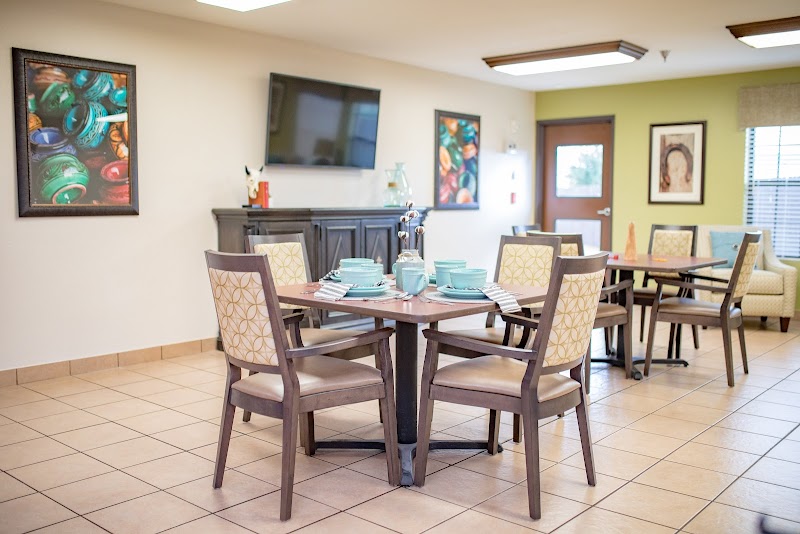
How is Bastrop Lost Pines Nursing And Rehabilitation Cent Staffed?

CMS rates BASTROP LOST PINES NURSING AND REHABILITATION CENT's staffing level at 1 out of 5 stars, which is much below average compared to other nursing homes. Staff turnover is 47%, compared to the Texas average of 46%.

What Have Inspectors Found at Bastrop Lost Pines Nursing And Rehabilitation Cent?

State health inspectors documented 30 deficiencies at BASTROP LOST PINES NURSING AND REHABILITATION CENT during 2022 to 2024. These included: 3 Immediate Jeopardy (the most serious level, indicating potential for serious harm or death), 1 that caused actual resident harm, and 26 with potential for harm. Immediate Jeopardy findings are rare and represent the most serious regulatory concerns. They require immediate corrective action.
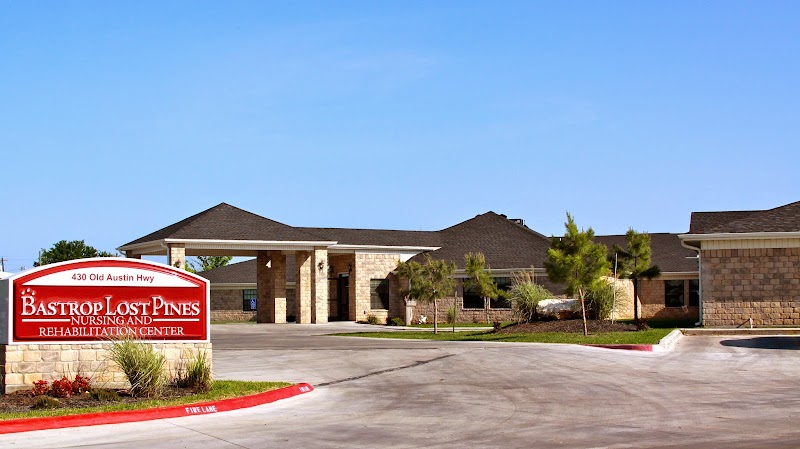
Who Owns and Operates Bastrop Lost Pines Nursing And Rehabilitation Cent?

BASTROP LOST PINES NURSING AND REHABILITATION CENT is owned by a government entity. Government-operated facilities are typically run by state, county, or municipal agencies. The facility is operated by WELLSENTIAL HEALTH, a chain that manages multiple nursing homes. With 120 certified beds and approximately 104 residents (about 87% occupancy), it is a mid-sized facility located in BASTROP, Texas.

How Does Bastrop Lost Pines Nursing And Rehabilitation Cent Compare to Other Texas Nursing Homes?

Compared to the 100 nursing homes in Texas, BASTROP LOST PINES NURSING AND REHABILITATION CENT's overall rating (2 stars) is below the state average of 2.8, staff turnover (47%) is near the state average of 46%, and health inspection rating (2 stars) is below the national benchmark.

What Should Families Ask When Visiting Bastrop Lost Pines Nursing And Rehabilitation Cent?

Based on this facility's data, families visiting should ask: "What changes have been made since the serious inspection findings, and how are you preventing similar issues?" "Can you walk me through typical staffing levels on day, evening, and night shifts?" "Can I visit during a mealtime to observe dining assistance and food quality?" "How do you handle medical emergencies, and what is your hospital transfer rate?" These questions are particularly relevant given the facility's Immediate Jeopardy citations and the below-average staffing rating.

Is Bastrop Lost Pines Nursing And Rehabilitation Cent Safe?

Based on CMS inspection data, BASTROP LOST PINES NURSING AND REHABILITATION CENT has documented safety concerns. Inspectors have issued 3 Immediate Jeopardy citations (the most serious violation level indicating risk of serious injury or death). The facility has a 2-star overall rating and ranks #100 of 100 nursing homes in Texas. Families considering this facility should ask detailed questions about what corrective actions have been taken since these incidents.

Do Nurses at Bastrop Lost Pines Nursing And Rehabilitation Cent Stick Around?

BASTROP LOST PINES NURSING AND REHABILITATION CENT has a staff turnover rate of 47%, which is about average for Texas nursing homes (state average: 46%). Moderate turnover is common in nursing homes, but families should still ask about staff tenure and how the facility maintains care continuity when employees leave.

Was Bastrop Lost Pines Nursing And Rehabilitation Cent Ever Fined?

BASTROP LOST PINES NURSING AND REHABILITATION CENT has been fined $152,042 across 4 penalty actions. This is 4.4x the Texas average of $34,599. Fines at this level are uncommon and typically indicate a pattern of serious deficiencies, repeated violations, or failure to correct problems promptly. CMS reserves penalties of this magnitude for facilities that pose significant, documented risk to resident health or safety. Families should request specific documentation of what issues led to these fines and what systemic changes have been implemented.

Is Bastrop Lost Pines Nursing And Rehabilitation Cent on Any Federal Watch List?

BASTROP LOST PINES NURSING AND REHABILITATION CENT is not on any federal watch list. The most significant is the Special Focus Facility (SFF) program, which identifies the bottom 1% of nursing homes nationally based on persistent, serious quality problems. Not being on this list means the facility has avoided the pattern of deficiencies that triggers enhanced federal oversight. This is a positive indicator, though families should still review the facility's inspection history directly.