SILVER PINES NURSING AND REHABILITATION CENTER
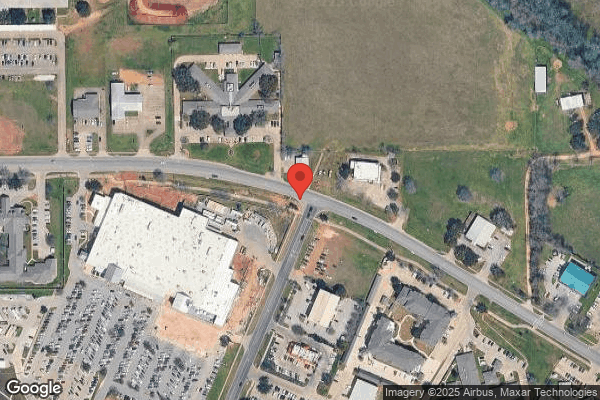
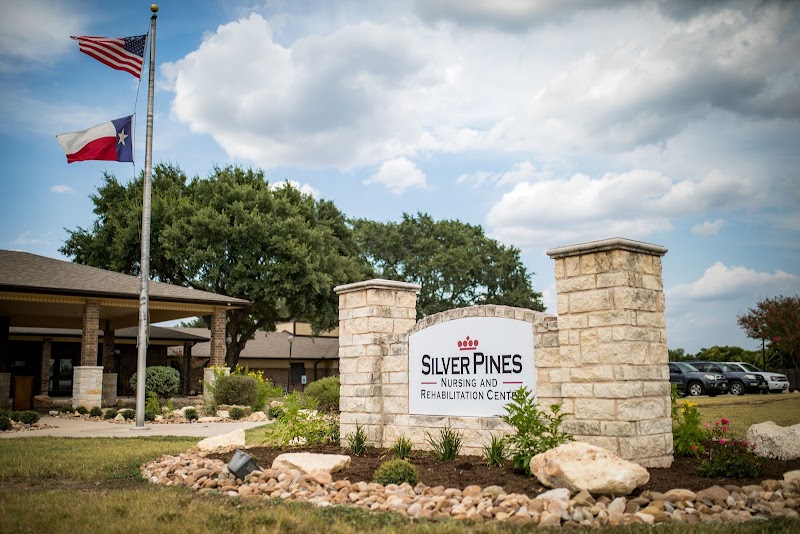
503 OLD AUSTIN HIGHWAY, BASTROP, TX 78602 (512) 321-6220
Non profit - Corporation 114 Beds WELLSENTIAL HEALTH Data: November 2025 2 Immediate Jeopardy citations
Trust Grade
16/100
#837 of 1168 in TX
Last Inspection: June 2025

Inspected within the last 6 months. Data reflects current conditions.

Overview

Silver Pines Nursing and Rehabilitation Center has received a Trust Grade of F, indicating significant concerns about the quality of care provided. This facility ranks #837 out of 1168 in Texas, placing it in the bottom half of nursing homes in the state, and is last in its county at #5 of 5. While the facility is trending towards improvement, with the number of issues decreasing from 12 in 2024 to 6 in 2025, it still reported a concerning total of 34 deficiencies, including critical failures in pain management and medication administration that resulted in harmful outcomes for residents. Staffing is a weakness, with a low rating of 1 out of 5 stars, and less RN coverage than 87% of Texas facilities. However, the staffing turnover rate of 45% is slightly better than the Texas average, which may suggest some level of stability despite the overall challenges.

Trust Score
F
16/100
In Texas
#837/1168
Bottom 29%
Safety Record
High Risk
Review needed
Inspections
Getting Better
12 → 6 violations
Staff Stability
⚠ Watch
45% turnover. Above average. Higher turnover means staff may not know residents' routines.
Penalties
✓ Good
$37,115 in fines. Lower than most Texas facilities. Relatively clean record.
Skilled Nurses
⚠ Watch
Each resident gets only 11 minutes of Registered Nurse (RN) attention daily — below average for Texas. Fewer RN minutes means fewer trained eyes watching for problems.
Violations
⚠ Watch
34 deficiencies on record. Higher than average. Multiple issues found across inspections.
★★☆☆☆
2.0
Overall Rating
★☆☆☆☆
1.0
Staff Levels
★★★★☆
4.0
Care Quality
★★★☆☆
3.0
Inspection Score
Stable
2024: 12 issues
2025: 6 issues

The Good

  • 4-Star Quality Measures · Strong clinical quality outcomes
  • Full Sprinkler Coverage · Fire safety systems throughout facility
  • No fines on record

Facility shows strength in quality measures, fire safety.

The Bad

2-Star Overall Rating

Below Texas average (2.8)

Below average - review inspection findings carefully

Staff Turnover: 45%

Near Texas avg (46%)

Higher turnover may affect care consistency

Federal Fines: $37,115

Above median ($33,413)

Moderate penalties - review what triggered them

Chain: WELLSENTIAL HEALTH

Part of a multi-facility chain

Ask about local staffing decisions and management

The Ugly 34 deficiencies on record

2 life-threatening 1 actual harm
Jun 2025 6 deficiencies
CONCERN (D)

Potential for Harm - no one hurt, but risky conditions existed

Deficiency F0655 (Tag F0655)

Could have caused harm · This affected 1 resident

**NOTE- TERMS IN BRACKETS HAVE BEEN EDITED TO PROTECT CONFIDENTIALITY** Based on interview and record review, the facility failed to develop and implement a baseline care plan for each resident that i...

Read full inspector narrative →
**NOTE- TERMS IN BRACKETS HAVE BEEN EDITED TO PROTECT CONFIDENTIALITY** Based on interview and record review, the facility failed to develop and implement a baseline care plan for each resident that includes the instructions needed to provide effective and person-centered care of the resident that meet professional standards of quality care for one (Resident #193) of three residents reviewed for baseline care plans. The facility failed to complete a baseline care plan within 48 hours of admission for Resident #193. This failure could place residents at risk for not receiving care and services to meet their needs. Findings included: Review of Resident #193's Face Sheet, dated 06/04/2025, reflected a [AGE] year-old male admitted to the facility on [DATE] with a diagnoses of chronic diastolic heart failure (left heart ventricle is stiff and has difficulty relaxing and filling with blood between heart beats), atherosclerotic heart disease of native coronary artery with unspecified angina pectoris (when arteries that carry blood to your heart become narrowed and blocked), paroxysmal atrial fibrillation (irregular heart beat), and difficulty in walking (any changes in the normal walking pattern that makes it difficult or unusual). Review of Resident#193's MDS Assessment, dated 05/30/2025, reflected Resident #193 had a BIMS score of 14 which indicated his cognition was intact. Resident #193 required partial/moderate assistance- (helper did less than half the effort) with toileting hygiene, showers, lower body dressing, transfers, and personal hygiene. He required supervision with upper body dressing, and oral hygiene. Resident #193 had shortness of breath when lying flat. He was at risk of developing pressure ulcers and required pressure reducing device for his bed. Review of Resident #193's Baseline Care Plan, on 06/04/2025, reflected it was not completed in the electronic medical record. Review of the facility's nurse's admission checklist, not dated, reflected baseline care was to be completed by the nurse. Interview on 06/05/2025 at 9:55 AM the Director of Nurses stated baseline care plans were to be completed within 48 hours of the resident's admission date. She stated it was the nurse in charge of the resident responsibility to complete baseline care plan. The Director of Nurses stated the nurses had a checklist to follow when admitting a resident to the facility and complete a baseline care plan was on this check list. She stated when the nurse completed the baseline care plan it was her responsibility to review the care plan and ensure it was correct. The Director of Nurses stated, I would sign and date the baseline care plan to ensure it was correct. She stated there was no explanation of why Resident #193's care plan was missed. The Director of Nurses stated it was her responsibility to monitor the baseline care plans. She stated if a resident did not have a baseline care plan there was a potential a resident may not receive the appropriate care such as transfers, bathing, hygiene, toileting, etc. She stated a resident required a Hoyer lift for transfer and the staff did not use the Hoyer lift, there was a possibility the resident may fall. The Director of Nurses stated the resident sustain an injury from the fall such as broken bone. Interview on 06/05/2025 at 10:30 AM LVN C stated it was the nurse's responsibility to complete baseline care plan upon admission. He stated the nurse admitting a resident was to complete the baseline care plan. LVN C stated there was an admission checklist to follow and completing baseline care plan was on the checklist. He stated the information on the baseline care plan would transfer to the Kardex. He stated the Kardex was the electronic medical record the CNAs used to know what type of ADL care a resident needed at the time of admission. LVN C stated there was a possibility a resident may not receive the appropriate resulting in an injury. LVN C did not specify what type of injury or how a resident may sustain an injury. Record review of the facility's policy on Baseline Care Plan, dated 10/5/2023, reflected the facility will develop and implement a baseline care plan for each resident that includes the instructions needed to provide effective and person-centered care of the resident that meet professional standards of quality care. Policy Explanation and Compliance Guidelines: 1. The baseline care plan will: a. Be developed within 48 hours of a resident's admission. b. Include the minimum healthcare information necessary to properly care for a resident including, but not limited to: i. Initial goals based on admission orders. ii. Physician orders. iii. Dietary orders. iv. Therapy services. v. social services. vi. PASARR recommendation, if applicable. 2. The admitting nurse, or supervising nurse on duty, shall gather information from the admission physical assessment, hospital transfer information, physician orders, and discussion with the resident and resident representative, if applicable. a. Once gathered, initial goals shall be established that reflect the resident's stated goals and objectives. b. Interventions shall be initiated that address the resident's current needs including: i. Any health and safety concerns to prevent decline or injury, such as elopement, fall, or pressure injury risk. ii. Any identified needs for supervision, behavioral interventions, and assistance with activities of daily living. iii. Any special needs such as for IV therapy, dialysis, or wound care. c. Once established, goals and interventions shall be documented in the designated format. 3. A supervising nurse shall verify within 48 hours that a baseline care plan has been developed.
CONCERN (D)

Potential for Harm - no one hurt, but risky conditions existed

Respiratory Care (Tag F0695)

Could have caused harm · This affected 1 resident

**NOTE- TERMS IN BRACKETS HAVE BEEN EDITED TO PROTECT CONFIDENTIALITY** Based on observations, interviews, and record review, the facility failed to ensure that residents who needed respiratory care w...

Read full inspector narrative →
**NOTE- TERMS IN BRACKETS HAVE BEEN EDITED TO PROTECT CONFIDENTIALITY** Based on observations, interviews, and record review, the facility failed to ensure that residents who needed respiratory care were provided such care, consistent with professional standards of practice, for 3 of 4 residents (Resident #27, Resident #74 and Resident #45) reviewed for quality of care. The facility failed to ensure Resident #27, Resident #74 and Resident #45's nebulizing mask and tubing, that were observed on 06/03/25, were bagged for sanitation when not in use. This failure could affect residents who received nebulizing treatment and place them at risk for respiratory infections. The findings included: Record review of Resident #27's face sheet dated 06/03/25 revealed a [AGE] year-old male who was admitted to the facility on [DATE]. His diagnoses were dementia, behavioral disturbance, psychotic disturbance, mood disturbance, anxiety, hypotension, history of transient ischemic attack and cerebral infarction(stroke), shortness of breath, unsteadiness on feet and cognitive communication deficit. Record review of Resident #27's quarterly MDS assessment, dated 05/06/25 revealed a BIMS score of 02 indicating his cognition was severely impaired. Record review of Resident #27's care plan dated 05/25/25 reflected he had asthma. The relevant intervention was giving medications as ordered and educating resident/family/caregivers regarding side effects and overuse of inhalers and nebulizers. Record review of Resident #27's physician's order reflected : NEB: Clean mask weekly and PRN. Change mask, tubing, and bag monthly. and PRN, every night shift starting on the 1st and ending on the 1st every month change. -Start Date-12/01/2023. Record review of Resident #74's face sheet on 06/03/25 revealed a [AGE] year-old male who was admitted to the facility on [DATE]. His diagnoses were hypertension, behavioral disturbance, chronic obstructive pulmonary disease(difficulty to breath), obstructive acute respiratory failure with hypoxia(low oxygen level), dementia, depression, shortness of breath and unsteadiness on feet. Record review of Resident #74's quarterly MDS assessment, dated 10/13/24 revealed a BIMS score of 06 indicating his cognition was severely impaired. He was coded for oxygen therapy while he was at the facility. Record review on 06/03/25 of Resident #74's care plan dated 05/27/25 revealed the resident had COPD and at risk for ineffective airway clearance. The intervention was giving aerosol or bronchodilators as ordered and monitoring any side effects and effectiveness. Record review of Resident #74's physician's order reflected : 1.Albuterol Sulfate Inhalation Nebulization Solution (2.5 MG/3ML) 0.083% (Albuterol Sulfate):1vial inhale orally via nebulizer two times a day related to chronic obstructive pulmonary disease. -Start date-2/21/2023. 2. Clean mask weekly and PRN. Change mask, tubing, and bag monthly and PRN, every night shifts every Sun for resident care. -Start Date-11/12/2023. Review of Resident #45's face sheet dated 06/04/25 reflected an [AGE] year-old male who was admitted to the facility on [DATE] with diagnoses including chronic obstructive pulmonary disease, chronic pain syndrome, dependence on supplemental oxygen, muscle wasting, basal cell carcinoma of skin(skin cancer) and altered mental status. Review of Resident #45's quarterly MDS assessment, dated 05/13/25, reflected a BIMS score of 15, indicating his cognition was intact. He was ordered for oxygen therapy while he was at the facility. Review of Resident #45's care plan, dated 01/14/25, reflected Resident #45 had COPD and at risk for ineffective airway clearance. The relevant intervention was giving aerosol or bronchodilators as ordered. Review of Resident #45's physician's order reflected: NEB: Clean mask weekly and PRN. Change mask, tubing, and bag monthly and PRN. every night shifts every Sun for resident care. -Start Date-11/12/2023 Observation and interview on 06/03/25 at 10:45am of Resident #27, Resident #74, and Resident #45's room revealed there were nebulizers on the side tables. The masks and tubing of the nebulizers were exposed to the environment as they were not stored in a protective bag. LVN D who witnessed the nebulizer masks stated they were supposed to be sanitized before and after use and should have been stored in a protective bag whenever not in use. He stated this was necessary to avoid infections especially respiratory. During an interview on 06/05/25 at 11:30am the DON stated all staff were supposed to be compliant with the facility policy for using the oxygen cannula and nebulizers. She stated the nebulizer masks were to be cleaned and DON safely stored in the protective bags provided. She stated there was a potential for respiratory infectious diseases due to this deficiency. DON stated she or ADON did routine inspection to ensure if the mask and tubing were appropriately sanitized and stored in protective bags. Record review of the facility's policy, titled Oxygen Safety dated 01/26/24 had not reflected the necessity for storing oxygen/nebulizer tubing, cannulas, and facemasks in protective bags when not in use. Record review of web site https://www.nhlbi.nih.gov/sites/default/files/publications/How-to-Use-a-Nebulizer-21-HL-8163.pdf reviewed on 06/10/25 reflected: . Between uses: o Store nebulizer parts in a dry, clean plastic storage bag. If the nebulizer is used by more than one person, keep each person's medicine cup, mouthpiece or mask, and tubing in a separate, labeled bag to prevent the spread of germs. o Wipe surface with a clean, damp cloth as needed. Cover nebulizer machine with a clean, dry cloth and store as stated in the instructions. o Replace medicine cup, mouthpiece, mask, tubing, filter, and other parts as stated in the instructions or when they appear worn or damaged
CONCERN (D)

Potential for Harm - no one hurt, but risky conditions existed

Deficiency F0761 (Tag F0761)

Could have caused harm · This affected 1 resident

Based on observation, interview, and record review the facility failed to ensure in accordance with State and Federal laws, all drugs and biologicals were stored in locked compartments under proper te...

Read full inspector narrative →
Based on observation, interview, and record review the facility failed to ensure in accordance with State and Federal laws, all drugs and biologicals were stored in locked compartments under proper temperature controls and permitted only authorized personnel to have access to the keys for 1 of 4 medication carts (200 Hall Med Aide Cart) reviewed for medication storage . The facility failed to ensure that the 200 Hall Med Aide Cart did not contain personal belongings of MA E, along with the medications for residents. This failure could place residents at risk for contamination and medication errors through confusion and distraction among the medication administration staff . Findings include: During an observation and interview on 06/04/25 at 9:35am it was revealed that the 200-hall med cart was operated by MA E. It was observed there was an orange-colored handbag at the bottom drawer of the cart that belonged to MA E. MA E immediately removed it from the drawer and placed it elsewhere. She stated she should not have placed her bag in the med cart drawer as it was against the facility policy. MA E stated the Med cart supposed to have only resident's medications that were in use to avoid confusion and not introducing germs into the cart. During an observation and interview on 06/04/25 at 10:20am LVN C stated he was the nurse in charge for the shift. He was present when the investigator going through the 200 hall Med Aide Cart, as part of the survey process. After witnessing the hand bag of MA E in the drawer of the Med cart, LVN C stated personal items needed to be kept away in designated staff rooms or any other places safely. He said personal items might not be clean and could potentially introduce germs into the med cart. LVN C added, Med carts were used to handle medications only and should be kept clean and sterile all the time. In an interview on 06/05/25 at 11:30am, the DON said nursing staff were expected to check their med carts daily for inappropriately placed medications and any other items other than residents' medications. She stated personal belongings should not be in a med cart in a nursing facility to prevent medication errors, maintain safety, and ensure proper medication administration practices. She stated med cart procedures should prioritize medication organization and safety and introducing personal items was a deviation from these established procedures . Med carts were specifically designed to hold medications and treatment related supplies. She said introducing non-essential items caused confusion and distraction that potentially lead to mistakes, also contaminate the medications and treatment supplies stored in the cart. Record review of the facility policy titled Medication Carts and Supplies for Administering Meds revised on 10/01/2019 reflected: Policy: The facility maintains equipment and supplies necessary for the preparation and administrations of medications to residents. The mobile medication cart will be used to facilitate administration of medications to residents. The purpose of the mobile medication system is to ensure appropriate control and surveillance of resident assigned medications The licensed nurse or medication aide should maintain a clean top surface on the medication cart. while passing medications and clean and replenish the medication cart after each use. Equipment and supplies relating to medication administration are clean and orderly
CONCERN (D)

Potential for Harm - no one hurt, but risky conditions existed

Food Safety (Tag F0812)

Could have caused harm · This affected 1 resident

Based on observation, interview, and record review, the facility failed to store, prepare, distribute food in accordance with professional standards for food service safety for one of one kitchen revi...

Read full inspector narrative →
Based on observation, interview, and record review, the facility failed to store, prepare, distribute food in accordance with professional standards for food service safety for one of one kitchen reviewed for kitchen sanitation. The facility failed to ensure Dietary [NAME] changed her gloves during food preparation after touching a bread bag and a piece of paper. This failure could place residents who ate food from the kitchen at risk for foodborne illness. Findings include: Observation on 06/04/2025 at 3:55 PM, revealed the Dietary [NAME] was wearing gloves. She touched a piece of paper with her forefinger and middle finger on her right hand. She touched outside of the bread bag with all fingers on both hands. She reached inside the bread bag and obtained 4 pieces of bread. She placed the bread in the puree processor. The Dietary [NAME] touched outside the bread bag when she obtained 8 pieces of bread. She placed the 8 pieces of bread into the puree processor. The Dietary [NAME] did not change her gloves in between tasks and continued to puree the bread. Her middle finger and fore finger on her right hand touched inside the puree processor and touched the pureed bread. During the entire process of pureeing the bread, Dietary [NAME] did not change her gloves. Interview on 06/04/2025 at 4:05 PM, the Dietary [NAME] stated she did not change her gloves after she touched the piece of paper and touched outside of the bread bag. She stated the paper, and the bread bag was considered contaminated. She stated the bread came from a manufacturer plant and there was a possibility a lot of people had touched the bread bag before being delivered to the facility. She stated the paper was also considered contaminated. The Dietary [NAME] stated she was expected to change her gloves and wash her hands after touching anything contaminated. She stated there was a possibility germs on her gloves may spread to the bread. The Dietary [NAME] stated if the bread was contaminated and a resident ate the bread, there was a potential a resident may become physically ill such as vomiting and diarrhea. She stated she had been in-service on hand hygiene. The Dietary [NAME] did not recall the date of the in-service. Interview on 06/05/2025 at 10:35 AM, the Dietary Manager stated all staff were required to change their gloves and wash hands between tasks and whenever they touched anything contaminated. She stated the bread bag, and a piece of paper was considered contaminated. She stated if a resident ingested contaminated food, there was a potential a resident may become ill with some type of food borne illness. The Dietary Manager stated the staff were in-serviced on hand hygiene. She stated she did not recall the date of the in-service. Interview on 06/05/2025 at 11:00 AM, the Administrator stated she expected the dietary staff to change their gloves and wash their hands in between tasks or when they touched any contaminated item. She stated if dietary staff did not wash their hands after touching anything considered contaminated, there was a potential a resident may become ill with an upset stomach such as nausea or vomiting if a resident ingested any type of bacteria in their food. The Administrator stated the Dietary Manager was responsible to monitor the kitchen and it was her responsibility to monitor the Dietary Manager. Review of the Facility's Handwashing Policy, dated 10/01/2018, reflected The facility recognizes that food-borne illness has the potential to harm elderly and frail residents. All Nutrition and Foodservice employees will practice good hand washing practices in order to minimize the risk of infection and food borne illness.
CONCERN (E)

Potential for Harm - no one hurt, but risky conditions existed

Deficiency F0679 (Tag F0679)

Could have caused harm · This affected multiple residents

**NOTE- TERMS IN BRACKETS HAVE BEEN EDITED TO PROTECT CONFIDENTIALITY** Based on interview, observation, and record review, the facility failed, to provide an ongoing activities program to support res...

Read full inspector narrative →
**NOTE- TERMS IN BRACKETS HAVE BEEN EDITED TO PROTECT CONFIDENTIALITY** Based on interview, observation, and record review, the facility failed, to provide an ongoing activities program to support residents in their choice of activities, both facility sponsored group and individual activities and independent activities, designed to meet the interests of and support the physical, mental, and psychosocial well-being of each resident , encouraging both independence and interaction in the community for two of five residents (Resident #7 and Resident #10 reviewed for activities. The facility failed to provide Resident #7 and Resident #10 in room activities on the dates of 05/01/2025 thru 05/13/2025. This failure could place residents at risk for boredom, depression, and diminished quality of life. Findings included: Review of Resident #7's Face sheet, dated 06/04/2025, reflected a [AGE] year-old female admitted on [DATE] and readmitted on [DATE] with a diagnosis: vascular dementia, moderate, with psychotic disturbance ( problems with blood flow to the brain with psychotic symptoms such as delusions and hallucinations), generalized anxiety disorder (a mental health condition characterized by persistent and excessive worry about everyday things, which can be difficult to control), and hemiplegia and hemiparesis following cerebral infarction affecting right dominant side ( hemiplegia is paralysis, hemiplegia causes muscle weakness- they are similar conditions in that they both can affect one side of the body. Cerebral infarction- a condition where the brain tissue is damaged due to lack of blood flow). Review of Resident #7's Annual MDS, dated [DATE], reflected Resident #7 had a BIMS score of 2 which indicated her cognition was severely impaired. Resident #7's activity preference was listening to music, being around pets, participating in religious activities or practices. Review of Resident #7's Comprehensive Care Plan, dated 5/08/2025, reflected Resident #7 was dependent on staff with meeting emotional, intellectual, physical, and social needs related to cognitive deficits, and physical limitations. Intervention: Resident #7 required 1:1 beside/in-room visits and activities. Review of Resident #7's Activity Initial Review Form, dated 03/25/2024, reflected she required assistance in attending group activities such as singing hymns, crafts, bible study, coffee social, bean bag games, balloon tennis, community outings and trivia. Resident #7 's activities was required to be modified to address communication deficit (provide time for resident to respond to questions). Review of Resident #7's Activity Progress Note Assessments after, 03/25/2024, reflected the Activity Director did not complete annual or quarterly activity progress notes. Review of Resident #7's Activity Participation Records for the month of May 2025, reflected Resident #7 did not receive in room activities from 05/01/2025 thru 05/13/2025. Observation on 06/06/2025 at 8:46 AM revealed Resident #7 was in her bed. She would open and close her eyes. She was not interviewable. Resident #7's television was on in her room. Observation on 06/07/2025 at 8:30 AM Resident #7 was in her bed. She was not interviewable. Resident #7's eyes were opened, and she looked toward wall in front of her. There was no stimulation in her room such as: television or music. Review of Resident # 10's Face Sheet, dated 06/04/2025, reflected a [AGE] year-old male was admitted on [DATE] and readmitted on [DATE] with a diagnoses of multiple sclerosis ( a condition where the body's immune system mistakenly attacks the protective covering of the nerve cells in the brain and spinal cord), anxiety disorder (a mental health condition characterized by persistent and excessive worry about everyday things, which can be difficult to control), schizoaffective disorder, unspecified (a mental health condition, this is a mix of schizophrenia symptoms, such as hallucinations and delusions- perception of something that is not actually there such as hearing voices or seeing things). Review of Resident #10's Annual MDS, dated [DATE], reflected Resident #10 had a BIMS score of 8 which indicated his cognition was moderately impaired. Resident #10's activity preference was listening to music, watching news, and participate in religious services or practices. Attending group activities was not important to him. Review of Resident #10's Comprehensive Care Plan, dated 05/15/2025, reflected Resident #10 was dependent on staff for meeting emotional, intellectual, physical, and social needs related to physical limitations and schizophrenia. Interventions: Resident #10 needed 1:1 bedside/in-room activities. Provide a program of activities of Resident #10's interest. Review of Resident #10's Initial Activity Assessment, dated 08/30/2024, reflected Resident #10 enjoyed listening to music and watch movies. He did not want to attend group activities and preferred 1:1 activities with staff. Review of Resident #10's progress notes reflected the Activity Director did not complete a progress note after the date of 08/30/2024. Resident #10's last progress note was completed on 07/14/2022. Review of Resident #10's Activity Participation Record reflected Resident #10 did not receive in room /1:1 activities during the time frame of 05/01/2025 - 05/13/2025. Observation and interview on 06/03/2025 at 8:56 AM Resident #10 was in his room lying in bed listening to music. He stated he wanted more visits from the activity staff. Resident #10 stated he did become lonely sometimes and would prefer for activity staff to visit him three or four times a week. He stated the Activity Director would come in sometimes, however, in May she did not visit very much. Resident #10 did not respond to question if he requested more visits from the Activity Director. He stated he listens to music and watches TV. Resident #10 stated he wanted someone to visit and talk to him. Interview on 06/04/2025 at 1:15 PM The Activity Director stated Resident #10 and Resident #7 was on the in-room activity program. She stated Resident #10 very seldom was out of room. She stated Resident #7 had increased being in bed over the past 6 months. The Activity Director stated Resident#7 or Resident #10 did not receive in room activities during the dates of 05/01/2025 to 05/13/2025. She stated she was responsible for ensuring all the residents received activities. The Activity Director stated Resident #10 and Resident #7 was expected to receive visits from the activity staff in her room. Interview on 06/05/2025 at 8:45 AM The Activity Director stated she was expected to ensure all residents received activities based on their preferences and their physical abilities. She stated if a resident was not receiving any type of activities there was a possibility a resident may become bored, depressed or have a decline in their quality of life. She stated not receiving activities would affect their overall quality of life. The Activity Director stated if she was not in the facility, she instructed the Activity Assistant to visit in room residents. She stated she was off few days during the time Resident #10 and Resident #7 did not receive in room activities. The Activity Director stated she did not know why the Activity Assistant did not visit Resident #10 or Resident #7. She stated she was responsible to monitor Activity Assistant. Interview on 06/05/2025 at 10:15 AM the Activity Assistant stated she was trained on in room activities by the Activity Director. She stated she did not recall the date of the training. The Activity Assistant stated when the Activity Director was on vacation during first week of May she was instructed to visit residents on the in-room activity program. She stated she did not visit Resident #7 or Resident #10. She did not respond to the question of the reason why she did not visit Resident #7 or Resident #10. She stated if a resident was not receiving in room activities there was a possibility a resident may become depressed, isolated, or decline in mental status. Interview on 06/05/2025 at 11:00 AM the Administrator stated she expected in room activities be provided to the residents needing these type of activities. She stated if the Activity Director was not in the facility, she expected the Activity Assistant to provide in room activities. The Administrator stated if a resident was not receiving in room activities there was a possibility a resident may become depressed, bored, and isolated. She stated the Activity Director was responsible for monitoring the activity programs and the Activity Assistant. Requested via email the Facility Policy on Activity Programming and Documentation on 06/04/2025 at 2:50 PM. The Administrator responded via email on 06/04/2025 at 2:51 PM the facility did not have a policy on activity programming or documentation.
CONCERN (E)

Potential for Harm - no one hurt, but risky conditions existed

Infection Control (Tag F0880)

Could have caused harm · This affected multiple residents

**NOTE- TERMS IN BRACKETS HAVE BEEN EDITED TO PROTECT CONFIDENTIALITY** Based on observation, interview, and record review, the facility failed to maintain an infection prevention and control program,...

Read full inspector narrative →
**NOTE- TERMS IN BRACKETS HAVE BEEN EDITED TO PROTECT CONFIDENTIALITY** Based on observation, interview, and record review, the facility failed to maintain an infection prevention and control program, designed to provide a safe, sanitary, and comfortable environment, and to help prevent the development and transmission of communicable diseases and infections for 3 (Resident #56,Resident #22, and Resident #293) of 5 residents reviewed for infection control practices, in that: The facility failed to: 1. Ensure CNA B changed dirty gloves when handling clean items while providing peri care to Resident #56 2. Ensure MA E sanitized blood pressure monitor in between Resident #22 and Resident #293 while obtaining blood pressure. These failures could place residents at risk for healthcare associated cross-contamination and infections. Findings included: Review of Resident #56's face sheet dated 06/04/25 reflected a [AGE] year-old male who was admitted to the facility on [DATE] with diagnoses including Alzheimer's disease, type 2 diabetes, hypertension, psychotic disturbance, mood disturbance, anxiety, need for assistance with personal care and unsteadiness on feet. Review of Resident #56's quarterly MDS assessment, dated 03/07/25 reflected a BIMS score of 0, indicating he had severely impaired cognition. MDS indicated Resident #56 was always incontinent with bowel and bladder. Review of Resident #56's care plan, dated 02/21/25, reflected Resident #56 had ADL self-care performance deficit r/t Alzheimer's, dementia. The relevant intervention was providing extensive one staff assistance with personal hygiene and oral care. During an observation on 06/03/25 at 8:34am CNA B was providing peri care for Resident #56 while CNA A assisted her. CNA B put on gloves after washing her hands. After that she opened the brief and cleaned Resident #56's front and back with wet wipes dispensed directly from the wipe's packet. In that process she handled the whole wipe packet with the soiled gloves. After the completion of peri care she saved the contaminated wipe packet containing wet wipes in Resident #56's room at his bedside. During an interview on 06/03/25 at 10:20am CNA B stated she worked at the facility for two years, mostly in the night shift and recently started working in the day shifts. CNA B stated she received training on peri care and had attended in- service recently. CNA B said, from the trainings and in-services she learned all the aspects of peri care procedure and infection control protocols. When the investigator walked through the peri care that she had done on Resident #56, CNA B stated she understood she should not have contaminated the wet wipe packet by handling it with soiled gloves, due to the danger of spreading germs. Review of Resident #22's face sheet dated 06/04/25 reflected a [AGE] year-old male who was admitted to the facility on [DATE] with diagnoses including seizures, hypertension, acquired absence of right leg above knee, adult failure to thrive, altered mental status, depressive disorders, need for assistance with personal care, and dementia. Review of Resident #22's quarterly MDS assessment, dated 05/07/25 reflected a BIMS score of 8, indicating he had moderately impaired cognition. Review of Resident #22's care plan, dated 05/07/25, reflected Resident #22 was at risk for hypertensive crisis . The relevant intervention was obtaining blood pressure readings and administering anti-hypertensive medications as ordered by MD. Review of Resident #22' s medication order reflected : Lisinopril Tablet 5 MG: Give 1tablet by mouth one time a day for HTN .Hold for SBP less than 110. -Start date : 02/06/25. Review of Resident #293's face sheet dated 06/04/25 reflected a [AGE] year-old male admitted to the facility on [DATE] with the diagnoses of type 2 diabetes, hypertension, chronic congestive heart failure, alcoholic cirrhosis, atrial fibrillation (irregular fluttering of heart) , cough and adjustment disorder with mixed anxiety and depressed mood. Review of Resident #293's quarterly MDS assessment, dated 04/30/25, reflected a BIMS score of 12, indicating he had moderately impaired cognition. Review of Resident #293's care plan, dated 05/27/25 reflected Resident #293 was at risk for hypertensive crisis. The relevant intervention was obtaining blood pressure readings and administer antihypertensive medications as ordered by MD. Review of Resident #293's physician's order reflected: Prazosin HCl Oral Capsule 5 MG (Prazosin HCl): Give 1 capsule by mouth at bedtime related to essential (primary) hypertension . Give with 5mg to=7 mg. Hold for SBP<110, Pulse <60. -Start Date- 10/28/2024. During an observation on 06/04/25 at 9:35am MA E took the blood pressure of Resident #22 with a blood pressure monitor without sanitizing it. After administering the medications to Resident #22 she moved on to Resident #293 and used the same blood pressure monitor on him without sanitizing it. MA E did not sanitize the monitor after the use on Resident #293 until the investigator pointed it out. During an interview on 06/04/25 at 10:15 a.m., MA E stated sanitizing blood pressure cuffs in between the residents was important and, in a rush, she forgot to do it so. She continued, mistakes could happen with anyone and the best way to resolve it was learning from their mistakes. MA E stated, following infection control protocol was important to minimize spreading diseases from one resident to another. MA E stated she received trainings on infection control previous month and there were no in-services specifically on sanitizing medical equipment. During an interview on 06/05/25 at 11:35am the DON stated CNA B should not have handled the wet wipe packet with soiled gloves. She stated CNA B was supposed to throw away the contaminated wet wipe packet instead of saving for future. The DON stated she already completed a one-to-one in service with CNA B and would be doing an in service for all the staff members for peri care. The DON stated , the IP is on long leave, and she was responsible for the duties of IP until she returns. She said, as per facility's infection control protocol all the medical equipment in use including blood pressure cuffs should be sanitized immediately after they use it on residents. This was one of the ways minimizing contagious diseases and staff were trained for this. The DON stated she could not remember exactly when the staff received in services on infection control however she could find out the days by reviewing the in-service folder at the facility. Review of the in-service records from 03/01/25 to 06/01/25 revealed there were separate in services on 04/10/25 on hand hygiene and using gloves during nursing care. Record review of facility's policy Perineal care dated 10/24/22 reflected : Policy: It is the practice of this facility to provide perineal care to all incontinent residents during routine bath and as needed in order to promote cleanliness and comfort, prevent infection to the extent possible, and to prevent and assess for skin breakdown. 6. Perform hand hygiene and put on gloves. Apply other personal protective equipment as appropriate. 7. Set up supplies. 9. If perineum is grossly soiled, turn resident on side, remove any fecal material with toilet paper, then remove and discard. a. Cleanse buttocks and anus, front to back; vagina to anus in females, scrotum to anus in males, using a separate washcloth or wipes. b. Thoroughly dry. 10. Re-position resident in supine position. Change gloves if soiled and continue with perineal care. Review of facility's policy Infection Prevention and Control Program revised in November 2024 reflected: . Equipment Protocol: a. All reusable items and equipment requiring special cleaning, disinfection, or sterilization shall be cleaned in accordance with our current procedures governing the cleaning and sterilization of soiled or contaminated equipment. b. Single-use disposable equipment is an alternative to sterilizing reusable medical instruments. Single-use devices must be discarded after use and are never used for more than one resident. c. Reusable items potentially contaminated with infectious materials shall be placed in an impervious clear plastic bag. Label bag as CONTAMINATED and place in the soiled utility room for pickup and processing
May 2024 11 deficiencies
CONCERN (D)

Potential for Harm - no one hurt, but risky conditions existed

Resident Rights (Tag F0550)

Could have caused harm · This affected 1 resident

**NOTE- TERMS IN BRACKETS HAVE BEEN EDITED TO PROTECT CONFIDENTIALITY** Based on observation, interviews and record review the facility failed to ensure each resident has a right to a dignified existe...

Read full inspector narrative →
**NOTE- TERMS IN BRACKETS HAVE BEEN EDITED TO PROTECT CONFIDENTIALITY** Based on observation, interviews and record review the facility failed to ensure each resident has a right to a dignified existence, self-determination and communication with and access to persons and services inside and outside the facility for two (Resident #57 and Resident #66) out of seven residents reviewed for dignity. 1.The facility failed to treat Resident #57 with respect and dignity by providing privacy during care when Resident #57 was left exposed after a fall and incontinent episode. 2.The facility failed to treat Resident #66 with respect and dignity when he was left with long untrimmed fingernails which could cause skin breakdown, damage and become a source of infection. This failure could place residents needing assistance at risk for diminished quality of life, loss of dignity, and self-worth. Findings included: Review of the Face Sheet for Resident #57 reflected he was admitted on [DATE] with diagnosis of: COPD, a single Pulmonary Nodule, Atrial Fibrillation, Heart Failure, Type 2 Diabetes, Morbid Obesity, Major Depressive disorder, Acute and Chronic respiratory Failure with Hypoxia, and Obstructive Uropathy. Review of the MDS assessment for Resident #57 dated 3/18/24 reflected a BIMS score of 15 indicating normal cognitive function. His physical assessment reflected he required supervision or one person assistance for all ADLs. He was assessed as occasionally incontinent of bowel and had a Foley catheter in place. Review of the Care Plan for Resident #57 reflected interventions were in place for: drug allergies, DNR status, ADL self-performance deficit r/t Dementia, limited mobility d/t heart failure, refusing to wear BiPAP breathing assist, Diabetes, fall risk, foley catheter, behavior of insomnia, rash to right back r/t herpes zoster (shingles), oxygen therapy, Observation at 10:47 am on 5/21/24 revealed Resident #57 had fallen from his bed to the floor. He was face down on the floor with his brief around his ankles. His catheter remained in place, draining clear yellow urine. LVN C and a NA were at bedside attempting to assist him, and LVN E entered the room. LVN C stated Resident #57 was confused and had become more confused since yesterday. He stated Resident #57 had gone out to hospital for a Shingles infection this weekend and they also diagnosed a UTI. He was receiving antibiotics for both. The Resident stated he had slipped in water at bedside attempting to reach pants on his bedside table. No pants were visible on the bedside table. Resident argued with staff some, as they put down towels to soak up water. In an interview on 5/21/24 at 11:10 am LVN C stated he was summoned to Resident #57's room by a housekeeper who stated he had fallen. LVN stated he had not worked with Resident #57 for a while, but he was definitely more confused than normal. He stated Resident #57 indicated he was not hurt in the fall. LVN C stated Resident #57 was able to sit up and then sat in his wheelchair to transfer back to bed. LVN C stated Resident #57 had cardiac and respiratory problems which limited his ability to perform ADLs. LVN C stated Resident #57 may need to return to the hospital for evaluation. Review of Progress Notes for Resident #57 reflected on 5/23/24 he demonstrated increased level of confusion. On 5/21/24 the resident was sent to the hospital after fall without injury. He was observed by staff on the floor face down, and his brief was around his ankles. Resident #57 stated he had turned off his oxygen concentrator because a doctor was in the room talking to him. Resident #57 was previously sent to the hospital on 5/18/24 for confusion and shaking. In an interview on 5/23/24 at 8:55 am Resident #57 stated he was unsure why he had removed his clothing and his brief prior to his fall. Resident #57 stated he did not recall the fall. He stated his confusion could be related to his UTI or his Shingles outbreak. In an interview on 5/23/24 at 9:30 am LVN D stated Resident #57 had a history of removing his briefs. She stated she was not sure if the behavior was related to his dementia or his recent UTI. In an interview on 5/23/24 at 9:35 am the DON stated the facility had been actively watching Resident #57. She stated he was sent to the hospital the first time for a UTI, but the antibiotics prescribed did not yield the desired effect. She stated he was sent out a second time on 5/21/24 after he fell from bed. The DON stated Resident #57 was monitored because he had a Foley catheter. The DON stated his behavior could be added to care plan pointing out his fall was the first incident of #57 removing his brief she had found. In an interview on 5/23/24 at 11:50 am the Administrator stated Resident #57 came down with a UTI on 5/18/24 and was sent out to hospital. She stated interventions could have been added to deal with his confusion, disrobing behaviors, and other symptoms of the UTI. She stated other than the fall on 5/21/24 no other falls were noted for Resident #57. This state surveyor pointed out he was listed as a high fall risk. The Administrator stated when Resident #57 was observed with his brief down around his ankles or incontinent of bowel, staff should have taken action to protect his dignity. She stated the door should have been closed during care, curtains pulled, and the resident covered. The State Surveyor stated after Resident #57 fell three staff were in the room (C, [NAME], A) and no one took measures to protect the resident's dignity. She stated staff should have responded to the situation wholly. Review of the Face Sheet for Resident #66 reflected he was admitted on [DATE] with diagnosis of: Congestive Heart Failure, Prostate Cancer, Kidney cancer, Schizophrenia, HTN, Glaucoma, and dependence on supplemental Oxygen. Review of the Annual MDS assessment for Resident #66 dated 4/13/24 reflected a BIMS score of 10 or moderate cognitive impairment. His physical assessment reflected he required supervision or one person assistance for most ADLs. Resident #66 was unable to walk, he utilized an electric wheelchair. He was assessed as occasionally incontinent of bowel and bladder. Review of the Care Plan for Resident #66 reflected interventions were in place for: Schizophrenia, Non-compliance with rules and regulations regarding VA contract, ADL self-care deficit, verbally aggressive toward staff, Congestive Heart Failure, fall, risk, and oxygen therapy. In an interview on 5/22/24 at 1:07 pm LVN A stated Residents on hall 100 should have their nails trimmed. She stated Resident #66 had a history of Schizophrenia and could say almost anything. She did not know why his fingernails were long and untrimmed. She stated aides should be trimming resident nails unless otherwise directed. In an interview on 5/22/24 at 10:37 am CNA H stated she was unsure why Resident #66 had long untrimmed fingernails and toenails. She stated she worked mainly on memory care and she stated nails are normally trimmed on shower day. In an interview on 5/22/24 at 3:40 pm the DON stated Resident #66 would refuse to have his fingernails cut and would refuse showers. No progress notes to verify refusing showers or nail cutting were found by the DON as she reviewed records on the facility computer. The behaviors reported by the DON were not found in the care plan. Review of the facility policy Promoting/Maintaining Resident Dignity dated 1/13/23 reflected all staff were involved in providing care to residents and to promote and maintain resident dignity, respect, and resident rights. Staff to maintain resident privacy.
CONCERN (D)

Potential for Harm - no one hurt, but risky conditions existed

MDS Data Transmission (Tag F0640)

Could have caused harm · This affected 1 resident

**NOTE- TERMS IN BRACKETS HAVE BEEN EDITED TO PROTECT CONFIDENTIALITY** Based on interviews and record review, the facility failed to ensure a resident's assessment was completed within 7 and 14 days,...

Read full inspector narrative →
**NOTE- TERMS IN BRACKETS HAVE BEEN EDITED TO PROTECT CONFIDENTIALITY** Based on interviews and record review, the facility failed to ensure a resident's assessment was completed within 7 and 14 days, and electronically transmit encoded, accurate, and complete MDS data to the CMS system for a subset of items upon a resident's discharge from the facility for one (Resident #88) of eight residents reviewed for encoding and transmitting resident assessments. The facility failed to complete, encode, and submit a Discharge MDS Assessment for Resident #88. This failure to place discharged residents at risk of not having a proper discharge and not receiving services post discharge. Findings included: Closed record review of Resident #88's Face Sheet, dated 05/23/2024 reflected a [AGE] year-old male admitted to the facility on [DATE] and discharged from the facility on 02/19/2024 with the following diagnoses: Alzheimer's Disease (brain disorder that slowly destroys memory and thinking skills, and eventually, the ability to carry out the simplest tasks) and Vascular Dementia (changes to memory, thinking, and behavior resulting from conditions that affect the blood vessels in the brain). Closed record review of Resident #88's Care Plan initiated on 01/04/2024 revealed, Problem [Resident #88] has a terminal prognosis. admitted to [Hospice Provider] on 1/2/24 Dx: Alzheimer's Disease. Closed record review of Resident #88's undated MDS Assessment list revealed, accepted Entry MDS on 12/22/2023 and an accepted admission MDS on 1/3/2024. Resident #88's MDS Assessment list did not contain a Discharge MDS Assessment at any stage in the preparation, submission, or acceptance process. Closed record review of Resident #88's Discharge Plan and Summary dated 02/19/2024 revealed that Resident #88 was discharged from the facility at his family's request under hospice care of [Hospice Provider] on 02/19/2024. In an interview on 05/23/2024 at 2:53 PM, the Assessment Nurse stated that she was responsible for MDS Assessments and submissions for residents in the facility. The Assessment Nurse stated that they were required to complete a Discharge MDS Assessment within 14 days of a resident's discharge from the facility. The Assessment Nurse reviewed the electronic MDS records for Resident #88 and stated that it was not accurate. The Assessment Nurse stated that she should have completed and submitted it within 14 days as a Discharge Without Expected Return MDS Assessment for Resident #88. The Assessment Nurse stated that Resident #88's Discharge MDS Assessment was missed. The Assessment Nurse stated that the MDS Assessment and submissions were necessary to ensure that TMHP (Texas Medicaid and Healthcare Partnership) was aware of the resident's status as well as for billing and patient needs documentation. In an interview on 05/23/2024 at 3:00 PM, the DON stated that the Assessment Nurse was responsible for the MDS Assessments and that she signs off on them. The DON stated that she believed the MDS submissions needed to be completed within five days but would need to look up the information to be certain. The DON stated that when a resident was discharged from the facility they must complete and submit a Discharge MDS Assessment. The DON stated that failure to properly and accurately report MDS Assessments could result in billing issues. In an interview on 05/23/2024 at 3:03 PM, the Administrator stated that MDS Assessments must be completed and reported to provide an accurate picture of the resident and for billing purposes. The Administrator stated that the Assessment Nurse was responsible for MDS reporting and that Discharge MDS Assessments should be completed within seven days. The Administrator reviewed the MDS Assessment list for Resident #88 and stated they failed to submit a Discharge MDS Assessment for Resident #88 and should have done so. Review of the facility's Assessment Frequency / Timeliness policy dated 10/24/2022 revealed, Policy: The purpose of this policy is to provide a system to complete standardized assessments in a timely manner, according to the current RAI Manual. Policy Explanation and Compliance Guidelines: 1. The MDS/RAI Coordinator will be responsible for tracking due dates for all MDS assessments, including OBRA and Medicare PPS assessments. 6. An OBRA discharge assessment will be completed within 14 days of the discharge date .
CONCERN (D)

Potential for Harm - no one hurt, but risky conditions existed

Deficiency F0646 (Tag F0646)

Could have caused harm · This affected 1 resident

**NOTE- TERMS IN BRACKETS HAVE BEEN EDITED TO PROTECT CONFIDENTIALITY** Based on observations, record review, and interviews the facility failed to update one (Resident #57) out of seven residents rev...

Read full inspector narrative →
**NOTE- TERMS IN BRACKETS HAVE BEEN EDITED TO PROTECT CONFIDENTIALITY** Based on observations, record review, and interviews the facility failed to update one (Resident #57) out of seven residents reviewed for care plan in relation to changes in health, changes in behavior and significant changes. The facility failed to update Resident #57's care plan and adjust it r/t physician orders or behaviors. The deficient practice could affect residents by delaying treatment, care, and services that could result in residents not attaining or maintaining their highest practicable physical, mental, and psychosocial well-being. Findings included: Review of the Face Sheet for Resident #57 reflected he was admitted on [DATE] with diagnosis of: COPD, a single Pulmonary Nodule, Atrial Fibrillation, Heart Failure, Type 2 Diabetes, Morbid Obesity, Major Depressive disorder, acute and chronic respiratory failure with hypoxia, and obstructive uropathy. Review of the MDS assessment for Resident #57 dated 3/18/24 reflected a BIMS score of 15 indicating normal cognitive function. His physical assessment reflected he required supervision or one person assistance for all ADLs. He was assessed as occasionally incontinent of bowel and had a Foley catheter in place. Review of the Care Plan for Resident #57 reflected interventions were in place for: drug allergies, DNR status, ADL self-performance deficit r/t Dementia, Limited mobility d/t heart failure, Refusing to wear BiPAP breathing assist, Diabetes, Fall Risk, Foley catheter, behavior of Insomnia, Rash to right back r/t Herpes zoster (Shingles), Oxygen therapy. No changes related to diagnosis of UTI, Antibiotics or confused behaviors. Review of Progress Notes for Resident #57 reflected on 5/23/24 he demonstrated increased level of confusion. On 5/23/24 the Nurse Practitioner changed the antibiotic for the UTI to Cipro 500 mg twice a day. On 5/21/24 the resident was sent to hospital after a fall without injury. He was observed by staff on the floor face down and his brief was around his ankles. Resident #57 stated he had turned off his oxygen concentrator because a doctor was in the room talking to him. On 5/20/24 the resident was continued on Keflex antibiotic 500 mg every 12 hours and Valacyclovir 500 mg every 8 hours for Shingles. On 5/19/24 Resident #57's antibiotic was changed to Keflex 500 mg every 12 hours for UTI. Resident #57 was previously sent to hospital on 5/18/24 for confusion and shaking. On 5/21/24 at 9:25 Resident#57 was observed lying in bed incontinent of stool with his brief pulled down exposing his buttocks. Resident did not respond to voice. Observation at 10:47 am on 5/21/24 revealed Resident #57 had fallen from his bed to the floor. He was face down on the floor with his brief around his ankles. His catheter remained in place, draining clear yellow urine. Two staff were at bedside attempting to assist him. LVN C and a NA, Charge Nurse/ LVN E entered the room. He stated Resident #57 was confused and had become more confused since yesterday. He stated Resident #57 had gone out to hospital for a Shingles infection this weekend and they also diagnosed a UTI, he was receiving antibiotics for both. The Resident stated he had slipped in water at bedside attempting to reach pants on his bedside table. No pants were visible on the bedside table. Resident argued with staff some as they put down towels to soak up water. The charge nurse stated Resident #57 may need to return to hospital for evaluation. In an interview on 5/21/24 at 11:10 am LVN C stated he was summoned to Resident #57's room by a housekeeper who stated he had fallen. LVN C stated he had not worked with Resident #57 for a while, but he was definitely more confused than normal. He stated Resident #57 indicated he was not hurt in the fall. LVN C stated Resident #57 was able to sit up and then sat in his wheelchair to transfer back to bed. LVN C stated Resident #57 had cardiac and respiratory problems which limited his ability to perform ADLs. In an interview on 5/23/24 at 8:55 am Resident #57 stated he was unsure why he had removed his clothing and his brief prior to his fall. Resident #57 stated he did not recall the fall; he stated his confusion could be related to his UTI or his Shingles outbreak. Observation revealed his Foley catheter was draining clear yellow urine. Resident #57 was receiving a breathing/nebulizer treatment at the time of the interview. In an interview on 5/23/24 at 9:30 am LVN A stated Resident #57 had a history of removing his briefs. She stated she was not sure if the behavior was related to his dementia or his recent UTI. In an interview on 5/23/24 at 9:35 am the DON stated the facility had been actively watching Resident #57. She stated he was sent to hospital the first time for a UTI, but the antibiotics prescribed did not yield the desired effect. She stated he was sent out a second time on 5/21/24 after he fell from bed. The DON stated Resident #57 was monitored because he had a Foley catheter. The DON stated his behavior could be added to care plan pointing out his fall was the first incident of #57 removing his brief she had found. The DON stated staff should have followed policy and covered Resident #57 to protect his dignity. In an interview on 5/23/24 at 11:50 am the Administrator stated Resident #57 came down with a UTI on 5/18/24 and was sent out to hospital. She stated interventions could have been added to deal with his confusion, disrobing behaviors and other symptoms of the UTI. She stated other than the fall on 5/21/24 no other falls were noted for Resident #57, the surveyor pointed out he was listed as a high fall risk. The Administrator stated when Resident #57 was observed with his brief down around his ankles or incontinent of bowel staff should have taken action to protect his dignity. She stated the door should have been closed during care, curtains pulled, and the resident covered. Surveyor stated after Resident #57 fell three staff were in the room (C, [NAME], A) and no one took measures to protect the resident's dignity. She stated staff should have responded to the situation wholly. Review of the Facility's Care Plan Development Policy dated October 2022 reflected the care plan must be updated within 7 days of a comprehensive MDS assessment. The facility's rational for proceeding with care planning will be evidenced in the clinical record (such as a change in condition).
CONCERN (D) 📢 Someone Reported This

A family member, employee, or ombudsman was alarmed enough to file a formal complaint

Potential for Harm - no one hurt, but risky conditions existed

Comprehensive Care Plan (Tag F0656)

Could have caused harm · This affected 1 resident

**NOTE- TERMS IN BRACKETS HAVE BEEN EDITED TO PROTECT CONFIDENTIALITY** Based on observations, record review, and interviews the facility failed to update the Resident's (#57) care plan in relation to...

Read full inspector narrative →
**NOTE- TERMS IN BRACKETS HAVE BEEN EDITED TO PROTECT CONFIDENTIALITY** Based on observations, record review, and interviews the facility failed to update the Resident's (#57) care plan in relation to changes in health, changes in behavior and significant changes for one (Resident #57) out of 8 residents reviewed. The facility failed to update Resident #57's care plan and adjust it in relation to physician orders. The deficient practice could affect residents by delaying treatment, care, and services that could result in residents not attaining or maintaining their highest practicable physical, mental, and psychosocial well-being. Findings included: Review of the Face Sheet for Resident #57 reflected he was admitted on [DATE] with diagnosis of: COPD, a single Pulmonary Nodule, Atrial Fibrillation, Heart Failure, Type 2 Diabetes, Morbid Obesity, Major Depressive disorder, acute and chronic respiratory failure with hypoxia, and obstructive uropathy. Review of the MDS assessment for Resident #57 dated 3/18/24 reflected a BIMS score of 15 indicating normal cognitive function. His physical assessment reflected he required supervision or one person assistance for all ADLs. He was assessed as occasionally incontinent of bowel and had a Foley catheter in place. Review of the Care Plan for Resident #57 reflected interventions were in place for: drug allergies, DNR status, ADL self-performance deficit r/t Dementia, Limited mobility d/t heart failure, Refusing to wear BiPAP breathing assist, Diabetes, Fall Risk, Foley catheter, behavior of Insomnia, Rash to right back r/t Herpes zoster (Shingles), Oxygen therapy. No changes related to diagnosis of UTI, Antibiotics or confused behaviors. Review of Progress Notes for Resident #57 reflected on 5/23/24 he demonstrated increased level of confusion. On 5/23/24 the Nurse Practitioner changed the antibiotic for the UTI to Cipro 500 mg twice a day. On 5/21/24 the resident was sent to hospital after a fall without injury. He was observed by staff on the floor face down and his brief was around his ankles. Resident #57 stated he had turned off his oxygen concentrator because a doctor was in the room talking to him. On 5/20/24 the resident was continued on Keflex antibiotic 500 mg every 12 hours and Valacyclovir 500 mg every 8 hours for Shingles. On 5/19/24 Resident #57's antibiotic was changed to Keflex 500 mg every 12 hours for UTI. Resident #57 was previously sent to hospital on 5/18/24 for confusion and shaking. Observation and interview at 10:47 am on 5/21/24 revealed Resident #57 had fallen from his bed to the floor. He was face down on the floor with his brief around his ankles. His catheter remained in place, draining clear yellow urine. Two staff were at bedside attempting to assist him. LVN C and a NA, LVN E entered the room. He stated Resident #57 was confused and had become more confused since yesterday. He stated Resident #57 had gone out to hospital for a Shingles infection this weekend and they also diagnosed a UTI, he was receiving antibiotics for both. The Resident stated he had slipped in water at bedside attempting to reach pants on his bedside table. No pants were visible on the bedside table. Resident #57 argued with staff some as they put down towels to soak up water. In an interview on 5/21/24 at 11:10 am LVN C stated she was summoned to Resident #57's room by a housekeeper who stated Resident #57 had fallen. LVN C stated he had not worked with Resident #57 for a while, but he was definitely more confused than normal. He stated Resident #57 indicated he was not hurt in the fall. LVN C stated Resident #57 was able to sit up and then sat in his wheelchair to transfer back to bed. LVN C stated Resident #57 had cardiac and respiratory problems which limited his ability to perform ADLs. The LVN C stated Resident #57 may need to return to hospital for evaluation. In an interview on 5/23/24 at 8:55 am Resident #57 stated he was unsure why he had removed his clothing and his brief prior to his fall. Resident #57 stated he did not recall the fall; he stated his confusion could be related to his UTI or his Shingles outbreak. Observation revealed his Foley catheter was draining clear yellow urine. Resident #57 was receiving a breathing/nebulizer treatment at the time of the interview. In an interview on 5/23/24 at 9:30 am LVN A stated Resident #57 had a history of removing his briefs. She stated she was not sure if the behavior was related to his dementia or his recent UTI. In an interview on 5/23/24 at 9:35 am the DON stated the facility had been actively watching Resident #57. She stated he was sent to hospital the first time for a UTI, but the antibiotics prescribed did not yield the desired effect. She stated he was sent out a second time on 5/21/24 after he fell from bed. The DON stated Resident #57 was monitored because he had a Foley catheter. The DON stated his behavior could be added to care plan pointing out his fall was the first incident of #57 removing his brief she had found. The DON stated staff should have followed policy and covered Resident #57 to protect his dignity. In an interview on 5/23/24 at 11:50 am the Administrator stated Resident #57 came down with a UTI on 5/18/24 and was sent out to hospital. She stated interventions could have been added to deal with his confusion, disrobing behaviors and other symptoms of the UTI. She stated other than the fall on 5/21/24 no other falls were noted for Resident #57, the surveyor pointed out he was listed as a high fall risk. The Administrator stated when Resident #57 was observed with his brief down around his ankles or incontinent of bowel staff should have taken action to protect his dignity. She stated the door should have been closed during care, curtains pulled, and the resident covered. Surveyor stated after Resident #57 fell three staff were in the room (C, [NAME], A) and no one took measures to protect the resident's dignity. She stated staff should have responded to the situation wholly. Review of the Facility's Care Plan Development Policy dated October 2022 reflected the care plan must be updated within 7 days of a comprehensive MDS assessment. The facility's rational for proceeding with care planning will be evidenced in the clinical record (such as a change in condition).
CONCERN (D)

Potential for Harm - no one hurt, but risky conditions existed

Quality of Care (Tag F0684)

Could have caused harm · This affected 1 resident

**NOTE- TERMS IN BRACKETS HAVE BEEN EDITED TO PROTECT CONFIDENTIALITY** Based on observations, interviews, and record review, the facility failed to have all residents receive treatment and care in ac...

Read full inspector narrative →
**NOTE- TERMS IN BRACKETS HAVE BEEN EDITED TO PROTECT CONFIDENTIALITY** Based on observations, interviews, and record review, the facility failed to have all residents receive treatment and care in accordance with professional standards of practice, the comprehensive care plan, for 1 of 3 (Resident # 54) residents reviewed for edema care. The facility failed to follow physician orders, the comprehensive care plan, and provide treatment for Resident #54's edema. This failure could place residents at risk for untreated medical issues and diminished quality of care. Findings included: Record review of Resident # 54's face sheet dated 05/22/2024 reflected a [AGE] year-old-female admitted on [DATE] and readmitted on [DATE] with a diagnoses of pain in the right foot (a localized or generalized unpleasant bodily sensation or complex of sensations that causes mild to severe physical discomfort), need for assistance with personal care (anything that a person needs to maintain hygiene, well-being, self-esteem, and dignity), essential hypertension (is often due to obesity, family history, and an unhealthy diet), and hemiplegia unspecified affecting right dominant side (paralysis or the right side of the body after injury to the brain or spinal cord). Record review of Resident #54's Quarterly MDS assessment dated [DATE] reflected Resident #54 had a BIMS score of 9, which indicated moderately impaired cognition. Resident #54 was assessed for not rejecting care. She required assistance with ADLs such as: personal hygiene, toileting, showers, upper and lower body dressing, putting on/taking off footwear, transfers, and oral hygiene. Record review of Resident #54's Comprehensive Care Plan revised on 05/14/2024 reflected Resident #54 had ADL self -care performance deficit related to impaired balance and limited mobility. Intervention: resident required assistance with bathing, bed mobility, dressing, eating, personal hygiene, toileting, and transfers. Resident #54 had hypertension and was at risk for hypotensive (blood pressure suddenly becomes low) or hypertensive crisis (blood pressure suddenly becomes high). Intervention: give medications as ordered. Monitor for and document any edema. Resident #54 was assessed to require diuretic therapy related to edema. Interventions: Administer diuretic medications as ordered. Compression socks one time a day for BLE edema (date initiated on 03/21/2024). Observation on 05/21/2024 at 9:50 AM revealed Resident #54 was lying in bed in her room. She kept pointing to her feet. Resident's right foot and right leg had edema. In an interview on 05/21/2024 at 9:52 AM Resident #54 stated yes when asked if her leg felt swollen. Resident #54 would only respond to yes/ no type questions. She stated no when asked if she was in pain. Record review on 05/21/2024 at 11:05 AM of Resident #54's Physician Orders last review date of 05/08/2024 reflected Resident #54 had edema with a start date of 12/13/2023. She also had a physician order for compression socks -Large, 10mmHG compression- on in the AM, off in the PM (start date 03/02/2024). Record review on 05/21/2024 at 11:15 AM of Resident #54's Skilled Administration Record in the electronic medical record dated 05/01/reflected Resident #54 was scheduled to have compression socks (large, 10mmHG compression -in the AM, off in the PM. One time a day for BLE edema and remove per schedule. Apply 7:00 AM and Remove 7:00 PM start date 03/02/2024. It was documented on 5/21/2024 a nurse applied compression socks on Resident #54 at 7:00 AM. Observation on 05/21/2024 at 11:24 AM revealed Resident #54 was sitting outside on the front porch. She had on bright yellow non-skid house sock on her right leg. She was not wearing compression socks on her left or her right leg. Resident #54's right leg was swollen and was propped on the wheelchair leg rest. Resident #54 will respond to yes/no type questions. However, she does not elaborate on any of her responses. In an interview on 05/21/2024 at 11:26 AM Resident #54 stated no when asked if she was wearing her hose/socks to prevent her legs from swelling. She also stated no when asked if she refused to wear the compression socks or did someone take the compression socks off of her earlier in the day. She did not respond to any other questions about the staff or her compression socks. Observation on 05/21/2024 at 1:53 PM Resident #54 revealed she was sitting in her wheelchair on the front porch. The activity director was asking Resident #54 if she wanted to attend bingo. Resident #54 was wearing a bright yellow nonskid sock on her right leg. Resident #54's right leg was swollen. In an interview on 05/21/2024 at 1:55 PM the Activity Director stated the sock Resident #54 was wearing on her right leg was a non-skid sock to keep her from falling. Observation on 05/21/2024 at 3:55 PM revealed Resident #54 was sitting in her wheelchair on the front porch wearing bright yellow non-skid sock on her right leg. Observation and interview on 05/22/2024 at 7:15 AM revealed Resident #54 was in bed and kept pointing to her feet. She was not wearing her compression socks. Resident #54 stated no when asked if she was in pain. She also stated yes when asked if she wore special hose for her feet and legs to help with the swelling. She stated no when asked if the staff placed the hose on her every day. Resident #54 did not respond to other questions about the hose or how many days she did not wear the compression socks. She stated no when asked if she was wearing the hose yesterday. Observation and interview on 05/22/2024 at 8:05 AM revealed Resident #54 was in bed and pointed to her feet. She was not wearing her compression socks. Her right leg was swollen. Resident #54 stated no when asked if she was in pain. She stated no when asked if anyone offered to place the socks on her feet to keep them from swelling. Resident #54 stated yes when asked if she wore special compression socks. She stated yes when asked if the compression socks were white. Record review on 5/22/2024 at 9:10 AM of Resident #54's Skilled Administration Record in the electronic medical record dated 05/2024 reflected Resident #54 was scheduled to have compression socks (large, 10mmHG compression -in the AM, off in the PM. One time a day for BLE edema and remove per schedule. Apply 0700 AM and Remove 1900 PM start date 03/02/2024. A nurse did not document compression socks were applied to Resident #54's right and left legs. Observation and interview on 05/22/2204 at 9:15 AM revealed Resident #54 was lying in bed and was not wearing compression socks. Resident #54 stated no when asked if anyone came in her room to offer to place her compression socks on her feet to help with her feet and legs from swelling. She smiled and stated, no no no. When asked her what color the socks were to keep her feet from swelling, she stated white. Resident #54 stated no when asked if she refused today not to wear the compression socks. Observation and interview on 05/22/2024 at 9:47 AM revealed Resident #54 was lying in bed. She was not wearing compression socks. Resident #54's right leg was swollen. She stated no when asked if she was in pain. Resident #54 stated no when asked if anyone attempted to place her socks on her feet to keep them from swelling. She also stated white when asked the color of the socks the nurses placed on her feet to prevent her feet from swelling. Observation and interview on 05/22/2024 at 10:53 AM revealed Resident #54 was sitting outside in her wheelchair. Her right foot was propped on the wheelchair leg rest. Resident #54 was wearing a bright pink non-skid sock. Resident #54 stated no when asked if this was the sock the nurses put on to keep her feet from swelling. She stated color white when asked what color the socks were, that she wore to keep feet and legs from swelling. Resident #54 stated no when asked if anyone had attempted to put the white color socks on her feet prior to placing the pink sock on her right foot. Record review on 05/22/2024 at 12:30 PM of Resident #54's reflected Skilled Administration Record in the electronic medical record dated 05/24/2024 reflected Resident #54 was scheduled to have compression socks (large, 10mmHG compression -in the AM, off in the PM. One time a day for BLE edema and remove per schedule. Apply 0700 AM and Remove 7:00 PM start date 03/02/2024. It was documented on 5/22/2024 LVN A applied compression socks on Resident #54 at 7:00 AM. Observation and interview on 05/22/2024 at 12:50 PM Resident #54 was sitting outside on the front porch in her wheelchair. Her right foot was not propped on the wheelchair leg rest. Her right foot was swollen, and she had an indention in her right leg where the top of the non-skid sock was located on her leg (approximately 6 inches above her right ankle). Resident #54 stated no when asked if she was in pain. She stated no when asked if anyone attempted to place the white socks to prevent her legs from swelling on her feet today. She also stated no when asked if she refused wearing the white socks yesterday or today. Observation and interview on 05/22/2024 at 1:00 PM LVN A observed Resident #54 (sitting on the front porch) feet and legs. She stated the pink sock was a non-skid sock the residents wear to prevent falls. LVN A stated Resident #54 wore these socks frequently. In an interview on 05/22/2024 at 1:04 PM LVN A stated Resident #54 was expected to wear compression socks on both feet. She stated Resident #54's order was to place the compression socks on both feet at 7:00 AM and remove the compression socks at night. LVN A stated she did not observe Resident #54 prior to documenting she applied the compression socks on 05/22/2024. She also stated she did not know whether Resident #54 had the compression socks on her feet or not when she documented on the electronic medical form. LVN A stated she was required to observe Resident #54 and place the compression socks on her feet. LVN A stated she became busy and forgot to go observe Resident #54 and documented she had the compression socks on her feet. LVN A stated it was her responsibility to place the compression socks on Resident #54. She also stated she made a mistake, and she was responsible for Resident #54 not having the compression socks on both feet. LVN A also stated Resident #54's right leg was swollen and there was an indent in her right leg at the top of where the nonskid sock was located on the right leg. LVN A stated if Resident #54 did not wear compression socks there was a possibility her leg may become more swollen, she may develop a wound, and/or she may have severe pain. LVN A stated Resident #54 may need to be transferred to the hospital for further evaluation. She also stated if Resident #54 had compression socks on the staff would not remove the socks without consulting with her. She stated no one had reported to her they applied the compression socks or removed the compression socks. LVN A stated Resident #54 did not have on the compression socks. She also stated she was not aware of Resident #54 refusing to wear compression socks. She stated if a resident refused care it would be documented in the nurses' notes, on their care plan, and on the MAR or the skilled administration record. LVN A also stated Resident #54 loved to sit outside and she did not always keep her right foot on the wheelchair footrest. She stated with Resident #54 sitting outside and not wanting to leave her foot on the footrest. This was also an issue due to Resident #54's feet and legs become more swollen and the compressed socks would help prevent her legs from swelling. LVN A stated she did not follow Resident #54's physician order or care plan on 5/22/2024. She stated the compression socks color was white. In an interview on 05/22/2024 at 1:46 PM the Assessment Nurse stated all nurses were required to follow physician orders. She stated if Resident #54 had a physician order to wear compression hose on BLE the nurses were expected to follow the physician order. She also stated if it was on the skilled administration record to apply the compression hose at 7:00 AM, the nurse was expected to apply the compression socks at the following times between 6:00 AM and 9:00 AM. She stated the nurse had an hour before and hour after 7:00 AM to apply the compression socks. She also stated if Resident #54 was not wearing her compression socks there was a potential Resident #54 may develop a wound or may have redness on the skin of her legs and feet. Assessment Nurse also stated if Resident #54 refused to wear the compression socks it would be documented in the nurses' notes, care plan, and the skilled administration record. She stated she was not aware of Resident #54 refusing to wear compression socks. She stated anytime a resident refused any type of care including compression socks it would be discussed during the morning meeting. She stated she would document on Resident #54's care plan she refused to wear compression socks. In an interview on 05/22/2024 at 2:20 PM The Director of Nurses stated her expectations were all nurses to follow the physician orders at all times. She stated LVN A was expected to observe Resident #54 prior to documenting anything on the skilled administration record if the compression socks had been applied to Resident #54. She stated it was her expectation for the nurse to apply the compression socks to Resident #54. The Director of Nurses also stated LVN A did not follow the physician orders or the care plan. She stated it was imperative for all Residents to receive the care the physician had ordered every day. The Director of Nurses also stated if Resident #54 was not wearing her compression socks there was a possibility Resident #54's edema on her legs and feet might become worse and she may develop a wound. She stated it was her responsibility to monitor the nurses. The Director of Nurses also stated if Resident #54 refused to wear the compression socks the nurse would document the refusal on the skilled administration record. She stated the nurses would document it in the nurses notes if Resident #54 wanted the compression socks off her feet during the day. She stated it was her expectations for all refusals to be documented in the electronic medical record on the appropriate form and in the nurses' notes. She stated she was not aware of Resident #54 refusing to wear compression socks. She stated she would look to find a policy for not following physician orders. (Policy not provided at time of exit). Record review of Resident #54's Nurses Notes on 05/23/2024 at 8:15 AM reflected Resident #54 did not refuse compression socks for the month of May 2024, and she did not ask anyone to remove the compression socks. In an interview on 05/23/2024 at 9:16 AM the Administrator stated all nurses were expected to follow the physician orders. She stated if there was an issue with the resident not complying with the physician order, the nurse was expected to call the physician and document accordingly. The Administrator stated LVN A was expected to visibly see Resident #54 to ensure Resident #54 was wearing compression socks prior to documenting the compression socks had been applied to Resident #54. She also stated if Resident #54 was not wearing compression socks there was a potential for her legs to increase with swelling and Resident #54 may develop discomfort to her legs. She stated it was the Director of Nurses responsibility to monitor the nurses and it was her responsibility to monitor all staff. In an interview on 05/23/2024 at 10:30 AM CNA E stated she had not observed Resident #54 refusing compression socks. She stated she did not notice if Resident #54 had compression socks on today. She stated the nurse usually placed the compression socks on Resident #54. In an interview on 05/23/2024 at 10:44 AM LVN B stated he had not witnessed Resident #54 refusing compression socks. He stated he was not assigned to Resident #54's hall today and did not know if she was wearing compression socks.
CONCERN (D)

Potential for Harm - no one hurt, but risky conditions existed

Accident Prevention (Tag F0689)

Could have caused harm · This affected 1 resident

**NOTE- TERMS IN BRACKETS HAVE BEEN EDITED TO PROTECT CONFIDENTIALITY** Based on observations, interviews, and record review the facility failed to ensure the environment remains as free of hazards as...

Read full inspector narrative →
**NOTE- TERMS IN BRACKETS HAVE BEEN EDITED TO PROTECT CONFIDENTIALITY** Based on observations, interviews, and record review the facility failed to ensure the environment remains as free of hazards as is possible and each resident received adequate supervision and assistance devices to prevent accidents for one (Resident #71) out of eight residents reviewed. The facility failed to safely and securely store mouthwash and hand sanitizer in Resident #71's room. The deficient practice could affect residents by delaying treatment, care, and services that could result in residents not attaining or maintaining their highest practicable physical, mental, and psychosocial well-being. Findings included: Review of the face sheet for Resident #71 reflected he was admitted to the facility on [DATE] with diagnoses of: Unspecified Dementia, High Blood Pressure, Chronic Atrial fibrillation, and Bilateral Osteoarthritis of hips. Review of the quarterly MDS assessment for Resident #71 dated 3/04/24 reflected a BIMS score of 5 indicating severe cognitive impairment. His physical assessment reflected he needed one person assistance or supervision for all ADLs and two-person assistance for transfers. He was ambulating with a wheelchair and unable to walk. He was assessed as occasionally incontinent of bowel and bladder. Review of the Care Plan for Resident #71 reflected interventions were in place for: DNR status, assistance getting up and out of bed, Dementia, poor vision, refuses showers at times, and high fall risk. Resident #71 had risks associated with ADL deficits and cognitive impairment. No interventions related to supervision or safety were noted. In an interview on 5/21/24 at 10:19 am Resident #71 stated some staff were better than others at their job. Observation of the room revealed a large bottle of mouthwash on his nightstand and a bottle of hand sanitizer nearby. Observation of Resident #71's room on 5/22/24 at 10:45 am revealed he had a 1.5-liter bottle of Mouthwash (generic) with a warning sticker which stated keep out of reach of children. His room also contained a 295 ml bottle of hand sanitizer, with the warning label keep out of reach of children. In an interview of 5/22/24 at 11:30 am a Hospitality Aide (HA) stated she had not observed anything in resident's rooms that might be a hazard to residents. When asked if she had seen any mouthwash, hand sanitizer, or over the counter medications in any room, she stated no. HA stated if any sharps or hazardous materials were seen the aides were to remove them to a safe storage area. She stated she worked on halls 100 and 200 but had only been in the facility two weeks. In an interview on 5/22/24 at 1:07 pm LVN A stated Resident #71 may have received the hand sanitizer and mouth wash from his family. She stated some residents were allowed to have mouthwash with supervision. She stated Resident #71 was pretty well oriented. LVN A stated in general the residents should not have mouthwash and hand sanitizer in their rooms. In an interview on 5/22/24 at 2:21 pm LVN B stated his understanding was no resident should have mouthwash, hand sanitizer, or potentially hazardous substances in their room. He stated no confused residents would be allowed to have hand sanitizer or mouthwash in their room. He stated any resident who ingested such things would be taken to hospital immediately for treatment of poisoning. In an interview on 5/22/24 at 3:35 pm Resident #71 stated he had no idea where the mouthwash and hand sanitizer in his room had come from. He stated he could not remember when they arrived or who had brought them to him. The observation revealed the mouthwash and hand sanitizer had been removed from his room. In an interview on 5/22/24 at 3:40 pm the DON stated Resident #71 and all other residents were banned from having mouthwash with alcohol in their rooms. She stated hand sanitizer was considered a hazardous substance and not allowed in rooms. In an interview on 5/23/24 at 10:03 am CNA F stated Resident #71 was usually well oriented and responded correctly to questions. She stated he was hard of hearing but not confused. She stated Resident #71 usually stayed in his room. She stated his wife and son visited a few times a week, but she had not seen them bring in any mouthwash or hand sanitizer. In an interview on 5/23/24 at 11:50 am the Administrator stated the staff had responded to the state surveyor inquiries about mouthwash and hand Sanitizer in Resident #71's room. She stated potentially hazardous or poisonous materials should not be left with residents. She stated visitors sometimes bring them in. The Administrator stated after the state surveyor pointed out the hazards, the facility performed a sweep, removed care items from resident rooms, notified RP's, and provided education on items which may be safely brought to the facility.
CONCERN (E)

Potential for Harm - no one hurt, but risky conditions existed

Safe Environment (Tag F0584)

Could have caused harm · This affected multiple residents

**NOTE- TERMS IN BRACKETS HAVE BEEN EDITED TO PROTECT CONFIDENTIALITY** Based on observations, interviews, and record review, the facility failed to provide maintenance services necessary to maintain ...

Read full inspector narrative →
**NOTE- TERMS IN BRACKETS HAVE BEEN EDITED TO PROTECT CONFIDENTIALITY** Based on observations, interviews, and record review, the facility failed to provide maintenance services necessary to maintain a safe, orderly, and comfortable homelike environment for five (room [ROOM NUMBER], 451, 460, 461, and 463) of twelve rooms reviewed in the facility's secure unit for environmental conditions. The facility failed to cut down and cap the two mounting bolts that secure the toilet's base to the floor, which ensures that the toilet does not move or leak in room [ROOM NUMBER], 451, 460, and 463. The facility failed to ensure that room [ROOM NUMBER]'s bathroom walls were painted after having two portions of drywall repaired. These failures could place residents at risk of living in an unsafe, unhomelike, and uncomfortable environment. Findings included: Observation on 05/21/2024 at 10:09 AM, room [ROOM NUMBER]'s bathroom toilet had the two base mounting bolts exposed, uncut, and not capped. Observation on 05/21/2024 at 10:19 AM, room [ROOM NUMBER]'s bathroom toilet had the two base mounting bolts exposed, uncut, and not capped. Observation on 05/21/2024 at 10:39 AM, room [ROOM NUMBER]'s bathroom walls had two sections of the drywall that had been repaired but were not repainted to match the rest of the bathroom's paint color. Observation on 05/21/2024 at 10:41 AM, room [ROOM NUMBER]'s bathroom toilet's two base mounting bolts were rusted, exposed, uncut, and not capped. Observation on 05/21/2024 at 12:30 PM, room [ROOM NUMBER]'s bathroom toilet's two base mounting bolts were rusted, exposed, uncut, and not capped. Observations on 05/23/2024 from 8:00 AM through 8:02 AM revealed that room [ROOM NUMBER] and #463's toilet bowl mounting bolts remained exposed, uncut, and not capped, and room [ROOM NUMBER]'s drywall repairs had not been painted. Interview and observation on 05/23/2024 at 9:38 AM, the Maintenance Director stated that she was responsible for all building maintenance, which included patches, painting, and toilets. The Maintenance Director stated that she has no additional staff under her that assist with maintenance. At 9:44 AM, the Maintenance Director entered the bathroom of room [ROOM NUMBER] and stated that the walls should have been painted after the drywall was patched. The Maintenance Director stated that she repaired and patched the dry wall sections approximately two weeks ago and should have painted them to maintain a homelike environment. At 9:46 AM, the Maintenance Director entered the bathroom of room [ROOM NUMBER] and stated that the exposed toilet mounting bolts should have been cut and covered to prevent residents from hurting themselves on the exposed bolts. Interview and observation on 05/23/2024 at 9:48 AM, the Administrator stated that it was her expectation that the interior and exterior of the facility be safe and maintained in a homelike manner. The Administrator stated that the Maintenance Director was responsible for the overall care of the grounds and resident rooms. At 9:51 AM, the Administrator entered the bathroom of room [ROOM NUMBER] and stated that the toilet mounting bolts should have been cut and covered to prevent resident contact and possible injury. At 9:53 AM, the Administrator entered the bathroom of room [ROOM NUMBER] and stated the dry wall patches should have been painted as soon as they dried to maintain a homelike environment. Review of the facility's undated General Housekeeping Policies revealed, The facility provides sufficient housekeeping and maintenance personnel, equipment, and supplies to maintain the interior and exterior of the facility in a safe, clean, orderly, and attractive manner. Nursing personnel are not assigned to routine housekeeping duties. Review of how-to install a toilet through https://www.[NAME].com/n/how-to/replace-a-toilet revealed, make sure the nuts are firm but don't tighten them too much; the bowl could crack. Then use a [NAME] saw to cut off the excess bolt. Snap on the caps. Further review revealed, toilet bolt caps cover up rusted or protruding toilet floor bolts, which will help update the look of the bathroom and secure safety of your family.
CONCERN (E)

Potential for Harm - no one hurt, but risky conditions existed

Deficiency F0645 (Tag F0645)

Could have caused harm · This affected multiple residents

**NOTE- TERMS IN BRACKETS HAVE BEEN EDITED TO PROTECT CONFIDENTIALITY** Based on interviews and record review, the facility failed to ensure all PASARR- Level I positive residents diagnosed with menta...

Read full inspector narrative →
**NOTE- TERMS IN BRACKETS HAVE BEEN EDITED TO PROTECT CONFIDENTIALITY** Based on interviews and record review, the facility failed to ensure all PASARR- Level I positive residents diagnosed with mental illness were provided with a PASARR- Level II Screening for 1 of 3 residents (Resident #70) reviewed for mental illness, intellectual disability, or developmental disability. The facility failed to ensure Resident #70 received a PASARR Level 2 evaluation. This failure could place residents at risk for not receiving necessary mental health services and causing a possible decline in mental health. Findings included: Record review of Resident #70's face sheet dated 05/23/24 revealed a [AGE] year-old female who was admitted to the facility on [DATE] with diagnoses of nontraumatic intracerebral hemorrhage-unspecified (also known as intracranial bleed is bleeding within the skull), hemiplegia (one sided paralysis) and hemiparesis (partial weakness on one side of the body) following unspecified cerebrovascular disease (a group of conditions that affect blood flow and the blood vessels in the brain) affecting left dominant side, and bipolar disorder-unspecified (a mental health condition that causes extreme mood swings between emotional highs and lows). Record review of Resident #70's MDS assessment dated [DATE] revealed a BIMS score of 13 suggesting cognition intact. Section I of the MDS assessment reflected active diagnosis of anxiety disorder, depression, and bipolar disorder. Record review of Resident#70's care plan reflected: [Resident #70] uses psychotropic medications related to anxiety, insomnia, depression, bipolar disorder, and hallucinations. Initiated 11/12/22, last revised 11/22/23. The relevant interventions were Administer psychotropic medications as order by physician. Monitor for side effects and effectiveness every shift. Consult with pharmacy, MD to consider dosage reduction when clinically appropriate at least quarterly. Discuss with MD, family ongoing need for the use of medication. Review behaviors/ interventions and alternate therapies attempted and their effectiveness as per facility policy. Educate the resident/ family/ caregivers about risks, benefits, and the side effects and/ or toxic symptoms of psychotropic medication drugs being given. Initiated 11/15/22. Record review of Resident #70's PASARR-Level 1 screening dated 11/15/22 read in part, is there evidence or an indicator this is an individual that has a Mental Illness? The answer was: Yes. In an interview on 05/23/24 at 01:02 PM with the Assessment Nurse, she stated that after looking for Resident #70's PASARR level 2 assessment she determined that the level 2 assessment was not completed for Resident #70. The Assessment Nurse said it would have been her responsibility to ensure that the level 2 assessment was completed to determine if Resident #70 would have qualified for additional services. The Assessment Nurse stated she would complete and submit the appropriate documentation in order for a QMHP to come evaluate Resident #70 and determine if she qualified for additional services. In an interview on 05/23/24 at 02:00 PM with the DON, she stated it was her expectation that PASARR screenings were completed on admission and that positive level 1 screenings have a level 2 completed. The DON stated it was the responsibility of the Assessment Nurse to complete the PASARR screenings and ensure accuracy. She stated a potential negative outcome could be residents would miss additional mental health services. In an interview on 05/23/24 at 02:15 PM with the Administrator, she stated it was her expectation that PASARR level 1 screenings were done upon admission and that residents were referred the same day for a level 2 screening if positive on the level 1. The Administrator stated it was the responsibility of the Assessment Nurse to ensure level 2 screenings were completed. She stated a negative outcome to not completing a PASARR would be the potential for a resident to not have additional needed services. The facility PASARR policy was requested 05/23/24 at 03:00 PM and The Administrator stated there was not a PASARR policy.
CONCERN (E)

Potential for Harm - no one hurt, but risky conditions existed

Food Safety (Tag F0812)

Could have caused harm · This affected multiple residents

Based on observations, interviews, and record review, the facility failed to store, prepare, distribute food in accordance with professional standards for food service safety for one of one kitchen re...

Read full inspector narrative →
Based on observations, interviews, and record review, the facility failed to store, prepare, distribute food in accordance with professional standards for food service safety for one of one kitchen reviewed for kitchen sanitation. 1. The facility failed to properly label food and store food by not sealing/covering food items. in one of one walk in refrigerators and dry storage shelves located in the kitchen. 2. The facility failed to ensure a visitor wore a hair net and a beard guard when he entered the kitchen from the exit side door leading to the outside near parking area. These failures placed residents at risk for health complications and foodborne illnesses. Findings included: 1. Observation on 05/21/2024 at 9:02 AM reflected the following food and drinks were not covered and/or not labeled in the walk-in refrigerator: - Leftover chicken in a white container dated 05/19 was not covered. - Two bowls of pureed fruit and two bowls of pureed bread pudding not covered or labeled and dated. The pureed fruit had a brownish color crust around the edges of the fruit. - Three trays with approximately 15 bowls of fruit on each tray not labeled or dated - Leftover boiled eggs in a container not labeled or dated. Observation on 05/21/2024 at 9:15 AM on the dry storage shelf next to the oven reflected a large container of brown sugar not labeled or dated. A large clear plastic bag opened dated 02/29/2024 had the following items in the clear bag: - An opened chicken gravy packet - the date was smeared and was unable to read the date. - An opened biscuit gravy mix packet dated 10/30/2023. - An opened chili seasoning mix packet dated 06/21/2023. - An opened brown gravy mix dated 04/04/2024. 2. Observation on 05/21/2024 at 9:25 AM a male Visitor J entered the kitchen from the kitchen side door from the outside of the facility near the parking area. He had long hair passed his shoulders and a long beard below his neck. The male visitor did walk by the food prep table near the stove and walked by clean dishes on another food prep table in the main kitchen area. There were hair nets and did not observe any beard guards near the door. In an interview on 05/21/2024 at 9:27 AM Visitor J stated he never wore a hair net or beard guard when he entered the kitchen. He stated he came to the facility a few times per week. He also stated he was a contractor but did not respond to what he was working on in the kitchen . Visitor J never donned a beard net or hair net when in the kitchen. In an interview on 05/21/2024 at 9:33 AM the Dietary Aide K stated all food was expected to be labeled and dated. She stated if there was any leftover food such as boiled eggs and they did not know when the boiled eggs were placed in the refrigerator, it was a possibility the boiled eggs may be spoiled. She also stated if the boiled eggs were served to a resident there was a potential the resident might become sick with food poisoning. She stated she had been in-serviced on labeling and dating foods and not to leave any containers opened. She stated the visitor came into the kitchen several times. She did not answer what repairs he was doing in the kitchen. In an interview on 05/23/2024 at 9:00 AM the Dietary Manager stated the chicken was expected to be covered. She stated all left over foods were to be dated, covered, or sealed. She stated all foods were required to be labeled and dated. The Dietary Manager stated if a date was smeared the item was to be discarded. She stated she discarded all the packets with the different dates in the clear plastic bag. She stated the dates on the packets did not match the dates on the clear plastic bag. She also stated the gravy mix, seasoning, and biscuit mix needed to be discarded and not used in the food due to being expired. She also stated the boiled eggs was expected to be labeled, dated, and covered. The dietary manager stated the visitor in the kitchen on 05/22/2024 was not a contractor. She stated he previously worked at another facility owned by the same company on the same road as this facility. She stated he came in the kitchen several times per week and would bring a bucket to get food scraps for his chickens. She also stated he was informed by her to wear a hair net and beard guard when he entered the kitchen. The Dietary Manager stated he would wear a baseball cap sometimes, but it did not cover all his hair. She stated the hair net and beard policy applied to anyone entered the kitchen. The Dietary Manager stated hair could fall onto plates or food if someone was not wearing a hair net or beard guard. She stated if hair was on the food or plate and a resident ingested the hair, there was a potential a resident may become ill with some type of stomach illness. She stated there was bacteria on people's hair and hair was considered contaminated. She also stated if the left-over food had been in the refrigerator for over a week and the staff served the food to the residents, there was a possibility the resident may become physically ill with food poisoning. She stated she did an in-service for the dietary staff on labeling, dating, and covering leftover foods. She stated any foods that have been in the refrigerator or anywhere over 72 hours was expected to discard the food. She stated if there was not a date on when the leftover food was placed in the refrigerator, the staff were expected to discard the food immediately. The dietary manager stated there were beard guards and hair nets beside the door. In an interview on 05/23/2024 at 9:16 AM the Administrator stated she expected all foods to be covered, sealed, and with the correct label. She stated there was potential a resident may become physically ill such as food poisoning. She stated it was possible for a resident to have symptom of vomiting. The Administrator also stated anyone that enters the kitchen, including visitors, were expected to wear a hair net. She stated if the visitor was a male and had a beard, he was expected to wear a beard net. She stated hair was considered contaminated. The Administrator also stated if a resident ingested the hair the resident may become sick with some type of stomach issue. She stated a person that did not work at the facility or was in the facility to do any type of contract work was not allowed in the kitchen for any reason. She stated the visitor was not a contractor. The Administrator stated he was not to be allowed to walk into the kitchen to get food scraps. She stated the Dietary Manager was responsible to monitor the kitchen and she was over the Dietary Manager. Record review of the Facility's Policy on Food Storage, revised on 06/01/2019, reflected refrigerators: date, label, and tightly seal all refrigerated foods. To ensure freshness, store opened, and bulk items in tightly covered containers. All containers must be labeled and dated. Record review of the Facility's Policy on Employee Sanitation, dated 10/01/2018, reflected hairnets, head bands, caps, beard coverings, or other effective hair restraints must be worn to keep hair from food and food-contact surfaces. Review of the Food and Drug Administration Food Code, dated 2022, reflected, .3-302.12 Food Storage Containers, Identified with Common Name of Food. Except for containers holding food that can be readily and unmistakably recognized such as dry pasta, working containers holding food, or food ingredients that are removed from their original packages for use in the food establishment, such as cooking oils, flour, herbs, potato flakes, salt, spices, and sugar shall be identified with the common name of the food 3-305.11 Food Storage.(B) .refrigerated, ready-to eat time/temperature control for safety food prepared and packaged by a food processing plant shall be clearly marked, at the time the original container is opened in a food establishment and if the food is held for more than 24 hours, to indicate the date or day by which the food shall be consumed on the premises, sold, or discarded, based on the temperature and time combinations specified in (A) of this section and: (1) The day the original container is opened in the food establishment shall be counted as Day 1; and (2) The day or date marked by the food establishment may not exceed a manufacturer's use-by date if the manufacturer determined the use-by date based on food safety
CONCERN (E)

Potential for Harm - no one hurt, but risky conditions existed

Infection Control (Tag F0880)

Could have caused harm · This affected multiple residents

Based on observations, interviews, and record review, the facility failed to maintain an infection prevention and control program designed to provide a safe, sanitary, and comfortable environment to h...

Read full inspector narrative →
Based on observations, interviews, and record review, the facility failed to maintain an infection prevention and control program designed to provide a safe, sanitary, and comfortable environment to help prevent the development and transmission of communication diseases and infections. AD and CNA I failed to use proper hand hygiene techniques when assisting 2 unidentified residents each (4 residents total) to eat during lunch meal service. These failures had the potential to affect residents in the facility by placing them at risk of contracting, spreading, and/or exposing them to bacterial or viral infections that could lead to the spread of communicable diseases. Findings included: During an observation on 05/21/24 at 12:14 PM revealed AD and CNA I feeding 2 different unidentified residents each at lunch service in the dining room. Both AD and CNA I did not perform hand hygiene between feeding the 2 separate unidentified residents at each of their tables. During an interview on 05/21/24 at 01:46 PM AD stated it was normal for the facility to have staff sit between two residents to assist with feedings. AD stated she knew she should have sanitized in between feeding the two residents and that by not doing so there was potential for cross contamination. AD stated she remembered to sanitize while passing trays but forgot when it came to sitting and assisting the 2 separate unidentified residents with their meals. During an interview on 05/21/24 at 02:20 PM CNA I stated that the facility encourages staff to assist two residents at once when possible, during meal services. CNA I stated that staff are supposed to sanitize in between helping residents and she said she was not paying attention and just forgot to sanitize. CNA I said that a potential negative outcome to not sanitizing while feeding the 2 separate unidentified residents was cross contamination and an infection control issue. During an interview on 05/23/24 at 02:00 PM the DON stated that by the staff not performing HH while feeding the residents any type of acute illness can be passed back and forth. During an interview on 05/23/24 at 02:15 PM with the Administrator she stated it was her expectation that staff assisting residents with feedings should be sanitizing and using separate utensils in order to prevent cross contamination. Record Review of facility provided policy Infection Prevention and Control Program, dated 05/13/23, revealed, Policy: This facility has established and maintains an infection prevention and control program designed to provide a safe, sanitary, and comfortable environment and to help prevent the development and transmission of communicable diseases and infections as per accepted national standards and guidelines. All staff are responsible for following all policies and procedures related to the program. Standard Precautions: - All staff shall assume that all residents are potentially infected or colonized with an organism that could be transmitted during the course of providing resident care services. - Hand hygiene shall be performed in accordance with our facility's established hand hygiene procedures.
CONCERN (E)

Potential for Harm - no one hurt, but risky conditions existed

Deficiency F0925 (Tag F0925)

Could have caused harm · This affected multiple residents

Based on observations, interviews, and record review the facility failed to maintain an effective pest control program so that the facility was free of pests for 1 of 1 dining room reviewed for enviro...

Read full inspector narrative →
Based on observations, interviews, and record review the facility failed to maintain an effective pest control program so that the facility was free of pests for 1 of 1 dining room reviewed for environment. The facility failed to ensure the dining room was free of flies during the resident meal services. These failures could place residents at risk for infection and not receiving a home free of pest or comfortable environment to live. Findings Included: In an observation on 05/21/24 at 12:14 PM multiple flies were seen in and around residents' food throughout the dining room during meal service. A staff member was heard saying to an unidentified resident eat your food the flies are eating it all. AD and CNA I were observed swatting flies as they assisted in feeding 2 unidentified residents each. In an observation on 05/22/24 at 12:20 PM in the dining room multiple flies were observed again during meal services. The DON and SNA were observed swatting flies that were landing on food and flying around as they assisted in feeding two unidentified residents . In an interview on 05/21/24 at 01:46 PM with AD she stated she had not noticed flies being an issue until today. The AD said that flies in and around residents' food was an infection control issue and can lead to contamination. In an interview on 05/21/24 at 02:20 PM with CNA I, she stated it was very common seeing flies in and around residents' food during meal services. NA said she has verbalized the issue with some of the other staff members but has never made an official report of the pest problem. She stated that she remembered there was a section to report flies in the pest control book located at the nurses' station, but she never thought to go write it down. CNA I said flies have the potential to spread bacteria and larva to residents' food. In an interview on 05/23/24 at 02:00 PM with the DON she stated she has recently noticed more flies around during meal services but she had not in the past and had not had to report them previously. She stated a negative outcome to flies in residents' food would be the potential for illness. In an interview on 05/23/24 at 02:15 PM with the Administrator she stated that due to the heavy rain recently she has noticed more flies in the building. She stated flies in residents' food was a disruption but could potentially also cause contamination. The Administrator stated there was no policy for pest control. Record review of the facility pest control log reflected that prior to the report made on 05/21/24 by the AD after being notified of the fly concern there were no prior reports on flies made to notify pest control in the last 12 months.
Mar 2024 1 deficiency
CONCERN (D) 📢 Someone Reported This

A family member, employee, or ombudsman was alarmed enough to file a formal complaint

Potential for Harm - no one hurt, but risky conditions existed

Accident Prevention (Tag F0689)

Could have caused harm · This affected 1 resident

**NOTE- TERMS IN BRACKETS HAVE BEEN EDITED TO PROTECT CONFIDENTIALITY** Based on observation, interview, and record review the facility failed to ensure each resident received adequate supervision and...

Read full inspector narrative →
**NOTE- TERMS IN BRACKETS HAVE BEEN EDITED TO PROTECT CONFIDENTIALITY** Based on observation, interview, and record review the facility failed to ensure each resident received adequate supervision and assistance devices to prevent accidents for one (Resident #1) of four residents reviewed for accidents and hazards. The facility failed to ensure Resident #1's IV was inappropriately placed on a IV Pole. This failure could result in residents experiencing accidents, injuries, loss of dignity , and diminished quality of life. Findings included: Record review of Resident #1's face sheet, dated 02/29/2024, revealed Resident #1 was a [AGE] year-old-female who was admitted to the facility on [DATE] and readmitted on [DATE]. Resident #1 had the following diagnoses: depression (a mood disorder that causes a persistent feeling of sadness and loss of interest), and schizophrenia (a mental illness or disorder that causes disturbances in though, perception, and behavior, and makes it hard to distinguish reality from imagination. It may involve hearing voices, having false beliefs, or showing emotional lack of emotion about a human being, a thing or an activity), acute kidney failure (when your kidneys suddenly become unable to filter waste products from your blood), type 2 diabetes (a condition that happens because of a problem in the way the body regulates and uses sugar as a fuel), chronic kidney disease ( a condition in which the kidneys are damaged and cannot filter blood as well as they should and characterized by a gradual loss of kidney function), neuromuscular dysfunction of the bladder (when a person lacks bladder control due to brain, spinal cord or nerve problems), and parkinsonism, unspecified (a term used to describe a collection of movement symptoms associated with several conditions- including Parkinson's disease). Record review of Resident #1's Quarterly MDS Assessment, dated 02/13/2024, reflected Resident #1 had a BIMS score of 13 which indicated the residents' cognition was intact. Resident #1 required assistance with ADLs except for eating. MDS was completed prior to the IV medication was ordered for the resident. Record review of Resident #1's comprehensive care plan, revised on 03/06/2024, reflected Resident #1 had a potential for disturbed thought process related to schizophrenia (a mental illness or disorder that causes disturbances in though, perception, and behavior, and makes it hard to distinguish reality from imagination. It may involve hearing voices, having false beliefs, or showing emotional lack of emotion about a human being, a thing, or an activity), high risk for auditory and visual hallucinations (a false perception of objects or events involving your senses: sight, sound, smell, touch, and taste). Resident #1 had an ADL self-care performance deficit related to Parkinson's (a movement disorder that initially causes tremor in one hand, stiffness or slowing of movement). On 03/05/2024 Resident #1 was assessed to have delirium (a serious change in mental abilities) related to change in condition, UTI (an infection in the urinary system), schizoaffective disorder (a mental illness or disorder that causes disturbances in though, perception, and behavior, and makes it hard to distinguish reality from imagination. It may involve hearing voices, having false beliefs, or showing emotional lack of emotion about a human being, a thing, or an activity), had visual hallucinations (seeing objects, shapes, people, animals, or lights that are not real) Interventions: monitor resident's safety, provide medications to alleviate agitation as ordered. Resident #1 was also assessed of being at risk for falls. Resident #1 had an infection of the urine (problem initiated on 03/09/20240. Interventions: Administer antibiotics as ordered. Resident #1 had depression (a mood disorder that causes a persistent feeling of sadness and loss of interest). She was assessed to disconnect urine collection bag. Intervention: educate resident not to pick at wafer (skin- safe adhesive to attach to the skin on one side, while the other side is attached to the ostomy pouch). Record review of Resident #1's Physician Orders was last reviewed on 02/15/2024 reflected Resident #1 had an order with a start date of 03/11/2024 and end date of 04/01/2024 of meropenem intravenous solution reconstituted one GM (administration of antibiotics into a vein by means of a steel needle). Resident #1 also had an order with a start date of 03/14/2024 and an end date of 03/15/2024 physician ordered lactated ringers (use to treat dehydration- do not drink enough water) intravenous solution (administration of fluids into a vein by means of a steel needle). Record review of ADON LVN A's intravenous therapy skills checklist orientation dated 05/26/2023 reflected she was educated on intravenous (IV) meds on 05/30/2023 by an employee no longer working at the facility. Record Review of facility IV Education in-service, dated 12/13/2024, reflected IV procedure as follows: 1. Verify order in electronic medical record. 2. Compile supplies (IV start kit, catheter tubing, medication, and pole). 3. Place IV per aseptic techniques, date/label/time/initial medication, and hang. ADON LVN A signature was on the sign in sheet for the in-service on 12/13/2024 related to IVs. Observation on 03/14/2024 at 11:57 AM, Resident #1 was in her room sitting in her wheelchair. She had an IV in her arm. The tubing on the IV was long and was a safety hazard due to almost tripping over the tubing. The tubing was coming from the IV with a clothes hanger stretched for part of the clothes hanger to go through the hole of the IV bag and part of the clothes hanger was bent to hang on the privacy curtain rod. Where the IV was hanging on the privacy curtain rod was closer to the door when you entered Resident #1's room than on the side where Resident #1 resided. The IV bag was not secure on the privacy curtain rod and when the tubing moved the IV bag and the coat hanger on the privacy curtain rod moved a little. In an interview on 03/14/2024 at 11:59 AM, Resident #1 stated she had been on IV's due to having an UTI. She stated she did not prefer to drink very much water and the staff would remind her to drink water due to the staff did not want her to become dehydrated. She stated she did not listen to the staff and refused water and now she is dehydrated. Resident #1 stated it was her fault for not drinking water or drinking very much of anything but coffee at breakfast. She stated she knew the consequences if she did not drink enough fluids. Resident #1 stated she did not know why the nurse put the IV on the curtain rod. She stated they had a pole in here last night and put the IV on the pole. She stated it did not embarrass her or bother her that it was on the curtain rod. Resident #1 also stated she started fluids in the IV this morning (AM of 03/14/2024). In an interview on 03/14/2024 at 12:05 PM, ADON LVN A stated she entered Resident #1's room and did not see an IV pole. She stated she worked at emergency services and if an IV pole was not available, she would improvise (create spontaneously or without preparation) and prepare an IV and put it on anything she could find. LVN A stated she did not see an IV Pole in Resident #1's room and she saw clothes hanger in the closet and thought she could hand IV on a clothes hanger. She stated this was not unusual for her to do when she worked for emergency services. She stated she had hung IVs on nails before or anywhere when it was an emergency. LVN A stated this was the first time she used anything but an IV pole to hang an IV. LVN A stated she did not see anything wrong to hang IV on clothes hanger when the IV needed to be hung and she did not see an IV pole in Resident's #1 room. She also stated she assumed most of the supplies she needed was in Resident #1's room including IV pole. In an interview on 03/14/2024 at 12: 20 PM, the Administrator stated hanging an IV on a clothes hanger and the clothes hanger was on a privacy curtain rod was not acceptable nursing protocol. She stated the nurse was expected to alert another nurse, DON if she needed an IV pole. In an interview on 03/14/2024 at 12:40 PM, the DON stated the following is the facility's protocol for hanging an IV: 1. Verify physician order. 2. Obtain supplies such as the medication, IV start kit (alcohol pad, a tegarderm (transparent medical dressing). 3. Obtain tourniquet (a device, such as a strip of cloth or band of rubber, that is wrapped tightly around a leg or an arm to prevent the flow of blood to the leg or the arm for a period of time). 4. Obtain IV catheter, tubing for IV and the IV pole. 5. The nurse would enter the resident's room and explain what type of care they would be doing on the resident. 6. The nurse would follow infection control hand hygiene protocol- wash their hands and donn (place on gloves) gloves. 7. The nurse would hang the IV bag on the IV Pole. 8. The nurse would obtain their IV site and follow connection protocol. 9. The nurse would label, date, and sign the IV bag when the IV was administered. The DON also stated it was not her expectations of an IV to be hung on a clothes hanger and the clothes hanger hung on the curtain rod. The DON stated this was not the facilities protocol. She stated there were IV poles in the facility and they were in some of the residents' rooms. She also stated ADON LVN A did not follow protocol if she went to Resident #1's room without all the supplies she needed including an IV Pole. She stated if ADON LVN A had of followed the protocol prior to entering Resident #1's room she would have known the IV pole was not in Resident #1's room. The DON stated it was not an emergency for Resident #1 to receive the IVs immediately. She stated LVN A could have discontinued the IV administration and exited the room to find an IV pole or request another nurse to bring her one (IV Pole). She also stated no one informed her, another nurse, or the Administrator of the IV hanging on a clothes hanger until it was brought to our attention after surveyor observed it in Resident #1's room. After she viewed the pictures of Resident #1's IV hanging on the clothes hanger from the curtain rod, she stated the IV was not secure and could have fallen. The DON stated if the IV had fallen there was a possibility it could have jerked the IV out of Resident #1's arm or the hanger could have fallen on the resident causing a skin tear. She stated this was not proper use of equipment to hang an IV. DON also stated using a clothes hanger was not a safe equipment for giving care. She stated there had been in services on IV protocol but did not recall the last time the in-service was given to the staff. The DON stated again Resident #1 was not in any distress and there was no medical emergency when ADON LVN A administered the IV on a clothes hanger. She stated Resident #1 had an UTI and was refusing to drink water. She needed extra fluids and this is when the IV fluids were ordered on 03/14/2024 for a preventive measure. Interview on 03/14/2024 at 1:05 PM, ADON LVN A stated during the morning meeting she discussed Resident #1 needed extra fluids. She stated Resident #1 was beginning to refuse to drink water or a lot of fluids. She stated she received the order from the Physician. She stated Resident #1 had an UTI and was on antibiotics for UTI. ADON LVN A stated she did everything wrong this AM (3/14/2024 AM) when administering Resident #1's IV. She stated it was all her fault and she did not report to anyone she needed an IV pole or she hung the IV on a coat hanger. She stated her brain went to what had she used before when she did not have an IV pole and this is when she began looking around the room to find something to improvise to hang the IV on and she saw coat hanger and she stated she thought this will work and she stated she began to straighten out the coat hanger and put it through the hole of the IV bag and bent part of the IV bag to hang over the privacy curtain rod. ADON LVN A stated she worked for Emergency Medical Services and she knew this facility did not follow same protocols as EMS. She stated she was thinking as a nurse working under conditions that did not have the proper medical equipment. She stated the facility did have IV poles and there was one in Resident #1's room when she gave the IV around 10:38 AM today (03/14/2024). ADON LVN A stated the IV pole was hidden around the curtain on the other side of the room and not where Resident #1 resided. She stated she did not see the IV pole it was wrapped around the privacy curtain. ADON LVN A stated she had very poor judgement on hanging the IV without an IV pole. She stated she was expected to gather all the supplies needed to start an IV and not assume the supplies was already in Resident #1's room. ADON LVN A also stated after the questions asked of me this morning about the IV on the coat hanger, this is when she realized she had made a mistake and reported the incident to the DON. She stated she was trained on administer medications/ fluids with IV's when she began working at this facility in May 2023. She stated she was trained on the facility protocol during her orientation before beginning to work at this facility. She also stated she did not do anything correct when hanging Resident #1's IV bag. She stated she did not use the proper medical equipment to give care to Resident #1. ADON LVN A also stated she had been in serviced on IV's December 2023. She stated there was a possibility the IV could have fell off the privacy curtain rod and the IV could have disconnected from resident arm causing skin concerns to Resident #1. Interview on 03/14/2024 at 2:58 PM, ADON RN B stated she entered Resident #1's room after 12:00 PM and saw Resident #1's IV bag hanging on a coat hanger from the privacy curtain rod. She stated she immediately removed the IV bag, asked for an IV pole, and placed the IV on an IV pole. She stated hanging an IV on a coat hanger was not the facility's protocol. ADON RN B stated before you enter a Residents room to administer an IV you are required to obtain all the necessary supplies and equipment. She stated a nurse was expected to view the physician order. She also stated the nurse was to go into the supply room and gather everything needed to administer the IV and not assume the supplies are already in the room. She stated it is better to have extra supplies than not have the supplies needed to begin IV. ADON RN B stated the facility had all the supplies in the facility to begin IV. She stated there was an IV pole in Resident #1's room hidden around privacy curtain and it was difficult to see until the privacy curtain was pulled and this is when she saw the IV pole in Resident #1's room. She also stated there was a potential for the IV to fall from the curtain rod and if it had fallen on Resident #1, she may have a skin tear from the clothes hanger and there was a possibility the IV could have been pulled out of resident's arm. She also stated Resident #1 was not in an emergency where the IV had to be administered immediately. ADON RN B stated the IV could have waited until ADON LVN A obtained an IV pole. She also stated an in-service was given to all nurses in December 2023 on administering IVs. Interview on 03/14/2024 at 3:20 PM, LVN C stated the facility protocol for administering IVs were as follows: 1. Verify the physician order. 2. Ensure all the items are available to administer the IV (she stated whenever she administered IV's supplies are always available.) 3. Obtain: IV catheter, IV start kit (gauze, Tape sheer, alcohol pads, tourniquets (sued to dilate the veins, making them larger to find a vein for the needle), hep lock (another name for IV locking device), the medication and the IV pole. 4. Enter the resident room with all the supplies needed. A nurse cannot assume all the supplies to administer IV is already in a resident's room. She stated explain to resident the process of administering IV. After the resident understands the process begin the protocol of administering the IV. She also stated there was no circumstance in this facility where an IV would be hung on a coat hanger. She stated the facility had IV poles. LVN C stated if there was not the right size IV pole a nurse needed someone can obtain the correct IV pole from a sister facility approximately five hundred feet from this facility. She also stated she had been in serviced on administering IVs in December 2023. Interview on 03/14/2024 at 4:00 PM, LVN D stated once the IV is ordered and the order was reviewed by the nurse administering the IV, the nurse would obtain the IV supplies. He stated a nurse never assumes the supplies are in the resident room. LVN D stated it was nursing protocol to obtain all the supplies needed prior to entering a resident room to administer IV. He also stated he would gather all the IV supplies including IV pole and enter the resident's room. LVN D stated he would explain to the resident the process of administering an IV. LVN D stated using a coat hanger was not appropriate equipment to use when hanging an IV. LVN D also stated a coat hanger was not a safe medical equipment to use when providing care to a resident. He stated he would deem the coat hanger as being unsafe. He stated there was a potential a coat hanger may fall from the privacy curtain rod and pull out the IV from resident arm or partially pull out the IV. He stated if Resident #1 was sitting under the coat hanger and the coat hanger fell there was a potential the coat hanger may fall on Resident #1's head and cause a skin tear or any type of skin injury. Interview on 03/14/2024 at 4:35 PM, the Regional Corporate Nurse stated before a nurse enters a resident room to administer an IV the nurse was expected to obtain all pertinent supplies and equipment including an IV pole, IV tubing, the medication, and IV starter kit. She stated the nurse cannot assume these items were in the resident's room. She also stated a coat hanger was not an appropriate medical device to give care of any type especially hanging an IV bag. She stated there was a potential the resident may injure themselves if the bag had fallen from the privacy curtain rod. She also stated in the facility policy it does not specifically say obtain an IV pole but this is something nurses already knows if they have been trained at this facility to obtain an IV pole prior to entering a resident room. Record review of the Facilities Policy on Overview of IV Therapy, 05/01/2020, reflected and IV start kit contained the supplies to clean and dress peripheral (used to draw blood) IV site. Usually contains tourniquet (a device, such as a strip of cloth or band of rubber, that is wrapped tightly around a leg or an arm to prevent the flow of blood to the leg or the arm for a period of time), sterile tape, gloves, transparent dressing, antiseptic cleaning solutions, label, and dressing.
Nov 2023 1 deficiency
CONCERN (D) 📢 Someone Reported This

A family member, employee, or ombudsman was alarmed enough to file a formal complaint

Potential for Harm - no one hurt, but risky conditions existed

Free from Abuse/Neglect (Tag F0600)

Could have caused harm · This affected 1 resident

**NOTE- TERMS IN BRACKETS HAVE BEEN EDITED TO PROTECT CONFIDENTIALITY** Based on observation, interview, and record review, the facility failed to ensure staff did not use physical abuse or corporal p...

Read full inspector narrative →
**NOTE- TERMS IN BRACKETS HAVE BEEN EDITED TO PROTECT CONFIDENTIALITY** Based on observation, interview, and record review, the facility failed to ensure staff did not use physical abuse or corporal punishment on a resident for 1 of 13 residents (Resident #1) reviewed for abuse in that: CNA A slapped Resident #1 on her hand while providing assistance with dressing. This failure could place residents at risk of fear and physical/psychosocial injury. Noncompliance existed from 09/24/23 to 09/29/23, but the facility corrected the noncompliance through training, reviews of clinical information, revision of processes, and the QAPI process. Therefore, the findings are of past noncompliance. Findings included: Review of the undated face sheet for Resident #1 reflected an [AGE] year-old female admitted to the facility on [DATE] with diagnoses of Alzheimer's disease, need for assistance with personal care, drug induced, subacute, dyskinesia, insomnia, dementia, major depressive disorder, and generalized anxiety disorder. Review of the quarterly MDS assessment for Resident #1 dated 09/15/23 reflected she was not able to participate in the BIMS portion, as her cognitive impairment was too severe. It reflected she had no physical or verbal behavioral symptoms. It also reflected she required extensive assistance in all activities of daily living. Review of the care plan for Resident #1 dated 09/26/23 reflected the following: (Resident #1) has a behavior r/t touching or grabbing during care d/t impaired cognition r/t Dementia. The resident will have no evidence of behavior problems through review date. Anticipate and meet The resident's needs. Monitor behavior episodes and attempt to determine underlying cause. Consider location, time of day, persons involved, and situations. Document behavior and potential causes. Psych to eval and tx as indicated. Staff to be calm and patient. Staff to provide resident with baby doll when providing care. Report and document if not effective. Review of the facility incident report reflected the following: On 9/25/2023, (FM) to (Resident #1) came to the administrator around 12:30 PM and stated he had a video to show from the electronic monitoring system that is in Resident #1 room. The administrator watched the video which showed CNA A providing care to Resident #1 yesterday 9/24/2023 around 7:30 AM. In the video, CNA A can be seen changing the resident's brief, appearing frustrated/impatient. Then, at one point, the CNA was putting on the resident's shirt, and as she did this, the resident was fidgety with her arms. The resident grabbed the CNA's arm with her left hand, and at this point, the CNA took her own left hand and slapped/swatted the resident's left hand/wrist area and said let go. After viewing this, the administrator initiated protocols immediately. Facility Action- -Initiated investigation -RP aware -MD notified -Administrator and DON aware -Perpetrator CNA A was terminated immediately -Head to toe assessment conducted on Resident #1 - no visible injuries noted, no redness, bruising, swelling, or marks noted. -X-rays ordered of resident's left wrist/hand end results negative -police department notified and officer arrived on site -Continuous monitoring of resident - no signs or symptoms of emotional or physical distress -Interviews conducted with residents- no other reports of abuse -Skin assessments conducted on all residents- no injuries, new issues, or signs of abuse noted Conclusion- It is confirmed that abuse occurred toward Resident #1. Review of a video provided on 11/13/23 by FM for Resident #1 reflected the following. CNA A was placing socks on then shoes as Resident #1 lay in her bed and said, Come on, get up, we're going to get in your chair. She tried to pull Resident #1's legs around to the side of the bed and then pulled the legs harder when Resident #1 did not move the first time. CNA A took Resident #1 by the shoulder with her left hand and the neck with her right hand, and said Come on, sit up. Sit up. I know you can. CNA A put Resident #1's shirt on, during which Resident #1 continued to try to place her own hands together, and CNA A pulled Resident #1's hands apart quickly and forcefully. As CNA A was putting on the shirt, Resident #1 placed her hand on CNA A's wrist, and CNA A said, let go, yanked her hand away, and looked up to the ceiling for a moment. Resident #1 placed her hand on CNA A's wrist again, and CNA A slapped Resident #1's arm and said, let go much louder. CNA finished getting Resident #1 dressed and assisted her into the wheelchair without warmth or tenderness but without further incident. Review of a skin assessment for Resident #1 dated 09/25/23 reflected no new skin issues. Review of x-ray findings for Resident #1 dated 09/25/23 reflected the following: Findings: no fracture, dislocation, lytic or blastic process (types of bone lesions) is demonstrated. No significant degenerative changes noted. Review of safe resident surveys conducted 09/25/23 reflected no residents disclosed any additional abuse. Review of in-services from August 2023 through November 2023 reflected an in-service on abuse, neglect, and reporting procedures conducted on 09/25/23. Review of nursing progress notes for Resident #1 dated 09/25/23 reflected the following documented by LVN B: Observation: resident continues day at baseline behaviors, no, crying, no facial, grimacing, no clenching, no body tensing. Resident was assisted out of bed and closed via nurse aids times to staff. Resident consumed breakfast without baseline. Meal consumption change observed. Resident administered morning medication's without complications. 9/25 stat x-rays of left hand and left. Wrist resulted and communicated out for MD review. Spoke with family, nurse practitioner made aware, no new orders received. Progress notes also reflected that Resident #1 was assessed for psychosocial harm daily by the SW from 09/25/23 to 09/29/23 with no findings of psychosocial harm. Review of a physician progress note dated 09/29/23 reflected the following: (Resident #1) denies new complaints and is minimally responsive, profound cognitive debility. Discussed concern for maltreatment - isolated episode. To my knowledge and according to what I've witnessed, she is generally well cared for and loved within the facility. Review of a psych services note dated 10/12/23 reflected Resident #1 was not exhibiting any latent signs of trauma. Review of activity notes for Resident #1 from September 2023 through 11/15/23 reflected she participated in activities 4-7 times a week both before the incident on 09/25/23 and after with no documented decline in participation. Review of seven undated personnel files for floor staff, including CNA A, reflected required background checks, reference checks from previous jobs, and orientation/training on abuse/neglect/exploitation, resident rights, and dementia care. Observation on 11/13/23 at 10:42 AM revealed Resident #1 seated in her high-backed wheelchair in the dining room. She did not reply to efforts to interview her but did not demonstrate fear or agitation. During an interview on 11/13/23 at 11:01 AM, a detective from the local police department stated that CNA A had been arrested for Injury to an Elderly Person after he viewed the video of CNA A slapping Resident #1 on 09/25/23. He stated his investigation was complete, and the matter was now in the hands of the district attorney. During an interview on 11/13/23 at 01:21 PM, a FM for Resident #1 stated he watched the video from Resident #1's room in the facility on 09/25/23. He stated the video was of her being dressed for breakfast on 07:30. The FM stated he had watched the video often for the first several weeks they had installed it, but he had stopped watching it so often. He stated he wanted to see the staff put Resident #1 to bed, and so he went on the site and then jumped around a little and happened to see CNA A working with Resident #1, and it made him concerned so he kept watching. He stated CNA A seemed agitated going back and forth in the video, and her agitation made him keep watching. The FM stated CNA A was yanking on Resident #1's clothes to undress her and telling Resident #1 what to do. The FM stated Resident #1 had a habit of picking at things and placing her hands on things, and she also liked to hold her hands together and withdraw as part of her normal posture. The FM stated he kept watching and saw CNA A slap Resident #1's hands and brought the video to the ADM. The FM stated he was very satisfied with how the ADM handled the situation. The FM stated he was not sure if he wanted Resident #1 to be seen by a psychologist after the incident, but he finally agreed to it after thinking about it for a while. He stated he had seen no difference in Resident #1's demenor since the incident. A telephone interview was attempted on 11/13/23 at 2:05 PM with CNA A. She did not answer, and no return contact had been initiated as of 11/22/23. During an interview on 11/15/23 at 02:13 PM, the ADM stated the FM for Resident #1 came to her office on 09/25 with his computer tablet and wanted to show her something to see if she thought it was concerning or if he was overreacting. She stated the FM brought up the video and she watched it. The ADM stated CNA A was getting Resident #1 up for the day and changed her brief and then sat her up and began to put clothes on her. The ADM stated she noticed CNA A seemed impatient with the resident just looking at CNA A's body language. The ADM stated CNA A was putting on Resident #1's shirt, and Resident #1 had her hands up, which was very normal for her. The ADM stated Resident #1 gently grabbed onto CNA A's right wrist and at that point the CNA released her hand from Resident #1, slapped Resident #1's hand, and said, let go. The ADM stated she immediately sent LVN B to assess Resident #1 and called CNA A to come in. The ADM stated she called the police and asked LVN B to order an x-ray to be on the safe side. The ADM stated the police officer took statements from her and the FM of Resident #1 and visited with Resident #1, taking some pictures of her. The ADM stated CNA A arrived at the facility at that time, and the ADM interviewed her. The ADM stated CNA A denied that she had slapped Resident #1, and the ADM stated the slap was on video and CNA A was being terminated. The ADM stated the next thing she did was begin safe surveys of interviewable residents and skin assessments for everyone. She stated they referred Resident #1 to psych services, and the SW monitored her daily. The ADM stated they provided Resident #1 a baby doll to hold during care. The ADM stated they did an in-service with the aides about the baby doll and in-serviced all staff on Abuse/Neglect and handling residents with dementia. The ADM stated they had not noticed any decline in Resident #1. The ADM stated she monitored to ensure there was no abuse of residents by training the staff well and interview residents frequently. The ADM stated they also discussed changes in demeanor or baseline at their morning meetings. The ADM stated a potential negative outcome of staff physically abusing a resident was a resident could have physical injury and/or emotional distress and withdraw from usually activities. During an interview on 11/15/23 at 02:05 PM, the AD stated she had not seen any changes or decline in Resident #1 since the episode of abuse on 09/25/23. The AD stated Resident #1 had been smiling and vocal like normal in activities. The AD stated Resident #1 loved her baby doll and kept it with her. The AD stated Resident #1 will still reach out to her and did not seem afraid. During interviews on 11/13/23 from 10:12 AM to 12:41 PM and 11/19/23 from 09:51 AM to 12:05 PM, six CNAs and three LVNs reported they had been in-serviced monthly on abuse/neglect/incident reporting and providing care for residents with dementia. They were each able to correctly identify abuse/neglect/reporting protocols and strategies to assist residents with dementia who were being resistant or combative. Two housekeepers and two dietary staff reported they had been trained on abuse/neglect/incident reporting and were able to accurately state the identity of the abuse coordinator, definitions of abuse and neglect, and procedures for reporting abuse and neglect. Review of facility policy dated 08/15/22 and titled Abuse, Neglect and Exploitation reflected the following: It is the policy of this facility to provide protections for the health, welfare and rights of each resident by developing and implementing written policies and procedures that prohibit and prevent abuse, neglect, exploitation and misappropriation of resident property. The facility will implement policies and procedures to prevent and prohibit all types of abuse, neglect, misappropriation of resident property, and exploitation that achieves: B. Identifying, correcting and intervening in situations, in which abuse, neglect, exploitation, and/or misappropriation of resident property is more likely to occur with the deployment of trained and qualified, registered, licensed and certified staff on each shift, in sufficient numbers to meet the needs of the residents and assure that the staff assigned have knowledge of the individual resident's care needs, and behavioral symptoms.
Sept 2023 1 deficiency
CONCERN (D) 📢 Someone Reported This

A family member, employee, or ombudsman was alarmed enough to file a formal complaint

Potential for Harm - no one hurt, but risky conditions existed

ADL Care (Tag F0677)

Could have caused harm · This affected 1 resident

**NOTE- TERMS IN BRACKETS HAVE BEEN EDITED TO PROTECT CONFIDENTIALITY** Based on observation, interview, and record review the facility failed to ensure residents unable to carry out activities of dai...

Read full inspector narrative →
**NOTE- TERMS IN BRACKETS HAVE BEEN EDITED TO PROTECT CONFIDENTIALITY** Based on observation, interview, and record review the facility failed to ensure residents unable to carry out activities of daily living received the necessary services to maintain good grooming and personal hygiene for 1 of 10 residents (Resident #1) reviewed for ADLs. The facility failed to ensure Resident #1 was provided assistance with nail care as documented in her plan of care and MDS. This failure could place residents at risk of scratches, infection, and poor self-esteem. Findings included: Review of Resident #1's undated Face Sheet reflected she was a [AGE] year-old female admitted to the facility on [DATE] and readmitted on [DATE] with diagnoses of Cerebrovascular Disease (group of conditions that affect blood flow and the blood vessels in the brain), Muscle wasting and atrophy (thinning or loss of muscle tissue leading to loss of strength), and Type 2 Diabetes (chronic condition that affects the way he body processes blood sugar, glucose) with Diabetic Neuropathy (nerve damage cause by Diabetes which can lead to pain or loss of feeling). Review of Resident #1's Care Plan dated 04/09/2019 and revised on 03/31/2021 reflected she had an ADL self-care deficit related to immobility. She required total assistance of one staff with personal hygiene and oral care. Her care dplan dated 04/18/2019 reflected she had a diagnosisi of Diabetes Mellitus. Interventions included Refer to podiatrist/foot care nurse to monitor/document foot care needs and to cut long nails. Review of Resident #1's quarterly MDS dated [DATE] reflected she was unable to complete a BIMS score due to being rarely or never understood. Her functional status reflected she required extensive assistance of one staff for personal hygiene. Observation on 09/18/2023 at 10:16 AM, Resident #1 received a bed bath from NA B and NA C revealed Resident #1 had a contracture (condition of shortening and hardening of muscles, tendons, or other tissue) to her right hand. Her left hand was noted to have three of five nails approximately ¾ inch long and unkempt. NA B attempted to open Resident #1's right hand and was able to expose part of her palm which was reddened in the middle where her fingernail, approximately ¾ inch long, had been pressing into her skin. Resident #1 stated it hurt and NA B stopped trying to open her right hand. NA A and NA B did not attempt to clean the inside of her right hand. Observation and interview on 09/18/2023 at 12:55 PM, with the DON in Resident #1's room. The DON stated the resident's nails were long and her right hand smelled bad. The odor emanating from her hand was pungent and sour. The DON acknowledged a fingernail was digging into the Resident's right hand but there were no open areas. The DON stated Resident #1's fingernails should have been clipped by the CNAs or the charge nurse if she was a diabetic. She stated she should have caught that her nails were longer during the skin assessment she performed on 09/15/2023. She further stated nails should be trimmed at least weekly after a bath. In an interview on 09/18/2023 at 1:43 PM, NA B stated fingernails should be cut and cleaned unless the resident is a diabetic and then the nurse should do it. She stated she should have washed inside Resident #1's right hand. In an interview on 09/18/2023 at 1:46 PM, NA A stated nails should be cleaned and clipped. She stated she and NA B were running a little behind with their assigned duties and had other residents to get up which was why they did not complete the personal care for Resident #1. She stated the water in the pan used for bathing was dirty and could not be used to clean Resident #1's hands. She stated when a resident complains of pain, or they are a diabetic and need their nails trimmed, she reports it to the ADON. She stated she had reported Resident #1's fingernails needed to be trimmed to her charge nurse RN C. In an interview on 09/18/2023 at 1:52 PM, RN C stated she had been working at the facility since April 2023 and one of her duties was making nursing rounds on her assigned patients. She stated she did not look at fingernails. She stated the nurses' aides for Resident #1 did not notify her that Resident #1's fingernails were long and needed trimming. She stated the nurses perform nail care for residents with a diagnosis of Diabetes. She further stated she was responsible for overseeing the work completed by the nurses' aides and they should let the charge nurse know when there is an issue with a Resident. She stated that even if the Resident is receiving a bed bath their hands can be cleaned. In an interview on 09/18/2023 at 1:01 PM, the DON stated Resident #1's nails should have been clipped by the aides or nurse if she was a diabetic. She stated she should have noticed that her nails were long on Friday the 12th when she completed her skin assessment. She further stated nails should be trimmed and cleaned at least weekly after a bath. In an interview on 09/18/2023 at 2:46 PM, the DON stated it was her expectation that aides would provide resident care and proper hygiene to include bathing and nail care. She said Resident #1 stated her right hand had been bothering her for three days and she called the Dr. to get an order for an antifungal powder for the inside of her hand. She stated Resident #1 had a diagnosis of Diabetes, so it was the charge nurse's responsibility to ensure her nails were trimmed. She further stated the aides should have noticed the long fingernails on Resident #1 and cleaned the inside of her hand. She staed it was her responsibility to ensure everyone was fulfilling their job duties In an interview on 09/18/2023 at 2:50 PM, ADON D stated she had worked at the facility for one year. She stated she was responsible for overseeing the care on Resident #1's hall. She stated it was her responsibility to ensure ADLS were completed but she could not say she looked at fingernails on a regular basis. She was aware that Resident #1 had a contracture of her right hand, but she did not check her hands last week or this week. She further stated she had filed Resident #1's nails two weeks ago. In an interview on 09/18/2023 at 3:54 PM, the ADM stated her expectation was for aides to provide most of the resident nail care unless the resident had a diagnosis of Diabetes. She stated any staff could notice if a resident's nails were long and a nurse should be notified if the resident refused care or was experiencing pain. She stated the facility had completed a nail audit and was giving staff one to one reeducation. Record review of a facility Policy and Procedure dated 10/24/2022 and titled Activities of Daily Living reflected The facility will, based on the resident's comprehensive assessment and consistent with the resident's needs and choices, ensure a resident's abilities in ADL's do not deteriorate unless deterioration is unavoidable. Care and services will be provided in the following activities of daily living. 1. Bathing dressing, grooming and oral care. Policy explanation and Compliance Guidelines: 3. A resident who is unable to carry out activities of daily living will receive the necessary services to maintain good nutrition, grooming and personal and oral hygiene.
Apr 2023 3 deficiencies 2 IJ
CRITICAL (J) 📢 Someone Reported This

A family member, employee, or ombudsman was alarmed enough to file a formal complaint

Immediate Jeopardy (IJ) - the most serious Medicare violation

Deficiency F0697 (Tag F0697)

Someone could have died · This affected 1 resident

**NOTE- TERMS IN BRACKETS HAVE BEEN EDITED TO PROTECT CONFIDENTIALITY** Based on observation, interview and record review the facility failed to ensure that pain management is provided to residents wh...

Read full inspector narrative →
**NOTE- TERMS IN BRACKETS HAVE BEEN EDITED TO PROTECT CONFIDENTIALITY** Based on observation, interview and record review the facility failed to ensure that pain management is provided to residents who require such services, consistent with professional standards of practice, the comprehensive person-centered care plan, and the residents' goals and preferences for one (Resident #1) of 12 residents reviewed. The facility failed to ensure Resident #1 received effective treatment of pain which resulted in Resident #1 having untreated pain of 10/10. These failures resulted in an Immediate Jeopardy (IJ) situation on 04/10/2023. While the IJ was removed on 04/13/2023 the facility remained out of compliance at a severity level of actual harm at a scope of pattern due to staff needing more time to monitor the plan of removal for effectiveness. This failure could place the resident at risk of medical complications, untreated pain and harm. Findings included: Review of Resident #1's face sheet dated 04/10/2023 revealed Resident #1 was admitted to the facility on [DATE] with a diagnoses of alcoholic cirrhosis of the liver without ascites (alcohol-induced liver disease that does not have fluid build-up in the abdomen), liver cell carcinoma (liver cancer), esophageal varices with bleeding (enlarged veins in the esophagus, the tube the that connects the throat and stomach) and dysphagia (difficulty swallowing). Review of Resident #1's Baseline Care Plan dated 04/03/2023 revealed Resident #1 had an ADL self-care performance deficit related liver cell carcinoma and pain. Resident #1 required extensive assistance for bathing/showering, bed mobility, personal hygiene and toileting. Resident #1 was noted to be under the care of hospice and his level of consciousness was noted to be alert and cognitively intact. Resident #1 was on pain medication therapy (SPECIFY medication) related [not specified] with a goal of the resident will be free of any discomfort or adverse side effects from pain medications through the review date. Interventions included administer analgesic medications as ordered by physician, monitor and document side effects and effectiveness every shift. In addition, Pain Care Planning the goal was the resident will voice a level of comfort from pain through the review date with the intervention to monitor/document for side effects of pain medication and signs/symptoms of non-verbal pain. Review of Resident #1's physician orders dated 04/10/2023 revealed Resident #1 was ordered on 04/09/2023 hydrocodone-acetaminophen 10-325 MG tablet with instructions to give one tablet every four hours as needed for pain. Review of Resident #1's physician orders dated 04/10/2023 revealed Resident #1 was ordered on 04/07/2023 hydrocodone-acetaminophen 10-325 MG tablet with instructions to give one tablet four times a day for pain. Review of Resident #1's physician orders dated 04/10/2023 revealed Resident #1 was ordered on 04/02/2023 morphine sulfate (concentrate) oral solution with instructions to give 0.25 ml by mouth every 1 hours as needed for pain and shortness of breath. Review of Resident #1's physician orders dated 04/10/2023 revealed Resident #1 was ordered on 04/02/2023 morphine sulfate (concentrate) oral solution with instructions to give 0.5 ml by mouth every 1 hours as needed for pain and shortness of breath. Review of Resident #1's physician orders dated 04/10/2023 revealed Resident #1 was ordered on 04/02/2023 morphine sulfate (concentrate) oral solution with instructions to give 0.75 ml by mouth every 1 hours as needed for pain and shortness of breath. Review of Resident #1's physician orders dated 04/10/2023 revealed Resident #1 was ordered on 04/02/2023 morphine sulfate (concentrate) oral solution with instructions to give 1.0 ml by mouth every 1 hours as needed for pain and shortness of breath. Review of Resident #1's physician orders dated 04/10/2023 revealed Resident #1 was ordered on 04/05/2023 acetaminophen suppository 650 mg with instructions to insert one suppository rectally every 12 hours as needed for pain. In an observation on 04/10/2023 at 8:11 AM, Resident #1 was in bed lying on his side facing the wall and was not wearing clothing. Resident #1's backside was visible from the doorway of the room. TX Nurse adjusted Resident #1's catheter and then closed the door to his room. In a follow-up observation and interview on 04/10/2023 at 8:15 AM, Resident #1 stated he guessed he was alright. When asked additional questions, he would answer yeah, yeah. He was pleasantly confused. In an interview on 04/10/2023 at 9:00 AM, Resident #1's RP's stated Resident #1 was treated horribly since being admitted to the facility. She stated staff do not care if Resident #1 dies with dignity. She stated there have been issues that she reported and were still unresolved. She stated Resident #1 was admitted under hospice care on 04/01/2023 and she stayed with him throughout that day. She stated she was unable to return to visit Resident #1 until 04/04/2023 and found him lying in his feces with no clothes on and he was very confused. She stated she met with facility administration on 04/06/2023 and thought issues with Resident #1's care was resolved. She said over the past weekend on 04/08/2023 Resident #1 fell and the facility notified the hospice nurse who then notified her. She called up to the facility and asked for information about what happened and LVN A said Resident #1 fell and that Resident #1 was fine. She stated she asked for additional information and LVN A would not give her any additional information about the circumstances around the fall. She stated the facility lost Resident #1's cell phone and she was unable to check on him. She stated she kept trying to call back to the facility find out if Resident #1 was okay as he was on hospice and Resident #1's RP was worried about whether he was comfortable. She stated she called the on call HOSPICE NURSE B and asked that HOSPICE NURSE B check on Resident #1. She stated HOSPICE NURSE B called back and LVN A refused to speak with Resident #1's RP anymore. She stated she became very upset and HOSPICE NURSE B agreed at 10:30 PM on 04/08/2023 to check on Resident #1 at the facility. She stated HOSPICE NURSE B called her later that night around 11:30 PM and said Resident #1 was in 10/10 pain upon arrival at the facility. HOSPICE NURSE B told her LVN A offered a Tylenol suppository for his pain which was not indicated for 10/10 pain. Resident #1's RP said she did not understand why the facility would not treat Resident #1 for pain in the last days of his life when Resident #1 was dying of liver cancer. She stated Resident #1 was a former veteran and deserved to die with dignity with no pain. She said she felt like the facility was trying to get her to move him to a different nursing home by not treating Resident #1 well. In an interview on 04/10/2023 at 9:18 AM, HOSPICE NURSE B stated she went to the facility on [DATE] around 11:00 PM after Resident #1's RP requested she check on Resident #1 because Resident #1 had a fall at the facility earlier that day. She stated upon arrival at the facility Resident #1 reported to be in pain at a 10/10 level. She told LVN A of his pain level and LVN A said all they had available to him was Tylenol suppository. She told LVN A the hospice physician would give an order for a stronger PRN pain medication as Resident #1 had PRN liquid morphine ordered but the family members did not want the liquid morphine given. She stated LVN A told even if HOSPICE NURSE B got the order for the PRN pain medication it would be tomorrow (04/11/2023) before the facility had the medication from the pharmacy. HOSPICE NURSE B stated she asked if LVN A could use the facility's medication e-kit for the PRN pain medication and LVN A said yes. HOSPICE NURSE B stated she did not know why LVN A had to be reminded that if a resident experienced 10/10 pain a doctor should be notified and PRN newly ordered medication could be given from the e-kit. She stated LVN A did not seem to take Resident #1's report of 10/10 pain seriously. She stated it felt like pulling teeth to get LVN A to administer the PRN pain medication to Resident #1. She stated she gave the order to LVN A and had to say please go to e-kit and get it. She stated the Tylenol suppository would never be indicated for 10/10 pain, especially in a resident dying of terminal liver cancer. In an interview on 04/10/2023 at 10:25 AM, the DON stated in regard to the issues with Resident #1 being in pain on the night of 04/08/2023 she stated LVN A told her she was the one to suggest an order for PRN medication from the e-kit and not HOSPICE NURSE B. The DON stated LVN A said when she assessed Resident #1 for pain that night, Resident #1 said to LVN A he had no pain. She stated she did not know why LVN A refused to speak with Resident #1's RP and his condition after the fall on 04/08/2023. She stated a Tylenol suppository would not be indicated for a 10/10 pain level. In an interview on 04/10/2023 at 2:00 PM, the ADON stated he assisted with Resident #1 care when Resident #1 was admitted to the facility. He stated HOSPICE NURSE B gave them a set of written orders for pain management and other comfort medications. He stated in regards to pain medication for Resident #1, if Resident #1 expressed a 10/10 pain level a Tylenol suppository would not be indicated. He stated a resident's physician will give guidelines regarding what type of pain medication would be indicated for varying levels of pain, for instance at a pain level of four or above a narcotic medication may be indicated. He stated if the resident did not have an appropriate PRN pain medication for 10/10 pain level then the nurse should page the doctor and the medication can be obtained from the e-kit. He stated morphine could have been used for Resident #1 but the family did not want morphine used unless absolutely necessary for Resident #1. An Immediate Jeopardy (IJ) was identified on 04/10/2023 at 4:30 PM, due to the above failures. The Administrator and the DON was notified of the IJ and the IJ template was provided. The Administrator verbalized understanding of the IJ and a Plan of Removal was requested. In an observation on 04/11/2023 at 10:25 AM, HOSPICE NURSE E took the vital signs of Resident #1 and Resident #1 said his bottom and belly hurt bad. Resident #1 stated to HOSPICE NURSE E he was having bad bone pain and it was 10/10. He stated to HOSPICE NURSE E he would like a heating bad pad or warm towel. HOSPICE NURSE E went to nurse's station and notified LVN F of Resident #1 reporting 10/10 pain. In an observation on 04/11/2023 at 10:42 AM, Resident #1 was calling out nurse please help me I'm in real bad pain. In an observation on 04/11/2023 at 10:55 AM, LVN F administered Hydrocodone 10mg/325 mg crushed in applesauce to Resident #1. In an interview on 04/11/2023 at 10:57 AM, RNC G stated Resident #1's pain medication regimen would need to be reviewed again because his scheduled pain medication was not lasting between doses. She stated they were planning to speak with Resident #1's family about his possible need for morphine. In an observation on 04/11/2023 at 11:04 AM, Resident #1 was sitting up in bed calling for help due to the bad pain. In an interview on 04/11/2023 at 11:06 AM, the DON stated they contacted Resident #1's RP about giving morphine due to his high pain level at this time and Resident #1's RP gave consent for the morphine to be given. In an observation on 04/11/2023 at 11:12 AM, LVN F administered 1 ml of liquid morphine to Resident #1. In an interview on 04/11/2023 at 11:46 AM, RNC G stated Resident #1's mentation (mental activity) was changing throughout the day and it was difficult to tell when he was in pain. She said he would say he was in 10/10 pain and but later tell his RP he was not in pain. She stated regardless nurses should assess and address any reported pain and notify hospice if current pain regimen was not effective. In an observation and interview on 04/11/2023 at 12:23 PM, Resident #1 was sitting up in his wheelchair and showed no signs of distress. ST stated Resident #1 was to complete a bed side evaluation with his lunch and did not report any pain or appear to be distressed. Review of Resident #1 Nursing Pain Evaluation dated 04/03/2023 revealed Resident #1 complained of pain the last five days and interventions were effective. Resident #1 experienced pain score of 5 out of 10 and had general pain to all extremities, abdomen and buttocks. Review of Complaint/Grievance Follow-up Report dated 04/06/2023 received by the DON revealed Resident #1's RP expressed concern regarding multiple issues including Resident #1's pain medications not helping. The final resolution was hospice increased pain medication hydrocodone 10/325 mg from three times per day to four times per day. Review of Social Services progress note dated 04/06/2023 revealed Resident #1's RP requesting changes in pain medication stating Resident #1 is in pain and feels current regimen needs review. Resident #1 states he does not like morphine and feels most in pain around 4-5 PM. Hospice Nurse H alerted and came to facility to visit with this writer, RP and resident. During visit with Hospice Nurse H, Resident #1 denied any current pain. Review of Complaint/Grievance Follow-up Report dated 04/06/2023 received by the ADMIN revealed Resident #1 RP2 expressed concern Resident #1 was in a lot of pain, wants more pain medications. Review of Resident #1 Nursing progress notes dated 04/08/2023 at 8:15 PM revealed heard Resident #1 yelling for help. Upon entering room noted resident lying on floor mat with blanket behind head. Asked if resident had any pain. Repeated he was fine. No moaning, groaning, grimacing, or guarding noted. Review of Resident #1 Nursing Pain Evaluation dated 04/08/2023 at 8:15 PM revealed Resident #1 had not complained of pain in the last five days. No further questions were answered on the evaluation. Review of Resident #1 Nursing Pain Evaluation dated 04/10/2023 revealed Resident #1 had not complained of pain the last five days. Review of Resident #1 Nursing progress notes dated 04/09/2023 at 12:40 AM documented by LVN A, revealed HOSPICE NURSE B in facility for follow up visit related to fall. Per HOSPICE NURSE B during assessment resident reporting 10/10 to bottom. Received new order for: Hydrocodone/apap 10/325 mg one tablet orally (crushed) every four hours for pain. RP aware of order currently on phone with HOSPICE NURSE B at time of visit when order given . Upon the nurse assessment resident declined bottom hurting 10/10. Although resident did report all over body pain. Administered PRN medication as per MD order. Review of Medication Administration Policy dated 10/24/2022 revealed medications are administered by licensed nurses, or other staff who are legally authorized to do so in this state, as ordered by the physician and in accordance with professional standards of practice, in a manner to prevent contamination or infection. Review of Pain Management Policy dated 08/15/2022 revealed the facility must ensure that pain management is provided to resident who require such services . 1. In order to help a resident attain or maintain his/her highest practicable level of physical, mental and psychosocial well-being and to prevent or manage pain . The Plan of Removal was accepted on 04/13/2023 at 8:10 AM and is as follows: LETTER OF CREDIBLE ALLEGATION FOR REMOVAL OF IMMEDIATE JEOPARDY On April 10, 2023, at approximately 4:30pm the Administrator was notified by the surveyor that an Immediate Jeopardy had been called for Resident #1. The Facility respectfully submits this Letter for Plan of Removal pursuant to Federal and State regulatory requirements. The immediate jeopardy allegations are as follows: Issue: F-Tag: 760 Significant Medication Error Identify residents who could be affected Fourteen residents with orders for Lactulose Problem: The facility did not administer Lactulose to resident #1. Action Taken: Effective immediately on 4/10/2023, the DON reviewed orders for resident #1 to ensure order for Lactulose was in place. Fourteen residents are noted with orders for Lactulose. o The DON/designee will review and be responsible for monitoring new orders including those for admissions/readmissions and validating that orders are transcribed correctly during the daily morning clinical meeting attended by the Interdisciplinary Team including the Director of Nursing or designee. Start date 4/10/2023 and ongoing. Reviewed and monitored by Administrator and DON. Start date 4/11/2023 and ongoing Effective immediately on 4/10/2023, DON audited resident #1's chart to ensure an order for prn Hydrocodone- Acetaminophen was in place. o The DON/designee reeducated facility nurses on obtaining prn orders when indicated, medication administration, medication reconciliation, and facility emergency kit. The DON/designee will be responsible for continued reeducation of facility nurses on topics above. Start date 4/10/2023 and ongoing. ? Reviewed and monitored by Administrator and DON. Start date 4/10/2023 and ongoing. o The DON/designee will review and be responsible for monitoring administration of prn medication use during the daily morning clinical meeting attended by the Interdisciplinary Team including the Director of Nursing or designee. Start date 4/11/2023 and ongoing. ? Reviewed and monitored by Administrator and DON. Start date 4/11/2023 and ongoing. Effective immediately on 4/10/2023, the DON/Assessment Nurse conducted medication order reconciliation for all thirteen residents on hospice services to ensure all medications were accounted for and match physician's orders. Medication order reconciliation was started on 4/10/2023 and finished on 4/11/2023 in the am. o The DON/designee will review and be responsible for monitoring new orders including those for admissions/readmissions during the daily morning clinical meeting attended by the Interdisciplinary Team including the Director of Nursing or designee. Start date 4/10/2023 and ongoing. Reviewed and monitored by Administrator and DON. Start date 4/11/2023 and ongoing Effective immediately on 4/10/2023, the Assessment Nurse completed a pain evaluation on resident #1. o The DON/designee reeducated facility nurses assessing a resident for pain and providing consideration for administering pain medications for prn use. Start date 4/10/2023 and ongoing. Reviewed and monitored by Administrator and DON. Start date 4/10/2023 and ongoing Effective immediately on 4/10/2023, the Administrator/Assessment Nurse reeducated contracted hospice companies on process for sending orders via fax and confirming receipt via phone. Five hospice companies are noted to be contracted with the facility and were all reeducated on the above process. Reeducation started 4/10/2023 and was completed 4/11/2023. o The Administrator/designee will educate any new hospice company onboarded in the future and will monitor compliance with above process. Start date 4/11/2023 and ongoing Reviewed and monitored by Administrator and DON. Start date 4/11/2023 and ongoing. Involvement of Medical Director: The Medical Director was notified about the immediate jeopardy on 4/10/2023. The Administrator will review the follow up findings from this plan with the Medical Director weekly. Involvement of QA: On 4/10/2023 an Ad Hoc QAPI meeting was held with the Administrator, Director of Nursing, Regional Clinical Specialist, Assistant Director of Nursing, Assessment Nurse, Regional [NAME] President of Operations, and Pharmacy Consultant to review the plan of removal. Who is responsible for the implementation of the process? The Director of Nursing and Administrator will be responsible for the implementation of the new process. The new process/system was started on 4/11/2023. Who is responsible for the monitoring of the process? The Facility Administrator will be responsible for monitoring the implementation of this new process. Please accept this letter as our plan of removal for the determination of Immediate Jeopardy issued on 4/10/2023. Monitoring was completed from 04/13/2023 and was as follows: In an interview on 04/13/2023 at 10:09 AM, LVN D stated she received education regarding physician order process at the facility. She stated she would read and confirm the order and confirm the right patient, right time, right route etc before administering medication. She stated if a resident was out of medication or needed a PRN medication immediately, they could use medication from the e-kit. LVN D stated she was educated for assessing a resident for pain and administering pain medications for PRN use. LVN D stated she was educated regarding medication reconciliation and ensuring physician orders matched the prescription order. In an observation and interview on 04/13/2023 at 10:15 AM, Resident #1 was in bed wearing clothes with no visible signs of distress. He reported no pain and did not need anything. In an interview on 04/13/2023 at 10:25 AM, LVN J stated he received education regarding medication administration, medication reconciliation and use of the e-kit medication if a medication was unavailable. He stated he received education on assessing a resident's pain level and using non-verbal cues if needed. In an interview on 04/13/2023 at 11:24 AM, LVN K stated she received education regarding pain assessments and paging doctor if a PRN medication was indicated. She stated if they did not have the medication she would use the e-kit. She received education regarding medication reconciliation in comparison with physician orders to ensure residents received the medication they needed. Interviews with additional medication aides on 04/13/2023 revealed they would notify charge nurse if a resident complained of pain. Staff would notify charge nurse if a resident was out of a medication and the nurse could access the medication from the e-kit. Review of Resident #11 Nursing Pain Evaluation dated 04/11/2023 revealed Resident #1 complained of pain the last five day and interventions were effective. Review of QAPI Action Team Report dated 04/10/2023 revealed QAPI team members held an ad hoc QAPI meeting regarding F-tag 760. Summary of data collection included: Medication administration audit report Medication summary report for all resident currently on hospice Medication cart audit to ensure medication availability Steps to resolution included: Medication cart audit Medication order reconciliation (with hospice) Staff education on medication reconciliation Medication Administration and Ekit Hospice companies educated on process for calling in/receiving medication orders Auditing of new orders for admissions/readmissions during daily clinical meetings Goal: To maintain compliance of pharmacy services and ensure that residents are free of any significant medication errors. Projected completion date: 04/11/2023 Review of Inservice Training Report dated 04/10/2023 - 04/13/2023 revealed Nursing training on Emergency Kit with summary of while waiting for ordered medications to arrive from pharmacy, nurses may use medication from e-kit on hand and follow-up with pharmacy until the medication is at hand. Utilize electronic e-kit for emergency control medication for control meds. Review of Inservice Training Report dated 04/10/2023 - 04/13/2023 revealed Nursing training on medication reconciliation and signed by nursing staff. There were a total of 50 staff who attended the training. Review of Inservice Training Report dated 04/10/2023 revealed Nursing training on medication administration and reconciliation policy and procedure. Completed by the DON. There were a total of 50 staff who attended the training. Review of Inservice Training Report dated 04/10/2023 revealed the ADMIN was educated on monitoring the facility's medication administration and reconciliation system. Review of Inservice Training Report dated 04/10/2023 revealed nursing staff educated regarding monitoring of medication administration/order process. Review of Inservice Training Report dated 04/11/2023 revealed education completed by nursing facility staff with hospice companies regarding if faxing orders call facility for confirmation of received. Preferred method is a telephone order or written order. On 04/13/2023 at 12:30 PM, the administrator was notified that the Immediate Jeopardy (IJ) was removed. However, the facility remained out of compliance at a severity level of actual harm that is not immediate jeopardy with a scope of isolated, due to the facility need to evaluate the effectiveness of the corrective systems.
CRITICAL (J) 📢 Someone Reported This

A family member, employee, or ombudsman was alarmed enough to file a formal complaint

Immediate Jeopardy (IJ) - the most serious Medicare violation

Deficiency F0760 (Tag F0760)

Someone could have died · This affected 1 resident

**NOTE- TERMS IN BRACKETS HAVE BEEN EDITED TO PROTECT CONFIDENTIALITY** Based on observation, interview and record review the facility failed to ensure that residents are free from any significant med...

Read full inspector narrative →
**NOTE- TERMS IN BRACKETS HAVE BEEN EDITED TO PROTECT CONFIDENTIALITY** Based on observation, interview and record review the facility failed to ensure that residents are free from any significant medication error for one resident (Resident #1) out of 12 residents reviewed for significant medication errors. The facility failed to ensure Resident #1 received lactulose as ordered by the physician which caused a rise in ammonia levels which was exhibited by Resident #1 having increased confusion and decreased cognition. These failures resulted in an Immediate Jeopardy (IJ) situation on 04/10/2023. While the IJ was removed on 04/13/2023 the facility remained out of compliance at a severity level of actual harm at a scope of pattern due to staff needing more time to monitor the plan of removal for effectiveness. This failure could place the resident at risk of medical complications, not receiving the therapeutic effects of their medications and harm. Findings included: Review of Resident #1's face sheet dated 04/10/2023 revealed Resident #1 was admitted to the facility on [DATE] with a diagnoses of alcoholic cirrhosis of the liver without ascites (alcohol-induced liver disease that does not have fluid build-up in the abdomen), liver cell carcinoma (liver cancer), esophageal varices with bleeding (enlarged veins in the esophagus, the tube the that connects the throat and stomach) and dysphagia (difficulty swallowing). Review of Resident #1's Baseline Care Plan dated 04/03/2023 revealed Resident #1 had an ADL self-care performance deficit related liver cell carcinoma and pain. Resident #1 required extensive assistance for bathing/showering, bed mobility, personal hygiene and toileting. Resident #1 was noted to be under the care of hospice and his level of consciousness was noted to be alert and cognitively intact. Resident #1 was on pain medication therapy (SPECIFY medication) related [not specified] with a goal of the resident will be free of any discomfort or adverse side effects from pain medications through the review date. Interventions included administer analgesic medications as ordered by physician, monitor and document side effects and effectiveness every shift. In addition, Pain Care Planning the goal was the resident will voice a level of comfort from pain through the review date with the intervention to monitor/document for side effects of pain medication and signs/symptoms of non-verbal pain. Review of hospice physician orders dated 04/01/2023 revealed Resident #1 ordered Lactulose 10g/15 mL syrup effective date 04/01/2023 with instructions to give 15 mL by mouth twice a day. Review of fax confirmation page dated 04/01/2023 revealed physician orders faxed to [FACILITY FAX NUMBER] on 04/01/2023 with transmission complete 04/01/2023 at 7:33 PM with Job ID 838944911 and the status as Success. The document further revealed new orders for Lactulose 10g/15mL syrup effective date 04/01/2023 with instructions to give 15 mL by mouth twice a day. Review of Resident #1's physician orders dated 04/10/2023 revealed Resident #1 was ordered on 04/05/2023 lactulose oral solution 10GM/15ml with instructions to give 15 ml by mouth two times per day for cirrhosis (used to treat high blood levels of ammonia resulting from impaired liver function). In an observation on 04/10/2023 at 8:11 AM, Resident #1 was in bed lying on his side facing the wall and was not wearing clothing. Resident #1's backside was visible from the doorway of the room. TX Nurse adjusted Resident #1's catheter and then closed the door to his room. In a follow-up observation and interview on 04/10/2023 at 8:15 AM, Resident #1 stated he guessed he was alright. When asked additional questions, he would answer yeah, yeah. He was pleasantly confused. In an interview on 04/10/2023 at 9:00 AM, Resident #1's RP's stated Resident #1 was treated horribly since being admitted to the facility. She stated staff do not care if Resident #1 dies with dignity. She stated there have been issues that she reported and were still unresolved. She stated Resident #1 was admitted under hospice care on 04/01/2023 and she stayed with him throughout that day. She stated she was unable to return to visit Resident #1 until 04/04/2023 and found him lying his feces with no clothes on and he was very confused. She stated Resident #1 was not aware of his name and was not himself. She asked the charge nurse about his medications and thought maybe Resident #1 was given some type of sedative making him more confused. She said after reviewing Resident #1's medication list with the charge nurse she realized he was not receiving his lactulose medication and had not been receiving it since he was admitted to the facility. She said his increased confusion was due to the ammonia buildup from not having the lactulose medication. She said she was upset about him not receiving his medications as now he did not recognize her or other loved ones in the last days of his life. She stated the charge nurse said they did not receive the order for him to receive lactulose. She said Resident #1 suffered a fall with head laceration that required a trip to the ER on [DATE]. Resident #1's RP said Resident #1 not having the lactulose likely caused him to fall due to increased confusion. She said he did not eat for three days from what the staff told her because he was so confused. She said she felt like the facility was trying to get her to move him to a different nursing home by not treating Resident #1 well. In an interview on 04/10/2023 at 9:18 AM, HOSPICE NURSE B was the on call nurse who admitted Resident #1 to the hospice agency on 04/01/2023 at the same time that he was admitted to the facility. She had the physician order the standard comfort medications for hospice residents and then texted the hospice physician about whether to order lactulose due to Resident #1 having liver failure. She stated Resident #1 was on lactulose at the hospital when he was discharged to the facility on [DATE]. She stated the hospice physician sent back to order the lactulose and she faxed the orders to the facility and called to confirm they received the orders. HOSPICE NURSE B stated the lactulose was ordered through the pharmacy and the medication wasn't time stamped when it was delivered but the order did say 04/01/2023. She said she did not know why Resident #1 did not receive the lactulose from 04/01/2023 - 04/04/2023. In an interview on 04/10/2023 at 10:25 AM, the DON stated she was unaware of the issues with Resident #1's lactulose not being given when he was admitted . She said the order was not received from the hospital or hospice for the lactulose to be given. She stated when a new resident was admitted the charge nurse reviewed the orders from the hospital and then entered the orders into the EMR. In an observation and interview on 04/10/2023 at 11:10 AM, CMA C stated there was no order for lactulose for Resident #1 when he was first admitted . She stated when she administered medications, the order would have popped up for the lactulose as she administered medications. She stated one day last week one of the hospice nurses wanted to review Resident #1's orders because he did not receive lactulose. She stated the hospice nurse was able to clarify with nursing staff the order for the lactulose with Resident #1 that day. The medication cart contained one bottle of lactulose dated 04/02/2023 prescribed to Resident #1. CMA C stated this was the second bottle of lactulose as the bottle was observed to be nearly full. In an interview on 04/10/2023 at 12:12 PM, the ADMIN stated they did not receive the order for the lactulose until 04/04/2023. She stated she brought a copy of the hand written orders that had not been scanned into the EMR from the admitting hospice nurse on 04/01/2023 and lactulose was not on the orders. She stated she was not aware of additional orders being sent over by the hospice nurse. She said if the hospice nurse did not follow their protocol for how orders were to be sent it was not their fault that a physician order was not received. She said she did not know whether the hospice nurse had followed the facility's protocol. She said all hospice providers know how to send physician orders either hand written in facility or a verbal over the phone. She said if they fax the order they should call afterward to verify it was received. She stated she and the DON were in the process of setting up a care plan meeting with Resident #1's RP because Resident #1's RP expressed multiple concerns regarding Resident #1's care. In an interview on 04/10/2023 at 12:29 PM, LVN D stated Resident #1's RP visited on Tuesday 04/04/2023 and thought Resident #1 was sedated because Resident #1 did not recognize Resident #1's RP and did not know his own name. She stated Resident #1's RP wanted to know what medications Resident #1 had been given. She stated there was no order for lactulose and they paged the hospice nurse who gave the order LVN D for the lactulose. She stated she was not at the facility when the lactulose was delivered. She said she was not sure when the first bottle of lactulose was delivered for Resident #1 to the facility. In an interview on 04/10/2023 at 12:53 PM, the HOSPICE MD stated lactulose was used to treat hepatic encephalopathy (loss of brain function as a result of failure in the removal of toxins from the blood due to liver damage) caused by liver failure which causes a build up of ammonia in a resident's blood. He stated the buildup of ammonia causes severe and rapid decline in cognition but can be reversed with the administration of lactulose. He stated symptoms of the build up of ammonia in the blood were confusion, poor memory/cognition and possibly hallucinations. He stated he remembered giving the physician order for Resident #1 to have lactulose when he was admitted [DATE] to hospice as Resident #1 received lactulose while hospitalized . He stated HOSPICE NURSE B would have been responsible for relaying the order to the facility. In an interview on 04/10/2023 at 2:00 PM, the ADON stated he assisted with Resident #1 care when Resident #1 was admitted to the facility. He stated HOSPICE NURSE B gave them a set of written orders for pain management and other comfort medications. He stated there confusion with Resident #1's orders upon admission because the hospital sent no medication orders for Resident #1. He stated HOSPICE NURSE B did not arrive until later in the day on 04/01/2023 to give orders. He stated normally if a new resident was admitted without orders they would contact the hospital for orders. He stated they waited for the hospice agency to provide the orders since sometimes medications were not approved when a resident was on hospice. He stated there was not an order received for the lactulose upon admission. He stated he was unaware of fax received with the physician order for lactulose. He stated physician orders were received as verbal, written in person or by fax. An Immediate Jeopardy (IJ) was identified on 04/10/2023 at 4:30 PM, due to the above failures. The Administrator and the DON was notified of the IJ and the IJ template was provided. The Administrator verbalized understanding of the IJ and a Plan of Removal was requested. Review of Resident #1's MAR dated April 2023 revealed Resident #1 received the first dose of lactulose at the facility on 04/05/2023 at 8:00 PM. In an interview on 04/11/2023 at 1:32 PM, the MED DIR stated physician order clarification can take time and lactulose was not a critical medication. He stated increased ammonia levels caused confusion from hepatic encephalopathy and caused a change in baseline mentation. He stated he could not say the importance of whether a resident at end of life might want to have less confusion and clearer mentation. He stated he could not say what impact it may have for Resident #1 and his family members visiting when it was noted Resident #1 could not recognize himself or them in the final stages of Resident #1's life after being admitted to the facility. He stated the facility was also starting Resident #1 on physical therapy and he did not see the point in that either when Resident #1 was on hospice. Review of Medication Administration Policy dated 10/24/2022 revealed medications are administered by licensed nurses, or other staff who are legally authorized to do so in this state, as ordered by the physician and in accordance with professional standards of practice, in a manner to prevent contamination or infection. Review of Hospice and Nursing Facility Service Agreement dated 04/01/2018 revealed all physician orders communicated to the nursing facility on behalf of Hospice in connection with Hospice Plan of Care shall either be in writing and signed by applicable attending physician, consulting physician, or hospice medical director or be communicated by the attending physician, consulting physician or hospice medical director orally or by facsimile transmission and promptly confirmed in writing thereafter. Review of Lactulose Medication from National Library of Medicine from the National Center of Biotechnology Information dated 07/11/2022 revealed Lactulose is used in preventing and treating clinical portal-systemic encephalopathy. Its chief mechanism of action is by decreasing the intestinal production and absorption of ammonia. It further revealed treatment with lactulose will reduce ammonia levels to decrease symptoms of encephalopathy which include confusion, decreased cognition and personality or mood changes. The Plan of Removal was accepted on 04/13/2023 at 8:10 AM and is as follows: LETTER OF CREDIBLE ALLEGATION FOR REMOVAL OF IMMEDIATE JEOPARDY On April 10, 2023, at approximately 4:30pm the Administrator was notified by the surveyor that an Immediate Jeopardy had been called for Resident #1. The Facility respectfully submits this Letter for Plan of Removal pursuant to Federal and State regulatory requirements. The immediate jeopardy allegations are as follows: Issue: F-Tag: 760 Significant Medication Error Identify residents who could be affected Fourteen residents with orders for Lactulose Problem: The facility did not administer Lactulose to resident #1. Action Taken: Effective immediately on 4/10/2023, the DON reviewed orders for resident #1 to ensure order for Lactulose was in place. Fourteen residents are noted with orders for Lactulose. o The DON/designee will review and be responsible for monitoring new orders including those for admissions/readmissions and validating that orders are transcribed correctly during the daily morning clinical meeting attended by the Interdisciplinary Team including the Director of Nursing or designee. Start date 4/10/2023 and ongoing. Reviewed and monitored by Administrator and DON. Start date 4/11/2023 and ongoing Effective immediately on 4/10/2023, DON audited resident #1's chart to ensure an order for prn Hydrocodone- Acetaminophen was in place. o The DON/designee reeducated facility nurses on obtaining prn orders when indicated, medication administration, medication reconciliation, and facility emergency kit. The DON/designee will be responsible for continued reeducation of facility nurses on topics above. Start date 4/10/2023 and ongoing. ? Reviewed and monitored by Administrator and DON. Start date 4/10/2023 and ongoing. o The DON/designee will review and be responsible for monitoring administration of prn medication use during the daily morning clinical meeting attended by the Interdisciplinary Team including the Director of Nursing or designee. Start date 4/11/2023 and ongoing. ? Reviewed and monitored by Administrator and DON. Start date 4/11/2023 and ongoing. Effective immediately on 4/10/2023, the DON/Assessment Nurse conducted medication order reconciliation for all thirteen residents on hospice services to ensure all medications were accounted for and match physician's orders. Medication order reconciliation was started on 4/10/2023 and finished on 4/11/2023 in the am. o The DON/designee will review and be responsible for monitoring new orders including those for admissions/readmissions during the daily morning clinical meeting attended by the Interdisciplinary Team including the Director of Nursing or designee. Start date 4/10/2023 and ongoing. Reviewed and monitored by Administrator and DON. Start date 4/11/2023 and ongoing Effective immediately on 4/10/2023, the Assessment Nurse completed a pain evaluation on resident #1. o The DON/designee reeducated facility nurses assessing a resident for pain and providing consideration for administering pain medications for prn use. Start date 4/10/2023 and ongoing. Reviewed and monitored by Administrator and DON. Start date 4/10/2023 and ongoing Effective immediately on 4/10/2023, the Administrator/Assessment Nurse reeducated contracted hospice companies on process for sending orders via fax and confirming receipt via phone. Five hospice companies are noted to be contracted with the facility and were all reeducated on the above process. Reeducation started 4/10/2023 and was completed 4/11/2023. o The Administrator/designee will educate any new hospice company onboarded in the future and will monitor compliance with above process. Start date 4/11/2023 and ongoing Reviewed and monitored by Administrator and DON. Start date 4/11/2023 and ongoing. Involvement of Medical Director: The Medical Director was notified about the immediate jeopardy on 4/10/2023. The Administrator will review the follow up findings from this plan with the Medical Director weekly. Involvement of QA: On 4/10/2023 an Ad Hoc QAPI meeting was held with the Administrator, Director of Nursing, Regional Clinical Specialist, Assistant Director of Nursing, Assessment Nurse, Regional [NAME] President of Operations, and Pharmacy Consultant to review the plan of removal. Who is responsible for the implementation of the process? The Director of Nursing and Administrator will be responsible for the implementation of the new process. The new process/system was started on 4/11/2023. Who is responsible for the monitoring of the process? The Facility Administrator will be responsible for monitoring the implementation of this new process. Please accept this letter as our plan of removal for the determination of Immediate Jeopardy issued on 4/10/2023. Monitoring was completed from 04/13/2023 and was as follows: In an interview on 04/13/2023 at 10:09 AM, LVN D stated she received education regarding physician order process at the facility. She stated she would read and confirm the order and confirm the right patient, right time, right route etc before administering medication. She stated if a resident was out of medication or needed a PRN medication immediately, they could use medication from the e-kit. LVN D stated she was educated for assessing a resident for pain and administering pain medications for PRN use. LVN D stated she was educated regarding medication reconciliation and ensuring physician orders matched the prescription order. In an observation and interview on 04/13/2023 at 10:15 AM, Resident #1 was in bed wearing clothes with no visible signs of distress. He reported no pain and did not need anything. In an interview on 04/13/2023 at 10:25 AM, LVN J stated he received education regarding medication administration, medication reconciliation and use of the e-kit medication if a medication was unavailable. He stated he received education on assessing a resident's pain level and using non-verbal cues if needed. In an interview on 04/13/2023 at 11:24 AM, LVN K stated she received education regarding pain assessments and paging doctor if a PRN medication was indicated. She stated if they did not have the medication she would use the e-kit. She received education regarding medication reconciliation in comparison with physician orders to ensure residents received the medication they needed. Interviews with additional medication aides on 04/13/2023 revealed they would notify charge nurse if a resident complained of pain. Staff would notify charge nurse if a resident was out of a medication and the nurse could access the medication from the e-kit. Review of Resident #11 Nursing Pain Evaluation dated 04/11/2023 revealed Resident #1 complained of pain the last five day and interventions were effective. Review of QAPI Action Team Report dated 04/10/2023 revealed QAPI team members held an ad hoc QAPI meeting regarding F-tag 760. Summary of data collection included: Medication administration audit report Medication summary report for all resident currently on hospice Medication cart audit to ensure medication availability Steps to resolution included: Medication cart audit Medication order reconciliation (with hospice) Staff education on medication reconciliation Medication Administration and Ekit Hospice companies educated on process for calling in/receiving medication orders Auditing of new orders for admissions/readmissions during daily clinical meetings Goal: To maintain compliance of pharmacy services and ensure that residents are free of any significant medication errors. Projected completion date: 04/11/2023 Review of Inservice Training Report dated 04/10/2023 - 04/13/2023 revealed Nursing training on Emergency Kit with summary of while waiting for ordered medications to arrive from pharmacy, nurses may use medication from e-kit on hand and follow-up with pharmacy until the medication is at hand. Utilize electronic e-kit for emergency control medication for control meds. Review of Inservice Training Report dated 04/10/2023 - 04/13/2023 revealed Nursing training on medication reconciliation and signed by nursing staff. There were a total of 50 staff who attended the training. Review of Inservice Training Report dated 04/10/2023 revealed Nursing training on medication administration and reconciliation policy and procedure. Completed by the DON. There were a total of 50 staff who attended the training. Review of Inservice Training Report dated 04/10/2023 revealed the ADMIN was educated on monitoring the facility's medication administration and reconciliation system. Review of Inservice Training Report dated 04/10/2023 revealed nursing staff educated regarding monitoring of medication administration/order process. Review of Inservice Training Report dated 04/11/2023 revealed education completed by nursing facility staff with hospice companies regarding if faxing orders call facility for confirmation of received. Preferred method is a telephone order or written order. On 04/13/2023 at 12:30 PM, the administrator was notified that the Immediate Jeopardy (IJ) was removed. However, the facility remained out of compliance at a severity level of actual harm that is not immediate jeopardy with a scope of isolated, due to the facility need to evaluate the effectiveness of the corrective systems.
SERIOUS (G) 📢 Someone Reported This

A family member, employee, or ombudsman was alarmed enough to file a formal complaint

Actual Harm - a resident was hurt due to facility failures

Deficiency F0692 (Tag F0692)

A resident was harmed · This affected 1 resident

**NOTE- TERMS IN BRACKETS HAVE BEEN EDITED TO PROTECT CONFIDENTIALITY** Based on observation, interview and record review, the facility failed to ensure residents maintained acceptable parameters of n...

Read full inspector narrative →
**NOTE- TERMS IN BRACKETS HAVE BEEN EDITED TO PROTECT CONFIDENTIALITY** Based on observation, interview and record review, the facility failed to ensure residents maintained acceptable parameters of nutritional status for one (Resident #1) resident of 12 residents reviewed for nutrition. The facility failed to ensure Resident #1 whose diet order was for pureed texture and required eating assistance maintained acceptable parameters of nutritional status resulting in a significant weight loss in less than one month of admission This failure put residents at risk for malnutrition, weight loss and harm. Findings included: Review of Resident #1's face sheet dated 04/10/2023 revealed Resident #1 was admitted to the facility on [DATE] with a diagnoses of alcoholic cirrhosis of the liver without ascites (alcohol-induced liver disease that does not have fluid build-up in the abdomen), liver cell carcinoma (liver cancer), esophageal varices with bleeding (enlarged veins in the esophagus, the tube the that connects the throat and stomach) and dysphagia (difficulty swallowing). Review of Resident #1's Baseline Care Plan dated 04/03/2023 revealed Resident #1 had an ADL self-care performance deficit related liver cell carcinoma and pain. Resident #1 required extensive assistance for bathing/showering, bed mobility, personal hygiene and toileting. Resident #1 had a pureed diet ordered. Resident #1 was noted to require set up help only with eating. In an observation on 04/10/2023 at 8:11 AM, Resident #1 was in bed lying on his side facing the wall and was not wearing clothing. Resident #1's backside was visible from the doorway of the room. TX Nurse adjusted Resident #1's catheter and then closed the door to his room. Review of Resident #1 Diet order dated 04/10/2023 revealed on 04/01/2023 Resident #1 was ordered a regular diet, pureed texture, regular liquids consistency. Review of Resident #1 weight change from hospital weight to weight on 04/06/2023 revealed: Hospital record weight 04/01/2023: 186 lbs Weight on 04/06/2023: 162.5 lbs Weight on 04/13/2023: 158.5 lbs 12.6 % change to 04/06/2023 to indicate severe weight loss in less than two weeks. 14.8 % change to 04/13/2023 to indicate severe weight loss in less than two weeks. In a follow-up observation and interview on 04/10/2023 at 8:15 AM, Resident #1 stated he guessed he was alright. When asked additional questions, he would answer yeah, yeah. He was pleasantly confused. In an observation on 04/10/2023 at 8:12 AM, Resident #1's breakfast tray was on the tray cart on the 100 hallway. At 8:14 AM CNA L set Resident #1's tray on his bedside table and asked him if he felt like eating to which he replied yes. CNA L took the plate cover off of the plate and placed Resident #1's drinks within reach and then left the room. At 8:16 AM the DON and CNA L entered the room and the DON said Resident #1 required assistance with eating and instructed CNA L to assist Resident #1 with eating. CNA L fed Resident standing up beside his bed. In an interview on 04/10/2023 at 8:30 AM, CNA L stated this was her first day back at work and had not worked with Resident #1 before today. She stated the DON educated her that Resident #1 required assistance with eating. She stated she left the room earlier to see if Resident #1 required a clothing protector but realized he was not wearing clothing and went to get a suitable cover . In an interview on 04/10/2023 at 9:00 AM, Resident #1's RP stated she had to feed Resident #1 on the day he was admitted [DATE]. She stated she was unable to visit him again until 04/04/2023 and when she returned he was not himself due to increased confusion because Resident #1 had not been receiving his lactulose which caused him to not be able to identify himself or her as his RP. She stated he was unable to feed himself and staff were unaware that he required assistance. She said when she returned on 04/04/2023 she told staff they could not just set his tray in front of him and not feed him. She said she believed Resident #1 did not eat for almost three days and was losing weight. Review of Resident #1 weight records in the EMR dated 04/10/2023 revealed no weight records for Resident #1. Review of Resident #1 hospital discharge records dated 04/01/2023 revealed Resident #1 weighed 186 lbs. In an interview on 04/10/2023 at 10:06 AM, the DON stated Resident #1 should have had his weight taken on admission and then weekly for four weeks. She stated his weight was completed on 04/06/2023 and it was 162.5 lbs but it had not been recorded in the EMR and was only documented in the weekly weight book. She stated she was unsure of weight loss due to him not being weighed when he arrived on 04/01/2023. She stated when Resident #1 was admitted he was able to feed himself. She stated Resident #1's RP did report to her on 04/06/2023 concerns of Resident #1 not being able to feed himself and that he required assistance. She stated the Resident #1's RP would assist with him eating and would bring outside food for him when she visited. She stated Resident #1 did not like the pureed food as much as the food brought from outside, but due to concerns of dysphagia (difficulty swallowing) and esophageal varices (enlarged veins in the esophagus, the tube the that connects the throat and stomach) his diet could not be upgraded. She stated they educated their staff regarding Resident #1 requiring feeding assistance on 04/06/2023. In an interview on 04/10/2023 at 2:00 PM, the ADON stated he came in to help with Resident #1's admission on [DATE]. He stated when Resident #1 was admitted he was NPO (no food by mouth) but then upgraded to a pureed diet. He stated Resident #1 was able to feed himself upon admission but would only take a bite or two and required assistance to eat more. In an interview on 04/11/2023 at 9:30 AM, LVN M stated Resident #1 was very tired when he was admitted on [DATE] and Resident #1's RP fed him his meals. She stated Resident #1's RP insisted on feeding him and wanted to staff to assist that day as well. She stated Resident #1 was asking for milkshakes or health shakes when he first arrived and they did offer him a health shake. She stated she was unaware of a physician order or other recommendations for Resident #1's diet to be supplemented when his intake was poor. She stated anytime a resident doesn't eat well they offer an alternative or a health shake. She stated later in the week after she was off for a few days she was educated that Resident #1 required assistance with eating at each meal. In an interview on 04/13/2023 at 12:05 PM, the DON stated the facility took a new weight on Resident #1 and he weighed weight 158.5 lbs and was weighed using the mechanical lift. She stated his weight on 04/06/2023 was also completed with the mechanical lift. She stated the dietitian had not evaluated him at this time because she had not returned to the facility and the DON was not aware of any interventions put into place to prevent weight loss. She stated they did implement weekly weight for four weeks. Review of Resident #1 Amount eaten records dated 04/03/2023 - 04/09/2023 revealed Resident #1 ate: 04/03/2023 at 3:47 PM: 76%-100% 04/03/2023 at 3:49 PM: 51%-75% 04/03/2023 at 5:00 PM: Resident Refused 04/04/2023 at 9:13 AM: Resident Refused 04/04/2023 at 1:10 PM: Resident Refused 04/04/2023 at 6:27 PM: Resident Refused 04/08/2023 at 10:21 AM: Resident Refused 04/09/2023 at 1:48 PM: 76%-100% 04/09/2023 at 1:19 PM: 51%-75% 04/09/2023 at 5:00 PM: 76%-100% There were no records for 04/01/2023, 04/02/2023, 04/05/2023-04/07/2023. Review of Complaint/Grievance Follow-up Report dated 04/06/2023 and completed by the DON revealed Resident #1's RP made a complaint regarding multiple issues including Resident not able to feed himself. The resolution was for staff to be educated to feed Resident #1. Review of Complaint/Grievance Follow-up Report dated 04/06/2023 and completed by the ADMIN revealed Resident #2's RP made a complaint regarding multiple issues including Resident #1 needs assistance feeding. The resolution was resident added to feeder list and staff inserviced. Review of Inservice Training Report dated 04/06/2023 revealed education with staff in regarding to feeding Resident #1. The summary of the training session included please encourage Resident to get out of bed and come to dining room for meals - resident needs assistance feeding all meals whether that is in dining room or in resident room. Review of Weight Management System policy (undated) revealed residents are weighed at admission, readmission and per physician orders. In addition the policy noted residents are to be weighed on admission and readmission. These weights are to be completed within 24 hours of admission/readmission. Weight how obtained (standing, lift or wheelchair) is to be recorded in the HER clinical record. It further noted residents with a significant weight loss or gain (5%, 7.5% or 10% or more) will be placed on weekly weights x 4 weeks or until weight is stable . If weight concerns are noted/weights are not stable , implement interim nutrition interventions, notify RDN/NTR via referral form and continue weekly weight until stable .All weight changes are considered unplanned unless the MD has documented a plan for desired weight change and the facility has care planned PRIOR to the weight change occurring.
Mar 2023 11 deficiencies
CONCERN (D)

Potential for Harm - no one hurt, but risky conditions existed

Resident Rights (Tag F0550)

Could have caused harm · This affected 1 resident

**NOTE- TERMS IN BRACKETS HAVE BEEN EDITED TO PROTECT CONFIDENTIALITY** Citation Text for Tag 0557, Regulation FF12 May, [NAME] L. Based on observation, interview, and record review the facility faile...

Read full inspector narrative →
**NOTE- TERMS IN BRACKETS HAVE BEEN EDITED TO PROTECT CONFIDENTIALITY** Citation Text for Tag 0557, Regulation FF12 May, [NAME] L. Based on observation, interview, and record review the facility failed to promote care for residents in a manner and in an environment that maintained or enhanced each resident's dignity for 2 of 2 residents (Residents #147, and #148) reviewed for dignity. 1. Residents #147's urinary catheter bag was uncovered with dark yellow urine visible from the entrance to her room. 2. Residents #148's urinary catheter bag was uncovered with yellow urine visible upon entering her room. This failure could affect residents by putting them at risk for loss of self-worth and a decline in their psychosocial well-being. Findings included: 1. Review of Resident #147's undated Face Sheet reflected she was an 83 -year-old female admitted to the facility on [DATE] 00/00/00 with diagnoses of Pressure Ulcer of right hip Stage 4 (ulcer extending into the muscle, tendon, ligament, cartilage and possibly exposing bone), Neuromuscular Dysfunction of Bladder (lack of bladder control due to brain, spinal cord or nerve problems), Anemia (condition in which blood doesn't have enough healthy red blood cells), Hypothyroidism (condition in which thyroid gland doesn't produce enough thyroid hormones), Type 2 Diabetes Mellitus (chronic condition that affects the way the body processes blood sugar) with Diabetic Neuropathy (nerve damage as a result of high blood sugar), Severe protein-calorie Malnutrition (low nutritional status resulting in muscle wasting, loss of fat under the skin, weight loss, bedridden or significantly reduced functional capacity), Hyperlipidemia (high concentration of fats in the blood), and personal history of Transient Ischemic Attack (brief stoke-like attack) and Cerebral Infarction (brain stroke) without residual (lasting) effects. Review of Resident #147's Care Plan dated 03/23/2023 and revised on 03/27/2023 reflected she had an indwelling Suprapubic catheter (surgically created connection between the urinary bladder and the skin used to drain urine from the bladder) due to Neurogenic bladder (lack of bladder control due to brain, spinal cord or nerve problems). Interventions: Position catheter bag and tubing below the level of the bladder and away from the entrance room door. Review of Resident #147's Comprehensive MDS dated [DATE] reflected she had a BIMS score of 7 indicating severe cognitive impairment. Observation on 03/26/2023 at 2:05 PM of Resident #147's bed revealed her urinary catheter bag was uncovered and facing the entrance door to her room where it was visible from the hallway. 2. Review of Resident #148's undated Face Sheet reflected she was a [AGE] year-old female admitted to the facility on [DATE] with diagnoses of Amyotrophic Lateral Sclerosis (progressive nervous system disease that weakens muscles and impacts physical function), Lyme Disease (tick borne illness that causes fatigue and flu-like symptoms), Neoplasm Unspecified (abnormal growth in some part of the body), Anxiety Disorder (mental health disorder characterized by feelings of worry, anxiety, or fear that are strong enough to interfere with one's daily activities), and abnormal weight loss. Review of Resident #148's Care Plan dated 03/24/2023 reflected she had an unspecified catheter with intervention to monitor and document intake and output as per facility policy. No other interventions were noted. Review of Resident #148's Nursing Home and Swing Bed Tracking MDS dated [DATE] reflected she was admitted to the nursing facility from at home hospice care. Observation on 03/26/2023 at 2:00 PM, of Resident #148 revealed her urinary catheter bag was uncovered and facing the doorway. Interview on 03/28/2023 at 9:36 AM, LVN D stated it was a dignity issue to have uncovered urinary catheter bags. Interview on 03/28/2023 at 1:00 PM, the DON stated urinary catheters should have a cover on them and it was a dignity issue if they were uncovered. She further stated that residents don't need to look at their urine and people going down the hall don't need to see it. Interview on 03/28/2023 at 2:10 PM, the ADON stated it was the nurse's responsibility to put covers on the catheter bags and they were available in the facility. Interview on 03/28/2023 at 2:45 PM, the Administrator stated her expectations were for urinary catheter bags to be covered to allow privacy and dignity for the resident. A Policy and Procedure regarding urinary catheters was requested from the DON but none was available.
CONCERN (D)

Potential for Harm - no one hurt, but risky conditions existed

Deficiency F0655 (Tag F0655)

Could have caused harm · This affected 1 resident

**NOTE- TERMS IN BRACKETS HAVE BEEN EDITED TO PROTECT CONFIDENTIALITY** Based on observation, interview and record review, the facility failed to develop and implement a baseline care plan for each re...

Read full inspector narrative →
**NOTE- TERMS IN BRACKETS HAVE BEEN EDITED TO PROTECT CONFIDENTIALITY** Based on observation, interview and record review, the facility failed to develop and implement a baseline care plan for each resident that included the instructions needed to provide effective and person-centered care of the resident that met professional standards of quality of care and failed to ensure a care plan was developed within 48 hours of a resident's admission for two of eight residents (Resident # 197 and Resident # 148) reviewed for baseline care plans. The facility failed to complete a baseline care plan for Resident # 197 and Resident #148 within the required 48-hour timeframe. This failure could place residents at risk for not receiving necessary care and services or having important care needs identified and met. Findings include: 1. Record review of Resident # 197's face sheet, dated 03/28/2023, reflected a [AGE] year-old male who was admitted to the facility on [DATE] with diagnoses which included pain in right upper arm ( often due to muscle , tendon- cord-like tissue that connects muscle to bone, or ligament damage - elastic connective tissue that surround a joint to give support and limit joint's movement), mood disorder due to known physiological condition with mixed features (general emotional state or mood is distorted or inconsistent with your circumstances and interferes with your ability to function), unspecified cirrhosis of liver (damage where healthy cells are replaced by scar tissue), chronic viral hepatitis c (liver infection), depression (persistent sadness and a lack of interest or pleasure in previously enjoyable activities), and essential hypertension ( high blood pressure). Record review of Resident # 197's Baseline Care Plan, dated 03/24/2023, reflected the following: - Resident had an ADL self-care performance deficit related to (it does not specify what the problem was related to). Goal- Resident would improve current level of function in specify ADLs (it did not specify which adls). Interventions: did not specify if resident required assistance with bathing/showering, how many staff required for bed mobility and the frequency for repositioning, the location of contracture and the frequency of skin care, what type of assistance needed for personal hygiene and how many staff required to assist resident, was resident able to toilet himself or did he require assistance by staff. Transfers- was resident able to transfer himself or did he require assistance. Did resident require assistance to move between surfaces. - Resident was on sedative/ hypnotic therapy (specify medication) related to: (staff did not specify the medication or what the problem was related to). Goal: there was not a goal documented. Interventions: there were not any interventions. - Resident used antidepressant medication (specify medication) related to: (staff did not specify the medication or what the problem was related to). Goal: there was not a goal documented. Interventions: there were not any interventions. - Resident used anti-anxiety medications related to: (staff did not specify the medication or what the problem was related to). Goal: there was not a goal documented. Interventions: there were not any interventions. - Resident had pressure ulcer or potential for pressure ulcer development related to: (staff did not specify location of the pressure ulcer or if the resident had a pressure ulcer. Did not specify what the problem was related to). Intervention: what location needed to be avoided when positioning the resident. - Resident was risk for falls related to (did not specify if resident was high, moderate, or low risk for falls or what the problem was related to) Interventions: resident needed what type of safe environment and what type of footwear. Record review of the Care Plans in the electronic medical record reflected there was not a comprehensive care plan. 2. Review of Resident #148's undated Face Sheet reflected she was a [AGE] year-old female admitted to the facility on [DATE] with diagnoses of Amyotrophic Lateral Sclerosis (progressive nervous system disease that weakens muscles and impacts physical function), Lyme Disease (tick borne illness that causes fatigue and flu-like symptoms), Neoplasm Unspecified (abnormal growth in some part of the body), Anxiety Disorder (mental health disorder characterized by feelings of worry, anxiety, or fear that are strong enough to interfere with one's daily activities), and abnormal weight loss. Review of Resident #148's Baseline Care Plan dated 03/24/2023 did not reflect her use of oxygen. Review of Resident #148's Nursing Home and Swing Bed Tracking MDS dated [DATE] reflected she was admitted to the nursing facility from hospice care at her home. Observation on 03/26/2023 at 2:00 PM Resident #148 was receiving oxygen at 2.5 LPM (liters per minute). In an interview on 03/27/2023 at 11:47 AM MDS Coordinator stated all baseline care plans were expected to be completed within 48 hours of resident's admission date. She stated baseline care plans included problems, goals, and interventions. She also stated on the baseline care plan where it was documented to specify, the staff completing the baseline care plan was expected to specify what the problem was related to, all interventions especially the ADLs. She stated if there were no specifications of how many staff was required to care for a resident the CNAs would not know what type of care to give the residents. She also stated any type of treatment including oxygen was required to be on the baseline care plan. She stated the base line care plan was developed by the charge nurse on duty when the resident was admitted . She stated the ADON reviewed the baseline care plan and a signature from the DON was required. She stated if a resident's baseline care plan was not fully completed there was a potential a resident would not receive the proper care required to assist the resident in all areas of the residents physical and mental condition. She stated there was a potential a resident may exhibit a decline in health if their baseline care plan was not documented correctly. In an interview on 03/28/2023 at 9:30 AM LVN D Nurse supervisor stated it was the nurse on duty responsibility when the resident was admitted ensure the baseline care plan was completed. She stated it was crucial for all information to be documented within 48 hours of residents' admission. She stated if ADLs was not completed and other care plans was incomplete, there was a potential the resident would not receive the care ordered by the physician. She stated it was a possibility a resident may fall if the staff did not know how to transfer a resident or give any type of care to the resident. She stated the nurse supervisor on duty was to complete the baseline care plan, the ADON was to review it and the DON was to sign it. In an interview on 03/28/2023 at 10:30 AM DON stated the nurse supervisor on duty when the resident was admitted to the facility was responsible for completing the baseline care plan. She stated she would sign the baseline care plan after it was reviewed and approved by the ADON. She stated if the baseline care plan was not completed in its entirety there was a potential a resident would not receive appropriate care. She stated a resident had a potential of being injured if staff did not know the amount of assistance a resident needed for personal care/ADLS. She also stated if a resident was on oxygen it was required to be documented on the baseline care plan. She stated there was a potential the resident may not receive proper care with all their physical needs and emotional needs. She stated a resident had potential for decline in quality of life and quality of care. In an interview on 03/28/2023 at 12:15 PM the ADON stated it was the nurse supervisor on duty to develop the baseline care plan within 48 hours of the resident's admission date. He stated it was the DON's responsibility to review and sign the baseline care plan when it was completed. He stated it was the DON's and the MDS coordinator responsibility to ensure the baseline care plan was completed and correct. He stated if the baseline care plan was not completed the resident would not receive the appropriate care for their physical and mental needs. He stated all baseline care plans was required to include any type of equipment including oxygen tank. He stated to refer to the DON for any further questions concerning the baseline care plan. In an interview on 03/28/2023 at 2:40 PM the Administrator stated the baseline care plan was expected to be completed within 48 hours of the resident's admission to the facility. She stated it was required for the baseline care plan to be completed. She also stated if the baseline care plan was not completed it could affect the care the resident received if the specifications of what type of assistance a resident needed was not documented. She stated it was the nurse supervisor responsibility to complete the baseline care plan and the ADON and/ or the DON was to review the baseline care plan with the DON's signature. Review of the facility Baseline Care Plan Policy and Procedure dated, 10/22/2022 reflected The facility will develop and implement a Baseline Care Plan for each resident that includes the instructions need to provide effective and person-centered care of the resident that meet professional standards of care. The Baseline Care Plan will be developed within 48 hours of a resident's admission. Include the minimum healthcare information necessary to properly care for a resident including but not limited to: Initial goals based on admission orders. Physician orders. Dietary Orders. Therapy Services. Social services and PASSAR recommendation, if applicable. The admitting nurse, or supervising nurse on duty, shall gather information from the admission physical assessment, physician's orders, and discussion with the resident and resident representative, if applicable. Initial goals shall be established that reflect the residents stated goals and objectives. Interventions shall be initiated that assess the residents' current needs including: any health and safety concerns, any special needs such as for IV (intravenous) therapy, dialysis, or wound care. A supervising nurse shall verify within 48 hours that a Baseline Care Plan has been developed.
CONCERN (D)

Potential for Harm - no one hurt, but risky conditions existed

Respiratory Care (Tag F0695)

Could have caused harm · This affected 1 resident

**NOTE- TERMS IN BRACKETS HAVE BEEN EDITED TO PROTECT CONFIDENTIALITY** Based on observation, interview, and record review, the facility failed to provide respiratory care consistent with professional...

Read full inspector narrative →
**NOTE- TERMS IN BRACKETS HAVE BEEN EDITED TO PROTECT CONFIDENTIALITY** Based on observation, interview, and record review, the facility failed to provide respiratory care consistent with professional standards of practice for 2 of 2 residents (Residents #148 and #147) reviewed for oxygen therapy. The facility failed to ensure Resident #148's oxygen tubing and humidifier were dated. The facility failed to ensure Resident #147's oxygen tubing was dated. This failure placed residents at risk of respiratory infections. Findings included: Review of Resident #148's undated Face Sheet reflected she was a [AGE] year-old female admitted to the facility on [DATE] with diagnoses of Amyotrophic Lateral Sclerosis (progressive nervous system disease that weakens muscles and impacts physical function), Lyme Disease (tick borne illness that causes fatigue and flu-like symptoms), Neoplasm Unspecified (abnormal growth in some part of the body), Anxiety Disorder (mental health disorder characterized by feelings of worry, anxiety, or fear that are strong enough to interfere with one's daily activities), and abnormal weight loss. Review of Resident #148's Care Plan dated 03/24/2023 reflected no problems, goals or interventions were documented for oxygen administration. Review of Resident #148's Nursing Home and Swing Bed Tracking MDS dated [DATE] reflected she was admitted to the nursing facility from hospice care at her home. Observation on 03/26/2023 at 2:00 PM revealed Resident #148's oxygen tubing was not dated. Review of Resident #147's undated Face Sheet reflected she was an 83 -year-old female admitted to the facility on [DATE] with diagnoses of Pressure Ulcer of right hip Stage 4 (ulcer extending into the muscle, tendon, ligament, cartilage and possibly exposing bone), Neuromuscular Dysfunction of Bladder (lack of bladder control due to brain, spinal cord or nerve problems), Anemia (condition in which blood doesn't have enough healthy red blood cells), Hypothyroidism (condition in which thyroid gland doesn't produce enough thyroid hormones), Type 2 Diabetes Mellitus (chronic condition that affects the way the body processes blood sugar) with Diabetic Neuropathy (nerve damage as a result of high blood sugar), Severe protein-calorie Malnutrition (low nutritional status resulting in muscle wasting, loss of fat under the skin, weight loss, bedridden or significantly reduced functional capacity), Hyperlipidemia (high concentration of fats in the blood), and personal history of Transient Ischemic Attack (brief stoke-like attack) and Cerebral Infarction (brain stroke) without residual (lasting) effects. Review of Resident #147's Care Plan dated 03/23/2023 and revised on 03/27/2023 reflected she had an indwelling Suprapubic catheter (surgically created connection between the urinary bladder and the skin used to drain urine from the bladder) due to Neurogenic bladder (lack of bladder control due to brain, spinal cord or nerve problems). Interventions: Position catheter bag and tubing below the level of the bladder and away from the entrance room door. Review of Resident #147's Comprehensive MDS dated [DATE] reflected she had a BIMS score of 7 indicating severe cognitive impairment. Observation on 03/26/2023 at 2:05 PM, revealed Resident #147's oxygen tubing was not dated. Interview on 03/27/2023 at 2:20 PM, RN B stated the Resident #147's oxygen tubing should be dated for infection control. Interview on 03/28/2023 at 2:45 PM, the Administrator stated her expectation was for oxygen tubing to be dated and respiratory equipment to be bagged. She stated it was a potential infection control issue if tubing was not dated and equipment was not bagged. A Policy and Procedure for care of respiratory equipment/oxygen therapy was requested from the DON but none was presented at time of exit from the facility.
CONCERN (D)

Potential for Harm - no one hurt, but risky conditions existed

Deficiency F0810 (Tag F0810)

Could have caused harm · This affected 1 resident

**NOTE- TERMS IN BRACKETS HAVE BEEN EDITED TO PROTECT CONFIDENTIALITY** Based on observation, interview, and record review the facility failed to provide special eating equipment and utensils for resi...

Read full inspector narrative →
**NOTE- TERMS IN BRACKETS HAVE BEEN EDITED TO PROTECT CONFIDENTIALITY** Based on observation, interview, and record review the facility failed to provide special eating equipment and utensils for residents who need them and appropriate assistance to ensure that the resident can use the assistive devices when consuming meals and snacks for one resident (Resident #7) of five residents reviewed. The facility failed to provide Resident #7's physician ordered independent mug with lunch. This failure put residents at risk for decreased fluid intake, dehydration and decreased quality of life. Findings included: Review of Resident #7's face sheet dated 03/28/2023 revealed Resident #7 was an [AGE] year old female admitted to the facility on [DATE] with a diagnoses of a history of stroke with left upper limb partial paralysis (lack of oxygen to the brain causing immobility to the left upper limb), chronic obstructive pulmonary disease (lung disease which causes difficulty breathing), congestive heart disease (chronic condition in which the heart doesn't pump blood as well as it should), depression, high blood pressure and dysphagia (difficulty swallowing). Review of Resident #7's quarterly MDS assessment dated [DATE] revealed Resident #7 had a BIMS score of one to indicate severe cognitive impairment. Resident #7 was noted to require limited assistance by one staff member for eating. Resident #7 was not noted to have a swallowing disorder or required a mechanically altered diet. Review of Resident #7 care plan dated 04/15/2021 revealed Resident #7 required supervision with set up assistance by one staff member to eat. Resident #7 required a regular diet, pureed texture, regular liquids with a two handletwo-handle cup, divided plate and fortified foods with breakfast and dinner. Review of Resident #7's physician order dated 01/18/2023 revealed Resident #7 was ordered a regular diet, pureed texture, regular liquids with a divided plate and independent mug with fortified foods with breakfast and dinner for pureed diet. In an observation on 03/26/2028 on 12:25 PM, Resident #7 did not have the independent mug on her tray. She had cups of liquids in regular cups with no handles. In an interview on 03/26/2028 at 12:40 PM, CNA J stated he was not sure why Resident #7 did not have the independent mug or two handled mug. He stated he would check with dietary staff to find out where her independent mug was located. He stated Resident #7 was able to drink fluid independently if she had the independent mug. In an observation on 03/27/2028 at 12:40 PM, Resident #7 was observed to have iced tea in an independent mug on her tray with milk in a Styrofoam cup. Resident #7 attempted to drink the milk in the Styrofoam cup and as she lifted the cup it tipped into the top of her independent mug. In an interview on 03/27/2023 at 12:42 PM, CNA F stated she was not sure why Resident #7 did not have an independent mug for all of her preferred drinks with lunch. She stated Resident #7 was not able to use a regular cup to drink as it was difficult for her to control. In an interview on 03/28/2028 at 11:10 AM, LVN D stated they check trays prior to tray service to ensure residents have the correct diet order and the necessary assistive devices for meals. She stated she was not sure why Resident #7 did not have her independent mug on her tray. She said Resident #7 not having her independent mug could result in less fluid intake by Resident #7 and dehydration. She stated dietary staff were responsible for ensuring the independent mug was on the tray and the charge nurse should check for it prior to tray service. In an interview on 03/28/2023 at 1:22 PM, the RD stated residents should be provided with all physician ordered assistive devices with all meals. She stated Resident #7 had the independent mug ordered by therapy to promote independence and increased fluid intake. She said dietary staff were responsible for the placement of the independent mug on the tray and the charge nurse was responsible for checking the trays for correct diet order and assistive devices. She stated Resident #7 was at risk for decreased independence, decreased fluid intake and dehydration without the independent mug. She stated she was not sure why Resident #7 was provided other drinks in regular cups and only one drink in the independent mug on 03/27/2023. In an interview on 03/28/2023 at 2:53 PM, the DM stated Resident #7 should have had the independent mug on her tray on 03/26/2028. She stated the resident was at risk for decreased fluid intake and dehydration if not provided the correct assistive devices. She stated the kitchen did not always have the independent mugs because the independent mugs were sent to the hallways on trays and did not return to the kitchen. She stated the lids to the independent mugs would go missing too. She stated she and the ADMIN would need to order more to ensure a sufficient supply for residents. In an interview on 03/28/2023 at 3:05 PM, the ADMIN stated it was her expectation that residents receive their physician ordered assistive devices with all meals. She stated Resident #7 should have had her independent mug at all meals to allow for sufficient fluid intake and independence. This put Resident #7 at risk for decreased fluid intake and dehydration. Review of Diets Offered by the Facility dated June 2018 revealed the facility is committed to providing the best nutritional care possible to its residents. All residents will receive diets as ordered by the attending physicians.
CONCERN (E)

Potential for Harm - no one hurt, but risky conditions existed

Deficiency F0558 (Tag F0558)

Could have caused harm · This affected multiple residents

**NOTE- TERMS IN BRACKETS HAVE BEEN EDITED TO PROTECT CONFIDENTIALITY** Based on observation, interview, and record review the facility failed to ensure residents received services in the facility wit...

Read full inspector narrative →
**NOTE- TERMS IN BRACKETS HAVE BEEN EDITED TO PROTECT CONFIDENTIALITY** Based on observation, interview, and record review the facility failed to ensure residents received services in the facility with reasonable accommodation of each resident's needs for 4 of 10 Rresidents (#76, #148, #147 and #49) reviewed for call lights in that: Residents #76, #148, #147 and #49 were observed in their rooms with their call lights not in reach. This failure could affect all residents who needed assistance with activities of daily living and could result in needs not being met. Findings included: 1. Review of Resident #76's undated Face Sheet reflected he was a [AGE] year-old male admitted to the facility on [DATE] and readmitted on [DATE] with diagnoses of Alzheimer's Disease (progressive disease that destroys memory and other important mental functions), Muscle wasting and Atrophy (decrease in size and strength of muscles), repeated falls, unspecified lack of coordination, Type 2 Diabetes (chronic condition that affects the way the body processes blood sugar) with Diabetic Neuropathy (nerve damage as a result of high blood sugar), and Schizoaffective Disorder, Bipolar Type (psychotic symptoms such as delusions or hallucinations as well as emotional highs). Review of Resident #76's Care Plan dated 04/11/2023 and revised on 03/20/2023 reflected he had an actual fall due to loss of balance. Interventions: Remind resident to ask for assistance when self-ambulating to the bathroom. Review of Resident #76's Quarterly MDS dated [DATE] reflected he had a BIMS score of 6 indicating severe cognitive status. Functional status reflected he required supervision of one-person to walk to the bathroom. Observation and interview on 03/26/2023 at 10:20 AM, with Resident #76 revealed his call light was on the floor and not in reach. He stated, I try to get up by myself. 2. Review of Resident #148's undated Face Sheet reflected she was a [AGE] year-old female admitted to the facility on [DATE] with diagnoses of Amyotrophic Lateral Sclerosis (progressive nervous system disease that weakens muscles and impacts physical function), Lyme Disease (tick borne illness that causes fatigue and flu-like symptoms), Neoplasm Unspecified (abnormal growth in some part of the body), Anxiety Disorder (mental health disorder characterized by feelings of worry, anxiety, or fear that are strong enough to interfere with one's daily activities), and abnormal weight loss. Review of Resident #148's Care Plan dated 03/24/2023 reflected she had an unspecified catheter with intervention to monitor and document intake and output as per facility policy. No other interventions were noted. Review of Resident #148's Nursing Home and Swing Bed Tracking MDS dated [DATE] reflected she was admitted to the nursing facility from hospice care at her home. Observation on 03/26/2023 at 2:00 PM, in Resident # 148's room revealed her call light was on the floor and entangled with Resident #147's call light. 3. Review of Resident #147's undated Face Sheet reflected she was an [AGE] year-old female admitted to the facility on [DATE] with diagnoses of Pressure Ulcer of right hip Stage 4 (ulcer extending into the muscle, tendon, ligament, cartilage and possibly exposing bone), Neuromuscular Dysfunction of Bladder (lack of bladder control due to brain, spinal cord or nerve problems), Anemia (condition in which blood doesn't have enough healthy red blood cells), Hypothyroidism (condition in which thyroid gland doesn't produce enough thyroid hormones), Type 2 Diabetes Mellitus (chronic condition that affects the way the body processes blood sugar) with Diabetic Neuropathy (nerve damage as a result of high blood sugar), Severe protein-calorie Malnutrition (low nutritional status resulting in muscle wasting, loss of fat under the skin, weight loss, bedridden or significantly reduced functional capacity), Hyperlipidemia (high concentration of fats in the blood), and personal history of Transient Ischemic Attack (brief stoke-like attack) and Cerebral Infarction (brain stroke) without residual (lasting) effects. Review of Resident #147's Care Plan dated 03/23/2023 and revised on 03/27/2023 reflected she had an indwelling Suprapubic catheter (surgically created connection between the urinary bladder and the skin used to drain urine from the bladder) due to Neurogenic bladder (lack of bladder control due to brain, spinal cord or nerve problems). Interventions: Position catheter bag and tubing below the level of the bladder and away from the entrance room door. Review of Resident #147's Comprehensive MDS dated [DATE] reflected she had a BIMS score of 7 indicating severe cognitive impairment. Observation on 03/26/2023 at 2:05 PM revealed Resident #147's call light was on the floor and entangled with Resident #148's call light. Interview on 03/26/2023 at 2:20 PM with RN B who observed Resident # 147's and Resident #148's call light entangled on the floor and if stated if their call lights are on the floor, they can't let us know if they need help. 4. Review of Resident #49's undated Face Sheet reflected she was a [AGE] year-old female admitted to the facility on [DATE] and readmitted on [DATE] with diagnoses of Unspecified Sequelae of Cerebrovascular Disease (lasting effects of a condition that affects blood flow to the brain), Hemiplegia and Hemiparesis (paralysis and partial weakness) following Cerebral Infarction (brain stroke) affecting left non-dominant side, Dysphagia (difficulty swallowing) following Cerebral Infarction, Unspecified Dementia (progressive or persistent loss of intellectual functioning), Contractures (condition of shortening and hardening of muscles, tendons and other tissue often leading to deformity and rigidity of joints) left ankle and left foot, Alzheimer's Disease (progressive disease that destroys memory and other important mental functions), and Type 2 Diabetes (chronic condition that affects the way the body processes blood sugar). Review of Resident #49's Care Plan dated 04/09/2019 and revised on 03/31/2021 reflected she had an ADL self-care performance deficit related to immobility. Intervention: Encourage the resident to use bell to call for assistance. Review of Resident #49's Quarterly MDS dated [DATE] reflected she had a BIMS score of 4 indicating severe cognitive status. Her functional status reflected she was totally dependent on one-person physical assist for all ADLs. Observation on 03/28/2023 at 9:30 AM, of Resident #49 in her bed with her call light on a tray table out of her reach. Interview on 03/28/2023 at 9:34 AM, with LVN D who observed Resident #49's call light on her tray table and stated she could not call for help as it was not in her reach. Interview on 03/28/2023 at 9:38 AMam, MA I stated anyone who worked at the facility could put call lights in reach of the resident. She stated if the resident cannot reach the call light they could fall. Interview on 03/28/2023 at 10:11 AM, CNA F stated CNAs are responsible for making sure call lights are in reach and if the resident cannot reach them, they will not be able to call for assistance. Interview on 03/28/2023 at 2:45 PM, the Administrator stated her expectations were for call lights to be in reach so the resident could push the button if they needed help. She further stated if residents do not have access to the call light, they might not get timely assistance and it could lead to a delay in care or an injury. Review of a facility policy dated 10/13/2022 reflected Call Lights: Accessibility and Timely Response. The purpose of this policy is to assure the facility is adequately equipped with a call light at each residents' bedside, toilet, and bathing facility to allow residents to call for assistance. All staff will be educated on the proper use of the resident call system, including how the system works and ensuring resident access to the call light. Staff will ensure the call light is within reach of the resident and secured, as needed.
CONCERN (E)

Potential for Harm - no one hurt, but risky conditions existed

Deficiency F0565 (Tag F0565)

Could have caused harm · This affected multiple residents

Based on interview and observation, the facility failed to provide a private space for residents' monthly council meetings and the confidential resident group meeting during survey for seven of sevenr...

Read full inspector narrative →
Based on interview and observation, the facility failed to provide a private space for residents' monthly council meetings and the confidential resident group meeting during survey for seven of sevenresidents reviewed for resident council. The facility did not provide a private space for resident council meetings. This failure could place residents, who attended resident council meetings, at risk of not being able to exercise their rights of being able to voice their grievances in a private without uninvited staff being present. Findings Included: In an interview on 03/26/2023 at 1:30 PM, the Activity Director stated the Resident Council meetings were held in the dining room. She stated there was not another area for the residents to meet in private. She stated she would place signs on the doors and have someone to stand at each door to prevent any staff from entering the dining room. She also stated she would notify dietary staff before the meeting not to come out of the kitchen until after the resident group meeting. Record review on 03/27/2023 at 8:30 AM of the Resident Council Meeting Minutes for the months of December 2022, January 2023 and February 2023 reflected only new business was documented. There was not a list of residents who attended the meetings or where the residents met. The resident council president or any council member signed the minutes. Observation and interview on 03/27/2023 at 9:30AM, during a confidential resident group meeting held in the dining room with seven residents revealed six different staff at various times during the resident group meeting entered the dining room and when the residents were answering questions and voicing their opinions. There were signs on both doors entering the dining room stating do not enter resident group in progress. The residents in the meeting requested the administrator immediately be informed about the interruptions and they needed privacy to voice their opinions without staff overhearing them. The administrator came to the dining room and asked two staff to leave the dining room due to having a confidential resident group meeting. The administrator went to the kitchen and informed kitchen staff not to interrupt the meeting. After the administrator left the dining room, another staff entered the dining room, and a dietary staff came out of the kitchen into the dining room. The resident group was stopped for the fourth time and the residents requested the Administrator to do something about the interruptions and they did not feel comfortable voice their opinions with staff in the dining room. The Administrator was notified, and she assigned one staff member to stand at each door to ensure no one entered the dining room. The meeting continued and approximately five minutes later dietary staff entered the dining room from the kitchen. Two of the residents yelled at the staff there was a private resident meeting, and she was not invited. The dietary staff exited the dining room and entered the kitchen. The residents in attendance of the resident group meeting stated interruptions occurs every- time they had a Resident Council meeting. One resident stated the staff will usually come in and sit during their Resident Council meetings and the staff would not have an invitation to attend their council meeting. The other residents in attendance agreed. There were two residents stated there was a room at the end of B hall where staff had private meetings. One resident stated she had asked the Activity Director why the residents could not meet in that private room and the resident stated she did not receive any response from the Activity Director. Another resident stated they asked Activity Director about having resident council in the private room at the end of B hall and never got a response. Both stated they asked the Activity Director sometime in January of this year (2023) after a resident council meeting. In an interview on 03/27/2023 at 10:15 AM, the Administrator stated the resident council meetings and the resident group meeting during survey to meet without any interruptions. She stated the dining room was not private for residents to meet during resident council. She stated there were signs on the door for staff not to enter. She also stated she would speak with the Activity Director to ensure the resident council meetings were private without any type of interruptions. She stated she had informed the dietary staff not to enter the dining room until after the meeting. She also stated there were too many interruptions in today's (03/27/2023) survey group meeting with the residents. In an interview on 03/27/2023 at 10:35 AM one of the residents attended the confidential resident group meeting stated no one never signed or was shown the resident council minutes. In an interview on 03/27/2023 at 11:30 AM the Activity Director stated she had placed a do not enter resident group in progress sign on both doors prior to today's (03/27/2023) meeting. She stated she informed dietary staff not to enter the dining room during resident group meeting. She stated the resident council always met in the dining room. She stated the staff did come in the dining room during resident council meetings. She stated she did place signs on the doors for all resident council meetings. She wrote on the signs, do not enter - residents council meeting in progress. She stated she did not inform the Administrator of the issue of resident council meetings being interrupted by staff. She stated the residents needed a private room to meet. She stated there was a possibility the residents would not voice their concerns or opinions when uninvited staff was in the dining room during resident council meetings. She stated two residents did voice a concern of needed a private place for the residents to meet for their council meetings. She stated the two residents asked about using the room at the end of B hall where the staff had their meetings. She stated she forgot to speak with the Administrator about the residents asked if they could use the private room at the end of B hall for resident council meetings. She stated the residents voiced the concern about meeting in the room on the end of B Hall after a resident council meeting approximately two months. She stated it was her responsibility to ensure the resident council meeting was private. In an interview on 03/28/2023 at 11:30 AM, the Administrator stated the facility did not have a policy or protocol on resident council meetings. In an interview on 03/28/2023 at ,2:40 PM, the Administrator stated the residents had the right to meet in a private area. She stated the residents may not feel free to voice grievances if there were un-invited staff in the same room during resident council meeting. She stated during the resident group meeting this week (03/27/2023) there were too many interruptions and the residents needed to feel comfortable in speaking with surveyor during the group meeting. She stated the facility did not have a policy or protocol related to resident council meetings.
CONCERN (E)

Potential for Harm - no one hurt, but risky conditions existed

Deficiency F0575 (Tag F0575)

Could have caused harm · This affected multiple residents

**NOTE- TERMS IN BRACKETS HAVE BEEN EDITED TO PROTECT CONFIDENTIALITY** Citation Text for Tag 0574, Regulation FF12 [NAME], [NAME] Based on interview and record review the facility failed to ensure th...

Read full inspector narrative →
**NOTE- TERMS IN BRACKETS HAVE BEEN EDITED TO PROTECT CONFIDENTIALITY** Citation Text for Tag 0574, Regulation FF12 [NAME], [NAME] Based on interview and record review the facility failed to ensure the location of the state agency phone number was reviewed with the residents and ensure information was discussed on how to file a complaint with the state agency with seven residents reviewed for resident council. The facility failed to ensure the residents was aware the location in the facility of the phone number for the complaint hotline with the state agency. This failure could prevent residents from calling state agency to voice concerns about their care. Findings included: Observation on 03/25/2023 at 11:45 AM there were medication carts in front of the postings for staff and residents in the display case. The medication carts blocked the postings in the display case except for one posting located at the very top in large print. In an interview on 03/27/2023 at 9:30AM during a confidential resident group meeting held in the dining room with seven residents revealed the residents were all in agreement they did not know the location of the state agency toll free phone number and did not know they could voice concern with the state agency. Three of the residents stated when they were admitted to the facility it was very hard for them to accept, they were in a nursing home. All the residents stated they were nervous when they were admitted to the facility. All the residents in attendance agreed it was difficult to remember everything the staff explained to them when they were first admitted to the facility and a few weeks after they were admitted . All agreed no one had discussed in resident council on the location of the toll-free phone number and they had a choice to contact state agency if they had a concern. Observation on 03/27/2023 at 1:55 PM medication carts parked in front of the display case. The medication carts were blocking the postings in the display case except for two at the top. One of the two postings was difficult to read due to being small print and could not get near the display case to read it. The other postings in middle and at the bottom of the display case was blocked by the medication carts. In an interview on 03/28/2023 at 11:35 AM the ADON stated the medication carts are always parked in front of the display cases when the nurses were not using them to administer medications. In an interview and observation on 03/28/2023 at 1:05 PM the Administrator was standing in front of the display cases, and she stated the information to call state agency to voice concern was listed as the following: DADS can provide information about the nursing facility administrator at and gave the phone number. She stated later in the conversation this was not the phone number for the residents to use to call the state agency to voice concern. She stated she can get a poster or type the information of the agency and phone number to call to voice a concern with the state and would place it in the display case. In an interview/observation on 03/28/2023 at 2:50 PM the Administrator stated the state agency number was in the display case and she looked at the pictures taken of the display case and showed the Agency and number. The number and the agency name were on a letter size paper. In small print on one letter size paper was the following information: Medicare information, Medicaid information, Office of the Inspector General information and on bottom of the letter size paper stated Texas Department of Aging and Disability Services. Where to submit a complaint about the quality of life or quality of care inside a nursing home. Toll free: (800) [PHONE NUMBER], Local (512) [PHONE NUMBER]. www.dads.state.tx.us. The print was small approximately eight or ten point typing and was difficult to view this information. She also stated it would be difficult for the residents in wheelchairs or ambulatory residents to view the postings in the display case if the medication carts were in front of the display case. She stated the print on the paper was small and may be difficult for the residents to see the information. She stated the residents may not understand the wording on the posting such as: submit a complaint about quality of life or quality of care inside a nursing home. She stated it was possible it could be misleading to the residents. The information for the residents to call and voice concerns to the state agency was so small the administrator did not see the information during the observation and interview on 3/28/2023 at 1:05 PM.
CONCERN (E)

Potential for Harm - no one hurt, but risky conditions existed

Deficiency F0577 (Tag F0577)

Could have caused harm · This affected multiple residents

Based on interviews, the facility failed to post a notice and inform residents of availability to the results of the most recent survey. The facility failed to inform residents by verbally informing ...

Read full inspector narrative →
Based on interviews, the facility failed to post a notice and inform residents of availability to the results of the most recent survey. The facility failed to inform residents by verbally informing residents or by posting a sign letting the residents know the location of the most recent survey. This failure placed residents at risk of not being able to fully exercise their rights to be informed of the facility's survey citation history. Findings include: In a confidential group interview on 03/27/2023 at 9:30 AM through 10:00 AM, seven residents stated they did not know where or how to access survey results in the facility. Several of the residents stated they would like to have access to this information, because the staff did not tell them anything about visits from the state. Two of the residents stated they did not know the state sent a report to the facility of any type of visits. The other four residents agreed. They all stated it would be great if they knew the results of the surveys. All the residents stated if they were informed at the time of admission they did not recall. All the residents stated when they were admitted to the facility it was difficult on them and they could not remember what was discussed at the that time. Residents they were too nervous when admitted to the facility and it was difficult to remember anything discussed with them first few weeks of their admission. Observation on 03/26/2023 at 1:30 PM and 03/27/2023 at 10:05 AM could not find the results of the state inspection. In an interview on 03/28/2023 at 12:30 PM the Activity Director stated she did not know where the location of the state inspection survey results was in the facility. She stated she had not discussed with the residents in resident council meeting or on an individual basis the residents had a right to review the results of any type of survey. Observation on 03/28/2023 at 2:10 PM revealed a black binder lying flat on a shelf underneath the top shelf of a bookcase located near the receptionist desk in the lobby. There was no sign or indication on the black binder that it was the stated inspection book. The Administrator showed where the state results binder was in the facility. In an interview on 03/28/2023 at 2:15 PM the Administrator stated the state results binder was a little high for residents to be able to reach it from a wheelchair. She stated there was not a sign indicated where the state survey results binder was located, and there was no documentation indicated which binder on the shelf had the state survey results.
CONCERN (E)

Potential for Harm - no one hurt, but risky conditions existed

ADL Care (Tag F0677)

Could have caused harm · This affected multiple residents

**NOTE- TERMS IN BRACKETS HAVE BEEN EDITED TO PROTECT CONFIDENTIALITY** Based on observation, interview, and record review the facility failed to ensure residents unable to carry out activities of dai...

Read full inspector narrative →
**NOTE- TERMS IN BRACKETS HAVE BEEN EDITED TO PROTECT CONFIDENTIALITY** Based on observation, interview, and record review the facility failed to ensure residents unable to carry out activities of daily living (ADLs) received the necessary services to maintain good grooming and personal hygiene for 4 of 20 residents (Residents #198, #88, #36 and #197) reviewed for quality of care. 1. The facility failed to ensure Resident # 198's facial hair was shaved, his nails were trimmed and cleaned, and his adult brief was changed every two hours. 2. The facility failed to ensure Resident #88's mustache was trimmed. 3. The facility failed to ensure Resident #36 received showers on his preferred shower days, failed to trim and clean his fingernails and failed to shave his face. 4. The facility failed to ensure Resident #197 received showers or baths, failed to trim and clean his fingernails, and failed to wash his hair and shave his facial hair. These failures put residents at risk for poor hygiene, dignity issues and decreased quality of life. 1. Review of Resident #198's undated Face Sheet reflected he was a [AGE] year-old male admitted to the facility on [DATE] with diagnoses of Traumatic Subdural hemorrhage (a pool of blood between the brain and its outermost covering) with loss of consciousness, Type 2 Diabetes (chronic condition that affects the way body processes blood sugar) with Diabetic Neuropathy (nerve damage), Major Depressive Disorder (mental health disorder characterized by persistently depressed mood or loss of interest in activities causing significant impairment in daily life), Primary Hypertension (high blood pressure), Gastro-Esophageal Reflux Disease without Esophagitis (chronic condition in which stomach acid flows back into the food pipe without inflammation), unspecified displaced fracture of T5-T6 vertebra (unstable injury involving bone in middle portion of spine in which a vertebra moves off a vertebra next to it) subsequent encounter for routine healing, unspecified fracture of unspecified lumbar vertebra (fracture of lower back portion of spine), and unspecified fracture of shaft of Humerus, left arm (broken bone of the upper arm). Review of Resident #198's Care Plan dated 03/13/2023 and revised on 03/26/2023 reflected he had an ADL self-care deficit related to decreased mobility related to lumbar fractures and a left humerus fracture. Interventions: Check nail length and trim and clean on bath day and as necessary. The resident requires limited to extensive assistance of one staff with personal hygiene. Review of Resident #198's Comprehensive MDS dated [DATE] reflected he had a BIMS score of 4 indicating severe cognitive impairment. His functional status reflected he required extensive assistance of one-person physical assist to complete his personal hygiene. Observation on 03/27/2023 at 12:43 PM, Resident #198 had facial hair approximately ½ inch long and fingernails that were approximately ¾ inch long with dark brown debris underneath. Interview on 03/27/2023 at 12:45 PM, Resident #198 stated he wanted to be shaved and his adult brief had not been changed that day. Observation and interview on 03/27/2023 at 12:50 PM, in Resident #198's room with LVN Treatment Nurse revealed his brief was soaking wet and the sheet was wet with a large ring of urine under him. LVN Treatment Nurse stated the wet brief could cause skin breakdown, bacterial infection and feces and urine could cause irritation leading to MASD (Moisture Associated Skin Damage). Resident #198 complained of a burning sensation to his testicles as he was being cleaned and LVN Treatment Nurse stated that sensation could be from the urine. LVN Treatment Nurse stated if Resident #198's nails were not trimmed, he could scratch himself and cause an infection. Interview on 03/27/2023 at 1:00 PM, NA G stated she had worked at the facility 1 1/2 weeks stated NA H had changed Resident #198 that morning around 9:00 AM before she left the facility for an emergency. Interview on 03/27/2023 at 1:05 PM, CNA F stated Resident #198 was changed before 9:00 AM. She stated if a resident did not have their brief changed on a regular schedule, they could get redness to the skin and skin breakdown. She stated the aide who changed him that morning left for some personal issue. She did not state who was responsible for changing him between 9:00 AM and 1:00 PM. 2. Review of Resident #88's undated Face Sheet reflected he was an [AGE] year-old male admitted to the facility on [DATE] with diagnoses of Cerebral Infarction (brain stroke), Hemiplegia and Hemiparesis (complete paralysis and partial weakness) following Cerebral Infarction affecting left non-dominant side, Dysphagia (difficulty swallowing) following Cerebral Infarction, Dysarthria (speech disorder caused by muscle weakness) following Cerebral infarction, Pneumonia (infection that inflames air sacs in one or both lungs which may fill with fluid), and Type 2 Diabetes (chronic condition that affects the way body processes blood sugar). Review of Resident #88's Care Plan dated 11/04/2022 and revised on 01/11/2023 reflected he had an ADL self-care deficit related to stroke with left side hemiplegia. Interventions: personal hygiene: the resident requires extensive assistance of one staff with personal hygiene and oral care. Review of Resident #88's Quarterly MDS dated [DATE] reflected he had a BIMS score of 4 indicating severe cognitive impairment. His functional status reflected he was totally dependent on one-person physical assistance for personal hygiene. Observation on 03/27/2023 at 12:45 PM, of Resident #88 revealed his mustache was curled under and in his mouth. Interview on 03/27/2023 at 12:47 PM, with Resident #88 who stated, I want my mustache trimmed so it's not in my mouth. 3. Record review of Resident # 36's, undated, face sheet reflected a [AGE] year-old male who was admitted to the facility on [DATE] and readmitted on [DATE] with diagnoses which included need for assistance with personal care (actually performing a personal task for a person in the performance of activities of daily living), muscle wasting not elsewhere classified, multiple sites and atrophy ( the decrease in size and wasting of muscle tissue), unspecified lack of coordination ( prevents people from being able to control the position of their arms, legs and/or their posture), combined forms of age-related cataract , right eye (develops cloudy patches), myopia right eye (tiny bulges in the tiny blood vessels in retinas), hyphemia in right eye (blood collects inside the front of the eye), glaucoma (causes gradual loss of sight), type 2 diabetes mellitus with diabetic nephropathy (damage blood vessel clusters in your kidneys that filter waste from your blood. This can lead to kidney damage and cause high blood pressure). Record review of Resident #36's Annual MDS Assessment, dated 01/18/2023, reflected resident had a BIMS score of 15 which indicated resident cognition was intact. Resident #36's vision was assessed to be highly impaired and wears corrective glasses. Resident did not show any behavior problems such as: rejection of care. The resident needed one person assistance with dressing and bathing. Resident #36 needed supervision with personal hygiene. Record review of Resident #36's Care Plan revised on 02/08/2023, reflected he preferred to shower twice a week. The days he preferred to shower was Tuesday and Saturday. Goal: Facility will comply with Resident #36's wishes. Intervention: Encourage him to bathe twice per week. Staff will ask him every Tuesday and Thursday if he wanted a shower. Resident #36 had an ADL self-care performance deficit related to impaired balance. Bathing/Showering: Resident #36 needed supervision with setup and one staff assistance with bathing/showering. Personal hygiene: Resident #36 needed supervision with set-up with one person assistance with personal hygiene and oral care. Resident had potential for complications related to Diabetes Mellitus (damage blood vessel clusters in your kidneys that filter waste from your blood. This can lead to kidney damage and cause high blood pressure). Resident was assessed to have potential for pressure ulcer development related to limitation in mobility. Resident needed dialysis related to renal failure. Resident dialysis days were Tuesday, Thursday, and Saturday. Record Review of Resident #36's Shower Record dated 02/27/2023 -03/25/2023 reflected Resident #36's bathing schedule was Monday, Wednesday, and Friday from 7:00 AM - 7:00 PM. The shower record reflected the staff did not ask if Resident #36 wanted a shower on Tuesday, Thursday as indicated of his shower preference care plan. Resident received a shower two times on 03/08/2023 and 03/13/2023 from 02/27/2023- 03/27/2023. Resident refused showers five times, and these were on either Wednesdays or Fridays. The staff did not offer Resident #36 any showers on his preferred shower days. Observation on 03/26/2023 at 9:33 AM, Resident #36 nails on both hands were long and the fore finger and middle finger on his right-hand nails were jagged. There were black/brownish substance underneath all nails on his right hand and underneath his ring finger and middle finger on his left hand. Resident beard was long and had approximately six inches of hair underneath his chin and on his neck. In an interview on 03/26/2023 at 9:36 AM, Resident #36 stated he was a diabetic and only a nurse was allowed to cut and clean his nails. He stated he did request a nurse assistant to report to the nurse he wanted his nails cut and cleaned. He stated he made this request over 2 weeks ago. He also stated it was someone new working at the facility and he did not recall her name. He stated she was not wearing a name badge. Resident #36 also stated when the medication nurse comes in the room, he did ask her if she would trim his nails and clean them, and she stated only a Registered Nurse was allowed to trim or clean his nails. He stated he did not recall her name. He stated he requested this from the medication nurse approximately two-three weeks ago. He also stated he did want to be shaved under his chin and around his neck. He stated the hair in this area was too long. Observation on 03/27/2023 at 7:29 AM, Resident #36 nails on both hands were long and the nails on his forefinger and middle finger on his right-hand were jagged. There were blackish/brownish substance underneath all nails on his right hand and underneath his ring finger, fore finger, and middle finger on his left hand. Resident beard was long and had long hair approximately six inches underneath his chin and around his neck. In an interview on 03/27/2023 at 7:34 AM, Resident #36 stated he had preferred his showers twice per week on Tuesdays and Thursdays. Resident stated he had reported this to a nurse asking him questions about his preferences. Resident stated that was over a year ago and no one had asked if he wanted to change his shower schedule. Resident stated he was never offered showers on his preferred shower days. Resident also stated only reason he refused showers they were not offered to him on Tuesdays and Thursdays. He stated he wanted a shower prior to going to dialysis. He stated he did not leave for dialysis until around 10:30 AM and there was time for the staff to give him a shower prior to leaving for dialysis. He stated he had explained to numerous nursing staff he preferred his showers on Tuesday and Thursdays. He stated he became tired of explaining this to the nursing staff and he would refuse when he was offered showers Monday, Wednesdays, and Fridays. In an interview on 03/28/2023 at 9:00 AM, CNA E stated the staff referred to the electronic medical record under tasks to follow shower/ bathing schedule. She stated if Resident #36 had another schedule for showers she was not aware of it and she was informed by nursing staff (all nursing supervisors) to follow the shower schedule documented on the shower record in the electronic medical record. She stated she had offered shower for Resident #36, and he had refused. She stated she did not return at a different time or ask him when he preferred to be showered. She stated she had been in serviced on ADL care. She also stated she did not remember the last time she had ADL in-service. 4. Record review of Resident # 197's face sheet, dated 03/28/2023, reflected a [AGE] year-old male who was admitted to the facility on [DATE] with diagnoses which included pain in right upper arm (often due to muscle , tendon- cord-like tissue that connects muscle to bone, or ligament damage - elastic connective tissue that surround a joint to give support and limit joint's movement), mood disorder due to known physiological condition with mixed features ( general emotional state or mood is distorted or inconsistent with your circumstances and interferes with your ability to function), unspecified cirrhosis of liver (damage where healthy cells are replaced by scar tissue), chronic viral hepatitis c (liver infection), depression (persistent sadness and a lack of interest or pleasure in previously enjoyable activities), and essential hypertension (high blood pressure). Record review of Resident #197's Baseline Care Plan, dated 03/24/2023, reflected Resident had an ADL self-care performance deficit related to (it does not specify what the problem was related to). Goal- Resident would improve current level of function in specify ADLs (it did not specify which adls). Interventions: did not specify if resident required assistance with bathing/showering, how many staff required for bed mobility and the frequency for repositioning, the location of contracture and the frequency of skin care, what type of assistance needed for personal hygiene and how many staff required to assist resident, was resident able to toilet himself or did he require assistance by staff. Record review of Care Plans in the electronic medical record reflected there was not a comprehensive care plan. Record review of resident #197's shower record dated 03/25/2023 reflected there were no showers/baths given to resident since his admission on [DATE] and there was not a shower schedule listed on the shower record. Observation on 03/26/2023 at 10:09 AM, reflected Resident #197's nails on his right and left hands were long and jagged. There were also blackish /brownish substance underneath the fore finger, middle finger, and ring finger on his right hand. Resident #197's hair was oily, and he had approximately 4 inches beard. In an interview on 03/26/2023 at 10:12 AM, Resident #197 stated he had asked someone about getting a shower and the nursing staff informed him the staff does not give showers or cut nails on the weekends. He stated he did not know any of the staff's names. He stated he needed to be shaved and his hair needed to be washed. He stated he was not able to shave prior to entering the facility. He stated he did not prefer any hair on his face. He also stated he wanted his nails cut and cleaned. Observation on 03/27/2023 at 7:50 AM, reflected Resident #197's nails on his right and left hands were long and jagged. There was also blackish/ brownish substance underneath the fore finger, middle finger, and ring finger on his right hand and underneath the middle finger and ring finger on his left hand. In an interview on 03/27/2023 at 7:53 AM, Resident #197 stated he asked someone worked here if he could get a shower and a shave. He stated the staff explained to him they did not know about his shower needs at this time. Observation on 03/28/2023 at 8:03 AM, Resident #197 nails on his right and left hands were long and jagged. There was also blackish/ brownish substance underneath the fore finger, middle finger, and ring finger on his right hand and underneath the middle finger and ring finger on his left hand. In an interview on 03/28/2023 at 8:05 AM, Resident # 197 stated he asked two or three people worked in this facility if he could get a shower, his nails cut and a shave. He stated all three staff explained to him they would need to ask about his shower schedule. In an interview on 03/28/2023 at 9:00 AM, CNA E stated she was not aware if Resident #197's shower schedule had been set up by the nurses. She stated she did not view any shower schedule in the electronic medical record. She also stated the staff did not give showers on Sundays; however, they did give nail care on Sundays. She stated she preferred not to respond to any other questions. In an interview on 03/28/2023 at 12:15 PM, ADON stated Resident #197 shower schedule was Tuesday's, Thursday's, and Saturday's. He stated the staff did give showers and nail care on the weekends. He also stated Resident #197 was expected to be given a shower, shaved and nails cleaned /trimmed since his admission on [DATE]. He stated this had potential to cause all types of issues concerning his physical condition. The ADON was asked if there was a potential of any negative adverse effect when Resident #197 did not receive a shower, nails was not clean or cut and he was not shaved. ADON did not respond to this question or any further questions of whose responsibility to monitor shower schedules. In an interview on 03/28/2023 at 9:30 AM, LVN D- Nurse Supervisor, stated the nurse supervisor was responsible to ensure all residents received showers. She stated if a resident had a shower preference, the resident's preference was to be honored and the nursing department was responsible for entering the shower schedule. She stated if there was a mistake in the shower schedule someone was expected to make the changes immediately. She also stated if a resident continues to refuse showers the CNA was expected to report it to the charge nurse. She stated she was not aware Resident #36 only had a shower two times in the past 30 days. She stated she was not aware Resident #36 had a shower preference. She stated anytime a resident was observed to have dirty fingernails or their nails needed to be trimmed or cut the CNA was expected to perform this ADL care except if the resident was a diabetic. She stated the RN was expected to cut/ trim and clean any residents with a diagnosis of diabetes nails. She stated if a resident refused a shower the resident beard could be trimmed and/ or shaved in the resident's room without going to the shower. She also stated she did not have any further answers to this situation. She stated she did not know why Resident #197 shower schedule was not documented on the shower record in the electronic medical records. She stated this documentation was required to be on the shower schedule on the day resident was admitted . She stated the CNA's needed this information to know when Resident #197 needed a shower. She also stated if a resident's hair was oily, needed a shave and had dirty -long fingernails, ADL care was required to be given as soon as possible. She stated the resident had potential of ingesting bacteria if the resident ate with their hands. She stated there was a potential of stomach problems with ingesting bacteria. In an interview on 03/28/2023 at 10:30 AM, the DON stated all residents shower/bathing schedule expected to be arranged by the resident's preference. She stated if it was on the care plan the resident had a shower preference of two days per week on Tuesday and Thursdays, the resident's preference was required to be honored. She stated the shower record was expected to reflect the residents shower preference. She also stated the CNA'S was expected to follow the shower schedule in the electronic medical records. She also stated this was probably reason resident only had two showers in the past thirty days. She stated if a resident refused a shower the staff was expected to ask resident when they would prefer their shower and return on a different day and time if needed. She stated she was new in the facility and was hired two weeks ago for the interim DON. She also stated if residents were not receiving their showers as scheduled the resident had a potential of developing skin and hygiene issues. She stated skin assessments and skin observations was required during resident's showers. She stated the resident most definitely had a potential of developing hygiene concerns, skin concerns and had a potential of decrease quality of life. She stated any resident with a diagnosis of Diabetes the nurse was required to trim, cut, and clean the residents' nails. She stated it was nurse supervisor responsibility to ensure diabetic residents nails were trimmed and clean. She also stated if a resident's nails were dirty, and the resident ate any food with their hands there was a potential a resident would ingest bacteria. She also stated there was a possibility a resident would develop stomach virus or any type of stomach infection. She stated if a resident became dehydrated or seriously ill with any type of stomach virus there was a possibility a resident would be admitted to the hospital. In an interview on 03/28/2023 at 2:40 PM, the Administrator stated all residents were expected to be offered and receive showers. She stated if a resident refused the staff was expected to return on a different time and/or date to offer the resident another shower. She also stated if a Resident had preferred shower days this preference was expected to be honored. She also stated the nursing staff does follow the schedule on the shower record in the electronic medical records. She also stated if there was a different schedule on the care stated the resident's preference, the schedule on the shower record was expected to reflect the care plan. She stated it was the nursing supervisor's responsibility to update the shower record. Interview on 03/28/2023 at 02:45 PM, the Administrator stated her expectations were that nail care should be as needed and as requested. She stated dirty nails could increase the potential risk of infection and residents could scratch themselves. Review of a facility policy dated 10/24/2022 and titled Activities of Daily Living reflected Policy: Care and services will be provided for the following activities of daily living: Bathing, dressing grooming and oral care, toileting. A resident who is unable to carry out activities of daily living will receive the necessary services to maintain good grooming, and personal and oral hygiene.
CONCERN (E)

Potential for Harm - no one hurt, but risky conditions existed

Deficiency F0692 (Tag F0692)

Could have caused harm · This affected multiple residents

**NOTE- TERMS IN BRACKETS HAVE BEEN EDITED TO PROTECT CONFIDENTIALITY** Based on observation, interview and record review, the facility failed to ensure residents maintained acceptable parameters of n...

Read full inspector narrative →
**NOTE- TERMS IN BRACKETS HAVE BEEN EDITED TO PROTECT CONFIDENTIALITY** Based on observation, interview and record review, the facility failed to ensure residents maintained acceptable parameters of nutritional status for three (Resident #62, #88, #65) of 16 residents reviewed for nutrition on pureed diets. The facility failed to ensure Resident #62, #88, and #65 whose diet order was for pureed diet maintained acceptable parameters of nutritional status and prevented weight loss with effective interventions. This failure put residents at risk for malnutrition, weight loss and decreased quality of life. Findings included: 1. Review of Resident #62's face sheet revealed Resident #62 was a [AGE] year-old male admitted to the facility on [DATE] with a diagnoses of Alzheimer's disease (progressive disease beginning with mild memory loss and possibly leading to loss of the ability to carry on a conversation and respond to the environment), high blood pressure, epilepsy and arthritis. Review of Resident #62's significant change MDS assessment dated [DATE] revealed Resident #62 had a BIMS score of zero to indicate severe cognitive impairment. Resident #62 was totally dependent by one staff member for ADL's including eating. Resident #62 experienced a significant change and was under the care of hospice. Resident #62 required a mechanically altered diet. Review of Resident #62's care plan dated 09/08/2021 revealed Resident #62 required extensive assistance by one staff member for eating. Resident #62 was at risk for weight loss and had interventions including fortified meal plan with breakfast and dinner, monitor and record food at each meal and offer substitutes at each meal. Review of Resident #62's Physician Orders dated 12/24/2022 revealed Resident #62 was ordered a regular diet, pureed texture, regular liquids consistency, fortified food for all meals, supplemental dessert with a lunch and dinner. Review of Resident #62's Weight records dated 03/28/2023 revealed: 03/05/2023 131.0 lbs, 02/05/2023 132.0 lbs, 12/01/2022 132.0 lbs, 11/11/2022 147.2 lbs, 09/15/2022 143.4 lbs, 30 day wt loss - 0.75 %, 3 month wt loss - 0.75%, 4 month wt loss - 11.0 %, and 6 month wt loss - 8.6 %. In an interview on 03/28/2023 at 10:30 AM, the RP for Resident #62 stated Resident #62 was completely dependent on staff for eating and she came to the facility daily to make sure he was fed. She stated Resident #62 lost weight in December 2022 because he had COVID. She said he had COVID and for eight days she was unable to visit him and assist with feeding him. She stated when she was able to visit him again he was weaker and had developed a bed sore on his buttocks. She stated the bed sore has since healed but Resident #62 continued to lose weight and was unable to chew and swallow mechanical soft food. She stated she would try to feed him after he had COVID and he would just hold the food in his mouth. She stated they switched him to pureed foods and when she fed him, he would eat all of his food. She stated staff will report he did not eat well for them. She stated she brought him health shakes and he would drink them well for her. She said the facility did not provide him with health shakes after he lost weight. She stated in January 2023 they decided his health would not improve and he was placed under the care of hospice. She said she was not aware of significant weight change he experienced in November 2022 in which his weigh dropped 15 pounds. She said she would have thought the weight change would have happened in December 2022 when he had COVID. Review of Resident #62 Nursing Progress noted dated 12/05/2022 revealed Resident #62 tested positive for COVID and was placed in isolation. 2. Review of Resident #88 face sheet dated 03/28/2023 revealed Resident #88 was an [AGE] year old male admitted to the facility on [DATE] with a diagnoses of a stroke, partial paralysis of the left side, dysphagia (difficulty swallowing), type 2 diabetes mellitus, dementia, gastrostomy (feeding tube), high blood pressure and GERD (heart burn). Review of Resident #88 quarterly MDS assessment dated [DATE] revealed Resident #88 had a BIMS score of four to indicate severe cognitive impairment. Resident #88 required total assistance by two staff member for eating. Resident #88 was noted to require a feeding tube which supplied greater than 51% of calories per day. Resident #88 was not noted with weight loss. Review of Resident #88's care plan dated 01/11/2023 revealed Resident #88 was totally dependent on one staff member for eating assistance. Resident #88 required tube feeding related to dysphagia following a stroke. On 01/11/2023 a revision to Resident #88's care plan included Resident #88 had the potential for weight variance related to tube feedings and interventions included to administer medications as ordered, monitor/record/report to MD as needed for weight loss and RD to evaluate and make diet change recommendations as needed. Review of Resident #88's physician orders dated 02/13/2023 revealed Resident #88 was ordered regular diet, pureed texture, regular liquids consistency, for all meals with assistance with staff in dysphagia drinking cup with 3 cc amount of liquid. Fortified Meal Plan for all meals, supplemental dessert with lunch and dinner. Resident #88 was ordered on 03/08/2023 Glucerna 1.5 give 360 mL if PO intake is <50% of his meal, FWF (free water flushes) of 30 mL before and after each bolus. Provides 540 kcal, 30 gm protein and 333 mL of FW (free water). Review of Resident #88's weight record dated 03/28/2023 revealed: 03/23/2023 190.0 lbs., 02/27/2023 193.0 lbs., 12/01/2022 231.1 lbs., 11/04/2022 221.2 lbs., 30 day - 1.5%, 3 month - 17.8%, and 4 month - 14.1%. In an interview on 03/28/2023 at 12:30 PM, the RP for Resident #88 stated Resident #88 was admitted to the facility being fed by a tube and a couple of months ago stated eating pureed foods. She stated he was not eating well at first and they hired a private caregiver to assist with his care in the facility. She stated since that time he had improved significantly. She stated he ate all his food and the caregiver would frequently ask for seconds because the normal portion would not fill him up. She stated Resident #88 was a tall man over six feet tall and the facility gave him the same size portions as a little old lady. She said no one at the facility had said anything about giving him double portions to help him regain weight. She said he lost weight because he was on a tube feeding and could not eat food. She stated when Resident #88 could eat food again they stopped the tube feedings. She stated she was not aware of any interventions the facility put in place to stop Resident #88 from losing further weight or to regain some of the weight he lost. In an observation and interview on 03/28/2023 at 12:50 PM, Resident #88's trays was observed and intake of pureed foods was 100% and 100% supplemental dessert cup. He stated he liked the food and the pureed texture was not a problem, he just did not get enough of it most days. He stated his caregiver CG R would go to the kitchen ask for seconds and then he would fill full. He stated today they provided him with double portions so today he felt full. He stated he knew he lost weight since he was admitted due to the tube feeding. He said he did not know whether he was regaining the weight he lost. He felt like he was starving he was so hungry some days. In an interview on 03/28/2023 at 12:55 PM, CG R stated she was the private caregiver for Resident #88 and assisted with his care in the facility. She went to the kitchen at least once daily to ask for seconds or additional portions of the pureed food. She stated no one had offered to change his meal ticket to double portions. She stated Resident #88 did not get full on the regular portions. She stated she told the kitchen staff of his need for increased portions but not anyone else. 3. Review of Resident #65 face sheet dated 03/28/2023 revealed Resident #65 was a [AGE] year-old male admitted to the facility on [DATE] with a diagnoses of stroke, partial paralysis of left side following stroke, dysphagia (difficulty swallowing), aphasia (inability to form speech), type 2 diabetes mellitus, high blood pressure and epilepsy (seizure disorder). Review of Resident #65 quarterly MDS assessment dated [DATE] revealed Resident #65 had a BIMS score of five to indicate severe cognitive impairment. Resident #65 required supervision and set-up assistance by one staff member for eating. Resident #65 required a therapeutic and mechanically altered diet and was not noted to have weight loss. Review of Resident #65 care plan dated 03/18/2021 revealed Resident #65 was able to feed self with tray set up and cueing. Resident #65 had the potential for weight variance related to dysphagia. Interventions included administer medications as ordered, food in bowls, monitor/document/report dysphagia, monitor/document/record as needed for malnutrition, provide, serve diet as ordered: Reduced Concentrated sweets diet, pureed texture, regular liquids consistency and RD to evaluate and make diet change recommendations as needed. Review of Resident #65 physician ordered dated 03/01/2022 revealed Resident #65 was ordered Reduced Concentrated sweets diet, pureed texture, regular liquids consistency, food in bowls. Review of Resident #65 physician orders dated 03/26/2023 revealed Resident #65 was ordered a house shake after meals and at bedtime for stabilize weight. Review of Resident #65 weight records dated 03/28/2023 revealed: 03/23/2023 136.2 lbs., 02/05/2023 142.0 lbs., 01/13/2023 150.2 lbs., 12/05/2022 142.0 lbs., 09/07/2022 150.0 lbs., 30 day - 4.08%, 2 month - 9.32%, 3 month - 4.08%, and 6 month - 9.2%. In an observation on 03/26/2023 at 12:45 PM, Resident #65 ate 100% of his pureed food that was served in bowls. In a follow-up observation and interview on 03/28/2023 at 1:00 PM, Resident #65 ate 100% of his pureed food in bowls and was eating a second serving of pureed foods on a divided plate. He stated he like the food and would always like more. He stated when he asked for more he did not always receive more. He did not know why he did not receive seconds when he asked. In an interview on 03/28/2023 at 1:05 PM, NA G stated if Resident #65 ate all of his food and asked for seconds, staff would ask the kitchen for more. She stated there were times the kitchen ran out of pureed food and they would offer to make Resident #65 something else but he would not want to wait for it. She stated she did not know why double portions were not served to Resident #65 routinely. In an interview on 03/28/2023 at 11:10 AM, LVN D stated Resident #65 ate very well and did not know why he experienced weight loss. She stated he was changed to pureed due to pocketing and coughing while swallowing. She stated Resident #65 liked the pureed foods and had no complaint. She stated if Resident #65 asked for seconds they would request more from the kitchen. She stated she was not familiar with Resident #62 and Resident #88 and could not say why they experience weight loss. In an interview on 03/28/2023 at 11:20 AM, ADON stated Resident #65 always ate all of his food and did not complain about the pureed texture. He stated he was not sure what would have caused him to lose weight. He stated Resident #65 ate in the dining room and they monitored his intake closely. He said Resident #65 would often request seconds with meals and they would ask for seconds from the kitchen. He stated he was unaware of anyone making a change so that Resident #65 received double portions. He stated Resident #62 experienced weight loss because he had COVID in December 2022 and experienced a decline. He could not say what caused the weight loss in Resident #62 in November 2022, before Resident #62 had COVID. He said Resident #88 was previously fed by tube feeding only until he advance a couple of months ago to a pureed diet. He stated Resident #88 ate well and had no problems tolerating the pureed food. He stated he was unaware of Resident #88 routinely asking for seconds and wanting more food. In an interview on 03/28/2023 at 1:22 PM, the RD stated when a resident was downgraded to pureed food they did not have any procedure or protocol to monitor weights to ensure the change did not cause weight loss. The RD stated Resident #62 lost weight and suffered decline related to COVID in December 2022. She could not explain the weight loss for Resident #62 in November 2022 when experienced the most weight loss. She stated in December 2022 they downgraded his diet to pureed due to not chewing and swallowing his food. The RD stated Resident #65's weight loss may be due to fluid shifts though Resident #65 was not known for fluid shifts. She stated she was unaware of Resident #65 wanting double portions or seconds with meals. She stated the weight loss could be due to method and measurement errors when weighing Resident #65. She stated Resident #88 was on a TF and then upgraded to pureed diet in February 2024. She could not explain the big weight change in from December 2022 to February 2023 as there were no indications Resident #88 was not tolerating his TF. She stated the amount he received via TF was enough to meet estimated daily needs. She stated she was unaware that Resident #88 was eating 100% of pureed food and wanted seconds for most meals. She stated double portions could be ordered for both Resident #65 and Resident #62. In an interview on 03/28/2023 at 1:50 PM, with the DON stated she was new to the facility and had only been there about to weeks. She stated she was not familiar with Resident #62, Resident #65 and Resident #88. She stated it would have been her expectation that when residents experienced a significant or severe change in their weight that a progress note with a root cause analysis would be completed with RD and MD notification. She stated in looking at the EMR she could not say what cause the weight loss in all three residents. She stated there were issues with weight measurements and consistent methods and they implemented weekly weights to establish accurate baselines for residents. In an interview on 03/28/2023 at 2:55 PM, the ADMIN stated there were issues with weighing methods and measurements and the weight loss for Resident #62, Resident #65 and Resident #88 were not accurate. She stated she was unaware of other reasons for why they lost weight. Review of Weight Management System (undated) revealed residents with a significant weight loss or gain (5%, 7.5% or 10% or more) will be placed on weekly weights x 4 weeks or until weight is stable . If weight concerns are noted/weights are not stable , implement interim nutrition interventions, notify RDN/NTR via referral form and continue weekly weight until stable .All weight changes are considered unplanned unless the MD has documented a plan for desired weight change and the facility has care planned PRIOR to the weight change occurring.
CONCERN (E)

Potential for Harm - no one hurt, but risky conditions existed

Deficiency F0761 (Tag F0761)

Could have caused harm · This affected multiple residents

**NOTE- TERMS IN BRACKETS HAVE BEEN EDITED TO PROTECT CONFIDENTIALITY** Based on observation, interview, and record review the facility failed to ensure that drugs and biologicals used in the facility...

Read full inspector narrative →
**NOTE- TERMS IN BRACKETS HAVE BEEN EDITED TO PROTECT CONFIDENTIALITY** Based on observation, interview, and record review the facility failed to ensure that drugs and biologicals used in the facility were stored properly for 1 of 2 nurse medication carts (Hall 100) and 1 of 1 Medication storage rooms reviewed for drug storage. The nurse medication cart for Hall 100 had a sticky substance in the cart with loose pills and hair stuck in it. Two bottles of a diabetic nutritional oral supplement with expiration dates of 08/2022 were found in the cart. Three bottles of a diabetic nutritional oral supplement with an expiration date of 08/2022 were found stored in the medication storage room This failure placed residents at risk of receiving contaminated medications and expired oral supplements. Findings included: Observation and Iinterview on [DATE] at 11:55 AM, of the nurse medication cart for Hall 100 revealed the second drawer of the cart had a sticky yellow/brown/black substance with hairs and loose pills stuck to it. Medication bottles were observed sitting in the sticky substance. Two bottles of a diabetic nutritional oral supplement with expiration dates of [DATE] were found in the cart. LVN C stated it could be an infection control issue to have the cart unclean and the other medications could become contaminated. She stated all the nursing staff should be keeping the carts clean. She stated the oral supplements were donated by a resident and they should not give expired supplements to a resident. Observation on [DATE] at 12:00 PM, in the medication storage room revealed three bottles of a diabetic nutritional oral supplement with expiration dates of [DATE]. Interview on [DATE] at 1:00 PM, the DON stated her expectations regarding the medication carts are they should be wiped and cleaned every day. She stated there was a big risk of medication contamination if the carts were unclean. She stated the expired diabetic nutritional oral supplement could cause illness in a resident. She stated nothing expired should be given to the residents. Interview on [DATE] at 1:46 PM, with the RD stated the expired diabetic nutritional oral supplements could be spoiled and should be discarded. She stated the potential risk of a resident receiving expired oral supplements could be gastrointestinal (relating to the stomach and intestines) distress. Interview on [DATE] at 2:45 PM, the Administrator stated her expectations were for the medication carts to be kept orderly and clean. She further stated other medications could potentially be contaminated if the cart was not clean. Review of a facility policy and procedure dated [DATE] titled Medication Administration: General Guidelines reflected The licensed nurse or medication aide should maintain a clean top surface on the medication cart while passing medications and clean and replenish the medication cart after each use. Equipment and supplies relating to medication administration are clean and orderly. Review of a facility policy and procedure dated [DATE] titled Medication Storage and Disposal reflected When medications are discontinued by physician order, a resident is transferred or discharged and does not take the medications with him/her, or in the event of a resident death, the medications are marked appropriately and destroyed.
Understanding Severity Codes (click to expand)
Life-Threatening (Immediate Jeopardy)
J - Isolated K - Pattern L - Widespread
Actual Harm
G - Isolated H - Pattern I - Widespread
Potential for Harm
D - Isolated E - Pattern F - Widespread
No Harm (Minor)
A - Isolated B - Pattern C - Widespread

Questions to Ask on Your Visit

  • "What changes have you made since the serious inspection findings?"
  • "Can I speak with families of current residents?"
  • "What's your RN coverage like on weekends and overnight?"

Our Honest Assessment

Strengths
  • • Licensed and certified facility. Meets minimum state requirements.
Concerns
  • • Multiple safety concerns identified: 2 life-threatening violation(s), 1 harm violation(s), $37,115 in fines. Review inspection reports carefully.
  • • 34 deficiencies on record, including 2 critical (life-threatening) violations. These warrant careful review before choosing this facility.
  • • $37,115 in fines. Higher than 94% of Texas facilities, suggesting repeated compliance issues.
  • • Grade F (16/100). Below average facility with significant concerns.
Bottom line: Trust Score of 16/100 indicates significant concerns. Thoroughly evaluate alternatives.

About This Facility

What is Silver Pines's CMS Rating?

CMS assigns SILVER PINES NURSING AND REHABILITATION CENTER an overall rating of 2 out of 5 stars, which is considered below average nationally. Within Texas, this rating places the facility higher than 0% of the state's 100 nursing homes. A rating at this level reflects concerns identified through health inspections, staffing assessments, or quality measures that families should carefully consider.
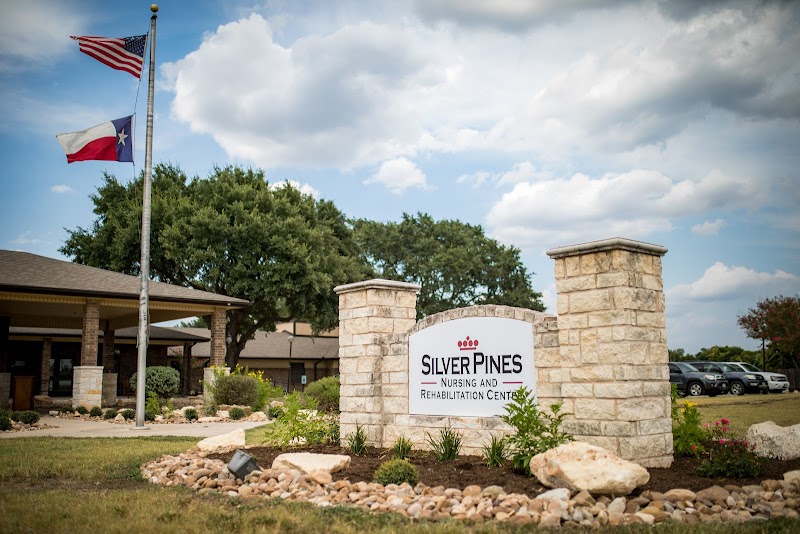
How is Silver Pines Staffed?

CMS rates SILVER PINES NURSING AND REHABILITATION CENTER's staffing level at 1 out of 5 stars, which is much below average compared to other nursing homes. Staff turnover is 45%, compared to the Texas average of 46%. This relatively stable workforce can support continuity of care. RN turnover specifically is 60%, which is notably high. RNs provide skilled clinical oversight, so turnover in this role can affect medical care quality.

What Have Inspectors Found at Silver Pines?

State health inspectors documented 34 deficiencies at SILVER PINES NURSING AND REHABILITATION CENTER during 2023 to 2025. These included: 2 Immediate Jeopardy (the most serious level, indicating potential for serious harm or death), 1 that caused actual resident harm, and 31 with potential for harm. Immediate Jeopardy findings are rare and represent the most serious regulatory concerns. They require immediate corrective action.
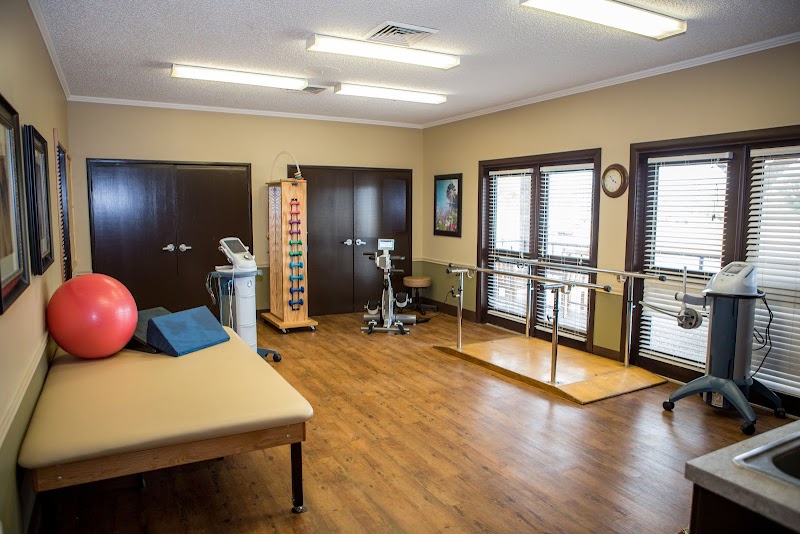
Who Owns and Operates Silver Pines?

SILVER PINES NURSING AND REHABILITATION CENTER is owned by a non-profit organization. Non-profit facilities reinvest revenue into operations rather than distributing to shareholders. The facility is operated by WELLSENTIAL HEALTH, a chain that manages multiple nursing homes. With 114 certified beds and approximately 90 residents (about 79% occupancy), it is a mid-sized facility located in BASTROP, Texas.
How Does Silver Pines Compare to Other Texas Nursing Homes?

Compared to the 100 nursing homes in Texas, SILVER PINES NURSING AND REHABILITATION CENTER's overall rating (2 stars) is below the state average of 2.8, staff turnover (45%) is near the state average of 46%, and health inspection rating (3 stars) is at the national benchmark.

What Should Families Ask When Visiting Silver Pines?

Based on this facility's data, families visiting should ask: "What changes have been made since the serious inspection findings, and how are you preventing similar issues?" "Can you walk me through typical staffing levels on day, evening, and night shifts?" "Can I visit during a mealtime to observe dining assistance and food quality?" "How do you handle medical emergencies, and what is your hospital transfer rate?" These questions are particularly relevant given the facility's Immediate Jeopardy citations and the below-average staffing rating.

Is Silver Pines Safe?

Based on CMS inspection data, SILVER PINES NURSING AND REHABILITATION CENTER has documented safety concerns. Inspectors have issued 2 Immediate Jeopardy citations (the most serious violation level indicating risk of serious injury or death). The facility has a 2-star overall rating and ranks #100 of 100 nursing homes in Texas. Families considering this facility should ask detailed questions about what corrective actions have been taken since these incidents.

Do Nurses at Silver Pines Stick Around?

SILVER PINES NURSING AND REHABILITATION CENTER has a staff turnover rate of 45%, which is about average for Texas nursing homes (state average: 46%). Moderate turnover is common in nursing homes, but families should still ask about staff tenure and how the facility maintains care continuity when employees leave.

Was Silver Pines Ever Fined?

SILVER PINES NURSING AND REHABILITATION CENTER has been fined $37,115 across 1 penalty action. The Texas average is $33,450. While any fine indicates a compliance issue, fines under $50,000 are relatively common and typically reflect isolated problems that were subsequently corrected. Families should ask what specific issues led to these fines and confirm they've been resolved.

Is Silver Pines on Any Federal Watch List?

SILVER PINES NURSING AND REHABILITATION CENTER is not on any federal watch list. The most significant is the Special Focus Facility (SFF) program, which identifies the bottom 1% of nursing homes nationally based on persistent, serious quality problems. Not being on this list means the facility has avoided the pattern of deficiencies that triggers enhanced federal oversight. This is a positive indicator, though families should still review the facility's inspection history directly.