BEAUMONT HEALTH CARE CENTER
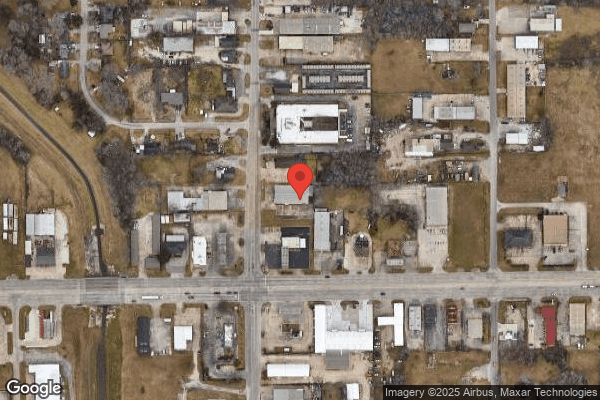
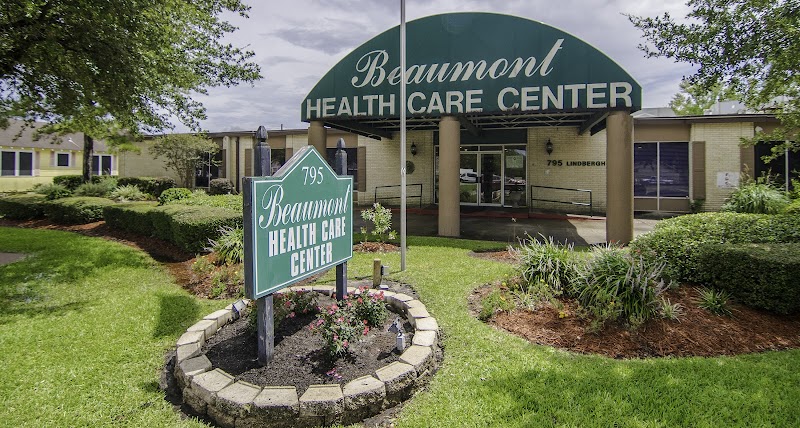
795 LINDBERGH DR, BEAUMONT, TX 77707 (409) 842-2228
Non profit - Corporation 82 Beds HEALTH SERVICES MANAGEMENT Data: November 2025
Trust Grade
90/100
#15 of 1168 in TX
Last Inspection: May 2025

Inspected within the last 6 months. Data reflects current conditions.

Overview

Beaumont Health Care Center has received a Trust Grade of A, indicating that it is considered excellent and highly recommended. It ranks #15 out of 1,168 nursing homes in Texas, placing it well within the top half of facilities statewide, and it is the top-ranked nursing home out of 14 in Jefferson County. The facility is showing improvement, with issues decreasing from four in 2024 to three in 2025. However, staffing is a concern, rated at only 2 out of 5 stars, and although turnover is slightly below the Texas average at 48%, it indicates potential challenges in staff consistency. While there have been no fines issued, the facility has faced several concerns, including inadequate respiratory care for some residents and lapses in food safety practices, such as staff not wearing proper hair restraints in the kitchen. These weaknesses highlight areas that need attention, despite the facility's overall strong performance in health inspections and quality measures.

Trust Score
A
90/100
In Texas
#15/1168
Top 1%
Safety Record
Low Risk
No red flags
Inspections
Getting Better
4 → 3 violations
Staff Stability
⚠ Watch
48% turnover. Above average. Higher turnover means staff may not know residents' routines.
Penalties
✓ Good
No fines on record. Clean compliance history, better than most Texas facilities.
Skilled Nurses
⚠ Watch
Each resident gets only 17 minutes of Registered Nurse (RN) attention daily — below average for Texas. Fewer RN minutes means fewer trained eyes watching for problems.
Violations
○ Average
8 deficiencies on record. Average for a facility this size. Mostly minor or procedural issues.
★★★★★
5.0
Overall Rating
★★☆☆☆
2.0
Staff Levels
★★★★☆
4.0
Care Quality
★★★★★
5.0
Inspection Score
Stable
2024: 4 issues
2025: 3 issues

The Good

  • 4-Star Quality Measures · Strong clinical quality outcomes
  • Full Sprinkler Coverage · Fire safety systems throughout facility
  • No fines on record

Facility shows strength in quality measures, fire safety.

The Bad

Staff Turnover: 48%

Near Texas avg (46%)

Higher turnover may affect care consistency

Chain: HEALTH SERVICES MANAGEMENT

Part of a multi-facility chain

Ask about local staffing decisions and management

The Ugly 8 deficiencies on record

May 2025 3 deficiencies
CONCERN (D)

Potential for Harm - no one hurt, but risky conditions existed

Comprehensive Care Plan (Tag F0656)

Could have caused harm · This affected 1 resident

**NOTE- TERMS IN BRACKETS HAVE BEEN EDITED TO PROTECT CONFIDENTIALITY** Based on observation, interview, and record review, the facility failed to develop and implement comprehensive care plans for re...

Read full inspector narrative →
**NOTE- TERMS IN BRACKETS HAVE BEEN EDITED TO PROTECT CONFIDENTIALITY** Based on observation, interview, and record review, the facility failed to develop and implement comprehensive care plans for residents that included their specific needs as identified in each resident's comprehensive assessment for 2 of 10 residents (Residents #12 and #22) reviewed for person-centered care plans. Residents #12 and #22 did not have care plans developed for oxygen therapy. This failure could place residents at risk of not receiving proper care or inadequate oxygen support which could result in diminished physical, mental and psychosocial well-being. The findings included: 1. Record review of the face sheet dated 05/14/25 indicated Resident #12 was admitted on [DATE] and was [AGE] years old. Her diagnoses included acute respiratory distress, chronic respiratory failure with hypoxia and chronic obstructive pulmonary disease. Record review of the quarterly MDS assessment dated [DATE] indicated Resident #12 MDS had active diagnosis of debility, cardiorespiratory conditions, acute respiratory distress, chronic respiratory failure with hypoxia, chronic obstructive pulmonary disease, shortness of breath with exertion and received oxygen therapy continuous. Record review of the undated care plan on 05/14/25 indicated Resident #12 did not have a care plan related to her receiving oxygen therapy. Record review of the physician's orders for Resident #12 dated 05/12/25 indicated no order for oxygen administration. Record review of the nursing progress notes dated 05/08/25 indicated Resident #12 Resident returned to facility via wheelchair accompanied by 1 personnel from hospital . Dx: chronic pain BLE. Current vitals: BP 122/64, HR 72, RR 21, SP02 98% 2L[PM](of Oxygen) and Temp 98.8 . During an observation on 05/12/25 at 09:35 a.m., Resident #12's concentrator setting indicated infusing at the rate of 3 LPM per concentrator and she was asleep in her bed with the oxygen nasal cannula on. During an observation on 05/12/25 at 2:07 p.m., Resident #12's concentrator setting indicated infusing at the rate of 3 LPM per concentrator and she was sitting up in her wheelchair. Resident #12 said she was on oxygen for shortness of breath and that it helped her breath better. During an observation and interview on 05/12/25 at 2:30 p.m., LVN A verified Resident #12's concentrator was set on 3 LPM. LVN A said Resident #12 did not have an order for administration of oxygen. LVN A said Resident #12 used oxygen for shortness of breath. 2. Record review of the face sheet dated 05/14/25 indicated Resident #22 was admitted on [DATE] and was [AGE] years old. His diagnoses included essential hypertension, acute cough and chronic obstructive pulmonary disease. Record review of the annual MDS assessment dated [DATE] indicated Resident #22 MDS had active diagnosis of medically complex conditions, hypertension, chronic obstructive pulmonary disease. Record review of the undated care plan on 05/14/25 indicated Resident #22 did not have a care plan related to him receiving oxygen therapy. Record review of Resident #22's physician's orders dated 05/12/25 indicated no order for oxygen administration. Record review of Resident #22's nursing progress notes dated 04/25/25 indicated .cough; O2 sat: 87% on room air. Resident placed on 3 L[PM] NC, O2 improved to 93%. During an observation on 05/12/25 at 2:17 p.m., Resident #22's concentrator setting indicated infusion at the rate of 2 LPM per concentrator and he was lying in bed watching TV. Resident #22 said he was on oxygen most of the time for shortness of breath. During an observation and interview on 05/12/25 2:35 p.m., LVN A verified Resident #22's concentrator was set to 2 LPM. LVN A said Resident #22 did not have an order for administration of oxygen. LVN A said Resident #22 used oxygen for shortness of breath. During an observation and interview on 05/14/25 3:35 p.m., the DON verified Resident #12's concentrator was set on 3 LPM and Resident #22's concentrator was set on 2 LPM. The DON said oxygen therapy should have been included on Residents #12 and #22's care plans. After the DON reviewed Resident #12 and 22's care plans, she agreed there were missing care plans specific to the resident current needs of oxygen and did not know why or how it was missed. The DON said no one person was responsible for completing care plans and that it was the responsibility of all administrative nurses of the interdisciplinary team. The DON said she expected the team to complete care plans and to make sure they reflected the current care needs of the resident. Record review of facility undated policy titled Comprehensive Care Plan read in part . be developed for each resident that includes measurable objectives and timeframes to meet the resident's medical, nursing, mental and psychosocial needs and ALL services that are been identified in the resident's comprehensive assessment . 3. The comprehensive care plan will describe, at minimum, the following: a. The services that are to be furnished to attain or maintain the resident's highest practicable physical, mental and psychosocial well-being . 4. The comprehensive care plan will be prepared by an interdisciplinary team .
CONCERN (E)

Potential for Harm - no one hurt, but risky conditions existed

Respiratory Care (Tag F0695)

Could have caused harm · This affected multiple residents

**NOTE- TERMS IN BRACKETS HAVE BEEN EDITED TO PROTECT CONFIDENTIALITY** Based on observation, interview, and record review, the facility failed to ensure a resident who needed respiratory care, was pr...

Read full inspector narrative →
**NOTE- TERMS IN BRACKETS HAVE BEEN EDITED TO PROTECT CONFIDENTIALITY** Based on observation, interview, and record review, the facility failed to ensure a resident who needed respiratory care, was provided such care, consistent with professional standards of practice, the comprehensive person-centered care plan and the residents' goals and preferences for 4 of 8 residents (Residents # 12, # 22, #210 and #259) reviewed for respiratory therapy. The facility failed to ensure Residents #12 and #22 had a physician order for oxygen and was care planned. The facility failed to ensure Resident #210 was set on 3 LPM per oxygen concentrator (machine that takes air from your surroundings and extracts oxygen and filters it into purified oxygen to breathe). The facility failed to keep the oxygen concentrator filter clean for Resident #259. These failures could place residents at risk of receiving incorrect or inadequate oxygen support which could result in a decline in health. Findings include: 1. Record review of the face sheet dated 05/14/25 indicated Resident #12 was admitted on [DATE] and was [AGE] years old. Her diagnoses included acute respiratory distress, chronic respiratory failure with hypoxia and chronic obstructive pulmonary disease. Record review of the quarterly MDS assessment dated [DATE] indicated Resident #12 MDS had active diagnosis of debility, cardiorespiratory conditions, acute respiratory distress, chronic respiratory failure with hypoxia, chronic obstructive pulmonary disease, shortness of breath with exertion and received oxygen therapy continuous. Record review of the undated care plan on 05/14/25 indicated Resident #12 did not have a care plan related to her receiving oxygen therapy. Record review of Resident #12's physician's orders dated 05/12/25 indicated no order for oxygen administration. Record review of the nursing progress notes dated 05/08/25 indicated Resident #12 Resident returned to facility via wheelchair accompanied by 1 personnel from hospital . Dx: chronic pain BLE. Current vitals: BP 122/64, HR 72, RR 21, SP02 98% 2 L[PM] (of Oxygen) and Temp 98.8 . During an observation on 05/12/25 at 09:35 a.m., Resident #12's concentrator setting indicated infusing at the rate of 3 LPM per concentrator and she was asleep in her bed with the oxygen nasal cannula on. During an observation and interview on 05/12/25 at 2:07 p.m., Resident #12's concentrator setting indicated infusing at the rate of 3 LPM per concentrator and she was sitting up in her wheelchair. Resident #12 said she was on oxygen for shortness of breath and that it helps her breath better. During an observation and interview on 05/12/25 2:30 p.m., LVN A nurse assigned to resident verified the concentrator was set on 3 LPM. LVN A said Resident #12 did not have an order for administration of oxygen. LVN A said Resident #12 used oxygen for shortness of breath and she would get an order for the oxygen. During an observation and interview on 05/13/25 at 09:00 a.m., Resident #12's said she had just finished her breakfast and her breathing was ok. Resident #12's concentrator setting indicated infusion at the rate of 3LPM and she was sitting up in her wheelchair. During an observation and interview on 05/14/25 at 09:10 a.m., Resident #12 was sitting up in her wheelchair doing a word search puzzle and said she had no breathing problems at this time. Resident #12's concentrator setting indicated infusion at the rate of 3 LPM. 2. Record review of the face sheet dated 05/14/25 indicated Resident #22 was admitted on [DATE] and was [AGE] years old. His diagnoses included essential hypertension, acute cough and chronic obstructive pulmonary disease. Record review of the annual MDS assessment dated [DATE] indicated Resident #22 MDS had active diagnosis of medically complex conditions, hypertension, chronic obstructive pulmonary disease. Record review of the undated care plan on 05/14/25 indicated Resident #22 did not have a care plan related to him receiving oxygen therapy. Record review of Resident #22's physician's orders dated 05/12/25 indicated no order for Oxygen administration. Record review of Resident #22's nursing progress notes dated 04/25/25 indicated .cough; O2 sat: 87% on room air. Resident placed on 3L NC, O2 improved to 93%. During an observation on 05/12/25 at 09:27 a.m., Resident #22's concentrator setting indicated infusion at the rate of 2LPM per concentrator and he was asleep in his bed with the oxygen nasal cannula on. During an observation and interview on 05/12/25 at 2:17 p.m., Resident #22's concentrator setting indicated infusion at the rate of 2LPM per concentrator and he was lying in bed watching TV. Resident #22 said he was on Oxygen most of the time for shortness of breath. During an observation and interview on 05/12/25 at 2:35 p.m., LVN A verified Resident #22's concentrator was set on 2 LPM. LVN A said Resident #22 did not have an order for administration of oxygen. LVN A said Resident #22 used oxygen for shortness of breath and she would get an order for the oxygen. During an observation and interview on 05/13/25 at 08:45 a.m., Resident #22's said he had just finished his breakfast and his breathing was good. Resident #22's concentrator setting indicated infusion at the rate of 2 LPM. During an observation and interview on 05/14/25 at 09:00 a.m., Resident #22 was lying in bed and said he was ok and breathing fine at this time. Resident #22's concentrator setting indicated infusion at the rate of 2 LPM. During an interview on 05/14/25 2:35 p.m., LVN A said she had forgotten to get oxygen orders for Resident #12 and #22 before she clocked out for the day on 05/12/25. LVN A said both Residents were on Oxygen for diagnosis of shortness of breath. LVN A said all nurses were responsible for making sure orders are obtained for oxygen administration and residents on oxygen without physician orders are at risk of not receiving the correct liters of oxygen. 3. Record review of the face sheet dated 05/12/25 indicated Resident #210 was admitted on [DATE] and was [AGE] years old. His diagnoses included diabetes, high blood pressure and third-degree burns. Record review of the admission MDS assessment dated [DATE] indicated Resident #210 MDS was not completed on 05/15/25, not due at that time of the record review. Record review of the care plan dated 05/08/25 indicated Resident #210 received oxygen therapy related to shortness of breath. The interventions included checking O2 saturations & provide respiratory treatments as ordered. Observe for the resident for sign/symptoms of cyanosis, hypoxia, and oxygen toxicity in relation to oxygen therapy. The signs & symptoms to observe for: blue tone to the skin and mucous membranes, rapid breathing, rapid pulse rate, restlessness, confusion, tracheal irritation, difficulty breathing, slow, & shallow rate of breathing. Notify physician upon observation. The oxygen settings were O2 at 3 liters via nasal cannula per physician order. Record review of the physician's orders dated 05/08/25 indicated an order for O2 at 3 LPM per concentrator per nasal cannula. During an observation and interview on 05/13/25 at 11:20 a.m., Resident #210's concentrator setting indicated infusing at the rate of 5 LPM per concentrator and he was in his bed with the oxygen nasal cannula on. LVN A was outside the room in the hall. The wound nurse was coming out of Resident #210's room; she verified the concentrator was set on 5 LPM but was unsure what he had ordered. LVN A said Resident #210 order indicated 3 LPM via concentrator per nasal cannula. LVN A adjusted oxygen setting to 3 LPM. During an interview on 05/13/25 at 2:00 p.m., the DON said the nurses should follow the physician orders with oxygen therapy. She said if too much oxygen was given that could depress the respiration. She said the nurses were responsible for checking the O2 settings and to follow the physician orders. During an interview on 05/14/25 at 8:00 a.m., the Administrator said her expectation was for the nurses to follow the physician's orders. 4. Record Review of Resident #259's face sheet dated 10/12/25, indicated she was a [AGE] year-old female readmitted on [DATE] with diagnoses of respiratory failure (a condition where the lungs are unable to adequately exchange oxygen and carbon dioxide resulting in dangerously low oxygen levels in the blood), chronic obstructive pulmonary disease (a group of lung diseases that block airflow and make it difficult to breathe) and heart failure (condition in which the heart does not pump blood as well as it should). Record Review of Resident #259's most recent quarterly MDS assessment dated [DATE] indicated she had a BIMS score of 5 which indicated severe cognitive impairment. The assessment indicated medical diagnoses of respiratory failure, chronic obstructive pulmonary disease and heart failure and received oxygen therapy on admission continuously and during the last 14 days while a resident in the facility. Record Review of Resident #259's care plan revised 05/13/25 indicated she received oxygen therapy related to chronic obstructive pulmonary disease with interventions including oxygen setting at 2 liters per minute per nasal canula per physician order. Record Review of Resident #259's care plan revised 05/13/25 indicated she received oxygen therapy related to chronic obstructive pulmonary disease with interventions including oxygen setting at 2 liters per minute per nasal canula per physician order. Record Review of Resident #259's Physicians Order Summary dated 05/12/25 indicated she was prescribed oxygen at 2 liters per minute by nasal canula continuously with an order date of 02/19/25. During an observation on 05/12/25 at 09:00 a.m., Resident #259 was lying in bed with oxygen per nasal canula set at 2 liters/ minute to an oxygen concentrator with a black concentrator filter. The oxygen concentrator filter was covered with a light gray powdery substance. Resident #259 said she wears her oxygen all the time. During an observation on 05/14/25 at 08:30 a.m., Resident #259 was lying in bed with oxygen per nasal canula set at 2 liters/ minute to an oxygen concentrator with a black concentrator filter. The oxygen concentrator filter was covered with a light gray powdery substance. Resident #259 said she wears her oxygen all the time. During an observation and interview on 05/14/25 at 8:30 a.m., LVN B said she was providing care for Resident #259 today. She said the filter on Resident #259's oxygen concentrator was dirty and should have been cleaned when the oxygen tubing was changed on 05/12/25. LVN B said maintenance was responsible for cleaning oxygen filters when servicing the concentrators and the night nurse that changed the oxygen tubing should be responsible for cleaning the oxygen concentrator filter. She said the nurses providing care for the residents were the back up and cleaned oxygen concentrator filters as needed. She said it was possibly overlooked but she would clean it now. LVN B said she was in-serviced to clean the oxygen concentrator filters as needed when visibly soiled. She said the resident risk was infection or the oxygen not properly traveling through the oxygen tubing. During an interview on 05/14/25 at 9:31 a.m., the DON said the night nurse was responsible for changing the oxygen tubing and checking the humidifier bottles (oxygen can be drying to your nose so some patients use a humidifier bottle to moisten the oxygen you breath) weekly and ensuring oxygen concentrator filters were cleaned as needed. She said the ADON was the back up and checked the oxygen concentrator filters every Monday. The DON said Resident #259's oxygen concentrator filter may have been overlooked when LVN C changed the oxygen tubing and humidifier bottle. She said the staff were in-serviced on 11/13/24 on respiratory training and to ensure oxygen concentrator filters were cleaned when visible soiled. The DON said there was no resident risk of an oxygen concentrator filter being dirty, if the air flow was obstructed the concentrator would alarm and it was not alarming. She said her expectation was oxygen concentrator filters checked weekly when the oxygen tubing was changed and if visibly soiled cleaned or changed. During an interview on 05/14/25 at 10:11 a.m., the Administrator said the night nurse that changed the oxygen tubing was responsible for ensuring the oxygen concentrator filters were clean and the ADON was the back up. She said all the nurses were educated on ensuring oxygen concentrator filters were clean. She said Resident #259's oxygen concentrator filter was possibly overlooked. The Administrator said there was no resident risk for oxygen concentrators with dirty filters. She said if the oxygen concentrator machine was not receiving proper airflow an alarm would sound if it needed to be addressed and Resident #259's oxygen concentrator was not alarming. She said her expectation was all oxygen concentrator filters were cleaned as needed. During a phone interview on 05/14/25 at 12:09 p.m., the ADON said she made rounds on Resident #259 on Monday, 05/12/25 and Resident #259's oxygen concentrator filter was not dirty, and she was unsure why the oxygen concentrator filter was on 05/14/25. The ADON said the oxygen concentrator filter was a grey/ charcoal color. The ADON said Resident #259 was a recent readmission from the hospital and was given a concentrator that was serviced with a clean filter. She said the night nurse that checked the oxygen humidifier bottle and changed the tubing was responsible for ensuring the oxygen concentrator filter was cleaned. The ADON said she was the back up and checked every Monday to ensure the oxygen concentrator filters were clean. She said all the nurses were in-serviced recently on cleaning oxygen concentrator filters. The ADON said the resident risk of a dirty oxygen concentrator filter was respiratory infection. Unable to interview LVN C, the night nurse that checked Resident #259's oxygen concentrator and changed the tubing on 5/12/25, due to no returned phone message. Record review of a facility in-service dated 11/13/24, titled, Respiratory Training indicated addressed, O2 devises . O2 concentrators Record Review of a facility policy revised 2023, titled, Oxygen Concentrator indicated, .The purpose of this policy is to establish responsibilities for the care and use of oxygen concentrators. a. Follow manufacturer recommendations for the frequency of cleaning filters and servicing the device. Record review of the undated Oxygen Administration policy indicated Oxygen is administered to residents who need it, consistent with professional standards of practice, the comprehensive person-centered care plans, and the resident's goals and preferences.1. Oxygen is administered under orders of a physician, except in the case of an emergency. In such cases, oxygen is administered, and orders are obtained as soon as practicable when the situation is under control.4. The resident's care plan shall identify the interventions for oxygen therapy, based upon the resident's assessments and orders.5. a. Follow manufacturer recommendations for the frequency of cleaning equipment filters.
CONCERN (E)

Potential for Harm - no one hurt, but risky conditions existed

Food Safety (Tag F0812)

Could have caused harm · This affected multiple residents

Based on observation, interview, and record review, the facility failed to store, prepare, distribute, and serve food under sanitary conditions in 1 of 1 kitchen reviewed for dietary services. The fa...

Read full inspector narrative →
Based on observation, interview, and record review, the facility failed to store, prepare, distribute, and serve food under sanitary conditions in 1 of 1 kitchen reviewed for dietary services. The facility failed to ensure all staff wore hair restraints and restrained all of their hair while plating the food. (05/12/25) This failure could place residents who ate meals prepared in the kitchen at risk of foodborne illnesses. Findings included: During observation on 05/12/25 at 7:50 a.m., the DM was in the kitchen. The DM walked by the stove and by the food prepping tables. The DM operated the dish machine. There was a 2 inches wide area on each side of her neck of unrestrained hair approximately 3 to 4 inches long. During an interview and observation on 05/12/25 at 12:27 p.m., the kitchen staff was serving food for lunch in the dining room from steam table and soup cooker. The DM had a 2-inch-wide area on each side of her neck of unrestrained hair approximately 3 to 4 inches long and she was placing the soup in the bowls. [NAME] C was plating from the steam table the 1 inch to 1 1/2-inches of unrestrained hair on top of her hair which extended from her right ear to the left ear. A long braid along the left side of her face was out of the hair net approximately 4 inches long. DM said all hair should be restrained while serving. [NAME] C and the DM went and secured their hair and washed their hands, after surveyor intervention. The DM said she was responsible for ensuring the staff secured their hair. She said a hair could fall in the food if not secured. During an interview on 05/14/25 at 8:00 a.m., the Administrator said her expectation was for anyone serving food or in the kitchen to wear hair nets. Record review of the undated Dietary Employee Personal Hygiene policy indicated It is the policy of this facility to utilize the following as guidelines for employee personal hygiene to prevent contamination of food by foodservice employees. 4. a. Food employees shall wear hair restraints such as hats, hair covering or nets, beard restraints and clothing that covers body hair, that are designed and worn effectively keep their hair from contacting exposed FOOD, . Record review of the FDA food code dated 2022 indicated . Effectiveness. (Hair Restraints) 1. Code of Federal Regulations, Title 21, Sections 110.10 Personnel. (b) (1) Wearing outer garments suitable to the operation (4) Removing all unsecured jewelry (6) Wearing, where appropriate, in an effective manner, hair nets, head bands, caps, beard covers, or other effective hair restraints.
Apr 2024 4 deficiencies
CONCERN (D)

Potential for Harm - no one hurt, but risky conditions existed

Deficiency F0578 (Tag F0578)

Could have caused harm · This affected 1 resident

**NOTE- TERMS IN BRACKETS HAVE BEEN EDITED TO PROTECT CONFIDENTIALITY** Based on interviews and record reviews, the facility failed to ensure the right to formulate an advance directive was provided f...

Read full inspector narrative →
**NOTE- TERMS IN BRACKETS HAVE BEEN EDITED TO PROTECT CONFIDENTIALITY** Based on interviews and record reviews, the facility failed to ensure the right to formulate an advance directive was provided for 1 of 4 residents reviewed for resident rights. (Resident #5) The facility did not have a valid Out of Hospital-Do Not Resuscitate (OOH-DNR) for Resident #5. This failure could place residents at risk of lifesaving procedures being performed against their wishes resulting in bruising, broken ribs, and possibly being brought back to life in an unaware and unresponsive state. Findings included: Record review of physician orders for [DATE] indicated Resident #5 was an [AGE] year-old female readmitted on [DATE]. Her diagnoses included chronic obstructive pulmonary disease (a lung disease that blocks airflow making it difficult to breathe), hypertension (condition in which the force of the blood against the artery walls is too high), and abdominal aortic aneurysm (enlargement of the main blood vessel that delivers blood to the body, at the level of the abdomen). She had an order dated [DATE] for DNR. Record review of the current MDS assessment dated [DATE] indicated Resident #5 was alert to person, place, and time with a BIMS of 11 indicating she had moderately impaired cognition. Record review of the EMR on [DATE] at 09:33 a.m. indicated Resident #5 had a scanned OOH-DNR dated [DATE] with no printed name of physician and no license number of physician. During an observation and interview on [DATE] at 11:05 a.m., Resident #5 was up in her recliner in her room. She said she did not want CPR done. During an interview on [DATE] at 02:00 p.m., the DON said she had just started at the facility yesterday, but she knew DNRs should be completed or they can be deemed as invalid. She said missing physician information would make a DNR invalid. She said they would start CPR and possibly bring the person back to life while possibly breaking rib bones. During an interview on [DATE] at 03:07 p.m., the former DON/Corporate Nurse said the SW usually did the DNRs. During an interview on [DATE] at 03:23 p.m., the SW said DNRs without complete information would be invalid. She said Resident #5's DNR would be invalid due to not having the physician information completed. Record review of a Do Not Resuscitate Order policy revised [DATE] indicated Policy Interpretation and Implementation: 2. A Do Not Resuscitate (DNR) order form must be completed and signed by the Attending Physician and resident .
CONCERN (D)

Potential for Harm - no one hurt, but risky conditions existed

Tube Feeding (Tag F0693)

Could have caused harm · This affected 1 resident

**NOTE- TERMS IN BRACKETS HAVE BEEN EDITED TO PROTECT CONFIDENTIALITY** Based on observation, interview, and record review, the facility failed to ensure that residents receiving enteral feeding recei...

Read full inspector narrative →
**NOTE- TERMS IN BRACKETS HAVE BEEN EDITED TO PROTECT CONFIDENTIALITY** Based on observation, interview, and record review, the facility failed to ensure that residents receiving enteral feeding received appropriate care and services to prevent complication of enteral feeding for 1 of 1 resident (Resident #42) reviewed for enteral feeding. LVN A failed to verify placement of Resident #42's G-tube by checking for residual (fluid and contents that remain in the stomach) before enteral administration of water and medications. This failure could place residents receiving enteral nutrition and medications at increased risk of not receiving proper nutrition, infection, and aspiration. Findings include: Record review of Resident #42's physician orders dated April 2024 indicated she was [AGE] years old and admitted to the facility 11/27/23. Her diagnosis included dysphagia (difficulty or discomfort swallowing) and aphasia (affects the ability to communicate). Orders indicated she was NPO (nothing by mouth) and was to receive all feedings and medications via G-tube (a tube inserted through the stomach that brings nutrition directly to the stomach). Record review of a care plan last revised 12/08/23 indicated Resident #42 had a feeding tube related to dysphagia, history of aspiration (breathing in a foreign object such as food), and swallowing problem. Interventions included to verify tube placement prior to use. Record review of the most recent quarterly MDS dated [DATE] indicated Resident #42 had severely impaired cognition, was dependent for all ADLs, and received her nutrition and hydration via G-tube. During an observation during medication administration on 04/02/24 at 9:18 a.m., LVN A checked placement of Resident #42's G-tube by inserting 10ml of air into the tube and listening at the abdomen for the swish of air. She then administered water flushes and medications through the G-tube. During an interview on 04/02/24 at 9:28 a.m., LVN A said she normally checked placement of a G-tube by auscultation (listening for a swish of air inserted into the abdomen with a stethoscope) and checking for residual in the stomach. She said she forgot to check for residual today. She said possible negative outcome of not performing a residual check for placement of the G-tube could be administering medications to a stomach that was too full. She said she had received training on G-tubes at nursing school and during orientation at the facility. During an interview on 04/03/24 at 10:15 a.m., the DON said she was not aware of the recommendation in the State Operations Manual Appendix PP - Guidance to Surveyors for Long Term Care Facilities that auscultation was no longer recommended for checking placement of a feeding tube. She said the facility policy indicated placement could be checked by auscultation or aspiration of residual. She said possible negative outcome of not checking placement of a G-tube by residual check could be administration of medications and/or feeding outside of the stomach. During an interview on 04/03/24 at 10:20 a.m., the Corporate Nurse said that the corporation was in process of reviewing and updating facility/corporate policies and she would bring the Confirming Placement of Feeding Tube policy to the attention of those updating policies. She said she was the former DON at the facility and all LVNs had received training on G-tubes and other skills during orientation to the facility. The training was given by staff LVNs, the ADON, and the DON. Record review of the facility policy titled Confirming Placement of Feeding Tubes revised March 2015 indicated .Observe for placement by: a. verify placement by auscultating stomach or b. verify placement by residual: little to no residual may suggest that the tube has migrated from the stomach to the esophagus.
CONCERN (E)

Potential for Harm - no one hurt, but risky conditions existed

Deficiency F0757 (Tag F0757)

Could have caused harm · This affected multiple residents

**NOTE- TERMS IN BRACKETS HAVE BEEN EDITED TO PROTECT CONFIDENTIALITY** Based on observation, interview, and record review, the facility failed to ensure each resident's drug regimen was free from unn...

Read full inspector narrative →
**NOTE- TERMS IN BRACKETS HAVE BEEN EDITED TO PROTECT CONFIDENTIALITY** Based on observation, interview, and record review, the facility failed to ensure each resident's drug regimen was free from unnecessary drugs for 3 of 7 residents (Residents #9, #47, and #104) reviewed for unnecessary medications. The facility did not have appropriate indications for medications based on Resident #9's, #47's, and #104's diagnoses. This failure could place residents at risk of complications related to receiving unnecessary medications. Findings included: 1.Record review of the physician orders dated April 2024 for Resident #9 indicated she was a [AGE] year-old female readmitted on [DATE] with diagnoses including type 2 diabetes and morbid (severe) obesity due to excess calories. The orders indicated the resident had an order dated 08/16/23 indicated she was to receive Ozempic subcutaneous solution (used to treat weight loss) every Friday related to type 2 diabetes mellitus. Record review of a Nurse Note dated 03/22/24 indicated Resident #9 was trying to lose weight and was taking Ozempic to help with weight loss. During an observation and interview on 04/01/24 at 09:36 a.m. Resident #9 was a very large built person in a bariatric bed. She said she had started taking Ozempic for weight loss and was hoping it would help some because she wanted to lose weight. During an interview on 04/02/24 at 02:00 p.m. the DON said medications should have a diagnosis for the medication. She said the indications for Resident #9 were symptoms and drug classifications, not diagnoses. During an interview on 04/02/24 at 03:08 p.m. the former DON/Corporate Nurse said medications should have appropriate diagnoses for their medication indication. She said Resident #9 was taking the Ozempic for weight loss and not for her diabetes. 2. Record review of the physician orders dated April 2024 for Resident #47 indicated she was a [AGE] year-old female admitted on [DATE] with diagnoses included senile degeneration of the brain and dementia. The orders indicated the resident had an order dated 03/22/24 for valproic acid (anticonvulsant) for dementia. During an interview on 04/02/24 at 02:00 p.m. the DON said dementia was not an appropriate indication Resident #47's medications. 3. Record review of the physician orders dated April 2024 for Resident #104 indicated she was an [AGE] year-old female admitted on [DATE] with diagnoses including paroxysmal atrial fibrillation (a type of irregular heartbeat) and restless leg syndrome. The orders indicated the resident had: * an order dated for Eliquis (blood thinner) for blood thinner; * an order dated for pramipexole dihydrochloride (used to treat restless leg syndrome) for antiparkinson's. During an interview on 04/02/24 at 09:20 a.m. Resident #104 said she did not have Parkinson's, but she took medication for her restless legs. During an interview on 04/02/24 at 02:00 p.m. the DON said medications should have an appropriate diagnosis for their use. During an interview on 04/02/24 at 03:08 p.m. the former DON/Corporate Nurse said medications should have appropriate diagnoses for their indication. Surveyor requested a medication policy related to medications and diagnoses on 04/03/24 from the DON and no policy was provided.
CONCERN (E)

Potential for Harm - no one hurt, but risky conditions existed

Medication Errors (Tag F0758)

Could have caused harm · This affected multiple residents

**NOTE- TERMS IN BRACKETS HAVE BEEN EDITED TO PROTECT CONFIDENTIALITY** Based on interview and record review, the facility failed to ensure residents were not given psychotropic drugs unless the medic...

Read full inspector narrative →
**NOTE- TERMS IN BRACKETS HAVE BEEN EDITED TO PROTECT CONFIDENTIALITY** Based on interview and record review, the facility failed to ensure residents were not given psychotropic drugs unless the medication was necessary to treat a specific condition as diagnosed and documented in the clinical record for 1 of 3 residents reviewed for unnecessary psychotropic drugs. (Resident #47) The facility failed to ensure Resident #47 had an appropriate diagnosis or adequate indication for the use of Trazadone (an antidepressant used to treat depression) and Zoloft (an antidepressant used to treat depression). This failure could place residents at risk for receiving unnecessary medication, having unnecessary medication side effects, and a decreased quality of life. Findings included: Record review of the physician orders dated April 2024 for Resident #47 indicated she was an [AGE] year-old female admitted on [DATE] with diagnoses included senile degeneration of the brain (mental deterioration associated with aging) and dementia (loss of cognitive functioning). The orders indicated she had the following medications: * an order dated 02/23/24 for Trazadone (antidepressant) for dementia; and * an order dated 02/23/24 for Zoloft (antidepressant) for dementia. During an interview on 04/02/24 at 02:00 p.m. the DON said dementia was not an appropriate indication Resident #47's medications. Surveyor requested a medication policy related to medications and diagnoses on 04/03/24 from the DON and no policy was provided.
Mar 2023 1 deficiency
CONCERN (D)

Potential for Harm - no one hurt, but risky conditions existed

Respiratory Care (Tag F0695)

Could have caused harm · This affected 1 resident

**NOTE- TERMS IN BRACKETS HAVE BEEN EDITED TO PROTECT CONFIDENTIALITY** Based on observation, interview, and record review, the facility failed to ensure respiratory care was provided according to pro...

Read full inspector narrative →
**NOTE- TERMS IN BRACKETS HAVE BEEN EDITED TO PROTECT CONFIDENTIALITY** Based on observation, interview, and record review, the facility failed to ensure respiratory care was provided according to professional standards of practice for 1 of 14 residents reviewed for respiratory care and services. (Residents #15) The facility did not provide Resident #15's oxygen concentrator with a clean filter. The filter was covered with a thick layer of white powdery substance. This failure could place residents who required respiratory care at risk of not receiving proper care and treatment and decreased quality of life. Findings included: Record review of the admission record indicated Resident #15 was admitted on [DATE]. Resident #15 was [AGE] years old male with diagnoses with chronic lung disease Record review of quarterly MDS assessment dated [DATE] indicated Resident #15 had moderately impaired cognition, and had not received oxygen during last 7 days. Resident#15 had diagnosis of chronic lung disease. Record review of the care plan dated 02/23/23 revealed Resident #15 was resistive to care with a history of non-compliance with O2 use as ordered. Interventions include an order for oxygen as ordered by physician. Record review of physician orders dated March 2023 indicated Resident #15 was [AGE] years old and had diagnoses of chronic lung disease. The orders included Administer O2 @ 2 LPM via N/C PRN (as needed) related to Chronic Obstructive Pulmonary disease (lung disease) with acute exacerbation (sudden worsening of symptoms) with a start date of 02/23/2023. During an observation and interview on 03/12/23 at 9:00 a.m., Resident #15 was receiving O2 at 2 LPM and filter on the concentrator was covered with a thick layer of white powdery substance. Resident #15 said the nurses change tubing and take care of that machine. During an observation on 03/13/23 at 9:38 a.m., Resident #15 concentrator's filter was still covered with a thick layer of white powdery substance. During an observation and interview on 03/13/23 at 10:00 a.m., LVN A checked Resident #15 concentrator's filter and said it was dirty and should have been cleaned last night. She said she normally worked the night shift and was trained to clean all filters on Sunday nights. However, she did not work last night. She said the filter being covered with dust could affect the output of the concentrator . During an observation and interview on 03/13/23 at 10:20 a.m., the ADON removed Resident #15's filter said she was taking the dirty filter to the DON. During an observation on 03/13/23 at 10:35 a.m., the DON said she expected the night nurse to clean filters every Sunday night and they had been trained. During the exit meeting on 03/14/23 at 2:02 p.m., the Administrator was given the opportunity to provide additional information related to oxygen concentrators. No additional information was provided.
Understanding Severity Codes (click to expand)
Life-Threatening (Immediate Jeopardy)
J - Isolated K - Pattern L - Widespread
Actual Harm
G - Isolated H - Pattern I - Widespread
Potential for Harm
D - Isolated E - Pattern F - Widespread
No Harm (Minor)
A - Isolated B - Pattern C - Widespread

Questions to Ask on Your Visit

  • "Can I speak with families of current residents?"
  • "What's your RN coverage like on weekends and overnight?"

Our Honest Assessment

Strengths
  • • Grade A (90/100). Above average facility, better than most options in Texas.
  • • No major safety red flags. No abuse findings, life-threatening violations, or SFF status.
  • • No fines on record. Clean compliance history, better than most Texas facilities.
Concerns
  • • No significant concerns identified. This facility shows no red flags across CMS ratings, staff turnover, or federal penalties.
Bottom line: Generally positive indicators. Standard due diligence and a personal visit recommended.

About This Facility

What is Beaumont Health's CMS Rating?

CMS assigns BEAUMONT HEALTH CARE CENTER an overall rating of 5 out of 5 stars, which is considered much above average nationally. Within Texas, this rating places the facility higher than 99% of the state's 100 nursing homes. This rating reflects solid performance across the metrics CMS uses to evaluate nursing home quality.

How is Beaumont Health Staffed?

CMS rates BEAUMONT HEALTH CARE CENTER's staffing level at 2 out of 5 stars, which is below average compared to other nursing homes. Staff turnover is 48%, compared to the Texas average of 46%. RN turnover specifically is 60%, which is notably high. RNs provide skilled clinical oversight, so turnover in this role can affect medical care quality.

What Have Inspectors Found at Beaumont Health?

State health inspectors documented 8 deficiencies at BEAUMONT HEALTH CARE CENTER during 2023 to 2025. These included: 8 with potential for harm.
Who Owns and Operates Beaumont Health?

BEAUMONT HEALTH CARE CENTER is owned by a non-profit organization. Non-profit facilities reinvest revenue into operations rather than distributing to shareholders. The facility is operated by HEALTH SERVICES MANAGEMENT, a chain that manages multiple nursing homes. With 82 certified beds and approximately 58 residents (about 71% occupancy), it is a smaller facility located in BEAUMONT, Texas.

How Does Beaumont Health Compare to Other Texas Nursing Homes?

Compared to the 100 nursing homes in Texas, BEAUMONT HEALTH CARE CENTER's overall rating (5 stars) is above the state average of 2.8, staff turnover (48%) is near the state average of 46%, and health inspection rating (5 stars) is much above the national benchmark.

What Should Families Ask When Visiting Beaumont Health?

Based on this facility's data, families visiting should ask: "Can you walk me through typical staffing levels on day, evening, and night shifts?" "Can I visit during a mealtime to observe dining assistance and food quality?" "How do you handle medical emergencies, and what is your hospital transfer rate?" "Can I speak with family members of current residents about their experience?" These questions are particularly relevant given the below-average staffing rating.

Is Beaumont Health Safe?

Based on CMS inspection data, BEAUMONT HEALTH CARE CENTER has a clean safety record: no substantiated abuse findings (meaning no confirmed cases of resident harm), no Immediate Jeopardy citations (the most serious violation level indicating risk of serious injury or death), and is not on the Special Focus Facility watch list (a federal program monitoring the lowest-performing 1% of nursing homes). The facility has a 5-star overall rating and ranks #1 of 100 nursing homes in Texas. While no facility is perfect, families should still ask about staff-to-resident ratios and recent inspection results during their visit.

Do Nurses at Beaumont Health Stick Around?

BEAUMONT HEALTH CARE CENTER has a staff turnover rate of 48%, which is about average for Texas nursing homes (state average: 46%). Moderate turnover is common in nursing homes, but families should still ask about staff tenure and how the facility maintains care continuity when employees leave.

Was Beaumont Health Ever Fined?

BEAUMONT HEALTH CARE CENTER has no federal fines on record. CMS issues fines when nursing homes fail to meet care standards or don't correct problems found during inspections. The absence of fines suggests the facility has either maintained compliance or corrected any issues before penalties were assessed. This is a positive indicator, though families should still review recent inspection reports for the full picture.

Is Beaumont Health on Any Federal Watch List?

BEAUMONT HEALTH CARE CENTER is not on any federal watch list. The most significant is the Special Focus Facility (SFF) program, which identifies the bottom 1% of nursing homes nationally based on persistent, serious quality problems. Not being on this list means the facility has avoided the pattern of deficiencies that triggers enhanced federal oversight. This is a positive indicator, though families should still review the facility's inspection history directly.