OAK GROVE NURSING HOME
6230 WARREN ST, GROVES, TX 77619 (409) 963-1266
Government - Hospital district 120 Beds Independent Data: November 2025
Trust Grade
75/100
#298 of 1168 in TX
Last Inspection: September 2025

Inspected within the last 6 months. Data reflects current conditions.

Overview

Oak Grove Nursing Home in Groves, Texas has a Trust Grade of B, which means it is considered a good choice for families looking for care. It ranks #298 out of 1,168 facilities in Texas, placing it in the top half, and #4 out of 14 in Jefferson County, indicating only three homes in the area are rated higher. The facility's performance has been stable, with 5 issues reported in both 2024 and 2025, suggesting no significant decline in care. Staffing is a relative strength with a turnover rate of 30%, which is well below the Texas average of 50%, although RN coverage is concerning as it is lower than 96% of state facilities. While there have been no fines reported, there are notable issues including lapses in infection control where staff failed to properly sanitize hands and equipment, and a failure to provide adequately pureed food for residents with swallowing difficulties, which could risk their safety. Overall, while there are strengths in staffing and no fines, families should be aware of the identified care deficiencies.

Trust Score
B
75/100
In Texas
#298/1168
Top 25%
Safety Record
Low Risk
No red flags
Inspections
Holding Steady
5 → 5 violations
Staff Stability
○ Average
30% turnover. Near Texas's 48% average. Typical for the industry.
Penalties
✓ Good
No fines on record. Clean compliance history, better than most Texas facilities.
Skilled Nurses
⚠ Watch
Each resident gets only 11 minutes of Registered Nurse (RN) attention daily — below average for Texas. Fewer RN minutes means fewer trained eyes watching for problems.
Violations
⚠ Watch
14 deficiencies on record. Higher than average. Multiple issues found across inspections.
★★★★☆
4.0
Overall Rating
★★★☆☆
3.0
Staff Levels
★★★☆☆
3.0
Care Quality
★★★★☆
4.0
Inspection Score
Stable
2024: 5 issues
2025: 5 issues

The Good

  • Full Sprinkler Coverage · Fire safety systems throughout facility
  • No fines on record
  • Staff turnover below average (30%)

    18 points below Texas average of 48%

Facility shows strength in fire safety.

The Bad

Staff Turnover: 30%

15pts below Texas avg (46%)

Typical for the industry

The Ugly 14 deficiencies on record

Sept 2025 5 deficiencies
CONCERN (D)

Potential for Harm - no one hurt, but risky conditions existed

Deficiency F0655 (Tag F0655)

Could have caused harm · This affected 1 resident

**NOTE- TERMS IN BRACKETS HAVE BEEN EDITED TO PROTECT CONFIDENTIALITY** Based on interview and record review, the facility failed to develop and implement a baseline care plan for each resident that i...

Read full inspector narrative →
**NOTE- TERMS IN BRACKETS HAVE BEEN EDITED TO PROTECT CONFIDENTIALITY** Based on interview and record review, the facility failed to develop and implement a baseline care plan for each resident that includes the instructions needed to provide effective and person-centered care of the resident that meet professional standards of quality of care for 1 of 20 residents reviewed for new admissions. (Resident #51)The facility failed to develop and accurately complete a baseline care plan within 48 hours of admission for Resident #51.This failure could lead to residents not receiving necessary care and decreased quality of life.Findings include:Record review of Resident #51's face sheet, dated 09/10/2025, reflected a [AGE] year-old male admitted to the facility on [DATE]. Relevant diagnoses included displaced fracture of right tibial tuberosity (shinbone), cellulitis (bacterial infection of skin and underlying tissues), diabetes, and chronic kidney disease. Resident #51 had a history of a kidney transplant and was prescribed immunosuppression therapy (a medical treatment that aims to weaken or suppress the immune system).Record review of the admission MDS dated [DATE] indicated Resident #51 had a BIMS score of 09 indicating moderately impaired cognitive skills. Resident #51 had a surgical wound requiring application of nonsurgical dressings. Medication regime included antianxiety medications, hypnotics, anticoagulant, and opioid pain medications. Resident #51 required hemodialysis, had intravenous access on admission and while a resident. Record review of Resident #51's Order Summary Report indicated admission date of 08/28/2025 with prescribed orders as follows:- Eliquis 2.5 mg twice daily (an anticoagulant)- Escitalopram Oxalate 5 mg daily (antidepressant)- Hydrocodone-Acetaminophen 10-325 mg every 6 hours as needed for pain- Tacrolimus 1 mg for history of immunosuppression therapy- Temazepam 15 mg at bedtime related to insomnia- Dialysis appointment every Monday, Wednesday and Friday- Dialysis port to right chest and fistula (an abnormal connection between an artery and vein) to left arm - No blood pressure [check] to affected dialysis site- Hemodialysis access site checks every shift- Enhanced barrier precautions- Occupational therapy 5x weeks x 30 days- Skilled physical therapy services 5x week x 30 days Record review of Resident #51's September 2025 MAR and TAR indicated he was administered Eliquis 2.5 mg twice daily, Escitalopram Oxalate 5 mg daily, Tacrolimus 1 mg (2 capsules) twice daily, Hydrocodone-Acetaminophen 10-325 mg on 11 occasions from 09/01/2025 through 09/08/2025 with pain rated 3- 10 on a scale of 1-10, and had received dressing changes to surgical site of right lower leg every Monday, Wednesday and Friday. Review of the baseline care plan dated 08/28/2025 for Resident #51 did not address the following instructions needed to provide effective and person-centered care of the resident:- Communication - indicated Resident #51 can communicate easily with staff and understand the staff. Indicated unable to determine in answer to if needed or wanted an interpreter to communicate with physician or health care staff. Primary language was Spanish;- Active diagnosis contributing to admission was left blank. (Resident admitted for post-surgical repair of fractured tibia);- Prescribed PRN (as needed) opioid pain medications;- Prescribed routine medications; - Enhance Barrier Precautions were not included;- history of kidney transplant and immunosuppression therapy medications;- dietary preferences; and- Prescribed therapy services frequency. During a record review and interview on 09/10/2025 at 11:45 a.m., after review of Resident #51's baseline care plan, MDS nurse B said she had 26 years' experience with MDS and care plans. She acknowledged Resident #51's baseline care plan was not complete in that the medication list, therapy services including frequency, enhanced barrier precautions, and admitting diagnosis was omitted. MDS nurse B said the medication list, including routine and PRN medications, should have been listed completely. She added the enhanced barrier precautions should have been listed since Resident #51 was a dialysis resident and was admitted to facility for post-surgical wound care and therapy services. During a record review and interview on 09/10/2025 at 12:10 p.m., after reviewing Resident #51's baseline care plan together, the DON said the document should have contained instructions regarding language barrier, post-surgical treatment of wound, pain medications as well as dietary preferences, physician treatment orders, prescribed therapy services, enhanced barrier precautions, etc. The DON said her expectations were for all fields of the baseline care plan to be completed accurately. The DON said inaccuracies on baseline care plans could affect newly admitted residents by potential delay of care and services, medication errors, or the potential to miss needed services. She said the MDS nurses were responsible for the accuracy and completion of the baseline care plans for which she would sign-off on. Record review of a policy titled Care Plans - Baseline dated 2001, indicated the following. A baseline plan of care to meet the resident's immediate health and safety needs is developed for each resident within forty-eight (48) hours of admission. Policy Interpretation and Implementation.1. The baseline care plan includes instructions needed to provide effective person-centered care of the resident that meet professional standards of quality care and must include the minimum health care information necessary to properly care for the resident including but not limited to the following:initial goals based on admission orders in discussion with the representative, physician's orders, dietary orders, therapy services.
CONCERN (D)

Potential for Harm - no one hurt, but risky conditions existed

Pharmacy Services (Tag F0755)

Could have caused harm · This affected 1 resident

**NOTE- TERMS IN BRACKETS HAVE BEEN EDITED TO PROTECT CONFIDENTIALITY** Based on observation, interview, and record review the facility failed to provide pharmaceutical services, including procedures ...

Read full inspector narrative →
**NOTE- TERMS IN BRACKETS HAVE BEEN EDITED TO PROTECT CONFIDENTIALITY** Based on observation, interview, and record review the facility failed to provide pharmaceutical services, including procedures that assure the accurate administering of all drugs and biologicals to meet the needs of each resident for 2 of 5 residents (Residents #71 and #77) reviewed for Pharmacy Services. MA A failed to shake the bottle of Flonase [Fluticasone Propionate Suspension] Nasal Suspension 50 MCG/ACT (Fluticasone Propionate (Nasal)) before administering it to Resident #71. MA B failed to shake the bottle of Flonase [Fluticasone Propionate Suspension] Nasal Suspension 50 MCG/ACT (Fluticasone Propionate (Nasal)) before administering it to Resident #77. This failure could cause residents to experience cough, congestion, sneezing or shortness of breath. Findings Include: Resident #71 Record review of Resident #71's clinical record revealed a [AGE] year-old female, admitted to the facility initially on 12/10/2023 with re-admit 08/31/2024, with pertinent diagnoses: other seasonal allergic rhinitis (a condition that causes inflammation of the nasal passages in response to airborne allergens, such as pollen from trees, grasses, and weeds), cognitive communication deficit (a difficulty with effective verbal and nonverbal communication), unspecified dementia (a condition where cognitive decline is present, but the specific underlying cause cannot be identified), unspecified severity with agitation, unspecified glaucoma (Glaucoma is a group of eye diseases that damage the optic nerve, which connects the eye to the brain- cause is unknown). Record review of Resident #71's active Physician Orders for August 2025 indicated: Flonase [Fluticasone Propionate Suspension] Nasal suspension 50 MCG/ACT 2 spray in each nostril one time a day related to seasonal allergic rhinitis due to cough and congestion. Record review of Resident #71's Care Plan revised on 08/28/2025 indicated Resident #71 has Diagnosis of seasonal allergies and Tx R/T Dx-Flonase nose spray. Interventions: administer Flonase as ordered by attending physician. Record review of Resident #71's MAR for August 2025 indicated the Flonase nasal spray was scheduled for 9:00 am. During observation and interview of medication pass on 09/09/2025 at 8:05 am, MA A removed Resident #71's Flonase nasal spray from the manufacturers box that was located inside the medication cart. MA A then walked into Resident #71 room, explained the procedure to Resident #71, and administered 2 sprays of Flonase in each nostril without gently shaking the bottle (as directed by the manufacturer prior to medication administration). During Interview on 09/09/2025 at 8:20 am, MA A said before administration of the nasal spray, she needed to check the expiration date. MA A said there was nothing else she needed to do before administering it. MA A said if Flonase was not administered per physician and manufacturer's instructions, the resident would not get the full effective dose.MA A said she has been trained on administering nasal sprays/ medications and knows nasal sprays need to be shaken. Resident #77 Record review of Resident #77's clinical record indicated a [AGE] year-old male admitted to the facility initially on 12/16/2021 with re-admit 09/28/2023, with pertinent diagnoses: other seasonal allergic rhinitis (a condition that causes inflammation of the nasal passages in response to airborne allergens, such as pollen from trees, grasses, and weeds), low back pain, muscle weakness (generalized), other lack of coordination. Record review of Resident #77's active Physician Orders for August 2025 indicated:Flonase [Fluticasone Propionate Suspension] Nasal Suspension 50 MCG/ACT (Fluticasone Propionate (Nasal)) 1 spray in both nostrils two times a day related to seasonal allergic rhinitis due to cough and congestion. Record review of Resident #77 care plan dated 07/18/2025 Indicated was at risk for Shortness breath with Tx R/T Dx-Flonase nose spray. Interventions: administer Flonase as ordered by attending physician. Record review of Resident #77's MAR for August 2025 indicated the Flonase nasal spray was scheduled for 9:00 am. During observation and interview of medication pass on 09/09/2025 at 8:28 am, MA B removed Resident #77's Flonase nasal spray from the manufacturers box that was located inside the medication cart. MA B then walked into Resident #77 room, explained the procedure to Resident #77, then administered 1 spray of Flonase in each nostril without gently shaking the bottle (as directed by the manufacturer prior to medication administration). During Interview on 09/09/2025 at 9:20 am, LVN B said he expected MAs to follow MD's orders and manufacturer's instructions when administering medications to residents to avoid potential medication errors. During Interview on 09/09/2025 at 8:40 am, MA B said before administration of the nasal spray, she needed to check the expiration date. MA B said if Flonase was not administered per physician and manufacturer's instructions, the resident would not get the full effective dose. MA B said she has been trained on administering nasal sprays/ medications and knows nasal sprays need to be shaken. During interview on 09/10/2025 at 8:12 am, Resident #77 said the MAs mostly shake the Flonase but not always. During interview on 09/09/2025 at 2:05 pm, the DON said she expected Nursing staff who passed medications to do so only by Doctor's Order and if the manufacturer states to shake then they would need to shake the medication gently. The DON stated turning the bottle upside down can be considered shaking gently. The DON stated if staff do not follow Doctor's Order and the manufacturer it could lead to the potential of the resident not getting the full dose of the medication. During interview on 09/10/2025 at 10:30 am, the ADON said he expected nursing staff who administer medications to follow MD orders, facility policy, and manufacturer instructions related to medication administration to reduce the potential for cough, and congestion. During interview on 09/10/2025 at 11:05 am, LVN C said she expected MAs to clarify any manufacturer's instructions they may not understand with their charge nurse before administering any medications. LVN C stated if a nurse or MA doesn't shake a medication bottle that says it needs to be shaken; it can result in a resident not getting all their medication as ordered. Record review of MA A and MA B Nurse and Certified Medical Aide Medication Pass Worksheet (skills check-off) dates 07/01/2025 conducted at 9:00 am indicated both MA A and MA B had demonstrated proper techniques with no errors related to nasal spray administration. Record review of the manufacturer's box of Flonase nasal spray indicated the bottle of Flonase should be shaken gently before each use. Record review of the facility's policy entitled, Administering Medications revision date: April 2019 indicated (in part) the following:Policy Statement: Medications shall be administered in a safe and timely manner, and as prescribed.4. Medications must be administered in accordance with the orders, including any required time frame. 10. The individual administering the medication must check the label THREE (3) times to verify the right resident, right medication, right dosage, right time and right method (route) of administration before giving the medication.
CONCERN (D)

Potential for Harm - no one hurt, but risky conditions existed

Unnecessary Medications (Tag F0759)

Could have caused harm · This affected 1 resident

**NOTE- TERMS IN BRACKETS HAVE BEEN EDITED TO PROTECT CONFIDENTIALITY** Based on observation, interview, and record review the facility failed to ensure that the medication error rate was not five per...

Read full inspector narrative →
**NOTE- TERMS IN BRACKETS HAVE BEEN EDITED TO PROTECT CONFIDENTIALITY** Based on observation, interview, and record review the facility failed to ensure that the medication error rate was not five percent or greater. The facility had a medication error rate of 7.41%, based on two errors out of 27 opportunities, which involved 2 of 5 residents (Resident #71, and #77) and 2 of 3 staff (MA A, and MA B) reviewed for medication error, in that: MA A failed to shake the bottle of Flonase [Fluticasone Propionate Suspension] Nasal Suspension 50 MCG/ACT before administering it to Resident #71. MA B failed to shake the bottle of Flonase [Fluticasone Propionate Suspension] Nasal Suspension 50 MCG/ACT before administering it to Resident #77. This failure could affect the Residents health, safety and quality of life. Findings Include: Resident #71 Record review of Resident #71's clinical record revealed a [AGE] year-old female, admitted to the facility initially on 12/10/2023 with re-admit 08/31/2024, with pertinent diagnoses: other seasonal allergic rhinitis (a condition that causes inflammation of the nasal passages in response to airborne allergens, such as pollen from trees, grasses, and weeds), cognitive communication deficit (a difficulty with effective verbal and nonverbal communication), unspecified dementia (a condition where cognitive decline is present, but the specific underlying cause cannot be identified), unspecified severity with agitation, unspecified glaucoma (Glaucoma is a group of eye diseases that damage the optic nerve, which connects the eye to the brain- cause is unknown). Record review of Resident #71's active Physician Orders for August 2025 indicated:Flonase [Fluticasone Propionate Suspension] Nasal Suspension 50 MCG/ACT 2 spray in each nostril one time a day related to seasonal allergic rhinitis due to cough and congestion. Record review of Resident #71's Care Plan revised on 08/28/2025 indicated Resident #71 has Diagnosis of seasonal allergies and Tx R/T Diagnosis -Flonase nose spray. Interventions: administer Flonase as ordered by attending physician. Record review of Resident #71's MAR for August 2025 indicated the Flonase nasal spray was scheduled for 9:00 am. During observation and interview of medication pass on 09/09/2025 at 8:05 am, MA A removed Resident #71 Flonase nasal spray from the manufacturers box that was located inside the medication cart. MA A then walked into Resident #71 room, explained the procedure to Resident #71, and administered 2 sprays of Flonase in each nostril without gently shaking the bottle (as directed by the manufacturer prior to medication administration). During interview on 09/09/2025 at 8:23 am, MA A said she made a medication error by not shaking the bottle of Flonase. MA A said if Flonase was not administered per physician and manufacturer's instructions, the resident would not get the full effective dose.MA A said she has been trained on administering nasal sprays/ medications and knows nasal sprays need to be shaken. Resident #77 Record review of Resident #77's clinical record indicated a [AGE] year-old male admitted to the facility initially on 12/16/2021 with re-admit 09/28/2023, with pertinent diagnoses: other seasonal allergic rhinitis (a condition that causes inflammation of the nasal passages in response to airborne allergens, such as pollen from trees, grasses, and weeds), low back pain, muscle weakness (generalized), other lack of coordination. Record review of Resident #77's active Physician Orders for August 2025 indicated: Flonase [Fluticasone Propionate Suspension] Nasal Suspension 50 MCG/ACT (Fluticasone Propionate (Nasal) 1 spray in both nostrils two times a day related to seasonal allergic rhinitis due to cough and congestion. Record review of Resident #77 care plan dated 07/18/2025 Indicated was at risk for shortness of breath with Tx R/T Diagnosis-Flonase nose spray. Interventions: administer Flonase as ordered by attending physician. Record review of Resident #77's MAR for August 2025 indicated the Flonase nasal spray was scheduled for 9:00 am. During observation and interview of medication pass on 09/09/2025 at 8:28 am, MA B removed Resident #77 Flonase nasal spray from the manufacturers box that was located inside the medication cart. MA B then walked into Resident #77 room, explained the procedure to Resident #77, then administered 1 spray of Flonase in each nostril without gently shaking the bottle (as directed by the manufacturer prior to medication administration).During Interview with LVN B on 09/09/2025 at 9:20 am indicated he expects MAs to follow MDs orders and manufacturer's instructions when administering medications to residents to avoid potential medication errors. During interview on 09/09/2025 at 8:45 am, MA B said if Flonase was not administered per manufacturer's instructions, the resident would not get the proper dose. MA B said she should have shaken the bottle of Flonase prior to giving it to Resident #77. MA B said she made a medication error by not shaking the bottle. MA B said she has been trained in administering nasal sprays/ medications and knows nasal sprays need to be shaken. During interview on 09/10/2025 at 8:12 am, Resident #77 said the MAs mostly shake the Flonase but not always. During interview on 09/09/2025 at 2:05 pm, the DON said she expected Nursing staff who passed medications to do so only by Doctor's Order and if the manufacturer stated to shake then they would need to shake the medication gently. The DON stated turning the bottle upside down can be considered shaking gently. The DON stated if staff do not follow Doctor's Order and the manufacturer it could lead to the potential of the resident not getting the full dose of the medication would be considered a medication error. During interview on 09/10/2025 at 10:35 am, the ADON said he expected nursing staff who administered medications to follow MD orders, facility policy, and manufacturer instructions related to medication administration to avoid medication errors. During interview on 09/10/2025 at 11:15 am, LVN C said she expected MAs to clarify any manufacturer's instructions they may not understand with their charge nurse before administering any medications to avoid medication errors. LVN C stated if a nurse or MA doesn't shake a medication bottle that says it needs to be shaken it can result in a resident not getting all their medication as ordered. Record review of MA A and MA B's Nurse and Certified Medical Aide Medication Pass Worksheet (skills check-off) dates 07/01/2025 conducted at 9:00 am indicated both MA A and MA B had demonstrated proper techniques with no errors related to nasal spray administration. Record review of the manufacturer's box of Flonase nasal spray indicated the bottle of Flonase should be shaken gently before each use. Record review of the facility's policy entitled, Administering Medications revision date: April 2019 indicated (in part) the following:Policy Statement: Medications shall be administered in a safe and timely manner, and as prescribed.4. Medications must be administered in accordance with the orders, including any required time frame. 10. The individual administering the medication must check the label THREE (3) times to verify the right resident, right medication, right dosage, right time and right method (route) of administration before giving the medication.
CONCERN (D)

Potential for Harm - no one hurt, but risky conditions existed

Deficiency F0761 (Tag F0761)

Could have caused harm · This affected 1 resident

**NOTE- TERMS IN BRACKETS HAVE BEEN EDITED TO PROTECT CONFIDENTIALITY** Based on observation, interview and record review the facility failed to ensure all drugs and biologicals were stored in locked ...

Read full inspector narrative →
**NOTE- TERMS IN BRACKETS HAVE BEEN EDITED TO PROTECT CONFIDENTIALITY** Based on observation, interview and record review the facility failed to ensure all drugs and biologicals were stored in locked compartments and permit only authorized personnel to have access to the keys for 1 of 4 residents (Resident #71) reviewed for storage of medications. -Resident #71 had 13 liquid plastic single vials of Systane Ultra PF 0.7 ml (Artificial tears- eyedrops) with an expiration date of [DATE] inside her bed side drawer unsupervised. This failure could cause harm to Resident #71 eyes by causing infection, increasing her eye pressure, thus leading to blindness. The findings include: Record review of Resident #71's face sheet dated [DATE] indicated she was a [AGE] year-old female who re-admitted to the facility on [DATE] with other seasonal allergic rhinitis (a condition that causes inflammation of the nasal passages in response to airborne allergens, such as pollen from trees, grasses, and weeds), cognitive communication deficit (a difficulty with effective verbal and nonverbal communication), active dx of unspecified dementia (a condition where cognitive decline is present, but the specific underlying cause cannot be identified), unspecified severity with agitation, unspecified glaucoma (Glaucoma is a group of eye diseases that damage the optic nerve, which connects the eye to the brain- cause is unknown). Record review of Resident #71's quarterly MDS dated [DATE] indicated she usually understood others and was usually understood by others. The MDS also indicated she had a BIMS score of 11 which meant she had moderate cognitive impairment and had short-term and long-term memory problems. Resident #71 usually understood or understands others but has difficulty communicating some words or finishing thoughts but is able if prompted or given time. Record review of Resident #71's physician orders indicated there is no order for Systane Ultra PF 0.7 ml (Artificial tears- eyedrops). Record review of Resident #71's care-plan indicated .- dated [DATE] indicated Resident #71 is at risk for decline in cognition, at risk for decline in cognitive impairment. Interventions needed: administer medication as ordered. - dated [DATE] Resident #71 has impaired vision related to Glaucoma; Interventions needed: administer Timolol maleate to both eyes as ordered. Observe for a decrease /change in vision and notify MD. Place frequently used items in reach. There was no Care Plan for Resident #71 to self-administer medications. During observation and interview on [DATE] at 9:12 am, Resident #71 said she has drops she uses sometimes. Resident #71 pointed to her bedside drawer and requested surveyor to open drawer. Surveyor did not touch or open bedside drawer but requested LVN B to assist with Resident #71 request. LVN B asked Resident # 71 for permission to open bedside drawer. Resident #71 stated yes. LVN C (assigned LVN to Resident #71) entered the room. During interview on [DATE] at 9:15 am, LVN B opened bedside drawer, locating 13 plastic single vials of Systane Ultra PF 0.7 ml (Artificial tears- eyedrops) with an expiration date of [DATE]. LVN B & LVN C asked Resident #71 where she got the eyedrops from, and Resident #71 said she had the eyedrops for a while. During interview on [DATE] at 9:30 am, LVN B said they didn't know Resident #71 had the expired eyedrops. LVN B said Resident #71 should not have the eyedrops in her possession. LVN B said Resident #71 having the expired Artificial tears- eyedrops in her possession is a potential risk for her putting the eyedrops in her eyes. During interview on [DATE] at 9:33 am, LVN C said Resident #71 did not have an order for the eyedrops. LVN C said Resident #71 should not have had the Artificial tears- eyedrops because she does not have an order for them. LVN C the eyedrops are expired, and it could cause harm to Resident #71 eyes if she applies them to her eyes by increasing her eye pressure related to her Dx of Glaucoma. During an interview on [DATE] at 10:07 am, the DON said her expectation is for residents not to have any type of medications whether prescription or over the counter in their possession. DON said no one knew Resident #71 had the eyedrops until surveyor interviewed Resident #71 about the effectiveness of her medications. DON said potential harm could come to Resident #71 if she orally ingested the expired eyedrops or used them in her eyes. During interview on [DATE] at 2:26 pm, Resident #71 RP said Resident #71 is very confused because she has dementia and has Glaucoma. She doesn't know how Resident #71 got the eyedrops. RP said she's glad the eyedrops were found and removed. Her biggest concern was the possibility of Resident #71 putting the expired eyedrops in her eyes causing increased eye pressure and blindness. During observation and interview on [DATE] at 2:40 pm, surveyor asked Resident #71 if she could open the vial of eyedrops. Resident #71 said yes and demonstrated how to open the vial of eyedrops. Resident #71 attempted to administer eyedrops until surveyor and ADON intervened. During interview [DATE] at 2:50 pm, the ADON said Resident #71 can open the eyedrops herself. She can potentially administer the eyedrops herself and harm her eyes. His expectation is for all residents to have orders for their medications and not have any medication bedside. He said they did not have residents who self-administered medications in the building. He stated all residents receive their medications from MAs & nurses. He stated that medications are not supposed to be in a bedside drawer at any time unless ordered by MD and approved by facility. He stated all medications were to be kept under lock in designated areas. Record review of Items not allowed in resident room, no date indicated residents are not allowed to have eyedrops in room. Record review of the facility's policy titled, Administering Medications, revised April/2019 indicated.1. Only persons licensed or permitted by this state to prepare, administer and document the administration of medications may do so.4. Medications administered in accordance with prescriber orders, including any required time frame. 27. Residents may self- administer their own medications only if the attending physician, in conjunction with the interdisciplinary care planning team, has determined that they have the decision- making capacity to do so. safely.
CONCERN (E)

Potential for Harm - no one hurt, but risky conditions existed

Infection Control (Tag F0880)

Could have caused harm · This affected multiple residents

**NOTE- TERMS IN BRACKETS HAVE BEEN EDITED TO PROTECT CONFIDENTIALITY** Based on observations, interviews, and record reviews the facility failed to establish and maintain an infection prevention and ...

Read full inspector narrative →
**NOTE- TERMS IN BRACKETS HAVE BEEN EDITED TO PROTECT CONFIDENTIALITY** Based on observations, interviews, and record reviews the facility failed to establish and maintain an infection prevention and control program designed to provide a safe, sanitary, and comfortable environment and to help prevent the development and transmission of communicable diseases and infections for 3 (Resident #4, Resident #74, and Resident #71) of 20 residents reviewed for infection control. 1. The facility failed to ensure LVN A sanitized the bottle of wound cleanser after using it in Resident #4 room and before it was placed in the medication cart. 2. The facility failed to ensure CNA C sanitized her hands and changed gloves before performing incontinent and catheter care for Resident #74. 3. The facility failed to ensure MA A sanitized her hands before placing Resident #71 pills into medication cup without using any hand hygiene. 4. The facility failed to ensure MA A sanitized her hands after touching a dirty medication cup and before administering eyedrops into Resident #71 eyes. These failures placed residents at risk for healthcare associated cross contamination and infections. Findings included: 1. Record review of Resident #4's admission record dated 09/10/25 indicated she was a [AGE] year-old female admitted to the facility on [DATE] with diagnoses which included a stage 4 pressure ulcer. Record review of Resident #4’s physician orders dated September 2025 indicated she had treatment orders for Stage IV to the sacrum (region of the body at the base of the spine): clean with wound cleanser, pat dry, apply medi-honey (medical grade honey for wounds), alginate (dressing which absorbs wound fluid) and cover with dry dressing daily and prn with a start date of 08/20/25. Record review of Resident #4’s admission MDS assessment dated [DATE] indicated she was rarely/never understood. She had one stage 4 pressure ulcer. Record review of Resident #4’s care plan dated 07/29/25 indicated Resident #4 had a stage 4 pressure ulcer wound to her sacral area, and was at risk for further breakdown and at risk for infection. During an observation and interview on 09/09/25 at 9:02 a.m., LVN A donned gown and gloves and said Resident #4 was in EBP. LVN A removed the soiled dressing then removed her gloves and sanitized her hands. She donned new gloves then sprayed 4 by 4 gauze with NS/ wound cleanser. Then she placed the bottle on the table next to the bed. She cleaned the pressure ulcer, removed soiled gloves, washed her hands and donned new gloves. She applied new dressing, removed gloves and washed her hands and walked to the medication cart placed the bottle of NS / wound cleanser in the bottom drawer without sanitizing it. During an interview on 09/09/25 at 9:30 a.m., LVN A said she should have cleaned the bottle before placing it back on her cart to prevent spreading any germs. She said she had been trained and just forgot. During an interview on 09/09/25 at 10:30 a.m., the DON said her expectation was for the staff to sanitize the bottles prior to placing them back on the cart and it should have been wiped with sanitizer to prevent the spread of germs. 2. Record review of a face sheet dated 09/10/25 indicated Resident #74 was an [AGE] year-old female admitted to the facility on [DATE]. Her diagnoses included type 2 diabetes mellitus (a long-term condition in which the body has trouble controlling blood sugar and using it for energy) with diabetic amyotrophy (a complication of diabetes that affects the nerves that supply the thighs, hips, buttocks, and/or lower legs) and neuromuscular dysfunction of bladder (a condition where the nerves and muscles that control bladder function are impaired, leading to abnormal urinary control). Record review of a quarterly MDS dated [DATE] indicated Resident #74 had a BIMS score of 13 indicating she had intact cognition, was dependent for most ADLs, and had an indwelling urinary catheter (a thin, flexible tube inserted into the bladder through the urethra to drain urine). Record review of a care plan last revised 05/07/25 indicated Resident #74 was at risk for infection related to her indwelling catheter. Record review of a physician’s order dated September 2025 indicated urinary catheter care every shift. During an observation of incontinent care and catheter care on 09/10/25 at 9:57 a.m., CNA C and CNA D washed their hands and gowned and gloved. CNA C explained the care they would perform and positioned Resident #74 in bed using the hand control of the bed. CNA C then uncovered the resident, opened her brief and tucked the brief under Resident #74 for care. Without performing hand hygiene and changing gloves CNA C then picked up wipes from her prepared table and began incontinent and catheter care using wipes to wipe outer folds of the resident's vagina and labia using a front to back motion. She performed catheter care wiping around the insertion site and then out from the resident's body along the tubing. She rolled the resident to her left side with assistance of the other CNA. She performed hand hygiene and changed gloves and continued incontinent care wiping front to back. She performed hand hygiene and changed gloves. She applied barrier cream and changed Resident #74’s under pad and assisted resident into a new brief. During an interview on 09/10/25 at 10:15 a.m., CNA C said she should have performed hand hygiene and applied new gloves after touching the resident and her brief before she began incontinent and catheter care. She said by not changing her gloves she risked cross contamination and infection to the resident. She said she had worked at the facility for 1 year and had received numerous trainings concerning infection control, hand hygiene and changing gloves. She said she was nervous with the surveyor watching her and missed sanitizing her hands and glove change. During an interview on 09/10/25 at 10:20 a.m., the DON said she expected all nursing staff to perform hand hygiene and change gloves between touching the resident and beginning care. She said the possible negative outcome of not performing hand hygiene and glove changes could be the spread of infection to the resident. She said that infection control in-services and hand hygiene/glove changing in-services were presented to staff by the Infection Control Nurse. During an interview on 09/10/25 at 1:04 p.m., the Infection Control Nurse said she presented infection control in-services to staff at least quarterly. She said she also observed staff doing incontinent care and other tasks. She said she was surprised that CNA C had forgotten a hand hygiene and glove change because she had watched her perform incontinent care and catheter care many times without any lapses in infection control. She said hand hygiene and glove changes protected residents from cross contamination and infections. 3. Record review of Resident #71's clinical record revealed a [AGE] year-old female, admitted to the facility initially on 12/10/2023 with re-admit 08/31/2024, with pertinent diagnosis: other seasonal allergic rhinitis (a condition that causes inflammation of the nasal passages in response to airborne allergens, such as pollen from trees, grasses, and weeds.),cognitive communication deficit (a difficulty with effective verbal and nonverbal communication), unspecified dementia (a condition where cognitive decline is present, but the specific underlying cause cannot be identified), unspecified severity with agitation, unspecified glaucoma (Glaucoma is a group of eye diseases that damage the optic nerve, which connects the eye to the brain- cause is unknown). Record review of Resident #71’s Physician Orders dated September 2025 indicated Timolol Maleate ophthalmic solutions 0.25% Instill 1 drop in both eyes two times a day related to Unspecified glaucoma to be administered twice a day at 9:00 AM & 9:00 PM. Record review of Resident #71’s quarterly MDS dated [DATE] indicated Resident #71 has impaired vision related to Glaucoma. Record review of Resident #71's care-plan dated 08/28/2025 indicated Resident #71 has impaired vision related to Glaucoma; Interventions needed: administer Timolol maleate to both eyes as ordered. Observe for a decrease /change in vision and notify MD. During observation on 09/09/2025 at 8:46 am, MA A pulled Resident #71's pill cards out of the hall C & hall D medication cart and started placing pills into the medication cup without using any hand hygiene. During observation on 09/09/2025 at 8:47 am, MA A handed Resident #71 her medicine cup. Once Resident #71 took her medication MA A grabbed the medication cup and threw it away, failing to perform hand hygiene after touching the dirty medication cup and before administering eyedrops into Resident #71 eyes. During interview on 09/09/2025 at 8:55 am, MA A said she should have slowed down while passing medications. She said she should have sanitized her hands prior to administering the eyedrops as she had been trained to do. During interview on 09/09/2025 at 9:08 am, the Infection Control Nurse said she has trained and demonstrated to all staff the importance of using proper hand hygiene. During interview on 09/09/2025 at 10:05 am, the DON said she expected all staff to perform hand hygiene to prevent the spread of infection. She stated all staff have been trained to perform hand hygiene. Record review of an undated facility policy titled Handwashing/Hand Hygiene indicated … “This facility considers hand hygiene the primary means to prevent the spread of healthcare-associated infections.” … “1. Hand hygiene is indicated: a. immediately before touching a resident; b. before performing an aseptic task (for example, placing an indwelling device or handling invasive medical device); c. after contact with blood, body fluids, or contaminated surfaces; d. after touching a resident; e. after touching the resident’s environment; e. before moving from work on a soiled body site to a clean body site on the same resident; g. immediately after glove removal.’
Aug 2024 1 deficiency
CONCERN (D)

Potential for Harm - no one hurt, but risky conditions existed

Deficiency F0658 (Tag F0658)

Could have caused harm · This affected 1 resident

**NOTE- TERMS IN BRACKETS HAVE BEEN EDITED TO PROTECT CONFIDENTIALITY** Based on observation, interview, and record review, the facility failed to ensure the services provided or arranged by the facil...

Read full inspector narrative →
**NOTE- TERMS IN BRACKETS HAVE BEEN EDITED TO PROTECT CONFIDENTIALITY** Based on observation, interview, and record review, the facility failed to ensure the services provided or arranged by the facility, as outlined by the comprehensive care plan, meet professional standards of quality for 1 of 18 residents reviewed for following physician orders. (Resident #11) The facility did not change the dressings to Resident #11's drains every day as ordered. This failure could place the residents at risk of infection and the drain sites not healing. Findings included: Record review of physician orders dated August 2024 indicated Resident #11, re-admitted [DATE], was a [AGE] year-old male with diagnoses of kidney stones and retroperitoneal abscess (an unusual type of abscess [a confined pocket of pus] that occurs in the retroperitoneal space [the tissue that lines the abdominal wall and covers the abdominal organs]).The consolidated orders indicated The drain sites were to be cleaned with normal saline, pat dry, apply topical antibiotic ointment and cover every day until drains are removed. Record review of the most recent significant change MDS assessment dated [DATE] indicated Resident #11 was recently re-admitted to the facility on [DATE] and had a BIMS score of 15 (cognitively intact). The resident had an impairment in range of motion to the upper and lower extremities bilaterally, had an indwelling catheter/nephrostomy (surgery to make an opening from the outside of the body to the renal pelvis used to drain urine) and a diagnosis of retroperitoneal abscess. Record review of a care plan updated 08/20/24 indicated Resident #11 had drains to the left lower back. The goal was for the resident to have no complications. The interventions indicated to perform treatment to drain sites as ordered. During observation and interview on 08/19/24 at 9:14 a.m., Resident #11 said he had been in and out of the hospital for kidney stones and an abscess to his kidney. The resident had 2 long slender white tubes with a drainage bag attached to each tube. One drainage bag had a clear yellow fluid, and one drainage bag had a scant amount of dark yellow fluid. During an interview on 08/19/24 at 9:26 a.m., LVN A said Resident #11 had kidney stones and went in the hospital for removal of the stones with a stint put in. The resident then went back in the hospital for pain and the surgeon removed more stones and replaced the stints. The resident returned and after several days he began having pain and a knot appeared on his left lower back, so he was sent back out to the hospital. He said they learned the surgeon had cut his kidney during the procedure and an abscess formed. The surgeon had to remove the abscess and put drains in to assist with healing. He said the resident saw the urologist last week, but they did not remove the drains. LVN A said one of the drains went directly into Resident #11's abscess and one drain went directly into the kidney. During observation and interview on 08/20/24 at 10:15 a.m., LVN A adjusted Resident #11 for wound care. There were 2 drain sites covered with gauze. Both gauzes were dated 08/17/24. LVN A said the gauzes were dated 08/17/24. He said he got busy yesterday on 08/19/24 and did not change the drain dressings as ordered. He said he did not work on 08/18/24, LVN B worked on 08/18/24. He said the possible negative outcome of not changing the dressing as ordered would be infection to the drain sites. The urine to the drainage bag from the kidney was clear yellow. The kidney drainage site was clear without signs of infection. The drainage bag from the abscess site had a scant amount of dark yellow drainage. The abscess insertion site was clear and without signs of infection. The resident denied pain to either drain site. During an interview on 08/20/24 at 10:38 a.m., LVN B said she changed the drain dressings for Resident #11 on Saturday 08/17/24 but did not change the dressings on Sunday 08/18/24. She said she had a lot of stuff going on lately and just forgot. She said the possible negative outcome of not changing the drain dressings could be infection to the drain sites. During an interview on 08/20/24 at 2:52 p.m., the DON said her expectations were for the wound care to be performed as ordered. She said the possible negative outcome would be Resident #11 could get an infection. Record review of a Dressing, Dry/Cleanpolicy revised September 2013 indicated: Purpose: The purpose of this procedure is to provide guidelines for the application of dry, clean dressings. Preparation: 1. Verify that there is a physician's order for this procedure. (Note: This may be generated from a facility protocol.) 2. Review the resident's care plan, current orders, and diagnoses to determine if there are special resident needs. Reporting: 1. Notify the supervisor if the resident refuses the dressing change. 2. Report other information in accordance with facility policy and professional standards of practice. Record review of a Nephrostomy Tube, Care of policy revised October 2010 indicated: Purpose: The purpose of this procedure is to provide guidelines for the care of the resident with a percutaneous nephrostomy tube. Preparation: 1. Verify that there is a physician's order for this procedure. 2. Review the resident's care plan to assess for any special needs of the resident.
Jul 2024 1 deficiency
CONCERN (D) 📢 Someone Reported This

A family member, employee, or ombudsman was alarmed enough to file a formal complaint

Potential for Harm - no one hurt, but risky conditions existed

Report Alleged Abuse (Tag F0609)

Could have caused harm · This affected 1 resident

**NOTE- TERMS IN BRACKETS HAVE BEEN EDITED TO PROTECT CONFIDENTIALITY** Based on interview and record review, the facility failed to ensure that all alleged violations involving abuse of residents are...

Read full inspector narrative →
**NOTE- TERMS IN BRACKETS HAVE BEEN EDITED TO PROTECT CONFIDENTIALITY** Based on interview and record review, the facility failed to ensure that all alleged violations involving abuse of residents are reported immediately, but not later than 2 hours after the allegation is made, if the events that cause the allegation involve abuse or result in serious bodily injury to HHSC for 1 of 9 residents (Resident #1) reviewed for abuse. The facility failed to report an allegation of sexual abuse within 2 hours to the State Agency when Resident #1 alleged that she had been touched inappropriately. This failure could place residents at risk of abuse, physical harm, mental anguish, and emotional distress. Findings included: Record review of a face sheet dated 07/10/2024 indicated Resident #1 was 68-years-old female, initially admitted to the facility on [DATE] with readmission date of 06/26/2024. Her diagnoses included schizoaffective disorder, bipolar type (mental health condition with a combination of symptoms of schizophrenia and mood disorder), vitamin deficiency (condition of a long-term lack of a vitamin), obsessive-compulsive disorder (a mental health disorder characterized by repetitive actions that seem impossible to stop), hypokalemia (below normal blood potassium level), type 2 diabetes (a chronic condition that affects the way the body processes blood sugar), and insomnia (trouble falling asleep or staying asleep). Record review of a MDS assessment dated [DATE] indicated Resident #1 was usually able to make herself understood and usually understand others. She had a BIMS score of 15 (cognitively intact). Her behaviors included physical behavioral symptoms directed toward others (e.g., hitting, kicking, pushing, scratching, grabbing, abusing others sexually) that occurred 1 to 3 days (out of 7 days look back period). She was independent with ADLs. She was continent of bladder and bowel. Record review of Resident #1's care plan revision dated 06/08/2024 indicated Resident #1 was at risk for behaviors/mood pattern changes; was accusatory toward others stating they stole my money; told others she saw people, that a fatigued man came and gave me covid or that she got covid from shot, had delusions that someone came in her room/ touched her but unable to state where, had delusions about denture cream on her face that was not there etc, and called lawyers or asked to call lawyer stating the administrator was running a sex trafficking operation. Interventions included to administer medications as ordered, encourage the resident to attend activities of interest, evaluate the effectiveness of medications if there was a noted increase in mood/behaviors and notify the MD, moved rooms, interviewed resident on what happened, unable to state where she was touched, Psych consult as ordered, sent to hospital for evaluation, social services referral, send to behavioral hospital. Record review of Resident #1's care plan revision dated 06/10/2024 indicated Resident #1 had behaviors: resisted care, was at risk for her needs not being met, had a history of refusing showers, had a history of refusing psych medications, and had a history of delusions/hallucinations. Interventions included to administer medications as ordered, approach slowly and calmly, if the resident became combative staff were to leave and try to approach later-notify nurse, monitor and record behaviors, pharmacy review of medications, and psych consult as ordered. Record review of Resident #1's progress note authored by LVN A indicated that on 06/08/2024 at 7:30 a.m., that Resident approached the nurses' station and stated, I think someone came into my room last night and touched me. During an interview on 07/09/2024 at 1:00 p.m., Resident #1 said that someone came into her room on night of 06/07/2024 or early morning on 06/08/2024 and touched her. She said she had denture cream on her cheek and drainage with smell in her underwear. She was unable to give any additional details of the incident. Resident #1 denied being woke up during the night or morning from the incident and said, they gave her a shot to knock her out and take advantage of me. Resident #1 then said she spoke with a ghost lover at night but that it was not him that touched her. She said she went to the hospital for testing and was getting a lawyer to help her with the case. During an interview on 07/10/2024 at 1:30 p.m., LVN A said she recalled the incident with Resident #1 coming to the nurses' station during shift change on 06/08/2024 stating she thought someone had come into her room and touched her inappropriately. She said Resident #1 was calm and in no distress when she reported it. LVN A said she informed the resident that she needed to go to the ER for an evaluation, but the resident said she wanted to go smoke and have her coffee before she went to the ER. LVN A said Resident #1 could not give specific answers when questioned about the incident. LVN A said Resident #1 did not call for help or use her call light for assistance during the shift and the resident was sleeping during her rounds. LVN A said the information provided by Resident #1 could be a sexual assault allegation and she notified the DON and administrator/AC immediately regarding the reported incident. LVN A said she did not recall seeing any residents wandering the hall or entering Resident #1's room the night of the alleged incident. LVN A said surveillance cameras were reviewed, and no footage identified anyone other than staff doing routine rounds entering Resident #1's room during the time of the alleged incident. She said she was trained on abuse and neglect and was aware to report any allegations of abuse to the administrator/AC immediately which she did. During an interview on 07/10/2024 at 1:00 p.m., LVN B said she recalled the incident with Resident #1 coming to the nurses' station during shift change on 06/08/2024 and stating that she thought someone had come into her room and touched her inappropriately. She said Resident #1 was calm and in no distress and the resident requested to go smoke and have her coffee before she went to the ER. LVN B said LVN A was leaving off shift and LVN A was trying to interview Resident #1, but the resident did not give specific answers when questioned about the incident. LVN B said the DON, Administrator, and the police were notified regarding the incident. LVN B said the Administrator came to the facility and interviewed the resident prior to her being transferred to the local hospital for evaluation. LVN B said Resident #1 was transferred to a local hospital and then to another facility so a rape test and SANE exam could be performed on Resident #1. LVN B said the resident remained at the hospital for more than 24 hours but later returned to the facility and then transferred to a behavioral health facility as ordered by psych services. LVN B said she observed footage from surveillance cameras and no footage identified anyone other than staff entering Resident #1's room during the time of the alleged incident. She said she was trained on abuse and neglect and was aware to report any allegations of abuse to the administrator/AC immediately. Record review of TULIP intake for Resident #1 indicated information date received on 06/08/2024 at 5:31 p.m., read that the allegation of abuse occurred on 06/08/2024 at 8:30 a.m. (9 hours prior). Caller information indicated the reporter of the allegation was the Director of Nurses. During an interview on 07/11/2024 at 10:30 a.m., the Director of Nurses said she and the Administrator became aware of the sexual abuse allegation made by Resident #1, immediately after it was reported to LVN A on 6/08/2024. She said the Administrator/Abuse Coordinator came to the facility and they interviewed the resident (she was on speaker phone of the Administrator's cell phone). She said Resident #1 continued to allege that someone had touched her during the night but could not provide specific details or answer additional questions. The DON said the resident continued to say she slept uninterrupted through the night and had not seen or heard anything unusual during the night. The DON said Resident #1 had a history of delusions. The DON said footage from the surveillance cameras were reviewed and only staff performing routine rounds were observed entering Resident #1's room. The DON said that due to resident's delusional episodes they did not feel the allegation of sexual assault/abuse was true; however, she now realized that the allegation should have been reported to HHSC within 2 hours of the alleged incident and then investigated. The DON said her expectations were for the facility staff to report all suspicions or allegations of abuse immediately to the administrator, as the abuse coordinator. She said the timeframe for reporting allegations of abuse to the state agency was to report within 2 hours of the allegation. The DON said the incident should have been reported to the state agency within 2 hours of the allegation. Record review of the facility's undated Reporting Abuse and Neglect Policy indicated Any facility staff member who has cause to believe that the physical or mental health of a resident has been or may be adversely affect(ed) by abuse, neglect, or exploitation case(ed) by another person, is to report the abuse, neglect or exploitation immediately.3. Will ensure all alleged violations involving abuse, neglect, exploitation or mistreatment, including injuries of unknown source and misappropriation of resident property, are reported immediately, but not later than 2 hours after the allegation is made, if the events that cause the allegation involve abuse .
Jan 2024 3 deficiencies
CONCERN (D) 📢 Someone Reported This

A family member, employee, or ombudsman was alarmed enough to file a formal complaint

Potential for Harm - no one hurt, but risky conditions existed

Grievances (Tag F0585)

Could have caused harm · This affected 1 resident

**NOTE- TERMS IN BRACKETS HAVE BEEN EDITED TO PROTECT CONFIDENTIALITY** Based on observation, interview and record review, the facility failed to ensure prompt efforts were made to resolve resident gr...

Read full inspector narrative →
**NOTE- TERMS IN BRACKETS HAVE BEEN EDITED TO PROTECT CONFIDENTIALITY** Based on observation, interview and record review, the facility failed to ensure prompt efforts were made to resolve resident grievances for 1 of 8 residents (Resident #3) reviewed for grievances. There was no grievance available or evidence of resolution when a family member advised the administrator that CNA C went into Resident #3's room and covered up the video camera on 11/18/2023 or that the family member did not want CNA C to provide care to Resident #3. This failure could place all residents at risk of unresolved grievances and decreased quality of life. Findings included: Record review of Resident #3's face sheet dated 12/21/23 indicated she was a [AGE] year old female admitted on [DATE] and her diagnoses included Alzheimer's (brain disorder), anxiety (feeling of fear, dread, and uneasiness), unspecified mood disorder, and aphasia (loss of ability to understand or express speech, caused by brain damage). Record review of Resident #3's MDS dated [DATE] indicated she was not able to make herself understood, sometimes understood others, had severely impaired cognitive skills, and required substantial/maximal assist for ADLS. Record review of Resident #3's care plan dated 08/25/23 indicated Resident #3's family wanted a camera in her (Resident #3's) room. Interventions included maintain camera in good working order and notify RP if broken or not working. Review of the facility's grievances from 11/01/23 through 12/20/23 indicated there were no grievances documented for Resident #3 related the video camera being covered or the family member not wanting CNA C to provide care to Resident #3. During an interview on 12/20/23 at 4:35 p.m., Resident #3's family member said she went to the facility on [DATE] and informed the Administrator about CNA C covering up the camera on 11/18/23. She said informed the administrator she did not want CNA C to provide care to Resident #3. She said she was not informed her concerns were addressed or resolved. Observation on 12/21/23 at 8:13 a.m. of undated and untimed video clips shared by Resident #3's family member indicated: Video link #1- CNA C and LVN D entered Resident #3's room. Resident #3's sheets and covers appeared rumpled and out of place. CNA C covered the camera. Video link #2- CNA C uncovered the camera and Resident #3 was lying in bed and the sheets and bed covers appeared neat and tucked. During an observation on 12/21/23 at 2:42 p.m., Resident #3 was lying in bed sleeping. The camera was directly across from the foot of her bed. The camera was uncovered and appeared to be in working condition. During an interview on 12/21/23 at 12:26 p.m., the DON said she was not aware of any staff barred from providing care to any resident. She said she would have completed a grievance related to resident care if she was made aware. She said all staff can complete grievances. She said she would review the grievances to ensure they were resolved. During an interview on 01/04/23 at 10:00 a.m., the administrator said Resident #3's family member made him aware of CNA C covering up the video camera during care. He said he did not write up a formal grievance. He said Resident #3's family member said she did not want CNA C to provide care to Resident #3. He said he advised the family member CNA C would not provide care to Resident #3. He said the staff were re-trained on 11/27/23 to not cover the camera in Resident #3's room. He said CNA C had not provided care for Resident #3 since he was made aware of the camera being covered up. During an interview on 01/04/23 at 10:23 a.m., LVN D said she went in Resident #3's room to assist with care because sometimes Resident #3 required two persons to provide care. She said she could not recall CNA C covered up the camera in Resident #3's room. She said she was inserviced on 11/27/23 that staff were not to cover any cameras in resident rooms. During an interview on 01/04/23 at 12:24 p.m., ADON E said he was made aware Resident #3's family member complained CNA C covered up the video camera during care. He said CNA C has not provided care to Resident #3 since the incident. He said all staff were retrained on 11/27/23 to not cover up the video cameras during care. He said he did not write up a formal grievance related to the family member's complaint of the CNA C covering up the camera. The surveyor attempted to contact CNA C on 01/04/23 by cell phone and text. CNA C's phone was not accepting calls or texts. Record review of the facility's Grievance policy dated 02/10/17 indicated Residents may voice grievances without interference, coercion, discrimination or reprisal from the facility. Resident rights will be enforced.A prompt investigation and resolution will be made for all grievances residents may have. Grievances include those related to treatment furnished, treatment that has not been furnished and behavior of staff and of other residents, and concerns during their stay. All grievances must be investigated and the report of the grievance may be oral or written, and they can be anonymous.The nursing facility will assign a designated grievance official. The grievance official will:-Oversee the process for reporting, receiving, investigating, tracking, and resolving grievances including written notification of the resolution and outcome to the individual who filed the complaint/grievance. The grievance official of (the facility) is (name) RN DON. The facility's Resident Right's policy dated 01/03/16 indicated . Grievances-You have the right to voice grievances to this facility or other agency concerning your care, treatment, behavior of staff and/or other residents as well as other concerns about your stay without fear of discrimination or reprisal. You have the right to information on how to file a grievance or complaint. You have the right to prompt resolution of grievances. Record review of the facility's undated Electronic Monitoring Policy indicated (the facility) follows the Texas Health and Human Services guidelines for electronic monitoring .
CONCERN (D) 📢 Someone Reported This

A family member, employee, or ombudsman was alarmed enough to file a formal complaint

Potential for Harm - no one hurt, but risky conditions existed

Abuse Prevention Policies (Tag F0607)

Could have caused harm · This affected 1 resident

**NOTE- TERMS IN BRACKETS HAVE BEEN EDITED TO PROTECT CONFIDENTIALITY** Based on observation, interview and record review the facility failed to implement their written policies and procedures to proh...

Read full inspector narrative →
**NOTE- TERMS IN BRACKETS HAVE BEEN EDITED TO PROTECT CONFIDENTIALITY** Based on observation, interview and record review the facility failed to implement their written policies and procedures to prohibit and prevent abuse, neglect, and exploitation of residents and misappropriation of resident property for 2 of 8 residents (Resident #s 1 and 2) reviewed for abuse. The facility failed to ensure the abuse coordinator and/or designee implemented the facility policy to report immediately to HHSC within two hours of an allegation or incident of alleged abuse after Resident #2 threatened to choke Resident #1 and punched Resident #1 in the left eye on 12/08/23. This failure could place residents at risk of abuse, physical harm, mental anguish, and emotional distress. Findings included: Record review of the facility's undated Reporting Abuse and Neglect Policy indicated Any facility staff member who has cause to believe that the physical or mental health of a resident has been, or may be adversely affect(ed) by abuse, neglect, or exploitation case(ed) by another person, is to report the abuse, neglect or exploitation immediately.3. Will ensure all alleged violations involving abuse, neglect, exploitation or mistreatment, including injuries of unknown source and misappropriation of resident property, are reported immediately, but not later than 2 hours after the allegation is made, if the events that cause the allegation involve abuse . Record review of Resident #1's face sheet dated 12/21/23 indicated he was an [AGE] years old male, admitted on [DATE], and his diagnoses included cerebral infarction (stroke), hemiplegia (paralysis affecting one side of the body) following cerebral infarction affecting left non-dominant side, insomnia (sleep disorder), and anxiety (feeling of fear, dread, and uneasiness). Record review of Resident #1's MDS dated [DATE] indicated he was able to make himself understood and understood others, he had severe cognitive impairment (BIMS score of 7), and exhibited physical behavior symptoms directed at others. Record review of Resident #1's care plan dated 12/08/23 indicated there was bruise/swelling to eye due to altercation with roommate. Interventions included RP and MD notified of the incident and roommate was moved to another room. Record review of Resident #2's face sheet dated 12/21/23 indicated he was a [AGE] year old male, admitted on [DATE], and his diagnoses included hemiplegia following cerebral infarction affecting right dominant side, emphysema (lung disease that causes breathlessness), pulmonary fibrosis (scarring of the lungs), insomnia, and anxiety. Record review of Resident #2's MDS dated [DATE] indicated he was able to make himself understood and understood others, he had moderate cognitive impairment (BIMS score of 12). He had no exhibited behaviors. Record review of Resident #2's care plan dated 12/08/23 indicated he hit his roommate after his roommate became verbally and physically aggressive toward him. Interventions included he was moved to another room and to monitor and document behaviors. Record review of the incident report dated 12/08/23 at 8:00 p.m. and completed by LVN A indicated Resident #2 hit Resident #1 in the left eye. Resident #1 sustained a bruise to left eye area. The physician and RP were notified. The DON and the Administrator signed and dated the incident report on 12/08/23. Record review of Resident #1's progress note dated 12/08/23 at 9:06 p.m., completed by LVN A indicated Resident #1 was sitting in his bed when Resident #2 (his roommate) got in his face about him changing the TV. Resident #2 walked away. Resident #1 threw a tissue box at Resident #2. Resident #2 I want to choke the shit out of you. Resident #1 put his right hand on Resident #2's chest. Resident #2 punched Resident #1 in his left eye causing a black eye. They were separated and Resident #2 was moved another hall and room. The RP was notified and she came to the facility with video of the incident on her phone. Record review of Resident #2's progress note dated 12/08/23 at 9:34 p.m., completed by LVN A indicated Resident #2 got in a yelling match with Resident #1. Resident #2 grabbed the remote out of Resident #1's hand and started yelling. Resident #1 threw tissue box at Resident #2. Resident #2 returned to Resident #1. Resident #1 put his right hand on Resident #2's chest. Resident #2 punched Resident #1 in the left eye causing a black eye. Resident #2 was then moved to another hall and room. Record review of a grievance dated 12/08/23 indicated Resident #1's RP reported Resident #1 got into a fight with Resident #2 over the remote and Resident #2 hit Resident #1. The DON met with Resident #1's family member and reviewed the video. Resident #1 and Resident #2 were involved in a verbal altercation. Resident #1 put his hand on Resident #2 and Resident #2 reacted. The residents were separated immediate and permanently. Resident #1's family members indicated they were aware Resident #1 participated in the altercation and were satisfied with Resident #2 being moved from the room. The grievance was resolved. The DON signed and dated the grievance form on 12/13/23. The surveyor was unable to review the video during the investigation as it was not available. During an interview on 12/20/23 at 12:16 p.m., the Administrator said the incident was not reported to the state because it was an altercation between two residents. He said there was no history between the resident. He said Resident #2 was immediately moved to another hall and room. He said he was the abuse coordinator and the DOM made him aware of the incident immediately after it occurred on 12/08/23. He said it was discussed and determined it was not a reportable incident. During an interview on 12/20/23 at 12:50 p.m., the DON said LVN A notified her on 12/08/23 immediately of Resident #2 hitting Resident #1 in the left eye. She said the incident was not reported because it was an altercation between two residents. She said they got in a fight about the TV remote. She said Resident #1 threw tissue box and then Resident #2 swung and hit Resident #1 in the left eye. She said Resident #1 sustained a black eye. She said neither resident received treatment and there was no lasting effects. She said Resident #2 was moved to another hall and room immediately. She said she was following the facility policy for abuse prevention and the provider letter dated 2007 and that indicated the incident was not reportable if the residents did not have the capacity to act willfully. She said she was not following the updated provider letter regarding reporting abuse. During an interview on 12/21/23 at 11:00 a.m., LVN A said CNA B came to the nurse station and said Resident #1 and Resident #2 got in a fight on 12/08/23. He said he immediately went to their room. He said he asked Resident #2 what happened. He said Resident #2 indicated Resident #1 kept changing the channels on the TV so he (Resident #2) took the remote. He said he moved Resident #2 to a different hall and room. He said he called Resident #1's RP. He said Resident #1's RP indicated she would come to the facility and bring video. LVN A said he observed the video. He said the video showed Resident #2 walked up to Resident #1 and snatched the TV remote and walked back to his bed. He said Resident #1 throws a tissue box. Resident #2 walks back and says he wanted to choke him and lunged toward Resident #2. He said Resident #1 appeared to flinch and put up his hand to stop Resident #2. Resident #1 was in bed and stayed in bed. Resident #2 hits Resident #1 in the left eye. He said Resident #2 said Resident #1's wife can see it on the video. LVN A said Resident #1 said he was fine and nothing was hurting. He said he notified the doctor and there was no new orders. He said he notified the DON. He said he did not notify the administrator of the incident. He said he was trained on abuse and neglect and reporting. He said he reported to the DON immediately who would report the incident to the Administrator. During an interview on 12/21/23 at 2:28 p.m., Resident #2 said he hit Resident #1 because he was an asshole and would not quit changing the TV channels. He said he asked Resident #1 once to change the channels and he kept changing them. He said he asked him a second time and grabbed the remote and took it. He said he did not threaten to choke Resident #1. He said Resident #1 grabbed him so he punched him in his eye. He said Resident #1's wife could see Resident #1 was an asshole on the video. He said he was glad to be moved to another room. During an observation and interview on 12/21/23 beginning at 2:37 p.m., Resident #2 laid in his bed. His left eye area was bruised and discolored. Resident #2 said Resident #1 hit him in the eye with the remote control. He said he did not know why Resident #2 hit him in the eye. He said Resident #2 was moved to another room. He said he was not scared of Resident #2 or any other residents. During an interview on 01/04/24 at 1:53 p.m., CNA B said she was in the hall outside of Resident #1 and Resident #2's room. She said she heard Resident #2 tell Resident #1 to stop changing the TV channels. She said Resident #1 continued to change the channels. She said as she went to go in the room she heard Resident #2 tell Resident #1 to stop changing the channels again. She said she did not see Resident #2 hit Resident #1. She said she immediately advised LVN A the residents got in a fight and they went to the room. She said she did not hear Resident #2 threaten he was going to choke Resident #1. She said Resident #2 was moved from the room immediately.
CONCERN (D) 📢 Someone Reported This

A family member, employee, or ombudsman was alarmed enough to file a formal complaint

Potential for Harm - no one hurt, but risky conditions existed

Report Alleged Abuse (Tag F0609)

Could have caused harm · This affected 1 resident

**NOTE- TERMS IN BRACKETS HAVE BEEN EDITED TO PROTECT CONFIDENTIALITY** Based on observation, interview and record review, the facility failed to ensure that all alleged violations involving abuse, ne...

Read full inspector narrative →
**NOTE- TERMS IN BRACKETS HAVE BEEN EDITED TO PROTECT CONFIDENTIALITY** Based on observation, interview and record review, the facility failed to ensure that all alleged violations involving abuse, neglect, exploitation or mistreatment, including injuries of unknown source and misappropriation of resident property, were reported immediately, but not later than 2 hours after the allegation was made, if the events that caused the allegation involved abuse or resulted in serious bodily injury, to the administrator of the facility and to other officials (which included to the State Survey Agency and adult protective services where state law provides for jurisdiction in long-term care facilities) in accordance with State law through established procedures for 2 of 8 residents (Resident #s 1 and 2) reviewed for abuse. The facility failed to report resident to resident abuse after Resident #2 threatened to choke Resident #1 and punched Resident #1 in the left eye on 12/08/23. This failure could place residents at risk of abuse, physical harm, mental anguish, and emotional distress. Findings included: Record review of Resident #1's face sheet dated 12/21/23 indicated he was an [AGE] years old male, admitted on [DATE], and his diagnoses included cerebral infarction (stroke), hemiplegia (paralysis affecting one side of the body) following cerebral infarction affecting left non-dominant side, insomnia (sleep disorder), and anxiety (feeling of fear, dread, and uneasiness). Record review of Resident #1's MDS dated [DATE] indicated he was able to make himself understood and understood others, he had severe cognitive impairment (BIMS score of 7), and exhibited physical behavior symptoms directed at others. Record review of Resident #1's care plan dated 12/08/23 indicated there was bruise/swelling to eye due to altercation with roommate. Interventions included RP and MD notified of the incident and roommate was moved to another room. Record review of Resident #2's face sheet dated 12/21/23 indicated he was a [AGE] year old male, admitted on [DATE], and his diagnoses included hemiplegia following cerebral infarction affecting right dominant side, emphysema (lung disease that causes breathlessness), pulmonary fibrosis (scarring of the lungs), insomnia, and anxiety. Record review of Resident #2's MDS dated [DATE] indicated he was able to make himself understood and understood others, he had moderate cognitive impairment (BIMS score of 12). He had no exhibited behaviors. Record review of Resident #2's care plan dated 12/08/23 indicated he hit his roommate after his roommate became verbally and physically aggressive toward him. Interventions included he was moved to another room and to monitor and document behaviors. Record review of the incident report dated 12/08/23 at 8:00 p.m. and completed by LVN A indicated Resident #2 hit Resident #1 in the left eye. Resident #1 sustained a bruise to left eye area. The physician and RP were notified. The DON and the Administrator signed and dated the incident report on 12/08/23. Record review of Resident #1's progress note dated 12/08/23 at 9:06 p.m., completed by LVN A indicated Resident #1 was sitting in his bed when Resident #2 (his roommate) got in his face about him changing the TV. Resident #2 walked away. Resident #1 threw a tissue box at Resident #2. Resident #2 I want to choke the shit out of you. Resident #1 put his right hand on Resident #2's chest. Resident #2 punched Resident #1 in his left eye causing a black eye. They were separated and Resident #2 was moved another hall and room. The RP was notified and she came to the facility with video of the incident on her phone. Record review of Resident #2's progress note dated 12/08/23 at 9:34 p.m., completed by LVN A indicated Resident #2 got in a yelling match with Resident #1. Resident #2 grabbed the remote out of Resident #1's hand and started yelling. Resident #1 threw tissue box at Resident #2. Resident #2 returned to Resident #1. Resident #1 put his hand on Resident #2's chest. Resident #2 punched him in the left eye causing a black eye. Resident #2 was then moved to another hall and room. Record review of a grievance dated 12/08/23 indicated Resident #1's RP reported Resident #1 got into a fight with Resident #2 over the remote and Resident #2 hit Resident #1. The DON met with Resident #1's family member and reviewed the video. Resident #1 and Resident #2 were involved in a verbal altercation. Resident #1 put his hand on Resident #2 and Resident #2 reacted. The residents were separated immediate and permanently. Resident #1's family members indicated they were aware Resident #1 participated in the altercation and were satisfied with Resident #2 being moved from the room. The grievance was resolved. The DON signed and dated the grievance form on 12/13/23. During an interview on 12/20/23 at 12:16 p.m., the Administrator said the incident was not reported to the state because it was an altercation between two residents. He said there was no history between the resident. He said Resident #2 was immediately moved to another hall and room. He said he was the abuse coordinator and the DOM made him aware of the incident immediately after it occurred on 12/08/23. He said it was discussed and determined it was not a reportable incident. During an interview on 12/20/23 at 12:50 p.m., the DON said LVN A notified her on 12/08/23 immediately of Resident #2 hitting Resident #1 in the left eye. She said the incident was not reported because it was an altercation between two residents. She said they got in a fight about the TV remote. She said Resident #1 threw tissue box and then Resident #2 swung and hit Resident #1 in the left eye. She said Resident #1 sustained a black eye. She said neither resident received treatment and there was no lasting effects. She said Resident #2 was moved to another hall and room immediately. She said she was following the facility policy for abuse prevention and the provider letter dated 2007 that indicated the incident was not reportable if the residents did not have the capacity to act willfully. She said she was not following the updated provider letter regarding reporting abuse. During an interview on 12/21/23 at 11:00 a.m., LVN A said CNA B came to the nurse station and said Resident #1 and Resident #2 got in a fight on 12/08/23. He said he immediately went to their room. He said he asked Resident #2 what happened. He said Resident #2 indicated Resident #1 kept changing the channels on the TV so he (Resident #2 took the remote. He said he moved Resident #2 to a different hall and room. He said he called Resident #1's RP. He said Resident #1's RP indicated she would come to the facility and bring video. LVN A said he observed the video. He said the video showed Resident #2 walked up to Resident #1 and snatched the TV remote and walked back to his bed. He said Resident #1 throws a tissue box. Resident #2 walks back and says he want to choke him and lunged toward Resident #2. He said Resident #1 appeared to flinch and put up his hand to stop Resident #2. Resident #1 was in bed and stayed in bed. Resident #2 hits Resident #1 in the left eye. He said Resident #2 said Resident #1's wife can see it on the video. LVN A said Resident #1 said he was fine and nothing was hurting. He said he notified the doctor and there was no new orders. He said he notified the DON. He said he did not notify the administrator of the incident. He said he was trained on abuse and neglect and reporting. He said he reported to the DON immediately who would report the incident to the Administrator. During an interview on 12/21/23 at 2:28 p.m., Resident #2 said he hit Resident #1 because he was an asshole and would not quit changing the TV channels. He said he asked Resident #1 once to change the channels and he kept changing them. He said he asked him a second time and grabbed the remote and took it. He said he did not threaten to choke Resident #1. He said Resident #1 grabbed him so he punched him in his eye. He said Resident #1's wife could see Resident #1 was an asshole on the video. He said he was glad to be moved to another room. During an observation and interview on 12/21/23 beginning at 2:37 p.m., Resident #2 laid in his bed. His left eye area was bruised and discolored. Resident #2 said Resident #1 hit him in the eye with the remote control. He said he did not know why Resident #2 hit him in the eye. He said Resident #2 was moved to another room. He said he was not scared of Resident #2 or any other residents. During an interview on 01/04/24 at 1:53 p.m., CNA B said she was in the hall outside of Resident #1 and Resident #2's room on 12:08/23. She said she heard Resident #2 tell Resident #1 to stop changing the TV channels. She said Resident #1 continued to change the channels. She said as she went to go in the room she heard Resident #2 tell Resident #1 to stop changing the channels again. She said she did not see Resident #2 hit Resident #1. She said she immediately advised LVN A the residents got in a fight and they went to the room. She said she did not hear Resident #2 threaten he was going to choke Resident #1. She said Resident #2 was moved from the room immediately. Record review of the facility's undated Reporting Abuse and Neglect Policy indicated Any facility staff member who has cause to believe that the physical or mental health of a resident has been, or may be adversely affect(ed) by abuse, neglect, or exploitation case(ed) by another person, is to report the abuse, neglect or exploitation immediately.3. Will ensure all alleged violations involving abuse, neglect, exploitation or mistreatment, including injuries of unknown source and misappropriation of resident property, are reported immediately, but not later than 2 hours after the allegation is made, if the events that cause the allegation involve abuse .
Jul 2023 4 deficiencies
CONCERN (D) 📢 Someone Reported This

A family member, employee, or ombudsman was alarmed enough to file a formal complaint

Potential for Harm - no one hurt, but risky conditions existed

Pharmacy Services (Tag F0755)

Could have caused harm · This affected 1 resident

**NOTE- TERMS IN BRACKETS HAVE BEEN EDITED TO PROTECT CONFIDENTIALITY** Based on interview and record review the facility failed to ensure pharmaceutical services (including procedures that assure the...

Read full inspector narrative →
**NOTE- TERMS IN BRACKETS HAVE BEEN EDITED TO PROTECT CONFIDENTIALITY** Based on interview and record review the facility failed to ensure pharmaceutical services (including procedures that assure the accurate acquiring, receiving, dispensing, and administering of all drugs and biologicals) were provided to meet the needs of 1 of 8 resident reviewed for pharmacy services. (Resident #1) The facility did not monitor Resident #1's blood sugar when a new insulin was added to her medication regimen. This failure could place the residents at risk for adverse consequences of the insulin. Findings included: Record review of a face sheet indicated Resident #1 was a [AGE] year-old female admitted [DATE] and had diagnoses including type 2 diabetes (a chronic condition that affects the way the body processes blood sugar), dementia (a group of thinking and social symptoms that interferes with daily functioning), aphasia (loss of ability to understand or express speech, caused by brain damage), and neuropathy (disease or dysfunction of one or more peripheral nerves). Record review of a quarterly MDS dated [DATE] indicated Resident #1 had severe cognitive impairment and required extensive assistance with activities of daily living except eating required supervision. Record review of a lab sheet dated 6/26/23 indicated Resident #1 had an A1C (a simple blood test that measures average blood sugar levels over the past 3 months) of 9.9% (normal is 0.0-6.0%). Record review of physician orders dated July 2023 indicated on 06/27/2023 Resident #1 was prescribed Levemir insulin (a long-acting insulin that can be taken once or twice daily to control high blood sugar) 100unit/ml, give 15 units subq (injection into the fatty tissue) to be administered at bedtime. There were no orders to check blood sugars. Record review of progress note dated 6/27/23, completed by LVN A, indicated LVN A sent the results of Resident #1 to NP C who ordered Levemir 15 units every night in addition to the two oral antidiabetic medications (Metformin 500 mg daily and Pioglitazone 15 mg daily) she had been on since 6/8/2023. Record review of a progress note dated 7/6/2023, completed by LVN B, indicated Resident #1's family member was concerned because the Resident's blood sugar was not being checked. LVN B received orders for blood sugar checks. Record review of July 2023 medication administration record indicated Resident #1's blood sugar was being checked four times a day beginning on 7/6/2023. During an interview on 7/7/23 at 2:22 p.m., Resident #1's family member said she was the one who asked to have Resident #1's blood sugar checked. She said she felt she needed to have her sugar checked because she was on diabetic medications including insulin. During an interview on 7/8/23 at 7:55 a.m., LVN B said Resident #1's family member requested her blood sugars to be checked. She said she called NP C, and he ordered blood sugars before meals and at night (ac and HS). During an interview on 7/10/23 at 1:35 p.m., LVN A said she would call Resident #1's family member with updates on the Resident. She said Resident #1's A1C was over 9% and NP started her on Levemir at night. She said the daughter questioned about why the Resident was not getting routine blood sugars when she was on diabetic medication. She said at the family member's request NP added blood sugar checks on 7/6/23. LVN A said her blood sugar was 320 before lunch on 7/10/23. She said she called NP and he changed the oral medications. During an interview on 7/10/23 at 2:15 p.m., the DON said they usually did not monitor blood sugars for residents on long-acting insulins, even residents having insulin as a new medication. They just check their A1C every three months. During an interview on 7/10/23 at 6:09 p.m., NP said he did not usually order blood sugar checks for residents on long-acting insulins like Levemir. He said he did add the checking of Resident #1's blood sugar at family request. During an interview on 7/11/23 at 8:41 a.m., the facility pharmacist said she would definitely recommend checking blood sugars on any person just starting on insulin. After the resident was stable on the long-acting insulin it would be ok to decrease checking blood sugars to daily or weekly, but still needed to be monitored. Record review of the facility's Insulin Administration policy revised September 2014 indicated .2. Check blood glucose per physician order or facility protocol . Record review of Levemir U-100 Insulin Subcutaneous: Uses, Side Effects, Interactions, Pictures, Warnings & Dosing - WebMD accessed 7/24/2023 indicated Check your blood sugar regularly as directed by your doctor. Keep track of your results and share them with your doctor. This is very important in order to determine the correct insulin dose.
CONCERN (D)

Potential for Harm - no one hurt, but risky conditions existed

Deficiency F0761 (Tag F0761)

Could have caused harm · This affected 1 resident

Based on observation, interview and record review, the facility failed to ensure that drugs and biologicals used in the facility were secured properly for 1 of 2 medication rooms (Hall G) reviewed for...

Read full inspector narrative →
Based on observation, interview and record review, the facility failed to ensure that drugs and biologicals used in the facility were secured properly for 1 of 2 medication rooms (Hall G) reviewed for drug storage. The facility failed to ensure Hall G medication room was secured when not in use or unattended. This failure could place residents who reside in the facility at risk of possible drug diversion. The findings included: During an observation on 07/09/23 at 8:42 a.m. the Hall G medication room door was not shut well and there were no staff present in the hall. This surveyor pulled on the door, and it opened. There were no nursing staff inside the medication room. Located in the medication room was an open shelf of facility stock medications. In a cubby on the side wall were prescription medication cards labeled with a resident's name, and in the small refrigerator were prescription suppositories labeled with another resident's name. No medication carts were in the med room. During an interview on 07/09/23 at 8:45 a.m., LVN C said she was not aware the medication door was not closed. She said she had not been in the med room since her arrival at the facility at 6:00 a.m. LVN C said there were two med rooms at the facility, and she normally used the one located beside the main nurse's station. She said she and the CMA had keys for the Hall G med room. She said possible negative outcome of med room door being open could be residents with dementia going into the med room and taking medications. She said there were residents on Hall G with dementia. During an interview on 07/09/23 at 8:50 a.m., CMA D said she had a key to the Hall G med room, but she had not been in the room since her arrival at the facility at 6:00 a.m. She said she was not aware the room was left open. She said all nurses and CMAs were to keep the med room and med carts locked when they were not present with them. During an observation and interview on 07/09/23 at 10:00 a.m., the maintenance supervisor said the automatic door closer on the Hall G med room was stripped/not working properly and the door was not automatically closing this morning when he checked it after this surveyor found the door open. He said he had replaced the automatic door closer to the med room this morning and demonstrated to this surveyor that the door now closed and locked automatically when leaving the med room. He said no one had reported to him about the Hall G med room door not closing properly until this morning when the DON reported it to him. During an interview on 07/10/23 at 3:00 p.m., the DON said possible negative outcome of a med room door being left open could be drug diversion. The DON said it was her expectation that med room doors remained locked. She said she was the supervisor of all nursing staff. Record review of facility policy Medication Storage in the Facility last revised August 2014 indicated, Only licensed nurses, pharmacy personnel, and those lawfully authorized to administer medication (such as medication aides) permitted access to medications. Medication rooms, carts, and medication supplies are locked when not attended by persons with authorized access.
CONCERN (E)

Potential for Harm - no one hurt, but risky conditions existed

Deficiency F0805 (Tag F0805)

Could have caused harm · This affected multiple residents

**NOTE- TERMS IN BRACKETS HAVE BEEN EDITED TO PROTECT CONFIDENTIALITY** Based on observation, interview and record review, the facility failed to provide food in a form designed to meet individual nee...

Read full inspector narrative →
**NOTE- TERMS IN BRACKETS HAVE BEEN EDITED TO PROTECT CONFIDENTIALITY** Based on observation, interview and record review, the facility failed to provide food in a form designed to meet individual needs for 1 of 2 meals reviewed for food form. The facility failed to ensure the residents who required a pureed textured diet, received the appropriate food form to meet their needs on 07/10/23 for the noon meal. The pureed food had lumps of food, not fully pureed and was thick and dry in consistency. This failure could affect the 9 residents, who received a pureed diet, at risk of aspiration and choking. Findings included: 1. Record review of an admission face sheet indicated Resident #36, admitted [DATE], was [AGE] years old and included diagnoses of dysphagia (difficulty in swallowing). Record review of the physician orders dated July 2023 indicated Resident #36 orders included a puree diet with start date of 05/16/23. Record review of the quarterly MDS assessment dated [DATE] indicated Resident #36 was severely impaired with cognition, swallow disorder and required extensive assistance of one staff with eating. Record review of the care plan dated 05/16/23 indicated Resident #36 was at risk for weight loss, and at risk for nutritional decline, on pureed diet for diagnosis of dysphagia (difficulty in swallowing). During an observation and interview on 07/10/23 at 10:30 a.m., the DM pureed gumbo and [NAME] A pureed the mixed vegetables, and the wheat bread. [NAME] A said she was going to cook the cream of rice for the residents on a pureed diet. The DM said there were 9 residents on a pureed diet, but one of the residents could not have rice. During an observation of the test tray on 07/10/23 at 11:50 a.m., the pureed wheat bread had small lumps of bread and was not pudding consistency. The cream of rice was a firm scoop of cream of rice. The cream of rice was sticky and dry, not creamy or pudding consistency. The pureed wheat bread and cream of rice were not easily swallowed. During an observation and interview on 07/10/23 at 11:52 a.m., the DM said the cook and her were responsible for ensuring pureed diet was the proper consistency. She said the pureed wheat bread did not puree easily and took longer than white bread. The DM said the wheat bread was not smooth. The DM said the cream of rice must have dried out on the steam table and was not creamy or pudding consistency as she tasted the cream of rice . During an observation on 07/10/23 at 12:15 p.m., CNA B was assisting Resident #36 with lunch. CNA B was mixing the cream of rice with the gumbo, mashing the lumps and continued to stir the gumbo as she fed Resident #36. During an interview on 07/10/23 at 2:02 p.m., the Administrator said his expectation was for the pureed food to be creamy and smooth. During an interview on 07/11/23 at 12:05 p.m., [NAME] A said she had been trained to make pureed food items smooth and creamy like pudding. She said yesterday she placed the cream of rice in the oven to maintain the temperature. She said the cream of rice must have continued to cook. She said the pureed food items should be moist and have the consistency of pudding and should not be dry and sticky. [NAME] A said now after the test tray yesterday, the wheat bread and the cream of rice would be done last. She said to prevent items from continuing to cook making it sticky and lumping to prevent residents from choking. During an interview on 07/11/23 at 12:11 p.m., CNA B said she fed Resident #36 yesterday (7/10/23) at lunch. She said she took the cream of rice and mixed it with the gumbo. She said she mashed the cream of rice into the gumbo and kept mixing to prevent lumps. CNA B said the cream of rice and bread for the residents who received pureed food on 7/10/23 at lunch was not creamy. She said she had been trained on diets. CNA B said some residents have difficulty in swallowing or chewing and that was the reason why residents were ordered pureed food. Review of the undated Puree Diet policy indicated: POLICY: The Dietary Department shall serve a puree diet that is nutritionally adequate and texturally appropriate. PROCEDURE: . 3. The consistency of the pureed foods shall be like that of smooth pudding.
MINOR (B)

Minor Issue - procedural, no safety impact

Staffing Data (Tag F0851)

Minor procedural issue · This affected multiple residents

Based on interview and record review the facility failed to follow guidelines for mandatory submission of staffing information based on payroll data in a uniform format. The facility failed to submit ...

Read full inspector narrative →
Based on interview and record review the facility failed to follow guidelines for mandatory submission of staffing information based on payroll data in a uniform format. The facility failed to submit direct care staffing information on the schedule specified by CMS (Centers for Medicare and Medicaid Services), but no less frequently than quarterly for 4 of 5 quarters reviewed for payroll data information. *The facility failed to submit staffing information to CMS for the 3rd and 4th quarter of the fiscal year 2022. *The facility failed to submit staffing information to CMS for the 1st and 2nd quarter of the fiscal year 2023. This failure could place residents at risk for personal needs not being identified and met, decreased quality of care, decline in health status, and decreased feelings of well-being within their living environment. Findings included: Record Review of the facility's undated staff roster indicated the following: 1 Administrator 3 RN's (included DON) 1 Maintenance Worker 1 Activity Personnel 17 LVNs (including ADON, MDS, Infection control) 25 CNAs 5 CMA 9 Dietary 5 Housekeepers 1 Social Worker 2 Laundry workers Record review of the CMS PBJ Staffing Data Report (payroll-based staffing), CASPER Report (Certification and Survey Provider Enhanced Report)1705 D FY Quarter 3 2022 (April 1- June 30), dated 07/10/2023, indicated the following entry: Failed to Submit Data for the Quarter Triggered .Triggered=No Data Submitted for the Quarter. Record review of the CMS PBJ Staffing Data Report, CASPER Report 1705 D FY Quarter 4 2022 (July 1- September 30), dated 07/10/2023, indicated the following entry: Failed to Submit Data for the Quarter Triggered .Triggered=No Data Submitted for the Quarter. Record review of the CMS PBJ Staffing Data Report, CASPER Report 1705D FY Quarter 1 2023 (October 1- December 31), dated 07/05/2023, indicated the following entry: Failed to Submit Data for the Quarter Triggered .Triggered=No Data Submitted for the Quarter. Record review of the CMS PBJ Staffing Data Report, CASPER Report 1705D FY Quarter 2 2023 (January 1- March 31), dated 07/05/2023, indicated the following entry: Failed to Submit Data for the Quarter Triggered .Triggered=No Data Submitted for the Quarter. Record review of a third part vendor facility activity report indicated the facility had batches for 4th quarter, 3rd quarter 2022 and 2nd quarter, 1 quarter 2023 in the system but not sent. Documentation indicated 2nd Quarter 2022 staffing information was sent to CMS. Record review of Staff sign in sheets reviewed from 07/09/23 through 01/01/23 indicated 8+RN hours daily with adequate number of LVN hours, CNA hours, CMA hours daily. During an interview on 07/09/23 at 11:50 a.m., the DON was asked about low staffing in the CMS report. She said she was unsure why they had low staffing on the CMS report. The DON said the facility always had adequate staffing, they very seldom worked short staff and had RN coverage the required hours every day. During an interview on 07/09/23 at 11:53 a.m., the administrator said their staffing was being submitted quarterly by HR though a third-party vendor to CMS and he would check with them. The administrator said submission to the third-party vendor started about March of last year. It was supposed to help with quality measures and notify them if numbers were put in incorrectly. He said the facility had received no notification of any concerns or that the PBJ staffing information had not been sent. During an interview on 07/10/23 at 2:00 p.m., the administrator said he spoke with the third-party vendor, and they informed him the information had been put in the system and made into batches but the person submitting did not complete the process. She did not push the button to submit to CMS. During an interview on 07/10/23 at 2:22 p.m., HR said she was responsible for submission of the staffing data to CMS every quarter (every three months). She said she submitted the staffing data to CMS, then about March of 2022 the administrator changed the submission process to go through, a third-party vendor where MDS were submitted to CMS through. She said she did not receive any education on submission of the staffing data. HR said a staff member of the third-party vendor walked her through the submission process one time. She said she manually typed all the staff numbers in and submitted them to the third-party vendor and then pushed a button to submit to CMS. She said she never received a validation report, an email, or any indication the numbers were not being submitted correctly. HR said she was unaware the staffing data was not submitted to CMS until notified by surveyor. HR said she did not have a backup or anyone to double check behind her, she said she thought she was doing it correctly. She said the risk of not submitting the staffing data correctly and timely was not following CMS policy and low rates for the facility. During an interview on 07/10/23 at 2:35 p.m., the administrator said HR was responsible for submission of the PBJ (payroll-based journal) staffing data to CMS. He said about March 2022 he spoke with a representative of a third-party vendor, the one that submits MDS's to CMS and signed a contract for the staffing data to be submitted through it starting with the 2nd quarter of last year (2022). He said the facility would upload all the staffing data into the system. It was supposed to notify them if numbers were put in incorrectly or not submitted and to help with the facilities quality measures. The administrator said there was no double check or back up but next week the DON, and himself were getting certified and trained by the third-party vendor and HR retrained on submission of the staffing report. He said the batch due to be sent August 15, 2023 would be sent correctly and timely. The administrator said he was unaware the staffing data had not been submitted to CMS. He said he knew HR had uploaded the data into the third-party vendors system every quarter but was unaware it was not being sent to CMS. The administrator said it was not an issue of staffing in the facility, it was an error in submission. He said last year he was operating at an over-staffed level. He said his facility is always overstaffed compared to the ratios. He said his expectation was for HR to submit the staffing data correctly and timely to CMS and the administrator and DON to be the backup and double check the submission. He said the risk of not reporting staffing data to CMS was not a risk to the residents, they had adequate staffing. The risk was a poor star level and missing out on admissions. The administrator said all their staffing data was still in the Simple system. He tried to send it to CMS on 07/10/23 but it was rejected due to being past the deadline to submit. During an interview on 07/11/23 at 1:00 p.m., the DON said HR was responsible for sending the staffing data to CMS. She said the administrator and DON would be the back and double check to make sure it was sent in correctly after this week. She said the staffing data was to be sent through a third-party vendor website. The DON said the administrator was sold on the features of tracking the staffing data. She said the risk of not submitting staffing data was a low star rating and the facility could lose admissions. The DON said there was no harm to residents because the facility had plenty of staff. During an interview on 07/12/23 at 8:50 a.m., third party representative E said the facility put documentation in the program, but the information was not sent to CMS. She said the facility needed some more training. She said the facility received daily emails from the system as a reminder saying don't forget to send their PBJ report up until the date it is too late to send for the quarter. Record review of the facility's policy, Reporting of Staffing Hours (Payroll-Based Journal) dated 07/11/23 revealed, . Facility staffing hours will be reported quarterly and according to CMS guidelines.2. Reporting of facility hours will be performed by Human Resource Director on designated schedule outlined by CMS.
Understanding Severity Codes (click to expand)
Life-Threatening (Immediate Jeopardy)
J - Isolated K - Pattern L - Widespread
Actual Harm
G - Isolated H - Pattern I - Widespread
Potential for Harm
D - Isolated E - Pattern F - Widespread
No Harm (Minor)
A - Isolated B - Pattern C - Widespread

Questions to Ask on Your Visit

  • "Can I speak with families of current residents?"
  • "What's your RN coverage like on weekends and overnight?"

Our Honest Assessment

Strengths
  • • No major safety red flags. No abuse findings, life-threatening violations, or SFF status.
  • • No fines on record. Clean compliance history, better than most Texas facilities.
  • • 30% turnover. Below Texas's 48% average. Good staff retention means consistent care.
Concerns
  • • 14 deficiencies on record. Higher than average. Multiple issues found across inspections.
Bottom line: Generally positive indicators. Standard due diligence and a personal visit recommended.

About This Facility

What is Oak Grove's CMS Rating?

CMS assigns OAK GROVE NURSING HOME an overall rating of 4 out of 5 stars, which is considered above average nationally. Within Texas, this rating places the facility higher than 99% of the state's 100 nursing homes. This rating reflects solid performance across the metrics CMS uses to evaluate nursing home quality.
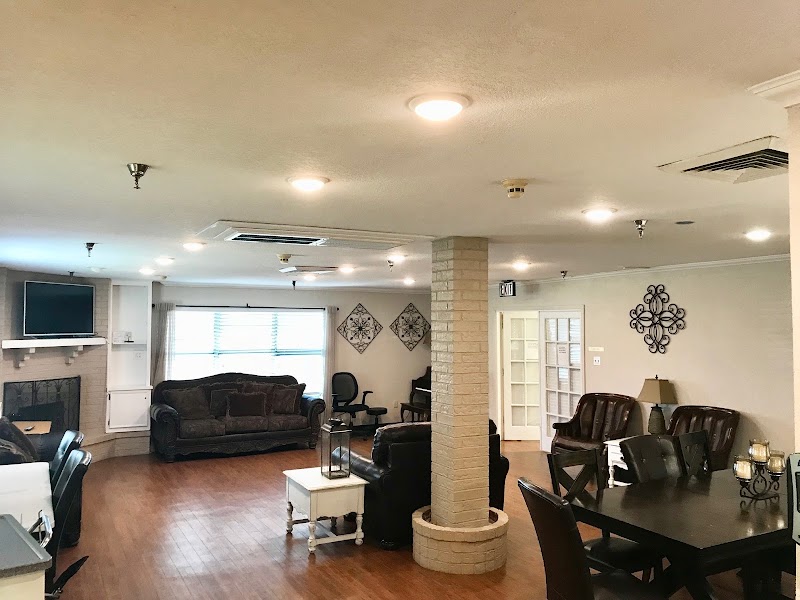
How is Oak Grove Staffed?

CMS rates OAK GROVE NURSING HOME's staffing level at 3 out of 5 stars, which is average compared to other nursing homes. Staff turnover is 30%, compared to the Texas average of 46%. This relatively stable workforce can support continuity of care.

What Have Inspectors Found at Oak Grove?

State health inspectors documented 14 deficiencies at OAK GROVE NURSING HOME during 2023 to 2025. These included: 13 with potential for harm and 1 minor or isolated issues.
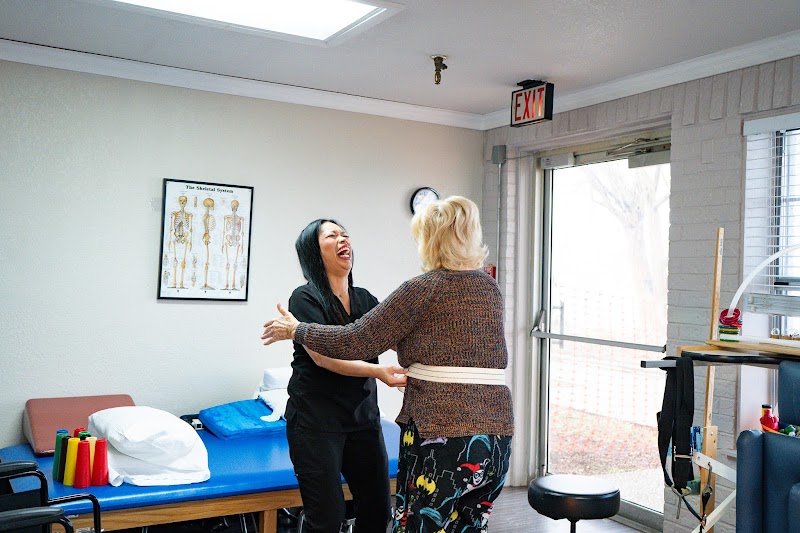
Who Owns and Operates Oak Grove?

OAK GROVE NURSING HOME is owned by a government entity. Government-operated facilities are typically run by state, county, or municipal agencies. The facility operates independently rather than as part of a larger chain. With 120 certified beds and approximately 72 residents (about 60% occupancy), it is a mid-sized facility located in GROVES, Texas.
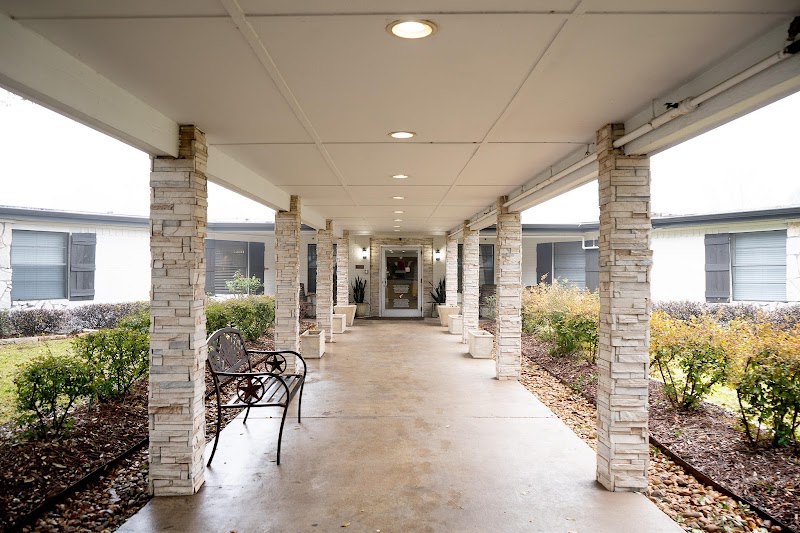
How Does Oak Grove Compare to Other Texas Nursing Homes?

Compared to the 100 nursing homes in Texas, OAK GROVE NURSING HOME's overall rating (4 stars) is above the state average of 2.8, staff turnover (30%) is significantly lower than the state average of 46%, and health inspection rating (4 stars) is above the national benchmark.

What Should Families Ask When Visiting Oak Grove?

Based on this facility's data, families visiting should ask: "Can I visit during a mealtime to observe dining assistance and food quality?" "How do you handle medical emergencies, and what is your hospital transfer rate?" "Can I speak with family members of current residents about their experience?"

Is Oak Grove Safe?

Based on CMS inspection data, OAK GROVE NURSING HOME has a clean safety record: no substantiated abuse findings (meaning no confirmed cases of resident harm), no Immediate Jeopardy citations (the most serious violation level indicating risk of serious injury or death), and is not on the Special Focus Facility watch list (a federal program monitoring the lowest-performing 1% of nursing homes). The facility has a 4-star overall rating and ranks #1 of 100 nursing homes in Texas. While no facility is perfect, families should still ask about staff-to-resident ratios and recent inspection results during their visit.

Do Nurses at Oak Grove Stick Around?

OAK GROVE NURSING HOME has a staff turnover rate of 30%, which is about average for Texas nursing homes (state average: 46%). Moderate turnover is common in nursing homes, but families should still ask about staff tenure and how the facility maintains care continuity when employees leave.

Was Oak Grove Ever Fined?

OAK GROVE NURSING HOME has no federal fines on record. CMS issues fines when nursing homes fail to meet care standards or don't correct problems found during inspections. The absence of fines suggests the facility has either maintained compliance or corrected any issues before penalties were assessed. This is a positive indicator, though families should still review recent inspection reports for the full picture.

Is Oak Grove on Any Federal Watch List?

OAK GROVE NURSING HOME is not on any federal watch list. The most significant is the Special Focus Facility (SFF) program, which identifies the bottom 1% of nursing homes nationally based on persistent, serious quality problems. Not being on this list means the facility has avoided the pattern of deficiencies that triggers enhanced federal oversight. This is a positive indicator, though families should still review the facility's inspection history directly.