Focused Care at Summer Place
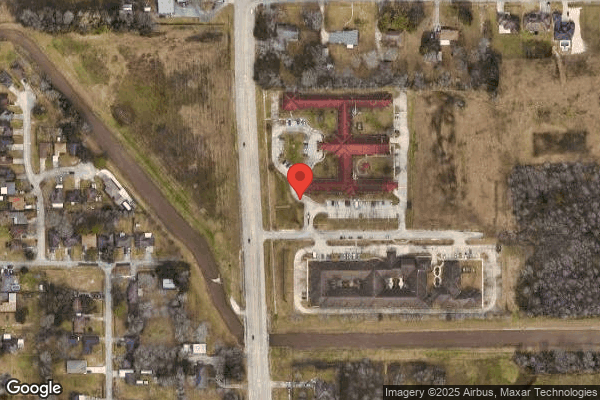
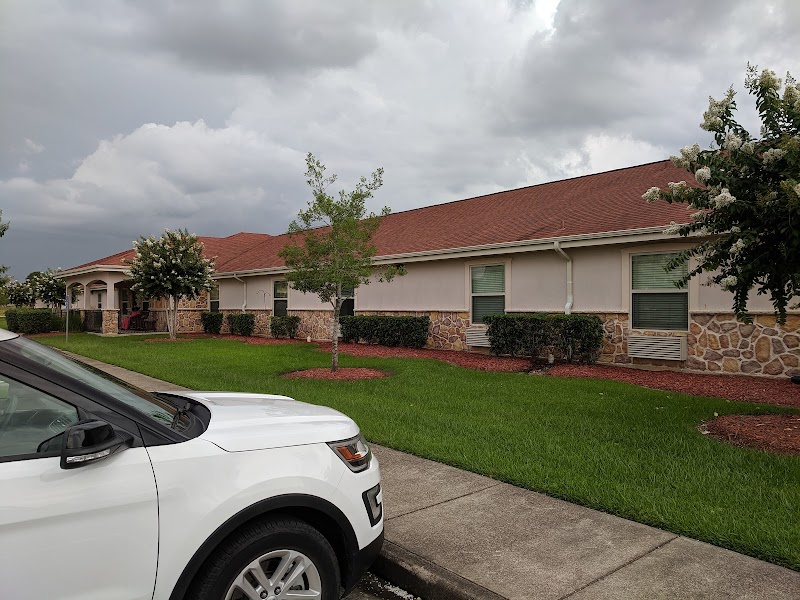
2485 S Major Dr, Beaumont, TX 77707 (409) 861-4611
For profit - Corporation 132 Beds FOCUSED POST ACUTE CARE PARTNERS Data: November 2025 1 Immediate Jeopardy citation
Trust Grade
28/100
#985 of 1168 in TX
Last Inspection: August 2025

Inspected within the last 6 months. Data reflects current conditions.

Overview

Families considering Focused Care at Summer Place should be aware that this facility has received a Trust Grade of F, indicating significant concerns and poor quality of care. It ranks #985 out of 1168 nursing homes in Texas, placing it in the bottom half for overall performance. The facility is showing a trend of improvement, with the number of reported issues decreasing from 9 in 2024 to 4 in 2025, but it still faces challenges. Staffing is a critical weakness, with a poor rating of 1 out of 5 stars and a concerning 54% turnover rate, which is about average for Texas, but indicates instability. Notably, there were serious incidents reported, including a resident suffering a fractured ankle due to improper lifting assistance and failures in food safety, such as spoiled food being stored improperly, which could pose health risks to residents. While there are some strengths, such as a good quality measures rating, families should weigh these concerns carefully before making a decision.

Trust Score
F
28/100
In Texas
#985/1168
Bottom 16%
Safety Record
High Risk
Review needed
Inspections
Getting Better
9 → 4 violations
Staff Stability
⚠ Watch
54% turnover. Above average. Higher turnover means staff may not know residents' routines.
Penalties
⚠ Watch
$26,130 in fines. Higher than 76% of Texas facilities, suggesting repeated compliance issues.
Skilled Nurses
⚠ Watch
Each resident gets only 6 minutes of Registered Nurse (RN) attention daily — below average for Texas. Fewer RN minutes means fewer trained eyes watching for problems.
Violations
⚠ Watch
14 deficiencies on record. Higher than average. Multiple issues found across inspections.
★☆☆☆☆
1.0
Overall Rating
★☆☆☆☆
1.0
Staff Levels
★★★★☆
4.0
Care Quality
★★☆☆☆
2.0
Inspection Score
Stable
2024: 9 issues
2025: 4 issues

The Good

  • 4-Star Quality Measures · Strong clinical quality outcomes
  • Full Sprinkler Coverage · Fire safety systems throughout facility
  • No fines on record

Facility shows strength in quality measures, fire safety.

The Bad

1-Star Overall Rating

Below Texas average (2.8)

Significant quality concerns identified by CMS

Staff Turnover: 54%

Near Texas avg (46%)

Higher turnover may affect care consistency

Federal Fines: $26,130

Below median ($33,413)

Moderate penalties - review what triggered them

Chain: FOCUSED POST ACUTE CARE PARTNERS

Part of a multi-facility chain

Ask about local staffing decisions and management

The Ugly 14 deficiencies on record

1 life-threatening
Jul 2025 1 deficiency
CONCERN (F) 📢 Someone Reported This

A family member, employee, or ombudsman was alarmed enough to file a formal complaint

Potential for Harm - no one hurt, but risky conditions existed

Food Safety (Tag F0812)

Could have caused harm · This affected most or all residents

Based on observation, interview, and record review, the facility failed to properly store, prepare, distribute, and serve food in accordance with the professional standards for food service safety 1 o...

Read full inspector narrative →
Based on observation, interview, and record review, the facility failed to properly store, prepare, distribute, and serve food in accordance with the professional standards for food service safety 1 of 1 kitchen reviewed for safety requirements.1. The facility failed to ensure spoiled strawberries were not stored in the walk-in cooler. 2. The facility failed to ensure raw meat was not stored on top of ready to eat green apples in the walk-in cooler. 3. The facility failed to ensure food items in the freezer #1, #2 and dry pantry were labeled, dated and sealed. These failures could place residents, who received food and beverages from the kitchen, at risk for health complications, foodborne illnesses, and decreased quality of life.Findings included:During observation and interview in the kitchen on 07/22/25 with the DM at 10:20 a.m. of the walk-in cooler indicated there were:on the first shelf were four unopened, clear 30-ounce containers, each containing strawberries that had a gray hairy like coating. The DM said she did not know when the strawberries arrived, and it looked like the strawberries were growing mold. The DM stated she had not yet made rounds in the kitchen for her daily inspection due to surveyor entrance.On the second shelf, an open, undated, original cardboard box containing an opened clear plastic bag of exposed raw chicken thighs(approximately 30-40 thighs) thawing on top of an opened cardboard box of ready to eat green apples(approximately 15-20 apples) which were located on the third shelf, directly under the raw thawing thighs.Also, on the second shelf, on top of the ready to eat green apples was an opened, undated clear plastic bag of exposed raw bacon.DM said she did not know when or who put the raw chicken and raw bacon on the shelf on top of the apple and said she would move the raw meat to another area in the walk-in cooler. The DM said storing raw meat on top of ready to eat foods can cause cross contamination.During an observation and interview on 07/22/25 at 10:15 a.m. of the walk-in freezer #1 with the DM indicated there were:an undated, unlabeled, original packaged, vacuum-sealed clear plastic bag of frozen pork loin.an original packaged, ripped open, exposed to the elements, half-full gallon bag of shredded parmesan cheese without a date indicating when opened or due to expire.The DM said she did not know when or who opened the parmesan bag of cheese that should be labeled and sealed and the pork loin should have a label on it of what it was and dated. The DM stated this can cause decreased quality and taste.During an observation and interview on 07/22/25 at 10:40 a.m. of freezer #2 with the DM indicated there were:an undated, clear plastic 5-pound bag that contained frozen breakfast sausage patties that was ripped open, not properly sealed and exposed to the elements. The DM said it was breakfast sausage patties.An undated and unlabeled box of frozen yellowish pudding looking substance with a brown bottom crust. The DM said it was lemon bars.When asked about the lemon bars and frozen breakfast sausage patties, the DM tied the plastic bag and said it should be labeled, sealed and dated because anything can leak on it, could taste freezer burnt and all items needed to be labeled with name of item and date it was opened.During an observation and interview on 07/22/25 at 11:00 a.m. of the dry storage/pantry with the DM indicated there were:one, original container, 5-pound bag of grits opened and used, not dated when opened. one, original container, 4-ounce bag of potato pearls opened and used, not dated when opened.one, original container, 1-pound bag of vanilla instant pudding ripped opened in a quart sized ziplock bag, not dated when opened and used.one, original container, 20-ounce bag of peppered biscuit gravy ripped opened in a quart sized ziplock bag and used, not dated when opened.The DM said she did not know when or who opened the items and would discard them. She said it can cause decreased quality and taste. The DM said if used, residents could get sick.During an interview on 07/22/25 at 11:25 a.m. with the DM, she said she expected all products in the kitchen to be stored correctly. She said packages of food items should be sealed so as not to expose food to the elements. The DM said it was the responsibility of all the dietary staff to ensure products were labeled and stored correctly. The DM said she could not explain why the expired or spoiled foods had not been removed from the walk-in cooler. The DM said all kitchen staff completed the required food preparation and food storage trainings. The DM said the potential harm to residents would be food poisoning, diarrhea, sickness, and bacteria on food. The DM said the failure occurred due to staff not paying attention. During an interview on 07/30/25 at 4:30 p.m., the Administrator said her expectation was for kitchen staff to follow policies on food storage, preparation, and that everything was dated. She said the DM monitored that kitchen staff were following the facility's policy. The Administrator said not storing and preparing food appropriately could cause residents to be given food beyond the expiration date and not the correct time frame. The Administrator said it could also affect the freshness and quality of resident's food. Record review of facility policy revised dated 10/2017 titled, Food Receiving and Storage: Policy: 7. Dry foods that are stored in bins will be removed from original packing, labeled and dated (use by date).8. All food stored in the refrigerator or freezer will be covered, labeled and dated (used by date). 11. Uncooked and raw animal products and fish will be stored separate in drip proof containers and below fruits, vegetables and other ready to eat foods.Record review of the Food and Drug Administration Food Code, dated 2022, reflected, . 3-201.11 Safe, Unadulterated, and Honestly Presented. Compliance with Food Law. FDA considers food in hermetically sealed containers that are swelled or leaking to be adulterated and actionable under the Federal Food, Drug, and Cosmetic Act .3-302.12 Food Storage Containers, Identified with Common Name of Food. Except for containers holding food that can be readily and unmistakably recognized such as dry pasta, working containers holding food, or food ingredients that are removed from their original packages for use in the food establishment, such as cooking oils, flour, herbs, potato flakes, salt, spices, and sugar shall be identified with the common name of the food 3-305.11 Food Storage.(B) .refrigerated, ready-to eat time/temperature control for safety food prepared and packaged by a food processing plant shall be clearly marked, at the time the original container is opened in a food establishment and if the food is held for more than 24 hours, to indicate the date or day by which the food shall be consumed on the premises, sold, or discarded, based on the temperature and time combinations specified in (A) of this section and: (1) The day the original container is opened in the food establishment shall be counted as Day 1; and (2) The day or date marked by the food establishment may not exceed a manufacturer's use-by date if the manufacturer determined the use-by date based on food safety
May 2025 2 deficiencies 1 IJ
CRITICAL (J) 📢 Someone Reported This

A family member, employee, or ombudsman was alarmed enough to file a formal complaint

Immediate Jeopardy (IJ) - the most serious Medicare violation

Accident Prevention (Tag F0689)

Someone could have died · This affected 1 resident

**NOTE- TERMS IN BRACKETS HAVE BEEN EDITED TO PROTECT CONFIDENTIALITY** Based on observation, interview, and record review, the facility failed to provide assistive devices to prevent accidents for 1 ...

Read full inspector narrative →
**NOTE- TERMS IN BRACKETS HAVE BEEN EDITED TO PROTECT CONFIDENTIALITY** Based on observation, interview, and record review, the facility failed to provide assistive devices to prevent accidents for 1 of 6 residents (Resident #1) reviewed for accidents. The facility failed to ensure CNA A utilized a mechanical lift and had assistance from another staff member during a bed to wheelchair transfer on 05/05/25 which resulted in Resident #1 having complaint of pain to the right ankle. An x-ray was conducted on 05/05/25 with the results of evidence of acute fracture of the right distal tibia (bone in the lower leg). The noncompliance was identified as PNC. The Immediate Jeopardy (IJ) began on 05/05/25 and ended on 05/07/25. The facility had corrected the noncompliance before the investigation began. This failure could place residents at risk for falls resulting in injury, pain, and hospitalization. Findings included: Record review of a face sheet dated 05/19/25 indicated Resident #1 was a [AGE] year-old male admitted on [DATE]. His diagnoses included diagnoses included a wedge compression fracture of 4th lumbar (L4) vertebrae (one side of the 4th bone in the lower back collapsed) onset date 01/09/24. Record review of an MDS OBRA assessment dated [DATE] indicated Resident #1 had moderately impaired cognitive skills. He required partial/moderate assistance - Helper does LESS THAN HALF the effort. Helper lifts, holds, or supports trunk or limbs, but provides less than half the effort for chair/bed-to-chair transfer, toilet transfer, and tub/shower transfer. Record review of an MDS OSA assessment dated [DATE] indicated Resident #1 had moderately impaired cognitive skills. He required extensive assistance when resident was involved in activity, staff provide weight-bearing support with two+ persons physical assist. Record review of a care plan initiated on 12/22/21 indicated Resident #1 required the use of mechanical lift with total assistance by 2 staff to move between surfaces every 2 hours and as necessary. Record review of the [NAME] (electronic care task utilized by care staff) printed 05/20/25 indicated Resident #1 had special instructions to use the mechanical lift with 2 staff for all transfers every shift for chronic L4-L5 fracture. Record review of Resident #1's progress notes indicated: *an entry dated 05/05/2025 at 06:30 a.m. indicated CNA A reported that upon transfer from bed to wheelchair Resident#1 complained of right leg pain. The nurse went to assess the resident's leg. The resident was asked where he hurt, and he said his right ankle had pain. There was no swelling at the ankle no bruising was noted at this time. Will notify the oncoming nurse. *an entry dated 05/05/2025 at 06:42 a.m. indicated while CNA A assisted Resident #1 with transfer from bed to wheelchair the resident's right ankle was twisted. The resident complained of pain in the ankle and was medicated with prn dose of Tylenol 325mg. The physician's office was made aware and an order for an x-ray was given. Record review of an x-ray report dated 05/05/25 indicated Resident #1 had evidence of an acute fracture of the right distal tibia (bone in the lower leg) and osteopenia (a condition of lower-than-normal bone mineral density that may lead to a condition in which bones become weak and brittle). Record review of the facility's investigation report dated 05/12/25 indicated on 05/06/25 during the morning meeting discussion on incidents it was noted that Resident #1's x-ray results showed an acute nondisplaced fracture of the right distal 3rd of the tibia. Resident #1 was transported via ambulance via stretcher to the local hospital related to a right ankle fracture. The Administrator's questions led to CNA A admitting to the DON that on 05/05/25 he did not use the Mechanical lift nor get assistance from another staff which Resident #1 required. During an interview on 05/20/25 at 10:30 a.m., the Administrator said CNA A was transferring Resident #1 without using the mechanical lift and a second staff on 05/05/25. She said Resident #1's right foot was turned and complained of pain afterwards. She said the physician was notified and an order was received to obtain an x-ray, but the resident refused because he wanted to go to dialysis first. She said when Resident #1 returned to the facility an x-ray was done. She said the result was received and the resident had a fracture of the lower leg. She said CNA A admitted he did not use the mechanical lift or have a second staff member with him to transfer Resident #1. She said he had been suspended and was terminated. She said all staff were trained upon hire and yearly on how to access the [NAME] in the kiosk (a small wall mounted computer used for providing resident information and staff to document care) to determine what care and how many staff were needed for care for each resident. During an observation and interview on 05/20/25 at 04:15 p.m., Resident #1 was in the bed. He was clean, neatly groomed, and had no offensive odors. He was wearing an orthopedic boot to his right lower leg. He said the male CNA who transferred him to the wheelchair stronged him - indicated by making a hugging gesture. He said he did not use a gait belt or a Mechanical lift. He said CNA A always stronged him and everyone else used a Mechanical lift. He said he wished it did not happen. He said he did not ask him not to use the Mechanical lift. He said everyone else transferred him with the Mechanical lift. The surveyor attempted to contact CNA A for an interview on 05/19/25 01:29 p.m. He did not respond. On 05/21/25, the surveyor confirmed the facility implemented appropriate measures to ensure the safety of residents after the incident on 05/05/25-05/07/25 involving Resident #1 by the following: Record review of CNA A's Disciplinary Action form dated 05/06/25 indicated he was suspended starting on 05/07/25 through 05/12/25. CNA A was then terminated. Record review of Proficiency Trainings provided to staff upon hire and annually which included training on the Point of Care to access the [NAME], and Mechanical Lift Transfers for CNA S hired on 05/13/25 and LVN X hired on 05/15/25. Record review of In-Services on 05/06/25 after the incident on 05/05/25 included: Pain to be Reported was received by AD, MR, Transportation, RA, DOR, LVN D, LVN E, CNA F, CNA G, LVN H, LVN J, LVN K, MA M, CNA O, CNA P, CNA Q, CNA R, CNA S, LVN T, CNA U, and CNA V. Falls was received by AD, MR, Transportation, RA, DOR, LVN D, LVN E, CNA F, CNA G, LVN H, LVN J, LVN K, MA M, CNA O, CNA P, CNA Q, CNA R, CNA S, LVN T, CNA U, and CNA V. ANE was received by AD, MR, Transportation, RA, DOR, LVN D, LVN E, CNA F, CNA G, LVN H, LVN J, LVN K, MA M, CNA O, CNA P, CNA Q, CNA R, CNA S, LVN T, CNA U, and CNA V. Resident Rights was received by AD, MR, Transportation, RA, DOR, LVN D, LVN E, CNA F, CNA G, LVN H, LVN J, LVN K, MA M, CNA O, CNA P, CNA Q, CNA R, CNA S, LVN T, CNA U, and CNA V. ACCURATELY CODING ADLs WHEN DOCUMENTING ADL's, RN's, LVN's and RCP's can check several areas of resident chart when needing information refer to resident's: care profile/special instructions, [NAME], care plan, and POC instructions to ensure documentation is accurate was received by RA, LVN D, LVN E, CNA F, CNA G, LVN H, LVN J, LVN K, MA M, CNA O, CNA P, CNA Q, CNA R, CNA S, LVN T, CNA U, and CNA V. Observations of staff with mechanical lift transfers of Resident #1 on 05/19/25 at 02:34 p.m. and on 05/20/25 at 08:38 a.m. and Resident #3 on 05/21/25 at 08:38 a.m. indicated no observed concerns with transfer assistance. During an interview on 05/19/25 at 08:00 a.m. LVN J said she worked 6a-2p and 2p-10p shifts. She said CNAs were to check the kiosk for the [NAME] which provided information on how much assistance and how many staff were needed for care on residents such as eating, bathing, and transfers. She said she knew how to look up the information if a CNA had questions. She said Resident #1 had always required a Mechanical lift and 2 staff for transfers due to a compression fracture of a vertebrae in his spine. She said recently he had started working with restorative only for sitting to standing. She said the CNAs were not have him stand for transfers. During an interview on 05/19/25 at 01:15 p.m. CNA F said the kiosk had a [NAME] which would let him know what assistance and how many staff were needed for resident care. During in interview on 05/19/25 at 01:20 p.m. CNA G said she looked up the [NAME] on the kiosk to know what assistance and how many staff were needed for resident care. During an interview on 05/20/25 at 08:30 a.m. CNA O said she worked 6a-6p shift. She said she looked up the resident [NAME] on the kiosk so she would know if a resident needed assistance, what kind of assistance (staff or mechanical lift), and how many staff were needed. She said she worked with Resident #1 and he had always had to have a Mechanical lift and 2 staff for transfers. During an interview on 05/20/25 at 09:13 a.m., MA M said she worked the 6a-6p shift. She said to find the resident's information to know what assistance they needed staff would look on the [NAME] in the kiosk. She said as far as she knew all staff were trained on how to look up the [NAME] on the kiosk. During an interview on 05/20/25 at 01:32 p.m. CNA P and CNA Q said they worked the 6a-6p shift. They said they looked up what kind of assistance a resident needed on the [NAME] located in the kiosk. They said they would assist when Resident #1 needed to be transferred because he used a Mechanical lift and 2 staff with all transfers. During an interview on 05/21/25 at 12:12 p.m. CNA R said he worked 6a-6p shift. He said he received training regarding resident abuse, neglect, rights and resident [NAME] care levels. He verbalized understanding of the trainings and was able to give examples of resident [NAME] care levels and he would ask for assistance if required. During an interview on 05/21/25 at 12:14 p.m. CNA S said she worked 6a-6p shift. She said she received training regarding resident abuse, neglect, rights and resident [NAME] care levels. She verbalized understanding of the trainings and was able to give examples of resident [NAME] care levels and she would ask for assistance if required. During an interview on 05/21/25 at 12:16 p.m. LVN T said she worked whatever shift she was needed. She said she received training regarding resident abuse, neglect, rights and even received training on resident [NAME] care levels. She verbalized understanding of the trainings and was able to give examples of resident [NAME] care levels and she would assist if required. During an interview on 05/21/25 at 12:18 p.m. LVN D said she worked the 6a-2p shift. She said she received training regarding resident abuse, neglect, rights and also resident [NAME] care levels. She verbalized understanding of the trainings and was able to give examples of resident [NAME] care levels and she would assist if required. During an interview on 05/21/25 at 12:19 p.m. LVN E said he worked the 6a-2p and 2p-10p shifts. He said he received training regarding resident abuse, neglect, rights and also resident [NAME] care levels. He verbalized understanding of the trainings and was able to give examples of resident [NAME] care levels and he would assist if required. During an interview on 05/21/25 at 12:20 p.m. CNA U said she received training regarding resident abuse, neglect, rights and resident [NAME] care levels. She verbalized understanding of the trainings and was able to give examples of resident [NAME] care levels and she would ask for assistance if required. During an interview on 05/21/25 at 12:26 p.m. LVN K said she worked the 6a-6p shift. She said she received training regarding resident abuse, neglect, rights and also resident [NAME] care levels. She verbalized understanding of the trainings and was able to give examples of resident [NAME] care levels. She said she would assist if required. She said Resident #1 had always been a Mechanical lift and 2 staff for transfers because he had a compression fracture of a vertebrae in his back. During an interview on 05/21/25 at 12:28 p.m. CNA V said worked the 6a-6p shift. She said she received training regarding resident abuse, neglect, rights and resident [NAME] care levels. She verbalized understanding of the trainings and was able to give examples of resident [NAME] care levels and she would ask for assistance if required. During an interview on 05/21/25 at 12:30 p.m. LVN H said she received training regarding resident abuse, neglect, rights and also on resident [NAME] care levels. She verbalized understanding of the trainings and was able to give examples of resident [NAME] care levels. She said she would assist if required. The noncompliance was identified as PNC. The Immediate Jeopardy began on 05/05/25 and ended on 05/07/25. The facility had corrected the noncompliance before the investigation began.
CONCERN (D) 📢 Someone Reported This

A family member, employee, or ombudsman was alarmed enough to file a formal complaint

Potential for Harm - no one hurt, but risky conditions existed

Deficiency F0557 (Tag F0557)

Could have caused harm · This affected 1 resident

**NOTE- TERMS IN BRACKETS HAVE BEEN EDITED TO PROTECT CONFIDENTIALITY** Based on interview and record review, the facility failed to ensure residents had the right to retain and use personal possessio...

Read full inspector narrative →
**NOTE- TERMS IN BRACKETS HAVE BEEN EDITED TO PROTECT CONFIDENTIALITY** Based on interview and record review, the facility failed to ensure residents had the right to retain and use personal possessions for 1 of 5 residents (Resident #2) reviewed for personal property. LVN B took Resident #2's personal cell phone away from her on 11/9/2024 and it was out of Resident #2's possession until the next shift arrived. This failure could place residents at risk of being deprived of their ability to use personal cell phone. Findings included: Record review of the undated face sheet indicated Resident #2 was an [AGE] year-old female that admitted [DATE] with diagnoses that including: Metabolic encephalopathy (problems with a patient's metabolism causes brain dysfunction with causes ranging from low blood sugar to excess fluid in the brain. Symptoms may cause confusion or coma.), Dementia (conditions characterized by impairment of at least two brain functions, such as memory loss and judgment), and Generalized Anxiety Disorder (excessive and uncontrollable worry about events or activities that interferes with daily functioning). Record review of the quarterly MDS dated [DATE] indicated Resident #2 was usually understood by others, usually understood others, had highly impaired hearing and used hearing aids. The MDS indicated she had a BIMS score of 13 indicating her cognition was intact. Resident #2 required partial/moderate assistance for rolling left and right and chair/bed-to-chair transfer. Record review of the undated care plan indicated Resident #2 had impaired thought processes related to metabolic encephalopathy, dementia, and Altered Mental Status. The care plan indicated she required extensive assistance for bed mobility and total assistance for transfer. The PIR (Provider Investigation Report) dated 11/9/24 indicated Resident #2 reported LVN B had taken her phone to prevent her from calling her family member and the police. Resident #2 had requested BioFreeze (a cooling ointment that relieves pain) to be applied to her legs. LVN B refused and stated the BioFreeze had been applied twice and Resident #2 was not scheduled to receive the next application until 8:00 AM. Resident #2 began yelling at LVN B stating I am calling the cops. As LVN B was leaving the room she removed Resident #2's cell phone. LVN B was suspended pending investigation. During an interview on 5/19/25 at 8:29 a.m., the Administrator said LVN B purposely took Resident #2's phone to prevent her from calling the police or her Family Member N. She said LVN B had told the prior DON that was why she had taken it. During an interview on 5/19/25 at 9:17 a.m., Resident #2 was sitting up on her bed. She said that LVN B had taken her phone away from her because the said she was going to Call the cops. She said she was without her phone for a few hours until the next shift came to work. She said she was not able to call her family and it was disrespectful for the nurse to take her phone. She said she was not upset about it now because the facility took care of the situation. During an attempted telephone interview on 5/20/25 at 10:00 a.m., and 10:30 a.m., the prior DON, RN W did not answer and did not return the surveyors calls. During an interview on 5/20/25 at 8:06 a.m., LVN B said Resident #2 was in her room and did not have her hearing aids in. She said Resident #2 had a UTI at the time and was confused. She said it was a long time ago and was hard to remember but she thought Resident #2 wanted some cream or something. She said Resident #2 had dropped her phone on the floor. LVN B said she picked up the Resident #2's phone and before she could hand it back to her, she realized a resident across the hall was falling. LVN B said she put Resident #2's phone in her pocket and hurriedly left the room to assist the other resident. She said she forgot she had Resident #2's phone in her pocket and did not realize it until it was time for her to go home so she gave the phone to the oncoming nurse. She said she did not intend to take the phone from Resident #2, she just forgot she had it. She said they were not allowed to take a resident's phones and she lost her job over it. During an interview on 5/20/25 at 9:13 a.m., MA M said staff could not take away a resident's phone because it was their personal property. During an interview on 5/20/25 at 9:15 a.m., LVN D said staff could not take a resident's phone, it was their personal property, and it was really bad to do that. During an interview on 5/20/25 at 9:24 a.m., LVN E said staff could never take a resident's personal property. She said it was against their rights. She said she would never do that and could get in big trouble for doing that. During an interview on 5/20/25 at 9:27 AM, CNA F said Oh no! Staff could never ever take a resident's phone, that was their personal property! She said it might be theft to take a resident's phone or to restrict their use of their personal phone. During an interview on 5/20/25 at 9:45 a.m., ADON L said staff absolutely could not take a resident's phone. She said that would be a violation of resident rights and misappropriation of property. During an attempted telephone interview on 5/20/25 at 10:00 a.m., and 10:30 a.m., the prior DON, RN W did not answer and did not return the surveyors call. During an interview on 5/21/25 at 8:42 a.m., the DON said taking a resident's phone was disregarding the resident's rights by taking their personal property. She said it could be misappropriation of property. The risk to the resident could be mental issues, or the resident feeling unsafe which could open a window to abuse and a whole list of things you were not supposed to do. She said LVN B was fired after she took the phone from Resident #2. During an interview on 5/21/25 at 10:00 a.m., the Administrator said she believed LVN B took Resident #2's phone purposely. She said LVN B told the prior DON she had taken the phone to keep Resident #2 from calling the police. The ADM said it was misappropriation. The risk to the resident was anxiety, stress, and could put her in a vulnerable place by taking her only means of communication because she was bedbound. She said psychologically, it was not good for the resident. Record review of an Employee Termination Form dated 11/12/24 indicated LVN B was terminated for insubordination and not eligible for rehire. Record review of Staff Development/In-service Attendance Sheets indicated LVN B was in-serviced on Resident Rights on 2/5/24 and 3/11/24. Record review of a Resident Rights policy, provided by the ADM, with a revised date of December 2016 indicated: Policy Statement. Employees shall treat all residents with kindness, respect, and dignity. Policy Interpretation and Implementation. 1.Federal and state laws guarantee certain basic rights to all residents of this facility. These rights include the resident's right to: a. a dignified existence; b.be treated with respect, kindness, and dignity; c.be free from abuse, neglect, misappropriation of property, and exploitation . f. communication with and access to people and services, both inside and outside the facility . g. exercise his or her rights as a resident of the facility and as a resident or citizen of the United States; h.be supported by the facility in exercising his or her rights; i. exercise his or her rights without interference, coercion, discrimination or reprisal from the facility . Record review of a Quality of Life-Dignity Policy, provided by the Administrator, with a revised date of August 2009 indicated: Policy Statement. Each resident shall be cared for in a manner that promotes and enhances quality of life, dignity, respect and individuality. Policy Interpretation and Implementation 1.Residents shall be treated with dignity and respect at all times. 2.'Treated with dignity' means the resident will be assisted in maintaining and enhancing his or her self-esteem and self-worth . 6.Residents' private space and property shall be respected at all times . b. Staff will not handle or move a resident's personal belongings (including radios and televisions) without the resident's permission .
Apr 2025 1 deficiency
CONCERN (D) 📢 Someone Reported This

A family member, employee, or ombudsman was alarmed enough to file a formal complaint

Potential for Harm - no one hurt, but risky conditions existed

Report Alleged Abuse (Tag F0609)

Could have caused harm · This affected 1 resident

**NOTE- TERMS IN BRACKETS HAVE BEEN EDITED TO PROTECT CONFIDENTIALITY** Based on interview and record review, the facility failed to report an incident of possible injury of unknown origin or neglect ...

Read full inspector narrative →
**NOTE- TERMS IN BRACKETS HAVE BEEN EDITED TO PROTECT CONFIDENTIALITY** Based on interview and record review, the facility failed to report an incident of possible injury of unknown origin or neglect immediately, but no later 2 hours after the allegation is made if the events that caused the allegation involve abuse or result in serious bodily injury, or no later than 24 hours if the events that cause the allegation do not involve abuse to the State Agency in accordance with State law for 1 of 5 residents (Resident #1) reviewed for incidents. The facility failed to report to State Agency when Resident #1 was located in the visitor bathroom, deceased and a possible head injury, on [DATE]. This failure to report could place the residents at risk for unreported allegations of neglect and injuries of unknow origin not being investigated due to not reporting. Findings included: Record review of Resident #1's physician's orders dated [DATE] indicated Resident #1 was admitted on [DATE], was an [AGE] year-old female, and had diagnoses of cerebral infarction (a condition where part of the brain is damaged or dies due to a lack of blood supply), altered mental status, and diabetes. Record review of Resident #1's Quarterly MDS dated [DATE] indicated she had a BIMS of 04, indicating severe mental impairment. She was occasionally incontinent of bowel and bladder. Resident #1 required setup or clean-up assistance with toileting hygiene. (Helper sets up or cleans up; resident completes activity. Helper assists only prior to or following the activity). Additional active diagnoses included lack of coordination, history of falling, and abnormalities of gait and mobility. Record review of Resident #1's care plan initiated [DATE] indicated the resident required supervision assistance by 1 staff for toileting and the resident used the community restroom at times. Resident #1 had a history of falls and unsteady gait. Resident #1 ambulated with a rolling walker freely from her room to the dining and common areas throughout the day. Interventions for Resident #1 included for staff to anticipate her needs, assure areas were free of clutter, encourage the resident to ask for assistance of staff, and ensure call light was in reach and answer promptly. Record review of Resident #1's nurse note documented by LVN A on [DATE] at 9:12 a.m. indicated Resident #1 was located on the community restroom floor in a sitting position, unresponsive and with a head injury. Record review of an incident report regarding Resident #1 documented on [DATE] at 9:10 a.m. indicated LVN A was called to the hallway of the visitor bathroom and was told that this resident was found on the floor of the bathroom in a sitting position in front of the commode with no clothes on and her head was bent over in between both her legs face down on the floor. The report indicated the resident was noted with a hematoma to the right forehead. There was stool noted on her hands and on the floor in front of her and behind her. There was no verbal response from the resident. During an interview on [DATE] at 3:05 p.m., LVN A said Resident #1 had a routine of being either in her room doing puzzles, or in dining room for meals or activities. She said she would use the public restroom. She said on the morning of the incident, when Resident #1 was not in her room or the dining room, she began looking for her around 8:30 a.m. so she could check her blood glucose. LVN A said she had not seen Resident #1 since beginning her shift at 6:00 a.m. During an interview on [DATE] at 5:00 p.m., MA C said her shift began at 6:00 a.m. She said she looked for Resident #1 in her room at around 6:30 a.m. to give her morning medications to her. She said she was not in her room and the roommate told her she thought she was in the dining room. MA C said she had completed her medication pass at around 8:00 a.m. except for Resident #1's medications. She said she was not in dining room or her room. MA C said she knew Resident #1 frequented the public restroom and decided to check. She said when she found the bathroom door to be locked, she had housekeeper unlock the door and Resident #1 was found on floor in a sitting position with her head to the floor. A statement signed and dated [DATE] at 11:11 a.m. indicated CNA G worked [DATE], the early morning hours of the day of the incident. CNA G indicated in her statement she observed Resident #1 in her room sitting in bed working a crossword puzzle around 6:03 a.m. Attempts to contact and interview CNA G were made on [DATE] at 2:15 p.m. The CNA's number was not a working number and the facility did not have any other contact numbers available. During an interview on [DATE] at 10:30 a.m., the ADON said Resident #1 would walk around from room to dining room to public bathroom and to front common area freely without assistance. She said her gait was not unsteady. During an interview on [DATE] at 10:40 a.m., LVN F said she worked every weekend. She said Resident #1 used her walker to ambulate throughout facility. She liked doing crossword puzzles and would usually work them in her room or the dining room. She said sometimes on weekends, Resident #1 would sit in the lounge area next to the nurse's station and would watch television or work her puzzles. During an interview on [DATE] at 1:15 p.m., the Administrator said at approximately 9:00 a.m., they were made aware of Resident #1 being discovered unresponsive in the public restroom. She said Resident #1 had removed her clothing and feces and urine were on floor. Resident #1 had a hematoma to her forehead. During an interview on [DATE] at 1:45 p.m., the DON said on [DATE] Resident #1 was found in the community restroom around 8:30-8:40 a.m. She said CNA E called her to the restroom and Resident #1 was slumped on the floor with her head touching the floor and had a hematoma to her right forehead. She said she also had small amount of blood to lips and appeared to have hit her mouth on the floor. She said she quickly assessed Resident #1 and placed her in a lying position on the floor. She was unresponsive, did not have a pulse, and was not breathing. She initiated CPR while other staff retrieved the crash cart and AED. The DON said first responders were at facility within 5-10 minutes and had said Resident #1 had expired. DON said local police were also called and the police called the local Justice of the Peace and after speaking with him, Resident was declared expired. During a phone interview on [DATE] at 2:49 p.m., CNA E said she arrived to work at 7:00 a.m. She said she noticed Resident #1 was not in her room and was not in the dining room for breakfast. She said Resident #1 had to be reminded often to use her call light for assistance. She said Resident #1 was able to get herself in and out of bed and would get her walker and ambulate to the restroom in her room, and would ambulate freely to the dining room using her walker. She said the resident would do this frequently throughout the day. During an interview on [DATE] at 9:00 a.m., Resident #2 said she was the roommate to Resident #1. She said Resident #1 would often get in and out of her bed at all hours and would ambulate with her walker to the restroom in their room. She said Resident #1 had told her that she liked using the public restroom better because she felt like the toilet paper was softer. She said she would remind Resident #1 to use her call light for assistance but she would not listen. Resident #2 said Resident #1 would usually ambulate to the public restroom during the daytime and take herself without assistance since she could get out of bed herself. She said on the morning of the incident around 6-6:30 a.m., Resident #1 left the room while she (Resident #2) was in their bathroom in the room. During an interview on [DATE] at 11:30 a.m., the Administrator said she was the Abuse Coordinator for reporting to the state. She said incident was not reported because she felt it was not a suspicious death and she was going by the state guidelines. The Administrator said the facility policy said to report to state office in the event the incident was suspicious. She said due to resident routinely visiting the public restroom, she felt the incident was not suspicious in nature. The Administrator said an investigation had been initiated and statements from nursing staff had been obtained. She said an in-service as scheduled on [DATE] regarding abuse/neglect, making rounds every two hours, and providing ADLs (activities of daily living). Record review of the policy titled Abuse dated [DATE] indicated . All events that involve a suspicious serious bodily injury of unknown origin must be reported immediately or no later than 2 hours of alleged violation. If the allegation does not involve abuse and the event does not result in serious bodily injury, the allegation should be reported within 24 hours.
Jul 2024 9 deficiencies
CONCERN (D)

Potential for Harm - no one hurt, but risky conditions existed

Assessment Accuracy (Tag F0641)

Could have caused harm · This affected 1 resident

**NOTE- TERMS IN BRACKETS HAVE BEEN EDITED TO PROTECT CONFIDENTIALITY** Based on interview, and record review, the facility failed to ensure assessments accurately reflected the status for 1 of 19 res...

Read full inspector narrative →
**NOTE- TERMS IN BRACKETS HAVE BEEN EDITED TO PROTECT CONFIDENTIALITY** Based on interview, and record review, the facility failed to ensure assessments accurately reflected the status for 1 of 19 residents reviewed for assessments. (Resident #70). The facility failed to complete an accurate resident assessment for Resident #70. Resident #70's resident assessment did not reflect that she received an antidepressant medication. This failure could place residents at risk of not having individual needs met and a decreased quality of life. Findings included: Record review of a face sheet dated 07/30/24 indicated Resident #70 was a [AGE] year-old female admitted on [DATE]. Her diagnoses included anxiety disorder (persistent and excessive worry that interferes with daily activities) and depression (mental illness that negatively affects how you feel, the way you think and how you act). Record review of the July 2024 physician orders indicated Resident #70 had an order dated 03/13/24 for Paroxetine (antidepressant) 20 mg daily for anxiety . Record review of MDS dated [DATE] indicated Resident #70 received antianxiety medication but not an antidepressant medication. Record review of a care plan revised 05/21/24 indicated Resident #70 was receiving an antidepressant medication. During an interview on 07/31/24 10:05 a.m., the MDS Nurse said she did not realize Resident #70's Paroxetine was not marked on the MDS according to the drug classification. During an interview on 07/31/24 12:50 p.m., the DON indicated she expected the MDSs to be filled out correctly. She indicated they discovered the previous MDS nurse who was responsible for the MDS was not filling them out correctly . During an interview on 07/31/24 at 01:02 p.m., the DON said they did not have a policy, they followed the MDS RAI manual. Record review of the MDS RAI manual dated October 2023 indicated N0415 High-Risk Drug Classes: Use and Indication: 1. Is taking: Check if the resident is taking any medications by pharmacological classification, not how it is used, during the last 7 days or since admission/entry or reentry if less than 7 days and 2. Indication noted: If Column 1 is checked, check if there is an indication noted for all medications in the drug class.
CONCERN (D)

Potential for Harm - no one hurt, but risky conditions existed

Comprehensive Care Plan (Tag F0656)

Could have caused harm · This affected 1 resident

**NOTE- TERMS IN BRACKETS HAVE BEEN EDITED TO PROTECT CONFIDENTIALITY** Based on observation, interview, and record review, the facility failed to develop and implement a comprehensive person-centered...

Read full inspector narrative →
**NOTE- TERMS IN BRACKETS HAVE BEEN EDITED TO PROTECT CONFIDENTIALITY** Based on observation, interview, and record review, the facility failed to develop and implement a comprehensive person-centered care plan to meet each resident's medical, nursing, mental and psychosocial needs for 2 of 19 residents reviewed for care plans. (Residents #59 and #70) The facility did not have a care plan to address Resident #59's nausea and vomiting. The facility did not have a care plan to address Resident #70's incontinence of bowel and bladder. This failureThe failures could place residents at risk of not having individual needs met and not receiving needed services. Findings included: 1. Record review of the face sheet dated 07/31/24 indicated Resident #59 was a [AGE] year-old female admitted on [DATE]. Her diagnoses included malignant neoplasm of the bone (bone cancer). Record review of an MDS assessment dated [DATE] indicated Resident #59 had a BIMS of 11 indicating she had moderately impaired cognition. Record review of physician's orders for July 2024 indicated Resident #59 had an order dated 02/05/24 for outpatient chemotherapy treatment for the cancer and an order dated 01/06/24 for Ondansetron 4mg every 6 hours as needed for nausea and vomiting. Record review of the care plan revised 06/04/24 indicated Resident #59 had no care plan addressing nausea and vomiting related to the chemotherapy for her bone cancer. During an observation and interview on 07/30/24 at 04:02 a.m., Resident #59 said she asked for something for nausea and vomiting around midnight but had not received anything yet. She had a pink tub on her overbed table. She said it was for her to throw up in and she had been using it. During an interview on 07/30/24 at 10:34 a.m. the MDS Nurse said she did not realize Resident #59 did not have a care plan for nausea/vomiting. She said she should have one. 2. Record review of a face sheet dated 07/30/24 indicated Resident #70 was a [AGE] year-old female admitted on [DATE]. Her diagnoses included hemiplegia (is the weakness of one entire side of the body) affecting right dominant side and displaced intertrochanteric fracture of right femur (a hip breaks between the bumpy parts at the top of the thigh bone) Record review of an MDS assessment dated [DATE] indicated Resident #70 had a BIMS of 11 indicating she had moderately impaired cognition. She was always incontinent of bowel and always incontinent of bladder. Record review of the care plan revised 05/21/24 indicated Resident #70 had a care plan indicating the resident was resistive to care (incontinent refusing to let staff change me after voiding 3 times in by brief) with interventions addressing the behavior. There was no care plan addressing incontinence of bowel and bladder with interventions addressing the incontinence. During an observation and interview on 07/30/24 04:30 a.m., Resident #70 said she had put her light on to have staff change her brief. Staff entered the resident's room, and incontinent care was provided to the resident. During an interview on 07/30/24 at 10:34 a.m., the MDS Nurse said she thought the care plan that said the resident was resistive to care would cover the incontinent care plan. During an interview on 07/31/24 at 09:00 a.m., the Administrator said he expected all aspects of the clinical record to be complete. He said if it was not, resident needs could be not addressed. During an interview on 07/31/24 at 10:25 a.m., the DON said she expected the residents to have care plans that covered all their needs. She said if they did not have one their needs could be missed. Record review of a Comprehensive Care Plan policy revised 04/25/21 indicated Every resident will have an individualized interdisciplinary plan of care in place The Interdisciplinary Team will continue to develop the plan in conjunction with the RAI (MDS 3.0) and CAAS completing and conducting Comprehensive Care Plan Meeting and Reviews by day 21 after Admission. The Care Plan is revised every quarter, significant change of condition, Annual or as the resident condition changes on an individualized basis
CONCERN (D)

Potential for Harm - no one hurt, but risky conditions existed

Respiratory Care (Tag F0695)

Could have caused harm · This affected 1 resident

**NOTE- TERMS IN BRACKETS HAVE BEEN EDITED TO PROTECT CONFIDENTIALITY** Based on observation, interview and record review, the facility failed to ensure that residents who needed respiratory care was ...

Read full inspector narrative →
**NOTE- TERMS IN BRACKETS HAVE BEEN EDITED TO PROTECT CONFIDENTIALITY** Based on observation, interview and record review, the facility failed to ensure that residents who needed respiratory care was provided such care, consistent with professional standards of practice, the comprehensive person-centered care plan, and the residents' goals and preferences for 1 of 2 residents reviewed for respiratory care and services. (Resident #292) The facility failed to administer BIPAP (a machine that can help people breathe when they have trouble breathing due to health issues) therapy as ordered by the physician for Resident #292. This failure could place the residents at risk of not receiving the appropriate care and services to maintain their highest level of well-being. Findings included: Record review of physician orders dated July 2024 indicated Resident #292, admitted [DATE], was a [AGE] year-old female with a diagnosis of acute respiratory failure (a condition that occurs when the lungs cannot release enough oxygen into the blood to remove carbon dioxide {a waste product that your body gets rid of when you exhale}) with hypercapnia (abnormally high levels of carbon dioxide in the blood). Orders indicated: BIPAP set 160 IPAP (inspiratory positive airway pressure), 6.0 EPAP (expiratory positive airway pressure), 16 time at bedtime every night for shortness of breath. Record review of treatment administration record dated July 2024 indicated Resident #292 received BIPAP therapy on the 2:00 p.m. to 10:00 p.m. shift (initialed by LVN D) and the 10:00 p.m. to 6:00 a.m. shift (initialed by LVN C) on 07/28/24. Record review of a Care Plan dated 07/25/24 indicated Resident #292 had an ineffective breathing pattern related to respiratory failure and required BIPAP and oxygen therapy per physician orders. Record review of a quarterly MDS assessment dated [DATE] indicated Resident #292 had a BIMS of 11 (indicated moderate cognitive impairment), was dependent or received partial/moderate assistance for most ADLs and received oxygen therapy and BIPAP therapy. During an observation and interview on 07/29/24 at 10:20 a.m., Resident #292 was sitting up in her wheelchair in her room. She was receiving oxygen at 2 LPM per NC. She said she was supposed to wear her BIPAP every night and no one helped her put it on last night. She said she slept without her BIPAP all night. She said she was breathing alright today, but she just wanted to make sure she didn't miss wearing her BIPAP again. During an interview on 07/29/24 at 12:32 p.m., LVN B said the night shift (10:00 p.m. to 6:00 a.m.) nurse usually took off Resident #292's BIPAP. She said Resident #292 was not wearing her BIPAP when she assessed her this morning. During an interview on 07/30/24 at 4:12 a.m., LVN C said she was the charge nurse on duty during the 10:00 p.m. to 6:00 a.m. shift 07/28/24. She said she did not put Resident #292's BIPAP on that night and she did not check to ensure the resident had her BIPAP on. She said the evening shift (2:00 p.m. to 10:00 p.m.) nurse usually put Resident #292's BIPAP on and the day shift (6:00 a.m. to 2:00 p.m.) nurse took it off. During an observation and interview on 07/30/24 at 4:17 a.m., LVN C assessed Resident #292 and her BIPAP was on. She said the resident was asleep on the night of the 28th/29th with her face covered with her blanket and she hadn't disturbed her to ensure her BIPAP was on. She said the resident had an order for BIPAP nightly. She said possible negative outcome of the resident not having her BIPAP at night could be respiratory difficulty while sleeping. During an interview on 07/30/24 at 5:05 a.m., LVN D said she was the 2:00 p.m. to 10:00 p.m. nurse on duty on 07/28/24. She said she did not put on Resident #292's BIPAP. She said the night shift nurse was supposed to put it on and the resident never asked for it to be put on. She said Resident #292 had an order to have her BIPAP on every night while sleeping. She said the purpose of a BIPAP was to open up the lungs and get better oxygenation. She said possible negative outcome of not having the BIPAP nightly could be respiratory distress. During an interview on 07/31/24 at 09:25 a.m., the DON said Resident #292 had an order for BIPAP nightly at hour of sleep. She said her expectation was for Resident #292 to receive BIPAP therapy as ordered by their physician. She said not following the physician order could result in residents not receiving ordered therapy to treat their medical condition. Record review of a facility policy titled BIPAP/CPAP dated April 2021 indicated: . To provide positive airway pressure with or without supplemental oxygen in residents with respiratory insufficiency, obstructive sleep apnea, or restrictive/obstructive lung disease. To promote resident comfort and safety.
CONCERN (D)

Potential for Harm - no one hurt, but risky conditions existed

Deficiency F0710 (Tag F0710)

Could have caused harm · This affected 1 resident

**NOTE- TERMS IN BRACKETS HAVE BEEN EDITED TO PROTECT CONFIDENTIALITY** Based on observation, interview, and record review the facility failed to ensure a physician, physician assistant, nurse practit...

Read full inspector narrative →
**NOTE- TERMS IN BRACKETS HAVE BEEN EDITED TO PROTECT CONFIDENTIALITY** Based on observation, interview, and record review the facility failed to ensure a physician, physician assistant, nurse practitioner, or clinical nurse specialist provided orders for the resident's immediate care and needs for 1 of 19 residents reviewed for physician services. (Resident #59) LVN D notified the on-call NP of Resident #59 having nausea and vomiting and the on-call NP did not provide an order for the resident's need. This failure could place residents at risk of not having individual immediate needs met and a decreased quality of life. Findings included: Record review of the face sheet dated 07/31/24 indicated Resident #59 was a [AGE] year-old female admitted on [DATE]. Her diagnoses included malignant neoplasm of the bone (bone cancer). Record review of an MDS assessment dated [DATE] indicated Resident #59 had a BIMS of 11 indicating she had moderately impaired cognition. Record review of physician's orders for July 2024 indicated Resident #59 had an order dated 02/05/24 for outpatient chemotherapy treatment for the cancer and Ondansetron 4mg every 6 hours as needed for nausea and vomiting with start date of 01/06/24. During an observation and interview on 07/30/24 at 04:02 a.m. Resident #59 said she asked for something for nausea and vomiting around midnight but had not received anything yet. She had a pink tub on her overbed table. She said it was for her to throw up in and she had been using it. During an interview on 07/30/24 at 04:02 a.m., LVN D said Resident #59 had asked for something for nausea/vomiting around midnight and she (LVN D) overlooked Resident #59's current order for Ondansetron (treats nausea). She said she contacted the on-call NP, and they would not order anything for Resident #59's nausea and told her to contact the physician in the morning for something for nausea. She said she did not remember the on-call NP giving their name to her. During an interview on 07/30/24 at 05:15 a.m. LVN G said Resident #59 had an order for Ondansetron for nausea/vomiting. LVN G administered the Ondansetron at this time (5 hours after Resident #59 requested something for nausea). Record review of Resident #59's EMR indicated an entry on 07/30/24 at 12:15 a.m. that indicated LVN D spoke with the on-call provider about Resident #59's complaint of nausea. She received no order for nausea medication and was told by on-call to get in touch with the physician regarding a new prescription. During an interview on 07/30/24 at 01:55 p.m., the DON said she expected the NP on-call to provide an order for a prn medication for at least a one-time dose. She said she did not know why they did not order something for the resident. She said the outcome could be any resident having to wait like Resident #59 did for medication to address the problem they were having. During an interview on 07/30/24 at 01:57 p.m., the Administrator said he expected the NP/Physician on-call to provide emergency medications for the residents when the nurse called them and not tell them they must wait until the next morning. During an interview on 07/31/24 at 01:02 p.m., the DON said they did not have a policy for the on-call physician/NP.
CONCERN (D)

Potential for Harm - no one hurt, but risky conditions existed

Pharmacy Services (Tag F0755)

Could have caused harm · This affected 1 resident

**NOTE- TERMS IN BRACKETS HAVE BEEN EDITED TO PROTECT CONFIDENTIALITY** Based on observation, interview, and record review, the facility failed to provide pharmaceutical services (including procedures...

Read full inspector narrative →
**NOTE- TERMS IN BRACKETS HAVE BEEN EDITED TO PROTECT CONFIDENTIALITY** Based on observation, interview, and record review, the facility failed to provide pharmaceutical services (including procedures that assure the accurate acquiring, receiving, dispensing, and administering of all drugs and biologicals) to meet the needs of each resident for 1 of 8 residents reviewed for medication administration. (Resident #59) LVN D did not administer prn nausea medication ordered for Resident #59 when she requested the medication. This failure could place residents at risk for not receiving the desired therapeutic effects of medications and decreased quality of life. Findings included: Record review of the face sheet dated 07/31/24 indicated Resident #59 was a [AGE] year-old female admitted on [DATE]. Her diagnoses included malignant neoplasm of the bone (bone cancer). Record review of an MDS assessment dated [DATE] indicated Resident #59 had a BIMS of 11 indicating she had moderately impaired cognition. Record review of physician's orders for July 2024 indicated Resident #59 had an order dated 02/05/24 for outpatient chemotherapy treatment for the cancer and an order dated 01/06/24 for Ondansetron 4mg every 6 hours as needed for nausea and vomiting. During an observation and interview on 07/30/24 at 04:02 a.m., Resident #59 said she asked for something for nausea and vomiting around midnight but had not received anything yet. She had a pink tub on her overbed table. She said it was for her to throw up in and she had been using it. During an interview on 07/30/24 at 04:02 a.m., LVN D said Resident #59 had asked for something for nausea/vomiting around midnight and she (LVN D) overlooked Resident #59's current order for Ondansetron (treats nausea). During an interview on 07/30/24 at 05:15 a.m., LVN G said Resident #59 had an order for Ondansetron for nausea/vomiting. LVN D said she was not familiar with the package the Ondansetron was in. LVN G administered the Ondansetron at this time (5 hours after Resident #59 requested something for nausea). During an interview on 07/30/24 at 01:55 p.m., the DON said she expected staff to review orders and administer prn medication as ordered. She said the outcome could be the resident not having what they requested the medication for resolved. During an interview on 07/30/24 at 01:57 p.m., the Administrator said he expected staff to administer prn medications to the residents when needed. Record review of a Medication Administration policy revised 08/20 indicated Policy: Medications are administered as prescribed in accordance with good nursing principles and practices and only by persons legally authorized to administer
CONCERN (D)

Potential for Harm - no one hurt, but risky conditions existed

Deficiency F0761 (Tag F0761)

Could have caused harm · This affected 1 resident

Based on observation, interview, and record review, the facility failed to store all drugs and biologicals in locked compartments under proper temperature controls, and permit only authorized personne...

Read full inspector narrative →
Based on observation, interview, and record review, the facility failed to store all drugs and biologicals in locked compartments under proper temperature controls, and permit only authorized personnel to have access, for 3 of 3 medications reviewed for security. The facility did not ensure Plavix (antiplatelet), Lasix (medication used to remove fluid from the body), and Lexapro (antidepressant) were stored securely when the medications were left unattended at the nursing station. This failure could place residents at risk of harm by misappropriation of property and drug diversion. Findings included: During an observation on 07/30/24 at 04:57 a.m., medications received from the pharmacy in a pharmacy bag was left at the 100/200 Halls nurses' station unattended and no staff was in eyesight. The medication was accessible to staff, residents or visitors. During an observation on 07/30/24 at 05:03 a.m., LVN D returned to the nurses' station and did not address the medications on the desk. During an observation on 07/30/24 at 05:05 a.m., LVN D left the nurses' station to answer a call light and again left the medication on the desk unattended and accessible to staff, residents or visitors. During an observation and interview on 07/30/24 at 05:07 a.m., LVN D returned to the nurses' station and again did not address the medications on the desk. The surveyor asked LVN D where medications were to be stored, and she responded they were to be stored on the medication cart or in the medication room until needed. The surveyor asked LVN D if medications should be left on the nurse station desk unattended and accessible to staff, residents or visitors; she responded no they were not to be left unattended. She said the bag contained Plavix (antiplatelet), Lasix (medication used to remove fluid from the body), and Lexapro (antidepressant). During an interview on 07/30/24 at 01:55 p.m., the DON said she expected medications to not be left unattended by staff at the nurses' station because anyone could walk off with the medication creating a medication diversion. During an interview on 07/30/24 at 01:57 p.m., the Administrator said he expected medications not to be left unattended at the nurse station. He said they were to be put up. Record review of a Storage of Medication policy revised 08/20 indicated Policy: Medications and biologicals are stored safely, securely, and properly, following manufacturer's recommendations or those of the supplier. The medication supply is accessible only to the licensed nursing personnel, pharmacy personnel, or staff members lawfully authorized to administer medications
CONCERN (E)

Potential for Harm - no one hurt, but risky conditions existed

Deficiency F0804 (Tag F0804)

Could have caused harm · This affected multiple residents

Based on observation, interview, and record review, the facility failed to ensure each resident received and the facility provided food prepared by methods that conserve nutritive value, flavor, and a...

Read full inspector narrative →
Based on observation, interview, and record review, the facility failed to ensure each resident received and the facility provided food prepared by methods that conserve nutritive value, flavor, and appearance and were palatable, attractive, and at a safe and appetizing temperature for 1 of 1 kitchen. The facility did not ensure the oatmeal and bread served for breakfast on 07/30/24 was palatable and the oatmeal recipe was followed. The facility did not ensure the Spanish rice served at the noon meal on 7/30/24 was palatable and the recipe was followed. These failures could place the residents at risk of a decline in their satisfaction and weight loss. Findings included: During confidential interviews on initial rounds on 7/29/24 from 8:30 a.m. to 11:15 a.m., the residents complained about the food being bland and not having flavor. A family member complained that the pureed food was too thick, and they had to add soup to thin it for the resident to be able to eat it. 1.During an observation and interview on 07/30/24 at 8:53 a.m., the pureed test tray contained bread, oatmeal and scrambled eggs. The pureed oatmeal was thick, had large lumps, was bland and the entire blot of oatmeal stuck to the spoon when the spoon was lifted. The bread was thick, dry, stuck to the top palate when tasted and was bland. The DM said the oatmeal and the bread were too thick, the oatmeal had lumps, and the food items were bland. She said the possible negative outcome of the pureed food not being the correct consistency would be the residents could choke. She said the negative outcome of the food items not being palatable would be the residents could lose weight. During an interview on 07/30/24 at 9:11 a.m., [NAME] A said she had prepared the pureed food for the breakfast meal. After tasting the food, she said the oatmeal had lumps, was too thick and was bland. She said the bread was too thick, was not the correct consistency and was bland. She said it did not taste good. She said she did not follow the recipe when preparing the pureed foods. She said she had never pureed oatmeal and did not think it had to be pureed. She said she did not follow a recipe for the pureed oatmeal. She said the possible negative outcome of the food tasting bland would be the residents could lose weight. She said the negative outcome of the oatmeal being too thick would be the residents could choke. Record review of the recipe for Oatmeal recipe indicated: Suggested portion- 4oz. Puree-place portions needed into a food processor, adding 2 tbsp of milk per portion. Process until smooth. 2. During an observation and confidential interview on 07/30/24 at 12:38 p.m., a resident was in bed eating lunch. The resident said he did not know who cooked the Spanish rice, but it was horrible and did not taste like Spanish rice. He said the cooks did not know what they were doing. He said he was not eating the Spanish rice. During observations on 07/30/24 at 1:29 p.m., the noon meal test tray contained Spanish rice that was white with brown specks of seasoning in it. The rice was bland and had an unpleasant flavor. During an interview and record review on 07/30/24 at 1:32 p.m., [NAME] A tasted the Spanish rice and said it was bland and tasted like plain rice. She said she did not follow the recipe. She provided the recipe and in review of the recipe, she said she had not put the green peppers, diced tomatoes, tomato paste or garlic in the rice and had only put the chili powder, ground cumin and paprika in the rice. Record Review of the Spanish Rice recipe indicated: Suggested portion #8 scoop. The Ingredients included . 3 ¾ cup green peppers, 1 ½ quart diced tomatoes, 1 ½ cup tomato paste and 1 ½ teaspoon granulated garlic [NAME] A did not provide a reason why she did not add the ingredients from the recipe when asked. She said the negative outcome of not adding all ingredients would be the residents would not get all the nutrients, it wouldn't taste like Spanish rice and the residents could lose weight. During an interview on 07/31/24 at 9:02 a.m., the Administrator said his expectations were for the menus and the recipes to be followed and if they were not followed, it could cause the resident to not receive the correct caloric value and nutrients. He said he in-serviced the Dietary Manager on her responsibilities of ensuring recipes were followed and food was ordered in advance for the entire menu. Record review of a Preparation of Foods policy dated 04/2022 indicated: Policy- Food is to be prepared by methods that conserve nutritive value, flavor, and appearance. Procedure- . 2. All foods will be prepared by methods that reserve nutritive value, flavor, and appearance with variety in color, and will be attractively served at the proper temperature and in a form to meet the individual needs of the resident. 4.The cook is responsible for food preparation using those recipes which reflect the planned menu. 6. Foods served to those on regular diets are seasoned appropriately according to each recipe. 8. Recipes and cooking instructions will be followed.
CONCERN (E)

Potential for Harm - no one hurt, but risky conditions existed

Deficiency F0805 (Tag F0805)

Could have caused harm · This affected multiple residents

Based on observation, interview and record review, the facility failed to provide food prepared in a form designed to meet individual needs of each resident for 1 of 1 kitchen. The facility did not en...

Read full inspector narrative →
Based on observation, interview and record review, the facility failed to provide food prepared in a form designed to meet individual needs of each resident for 1 of 1 kitchen. The facility did not ensure the pureed oatmeal and bread served for breakfast on 07/30/24 was in the correct food form. This failure could place the residents at risk of choking. Findings included: During a confidential interview on initial rounds on 7/29/24 at 10:03 a.m., a family member complained that the pureed food was too thick, and they had to add soup to thin it for the resident to be able to eat it. During an observation and interview on 07/30/24 at 8:53 a.m., revealed the pureed test tray contained bread, oatmeal and scrambled eggs. The pureed oatmeal was thick, had large lumps, stuck to the spoon when the spoon was lifted out of the oatmeal and was bland. The bread was thick, dry, stuck to the palate upon tasting and was bland. The DM said the oatmeal and the bread were too thick, the oatmeal had lumps, and the food items were bland. She said the possible negative outcome of the pureed food not being the correct consistency would be the residents could choke. She said the negative outcome of the food items not being palatable would be the residents could lose weight. During an interview on 07/30/24 at 9:11 a.m., [NAME] A said she had prepared the pureed food for the breakfast meal. After tasting the food, she said the oatmeal had lumps, was too thick and was bland. She said it did not taste good. She said she did not follow the recipe when preparing the pureed food. She said she had never pureed oatmeal and did not think it had to be pureed. She said she did not follow a recipe for the pureed oatmeal. She said the possible negative outcome of the oatmeal being too thick would be the residents could choke. Record review of the recipe for Oatmeal indicated: Suggested portion was 4oz. Puree-place portions needed into a food processor, adding 2 tbsp of milk per portion. Process until smooth. During an interview on 07/31/24 at 9:02 a.m., the Administrator said the pureed food should be at a pudding consistency or thinner and should not be thick. He said the possible negative outcome would be the resident could choke. Record review of a Preparation of Foods policy dated 04/2022 indicated: . 2. All foods will be prepared by methods that reserve nutritive value, flavor, and appearance with variety in color, and will be attractively served at the proper temperature and in a form to meet the individual needs of the resident. 5. Food will be cut, chopped, ground, or pureed to meet individual needs of the residents and served according to the menu.
CONCERN (E)

Potential for Harm - no one hurt, but risky conditions existed

Infection Control (Tag F0880)

Could have caused harm · This affected multiple residents

**NOTE- TERMS IN BRACKETS HAVE BEEN EDITED TO PROTECT CONFIDENTIALITY** Based on observation, interview, and record review the facility failed to establish and maintain an infection prevention and con...

Read full inspector narrative →
**NOTE- TERMS IN BRACKETS HAVE BEEN EDITED TO PROTECT CONFIDENTIALITY** Based on observation, interview, and record review the facility failed to establish and maintain an infection prevention and control program designed to provide a safe, sanitary, and comfortable environment and to help prevent the development and transmission of communicable diseases and infections for 3 of 19 residents (Residents #47, #51, & #70) reviewed for incontinent care. CNA E and CNA F did not sanitize/wash their hands between glove changes before, during, and after incontinent care for Residents #47 & #51. CNA H did not change gloves, sanitize/wash her hands between glove changes, touched clean items with dirty gloves, and did not completely clean Resident #70 when providing incontinent care. These failures could place residents at risk of exposure to communicable diseases and infections. Findings included: 1. Record review of a face sheet dated 07/30/24 indicated Resident #47 was an [AGE] year-old female admitted on [DATE]. Her diagnoses included dementia (the loss of cognitive functioning-thinking, remembering, and reasoning-to such an extent that it interferes with a person's daily life and activities) and hemiplegia affecting left nondominant side (a symptom of a brain-related condition that causes paralysis or weakness on one side of the body. Record review of a quarterly MDS assessment dated [DATE] indicated Resident #47 had a BIMS score of 9 indicating she had moderately impaired cognition, she was dependent for toileting hygiene, she required substantial/maximal assistance for rolling to the left and right side, and she was always incontinent of bladder and bowel. Record review of a care plan dated 08/07/19 indicated Resident #47 had an ADL self-care deficit related to dementia and required total assistance of 2 staff for toileting and personal hygiene. During an observation on 07/30/24 at 04:28 a.m., revealed CNA E & CNA F provided incontinent care to Resident #47. CNA F did not wash her hands. Both CNAs donned (put on) gloves and CNA F opened the brief which was soiled with feces and urine and began care wiping front to back on the resident, changed wipes after wiping each area, starting at the groin and then wiped the labia. CNA F then tucked the soiled brief under the resident and with the assistance of CNA E rolled the resident to her right side. CNA F changed gloves without performing hand sanitization and cleaned the left buttock and gluteal crease. The resident was heavily soiled, and CNA F used several wipes to get the areas clean. CNA F tucked the soiled brief, pad, and sheet under the resident. CNA F changed gloves without sanitizing her hands. CNA F then placed the clean brief and linens behind the resident and tucked them in behind the soiled brief and linens. They then rolled the resident to her left side. CNA E then wiped the resident's right buttock and gluteal crease and removed the dirty linens and brief and bagged them. CNA E donned new gloves without performing hand hygiene and straightened the clean linens. Both CNAs repositioned Resident #47 for comfort and CNA F fastened the brief. CNA F donned new gloves without washing or sanitizing her hands and said they were going to perform incontinent care for Resident #47's roommate. 2. Record review of a face sheet dated 07/30/24 indicated Resident #51 was a [AGE] year-old female admitted on [DATE]. Her diagnosis included hemiplegia with hemiparesis (muscle weakness or partial paralysis on one side of the body that can affect arms, legs, and facial muscles) following cerebral infarction (a type of stroke that occurs when there is a lack of blood flow to the brain) affecting right dominant side and contracture of muscle (a chronic condition that occurs when muscles, tendons, ligaments, or skin tighten or shorten permanently, causing a deformity and limiting movement) of multiple sites. Record review of a quarterly MDS assessment dated [DATE] indicated Resident #51 had a BIMS score of 0 indicating she had severe cognitive impairment, was totally dependent on 2 staff for rolling left to right and was always incontinent of bladder and bowel. Record review of a care plan dated 05/08/24 indicated Resident #51 had an ADL self-care deficit related to cerebral infarction and was totally dependent requiring assistance of 2 staff for toileting, personal hygiene, and repositioning. During an observation on 07/30/24 at 4:41 a.m., revealed CNA E and CNA F completed incontinent care for Resident #51's roommate, changed gloves without washing or sanitizing their hands and began incontinent care for Resident #51. CNA F opened her brief and wiped front to back starting at groin folds and ending at labia. She then tucked the brief back under the resident, and they together rolled the resident to her left side. CNA F changed gloves without performing hand hygiene and wiped the resident's left buttock and gluteal crease. Resident #51 had a BM and the aide had to wipe several times to get her clean. She tucked the soiled under pad and brief under the resident followed by a clean pad and brief and the aides rolled her to her left side. Both CNAs changed their gloves without sanitizing their hands. CNA E wiped Resident #51's right buttock and gluteal fold and pulled the soiled pad and brief from under her and bagged them. They both changed their gloves without performing hand hygiene. They repositioned the resident, took their gloves off and left the room without hand sanitization. During an interview on 07/30/24 at 5:18 a.m., CNA F said she forgot to wash her hands before and after incontinent care and with glove changes for Residents #47 and #51. She said she kept a bottle of hand sanitizer in her pocket, but she forgot to use it. She said the last time she received infection control and hand hygiene training was during her orientation to the facility in June 2024. She said the possible negative outcome of not performing hand hygiene during incontinent care was the transmission of bacteria and UTI. During an interview on 07/30/24 at 5:25 a.m., CNA E said she forgot to sanitize her hands with glove changes and between residents when performing incontinent care. She said the last time she had training on incontinent care, infection control, and hand hygiene was during her orientation to the facility in May 2024. She said the possible negative outcome of not doing hand hygiene with glove changes and before and after care could be the spread of infection. 3. Record review of a face sheet dated 07/30/24 indicated Resident #70 was a [AGE] year-old female admitted on [DATE]. Her diagnoses included hemiplegia (is the weakness of one entire side of the body) affecting right dominant side and displaced intertrochanteric fracture of right femur (a hip breaks between the bumpy parts at the top of the thigh bone) Record review of an MDS assessment dated [DATE] indicated Resident #70 had a BIMS of 11 indicating she had moderately impaired cognition. She was always incontinent of bowel and always incontinent of bladder. During an observation and interview on 07/30/24 at 04:30 a.m., revealed CNA H provided incontinent care for Resident #70. CNA H did not wash her hands when she entered the resident's room. She donned gloves, opened the front of the brief, pulled clean wipes from the package, wiped the left groin area, pulled a wipe from the package without changing gloves, wiped the right groin area, pulled a wipe from the package without changing gloves, and wiped down the inner labia. Without changing gloves/sanitizing her hands, while wearing the same gloves, CNA H rolled the resident to her left side, pulled down the dirty brief, pulled a wipe from the package, wiped the right buttock and hip, pulled a wipe from the package, wiped the crease between the buttocks, pulled a wipe from the package, cleaned the left buttock, and without cleaning the left hip CNA H removed the dirty brief. Without changing gloves/sanitizing hands, CNA H obtained a clean brief from the resident's bedside closet and put the clean brief on the resident. She then changed gloves without sanitizing hands and pulled covers on the resident, grabbed the bag with the dirty gloves and brief, grabbed the package of wipes, and without washing her hands she exited the resident's room. She said she was trained as a CNA during COVID-19 four years ago and would not have done anything different with the procedure. During an interview on 07/31/24 at 09:20 a.m. the DON said she expected staff to wash or sanitize their hands before incontinent care, with every glove change, and after incontinent care. She said she conducted hand hygiene training during orientation and every 3 months for all CNAs. She said both CNA E and CNA F had also passed an incontinent care skill check off during their orientation and the skill check offs were completed yearly after their hire date. She said not performing hand hygiene appropriately could cause the spread of infection. Record review of incontinent care check off dated 05/20/24 indicated CNA H was reviewed for incontinent care procedure and was checked off. Review of the World Health Organization's Hand Hygiene: Why, How, and When revised August 2009 accessed at https://www.who.int/publications/m/item/hand-hygiene-why-how-when indicated: HOW? o Clean your hands by rubbing them with an alcohol-based formulation, as the preferred mean for routine hygienic hand antisepsis if hands are not visibly soiled. It is faster, more effective, and better tolerated by your hands than washing with soap and water. o Wash your hands with soap and water when hands are visibly dirty or visibly soiled with blood or other body fluids or after using the toilet. o If exposure to potential spore-forming pathogens is strongly suspected or proven, including outbreaks of Clostridium difficile, hand washing with soap and water is the preferred means. HAND HYGIENE AND MEDICAL GLOVE USE o The use of gloves does not replace the need for cleaning your hands. o Hand hygiene must be performed when appropriate regardless of the indications for glove use. o Remove gloves to perform hand hygiene, when an indication occurs while wearing gloves. o Discard gloves after each task and clean your hands -gloves may carry germs Record review of a facility policy titled Hand Hygiene, revised 10/24/22 indicated .You must perform hand hygiene (hand washing or use of an alcohol based hand rub (ABHR) after contact with bodily fluids, such as urine or blood, mucous membranes, such as mouth or nose, and non-intact skin. However, if your hands are visibly dirty or contaminated with blood or other potentially infectious materials, you must always wash your hands with soap and water. If a sink is not close by, you may decontaminate your hands with an ABHR, but you must wash them with soap and water as soon as possible .
May 2023 1 deficiency
CONCERN (D)

Potential for Harm - no one hurt, but risky conditions existed

MDS Data Transmission (Tag F0640)

Could have caused harm · This affected 1 resident

**NOTE- TERMS IN BRACKETS HAVE BEEN EDITED TO PROTECT CONFIDENTIALITY** Based on interview and record review, the facility failed to electronically transmit encoded, accurate, and complete MDS data to...

Read full inspector narrative →
**NOTE- TERMS IN BRACKETS HAVE BEEN EDITED TO PROTECT CONFIDENTIALITY** Based on interview and record review, the facility failed to electronically transmit encoded, accurate, and complete MDS data to the CMS System within 14 days after the facility completed the resident's assessment for 1 of 3 residents reviewed for MDS assessments. (Resident #70) The facility failed to transmit to the CMS system Resident #70's discharge MDS assessment dated [DATE]. This failure could place the residents at risk for not having the MDS assessment transmitted as required. Findings included: During an interview and record review on 05/24/23 at 04:15 PM an admission MDS dated [DATE] indicated Resident #70 admitted on [DATE]. The discharge MDS indicated she was discharged on 02/02/23. The discharge MDS in Resident 70's EMR indicated the status was Exported. The MDS Nurse and the Corporate MDS Nurse said a completed and transmitted MDS would have Accepted under the status. They said since she was discharged it was not looked at again by them. They said it was their responsibility to ensure the MDSs were transmitted and accepted. The Corporate MDS Nurse said they had an issue when submitting items to CMS and some things did not go through.
Understanding Severity Codes (click to expand)
Life-Threatening (Immediate Jeopardy)
J - Isolated K - Pattern L - Widespread
Actual Harm
G - Isolated H - Pattern I - Widespread
Potential for Harm
D - Isolated E - Pattern F - Widespread
No Harm (Minor)
A - Isolated B - Pattern C - Widespread

Questions to Ask on Your Visit

  • "What changes have you made since the serious inspection findings?"
  • "Can I speak with families of current residents?"
  • "What's your RN coverage like on weekends and overnight?"

Our Honest Assessment

Strengths
  • • Licensed and certified facility. Meets minimum state requirements.
Concerns
  • • Multiple safety concerns identified: 1 life-threatening violation(s), $26,130 in fines. Review inspection reports carefully.
  • • 14 deficiencies on record, including 1 critical (life-threatening) violation. These warrant careful review before choosing this facility.
  • • $26,130 in fines. Higher than 94% of Texas facilities, suggesting repeated compliance issues.
  • • Grade F (28/100). Below average facility with significant concerns.
Bottom line: Trust Score of 28/100 indicates significant concerns. Thoroughly evaluate alternatives.

About This Facility

What is Focused Care At Summer Place's CMS Rating?

CMS assigns Focused Care at Summer Place an overall rating of 1 out of 5 stars, which is considered much below average nationally. Within Texas, this rating places the facility higher than 0% of the state's 100 nursing homes. A rating at this level reflects concerns identified through health inspections, staffing assessments, or quality measures that families should carefully consider.

How is Focused Care At Summer Place Staffed?

CMS rates Focused Care at Summer Place's staffing level at 1 out of 5 stars, which is much below average compared to other nursing homes. Staff turnover is 54%, compared to the Texas average of 46%. RN turnover specifically is 60%, which is notably high. RNs provide skilled clinical oversight, so turnover in this role can affect medical care quality.

What Have Inspectors Found at Focused Care At Summer Place?

State health inspectors documented 14 deficiencies at Focused Care at Summer Place during 2023 to 2025. These included: 1 Immediate Jeopardy (the most serious level, indicating potential for serious harm or death) and 13 with potential for harm. Immediate Jeopardy findings are rare and represent the most serious regulatory concerns. They require immediate corrective action.

Who Owns and Operates Focused Care At Summer Place?

Focused Care at Summer Place is owned by a for-profit company. For-profit facilities operate as businesses with obligations to shareholders or private owners. The facility is operated by FOCUSED POST ACUTE CARE PARTNERS, a chain that manages multiple nursing homes. With 132 certified beds and approximately 92 residents (about 70% occupancy), it is a mid-sized facility located in Beaumont, Texas.

How Does Focused Care At Summer Place Compare to Other Texas Nursing Homes?

Compared to the 100 nursing homes in Texas, Focused Care at Summer Place's overall rating (1 stars) is below the state average of 2.8, staff turnover (54%) is near the state average of 46%, and health inspection rating (2 stars) is below the national benchmark.

What Should Families Ask When Visiting Focused Care At Summer Place?

Based on this facility's data, families visiting should ask: "What changes have been made since the serious inspection findings, and how are you preventing similar issues?" "Can you walk me through typical staffing levels on day, evening, and night shifts?" "Can I visit during a mealtime to observe dining assistance and food quality?" "How do you handle medical emergencies, and what is your hospital transfer rate?" These questions are particularly relevant given the facility's Immediate Jeopardy citations and the below-average staffing rating.

Is Focused Care At Summer Place Safe?

Based on CMS inspection data, Focused Care at Summer Place has documented safety concerns. Inspectors have issued 1 Immediate Jeopardy citation (the most serious violation level indicating risk of serious injury or death). The facility has a 1-star overall rating and ranks #100 of 100 nursing homes in Texas. Families considering this facility should ask detailed questions about what corrective actions have been taken since these incidents.

Do Nurses at Focused Care At Summer Place Stick Around?

Focused Care at Summer Place has a staff turnover rate of 54%, which is 8 percentage points above the Texas average of 46%. Moderate turnover is common in nursing homes, but families should still ask about staff tenure and how the facility maintains care continuity when employees leave.

Was Focused Care At Summer Place Ever Fined?

Focused Care at Summer Place has been fined $26,130 across 1 penalty action. This is below the Texas average of $33,340. While any fine indicates a compliance issue, fines under $50,000 are relatively common and typically reflect isolated problems that were subsequently corrected. Families should ask what specific issues led to these fines and confirm they've been resolved.

Is Focused Care At Summer Place on Any Federal Watch List?

Focused Care at Summer Place is not on any federal watch list. The most significant is the Special Focus Facility (SFF) program, which identifies the bottom 1% of nursing homes nationally based on persistent, serious quality problems. Not being on this list means the facility has avoided the pattern of deficiencies that triggers enhanced federal oversight. This is a positive indicator, though families should still review the facility's inspection history directly.