HARMONY CARE AT BEAUMONT
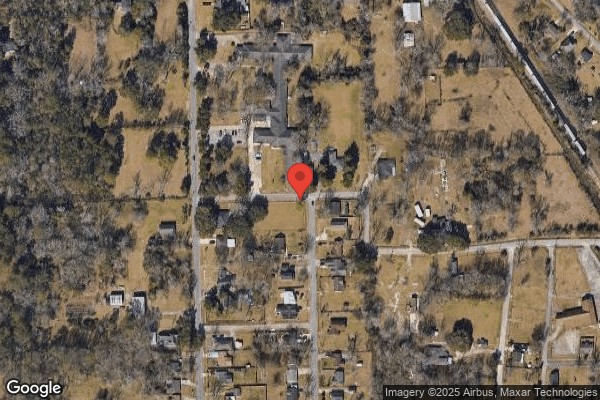
2660 BRICKYARD RD, BEAUMONT, TX 77703 (409) 892-1533
Government - Hospital district 98 Beds HARMONY CARE GROUP Data: November 2025 13 Immediate Jeopardy citations
Trust Grade
0/100
#998 of 1168 in TX
Last Inspection: November 2024

Within standard 12-15 month inspection cycle. Federal law requires annual inspections.

Overview

Harmony Care at Beaumont has received a Trust Grade of F, indicating significant concerns with the facility's care and management. It ranks #998 out of 1168 nursing homes in Texas, placing it in the bottom half, and #12 out of 14 in Jefferson County, meaning there are few local options that perform better. While the facility shows an improving trend, decreasing from 33 issues in 2024 to 11 in 2025, it still has a long way to go. Staffing appears to be a strength with a turnover rate of 0%, well below the Texas average, but this is overshadowed by the concerning $452,110 in fines, which is higher than 99% of Texas facilities. Recent inspections revealed serious incidents, including failure to protect residents from abuse, with a resident experiencing physical and verbal abuse from staff, highlighting significant issues in resident safety and care quality.

Trust Score
F
0/100
In Texas
#998/1168
Bottom 15%
Safety Record
High Risk
Review needed
Inspections
Getting Better
33 → 11 violations
Staff Stability
○ Average
Turnover data not reported for this facility.
Penalties
✓ Good
$452,110 in fines. Lower than most Texas facilities. Relatively clean record.
Skilled Nurses
○ Average
RN staffing data not reported for this facility.
Violations
⚠ Watch
70 deficiencies on record. Higher than average. Multiple issues found across inspections.
★☆☆☆☆
1.0
Overall Rating
★☆☆☆☆
1.0
Staff Levels
★☆☆☆☆
1.0
Care Quality
★☆☆☆☆
1.0
Inspection Score
Stable
2024: 33 issues
2025: 11 issues

The Good

  • Full Sprinkler Coverage · Fire safety systems throughout facility
  • No fines on record

Facility shows strength in fire safety.

The Bad

1-Star Overall Rating

Below Texas average (2.8)

Significant quality concerns identified by CMS

Federal Fines: $452,110

Well above median ($33,413)

Significant penalties indicating serious issues

Chain: HARMONY CARE GROUP

Part of a multi-facility chain

Ask about local staffing decisions and management

The Ugly 70 deficiencies on record

13 life-threatening 3 actual harm
Sept 2025 5 deficiencies 3 IJ (2 affecting multiple)
CRITICAL (J) 📢 Someone Reported This

A family member, employee, or ombudsman was alarmed enough to file a formal complaint

Immediate Jeopardy (IJ) - the most serious Medicare violation

Report Alleged Abuse (Tag F0609)

Someone could have died · This affected 1 resident

**NOTE- TERMS IN BRACKETS HAVE BEEN EDITED TO PROTECT CONFIDENTIALITY** Based on observations, interviews, and record review, the facility failed to ensure that all alleged violations involving abuse ...

Read full inspector narrative →
**NOTE- TERMS IN BRACKETS HAVE BEEN EDITED TO PROTECT CONFIDENTIALITY** Based on observations, interviews, and record review, the facility failed to ensure that all alleged violations involving abuse were reported immediately to the abuse coordinator for immediate intervention and all alleged violations involving abuse were reported no later than 2 hours after the allegation was made, if the events that caused the allegation involved abuse or bodily injury, to the administrator of the facility and to other officials, including the State Survey Agency in accordance with State law through established procedures for 3 of 25 residents (Resident #5, #7 and #8) reviewed for abuse. 1. The facility failed ensure ST R reported a witnessed allegation of physical and verbal abuse immediately to the Abuse Coordinator approx. 1.5 weeks prior to 7/1/2025. ST R witnessed CNA M tell Resident #5 to sit you ass down multiple times and then forcefully push Resident #5 into a chair approx. 1.5 weeks prior to 7/1/2025. The Abuse Coordinator became aware of the incident on 7/3/2025 during a facility investigation and staff interviews regarding another abuse allegation of Resident #5. 2. The facility failed to ensure LVN Z reported an allegation of abuse immediately to the Abuse Coordinator on 12/29/24. LVN Z documented on 12/29/24 at 8:16 p.m. that CNA Y observed Resident #7 hit Resident #8. The DON became aware of the incident on 12/30/25 upon review of progress notes and subsequently reported the allegation to the abuse coordinator. 3. The facility failed to ensure LVN XX reported an allegation of abuse immediately to the Abuse Coordinator on 05/18/2025. An Immediate Jeopardy (IJ) was identified on 09/24/2025 at 9:45 a.m. The IJ template was provided to the facility on [DATE] at 11:05 a.m. While the IJ was removed on 09/25/2025, the facility remained out of compliance at a scope of pattern and a severity level of no actual harm with potential for more than minimal harm that is not immediate jeopardy due to the facility continuing to monitor the implementation and effectiveness of their Plan of Removal. The failures could place residents at risk of abuse, physical harm, mental anguish, and emotional distress.Findings included: 1. Record review of Resident #5's face sheet, dated 09/23/2025, indicated a [AGE] year-old male who was originally admitted to the facility on [DATE] and readmitted on [DATE]. Resident #5 had diagnoses which included diffuse traumatic brain injury (widespread damage across multiple areas of the brain), hypertension (a condition in which the force of the blood against the artery walls is too high), encephalopathy (group of conditions that cause brain dysfunction, which can manifest as confusion, memory loss, personality changes), dementia (loss of cognitive functioning), lack of coordination, cognitive communication deficit, and major depressive disorder (mental health disorder characterized by persistently depressed mood or loss of interest in activities, causing significant impairment in daily life). Record review of Resident #5's quarterly MDS Assessment, dated 5/04/2025, indicated he rarely/never made himself understood and sometimes understood others. He was not assessed for the brief interview for mental status because he is rarely/never understood. He had no behaviors identified within the 7-day look back period. Record review of Resident #5's care plan revision dated 7/03/2025 indicated Resident #5 had an incident of confabulation and had a potential for further episodes of confabulation and confabulation triggered behaviors. Interventions included allow residents to verbalize feelings during episodes of confabulation - gently reorient and maintain safety, orient/re-orient resident daily and PRN, encourage to attend activities of choice, and report to MD/RP as needed and document episodes of confabulation in the clinical record. Record review of the facility's Provider Investigation Report dated 7/01/2025, incident category as abuse signed by the Administrator on 7/11/2025. PIR indicated the incident occurred 7/01/2025 at 7:00 p.m. on the secure unit. PIR indicated during staff interviews ST R said she witnessed CNA M be verbally and physical aggressive with Resident #5 approximately 1.5 weeks ago. CNA M was heard telling Resident #5 to sit you ass down and witnessed forcefully pushing him into the chair and pushing his chair forcefully under the table. LVN X provided head to toe assessment to Resident #5 with no injuries noted. Provider response after the incident included, employee suspended immediately, head to toe assessments on all residents in the secure unit, safe surveys conducted, employee statements collected, abuse and neglect in-services initiated, care plan updated, psych NP notified, MD notified, no family to notify, and local police contacted. Resident abuse confirmed. Employee terminated. During an interview on 09/24/2025 at 2:00 p.m., ST R said she had witnessed CNA M physically and verbally abuse Resident #5 sometime in late June 2025 when she heard CNA M tell Resident #5 to sit you ass down multiple times and then forcefully push Resident #5 into a chair and push him up to the table. ST R said she reported this incident late, when she was being interviewed regarding another incident with Resident #5. She said at the time it happened she felt uneasy about the incident and would not want her family treated that way. She said that she reported the incident to clear her consciousness and knew it should have been reported when she first witnessed the incident. She said she was suspended and received disciplinary actions regarding not reporting the abuse allegation immediately and re-educated prior to returning to work. She said moving forward that any abuse allegations witnessed or reported to her she would report it immediately to the administrator. During an interview on 9/23/2025 at 1:30 p.m., LVN X said she recalled the assessed Resident #5 after the incident and did not identify any injuries. She said that if she was notified of an abuse allegation, she would make sure the resident is safe and then immediately report to the Administrator/Abuse Coordinator. She said if she witnessed a resident being abused that she would intervene and remove the abuser and keep the resident safe, notify the AC and/or send the staff member home and if resident to resident keep separated for safety. During an interview on 09/24/2025 at 8:30 a.m., the Administrator said she was made aware of the witnessed abuse allegation of Resident #5 when she was taking statements from employees on 07/03/2025 during an ongoing investigation with abuse allegation of Resident #5. She said ST R told her on 07/03/2025 that she had witnessed CNA M be verbally and physically abusive to Resident #5 approx. 1.5 weeks prior. She said ST R stated she did not report the allegation at the time because she was confused about the situation, did not want to get anyone in trouble or cause drama. She said ST R was suspended for not reporting the incident immediately. She said she did not report the new abuse allegation to the state but did investigate the allegation while she was investigating the current abuse allegation of Resident #5. She said she included the information in the PIR submitted and did not realize the new allegation should have been reported separately. Record review of ST R's personnel record indicated she was trained on abuse and reporting abuse on 06/29/2025. 2. Resident #7Record review of Resident #7's face sheet dated 09/24/2025 indicated she was a [AGE] year old female, admitted on [DATE], and her diagnoses included hemiplegia (one-sided paralysis or weakness) and hemiparesis (partial one-sided weakness) following cerebral infarction (stroke) affecting left non-dominant side, aphasia (communication disorder), schizoaffective disorder (mental health condition), major depressive disorder (mood disorder), and (intense, persistent worry and fear about everyday situations). Record review of Resident #7's quarterly MDS assessment dated [DATE] indicated she was sometimes able to make herself understood and usually understood others. She was cognitively intact (BIMS-14). There were no behaviors noted. Record review of Resident #7's care plan dated 08/11/2025 indicated Resident #7 had the potential for physical aggression related to a diagnosis of schizoaffective disorder. Interventions included psychiatric consult as indicated and when the resident becomes agitated-intervene before agitation escalates, guide away from source of distress. Resident #8Record review of Resident #8's face sheet dated 09/24/2025 indicated he was a [AGE] year old male, admitted on [DATE], and his diagnoses included unspecified convulsions (involuntary contractions and spasms that do not have a specific diagnoses), HTN (high blood pressure), HDL (high levels of fats), acute hepatitis (inflammation of liver), COPD (chronic lung disease), depression (mood disorder) psychoactive substance abuse (harmful or hazardous use of substances that affect mental processes), schizoaffective disorder (mental health condition), hallucinations (hear, see, smell, taste or feel things that are not present), and suicide ideation (thoughts of suicide). Record review of Resident #8's quarterly MDS assessment dated [DATE] indicated he was able to make himself understood and understood others. He had moderate cognitive impairment (BIMS-12). Record review of Resident #8's care plan dated 10/27/2024 indicated he was at risk of mani episodes and increased behavior related to a diagnosis of schizophrenia. Interventions included administering medications as ordered, monitor for delusions and hallucinations, monitor for increased aggression, psych consult as needed, and remove resident for increased stimuli during behavioral episodes. Record review of Resident #8's nurse note dated 12/29/2024 at 2:00 p.m., completed by LVN Z, indicated she was notified by CNA Y of Resident #7 and Resident #8 were involved in a physical altercation. Resident #7 was hitting Resident #8. CNA Y directed Resident #7 to stop hitting Resident #8. Resident #7 stopped hitting Resident #8. Resident #8 stated he was OK. He said, I'm not worried about that b****. That b**** crazy. I am not worried about her. She better go on. Resident #7 continued to roll up to Resident #8 and tried to hit him again. LVN Z told them to stop and do not hit each other. LVN Z told them that this type of behavior was unacceptable. Further review revealed LVN Z did not document notification of the alleged abuse to the Administrator or the DON. Record review of LVN Z's undated statement indicated she was notified by CNA Y that Resident #7 had an altercation with resident #8. Resident #7 was around Resident #8 and hit him with her hand. Resident #8 said he was OK. CNA Y said she told Resident #7 to stop, and she did. CNA Y said the altercation was because Resident #8 owed Resident #7 $20. LVN Z said she was not around during the incident. Resident #7 was in her room resting. LVN Z was in the hall pulling medications and asked Resident #8 what happened, and he said he was not worried about that bitch. She was crazy. Resident #7 came back towards Resident #8, and she told him to move away. Resident #7 was monitored for the rest of the night for behaviors. Record review of CNA Y's statement dated 12/30/2024 indicated on 12/29/24 around 1:15 p.m., a resident came down the hall and pushed a barrel into Resident #7. Resident #8 tried to stop her by pulling on the handle of the chair. She turned around and started hitting him with a bag of food. Resident #7's son came around the corner and tried to diffuse the problem, but she kept going on. When Resident #8 said he did not owe her $20 she picked up the wet floor sign and tried to hit him and when she could not hit him with the wet floor sign, she raised her leg to kick him. During an interview on 09/23/2025 at 10:00 a.m. the DON said she became aware of the alleged abuse between Resident #7 and Resident #8 that occurred on 12/29/24, when she reviewed the incident written by LVN Z, on 12/30/24. She said Resident #7 was placed on 1 to 1 immediately until cleared by psych on 12/30/24. She said Resident #7 and Resident #8 were assessed with no injuries. She said LVN Z was trained upon hire to report abuse and allegations of abuse immediately to the Administrator. She said LVN Z was terminated due to not reporting immediately. During an interview on 09/24/2025 at 12:27 p.m., previous Administrator U said he did not confirm the incident on 12/29/24 as abuse. He said he recalled Resident #7 swung a shopping bag at Resident #8 because Resident #8 had grabbed the back of her wheelchair. He said LVN Z did not report the incident immediately to him on 12/2920/24 as required and they were terminated. During an interview on 09/25/2025 at 9:28 a.m., LVN Z said she did not see the abuse between Resident #7 and Resident #8 and the reason she did not report it to Administrator U. She said CNA Y reported the alleged abuse to her on 12/29/2024. She said she was called in to the facility on [DATE] and gave her statement. She said she could not recall being trained to report abuse immediately to the administrator. 3. Resident #2Record review of Resident #2's face sheet, dated 09/23/2025, indicated a [AGE] year-old female who was originally admitted to the facility on [DATE] and readmitted on [DATE]. Resident #2 had diagnoses which included schizophrenia (a chronic mental disorder characterized by symptoms such as hallucinations, delusions, and cognitive challenges), Alzheimer's Disease (progressive disease that destroys memory and other important mental functions), manic episodes, intellectual disabilities, diabetes type 1 (chronic condition in which the pancreas produces little or no insulin), dementia (loss of cognitive functioning), and major depressive disorder (mental health disorder characterized by persistently depressed mood or loss of interest in activities, causing significant impairment in daily life). Record review of Resident #2's quarterly MDS Assessment, dated 4/05/2025, indicated she was able to make herself understood and understood others. She was intact cognitively, identified with a BIMS score of 13. She had an active diagnosis of anxiety disorder, depression, bipolar disorder, and schizophrenia in the last 7 days. She had no behaviors identified within the 7 days look back period. Record review of Resident #2's care plan revision dated 1/16/2024 indicated Resident #2 had inappropriate behaviors. Interventions included to activities, explain procedures using terms gestures residents can understand, monitor and chart behaviors every shift and report progress to MD, observe for early warning signs of behavior - approach in a calm manner, call by name, remove from unwanted stimuli, give medications per order - monitor labs - report results to MD, and consult psychiatric/ psychogeriatric as indicated. Record review of Resident #2's care plan dated 5/19/2025 indicated Resident #2 had physical aggression from another resident. Interventions included analyzing times of day, places, circumstances, triggers, and what de-escalates behavior and document, assessing and addressing for contributing sensory deficits, monitor/document/report as needed any s/s of resident posing danger to self and others, when the resident becomes agitated: intervene before agitation escalates; guide away from source of distress; engage calmly in conversation; if response is aggressive, staff to walk calmly away, and approach later and administer medications as ordered, monitor/document for side effects and effectiveness, and psychiatric/psychogeriatric consult as indicated. Resident #3Record review of Resident #3's face sheet, dated 09/23/2025, indicated a [AGE] year-old female who was originally admitted to the facility on [DATE] and readmitted on [DATE]. Resident #3 had diagnoses which included vascular dementia (changes in thinking and memory that occur when there isn't enough blood flow to part of the brain), diabetes (a chronic condition that affects the way the body processes blood sugar), stroke, dementia (loss of cognitive functioning), and major depressive disorder (mental health disorder characterized by persistently depressed mood or loss of interest in activities, causing significant impairment in daily life). Record review of Resident #3's quarterly MDS Assessment, dated 3/14/2025, indicated she was sometimes able to make herself understood and sometimes understood others. She was moderately impaired cognitively, identified with a BIMS score of 11. She had an active diagnosis of depression in the last 7 days. She had no behaviors identified within the 7 days look back period. Record review of a progress notes/incident report for physical aggression, dated 05/18/2025, authored by LVN XX indicated an incident was reported that included Resident #2 and Resident #3 sitting in dining room yelling at each other. Residents separated. No injuries were identified. Record review of the facility's Provider Investigation Report, dated 05/18/2025, incident category as resident-to-resident abuse signed by the Administrator on 05/23/2025. The PIR indicated the incident occurred on 05/17/2025 at 6:30 a.m. The PIR indicated Resident #3 scratched and pulled Resident #2's hair, who was trying to prevent her from getting coffee. LVN YY performed a head-to-toe assessment on both residents, Resident #2 received scratch to left forearm. Provider response after the incident included, residents separated, head-to-toe assessments on all involved residents, incident/accident report completed, employee statements, safe surveys conducted, care plans updated, abuse and neglect in-services initiated, psych referral completed, and MD/family notified. Resident abuse confirmed. An attempted telephone interview on 09/24/2025 at 7:45 a.m. with LVN XX was unsuccessful. During an interview and record review of provider investigation report on 09/24/2025 at 8:45 a.m., the Administrator clarified that the incident between Resident #2 and Resident #3 occurred on 5/18/2025 at 8:00 a.m. but she was not made aware of the allegation until she arrived at work on Monday 05/19/2025. She said Resident #2 notified her on 05/19/2025 of the incident and showed her the scratch that she received during the incident. She said she began investigating at that time and reported the allegation to the state once the incident was confirmed. She said that the allegation was reported late, and she is aware that all abuse allegations are to be reported to the state agencies within 2 hours of the incident and the delayed reporting could be other residents at risk for harm or abuse. Record review of the facility's Abuse and Neglect policy dated June 2023 indicated . All allegations and/or suspicions of abuse must be reported to the Administrator immediately. If the Administrator is not present, the report must be made to the Administrator's Designee. All allegations of abuse will be reported to DADS immediately after the initial allegation is received. An Immediate Jeopardy/Immediate Threat was identified on 09/24/2025 at 9:45 a.m. The Administrator was notified of the Immediate Jeopardy on 09/24/2025 at 11:00 a.m. The IJ template was provided to the facility on [DATE] at 11:05 a.m. The facility was asked to provide a Plan of Removal to address the Immediate Jeopardy. The facility's Plan of Removal for Immediate Jeopardy was accepted on 9/25/25 at 10:45 am. and reflected the following: Actions for Resident Involved: Resident #7 / Resident #8: Resident #7 struck Resident #8 with shopping bag; risk of physical harm. Resident #5: Subjected to verbal and physical abuse by CNA M. Resident #3 / Resident #2: Resident #3 scratched Resident #2; delay in reporting placed Resident #2 at risk of further harm. All residents in facility: Placed at risk due to systemic failure to report abuse allegations immediately. Immediate Actions Completed (as of 9/24/2025): Residents assessed for injuries; psychosocial evaluations completed on 12/30/2024 by the Director of Nursing, Skin assessment completed by Treatment Nurse. Resident #7 placed on 1:1 monitoring on 12/30/2024LVN Z terminated for failure to report abuse-1/3/2025. Resident #5CNA M was terminated for abusive behavior on 7/7/2025.ST R suspended and re-educated on 7/3/2025. Facility-wide in-service provided to staff on abuse/neglect reporting policy, including immediate reporting to Abuse Coordinator and State Agency. 12/30/2024-by the DON; 1/15/2025-by the DON; 7/1/2025-by the Administrator; 7/7/2025-by the DON; 7/9/2025-by the DON; 7/22/2025-by the Administrator. Systemic Actions to Prevent Recurrence: Start date: 9/24/25 Completion date: 9/24/25 Responsible: Administrator / Designee DON (Director of Nursing) and Administrator will be educated by CNO (Chief Nurse Officer) and VP of Operations on Abuse, neglect and exploitation, reporting guidelines. All staff will receive mandatory re-education with verbal discussion and signing of in-service sign-in sheet. A post-quiz will be used to determine understanding of timely reporting of any types of abuse and neglect to the Abuse coordinator and or designee along with the appropriate departmental supervisor. 9/24/2025 Abuse reporting flowchart posted in nurse stations, break rooms, med rooms. 9/24/2025 Abuse allegations are logged and reviewed weekly by Admin/DON/designee. Ongoing competency checks added to new hire orientation and annual training. Progressive discipline reinforced for any failure to report. Monitoring/Accountability: Review of 24-hour reports, progress notes, incident reports and any grievances to identify any possible abuse, neglect, or exploitation that may have occurred and on Monday for the weekend. By the Administrator/Designee and DON. Random weekly staff interviews for four weeks or as needed to verify knowledge of reporting procedures Random safe surveys with residents for four weeks or as needed to be completed by Admin/SW/Designee QA Committee will review abuse investigations in the daily standup meetings, and the Governing Body will review monthly. Responsible Staff:Administrator / designee will ensure immediate investigations and reports to HHSC Administrator/ DON will ensure compliance, staff training, and monitoring audits. QA Committee will have oversight of systemic compliance and sustainability.Physician Notified of Immediate Jeopardy 9/24/2025 Section 3 - Timeliness Immediate protective actions completed as of 9/24/2025 Terminations, suspensions, and staff in-servicing completed as of 9/24/2025. Policy revisions and abuse reporting flowchart completed by 9/24/2025. Audits and monitoring began 9/24/2025 and will continue ongoing. Sustainability will be measured monthly in the QAPI meeting by the QAAC and if any changes are needed within the system, it will be performed immediately. Review of the IJ monitoring for the facility's plan of removal reflected the following: Record review of CNA M employee termination form dated 07/07/2025 indicated CNA M was terminated for violation of company policy and a substantiated abuse allegation. Record review of ST R personnel file the disciplinary action form indicated ST R was suspended from 07/03/2025 to 07/07/2025 for failure to report abuse allegation timely and was reeducated on abuse, neglect and reporting process prior to her returning to duty. Record review of in-service dated 09/24/2025 completed by VP of Clinical Reimbursement, [NAME] President of operations and Corporate Nurse indicated the Administrator and Director of Nursing was trained on abuse, neglect, including types of abuse with examples, steps to prevent abuse (screening, training, prevention, identification, investigation, protection and reporting/response), reportable allegations and abuse allegation reporting time frames. Record review of in-services dated 09/24/2025 completed by the DON, indicated staff were trained on abuse and neglect recognition, types, reporting, examples, reporting abuse allegations immediately, flow chart on reportable allegations, resident to resident altercation prevention, protocol following abuse allegations, caring for residents with aggressive behaviors, supervision, and monitoring. Interviews conducted on 09/25/2025 from 12:00 p.m. through 5:30 p.m. representing staff from various shifts (6 a.m.-2p.m., 2p.m.-10p.m., and 10p.m.-6a.m.) and departments included LVN A, RN B, LVN C, MA G, AD H, HSK J, CNA K, CNA L, LVN S, ST R, CNA V, CNA W, LVN X, LVN AA, CNA BB, CNA CC, CNA DD, CNA EE, LVN FF, CNA GG, CNA HH, CNA II, MA JJ, CNA KK, LVN LL, CNA MM, CNA NN, MT OO, PTA PP, DOR, HSK QQ, FT RR, DD, DA SS, DA TT, DA UU, COOK VV, COOK WW, ADON, Housekeeping Supervisor, and Maintenance Director all said they were in-serviced on 09/24/2025 or prior to their shift on 09/25/2025 and then given quiz to complete to verify their knowledge. All were able to state that their abuse coordinator was the Administrator, if he were not available, they were to notify the DON. They were all able to give examples of physical, verbal, and emotional abuse. They all expressed the importance of reporting alleged abuse immediately when they first saw or heard it. All knew location of abuse reporting flow sheet to use for guide for reportable events. All knew where the corporate compliance and state hotline number was posted and knew when to contact if needed. During interviews on 09/25/2025 from 3:55 p.m.- 4:20 p.m. with 8 (including Resident #2 and Resident #7) alert and oriented residents indicated they recently had communication with management regarding their satisfaction with living at the facility and they had no concerns about their safety, about the staff who provided their daily care, or the management at the facility. During observation on 09/25/2025 from 12:00 p.m. through 5:30 p.m. observed abuse reporting flowchart posted in nurse stations, break rooms, and med rooms. During an interview on 09/25/2025 at 5:00 p.m., the DON said she was given one-on-one in-service with the corporate nurse, VP of operations, and VP of Clinical Reimbursement regarding reporting alleged abuse allegations to the abuse coordinator immediately (if abuse coordinator was not available or was unreachable, then staff would report to her), the timeliness of reporting alleged abuse to HHSC (within 2 hours of the alleged abuse), keeping residents safe, prevention of abuse, and she was to begin investigating alleged allegations immediately if delegated by the abuse coordinator to do so. She said if abuse was reported to her in the absence of the abuse coordinator that she would report the alleged allegation to HHSC within 2 hours of the alleged incident. She said the alleged perpetrator would be suspended immediately and would not be able to return to work until approval was granted. During an Interview on 09/25/2025 at 5:10 p.m., the Administrator said he was in-serviced one-on-one with the corporate nurse, VP of operations, and VP of Clinical Reimbursement regarding the timeliness of reporting alleged abuse to HHSC (within 2 hours of the alleged abuse), keeping residents safe, prevention of abuse, and that he was to begin investigating alleged allegations immediately and if he was not available, she was to delegate investigation responsibilities to the DON and/or management staff. She said the alleged perpetrator would be suspended immediately and would not be able to return to work until approval was granted. The Administrator said 95% of the active employees had been in-serviced and the remaining employees would be in-serviced before the start of their next shift. The Administrator said all new hires would receive training on abuse, neglect, and timely reporting prior to providing any resident care. The Administrator was informed that the Immediate Jeopardy was removed on 09/25/2025 at 5:33 p.m. The facility remained out of compliance at a severity level of potential for more than minimal harm, that was not immediate jeopardy and a scope of isolated due to the facility's need to evaluate the effectiveness of the corrective systems that were put into place.
CRITICAL (K) 📢 Someone Reported This

A family member, employee, or ombudsman was alarmed enough to file a formal complaint

Immediate Jeopardy (IJ) - the most serious Medicare violation

Free from Abuse/Neglect (Tag F0600)

Someone could have died · This affected multiple residents

**NOTE- TERMS IN BRACKETS HAVE BEEN EDITED TO PROTECT CONFIDENTIALITY** Based on observation, interview and record review, the facility failed to ensure residents had the right to be free from abuse a...

Read full inspector narrative →
**NOTE- TERMS IN BRACKETS HAVE BEEN EDITED TO PROTECT CONFIDENTIALITY** Based on observation, interview and record review, the facility failed to ensure residents had the right to be free from abuse and neglect for 10 of 25 residents (Resident #1, Resident #2, Resident #3, Resident #4, Resident #5, Resident #6, Resident #9, Resident #11, Resident #14, and Resident #216) reviewed for abuse. 1. The facility failed to ensure Resident #6 was free from sexual abuse when Resident #25 came into Resident #6's room and rubbed her right leg under the covers on 08/21/2025.2. The facility failed to ensure Resident #5 was free from physical and verbal abuse by CNA F when CNA F called Resident #5 retarded, pushed and held him down on the bed during incontinent care, pulled him off the low bed, landing on the floor and held him down by his shoulder trying to put his shirt on and pinned him against the wall and stomped on his feet on 7/01/2025. 3. The facility failed to ensure Resident #5 was free from physical and verbal abuse by CNA M when CNA M told Resident #5 to sit your ass down multiple times and then forcefully push Resident #5 into a chair sometime in June 2025. 4. The facility failed to ensure Resident #5 was free from physical abuse when Resident #12 had a physical altercation with Resident #5 when Resident #5 wandered into his room causing Resident #5 to receive a scratch on his chest and a scratch on his back on 07/03/25.5. The facility failed to ensure Resident #5 was free from physical abuse when Resident #13 hit Resident #5 on his chest on 05/26/2025 with no injury.6. The facility failed to ensure Resident #2 & #3 was free from physical abuse when Resident #1 spit on and scratched Resident #2 and scratched Resident #3 on 3/19/2025. 7. The facility failed to ensure Resident #2 was free from physical abuse when Resident #1 pinched Resident #2 on 9/04/2025.8. The facility failed to ensure Resident #3 was free from physical abuse when Resident #1 grabbed her hand and would not let go resulting in Resident #3 hitting Resident #1 on 7/24/2025.9. The facility failed to ensure Resident #1 & #3 was free from physical abuse when Resident #1 and Resident #3 were hitting each other on 8/13/2025.10. The facility failed to ensure Resident #9 was free from physical abuse when Resident #1 ran over Resident #9's foot with her wheelchair and he responded by punching Resident #1 in the face on 7/11/2025.11. The facility failed to ensure Resident #4 was free from physical abuse when Resident #1 hit Resident #4 on her arm on 9/5/2025. 12. The facility failed to ensure Resident #2 was free from physical abuse when Resident #3 scratched Resident #2 who was trying to prevent her from getting coffee on 5/18/2025. 13. The facility failed to ensure Resident #2 was free from physical abuse when Resident #4 hit Resident #2 when Resident #2 took Resident #4's bingo tokens on 6/11/2025. 14. The facility failed to ensure Resident #2 was free from physical abuse when Resident #15 hit Resident #2 in the face and knocked off her glasses on 7/4/2025.15. The facility failed to ensure Resident #14 was free from physical abuse when Resident #4 hit Resident #14 in the chest and pushed her walker on 6/19/2025. 16. The facility failed to ensure Resident #11 was free from physical abuse when Resident #10 hit Resident #11 on the back of the head on 06/19/2025. 17. The facility failed to ensure Resident #216 was free from physical abuse when Resident #215 slapped Resident #216 on 5/12/2025. An Immediate Jeopardy (IJ) was identified on 09/24/2025 at 9:45 a.m. The IJ template was provided to the facility on [DATE] at 11:05 a.m. While the IJ was removed on 09/25/2025, the facility remained out of compliance at a scope of pattern and a severity level of no actual harm with potential for more than minimal harm that is not immediate jeopardy due to the facility continuing to monitor the implementation and effectiveness of their Plan of Removal. These failures could place residents at risk of emotional distress, fear, decreased quality of life and further abuse. Findings included: Resident #6 Record review of Resident #6's face sheet, dated 09/24/2025, indicated a [AGE] year-old female who was admitted to the facility on [DATE] and readmitted [DATE]. Resident #6 had diagnoses which included cerebral infarction (occurs when blood flow to part of the brain is blacked leading to tissue death), schizophrenia (a chronic mental disorder characterized by symptoms such as hallucinations, delusions, and cognitive challenges) conversion disorder with seizures or convulsions (mental health condition in which individuals experience neurological symptoms without any detectable neurological or medical cause),acquired absence of left leg below the knee (loss of leg below the knee) and hemiplegia (total paralysis or severe loss of muscle function on one side of the body) following cerebral infarction. Record review of Resident #6's quarterly MDS Assessment, dated 06/10/2025, indicated she had a BIMS score of 14 and diagnoses of hemiplegia, cerebral infarct, schizophrenia and seizure disorder. The assessment indicated Resident #6 was dependent for transfer and needed supervision for locomotion in manual wheelchair for 50 feet. Record review of Progress Notes dated 08/22/2025 indicated Resident #6 received 72-hour trauma monitoring by the SW related being touched inappropriately and without consent by Resident #25, no emotional distress indicated. Record review of Progress Notes dated 08/25/2025 indicated Resident #6 received 72-hour trauma monitoring by the SW related being touched inappropriately and without consent by Resident #25, no emotional distress indicated. Record review of Progress Notes dated 08/26/2025 indicated Resident #6 received 72-hour trauma monitoring by the SW related to being touched inappropriately and without consent by Resident #25, no emotional distress indicated. Record review of Resident #6's quarterly MDS Assessment, dated 09/10/2025, indicated she had a BIMS score of 12 and diagnoses of hemiplegia, cerebral infarct, schizophrenia and seizure disorder. The assessment indicated Resident #6 was dependent for assistance of 1 to 2 persons for transfer and dependent for locomotion in manual wheelchair for 50 feet. Record review of Resident #6's care plan with a target date of 11/18/2025 indicated Resident #6 had a diagnosis of schizophrenia and is at risk of increased behaviors. Interventions included intervene and monitor resident for increased agitation, anger, verbal and physical aggression, and document episodes of behavior. Record review of Resident #6 police report dated 08/21/202025 indicated a crime incident of assault, the victim was Resident #6, and she notified the officer that Resident #25 entered her room put his hand under her leg and rubbed his hand on her leg. She said Resident #25 stated, “I'm sorry it just feels so good to feel skin so soft.” Resident #6 indicated she felt it was a sexual nature, and she wished to file a report. The report indicated a non-consent form was signed. Resident #25 Record review of Resident #25's face sheet, dated 09/24/2025, indicated a [AGE] year-old male who was admitted to the facility on [DATE] and readmitted [DATE]. Resident #6 had diagnoses which included hemiplegia following cerebral infarction, morbid obesity (having too much body fat which increases the risk of health problems), cerebral infarction, post- traumatic stress disorder (disorder in which a person has difficulty recovering after experiencing or witnessing a terrifying event) and convulsions. Record review of Resident #25's quarterly MDS Assessment, dated 09/19/2025, indicated he was cognitively independent and had no long-term or short-term memory problem. The assessment indicated Resident #25 required dependence of 1 or 2 persons to transfer from bed to chair and independent of locomotion in a motorized scooter. Record review of Resident #25's Change in Condition Evaluation on 08/21/2025 indicated he had behavior symptoms of sexual behaviors with Resident #25 redirected to his room and sent to a behavioral hospital for monitoring. Record review of Resident #25's care plan with a revision date of 08/22/2025 indicated Resident #25 had inappropriate sexual behaviors and was at risk of further episodes and injury. The Care plan indicated Resident #25 had a history of allowing an intellectually challenged resident perform oral sex on him in the dining room and on 08/21/25 was witnessed rubbing on the leg of another resident that was unwanted. Interventions included to redirect during episodes of inappropriate sexual behavior and document in the clinical record, firmly approach the resident that behaviors are not acceptable. The care plan indicated on 08/21/25 Resident #25 was sent out for a psychiatric evaluation, was on 1 on 1 monitoring and psychiatric referral made in house by the nurse practitioner and discharge planning. During an observation and interview on 09/22/2025 at 10:00 a.m., Resident #25 named in the allegation was lying in bed, he denied sexual abuse of Resident #6. He said he brought his friend Resident #6 a cup of coffee and she was on the verge of tears. Resident #25 said Resident #6 told him no one liked her, and he said everyone here likes you and rubbed her lower leg on top of the covers. Resident #25 said he did not sexually touch anyone inappropriately. He said he was comforting his friend. Resident #25 said a nurse came into the room, did not ask any questions and made a mountain out of a mole hill. Resident #25 said he was sent to the hospital to be evaluated and had not been to Resident #6's room since the incident. During an observation and interview on 09/22/2025 at 10:20 a.m., Resident #6 named in the allegation, was up in her scooter with a left below the knee amputee, she said she was treated well, received needed care, call lights answered timely, and she denied abuse/ neglect. Resident #6 said she felt safe in the facility and was comfortable reporting concerns to the nurse. She said Resident #25 was not allowed in her room. Resident #6 said the day of the incident (08/21/2025) Resident #25 brought her coffee and that it was fine, but she said he started rubbing her right lower leg under the covers. She said she told him, ”I don't like that, she said she did not say stop.” Resident #6 said a nurse came into the room and Resident #25 stopped and left the room. She said I was very upset when it happened but now felt safe in the facility. During an interview on 09/23/2025 at 4:30 a.m., Resident #6 said Resident #25 said her skin was so soft he could not help himself when he rubbed her leg the day of the incident (08/21/2025). During a phone interview on 9/23/2025 at 4:00 p.m., Hospice RN said on 08/21/2025 she was in Resident #6's room visiting her roommate and heard Resident #25 say “I want to feel your soft skin”, she said Resident #25 had his hand under Resident #6's covers. Hospice RN said Resident #25 saw her, stopped touching Resident #6 and left the room. She immediately reported the incident to LVN X and then wrote her statement. She said she did not say anything to Resident #25. The Hospice RN said she heard LVN X ask Resident #6 if she asked Resident #25 to do that and she said no and cried. During an interview on 09/23/2025 at 12:00 p.m., LVN X said she did not witness the incident on 08/21/2025 with Resident #6 and Resident #25. She said the Hospice RN notified her she witnessed Resident #25 rubbing Resident #6's leg under the covers of her bed. LVN X said Resident #25 said Resident #6 asked me to come into her room. LVN X said Resident #25 said Resident #6 said no one loved her and he touched her leg. LVN X said Resident #25 normally gets up early, goes outside for the morning then back to bed but not normally into other resident rooms. She said there was no reason for him to visit down Resident #6's hall. LVN X said Resident #6 said she did not give Resident #25 consent to touch her. She immediately notified the DON, ADON and Administrator. LVN X placed Resident #25 on 1 on 1 monitoring after the incident. She said that meant constant monitoring, eyes and ears on Resident #25, a CNA sat outside his room and stared at him in his room alone. She completed an assessment on both residents with no injury noted. LVN X said Resident #25 was sent out to the hospital later that night. She said Resident #25 required 2 CNAs to get Resident #25 out of bed and transferred to his scooter. LVN X said Resident #25 was not allowed to go to Resident #6's room. She was in-serviced prior to the incident on abuse/ neglect and sexual abuse prevention. She said after the incident she was in-serviced on abuse/ neglect and sexual abuse prevention. Resident #12 Record review of Resident #12's face sheet, dated 09/24/2025, indicated a [AGE] year-old male who was admitted to the facility on [DATE] and readmitted [DATE]. Resident #12 had diagnoses which included dementia, seizures, bipolar disorder (chronic mental health condition characterized by extreme mood swings between periods of mania {elevated mood} and depression) and abnormalities of gait and mobility (deviations from the normal pattern of walking and movement). Record review of Resident #12's admission MDS Assessment, dated 06/05/2025, indicated he had long and short-term memory loss and was severely impaired of cognition, rarely/ never understood and rarely/never understood understands. The assessment indicated Resident #12 had inattention and disorganized thinking behaviors continuously present. Record review of Resident #12's quarterly MDS Assessment, dated 09/01/2025, indicated he had long and short-term memory loss and was severely impaired of cognition, rarely/ never understood and sometimes understands. He had wandering behaviors that occurred 1 to 3 days within the 7 days look back period. Resident #5 had physical behaviors, verbal behaviors and other behavioral symptoms 1 to 3 days within the 7 days look back period. Record review of Resident #12's care plan dated 07/08/2025 indicated Resident #12 scratched another resident when the other resident wandered into his room. Interventions included intervene as necessary to protect the rights and safety of others, approach/ Speak in a calm manner, divert attention and remove from situation and take to alternate location as needed. Record review of an incident report for physical aggression, dated 07/04/2025, indicated an incident was reported that included Resident #5 and Resident #12 with the allegation of abuse. Record review of the facility's PIR, dated 07/11/2025, incident category as other and other specified as a resident-to-resident incident signed by the Administrator on 07/11/2025. The PIR indicated the incident occurred on 07/03/2025 at 7:05 a.m., on the secure unit. The PIR indicated Resident #5 went into Resident #12's room and rummaged, Resident #12 became physically aggressive in an attempt to remove Resident #5 from his room and Resident #5 received scratches to back and chest. Residents were separated immediately, LVN S performed a head-to-toe assessment on both residents, Resident #12 received no injury. Resident #5 was placed on 1:1 supervision and scratches treated. The physician was contacted and gave orders for Resident #5 to have an emergency room psych evaluation with medication changes. Reeducated staff on abuse and neglect, with no concerns, Social Worker conducted resident safe survey interviews with no concerns and IDT team met and discussed incident and updated care plans. Investigation findings: Confirmed that residents did have a person-to-person interaction with no major injury, Resident #5 received a scratch to his back and chest. Record review of Resident #12's physician orders dated 09/24/2025 indicated he was prescribed sertraline (antidepressant medication) 100 mg daily for major depressive disorder (a mental health condition characterized by persistent feelings of deadness, hopelessness and loss of interest or pleasure in activities) with a start date of 07/09/2025 and Aripiprazole (antipsychotic medication) 15 mg daily for bipolar disorder. During an observation and interview on 09/24/2025 at 1:44 p.m., Resident #12 was sitting in recliner, he denied abuse/ neglect and said he felt safe in the facility. Resident #12 denied anyone came into his room and messed with his stuff and denied allegations of scratching or hitting Resident #5. During an Interview on 09/24/2025 at 1:55 p.m. LVN S said Resident #5 was found on the floor in Resident #12's doorway with Resident #12 yelling to get out and trying to shut his door. She said she separated residents and assessed both residents. LVN S said Resident #5 had a scratch on his back and chest and was placed on 1 on 1 monitoring. She said Resident #12 had no injuries. She said she Notified psychiatric services the ADON, DON, Administrators, responsible parties and physicians. Resident #13 Record review of Resident #13's face sheet, dated 09/24/2025, indicated a [AGE] year-old female who was admitted to the facility on [DATE] and discharged to the hospital on [DATE]. Resident #13 had diagnoses which included cerebral infarction (a condition where blood flow to the brain was interrupted leading to brain cell damage), abnormalities of gait and mobility, compression of brain (increased pressure within the skull that compresses the brain tissue), muscle weakness, lack of coordination and cognitive communication deficit. Record review of Resident #13's admission MDS Assessment, dated 03/19/2025, indicated she had a BIMS score of 9 and was moderately impaired of cognition. The assessment indicated Resident #13 had inattention and disorganized thinking behaviors present that fluctuated (comes and goes and changes in severity). Resident #13's assessment indicated delusions (misconceptions or beliefs that are firmly held, contrary to reality) and verbal behavioral symptoms directed toward others and other behavioral symptoms not directed toward others occurred 1 to 3 days of the 7day look back period. Record review of Resident #13's care plan dated 05/27/2025 indicated Resident #13 was at risk of manic episodes and increased behaviors with interventions of monitor for increased agitation and removed from increased stimuli. Record review of an incident report for physical aggression, dated 05/26/2025, indicated an incident was reported that included Resident #5 and Resident #13 with the allegation of abuse. Resident #13 was sent to the emergency room for a psychological evaluation and neither resident had injuries. Record review of the facility's Provider Investigation Report, dated 06/02/2025, incident category as other and other specified as a resident-to-resident incident signed by the Administrator on 06/02/2025. The PIR indicated the incident occurred on 05/26/2025 at 4:30 p.m. on the secure unit. The PIR indicated Resident #13 hit Resident #5 with a mop handle. LVN S witnessed the incident and separated the two residents and placed Resident #13 on 1 on 1 until she was transferred to the emergency room and did not return to the facility. Investigation Findings: Confirmed that residents did have a person-to-person interaction with no injury, all metal objects and possible safety hazards removed from the unit. Staff in-serviced on abuse/ neglect and safe surveys indicated no patterns of abuse/ neglect on the secured unit. Record review of Resident #13's physician orders dated 09/24/2025 indicated she was prescribed divalproex 125 mg daily for mood disorder (a mental and behavioral disorder) with a start date of 05/09/2025. During an observation and interview on 09/24/2025 at 1:40 p.m., Resident #5 was sitting in a chair, he denied anyone hit him or hurt him and he denied hitting anyone. Resident #5 was confused and unable to answer more than a few questions. During an interview on 09/24/2025 at 1:55 p.m., LVN S said she witnessed the Resident #13 and Resident #5 incident on 05/26/2025. LVN S said Resident #13 barely bumped Resident #5 in the chest with a broom. She said there was no redness or injury on either resident nor were they upset. She separated the residents, put Resident #13 on 1 on 1 monitoring and sent her to the emergency room. LVN S said she notified the responsible parties for both residents, physicians, DON and Administrator. Resident #5 Record review of Resident #5's face sheet, dated 09/23/2025, indicated a [AGE] year-old male who was originally admitted to the facility on [DATE] and readmitted on [DATE]. Resident #5 had diagnoses which included diffuse traumatic brain injury (widespread damage across multiple areas of the brain), hypertension (a condition in which the force of the blood against the artery walls is too high), encephalopathy (group of conditions that cause brain dysfunction, which can manifest as confusion, memory loss, personality changes), dementia (loss of cognitive functioning), lack of coordination, cognitive communication deficit, and major depressive disorder (mental health disorder characterized by persistently depressed mood or loss of interest in activities, causing significant impairment in daily life). Record review of Resident #5's quarterly MDS Assessment, dated 5/04/2025, indicated he rarely/never made himself understood and sometimes understood others. He was not assessed for the brief interview for mental status because he is rarely/never understood. He had no behaviors identified within the 7-day look back period. Record review of Resident #5's quarterly MDS Assessment, dated 08/04/2025, indicated he had long and short-term memory loss and was severely impaired of cognition, rarely/ never understood and sometimes understands. He had wandering behaviors that occurred 1 to 3 days within the 7 days look back period. Resident #5 had physical behaviors, verbal behaviors and other behavioral symptoms 1 to 3 days within the 7 days look back period. Record review of Resident #5's care plan revision dated 7/03/2025 indicated Resident #5 had an incident of confabulation and had a potential for further episodes of confabulation and confabulation triggered behaviors. Interventions included allow residents to verbalize feelings during episodes of confabulation - gently reorient and maintain safety, orient/re-orient resident daily and PRN, encourage to attend activities of choice, and report to MD/RP as needed and document episodes of confabulation in the clinical record. Record review of Resident #5's care plan dated 08/22/2025 indicated Resident #5 had inappropriate behaviors. Interventions included monitor and chart behaviors every shift and report progress to the physician, observe for early warning signs of behavior, approach in a calm manner, call Resident #5 by name and remove from unwanted stimuli. Record review of the facility's Provider Investigation Report (PIR) dated 7/01/2025, incident category as abuse signed by the Administrator on 7/11/2025. PIR indicated the incident occurred 7/01/2025 at 7:00 p.m. on the secure unit. PIR indicated CNA D witnessed CNA F be verbally and physical aggressive with Resident #5. On 7/01/2025, CNA D witnessed CNA F hit Resident #5's head against the wall and pinch him. CNA F was heard calling Resident #5 retarded” and making statements “if these cameras were not here, I would do what I really wanted to do.” LVN X provided head to toe assessment to Resident #5 with no injuries noted. Provider response after the incident included, employee suspended immediately, head to toe assessments on all residents in the secure unit, safe surveys conducted, employee statements collected, abuse and neglect in-services initiated, care plan updated, psych NP notified, MD notified, no family to notify, and local police contacted. Resident abuse confirmed. Employee terminated. During an observation on 9/23/2025 at 11:00 a.m., Resident #5 was well groomed, and appropriately dressed. Resident #5 was ambulating independently in the secure unit hallways and in the outdoor secure area. Resident #5 with no signs of abuse or fear of staff identified. During an interview on 9/23/2025 at 12:53 p.m., CNA D said on 7/01/2025 CNA F had asked her to assist with incontinent care on Resident #5, she said during assisting with care she witnessed CNA F push and held Resident #5 down on the bed during incontinent care. CNA D said CNA F held Resident #5's arm down with her knee when Resident #5 slapped her on the arm. CNA D said CNA F told Resident #5 she would sit on him if he hit her again and then she pinched him. CNA D said CNA F roughly pull Resident #5 off the low bed, landing on the floor and holding him down by his shoulder trying to put his shirt on. CNA D said CNA F pin Resident #5 against the wall and stomped on his feet in the attempt to get him dressed. CNA D said she was a new employee at the time of the incident and was shocked at what she witnessed, she said she reported the incident to the administrator. CNA D said she should have stopped the abuse at the time of the incident but was so shocked by the event she was reluctant to say anything to the seasoned staff member. An attempted telephone interview on 09/23/2025 at 1:15 p.m. with CNA F, the alleged perpetrator was unsuccessful. Record review of CNA F employee statement dated 07/01/2025 indicated “changing patient on bed, laid him down to change him, he was kicking, told him to stop put diaper on him had to use a little force because he was scratch and kicking me.” Record review of CNA F employee termination form dated 07/07/2025 indicated CNA F was terminated for violation of company policy and a substantiated abuse allegation. During an interview on 9/23/2025 at 1:30 p.m., LVN X said she recalled she assessed Resident #5 after the incident and did not identify any injuries but does not recall how she became aware of the incident. She said if she was notified of an abuse allegation, she would make sure the resident was safe and then immediately report to the Administrator/Abuse Coordinator. She said if she witnessed a resident being abused that she would intervene and remove the abuser and keep the resident safe, notify the AC and/or send the staff member home and if resident to resident keep separated for safety. Record review of the facility's PIR dated 7/01/2025, incident category as abuse signed by the Administrator on 7/11/2025. PIR indicated the incident occurred 7/01/2025 at 7:00 p.m. on the secure unit. PIR indicated during staff interviews ST R said she witnessed CNA M be verbally and physical aggressive with Resident #5 approximately 1.5 weeks ago. CNA M was heard telling Resident #5 to “sit you ass down” and witnessed forcefully pushing him into the chair and pushing his chair forcefully under the table. LVN X provided head to toe assessment to Resident #5 with no injuries noted. Provider response after the incident included, employee suspended immediately, head to toe assessments on all residents in the secure unit, safe surveys conducted, employee statements collected, abuse and neglect in-services initiated, care plan updated, psych NP notified, MD notified, no family to notify, and local police contacted. Resident abuse confirmed. Employee terminated. During an interview on 09/24/2025 at 2:00 p.m., ST R said she had witnessed CNA M physically and verbally abuse Resident #5 sometime in late June 2025 when she heard CNA M tell Resident #5 to sit you ass down multiple times and then forcefully push Resident #5 into a chair and push him up to the table. ST R said she reported this incident late, when she was being interviewed regarding another incident with Resident #5. She said at the time it happened she felt uneasy about the incident and would not want her family treated that way. She said she reported the incident to clear her consciousness and knew it should have been reported when she first witnessed the incident. She said she was suspended and received disciplinary actions regarding not reporting the abuse allegation immediately and re-educated prior to returning to work. She said moving forward that any abuse allegations witnessed or reported to her she would report it immediately to the administrator. An attempted telephone interview on 09/23/2025 at 1:17 p.m. with CNA M, the alleged perpetrator was unsuccessful. Record review of CNA M employee statement dated 07/03/2025 indicated “Resident #5 was ambulated to chair, sat him down and scooted his chair up to the table, so he would be able to eat his lunch tray. If this happened a week ago why it just now being reported on 07/03/2025, the abuse coordinator number is all over the building.” Record review of CNA M employee termination form dated 07/07/2025 indicated CNA M was terminated for violation of company policy and a substantiated abuse allegation. During an interview on 9/23/2025 at 1:30 p.m., LVN X said she recalled assessing Resident #5 after the incident and did not identify any injuries but does not recall how she became aware of the incident. She said if she was notified of an abuse allegation, she would make sure the resident was safe and then immediately report to the Administrator/Abuse Coordinator. She said if she witnessed a resident being abused that she would intervene and remove the abuser and keep the resident safe, notify the AC and/or send the staff member home and if resident to resident keep separated for safety. Resident #1 Record review of Resident #1's face sheet, dated 09/23/2025, indicated a [AGE] year-old female who was originally admitted to the facility on [DATE] and readmitted on [DATE]. Resident #1 had diagnoses which included cerebral palsy (congenital disorder of movement, muscle tone, or posture due to abnormal brain development), aphasia (disorder that affects language after a stroke), dysphagia (difficulty swallowing after a stroke), and major depressive disorder (mental health disorder characterized by persistently depressed mood or loss of interest in activities, causing significant impairment in daily life). Record review of Resident #1's quarterly MDS Assessment, dated 8/08/2025, indicated she was sometimes able to make herself understood and usually understood others. She had severe cognitive impairment, identified with a BIMS score of 3. She had an active diagnosis of psychotic disorder and depression in the last 7 days. She had no behaviors identified within the 7 days look back period. Record review of Resident #1's care plan revision dated 11/11/2024 indicated Resident #1 had physical aggression. Interventions included to Intervene before agitation escalates; guide away from source of distress; Engage calmly in conversation; if response is aggressive, staff to walk calmly away, and approach later, administer medications as order and document side effects and effectiveness, assess and address for contributing sensory deficits and monitor/document/report as needed any s/s of resident posing danger to self and others, and consult psychiatric/psychogeriatric as indicated. Record review of Resident #1's care plan dated 7/12/2025 indicated Resident #1 had impulse control. Interventions included assessing coping skills and support system, analyzing key times, places, circumstances, triggers, and what de-escalates, and assessing and anticipating resident's needs: food, thirst. toileting needs, comfort level, body positioning, pain etc. Record review of Resident #1's care plan revision dated 8/13/2025 indicated Resident #1 had physical aggression. Interventions included to place on 1:1 monitoring for 2 hours and separate from another resident, intervene before agitation escalates; guide away from source of distress; Engage calmly in conversation; if response is aggressive, staff to walk calmly away, and approach later, administer medications as order and document side effects and effectiveness, assess and address for contributing sensory deficits and monitor/document/report as needed any s/s of resident posing danger to self and others, and consult psychiatric/psychog
CRITICAL (K) 📢 Someone Reported This

A family member, employee, or ombudsman was alarmed enough to file a formal complaint

Immediate Jeopardy (IJ) - the most serious Medicare violation

Comprehensive Care Plan (Tag F0656)

Someone could have died · This affected multiple residents

**NOTE- TERMS IN BRACKETS HAVE BEEN EDITED TO PROTECT CONFIDENTIALITY** Based on observation, interview, and record review, the facility failed to develop and implement a comprehensive person-centered...

Read full inspector narrative →
**NOTE- TERMS IN BRACKETS HAVE BEEN EDITED TO PROTECT CONFIDENTIALITY** Based on observation, interview, and record review, the facility failed to develop and implement a comprehensive person-centered care plan for each resident, consistent with the resident rights, that included measurable objectives and timeframes to meet a resident's medical, nursing, and mental and psychosocial needs that were identified in the comprehensive assessment for 7 of 25 residents (Resident's #1,2,3,4,5, 6, 25) reviewed for care plans. 1. The facility failed to develop and implement interventions in Resident #25's the care plan revised 08/22/2025 to prevent Resident #25's inappropriate and unwanted touching of Resident #6 on 08/21/25. 2. The facility failed to ensure Resident #1's care plan was updated to indicate Resident #1 had an incident of resident-to-resident aggression on 03/19/2025, 07/24/2025 and 09/05/2025. 3. The facility failed to ensure Resident #2's care plan was updated to indicate Resident #2 had received aggression during a resident-to-resident incident on 03/19/2025. 4. The facility failed to ensure Resident #3's care plan was updated to indicate Resident #3 had received aggression during a resident-to-resident incident on 03/19/2025 and 07/24/2025. 5. The facility failed to ensure Resident #4's care plan was updated to indicate Resident #4 had received aggression during a resident-to-resident incident on 09/05/2025. An Immediate Jeopardy (IJ) was identified on 09/24/2025 at 9:45 a.m. The IJ template was provided to the facility on [DATE] at 11:05 a.m. While the IJ was removed on 09/25/2025 at 5:33 p.m., the facility remained out of compliance at a scope of pattern and a severity level of no actual harm with potential for more than minimal harm that was not immediate jeopardy due to the facility continuing to monitor the implementation and effectiveness of their Plan of Removal. This failure could place residents at risk of accidents, injuries, and death due to lack of appropriate interventions in place.Findings included: 1. Record review of Resident #6's face sheet, dated 09/24/2025, indicated a [AGE] year-old female who was admitted to the facility on [DATE] and readmitted [DATE]. Resident #6 had diagnoses which included cerebral infarction (occurs when blood flow to part of the brain is blacked leading to tissue death), schizophrenia (a chronic mental disorder characterized by symptoms such as hallucinations, delusions, and cognitive challenges) conversion disorder with seizures or convulsions (mental health condition in which individuals experience neurological symptoms without any detectable neurological or medical cause),acquired absence of left leg below the knee (loss of leg below the knee) and hemiplegia (total paralysis or severe loss of muscle function on one side of the body) following cerebral infarction . Record review of Resident #6's quarterly MDS Assessment, dated 06/10/2025, indicated she had a BIMS score of 14 and diagnoses of hemiplegia, cerebral infarct, schizophrenia and seizure disorder. The assessment indicated Resident #6 was dependent for transfer and needed supervision for locomotion in manual wheelchair for 50 feet. Record review of Resident #6's quarterly MDS Assessment, dated 09/10/2025, indicated she had a BIMS score of 12 and diagnoses of hemiplegia, cerebral infarct, schizophrenia and seizure disorder. The assessment indicated Resident #6 was dependent for assistance of 1 to 2 people for transfer and dependent locomotion in manual wheelchair for 50 feet. Record review of Resident #6's care plan with a target date of 11/18/2025 indicated Resident #6 had a diagnosis of schizophrenia and was at risk of increased behaviors. Interventions included intervene and monitor resident for increased agitation, anger, verbal and physical aggression, and document episodes of behavior. Record review of Resident #6 police report dated 08/21/25 indicated a crime incident of assault, the victim was Resident #6, and she notified the officer that Resident #25 entered her room put his hand under her leg and rubbed his hand on her leg. She said Resident #25 stated, “I'm sorry it just feels so good to feel skin so soft.” Resident #6 indicated she felt it was a sexual nature, and she wished to file a report. The report indicated a non-consent form was signed. Record review of Resident #25's face sheet, dated 09/24/2025, indicated a [AGE] year-old male who was admitted to the facility on [DATE] and readmitted [DATE]. Resident #6 had diagnoses which included hemiplegia following cerebral infarction, morbid obesity (having too much body fat which increases the risk of health problems), cerebral infarction, post- traumatic stress disorder (disorder in which a person has difficulty recovering after experiencing or witnessing a terrifying event) and convulsions. Record review of Resident #25's quarterly MDS Assessment, dated 02/13/2025, indicated he had a BIMS score of 15 indicating cognitively intact. The assessment indicated Resident #25 required dependence (helper does all the effort) of 1 or 2 persons to transfer from bed to chair and independent of locomotion in a motorized scooter. Record review of Resident #25's quarterly MDS Assessment, dated 09/19/2025, indicated he was cognitively independent and had no long-term or short-term memory problem. The assessment indicated Resident #25 required dependence of 1 or 2 persons to transfer from bed to chair and independent of locomotion in a motorized scooter. Record review of Resident #25's care plan with a revision date of 08/22/2025 indicated Resident #25 had inappropriate sexual behaviors and was at risk of further episodes and injury. The Care plan indicated Resident #25 had a history of allowing an intellectually challenged resident perform oral sex on him in the dining room and on 08/21/25 was witnessed rubbing on the leg of another resident that was unwanted. Interventions included to redirect during episodes of inappropriate sexual behavior and document in the clinical record, firmly approach the resident that behaviors are not acceptable. The care plan indicated on 08/21/25 Resident #25 was sent out for a psychiatric evaluation, was on 1 on 1 monitoring and psychiatric referral made in house by the nurse practitioner and discharge planning. Resident #25's care plan did not include interventions to prevent further sexual abuse episodes on other residents by Resident #25. Record review of a Resident-to-Resident incident report, dated 08/21/2025 indicated an incident was reported that included Resident #25 and Resident #6 with the allegation of abuse and the police were notified. Record review of the facility's Provider Investigation Report, dated 08/28/2025, incident category as other and other specified as a resident-to-resident incident signed by the Administrator on 08/28/2025. The PIR indicated the incident occurred on 08/21/2025 at 10:00 a.m. PIR indicated Resident #6 stated Resident #25 rubbed on her leg and she did not want the touching on her leg. The incident was witnessed by Hospice RN, Residents were separated immediately, and Resident #25 was placed on 1:1 supervision. The physician was contacted and gave orders for Resident #25 to be transferred to the emergency room. Psychiatric service was contacted and performed an evaluation on Resident #25. Reeducated staff on abuse and neglect and increased rounding. The SW conducted psychosocial evaluations with no concerns, social worker conducted safe surveys with no concerns and the IDT team met and discussed the incident and updated care plans. Investigation findings were confirmed. Record review of an email from the Administrator on 08/22/25 to the MDS Contractor indicated,” Please update the following Care Plans: Resident #6 made sexual abuse allegations on 08/21/25, against Resident #25. Resident #25 was witnessed rubbing on the leg of patient and was unwanted. Resident #25 was sent out for psych eval and on 1on 1 monitoring. Psych Referral made in-house to NP. …” During an observation and interview on 09/22/25 at 10:00 a.m., Resident #25 named in the allegation was lying in bed, he denied sexual abuse of Resident #6. He said he brought his friend Resident #6 a cup of coffee and she was on the verge of tears. Resident #25 said Resident #6 told him no one liked her and he said everyone here likes you and rubbed her lower leg on top of the covers. Resident #25 said he did not sexually touch anyone inappropriately. He said he was comforting his friend. Resident #25 said a nurse came into the room, did not ask any questions and made a mountain out of a mole hill. Resident #25 said he was sent to the hospital to be evaluated and had not been to Resident #6's room since the incident. During an observation and interview on 09/22/25 at 10:20 a.m., Resident #6 named in the allegation, was up in her scooter with a left, below knee amputee, she said she was treated well, received needed care, call lights answered timely, and she denied abuse/ neglect. Resident #6 said she felt safe in the facility and was comfortable reporting concerns to the nurse. She said Resident #25 was not allowed in her room. Resident #6 said the day of the incident (08/21/25) Resident #25 brought her coffee and that it was fine, but she said he started rubbing her right lower leg under the covers. She said she told him, ”I don't like that, she said she did not say stop.” Resident #6 said a nurse came into the room and Resident #25 stopped and left the room. She said I was very upset when it happened but now felt safe in the facility. During an interview on 09/23/25 at 4:30 a.m., Resident #6 said Resident #25 said her skin was so soft he could not help himself when he rubbed her leg the day of the incident (08/21/25). During an interview on 09/23/25 at 12:00 p.m., LVN X said she did not witness the incident on 08/21/25 with Resident #6 and Resident #25. She said the Hospice RN notified her she witnessed Resident #25 rubbing Resident #6's leg under the covers of her bed. LVN X said Resident #25 said Resident #6 asked me to come into her room. LVN X said Resident #25 said Resident #6 said no one loved her and he touched her leg. LVN X said Resident #25 normally gets up early, goes outside for the morning then back to bed but not normally into other resident rooms. She said there was no reason for him to visit down Resident #6's hall. LVN X said Resident #6 said she did not give Resident #25 consent to touch her. She immediately notified the DON, ADON and Administrator. LVN X placed Resident #25 on 1 on 1 monitoring after the incident. She said that meant constant monitoring, eyes and ears on Resident #25, a CNA sat outside his room and stared at him in his room alone. She completed an assessment on both residents with no injury noted. LVN X said Resident #25 was sent out to the hospital later that night. She said Resident #25 required 2 CNAs to get Resident #25 out of bed and transferred to his scooter. LVN X said Resident #25 was not allowed to go to Resident #6's room. She was in-serviced prior to the incident on abuse/ neglect and sexual abuse prevention. She said after the incident she was in-serviced on abuse/ neglect and sexual abuse prevention. During a phone interview on 9/23/25 at 4:00 p.m., the Hospice RN said on 08/21/25 she was in Resident #6's room visiting her roommate and heard Resident #25 say “I want to feel your soft skin”, she said Resident #25 had his hand under Resident #6's covers. The Hospice RN said Resident #25 saw her, stopped touching Resident #6 and left the room. She immediately reported the incident to LVN X and then wrote her statement. She said she did not say anything to Resident #25. The Hospice RN said she heard LVN X ask Resident #6 if she asked Resident #25 to do that and she said no and cried. 2. Record review of Resident #1's face sheet, dated 09/23/2025, indicated a [AGE] year-old female who was originally admitted to the facility on [DATE] and readmitted on [DATE]. Resident #1 had diagnoses which included cerebral palsy (congenital disorder of movement, muscle tone, or posture due to abnormal brain development), aphasia (disorder that affects language after a stroke), dysphagia (difficulty swallowing after a stroke), diabetes (a chronic condition that affects the way the body processes blood sugar), developmental disorder, and major depressive disorder (mental health disorder characterized by persistently depressed mood or loss of interest in activities, causing significant impairment in daily life). Record review of Resident #1's quarterly MDS Assessment, dated 2/09/2025, indicated she was sometimes able to make herself understood and usually understood others. She was not assessed for the brief interview for mental status because she is rarely/never understood. She had an active diagnosis of psychotic disorder and depression in the last 7 days. She had no behaviors identified within the 7 days look back period. Record review of Resident #1's quarterly MDS Assessment, dated 5/08/2025, indicated she was sometimes able to make herself understood and usually understood others. She was unable to complete the brief interview for mental status. She had an active diagnosis of psychotic disorder and depression in the last 7 days. She had no behaviors identified within the 7 days look back period. Record review of Resident #1's quarterly MDS Assessment, dated 8/08/2025, indicated she was sometimes able to make herself understood and usually understood others. She had severe cognitive impairment, identified with a BIMS score of 3. She had an active diagnosis of psychotic disorder and depression in the last 7 days. She had no behaviors identified within the 7 days look back period. Record review of Resident #1's care plan revision dated 11/11/2024 indicated Resident #1 had physical aggression. Interventions included to Intervene before agitation escalates; guide away from source of distress; Engage calmly in conversation; if response is aggressive, staff to walk calmly away, and approach later, administer medications as order and document side effects and effectiveness, assess and address for contributing sensory deficits and monitor/document/report as needed any s/s of resident posing danger to self and others, and consult psychiatric/psychogeriatric as indicated. The care plan did not indicate Resident #1 had an updated or revised care plan for aggressive behaviors during a resident-to-resident aggression with two other residents (Resident #2 and #3) on 03/19/2025. Record review of Resident #1's care plan revision dated 8/13/2025 indicated Resident #1 had physical aggression. Interventions included to place on 1:1 monitoring for 2 hours and separate from another resident, intervene before agitation escalates; guide away from source of distress; Engage calmly in conversation; if response was aggressive, staff to walk calmly away, and approach later, administer medications as order and document side effects and effectiveness, assess and address for contributing sensory deficits and monitor/document/report as needed any s/s of resident posing danger to self and others, and consult psychiatric/psychogeriatric as indicated. The care plan did not indicate Resident #1 had an updated or revised care plan for aggressive behaviors during a resident-to-resident aggression with Resident #2 on 07/24/2025. Record review of Resident #1's care plan dated 9/04/2025 indicated Resident #1 had inappropriate behaviors. Interventions included monitoring and charting behaviors every shift and report progress to MD, observing for early warning signs of behavior - approach in a calm manner, call by name, remove from unwanted stimuli and provide psych consult per order. The care plan did not indicate Resident #1 had an updated or revised care plan for aggressive behaviors during a resident-to-resident aggression with Resident #4 on 09/05/2025. Record review of a progress notes/incident report for physical aggression, dated 03/19/2025, indicated an incident was reported that included Resident #1 had fallen and scratched Resident #2 on the leg during the fall. Resident #1 got herself back in her wheelchair and then she spit on Resident #2 and scratched Resident #3. Resident #1 was placed on 1:1 monitoring immediately and was later released. Resident #2 had a scratch on her right forearm. Resident #3 had a scratch on her left leg and 0.5cm x 0.5cm skin tear to left index finger knuckle area. Psych NP of Resident #1 notified of incident and new medication ordered for agitation and anxiety. Record review of the facility's Provider Investigation Report dated 3/19/2025, incident category as resident-to-resident abuse signed by the Administrator on 03/25/2025. PIR indicated the incident occurred 03/19/2025 at 11:13 a.m. PIR indicated Resident #1 scratched Resident #2 and Resident #3. ADON provided head to toe assessment to Resident #2 and #3 injuries of Resident #2 sustained scratch to forearm and Resident #3 sustained scratch to left leg and hand. Provider response after the incident included, residents separated, Resident #1 placed on 1:1 monitoring, Resident #1 referred to psych, head to toe assessments on all involved residents, incident/accident report completed, safe surveys conducted, Resident #2 and #3 treated in house, behavioral monitoring initiate on Resident #1, abuse and neglect in-services initiated, MD/family notified, ordered labs drawn on Resident #1. Resident abuse confirmed. Record review of Resident #2 skin assessment dated [DATE] indicated Resident #2 had a 17 cm x 1cm skin tear to right forearm. No active bleeding but red in color, no swelling, and no bruising. Record review of Resident #3 skin assessment dated [DATE] indicated Resident #3 had a scratch on her left leg and 0.5cm x 0.5cm skin tear to left index finger knuckle area and bilateral legs had multiple old scarring and multiple scattered areas of discoloration to bilateral arms. During an observation and interview on 09/23/2025 at 1:40 p.m., Resident #2 was sitting in a wheelchair in the dining area, she said that she and Resident #1 had several incidents, she pointed to 2 bruises to left forearm, consistent with being pinched, and said Resident #1 had pinched her causing the bruises. She said that she tries to stay away from Resident #1, so she does not scratch or pinch her. During an observation and interview on 09/23/2025 at 1:45 p.m., Resident #3 was sitting in a wheelchair in the dining area, she denied anyone scratching or hitting her and she denied hitting anyone. Resident #3 was confused and unable to answer more than a few questions. During an interview on 09/24/2025 at 1:50 p.m., LVN A said that Resident #1 and Resident #2, and Resident #3 have a love hate relationship. She said some days they request to sit together and communicate and other days they are mad at each other. LVN A said on the days they are mad or upset that staff try to intervene and separate them to keep residents safe but sometimes the behaviors onset quickly and staff are unable to intervene to prevent incidents. LVN A said that if resident to resident altercations occur that the staff separate the residents, and the aggressor is placed on 1:1 monitoring for 2 hours or until released by psych or transferred to hospital. LVN A said she would assess the involved residents and notify the NP/MD and follow the orders provided. Record review of a progress notes/incident report for physical aggression, dated 07/24/2025, indicated the nurse heard Resident #1 yelling very loudly. Nurses responded to the incident in the dining room. Nurse could see down the hall into the dining room, Resident #1 and Resident #3 were both swing arms at each other. Upon nurses' arrival at the dining room, residents were no longer hitting each other but Resident #3 was holding Resident #1's left hand and would not let go. This resident continued to yell. Resident #3 refused to let go of Resident #1's hand. The nurse was eventually able to ungrasp the other resident's hand and then separate residents. Both residents were evaluated, finding no injuries. Resident #3 placed on 1:1 behavior monitoring for 2 hours. Record review of the facility's Provider Investigation Report, dated 07/24/2025, incident category as resident-to-resident abuse signed by the Administrator on 07/25/2025. The PIR indicated the incident occurred on 07/24/2025 at 7:00 a.m. The PIR indicated Resident #3, and Resident #1 were hitting each other and then Resident #3 grabbed Resident #1's hand and would not let go. LVN A performed a head-to-toe assessment on both residents, no injuries indicated. Provider response after the incident included, residents separated, Resident #3 placed on 1:1 monitoring for 2 hours, head-to-toe assessments on all involved residents, incident/accident report completed, safe surveys conducted, abuse and neglect in-services initiated, Psych NP notified, MD/family/hospice notified. Resident abuse confirmed. Record review of a progress notes/incident report for physical aggression, dated 09/05/2025, indicated LVN A witnessed Resident #1 hit Resident #4 twice in her right arm with closed fist, unprovoked as she was passing by her. Resident #4 did not hit the other resident back. Resident #1 was removed from area and placed on 1:1 monitoring. Resident #4 was able to verbalize that she did not do anything to Resident #1 to provoke her to hit her. Resident #4 denied any pain in her arm at this time. DON, Administrator, NP and Psych NP notified of incident. Resident #1 continued with behaviors during 1:1 monitoring and Psych NP ordered Resident #1 Hydroxyzine 25mg 1 tablet by mouth every 6 hours as needed x 14 days. Record review of the facility's Provider Investigation Report, dated 09/05/2025, incident category as resident-to-resident abuse signed by the Administrator on 09/10/2025. The PIR indicated the incident occurred on 09/05/2025 at 4:00 p.m. The PIR indicated LVN A witnessed Resident #1 hit Resident #4 on the arm. LVN A performed a head-to-toe assessment on both residents, no injuries identified. Provider response after the incident included, residents separated immediately, Resident #1 placed on 1:1 monitoring for 2 hours, head-to-toe assessments on all involved residents, incident/accident report completed, safe surveys conducted, care plans updated, abuse and neglect in-services initiated, Psych NP and MD/family notified. Resident abuse confirmed. During an interview on 09/24/2025 at 12:45 p.m., Resident #4 said that she was hit by Resident #1 on the arm when she was coming down the hall. She said that she was not hurt and did not hit her back. She said that she knows not to hit other residents and to notify nurse if someone hits her. During an interview on 09/24/2025 at 2:10 p.m., LVN A said that Resident #1 and Resident #4 were in the hallway, and she witnessed Resident #1 hit Resident #4 on the arm. She said that Resident #4 did not provoke the incident and did not hit Resident #1 back. She said Resident #1 gets upset when she cannot talk to her sister on the phone or in person, and this day her family member was out of town and unable to be reached and Resident #1 started having behaviors after not being able to talk to her family member. She said that she goes out with her family member and stays with her family member overnight and when those visits are unable to be arranged Resident #1 gets upset and acts out. She said that Resident #1 was monitored 1:1 after the incident. 3. Record review of Resident #2's face sheet, dated 09/23/2025, indicated a [AGE] year-old female who was originally admitted to the facility on [DATE] and readmitted on [DATE]. Resident #2 had diagnoses which included schizophrenia (a chronic mental disorder characterized by symptoms such as hallucinations, delusions, and cognitive challenges), Alzheimer's Disease (progressive disease that destroys memory and other important mental functions), manic episodes, intellectual disabilities, diabetes type 1 (chronic condition in which the pancreas produces little or no insulin), dementia (loss of cognitive functioning), and major depressive disorder (mental health disorder characterized by persistently depressed mood or loss of interest in activities, causing significant impairment in daily life). Record review of Resident #2's annual MDS Assessment, dated 1/17/2025, indicated she was able to make herself understood and understood others. She was intact cognitively, identified with a BIMS score of 14. She had an active diagnosis of anxiety disorder, depression, bipolar disorder, and schizophrenia in the last 7 days. She had no behaviors identified within the 7 days look back period. Record review of Resident #2's care plan revision dated 1/16/2024 indicated Resident #2 had inappropriate behaviors. Interventions included to activities, explain procedures using terms gestures residents can understand, monitor and chart behaviors every shift and report progress to MD, observe for early warning signs of behavior - approach in a calm manner, call by name, remove from unwanted stimuli, give medications per order - monitor labs - report results to MD, and consult psychiatric/ psychogeriatric as indicated. Record review of Resident #2's care plan dated 5/19/2025 indicated Resident #2 had physical aggression from another resident. Interventions included analyzing times of day, places, circumstances, triggers, and what de-escalates behavior and document, assessing and addressing for contributing sensory deficits, monitor/document/report as needed any s/s of resident posing danger to self and others, when the resident becomes agitated: intervene before agitation escalates; guide away from source of distress; engage calmly in conversation; if response is aggressive, staff to walk calmly away, and approach later and administer medications as ordered, monitor/document for side effects and effectiveness, and psychiatric/psychogeriatric consult as indicated. The care plan did not indicate Resident #2 had an updated or revised care plan for receiving aggressive behavior from another resident during a resident-to-resident aggression on 03/19/2025. 4. Record review of Resident #3's face sheet, dated 09/23/2025, indicated a [AGE] year-old female who was originally admitted to the facility on [DATE] and readmitted on [DATE]. Resident #3 had diagnoses which included vascular dementia (changes in thinking and memory that occur when there isn't enough blood flow to part of the brain), diabetes (a chronic condition that affects the way the body processes blood sugar), stroke, dementia (loss of cognitive functioning), and major depressive disorder (mental health disorder characterized by persistently depressed mood or loss of interest in activities, causing significant impairment in daily life). Record review of Resident #3's quarterly MDS Assessment, dated 3/14/2025, indicated she was sometimes able to make herself understood and sometimes understood others. She was moderately impaired cognitively, identified with a BIMS score of 11. She had an active diagnosis of depression in the last 7 days. She had no behaviors identified within the 7 days look back period. Record review of Resident #3's quarterly MDS Assessment, dated 6/12/2025, indicated she was sometimes able to make herself understood and sometimes understood others. She was severely impaired cognitively, identified with a BIMS score of 6. She had an active diagnosis of depression in the last 7 days. She had behavioral symptoms not directed toward others (e.g., physical symptoms such as hitting or scratching self, pacing, rummaging, public sexual acts, disrobing in public, throwing or smearing food or bodily wastes, or verbal/vocal symptoms like screaming, disruptive sounds) which occurred 1 to 3 days within the 7-day look back period. The care plan did not indicate Resident #3 had an updated or revised care plan for receiving aggressive behavior from another resident during a resident-to-resident aggression on 03/19/2025 and 07/24/2025. 5. Record review of Resident #4's face sheet, dated 09/23/2025, indicated a [AGE] year-old female who was originally admitted to the facility on [DATE] and readmitted on [DATE]. Resident #4 had diagnoses which included psychosis (severe mental condition in which thoughts and emotions are so affected that contact is lost with external reality), diabetes (a chronic condition that affects the way the body processes blood sugar), delirium (confusion that happens when illness, changes in your environment or other factors put too much stress on your brain), and major depressive disorder (mental health disorder characterized by persistently depressed mood or loss of interest in activities, causing significant impairment in daily life). Record review of Resident #4's quarterly MDS Assessment, dated 8/30/2025, indicated she was able to make herself understood and understood others. She was moderately impaired cognitively, identified with a BIMS score of 8. She had an active diagnosis of depression and psychotic disorder in the last 7 days. She had no behaviors identified within the 7-day look back period. Record review of Resident #4's care plan revision dated 5/30/2025 indicated Resident #4 has potential to be physically aggressive related to anger, and poor impulse control. Interventions included behavior de-escalation by removing her from the issue as it is happening, analyze times of day, places, circumstances, triggers, and what de-escalates behavior and document, assessing and addressing for contributing sensory deficits, assessing and anticipating resident's needs: food, thirst, toileting needs, comfort level, body positioning, pain etc., give the resident as many choices as possible about care and activities and psychiatric/psychogeriatric consult as indicated. The care plan did not indicate Resident #4 had an updated or revised care plan for receiving aggressive behavior from another resident during a resident-to-resident aggression on 09/05/2025. During an interview on 09/24/2025 at 8:55 a.m., the Administrator said that all incidents and allegations are discussed during morning meetings (including herself, administrator, department heads) and if care plans need to be updated that she emailed the VP of Clinical Reimbursement, a MDS Contractor and the care plans and interventions were updated remotely. She said that it appears that no one was verifying that the emails were received, and the tasks were completed. She said she is unsure why the care plans were not updated as requested and if the care plans were not updated or revised, the care plan would not reflect the current resident's needs. She stated new interventions should be added to the care plan regarding recurrent resident-to-resident altercations. She said the DON should have been assigned the responsibilities of ensuring the care plan was updated when the in-house MDS coordinator left. Record review of an undated facility policy titled, “Policy: Comprehensive Care Planning & IDT Participation” indicated, “…. To ensure that every resident at … has an individualized, comprehensive care plan developed and implemented by the Interdisciplinary Team (IDT) in compliance with federal and Texas state regulations. … 3. Behavioral Care Plans must be initiated and completed by the next business day following identification of behaviors. … Social services and Nursing Department are responsible for updating acute or new care plans identified between quarterly Care Plan Review …” An Immediate Jeopardy (IJ) was identified on 09/24/2025 at 9:45 a.m. The IJ template was provided to the facility on [DATE] at 11:00 a.m. The facility was asked to provide a Plan of Removal to address the Immediate Jeopardy. The following Plan of Removal (POR) submitted by the facility was accepted on 9/25/25 at 10:45 a.m.: Resident-Specific Interventions - 09/24/2025 - Completed by VP of Clinical Reimbursement Resident #1's care plan was updated 09/24/25 psych NP discontinued Buspirone 5 mg with new order for Buspirone 20 mg every evening. Resident #2, #3 and #5 care plans updated 09/24/2025 regarding receiving abuse
CONCERN (D) 📢 Someone Reported This

A family member, employee, or ombudsman was alarmed enough to file a formal complaint

Potential for Harm - no one hurt, but risky conditions existed

Infection Control (Tag F0880)

Could have caused harm · This affected 1 resident

**NOTE- TERMS IN BRACKETS HAVE BEEN EDITED TO PROTECT CONFIDENTIALITY** Based on observations, interviews, and record review, the facility failed to maintain an infection prevention and control progra...

Read full inspector narrative →
**NOTE- TERMS IN BRACKETS HAVE BEEN EDITED TO PROTECT CONFIDENTIALITY** Based on observations, interviews, and record review, the facility failed to maintain an infection prevention and control program designed to provide a safe, sanitary, and comfortable environment and to help prevent the development and transmission of communicable disease and infection for 1 of 5 residents (Resident #16) reviewed for infection control. CNA W and CNA CD did not complete hand hygiene after changing gloves and when going from dirty to clean, while providing incontinent care for Resident #16. This deficient practice could place residents at-risk for infection due to improper care practices. The findings included: Record review of Resident #16's face sheet, dated 09/24/2025, revealed a [AGE] year-old female with an admission date of 11/09/2020 with diagnoses which included: diabetes mellitus type 2, severe obesity, difficulty in walking, and lack of coordination. Record review of Resident #16's quarterly MDS assessment, dated 09/19/2025, revealed Resident #16 had a BIMS score of 12, which indicated moderate cognitive impairment. Resident #16 was indicated to frequently be incontinent of bowel and bladder. Record review of Resident #16's care plan, initiated 5/02/2022, revealed a focus of, The resident has an ADL self-care performance deficit r/t obesity, poor vision, and low endurance d/t respiratory complications and The resident has bladder incontinence and at risk for complications r/t overactive bladder, Type II DM. Observation and interview on 09/23/2025 starting at 10:42 AM revealed CNA W provided incontinent care to Resident #16. Resident #16 was in bed. CNA W and CNA CD were both wearing gowns and informed the resident they were going to provide her with incontinent care and gathered the supplies. CNA W and CNA CD completed hand hygiene, put on gloves, and then started incontinent care. CNA W cleaned the resident with wipes; the resident was soiled with bowel movement. After cleaning the resident, CNA W had bowel movement on her glove and did not complete hand hygiene after changing her gloves or going from dirty to clean supplies. During the care, CNA W apologized for not having her hand sanitizer. CNA CD removed the dirty brief and cleaned bowel movement off Resident #16's bottom. While leaving the same dirty gloves on and without doing hand hygiene, CNA CD touched the clean sheet and adjusted the clean brief. Once incontinent care was completed, CNA W and CNA CD removed their gloves and completed hand hygiene. In an interview on 09/23/2025 at 11:03 AM with CNA W, she stated hand hygiene should be done before and after patient care. She stated she was to wash her hands, dry them, and apologized for not having her hand sanitizer on her while providing care. She stated she was supposed to use hand sanitizer if she could not get to water. She stated she was trained by the facility to complete hand hygiene after glove changes and when moving from dirty to clean. She stated hand hygiene was done to prevent contamination. In an interview on 09/23/2025 at 11:09 AM with CNA CD, she stated she was trained when she became a CNA. She stated hand hygiene was to be done before and after patient care. She stated she was trained a long time ago and was trying to remember when else she should complete hand hygiene. She stated she should change gloves and complete hand hygiene if she was contaminated, if she sees something. She stated she was not trained to complete hand hygiene after glove changes or when moving from dirty to clean. She stated hand hygiene was important so you don't contaminate yourself or others. In an interview on 09/24/25 at 02:15 PM with the DON, she stated infection control in-services were completed approximately every two weeks. The DON stated, I do the trainings, the ADON, or the wound care nurse. The DON stated herself and the ADON were the infection preventionists and the wound care nurse was working through the process to become an infection preventionist. The DON stated she expected staff to follow the hand hygiene policy and procedure. The DON stated hand hygiene should be done before and after patient care, between glove changes, and after soiled hands. She stated this prevents infection. Review of Hand Washing in-service dated 09/23/2025 reflected CNA CCD's signature was on the in-service, but CNA CCC's was not. The summary stated in part . It is imperative that you wash your hands in between dirty and clean hands. Review of the facility policy dated September 2022 and titled Standard Precautions reflected, . 1. Hand hygiene is performed with ABHR or soap and water.before and after contact with the resident.before moving from work on a soiled body site to a clean body site on the same resident.after removing gloves.2. Gloves.After gloves are removed, hands are washed immediately to avoid transfer of microorganisms to other residents or environments.
CONCERN (E) 📢 Someone Reported This

A family member, employee, or ombudsman was alarmed enough to file a formal complaint

Potential for Harm - no one hurt, but risky conditions existed

Safe Environment (Tag F0584)

Could have caused harm · This affected multiple residents

**NOTE- TERMS IN BRACKETS HAVE BEEN EDITED TO PROTECT CONFIDENTIALITY** Based on observations, interviews, and record review, the facility failed to provide a safe, functional, sanitary, and comfortab...

Read full inspector narrative →
**NOTE- TERMS IN BRACKETS HAVE BEEN EDITED TO PROTECT CONFIDENTIALITY** Based on observations, interviews, and record review, the facility failed to provide a safe, functional, sanitary, and comfortable environment for the residents in rooms #203, #215, and #220 (three of ten resident rooms) that were observed for physical environment. 1. The facility failed to ensure the rooms and bathrooms for rooms #203, #215, and #220 were clean and free of dead bug carcasses and dead cock roaches on 09/22/2025 and 09/23/2025.2. The facility failed to ensure the bathroom vanity for room [ROOM NUMBER] was in good repair. Two of two doors for the bathroom vanity were missing on 09/23/25. 3. The facility failed to ensure the broken and missing tile was repaired and replaced in the bathroom for room [ROOM NUMBER] and caulk and flooring around the toilet were stain free on 09/23/25. These failures could place the residents at risk for diminished quality of life.Findings included:During an observation and interview on 09/22/25 at 11:07 a.m. in the bathroom for room [ROOM NUMBER], there were numerous dead bug carcasses and dead cockroaches on the bathroom floor next to the vanity and in the vanity. There were missing baseboards in the room. Resident #7 nodded yes when asked if the housekeeping staff cleaned her room. She shook her head no when asked if the housekeeping staff cleaned the dead cockroaches from her bathroom. She nodded yes when asked if the facility sprayed for bugs, cock roaches, and other pests. During an observation and interview 09/22/25 at 11:14 a.m. in the bathroom for room [ROOM NUMBER] the caulk and floor around the toilet were stained brown and black. There were numerous missing, cracked and falling tiles from the bathroom. The vanity counter was not properly centered and did not cover the particle board vanity. There were dead bug carcasses and dead cockroaches under the vanity sink. Resident #17 said housekeeping staff cleaned his room, but the bathroom was not usually cleaned properly. He said the tiles had been falling off the walls for quite a while. During an observation and interview on 09/22/25 at 11:29 am., in the bathroom for room [ROOM NUMBER], the bathroom vanity was missing two of two doors. There were dead cockroaches on the floor next to the toilet and under the vanity sink. Resident in this room said she was aware the doors were missing on the vanity but could not recall how long they were broken. During an interview on 09/23/25 at 8:20 a.m., the Administrator said she was not aware of any physical plant issues with the facility. She said the facility had one Maintenance Director. She said the facility had one Housekeeping Supervisor and two housekeeping staff. The Administrator said it was her expectation the facility would be clean and in good repair. During an observation and interview on 09/23/25 at 8:34 a.m. in the bathroom for room [ROOM NUMBER], with the Administrator and the Maintenance Director, they acknowledged there were numerous dead cockroaches on the bathroom floor next to the vanity and in the vanity. There were missing baseboards in room [ROOM NUMBER]. The Maintenance Director said he was not aware of the missing baseboards. He said he was not aware of any requests to repair or replace the baseboards. The administrator said she was not aware of the missing baseboards or the dead cockroaches. During an observation and interview on 09/23/25 at 8:40 a.m. in the bathroom for room [ROOM NUMBER] with the Administrator and the Maintenance Director, they acknowledged the caulk and floor around the toilet were stained brown and black. There were numerous missing, cracked and falling tiles from the bathroom walls. The vanity counter was not properly centered and did not cover the particle board vanity. There were dead roaches under the vanity sink. The Maintenance Director said whoever set the vanity top did not set it up correctly and it would have to be taken off and replaced in the correct position. He said the tiles required replacement and/or repair. He said he was not made aware of the required repairs. The Administrator said she was not aware of the condition of the bathroom. During an observation and interview on 09/23/25 at 8:45 a.m. in the bathroom for room [ROOM NUMBER], with the Administrator and the Maintenance Director, they both acknowledged the bathroom vanity was missing two of two doors. There were dead cockroaches on the floor next to the toilet and under the vanity sink. He said he was not aware of the missing vanity doors. He said staff should place maintenance requests on a log at the nurse station. The Maintenance Director said he would look at each room at least once every other week for repairs needed. He said he was not aware of the observed needed repairs. He said there were no requests filed out for repairs. He stated it could affect the residents' quality of life, and it could irritate them if repairs were not completed. He stated he tried to get on maintenance issues as quickly as he could. The Administrator said it was her expectation the facility would be clean and in good repair. During an interview on 09/23/25 at 10:00 a.m. CNA W said housekeeping cleaned resident rooms and bathrooms daily. She said she was not aware of dead bugs or dead cock roaches. She said all needed repairs would be written on a log at the nurse station. During an interview on 09/25/25 at 11:00 a.m., CNA V said housekeeping cleaned resident rooms and bathrooms daily. She said she was not aware of the dead bugs or dead cock roaches. She said all needed repairs would be written on a log at the nurse station.During an interview on 09/25 25 at 3:29 p.m., the Housekeeping Supervisor said the bathrooms, or the vanities were as thoroughly cleaned as they should have been. She said she trained the housekeepers, and they were aware they were supposed to clean the bathroom thoroughly. She said she had been off and had not followed the housekeeping staff to ensure they had completed the cleaning as required. She said she did not have a cleaning list or check off list for the staff to follow to ensure cleaning was completed. She said all required repairs should be reported to the Maintenance Director and documented on the maintenance request log located at the nursing station.Record review of the facility's policy Homelike Environment dated 2001 indicated Residents are provided with a safe, clean, comfortable and homelike environment and encouraged to use their personal belongings to the extent possible. 1. Staff provides person-centered care that emphasizes the residents' comfort, independence and personal needs and preferences. 2. The facility staff and management maximizes, to the extent possible, the characteristics of the facility that reflect a personalized, homelike setting. These characteristics include: a. clean, sanitary and orderly environment; .Record review of the facility's Maintenance Service policy dated 2001 Maintenance service shall be provided to all areas of the building, grounds, and equipment. 1. The maintenance department is responsible for maintaining the buildings, grounds, and equipment in a safe and operable manner at all times. 2. Functions of maintenance personnel include, but are not limited to: a. maintaining the building in compliance with current federal, state, and local laws, regulations, and guidelines. b. maintaining the building in good repair and free from hazards. The maintenance director is responsible for maintaining the following records/ reports. a. Inspection of building; b. Work order requests; .
Aug 2025 3 deficiencies
CONCERN (D) 📢 Someone Reported This

A family member, employee, or ombudsman was alarmed enough to file a formal complaint

Potential for Harm - no one hurt, but risky conditions existed

Assessment Accuracy (Tag F0641)

Could have caused harm · This affected 1 resident

**NOTE- TERMS IN BRACKETS HAVE BEEN EDITED TO PROTECT CONFIDENTIALITY** Based on interview and record review, the facility failed to ensure residents received an accurate assessment, reflective of the...

Read full inspector narrative →
**NOTE- TERMS IN BRACKETS HAVE BEEN EDITED TO PROTECT CONFIDENTIALITY** Based on interview and record review, the facility failed to ensure residents received an accurate assessment, reflective of the resident's status for 1 of 5 residents (Resident #2) reviewed for accuracy of assessments. The facility did not accurately complete the MDS assessment to indicate Resident #2's active diagnoses. This failure could place the residents at risk of not receiving the appropriate care and services to maintain their highest level of well-being. Findings included: Record review of Resident #2's face sheet dated 08/28/25 indicated he was a [AGE] year old male, admitted to the facility on [DATE], and his diagnoses included C1-C4 complete quadriplegia (paralysis that affects all four limbs), diabetes (high blood sugar), hyperlipemia (high levels of fats in the blood), chronic embolism and deep vein thrombosis of bilateral lower extremities (presence of a blood clot), neuromuscular dysfunction of bladder (problem with brain , nerves or spinal cord causes loss of bladder control), hypertension (high blood pressure), neurogenic bladder (condition affects bladder function due to nervous system problems), chronic kidney disease (gradual loss of kidney function), obesity (excessive fat), atherosclerotic heart disease with unstable angina (heart muscle does not receive enough oxygen due to narrowed or blocked arteries caused by plaque buildup), spinal stenosis of cervical region (narrowed space in the spine), complete lesion at C6 of spinal cord (total loss of motor control and function below level of injury), generalized muscle weakness lack of energy and strength, and major depressive disorder (persistent feeling of sadness or loss of interest). Record review of Resident #2's admission MDS dated [DATE] indicated he was able to make himself understood, was able to understand others, was cognitively intact (BIMS-15), used a wheelchair for mobility, and was dependent for most ADLS. The MDS did not include the active diagnoses of coronary artery disease, neurogenic bladder, quadriplegia, or depression. During an interview on 08/29/25 at 9:00 a.m., the DON said the accuracy of MDS was the responsibility of the Administrator. She said Resident #2's MDS dated [DATE] had her signature but she could not verify it was her electronic signature. She said if the MDS did not include the required information, it was probably missed. She said the MDS Coordinator was directly under the supervision of the administrator and the Administrator was supposed to review to ensure the MDS was initiated and competed as required. She said she was never informed that she should review the MDS for accuracy and completion. During an interview on 08/29/25 at 10:26 a.m., the Administrator said the Regional MDS Coordinator was supposed to review the MDS completed by the facility MDS Coordinator for accuracy and timeliness of completion. She said the facility did not have an MDS Coordinator as of 07/23/25. She said it was her expectation was the DON would ensure the MDS was completed as required. The Administrator said the facility did not have an MDS policy and they followed the RAI. She said residents were at risks of not receiving care and services and required if the MDS was not completed as required. During an interview on 08/29/25 at 10:50 a.m., the VPO said the facility did not have a current MDS Coordinator. He said the Regional MDS Coordinator was supposed to fill in and ensure the residents' MDS assessments were completed as required. He said the Regional MDS Coordinator was terminated and a new one was recently hired. He said the leadership of the facility (the Administrator and the DON) were supposed to ensure the MDS was completed on time and accurate. He said residents were at risks of not receiving care and services and required if the MDS was not completed as required. Record review of Long-Term Care Facility Resident Assessment Instrument 3.0 User's Manual dated October 2024 indicated .SECTION I: ACTIVE DIAGNOSES Intent: The items in this section are intended to code diseases that have a direct relationship to the resident's current functional status, cognitive status, mood or behavior status, medical treatments, nursing monitoring, or risk of death. One of the important functions of the MDS assessment is to generate an updated, accurate picture of the resident's current health status. 0100-I8000: Active Diagnoses in the Last 7 Days Item Rationale Health-related Quality of Life Disease processes can have a significant adverse effect on an individual's health status and quality of life. Planning for Care This section identifies active diseases and infections that drive the current plan of care. Check the following information sources in the medical record for the last 7 days to identify active diagnoses: transfer documents, physician progress notes, recent history and physical, recent discharge summaries, nursing assessments, nursing care plans, medication sheets, doctor's orders, consults and official diagnostic reports, and other sources as available.
CONCERN (D) 📢 Someone Reported This

A family member, employee, or ombudsman was alarmed enough to file a formal complaint

Potential for Harm - no one hurt, but risky conditions existed

Infection Control (Tag F0880)

Could have caused harm · This affected 1 resident

**NOTE- TERMS IN BRACKETS HAVE BEEN EDITED TO PROTECT CONFIDENTIALITY** Based on observation, interview and record review the facility failed to establish and maintain an infection prevention and cont...

Read full inspector narrative →
**NOTE- TERMS IN BRACKETS HAVE BEEN EDITED TO PROTECT CONFIDENTIALITY** Based on observation, interview and record review the facility failed to establish and maintain an infection prevention and control program designed to provide a safe, sanitary, and comfortable environment and to help prevent the development and transmission of communicable diseases and infections for 1 of 4 residents (Residents #1) reviewed for infection control. The facility failed to ensure LVN A utilized enhanced barrier precautions with wearing a gown while providing wound care to Resident #1. These failures could place residents at risk for cross contamination and the spread of infection.Findings included: Record review of a face sheet dated 08/28/25 indicated Resident #1 was a [AGE] year-old male admitted on [DATE]. His diagnoses included traumatic subdural hemorrhage (a type of bleeding near your brain that can happen after a head injury) without loss of consciousness, abnormalities of gait and mobility, lack of coordination, cognitive communication deficit (problem with communication that results from impaired cognition, as opposed to a problem affecting language and/or speech), human immunodeficiency virus [HIV] disease (a virus that attacks cells that help the body fight infection, making a person more vulnerable to other infections and diseases), and moderate protein-calorie malnutrition (a nutritional status in which reduced availability of nutrients leads to changes in body composition and function). Record review of an incomplete MDS dated [DATE] indicated Resident #1 had cognitive communication deficit, 1 or more pressure ulcer/injuries, and had 1 unstageable pressure injuries due to coverage of wound bed by slough (type of dead tissue that accumulates on the surface of a wound) and/or eschar (dead tissue). Record review of a care plan dated 08/28/25 indicated Resident #1 had a care plan initiated on 08/21/25 for a current skin concern and is at risk for further skin break down, infection and pressure ulcer formation r/t necrotic wound to upper thigh, upper hip, lower legs, bilateral clavicle with interventions of perform treatments as ordered, if no improvement report to MD. Resident is at risk for increased infections and multiple complications r/t HIV with interventions of encourage fluid intake, give medication per orders, monitor labs, observe for increase pain, discomfort and give medications as ordered, and provide for infection control and standard precautions. Record review of Physician Orders for August 2025 indicated Resident #1 had an order dated 08/20/25 cleanse left anterior shoulder with wound cleanser, apply medical grade honey, cover with bordered gauze every day shift every Mon, Wed, Fri and as needed; cleanse left forearm with wound cleanser, apply skin prep, LOTA every day shift and as needed; cleanse left hip with wound cleanser, apply medical grade honey, calcium alginate, cover with bordered gauze every day shift every Mon, Wed, Fri and as needed; cleanse left lateral knee with wound cleanser, apply collagen, cover with bordered gauze every day shift and as needed; cleanse left lateral thigh with wound cleanser, apply collagen, cover with bordered gauze every day shift and as needed; cleanse right anterior shoulder with wound cleanser, apply medical grade honey, cover with bordered gauze every day shift every Mon, Wed, Fri and as needed; and cleanse right chest wall with wound cleanser, apply collagen, cover with bordered gauze. every day shift every Mon, Wed, Fri and as needed. Record review of an admission/readmission assessment dated [DATE] indicated skin integrity assessment identified skin concerns noted and wound care to assess areas. Record review of a Weekly Skin assessment dated [DATE] indicated Resident #1 had a laceration to left lateral thigh, abrasion to left lateral knee, abrasion to right chest wall, laceration to right anterior shoulder, abrasion to left anterior shoulder, pressure ulcer to left hip and skin tear to the left forearm. During an observation on 08/28/25 at 9:49 a.m. indicated Resident #1 had EBP signage on the door and set up for PPE at doorway. LVN A prepared for Resident #1's wound care, sanitized Resident #1's bedside table, returned to wound care cart, sanitized hands, applied gloves and prepped needed supplies on barrier sheet. LVN A knocked on Resident #1's door, notified she would be providing wound care and Resident #1 consented for surveyor to observe. LVN A applied prepared supplies on sanitized bedside table, washed hands in resident's bathroom, and applied gloves, and removed old dressings and disposed properly. LVN A hand sanitized and applied new gloves. LVN A provided wound care to left forearm, left outer knee, and left upper thigh as prescribed. During wound care LVN A did not have on a PPE gown and her uniform touched the resident's bed and his left side while she leaned to provide wound care to left outer knee. During an observation and interview on 08/28/25 at 10:00 a.m. Resident #1 was lying in his bed with bandages to left outer knee, left upper thigh, left hip, left shoulder, right upper arm and right shoulder. He said he had been at the nursing facility for about 2 weeks, and he had fallen in his home and sustained head injury and multiple wounds. He said he was not found in his home for 2-3 days after his fall and was hospitalized for 2 months after the fall. He said he was admitted to the nursing facility for rehabilitation and wound care management. During an interview on 08/28/25 at 10:05 a.m., LVN A said Resident #1 was on EBP because he had multiple wounds. LVN A said EBP should be followed for direct contact for residents with wounds, indwelling catheters, suprapubic catheter, PICC lines, central lines, feeding tubes, and any known infections. LVN A said she forgot to put on her gown during providing wound care to Resident #1, she should have worn a gown when providing wound care to Resident #1, because that was considered a direct contact. She said not wearing a gown increased the risk of spreading infection and germs. During an interview on 08/28/25 at 4:45 p.m., ADON said she expected the staff to follow EBP precautions on all residents identified needing EBP. EBP residents not receiving EBP precautions was at increased risk of infection and spread of germs. During an interview on 08/29/25 at 12:20 p.m., the Administrator said she expected the staff to follow EBP precautions on all residents identified needing EBP. During an interview on 08/29/25 at 12:24 p.m., the DON said she expected the staff to follow EBP precautions on all residents identified needing EBP. Record review of the facility's policy titled, Enhanced Barrier Precautions, revised March 2024, indicated, Enhanced barrier precautions (EBPs) are utilized to reduce the transmission of multi-drug-resistant organisms (MDROs) to residents. 1. Enhanced barrier precautions (EBPs) are used as an infection prevention and control intervention to reduce the transmission of multi-drug-resistant organisms (MDROs) to residents, 2. EBPs employ targeted gown and glove use in addition to standard precautions during high contact resident care activities when contact precautions do not otherwise apply. a. Gloves and gown are applied prior to performing the high contact resident care activity (as opposed to before entering the room); b. Personal protective equipment (PPE) is changed before caring for another resident; c. Face protection may be used if there is also a risk of splash or spray. 3. Examples of high-contact resident care activities requiring the use of gown and gloves for EBPs include: a. dressing; b. bathing/showering; c. transferring; d. providing hygiene; e. changing linens; f. changing briefs or assisting with toileting; g. device care or use (central line, urinary catheter, feeding tube, tracheostomy/ventilator, etc.); and h. wound care (any skin opening requiring a dressing). 5. EBPs are indicated (when contact precautions do not otherwise apply) for residents with wounds and/or indwelling medical devices regardless of MDRO colonization. a. Wounds generally include chronic wounds.
CONCERN (E) 📢 Someone Reported This

A family member, employee, or ombudsman was alarmed enough to file a formal complaint

Potential for Harm - no one hurt, but risky conditions existed

Deficiency F0657 (Tag F0657)

Could have caused harm · This affected multiple residents

**NOTE- TERMS IN BRACKETS HAVE BEEN EDITED TO PROTECT CONFIDENTIALITY** Based on interview and record review, the facility failed to ensure the comprehensive plan of care was developed within 7 days a...

Read full inspector narrative →
**NOTE- TERMS IN BRACKETS HAVE BEEN EDITED TO PROTECT CONFIDENTIALITY** Based on interview and record review, the facility failed to ensure the comprehensive plan of care was developed within 7 days after completion of the comprehensive assessment and revised to reflect the current status for 3 of 5 residents (Resident #2, Resident #3, and Resident #4) reviewed for care plan timing The facility did not develop a comprehensive care plan within 7 days of the completion of the comprehensive assessment for Residents #2, #3, and #4. This failure could place residents at risk of not receiving appropriate care and services timely.Findings included: Record review of Resident #2's face sheet dated 08/28/25 indicated he was a [AGE] year old male, admitted to the facility on [DATE], and his diagnoses included C1-C4 complete quadriplegia (paralysis that affects all four limbs), diabetes (high blood sugar), hyperlipemia (high levels of fats in the blood), chronic embolism and deep vein thrombosis of bilateral lower extremities (presence of a blood clot), neuromuscular dysfunction of bladder (problem with brain , nerves or spinal cord causes loss of bladder control), hypertension (high blood pressure), neurogenic bladder (condition affects bladder function due to nervous system problems), chronic kidney disease (gradual loss of kidney function), obesity (excessive fat), atherosclerotic heart disease with unstable angina (heart muscle does not receive enough oxygen due to narrowed or blocked arteries caused by plaque buildup), spinal stenosis of cervical region (narrowed space in the spine), complete lesion at C6 of spinal cord (total loss of motor control and function below level of injury), generalized muscle weakness lack of energy and strength, and major depressive disorder (persistent feeling of sadness or loss of interest). Record review of Resident #2's admission MDS dated [DATE], signed by the DON as completed on 07/07/25, indicated he was able to make himself understood, was able to understand others, was cognitively intact (BIMS-15), used a wheelchair for mobility, and was dependent for most ADLS. Record review of Resident #2's clinical record indicated his care plan was not completed until 08/14/25, 38 days after the MDS was signed by the DON as completed on 07/07/25. Record review of Resident #3's face sheet dated 08/29/25 indicated he was a [AGE] year old male, admitted on [DATE], and his diagnoses included rhabdomyolysis (breakdown of skeletal muscle tissue), unspecified altered mental status (symptoms of mental distress), metabolic encephalopathy (brain dysfunction), hypertension (high blood pressure), and hyperosmolality (high concentration of dissolved particles) and hypernatremia (too much sodium in blood). Record review of Resident #3's admission MDS dated [DATE], signed as completed by MDS Coordinator B on 07/15/25 indicated he was usually able to make himself understood, usually understood others, had sever cognitive impairment (BIMS -6), signs and symptoms of delirium included fluctuating inattention, disorganized thinking, and altered level of consciousness, and was dependent for most ADLS. Record review of Resident #3's clinical record indicated the care plan for pain, the care plan for skin concerns, and the care plan for ADL functional deficits were completed on 08/06/25, 22 days after the MDS was signed as completed by MDS Coordinator B on 07/15/25. Record review of Resident #3's clinical record indicated the care plans for psychosocial well-being, cognitive impairment, delirium, visual impairment, physical aggression, oral/dental problems, falls, rhabdomyolysis, and bladder incontinence were not completed until 08/18/25, 34 days after the MDS was signed as completed by MDS Coordinator B on 07/15/25. Record review of Resident #4's face sheet dated 08/29/25 indicated he was a [AGE] year old male, admitted on [DATE], and his diagnoses included unspecified dementia (decline of cognitive function) with unspecified severity and other behavioral disturbance, Alzheimer's (progressive decline in memory, thinking, and behavior), anxiety (excessive, persistent, and uncontrollable worry and fear about everyday situations), benign prostatic hyperplasia with lower urinary tract symptom (enlarged prostate), unspecified lack of coordination (difficulty in executing controlled, purposeful movements), repeated falls, and cognitive communication deficit (difficulties in communication0. Record review of Resident #4's admission MDS dated [DATE] and signed as completed by MDS Coordinator B on 07/10/25 indicated he was usually able to make himself understood, usually understood others, had severe cognitive impairment (BIMS-3), signs and symptoms of delirium included fluctuating inattention and disorganized thinking, Record review of Resident #4's care plan dated 08/25/25 indicated he was at risk for malnutrition, was completed 46 days after the MDS was signed as completed by MDS Coordinator B on 07/10/25. There were no other care plans available for review in Resident #4's clinical record. During an interview on 08/28/25 at 4:40 p.m., the DON said the MDS Coordinator was responsible for completion of the resident care plans within the required 7 days. She said the Regional MDS Coordinator, DON, and the Administrator were responsible to ensure the care plans were accurate and completed as required. She said she had previously advised the Administrator that resident care plans were not completed but she did not recall when she advised the Administrator or the names of the residents. She said residents were at risk of not receiving individualized services if their care plans were not completed as required. During an interview on 08/29/25 at 10:26 a.m., the Administrator said the Regional MDS Coordinator was supposed to review the MDS completed by the facility MDS Coordinator for accuracy and timeliness of completion. She said she was not aware the resident care plans were not competed as required. She said she did not recall the DON making her aware of the care plans not being completed. She said the previous MDS Coordinator was terminated on 07/23/25. She said the facility policy for the resident care plans says the IDT will complete the care plan. She said it was her expectation was the DON would ensure the MDS and care plans were completed as required. She said residents were at risks of not receiving care and services and required if the MDS and care plans were not completed as required During an interview on 08/29/25 at 10:50 a.m., the VPO said the facility hired a new MDS coordinator who fell ill and was not able to complete her duties. He said the Regional MDS Coordinator was supposed to fill in and ensure the residents MDS assessments were completed as required. He said the Regional MDS Coordinator was terminated and a new one was recently hired. He said the leadership of the facility (the Administrator and the DON) were supposed to ensure the MDS and care plans were completed on time and accurate. He said residents were at risks of not receiving care and services and required if the MDS and care plan were not completed as required. Record review of the facility's Comprehensive Person-Centered Care Plans policy dated 2001 indicated .2. The comprehensive, person-centered care plan is developed within seven (7) days of the completion of the required MDS .
Jul 2025 2 deficiencies
CONCERN (E) 📢 Someone Reported This

A family member, employee, or ombudsman was alarmed enough to file a formal complaint

Potential for Harm - no one hurt, but risky conditions existed

Safe Environment (Tag F0584)

Could have caused harm · This affected multiple residents

**NOTE- TERMS IN BRACKETS HAVE BEEN EDITED TO PROTECT CONFIDENTIALITY** Based on observations, interviews, and record review, the facility failed to provide a safe, functional, sanitary, and comfortab...

Read full inspector narrative →
**NOTE- TERMS IN BRACKETS HAVE BEEN EDITED TO PROTECT CONFIDENTIALITY** Based on observations, interviews, and record review, the facility failed to provide a safe, functional, sanitary, and comfortable environment for the residents in rooms 217 through 224 (8 rooms for this hallway) and 1 resident of 8 residents (Resident #1) that were observed for physical environment. The facility failed to ensure the hallway and the attached rooms 217 through 224 were free of odors. The facility failed to ensure a dresser in Resident #1's room was in good repair. These failures could place the residents at risk for diminished quality of life. Findings included: 1. An observation on 07/08/25 from 8:20 AM to 9:26 AM revealed a foul odor starting from the beginning of the hallway extending to the end of the hallway. As the State Surveyor walked through the hallway it was strongest of the odor in front of room [ROOM NUMBER]. The odor smelled of urine, feces, and body odor all combined making it hard to breath as the State Surveyor walked the length of the hallway (rooms 217 - 224). An observation on 07/08/25 at 11:27 AM revealed the odor was almost completely gone in the hallway for rooms 217 through 224 but the odor was still in front of room [ROOM NUMBER]. There were three housekeeping staff working on this hallway. An observation on 07/08/25 at 03:04 PM revealed there was a slight odor in the hallway for rooms 217 through 224, but the odor was still in front of room [ROOM NUMBER]. In an interview on 07/08/25 at 8:33 AM with Resident #1 revealed her roommate was gross and gets poop everywhere. She stated one housekeeper quit because of her roommate and they deep clean her room because of the behaviors her roommate has related to feces and urine. She stated it grossed her out. During this interview, a strong odor of feces came from the restroom. There were two brown spots on the bathroom floor as well as one brown spot on the toilet seat. There was a puddle of unknown liquid at the base of the sink. In an interview on 07/08/25 at 10:29 AM LVN A stated as far as she knew they cleaned all rooms daily. She stated the odor was due to some residents refusing hygiene care. She stated she knew of at least two rooms that had a stronger smell in their rooms. LVN A stated she did not always work that hall, but she had noticed the odor. LVN A stated the residents could feel disgusted and feel like the room was unclean. In an interview on 07/08/25 at 11:09 AM the Housekeeping Supervisor stated every room was cleaned daily. She stated rooms like 220 and 221 were cleaned three times a day. Regarding the hallway odor, she stated most people on that hall would not take a shower. She stated, we (housekeeping) come in and use certain chemicals to try to fight the odor. She stated she had not had any complaints about the odor, but she was sure it affected them some way. She stated that was why they deep cleaned to stay on top of it and disinfect everything. 2.An observation on 07/08/25 at 8:33 AM, revealed in Resident #1's room a dresser in need of repair. The top drawer had a loose handle and the drawer was crooked, the second drawer had a broken handle, the fourth drawer was sticking out and would not close, and the sixth drawer was missing a knob. During an interview on 07/08/25 at 12:19 PM, Resident #1 stated the broken drawers make me so mad. She stated it had been like that since at least the beginning of the year. She stated she thought they were working on getting a new one for her. During an interview on 07/08/25 at 2:26 PM, the Maintenance Director stated he was the one that repaired items if he could or ordered new ones. There was a clipboard at the nurses' station for maintenance activities. He stated he looked at the maintenance log every morning. He stated no one had reported the broken dresser to him. He stated staff or anyone that saw issues could report it. He stated it could affect the resident's quality of life and it could irritate them. He stated he tried to get on maintenance issues as quickly as he could. During an interview on 07/08/25 at 2:41 PM the Administrator stated they were going to replace the dresser, but they could not remove it until they received a new one. Otherwise- there was nowhere to put the resident's clothes. She stated she put in an order for a dresser in June 2025, but they still have not received it. She stated it could affect residents due to it not being a homelike environment. The administrator stated in regard to the odor in the hallway, there were at least five residents that refused to bathe. She stated no matter what they tried; they could not get them to bathe regularly. She stated housekeeping would go in twice a day to clean those rooms and the hallway. The Administrator stated housekeeping was responsible to stay on top of cleaning to prevent the odor. She stated, if the staff could get the residents to bathe to decrease the odor, the residents would like that. Review of the Policy and Procedure Quality of Life - Homelike Environment, no date, reflected Residents are provided with a safe, clean, comfortable, and homelike environment.cleanliness and order.inviting colors and decor.pleasant, natural scents.
CONCERN (E) 📢 Someone Reported This

A family member, employee, or ombudsman was alarmed enough to file a formal complaint

Potential for Harm - no one hurt, but risky conditions existed

Deficiency F0925 (Tag F0925)

Could have caused harm · This affected multiple residents

**NOTE- TERMS IN BRACKETS HAVE BEEN EDITED TO PROTECT CONFIDENTIALITY** Based on observations, interviews, and record review, the facility failed to maintain an effective pest control program, so the ...

Read full inspector narrative →
**NOTE- TERMS IN BRACKETS HAVE BEEN EDITED TO PROTECT CONFIDENTIALITY** Based on observations, interviews, and record review, the facility failed to maintain an effective pest control program, so the facility was free of pests and rodents for five (Residents #1, # 2, #3, #4, and #5) of fifty-five residents reviewed for effective pest control. The facility failed to ensure Resident #1, # 2, #3, #4, and #5's rooms were free of pests. These failures could place residents at risk of exposure to bugs and bug bites. Findings included: An observation and interview on 07/08/25 at 8:33 AM revealed two cockroaches scattered from the center of the room to the wall, as the State Surveyor entered Resident #1's room. Resident #1 stated her roommate was gross and gets poop everywhere. She has food and soda that attracts the roaches. An observation on 07/08/25 at 8:48 AM revealed five dead cockroaches and one live cockroach in Resident #2 and Resident #3's room. The residents were not in the room at the time. An observation and interview on 07/08/25 at 9:27 AM revealed a small cockroach ran across the dresser in Resident #4's room. There were two live spiders seen, one behind the head of the bed and one at the bottom of one of her dressers. Behind the head of the bed were three dead spiders and two dead cockroaches. Resident #4 stated this morning roaches were running on my breakfast tray. An observation on 07/08/25 at 3:02 PM revealed a cockroach running across the sink in Resident #5's restroom. During an interview on 07/08/25 at 12:19 PM, Resident #1 stated it makes her feel terrible to have cockroaches in her room. During an interview on 07/08/25 at 10:29 AM LVN A stated if staff saw any pests, they noted it in the pest control log that was kept at the nurses' station. The facility has a company come and spray everywhere and more in specific areas mentioned in the pest control log. LVN A stated they were in-serviced recently about keeping a separate book for reporting areas where pests have been seen. LVN A stated she saw pests, but not very often. She stated she saw flies and cockroaches a couple times a month. She stated it could make the residents feel disgusted and hesitant to eat facility made food. During an interview on 07/08/25 at 2:26 PM the Maintenance Director stated he maintained the monthly pest control records. He stated the contract stated they sprayed once a month and as needed. He stated they have a white binder at the nurses' station where staff can report pest control issues. He stated he has not had recent reports of roaches in the facility. He stated the issues were usually contained to one or two rooms due to food being kept in those rooms. They have provided plastic containers to those residents to help limit pest issues. The pest control company came out once last month and twice the month before that. He stated he also got spray and sprayed some rooms himself. The Maintenance Director stated the residents probably got irritated and did not like to have pests in their rooms. He stated pest control came and sprayed yesterday, so there was probably higher activity because they were trying to get away from the spray. During an interview on 07/08/25 at 2:41 PM the Administrator stated maintenance was in charge of pest control concerns. She stated her expectations were for the policy to be followed and pests to be eliminated. She stated, I feel they have been eliminated lately. She stated there anywhere no recent complaints from residents. She stated staff or residents could report pest control issues to maintenance. She stated pest control issues could affect the residents because it could be an unhomelike environment. Record review of the facility's Maintenance log requests revealed roaches in room [ROOM NUMBER] on 06/08/25 and roaches everywhere in room [ROOM NUMBER] on 05/28/25. Record review of the facility's Pest Control log revealed pest control had treated for cockroaches, spiders, and ants every month and twice in April 2025. The last visit was on 7/07/25. Review of the facility's policy Pest Control, no date, reflected: Our facility shall maintain an effective pest control program.to ensure that the building is kept free of insects and rodents.
Mar 2025 1 deficiency
CONCERN (D) 📢 Someone Reported This

A family member, employee, or ombudsman was alarmed enough to file a formal complaint

Potential for Harm - no one hurt, but risky conditions existed

Grievances (Tag F0585)

Could have caused harm · This affected 1 resident

**NOTE- TERMS IN BRACKETS HAVE BEEN EDITED TO PROTECT CONFIDENTIALITY** Based on interviews and record review, the facility failed to ensure prompt efforts were made to resolve grievances for 1 of 5 (...

Read full inspector narrative →
**NOTE- TERMS IN BRACKETS HAVE BEEN EDITED TO PROTECT CONFIDENTIALITY** Based on interviews and record review, the facility failed to ensure prompt efforts were made to resolve grievances for 1 of 5 (Resident #1) residents reviewed for grievances. The facility did not thoroughly investigate or take prompt action to resolve grievances voiced by Resident #1 that she did not want CNA A or CNA B enter her room or provide care. This failure could place residents at risk of unresolved grievances and decreased quality of life. Findings included: Record review of Resident #1's face sheet indicated she was a [AGE] year old female, admitted on [DATE], and her diagnoses included dementia (loss of cognitive functioning), anxiety (intense, excessive and persistent worry and fear about everyday situations), schizophrenia (serious mental health condition that affects how people think, feel and behave), unspecified mood disorder (complex mental health condition), paranoid personality disorder (mental health condition marked by a long-term pattern of distrust and suspicion of others without adequate reason to be suspicious (paranoia). People with PPD often believe that others are trying to demean, harm or threaten them.), major depressive disorder (persistent feeling of sadness and loss of interest), and bipolar disorder (mental health condition that causes extreme mood swings). Record review of Resident #1's quarterly MDS assessment dated [DATE] indicated she was able to make herself understood and understood others and she was cognitively intact (BIMS-15). Record review of Resident #1's care plan dated 08/25/23 indicated she had a history of confabulation (a memory error consisting of the production of fabricated, distorted, or misinterpreted memories about oneself or the world. It is generally associated with certain types of brain damage (especially aneurysm in the anterior communicating artery) or a specific subset of dementia) presented false information she believed to be true, and indicated aides did not provide the right care. Interventions included allow resident to verbalize feelings, redirect resident during episodes of confabulation, psych consult as ordered, and report to MD as needed and document episodes of confabulation in the clinical record. Record review of Resident #1's care plan dated 04/06/2021 indicated Resident #1 had a behavior problem related to confabulation, schizophrenia, major depressive disorder, and bipolar disorder. Interventions included administer medications as ordered, anticipate and meet her needs, and assist her to develop more appropriate methods of coping and interacting without confabulation. Record review of a grievance dated 02/05/25 and written by previous Administrator K indicated Resident #1 did not want CNA A or CNA B. Resident #1 could not tell me why she did not want the employee in her room. The DON indicated there was no CNA B employed with the facility (this was an error due to the name documented and it was not recognized by the DON). The DON informed CNA A not to go in Resident #1's room. Grievance was noted as resolved and Resident #1 said thank you and had no other concerns. Record review of a grievance dated 02/12/25 and written by Resident #1 indicated she wanted CNA A and CNA B banned from her room related to putting on her diaper wrong and provoking her by not doing things as she asked. ADON E noted Resident #1 refused care from certain aides because she liked certain aides better and was used to them. Resident #1 was informed the facility could not assign specific aides to Resident #1. The grievance was not completed as resolved or if Resident #1 was satisfied with the resolution. Record review of an undated grievance completed by the SW indicated Resident #1 did not like how CNA A set her meal tray down, the tray was not set up right and she did not want CNA in her room. The SW asked Resident #1 how she wanted her tray and Resident #1 directed the SW to set the tray up. The grievance was noted as resolved and Resident #1 was satisfied. There was no indication which aide was not wanted in her room or how it was addressed or resolved. Record review of the facility staffing sheets indicated CNA A was assigned to provide care for Resident #1 on 03/05/25, 03/12/25, 03/24/25, and 03/30/25. Record review of facility staffing sheets indicated CNA B was assigned to provide care for Resident #1 on 02/07/25, 02/10/25, 02/12/25, 02/18/25, 03/08/25, 03/13/25, 03/14/25, and 03/22/25. During an interview on 03/30/25 at 9:10 a.m., MA G said Resident #1 complained about CNAs if she did not like how they did something. She said she was aware there were certain staff that Resident #1 did not want in her room. She said CNA A was assigned to provide Resident #1's care. During an interview on 03/30/25 at 9:20 a.m., CNA A said she was assigned to provide Resident #1's care. She said she was not informed she was not supposed to go in to Resident #1's room or provide care. She said she was aware there was some staff Resident #1 did not like and those staff did not go in her room. During an interview on 03/30/25 at 10:00 a.m., Resident #1 said she did not want CNA A or CNA B in her room or providing care. She said she felt they were not nice. She said she felt unsafe and afraid. She said told ADON E and other staff but could not recall who else she told. She could not recall the date she told ADON E. She did not tell the Administrator but she did tell other staff. She did not want to identify the other staff. She said the staff caused her anxiety because they did not do things right or how she wanted. She said it was abusive because the staff did not provide her care how she wanted. During an interview on 03/30/25 at 11:06 a.m., LVN H said Resident #1 said she does not want certain staff in her room. She said when she was made aware of it, she would switch the assigned aide or do the care herself. She said she was not aware of a list of staff who were not supposed to go in Resident #1's room or provide care. During an interview on 03/30/25 at 1:00 p.m., Resident #1 said CNA C came in her room on 03/30/31 and told her CNA A was assigned to her and would complete her care. She said she did not want CNA A and CNA C said she was too busy. During an interview on 03/30/25 at 1:34 p.m., the SW said the previous administrator was the grievance official until the new administrator (Administrator J) took over and made her (the SW) the grievance official. She said she was the grievance official for approximately 1 month. She said she could not recall the exact date of the grievance she completed for Resident #1 related to CNA A not setting up Resident #1's tray as she wanted. She said she did not address which aide Resident #1 did not want in her room. During an interview on 03/31/25 at 9:08 a.m., Administrator J said she was in the position for one month. She said the SW was the grievance official. She said the facility would try to best to accommodate Resident #1's request but sometimes there would not be enough staff or the staff she wanted so she would agree to care with a staff she did not want and a witness. She said she was not aware of any complaints or grievances related to CNA A but was aware she did not want CNA B in her room. She said if she were aware Resident #1 did not want a particular staff in her room, she would get someone else to go to the room. She said a few times there was no staff she wanted so Resident #1 agreed to a staff and a witness. During an interview on 03/31/25 at 9:20 a.m., ADON E said Resident #1 told her she did not want CNA D and CNA I in her room but agree to let CNA D provide care after she was retrained. She said there was no allegations of abuse. She said Resident #1 indicated the staff were rushing and leaving. She said the facility was running out of options because Resident #1 only wanted certain staff to provide care for her. She said Resident #1 did not say she did not want CNA A or CNA B in her room or providing care. During an interview on 03/31/25 at 10:56 a.m., the DON said she was not aware Resident #1 did not want CNA A or CNA B in her room to provide care. She said she was not aware of the grievance dated 02/05/25. She said ADON F did not write any grievances related to Resident #1 saying she did not want CNA A or CNA B. During an interview on 03/31/25 at 11:57 a.m., Administrator J if aides were assigned to provide care to Resident #1 and it was aides she did not want then they should have been re-assigned and another staff would have to provide her care. She said Resident #1 was at risk of feeling a certain way, like she was not being heard if aides continued to provide care that she did not want providing her care. During an interview on 03/31/25 at 12:04 p.m., previous Administrator K said he was made aware Resident #1 did not want CNA A and CNA B in her room or providing care but could not recall the date of the grievance. He said he informed the DON and he believed the staff were verbally told not to go in Resident #1's room. He said Resident #1 did not like how certain staff provided care. During an interview on 03/31/25 at 12:24 p.m., ADON F said she gave Resident #1's grievance related to staff she did not want to the DON. She said she did not recall exactly what Resident #1 said or which staff she did not want in her room. Record review of the facility's Complaints/Grievance policy revised 06/19 indicated It is the policy of this facility to adopt a process to support the resident's right to voice complaints/grievances to facility management and have those grievances/complaints investigated and resolved in a reasonable timeframe. 9. Grievances/complaints can be taken by any staff member and documented on a Concern Form. The concern form is then forwarded to the Grievance Official. 10. Immediately upon receiving a grievance/complaint, facility Leadership will seek a resolution and will keep the resident informed of the progress of the investigation/resolution. 11. The Facility will take immediate action to prevent further potential violation of any resident right while the alleged violation is being investigated
Nov 2024 6 deficiencies
CONCERN (D)

Potential for Harm - no one hurt, but risky conditions existed

Deficiency F0761 (Tag F0761)

Could have caused harm · This affected 1 resident

**NOTE- TERMS IN BRACKETS HAVE BEEN EDITED TO PROTECT CONFIDENTIALITY** Based on observation, interview, and record review, the facility failed to store all drugs and biologicals in locked compartment...

Read full inspector narrative →
**NOTE- TERMS IN BRACKETS HAVE BEEN EDITED TO PROTECT CONFIDENTIALITY** Based on observation, interview, and record review, the facility failed to store all drugs and biologicals in locked compartments under proper temperature controls, and permit only authorized personnel to have access to the keys for 1 (Resident #28) of 13 residents reviewed for pharmacy services. The facility failed to ensure Resident #28's nystatin powder (prescription powder treats fungus or yeast) was not left on her nightside table and within the eyesight of the nurse This failure could place residents at risk for medication overdose, medication under-dose, ineffective therapeutic outcomes, and drug diversion. Findings included: Record review of Resident #28's face sheet dated 11/20/24 indicated Resident #28 was admitted on [DATE] was [AGE] years old female with diagnoses of severe obesity and diabetes (too much sugar in the blood). Record review of Resident #28's MDS assessment dated [DATE] indicated Resident #28's cognition was intact and had diabetes. Review of Resident #28's physician orders dated November 2024 indicated Resident #28 had an order for Nystatin External Powder, Apply to abdominal folds topically every day and evening shift for yeast. Cleanse area with soap and water, pat dry, then apply Nystatin powder under abdominal folds twice daily, until resolved with start date of 07/16/24. Record review of the MDS dated [DATE] indicated Resident #28 was cognitively intact and had diabetes. During observation on 11/18/24 at 9:45 a.m., there was a 30-cc medicine cup with approximately 20 cc of white powder on the nightside table next to Resident #28's bed. During an interview on 11/18/24 at 9:55 a.m., Resident #28 said the powder was not her medication. She said she did not know who put it there or why it was there. During an interview on 11/18/24 at 10:00 a.m., ADON A said the white powder was nystatin powder and was used under the breast and skin folds. She said no medications/treatments should have been left in Resident #28's room or in any resident's' rooms. She said the nurses were responsible for medication/treatment items and should have been stored in the cart unless when were being used. During an interview on 11/20/24 at 1:30 p.m., the Administrator said her expectation was for the nurses not to leave medications or treatments at bedside. The medications should have been within the eyesight of the nurse. She said all of the staff should have reported medication left in resident rooms.
CONCERN (E)

Potential for Harm - no one hurt, but risky conditions existed

Food Safety (Tag F0812)

Could have caused harm · This affected multiple residents

Based on observation, interview, and record review the facility failed to store, prepare, distribute, and serve food under sanitary conditions in 1 of 1 preparation kitchen. The facility did not ensur...

Read full inspector narrative →
Based on observation, interview, and record review the facility failed to store, prepare, distribute, and serve food under sanitary conditions in 1 of 1 preparation kitchen. The facility did not ensure baking sheets and baking pans did not have dark colored build up on the outside and inside. The facility did not ensure the foods labeled were disposed of after the use by date. The facility did not ensure foods removed from their original package were labeled with the required information of what the food was in the container and the use by date or date it was placed in the container. The facility did not ensure red bucket of sanitizing solution to clean surfaces in the kitchen had the right amount of cleaning solution. These failures could place residents who ate food from the kitchen at risk of foodborne illness. Findings included: During observation and interview on 11/18/24 of the kitchen on initial tour indicated: * at 08:22 a.m. there were -4 large baking sheets with dark colored buildup on the inside corners and all along the outside edges; they were stacked together -3 large baking pan with dark colored buildup on the inside corners and all along the outside edges; they were stacked together. -1 baking pan 9 x 13 with dark colored buildup on the inside corners and all along the outside edges. -2 large skillets dark colored buildup on the inside and outside. -9 half baking sheets with dark colored buildup on the inside corners and all along the outside edges; they were stacked together.The DM said she had been trying to get them replaced meanwhile she would scrub them. * at 08:30 a.m. the right walk-in cooler had a container of pureed food (it was hard to read what item was on the label) dated 11/09/24 and a container of what appeared to be fruit with no label. The DM said the food dated 08/09/24 should have been thrown out after 7 days and the other container should have a label with what was in the container and the date it was placed in the container. * at 08:40 a.m. a red bucket of sanitizing solution to clean surfaces in the kitchen was checked and registered less than 50 ppm of chlorine indicating it had no solution. The DM noticed the chlorine solution container was not connected to the dispenser in the 3-compartment sink. The DM said the dispenser was used to fill up the red bucket and should be connected at all times. Record review of an undated Food Receiving and Storage policy indicated the following: Policy Interpretation and Implementation: 7. All foods stored in the refrigerator or freezer will be covered, labeled and dated (use by date) Record review of a Sanitation policy revised 2008 indicated the following: Policy Interpretation and Implementation: 4. Sanitizing of environmental surfaces must be performed with one of the following solutions: a. 50-100 ppm chlorine solution; Record review of the 2022 Food Code dated 01/18/23 indicated the following: 3-602.11 Food Labels. (A) FOOD PACKAGED in a FOOD ESTABLISHMENT, shall be labeled as specified in LAW, including 21 CFR 101 - Food labeling, and 9 CFR 317 Labeling, marking devices, and containers 4-601.11 Equipment, Food-Contact Surfaces, Nonfood-Contact Surfaces, and Utensils (A) Equipment food-contact surfaces and utensils shall be clean to sight and touch. (B) The food-contact surfaces of cooking equipment and pans shall be kept free of encrusted grease deposits and other soil accumulations. (C) Nonfood-contact surfaces of equipment shall be kept free of an accumulation of dust, dirt, food residue, and other debris
CONCERN (E)

Potential for Harm - no one hurt, but risky conditions existed

Safe Environment (Tag F0921)

Could have caused harm · This affected multiple residents

**NOTE- TERMS IN BRACKETS HAVE BEEN EDITED TO PROTECT CONFIDENTIALITY** Based on observation, interview, and record review, the facility failed to provide a safe and sanitary environment for 1 of 2 Ha...

Read full inspector narrative →
**NOTE- TERMS IN BRACKETS HAVE BEEN EDITED TO PROTECT CONFIDENTIALITY** Based on observation, interview, and record review, the facility failed to provide a safe and sanitary environment for 1 of 2 Halls (Hall 200 long) and the dining room reviewed for physical environment. The facility failed to maintain the 200 long hall. Door frames of resident's rooms were not intact. Floor tiles were discolored tiles. There was a buildup of glue, paint, and debris behind all the doors to resident's rooms. The facility failed to maintain the exit corridor from the long hall 200 to the smoking area. There were 6 missing floor tiles that each measured 12 inch by 12 inch. The facility failed to maintain the main dining room floor. The tile in the main dining room along the back wall on the floor had a 2-inch-wide buildup of old paint and dried glue. There was one missing tile near the door. The facility failed to maintain an unlocked closet closet on the 200 long hall that was labeled oxygen on the door. The closet was empty and the walls were covered with black fuzzy substance in clusters on all walls and ceiling. The closet smelled like wet dirt. There was white substance in patches on the inside of the door. Spider webs with round sacs made of silk or web along both lower edge of the closet. The facility failed to maintain room [ROOM NUMBER]. room [ROOM NUMBER] had 6-inch base trim detached from the wall and on the floor between the beds for approximately 5 feet. The facility failed to maintain room [ROOM NUMBER]. room [ROOM NUMBER] had splashes of a beige substance measuring 2 feet by 3 feet on the ceiling and rips in the curtains covering the sliding door measuring 8 feet along the bottom of the curtains. These failures could place residents, staff and visitors at risk of being in unsafe, uncomfortable environment and decreased quality of life due to poor conditions of the facility. Findings included: During observations on 11/18/24 from 9:00 a.m. to 10:30 a.m., the following was observed: *The long hall 200 door frames of all resident rooms were missing paint and were not smooth the wood had missing pieces. The tile from the start of the hall to the end of the hall was discolored and had build-up of glue, paint. In the resident rooms had grime and debris behind all of the doors into the resident's rooms. *The exit corridor from the long hall 200 to the smoking area was missing 6 tiles (12 inch by 12 inch tiles) and left the area with discolored concrete in the areas of missing tiles. *The tile in the main dining room along the back wall on the floor had 2-inch-wide buildup of old paint and dried glue. There was one missing tile near the door and the floor was approximately 2 inches lower. *There was an unlocked closet on the 200 long hall that was labeled oxygen on the door. The closet was empty and the walls were covered with black fuzzy substance in clusters on all walls and ceiling. The closet measured 3 feet by 5 feet and the closet smelled like wet dirt. There was white substance in patches on the inside of the door. There were spider webs with round sacs along both lower edges of the closet extended the full width of the closet. The inside of the door had white substance in patches/clusters covering the door. During an observation on 11/20/24 at 11:00 a.m., room [ROOM NUMBER] had 6-inch base trim that was detached from the wall and on the floor between the beds for approximately 5 feet. room [ROOM NUMBER] had splashes of beige substance on the ceiling in an area of 2 feet by 3 feet. The curtains covering the sliding door were ripped and torn all along the bottom of the approximately 8 feet of the drapes. During an interview on 11/18/24 at 10:45 a.m., the MD said he was responsible for the maintenance of the building. He said he never opened that closet and it would need to be painted and cleaned up. He said the closet should not be like that. He said the floors and door frames needed to be replaced and fixed and had not gotten to fix the other areas. During an interview on 11/20/24 at 11:00 a.m., the Administrator said the floors needed to be replaced and door frames repaired. She said the base trim needed to be reattached in several resident rooms and would be repaired. She denied any documented plans for remodel or repairs. She said the facility had replaced the curtains in most of the rooms. She said in room [ROOM NUMBER], the curtains would be replaced again and raised so the resident's wheelchair would not roll on the drapes and tear them. She said all the staff were responsible for the facility being comfortable and in good repair. She said she was responsible for the facility. Record review of an undated Maintenance Service policy indicated .Policy Interpretation and Implementation: 1. The Maintenance Department is responsible for maintaining the buildings, grounds, and equipment in a safe and operable manner at all times
CONCERN (F)

Potential for Harm - no one hurt, but risky conditions existed

Deficiency F0727 (Tag F0727)

Could have caused harm · This affected most or all residents

Based on interview and record review, the facility failed to use the services of a registered nurse for at least 8 consecutive hours a day, 7 days a week reviewed for RN coverage for 24 of 45 days rev...

Read full inspector narrative →
Based on interview and record review, the facility failed to use the services of a registered nurse for at least 8 consecutive hours a day, 7 days a week reviewed for RN coverage for 24 of 45 days reviewed for nursing services. (10/7/24, 10/9/24, 10/10/24, 10/11/24,10/14/24, 10/15/24, 10/21/24, 10/22/24, 10/23/24, 10/24/24, 10/25/24, 10/28/24, 10/29/24, 10/30/24, 10/31/24, 11/1/24, 11/2/24, 11/3/24, 10/19/24, 10/20/24, 11/9/24, 11/10/24, 11/16/24 and 11/17/24) The facility did not have 8 consecutive hours a day for 7 days a week of RN coverage for 24 days. This failure could place residents at risk of lack of nursing oversight and a higher level of care. Findings included: Record review of a Calculated Time by Entry form from 10/6/24 through 11/19/24 indicating RN hours worked indicated no RN hours for 10/7/24, 10/9/24, 10/10/24, 10/11/24,10/14/24, 10/15/24, 10/21/24, 10/22/24, 10/23/24, 10/24/24, 10/25/24, 10/28/24, 10/29/24, 10/30/24, 10/31/24, 11/1/24, 11/2/24, 11/3/24. The report indicated less than 8 hours a day worked on 10/19/24 - 4.90 hours, 10/20/24 - 5.18 hours, 11/9/24 - 4.97 hours, 11/10/24 - 5.43 hours, 11/16/24 - 6.1 hours and 11/17/24 6.35 hours. Record Review of the facility's Civil Rights form (3761) (Texas Health and Human Services form that list the facility staff to ensure the facility is not violating the Civil Rights of staff hired) dated 11/18/24 indicated the following: 4 RNs 22 LVNs 35 Direct Care Staff 12 Dietary 8 Housekeeping & Laundry 20 All Others During an interview on 11/19/24 at 12:00 p.m., the HR said the facility was missing RN hours for some time, and she was unsure exactly how many but would run a report . She said the facility was having trouble hiring a DON and RNs, and some of the RNs hired did not work a full 8 hours as required. The HR said the facility had a DON and a couple of new RNs currently. During an interview on 11/20/24 at 1:23 p.m., the DON said she was responsible for ensuring RN coverage 8 hours a day, and the Administrator was her backup to ensure the facility had 8 hours a day RN coverage. She said there was not enough staff to provide 8 hours of RN coverage before she started. She said the weekend RN was not working 8 consistent hours a day, as required. The DON said she was educated by the Regional Director of Clinical Operations to ensure 8 hours of RN coverage daily. She said the risk was not following the policy and could affect resident care. The DON said her expectation was 8 consecutive hours of RN coverage daily. During an interview on 11/20/24 at 1:35 p.m., the Administrator said she was responsible for RN coverage and the DON was the back up to ensure they had an RN working 8 hours a day. The Administrator said the DON started the first of November. She did not have a DON for a short time. She said the risk for residents of not having RN coverage 8 hours a day may affect resident care. The Administrator said her expectation was RN coverage at a minimum of 8 hours a day. Record review of an undated facility policy titled, Staffing coverage indicated, . A registered nurse (RN) must be onsite 8 consecutive hours a day, 7 days a week.
CONCERN (F)

Potential for Harm - no one hurt, but risky conditions existed

Staffing Data (Tag F0851)

Could have caused harm · This affected most or all residents

Based on interview and record review, the facility failed to electronically submit to CMS complete and accurate direct care staffing information, including information for agency and contract staff, b...

Read full inspector narrative →
Based on interview and record review, the facility failed to electronically submit to CMS complete and accurate direct care staffing information, including information for agency and contract staff, based on payroll and other verifiable and auditable data in a uniform format according to specifications established by CMS for 2 of 3 quarters reviewed for administration (Quarter 2 2024 (January 1-March 31), Quarter 3 2024 (April 1-June 30), Quarter 4 2023 (July1- September 30) 1. The facility failed to submit staffing information to CMS for FY Quarter 2 2024 (January 1-March 31); and 2. The facility failed to submit staffing information to CMS for FY Quarter 3 2024 (April 1-June 30). This failure could place residents at risk for personal needs not being identified and met, decreased quality of care, decline in health status, and decreased feelings of well-being within their living environment. Findings included: Record Review of the facility's Civil Rights form (3761) (Texas Health and Human Services form that list the facility staff to ensure the facility is not violating the Civil Rights of staff hired) dated 11/18/24 indicated the following: 4 RNs 22 LVNs 35 Direct Care Staff 12 Dietary 8 Housekeeping & Laundry 20 All Others Record Review of the CMS PBJ report for CMS for FY Quarter 2 2024 (January 1-March 31) indicated the facility failed to submit data for the Quarter. Record Review of the CMS PBJ report for CMS for FY Quarter 3 2024 (April 1-June 30) indicated the facility failed to submit data for the Quarter. During an interview on 11/19/24 at 12:00 p.m., the HR said the Regional Director of Clinical Operations was responsible for submitting the PBJ report and before that another company was responsible for ensuring it was submitted. She said the staff clock in and out and the system automatically logged the times. She said she added the vendors times. The HR said the staff were educated to clock in and out as required. During an interview on 11/19/24 at 4:00 p.m., the Regional Director of Clinical Operations said their company hired a 3rd party company to do their payroll and submit the PBJ reports. She said they found out around last quarter, the company was not sending their PBJ report in and terminated the contract with the third-party company. She said the new Corporate HR was not aware to check and see if the PBJ was submitted at that time. The Director of Clinical Operations said she was the Coporate HR's back up. She said they were both recently educated to check to see if the PBJ report was submitted. The Regional Director of Clinical Operations said when she found out the PBJ reports were not sent in, she called CMS and tried to send in the next group, but it was past the deadline and would not be accepted past the deadline. The Regional Director of Clinical Operations said the risk of not submitting the PBJ report timely was the facility was not taking credit for the staff in the facility and could affect quality of care. During an interview on 11/20/24 at 1:23 p.m., the DON said she started working at the facility on November 4, 2024. She said the Regional Director of Clinical Operations was responsible for submitting the PBJ report with no back up. She said she was unsure why it was not submitted timely. The DON said the risk of not submitting the PBJ Report timely was not following PBJ policy . During an interview on 11/20/24 at 1:35 p.m., the Administrator said HR was responsible for sending the staffing documentation to corporate and the Director of Clinical Operations was responsible for reporting to CMS. She said the PBJ report was previously outsourced and not submitted timely. She said the risk of the PBJ report not submitted timely was not following PBJ policy. She said her expectation was for the PBJ report to be submitted timely. During an interview on 11/20/24 at 3:20 p.m., the Corporate HR said she was new to the position and started less than a year ago, but she was aware that the hours worked by the staff must be reported. She said she was unaware the PBJ report was not submitted timely and unaware she was supposed to check to ensure it was submitted. She said the Regional Director of Clinical Operations was responsible for submitting the PBJ report. She said she did not receive any education on checking to see if it was submitted. The Corporate HR said before the Regional Director of Clinical Operations, a third party was submitting the PBJ report for them. She said it was overlooked. The Corporate HR said the risk was not following PBJ policy . Record review of an undated policy, titled Reporting Direct-Care Staffing Information (Payroll-Based Journal) indicated, . Staffing and census information will be reported electronically to CMS through the Payroll-Based Journal system in compliance with 6106 of the Affordable Care Act. Policy Interpretation and Implementation: 9. Staffing information will be collected daily and reported for each fiscal quarter no later than 45 days after the end of the reporting quarter. Dates are as follows: 1 October 1 - December 31, February 14 2 January 1 - March 31, May 15 3 April 1 - June 30, August 14 4 July 1 - September 30, November 14
CONCERN (F)

Potential for Harm - no one hurt, but risky conditions existed

Room Equipment (Tag F0908)

Could have caused harm · This affected most or all residents

**NOTE- TERMS IN BRACKETS HAVE BEEN EDITED TO PROTECT CONFIDENTIALITY** Based on observation, interview, and record review, the facility failed to maintain all mechanical, electrical, and patient care...

Read full inspector narrative →
**NOTE- TERMS IN BRACKETS HAVE BEEN EDITED TO PROTECT CONFIDENTIALITY** Based on observation, interview, and record review, the facility failed to maintain all mechanical, electrical, and patient care equipment in safe operating condition for 1 of 1 stove, 1 of 2 walk-in coolers, 1 of 1 milk box in the kitchen; and 1 of 15 resident rooms on 1 of 2 Halls (long part of Hall 200) reviewed for essential equipment. * The facility failed to ensure the gas stove was in safe operating condition. Two burners on the back of the stove and 1 burner on the front of the stove would not ignite when the knobs were turned. The side of the griddle next to the burners had black buildup. * The facility failed to maintain the walk-in freezer. The walk-in freezer had a door gasket that was loose and hanging. * The facility failed to maintain the milk box. The milk box had a loose gasket with mildew on it. * The facility failed to ensure room [ROOM NUMBER]'s electric bed was in safe operating condition. The electrical cord plugged into the wall socket was spliced together. These failures could place the residents at risk of a fire and not having safe operating equipment. Findings included: 1. During observations and interviews on 11/18/24 during initial tour indicated the following: * at 08:15 a.m. the milk box gasket was loose and had mildew on it. The DM said they were supposed to be getting a new gasket. * at 08:18 a.m. of the stove, the rear left and right burners and the front right burner were not lighting when the knobs were turned on. The side of the griddle area next to the burners had a black buildup. The DM said she did not realize the burners were not lighting and the stove had been cleaned recently. * at 08:30 a.m. left walk-in freezer had the door gasket loose and hanging, icy frost on the clear flaps hanging over the door, and frozen liquid on the floor. The DM said she did not realize the gasket was that bad. During an observation and interview on 11/18/24 at 10:53 a.m. the MD was working on the stove burners. He was lighting the rear right burner with a wand type lighter. He said he was not sure why the burners were not lighting with the turning the knobs on. He said staff should not have to use a lighter to light burners as it could cause an explosion. He acknowledged the gaskets needed to be changed on the milk box and the walk-in freezer. 2. During an observation on 11/20/24 at 11:45 a.m., room [ROOM NUMBER] was an occupied resident's room. On the floor bedside the electric bed was a black cord plugged into the wall socket and approximately 2 feet towards the bed was a white cord spliced into the black cord. Three wires of the white and black cords were cut and held together with twist type wire connectors. There was no tape or connection box covering the connectors of the wires to prevent access to the live wires. During an interview on 11/20/24 at 11:50 a.m., the Administrator said her expectation was for the electric beds to be in good working condition. She said a new cord should have been ordered. She said her staff had not reported this type of wire connection was in a resident ' s room or the need of a new wire for the electric bed. Record review of an undated Maintenance Service policy indicated .Policy Interpretation and Implementation: 1. The Maintenance Department is responsible for maintaining the buildings, grounds, and equipment in a safe and operable manner at all times
Oct 2024 3 deficiencies 1 IJ
CRITICAL (J) 📢 Someone Reported This

A family member, employee, or ombudsman was alarmed enough to file a formal complaint

Immediate Jeopardy (IJ) - the most serious Medicare violation

Free from Abuse/Neglect (Tag F0600)

Someone could have died · This affected 1 resident

**NOTE- TERMS IN BRACKETS HAVE BEEN EDITED TO PROTECT CONFIDENTIALITY** Based on observation, interview, and record review, the facility failed to ensure residents the right to be free from abuse for ...

Read full inspector narrative →
**NOTE- TERMS IN BRACKETS HAVE BEEN EDITED TO PROTECT CONFIDENTIALITY** Based on observation, interview, and record review, the facility failed to ensure residents the right to be free from abuse for 2 of 15 residents (Residents #1 and Resident #2) reviewed for abuse. The facility failed to ensure Resident #1 and Resident #2 were free from sexual abuse. On 6/15/2024 at 2:03 p.m., Resident #1 provided oral sex to Resident #2 in the dining room of the facility. The non-compliance was identified as past non-compliance (PNC). The Immediate Jeopardy began on 06/15/2024 and ended on 10/07/2024. The facility had corrected the noncompliance before the survey began. This failure could place residents at risk of abuse, physical harm, mental anguish, and emotional distress. Findings included: 1. Record review of Resident #1's face sheet dated 10/24/2024 indicated Resident #1 was [AGE] years old male, initially admitted to facility on 06/17/2022 and readmitted to facility on 05/06/2024. His diagnoses included moderate intellectual disabilities (chronic condition that affects a person's ability to think and understand), schizoaffective disorder depressive type (mental illness that involves symptoms of both schizophrenia and depression), dysphagia (difficulty swallowing), dysarthria (a motor speech disorder that makes it difficult to speak clearly due to issues with the muscles used for speech), anarthria (a speech disorder that results from a severe motor impairment and causes a complete or partial loss of speech) and cognitive communication deficit (a difficulty with communication caused by disruption to cognition, or brain processes like attention, memory, and problem solving). Record review of Resident #1's quarterly MDS assessment dated [DATE] indicated Resident #1 was rarely/never able to make himself understood and usually understands others. He had a BIMS of 03 (severely impaired cognitively). He exhibited no behaviors over the 7 days look back period. He required supervision or moderate assistance for most ADLS. He was frequently incontinent of bladder and bowel. Record review of Resident #1's care plan with a revision dated 06/17/2024 indicated Resident #1 had inappropriate sexual behaviors and was at risk for further episodes and injury AEB a diagnosis of intellectual disability. Interventions included to firmly approach resident that behaviors are not acceptable, administer medications as ordered, inform direct caregivers on methods to assist them in handling resident's inappropriate sexual behaviors while providing care, provide diversional activities, psych services as needed, and redirect during episodes of inappropriate sexual behavior and document in the clinical record. Record review of Resident #1's incident report authored by LVN A indicated on 06/15/2024 at 1:55 p.m. Resident #1 was observed by Resident #3 performing oral sex to Resident #2 in the dining room. Record review of Resident #1's progress note authored by LVN B indicated on 06/15/2024 at 2:03 p.m., [Resident #1] was separated from [Resident #2] area and placed [Resident #1] on the secure unit for now for safety and continue the 1-hour monitoring. Notified Abuse Administrator and DON of full incident. Record review of Resident #1's progress note authored by LVN A indicated on 06/15/2024 at 2:25 p.m., [Resident #3] was sitting in the dining room in the back and observed Resident #1 performing oral sex on Resident #2. CNA assisted [Resident #1] back to his room. [Resident #1] was unable to tell what happened due to Dx of moderate intellectual disability. [Resident #1] assess for any injuries, none noted. [Resident #1] started grabbing at his crotch area, no bruising or abnormalities noted from this area. Administrator, DON, ADON, MD notified, resident RP telephoned, no answer at this time, will continue to call. Resident placed on every 1-hour monitoring; vital signs B/P 122/67, pulse 74, respiratory rate 18, temperature 97.2. No c/o pain or discomfort observed. Record review of Resident #1's progress note authored by LVN A indicated on 06/15/2024 at 8:00 p.m., [Resident #1] was resting in bed at this time with eyes closed, no s/s of distress. No c/o pain or discomfort voiced. Resident RP telephoned x 4 attempts, wireless caller is unavailable at this time, will not allow to leave voice message. Record Review of Resident #1's behavior monitoring log indicated he was monitored hourly from 06/15/2024 at 2:00 p.m. to 07/22/2024 at 5:00 a.m. 2. Record review of a face sheet dated 10/24/2024 indicated Resident #2 was [AGE] years old male, initially admitted to facility on 06/17/2022 and readmitted to facility on 05/06/2024. His diagnoses included hemiplegia and hemiparesis following a cerebrovascular disease affecting left non-dominant side (a stroke or other cerebrovascular disease has damaged the right side of the brain, resulting in weakness or paralysis on the left side of the body), morbid (severe) obesity due to excess calories, post-traumatic stress disorder (a mental health condition that's triggered by a terrifying event - either experiencing it or witnessing it), Type 2 Diabetes Mellitus (chronic condition that affects the way the body processes blood sugar), depression (mental illness that negatively affects how you feel, the way you think and how you act) and anxiety (persistent and excessive worry that interferes with daily activities). Record review of a quarterly MDS assessment dated [DATE] indicated Resident #2 was understood and understood others. He had a BIMS score of 10 (moderately impaired cognitively). She exhibited no behaviors over the 7 days look back period. He required maximum assistance for most ADLS, requiring supervision for eating and oral hygiene. He was frequently incontinent of bladder and always incontinent of bowel. Record review of Resident #2's care plan with a revision dated 06/17/2024 indicated Resident #2 had inappropriate sexual behaviors and was at risk for further episodes and injury AEB, he allowed an intellectual challenged resident to perform oral sex on him in the dining room and stated the resident was an able body. Interventions included discharge planning (resident on parole), to firmly approach resident that behaviors were not acceptable, administer medications as ordered, inform direct caregivers on methods to assist them in handling resident's inappropriate sexual behaviors while providing care, provide diversional activities, psych services as needed, and redirect during episodes of inappropriate sexual behavior and document in the clinical record. Record review of Resident #2's incident report authored by LVN A indicated on 06/15/2024 at 1:55 p.m. Resident #3 observed Resident #1 performing oral sex to Resident #2 in the dining room. Incident description: Resident #2 stated I did not tell him to do it he just rolled up to me in his wheelchair and started performing sex on me. Resident #2 stated to CN and ADON, that Resident #1 (Dx: moderate intellectual disability) was an able body to suck my D***(penis). Resident #2 stated that he was going to call the police after this CN questioned him about the incident. Resident #2 was asked by the ADON why he did not back up and separate himself from the other resident because he had a power wheelchair, and he could remove himself from the situation. Resident #2 stated that the other resident was an able body. Record review of Resident #2's progress note authored by LVN A indicated on 06/15/2024 at 1:55 p.m., [Resident #3] reported that while she was sitting in the dining room in the back, she observed [Resident #1] performing oral sex on [Resident #2]. [Resident #2] stated that [Resident #1] asked the resident if it was good to him. CN interviewed the resident. [Resident #2] stated I did not tell him to do it he just rolled up to me in his w/c and started performing sex on me. [Resident #2] stated to CN and ADON, that [Resident #1] was an able body to suck my d***(penis), [Resident #2] stated that he was going to call the police after this CN questioned him about the incident. The administrator, DON, ADON, MD and local police were notified of the incident. Local police officer here, statement taken from [Resident #3] and [Resident #2]. Police Officer exit the building, case number given to ADON and administrator. RP notified (resident RP stated that she is not the resident RP the state of Texas is due to the resident being on parole). [Resident #2] remains up in motorized w/c going in and out of other resident's room. [Resident #2] was asked to go to his room, resident attempted to argue with staff. [Resident #2] stated f*** all of you, you have to do a lot of paperwork to get me out of here. You guys allowed this shit to happen. Record review of Resident #2's progress note authored by LVN B indicated on 06/15/2024 at 2:03 p.m., This ADON was called to facility to help with incident between two residents, when entering the facility and reporting to Nurses station, seen local Police Department officer there and getting statements from residents. [Resident #3] and [Resident #2] were in electric wheelchairs sitting there listening to conversations going on, I then asked both residents if I could speak to staff and officer to find out information of incident. [Resident #3] stated ok and moved away as asked, [Resident #2] remained for a while, and stated he would find out what was happening, then asked staff to take Resident #1 to separate him from area and place him on unit for now for safety and continue the 1-hour monitoring. Notified Abuse Administrator and DON of full incident. Record review of Resident #2's progress note authored by LVN B indicated on 06/15/2024 at 2:30 p.m., This nurse continued conversation with local police officer and was told that he will have to contact Special Victims and put this incident in their hands and someone would contact us to investigate further, he gave a paper with names of residents with case number of #2024-011832. He believed [Resident #2] was the one who initiated the incident but could not arrest him because of [Resident #1] had a Dx of Intellectual disabilities and he was unable to give a detailed description of incident, so it was being transferred to the proper unit and detective. [Resident#2] continues to come up to nurse station to listen what is being said and arguing with staff, after police left, I asked Resident #2 to go to his room so I could speak with staff, He then stated, call police or whatever, ya'll allowed this shit to happen. Record review of Resident #2's progress note authored by LVN B indicated on 06/15/2024 at 3:20 p.m., I spoke with Medical Director related to incident and he felt the fact Resident #2 was on parole and posed a threat to other residents that we needed to discharge resident immediately, The police officer stated he could not just take him without proper investigation and charges, also if needed we could also send out Resident #1 if needed if resident started to get upset or seemed to be traumatized from the incident. Record review of Resident #2's progress note authored by LVN B indicated on 06/15/2024 at 3:38 p.m., Resident #2 is aware we, both MD and facility are discussing immediate discharge and speaking to family on phone after police interviews and statements given. Resident #2 stating I won't be going anywhere soon to someone on the phone, and they have no idea how much paperwork they will have to do, in front of staff and residents, resident continues to cuss and become belligerent with staff. Record review of Resident #2's progress note authored by LVN B indicated on 06/15/2024 at 4:25 p.m., This nurse continues to move forward after family of Resident #2 stated they are not his RP and not responsible for him in any way, he is responsibility of the state of Texas, attempted to contact parole board as advised by family, Contacted local police department, that gave me a number to [local] Parole Board and spoke with representative who looked up residents name and stated she would have Resident #2's assigned parole officer to call back. Record review of Resident #2's progress note authored by LVN B indicated on 06/15/2024 at 4:30 p.m., This nurse received call back from assigned parole officer, who was trying to find out information to move forward with discharge and awaiting decision and investigation from local police department, he then asked for case number and stated he would see what he could do as soon as able. Record review of Resident #2's psychiatric evaluation authored by NP AA indicated on 06/25/2024, assessment details, Resident #2 was asked about incident that occurred on 06/15/2024 in dining hall with other resident, as per patients own words I was sitting in the dining room waiting for coffee and (Resident #1) came on my left side which is my blind side, he pulled up front of me, pulls my pants down and put his face in my crotch, he started giving me oral. I pushed him off and was looking to my right for nursing staff, I turned around and he jumped back on it. Treatment plan: utilize behavioral interventions to manage episodical behaviors, redirect as needed and provide support and encouragement to increase positive interactions and socialization, and follow up in 4 weeks or as needed. Record Review of Resident #2's behavior monitoring log indicated he was monitored hourly from 06/15/2024 at 2:00 p.m. to 07/23/2024 at 5:00 a.m. Record review of Provider Investigation report dated 06/15/2024 indicated Description of allegation: Resident #3 observed non-verbal Resident #1, alert x 1, performing oral sex to Resident #2, alert x 4, in the dining room. Assessments: Resident #1 was assessed for injuries with none noted. Provider Response: Resident #1 was immediately move to his room, assessed for injuries, none noted, Administrator, DON, ADON, Physician, and Responsible Party called. Resident #1 placed on Q 1 hour monitoring. After several attempts to get Resident #2 from the area to prevent further abuse, he complied and asked to go lay in his bed. Investigation Summary: Resident #2 was observed pulling Resident #1 head to his genitals and Resident #1 performed oral sex in the dining room. Resident #3, that observed the incident, reported it to the nurses. Resident #2 alert x 4 ambulates in a motorized wheelchair stated to the nurse He was an able body to suck by d k(penis) I did not tell him to do it, he just rolled up to me in his wheelchair and started performing sex on me. Resident #1 is alert x 1 ambulates in wheelchair and is nonverbal with intellectual disabilities. Parties notified: Physician, Administrator, Responsible Parties, DON, ombudsman, and ADON. Facility investigation finding confirmed. Provider action taken post-investigation: Local Police Department was called by Resident #2, referred ADON to contact special victims. Resident #2 is on parole, was issued an Immediate discharge, [NAME] Parole Board staff is assisting with discharges. Resident #2 was seen by LCSW with Psychological Services on 6-16-24. Resident #2 was monitoring every hour until discharged from facility. Resident #1 placed on every 1-hour monitoring, notified local LIDDA. Resident #1 with no behaviors noted, continue to call Responsible Party call goes to voicemail. During an observation and attempted interview on 10/24/2024 at 9:40 a.m., Resident #1 was sitting in his wheelchair in the hallway of the secure unit. He was appropriately dressed and well-groomed. He was unable to answer questions about the incident and just continued to reach out to touch or shake hands or hand/give a teddy bear. Resident #1 non-verbal. No indicators of abuse, neglect or distress observed. During an observation and interview on 10/24/2024 at 10:00 a.m., Resident #2 was lying in his bed in his room. He was lying in bed with no shirt on and well-groomed. He said that he gets warm easily, so he did not wear a shirt while in his room. Resident #2 was asked about incident that occurred on 06/15/2024 in dining hall with the other resident, as per patients own words I was sitting in the dining room waiting for coffee and (Resident #1) came on my left side, which is my blind side, he pulled up front of me, pulls my pants down and pulls out by penis and started giving me oral sex. I pushed him off and was looking to my right for nursing staff, I turned around and he jumped back on it. He said it lasted maybe 40 seconds, and I moved away as soon as I could. I didn't make him do that, called the police because he wanted it to be on record. Resident #2 said police officer visited with him and took his statement and report filed. Attempted to contact Resident #1's RP on 10/24/2024 at 5:30 p.m. and 10/25/2024 at 11:00 a.m. with no answer and unable to leave voice mail. During an interview on 10/23/2024 at 4:00 p.m., LVN A said that Resident #3 had reported to her that she observed Resident #1 giving oral sex to Resident #2 in the facility dining room. LVN A said that she went to the dining area but did not observe the sexual act. LVN A said she had CNA take Resident #1 to his room and she went to his room and did a head-to-toe assessment with no injuries noted. LVN A said she notified the MD, ADON, and the administrator and attempted to notify the RP but did not contact her. LVN A said that Resident #1 was placed on every hour monitoring and did not exhibit any s/s of distress from the incident during her shift. LVN A said that Resident #1 was placed in the secure unit briefly after the incident for his safety because Resident #2 was up in his electric wheelchair and refusing to go to his room and lie down, so placed Resident #1 in the secure unit until Resident #2 was placed in bed in his room. Attempted to call LVN B on 10/24/2024 @ 5:10 p.m. and 6:10 p.m. via telephone for interview, unsuccessful with no answer or returned call. Record review of facility census indicated that Resident #3, no longer resided at facility. An attempt was made to call Resident #3 via telephone on 10/24/2024 at 5:15 p.m. and 6:15 p.m The attempts were unsuccessful with no answered or returned phone calls. During an interview on 10/24/2024 at 3:50 p.m., SW said that she was new to the facility but was aware of the incident between Resident #1 and Resident #2. She said that she had reviewed Resident #2's file and ongoing communications with probation officer and continues to work with other facilities for possible transfer or discharge of Resident #2 to another facility. SW said that Resident #1 and Resident #2 were provided behavioral support after the incident. During an interview on 10/24/2024 at 4:00 p.m., the ADON said she was not the acting ADON during the time of the incident between Resident #1 and Resident #2. She said she was aware that would be considered sexual abuse. The ADON said she notifies the Administrator/Abuse Prevention Coordinator immediately by phone/text of any allegation of abuse. The ADON said new protocol for abuse incidents was that staff should immediately remove residents from the situation and stay with the aggressor one-on-one until further instruction from the Abuse Coordinator or MD. ADON said Resident #1 resides in the secure unit and has no contact or communication with Resident #2. During an interview on 10/24/2024 at 4:55 p.m., the Administrator said she was not the active administrator during the incident between Resident #1 and Resident #2, but she had recently (10/05/2024 and 10/06/2024) conducted in-services with all staff addressing the facility abuse/neglect policy and initiating one-on-one monitoring with the aggressor until they were given further instructions on monitoring. She had addressed the different types of abuse and staff had passed a written test. She said she instructed staff on the documentation in behavior monitoring logs. She in-serviced staff on the facility's behavioral management policy which included resident abuse. She said staff were required to pass behavioral management test. She said not keeping the residents free from abuse could place them at risk of abuse, physical harm, mental anguish, and emotional distress. Record review of the undated facility's Abuse and Neglect policy indicated .It is the policy of the facility to administer care and services in an environment that is free from any type of abuse, corporal punishment, misappropriation of property, exploitation, neglect, or mistreatment. The facility follows the federal guidelines dedicated to prevention of abuse and timely and thorough investigations of allegations. These guidelines include compliance with the seven (7) federal components of prevention and investigation. III. Prevention: Have procedures to provide residents, families, and staff information on how and to whom they may report concerns, incidents and grievances without fear of retribution; and provide feedback regarding the concerns that have been expressed. Identify, correct and intervene in situations in which abuse, neglect, exploitation, and/or misappropriation of resident property is more likely to occur. Establish a safe environment that supports consensual sexual relationship. Develop and implement policy on abuse, neglect, theft, exploitation, and misappropriation of property. Deployment of sufficient and trained staff to deal with behaviors in the units. Identification, assessment, care planning for intervention, and monitoring of residents with needs and behaviors that might lead to conflicts or neglect. The supervisions of staff to identify inappropriate behaviors .ensuring health and safety of residents .VI. Protect residents from physical and psychosocial harm during investigations. 1. If the allegation of abuse involves 2 or more residents, they will all be immediately separated for the protection of all residents involved and those potentially affected by the abuse. 2. Affected residents will be assessed for injury. 3. Attending physician will be notified. a. This includes but not limited to full assessment of physical and psychosocial well-being; sending resident to hospital if needed; depending on circumstance, keep resident on 1:1, assign a female/male depending on the accusation/allegation. Record review of facility incident/accident reports indicated no other incidents of inappropriate sexual behaviors. Record review of quiz results, dated 10/05/24 and 10/06/24, indicated all staff passed the quiz regarding abuse, neglect, reporting, behavioral monitoring and one-on-one monitoring. Record review of a list of all facility staff used for tracking the required in-service training on abuse/neglect, behavioral monitoring, and behavioral management indicated all facility staff had received the in-service training in person or by phone on 10/05/2024 or 10/06/2024. During interviews on 10/24/24 from 3:30 p.m. though 5:30 p.m. and 10/25/2024 from 8:00 a.m. though 10:30 a.m., 4 LVNs (LVN A, LVN C, LVN D, LVN E ), 2 MAs ( MA P and MA Q), 10 CNA's (CNA F, CNA G, CNA H, CNA I, CNA J, and CNA K), 1 Activity Director, 1 Social Worker, 1 Dietary staff (Dietary Manager S), 3 Housekeeping staff (Housekeeper T, U, V) and 1 Maintenance (Maintenance W) were able to identify the Abuse Coordinator as the administrator. Staff indicated they were to report allegations of abuse and neglect immediately to the Administrator and were able to give examples of physical, verbal, sexual abuse and immediate intervention procedures. They were able to state immediate actions to take when an allegation was made and/or identified, such as immediately removing residents from the situation and stay with the aggressor one-on-one until further instruction from the Abuse Coordinator. They verbalized proper documentation of behavior monitoring logs. The non-compliance was identified as past non-compliance (PNC). The Immediate Jeopardy began on 06/15/2024 and ended on 10/07/2024. The facility had corrected the noncompliance before the survey began.
CONCERN (D) 📢 Someone Reported This

A family member, employee, or ombudsman was alarmed enough to file a formal complaint

Potential for Harm - no one hurt, but risky conditions existed

PASARR Coordination (Tag F0644)

Could have caused harm · This affected 1 resident

**NOTE- TERMS IN BRACKETS HAVE BEEN EDITED TO PROTECT CONFIDENTIALITY** Based on interview, and record review, the facility failed to ensure the PASRR comprehensive service plan was implemented for 1 ...

Read full inspector narrative →
**NOTE- TERMS IN BRACKETS HAVE BEEN EDITED TO PROTECT CONFIDENTIALITY** Based on interview, and record review, the facility failed to ensure the PASRR comprehensive service plan was implemented for 1 of 2 residents reviewed for PASRR assessments. (Closed Record #8) The facility did not provide and arrange for specialized physical therapy, occupational therapy, and speech therapy services for Closed Record #8 as recommended and agreed upon by the IDT within the time frame set by PASRR. This failure could place residents who are PASRR positive at risk of not receiving the necessary services that would enhance their quality of life. Findings included: Record review of a face sheet dated 10/22/24 indicated Closed Record #8 was a [AGE] year-old male admitted to the facility on [DATE]. His diagnoses included schizoaffective disorder (a combination of symptoms of schizophrenia and mood disorder, such as depression and bipolar disorder), cerebral palsy (a congenital disorder of movement, muscle tone, or posture due to abnormal brain development, often before birth), dysphagia (difficulty swallowing), and aphasia (a language disorder that affects a person's ability to understand and express written and spoken language). Record review of a PASRR Comprehensive Service Plan (PCSP) dated 01/24/24 for Closed Record #8 indicated the IDT recommended and agreed on specialized occupational therapy, specialized physical therapy, and specialized speech therapy. Record review of a care plan last revised 04/17/24 indicated Closed Record #8 was PASRR positive for intellectual disability. Goals included for Closed Record #8 to understand and participate in the treatment plan. Record review of an MDS dated [DATE] indicated Closed Record #8 had severe cognitive impairment. He was considered by state level II PASRR process to have serious mental illness and intellectual disability. He had unclear speech and was usually understood and usually understood verbal communication. He required substantial or maximal assistance for most activities of daily living and used a wheelchair for mobility. During an interview on 10/22/24 at 10:30 a.m., the Director of Rehabilitation said she submitted the occupational therapy, physical therapy, and speech therapy evaluations for Closed Record #8 to the previous MDS Nurse, but they were never authorized. She said he did not begin receiving therapy services through PASRR until 4/17/24 which was well after the time frame requirement from the PCSP and IDT meeting completed on 01/24/24. During an interview on 10/23/24 at 4:05 p.m., the Regional Director of Reimbursement said PASRR requirements mandate that the facility complete an accurate request for NF specialized services recommended and agreed upon at the PCSP and IDT meeting into the online portal within 20 business days and therapy services started within 3 business days after receiving approval from HHSC in the online portal. She said CR #8 did not receive his therapy services through PASRR as agreed upon in the PCSP meeting completed on 01/24/24. She said Closed Record #8 was currently at a behavioral hospital and was expected to return to the facility. During an interview on 10/23/24 at 4:15 p.m., the Administrator said she was not working at the facility during the time of Closed Record #8's PCSP and IDT meeting on 01/24/24. She said possible negative outcome of not meeting the PASRR timeframes for beginning recommended services could be residents not receiving services as approved through PASRR. Record review of an undated facility policy titled PASRR indicated . If the Level II evaluation confirms an intellectual disability, mental disorder, or developmental disability diagnosis the facility collaborates with local resources when special services are required. If special services are required, the facility the facility will coordinate services per state policy and develop a care plan that addresses the specific needs.
CONCERN (E) 📢 Someone Reported This

A family member, employee, or ombudsman was alarmed enough to file a formal complaint

Potential for Harm - no one hurt, but risky conditions existed

Report Alleged Abuse (Tag F0609)

Could have caused harm · This affected multiple residents

**NOTE- TERMS IN BRACKETS HAVE BEEN EDITED TO PROTECT CONFIDENTIALITY** Based on interviews and record review, the facility failed to ensure that all alleged violations involving abuse were reported, ...

Read full inspector narrative →
**NOTE- TERMS IN BRACKETS HAVE BEEN EDITED TO PROTECT CONFIDENTIALITY** Based on interviews and record review, the facility failed to ensure that all alleged violations involving abuse were reported, but not later than 2 hours after the allegation is made, if the events that cause the allegation involves abuse or result in serious bodily injury, to the State Survey Agency, for 4 of 15 residents (Resident #4, Resident #5, Resident #6, and Resident #7) reviewed for reporting allegations of abuse. 1. The facility failed to report an allegation of abuse to the State Agency within 2 hours when it was reported on 01/25/2024 that Resident #4 cursed at and hit Resident #5. 2. The facility failed to report an allegation of abuse to the State Agency within 2 hours when it was reported on 08/27/2024 that Resident #6 hit Resident #7. This failure could place residents at risk of abuse, physical harm, mental anguish, and emotional distress. Findings included: 1. Record review of a face sheet dated 01/23/2024 indicated Resident #4 was [AGE] years old male,, initially admitted to facility on 09/15/2023. His diagnoses included cerebral infarction (lack of adequate blood supply to brain cells deprives them of oxygen and vital nutrients which can cause parts of the brain to die off), hemiplegia affecting left nondominant side (damage to right side of brain from injury/stroke causing weakness or paralysis on the left side of the body), cognitive functions following cerebral infarction (difficulty with a person's ability to think, learn, remember, or make decisions after a stroke), anxiety (persistent and excessive worry that interferes with daily activities) and major depressive disorder (a mood disorder that causes a persistent feeling of sadness and loss of interest). Record review of a quarterly MDS assessment dated [DATE] indicated Resident #4 was able to make himself understood and understands others. He had a BIMS score of 08 (moderately impaired cognitively). He exhibited verbal behavioral symptoms directed towards others 1 to 3 days over the 7 days look back period. He required supervision for upper body dressing, and bed mobility, set up and clean up for eating and oral care and moderate assistance for other ADLS. He was always incontinent of bladder and frequently incontinent of bowel. Record review of Resident #4's care plan with a revision dated 01/25/2024 indicated Resident #4 had behavior problems- 1/25/24- verbal outburst- yelling at another resident and staff. Interventions included to receive orders for UA with C&S as indicated; referral to behavior facility; separated from other resident; abuse coordinator, regional clinician, MD, and Psych services all notified; every 1 hour checks/monitor whereabouts x 72 hours; administer medications as ordered, monitor/document for side effects and effectiveness; anticipate and meet the resident's needs; caregivers to provided opportunity for positive interaction, attention, stop and talk with him/her as passing by; if reasonable, discuss the residents behavior, explain/ reinforce why behavior is inappropriate and/or unacceptable to the resident; intervene as necessary to protect the rights and safety of others, approach/speak in a calm manner, divert attention, remove from situation and take to alternate location as needed; monitor behavior episodes and attempt to determine underlying cause, consider location, time of day, persons involved, and situations, and document behavior and potential causes. Record review of Resident #4's incident report authored by LVN X indicated on 01/25/2024 at 5:56 a.m., Incident Description: [Resident #4] approached Resident #5 in doorway inside bedroom and begin cursing at Resident #5, upon leaving nursing station Resident #4 struck Resident #5 inside of right thigh. Writer went to separate the two residents and Resident #4 proceeded to kick Resident #5 on the left foot. Resident was asked why he was being aggressive toward Resident #5 and he stated, 'Get that bumpy face bitch out my room' . Resident were separated from one another. Resident #4 redirected on refraining from hitting others. Notified physician of incident. Injuries observed at the time of Incident: No injuries observed at the time of incident. Mental Status: Oriented to person, oriented to situation and oriented to place. Agencies/People Notified: Physician and Nursing supervisor. Record review of Resident #4's progress note authored by LVN X indicated on 01/25/2024 at 6:12 a.m., Resident #4 approached Resident #5 in doorway inside bedroom and begin cursing at Resident #5, upon leaving nursing station Resident #4 struck Resident #5 inside of right thigh. Writer went to separate the two residents and Resident #4 proceeded to kick Resident #5 on the left foot. Resident was asked why he was being aggressive toward Resident #5 and he stated, Get that bumpy face bitch out my room. Resident were separated from one another. Resident #4 redirected on refraining from hitting others. Notified physician of incident. Record review of Resident #4's progress note authored by LVN X on 01/25/2024 at 12:15 p.m., indicated Resident #4 had been admitted to Behavioral Center for his behavior. Resident left the facility with behavioral center staff x1. During an interview on 10/23/2024 at 3:00 p.m., Resident #4 said he did not recall the incident with Resident #5 from back in January 2024 and he knows that he is not supposed to hit or bite and/or curse other residents. Resident denies any abuse or neglect and is pleased with the care provided by the facility staff. Resident #4 said that he recalls being transferred to a behavioral hospital at the beginning of this year and they helped manage his medications. Resident #4 said that he was seen by psych services through the facility as needed and has gone to outpatient behavioral health services in the past. Record review of a face sheet dated 01/23/2024 indicated Resident #5 was [AGE] years old male, initially admitted to facility on 10/03/2016 and readmitted on [DATE]. His diagnoses included cerebral infarction (lack of adequate blood supply to brain cells deprives them of oxygen and vital nutrients which can cause parts of the brain to die off), dysphagia following stroke (difficulty swallowing after stroke), contracture (permanent tightening of the muscle, tendons, skin and nearby tissue that causes the joints to shorten and become stiff) to right shoulder and right elbow bullous disorder (skin condition that can cause blisters to form on the skin). Record review of a quarterly MDS assessment dated [DATE] indicated Resident #5 was able to make himself understood and understood others. He had a BIMS score of 10 (moderately impaired cognitively). He exhibited no behaviors over the 7 days look back period. He required supervision for eating and maximum assistance for other ADLS. He was frequently incontinent of bladder and bowel. Record review of Resident #5's care plan with revision dated 01/25/2024 indicated Resident #5 had mood problems. Interventions included to administer medications as ordered, monitor/document for side effects and effectiveness; assist the resident, family, caregivers to identify strengths, positive coping skills and reinforce these; and Behavioral health consults as needed (psycho-geriatric team, psychiatrist etc.). Record review of Resident #5's incident report authored by LVN X indicated on 01/25/2024 at 5:58 a.m., Incident Description: Resident #5 was in wheelchair headed out into hallway when Resident #4 began cursing at him, the proceeded to swing at Resident #5 striking him on the right thigh. Writer stepped in and separated the two residents when Resident #4 proceeded to kick Resident #5 on left foot area. There was no bruising noted during time of incident and Resident #5 denied pain. Both residents were separated and educated on refraining from physical touch during conflict resolution. Resident #5 said he always cursing at me trying to hit me. Injuries observed at the time of Incident: No injuries observed at the time of incident. Mental Status: Oriented to person, oriented to situation and oriented to place. Agencies/People Notified: Physician and Nursing supervisor. Record review of Resident #5's progress note authored by LVN X indicated on 01/25/2024 at 6:12 a.m., Resident #4 approached Resident #5 in wheelchair headed out into hallway when Resident #4 begin cursing at him, then proceeded to swing at resident striking him on his right thigh. Writer stepped in and separated the two residents when Resident #4 proceeded to kick Resident #5 on left foot area. There was no bruising noted during time of incident, denies pain. Residents were separated and educated on refraining from physical touch during conflict resolution. Physician notified, orders to monitor. During an interview on 10/23/2024 at 3:30 p.m., Resident #5 said he did not recall the incident with Resident #4 from back in January 2024 and denied hitting other residents or being hit by other residents. Resident #5 said that if another resident hits him he would notify the CNA or CN. Resident #5 denies any abuse or neglect and is pleased with the care provided by the facility staff. Attempted to call LVN X on 10/23/2024 @ 4:50 p.m. and 5:50 p.m. via telephone for interview, unsuccessful with no answer or returned call. During an interview on 10/24/2024 at 4:00 p.m., ADON 1 said Resident #4 had a history of behaviors including hitting and biting other residents. ADON 1 said when the behaviors/ incidents occurred that the residents are separated, and AC, RP, and physicians notified. ADON 1 said one on one monitoring was initiated with the aggressor until transferred to the behavioral hospital, or until further instruction from the Abuse Coordinator or MD. 2. Record review of a face sheet dated 09/01/2024 indicated Resident #6 was [AGE] years old male, initially admitted to facility on 03/28/2023 and readmitted on [DATE]. His diagnoses included seizures (a sudden, uncontrolled burst of electrical activity in the brain), altered mental status, schizoaffective disorder (mental health condition with a combination of symptoms of schizophrenia and mood disorder) dementia (loss of cognitive functioning), cognitive communication deficit (communication impairment caused by a cognitive deficit, rather than a language or speech deficit) and major depressive disorder (a mood disorder that causes a persistent feeling of sadness and loss of interest). Record review of a quarterly MDS assessment dated [DATE] indicated Resident #6 usually understood others and was rarely/never able to make himself understood. He had a BIMS score of 02 (severely impaired cognitively). He exhibited inattention and disorganized thinking and exhibited behaviors not directed towards others 1 to 3 days over the 7 days look back period. He required supervision for bed mobility and eating and required maximum to moderate assistance for other ADLS. He was always incontinent of bladder and frequently incontinent of bowel. Record review of Resident #6's care plan with revision dated 07/23/2023 indicated Resident #6 had the potential to be physically aggressive r/t Dementia. Interventions included to administer medications as ordered, monitor/document for side effects, and effectiveness; assess and anticipate resident's needs: food, thirst. toileting needs, comfort level, body positioning, pain etc; give the resident as many choices as possible about care and activities; and monitor/document/ report PRN any signs and symptoms of resident posing danger to self and others. Record review of Resident #6's incident report authored by LVN Y indicated on 08/27/2024 at 7:18 a.m., Incident Description: [Resident #6] stated that other resident (#7) hit his feet with his wheelchair, so he was angry and hit him. Immediate Action taken: Both residents were immediately separated and assessed for injuries. NP and RP notified regarding incident. Vital signs taken and monitored for increased behaviors. Injuries observed at time of incident: No injuries observed at time of injury. Mental Status: Oriented to person. Other information: Resident #6 has mental illness and dementia, he was impulsive. Agencies/People Notified: Physician and Nursing supervisor. Record review of Resident #6's progress note authored by LVN Y indicated on 08/27/2024 at 7:09 a.m., [Resident #6] hit [Resident #7] several times. ADON notified. Residents separated. 08/27/2024 at 10:13 a.m. [Resident #6] kicking, punching, spitting on staff. 08/27/2024 at 12:59 p.m. [Resident #6] continued to ride his wheelchair into anyone or other wheelchairs, he becomes aggressive when redirected or separated during his monitoring. Ativan administered per orders. Record review of Resident #6's progress note authored by Corporate RN Regional Director on 08/28/2024 at 8:30 a.m., indicated she was notified by Charge nurse that there was a resident-to-resident altercation. Another resident accidentally pushed his wheelchair and hit this resident's feet. In return this resident impulsively reacted and hit the resident. Both residents were immediately separated per nurse and continue monitor checks. All parties notified and physician, referral sent for inpatient psych for medication and behavior management. Record review of Resident #6's progress note authored by MDS Nurse Z on 08/28/2024 at 2:36 p.m., indicated call placed to behavioral hospital regarding possible referral due to residents increased agitation and combative behavior. Sent appropriate paperwork for possible admission. Received call from behavioral hospital with acceptance for resident for assessment and treatment for combative behaviors. Estimated time of arrive for Resident #6's pick up is 5:30 p.m. this evening per behavioral hospital van. Nurses station made aware of impending transfer. On 08/28/2024 at 2:40 p.m. Resident #6 is his own responsible party. Consent signed by 2 nurses and resident made aware of situation and impending transfer. Record review of Resident #6's progress note authored by LVN A on 08/28/2024 at 6:20 p.m., indicated patient attendant here from behavioral hospital to transport Resident #6 to behavioral hospital. Resident #6 sitting up in wheelchair on the secure unit. Resident clean and dry. 2 CNAs and CN assisted in propelling the resident in the w/c to the front, resident spitting and swinging at the staff, resident needed assistance by staff to be placed on the w/c van. Resident repeatedly removed seat belt buckle on the van and attempted to spit at the staff and on the van driver. Resident combative and agitated, medicated with Ativan 1 ml IM, administered right deltoid, tolerated well. Resident alert/confused, no signs or symptoms of distress upon leaving facility. Resident left facility with clothing in red suitcase. Record review of Resident #6's progress note authored by Corporate RN Regional Director on 09/01/2024 at 11:24 p.m., Clarification, incident was on 8/27 not 8/28 and on 09/01/2024 at 11:27 p.m., Incorrect charting from nurse. During an observation and interview on 10/23/24 at 9:39 a.m., Resident #6 was sitting in his wheelchair in the dining room of the secure unit. He was appropriately dressed and well-groomed. He was unable to answer questions about the incident. Record review of a face sheet dated 10/24/2024 indicated Resident #7 was [AGE] years old male, initially admitted to facility on 03/02/2023 and readmitted on [DATE]. His diagnoses included dementia (loss of cognitive functioning), memory deficit following nontraumatic intracerebral hemorrhage (memory loss or deficit following a type of stroke that occurs when a blood clot forms in the brain), delusional disorder (a mental health condition that causes unshakable beliefs in something that's untrue), hypertension (condition in which the force of the blood against the artery walls is too high), dysphagia (difficulty swallowing) and major depressive disorder (a mood disorder that causes a persistent feeling of sadness and loss of interest). Record review of a quarterly MDS assessment dated [DATE] indicated Resident #7 was usually able to make himself understood and usually understood others. He had a BIMS score of 08 (moderately impaired cognitively). He exhibited physical behavioral symptoms towards others 1 to 3 days over the 7 days look back period. He required supervision for bed mobility and eating and moderate to maximum assistance for other ADLS. He was always incontinent of bladder and frequently incontinent of bowel. Record review of Resident #7's care plan with revision dated 05/04/2024 indicated Resident #7 had potential to be physically aggressive related to dementia, Poor impulse control. Interventions included to administer medications as ordered. Monitor/document for side effects and effectiveness; analyze times of day, places, circumstances, triggers, and what de-escalates behavior and document; assess and anticipate resident's needs: food, thirst. toileting needs, comfort level, body positioning, pain etc.; communication: provide physical and verbal cues to alleviate anxiety; give positive feedback, assist verbalization of source of agitation, assist to set goals for more pleasant behavior, encourage seeking out of staff member when agitated; modify environment: Adjust room temperature to comfortable level, reduce noise, dim lights, place familiar objects in room, keep door closed etc.); monitor and Document observed behavior and attempted interventions in behavior log; psychiatric/psychogeriatric consult as indicated; and when the resident becomes agitated: Intervene before agitation escalates; guide away from source of distress; engage calmly in conversation; If response is aggressive, staff to walk calmly away, and approach later. Record review of Resident #7's progress note authored by LVN Y indicated on 08/27/2024 at 10:15 a.m., Resident #7 returned from physical therapy agitated and hitting staff. Raising fist at staff saying, I am going to punch you out NP notified. New order Ativan IM Q 12 hours for agitation. Record review of Resident #7's progress note authored by MDS Nurse Z on 08/28/2024 at 9:15 a.m., indicated Late entry for 8/27/2024 Call placed to Responsible Party to inform that resident has been having changes in behavior, both inappropriate sexual behavior and aggressive behaviors. Resident has been accepted at behavioral hospital. Responsible party states ok thank you for the call. Record review of Resident #7's progress note authored by Corporate RN Regional Director on 08/28/2024 at 9:34 a.m., indicated she was notified approx. 8 a.m. by charge nurse that there was a resident-to-resident altercation involving this resident. This resident was heading to the dining room and his wheelchair hit another resident's feet. The other resident hit this resident and were immediately separated by staff. This resident denied pain, charge nurse conducted a skin assessment, no injuries noted. All parties were notified. Record review of Resident #7's progress note authored by ADON 1 on 08/28/2024 at 10:32 a.m., indicated Resident left Facility via w/c X1 assist with transportation in route to behavioral hospital. Pt alert and oriented X2. Pt had no complaints at the time of transport. Will continue to f/u as changes occur. Pt's daughter notified that pt has left facility at this time. Record Review of Provider Investigation report on 08/27/2024 indicated that incident category was abuse, incident date was 08/27/2024 and the time of incident was 8:00 a.m. Description of allegation: Resident to resident altercation. Assessment date 08/27/2024 at 8:00 a.m. Head to toe assessment completed by LVN no injuries noted during assessment. Agency Immediate Response: immediately separated the two residents, assessed for injuries. Placed them in monitoring checks due to the physical aggression. Investigation Summary: Staff and residents were interviewed regarding incident. Per staff, Resident # 7 was wheeling in his wheelchair to the dining room in the secure unit, when he bumped into Resident #6 and hit his feet with his wheelchair. In return Resident #6 reaction was to slap Resident #7, before staff could get to both of them, physical contact had already occurred. They were both immediately separated and assessed for injuries and pain. No injuries were noted, both denied pain. Agency Action Post Investigation: Both Resident #6 and Resident #7 were both evaluated by in patient behavioral hospital for admission and were accepted, currently at behavioral hospital. Date reported to HHSC 08/27/2024 Time: 9:00 a.m. Record review in TULIP (an online system for submitting long-term care licensure applications and tracking complaint and SRI intakes) revealed a self-report was made regarding Resident #6 and Resident #7's incident by the Corporate RN Regional Director dated 08/28/2024 and received time of 9:38 a.m., greater than 24 hours after the incident occurred (08/27/2024 @ 7:18 a.m.). During an observation and interview on 10/22/2024 at 11:45 a.m., Resident #7 was sitting up in wheelchair in secure unit dining room. He said he did not recall the incident involving resident to resident altercation or him running over anyone's feet with his wheelchair. Resident #1 said that he knew that he was not supposed to touch or hit other residents or staff. During an interview on 10/24/2024 at 4:00 p.m., ADON 1 said Resident #6 and Resident #7 had a history of behaviors including hitting other residents and staff. ADON 1 said when behaviors/ incidents occurred that the residents were separated for safety, and AC notified immediately, and RP and physicians notified. ADON 1 said one on one monitoring was initiated with aggressor until transferred to behavioral hospital or until further instruction from the Abuse Coordinator or MD. ADON 1 said the abuse allegation had to be reported to the state agency within 2 hours, so all abuse allegations needed to be reported immediately to the AC. ADON 1 said failure to report abuse allegations could place residents at risk of abuse, physical harm, mental anguish, and emotional distress. During an interview on 10/24/24 at 4:50 p.m., the Administrator said that she was not the active Administrator/Abuse Coordinator at the time of these abuse allegation incidents. She said her expectation for incidents involving resident to resident abuse was for the residents to be separated and the aggressor to be placed on one-on-one monitoring for the protection of other residents. She said she as the AC should be notified immediately so the investigation could begin and report the allegation to the state agency within 2 hours. She said the possible negative outcome of not reporting abuse allegations could put residents at risk for physical, emotional, or psychological harm. Record review of the facility's Abuse and Neglect policy dated June 2023 indicated . VII. Reporting/Response (483.13 (c)(1)(iii), 483.13 (c)(2) and 483.13 (c)(4)): Have procedures to: All allegations and/or suspicions of abuse must be reported to the Administrator immediately. If the Administrator is not present, the report must be made to the Administrator's Designee; All allegations of abuse will be reported to DADS immediately after the initial allegation is received. REPORTING: All allegations and/or suspicions of abuse/neglect must be immediately reported to the facility Administrator or designee in the absence of the administrator. Failure of an employee to report an allegation and/or suspicion of abuse will result in disciplinary action. The Administrator is the Abuse Coordinator. Preliminary Investigation Report: The abuse coordinator must submit a preliminary investigation report to DADS immediately once assurances for the resident's or other resident's safety have been established. However, if the event that caused the allegation of abuse results in serious bodily harm, the allegation of abuse must be reported to DADS immediately and not later than 2 hours after receiving the allegation of abuse.
Oct 2024 5 deficiencies 2 IJ (2 affecting multiple)
CRITICAL (K) 📢 Someone Reported This

A family member, employee, or ombudsman was alarmed enough to file a formal complaint

Immediate Jeopardy (IJ) - the most serious Medicare violation

Free from Abuse/Neglect (Tag F0600)

Someone could have died · This affected multiple residents

**NOTE- TERMS IN BRACKETS HAVE BEEN EDITED TO PROTECT CONFIDENTIALITY** Based on observation, interview, and record review, the facility failed to ensure residents the right to be free from abuse for ...

Read full inspector narrative →
**NOTE- TERMS IN BRACKETS HAVE BEEN EDITED TO PROTECT CONFIDENTIALITY** Based on observation, interview, and record review, the facility failed to ensure residents the right to be free from abuse for 2 of 6 residents (Residents #Unnamed & Resident #4) reviewed for abuse. 1. On 08/02/24 Resident #1 was grabbing Resident #Unnamed breasts. 2. On 08/25/24 Resident #1 touched Resident #4's breast. On 10/05/24 at 4:40 p.m. an Immediate Jeopardy (IJ) was identified. While the IJ was removed on 10/06/24, the facility remained out of compliance at a severity of no actual harm with potential for more than minimal harm that is not immediate jeopardy with a scope of pattern due to the facility continuing to monitor the implementation and effectiveness of the Plan of Removal. These failures could place residents at risk of abuse, physical harm, mental anguish, and emotional distress. Findings included: 1. Record review of a face sheet dated 09/23/24 indicated Resident #1 was [AGE] years old, initially admitted to facility on 03/07/24 and readmitted to facility on 09/09/24. His diagnoses included dementia (loss of cognitive functioning), delusional disorder (a mental health condition that causes unshakable beliefs in something that's untrue), hypertension (condition in which the force of the blood against the artery walls is too high), dysphagia (difficulty swallowing) and major depressive disorder (a mood disorder that causes a persistent feeling of sadness and loss of interest). Record review of Resident #1's care plan with revision dated 04/24/24 indicated Resident #1 had inappropriate sexual behaviors; resident seeks to satisfy his sexual desires. Interventions included to firmly approach resident that behaviors are not acceptable and document conversations and actions of resident; inform direct caregivers on methods to assist them in handling resident behaviors while providing care; monitor whereabouts of resident and keep distance from others; provide diversional activities and redirect when behaviors happen and document. Record review of a quarterly MDS assessment dated [DATE] indicated Resident #1 was usually able to make himself understood and usually understands others. He had a BIMS of 08 (moderately impaired cognitively). He exhibited no behaviors over the 7 days look back period. He required supervision or moderate assistance for most ADLS. He was frequently incontinent of bladder and bowel. Record review of Resident #1's progress note authored by previous DON R indicated on 08/02/24 at 8:42 a.m., Resident #1 was in the dining room this morning grabbing other resident's breast when nurse tried to redirect him, he stated let me see your pussy. Nurse informed him that this kind of behavior would not be accepted. Nurse phoned MD and made him aware of situation. Received one time order for lorazepam 1 milligram IM for agitation. Record review of an unsigned 24-hour report indicated: 08/02/24 08:42 a.m. - Behavior Note Resident #1 was in the dining room this morning grabbing other resident breasts. When SN tried to redirect him, he stated, Let me see your pussy. SN informed him that this kind of behavior would not be accepted. SN phoned MD and made him aware of the situation. Received on time order for Lorazepam 1 mg IM for agitation. 08/02/24 10:21 a.m. - Social Services SSD sent referral over to behavioral unit at local hospital per DON who said to refer Resident #1 due to behavior displayed. Spoke with rep who said that he would need to be transported to the ER to be assessed. SSD said she would speak to the ADON/DON on how to proceed. 08/02/24 11:29 a.m. - Behavior Note Resident has been extremely inappropriate to staff and other residents sexually. Speaking graphically lewd and grabbing resident's breasts, then laughing and leering. Unable to redirect. DON notified. 08/02/24 12:32 a.m. - Nurses Note Resident #1 sent to hospital ER for psych evaluation due to inappropriate sexual behavior. Record Review of Resident #1's behavior monitoring log indicated on 08/02/24 Resident #1 was monitored hourly from 9:00 a.m. until 12:30 p.m. Record review of Resident #1's progress note authored by LVN Q on 08/05/24 at 12:55 p.m., indicated the behavioral hospital called to inform facility that Resident #1 did not meet criteria for extended stay and the unit was full. Resident #1 would be transferred back to the facility (on 08/05/24). Record review of Resident #1's psychiatric assessment note dated 08/05/24 and completed by NP AA indicated Resident #1 was seen for a hospital follow up visit for exhibiting anxiety symptoms and hypersexual behaviors toward female peers and staff. Psych treatment plan included to start Resident #1 on Rivastigmine (used for the treatment of mild to moderate Alzheimer's disease) 1.5 mg daily for inappropriate sexual behaviors in dementia, utilize behavioral interventions to manage episodic behaviors, redirect as needed and provide support and encouragement to increase positive interactions and socialization, and follow up in 4 weeks or as needed. Record review of Resident #1's progress note authored by LVN Q on 08/07/24 at 7:10 a.m. indicated Resident #1 continued to speak sexually inappropriately to staff. Resident #1 appeared exhausted, and shower was given to calm resident. Record review of Resident #1's behavior monitoring log did not indicate Resident #1 had any increased monitoring after discharge from behavioral hospital on [DATE]. During an observation and interview on 09/30/24 at 11:45 a.m., Resident #1 was sitting up in wheelchair in secure unit dining room. He said he did not recall the incident involving him inappropriately touching other residents that happened on 08/02/24. Resident #1 said that he knew that he was not supposed to touch or hit other residents or staff. Resident #1 was observed trying to stand up without assistance and staff intervened and redirect him by providing activities. Resident #1 was one of 6 residents in the dining room. During an interview on 09/30/24 at 1:00 p.m., the Administrator said there was no incident report for Resident #1's sexually inappropriate behaviors on 08/02/24. During an interview on 09/30/24 at 2:48 p.m., LVN Q said she was the CN on duty on 08/02/24 and vaguely recalled the incident with Resident #1 touching another female resident's breast. She said she recalled that the incident was in the dining room of the secure unit, and he touched the female's breast and was laughing and leering. He was unable to be redirected, and when removed from the area by staff he was talking sexually to staff and grabbing at their breast. She said that she notified the DON and MD. She said Resident #1 was monitored until he was transferred to a local hospital for evaluation for placement into their behavioral unit. She said she did not recall the female's name that he touched inappropriately. She said that she was in the unit covering for the CNA when the incident occurred, and it was not witnessed by other staff. During an interview on 09/30/24 at 3:30 p.m., the previous DON R said she was the active DON at the facility on 08/02/24. She recalled the incident with Resident #1 touching another female resident's breast. She said she was called to the secure unit that morning after breakfast and the CN reported that Resident #1 had touched another female resident's breast and was laughing and leering and was unable to be redirected and when removed from the area by staff he was talking sexually to staff and grabbing at their breast. She said she told the CN to keep Resident #1 on one-to-one monitoring and that she requested the SW to contact a local behavioral hospital for a transfer due to the behavior. She said that she notified all department heads (including the Administrator) during the 9:00 am morning meeting that day. She said Resident #1 was monitored until he was transferred to a local hospital for evaluation for placement into their behavioral unit. She said she did not recall the female resident's name that Resident #1 touched inappropriately. During an interview on 09/30/24 at 3:55 p.m., previous the Administrator S she said she was the active Administrator on 08/02/24. She said she was not notified of Resident #1 touching another female resident's breast on 08/02/24. She said that was considered sexual abuse. During an interview on 09/30/24 at 4:00 p.m., the ADON said she did not recall the incident with Resident #1 touching another female resident's breast on 08/02/24. She said she was aware that would be considered sexual abuse. The ADON said she notifies the Administrator/Abuse Prevention Coordinator immediately by phone/text of any allegation of abuse. The ADON said residents with behaviors were monitored and incidents were reported to the MD/NP. If MD ordered, resident would be transferred behavioral hospital for evaluation and treatment. During an interview on 10/05/24 at 9:41 a.m., CNA E said she had never observed Resident #1 touch any residents or staff inappropriately. She said she was never told he needed to be monitored closely due to inappropriate sexual touching. She said she knew he talked inappropriately to staff, and he had said many lewd comments to her. During an interview on 10/05/24 at 9:44 a.m., CNA CC said Resident #1 always talked sexually to staff and he had said some vulgar things to her, but she was never told he had sexually/inappropriately touched another resident. 2. Record review of a face sheet dated 10/05/24 indicated Resident #4 [AGE] years old, initially admitted to the facility 03/13/24 and readmitted on [DATE]. Her diagnosis included dementia (loss of cognitive functioning), cognitive communication deficit (a difficulty with communication caused by disruption to cognition, or brain processes like attention, memory, and Problem solving), and major depressive disorder (a mental health disorder characterized by persistently depressed mood or loss of interest in activities, causing significant impairment in daily life). Record review of a quarterly MDS assessment dated [DATE] indicated Resident #4 was usually understood and sometimes understands others. She had a BIMS of 08 (moderately impaired cognitively). She exhibited no behaviors over the 7 days look back period. She required moderate assistance for most ADLS. She was always incontinent of bladder and frequently incontinent of bowel. Record review of a care plan last revised 07/19/24 for Resident #4 did not indicate she had been touched inappropriately on 08/25/24. Record review of an incident report dated 08/25/24 at 7:45 a.m. and signed by RN U indicated CNA heard Resident #4 yell, let go of my titty. CNA saw Resident #1 grabbing Resident #4's breast and reported the incident to her. Record review of an incident report dated 08/25/24 at 11:18 a.m. and signed by RN U indicated CNA reported to her that she saw Resident #1 touch a female resident on her breast. Residents were separated. Calls placed to notify ADON, NP, and RN T (previous Abuse Coordinator) and resident's FM UU. Resident #1 was on every 30-minute monitoring. Record review of a behavior monitoring log indicated Resident #1 was monitored hourly from 08/25/24 at 8:00 a.m. to 08/27/24 at 10:00 p.m. There was no documentation of further monitoring. Record review of a progress note dated 08/28/24 at 9:22 a.m. authored by previous MDS Coordinator DD indicated call placed to responsible party of Resident #1 to inform that Resident #1 has been having changes in behavior, both inappropriate sexual behaviors and aggressive behavior. Resident has been accepted to a behavioral hospital. RP said OK, thank you. Record review of a progress note dated 08/28/24 at 10:33 a.m. authored by the ADON indicated Resident #1 left facility with transportation company in route to behavioral hospital. During an interview on 09/25/24 at 10:21 a.m. RN T said she was made aware of the incident between Resident #1 and Resident #4. She said staff reported to her (the acting abuse coordinator) Resident #1 and Resident #4 were sitting at a dining table on the secure unit. Staff reported Resident #4 said Resident #1 grabbed her. Resident #1 denied he grabbed Resident #4's breast. She said both residents had low BIMS scores and there was no willful intent. During an interview on 09/25/24 at 12:15 p.m., CNA BB said she was getting all the residents into the dining room for the breakfast meal. She said it looked like Resident #1 was touching Resident #4's breast and then he reached for the coloring book and crayons that was on the dining table. She said she told Resident #1 he did not need to be so close to the ladies and he moved away. She said she advised RN U of the incident. She said RN U called the abuse coordinator. She said Resident #4 did not say anything. She said Resident #1 said he did not touch Resident #4's breast. He said he was reaching for the crayons. During an interview on 9/27/2024 at 4:00 pm, RN U said that on 8/25/2024 a CNA reported to her that Resident #1 touched a female resident on her breast. RN U said Resident #1 was separated from the female resident, assessed and behavioral monitoring initiated. RN U said she reported the incident to the ADON, NP/MD, AC (RN T) and RP. RN U said that Resident #1 was placed on behavioral monitoring for the incident until the AC (RN T) completed an abuse investigation. RN U said that there were 2 CNAs working the secure unit on 8/25/2024 to provide behavioral monitoring for the incident until the AC (RN T) completed an abuse investigation. RN U said if residents had behaviors that facility staff notify the NP/MD and place the residents on behavioral monitoring, depending on the MD orders and/or severity of the behavior's resident may be sent out to behavioral hospital for evaluation and treatment. She said Resident #1 was monitored q15 minutes. During an observation and interview on 10/05/24 at 9:39 a.m., Resident #4 was sitting in her wheelchair in the dining room of the secure unit. She was appropriately dressed and well-groomed. She was unable to answer questions about the incident and just repeated words spoken to her. During an interview on 10/05/24 at 3:55 p.m., the Administrator said that she was not the active Administrator/Abuse Coordinator at the time of the incidents with Resident #1 touching another female resident's breast on 08/02/24 or on 08/25/24 when Resident #1 touched Resident #4's breast. She said her expectation for incidents involving resident to resident abuse was for the residents to be separated and the aggressor to be placed on one-on-one monitoring for the protection of other residents. She said her expectation was care plans be updated when incidents occur, but the current MDS nurse worked remotely and might not have been aware of the incidents. She said the possible negative outcome of not protecting the residents could be physical, emotional, or psychological harm of the residents. Record review of the undated facility's Abuse and Neglect policy indicated .It is the policy of the facility to administer care and services in an environment that is free from any type of abuse, corporal punishment, misappropriation of property, exploitation, neglect, or mistreatment. The facility follows the federal guidelines dedicated to prevention of abuse and timely and thorough investigations of allegations. These guidelines include compliance with the seven (7) federal components of prevention and investigation. III. Prevention: Have procedures to: provide residents, families, and staff information on how and to whom they may report concerns, incidents and grievances without fear of retribution; and provide feedback regarding the concerns that have been expressed. Identify, correct and intervene in situations in which abuse, neglect, exploitation, and/or misappropriation of resident property is more likely to occur. Establish a safe environment that supports consensual sexual relationship. Develop and implement policy on abuse, neglect, theft, exploitation, and misappropriation of property. Deployment of sufficient and trained staff to deal with behaviors in the units. Identification, assessment, care planning for intervention, and monitoring of residents with needs and behaviors that might lead to conflicts or neglect. The supervisions of staff to identify inappropriate behaviors .ensuring health and safety of residents .VI. Protect residents from physical and psychosocial harm during investigations. 1. If the allegation of abuse involves 2 or more residents, they will all be immediately separated for the protection of all residents involved and those potentially affected by the abuse. 2. Affected residents will be assessed for injury. 3. Attending physician will be notified. a. This includes but not limited to full assessment of physical and psychosocial well-being; sending resident to hospital if needed; depending on circumstance, keep resident on 1:1, assign a female/male depending on the accusation/allegation. This was determined to be an Immediate Jeopardy (IJ) on 10/05/24 at 4:40 p.m. The Administrator was notified. The Administrator was provided the IJ template on 10/05/24 at 4:45 p.m. The Facility's Plan of Removal for Immediate Jeopardy was accepted on 10/06/24 at 1:50 p.m. and reflected the following: Action: On 10/05/24 R1 was immediately placed on q 15-minute checks for close monitoring for further behaviors. R1 will remain on q 15-minute checks until IDT team meets in 30 days and reevaluate his behaviors for medical adjustment and determine if R1 will remain on q 15-minute checks or can be discontinued. If Res #1 has additional behaviors, he will be placed one-on-one until psychiatric services can reevaluate his behaviors. Res #1 was placed on q 15 minutes checks due to the recurrent behaviors that require closer monitoring. Charge nurse/nurse managers Immediately assessed R2 and the rest of the residents in the secure unit for possible mental, physical, or sexual abuse, no additional mental health needs were identified, nor any suspected physical abuse found at this time. 0 out of 10 residents were affected. Administrator/abuse coordinator Immediately reeducated all staff 100% completion on Abuse & Neglect policy for types of abuse (physical, sexual, mental, verbal, neglect, exploitation, and misappropriation) through verbal in-service and written test. Staff were also reeducated for the identification, and intervention in a situation in which abuse, neglect, exploitation and/or misappropriation of resident property is more likely to occur. This education included protecting and/or removing the resident from the situation, as well as who the abuse coordinator is, when to report, and how to report abuse. Staff were reeducated to stay with the aggressor one-on-one until further instruction from the abuse coordinator and/or until the evaluation or further intervention. on 10/05/24 the Administrator, reeducated 100% of staff on behavioral management policy which included resident to resident abuse in regard to residents exhibiting sexual behaviors towards other and steps to do and approach the situation. Reeducation was provided for the staff with instructions for proper documentation for the behavior monitoring log through verbal in-service with monitoring log attached. Staff were reeducated through verbal in-servicing, tests, and questionnaires. On 10/05/24 MDS nurse immediately reviewed and updated care plan to reflect sexually inappropriate behaviors. The MDS nurse will review all incident reports related to sexual behaviors to make sure interventions were in place, for the floor staff to be able to see in electronic health record (EHC). Administrator/and or designee will reeducate floor staff to review [NAME] in PCC (EHC) for updated interventions for each resident. On 10/06/24 at 11:48 a.m., the surveyor confirmed the facility implemented their plan of removal sufficiently to remove the Immediate Jeopardy (IJ) by: During interviews conducted on 10/06/24 from 11:05 a.m. though 3:48 p.m. included LVN EE 6:00 a.m. - 6:00 p.m. weekends, LVN FF (6:00 a.m. to 6:00 p.m.) weekends, LVN B (6:00 a.m. 2:00 p.m.), LVN GG (2:00 p.m. to 10:00 p.m.), LVN HH (10:00 p.m. to 6:00 a.m.), LVN X (10:00 p.m. to 6:00 a.m.), MA J (6:00 a.m. to 2:00 p.m & 2:00 p.m. to 10:00 p.m., CNA CC (6:00 a.m. to 2:00 p.m.), CNA E (6:00 a.m. to 2:00 p.m.), CNA JJ (6:00 a.m. to 2:00 p.m.), CNA KK (6:00 a.m. to 2:00 p.m.), CNA LL (6:00 a.m. to 2:00 p.m.), CNA D (2:00 p.m. to 10:00 p.m.), CNA MM (2:00 p.m. to 10:00 p.m.), CNA NN (10:00 p.m. to 6:00 a.m.), and CNA OO (10:00 p.m. to 6:00 a.m.), CNA PP (10:00 p.m. to 6:00 a.m.), Dietary Aide QQ, Housekeeper RR, Occupational Therapist SS, Staffing LVN TT and ADON who worked all shifts. Staff were able to identify the Abuse Coordinator as the administrator. Staff indicated they were to report allegations of abuse and neglect immediately to the Administrator and were able to give examples of physical, verbal, sexual abuse and immediate intervention procedures. They were able to state immediate actions to take when an allegation was made and/or identified, such as immediately removing residents from the situation and stay with the aggressor one-on one until further instruction from the Abuse Coordinator. They verbalized proper documentation of behavior monitoring logs. CNA CC and CNA E said they were now aware of Resident #1's sexual behaviors and the resident was to be monitored q15 minutes. They said they documented every 15 minutes on Resident #1's behavior monitoring log. CNA CC and CNA E said they were in-serviced on abuse/neglect and gave examples of physical, verbal, and sexual abuse. They said the Administrator was the Abuse Coordinator and they would immediately report any abuse/neglect allegations to the Administrator. CNA CC and CNA E gave examples of immediate interventions they would take when an allegation or made incuding removing residents from the situation and staying with the aggressor one on one until the Administrator was notifed and gave further instruction. During an interview on 10/06/24 at 3:55 p.m., the Administrator said she had conducted in-services with all staff addressing the facility abuse/neglect policy and initiating one-on-one monitoring with the aggressor until they were given further instructions on monitoring. She had addressed the different types of abuse and staff had passed a written test. She said she instructed staff on documentation in behavior monitoring logs. She in-serviced staff on the facility's behavioral management policy which included resident abuse. She said staff were required to pass behavioral management test. She said Resident #1's care plan had been updated and a q15 minute monitoring was required by staff until the IDT meeting in 30 days to re-evaluate his behaviors. During an observation and interview on 10/06/24 at 1:15 p.m., Resident #1 was in the TV room with CNA E with no sexual behaviors noted. CNA E said she was assigned to monitor Resident #1 because he was being monitored q15 minutes for sexual behaviors and she was observed documenting the checks on his behavioral monitoring log. Record review of behavioral monitoring logs for Resident #1 indicated he was being monitored by staff every 15 minutes beginning on 10/05/24 at 6:00 p.m. to monitor for sexually inappropriate behaviors. Record review of a check off list of secured unit residents indicated all residents on the secure unit were assessed by charge nurses and the ADON. Record review of nursing assessments completed by the ADON and charge nurses for Resident #4 and all other secure unit residents indicated all residents were assessed for physical and psychosocial changes on 10/05/24. There was no evidence of sexual abuse noted on the assessments. Record review of Resident #1's care plan indicated it was updated on 10/05/24 and included he exhibiting unwanted sexual behaviors with interventions of referral to psychiatric services and increased monitoring for behaviors and changes in mental status. Record review of Resident #4's care plan indicated it was updated on 10/05/24. Record review of facility incident/accident reports indicated no other incidents of inappropriate sexual behaviors. Record review of quiz results, dated 10/05/24 and 10/06/24, indicated all staff passed the quiz regarding abuse, neglect, reporting, and one-on-one monitoring. Record review of a list of all facility staff used for tracking the required in-service training on abuse/neglect, behavioral monitoring, and behavioral management indicated all facility staff had received the in-service training in person or by phone. The Administrator was informed the IJ was removed on 10/06/24 at 3:58 p.m. The facility remained out of compliance at a severity of no actual harm with potential for more than minimal harm that is not immediate jeopardy with a scope of pattern due to the facility's need to evaluate the effectiveness of the corrective systems that were put in place.
CRITICAL (K) 📢 Someone Reported This

A family member, employee, or ombudsman was alarmed enough to file a formal complaint

Immediate Jeopardy (IJ) - the most serious Medicare violation

Abuse Prevention Policies (Tag F0607)

Someone could have died · This affected multiple residents

**NOTE- TERMS IN BRACKETS HAVE BEEN EDITED TO PROTECT CONFIDENTIALITY** Based on observation, interview and record review the facility failed to develop and implement written policies and procedures t...

Read full inspector narrative →
**NOTE- TERMS IN BRACKETS HAVE BEEN EDITED TO PROTECT CONFIDENTIALITY** Based on observation, interview and record review the facility failed to develop and implement written policies and procedures that prohibit and prevent abuse, neglect, and exploitation of residents and misappropriation of resident property for 2 of 6 residents (Resident #4 and Resident #Unnamed) reviewed for abuse and neglect. 1. The facility failed to implement their written policies and procedures to prevent sexual abuse and potential further sexual abuse by Resident #1 when Resident #1 grabbed Resident #Unnamed's breast. 2. The facility failed to implement their written policies and procedures to prevent sexual abuse and potential further sexual abuse by Resident #1 when Resident #1 touched Resident #4's breast. On 10/05/24 at 4:40 p.m. an Immediate Jeopardy (IJ) was identified. While the IJ was removed on 10/06/24, the facility remained out of compliance at a severity of no actual harm with potential for more than minimal harm that is not immediate jeopardy with a scope of pattern due to the facility continuing to monitor the implementation and effectiveness of the Plan of Removal. These failures could place residents at risk of abuse, physical harm, mental anguish, and emotional distress. Findings include: 1. Record review of a face sheet dated 09/23/24 indicated Resident #1 was [AGE] years old, initially admitted to facility on 03/07/24 and readmitted to facility on 09/09/24. His diagnoses included dementia (loss of cognitive functioning), delusional disorder (a mental health condition that causes unshakable beliefs in something that's untrue), hypertension (condition in which the force of the blood against the artery walls is too high), dysphagia (difficulty swallowing) and major depressive disorder (a mood disorder that causes a persistent feeling of sadness and loss of interest). Record review of Resident #1's care plan with revision dated 04/24/24 indicated Resident #1 had inappropriate sexual behaviors; resident seeks to satisfy his sexual desires. Interventions included to firmly approach resident that behaviors are not acceptable and document conversations and actions of resident; inform direct caregivers on methods to assist them in handling resident behaviors while providing care; monitor whereabouts of resident and keep distance from others; provide diversional activities and redirect when behaviors happen and document. Record review of a quarterly MDS assessment dated [DATE] indicated Resident #1 was usually able to make himself understood and usually understands others. He had a BIMS of 08 (moderately impaired cognitively). He exhibited no behaviors over the 7 days look back period. He required supervision or moderate assistance for most ADLS. He was frequently incontinent of bladder and bowel. Record review of Resident #1's progress note authored by previous DON R indicated on 08/02/24 at 8:42 a.m., Resident #1 was in the dining room this morning grabbing other resident's breast when nurse tried to redirect him, he stated let me see your P---. Nurse informed him that this kind of behavior would not be accepted. Nurse phoned MD and made him aware of situation. Received one time order for lorazepam 1 milligram IM for agitation. Record review of an unsigned 24-hour report indicated: 08/02/24 08:42 a.m. - Behavior Note Resident #1 was in the dining room this morning grabbing other resident breasts. When SN tried to redirect him, he stated, Let me see your pussy. SN informed him that this kind of behavior would not be accepted. SN phoned MD and made him aware of the situation. Received on time order for Lorazepam 1 mg IM for agitation. 08/02/24 10:21 a.m. - Social Services SSD sent referral over to behavioral unit at local hospital per DON who said to refer Resident #1 due to behavior displayed. Spoke with rep who said that he would need to be transported to the ER to be assessed. SSD said she would speak to the ADON/DON on how to proceed. 08/02/24 11:29 a.m. - Behavior Note Resident has been extremely inappropriate to staff and other residents sexually. Speaking graphically lewd and grabbing resident's breasts, then laughing and leering. Unable to redirect. DON notified. 08/02/24 12:32 a.m. - Nurses Note Resident #1 sent to hospital ER for psych evaluation due to inappropriate sexual behavior. Record Review of Resident #1's behavior monitoring log indicated on 08/02/24 Resident #1 was monitored hourly from 9:00 a.m. until 12:30 p.m. Record review of Resident #1's progress note authored by LVN Q on 08/05/24 at 12:55 p.m., indicated the behavioral hospital called to inform facility that Resident #1 did not meet criteria for extended stay and the unit was full. Resident #1 would be transferred back to the facility (on 08/05/24). Record review of Resident #1's behavior monitoring log did not indicate Resident #1 had any increased monitoring after discharge from behavioral hospital on [DATE]. During an observation and interview on 09/30/24 at 11:45 a.m., Resident #1 was sitting up in wheelchair in secure unit dining room. He said he did not recall the incident involving him inappropriately touching other residents that happened on 08/02/24. Resident #1 said that he knew that he was not supposed to touch or hit other residents or staff. Resident #1 was observed trying to stand up without assistance and staff intervened and redirect him by providing activities. Resident #1 was one of 6 residents in the dining room. During an interview on 09/30/24 at 2:48 p.m., LVN Q said she was the CN on duty on 08/02/24 and vaguely recalled the incident with Resident #1 touching another female resident's breast. She said she recalled that the incident was in the dining room of the secure unit, and he touched the female's breast and was laughing and leering. He was unable to be redirected, and when removed from the area by staff he was talking sexually to staff and grabbing at their breast. She said that she notified the DON and MD. She said Resident #1 was monitored until he was transferred to a local hospital for evaluation for placement into their behavioral unit. She said she did not recall the female's name that he touched inappropriately. She said that she was in the unit covering for the CNA when the incident occurred, and it was not witnessed by other staff. During an interview on 09/30/24 at 3:30 p.m., the previous DON R said she was the active DON at the facility on 08/02/24. She recalled the incident with Resident #1 touching another female resident's breast. She said she was called to the secure unit that morning after breakfast and the CN reported that Resident #1 had touched another female resident's breast and was laughing and leering and was unable to be redirected and when removed from the area by staff he was talking sexually to staff and grabbing at their breast. She said she told the CN to keep Resident #1 on one-on-one monitoring and that she requested the SW to contact a local behavioral hospital for a transfer due to the behavior. She said that she notified all department heads (including the Administrator) during the 9:00 am morning meeting that day. She said Resident #1 was monitored until he was transferred to a local hospital for evaluation for placement into their behavioral unit. She said she did not recall the female resident's name that Resident #1 touched inappropriately. During an observation on 10/05/24 at 9:35 a.m., Resident #1 was in his wheelchair alone in the hallway of the secure unit. During an observation and interview on 10/05/24 at 9:41 a.m., CNA E was in the dining room of the secure unit with 5 residents. She said she had never observed Resident #1 touch any residents or staff inappropriately. She said she was never told he needed to be monitored closely due to inappropriate sexual touching. During an observation and interview on 10/05/24 at 9:44 a.m., CNA CC was in the dining room of the secure unit with 5 residents. She said Resident #1 always talked sexually to staff and he had said some vulgar things to her, but she was never told he had sexually/inappropriately touched another resident or to monitor him closely. 2. Record review of a face sheet dated 10/05/24 indicated Resident #4 [AGE] years old, initially admitted to the facility 03/13/24 and readmitted on [DATE]. Her diagnosis included dementia (loss of cognitive functioning), cognitive communication deficit (a difficulty with communication caused by disruption to cognition, or brain processes like attention, memory, and Problem solving), and major depressive disorder (a mental health disorder characterized by persistently depressed mood or loss of interest in activities, causing significant impairment in daily life). Record review of a quarterly MDS assessment dated [DATE] indicated Resident #4 was usually understood and sometimes understands others. She had a BIMS of 08 (moderately impaired cognitively). She exhibited no behaviors over the 7 days look back period. She required moderate assistance for most ADLS. She was always incontinent of bladder and frequently incontinent of bowel. Record review of a care plan last revised 07/19/24 for Resident #4 did not indicate she had been touched inappropriately on 08/25/24. Record review of an incident report dated 08/25/24 at 7:45 a.m. and signed by RN U indicated CNA heard Resident #4 yell, let go of my titty. CNA saw Resident #1 grabbing Resident #4's breast and reported the incident to her. Record review of an incident report dated 08/25/24 at 11:18 a.m. and signed by RN U indicated CNA reported to her that she saw Resident #1 touch a female resident on her breast. Residents were separated. Calls placed to notify ADON, NP, and RN T (previous Abuse Coordinator) and resident's FM UU. Resident #1 was on every 30-minute monitoring. Record review of a behavior monitoring log indicated Resident #1 was monitored hourly from 08/25/24 at 8:00 a.m. to 08/27/24 at 10:00 p.m. There was no documentation of further monitoring. Record review of a progress note dated 08/28/24 at 9:22 a.m. authored by previous MDS Coordinator DD indicated call placed to responsible party of Resident #1 to inform that resident has been having changes in behavior, both inappropriate sexual behaviors and aggressive behavior. Resident has been accepted to a behavioral hospital. Record review of a Behavior Monitor Post an Incident in-service dated 8/28/24 indicated, Immediately after an incident involving resident with physical, verbal, or sexual aggression, the CN will place the resident on monitoring checks, and fill out the from q 1 hr, q 30 min, q 15 min. Call provider and supervisor to notify them of incident. They will continue monitoring checks until the IDT can review the incident and place further interventions. During an interview on 09/25/24 at 10:21 a.m. RN T said she was made aware of the incident between Resident #1 and Resident #4. She said staff reported to her (the acting abuse coordinator) Resident #1 and Resident #4 were sitting at a dining table on the secure unit. Staff reported Resident #4 said Resident #1 grabbed her. Resident #1 denied he grabbed Resident #4's breast. She said both residents had low BIMS scores and there was no willful intent. During an interview on 09/25/24 at 12:15 p.m., CNA BB said she was getting all the residents into the dining room for the breakfast meal. She said it looked like Resident #1 was touching Resident #4's breast and then he reached for the coloring book and crayons that was on the dining table. She said she told Resident #1 he did not need to be so close to the ladies and he moved away. She said she advised RN U of the incident. She said RN U called the abuse coordinator. She said Resident #4 did not say anything. She said Resident #1 said he did not touch Resident #4's breast. He said he was reaching for the crayons. During an interview on 9/27/2024 at 4:00 pm, RN U said that on 8/25/2024 a CNA reported to her that Resident #1 touched a female resident on her breast. RN U said Resident #1 was separated from the female resident, assessed and behavioral monitoring initiated. RN U said she reported the incident to the ADON, NP/MD, AC (RN T) and RP. RN U said that Resident #1 was placed on behavioral monitoring for the incident until the AC (RN T) completed an abuse investigation. RN U said that there were 2 CNAs working the secure unit on 8/25/2024 to provide behavioral monitoring for Resident #1, but one-on-one monitoring was not initiated. She said Resident #1 was monitored q15 minutes. During an observation and interview on 10/05/24 at 9:39 a.m., Resident #4 was sitting in her wheelchair in the dining room of the secure unit. She was appropriately dressed and well-groomed. She was unable to answer questions about the incident and just repeated words spoken to her. During an interview on 10/05/24 at 3:55 p.m., the Administrator said that she was not the active Administrator/Abuse Coordinator at the time of the incidents with Resident #1 touching another female resident's breast on 08/02/24 or on 08/25/24 when Resident #1 touched Resident #4's breast. She said her expectation for incidents involving resident to resident abuse was for the residents to be separated and the aggressor to be placed on one-on-one monitoring for the protection of other residents. She said the facility policy on abuse and neglect addressed protecting residents from harm during the investigation of the incident and placing the resident on one-on-one monitoring. She said the facility abuse policy was not followed for the incidents involving Resident #1. She said the possible negative outcome of not performing one-on-one monitoring of the resident and protecting the other residents could be physical, emotional, or psychological harm of the residents. She said her expectation was care plans be updated when incidents occur, but the current MDS nurse worked remotely and might not have been aware of the incidents. Record review of the undated facility's Abuse and Neglect policy indicated .It is the policy of the facility to administer care and services in an environment that is free from any type of abuse, corporal punishment, misappropriation of property, exploitation, neglect, or mistreatment. The facility follows the federal guidelines dedicated to prevention of abuse and timely and thorough investigations of allegations. These guidelines include compliance with the seven (7) federal components of prevention and investigation. III. Prevention: Have procedures to: provide residents, families, and staff information on how and to whom they may report concerns, incidents and grievances without fear of retribution; and provide feedback regarding the concerns that have been expressed. Identify, correct and intervene in situations in which abuse, neglect, exploitation, and/or misappropriation of resident property is more likely to occur. Establish a safe environment that supports consensual sexual relationship. Develop and implement policy on abuse, neglect, theft, exploitation, and misappropriation of property. Deployment of sufficient and trained staff to deal with behaviors in the units. Identification, assessment, care planning for intervention, and monitoring of residents with needs and behaviors that might lead to conflicts or neglect. The supervisions of staff to identify inappropriate behaviors .ensuring health and safety of residents .VI. Protect residents from physical and psychosocial harm during investigations. 1. If the allegation of abuse involves 2 or more residents, they will all be immediately separated for the protection of all residents involved and those potentially affected by the abuse. 2. Affected residents will be assessed for injury. 3. Attending physician will be notified. a. This includes but not limited to full assessment of physical and psychosocial well-being; sending resident to hospital if needed; depending on circumstance, keep resident on 1:1, assign a female/male depending on the accusation/allegation. This was determined to be an Immediate Jeopardy (IJ) on 10/05/24 at 4:40 p.m. The Administrator was notified. The Administrator was provided the IJ template on 10/05/24 at 4:45 p.m. The Facility's Plan of Removal for Immediate Jeopardy was accepted on 10/06/24 at 1:50 p.m. and reflected the following: Action: On 10/05/24 R1 was immediately placed on q 15-minute checks for close monitoring for further behaviors. R1 will remain on q 15-minute checks until IDT team meets in 30 days and reevaluate his behaviors for medical adjustment and determine if R1 will remain on q 15-minute checks or can be discontinued. If Res #1 has additional behaviors, he will be placed one-on-one until psychiatric services can reevaluate his behaviors. Res #1 was placed on q 15 minutes checks due to the recurrent behaviors that require closer monitoring. Charge nurse/nurse managers Immediately assessed R2 and the rest of the residents in the secure unit for possible mental, physical, or sexual abuse, no additional mental health needs were identified, nor any suspected physical abuse found at this time. 0 out of 10 residents were affected. Administrator/abuse coordinator Immediately in-service all staff 100% completion on Abuse & Neglect policy. for types of abuse (physical, sexual, mental, verbal, neglect, exploitation, and misappropriation) through verbal in-service and written test. Staff were also reeducated for the identification, and intervention in a situation in which abuse, neglect, exploitation and/or misappropriation of resident property is more likely to occur. This education included protecting and/or removing the resident from the situation, as well as who the abuse coordinator is, when to report, and how to report abuse. Staff were reeducated to stay with the aggressor until further instruction from the abuse coordinator and/or until the evaluation or further intervention. on 10/05/24 the Administrator, reeducated 100% of staff on behavioral management policy which included resident to resident abuse in regard to residents exhibiting sexual behaviors towards other and steps to do and approach the situation. Reeducation was provided for the staff with instructions for proper documentation for the behavior monitoring log through verbal in-service with monitoring log attached. Staff were reeducated through verbal in-servicing, tests, and questionnaires. On 10/05/24 MDS nurse immediately reviewed and updated care plan to reflect sexually inappropriate behaviors. The MDS nurse will review all incident reports related to sexual behaviors to make sure interventions were in place, for the floor staff to be able to see in electronic health record (EHC). Administrator/and or designee will reeducate floor staff to review [NAME] in PCC (EHC) for updated interventions for each resident. On 10/06/24 at 11:48 a.m., the surveyor confirmed the facility implemented their plan of removal sufficiently to remove the Immediate Jeopardy (IJ) by: During interviews conducted on 10/06/24 from 11:05 a.m. though 3:48 p.m. included LVN EE 6:00 a.m. - 6:00 p.m. weekends, LVN FF (6:00 a.m. to 6:00 p.m.) weekends, LVN B (6:00 a.m. 2:00 p.m.), LVN GG (2:00 p.m. to 10:00 p.m.), LVN HH (10:00 p.m. to 6:00 a.m.), LVN X (10:00 p.m. to 6:00 a.m.), MA J (6:00 a.m. to 2:00 p.m & 2:00 p.m. to 10:00 p.m., CNA CC (6:00 a.m. to 2:00 p.m.), CNA E (6:00 a.m. to 2:00 p.m.), CNA JJ (6:00 a.m. to 2:00 p.m.), CNA KK (6:00 a.m. to 2:00 p.m.), CNA LL (6:00 a.m. to 2:00 p.m.), CNA D (2:00 p.m. to 10:00 p.m.), CNA MM (2:00 p.m. to 10:00 p.m.), CNA NN (10:00 p.m. to 6:00 a.m.), and CNA OO (10:00 p.m. to 6:00 a.m.), CNA PP (10:00 p.m. to 6:00 a.m.), Dietary Aide QQ, Housekeeper RR, Occupational Therapist SS, Staffing LVN TT and ADON who worked all shifts. Staff were able to identify the Abuse Coordinator as the administrator. Staff indicated they were to report allegations of abuse and neglect immediately to the Administrator and were able to give examples of physical, verbal, sexual abuse and immediate intervention procedures. They were able to state immediate actions to take when an allegation was made and/or identified, such as immediately removing residents from the situation and stay with the aggressor one-on one until further instruction from the Abuse Coordinator. They verbalized proper documentation of behavior monitoring logs. CNA CC and CNA E said they were now aware of Resident #1's sexual behaviors and the resident was to be monitored q15 minutes. They said they documented every 15 minutes on Resident #1's behavior monitoring log. CNA CC and CNA E said they were in-serviced on abuse/neglect and gave examples of physical, verbal, and sexual abuse. They said the Administrator was the Abuse Coordinator and they would immediately report any abuse/neglect allegations to the Administrator. CNA CC and CNA E gave examples of immediate interventions they would take when an allegation or made incuding removing residents from the situation and staying with the aggressor one on one until the Administrator was notifed and gave further instruction. During an interview on 10/06/24 at 3:55 p.m., the Administrator said she had conducted in-services with all staff addressing the facility abuse/neglect policy and initiating one-on-one monitoring with the aggressor until they were given further instructions on monitoring. She had addressed the different types of abuse and staff had passed a written test. She said she instructed staff on documentation in behavior monitoring logs. She in-serviced staff on the facility's behavioral management policy which included resident abuse. She said staff were required to pass behavioral management test. She said Resident #1's care plan had been updated and a q15 minute monitoring was required by staff until the IDT meeting in 30 days to re-evaluate his behaviors. During an observation and interview on 10/06/24 at 1:15 p.m., Resident #1 was in the TV room with CNA E with no sexual behaviors noted. CNA E said she was assigned to monitor Resident #1 because he was being monitored q15 minutes for sexual behaviors and she was observed documenting the checks on his behavioral monitoring log. Record review of behavioral monitoring logs for Resident #1 indicated he was being monitored by staff every 15 minutes beginning on 10/05/24 at 6:00 p.m. to monitor for sexually inappropriate behaviors. Record review of a check off list of secured unit residents indicated all residents on the secure unit were assessed by charge nurses and the ADON. Record review of nursing assessments completed by the ADON and charge nurses for Resident #4 and all other secure unit residents indicated all residents were assessed for physical and psychosocial changes on 10/05/24. There was no evidence of sexual abuse noted on the assessments. Record review of Resident #1's care plan indicated it was updated on 10/05/24 and included he exhibiting unwanted sexual behaviors with interventions of referral to psychiatric services and increased monitoring for behaviors and changes in mental status. Record review of Resident #4's care plan indicated it was updated on 10/05/24. Record review of facility incident/accident reports indicated no other incidents of inappropriate sexual behaviors. Record review of quiz results, dated 10/05/24 and 10/06/24, indicated all staff passed the quiz regarding abuse, neglect, reporting, and one-on-one monitoring. Record review of a list of all facility staff used for tracking the required in-service training on abuse/neglect, behavioral monitoring, and behavioral management indicated all facility staff had received the in-service training in person or by phone. The Administrator was informed the IJ was removed on 10/06/24 at 3:58 p.m. The facility remained out of compliance at a severity of no actual harm with potential for more than minimal harm that is not immediate jeopardy with a scope of pattern due to the facility's need to evaluate the effectiveness of the corrective systems that were put in place.
CONCERN (D) 📢 Someone Reported This

A family member, employee, or ombudsman was alarmed enough to file a formal complaint

Potential for Harm - no one hurt, but risky conditions existed

Report Alleged Abuse (Tag F0609)

Could have caused harm · This affected 1 resident

**NOTE- TERMS IN BRACKETS HAVE BEEN EDITED TO PROTECT CONFIDENTIALITY** Based on interviews and record review, the facility failed to ensure that all alleged violations involving abuse were reported, ...

Read full inspector narrative →
**NOTE- TERMS IN BRACKETS HAVE BEEN EDITED TO PROTECT CONFIDENTIALITY** Based on interviews and record review, the facility failed to ensure that all alleged violations involving abuse were reported, but not later than 2 hours after the allegation is made, if the events that cause the allegation involves abuse or result in serious bodily injury, to the State Survey Agency, for 2 of 6 residents (Resident #Unnamed and Resident #4) reviewed for reporting allegations of abuse. The facility failed to report an allegation of sexual abuse to the State Agency when it was reported on 08/02/24 that Resident #1 touched Resident #Unnamed breasts. The facility failed to report an allegation of sexual abuse to the State Agency when it was reported on 08/25/24 that Resident #1 touched Resident #4's breast. This failure could place residents at risk of abuse, physical harm, mental anguish, and emotional distress. Findings included: 1. Record review of a face sheet dated 09/23/24 indicated Resident #1 was [AGE] years old, initially admitted to facility on 03/07/24 and readmitted to facility on 09/09/24. His diagnoses included dementia (loss of cognitive functioning), delusional disorder (a mental health condition that causes unshakable beliefs in something that's untrue), hypertension (condition in which the force of the blood against the artery walls is too high), dysphagia (difficulty swallowing) and major depressive disorder (a mood disorder that causes a persistent feeling of sadness and loss of interest). Record review of Resident #1's care plan with revision dated 04/24/24 indicated Resident #1 had inappropriate sexual behaviors; resident seeks to satisfy his sexual desires. Interventions included to firmly approach resident that behaviors are not acceptable and document conversations and actions of resident; inform direct caregivers on methods to assist them in handling resident behaviors while providing care; monitor whereabouts of resident and keep distance from others; provide diversional activities and redirect when behaviors happen and document. Record review of a quarterly MDS assessment dated [DATE] indicated Resident #1 was usually able to make himself understood and usually understands others. He had a BIMS of 08 (moderately impaired cognitively). He exhibited no behaviors over the 7 days look back period. He required supervision or moderate assistance for most ADLS. He was frequently incontinent of bladder and bowel. Record review of Resident #1's progress note authored by previous DON R indicated on 08/02/24 at 8:42 a.m., Resident #1 was in the dining room this morning grabbing other resident's breast when nurse tried to redirect him, he stated let me see your pussy. Nurse informed him that this kind of behavior would not be accepted. Nurse phoned MD and made him aware of situation. Received one time order for lorazepam 1 milligram IM for agitation. Record review of an unsigned 24-hour report indicated: 08/02/24 08:42 a.m. - Behavior Note Resident #1 was in the dining room this morning grabbing other resident breasts. When SN tried to redirect him, he stated, Let me see your pussy. SN informed him that this kind of behavior would not be accepted. SN phoned MD and made him aware of the situation. Received on time order for Lorazepam 1 mg IM for agitation. 08/02/24 10:21 a.m. - Social Services SSD sent referral over to behavioral unit at local hospital per DON who said to refer Resident #1 due to behavior displayed. Spoke with rep who said that he would need to be transported to the ER to be assessed. SSD said she would speak to the ADON/DON on how to proceed. 08/02/24 11:29 a.m. - Behavior Note Resident has been extremely inappropriate to staff and other residents sexually. Speaking graphically lewd and grabbing resident's breasts, then laughing and leering. Unable to redirect. DON notified. 08/02/24 12:32 a.m. - Nurses Note Resident #1 sent to hospital ER for psych evaluation due to inappropriate sexual behavior. Record Review of Resident #1's behavior monitoring log indicated on 08/02/24 Resident #1 was monitored hourly from 9:00 a.m. until 12:30 p.m. Record review of Resident #1's progress note authored by LVN Q on 08/05/24 at 12:55 p.m., indicated the behavioral hospital called to inform facility that Resident #1 did not meet criteria for extended stay and the unit was full. Resident #1 would be transferred back to the facility (on 08/05/24). Record review of Resident #1's psychiatric assessment note dated 08/05/24 and completed by NP AA indicated Resident #1 was seen for a hospital follow up visit for exhibiting anxiety symptoms and hypersexual behaviors toward female peers and staff. Psych treatment plan included to start Resident #1 on Rivastigmine (used for the treatment of mild to moderate Alzheimer's disease) 1.5 mg daily for inappropriate sexual behaviors in dementia, utilize behavioral interventions to manage episodic behaviors, redirect as needed and provide support and encouragement to increase positive interactions and socialization, and follow up in 4 weeks or as needed. Record review of Resident #1's progress note authored by LVN Q on 08/07/24 at 7:10 a.m. indicated Resident #1 continued to speak sexually inappropriately to staff. Resident #1 appeared exhausted, and shower was given to calm resident. Record review of Resident #1's progress/behavioral note authored by LVN Q on 08/14/24 at 8:55 p.m. indicated Resident #1 in his room observed crawling out of bed laying on back and asking the nurse to put your pu**y on me, let's do sex babe. Resident then crawled back into bed by himself as nurse was assisting him with his covers, he grabbed her breast and squeezed it hard. Record review of Resident #1's psychiatric assessment note completed by psych NP AA on 08/20/24 indicated Resident #1 had no new instances of inappropriate sexual behaviors reported. Psych treatment plan included to continue current plan, utilize behavioral interventions to manage episodic behaviors, redirect as needed and provide support and encouragement to increase positive interactions and socialization. Record review of Resident #1's progress note authored by RN U on 08/25/24 at 7:46 a.m. indicated CNA BB reported to RN supervisor that Resident #1 touched a female resident on her breast. Resident #1 was separated from the female resident. The ADON, the NP, the AC, and the RP notified of the incident. Resident #1 was placed on monitoring. Record review of Resident #1's progress note authored by RN U on 08/25/24 at 12:43 p.m. indicated Resident #1 continued to be monitored following incident. Record review of Resident #1's progress/nurses' note authored by RN T/Abuse Coordinator on 08/26/24 at 11:44 p.m., indicated Resident #1 was interviewed regarding the incident that was reported over the weekend. Resident #1 denied touching the other resident inappropriately. He stated Resident #4 was close by when he reached for something. Resident #1 was calm and cooperative, and no behaviors observed. Resident #1 continued to reside in secure unit. Record Review of Resident #1's behavior monitoring log indicated on 08/25/24 to 08/27/24 Resident #1 was monitored hourly from 08/25/24 at 9:00 a.m. until 08/27/24 at 10:00 p.m. There was no documentation of further monitoring. Record review of Resident #1's Medical Professional note authored by NP Y on 09/10/24 indicated Dx: Dementia - patient impaired, memory, cognitive function. It is medically necessary to have care in a nursing home long term care facility setting in order to assist with ADLS and IADLS. It is necessary to refill and continue dementia and psychotropic medication including Memantine 5 mg and have frequent re-direction and re-orientation by staff. Resident readmitted from behavioral hospital. Resident with no active behaviors at this time. Record review of Resident #1's progress note authored by LVN B on 09/17/24 at 8:27 a.m. indicated Resident #1 hit the CNA (unidentified) in the face while passing breakfast trays and was being verbally aggressive towards everyone around him. LVN B administered prn Lorazepam injection and notified the MD, the Administrator, and the RP. Record review of Resident #1's psychiatric assessment note dated 09/17/24 and completed by NP AA indicated Resident #1 had no new instances of inappropriate sexual behaviors reported. Resident having increased agitation and slapped a staff member. Psych treatment plan included to add Rivastigmine/Risperdal to 0.5 mg tablet 1 tablet by mouth 2 times per day, utilize behavioral interventions to manage episodic behaviors, redirect as needed and provide support and encouragement to increase positive interactions and socialization, and follow up in 4 weeks or as needed. During an interview on 09/25/24 at 12:15 p.m., CNA BB said she was getting all the residents into the dining room for the breakfast meal. She said it looked like Resident #1 was touching Resident #4's breast and then he reached for the coloring book and crayons that was on the dining table. She said she told Resident #1 he did not need to be so close to the ladies and he moved away. She said she advised RN U of the incident. She said RN U called the abuse coordinator. She said Resident #4 did not say anything. She said Resident #1 said he did not touch Resident #4's breast. He said he was reaching for the crayons. She said she did not see him grab or fully touch Resident #4's breast. During an interview on 9/26/2024 at 4:00 pm, RN U said that on 8/25/2024 a CNA reported to her that Resident #1 touched a female resident on her breast. RN U said Resident #1 was separated from the female resident, assessed, and behavioral monitoring initiated. RN U said she reported the incident to the ADON, the NP/MD, the AC (RN T), and the RP. RN U said that Resident #1 was placed on behavioral monitoring for the incident until the AC (RN T) completed an abuse investigation. RN U said that there were 2 CNA working the secure unit on 8/25/2024 to provide behavioral monitoring of Resident #1. RN U said if residents had behaviors that facility staff notify the NP/MD and place the residents on behavioral monitoring, depending on the MD orders and/or severity of the behavior's resident may be sent out to behavioral hospital for evaluation and treatment. During an observation and interview on 09/30/24 at 11:45 a.m., Resident #1 was sitting up in wheelchair in secure unit dining room. He said he did not recall the incident involving him inappropriately touching other residents that happened on 08/02/24. Resident #1 said that he knew that he was not supposed to touch or hit other residents or staff. Resident #1 was observed trying to stand up without assistance and staff intervened and redirect him by providing activities. Resident #1 was one of 6 residents in the dining room. There was no inappropriate touching observed. During an interview on 09/30/24 at 1:00 p.m., the surveyor requested the Administrator provide an incident report for Resident #1's sexual inappropriate behaviors documented on 08/02/24. The administrator said there was no incident report completed on 08/02/24 or no incident report completed for this incident. During an interview on 09/30/24 at 2:48 p.m., LVN Q said she was the CN on duty on 08/02/24 and vaguely recalled the incident with Resident #1 touching another female resident's breast. She said she recalled that the incident was in the dining room of the secure unit, and he touched the female's breast and was laughing and leering. He was unable to be redirected, and when removed from the area by staff, he was talking sexually to staff and grabbing at their breast. She said that she notified the DON and the MD. She said Resident #1 was monitored until he was transferred to a local hospital for evaluation for placement into their behavioral unit. She said she did not recall the female's name that he touched inappropriately. She said that she was in the unit covering for the CNA when the incident occurred, and it was not witnessed by other staff. During an interview on 09/30/24 at 3:30 p.m., DON R said she was the active DON at the facility on 08/02/24. She recalled the incident with Resident #1 touching another female resident's breast. She said she was called to the secure unit that morning after breakfast and the CN reported that Resident #1 had touched another female resident's breast and was laughing and leering. He was unable to be redirected, and when removed from the area by staff, he talked sexually to staff and grabbed at their breast. She said she told the CN to keep Resident #1 on one-to-one monitoring and that she requested the SW to contact a local behavioral hospital for a transfer due to the behavior. She said that she notified all department heads (including the Administrator) during the 9:00 am morning meeting that day. She said Resident #1 was monitored until he was transferred to a local hospital for evaluation for placement into their behavioral unit. She said she did not recall the female resident's name that Resident #1 touched inappropriately. During an interview on 09/30/24 at 3:55 p.m., the previous Administrator S said she was the active Administrator on 08/02/24. She said she was not notified when Resident #1 touched another female resident's breast on 08/02/24. She said that was considered sexual abuse and was required to be reported to the state agency within 2 hours. She said that if she was notified of the sexual abuse allegation, she would have reported it. During an interview on 09/30/24 at 4:00 p.m., the ADON said she did not recall the incident when Resident #1 touched another female resident's breast on 08/02/24. She said she was aware that would be considered sexual abuse and would have to be reported to the state agency within 2 hours of the incident. The ADON said she notified the Administrator/Abuse Coordinator immediately by phone/text of any allegation of abuse so it can be reported to the state agency within 2 hours. The ADON said residents with behaviors were monitored and incidents were reported to the MD/NP and orders followed. She said the possible negative outcome of not protecting the residents could be physical, emotional, or psychological harm of the residents. Record review of TULIP intakes for Resident #1 and facility reported intakes did not indicate any reports from the facility on 08/02/24. 2. Record review of a face sheet dated 10/05/24 indicated Resident #4 [AGE] years old, initially admitted to the facility 03/13/24 and readmitted on [DATE]. Her diagnosis included dementia (loss of cognitive functioning), cognitive communication deficit (a difficulty with communication caused by disruption to cognition, or brain processes like attention, memory, and Problem solving), and major depressive disorder (a mental health disorder characterized by persistently depressed mood or loss of interest in activities, causing significant impairment in daily life). Record review of a quarterly MDS assessment dated [DATE] indicated Resident #4 was usually understood and sometimes understands others. She had a BIMS of 08 (moderately impaired cognitively). She exhibited no behaviors over the 7 days look back period. She required moderate assistance for most ADLS. She was always incontinent of bladder and frequently incontinent of bowel. Record review of a care plan dated 07/19/24 for Resident #4 did not indicate she had been touched inappropriately on 08/25/24. Record review of an incident report dated 08/25/24 at 7:45 a.m. and signed by RN U indicated CNA heard Resident #4 yell, let go of my titty. CNA saw Resident #1 grabbing Resident #4's breast and reported the incident to her. Record review of an incident report dated 08/25/24 at 11:18 a.m. and signed by RN U indicated CNA reported to her that she saw Resident #1 touch a female resident on her breast. Residents were separated. Calls placed to notify ADON, NP, and RN T (previous Abuse Coordinator) and resident's FM UU. Resident #1 was on every 30-minute monitoring. Record review of a behavior monitoring log indicated Resident #1 was monitored hourly from 08/25/24 at 8:00 a.m. to 08/27/24 at 10:00 p.m. There was no documentation of further monitoring. Record review of a progress note dated 08/28/24 at 10:33 a.m. authored by the ADON indicated Resident #1 left facility with transportation company in route to behavioral hospital. Record review of TULIP intakes for Resident #1 and Resident #4 facility reported intakes did not indicate any reports from the facility on 08/25/24. During an interview on 09/25/24 at 10:21 a.m. RN T said she was made aware of the incident between Resident #1 and Resident #4. She said staff reported to her (the acting abuse coordinator) Resident #1 and Resident #4 were sitting at a dining table on the secure unit. Staff reported Resident #4 said Resident #1 grabbed her. Resident #1 denied he grabbed Resident #4's breast. She said both residents had low BIMS scores and there was no willful intent, so the incident was not reported to the State Agency. During an interview on 09/25/24 at 12:15 p.m., CNA BB said she was getting all the residents into the dining room for the breakfast meal. She said it looked like Resident #1 was touching Resident #4's breast and then he reached for the coloring book and crayons that was on the dining table. She said she told Resident #1 he did not need to be so close to the ladies and he moved away. She said she advised RN U of the incident. She said RN U called the abuse coordinator. She said Resident #4 did not say anything. She said Resident #1 said he did not touch Resident #4's breast. He said he was reaching for the crayons. During an interview on 9/27/2024 at 4:00 pm, RN U said that on 8/25/2024 a CNA reported to her that Resident #1 touched a female resident on her breast. RN U said Resident #1 was separated from the female resident, assessed and behavioral monitoring initiated. RN U said she reported the incident to the ADON, NP/MD, AC (RN T) and RP. RN U said that Resident #1 was placed on behavioral monitoring for the incident until the AC (RN T) completed an abuse investigation. RN U said that there were 2 CNAs working the secure unit on 8/25/2024 to provide behavioral monitoring for the incident until the AC (RN T) completed an abuse investigation. RN U said if residents had behaviors that facility staff notify the NP/MD and place the residents on behavioral monitoring, depending on the MD orders and/or severity of the behavior's resident may be sent out to behavioral hospital for evaluation and treatment. She said Resident #1 was monitored q15 minutes. During an observation and interview on 10/05/24 at 9:39 a.m., Resident #4 was sitting in her wheelchair in the dining room of the secure unit. She was appropriately dressed and well-groomed. She was unable to answer questions about the incident and just repeated words spoken to her. During an interview on 10/05/24 at 3:55 p.m., the Administrator said that she was not the active Administrator/Abuse Coordinator at the time of the incidents with Resident #1 touching another female resident's breast on 08/02/24 or on 08/25/24 when Resident #1 touched Resident #4's breast. She said her expectation for incidents involving resident to resident abuse was for the residents to be separated and the aggressor to be placed on one-on-one monitoring for the protection of other residents. She said the possible negative outcome of not protecting the residents could be physical, emotional, or psychological harm of the residents. Record review of the undated facility's Abuse and Neglect policy indicated .It is the policy of the facility to administer care and services in an environment that is free from any type of abuse, corporal punishment, misappropriation of property, exploitation, neglect, or mistreatment. The facility follows the federal guidelines dedicated to prevention of abuse and timely and thorough investigations of allegations. These guidelines include compliance with the seven (7) federal components of prevention and investigation. III. Prevention: Have procedures to: provide residents, families, and staff information on how and to whom they may report concerns, incidents and grievances without fear of retribution; and provide feedback regarding the concerns that have been expressed. Identify, correct and intervene in situations in which abuse, neglect, exploitation, and/or misappropriation of resident property is more likely to occur. Establish a safe environment that supports consensual sexual relationship. Develop and implement policy on abuse, neglect, theft, exploitation, and misappropriation of property. Deployment of sufficient and trained staff to deal with behaviors in the units. Identification, assessment, care planning for intervention, and monitoring of residents with needs and behaviors that might lead to conflicts or neglect. The supervisions of staff to identify inappropriate behaviors .ensuring health and safety of residents .VI. Protect residents from physical and psychosocial harm during investigations. 1. If the allegation of abuse involves 2 or more residents, they will all be immediately separated for the protection of all residents involved and those potentially affected by the abuse. 2. Affected residents will be assessed for injury. 3. Attending physician will be notified. a. This includes but not limited to full assessment of physical and psychosocial well-being; sending resident to hospital if needed; depending on circumstance, keep resident on 1:1, assign a female/male depending on the accusation/allegation. Record review of the facility's Abuse and Neglect policy dated June 2023 indicated . All allegations and/or suspicions of abuse must be reported to the Administrator immediately. If the Administrator is not present, the report must be made to the Administrator's Designee. All allegations of abuse will be reported to DADS immediately after the initial allegation is received.
CONCERN (E) 📢 Someone Reported This

A family member, employee, or ombudsman was alarmed enough to file a formal complaint

Potential for Harm - no one hurt, but risky conditions existed

Medication Errors (Tag F0758)

Could have caused harm · This affected multiple residents

**NOTE- TERMS IN BRACKETS HAVE BEEN EDITED TO PROTECT CONFIDENTIALITY** Based on observations, interviews, and record review, the facility failed to ensure PRN orders for psychotropic drugs were limit...

Read full inspector narrative →
**NOTE- TERMS IN BRACKETS HAVE BEEN EDITED TO PROTECT CONFIDENTIALITY** Based on observations, interviews, and record review, the facility failed to ensure PRN orders for psychotropic drugs were limited to 14 days unless the attending physician or prescribing practitioner believed that it was appropriate for the PRN order to be extended beyond 14 days, he or she should document their rationale in the resident's medical record, and indicate the duration for the PRN order for 3 of 3 residents (Resident #s 1, 2, and 3) reviewed for pharmacy services. 1. The facility failed to ensure Residents #1, #2, and #3 had a stop date for PRN anti-anxiety and antipsychotic medications. 2. The facility failed to monitor Resident #1's behaviors for his prescribed Ativan during the months of August and [DATE]. These failures could place residents at risk of receiving unnecessary psychotropic medications and of not receiving the intended therapeutic benefits of their psychotropic medications. The findings included: Record review of a face sheet dated 09/23/24 indicated Resident #1 was [AGE] years old, initially admitted to the facility on [DATE] and readmitted to the facility on [DATE]. His diagnoses included dementia (loss of cognitive functioning), delusional disorder (a mental health condition that causes unshakable beliefs in something that's untrue), hypertension (condition in which the force of the blood against the artery walls is too high), dysphagia (difficulty swallowing), and major depressive disorder (a mood disorder that causes a persistent feeling of sadness and loss of interest). Record review of Resident #1's quarterly MDS dated [DATE] indicated he was usually understood and usually understood others and he had moderate cognitive impairment (BIMS score of 8). The MDS Antipsychotic Medication Review was incorrectly completed and indicated no antipsychotic medications received. Record review of Resident #1's care plan dated 03/27/24 (revised 05/17/24) indicated Resident #1 was taking psychotropic medications and was at risk for adverse reactions and acute episodes of disease process (depression anxiety, delusional disorder, and/or psychosis driven) related to behaviors. Interventions included check for adverse reactions and check for effectiveness of psychotropic medication. Record review of Resident #1's care plan dated 03/27/24 indicated Resident #1 had a potential for medication interaction/side effects related to receiving 9+ medications. Interventions included monthly pharmacy review. Record review of Resident #1's physician orders dated 08/11/24 indicated Ativan oral tablet 1 mg give 1 tablet every 8 hours as need for anxiety. Record review of Resident #1's physician orders dated 08/27/24 indicated Ativan Injection Solution 2 MG/ML inject 2 mg intramuscularly every 12 hours as needed for agitation. Record review of Resident #1's physician orders dated 08/24/24 indicated monitor for the following behaviors: itching, picking at skin, restlessness (agitation), hitting, increase in complaints, biting, kicking, spitting, cussing, racial slurs, elopement, stealing, delusions, hallucinations, psychosis, aggression and refusing care. Document 'Y' if monitored an any of the following occurred. 'N if monitored and any of the above were not observed, select chart codeother/See Nurses Notes and progress note findings. Record review of Resident #1's MAR dated 08/2024 indicated he received Ativan injection 2 mg every 12 hours as needed for agitation on 08/27/24. Record review of Resident #1's MAR dated 08/2024 i indicated he received Ativan oral tablet 1 mg every 8 hours as needed 8 instances between 08/13/24 and 08/28/24. Record review of Resident #1's MAR dated 09/2024 in indicated he received Ativan injection 2 mg every 12 hours as needed for agitation on 09/18/24. Record review of Resident #1's narcotic control count sheets dated 09/24/24 indicated: Ativan injection 2 mg every 12 hours as needed on 09/13/24, 09/17/24, 09/18/24, and 09/19/24. Record review of Resident #1's MAR dated 08/2024 indicated he received Ativan oral tablet 1 mg every 8 hours as needed 20 instances between 09/09/24 and 09/20/24. Record review of Resident #1's pharmacy review dated 08/14/24 and completed by Pharmacist M indicated Ativan 1 mg every 8 hours prn from order date of August 11, 2024. Per CMS guidelines this med is not indicated prn past 14 days. Please dc this med or offer a benefit risk as to why this med is to continue prn. MD N signed (did not date) and indicated defer all psych meds to psychiatry team, please send this form to psychiatry team. Record review of Resident #1's electronic record and consent forms indicated there was no consent forms for Ativan. Record review of Resident #2's face sheet dated 09/30/24 indicated he was a [AGE] year-old male admitted on [DATE], and his diagnoses included schizoaffective disorder (chronic mental illness) and dementia (loss of memory, language, problem-solving and other thinking abilities that are severe enough to interfere with daily life). Record review of Resident #2's quarterly assessment MDS dated [DATE] indicated he rarely made himself understood, usually understood others, and had severe cognitive impairment (BIMS score of 2). His signs and symptoms of delirium included inattention and disorganized thinking. He received antipsychotic medications on a routine basis. The MDS did not include PRN antipsychotic medication use. Record review of Resident #2's care plan 07/07/23 (revised 07/23/23) indicated Resident #2 had the potential to be physically aggressive related to dementia. Interventions included administer medications as ordered. Monitor/document for side effects and effectiveness. Record review of Resident #2's care plan dated 04/13/23 indicated Resident #2 had diagnoses of impaired thought process related to dementia. Interventions included administer medications as ordered. Monitor/document for side effect and effectiveness. Record review of Resident #2's physician orders dated 08/09/24 indicated Ativan 2/MG/ML inject 1 ml intramuscularly every 6 hours as needed for agitation related to dementia. Record review of Resident #2's MAR dated 08/2024 indicated he received Lorazepam IM injection 1 ml intramuscularly every 6 hours as needed on 08/09/24 and twice on 08/28/24. Record review of the narcotic count sheet indicated Resident #2 received 1 IM at 9:00 a.m. and 1 IM at 6:30 p.m. on 08/28/24. Record review of monthy pharmacy reviews indicated there was no pharmacy recommendation review completed for Resident #2's prn IM Ativan (the last pharmacy review in the facility was 08/16/24). Record review of Resident #3's face sheet dated 09/30/24 indicated she was a [AGE] year old female, admitted on [DATE], and her diagnoses included dementia (loss of memory, language, problem-solving and other thinking abilities that are severe enough to interfere with daily life), anxiety (feelings of fear, dread, uneasiness), major depressive disorder (a persistently low or depressed mood and a loss of interest in activities), and unspecified psychosis (collection of symptoms that happen when a person has trouble telling the difference between what's real and what's not). Record review of Resident #3's significant change MDS dated [DATE] indicated she was usually able to make herself understood, understood others, had severe cognitive impairment (BIMS score of 00), signs of delirium included inattention and disorganized thinking. She had physical and verbal behaviors directed at others that occurred 1 to 3 days. She had behavioral symptoms not directed at others that occurred 1 to 3 days. The MDS Antipsychotic Medication Review was incorrectly completed and indicated no antipsychotic medications received. Record review of Resident #3's care plan dated 07/07/23 (revised 07/23/23) indicated Resident #3 exhibited signs and symptoms of anxiety. Interventions included medications as ordered. Record review of Resident #3's physician orders dated 07/15/24 (discontinued 09/27/24) indicated Lorazepam Oral Tablet 1 MG give 1 tablet by mouth every 8 hours as needed. Record review of Resident #3's physician orders dated 09/29/24 indicated Lorazepam oral concentrate 1 mg/.05 ml give 0.5 ml by mouth every 4 hours for anxiety. Record review of Resident #3's MAR dated 08/2024 indicated she received 1 mg oral Lorazepam every 8 hours as needed for agitation/anxiety for 24 instances from 08/01/24 through 08/29/24. Record review of Resident #3's MAR dated 09/2024 indicated she received 1 mg oral Lorazepam every 8 hours as needed for agitation/anxiety for 8 instances from 09/01/24 through 09/27/24. Record review of Resident #3's pharmacy review dated 08/14/24 and completed by Pharmacist M indicated Ativan 1 mg every 8 hours prn from order date of July 15, 2024. Per CMS guidelines this med is not indicated prn past 14 days. Please dc this med or offer a benefit risk as to why this med is to continue prn. MD N signed (did not date) and indicated defer all psych meds to psychiatry team, please send this form to psychiatry team. During an observation and interview on 09/23/24 at 12:29 p.m., Resident #1 was in the hospital and lying on a bed. There was a hospital staff sitter by the side of the bed. Resident #1 was speaking incoherently when asked how he was feeling. He had excessive drooling from the mouth and was making repeated attempts to leave the bed. He did not respond with coherent responses to questions regarding his medications. During an interview on 09/23/24 at 3:09 p.m., LVN V said she administered Resident #1, Resident #2, and Resident #3's antipsychotic and anti-anxiety medications that included routine and PRN, and IM and PO. She said she was required to monitor for side effects. She said side effects could include lethargy or increased behaviors. She said she did not know why Resident #1's behaviors were not monitored. She said she was not aware it was the responsibility of the nurse who obtained the order to ensure PRN was only prescribed for 14 days. During an interview on 09/23/24 at 3:21 p.m., the ADON said the QM pharmacist (she could not recall the name) had made the facility aware on 09/19/24 or 09/20/24 that Resident #1's PRN antipsychotic medications required a 14-day end date. She said she was not aware previously and she had not addressed the issues. She said the facility was advised to come up with a corrective action plan and include staff training. She said she had not completed an audit of residents' charts to address the issue of prn end dates because there was no DON or other ADON to assist. She said she was not aware Resident #1's behaviors were not being monitored in the EMR. During an interview on 09/25/24 at 9:21 a.m., LVN B said she administered Resident #1, Resident #2, and Resident #3's antipsychotic and anti-anxiety medications that included routine and PRN, and IM and PO. She said she was required to monitor for side effects. She said side effects could include lethargy or increased behaviors. She said she did not know why Resident #1's behaviors were not monitored. She said she was not aware it was the responsibility of the nurse who obtained the order to ensure the PRN was only prescribed for 14 days. She said she thought the PRN orders were standing orders. During an interview on 09/25/24 at 11:38 a.m., LVN Z said she administered routine PRN antipsychotics and antianxiety IM and PO medications to Residents #1, #2, and #3. She said she was required to monitor for side effects. She said side effects could include lethargy or increased behaviors. She said she did not know why Resident #1's behaviors were not monitored. She said she was not aware it was the responsibility of the nurse who obtained the order to ensure the PRN was only prescribed for 14 days. She said she thought the PRN orders were standing orders. During an interview on 09/25/24 at 12:36 p.m., psych NP AA said he did not review Residents #1, #2, or #3's PRN anti-psychotic or anti-anxiety medications per the pharmacy recommendations to add a 14-day end date because he was not given the pharmacy recommendations to review. He said monitoring was important for medications to ensure it was needed and working effectively. During an interview on 09/25/24 at 2:28 p.m. RNC T said she was made aware of by the QM pharmacist that PRN medications had to have a 14-day end date. She said she spoke to psych NP AA on 09/23/24 regarding the PRN antipsychotics. She said NP AA gave orders to discontinue the PRN antipsychotics and antianxiety medications and he would review them on his next visit to the facility. She said Pharmacist R gave all recommendations to the facility during his monthly reviews and she was not aware of why the recommendations were not addressed. She said she was not aware Resident #1's behavior monitoring in the EMR was not completed. She said it was ordered but was not populating in the EMR for the nurses to document. She said if the behavioral monitoring was not documented, the physician may not see the continued behaviors to determine if any treatment changes were needed. During an interview on 09/25/24 at 1:29 p.m., MD N said he was aware IM and PO orders for PRN Ativan and other antipsychotic and anti-anxiety PRN medications required a 14-day end date. He said all pharmacy recommendations related to antipsychotic and anti-anxiety medications were deferred to psych services. He said PRN Ativan IM or PO with 14-day renewals were usual standard orders. He said he was also the facility provider and medical director. He said he was not aware the correct pharmacy protocols were not being followed. He said monitoring was important for medications to ensure it was needed and working effectively. During an interview on 09/26/24 at 3:15 PM, LVN A said any resident on antipsychotics, antidepressants, or any mind-altering drug should be monitored for side effects and behaviors. She said that behaviors and side effects were documented on the MAR/TAR and if side effects and/or behaviors were identified those should be documented in the progress note. She said if resident identified to have behaviors that an assessment was completed and the MD notified and physicians orders followed which could include monitoring, referral to behavioral hospital, lab work, psych services evaluation, and/or transfer to local ER. She said she did not know there was no monitoring for behaviors for Resident # 1. She said residents on psychotropic medication prn (as needed) should have a stop date at 14-days or documentation from a physician of why it was necessary to continue beyond 14 days. She said that she did not know there was not a stop day on Resident #1, #2, and #3's prn psychotropic medications. She said not having a stop date on the prn psychotropic medications could cause ill effects or the resident to receive unnecessary medications. During an interview on 09/26/24 at 4:20 p.m., MA J said she did not administer prn psychotropic medications that the CN administers prn medications. She said that she does administer psychotropic and sedative/hypnotic medications if ordered routinely. She said that behaviors and side effects were documented on the MAR/TAR and if side effects and/or behaviors were identified those should be documented in the progress note. During an interview on 09/26/24 at 5:00 p.m., Pharmacist L said that he was the consulting pharmacist at the facility up until last month (August 16, 2024). During his visits to the facility, he reviewed resident's medications and provided the facility DON and the administrator a list of residents receiving psychotropic and sedative/hypnotic and consultant pharmacist/physician communication sheets to be provided to the physician. He said that the pharmacist/physician communication sheets identified MMR date and notations of residents receiving prn psychotropic drugs limited to 14 days and the physician was required to stop the psychotropic drug or offer a benefit risk as to why the medication was to continue prn. He said that the list of residents receiving psychotropic, and sedative/hypnotic included the resident name, medication class, medication, dose and direction, ordered date, last GDR date, and the next evaluation date. He said monitoring was important for medications to ensure it was needed and working effectively. During an interview on 09/30/24 at 12:30 p.m., LVN B said any resident who was on psychotropic medication, or any mind-altering medication should be monitored for side effects and behaviors. She said it was important to monitor for the side effects of the medication to see if it helped the resident or not. She said if she administers psychotropic medication prn that she documents on the MAR/TAR effectiveness, side effects, and behaviors. She said she did not know there was no monitoring for behaviors for Resident # 1. She said residents on psychotropic medication prn (as needed) should have a stop date at 14 days or documentation from a physician why it was necessary to continue beyond 14 days. She said that she did not know there was not a stop day on Resident #1, #2, and #3's prn psychotropic medications. She said not having a stop date on the prn psychotropic medications could cause the resident to receive unnecessary medications. During an interview on 09/30/24 at 1:30 p.m., LVN C said any resident who was on an antipsychotic, antidepressant, or any mind-altering medication should be monitored for side effects and behaviors. She said it was important to monitor for the side effects of the medication to see if it helped the resident or not. She said if she administers psychotropic medication prn that she documents on the MAR/TAR effectiveness, side effects, and behaviors. She said if the resident was not monitored, a side effect could be missed. She said residents on psychotropic medication prn (as needed) should have a stop date at 14 days or documentation from a physician why it was necessary to continue beyond the 14 days. During an interview on 09/30/24 at 4:00 p.m., the ADON said any resident on antipsychotics, antidepressants, or any mind-altering drugs should be monitored for side effects and behaviors. She said that the quality monitoring team had identified that the psychotropic drugs where not being stopped or reviewed by a physician after 14 days and that she was made aware of that on September 20th, 2024, the Friday prior to the investigator entering the facility (on 09/23/24). She said she had reviewed all the resident's currently on prn psychotropic drugs and stopped the drugs. She consulted the physician for new orders and medication regimen review including the prn psychotropic drug, dosage, last doses of the psychotropic drugs, and indications of why administered. She said she put in those orders in 09/24/24 for Residents #1, #2, and #3. She said it was important to monitor to see if the medication was effective and monitoring the behaviors to address them before they got out of hand. She said she was currently responsible to make sure the orders were there; however, it was every nurse's responsibility. She said the orders for monitoring Resident #1's behaviors were not generated onto the MAR/TAR because the schedule was not assigned at the time the order was written. She said monitoring was important for medications to ensure it was needed and working effectively. During an interview on 09/30/24 at 4:30 p.m., the Administrator said residents receiving prn psychotropic medication that it was important to monitor for side effects of medications and behaviors to look for negative side effects or negative behaviors. She said that resident's medication regimen should be free from unnecessary medications. She said that that MD giving orders for prn psychotropic medications would be asked for a stop date and/or reevaluation date (no longer than 14 days will be accepted for a stop date). She said staff had been recently in-serviced regarding no longer than 14 days for prn psychotropic medication and adding a stop date to these medications when ordered. She said the nurses should be putting in necessary orders but ultimately the DON was responsible for making sure stop dates on prn psychotropic medication, behaviors, and side effects of medications were monitored. She said that the ADON and the corporate nurse was currently reviewing the orders and behavioral monitoring since the facility did not currently have a DON. Record review of the facility's undated policy antipsychotic use in residents with dementia indicated Objective: To ensure the facility is in compliance with the CMS regulations for proper management of antipsychotic medication in residents with dementia, who have behavioral issues. Procedure: 1. Upon admission of a resident who is ordered an antipsychotic medication and has a diagnosis of dementia, the nursing supervisor/staff will obtain from the physician an approved diagnosis for the antipsychotic medication and a specific behavior for its use. d. The facility will obtain an informed consent, from the resident / power of attorney, and or healthcare representative, before an antipsychotic medication is administered. 3. The nursing supervisor/staff will initiate a behavior sheet with the specific behavior(s) for which the antipsychotic medication was prescribed, in accordance with the physicians wishes when he reviews the medication orders. 4. The behavior sheet will include resident specific non-pharmacological interventions for the resident. a. These non-pharmacological interventions can be obtained from family members, physician/psychiatrist (he/she was seeing prior to admission to the facility), or attending physician. 5. The behavior sheet will be filled out at the end of each shift with the number of episodes the resident had for that shift, non-pharmacological interventions that were used and the result. 6. The resident's medical record and behavior sheet will be reviewed at the monthly Behavioral IDT meeting. 8. Upon monthly review of resident medical records, the Consultant Pharmacist will make recommendations for dosage reductions/ adjustment of antipsychotic medications for residents with dementia in accordance with the CMS regulations and guidelines. a. This review will also include any other psychotropic medication(s), which is due for review by the attending/psychiatrist at this time. 9. The physician will review the dosage recommendations and determine at such time, if a dose adjustment is medically indicated or clinically contraindicated. a. The reason for the medication to continue to be medically indicated will be answered in the response section on the consultant's recommendation or in the physician's progress note. B The note should demonstrate that the physician has carefully considered the risk/benefit for the current dose and for it to continue. The documentation should also include; that past gradual dose reduction, failures, and why any changes would aggravate the resident's general medical condition, functional status, or psychiatric stability. 12. Documentation of all gradual dose reductions attempts, failures, or usefulness of non-pharmacologic interventions, will be maintained by the facility and consultant pharmacist, using tracking tools to monitor progression.
CONCERN (F) 📢 Someone Reported This

A family member, employee, or ombudsman was alarmed enough to file a formal complaint

Potential for Harm - no one hurt, but risky conditions existed

Deficiency F0727 (Tag F0727)

Could have caused harm · This affected most or all residents

Based on interviews and record review the facility failed to ensure they had a full time DON and failed to ensure there was an RN for 8 consecutive hours 7 days a week for 1 of 1 facility reviewed for...

Read full inspector narrative →
Based on interviews and record review the facility failed to ensure they had a full time DON and failed to ensure there was an RN for 8 consecutive hours 7 days a week for 1 of 1 facility reviewed for DON and RN coverage. The facility did not have a full-time DON as of 08/16/24. The facility did not have RN coverage for 8 consecutive hours on from 09/16/24 through 09/20/24, 09/23/24 through 09/25/24, 09/27/24, and 09/30/24. These failures could place residents at risk of lack of nursing oversight and a higher level of care. Findings included: Record review of staff hours from 08/01/24 through 09/30/24 indicated there was no DON in the facility from 08/16/24 through 09/30/24. Record review of staff hours from 08/01/24 through 09/30/24 indicated there was no RN coverage on 09/16/24, 09/17/24, 09/18/24, 09/19/24, 09/20/24, 09/23/24, 09/24/24, 09/25/24, 09/26/24, 09/27/24, and 09/30/24. During an interview on 09/25/24 at 9:00 a.m., the Administrator said the facility did not have a current DON, however she was in the process of hiring a DON. She said there was no DON in the facility since 08/16/24. The Administrator said she had some days with no RN coverage. She said she was not made aware that she could use agency staff for RN coverage. During an interview on 09/25/24 at 2:28 p.m., RNC T said the facility did not have a DON as of 08/16/24. She said the facility was actively looking for a DON through recruiting. She said the facility also utilized a staffing agency. She said she was not aware the facility did not have RN coverage as required. She said the medical records staff was doing the scheduling but her (medical records staff) last day was 09/20/24. She said the risks of not having a DON or RN coverage was it placed residents at risk of not having focused assessments when there was a change of condition. During an interview on 09/30/24 at 4:30 p.m. the Administrator said she was not aware she could use agency nurses to fill RN coverage until she spoke to RNC P on 09/30/24. They submitted a request for RN coverage through the staffing agency on 09/30/24 but she had not received notification an RN was obtained as of 4:30 p.m. on 09/30/24. She said the facility did not have a policy for the DON or RN coverage. She said the facility followed the federal guidelines.
Jul 2024 5 deficiencies
CONCERN (D) 📢 Someone Reported This

A family member, employee, or ombudsman was alarmed enough to file a formal complaint

Potential for Harm - no one hurt, but risky conditions existed

Deficiency F0655 (Tag F0655)

Could have caused harm · This affected 1 resident

**NOTE- TERMS IN BRACKETS HAVE BEEN EDITED TO PROTECT CONFIDENTIALITY** Based on interview and record review the facility failed to develop and implement a baseline care plan for each resident that in...

Read full inspector narrative →
**NOTE- TERMS IN BRACKETS HAVE BEEN EDITED TO PROTECT CONFIDENTIALITY** Based on interview and record review the facility failed to develop and implement a baseline care plan for each resident that included the instructions needed to provide effective and person-centered care of the resident that met professional standards of quality care and that was developed within 48 hours of a resident's admission for 1 of 7 residents (Resident #6) reviewed for baseline care plans. The facility failed to ensure Resident #6 had a baseline care plan completed within 48 hours of his admission on [DATE]. This failure could place newly admitted residents at risk of receiving inadequate care and services. Findings included: 1. Record review of the face sheet dated 7/1/24 indicated Resident #6 was a [AGE] year-old male admitted to the facility on [DATE] with diagnoses including cellulitis (a common and potentially serious bacterial skin infection) of the left lower limb, hypertension (elevated blood pressure), diabetes (high blood sugar), Charcot's joint syndrome (a rare complication of diabetes related neuropathy [nerve damage where feeling in the lower legs and feet are lost]. It can make injuries or infections much more serious). Record review of the MDS dated [DATE] indicated Resident #6 admitted to the facility on [DATE]. The MDS indicated Resident #6 was usually understood by others and usually understood others. The MDS indicated Resident #6 had a BIMS of 08 and was moderately cognitively impaired. The MDS indicated Resident #6 required set-up assistance with eating and was dependent on staff for oral hygiene, showering/bathing, dressing, and transferring. Record review of Resident #6's EHR record indicated there was no baseline care plan for review. During an interview on 6/28/24 at 12:37 p.m. the MDS Coordinator said there should have been a baseline care plan Resident #6. The MDS Coordinator said the baseline care plan was triggered when a resident was admitted or re-admitted to the facility. The MDS Coordinator said if Resident #6 did not have a baseline care plan it either did not trigger or was deleted. The MDS Coordinator said the importance of baseline care plans and comprehensive care plans was to know how to take care of the resident. During an interview on 7/1/24 at 12:36 p.m., DON JJ said a baseline care plan should be completed within 3 days of a resident's admission to the facility. DON JJ said the importance of baseline and comprehensive care plans was, it was the framework that told staff how to care for a resident. During an interview on 7/1/24 at 1:37 p.m., the Administrator said the baseline care plan should be completed upon admission to the facility. The Administrator said the importance of baseline and comprehensive care plans was they were a guideline of care to be performed on a resident to help maintain the resident's quality of life. Record review of the facility's Care Plan-Baseline policy, revised December 2016, indicated, The baseline plan of care to meet the resident's immediate needs shall be developed for each resident within forty-eight (48) hours of admission. To assure that the resident's immediate care needs are met and maintained, a baseline care plan will be developed within forty-eight (48) hours of the resident's admission .The baseline care plan will be used until the staff can conduct the comprehensive assessment and develop an interdisciplinary person-centered care plan
CONCERN (D) 📢 Someone Reported This

A family member, employee, or ombudsman was alarmed enough to file a formal complaint

Potential for Harm - no one hurt, but risky conditions existed

Deficiency F0657 (Tag F0657)

Could have caused harm · This affected 1 resident

**NOTE- TERMS IN BRACKETS HAVE BEEN EDITED TO PROTECT CONFIDENTIALITY** Based on interview and record review the facility failed to ensure comprehensive care plans were reviewed and revised by the int...

Read full inspector narrative →
**NOTE- TERMS IN BRACKETS HAVE BEEN EDITED TO PROTECT CONFIDENTIALITY** Based on interview and record review the facility failed to ensure comprehensive care plans were reviewed and revised by the interdisciplinary team after each assessment, including both the comprehensive and quarterly review assessments for 1 of 7 residents (Resident #9) reviewed for care plans. The facility failed to ensure Resident #9's care plan was not closed on 12/19/23 and was being reviewed and revised quarterly. This failure could place residents at increased risk of not having their individual needs met and a decreased quality of life. Findings included: Record review of the face sheet dated 6/28/24 indicated Resident #9 was an [AGE] year-old female re-admitted to the facility on [DATE] with diagnoses including dementia, blindness, heart disease, schizoaffective disorder (a mental condition including schizophrenia and mood disorder symptoms), hypertension (elevated blood pressure), bipolar disorder (a disorder associated with episodes of mood swings ranging from depressive lows to manic highs), and Parkinson's disease (a disorder of the central nervous system that affects movement, often including tremors). Record review of the MDS, dated [DATE], indicated Resident #9 sometimes understood others and was sometimes understood by others. The MDS indicated Resident #9 had a BIMS of 03 and was severely cognitively impaired. The MDS indicated Resident #9 required substantial/maximal assistance with activities of daily living. Record review of the care plan last revised on 12/13/23 for Resident #9 indicated the care plan was closed on 12/19/23 due to resident discharge (resident was not discharged ) During an interview on 6/28/24 at 12:37 p.m. the MDS Coordinator said Resident #9's care plan should have been updated or revised. The MDS Coordinator said Resident #9's care plan should have never been closed on 12/19/23. The MDS Coordinator said a previous DON closed Resident #9's care plan. The MDS Coordinator said there should be an active care plan for Resident #9. The MDS Coordinator said the importance of baseline care plans and comprehensive care plans was to know how to take care of the resident. During an interview on 6/28/24 at 12:55 pm., the MDS Coordinator said she reactivated Resident #9's care plan. The MDS Coordinator said Resident #9 should have had a care plan revision in March 2024 and June 2024 but due to the care plan being closed on 12/19/23 the revisions had not been completed. The MDS coordinator said the last care plan revision Resident #9 had, was dated on 12/14/23. During an interview on 7/2/24 at 12:36 p.m., DON JJ said the MDS Coordinator was responsible for completing comprehensive care plans. DON JJ said the comprehensive care plan should be revised quarterly and anytime a resident had a change in condition. DON JJ said the importance of baseline and comprehensive care plans was it was the framework that told staff how to care for a resident. During an interview on 7/2/24 at 1:37 p.m. the Administrator said the MDS Coordinator was responsible for completing the comprehensive care plans. The Administrator said the comprehensive care plan should be completed within 14-21 days of admission and reviewed quarterly. The Administrator said the importance of baseline and comprehensive care plans was they were a guideline of care to be performed on a resident to help maintain the resident's quality of life. Record review of the facility's Care Plans, Comprehensive Person-Centered policy indicated, A comprehensive, person-centered care plan that includes measurable objectives and timetables to meet the resident's physical, psychosocial, and functional need is developed and implemented for each resident .The comprehensive, person-centered care plan is developed within seven (7) days of the completion of the required comprehensive assessment (MDS). Assessments of the residents are ongoing and care plans are revised as information about the residents and the residents' conditions change. The Interdisciplinary Team must review and update the care plan: a. When there had been a significant change in the resident's condition; b. When the desired outcome is met; c. When the resident has been re-admitted to the facility from a hospital stay; and d. At least quarterly, in conjunction with the required quarterly MDS assessment
CONCERN (D) 📢 Someone Reported This

A family member, employee, or ombudsman was alarmed enough to file a formal complaint

Potential for Harm - no one hurt, but risky conditions existed

Deficiency F0688 (Tag F0688)

Could have caused harm · This affected 1 resident

**NOTE- TERMS IN BRACKETS HAVE BEEN EDITED TO PROTECT CONFIDENTIALITY** Based observation, interview and record review the facility failed to ensure a resident with limited range of mobility received ...

Read full inspector narrative →
**NOTE- TERMS IN BRACKETS HAVE BEEN EDITED TO PROTECT CONFIDENTIALITY** Based observation, interview and record review the facility failed to ensure a resident with limited range of mobility received appropriate services, equipment, and assistance to maintain or improve mobility with the maximum practicable independence unless a reduction in mobility was demonstrably unavoidable for 1 of 5 residents (Resident #1) reviewed for range of motion. The facility failed to assess and provide hand rolls and/or positioning devices in Resident #1's right hand to prevent future decline in ROM. This failure could place resident at risk of not receiving the appropriate care and services to maintain their highest level of well-being. Findings include: Record review of Resident #1's face sheet, dated 06/20/24, reflected a [AGE] year-old female who was admitted to the facility on [DATE]. Resident #1 had diagnoses which included epilepsy (seizures), falls, mood disorder (intense shifts in mood), intellectual disabilities, GERD (reflux disease), functional quadriplegia (complete immobility due to severe physical disability or frailty), dysphagia (difficulty swallowing), and psychosis (some loss of contact with reality), contracture of right shoulder, contracture of right wrist and contracture of right hand. Record review of Resident #1's annual assessment, dated 07/27/23, reflected she had serious mental illness and intellectual disability. She had severe cognitive impairment, indicated with a BIMS score of 00. She required supervision and one person assist for eating. ROM was noted as no impairment. Record review of Resident #1's MDS, dated [DATE], reflected she had serious mental illness and intellectual disability. She had severe cognitive impairment indicated with a BIMS score of 00. She was able to make herself understood. She required extensive assist of one staff for eating and extensive assist of two+ staff for bed mobility, transfers and toilet use. ROM was noted as 0 days provided of restorative therapy. Record review of Resident #1's EHR reflected there was no care plan or interventions related to her contractures. Record review of Resident #1's OT assessment, dated 03/05/24, reflected right UE severe flexed contractures, shoulder extension, rotated elbow flexed 115-120 degrees, wrist flexed 120 degrees with thumb abducted across palm, poor sitting balance, abnormal posturing, leaning to left side, increased need of assistance in self-care including feeding, bedfast 24/7, decreased ROM, and muscle weakness of LUE. Resident #1 was discharged from OT services due to no payer source. There was no recommendation for right hand roll or positioning device. During an observation of an undated picture provided by a family member on 06/21/24, Resident #1's right hand was contracted, the fingers and thumb had extremely long nails, and there were excessive debris and unknown substance of various colors between her fingers, thumb and under her nails. There was no roll or brace in Resident #1's right hand. During an observation and interview on 06/24/24 at 12:35 p.m., Resident #1's family member placed a folded wash cloth between Resident #1's fingers and palm of her hand. Resident #1's hand was clean and the nails were trimmed. The family member indicated the facility had not provided any assessment of hand roll or a brace for Resident #1's contacted hand. During an interview on 06/24/24 at 3:56 p.m., DON II said she was new to the position of DON in the facility as of May 2024. DON II said she was not aware Resident #1's contracted right hand was not assessed for a hand roll or brace to prevent further contraction. She said Resident #1 was admitted to the facility on [DATE] and the contracture should have been assessed and addressed. During an interview on 06/27/24 at 4:15 p.m., the Rehabilitation Director said Resident #1 should have been assessed for contractures and ROM upon admission. She said she was just made aware in April 2024 that Resident #1 should have been assessed quarterly. She said she believed a brace was attempted with Resident #1 when she was first admitted to the facility but there was no documentation because the previous owners took all documentation. She said Resident #1 did not receive OT/PT services due to no payer source. She said Resident #1 did receive restorative therapy but a hand roll or brace was not included in the restorative therapy. She said she never received a recommendation or request for a hand brace. She said Resident #1 was added to the list and would be seen by the brace consultant the next week. During an interview on 07/02/24 at 2:36 p.m., DON JJ said she expected residents with contractures to receive contracture management to keep them mobile. DON JJ said it was a team effort and the ultimate responsibility of the restorative program and therapy. DON JJ said she would have to review the facility policy to ensure who the facility deemed responsible for contracture management. DON JJ said the importance of contracture management was to prevent further decline. Record review of the facility's, undated, Joint Mobility/Range of Motion (ROM) Program and Splinting - Initiating the Program policy reflected POLICY: Patients / residents will be assessed for joint mobility limitation upon admission, re-admission, quarterly, annually, and with significant changes through the comprehensive nursing assessment. A restorative program will be implemented through the care plan to increase, maintain, or prevent deterioration of joint mobility and to maximize physical function when referral to therapy is not indicated or upon discharge from skilled therapy. Orthotic, assistive, or prosthetic devices will be provided if indicated . TREATMENT PROTOCOLS: Individual positioning with splinting: Static or dynamic splinting and positioning are utilized to inhibit tone and maintain or prevent abnormal posturing or positioning. Appropriate use of splints to assist with positioning may enhance functional mobility. Record review of the facility's policy, dated 2001 (revised April 2013), reflected Policy Statement Rehabilitative nursing care is provided for each resident admitted . Policy Interpretation and Implementation 1. General rehabilitative nursing care is that which does not require the use of a qualified Professional Therapist to render such care. 2. Nursing personnel are trained in rehabilitative nursing care. Our facility has an active program of rehabilitative nursing which is developed and coordinated through the resident's care plan. 3. The facility's rehabilitative nursing care program is designed to assist each resident to achieve and maintain an optimal level of self-care and independence. 4. Rehabilitative nursing care is performed daily for those residents who require such service. Such program includes , but is not limited to: a. Maintaining good body alignment and proper positioning; b. Encouraging and assisting bedfast residents to change positions at least every two (2) hours (day and night) to stimulate circulation and to prevent decubitus ulcers, contractures, and deformities; c. Making every effort to keep residents active and out of bed for reasonable periods of time, except when contraindicated by physicians' orders, and encouraging residents to achieve independence in activities of daily living by teaching self care and ambulation activities; d. Assisting residents to adjust to their disabilities, to use their prosthetic devices, and to redirect their interests, if necessary; e. Assisting residents to carry out prescribed therapy exercises between visits of the therapists; f. Assisting residents with their routine range of motion exercises; .
CONCERN (E) 📢 Someone Reported This

A family member, employee, or ombudsman was alarmed enough to file a formal complaint

Potential for Harm - no one hurt, but risky conditions existed

Deficiency F0692 (Tag F0692)

Could have caused harm · This affected multiple residents

**NOTE- TERMS IN BRACKETS HAVE BEEN EDITED TO PROTECT CONFIDENTIALITY** Based on interview and record review the facility failed to maintain acceptable parameters, such as usual body weight or desirab...

Read full inspector narrative →
**NOTE- TERMS IN BRACKETS HAVE BEEN EDITED TO PROTECT CONFIDENTIALITY** Based on interview and record review the facility failed to maintain acceptable parameters, such as usual body weight or desirable body weight range and electrolyte balance, unless the resident's clinical condition demonstrated that this was not possible or resident preferences indicated otherwise and the facility failed to offer a therapeutic diet when there was a nutritional problem and the healthcare provider ordered a therapeutic diet for 5 of 5 residents (Resident #s 1, 2, 3, 4, and 5) reviewed for weight loss and nutrition. The facility failed to ensure systems were in place to monitor for weight changes. 1. The facility failed to ensure Resident #1 did not sustain a significant weight loss of 47 lbs./20% weight loss X 1 month, 51 lbs./22% weight loss X 3 months, and 49 lbs./21% weight loss X 6 months. 2. The facility failed to ensure Resident #2 did not sustain significant weight loss of 7.5% change (comparison weight 03/14/24, 117.6 lbs., -15.3%, -18 lbs.) 3. The facility failed to ensure Resident #3 did not sustain a significant weight loss. Weight changes - 10 lbs. 9 lbs. weight loss X 1 month, 10 lbs./8% weight loss X 3 months 4. The facility failed to ensure Resident #4 did not sustain a significant weight loss. Weight changes-7.5% change (Comparison Weight 04/05/24, 129.7 lbs., -13.6%, -17.7 lbs.) -10.0% change (Comparison Weight 12/23/23. 136.6 lbs., -18.0%, -24.6 lbs.) 5. The facility failed to ensure Resident #5 did not sustain a significant weight loss Weight changes-14 lbs./7% X 1 month (comparison weight 212 lbs.) These failures could place residents at risk of severe weight loss, delayed interventions, hospitalization, worsening health condition and death. Findings include: 1. Record review of Resident #1's face sheet, dated 06/20/24, reflected a [AGE] year old female who was admitted to the facility on [DATE]. Resident #1 had diagnoses which included epilepsy (seizures), falls, mood disorder (intense shifts in mood), intellectual disabilities, GERD (reflux disease), functional quadriplegia (complete immobility due to severe physical disability or frailty), dysphagia (difficulty swallowing), and psychosis (some loss of contact with reality). Record review of Resident #1's MDS, dated [DATE], reflected she had serious mental illness and intellectual disability. She had severe cognitive impairment, indicated with a BIMS score of 00. She was able to make herself understood. She required extensive assist of one staff for eating and extensive assist of two+ staff for bed mobility, transfers, and toilet use. Weight loss was unknown. Record review of Resident #1's annual assessment, dated 07/27/23, reflected she had serious mental illness and intellectual disability. She had severe cognitive impairment, indicated with a BIMS score of 00. She required supervision and one person assist for eating. Her weight was noted as 250 lbs. Record review of Resident #1's care plan, dated 08/19/23, reflected she was at risk for increased abdominal distress. Weight loss and GI bleed due to GERD. Intervention included check appetite, weight, and encourage appropriate intake, serve diet per order, and offer snacks within diet. Report to MD if resident complains of increased abdominal distress. Record review of Resident #1's care plan, dated 08/19/23, reflected she was at risk for aspiration and choking related to dysphagia. Intervention included notify MD and RD of changes PRN, offer alternate meals when intake was less than 50%, and sit resident up during meals to decrease risk of choking. Record review of Resident #1's clinical file reflected there were no care plans for weight loss available for review. Record review of Resident #1's physician orders dated 04/11/24 reflected the diet as regular mechanical soft, thin consistency and chopped meat. There was no dietary supplements added as of 06/20/24. Record review of Resident #1's meal intake record from 05/28/24 through 06/25/24 reflected there were 21 meals refused and 26 meals not documented out of 87 possible meals. Resident #1 intake was 0-25% for 2 meals, 26-50% for 2 meals, 51-75% for 5 meals, and 76-100% for 14 meals. Record review of Resident #1's ADL-eating record for 04/01/24 through 04/30/24 reflected there were 38 meal refusals noted. Record review of Resident #1's ADL-eating record for 05/01/24 through 05/31/24 reflected there were 34 meal refusals noted. Record review of Resident #1's ADL-eating record for 06/01/24 through 06/24/24 reflected there were 30 meal refusals noted. Record review of Registered Dietician note, dated 05/14/24, completed by RD DD, reflected Resident #1's weight was 187 lbs. She had 47 lbs./20% weight loss X 1 month, 51 lbs./22% weight loss X 3 months, and 49 lbs./21% weight loss X 6 months. RD DD noted poor intake at most meals, less than 50% intake at meals, and refused most meals. Recommendations included offering a house shake if intake was less than 51% at meals and encourage good intake. Record review of Registered Dietician note, dated 06/14/24 and completed by RD DD, reflected Resident #1's weight was 187 lbs. 5% change (comparison weight 5/6/24 278.4 lbs. (error per RD interview-actual weight was 187 lbs. -33%, -91.9 lbs.) , 7.5 % change (comparison weigh 4/5/24 234.0 lbs., -20.3%, -47.5 lbs.), -10.0% change(comparison weight 01/08/24 236.7 lbs., -21.2%. -50.2 lbs.). Recommendations included: Resident #1 triggered for weight loss, needs some assistance with ADLS. Record review of Resident #1's physician notes from 05/14/24 through 06/20/24 reflected there was no weight loss addressed. There were no physician or NP notes in Resident #1's electronic record related to weight loss. During an interview on 06/24/24 at 9:20 a.m., CNA V said Resident #1 was offered her meal but she refused and the nurse was notified. She said she offered Resident #1 an alternate meal choice and it was refused. She said she was not aware of any supplements. During an interview on 06/24/24 at 9:25 a.m., CNA FF said Resident #1 was offered her meal but she refused (06/24/24) and the nurse was notified. She said she offered Resident #1 an alternate meal choice and it was refused. She said she was not aware of any supplements. During an interview on 06/25/24 at 9:30 a.m., LVN F said if Resident #1 refused meals it was documented and the physician was notified. She said she was made aware by DON II that the physician indicated he was not notified. LVN F said Resident #1 would be offered shakes but when Resident #1 said no it was no. She said she was not aware the physician or NP were not informed of Resident #1 refusing meals or her weight loss. 2. Record review of Resident #2's face sheet, dated 06/29/24, reflected a [AGE] year old female who was admitted to the facility on [DATE]. Her diagnoses included hepatic failure (liver failure), dementia (loss of cognitive functioning), dysphagia (difficulty swallowing), and GERD (Gastroesophageal reflux disease). Record review of Resident #2's MDS, dated [DATE], reflected she was usually understood and able to understand others, she had severe cognitive impairment, indicated with a BIMS score of 2. Record review of Resident #2's care plan, dated 04/12/24 (revised 04/30/24), reflected Resident #2 had potential problems related to CCD diet. Interventions included monitor, document and report PRN any signs or symptoms of dysphagia: pocketing, choking, coughing, drooling, holding food in mouth, refusing to eat or appears concerned during meals. Record review of Registered Dietician note, dated 06/11/24, completed by RD DD, reflected Resident #2 weighed 99 lbs. Weight changes-7.5% change (comparison weight 03/14/24, 117.6 lbs., -15.3%, -18 lbs.) No supplements noted. Recommendations: Resident #2 triggered for assessment/weight loss. Resident #2 had intermittent confusion and disoriented. She required supervision with meals. Add house shakes TID thickened. Resident met criteria for severe protein-calorie malnutrition related to unintentional weight loss and poor intake. Consider adding diagnoses to list. Record review of Resident #2's physician notes from 05/14/24 through 06/20/24 reflected there was no weight loss addressed. 3. Record review of Resident #3's face sheet, dated 06/27/24, reflected a [AGE] year old female who was admitted to the facility on [DATE]. Her diagnoses included cerebral palsy (conditions that affect movement), dysphagia (difficulty eating) and diabetes (pancreas does not make enough insulin or any at all). Record review of Resident #3's MDS, dated [DATE], reflected she was rarely understood, was usually able to understand others, had severe cognitive impairment, indicated with a BIMS score of 3. She was able to eat with supervision and supervisor may be provided. Record review of Resident #3's care plan did not address diet or weight loss. Record review of the Registered Dietician note, dated 05/14/24, completed by RD DD, reflected Resident #3 was 108.2 lbs. She was underweight for her age. Weight changes - 10 lbs. 9 lbs. weight loss X 1 month, 10 lbs./8% weight loss X 3 months. There were no supplements recorded. Recommendations included: Resident #1 triggered for quarterly weight loss. Recommend re-weighing Resident #3 using previous weight method from April. Add house shakes BID. Record review of Registered Dietitian note, dated 06/14/24, completed by RD DD, reflected Resident #3's weight was 108.6 lbs. she was underweight for her age. Weight changes- 7.5 % change (comparison weight 04/05/24 118.6 lbs. -8.4%, -10 lbs.) No supplements noted. Recommendations included: Resident #1 triggered for weight loss. Resident required assistance with some ADLS. Predicted inadequate intake related to unintentional weight loss. Add house shake BID. Record review of Resident #3's physician notes from 05/14/24 through 06/20/24 reflected there was no weight loss addressed. Record review of Resident #3's physician order summary, dated 06/27/24, reflected were no current orders for supplements. 4. Record review of Resident #4's face sheet, dated 06/27/24, reflected a [AGE] year-old female who was admitted to the facility on [DATE]. Resident #4 had diagnoses which included dementia (loss of cognitive functioning) and cognitive communication deficit (trouble participating in conversations). Record review of Resident #4's MDS, dated [DATE], reflected she had severe cognitive impairment, indicated with a BIMS score-6, was usually understood and usually able to understand others. Her weight was noted as 133 lbs. She required supervision and/or assistance for eating. Record review of Resident #4's care plan, dated 07/21/23, reflected Resident #4 was on a therapeutic diet due to heart disease and HTN. Interventions included: Serve diet as ordered and offer substitutions if less than 75% is eaten. Monitor intake. Resident #4 was on Megace for appetite stimulation. Weight monthly and PRN. Report 5% loss/gain to MD and RP. Record review of the Registered Dietician note, dated 05/14/24, completed by RD DD, reflected Resident #4 weighed 113.2 lbs. She was underweight for her age. Weight changes-17 lbs./13% eight loss X 1 month, 17 lbs./13% weight loss X 3 months, and 18 lbs./14% weight loss X 6 months. No supplements were recorded. Recommendation included: Resident #4 triggered for weight loss/quarterly. Recommend re-weighing Resident #1 using previous weight method from April 2024. Add house shakes BID. Record review of Registered Dietician note, dated 06/14/24, completed by RD DD, reflected Resident #4 weighed 112.5 lbs. She was underweight for her age. Weight changes-7.5% change (Comparison Weight 04/05/24, 129.7 lbs., -13.6%, -17.7 lbs.) -10.0% change (Comparison Weight 12/23/23. 136.6 lbs., -18.0%, -24.6 lbs.) No supplements noted. Recommendations included: Resident #4 triggered for weight loss. Resident #4 needed some assistance with ADLS. Add health shakes BID. Record review of Resident #4's physician order summary reflected from 01/04/23 through 02/03/23, Resident #4 may have house shakes BID for weight loss for 30 days. There were no current orders for supplements. Record review of Resident #4's physician notes from 05/14/24 through 06/20/24 reflected there was no weight loss addressed. 5. Record review of Resident #5's face sheet, dated 06/27/24, reflected he was a 67- year-old male who was admitted to the facility on [DATE]. Resident #5 had diagnoses which included dementia (loss of cognitive functioning), complete traumatic amputation of left lower leg, diabetes (pancreas does not make enough insulin or any at all), and unspecified protein-calorie malnutrition (lack of sufficient energy or protein to meet the body's metabolic demands). Record review of Resident #5's MDS, dated [DATE], reflected he was able to be understood and understood others and he was cognitively intact, indicated with a BIMS score of 15. He ate independently. His weight was noted as 209 lbs. Record review of Registered Dietician note, dated 05/14/24, completed by RD DD reflected Resident #5's weight was 197.8 lbs. Weight changes-14 lbs./7% X 1 month (comparison weight 212 lbs.) Recommendations: Resident #5 triggered for weight loss quarterly. Re-weight using same as previous weight. Weight loss was not detrimental at this time. Record review of Resident #5's physician notes from 05/14/24 through 06/20/24 reflected there was no weight loss addressed. Record review of Resident #5's physician order summary, dated 06/27/24, reflected no current orders for supplements. During an interview on 06/25/24 at 9:10 a.m., DM EE said she had not received any supplement dietary recommendations for Residents #1, #2, #3, #4 or #5. She said the recommendations had to be input into the EHR from the physician orders. She said house shakes and additional supplements would be added to the resident meal ticket but she was not made aware of any recommendations. She said the house shakes were not routinely put on the resident's meal trays. She said if a resident refused meals then the CNAs would come to the kitchen and request a shake. During an interview on 06/24/24 at 3:56 p.m., DON II said the physician was not notified of resident weight loss or RD DD's recommendations. She said she made NP aware of Resident #1's weight loss and recommendations from 05/14/24. NP A ordered shakes TID with every meal and Megace to increase her appetite as of 06/24/24. She said she became DON the first part of May 2024 and the facility had also hired a new ADON. She said she was not aware of RD DD's recommendations. She said the restorative aide was responsible for weighing the residents. She said the weights were then put into the EHR by the previous DON . She said the physician should have been made aware of all resident weight loss and dietitian recommendations. She said the residents were at risk of continued weight loss, malnutrition, and health decline if their weight loss and the dietary recommendations were not addressed. During an interview on 06/25/24 at 10:31 a.m., NP GG said she was not made aware of any resident weight loss. She said she was not made aware of any of RD DD's recommendations. She said she would have reviewed the weight loss and the recommendations and given new orders as appropriate for each resident. During an interview on 06/25/24 at 10:44 a.m., MD HH said he was not made aware of any resident weight loss. He said if RD DD's recommendations were sent to him he would have addressed and signed the recommendations. He said he was made aware of Resident #1's meal refusals on 06/20/24 but could not recall previous notifications. He said he would expect DON II or the ADON would notify him of the RD DD's recommendations and all resident weight loss. He said residents were at risk of malnutrition, continued weight loss, and decline of health without adequate nutrition. During an interview on 06/25/24 at 12:25 p.m., CNA J said Resident #1 refused her lunch tray. She said the tray did not include a shake. She said Resident #1 requested a ham sandwich with mustard. During an interview on 06/25/24 at 3:55 p.m., LVN Z said Resident #1 often refused her meals. She said she would make the family aware but did not notify the physician or NP. She said on 06/24/24, Resident #1 refused her tray and threw the tray while in the dining room. Resident #1 was offered a supplement but refused. She said Resident #1 was offered a sandwich, cookies and cracker and it was accepted. During an interview on 06/26/24 at 2:46 p.m., RD DD said she had been going to the facility monthly for the past two months (May 2024 and June 2024). She said when she arrived at the facility, she checked in with DON II/ADON to ask if there was anyone who needed to be seen. She said each visit, she screened for weight loss in the past 180 days. She said she would see new admissions during the visits. If a resident had weight loss they would be seen monthly along with pressure injuries and tube feedings. She said she ran an audit report from the electronic health record system and looked for weight variances and it calculated the percentages of weight loss. She said her last visit at the facility was on 06/14/24. She said during her visits, she conducted an audit of the recommendations from the previous month to ensure they were followed. She said if they were not, she would let DON II know that they were not done and would review the following month. She said during her monthly visits, she did not visit every resident in the facility, only the ones who were screened. RD DD said she sent her dietary reports for May 2024 and June 2024 with all recommendations to the administrator, DON II, and DM EE. She said she reviewed resident charts and weights and the reports were sent at the end of her visit. She said the reports and recommendations would then be reviewed by the physician and the physician would document any comments and sign the reports. She said Resident #1's documented weight for May 2024 was an error and her actual weight was 187 lbs. She said she was not aware any of the recommendations for May 2024 or June 2024 were not addressed. She said the residents were at risk of continued unwanted and unexpected with loss and malnutrition if the recommendations and weight loss were not addressed. She said the failure to obtain orders for the recommendations may have caused residents to lose unnecessary weight due to the recommendations were not acted on. She said resident weight loss was not addressed by the facility as needed. During an interview on 06/26/24 at 3:00 p.m., the Administrator said resident weights and dietary recommendations were reviewed in the morning meeting. She said she was not made aware of any resident weight loss or dietician recommendations. She said she expected The DON or ADON to inform her of any resident weight loss and dietary recommendations. She said the physician should have been made aware of all resident weight loss and dietitian recommendations. She said the residents were at risk of continued weight loss, malnutrition, and health decline if their weight loss and the dietary recommendations were not addressed. Record review of the facility's, undated, Weight Assessment and Intervention policy reflected: Weight Assessment: 1. The nursing staff will measure resident weights on admission, the next day, and weekly for two weeks thereafter. If no weight concerns are noted at this point, weights will be measured monthly thereafter. 2. Weights will be recorded in each unit's Weight Record chart or notebook and in the individual's medical record. 3. Any weight change of 5% or more since the last weight assessment will be retaken the next day for confirmation. If the weight is verified, nursing will immediately notify the Dietitian in writing. Verbal notification must be confirmed in writing. 4. The Dietitian will respond within 24 hours of receipt of written notification. 5. The Dietitian will review the unit Weight Record by the 15th of the month to follow individual weight trends over time. Negative trends will be evaluated by the treatment team whether or not the criteria for significant weight change has been met. 6. The threshold for significant unplanned and undesired weight loss will be based on the following criteria [where percentage of body weight loss = (usual weight - actual weight) / (usual weight) x 100]: 1. 1 month - 5% weight loss is significant; greater than 5% is severe. 3 months - 7.5% weight loss is significant; greater than 7.5% is severe. 6 months - 10% weight loss is significant; greater than 10% is severe. 7. If the weight change is desirable, this will be documented and no change in the care plan will be necessary.
CONCERN (E) 📢 Someone Reported This

A family member, employee, or ombudsman was alarmed enough to file a formal complaint

Potential for Harm - no one hurt, but risky conditions existed

Infection Control (Tag F0880)

Could have caused harm · This affected multiple residents

**NOTE- TERMS IN BRACKETS HAVE BEEN EDITED TO PROTECT CONFIDENTIALITY** Based on observation, interview and record review the facility failed to establish and maintain an infection prevention and cont...

Read full inspector narrative →
**NOTE- TERMS IN BRACKETS HAVE BEEN EDITED TO PROTECT CONFIDENTIALITY** Based on observation, interview and record review the facility failed to establish and maintain an infection prevention and control program designed to provide a safe, sanitary and comfortable environment and to help prevent the development and transmission of communicable diseases and infections for 1 of 7 residents (Resident #6) reviewed for infection control. 1. The facility failed to ensure Resident #6's central line (a tube that is inserted into a large vein in the neck, chest, groin, or arm to give fluids, blood, medications, or to do medical tests quickly) dressing was changed every seven days per the physician's order. 2. The facility failed to ensure the Treatment Nurse changed gloves and performed hand hygiene between glove changes during wound care, after picking up a packaged mint off the floor, and before and after entering and exiting Resident #6's room. These failures could place residents at risk for infections. Findings included: 1. Record review of the face sheet dated 7/1/24 indicated Resident #6 was a [AGE] year-old male admitted to the facility on [DATE] with diagnoses including cellulitis (a common and potentially serious bacterial skin infection) of the left lower limb, hypertension (elevated blood pressure), diabetes, Charcot's joint syndrome (a rare complication of diabetes related neuropathy [nerve damage where feeling in the lower legs and feet are lost]. It can make injuries or infections much more serious). Record review of the MDS dated [DATE] indicated Resident #6 admitted to the facility on [DATE]. The MDS indicated Resident #6 was usually understood by others and usually understood others. The MDS indicated Resident #6 had a BIMS of 08 and was moderately cognitively impaired. The MDS indicated Resident #6 required set-up assistance with eating and was dependent on staff for oral hygiene, showering/bathing, dressing, and transferring. Record review of the physician orders dated 6/28/24 indicated Resident #6 had an order starting 6/7/24 to change the dressing to single lumen (one tubing and one cap end) PICC line to the left upper extremity every day shift every 7 days for IV (intravenous) management. During an observation and interview on 6/28/24 at 11:47 a.m. Resident #6's PICC line dressing was dated 6/4/24. Resident #6 said the facility staff had not changed his PICC line dressing since he admitted to the facility. During an interview on 7/1/24 at 11:23 am the Medical Director said he would expect a PICC line dressing to be changed every 7 days as ordered to prevent infection. During an interview on 7/1/24 at 12:01 p.m. the Administrator said Resident #6 was the only resident at the facility with a PICC line. During an interview on 7/2/24 at 10:04 a.m. LVN T said the treatment nurse, or a RN was responsible for changing PICC line dressings. LVN T said if she noticed a PICC line dressing had not been changed as ordered she would notify a supervisor. LVN T said PICC line dressing should be changed weekly. LVN T said she had only administered Resident #6's IV medication once or twice because it was due on the evening shift, and she normally worked day shift. LVN T said she had not assessed Resident #6's PICC line dressing. LVN T said the importance of ensuring PICC line dressings were changed weekly was to prevent bacteria from entering the site and to prevent dressing from rolling up. 2. During an observation on 6/28/24 at 1:22 p.m. the Treatment Nurse performed wound care to Resident #6's ankle. The Treatment Nurse wiped the bedside table with normal saline and did not put a barrier down between the bedside table and the wound care supplies. The Treatment Nurse cleansed the medial incision, lateral incision, and bottom of foot with same piece of gauze with normal saline on it. The Treatment Nurse removed her gloves, did not perform hand hygiene, and went to the treatment cart to retrieve a package of rolled gauze. The Treatment Nurse dropped a packaged mint on the floor, reached down to pick it up, did not perform hand hygiene, and then applied a new pair of gloves. The Treatment Nurse touched Resident #6's foot and incisions with her gloved hands to see if he could feel her touch. The Treatment Nurse went to the treatment cart to obtain a tube of ointment for Resident #6's wound without removing her gloves or performing hand hygiene. The Treatment Nurse returned to the room, applied ointment to the incisions with her gloved hand, removed her gloves, did not perform hand hygiene, and wrapped the foot/ankle with rolled gauze. During an observation and interview on 06/29/24 at 11:50 a.m., the Treatment Nurse removed the kerlix wrap from Resident #6's left foot. The Treatment Nurse said Resident #6 was on isolation for MRSA (methicillin-resistant Staphylococcus aureus) of his surgery sites. The Treatment Nurse removed her gloves washed her hands applied new gloves and cleaned wounds with wound cleanser and 4 by 4 gauze for each site. The Treatment Nurse then applied clindamycin by using fingers on her gloved hand: * applied clindamycin to the inside surgical wound using gloved the first finger applied directly to the wound. *, applied clindamycin to the outside of the surgical wound using gloved the second finger applied directly to the wound; and * applied clindamycin to the great left toe a necrotic area using gloved the ring finger applied directly to the wound. The Treatment Nurse did not change her gloves or perform hand hygiene between treating areas on Resident #6's foot. The Treatment Nurse removed her gloves after she wrapped the left foot with kerlix wrap then walked out of the room down the hall approximately 7 feet to the hand sanitizer with her isolation gown on she wore while she performed wound care. During an interview on 06/29/24 at 12:00 p.m., the Treatment Nurse said she should have removed her gown in the room and said she never told about changing gloves between areas. During an interview on 7/1/24 at 11:23 a.m., the Medical Director said the Treatment Nurse cleaning Resident #6's wounds with the same gauze would not have spread the MRSA as it was systemic. The Medical Director said the treatment nurse not performing appropriate hand hygiene during wound care and leaving the room with gloved hands and without performing hand hygiene should be something staff were in-serviced regarding because the action could lead to the spread of infections. During an interview on 7/2/24 at 12:36 p.m. DON JJ said an RN or trained LVN could change a PICC line dressing. DON JJ said the charge nurses were responsible for changing PICC line dressings. DON JJ said PICC line dressings should be changed weekly. DON JJ said the importance of ensuring PICC line dressings were changed weekly was for infection control. DON JJ said she expected staff to perform hand hygiene before entering a resident room, before patient care, during patient care when warranted, before leaving a resident room, and between glove changes. DON JJ said if a staff member picked an item up out of the floor, she expected them to perform hand hygiene afterwards. DON JJ said the importance of proper hand hygiene was infection control. During an interview on 7/1/24 at 1:37 p.m. the Administrator said an RN was responsible for changing PICC line dressings. The Administrator said PICC line dressing changes were the responsibility of DON JJ or the weekend RN Supervisor. The Administrator said a PICC line dressing should be changed in accordance with the doctor's order. The Administrator said the importance of ensuring PICC line dressings were changed as ordered was infection control. The Administrator said she expected staff to perform hand hygiene when performing care for a resident, during different intervals of wound care including going from one wound site to another, and if they picked something up off the floor. The Administrator said the importance of proper hand hygiene was infection control. Record review of the facility's undated Infections-Clinical Protocol policy indicated, During the initial assessment, the physician will help identify individuals who have had a recent infection or who are at risk for developing an infection . Record review of the facility's undated Central Venous Catheter Dressing Changes policy indicated, The purpose of the procedure is to prevent catheter-related infections associated with contaminated, loosened, soiled, or wet dressings. Check the State's Nursing Practice Act for LPNs (Licensed Practical Nurse) regarding the scope of practice for changing a central venous catheter dressing. A physician's order is not needed for this procedure. Apply and maintain sterile dressing on intravenous access devices .Change dressings if any suspicion of contamination is suspected .Change transparent semi-permeable membrane (TSM) dressings at least every 5-7 days and PRN (when wet, soiled, or not intact) . Record review of the facility's undated Handwashing/Hand Hygiene policy indicated, The facility considers hand hygiene the primary means to prevent the spread of infection .7. Use an alcohol-based hand rub containing at least 62% alcohol; or, alternatively, soap (antimicrobial or non-antimicrobial) and water in the following situations .b. Before and after direct contact with residents; c. Before preparing or handling medications; c. Before performing a non-surgical invasive procedure .g. Before handling clean or soiled dressing, gauze pads, etc.; h. Before moving from a contaminated body site to a clean body site during resident care .k. After handling used dressings, contaminated equipment, etc.; l. after contact with objects in the immediate vicinity of the resident; m. After removing gloves; n. Before and after entering isolation precaution settings .9. The use of gloves does not replace hand washing/hand hygiene.
Jun 2024 2 deficiencies
CONCERN (D) 📢 Someone Reported This

A family member, employee, or ombudsman was alarmed enough to file a formal complaint

Potential for Harm - no one hurt, but risky conditions existed

Transfer Requirements (Tag F0622)

Could have caused harm · This affected 1 resident

**NOTE- TERMS IN BRACKETS HAVE BEEN EDITED TO PROTECT CONFIDENTIALITY** Based on observation, interview, and record review, the facility failed to permit each resident to remain in the facility, and n...

Read full inspector narrative →
**NOTE- TERMS IN BRACKETS HAVE BEEN EDITED TO PROTECT CONFIDENTIALITY** Based on observation, interview, and record review, the facility failed to permit each resident to remain in the facility, and not transfer or discharge the resident from the facility unless the discharge was necessary for the resident's welfare and the resident's needs could not be met in the facility for 1 of 6 residents (Resident #1) reviewed for discharge requirements. The facility failed to ensure Resident #1 was readmitted to the facility, after being treated at a behavior hospital. This failure could place discharged residents and residents residing in the facility at risk of being discharged and not allowed to return to the facility causing a disruption in their care and/or services. Findings included: Record review face sheet dated 6/3/24 indicated Resident #1 was readmitted on [DATE] and her original admission date was 07/01/22. She was [AGE] years old with diagnoses included schizophrenia (a disorder that affects a person ability to think, feel and behave clearly), persistent mood disorder (chronic mental illness), and gastrostomy tube. Record review physician orders dated June 2024 indicated Resident #1 received Haloperidol (treats mental disorder) 10 mg three times a day for schizophrenia, Seroquel (treats schizophrenia) 100 mg one time a day related to psychosis (mental disorder characterized by a disconnection from reality), and valproic acid (treats mental disorder) 250 mg three times a day. The orders included an order to transfer Resident #1 to the behavior hospital on [DATE]. Record review of a quarterly MDS assessment dated [DATE] indicated Resident #1 had a BIMS score of 11 which indicated impaired cognition and she required assistance with ADLs. She had no behaviors listed on this MDS. Section Q indicated no active discharge planning for Resident #1 to return to the community and did not want to be asked about returning to the community on all assessments. Record review of the care plan dated 04/09/24 indicated Resident #1 had diagnoses of schizophrenia and was at risk of manic episodes and mood swings. Interventions included administering medications as ordered, to monitor the resident, and to notify psychiatric services as needed. Record review of 30-day discharge notice with the reason of harm to self and others dated 05/10/24 indicated the effective date of discharge for Resident #1 was for 06/10/24. The letter was sent to the ombudsman and the responsible party for Resident #1 on 05/10/24. Record review of nurse's notes dated 04/19/24 indicated Resident #1 was sent to Behavioral Hospital A after she placed a pillow over her roommate's face. Record review of nurse's notes dated 06/03/24 Resident #1 returned to the facility from Behavioral Hospital A and was sent to Behavioral Hospital B on the same day. Record review of the nurse's notes dated 06/07/24 indicated the Behavioral Hospital B sent Resident #1 back to the facility and the administrator told the nurse not to readmit the resident. During an interview on 6/8/24 at 8:30 a.m., the Administrator stated, the facility had discharged Resident #1 before the 30th day of the 30-day discharge notice. She stated, the reason was because the Behavior Hospital B had dumped Resident #1 and if the facility would had accepted the resident on 06/07/24, it would have been an unsafe admission. She said Resident #1's bed had to be given to another resident who required the secure unit. The Administrator said there was no bed on the secure unit for Resident #1. She said on 4/19/24 Resident #1 had placed a pillow over another resident's face and she was sent to the hospital then on to the Behavior Hospital A. During an interview on 06/08/24 at 10:00 a.m., the DON said the Administrator told her Resident #1 was discharged from the facility and the facility was not accepting her back. She said Resident #1 was sent to their facility on 06/07/24 and was not readmitted . She said the van driver said Resident #1 had vomited and he was taking her to the Hospital C. She said the effective date of the 30-day discharge notice was 06/10/24. She said she just did what the Administrator told her not to accept the resident back from Behavioral Hospital B During an interview on 06/08/24 at 9:00 a.m., LVN A said she was the charge nurse on 06/07/24 when the Behavioral Hospital B sent Resident #1 back from the hospital. She said the DON and the Administrator told her Resident #1 was discharged from this facility and not to accept the resident back into the facility. During an interview on 06/08/24 at 10:30 a.m., the ADON said the Administrator told her Resident #1 was discharged the facility. She said the resident had been given a 30-day notice of discharge and the resident was supposed to stay at the Behavior Hospital B until after 06/10/24. She said Resident #1's personal belongings were packed in a box and her room on the secure unit had been given to a new resident last week. During an interview on 06/08/24 at 11:00 a.m., the SW said she had been trying to find placement for Resident #1 at other nursing homes and she was on a waiting list at the state mental hospital because of the diagnosis of harm to herself and others. She said on 06/07/24 during the morning she received a phone call from the discharge planner at the Behavioral Hospital B. She said Resident #1 was discharged and was going to be sent back to the facility. She said she texted the Administrator and called the DON and reported this. She said the plan was for the resident to stay at the Behavioral Hospital B until after 06/10/24, the effective date of the 30-day discharge notice. She said the family was to bring the resident to his home until placement at the state hospital could be completed. During an interview on 06/08/24 at 12:15 p.m., the Case Manager at the Hospital C said Resident #1 was discharged however they were not going to send her out of the hospital due to her childlike behaviors and her inability to make decisions. She said no aggressive behaviors had been displayed while she had been at the hospital. She said the facility refused to accept Resident #1, so she would be trying to find placement at other facilities. During an interview and observation on 06/08/24 at 12:30 p.m., Resident #1 was sitting in the bed in minor care at the local hospital. She was smiling and joking with the staff. She said when the facility would not let her back into the facility, she was upset but she said she did not want to be at that place. She said, I think I will just stay here at the hospital or go to a state mental hospital or live with you. During an interview on 06/08/24 at 1:35 p.m., the Responsible Party for Resident #1 said the facility gave them a 30-day notice on 05/10/24. He said the reason the facility was discharging Resident #1 was because she was labeled a harm to herself and others. He said at the beginning of this week the facility blocked his email and was not returning his calls. He said the last he knew was the resident was on a waiting list for the state hospital. He said the Behavioral Hospital B informed him of them attempting to discharge the resident and the facility refused to admit her back. He said the Behavioral Hospital B said she vomited in the van during transport and was taken to Hospital C on 06/07/24. During an interview on 06/08/24 at 2:45 p.m., the Director of the Behavioral Hospital B said Resident #1 was not having behaviors. She said report was called to the nursing home, and we made arrangement for transportation on 06/07/24. She said the report she received Behavioral Hospital B's van driver was that the facility would not accept their resident back into the building. She said the van driver placed Resident #1 back into the van and while at the facility parking lot Resident #1 vomited and her staff directed by Behavioral Hospital to take her to Hospital C. The van driver gave the hospital the nursing home phone number and left the resident at the hospital. During an interview on 06/08/24 at 5:45 p.m., the Ombudsman said she received a 30-day discharge notice for Resident #1 and had spoken to the family and the facility. She said the facility was working to get her a room at the state hospital; however, the family voiced the resident was now at the local hospital and the facility discharged the resident before the 30 days' notice ended. Record review of the policy titled Transfer or Discharge Notice dated 12/20/12 indicated Our facility shall provide a resident and /or resident's representative with a 30-day written notice of an impending discharge notice.
CONCERN (D) 📢 Someone Reported This

A family member, employee, or ombudsman was alarmed enough to file a formal complaint

Potential for Harm - no one hurt, but risky conditions existed

Safe Transfer (Tag F0626)

Could have caused harm · This affected 1 resident

**NOTE- TERMS IN BRACKETS HAVE BEEN EDITED TO PROTECT CONFIDENTIALITY** Based on observation, interview, and record review, the facility failed to establish and follow a written policy on permitting r...

Read full inspector narrative →
**NOTE- TERMS IN BRACKETS HAVE BEEN EDITED TO PROTECT CONFIDENTIALITY** Based on observation, interview, and record review, the facility failed to establish and follow a written policy on permitting residents to return to the facility after they were hospitalized for 1 of 6 residents (Resident #1) reviewed for discharge requirements. The facility failed to follow the written policy to ensure Resident #1 was readmitted to the facility, after being treated at the Behavior Hospital and after being treated at Hospital C. This failure could affect discharged residents and placed residents residing in the facility at risk of being discharged and not allowed to return to the facility causing a disruption in their care and/or services. Findings included: Record review of the policy titled Transfer or Discharge Notice dated 12/20/12 indicated Our facility shall provide a resident and /or resident's representative with a 30-day written notice of an impending discharge notice . Record review face sheet dated 6/3/24 indicated Resident #1 was readmitted on [DATE] and her original admission date was 07/01/22. She was [AGE] years old with diagnoses included schizophrenia (a disorder that affects a person ability to think, feel and behave clearly), persistent mood disorder (chronic mental illness), and gastrostomy tube. Record review physician orders dated June 2024 indicated Resident #1 received Haloperidol (treats mental disorder) 10 mg three times a day for schizophrenia, Seroquel (treats schizophrenia) 100 mg one time a day related to psychosis (mental disorder characterized by a disconnection from reality), and valproic acid (treats mental disorder) 250 mg three times a day. The orders included an order to transfer Resident #1 to the behavior hospital on [DATE]. Record review of a quarterly MDS assessment dated [DATE] indicated Resident #1 had a BIMS score of 11 which indicated impaired cognition and she required assistance with ADLs. She had no behaviors listed on this MDS. Section Q indicated no active discharge planning for Resident #1 to return to the community and did not want to be asked about returning to the community on all assessments. Record review of the care plan dated 04/09/24 indicated Resident #1 had diagnoses of schizophrenia and was at risk of manic episodes and mood swings. Interventions included administering medications as ordered, to monitor the resident, and to notify psychiatric services as needed. Record review of 30-day discharge notice with the reason of harm to self and others dated 05/10/24 indicated the effective date of discharge for Resident #1 was for 06/10/24. The letter was sent to the ombudsman and the responsible party for Resident #1 on 05/10/24. Record review of nurse's notes dated 04/19/24 indicated Resident #1 was sent to Behavioral Hospital A after she placed a pillow over her roommate's face. Record review of nurse's notes dated 06/03/24 Resident #1 returned to the facility from Behavioral Hospital A and was sent to Behavioral Hospital B on the same day. Record review of the nurse's notes dated 06/07/24 indicated the Behavioral Hospital B sent resident #1 back to the facility and the administrator told the nurse not to readmit the resident. During an interview on 6/8/24 at 8:30 a.m., the Administrator stated, the facility had discharged Resident #1 before the 30th day of the 30-day discharge notice. She stated, the reason was because the Behavior Hospital B had dumped Resident #1 and if the facility would had accepted the resident on 06/07/24, it would have been an unsafe admission. She said Resident #1's bed had to be given to another resident who required the secure unit. The Administrator said there was no bed on the secure unit for Resident #1. She said on 4/19/24 Resident #1 had placed a pillow over another resident's face and she was sent to the hospital then on to the Behavior Hospital A. During an interview on 06/08/24 at 10:00 a.m., the DON said the Administrator told her Resident #1 was discharged from the facility and the facility was not accepting her back. She said Resident #1 was sent to their facility on 06/07/24 and was not readmitted . She said the van driver said Resident #1 had vomited and he was taking her to the Hospital C. She said the effective date of the 30-day discharge notice was 06/10/24. She said she just did what the Administrator told her not to accept the resident back from Behavioral Hospital B During an interview on 06/08/24 at 9:00 a.m., LVN A said she was the charge nurse on 06/07/24 when the Behavioral Hospital B sent Resident #1 back from the hospital. She said the DON and the Administrator told her Resident #1 was discharged from this facility and not to accept the resident back into the facility. During an interview on 06/08/24 at 10:30 a.m., the ADON said the Administrator told her Resident #1 was discharged the facility. She said the resident had been given a 30-day notice of discharge and the resident was supposed to stay at the Behavior Hospital B until after 06/10/24. She said Resident #1's personal belongings were packed in a box and her room on the secure unit had been given to a new resident last week. During an interview on 06/08/24 at 11:00 a.m., the SW said she had been trying to find placement for Resident #1 at other nursing homes and she was on a waiting list at the state mental hospital because of the diagnosis of harm to herself and others. She said on 06/07/24 during the morning she received a phone call from the discharge planner at the Behavioral Hospital B. She said Resident #1 was discharged and was going to be sent back to the facility. She said she texted the Administrator and called the DON and reported this. She said the plan was for the resident to stay at the Behavioral Hospital B until after 06/10/24, the effective date of the 30-day discharge notice. She said the family was to bring the resident to his home until placement at the state hospital could be completed. During an interview on 06/08/24 at 12:15 p.m., the Case Manager at the Hospital C said Resident #1 was discharged however they were not going to send her out of the hospital due to her childlike behaviors and her inability to make decisions. She said no aggressive behaviors had been displayed while she had been at the hospital. She said the facility refused to accept Resident #1, so she would be trying to find placement at other facilities. During an interview and observation on 06/08/24 at 12:30 p.m., Resident #1 was sitting in the bed in minor care at the local hospital. She was smiling and joking with the staff. She said when the facility would not let her back into the facility, she was upset but she said she did not want to be at that place. She said, I think I will just stay here at the hospital or go to a state mental hospital or live with you. During an interview on 06/08/24 at 1:35 p.m., the Responsible Party for Resident #1 said the facility gave them a 30-day notice on 05/10/24. He said the reason the facility was discharging Resident #1 was because she was labeled a harm to herself and others. He said at the beginning of this week the facility blocked his email and was not returning his calls. He said the last he knew was the resident was on a waiting list for the state hospital. He said the Behavioral Hospital B informed him of them attempting to discharge the resident and the facility refused to admit her back. He said the Behavioral Hospital B said she vomited in the van while in the parking lot of the facility which refused to readmitted her and was taken to Hospital C on 06/07/24. He said the effective date of the 30-day notice was 06/10/24. During an interview on 06/08/24 at 2:45 p.m., the Director of the Behavioral Hospital B said Resident #1 was not having behaviors. She said report was called to the nursing home, and we made arrangement for transportation on 06/07/24. She said the report she received Behavioral Hospital B's van driver was that the facility would not accept their resident back into the building. She said the van driver placed Resident #1 back into the van and while at the facility parking lot Resident #1 vomited and her staff directed by Behavioral Hospital to take her to Hospital C. The van driver gave the hospital the nursing home phone number and left the resident at the hospital. During an interview on 06/08/24 at 5:45 p.m., the ombudsman said she received a 30-day discharge notice for Resident #1 and had spoken to the family and the facility. She said the facility was working to get her a room at the state hospital; however, the family voiced the resident was now at the local hospital and the facility discharged the resident before the 30 days' notice ended.
May 2024 4 deficiencies
CONCERN (D) 📢 Someone Reported This

A family member, employee, or ombudsman was alarmed enough to file a formal complaint

Potential for Harm - no one hurt, but risky conditions existed

Grievances (Tag F0585)

Could have caused harm · This affected 1 resident

**NOTE- TERMS IN BRACKETS HAVE BEEN EDITED TO PROTECT CONFIDENTIALITY** Based on interview and record review, the facility failed to ensure prompt efforts were made to resolve resident grievances for ...

Read full inspector narrative →
**NOTE- TERMS IN BRACKETS HAVE BEEN EDITED TO PROTECT CONFIDENTIALITY** Based on interview and record review, the facility failed to ensure prompt efforts were made to resolve resident grievances for 1 of 22 residents (Resident #2) reviewed for grievances. There was no grievance available or evidence of resolution when Resident #2 reported to CMA H she did not want CNA M to come in her room or provide her care. This failure could place all residents at risk of unresolved grievances and decreased quality of life. Findings included: Record review of Resident #2's face sheet dated 05/22/24 indicated she was [AGE] years old, was admitted [DATE], and her diagnoses included dementia (the loss of cognitive functioning - thinking, remembering, and reasoning - to such an extent that it interferes with a person's daily life and activities), and schizophrenia (serious mental health condition that affects how people think, feel and behave). Record review of Resident #2's quarterly MDS assessment dated [DATE] indicated she was able to make herself understood and understood others and she was cognitively intact (BIMS score 15). Record review of Resident #2's care plan dated 08/25/23 indicated she had a history of confabulation (a neuropsychiatric disorder wherein a patient generates a false memory without the intention of deceit) and presents false information that she believed was true related to her care. Interventions included psychiatric consult as ordered and report to MD/RP as needed and document episodes of confabulation. Record review of Resident #2's care plan dated 04/06/21 and revised on 08/05/21 indicated she had a behavior problem of confabulation related to schizophrenia, major depressive disorder, and bipolar disorder. Intervention included anticipate and meet her needs and stop and talk to resident. Record review of facility's grievances from 03/14/24 through 05/14/24 indicated no grievances were documented or resolved for Resident #2. During an interview on 05/21/24 at 3:24 p.m., Resident #2 said she did not want CNA M in her room or providing care. She said she felt CNA M was not nice. She said CNA M would not let her hold on to her legs when she did incontinent care. She said she felt unsafe and afraid. She said she did not tell the Administrator but she did tell other staff. She did not want to identify the other staff. During an interview on 05/22/24 at 1:38 p.m., CMA H said Resident #2 told her that she did not want CNA M in her room or to provide her care. She said she spoke with CNA M about Resident #2 not wanting her in her room. She said she did not fill out any concern or grievance form or let the Grievance Official (SW A) or the Administrator know of Resident #2's grievance. CMA H said if a resident has a grievance, you should follow through with it, notify the administrator or grievance officer immediately. CMA H said she should have reported Resident #2's grievance to the administrator immediately. CMA H said Resident #2 complained about staff routinely and only wanted certain staff to provide care and was hard to please. CMA H said she tried to keep a good rapport with Resident #2 so that she would take her medications and voice concerns. During an interview on 05/22/24 at 11:10 a.m., CNA M said she was aware Resident #2 did not want her to go in her room or provide care. She said Resident #2 had reported to other aides in the facility that she did not put on her diaper correctly. She said Resident #2 held on her legs during incontinent care so tight that her nails were digging into her. She said Resident #2 said she thought she would fall but she tried to reassure her she would not fall. She said Resident #2 got mad when she moved her hand from her leg. She said it was just this past Monday (05/20/24) when she went into provide care and asked CNA I to assist with care after Resident #2 had complained to CMA H about not wanting her to come in her room or provide care. She said she did not understand why Resident #2 would complain and not want her to provide care. She said if a resident had a grievance, you should follow through with it, notify the administrator or grievance officer immediately. CNA M said she should have reported Resident #2's grievance to the DON and the administrator. During an interview on 05/23/24 at 1:14 p.m., the Administrator said SW A was the Grievance Official. She said SW A was not aware of Resident #2's complaint of CNA M. She said she was not made aware of Resident #2's grievance related to CNA M. She said any staff who is made aware of a complaint or grievance should have reported the grievance to her or SW A. She said she would have re-assigned CNA M if she was made aware of Resident #2's grievance. She said all grievances were reviewed in the morning meeting. She said the facility staff assigned to each resident should check with them and ask for any issues or concerns. She said no staff reported any complaints from Resident #2. She said Resident #2 does not report any concerns when she was asked and only called the state to make complaints. During an interview on 05/22/24 at 5:45 p.m., the DON said she spoke with Resident #2 on 05/13/24 and asked her if she had any concerns. She said Resident #2 had no complaints. She said she had not yet spoke to Resident #2 to address any issues for the current week, as of 05/22/24. Record review of the facility's Complaints/Grievance policy revised 06/19 and 07/23 indicated It is the policy of this facility to adopt a process to support the resident's right to voice complaints/grievances to facility management and have those grievances/complaints investigated and resolved in a reasonable timeframe. 9. Grievances/complaints can be taken by any staff member and documented on a Concern Form. The concern form is then forwarded to the Grievance Official.
CONCERN (D) 📢 Someone Reported This

A family member, employee, or ombudsman was alarmed enough to file a formal complaint

Potential for Harm - no one hurt, but risky conditions existed

Comprehensive Care Plan (Tag F0656)

Could have caused harm · This affected 1 resident

**NOTE- TERMS IN BRACKETS HAVE BEEN EDITED TO PROTECT CONFIDENTIALITY** Based on interview and record review, the facility failed to develop and implement a comprehensive person-centered care plan for...

Read full inspector narrative →
**NOTE- TERMS IN BRACKETS HAVE BEEN EDITED TO PROTECT CONFIDENTIALITY** Based on interview and record review, the facility failed to develop and implement a comprehensive person-centered care plan for each resident, consistent with the resident rights, that includes measurable objectives and timeframes to meet a resident's medical, nursing, mental and psychosocial needs that are identified in the comprehensive assessment for 1 of 12 residents (Resident #1) reviewed for comprehensive person-centered care plans. The facility failed to develop and implement a care plan for Resident #1's aggressive behaviors toward others. This failure could place residents at risk of not having individual needs met and a decreased quality of life. Findings included: Record review of Resident #1's face sheet dated 05/14/24 indicated he was [AGE] years old, admitted on [DATE], and his diagnoses included encephalopathy (brain dysfunction), dementia (the loss of cognitive functioning - thinking, remembering, and reasoning - to such an extent that it interferes with a person's daily life and activities) without behavioral disturbance, psychotic disturbance, mood disturbance, and anxiety, and cognitive communication deficit. Record review of Resident #1's quarterly MDS assessment dated [DATE] indicated he sometimes was able to make himself understood and understood others, and had severe cognitive impairment (BIMS score 00). His behaviors included physical behaviors directed at others (e.g. hitting, kicking, pushing, scratching, grabbing, abusing others sexually) that occurred 1 to 3 days (out of 7 day look back period) Record review of Resident #1's electronic record indicated there was no care plan related to aggression towards others. Record review of a progress note dated 05/12/24 at 10:23 p.m., completed by LVN L indicated she wheeled Resident #1 to his room for CNA R to provide care. CNA R reported Resident #1 initiated physical aggression and reached up and scratched CNA R's face. CNA N and CNA O entered Resident #1's room to complete Resident #1's care. During an interview on 05/14/24 at 5:58 p.m., CNA R said she had been employed at the facility for 2 weeks and had worked at a secure unit as a CNA prior to this facility and had received training on abuse and self-defense tactics. She said that Resident #1 was never aggressive and she did not know what happened that day, but he was fighting all three of them, which included CNA N and CNA O, and her on 05/12/24. She said she was trying to get him dressed and he was so strong and grabbed her face and started scratching, punching, and kicking. She said she never hit him back and that she used the self-defense tactics of raising her arms like an x. She said he was fighting all three of them pretty hard and she did not see anyone ever hit him back. She said she was just trying to make sure he did not fall on the floor and resolve the situation. She said she had not worked with him since the incident and that she had observed his injuries. She said she did not know how he got those injuries other than he was fighting so hard and was not just fighting her that the other two girls were bigger than her. She said the administrator informed her that Resident #1 was never aggressive unless someone was mean to him and that it appeared she was getting the brunt of it. During an interview on 05/22/24 at 12:30 p.m., CNA N said she overhead conversation on 05/12/24 when CNA R reported to LVN L that Resident #1 exhibited aggressive behaviors and had scratched CNA R on the face while she was trying to provide personal care. CNA N said she told CNA R and CNA O that she would try to assist with Resident #1 with care. CNA N said she and CNA O went back into Resident #1's room approximately 10 minutes after the incident of aggression with CNA R to assist resident with care. CNA N said she did not know what happened, but when she went to assist Resident #1, he started spitting and fighting. She said she and CNA O left the room, to allow Resident #1 to calm down. CNA N said Resident #1 had behaviors at times and they leave the room and try to go back later to assist him. During an interview on 05/22/24 at 12:42 p.m., CNA O said she went to Resident #1's room to assist with care. She said CNA N and CNA R were already in the room. CNA O said she observed CNA N attempting to provide care to Resident #1, but Resident #1 was upset and was spitting at CNA N. CNA R was standing in room but not assisting with care because Resident #1 had already scratched her on the face. CNA O said Resident #1 was being aggressive spitting and slapping at CNA N. She left the room to notify LVN L of the incident and LVN L said she was aware of the incident and the behaviors. CNA O returned to Resident #1's room and notified CNA N and CNA R that LVN L was notified of Resident #1's behaviors. During an interview on 05/22/24 at 2:08 p.m., LVN/MDS J said she was responsible for completing resident care plans. She said it was a mistake and she just missed completing a care plan related to Resident #1's aggression towards others. During an interview on 05/22/24 at 1:14 p.m., the Administrator stated the DON and the MDS Coordinator were responsible for completing the care plans. The Administrator stated she expected them to include anything unusual or special for the resident's care. The Administrator stated it was important for Resident #1's aggressive behavior towards others to be included in the care plan so the staff could ensure the resident was receiving appropriate care. During an interview on 05/22/24 at 2:45 p.m., LVN L said CNA R left Resident #1's room and reported Resident #1's aggressive behaviors and that he had scratched her face on 05/12/24. She said CNA N and CNA O went to complete Resident #1's care and he continued with his aggressive behaviors. She said the staff left his room to allow him to calm down. Record review of the facility's Comprehensive Person-Centered Care plans policy dated 2001 (revised October 2018) indicated Policy Statement-A comprehensive, person-centered care plan that includes measurable objectives and timetables to meet the resident's physical, psychosocial and functional needs is developed and implemented for each resident. Policy Interpretation and Implementation 1. The Interdisciplinary Team (IDT), in conjunction with the resident and his/her family or legal representative, develops and implements a comprehensive, person-centered care plan for each resident. 2. The care plan interventions are derived from a thorough analysis of the information gathered as part of the comprehensive assessment. 9 Areas of concern that are identified during the resident assessment will be evaluated before interventions are added to the care plan. 10. Identifying problem areas and their causes and developing interventions that are targeted and meaningful to the resident, are the endpoint of an interdisciplinary process. 11. Care plan interventions are chosen only after careful data gathering, proper sequencing of events, careful consideration of the relationship between the resident's problem areas and their causes, and relevant clinical decision making. 12. The comprehensive, person-centered care plan is developed within seven (7) days of the completion of the required comprehensive assessment (MDS). 13. Assessments of residents are ongoing and care plans are revised as information about the residents and the residents' conditions change.
CONCERN (D) 📢 Someone Reported This

A family member, employee, or ombudsman was alarmed enough to file a formal complaint

Potential for Harm - no one hurt, but risky conditions existed

Deficiency F0658 (Tag F0658)

Could have caused harm · This affected 1 resident

**NOTE- TERMS IN BRACKETS HAVE BEEN EDITED TO PROTECT CONFIDENTIALITY** Based on interview, and record review, the facility failed to ensure services provided or arranged by the facility as outlined b...

Read full inspector narrative →
**NOTE- TERMS IN BRACKETS HAVE BEEN EDITED TO PROTECT CONFIDENTIALITY** Based on interview, and record review, the facility failed to ensure services provided or arranged by the facility as outlined by the comprehensive care plan meets professional standards of quality for 3 of 6 residents (Resident #s 1, 2, and 3) reviewed for skin assessments. The facility failed to ensure Residents #1, #2, and #3 received a weekly skin assessment. This failure could place the resident at increased risk of not having their individual needs met and of not receiving adequate care and medical interventions to maintain their health and prevent worsening health conditions. Findings included: Record review of Resident #1's face sheet dated 05/14/24 indicated he was [AGE] years old, admitted on [DATE], and his diagnoses included encephalopathy (brain dysfunction), dementia (the loss of cognitive functioning - thinking, remembering, and reasoning - to such an extent that it interferes with a person's daily life and activities) without behavioral disturbance, psychotic disturbance, mood disturbance, and anxiety, muscle wasting and atrophy (decrease in size and wasting of muscle tissue), heart disease, acute kidney failure, chronic iron deficiency anemia secondary to blood loss, unspecified protein-calorie malnutrition (a nutritional status in which reduced availability of nutrients leads to changes in body composition and function), and cognitive communication deficit. His assigned room was 216. Record review of Resident #1's quarterly MDS assessment dated [DATE] indicated he sometimes was able to make himself understood and understood others, had severe cognitive impairment (BIMS score 00), was at risk of developing pressure ulcers/injuries, and had application of non-surgical dressing (with ow without topical medications other than to feet. Record review of Resident #1's care plan dated 12/11/23 (revised 12/14/23) indicated Resident #1 was at risk for impaired skin integrity related to chronic fragile skin and self-inflicted skin tears. Interventions included ensure nails are clipped. Record review of Resident #1's care plan dated 05/13/24 indicated Resident #1 is on anticoagulant therapy Plavix and ASA. Interventions included daily skin inspections. Record review of Resident #1's physician orders dated 04/10/24 indicated perform head to toe assessment, assess all areas of skin and skin assessment to be done weekly. Record review of Resident #1's daily skilled nurse assessment dated [DATE] indicated Resident #1 had no skin breakdown. Record review of Resident #1's weekly skin assessment dated [DATE] indicated Resident #1's had a dark purplish bruise to right lower lip area, three scratches to left side of face (cleaned and treatment in place, and left and right arm bruising to numerous sites). Record review of Resident #1's electronic record indicated there was no weekly skin assessment from 04/10/24 through 05/13/24. Record review of Resident #2's face sheet dated 05/22/24 indicated she was [AGE] years old, was admitted [DATE], and her diagnoses included dementia (the loss of cognitive functioning - thinking, remembering, and reasoning - to such an extent that it interferes with a person's daily life and activities), heart disease, cellulitis (deep bacterial infection of the skin), and muscle wasting and atrophy, edema (swelling caused by too much fluid trapped in the body's tissues), and phlebitis (inflammation that causes a blood clot to form in a vein, usually in the leg) and thrombophlebitis (an inflammatory process that causes a blood clot to form and block one or more veins, usually in the legs. The affected vein might be near the surface of the skin (superficial thrombophlebitis) or deep within a muscle -deep vein thrombosis, or DVT) of lower extremities. Her assigned room was 217. Record review of Resident #2's quarterly MDS assessment dated [DATE] indicated she was able to make herself understood and understood others, she was cognitively intact (BIMS score 15), was at risk of developing pressure ulcers/injuries, had MASD. Record review of Resident #2's care plan dated 08/25/23 (revised 08/27/23) indicated Resident #2 was at risk for skin breakdown and injury due to not wanting to sleep on her bed. Interventions included assess skin on a weekly basis and as needed. Record review of Resident #2's care plan dated 09/18/23 (revised 09/21/23) indicated Resident #2 had skin concerns and was at risk of further skin breakdown, infection, and pressure ulcer formation related to chronic edema and a history of cellulitis. Interventions included monitor areas of increased skin break down and signs and symptoms of infection. Perform treatments as ordered and if no improvement report to MD. Record review of Resident #2's care plan dated 09/18/23 (revised 09/21/23) indicated Resident #2 had a history of cellulitis of bilateral lower extremities related to fragile skin and was on edema management. Interventions included monitor LE 2 times weekly and report any skin breakdown to MD immediately. Record review of Resident #2's physician orders dated 04/10/24 indicated complete weekly head to toe skin assessment every day shift every Tuesday. Record review of Resident #2's weekly skin monitoring (not weekly skin assessment) dated 04/30/24 and completed by LVN D indicated rear of left lower leg ulcerations was improved. Record review of Resident #2's MAR/TAR dated April 2024 indicated a weekly skin assessment was completed on 04/30/24. Record review of Resident #2's MAR/TAR dated May 2024 indicated there was no weekly skin assessment completed on 05/07/24 or 05/14/24. Record review of Resident #2's electronic record indicated there were no weekly skin assessments from 04/10/24 through 05/14/24. Record review of Resident #3's face sheet dated 05/23/24 indicated he was [AGE] years old, was admitted [DATE], and his diagnoses included hemiplegia (paralysis that affects one side of the body), hemiparesis (weakness or the inability to move on one side of the body, making it hard to perform everyday activities like eating or dressing), morbid obesity, unspecified protein-calorie malnutrition (a nutritional status in which reduced availability of nutrients leads to changes in body composition and function), cerebral infarction (stroke), and diabetes (a condition that happens when blood sugar is too high). His assigned room was 226. Record review of Resident #3's significant change MDS assessment dated [DATE] indicated he was able to make himself understood and understood others, had moderate impaired cognition (BIMS score of 10), and was at risk of developing pressure ulcers/injuries. Record review of Resident #3's physician orders dated 04/11/24 (start 04/18/24), indicated skin assessment was to be done weekly every day shift every Thursday. Record review of Resident #3's weekly skin assessment completed by LVN G dated 04/09/24 indicated a groin rash was resolved. Record review of Resident #3's electronic record indicated there was no weekly skin assessment for review from 04/18/24 through 05/22/24. Record review of the skin assessment schedule dated 01/02/23 for the Long Hall indicated Skin assessments must be done every 7 days or within 7 days from the last one. Resident #1's (room [ROOM NUMBER]) weekly skin assessment was scheduled for Friday 2:00 p.m. -10:00 p.m. Record review of the skin assessment schedule dated 01/02/23 for the Long Hall indicated Skin assessments must be done every 7 days or within 7 days from the last one. Resident #2's (room [ROOM NUMBER]) weekly skin assessment was scheduled for Tuesday 6:00 a.m.-2:00 p.m. Resident #3's (room [ROOM NUMBER]) weekly skin assessment was scheduled for Thursday 6:00 a.m.-2:00 p.m. During an interview on 05/22/24 at 2:35 p.m., RN C said the previous DON was going to edit the weekly skin reports so the new wound care nurse could schedule how they wanted the weekly skin assessment completed. She said the previous DON then quit working at the facility and the weekly skin assessments were not re-scheduled in the electronic system and were not completed. During an interview on 05/22/24 at 2:40 p.m., the Administrator said she was not aware Resident #1's weekly skin assessments were not completed as ordered by his physician. She said she expected the nurses to complete weekly skin assessments when the facility wound care nurse was not available. She said the facility had hired a new wound care nurse however she had not taken over the weekly skin assessments. She said the residents were at risk of not receiving care as necessary without assessments. During an interview on 05/22/24 at 5:15 p.m., LVN S said she would complete weekly skin assessment if they were assigned or flagged in the resident's electronic record. She said the residents were at risk of not receiving care as necessary without assessments. During an interview on 05/23/24 at 9:44 a.m., LVN E said all residents were assigned on a schedule for skin assessments. She said the resident weekly skin assessment was usually triggered in the electronic record and indicated the assessment is due. She said the residents were at risk of not receiving care as necessary without assessments. During an interview on 05/23/24 at 10:15 a.m., LVN D said she did not complete Resident #1's weekly skin assessment as scheduled. She said there was a schedule for each room/bed of the facility. She said she did not do the assessment because she was busy and did not have enough time. She said she believed she reported to the next shift nurse that she was not able to complete the weekly skin assessment but could not recall the name of the nurse. She said she believed the wound care nurse was supposed to do the weekly skin assessment but did not know when the wound care nurse was available. She said the residents were at risk of not receiving care as necessary without assessments. During an interview on 05/23/24 at 12:30 p.m., the Administrator said that the previous DON had deleted some of the history in the resident electronic record and if she deleted the task or did not re-assign the tasks, the nurse staff would not see the task as a scheduled assignment. During an interview on 05/23/24 at 4:39 p.m., the Administrator said resident skin problems were discussed in the morning meetings. She said she was not aware the weekly skin assessments were not triggered in the electronic system. She said usually the assessments were scheduled and were triggered for the nurses to do and populate with the required information. She said the problem was the previous DON and wound care nurse were auditing the forms and had not put a new start date in the system. She said LVN E and LVN F were experienced nurses and were aware of the weekly forms and schedule and were able to complete their skin assessments as required. She said the newer nurses would have completed the skin assessment had the trigger in the resident's electronic record notified them that a skin assessment was due. She said the facility did not have a skin assessment policy.
CONCERN (D) 📢 Someone Reported This

A family member, employee, or ombudsman was alarmed enough to file a formal complaint

Potential for Harm - no one hurt, but risky conditions existed

ADL Care (Tag F0677)

Could have caused harm · This affected 1 resident

**NOTE- TERMS IN BRACKETS HAVE BEEN EDITED TO PROTECT CONFIDENTIALITY** Based on observation, interview and record review, the facility failed to ensure residents who were unable to carry out activiti...

Read full inspector narrative →
**NOTE- TERMS IN BRACKETS HAVE BEEN EDITED TO PROTECT CONFIDENTIALITY** Based on observation, interview and record review, the facility failed to ensure residents who were unable to carry out activities of daily living received the necessary services to maintain grooming, and personal and oral hygiene for 1 of 12 residents (Resident #1) reviewed for ADLS. The facility failed to ensure Resident #1's fingernails were trimmed. This failure could place the residents at risk of not receiving the care and services to maintain their highest level of physical, mental and psycho-social well-being. Findings included: Record review of Resident #1's face sheet dated 05/14/24 indicated he was [AGE] years old, admitted on [DATE], and his diagnoses included encephalopathy (brain dysfunction), dementia (the loss of cognitive functioning - thinking, remembering, and reasoning - to such an extent that it interferes with a person's daily life and activities) without behavioral disturbance, psychotic disturbance, mood disturbance, and anxiety and cognitive communication deficit. Record review of Resident #1's quarterly MDS assessment dated [DATE] indicated he sometimes was able to make himself understood and understood others, had severe cognitive impairment (BIMS score 00), required partial/moderate assistance for most ADLS including personal hygiene. Record review of Resident #1's care plan dated 12/11/23 (revised 12/14/23) indicated Resident #1 was at risk for impaired skin integrity related to chronic fragile skin and self-inflicted skin tears. Interventions included to ensure nails were clipped. Record review of Resident #1's care plan dated 05/13/24 indicated Resident #1 is on anticoagulant therapy Plavix and ASA. Interventions included daily skin inspections. Record review of Resident #1's physician orders dated 04/10/24 indicated perform head to toe assessment, assess all areas of skin and skin assessment to be done weekly. Record review of Resident #1's weekly skin assessment dated [DATE] indicated Resident #1's had a dark purplish bruise to right lower lip area, three scratches to left side of face (cleaned and treatment in place, and left and right arm bruising to numerous sites. Resident #1's finger nails were noted as not clean, neat or trimmed. Resident #1 required scheduled nail trimming from staff related to aggression and fighting staff during incontinent care changes. Record review of Resident #1's [NAME] (electronic care record) dated 05/23/24 indicated ensure nails are clipped. Record review of Resident #1's electronic record indicated there was no nail trimming documentation available for review for the previous 30 days (04/21/24 through 05/21/24) . During observation and interview on 05/21/24 at 3:00 p.m., Resident #1 was sitting in the wheelchair in TV common area. All of Resident #1's finger nails were long and jagged. Resident #1's fingernails were approximately ¼ inch past the tips of the fingers and thumbs on both hands. Resident #1 did not respond to questions about his nails. He laughed and held out his hand to the surveyor. During an interview on 05/22/24 at 12:30 p.m. CNA N said she did not notice Resident #1's nails being too long. She could not say when Resident #1's nails were last trimmed. She said the aides were responsible for trimming resident nails as needed but the nurses completed nail care for the residents with diabetes. She said the residents who required nail care was usually noted in each resident's [NAME] and documented on the task in the electronic record. During an interview on 05/23/24 12:35 p.m., the DON said she was not able to locate Resident #1's care sheets for nail trimming. She said he was not a diabetic and the aides were expected to complete nail care. She said the aides should report any issues or concerns to her (the DON) or the administrator. During an interview on 05/23/24 at 12:40 p.m., the Administrator said her expectations were for the staff to keep the resident's nails trimmed. She said the possible negative outcome would be Resident #1 could scratch himself or get a skin tear.
Apr 2024 4 deficiencies 3 IJ
CRITICAL (J) 📢 Someone Reported This

A family member, employee, or ombudsman was alarmed enough to file a formal complaint

Immediate Jeopardy (IJ) - the most serious Medicare violation

Notification of Changes (Tag F0580)

Someone could have died · This affected 1 resident

**NOTE- TERMS IN BRACKETS HAVE BEEN EDITED TO PROTECT CONFIDENTIALITY** Based on observation, interview and record review, the facility failed to immediately consult with the resident's physician, and...

Read full inspector narrative →
**NOTE- TERMS IN BRACKETS HAVE BEEN EDITED TO PROTECT CONFIDENTIALITY** Based on observation, interview and record review, the facility failed to immediately consult with the resident's physician, and notify, consistent with his or her authority, the resident representative when there was a significant change in the resident's physical, mental or psychosocial status for 2 of 7 residents (Resident #1 & #2) reviewed for resident rights. The facility failed to ensure Resident #1's physician and responsible party were immediately notified on 04/19/24 after Resident #1 placed a pillow over Resident #2's face and said she tried to kill her. The facility failed to ensure Resident #2's physician was immediately notified on 04/19/24 after she reported Resident #1 had put a pillow over her face while she was sleeping and tried to kill her. On 04/22/24 at 11:03 a.m., an Immediate Jeopardy (IJ) was identified. While the IJ was removed on 04/23/24, the facility remained out of compliance at a severity level with potential for more than minimal harm and a scope of isolated due to the facility continuing to monitor the implementation and effectiveness of their Plan of Removal. These failures could place residents at risk of a delay in medical intervention and decline in health or possible worsening of symptoms. Findings included: 1. Record review of Resident #1's face sheet, dated 04/20/24, indicated she was a [AGE] year-old female who was admitted to the facility on [DATE]. Resident #1 had diagnoses which included schizophrenia (a serious mental condition involving breakdown in the relation between thought, emotion, and behavior, leading to faulty perception, inappropriate actions and feelings, withdrawal from reality and personal relationships into fantasy and delusion), persistent mood [affective] disorder (marked disruptions in emotions {severe lows called depression or highs called hypomania or mania]), and anxiety disorder (intense, excessive, and persistent worry and fear about everyday situations). Record review of Resident #1's care plan, dated 10/25/23, indicated Resident #1 had a diagnosis of schizophrenia and was at risk for manic episodes and increased behaviors. Interventions included monitor for delusions and hallucinations and monitor for increased agitation, anger, verbal, and physical aggression and document in clinical record. Resident #1 was taking psychotropic medication and was at risk for adverse reactions and depression, anxiety, and/or psychosis driven behaviors. Interventions included monitor for anxiety driven behaviors and report any noted behaviors to MD for further orders. Record review of Resident #1's quarterly MDS assessment, dated 04/08/24, indicated Resident #1 was able to make herself understood and usually understood others, and had moderate cognitive impairment indicated by a BIMS score of 11. She had had no hallucinations, delusions, or physical or verbal behaviors. She required partial to moderate assistance with most ADLs. Record review of Resident #1's clinical file revealed there were no care plans available for review related to homicidal ideations. Record review of a clinical note dated 04/20/24 at 09:59 a.m., and completed by the DON, indicated she spoke with behavioral hospital to initiate referral process due to Resident #1's aggressive behaviors towards other residents. Spoke over the phone with Resident #1's POA to inform of behaviors and sending resident to a behavioral hospital. Verbal consent given by POA. NP for physician also in agreement. Record review of a late entry clinical note dated 04/20/24, at 10:30 a.m., and completed by LVN A, indicated LVN A was notified by CNA B that Resident #2 was yelling for help as Resident #1 had placed a pillow over Resident #2's face and held it over her face. Resident #2 came out of her room yelling for help. Residents were separated and assessed with no bruising to Resident #2's face or complaints of shortness of breath. Resident #1 stated, don't send me to jail please send me to a mental institution. Resident #2 was moved to another room for her protection and safety. Paged on call physician and awaiting response. 2. Record review of Resident #2's face sheet, dated 04/20/24, indicated she was a [AGE] year-old female who was admitted to the facility 12/05/23. Resident #2 had diagnosis which included dementia (a condition characterized by progressive or persistent loss of intellectual functioning) with agitation, major depressive disorder (a metal health disorder characterized by persistently depressed mood causing significant impairment in daily life), and schizophrenia. Record review of Resident #2's quarterly MDS dated [DATE] indicated Resident #2 was able to make herself understood and understood others, and had severe cognitive impairment indicated by a BIMS score of 6. She had feelings of being down, depressed, and hopeless 2-6 (several) days and had no behaviors. Record review of Resident #2's care plan, dated 07/31/23 indicated Resident #2 had an altered thought process and was at risk for further decline and injury as evidenced by dementia and short- and long-term memory deficit. Interventions included keep resident and others safe and monitor for mental status changes. During a telephone interview on 04/20/24 at 08:40 a.m., the Administrator said she received a text from LVN A on 04/19/24 at approximately 06:00 a.m., when she woke up reporting that Resident #1 had placed a pillow over Resident #2's face and Resident #1 was requesting to go to a mental institution. She said her immediate action had been to request an additional CNA from her corporate office and she had just received approval for the CNA this morning but had not hired a new CNA yet. The Administrator said LVN A's text indicated she had called the MD but had not received a response. The Administrator said she was not sure if the MD or Resident #1's RP had been notified about the incident. During an observation and interview on 04/20/24 at 09:10 a.m., Resident #1 was alone in her room on the secure unit resting in bed. She said yesterday (04/19/24) her roommate (Resident #2) was trying to put spells on her, and she had to stop her. She said she tried to hurt Resident #2. Resident #1 would not say how she tried to hurt Resident #2. During an observation and interview on 04/20/24 at 09:15 a.m., Resident #2 was alone in her room on the secure unit lying in bed. She said she had to be moved to a new room because her previous roommate had put a pillow over her face and tried to kill her while she was sleeping. She said she felt as safe as she could in her present surroundings. During an interview on 04/20/24 at 09:35 a.m., the DON said she was not at the facility on 04/19/24 because she had to work the night shift last night. She said she was notified on 04/19/24 that Resident #1 put a pillow over Resident #2's face, but she was now looking back on what was done after the incident. She said LVN A reported the incident, but there was no documentation in the clinical notes that she notified the MD or Resident #1's RP. The DON said Resident #2 was her own RP. The DON said notifications should have been made immediately after the incident, but she was notifying the physician and Resident #1's RP now. During a telephone interview on 04/20/24 at 9:55 a.m., LVN A said on 04/19/24 at 03:30 a.m., CNA B called her and reported that Resident # 1 had placed a pillow over Resident #2's face and tried to smother her. She said CNA B had separated the residents when she arrived on the secure unit. She said she assessed Resident #2 who had no visible injuries, but she kept repeating she tried to kill me. LVN A said Resident #1 admitted she tried to kill Resident #2. LVN A said she did not notify Resident #1's RP about the incident. LVN A said she paged the MD twice but did not receive a response. She said she gave report to LVN C about the incident and that she had not received a return call from the MD. LVN A said she assumed LVN C would notify the MD. LVN A said she had not documented her attempts to notify the MD. During an interview on 04/20/24 at 10:05 a.m., LVN C said he received report from LVN A on 04/19/24 at 06:00 a.m. about the incident between Resident #1 and Resident #2. He said LVN A reported to him she had paged the MD twice and not received a response. He said he did not try to notify the MD or Resident #1's RP about the incident on 04/19/24. During an interview on 04/20/24 at 10:51 a.m., the DON said she notified the NP of the incident that occurred on 04/19/24 to the NP and Resident #1's RP on 04/20/24 at approximately 10:00 a.m. She said she had completed the referral to the behavioral hospital for Resident #1 and was awaiting her transfer. She said the NP gave no new orders for Resident #2. During an interview on 04/20/24 at 02:30 p.m., the DON said she expected all resident changes of condition to be reported immediately to the MD and the resident's RP. She said not reporting these changes could result in harm to the resident or a further decline in the resident's physical or emotional health. During a telephone interview on 04/20/24 at 3:25 p.m., the MD said he did not receive any pages on 04/19/24 and the incident of Resident #1 putting a pillow over the face of Resident #2 had not been reported to him. The MD said if the incident had been reported to him, he would have given orders to transfer Resident #1 to a behavioral hospital. During an observation and interview on 04/20/24 at 02:59 p.m., Resident #1 was walking with ambulance attendants and the DON to an awaiting ambulance. The DON said Resident #1 was being transferred to a behavioral hospital. During a telephone interview on 04/22/24 at 11:15 a.m., the NP said she was notified on 04/20/24 at 09:57 a.m. by the DON of the incident that happened on 04/19/24 when Resident #1 had put a pillow over the face of Resident #2 and admitted to trying to kill her. NP said she gave an order to the DON to transfer Resident #1 to a behavioral hospital. During a telephone interview on 04/22/24 at 11:23 a.m., Resident #1's RP said he was notified of Resident #1 putting a pillow over Resident #2's face by the DON the morning of 04/20/24 and gave the DON his permission to send Resident #1 to a behavioral hospital. Record review of the facility's undated Change in Resident's Condition or Status policy, Indicated Our facility shall promptly notify the resident, his or her attending physician, and representative (sponsor) of changes in the resident's medical/mental condition and/or status (for example, changes in level of care, billing/payments, resident rights, et cetera). This was determined to be an Immediate Jeopardy (IJ) on 04/22/24 at 08:40 a.m. The Administrator was notified. The Administrator was provided with the IJ template on 04/22/24 at 11:03 a.m. The following Plan of Removal submitted by the facility was accepted on 04/23/24 at 08:08 a.m. Immediate Action: -On 4-20-24 Director of Nursing called Responsible party and the Physician to notify him of the incident involving R1 and R2 on 4-19-24. New orders received to send R1 to inpatient psychiatric hospital. -On 4-22-24 ADON re-educated all nurses on notification policy and what steps to take if the incident occurs as outlined in the change of condition policy. 100% compliance was completed. -On 4-22-24 ADON and Administrator reviewed all new physician orders incident reports and progress notes to make sure any changes in conditions physician were notified. 3 residents were identified as having a change in condition and the physician and responsible party was notified immediately, new orders to be sent to Behavior hospital on all. In-Services All licensed nursing staff were in-serviced on immediate notification of the MD, the RP, the Administrator, and the DON of any mental or physical change in a resident's condition. The ADON completed in-service on the facility's Change in a Resident's Condition or Status policy on 04/22/24. Monitoring On 04/22/24 the Administrator and the ADON reviewed all new physician orders, incident reports, and progress notes to ensure the physician was notified of any change in resident condition. Monitoring of the POR included the following: During interviews on 04/22/24 from 4:00 p.m. through 6:00 p.m. and 04/23/24 from 9:15 a.m. through 10:15 a.m. with LVN A 10 p.m. - 6 a.m., LVN C (6:00 a.m. to 2:00 p.m.), LVN D (6:00 a.m. -2:00 p.m.), LVN E (6:00 a.m. to 2:00 p.m. and 2:00 p.m. to 10:00 p.m.), LVN F (10:00 p.m. to 6:00 a.m.), LVN G (10 p.m. to 10 p.m.), LVN H (2:00 p.m. to 10:00 p.m., LVN I (2:00 a.m. to 10 p.m.), RN J (weekend shifts), and LVN K (6:00 a.m. to 2:00 p.m. and 2:00 p.m. to 10:00 p.m.) and the ADON indicated staff were able to identify the Abuse Coordinator as the administrator. Licensed staff all indicated they were educated on reporting any change of resident condition immediately to the Administrator, DON, MD, and RP. All staff verbalized knowledge of examples of changes in resident condition such as an accident or incident involving the resident, injury of an unknown source, change in the resident's physical/emotional/mental condition, or adverse reactions to medications. The ADON indicated all licensed staff had received in-service training either in person, by email, or be text. During an interview on 04/23/24 at 10:20 a.m., the Administrator said she was in-serviced on 09/22/24 by the Regional Director of Clinical Operations (RCDO). She was able to verbalize the facility change of condition policy and the facility would conduct a thorough investigation of all incidents of resident verbal or physical aggression to others. She said the physician would be notified immediately of any change of condition of any resident. She and the DON would be in-serviced on the change of condition policy upon her return to the facility. She said The DON and ADON would conduct audits daily of any new physician orders, incident reports, progress notes and the 24-hour report to ensure every change in resident condition was reported to the MD and the RP. During an interview on 04/23/24 at 10:25 a.m., the ADON said she was in-serviced on 04/22/24 by the RDCO. She was able to verbalize the facility change of condition policy and the facility would conduct a thorough investigation of all incidents of resident verbal or physical aggression to others. She said the physician would be notified immediately of any change of condition of any resident. She and the DON would be in-serviced on the change of condition policy upon her return to the facility. She said The DON and the ADON would conduct audits daily of any new physician orders, incident reports, progress notes and the 24-hour report to ensure every change in resident condition was reported to the MD and the RP. Record review of all incidents from the previous 90 days indicated there were no additional incidents of resident change of condition not being reported to the MD and the RP. Record review of training records indicated all Licensed staff were in-serviced on 04/22/24 regarding the facility change in resident condition policy, the procedure for reporting any change in resident condition to the resident RP, and physician notification. The Administrator and the ADON were informed the Immediate Jeopardy was removed on 04/23/24 at 10:35 a.m. The facility remained out of compliance at a severity level of no actual harm with the potential for more than minimal harm and with a scope identified as isolated due to the facility's need to evaluate the effectiveness of the corrective systems that were put into place.
CRITICAL (J) 📢 Someone Reported This

A family member, employee, or ombudsman was alarmed enough to file a formal complaint

Immediate Jeopardy (IJ) - the most serious Medicare violation

Free from Abuse/Neglect (Tag F0600)

Someone could have died · This affected 1 resident

**NOTE- TERMS IN BRACKETS HAVE BEEN EDITED TO PROTECT CONFIDENTIALITY** Based on observation, interview, and record review, the facility failed to ensure residents the right to be free from abuse for ...

Read full inspector narrative →
**NOTE- TERMS IN BRACKETS HAVE BEEN EDITED TO PROTECT CONFIDENTIALITY** Based on observation, interview, and record review, the facility failed to ensure residents the right to be free from abuse for 2 of 7 residents (Residents #2 and #3) reviewed for abuse. 1. On 04/03/24 Resident #3 self-propelled her wheelchair into Resident #1's room and Resident #1 pulled Resident #3 out of her wheelchair onto the floor. 2. On 04/19/24 Resident #1 placed a pillow over the face of Resident #2 and later admitted she was trying to kill Resident #2. On 04/20/24 at 02:29 p.m. an Immediate Jeopardy (IJ) was identified. While the IJ was removed on 04/21/24, the facility remained out of compliance at a severity level with the potential for more than minimal harm and a scope of isolated due to the facility continuing to monitor the implementation and effectiveness of thei Plan of Removal. These failures could place residents at risk of abuse, physical harm, mental anguish, and emotional distress. Findings included: 1. Record review of Resident #1's face sheet, dated 04/20/24, indicated she was a [AGE] year-old female who was admitted to the facility on [DATE]. Resident #1 had diagnoses which included schizophrenia (a serious mental condition involving breakdown in the relation between thought, emotion, and behavior, leading to faulty perception, inappropriate actions and feelings, withdrawal from reality and personal relationships into fantasy and delusion), persistent mood [affective] disorder (marked disruptions in emotions {severe lows called depression or highs called hypomania or mania]), and anxiety disorder (intense, excessive, and persistent worry and fear about everyday situations). Record review of Resident #1's care plan, dated 10/25/23, indicated Resident #1 had a diagnosis of schizophrenia and was at risk for manic episodes and increased behaviors. Interventions included monitor for delusions and hallucinations and monitor for increased agitation, anger, verbal, and physical aggression and document in clinical record. Resident #1 was taking psychotropic medication and was at risk for adverse reactions and depression, anxiety, and/or psychosis driven behaviors. Interventions included monitor for anxiety driven behaviors and report any noted behaviors to MD for further orders. Record review of Resident #1's care plan, dated 10/25/23, indicated Resident #1 was taking psychotropic medication and was at risk for adverse reactions and depression, anxiety, and/or psychosis driven behaviors. Interventions included monitor for anxiety driven behaviors and report any noted behaviors to MD for further orders. Record review of Resident #1's quarterly MDS assessment, dated 04/08/24, indicated Resident #1 was able to make herself understood and usually understand others, and had moderate cognitive impairment indicated by a BIMS score of 11. She had had no hallucinations, delusions, or physical or verbal behaviors. She required partial to moderate assistance with most ADLs. Record review of Resident #1's clinical file revealed there were no care plans available for review related to homicidal ideations. Record review of the incident report dated 04/19/24 at 03:40 a.m., completed by LVN A indicated she was notified by CNA B that Resident #2 was yelling for help because Resident #1 (her roommate) had placed a pillow over Resident #2's face and held it over her face. Resident #2 came out of her room yelling for help. The residents were separated, and Resident #2 was assessed with no bruising on her face and no shortness of breath. Resident #1 admitted she did it and stated, Don't send me to jail please send me to a mental institution. Resident #2 was moved to another room for her protection and safety. MD was paged and LVN A was awaiting response. Administrator was notified. 2. Record review of Resident #2's face sheet, dated 04/20/24, indicated she was a [AGE] year-old female who was admitted to the facility 12/05/23. Resident #2 had diagnosis which included dementia (a condition characterized by progressive or persistent loss of intellectual functioning) with agitation, major depressive disorder (a metal health disorder characterized by persistently depressed mood causing significant impairment in daily life), and schizophrenia. Record review of Resident #2's care plan, dated 07/31/23 indicated Resident #2 had an altered thought process and was at risk for further decline and injury as evidenced by dementia and short- and long-term memory deficit. Interventions included keep resident and others safe and monitor for mental status changes. Record review of Resident #2's quarterly MDS dated [DATE] indicated Resident #2 was able to make herself understood and understood others, and had severe cognitive impairment indicated by a BIMS score of 6. She had feelings of being down, depressed, and hopeless 2-6 (several) days and had no behaviors. During a telephone interview on 04/20/24 at 08:40 a.m., the Administrator said she received a text from LVN A on 04/19/24 at approximately 06:00 a.m. when she woke up reporting Resident #1 had placed a pillow over Resident #2's face and Resident #1 was requesting to go to a mental institution. She said her immediate action had been to request an additional CNA for the secure unit from her corporate office and she had just received approval for the CNA this morning but had not hired a new CNA yet. The Administrator said the secure unit had one dedicated CNA and one nurse that floats between the other rooms and the secure unit. She said Resident #2 had been moved into another room on the secure unit. During an observation and interview on 04/20/24 at 09:05 a.m., CNA L said she was assigned the secure unit today with LVN C who was floating between the secure unit and rooms outside the unit. CNA L was sitting in the TV room with 4 residents and said Residents #1 and #2 were in their rooms alone. During an observation and interview on 04/20/24 at 09:10 a.m., Resident #1 was alone in her room on the secure unit and resting in bed. She said yesterday (04/19/24) her roommate (Resident #2) was trying to put spells on her, and she had to stop her. She said she tried to hurt Resident #2. During an observation and interview on 04/20/24 at 09:15 a.m., Resident #2 was alone in her room on the secure unit lying in bed. She said she had to be moved to a new room because her previous roommate had put a pillow over her face and tried to kill her while she was sleeping. She said she felt as safe as she could in her present surroundings. During an interview on 04/20/24 at 09:35 a.m., the DON said she was not at the facility on 04/19/24 because she had to work the night shift last night. She said was notified on 04/19/24 about Resident #1 putting a pillow over Resident #2's face, but she was now looking back on what was done after the incident. She said LVN A reported the incident, but there was no documentation in the clinical record about the incident or if LVN A notified the police, the physician, or the responsible party. She said notifications should have been made and she was doing the notifications to the MD and RP. She said based on the aggression Resident #1 should have been transferred to a behavioral hospital for evaluation. During a telephone interview on 04/20/24 at 09:55 a.m., LVN A said on 04/19/24 at 03:30 a.m. she received a call from CNA B who reported Resident #1 had placed a pillow over Resident #2's face and tried to smother her. She said CNA B had separated the residents when she arrived on the secure unit. LVN A said she assessed Resident #2 and found no visible injuries, but she kept repeating she tried to kill me. She said Resident #1 admitted she tried to kill Resident #2. LVN A said she paged the MD twice and he did not call by the end of her shift. She said she reported the incident to her Administrator via text and LVN C who was the nurse working the 06:00 a.m. to 02:00 p.m. shift. During an interview on 04/20/24 at 10:05 a.m., LVN C said he received report from LVN A on 04/19/24 at 06:00 a.m. about the incident between Resident #1 and Resident #2. He said LVN A reported to him she had paged the MD twice and not received a response. He said he did not try to notify the MD or Resident #1's RP about the incident on 04/19/24. He said he never noticed if Resident #1 ever came out of her room on his shift and he wasn't sure if Resident #2 was in or out of her room during the day. During a telephone interview on 04/20/24 at 10:21 a.m. CNA B said on 04/19/24 at approximately 03:20 a.m. she was passing by the room Resident #1 and Resident #2 shared when Resident #2 ran out of the room saying Resident #1 put a pillow over her head and tried to kill her. Resident #1 said Resident #2 had been naked during the day and she tried to kill her. Resident #1 then said she wanted to go to a mental hospital in Dallas because that was where her brother sent her whenever she tried to hurt people. CNA B said she separated the residents by bringing Resident #2 into the TV room with her and called LVN A and reported the incident. CNA B said after the incident Resident #1 was pacing up and down the hall talking loudly but not making any sense. She said then Resident #1 went into her room and pulled the mattress off her bed and disrobed and continued pacing around her room. She said Resident #2 said she was afraid to be alone in her room, so CNA B kept Resident #2 with her the rest of the night except when assisting other residents and she took her to sit with LVN A. During an interview on 04/20/24 at 10:51 a.m., the DON said she notified the NP of the incident that occurred on 04/19/24 to the NP and Resident #1's RP on 04/20/24 at approximately 10:00 a.m. She said she had completed the referral to the behavioral hospital for Resident #1 and was awaiting her transfer. She said the NP gave no new orders for Resident #2. During an observation and interview on 04/20/24 at 11:19 a.m., Police Officer M visited Resident #2 in her room. Resident #2 remained alone in her room made a verbal statement to Police Officer M that Resident #1 had tried to kill her by placing a pillow over her face while she was sleeping. She said she wanted to press charges against Resident #1 so she wouldn't try to kill her again. During an observation on 04/20/24 at 11:26 a.m., Resident #1 was sleeping alone in her room. During an interview on 04/20/24 at 03:59 p.m., the DON said she sat with Resident #1 until she was transported by ambulance to a behavioral hospital at approximately 03:30 p.m. 3. Record review of Resident #3's face sheet dated 04/20/24 indicated she was a [AGE] year old female, admitted on [DATE], and her diagnoses included cerebral infarction (stroke), spastic hemiplegia (a common post-stroke condition that causes stiff or rigid muscles) affecting right dominant side, vascular dementia (dementia [a condition characterized by progressive or persistent loss of intellectual functioning] caused by an impaired supply of blood to the brain), mood disorder (marked disruptions in emotions [severe lows called depression or highs called hypomania or mania]), and depression Record review of Resident #3's care plan revised on 06/21/23 indicated Resident #3 was deemed at risk for wandering related to being ambulatory with her wheelchair, diagnosis of dementia, and history of exit seeking. Goals included Resident #3 would be able to wander in a safe environment (secure unit) with no occurrence of injury and dignity would be maintained. Record review of Resident #3's annual MDS dated [DATE] indicated Resident #3 was sometimes able to make herself understood and usually understood others, and had severe cognitive impairment indicated by a staff assessment. She had mood of little interest or pleasure in doing things several (2-6 days) and behaviors directed toward others 1 to 3 days and no wandering behaviors. Record review of Resident #1's clinical note (related to the incident with Resident #3) dated 04/03/24 at 11:30 a.m. and signed by LVN N indicated a CNA B came and informed LVN N that Resident #1 pulled Resident #3 out of her wheelchair onto the floor of Resident #1's room. Resident #1 said I'm not a fucking babysitter, I need help my motherfucking self she needs to keep her ass out of my motherfucking room. On arrival to the secure unit residents were already separated and in different rooms. LVN N educated and redirected Resident #1, she was informed that physical aggression would not be tolerated, and it was not her right to put hands on anyone. LVN A indicated that Resident #1 did not verbalize understanding. During an observation and interview on 04/20/24 at 09:05 a.m., Resident #3 was sitting in the TV room of the secure unit. She was unable to answer question about the incident. She was holding her right arm against her, and it appeared to have contractures at her elbow and wrist. Resident #3 said her arm was not painful. CNA L said Resident #3's arm was paralyzed from a stroke. CNA L said staff tried to keep Resident #3 busy because she wandered into other resident's rooms. She said she was not working the day Resident #3 wandered into Resident #1's room and Resident #1 pulled her out of her wheelchair to the floor, but it had been reported to her by another CNA. During an interview on 04/20/24 at 09:35 a.m. the DON said the only reason Resident #1 had pulled Resident #3 out of her wheelchair on 04/03/24 was because she went into Resident #1's room. She said she had instructed all staff on the secure unit to keep Resident #3 from wandering into other resident's rooms. During a telephone interview on 04/22/24 at 11:35 a.m., LVN N said on 04/03/24 at approximately 11:30 a.m., a CNA reported to her that Resident #3 had self-propelled her wheelchair into Resident #1's room and Resident #1 pulled her out of her wheelchair and onto the floor. LVN N said she assessed Resident #3 who was sitting in the floor of Resident #1's room at the foot of her bed. She had no visible injuries, and she was assisted back into her wheelchair and out of the room. Resident #3 was unable to say how she got onto the floor. LVN N said she notified the ADON, the Administrator, the MD, and the RP of the incident. During a telephone interview on 04/22/24 at 12:16 p.m., Resident #3's RP said she was notified on 04/03/24 by the nurse that Resident #3 had wheeled herself into another resident's room and the other resident had pulled Resident #3 out of her wheelchair and onto the floor. She said Resident #3's right arm had paralysis since her stroke. She said Resident #3 had no bruising or pain after she was pulled from her wheelchair. RP said she visited Resident #3 every day and she had witnessed residents on the secure unit being aggressive to staff and other residents. RP said she could not name the Residents she had seen be aggressive, but she had seen Resident #1 yell and cuss at other residents. She said she had not told the Administration about resident aggression. Record review of the facility's Abuse and Neglect Policy dated June 2023 indicated It is the policy of the facility to administer care and services in an environment that is free of any type of abuse, corporal punishment, misappropriation of property, exploitation, neglect, or mistreatment .The facility follows the federal guidelines dedicated to prevention of abuse and timely and thorough investigations of allegations. These guidelines include compliance with the seven (7) federal guidelines of prevention and investigation .VI. Protect residents from physical and psychosocial harm during investigations. This was determined to be an Immediate Jeopardy (IJ) on 04/20/24 at 02:25 p.m. The Administrator was notified. The Administrator was provided the IJ template on 04/20/24 at 2:29 p.m. The Facility's Plan of Removal for Immediate Jeopardy was accepted on 04/21/24 at 10:37 a.m. and reflected the following: Immediate action: On 4/20/24 Resident #1 was immediately placed on 1 on 1 monitoring until the facility could transfer Resident #1 to psychiatric hospital, waiting on approval from the behavioral hospital to transport. *Charge nurse/ nurse managers Immediately assessed Resident #2 & Resident #3 and the rest of the residents in the secure unit for possible mental or physical abuse, no additional mental health needs were identified, nor any suspected physical abuse found at this time. oAdministrator/abuse coordinator Immediately in-serviced all staff 100% completion on Abuse & Neglect policy. o on 4/20/24 the Director of Nursing, Inservice all 100% of staff on behavioral management policy which included resident to resident abuse regarding residents exhibiting aggressive behaviors towards others, and steps to do, and how to approach the situation. On 4/21/24 the MDS nurse reviewed all residents who have had aggressive behaviors, to make sure interventions were in place, for the floor staff to be able to see in electronic health record (EHR). The facility reviewed the system for abuse identification and reporting. The facility created a plan of improvement to assure residents were free from abuse to address changes including education, daily chart reviews and IDT discussions. The DON and/or Designee will review incident reports and progress notes 5 days weekly to assure that there were no incidents that could meet the qualifications of abuse and discuss any concerns with the abuse coordinator immediately. Resident #1 was placed on one-on-one monitoring until her transfer to a behavioral on 04/20/24. The charge nurses and the nurse managers reviewed all residents on the secure unit on 04/20/24 that were involved in incidents within the last 30 days to ensure all residents had the correct supervision. No additional mental or physical abuse was identified. On 04/20/24 the Administrator completed in-service with all facility staff regarding the behavioral management policy which included resident to resident abuse, residents exhibiting aggressive behaviors, and steps to approach a resident-to-resident situation. On 04/21/23 at 11:48 a.m., the surveyor confirmed the facility implemented their plan of removal sufficiently to remove the Immediate Jeopardy (IJ) by: During interviews conducted on 04/20/24 from 03:30 p.m. though 06:00 p.m. and 04/21/24 from 08:15 a.m. 11:48 a.m. included LVN A 10 p.m. - 6 a.m., LVN C (6:00 a.m. to 2:00 p.m.), LVN D (6:00 a.m. -2:00 p.m.), LVN E (6:00 a.m. to 2:00 p.m. and 2:00 p.m. to 10:00 p.m.), LVN F (10:00 p.m. to 6:00 a.m.), LVN G (10 p.m. to 10 p.m.), LVN H (2:00 p.m. to 10:00 p.m., LVN I (2:00 a.m. to 10 p.m.),RN j (weekend shifts), and LVN K (6:00 a.m. to 2:00 p.m. and 2:00 p.m. to 10:00 p.m.), CNA B (10:00 p.m. to 6:00 a.m.), CNA L (6:00 a.m. to 2:00 p.m.), CNA O (6:00 a.m. to 2:00 p.m.), CNA P (2:00 p.m. to 10:00 p.m.), CNA Q (2:00 p.m. to 10:00 p.m.), CNA R (10:00 p.m. to 6:00 a.m.), and CNA S (6:00 a.m. to 2:00 p.m.), the Dietary Manager, Dietary Aide T, Dietary Aide U, Housekeeper V, Housekeeper W, MDS Nurse and 1 ADON who worked all shifts. Staff were able to identify the Abuse Coordinator as the administrator. Staff indicated they were to report allegations of abuse and neglect immediately to the charge nurse or administrator and were able to give example of physical, verbal, sexual abuse and immediate intervention procedures. They were able to state immediate actions to take when an allegation was made and/or identified, such as immediately removing the alleged perpetrators from providing care to residents and separating residents. Staff were educated on facility posting related to reporting abuse were able to locate numbers for reporting and alternate methods of reporting abuse such as department supervisors and/ or charge nurses. During an interview on 04/21/24 at 10:20. a.m., the Administrator and the DON indicated the facility 24 Hour Report and Incident Reports would be reviewed in the morning clinical meetings attended by the Administrator and the Director of Nursing to review for any allegations or instances of abuse and/ or neglect. The weekend manager on duty and weekend RN Supervisor would report any incidents or allegations to the DON and administrator immediately. The Administrator was informed the IJ was removed on 04/21/24 at 12:39 a.m. The facility remained out of compliance at potential for more than minimal harm with a scope identified as isolated due to the facility's need to evaluate the effectiveness of the corrective systems that were put in place.
CRITICAL (J) 📢 Someone Reported This

A family member, employee, or ombudsman was alarmed enough to file a formal complaint

Immediate Jeopardy (IJ) - the most serious Medicare violation

Accident Prevention (Tag F0689)

Someone could have died · This affected 1 resident

**NOTE- TERMS IN BRACKETS HAVE BEEN EDITED TO PROTECT CONFIDENTIALITY** Based on observation, interview and record review the facility failed to ensure each resident received adequate supervision to p...

Read full inspector narrative →
**NOTE- TERMS IN BRACKETS HAVE BEEN EDITED TO PROTECT CONFIDENTIALITY** Based on observation, interview and record review the facility failed to ensure each resident received adequate supervision to prevent accidents for 1 of 7 residents (Resident #1) reviewed for accidents and supervision. The facility failed to place Resident #1 on one-on-one supervision or move her to a private room after she pulled Resident #3 out of her wheelchair after Resident #3 self-propelled her wheelchair into Resident #1's room. The facility failed to place Resident #1 on one-on-one supervision after Resident #1 tried to kill Resident #2 (her roommate) by placing a pillow over her face. On 04/20/24 at 02:29 p.m. an Immediate Jeopardy (IJ) was identified. While the IJ was removed on 04/21/24, the facility remained out of compliance at a severity level with the potential for more than minimal harm and a scope of isolated due to the facility continuing to monitor the implementation and effectiveness of their Plan of Removal. These failures could place residents at risk of abuse, physical harm, mental anguish, emotional distress, and death. Findings included: 1. Record review of Resident #1's face sheet, dated 04/20/24, indicated she was a [AGE] year-old female who was admitted to the facility on [DATE]. Resident #1 had diagnoses which included schizophrenia (a serious mental condition involving breakdown in the relation between thought, emotion, and behavior, leading to faulty perception, inappropriate actions and feelings, withdrawal from reality and personal relationships into fantasy and delusion), persistent mood [affective] disorder (marked disruptions in emotions {severe lows called depression or highs called hypomania or mania]), and anxiety disorder (intense, excessive, and persistent worry and fear about everyday situations). Record review of Resident #1's care plan, dated 10/25/23, indicated Resident #1 had a diagnosis of schizophrenia and was at risk for manic episodes and increased behaviors. Interventions included monitor for delusions and hallucinations and monitor for increased agitation, anger, verbal, and physical aggression and document in clinical record. Resident #1 was taking psychotropic medication and was at risk for adverse reactions and depression, anxiety, and/or psychosis driven behaviors. Interventions included monitor for anxiety driven behaviors and report any noted behaviors to MD for further orders. Record review of Resident #1's quarterly MDS assessment, dated 04/08/24, indicated Resident #1 was able to make herself understood and usually understand others, and had moderate cognitive impairment indicated by a BIMS score of 11. She had had no hallucinations, delusions, or physical or verbal behaviors. She required partial to moderate assistance with most ADLs. Record review of Resident #1's clinical file revealed there were no care plans available for review related to homicidal ideations. Record review of Resident #1's clinical note (related to the incident with Resident #3) dated 04/03/24 at 11:30 a.m. and signed by LVN N indicated CNA came and informed LVN N that Resident #1 pulled Resident #3 out of her wheelchair onto the floor of Resident #1's room. Resident #1 said I'm not a fucking babysitter, I need help my motherfucking self she needs to keep her ass out of my motherfucking room. On arrival to the secure unit residents were already separated and in different rooms. LVN N educated and redirected Resident #1, she was informed that physical aggression would not be tolerated, and it was not her right to put hands on anyone. LVN A indicated that Resident #1 did not verbalize understanding. Record review of a psychiatric services visit note completed on 04/17/24 at 11:01 a.m. and signed by the NP indicated Resident #1 was being seen for schizophrenia and anxiety. Goals for treatment included compliance with treatment plan, reduced risk of assaultive or inappropriate behaviors, reduction of psychotic thinking, stabilization of anxious/irritable mood, stabilization of cognitive problems, stabilization of depressed mood, increased interpersonal interactions and reduced withdrawal. Resident #1 had shown mild improvement in response to treatment. Record review of the incident report dated 04/19/24 at 03:40 a.m., Completed by LVN A indicated she was notified by CNA B that Resident #2 was yelling for help because Resident #1 (her roommate) had placed a pillow over Resident #2's face and held it over her face. Resident #2 came out of her room yelling for help. The residents were separated, and Resident #2 was assessed with no bruising on her face and no shortness of breath. Resident #1 admitted she did it and stated, Don't send me to jail please send me to a mental institution. Resident #2 was moved to another room for her protection and safety. MD was paged and LVN A was awaiting response. Administrator was notified. During a telephone interview on 04/20/24 at 08:40 a.m., the Administrator said she received a text from LVN A on 04/19/24 at approximately 06:00 a.m. when she woke up reporting Resident #1 had placed a pillow over Resident #2's face and Resident #1 was requesting to go to a mental institution. She said her immediate action had been to request an additional CNA for the secure unit from her corporate office and she had just received approval for the CNA this morning but had not hired a new CNA yet. The Administrator said the secure unit had one dedicated CNA and one nurse that floats between the other rooms and the secure unit. She said Resident #2 had been moved into another room on the secure unit. She said no other safety measures had been put in place on the secure unit. During an observation and interview on 04/20/24 at 09:05 a.m., CNA L said she was assigned the secure unit today with LVN C who was floating between the secure unit and rooms outside the unit. CNA L was sitting in the TV room with 4 residents and said Residents #1 and #2 were in their rooms alone. During an observation and interview on 04/20/24 at 09:10 a.m., Resident #1 was alone in her room on the secure unit and resting in bed. She said yesterday (04/19/24) her roommate (Resident #2) was trying to put spells on her, and she had to stop her. She said she tried to hurt Resident #2. Resident #1 could not recall trying to hurt any other residents. During an interview on 04/20/24 at 09:35 a.m., the DON said she was not at the facility on 04/19/24 because she had to work the night shift last night. She said was notified on 04/19/24 about Resident #1 putting a pillow over Resident #2's face, but she was now looking back on what was done after the incident. She said LVN A reported the incident, but there was no documentation in the clinical record about the incident or if LVN A notified the police, the physician or the responsible party. She said notifications should have been made and she was doing the notifications to the MD and RP. She said based on the aggression Resident #1 should have been transferred to a behavioral hospital for evaluation. The DON said the only reason Resident #1 had pulled Resident #3 out of her wheelchair on 04/03/24 was because she went into Resident #1's room. She said she had instructed all staff on the secure unit to keep Resident #3 from wandering into other resident's rooms, but no additional safety measures had been put in place. During an interview on 04/20/24 at 10:05 a.m., LVN C said he received report from LVN A on 04/19/24 at 06:00 a.m. about the incident between Resident #1 and Resident #2. He said he was assigned to the secure unit and other rooms outside the secure unit on the 06:00 a.m. to 02:00 p.m. shift on 04/19/24. He said he never noticed if Resident #1 ever came out of her room on his shift and he wasn't sure if Resident #2 was in or out of her room during the day. During an interview on 04/20/24 at 10:51 a.m., the DON said she notified the NP of the incident that occurred on 04/19/24 to the NP and Resident #1's RP on 04/20/24 at approximately 10:00 a.m. She said she had completed the referral to the behavioral hospital for Resident #1 and was awaiting her transfer. She said the NP gave no new orders for Resident #2. During an observation on 04/20/24 at 11:26 a.m., Resident #1 was sleeping alone in her room. Staff were assisting other residents on the secure unit with ADLs. There was no one-on-one monitoring with Resident #1. During an interview on 04/20/24 at 02:30 p.m., the DON said the facility only placed residents on one-on-one monitoring if they were homicidal or suicidal. She said Resident #1 was not placed on one-on one monitoring, but she should have been. The DON said was going to sit with Resident #1 (after surveyor intervention) until she was transported to the behavioral hospital. She said not having her under increased monitoring could result in harm to other residents on the secure unit. During a telephone interview on 04/20/24 at 3:25 p.m., the MD said he did not receive any pages on 04/19/24 and the incident of Resident #1 putting a pillow over the face of Resident #2 had not been reported to him. The MD said if the incident had been reported to him, he would have given orders to transfer Resident #1 to a behavioral hospital. During an interview on 04/20/24 at 03:59 p.m., the DON said she sat with Resident #1 until she was transported by ambulance to a behavioral hospital at approximately 03:30 p.m. 2. Record review of Resident #2's face sheet, dated 04/20/24, indicated she was a [AGE] year-old female who was admitted to the facility 12/05/23. Resident #2 had diagnosis which included dementia (a condition characterized by progressive or persistent loss of intellectual functioning) with agitation, major depressive disorder (a metal health disorder characterized by persistently depressed mood causing significant impairment in daily life), and schizophrenia. Record review of Resident #2's care plan, dated 07/31/23 indicated Resident #2 had an altered thought process and was at risk for further decline and injury as evidenced by dementia and short- and long-term memory deficit. Interventions included keep resident and others safe and monitor for mental status changes. Record review of Resident #2's quarterly MDS dated [DATE] indicated Resident #2 was able to make herself understood and understood others, and had severe cognitive impairment indicated by a BIMS score of 6. She had feelings of being down, depressed, and hopeless 2-6 (several) days and had no behaviors. Record review of a psychiatric visit note completed on 04/17/24 at 11:01 a.m. and signed by the NP indicated Resident #2 was being seen for anxiety, dementia, depression/sadness, schizophrenia, bipolar, and insomnia. Resident #2 was oriented to person, place, month, and situation. Resident #2 exhibited a logical thought process with fair insight and judgement. She had little to no risk of aggression. Record review of Resident #2's clinical note dated 04/19/24 at 03:54 a.m. and signed by LVN A indicated she was notified by CNA that Resident #2 came running out of her room yelling for help and saying her roommate (Resident #1) placed a pillow over her face and held it over her face. The residents were separated, and Resident #2 was assessed with no bruising on her face and no shortness of breath. Resident #2 was moved to another room for her protection and safety. During an observation and interview on 04/20/24 at 09:15 a.m., Resident #2 was alone in her room on the secure unit lying in bed. She said she had to be moved to a new room because her previous roommate had put a pillow over her face and tried to kill her while she was sleeping. She said she felt as safe as she could in her present surroundings. During an observation and interview on 04/20/24 at 11:19 a.m., Police Officer M visited Resident #2 in her room. Resident #2 remained alone in her room and made a verbal statement to Police Officer M that Resident #1 had tried to kill her by placing a pillow over her face while she was sleeping. She said she wanted to press charges against Resident #1 so she wouldn't try to kill her again. During an interview on 04/22/24 at 01:45 p.m., CNA O said she worked the 06:00 a.m. to 02:00 p.m. on 04/19/24 and the incident of Resident #1 putting a pillow over Resident #2's face was reported to her by CNA B. She said Resident #1 was in a happy mood all day going into and out of the TV room listening to the music that was playing in the room. CNA O said Resident #2 said she was afraid to be in her room and stayed close to her or other residents in the TV room. She said Resident #2 kept saying, why is she still here-she tried to kill me. 3. Record review of Resident #3's face sheet dated 04/20/24 indicated she was a [AGE] year old female, admitted on [DATE], and her diagnoses included cerebral infarction (stroke), spastic hemiplegia (a common post-stroke condition that causes stiff or rigid muscles) affecting right dominant side, vascular dementia (dementia [a condition characterized by progressive or persistent loss of intellectual functioning] caused by an impaired supply of blood to the brain), mood disorder (marked disruptions in emotions [severe lows called depression or highs called hypomania or mania]), depression Record review of Resident #3's care plan revised on 06/21/23 indicated Resident #3 was deemed at risk for wandering related to being ambulatory with her wheelchair, diagnosis of dementia, and history of exit seeking. Goals included Resident #3 would be able to wander in a safe environment (secure unit) with no occurrence of injury and dignity would be maintained. Record review of Resident #3's annual MDS dated [DATE] indicated Resident #3 was sometimes able to make herself understood and usually understood others, and had severe cognitive impairment indicated by a staff assessment. She had mood of little interest or pleasure in doing things several (2-6 days) and behaviors directed toward others 1 to 3 days and no wandering behaviors. Record review of a psychiatric services visit note completed 04/10/24 at 11:06 a.m. and signed by the NP indicated Resident #3 was being seen for anxiety, dementia, and depression/sadness. Resident #3 was aphasic (unable to speak, write, or understand speech or writing because of damage to the brain) with no behavioral problems. Goals for treatment included adjustment to need for placement in facility, increased compliance with treatment plan, stabilization of anxious/irritable mood, stabilization of cognitive problems, stabilization of depressed mood, increased interpersonal interactions and reduced withdrawal. Resident had shown mild decline in response to treatment. During an observation and interview on 04/20/24 at 09:05 a.m., Resident #3 was sitting in the TV room of the secure unit. She was unable to answer question about the incident. She was holding her right arm against her, and it appeared to have contractures at her elbow and wrist. CNA L said staff tried to keep Resident #3 busy because she wandered into other resident's rooms. She said she was not working the day Resident #3 wandered into Resident #1's room and Resident #1 pulled her out of her wheelchair to the floor, but it had been reported to her by another CNA. During an interview on 04/20/24 at 09:35 a.m. the DON said the only reason Resident #1 had pulled Resident #3 out of her wheelchair on 04/03/24 was because she went into Resident #1's room. She said she had instructed all staff on the secure unit to keep Resident #3 from wandering into other resident's rooms. During an interview on 04/20/24 at 10:51 a.m., the NP said the facility notified her on 04/03/24 of the incident of Resident #1 pulling Resident #3 out of her wheelchair and onto the floor. During a telephone interview on 04/22/24 at 11:35 a.m., LVN N said on 04/03/34 at approximately 11:30 a.m., a CNA reported to her that Resident #3 had self-propelled her wheelchair into Resident #1's room and Resident #1 pulled her out of her wheelchair and onto the floor. Resident #3 was on the floor in Resident #3's room. LVN N said she assessed Resident #3 who was sitting in the floor of Resident #1's room at the foot of her bed. She had no visible injuries, and she was assisted back into her wheelchair and out of the room. Resident #3 was unable to say how she got onto the floor. LVN N said she notified the ADON, the Administrator, MD, and the RP of the incident. During a telephone interview on 04/22/24 at 12:16 p.m., Resident #3's RP said she was notified on 04/03/24 by the nurse that Resident #3 had wheeled herself into another resident's room and the other resident had pulled Resident #3 out of her wheelchair and onto the floor. RP said she visited Resident #3 every day and she had witnessed residents on the secure unit being aggressive to staff and other residents. Record review of the facility's Abuse and Neglect Policy dated June 2023 indicated VI. Protection: Have procedures to: Protect residents from physical or psychosocial harm during the investigation . 3. Attending physician will be notified. A. This includes but not limited to full assessment of physical and psychosocial well-being; sending resident to hospital if needed; depending on circumstance, keep resident on 1:1, assign a female/male depending on the accusation/allegation. Record review of the facility's undated policy Problematic Behavior Management- Clinical Protocol indicated 2. The staff will identify, document, and inform the Physician about a resident's mental status, behavior, and cognition. This will include details about any problematic behavior such as onset, frequency, and precipitating factors. This was determined to be an Immediate Jeopardy (IJ) on 04/20/24 at 02:25 p.m. The Administrator was notified. The Administrator was provided the IJ template on 04/20/24 at 2:29 p.m. The Facility's Plan of Removal for Immediate Jeopardy was accepted on 04/21/24 at 10:37 a.m. and reflected the following: Action: o On 4/20/24 Resident #1 was immediately placed on 1 on 1 until the facility could transfer Resident #1 to psychiatric hospital, waiting on approval from the behavioral hospital to transport. On 4/20/24 Charge nurse/ nurse managers Immediately reviewed residents in the secure unit that have had recent incidents within the last 30 days involving resident altercation to make sure they had the correct supervision. 0 residents besides Resident #1 were identified. Charge nurse/ nurse managers Immediately assessed Resident #2 & Resident #3 and the rest of the residents in the secure unit for possible mental or physical abuse, no additional mental health needs were identified, nor any suspected physical abuse found at this time. o on 4/20/24 Administrator/ or designee Immediately in-service all staff 100% completion on behavioral management policy which included resident to resident abuse regarding residents exhibiting aggressive behaviors towards others, steps to do and how to approach the situation. o On 4/20/24 the Administrator reviewed schedules and a second CNA was added in the secure unit for extra supervision. If a resident was identified as a repeated aggressor, the facility will immediately add additional support staff in order to keep residents safe. On 4/21/24 Administrator/ DON were Inservice by Regional Director of Clinical Operations if additional staff was needed for immediate safety interventions no approval was needed from corporate to add additional staff for support. After completion of secure unit resident review/assessments on 04/20/24 by charge nurses and nurse mangers, no other residents were found to have additional mental health needs and no other suspected physical abuse was found. The facility reviewed the system for problematic behavior management. The facility created a plan of improvement to assure residents behaviors were monitored, documented, and reported to the MD. The Administrator reviewed schedules and a second CNA was added in the secure unit for extra supervision and if a resident was identified as a repeated aggressor, the facility will immediately add additional support staff in order to keep residents safe. All staff were educated on behavioral management policy which included resident to resident abuse regarding residents exhibiting aggressive behaviors towards others. steps to do and how to approach the situation. Until alternative and/or safe living arrangements were made the resident will be placed on one-on-one supervision with facility staff. Resident care plans will also be updated to include any acts of aggression or being to receiver of aggression. Monitoring of the POR included the following: During interviews conducted on 04/20/24 from 03:30 p.m. though 06:00 p.m. and 04/21/24 from 08:15 a.m. 11:48 a.m. included LVN A (10 p.m. - 6 a.m.), LVN C (6:00 a.m. to 2:00 p.m.), LVN D (6:00 a.m. -2:00 p.m.), LVN E (6:00 a.m. to 2:00 p.m. and 2:00 p.m. to 10:00 p.m.), LVN F (10:00 p.m. to 6:00 a.m.), LVN G (10 p.m. to 10 p.m.), LVN H (2:00 p.m. to 10:00 p.m., LVN I (2:00 a.m. to 10 p.m.),RN j (weekend shifts), LVN K (6:00 a.m. to 2:00 p.m. and 2:00 p.m. to 10:00 p.m.), CNA B (10:00 p.m. to 6:00 a.m.), CNA L (6:00 a.m. to 2:00 p.m.), CNA O (6:00 a.m. to 2:00 p.m.), CNA P (2:00 p.m. to 10:00 p.m.), CNA Q (2:00 p.m. to 10:00 p.m.), CNA R (10:00 p.m. to 6:00 a.m.), CNA S (6:00 a.m. to 2:00 p.m.), the Dietary Manager, Dietary Aide T, Dietary Aide U, Housekeeper V, Housekeeper W, MDS Nurse and 1 ADON who worked all shifts. Staff were able to verbalize procedure of separating residents during an act of aggression, reporting the aggression to a charge nurse, the ADON, the DON, and the Administrator. To maintain one-on one monitoring of the aggressor for the protection of other residents. Licensed staff verbalized aggression incidents should also be reported to the MD, police, and both resident's RPs. Interviews conducted with five alert residents on 04/21/24 from 8:00 a.m. to 10:00 a.m. indicated they would report abuse to the administrator or the DON. They were not afraid of any residents. During an interview on 04/21/24 at 10:20. a.m., the Administrator and the DON indicated the facility 24 Hour Report and Incident Reports would be reviewed in the morning clinical meeting attended by the Administrator and Director of Nursing to review for any allegations or instances physical aggression. The weekend manager on duty and weekend RN Supervisor would report any incidents or allegations to the DON and administrator immediately. Record review of all incidents from the previous 90 days indicated there were no additional incidents of acts of physical aggression as of 04/21/24. Record review of training records indicated all staff (nursing and non-nursing) were in-serviced on 04/20/24 and 04/21/24 regarding the facility abuse and neglect policy and the behavioral management policy, the procedure for reporting incidents and acts of aggression, suspected abuse/neglect, recognizing threats of harm (to self and others), and physician notification. The Administrator was informed the Immediate Jeopardy was removed on 04/21/24 at 12:39 p.m. The facility remained out of compliance at a severity level of no actual harm with the potential for more than minimal harm and with a scope identified as isolated due to the facility's need to evaluate the effectiveness of the corrective systems that were put into place.
CONCERN (D) 📢 Someone Reported This

A family member, employee, or ombudsman was alarmed enough to file a formal complaint

Potential for Harm - no one hurt, but risky conditions existed

Deficiency F0657 (Tag F0657)

Could have caused harm · This affected 1 resident

**NOTE- TERMS IN BRACKETS HAVE BEEN EDITED TO PROTECT CONFIDENTIALITY** Based on interview and record review, the facility failed to ensure that a comprehensive person-centered care plan was reviewed ...

Read full inspector narrative →
**NOTE- TERMS IN BRACKETS HAVE BEEN EDITED TO PROTECT CONFIDENTIALITY** Based on interview and record review, the facility failed to ensure that a comprehensive person-centered care plan was reviewed and revised by the interdisciplinary team after each assessment for 3 of 7 residents (Residents #1, #2, and #3) reviewed for comprehensive person-centered care plans. 1. Resident #1's comprehensive person-centered care plan was not updated to reflect behavior of physical aggression toward another resident. 2. Resident #2's comprehensive person-centered care plan was not updated to reflect an altercation when another resident had been physically aggressive with her. 3. Resident #3's comprehensive person-centered care plan was not updated to reflect when another resident had been physically aggressive with her. These failures could place residents at risk for not receiving the necessary care and services they required. The findings were: 1. Record review of Resident #1's face sheet, dated 04/20/24, indicated she was a [AGE] year-old female who was admitted to the facility on [DATE]. Resident #1 had diagnoses which included schizophrenia (a serious mental condition involving breakdown in the relation between thought, emotion, and behavior, leading to faulty perception, inappropriate actions and feelings, withdrawal from reality and personal relationships into fantasy and delusion), persistent mood [affective] disorder (marked disruptions in emotions {severe lows called depression or highs called hypomania or mania]), and anxiety disorder (intense, excessive, and persistent worry and fear about everyday situations). Record review of Resident #1's care plan, dated 10/25/23, indicated Resident #1 had a diagnosis of schizophrenia and was at risk for manic episodes and increased behaviors. Interventions included monitor for delusions and hallucinations and monitor for increased agitation, anger, verbal, physical aggression and document in the clinical record. The care plan was not updated with Resident #1's physical aggression toward other residents on 04/03/24 when she pulled Resident #3 out of her wheelchair or on 04/19/24 when she attempted to smother her roommate (Resident #2) with a pillow. Record review of Resident #1's quarterly MDS assessment, dated 04/08/24, indicated Resident #1 was able to make herself understood and usually understand others, and had moderate cognitive impairment indicated by a BIMS score of 11. She had had no hallucinations, delusions, or physical or verbal behaviors. She required partial to moderate assistance with most ADLs. Record review of Resident #1's clinical note (related to the incident with Resident #3) dated 04/03/24 at 11:30 a.m. and signed by LVN N indicated CNA came and informed LVN N that Resident #1 pulled Resident #3 out of her wheelchair onto the floor of Resident #1's room. Resident #1 said I'm not a fucking babysitter, I need help my motherfucking self she needs to keep her ass out of my motherfucking room. On arrival to the secure unit residents were already separated and in different rooms. LVN N educated and redirected Resident #1, she was informed that physical aggression would not be tolerated, and it was not her right to put hands on anyone. LVN A indicated that Resident #1 did not verbalize understanding. Record review of the incident report dated 04/19/24 at 03:40 a.m., Completed by LVN A indicated she was notified by CNA that Resident #2 was yelling for help because Resident #1 (her roommate) had placed a pillow over Resident #2's face and held it over her face. Resident #2 came out of her room yelling for help. The residents were separated, and Resident #2 was assessed with no bruising on her face and no shortness of breath. Resident #1 admitted she did it and stated, Don't send me to jail please send me to a mental institution. Resident #2 was moved to another room for her protection and safety. MD was paged and LVN A was awaiting response. Administrator was notified. During an interview on 04/22/24 at 01:05 p.m., the MDS nurse said she was responsible for updating resident care plans with the DON's supervision. She said she had not been aware of Resident #1's aggression toward other residents. She said she received updates concerning residents during the facility morning care meetings, through review of new orders, and reviewing the facility 24-hour updates. She said not updating care plans with changes in resident status or behaviors could result in staff being unaware of the changes. During an interview on 04/22/22 at 01:26 p.m., the ADON stated Resident #1 was transferred to a behavioral hospital on [DATE] after her attempt to hurt Resident #2. The ADON stated he was not sure why Resident #1's comprehensive person-centered care plan was not updated and should have been because it would ensure the resident received consistent care. 2. Record review of Resident #2's face sheet, dated 04/20/24, indicated she was a [AGE] year-old female who was admitted to the facility 12/05/23. Resident #2 had diagnosis which included dementia (a condition characterized by progressive or persistent loss of intellectual functioning) with agitation, major depressive disorder (a metal health disorder characterized by persistently depressed mood causing significant impairment in daily life), and schizophrenia. Record review of Resident #2's care plan, dated 07/31/23 indicated Resident #2 had an altered thought process and was at risk for further decline and injury as evidenced by dementia and short- and long-term memory deficit. Interventions included keep resident and others safe and monitor for mental status changes. The care plan was not updated with the altercation 0n 04/19/24 when Resident #1 attempted to smother her with a pillow. Record review of Resident #2's quarterly MDS dated [DATE] indicated Resident #2 was able to make herself understood and understood others, and had severe cognitive impairment indicated by a BIMS score of 6. She had feelings of being down, depressed, and hopeless 2-6 (several) days and had no behaviors. Record review of Resident #2's clinical note dated 04/19/24 at 03:54 a.m. and signed by LVN A indicated she was notified by CNA B that Resident #2 came running out of her room yelling for help and saying her roommate (Resident #1) placed a pillow over her face and held it over her face. The residents were separated, and Resident #2 was assessed with no bruising on her face and no shortness of breath. Resident #2 was moved to another room for her protection and safety. During an interview on 04/21/24 at 02:44 p.m., the DON said the MDS nurse was responsible for updating care plans with changes in resident status/behavior with her supervision. She said Residents #1, #2, and #3's care plans should have been updated that the physical altercations had happened and goals and interventions for those focuses. She said if care plans were not updated it put residents at risk for not receiving the care and services they needed. During an interview on 04/22/24 at 01:05 p.m., the MDS nurse said she had not been aware that Resident #2 had been involved in an altercation with Resident #1 on 04/03/24 so she didn't update the care plan. 3. Record review of Resident #3's face sheet dated 04/20/24 indicated she was a [AGE] year old female, admitted on [DATE], and her diagnoses included cerebral infarction (stroke), spastic hemiplegia (a common post-stroke condition that causes stiff or rigid muscles) affecting right dominant side, vascular dementia (dementia [a condition characterized by progressive or persistent loss of intellectual functioning] caused by an impaired supply of blood to the brain), mood disorder (marked disruptions in emotions [severe lows called depression or highs called hypomania or mania]), and depression. Record review of Resident #3's care plan revised on 06/21/23 indicated Resident #3 was deemed at risk for wandering related to being ambulatory with her wheelchair, diagnosis of dementia, and history of exit seeking. Goals included Resident #3 would be able to wander in a safe environment (secure unit) with no occurrence of injury and dignity would be maintained. The care plan was not updated with the incident from 04/03/24 when Resident #3 wandered into Resident #1's room and Resident #1 pulled her out of her wheelchair onto the floor. Record review of Resident #3's annual MDS dated [DATE] indicated Resident #3 was sometimes able to make herself understood and usually understood others, and had severe cognitive impairment indicated by a staff assessment. She had mood of little interest or pleasure in doing things several (2-6 days) and behaviors directed toward others 1 to 3 days and no wandering behaviors. During an interview on 04/22/24 at 01:05 p.m., the MDS nurse said she had not been aware Resident #3 was pulled out of her wheelchair onto the floor by Resident #1 on 04/03/24 so she had not updated the care plan with the altercation. Record review of facility policy Care Plans, Comprehensive Person-Centered revised October 2018, indicated A comprehensive, person-centered care plan that includes measurable objectives and timetables to meet the resident's physical, psychosocial and functional needs is developed and implemented for each resident. 13. Assessments of residents are ongoing and care plans are revised as information about the residents and the residents' conditions change.
Apr 2024 1 deficiency 1 IJ
CRITICAL (J) 📢 Someone Reported This

A family member, employee, or ombudsman was alarmed enough to file a formal complaint

Immediate Jeopardy (IJ) - the most serious Medicare violation

Deficiency F0678 (Tag F0678)

Someone could have died · This affected 1 resident

**NOTE- TERMS IN BRACKETS HAVE BEEN EDITED TO PROTECT CONFIDENTIALITY** Based on observation, interview, and record review, the facility failed to ensure basic life support, including cardiopulmonary ...

Read full inspector narrative →
**NOTE- TERMS IN BRACKETS HAVE BEEN EDITED TO PROTECT CONFIDENTIALITY** Based on observation, interview, and record review, the facility failed to ensure basic life support, including cardiopulmonary resuscitation (CPR), was provided to a resident requiring such emergency care prior to the arrival of emergency medical personnel and subject to related physician orders and the resident's advance directives for 1 of 2 residents (Resident #1) reviewed for CPR. The facility failed to ensure staff utilized the AED (automated external defibrillator- a medical device that analyzes the heart's rhythm and, if necessary, delivers an electrical shock to the heart in attempt to re-establish an effective rhythm) when Resident #1 was found on [DATE] unresponsive, not breathing, and no pulse. Resident #1 was pronounced deceased on [DATE]. An IJ was identified on [DATE] at 3:57 p.m. While the IJ was removed on [DATE], the facility remained out of compliance at no actual harm with potential for more than minimal harm that is not immediate jeopardy with a scope identified as isolated due to the facility's need to complete in-service training and evaluate the effectiveness of the corrective systems. This failure could place residents at risk of not receiving necessary life-saving measures, decline in health, and death. Findings include: Record review of Resident #1's face sheet dated [DATE] indicated he ws a [AGE] year old male admitted to the facility on [DATE] with diagnoses including type II diabetes (a disease that occurs when blood glucose, also called blood sugar, is too high), cerebral infarction (pathologic process that results in an area of necrotic tissue in the brain), chronic combined systolic and diastolic congestive heart failure (systolic CHF, the ventricles cannot produce enough pressure in the contraction phase to push blood into circulation, diastolic CHF, the ventricles cannot relax, expand, or fill with enough blood-combined CHF is a combination of the two), hypertensive heart disease (heart problems that occur because of high blood pressure that is present over a long time) with heart failure, acute kidney failure (kidneys are suddenly not able to filter waste products from the blood), hyperlipidemia (also known as high cholesterol, means too many lipids (fats) in the blood), morbid obesity, hypokalemia (low blood potassium levels), respiratory failure with hypoxia (not have enough oxygen in your blood), and angina pectoris (chest pain or discomfort due to coronary heart disease). The face sheet indicated Resident #1 was a full code (if a person's heart stopped beating and/or they stopped breathing, all resuscitation procedures would be provided to keep them alive. This process can include chest compressions, artificial ventilation and defibrillation and is referred to as CPR.). Record review of Resident #1's quarterly MDS dated [DATE] indicated he had clear speech, was usually understood and usually understood others, he had moderate impaired cognitive function (BIMS score 11). Record review of Resident #1's care plan dated [DATE] (revised [DATE]) indicated Resident #1's RP requested full code status. Interventions included if Resident #1's heart stops, initiate CPR and call 911 for transfer to the hospital. Record review of Resident #1's physician order dated [DATE] indicated Resident #1 was full code-CPR. Record review of the facility's incident report dated [DATE] at 11:10 p.m. (per LVN A the time was an error) completed by LVN A indicated Resident #1 was noted lying face down on the floor. Resident #1 was unresponsive. His name was called and he was rolled on to his back. Code team was initiated and 911 was called. Staff performed resuscitation efforts until paramedics took over. Physician, RP, and DON notified. Resident #1's breathing was noted as noisy, labored, long period of hyperventilation, ([NAME] Stokes Respiration- respiration is a type of breathing disorder characterized by cyclical episodes of apnea and hyperventilation). He was comatose-(unrousable to verbal or physical stimuli). Record review of the progress note dated [DATE] at 2:50 a.m., completed by LVN A indicated LVN A reassessed Resident #1 post fall. Resident #1 was lying on the floor face down. Resident #1 was not breathing. LVN attempted to get BP, pulse ox (electronic device that measures the saturation of oxygen carried in red blood cells). Resident #1 did not respond to his name or sternum rub. Code team was initiated and 911 was called. After several attempts to resuscitate Resident #1, he was pronounced expired by doctor via EMS. Notified physician. Family notified and present in facility. Record review of the EMS run time provided by SW I indicated EMS received an alarm on [DATE] at 11:28 p.m. EMS left the faciity on [DATE] at 12:29 a.m. Record review of the facility's crash cart check of list dated [DATE] and [DATE] indicated there was no AED device listed. During an interview on [DATE] at 10:43 a.m., LVN A said Resident #1 had a fall at approximately 10:45 p.m. on [DATE]. She said the time indicated on the incident report was an approximate time and not the correct time. She said CNA B assisted to get Resident #1 up and into his wheelchair. She said he was yelling and cussing. When she asked him why he did not push the call light for help, Resident #1 got up from his wheelchair and went to the toilet then got clean clothes and went to bed. She said she assessed Resident #1 and all his vital were WNL . She said he did not hit his head and had clear speech. She said she told Resident #1 she would be back in 15 minutes to complete another set of neurological checks. She said she went to administer medications to two other residents and was returning to Resident #1's room at approximately 11:15 p.m. when CNA B indicated Resident #1 was on the floor. She said Resident #1 was face down on the floor and did not respond to his name or to sternum rub. She said he had no pulse and she could not get a pulse. She said she called for the crash cart and directed a CNA (she could not recall which CNA) to call 911. She said she began CPR because Resident #1 was a full code. She said she continued CPR until EMS arrived and took over. She said she did not call for the AED and did not use the AED during CPR for Resident #1. She said she could not recall why she did not call for the AED or use the AED during CPR. She said she had her CPR training and CPR card. She said she should have used the AED and followed the prompts. She said the AED device was used for giving the heart a shock if it was needed. During an interview on [DATE] at 10:55 a.m., the DON said she received a call on [DATE] at 11:38 p.m. from LVN A. LVN A reported Resident #1 was unresponsive and the paramedics were working on him. She said she arrived in the facility on [DATE] at 11:42 p.m. to cover a shift. Observation on [DATE] at 11:05 a.m. revealed the facility's crash cart was adjacent to the nurse station. The check off list did not include AED inspection. Observation of the AED device indicated it was in a red box with a sign hanging on a wall halfway between the nurse's station and the dining room area. There was no inspection or check off list available for review. During an interview on [DATE] at 11:39 a.m., the DON said she asked LVN A why she did not use the AED during CPR for Resident #1 on [DATE]. She said LVN A said she did not know and that she was probably busy with CPR and did not think about the AED. She said LVN A should have called for the AED and the crash cart. She said the AED device was used for giving the heart a shock if it was needed. She said the only AED was located down the hall from where the crash cart was located (by the nurse station). She said she had scheduled training for 2:00 p.m. today ([DATE]) to re-train staff to remember to use the AED during CPR. The DON said there was no separate check off list for the AED device. She said she checked the device daily and replaced the pads when necessary. During an interview on [DATE] at 3:15 p.m., CNA B said on [DATE] at approximately 11:15 p.m., she was passing Resident #1's door and saw he was lying face down on the floor . She said he did not respond when she called his name. She said she called for LVN A as LVN A was coming up the hall and she went immediately into the room. She said she assisted to roll Resident #1 over on to his back. She said LVN A called Resident #1's name and rubbed his chest and Resident #1 did not respond. She said CNA D arrived and was directed to call 911. She said LVN A began CPR. CNA B said she went to get LVN C from another area of the facility. She said LVN C brought the crash cart. She said CNA D returned to the room and said she called 911. She said she did not recall anyone calling for the AED device. She said she did not think or remember to get the AED device. She said she had her CPR card and knew the AED device was should have been implemented during the CPR for Resident #1. She said the AED device was used for giving the heart a shock if it was needed. The surveyor called, left a voicemail, and sent a text to LVN C on [DATE] at 3:46 p.m. for an interview. The surveyor left her contact information. LVN C did not respond. Record review of LVN A's CPR card was issued on [DATE] and valid until 10/2025. Record review of LVN C's CPR card issued on [DATE] and valid for two years. Record review of the facility's undated Emergency Procedure-Cardiopulmonary Resuscitation indicated Personnel have completed training on the initiation of the cardiopulmonary resuscitation (CPR) and basic life support (BLS), including defibrillation, for victims of sudden cardiac arrest. 4. The chances of surviving SCA may be increased if CPR is initiated immediately upon collapse, 5. Early delivery of a shock with a defibrillator plus CPR within 3 to 5 minutes of collapse can further increase chances of survival. Record review of the facility's undated Automatic External Defibrillator policy indicated The facility has an automatic external defibrillator (AED) equipment available for emergency use. The Administrator was notified on [DATE] at 3:57 p.m. that an Immediate Jeopardy situation was identified due to the above failure. The Administrator was provided the Immediate Jeopardy template and the plan of removal was requested on [DATE] at 4:06 p.m. The facility's Plan of Removal was accepted on [DATE] at 8:14 a.m. and included: Action: Immediately an In-service was conducted with nurses on CPR/ and using AED machine when someone is in cardiac arrest, 100% in-service completion was done by Director of Nursing on [DATE]. Licensed nurses are the only ones to perform CPR and use AED currently at the facility. The Clinical Director of Operations provided the Director Of Nursing (DON) a modified crash cart checklist which included AED machine, DON was in serviced on form to be checked off daily by nurses to ensure AED is operable and ready for usage. Director of Nursing completed services with nurses on [DATE]. AED will be placed with the Crash cart for easy access during CPR. Please review and accept this Plan of Removal. All items above have been completed with completion date and time [DATE], at 8:30 pm. On [DATE] the surveyor confirmed the facility implemented their plan of removal sufficiently to remove the Immediate Jeopardy (IJ) by: Observation on [DATE] at 8:45 a.m. revealed the crash cart was located under the AED (located in a red box under a sign) in the hall between the nurse station and the dining room. The daily check sheet was updated with checks to include the AED and checked off by nursing staff. The green indicator light was flashing on the AED. The DON verified that the AED was functioning as intended. Interviews were conducted on [DATE] from 9:00 a.m. through 10:35 a.m. with the Administrator, the DON, LVN E 6-2, LVN F 6-2, CNA G 6-2 and 2-10, CNA H 6-2, prn other shifts, CNA J 6-2, prn other shifts, RNA K 8-5 Monday-Friday, CMA L 6-2, prn other shifts, CNA M 10-6, LVN A 10-6, and LVN N weekend doubles. They indicated they received an in-service on [DATE] and were aware the AED was supposed to be collected with the crash cart and utilized when staff called for the crash cart/911. They were aware the crash cart was moved from the nurse station and located under the AED on the wall, in the hall between the nurse station and the dining room. The nurses also said that checking the box marked AED meant the AED was above the crash cart and the AED's blinking green indicator light was observed. The nurses said the flashing green indicator light the AED was ready for use. Record review of an in-service dated [DATE] indicated all nursing staff were trained on the CPR policy including the use of AED and daily checks of the crash cart and of the AED to ensure it was working. Record review of the daily check sheet for the crash cart was updated on [DATE] with checks to include the AED. The sheet was checked off on [DATE] by nursing staff. While the IJ was removed on [DATE] at 10:37 a.m., the facility remained out of compliance at no actual harm with potential for more than minimal harm that is not immediate jeopardy with a scope identified as isolated due to the facility's need to complete in-service training and evaluate the effectiveness of the corrective systems.
Mar 2024 3 deficiencies 3 Harm
SERIOUS (H) 📢 Someone Reported This

A family member, employee, or ombudsman was alarmed enough to file a formal complaint

Actual Harm - a resident was hurt due to facility failures

Notification of Changes (Tag F0580)

A resident was harmed · This affected multiple residents

**NOTE- TERMS IN BRACKETS HAVE BEEN EDITED TO PROTECT CONFIDENTIALITY** Based on interview and record review, the facility failed to ensure the physician was consulted for a change of condition for 1 ...

Read full inspector narrative →
**NOTE- TERMS IN BRACKETS HAVE BEEN EDITED TO PROTECT CONFIDENTIALITY** Based on interview and record review, the facility failed to ensure the physician was consulted for a change of condition for 1 of 11 residents (Resident #1) reviewed for notification of changes. The facility did not notify the physician when Resident #1 had a decline of meal intake. This failure could place residents at risk for delay in treatment and decreased quality of life. Findings included: Record review of Resident #1's face sheet dated 03/12/24 indicated she was a [AGE] year old female, admitted on [DATE], and her diagnoses included degenerative disease of nervous system, dementia the loss of cognitive functioning - thinking, remembering, and reasoning - to such an extent that it interferes with a person's daily life and activities, and unspecified protein-calorie malnutrition a nutritional status in which reduced availability of nutrients leads to changes in body composition and function. Record review of Resident #1's MDS dated [DATE] indicated she was able to make herself understood, sometimes understood others, had severe cognitive impairment (BIMS score of 4), used a wheelchair for mobility, required set up or clean up assistance prior to or following eating, and required substantial/maximal assistance for most ADLS. Record review of Resident #1's care plan dated 04/18/23 indicated Resident #1 was at risk for weight loss. Interventions included serve diet as ordered and offer subs when less than 50% of meal was eaten. Record review of Resident #1's weight records indicated: *02/08/24 130.1 lbs. *01/17/24 129.6 lbs. *01/10/24 125.4 lbs. Record review of Resident #1's meal intake records dated indicated: *02/29/24 0-25 % for 2 of 3 meals *02/28/24 0-25% for 2 of 3 meals, refused 1 of 3 meals *02/27/24 0-25 % for 1 of 3 meals, 26-50% for 1 of 3 meals, and refused 1 of three meals *02/26/24 0-25 % for 1 of three meals, 26-50% for 2 of three meals Record review of Resident #1's substitutions offered dated 02/26/24 through 02/29/24 indicated all refused. Record review of Resident #1's physician order dated 03/12/24 indicated Resident #1's dietary order as regular diet, regular texture/thin liquids, fortified foods, and magic cup with lunch and dinner. Record review of Resident #1's progress notes dated 02/26/24 through 02/29/24 indicated there was no documentation of Resident #1's meal refusals. Record review of Resident #1's hospital records dated 02/29/24 indicated Resident #1 presented with productive cough, shortness of breath, altered mental status, generalized weakness malaise, and some seizures fevers. Resident #1 had decreased appetite and worsening confusion over last 24 hours. Resident #1's Pulse Ox was 91%, she was in emotional distress, obviously demented, delirious, and agitated. Her eyes were sunken in. She was given a liter of fluid for hydration, and Rocephin (antibiotic) via IV, nebulizer treatments for wheezing, and supplemental oxygen. Resident #1 was dehydrated with acute renal failure, pneumonia, and a UTI. Hospital records further indicated: Please note that critical care services that were medically necessary and reasonable were provided by me for approximately just over 30-60 minutes excluding intubation procedures I believe that the failure to initiate my given interventions on an emergent basis would likely result in sudden clinical significant or life-threatening deterioration in the patient's condition. Record review of Resident #1's hospital lab records dated 02/29/24 indicated -BUN 68-High-Reference Range 10-20 mg/dL -Creatinine 2.0-High-Reference Range 0.6-1.1 mg/dL -Est GFR 25-Low-Reference Range 50-100 (stage 4 kidney disease) -Glucose 119-High-Reference Range 60-100 mg/dL Resident #1 was discharged to hospital on [DATE] and not available for interview during the investigation. During an interview on 03/27/24 at 11:23 a.m., LVN A said she was not aware Resident #1's meal intake had declined for 3 days prior to her family member demanding Resident #1 be sent out to hospital. She said the staff should have reported Resident #1 had not eaten her meals or refused her meals. She said Resident #1 did not usually eat more than 50% of her meals. She said she would have reported the decline to the DON and the physician. During an interview on 03/27/24 at 11:56 a.m., NP C said he was not aware of Resident #1's meal refusals. He said he may have ordered an appetite stimulant for Resident #1. He said Resident #1 could have a significant decline and nutritional deficiencies without adequate nutrition. During an interview on 03/27/24 at 2:33 p.m., CNA B said Resident #1 usually ate less than 25% or less than 50% of her meals. She said Resident #1 was able to feed herself. She said she was supposed to notify the nurse if Resident #1 refused her meals. She said she could not recall if she notified the nurse. During an interview on 03/27/24 at 12:56 p.m., the DON said the staff should have informed the nurse if Resident #1 refused her meals. She said it was her expectation staff would notify the physician if a resident had a decline and refused meals. She said residents were at risk of decline in health and not receiving medical interventions if the physician was not notified of resident change of condition or decline. The surveyor contacted RD E on 03/27/24 at 1:17 p.m. for an interview. There was no answer. The surveyor left contact information. RD E did not respond. MD D was out of the country and not available for interview. Record review of the facility's undated Change in a Resident's Condition or Status policy indicated Our facility shall promptly notify the resident, his or her Attending Physician, and representative (sponsor) of changes in the residence medical/mental condition and/or status . 1. The nurse will notify the resident's Attending Physician or physician on call when there has been a(an) . d. significant change in the resident's physical/emotional/mental condition; . 2. A significant change of condition is a major decline or improvement in the resident's status that: a. Will not normally resolve itself without intervention by staff or by implementing standards disease-related clinical interventions(is not self-limiting) .
SERIOUS (H) 📢 Someone Reported This

A family member, employee, or ombudsman was alarmed enough to file a formal complaint

Actual Harm - a resident was hurt due to facility failures

Quality of Care (Tag F0684)

A resident was harmed · This affected multiple residents

**NOTE- TERMS IN BRACKETS HAVE BEEN EDITED TO PROTECT CONFIDENTIALITY** Based on interview and record review, the facility failed to ensure that Resident #1 received treatment and care in accordance w...

Read full inspector narrative →
**NOTE- TERMS IN BRACKETS HAVE BEEN EDITED TO PROTECT CONFIDENTIALITY** Based on interview and record review, the facility failed to ensure that Resident #1 received treatment and care in accordance with professional standards of practice for 1 of 11 resident (Resident #1) reviewed quality of care. The facility did not notify the physician when Resident #1 had a decline of meal intake. The facility did not obtain labs- CBC (complete blood count- used to measure different parts and features of blood), CMP (Complete Metabolic Panel-test used to monitor the blood sugar levels, the balance of electrolytes and fluid as well as the health of kidneys and liver), lipid (levels of cholesterol and other fats in the blood), A1C (blood test that measures average blood sugar levels over the past 3 months), thyroid (blood tests used to measure how well the thyroid gland is working), vitamin B12 and vitamin D hydroxy 25 as ordered by NP C on 02/23/24. These failures placed residents at risk of not receiving adequate care and medical interventions to maintain their health and prevent worsening health conditions. Findings included: Record review of Resident #1's face sheet dated 03/12/24 indicated she was a [AGE] year old female, admitted on [DATE], and her diagnoses included degenerative disease of nervous system, dementia the loss of cognitive functioning - thinking, remembering, and reasoning - to such an extent that it interferes with a person's daily life and activities, and unspecified protein-calorie malnutrition a nutritional status in which reduced availability of nutrients leads to changes in body composition and function. Record review of Resident #1's MDS dated [DATE] indicated she was able to make herself understood, sometimes understood others, had severe cognitive impairment (BIMS score of 4), used a wheelchair for mobility, required set up or clean up assistance prior to or following eating, and required substantial/maximal assistance for most ADLS. Record review of Resident #1's care plan dated 04/18/23 indicated Resident #1 was at risk for weight loss. Interventions included serve diet as ordered and offer subs when less than 50% of meal was eaten. Record review of Resident #1's weight records indicated: *02/08/24 130.1 lbs. *01/17/24 129.6 lbs. *01/10/24 125.4 lbs. Record review of Resident #1's meal intake records dated indicated: *02/29/24 0-25 % for 2 of 3 meals *02/28/24 0-25% for 2 of 3 meals, refused 1 of 3 meals *02/27/24 0-25 % for 1 of 3 meals, 26-50% for 1 of 3 meals, and refused 1 of three meals *02/26/24 0-25 % for 1 of three meals, 26-50% for 2 of three meals Record review of Resident #1's substitutions offered dated 02/26/24 through 02/29/24 indicated all refused. Record review of Resident #1's physician order dated 03/12/24 indicated Resident #1's dietary order as regular diet, regular texture/thin liquids, fortified foods, and magic cup with lunch and dinner. Record review of Resident #1's progress notes dated 02/26/24 through 02/29/24 indicated there was no documentation of Resident #1's meal refusals. Record review of Resident #1's hospital records dated 02/29/24 indicated Resident #1 presented with productive cough, shortness of breath, altered mental status, generalized weakness malaise, and some seizures fevers. Resident #1 had decreased appetite and worsening confusion over last 24 hours. Resident #1's Pulse Ox was 91%, she was in emotional distress, obviously demented, delirious, and agitated. Her eyes were sunken in. She was given a liter of fluid for hydration, and Rocephin (antibiotic) via IV, nebulizer treatments for wheezing, and supplemental oxygen. Resident #1 was dehydrated with acute renal failure, pneumonia, and a UTI. Hospital records further indicated: Please note that critical care services that were medically necessary and reasonable were provided by me for approximately just over 30-60 minutes excluding intubation procedures I believe that the failure to initiate my given interventions on an emergent basis would likely result in sudden clinical significant or life-threatening deterioration in the patient's condition. Resident #1 was discharged to hospital on [DATE] and not available for interview during the investigation. Record review of Resident #1's physician orders (provided as evidence by NP C in a text message with a photo) dated 02/23/24 indicated NP C ordered CBC, CMP, lipid, A1C, thyroid, vitamin B12, and vitamin D hydroxy 25. Record review of Resident #1's EMR indicated there were no lab results indicating the labs had been drawn in the facility since the 02/23/24's physician's order. Record review of Resident #1's hospital lab records dated 02/29/24 indicated -BUN 68-High-Reference Range 10-20 mg/dL -Creatinine 2.0-High-Reference Range 0.6-1.1 mg/dL -Est GFR 25-Low-Reference Range 50-100 (stage 4 kidney disease) -Glucose 119-High-Reference Range 60-100 mg/dL During an interview on 03/27/24 at 11:23 a.m., LVN A said she was not aware Resident #1's meal intake had declined for 3 days prior to her family member demanding Resident #1 be sent out to hospital. She said the staff should have reported Resident #1 had not eaten her meals or refused her meals. She said Resident #1 did not usually eat more than 50% of her meals. She said she would have reported the decline to the DON and the physician. During an interview on 03/27/24 at 11:56 a.m., NP C said he was not aware of Resident #1's meal refusals. He said he may have ordered an appetite stimulant for Resident #1. He said Resident #1 could have a significant decline and nutritional deficiencies without adequate nutrition. NP C said he ordered Resident #1's labs for CBC , CMP, lipid, A1C, thyroid (blood tests used to measure how well the thyroid gland is working), vitamin B12, and vitamin D hydroxy 25 on 02/23/24 for a 6 month follow up to her (Resident #1) previous labs. He said he left the written orders at nurse station #1. He could not recall the nurse he gave the orders to. He said he was not able to locate the results to review. He said the lab results could indicate a need for treatment and not obtaining labs as ordered could place the resident at risk of health complications. During an interview on 03/27/24 at 2:33 p.m., CNA B said Resident #1 usually ate less than 25% or less than 50% of her meals. She said Resident #1 was able to feed herself. She said she was supposed to notify the nurse if Resident #1 refused her meals. She said she could not recall if she notified the nurse. During an interview on 03/27/24 at 12:56 p.m., the DON said the staff should have informed the nurse if Resident #1 refused her meals. She said it was her expectation staff would notify the physician if a resident had a decline and refused meals. She said residents were at risk of decline in health and not receiving medical interventions if the physician was not notified of resident change of condition or decline. The surveyor contacted RD E on 03/27/24 at 1:17 p.m. for an interview. There was no answer. The surveyor left contact information. RD E did not respond. During an interview on 03/27/24 at 2:19 p.m., the DON said NP C's orders for Resident #1's labs written on 02/23/24 were not transcribed or entered into the portal. She said labs that were ordered on 02/23/24 would have been drawn on 02/26/24. She said she was not able to locate NP C's written orders. She said the orders were left at nurse station #1 and Resident #1's information was at nurse station #2. The DON said the risk of not doing labs if elevated or low results could be a potential problem and not get reported to the physician timely. The DON stated the nurse writing or receiving the order should follow through to completion to ensure the orders were entered in the electronic portal. MD D was out of the country and not available for interview. Record review of the facility's undated Change in a Resident's Condition or Status policy indicated Our facility shall promptly notify the resident, his or her Attending Physician, and representative (sponsor) of changes in the residence medical/mental condition and/or status . 1. The nurse will notify the resident's Attending Physician or physician on call when there has been a(an) . d. significant change in the resident's physical/emotional/mental condition; . 2. A significant change of condition is a major decline or improvement in the resident's status that: a. Will not normally resolve itself without intervention by staff or by implementing standards disease-related clinical interventions(is not self-limiting) . Record review of the facility's undated Lab and Diagnostic Test Results-Clinical Protocol indicated . 2. The staff will process test requisitions and arrange for tests.
SERIOUS (H) 📢 Someone Reported This

A family member, employee, or ombudsman was alarmed enough to file a formal complaint

Actual Harm - a resident was hurt due to facility failures

Laboratory Services (Tag F0770)

A resident was harmed · This affected multiple residents

**NOTE- TERMS IN BRACKETS HAVE BEEN EDITED TO PROTECT CONFIDENTIALITY** Based on interview and record review the facility failed to obtain laboratory services ordered by physician for 1 of 11 resident...

Read full inspector narrative →
**NOTE- TERMS IN BRACKETS HAVE BEEN EDITED TO PROTECT CONFIDENTIALITY** Based on interview and record review the facility failed to obtain laboratory services ordered by physician for 1 of 11 residents (Resident #1) reviewed for labs. The facility did not obtain labs- CBC (complete blood count- used to measure different parts and features of blood), CMP (Complete Metabolic Panel-test used to monitor the blood sugar levels, the balance of electrolytes and fluid as well as the health of kidneys and liver), lipid (levels of cholesterol and other fats in the blood), A1C (blood test that measures average blood sugar levels over the past 3 months), thyroid (blood tests used to measure how well the thyroid gland is working), vitamin B12 and vitamin D hydroxy 25 as ordered by NP C on 02/23/24. This failure could place residents at risk of a delay in treatment. The findings were: Record review of Resident #1's face sheet dated 03/12/24 indicated she was a [AGE] year old female, admitted on [DATE], and her diagnosis included degenerative disease of nervous system, dementia the loss of cognitive functioning - thinking, remembering, and reasoning - to such an extent that it interferes with a person's daily life and activities, and unspecified protein-calorie malnutrition a nutritional status in which reduced availability of nutrients leads to changes in body composition and function. Record review of Resident #1's MDS dated [DATE] indicated she was able to make herself understood, sometimes understood others, had severe cognitive impairment (BIMS score of 4), used a wheelchair for mobility, required set up or clean up assistance prior to or following eating, and required substantial/maximal assistance for most ADLS. Record review of Resident #1's physician orders (provided as evidence by NP C in a text message with a photo) dated 02/23/24 indicated NP C ordered CBC, CMP, lipid, A1C, thyroid, vitamin B12, and vitamin D hydroxy 25. Record review of Resident #1's EMR indicated there were no lab results indicating the labs had been drawn in the facility since the 02/23/24's physician's order. Resident #1 was discharged to hospital on [DATE] and not available for interview during the investigation. Record review of Resident #1's hospital records dated 02/29/24 indicated Resident #1 presented with productive cough, shortness of breath, altered mental status, generalized weakness malaise, and some seizures fevers. Resident #1 had decreased appetite and worsening confusion over last 24 hours. Resident #1's Pulse Ox was 91%, she was in emotional distress, obviously demented, delirious, and agitated. Her eyes were sunken in. She was given a liter of fluid for hydration, and Rocephin (antibiotic) via IV, nebulizer treatments for wheezing, and supplemental oxygen. Resident #1 was dehydrated with acute renal failure, pneumonia, and a UTI. Hospital records further indicated: Please note that critical care services that were medically necessary and reasonable were provided by me for approximately just over 30-60 minutes excluding intubation procedures I believe that the failure to initiate my given interventions on an emergent basis would likely result in sudden clinical significant or life-threatening deterioration in the patient's condition. Record review of Resident #1's hospital lab records dated 02/29/24 indicated -BUN 68-High-Reference Range 10-20 mg/dL -Creatinine 2.0-High-Reference Range 0.6-1.1 mg/dL -Est GFR 25-Low-Reference Range 50-100 (stage 4 kidney disease) -Glucose 119-High-Reference Range 60-100 mg/dL During an interview on 03/27/24 at 11:56 a.m., NP C said he ordered Resident #1's labs for CBC , CMP, lipid, A1C, thyroid (blood tests used to measure how well the thyroid gland is working), vitamin B12, and vitamin D hydroxy 25 on 02/23/24 for a 6 month follow up to her (Resident #1) previous labs. He said he left the written orders at nurse station #1. He could not recall the nurse he gave the orders to. He said he was not able to locate the results to review. He said the lab results could indicate a need for treatment and not obtaining labs as ordered could place the resident at risk of health complications. During an interview on 03/27/24 at 2:19 p.m., the DON said NP C's orders for Resident #1's labs written on 02/23/24 were not transcribed or entered into the portal. She said labs that were ordered on 02/23/24 would have been drawn on 02/26/24. She said she was not able to locate NP C's written orders. She said the orders were left at nurse station #1 and Resident #1's information was at nurse station #2. The DON said the risk of not doing labs if elevated or low results could be a potential problem and not get reported to the physician timely. The DON stated the nurse writing or receiving the order should follow through to completion to ensure the orders were entered in the electronic portal. Record review of the facility's undated Lab and Diagnostic Test Results-Clinical Protocol indicated . 2. The staff will process test requisitions and arrange for tests.
Oct 2023 2 deficiencies
CONCERN (D) 📢 Someone Reported This

A family member, employee, or ombudsman was alarmed enough to file a formal complaint

Potential for Harm - no one hurt, but risky conditions existed

Abuse Prevention Policies (Tag F0607)

Could have caused harm · This affected 1 resident

**NOTE- TERMS IN BRACKETS HAVE BEEN EDITED TO PROTECT CONFIDENTIALITY** Based on interview and record review, the facility failed to implement their written policies and procedures to prohibit and pre...

Read full inspector narrative →
**NOTE- TERMS IN BRACKETS HAVE BEEN EDITED TO PROTECT CONFIDENTIALITY** Based on interview and record review, the facility failed to implement their written policies and procedures to prohibit and prevent abuse, neglect, and exploitation of residents and misappropriation of resident property for 1 of 10 residents (Resident #1) reviewed for abuse and neglect. The facility failed to ensure all allegations of abuse or neglect were reported to the Administrator immediately. This failure could place residents at risk of abuse, physical harm, mental anguish, and emotional distress. Findings included: Record review of the facility's Abuse and Neglect policy dated June 2023 indicated .All allegations and/or suspicions of abuse/neglect must be immediately reported to the facility Administrator or designee in the absence of the administrator. The Administrator is the Abuse Coordinator. the allegation of abuse must be reported to HHSC immediately and not later than 2 hours after receiving the allegation of abuse. Record review of a face sheet indicated Resident #1 was a [AGE] year-old admitted to the facility on [DATE]. Her diagnoses included epileptic seizures (interruptions of the normal connections between nerve cells in the brain), intellectual disabilities (limits to a person's ability to learn at an expected level and function in daily life), bipolar disorder (mental illness that causes unusual shifts in a person's mood, energy, activity levels, and concentration), unspecified psychosis (a symptom that refers to a loss of touch with reality), metabolic encephalopathy (a problem in the brain caused by a chemical imbalance in the blood), and cognitive communication deficit (difficulty with thinking and how someone uses language). Record review of an MDS assessment dated [DATE] indicated Resident #1 was able to make herself understood and understand others. She had a BIMS of 12 (moderate cognitive impairment). She had delusions (a belief that is clearly false and that indicates an abnormality in the affected person's content of thought), physical behavioral symptoms directed at others (every 1 to 3 days), verbal behavioral symptoms directed at others (every 1 to 3 days), and other behavioral symptoms not directed at other (every 4 to 6 days). Behaviors significantly interfered with resident care and participation in activities and social interaction. She required extensive staff assist for toileting and personal hygiene. She was incontinent of bladder and bowel. Record review of Resident #1's care plan dated 07/26/23 indicated she was taking psychotropic medications and was at risk for adverse reactions and behaviors. Interventions included encourage appropriate behavior and discourage inappropriate behavior and monitor for anxiety driven behaviors and psychosis driven behaviors. Record review of Resident #1's care plan dated 09/26/23 indicated she had the potential to be physically aggressive. Interventions included administer medications as ordered and assess and anticipate Resident #1's needs. Record review of Resident #1's care plan dated 09/26/23 indicated Resident #1 exhibited impulsive behavior at was at risk of injury to herself and others. Interventions included attempt to identify cause of impulsive behaviors and remove them. Record review of a clinical noted dated 09/30/23 at 1:28 a.m. and completed by LVN C indicated Resident #1 defecated on the floor and all over herself. Resident #1 continued banging on doors and screaming. LVN C showered Resident #1 and gave her hydration and snacks. Resident #1 continued behaviors. Resident #1 stated she would like a knife to stab herself and others in the heart and she wanted to die. LVN C notified the physician. NP gave orders to send out for suicide ideations. Transportation called and awaiting EMS pick-up. During an interview on 10/16/23 at 12:10 p.m., ADON A said Resident #1 told LVN C she wanted a knife and she would stab herself in the heart and someone else in the heart. She said staff took her off the secure unit and brought her to my office. She said she talked to Resident #1 and Resident #1 calmed down. She said she asked Resident #1 what she said to LVN C and Resident #1 repeated she said she wanted a knife to stab herself and someone else in the heart. ADON A said she notified the doctor and psychiatric services of Resident #1's threat to harm herself and others. She said psychiatric services said to send her to the hospital She said she reported the incident to the DON. During an interview on 10/16/23 at 12:26 p.m., LVN C said Resident #1 was displaying behaviors. She said Resident #1 was banging on the secure unit doors. She said Resident #1 had defecated on herself and the floor and the bed. She said she gave Resident #1 a shower. She said the CNA D tried to calm Resident #1. She said Resident #1 said if she had a knife she would stab herself and someone else in the heart. LVN C said she took Resident #1 out of the secure unit and brought her to the nurse station. She said she asked Resident #1 what she said and Resident #1 said she would take a knife and stab herself in the heart and her too (LVN C). She said she brought her to ADON C's office to watch Resident #1. She said she paged for the doctor. She said the doctor said to send her to the hospital for evaluation and treatment. She said EMS arrived and transported Resident #1 to the hospital. She said the DON and family were made aware. She said she was not aware Resident #1 had never threatened to hurt herself or other residents. She said Resident #1 was aggressive towards staff. During an interview on 10/16/23 at 2:20 p.m., CNA D said Resident #1 had defecated all over herself, the floor and her bed. She said Resident #1 threatened to stab herself in the heart and someone else if she had a knife. She said LVN C showered Resident #1 and took her off the unit. During an interview on 10/19/23 at 11:09 a.m., the DON said Resident #1 was sent to the behavior hospital for threatening to hurt herself and others. She said Resident #1 said if she had a knife, she would stab herself and others in the heart. She said Resident #1 was immediately removed from the unit and placed on 1 on 1 with ADON A until she was transported to the hospital for evaluation and treatment. She said she did not report the incident to the Administrator or the state because she did not think of the incident as a reportable incident. The DON said the facility's policy was to report all allegations of abuse within two hours. During an interview on 1019/23 at 11:18 a.m., the Administrator said she was the abuse coordinator. She said if she was made aware of Resident #1's threat to stab herself in the heart or stab someone else, she would have reported the incident. She indicated she only became aware of Resident #1's threat to harm herself and others due to the surveyor's investigation. She said it was a threat of abuse and was reportable to the state within two hours. The administrator said it was the facility's policy to report all allegation of abuse within two hours. She said it was her expectation all allegations of abuse be reported in two hours. She said not reporting allegations of abuse could place others at risk of abuse.
CONCERN (D) 📢 Someone Reported This

A family member, employee, or ombudsman was alarmed enough to file a formal complaint

Potential for Harm - no one hurt, but risky conditions existed

Report Alleged Abuse (Tag F0609)

Could have caused harm · This affected 1 resident

**NOTE- TERMS IN BRACKETS HAVE BEEN EDITED TO PROTECT CONFIDENTIALITY** Based on interview and record review the facility failed to ensure all alleged violations involving abuse, neglect, exploitation...

Read full inspector narrative →
**NOTE- TERMS IN BRACKETS HAVE BEEN EDITED TO PROTECT CONFIDENTIALITY** Based on interview and record review the facility failed to ensure all alleged violations involving abuse, neglect, exploitation or mistreatment, which included injuries of unknown source and misappropriation of resident property, were reported immediately, but not later than 2 hours after the allegation was made, if the events that caused the allegation involved abuse or resulted in serious bodily injury, to the administrator of the facility and to other officials, including the State Survey Agency, in accordance with State law through established procedures for 1 of 10 residents (Resident #1) reviewed for abuse and neglect. The facility failed to ensure the abuse coordinator and/or designee reported immediately to HHSC after Resident #1 threatened if she had a knife she would stab herself and someone else in the heart. This failure could place residents at risk of abuse, physical harm, mental anguish, and emotional distress. Findings included: Record review of a face sheet indicated Resident #1 was a [AGE] year old female admitted to the facility on [DATE]. Her diagnoses included epileptic seizures (interruptions of the normal connections between nerve cells in the brain), intellectual disabilities (limits to a person's ability to learn at an expected level and function in daily life), bipolar disorder (mental illness that causes unusual shifts in a person's mood, energy, activity levels, and concentration), unspecified psychosis (a symptom that refers to a loss of touch with reality), metabolic encephalopathy (a problem in the brain caused by a chemical imbalance in the blood), and cognitive communication deficit (difficulty with thinking and how someone uses language). Record review of an MDS assessment dated [DATE] indicated Resident #1 was able to make herself understood and understand others. She had a BIMS of 12 (moderate cognitive impairment). She had delusions (a belief that is clearly false and that indicates an abnormality in the affected person's content of thought), physical behavioral symptoms directed at others (every 1 to 3 days), verbal behavioral symptoms directed at others (every 1 to 3 days), and other behavioral symptoms not directed at other (every 4 to 6 days). Behaviors significantly interfered with resident care and participation in activities and social interaction. She required extensive staff assist for toileting and personal hygiene. She was incontinent of bladder and bowel. Record review of Resident #1's care plan dated 07/26/23 indicated she was taking psychotropic medications and was at risk for adverse reactions and behaviors. Interventions included encourage appropriate behavior and discourage inappropriate behavior and monitor for anxiety driven behaviors and psychosis driven behaviors. Record review of Resident #1's care plan dated 09/26/23 indicated she had the potential to be physically aggressive. Interventions included administer medications as ordered and assess and anticipate Resident #1's needs. Record review of Resident #1's care plan dated 09/26/23 indicated Resident #1 exhibited impulsive behavior at was at risk of injury to herself and others. Interventions included attempt to identify cause of impulsive behaviors and remove them. Record review of a clinical noted dated 09/30/23 at 1:28 a.m. and completed by LVN C indicated Resident #1 defecated on the floor and all over herself. Resident #1 continued banging on doors and screaming. LVN C showered Resident #1 and gave her hydration and snacks. Resident #1 continued behaviors. Resident #1 stated she would like a knife to stab herself and others in the heart and she wanted to die. LVN C notified the physician. NP gave orders to send out for suicide ideations. Transportation called and awaiting EMS pick-up. During an interview on 10/16/23 at 12:10 p.m., ADON A said Resident #1 told LVN C she wanted a knife and she would stab herself in the heart and someone else in the heart. She said staff took her off the secure unit and brought her to my office. She said she talked to Resident #1 and Resident #1 calmed down. She said she asked Resident #1 what she said to LVN C and Resident #1 repeated she said she wanted a knife to stab herself and someone else in the heart. ADON A said she notified the doctor and psychiatric services of Resident #1's threat to harm herself and others. She said psychiatric services said to send her to the hospital She said she reported the incident to the DON. During an interview on 10/16/23 at 12:26 p.m., LVN C said Resident #1 was displaying behaviors. She said Resident #1 was banging on the secure unit doors. She said Resident #1 had defecated on herself and the floor and the bed. She said she gave Resident #1 a shower. She said the CNA D tried to calm Resident #1. She said Resident #1 said if she had a knife she would stab herself and someone else in the heart. LVN C said she took Resident #1 of the secure unit and brought her to the nurse station. She said she asked Resident #1 what she said and Resident #1 said she would take a knife and stab herself in the heart and her too (LVN C). She said she brought her to ADON C's office to watch Resident #1. She said she paged for the doctor. She said the doctor said to send her to the hospital for evaluation and treatment. She said EMS arrived and transported Resident #1 to the hospital. She said the DON and family were made aware. She said she was not aware Resident #1 had never threatened to hurt herself or other residents. She said Resident #1 was aggressive toward staff. During an interview on 10/16/23 at 2:20 p.m., CNA D said Resident #1 had defecated all over herself, the floor and her bed. She said Resident #1 threatened to stab herself in the heart and someone else if she had a knife. She said LVN C showered Resident #1 and took her off the unit. During an interview on 10/19/23 at 11:09 a.m., the DON said Resident #1 was sent to the behavior hospital for threatening to hurt herself and others. She said Resident #1 said if she had a knife she would stab herself and others in the heart. She said Resident #1 was immediately removed from the unit and placed on 1 on 1 with ADON A until she was transported to the hospital for evaluation and treatment. She said she did not report the incident to the Administrator or the state because she did not think of the incident as a reportable incident. The DON said the facility's policy was to report all allegations of abuse within two hours. During an interview on 1019/23 at 11:18 a.m., the Administrator said she was the abuse coordinator. She said if she was made aware of Resident #1's threat to stab herself in the heart or stab someone else, she would have reported the incident. She indicated she only became aware of Resident #1's threat to harm herself and others due to the surveyor's investigation. She said it was a threat of abuse and was reportable to the state within two hours. The administrator said it was the facility's policy to report all allegation of abuse within two hours. She said it was her expectation all allegations of abuse be reported in two hours. She said not reporting allegations of abuse could place others at risk of abuse. Record review of the facility's Abuse and Neglect policy dated June 2023 indicated .All allegations and/or suspicions of abuse/neglect must be immediately reported to the facility Administrator or designee in the absence of the administrator. The Administrator is the Abuse Coordinator. the allegation of abuse must be reported to HHSC immediately and not later than 2 hours after receiving the allegation of abuse.
Oct 2023 2 deficiencies
CONCERN (D) 📢 Someone Reported This

A family member, employee, or ombudsman was alarmed enough to file a formal complaint

Potential for Harm - no one hurt, but risky conditions existed

Deficiency F0583 (Tag F0583)

Could have caused harm · This affected 1 resident

**NOTE- TERMS IN BRACKETS HAVE BEEN EDITED TO PROTECT CONFIDENTIALITY** Based on observation, interview, and record review, the facility failed to ensure residents had a right to personal privacy for ...

Read full inspector narrative →
**NOTE- TERMS IN BRACKETS HAVE BEEN EDITED TO PROTECT CONFIDENTIALITY** Based on observation, interview, and record review, the facility failed to ensure residents had a right to personal privacy for 4 of 7 residents (Residents #1, #2, #3, and #4) reviewed for personal privacy in that: CNA A failed to provide privacy for Resident #1 during bed mobility and personal care while Resident #2 was in the room. The facility failed to provide privacy for Residents #3 and #4. The room did not have a privacy curtain to allow for privacy when the residents were in the room. These failures could place residents at risk for low self-esteem, loss of dignity, and decreased quality of life due to a lack of privacy during their care. Findings included: 1. Record review of Resident #1's electronic face sheet, undated, revealed the resident was a [AGE] year-old male who admitted to the facility on [DATE] with diagnoses which included stroke (lack of adequate blood supply to brain cells deprives them of oxygen and vital nutrients which can cause parts of the brain to die off) with left side non-dominant side, Morbid obesity, hyperlipidemia (elevated level of lipids), depressive disorder (medical illness that negatively affects how you feel, the way you think and how you act), and anxiety (persistent and excessive worry that interferes with daily activities). Record review of Resident #1's initial MDS assessment, dated 10/01/23, revealed Resident #1's BIMS score was 10, which indicated he was moderately impaired cognitively. He required supervision and moderate assistance in performing most activities of daily living. He was incontinent of bowel and bladder. He used electric wheelchair for mobility. Record review of Resident #1's care plan, dated 06/15/23, revealed resident needed extensive assistance with bed mobility, personal hygiene/grooming, toileting and total assistance with bathing, dressing, and transfers. 2. Record review of Resident #2's electronic face sheet, undated, revealed the resident was a [AGE] year-old male who admitted to the facility on [DATE] with diagnoses which included intracranial injury (occurs when blood vessels burst between your brain and the outermost of three protective layers that cover your brain) without loss of consciousness, dementia (loss of cognitive functioning), bipolar disorder (disorder associated with episodes of mood swings ranging from depressive lows to manic highs), schizoaffective disorder- mental health condition with a combination of symptoms of schizophrenia and mood disorder, depressive disorder (medical illness that negatively affects how you feel, the way you think and how you act), and anxiety (persistent and excessive worry that interferes with daily activities). Record review of Resident #2's initial MDS assessment, dated 09/21/23, revealed Resident #2's BIMS score was 14, which indicated he was cognitively intact. He required supervision and limited assistance in performing most activities of daily living. He was occasionally incontinent of bowel and bladder. Record review of Resident #2's care plan, dated 06/15/23, revealed resident needed assistance with bed mobility, personal hygiene/grooming, toileting, bathing, dressing, and transfers. During an observation on 10/12/23 at 2:00 pm, CNA A provided ADL care for Resident #1 while the resident's roommate, Resident #2, was in the room. CNA A pulled the privacy curtain at the foot of Resident #1's bed but the curtain was not pulled between the residents' beds to allow for privacy. There was not a ceiling track to allow for a privacy curtain. CNA A removed Resident #1's shorts and checked his brief for incontinence. Resident #1's brief, buttocks and back was completely exposed. Resident #2 sitting at the side of his bed and able to see care being provided to Resident #1. During an interview on 10/24/23 at 2:15 pm, CNA A said she had worked in the facility for 2 months. She said she transferred Resident #1 back to bed per his request and provided personal care for him. CNA A stated Resident #1 should have a privacy curtain between him and Resident #2 for resident privacy. She said she tried to use the sheet/blanket to keep him covered while providing the care to promote privacy. CNA A acknowledged Resident #2 was able to visually see Resident #1 being transferred to bed and personal care being provided. She said Resident #2 was usually not in the room when she provided care to Resident #1. During an interview on 10/12/23 at 2:30 pm, Resident #1 said he was moved to his current room approximately 1 month ago and to his knowledge there had not been a privacy curtain between him and his roommate's beds. Resident #1 said when he first moved to this room, he requested a privacy curtain but does not recall whom he asked and unable to provide a name. Resident # 1 said he does not feel like he has any privacy or has lack of privacy due to not having a privacy curtain between the beds. Resident #1 said he wished he had a privacy curtain between the beds in the room so he could have privacy when he wanted it. 3. Record review of Resident #3's electronic face sheet, undated, revealed the resident was a [AGE] year-old male who admitted to the facility on [DATE] with diagnoses which included mood disorder, depressive disorder (medical illness that negatively affects how you feel, the way you think and how you act), diabetes mellitus-type 2 (A chronic condition that affects the way the body processes blood sugar), cerebral infarction (lack of adequate blood supply to brain cells deprives them of oxygen and vital nutrients which can cause parts of the brain to die off) and anxiety (persistent and excessive worry that interferes with daily activities). Record review of Resident #3's initial MDS assessment, dated 8/13/23, revealed Resident #3's BIMS score was 15, which indicated he was cognitively intact. He required supervision and limited assistance in performing most activities of daily living. He was continent of bowel and bladder. Record review of Resident #3's care plan, dated 08/1/23, revealed resident independent with bed mobility, personal hygiene/grooming, toileting and supervision with bathing, dressing, and transfers. 4. Record review of Resident #4's electronic face sheet, undated, revealed the resident was a [AGE] year-old male who admitted to the facility on [DATE] with diagnoses which included Hypertensive Heart Disease (condition in which the force of the blood against the artery walls is too high), End Stage Renal Disease (a medical condition in which a person's kidneys cease functioning on a permanent basis leading to the need for a regular course of long-term dialysis or a kidney transplant to maintain life), depressive disorder (medical illness that negatively affects how you feel, the way you think and how you act), diabetes mellitus-type 2 (A chronic condition that affects the way the body processes blood sugar), cerebral infarction (lack of adequate blood supply to brain cells deprives them of oxygen and vital nutrients which can cause parts of the brain to die off) and anxiety (persistent and excessive worry that interferes with daily activities). Record review of Resident #4's initial MDS assessment, dated 09/08/23, revealed Resident #4's BIMS score was 15, which indicated he was cognitively intact. He required supervision and limited assistance in performing most activities of daily living. He was continent of bowel and bladder. Record review of Resident #4's care plan, dated 06/15/23, revealed resident needed limited assistance with bed mobility, personal hygiene/grooming, toileting, bathing, dressing, and transfers. During an observation on 10/12/23 at 2:40 pm, there was no privacy curtain between Resident #3 and Resident #4's beds. There was a ceiling tracks room divider for the privacy curtains to hang, but there was no curtain attached to the tracks. During an interview on 10/12/23 at 2:42 pm, Resident #3 said he liked his roommate, Resident #4, but it would be nice to have the privacy curtain in case he wanted some privacy. He said they were both independent with their care, and when they would use the bathroom, they closed the door for privacy during personal care/toileting/bathing. During an interview on 10/12/23 at 2:45 pm, the Housekeeping Supervisor, said it was housekeeping staff's responsibility to clean, install/re-install the privacy curtains. She said she was not aware of any rooms that did not have privacy curtains. She said extra privacy curtains were available in the storage closet. She said maintenance would have to install ceiling tracks for the privacy curtains if they were not already installed in the rooms. During an interview on 10/12/2023 at 3:00 pm, the Maintenance Supervisor said he was unaware of any resident rooms that did not have ceiling tracks for privacy curtains, it had not been reported to the maintenance department. During an interview on 10/12/2023 at 3:30 pm, the Administrator said all resident rooms that had more than one occupant should have privacy curtains. She said she was not aware of any rooms that did not have privacy curtains or hardware (ceiling track) to hang privacy curtain. She said housekeeping staff is responsible for cleaning and installing privacy curtains and maintenance staff is responsible for making sure hardware (ceiling track) is installed to hang privacy curtain. She said staff providing resident care should notify housekeeping if no privacy curtain in dual occupied rooms. She said staff were expected to keep the privacy curtains drawn and the door to the room closed during care for privacy. She said staff were trained on resident privacy while providing care. The Administrator said the risk of not ensuring resident privacy would be violating the resident rights to privacy. Review of the facility policy Resident rights guidelines for all nursing procedures dated April 2013 revealed General Guidelines 1. For any procedure that involves direct resident care follow these steps: . f. Close the room entrance door and provide the resident's privacy.
CONCERN (D) 📢 Someone Reported This

A family member, employee, or ombudsman was alarmed enough to file a formal complaint

Potential for Harm - no one hurt, but risky conditions existed

Deficiency F0914 (Tag F0914)

Could have caused harm · This affected 1 resident

**NOTE- TERMS IN BRACKETS HAVE BEEN EDITED TO PROTECT CONFIDENTIALITY** Based on observation and interview, the facility failed to equip each room to assure full visual privacy for each resident for 2...

Read full inspector narrative →
**NOTE- TERMS IN BRACKETS HAVE BEEN EDITED TO PROTECT CONFIDENTIALITY** Based on observation and interview, the facility failed to equip each room to assure full visual privacy for each resident for 2 (Rooms 221 A & B and room [ROOM NUMBER] A & B) of 26 dual rooms reviewed for privacy. The facility failed to provide curtains to ensure residents' privacy in 2 dual occupancy rooms throughout the facility. This failure could place residents at risk of decreased self-worth by being exposed during resident care. Findings included: During an observation and interview on 10/12/2023 at 2:30 pm, resident in room [ROOM NUMBER]A was sitting in his wheelchair in his room. There was not a privacy curtain between resident in room [ROOM NUMBER]A and resident in room [ROOM NUMBER]B. Resident in room [ROOM NUMBER]A bed (nearest to the door). Resident in room [ROOM NUMBER]A bed said he wished he had a privacy curtain between the beds in the room so he could have privacy when he wanted it. Resident in room [ROOM NUMBER]A bed said he had been in this room for approximately 1 month and had never had a privacy curtain between the beds. During an observation on 10/12/2023 at 1:00 pm, 1:34 pm, 2:25 pm, 2:54 pm, and 3:00 pm, there was no privacy curtains in room [ROOM NUMBER] (A and B bed) and room [ROOM NUMBER] (A and B bed). During an interview on 10/12/23 at 2:42 pm, resident in room [ROOM NUMBER]B said he liked his roommate, but it would be nice to have the privacy curtain in case he wanted some privacy. During an interview on 10/12/23 at 2:45 pm, the Housekeeper Supervisory said it was the responsibility of her housekeeping staff to ensure each room had privacy curtains. The Housekeeper Supervisory said she was not aware of any rooms missing privacy curtains. The Housekeeper Supervisor said each dual occupied room should have privacy curtains to provide total privacy during care. During an interview on 10/12/2023 at 3:00 pm, the Maintenance Supervisor said he had not had any residents or staff request privacy curtains recently. He said it was housekeeping's responsibility to ensure each room had a privacy curtain and it was maintenance staff's responsibility for installing any ceiling tracks needed in residents' rooms for privacy curtains. During an interview on 10/12/2023 at 3:30 pm, the Administrator said all resident rooms that had more than one occupant should have privacy curtains. She said she was not aware of any rooms that did not have privacy curtains or hardware (ceiling track) to hang privacy curtain. She said housekeeping staff is responsible for cleaning and installing privacy curtains and maintenance staff is responsible for making sure hardware (ceiling track) is installed to hang privacy curtain. She said staff providing resident care should notify housekeeping if no privacy curtain in dual occupied rooms. She said staff were expected to keep the privacy curtains drawn and the door to the room closed during care for privacy. She said staff were trained on resident privacy while providing care. The Administrator said the risk of not ensuring resident privacy would be violating the resident rights to privacy.
Sept 2023 11 deficiencies
CONCERN (D)

Potential for Harm - no one hurt, but risky conditions existed

Deficiency F0802 (Tag F0802)

Could have caused harm · This affected 1 resident

Based on observation, interview, and record review the facility failed to employ sufficient staff with the appropriate competencies and skill sets to carry out the functions of the food and nutrition ...

Read full inspector narrative →
Based on observation, interview, and record review the facility failed to employ sufficient staff with the appropriate competencies and skill sets to carry out the functions of the food and nutrition service department for 1 of 10 dietary staff (Cook B). The facility failed to ensure dietary staff (Cook B) serving in the kitchen maintained a current food handlers' certificate. This failure could place residents at risk of not having their nutritional needs met and place them at risk for foodborne illnesses. Findings included: Record review of an undated dietary staff list provided by the Dietary Manager (DM) titled, Dietary Staff indicated [NAME] B's name. Record review of the food handlers' certificates provided by the DM on 09/26/23 revealed: [NAME] B's food handlers certificate was issued on 09/02/21 and valid through 09/02/2023. During an observation and interview on 09/26/23 at 11:45 a.m., [NAME] B was sorting resident tray cards in the kitchen. She said she was unaware her food handler certificate was expired. During an interview on 09/26/23 at 11:46 a.m., the DM said she started working at the facility 3 weeks ago and was unaware [NAME] B's food handlers' certificate was expired. She said [NAME] B had worked after 09/2/23 when the food handlers certificate expired. The DM said she saw the certificates hanging on the wall but did not read them closely and just missed [NAME] B's certificate being out of date. The DM immediately removed [NAME] B from the work schedule until the certificate was updated. The DM said she was responsible for making sure all food handlers' certificates were up to date. She said the risk of an expired certificate was possible sanitation and infection control concerns if they were unaware of any updates or unaware how to wash their hands. During an interview on 09/27/23 at 1:40 p.m., [NAME] B said she was unaware her food handlers' certificate was out of date. She said no one told her it was out. She said she had a copy at home but was unaware of where it was. [NAME] B said she was unsure what the risk was of her food handlers' certificate being out of date, she just knew she needed one. [NAME] B said she completed the food handler training and had a new certificate as of 09/27/23. During an interview on 09/27/23 at 2:00 p.m., the Administrator said she expected all kitchen staff to have an up-to-date food handlers' certificate and not work in the kitchen until they completed the training. The Administrator said she had a new DM and the expired food handler certificate was overlooked it. She said [NAME] B should have known it was going out and updated it. The Administrator said the risk of an employee working with an expired food handlers' certificate was not being in compliance with regulations and potential infection control concerns, if someone was expired, they would not be aware of new changes. Record review of the Texas Food Establishment Rules dated October 2015 indicated . Certified Food Protection Manager and Food Handler Requirements. (d) . all food employees shall successfully complete an accredited food handler training course, within 60 days of hire. (e) The food establishment shall maintain on premises a certificate of completion of the food handler training course for each food employee. The requirement to complete a food handler course shall be effective September 1, 2016. Record review of an undated policy titled, Nutrition Services Policies and Procedures, indicated, . Culinary employees practice good personal hygiene and are free of illnesses that can be transmitted through food. State and local regulations pertaining to personal and food handling may differ. Check state and local regulations for requirements.
CONCERN (D)

Potential for Harm - no one hurt, but risky conditions existed

Infection Control (Tag F0880)

Could have caused harm · This affected 1 resident

**NOTE- TERMS IN BRACKETS HAVE BEEN EDITED TO PROTECT CONFIDENTIALITY** Based on observation, interview, and record review, the facility failed to maintain an infection control program designed to pre...

Read full inspector narrative →
**NOTE- TERMS IN BRACKETS HAVE BEEN EDITED TO PROTECT CONFIDENTIALITY** Based on observation, interview, and record review, the facility failed to maintain an infection control program designed to prevent the development and transmission of infection for 1 of 2 residents (Resident #1) for wound care. The facility failed to ensure proper procedure while providing wound care on 09/27/23 for Resident #1. This failure could place the residents who received wound care at risk of infection and could cause a decline in their health, The findings included: Findings included: Record review of the face sheet dated 9/27/23 indicated Resident #1 was admitted on [DATE] and was [AGE] years old female with diagnoses of dementia (forgetfulness, limited social skills and thinking abilities so impaired interferes with daily functioning), stroke (damage to the brain from interruption of blood flow) and diabetes (disease that results with too much sugar in the blood). Record review of physician orders dated September 2023 indicated Resident #1 had an order to clean the middle of the outside edge of the right foot with normal saline or wound care cleaner, pat dry, and apply betadine every day and dressing as needed until healed. Record review of the quarterly MDS assessment dated [DATE] indicated Resident #1 had a diabetic ulcer and received treatments Record of the care plan dated 09/15/23 indicated Resident #1 had a wound and was at risk for further skin break down, infection and worsening pressure. Staff were to perform wound care per orders: clean right lateral (outside edge) foot with normal saline or wound care cleaner pat dry apply betadine and may cover with dry dressing as needed (size 0 .5cm x 0.5cm x 00) until healed. During an observation on 9/27/23 at 11:00 a.m., the Wound Care Nurse LVN provided wound care for Resident #1. She removed the soiled dressing from the wound, cleaned the wound with the wound cleaner, and applied betadine. She used her hand and fanned towards the wound. The Wound Care Nurse LVN leaned down towards Resident #1 wound pursed her lips and exhaled air towards the wound, then applied the dressing. During an interview on 9/27/23 at 11:20 a.m., the Wound Care Nurse LVN said she was nervous, and she should not have blown air on his wound or fanned it after applying the treatment to Resident #1's wound. She said fanning the wound could contaminate the wound. She said she was trained to allow wounds to be dried in open air or dab with gauze. During an interview on 09/27/23 at 12:15 p.m., the DON said all wounds were to be air dried by open air or use gauze. She said to prevent contamination after cleaning the wound. During an interview on 09/27/23 at 12:30 p.m., the ICP Nurse said if the wound was fanned or blew on it could spread germs or contaminate the wound. She said the wounds were to be air dried. Record review of the undated Wound Care policy indicated The purpose of this procedure is to provide guidelines for the care of wounds to promote healing.
CONCERN (D)

Potential for Harm - no one hurt, but risky conditions existed

Smoking Policies (Tag F0926)

Could have caused harm · This affected 1 resident

**NOTE- TERMS IN BRACKETS HAVE BEEN EDITED TO PROTECT CONFIDENTIALITY** Based on observation, interview, and record review, the facility failed to follow Federal, State and Local laws and regulations ...

Read full inspector narrative →
**NOTE- TERMS IN BRACKETS HAVE BEEN EDITED TO PROTECT CONFIDENTIALITY** Based on observation, interview, and record review, the facility failed to follow Federal, State and Local laws and regulations regarding smoking, smoking areas, and smoking safety for 1 of 3 residents (Resident #253) reviewed for smoking safety. The facility did not have Smoking-Safety Screens completed for Residents #253 quarterly. This failure could place residents at risk of harm or injury and contribute to avoidable accidents. Findings included: Record review of a face sheet dated 09/20/23 indicated Resident #253 was a [AGE] year-old female admitted on [DATE] with diagnosis of diabetes. Record review of an annual MDS assessment dated [DATE] indicated Resident #253 was a smoker. Record review care plan dated 09/15/23 indicated Resident #253's tobacco use and included interventions: Nurse Will Provide Tobacco Cessation Information to resident, determine if Resident has a desire to quit, o Educate Resident / Family on risks & health effects of tobacco use and If Resident would like to quit, contract provider to prescribe cessation aides. Record review of Safe Smoking Evaluations indicated Resident #253 was last evaluated on 01/20/23. There were no other evaluations completed for 2023. During an observation on 09/26/23 at 3:33 p.m., Resident #253 was smoking in the designated smoking area with staff supervising. During an interview on 09/27/23 at 3:38 p.m. the DON said Resident #253 had not been assigned to the nurses. The DON said the last smoking assessment for Resident #253 was done in January 2023. The undated smoking-safety screen policy indicated Residents who desire to smoke will be assessed using a Smoking- Safety Screen . will be conducted upon admission, quarterly, when a change occurs .
CONCERN (E)

Potential for Harm - no one hurt, but risky conditions existed

Assessment Accuracy (Tag F0641)

Could have caused harm · This affected multiple residents

**NOTE- TERMS IN BRACKETS HAVE BEEN EDITED TO PROTECT CONFIDENTIALITY** Based on observation, interview, and record review, the facility failed to ensure assessments accurately reflected the resident ...

Read full inspector narrative →
**NOTE- TERMS IN BRACKETS HAVE BEEN EDITED TO PROTECT CONFIDENTIALITY** Based on observation, interview, and record review, the facility failed to ensure assessments accurately reflected the resident status for 3 of 5 residents (Residents #36, #154, and #155) reviewed for MDS assessment accuracy. * The facility did not accurately reflect Resident #36's tobacco-use on his annual MDS. * The facility did not accurately reflect Resident #154 as PASRR positive. * The facility failed to ensure the RN Assessment Coordinator (the DON) did not sign the MDS for Residents #154 and #155 before all sections were completed. These failures could place residents at risk of not receiving care and services to meet their needs. Findings included: 1.Record review of a face sheet dated 09/27/23 indicated Resident #36 was a [AGE] year-old male admitted on [DATE]. His diagnoses included bipolar disorder and respiratory failure. Record review of the annual MDS dated [DATE] for Resident #36 indicated it was marked no for tobacco use. (tobacco use only appears on the admission and annual MDSs) - Record review of a care plan dated 07/18/22 indicated Resident #36 was a smoker. Record review of a Smoker List provided by the facility upon entry on 09/25/23 indicated Resident #36 smoked tobacco products. During an observation on 09/26/23 at Resident #36 was smoking in the smoking area with no issues and under supervision of staff. 2. Record review of a face sheet dated 09/25/23 indicated Resident #154 was a [AGE] year-old female admitted on [DATE]. Her diagnoses included epileptic seizures and bipolar disorder. Record review of a PASRR 1 dated 08/09/23 indicated Resident #154 came from the psychiatric hospital, and she was marked yes for MI, ID, and DD. The facility had no PE from the psychiatric hospital discharge, or any PE done after. Record review of an admission MDS dated [DATE] for Resident #154 indicated: * Section A1500 Preadmission Screening and Resident Review (PASRR) was marked yes for Is the resident currently considered by the state level II PASRR process to have serious mental illness and/or intellectual disability or a related condition; * Section A1510 Level II Preadmission Screening and Resident Review (PASRR) Conditions was marked for serious mental illness; * Section Z0400 Signature of Persons Completing the Assessment or Entry/Death Reporting indicated: Sections A (Identification Information), E (Behaviors), G (Functional Status), H (Bladder and Bowel), I (Active Diagnoses), (J Section related to surgery) J2000, J2100, J2300, J2310, J2320, J2330, J2400, J2410, J2420, J2499, J2500, J2510, J2520, J2530, J2599, J2600, J2610, J2620, J2699, J2700, J2710, J2799, J2800, J2810, J2899, J2900, J2910, J2920, J2930, J2940, J5000, M (Skin Conditions), N (Medications), O (Special Treatments, Procedures, and Programs), and P (Restraints and Alarms) were not signed as completed until 09/03/23; and * Section Z0500 Signature of RN Assessment Coordinator Verifying Assessment Completion-RN Assessment Coordinator signed assessment as complete was 08/23/23 signed by the DON. During an interview on 09/27/23 at 02:10 p.m., the MDS Nurse said the MDS should not indicate Resident #154 was PASRR positive when they had no hard copy of PE indicating she was PASRR positive. 3. Record review of a face sheet dated 09/27/23 indicated Resident #155 was a [AGE] year-old female admitted on [DATE]. Her diagnoses included epilepsy (neurological disorder that causes seizures or unusual sensations and behaviors), mood affective disorder (mental disorders that primarily affect a person's emotional state), intellectual disabilities (a condition that affects a person's ability to learn and function at an expected level), functional quadriplegia (the complete inability to move due to severe disability or frailty caused by another medical condition without physical injury or damage to the spinal cord), psychosis (a severe mental condition in which thoughts and emotions are so affected that contact is lost with external reality), and major depressive disorder (mental health disorder characterized by persistently depressed mood or loss of interest in activities, causing significant impairment in daily life). Record review of an MDS dated [DATE] for Resident #155 indicated Section Z I8000J (Additional active diagnoses) was completed on 09/19/23 and Section Z0500 Signature of RN Assessment Coordinator Verifying Assessment Completion-RN Assessment Coordinator signed assessment as complete was 08/02/23 signed by the DON. During an interview on 09/27/23 at 01:04 p.m., the DON said Resident #36 smoked tobacco and his MDS should have reflected it. She said Resident #154's MDS should not show she was PASRR positive since they did not have a PE from the psychiatric hospital, or one done by the LIDDA. She said she did not realize she had signed Residents #154 and #155's MDS as completed when there were sections not done. She said this was why the previous MDS Nurse was no longer at the facility and a new one was hired. A policy regarding MDS accuracy was requested at this time. She said she would provide a policy. No policy was provided by the time of exit.
CONCERN (E)

Potential for Harm - no one hurt, but risky conditions existed

Deficiency F0655 (Tag F0655)

Could have caused harm · This affected multiple residents

**NOTE- TERMS IN BRACKETS HAVE BEEN EDITED TO PROTECT CONFIDENTIALITY** Based on interview and record review, the facility failed to ensure the baseline care plan that included the instructions for re...

Read full inspector narrative →
**NOTE- TERMS IN BRACKETS HAVE BEEN EDITED TO PROTECT CONFIDENTIALITY** Based on interview and record review, the facility failed to ensure the baseline care plan that included the instructions for resident care needed to provide effective and person-centered care was completed and provided to the resident and/or their representative for 3 of 3 residents reviewed for new admissions (Residents #153, #154, and #155). *The facility did not have a completed baseline care plan, within 48 hours of admission and did not provide a written summary to the resident or their representative for Resident #153, #154, and #155. This failure could place residents at risk of not receiving care and services to meet their needs. Findings included: 1. Record review of a face sheet dated 09/27/23 indicated Resident #153 was a [AGE] year-old male admitted on [DATE]. His diagnoses included depressive disorder (medical illness that negatively affects how you feel, the way you think and how you act), adjustment disorder with mixed anxiety and depressed mood (a stressor-induced disorder that creates personal distress through symptoms of both anxiety and depression), alcohol abuse, and hypertension (elevated blood pressure). Record review of physician orders for September 2023 indicated Resident #153 was to receive escitalopram (antidepressant with black box warning), hydrochlorothiazide (diuretic), and tramadol (opioid with black box warning). Record review of a baseline care plan dated 09/15/23 for Resident #153 indicated the Medications section was not marked for psychotropic medications, diuretics, opioids, or black box medications; the Social Services section was left blank for mental health needs, behavioral concerns, and depression screening; and there was no indication it was provided to the resident or their representative as the signature and date section was left blank. 2. Record review of a face sheet dated 09/25/23 indicated Resident #154 was a [AGE] year-old female admitted on [DATE]. Her diagnoses included epileptic seizures (neurological disorder that causes seizures or unusual sensations and behaviors), hypertension (elevated blood pressure), and bipolar disorder (disorder associated with episodes of mood swings ranging from depressive lows to manic highs). Record review of the September 2023 physician orders indicated Resident #154 was to receive fluoxetine (antidepressant with black box warning), Lasix (diuretic), Risperdal (antipsychotic with black box warning), Seroquel (antipsychotic with black box warning), and valproic acid (medication to treat seizures with black box warning). Record review of the baseline care plan dated 09/15/23 for Resident #154 indicated no information for active diagnoses contributing to admission. There was no initial admission or discharge goals. The Medications section was not marked for psychotropic medications, diuretics, or black box medications. The Social Services section was left blank for mental health needs, behavioral concerns, and depression screening. There was no indication it was provided to the resident or their representative as the signature and date section was left blank. 3. Record review of a face sheet dated 09/27/23 indicated Resident #155 was a [AGE] year-old female admitted on [DATE]. Her diagnoses included intellectual disabilities (a condition that affects a person's ability to learn and function at an expected level), psychosis (a severe mental condition in which thoughts and emotions are so affected that contact is lost with external reality), and major depressive disorder (mental health disorder characterized by persistently depressed mood or loss of interest in activities, causing significant impairment in daily life). Record review of a PE dated 07/19/23 indicated Resident #155 met criteria for PASRR positive and had recommended services for specialized PT and specialized OT. Record review of the baseline care plan dated 07/21/23 for Resident #155 indicated it did not address the PASRR; the PASRR Level 2 recommendations. The code status was left blank. The Social Services section was left blank for mental health needs and depression screening; and there was no indication it was provided to the resident or their representative as the signature and date section was left blank. During an interview on 09/27/23 at 01:04 p.m. the DON said it was the admitting nurses' responsibility and other members of the IDT team to fill out the baseline care plan. She said it was her responsibility to ensure it was correct. She said a copy should be provided to the resident or their RP and she did not know why it had not been. A baseline care plan policy was requested at this time. The DON said she would provide a policy. No policy was provided by the time of exit.
CONCERN (E)

Potential for Harm - no one hurt, but risky conditions existed

Comprehensive Care Plan (Tag F0656)

Could have caused harm · This affected multiple residents

**NOTE- TERMS IN BRACKETS HAVE BEEN EDITED TO PROTECT CONFIDENTIALITY** Based on observation, interview, and record review, the facility failed to develop and implement a comprehensive person-centered...

Read full inspector narrative →
**NOTE- TERMS IN BRACKETS HAVE BEEN EDITED TO PROTECT CONFIDENTIALITY** Based on observation, interview, and record review, the facility failed to develop and implement a comprehensive person-centered care plan for each resident that included measurable objectives and timeframes to meet a resident's medical, nursing, and mental and psychosocial needs that are identified in the comprehensive assessment for 4 of 18 residents reviewed for care plans. (Resident #'s 9,36, 49, and 155) *The facility did not develop a care plan for Resident #9's oxygen. *The facility did not develop a care plan to address Resident #36's diagnoses of dementia or bipolar disorder. *The facility did not develop a care plan for Resident #49's smoking. * The facility did not develop a care plan to address Resident #155 as PASRR positive and specialized services to be provided. This failure could place the residents at risk of not receiving the care and services to maintain their highest level of well-being. Findings included: 1. Record review of physician orders dated September 2023 indicated Resident # 9 , admitted [DATE], was [AGE] year old male with diagnoses of acute respiratory failure and anxiety. The order indicated the resident received oxygen 2 to 3 LPM via nasal cannula (device that gives oxygen through the nose) for shortness of breath as needed starting 11/22/22. Record review of the most recent MDS assessment dated [DATE] indicated Resident #9 was alert with a BIMS of 8 (indicated moderately impaired cognition) and had not used oxygen in the last 14 days. Record review of the care plans dated 07/20/23 did not indicate Resident #9 received oxygen. During observation and interview on 09/25/23 at 10:55 a.m., Resident #9 was lying in bed. He said he did not feel good and had been having problems recently with his lungs feeling tight and had to use the oxygen more often. The resident did not have shortness of breath. During observations Resident #9 was wearing oxygen at 2 LPM via nasal cannula: *on 09/25/23 at 12:45 p.m.; *on 09/26/23 at 8:10 a.m., and *on 09/27/23 at 8:31 a.m. During record review and interview on 09/27/23 at 8:37 a.m., the DON opened Resident #9's electronic record and said he did not have a care plan for oxygen or SOB, but he should have. She said he did have respiratory problems during September 2023 and was SOB. She said the ADON was given the responsibility to check the care plans and should have completed a care plan if there was not one in the resident's record. She said the comprehensive assessments were the MDS' responsibility, however, she had not been able to keep a MDS nurse since January 2023 because they would not stay. She said the present MDS nurse had only been hired 7 days ago. She said the resident could possibly not receive the care and services he required if there was not a care plan. During an interview on 09/27/23 at 08:40 a.m., ADON C said she was responsible for checking the care plans to ensure they were correct. She said Resident #9 did have oxygen and should have been care planned for it but was not. She said the possible negative outcome could be the resident could not receive the care he required. During record review and interview on 09/27/23 at 12:30 p.m., the MDS nurse said it was her responsibility to complete the care plans. She said she had only worked at the facility for 7 days and was still in the process of updating the care plans. She opened Resident #9's electronic records and said he was on oxygen and did have concerns with shortness of breath during the month of September 2023. She said the possible negative outcome of not having a care plan for the oxygen and shortness of breath would be the resident could possibly not receive the care they needed. During an interview on 09/27/23 at 12:34 p.m., the Administrator said the staff should ensure the residents' care areas were care planned. She said the possible negative outcome of not having a care plan for oxygen and SOB would be Resident #9 may not receive the care he needed. 2. Record review of a face sheet dated 09/27/23 indicated Resident #36 was a [AGE] year-old male admitted on [DATE]. His diagnoses included dementia and bipolar disorder dated 08/24/22. Record review of an MDS dated [DATE] indicated Resident #36 had diagnoses of non-Alzheimer's dementia and bipolar disorder. Record review of the comprehensive care plan dated 07/18/23 for Resident #36 revealed it did not address his diagnoses of dementia or bipolar disorder. 3. Record review of a face sheet dated September 27,2023 indicated Resident #49, initially admitted [DATE] and readmitted [DATE], was a [AGE] year-old-male with diagnoses of major depressive disorder (a mood disorder that causes persistent feelings of sadness and loss of interest) and anxiety (intense, excessive, and persistent worry and fear about everyday situations). Record review of an annual MDS dated [DATE] indicated Resident #49 had a BIMS score of 12 (indicated cognitively intact) and tobacco use. Record review of the care plans dated 07/20/23 did not indicate Resident #49 was care planned for smoking. Record review of Resident #49's most recent Smoking Safety Evaluation assessment dated [DATE] indicated Resident #49 utilized tobacco and supervision was required for all Residents during designed smoking times. During an observation and interview on 09/26/23 at 3:33 p.m., Resident #49 was smoking during a designed smoking time with staff monitoring. Resident #49 said he smoked every day. During an interview on 09/27/23 at 11:30 a.m., the MDS nurse said she was now responsible for care plans. She said she was in-serviced on care plans. The MDS nurse said Resident #49 should have been care planned for smoking but was overlooked. She said the risk of a resident not care planned for smoking was a resident could be injured if the staff was unaware, he smoked. During an interview on 09/27/23 at 12:00 p.m., the DON said Resident #49 should have been care planned for smoking and was not. She said it was just overlooked. The DON said ADONs were responsible for acute care plans including falls and changes, the MDS nurse was now responsible for comprehensive care plans. She said staff were educated on care plans. The DON said her expectation was smoking and all acute changes be care planned. She said the risk was staff unaware of needed care and monitoring of a resident. During an interview on 09/27/23 at 12:21 p.m., ADON C said she was responsible for care planning Resident #49's smoking. She said she just overlooked it. ADON C said the risk of a resident not care planned for smoking was the staff not made aware a resident smoked and may not monitor the resident. During an interview on 09/27/23 at 12:30 p.m., the Administrator said Resident #49's smoking should have been care planned. She said her expectation was any known trigger care planned with interventions and goals including smoking. She said she expected staff to go over the smoking policy with all smokers. The Administrator said the risk of not care planned smoking was a resident not following policy, staff unaware a resident smoked and staff not in-serviced residents on the smoking policy. 4.Record review of a face sheet dated 09/27/23 indicated Resident #155 was a [AGE] year-old female admitted on [DATE]. Her diagnoses included intellectual disabilities, psychosis, and major depressive disorder. Record review of a PASRR Evaluation dated 07/19/23 indicated Resident #155 met criteria to be PASRR positive and had recommended services for specialized PT and specialized OT. Record review of the comprehensive care plan dated 07/25/23 for Resident #155 did not address she was PASRR positive or the specialized services she was to receive. During an interview on 09/27/23 at 01:04 p.m., the DON said she did not realize the care plan was missed on Residents #36 and #155. She said it was her responsibility to follow up to ensure they were done correctly. A Care Plans, Comprehensive Person-Centered, policy revised October 2018 indicated: A comprehensive, person-centered care plan that includes measurable objectives and timetables to meet the resident's physical, psychosocial and functional needs is developed and implemented for each resident. Policy Interpretation and Implementation- 1. The Interdisciplinary Team (IDT), in conjunction with the resident and his/her family or legal representative, develops and implements a comprehensive, person-centered care plan for each resident. 2. The care plan interventions are derived from a thorough analysis of the information gathered as part of the comprehensive assessment. Record review of a Care Plans, Comprehensive Person-Centered policy revised October 2018 indicated the following: Policy Statement: A comprehensive, person-centered care plan that includes measurable objectives and timetables to meet the resident's physical, psychosocial and functional needs is developed and implemented for each resident. Policy Interpretation and Implementation: 8. The comprehensive, person-centered care plan will: d. Describe any specialized services to be provided as a result of PASARR recommendations; g. Incorporate identified problem areas; h. Incorporate risk factors associated with identified problems 10. Identifying problem areas and their causes and developing interventions that are targeted and meaningful to the resident, are the endpoint of an interdisciplinary process. 14. The Interdisciplinary Team must review and update the care plan: a. When there has been a significant change in the resident's condition;
CONCERN (E)

Potential for Harm - no one hurt, but risky conditions existed

Deficiency F0919 (Tag F0919)

Could have caused harm · This affected multiple residents

**NOTE- TERMS IN BRACKETS HAVE BEEN EDITED TO PROTECT CONFIDENTIALITY** Based on observation, interview, and record review, the facility failed to be adequately equiped to allow for staff assistance t...

Read full inspector narrative →
**NOTE- TERMS IN BRACKETS HAVE BEEN EDITED TO PROTECT CONFIDENTIALITY** Based on observation, interview, and record review, the facility failed to be adequately equiped to allow for staff assistance through a communication system which relays the call directly to a staff member or to a centralized staff work area for 2 of 18 residents on Hall 100 reviewed for call lights. (Residents #104 and #6) The facility did not have a monitoring system for the call lights on Hall 100 where Resident #6 and Resident #104 resided, and the call lights were not within reach. This could place the residents at risk of not receiving the care and services to maintain their highest level of well-being. Findings included: 1.Record review of physician orders dated September 2023 indicated Resident #6, admitted [DATE], was a [AGE] years old female with diagnoses of dementia (a condition characterized by progressive or persistent loss of intellectual functioning) and glaucoma (the nerve connecting to the eye is damaged causing slow loss of eyesight). Record review of a MDS assessment dated [DATE] indicated Resident #6 had a BIMS score of 15 (intact cognition) and required supervision and set up for transfers, walking in the room, and walking in the corridor. Record review of a care plan updated 08/02/23 indicated Resident #6 had an ADL self-care performance deficit. The interventions indicated the resident required limited to extensive assistance of one person for personal hygiene. Resident #6 had limited physical mobility and used a rollator walker for assistance with ambulation. During observation and interview on 09/25/23 at 9:44 a.m., Resident #6 was lying in bed with her left arm in a sling. The resident's call light was lying on the floor next to the wall and was not within reach . Resident #6 said she fell near the Hall 200 nurses' station while ambulating. She said she fell after ambulating near the Hall 200 nurses' station to get herself ice. She said she did not use her call light to ask for ice and said she could ambulate without staff assistance. She said she could get up to go to the bathroom, but it was hard because she had to use the bed as leverage to pull herself up into a sitting position since her left arm was in the sling. She said if she needed assistance, she did not pull the call light because the call light signaled the nurses at the Hall 100 nurses' station but there were no staff there . She said no one would come if she pulled it. 2. Record review of physician orders dated September 2023 indicated Resident #104, re-admitted [DATE], was a [AGE] years old male with diagnoses of tremors, anxiety, and abnormality of gait. Record review of a MDS assessment dated [DATE] indicated Resident #6 had a BIMS of 15 (intact cognition) and required supervision and set up for transfers, walking in the room and walking in the corridor and extensive assistance of one staff for eating. Record review of a care plan updated 07/20/23 indicated Resident #6 had an ADL self-care performance deficit related to a history of falls and weakness. The interventions indicated the resident was able to self bathe with the supervision of one staff member to ensure the tasks are completed safely. During observation and interview on 09/25/23 at 9:12 a.m., Resident #104 was lying in bed. His call light string was approximately 3 inches in length . He said he could get up and pull it, however there was no way to call the nurse anyway because the call light sounded at the Hall 100 nurses' station and there was no staff stationed on Hall 100. He said when he needed assistance, he had to walk down to Hall 200 nurses' station. He said the nurses and staff who were on Hall 200 did come down to check on the residents on Hall 100. The call light was pulled at 9:16 a.m. with no staff responding until surveyor intervention at 9:33 a.m. During observations on 09/25/23 at 9:28 a.m., the Hall 100 nurses' station was approximately 25 to 30 feet from Resident #104's Room. There were no staff in the nurses' station. The lights at the nurses' station were off , and the door was shut. The call light continued to sound but was barely audible. The AD and BOM, who resided in the same office, were next to the Hall 100 nurses' station. The MDS nurse's office was across the hall from the Hall 100 nurses' station and the Administrator's office was [NAME]-cornered across the hall from Resident #104's room. During an interview on 09/25/23 at 9:33 a.m., the MDS nurse , said the call light rang at the nurses' station on Hall 100 but there were no nurses at that station. She said she did not hear the call light going off. She said she was not assigned to answer the call lights or to monitor the call lights on Hall 100, so she did not answer the call light. She said the nurses on Hall 200 came down to check on the residents on Hall 100. During an interview on 09/25/23 at 9:32 a.m., LVN A, who was assigned to Hall 100, said the call lights on Hall 100 did not go off at the Hall 200 nurses' station, where the nurses were at. She said she could not hear or see the Hall 100 lights go off from the Hall 200 nurses' station. She said the possible negative outcome could be a fall, choking, injury etc. She said there should be a call light system set up on Hall 100 so the residents could call the nurses at the Hall 200 nurses' station. LVN A said she was not sure why the Hall 100 call lights did not work at the nurses' station on Hall 200. She said she did rounds on Hall 100 every 2 hours. She denied there had been any emergencies on Hall 100 during her assigned shifts she had worked. During an interview on 09/25/23 at 10:04 p.m., the Administrator said she recently started working at the facility in September 2023 and she was unaware the call lights on Hall 100 were not working at the Hall 200 nurse's station. She said there were no staff at the Hall 100 nurses' station, but she thought the call lights rang at the Hall 200 nurses' station. She said she did not monitor the call lights on Hall 100. She said her expectations were for the residents to be able to call the nurse in case of an emergency. She said the possible negative outcome could be injury to the residents. During an interview on 09/25/23 at 10:08 a.m., the AD and the BOM were sitting in their office. The BOM said she would answer the call lights when she heard them. She said no one told her to monitor the call lights. The AD said she was not told to monitor the call lights and she was usually out of the office assisting the residents with activities. During an interview on 09/25/23 at 10:14 a.m., the DON said there were only 4 residents on Hall 100 and they were ambulatory and could go to the nurses' station on Hall 200 if they needed something. She said there were no staff assigned to the Hall 100 nurses' station. She said the residents should be able to call the Hall 200 nurse in case of an emergency and they could not. She said the call lights on Hall 100 should be visible and audible at the Hall 200 nurses' station and were not. The DON said the nurses and CNAs were checking on the residents every 2 hours. She said no one was assigned to monitor the call lights on hall 100. She said the possible negative outcome of not having someone to monitor the call light system on Hall 100 could be injury to the resident. Review of the facility's Call lights, Answering of policy dated March 2019 indicated: Policy: It is the policy of this facility that the facility staff will provide an environment of meeting the resident's needs. Procedure: 1. Respond to resident's call lights in a timely manner. 2. Answer emergency lights immediately. 7. When leaving the room, facility staff will place the call light within the resident's reach.
CONCERN (F)

Potential for Harm - no one hurt, but risky conditions existed

Deficiency F0725 (Tag F0725)

Could have caused harm · This affected most or all residents

Based on observation, interview, and record review, the facility failed to have sufficient nursing staff to provide nursing and related services to assure resident safety and attain or maintain the hi...

Read full inspector narrative →
Based on observation, interview, and record review, the facility failed to have sufficient nursing staff to provide nursing and related services to assure resident safety and attain or maintain the highest practicable physical, mental, and psychosocial well-being of each resident, for one of four quarters for 2023 (Quarter 3) reviewed for sufficient nursing staff. *The facility did not have sufficient staff according to the PBJ report for Quarter 3 2023 (April 1 through June 30). This failure could place residents at risk of diminished quality of life and quality of care. Findings included: Record review of the CMS PBJ reports Quarter 3 2023 (April 1 through June 30) indicated: the facility had a 1 star staffing rating; * the facility failed to have Licensed Nursing Coverage 24 hours/Day on 06/15 (Thursday); 06/16 (Friday); 06/17 (Saturday); 06/18 (Sunday); 06/19 (Monday); 06/20 (Tuesday); 06/21 (Wednesday); 06/22 (Thursday); 06/23 (Friday); 06/24 (Saturday); 06/25 (Sunday); 06/26 (Monday); 06/27 (Tuesday); 06/28 (Wednesday); 06/29 (Thursday); and 06/30 (Friday); and * the facility had excessively low weekend staffing. During an interview on 09/27/23 at 10:52 a.m., the Administrator said her start date at the facility was 09/01/23 so she had no knowledge regarding the prior quarterly PBJ report regarding staffing. She said they had hired nurses and CNAs since she started because they did not have enough. During an interview on 09/27/23 at 01:04 p.m., the DON said she tried to keep staffing according to the needs of the residents. She said she did not understand why the previous corporation did not submit the staffing information in the PBJ report. A staffing policy was requested at this time. She said she would provide a policy. No policy was provided prior to exit.
CONCERN (F)

Potential for Harm - no one hurt, but risky conditions existed

Deficiency F0727 (Tag F0727)

Could have caused harm · This affected most or all residents

Based on interview and record review, the facility failed to ensure they had an RN for 8 consecutive hours 7 days a week for 2 of 4 quarters of 2023 (Quarter 2 and Quarter) PBJ reports reviewed for RN...

Read full inspector narrative →
Based on interview and record review, the facility failed to ensure they had an RN for 8 consecutive hours 7 days a week for 2 of 4 quarters of 2023 (Quarter 2 and Quarter) PBJ reports reviewed for RN coverage. The facility did not have RN coverage for Saturdays and Sundays in January 2023, February 2023, March 2023, April 2023, May 2023, and June 2023. This failure could place residents at risk of lack of nursing oversight and a higher level of care. Findings included: Record review of the CMS PBJ reports indicated: * Quarter 2 2023 (January 1 through March 31) there was no RN hours on 01/28 (Saturday); 01/29 (Sunday); 02/03 (Friday); 02/06 (Monday); 02/07 (Tuesday); 02/08 (Wednesday); 02/09 (Thursday); 02/10 (Friday); 02/13 (Monday); 02/14 (Tuesday); 02/15 (Wednesday); 02/16 (Thursday); 02/25 (Saturday); 02/26 (Sunday); 03/17 (Friday); 03/20 (Monday; 03/21 (Tuesday); 03/22 (Wednesday); 03/23 (Thursday); 03/24 (Friday); 03/25 (Saturday); 03/26 (Sunday); 03/27 (Monday) 03/28 (Tuesday); 03/29 (Wednesday); and 03/30 (Thursday). * Quarter 3 2023 (April 1 through June 30) there was no RN hours on 04/10 (Monday); 05/19 (Friday); 05/26 (Friday); 05/29 (Monday); 05/30 (Tuesday); 05/31 (Wednesday), 06/01 (Thursday); 06/02 (Friday); 06/03 (Saturday); 06/04 (Sunday); 06/05 (Monday); 06/07 (Wednesday); 06/08 (Thursday); 06/14 (Wednesday); 06/15 (Thursday); 06/16 (Friday); 06/17 (Saturday); 06/18 (Sunday); 06/19 (Monday); 06/20 (Tuesday; 06/21 (Wednesday); 06/22 (Thursday); 06/23 (Friday); 06/24 (Saturday); 06/25 (Sunday); 06/26 (Monday); 06/27 (Tuesday); 06/28 (Wednesday); 06/29 (Thursday); and 06/30 (Friday). During an interview on 09/26/23 09:22 a.m., the HR said the PBJ reports were submitted by a third-party group. She said the third-party group told her they did not have a policy regarding PBJ reporting, they followed the CMS guidelines for PBJ reporting. During an interview on 09/27/23 at 10:52 a.m. the Administrator said her start date at the facility was 09/01/23 so she had no knowledge regarding the prior quarterly PBJ report regarding staffing. During an interview on 09/27/23 at 01:04 p.m., the DON said she tried to keep staffing according to the needs of the residents. She said she did not understand why the previous corporation did not submit the information in the PBJ report. A staffing policy was requested at this time. She said she would provide a policy. No policy was provided prior to exit.
CONCERN (F)

Potential for Harm - no one hurt, but risky conditions existed

Deficiency F0836 (Tag F0836)

Could have caused harm · This affected most or all residents

Based on interview and record review, the facility's governing body failed to operate and provide services in compliance with all applicable Federal, State and local laws, regulations, and codes for 1...

Read full inspector narrative →
Based on interview and record review, the facility's governing body failed to operate and provide services in compliance with all applicable Federal, State and local laws, regulations, and codes for 1 of 1 facility reviewed for Social Worker (SW). The facility did not employ or contract a SW as required by state regulations. This failure could place residents at risk of administrative duties not being carried out attain or maintain the highest practicable physical, mental and psychosocial well-being of each resident. Findings included: In a phone interview on 09/25/23 at 02:45 pm, the Ombudsman said the facility had not had a SW in several months. She said she felt with them not having a SW, some things not being taken care of. She said she had complaints by residents who wanted to look into living in an apartment or some other sort of living facility other than the nursing home. She said this would be something the SW should be doing. She said the facility did not have time. So the referrals had not been made by them. During an interview and record review on 09/25/23 at 03:16 p.m., the Administrator said she had someone who was the AD and also going to be the SW. She said they had not taken the board exam yet, but had their SW degree. She presented the surveyor with the school transcripts for the AD indicating she had completed the education degree for a SW. She said the AD had not taken her state board exam for SW at this time. She said the facility had no SW when she started on 09/01/23. She said there was no SW from corporate office or a sister facility assisting either. During an interview on 09/25/23 at 03:24 p.m. the AD said she had not taken her SW board exam yet. She said she graduated with her SW degree but had to wait until she received her transcript so she could register to take her board exam. Record review of the Grievance Book indicated a grievance on 03/07/23 about not having a SW for assistance. Record review of the Texas Administrative Code 554.703 (a)(2) indicated (2) A facility of 120 beds or less must employ or contract with a qualified social worker (or in lieu thereof, a social worker who is licensed by the Texas State Board of Social Worker Examiners, and who meets the requirements of subsection (b)(2) of this section) to provide social services a sufficient amount of time to meet the needs of the residents.
CONCERN (F)

Potential for Harm - no one hurt, but risky conditions existed

Staffing Data (Tag F0851)

Could have caused harm · This affected most or all residents

Based on interview and record review, the facility failed to follow guidelines for mandatory submission of staffing information based on payroll data in a uniform format. The facility failed to submit...

Read full inspector narrative →
Based on interview and record review, the facility failed to follow guidelines for mandatory submission of staffing information based on payroll data in a uniform format. The facility failed to submit direct care staffing information on the schedule specified by CMS (Centers for Medicare and Medicaid Services), but no less frequently than quarterly for 1 of 4 quarters reviewed for payroll data information. (Quarter 4 2022) The facility failed to submit staffing information to CMS for the 4th quarter of the fiscal year 2022. This failure could place residents at risk for personal needs not being identified and met, decreased quality of care, decline in health status, and decreased feelings of well-being within their living environment. Findings included: Record Review of the facility's Civil Rights form (3761) dated 09/26/23 indicated the following: 4 RNs 19 LVNs 31 Direct Care Staff 9 Dietary 8 Housekeeping & Laundry 21 All Others Record review of the CMS PBJ Staffing Data Report (payroll-based staffing), CASPER Report (Certification and Survey Provider Enhanced Report)1705 D FY Quarter 4 2022 (July 1- September 30), dated 09/18/2023, indicated the following entry: Failed to Submit Data for the Quarter Triggered .Triggered=No Data Submitted for the Quarter. During an interview on 09/26/23 at 09:22 a.m., HR said the corporate HR department was responsible for submission of the staffing data to CMS every quarter (every three months). A policy regarding the PBJ reporting was requested. During an interview on 09/27/23 10:52 a.m. the Administrator said her start date at the facility was 09/01/23 so she had no knowledge regarding the prior quarterly PBJ report regarding staffing. An undated Reporting Direct-Care Staffing Information (Payroll-Based Journal) Policy indicated: Policy Statement: Staffing and census information will be reported electronically to CMS through the Payroll-Based Journal system in compliance with 6106 of the Affordable Care Act. Policy Interpretation and Implementation: 9. Staffing information will be collected daily and reported for each fiscal quarter no later than 45 days after the end of the reporting quarter. Dates are as follows: 1 October 1 - December 31, February 14 2 January 1 - March 31, May 15 3 April 1 - June 30, August 14 4 July 1 - September 30, November 14
Jul 2023 1 deficiency
CONCERN (F) 📢 Someone Reported This

A family member, employee, or ombudsman was alarmed enough to file a formal complaint

Potential for Harm - no one hurt, but risky conditions existed

Deficiency F0836 (Tag F0836)

Could have caused harm · This affected most or all residents

Based on interviews, and record reviews the facility's governing body failed to operate and provide services in compliance with all applicable Federal, State and local laws, regulations, and codes for...

Read full inspector narrative →
Based on interviews, and record reviews the facility's governing body failed to operate and provide services in compliance with all applicable Federal, State and local laws, regulations, and codes for 1 of 1 facility reviewed for ADM. The facility did not ensure the ADM worked 40 hours per week on administrative duties. These failures could place residents at risk of administrative duties not being carried out to attain or maintain the highest practicable physical, mental and psychosocial well-being of each resident. Findings included: During an interview on 7/26/2023 at 6:55 a.m., the DON said ADM #1 was out due to a death in her family. She said she has had to do both roles and it had been challenging. She said she would be happy and less stressed when the facility had an administrator who worked 40 hours a week. During an interview on 7/31/2023 at 8:45 a.m., the DON said ADM #1 started the first part of July 2023 and thought she had only been in the facility one day and had not worked 40 hours a week since her hire date. During an interview on 7/31/2023 at 3:53 p.m., HR said ADM #1 was hired on 7/3/2023 and her license was officially on the wall on 7/7/2023. She said ADM #1 had not been back to the facility since her date of hire and had not been working 40 hours a week. During an interview on 7/31/2023 at 3:58 p.m., ADM #1 said she officially started as interim at the facility on 7/7/2023. She said she was in the facility on 7/2-3/2023 to sign papers and walk the facility. She said she had not been back to the facility since but planned on being in the facility the next week. Record review of ADM #1's Employee's Withholding Certificate, indicated a hire date of 7/3/2023. Record review of the Texas Administrative Code chapter 554. rule1902 (b) indicated the facility must operate under the supervision of a nursing facility administrator who is: (1) licensed by the Texas board of Nursing Facility Administrators; (2) responsible for management of the facility; (3) required to work at least 40 hours per week on administrative duties
Jun 2023 5 deficiencies
CONCERN (E) 📢 Someone Reported This

A family member, employee, or ombudsman was alarmed enough to file a formal complaint

Potential for Harm - no one hurt, but risky conditions existed

Report Alleged Abuse (Tag F0609)

Could have caused harm · This affected multiple residents

Based on interview and record review, the facility failed to ensure that all alleged violations involving abuse were reported not later than 2 hours after the allegation is made, if the events that ca...

Read full inspector narrative →
Based on interview and record review, the facility failed to ensure that all alleged violations involving abuse were reported not later than 2 hours after the allegation is made, if the events that cause the allegation involve abuse or result in serious bodily injury, to the Administrator and the State Survey Agency, for 8 of 11 residents reviewed for reporting allegations of abuse. (Residents #3, #4, #5, #6, #7, #8, #9, and #10) * The facility did not report within 2 hours when Resident #3 reported Resident #4 had touched her breast inappropriately (sexual abuse). * The facility did not report within 2 hours when Resident #5 kicked Resident #6 in the back (physical abuse). * The facility did not report within 2 hours when Resident #7 hit Resident #8 and he hit her back (physical abuse). * The facility did not report within 2 hours when Resident #9 swung at Resident #10 with her fist and Resident #5 hit back causing scratches (physical abuse). This failure could place the residents at risk of abuse and neglect. Findings included: 1. An email to HHSC Complaint and Incident Intake dated 04/13/23 at 11:13 AM indicated the name and title of the person making the initial report; [ADM] the date and time the person became aware of the reportable incident; 04/12/23 approximately 07:20 PM a detailed narrative of the incident; [Resident #3] approached nurse after coming out of [Resident #4] room saying I have to tell you something. [Resident #3] then went on to say that yesterday [Resident #4] touched me on my breast . Record review of the Provider Investigation Form indicated the following: * Date Reported to HHSC-04/13/23 * Time: 11:13 AM * Incident Category: Other * If other, specify: Resident to Resident contact * Incident Date: 04/12/23; and * Time of Incident: 06:30 PM. 2. An email to HHSC Complaint and Incident Intake dated 04/19/23 at 07:53 PM indicated the name and title of the person making the initial report; [ADM] the date and time the person became aware of the reportable incident; 04/19/23 approximately 04:40 PM a detailed narrative of the incident; Resident #5 kicked another resident [Resident #6] in her back. This resident stated she kicked her because she was in her way Record review of the Provider Investigation Form indicated the following: * Date Reported to HHSC-04/19/23 * Time: 07:53 PM * Incident Category: Other * If other, specify: Resident to Resident contact * Incident Date: 04/19/23; and * Time of Incident: 04:00 PM. 3. An email to HHSC Complaint and Incident Intake dated 04/19/23 at 08:23 PM indicated the name and title of the person making the initial report; [ADM] the date and time the person became aware of the reportable incident; 04/19/23 approximately 04:40 PM a detailed narrative of the incident; Resident #7 said Resident #8 hit him when he was trying to pass her in his wheelchair. He stated he hit her back. Record review of the Provider Investigation Form indicated the following: * Date Reported to HHSC-04/19/23 * Time: 08:23 PM * Incident Category: Other * If other, specify: Resident to Resident contact * Incident Date: 04/19/23; and * Time of Incident: 04:00 PM. 4. An email to HHSC Complaint and Incident Intake dated 04/24/23 at 11:30 AM indicated Reporter's Name and Title: [ADM] Date/Time you first learned of incident: 04/24/23 approximately 08:55 AM Brief narrative summary of the reportable incident: Upon investigation Resident #9 went into Resident #10 room and pulled her covers off and then proceeded to take clothing items out of closet. [Resident #10] stated she got up out of bed asked [Resident #9] to leave her room and [Resident #9] swung at her fist and she was simply defending herself Record review of the Provider Investigation Form indicated the following: * Date Reported to HHSC-04/24/23 * Time: 11:30 AM * Incident Category: Other * If other, specify: Resident to Resident contact * Incident Date: 04/24/23; and * Time of Incident: left blank. During an interview on 06/12/23 at 01:35 PM the DON said she was the acting Abuse Coordinator (AC) since 05/27/23 when the ADM resigned. She said initial reports of self-reported incidents were done through email since October of last year. She said one resident inappropriately touching another resident's private areas was sexual abuse. She said one resident hitting, slapping, or punching another resident was physical abuse. She said 2 residents fighting was physical abuse. She said all allegations of abuse were to be reported to the SA within 2 hours. She said the incidents regarding Residents #5, #6, #7, #8, #9, and #10 were physical abuse. She said the incident regarding Residents #3 and #4 was sexual abuse. She said all of the incidents should have been reported within 2 hours. The facility did not have a current ADM. The former ADM was not available for interview. An attempt was made to call but no return call.
CONCERN (E) 📢 Someone Reported This

A family member, employee, or ombudsman was alarmed enough to file a formal complaint

Potential for Harm - no one hurt, but risky conditions existed

Comprehensive Care Plan (Tag F0656)

Could have caused harm · This affected multiple residents

**NOTE- TERMS IN BRACKETS HAVE BEEN EDITED TO PROTECT CONFIDENTIALITY** Based on interview and record review the facility failed to develop and implement a comprehensive person-centered care plan for ...

Read full inspector narrative →
**NOTE- TERMS IN BRACKETS HAVE BEEN EDITED TO PROTECT CONFIDENTIALITY** Based on interview and record review the facility failed to develop and implement a comprehensive person-centered care plan for each resident that included measurable objectives and timeframes to meet a resident's medical, nursing, and mental and psychosocial needs that were identified in the comprehensive assessment for 8 of 20 residents reviewed for comprehensive care plans. (Residents #1, #2, #4, #11, #12, #13, #14, and #18) * The facility did not develop a care plan for Residents #1, #2, #4, #12, #13, and #14 for ADLs. * The facility did not develop a complete care plan for Resident #11 for ADLs. * The facility did not develop a complete care plan for Residents #13 for 9+ medications. * The facility did not develop a care plan for Residents #4, #12, #14, and #18 for activities This failure could place residents at risk of not receiving the appropriate care and services to maintain their highest level of well-being. Findings included: 1. Record review of Resident #1's face sheet dated 06/12/23 indicated she was an [AGE] year-old female admitted on [DATE]. Her diagnoses included chronic obstructive pulmonary disease (a lung disease that blocks airflow making it difficult to breathe), atherosclerotic heart disease of native coronary artery (fats, cholesterols, and other substances collect on the inner walls of the blood vessels that supply blood to the heart), muscle weakness, abnormalities of gait and mobility, and hypertension (condition in which the force of the blood against the artery walls is too high). Record review of Resident #1's MDS dated [DATE] indicated she required supervision assistance of 1 person physical assistance for bed mobility, transfers, ambulation, dressing, eating, toilet use, personal hygiene, and bathing. Record review of Resident #1's care plan dated 03/23/23 indicated there was no care plan for ADLs. Record review of Resident #2's face sheet dated 06/12/23 indicated she was a [AGE] year-old female admitted on [DATE]. Her diagnoses included neuropathy (weakness, numbness, and pain from nerve damage, usually in the hands and feet), fibromyalgia (disorder that causes pain and tenderness throughout the body, as well as fatigue and trouble sleeping), congestive heart failure-Systolic (a condition in which the heart's main pumping chamber (left ventricle) is weak), and chronic obstructive pulmonary disease (a lung disease that blocks airflow making it difficult to breathe). Record review of Resident #2's MDS dated [DATE] indicated she required supervision assistance with set up help only for bed mobility, ambulation, dressing, eating, toilet use, and personal hygiene. She required limited assistance of 1 person physical assistance for transfers. Record review of Resident #2's care plan dated 06/09/23 indicated there was no care plan for ADLs. Record review of Resident #4's face sheet dated 1/26/2023, he had diagnosis including: hemiplegia and hemiparesis following cerebrovascular disease affecting left non-dominant side (stroke affecting non dominant side), protein-calorie malnutrition, vitamin b deficiency, vitamin d deficiency, morbid (severe) obesity due to excess calories, hyperlipidemia (an elevated level of lipids - like cholesterol and triglycerides - in your blood), other specified depressive episodes, depression, anxiety disorder, insomnia, polyneuropathy (many nerves in different parts of body involved), other chronic pain. Record review of resident # 4's MDS dated [DATE], indicated he was cognitively intact. He required extensive assistance 2+ person physical assist for bed mobility, transfer, dressing, personal hygiene, and toilet use, requires one-person physical assist for locomotion and totally dependent on staff for bathing. Record review of Resident #4's care plan dated 02/09/23 indicated there was no care plan for ADLs. Record review of resident # 12's face sheet and physician orders dated 5/9/2023, he had diagnosis including: fracture of right femur(break in thighbone), seizures (sudden, temporary, bursts of electrical activity in the brain that change or disrupt the way messages are sent between brain cells), constipation, gastro-esophageal reflux disease without esophagitis (stomach contents leak backward from the stomach into the esophagus (food pipe)), essential (primary) hypertension (condition in which the force of the blood against the artery walls is too high), hyperlipidemia (an elevated level of lipids - like cholesterol and triglycerides - in your blood), dysphagia (swallowing difficulties), and dysarthria and anarthria (slurred speech). Record review of resident # 12's MDS dated [DATE], indicated he she required extensive assistance 2+ person physical assist for bed mobility, and toilet use, requires one-person physical assist for transfer, locomotion, dressing, and personal hygiene, and totally dependent on staff for bathing. Record review of Resident #12's care plan dated 05/09/23 indicated there was no care plan for ADLs. Record review of Resident #13's face sheet dated 6/12/2023 she was a [AGE] year-old female admitted on [DATE]. Her diagnosis including hemiplegia and hemiparesis following cerebral infarction affecting left non-dominant side (stroke affecting non-dominant side), other seizures (sudden, temporary, bursts of electrical activity in the brain that change or disrupt the way messages are sent between brain cells), gastro-esophageal reflux disease without esophagitis(stomach contents leak backward from the stomach into the esophagus (food pipe)), abdominal pain, noninfective gastroenteritis and colitis (inflammation of your digestive tract - stomach and/or colon), urinary tract infection, site not specified (an infection in the kidneys, ureters, bladder, or urethra), presence of urogenital implants (suprapubic catheter), atherosclerotic heart disease of native coronary artery without angina pectoris (fats, cholesterols, and other substances collect on the inner walls of the blood vessels that supply blood to the heart) , systolic (congestive) heart failure (a serious condition in which the heart doesn't pump blood as efficiently as it should), neuromuscular dysfunction of bladder, type 2 diabetes mellitus with diabetic neuropathy, chronic kidney disease, stage 4 (severe)( a condition in which the kidneys are damaged and cannot filter blood as well as they should), major depressive disorder, recurrent, moderate, generalized anxiety disorder, hyperlipidemia (an elevated level of lipids - like cholesterol and triglycerides - in your blood), iron deficiency anemia (a condition in which the body does not have enough healthy red blood cells), celiac artery compression syndrome (a rare medical condition characterized by recurrent abdominal pain), hereditary and idiopathic neuropathy (a condition characterized by nerve abnormalities in the legs and feet), psoriasis (skin cells are replaced more quickly than usual) Record Review of Resident #13's Minimum Data Set (MDS) dated [DATE], indicates she required extensive assistance 2+ person physical assist for bed mobility, bathing, and toilet use, requires one-person physical assist for transfer, locomotion, dressing, and personal hygiene. She has a suprapubic catheter and incontinent to bowel according to a care plan dated 4/1/2023. Record review of Resident #13's care plan dated 05/12/23 indicated there was no care plan for ADLs. Record review of Resident #14's face sheet dated 06/13/23 indicated he was a [AGE] year-old male admitted on [DATE]. His diagnoses included seizures (sudden, temporary, bursts of electrical activity in the brain that change or disrupt the way messages are sent between brain cells), and dementia (loss of cognitive functioning). Record review of Resident #14's MDS dated [DATE] indicated he required supervision assistance with set up help only for bed mobility and transfers; he required extensive assistance with 1 person physical assistance for ambulation, dressing, personal hygiene, and bathing; he required supervision assistance with 1 person physical assistance for eating; and he required limited assistance of 1 person physical assistance for toilet use. Record review of Resident #14's care plan dated 05/05/23 indicated there was no care plan for ADLs. 2. Record review of Resident #11's face sheet dated 06/14/23 indicated she was a [AGE] year-old female admitted on [DATE]. Her diagnoses included fractured right upper arm, cerebral infarction (lack of adequate blood supply to brain cells deprives them of oxygen and vital nutrients which can cause parts of the brain to die off), and hypertension (condition in which the force of the blood against the artery walls is too high). Record review of Resident #11's MDS dated [DATE] indicated she required supervision with set up help for eating; she required extensive assistance of 1 person physical assistance for bed mobility, transfers, ambulation, dressing, and personal hygiene; she required total assistance of 1 person physical assistance for bathing; and she required total assistance of 2 person physical assistance for toilet use. Record review of Resident #11's care plan dated 06/09/23 indicated the goals and interventions were incomplete for ADLs. 3. Record review of Resident #13's face sheet dated 6/12/2023 she was a [AGE] year-old female admitted on [DATE]. Her diagnosis including hemiplegia and hemiparesis following cerebral infarction affecting left non-dominant side (stroke affecting non-dominant side), gastro-esophageal reflux disease without esophagitis (stomach contents leak backward from the stomach into the esophagus (food pipe)), noninfective gastroenteritis and colitis (inflammation of your digestive tract - stomach and/or colon), urinary tract infection (an infection in the kidneys, ureters, bladder, or urethra), presence of urogenital implants (suprapubic catheter), atherosclerotic heart disease of native coronary artery without angina pectoris (fats, cholesterols, and other substances collect on the inner walls of the blood vessels that supply blood to the heart) , systolic (congestive) heart failure (a serious condition in which the heart doesn't pump blood as efficiently as it should), chronic kidney disease, stage 4 (severe)( a condition in which the kidneys are damaged and cannot filter blood as well as they should), hyperlipidemia (an elevated level of lipids - like cholesterol and triglycerides - in your blood), iron deficiency anemia (a condition in which the body does not have enough healthy red blood cells), celiac artery compression syndrome (a rare medical condition characterized by recurrent abdominal pain), hereditary and idiopathic neuropathy (a condition characterized by nerve abnormalities in the legs and feet), and psoriasis (skin cells are replaced more quickly than usual). Record review of Resident #13's physician orders for June 2023 indicated she received: *Atorvastatin Calcium Tablet 10 MG Give 1 tablet by mouth at bedtime for cholesterol, *Carvedilol Tablet 25 MG Give 1 tablet by mouth two times a day for HTN hold if SBP >110 DBP >60, *Docusate Sodium Capsule 100 MG Give 1 capsule by mouth two times a day for constipation, *Fluoxetine HCl Capsule 40 MG Give 1 capsule by mouth in the morning for depression *Furosemide Tablet 40 MG Give 40 mg by mouth two times a day for CHF, *Gabapentin Capsule 100 MG Give 2 capsule by mouth at bedtime for pain, *GlycoLax Powder (Polyethylene Glycol 3350) Give 17 gram by mouth one time a day for constipation (in Liquid), *Isosorbide Mononitrate ER Tablet Extended Release 24 Hour 30 MG Give 1 tablet by mouth in the morning for coronary artery disease hold if SBP >110 DBP >60, *Keppra Tablet 750 MG (levetiracetam) Give 750 mg by mouth two times a day for seizures, *Methocarbamol Tablet 500 MG Give 1 tablet by mouth four times a day for muscle spasm, *Omeprazole 20 MG Capsule delayed release Give 1 capsule by mouth one time a day for GERD, *TraZODone HCl Tablet 50 MG Give 1 tablet by mouth at bedtime for depression, *Tylenol with Codeine #3 Tablet 300-30 MG (Acetaminophen-Codeine) Give 1 tablet by mouth two times a day for PAIN, *Vitamin B-12 Tablet 1000 MCG (Cyanocobalamin) Give 1 tablet by mouth one time a day for metabolism, and *Xarelto Tablet 10 MG (Rivaroxaban) Give 10 mg by mouth one time a day for clotting. Record review of Resident #13's care plan dated 05/12/23 indicated there was a care plan for 9+ medications but there were no goals or interventions listed. 4. Record review of Resident #4's face sheet dated 1/26/2023, he had diagnosis including: hemiplegia and hemiparesis following cerebrovascular disease affecting left non-dominant side (stroke affecting non dominant side), hyperlipidemia (an elevated level of lipids - like cholesterol and triglycerides - in your blood), and polyneuropathy (many nerves in different parts of body involved). Record review of resident # 4's Minimum Data Set (MDS) dated [DATE], Section F Preferences for routine and activities section indicated in F0500 the resident choose the following: A. it was very important to him to have books, newspapers, and magazines to read; *B. it was very important to him to listen to music he liked; *C. it was very important to him to be around animals such as pets; *D it was very important to him to keep up with the news; *E it was very important to him to do things with groups of people; *F. it was very important to him to do his favorite activities; *G it was very important to him to go outside to get fresh air when the weather was good; and *H. it was very important to him to participate in religious services or practices. Record review of Resident #4's care plan dated 02/09/23 indicated there was no care plan for activities Record review of Resident #12's face sheet dated 5/9/2023, he had diagnosis including: fracture of right femur (break in thighbone),muscle spasm, personal history of traumatic brain injury (injury to the brain that affects how the brain works), seizures (sudden, temporary, bursts of electrical activity in the brain that change or disrupt the way messages are sent between brain cells), gastro-esophageal reflux disease without esophagitis (stomach contents leak backward from the stomach into the esophagus (food pipe)), essential (primary) hypertension (condition in which the force of the blood against the artery walls is too high), hyperlipidemia (an elevated level of lipids - like cholesterol and triglycerides - in your blood), dysphagia (swallowing difficulties), and dysarthria and anarthria (slurred speech). Record review of resident #12's Minimum Data Set (MDS) dated [DATE], Section F Preferences for routine and activities section indicated in F0400 the resident choose the following: *A. it was very important to him to have books, newspapers, and magazines to read; *B. it was very important to him to listen to music he liked; *C. it was very important to him to be around animals such as pets; *D it was somewhat important to him to keep up with the news; *E it was not very important to him to do things with groups of people; *F. it was very important to him to do his favorite activities; *G it was not very important to him to go outside to get fresh air when the weather was good; and *H. it was not very important to him to participate in religious services or practices. Record review of Resident #12's care plan dated 05/09/23 indicated there was no care plan for activities Record review of Resident #14's face sheet dated 06/13/23 indicated he was a [AGE] year-old male admitted on [DATE]. His diagnoses included seizures (sudden, temporary, bursts of electrical activity in the brain that change or disrupt the way messages are sent between brain cells), and dementia (loss of cognitive functioning). Record review of Resident #14's MDS dated [DATE] Section F Preferences for Customary Routine and Activities section indicated in F0400 the following: *A. it was very important to him to have books, newspapers, and magazines to read; *B. it was very important to him to listen to music he liked; *C. it was very important to him to be around animals such as pets; *D it was very important to him to keep up with the news; *E it was very important to him to do things with groups of people; F. it was very important to him to do his favorite activities; *G it was very important to him to go outside to get fresh air when the weather was good; and *H. it was very important to him to participate in religious services or practices. Record review of Resident #14's care plan dated 06/09/23 indicated there was no care plan for activities. During an interview on 06/14/23 at 01:32 PM the DON said care plans should reflect all aspects of a resident and should be complete. She said these care plans must have been missed since MDS nurse was off site of the facility. She said she was used to the MDS nurse doing the care plans. She said it was her responsibility to ensure they were done and complete. She said if care plans were not done or were incomplete the resident could be provided incorrect care or not receive care based on their needs.
CONCERN (E) 📢 Someone Reported This

A family member, employee, or ombudsman was alarmed enough to file a formal complaint

Potential for Harm - no one hurt, but risky conditions existed

Deficiency F0657 (Tag F0657)

Could have caused harm · This affected multiple residents

**NOTE- TERMS IN BRACKETS HAVE BEEN EDITED TO PROTECT CONFIDENTIALITY** Based on interview and record review, the facility failed to develop a comprehensive care clan within 7 days after completion of...

Read full inspector narrative →
**NOTE- TERMS IN BRACKETS HAVE BEEN EDITED TO PROTECT CONFIDENTIALITY** Based on interview and record review, the facility failed to develop a comprehensive care clan within 7 days after completion of the comprehensive assessment or no more than 21 days after admission for 1 of 2 residents (Resident #16) and failed to review and revise the person-centered care plan to reflect the current condition for 3 of 19 residents (Residents #6, #17, and #19) reviewed for care plan revisions. * The facility did not have a comprehensive care plan developed for Resident #16 within the required timeframe. * The facility did not update Residents #6, #17, and #19's care plans to reflect their current ADL status. This deficient practice could place residents at risk of not receiving appropriate interventions to meet their current needs. Findings include: 1. Record review of Resident #16's face sheet dated 06/13/23 indicated he was an [AGE] year-old male admitted on [DATE]. His diagnoses included dementia (loss of cognitive functioning), atherosclerotic heart disease of native coronary artery (fats, cholesterols, and other substances collect on the inner walls of the blood vessels that supply blood to the heart), anxiety disorder (persistent and excessive worry that interferes with daily activities), repeated falls, aphasia (loss of ability to understand or express speech, caused by brain damage), and hypertension (condition in which the force of the blood against the artery walls is too high). During an interview and record review on 06/14/23 at 01:32 PM the DON pulled up Resident #16's care plan in his EMR. It indicated it was initiated on 02/01/23. When the care plan was opened it indicated the comprehensive care plan was initiated on 06/01/23, 4 months after his admission. The DON said it should have been done within 21 days of admission. She said it must have been missed since there was an MDS nurse off site of the facility. She said she was used to the MDS nurse doing the comprehensive based on the baseline care plan. 2. Record review of Resident #6's face sheet dated 06/12/23 indicated she was a [AGE] year-old female admitted on [DATE]. Her diagnoses included diabetes mellitus type 2 (chronic condition that affects the way the body processes blood sugar), and muscle weakness. Record review of Resident #6's MDS dated [DATE] indicated she required: *supervision assistance of 1 person physical assistance for bed mobility *extensive assistance of 1 person physical assistance for transfers *supervision of 1 person physical assistance for eating Record review of Resident #6's Current Functional Performance care plan dated 12/30/22 indicated she required: *supervision with no set up or physical help; *extensive assistance of 2 person physical assist for transfers; and *there was no information for eating. Record review of Resident #17's face sheet dated 06/13/23 indicated he was a [AGE] year-old male admitted on [DATE]. His diagnoses included cerebral palsy (congenital disorder of movement, muscle tone, or posture due to abnormal brain development), rhabdomyolysis (breakdown of muscle tissue that releases a damaging protein into the blood), muscle wasting and atrophy (the decrease in size and wasting of muscle tissue), and seizures (sudden, temporary, bursts of electrical activity in the brain that change or disrupt the way messages are sent between brain cells). Record review of Resident #17's MDS dated [DATE] indicated he required *extensive assistance of 2 person physical assistance for bed mobility; *extensive assistance with 1 person physical assistance for transfers, dressing, personal hygiene, toilet use, and bathing; and *limited assistance of 1 person physical assistance for eating. Record review of Resident #17's ADL care plan dated 05//23 indicated *required assistance by 1 staff for bed mobility; *required mechanical lift with 2 person for physical assistance for transfers; *was totally dependent of 1 staff for dressing; *was totally dependent of 1 staff for personal hygiene; *was totally dependent of 1 staff for toilet use; *was totally dependent of 2 staff for bathing; and *required (specify what assistance) by 1 staff to eat. Record review of Resident #19's face sheet dated 06/14/23 indicated she was a [AGE] year-old female admitted on [DATE]. Her diagnoses included cerebral infarction (lack of adequate blood supply to brain cells deprives them of oxygen and vital nutrients which can cause parts of the brain to die off), aphasia (loss of ability to understand or express speech, caused by brain damage), muscle wasting and atrophy (the decrease in size and wasting of muscle tissue), and anxiety disorder (persistent and excessive worry that interferes with daily activities). Record review of Resident #19's MDS dated [DATE] indicated she required: *extensive assistance of 2 person physical assistance for bed mobility and toilet use; and *supervision assistance of 1 person physical assistance for eating. Record review of Resident #2's ADL care plan dated 06/09/23 indicated she required: *extensive assistance of 1 person for bed mobility; *supervision assistance with set up help for eating; and *there was nothing on the care plan for toilet use assistance. During an interview on 06/14/23 at 01:32 PM the DON said the care plans should reflect the resident's current status from the MDS. She said she was used to the MDS nurse being in the facility and they usually reviewed and revised care plans and the MDS based on the resident's current status.
CONCERN (E) 📢 Someone Reported This

A family member, employee, or ombudsman was alarmed enough to file a formal complaint

Potential for Harm - no one hurt, but risky conditions existed

Deficiency F0680 (Tag F0680)

Could have caused harm · This affected multiple residents

**NOTE- TERMS IN BRACKETS HAVE BEEN EDITED TO PROTECT CONFIDENTIALITY** Based on observation, interview and record review, the facility failed to ensure the activity program was directed by a qualifie...

Read full inspector narrative →
**NOTE- TERMS IN BRACKETS HAVE BEEN EDITED TO PROTECT CONFIDENTIALITY** Based on observation, interview and record review, the facility failed to ensure the activity program was directed by a qualified professional who was licensed, registered, had qualified work experience, or had completed a training course approved by the State for 1 of 1 Activity Director (AD). * The facility failed to have a qualified AD. This failure could place residents at risk of receiving inappropriate activities and decreased quality of life. Findings included: During an interview on 6/12/2023 at 10:20am, the DON was asked about an AD and she said the facility did not have one at that time. The DON was asked how long facility had been without an AD, she said for a few weeks. The DON stated the facility was in the middle of changing ownership and it was supposed to happen June 1, 2023 so the owner was wanting to wait to hire any new staff, the new owner needs to be involved with the hiring process of new staff. The DON indicated the change of ownership did not happen on June 1, 2023, as planned it was postponed until June 15, 2023. DON reports that the facility does not currently have an AD to plan, create or implement resident activities. She said she tried to do some activities for the residents. During an observation on 6/12/2023 at 2:00 pm, the DON was in the dining area with residents playing bingo. Record review of the previous AD employee file indicated a Disciplinary Action dated 04/21/23. Further review of the form indicated the AD was terminated on 04/21/23. During an observation and interview on 6/12/2023 at 02:10 pm Resident #13 was sitting up in wheelchair in her room alone. The resident was noted with left sided paralysis, she had a left-hand contracture, and no skin impairment. She said she was legally blind. Resident reported that this was the first time she had been up in wheelchair in a while. Resident reported that she did not participate in activities outside her room because she stayed in the bed most of the time. Resident replied, I watch TV. Resident could not recall when the last time was, she has been to a facility activity outside her room but stated it has been a while (>1 month). During an observation 6/13/2023 at 2:15 pm Resident #13 lying in bed, watching TV. During an observation and interview on 6/14/2023 at 11:30 pm Resident #13 lying in bed with purse and makeup on bed, reports she is leaving at 12 noon to go to a GI appt in Galveston via ambulance transport. Record review of Resident #13's face sheet dated 6/12/2023 she was a [AGE] year-old female admitted on [DATE]. Her diagnosis including hemiplegia and hemiparesis following cerebral infarction affecting left non-dominant side (stroke affecting non-dominant side), other seizures (sudden, temporary, bursts of electrical activity in the brain that change or disrupt the way messages are sent between brain cells), gastro-esophageal reflux disease without esophagitis(stomach contents leak backward from the stomach into the esophagus (food pipe)), abdominal pain, noninfective gastroenteritis and colitis (inflammation of your digestive tract - stomach and/or colon), urinary tract infection, site not specified (an infection in the kidneys, ureters, bladder, or urethra), presence of urogenital implants (suprapubic catheter), atherosclerotic heart disease of native coronary artery without angina pectoris (fats, cholesterols, and other substances collect on the inner walls of the blood vessels that supply blood to the heart) , systolic (congestive) heart failure (a serious condition in which the heart doesn't pump blood as efficiently as it should), neuromuscular dysfunction of bladder, type 2 diabetes mellitus with diabetic neuropathy, chronic kidney disease, stage 4 (severe)( a condition in which the kidneys are damaged and cannot filter blood as well as they should), major depressive disorder, recurrent, moderate, generalized anxiety disorder, hyperlipidemia (an elevated level of lipids - like cholesterol and triglycerides - in your blood), iron deficiency anemia (a condition in which the body does not have enough healthy red blood cells), celiac artery compression syndrome (a rare medical condition characterized by recurrent abdominal pain), hereditary and idiopathic neuropathy (a condition characterized by nerve abnormalities in the legs and feet), psoriasis (skin cells are replaced more quickly than usual) Record Review of Resident #13's Minimum Data Set (MDS) dated [DATE], indicates she required extensive assistance 2+ person physical assist for bed mobility, bathing, and toilet use, requires one-person physical assist for transfer, locomotion, dressing, and personal hygiene. She has a suprapubic catheter and incontinent to bowel according to a care plan dated 4/1/2023. During observation and interview 6/13/2023 10:30 am with Resident #4 lying in bed, resident reports limited activities in the facility - activities calendar on resident wall is from May 2023. He said he was pleased with the care received and had no unmet needs just wishes there was more activities available Record review of Resident #4's face sheet dated 1/26/2023, he was [AGE] year-old male born 06/29/1968 and admitted on [DATE]. He had diagnosis including: hemiplegia and hemiparesis following cerebrovascular disease affecting left non-dominant side (stroke affecting non dominant side), protein-calorie malnutrition, vitamin b deficiency, vitamin d deficiency, morbid (severe) obesity due to excess calories, hyperlipidemia (an elevated level of lipids - like cholesterol and triglycerides - in your blood), other specified depressive episodes, depression, anxiety disorder, insomnia, polyneuropathy (many nerves in different parts of body involved), other chronic pain. Record review of resident # 4's MDS dated [DATE], indicated he was cognitively intact. He required extensive assistance 2+ person physical assist for bed mobility, transfer, dressing, personal hygiene, and toilet use, requires one-person physical assist for locomotion and totally dependent on staff for bathing. During observation and interview 6/13/2023 10:45 am with Resident # 14, wheelchair bound, sitting in room with back to door, resident reports that she does not participate in facility activities but does enjoy Sudoku and reading but the books she has in her room now she has read several times and she needs a new Sudoku book, and she wishes she had more books to read. Friend that usually brings her books has been ill and unable to visit. Record review of resident #14, face sheet and physician orders dated 6/13/2023, she was a [AGE] year-old female born 9/17/1950 and admitted on [DATE]. Her diagnosis included bipolar disorder, major depressive disorder, and schizophrenia. Record review of the MDS dated [DATE] indicated she had a BIMS score of 11 which indicated she had moderately impaired cognition. During an interview on 06/13/23 at 02:20 PM the DON said since the AD was terminated on 4/21/2023 that they had hired someone to be the AD who was going to get her AD certification, but she had quit within her first week of employment.
CONCERN (F) 📢 Someone Reported This

A family member, employee, or ombudsman was alarmed enough to file a formal complaint

Potential for Harm - no one hurt, but risky conditions existed

Deficiency F0836 (Tag F0836)

Could have caused harm · This affected most or all residents

Based on observations, interviews, and record reviews the facility's governing body failed to operate and provide services in compliance with all applicable Federal, State and local laws, regulations,...

Read full inspector narrative →
Based on observations, interviews, and record reviews the facility's governing body failed to operate and provide services in compliance with all applicable Federal, State and local laws, regulations, and codes for 1 of 1 facility reviewed for ADM and SW. * The facility did not immediately notify HHS when the ADM resigned and there was no ADM as required by state regulations. * The facility did not employ a part time or contract a SW as required by state regulations. These failures could place residents at risk of administrative duties not being carried out attain or maintain the highest practicable physical, mental and psychosocial well-being of each resident. Findings included: 1. During an interview on 06/09/23 at 10:40 a.m., the DON said a car ran into something on the corner about two weeks prior. She said the water to the front of the building was temporarily cut off. She said the ADM at the time thought the water had been cut off due to non-payment. She said the ADM words to her were if [owner] did not care, then she did not care. She said the ADM gave her resignation immediately. She said there had not been an administrator since then. During an interview on 06/09/23 at 12:26 p.m., the owner said the previous administrator walked out about two weeks earlier. He said he did not call HHS to let them know he did not have an administrator. He said he was not aware he needed to do that. Record review of the ADM employee file indicated an Employee Change of Status Form dated 06/12/23. Further review of the form indicated her last working day was 05/27/23, voluntary termination of employment due to being dissatisfied with job or company was marked, and other was also marked-written next to this was quit via text to admin group. During an interview on 06/12/23 at 01:35 PM the DON said she was the acting ADM since 05/27/23 when the ADM resigned. Record review of the Texas Administrative Code 554.1902 (a)(2) indicated The facility must: (2) ensure that a person designated as being in authority notifies HHSC immediately when the facility does not have an administrator. 2. In an interview on 6/12/2023 at 10:20am, the DON was asked about a SW, which she said the facility did not have one at that time. The DON was asked how long facility had been without a SW, she said she does not remember. She said there was no SW from corporate office or a sister facility assisting either. During a phone interview on 06/12/23 at 01:59 PM the Ombudsman said the facility had not had a SW in several months. She said the DON and other staff were trying to keep up with the needs of the residents, but she felt them not having a SW there were some things not being taken care of. She said the SW could help with finding other placement for residents the facility does not feel like they can meet their needs because of behaviors which she had to intervene to prevent them from refusing to take a resident back from the hospital. Record review of the Grievance Book indicated a grievance on 03/07/23 about not having a SW for assistance. During an interview 6/14/2023 8:00 am with Resident #13's representative reports that he has been trying to get assistance from the facility to help resident #13 get on her disability and follow up on Medicaid application which are both still pending, she has recently been diagnosed as legally blind so she should qualify for these programs and other resources. During a phone interview 6/14/2023 7:30 am with Resident #15's representative reports that resident #15 was transferred to another facility he feels the transfer to the other facility could have gone smoother if one person was handling the transfer (social worker) instead of several staff members, also reports during his stay at the facility the resident received a phone call from a soliciting insurance plan and resident's insurance was changed unbeknown to facility, resident or resident representative and the facility staff (social worker) did not assist in explaining/resolving this issue. Record review of the SW employee file indicated a Disciplinary Action dated 01/09/23. Further review of the form indicated the SW was terminated on 01/09/23. During an interview on 06/12/23 at 01:35 PM the DON said they had no SW since the previous SW was terminated. She said she and the ADONs were taking care of the resident needs as best as they could. Record review of the Texas Administrative Code 554.703 (a)(2) indicated (2) A facility of 120 beds or less must employ or contract with a qualified social worker (or in lieu thereof, a social worker who is licensed by the Texas State Board of Social Worker Examiners, and who meets the requirements of subsection (b)(2) of this section) to provide social services a sufficient amount of time to meet the needs of the residents.
Jan 2023 3 deficiencies 2 IJ
CRITICAL (J) 📢 Someone Reported This

A family member, employee, or ombudsman was alarmed enough to file a formal complaint

Immediate Jeopardy (IJ) - the most serious Medicare violation

Notification of Changes (Tag F0580)

Someone could have died · This affected 1 resident

**NOTE- TERMS IN BRACKETS HAVE BEEN EDITED TO PROTECT CONFIDENTIALITY** Based on interview and record review, the facility failed to immediately consult with the resident's physician of lab results an...

Read full inspector narrative →
**NOTE- TERMS IN BRACKETS HAVE BEEN EDITED TO PROTECT CONFIDENTIALITY** Based on interview and record review, the facility failed to immediately consult with the resident's physician of lab results and treatment recommendations for 1 of 8 residents (Resident #1) reviewed for change of condition. The facility did not notify Resident #1's wound care doctor or primary physician of recommendations dated 11/16/22 for antibiotics for possible wound infection of the right foot and a CT or MRI to rule out (osteomyelitis inflammation or swelling that occurs in the bone). Resident #1 had a partial resection of the 5th metatarsal of the right foot and wound and muscle debridement of the left trans-metatarsal stump on 12/15/22. The facility did not notify or consult Resident #1's physician of stat lab dated 11/22/22 results positive for MRSA. An Immediate Jeopardy (IJ) situation was identified on at 01/25/23 at 12:58 p.m. While the IJ was removed on 01/26/23 at 2:40 p.m., the facility remained out of compliance at a scope of isolated and a severity level of actual harm that is not immediate jeopardy due to the facility's need to evaluate the effectiveness of the corrective systems. This failure could place residents at risk of not receiving immediate corrective actions necessary for their health and that could cause, or likely continue to cause, serious injury, harm, impairment or death. Findings included: Record review of physician orders dated 01/03/2022 indicated Resident #1 was a [AGE] year-old male re-admitted on [DATE] (originally admitted on [DATE]). His diagnoses included long term use of antibiotics, acute osteomyelitis (inflammation or swelling that occurs in the bone) right ankle and foot, diabetes (a disease that occurs when your blood glucose, also called blood sugar, is too high , cellulitis bacterial skin infection that causes redness, swelling, and pain in the infected area of the skin, gangrene (death of body tissue due to a lack of blood flow or a serious bacterial infection), non-pressure chronic ulcer of left foot, cellulitis of left lower limb and acute osteomyelitis of left foot and ankle. Record review of an MDS dated [DATE] indicated Resident #1 had moderate impaired cognition, was understood by others and usually understood others. He was not able to focus and had disorganized thinking. He had delusions. He required supervision for most ADLS. He utilized a wheelchair for mobility. He was continent of bladder and bowel. Resident #1 had surgical wounds and received surgical wound care. There was no antibiotic use noted. Record review of a care plan dated 11/09/22 indicated Resident #1 had right foot amputation of small toe and was at risk of further skin breakdown, infection, and worsening surgical wound. Interventions included inform MD of progress and perform treatment per order and if no improvement report to MD. Record review of a care plan dated 11/09/2022 indicated Resident #1 had a left foot amputation of toes and was at risk for further skin breakdown, infection and worsening surgical wound. Interventions included inform MD of progress and perform treatment per order and if no improvement report to MD. Record review of a wound evaluation dated 11/16/22, completed by RN B, indicated Resident #1's right lateral toe's surgical wound measured 3.5 cm X 2.0 cm X .3 cm, 25 % slough (necrotic tissue that needs to be removed from the wound), and moderate serous exudate (type of exudate that is clear, thin, and watery in contrast to a purulent exudate that is opaque). There was purulent (discharging) pus present and RN B recommended ABT (Bactrim, Doxycycline) and a CT or MRI to rule out osteomyelitis (inflammation or swelling that occurs in the bone). Record review of Resident #1's clinical record indicated there was no progress note or treatment note available for review from the wound care consult on 11/16/22. Record review of progress note dated 11/21/22 at 12:08 p.m., completed by RN N (previous DON) indicated Resident #1 complained he had drainage to bilateral feet. Scant amount of clear drainage noted with no signs of infection. MD A's office was called and there was no answer and would follow-up. Record review of progress note dated 11/21/22 at 4:57 p.m., completed by ADON D, indicated she contacted MD A's office and received order for wound culture of wounds to bilateral feet. Antibiotic to be ordered once results were received. Record review of STAT lab results dated 11/22/22 indicated Resident #1 was positive for methicillin-resistant Staphylococcus aureus (MRSA) - (staph infection that is difficult to treat because of resistance to some antibiotics). Record review of wound care report dated 12/13/22, competed by DPM C indicated Resident #1 was admitted to hospital for infection of right foot. Record review of a history and physical report (included with the hospital records) dated 12/14/22 indicated Resident #1 had osteomyelitis with gangrene at right metatarsal site. Record review of consult report (included with the hospital records) dated 12/15/22 indicated Resident #1 had a partial resection of the 5th metatarsal of the right foot and wound and muscle debridement of the left trans-metatarsal stump. The wound cultures were growing MRSA. Resident #1 returned to the facility on [DATE]. During an observation and interview on 12/30/23 at 10:50 a.m., Resident #1 was wearing a protective foot device on his right and left foot. He said he had a staph infection on his foot and was in the hospital and received intravenous antibiotics. He said he had to have more amputations because he did not get the antibiotics he was supposed to get. He could not recall who said he should have antibiotics. During an interview on 01/04/23 at 10:07 a.m., TX LVN E said she made wound rounds with RN B (wound care consultant) on 11/16/22. She said it was toward the end of her shift and she asked a nurse to fax the wound care consult with recommendations to Resident #1's wound care doctor (DPM C) and to follow up because she was not returning to the facility. She said 11/16/22 was the last day she worked in the facility. She said she could not recall the name of the nurse she gave the recommendations or directions to notify the physician. She said she did not notify Resident #1's primary physician or DPM C. She said she could not recall if she documented the recommendations in a progress note. During an interview on 01/04/23 at 1:40 p.m., LVN F said she worked on 11/16/22 and did not recall TX LVN E giving her a wound care recommendation for Resident #1 or being directed to fax it to DPM C. During an interview on 01/04/23 at 2:00 p.m., ADON H said she worked on 11/16/22 and did not recall TX LVN E giving her a wound care recommendation for Resident #1 or being directed to fax it to DPM C. During an interview on 01/4/23 at 3:26 p.m., RN L (from the wound care clinic) said they did not have any knowledge and were not informed of RN B's recommendations dated 11/16/22 for Resident #1 that included ABT (Bactrim, Doxycycline) and a CT or MRI to rule out osteomyelitis. During an interview on 01/04/23 at 5:10 p.m., RN B said she was a wound care consultant and was contracted by the facility to observe wound care and train the staff. She said she completed rounds with TX LVN E on 11/16/22 and noted purulent pus and made recommendation for ABT and CT or MRI to rule out osteomyelitis. She said TX LVN E should have informed the primary physician of the assessment and recommendations. She said some primary physicians would direct the facility to forward the recommendations to the wound care physician. She said infection of the wound could get to the blood or get septic (infected with microorganisms, especially harmful bacteria). During an interview on 01/05/23 at 9:43 a.m., ADON D said she did get the order for Resident #1's wound culture on 11/21/22. She said she was new to the position and should probably have followed up on the results. She said she was off sick and then forgot to follow up when she returned to work. During an interview on 01/05/23 at 10:54 a.m., MD A said he did not receive notification of Resident #1's wound culture results dated 11/22/22 regarding positive MRSA results. He said the facility staff should have notified him of RN B's recommendations dated 11/16/22 for Residents #1. He said the delay of notification, treatment, or ABT most likely would not have made any difference because Resident #1 had been on multiple [NAME] and was ABT resistant. He said Resident #1 was non-compliant with wound care and physician orders. MD A said it was also most likely to require additional surgeries and amputations. During an interview on 01/05/23 at 12:06 p.m., ADON H said if they received recommendations from consultants, they would contact the physician. ADON D said lab results were supposed to be called or faxed over to the physician for review. ADON H said the lab results should be noted in the progress notes and also in the 24-hour report. During an interview on 01/05/23 at 12:27 p.m., LVN J said all recommendations for care, tests, or treatments were supposed to be sent to the physician for review. LVN M said lab results were supposed to be called or faxed over to the physician for review. LVN M They said the lab results are supposed to be noted in the progress notes and also in the 24-hour report. During an interview on 01/05/23 at 8:25 a.m., the DON said Resident #1's lab results were not forwarded to MD A. She said the lab results should have been followed up by nursing staff to ensure Resident #1 received treatment. She said the results were in the facility electronic portal but not all staff had access to the portal. She said not informing the physician of recommendations or lab results could result in delay of treatment or further decline of condition. She said she could not attribute the delay of antibiotics to Resident #1 requiring additional amputation surgery because he was noncompliant with care and treatment. She said staff were in-serviced on 12/29/22 to ensure labs were documented and followed up as required. During an interview on 01/05/23 at 8:30 a.m., LD I said Resident #1's lab results were available in the portal. He said the lab results were also faxed to the facility. He said he was not able to say who had access to the portal or who reviewed the labs. The surveyors made three attempts on 01/03/23 and three attempts on 01/04/22 were made to contact DPM C regarding Resident #1 and there was no return call. Record review of the facility's undated Laboratory Services and Reporting policy indicated .7. Promptly notify the ordering physician, physician assistant, nurse practitioner, or clinical nurse specialist of laboratory results that fall outside the clinical reference range. Record review of the facility policy Change in Condition Communication dated 06/19 indicated physicians and nursing staff to promote optimal patient/resident care, provide nursing staff with guidelines for making decisions regarding appropriate and timely notification of medical staff regarding changes in a patients/ residence condition, enter. Provide guidance for the notification of patients/ residents and their responsible party regarding changes in condition. F. Recent Labs The Administrator and the DON were notified an Immediate Jeopardy (IJ) situation was identified on at 01/25/23 at 12:58 p.m. While the IJ was removed on 01/26/23 at 2:40 p.m., the facility remained out of compliance at a scope of isolated and a severity level of actual harm that is not immediate jeopardy due to the facility's need to evaluate the effectiveness of the corrective systems. The facility's POR dated 01/26/23 indicated: DON and CNO reviewed 24-hour report for the last 24 hours. Changes in condition noted on the 24-hour report were addressed and documented. On 1.25.23 CNO re-educated facility nurses including nurse managers regarding: Documentation on resident's change(s) in condition to include completion of SBAR assessment when notifying MD and documenting on 24-hour report. During shift nurses were educated and those not scheduled to work will be in-serviced prior to their next scheduled shift. Completion Date 1.26.23 @ 12 pm. ADON/Designee will pull 24-hour report and 24-hour lookback and SBARS for completion of MD notification and that orders were followed through. ADONs will bring 24-hour report book and SBAR to clinical morning meeting to discuss follow-up if needed. DON/Designee will audit 24-hour report and SBARS weekly on Wednesdays looking for MD notification and that orders were carried out and acted upon. On 01/26/23 the surveyor confirmed the facility implemented their plan of removal sufficiently to remove the Immediate Jeopardy (IJ) by: Record review of staff training dated 01/25/23 indicated all nursing staff were trained in person or by phone to notify the physician via phone call of lab results and document in the electronic records. If there was no response the nursing staff would notify the Medical Director. If there was no answer nursing staff would send the resident to the hospital if it was a critical lab result. Record review of new hire education indicated the DON incorporated physician notification and the facility policy as part of the onboarding education as of 01/26/23. Record review of the facility monitoring sheets indicated the Administrator would verify the education was done for new hires starting 01/26/23. There were no new hires as of 01/26/23. Record review of the monitoring sheets indicated the Administrator reviewed at the morning meetings on 01/26/23 to verify that a change in condition requiring physician notification was done, physician orders, a follow up if physician deemed it necessary and the order was followed through for 3 residents. Record review dated 01/25/23 indicated the Administrator was educated by Corporate Nurse on how review change of condition at morning meetings. During an interview on 01/26/23 at 2:20 p.m., the Administrator was able to verbalize the monitoring for change of condition procedures. She said the DON and the ADON were designees if she was not able to complete the monitoring during morning meeting. Record review of the facility's chart audit dated 01/25/23 indicated the facility had completed 100% chart audit and notified the physicians of any changes as required. Interviews conducted on 01/26/23 from 1:15 p.m. through 2:30 p.m. with the DON, the 2 ADONs, 1 RN, and 6 LVNS, who worked all shifts, indicated they were able to correctly state the protocols for notification of the physician when there was a change of condition or a need to alter treatment for a resident, reviewing and reporting abnormal labs, clarification of verbal orders, ensuring the physician was made aware of the change or condition, and ensuring the physician received the lab results. An Immediate Jeopardy (IJ) situation was identified on at 01/25/23 at 12:58 p.m. While the IJ was removed on 01/26/23 at 2:40 p.m., the facility remained out of compliance at a scope of isolated and a severity level of actual harm that is not immediate jeopardy due to the facility's need to evaluate the effectiveness of the corrective systems.
CRITICAL (J) 📢 Someone Reported This

A family member, employee, or ombudsman was alarmed enough to file a formal complaint

Immediate Jeopardy (IJ) - the most serious Medicare violation

Quality of Care (Tag F0684)

Someone could have died · This affected 1 resident

**NOTE- TERMS IN BRACKETS HAVE BEEN EDITED TO PROTECT CONFIDENTIALITY** Based on observation, interview and record review, the facility failed to ensure that residents received treatment and care in a...

Read full inspector narrative →
**NOTE- TERMS IN BRACKETS HAVE BEEN EDITED TO PROTECT CONFIDENTIALITY** Based on observation, interview and record review, the facility failed to ensure that residents received treatment and care in accordance with professional standards of practice, the comprehensive care plan, and resident choices for 1 of 8 residents (Resident #1) reviewed for treatment and services. The facility failed implement interventions and recommendations for Resident #1 dated 11/16/22 for antibiotics for possible wound infection of the right foot and a CT or MRI to rule out (osteomyelitis inflammation or swelling that occurs in the bone). Resident #1 he was admitted to the hospital on [DATE] had a partial resection of the 5th metatarsal of the right foot and wound and muscle debridement of the left trans-metatarsal stump. The facility failed to address Resident #1's stat lab dated 11/22/22 results positive for MRSA. An Immediate Jeopardy (IJ) situation was identified on at 01/25/23 at 12:58 p.m. While the IJ was removed on 01/26/23 at 2:40 p.m., the facility remained out of compliance at a scope of isolated and a severity level of actual harm that is not immediate jeopardy due to the facility's need to evaluate the effectiveness of the corrective systems. This failure could place residents at risk of not receiving care as required and could result in further decline of condition and possible death. Findings included: Record review of physician orders dated 01/03/2022 indicated Resident #1 was a [AGE] year-old male re-admitted on [DATE] (originally admitted on [DATE]). His diagnoses included long term use of antibiotics, acute osteomyelitis (inflammation or swelling that occurs in the bone) right ankle and foot, diabetes (a disease that occurs when your blood glucose, also called blood sugar, is too high , cellulitis bacterial skin infection that causes redness, swelling, and pain in the infected area of the skin, gangrene (death of body tissue due to a lack of blood flow or a serious bacterial infection), non-pressure chronic ulcer of left foot, cellulitis of left lower limb and acute osteomyelitis of left foot and ankle. Record review of an MDS dated [DATE] indicated Resident #1 had moderate impaired cognition, was understood by others and usually understood others. He was not able to focus and had disorganized thinking. He had delusions. He required supervision for most ADLS. He utilized a wheelchair for mobility. He was continent of bladder and bowel. Resident #1 had surgical wounds and received surgical wound care. There was no antibiotic use noted. Record review of a care plan dated 11/09/22 indicated Resident #1 had a left foot amputation of toes and right foot amputation of small toe and was at risk of further skin breakdown, infection, and worsening surgical wound. Interventions included inform MD of progress and perform treatment per order and if no improvement report to MD. Record review of a wound evaluation dated 11/16/22, completed by RN B (wound consultant), indicated Resident #1's right lateral toe's surgical wound measured 3.5 cm X 2.0 cm X .3 cm, 25 % slough (necrotic tissue that needs to be removed from the wound), and moderate serous exudate (type of exudate that is clear, thin, and watery in contrast to a purulent exudate that is opaque). There was purulent (discharging) pus present and RN B recommended ABT (Bactrim, Doxycycline) and a CT or MRI to rule out osteomyelitis (inflammation or swelling that occurs in the bone). Review of Resident #1's clinical records indicated there was no progress note or treatment note available for review from the wound care consult on 11/16/22. Record review of progress note dated 11/21/22 at 12:08 p.m., completed by RN N (previous DON) indicated Resident #1 complained he had drainage to bilateral feet. Scant amount of clear drainage noted with no signs of infection. MD A's office was called and there was no answer and would follow-up. Record review of progress note dated 11/21/22 at 4:57 p.m., completed by ADON D, indicated she contacted MD A's office and received order for wound culture of wounds to bilateral feet. Antibiotic to be ordered once results were received. Record review of STAT lab results dated 11/22/22 indicated Resident #1 was positive for methicillin-resistant Staphylococcus aureus (MRSA) - (staph infection that is difficult to treat because of resistance to some antibiotics). There was no documented evidence the results were reviewed by the physician or NP. Record review of wound care report dated 12/13/22, competed by DPM C indicated Resident #1 was admitted to hospital for infection of right foot. Record review of a history and physical report (included with the hospital records) dated 12/14/22 indicated Resident #1 had osteomyelitis with gangrene at right metatarsal site. Record review of consult report (included with the hospital records) dated 12/15/22 indicated Resident #1 had a partial resection of the 5th metatarsal of the right foot and wound and muscle debridement of the left trans-metatarsal stump. The wound cultures were growing MRSA. Resident #1 returned to the facility on [DATE]. During an observation and interview on 12/30/23 at 10:50 a.m., Resident #1 was wearing a protective foot device on his right and left foot. He said he had a staph infection on his foot and was in the hospital and received intravenous antibiotics. He said he had to have more amputations because he did not get the antibiotics he was supposed to get. He could not recall who said he should have antibiotics. During an interview on 01/04/23 at 10:07 a.m., TX LVN E said she made wound rounds with RN B (wound care consultant) on 11/16/22. She said it was toward the end of her shift and she asked a nurse to fax the wound care consult with recommendations to Resident #1's wound care doctor (DPM C) and to follow up because she was not returning to the facility. She said 11/16/22 was the last day she worked in the facility. She said she could not recall the name of the nurse she gave the recommendations or directions to notify the physician. She said she did not notify Resident #1's primary physician or DPM C. She said she could not recall if she documented the recommendations in a progress note. During an interview on 01/04/23 at 1:40 p.m., LVN F said she worked on 11/16/22 and did not recall TX LVN E giving her a wound care recommendation for Resident #1 or being directed to fax it to DPM C. During an interview on 01/04/23 at 2:00 p.m., ADON H said she worked on 11/16/22 and did not recall TX LVN E giving her a wound care recommendation for Resident #1 or being directed to fax it to DPM C. During an interview on 01/4/23 at 3:26 p.m., RN L (from the wound care clinic) said they did not have any knowledge and were not informed of RN B's recommendations dated 11/16/22 for Resident #1 that included ABT (Bactrim, Doxycycline) and a CT or MRI to rule out osteomyelitis. During an interview on 01/04/23 at 5:10 p.m., RN B said she was a wound care consultant and was contracted by the facility to observe wound care and train the staff. She said she completed rounds with TX LVN E on 11/16/22 and noted purulent pus and made recommendation for ABT and CT or MRI to rule out osteomyelitis. She said TX LVN E should have informed the primary physician of the assessment and recommendations. She said some primary physicians would direct the facility to forward the recommendations to the wound care physician. She said infection of the wound could get to the blood or get septic (infected with microorganisms, especially harmful bacteria). During an interview on 01/05/23 at 9:43 a.m., ADON D said she did get the order for Resident #1's wound culture on 11/21/22. She said she was new to the position and should probably have followed up on the results. She said she was off sick and then forgot to follow up when she returned to work. During an interview on 01/05/23 at 10:54 a.m., MD A said he did not receive notification of Resident #1's wound culture results dated 11/22/22 regarding positive MRSA results. He said the facility staff should have notified him of RN B's recommendations dated 11/16/22 for Residents #1. He said the delay of notification, treatment, or ABT most likely would not have made any difference because Resident #1 had been on multiple [NAME] and was ABT resistant. He said Resident #1 was non-compliant with wound care and physician orders. MD A said it was also most likely to require additional surgeries and amputations. During an interview on 01/05/23 at 12:06 p.m., ADON H said if they received recommendations from consultants, they would contact the physician. ADON D said lab results were supposed to be called or faxed over to the physician for review. ADON H said the lab results should be noted in the progress notes and also in the 24-hour report. During an interview on 01/05/23 at 12:27 p.m., LVN J said all recommendations for care, tests, or treatments were supposed to be sent to the physician for review. LVN M said lab results were supposed to be called or faxed over to the physician for review. LVN M They said the lab results are supposed to be noted in the progress notes and also in the 24-hour report. During an interview on 01/05/23 at 8:25 a.m., the DON said Resident #1's lab results were not forwarded to MD A. She said the lab results should have been followed up by nursing staff to ensure Resident #1 received treatment. She said the results were in the facility electronic portal but not all staff had access to the portal. She said not informing the physician of recommendations or lab results could result in delay of treatment or further decline of condition. She said she could not attribute the delay of antibiotics to Resident #1 requiring additional amputation surgery because he was noncompliant with care and treatment. She said staff were in-serviced on 12/29/22 to ensure labs were documented and followed up as required. During an interview on 01/05/23 at 8:30 a.m., LD I said Resident #1's lab results were available in the portal. He said the lab results were also faxed to the facility. He said he was not able to say who had access to the portal or who reviewed the labs. The surveyors made three attempts on 01/03/23 and three attempts on 01/04/22 were made to contact DPM C regarding Resident #1 and there was no return call. Record review of the facility's undated Laboratory Services and Reporting policy indicated .7. Promptly notify the ordering physician, physician assistant, nurse practitioner, or clinical nurse specialist of laboratory results that fall outside the clinical reference range. Record review of the facility policy Change in Condition Communication dated 06/19 indicated physicians and nursing staff to promote optimal patient/resident care, provide nursing staff with guidelines for making decisions regarding appropriate and timely notification of medical staff regarding changes in a patients/ residence condition, enter. Provide guidance for the notification of patients/ residents and their responsible party regarding changes in condition. F. Recent Labs An Immediate Jeopardy (IJ) situation was identified on at 01/25/23 at 12:58 p.m. While the IJ was removed on 01/26/23 at 2:40 p.m., the facility remained out of compliance at a scope of isolated and a severity level of actual harm that is not immediate jeopardy due to the facility's need to evaluate the effectiveness of the corrective systems. The facility's POR indicated: CNO and DON reviewed recommendations from Wound Care Consultant's last visit. Recommendations were addressed with Primary Care Physician and followed through. Nurses at the facility including nursing supervisors were re-educated on 1/25/2023 by CNO that: When a recommendation is made to ask the physician for a decision on the recommendation and follow it through. During shift nurses were educated and those not scheduled to work will be in-serviced prior to their next scheduled shift. Completion Date 1.26.23 @ 12 pm. DON will incorporate this education as part of the onboarding education for any newly hired nurses. Dietary, Wound Care, and Pharmacy Consultants will email recommendations to DON/Administrator once visit is complete. DON will forward recommendations to assigned ADON/Designee for MD notification to obtain approval/denial of recommendation. DON/Designee will audit recommendation(s) on day 4, for completion to include MD notification and that orders were carried out and acted upon. On 01/26/23 the surveyor confirmed the facility implemented their plan of removal sufficiently to remove the Immediate Jeopardy (IJ) by: Review of recommendations from Wound Care Consultant's last visit were addressed with Primary Care Physician and followed through as of 01/26/23. Review of nurse training and nursing supervisors indicated they were re-educated on 01/25/23 by the CNO to ask the physician for a decision on recommendations and follow it through. All nurses were educated as of 01/26/23 and those not scheduled to work would be in-serviced prior to their next scheduled shift. The DON will incorporate this education as part of the onboarding education for any newly hired nurses. As of 01/26/23 there were no untrained new hires. Review of email notification sent to contracted consultants including dietary, wound care, and pharmacy, indicated they would ensure their recommendations were emailed to the DON and Administrator once they have completed their assessments. During an interview on 01/26/23 at 2:30 p.m., the DON said she would forward all recommendations to assigned ADON/Designee for MD notification to obtain approval/denial of recommendation. She said she or the Designee would audit recommendation(s) on day 4, for completion to include MD notification and orders were followed. Interviews conducted on 01/26/23 from 1:15 p.m. through 2:40 p.m. with the DON, 2 ADONs, 1 RN, and 6 LVNS, who worked all shifts, indicated they would document all recommendations in resident clinical record, shift report, and 24-hour report for follow-up and implementation of orders. They were able to correctly state the protocols for reviewing and reporting abnormal labs, clarification of verbal orders, ensuring the physician was made aware of the change or condition, and ensuring the physician received the lab results. An Immediate Jeopardy (IJ) situation was identified on at 01/25/23 at 12:58 p.m. While the IJ was removed on 01/26/23 at 2:40 p.m., the facility remained out of compliance at a scope of isolated and a severity level of actual harm that is not immediate jeopardy due to the facility's need to evaluate the effectiveness of the corrective systems.
CONCERN (D) 📢 Someone Reported This

A family member, employee, or ombudsman was alarmed enough to file a formal complaint

Potential for Harm - no one hurt, but risky conditions existed

Pressure Ulcer Prevention (Tag F0686)

Could have caused harm · This affected 1 resident

**NOTE- TERMS IN BRACKETS HAVE BEEN EDITED TO PROTECT CONFIDENTIALITY** Based on observation, interview, and record review the facility failed to ensure residents with pressure ulcers received necessa...

Read full inspector narrative →
**NOTE- TERMS IN BRACKETS HAVE BEEN EDITED TO PROTECT CONFIDENTIALITY** Based on observation, interview, and record review the facility failed to ensure residents with pressure ulcers received necessary treatment and services consistent with professional standards of practice to promote healing, prevent infection, and prevent new ulcers from developing for 1 of 3 residents (Resident #2) reviewed for pressure ulcers. The facility failed to place wound vac to Resident #2's sacral wound as ordered by the physician from 01/02/23 to 01/04/23. A wound assessment dated [DATE], indicated Resident #2's Stage 4 sacral pressure wound measured 2.9 cm by 2.1 cm by 1.8 cm. On 01/05/22 on Resident #2's Stage 4 sacral wound had deteriorated and measurements were 3 cm length by 3.8 cm wide and 3 cm depth. This failure could place residents at risk for developing or worsening of pressure injuries and infections. Findings included: Record review of a face sheet dated 01/04/23 indicated Resident #2 was a [AGE] year-old female was admitted on [DATE] with diagnoses including pressure ulcer (injury to skin and underlying tissue resulting from prolonged pressure on the skin) of the sacral region (the portion of the back between the lower back and tail bone) Stage 4 (full thickness skin and tissue loss with exposed muscles, ligaments or bones). Record review of the MDS dated [DATE] indicated Resident #2 had moderate cognitive impairment and required total assist to extensive assist of 1 staff for most ADLs. Record review of MDS dated [DATE] indicated Resident #2 had moderate cognitive impairment and required total assist to extensive assist of 1 staff for most ADLs. Resident #1 had one Stage IV pressure ulcer that was present upon admission. She had one unstageable wound that was present upon admission. She had a pressure reducing mattress and received pressure/ulcer injury care. Record review of a care plan dated 08/26/22 indicated Resident #2 had a stage 4 pressure ulcer. Interventions included administer medications as ordered, administer treatments as ordered, and monitor for effectiveness. Wound vac in place with dressing changes every Monday, Wednesday, and Friday. Assess/record/monitor wound healing with each treatment and follow facility policies/protocols for the prevention/treatment of skin breakdown. Record review of a physician order summary dated 12/01/22 indicated Resident #2's treatments to be administered as Wound Vac (medical machine that gently pulls fluid from wounds, may help clean the wound and remove bacteria). Apply to sacral area with settings of 125 mmHg. Change dressing every M-W (Monday Wednesday) and prn every day shift Monday and Wednesday for wound care until resolved. Start date 08/12/22. Record review of a physician order summary dated 01/04/23 indicated Resident #2's treatments to be administered as Wound Vac (medical machine that gently pulls fluid from wounds, may help clean the wound and remove bacteria). Apply to sacral area with settings of 125 mmHg. Change dressing every M-W (Monday Wednesday) and prn every day shift Monday and Wednesday for wound care until resolved. Start date 08/12/22. Record review of a wound assessment dated [DATE], completed by MD O, indicated Resident #2's Stage 4 sacral pressure wound measured 2.9 cm by 2.1 cm by 1.8 cm. There was 100% slough and heavy serous drainage. Apply wound vac with new dressing on Monday and Wednesday. Remove wound vac on Friday and apply calcium alginate dressing. During an observation on Tuesday, 01/03/23 at 2:20 p.m., Resident #2 was in isolation on the Covid unit. She was in her bed and LVN K and LVN J completed wound care to Resident #2's right heel. There was no wound vac in operation. LVN K and LVN J did not complete wound care to Resident #2's sacral wound. During an interview on 01/04/23 at 9:55 a.m., LVN J said she thought the wound vac was discontinued. She said Resident #2 was moved to the COVID unit on 12/30/22. She said MD O did not make rounds to residents who were in COVID isolation. She could not say why she thought the wound vac was discontinued. During an observation and interview on Wednesday, 01/04/23 at 10:00 a.m., Resident #2 was lying in bed on the COVID unit. There was no wound vac in operation on Resident #2's sacral wound. LVN K said there was no wound vac brought to Resident #2's room on the COVID unit. She said Resident #2 was on the COVID unit as of 12/30/22. The sacral wound dressing was dated 01/02/23. LVN K removed the sacral dressing and it was saturated with drainage from the sacral wound and urine leaking from the Foley. The wound was a stage 4 open area, with full thickness of skin loss, and moderate amount of slough. There was foul odor. LVN K said she did not complete the sacral wound treatment the previous day (01/03/22) because she thought another nurse on another shift would complete the treatment. She said she thought the wound vac was discontinued. LVN K could not remember how she knew the wound vac was discontinued or who discontinued the wound vac. She said she should have clarified the wound vac orders when Resident #2 was moved to the COVID unit. During an interview on 01/04/23 at 11:52 a.m. Resident #2's MD O said , I think the wound vac was discontinued back in December 2022 and Resident #2 was to have daily dressing with calcium alginate. During an interview on 01/04/23 at 12:00 p.m., LVN J said she found the wound vac in Resident #2's old room prior to being moved to the COVID unit on 12/30/22. The DON said Resident #2's wound vac was being charged. She said she called MD O for clarification of wound vac orders. She said the wound vac should have been moved to the COVID unit when Resident #2 was moved to isolation. She said the wound vac application did not populate on the TAR and was not monitored. The DON said the charge nurses completed the wound care and should have clarified the order. The DON said the nurses were to notify her if they were not able to follow the orders. She said the wounds could worsen if orders were not followed. During an interview on 01/04/23 at 1:38 p.m., MD O said he reviewed Resident #2's chart and documents on his computer. He said Resident #2's wound vac was not discontinued. He said the nurse should apply the wound vac on Monday through Thursday with a new wound vac dressing Monday and Wednesday. He said on Fridays, the nurse should remove wound vac and apply daily dressing with calcium alginate. He said the dressing should be changed for cleanliness. He said he could not attribute wound worsening to the wound vac not being implemented. He said the wound vac was to speed up healing. During an observation and interview on 01/05/23 at 11:55 a.m., ADON D removed the dressing dated 01/05/22 on Resident #2's Stage 4 sacral pressure wound and measured the wound. The sacral wound measurements were 3 cm length by 3.8 cm wide and 3 cm depth. There was no wound vac in operation. ADON D said the wound vac was discontinued 01/05/23 and only doing dressing changes. She said they did not apply the wound vac on 01/04/23 because they were waiting for MD O to call with clarifying orders to the facility. The wound care policy dated September 2018 indicated The purpose of this procedure is to provide guidelines for the care of wounds to promote healing. Preparation 1. Verify that there is a physician's order for this procedure. 2. Review the resident's care plan to assess for any special needs of the resident. The administering medications policy dated 12/12/12 indicated Medications shall be administered in a safe and timely manner, and as prescribed.
Jul 2022 2 deficiencies 1 IJ
CRITICAL (J)

Immediate Jeopardy (IJ) - the most serious Medicare violation

Respiratory Care (Tag F0695)

Someone could have died · This affected 1 resident

**NOTE- TERMS IN BRACKETS HAVE BEEN EDITED TO PROTECT CONFIDENTIALITY** Based on observation, interview and record review the facility failed to ensure that a resident who needed respiratory care, whi...

Read full inspector narrative →
**NOTE- TERMS IN BRACKETS HAVE BEEN EDITED TO PROTECT CONFIDENTIALITY** Based on observation, interview and record review the facility failed to ensure that a resident who needed respiratory care, which included tracheostomy care and tracheal suctioning, was provided such care consistent with professional standards of practice, the comprehensive person-centered care plan, and the residents' goals and preferences for 1 of 13 residents (CR #106) reviewed for respiratory and tracheostomy care. The facility failed to ensure CR #106's ventilator alarm was set appropriately according to the ventilator manufacture manual and/or ventilator company guidelines. CR #106 ventilator was not alarming when she was found lifeless with no pulse, she was transferred to the hospital and expired the following day. An Immediate Jeopardy (IJ) was identified on [DATE]. While the IJ was removed on [DATE], the facility remained out of compliance at a scope of isolated with actual harm that is not immediate jeopardy due to the facility's need to evaluate the effectiveness of the corrective systems. These failures placed residents who are dependent on ventilators at risk of hypoxemia, hospitalization, and death. Findings include: Record review of CR #106's undated face sheet revealed a [AGE] year-old female admitted to the facility on [DATE] and discharged to the hospital on [DATE]. She had diagnoses which included: acute and chronic respiratory failure (the inability of the respiratory system to meet the oxygenation, ventilation, or metabolic requirements of the patient, chronic obstructive pulmonary disease a group of diseases that cause airflow blockage and breathing-related problems), multiple sclerosis (a chronic disease affecting the central nervous system the brain and spinal cord), and tracheostomy (an opening created at the front of the neck so a tube can be inserted into the windpipe [trachea] to help you breathe). Record review of CR #106's Admit/Readmit screener dated [DATE] revealed she was alert and oriented to person, place, time, and situation. She had equipment upon admission which included tracheostomy and ventilator. Additional information for ventilator noted, AVAP - R - 16 IPAP 10 EPAP 7 tv 350. Further review of equipment revealed she had Respiratory treatment and CPAP (continuous positive airway pressure [CPAP] therapy -a common treatment for obstructive sleep apnea. A CPAP machine used a hose connected to a mask or nosepiece to deliver constant and steady air pressure to help you breathe while you sleep). The comments for the CPAP noted, patient has a CPAP left at hospital CPAP used at night. Record review of CR #106's baseline care plan dated [DATE] revealed she had special treatments of oxygen therapy, suctioning, tracheostomy care and ventilator or respirator. Record review of CR #106's hospital discharge records dated [DATE] revealed she was admitted on [DATE] and her reason for visit was Acute Respiratory Failure with Hypoxia/Hypercapnia (represents a specific condition wherein competing mechanisms are simultaneously acting to increase [hypoxia] and decrease [hypocapnia] brain blood flow, resulting in an adjustment that is ideal for neither the regulation of oxygen delivery nor tissue pH). Further review of the discharge record did not indicate ventilator settings or the residents' condition. Record review of CR #106's progress notes dated [DATE] at 8:38 PM by RT A revealed, Patient transported via EMS via stretcher from hospital at approximately 7:55 PM. Patient hooked up to vent, which settings are AVAPS VT 350 Rate 16 IPAP 10 EPAP 7 3L Bleed-in Oxygen. Patient has intact and clean #4 trach. HR 103 O2SAT 99%. Patient able to communicate. Patient tolerating well. No distress noted. Call light string and remote at patient bedside. Patient asked for water to drink and check on fans she had in room at hospital. Further review of the progress note revealed no mention of ventilator alarm settings. Record review of CR #106's progress notes dated [DATE] at 9:23PM revealed, Patient arrived via EMS in a stretcher around 8 p.m. Patient was placed in bed with the wheels lock, call light in reach. Respiratory came setup patient machine and oxygen. On call Doctor was notified about patient arrival waiting on medication reconciliation. Patient was given a sandwich and some water patient appears to not be in any pain she is laying comfortable in the bed resting with her eyes close. Record review of CR #106's physician orders dated [DATE] revealed vent settings: AVAPS Rate 16 (average volume-assured pressure support is a noninvasive technology developed to ensure delivery of a fixed tidal volume [VT ]; how much air is moving in or out of the lungs with every respiratory cycle, along with the benefits and convenience of pressure support ventilation), IPAP 10 (inspiratory positive airway pressure is pressure delivered by the ventilator while the patient is inhaling), EPAP 7 (Expiratory positive airway pressure is pressure delivered by the ventilator while the patient is exhaling), 3L O2 bleed-in with target VT 350 (Tidal volume is the volume of gas inhaled or exhaled during a breath. The average volume of as entering or leaving the lungs per minute). Further review of the order did not reveal information regarding ventilator alarm settings. Record review of CR #106's Detailed Written Order for Home Invasive Mechanical Ventilator from the Ventilator company dated [DATE] revealed her Trilogy Home Invasive Mechanical Ventilator was ordered to be set to: Mode - S/T (The S/T or Spontaneous/Timed mode offers a combination of machine delivered breaths [set respiratory rate] and spontaneous [patient triggered] assisted breaths), AVAPS on, VT target 350, Rate 16, EPAP 7, IPAP 10, IPAP max 25, O2 LPM (bleed-in) 3. Further review of order did not reveal information regarding ventilator alarm settings. Record review of CR #106's physician orders dated [DATE] revealed she may have (Shiley) Trach #4 cuffed (A cuffed trach tube has a balloon cuff around the lower end of the trach tube. It is often used for people who need to use a ventilator or BiPAP machine. When the balloon is filled, air will not leak around the trach tube). Record review of CR #106's progress notes dated [DATE] at 9:02 AM by RT A, revealed, Was informed patient had been pulling vent circuit off. HR 154 O2SAT 96%. Patient laying there with eyes close. On AVAPs rate 16/35, VT 274, Fio2 30% (Percentage of oxygen in the air mixture that is delivered to the patient), IPAP 10, EPAP 7, PIP 24.0 (the peak inspiratory pressure [PIP ] is the highest pressure measured during the respiratory cycle and is a function of both the resistance of the airways and the compliance of the respiratory system). Slight wheeze scattered. Suctioned small white thick secretions. Patient tolerated well. Record review of CR #106's progress notes dated [DATE] at 11:55AM by RT A revealed Heard vent going off. Entered room, found patient had pulled trach completely out. Patient was turning a grey/blue color. Re-inserted the trach, placed back on vent. Patients HR 97 with O2SAT 94%. Patient is reaching to pull off again, nurse aide, came in to sit with patient while Nurse was going get Xanax. Record review of CR #106's physician order started on [DATE] revealed an order for Alprazolam Tablet (Xanax) 0.5mg give 0.5mg by mouth two times a day for anxiety. Record review of CR #106's [DATE] MAR revealed she received Alprazolam Tablet 0.5mg by mouth two times a day for anxiety at 8:00AM and 5:00PM on [DATE]. Record review of CR #106's late entry progress note entered on [DATE] by the DON, dated to reflect [DATE] at 12:33 PM revealed Physician in to visit - he was made aware that resident had an elevated heart rate - respiration. Is currently on Metoprolol - verbal order given to give one time dose of Metoprolol 12.5 mg now and obtain labs in AM- CBC, CMP, lipid. Medication given per MD verbal order. Record review of CR #106's physician orders dated [DATE], revealed an order for Metoprolol Tartrate Tablet 25 mg give 25 mg by mouth two times a day for hypertension. Record review of CR #106's [DATE] MAR revealed Metoprolol Tartrate Tablet 25 mg was set to be administered at 8:00 AM and 5:00 PM starting on [DATE], further review of the MAR revealed an administration for 8 AM on [DATE] was not entered, the 5 PM dose was mark as administered. Record review of CR #106's physician orders and [DATE] MAR revealed no orders or administrations documented of a one time dose of Metoprolol 12.5mg on [DATE]. Record review of CR #106's physician note dated [DATE] at 2:30 PM revealed in part, . patient currently on the vent on SIMV (Synchronized intermittent mandatory ventilation [SIMV] is a type of volume control mode of ventilation. With this mode, the ventilator will deliver a mandatory [set] number of breaths with a set volume while at the same time allowing spontaneous breaths). Tolerating well and has been put on CPAP (continuous positive airway pressure is a machine that uses mild air pressure to keep breathing airways open while you sleep) from time to time. Patient self is alert and showing that she wants to get off the ventilator . Respiratory therapist claimed no evidence of any fever or chills or any other complications. Patient has a tracheostomy with no complications at this point . Assessment/Plan 1. Dependence on respirator - discussed with respiratory therapist. Will put the patient on trach collar 5 minutes at a time and slowly build up her respiratory reserve and then will start weaning her off the ventilator. Breathing treatments every 6 hours Further review of the physicians note revealed no information regarding alarm ventilator settings. Record review of CR #106's progress notes dated [DATE] at 4:12 PM by RT A revealed Patient resting well, tolerating vent settings. No vent changes. HR 136 O2SAT 99%. Fine rales scattered. RR 16/30, VT 341, FIO2 35%, IPAP 10, EPAP 7, PIP 24.9. Suctioned small white thin secretions. Record review of CR #106's progress notes dated [DATE] at 6:57 PM by LVN B revealed, Resident very agitated and pulling at trachea and disconnecting tubing. Resident encouraged not to pull at tubing unsuccessful as resident is confused. Will continue to monitor. Record review of CR #106's ventilator tracking sheet dated [DATE] - [DATE], revealed CR #106's vent settings were checked approximately every 2 hours. Further review of the vent tracking sheet revealed no area regarding ventilator alarm settings. The ventilator tracking sheet showed starting on [DATE] at 9:02 AM CR #106 had an elevated heart rate of 154, the on [DATE] at 12:00 PM the heart rate was 94, on [DATE] at 2:00 PM the heart rate was 144, on [DATE] at 4:12 PM the heart rate was 136, and starting on [DATE] at 6:12 PM the heart rate went down to 88 and remained in the 80's through the last documented ventilator check on [DATE] at 4:00 AM . Record review of CR #106's progress notes, dated [DATE] at 5:18AM, by LVN C revealed, This nurse entered patient room at 5:00 AM due to patient's ventilator alarm machine sounding. 5:10 AM other nurse on shift notified me that resident was not showing any signs of life. CPR started until 911 EMS arrived and took over. Patient being transferred to hospital. Nurse Practitioner was notified of resident not showing any signs of life and transferred to hospital. RP notified at 5:18 AM. Record review of CR #106's hospital discharge summary from admission dated [DATE] revealed reason for hospitalization was PEA arrest (Pulseless electrical activity [PEA] refers to cardiac arrest in which the electrocardiogram shows a heart rhythm that should produce a pulse but does not). Further review of the discharge summary revealed in part, .presents for cardiac arrest. The patient was discharged about 2 days ago to a nursing home after being admitted for respiratory failure. The patient was seen apparently 5 - 10 minutes prior to 911 being called by EMS. EMS reported they arrived, and the patient was asystole (Asystole is a type of cardiac arrest, which is when your heart stops beating entirely. This usually makes you pass out. It's also likely that you'll stop breathing or that you'll only have gasping breaths. Without immediate CPR or medical care, this condition is deadly within minutes). The gave the patient epi (epinephrine) x 3 as well as epi drip. They report asystole was on the monitor the entire time. When the patient arrived in the emergency department there was no pulses felt however there was PEA on the monitor. We continued ACLS (advanced cardiovascular life support) protocols and continued CPR ROSC (Return of spontaneous circulation is the resumption of a sustained heart rhythm that perfuses the body after cardiac arrest) was achieved at 5:41 AM . So far, no evidence of brain activity . she appears terminal at this point . [DATE] family came and signed the TNDA (Texas Natural Death Act) consent. Patient died several hours later . suspect severe respiratory acidosis (Respiratory acidosis is a state in which there is usually a failure of ventilation and an accumulation of carbon dioxide. This causes body fluids, especially the blood, to become too acidic) to blame for PEA Interview on [DATE] at 4:45 PM, LVN C said she worked the 10PM -6AM shift and she recalled CR #106 repeatedly trying to get out of the bed which caused her ventilator alarm to go off because her trach would disconnect. LVN C said the last time she heard CR #106's ventilator alarm go off was around 5:00 AM on [DATE]. LVN C said she went into the room to check on CR #106 when the alarm went off and the resident was fine. LVN C said the ventilator alarm cut off on its own and said whatever the issue was had resolved itself. LVN C said she left out of CR #106 room and continued with her rounds. LVN C said about 10 minutes later she heard LVN D yell out for her to come because there was a situation in CR #106 room. LVN C said she went into CR #106's room and she was lifeless with no pulse so they started CPR and had the CNA's call 911. LVN C said she did not hear CR #106's ventilator alarm going off before LVN D called her to the room. LVN C said LVN D reported she (LVN D) happened to be walking by CR #106 room and noticed from the hallway CR #106 color looked off. LVN C said LVN D reported CR #106 color being off was the cause of her to going into the room to check on CR #106 and discovered CR #106 with no pulse. LVN C said CR #106 ventilator alarm was not going off when LVN D went into CR #106 room and found her with no pulse. Interview on [DATE] at 5:30 PM, the DON said on [DATE] the nursing staff noticed CR #106 heart rate was high and she had some agitation because she kept pulling her trach out. The DON said the physician was notified of the heart rate and behavior and he came to the facility to assess CR #106. The DON said the physician's NP gave a verbal order to administer a one-time dose of metoprolol 12.5 mg to help with the elevated heart rate. The DON said the medication was given by the 2-10 PM shift nurse (LVN B) and said the order was not put into CR #106 electronic orders, but she (the DON) did chart in her note (the DON's late entry note) the medication was given. The DON said her note was a late entry because she did a look back of CR #106 chart and what had transpired and completed some of the charting late. The DON said in her look back of CR #106's discharge she learned LVN D was doing rounds when she found CR #106 unresponsive and initiated CPR. The DON said they called 911 and CR #106 was taken to the hospital. The DON said the staff monitored CR #106 every 2 hours on her ventilator sheet which showed her medications had worked and her heart rate stabilized. The DON said she did not know of any other changes or issues CR #106 had before she was found unresponsive. Interview on [DATE] at 5:45 PM, CNA E said she worked 2PM - 10PM on [DATE] and described CR #106 as being nervous and shaking a lot. CNA E said CR #106 kept grabbing at her trach and the staff would have to stop her and redirect her to leave it alone. CNA E said either herself, RT A, and LVN B were always in the room with CR #106 to keep her from pulling out her trach. CNA E said she did not know why CR #106 was grabbing at her trach and acted the way she did but said the nurse gave CR #106 some medication and she calmed down and went to sleep around 8:30 PM. CNA E did not know what medications CR #106 was given. Interview on [DATE] at 9:20 AM, CNA F said she worked the night shift with CR #106 on [DATE]. CNA F said she recalled CR #106 was irritated throughout the night and the nurse (LVN C) had to sit in the room with CR #106. CNA F said she could tell CR #106 was irritated because she would move around a lot because she did not want the trach. CNA F said she recalled CR #106's alarm going off a couple of times during her shift and she would see LVN C go into the room to check on CR #106. CNA F said she was doing her final rounds around 5 AM when she last heard CR #106 alarm go off and saw LVN C go into CR #106 room. CNA F said LVN C came out of CR #106 shortly after she went in and did not hear the ventilator alarm sounding anymore. CNA F said she did not hear CR #106 alarm go off again but a few minutes later she heard LVN D yelling out for them to come to CR #106 room. CNA F said CR #106 was unresponsive and the nurse's started CPR while she called 911. CNA F said, CR #106 coding seemed to come out of nowhere. Interview on [DATE] at 9:43 AM, LVN B said she worked 2PM-10PM on [DATE] and said she recalled CR #106 was very agitated throughout the shift. LVN B said CR #106 had a lot of anxiety and pulled at her trach which caused her ventilator alarm to go off repeatedly. LVN B said either her or RT A was constantly running to CR #106's room because the alarm was going off and they found her with her trach pulled out holding it in her hand. LVN B said they would reinsert the cannula and redirect her not to pull it out. LVN B said she recalled the DON told her about CR #106 new order for Metoprolol 12.5 mg one time dose and said she did administer CR #106 the medication. LVN B said she also recalled administering some anxiety medication to CR #106 but could not recall what the medication was. LVN B said they had an aide (CNA G) come sit one on one with CR #106 until she finally calmed down. LVN B said CR #106 had calmed down enough to fall asleep but when she woke up, she would still be agitated and pulled at her trach. LVN B said she could not recall if she entered the Metoprolol 12.5 mg order in the electronic record but said it was a busy shift and patient care came first so she may have forgot to go back and document the order and administration of the medication. Interview on [DATE] at 1:00 PM, CNA G said she worked on [DATE] from 11:30 AM - 7:30 PM and she recalled CR #106 panicking and trying to pull out her trach. CNA G said she was assigned to sit with CR #106 to make sure she would not pull out her trach. CNA G said she had to constantly redirect her and ask her to calm down and not pull at her trach. CNA G said she recalled LVN B came in and gave CR #106 some medication and she calmed down enough to fall asleep shortly after. CNA G said she had to go give showers, so LVN B came in to sit with CR #106 when she left. CNA G said CR #106 could communicate on paper and she wrote to her she did not like the trach and did not want it. CNA G said the nursing staff was aware CR #106 did not want the trach. Interview and observation on [DATE] at 2:30 PM, RT A presented CR #106 ventilator she used in the facility which was a Trilogy Vent 100. RT A was able to present the last few alarms alerted on CR #106's ventilator alarm log which showed the circuit disconnect alarm went off on [DATE] at 8:20 PM, 8:26 PM, 8:30 PM and 11:44 PM, then on [DATE] at 12:17 AM, 12:49 AM, 4:27 AM, 4:27 AM, 4:28 AM, 4:29 AM, and 4:44 AM. The last alarm noted in the log was on [DATE] at 9:50 AM which was AC Power Disconnect. RT A said if a resident was on a vent, and they died/had no pulse it would alarm apnea. RT A said circuit disconnect meant there was a disconnect in the circuit which could mean something was unplugged or disconnected. RT A said when the circuit disconnect alarm went off the staff should check the patient and assess why it was going off by checking all the lines and attachments to make sure they were connected. Observation and interview on [DATE] at 5:12 PM, CR #106's alarm settings were reviewed in her ventilator by RT A and state surveyors which showed the circuit disconnect alarm was set for 5 seconds. The alarm settings showed all other alarms were set to off which included: apnea alarm, low Vte alarm, high Vte alarm, Low minute ventilation alarm, High minute ventilation alarm, low respiratory rate alarm, and high respiratory rate alarm. RT A reiterated the apnea alarm would be the alarm to go off if she had no pulse and if just the circuit disconnect alarm was set the alarm would not go off for no pulse or respiratory distress. RT A said staff would have had to physically observe CR #106 during their checks to know she went into cardiac arrest (Cardiac arrest occurs when the heart suddenly and unexpectedly stops pumping) because the alarm would not have gone off in that situation. Interview on [DATE] at 5:15 PM, an EMS representative said the EMS records showed the facility called 911 on [DATE] at 4:51 AM for CR #106 cardiac arrest and the ambulance arrived at the facility on [DATE] at 4:58 AM. Interview on [DATE] at 5:33 PM, RT A said before residents with ventilators were admitted they coordinated with the ventilator company to deliver the ventilator before the resident admitted to the facility. RT A said the ventilator company got the physician orders for the vent settings and they set up the vent with the settings. RT A said when the ventilator company RT delivered CR #106 vent to the facility, her and the vent company RT reviewed the settings together to ensure they were correct before she accepted the vent. RT A said they did look at the alarm settings and said if she noticed the alarms were off, she should have asked the vent company RT to set the apnea alarm. RT A said alarm settings were typically not specified in the physician orders so the vent company RT or herself would have to make sure the appropriate alarms were set. RT A said she had not noticed the alarms were not set for CR #106. RT A said there was a manual for the ventilator for the to refer to. Interview on [DATE] at 5:54 PM, LVN D said she worked the night of [DATE] but she was not CR #106 assigned nurse. LVN D said she recalled CR #106 ventilator alarm going off a few times over night and she saw LVN C went into the room to check the resident. LVN D said it was close to 5:00 AM on [DATE] when she happened to be walking down the hall and glanced into CR #106 room and noticed she looked pale. LVN D said she went into the room and checked for a pulse and CR #106 did not have a pulse, she called out for help and the CNA's and LVN C ran to the room and assisted with running a code blue (a code to rush to the specific location and begin immediate resuscitative efforts). LVN D said there was no ventilator alarm going off when she found CR #106, and her trach was still attached. LVN D said she could not recall if the alarm went off when she disconnected her from ventilator to perform CPR because she was focused on the patient. According to record review Resident #106's ventilator alarm log the last time CR #106 was disconnected was on [DATE] at 4:44 AM and prior to that, the alarm last went off at 4:29 AM which indicated a 15-minute window from the time she was potentially last checked by LVN C and when she was found lifeless and disconnected to perform CPR by LVN D. Interview on [DATE] at 12:15 PM, the Corporate Nurse provided the AARC Clinical Practice Guideline for Long-term Invasive Mechanical Ventilation in the Home - 2007 Revision and Updated and said the ventilator company reported using those guidelines. Record review of AARC (American Association for Respiratory Care) Clinical Practice Guideline for Long-term Invasive Mechanical Ventilation in the Home - 2007 Revision and Updated provided by the Corporate Nurse on [DATE] at 12:15PM revealed in part, .The patient eligible for invasive long - term mechanical ventilation in the home (HIMV) requires a tracheotomy tube for ventilatory support, but no longer requires intensive medical and monitoring services. This guideline refers to patient ventilated by positive pressure via a tracheostomy tube in the home . The setting is the home, which for the purposes of this guideline may be the patient's home, a foster home, or a group living environment . Contraindications to HIMV include: 5.1 The presence of a physiologically unstable medical condition requiring higher level of care or resources than available in the home. Examples of indicators of a medical condition too unstable for the home and long-term care settings are . 5.1.3 Need for continuous invasive monitoring in adult patients . 10.1.6 Alarms 10.1.6.1 A patient disconnect (eg, low-pressure or low-exhaled-volume) and a high-pressure alarm are essential. 10.1.6.2 If patient disconnection is likely to produce a serious adverse effect, a remote alarm and secondary alarm may be indicated. A secondary alarm may be used on chest-wall impedance and cardiac activity, exhaled volume, end-tidal CO2, or pulse oximetry with alarm capabilities Interview on [DATE] at 4:10 PM, the facility Pulmonologist said he was not familiar with CR #106 and said she discharged before he was able to meet/assess her. The Pulmonologist said in his experience with residents on ventilators in long term care, the apnea alarm was the most important alarm to be on. The Pulmonologist said for his patients he expected the apnea alarm to be on but said ventilator manufacturer should be the ones to set the alarms and the facility staff should not deactivate any alarms. The Pulmonologist said it was unfortunate CR #106's apnea alarm and other alarms were not turned on. Interview on [DATE] at 4:31 PM, the [NAME] President (VP) of the ventilator company said the high volume and circuit disconnect are the two alarms they set on the ventilators per the AARC Clinical Guidelines. The VP said the apnea alarm was moot point (A debatable question, an issue open to argument; also, an irrelevant question, a matter of no importance) and they typically did not use it because it could cause alarm fatigue (occurs when clinicians experience high exposure to medical device alarms, causing alarm desensitization and leading to missed alarms or delayed response). CR #106 alarm settings were reviewed with the VP which revealed only the circuit disconnect alarm was on. The VP said he did not know why the high volume alarm would not be set but said it was usually their standard to set both alarms (circuit disconnect and high volume). The VP said they were required to service the machines the facility rents from them, not the patient, and said the facility should coordinate with them if they or physician want settings changed according to the patient's needs. The VP forwarded a copy of the contract between the ventilator company and the nursing facility that lists facility and ventilator company obligations. Record review of the Rental Contract for Medical Equipment between the ventilator company and nursing facility, provided on [DATE] at 5:12 PM by the ventilator company VP, dated [DATE], revealed in part, . C. Company is engaged in the business of renting and selling durable medical equipment . Lessee will lease from company and company will provide at the request of Lessee, items of durable medical equipment for Lessee's patients on an as-needed basis, as requested by Lessee, and strictly in accordance with any and all care plans approved by the patient's physician and Lessee . Lessee will initiate the equipment rental by furnishing to [NAME] a list of the equipment required for each patient. This list will be furnished by Lessee on a case-by-case basis and will be delivered to [NAME] pursuant to the notice requirements . Lessee is entitled during the period of use of any item of equipment to control, operate, and possess the equipment being lease, subject to the direction and supervision of approved personnel of Lessee Further review of the contract revealed an area circled by the VP titled Miscellaneous Services which revealed in part, .Other than the delivery, retrieval and repair and maintenance obligation, as set forth above, company shall have no service obligations whatsoever to the Lessee, other than as expressly agreed in writing between parties at mutually-agreeable rates. Any Respiratory Therapist services (area was underlined by VP), including without limitation, equipment set-up and routine maintenance, mask fitting, patient education, staff in-servicing, 24/7 on-call service for equipment malfunction or discomfort causing service interruption, 24 hour follow-p calls after set-up, 72 hour 3rd party quality control call, weekly compliance follow-up calls for first month, 31 - day and quarterly visits with compliance downloads and education, 7 day compliance program for patients having difficulty, oral and/or tracheal suction and care, clinical assessment, nebulizer treatments, MDI or inhaler treatment, pulse oximetry checks, arterial blood gas draws, and emergency response assistance, and any and all other miscellaneous services will be the sole responsibility of the Lessee, unless expressly agreed otherwise in writing . All services covered by this agreement must be ordered, evaluated, and supervised by Lessee. A registered Respiratory Therapist employed by Lessee will coordinate the services between Lessee and [NAME] . Lessee will retain professional management of the patient for the purposes of managing the patient's illness and treatment Interview on [DATE] at 9:40 AM, the ventilator company RT said she coordinated with RT A when she brought new ventilators to the facility. The ventilator company RT said she delivered the ventilator with the settings already set according to the physician orders. The vent company RT said upon delivery she did go over the settings with RT A to ensure they were correct. The vent company RT said the facility had access to the machines to make changes and said they were given instruction on how to unlock the screen to change the settings if needed. The vent company RT said she ensured RT A knew how to unlock the settings in the event there was an emergency and settings needed to be changed. The vent company RT said the vent company would not leave ventilator machines in facilities without them knowing how to get into the machine. Interview on [DATE] at 2:51 PM, CR #106 physician said CR #106 was not doing well at all and he knew CR #106 from her previous facility. The physician said he did not see CR#106 getting any better, he said she was aspirating constantly, she had dementia, and her brain was not functioning properly to protect her airway. The physician said before CR #106 came to the facility he had consulted with a case manager about hospice for CR #106 because he did not see her getting better. The physician said the family must have decided against hospice in the hospital because she came to the facility on a ventilator. The physician said he was going to speak with the family again regarding hospice and if they decided to still proceed with her receiving treatment for her to get better, he was going to recommend an LTAC (long-term acute care) or sending CR #106 back to the hospital because she needed a higher level of care of what she could receive at the nursing facility. The physician said CR #106 coded before the con[TRUNCATED]
CONCERN (D)

Potential for Harm - no one hurt, but risky conditions existed

Deficiency F0645 (Tag F0645)

Could have caused harm · This affected 1 resident

**NOTE- TERMS IN BRACKETS HAVE BEEN EDITED TO PROTECT CONFIDENTIALITY** Based on interview and record review, the facility failed to ensure the coordination of assessments with the Pre-admission Scree...

Read full inspector narrative →
**NOTE- TERMS IN BRACKETS HAVE BEEN EDITED TO PROTECT CONFIDENTIALITY** Based on interview and record review, the facility failed to ensure the coordination of assessments with the Pre-admission Screening and Resident Review program (PASRR) was provided for 2 of 14 residents reviewed for PASRR screenings. (Resident #2 and 42). The facility failed to ensure Resident #2 and Resident #42's PASARR Level 1 indicated a diagnosis of mental illness, although the diagnosis was present upon admission. These failures could place residents at risk for not receiving needed assessments, care, and specialized services to meet their needs. Findings include: 1. Record review of Resident #2's face sheet, dated July 2022, indicated Resident #2 was admitted to the facility on [DATE] and was an [AGE] year old female. Resident #2 had diagnoses which included bipolar disorder (extreme mood swings emotional highs and lows). Record review of an Annual MDS dated [DATE] indicated Resident #2 was cognitatively intact with a diagnosis of bipolar disorder. Record review of a PASARR Level 1 (PL 1) screening, dated 4/6/21, indicated Resident #2 was negative for mental illness, intellectual disability, and developmental disorder. 2. Record review of Resident #42's face sheet, dated July 2022, indicated Resident #42 admitted to the facility on [DATE] and was a [AGE] year-old male. Resident #42 had diagnoses which included major depressive disorder recurrent (mood disorder that causes a persistent feeling of sadness and loss of interest), anxiety disorder (a mental health disorder characterized by inability to set aside worry and restlessness) and Unspecified Psychosis (not enough information to specify a condition that affects the way your brain process information causing a loss of touch with reality). Record review of a PASARR Level 1 (PL 1) screening, dated 6/15/21, indicated Resident #42 was negative for mental illness, intellectual disability, and developmental disorder. Record review of an Annual MDS dated [DATE] indicated Resident #42 was moderately impaired of cognition with diagnoses including anxiety, depression and psychosis. During an interview on 7/22/22 at 11:30 a.m., Corporate LVN E indicated she was responsible for ensuring the PASARR Level 1 was completed accurately for Resident #2 and #42. Corporate LVN E stated she was very familiar with the PASARR process as she had been trained on PASARR just recently about 2 weeks ago. She stated when someone was admitted from another nursing facility or hospital, she would input the PASARR information using the face sheet with diagnosis, hospital records and physician orders with qualifying diagnosis. She stated if a hospital incorrectly completed the PASARR 1 and a resident had a qualifying diagnosis, the admitting facility should submit a PL 1 correction so the resident could be evaluated for services. Corporate LVN E stated she had not corrected the admitting PASARR 1 for Residents #2 or #42 because she thought it was correct that they both did not have a mental illness diagnosis. After reviewing Resident #2 and #42's diagnosis the Corporate LVN stated Resident #2 and #42 were not screened correctly for PASARR 1 and she would re-screen the residents and submit a correction reflecting Residents #2 and #42 had Mental Illness diagnosis so they could be evaluated for eligibility and services. Corporate LVN E said possible negative outcomes for inaccurate PASARR Level 1 could be residents would not receive the specialized services they qualified for through PASARR if the PL 1 was not completed correctly. She said she completed the PL 1 for the whole company and the DON was who monitored the PASARRs for accuracy. During an interview on 7/22/22 at 4:01 p.m., the DON said her expectation was for all PL1's to be completed accurately and timely on all residents. She stated Resident #2 and Resident #42's PL 1 did not indicate a diagnosis of mental illness and should have. She said Corporate LVN E was responsible for completing the PL 1 correctly and uploading it into the portal on all residents and would use any clinical documentation of diagnosis to review for mental illness in completing the PL 1 assessment. The DON said she was not educated on PASARR at this time and had not monitored the admission PASARR process but would put a plan in place to start monitoring for accuracy. The DON said Corporate LVN E was the person who completed the PL 1 for the whole company. The DON said the risk of a resident not having a correct PL 1 completed would possibly be not receiving needed and deserved services. The DON stated the facility had no policy on PASRR and the facility used HHSC guidelines on completing PL 1.
Understanding Severity Codes (click to expand)
Life-Threatening (Immediate Jeopardy)
J - Isolated K - Pattern L - Widespread
Actual Harm
G - Isolated H - Pattern I - Widespread
Potential for Harm
D - Isolated E - Pattern F - Widespread
No Harm (Minor)
A - Isolated B - Pattern C - Widespread

Questions to Ask on Your Visit

  • "What changes have you made since the serious inspection findings?"
  • "Can I speak with families of current residents?"
  • "What's your RN coverage like on weekends and overnight?"

Our Honest Assessment

Strengths
  • • Licensed and certified facility. Meets minimum state requirements.
Concerns
  • • Multiple safety concerns identified: 13 life-threatening violation(s), 3 harm violation(s), $452,110 in fines, Payment denial on record. Review inspection reports carefully.
  • • 70 deficiencies on record, including 13 critical (life-threatening) violations. These warrant careful review before choosing this facility.
  • • $452,110 in fines. Extremely high, among the most fined facilities in Texas. Major compliance failures.
  • • Grade F (0/100). Below average facility with significant concerns.
Bottom line: This facility has 13 Immediate Jeopardy findings. Serious concerns require careful evaluation.

About This Facility

What is Harmony Care At Beaumont's CMS Rating?

CMS assigns HARMONY CARE AT BEAUMONT an overall rating of 1 out of 5 stars, which is considered much below average nationally. Within Texas, this rating places the facility higher than 0% of the state's 100 nursing homes. A rating at this level reflects concerns identified through health inspections, staffing assessments, or quality measures that families should carefully consider.

How is Harmony Care At Beaumont Staffed?

CMS rates HARMONY CARE AT BEAUMONT's staffing level at 1 out of 5 stars, which is much below average compared to other nursing homes.

What Have Inspectors Found at Harmony Care At Beaumont?

State health inspectors documented 70 deficiencies at HARMONY CARE AT BEAUMONT during 2022 to 2025. These included: 13 Immediate Jeopardy (the most serious level, indicating potential for serious harm or death), 3 that caused actual resident harm, and 54 with potential for harm. Immediate Jeopardy findings are rare and represent the most serious regulatory concerns. They require immediate corrective action.

Who Owns and Operates Harmony Care At Beaumont?

HARMONY CARE AT BEAUMONT is owned by a government entity. Government-operated facilities are typically run by state, county, or municipal agencies. The facility is operated by HARMONY CARE GROUP, a chain that manages multiple nursing homes. With 98 certified beds and approximately 51 residents (about 52% occupancy), it is a smaller facility located in BEAUMONT, Texas.

How Does Harmony Care At Beaumont Compare to Other Texas Nursing Homes?

Compared to the 100 nursing homes in Texas, HARMONY CARE AT BEAUMONT's overall rating (1 stars) is below the state average of 2.8 and health inspection rating (1 stars) is much below the national benchmark.

What Should Families Ask When Visiting Harmony Care At Beaumont?

Based on this facility's data, families visiting should ask: "What changes have been made since the serious inspection findings, and how are you preventing similar issues?" "Can you walk me through typical staffing levels on day, evening, and night shifts?" "Can I visit during a mealtime to observe dining assistance and food quality?" "How do you handle medical emergencies, and what is your hospital transfer rate?" These questions are particularly relevant given the facility's Immediate Jeopardy citations and the below-average staffing rating.

Is Harmony Care At Beaumont Safe?

Based on CMS inspection data, HARMONY CARE AT BEAUMONT has documented safety concerns. Inspectors have issued 13 Immediate Jeopardy citations (the most serious violation level indicating risk of serious injury or death). The facility has a 1-star overall rating and ranks #100 of 100 nursing homes in Texas. Families considering this facility should ask detailed questions about what corrective actions have been taken since these incidents.

Do Nurses at Harmony Care At Beaumont Stick Around?

HARMONY CARE AT BEAUMONT has not reported staff turnover data to CMS. Staff turnover matters because consistent caregivers learn residents' individual needs, medications, and preferences. When staff frequently change, this institutional knowledge is lost. Families should ask the facility directly about their staff retention rates and average employee tenure.

Was Harmony Care At Beaumont Ever Fined?

HARMONY CARE AT BEAUMONT has been fined $452,110 across 14 penalty actions. This is 12.0x the Texas average of $37,600. Fines at this level are uncommon and typically indicate a pattern of serious deficiencies, repeated violations, or failure to correct problems promptly. CMS reserves penalties of this magnitude for facilities that pose significant, documented risk to resident health or safety. Families should request specific documentation of what issues led to these fines and what systemic changes have been implemented.

Is Harmony Care At Beaumont on Any Federal Watch List?

HARMONY CARE AT BEAUMONT is not on any federal watch list. The most significant is the Special Focus Facility (SFF) program, which identifies the bottom 1% of nursing homes nationally based on persistent, serious quality problems. Not being on this list means the facility has avoided the pattern of deficiencies that triggers enhanced federal oversight. This is a positive indicator, though families should still review the facility's inspection history directly.