JEFFERSON NURSING AND REHABILITATION CENTER

3840 POINTE PARKWAY, BEAUMONT, TX 77706 (409) 892-6811
Non profit - Corporation 120 Beds WELLSENTIAL HEALTH Data: November 2025 3 Immediate Jeopardy citations
Trust Grade
0/100
#1012 of 1168 in TX
Last Inspection: July 2025

Inspected within the last 6 months. Data reflects current conditions.

Overview

Jefferson Nursing and Rehabilitation Center has received a Trust Grade of F, indicating significant concerns about the facility's quality and care. Ranked #1012 out of 1168 in Texas and #13 out of 14 in Jefferson County, it is in the bottom half of facilities, suggesting limited options for better care nearby. The situation appears to be worsening, with issues increasing from 5 in 2024 to 9 in 2025. Staffing is a concern, rated at 2 out of 5 stars with a 58% turnover rate, which is around the state average, indicating staff may not be stable enough to provide consistent care. Additionally, the facility has faced $299,465 in fines, which is higher than 96% of Texas facilities, indicating ongoing compliance problems. Specific incidents of concern include multiple cases of residents experiencing physical abuse due to inadequate supervision, with several altercations leading to injuries among residents. There was also a failure to enforce the abuse policy, resulting in a delay in addressing allegations of abuse, which could put residents at further risk. While the facility has some average quality measures, the critical issues highlighted suggest families should proceed with caution when considering this nursing home for their loved ones.

Trust Score
F
0/100
In Texas
#1012/1168
Bottom 14%
Safety Record
High Risk
Review needed
Inspections
Getting Worse
5 → 9 violations
Staff Stability
⚠ Watch
58% turnover. Above average. Higher turnover means staff may not know residents' routines.
Penalties
⚠ Watch
$299,465 in fines. Higher than 77% of Texas facilities, suggesting repeated compliance issues.
Skilled Nurses
⚠ Watch
Each resident gets only 10 minutes of Registered Nurse (RN) attention daily — below average for Texas. Fewer RN minutes means fewer trained eyes watching for problems.
Violations
⚠ Watch
24 deficiencies on record. Higher than average. Multiple issues found across inspections.
★☆☆☆☆
1.0
Overall Rating
★★☆☆☆
2.0
Staff Levels
★★★☆☆
3.0
Care Quality
★☆☆☆☆
1.0
Inspection Score
Stable
2024: 5 issues
2025: 9 issues

The Good

  • Full Sprinkler Coverage · Fire safety systems throughout facility
  • No fines on record

Facility shows strength in fire safety.

The Bad

1-Star Overall Rating

Below Texas average (2.8)

Significant quality concerns identified by CMS

Staff Turnover: 58%

12pts above Texas avg (46%)

Frequent staff changes - ask about care continuity

Federal Fines: $299,465

Well above median ($33,413)

Significant penalties indicating serious issues

Chain: WELLSENTIAL HEALTH

Part of a multi-facility chain

Ask about local staffing decisions and management

Staff turnover is elevated (58%)

10 points above Texas average of 48%

The Ugly 24 deficiencies on record

3 life-threatening
Jul 2025 5 deficiencies
CONCERN (D)

Potential for Harm - no one hurt, but risky conditions existed

Assessment Accuracy (Tag F0641)

Could have caused harm · This affected 1 resident

**NOTE- TERMS IN BRACKETS HAVE BEEN EDITED TO PROTECT CONFIDENTIALITY** Based on observation, interview, and record review, the facility failed to ensure residents received an accurate assessment, ref...

Read full inspector narrative →
**NOTE- TERMS IN BRACKETS HAVE BEEN EDITED TO PROTECT CONFIDENTIALITY** Based on observation, interview, and record review, the facility failed to ensure residents received an accurate assessment, reflective of the resident's status for 1 of 18 residents (Resident # 71) reviewed for accuracy of assessments. The facility did not accurately complete the MDS assessment to indicate Resident #71 received the anticoagulant (blood thinner) medication rivaroxaban. This failure could place the residents at risk of not receiving the appropriate care and services to maintain their highest level of well-being. Findings include:Record review of a face sheet dated 07/28/25 indicated Resident #71 was an [AGE] year-old female admitted on [DATE]. Her diagnoses included cerebral infarct (condition where brain tissue dies due to a lack of blood supply usually by blockage in a blood vessel).Record review of the most recent quarterly MDS assessment dated [DATE] indicated Resident #71 had a BIMS score of 4 indicating severely impaired of cognition and had a diagnosis of cerebral infarct. The assessment did not indicate Resident #71 had received the anticoagulant medication rivaroxaban during the last 7 days.Record review of Resident #71's care plans with a target date of 10/04/25 did not include a care plan for anticoagulant medication. Record review of the physician's orders dated 07/30/25 [VT1] indicated Resident #71 was prescribed rivaroxaban 10 mg daily for cerebral infarct with a start date of 05/17/25.Record review of Resident #71's July 2025 MAR printed 07/30/25 indicated she received rivaroxaban 10 mg daily for cerebral infarct daily with a start date of 05/17/25.During an observation and interview on 07/28/25 at 09:45 a.m., Resident #71 was lying on her bed with no bruising or bleeding observed. She was confused and unable to answer questions.During an interview on 07/30/25 at 8:22 a.m., LVN B said she was providing care for Resident #71 today. She said resident #71 was receiving the anticoagulant medication rivaroxaban. LVN B said the MDS nurses were responsible for care plans and MDSs.During an interview on 07/30/25 at 10:00 a.m., MDS Nurse C said MDS nurse K and herself were responsible for the MDSs and care plans in the facility with the Regional Case Manager as a backup for MDS and completed random audits of MDSs. MDS Nurse C said she was responsible for Resident #71's MDS and the anticoagulant medication was overlooked and not added to the MDS, or care planned. She said the Resident risk of not marking Resident #71's anticoagulant on the MDS was staff may not be made aware of what to monitor the resident for which included adverse reactions and blood clots.During an interview on 07/30/25 at 11:30 a.m., the DON said MDS Nurse C and K were responsible for all MDSs in the facility, he signed off on all MDSs and was ultimately responsible. He said Resident #71's anticoagulant should have been marked on the MDS but was overlooked. The DON said MDS Nurse C and K were educated on completion of MDSs. He said the resident risk of the MDS not marked for the anticoagulant was potentially staff not aware of needed care. He said his expectation was all MDSs be completed accurately and timely. The DON said the facility did not have an MDS policy they followed the RAI.[VT2] During an interview on 7/30/25 at 12:00 p.m., the Administrator said MDS Nurse C and K were responsible for all MDSs in the facility with the Regional Case Manager a backup that spot checked some MDS. She said Resident #71's anticoagulant should have been documented on the MDS but was overlooked. The Administrator said there was no resident risk of the MDS not marked for the received anticoagulant just an inaccurate MDS. She said her expectation was all MDS completed as accurately as possible.During an interview on 7/30/25 at 3:45 p.m., the Regional Case Manager said MDS Nurse C and K were responsible for all MDSs in the facility. She said she was the backup that checked of a random sample of resident's MDS quarterly. She said Resident #71's anticoagulant medication was overlooked during marking of the MDS. The Regional Case Manager said the MDS nurses were educated on completion of MDS, received scheduled training and online courses. She said there was no direct resident risk of an anticoagulant not marked on the MDS, not a billing factor just not accurate information to match the resident's care.Record review of Long-Term Care Facility Resident Assessment Instrument 3.0 User's Manual dated October 2023 indicated, .N0415: High-Risk Drug Classes: Use and Indication .1. Is taking check if the resident is taking any medications by pharmacological classification, not how it is used, during the last 7 days or since admission/entry or reentry if less than 7 days. E. Anticoagulant .N0415E1. Anticoagulant (e.g., warfarin, heparin, or low-molecular weight heparin): Check if an anticoagulant medication was taken by the resident at any time during the 7-day look-back period (or since admission/entry or reentry if less than 7 days).
CONCERN (D)

Potential for Harm - no one hurt, but risky conditions existed

Comprehensive Care Plan (Tag F0656)

Could have caused harm · This affected 1 resident

**NOTE- TERMS IN BRACKETS HAVE BEEN EDITED TO PROTECT CONFIDENTIALITY** Based on observation, interview, and record review the facility failed to develop and implement a comprehensive person-centered ...

Read full inspector narrative →
**NOTE- TERMS IN BRACKETS HAVE BEEN EDITED TO PROTECT CONFIDENTIALITY** Based on observation, interview, and record review the facility failed to develop and implement a comprehensive person-centered care plan to meet each resident's medical, nursing, mental, and psychosocial needs for 1 of 18 residents (Resident #71) reviewed for care plans. The facility did not have a care plan to address Resident #71's use of the anticoagulant (blood thinner) medication rivaroxaban.This failure could place residents at risk of not having their individual needs met and not receiving needed services. Findings included:Record review of a face sheet dated 07/28/25 indicated Resident #71 was an [AGE] year-old female admitted on [DATE]. Her diagnoses included cerebral infarct (condition where brain tissue dies due to a lack of blood supply usually by blockage in a blood vessel).Record review of the most recent quarterly MDS assessment dated [DATE] indicated Resident #71 had a BIMS score of 4 indicating severely impaired of cognition and had a diagnosis of cerebral infarct. The assessment did not indicate Resident #71 had received the anticoagulant medication rivaroxaban during the last 7 days.Record review of Resident #71's care plans with a target date of 10/04/25 did not include a care plan for anticoagulant medication. Record review of the physician's orders dated 07/30/25 indicated Resident #71 was prescribed rivaroxaban 10 mg daily for cerebral infarct with a start date of 05/17/25.Record review of Resident #71's July 2025 MAR printed 07/30/25 indicated she received rivaroxaban 10 mg daily for cerebral infarct daily with a start date of 05/17/25.During an observation and interview on 07/28/25 at 09:45 a.m., Resident #71 was lying on her bed with no bruising or bleeding observed. She was confused and unable to answer questions.During an interview on 07/30/25 at 8:22 a.m., LVN B said she was providing care for Resident #71 today. She said resident #71 was receiving the anticoagulant medication rivaroxaban. LVN B said the MDS nurses were responsible for care plans and MDSs.During an interview MDS Nurse C said MDS Nurse K and herself were responsible for the care plans in the facility with ADONs responsible for acute care plans. She said the DON double checked some care plans. MDS Nurse C said she was responsible for Resident 71's MDS and care plan. She said the anticoagulant was overlooked and not added to the care plan. MDS Nurse C said the resident risk of an anticoagulant not care planned was staff may not be aware of what to monitor for the resident including for adverse reactions and blood clots.During an interview on 7/30/25 at 11:35 a.m., The DON said Resident 71's anticoagulant should have been care planned. He said it was overlooked. The DON said MDS Nurse C was responsible for care planning the long-term care residents including Resident #71 and MDS Nurse K was responsible for care planning skilled residents (resident's stay paid for by Medicare and Managed care). He said the staff were educated on care planning. He said the resident risk of an anticoagulant not care planned was staff could be unaware of care. The DON said his expectation was care plans to be accurate.During an interview on 07/30/25 at 12:10 p.m., the Administrator said the DON, ADONs and MDS Nurses were responsible for care plans in the facility and the IDT team reviewed the care plans in morning meeting daily. She said Resident #71's anticoagulant was overlooked. The Administrator said there was no resident risk of an anticoagulant not care planned. She said staff may not know all the information, but it would not affect patient care because the staff was providing the care for Resident #71.During an interview on 07/30/25 at 12:20 p.m., ADON A said she was responsible for Resident #71 care plan update, and she overlooked the anticoagulant. She said the MDS nurses were responsible for care plans and she was the backup. ADON A said she was educated on care plans and should have care planned Resident #71's anticoagulant. She said the resident risk of an anticoagulant not care planned was CNAs may not be aware to monitor the resident for bruising or bleeding due to the care plan adds information to the CNAs Kardex (summary of resident care needed). ADON A said the nurses were aware and were monitoring Resident #71 for side effects of the anticoagulant medication. Record review of a facility policy titled, Care Plan Revisions Upon Status Change dated 10/24/22, indicated, .The purpose of this procedure is to provide a consistent process for reviewing and revising the care plan for those residents experiencing a status change . 1. The comprehensive care plan will be reviewed, and revised as necessary, when a resident experiences a status change. f. Care plans will be modified as needed by the MDS Coordinator or other designated staff member.
CONCERN (E)

Potential for Harm - no one hurt, but risky conditions existed

Safe Environment (Tag F0584)

Could have caused harm · This affected multiple residents

**NOTE- TERMS IN BRACKETS HAVE BEEN EDITED TO PROTECT CONFIDENTIALITY** Based on observation, interview, and record review, the facility failed to provide a safe, sanitary, comfortable and homelike en...

Read full inspector narrative →
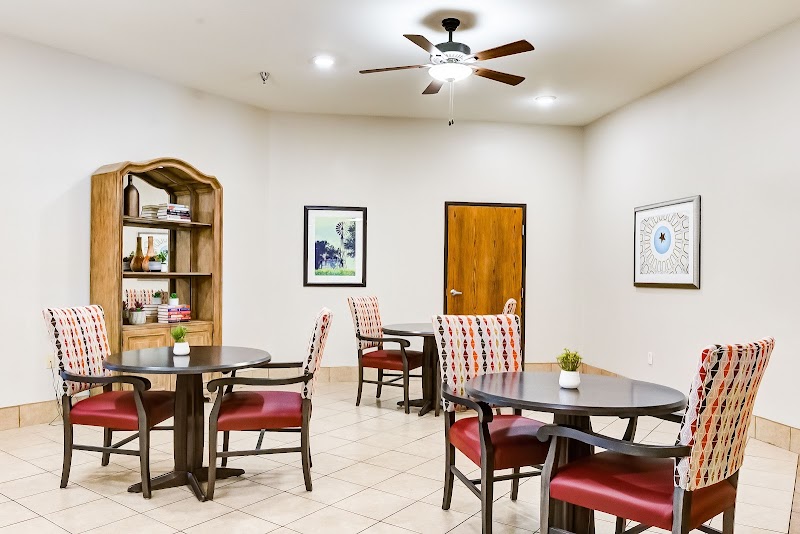
**NOTE- TERMS IN BRACKETS HAVE BEEN EDITED TO PROTECT CONFIDENTIALITY** Based on observation, interview, and record review, the facility failed to provide a safe, sanitary, comfortable and homelike environment for 1 of 18 residents (Resident #47) and 9 of the 22 tables in the dining room reviewed for environment. 1. The facility failed to ensure that Resident #47's dining table was stable and in good repair. 2. The facility failed to ensure the tables in the dining room were in good repair and not wobbly when touched. These failures placed residents at risk of injury, an uncomfortable environment, and a decrease in quality of life and self-worth.Findings included: 1. Record review of a face sheet dated 07/31/25 indicated Resident #47 was a [AGE] year-old female initially admitted on [DATE] and readmitted on [DATE]. Her diagnoses included atherosclerotic heart disease (condition where the blood vessels become narrowed and hardened due to buildup of fats in the blood vessel wall), schizoaffective disorder (mental health condition with a combination of symptoms of schizophrenia and mood disorder), major depressive disorder (mental health disorder characterized by persistently depressed mood or loss of interest in activities, causing significant impairment in daily life), unsteadiness on feet, muscle wasting and atrophy (the decrease in size and wasting of muscle tissue) of lower legs, muscle weakness, and age-related osteoporosis (condition in which bones become weak and brittle). Record review of the most recent quarterly MDS assessment dated [DATE] indicated Resident #47 was usually able to understand others and usually able to make needs known. She required supervision or touch assistance for sit to stand and chair transfers. Her BIMS indicated she was moderately impaired cognitively with a score of 8. Record review of Resident #47's care plan revised on 01/24/2023 indicated she was a risk for falls and interventions included need for safe environment. During an observation and interview on 07/29/25 at 10:05 a.m., observed Resident #47 sitting at a dining table drinking coffee. Resident #47 attempted to stand up by holding onto table and pushing upward, due to wobbly/unstable table, empty coffee cup slid across table approximately 3 inches. During an interview with Resident #47, she said the table is wobbly and every time she tries to get up after meals her cup and tray slides. She said that the wobbly table makes it hard for her to stand up safely. 2. During an observation on 07/29/25 at 8:45 a.m., surveyor observed 9 of the 22 dining tables were unstable/wobbly when touched for stability. During an observation and interview on 07/29/25 at 9:00 a.m., observed the Maintenance Supervisor test the dining tables and noted 9 of the 22 dining room tables were wobbly. During an interview the Maintenance Supervisor said he was aware of previous complaints made by residents about the wobbly tables in the dining room and a work order was submitted and completed several months ago. He said he was not aware and had not received a new work order for a new concern with the dining room tables being wobbly. He said that he did not routinely check the dining tables for stability, that he made repairs as he received work order requests and priority. He said the wobbly dining room tables needed to be repaired and demonstrated what needed to be done to fix one of the dining room tables. He said having wobbly tables could place residents at risk for falls, and their food falling off the table onto them or on the ground. Record review of an electronic maintenance work order request dated 04/24/2025 authored by AD indicated area of concerns dining room/dining room tables wobble and on 05/07/2025 Maintenance Director updated the order as completed and commented that dining tables were adjusted. No indication that dining room tables are checked routinely for stability. During an interview 07/29/25 at 10:23 a.m., the DON said everyone was responsible for reporting unsafe furniture/wobbly dining tables. He said when a repair needed to be done, that he or other staff should go into the electronic maintenance work order system and report the repair needed and priority, the system would notify the maintenance department of the needed repair. He said he would then expect the Maintenance Supervisor to then address the issue and complete the repair. He said the wobbly dining room tables could place the residents at risk for falling or injuries. He said due to the grooved tile flooring in the dining room area it does cause the tables to be unsteady if placed near grooves. During an interview on 07/29/25 at 11:23 a.m., the Administrator said all staff that identify equipment or furniture in need of repair should place a repair request in the electronic maintenance work order system. She said once it is entered into the maintenance work order system, she then expected the maintenance supervisor to address the issue. She said the wobbly dining room tables could place the residents at risk for falling or injuries. Requested a policy for safe environment and the Administrator said, we follow a TELS system (building management platform designed to report work order request and request direct supply) for environmental safety and for preventative and routine maintenance which follows regulatory life safety requirements.
CONCERN (E)

Potential for Harm - no one hurt, but risky conditions existed

Infection Control (Tag F0880)

Could have caused harm · This affected multiple residents

**NOTE- TERMS IN BRACKETS HAVE BEEN EDITED TO PROTECT CONFIDENTIALITY** Based on observation, interview and record review, the facility failed to establish and maintain an infection prevention and con...

Read full inspector narrative →
**NOTE- TERMS IN BRACKETS HAVE BEEN EDITED TO PROTECT CONFIDENTIALITY** Based on observation, interview and record review, the facility failed to establish and maintain an infection prevention and control program designed to provide a safe, sanitary and comfortable environment and to help prevent the development and transmission of communicable diseases and infections for 1 of 4 halls.The facility failed to ensure CNA J performed proper hand hygiene while entering and exiting residents' room on hall 300 while providing ice and water for hydration services. The facility failed to ensure CNA D did not touch hydration cart ice scoop to the inside of resident's cup while providing ice and water for hydration services. The facility failed to ensure CNA J and CNA G performed proper hand hygiene and disposal of soiled (dirty) cup while providing ice and water for hydration services. This failure could place residents at risk for the spread of infection. Findings include: During observation of hydration services (ice and water) from hydration cart (2 level-cart, 45 liter ice chest with cubed ice, ice scoop, single packaged straws, bag of Styrofoam cups and package of lids for cups) on 07/28/25 from 2:00 p.m. to 2:20 p.m., CNA J did not wash or sanitize his hands prior to entering/exiting rooms or handling ice scoop, new cups, lids, old used cups and residents personal used insulated cups for the following rooms on Hall 300: entered room [ROOM NUMBER] walked to both resident bedside table touched them with ungloved hands while picking up both residents' used Styrofoam cups and discarded them into the trash can. CNA J walked to the rolling ice cart, and got two Styrofoam cups out of the bag, picked up the ice scoop with ungloved hands, opened ice chest lid then and scooped ice into both cups and went into resident's bathroom filled up resident's cups with faucet water, placed lid onto cups and inserted straws. CNA J touched both bedside tables when putting the cups down, exited resident room and did not wash or sanitize his hands. He then entered room [ROOM NUMBER] repeated the same process but dropped 2 cup lids in resident bathroom on the floor, he picked lids up off the floor discarded them into the trash, returned to the hydration cart and got 2 new lids and placed them on resident's cup and did not wash or sanitize his hands. CNA J stood in the doorway of room [ROOM NUMBER] (room door with Enhanced Barrier Precaution signage) took his bare left hand and scratched his head. CNA J did not wash or sanitize his hands after scratching his head. He then entered room [ROOM NUMBER]A, touched resident's bedside table while grabbing the used cup and threw it in the garbage. He exited the room and did not wash or sanitize hands. CNA J moved hydration cart to an activity room after providing hydration services, he did not remove the ice from the ice chest or sanitize the cart. During an interview on 07/28/25 at 3:00 p.m. with CNA J, he said he was responsible for providing Hall 300 hydration services and was supposed to preform hand hygiene before and after entering residents' rooms. He said, I forgot to hand sanitize between resident hydration services, and I should have used hand sanitizer or washed my hands when I picked the two lids up off the floor with my hands. He said that the hydration cart was sanitized, and new ice added to ice chest at the beginning of each shift. He said the risks associated with not performing hand hygiene was potentially passing germs to residents. He said he has been checked off on handwashing and has received training on hand washing when he was hired and annually. During an interview 07/28/25 at 3:59 p.m. with LVN E, said she was the charge nurse for hall 300 and supervised the CNAs working her hall. She said her expectations for CNA's was to take care of the residents, use gloves while caring for residents and wash hands when they enter a resident's room during care and after care. She said she has educated her aides on preforming hand hygiene before entering a resident's room and after leaving from a resident's room. She said the risk of staff not preforming hand hygiene was the potentially spread of germs and infection. LVN E said she was trained and had a skill check- off on hand hygiene. During an observation and interview on 07/29/25 at 12:01 p.m. CNA D was observed providing hydration services to residents on hall 300, while refilling resident's personal cup with ice, CNA D touched ice scoop to the inside of resident's cup. During an interview with CNA D, she said she shouldn't have touched the ice scoop to the resident's personal cup because it could potentially spread germs and infections. She said she has been trained and had completed a skills check- off on preforming proper hand hygiene. During an observation on 07/29/25 at 2:29 p.m., CNA J and CNA G was observed providing hydration services on Hall 300, CNA J dropped a Styrofoam cup, CNA G picked up the cup and put it on the second shelf on the hydration cart. CNA J entered room [ROOM NUMBER], picked up used cup went back to the hydration cart and scooped ice from ice chest into the resident's cup. CNA G verbally told CNA J don't you need to get a new cup instead of bringing their old one to the cart and touching the scoop to the cup? Isn't that cross contamination? CNA J then replied No, it's a new cup from this morning, it's good. During an interview on 07/29/25 at 3:00 p.m., CNA G said this was her first day working at the facility, and she had not been trained nor had she completed a skills check- off yet. She said she was orientating with CNA J, and she knew CNA J was passing ice the wrong way and that's why she told him he needed to get a new cup because he was cross contaminating. She said she should have not put the dirty cup on the second shelf of the hydration cart but should have thrown it away instead and then washed hands or sanitized. Record review of on in-service on 06/27/25 indicated that the ADON A conducted an all-staff training on Infection Prevention including proper hand hygiene is the first and most effective step in preventing the spread of infection. Record review of Annual Handwashing Skills Check List for CNA J indicated he was checked off yes on procedure observed on nine steps (1. Stand in such a manner that your clothes do not touch the sink; 2. Turn on the water and adjust temperature to warm; leave water; 3. Wet hands; keep the level of hands lower than the elbow; 4. Apply soap or cleaning agents to hands to produce lather; 5. Vigorously rub hands together in circular motion for at least 20 seconds, wash all surfaces on the finger and hands (up to wrist); 6. Rinse hands thoroughly from wrist to fingertips, keep fingertips down; 7. Dry hands on clean paper towel; 8. Turn off faucet with paper towel; 9. Discard paper towel appropriately without contaminated hands) of the handwashing skills check list dated 01/03/25 instructed/observed by ADON E. Record review of Handwashing Skills Check List for CNA D indicated she was checked off yes on nine steps (1. Stand in such a manner that your clothes do not touch the sink; 2. Turn on the water and adjust temperature to warm; leave water; 3. Wet hands; keep the level of hands lower than the elbow; 4. Apply soap or cleaning agents to hands to produce lather; 5. Vigorously rub hands together in circular motion for at least 20 seconds, wash all surfaces on the finger and hands (up to wrist); 6. Rinse hands thoroughly from wrist to fingertips, keep fingertips down; 7. Dry hands on clean paper towel; 8. Turn off faucet with paper towel; 9. Discard paper towel appropriately without contaminated hands) of the handwashing skill dated 07/16/25 instructed/observed by ADON E. Record review of Hand Hygiene Competency Assessment for CNA D indicated she was checked off met on nine steps (1. Stand in such a manner that your clothes do not touch the sink; 2. Turn on the water and adjust temperature to warm; leave water; 3. Wet hands; keep the level of hands lower than the elbow; 4. Apply soap or cleaning agents to hands to produce lather; 5. Vigorously rub hands together in circular motion for at least 20 seconds, wash all surfaces on the finger and hands (up to wrist); 6. Rinse hands thoroughly from wrist to fingertips, keep fingertips down; 7. Dry hands on clean paper towel; 8. Turn off faucet with paper towel; 9. Discard paper towel appropriately without contaminated hands) of the hand hygiene technique for cleaning agent & water skill and met on two steps (1. Apply product to palm of one hand and 2. rub hands together covering all surfaces of hands and fingers until hands are dry) for hand hygiene technique for waterless sanitizer dated 07/23/25, it indicated she passed the assessment but listed further instructions needed, instructed/observed by LVN F. During an interview on 07/31/25 at 11: 52 a.m., LVN F said she was the corporate facility staff member that completed the competency assessment for CNA D and clarified that the box checked yes for further instructions needed was a clerical error, and CNA D preformed a proper return demonstration on handwashing and did not need further instructions. During an interview on 07/30/25 at 08:24 a.m., the Administrator said staff has been educated on not using old cups and not bringing them to the ice chest to prevent cross contamination. The Administrator said staff should follow facility policy regarding hand hygiene and not sanitizing or using a new cup with resident hydration services could be a risk for cross contamination. During an interview on 07/30/25 at 9:33 a.m., the DON said staff should wash their hands and pass ice in a sanitary manner each shift. He said staff should sanitize prior to entering a resident's room and between rooms. He said he expected staff to wash their hands if picking something off the floor because it would have the risk of spreading germs. He said all facility staff had received training regarding hand hygiene and have completed a checked off with competency on the handwashing skill. He said hand hygiene training is provided upon orientation, annually and as needed. He said the hand hygiene training is provided by DON, ADON, or corporate staff. He said, there's nothing wrong with bringing an old cup (that sat there all day and that has been touched) to the ice chest and refilling it if they do not touch the ice scoop to the cup and staff follow proper hand hygiene during the procedure and each resident gets a new cup each day. He said if the hydration cart became contaminated that the staff would need to empty the ice chest, clean it, and refill it. He said if the policy is not clear on the hand washing procedure or infection control measures, then the facility staff should follow best practice and CDC recommendations. He said his expectations are for all staff to follow the policy regarding hand hygiene and infection control protocols and he would have staff retrained if concerns were identified. He said that not using proper hand hygiene during hydration services could increase the risk of spreading germs. Record review of facility polity titled Hand Hygiene revised 06/14/25 indicated, All staff will perform proper hand hygiene procedures to prevent the spread of infection to other personnel, residents, and visitors. This applies to all staff working in all locations within the facility. Record review of facility corporate undated Infection Control Manual policy and procedures titled Cleaning and Disinfection of Resident- Care Items and Equipment indicated, Resident- care equipment, including reusable items and durable medical equipment will be cleaned and disinfected according to current CDC recommendations for disinfection and the OSHA Bloodborne Pathogens Standard. Record review of CDC Clinical Safety: Hand Hygiene for Healthcare Workers recommendations dated 2/27/24, indicated, Protect yourself and your patients from deadly germs by cleaning your hands. All healthcare personnel should understand how to care for and clean their hands. Why it matters. Hand hygiene protects both healthcare personnel and patients. Hand hygiene means cleaning your hands with: Handwashing with water and soap (e.g., plain soap or with an antiseptic); antiseptic hand rub (alcohol-based foam or gel hand sanitizer); and surgical hand antisepsis. Cleaning your hands reduces: the potential spread of deadly germs to patients; the spread of germs, including those resistant to antibiotics; and the risk of healthcare personnel colonization or infection caused by germs received from the patient.
CONCERN (F)

Potential for Harm - no one hurt, but risky conditions existed

Food Safety (Tag F0812)

Could have caused harm · This affected most or all residents

Based on observation, interview, and record review the facility failed to store, prepare, distribute, and serve food under sanitary conditions in 1 of 1 preparation kitchen. * The facility did not ens...

Read full inspector narrative →
Based on observation, interview, and record review the facility failed to store, prepare, distribute, and serve food under sanitary conditions in 1 of 1 preparation kitchen. * The facility did not ensure steam table pans did not have brown colored buildup on the outside edges* The facility did not ensure baking sheets and baking pans did not have brown colored buildup on the outside edges* The facility did not ensure the dish machine was sanitizing the dishes* [NAME] L did not wash hands when entering the kitchen * [NAME] L did not have the beard guard completely covering facial hair These failures could place all residents who eat from the kitchen at risk for foodborne illnesses. Findings included:During an observation on 07/28/2025 at 08:40 a.m. during the initial tour of the kitchen indicated there were the following:-one (1) 1/2 size baking sheet with dark brown colored build up on the outside edges;-ten (10) full size baking sheets with dark brown colored buildup on the outside edges and stacked together;-two (2) full size shallow baking pans with brown colored buildup on the outside edges and stacked together;-eight (8) full size steam table pans with brown colored buildup on the outside edges and stacked together; and-three (3) 1/2 size deep steam table pans with brown colored buildup on the outside edges and stacked together. During an observation and interview on 07/28/25 at 09:20 a.m. the dish machine was checked for sanitation level with the SFDM and the strip had no color change. DA H checked the sanitation solution container, and it was almost empty and not pumping the solution into the dish machine. DA H said she checked the level prior to starting the dishwashing process but she did not check the sanitation solution container to ensure there was enough solution in the container. During an interview on 07/28/25 at 09:25 a.m. the SFDM said the container should be checked when the levels are checked to ensure there was enough solution to wash the dishes. She said if the sanitation solution was not getting into the dish machine, then the dishes were not being sanitized. She said the outcome could be food borne illnesses from the dishes not being sanitized properly. During an interview on 07/28/25 at 11:20 a.m. the RDD said the pans and baking sheets should not have the buildup on them because it could cause a fire or spread foodborne illnesses. She said the dishwasher should always check the level of the sanitation solution container when they check the dish machine to ensure there was enough solution. She said items washed but not sanitized could spread foodborne illnesses. Record review of a Mechanical Cleaning and Sanitizing of Utensils and Portable Equipment Policy dated 10/01/18 indicated: Policy: The facility will follow the cleaning and sanitizing requirements of the state and US Food Codes for mechanical cleaning in order to ensure that all utensils and equipment are thoroughly cleaned and sanitized to minimize the risk of food hazards.Procedure:.2. Make sure that the automatic detergent dispenser and/or liquid sanitizer injector is working properly.7. If a machine that uses chemicals for sanitizing is in use, follow these guidelines: .c. Chemical added for sanitization purposes must be automatically dispensed. d. Utensils and equipment must be exposed to the final chemical sanitizing rinse in accordance with the manufacturer's specifications for time and concentration.f. A test kit or other device that accurately measures the parts per million concentration of the solution must be available and used. During an observation and interview on 07/30/25 at 11:42 a.m., observed [NAME] L outside the back kitchen exit door vaping (inhaling a mist of nicotine and flavoring from a handheld device) and he reentered the kitchen, picked up a kitchen utensil, and began frying fish. He did not wash his hands or apply a beard hair restraint upon reentering the kitchen. [NAME] L said he forgot to wash his hands and apply a new beard restraint upon reentering the kitchen after his break but knew he should have. [NAME] L said the potential risks of not washing hands and nor wearing a beard hair restraint would be passing germs or hair falling into food. During an interview on 07/30/25 at 01:01 p.m. the RDD said staff was supposed to wash their hands after coming from outside and apply a new beard hair restraint every time they reenter the kitchen from outside. She said not following those steps could potentially lead to the spread of germs. Record review of an undated Personal Hygiene and Handwashing policy provided on 07/31/25 by the RDD indicated the following: Learning objectives: Upon completion of the in-service, the participant will: 1. Identify importance of personal hygiene. 2. Demonstrate appropriate hand washing procedure. 3. Identify how personal hygiene and hand washing impact food safety and prevention of foodborne illness. Outline for discussion 1. Why is good hygiene important?a. A person can host dangerous pathogens that when transferred to food can cause foodborne illness.b. Good hygiene and proper handwashing helps protect the people eating the food you make from becoming sick. 2. When to wash hands? a. When entering food prep area.c. Before handling clean equipment and serving utensils. d. Before handling or serving food.g. After returning to a food prep area from any other area (includes rest room) h. After taking a break, eating, drinking, or smoking.6. Hair and Nail Care a. Hair .ii. Wear hair net or cap covering all hair (including facial hair).9. When is it appropriate to use hand sanitizer? a. Sanitizer is not a substitute for washing your hands. b. Sanitizers are not effective unless you wash your hands first. According to The Food and Drug Administration Code at http://www.fda.gov/food/guidanceregulation accessed on 07/30/25 indicated the following: .2-301.14 When to Wash.The hands may become contaminated when the food employee engages in specific activities. The increased risk of contamination requires handwashing immediately before, during, or after the activities listed. The specific examples listed in this Code section are not intended to be all inclusive. The term tobacco products was added to the 2022 Full Edition of the Food Code to address and include vaping and similar activities as another example of when to wash (refer to S1-201.10 public health reasons under defined term tobacco products for specific information). Employees must wash their hands after any activity which may result in contamination of the hands.2-402 Hair Restraints2-402.11 Effectiveness.(A) Except as provided in (B) of this section, FOOD EMPLOYEES shall wear hair restraints such as hats, hair coverings or nets, beard restraints, and clothing that covers body hair, that are designed and worn to effectively keep their hair from contacting exposed FOOD; clean EQUIPMENT, UTENSILS, and LINENS; and unwrapped SINGLE-SERVICE and SINGLE-USE ARTICLES.4-601.11 Equipment, Food-Contact Surfaces, Nonfood-Contact Surfaces, and Utensils.(B)The FOOD-CONTACT SURFACES of cooking EQUIPMENT and pans shall be kept free of encrusted grease deposits and other soil accumulations.4-601.11 Equipment, Food-Contact Surfaces, Nonfood-Contact Surfaces, and Utensils .(A) Equipment food-contact surfaces and utensils shall be clean to sight and touch. (B) The food-contact surfaces of cooking equipment and pans shall be kept free of encrusted grease deposits and other soil accumulations. (C) Nonfood-contact surfaces of equipment shall be kept free of an accumulation of dust, dirt, food residue, and other debris .
May 2025 4 deficiencies 3 IJ (2 affecting multiple)
CRITICAL (J) 📢 Someone Reported This

A family member, employee, or ombudsman was alarmed enough to file a formal complaint

Immediate Jeopardy (IJ) - the most serious Medicare violation

Abuse Prevention Policies (Tag F0607)

Someone could have died · This affected 1 resident

**NOTE- TERMS IN BRACKETS HAVE BEEN EDITED TO PROTECT CONFIDENTIALITY** Based on observation, interview and record review, the facility failed to implement the written abuse policy to ensure an allega...

Read full inspector narrative →
**NOTE- TERMS IN BRACKETS HAVE BEEN EDITED TO PROTECT CONFIDENTIALITY** Based on observation, interview and record review, the facility failed to implement the written abuse policy to ensure an allegation of physical abuse was reported immediately to the Abuse Coordinator, State Agency, and implement measures to ensure residents were protected from further abuse after an allegation of abuse for 1 of 22 residents (Resident #1) reviewed for allegations of abuse. 1. The facility failed to ensure CNA B was suspended/ terminated or removed from all residents after a physical abuse allegation was reported on 03/11/2025. 2. The facility failed to immediately report the physical abuse allegation to the Abuse Coordinator for Resident #1. The non-compliance was identified as past non-compliance. The Immediate Jeopardy began on 03/11/2025 and ended on 03/17/2025. The facility had corrected the non-compliance before the survey began. This failure could place residents at risk of abuse, physical harm, mental anguish, and emotional distress. Findings included: Record review of the facility's policy Abuse Prohibition Protocol, dated 08/15/2022, indicated It is the policy of this facility to provide protections for the health, welfare, and rights of each resident by developing and implementing written policies and procedures that prohibit and prevent abuse, neglect, exploitation, and misappropriation of resident property. Alleged Violation is a situation or occurrence that is observed or reported by staff, resident, relative, visitor or others but has not yet been investigated and, if verified, could be indication of noncompliance with the Federal requirements related to mistreatment, exploitation, neglect, or abuse, including injuries of unknown source, and misappropriation of resident property. Policy Explanation and Compliance Guidelines: 1. The facility will develop and implement written policies and procedures that: a. Prohibit and prevent abuse, neglect, and exploitation of residents and misappropriation of resident property, b. Establish policies and procedures to investigate any such allegations; and c. Include training for new and existing staff on activities that constitute abuse, neglect, exploitation, and misappropriate of resident property, reporting procedures, and dementia management and resident abuse prevention; and d. Establish coordination with the QAPI program. 2. The facility will designate an Abuse Prevention Coordinator in the facility who is responsible for reporting allegations or suspected abuse, neglect, or exploitation to the state survey agency and other officials in accordance with state law. 3. The facility will provide ongoing oversight and supervision of staff in order to assure that its policies are implemented as written. VI. Protection of Resident The facility will make efforts to ensure all residents are protected from physical and psychosocial harm, as well as additional abuse, during and after the investigation. Examples include but are not limited to: A. Responding immediately to protect the alleged victim and integrity of the investigation; B. Examining the alleged victim for any sign of injury, including a physical examination or psychosocial assessment if needed; C. Increased supervision of the alleged victim and residents; D. Room or staffing changes, if necessary, to protect the resident(s) from the alleged perpetrator; E. Protection from retaliation; . Record review of the face sheet dated 05/01/2025 indicated Resident #1 was admitted on [DATE], she was [AGE] years old with diagnoses of vascular dementia (a type of loss of cognitive functioning caused by conditions that damage blood vessels and block blood flow to your brain) with anxiety (feelings of worry or fear), Delirium (serious disturbances in mental abilities that results in confusion) and altered mental status. Resident #1 had a readmission date of 04/22/2025. Record review of admission MDS assessment dated [DATE] indicated Resident #1 had a BIMS score of 00 indicated she had severely impaired cognition. She was usually able to make herself understood and understood others. Resident #1 had behaviors of verbal behavioral symptoms directed toward others and behavioral symptoms not directed toward others (wandering and rummaging) 1 to 3 times weekly. Record review of Resident #1's care plan, dated 04/22/2025, indicated she had a potential to be physically aggressive related to dementia, poor impulse control and she refused medications. Resident #1 was verbally aggressive towards staff and other residents related to dementia, ineffective coping skills, and poor impulse control. During an observation and interview on 04/29/2025 at 10:00 a.m., Resident #1 was in her bed in the secure unit. She was awake however she would not answer questions then she yelled get out. Record review of a nurse note dated 03/12/2025 at 7:00 a.m., the DON indicated an allegation of abuse was reported at 7:00 a.m., on 03/12/2025 via statement under the DON door. CNA A documented in her statement that CNA B was escorting resident down the hallway by her arm and sat her down in the chair roughly. LVN C went immediately attempted to complete a head-to-toe assessment. Resident refused and would not allow this nurse to assess her. Resident told this nurse to get out of room. Resident was unable to properly be interviewed due to her inability to make sentences. Resident has a diagnosis of vascular dementia and has a history of refusing care. LVN C asked resident if she was in any pain. Resident denied pain and no facial grimacing noted. During an interview 04/30/2025 at 1:45 p.m., CNA A said on 03/11/2025 at approximately 11:30 p.m., she witnessed CNA B physically abuse Resident #1 while CNA B was assisting Resident #1. CNA A said she watched through the window on the door to the secure unit as CNA B and Resident #1 were walking towards Resident#1's room. Resident #1 grabbed hold of the rail on the wall and CNA B roughly pulled her arms and hands off the rail. She said CNA B walked with Resident #1 then grabbed the resident by the upper arms and pushed her into a chair in her doorway. CNA A said she could not hear what was being said. CNA A said at that point she entered the secure unit and stated, I told her (CNA B) to stop treating Resident #1 like that. CNA A said CNA B said it did not matter because Resident #1 was being transferred to the behavior hospital soon for her behaviors. CNA A said LVN C walked into the unit and talked to us separately. CNA A said she and CNA B worked the rest of the shift. CNA A said at the end of the shift she wanted to talk with the DON or ADONs, but they were not there yet, so she left the note under the DON's door. She said she was suspended during investigation and then transferred to another facility. She said this facility retrained her on reporting to the Abuse Coordinator immediately, and she said the Abuse Coordinator was the Administrator. During an interview on 04/30/2025 at 8:45 a.m., CNA B said CNA A accused her of being rough with Resident #1 on the night of 03/11/2025. She said she had never mistreated a resident. CNA B said CNA A came on the unit and started accusing her of abuse. CNA B stated, I had to walk with Resident #1 back to her room from the dining area because she was getting all straws and stir sticks for the coffee and dropping them on the floor. She said as we walked the resident lean to the side, and she grabbed Resident #1 by her arms to prevent falling. She said Resident #1 grabbed the rail and she lifted her hands off the rail so they could continue walking. She said then she assisted Resident #1 into a chair. CNA B said, CNA A had been late again or was in her car and was not even on the unit. CNA B said she was suspended the next day. CNA B said after CNA A accused her of abuse, she was allowed to work the rest of the shift then terminated the next day. During an interview on 04/30/2025 at 9:50 a.m. LVN C said on the night of 03/11/2025 around 11:30 p.m., someone yelled out of the secure unit and said the aides (CNA A and CNA B) were arguing. She was not sure who yelled. She said she went into the secure unit. She separated the CNAs and talked with CNA A first. She said CNA A said CNA B was rough with Resident #1 and abused her. CNA B denied the allegation of abuse. She denied reporting to the Abuse Coordinator and said she should have reported the allegation immediately. She said she was terminated for not following the abuse policy on reporting to the Abuse Coordinator which was the Administrator. She said she was trained on hire and monthly since she was hired years ago. Prior to surveyor entrance, the facility took the following actions to correct the failure: Facility initiated assessment and monitoring of Resident #1 following the incident. Facility suspended CNA A, CNA B, and LVN C on 03/12/2025. CNA B was terminated for being named in the abuse allegation and LVN C was terminated for not reporting the physical abuse allegation timely. Staff were In-serviced on physical abuse reporting and allegations and now required to report all allegations to the Abuse Coordinator or the DON. Facility conducted skin assessments for the residents residing on the unit. Multiple interviews indicated staff were knowledgeable on physical abuse policy and interventions to keep residents safe. QAPI/QAA has implemented and is monitoring the interventions in place related to the incident. Record review of CNA B's sign in sheet indicated she was on duty on 03/11/2025 and worked 10:00 p.m. to 6:00 a.m. Record review of CNA A's personnel file indicated she was suspended pending the investigation on 03/12/2025 then she was transferred to another facility. She was retrained on Abuse. Record review of LVN C's personnel file indicated she was terminated for not reporting the physical abuse allegation to the Abuse Coordinator. Record review of CNA B's employee personnel file indicated she was suspended pending investigation of an allegation of abuse of resident on 3/12/2025 then terminated about being named in an allegation of abuse. Record review of an In-Service Attendance Record with subject of Abuse, Neglect, Exploitation, and timely reporting, dated 03/12/2025, indicated that 47 staff members signed the in-service record, and 76 staff members were notified by phone regarding all allegations of abuse must be reported to the abuse coordinator immediately and Abuse Coordinator's phone number provided to report abuse allegations. Record review of facility reported abuse allegations incidents from 03/12/2025 through 05/05/2025 indicated the resident was protected immediately from more abuse. Record review of skin assessments dated 03/12/2025 for the residents residing on the unit indicated no new wounds, skin tears or bruises were identified. Record Review of Safe Surveys for six residents dated 03/12/2025 indicated there no residents expressing concerns regarding their safety or abusive staff. Record Review of multiple employee Abuse/Neglect and Compliance Questionnaire's dated between 03/12/2025 and 03/17/2025 indicated staff answered questions based on the in-services provided. During interviews on 04/29/2025 at 9:00 a.m. - 05/01/2025 to 3:00 p.m., DON, ADON AAA, ADON BBB, SW and Wound Care nurse were able to identify how to care for residents with aggressive behaviors, types of abuse, all were knowledgeable of the abuse policy and procedures for reporting abuse, and all were aware of the new expectations to notify the Abuse Coordinator immediately of any allegations of abuse. During interviews on 04/29/2025 at 9:00 a.m. - 05/01/2025 to 3:00 p.m., 10 LVNs (LVN C, LVN D, LVN G, LVN J, LVN L, LVN N, LVN O, LVN P, LVN T, and LVN GG) were able to identify how to care for residents with aggressive behaviors, types of abuse, all were knowledgeable of the abuse policy and procedures for reporting abuse, and all were aware of the new expectations to notify the Abuse Coordinator immediately of any allegations of abuse. During interviews on 04/29/2025 at 9:00 a.m. - 05/01/2025 to 3:00 p.m. to 17 CNAs (CNA B, CNA E, CNA F, CNA H, CNA K, CNA M, CNA U, CNA V, CNA W, CNA X, CNA Y, CNA Z, CNA AA, CNA BB, CNA CC, CNA DD, and CNA FF) and 3 MAs (MA Q, MA R, and MA S) were able to identify how to care for residents with aggressive behaviors, types of abuse, all were knowledgeable of the abuse policy and procedure for reporting abuse, all were aware of the new expectations to notify the Abuse Coordinator immediately of any allegations of abuse. During an interview on 05/01/2025 at 2:10 p.m., the Administrator and DON said if the allegation involves staff and was related to abuse the staff should be suspended immediately to prevent to remove the potential for more abuse or harm. They said the retraining was completed on all staff. They said when the staff hears or sees abuse, they were to report immediately per the facility policy. The DON said the staff had our contact information and it was posted in the facility. They said all the staff filled out a questioner about abuse. On 05/01/2025 at 4:53 p.m., the Administrator was informed of the Immediate Jeopardy. The non-compliance was identified as past non-compliance. The Immediate Jeopardy began on 03/11/2025 and ended on 03/17/2025. The facility had corrected the noncompliance before survey began.
CRITICAL (K) 📢 Someone Reported This

A family member, employee, or ombudsman was alarmed enough to file a formal complaint

Immediate Jeopardy (IJ) - the most serious Medicare violation

Free from Abuse/Neglect (Tag F0600)

Someone could have died · This affected multiple residents

**NOTE- TERMS IN BRACKETS HAVE BEEN EDITED TO PROTECT CONFIDENTIALITY** Based on observation, interview and record review, the facility failed to ensure residents had the right to be free from abuse a...

Read full inspector narrative →
**NOTE- TERMS IN BRACKETS HAVE BEEN EDITED TO PROTECT CONFIDENTIALITY** Based on observation, interview and record review, the facility failed to ensure residents had the right to be free from abuse and neglect for 9 of 22 residents (Resident #2, Resident #3, Resident #4, Resident #9, Resident #13, Resident #19, Resident #20, Resident #25, and Resident #26) reviewed for abuse. 1. The facility failed to ensure Resident #3 was free from physical abuse when Resident #2 and Resident #3 had a physical altercation on 10/23/2024. 2. The facility failed to ensure Resident #3 was free from physical abuse when Resident #4 and Resident #3 was in a physical altercation and Resident #4sustained injuries on 11/09/2024. 3. The facility failed to ensure Resident #4 was free from abuse when Resident #2 wandered into Resident #4's room and both were found on the floor on 11/11/2024. 4. The facility failed to ensure Resident #2 was free from abuse when Resident #3 pushed Resident #2 out of his room causing both residents to fall on 11/23/2024. 5. The facility failed to ensure Residents #25 and #26 were free from abuse when Resident #4 hit Resident #25 and Resident #26 on 04/27/2025. 6. The facility failed to ensure Resident #9 was free from abuse when Resident #5 hit Resident #9 on 01/09/2025. The facility failed to ensure Resident #9 was free from abuse when Resident #5 hit Resident #9 on 02/06/2025. The facility failed to ensure Resident #9 was free from abuse when Resident #5 hit Resident #9 on 02/16/2025. 7. The facility failed to ensure Resident #13 was free from abuse when Resident #12 hit Resident #13 on 02/15/2025. 8. The facility failed to ensure Resident #20 was free from abuse when Resident #19 touched Resident #20's breast and returned 15 minutes later lifted Resident #20's lap blanket, and placed his hand under blanket near private area on 03/12/2025. An Immediate Jeopardy (IJ) was identified on 05/15/2025 at 3:30 p.m. The IJ template was provided to the facility on [DATE] at 3:45 p.m. While the IJ was removed on 05/17/2025, the facility remained out of compliance at a scope of pattern and a severity level of no actual harm with potential for more than minimal harm that is not immediate jeopardy due to the facility continuing to monitor the implementation and effectiveness of their Plan of Removal. These failures could place residents at risk for emotional distress, fear, decreased quality of life and further abuse. Findings included: Resident #2 Record review of Resident #2's face sheet, dated 04/30/2025, indicated a [AGE] year-old male who was admitted to the facility on [DATE]. Resident #2 had diagnoses which included dementia (loss of cognitive functioning), bradycardia (slow heart rate), conversion disorder with seizures or convulsions (mental health condition in which individuals experience neurological symptoms without any detectable neurological or medical cause), difficulty walking, unsteadiness on feet, schizophrenia (a chronic mental disorder characterized by symptoms such as hallucinations, delusions, and cognitive challenges) and hypertension (a condition in which the force of the blood against the artery walls is too high). Record review of Resident #2's admission MDS Assessment, dated 10/10/2024, indicated he was usually able to make himself understood and sometimes understood others. He had severe cognitive impairment, identified with a BIMS score of 2. He had wandering behaviors that occurred 1 to 3 days within the 7 days look back period and the wandering behaviors significantly intruded on the privacy or activities of others. Record review of Resident #2's care plan dated 10/02/2024 indicated Resident #2 had a behavior problem. Interventions included to intervene as necessary to protect the rights and safety of others, approach/speak in a calm manner, divert attention, remove from situation, and take to alternate location as needed, monitor behavior episodes, and attempt to determine underlying cause, consider location, time of day, persons involved, situations and document behavior and potential causes. Resident #3 Record review of Resident #3's face sheet, dated 04/29/2025, indicated a [AGE] year-old male who was admitted to the facility on [DATE]. Resident #3 had diagnoses which included ulcerative colitis (chronic inflammatory bowel disease that causes ulcers and inflammation in the lining of the colon and rectum), hyperlipidemia (abnormally high levels of fats (lipids) in the blood), colostomy status, chronic kidney disease (a disease or condition impairs kidney function, causing kidney damage), metabolic encephalopathy (a change in how your brain works due to an underlying condition), and hypertension (a condition in which the force of the blood against the artery walls is too high). Record review of Resident #3's quarterly MDS Assessment, dated 10/01/2024, indicated he was able to make himself understood and usually understood others. He had severe cognitive impairment, identified with a BIMS score of 5. He had behavioral symptoms not directed toward others, rejection of care and wandering behaviors that occurred 1 to 3 days within the 7 days look back period. Record review of Resident #3's care plan dated 07/28/2022 indicated Resident #3 had a behavior problem. Interventions included to anticipate and meet resident's needs, administer medications as order and document side effects and effectiveness, intervene as necessary to protect the rights and safety of others, approach/speak in a calm manner, divert attention, remove from situation, and take to alternate location as needed, monitor behavior episodes and attempt to determine underlying cause, consider location, time of day, persons involved, situations and document behavior and potential causes. Resident #4 Record review of Resident #4's face sheet, dated 05/01/2025, indicated a [AGE] year-old male who was initially admitted to the facility on [DATE] and readmitted on [DATE]. Resident #4 had diagnoses which included dementia (loss of cognitive functioning), muscle wasting and atrophy, abnormalities of gait and mobility, muscle weakness, difficulty walking, hyperlipidemia (abnormally high levels of fats (lipids) in the blood), major depressive disorder (mental health disorder characterized by persistently depressed mood or loss of interest in activities, causing significant impairment in daily life), and hypertension (a condition in which the force of the blood against the artery walls is too high). Record review of Resident #4's admission MDS Assessment, dated 10/21/2024, indicated he was able to make himself understood and usually understood others. He had severe cognitive impairment, identified with a BIMS score of 7. He had verbal behavioral symptoms directed towards others, other behavioral symptoms not directed toward others, and wandering behaviors that significantly intrude on the privacy or activities of others occurred 1 to 3 days within the 7 days look back period. Record review of Resident #4's care plan dated 10/11/2024 indicated Resident #4 was a wanderer. Interventions included to Distract resident from wandering by offering pleasant diversions, structured activities, food, conversation, television, book, and provide structured activities: toileting, walking inside and outside, reorientation strategies including signs, pictures, and memory boxes. 1. Resident #2 and Resident #3 Record review of Resident #2's Resident-to-Resident incident report, dated 10/23/2024, indicated Resident #2 was found lying on Resident #3's floor between the bed and air conditioning unit appears to have been in altercation with Resident #3. Resident #2 assessed with injuries of abrasions to face observed at the time of incident. Resident #3 assessed with injuries of skin tear to left hand and face observed at the time of incident. No pain indicated. Resident #2 and Resident #3 separated and placed on 1:1 monitoring. Record review of a statement dated 10/23/2024 written by LVN D stated she was assessing another resident that had an incident when CNA E hollered help, they are fighting. LVN D entered Resident #3's room and Resident #2 and Resident #3 were observed on the floor between the bed and air conditioning unit having a physical altercation. Staff separated the residents. Resident #2 was removed from the area and the DON, wound care nurse and LVN D assessed both residents for injuries. Both residents were placed on 1:1 monitoring. Record review of Resident #3 progress note dated 10/23/2024 at 9:29 a.m. authored by LVN D indicated she was summoned to Resident #3's room by CNA E, Resident #3, and Resident #2 fighting over clothing. Residents separated and assessed for injuries and both Resident #2 and Resident #3 placed on 1:1 monitoring. Resident #3 denied pain or discomfort. Resident #3 said altercation occurred due to Resident #2 digging into his personal belongings. Record review of Resident #2's skin and wound assessment dated [DATE], indicated Resident #2 had 2 new wounds, an abrasion to his neck and an abrasion to his right cheek. Record review of Resident #3's skin and wound assessment dated [DATE], indicated Resident #3 had 2 new wounds, skin tear to left dorsum hand and skin tear to cheek. Record review of the facility's Provider Investigation Report, dated 10/30/2024, incident category as other and other specified as a resident-to-resident incident signed by the Administrator on 10/30/2024. PIR indicated the incident occurred 10/23/2024 at 9:30 a.m. on the secure unit. PIR indicated Resident #2 and Resident #3 had a resident-to-resident incident, both on the secure unit with low BIMS scores. Resident #2 wandered into Resident #3's room and proceeded to rummage in his closet and take clothing. Resident #3 attempted to take clothing back from Resident #2 which promoted a tussle between the residents. CNA E heard Resident #3 yell, get the fuck out of my room. CNA E arrived at the room and observed both residents on the floor tussling over clothes. CNA E alerted the CN for assistance, and they were separated immediately with minor skin tears. Wound care nurse and LVN D provided head to toe assessment to Resident #2 and Resident #3 on 10/23/2024 indicating Resident #2 had abrasion to his right cheek and front of his neck, which has resolved, and Resident #3 had a skin tear to his left cheek and left hand and a bruise above his right eye, skin tears were cleansed and treated. Neuro checks were initiated on both residents due to potential fall as both residents were observed on the floor during the resident-to-resident incident. The social worker assessed both residents. Resident #2 had no recollection of the event, and he did not demonstrate any psychosocial concerns currently. Resident #3 was able to discuss the incident but did not want to go into details, but he was in a neutral mood with no signs of agitation or aggression. Reeducated staff on abuse and neglect, resident rights, and care for residents with behaviors, dementia reeducation scheduled for 11/13/2024 with all staff, social worker conducted psychosocial evaluation with no concerns, social worker conducted resident abuse/neglect interviews with no concerns and IDT team met and discussed incident and updated care plans. Conclusion: Confirmed as incident was witnessed. Residents did have a person-to-person interaction with minor skin tears noted and no significant injuries. Resident #2 was a new resident adjusting to his environment. He was assessed by psych services, and they will continue to follow his progress and the medication changes made for Resident #2 was effective. During an interview on 5/14/2025 at 4:45 p.m., CNA E said she heard Resident #3 holler Get the fuck out of my room and she immediately ran down the hall and entered Resident #3's room. She said she saw Resident #2 and Resident #3 on the floor between the bed and the air conditioning unit having an altercation. She hollered for help. She said she and facility staff separated the two Residents and both residents were placed on 1:1 monitoring. She said after the altercation she recalled having to 1:1 monitor Resident #3. She said Resident #3 was upset because Resident #2 was in his room taking his clothes, so they got in a fight. CNA E said she did not see Resident #2 enter Resident #3's room because she was distracted helping the CN and other unit CNA assist a resident that had fallen and was bleeding. CNA E said that Resident #2 was new to the secure unit and a known wanderer, and he should have been monitored to prevent him from wandering into other resident's rooms. CNA E said she had received training regarding redirecting wandering resident from entering other resident's rooms. An attempted telephone interview on 04/29/2025 at 11:10 a.m. with LVN D, the LVN that witnessed the incident, was unsuccessful. During an interview on 04/29/2025 at 2:00 p.m., Resident #3 said Resident #2 came in his room and was taking his clothes. He said he asked Resident #2 to leave but he did not, so they got into an altercation (he hit Resident #2 with his close fist and was hit by Resident #2's closed fist). He said he received scratches and a black eye from the incident. During an interview on 04/29/2025 at 2:20 p.m., Resident #2 stated I don't recall that at all when asked about the incident between him and Resident #3. 2. Resident #3 and Resident #4 Record review of Resident #3's care plan, effective on 10/23/2024 (post resident-to-resident incident with Resident #2), indicated the resident had behavior problems of agitated behaviors related to wandering residents entering his room. The interventions included separation of residents, 1:1 monitoring, emergency psych visits by psych services. Resident was taken off 1:1, psych services stated resident is not a risk for another altercation, nurses to continue to monitor and document if any behaviors occur. Record review of Resident #3's Resident-to-Resident incident report, dated 11/09/2024, LVN C was summoned by CNA F to Resident #3's room, Resident #3 and Resident #4 were fighting. The nurse entered the room and observed Resident #3 holding another resident (Resident #4) against the wall hitting the other resident several times in the face, appears to be having altercation with another resident. The nurse separated residents. Head to toe assessment initiated, resident denies pain at this time, no injuries noted at this time. Neuro checks initiated. DON, RP, NP, and local police department notified. Resident #3 states he came into my room saying this was his room and my clothes was his clothes. I tried to tell him to leave but he kept taking my stuff. Resident #3 assessed with no injuries observed at the time of incident. Pain level indicated 2. Resident #4 and Resident #3 separated, and Resident #4 placed on 1:1 monitoring. Record review of Resident #4 progress note dated 11/09/2024 at 2:35 p.m. authored by LVN C indicated she was summoned to Resident #3's room by CNA F, Resident #3, and Resident #4 were fighting. Upon entering the room Resident #3 had Resident #4 pinned against the wall, hitting him in the face. LVN C separated residents and assessed for injuries. Resident #4 had scratch to left eyelid with bleeding noted, and bump to left cheek with redness and swelling, treatment provided. Resident #4 denied pain. Resident #4 was placed on 1:1 monitoring. Neuro checks initiated on Resident #4. Record review of Resident #3's skin and wound assessment dated [DATE], indicated Resident #3 had no new wounds. Record review of Resident #4's skin and wound assessment dated [DATE], indicated Resident #4 had two new wounds scratch to left eyelid and bump to his left cheek. Record review of Resident #4's Resident-to-Resident incident report, dated 11/09/2024, LVN C was summoned by CNA F to Resident #3's room, Resident #3 and Resident #4 were fighting. The nurse entered the room and observed Resident #3 Resident #4 against the wall hitting him several times in the face. The nurse and CNA separated residents. Head to toe assessment initiated, resident denies pain at this time. Resident #4 had a bleeding scratch to left eye lid and red, swollen bump to left cheek observed at time of incident. Resident #4 placed on 1:1 and neuro checks initiated. DON, RP, NP, and local police department notified. Resident #4 stated he was in my room. Record review of the facility's Provider Investigation Report, dated 11/15/2024, incident category as other and other specified as a resident-to-resident incident signed by the DON on 11/15/2024. PIR indicated the incident occurred 11/09/2024 at 2:30 a.m. on the secure unit. PIR indicated CNA F heard Resident #3 yell get the fuck out of my room. She went to assess and observed Resident #3 and Resident #4 tussling in Resident #3's room. CNA F stated that Resident #3 hit Resident #4. CNA F alerted the CN for assistance, and they were separated immediately. Resident #3 had no injuries and Resident #4 had redness and discoloration noted under his left eye and a scratch to his left eyebrow; no hospitalization or further medical treatment was required. Neuro checks were initiated on both residents. The social worker assessed both residents. Post incident interventions included residents on hall were assessed with no concerns noted, staff interviews with no concerns noted, reeducated staff on abuse and neglect, resident rights and care for residents with behaviors, dementia reeducation scheduled for 11/13/2024 with all staff, social worker conducted psychosocial evaluation with no concerns, social worker conducted resident abuse/neglect interviews with no concerns and IDT team met and discussed incident and updated care plans. Resident #4 had medication changes and after continued display of aggressive behaviors was evaluated and admitted to a behavioral hospital on [DATE]. Conclusion: Confirmed that residents did have a person-to-person interaction with no major injury however with a low BIMS these residents were reactive to situation and not intentional to hurt others. During an interview on 04/29/2025 at 2:10 p.m., Resident #3 said Resident #4 came in his room during the night or early morning and demanded Resident #3 to get out of his bed/room and would not leave. He said he defended himself from Resident #4 and he hit Resident #4 trying to get him out of his room. During an interview on 04/29/2025 at 2:45 p.m., Resident #4 stated he does not recall being in an altercation. During an interview on 05/01/2025 at 9:32 a.m., CNA F said she heard Resident #3 holler get the fuck out of my room in the early morning hours of 11/09/2024 so she ran to Resident #3's room and found Resident #3 and Resident #4 shoving each other around and witnessed Resident #4 hit Resident #3 in the face with his hand. CNA F said she separated the residents and redirected Resident #4 back to his room; she said Resident #4 was hard to redirect at times. CNA F said she was the only staff on the secure unit because the other CNA was on break. CNA F said she notified the CN by opening the keypad secure unit doors and hollering for the nurse. CNA F said CN assessed both residents and Resident #4 was placed on 1:1 monitoring. CNA F said that Resident #4 went into Resident #3's room, telling him to get out of his bed/house. CNA F said Resident #4 was a wanderer and had aggressive behaviors at times and Resident #3 did not get aggressive until someone entered his room uninvited and messed with his belongings. NA F said she had received training regarding redirecting wandering resident from entering other resident's rooms prior to incident. CNA F said while she was in Resident #3's room separating the residents and redirecting Resident #4 there was a short timespan that no one was supervising the other residents because she was in the resident's room and not watching the hall. During an interview on 05/05/2025 at 11:07 a.m., LVN C said she was notified by CNA F that Resident #3 and Resident #4 were fighting. She said upon entering the unit, CNA F had already separated the residents. She said Resident #3 said Resident #4 came in his room and was telling him to get out of his bedroom. She said Resident #3 said he told Resident #4 he was in the wrong room, but he got upset. She said Resident #3 said he did defend himself and hit Resident #4. She said she assessed both residents but does not recall what injuries were obtained but she would have documented the injuries and pain in the resident's medical records. She said Resident #4 was placed on 1:1 monitoring. 3. Resident #2 and Resident #4 Record review of Resident #2's care plan, effective on 10/23/2024 (post resident-to-resident altercation with Resident #3), indicated the resident had a resident-to-resident altercation related to dementia/wandering into another resident's room and rummaging through closets. The interventions included emergency psych visits per psych care, increase dosage olanzapine, monitor for agitated behaviors or triggers, and attempt to intervene before an incident occurs, monitor resident while ambulating in the hallways and redirect resident as needed if attempting to enter other residence rooms, and reeducate staff on abuse neglect resident to resident abuse and resident rights. Record review of Resident #4's care plan, effective on 11/09/2024 (post resident-to-resident altercation with Resident #3), indicated the resident had potential to be physically aggressive related to dementia and wandering behaviors with actual aggressive behavior noted due to wandering in another resident's room. The interventions included resident to resident altercation, 1:1 monitoring, administer medications as ordered, assess resident's needs, provide physical and verbal cues to alleviate anxiety, monitor/document/report prn any signs or symptoms of resident posing danger to self or others, when the resident becomes agitated: intervene before agitation escalates; guide away from source of distress; engage calmly in conversation; if response is aggressive, staff to walk calmly away, and approach later and psychiatric/psychogeriatric consult as indicated. Record review of Resident #4 progress note authored by LVN D dated 11/11/2024 at 6:00 a.m., Resident was taken off 1:1 supervision from incident on 11/09/2024. Neuros remain in progress as well as close monitoring. Will continue to monitor. Record review of a Resident-to-Resident incident report, dated 11/11/2024, LVN JJ was informed by CNA V that Resident #4 was on the floor and Resident #2 was on top of him, and they were in a tussling due to Resident #2 entering Resident #4's room. Resident #4 stated, I'm tired of people coming in my room. Residents separated immediately, head to toe assessment initiated, resident denies pain at this time, no injuries noted at this time. Neuro checks initiated. DON, RP, NP, and local police department notified. Record review of Resident #2 progress note dated 11/11/2024 at 6:50 p.m. authored by LVN JJ indicated she was informed that Resident #2 and Resident #4 was on the floor in Resident #4's room tussling due to Resident #2 had entered Resident #4's room without asking. Residents were separated immediately, Resident #2 was a wanderer, assessment completed, no apparent injuries noted. Record review of Resident #2's skin and wound assessment dated [DATE], indicated Resident #2 had no new wounds. Record review of Resident #4 progress note dated 11/11/2024 at 6:54 p.m. authored by LVN JJ indicated she was informed that Resident #4 and Resident #2 was on the floor in Resident #4's room tussling due to Resident #2 entered Resident #4's room without asking. Resident #4 stated I'm tired of people coming in my room. Resident #4 was assessed, no apparent injuries noted. Resident #4 placed on 1:1 monitoring to avoid any aggression to other residents. Record review of Resident #4's skin and wound assessment dated [DATE], indicated Resident #4 had no new wounds. Record review of the facility's Provider Investigation Report, dated 11/18/2024, incident category as other and other specified as a resident-to-resident incident signed by the DON on 11/18/2024. PIR indicated the incident occurred 11/11/2024 at 6:50 p.m. on the secure unit. PIR indicated Resident #2 wandered into Resident #4's room. CNA V heard Resident #4 yell it's you again get out. CNA ran to the Resident #4's room and observed Resident #4 on top of Resident #2 attempting to hit him. CNA V separated the two residents and notified the CN. CN performed head to toe assessment on both residents with no injuries observed and both denied pain. Resident #4 was placed on 1:1 supervision. The MD was contacted and gave orders for Resident #4 to have inpatient behavioral referral. Psych services contacted and performed an evaluation with medication changes. Reeducated staff on abuse and neglect, resident rights, and care for residents with behaviors, dementia reeducation scheduled for 11/13/2024 with all staff, social worker conducted psychosocial evaluation with no concerns, social worker conducted resident abuse/neglect interviews with no concerns and IDT team met and discussed incident and updated care plans. Resident #4 had medication changes and after continued display of aggressive behaviors was evaluated and admitted to a behavioral hospital on [DATE]. Conclusion: Confirmed that residents did have a person-to-person interaction with no major injury however with a low BIMS these residents were reactive to situation and not intentional to hurt others. An attempted telephone interview on 05/13/2025 at 1:10 p.m. with LVN JJ, was unsuccessful. During an interview on 05/13/2025 at 2:25 p.m., Resident #2 stated I don't recall that when asked about the incident between him and Resident #4. During an interview on 05/13/2025 at 2:55 p.m., Resident #4 stated he does not recall being in an altercation, but I do not like people in his room/house. During an interview on 5/14/2025 at 2:00 p.m., CNA V said she was working the secure unit on 11/11/2024, around 6:45 p.m. and as she was in the hallway near the secure unit nurses' station, she recalled seeing Resident #2 standing at the unit entrance double doors (at the opposite end of the hall) looking out the window. CNA V said maybe a minute later she heard it's you again, get out and ran down the hallway to Resident #4's room (first door to the left when entering the unit through the double doors - approx. 91 feet from nurses' station) where she observed Resident #4 on top of Resident #2 trying to hit him. CNA V said she did not witness anyone get hit but they were both on the floor. CNA V said she followed training she had been provided and separated them immediately and she had to open the keypad secure unit doors and hollered for the nurse for assistance due to resident-to-resident altercation. CNA V said she was on the secure unit alone at the time of the incident because the other CNA was on break. NA V said that if staff is leaving the unit that CN and other staff should be notified, should always be one staff on the secure unit to monitor residents. CNA V said she had received training regarding redirecting wandering resident from entering other resident's rooms. She said the CN sat at the nurses' station outside the secure unit after 6:00 p.m. because she had to monitor another hall other than the secure unit. 4. Resident #2 and Resident #3 Record review of Resident #2's, effective on 10/23/2024, indicated the care plan was not updated post a resident-to-resident altercation on 11/11/2024 involving Resident #4. Record review of Resident #3's care plan, effective on 11/09/2024, indicated the resident had behavior problems of agitated behaviors related to wandering residents entering his room. The interventions included resident to resident altercation, staff to redirect wandering residents from entering Resident #3's room, separation of residents, 1:1 monitoring, emergency psych visits by psych services if applicable. Record review of Resident #2 progress note dated 11/23/2024 at 5:33 p.m. authored by LVN G indicated she was notified by CNA H that Resident #2 was in Resident #3's room taking Resident #3's snacks and Resident #3 confronted Resident #2 and was pushing him out of his room and during the altercation they both fell, landing on their buttocks. Resident #2 and Resident #3 was attempting to hit and kick each other but staff was able to intervene before resident's could make contact. Residents were separated. Resident #2 shrugged his shoulders when asked what happened and continued to eat snack cake, he took from Resident #3's room. Residents separated and assessed for injuries and denied pain and showed no nonverbal indicators of discomfort. Record review of a Resident-to-Resident incident report, dated 11/23/2024, indicated CNA H noted Resident #3 was pushing Resident #2 out of his room and onto the floor. Resident #2 landed on his buttocks. Resident #3 lost his balance and landed on his buttocks while attempting to grab Resident #2 and yelling he's stealing. Once on the floor Resident #2 and Resident #3 continued to attempt to hit and kick one another. Staff able to intervene before resident's could make contact. Resident #2 had a snack cake in his hand and once assist off floor walked off eating cake. Resident #3 stated Resident #2 came into his room and took his snacks and started eating them. Resident #3 assessed with no injuries observed at the time of incident. No pain indicated. Resident #3 was placed on 1:1 monitoring. Record review of Resident #3 progress note dated 11/23/2024 at 5:01 p.m. authored by LVN G indicated CNA H notified her that Resident #3 was pushing Resident #2 out of his room and during the altercation they both fell, landing on their buttocks. Resident #3 was yelling he's stealing. Resident #2 and Resident #3 were attempting to hit and kick each other but staff was able to intervene before resident's could make contact. Residents were separated. Resident #3 said Resident #2 came in his room and started eating his snacks. Residents separated and assessed for injuries and denied pain and showed no nonverbal indicators of discomfort. LVN G received new lab orders for Resident #3 and to start Depakote 250 mg twice a day to help with agitation and mood stabilization. Record review of Resident #3's skin and wound assessment dated [DATE], indicated Resident #3 had no new wounds. Record review of the facility's Provider Investigation Report, dated 11/27/2024, incident category as other and other specified as a resident-to-resident incident signed by the DON on 11/27/2024. PIR indicated the incident occurred 11/23/2024 at 2:40 p.m. on the secure unit. PIR indicated Resident #3, and Resident #4 had a resident-to-resident incident, both resided on the secure unit with low BIMS and wandering behaviors. Resident #2 wandered into Resident #3's room and proceeded to rummage in his Resident #3 bedside table snacks. Resident #3 attempted to get Resident #2 out of his room by pushing him out and both residents fell. CNA H was walking down the hall when she observed Resident #3 pushing Resident #2 out of his room into the hallway causing both residents to fall to the ground. Staff reported neither resident hit their head but landed on their buttocks. Staff separated the two residents immediately. CN assessed both residents and no injuries identified. Resident #3 was placed on 1:1 monitoring. Resident #3 said Resident #2 was taking his snacks from his room. Resident #2 had a snack in his hand during the incident. Resident #3 was placed on Depakote 250 mg twice a day related to aggressive reaction to patient wandering into room. Resident #3 was evaluated and treated for a UTI following the incident. Reeducated staff on abuse and neglect, resident rights, and care for residents with behaviors, social worker conducted resident abuse/neglect interviews with no concerns and IDT team met and discussed incident and updated care plans. Conclusion: Confirmed as[TRUNCATED]
CRITICAL (K) 📢 Someone Reported This

A family member, employee, or ombudsman was alarmed enough to file a formal complaint

Immediate Jeopardy (IJ) - the most serious Medicare violation

Accident Prevention (Tag F0689)

Someone could have died · This affected multiple residents

**NOTE- TERMS IN BRACKETS HAVE BEEN EDITED TO PROTECT CONFIDENTIALITY** Based on observation, interview and record review, the facility failed to ensure residents received adequate supervision to prev...

Read full inspector narrative →
**NOTE- TERMS IN BRACKETS HAVE BEEN EDITED TO PROTECT CONFIDENTIALITY** Based on observation, interview and record review, the facility failed to ensure residents received adequate supervision to prevent accidents for 9 of 22 residents (Resident #2, Resident #3, Resident #4, Resident #9, Resident #13, Resident #19, Resident #20, Resident #25, and Resident #26) reviewed for supervision to prevent accidents. 1. The facility failed to ensure Resident #3 was free from physical abuse when Resident #2 and Resident #3 had a physical altercation on 10/23/2024. 2. The facility failed to ensure Resident #3 was free from physical abuse when Resident #4 and Resident #3 was in a physical altercation and Resident #4sustained injuries on 11/09/2024. 3. The facility failed to ensure Resident #4 was free from abuse when Resident #2 wandered into Resident #4's room and both were found on the floor on 11/11/2024. 4. The facility failed to ensure Resident #2 was free from abuse when Resident #3 pushed Resident #2 out of his room causing both residents to fall on 11/23/2024. 5. The facility failed to ensure Residents #25 and #26 were free from abuse when Resident #4 hit Resident #25 and Resident #26 on 4/27/2025. 6. The facility failed to ensure Resident #9 was free from abuse when Resident #5 hit Resident #9 on 01/09/2025. The facility failed to ensure Resident #9 was free from abuse when Resident #5 hit Resident #9 on 02/06/2025. The facility failed to ensure Resident #9 was free from abuse when Resident #5 hit Resident #9 on 02/16/2025. 7. The facility failed to ensure Resident #13 was free from abuse when Resident #12 hit Resident #13 on 02/15/2025. 8. The facility failed to ensure Resident #20 was free from abuse when Resident #19 touched Resident #20's breast and returned 15 minutes later lifted Resident #20's lap blanket, and placed his hand under blanket near private area on 03/12/2025. The facility did not review, update, or implement interventions to include adequate supervision and continued to allow Resident #2 and Resident #4 to wander unsupervised in secure unit with potential for them and other residents to be abused. The facility did not review, update, or implement interventions to include adequate supervision and continued to allow Resident #2 and Resident #4 to wander into Resident #3's room with potential for them and other residents to be abused. The facility did not review, update, or implement interventions to include adequate supervision and continued to leave Resident #5 alone and unsupervised with Resident #9 and other residents. The facility did not review, update, or implement interventions to include adequate supervision and allowed Resident #19 touch Resident #20's breast and return 15 minutes later and lift lap blanket, and place his hand under blanket near private area. An Immediate Jeopardy (IJ) was identified on 05/15/2025 at 3:30 p.m. The IJ template was provided to the facility on [DATE] at 3:45 p.m. While the IJ was removed on 05/17/2025, the facility remained out of compliance at a scope of pattern and a severity level of no actual harm with potential for more than minimal harm that is not immediate jeopardy due to the facility continuing to monitor the implementation and effectiveness of their Plan of Removal. These failures could place residents at risk for emotional distress, fear, decreased quality of life and further abuse. Findings included: Resident #2 Record review of Resident #2's face sheet, dated 04/30/2025, indicated a [AGE] year-old male who was admitted to the facility on [DATE]. Resident #2 had diagnoses which included dementia (loss of cognitive functioning), bradycardia (slow heart rate), conversion disorder with seizures or convulsions (mental health condition in which individuals experience neurological symptoms without any detectable neurological or medical cause), difficulty walking, unsteadiness on feet, schizophrenia (a chronic mental disorder characterized by symptoms such as hallucinations, delusions, and cognitive challenges) and hypertension (a condition in which the force of the blood against the artery walls is too high). Record review of Resident #2's admission MDS Assessment, dated 10/10/2024, indicated he was usually able to make himself understood and sometimes understood others. He had severe cognitive impairment, identified with a BIMS score of 2. He had wandering behaviors that occurred 1 to 3 days within the 7 days look back period and the wandering behaviors significantly intruded on the privacy or activities of others. Record review of Resident #2's care plan dated 10/02/2024 indicated Resident #2 had a behavior problem. Interventions included to intervene as necessary to protect the rights and safety of others, approach/speak in a calm manner, divert attention, remove from situation, and take to alternate location as needed, monitor behavior episodes, and attempt to determine underlying cause, consider location, time of day, persons involved, situations and document behavior and potential causes. Resident #3 Record review of Resident #3's face sheet, dated 04/29/2025, indicated a [AGE] year-old male who was admitted to the facility on [DATE]. Resident #3 had diagnoses which included ulcerative colitis (chronic inflammatory bowel disease that causes ulcers and inflammation in the lining of the colon and rectum), hyperlipidemia (abnormally high levels of fats (lipids) in the blood), colostomy status, chronic kidney disease (a disease or condition impairs kidney function, causing kidney damage), metabolic encephalopathy (a change in how your brain works due to an underlying condition), and hypertension (a condition in which the force of the blood against the artery walls is too high). Record review of Resident #3's quarterly MDS Assessment, dated 10/01/2024, indicated he was able to make himself understood and usually understood others. He had severe cognitive impairment, identified with a BIMS score of 5. He had behavioral symptoms not directed toward others, rejection of care and wandering behaviors that occurred 1 to 3 days within the 7 days look back period. Record review of Resident #3's care plan dated 07/28/2022 indicated Resident #3 had a behavior problem. Interventions included to anticipate and meet resident's needs, administer medications as order and document side effects and effectiveness, intervene as necessary to protect the rights and safety of others, approach/speak in a calm manner, divert attention, remove from situation, and take to alternate location as needed, monitor behavior episodes and attempt to determine underlying cause, consider location, time of day, persons involved, situations and document behavior and potential causes. Resident #4 Record review of Resident #4's face sheet, dated 05/01/2025, indicated a [AGE] year-old male who was initially admitted to the facility on [DATE] and readmitted on [DATE]. Resident #4 had diagnoses which included dementia (loss of cognitive functioning), muscle wasting and atrophy, abnormalities of gait and mobility, muscle weakness, difficulty walking, hyperlipidemia (abnormally high levels of fats (lipids) in the blood), major depressive disorder (mental health disorder characterized by persistently depressed mood or loss of interest in activities, causing significant impairment in daily life), and hypertension (a condition in which the force of the blood against the artery walls is too high). Record review of Resident #4's admission MDS Assessment, dated 10/21/2024, indicated he was able to make himself understood and usually understood others. He had severe cognitive impairment, identified with a BIMS score of 7. He had verbal behavioral symptoms directed towards others, other behavioral symptoms not directed toward others, and wandering behaviors that significantly intrude on the privacy or activities of others occurred 1 to 3 days within the 7 days look back period. Record review of Resident #4's care plan dated 10/11/2024 indicated Resident #4 was a wanderer. Interventions included to Distract resident from wandering by offering pleasant diversions, structured activities, food, conversation, television, book, and provide structured activities: toileting, walking inside and outside, reorientation strategies including signs, pictures, and memory boxes. 1. Resident #2 and Resident #3 Record review of Resident #2's Resident-to-Resident incident report, dated 10/23/2024, indicated Resident #2 was found lying on Resident #3's floor between the bed and air conditioning unit appears to have been in altercation with Resident #3. Resident #2 assessed with injuries of abrasions to face observed at the time of incident. Resident #3 assessed with injuries of skin tear to left hand and face observed at the time of incident. No pain indicated. Resident #2 and Resident #3 separated and placed on 1:1 monitoring. Record review of a statement dated 10/23/2024 written by LVN D stated she was assessing another resident that had an incident when CNA E hollered help, they are fighting. LVN D entered Resident #3's room and Resident #2 and Resident #3 were observed on the floor between the bed and air conditioning unit having a physical altercation. Staff separated the residents. Resident #2 was removed from the area and the DON, wound care nurse and LVN D assessed both residents for injuries. Both residents were placed on 1:1 monitoring. Record review of Resident #3 progress note dated 10/23/2024 at 9:29 a.m. authored by LVN D indicated she was summoned to Resident #3's room by CNA E, Resident #3, and Resident #2 fighting over clothing. Residents separated and assessed for injuries and both Resident #2 and Resident #3 placed on 1:1 monitoring. Resident #3 denied pain or discomfort. Resident #3 said altercation occurred due to Resident #2 digging into his personal belongings. Record review of Resident #2's skin and wound assessment dated [DATE], indicated Resident #2 had 2 new wounds, an abrasion to his neck and an abrasion to his right cheek. Record review of Resident #3's skin and wound assessment dated [DATE], indicated Resident #3 had 2 new wounds, skin tear to left dorsum hand and skin tear to cheek. Record review of the facility's Provider Investigation Report, dated 10/30/2024, incident category as other and other specified as a resident-to-resident incident signed by the Administrator on 10/30/2024. PIR indicated the incident occurred 10/23/2024 at 9:30 a.m. on the secure unit. PIR indicated Resident #2 and Resident #3 had a resident-to-resident incident, both on the secure unit with low BIMS scores. Resident #2 wandered into Resident #3's room and proceeded to rummage in his closet and take clothing. Resident #3 attempted to take clothing back from Resident #2 which promoted a tussle between the residents. CNA E heard Resident #3 yell, get the fuck out of my room. CNA E arrived at the room and observed both residents on the floor tussling over clothes. CNA E alerted the CN for assistance, and they were separated immediately with minor skin tears. Wound care nurse and LVN D provided head to toe assessment to Resident #2 and Resident #3 on 10/23/2024 indicating Resident #2 had abrasion to his right cheek and front of his neck, which has resolved, and Resident #3 had a skin tear to his left cheek and left hand and a bruise above his right eye, skin tears were cleansed and treated. Neuro checks were initiated on both residents due to potential fall as both residents were observed on the floor during the resident-to-resident incident. The social worker assessed both residents. Resident #2 had no recollection of the event, and he did not demonstrate any psychosocial concerns currently. Resident #3 was able to discuss the incident but did not want to go into details, but he was in a neutral mood with no signs of agitation or aggression. Reeducated staff on abuse and neglect, resident rights, and care for residents with behaviors, dementia reeducation scheduled for 11/13/2024 with all staff, social worker conducted psychosocial evaluation with no concerns, social worker conducted resident abuse/neglect interviews with no concerns and IDT team met and discussed incident and updated care plans. Conclusion: Confirmed as incident was witnessed. Residents did have a person-to-person interaction with minor skin tears noted and no significant injuries. Resident #2 was a new resident adjusting to his environment. He was assessed by psych services, and they will continue to follow his progress and the medication changes made for Resident #2 was effective. During an interview on 5/14/2025 at 4:45 p.m., CNA E said she heard Resident #3 holler Get the fuck out of my room and she immediately ran down the hall and entered Resident #3's room. She said she saw Resident #2 and Resident #3 on the floor between the bed and the air conditioning unit having an altercation. She hollered for help. She said she and facility staff separated the two Residents and both residents were placed on 1:1 monitoring. She said after the altercation she recalled having to 1:1 monitor Resident #3. She said Resident #3 was upset because Resident #2 was in his room taking his clothes, so they got in a fight. CNA E said she did not see Resident #2 enter Resident #3's room because she was distracted helping the CN and other unit CNA assist a resident that had fallen and was bleeding. CNA E said that Resident #2 was new to the secure unit and a known wanderer, and he should have been monitored to prevent him from wandering into other resident's rooms. CNA E said she had received training regarding redirecting wandering resident from entering other resident's rooms. An attempted telephone interview on 04/29/2025 at 11:10 a.m. with LVN D, the LVN that witnessed the incident, was unsuccessful. During an interview on 04/29/2025 at 2:00 p.m., Resident #3 said Resident #2 came in his room and was taking his clothes. He said he asked Resident #2 to leave but he did not, so they got into an altercation (he hit Resident #2 with his close fist and was hit by Resident #2's closed fist). He said he received scratches and a black eye from the incident. During an interview on 04/29/2025 at 2:20 p.m., Resident #2 stated I don't recall that at all when asked about the incident between him and Resident #3. 2. Resident #3 and Resident #4 Record review of Resident #3's care plan, effective on 10/23/2024 (post resident-to-resident incident with Resident #2), indicated the resident had behavior problems of agitated behaviors related to wandering residents entering his room. The interventions included separation of residents, 1:1 monitoring, emergency psych visits by psych services. Resident was taken off 1:1, psych services stated resident is not a risk for another altercation, nurses to continue to monitor and document if any behaviors occur. Record review of Resident #3's Resident-to-Resident incident report, dated 11/09/2024, LVN C was summoned by CNA F to Resident #3's room, Resident #3 and Resident #4 were fighting. The nurse entered the room and observed Resident #3 holding another resident (Resident #4) against the wall hitting the other resident several times in the face, appears to be having altercation with another resident. The nurse separated residents. Head to toe assessment initiated, resident denies pain at this time, no injuries noted at this time. Neuro checks initiated. DON, RP, NP, and local police department notified. Resident #3 states he came into my room saying this was his room and my clothes was his clothes. I tried to tell him to leave but he kept taking my stuff. Resident #3 assessed with no injuries observed at the time of incident. Pain level indicated 2. Resident #4 and Resident #3 separated, and Resident #4 placed on 1:1 monitoring. Record review of Resident #4 progress note dated 11/09/2024 at 2:35 p.m. authored by LVN C indicated she was summoned to Resident #3's room by CNA F, Resident #3, and Resident #4 were fighting. Upon entering the room Resident #3 had Resident #4 pinned against the wall, hitting him in the face. LVN C separated residents and assessed for injuries. Resident #4 had scratch to left eyelid with bleeding noted, and bump to left cheek with redness and swelling, treatment provided. Resident #4 denied pain. Resident #4 was placed on 1:1 monitoring. Neuro checks initiated on Resident #4. Record review of Resident #3's skin and wound assessment dated [DATE], indicated Resident #3 had no new wounds. Record review of Resident #4's skin and wound assessment dated [DATE], indicated Resident #4 had two new wounds scratch to left eyelid and bump to his left cheek. Record review of Resident #4's Resident-to-Resident incident report, dated 11/09/2024, LVN C was summoned by CNA F to Resident #3's room, Resident #3 and Resident #4 were fighting. The nurse entered the room and observed Resident #3 Resident #4 against the wall hitting him several times in the face. The nurse and CNA separated residents. Head to toe assessment initiated, resident denies pain at this time. Resident #4 had a bleeding scratch to left eye lid and red, swollen bump to left cheek observed at time of incident. Resident #4 placed on 1:1 and neuro checks initiated. DON, RP, NP, and local police department notified. Resident #4 stated he was in my room. Record review of the facility's Provider Investigation Report, dated 11/15/2024, incident category as other and other specified as a resident-to-resident incident signed by the DON on 11/15/2024. PIR indicated the incident occurred 11/09/2024 at 2:30 a.m. on the secure unit. PIR indicated CNA F heard Resident #3 yell get the fuck out of my room. She went to assess and observed Resident #3 and Resident #4 tussling in Resident #3's room. CNA F stated that Resident #3 hit Resident #4. CNA F alerted the CN for assistance, and they were separated immediately. Resident #3 had no injuries and Resident #4 had redness and discoloration noted under his left eye and a scratch to his left eyebrow; no hospitalization or further medical treatment was required. Neuro checks were initiated on both residents. The social worker assessed both residents. Post incident interventions included residents on hall were assessed with no concerns noted, staff interviews with no concerns noted, reeducated staff on abuse and neglect, resident rights and care for residents with behaviors, dementia reeducation scheduled for 11/13/2024 with all staff, social worker conducted psychosocial evaluation with no concerns, social worker conducted resident abuse/neglect interviews with no concerns and IDT team met and discussed incident and updated care plans. Resident #4 had medication changes and after continued display of aggressive behaviors was evaluated and admitted to a behavioral hospital on [DATE]. Conclusion: Confirmed that residents did have a person-to-person interaction with no major injury however with a low BIMS these residents were reactive to situation and not intentional to hurt others. During an interview on 04/29/2025 at 2:10 p.m., Resident #3 said Resident #4 came in his room during the night or early morning and demanded Resident #3 to get out of his bed/room and would not leave. He said he defended himself from Resident #4 and he hit Resident #4 trying to get him out of his room. During an interview on 04/29/2025 at 2:45 p.m., Resident #4 stated he does not recall being in an altercation. During an interview on 05/01/2025 at 9:32 a.m., CNA F said she heard Resident #3 holler get the fuck out of my room in the early morning hours of 11/09/2024 so she ran to Resident #3's room and found Resident #3 and Resident #4 shoving each other around and witnessed Resident #4 hit Resident #3 in the face with his hand. CNA F said she separated the residents and redirected Resident #4 back to his room; she said Resident #4 was hard to redirect at times. CNA F said she was the only staff on the secure unit because the other CNA was on break. CNA F said she notified the CN by opening the keypad secure unit doors and hollering for the nurse. CNA F said CN assessed both residents and Resident #4 was placed on 1:1 monitoring. CNA F said that Resident #4 went into Resident #3's room, telling him to get out of his bed/house. CNA F said Resident #4 was a wanderer and had aggressive behaviors at times and Resident #3 did not get aggressive until someone entered his room uninvited and messed with his belongings. NA F said she had received training regarding redirecting wandering resident from entering other resident's rooms prior to incident. CNA F said while she was in Resident #3's room separating the residents and redirecting Resident #4 there was a short timespan that no one was supervising the other residents because she was in the resident's room and not watching the hall. During an interview on 05/05/2025 at 11:07 a.m., LVN C said she was notified by CNA F that Resident #3 and Resident #4 were fighting. She said upon entering the unit, CNA F had already separated the residents. She said Resident #3 said Resident #4 came in his room and was telling him to get out of his bedroom. She said Resident #3 said he told Resident #4 he was in the wrong room, but he got upset. She said Resident #3 said he did defend himself and hit Resident #4. She said she assessed both residents but does not recall what injuries were obtained but she would have documented the injuries and pain in the resident's medical records. She said Resident #4 was placed on 1:1 monitoring. 3. Resident #2 and Resident #4 Record review of Resident #2's care plan, effective on 10/23/2024 (post resident-to-resident altercation with Resident #3), indicated the resident had a resident-to-resident altercation related to dementia/wandering into another resident's room and rummaging through closets. The interventions included emergency psych visits per psych care, increase dosage olanzapine, monitor for agitated behaviors or triggers, and attempt to intervene before an incident occurs, monitor resident while ambulating in the hallways and redirect resident as needed if attempting to enter other residence rooms, and reeducate staff on abuse neglect resident to resident abuse and resident rights. Record review of Resident #4's care plan, effective on 11/09/2024 (post resident-to-resident altercation with Resident #3), indicated the resident had potential to be physically aggressive related to dementia and wandering behaviors with actual aggressive behavior noted due to wandering in another resident's room. The interventions included resident to resident altercation, 1:1 monitoring, administer medications as ordered, assess resident's needs, provide physical and verbal cues to alleviate anxiety, monitor/document/report prn any signs or symptoms of resident posing danger to self or others, when the resident becomes agitated: intervene before agitation escalates; guide away from source of distress; engage calmly in conversation; if response is aggressive, staff to walk calmly away, and approach later and psychiatric/psychogeriatric consult as indicated. Record review of Resident #4 progress note authored by LVN D dated 11/11/2024 at 6:00 a.m., Resident was taken off 1:1 supervision from incident on 11/09/2024. Neuros remain in progress as well as close monitoring. Will continue to monitor. Record review of a Resident-to-Resident incident report, dated 11/11/2024, LVN JJ was informed by CNA V that Resident #4 was on the floor and Resident #2 was on top of him, and they were in a tussling due to Resident #2 entering Resident #4's room. Resident #4 stated, I'm tired of people coming in my room. Residents separated immediately, head to toe assessment initiated, resident denies pain at this time, no injuries noted at this time. Neuro checks initiated. DON, RP, NP, and local police department notified. Record review of Resident #2 progress note dated 11/11/2024 at 6:50 p.m. authored by LVN JJ indicated she was informed that Resident #2 and Resident #4 was on the floor in Resident #4's room tussling due to Resident #2 had entered Resident #4's room without asking. Residents were separated immediately, Resident #2 was a wanderer, assessment completed, no apparent injuries noted. Record review of Resident #2's skin and wound assessment dated [DATE], indicated Resident #2 had no new wounds. Record review of Resident #4 progress note dated 11/11/2024 at 6:54 p.m. authored by LVN JJ indicated she was informed that Resident #4 and Resident #2 was on the floor in Resident #4's room tussling due to Resident #2 entered Resident #4's room without asking. Resident #4 stated I'm tired of people coming in my room. Resident #4 was assessed, no apparent injuries noted. Resident #4 placed on 1:1 monitoring to avoid any aggression to other residents. Record review of Resident #4's skin and wound assessment dated [DATE], indicated Resident #4 had no new wounds. Record review of the facility's Provider Investigation Report, dated 11/18/2024, incident category as other and other specified as a resident-to-resident incident signed by the DON on 11/18/2024. PIR indicated the incident occurred 11/11/2024 at 6:50 p.m. on the secure unit. PIR indicated Resident #2 wandered into Resident #4's room. CNA V heard Resident #4 yell it's you again get out. CNA ran to the Resident #4's room and observed Resident #4 on top of Resident #2 attempting to hit him. CNA V separated the two residents and notified the CN. CN performed head to toe assessment on both residents with no injuries observed and both denied pain. Resident #4 was placed on 1:1 supervision. The MD was contacted and gave orders for Resident #4 to have inpatient behavioral referral. Psych services contacted and performed an evaluation with medication changes. Reeducated staff on abuse and neglect, resident rights, and care for residents with behaviors, dementia reeducation scheduled for 11/13/2024 with all staff, social worker conducted psychosocial evaluation with no concerns, social worker conducted resident abuse/neglect interviews with no concerns and IDT team met and discussed incident and updated care plans. Resident #4 had medication changes and after continued display of aggressive behaviors was evaluated and admitted to a behavioral hospital on [DATE]. Conclusion: Confirmed that residents did have a person-to-person interaction with no major injury however with a low BIMS these residents were reactive to situation and not intentional to hurt others. An attempted telephone interview on 05/13/2025 at 1:10 p.m. with LVN JJ, was unsuccessful. During an interview on 05/13/2025 at 2:25 p.m., Resident #2 stated I don't recall that when asked about the incident between him and Resident #4. During an interview on 05/13/2025 at 2:55 p.m., Resident #4 stated he does not recall being in an altercation, but I do not like people in his room/house. During an interview on 5/14/2025 at 2:00 p.m., CNA V said she was working the secure unit on 11/11/2024, around 6:45 p.m. and as she was in the hallway near the secure unit nurses' station, she recalled seeing Resident #2 standing at the unit entrance double doors (at the opposite end of the hall) looking out the window. CNA V said maybe a minute later she heard it's you again, get out and ran down the hallway to Resident #4's room (first door to the left when entering the unit through the double doors - approx. 91 feet from nurses' station) where she observed Resident #4 on top of Resident #2 trying to hit him. CNA V said she did not witness anyone get hit but they were both on the floor. CNA V said she followed training she had been provided and separated them immediately and she had to open the keypad secure unit doors and hollered for the nurse for assistance due to resident-to-resident altercation. CNA V said she was on the secure unit alone at the time of the incident because the other CNA was on break. NA V said that if staff is leaving the unit that CN and other staff should be notified, should always be one staff on the secure unit to monitor residents. CNA V said she had received training regarding redirecting wandering resident from entering other resident's rooms. She said the CN sat at the nurses' station outside the secure unit after 6:00 p.m. because she had to monitor another hall other than the secure unit. 4. Resident #2 and Resident #3 Record review of Resident #2's, effective on 10/23/2024, indicated the care plan was not updated post a resident-to-resident altercation on 11/11/2024 involving Resident #4. Record review of Resident #3's care plan, effective on 11/09/2024, indicated the resident had behavior problems of agitated behaviors related to wandering residents entering his room. The interventions included resident to resident altercation, staff to redirect wandering residents from entering Resident #3's room, separation of residents, 1:1 monitoring, emergency psych visits by psych services if applicable. Record review of Resident #2 progress note dated 11/23/2024 at 5:33 p.m. authored by LVN G indicated she was notified by CNA H that Resident #2 was in Resident #3's room taking Resident #3's snacks and Resident #3 confronted Resident #2 and was pushing him out of his room and during the altercation they both fell, landing on their buttocks. Resident #2 and Resident #3 was attempting to hit and kick each other but staff was able to intervene before resident's could make contact. Residents were separated. Resident #2 shrugged his shoulders when asked what happened and continued to eat snack cake, he took from Resident #3's room. Residents separated and assessed for injuries and denied pain and showed no nonverbal indicators of discomfort. Record review of a Resident-to-Resident incident report, dated 11/23/2024, indicated CNA H noted Resident #3 was pushing Resident #2 out of his room and onto the floor. Resident #2 landed on his buttocks. Resident #3 lost his balance and landed on his buttocks while attempting to grab Resident #2 and yelling he's stealing. Once on the floor Resident #2 and Resident #3 continued to attempt to hit and kick one another. Staff able to intervene before resident's could make contact. Resident #2 had a snack cake in his hand and once assist off floor walked off eating cake. Resident #3 stated Resident #2 came into his room and took his snacks and started eating them. Resident #3 assessed with no injuries observed at the time of incident. No pain indicated. Resident #3 was placed on 1:1 monitoring. Record review of Resident #3 progress note dated 11/23/2024 at 5:01 p.m. authored by LVN G indicated CNA H notified her that Resident #3 was pushing Resident #2 out of his room and during the altercation they both fell, landing on their buttocks. Resident #3 was yelling he's stealing. Resident #2 and Resident #3 were attempting to hit and kick each other but staff was able to intervene before resident's could make contact. Residents were separated. Resident #3 said Resident #2 came in his room and started eating his snacks. Residents separated and assessed for injuries and denied pain and showed no nonverbal indicators of discomfort. LVN G received new lab orders for Resident #3 and to start Depakote 250 mg twice a day to help with agitation and mood stabilization. Record review of Resident #3's skin and wound assessment dated [DATE], indicated Resident #3 had no new wounds. Record review of the facility's Provider Investigation Report, dated 11/27/2024, incident category as other and other specified as a resident-to-resident incident signed by the DON on 11/27/2024. PIR indicated the incident occurred 11/23/2024 at 2:40 p.m. on the secure unit. PIR indicated Resident #3, and Resident #4 had a resident-to-resident incident, both resided on the secure unit with low BIMS and wandering behaviors. Resident #2 wandered into Resident #3's room and proceeded to rummage in his Resident #3 bedside table snacks. Resident #3 attempted to get Resident #2 out of his room by pushing him[TRUNCATED]
CONCERN (D) 📢 Someone Reported This

A family member, employee, or ombudsman was alarmed enough to file a formal complaint

Potential for Harm - no one hurt, but risky conditions existed

Report Alleged Abuse (Tag F0609)

Could have caused harm · This affected 1 resident

**NOTE- TERMS IN BRACKETS HAVE BEEN EDITED TO PROTECT CONFIDENTIALITY** Based on interview and record review, the facility failed to ensure that all alleged violations involving abuse, neglect, exploi...

Read full inspector narrative →
**NOTE- TERMS IN BRACKETS HAVE BEEN EDITED TO PROTECT CONFIDENTIALITY** Based on interview and record review, the facility failed to ensure that all alleged violations involving abuse, neglect, exploitation, or mistreatment, including injuries of unknown source and misappropriation of resident property, were reported immediately, but not later than 2 hours after the allegation was made, if the events that caused the allegation involved abuse or result in serious bodily injury, or not later than 24 hours if the events that caused the allegation did not involve abuse and did not result in serious bodily injury, to the State Survey Agency in accordance with State law through established procedures for 2 of 22 residents (Resident #19 and Resident #20) reviewed for reporting allegations of abuse. The facility failed to report sexual abuse to the State Agency within 2 hours when it was reported to ADON AAA that LVN O witnessed Resident #19 touch Resident #20's breast over her clothes and MA Q witness him return 15 minutes later and lift lap blanket, and place his hand under blanket near private area on 03/12/2025. This failure could place residents at risk of abuse, physical harm, mental anguish, and emotional distress. Findings included: 1. Record review of Resident #19's face sheet dated 04/30/2025 indicated he was an [AGE] year-old male, admitted on [DATE], and his diagnoses included diabetes (high blood sugar levels), dementia and Alzheimer's Disease. Record review of the quarterly MDS assessment dated [DATE] indicated Resident #19 usually makes self-understood and usually understands. He had a BIMS score of 9 which indicated moderate cognitive impairment. No behaviors of sexual abuse were noted. Record review of the care plan dated 09/08/24 indicated Resident #19 had impaired cognitive function or impaired thought processes Alzheimer's Disease / dementia. Record review of Resident #19's nurse notes authored by LVN O indicated on 3/12/2025 at 12:46 p.m. Resident had to be redirected several times away from female resident while sitting in TV room due to being inappropriate and touching a resident's breast. Resident was educated on why his behavior was inappropriate and resident stated ok. Staff noticed resident again doing the same thing a few minutes later and again had to be redirected and educated. Incident was reported to ADON AAA, and administrator was notified. 2. Record review of Resident #20's face sheet dated 04/30/2025 indicated she was a [AGE] year-old female, admitted on [DATE], and her diagnoses included alcohol dependence, dementia, irregular heart, and high blood pressure. Record review of the admission MDS assessment dated [DATE] indicated Resident #20 usually makes self-understood and usually understands. She had a BIMS score of 10 which indicated moderate cognitive impairment. No behaviors of sexual abuse were noted. Record review of the care plan dated 02/28/2025 indicated Resident #20 had impaired cognitive function or impaired thought processes related to dementia. Record review of Resident #20's nurse's notes indicated on 03/13/2025 at 12:39 p.m., Facility Social Worker attempted to perform a psychosocial assessment on resident post-incident. Resident unable to participate in assessment due to significant cognitive impairment. Resident in bed showing no signs of distress or agitation. Resident shows signs of restlessness, nurse notified. FSW contacted resident's POA to notify family of the incident. Facility staff observed a male resident having a sexual approach to female resident. Male resident was easily redirected to ensure female residents' safety and he was placed on 1:1 for continuous monitoring. Resident's responsible verbalized understanding and appreciated being notified. No further concerns to be addressed at this time. Record review of the facility's print-out from TULIP dated 03/19/2025 indicated the incident of 03/12/2025 12:46 p.m. and was reported on 03/13/2025 at 12:05 p.m. The incident happened on 03/12/2025 at 12:46 p.m. Resident #19 touched Resident #20 breast while in the sitting area and was observed by LVN O. During an interview on 05/05/2025 at 10:45 a.m., LVN O said on 03/12/2025 after lunch Resident #19 was in the common area and was sitting next to Resident #20. Resident#19's hand was on Resident #20 breast. She said both residents were fully dressed. She said Resident #19's hand was on top of Resident #20 clothed breast and was not moving. She said she removed Resident #19 up by the nurse's station away from Resident #20. She said both residents denied any knowledge of the incident. She said Resident #19 denied touching Resident #20. LVN O said Resident #20 had no recall of anyone touching her breast. She said she charted the Administrator was notified because ADON AAA went to the conference room after hearing about the incident. She said later she was told ADON AAA had not reported the incident to the Abuse Coordinator. During an interview on 05/05/2025 at 11:08 a.m., MA Q said on 03/12/2025 around 1:00 p.m., Resident #19 was reaching under a blanket on Resident #20 as they were in the common area. She said under the waist area but only the hand was under the cover. She said she could not see what he was touching but did not to appear under the blanket for enough to touch private areas. She said brought him to the nurse's station and reported to LVN O and 1 on 1 was initiated. During an interview on 05/05/2025 at 3:00 p.m., the DON said he expected allegations of any type of abuse to be reported immediately. He said this was an allegation of resident-to-resident sexual abuse. He said they retrained the ADON and all the staff. During an interview on 05/05/2025 at 3:31 p.m., the Administrator said her expectations for all allegations of abuse to be reported to her immediately. She said the allegations of abuse be should reported within 2 hours to the State Agency. Record review of the Abuse, Neglect and Exploitation Policy dated 08/15/2022 indicated It is the policy of this facility to provide protections for the health, welfare, and rights of each resident by developing and implementing written policies and procedures that prohibit and prevent abuse, neglect, exploitation, and misappropriation of resident property . Reporting/Response A. The facility will have written procedures that include: 1. Reporting of all alleged violations to the Administrator, state agency, adult protective services and to all other required agencies (e.g., law enforcement when applicable) within specified timeframes: a. Immediately, but not later than 2 hours after the allegation is made, if the events that cause the allegation involve abuse or result in serious bodily injury.
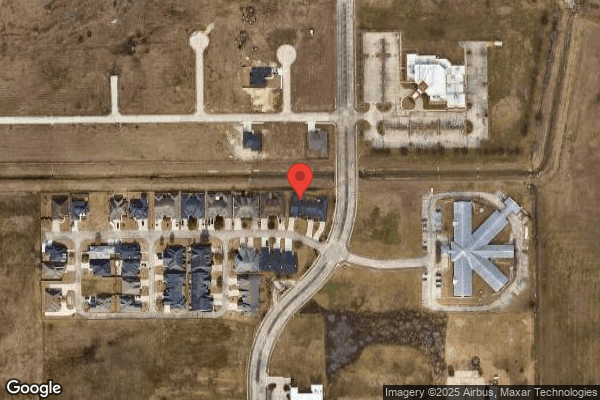
May 2024 4 deficiencies
CONCERN (D)

Potential for Harm - no one hurt, but risky conditions existed

Pharmacy Services (Tag F0755)

Could have caused harm · This affected 1 resident

**NOTE- TERMS IN BRACKETS HAVE BEEN EDITED TO PROTECT CONFIDENTIALITY** Based on observation, interview and record review, the facility failed to provide pharmaceutical services including procedures t...

Read full inspector narrative →
**NOTE- TERMS IN BRACKETS HAVE BEEN EDITED TO PROTECT CONFIDENTIALITY** Based on observation, interview and record review, the facility failed to provide pharmaceutical services including procedures that assure the accurate administering of all drugs to meet the needs of each resident for 1 of 9 residents reviewed for medication administration. (Residents #54) The facility failed to ensure LVN D mixed crushed tablets with 5-10 cc of warm water prior to administering medications to Resident #54's G-tube (Gastrostomy tube-tube surgically inserted through the skin into the stomach) per facility policy. These failures could place residents at risk of not receiving the desired therapeutic effects of their medications and residents with G-tubes at risk of tube clogging/obstruction, medical complications, or a decline in health due to inappropriate G-tube care, management, and not following appropriate procedures. Findings included: Record review of the face sheet dated 05/29/24 indicated Resident #54 was [AGE] year-old female admitted on [DATE] with diagnoses gastrostomy, heart failure and stroke. Record review of physician orders dated 05/29/24 indicated Resident #54's orders included an enteral (through an artificial opening into the stomach) order every shift flush feeding tube with 30 cc of water before and after medication administration and may crush medications and or open capsules per pharmacy guidelines. Record review of annual MDS assessment dated [DATE] indicated Resident #54 had unclear speech was rarely/never understood or rarely/never understands. Resident#54 required feeding tube while she was a resident and during the last 7 days received greater than 51 percentage of calories per artificial means. Record review of the care plan with revision date of 04/30/24 Indicated Resident #54 was at risk for being unable to swallow, the feeling of food stuck in throat or food coming back up due to difficulty in swallowing requiring patient to have feeding tube with Jevity (tube feeding formula)1.5 @70 ml/hr. x 18 hrs with water flushes of 40 ml/hr. x 18 hrs and med flushes. The interventions included resident required total assistance with tube feeding and water flushes. During an observation on 05/29/24 at 08:03 a.m., LVN D crushed 7 medications for Resident #54 and placed each into an individual 30 cc medication cup. She poured 120 cc of water into 240 cc glass and poured a cap full of clear lax (a laxative to help the bowels move) into the water. She poured 7.5 cc iron supplement into a 30 cc medication cup and opened 2 capsules and placed them in separate 30 cc medication cups. LVN D checked the placement with aspiration of the G-tube for Resident #54 then flushed the tube with 30 cc of water. LVN D then poured 30 cc of water in the syringe before and after each dry medications one at a time into the syringe attached and swirled the syringe as it was infusing to Resident #54 through her G-tube without mixing each dry medication with 5-10 cc of warm water . LVN D put 30 cc of water and the dry capsule content into the syringe and used a swirling motion with the syringe and milked the G-tube with her other hand and followed with another 30 cc of water after each medication. LVN D clamped the G-tube. During an observation and interview on 05/29/24 at 4:00 p.m., LVN D crushed the medications for Resident #54 and mixed each crushed medication with 10 cc warm water. LVN D checked Resident #54's G-tube with aspiration and then poured 30 cc of water then poured the dissolved medications into the syringe then flushed with 30 cc of water. LVN D said she had been given an in-service on G-tube medication administration. LVN D said the facility policy was to mix crushed medications with 5-10 cc warm water to prevent the G-tube from clogging. During an interview on 05/30/24 at 8:46 a.m., the DON said their policy was to crush medications and mix with 5-10 cc of warm water however he said he had called the pharmacist and the Pharmacy Consultant said it was not necessary to allow medications to dissolve prior to administration. The DON provided a letter from the Pharmacy Consultant and the facility policy. Record review of a letter dated 05/29/24 from the Pharmacy Consultant to the DON indicated the Pharmacy consultant wrote the guidelines did not include let the medication completely dissolve after being crushed before administering . Record review of the policy dated 10/01/19 titled Enteral Tube (artificial opening into the stomach) Medication Administration indicated The facility assures the safe and effective administration of enteral formulas and medications via enteral tubes. 2. Tablets that must be crushed prior to administration via feeding tubes require specific order related to crushing. B. Crush immediate release tablets into a fine powered and dissolve in 5-10 cc (ml is the same as cc) of warm water, . L. Pour dissolved/dilute medication in syringe allowing medication to flow by gravity.
CONCERN (D)

Potential for Harm - no one hurt, but risky conditions existed

Smoking Policies (Tag F0926)

Could have caused harm · This affected 1 resident

**NOTE- TERMS IN BRACKETS HAVE BEEN EDITED TO PROTECT CONFIDENTIALITY** Based on observation, interview, and record review, the facility failed to follow their own established smoking policy for 1 of ...

Read full inspector narrative →
**NOTE- TERMS IN BRACKETS HAVE BEEN EDITED TO PROTECT CONFIDENTIALITY** Based on observation, interview, and record review, the facility failed to follow their own established smoking policy for 1 of 4 residents (Resident #1) reviewed for smoking. The facility failed to follow their policy on smoking by not completing a smoking safety screen assessment quarterly on Resident #1. This failure could place residents at risk of unsafe smoking and injury. Findings included: Record review of a face sheet dated 05/28/24 indicated Resident #1 was a [AGE] year-old female readmitted on [DATE]. Her diagnoses included schizoaffective disorder (mental illness that can affect your thoughts, mood, and behavior) and major depressive disorder (mental condition characterized by persistently depressed mood and long-term loss of pleasure or interest in life). Record review of the most recent Smoking Safety Screen dated 10/26/23 indicated Resident #1 understands all tobacco products will be kept by facility staff and be supervised by facility staff and can light her own cigarettes. Record review of a comprehensive MDS dated [DATE] indicated Resident #1 was usually understood, usually understands, had a BIMS score of 9 indicating she had moderately impaired cognition and had diagnoses of schizoaffective disorder and major depressive disorder. The MDS was not marked for current tobacco use. Resident #1's MDS indicated she needed set up assistance with eating and oral hygiene and supervision for toileting, dressing and bathing. Record review of a quarterly MDS dated [DATE] indicated Resident #1 was usually understood, and had a BIMS score of 9, indicating she had moderately impaired cognition. Resident #1's MDS indicated she needed set up assistance with eating and oral hygiene and supervision for toileting, dressing and bathing. Record review of a care plan revised 05/13/24 indicated Resident #1 was a smoker and required supervision while smoking. The interventions of the care plan were for staff to instruct Resident #1 about the facility policy on smoking: locations, times, and any safety concerns. Record review of an undated smokers list indicated Resident #1 smoked. During an observation and interview on 05/29/24 at 11:11 a.m., Resident # 1 was smoking a cigarette with steady hands. Resident #1 said she smoked every day, sometimes 5 times a day. She said she had smoked since she got to the facility. During an interview on 05/29/24 at 2:45 p.m., LVN, B said she was providing care for Resident #1. She said Resident #1 smoked daily and the facility kept her smoking supplies for her. LVN B said the nurses were responsible for quarterly smoking assessments. She said the smoking assessment for Resident #1 was not showing due in the computer system and she was unsure what happened. LVN B said the nurses assess Resident #1 daily for a change in condition, notify the DON and physician of changes. She said there is no risk to the resident of not completing a quarterly smoking assessment since the resident was assessed daily for changes. During an interview on 05/29/24 at 3:02 p.m., the SW said Resident #1 was a smoker and listed on the smoking list. The SW said she was responsible for completing the smoking assessment on admission. She said the nurses were responsible for completing the quarterly smoking assessments. The SW said she could complete a change in status smoking assessment. She said she updates the smoking list with any changes. During an interview on 05/29/24 at 3:25 p.m., the DON said Resident #1 was a smoker. He said the smoking assessments not completed after 10/26/23 should have been completed quarterly. The DON said the nurses were responsible for the admission smoking assessment and the SW was responsible for completing quarterly smoking assessments. He said the nurses could also do them quarterly. The DON said it was a system error for smoking assessments not to trigger due in the computer system. He said the risk of not completing smoking assessments quarterly was an inaccurate assessment and a possible change not captured. The DON said his expectation was smoking assessments be completed quarterly and as needed. During an interview on 05/29/24 at 3:37 p.m., the Administrator said Resident #1 smoked. She said the smoking assessments not completed quarterly was a system error. The Administrator said she was not sure if the MDS was not triggered for smoking or if someone clicked or unclicked a button in the computer system to not trigger the smoking assessment to be completed. She said the risk of not completing a smoking assessment quarterly was a possible missed change. The Administrator said her expectation was smoking assessments completed accurately and timely. During an interview on 05/30/24 at 11:55 a.m., Regional Care Manager, said the SW was responsible for manually triggering the smoking quarterly assessments in the computer system. Record review of a facility policy revised 09/14 titled, Smoking/ Tobacco Policy indicated, . Evaluation, Plan of Care and Summary 6. Smoking/ Tobacco Evaluation, Plan of Care and Summary to be completed upon admission, quarterly, annual and for change of condition assessment.
CONCERN (E)

Potential for Harm - no one hurt, but risky conditions existed

Assessment Accuracy (Tag F0641)

Could have caused harm · This affected multiple residents

**NOTE- TERMS IN BRACKETS HAVE BEEN EDITED TO PROTECT CONFIDENTIALITY** Based on observation, interview, and record review, the facility failed to ensure assessments accurately reflected the resident'...

Read full inspector narrative →
**NOTE- TERMS IN BRACKETS HAVE BEEN EDITED TO PROTECT CONFIDENTIALITY** Based on observation, interview, and record review, the facility failed to ensure assessments accurately reflected the resident's status for 3 of 25 residents reviewed for assessments. (Residents #1, #36 and #85). The facility failed to complete an accurate resident assessment for Resident #1. Resident #1's resident assessment did not indicate she smoked. The facility did not ensure Resident #36's MDS assessment reflected he was on oxygen. The facility failed to complete an accurate resident assessment for Resident #85. Resident #85's resident assessment did not indicate he was on hospice services. These failures could place residents at risk of not having their individual needs met and a decreased quality of life. Findings included: 1. Record review of a face sheet dated 05/28/24 indicated Resident #1 was a [AGE] year-old female readmitted on [DATE]. Her diagnoses included schizoaffective disorder (mental illness that can affect your thoughts, mood, and behavior) and major depressive disorder (mental condition characterized by persistently depressed mood and long-term loss of pleasure or interest in life). Record review of the most recent Smoking Safety Screen dated 10/26/23 indicated Resident #1 understood all tobacco products would be kept by facility staff, she would be supervised by facility staff and could light her own cigarettes. Record review of a comprehensive MDS assessment dated [DATE] indicated Resident #1 had a BIMS score of 9, indicating her cognition was moderately impaired and had diagnoses of schizoaffective disorder and major depressive disorder. The MDS was not marked for current tobacco use. Record review of a quarterly MDS assessment dated [DATE] indicated Resident #1 had a BIMS score of 9 indicating her cognition was moderately impaired. Record review of a care plan revised 05/13/24 indicated Resident #1 was a smoker and required supervision while smoking. Record review of an undated smokers list indicated Resident #1 smoked. During an observation and interview on 05/29/24 at 11:11 a.m., Resident # 1 was smoking a cigarette with steady hands. Resident #1 said she smoked every day, sometimes 5 times a day. She said she has smoked since she got to the facility. During an interview on 05/29/24 at 2:45 p.m., LVN B said she was providing care for Resident #1 today. She said Resident #1 smoked daily and the facility kept her smoking supplies for her. During an interview on 05/29/24 at 3:00 p.m., MDS Nurse A said she was responsible for MDS's with Medicaid as the payor source. She said Resident #1 smoked daily. She said Resident #1's MDS on 01/04/24 should have been marked for smoking and was not. She said she overlooked it. MDS Nurse A said she would correct the MDS after surveyor intervention. She said she was educated on MDS accuracy with October being her most recent update on the MDS. MDS Nurse A said the risk of not documenting smoking on a resident's MDS was possibly a smoking assessment not getting completed. Record review of the RAI section J 1300 Code 1 indicated yes; if the resident or any other source indicates that the resident used tobacco in some form during the look back period. 2. Record review of physician orders dated May 2024 indicated Resident #36, re-admitted [DATE], was a [AGE] year-old male with a diagnosis of cerebral infarction related to thrombosis of the carotid artery (rare but serious condition in which a blood clot forms in the cerebral artery blocking blood circulation in the brain tissue). The resident was ordered oxygen at 2 LPM by NC continuously every shift for shortness of breath, active 05/21/2024. Record review of the MARs for Resident #36 dated March 2024, April 2024 and May 2024 indicated Resident #36 received oxygen 2L NC continuously daily as ordered. Record review of significant change MDS assessment dated [DATE] indicated Resident #36 had a BIMS of 99 (severe cognitive impairment) and did not receive oxygen. Record review of the most recent quarterly MDS assessment dated [DATE] indicated Resident #36 had a BIMS of 00 (severe cognitive impairment) and did not receive oxygen. Record review of a care plan date initiated 01/24/24 indicated Resident #36 received oxygen therapy. The goal was that the resident would not have poor oxygen absorption. During observations, Resident #36 had oxygen at 2L NC in progress: *05/28/24 at 9:53 a.m., *05/29/24 at 8:18 a.m., *05/29/24 at 10:40 a.m., *05/29/24 at 3:26 p.m., and *05/30/24 at 8:41 a.m. During an interview on 05/30/24 at 8:52 a.m., MDS Nurse A said Resident #36 was on oxygen. She said she was responsible for ensuring the MDS assessments were accurate. She said Resident #36's MDSs dated 01/26/24 and 4/27/24 did not capture the resident's oxygen and should have. She said the MDS guided the resident's care and the possible negative outcome of not capturing the resident's oxygen would be he may not receive the services he required. During an interview on 05/30/24 at 9:05 a.m., the DON said his expectations were for the MDS documentation to be accurate. He said the possible negative outcome could be the resident may not receive the care and services he required. Record review of the RAI section O 0100C indicated: Code continuous or intermittent oxygen administered via mask, cannula, etc., delivered to a resident to relieve hypoxia (deficiency in the amount of oxygen reaching the tissues) in this item. 3 Record review of a face sheet dated 05/29/24 indicated Resident #85 was a [AGE] year-old male admitted on [DATE]. His diagnoses included Alzheimer's disease (progressive disease that destroys memory and other important mental functions), dementia (loss of cognitive functioning), bipolar disorder (mental disorder associated with episodes of mood swings ranging from depressive lows to manic highs), hypertension (condition in which the force of the blood against the artery walls is too high), hypertensive heart disease (caused by chronically high blood pressure), type 2 diabetes mellitus (chronic condition that affects the way the body processes blood sugar), chronic obstructive pulmonary disease (a lung disease that blocks airflow making it difficult to breathe), and depression (mental illness that negatively affects how you feel, the way you think and how you act). Record review of physician orders for May 2024 indicated Resident #85 had an order dated 01/15/24 for hospice care. Record review of a care plan dated 10/31/23 indicated Resident #85 had a terminal prognosis related to heart disease and was on hospice services. Record review of the quarterly MDS assessment dated [DATE] for Resident #85 indicated it was not marked for hospice while a resident. The MDS form indicated the section for hospice was signed by MDS Nurse A. During an interview on 05/29/24 at 02:48 p.m., MDS Nurse A said Resident #85 was still on hospice services. She indicated she just did not mark that he was on hospice. During an interview on 05/29/24 at 3:25 p.m., the DON said MDS Nurse A and C were responsible for all MDSs in the facility. He said Resident #1 was a smoker. The DON said Resident #1's MDS should have been documented for smoking. He said it was an oversight. The DON said he was responsible for signing MDS for completion and he checked triggered items but not the whole MDS for accuracy. He said the risk of smoking not captured on the MDS was the facility not paid accurately and a change may not be captured. The DON said his expectation was accuracy on all MDS. During an interview on 05/29/24 at 3:37 p.m., the Administrator said Resident #1 smoked. She said MDS nurse B and C were responsible for completing all MDS in the facility. She said the Regional Care Manager was the back-up. She said the risk of smoking not documented on the MDS was the MDS may not give a complete and accurate picture of the resident. She said her expectation was MDSs completed accurately, completely, and timely. During an interview on 05/30/24 at 11:55 a.m., Regional Care Manager said MDS Nurse A and C were responsible for all MDS in the facility. She said she was the consultant and did yearly audits and spot checked MDSs. The Regional Care Manager said she educated MDS Nurse A and C though out the year on the RAI (Resident Assessment Instrument). She said Resident #1's MDS not documented for smoking was overlooked. She said the risk of smoking not documented on the MDS was the resident may not match the plan of care and possibly conflict with care provided. During an interview on 05/30/24 at 08:40 a.m., the DON said they did not have an MDS policy, they followed the RAI manual. Record review of the, Long-Term Care Facility Resident Assessment Instrument 3.0 User's Manual, dated, October 2023, indicated, . J11300: Current Tobacco Use Ask the resident if they used tobacco in any form during the 7-day look-back period. 2. I the resident states that they used tobacco in some form during the 7-day look back period, code 1, yes. Code 1 yes: if the resident or any other source indicates that the resident used tobacco in some form during the look-back period.
MINOR (B)

Minor Issue - procedural, no safety impact

MDS Data Transmission (Tag F0640)

Minor procedural issue · This affected multiple residents

**NOTE- TERMS IN BRACKETS HAVE BEEN EDITED TO PROTECT CONFIDENTIALITY** Based on interview and record review, the facility failed to complete a discharge resident assessment within the required time f...

Read full inspector narrative →
**NOTE- TERMS IN BRACKETS HAVE BEEN EDITED TO PROTECT CONFIDENTIALITY** Based on interview and record review, the facility failed to complete a discharge resident assessment within the required time frame for 1 of 25 residents (Resident #39) reviewed for MDS (Minimum Data Set) completion. The facility failed to complete and transmit a required discharge assessment for Resident #39 within 14 days after Resident #39 discharged from the facility. This failure could place residents at risk of not getting continuity of care, if their clinical and discharge assessment information was not current and accurate in the MDS (RAI) database. Findings included: Record Review of Resident #39's face sheet dated 05/24/24 indicated she was a [AGE] year-old female admitted on [DATE] with diagnoses that included: cerebral infarction (brain tissue damage caused by lack of oxygen to the area), aphasia (a language disorder that occurs when parts of the brain are damaged), and peripheral vascular disease (a progressive disorder that reduces blood circulation to parts of the body other than the brain or heart). Record review of the last quarterly MDS dated [DATE] indicated Resident #39 was severely cognitively impaired and required substantial/maximal assistance for ADLs. There was no evidence of a discharge MDS assessment. Record review of the MDS summary sheet dated 05/30/24 for Resident #39 indicated discharge Assessment Reference Date (ARD): 01/09/24, 128 days overdue. Record review of a Discharge Summary form dated 02/06/24, signed by the physician indicated Resident #39 was discharged from the facility on 01/09/24 to a hospital. During an interview on 05/30/24 at 11:44 a.m., MDS Nurse A said she was responsible for completing the MDS assessments for Resident #39. She said MDS Nurse C was her back up to double check MDS assessments for accuracy and completeness. MDS Nurse A said she had been working as an MDS Nurse for 11 years and had attending many trainings on MDS accuracy, completeness, and completing MDS assessments timely. She said Resident #39's discharge MDS had never been completed or transmitted and she should have had a discharge assessment completed when she left the facility, but it was just missed. She said the possible negative outcome for not completing a discharge MDS assessment was the facility was still receiving quality measures (information on a number of aging-relevant domains including: functional and cognitive status, psychosocial functioning, geriatric syndromes, and life care wishes) related to Resident #39 when she was no longer at the facility. During an interview on 05/30/24 at 12:01 p.m., the Administrator said her expectation was for all MDS assessments to be completed timely and correctly. She said the MDS Nurses were responsible for completing all assessments including Resident #39's discharge assessment. The Administrator said the discharge assessment was just missed. She said the facility also contracted with an MDS consultant firm that oversees and audits the MDS assessments completed by the facility. She said that after learning of the errors occurring in the facility's MDS assessments, she was planning to get the MDS Nurses additional training to ensure all MDS assessments would be completed timely and accurately. During an interview on 05/30/24 at 12:07 p.m., the DON said a discharge MDS assessment should have been completed for Resident #39. He said the discharge assessment was just overlooked. He said the MDS Nurses receive information daily about discharged or hospitalized residents through the facility's daily care meetings. He said his expectation was that all MDS assessments be completed accurately and timely. He said the facility did not have a policy on MDS assessments but followed the Long-Term Care for Resident Assessment Instrument (RAI). Record review of the Long-Term Care Facility Resident Assessment Instrument 3.0 User's Manual Version 1.18.11 updated October 2023 indicated, .Federal regulatory requirements at 42 CFR 483.20(b)(1) and 483.20(c) require facilities to use an RAI that has been specified by CMS. The requirements for the RAI are applicable to all residents in Medicare and/or Medicaid certified long-term care facilities. They include: . Discharge (return not anticipated or return anticipated). discharge assessment - return not anticipated . MDS completion date is no later than discharge date +14 calendar days. and must be submitted 14 days after the MDS completion date.
Jan 2024 1 deficiency
CONCERN (D) 📢 Someone Reported This

A family member, employee, or ombudsman was alarmed enough to file a formal complaint

Potential for Harm - no one hurt, but risky conditions existed

Deficiency F0761 (Tag F0761)

Could have caused harm · This affected 1 resident

**NOTE- TERMS IN BRACKETS HAVE BEEN EDITED TO PROTECT CONFIDENTIALITY** Based on observation, interview and record review, the facility failed to, in accordance with State and Federal laws, ensure all...

Read full inspector narrative →
**NOTE- TERMS IN BRACKETS HAVE BEEN EDITED TO PROTECT CONFIDENTIALITY** Based on observation, interview and record review, the facility failed to, in accordance with State and Federal laws, ensure all drugs and biologicals were stored in locked compartments under proper temperature controls, and permitted only authorized personnel to have access to the keys for 1 of 2 nurse medication carts (Hall 200 nurse medication cart) reviewed for drug storage. The facility failed to ensure the nurse medication cart on Hall 200 was locked and supervised. This failure could place residents at risk for possible misappropriation of property or drug diversion. The findings included: During observations and interview on 1/10/24 at 10:11 a.m., LVN A walked away from the Hall 200 Medication Cart and entered a resident's room approximately 50 feet away from the cart, out of the line of site of the medication cart. The medication cart was left unlocked and unsupervised and parked in the hallway between rooms [ROOM NUMBERS]. The drawers of the medication cart were not facing the wall and was accessible to anyone who walked by in the hallway. There were several grieving family members in the hallway outside of room [ROOM NUMBER] including 3 young children who appeared to be under the age of 5. At 10:16 a.m. LVN A returned to the medication cart, LVN A said the cart is unlocked, I saw you coming down the hallway and swore I locked the cart when I left it. She acknowledged the medication cart was left unlocked and it was out of her line of her sight while she was assisting another resident. She said she was the person responsible for administering medications on the 200 hall and used the cart. LVN A said the cart should not be unlocked and unattended because anyone walking by could get into the medications and risk medication theft or diversion. LVN A said she had been in-serviced to keep the medication cart always locked when not in use. LVN A said she was aware of the facility policy regarding keeping the medication cart locked at all times when not in use and that the cart was to remain in her line of sight when it is not locked, she said that the lock must have malfunctioned because she pushed the lock in when she left the cart. LVN A opened the medication cart and inside the medication cart Drawer #1 contained glucometer strips and glucometers, OTC aspirin, vitamins, minerals, and eye drops. In Drawer #2 there was a locked compartment attached to the cart with controlled substances, and multiple resident's individual medication bubble-blister packets. During an interview on 1/10/24 at 4:30 p.m., the DON said he expected the nurses to follow the facility policy and procedure when it came to the medication carts during a medication pass and drug safety, which indicates that the medication carts should be locked if staff walked away from it or turned their back to it. The DON said he was responsible for making sure the nurses locked the carts because of the risk for misappropriation of property or drug diversion. He said he had in-serviced nursing staff to keep the medication cart always locked when not in use. He said the nurses were trained during orientation, annually and as the needed, on medication administration and securing medications. Record review of the Medication Carts and Supplies for administering medications policy dated 10/01/19 indicated the following: Procedure: 1. Only a Licensed Nurse or Certified Medical Aide may carry keys to the medication cart. 2. The medication cart is locked at all times when not in use. 3. Do not leave the medication cart unlocked or unattended in the resident care area. 4. Wheel the medication cart to the resident's room when passing medications or park the medication cart in the doorway of the room with drawers facing the Nurse as she/he stands in the room. The cart must remain in your line of sight when it is not locked.
Dec 2023 2 deficiencies
CONCERN (D) 📢 Someone Reported This

A family member, employee, or ombudsman was alarmed enough to file a formal complaint

Potential for Harm - no one hurt, but risky conditions existed

Notification of Changes (Tag F0580)

Could have caused harm · This affected 1 resident

**NOTE- TERMS IN BRACKETS HAVE BEEN EDITED TO PROTECT CONFIDENTIALITY** Based on observation, interview and record review, the facility failed to ensure the physician was consulted for a change of con...

Read full inspector narrative →
**NOTE- TERMS IN BRACKETS HAVE BEEN EDITED TO PROTECT CONFIDENTIALITY** Based on observation, interview and record review, the facility failed to ensure the physician was consulted for a change of condition for 1 of 10 residents reviewed for notification of changes. (Resident #1) Resident #1 returned to the facility from the hospital on [DATE]. Hospital discharge records included a recommendation to follow-up with cardiologist due to suspected left ventricular apex aneurysm (a bulge or weakened area in the wall of the heart's ventricles-lower pumping chambers). The facility did not consult or notify the physician of the recommendation. This failure could place residents at risk for delay in treatment and decreased quality of life. Findings included: Record review of Resident #1's face sheet dated 12/22/23 indicated she was a [AGE] year old female, initially admitted on [DATE], and her diagnoses included dementia (the impaired ability to remember, think, or make decisions that interferes with doing everyday activities), diabetes (high blood sugar), and hypertension (high blood pressure). Record review of Resident #1's MDS dated [DATE] indicated Resident #1 was usually understood and usually understood others, she had severe cognitive impairment (BIMS score 7), and physical and verbal behaviors directed at others occurred 1 to 3 days. Record review of Resident #1's physician orders dated 08/01/23 indicated she was admitted to the facility for SNF level of care. Record review of Resident #1's hospital records dated 11/25/23 indicated she was admitted on [DATE] with altered mental status (change in mental function), hypercapnia (buildup of carbon dioxide in your bloodstream), and dehydration (loss of fluid). Record review of Resident #1's hospital records dated 11/26/23 indicated a CT angiography of the chest with IV contrast was completed. Findings indicated the pulmonary arterial vasculature appeared normal, no CT evidence for pulmonary embolism, heart was mildly enlarged, probable 2 cm aneurysm of left ventricle apex, and the aorta was normal in caliber and there was no evidence of dissection. Record review of Resident #1's hospital records dated 11/27/23 *Follow-up/appointments: Needs to follow up (with) cardiologist d/t (due to) suspected left ventricular apex aneurism. Additional MD instructions: Follow up with NH provider. Follow-up with outpatient cardiology. Record review of Resident #1's physician orders dated 12/27/23 indicated she was re-admitted to the facility on [DATE]. Record review of progress note dated 12/12/23, completed by NP C indicated there was no review of Resident #1's hospital discharge records dated 11/27/23. During an interview on 12/22/23 at 2:00 p.m., the DON said the admitting nurse should have notified the physician of the recommendation for the referral. He said LVN G should have documented the recommendations in the nurse notes and put an order in for a consult. He said if a resident required a referral, the facility notified the physician and the physician submitted the referral. He said the charge nurse and nurse management would follow up on recommendations and referrals. He said he was not able to locate documentation in Resident #1's e-chart of the recommendation for cardiologist referral. He said it would have been in the 24-hour report for review. He said Resident #1 could have a delay of care if recommendations and referrals were not completed as required. During an interview on 12/27/23 at 11:27 p.m. NP C said she did not receive notification for a recommendation for a referral to a cardiologist for Resident #1. She said she would have submitted the referral to the cardiologist. She said Resident #1's recommendation was for a probable aneurysm. She said the condition would be monitored if the condition was confirmed to determine a course of action. She said the condition was not usually treated surgically due to poor prognosis and outcome. She said Resident #1 could have a delay of care if recommendations and referrals were completed as required. During an observation and interview on 12/27/23 at 12:47 p.m., Resident #1 said she was feeling fine. She said she felt pretty good. She said she had no complaints of her care. Resident #1 said she did not know why she had been in the hospital. She did not appear in distress. During an interview on 12/27/23 at 5:04 p.m. LVN G said she could not recall Resident #1's specific re-admission from the hospital on [DATE]. She said there was more than one admission and LVN F assisted with the process. She said she did not remember reviewing Resident #1's discharge records dated 11/27/23 from the hospital. She said if there was a recommendation for a referral she should have documented the information in a progress note and sent the recommendation to Resident #1's physician. She said Resident #1 could have a delay of care if recommendations and referrals were completed as required. During an interview on 12/27/23 at 5:49 p.m., LVN F said she assisted LVN G with Resident #1's re-admit to the facility from hospital on [DATE]. She said she assisted with completing the forms but did not reviewed the hospital discharge papers. She said if she had reviewed Resident #1's discharge records dated 11/27/23 from the hospital and there was a recommendation for a referral, she would have documented the information in a progress note and sent the recommendation to Resident #1's physician. She said Resident #1 could have a delay of care if recommendations and referrals were completed as required. During an interview on 12/28/23 at 1:45 p.m. MD D said the recommendation for Resident #1's referral was not a STAT (common medical abbreviation for urgent or rush referral). He said her condition was not acute but chronic. He said it the condition was acute, the hospital would have addressed the condition prior to transferring Resident #1 back to the facility. He said the condition was common for Resident #1's age. He said the facility nursing staff should have advised the physician of the referral to the cardiologist in order for the cardiologist to assess and make recommendations or develop a plan of treatment. He said Resident #1 could have a delay of care if recommendations and referrals were completed as required. During an interview on 12/28/23 at 4:09 p.m., MD E said she was not made aware of Resident #1's readmit from hospital of the recommendation for the cardiologist referral. She said Resident #1's referral was not emergent or STAT. She said a ventricular apex aneurism was not an acute condition and would not be treated surgically. She said the condition would be monitored. She said the facility should have notified her of Resident #1's return to the facility on [DATE] and of the recommendation for cardiologist referral. She said Resident #1 could have a delay of care if recommendations and referrals were completed as required. During an interview on 12/28/23 at 4:50 p.m., the DON said the receiving nurse was supposed to notify the physician of a resident's return from the hospital. He said LVN G did not recall if she notified the physician. During an interview on 12/29/23 at 11:55 a.m., NP C she could not recall if she was made aware of Resident #1's re-admission to the facility or the recommendation for a referral to the cardiologist. She said if the hospital thought her condition was critical, then they would have kept Resident #1 in hospital to treat her before sending her back to the facility. During an interview on 12/29/23 at 11:58 a.m., MD D said Resident #1's was admitted to the hospital under the care of a pulmonologist who was also head of the ICU. He said Resident #1 was stabilized and returned to the facility. Record review of the facility's policy Notification of Changes dated 10/24/22 indicated The purpose of this policy is to ensure the facility promptly informs the resident, consults the resident's physician; and notifies, consistent with his or her authority, the resident's representative when there is a change requiring notification. 2. Significant change in the resident's physical, mental or psychosocial condition such as deterioration in health, mental or psychosocial status. This may include: a. Life-threatening conditions, or b. Clinical complications. Circumstances that require a need to alter treatment. This may include: a. a new treatment. B. Discontinuation of a current treatment due to: i. Adverse consequences. ii. Acute condition.
CONCERN (D) 📢 Someone Reported This

A family member, employee, or ombudsman was alarmed enough to file a formal complaint

Potential for Harm - no one hurt, but risky conditions existed

Medical Records (Tag F0842)

Could have caused harm · This affected 1 resident

**NOTE- TERMS IN BRACKETS HAVE BEEN EDITED TO PROTECT CONFIDENTIALITY** Based on observation, interview and record review the facility failed to ensure the medical record of each resident was accurate...

Read full inspector narrative →
**NOTE- TERMS IN BRACKETS HAVE BEEN EDITED TO PROTECT CONFIDENTIALITY** Based on observation, interview and record review the facility failed to ensure the medical record of each resident was accurately documented in accordance with accepted professional standards and practices for 1 of 10 residents (Resident #1) reviewed for medical records. The facility failed to ensure a recommendation for a cardiologist referral dated 11/27/23 was documented in Resident #1's clinical record. This failure could place residents at risk for delayed care and appropriate interventions. Findings included: Record review of Resident #1's face sheet dated 12/22/23 indicated she was a [AGE] year old female, initially admitted on [DATE], and her diagnoses included dementia (the impaired ability to remember, think, or make decisions that interferes with doing everyday activities), diabetes (high blood sugar), and hypertension (high blood pressure). Record review of Resident #1's MDS dated [DATE] indicated Resident #1 was usually understood and usually understood others, she had severe cognitive impairment (BIMS score 7), and physical and verbal behaviors directed at others occurred 1 to 3 days. Record review of Resident #1's physician orders dated 08/01/23 indicated she was admitted to the facility to SNF level of care. Record review of Resident #1's physician orders dated 12/27/23 indicated she was re-admitted to the facility on [DATE]. Record review of Resident #1's hospital records dated 11/25/23 indicated she was admitted on [DATE] with altered mental status (change in mental function), hypercapnia (buildup of carbon dioxide in your bloodstream), and dehydration (loss of fluid). Record review of Resident #1's hospital records dated 11/26/23 indicated a CT angiography of the chest with IV contrast was completed. Findings indicated the pulmonary arterial vasculature appeared normal, no CT evidence for pulmonary embolism, heart was mildly enlarged, probable 2 cm aneurysm of left ventricle apex, and the aorta was normal in caliber and there was no evidence of dissection. Record review of Resident #1's hospital records dated 11/27/23 *Follow-up/appointments: Needs to follow up (with) cardiologist d/t (due to) suspected left ventricular apex aneurism. Additional MD instructions: Follow up with NH provider. Follow-up with outpatient cardiology. Record review of progress note dated 12/12/23, completed by NP C indicated there was no review of Resident #1's hospital discharge records dated 11/27/23. During an interview on 12/22/23 at 2:00 p.m., the DON said the admitting nurse should have notified the physician of the recommendation for the referral. He said LVN G should have documented the recommendations in the nurse notes and put an order in for a consult. He said if a resident required a referral, the facility notifies the physician and the physician submits the referral. He said the charge nurse and nurse management would follow up on recommendations and referrals. He said he was not able to locate documentation in Resident #1's e-chart of the recommendation for cardiologist referral. He said it would have been in the 24-hour report for review. During an interview on 12/27/23 at 11:27 p.m. NP C said she did not receive notification for a recommendation for a referral to a cardiologist for Resident #1. She said she would have submitted the referral to the cardiologist. During an observation and interview on 12/27/23 at 12:47 p.m., Resident #1 said she was feeling fine. She said she felt pretty good. She said she had no complaints of her care. Resident #1 said she did not know why she had been in the hospital. She did not appear in distress. During an interview on 12/27/23 at 5:04 p.m. LVN G said she did not remember reviewing Resident #1's discharge records dated 11/27/23 from the hospital. She said if there was a recommendation for a referral she should have documented the information in a progress note and sent the recommendation to Resident #1's physician. During an interview on 12/27/23 at 5:49 p.m., LVN F said she assisted LVN G with Resident #1's re-admit to the facility from hospital on [DATE]. She said she assisted with completing the forms but did not reviewed the hospital discharge papers. She said if she had reviewed Resident #1's discharge records dated 11/27/23 from the hospital and there was a recommendation for a referral, she would have documented the information in a progress note and sent the recommendation to Resident #1's physician. During an interview on 12/28/23 at 4:50 p.m., the DON said LVN G should have documented in Resident #1's chart of her return to the facility and the recommendations for cardiologist referral. He said LVN G did not document in Resident #1's chart. The DON said he was unable to locate a policy regarding documentation of resident referrals.
May 2023 4 deficiencies
CONCERN (D) 📢 Someone Reported This

A family member, employee, or ombudsman was alarmed enough to file a formal complaint

Potential for Harm - no one hurt, but risky conditions existed

Grievances (Tag F0585)

Could have caused harm · This affected 1 resident

**NOTE- TERMS IN BRACKETS HAVE BEEN EDITED TO PROTECT CONFIDENTIALITY** Based on interview and record review, the facility failed to ensure prompt efforts were made to resolve resident grievances for ...

Read full inspector narrative →
**NOTE- TERMS IN BRACKETS HAVE BEEN EDITED TO PROTECT CONFIDENTIALITY** Based on interview and record review, the facility failed to ensure prompt efforts were made to resolve resident grievances for 1 of 11 residents Resident #1) reviewed for grievances. There was no grievance available or evidence of resolution when a family member called the facility to request Resident #1 be repositioned after being in the same position for 7.5 hours. This failure could place all residents at risk of unresolved grievances and decreased quality of life. Findings included: Record review of a face sheet dated 05/19/23 indicated Resident #1 was a [AGE] year old female, admitted on [DATE] with the diagnoses unspecified sequelae (consequence) of cerebral vascular disease (disease of the heart or blood vessels), dysphagia (swallowing difficulties), gastrostomy status (surgical procedure used to insert a tube, often referred to as a G-tube, through the abdomen and into the stomach), anoxic brain damage (caused by complete lack of oxygen to the brain), diabetes (a disease that occurs when blood glucose, also called blood sugar, is too high), Alzheimer's (a brain disorder that slowly destroys memory and thinking skills and, eventually, the ability to carry out the simplest tasks), pulmonary embolism (sudden blockage in the pulmonary arteries, the blood vessels that send blood to the lungs, pulmonary edema (too much fluid in the lungs), dementia (impaired ability to remember, think, or make decisions that interferes with doing everyday activities), hemiplegia affecting right dominant side (paralysis of one side of the body), cerebral infarction occurs as a result of disrupted blood flow to the brain due to problems with the blood vessels that supply it, and muscle wasting and atrophy (the wasting or thinning of muscle mass). Record review of an MDS assessment dated [DATE] indicated Resident #1 was not able to make herself understood, was not able to understand others, had severe cognitive impairment, required extensive 2-person assist for all ADLS. She was incontinent of bladder and bowel. Record review of a care plan dated 12/02/18 (revised 05/25/21), indicated Resident #1 was weak from CVA, had right side weakness, needed staff assistance with turning and repositioning, and was able to be up in Geri-chair 1-2 times per week as tolerated. Interventions included Bed Mobility-Resident #1 was dependent on 2 staff for repositioning and turning in bed as necessary. Record review of a care plan dated 01/23/19 indicated Resident #1 had a cerebral vascular accident (CVA/stroke) affecting her right side and experienced anoxic brain damage. Interventions included turn and reposition q 2 hours and prn. Keep body in good alignment. Record review of care plan dated 01/23/19 indicated Resident #1 was at risk for increased pain due to decreased muscle movement and mobility. Interventions included staff to turn and reposition resident as needed to aid in alleviating pain. Review of the facility's grievances from 03/23, 04/23 and 05/23 indicated there were no grievances documented for Resident #1. During an interview on 05/18/23 at 2:03 p.m., a family member said she called the facility on 05/17/23 at 9:40 p.m. to complain of Resident #1 being left in the same position since she had left the faciity on [DATE] at 3:48 p.m. She said she reviewed the video and Resident #1 was in the same position at 9:09 p.m. She said she should not have to call the facility for them to turn and take care Resident #1. She said she had spoken to the DON previously about Resident #1 being left in the same position for an extended number of hours, however Resident #1 continued to be frequently left in the same position for extended periods. She said the DON told her he would take care of her being turned and repositioned, but it kept happening. She said she was not aware of the formal grievance procedure. She said she was not informed if her concerns were addressed or resolved. During an interview on 05/22/23 at 12:46 p.m., the DON said he had not completed a written formal grievance document related to Resident #1. He said Resident #1's family member made a verbal complaint on 05/18/23 but it was the first one in a while. He said he talked to her almost daily. He said the RP had his direct number and he would address the issues and concerns as they were brought to his attention. During an interview on 05/23/23 at 9:57 a.m., the administrator said she was the designated grievance official. She said any staff could take a grievance. All staff were trained to take grievances. She said if a family member made a complaint, the staff were supposed to get a grievance form, fill it out, and take it to her. She said she would fill out the log and then give it to the appropriate department head to investigate and resolve the issue. She said she would put the grievance on her calendar when it was due back to her. She said she would then speak to the resident or the RP to let them know of the outcome and the resolution. She said if the complainant was not happy, she would invite them to have a meeting and speak directly with them. She said there were no complaints from the Resident Council. She said there were no written complaints from Resident #1's RP or family related to her care. She said she had a soft file for Resident #1. She said it included documentation of a discussion with Resident #1's family member who indicated Resident #1 was not turned enough. The administrator said she did not document the complaint on a grievance form. She said the ambassador and ADON would check on Resident #1 throughout the day. She said there was no documentation of the monitoring. During an interview on 05/23/23 at 10:33 a.m., LVN E said she had not completed or submitted a grievance related to Resident #1 being left in the same position for 7.5 hours. She said she was not aware of the grievance procedures. Record review of the facility's undated Grievance System policy indicated facility administrator is designated as the Grievance Official responsible for overseeing the grievance process. Staff member responsible for maintaining the grievance notebook is the Administrator. Grievance reports will be made available to all staff, residents, and residents family members upon request. When a grievance report is initiated: A copy of the initiated grievance report will be placed in the grievance notebook as a reminder that the grievance is still being investigated and resolved. The original report will then be forwarded to the department head for the Grievance pertains to (i.e. Dietary Manager for food and dining related issues, DON for any nursing or clinical related issues, Laundry Supervisor for missing clothing issues, etc.) The Department Head assigned the grievance report is responsible for investigating the issue and following up to provide a resolution to the issue within 72 hours of being assigned the grievance. Once resolution of the grievance is achieved, the Department Head assigned the Grievance Report is responsible to follow up with the Complainant and explain the investigation and resolution and document the Complainant's response to the resolution. The facility's undated Statement of Resident Rights indicated You have the right to: . 7. Complain about the facility and to organize or participate in any program that presents resident's concerns to the administrator of the facility.
CONCERN (D) 📢 Someone Reported This

A family member, employee, or ombudsman was alarmed enough to file a formal complaint

Potential for Harm - no one hurt, but risky conditions existed

Comprehensive Care Plan (Tag F0656)

Could have caused harm · This affected 1 resident

**NOTE- TERMS IN BRACKETS HAVE BEEN EDITED TO PROTECT CONFIDENTIALITY** Based on observation, interview, and record review, the facility failed to develop and implement a comprehensive person-centered...

Read full inspector narrative →
**NOTE- TERMS IN BRACKETS HAVE BEEN EDITED TO PROTECT CONFIDENTIALITY** Based on observation, interview, and record review, the facility failed to develop and implement a comprehensive person-centered care plan for 1 of 11 residents (Resident #11) reviewed for care plans. Facility staff failed to have two staff when repositioning, providing incontinent care, or transfers using a mechanical lift for Resident #1. Facility staff failed to reposition Resident #1 every two hours. These failures could place residents at risk of inadequate care and injury. The findings included: Record review of a face sheet dated 05/19/23 indicated Resident #1 was a [AGE] year old female, admitted on [DATE] with the diagnoses unspecified sequelae (consequence) of cerebral vascular disease (disease of the heart or blood vessels), dysphagia (swallowing difficulties), gastrostomy status (surgical procedure used to insert a tube, often referred to as a G-tube, through the abdomen and into the stomach), anoxic brain damage (caused by complete lack of oxygen to the brain), diabetes (a disease that occurs when blood glucose, also called blood sugar, is too high), Alzheimer's (a brain disorder that slowly destroys memory and thinking skills and, eventually, the ability to carry out the simplest tasks), pulmonary embolism (sudden blockage in the pulmonary arteries, the blood vessels that send blood to the lungs, pulmonary edema (too much fluid in the lungs), dementia (impaired ability to remember, think, or make decisions that interferes with doing everyday activities), hemiplegia affecting right dominant side (paralysis of one side of the body), cerebral infarction occurs as a result of disrupted blood flow to the brain due to problems with the blood vessels that supply it, and muscle wasting and atrophy (the wasting or thinning of muscle mass). Record review of an MDS assessment dated [DATE] indicated Resident #1 was not able to make herself understood, was not able to understand others, had severe cognitive impairment, required extensive 2-person assist for all ADLS. She was incontinent of bladder and bowel. Record review of a care plan dated 12/02/18 (revised 05/25/21), indicated Resident #1 was weak from CVA, had right side weakness, needed staff asst with turning and repositions, and may be up in Geri-chair 1-2 times per week as tolerated. Interventions included Bed Mobility-Resident #1 was dependent on 2 staff for repositioning and turning in bed, as necessary. Record review of Resident #1's [NAME] (the electronic care guide for CNA's) care tasks dated 05/23/23 indicated Resident #1 required two staff for bed mobility and transfers. During an observation of a video dated 04/26/23 (with the DON present on 5/22/23 at 12:46 p.m.) indicated Resident #1 remained in the same position from 8:56 a.m. through 1:22 p.m. and from 6:50 p.m. through 11:42 p.m. The video only records when movement was detected. During an observation of a video dated 4/28/23 at 8:12 p.m. (with the DON present on 5/22/23 at 12:46 p.m.) indicated CNA H entered Resident #1's room and completed incontinent care and repositioned Resident #1. There was not a second staff member to assist during incontinent care or repositioning. During an observation of a video dated 05/10/23 at 12:39 p.m., (with the DON present on 5/22/23 at 12:46 p.m.) CNA A completed incontinent care and repositioned Resident #1 without a second staff to assist. During an observation of a video dated 05/11/23 at 1:51 p.m., (with the DON present on 5/22/23 at 12:46 p.m.) CNA A used a mechanical lift to transfer Resident #1 from her bed to a Geri-chair without a second staff to assist. During an observation of video (with the DON present on 5/22/23 at 12:46 p.m.) dated 05/17/23 from 2:09 p.m. through 9:40 p.m. (7.5 hrs.) indicated Resident #1 was lying on her right side facing the wall/window side of her room. LVN E and two aides entered the room at 9:45 p.m. Incontinent care was performed and Resident #1 was repositioned on her left side facing the door of her room. During an observation of video dated 05/19/23 from 7:45 a.m., (with the DON present on 5/22/23 at 12:46 p.m.) indicated CNA A completed incontinent care and repositioned Resident #1 without a second staff to assist. During an interview on 05/19/23 at 10:19 a.m., CNA H said she tried to do rounds every 2 hours to check, change and reposition Resident #1. She said it was not always possible. She said Resident #1 was a 2-person assist for bed mobility and incontinence care. She said she tended to do incontinent care and repositioning Resident #1 without a second staff because it was faster, and she did not have to wait for other staff. She said she would ask for assistance sometimes from another CNA or the LVN on duty. She said she could not explain why Resident #1 was left in the same position for 7.5 hrs. on 05/17/23. She said she was trained to provide care for the residents per the [NAME] care. She said she was trained to check and change and reposition residents every two hours and as needed. She said residents could develop skin breakdown if they were not repositioned every two hours. During an interview on 05/19/23 at 10:51 a.m., CNA A said Resident #1 was supposed to be checked, changed, or repositioned every two hours. She said Resident #1 was a 2-person assist for bed mobility and incontinent care. She said mechanical lift transfers required two staff. She said she was trained to provide care per the [NAME]. She said she did not ask for assistance to reposition or transfer Resident #1. She said she did not ask for assistance because she did not want to wait. She said she was trained to check and change and reposition residents every two hours and as needed. She said residents could develop skin breakdown if they were not checked, changed, and repositioned as required. During an interview on 05/19/23 at 5:07 p.m., LVN E said Resident #1's family member called before the 2-10 shift ended on 05/17/23 to report Resident #1 had been left in the same position since she had left around 3:48 p.m. She said she did not know why Resident #1 was in the same position that long. She said she had not seen the aide go into Resident #1's room. She said she was not asked to assist with repositioning Resident #1. She said she and 2 aides went to Resident #1's room after the family member called. She said the aides performed incontinent care and repositioned Resident #1. She said residents could develop skin breakdown if they were not checked, changed, and repositioned as required. During an interview on 05/22/23 at 12:35 p.m., the DON said Resident #1 was a 2-person assist for bed mobility and incontinent care. He said there was only one CNA in Resident #1's hall for the 10:00 p.m.-6:00 a.m. shift. He said if 2 staff were needed the CNA was supposed to get the nurse or another CNA from another hall to assist. He said he had in-serviced staff on the [NAME] and following the care instructions from the care plan. He said staff should follow the [NAME] for resident care. During an interview on 05/23/23 at 11:59 a.m., CNA L said on 5/11/23 at 1:51 p.m., she took the mechanical lift to Resident #1's room assist CNA A to transfer the Resident from her bed to the Geri-chair. She said she was having a conversation with Resident #1's roommate and when she looked over toward Resident #1, CNA A had completed putting Resident #1 into the mechanical lift sling and was in the process of moving her from the bed to the chair. She said she should have assisted CNA A with the transfer. She said Resident #2 was a two-person assist for bed mobility and transfers. She said mechanical lift transfers required two staff. She said she was trained to check and change and reposition residents every two hours and as needed. She said residents could develop skin breakdown if they were not checked, changed, and repositioned as required.
CONCERN (D) 📢 Someone Reported This

A family member, employee, or ombudsman was alarmed enough to file a formal complaint

Potential for Harm - no one hurt, but risky conditions existed

ADL Care (Tag F0677)

Could have caused harm · This affected 1 resident

**NOTE- TERMS IN BRACKETS HAVE BEEN EDITED TO PROTECT CONFIDENTIALITY** Based on observation, interview, and record review, the facility failed to ensure necessary services to maintain grooming and pe...

Read full inspector narrative →
**NOTE- TERMS IN BRACKETS HAVE BEEN EDITED TO PROTECT CONFIDENTIALITY** Based on observation, interview, and record review, the facility failed to ensure necessary services to maintain grooming and personal hygiene were provided for 1 of 11 residents (Resident #2) reviewed for ADLS. Resident #2 had feces near his scrotum. This failure could place residents at risk of not receiving services/care, decreased quality of life, and decreased self-esteem. Findings included: Record review of a face sheet dated 05/23/23 indicated Resident #12 was [AGE] year old male admitted on [DATE] with the diagnoses cerebral infarction (occurs as a result of disrupted blood flow to the brain due to problems with the blood vessels that supply it) , aphasia (loss of ability to understand or express speech, caused by brain damage), polyneuropathy (simultaneous malfunction of many peripheral nerves throughout the body, convulsions (a sudden, violent, irregular movement of a limb or of the body), muscle wasting and atrophy, (the wasting or thinning of muscle mass), dysphagia (swallowing difficulties), cognitive communication deficit (difficulty with thinking and how someone uses language), and contracture of muscle (muscles, tendons, joints, or other tissues tighten or shorten causing a deformity). Record review of an MDS assessment dated [DATE] indicated Resident #2 was not able to make himself understood or understand others, had severe cognitive impairment, and required extensive 1-2 person assist for all ADLS, and was always incontinent of bowel. Record review of a care plan dated 10/11/22 (revised 11/28/22) indicated Resident #2 had bowel incontinence. Interventions included to provide peri-care after each incontinence episode. Record review of the Point of Care (where care is documented in the electronic record of care by CNAs) History dated 05/22/23 at 4:04 a.m. indicated Resident #2 had a BM. Record review of CNA F's CNA Orientation Skills checklist indicated she was checked off on pericare for males and females on 6/17/22. During an observation with the DON on 05/22/23 at 12:15 p.m., Resident #2 had feces on the left side of his scrotum in by the crease of his leg. There was no BM in the brief. During an observation and interview on 05/22/23 at 1:47 p.m. Resident #2 still had feces on the left side of his scrotum near the crease of his leg. CNA F said at the time of the observation Resident #2 had not had a BM on her shift. She said she had completed incontinent care a few hours earlier. She provided incontinent care and cleaned the feces. She did not change her gloves during the procedure. During an interview on 5/22/23 at 2:24 p.m., CNA F said she did not see feces near Resident #2's scrotum when she had completed the incontinent care. She said she was trained to complete incontinent care properly. She said skin breakdown could occur if care was not thorough. During an interview on 05/22/23 at 1:20 p.m., the DON said staff were trained on incontinent care procedures and expected them to do a thorough job and ensure all feces had been cleaned. He said residents were at risk of infection when staff did not follow the proper incontinent care. The nurses should have been monitoring to ensure Resident #1 was being turned and repositioned During an interview on 05/22/23 at 2:24 p.m. CNA F said when she had performed incontinent care for Resident #1, she said she did not observe feces near his scrotum. Record review of the facility's Perineal Care policy dated 10/24/22 indicated It is the practice of this facility to provide perineal care to all incontinent residents during routine bath and as needed in order to promote cleanliness and comfort, prevent infection to the extent possible, and to prevent and assess for skin breakdown. 6. Perform hand hygiene and put on gloves. Apply other personal protective equipment as appropriate.9. If perineum (the area between the anus and the scrotum or vulva) is grossly soiled, turn resident on side, remove any fecal material with toilet paper, then remove and discard.10. Change gloves if soiled and continue with perineal care. 16. Remove gloves and discard Perform hand hygiene.
CONCERN (E) 📢 Someone Reported This

A family member, employee, or ombudsman was alarmed enough to file a formal complaint

Potential for Harm - no one hurt, but risky conditions existed

Infection Control (Tag F0880)

Could have caused harm · This affected multiple residents

**NOTE- TERMS IN BRACKETS HAVE BEEN EDITED TO PROTECT CONFIDENTIALITY** Based on observation, interview, and record review, the facility failed to establish and maintain an infection prevention and co...

Read full inspector narrative →
**NOTE- TERMS IN BRACKETS HAVE BEEN EDITED TO PROTECT CONFIDENTIALITY** Based on observation, interview, and record review, the facility failed to establish and maintain an infection prevention and control program designed to provide a safe, sanitary, and comfortable environment and to help prevent the development and transmission of communicable diseases and infections for 2 of 11 residents (Resident #1 and #2) and reviewed for infection control. CNA A did not wash or sanitize her hands or change gloves and threw dirty linens and garbage on the floor while performing incontinent care for Resident #1. TX LVN D placed wound care supplies directly on Resident #1's bed and did not perform hand hygiene or change her gloves prior to applying a clean dressing during wound care. LVN B and TX LVN D did not wash or sanitize their hands or change gloves while performing incontinent care for Resident #1. CNA F completed incontinent care for Resident #2 and did not change her gloves. These failures could place residents at risk of exposure to communicable diseases and infections. Findings included: 1. Record review of a face sheet dated 05/19/23 indicated Resident #1 was a [AGE] year old female, admitted on [DATE] with the diagnoses unspecified sequelae (consequence) of cerebral vascular disease (disease of the heart or blood vessels), dysphagia (swallowing difficulties), gastrostomy status (surgical procedure used to insert a tube, often referred to as a G-tube, through the abdomen and into the stomach), anoxic brain damage (caused by complete lack of oxygen to the brain), diabetes (a disease that occurs when blood glucose, also called blood sugar, is too high), Alzheimer's (a brain disorder that slowly destroys memory and thinking skills and, eventually, the ability to carry out the simplest tasks), pulmonary embolism (sudden blockage in the pulmonary arteries, the blood vessels that send blood to the lungs, pulmonary edema (too much fluid in the lungs), dementia (impaired ability to remember, think, or make decisions that interferes with doing everyday activities), hemiplegia affecting right dominant side (paralysis of one side of the body), cerebral infarction occurs as a result of disrupted blood flow to the brain due to problems with the blood vessels that supply it, and muscle wasting and atrophy (the wasting or thinning of muscle mass). Record review of an MDS assessment dated [DATE] indicated Resident #1 was not able to make herself understood, was not able to understand others, had severe cognitive impairment, required extensive 2-person assist for all ADLS. She was incontinent of bladder and bowel. Record review of a care plan dated 12/02/18 (revised 05/25/21) indicated Resident #1 had bowel incontinence related to CVA. Interventions included providing peri-care after each episode. Record review of a care plan dated 12/02/18 (revised 05/25/21), indicated Resident #1 was weak from CVA, had right side weakness, needed staff assist with turning and repositions, and may be up in Geri-chair 1-2 times per week as tolerated. Interventions included Bed Mobility-Resident #1 was dependent on 2 staff for repositioning and turning in bed, as necessary. Record review of personnel files indicated CNA A had her competency for infection control during incontinent care was checked 11/5/2022. During an observation on 5/22/23 at 11:40 p.m., LVN B and TX LVN D performed incontinent care for Resident #1. Neither LVN changed their gloves or performed hand hygiene when going from dirty to clean. The clean brief was placed on Resident #1 and the Resident was pulled up in bed, pillows positioned under the Resident's head and legs, and the sheet placed back on Resident #1 using the same gloves used for incontinent care. During an observation of a video dated 05/10/23 at 12:39 p.m., (with the DON present on 5/22/23 at 12:46 p.m.) CNA A walked in Resident #1's room with gloves on and placed her personal drink on Resident #1's bedside table. She completed incontinent care and threw soiled linens on the floor. Without performing hand hygiene or changing her gloves, CNA A took a clean wipe and proceeded to wash Resident #1's face. During an observation of video dated 05/19/23 from 7:45 a.m., (with the DON present on 5/22/23 at 12:46 p.m.) indicated CNA A performed incontinent care on Resident #1. She did not perform hand hygiene or change her gloves prior to putting on Resident #1's clean brief and protective pad. She threw dirty linens, clothes, and the brief on the floor. During an observation of video dated 05/10/23 at 1:14 p.m., (with the DON present on 5/22/23 at 12:46 p.m.) indicated TX LVN D placed wound care supplies on Resident #1's bed without any kind of barrier. TX LVN D left the wound care area and was out of site and returned with a wound dressing and continued with the wound care treatment without performing hand hygiene or changing her gloves prior to applying the clean dressing. She collected the supplies and garbage and left the area. During an interview on 05/19/23 at 10:51 a.m., CNA A said she was trained in incontinent care and infection control. She said she was supposed to wash her hands and put on gloves prior to performing incontinent care. She said she was supposed to change her gloves from dirty to clean before putting on clean undergarments and clothes on Resident #1. She said she was supposed to place all dirty linens and clothes in a bag and not on the floor while performing incontinent care. She stated she received multiple in-services and training related to infection control including hand hygiene and changing gloves. She said residents could be at risk of an infection if they did not wash or sanitize their hands when performing care. During an interview on 05/19/23 at 5:07 p.m., LVN E said CNA A should not have touched dirty and clean briefs with the same gloves. She said CNA A should have changed gloves and performed hand hygiene after performing incontinent care. She stated she received multiple in-services and training related to infection control including hand hygiene and changing gloves. She said residents could be at risk of an infection if they did not wash or sanitize their hands when changing their gloves. During an interview on 05/22/23 at 2:08 p.m., TX LVN D said she was trained in wound care and infection control. She said she should not have placed the wound care supplies on Resident #1's bed. She said there should have been a barrier between the bed and the clean supplies. She said she should have performed hand hygiene and changed her gloves prior to applying the clean dressing. She said not practicing proper infection control could place residents at risk of infection. She also said she and LVN B should have performed hand hygiene and changed their gloves when they performed incontinent care for Resident #1. 2. Record review of a face sheet dated 05/23/23 indicated Resident #2 was [AGE] year old male admitted on [DATE] with the diagnoses cerebral infarction (occurs as a result of disrupted blood flow to the brain due to problems with the blood vessels that supply it), aphasia (loss of ability to understand or express speech, caused by brain damage), polyneuropathy (simultaneous malfunction of many peripheral nerves throughout the body, convulsions (a sudden, violent, irregular movement of a limb or of the body), muscle wasting and atrophy, (the wasting or thinning of muscle mass), dysphagia (swallowing difficulties), cognitive communication deficit (difficulty with thinking and how someone uses language), and contracture of muscle (muscles, tendons, joints, or other tissues tighten or shorten causing a deformity). Record review of an MDS assessment dated [DATE] indicated Resident #2 was not able to make himself understood or understand others, had severe cognitive impairment, and required extensive 1-2 person assist for all ADLS, and was always incontinent of bowel. Record review of a care plan dated 10/11/22 (revised 11/28/22) indicated Resident #2 had bowel incontinence. Interventions included to provide peri-care after each incontinence episode. Record review of a care plan dated 10/11/22 indicated Resident #2 required 1-person assist for bed mobility personal hygiene, and toilet use. During an observation with the DON on 05/22/23 at 12:15 p.m., Resident #2 had feces on the left side of his scrotum in by the crease of his leg. There was no BM in the brief. During an observation and interview on 05/22/23 at 1:47 p.m. Resident #2 still had feces on the left side of his scrotum near the crease of his leg. CNA F said at the time of the observation Resident #2 had not had a BM on her shift. She said she had completed incontinent care a few hours earlier. She provided incontinent care and cleaned the feces. She did not change her gloves during the procedure going from dirty to clean. During an interview on 5/22/23 at 2:24 p.m., CNA F said she should not have touched the dirty and clean briefs with the same gloves. She says she should have changed gloves and performed hand hygiene after performing incontinent care. She stated she received multiple in-services and training related to infection control including hand hygiene and changing gloves. She said residents could be at risk of an infection if they did not wash or sanitize their hands when changing their gloves. During an interview on 05/22/23 at 1:20 p.m., the DON said staff were trained in incontinent care procedures and infection control. He said he expected his staff to follow infection control procedures by performing hand hygiene and changing their gloves. He said residents were at risk of infection when staff did not follow the proper incontinent care procedures and infection control procedures. During an interview on 05/22/23 at 4:33 p.m., CNA H said they were supposed to put linens in a bag and not throw them on the floor. She stated she received multiple in-services and training related to hand washing and changing their gloves during care. She said residents could be at risk of an infection if they did not wash or sanitize their hands when changing their gloves Record review of the facility's Infection Prevention and Control Measures for Common Infections in LTC Facilities dated 10/07/22, indicated Standard Precautions are used for all resident care. They are based on a risk assessment and make use of common practices and personal protective equipment that protect staff from infection and prevent the spread of infection among residents and staff. Standard precautions include: hand hygiene, Implementing the use of PPE when exposure to infectious material is expected . Handling Textiles and Laundry carefully . Hand hygiene refers to cleaning your hands by using hand washing techniques (washing hands with soap and water), antiseptic hand wash, antiseptic hand rub (i.e., alcohol-based hand sanitizer, ABHR, including foam or gel), or surgical antisepsis. Record review of the facility's Perineal Care policy dated 10/24/22 indicated It is the practice of this facility to provide perineal care to all incontinent residents during routine bath and as needed in order to promote cleanliness and comfort, prevent infection to the extent possible, and to prevent and assess for skin breakdown. 6. Perform hand hygiene and put on gloves. Apply other personal protective equipment as appropriate.9. If perineum (the area between the anus and the scrotum or vulva) is grossly soiled, turn resident on side, remove any fecal material with toilet paper, then remove and discard.10. Change gloves if soiled and continue with perineal care. 16. Remove gloves and discard Perform hand hygiene.
Apr 2023 4 deficiencies
CONCERN (D)

Potential for Harm - no one hurt, but risky conditions existed

Deficiency F0645 (Tag F0645)

Could have caused harm · This affected 1 resident

**NOTE- TERMS IN BRACKETS HAVE BEEN EDITED TO PROTECT CONFIDENTIALITY** Based on interview and record review, the facility failed to ensure the coordination of assessments with the Pre-admission Scree...

Read full inspector narrative →
**NOTE- TERMS IN BRACKETS HAVE BEEN EDITED TO PROTECT CONFIDENTIALITY** Based on interview and record review, the facility failed to ensure the coordination of assessments with the Pre-admission Screening and Resident Review program (PASRR) was provided for 1 of 19 residents reviewed for PASRR screenings. (Resident #36). The facility failed to ensure Resident #36's PASRR Level 1 indicated a diagnosis of mental illness, although the diagnosis was present upon admission. This failure could place residents at risk for not receiving needed assessments, care, and specialized services to meet their needs. Findings include: Record review of Resident #36's face sheet, dated April 2023, indicated Resident #36 was admitted to the facility on [DATE] and was a [AGE] year-old male. Resident #36 had diagnoses which included chronic post-traumatic stress disorder (PTSD) (A disorder in which a person has difficulty recovering after experiencing or witnessing a terrifying event). Record review of PASRR Level 1 (PL 1) screening dated 02/05/23 indicated Resident #36 was negative for mental illness, intellectual disability, and developmental disorder. Record review of an Annual MDS dated [DATE] indicated Resident #36 was cognitively intact with a diagnosis of PTSD. During an interview on 04/11/23 at 2:45 p.m., MDS Nurse H stated she was responsible for ensuring the PASRR Level 1 was completed accurately for Resident #36. MDS Nurse H said she was very familiar with PASRR and had received numerous trainings on completing PASRR. She stated when someone was admitted from another nursing facility or hospital, she would input the PASRR information using the face sheet with diagnosis, hospital records and physician orders with qualifying diagnosis. She stated if a hospital incorrectly completed the PASRR 1 and a resident had a qualifying diagnosis, the admitting facility should submit a PL 1 correction so the resident could be evaluated for services. MDS Nurse H said she was on vacation when Resident #36 was admitted but was unaware if he had any diagnosis of mental illness that could qualify him for PASRR services. MDS Nurse H then reviewed the face sheet and physician orders for Resident #36 and said he had a diagnosis of PTSD, and his PL 1 should have been answered yes, he had evidence of a mental illness. During an interview on 04/11/23 at 3:45 p.m., MDS Nurse H said after surveyor intervention, she had re-submitted a PL 1 for Resident #36 and local intellectual and developmental disability authority (LIDDA) was coming to the facility this afternoon to evaluate Resident #36 for services and complete the screening PASRR II (PE). During an interview on 04/12/23 at 8:30 a.m., MDS Nurse H said that LIDDA had evaluated Resident #36 on 04/11/23 and reported he did not qualify for PASRR services because he had no hospitalizations or incarcerations related to his PTSD diagnosis in the last two years. MDS Nurse H said that LIDDA had not yet entered the PE into the PASRR portal, so no written report was available for review. During an interview on 04/12/23 at 09:40 a.m., the DON said he was the direct supervisor of MDS Nurse H, and he checks over PASRR evaluations and makes rounds with LIDDA for PL 1 positive residents. He said his expectation was that all P1 evaluations would be completed accurately to reflect resident diagnosis and if answered incorrectly they would be corrected. He said possible negative outcome of the P1 being answered incorrectly was the resident might not get services he qualified for under PASRR. He said the facility did not have a PASRR policy but followed all HHS guidelines for completing PL 1.
CONCERN (D)

Potential for Harm - no one hurt, but risky conditions existed

Comprehensive Care Plan (Tag F0656)

Could have caused harm · This affected 1 resident

**NOTE- TERMS IN BRACKETS HAVE BEEN EDITED TO PROTECT CONFIDENTIALITY** Based on observation, interview and record review, the facility failed to develop and implement a comprehensive person-centered ...

Read full inspector narrative →
**NOTE- TERMS IN BRACKETS HAVE BEEN EDITED TO PROTECT CONFIDENTIALITY** Based on observation, interview and record review, the facility failed to develop and implement a comprehensive person-centered care plan for each resident, consistent with the resident rights, that includes included measurable objectives and timeframes to meet a resident's medical, nursing, and mental and psychosocial needs that were identified in the comprehensive assessment for 2 of 19 residents (Residents #63 and #78) reviewed for comprehensive care plans. 1. The facility failed to ensure Resident #63 was care planned for tracheostomy care. 2. The facility failed to follow physician orders related to enteral feeding (a form of nutrition that is delivered into the digestive system as liquid) through a gastrostomy tube(g-tube) (a surgically placed device used to give direct access to the stomach for supplementally feeding, hydration and medication) for Resident #78. These failures could place the residents at risk of not receiving the appropriate care and services to maintain their highest level of well-being. Findings included: 1. Record review of physician orders dated April 2023 indicated Resident #63, admitted [DATE], was [AGE] years old with diagnoses of tracheostomy (a small surgical opening that is made through the front of the neck into the windpipe) and other specified disease of the respiratory tract. The order initiated on 03/06/23 indicated change tracheostomy collar and tubing with oxygen condensation trap at bedtime every Thursday. Record review of an admission MDS dated [DATE] indicated Resident #63 was alert with a BIMS of 13 (score of 8 to 12 indicates mild cognitive impairment) and received tracheostomy care. Record review of care plans revised 03/06/23 did not indicate Resident #63 had a tracheostomy collar and required tracheostomy care . During an observation and interview on 04/11/23 at 10:00 a.m., Resident # 63 was observed with a tracheostomy. Resident #63 said she has had the tracheostomy since she was admitted to the facility. During an interview on 04/11/23 at 1:00 p.m., LVN B said Resident #63 had a tracheostomy since she admitted on [DATE]. During an interview on 04/11/23 at 1:24 p.m., MDS Nurse C said Resident #63 had a tracheostomy. MDS Nurse C said Resident #63's tracheostomy was not indicated on her care plan. MDS Nurse C said Resident #63's tracheostomy should have been indicated on her care plan. MDS Nurse C said she was responsible for ensuring care plans were completed . MDS Nurse C said the possible negative outcome of not having tracheostomy care planned would be the resident might not receive appropriate care and services because direct care staff would not know the appropriate care to administer. During an interview on 04/12/23 at 10:28 a.m., the DON said the MDS Nurse was responsible for care planning concerns identified in the MDS assessment. The DON agreed tracheostomy care should have been care planned for Resident #63. The DON agreed concerns identified in the MDS assessment such as tracheostomy care should be indicated on the care plan . The DON said there would not be much of a potential negative outcome because orders guide the care , and the care plan is only a picture of what is being done for the resident. During an interview on 04/12/23 at 10:35 a.m., the Administrator said concerns identified on the MDS assessment such as tracheostomy care should be care planned. 2. Record review of Resident #78's face sheet, dated 04/10/23, indicated Resident #78 was a [AGE] year-old- male readmitted to the facility on [DATE] with diagnoses which included brain cancer, dysphagia (swallowing problems), stroke and gastrostomy status (presence of a g-tube). Record review of Resident #78's physician orders, dated 04/10/23, indicated he was prescribed enteral feeding (a form of nutrition delivered into the digestive system as a liquid) Jevity 1.5 (calorically dense fiber fortified therapeutic nutrition providing complete balanced nutrition for tube feeding) at 80cc / hr (hour) x 22 hours with 55 cc/ hr water flush for 22 hours a day by g-tube per stationary pump (enteral feeding pump) and turned off from 12 p.m. to 2 p.m. Record review of Resident #78's quarterly MDS assessment, dated 01/23/23, indicated he had a BIMS score of 99, which indicated (severely impaired cognition), diagnoses included brain cancer, stroke dysphagia and gastrostomy status and received nutrition by a feeding tube. Record review of Resident #78's care plan revised 03/27/23 indicated he required tube feeding of Jevity 1.5 at 80 cc/hr with 55 cc/hr flush for 22 hours a day by a g-tube to a stationary pump with the feeding stopped from 12 p.m. to 2 p.m. daily. During an observation on 04/10/23 at 09:40 a.m., Resident #78 was in bed with his g-tube connected to a stationary pump. (Jevity) Feeding set at 90cc/hr and water flush set at 60 cc/hr, were settings on the pump. Documentation handwritten on the Jevity bottle attached indicated 90 cc/hr per LVN F hung at 5:00 a.m. on 04/10/23. Documentation handwritten on the water bottle attached on the pump indicated 60 cc/hr hung at 5:00 a.m. on 04/10/23 by LVN F. Record review of Resident #78's Skilled Administration record dated 04/12/23 indicated Resident #78 received Jevity 1.5 at 80 cc/ hr with 55 cc/ hr water flush for 22 hours a day by g-tube to stationary pump with a stop time of 12 p.m. to 2 p.m. daily from 4/1/23 through 4/12/23. During an observation and interview on 04/12/23 at 09:45 a.m., Resident #78 was in bed with his g-tube connected to a stationary pump. (Jevity) Feeding set at 90cc/hr and water flush set at 60 cc/hr, were settings on the pump. Documentation handwritten on the Jevity bottle attached indicated 90 cc/hr per LVN F hung at 5:00 a.m., on 04/12/23. Documentation handwritten on the water bottle attached to the pump indicated 60 cc/hr hung at 5:00 a.m. on 04/12/23 by LVN F. Resident #78 denied pain in abdomen, feeling too full or shortness of breath by shaking his head no and indicated he was good with a thumbs up signal. During an observation and interview on 04/12/23 at 09:48 a.m., LVN E, said she was Resident #78's nurse today. She said physician orders indicated Resident #78's enteric feeding should have been set at 80 cc/ hr and water flush at 55cc/hr. She said the night nurse hung the bags at 90 cc/hr and water flush at 60 cc/hr. LVN E said she had just missed double checking it, she said she had not given medication yet . LVN E said all the nurses providing care for the resident were responsible for double check orders. LVN E said Resident #78 was on a different formula set at 90 cc/hr but on 03/16/23 the order changed . She said it was just overlooked this week. LVN E said she received the new order and hung the first bag of Jevity and changed the rate to 80 cc/hr for formula and water 55 cc/hr on 03/16/23. LVN E said Resident #78's Jevity should have been set at 80 cc/hr and water flush at 55cc/hr. LVN E changed the rate of Jevity and water after surveyor intervention. LVN E said she was educated on tube feeding and following orders. LVN E said the risk of not following orders and too much nutrition and water given was stomach pain. She said Resident #78's lung sounds were clear and bowel sounds were normal with no abdominal distention. During an interview on 04/12/23 at 10:02 a.m., the DON said Resident #78 had weight loss and received a different formula at 90 cc/hr when he was admitted but had a recent change in formula and rate. The DON said LVN F, the nurse that hung the feeding may have thought it was a mistake and set the feeding up at 90/hr . The DON said the nurses had been educated on g-tube feedings, medication pass and following physician orders (4/1/23). He said the ADONs made rounds daily on each hall. When asked the risk of not followed physician orders and nutrition given at an increased rate, the DON said the risk was weight gain. The DON said his expectation was nurses followed physician orders. During an interview on 04/12/23 at 11:00 a.m., ADON G said she was responsible for making rounds on Resident #78's hall. She said she made rounds multiple times a day. ADON G said the pump settings matched the documentation on the bottles. She said she did not double check the orders due to state being in the facility. ADON G said all the nurses were responsible for accurate feeding and following physician orders, it was a group effort. She said the nurses got the order, put the order in the system, and made sure the correct dosage and feeding were given and the ADON's made rounds. ADON G said Resident #78 was previously on a different formula at 90 cc/ hr and was switched to Jevity with the rate lowered to 80 cc/ hr. She said it was just missed. ADON G said all the nurses were in-serviced on enteric pumps, setting the rates, following orders and g-tube feedings. ADON G said the risk of a resident's g-tube feeding given greater than ordered by the physician was potential weight gain. Attempted phone interview on 04/12/23 at 12:17 p.m. with LVN F was not successful. During an interview on 04/12/23 at 12:30 p.m. the administrator said her expectation was the nurses to follow physician orders. The administrator said the ADON's make rounds daily and double the residents. She said the feeding was just missed being double checked. She said the risk of a resident being given a feeding greater than ordered by the physician was possible vomiting and possible aspiration. Record review of a Skills check off sheet provided by the facility dated 9/1/22 indicated LVN E had competency with g-tubes. Record review of a Skills check off sheet provided by the facility dated 11/5/22 indicated LVN F had competency with g-tubes. Record review of an In-service Training Report, titled, G-tube feeding and meds dated 1/4/23, indicated Always check the orders prior to administration of G-tube feeding (bolus or pump) or medications .Pump - ensure pump is set to the correct administration rate/flush rate per the MD orders. Record review of a Care Planning policy revised December 2017 indicated: A comprehensive, person-centered care plan is developed and implemented for each resident to meet the resident's physical, psychosocial and functional needs. Record review of the facility policy titled Enteral Tube Medication Administration, revised 10/01/19, indicated, . The facility assures the safe and effective administration of enteral formulas and medications via enteral tubes. 6. Check the medication administration record (MAR) to confirm the order: .
CONCERN (D)

Potential for Harm - no one hurt, but risky conditions existed

Respiratory Care (Tag F0695)

Could have caused harm · This affected 1 resident

**NOTE- TERMS IN BRACKETS HAVE BEEN EDITED TO PROTECT CONFIDENTIALITY** Based on observation, interview, and record review, the facility failed to provide necessary respiratory care consistent with pr...

Read full inspector narrative →
**NOTE- TERMS IN BRACKETS HAVE BEEN EDITED TO PROTECT CONFIDENTIALITY** Based on observation, interview, and record review, the facility failed to provide necessary respiratory care consistent with professional standards of practice, the resident's care plan, goals, and preferences for 1 of 19 residents reviewed for respiratory care and services. (Resident #20) The facility did not provide Resident #20's oxygen concentrator with clean filters. The two filters were covered with thick layers of tan powdery substance. This failure could place residents who required respiratory care at risk of not receiving proper care and treatment and decreased quality of life. Findings included: Record review of physician orders dated April 2023 indicated Resident #20, admitted [DATE], was [AGE] years old with diagnosis of panlobular emphysema (condition of chronic damage to the airways in the lungs which can cause obstruction, making it difficult to breathe). Resident #20 received a new physician order on 03/28/2023 for Oxygen at 2 liters via NC (nasal cannula) while in room daily. Record review of a monthly April 2023 MAR indicated oxygen at 2 liters was in use for Resident #20 daily while in room. Record review of a quarterly MDS dated [DATE] indicated Resident #20 required supervision with most activities of daily living. Section O of the MDS (Special Treatments, Procedures, and Programs), did not include oxygen therapy due to timing of new order and the look-by time frame of MDS. Record review of a care plan dated 04/10/2023 indicated Resident #20 received oxygen therapy r/t (related to) panlobular emphysema. A goal for Resident #20 indicated she would have no signs/symptoms of poor oxygen absorption through the review date. During an observation on 04/10/23 @ 10:15 a.m., Resident #20's oxygen concentrator was at 2/LPM via nasal cannula. Tubing and humidification bottle were dated. The 2 cabinet filters located on each side of the concentrator contained thick tan substance consistent with dust. When questioned, Resident #20 stated Yes, I wear my oxygen almost all the time. During an observation and interview 04/10/23 at 10:15 a.m., LVN A stated yes they are definitely dirty as she looked at the filters on Resident #20's oxygen concentrator. She further stated she honestly did not know who was responsible for the care of concentrators, maybe maintenance. LVN A said the thick substance on the filters could possibly be a fire hazard and/or residents potentially could inhale dirty particles. During an interview at 10:20 a.m., LVN A provided a requested manufacturer's manual for the Oxygen Concentrator. During an interview at 10:40 a.m., during surveyor interview, the DON was asked regarding negative outcome of contaminated O2 (oxygen) filters. He replied there was no negative outcome for Resident #20. Asked what a potential negative outcome for Resident #20 and he repeated there was no negative outcome. During an interview on 04/10/23 at 12:10 p.m., the DON said corporate wants facility to use manufacture manuals and he does not have a policy for oxygen concentrators. He stated his expectations were for oxygen concentrators filters to be clean and filters are checked weekly on Thursdays and changed if soiled. During a joint interview on 4/12/23 at 8:45 a.m., LVN B said a negative outcome of soiled oxygen filters could possibly be a respiratory infection. The corporate nurse said her expectation was for oxygen filters, tubing, and humidifier bottles to be inspected daily by staff while in/out of rooms. She added a negative response of soiled filters could possibly result in respiratory concerns. During an interview on 4/12/23 at 2:15 p.m., the administrator said she expected oxygen concentrator filters to be clean, and for staff inspections daily. A user manual provided by the facility dated 08/01/2016, titled [Redacted] Oxygen Concentrator indicated 7.3 Cleaning the Filter.There are two cabinet filters located on each side of the cabinet. 1. Remove the filter and clean as needed. Environmental conditions that may require more frequent inspection and cleaning of the filter include, but are not limited to high dust, air pollutants, etc.
CONCERN (D)

Potential for Harm - no one hurt, but risky conditions existed

Dental Services (Tag F0791)

Could have caused harm · This affected 1 resident

**NOTE- TERMS IN BRACKETS HAVE BEEN EDITED TO PROTECT CONFIDENTIALITY** Based on observation, interview and record review, the facility failed to provide or obtain routine dental services from an outs...

Read full inspector narrative →
**NOTE- TERMS IN BRACKETS HAVE BEEN EDITED TO PROTECT CONFIDENTIALITY** Based on observation, interview and record review, the facility failed to provide or obtain routine dental services from an outside resource to meet the needs of each resident for 1 of 19 residents (Resident #55) reviewed for dental services. The facility did not request dental services for Resident #55, who did not have upper dentures since admission on [DATE]. This failure could place the residents at risk of not receiving the appropriate care and services to maintain their well-being. Findings included: Record review of physician orders dated March 2023 indicated Resident #55, admitted [DATE], was [AGE] years old with diagnoses of dementia, mood disturbance and anxiety. The orders did not indicate the resident had dental services. Record review of the most recent comprehensive significant change MDS assessment dated [DATE] indicated Resident #55 had moderate cognitive impairment and had no natural teeth or tooth fragments. The resident did not have significant weight loss. Record review of a care plan revised 4/5/23 indicated Resident #55 had an ADL self-care performance deficit and required assistance. One of the interventions was for staff to assist with personal hygiene/oral care to ensure food particles are cleaned from the resident's oral cavity due to the resident has own teeth with several missing. After surveyor intervention, a care plan initiated 4/12/23 indicated Resident #55 has oral/dental health problems related to no teeth on top and missing teeth on the bottom, no complaint of pain. Resident's RP was in agreeance to an oral evaluation only, at this time. RP reports that resident had lost dentures prior to admission and that she had contacted her previous dentist to see if she could have them remade and was advised against it due to resident's gum receding and bone loss. RP does not want any aggressive dental treatment done to resident including drilling, or any traumatic work that could cause resident pain or anxiety. Facility social worker expressed understanding and stated that she would submit referral for an evaluation and let her know the treatment plan prior to proceeding with any treatment. Record review of a dental visit summary dated 11/2/22 indicated Resident #55 was not seen by the dental company. Record review of the admission nurse's note dated 3/23/22 indicated Resident #55 had dentures but had lost them and had her own teeth with several teeth missing. Record review of an initial nurse assessment dated [DATE] indicated Resident #55 had some missing teeth. The initial assessment was signed by LVN D. During observation and interview on 04/10/23 at 8:37 a.m., Resident #55 was lying in bed. The resident did not have a top set of teeth. The resident said she did not know where her top teeth (dentures) were located, but she did have bottom teeth. She said she did not have dental pain. During an interview on 04/11/23 at 2:39 p.m., the SW said Resident #55 had not been seen by a dentist since admit. The SW said she was not here when the resident was admitted so she did not know why it was not followed up on. She said the dentist came out in November 2022 but, Resident #55 was not seen. She said the nurse who had completed the initial assessment should have let the SW know the resident needed to be seen by the dentist. During an interview on 04/11/23 at 2:50 p.m., the DON said the nurse who completed the initial assessment should have contacted the social worker if they saw there was a dental concern. He said LVN D was the nurse who did the admission assessment, and she no longer worked at the facility. During an interview and record review of the initial nurse's assessment for Resident #55 on 04/11/23 at 3:15 p.m., ADON G said the initial nurse's assessment indicated Resident #55 had dental concerns. She said once the initial assessment was completed, the nurse should have brought the information regarding the resident's dental concerns to the social worker. She said Resident #55 should have been seen by the dentist. She said the possible negative outcome of not ensuring a resident was seen by the dentist could be the resident would experience a decline. During an interview on 04/12/23 at 8:50 a.m., the DON said his expectations were when a resident was admitted with missing teeth, they should be seen by a dentist as soon as possible. He said the facility had several social workers prior to the present one. He said there would not be a negative outcome unless the resident was complaining of pain. He said all residents should be assessed by the dentist within a moderate amount of time. When asked what a moderate amount of time was, he said it would all depend on the circumstances. He did not answer when asked if a moderate amount of time would be since the resident's admission in March of 2022. During an interview on 04/12/23 at 9:29 a.m., the RP said Resident #55 lost her top dentures approximately a month before being admitted to the facility. She said she never told the facility she did not want the resident to be assessed by the dentist. She said the SW called her yesterday and asked if the resident could not be fitted for dentures, did she want the resident to get implants and she told her no, she did not want Resident #55 to get implants. She said she did want her to be assessed by the dentist and to be fitted for dentures if it was possible, so Resident #55 could eat the food she wanted to eat. She said the resident had to eat a soft diet since she lost the dentures. During an telephone interview on 04/12/23 at 10:10 a.m., LVN D she said she did not remember Resident #55. She said she did not remember if the resident had missing teeth or not. She said if she performed an admission assessment on a resident who was missing teeth, she would let the DON and ADON know. She said she was not sure who was responsible for making dental referrals. She said if a resident had dental concerns and did not get seen by the dentist, it could lead to further dental decline. Record review of a Dental Services policy dated December 2017 indicated, Routine and emergency dental services are available to meet the resident's oral health services in accordance with the resident's assessment and plan of care.
Understanding Severity Codes (click to expand)
Life-Threatening (Immediate Jeopardy)
J - Isolated K - Pattern L - Widespread
Actual Harm
G - Isolated H - Pattern I - Widespread
Potential for Harm
D - Isolated E - Pattern F - Widespread
No Harm (Minor)
A - Isolated B - Pattern C - Widespread

Questions to Ask on Your Visit

  • "What changes have you made since the serious inspection findings?"
  • "What safeguards are in place to prevent abuse and neglect?"
  • "Why is there high staff turnover? How do you retain staff?"
  • "Can I speak with families of current residents?"
  • "What's your RN coverage like on weekends and overnight?"

Our Honest Assessment

Strengths
  • • Licensed and certified facility. Meets minimum state requirements.
Concerns
  • • Multiple safety concerns identified: Federal abuse finding, 3 life-threatening violation(s), $299,465 in fines. Review inspection reports carefully.
  • • 24 deficiencies on record, including 3 critical (life-threatening) violations. These warrant careful review before choosing this facility.
  • • $299,465 in fines. Extremely high, among the most fined facilities in Texas. Major compliance failures.
  • • Grade F (0/100). Below average facility with significant concerns.
Bottom line: This facility has a substantiated abuse finding. Extreme caution advised. Explore alternatives.

About This Facility

What is Jefferson's CMS Rating?

CMS assigns JEFFERSON NURSING AND REHABILITATION CENTER an overall rating of 1 out of 5 stars, which is considered much below average nationally. Within Texas, this rating places the facility higher than 0% of the state's 100 nursing homes. A rating at this level reflects concerns identified through health inspections, staffing assessments, or quality measures that families should carefully consider.

How is Jefferson Staffed?

CMS rates JEFFERSON NURSING AND REHABILITATION CENTER's staffing level at 2 out of 5 stars, which is below average compared to other nursing homes. Staff turnover is 58%, which is 12 percentage points above the Texas average of 46%. High turnover can affect care consistency as new staff learn residents' individual needs.

What Have Inspectors Found at Jefferson?

State health inspectors documented 24 deficiencies at JEFFERSON NURSING AND REHABILITATION CENTER during 2023 to 2025. These included: 3 Immediate Jeopardy (the most serious level, indicating potential for serious harm or death), 20 with potential for harm, and 1 minor or isolated issues. Immediate Jeopardy findings are rare and represent the most serious regulatory concerns. They require immediate corrective action.

Who Owns and Operates Jefferson?

JEFFERSON NURSING AND REHABILITATION CENTER is owned by a non-profit organization. Non-profit facilities reinvest revenue into operations rather than distributing to shareholders. The facility is operated by WELLSENTIAL HEALTH, a chain that manages multiple nursing homes. With 120 certified beds and approximately 95 residents (about 79% occupancy), it is a mid-sized facility located in BEAUMONT, Texas.

How Does Jefferson Compare to Other Texas Nursing Homes?

Compared to the 100 nursing homes in Texas, JEFFERSON NURSING AND REHABILITATION CENTER's overall rating (1 stars) is below the state average of 2.8, staff turnover (58%) is significantly higher than the state average of 46%, and health inspection rating (1 stars) is much below the national benchmark.

What Should Families Ask When Visiting Jefferson?

Based on this facility's data, families visiting should ask: "What changes have been made since the serious inspection findings, and how are you preventing similar issues?" "What safeguards and monitoring systems are in place to protect residents from abuse or neglect?" "How do you ensure continuity of care given staff turnover, and what is your staff retention strategy?" "Can you walk me through typical staffing levels on day, evening, and night shifts?" These questions are particularly relevant given the facility's Immediate Jeopardy citations, the substantiated abuse finding on record, the facility's high staff turnover rate, and the below-average staffing rating.

Is Jefferson Safe?

Based on CMS inspection data, JEFFERSON NURSING AND REHABILITATION CENTER has documented safety concerns. The facility has 1 substantiated abuse finding (meaning confirmed case of resident harm by staff or other residents). Inspectors have issued 3 Immediate Jeopardy citations (the most serious violation level indicating risk of serious injury or death). The facility has a 1-star overall rating and ranks #100 of 100 nursing homes in Texas. Families considering this facility should ask detailed questions about what corrective actions have been taken since these incidents.

Do Nurses at Jefferson Stick Around?

Staff turnover at JEFFERSON NURSING AND REHABILITATION CENTER is high. At 58%, the facility is 12 percentage points above the Texas average of 46%. High turnover means new staff may not know residents' individual needs, medications, or preferences. It can also be disorienting for residents, especially those with dementia who rely on familiar faces. Families should ask: What is causing the turnover? What retention programs are in place? How do you ensure care continuity during staff transitions?

Was Jefferson Ever Fined?

JEFFERSON NURSING AND REHABILITATION CENTER has been fined $299,465 across 1 penalty action. This is 8.3x the Texas average of $36,074. Fines at this level are uncommon and typically indicate a pattern of serious deficiencies, repeated violations, or failure to correct problems promptly. CMS reserves penalties of this magnitude for facilities that pose significant, documented risk to resident health or safety. Families should request specific documentation of what issues led to these fines and what systemic changes have been implemented.

Is Jefferson on Any Federal Watch List?

JEFFERSON NURSING AND REHABILITATION CENTER is not on any federal watch list. The most significant is the Special Focus Facility (SFF) program, which identifies the bottom 1% of nursing homes nationally based on persistent, serious quality problems. Not being on this list means the facility has avoided the pattern of deficiencies that triggers enhanced federal oversight. This is a positive indicator, though families should still review the facility's inspection history directly.