SPINDLETOP HILL NURSING & REHAB CENTER
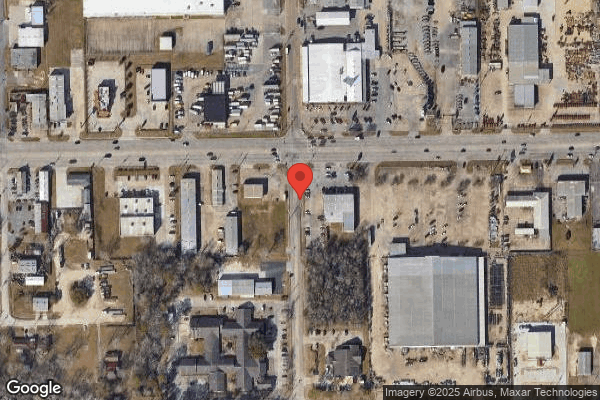
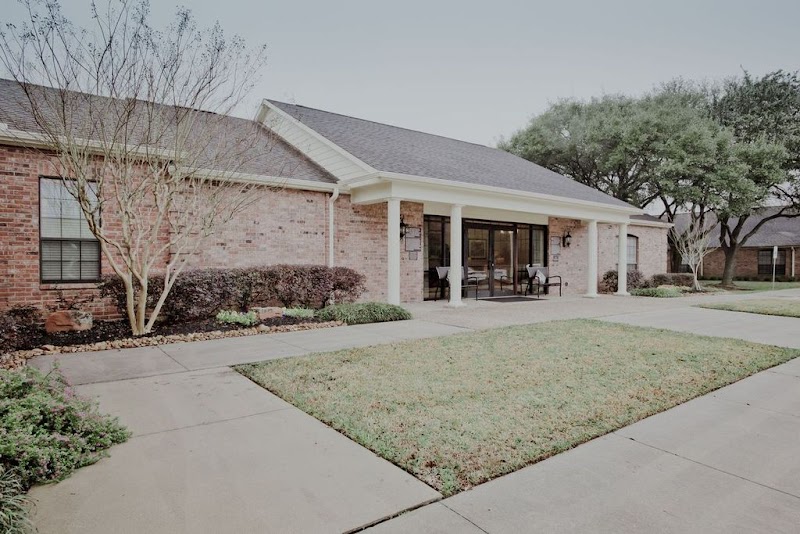
1020 S 23RD ST, BEAUMONT, TX 77707 (409) 842-9700
Non profit - Corporation 148 Beds WELLSENTIAL HEALTH Data: November 2025 6 Immediate Jeopardy citations
Trust Grade
0/100
#1099 of 1168 in TX
Last Inspection: June 2025

Inspected within the last 6 months. Data reflects current conditions.

Overview

Spindletop Hill Nursing & Rehab Center has received a Trust Grade of F, indicating significant concerns about the quality of care provided. With a state rank of #1099 out of 1168, they are in the bottom half of Texas facilities, and they are last in their county at #14 out of 14. The facility's performance has remained stable, with 11 reported issues in both 2024 and 2025. Staffing is a significant concern, as they have a low RN coverage that is worse than 95% of Texas facilities and a high turnover rate of 60%. Additionally, they have accumulated fines totaling $131,548, which is higher than 81% of Texas facilities, indicating ongoing compliance issues. Recent inspections pointed to several critical incidents, including failures to investigate allegations of abuse and significant medication errors that resulted in a resident being hospitalized for hypoglycemia. These findings suggest serious lapses in care and oversight, raising red flags for families considering this nursing home for their loved ones. While the facility has some good quality measures, the overall picture is concerning, with the potential for harm being a significant issue.

Trust Score
F
0/100
In Texas
#1099/1168
Bottom 6%
Safety Record
High Risk
Review needed
Inspections
Holding Steady
11 → 11 violations
Staff Stability
⚠ Watch
60% turnover. Above average. Higher turnover means staff may not know residents' routines.
Penalties
✓ Good
$131,548 in fines. Lower than most Texas facilities. Relatively clean record.
Skilled Nurses
⚠ Watch
Each resident gets only 10 minutes of Registered Nurse (RN) attention daily — below average for Texas. Fewer RN minutes means fewer trained eyes watching for problems.
Violations
⚠ Watch
36 deficiencies on record. Higher than average. Multiple issues found across inspections.
★☆☆☆☆
1.0
Overall Rating
★☆☆☆☆
1.0
Staff Levels
★★★★☆
4.0
Care Quality
★☆☆☆☆
1.0
Inspection Score
Stable
2024: 11 issues
2025: 11 issues

The Good

  • 4-Star Quality Measures · Strong clinical quality outcomes
  • Full Sprinkler Coverage · Fire safety systems throughout facility
  • No fines on record

Facility shows strength in quality measures, fire safety.

The Bad

1-Star Overall Rating

Below Texas average (2.8)

Significant quality concerns identified by CMS

Staff Turnover: 60%

14pts above Texas avg (46%)

Frequent staff changes - ask about care continuity

Federal Fines: $131,548

Well above median ($33,413)

Significant penalties indicating serious issues

Chain: WELLSENTIAL HEALTH

Part of a multi-facility chain

Ask about local staffing decisions and management

Staff turnover is elevated (60%)

12 points above Texas average of 48%

The Ugly 36 deficiencies on record

6 life-threatening
Jul 2025 2 deficiencies 1 IJ
CRITICAL (J) 📢 Someone Reported This

A family member, employee, or ombudsman was alarmed enough to file a formal complaint

Immediate Jeopardy (IJ) - the most serious Medicare violation

Deficiency F0760 (Tag F0760)

Someone could have died · This affected 1 resident

**NOTE- TERMS IN BRACKETS HAVE BEEN EDITED TO PROTECT CONFIDENTIALITY** Based on interview and record review, the facility failed to ensure residents were free of any significant medication errors for...

Read full inspector narrative →
**NOTE- TERMS IN BRACKETS HAVE BEEN EDITED TO PROTECT CONFIDENTIALITY** Based on interview and record review, the facility failed to ensure residents were free of any significant medication errors for 1 of 7 residents (Resident #1) reviewed for medication errors. On 07/24/25 LVN A administered 8 units of insulin outside of parameters (hold for BG less than 100). LVN B noted a change of condition for Resident #1 on 07/24/25. She was unable to rouse, clammy, and lethargic and only responded to painful stimuli. Resident #1 was admitted to hospital for hypoglycemia. The facility did not identify this significant medication error. An IJ was identified on 07/29/25. The IJ template was provided to the facility on [DATE] at 1:18 p.m. While the IJ was removed on 07/30/25, the facility remained out of compliance at a scope of isolated and a severity level of no actual harm with a potential for more than minimal harm that is not Immediate Jeopardy, due to the facility's need to implement corrective systems. These failures could place residents at risk of not receiving the intended therapeutic benefit of the medications, worsening or exacerbation of chronic medical conditions, hospitalization, and death.Findings included: Record review of Resident #1's face sheet dated 07/30/25 indicated she was a [AGE] year old female, admitted on [DATE], and her diagnoses included cerebral infarction (stroke) and Type II diabetes (the body becomes resistant to insulin or when the pancreas fails to produce insulin). Record review of Resident #1's quarterly MDS dated [DATE] indicated she was rarely able to make herself understood, sometimes understood others, and had severe impaired cognitive skills for daily decision making. Resident #1 received insulin injection for 6 of 7 days. Record review of Resident #1's care plan dated 02/17/25 (revised 07/29/25) indicated Resident #1 had diabetes. On 07/24/25 Resident #1 responded to painful stimuli only, blood sugar was 46 and she was sent to ER and admitted . Interventions dated 02/17/25 included check glucose before meals and call if above 350 and diabetes medications as ordered by physician. Monitor/document for side effects and effectiveness. Monitor/document/report PRN any ss/sx of hypoglycemia. Record review of Resident #1's physician orders dated 06/24/25 indicated Insulin Aspart Injection Solution (fast acting insulin) 100 unit/ml inject 8 units subcutaneously with meals for DM2. Hold for BG <100. Record review of Resident #1's MAR dated 07/24/25 at 5:00 p.m. indicated LVN A administered 8 units of Insulin Aspart Injection Solution. The MAR indicated hold for BG less than 100. LVN A noted Resident #1's BG was 99. Record review of Resident #1's progress nurse note dated 07/24/25 at 7:37 p.m., completed by LVN B indicated Resident #1 responded to painful stimuli only, blood sugar 46 and has worsened. Physician and RP notified. Record review of Change of Condition Form dated 07/25/25 at 12:00 a.m., completed by LVN B indicated LVN B noticed Resident #1 appeared sleeping during medication pass. Resident #1 was unable to maintain proper body posture. Blood sugar was 46. Administered Baqsimi (dry nasal spray used to treat severe hypoglycemia). in left nostril and called emergency services. Physician and RP notified. Resident #1 was transferred to hospital. Record review of Resident #1's progress nurse note dated 07/25/25 at 9:15 a.m., completed by LVN H, indicated Resident #1 was admitted to the hospital and her admitting diagnosis was hypoglycemia (low blood sugar-level). Record review of Resident #1's hospital records dated 07/25/25 indicated Resident #1 presented to the emergency department via EMS with complaints of hypoglycemia. Staff reported Resident #1 had a glucose of 99 and facility administered 8 units of insulin causing Resident #1 glucose to drop to 25. EMS administered 250 ml of D10 (dextrose/sugar), raised glucose to 169. Resident remained responsive to painful stimuli only. Record review of Resident #1's hospital records dated 07/26/25 Blood glucose earlier this a.m. was 58. Continue to monitor glucose and hold diabetic medications and insulin. Record review of Resident #1's hospital records dated 07/27/25 indicated hypoglycemia was resolved. Discharge plan for tomorrow. Record review of Resident #1's progress nurse noted dated 07/28/25 at 5:37 p.m., completed by LVN J indicated Resident #1 was readmitted to the facility in stable condition. During an interview on 07/29/25 at 10:50 a.m., the DON said she was not aware LVN A administrated Resident #1's insulin outside of parameters on 07/24/25. She said she was aware the physician was notified of Resident #1's change of condition and transport to hospital for evaluation and treatment. She said she reviewed Resident #1's clinical record for a change of condition but did not investigate the possible reasons for hypoglycemia. She said it was her expectation LVN A would have held Resident #1's insulin on 07/24/25 due to the BG being out of parameters. She said the risk for Resident #1 receiving insulin out of parameters were hypoglycemia leading to coma and possible death. During an interview on 07/29/25 at 11:18 p.m., LVN A said she must have made a mistake on 07/24/25 when she administered Resident #1's insulin outside of parameters. She said she did not recall if Resident #1 ate her supper meal. She could not recall if she gave Resident #1 a supplement. She said she did not recall if staff reported a change of condition. She said she left the facility at 6:00 p.m. on 07/24/25 after working a 4 hour shift. She said she was not aware Resident #1 had a change of condition, became unresponsive, or was sent to the hospital for evaluation and treatment for hypoglycemia. She said she was aware of the proper medication administration procedures. She said the risk for Resident #1 receiving insulin out of parameters were hypoglycemia leading to coma and possible death. During an interview on 07/29/25 at 1:27 p.m., the DON said she did not know why LVN A administered insulin outside of parameters on 07/24/25 was missed as a med error. She said she missed that LVN A documented Resident #1's BG at 99 and the parameters indicated to hold if BG was less than 100. She said it was an oversight. During an interview on 07/29/25 at 2:28 p.m., CNA C said Resident #1 was sleeping in her wheelchair after the supper meal. She said Resident #1 would not wake up so she could transfer her to bed. She said she called for LVN B to come and assist. She said LVN B could not wake Resident #1 and called for another nurse and ambulance. She said she was trained on recognizing the signs of diabetes and hypoglycemia and figured something was wrong with Resident #1 when she could not wake her up to get ready for bed. During an interview on 07/29/25 at 3:30 p.m., CNA D said Resident #1 was awake when she gave her supper tray on 07/24/25. She said Resident #1 did not eat her supper meal. She said she advised LVN A Resident #1 did not eat her meal. She said she believed LVN A gave Resident #1 a supplement. She said she moved Resident #1 closer to her room to get ready for bed. She said CNA C was getting Resident #1 ready for bed and couldn't wake her up. I thought she was deep sleeping because she was snoring loud. She said CNA C and LVN B could not wake Resident #1 so they called for the crash cart and EMS. She said Resident #1 was sent to the hospital because her BG had dropped. She said she was trained to call for the nurse immediately if a resident was unresponsive or the residents were not at their normal. During an observation on 07/29/25 at 3:37 p.m., Resident #1 was lying in bed. She pulled the blanket over her face and did not respond to questions from the surveyor. During an interview on 07/29/25 at 5:05 p.m., LVN B said she arrived for her shift on 07/24/25 at 6:00 p.m. She said LVN A did not report Resident #1 was not at her normal baseline. LVN A did not report Resident #1 did not eat her supper meal. She said CNA C reported she could not wake Resident #1 to get her ready for bed. She said Resident #1 did not respond to anything, not even painful stimuli. She said she called for another nurse and the crash cart just in case it was needed and EMS. She said she tested Resident #1's BG and it was 46. She said EMS arrived and tested Resident #1's BG and the result was 25. She said EMS transported Resident #1 to the hospital for evaluation and treatment. She said giving insulin when not following parameters was dangerous. She said administering insulin outside of parameters could lead to hypoglycemia, coma, and death. During an observation on 07/30/25 at 2:00 p.m., Resident #1 was sitting in her wheelchair in the common area watching TV. She did not respond to questions from the surveyor. She displayed no signs of anxiety or agitation. During an interview on 07/30/25 at 9:33 a.m. NP D said she was aware Resident #1 was transferred to hospital on [DATE] for change of condition. She said if Resident #1's BG was 99, LVN A should have held the insulin due to the BG being out of parameters. She said Resident #1's BG usually ran high. She said giving insulin when not following parameters was dangerous. She said administering insulin outside of parameters could lead to hypoglycemia, coma, and death. Review of the facility's Medication Administration policy dated 10/24/22, indicated Medications are administered by licensed nurses, or other staff who are legally authorized to do so in this state, as ordered by the physician and in accordance with professional standards of practice, in a manner to prevent contamination or infection. Policy Explanation and Compliance Guidelines: . 8. Obtain and record vital signs, when applicable or per physician orders. When applicable, hold medication for those vital signs outside the physician's prescribed parameters. An Immediate Jeopardy/Immediate Threat was identified on 07/29/25 at 1:05 p.m. The Administrator and the DON were notified of the Immediate Jeopardy and provided the IJ template on 07/29/25 at 1:18 p.m. The facility was asked to provide a Plan of Removal to address the Immediate Jeopardy. The facility's POR was approved on 07/30/25 at 11:15 a.m. and indicated: Actions for Resident Involved: On 7/24/25, Resident #1 was assessed by LVN B and transferred to the hospital as per physician's orders due to a change in condition and returned to the facility on 7/28/25. Resident #1 was treated for Hypoglycemia with EMS and received D10, blood sugar elevated to 169. Resident #1 was treated with IV fluids with dextrose during hospitalization. On 7/29/25, Resident #1 was assessed by ADON and there was no change in condition noted. On 7/29/25, Resident #1's medications were reviewed by the Director of nursing with the physician and Aspart was discontinued. Identify residents who could be affected: On 7/29/2025, the Director of Nursing and/or designee completed 100% audit of all residents with current insulin orders to ensure Insulin is given within ordered parameters in the last 30 days. Any insulin administered outside of ordered parameters will be addressed with physician, Responsible party notified, resident assessment and medication error report completed if error is identified. Any unclear or missing insulin parameters will be clarified with the Attending physician and order changes as needed. 3 residents were identified as insulin administered outside of parameters and 4 residents that had insulin parameters ordered. Identified residents were assessed with no adverse effects, medication error reports completed, and MD/RP notified. No new order for residents that were identified as insulin administered outside of parameters. Action Taken/ System Change: On 7/29/25, the Regional Clinical Specialist re-educated the Director of Nursing and Assistant Directors of Nursing on Medication review and reconciliations to ensure that resident is free of significant medication errors, insulin parameters are followed and review of medication record to identify any errors when resident exhibits change in condition with appropriate notifications to physician and RP. Education includes this process: New physicians order will be reviewed in clinical morning meeting M-F by DON/Designee and RN supervisor/designee on weekends. The Medication Administration Record will also be reviewed with resident changes of condition to include transfer to hospital during clinical morning meeting M-F by DON/Designee and RN supervisor/designee on weekends. On 7/29/25, All license nurses and Medication Aides were immediately re-educated by the Director of Nursing/Designee on Medication Administration, Medication Errors and Identification of parameters. All license nurses were re-educated by the Director of Nursing/Designee on Insulin administration to include parameters and blood glucose monitoring. Residents experiencing change in condition will have medication administration record reviewed to ensure orders were followed and notify physician if errors were identified. Licensed Nurses will review medication record after medication administration to ensure insulin parameters are followed as ordered. Licensed Nurses were educated on this process and to notify DON/Designee if medication error is identified. A post-test will be completed to ensure comprehension of knowledge of the education provided . If 100% is not achieved, re-education will be completed and re-tested prior to taking an assignment. Licensed Nurses and Medication Aides not in the facility on 7/29/25 and/ or on PTO/ FMLA/ Leave of Absence will have the re-education completed prior to the start of their next scheduled shift. Beginning 7/29/25 and ongoing, newly hired licensed nurses and Certified Medication Aides will receive this training during orientation prior to providing care to the residents. The training will include the above-stated educational components. Beginning 7/29/25 and ongoing Medication administration audit report and Medication error incidents will be reviewed during the morning clinical meeting to ensure identification of medication errors and that physician is notified if error is identified. Monitoring Beginning 7/29/25 and going forward, DON/Designee will monitor compliance with medication administration policy through review of medication administration record to ensure insulin parameters are followed as ordered and medication pass observations. Beginning 7/29/25 and going forward, the DON/Designee will monitor compliance with the weekday morning review of new medication orders, insulin medication administration record, medication error incidents and change in conditions to ensure medications are administered as ordered and identify medications errors if any and referred to physician timely. The Administrator will attend the morning clinical meeting to ensure the Director of Nursing and/or designee reviews the Incident reports and medication administration report during clinical meetings. On 7/29/25, An Ad Hoc QAPI meeting was held with the Medical Director, Facility Administrator, Director of Nursing, and Regional Clinical Specialist to review the plan of removal. The Surveyor monitored the POR on 07/30/25 by: During observation on 07/30/25 from 1:20 p.m. through 3:54 p.m., LVN F, LVN G, and LVN H checked Residents #2, #3, and #4 BG and administered insulin as required. During interviews on 07/30/25 from 1:20 p.m. through 4:30 p.m., DON, ADON, LVN B, LVN F, LVN G, LVN H, LVN J, CMA K, CMA L, CMA M. MDS LVN N, LVN O, and LVN P who represented all shifts, (6:00 a.m.-6:00 p.m., 6:00 p.m. -6:00 a.m., 6:00 a.m.-2:00 p.m., 2:00 p.m. - 10:00 p.m., 8:00 a.m. - 5:00 p.m.) indicated they were aware to complete medication review and reconciliations to ensure that residents were free of significant medication errors, that insulin parameters were followed and review of medication record to identify any errors when resident exhibits change in condition with appropriate notifications to physician and RP. They were aware new physician orders would be reviewed in clinical morning meeting M-F by DON/Designee and RN supervisor/designee on weekends. They were aware the Medication Administration Record would also be reviewed with resident changes of condition to include transfer to hospital during clinical morning meeting M-F by DON/Designee and RN supervisor/designee on weekends. They were aware insulin administration included parameters and blood glucose monitoring. The indicated residents who experienced change in condition would have medication administration record reviewed to ensure orders were followed and to notify physician if errors were identified. Nursing staff indicated they would review medication record after medication administration to ensure insulin parameters were followed as ordered and to notify DON/Designee if a medication error was identified. During an interview on 07/30/25 at 3:30 p.m., the Administrator said he would be attending the morning clinical meeting to ensure the Director of Nursing and/or designee reviewed the incident reports and medication administration report during clinical meetings and all errors were addressed as required. He said he expected the nursing staff to administer medications per the facility policy and protocols. Record review of Resident #1's clinical chart indicated On 7/24/25, Resident #1 was assessed by LVN B and transferred to the hospital as per physician's orders due to a change in condition and returned to the facility on 7/28/25. Resident #1 was treated for hypoglycemia with EMS and received D10, blood sugar elevated to 169. Resident #1 was treated with IV fluids with dextrose during hospitalization. On 7/29/25, Resident #1 was assessed by ADON and there was no change in condition noted. On 7/29/25, Resident #1's medications were reviewed by the DON with the physician and Aspart (fast acting insulin) was discontinued. Record review of the facility audit of residents with current insulin orders 3 residents were identified as insulin administered outside of parameters and 4 residents that had insulin parameters ordered. The residents were assessed with no adverse effects, medication error reports completed, and MD/RP notified. There were no new orders for the identified residents that were identified as insulin administered outside of parameters. Record review of in-services dated 07/29/25 indicated the Regional Clinical Specialist re-educated the Director of Nursing and Assistant Directors of Nursing on medication review and reconciliations to ensure that residents were free of significant medication errors, insulin parameters were followed and review of medication record to identify any errors when resident exhibits change in condition with appropriate notifications to physician and RP. Education included new physician orders would be reviewed in clinical morning meeting M-F by DON/Designee and RN supervisor/designee on weekends. The Medication Administration Record would also be reviewed with resident changes of condition to include transfer to hospital during clinical morning meeting M-F by DON/Designee and RN supervisor/designee on weekends. Record review of in-service dated 07/29/25 indicated licensed nurses and Medication Aides were re-educated by the Director of Nursing/Designee on Medication Administration, Medication Errors and Identification of Parameters. All license nurses were re-educated by the Director of Nursing/Designee on insulin administration to include parameters and blood glucose monitoring. Residents experiencing change in condition would have medication administration record reviewed to ensure orders were followed and to notify physician if errors were identified. Licensed Nurses would review medication record after medication administration to ensure insulin parameters were followed as ordered. Licensed Nurses were educated on this process and to notify DON/Designee if medication error was identified. Record review of an in-service post-tests dated 07/29/25 indicated all tested nursing staff and medication aides achieved 100%. The Administrator and DON were notified on 07/30/25 at 4:35 p.m., the IJ had been removed. While the IJ was removed, the facility remained at a level of no actual harm at a scope of isolated that is not immediate jeopardy due to the facility's need to evaluate the effectiveness of the corrective systems.
CONCERN (D) 📢 Someone Reported This

A family member, employee, or ombudsman was alarmed enough to file a formal complaint

Potential for Harm - no one hurt, but risky conditions existed

Medical Records (Tag F0842)

Could have caused harm · This affected 1 resident

**NOTE- TERMS IN BRACKETS HAVE BEEN EDITED TO PROTECT CONFIDENTIALITY** Based on interview and record review, the facility failed to ensure the medical record was complete and accurately documented fo...

Read full inspector narrative →
**NOTE- TERMS IN BRACKETS HAVE BEEN EDITED TO PROTECT CONFIDENTIALITY** Based on interview and record review, the facility failed to ensure the medical record was complete and accurately documented for 1 of 8 residents (Resident #1) reviewed for resident records. The facility failed to ensure Resident #2's BG parameters were updated accurately on the electronic physician orders and MAR as of 07/02/25. This failure could place residents at risk for delayed care and appropriate interventions. Findings included: Record review of Resident #2's face sheet dated 07/29/25 indicated she was a [AGE] year old female, admitted on [DATE], and her diagnoses included Type II diabetes and dementia. Record review of Resident #2's annual MDS dated [DATE] indicated she was usually able to make herself understood and understood others. She had severe cognitive impairment (BIMS-3). Record review of Resident #2's care plan dated 11/20/20 indicated she had Type II diabetes. Interventions included diabetes medications as ordered by a doctor. Monitor/document for side effects and effectiveness. Record review of Resident #2's physician orders dated 07/02/25 indicated -Novolog Injection Solution 100 UNIT/ML Inject 6 unit subcutaneously with meals. Hold if BS is less than 200. Record review of Resident #2's physician orders dated 07/29/25 indicated -Novolog Injection Solution 100 UNIT/ML Inject 6 unit subcutaneously with meals. Hold if BS is less than 200. Record review of Resident #2's MAR dated 07/02/25 through 07/29/25 indicatedNovolog Injection Solution 100 UNIT/ML Inject 6 unit subcutaneously with meals. Hold if BS is less than 200.The insulin was held if BG was less than 100. Record review of Resident #2's MAR dated 07/29/25 from 5:00 p.m. through 07/30/25 indicated Novolog Injection Solution 100 UNIT/ML Inject 6 unit subcutaneously with meals. Hold if BS is less than 100.The insulin was held if BG was less than 100. Record review of Resident #2's nurse progress note dated 07/02/25 at 9:32 a.m., completed by LVN H indicated new orders from NP D Novolog 6 units with meals. Hold if BG less than 100. During an interview on 07/30/25 at 9:00 a.m. the DON said LVN H made a typo error in the Resident #2's electronic record when she was updating the physician orders and it was not noticed. She said NP D was notified on 07/29/25 and she was waiting for confirmation for the new order to hold Resident #2's insulin if her NG was less than 100. During an interview on 07/30/25 at 9:33 a.m., NP D she reviewed Resident #2's physician orders and MARs on 07/02/25. She said it was a typo error for Resident #2's Novolog to be held for BS less than 200. She said insulin was generally held if BG was lower than 100. She said she reviewed Resident #2's BG parameters for the previous months and said it should have been 100 and not 200. She said she ordered it changed to hold insulin if BG was less than 100 on 07/02/25. She said there was no negative outcome. During an interview on 07/30/25 at 1:52 p.m., LVN H said she put the new orders from NP H on 07/02/25 in the electronic for Resident #2's Novolog Injection Solution 100 UNIT/ML Inject 6 unit subcutaneously with meals. Hold if BS is less than 200. She said it was an error at 200 that was supposed to be corrected to read 100. She said it was generally good nursing judgment to hold insulin if BG was less than 100. She said she did not notice the hold if less than 200 on the orders or the MAR when she checked Resident #2's BG or when she administered the insulin. She said she always held the insulin if the BG was less than 100. Record review of the facility's policy Documentation in Medical Record dated 10/24/22 indicated Each resident's medical record shall contain an accurate representation of the actual experiences of the resident and include enough information to provide a picture of the resident's progress through complete, accurate, and timely documentation.
Jun 2025 4 deficiencies
CONCERN (D) 📢 Someone Reported This

A family member, employee, or ombudsman was alarmed enough to file a formal complaint

Potential for Harm - no one hurt, but risky conditions existed

Pharmacy Services (Tag F0755)

Could have caused harm · This affected 1 resident

**NOTE- TERMS IN BRACKETS HAVE BEEN EDITED TO PROTECT CONFIDENTIALITY** Based on observation, interview and record review the facility failed to provide pharmaceutical services, including procedures t...

Read full inspector narrative →
**NOTE- TERMS IN BRACKETS HAVE BEEN EDITED TO PROTECT CONFIDENTIALITY** Based on observation, interview and record review the facility failed to provide pharmaceutical services, including procedures that assure the accurate acquiring, receiving, dispensing, and administering of all drugs and biologicals, to meet the needs of each resident for 1 of 5 residents (Resident #60) reviewed for narcotic medication. The facility failed to ensure Resident #60's Lorazepam Medication was accounted for. This failure could place residents at risk for not receiving prescribed medication and drug diversion. Findings include: Record review of Resident #60's, face sheet, dated 06/11/25, indicated an [AGE] year-old female who was admitted to the facility on [DATE]. Resident #60 had diagnoses which included: anxiety (feeling of uneasiness), insomnia (difficulty falling asleep) and mood disturbance (disruptions in a person's emotional state). Record review of Resident #60's admission MDS, dated [DATE], indicated a BIMS of 05, which indicated severe cognitive impairment. Record review of Resident #60's physician orders, dated 06/10/25, indicated an active order for Lorazepam Oral tablet 1 mg, Give 1 tablet by mouth every four hours as needed for anxiety. Further review of Resident #60's Physician orders for 04/2025 indicated no order for Lorazepam (medication used to treat anxiety). Record review of Resident #60's Individual Control Drug Record Narcotic Count sheet for the Lorazepam Oral tablet 1 mg indicated the facility received the medication from the pharmacy on 03/31/25 and the quantity received was 30 tablets. The record indicated the following on: -04/01/25, at 8:00 p.m. MA P administered 1 tablet leaving 29 tablets -04/02/25 at 8:00 p.m. MA F administered 1 tablet leaving 28 tablets -04/07/25 at 8:00 p.m. LVN E administered 1 tablet leaving 27 tablets with a line drawn through LVN E's name and error written beside her name -04/09/25 at 8:00 p.m. MA P administered 1 tablet leaving 26 tablets -04/14/25 at 4:00 p.m. MA F administered 1 tablet leaving 25 tablets -04/15/25 at 6:00 p.m. MA F administered 1 tablet leaving 24 tablets -04/16/25 at 6:00 p.m. MA F administered 1 tablet leaving 23 tablets -04/22/25 at 6:00 p.m. MA G administered 1 tablet leaving 22 tablets For a total of eight tablets being administered without an active physician order, and the count indicated 22 remained out of 30. Record review of Resident's #60's Medication Administration Record for the month of 04/2025 indicated no order for Lorazepam and no indication that Lorazepam was administered to Resident #60 for the month of 04/2025. Observation of a random narcotic count with LVN K on 06/10/25 at 1:30 p.m. indicated Resident #60's Lorazepam 1 mg, Narcotic Count Sheet indicated there were 22 tablets of Lorazepam 1 mg, Further observation indicated a line drawn through LVN E's name and error written beside her name for 04/07/25, 8:00 p.m. During an interview on 06/10/25 at 1:30 p.m., LVN K said she had not given Resident #60 any Lorazepam and noticed the scratch thru name, but the narcotic count was correct, so she thought nothing of it. She said per the facility protocol if the narcotic count was off, staff must stay at the facility, the DON must be notified to re-count the narcotics and attempt to locate the narcotics. The staff involved in any missing narcotics would be required to take a drug test. She said the risk to residents could be drug diversion if meds were not accounted for or signed out as administered on the medication administration record. During an interview on 06/11/2025 at 9:30 a.m., the ADON said she was not aware of Resident #60 not having an order for Lorazepam for the month of April 2025. She said she monitored administration of narcotics by doing random counts of the medication cart and she would look at the narcotic record sheets for any mistakes. The ADON said medication carts were to be counted at shift change. She said she expected staff to count the medication carts, make sure medication orders were there before administering and to document correctly, notify the DON and herself immediately if there was a problem, staff were to remain at the facility until administrative staff arrived. The ADON stated no medications were to be given without a physician's order, because residents could receive the wrong dose of medications. During an interview on 06/11/2025 at 10:30 a.m., MA C said she never administered the medication to Resident #60 because she didn't have and order and she drew a line thru her name but did not administer the medication. She said if she would have seen it on the medication administration record she would have given it. MA C said she did not notify her nurse Resident #60 didn't have an active order because she didn't give the Lorazepam. MA C said giving medication without a physician order put them at risk of taking medications they didn't need. During an interview on 06/11/2025 at 12:18 p.m., MA F said medications carts were supposed to be counted at the time of shift change. She said staff were to count all narcotic pills in the medication carts one staff to check the paper record and the other staff to check the medication to ensure they matched. She said the facility in-serviced all nurses and medication aides on counting all narcotic medication in the medication carts and how to document on the medication administration record. She was not sure why she did not document in the eMAR for Resident #60 to show she received the Narcotic she logged out on the individual narcotic record. MA F said she knew better than to administer Resident #60 Lorazepam without it being on the medication administration record. MA F said because Resident #60's Lorazepam blister card was on her cart she thought there was already an order for the medication on the eMAR but she did not sign it out. MA F said administering medication without an doctor's order could mean giving residents medication they could be allergic too. MA F said next time she would report it to her ADON or DON. During an attempted interview on 06/11/25 at 12:25 p.m., MA G did not answer the phone call, or reply to the voice message that was sent to her regarding the investigation. During an attempted interview on 06/11/25 at 12:30 p.m., LVN E did not answer the phone call, or reply to the voice message that was sent to her regarding the investigation. During an interview on 6/11/25 at 2:00 p.m., the DON said she was not aware of any concerns with Narcotics not being given or any documentation discrepancies until state surveyor intervention. The DON explained her expectation was for anyone administering to sign out on the individual narcotic record and then immediately sign the eMAR after the resident took the medication. The DON said she expected the nurses to do follow-up documentation after the narcotic was given to document effectiveness in the nurse's progress notes. The DON said the ADON was responsible for monitoring the pain management of residents and the narcotic logs looking for discrepancies such as scratch outs, frequency of person giving Narcotics. The DON said administer medications and not signing off on the medication administration record put the resident at risk of double dosing and taking something they didn't need. Record review of the facility's policy titled Medication Administration, dated 10/24/22, read in part: Medications are administered by licensed nurses or other staff who are legally authorized to do so in this state as ordered by the physician and in accordance with professional standards of practice in a manner to prevent contamination or infection so . 11. Document administered medications as they are passed medications not given are logged with an initial and circled in the proper time slot. 12. The medication administration record will be used when passing medications
CONCERN (D)

Potential for Harm - no one hurt, but risky conditions existed

Deficiency F0757 (Tag F0757)

Could have caused harm · This affected 1 resident

**NOTE- TERMS IN BRACKETS HAVE BEEN EDITED TO PROTECT CONFIDENTIALITY** Based on observation, interview, and record review, the facility failed to ensure each resident's drug regimen was free of unnec...

Read full inspector narrative →
**NOTE- TERMS IN BRACKETS HAVE BEEN EDITED TO PROTECT CONFIDENTIALITY** Based on observation, interview, and record review, the facility failed to ensure each resident's drug regimen was free of unnecessary drugs for 1 of 20 residents (Resident #41) reviewed for unnecessary medication. The facility failed to monitor Resident #41 for side effects of the antidepressant medication, Duloxetine (used to treat depression). These failures could place the residents at risk for adverse consequences and decline in health. Findings include: Record review of Resident #41's face sheet, dated 06/09/25, indicated Resident #41 was a [AGE] year-old female who was admitted to the facility on [DATE] and readmitted [DATE]. Resident #41 had diagnoses which included bipolar disorder (disorder associated with episodes of mood swings ranging from depressive lows to manic highs), major depressive disorder (disorder of persistently depressed mood or loss of interest in activities causing significant impairment in daily life) and anxiety (intense, excessive and persistent worry and fear about everyday situations). Record review of Resident #41's significant change in status MDS assessment, dated 03/29/25, with a BIMS score of 6, which indicated severely impaired cognition with diagnoses which included bipolar disorder, depression and anxiety. The assessment indicated she received antidepressant medication for the last 7 days. Record review of Resident #41's MAR, dated 06/10/25, indicated Resident #41 received duloxetine 30 mg daily for bipolar disease with a start date of 04/21/25. Record review of Resident #41's physician orders, dated 06/11/25, indicated Resident #41 was prescribed duloxetine 30 mg daily for bipolar disease with a start date of 04/21/25. The orders did not address monitoring the antidepressant medication for side effects. Record review of Resident #41's care plan, with a target date of 06/25/25, indicated Resident #41 was prescribed the antidepressant medication duloxetine with interventions which included administer antidepressant medication as ordered by physician and monitor, document side effects and effectiveness every shift. Record review of Resident #41's electronic medical record, from 05/01/25 to 06/11/25, for Resident #41 did not indicate the nurses' documented monitoring of side effects of the antidepressant medication, duloxetine daily with medication administration. During an observation and interview on 06/11/25 at 8:45 a.m., Resident #41 was lying in bed and nodded in agreement that she received needed medication, received antidepressant medication but was unsure if was monitored for side effects. During an interview on 06/11/25 at 8:46 a.m., LVN B said she was providing care for Resident #41 today, but CMA C gave Resident #41's duloxetine. She said it should be monitored for side effects and documented and was not in the documentation. LVN B said the nurses were responsible for ensuring side effect monitoring was added to the computer system and the ADON was the back up. She said she was in-serviced on and was aware antidepressant medication should be monitored for side effects. She said Resident #41's was overlooked. LVN B said the resident risk was the staff could miss behaviors or side effects if not monitored. During an interview on 06/11/25 at 8:50 a.m., CMA C said Resident #41 should be monitored for side effects for the duloxetine with the medication administrator but was not. She said she was responsible for providing medication to Resident #41 today and her duloxetine should be monitored for side effects but was not. She said the nurses were responsible for adding side effect monitoring to the computer system and the ADONs and DON were the back up to double check. She said Resident #41's side effect monitoring was overlooked. CMA C said she was educated on monitoring antidepressant medication for side effects. She said she gave Resident #41 medication which included duloxetine on 06/06/25, but had not given the duloxetine yet today. CMA C said the resident risk of a resident given an antidepressant medication and not monitored for side effects was the resident could get worse and more depressed. During an interview on 06/11/25 at 9:14 a.m., the DON said Resident #41's antidepressant medication should have been monitored for side effects when the medication was given to the resident. She said LVN A added it after state surveyor intervention. The DON said the nursing who admitted the resident was responsible for addition of side effect monitoring into the computer system and the ADONs were the back up. She said LVN D admitted resident #41 and was responsible, and ADON A was the back up. She said the ADON's ran daily reports to check for new medications, consents and side effect monitoring and did monthly monitoring charts for accuracy of orders. She said Resident #41 was overlooked. The DON said the resident risk was possible not capturing adverse reactions and not immediate intervention to a reaction. She said the side effect monitoring queued the nurses with specific side effects to monitor. The DON said her expectation was daily monitoring of psychotropic medication (drugs that affect mental processes and behaviors and often used to treat mental illness) and any noted side effect and addressed immediately. During an interview on 06/11/25 at 9:23 a.m., ADON A said the nurse who admitted the resident or wrote the order for the psychotropic medication was responsible for addition of the side effect monitoring into the computer system and the ADON was responsible for the resident's Hall she was admitted and for double checking for monitoring. She said she was responsible for hall 200 and memory care residents. ADON A said she was responsible for ensuring Resident #41's monitoring was added for her antidepressant medication. She said the antidepressant monitoring dropped off when the resident readmitted on [DATE] and was not added back into the computer system. She said she ran reports daily to ensure all new medication was reviewed and had monitoring as needed. ADON A said all the nurses were educated on monitoring antidepressant medication for side effects. She said the resident risk of an antidepressant medication not monitored for side effects was staff may not be aware of the specific side effects to monitor for, a side effect could go unnoticed, and the resident may not receive needed interventions for side effects. During an interview on 06/11/25 at 9:47 a.m., LVN D said she readmitted Resident #41 from the hospital on [DATE]. She said the ADON and DON were responsible to ensure all antidepressant medication was monitored for side effects. LVN D said she was educated on side effect monitoring and aware all antidepressant medication should be monitored. She said she did not know how to add side effect monitoring into the computer system but would find out immediately. LVN D said the resident risk was without a specific list of side effects to be monitored a resident could have side effects the nurse could be unaware and may not address the side effect. During an interview on 06/11/25 at 10:00 a.m., the Administrator said the charge nurses were responsible for entering the side effect monitoring into the computer system for psychotropic medication and the ADON and DON were responsible for double checking to ensure side effects were monitored. All the nurses were educated on monitoring psychotropic medication for side effects. He said Resident #41's was overlooked. The Administrator said the resident risk of an antidepressant medication not monitored for side effects was it could possibly affect other medication or cause side effects that may not be treated if staff were unaware of them. The Administrator said his expectation was all psychotropic medication was monitored as required. Record review of the facility's, undated, policy titled, Psychoactive Medication Management Program indicated, . 3. Implement the behavior monitoring / side effects monitoring in PCC on the MAR for psychoactive medications with the target behaviors or not behaviors observed.
CONCERN (D)

Potential for Harm - no one hurt, but risky conditions existed

Deficiency F0761 (Tag F0761)

Could have caused harm · This affected 1 resident

Based on observation, interview and record review the facility failed to ensure in accordance with State and Federal laws, all drugs and biologicals were stored in locked compartments under proper tem...

Read full inspector narrative →
Based on observation, interview and record review the facility failed to ensure in accordance with State and Federal laws, all drugs and biologicals were stored in locked compartments under proper temperature controls, and permitted only authorized personnel to have access to the keys for 1 of 5 medication carts (Station 2 Nurse Cart) reviewed for medication storage. The facility failed to ensure Station 2 Nurse Cart did not contain loose pills This failure could place residents at risk of adverse reactions to medications, misappropriation of medications and injury. Findings include: In an observation and interview on 06/10/25 at 12:45 p.m., revealed inventory of the Hall A & B Nurse Cart with LVN S had 16 loose pills. LVN S said nursing staff were expected to check their carts daily as used for inappropriately labeled medication or lose pills. She said all medications were expected to be packaged in the original pharmacy packaging containing all the required pharmacy labels or in the OTC stock bottles to ensure patient safety. She said if mistakenly administered, loose pills could place residents at risk of disastrous side effects since their identification was unknown so they must be crushed and discarded in the sharp's container. In an interview on 06/10/25 at 2:40 p.m., the DON said nursing staff were expected to check their carts daily for loose pills and inappropriately labeled medications. The ADON said all medications should be stored in their original containers. She said loose pills could place residents at risk of adverse reactions, infection from contamination or uncontrolled health conditions. Record review of the facility's policy Administering Medications, revised 10/01/19, read in part: .10. the licensed nurse or medication aide should maintain a clean top surface on the medication cart while passing medications and clean and replenish the medication cart after each use equipment and supplies relating to medication administration are clean and orderly
CONCERN (E)

Potential for Harm - no one hurt, but risky conditions existed

Unnecessary Medications (Tag F0759)

Could have caused harm · This affected multiple residents

**NOTE- TERMS IN BRACKETS HAVE BEEN EDITED TO PROTECT CONFIDENTIALITY** Based on observation, interview and record review the facility failed to ensure that the medication error rate was not five perc...

Read full inspector narrative →
**NOTE- TERMS IN BRACKETS HAVE BEEN EDITED TO PROTECT CONFIDENTIALITY** Based on observation, interview and record review the facility failed to ensure that the medication error rate was not five percent or greater. The facility had a medication error rate of 7.6% based on 3 errors out of 39 opportunities, which involved 3 of 6 residents (Residents #42, #71 and #90) and 2 of 4 staff observed during medication administration reviewed for medication error. 1. The facility failed to ensure MA P did not administer Tylenol 325 mg instead of Tylenol 500 mg to Resident #45's on 06/10/25 as ordered by the physician. 2. The facility failed to ensure LVN K did not administer Saccharomyes boulardii (Probiotic) 500 mg instead of Probiotic 250 mg to Resident #71 on 06/10/25 as ordered by the physician. 3. The facility failed to hold Resident #90's Metoprolol medication due to low heart rate. These failures could place residents at risk of unwanted side effects and not receiving therapeutic dosage of medications. Findings include: 1. Record review of Resident #45's face sheet reflected a [AGE] year-old male who was admitted to the facility on [DATE]. Resident #45 had diagnoses which included hypertension (elevated blood pressure), hyperlipidemia (elevated cholesterol) and cerebral infarction (blood flow to brain is blocked). Record review of Resident #45's Quarterly MDS assessment, dated 05/01/25, reflected a BIMS score of 12, which indicated Resident #45's cognition was intact. Record Review of Resident #45's physician orders, dated 06/11/25, reflected an order for Tylenol extra strength 500mg twice a day for pain. Record review of Resident #45's medication administration record, dated 06/11/25, reflected Tylenol Extra Strength Tablet 500 MG (Acetaminophen) Give 1 tablet by mouth two times a day for Pain at 9:00 a.m. and 9: p.m The medication was signed out as given by MA P on 06/10/25 at 9: a.m. During an observation on 06/10/25 at 6:45 a.m., revealed MA P administered the following medications to Resident #45 : - Acidopgilus 75 million, 2 capsules - Tylenol 325 mg, 1 tablet - Carvedilol 3.125 mg, 1 tablet - Eliquis 5 mg, 1 tablet - Famotidine 20 mg, 1 tablet - Gabapentin 400 mg, 1 capsule - Lisinopril 20 mg, 1 tablet - Furosemide 20 mg, 1 tablet She did not administer - Tylenol 500 mg, 1 tablet. During an interview on 06/10/25 at 12:50 p.m., MA P stated the current order in the chart for Resident #45 indicated Tylenol Extra Strength Tablet 500 MG was to be given. MA P searched the medication cart to reveal there was no Tylenol Extra Strength Tablet 500 MG on her cart. She stated she misread the dosage and gave the 325 mg instead. She stated she was not sure how she missed it. Stated she just got nervous. MA P said medications were administered from doctor's order and following the 6 Rights of Medication Administration. MA P said residents could have worsening of their health condition. 2. Record review of Resident #71's face sheet reflected a [AGE] year-old female who was admitted to the facility on [DATE]. Resident #71 had diagnoses which included dysphagia (difficulty swallowing), history of cerebral infarction (stroke), tracheostomy (tube in windpipe to provide an airway) and gastrostomy (opening to the stomach to deliver nutrients, fluids and medications). Record review of Resident #71 's annual MDS assessment, dated 03/05/2025, reflected no BIMS was conducted, short-term/long-term memory problems and severely impaired cognitive skills for daily decision making. Record review of Resident #71's physician orders, dated 06/11/25, reflected an order for Saccharomyces boulardii Oral Capsule (Saccharomyces boulardii). Give 250 mg 1 packet via gastrostomy tube one time a day for ANTIDIARRHEA. Record review of Resident #71's medication administration record, dated 06/11/25, reflected Saccharomyces boulardii Oral Packet 250 MG (Saccharomyces boulardii), Give 1 capsule via gastrostomy tube daily for ANTIDIARRHEA at 8:00 a.m. The medication was signed out as given by LVN K on 06/10/25 at 8: a.m. During an observation on 06/10/25 at 7:54 a.m., LVN K administered the following medications to Resident #71 via gastrostomy: - Amlodipine 5 mg 1 tablet - Levetiracetam 100 mg/ml 5ml - Pantoprazole oral suspension 40mg 1 packet - Probiotic saccharomyces boulardii 500mg 1 capsule - Vitamin C 500mg 1 tablet She did not administer Probiotic saccharomyces boulardii 250mg 1 capsule. During an observation on 06/10/25 at 07:54 a.m., revealed LVN K administered medications to Resident #71. LVN K crushed 2 of the medications (Amlodipine and Vitamin C) and mixed them each with 10 ml of water in separate clear 30 ml medication cups. LVN K then opened Probiotic saccharomyces boulardii 500mg 1 capsule and mixed it in 10 ml of water and administered it thru Resident #71's gastrostomy tube. During an interview on 06/10/25 at 09:45 AM, LVN K said prior to administering medications nursing staff must check the medication against the order to verify accuracy. LVN K said she gave the 500mg Probiotic saccharomyces boulardii instead of the 250 mg because none was on the medication cart. LVN K said risk of not giving medications as ordered could have a negative effect on the resident where they may not get better or have prolonged illness. 3. Record review of Resident #90's face sheet reflected a [AGE] year-old male who was admitted to the facility on [DATE]. Resident #90 had diagnoses which included dysphagis (difficulty swallowing), hypertension (high blood pressure) and atrial fibrillation (irregular rapid heart rate). Record review of Resident #90 's annual MDS assessment, dated 05/07/25, reflected a BIMS score of 10, which indicated Resident #90's cognition was moderately impaired. Record review of Resident #90's physician orders, dated 06/11/25, reflected an order for Metoprolol Tartrate Tablet, Give 12.5 mg by mouth two times a day for hypertension hold for systolic blood pressure less than 110 or heart rate less than 60. Record Review of Resident #90's MAR/TAR dated 06/11/25 indicated that Metoprolol 25mg ½ tablet at 8:00 a.m. The medication was signed out as given by MA P on 06/10/25 at 8: a.m During an observation on 06/10/25 at 7:00 a.m., obtained Resident #90's blood pressure according to physician orders. Resident #90's blood pressure was systolic 130 with diastolic 71 and his heart rate was 52. MA P then proceeded to administer the following medications to Resident #90: - Vitamin C 500 mg 1 tablet - Metoprolol 25mg ½ tablet (12.5 mg) - Amiodarone 200mg 1 tablet During an interview on 06/10/25 at 12:40 p.m., MA P acknowledged the current order in the chart for Resident #90 indicated Metoprolol Tartrate Tablet Give 12.5 mg by mouth two times a day for hypertension and hold for systolic blood pressure less than 110 or heart rate less than 60 was not to be given. MA P said she only saw the blood pressure parameter and not the heart rate. MA P said the potential for adverse effects was the heart rate dropping too low. During an interview on 07/25/24 at 03:27 PM, the DON said a pharmacy consultant comes in monthly and reviews medication administration and reports any errors and also provides training to the staff. The DON said she expects the staff to follow the orders as written and the order for Resident #90's Metoprolol should have been held, Resident #45 and #71 were given the wrong dosage of medication. The DON said she expected her nurses to pass medications and do basic medication functions like following the 5 Rights of Medication Administration and notify the Physician for anything out of the ordinary. The DON said the risk to residents would beheart rate dropping and not receiving the correct therapeutic dosages of medications. Record review of the facility policy titled, Medication Administration, dated 10/24/22, read in part: .8. Obtain and record vital signs, when applicable are per physician orders. When applicable, hold medication for those vital signs outside the physician's prescribed parameters .10. Review MAR to identify medication to be administered.11. Compare medication source (bubble pack, vial, etc.) with MAR to verify resident's name, medication name, form, dose, route, and time
Apr 2025 1 deficiency
CONCERN (D) 📢 Someone Reported This

A family member, employee, or ombudsman was alarmed enough to file a formal complaint

Potential for Harm - no one hurt, but risky conditions existed

Report Alleged Abuse (Tag F0609)

Could have caused harm · This affected 1 resident

**NOTE- TERMS IN BRACKETS HAVE BEEN EDITED TO PROTECT CONFIDENTIALITY** Based on interview and record review, the facility failed to ensure that all alleged violations involving abuse, neglect, exploi...

Read full inspector narrative →
**NOTE- TERMS IN BRACKETS HAVE BEEN EDITED TO PROTECT CONFIDENTIALITY** Based on interview and record review, the facility failed to ensure that all alleged violations involving abuse, neglect, exploitation, or mistreatment, including injuries of unknown source and misappropriation of resident property, were reported immediately, but not later than 2 hours after the allegation was made, if the events that caused the allegation involved abuse or result in serious bodily injury, or not later than 24 hours if the events that caused the allegation did not involve abuse and did not result in serious bodily injury, to the State Survey Agency in accordance with State law through established procedures for 1 of 8 residents (Resident #1) reviewed for reporting allegations of neglect. The facility failed to ensure a report for an allegation of neglect was submitted within 24 hours to the State Agency after Family Member B alleged Resident #1 was neglected on 04/10/25. This failure could place residents at risk of abuse, physical harm, mental anguish, and emotional distress. Findings included: Record review of Resident #1's face sheet dated 04/16/25 indicated he was a [AGE] year old male, admitted on [DATE], and his diagnoses included diabetes (high blood sugar levels), metabolic encephalopathy (brain dysfunctions due to problems with metabolism), aphasia (disorder that affects communication), hemiplegia (one-sided paralysis) and hemiparesis (one-sided weakness) following cerebral infarction (stroke) affecting right dominant side, dysphagia (difficulty swallowing), and gastrostomy (artificial external opening into the stomach). Record review of a grievance dated 04/10/25 indicated Resident #1's Family Member B alleged neglect due to Resident #1's change of condition. Record review of the facility's undated print-out from TULIP indicated there was no date or time available to confirm the date of the facility's report submission. Record review of the facility's TULIP account indicated there was no report of neglect dated 04/10/25, 04/11/25, 04/12/25, 04/13/25, or 04/14/25. During an interview on 04/16/25 at 9:37 a.m., the DON said the Administrator was the abuse coordinator. She said she was notified by LVN A at approximately 7:15 p.m. on 04/10/25 of the allegation of staff neglect for not suctioning Resident #1. The Administrator made the report in TULIP on 04/10/25 at 7:23 p.m. She said when the facility attempted to obtain the intake number for the 5-day report, HHSC indicated there was no report. She said the facility was advised to re-report the allegation on 04/15/25. The DON said the facility addressed the allegation of neglect with a resolved grievance dated for 04/10/25 that indicated Resident #1 did not have a tracheostomy (a surgically created hole, also called a stoma, in the windpipe) and there were no orders for suctioning. During an interview on 04/16/25 at 2:22 pm. the Administrator said he completed the report of neglect for Resident #1 in TULIP, printed out the pages of the report from TULIP, and then submitted the report on 04/10/25. He said he printed out the pages of the report prior to submitting because after submitting the report, it was not possible to print. He said he waited at the facility until late on 04/10/25 to receive an intake number but did not receive. It. He said he became aware the report did not get submitted on 04/10/25 as required when the facility was completing the 5 day report for submission. He said the facility was informed there was no report or intake number and the facility would have to re-report. He said the facility made a second report of the allegation of neglect for Resident #1 on 04/15/25. He said he did not check with HHSC after 04/10/25 to ensure the first report was received. During an interview on 04/16/25 at 2:39 p.m., LVN A said said she received a call from Family Member B on 04/10/25 (after 6:00 p.m.). She said Family Member B alleged neglect and she immediately notified the DON per facility policy. Record review of the facility's Abuse, neglect and Exploitation policy dated 08/15/22 indicated .Reporting/Response A. The facility will have written procedures that include: 1. Reporting of all alleged violations to the Administrator, state agency, adult protective services and to all other required agencies (e.g., law enforcement when applicable) within specified timeframes: a. Immediately, but not later than 2 hours after the allegation is made, if the events that cause the allegation involve abuse or result in serious bodily injury, or b. Not later than 24 hours if the events that cause the allegation do not involve abuse and do not result in serious bodily injury. B. The Administrator will follow up with government agencies, during business hours, to confirm the initial report was received, and to report the results of the investigation when final within 5 working days of the incident, as required by state agencies.
Feb 2025 4 deficiencies 2 IJ (1 affecting multiple)
CRITICAL (J) 📢 Someone Reported This

A family member, employee, or ombudsman was alarmed enough to file a formal complaint

Immediate Jeopardy (IJ) - the most serious Medicare violation

Report Alleged Abuse (Tag F0609)

Someone could have died · This affected 1 resident

**NOTE- TERMS IN BRACKETS HAVE BEEN EDITED TO PROTECT CONFIDENTIALITY** Based on interview and record review, the facility failed to ensure that all alleged violations involving abuse were reported im...

Read full inspector narrative →
**NOTE- TERMS IN BRACKETS HAVE BEEN EDITED TO PROTECT CONFIDENTIALITY** Based on interview and record review, the facility failed to ensure that all alleged violations involving abuse were reported immediately to the abuse coordinator or HHSC and failed to ensure that all alleged violations involving abuse were reported no later than 2 hours after the allegation was made, if the events that caused the allegation involved abuse or neglect resulting in serious bodily injury, to the State Survey Agency, 2 of 2 residents (Residents #1 and #2) reviewed for reporting allegations of abuse or neglect. 1. The SW did not report to Administrator D that Resident #1 made an allegation in approximately October 2024 that CNA A wanted to be intimate with her. The DON did not report to Administrator D that Resident #1 made an allegation in approximately October 2024 that CNA A wanted her to put on her new lipstick and and put it on him (Resident #1 looked toward her private area) 2. Administrator C and the DON did not report an allegation of abuse or neglect to HHSC after they were informed Resident #2 indicated CNA B injured his leg during care in November 2024 . An Immediate Jeopardy (IJ) was identified on 02/06/25. The IJ Template was provided to the facility on [DATE] at 11:48 a.m. While the IJ was removed on 02/07/25 at 3:15 p.m., the facility remained out of compliance at a scope of isolated and a severity level of no actual harm with potential for more than minimal harm that is not immediate jeopardy due to the facility's need to evaluate the effectiveness of the corrective systems. The failures could place residents at risk of abuse, physical harm, mental anguish, and emotional distress. Findings included: 1. Record review of Resident #1's face sheet dated 02/05/25 indicated she was a [AGE] year-old female admitted to the facility on [DATE], and her diagnoses included cerebral infarction (lack of adequate blood supply to brain cells deprives them of oxygen and vital nutrients which can cause parts of the brain to die off), hemiplegia (severe or complete loss of strength leading to paralysis on one side of the body and is usually the result of brain damage) and hemiparesis (one-sided muscle weakness) affecting left non-dominant side, and major depressive disorder (mental health disorder characterized by persistently depressed mood or loss of interest in activities, causing significant impairment in daily life). Record review of Resident #1's quarterly MDS assessment dated [DATE] indicated she was able to make herself understood and understood others, had moderate impaired cognition (BIMS 11), and had verbal behaviors directed at others (behavior of this type occurred 4-6 days but less than daily). Record review of Resident #1's care plan dated 06/19/24 indicated Resident #1 made false allegations against staff stating, I will get y'all fired and makes false allegations to get things she needs. Interventions included administer medications as ordered, anticipate, and meet Resident #1's needs, provide opportunity for positive interactions, and monitor behavior episodes and attempt to determine underlying cause. Document behavior and potential causes. Record review of TULIP on 02/04/25 indicated there was no facility report for Resident #1's allegation of sexual abuse. 2. Record review of Resident #2 face sheet dated 02/05/25 indicated he was a [AGE] year old male, admitted on [DATE] and his diagnoses included traumatic subarachnoid hemorrhage (bleeding in the space below one of the thin layers that covers and protects the brain) with loss of consciousness, bipolar disorder (mental illness that causes clear shifts in a person's mood, energy, activity levels, and concentration), and osteoporosis (condition in which bones become weak and brittle). Record review of Resident #2's quarterly MDS assessment dated [DATE] indicated he was able to make himself understood and understood others, was cognitively intact (BIMS-13), and had no behaviors. Record review of Resident #2's x-ray dated 12/05/24 indicated chronic left femur fracture. Record review of Resident #2's progress note dated 11/27/24, at 12:26 p.m., completed by the DON indicated the DON and Administrator C spoke with Resident #2 on 11/26/24 (specific time not documented). Resident #2 indicated CNA B performed incontinent care and he heard a pop. He said it occurred about 1 week ago. CNA B said she was not assigned to Resident #2. Resident #2 was moved to his current room [ROOM NUMBER]/12/24 and CNA B was not assigned to that room. CNA B stated she and CNA J gave him a shower on Monday (date not documented) with no complaints and CNA B did not hear a pop. Resident #2 stated nothing had happened intentionally. Record review of TULIP on 02/04/25 indicated there was no facility report for Resident #2's allegation of harm. During an interview on 02/04/25 at 11:36 a.m., Resident #2 said CNA B was providing care and he heard a pop. He said CNA B broke his leg, but it was not on purpose. He said CNA B was not mean or rough during care. He said CNA B did not do it on purpose. He said he had pain before and after he heard the pop. He said he received pain medication for his pain. During an interview on 02/04/25 at 1:46 p.m., previous Administrator E said she was no longer employed at the facility by mid-August 2024. She said she was not made aware of any allegations of sexual abuse made by Resident #1 against CNA A. During confidential interview on 02/04/25 at 3:19 p.m., the surveyor was informed Resident #2 said CNA B broke his leg. The surveyor was also informed ADON A said the allegation of harm was investigated and it was not intentional but Resident #2 repeated she broke my leg but not on purpose. CNA B was not suspended, and Resident #2 did not want her providing his care. During an interview on 02/04/25 at 4:00 p.m., ADON A said Resident #2 alleged CNA B broke his leg. She said she told Administrator C about Resident #2's allegation that CNA B broke his leg. She said Resident #2 said he did not want CNA B providing his care. She said she thought the allegation was reported to HHS by Administrator C. She said she heard of the allegation of sexual abuse from Resident #1 against CNA A during a morning meeting. She could not recall the date of the meeting. She said Resident #1 was moved to a different hall and room. She said the allegation of sexual abuse was reportable to HHS . She said CNA A was suspended due to Resident #1's allegations. She said all residents were at risk of further abuse when allegations were not reported, and residents were not protected. During an interview on 02/04/25 at 4:25 p.m., the DON said an allegation of abuse was not reported to HHS regarding CNA B because Resident #2 said she was not mean or rough and did not mind if CNA B took care of him. She said Resident #1 said she did not like CNA A from a previous facility. She said Resident #1 said CNA A wanted her to put on lipstick and put it on his privates. She said she did not report the allegations because Resident #1 said it happened at another facility. She said CNA A continued to work at the facility until he was terminated on 11/14/24 for insubordination and threatening behavior towards other staff. She said all residents were at risk of further abuse when allegations were not reported, and residents were not protected. During an interview on 02/05/25 at 9:24 a.m., CNA B said she and CNA J had bathed Resident #2 in bed as he usually was bathed. She said it was a few days before the DON asked her if Resident #2 complained of pain and she told the DON Resident #2 did not complain of pain. She said she heard Resident #2 said he heard a pop but had told the DON she and CNA J had not done anything, that it had just happened. She said she would have reported immediately to the charge nurse if Resident #2 had complained of pain or if she had heard a pop during care. She said she was never suspended or informed there was an investigation related to Resident #2's injury. During an interview on 02/05/25 at 1:54 p.m., the SW said Resident #1 reported CNA A wanted her to give him oral sex. She said she did not recall what day or time Resident #1 made the allegation. She said she did not document Resident #1's allegation. She said she did not report the allegation to the administrator, DON, or HHS because Resident #1's behaviors included telling lies on staff to get them fired. She said she was trained on abuse, abuse prevention, and reporting allegations. She said she was aware all allegations were reportable to the administrator immediately and to HHS within two hours. She said all residents were at risk of further abuse when allegations were not reported, and residents were not protected. During an interview on 02/06/25 at 7:35 a.m., the DON said she could not recall who reported CNA B provided care to Resident #2 and hurt his leg. She said she could not recall the exact words the reporter used or what day the allegation was reported. She said Resident #2 was interviewed on 11/26/24 and he said there was no intentional abuse. She said Resident #2 said he heard a pop during care. She said Resident #2 was diagnosed with a chronic fracture to his femur on 12/05/24. During an interview on 02/06/25 at 10:20 a.m., Administrator C said he had been employed with the facility for a few days in November 2024, when a staff (he could not recall who the staff was) had reported CNA B had provided care to Resident #2 and caused Resident #2 harm. He said he was not familiar with the residents and asked the DON to accompany him to interview Resident #2. He said Resident #2 said CNA B provided care and he heard a pop. He said Resident #2 did not alleged abuse and denied CNA B had cause him harm intentionally. He said he was aware all allegations of abuse were reportable with two hours to HHS. He said he should have reported the allegation of harm as abuse, suspended CNA B and investigated. He said all residents were at risk of further abuse when allegations were not reported, and residents were not protected. During an interview on 02/06/25 at 10:55 a.m., LVN J said Resident #1 had reported a male staff had done something to her. She said she could not recall the exact date. She said it was at the end of September 2024 or beginning of October 2024. She said interim Administrator D was dealing with the allegation and it was the reason Resident #1's room was moved to a different hall. LVN J said she was making rounds (she could not recall the date or time) when Resident #2 reported his leg hurt because someone had dropped him. She said she reported the allegation to interim Administrator D. She said she believed the complaint was being addressed. During an interview on 02/06/25 at 12:45 p.m., interim Administrator D said he was not aware of Resident #1's allegation of sexual abuse against CNA A. He said if he were made aware, CNA A would have been immediately suspended and he would have reported to HHS within 2 hours as required. He said he could not recall an allegation Resident #2 reported of a staff breaking his leg during care or being dropped. During an interview on 02/06/25 at 4:18 p.m., CNA A said he was suspended for a day due to allegations of sexual abuse. He said he could not recall the day he was suspended. He said he could not recall which staff advised him of the suspension. He said Resident #1 was moved to a different hall and he was advised to not go in her room or provide her care. He denied the allegation he told Resident #1 to suck his dick. He said Resident #1 had a behavior of telling lies on staff to get them fired when she did not like the staff. During an interview on 02/07/25 at 9:15 a.m., Resident #1 said CNA A wanted her to suck his dick. She said CNA A kept asking her to be intimate. She said he should not have been asking her for sex. She said she told the facility manager about CNA A asking her to have oral sex, but she could not recall his name. She said she could not remember the date she reported the allegation. She said she also reported the allegation to the SW but could not remember her name or when she reported the allegation to the SW. She said she was moved to another room on a different hall. She said she later moved to a different facility and was happy and safe at the new facility. Record review of the facility's Abuse, Neglect, and Exploitation policy dated 08/15/22 indicated: .1. Reporting of all alleged violation to the Administrator, state agency, adult protective services and to all other required agencies (e.g., law enforcement when applicable) withing specified timeframes: a. Immediately, but not later than2 hours after the allegation is made, if the events that cause the allegation involves abuse or result in serious bodily injury, .B. The Administrator will follow up with government agencies, during business hours, to confirm the initial report was received, and to report the results of the investigation when final within 5 working days of the incident, as required by state agencies. This was determined to be an Immediate Jeopardy (IJ) on 02/06/25. The facility's Administrator, the VPO, and the RCS were notified. The Administrator was provided with the IJ template on 02/06/25 at 11:48 a.m. The following POR was accepted on 02/06/25 at 7:43 p.m.: The Administrator C and DON on 11/26/24 spoke to Resident #2 regarding a negative comment about C.N.A. B causing an injury during care of possible abuse or neglect. Resident #2 later assessed to have a femur fracture. Done for those affected: Resident #1 was discharged from the facility on 10/24/2024. An Allegation of Abuse was reported to HHSC for Resident #1 on 2/05/2025. On 2/5/2025, the LBSW Social Worker was suspended pending investigation outcome related to the allegation of sexual abuse for Resident #1. On 2/6/2025, the Director of Nursing was suspended pending investigation outcome related to the allegation of sexual abuse for Resident #1. On 2/5/2025, Resident #2 was interviewed regarding abuse and neglect with no reports and/ or allegations of being abused and/ or neglected. On 2/6/2025, Resident #2 was reassessed head to toe by the License Nurse related to abuse and neglect with no concerns noted. An allegation of abuse was reported to HHSC for Resident #2 on 2/6/2025. On 2/6/2025, the Director of Nursing was suspended pending investigation outcome related to the allegation of abuse for Resident #2. On 2/6/2025, the Administrator was suspended pending investigation outcome related to the allegation of abuse for Resident #2. On 2/6/2025, the C.N.A. Resident #2 reported provided care at the time of the incident was suspended pending investigation outcome related to the allegation of abuse for Resident #2. Identify residents who could be affected: Beginning 2/05/2025, the Administrator and/ or designee completed 100% of interviews of interviewable residents to assess for potential abuse, neglect, mistreatment, and misappropriation. Findings: No additional concerns were identified. Date of completion is 2/06/2025. Beginning 2/05/2025, head-to-toe assessments were completed by the Licensed Nurse on residents with a BIMS below 12 to identify any signs of injuries of unknown source and/ or evidence of abuse, neglect and mistreatment with no concerns identified. Date of completion was 2/06/2025. Beginning 2/05/2025, the Administrator and/ or designee completed staff interviews with all staff to identify concerns related to abuse, neglect, mistreatment, and misappropriation with no concerns noted. Date of completion was 2/06/2025. On 2/06/2025, the DON/designee reviewed the resident progress notes for the last 30 days to ensure concerns related to abuse, neglect, mistreatment and/ or misappropriation were identified, reported to HHSC and an investigation initiated with appropriate staff suspension. Findings: No additional concerns were identified. Date of completion is 2/06/2025. On 2/06/2025, the DON/ Designee reviewed incident/accidents in the last 30 days to ensure that investigations, timely reporting to HHSC as indicated with appropriate staff suspension, and resident assessments to include head to toe assessments were completed. Findings: No additional concerns were identified. Date of completion is 2/06/2025. On 2/06/2025, the Administrator and/or Designee reviewed resident grievances in the last 30 days to ensure that grievances were investigated and reported timely to HHSC as indicated with appropriate staff suspension(s). Findings: No additional concerns were identified. Date of Completion: 02/06/2025. Systemic Process: On 02/06/2025, the Regional [NAME] President of Operations and Regional Clinical Specialist reeducated the Administrator (Abuse Coordinator) and Director of Nursing on Abuse and Neglect and Abuse Policy to include criteria for reporting, timely reporting, and reporting timeframes; as well as timely initiation of the investigation into the allegation. Reeducation included immediate identification and suspension of all personnel suspected to be involved in the allegation. Date of Completion: 02/06/2025. Beginning 02/05/2025, the Administrator/ DON and/ or designee began reeducation to 100% of facility staff on the following: On Abuse and Neglect and Abuse Policy to include criteria for reporting, timely reporting, and reporting timeframes; as well as resident protection with examples provided. Employees were reeducated on the facility investigation process which includes immediate identification and suspension of all personnel suspected to be involved in the allegation. Facility staff were reeducated the Abuse Coordinator and the Abuse Coordinator's role, as well as the Abuse Coordinator's contact information and where this information is located. Staff were reeducated on notifying the Director of Nursing, their immediate supervisor and/ or regional staff if they are unable to reach the abuse coordinator. Date of Completion: 02/06/2025. Effective 2/05/2025, any facility staff on FMLA, Leave of Absence, non-scheduled workday or PTO will be reeducated by the Administrator and/or designee prior to the start of their next scheduled shift. The facility maintains an onsite Weekend Manager and Nursing Supervisor that conduct rounds and may initiate and address resident incidents and will escalate to the appropriate administrative staff when required. The Administrator who is the Abuse Prevention Coordinator will be immediately notified for any concerns with Abuse, Neglect and Misappropriation. To monitor, the Administrator and/or designee and Director of Nursing/designee will review the 24-hour report, resident incidents, and grievances in facility Stand-up Morning Meeting, attended Monday-Friday. 24 Hour Report and resident incidents will be reviewed for potential abuse situations and need for reporting as per HHSC guidelines. Review will also include ensuring investigation, resident assessments to include a head-to-toe assessments were completed and provided. The Administrator will monitor to ensure new resident incidents are reviewed daily Monday-Friday to ensure concerns are addressed timely and if necessary, reported per HHSC guidelines, investigation was completed, resident assessments were completed and provided. Administrator/designee will conduct quarterly and as needed on Abuse, Neglect, & Exploitation education to ensure facility staff remains knowledgeable on the identification and reporting of abuse/neglect/exploitation. The facility has the [facility] Ambassador Rounds Program in place where administrative staff is assigned to residents. Staff will round and visit to ensure resident wellness and safety. Findings/ concerns will be reported to the Administrator/ Abuse Coordinator immediately. Monitoring: An AdHoc QAPI was conducted on 2/06/2025, attended by the Administrator, DON, Medical Director, and Regional Clinical Specialist to discuss the Immediate Jeopardy concerning F 609 - Immediate reporting of allegations of abuse, neglect, and exploitation and misappropriation of resident property and develop the above Action Plan. The surveyors monitored the POR on 02/07/25 as followed: During an interview on 02/07/25 at 11:30 a.m., Resident #2 indicated he was not abused and felt safe in the facility. He said he would report all abuse to the charge nurse and the Administrator. During interviews on 02/07/25 from 8:30 a.m. - 2:30 p.m. Administrator C, 2 ADONs (ADON F and ADON G), 11 CNAs (CNA B, CNA H, CNA J, CNA U, CNA V, CNA W, CNA Y, CNA AA, CNA DD, CNA EE), 5 LVNs ( LVN K, LVN M, LVN N, LVN P, LVN BB), 1 ( LVN/treatment nurse Q), 3 MA (MA L, MA R, MA MM), 1 dietary staff (DM X), 1 housekeeping staff (HSK GG ), 2 activities staff (Activity Director HH and Activity aide JJ , 2 nurse aides (NA S, NA T) and 1 Physical Therapists (PT NN), who represented all shifts (6:00 a.m. -6:00 p.m., 6:00 p.m. - 6:00 a.m., 6:00 a.m. -2:00 p.m., 2:00 p.m. - 10:00 p.m., 10:00 p.m. - 6:00 a.m.) said they were in-serviced and then given questionnaires to complete to verify their knowledge. All were able to state that their abuse coordinator was the Administrator, and if he was not available, they were to notify the DON. They were all able to give examples of physical, verbal, emotional abuse, and sexual abuse. They were aware of the importance of reporting alleged abuse immediately. They knew where the corporate compliance hotline number was posted and when to contact, as necessary. Interviews conducted on 02/07/25 from 8:00 a.m. - 2:30 p.m. with 9 residents who were alert and oriented (Residents #2, #5, #6, #7, #8, #9, #10, #11, #12) indicated they had no concerns about their safety, about the staff who provided their daily care, or the management at the facility. They would report abuse or neglect to the administrator or the DON. During an interview on 02/07/25 at 7:35 a.m., the DON said she was given one-on-one in-service with the VPO and the RCS regarding reporting alleged abuse allegations to the abuse coordinator immediately (if abuse coordinator was not available or was unreachable, then staff would report to her), the timeliness of reporting alleged abuse to HHSC (within 2 hours of the alleged abuse), keeping residents safe, prevention of abuse, and she was to begin investigating alleged allegations immediately if delegated by the abuse coordinator do so. She said if abuse were reported to her in the absence of the abuse coordinator that she would report the alleged allegation to HHSC within 2 hours of the alleged incident. She said the alleged perpetrator would be suspended immediately and would not be able to return to work until approval was granted. During an interview on 02/07/25 at 2:30 p.m., Administrator C said said he was in-serviced one-on-one with the VPO and the RCS regarding the timeliness of reporting alleged abuse to HHSC (within 2 hours of the alleged abuse), keeping residents safe, prevention of abuse, and that he was to begin investigating alleged allegations immediately and if he was not available, he was to delegate investigation responsibilities to the DON and/or management staff. He said the alleged perpetrator would be suspended immediately and would not be able to return to work until approval was granted. The Administrator said 75% of the active employees had been in-serviced and the remaining employees would be in-serviced before the start of their next shift. The Administrator said all new hires would receive training on abuse, neglect, and timely reporting prior to providing any resident care. Record review of Resident #1's closed clinical chart indicated she was discharged from the facility on 10/24/24. Record review of CNA A's personnel file on 02/07/25 indicated he was terminated on 11/14/24 for insubordination and threatening behavior. Record review of TULIP on 02/07/25 indicated an allegation of abuse was reported to HHSC for Resident #1 on 2/05/25. Record review of the the SW's personnel record on 02/07/25 indicated she was suspended as of 02/05/25, pending investigation outcome related to the allegation of sexual abuse for Resident #1. She was terminated on 02/07/25 for failure to report an allegation of sexual abuse. Record review of the DON's personnel file on 02/07/25 indicated she was suspended on 02/06/25 pending investigation outcome related to the allegation of sexual abuse for Resident #1. The DON resigned from the facility effective 02/07/25. Record review of TULIP 02/07/25 indicated an allegation of Resident Neglect was reported to HHSC for Resident #2 on 02/06/25. Record review of the DON's personnel file on 02/07/25 indicated she was suspended on 02/06/25 pending the investigation outcome related to the allegation of abuse for Resident #2. Record review of Administrator C's personnel file on 02/07/25 indicated he was suspended on 02/06/25, pending investigation outcome related to the allegation of abuse for Resident #2. On 2/6/2025, CNA B was suspended pending investigation outcome related to the allegation of neglect for Resident #2. Record review of head-to-toe assessments completed by the facility on residents with a BIMS below 12 to identify any signs of injuries of unknown source and/or evidence of abuse, neglect and mistreatment indicated no concerns were identified. Record review of resident progress notes for the last 30 days to ensure concerns related to abuse, neglect, mistreatment and/or misappropriation were identified, reported to HHSC and an investigation initiated with appropriate staff suspension indicated no concerns were identified. Record review of incident/accidents from 01/06/25 -02/06/25 indicated appropriate facility responses and investigations were completed as necessary and no additional concerns were identified related to abuse or neglect. Record review of grievances from 01/06/25-02/06/25, indicated appropriate facility responses and investigations were completed as necessary and no additional concerns were identified related to abuse or neglect. Record review dated 02/06/25, indicated the Regional [NAME] President of Operations and Regional Clinical Specialist reeducated the Administrator (Abuse Coordinator) and Director of Nursing on Abuse and Neglect and Abuse Policy to include criteria for reporting, timely reporting, and reporting timeframes; as well as timely initiation of the investigation into the allegation. Reeducation included immediate identification and suspension of all personnel suspected to be involved in the allegation. Record review dated 02/05/25, 02/06/25 and 02/07/25 indicated 75% of facility staff were re-educated by the Administrator, the DON and/or designee on the following: On Abuse and Neglect and Abuse Policy to include criteria for reporting, timely reporting, and reporting timeframes; as well as resident protection with examples provided. Employees were reeducated on the facility investigation process which includes immediate identification and suspension of all personnel suspected to be involved in the allegation. Facility staff were reeducated the Abuse Coordinator and the Abuse Coordinator's role, as well as the Abuse Coordinator's contact information and where this information is located. Staff were reeducated on notifying the Director of Nursing, their immediate supervisor and/ or regional staff if they are unable to reach the abuse coordinator. Record review of morning meeting minutes, the 24-hour report, and resident incidents dated 02/07/25 indicated there were no additional concerns identified related to abuse or neglect. Record review dated 02/07/25 indicated there were no concerns reported by [facility] Ambassadors. Administrator C, the VPO, and the RCS were informed the Immediate Jeopardy was removed on 02/07/25 at 3:15 p.m. The facility remained out of compliance at a severity level of no actual harm with potential for more than minimal harm that is not immediate jeopardy and a scope of isolated due to the facility's need to evaluate the effectiveness of the corrective systems that were put into place.
CRITICAL (K) 📢 Someone Reported This

A family member, employee, or ombudsman was alarmed enough to file a formal complaint

Immediate Jeopardy (IJ) - the most serious Medicare violation

Investigate Abuse (Tag F0610)

Someone could have died · This affected multiple residents

**NOTE- TERMS IN BRACKETS HAVE BEEN EDITED TO PROTECT CONFIDENTIALITY** Based on interview and record review, the facility failed to thoroughly investigate and have evidence that all alleged violation...

Read full inspector narrative →
**NOTE- TERMS IN BRACKETS HAVE BEEN EDITED TO PROTECT CONFIDENTIALITY** Based on interview and record review, the facility failed to thoroughly investigate and have evidence that all alleged violations were thoroughly investigated and/or prevent further potential abuse for 2 of 2 residents (Residents #1 and #2) reviewed for allegations of abuse or neglect. The facility failed to conduct a thorough investigation when Resident #1 alleged CNA A wanted to be intimate approximately in October 2024. The facility failed to conduct a thorough investigation when an unknown staff alleged CNA B caused Resident #2 injury during care November 26, 2024. An Immediate Jeopardy (IJ) was identified on 02/06/25. The IJ Template was provided to the facility on [DATE] at 11:48 a.m. While the IJ was removed on 02/07/25 at 3:15 p.m., the facility remained out of compliance at a scope of pattern and a severity level of no actual harm with potential for more than minimal harm that is not immediate jeopardy due to the facility's need to evaluate the effectiveness of the corrective systems. The failures could place residents at risk of abuse, physical harm, mental anguish, and emotional distress. Findings included: 1. Record review of Resident #1's face sheet dated 02/05/25 indicated she was a [AGE] year-old female admitted to the facility on [DATE], and her diagnoses included cerebral infarction (lack of adequate blood supply to brain cells deprives them of oxygen and vital nutrients which can cause parts of the brain to die off), hemiplegia (severe or complete loss of strength leading to paralysis on one side of the body and is usually the result of brain damage) and hemiparesis (one-sided muscle weakness) affecting left non-dominant side, and major depressive disorder (mental health disorder characterized by persistently depressed mood or loss of interest in activities, causing significant impairment in daily life). Record review of Resident #1's quarterly MDS assessment dated [DATE] indicated she was able to make herself understood and understood others, had moderate impaired cognition (BIMS 11), had verbal behaviors directed at others (behavior of this type occurred 4-6 days but less than daily). Record review of Resident #1's care plan dated 06/19/24 indicated Resident #1 made false allegations against staff stating, I will get y'all fired and makes false allegations to get things she needs. Interventions included administer medications as ordered, anticipate, and meet Resident #1's needs, provide opportunity for positive interactions, and monitor behavior episodes and attempt to determine underlying cause. Document behavior and potential causes. Record review of TULIP on 02/04/25 indicated there was no facility investigation report for Resident #1's allegation of sexual abuse. 2. Record review of Resident #2's face sheet dated 02/05/25 indicated he was a [AGE] year old male, admitted on [DATE] and his diagnoses included traumatic subarachnoid hemorrhage (bleeding in the space below one of the thin layers that covers and protects the brain) with loss of consciousness, bipolar disorder (mental illness that causes clear shifts in a person's mood, energy, activity levels, and concentration), and osteoporosis (condition in which bones become weak and brittle). Record review of Resident #2's quarterly MDS assessment dated [DATE] indicated he was able to make himself understood and understood others, was cognitively intact (BIMS-13), and had no behaviors. Record review of Resident #2's x-ray dated 12/05/24 indicated chronic left femur fracture. Record review of Resident #2's progress note dated 11/27/24, at 12:26 p.m., completed by the DON indicated the DON and Administrator C spoke with Resident #2 on 11/26/24 (specific time not documented). Resident #2 indicated CNA B performed incontinent care and he heard a pop. He said it occurred about 1 week ago. CNA B said she was not assigned to Resident #2. Resident #2 was moved to his current room [ROOM NUMBER]/12/24 and CNA B was not assigned to that room. CNA B stated she and CNA J gave him a shower on Monday (date not documented) with no complaints and CNA B did not hear a pop. Resident #1 stated nothing had happened intentionally. Record review of TULIP on 02/04/25 indicated there was no facility investigation report for Resident #2's allegation of harm. During an interview on 02/04/25 at 11:36 a.m., Resident #2 said CNA B was providing care and he heard a pop. He said CNA B broke his leg, but it was not on purpose. He said CNA B was not mean or rough during care. He said CNA B did not do it on purpose. He said he had pain before and after he heard the pop. He said he received pain medication for his pain. During confidential interview on 02/04/25 at 3:19 p.m., the surveyor was informed Resident #2 said CNA B broke his leg. The surveyor was also informed ADON A said the allegation of harm was investigated and it was not intentional but Resident #2 repeated she broke my leg but not on purpose. CNA B was not suspended, and Resident #2 did not want her providing his care. During an interview on 02/04/25 at 4:00 p.m., ADON A said Resident #2 alleged CNA B broke his leg. She said she told Administrator C about Resident #2's allegation that CNA B broke his leg. She said Resident #2 said he did not want CNA B providing his care. She said she thought the allegation was reported to HHS by Administrator C. She said she heard of the allegation of sexual abuse from Resident #1 against CNA A during a morning meeting. She could not recall the date of the meeting. She said Resident #1 was moved to a different hall and room. She said the allegation of sexual abuse was reportable to HHS. She said CNA A was suspended due to Resident #1's allegations. She said all residents were at risk of further abuse when allegations were not reported, and residents were not protected. During an interview on 02/04/25 at 4:25 p.m., the DON said an allegation of abuse was not reported to HHS regarding CNA B because Resident #2 said she was not mean or rough and did not mind if CNA B took care of him. She said Resident #1 said she did not like CNA A from a previous facility. She said Resident #1 said CNA A wanted her to put on lipstick and put it on his privates. She said she did not report the allegations because Resident #1 said it happened at another facility. She said CNA A continued to work at the facility until he was terminated on 11/14/24 for insubordination and threatening behavior towards other staff. She said all residents were at risk of further abuse when allegations were not reported, and residents were not protected. During an interview on 02/05/25 at 9:24 a.m., CNA B said she and CNA J had bathed Resident #2 in bed as he usually was bathed. She said it was a few days before the DON asked her if Resident #2 complained of pain and she told the DON Resident #2 did not complain of pain. She said she heard Resident #2 said he heard a pop but had told the DON she and CNA J had not done anything, that it had just happened. She said she would have reported immediately to the charge nurse if Resident #2 had complained of pain or if she had heard a pop during care. She said she was never suspended or informed there was an investigation related to Resident #2's injury. During an interview on 02/05/25 at 1:54 p.m., the SW said Resident #1 reported CNA wanted her to give him oral sex. She said she did not recall what day or time Resident #1 made the allegation. She said she did not document Resident #1's allegation. She said she did not report the allegation to the administrator, DON, or HHS because Resident #1's behaviors included telling lies on staff to get them fired. She said she was trained on abuse, abuse prevention, and reporting allegations. She said she was aware all allegations were reportable to the administrator immediately and to HHS within two hours. She said all residents were at risk of further abuse when allegations were not reported, and residents were not protected. During an interview on 02/06/25 at 7:35 a.m., the DON said she could not recall who reported CNA B provided care to Resdient #2 and hurt his leg. She said she could not recall the exact words the reporter used or what day the allegation was reported. She said Resident #2 was interviewed on 11/26/24 and he said there was no intentional abuse. She said Resident #2 said he heard a pop during care. She said Resident #2 was diagnosed with a chronic fracture to his femur on 12/05/24. During an interview on 02/06/25 at 10:20 a.m., Administrator C said he had been employed with the facility for a few days in November 2024, when a staff (he could not recall who the staff was) had reported CNA B had provided care to Resident #2 and caused Resident #2 harm. He said he was not familiar with the residents and asked the DON to accompany him to interview Resident #2. He said Resident #2 said CNA B provided care and he heard a pop. He said Resident #2 did not alleged abuse and denied CNA B had cause him harm intentionally. He said he was aware all allegations of abuse were reportable with two hours to HHS. He said he should have reported the allegation of harm as abuse, suspended CNA B and investigated. During an interview on 02/06/25 at 10:55 a.m., LVN J said Resident #1 had reported a male staff had done something to her. She said she could not recall the exact date. She said it was at the end of September 2024 or beginning of October 2024. She said interim Administrator D was dealing with the allegation and it was the reason Resident #1's room was moved to a different hall. LVN J said she was making rounds (she could not recall the date or time) when Resident #2 reported his leg hurt because someone had dropped him. She said she reported the allegation to interim Administrator D. She said she believed the complaint was being addressed. During an interview on 02/06/25 at 12:45 p.m., interim Administrator D said he was not aware of Resident #1's allegation of sexual abuse against CNA A. He said if he were made aware, CNA A would have been immediately suspended and he would have reported to HHS within 2 hours as required. He said he could not recall an allegation Resident #2 reported of a staff breaking his leg during care. During an interview on 02/06/25 at 4:18 p.m., CNA A said he was suspended for a day due to allegations of sexual abuse. He said he could not recall the day he was suspended. He said he could not recall which staff advised him of the suspension. He said Resident #1 was moved to a different hall and he was advised to not go in her room or provide her care. He denied the allegation he told Resident #1 to suck his dick. He said Resident #1 had a behavior of telling lies on staff to get them fired when she did not like the staff. During interview on 02/07/25 at 9:15 a.m., Resident #1 said CNA A told her he wanted her to suck his dick. She said she told interim Administrator D, the DON, and the SW. She said she moved to another room on another hall. She said it was not right for CNA A to tell her he wanted her to suck his dick. She said she moved from the facility and was happier in the new facility. During an interview on 02/07/25 at 9:15 a.m., Resident #1 said CNA A wanted her to suck his dick. She said CNA A kept asking her to be intimate. She said he should not have been asking her for sex. She said she told the facility manager about CNA A asking her to have oral sex, but she could not recall his name. She said she could not remember the date she reported the allegation. She said she also reported the allegation to the SW but could not remember her name or when she reported the allegation to the SW. She said she was moved to another room on a different hall. She said she later moved to a different facility and was happy and safe at the new facility. Record review of CNA A's employee file indicated there was no suspension August through October 2024 related to the allegations of sexual abuse. Record review of the facility's Abuse, Neglect, and Exploitation policy dated 08/15/22 indicated: .1. Reporting of all alleged violation to the Administrator, state agency, adult protective services and to all other required agencies (e.g., law enforcement when applicable) withing specified timeframes: a. Immediately, but not later than 2 hours after the allegation is made, if the events that cause the allegation involves abuse or result in serious bodily injury, .B. The Administrator will follow up with government agencies, during business hours, to confirm the initial report was received, and to report the results of the investigation when final within 5 working days of the incident, as required by state agencies.5. Investigation of Alleged Abuse, Neglect and Exploitation: A. An immediate investigation is warranted when suspicion of abuse, neglect or exploitation, or reports of abuse, neglect or exploitation occur 6. Protection of Resident: The facility will make efforts to ensure all residents are protected from physical and psychosocial harm, as well as additional abuse, during and after the investigation This was determined to be an Immediate Jeopardy (IJ) on 02/06/25. The facility's Administrator, the VPO, and the RCS were notified. The Administrator was provided with the IJ template on 02/06/25 at 11:48 a.m. The following POR was accepted on 02/06/25 at 7:43 p.m.: Done for those affected: Resident #1 was discharged from the facility on 10/24/2024. An Allegation of Abuse was reported to HHSC for Resident #1 on 2/05/2025. On 2/5/2025, the Social Worker was suspended pending investigation outcome related to the allegation of sexual abuse for Resident #1. On 2/6/2025, the Director of Nursing was suspended pending investigation outcome related to the allegation of sexual abuse for Resident #1. On 2/5/2025, Resident #2 was interviewed regarding abuse and neglect with no reports and/ or allegations of being abused and/ or neglected. On 2/6/2025, Resident #2 was reassessed head to toe by the License Nurse related to abuse and neglect with no concerns noted. An allegation of abuse was reported to HHSC for Resident #2 on 2/6/2025. On 2/6/2025, the Director of Nursing was suspended pending investigation outcome related to the allegation of abuse for Resident #2. On 2/6/2025, the Administrator was suspended pending investigation outcome related to the allegation of abuse for Resident #2. On 2/6/2025, the C.N.A. Resident #2 reported provided care at the time of the incident was suspended pending investigation outcome related to the allegation of abuse for Resident #2. Identify residents who could be affected: Beginning 2/05/2025, the Administrator and/ or designee completed 100% of interviews of interviewable residents to assess for potential abuse, neglect, mistreatment, and misappropriation. Findings: No additional concerns were identified. Date of completion was 2/06/2025. Beginning 2/05/2025, head to toe assessments were completed by the Licensed Nurse on residents with a BIMS below 12 to identify any signs of injuries of unknown source and/ or evidence of abuse, neglect and mistreatment with no concerns identified. Date of completion was 2/06/2025. Beginning 2/05/2025, the Administrator and/ or designee completed staff interviews with all staff to identify concerns related to abuse, neglect, mistreatment, and misappropriation with no concerns noted. Date of completion was 2/06/2025. On 2/06/2025, the DON/designee reviewed the resident progress notes for the last 30 days to ensure concerns related to abuse, neglect, mistreatment and/ or misappropriation were identified, reported to HHSC and an investigation initiated with appropriate staff suspension. Findings: No additional concerns were identified. Date of completion was 2/06/2025. On 2/06/2025, the DON/ Designee reviewed incident/accidents in the last 30 days to ensure that investigations, timely reporting to HHSC as indicated with appropriate staff suspension, and resident assessments to include head to toe assessments were completed. Findings: No additional concerns were identified. Date of completion was 2/06/2025. On 2/06/2025, the Administrator and/or Designee reviewed resident grievances in the last 30 days to ensure that grievances were investigated and reported timely to HHSC as indicated with appropriate staff suspension(s). Findings: No additional concerns were identified. Date of completion was 2/06/2025. Systemic Process: On 02/06/2025, the Regional [NAME] President of Operations and Regional Clinical Specialist reeducated the Administrator (Abuse Coordinator) and Director of Nursing on Abuse and Neglect and Abuse Policy to include criteria for reporting, timely reporting, and reporting timeframes; as well as timely initiation of the investigation into the allegation. Reeducation included immediate identification and suspension of all personnel suspected to be involved in the allegation. Date of Completion: 02/06/2025. Beginning 02/05/2025, the Administrator/ DON and/ or designee began reeducation to 100% of facility staff on the following: On Abuse and Neglect and Abuse Policy to include criteria for reporting, timely reporting, and reporting timeframes; as well as resident protection with examples provided. Employees were reeducated on the facility investigation process which includes immediate identification and suspension of all personnel suspected to be involved in the allegation. Date of Completion: 02/06/2025. Effective 2/05/2025, any facility staff on FMLA, Leave of Absence, non-scheduled workday or PTO will be reeducated by the Administrator and/or designee prior to the start of their next scheduled shift. The facility maintains an onsite Weekend Manager and Nursing Supervisor that conduct rounds and may initiate and address resident incidents and will escalate to the appropriate administrative staff when required. The Administrator who is the Abuse Prevention Coordinator will be immediately notified for any concerns with Abuse, Neglect and Misappropriation. To monitor, the Administrator and/ or designee and Director of Nursing/ designee will review the 24-hour report, resident incidents, and grievances in facility Stand-up Morning Meeting, attended Monday - Friday. 24 Hour Report and resident incidents will be reviewed for potential abuse situations and need for reporting as per HHSC guidelines. Review will also include ensuring investigation, resident assessments to include a head to toe assessments were completed and provided. The Administrator will monitor to ensure new resident incidents are reviewed daily Monday-Friday to ensure concerns are addressed timely and if necessary, reported per HHSC guidelines, investigation was completed, resident assessments were completed and provided. Administrator/designee will conduct quarterly and as needed on Abuse, Neglect, & Exploitation education to ensure facility staff remains knowledgeable on the identification and reporting of abuse/neglect/exploitation. The facility has the [facility] Ambassador Rounds Program in place where administrative staff is assigned to residents. Staff will round and visit to ensure resident wellness and safety. Findings/ concerns will be reported to the Administrator/ Abuse Coordinator immediately. Monitoring: An AdHoc QAPI was conducted on 2/06/2025, attended by the Administrator, DON, Medical Director, and Regional Clinical Specialist to discuss the Immediate Jeopardy concerning F 610 - thoroughly investigate allegations of sexual and physical abuse and implement interventions to prevent the potential for further abuse from occurring while the investigation was in progress and develop the above Action Plan. The surveyors monitored the POR on 02/07/25 as followed: During an interview on 02/07/25 at 11:30 a.m., Resident #2 indicated he was not abused and felt safe in the facility. He said he would report all abuse to the charge nurse and the Administrator. During interviews on 02/07/25 from 8:30 a.m. - 2:30 p.m. Administrator C, 2 ADONs (ADON F and ADON G), 11 CNAs (CNA B, CNA H, CNA J, CNA U, CNA V, CNA W, CNA Y, CNA AA, CNA DD, CNA EE), 5 LVNs ( LVN K, LVN M, LVN N, LVN P, LVN BB), 1 ( LVN/treatment nurse Q), 3 MA (MA L, MA R, MA MM), 1 dietary staff (DM X), 1 housekeeping staff (HSK GG ), 2 activities staff (Activity Director HH and Activity aide JJ , 2 nurse aides (NA S, NA T) and 1 Physical Therapists (PT NN), who represented all shifts (6:00 a.m. -6:00 p.m., 6:00 p.m. - 6:00 a.m., 6:00 a.m. -2:00 p.m., 2:00 p.m. - 10:00 p.m., 10:00 p.m. - 6:00 a.m.) said they were in-serviced and then given questionnaires to complete to verify their knowledge. All were able to state that their abuse coordinator was the Administrator, and if he was not available, they were to notify the DON. They were all able to give examples of physical, verbal, emotional abuse, and sexual abuse. They were aware of the importance of reporting alleged abuse immediately. They knew where the corporate compliance hotline number was posted and when to contact, as necessary. During interviews on 02/07/25 from 8:00 a.m. - 2:30 p.m. with alert and oriented (Residents #2, #5, #6, #7, #8, #9, #10, #11, #12) indicated they had no concerns about their safety, about the staff who provided their daily care, or the management at the facility. They would report abuse or neglect to the administrator or the DON. During an interview on 02/07/25 at 7:35 a.m., the DON said she was given one-on-one in-service with the VPO and the RCS regarding reporting alleged abuse allegations to the abuse coordinator immediately (if abuse coordinator was not available or was unreachable, then staff would report to her), the timeliness of reporting alleged abuse to HHSC (within 2 hours of the alleged abuse), keeping residents safe, prevention of abuse, and she was to begin investigating alleged allegations immediately if delegated by the abuse coordinator do so. She said if abuse were reported to her in the absence of the abuse coordinator that she would report the alleged allegation to HHSC within 2 hours of the alleged incident. She said the alleged perpetrator would be suspended immediately and would not be able to return to work until approval was granted. During an interview on 02/07/25 at 2:30 p.m., Administrator C said said he was in-serviced one-on-one with the VPO and the RCS regarding the timeliness of reporting alleged abuse to HHSC (within 2 hours of the alleged abuse), keeping residents safe, prevention of abuse, and that he was to begin investigating alleged allegations immediately and if he was not available, he was to delegate investigation responsibilities to the DON and/or management staff. He said the alleged perpetrator would be suspended immediately and would not be able to return to work until approval was granted. The Administrator said 75% of the active employees had been in-serviced and the remaining employees would be in-serviced before the start of their next shift. The Administrator said all new hires would receive training on abuse, neglect, and timely reporting prior to providing any resident care. Record review of Resident #1's closed clinical chart indicated she was discharged from the facility on 10/24/2024. Record review of CNA A's personnel file indicated he was terminated on 11/14/24 for insubordination and threatening behavior. Record review of TULIP on 02/07/25 indicated an allegation of abuse was reported to HHSC for Resident #1 on 2/05/25. Record review of the the SW's personnel record indicated she was suspended as of 02/05/25, pending investigation outcome related to the allegation of sexual abuse for Resident #1. Record review of the DON's personnel file indicated she was suspended on 02/06/25 pending investigation outcome related to the allegation of sexual abuse for Resident #1. The DON resigned from the facility effective 02/07/25. Record review of TULIP 02/07/25 indicated an allegation of Resident Neglect was reported to HHSC for Resident #2 on 02/06/25. Record review of the DON's personnel file on 02/07/25 indicated she was suspended on 02/06/25 pending the investigation outcome related to the allegation of abuse for Resident #2. Record review of Administrator C's personnel file on 02/07/25 indicated he was suspended on 02/06/25, pending investigation outcome related to the allegation of abuse for Resident #2. On 2/6/2025, CNA B was suspended pending investigation outcome related to the allegation of neglect for Resident #2. Record review of head to toe assessments completed by the facility on residents with a BIMS below 12 to identify any signs of injuries of unknown source and/or evidence of abuse, neglect and mistreatment indicated no concerns were identified. Record review of resident progress notes for the last 30 days to ensure concerns related to abuse, neglect, mistreatment and/or misappropriation were identified, reported to HHSC and an investigation initiated with appropriate staff suspension indicated no concerns were identified. Record review of incident/accidents from 01/06/25 -02/06/25 indicated appropriate facility responses and investigations were completed as necessary and no additional concerns were identified related to abuse or neglect. Record review of grievances from 01/06/25-02/06/25, indicated appropriate facility responses and investigations were completed as necessary and no additional concerns were identified related to abuse or neglect. Record review dated 02/06/25, indicated the Regional [NAME] President of Operations and Regional Clinical Specialist reeducated the Administrator (Abuse Coordinator) and Director of Nursing on Abuse and Neglect and Abuse Policy to include criteria for reporting, timely reporting, and reporting timeframes; as well as timely initiation of the investigation into the allegation. Reeducation included immediate identification and suspension of all personnel suspected to be involved in the allegation. Record review dated 02/05/25, 02/06/25 and 02/07/25 indicated 75% of facility staff were re-educated by the Administrator, the DON and/or designee on the following: On Abuse and Neglect and Abuse Policy to include criteria for reporting, timely reporting, and reporting timeframes; as well as resident protection with examples provided. Employees were reeducated on the facility investigation process which includes immediate identification and suspension of all personnel suspected to be involved in the allegation. Facility staff were reeducated the Abuse Coordinator and the Abuse Coordinator's role, as well as the Abuse Coordinator's contact information and where this information is located. Staff were reeducated on notifying the Director of Nursing, their immediate supervisor and/ or regional staff if they are unable to reach the abuse coordinator. Record review of morning meeting minutes, the 24-hour report, and resident incidents dated 02/07/25 indicated there were no additional concerns identified related to abuse or neglect. Record review of monitoring sheets dated 02/07/25 indicated there were no concerns reported by [facility] Ambassadors . Administrator C, the VPO, and the RCS were informed the Immediate Jeopardy was removed on 02/07/25 at 3:15 p.m. The facility remained out of compliance at a severity level of no actual harm with potential for more than minimal harm that is not immediate jeopardy and a scope of pattern due to the facility's need to evaluate the effectiveness of the corrective systems that were put into place.
CONCERN (D) 📢 Someone Reported This

A family member, employee, or ombudsman was alarmed enough to file a formal complaint

Potential for Harm - no one hurt, but risky conditions existed

Notification of Changes (Tag F0580)

Could have caused harm · This affected 1 resident

**NOTE- TERMS IN BRACKETS HAVE BEEN EDITED TO PROTECT CONFIDENTIALITY** Based on interview and record review, the facility failed to consult with the resident's physician when there was a need to alte...

Read full inspector narrative →
**NOTE- TERMS IN BRACKETS HAVE BEEN EDITED TO PROTECT CONFIDENTIALITY** Based on interview and record review, the facility failed to consult with the resident's physician when there was a need to alter treatment for 2 of 2 residents (Residents #3 and #4) reviewed for notification of changes. The facility failed to ensure the physician was notified of missed initial doses of medication for Resident #3 admitted on [DATE] and Resident #4 on 09/17/24. This failure could place residents at risk of not receiving appropriate medical treatments, which could result in a decline in health. Findings included: 1. Record review of a face sheet dated 02/07/25 indicated Resident #3 was an [AGE] year-old female admitted on [DATE]. Record review of physician orders for May 2024 indicated Resident #3 had diagnoses including hypothyroidism (condition where the thyroid does not create and release enough thyroid hormone into your bloodstream). An order dated 05/20/24 indicated Resident #3 was to receive Levothyroxine (medication used to replace or provide more thyroid hormone) 175 mcg daily for low thyroid hormone. Record review of the May 2024 MAR indicated on 05/21/24 Resident #3 had not received the morning dose of Levothyroxine. Record review of the Nursing Notes for Resident #3 indicated there was no documentation the physician was notified by the nurse of the Levothyroxine not being administered. 2. Record review of a face sheet dated 02/06/25 indicated Resident #4 was an [AGE] year-old female admitted on [DATE]. Record review of physician orders for September 2024 indicated Resident #4 had diagnoses including methemoglobinemia (a rare blood disorder that affects how red blood cells deliver oxygen throughout your body), hypertension (condition in which the force of the blood against the artery walls is too high), depression (mental illness that negatively affects how you feel, the way you think and how you act), gastro-esophageal reflux disease (GERD (stomach contents leak backward from the stomach into the esophagus (food pipe)). Physician orders also indicated orders dated 09/17/24 for the following medications: * Carvedilol 25 mg two times a day for hypertension; * Ferrous Sulfate 325 mg daily for supplementation; * Hydralazine 100 mg two times a day for hypertension; * Montelukast 10 mg daily for allergies; * Nifedipine Extended Release 90 mg daily for hypertension; * Protonix Delayed Release 40 mg daily for GERD; and * Sertraline 150 mg daily for depression. Record review of the September 2024 MAR indicated on 09/17/24 Resident #3 had not received the morning doses of the following medications: * Carvedilol 25 mg; * Ferrous Sulfate 325 mg; * Hydralazine 100 mg; * Montelukast 10 mg; * Nifedipine Extended Release 90 mg; * Protonix Delayed Release 40 mg; and * Sertraline 150 mg. Record review of the Nursing Notes for Resident #4 entry dated 09/17/24 indicated there was no documentation the physician was notified by the nurse of the Carvedilol 25 mg, Ferrous Sulfate 325 mg, Hydralazine 100 mg, Montelukast 10 mg, Nifedipine Extended Release 90 mg, Protonix Delayed Release 40 mg, and Sertraline 150 mg not being administered. During an interview on 02/05/25 at 03:16 p.m., the DON said she expected staff to notify the physician and the family if a medication was not available to administer to a resident. She said she did not understand why LVN PP and LVN M did not notify the physician about the missed doses of medications. She said the residents could have a decline in health. During an interview on 02/05/25 at 04:33 p.m., LVN PP indicated if a medication was not available to administer to a resident, then the physician was to be notified so orders could be obtained as to what needed to be done. She said she did not remember MA L letting her know about the missed doses. During an interview on 02/06/25 at 04:00 p.m., the RCS said if a medication was not received from the pharmacy and not in the EKit (emergency medication kit) to administer then the nurse should notify the physician to obtain orders. During a phone interview on 02/07/25 at 02:23 p.m., the MD said missing a dose of the medications Resident #3 and #4 missed would not cause any adverse effects but the staff should notify the physician, so they have the chance to provide orders. Record review of the Notification of Changes policy dated 10/24/22 indicated Policy: The purpose of this policy is to ensure the facility promptly informs the resident; consults the resident's physician; and notifies, with his or her authority, the resident's representative when there is a change requiring notification
CONCERN (D) 📢 Someone Reported This

A family member, employee, or ombudsman was alarmed enough to file a formal complaint

Potential for Harm - no one hurt, but risky conditions existed

Pharmacy Services (Tag F0755)

Could have caused harm · This affected 1 resident

**NOTE- TERMS IN BRACKETS HAVE BEEN EDITED TO PROTECT CONFIDENTIALITY** Based on interview and record review, the facility failed to provide pharmaceutical services (including procedures that assure t...

Read full inspector narrative →
**NOTE- TERMS IN BRACKETS HAVE BEEN EDITED TO PROTECT CONFIDENTIALITY** Based on interview and record review, the facility failed to provide pharmaceutical services (including procedures that assure the accurate acquiring, receiving, dispensing, and administering of all drugs and biologicals) to meet the needs of each resident for 2 of 2 residents (Residents #3 and #4) reviewed for pharmacy services. The facility failed to ensure initial doses of medications were administered to Resident #3 on 05/21/24 and Resident #4 on 09/17/24. These failures could place residents at risk for not receiving the intended therapeutic response of prescribed medications which could result in diminished health and well-being. Findings included: 1. Record review of a face sheet dated 02/07/25 indicated Resident #3 was an [AGE] year-old female admitted on [DATE]. Record review of physician orders for May 2024 indicated Resident #3 had diagnoses including hypothyroidism (condition where the thyroid does not create and release enough thyroid hormone into your bloodstream). An order dated 05/20/24 indicated Resident #3 was to receive Levothyroxine (medication used to replace or provide more thyroid hormone) 175 mcg daily for low thyroid hormone. Record review of the May 2024 MAR indicated on 05/21/24 Resident #3 had not received the morning dose of Levothyroxine initialed by LVN RR. Attempts were made during investigation on 02/06/25 and 02/07/25 to contact LVN RR without success. 2. Record review of a face sheet dated 02/06/25 indicated Resident #4 was an [AGE] year-old female admitted on [DATE]. Record review of physician orders for September 2024 indicated Resident #4 had diagnoses including methemoglobinemia (a rare blood disorder that affects how red blood cells deliver oxygen throughout your body), hypertension (condition in which the force of the blood against the artery walls is too high), depression (mental illness that negatively affects how you feel, the way you think and how you act), gastro-esophageal reflux disease (GERD (stomach contents leak backward from the stomach into the esophagus (food pipe)). Physician orders also indicated orders dated 09/17/24 for the following medications: * Carvedilol 25 mg two times a day for hypertension; * Ferrous Sulfate 325 mg daily for supplementation; * Hydralazine 100 mg two times a day for hypertension; * Montelukast 10 mg daily for allergies; * Nifedipine Extended Release 90 mg daily for hypertension; * Protonix 40 mg daily for GERD; and * Sertraline 150 mg daily for depression. Record review of the September 2024 MAR indicated on 09/17/24 Resident #3 had not received the morning doses of the following medications: * Carvedilol 25 mg; * Ferrous Sulfate 325 mg; * Hydralazine 100 mg; * Montelukast 10 mg; * Nifedipine Extended Release 90 mg; * Protonix Delayed Release 40 mg; and * Sertraline 150 mg. These entries were initialed by MA L. Record review of the EKit Medication list provided by the DON on 02/06/25 at 08:46 a.m. indicated the kit contained the following medications: * Levothyroxine 100 mcg and 25 mcg; * Carvedilol 12.5 mg; * Hydralazine 25 mg; * Nifedipine Extended Release 30 mg; * Pantoprazole (Protonix) Delayed Release 20 mg; and * Sertraline 25 mg. During an interview on 02/04/25 at 09:22 a.m. the DON said the medications were ordered from the pharmacy when a resident was admitted . She said if the pharmacy had not delivered the medication when it was due to be administered, facility had an EKit (emergency medication kit) that contained medications. She said the EKit had always been available. During an interview on 02/05/25 at 03:16 p.m. the DON said her expectations were for the nurses to pull medications from the EKit if not available from the pharmacy. She said they also had another pharmacy they could get medications delivered from if needed. She also said Ferrous Sulfate 325mg was an over-the-counter medication they had on the medication carts. During an interview on 02/05/25 at 04:33 p.m. LVN PP indicated if a medication was not available to administer to a resident, they could pull the medication from the EKit if it was in the EKit. She said she did not remember MA L letting her know about the missed doses for Resident #4. She said she was not aware of another pharmacy they could order medications from. During an interview on 02/06/25 at 03:45 p.m. MA L said if a medication was not available to administer to a resident, then the nurse was to be made aware. She said she guessed she just did not let LVN PP know medications were not available for Resident #4 but she did document the medications were not available. During an interview on 02/06/25 at 04:00 p.m. RCS said the facility had a pharmacy they could use to order the medications. She said if the medications were needed and not delivered by the pharmacy or in the EKit then the nurse could have the medications hot shotted from the pharmacy. During a phone interview on 02/07/25 at 02:23 p.m. the MD said if medications were not available from the pharmacy but were available over the counter or in the facility EKit then the medications should be obtained and administered. Record review of the Remote Medication Kit (Emergency Kit) and Controlled (Narcotic) Kits or Safe Policy dated 10/01/19 indicated Policy: An initial or STAT supply of medications for first dose and continued doses until next regular, scheduled delivery, is maintained in the facility in limited quantities by the provider pharmacy in a portable, sealed, containers per state and federal regulations. Procedure: 1. Remote Medication Kits (aka Remote Dispensing Kits) are kept in the medication room in a designated secured location. 2. A list of remote kit contents is posted on the outside of the kit and at other locations at each nursing station so that the information is readily accessible. 3. When a medication is needed, prior to a pharmacy delivery, the nurse breaks the container's seal and removes the prescribed medication
Sept 2024 2 deficiencies
CONCERN (D) 📢 Someone Reported This

A family member, employee, or ombudsman was alarmed enough to file a formal complaint

Potential for Harm - no one hurt, but risky conditions existed

Grievances (Tag F0585)

Could have caused harm · This affected 1 resident

**NOTE- TERMS IN BRACKETS HAVE BEEN EDITED TO PROTECT CONFIDENTIALITY** Based on interviews and record review, the facility failed to ensure prompt efforts were made to resolve grievances for 1 of 8 (...

Read full inspector narrative →
**NOTE- TERMS IN BRACKETS HAVE BEEN EDITED TO PROTECT CONFIDENTIALITY** Based on interviews and record review, the facility failed to ensure prompt efforts were made to resolve grievances for 1 of 8 (Resident #1) residents reviewed for grievances. The facility did not thoroughly investigate or take prompt action to resolve grievances voiced by Resident #1's family member on behalf of Resident #1 in August 2024. This failure could place residents at risk for grievances not being addressed or resolved promptly. Findings included: Record review of Resident #1's face sheet indicated she was a [AGE] year old female, admitted on [DATE], and her diagnoses included cerebral infarction (stroke), muscle wasting and atrophy (wasting or thinning of muscle mass), need for assistance for personal care, hemiplegia (paralysis) and hemiparesis (one-sided muscle weakness) affecting right dominant side, seizures, end stage renal disease, heart failure, and malignant neoplasm of the cardia (stomach cancer). Record review of Resident #1's MDS assessment dated [DATE] indicated she was able to make herself be understood and understood others. Resident #1 had moderately impaired cognition (BIMS was 12). She was dependent (a helper completed all activities for the resident) with bathing, dressing, using the toilet, or eating prior to the current illness, exacerbation, or injury. She was always incontinent of bladder and bowel. Record review of Resident #1's care plan dated 06/26/24 indicated she was at risk of impaired skin integrity related to bladder and bowel incontinence. Interventions included provide timely incontinent care. Record review of Resident #1's care plan dated 06/24/24 indicated Resident #1 had an ADL self-care deficit related to CVA, hemiplegia of her right dominant side, impaired balance, and limited mobility. Record review of grievances from 06/01/24 through 09/11/24 indicated one grievance dated 09/03/24 for Resident #1. The complaint indicated Family Member A was visiting with Resident #1 and had to leave at approximately 5:00 p.m. Family Member A asked the nurse to change Resident #1. When family member E arrived at approximately 6:00 p.m., Resident #1 was not changed. Family member E got another staff to change Resident #1. The investigation indicated staff were passing trays and assisting residents with dinner. Staff finished passing the meals and assisting residents with meals and then changed Resident #1. The resolution indicated the Administrator followed up with Family Member A and discussed the finding and plan moving forward. The staff would check Resident #1 before meals to see if she needed changing before the start of service. Family member A was satisfied with the plan moving forward and the resolution. Re-education was started (no date) with nursing staff that resident care was not delayed during mealtimes. Incontinent care could be performed as long as the meal tray was not in the resident's room. CNAs and nurses were expected to work as a team to ensure the residents' care needs were met. There was no grievance report for August 2024 available for review. During an interview on 09/11/24 at 9:20 a.m., the Administrator said he was not aware of any current or unaddressed grievances related to resident care or neglect. He said he was the Grievance Official. He said he and the SW were kept track of the complaints/grievances. During an interview on 09/13/24 at 10:27 a.m., Family Member A said she had made a grievance in August 2024 after Resident #1 was left lying in feces, there was feces on her call light, and had feces under her fingernails. She said the previous Administrator G, the DON and the Admissions Coordinator were present at the meeting. She said she was not advised of the findings of the grievance. She said the DON said she would take care of it. She said she made a second grievance on 09/04/24 after Resident #1 was again left in feces/diarrhea for approximately an hour on 09/03/24 from 5:00 p.m. until 6:00 p.m. During an interview on 09/13/24 at 11:37 a.m., SW I said she was not aware of any grievances related to Resident #1's care. She said previous Administrator G was the Grievance Official. She said she was assisting the current interim Administrator/Grievance Official with grievances. During an interview on 09/13/24 at 11:42 a.m., AC H said she was present in a meeting in August 2024 (she could not recall the date) with Family Member A, the previous Administrator G, and the DON. She said Family Member A made a complaint of Resident #1 not receiving timely incontinent care and being left in feces and urine for an extended period. She said the DON said she (the DON) would take care of it. During an interview on 09/13/24 at 11:52 a.m. the DON said she did not recall a grievance meeting or Family Member A making a complaint of Resident #1's care. She said the previous Administrator G was the Grievance Official and would have written up the grievance and given the grievance for her to complete. She said she did not recall she said she would take care of it. Record review of the facility's Resident and Family Grievances policy dated 08/12/22 indicated It is the policy of this facility to support each resident's and family member's right to voice grievances without discrimination, reprisal, or fear of discrimination or reprisal. Definitions: Prompt efforts to resolve include facility acknowledgment of a complaint/grievance and actively working toward resolution of that complaint/grievance. 10. Procedure: . b. The staff member receiving the grievance will record the nature and specifics of the grievance on the designated grievance form or assist the resident or family member to complete the form. i. Take any immediate actions needed to prevent further potential violations of any resident right. c. Forward the grievance form to the Grievance Official as soon as practicable. d. The Grievance Official will take steps to resolve the grievance, and record information about the grievance, and those actions, on the grievance form. e. The Grievance Official, or designee, will keep the resident appropriately apprised of progress towards resolution of the grievances. g. In accordance with the resident's right to obtain a written decision regarding his or her grievance, the Grievance Official will issue a written decision on the grievance to the resident or representative at the conclusion of the investigation. The written decision will include at a minimum: i. The date the grievance was received. ii. The steps taken to investigate the grievance. Iii. A summary of the pertinent findings or conclusions regarding the resident's concern(s). iv. A statement as to whether the grievance was confirmed or not confirmed. v. Any corrective action taken or to be taken by the facility as a result of the grievance. vi. The date the written decision was issued.12. The facility will make prompt efforts to resolve grievances.
CONCERN (D) 📢 Someone Reported This

A family member, employee, or ombudsman was alarmed enough to file a formal complaint

Potential for Harm - no one hurt, but risky conditions existed

ADL Care (Tag F0677)

Could have caused harm · This affected 1 resident

**NOTE- TERMS IN BRACKETS HAVE BEEN EDITED TO PROTECT CONFIDENTIALITY** Based on observations, interviews, and record review, the facility failed to provide the necessary services to maintain personal...

Read full inspector narrative →
**NOTE- TERMS IN BRACKETS HAVE BEEN EDITED TO PROTECT CONFIDENTIALITY** Based on observations, interviews, and record review, the facility failed to provide the necessary services to maintain personal hygiene for 1 of 8 residents (Resident #1) reviewed for ADLS. The facility failed to provide incontinent care to Resident #1 an in a timely manner on 09/03/24. This failure could place residents who required assistance from staff for ADLS at risk of not receiving care and services to meet their needs which could result in feelings of poor self-esteem, lack of dignity, and poor health. Findings included: Record review of Resident #1's face sheet indicated she was a [AGE] year old female, admitted on [DATE], and her diagnoses included cerebral infarction (stroke), muscle wasting and atrophy (wasting or thinning of muscle mass), need for assistance for personal care, hemiplegia (paralysis) and hemiparesis (one-sided muscle weakness) affecting right dominant side, seizures, end stage renal disease, heart failure, and malignant neoplasm of the cardia (stomach cancer). Record review of Resident #1's MDS assessment dated [DATE] indicated she was able to make herself be understood and understood others. Resident #1 had moderately impaired cognition (BIMS was 12)She was dependent (a helper completed all activities for the resident) with bathing, dressing, using the toilet, or eating prior to the current illness, exacerbation, or injury. She was always incontinent of bladder and bowel. Record review of Resident #1's care plan dated 06/26/24 indicated she was at risk of impaired skin integrity related to bladder and bowel incontinence. Interventions included provide timely incontinent care. Record review of Resident #1's care plan dated 06/24/24 indicated Resident #1 had an ADL self-care deficit related to CVA, hemiplegia of her right dominant side, impaired balance, and limited mobility. During an interview on 09/11/24 at 12:45 p.m., the DON said Resident #1 should not have been left in feces/diarrhea for approximately 1 hour on 09/03/24. She said she completed Resident #1's skin assessment on 09/04/24 and there were no wounds. The DON said it was her expectation the nurses would complete care if the CNAs were busy. She said residents were supposed to be checked and changed every two hours and as needed. She said residents could suffer skin breakdown and wounds if care was not provided timely. During an observation on 09/13/24 at 10:27 a.m. of an undated picture submitted to the State Surveyor by Family Member A, Resident #1 was lying in her bed at the facility with feces/diarrhea visible seeping through the center material of the diaper, seeping out of both right and left leg opening of the diaper, and fully saturated through the back of the diaper and on to the bed pad, sheets, and pillowcase. Resident #1's right hand and g-tube were lying against the feces/diarrhea. During an interview on 09/13/24 at 10:27 a.m., Family Member A said she was visiting Resident #1 on 09/03/24 and had to leave for work at 5:00 p.m. She said she informed LVN D (who was at the nursing station and worked the day shift) that Resident #1 had diarrhea and needed incontinent care and new sheets. She said LVN D said she would find an aide. She said Family Member E arrived to visit Resident #1 at 6:00 p.m. and found Resident #1 still lying in feces/diarrhea and dirty sheets. She said Family Member E sent her a picture of Resident #1 laying in feces/diarrhea. She said it was not acceptable Resident #1 had to lay in feces/diarrhea for an hour. She said Resident #1 was at risk for skin break down and wounds. During an interview on 09/13/24 at 12:27 p.m., CNA B said Resident #1 was clean and dry when she completed her rounds on 09/03/24 prior to serving the supper/dinner trays and feeding residents. She said she had finished feeding the residents and LVN C said she had completed incontinent care for Resident #1. She said residents were supposed to be checked and changed every two hours and as needed. CNA B said residents could suffer skin breakdown and wounds if care was not provided timely. During an interview on 09/13/24 at 12:52 p.m., LVN C said she came on her shift for 6:00 p.m. on 09/03/24. She said Resident #1's Family Member E indicated Resident #1 required incontinent care and clean sheets. She said CNA B was feeding other residents. She said she (LVN C) gathered the supplies she required and completed Resident #1's incontinent care and changed her sheets. She said residents were supposed to be checked and changed every two hours and as needed. She said residents could suffer skin breakdown and wounds if care was not provided timely. During an interview on 09/13/24 at 1:31 p.m., LVN D said she did not recall Resident #1's Family Member A requesting care or a change of sheets for Resident #1. She said she did not recall saying she would find an aide to complete incontinent care and change Resident #1's sheets. She said she completed her shift and left at 6:00 p.m. on 09/03/24. She said residents were supposed to be checked and changed every two hours and as needed. She said residents could suffer skin breakdown and wounds if care was not provided timely. Record review of the facility's Perineal Care policy dated 01/24/22 indicated It is the practice of this facility to provide perineal care to all incontinent residents during routine bath and as needed in order to promote cleanliness and comfort, prevent infection to the extent possible, and to prevent and assess for skin breakdown.
Aug 2024 1 deficiency
CONCERN (D) 📢 Someone Reported This

A family member, employee, or ombudsman was alarmed enough to file a formal complaint

Potential for Harm - no one hurt, but risky conditions existed

Medical Records (Tag F0842)

Could have caused harm · This affected 1 resident

**NOTE- TERMS IN BRACKETS HAVE BEEN EDITED TO PROTECT CONFIDENTIALITY** Based on observation, interview, and record review, the facility failed to maintain clinical records on each resident in accorda...

Read full inspector narrative →
**NOTE- TERMS IN BRACKETS HAVE BEEN EDITED TO PROTECT CONFIDENTIALITY** Based on observation, interview, and record review, the facility failed to maintain clinical records on each resident in accordance with accepted professional standards and practices that were complete and accurately documented for 1 of 8 residents (Resident #1) reviewed for accuracy of clinical records. LVN A did not document her assessment of Resident #1's in the EHR on 08/02/24 after she was informed Resident #1 was observed biting her right hand. On 08/05/24 Resident #1 was observed with injuries of unknown origin that included a bruise and scratches to the top of her right hand and wrist and edema around her right eye and on her right forehead. This failure could place residents at risk of not receiving care and services to meet their needs. Findings included: Record review of Resident #1's face sheet dated 08/06/24 indicated she was a [AGE] year old female admitted on [DATE] and her diagnoses included dementia (loss of cognitive functioning), muscle wasting and atrophy (decrease in size and wasting of muscle tissue), contracture of muscles, cerebral infarction (stroke), history of falls, repeated falls, and dysphagia (difficulty swallowing). Record review of Resident #1's physician orders dated 04/01/24 indicated Tylenol Extra Strength Oral Tablet 500 mg give 1 tablet every shift for pain. Record review of Resident #1's physician orders dated 04/01/24 indicated Tylenol Extra Strength Oral Tablet 500 mg give 1 tablet every 6 hours as needed for pain. Record review of Resident #1's quarterly MDS dated [DATE] indicated she had unclear speech, was rarely understood or understood others, had severely impaired cognitive skills, and had no exhibited psychosis or behaviors. She had impaired ROM on both sides of upper and lower extremities. She utilized a wheelchair for mobility. She was dependent for all ADLS and mobility. Record review of Resident #1's weekly skin assessment dated [DATE] indicated no abnormal skin areas. Record review of Resident #1's MAR dated 08/02/24 indicated LVN K administered 1 tablet of Tylenol 500 mg at 6:23 p.m. for pain. Record review of Resident #1 hospice note dated 08/02/24, completed by RN J indicated a call received from facility nurse (LVN A). Resident #1 appeared in pain. Record review of Resident #1's care plan dated 08/05/24 indicated Resident #1 was at risk for impaired skin integrity related to biting the tops of her hands while with therapy on 08/02/24. Interventions included CNAs to monitor skin daily during care and report any signs of skin break down to licensed nurses, conduct weekly skin inspections/examinations weekly and as needed and document findings. Record review of Resident #1's care plan dated 08/05/24 indicated Resident #1 had a knot to the right side of her forehead, fluid pocket to right eyelid, dime sized bruise to top of right wrist and 2 small scratches to top of right wrist. Interventions included hospice to order another wheelchair or per hospice nurse only up for meals. Sent to ER for evaluation and treatment. Record review of Resident #1's weekly skin assessment dated [DATE], completed by the DON, indicated a dime sized bruise to top of right wrist, 2 small scratches 1 x 0.1 to top of right wrist, right eye edema and knot to right side of forehead. Record review of Resident #1's progress note dated 08/05/24 at 7:00 a.m., completed by LVN D indicated hospice CNA H notified LVN D of Resident #1's knot above eyebrow. Hospice CNA H indicated the knot above eyebrow was new. LVN D notified hospice of knot on Resident #1's forehead. Hospice RN I arrived to assess Resident #1. Record review of Resident #1's progress note dated 08/05/24 at 9:05 a.m., competed by the DON, indicated the DON and hospice RN assessed Resident #1. There was a dime sized bruise to top of right hand, 2 small scratches 1 x 0.1 to top of right hand, fluid pocket to right eye and knot to forehead. DON was made aware of area on forehead and observed Resident #1 waiting for breakfast. Resident #1 had her head leaning over onto table where swelling/fluid was on right eye. Resident #1 was repositioned in wheelchair. There was no grimacing or other indicators of pain. Record review of Resident #1's progress note dated 08/05/24 at 9:22 a.m., completed by LVN D, indicated hospice nurse assessed Resident #1 due to a knot above right eyebrow and bruises on right arm. Resident #1 sent to ER via EMS for evaluation. Hospice nurse notified RP. Record review of Resident #1's progress note dated 08/05/24 at 9:34 p.m., completed by LVN G, indicated Resident #1 returned from the ER with no new orders. Record review of Resident #1's hospice note dated 08/05/24, completed by RN I, indicated Resident #1 was sitting up in her wheelchair awake and disoriented. She was not able to make her needs known. No signs or symptoms of distress or discomfort noted. Resident had a hematoma 2.0 cm X 2.0 cm over her right eyebrow. Bruising and abrasion noted to right wrist and forearm. Staff unable to provide information on origin of injuries. Resident #1 sent to hospital for evaluation. Record review of Resident #1's hospital CT record dated 08/05/24 indicated right periorbital (tissues surrounding the orbit of the eye) and forehead soft tissue swelling. Record review of Resident #1's progress note dated 08/06/24 at 8:29 a.m., completed by the DON, indicated Resident #1 had a small bruise to the top of her right wrist, 2 small scratches to the top of her right wrist and a pocket of fluid to her right eye. No signs or symptoms of pain or discomfort. No knot noted on forehead. During an interview on 08/06/24 at 9:00 a.m., the DON said hospice CNA reported Resident #1 had a dime sized bruise on the top of her right wrist on 08/05/24. There was a pocket of fluid around her right eye and a knot on her right forehead area. She assessed Resident #1 and reported to her RP and hospice. She said the RP did not want Resident #1 sent to hospital until hospice evaluated her. She said hospice evaluated Resident #1 and sent her out for evaluation. She said there was no reported falls. She said Resident #1 had a history of falls. She said as of 08/06/24 there was no actual bruise on Resident #1's forehead. She said there was a pocket of fluid around her right eye. She said she recalled Resident #1 had the right side of her face pressed on the dining table during the breakfast meal on 08/05/24 and that behavior may account for the swelling. She said she assessed Resident #1 on 08/06/24 and could not find a bruise. During an observation on 08/06/24 at 10:00 a.m., Resident #1 was awake and lying in her bed. Her bed was in low position. There was a scoop mattress. There was a fall mat on each side of the bed. Resident #1's right eyelid and under right eye area appeared swollen/puffy. Her right forehead area appeared slightly swollen/puffy. There was a dime size darkened area on the top of her right hand and two small scratches on top of her right wrist. Resident #1 was moving her right leg over the side of the bed. Her right arm was bent at the elbow and her right hand was tucked behind her head. She did not respond to questions. She did not exhibit any signs of pain or agitation. During an interview on 08/06/24 at 10:30 a.m., LVN D said the hospice aide brought Resident #1 to the nurses' station on 08/05/24 at approximately 6:00 a.m She said Resident #1 did not have a knot or a hematoma on her forehead but it did look puffy around her eyebrow. She said the hospice aide was not aware of how the swelling occurred. She said reported the swelling to the DON and hospice. During an interview on 08/06/24 at 11:49 a.m., CNA F said she saw Resident #1 at the nurse station on 08/05/24 at approximately 6:00 a.m. She said she saw there was swelling around Resident #1's right eye. She said she last saw Resident #1 on 08/02/24 and she had no bruising or swelling. She said Resident #1 was not combative with care. She said she was not aware of Resident #1 falling. During an interview on 08/06/24 at 12:08 p.m., CNA E said she completed Resident #1's incontinent care and repositioned her from one side to her other side at approximately 4:45 a.m. on 08/05/24. She said she did not notice any bruising or swelling on Resident #1's face, arms, or right hand from 6:00 p.m. on 08/04/24 through 6:00 a.m. on 08/05/24. She said Resident #1 was not aggressive during care and did not exhibit any signs of pain or agitation. She said Resident #1 had no falls on her shift from 6 p.m. on 08/04/24 through 6:00 a.m. on 08/05/24. During an interview on 08/06/24 at 12:36 p.m., LVN C said she observed Resident #1 on 08/04/24 at approximately 8:00 p.m. but did not examine her or notice a knot on her right forehead, swelling around her right eye, the bruise on the top of her right hand, or the two scratches on the top of her right wrist. Resident #1 was sleeping on her right side at approximately 5:30 a.m. on 08/05/24. She said she was not aware of any signs of pain or agitation during the night. She said a hospice aide brought Resident #1 to the nurses' stations on 08/05/24 at approximately 6:00 a.m. and reported the knot on her right forehead, swelling around her right eye, the bruise on the top of her right hand, and the two scratches on the top of her right wrist. She said LVN D assessed Resident #1. She said CNA E indicated she had not seen anything when she provided care prior to the hospice aide. During an interview on 08/06/24 at 1:16 p.m., the DON said DR/OT B indicated she (DR/OT B) reported to her (the DON) and LVN A of Resident #1 biting her right hand on 08/02/24 but she (the DON) did not recall being informed. She said LVN A should have documented in Resident #1's EHR on 08/02/24 after she was informed by DR/OT B of Resident #1 biting her hand and possible need for pain medication. She said she recalled Resident #1 had the right side of her face pressed on the dining table during the breakfast meal on 08/05/24 and that behavior may account for the swelling. She said she re-assessed Resident #1 on 08/06/24 and could not find a bruise. She said the hospital records dated 08/05/24 showed no bruise or fractures, only forehead and periorbital soft tissue swelling. She said it was her expectation staff would timely and accurately document in the residents' EHR as required. She said the negative outcome of not accurately and timely documentation could place resident at risk of not receiving care as required. During an interview on 08/06/24 at 1:20 p.m., DR/OT B said she was cleaning Resident #1's left hand on 08/02/24 to put a clean handroll in her palm. She said as she finished, she noticed Resident #1 was biting the top of her right hand. She said she moved Resident #1's hand away from her mouth and directed Resident #1 to not bite her hand. She said she pushed Resident #1's in her wheelchair past the DON's office and informed the DON of Resident #1 biting the top of her right hand. She said she brought Resident #1 to the nurses' station and reported the incident of Resident #1 biting her right hand to LVN A. She said she told LVN A Resident #1 might need something for pain due to her cleaning Resident #1's left hand and placing the roll in the left hand for contracture. During an interview on 08/06/24 at 1:43 p.m. LVN A said OT/DR B brought Resident #1 back from therapy on 08/02/24 and indicated Resident #1 appeared to be in pain due to biting the top of her (Resident #1) hand. She said she was busy with another resident and would assess Resident #1 when she finished with the other resident. She said she assessed Resident #1 and there was no signs of pain. She said she did not administer any pain medication because Resident #1 did not exhibit any signs of pain. She said she thought she documented a nurse note on 08/02/24 regarding Resident #1 biting her hand, her pain assessment, and the call to hospice. She said she did not notice Resident #1 had any swelling on her forehead, right eye area, bruise on her hand or scratches on her wrist. She said she was supposed to document in resident EHR all concerns, behaviors, assessments and results of assessments. During an interview on 08/09/24 at 2:58 p.m., hospice CNA H said she noticed Resident #1 had some swelling of her right forehead and eye area on 08/05/24 at approximately 5:30 a.m. She said she completed Resident #1's care and transferred her to her wheelchair. She said she noticed the swelling and knot on Resident #1's forehead was more noticeable after she was sitting in her wheelchair. She said she immediately brought Resident #1 to the nurses' station for evaluation. She said Resident #1 did not exhibit any signs or symptoms of pain. She said Resident #1 was not aggressive during her care. She said Resident #1 preferred to lay on her right side. She said she had provided Resident #1's care through hospice services for approximately 6 months and there were no previous incidents of facial swelling or knots on her forehead. She said she was not able to figure out the cause of Resident #1's facial swelling or the bruise and scratches on her right hand and wrist area. Record review of the facility policy Documentation in Medical Record dated 10/24/22 indicated 1. Licensed staff and IDT members shall document all assessments, observations, and services provided in the resident's medical record in accordance with state law and facility policy. 2. Documentation shall be completed at the time of the service, but no later than the shift in which the assessment, observation, or care service occurred.
May 2024 7 deficiencies
CONCERN (D) 📢 Someone Reported This

A family member, employee, or ombudsman was alarmed enough to file a formal complaint

Potential for Harm - no one hurt, but risky conditions existed

Deficiency F0655 (Tag F0655)

Could have caused harm · This affected 1 resident

**NOTE- TERMS IN BRACKETS HAVE BEEN EDITED TO PROTECT CONFIDENTIALITY** Based on interview and record review, the facility failed to develop and implement a baseline care plan within 48 hours of admis...

Read full inspector narrative →
**NOTE- TERMS IN BRACKETS HAVE BEEN EDITED TO PROTECT CONFIDENTIALITY** Based on interview and record review, the facility failed to develop and implement a baseline care plan within 48 hours of admission that included the instructions needed to provide effective and person-centered care of the resident that meets professional standards of quality care for 1 of 4 residents (Resident #360) reviewed for baseline care plans. The facility failed to ensure Resident #360's baseline care plan included instructions to address his admission diagnoses and physician orders within 48 hours of admission. This failure could place newly admitted residents at risk of receiving inadequate care and services. Findings included: Record review of a face sheet dated 05/22/2024 and physician orders dated 05/15/2024 indicated Resident #360 was an [AGE] year-old male admitted to the facility on [DATE] with diagnoses which included pneumonia (infection of the lungs), Covid-19, dehydration (dangerous loss of body fluids), Parkinson's Disease (a disease of the central nervous system that affects movement), dysphagia (difficulty swallowing), generalized weakness, and vitamin deficiency. Record review of the hospital records dated 05/08/24 indicated Resident #360 was in the hospital for Covid 19, pneumonia, and dehydration. He discharged home and returned to the hospital approximately 5 days later and was admitted with failure to thrive and described as frail appearing and malnourished. He was noted to have a noted decline and was diagnosed with dehydration and pneumonia. Hospital records indicated he weighed 130 pounds. Further review of the hospital records indicated resident had a medical history of cardiac issues including hypertension (high blood pressure), coronary artery disease (damage or disease in the heart's major blood vessels), atrial fibrillation (an irregular heartbeat causing poor blood flow), and Diabetes II (a condition wherein the body has trouble controlling blood sugar and using it for energy). Review of a behavior consultant report dated 05/10/2024 indicated Resident #360 was diagnosed with adjustment disorder with mixed depression and anxiety (a group of symptoms that can occur after a person experiences a stressful event or life change). Review of physician orders dated 05/22/2024 indicated orders, written on 05/15/2024, to obtain Resident #360's weight and height on admission and then weigh him weekly times 4 weeks and then monthly and as needed thereafter. The physician orders also included directions for Resident #360 to be evaluated and treated as indicated by a Registered Dietician, physical therapist, speech therapist, and an occupational therapist. Review of Resident #360's admission Fall Risk assessment dated [DATE] indicated he was at a high risk for falls and needed assistance with ambulation and toileting. Review of a Resident #360's Pressure Ulcer Risk assessment dated [DATE] indicated he was at risk for pressure ulcers. Review of a Resident #360's Pain assessment dated [DATE] indicated Resident #360 had a history of low back pain. Review of an untitled care plan for Resident #360 and dated 05/15/2024 identified 2 (two) concerns: his cardiopulmonary resuscitation status and a dependency on staff to meet socialization and activity needs. The care plan did not provide instructions specific to Resident #360's admitting diagnoses of pneumonia, dehydration, difficulty swallowing, Parkinson's disease, weakness, cardiac issues, diabetes, and adjustment disorder. The care plan did not address physician orders for monitoring weight nor did the care plan address Resident #360's risk for falls, ambulation needs, and toileting needs. The care plan did not address any needs related to the orders for speech, occupational, and physical therapies nor dietary needs. The care plan did not address any of the risks assessment findings for falls, pressure ulcers, nor pain. During an interview with the DON on 05/22/2024 at 05:03 PM, she said she was responsible for ensuring the Baseline Care Plan was completed. She said the purpose of the Baseline Care Plan was to provide directions for caring for a resident. She said the Baseline Care Plan provided communication to all disciplines and without it, a resident could be at risk for not receiving the care and services he requires. She said the care plan for Resident #360 that had only the 2 areas of concern was the only care plan he had and there was no other document titled Baseline Care Plan. Record review of the facility's Baseline Care Plan policy dated 10/22/2022 indicated, The facility will develop and implement a baseline care plan for each resident that includes the instructions needed to provide effective and person-centered care of the resident that meet professional standards of quality care. 1. The baseline care plan will: a. Be developed within 48 hours of a resident's admission. b. Include the minimum healthcare information necessary to properly care for a resident including, but not limited to: . i. Initial goals based on admission orders. ii. Physician orders . 3.An administrative nurse shall verify within 48 hours that a baseline care plan has been developed .
CONCERN (D) 📢 Someone Reported This

A family member, employee, or ombudsman was alarmed enough to file a formal complaint

Potential for Harm - no one hurt, but risky conditions existed

Quality of Care (Tag F0684)

Could have caused harm · This affected 1 resident

**NOTE- TERMS IN BRACKETS HAVE BEEN EDITED TO PROTECT CONFIDENTIALITY** Based on observation, interview, and record review the facility failed to ensure that residents receive treatment and care in ac...

Read full inspector narrative →
**NOTE- TERMS IN BRACKETS HAVE BEEN EDITED TO PROTECT CONFIDENTIALITY** Based on observation, interview, and record review the facility failed to ensure that residents receive treatment and care in accordance with professional standards of practice for 1 of 4 (Resident #360) residents reviewed for quality of care. The facility failed to obtain a weight on Resident #360 on admission as ordered by the physician. The facility failed to document Resident #360's initial weight in the computerized medical record and communicate it to the Registered Dietician. Findings included: Record review of a face sheet dated 05/22/2024 and physician orders dated 05/15/2024 indicated Resident #360' was an [AGE] year-old male admitted to the facility on [DATE] with diagnoses which included dehydration (dangerous loss of body fluids), dysphagia (difficulty swallowing), generalized weakness, and vitamin deficiency. Record review of the hospital records dated 05/08/24 indicated Resident #360 was in the hospital for Covid 19, pneumonia, and dehydration. He returned to the hospital approximately 5 days later and was admitted with failure to thrive and described as frail appearing and malnourished. He was noted to have a noted decline and was diagnosed with dehydration and pneumonia. Hospital records indicated he weighed 130 pounds. Further review of the hospital records indicated resident had a history of atrial fibrillation, coronary artery disease, hypertension, and diabetes type II. Review of a BIMS assessment dated [DATE] noted Resident #360 had a score of 15 indicating his cognition to be intact. Record review of Resident #360's care plan dated 05/15/2024 did not address any weight concerns, use of an appetite stimulant and thickened liquids, nor dietary recommendations. Record review of Resident #360's physician orders dated 05/22/2024 indicated an order written on 05/15/2024 for the facility to obtain a weight on admission, then weigh him weekly for 4 weeks, and then monthly and as needed thereafter. Other orders dated 05/20/2024 indicated Resident #360 was to begin taking Megace, a medication to increase appetite, and to provide Resident #360 with thickened liquids. Record review of the weights and vital signs records for Resident #360 indicated he had not been weighed on nor since his admission of 05/15/2024. During an interview on 05/22/2024 at 02:26 PM with the DON, she said she did not see a weight in the computer for Resident #360. She said the Restorative Aide was responsible for weighing residents on admission. During an interview on 05/22/2024 at 02:35 PM with the Registered Dietician, she said she did not have a weight for Resident #360 and was waiting on it to complete an evaluation of his dietary needs. During an interview with the Restorative Aide on 05/22/2024 at 02:40 PM, she referred to a paper tablet and indicated Resident #360 was weighed 5 (five) days after admission on [DATE]. She pointed to an entry date of 05/20/2024 for a weight of 118.8 pounds for Resident #360. She said she did not always get the weights done when they needed to be done because she was often pulled to the floor when the facility was short-staffed on aides. The Restorative Aide said she did not document weights in the computer. She said the process was for her to weigh residents, write their weights down on paper, and give the paper to the DON who would enter the weights into the residents' computerized charts. At the surveyor's request, the Restorative aide said she would weigh Resident #360 again. During an observation on 05/22/2024 at 02:46 PM, the Restorative Aide and LVN D were observed to weigh Resident #360 using bed scales. Resident #360 was noted to weigh 123.1 pounds. During an interview with Resident #360 on 05/22/2024 at 04:10 PM, he said his usual weight was about 140 pounds. He said he had lost some weight since he had been sick and said he did not have much of an appetite. During an interview on 05/22/2024 at 03:32 PM, the DON said she was responsible for ensuring residents were weighed on admission and as ordered by the physician. She said she expected weights to be done as soon as possible. She said weighing Resident #360 five (5) days after admission was not in compliance with the physician's order for the Resident to be weighed on admission. The DON said the variance in the 05/22/24 weight of 118.8 and the 05/22/24 weight of 123.1 weight could be due to the resident being weighed in a wheelchair the first time and the bed scales the second time. The DON said the failure to obtain weights as ordered and communicate those weights to those who needed the information could result in a delay or absence of care and services needed to prevent weight loss. Record review of the facility's undated policy titled Weight Monitoring indicated . Weight can be a useful indicator of nutritional status. Significant unintended changes in weight (loss or gain) or insidious weight loss (gradual unintended weight loss over a period of time) may indicate a nutritional problem . 2. All residents are screened for nutritional risk upon admission . Assessments should include the following information: c. Weight . 5. A weight monitoring schedule will be developed upon admission for all residents. a. Weights should be recorded at the time obtained .
CONCERN (D) 📢 Someone Reported This

A family member, employee, or ombudsman was alarmed enough to file a formal complaint

Potential for Harm - no one hurt, but risky conditions existed

Deficiency F0688 (Tag F0688)

Could have caused harm · This affected 1 resident

**NOTE- TERMS IN BRACKETS HAVE BEEN EDITED TO PROTECT CONFIDENTIALITY** Based on observation, interview, and record review, the facility failed to ensure a resident with limited range of motion receiv...

Read full inspector narrative →
**NOTE- TERMS IN BRACKETS HAVE BEEN EDITED TO PROTECT CONFIDENTIALITY** Based on observation, interview, and record review, the facility failed to ensure a resident with limited range of motion received appropriate treatment and services to increase their range of motion and to prevent further decrease in range of motion and failed to ensure residents with limited mobility received appropriate services, and assistance to maintain or improve mobility in the hands for 1 of 1 residents reviewed for range of motion. (Resident #75) The facility did not place hand rolls and/or positioning devices in Resident #75's right hand to prevent future decline in ROM. This failure could place the resident at risk of not receiving the appropriate care and services to maintain their highest level of well-being. Findings included: Record review of physician's orders dated 05/22/2024 indicated Resident #75 was a [AGE] year-old female admitted [DATE] with diagnoses of contracture of right hand, need assistance with personal care, altered mental status, muscle wasting and atrophy, and unspecified dementia. The orders indicated the resident was to ensure a handroll in place every shift, dated 03/03/2024. Record review of the most recent quarterly MDS assessment dated [DATE] indicated Resident #75 had a BIMS score of 99 (severe impairment) and had a decrease in ROM to one side of his upper extremities. The MDS assessment did not indicate the resident had behaviors or resisted care. Record review of a care plan for Resident #75 dated 11/07/2022 with target date 04/02/2024 for ADLs addressed resident has contractures of the right hand, but did not address the use of a hand roll. Record review of Resident #75's treatment administration record dated May 2024 indicated the resident received had a handroll in place. During an observation on 05/20/2024 at 10:00 AM, Resident #75 was sitting up in broda chair (a type of wheelchair for long term seating)in the hallway resident had no hand roll in place. The resident's fingers to the right hand were contracted upward towards the bottom of the palm of her hand. The thumb was contracted inward and rested under the contracted fingers and between the third and fourth fingers. During the following observations Resident #75 did not have a handroll in place: 5/20/2024 at 12:30 PM while up in dining room 5/21/2024 at 9:00 AM in bed 5/22/2024 at 9:00 AM up in hallway 5/22/2024 at 12:28 PM in bed 5/22/2024 at 3:00 PM in bed During an interview on 05/22/2024 at 12:59 PM with ADON D, when asked whose responsibility it was to have handrolls in place she said, it is everyone's responsibility to make sure that handrolls are in place. During an interview on 05/22/2024 at 2:00 PM, CNA J was asked to show the surveyor the task on the CNA task board, and it clearly states, Contractures to place hand rolls every shift , She said it was her responsibility and she had not placed any handrolls in place on Resident #75. During an interview 5/22/2024 at 3:00 pm, the DON was asked for a policy on Range of Motion and placement of handroll/splints. The facility did not provide a policy.
CONCERN (E) 📢 Someone Reported This

A family member, employee, or ombudsman was alarmed enough to file a formal complaint

Potential for Harm - no one hurt, but risky conditions existed

Tube Feeding (Tag F0693)

Could have caused harm · This affected multiple residents

**NOTE- TERMS IN BRACKETS HAVE BEEN EDITED TO PROTECT CONFIDENTIALITY** Based on observation, interview, and record review, the facility failed to ensure residents who are fed by enteral means receive...

Read full inspector narrative →
**NOTE- TERMS IN BRACKETS HAVE BEEN EDITED TO PROTECT CONFIDENTIALITY** Based on observation, interview, and record review, the facility failed to ensure residents who are fed by enteral means received the appropriate treatment and services to prevent complications of enteral feeding for 2 of 2 residents (Resident #44, #89) reviewed for gastrostomy tube management quality of care. The facility failed to ensure Residents #44 and #89 were provided with the correct feeding through gastrostomy tube (g-tube, feeding tube) as ordered per physician. This failure could place residents who received feedings by gastrostomy tube at risk for injury, aspiration into the lungs (fluid or food enter the lungs accidently), decreased quality of life, hospitalization and decline in health, weight loss and poor wound healing in residents with a g-tube. Findings included: 1. Record review of Resident #44's face sheet, dated 05/22/24, indicated she was a [AGE] year-old female who admitted to the facility on [DATE] with diagnoses including cerebral infarction (lack oxygen to the brain causing damage to brain tissue), oropharyngeal dysphagia (inability to swallow food or liquid), and gastrostomy status (a feeding tube that delivers nutrition to your stomach). Record review of Resident #44's MDS assessment dated [DATE], indicated she had unclear speech and was unable to make her understood or understand others. She had short and long-term memory problems and severely impaired cognition. She had a feeding tube used for nutrition. Record review of Resident #44's care plan dated 11/30/22 indicated she required a feeding tube related to dysphagia and interventions included Jevity 1.5 as ordered and to look at physician orders for current feeding orders. Record review of Resident #44's physician orders dated 05/04/23 indicated an enteral feeding order for Jevity 1.5 @ 65ml/hour, Down time 10:00 a.m.-2:00 p.m During an observation on 05/20/24 at 2:00 p.m., Resident #44 was in her room lying in bed. There was tubing with Jevity 1.5 connected to a feeding pump on a pole next to Resident #44's bed. Resident #44's was not connected to her feeding pump and the pump was turned off. During an observation on 05/20/24 at 2:30 p.m., Resident #44 was in her room lying in bed. Resident #44's was not connected to her feeding pump and the pump was turned off. During an observation on 05/20/24 at 3:05 p.m., Resident #44 was in her room lying in bed. Resident #44's was not connected to her feeding pump and the pump was turned off. During an observation on 05/20/24 at 3:10 p.m., LVN S entered Resident #44's room. LVN S connected Resident #44's tubing to her peg tube and resumed her Jevity 1.5 at 65ml/hour. LVN S was not available to be interviewed. 2. Record review of Resident #89's face sheet, dated 05/22/24, revealed a [AGE] year-old-male was admitted to the facility on [DATE] with readmitted on [DATE] with diagnosis to include Traumatic Subarachnoid Hemorrhage with loss of Consciousness of Unspecified Duration, Dysphagia, subsequent encounter, Chronic Respiratory Failure with Hypoxia, Pedestrian injury in unspecified nontraffic accident, Subsequent encounter, and gastrostomy status (g-tube). Record review of the comprehensive MDS assessment dated [DATE] revealed Resident #89 Weight loss: loss of 5% or more in the last month or loss of 10% or more in last 6 months. The MDS further documented Resident #89's Nutritional Approach While a Resident was feeding tube. Record review of the current care plan for Resident #89, last revised on 05/08/2024, revealed a focus area for: [Resident #89] requires a tube feeding r/t (related to) dx (diagnosis) of dysphagia; Focus: The resident requires tube feeding r/t dysphagia. Record review physicians orders of Resident (#89) dated 4/16/24- Recommend new Enteral feeding order for Jevity 1.5 @ 70 ml/hour x 20 hours with H2O (water) flushes at 25ml/hour x 20hours, Down time 0800am-1200 pm. During the following observations for Resident #89's the feeding pump resident was in bed during all observations: 5/20/2024 at 12:00PM feeding pump on alarm: Flow error. 5/20/2024 at 1:30 PM feeding pump on alarm: Flow error. 5/20/2024 at 2:00 PM feeding pump on alarm: Flow error. 5/20/2024 at 3:00 PM feeding pump on alarm: Flow error. 5/20/2024 at 3:30 PM feeding pump on alarm: Flow error. 5/21/2024 at 12:30 PM feeding pump on alarm: Flow error. 5/21/2024 at 1:00 PM feeding pump on alarm: Flow error. 5/21/2024 at 1:30 PM feeding pump on alarm: Flow error. 5/21/2024 at 5:11 PM feeding pump on alarm: Flow error. 5/22/2024 at 12:30 PM No enteral feeding up. 5/22/2024 at 12:45 PM No enteral feeding up. 5/22/2024 at 1:30 PM no enteral feeding Resident observed being feed orally. 5/22/2024 at 2:00 PM feeding pump off and resident said he was hungry. During an interview and observation on 5/20/2024 at 12:30PM with LVN G revealed that Resident #89's feeding pump was off because he can also have oral feedings., She could not find the order to turn the enteral feeding off, and she said she would have to check with the physician on an order clarification. LVN G said there should be an order to turn enteral feeding off and she did not know what the guidelines to turn feeding off regarding the amount of oral intake the resident consumes. During an interview and observation on 5/21/2024 at 12:30 PM, LVN E revealed that resident #89's feeding pump was off, she had no idea why because she was called in to work the unit, but she will find out why by checking the physicians orders, she said she does know they are trying oral feeding , she could not find the order to turn the enteral feeding off, she said she would have to check with the physician on an order clarification. LVN E said there should be an order to turn enteral feeding off. During an interview and observation on 5/22/2024 at 12:45PM., LVN L revealed that resident #89's feeding pump was off because he can also have oral feedings., she could not find the order to turn the enteral feeding off., she said she would have to check with the physician on an order clarification. LVN L said there should be an order to turn enteral feeding off. During an interview with DON on 5/22/2024 at 4:20 PM the DON stated she was unsure why Resident #89 feeding pump was not infusing accurately. The DON stated maybe the RD had recommending a new dietary order, but she was unable to locate a new order from the RD. The DON stated the nurses are trained to check the feeding pump rate when new bags of formula are hung. The DON stated the potential negative outcome to the residents were weight loss, or it could affect wound healing. The DON was asked for policy on Enteral Feeding. The facility did not provide a policy before exit.
CONCERN (E) 📢 Someone Reported This

A family member, employee, or ombudsman was alarmed enough to file a formal complaint

Potential for Harm - no one hurt, but risky conditions existed

Food Safety (Tag F0812)

Could have caused harm · This affected multiple residents

Based on observation, interview and record review, the facility failed to store, prepare, distribute, and serve food under sanitary conditions in the facility's only kitchen observed for kitchen sanit...

Read full inspector narrative →
Based on observation, interview and record review, the facility failed to store, prepare, distribute, and serve food under sanitary conditions in the facility's only kitchen observed for kitchen sanitation. Sixteen (16) stainless steel steam table pans were stacked wet on the pan storage rack. Cook T used a paper drying cloth to dry pans that were to air dry. One (1) 3 oz. serving utensil containing dried food debris was placed on the serving line. The dietary kitchen did not consistently provide snacks for residents on the memory unit. Untrained staff on the memory unit made sandwiches from bread, peanut butter and jelly provided by the kitchen. The area where sandwiches were made on the memory unit was not a designated food preparation area. It was not supplied with hairnets, sanitizing solution, and the staff had not completed a food handler certification training. Untrained staff making sandwiches on the memory unit did not label and date the packages containing the food after they were opened. These failures could place residents who ate food from the kitchen at risk of foodborne illness. Findings included: During observations and interviews on 05/20/24 of the kitchen the following was noted: *at 10:27 AM on the wire pan rack the following stainless steel pans were stacked wet: 6-half-size 6 deep; 4-half-size 8 deep; 1-quarter-size 8 deep long; 5 quarter-size 8 deep square. Water was observed pooled in the lips of the pans. The DM said the pans should be left to air dry after being cleaned and sanitized in the 3-compartment sink. She said they should not be stacked wet. *at 10:30 AM the utensil drawer under the prep table by the stove contained food debris in the bottom of the drawer. Dried liquid was apparent on the lip of the drawer. The DM said she would get it cleaned. During an interview on 05/20/24 at 04:00 PM the DM said dietary staff had been inserviced on the 3-compartment sink and air drying of dishes. She provided documentation of the training. She provided the policy on manual cleaning and sanitizing of utensils and portable equipment. During observations and interviews on 05/21/24 of the kitchen the following was noted: *at 11:35 AM stainless steel pans were observed sitting on the clean side of the 3-compartment sink stacked to air dry. Some of the pans were tilted and some were lying bottom side up. [NAME] T needed to make room on the drying station to prepare pureed food items and he began removing the pans. He picked up one half size pan and looked at it and said it appeared to be dry and placed it on the pan rack. He picked up the next pan and looked inside and said it appeared dry. It was pointed out to him the outside still had drops of water hanging on the sides. He placed the pan back on the drying station. He went to a closet and returned with paper toweling and proceeded to dry the inside and outside of the pans and placed them on the pan storage rack. The corporate DM told him it was okay to hand dry the pans. When brought to the attention of the DM she stopped him and said the pans must air dry and may not be wiped or dried with any cloth or towel before placing onto the storage rack. *at 12:10 PM the Regional Corporate DM produced a 3 oz. serving utensil to place on the steam table for service. It was noted to have dried food debris in the bowl of the utensil which she did not notice. It was pointed out to the regional DM and she removed the utensil to the 3-compartment sink area to be re-washed and returned to the steam table. It had not been used for any food service. During an observation and interview on 05/20/2024 at 2:16 PM, NA N was observed standing in a small room adjacent to the dining area in the memory care unit. NA N said she was about to make peanut butter and jelly sandwiches for the residents. NA N washed her hands in the sink with a shampoo and body wash solution. NA N was not wearing a hair net or an apron. She put gloves on. NA N did not clean or sanitize the countertop before she spread paper towels on the countertop. NA N spread slices of bread on the paper towels and spread peanut butter on ½ of the slice of bread with a disposable spoon. She said she put the amount of peanut butter on the bread she would like on her sandwich. NA N said she had not received any dietary training and did not have a food handler certification. NA N continued to make sandwiches for the residents. She spread jelly on the other ½ of the slice of bread and folded the slice of bread, in half. The loaf of bread NA N used to make the sandwiches for the residents did not indicate an initial open use date. A second loaf of bread with approximately 1/3 loaf of the bread remaining in it, also did not indicate an initial open use date. At 2:35 PM, a tray of snacks were delivered to the small room adjacent to the dining area in the memory unit. NA N said she was not going to use the snacks because she had already made the sandwiches. She said the kitchen usually does not bring snacks to the unit. She said the kitchen gave them the bread, peanut butter and jelly to make their own snacks for their residents. During an interview on 05/20/2024 at 3:02 PM, the DM said someone from the memory unit will usually come to the kitchen and request snacks. She said the kitchen provided snacks for the other residents on the other halls of the facility. She did not explain why the memory unit had to request snacks each day. She said she did not know if any staff working on the memory unit had a food handler certification. The DM said she joined the facility in October of 2023, and she recognized that too many sandwiches were being thrown away on the memory unit. She said she decided to provide the unit with bread, peanut butter and jelly and they could make only the sandwiches they needed. During an interview on 05/20/2024 at 3:21 PM, DA O said she provided the memory unit with a snack tray. She said someone from the memory unit came to the kitchen earlier and requested a snack tray. She said she could not remember who the staff person was. She said she last took a tray to the unit on 05/16/2024. She said the kitchen had not been taking snacks before 05/16/2024, because they have peanut butter and jelly on the unit to make their own snacks. During an interview on 05/20/2024 at 3:30 PM LVN M said staff on the memory unit have been making snacks for the residents on the memory unit for approximately 6 months. She said she did not think it was a good idea to have staff on the memory unit make snacks but the decision was not hers to make. LVN M said the kitchen had not been sending snacks to the unit for about 6 months. She said they only did it at that time because of the survey. LVN M said the activity assistant had a food service certification but, she had never made snacks for the residents on the unit. During an interview on 05/21/2024 at 9:00 AM, AA P said she had a food service certification, but she never made snacks on the memory unit, for the residents on the unit. She said when she brought snacks for activities the snacks would be for all the residents in the facility and not just for the memory unit. During an interview on 05/22/2024 at 9:00 AM, the DM said she told her staff to make and send snacks to the memory unit on 05/22/2024. She said she later learned the snacks were never delivered to the unit. She said the memory unit was throwing away a lot of sandwiches and she thought they could just make the sandwiches they needed for their residents. She said the area being used to prepare sandwiches in the memory unit was not a designated kitchen area and was not supplied with the appropriate equipment and sanitizing supplies. She did not know if adequate snacks and sandwiches were provided for the residents on the memory unit. She said she did not make sure the CNAs were trained and received a food handler's certification to be able to prepare food for the residents. During an interview on 05/22/2024 at 9:04 AM, DA Q said she was supposed to take snacks to the memory unit, but she forgot. She said she was busy and she forgot to take the snacks to the unit. She said the snacks were peanut butter and jelly sandwiches, oatmeal cream pies and graham crackers. Review of a facility policy Manual Cleaning and Sanitizing of Utensils and Portable Equipment, dated October 1, 2018, indicated Air dry the utensils or equipment, since wiping can re-contaminate equipment and can remove the sanitizing solution from the surfaces before it has finished working. Make certain all equipment is dry before putting it into storage. Review of the FDA Food Code dated 2013 indicated the following: 4-901.11 Equipment and Utensils, Air-Drying Required. After cleaning and SANITIZING, EQUIPMENT and UTENSILS: (A) Shall be air-dried or used after adequate draining as specified in the first paragraph of 40 CFR 180.940 . (B) May not be cloth dried except that utensils that have been air-dried may be polished with cloths that are maintained clean and dry. Review of the FDA Code dated 2013 indicated the following: 4-601.11 Equipment, Food-Contact Surfaces, Nonfood-Contact Surfaces, and Utensils. (B) The FOOD-CONTACT SURFACES of cooking EQUIPMENT and pans shall be kept free of encrusted grease deposits and other soil accumulations. Review of a facility policy: Texture Modified Snacks, Policy Number: 01.011, revised date April 15, 2019. Procedure: 1. Nutrition and Foodservice will provide HS snacks each night for all residents including residents with orders for a puree diet.
CONCERN (E) 📢 Someone Reported This

A family member, employee, or ombudsman was alarmed enough to file a formal complaint

Potential for Harm - no one hurt, but risky conditions existed

Infection Control (Tag F0880)

Could have caused harm · This affected multiple residents

**NOTE- TERMS IN BRACKETS HAVE BEEN EDITED TO PROTECT CONFIDENTIALITY** Based on observation, interview, and record review, the facility failed to maintain an infection prevention and control program ...

Read full inspector narrative →
**NOTE- TERMS IN BRACKETS HAVE BEEN EDITED TO PROTECT CONFIDENTIALITY** Based on observation, interview, and record review, the facility failed to maintain an infection prevention and control program designed to provide a safe, sanitary, and comfortable environment and to help prevent the development and transmission of communicable diseases and infections for 4 of 8 residents (Resident #41, #52, #94, and #97) reviewed for infection control during medication administration and for residents receiving enteral feedings. The facility failed to ensure LVN B used appropriate hand sanitation practices to prevent and/or control the spread of infection during medication administration to Residents # 52, #94, and #97. The facility failed to ensure LVN A obtained a new bottle of formula and tubing after the previous bottle had been left with the end of the tubing open and uncovered for approximately 24 hours. These failures could place residents and staff at risk for cross-contamination and spread of infection. Findings included: Record review of a face sheet dated 05/21/2024 indicated Resident #52 was an [AGE] year-old female who admitted to the facility on [DATE] with diagnoses which included osteomyelitis (infection of the bone) and amputation of the right great toe. Record review of a face sheet dated 05/21/2024 indicated Resident #94 was a [AGE] year-old female who admitted to the facility on [DATE] with diagnoses which included MRSA (Methicillin Resistant Staphylococcus Aureus) infection and cellulitis of the right lower limb. Record review of a face sheet dated 05/21/2024 indicated Resident #97 was a [AGE] year-old male who admitted to the facility on [DATE] with diagnoses which included urinary tract infection and Fournier's gangrene (a rare, rapidly progressive, and potentially fatal infection that affects the genital, anal, scrotal, and perineal region) that had required surgical intervention. During observation of medication administration on 05/21/2024 from 09:15 AM to 09:40 AM, LVN B was observed to push her cart with her hands to the doorway of the room of Residents #52 and #94. LVN A touched several items on top of the medication cart and without sanitizing her hands, she obtained medications from the cart, placed them in a small paper cup, and took them into the room. She placed the cup in Resident #52's hand. Resident #52 poured the cup of medications into her mouth and returned the empty cup to LVN B's hand. LVN B discarded the medication cup and returned to the medication cart where she accessed the computer. After documenting the medication administration, LVN B, without sanitizing her hands, obtained a blood pressure device from the cart and took Resident #94's blood pressure, touching the resident's arm in the process. LVN B returned to the cart, documented the blood pressure in the computer, and without sanitizing her hands, obtained and prepared medications for Resident # 94. She re-entered the room and handed the cup of medications to Resident #94. Resident #94 took the medications and returned the empty cup to LVN B's hand. LVN B discarded the cup, returned to the cart, and pushed the cart to the next room. Without sanitizing her hands, LVN B obtained medications from the cart for Resident #97, placed them in a small paper cup, and took the medications to Resident #97's bedside. She gave him the cup containing medications and he poured them into his mouth. He returned the empty cup to the nurse who took the cup and discarded it. LVN B returned to the cart where she accessed the computer again. LVN B was observed to prepare and administer medications to 3 residents (Residents #52, #94, and #97) without sanitizing her hands before and after medication administration nor between residents. During an interview on 05/21/2024 at 09:42 AM, LVN B said she forgot to perform hand hygiene. She said hand hygiene was important for the prevention and control of infection. During an interview on 05/21/2024 at 11:30 AM, the DON said the staff knew they were supposed to wash their hands before and after tasks and between residents. She said failure to use proper hand sanitization could lead to the transmission of infection from one resident to another and to staff. Record review of the facility's policy titled Medication Administration and dated 10/24/2022 indicated the following: Policy: Medications are administered by licensed nurses, or other staff who are legally authorized to do so in this state, as ordered by the physician and in accordance with professional standards of practice, in a manner to prevent contamination or infection. Policy Explanation and Compliance Guidelines: . 4. Wash hands prior to administering medications per facility protocol and product . 14. Administer medication as ordered in accordance with manufacturer's specifications. 15. Observe resident consumption of medication. 16. Wash hands using facility protocol and product. Record review of the facility's policy titled Hand Hygiene and dated 10/24/2022 indicated the following: All staff will perform proper hand hygiene procedures to prevent the spread of infection to other personnel, residents, and visitors . Record review of a face sheet dated 05/20/2024 indicated Resident #41 was a [AGE] year-old female who admitted to the facility on [DATE] with diagnoses which included cerebral infarction (stroke), ileus (inability of the intestine to contract normally and move waste out of the body), and gastrostomy tube placement (a feeding tube inserted into the stomach for supplying liquid nutrition). An MDS dated [DATE] indicated Resident #41 was rarely understood and was dependent on staff for all activities of daily living. During observation on 05/20/2024 at 11:18 AM, Resident #41 was noted to be lying on her back on a bed low to the floor. A metal pole beside the bed was noted to have a bottle containing approximately 950 milliliters of tan colored liquid hanging on it. The bottle had a label that said the liquid was Osmolite 1.5 (a nutritional formula designed to be administered directly into the gastrointestinal tract via a tube inserted into the stomach). There was a tube draped over the top of the pole with one end of the tube inserted into the bottle and the other end was noted to be uncovered and open to air. The bottle had a date and time of 05/20/2024 05:00 AM written on it. The feeding pump was turned off. Resident # 41 was observed again on 05/20/2024 at 01:35 PM and at 05:00 PM. The tubing inserted into the bottle was noted to be draped over the top of the pole with one end open and exposed. The tubing did not have a covering on the open end to prevent anything from entering the tubing. During an observation on 05/21/2024 at 08:35 AM, Resident #41 was noted to be lying in bed with the feeding pole beside the bed. The bottle of formula with a label saying Osmolite 1.5 and with the same date and time of 05/20/2024 05:00 AM was noted to be connected to the resident and the feeding pump indicated the formula was infusing into Resident #41's stomach at 40 milliliters and hour. During an interview on 05/21/2024 at 10:34 AM, LVN A said the facility had received an order to restart the formula at 09:00 AM on 05/21/2024. She said she was the nurse who restarted the feeding. LVN A said she did not obtain a new bottle of formula. LVN A said she used the same tubing that was attached to the bottle. She said she did not obtain new tubing. She said she should have obtained a new bottle of formula and new tubing since the tubing on the bottle of the formula had not been capped after disconnecting it from the resident on the day before. During an interview with the DON and Nurse Consultant on 05/21/2024 at 10:45 AM, the DON said the facility did not have a policy for enteral feedings. The RN Consultant said the manufacturer's instructions indicated an opened or accessed bottle of Osmolite 1.5 could hang for 48 hours. 1. Staff will perform hand hygiene when indicated, using proper technique consistent with accepted standards of practice. Record review of the manufacturer's product information sheet indicated a bottle of Osmolite 1.5 formula could hang for up to 48 hours after initial connection. The formula's initial connection was broken when the tube was disconnected from Resident #41. The end of the tubing that was connected to Resident #41 was left open providing an avenue for bacteria, dust, and/or possibly insects to enter the tubing and formula.
MINOR (C) 📢 Someone Reported This

A family member, employee, or ombudsman was alarmed enough to file a formal complaint

Minor Issue - procedural, no safety impact

Staffing Information (Tag F0732)

Minor procedural issue · This affected most or all residents

Based on observation, interview, and record review, the facility failed to post Nursing Staffing Data information daily as required for 3 of 4 days (05/17/24, 05/18/24, and 05/19/24) reviewed for nurs...

Read full inspector narrative →
Based on observation, interview, and record review, the facility failed to post Nursing Staffing Data information daily as required for 3 of 4 days (05/17/24, 05/18/24, and 05/19/24) reviewed for nursing services. The facility failed to post the total number of hours worked for licensed nurses and certified nurse aides or the daily census for May 17th, 18th, and 19th of 2024. This failure could cause residents, families, and visitors to be unaware of the facility daily staffing requirements. Findings included: During an observation on 05/20/24 at 8:32 a.m., the staffing sheet posted was dated 05/16/24. During an observation on 05/20/24 at 1:43 p.m., the staffing sheet posted was dated 05/20/24. During an interview on 05/23/24 at 9:43 a.m., CNA R said she was the staffing coordinator. CNA R said she worked Monday through Friday 8:00 a.m. to 5:00 p.m and was responsible for posting the staffing sheet during the week. CNA R said she did not have the staffing sheets for 05/17/24, 05/18/24, and 05/19/24. CNA R said she did not know who was responsible for posting it on the weekend. During an interview on 05/22/24 at 10:08 a.m., the Administrator said CNA R was responsible for posting the staffing sheets during the week and the MOD was responsible for posting them on the weekend. The Administrator said the department heads were scheduled to work a weekend as the MOD. During an interview on 05/22/24 at 10:23 a.m., the BOM said she was the MOD when she worked the weekends. The BOM said she did not know the MOD was responsible for posting the staffing sheets. The BOM said she never posted the staffing sheets on the weekends because she was never told she had to. The BOM said she would have posted the staffing sheets if she had known. During an interview on 05/22/24 at 10:08 a.m., the Administrator said she did not know the staffing sheets were not being posted on the weekends. The Administrator said she expected the staffing to be posted daily so residents and family members could be assured adequate staffing was being provided. The Administrator said she would in-service all the department heads on posting the sheets on the weekends. Record review of the facility's staffing sheets for May 2024 indicated there were no documented staffing sheets on 05/17/24, 05/18/24, and 05/19/24. Record review of the facility's Nurse Staffing Posting Information policy dated 10/24/22 indicated, Policy: It is the policy of this facility to make nurse staffing information readily available in a readable format to residents and visitors at any given time. Policy Explanation and Compliance Guidelines: 1. The Nurse Staffing Sheet will be posted on a daily basis .2. The facility will post the Nurse Staffing Sheet at the beginning of each shift .
Mar 2024 1 deficiency
CONCERN (E) 📢 Someone Reported This

A family member, employee, or ombudsman was alarmed enough to file a formal complaint

Potential for Harm - no one hurt, but risky conditions existed

Pharmacy Services (Tag F0755)

Could have caused harm · This affected multiple residents

**NOTE- TERMS IN BRACKETS HAVE BEEN EDITED TO PROTECT CONFIDENTIALITY** Based on observation, interview, and record review, the facility failed to provide pharmaceutical services (including procedures...

Read full inspector narrative →
**NOTE- TERMS IN BRACKETS HAVE BEEN EDITED TO PROTECT CONFIDENTIALITY** Based on observation, interview, and record review, the facility failed to provide pharmaceutical services (including procedures that assure the accurate acquiring, receiving, dispensing, and administering of all drugs and biologicals) to meet the needs of 1 of 10 residents (Resident #1) reviewed for pharmaceutical services. The facility failed to ensure Resident #1's Oxycodone (a semi-synthetic narcotic analgesic) was acquired. The facility failed to prevent Resident #1 from missing 13 dosages of his Oxycodone. These failures could place the residents at risk of not receiving the therapeutic dosage of medication prescribed by the physician and uncontrolled pain. Findings included: Record review of Resident #1's face sheet dated 03/12/24 indicated Resident #1 was an [AGE] year-old male who admitted on [DATE] and his diagnoses included history of falling, repeated falls, low back pain, scoliosis (sideways curvature of the spine), pain, bilateral osteoarthritis of hip (protective cartilage in the hip wears down, osteoporosis), wedge compression fracture (collapsing the bone in the front of the spine) of unspecified thoracic vertebra (upper and middle part of back), and wedge compression fracture of unspecified lumbar vertebra (lower back). Record review of Resident #1's MDS assessment dated [DATE] indicated Resident #1 was able to make himself understood, he understood others, had a BIMS score 14 (intact cognition), and he received scheduled pain medications. He had occasional pain. Pain, rarely or not at all made it hard for him to sleep at night or limited participation in therapy or day to day activities. Record review of Resident #1's care plan dated 10/10/22 (revised 03/07/24) indicated Resident #1 was on pain medication therapy (Oxycodone) related to chronic back pain and historical healed fractures sustained prior to admission. Resident #1 complained of pain to his right shoulder and possible screw out of place from a previous surgery in 2012. Interventions included administer analgesic (pain) medications as ordered. Record review of Resident #1's care plan dated 11/04/22 (revised 09/11/23) indicated Resident #1 had a bone fracture (lumbar/thoracic vertebra T12/L5, worse at T12 level) related to osteopenia/age-indeterminate. Resident #1 has had back fractures and chronic back pain for years. Chronic right 7th, 8th, and 9th rib fractures present. Interventions included administer pain and anti-inflammatory medications as ordered. Record review of Resident #1's care plan dated 11/04/22 (revised 03/12/24) indicated he had chronic back pain related to scoliosis and fractures. Intervention included notify physician if interventions were unsuccessful or current complaint was significant change from past experience. Record review of Resident #1's care plan dated 03/08/23 indicated he had osteoarthritis of both hips. Interventions included give analgesics PRN for pain and give medications as ordered. Record review of Resident #1's care plan dated 09/11/23 indicated x-rays of left rib showed he had diffuse osteoporosis. Interventions included give analgesics PRN for pain and give medications as ordered. Record review of Resident #1's physician orders dated 09/07/23 indicated Oxycodone HCl oral tablet 10 MG-give 1 tablet by mouth four times a day for pain. Record review of Resident #1's physician orders dated 10/06/22 indicated Tizanidine (relieves spasms, cramping, and tightness of the muscles caused by medical problems, such as certain injuries to the spine) HCl tablet 4 MG-give 1 tablet by mouth every 6 hours as needed for pain. Record review of Resident #1's physician orders dated 05/08/23 indicated Lidocaine Patch (relief of neuropathic (nerve) pain)-apply to back topically every 24 hours as needed for pain. Record review of Resident #1's MAR dated March 2024 indicated his last Oxycodone HCl 10 MG was administered on 03/08/24 at 8:00 a.m. There was no record of Resident #1 receiving his Oxycodone HCl 10 MG on 03/08/24, at 12:00 p.m., 4:00 p.m., or 8:00 p.m. He did not receive Oxycodone HCl 10 MG on 03/09/24 at 8:00 a.m., 12:00 p.m., 4:00 p.m., or 8:00 p.m. He did not receive Oxycodone HCl 10 MG on 03/10/24 at 8:00 a.m., 12:00 p.m., 4:00 p.m., or 8:00 p.m. He did not receive Oxycodone HCl 10 MG on 03/11/24 at 8:00 a.m. or 12:00 p.m. Resident #1 missed 13 dosages of his Oxycodone HCl 10 MG. Record review of Resident #1's MAR dated from 03/01/24 through 03/12/24 indicated he did not request or receive Tizanidine HCl tablet 4 MG. Record review of Resident #1's MAR dated from 03/01/24 through 03/12/24 indicated he did not request or receive the Lidocaine Patch. Record review of Resident #1's MAR dated March 2024 indicated his pain level were noted at zero on all dates from 03/01/24 through 03/12/24 except on 03/10/24 it was documented at a level 2 by LVN F. Record review of Resident #1's MAR note dated 03/08/24 at 1:33 p.m. and completed by CMA D indicated Oxycodone HCl 10 MG-Give 1 tablet by mouth four times per day. The note did not include information related medication availabilities or nurse notification. Record review of Resident #1's MAR note dated 03/08/24 at 4:09 p.m., completed by CMA A indicated Oxycodone HCL 10 MG not available. Nurse on duty notified. Record review of Resident #1's progress notes from 03/08/24 at 5:29 p.m., completed by LVN B indicated MD C was notified and would send RX to pharmacy. During observation and interview on 03/12/24 at 2:53 p.m., Resident was sitting in his wheelchair. He said he was not in pain. He said the facility ran out of his Oxycodone for a couple of days. He said he was not in excessive pain because he did not get his Oxycodone. He said he had alternate pain medications and a patch if needed. He said he had to take a Tylenol that did not help with some pain and then he got one Tylenol with Codeine for pain when the facility did not have his Oxycodone. He said the only side effect he had due to not getting his Oxycodone was tingle feelings in his chin. He said the facility should make sure he always had his Oxycodone because he has had fractures and bone problems for years. He said he did not have any issues or concerns related to his Oxycodone previously. He said he usually received his medications as ordered. During an interview on 03/12/24 at 3:30 p.m., LVN E said she was not made aware of Resident #1's Oxycodone running out or needing a refill. She said she would have informed the DON or ADON if she was made aware. She said the DON usually contacted the physician for all controlled medications. During an interview on 03/12/24 at 3:45 p.m., the Administrator said she was aware Resident #1 did not receive his Oxycodone as ordered. She said she was currently investigating the grievance from Resident #1 and started a PIP to determine what happened. She said the PIP included re-educated nursing staff on ordering medications (completion date 03/17/24), monitoring and auditing the medication carts weekly to ensure E-scripts were obtained as required for controlled medications (completion date 03/15/24), and auditing all residents' medications to ensure availability (completion dated 03/14/24). She said Resident #1's Oxycodone arrived at the facility on 03/11/24. She said he missed 13 dosages. She said and E-script was supposed to be obtained prior to Resident #1 running out of his medication. She said the medication aides were supposed to inform the nurses if a resident's medications were running low and the nurses would inform the physicians in order for the physician to submit the required prescription or E-script timely. She said Resident #1's pain assessments were noted at zero and 2 from when he missed the 13 dosages from 03/08/24 through 03/11/24. During an interview on 03/12/24 at 3:45 p.m. the DON said she was investigating to determine why Resident #1 ran out of Oxycodone. She said the on-call physician was called and would not call in Oxycodone but did call in Tylenol with Codeine. She said an E-script was supposed to be obtained prior to Resident #1 running out of his medication. She said the medication aides would let the nurses know when a resident was running low on a medications and the nurses would inform the physicians. During an interview on 03/20/24 at 9:25 a.m., the Administrator said she was not able to determine why MD C was not called for Resident #1's Oxycodone refill prior to 03/08/24 and the medication running out. She said the nurses usually called the doctors in advance. She said the ADON would follow up to ensure the medications were ordered and delivered. She stated they were not able to determine why it was not done before 03/08/24. She said the medications aides would let the nurses know if the medications were low or needing refills. She said the nurses would call in for the prescription. She said MD C's NP on call was not able to give a prescription for a controlled medication and ordered Tylenol with Codeine as an alternate on 03/10/24. She said he had no signs or symptoms of pain with the exception of 03/10/24 and the Tylenol 500 mg was not effective . She said Resident #1 received the Tylenol with Codeine from the E-kit. She said the nurse staff and mediation aides were all trained on reordering controlled medications and auditing the medication cart weekly. She said it was her expectation that the residents would receive their medications as ordered and the facility would obtain the medications as required. She said residents could be at risk of not achieving therapeutic levels if they did not receive their medication as ordered. She said the corporate MD was made available to call in prescriptions to the pharmacy to ensure no resident went without medications as ordered in the future. During an interview on 03/20/24 at 9:25 a.m., the DON said CMA A and CMA D indicated they informed the nurses of Resident #1 needing his Oxycodone filled. She said LVN S and LVN E indicated they were not made aware prior to Resident #1 running out of his Oxycodone. She said all nursing staff had been retrained on timely ordering or controlled medications. She said the facility had conducted an audit as of 03/15/24 of all residents on pain regimen and there were no additional residents who required prescriptions for controlled medications. She said there were no complaints from any residents regarding their medication regimen. She said it was her expectation that residents would receive their medications as ordered and the facility would obtain the medications as required. She said residents could be at risk of not achieving therapeutic levels if they did not receive their medication as ordered. During an interview on 03/20/24 at 10:49 a.m., LVN B said she was made aware on 03/08/24 of Resident #1's Oxycodone running out. She said she notified MD C on 03/08/24. She said MD C said he would get the prescription to the pharmacy. She said she was not made aware of Resident #1's medication needing a refill prior to it running out. She said she would have notified MD C if she was made aware prior to 03/08/24. During an interview on 03/20/24 at 12:08 p.m., MD C said he could not recall if he was made aware on 03/08/24 about Resident #1 needing a new prescription for Oxycodone. He said it was possible he did receive a call or a text notice and forgot about it. He said if he received the notification after 12:30 p.m. on Friday, he was not able to access the computer to send the prescription to the pharmacy. He said Resident #1 was assessed and had no negative outcome due to not receiving the Oxycodone for 13 dosages. He said Resident #1 had alternate pain medications and pain patch to apply as needed. He said Resident #1 did not request any of the alternate pain relief. He said he sent the E-script to the pharmacy on 03/11/24 and Resident #1 was administered the medication on 03/11/24. He said residents could be at risk of unaddressed pain symptoms if they do not receive their pain medication as ordered. During an interview on 03/20/24 at 12:32 p.m. CMA G said she would give the nurse a list of residents who medications were running low after she administered medications. She said she would do it after every shift until the medications were replenished. She said the nurses were responsible to call the physicians or pharmacy to obtain the medications. The surveyor attempted to contact CMA A and CMA D on 03/20/24 with contact information for interviews. They did not respond. Record review of the facility's Ordering Controlled Substances and CII Original prescriptions dated 10/01/19 indicated .2. Schedule II controlled medications prescribed for a specific resident are delivered to the facility only if a written or e-prescribed prescription has been received by the pharmacy prior to dispensing. When reordering Schedule II controlled substances, order at least 7 days in advance of the need to allow for the transmittal of the required written prescription to the pharmacist. Suggest reorder in 5 days for Schedule III-V.
Jul 2023 6 deficiencies 3 IJ
CRITICAL (J) 📢 Someone Reported This

A family member, employee, or ombudsman was alarmed enough to file a formal complaint

Immediate Jeopardy (IJ) - the most serious Medicare violation

Free from Abuse/Neglect (Tag F0600)

Someone could have died · This affected 1 resident

**NOTE- TERMS IN BRACKETS HAVE BEEN EDITED TO PROTECT CONFIDENTIALITY** Based on observation, interview, and record review, the facility failed to ensure residents the right to be free from abuse for ...

Read full inspector narrative →
**NOTE- TERMS IN BRACKETS HAVE BEEN EDITED TO PROTECT CONFIDENTIALITY** Based on observation, interview, and record review, the facility failed to ensure residents the right to be free from abuse for 1 of 18 residents (Resident #1) reviewed for abuse. 1. The facility failed to ensure LVN A intervened and investigated when she heard two episodes of what sounded like slapping sounds while CNA B provided care to Resident #1 on 06/29/23. 2. LVN A did not remove CNA B from providing care to other residents leaving them at risk for abuse. An Immediate Jeopardy (IJ) situation was identified on 07/14/23 at 2:30 p.m. While the IJ was removed on 07/15/23, the facility remained out of compliance at a severity level of actual harm with a scope identified as isolated due to the facility's need to evaluate the effectiveness of the corrective systems. These failures could place residents at risk of abuse, physical harm, mental anguish, and emotional distress. Findings included: Record review of Resident #1's face sheet dated 07/13/23 indicated Resident #1 was a [AGE] year-old female, admitted on [DATE], and her diagnoses included cerebral palsy (a group of disorders that affect a person's ability to move and maintain balance and posture), dysphagia (difficulty swallowing), metabolic encephalopathy (a problem in the brain caused by a chemical imbalance in the blood), aphasia (loss of ability to understand or express speech, caused by brain damage), need for assistance with personal care, cerebral infarction (result of disrupted blood flow to the brain due to problems with the blood vessels), developmental disorder (impairments in a physical, cognitive, language, or behavioral development), microcephaly (head is smaller than normal), and delusional disorders(psychotic disorders). Record review of Resident #1's MDS assessment dated [DATE] indicated Resident #1 had unclear speech, was rarely or never understood, sometimes understood others, was able to recall the location of her room and staff names and faces, had severely impaired cognitive skills for daily decision making, was totally dependent of two+ persons for transfers (to or from bed, chair, wheelchair), and totally dependent of 1 person for toilet use. Record review of Resident #1's care plan initiated on 12/07/23 indicated Resident #1 had a behavior problem. Interventions included provide opportunity for positive interaction, if reasonable discuss the resident's behavior (Explain/reinforce why behavior is inappropriate or unacceptable.) and intervene as necessary to protect the rights and safety of others. The care plan was revised on 01/08/23 and indicated Resident #1 became agitated when a CNA asked to put her to bed. She followed the staff down the hall grabbing and spitting at the CNA. There were no revisions to the interventions. Record review Resident #1's progress note dated 06/30/23 at 9:30 a.m., completed by the DON, indicated there was an allegation of abuse involving Resident #1. CNA B was separated from resident via suspension pending outcome of investigation. All proper authorities were contacted. City Police department took Resident #1's statement. RP was notified of the incident. Record review of the facility investigation dated 07/07/23 indicated on 06/09/23 at approximately 9:00 p.m. LVN A was passing evening medications between rooms [ROOM NUMBERS]. CNA B was seen taking Resident #1 to her room and then she closed the door. Approximately two or three minutes later, LVN A indicated she heard five sounds like hand against skin, like spanking, then silence, no sounds followed, no one called out or other indications of concern. LVN A then finished administering medications. Approximately one minute later as she returned to her cart, she heard the same sound again like hand against skin. She then saw CNA B exit Resident #1's room. When CNA B exited Resident #1's room, she told LVN A Resident #1 was acting out. LVN A asked CNA B what she meant, and she said, Oh she's flopping around and won't let me change her, when I was trying to put her to bed. She then stated, I had to get with her. LVN A went to Resident #1's room to check on Resident #1. Resident #1 was lying in bed and LVN A leaned over and asked Are you about to go to sleep? Resident #1 was pouting. When asked what happened, Resident #1 responded pop. LVN A asked, Are you saying pop? Resident #1 nodded her head yes. LVN A asked Resident #1 who popped her. Resident #1 began looking at the door. LVN A closed the door and assured Resident #1 she was not in trouble and asked again Who popped you? Resident #1 responded girl. LVN A assessed Resident #1 and found no injuries. CNA B did not provide further care and left the facility. LVN A attempted to notify the DON. The DON received the information on the morning of 06/30/23. Record review of CNA B's personnel file indicated she was suspended on 06/30/23 pending the outcome of the facility investigation. CNA B was terminated on 07/05/23. During observation and interview on 07/13/23 at 12:45 p.m., Resident #1 was seated in her wheelchair. She smiled at the surveyor and nodded yes when asked if she would like to talk. She looked at the door and when asked if she would like the door shut, she nodded her head yes. She nodded yes when asked if staff were taking good care of her. When asked if she liked the food the facility served for meals she nodded yes. When asked if was happy she nodded yes. When asked if any staff wherever mean to her, she nodded yes. Resident #1 nodded her head yes when asked if staff ever said bad words to her or swore at her. When asked if it was all the staff, she shook her head no. She nodded her head yes when asked if staff hurt her and used her right hand to hit the top of her head. When asked if the staff hit her head, she nodded her head yes. When asked if it was all the staff who hit her, she said no. When asked if it was one staff she nodded yes. During an interview on 07/13/23 at 3:05 p.m., LVN A said on 06/09/23, she was passing medications between rooms [ROOM NUMBERS]. She said the CNA B came out of another resident's room and asked her if she was going in Resident #1's room. She told her she was not going in the Resident #1's room and CNA B pushed Resident #1 into her room. LVN A said after a few seconds she heard what sounded like 5 slaps. She said she asked herself if that was really CNA B popping Resident #1, knowing that she could hear. She said she paused what she was doing and waited to hear a cry. She said she gave a resident medication and another resident a shake before returning to her medication cart. She said she then heard 5 more slapping sounds coming from Resident #1's room. She said CNA B exited Resident #1's room and looked at her (LVN A) like she was surprised to see her. CNA B said Resident #1 was upset and acting out. She said she was getting Resident #1 ready for bed, trying to clean her and change her and Resident #1 was tossing and turning and did not want to act right. LVN A said CNA B told her she had to get with her. LVN A said in her mind, it confirmed CNA B was hitting Resident #1, but she did not ask CNA B what she meant. She said she went in Resident #1's room and Resident #1 was under the covers facing the door. She said she got to Resident #1's eye level and asked her if she was o.k. and ready for bed. LVN A said Resident #1 nodded yes. She said she told Resident #1 she heard noises and Resident #1 said pop. She said she asked Resident #1 if she was saying pop and Resident #1 nodded her head yes. She asked who popped her and Resident #1 looked at the door. LVN A asked Resident #1 if she wanted the door closed and she nodded her head yes. She asked Resident #1 who popped her, and Resident #1 said girl. She said she asked where the girl hit her, and Resident #1 hit herself on her right thigh. LVN A pulled the covers back and looked her over and asked if she was o.k. She said Resident #1 had no observable injuries. She said she covered the resident and left the room. She said she had been trained on abuse, neglect, and reporting. She said she should have reported immediately to the DON and the Administrator. She said she sent the DON a text after she clocked out on 06/30/23 at 12:53 a.m. LVN A said she did not call the Administrator, who was the abuse coordinator. She said she did not call the DON when the DON did not respond to her text message. She said she should have stopped everything she was doing, intervened, and investigated the slapping sounds she heard. She said she should have sent CNA B home immediately. She said she did not know if CNA B provided any care to any other residents after she left Resident #1's room. She said she did not see CNA B again. She said other residents were at risk of abuse and not protected from abuse when allegations were not reported immediately. During an interview on 07/14/23 at 9:09 a.m., CNA B said she did the normal things to get Resident #1 ready for bed. She said she changed her brief and dressed her. She said Resident #1 turned over and watched TV. CNA B denied saying I had to get with her (Resident #1) to LVN A. She said she then took care of Resident #1's roommate, put the used briefs in a bag, and left the room. She said LVN A was at her cart and asked what was wrong. She said she replied she had to do it all by herself. She said she did it all by herself because everyone else was busy. She said she asked everyone one else for help. She said everyone else said they were busy. She said Resident #1 and her roommate were the last residents she provided care for, and she left the facility at approximately 10:00 p.m. on 06/29/23. CNA B said she had been working in the facility since March 2023 and was trained on abuse, neglect, and reporting. She said if LVN A heard sounds like slaps coming from Resident #1's room then she should have checked what was going on. She said she never slapped Resident #1. During an interview on 07/13/23 at 11:15 a.m., the DON said the Administrator was the abuse coordinator. She said she did not receive the text message from LVN A until 06/30/23 after 6:00 a.m. because her phone had shut off. She said she immediately called the administrator and informed her of the allegation of abuse. She said LVN A did not follow the facility's policy and procedures by not sending the CNA home or for reporting abuse immediately to the Administrator and the DON. She said other residents were at risk of abuse due to CNA B remaining in the facility for approximately one hour after the alleged incident. During an interview on 07/14/23 at 10:30 a.m., the Administrator said LVN A should have reported the allegations immediately to her and the DON. She said she (LVN A) should have called and not texted the DON. She said LVN A should not have waited until after her shift. She said CNA B should have been escorted out of the facility. She said CNA B was suspended on 06/30/23 pending the facility's investigation. She said the police were notified and were conducting their own investigation. The Administrator said CNA B was terminated on 07/05/23. She said facility staff were retrained on abuse, neglect, and reporting. She said she held an ad-hoc QAPI meeting on 06/30/23. She said the medical director was made aware of the incident and the QAPI meeting by phone. She said the facility had not completed all staff re-training on abuse, neglect, and reporting. She said she had not implemented a formal monitoring system to monitor the effectiveness of the retraining for abuse, neglect, and reporting. She said residents were at risk of further abuse due to LVN A allowing CNA B to remain in the facility and not reporting the allegations immediately. During an interview on 07/17/23 at 4:45 p.m., the SW said she interviewed Resident #1 regarding the allegation of abuse from staff. She said Resident #1 was not upset or angry except when CNA B's name was mentioned. She said Resident #1 was able to distinguish between named staff and only got upset when she mentioned CNA B. During an interview on 07/17/23 at 3:17 p.m., DP D said LVN A told him she heard two separate incidents of slapping sounds coming from Resident #1's room. He said she (LVN A) said she did not intervene or investigate the slapping sounds. He said his report had gone to the DA for consideration of possible charges of elder abuse. Record review of the facility's Abuse, Neglect, and Exploitation policy dated 08/15/22 indicated: It is the policy of this facility to provide protections for the health, welfare, and rights of each resident by developing and implementing written policies and procedures that prohibit and prevent abuse, neglect, exploitation and misappropriation of resident property. Abuse means the willful infliction of injury, reasonable confinement, intimidation, or punishment with resulting physical harm, pain or mental anguish which can include staff to resident abuse .Physical abuse included, but is not limited to hitting slapping, punching, biting and kicking. The facility will make efforts to ensure all residents are protected from physical abuse and psychosocial harm, as well as additional abuse, .A. Responding immediately to protect the alleged victim and integrity of the investigation. Reporting of all alleged violations to the Administrator, state agency, adult protective service and to all other required agencies (e.g., law enforcement when applicable) within specified time frames: a. Immediately, but not later than 2 hours after the allegation is made, if the events that cause the allegation involve abuse or result in serious bodily injury, or b. Not later than 24 hours if the events that cause the allegation do not involve abuse and do not involve serious bodily injury. The Administrator and the DON were notified of the Immediate Jeopardy on 07/14/23 at 2:30 p.m. and the Administrator was provided the Immediate Jeopardy template. The Administrator was asked to provide a Plan of Removal to address the Immediate Jeopardy. The Facility's Plan of Removal for Immediate Jeopardy was accepted on 07/15/23 at 9:23 a.m. and reflected the following: Done for those affected: Head to toe assessment was completed on 6/29/23 for Resident #1 by the Licensed Nurse with no negative outcome. The Medical Director and the attending physician were notified on 6/30/23. Social Services completed a psychosocial assessment on Resident #1 on 6/30/23 with no ill effects. Head to toe reassessment was completed by Licensed Nurse on Resident #1 on 7/14/23 with no negative outcome. Social Service completed a psychosocial reassessment on Resident #1 on 7/14/23 with no ill effects. Identify residents who could be affected: Administrator and/ or designee reviewed the last 30 days of incident reports to evaluate if anyone else could have been affected. No other residents were identified. Facility residents with a BIMS Score of 12 out of 15 and above we interviewed regarding abuse, neglect and mistreatment with no concerns identified. All other residents were assessed head to toe by a licensed nurse related to abuse, neglect and mistreatment with no concerns identified. Action Taken: Effective immediately on 7/14/2023, the Administrator/ DON and/ or designee began reeducation to all staff on the facility abuse and neglect policy, as well as the policy for abuse and neglect reporting requirements. The reeducation will also include the different types of Abuse, timely reporting, reporting to the Abuse Prevention Coordinator and immediate actions to take when an allegation is made and/ or identified; such as immediately removing the alleged perpetrators from providing care to residents. Staff were educated on facility posting related to reporting abuse. This education will include locations of postings, examples of methods of communication such as utilizing phone calls and/ or text messages to communicate with the abuse coordinator, and alternate methods of reporting abuse such as department supervisors and/ or charge nurses. Staff will be provided with a posttest to validate understanding of the education. The facility Administrator and/or Director of Nursing will be responsible for monitoring the process. This will be completed through rounding, as well as resident and staff interviews and observations related to abuse, neglect and mistreatment, and abuse and neglect reporting three times weekly for four weeks effective 7/14/2023. 24 Hour Report and Incident Reports will be reviewed in the morning clinical meeting attended by the Administrator and Director of Nursing to review for any allegation or instances of abuse and/ or neglect. The RN Supervisor and/ or the Manager on duty will act as designees for the Administrator and Director of Nursing on the weekend. This is effective 7/14/2023 and on-going. Those that are not scheduled to work on 7/14/2023 will have the reeducation completed prior to the start of their next scheduled shift. On 6/30/2023 and 7/14/2023, the Administrator provided one to one reeducation to LVN A on examples of abuse and neglect, abuse and neglect reporting, who abuse and neglect should be reported to, time frames for reporting, immediate actions to take when an allegation of abuse is received; including immediate removal of the alleged perpetrator from providing care and alternate means of reporting abuse and neglect if the abuse coordinator cannot be reached. On 6/30/2023 CNA B was suspended pending outcome of investigation. On 7/5/2023 CNA B was terminated. On 07/15/23, the surveyors confirmed the facility implemented their plan of removal sufficiently to remove the Immediate Jeopardy (IJ) by: During interviews conducted on 07/15/23 from 11:45 a.m. through 2:15 p.m. and included 5 alert residents, nurses including 1 RN, 4 LVNs, 8 CNAs, 1 MA, (who work all shifts), activity director, housekeeping supervisor, 2 housekeeping staff, 3 dietary staff, 1 floor tech, 1 laundry staff, the SW, the ADON, and the DON. Staff were able to identify the Abuse Coordinator as the administrator. Staff indicated they were to report allegations of abuse and neglect immediately to the charge nurse or administrator and were able to give example of physical, verbal, sexual abuse and immediate intervention procedures. They were able to state immediate actions to take when an allegation was made and/ or identified; such as immediately removing the alleged perpetrators from providing care to residents. Staff were educated on facility posting related to reporting abuse and were able to locate numbers for reporting and alternate methods of reporting abuse such as department supervisors and/ or charge nurses. The facility implemented a monitoring system effective 07/14/23. The facility Administrator and/or Director of Nursing indicated they were responsible for the monitoring and would conduct observation rounds and conduct interviews related to abuse, neglect and mistreatment, and abuse and neglect reporting three times weekly for four weeks effective 7/14/2023. The Administrator and DON indicated the facility 24 Hour Report and Incident Reports would be reviewed in the morning clinical meeting attended by the Administrator and Director of Nursing to review for any allegation or instances of abuse and/ or neglect. The Administrator and DON indicated the RN Supervisor and/or the Manager on duty will act as designees for the Administrator and Director of Nursing on the weekend. This is effective 7/14/2023 and on-going. LVN A indicated she received one on one re-education from the Administrator 6/30/2023 and 7/14/2023. She was able to give examples of abuse and neglect, abuse and neglect reporting, who abuse and neglect should be reported to, time frames for reporting, immediate actions to take when an allegation of abuse is received; including immediate removal of the alleged perpetrator from providing care and alternate means of reporting abuse and neglect if the abuse coordinator cannot be reached. During observations of staff and resident interactions on 07/15/23 from 11:45 a.m. through 2:15 p.m. indicated no evidence of abuse and residents did not appear afraid of staff. Record review of Resident #1's assessments dated 06/30/23 and 07/14/23 were reviewed and there were no injuries. Record reviews of social services assessments dated 06/30/23 and 07/14//23 were reviewed and no psychosocial concerns were identified. Record review of incident reports were reviewed from 04/10/23 through 07/15/23. There were no additional residents identified at risk for abuse. Record of staff post tests were reviewed for accuracy and knowledge. No concerns noted. On 07/15/23 at 2:20 p.m., the Administrator was informed the IJ was removed; however, the facility remained out of compliance at actual harm with a scope identified as isolated due to the facility's need to evaluate the effectiveness of the corrective systems.
CRITICAL (J) 📢 Someone Reported This

A family member, employee, or ombudsman was alarmed enough to file a formal complaint

Immediate Jeopardy (IJ) - the most serious Medicare violation

Abuse Prevention Policies (Tag F0607)

Someone could have died · This affected 1 resident

**NOTE- TERMS IN BRACKETS HAVE BEEN EDITED TO PROTECT CONFIDENTIALITY** Based on observation, interview, and record review the facility failed to implement their written policies and procedures to pro...

Read full inspector narrative →
**NOTE- TERMS IN BRACKETS HAVE BEEN EDITED TO PROTECT CONFIDENTIALITY** Based on observation, interview, and record review the facility failed to implement their written policies and procedures to prohibit and prevent abuse, neglect, and exploitation of residents and misappropriation of resident property for 1 of 18 Residents (Resident #1) reviewed for abuse. The facility failed to ensure LVN A reported immediately to the Administrator or DON or immediately sent CNA B home after hearing what sounded like slapping noises while CNA B provided care for Resident #1. An Immediate Jeopardy (IJ) situation was identified on 07/14/23 at 2:30 p.m. While the IJ was removed on 07/15/23, the facility remained out of compliance at actual harm with a scope identified as isolated due to the facility's need to evaluate the effectiveness of the corrective systems. This failure could place residents at risk of abuse, physical harm, mental anguish, and emotional distress. Findings included: Record review of a face sheet dated 07/13/23 indicated Resident #1 was a [AGE] year-old female, admitted on [DATE], and her diagnoses included cerebral palsy (a group of disorders that affect a person's ability to move and maintain balance and posture), dysphagia (difficulty swallowing), metabolic encephalopathy (a problem in the brain caused by a chemical imbalance in the blood), aphasia (loss of ability to understand or express speech, caused by brain damage), need for assistance with personal care, cerebral infarction (result of disrupted blood flow to the brain due to problems with the blood vessels), developmental disorder (impairments in a physical, cognitive, language, or behavioral development), microcephaly (head is smaller than normal), and delusional disorders(psychotic disorders). Record review of an MDS dated [DATE] indicated Resident #1 had unclear speech, was rarely or never understood, sometimes understands others, was able to recall the location of her room and staff names and faces, had severely impaired cognitive skills for daily decision making, was totally dependent of two+ persons for transfers (to or from bed, char, wheelchair), and totally dependent of 1 person for toilet use. Record review of care plan initiated on 12/07/23 indicated Resident #1 had a behavior problem. Interventions included provide opportunity for positive interaction, if reasonable discuss the resident's behavior (Explain/reinforce why behavior is inappropriate or unacceptable.) and intervene as necessary to protect the rights and safety of others. The care plan was revised on 01/08/23 and indicated Resident #1 became agitated when a CNA asked to put her to bed. She followed the staff down the hall grabbing and spitting at the CNA. There were no revisions to the interventions. Record review of progress note dated 06/30/23 at 9:30 a.m., completed by the DON, indicated there was an allegation of abuse involving Resident #1. CNA B was separated from Resident via suspension pending outcome of investigation. All proper authorities were contacted. City Police department took Resident #1's statement. RP was notified of the incident. Record review of the facility investigation dated 07/07/23 indicated on 06/09/23 at approximately 9:00 p.m. LVN A was passing evening medications between rooms [ROOM NUMBERS]. CNA B was seen taking Resident #1 to her room and then she closed the door. Approximately two or three minutes later, LVN A indicated she heard five sounds like hand against skin, like spanking, then silence, no sounds followed, no one called out or other indications of concern. LVN A then finished administering medications. Approximately one minute later as she returned to her cart, she heard the same sound again like hand against skin. She then saw CNA B exit Resident #1's room. When CNA B exited Resident #1's room, she told LVN A Resident #1 was acting out. LVN A asked CNA B what she meant, and she said, Oh she's flopping around and won't let me change her, when I was trying to put her to bed. She then stated, I had to get with her. LVN A went to Resident #1's room to check on Resident #1. Resident #1 was lying in bed and LVN A leaned over and asked Are you about to go to sleep? Resident #1 was pouting. When asked what happened, Resident #1 responded pop. LVN A asked, Are you saying pop? Resident #1 nodded her head yes. LVN A asked Resident #1 who popped her. Resident #1 began looking at the door. LVN A closed the door and assured Resident #1 she was not in trouble and asked again Who popped you? Resident #1 responded girl. LVN A assessed Resident #1 and found no injuries. CNA B did not provide further care and left the facility. LVN A attempted to notify the DON. The DON received the information on the morning of 06/30/23. Record review of CNA B's personnel file indicated she was suspended on 06/30/23 pending the outcome of the facility investigation. CNA B was terminated on 07/05/23. During observation and interview on 07/13/23 at 12:45 p.m., Resident #1 was seated in her wheelchair. She smiled at the surveyor and nodded yes when asked if she would like to talk. She looked at the door and when asked if she would like the door shut, she nodded her head yes. She nodded yes when asked if staff were taking good care of her. When asked if she liked the food the facility served for meals she nodded yes. When asked if was happy she nodded yes. When asked if any staff wherever mean to her, she nodded yes. Resident #1 nodded her head yes when asked if staff ever said bad words to her or swore at her. When asked if it was all the staff, she shook her head no. She nodded her head yes when asked if staff hurt her and used her right hand to hit the top of her head. When asked if the staff hit her head, she nodded her head yes. When asked if it was all the staff who hit her, she said no. When asked if it was one staff she nodded yes. During an interview on 07/13/23 at 3:05 p.m., LVN A said on 06/09/23, she was passing medications between rooms [ROOM NUMBERS]. She said the CNA B came out of another resident's room and asked her if she was going in Resident #1's room. She told her she was not going in the Resident #1's room and CNA B pushed Resident #1 into her room. LVN A said after a few seconds she heard what sounded like 5 slaps. She said she asked herself if that was really CNA B popping Resident #1, knowing that she could hear. She said she paused what she was doing and waited to hear a cry. She said she gave a resident medication and another resident a shake before returning to her medication cart. She said she then heard 5 more slapping sounds coming from Resident #1's room. She said CNA B exited Resident #1's room and looked at her (LVN A) like she was surprised to see her. CNA B said Resident #1 was upset and acting out. She said she was getting Resident #1 ready for bed, trying to clean her and change her and Resident #1 was tossing and turning and did not want to act right. LVN A said CNA B told her she had to get with her. LVN A said in her mind, it confirmed CNA B was hitting Resident #1, but she did not ask CNA B what she meant. She said she went in Resident #1's room and Resident #1 was under the covers facing the door. She said she got to Resident #1's eye level and asked her if she was o.k. and ready for bed. LVN A said Resident #1 nodded yes. She said she told Resident #1 she heard noises and Resident #1 said pop. She said she asked Resident #1 if she was saying pop and Resident #1 nodded her head yes. She asked who popped her and Resident #1 looked at the door. LVN A asked Resident #1 if she wanted the door closed and she nodded her head yes. She asked Resident #1 who popped her, and Resident #1 said girl. She said she asked where the girl hit her, and Resident #1 hit herself on her right thigh. LVN A pulled the covers back and looked her over and asked if she was o.k. She said Resident #1 had no observable injuries. She said she covered the Resident and left the room. She said she had been trained on abuse, neglect, and reporting. She said she should have reported immediately to the DON and the Administrator. She said she sent the DON a text after she clocked out on 06/30/23 at 12:53 a.m. LVN A said she did not call the administrator, who was the abuse coordinator. She said she did not call the DON when the DON did not respond to her text message. She said she should have stopped everything she was doing, intervened and investigated the slapping sounds she heard. She said she should have sent CNA B home immediately. She said she did not know if CNA B provided any care to any other residents after she left Resident #1's room. She said she did not see CNA B again. She said other residents were at risk of abuse and not protected from abuse when allegations were not reported immediately. During an interview on 07/14/23 at 9:09 a.m., CNA B said she did the normal things to get Resident #1 ready for bed. She said she changed her brief and dressed her. She said Resident #1 turned over and watched TV. CNA B denied saying I had to get with her (Resident #1) to LVN A. She said she then took care of Resident #1's roommate, put the used briefs in a bag, and left the room. She said LVN A was at her cart and asked what was wrong. She said she replied she had to do it all by herself. She said she did it all by herself because everyone else was busy. She said she asked everyone one else for help. She said everyone else said they were busy. She said Resident #1 and her roommate were the last residents she provided care for, and she left the facility at approximately 10:00 p.m. on 06/29/23. CNA B said she had been working in the facility since March 2023 and was trained on abuse, neglect, and reporting. She said if LVN A heard sounds like slaps coming from Resident #1's room then she should have checked what was going on. She said she never slapped Resident #1. During an interview on 07/13/23 at 11:15 a.m., the DON said the administrator was the abuse coordinator. She said she did not receive the text message from LVN A until 06/30/23 after 6:00 a.m. because her phone had shut off. She said she immediately called the administrator and informed her of the allegation of abuse. She said LVN A did not follow the facility's policy and procedures by not sending the CNA home or for reporting abuse immediately to the Administrator and the DON. She said other residents were at risk of abuse due to CNA B remaining in the facility for approximately one hour after the alleged incident. During an interview on 07/14/23 at 10:30 a.m., the Administrator said LVN A should have reported the allegations immediately to her and the DON. She said she (LVN A) should have called and not texted the DON. She said LVN A should not have waited until after her shift. She said CNA B should have been escorted out of the facility. She said CNA B was suspended on 06/30/23 pending the facility investigation. She said the police were notified and were conducting their own investigation. The Administrator said CNA B was terminated on 07/05/23. She said facility staff were retrained on abuse, neglect, and reporting. She said she held an ad-hoc QAPI meeting on 06/30/23. She said the medical director was made aware of the incident and the QAPI meeting by phone. She said the facility had not completed all staff re-training on abuse, neglect, and reporting. She said she had not implemented a formal monitoring system to monitor the effectiveness of the retraining for abuse, neglect, and reporting. She said residents were at risk of further abuse due to LVN A allowing CNA B to remain in the facility and not reporting the allegations immediately. During an interview on 07/17/23 at 4:45 p.m., the SW said she interviewed Resident #1 regarding the allegation of abuse from staff. She said Resident #1 was not upset or angry except when CNA B's name was mentioned. She said Resident #1 was able to distinguish between named staff and only got upset when she mentioned CNA B. During an interview on 07/17/23 at 3:17 p.m., DP D said LVN A told him she heard two separate incidents of slapping sounds coming from Resident #1's room. He said she (LVN A) said she did not intervene or investigate the slapping sounds. He said his report had gone to the DA for consideration of possible charges of elder abuse. Record review of the facility's Abuse, Neglect, and Exploitation policy dated 08/15/22 indicated: It is the policy of this facility to provide protections for the health, welfare, and rights of each resident by developing and implementing written policies and procedures that prohibit and prevent abuse, neglect, exploitation and misappropriation of resident property. Abuse means the willful infliction of injury, reasonable confinement, intimidation, or punishment with resulting physical harm, pain or mental anguish which can include staff to resident abuse .Physical abuse included, but is not limited to hitting slapping, punching, biting and kicking. The facility will make efforts to ensure all residents are protected from physical abuse and psychosocial harm, as well as additional abuse, .A. Responding immediately to protect the alleged victim and integrity of the investigation. Reporting of all alleged violations to the Administrator, state agency, adult protective service and to all other required agencies (e.g., law enforcement when applicable) within specified time frames: a. Immediately, but not later than 2 hours after the allegation is made, if the events that cause the allegation involve abuse or result in serious bodily injury, or b. Not later than 24 hours if the events that cause the allegation do not involve abuse and do not involve serious bodily injury. The Administrator and the DON were notified of the Immediate Jeopardy on 07/14/23 at 2:30 p.m. and the Administrator was provided the Immediate Jeopardy template. The Administrator was asked to provide a Plan of Removal to address the Immediate Jeopardy. The Facility's Plan of Removal for Immediate Jeopardy was accepted on 07/15/23 at 9:23 a.m. and reflected the following: Done for those affected: Head to toe assessment was completed on 6/29/23 for Resident #1 by the Licensed Nurse with no negative outcome. The Medical Director and the attending physician were notified on 6/30/23. Social Services completed a psychosocial assessment on Resident #1 on 6/30/23 with no ill effects. Head to toe reassessment was completed by Licensed Nurse on Resident #1 on 7/14/23 with no negative outcome. Social Service completed a psychosocial reassessment on Resident #1 on 7/14/23 with no ill effects. Identify residents who could be affected: Administrator and/ or designee reviewed the last 30 days of incident reports to evaluate if anyone else could have been affected. No other residents were identified. Facility residents with a BIMS Score of 12 out of 15 and above we interviewed regarding abuse, neglect and mistreatment with no concerns identified. All other residents were assessed head to toe by a licensed nurse related to abuse, neglect and mistreatment with no concerns identified. Action Taken: Effective immediately on 7/14/2023, the Administrator/ DON and/or designee began reeducation to all staff on the facility abuse and neglect policy, as well as the policy for abuse and neglect reporting requirements. The reeducation will also include the different types of Abuse, timely reporting, reporting to the Abuse Prevention Coordinator and immediate actions to take when an allegation is made and/ or identified; such as immediately removing the alleged perpetrators from providing care to residents. Staff were educated on facility posting related to reporting abuse. This education will include locations of postings, examples of methods of communication such as utilizing phone calls and/ or text messages to communicate with the abuse coordinator, and alternate methods of reporting abuse such as department supervisors and/ or charge nurses. Staff will be provided with a posttest to validate understanding of the education. The facility Administrator and/or Director of Nursing will be responsible for monitoring the process. This will be completed through rounding, as well as resident and staff interviews and observations related to abuse, neglect and mistreatment, and abuse and neglect reporting three times weekly for four weeks effective 7/14/2023. 24 Hour Report and Incident Reports will be reviewed in the morning clinical meeting attended by the Administrator and Director of Nursing to review for any allegation or instances of abuse and/ or neglect. The RN Supervisor and/ or the Manager on duty will act as designees for the Administrator and Director of Nursing on the weekend. This is effective 7/14/2023 and on-going. Those that are not scheduled to work on 7/14/2023 will have the reeducation completed prior to the start of their next scheduled shift. On 6/30/2023 and 7/14/2023, the Administrator provided one to one reeducation to LVN A on examples of abuse and neglect, abuse and neglect reporting, who abuse and neglect should be reported to, time frames for reporting, immediate actions to take when an allegation of abuse is received; including immediate removal of the alleged perpetrator from providing care and alternate means of reporting abuse and neglect if the abuse coordinator cannot be reached. On 6/30/2023 CNA B was suspended pending outcome of investigation. On 7/5/2023 CNA B was terminated. On 07/15/23, the surveyors confirmed the facility implemented their plan of removal sufficiently to remove the Immediate Jeopardy (IJ) by: During interviews conducted on 07/15/23 from 11:45 a.m. through 2:15 p.m. and included 5 alert residents, nurses including 1 RN, 4 LVNs, 8 CNAs, 1 MA, (who work all shifts), activity director, housekeeping supervisor, 2 housekeeping staff, 3 dietary staff, 1 floor tech, 1 laundry staff, the SW, the ADON, and the DON. Staff were able to identify the Abuse Coordinator as the administrator. Staff indicated they were to report allegations of abuse and neglect immediately to the charge nurse or administrator and were able to give example of physical, verbal, sexual abuse and immediate intervention procedures. They were able to state immediate actions to take when an allegation was made and/ or identified; such as immediately removing the alleged perpetrators from providing care to residents. Staff were educated on facility posting related to reporting abuse and were able to locate numbers for reporting and alternate methods of reporting abuse such as department supervisors and/ or charge nurses. The facility implemented a monitoring system effective 07/14/23. The facility Administrator and/or Director of Nursing indicated they were responsible for the monitoring and would conduct observation rounds and conduct interviews related to abuse, neglect and mistreatment, and abuse and neglect reporting three times weekly for four weeks effective 7/14/2023. The Administrator and DON indicated the facility 24 Hour Report and Incident Reports would be reviewed in the morning clinical meeting attended by the Administrator and Director of Nursing to review for any allegation or instances of abuse and/ or neglect. The Administrator and DON indicated the RN Supervisor and/or the Manager on duty will act as designees for the Administrator and Director of Nursing on the weekend. This is effective 7/14/2023 and on-going. LVN A indicated she received one on one re-education from the Administrator 6/30/2023 and 7/14/2023. She was able to give examples of abuse and neglect, abuse and neglect reporting, who abuse and neglect should be reported to, time frames for reporting, immediate actions to take when an allegation of abuse is received; including immediate removal of the alleged perpetrator from providing care and alternate means of reporting abuse and neglect if the abuse coordinator cannot be reached. During observations of staff and resident interactions on 07/15/23 from 11:45 a.m. through 2:15 p.m. indicated no evidence of abuse and residents did not appear afraid of staff. Record review of Resident #1's assessments dated 06/30/23 and 07/14/23 were reviewed and there were no injuries. Record reviews of social services assessments dated 06/30/23 and 07/14//23 were reviewed and no psychosocial concerns were identified. Record review of incident reports were reviewed from 04/10/23 through 07/15/23. There were no additional residents identified at risk for abuse. Record of staff post tests were reviewed for accuracy and knowledge. No concerns noted. On 07/15/23 at 2:20 p.m., the Administrator was informed the IJ was removed; however, the facility remained out of compliance at actual harm with a scope identified as isolated due to the facility's need to evaluate the effectiveness of the corrective systems.
CRITICAL (J) 📢 Someone Reported This

A family member, employee, or ombudsman was alarmed enough to file a formal complaint

Immediate Jeopardy (IJ) - the most serious Medicare violation

Report Alleged Abuse (Tag F0609)

Someone could have died · This affected 1 resident

**NOTE- TERMS IN BRACKETS HAVE BEEN EDITED TO PROTECT CONFIDENTIALITY** Based on observation, interview, and record review, the facility failed to ensure all alleged violations involving abuse or mist...

Read full inspector narrative →
**NOTE- TERMS IN BRACKETS HAVE BEEN EDITED TO PROTECT CONFIDENTIALITY** Based on observation, interview, and record review, the facility failed to ensure all alleged violations involving abuse or mistreatment were reported to the to the administrator of the facility and other State Survey Agency immediately, but not later than 2 hours after the allegation is made, if the events that cause the allegation involve abuse or result in serious bodily injury for 1 of 18 (Resident #1) residents reviewed for abuse and neglect. LVN A heard two episodes of what sounded like slapping sounds from Resident #1's room while CNA B was providing care on 06/29/23 at approximately 9:00 p.m. and did not immediately report the alleged abuse to the administrator. An Immediate Jeopardy (IJ) situation was identified on 07/14/23 at 2:30 p.m. While the IJ was removed on 07/15/23, the facility remained out of compliance at a severity level of actual harm with a scope identified as isolated due to the facility's need to evaluate the effectiveness of the corrective systems. This failure could place residents at risk of abuse, physical harm, mental anguish, and emotional distress. Findings included: Record review of a face sheet dated 07/13/23 indicated Resident #1 was a [AGE] year-old female, admitted on [DATE], and her diagnoses included cerebral palsy (a group of disorders that affect a person's ability to move and maintain balance and posture), dysphagia (difficulty swallowing), metabolic encephalopathy (a problem in the brain caused by a chemical imbalance in the blood), aphasia (loss of ability to understand or express speech, caused by brain damage), need for assistance with personal care, cerebral infarction (result of disrupted blood flow to the brain due to problems with the blood vessels), developmental disorder (impairments in a physical, cognitive, language, or behavioral development), microcephaly (head is smaller than normal), and delusional disorders(psychotic disorders). Record review of an MDS dated [DATE] indicated Resident #1 had unclear speech, was rarely or never understood, sometimes understands others, was able to recall the location of her room and staff names and faces, had severely impaired cognitive skills for daily decision making, was totally dependent of two+ persons for transfers (to or from bed, char, wheelchair), and totally dependent of 1 person for toilet use. Record review of care plan initiated on 12/07/23 indicated Resident #1 had a behavior problem. Interventions included provide opportunity for positive interaction, if reasonable discuss the resident's behavior (Explain/reinforce why behavior is inappropriate or unacceptable.) and intervene as necessary to protect the rights and safety of others. The care plan was revised on 01/08/23 and indicated Resident #1 became agitated when a CNA asked to put her to bed. She followed the staff down the hall grabbing and spitting at the CNA. There were no revisions to the interventions. During observation and interview on 07/13/23 at 12:45 p.m., Resident #1 was seated in her wheelchair. She smiled at the surveyor and nodded yes when asked if she would like to talk. She looked at the door and when asked if she would like the door shut, she nodded her head yes. She nodded yes when asked if staff were taking good care of her. When asked if she liked the food the facility served for meals she nodded yes. When asked if was happy she nodded yes. When asked if any staff wherever mean to her, she nodded yes. Resident #1 nodded her head yes when asked if staff ever said bad words to her or swore at her. When asked if it was all the staff, she shook her head no. She nodded her head yes when asked if staff hurt her and used her right hand to hit the top of her head. When asked if the staff hit her head, she nodded her head yes. When asked if it was all the staff who hit her, she said no. When asked if it was one staff she nodded yes. During an interview on 07/13/23 at 3:05 p.m., LVN A said on 06/09/23, she was passing medications between rooms [ROOM NUMBERS]. She said the CNA B came out of another resident's room and asked her if she was going in Resident #1's room. She told her she was not going in the Resident #1's room and CNA B pushed Resident #1 into her room. LVN A said after a few seconds she heard what sounded like 5 slaps. She said she asked herself if that was really CNA B popping Resident #1, knowing that she could hear. She said she paused what she was doing and waited to hear a cry. She said she gave a resident medication and another resident a shake before returning to her medication cart. She said she then heard 5 more slapping sounds coming from Resident #1's room. She said CNA B exited Resident #1's room and looked at her (LVN A) like she was surprised to see her. CNA B said Resident #1 was upset and acting out. She said she was getting Resident #1 ready for bed, trying to clean her and change her and Resident #1 was tossing and turning and did not want to act right. LVN A said CNA B told her she had to get with her. LVN A said in her mind, it confirmed CNA B was hitting Resident #1, but she did not ask CNA B what she meant. She said she went in Resident #1's room and Resident #1 was under the covers facing the door. She said she got to Resident #1's eye level and asked her if she was o.k. and ready for bed. LVN A said Resident #1 nodded yes. She said she told Resident #1 she heard noises and Resident #1 said pop. She said she asked Resident #1 if she was saying pop and Resident #1 nodded her head yes. She asked who popped her and Resident #1 looked at the door. LVN A asked Resident #1 if she wanted the door closed and she nodded her head yes. She asked Resident #1 who popped her, and Resident #1 said girl. She said she asked where the girl hit her, and Resident #1 hit herself on her right thigh. LVN A pulled the covers back and looked her over and asked if she was o.k. She said Resident #1 had no observable injuries. She said she covered the Resident and left the room. She said she had been trained on abuse, neglect, and reporting. She said she should have reported immediately to the DON and the Administrator. She said she sent the DON a text after she clocked out on 06/30/23 at 12:53 a.m. LVN A said she did not call the administrator, who was the abuse coordinator. She said she did not call the DON when the DON did not respond to her text message. She said she should have stopped everything she was doing, intervened and investigated the slapping sounds she heard. She said she should have sent CNA B home immediately. She said she did not know if CNA B provided any care to any other residents after she left Resident #1's room. She said she did not see CNA B again. She said other residents were at risk of abuse and not protected from abuse when allegations were not reported immediately. During an interview on 07/13/23 at 11:15 a.m., the DON said the Administrator was the abuse coordinator. She said she did not receive the text message from LVN A until 06/30/23 after 6:00 a.m. because her phone had shut off. She said she immediately called the administrator and informed her of the allegation of abuse. She said LVN A did not follow the facility's policy and procedures by not sending the CNA home or for reporting abuse immediately to the Administrator and the DON. She said other residents were at risk of abuse due to CNA B remaining in the facility for approximately one hour after the alleged incident. During an interview on 07/14/23 at 10:30 a.m., the Administrator said LVN A should have reported the allegations immediately to her and the DON. She said she (LVN A) should have called and not texted the DON. She said LVN A should not have waited until after her shift. She said CNA B should have been escorted out of the facility. She said residents were at risk of further abuse due to LVN A allowing CNA B to remain in the facility and not reporting the allegations immediately. Record review of CNA B's personnel file indicated she was suspended on 06/30/23 pending the outcome of the facility investigation. CNA B was terminated on 07/05/23. Record review of the facility's Abuse, Neglect, and Exploitation policy dated 08/15/22 indicated: It is the policy of this facility to provide protections for the health, welfare, and rights of each resident by developing and implementing written policies and procedures that prohibit and prevent abuse, neglect, exploitation and misappropriation of resident property. Abuse means the willful infliction of injury, reasonable confinement, intimidation, or punishment with resulting physical harm, pain or mental anguish which can include staff to resident abuse .Physical abuse included, but is not limited to hitting slapping, punching, biting and kicking. The facility will make efforts to ensure all residents are protected from physical abuse and psychosocial harm, as well as additional abuse, .A. Responding immediately to protect the alleged victim and integrity of the investigation. Reporting of all alleged violations to the Administrator, state agency, adult protective service and to all other required agencies (e.g., law enforcement when applicable) within specified time frames: a. Immediately, but not later than 2 hours after the allegation is made, if the events that cause the allegation involve abuse or result in serious bodily injury, or b. Not later than 24 hours if the events that cause the allegation do not involve abuse and do not involve serious bodily injury. The Administrator and the DON were notified of the Immediate Jeopardy on 07/14/23 at 2:30 p.m. and the Administrator was provided the Immediate Jeopardy template. The Administrator was asked to provide a Plan of Removal to address the Immediate Jeopardy. The Facility's Plan of Removal for Immediate Jeopardy was accepted on 07/15/23 at 9:23 a.m. and reflected the following: Done for those affected: Head to toe assessment was completed on 6/29/23 for Resident #1 by the Licensed Nurse with no negative outcome. The Medical Director and the attending physician were notified on 6/30/23. Social Services completed a psychosocial assessment on Resident #1 on 6/30/23 with no ill effects. Head to toe reassessment was completed by Licensed Nurse on Resident #1 on 7/14/23 with no negative outcome. Social Service completed a psychosocial reassessment on Resident #1 on 7/14/23 with no ill effects. Identify residents who could be affected: Administrator and/ or designee reviewed the last 30 days of incident reports to evaluate if anyone else could have been affected. No other residents were identified. Facility residents with a BIMS Score of 12 out of 15 and above we interviewed regarding abuse, neglect and mistreatment with no concerns identified. All other residents were assessed head to toe by a licensed nurse related to abuse, neglect and mistreatment with no concerns identified. Action Taken: Effective immediately on 7/14/2023, the Administrator/ DON and/ or designee began reeducation to all staff on the facility abuse and neglect policy, as well as the policy for abuse and neglect reporting requirements. The reeducation will also include the different types of Abuse, timely reporting, reporting to the Abuse Prevention Coordinator and immediate actions to take when an allegation is made and/ or identified; such as immediately removing the alleged perpetrators from providing care to residents. Staff were educated on facility posting related to reporting abuse. This education will include locations of postings, examples of methods of communication such as utilizing phone calls and/ or text messages to communicate with the abuse coordinator, and alternate methods of reporting abuse such as department supervisors and/ or charge nurses. Staff will be provided with a posttest to validate understanding of the education. The facility Administrator and/or Director of Nursing will be responsible for monitoring the process. This will be completed through rounding, as well as resident and staff interviews and observations related to abuse, neglect and mistreatment, and abuse and neglect reporting three times weekly for four weeks effective 7/14/2023. 24 Hour Report and Incident Reports will be reviewed in the morning clinical meeting attended by the Administrator and Director of Nursing to review for any allegation or instances of abuse and/ or neglect. The RN Supervisor and/ or the Manager on duty will act as designees for the Administrator and Director of Nursing on the weekend. This is effective 7/14/2023 and on-going. Those that are not scheduled to work on 7/14/2023 will have the reeducation completed prior to the start of their next scheduled shift. On 6/30/2023 and 7/14/2023, the Administrator provided one to one reeducation to LVN A on examples of abuse and neglect, abuse and neglect reporting, who abuse and neglect should be reported to, time frames for reporting, immediate actions to take when an allegation of abuse is received; including immediate removal of the alleged perpetrator from providing care and alternate means of reporting abuse and neglect if the abuse coordinator cannot be reached. On 6/30/2023 CNA B was suspended pending outcome of investigation. On 7/5/2023 CNA B was terminated. On 07/15/23, the surveyors confirmed the facility implemented their plan of removal sufficiently to remove the Immediate Jeopardy (IJ) by: During interviews conducted on 07/15/23 from 11:45 a.m. through 2:15 p.m. and included 5 alert residents, nurses including 1 RN, 4 LVNs, 8 CNAs, 1 MA, (who work all shifts), activity director, housekeeping supervisor, 2 housekeeping staff, 3 dietary staff, 1 floor tech, 1 laundry staff, the SW, the ADON, and the DON. Staff were able to identify the Abuse Coordinator as the administrator. Staff indicated they were to report allegations of abuse and neglect immediately to the charge nurse or administrator and were able to give example of physical, verbal, sexual abuse and immediate intervention procedures. They were able to state immediate actions to take when an allegation was made and/ or identified; such as immediately removing the alleged perpetrators from providing care to residents. Staff were educated on facility posting related to reporting abuse and were able to locate numbers for reporting and alternate methods of reporting abuse such as department supervisors and/ or charge nurses. The facility implemented a monitoring system effective 07/14/23. The facility Administrator and/or Director of Nursing indicated they were responsible for the monitoring and would conduct observation rounds and conduct interviews related to abuse, neglect and mistreatment, and abuse and neglect reporting three times weekly for four weeks effective 7/14/2023. The Administrator and DON indicated the facility 24 Hour Report and Incident Reports would be reviewed in the morning clinical meeting attended by the Administrator and Director of Nursing to review for any allegation or instances of abuse and/ or neglect. The Administrator and DON indicated the RN Supervisor and/or the Manager on duty will act as designees for the Administrator and Director of Nursing on the weekend. This was effective 7/14/2023 and on-going. LVN A indicated she received one on one re-education from the Administrator 6/30/2023 and 7/14/2023. She was able to give examples of abuse and neglect, abuse and neglect reporting, who abuse and neglect should be reported to, time frames for reporting, immediate actions to take when an allegation of abuse is received; including immediate removal of the alleged perpetrator from providing care and alternate means of reporting abuse and neglect if the abuse coordinator cannot be reached. During observations of staff and resident interactions on 07/15/23 from 11:45 a.m. through 2:15 p.m. indicated no evidence of abuse and residents did not appear afraid of staff. Record review of Resident #1's assessments dated 06/30/23 and 07/14/23 were reviewed and there were no injuries. Record reviews of social services assessments dated 06/30/23 and 07/14//23 were reviewed and no psychosocial concerns were identified. Record review of incident reports were reviewed from 04/10/23 through 07/15/23. There were no additional residents identified at risk for abuse. Record of staff post tests were reviewed for accuracy and knowledge. No concerns noted. On 07/15/23 at 2:20 p.m., the Administrator was informed the IJ was removed; however, the facility remained out of compliance at actual harm with a scope identified as isolated due to the facility's need to evaluate the effectiveness of the corrective systems.
CONCERN (D) 📢 Someone Reported This

A family member, employee, or ombudsman was alarmed enough to file a formal complaint

Potential for Harm - no one hurt, but risky conditions existed

Comprehensive Care Plan (Tag F0656)

Could have caused harm · This affected 1 resident

**NOTE- TERMS IN BRACKETS HAVE BEEN EDITED TO PROTECT CONFIDENTIALITY** Based on observation, interview, and record review, the facility failed to develop and implement a comprehensive person-centered...

Read full inspector narrative →
**NOTE- TERMS IN BRACKETS HAVE BEEN EDITED TO PROTECT CONFIDENTIALITY** Based on observation, interview, and record review, the facility failed to develop and implement a comprehensive person-centered care plan for 3 of 14 residents (Residents #1, #2, and #3) reviewed for care plans. 1. The facility failed to ensure CNA B used a mechanical lift and have second staff when transferring Resident #1. 2. CNA B failed to have a second staff for bed mobility and incontinent care for Resident #2. 3. CNA E failed to have two staff for bed mobility and incontinent care for Resident #3. These failures could place residents at risk of inadequate care and injury. The findings included: 1. Record review of Resident #1's face sheet dated 07/13/23 indicated Resident #1 was a [AGE] year-old female, admitted on [DATE], and her diagnoses included cerebral palsy (a group of disorders that affect a person's ability to move and maintain balance and posture), dysphagia (difficulty swallowing), metabolic encephalopathy (a problem in the brain caused by a chemical imbalance in the blood), aphasia (loss of ability to understand or express speech, caused by brain damage), need for assistance with personal care, cerebral infarction (result of disrupted blood flow to the brain due to problems with the blood vessels), developmental disorder (impairments in a physical, cognitive, language, or behavioral development), microcephaly (head is smaller than normal), and delusional disorders(psychotic disorders). Record review of Resident #1's MDS assessment dated [DATE] indicated Resident #1 had unclear speech, was rarely or never understood, sometimes understands others, was able to recall the location of her room and staff names and faces, had severely impaired cognitive skills for daily decision making, was totally dependent of two+ persons for transfers (to or from bed, char, wheelchair), and totally dependent of 1 person for toilet use. Record review of Resident #1's current care plan initiated 10/25/22 (reviewed 11/08/22) indicated she was totally dependent on 2 staff for transferring and required a mechanical lift with 2 staff assistance for transfers. Record review of Resident #1's [NAME] dated 07/14/23 (electronic care needs) indicated Resident #1 required extensive assistance by two staff with a mechanical lift for transfers 2. Record review of Resident #2's face sheet dated 07/18/23 indicated Resident #2 was a [AGE] year-old female, admitted on [DATE], and her diagnoses included sequelae (consequence) of cerebral infarction (disrupted blood flow to the brain), gastrostomy (feeding tube), (cerebral infarction disrupted blood flow to the brain), speech and language deficits, hemiplegia (paralysis) and hemiparesis (weakness) following nontraumatic subarachnoid hemorrhage (rupture of an intracranial aneurysm) affecting right dominant side, cerebral vascular disease (conditions that affect blood flow and the blood vessels in the brain), lack of coordination, muscle wasting and atrophy (decrease in size and wasting of muscle tissue), and need for assistance with personal care. Record review of Resident #2's MDS dated [DATE] indicated Resident #2 had severely impaired cognitive skills, required extensive 2 person assistance for bed mobility, dressing and personal hygiene. Record review of Resident #2's care plan dated 10/31/18 (revised on 11/30/22) indicated Resident #2 was totally dependent on 2 staff to turn and reposition in bed as necessary for bed mobility. Resident #2 was totally dependent on two staff to dress. Record review of Resident #2's [NAME] dated 07/18/23 indicated Resident #2 required two staff for bed mobility and dressing. During an interview on 07/14/23 at 9:09 a.m., CNA B said she did not have a second staff to assist with care, bed mobility or dressing for Resident #1 or #2 on 06/09/23. She said she asked staff, but they were busy. She could not recall the names of the staff she asked for assistance. She said she completed Resident #1 and Resident #2's care without a second staff. She said she transferred Resident #1 from her wheelchair to her bed without a mechanical lift or a second staff. During an interview on 07/13/23 at 3:05 p.m., LVN A said CNA B went into Resident #1 and Resident #2's room alone. She said CNA B did not request assistance with Residents #1 or #2 on 06/09/23. During an interview on 07/20/23 at 8:54 a.m., the DON said she was not aware CNA B did not have a second staff to assist with transfers and care for Resident #1 and Resident #2. She said staff were expected to follow the plan of care on the [NAME] (electronic care record). 3. Record review of Resident #3's face sheet dated 07/18/23 indicated Resident #3 was a [AGE] year-old male, admitted on [DATE], and his diagnoses included dementia (impaired ability to remember, think, or make decisions that interferes with doing everyday activities), psychotic disturbance (severe mental disorders that cause abnormal thinking and perceptions), mood disturbance (feelings of distress, sadness or symptoms of depression) and anxiety (a feeling of fear, dread, and uneasiness), epilepsy (seizure disorder), hemiplegia (paralysis of one side of the body) and hemiparesis (one-sided muscle weakness) following cerebral infarction affecting right dominant side, muscle wasting an atrophy (decrease in size and wasting of muscle tissue), lack of coordination, contracture of muscle, need for assistance with personal care, cerebral infarction (disrupted blood flow to the brain due to problems with the blood vessels), and muscle spasm. Record review of Resident #3's MDS dated [DATE] indicated Resident #3 was able to express idea and wants, was able to understand others, had a BIMS of 6 (severe cognitive impairment), required extensive physical assist of two+ persons for bed mobility, transfers, dressing, and toilet use. Record review of Resident #3's care plan dated 08/14/19 indicated Resident #3 was totally dependent on two staff for bed mobility, dressing, toilet use, and transfers with a mechanical lift. Record review of Resident #3's [NAME] dated 07/14/2023 indicated Resident #3 required two staff for bed mobility, dressing, toilet use and transfers with a mechanical lift. During an observation and interview on 07/18/23 at 3:15 p.m., Resident #3 was lying in his bed. He said CNA E turned him towards the window and he fell out of the bed. He said he was in pain when he fell but said he was feeling o.k. and not in pain at the time of the interview. He said sometimes 1 staff provided care and sometimes 2 staff provided care. During an interview on 07/17/23 at 5:25 p.m., LVN A said the incident of Resident #3 falling from his bed occurred on 7/16/23 between 9:15 p.m. and 9:30 p.m. She said she was in another resident's room and heard a thump. She said she heard CNA E say she needed help. She said she went in the hall and did not see anyone. She said CNA E came out of the room and told her to get her stuff to take vitals. She said she went in the room and LVN G was in the room. Resident #3 was on his back on the floor on the left side of his bed on the floor. She asked if he was OK or hurt. He said he was hurt. He grabbed the back of his head and said that it hurt. LVN G said he cringed when she touched his leg. She touched his leg and he moved it away. He also said that his back hurt. He just kept saying pain. She said she called the DON and the NP. The NP kept telling me to ask him where he was hurting. He kept saying he was in pain. She said because he could not be specific she could not get x-rays and said to give him some Tylenol. She called the DON and was told to send him to the hospital. She said she asked CNA E what happened and was told she turned him away from her towards the window. She said it because she was just cleaning his backside. She said she (CNA E) was cleaning Resident #3 and when she pushed him to clean under his buttocks and hip area, he kept going forward. She said she reached to try to stop his motion, but he just kept going forward and fell. She said she was not aware Resident #3 required two staff for bed mobility. She said she had not looked at the care plan. She said CNA E did not request assistance to provide care for Resident #3. Record review of hospital records and CT scan dated 07/17/23 indicated Resident #3 had no injuries or fractures. During an interview on 07/20/23 at 1:00 p.m., CNA E said she went in Resident #3's room to do peri-care. She said she had everything she needed with her. She said she took the draw sheet and turned Resident #3 towards the window. She said he was holding on to the chest of drawers next to the bed. She said the window side of the bed did not have a handrail on it. She said there never was a handrail on it. She said Resident #3 held on to the dresser or the head of the bed. She said Resident #3's legs started going off the bed. She said she tried to grab him to prevent a fall but he was slippery and he fell to the floor. CNA E said she ran to the other side of the bed to make sure Resident #3 was conscious and not bleeding. She said Resident #1 said he was in pain. She said she ran out of the room and called for nurse help. She said the nurse came in and assessed him and there were no injuries. She said she was aware of the [NAME]. She said she did not check the [NAME] for Resident #3's care guide. She said she was not aware he required 2 staff for bed mobility. She said she made a mistake. She said she should have checked the [NAME]. She said she did not ask for help to provide care for Resident #3. She said she was retrained and had to do return demonstration for Resident #3's care. During an interview on 07/20/23 at 8:54 a.m., the DON said CNA E indicated she was aware of Resident #3's plan of care. She said CNA E indicated she was not aware Resident #3 required two staff for bed mobility. She said he was sent to the hospital for evaluation. She said he returned with no injuries. She said staff were expected to follow the plan of care on the [NAME] (electronic care record). She said residents were at risk of injury if two staff were required for care and only one staff provided care. Record review of the facility's care plan policy dated 10/24/22 indicated .Qualified staff responsible for carrying out interventions specified in the care plan will be notified of their roles and responsibilities for carrying out the interventions, initially and when changes are made.
CONCERN (D) 📢 Someone Reported This

A family member, employee, or ombudsman was alarmed enough to file a formal complaint

Potential for Harm - no one hurt, but risky conditions existed

Pressure Ulcer Prevention (Tag F0686)

Could have caused harm · This affected 1 resident

**NOTE- TERMS IN BRACKETS HAVE BEEN EDITED TO PROTECT CONFIDENTIALITY** Based on observation, interview, and record review, the facility failed to ensure that residents with pressure ulcers receive tr...

Read full inspector narrative →
**NOTE- TERMS IN BRACKETS HAVE BEEN EDITED TO PROTECT CONFIDENTIALITY** Based on observation, interview, and record review, the facility failed to ensure that residents with pressure ulcers receive treatment and care in accordance with the comprehensive assessments, professional standards of practice, the comprehensive person-centered care plan, and the residents' choices for 1 of 3 residents (Resident #4) reviewed for wound treatment. The facility failed to ensure RN H applied dressings to Resident #4's wounds. This failure could place residents at risk for inconsistent care resulting in the deterioration of existing wounds, a decline in health, pain, and hospitalization. Findings included: Record review of Resident #4's face sheet dated 07/18/23 indicated she was an [AGE] year-old female, admitted on [DATE], and her diagnoses included acute osteomyelitis (serious infection of the bone) of left ankle and foot, paraplegia paralysis of the legs and lower body, chronic pain, (dementia impaired ability to remember, think, or make decisions that interferes with doing everyday activities), stage 4 pressure ulcer (injuries extend to muscle, tendon, or bone) of right buttock , stage 4 pressure ulcer of left buttock injuries extend to muscle, tendon, or bone, muscle wasting and atrophy (decrease in size and wasting of muscle tissue), and need for assistance for personal care. Record review of MDS assessment dated [DATE] indicated Resident #4 had a BIMS of 10 (moderate cognitive impairment), was at risk of developing pressure ulcers/injuries, had one or more unhealed pressure ulcers/injuries, had 1 stage 2 present upon admission and had 2 stage 4 pressure ulcers upon admission. She had an infection of the foot. Record review of Resident #4's care plan dated 05/28/23 indicated she had an alteration in skin integrity related to the presence of a stage 4 pressure ulcer/injury on her right ischium/ischial tuberosity (the lower part of coccyx and where it meets the top of the leg). Interventions included Apply treatment per Medical Practitioner's order (see e-TAR for specific treatment order and monitor for effectiveness of current treatment). Record review of physician orders dated 06/22/23 for Resident #4 indicated an order to cleanse stage 4 to right lateral ankle with NS, pat dry, apply zinc to peri area, collagen and collegenaise (an enzyme that breaks down collagen in damaged tissue and helps healthy tissue to grow) mixed to wound bed, cover with calcium, alginate X 2 layers, cut to fit cover with super absorbent dressing daily and PRN if soiled or loosened. Record review of physician orders dated 07/13/23 for Resident #4 indicated an order to cleanse stage 4 to ischial tuberosity with wound solution (pure hypochlorous acid-intended for use in cleansing, irrigating, moistening and debriding acute and chronic wounds), pat dry, apply roped calcium alginate, cover with dry dressing daily and PRN if soiled or loosened. Record review of weekly pressure injury report dated 07/12/23 indicated Resident #4's stage 4 ischial tuberosity measured as 0.6 X 0.5 X 1.5. Her stage 4 pressure injury of the right lateral ankle measured as 0.7 X 1.0 X 0.2. Record review of TAR dated 07/23 indicated RN H signed she completed Resident #4's wound care treatments on 07/18/23. The TAR indicated to cleanse stage 4 ischial tuberosity with Vashe, pat dry, apply roped calcium alginate, cover with dry dressing daily and PRN if soiled or loosened and cleanse stage 4 to right lateral ankle with NS, pat dry, apply zinc to peri area, collagen and Santyl mixed to wound bed, cover with calcium, alginate X 2 layers, cut to fit cover with super absorbent dressing daily and PRN if soiled or loosened. Record review of CNA K's statement dated 07/18/23 indicated she changed Resident #4 at 2:00 a.m. - 2:30 a.m. She had a bowel movement and there was a dressing in place at that time. She checked on Resident #4 at 4:15 a.m., but she did not have a bowel movement, so did not remember seeing a dressing. She did not pay any attention if Resident #4 had a dressing on her ankle. Record review of CNA L's statement dated 07/18/23 indicated she passed ice and then changed Resident #4 at 6:30 a.m. and there was no dressing. During an observation on 07/18/23 at 2:29 p.m., Resident #4 was in bed with air mattress. LVN I and CNA J repositioned the resident to view her wounds on her ankle and on ischial tuberosity. The right ankle had a stage 2 approximately 1.75 inches by 2 inches. The right ankle was showing signs of healing with pink tissue and closing. There was no dressing on the right ankle. The staff repositioned the resident on her left side and lifted the right leg and spread the skin to see the wound on the coccyx ischial tuberosity and there was no dressing. The wound was a healing Stage 4 and was a round open area approximately 0.25 inch to 0.5 inch extended into the skin and tissue. No drainage or foul odor was noted. There were no dressings in the bed or around the bed on the floor. During an interview on 07/18/23 at 2:37 p.m., RN H said she had performed the treatments for Resident #4. She said she did not apply the dressings because there was no dressing on the resident when she performed the treatment. She said she had been a nurse since the 70s and she had been trained on following orders but would not say when. She said she followed the physician's orders for the treatment just did not put a dressing on the resident's wounds. During an interview on 07/18/23 at 2:45 p.m., LVN I reviewed the physician orders for Resident #4. She said the order did include dressings for the right ankle and coccyx. During an interview on 07/18/23 at 3:45 p.m., the Administrator said she had spoken to CNA K, who worked on night shift. CNA K said she saw Resident #4's dressing was on 07/18/23 between 2 a.m. to 4 a.m. The DON said RN H had signed with initials that the treatment was performed at on 07/18/23 at 1:19 p.m., with documentation of not using the dressings. During an interview on 07/18/23 at 4:57 p.m., Admin and DON said they expected nurses to follow physicians' orders or notify the physician and the DON if they do not follow the orders. During an interview on 07/20/23 at 8:54 a.m., the DON said if the nurses did not follow physician orders, residents' wounds would not heal as desire and could worsen. She said the facility expectations included nurses were to follow physician orders as written.
CONCERN (D) 📢 Someone Reported This

A family member, employee, or ombudsman was alarmed enough to file a formal complaint

Potential for Harm - no one hurt, but risky conditions existed

Accident Prevention (Tag F0689)

Could have caused harm · This affected 1 resident

**NOTE- TERMS IN BRACKETS HAVE BEEN EDITED TO PROTECT CONFIDENTIALITY** Based on observation, interview, and record review, the facility failed to ensure each resident received adequate assistance to ...

Read full inspector narrative →
**NOTE- TERMS IN BRACKETS HAVE BEEN EDITED TO PROTECT CONFIDENTIALITY** Based on observation, interview, and record review, the facility failed to ensure each resident received adequate assistance to prevent accidents for 1 of 12 residents (Resident #3) reviewed for accidents. The facility failed to ensure CNA E had a second staff to assist with bed mobility when she provided care for Resident #3. Resident #3 slid out of the bed onto the floor. This failure could place residents at risk of injuries. Findings included: Record review of a face sheet dated 07/18/23 indicated Resident #3 was a [AGE] year-old male, admitted on [DATE], and his diagnoses included dementia (impaired ability to remember, think, or make decisions that interferes with doing everyday activities), psychotic disturbance (severe mental disorders that cause abnormal thinking and perceptions), mood disturbance (feelings of distress, sadness or symptoms of depression) and anxiety (a feeling of fear, dread, and uneasiness), epilepsy (seizure disorder), hemiplegia (paralysis of one side of the body) and hemiparesis (one-sided muscle weakness) following cerebral infarction affecting right dominant side, muscle wasting an atrophy (decrease in size and wasting of muscle tissue), lack of coordination, contracture of muscle, need for assistance with personal care, cerebral infarction (disrupted blood flow to the brain due to problems with the blood vessels), and muscle spasm. Record review of an MDS assessment dated [DATE] indicated Resident #3 was able to express ideas and wants, was able to understand others, had a BIMS of 6 (severe cognitive impairment), required extensive physical assist of two+ persons for bed mobility, transfers, dressing, and toilet use. Record review of a care plan dated 08/14/19 indicated Resident #3 was totally dependent on two staff for bed mobility, dressing, toilet use, and transfers with a mechanical lift. Record review of [NAME] (electronic care record) dated 07/17/23 indicated Resident #3 required two staff for bed mobility, dressing, toilet use, and transfers with a mechanical lift. During an observation and interview on 07/18/23 at 3:15 p.m., Resident #3 was lying in his bed. He said CNA E turned him towards the window and he fell out of the bed. He said he was in pain when he fell. He said was feeling o.k. and not in pain at the time of the interview. He said sometimes one staff provided care and sometimes two staff provided care. Record review of hospital records and CT scan dated 07/17/23 indicated Resident #3 had no injuries or fractures. During an interview on 07/17/23 at 5:25 p.m., LVN A said the incident occurred on 7/16/23 between 9:15 p.m. and 9:30 a.m. She said she was in another resident's room and heard a thump. She said she heard CNA E say she needed help. She said she went in the hall and did not see anyone. She said CNA E came out of Resident #3's and LVN A told her to get her stuff to take vitals. She said she went in the room and LVN G was in the room. Resident #3 was on his back on the left side of his bed on the floor. She asked if he was OK or hurt. He said he was hurt. He grabbed the back of his head and said that it hurt. LVN G said he cringed when she touched his leg. He also said that his back hurt. He just kept saying pain. She said she called the DON and the NP. The NP kept telling me to ask him where he was hurting. He kept saying he was in pain. She said because he could not be specific she could not get x-rays and said to give him some Tylenol. LVN A said she called the DON and was told to send him to the hospital. She said she asked CNA E what happened, and CNA E said she turned him away from her towards the window to clean his backside. She said she (CNA E) was cleaning Resident #3 and when she pushed him to clean under his buttocks and hip area, he kept going forward. She said she reached to try to stop his motion, but he just kept going forward and fell. CNA E told her she was not aware Resident #3 required two staff for bed mobility. She said she had not looked at the care plan. She said CNA E did not request assistance to provide care for Resident #3. During an interview on 07/20/23 at 1:00 p.m. CNA E said she went in Resident #3's room to do peri-care. She said she had everything she needed with her. She said she took the draw sheet and turned Resident #3 towards the window. She said he was holding on to the chest of drawers next to the bed. She said that side of the bed did not have a handrail on it. She said it never had a handrail on it. She said Resident #3 held on to the dresser or the head of the bed. She said Resident #3's legs started going off the bed. She said she tried to grab him to prevent a fall but he was slippery and he fell to the floor. CNA E said she ran to the other side of the bed to make sure Resident #3 was conscious and not bleeding. She said Resident #3 said he was in pain. She said she ran out of the room and called for nurse help. She said she was aware of the [NAME]. She said she did not check the [NAME] for Resident #3's care guide. She said she was not aware he required 2 staff for bed mobility. She said she made a mistake. She said she should have checked the [NAME]. She said she did not ask for help to provide care for Resident #3. She said she was retrained and had to do return demonstration for Resident #3's care. During an interview on 07/20/23 at 8:54 a.m., the DON said CNA E said she was aware of Resident #3's plan of care but was not aware Resident #3 required two staff for bed mobility. She said staff were expected to follow resident plan of care. She said residents were at risk of injury if two staff were required for care and only one staff provided care. She said he was sent to the hospital for evaluation. She said Resident #3 returned with no injuries. During an interview via email on 07/27/23 at 2:33 p.m., the Administrator indicated the facility did not have a policy for resident safety and supervision.
Mar 2023 5 deficiencies
CONCERN (D) 📢 Someone Reported This

A family member, employee, or ombudsman was alarmed enough to file a formal complaint

Potential for Harm - no one hurt, but risky conditions existed

Deficiency F0685 (Tag F0685)

Could have caused harm · This affected 1 resident

**NOTE- TERMS IN BRACKETS HAVE BEEN EDITED TO PROTECT CONFIDENTIALITY** Based on observation, interviews, and record reviews, the facility failed to ensure residents received proper treatment and assi...

Read full inspector narrative →
**NOTE- TERMS IN BRACKETS HAVE BEEN EDITED TO PROTECT CONFIDENTIALITY** Based on observation, interviews, and record reviews, the facility failed to ensure residents received proper treatment and assistive devices to maintain or enhance vision abilities for 1 out of 1 resident (Resident #79) reviewed for vision services. The facility failed to assist Resident #79 with locating and utilizing any available resources for the provision of the services the resident needed. The facility did not make an appointment for Resident #79 to have a vision evaluation. These failures could affect residents in need of referrals for vision evaluations and place them at risk of not receiving necessary treatment and services. Findings included: Record review of Resident #79's face sheet dated 03/29/2023 indicated he was a [AGE] year-old male who admitted on [DATE] and readmitted on [DATE] with diagnoses including stroke, paralysis to the left upper and lower extremities, and lack of coordination. Record review of Resident #79's comprehensive care plan dated 09/05/2022 and revised on 11/07/2022 indicated he had actual falls. The goal was Resident #79 would not have a serious injury with the intervention of an ophthalmologist referral dated 01/30/2023. Record review of a progress note dated 01/31/2023, the DON documented Resident #79 was referred to ophthalmology to have his eyesight evaluated related to his falls being related to him not seeing his personal items. During an observation and interview on 03/27/2023 at 9:30 a.m., Resident #79 was lying in bed. Resident #79 asked this writer to get closer so he could see me. Resident #79 wanted this writer to be in his visual field about one foot from his face. Resident #79 said he could not see well. Resident #79 said he had been waiting to get an appointment for glasses. During an interview on 03/28/2023 at 11:58 p.m., the SW said she had not been notified of a need for a vision exam for Resident #79. The SW said she believed she had referred Resident #79 for a mobile eye exam on the next visit. The SW called the mobile vision service and Resident #79 had not been referred. The SW enrolled Resident #79 during the phone call for an eye exam. During an interview on 03/29/2023 at 4:00 p.m., ADON D said Resident #79 seemed to look off in the distance when you speak to him. ADON D said the SW was responsible for referrals for vision screening. During an interview on 03/29/2023 at 4:29 p.m., the Administrator said the SW was responsible for ensuring vision referrals were processed but she should have made sure the referral was completed. The Administrator said the orders were reviewed in the morning meetings. During an interview on 03/29/2023 at 4:47 p.m., the DON said when the referral was initiated the mobile vision group had just visited. The DON said Resident #79 was on the list now to see the mobile vision group. The DON said she did not think to see if he had his own eye specialist. A policy was requested during the interview but was not provided upon exit.
CONCERN (D) 📢 Someone Reported This

A family member, employee, or ombudsman was alarmed enough to file a formal complaint

Potential for Harm - no one hurt, but risky conditions existed

Accident Prevention (Tag F0689)

Could have caused harm · This affected 1 resident

**NOTE- TERMS IN BRACKETS HAVE BEEN EDITED TO PROTECT CONFIDENTIALITY** Based on observation, interview, and record review the facility failed to ensure the environment was free of accidents and hazar...

Read full inspector narrative →
**NOTE- TERMS IN BRACKETS HAVE BEEN EDITED TO PROTECT CONFIDENTIALITY** Based on observation, interview, and record review the facility failed to ensure the environment was free of accidents and hazards for 1 of 1 resident reviewed for transfers. (Resident #79) The facility failed to ensure Resident #79 was transferred using a gait belt. This failure could place residents at risk for injuries and falls. Findings Included: Record review of a face sheet dated 03/29/2023 indicated Resident #79 was a [AGE] year-old male who admitted on [DATE] and readmitted on [DATE] with the diagnoses of stroke, paralysis to the left upper and lower extremities, and lack of coordination. Record review of a Quarterly MDS dated [DATE] indicated Resident #79 was usually understood and understands others. The MDS indicated Resident #79's BIMs was a 12 indicating moderate cognitive impairment. The MDS indicated Resident #79 required extensive assistance with bed mobility, eating, personal hygiene, and he required total assistance of two staff with transfers. During an observation and interview on 03/28/2023 at 8:15 a.m., CNA A asked Resident #79 was he ready to be transferred to his bed. CNA A positioned himself in front of Resident #79. CNA A asked Resident #79 to put his arm around his body. CNA A transferred Resident #79 by pulling on the waist band of his pajama pants. Resident #79's stride of his pajama pants was pulled upwards of his mid back. CNA A said Resident #79 should have been transferred using a gait belt. CNA A said Resident #79 could be injured when not using a gait belt with transfers. CNA A said he was unaware Resident #79 required two staff with transfers. CNA A said the computer system had a care plan available to know how a resident transferred. During an interview on 03/29/2023 at 4:29 p.m., the Administrator said she expected staff to use a gait belt with transfers. The Administrator said not using a gait belt could result in a resident getting injured. The Administrator said use of gait belts with transfers was monitored on rounds. The Administrator said the DON was responsible for the nursing staff having skills check offs related to transfers. The Administrator said the DON does random check offs with the nursing staff on transfers. During an interview on 03/29/2023 at 4:47 p.m., the DON said she expected all staff to use gait belts with transfers. The DON said a resident could sustain an injury when transferred without a gait belt. The DON said she was responsible for skills check offs. During this interview a transfer policy was requested but was not provided. The DON said the computer based program has a [NAME] in which indicated how the residents would transfer. Record review of a skills check off form #EED-115 (revision of 04/12) dated 01/20/2023 revealed CNA A was checked off on transfers from bed to chair, chair to bed, lift/stretcher/and Geri chair. Record review of a procedural check off dated 01/20/2023 revealed CNA A was reviewed on: *Review the computer system to determine proper transfer for the resident *Assemble the appropriate equipment before the procedure *Obtains assistance if needed *Exhibits the proper position and use of a gait belt. During an interview on 03/29/2023 at 4:00 p.m., ADON D said she expected the staff to use gait belts with transfers. The ADON said the nurse aides could view the [NAME]/Care plan for indications on how to transfer a resident.
CONCERN (E) 📢 Someone Reported This

A family member, employee, or ombudsman was alarmed enough to file a formal complaint

Potential for Harm - no one hurt, but risky conditions existed

Pharmacy Services (Tag F0755)

Could have caused harm · This affected multiple residents

**NOTE- TERMS IN BRACKETS HAVE BEEN EDITED TO PROTECT CONFIDENTIALITY** Based on observation, interview and record review, the facility failed to establish a system of receipt and disposition of all c...

Read full inspector narrative →
**NOTE- TERMS IN BRACKETS HAVE BEEN EDITED TO PROTECT CONFIDENTIALITY** Based on observation, interview and record review, the facility failed to establish a system of receipt and disposition of all controlled drugs in sufficient detail to enable accurate reconciliation and determine that drug records are in order and that an account of all controlled drugs are maintained and periodically reconciled for 1 of 1 storage area reviewed for expired and discontinued medications and the facility failed to provide pharmaceutical services (including procedures that assure the accurate acquiring, receiving dispensing, and administering of drugs and biologicals) to meet the needs of each resident for 1 of 3 residents (Resident #139) reviewed for pain medication. The facility failed to keep a record of receipt of controlled medications awaiting disposition to allow accurate and periodic reconciliation. The facility failed to have Resident #139's pain medication available for 15 days. These failures could place residents at risk for loss of prescribed medications, resident's safety, drug diversion, and uncontrolled pain. Findings included: 1. During an observation and interview on [DATE] at 3:03 p.m., the following medications were observed in the controlled medications storage area waiting to be disposed: *Lorazepam 0.5mg- 27 tablets *Morphine sulfate 100mg/5mls- 29mls, *Lorazepam 0.5mg- 30 tablets, *Lorazepam 1mg- 16mls, *Tramadol 50mg- 30 tablets, and *Morphine 100mg/5mls- 21.5mls, The DON said her process when she reconciled medications that needed to be disposed of was as follows: the nurse that brought her the medications and herself signed off on the narcotic sheet indicating how much medication was left, the narcotic sheet was placed with the medication, and the medication and narcotic sheet was placed in the locked cabinet until the medication destruction was completed with the pharmacist. The DON said the medication log was not up to date. The DON said she was responsible for logging the medication when it was brought to her. The DON said by not logging the medications there was a risk for medications to come up missing. During an interview on [DATE] at 03:52 p.m., the administrator said she expected the expired or discontinued narcotics to be given to the DON with the narcotic count sheet. The administrator said she expected the DON to log the narcotic medications as soon as possible and it was the DON's responsibility for ensuring that was completed. The administrator said by not logging the medications there was a risk for medications to be taken, lost, or not destroyed properly. 2. Record review of Resident #139's face sheet dated [DATE] indicated she was a [AGE] year-old female who admitted on [DATE] with diagnoses including low back pain and poly rheumatica (a disorder causing muscle pain and stiffness around the shoulders and hips). Record review of Resident #139's admission MDS dated [DATE] indicated she was able to understand and was understood. The MDS indicated Resident #139's BIMS score was a 10, which indicated she had moderate cognitive impairment. The MDS indicated Resident #139 had not received scheduled pain medication, as needed pain medication or non-medication interventions for pain. The MDS indicated Resident #139 had not had pain in the last 5 days. Record review of Resident #139's comprehensive care plan dated [DATE] indicated she had pain medication (Lyrica) related to neuropathy (nerve pain in the feet related to diabetes). The goal was Resident #139 would remain free of any discomfort. The interventions included to administer pain medications as ordered by the physician. Record review of Resident #139's consolidated physician orders dated [DATE] indicated she had Lyrica 25 milligrams daily ordered since admission on [DATE]. Record review of Resident #139's medication administration record dated [DATE] indicated she had not received the pain medication Lyrica 25 mg on [DATE], [DATE], [DATE], [DATE], [DATE], [DATE], [DATE], [DATE], [DATE], [DATE], [DATE], [DATE], [DATE], [DATE], and [DATE]. Record review of a progress note dated [DATE] at 6:51 p.m., LVN G documented she notified Resident #139's physician for a refill on the pain medication Lyrica. During an interview on [DATE] at 10:26 a.m., LVN F said Resident #139 did not have Lyrica available for administration. LVN F said she was notifying Resident #139's physician of the need to call in a refill for the Lyrica. LVN F said the physician had not called the pharmacy with the refill prescription. LVN F said Resident #139 had been out of medication for at least 2 weeks. During an observation and interview on [DATE] at 10:45 a.m., Resident #139 was lying on her bed. Resident #139 said she did not feel up to talking today. Record review of a progress note dated [DATE] at 11:01 a.m., LVN F documented she notified Resident #139's physician of the need for the refill of the Lyrica. Record review of a progress note dated [DATE] at 3:57 p.m., ADON E wrote she notified the physician by text for Resident #139's Lyrica. The note indicated the physician responded with will do. During an interview on [DATE] at 4:00 p.m., ADON D said ADON E had been working on getting Resident #139's pain medication. ADON D said the nurses were responsible for reordering medications when the card indicated a 7-day supply. ADON D said this has happened before. ADON D said the nurse practitioner for the physician could not order this category of medication. ADON D said the physician had not called the pharmacy to authorize another prescription. Record review of a progress note dated [DATE] at 5:12 p.m., indicated ADON E called the pharmacy and the medication Lyrica for Resident #139 had not been called in by the physician. During an interview on [DATE] at 4:40 p.m., the administrator said she was made aware of Resident #139 not having the pain medication Lyrica. The administrator said the facility had previously had difficulty receiving refills such as the Lyrica. The administrator said the nurse practitioner for the physician could not authorize this refill, it must come from the physician. The administrator said the DON was responsible for ensuring all medications were available. The administrator said she would have to have another conversation with the physician. During an interview on [DATE] at 4:52 p.m., the DON said she was aware of Resident #139 not having her pain medication. The DON said the physician had been notified multiple times. The DON said she was responsible for ensuring medications were available. Record review of a Medication Policy with the subject of ordering and receiving medications dated [DATE] indicated it will be the responsibility of the facility to re-order the medication to avoid any lapse in therapy. Record review of the facility's Receiving Controlled Substances, dated [DATE], indicated . Medications included in the Drug Enforcement Administration (DEA) classification as controlled and medications classified as controlled substances by state law are subject to special ordering, receipt, and record/keeping requirements by the facility in accordance with federal and state laws and regulations . 1. The Director of Nursing, in collaboration with the consultant pharmacist, maintains the facility's compliance with federal and state laws and regulations in the handling of controlled substances .
CONCERN (E) 📢 Someone Reported This

A family member, employee, or ombudsman was alarmed enough to file a formal complaint

Potential for Harm - no one hurt, but risky conditions existed

Unnecessary Medications (Tag F0759)

Could have caused harm · This affected multiple residents

**NOTE- TERMS IN BRACKETS HAVE BEEN EDITED TO PROTECT CONFIDENTIALITY** Based on observation, interview and record review, the facility failed to ensure that it was free of medication error rate of 5 ...

Read full inspector narrative →
**NOTE- TERMS IN BRACKETS HAVE BEEN EDITED TO PROTECT CONFIDENTIALITY** Based on observation, interview and record review, the facility failed to ensure that it was free of medication error rate of 5 percent or greater. The facility had a medication error rate of 10.71%, based on 3 errors out of 28 opportunities, which involved 2 of 4 residents (Resident #189 and Resident #70) reviewed for medication administration. The facility failed to administer Resident #189's IV (intravenous) Zosyn (antibiotic to treat infections) per the pharmacy's recommended rate. The facility failed to clarify Resident #70's dosage for voltaren gel prior to administering medication. The facility failed to administer Resident #70's Salonpas (pain relief patch) as ordered. These failures could place residents at risk for not receiving the intended therapeutic benefit of their medications or receiving them as prescribed, per physician orders. Findings included: 1. Record review of Resident #189's face sheet, dated 03/28/2023, indicated he was a [AGE] year-old male who admitted to the facility on [DATE] with diagnoses which included chronic obstructive pulmonary disease (lung disease that block airflow and make it difficult to breathe), absence of right great toe, and vitamin deficiency. Record review of Resident #189's order summary report, dated 03/28/2023, indicated Resident #189 had an order for Zosyn Intravenous Solution 3.375 GM use 3.375 gram intravenously every eight hours for osteomyelitis (bone infection) until 03/30/2023 with an order start date of 03/23/2023. Record review of Resident #189's baseline care plan, dated 03/23/2023, indicated Resident #189 was on antibiotic therapy with an intervention to administer antibiotic medication as ordered by the physician. Record review of Resident #189's EMR on 03/28/2023, revealed the MDS assessment had not been completed . During an observation on 03/28/2023 at 08:35 a.m., LVN B administered Zosyn 3.375mg IV to Resident #189. LVN B set IV rate at 100mls/hr. During an observation and interview on 03/28/2023 at 11:22 a.m., LVN B said she set Resident 189's Zosyn IV rate at 100mls/hr because she had seen the rate somewhere but was unable to recall where. LVN B looked at Resident #189's MAR and was unable to find the rate to be administered on the physician's order. LVN B then took out Resident #189's Zosyn medication from her medication cart and read the label on the IV bag. The Zosyn IV label indicated to activate, mix, and infuse entire contents of 1 bag (3.375GM) intravenously over 30 minutes at a rate of 200mls/hr every 8 hours until 03/30/2023. LVN B said, after reading the Zosyn label, she should have set Resident 189's IV rate at 200 mls/hr as indicated on the label. LVN B said, by setting the Zosyn IV rate at 100 mls/hr, Resident #189 was not receiving the antibiotic medication fast enough. LVN B said she was responsible for ensuring the medication was set at the correct rate. LVN B said the ADONs reviewed the orders for accuracy. LVN B said medications should be given using the 5 rights of medications which included the right patient, right time, right site and right medication. LVN B said she had been checked off on medication administration including IV medications. Record review of LVN B's medication pass worksheet indicated she had been checked off on medication pass including IV medications on 12/14/2022 and indicated she was competent. During an interview on 03/29/2023 at 2:49 p.m., the ADON said she expected Resident #189's Zosyn order to have been clarified prior to administering the dose. The ADON said the nurse administering the medication was responsible of clarifying the physician's order and administering the medication as prescribed. The ADON said not setting the medication at the recommended rate placed Resident #189 at risk for not getting the prescribed rate to treat his infection which could worsen the infection. The ADON said the DON and the ADONs checked new orders daily for accuracy and unsure as to why that order was missed. During an interview on 03/29/2023 at 03:22 p.m., the DON said she expected medications to given correctly, following the five rights of medications, and as per physician orders. The DON said she expected Resident #189's order to be clarified and given as per MD orders. The DON said the nurse administering the medication was responsible for ensuring the order was clarified and administering the medication as prescribed. The DON said Resident #189 was at risk for his medication to not work as effectively and not have the expected outcome. The DON said the ADONs and herself review all new orders the next day to ensure the order was transcribed correctly. The DON said she was unsure why that order was missed. 2. Record review of Resident #70's face sheet, dated 03/28/2023, indicated a [AGE] year-old female who initially admitted to the facility on [DATE] and readmitted on [DATE] with diagnoses which included metabolic encephalopathy (brain dysfunction), depression, anemia (lack of blood), and essential hypertension (high blood pressure). Record review of Resident #70's comprehensive care plan, dated 12/31/2021 and revised on 03/28/2023, indicated Resident #70 had pain to lower back and polyneuropathy (peripheral nerve damage) with interventions to administer (voltaren gel) as per orders and apply salonpas as ordered. Record review of Resident #70's quarterly MDS assessment, dated 01/14/2023, indicated Resident #70 was understood and understood others. The MDS indicated Resident #70 BIMS score of 15, indicating she had intact cognition. The MDS indicated Resident #70 required extensive assistance with bed mobility, dressing and personal hygiene. Resident #70 was totally dependent on staff for transfers, locomotion, toileting, and bathing. The MDS indicated Resident #70 received scheduled pain medication and occasionally had pain. Record review of Resident #70's order summary report, dated 03/28/2023, indicated the following orders: *Salonpas Pain Relieving patch (lidocaine) apply to lower back topically one time a day for pain. Remove patch after 12 hours on and 12 hours off and remove per schedule with an order start date of 01/25/2022 *Voltaren gel 1% apply to both knees topically two times a day for pain related to arthritis with an order start date of 11/23/2022. *Voltaren gel 1% apply to knees topically every four hours as needed for excessive pain with an order start date of 11/23/2022. During an observation on medication pass on 03/28/23 at 09:18 a.m., LVN C administered the following medications to Resident #70: *Vitamin C 500mg liquid- 10mls *Aspirin EC 81mg- 1 tablet *Multivitamin- 1 tablet *Doxycycline 100mg- 1 tablet *Fluoxetine 10mg- 1 capsule *Gapapentin 100mg- 1 capsule *A&D ointment- applied to nostrils *Voltraren 1% gel- poured approximately 15mls of gel in medicine cup *Lidocaine 4% patch- applied 1 patch to Resident #70's lower back. Review of medication reconciliation on 03/28/2023 beginning at 11:03 a.m., revealed Resident #70's physician order for voltaren gel 1% did not indicate dosage to be administered. LVN C failed to apply the salonpas as ordered per the physician as she had applied a Pain Relief 4% lidocaine patch instead. During an observation and interview on 03/28/2023 beginning at 11:30 a.m., LVN C obtained the lidocaine 4% lidocaine patch box and the voltaren gel box from the medication cart. LVN C read the pain relief box where it indicated it was equivalent to Aspercreme lidocaine patch. LVN C read the instructions on the Voltaren gel box where it indicated to use the enclosed dosing card to measure the dose. LVN C said the lidocaine patch applied to Resident #70 was not the same patch as the salonpas that was ordered. LVN C said she should have called the physician to clarify the order for the Salonpas patch and the volatren gel. LVN C said she should of used the dosing card provided in the box to administer the Voltaren gel to Resident #70. LVN C said she was responsible for ensuring the medications were administered as ordered. LVN C said Resident #70 was at risk for not getting the prescribed dosage and medication. LVN C said she had been checked off on medication administration by return demonstration and was checked off yearly. LVN C said she was unsure if someone checked the orders for accuracy. Record review of LVN C's medication pass worksheet indicated she had been checked on medication pass on 12/14/2022 and indicated she was competent. During an interview on 03/29/2023 at 02:49 p.m., the ADON said she expected medications to be given as per physician orders. The ADON said she expected the nurse to have obtained a clarification order for the salonpas patch and the voltaren gel. The ADON said the nurse administering the medication should have caught the order was incorrect before applying the lidocaine patch and the voltaren gel. The ADON said she was unsure of how the voltaren gel was administered. The ADON said by not ensuring the voltaren gel order had the specific amount needed to be administered placed the Resident #70 at risk for not receiving the correct dose. The ADON said the nurse administering the medication was responsible of ensuring the order was correct and administering the medication as prescribed. The ADON said the DON and the ADONs checked new orders daily for accuracy and unsure as to why those orders were missed. During an interview on 03/29/2023 at 03:22 p.m., the DON said she expected Resident #70's orders for voltaren gel and Salonpas to have been clarified and be given as per physician orders. The DON said the voltaren gel was administered using the dosage card provided in the box and expected the order to include the amount to be administered. The DON said the ADONs and herself review all new orders the next day to ensure the order was transcribed correctly. The DON said she was unsure why those orders were missed. The DON said if the nurse was unsure of how to transcribe the order, she expected them to ask for assistance from management or call the pharmacy. The DON said by not clarifying the orders for Resident #70's voltren gel or salonpas placed Resident #70 at at risk for not receiving the therapeutic dose. The DON said they nurses were checked off for medication administration yearly by demonstration. During an interview on 03/39/2023 at 03:52 p.m., the Administrator said she expected medications to be given timely and as per physician orders. The Administrator said she expected the nurses to clarify the physician orders for Resident #189's IV medication and Resident #70's voltaren gel and salonpas patch. The Administrator said by not obtaining the correct order the residents were at risk for medications to not work as effectively for the residents. The Administrator said new orders are reviewed the next day by the administrative nurses during their morning meeting and was unsure of how those orders were missed. Record review of the facility's Medication Administration Policy, dated 10/24/2022, indicated . Medications are administered by license nurses, or other staff who are legally authorized to do so in this state, as ordered by the physician and in accordance with professional standards of practice, in a manner to prevent contamination or infection . Compare medication source (bubble pack, vial, etc.) with MAR to verify resident name, medication name, form, dose, route, and time. Refer to drug reference material if unfamiliar with medication, including its mechanism of action or common side effects .
CONCERN (E) 📢 Someone Reported This

A family member, employee, or ombudsman was alarmed enough to file a formal complaint

Potential for Harm - no one hurt, but risky conditions existed

Infection Control (Tag F0880)

Could have caused harm · This affected multiple residents

**NOTE- TERMS IN BRACKETS HAVE BEEN EDITED TO PROTECT CONFIDENTIALITY** Based on observation, interview, and record review, the facility failed to establish and maintain an infection prevention and co...

Read full inspector narrative →
**NOTE- TERMS IN BRACKETS HAVE BEEN EDITED TO PROTECT CONFIDENTIALITY** Based on observation, interview, and record review, the facility failed to establish and maintain an infection prevention and control program designed to provide a safe, sanitary, and comfortable environment and to help prevent the development and transmission of communicable diseases and infections for 3 of 6 residents reviewed (Resident #83, Resident #48, and Resident #23) for infection control practices. CNA K failed to provide a clean surface for wipes, wash her hands or change her gloves while providing care to Resident #82 and Resident #23. LVN H failed to change gloves and sanitize hands after cleaning wound and touching the clean dressing during wound care for Resident #83 and Resident #48. CNA L failed to perform incontinent care correctly or wash her hands between glove changes while providing care to Resident #23. This failure could place any resident at the facility requiring incontinent care and wound care at risk for infections. Findings included: 1.Record review of Resident #83's face sheet dated 03/29/23 indicated she was an [AGE] year-old female admitted on [DATE] with diagnoses including high blood pressure, anxiety (feeling of fear, dread, and uneasiness), urinary tract infection, wounds, COPD {Chronic obstructive pulmonary disease} (refers to a group of diseases that cause airflow blockage and breathing-related problems), and heart disease. Record review of Resident #83's admission MDS assessment dated [DATE] indicated she was understood and understood others. The MDS indicated Resident #83 was cognitively intact (BIMS score was 15). The MDS indicated Resident #83 required extensive assistance with bed mobility, dressing, personal hygiene, transfers, and toilet use, and supervision with eating. The MDS indicated Resident #83 had an unstageable wound on admission. Record review of Resident #83's physician order summary report dated 03/29/23 indicated she had an order dated 03/20/23 to cleanse the stage 3 on her back with normal saline, pat dry, apply Santyl, and cover with a dry dressing every day and as needed for soiled or loosened dressing. Record review of Resident #83's comprehensive care plan dated 03/06/23 indicated she had an alteration in skin integrity related to the presence of a stage 3 pressure ulcer on her back. The interventions of the care plan indicated Resident #83 would receive treatments as ordered, staff would assess skin weekly and monitor for any signs or symptoms of infection, and report to the doctor. During an observation on 03/28/23 at 10:25 a.m., CNA K provided incontinent care for Resident #83. During the care CNA K placed clean wipes on Resident #83's bed and then used those wipes to provide perineal care. CNA K used the same gloves without sanitizing her hands or changing gloves throughout the duration of the incontinent care. CNA K touched the clean brief with dirty gloves and placed it under Resident #83. During an observation on 03/28/23 at 10:29 a.m., LVN H provided wound treatment for Resident #83. LVN H washed her hands, applied gloves, and cleaned the area of the lower back from the center to the outside, and patted the wound dry. LVN H did not change her gloves after cleansing the wound. LVH H then applied Santyl, a clean dressing and secured it the clean dressing with dirty gloves. LVN H then removed her gloves and sanitized her hands. 2. Record review of Resident #48's a face sheet dated 03/29/23 indicated she was a [AGE] year-old female admitted on [DATE] with the diagnoses including stroke, diabetes, high blood pressure and spina Bifida (a condition that affects the spine and was usually apparent at birth). Record review of Resident #48's quarterly MDS assessment dated [DATE] indicated she was understood and understood others. The MDS indicated Resident #48's BIMS score was a 12, which indicated she was cognitively moderately impaired. The MDS indicated Resident #48 required total care with transfers, toilet use, and bathing; extensive assistance with bed mobility, dressing, and personal hygiene; and supervision with eating. The MDS indicated Resident #48 had a stage 4 pressure ulcer. Record review of Resident #48's comprehensive care plan dated 12/13/21 indicated she had an alteration in skin integrity related to a re-opened stage 4 to her right outer ankle. The goal of the care plan indicated Resident #48 would receive treatments as ordered, staff would assess skin weekly and monitor for any signs or symptoms of infection, and report to the doctor. Record review of Resident #48's physician summary report dated 03/29/23 indicated she had an order dated 03/22/23 to cleanse the stage 4 to her right lateral ankle with normal saline, pat dry, apply collagen, and cover with a dry dressing every day and as needed for soiled or loosened dressing. During an observation and interview on 03/28/23 at 12:04 p.m., LVN H provided wound treatment for Resident #48. LVN H washed her hands, applied gloves, and cleaned the area of the right ankle and patted wound dry. LVN H did not change her gloves, she applied collagen, placed the clean dressing on the wound, and secured the clean dressing with dirty gloves. LVN H then removed gloves and sanitized her hands. During an interview on 03/27/23 at 11:50 a.m., LVN H said she did not change her gloves after cleaning the wounds for Resident #83 or Resident #48. LVN H said she did not realize she hadn't changed her gloves until questioned. LVN H said she was responsible for wound care for all residents on Monday through Friday and the weekend nurses or charge nurses performed wound care over the weekend. LVN H said she had been trained on wound care. 3. Record review of Resident #23's face sheet dated 03/29/23 indicated she was a [AGE] year-old female admitted on [DATE] and re-admitted [DATE] with diagnoses including stroke, diabetes, high blood pressure, obesity and below the knee amputation. Record review of Resident #23's admission MDS assessment dated [DATE] indicated she was understood and usually understood others. The MDS indicated Resident #23 had short and long-term memory problems and had severely impaired decision-making skills. The MDS indicated Resident #23 required total assistance with bed mobility, dressing, personal hygiene, transfers, toilet use and eating. The MDS indicated Resident #23 was always incontinent of bowel and bladder. The MDS indicated Resident #23 was at risk of developing a pressure injury. Record review of Resident #23's comprehensive care plan dated 02/23/23 indicated she had an ADL self-care performance deficiency related to quadriplegic, confusion, and limited range of motion. The intervention of the care plan indicated Resident #23 was dependent on 1-2 staff for bathing, bed mobility, eating, dressing, personal hygiene, and toilet use. During an observation on 03/28/23 at 10:40 a.m., CNA K and CMA L provided incontinent care for Resident #23. They both preformed hand hygiene, applied gloves and explained what they were about to do. CNA K took clean wipes out of the container and placed them on Resident #23's bed linen then provided incontinent care. CNA K then turned Resident #23 on her side while touching her waist and clothing with same dirty gloves. CNA L provided incontinent care to buttock and started wiping from back to front instead of front to back. CNA L then removed gloves without performing hand hygiene and applied new gloves to apply cream to Resident #23's buttock. CNA K and CNA L wore the same dirty gloves when they applied a new brief and positioned Resident #23 in her bed. During an interview on 03/28/23 at 10:59 a.m., CNA L said she did good on peri care for Resident #23 but CNA K did not change her gloves when she provided peri care and turned Resident #23 to her back. CNA L said she realized afterward she wiped back to front and did not perform hand hygiene between glove changes. CNA L said not preforming hand hygiene or wiping incorrectly could cause infection control issues such as urinary tract infections. During an interview on 03/28/23 at 2:40 p.m., CNA K said she had always placed wipes on the bed while providing incontinent care. CNA K said she did not think about it being a risk for cross contamination. CNA K acknowledged she did not wipe correctly on Resident #83 nor perform hand hygiene or change gloves on Resident #83 and Resident #23 during care. CNA K stated the failure to Resident #83 and Resident #23 for placing wipes on the bed linen, not properly changing gloves, and performing hand hygiene would increase their risk for infection. During an interview on 03/29/23 at 2:15 p.m., ADON E said she expected nurses and CNAs to wash their hands and apply clean gloves anytime they touch a dirty area to a clean area when providing incontinent care and or wound care. ADON E said LVN H was responsible for wound care Monday through Friday and the nurses over the weekend. ADON E said she and the other ADON was responsible for monitoring proper incontinent care was performed. ADON E said the DON was the overseer of incontinent care and wound care. ADON E said failure to apply a barrier for clean wipes, wash hands or change gloves could lead to infections. During an interview on 03/29/23 at 3:47 p.m., the DON said she expected incontinent care and wound care to be performed appropriately and how the staff learned it during skill check offs. The DON said the ADON was responsible for incontinent care skill check offs and she was the over seer. The DON said she was unaware why incontinent care and wound care were not done correctly by CNA L and CNA K, because they had been trained on incontinent care, and LVN H had been trained on wound care. The DON said the facility would re-educate staff on incontinent care and wound care. The DON said failure to provide a clean surface, change gloves or sanitize hands could lead to cross contamination and/or infections. During an interview on 03/29/23 at 4:00 p.m., the DON said she could not find a policy on wound care. During an interview on 03/29/23 at 4:47 p.m., the administrator said she expected the CNAs and nurses to use proper hand sanitizing techniques between dirty and clean areas with all care. The administrator said the DON was responsible for ensuring staff were trained on incontinent care and wound care for infection control prevention. The administrator said improper hand hygiene could place the residents at risk for infection. Record review of competencies skills revealed CNA K had been checked off on hand washing and incontinent care on 12/15/22. Record review of competencies skills revealed CNA L had been checked off on hand washing and incontinent care on 02/08/23. Record review of competencies skills revealed LVN H had been checked off on wound care 09/07/22. Record review of treatment nurse skills checklist dated 09/07/22 indicated .#6 to apply gloves and remove soiled dressing, #7 discard soiled dressing into appropriate receptacle. Use hand gel and put on clean gloves. #8 cleanse wound using gauze one time and drop in appropriate receptacle. #9 remove gloves, use hand gel, and put on clean gloves, #10 use tongue blade or applications to remove ointment/creams from the container, #11 apply treatment as ordered. Record review of the facility policy titled, Perineal Care, dated 10/24/22 indicated, It is the practice of this facility to provide perineal care to all incontinent residents during routine care and as needed to promote cleanliness and comfort, prevent infection to the extent possible, and to prevent and assess for skin breakdown. Perineal care refers to the care of the external genitalia and the anal area. Record review of the facility policy titled, Hand Hygiene, dated 10/24/22 indicated, All staff will perform proper hand hygiene procedures to prevent the spread of infection to other personnel, residents, and visitors. Hand hygiene, is a general term for cleaning your hands by hand washing with soap and water or the use of an antiseptic hand rub, also known as alcohol- based hand rub. #1 Staff will perform hand hygiene when indicated using proper technique consistent with acceptable standards of practice, #6 the use of gloves does not replace hand hygiene. If your task require gloves, perform hand hygiene prior to donning gloves and immediately after removing gloves.
Mar 2023 3 deficiencies
CONCERN (D) 📢 Someone Reported This

A family member, employee, or ombudsman was alarmed enough to file a formal complaint

Potential for Harm - no one hurt, but risky conditions existed

Resident Rights (Tag F0550)

Could have caused harm · This affected 1 resident

**NOTE- TERMS IN BRACKETS HAVE BEEN EDITED TO PROTECT CONFIDENTIALITY** Based on observation, interview, and record review the facility failed to promote care for residents in a manner and in an envir...

Read full inspector narrative →
**NOTE- TERMS IN BRACKETS HAVE BEEN EDITED TO PROTECT CONFIDENTIALITY** Based on observation, interview, and record review the facility failed to promote care for residents in a manner and in an environment that maintained or enhanced each resident's dignity for 1 of 6 residents reviewed for resident's rights. (Resident #1) CNA A yelled and argued with Resident #1 during the evening meal on 03/11/23. CNA A did not sit as she fed Resident #1. CNA A did not refrain from talking and scrolling on her cellphone while feeding Resident #1. This failure could place residents at risk for a diminished quality of life and loss of dignity and self-worth. Findings included: Record review of Resident #1's face sheet dated 03/22/23 indicated an admission date of 02/01/23 and a diagnosis including dementia (a group of thinking and social symptoms that interferes with daily functioning). Record review of Resident #1's admission MDS dated [DATE] indicated Resident #1 had moderate cognitive impairment, disorganized thinking and required extensive assistance of one person for eating. Record review of a care plan dated 02/16/23 indicated Resident #1 was totally dependent on staff for feeding. During an interview on 03/21/23 at 10:38 a.m., Resident #1's family member said she had confronted CNA A on an unknown date because she just seemed to have an attitude and would not speak when she entered Resident #1's room. She said she watched the video of CNA A feeding her dad on the evening of 03/11/2023. She was arguing with her dad about the temperature of the food. She was refusing to heat up his food and feeding him cold food. She said CNA A finally did heat up his food and then it was too hot. She said she went to the facility that evening and told CNA A and LVN B she never wanted CNA A in Resident #1's room again. The family member went to administration on 03/13/23 and showed them the video. She said the DON and Administrator had no words and were shocked at what they had seen. She said they told her they took the allegations very seriously. During an interview on 3/21/23 at 11:17 a.m., the Administrator (the abuse coordinator) and DON said a family member of Resident #1 showed them a video on 3/13/23 of CNA A arguing and yelling at Resident #1 while feeding him his dinner on 03/11/23. The DON said she immediately sent CNA A home per their abuse policy to protect the residents. The administrator said the CNA was terminated. The Administrator said all staff were trained on abuse when they were hired. The Administrator said the facility used a computer-based training for abuse on all new hires. During an observation on 3/21/23 at 12:57 p.m., of a video dated 03/11/23 during the evening meal, (provided by the family member of Resident #1) indicated Resident #1 asked CNA A not to feed him any more food until she heated it up. The CNA told Resident #1 she was not going to heat it up because she already heated it up. CNA A then raised her voice at the resident about the air causing the food to cool off and asked the resident What do you expect?. She rolled her eyes at the resident. The CNA then fed the resident the food after he asked her not to because it was cold. Resident #1 said to her again Don't give me no more of that, it's cold. He asked CNA A to warm it up and CNA A raised her voice at Resident #1 again and said, I already did. I don't know who you are talking to. CNA A was leaving the room to go heat up Resident #1's food and she told the resident You hit the road. Tell yo kids to take yo ass home. CNA A then returned and when she put the first bite of food into the resident's mouth, he hollered out and asked her to take it out. She said I'm not taking nothing out. You wanted it hot, there you go. She refused to take the hot food out of his mouth. Resident #1 proceeded to tell the CNA the food was too hot for his mouth and the CNA said, You said you wanted it warmed up, it's warmed up. Resident #1 said to CNA A when she was raising her voice at him I'm not a dog. and then tells her that she was talking to a human being. CNA A continued to feed the resident without asking if the food was too hot to eat. During the entire video, CNA A was standing next to the bed and was on her phone not paying attention to Resident #1 while feeding him. During an interview on 3/21/23 at 1:51 p.m., CNA A said she had a lot going on and was stressed when asked about how she treated Resident #1 while feeding him. She said when she heated the food up the second time, she touched the food, and it was not hot. She said she had been a CNA for eight years. She said she felt she had not done anything wrong. CNA said she was sent home and terminated. She said she already had another job but would not say which facility. CNA A said she did know she should have been sitting and not on her phone while feeding Resident #1. During an interview on 3/22/23 at 8:45 a.m., Resident #1 said CNA A was feeding him bites of food that were too big and the food was cold. He said the CNA would go into his room and not speak. He said she was rude and did not think anything he said would get to her ears. When asked how he felt at the time of the incident, he said People like her didn't need to work in a place like this. He said he could not lift his arm or shoulders past his chest and said that was why he could not feed himself. When asked again about abuse or being afraid he kept going back to talking about the navy. He was not able to stay on topic. During an interview on 03/22/23 at 11:40 a.m., LVN B said a family member of Resident #1 went to him on Saturday 03/11/23 and said she did not want CNA A in Resident #1's room again. LVN B said the family member showed him a video of a CNA being very rude to Resident #1. LVN B said she intentionally fed him cold food and when she heated it up it was too hot. LVN B said she argued with Resident #1 and was very rude. He said the family member did not allege any abuse at that time. He said he told the charge nurse about the video on Saturday 3/11/23 evening and told the weekend supervisor about the video on Sunday 3/12/23. He said CNA A was on her phone the entire time she was feeding Resident #1. During an interview on 03/22/23 at 12:15 p.m., the SW said she interviewed Resident #1 on 03/14/23, and he told her that he didn't know what the aide's problem was but that she did have a problem. She said his feelings had been hurt at first, but he had forgiven her for bad attitude because it was the right thing to do. Record review of the facility's undated Resident Rights policy indicated Each resident has a right to a dignified existence . The facility will protect and promote the rights of each resident including each of the following rights . 3. Each resident has the right to be free from abuse and exploitation. 4. Each resident has a right to be treated with courtesy, consideration, and respect
CONCERN (D) 📢 Someone Reported This

A family member, employee, or ombudsman was alarmed enough to file a formal complaint

Potential for Harm - no one hurt, but risky conditions existed

Free from Abuse/Neglect (Tag F0600)

Could have caused harm · This affected 1 resident

**NOTE- TERMS IN BRACKETS HAVE BEEN EDITED TO PROTECT CONFIDENTIALITY** Based on observation, interview and record review the facility failed to ensure residents had the right to be free from abuse fo...

Read full inspector narrative →
**NOTE- TERMS IN BRACKETS HAVE BEEN EDITED TO PROTECT CONFIDENTIALITY** Based on observation, interview and record review the facility failed to ensure residents had the right to be free from abuse for 1 of 6 residents (Resident #1) reviewed for abuse. The facility failed to ensure CNA A did not verbally abuse Resident #1 This failure could place residents at risk for psychosocial harm and a diminished quality of life. Findings included: Record review of Resident #1's face sheet dated 03/22/23 indicated an admission date of 02/01/23 and a diagnosis including dementia (a group of thinking and social symptoms that interferes with daily functioning). Record review of Resident #1's admission MDS dated [DATE] indicated Resident #1 had moderate cognitive impairment, disorganized thinking and required extensive assistance of one person for eating. Record review of a care plan dated 02/16/23 indicated Resident #1 was totally dependent on staff for feeding. Record review of the facility's provider investigation report dated 03/13/23, completed by the Administrator, indicated Resident #1's family member alleged CNA A was abusive to Resident #1. She showed the Administrator and DON a video of CNA A arguing with Resident #1 on 03/11/23 during the supper meal about the temperature of the food. The Social Worker interviewed Resident #1 and was told he did not know what CNA A's problem was. CNA A would be mean to him and his family and that hurt his feelings. He said his feeling were already hurt just lying in the bed. During an interview on 03/21/23 at 10:38 a.m., Resident #1's family member said she had confronted CNA A on an unknown date because she just seemed to have an attitude and would not speak when she entered Resident #1's room. She said she watched the video of CNA A feeding her dad on the evening of 03/11/2023. She was arguing with her dad about the temperature of the food. She was refusing to heat up his food and feeding him cold food. She said CNA A finally did heat up his food and then it was too hot. She said she went to the facility that evening and told CNA A and LVN B she never wanted CNA B in Resident #1's room again. The family member went to administration on 03/13/23 and showed them the video. She said the DON and Administrator had no words and were shocked at what they had seen. She said they told her they took the allegations very seriously. During an interview on 3/21/23 at 11:17 a.m., the Administrator (the abuse coordinator) and DON said a family member of Resident #1 showed them a video on 3/13/23 of CNA A verbally abusing Resident #1 by arguing and yelling at Resident #1 while feeding him his dinner on 03/11/23. The DON said she immediately sent CNA A home per their abuse policy to protect the residents. The administrator said the CNA was terminated. The Administrator said all staff were trained on abuse when they were hired. The Administrator said the facility used a computer-based training for abuse on all new hires. During an observation on 3/21/23 at 12:57 p.m., of a video dated 03/11/23 during the evening meal, (provided by the family member of Resident #1) indicated Resident #1 asked CNA A not to feed him any more food until she heated it up. The CNA told Resident #1 she was not going to heat it up because she already heated it up. CNA A then raised her voice at the resident about the air causing the food to cool off and asked the resident What do you expect?. She rolled her eyes at the resident. The CNA then fed the resident the food after he asked her not to because it was cold. Resident #1 said to her again Don't give me no more of that, it's cold. He asked CNA A to warm it up and CNA A raised her voice at Resident #1 again and said, I already did. I don't know who you are talking to. CNA A was leaving the room to go heat up Resident #1's food and she told the resident You hit the road. Tell yo kids to take yo ass home. CNA A then returned and when she put the first bite of food into the resident's mouth, he hollered out and asked her to take it out. She said I'm not taking nothing out. You wanted it hot, there you go. She refused to take the hot food out of his mouth. Resident #1 proceeded to tell the CNA the food was too hot for his mouth and the CNA said, You said you wanted it warmed up, it's warmed up. Resident #1 said to CNA A when she was raising her voice at him I'm not a dog. and then tells her that she was talking to a human being. CNA A continued to feed the resident without asking if the food was too hot to eat. During the entire video, CNA A was standing next to the bed and was on her phone not paying attention to Resident #1 while feeding him. During an interview on 3/21/23 at 1:51 p.m., CNA A said she had a lot going on and was stressed when asked about how she treated Resident #1 while feeding him. The CNA then said she had an incident with Resident #1's family member being rude to her. She was asked if she had retaliated on Resident #1 because of the incident with the family member. She denied any retaliation or abuse. She said when she heated the food up the second time, she touched the food, and it was not hot. She said she had been a CNA for eight years and had been trained on abuse. She said she felt she had not done anything wrong. CNA said she was sent home and terminated. She said she already had another job but would not say which facility. During an interview on 3/22/23 at 8:45 a.m., Resident #1 said CNA A was feeding him bites of food that were too big and the food was cold. He said the CNA would go into his room and not speak. He said she was rude and did not think anything he said would get to her ears. When asked how he felt at the time of the incident, he said People like her didn't need to work in a place like this. He said he could not lift his arm or shoulders past his chest and said that was why he could not feed himself. When asked again about abuse or being afraid he kept going back to talking about the navy. He was not able to stay on topic. During an interview on 03/22/23 at 11:40 a.m., LVN B said a family member of Resident #1 went to him on Saturday 03/11/23 and said she did not want CNA A in Resident #1's room again. LVN B said the family member showed him a video of a CNA being very rude to Resident #1. LVN B said she intentionally fed him cold food and when she heated it up it was too hot. LVN B said she argued with Resident #1 and was very rude. He said the family member did not allege any abuse at that time. He said he told the charge nurse about the video on Saturday 3/11/23 evening and told the weekend supervisor about the video on Sunday 3/12/23. During an interview on 03/22/23 at 12:15 p.m., the SW said she interviewed Resident #1 on 03/14/23, and he told her that he didn't know what the aide's problem was but that she did have a problem. She said his feelings had been hurt at first, but he had forgiven her for bad attitude because it was the right thing to do. Record review of the facility's Abuse, Neglect and Exploitation Policy revised December 2017 indicated Our facility is committed to protecting our resident from abuse by anyone including but not necessarily limited to: employees . or any other individual. Record review of the facility's undated Resident Rights policy indicated Each resident has a right to a dignified existence . The facility will protect and promote the rights of each resident including each of the following rights . 3. Each resident has the right to be free from abuse and exploitation. 4. Each resident has a right to be treated with courtesy, consideration, and respect
CONCERN (D) 📢 Someone Reported This

A family member, employee, or ombudsman was alarmed enough to file a formal complaint

Potential for Harm - no one hurt, but risky conditions existed

Abuse Prevention Policies (Tag F0607)

Could have caused harm · This affected 1 resident

**NOTE- TERMS IN BRACKETS HAVE BEEN EDITED TO PROTECT CONFIDENTIALITY** Based on observation, interview and record review the facility failed to implement written policies and procedures to prohibit a...

Read full inspector narrative →
**NOTE- TERMS IN BRACKETS HAVE BEEN EDITED TO PROTECT CONFIDENTIALITY** Based on observation, interview and record review the facility failed to implement written policies and procedures to prohibit and prevent abuse for 1 of 6 residents reviewed for abuse. (Resident #1) The facility did not implement their abuse policy to prevent CNA A from verbally abusing Resident #1. This failure could place residents at risk of emotional, physical, and mental abuse. Findings included: Record review of the facility's undated Resident Rights policy indicated Each resident has a right to a dignified existence . The facility will protect and promote the rights of each resident including each of the following rights . 3. Each resident has the right to be free from abuse and exploitation. 4. Each resident has a right to be treated with courtesy, consideration, and respect Record review of Resident #1's face sheet dated 03/22/23 indicated an admission date of 02/01/23 and a diagnosis including dementia (a group of thinking and social symptoms that interferes with daily functioning). Record review of Resident #1's admission MDS dated [DATE] indicated Resident #1 had moderate cognitive impairment, disorganized thinking and required extensive assistance of one person for eating. Record review of a care plan dated 02/16/23 indicated Resident #1 was totally dependent on staff for feeding. Record review of the facility's provider investigation report dated 03/13/23, completed by the Administrator, indicated Resident #1's family member alleged CNA A was abusive to Resident #1. She showed the Administrator and DON a video of CNA A arguing with Resident #1 on 03/11/23 during the supper meal about the temperature of the food. The Social Worker interviewed Resident #1 and was told he did not know what CNA A's problem was. CNA A would be mean to him and his family and that hurt his feelings. He said his feeling were already hurt just lying in the bed. During an interview on 03/21/23 at 10:38 a.m., Resident #1's family member said she had confronted CNA A on an unknown date because she just seemed to have an attitude and would not speak when she entered Resident #1's room. She said she watched the video of CNA A feeding her dad on the evening of 03/11/2023. She was arguing with her dad about the temperature of the food. She was refusing to heat up his food and feeding him cold food. She said CNA A finally did heat up his food and then it was too hot. She said she went to the facility that evening and told CNA A and LVN B she never wanted CNA B in Resident #1's room again. The family member went to administration on 03/13/23 and showed them the video. She said the DON and Administrator had no words and were shocked at what they had seen. She said they told her they took the allegations very seriously. During an interview on 3/21/23 at 11:17 a.m., the Administrator (the abuse coordinator) and DON said a family member of Resident #1 showed them a video on 3/13/23 of CNA A verbally abusing Resident #1 by arguing and yelling at Resident #1 while feeding him his dinner on 03/11/23. The DON said she immediately sent CNA A home per their abuse policy to protect the residents. The administrator said the CNA was terminated. The Administrator said all staff were trained on abuse when they were hired. The Administrator said the facility used a computer-based training for abuse on all new hires. During an observation on 3/21/23 at 12:57 p.m., of a video dated 03/11/23 during the evening meal, (provided by the family member of Resident #1) indicated Resident #1 asked CNA A not to feed him any more food until she heated it up. The CNA told Resident #1 she was not going to heat it up because she already heated it up. CNA A then raised her voice at the resident about the air causing the food to cool off and asked the resident What do you expect?. She rolled her eyes at the resident. The CNA then fed the resident the food after he asked her not to because it was cold. Resident #1 said to her again Don't give me no more of that, it's cold. He asked CNA A to warm it up and CNA A raised her voice at Resident #1 again and said, I already did. I don't know who you are talking to. CNA A was leaving the room to go heat up Resident #1's food and she told the resident You hit the road. Tell yo kids to take yo ass home. CNA A then returned and when she put the first bite of food into the resident's mouth, he hollered out and asked her to take it out. She said I'm not taking nothing out. You wanted it hot, there you go. She refused to take the hot food out of his mouth. Resident #1 proceeded to tell the CNA the food was too hot for his mouth and the CNA said, You said you wanted it warmed up, it's warmed up. Resident #1 said to CNA A when she was raising her voice at him I'm not a dog. and then tells her that she was talking to a human being. CNA A continued to feed the resident without asking if the food was too hot to eat. During the entire video, CNA A was standing next to the bed and was on her phone not paying attention to Resident #1 while feeding him. During an interview on 3/21/23 at 1:51 p.m., CNA A said she had a lot going on and was stressed when asked about how she treated Resident #1 while feeding him. The CNA then said she had an incident with Resident #1's family member being rude to her. She was asked if she had retaliated on Resident #1 because of the incident with the family member. She denied any retaliation or abuse. She said when she heated the food up the second time, she touched the food, and it was not hot. She said she had been a CNA for eight years and had been trained on abuse. She said she felt she had not done anything wrong. CNA said she was sent home and terminated. She said she already had another job but would not say which facility. During an interview on 3/22/23 at 8:45 a.m., Resident #1 said CNA A was feeding him bites of food that were too big and the food was cold. He said the CNA would go into his room and not speak. He said she was rude and did not think anything he said would get to her ears. When asked how he felt at the time of the incident, he said People like her didn't need to work in a place like this. He said he could not lift his arm or shoulders past his chest and said that was why he could not feed himself. When asked again about abuse or being afraid he kept going back to talking about the navy. He was not able to stay on topic. During an interview on 03/22/23 at 11:40 a.m., LVN B said a family member of Resident #1 went to him on Saturday 03/11/23 and said she did not want CNA A in Resident #1's room again. LVN B said the family member showed him a video of a CNA being very rude to Resident #1. LVN B said she intentionally fed him cold food and when she heated it up it was too hot. LVN B said she argued with Resident #1 and was very rude. He said the family member did not allege any abuse at that time. He said he told the charge nurse about the video on Saturday 3/11/23 evening and told the weekend supervisor about the video on Sunday 3/12/23. During an interview on 03/22/23 at 12:15 p.m., the SW said she interviewed Resident #1 on 03/14/23, and he told her that he didn't know what the aide's problem was but that she did have a problem. She said his feelings had been hurt at first, but he had forgiven her for bad attitude because it was the right thing to do. Record review of the facility's Abuse, Neglect and Exploitation Policy revised December 2017 indicated Our facility is committed to protecting our resident from abuse by anyone including but not necessarily limited to: employees . or any other individual.
Understanding Severity Codes (click to expand)
Life-Threatening (Immediate Jeopardy)
J - Isolated K - Pattern L - Widespread
Actual Harm
G - Isolated H - Pattern I - Widespread
Potential for Harm
D - Isolated E - Pattern F - Widespread
No Harm (Minor)
A - Isolated B - Pattern C - Widespread

Questions to Ask on Your Visit

  • "What changes have you made since the serious inspection findings?"
  • "Why is there high staff turnover? How do you retain staff?"
  • "Can I speak with families of current residents?"
  • "What's your RN coverage like on weekends and overnight?"

Our Honest Assessment

Strengths
  • • Licensed and certified facility. Meets minimum state requirements.
Concerns
  • • Multiple safety concerns identified: 6 life-threatening violation(s), $131,548 in fines. Review inspection reports carefully.
  • • 36 deficiencies on record, including 6 critical (life-threatening) violations. These warrant careful review before choosing this facility.
  • • $131,548 in fines. Extremely high, among the most fined facilities in Texas. Major compliance failures.
  • • Grade F (0/100). Below average facility with significant concerns.
Bottom line: This facility has 6 Immediate Jeopardy findings. Serious concerns require careful evaluation.

About This Facility

What is Spindletop Hill Nursing & Rehab Center's CMS Rating?

CMS assigns SPINDLETOP HILL NURSING & REHAB CENTER an overall rating of 1 out of 5 stars, which is considered much below average nationally. Within Texas, this rating places the facility higher than 0% of the state's 100 nursing homes. A rating at this level reflects concerns identified through health inspections, staffing assessments, or quality measures that families should carefully consider.
How is Spindletop Hill Nursing & Rehab Center Staffed?

CMS rates SPINDLETOP HILL NURSING & REHAB CENTER's staffing level at 1 out of 5 stars, which is much below average compared to other nursing homes. Staff turnover is 60%, which is 14 percentage points above the Texas average of 46%. High turnover can affect care consistency as new staff learn residents' individual needs. RN turnover specifically is 80%, which is notably high. RNs provide skilled clinical oversight, so turnover in this role can affect medical care quality.

What Have Inspectors Found at Spindletop Hill Nursing & Rehab Center?

State health inspectors documented 36 deficiencies at SPINDLETOP HILL NURSING & REHAB CENTER during 2023 to 2025. These included: 6 Immediate Jeopardy (the most serious level, indicating potential for serious harm or death), 29 with potential for harm, and 1 minor or isolated issues. Immediate Jeopardy findings are rare and represent the most serious regulatory concerns. They require immediate corrective action.
Who Owns and Operates Spindletop Hill Nursing & Rehab Center?

SPINDLETOP HILL NURSING & REHAB CENTER is owned by a non-profit organization. Non-profit facilities reinvest revenue into operations rather than distributing to shareholders. The facility is operated by WELLSENTIAL HEALTH, a chain that manages multiple nursing homes. With 148 certified beds and approximately 92 residents (about 62% occupancy), it is a mid-sized facility located in BEAUMONT, Texas.

How Does Spindletop Hill Nursing & Rehab Center Compare to Other Texas Nursing Homes?

Compared to the 100 nursing homes in Texas, SPINDLETOP HILL NURSING & REHAB CENTER's overall rating (1 stars) is below the state average of 2.8, staff turnover (60%) is significantly higher than the state average of 46%, and health inspection rating (1 stars) is much below the national benchmark.

What Should Families Ask When Visiting Spindletop Hill Nursing & Rehab Center?

Based on this facility's data, families visiting should ask: "What changes have been made since the serious inspection findings, and how are you preventing similar issues?" "How do you ensure continuity of care given staff turnover, and what is your staff retention strategy?" "Can you walk me through typical staffing levels on day, evening, and night shifts?" "Can I visit during a mealtime to observe dining assistance and food quality?" These questions are particularly relevant given the facility's Immediate Jeopardy citations, the facility's high staff turnover rate, and the below-average staffing rating.

Is Spindletop Hill Nursing & Rehab Center Safe?

Based on CMS inspection data, SPINDLETOP HILL NURSING & REHAB CENTER has documented safety concerns. Inspectors have issued 6 Immediate Jeopardy citations (the most serious violation level indicating risk of serious injury or death). The facility has a 1-star overall rating and ranks #100 of 100 nursing homes in Texas. Families considering this facility should ask detailed questions about what corrective actions have been taken since these incidents.

Do Nurses at Spindletop Hill Nursing & Rehab Center Stick Around?

Staff turnover at SPINDLETOP HILL NURSING & REHAB CENTER is high. At 60%, the facility is 14 percentage points above the Texas average of 46%. Registered Nurse turnover is particularly concerning at 80%. RNs handle complex medical decisions and coordinate care — frequent RN changes can directly impact care quality. High turnover means new staff may not know residents' individual needs, medications, or preferences. It can also be disorienting for residents, especially those with dementia who rely on familiar faces. Families should ask: What is causing the turnover? What retention programs are in place? How do you ensure care continuity during staff transitions?

Was Spindletop Hill Nursing & Rehab Center Ever Fined?

SPINDLETOP HILL NURSING & REHAB CENTER has been fined $131,548 across 4 penalty actions. This is 3.8x the Texas average of $34,394. Fines at this level are uncommon and typically indicate a pattern of serious deficiencies, repeated violations, or failure to correct problems promptly. CMS reserves penalties of this magnitude for facilities that pose significant, documented risk to resident health or safety. Families should request specific documentation of what issues led to these fines and what systemic changes have been implemented.

Is Spindletop Hill Nursing & Rehab Center on Any Federal Watch List?

SPINDLETOP HILL NURSING & REHAB CENTER is not on any federal watch list. The most significant is the Special Focus Facility (SFF) program, which identifies the bottom 1% of nursing homes nationally based on persistent, serious quality problems. Not being on this list means the facility has avoided the pattern of deficiencies that triggers enhanced federal oversight. This is a positive indicator, though families should still review the facility's inspection history directly.