PARKWOOD HEALTHCARE COMMUNITY
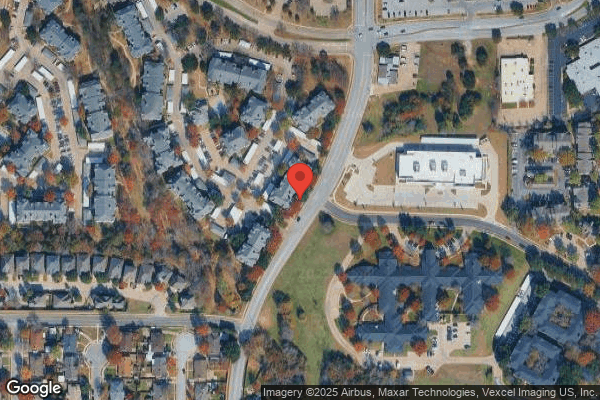
2600 PARKVIEW DR, BEDFORD, TX 76022 (817) 354-6556
For profit - Limited Liability company 107 Beds LIFE CARE SERVICES Data: November 2025
Trust Grade
85/100
#110 of 1168 in TX
Last Inspection: December 2024

Within standard 12-15 month inspection cycle. Federal law requires annual inspections.

Overview

Parkwood Healthcare Community in Bedford, Texas, has a Trust Grade of B+, which means it is recommended and above average compared to other facilities. It ranks #110 of 1168 in Texas, placing it in the top half of the state, and #5 out of 69 in Tarrant County, indicating only four local options are better. However, the facility is currently worsening, as issues have increased from 3 in 2023 to 9 in 2024. Staffing is a strong point, with a 5-star rating and only 31% turnover, significantly lower than the state average, suggesting that staff are experienced and familiar with the residents. On the downside, there were concerning incidents, such as food safety violations where food was stored improperly, and medication carts were left unlocked and unattended, posing risks to residents. Overall, while there are notable strengths, these weaknesses highlight areas that need attention.

Trust Score
B+
85/100
In Texas
#110/1168
Top 9%
Safety Record
Low Risk
No red flags
Inspections
Getting Worse
3 → 9 violations
Staff Stability
○ Average
31% turnover. Near Texas's 48% average. Typical for the industry.
Penalties
✓ Good
No fines on record. Clean compliance history, better than most Texas facilities.
Skilled Nurses
○ Average
Each resident gets 37 minutes of Registered Nurse (RN) attention daily — about average for Texas. RNs are the most trained staff who monitor for health changes.
Violations
⚠ Watch
15 deficiencies on record. Higher than average. Multiple issues found across inspections.
★★★★★
5.0
Overall Rating
★★★★★
5.0
Staff Levels
★★★★★
5.0
Care Quality
★★★★☆
4.0
Inspection Score
Stable
2023: 3 issues
2024: 9 issues

The Good

  • 5-Star Staffing Rating · Excellent nurse staffing levels
  • 5-Star Quality Measures · Strong clinical quality outcomes
  • Full Sprinkler Coverage · Fire safety systems throughout facility
  • No fines on record
  • Staff turnover below average (31%)

    17 points below Texas average of 48%

Facility shows strength in staffing levels, quality measures, fire safety.

The Bad

Staff Turnover: 31%

15pts below Texas avg (46%)

Typical for the industry

Chain: LIFE CARE SERVICES

Part of a multi-facility chain

Ask about local staffing decisions and management

The Ugly 15 deficiencies on record

Dec 2024 6 deficiencies
CONCERN (D)

Potential for Harm - no one hurt, but risky conditions existed

Comprehensive Care Plan (Tag F0656)

Could have caused harm · This affected 1 resident

**NOTE- TERMS IN BRACKETS HAVE BEEN EDITED TO PROTECT CONFIDENTIALITY** Based on observations, interviews, and record review the facility failed to develop and implement a comprehensive person-centere...

Read full inspector narrative →
**NOTE- TERMS IN BRACKETS HAVE BEEN EDITED TO PROTECT CONFIDENTIALITY** Based on observations, interviews, and record review the facility failed to develop and implement a comprehensive person-centered care plan for each resident, consistent with the resident rights for 1 of 4 residents reviewed for clinical records (Resident #30). The facility failed to ensure Resident #30's use of bed rails/grab bars was documented in their care plan. The facility's failure placed residents requiring care at risk of not having their individual needs met, not receiving necessary care and services, and a failure to ensure continuity of care. Findings included: Record Review of Resident #30's Face Sheet reflected a [AGE] year-old male who initially admitted to the facility on [DATE]. Resident #30 had relevant diagnoses of personal history of traumatic brain injury (injury to the brain caused by an outside source), paroxysmal atrial fibrillation (type of irregular heartbeat that occurs in brief episodes of less than 7 days), heart failure, hypertensive heart disease with heart failure (when chronic high blood pressure causes structural and functional changes in the heart), type 2 diabetes mellitus with unspecified complications (chronic condition that occurs when the body does not use insulin properly, causing high blood sugar), cerebral infarction (when blood flow to the brain is blocked causing brain cells to die; ischemic stroke), hemiplegia (complete paralysis of one side of the body) and hemiparesis (partial weakness to one side of the body) following cerebral infarction affecting right dominant side, conversion disorder with seizures or convulsions (psychiatric illness in which psychological conflicts are manifested as physical symptoms), major depressive disorder, difficulty in walking, muscle weakness (generalized), muscle wasting and atrophy multiple sites, other symptoms and signs involving the musculoskeletal system, cognitive communication deficit (communication difficulty caused by cognitive impairment), need for assistance with personal care, pain, primary insomnia, sleep apnea, long term (current) use of anticoagulants, and other lack of coordination. Record Review of Resident #30's Quarterly MDS, dated [DATE], reflected a BIMS score of 6, indicating severe cognitive impairment. Resident #30 was shown to have functional limitations in range of motion of upper and lower extremities. Resident #30 utilized a manual wheelchair for mobility throughout the facility. Record review of Resident #30's Care Plan, last updated on 10/27/2024, reflected that Resident #30 was a fall risk and intervention approaches were to assist with all transfers and mobility, check frequently for safety, encourage activity participation, keep bed in lowest position, keep frequently used items and call light within reach, and observe fall precautions at all times. There was no mention of bed rails/grab bars as a problem or intervention approach in the care plan. Observation of Resident #30's room area and bed on 12/10/2024 at 10:40 AM, and on 12/12/2024 at 11:15 AM revealed bilateral grab bars raised on the bed. Interview on 12/10/2024 at 10:40 AM with Resident #30 revealed the grab bars were used for getting in and out of the bed as well as repositioning. Resident #30 stated he did not remember if there had been an assessment or if he was asked to consent for the grab bars but would if asked. Interview on 12/12/2024 at 10:36 AM with LVN I revealed that residents were to be assessed for safe use of grab bars or bed rails at admission. LVN I stated that each resident was different and some may have needed grab bars or even more such as bed rails but some did not, or would not be safe with the grab bars/bed rails. The nurse conducting the assessment was to obtain a signed consent from the resident or the responsible party, and if they were to refuse to sign the consent, then the resident could not have the grab bars/bed rails on the bed. LVN I stated that the admitting nurse was also responsible to document the results of each assessment so that the IDT was able to make the care plans. LVN I was not sure who was responsible for grab bars/bed rails documentation in the care plans. LVN I stated that it was very important to know why bars were on resident beds and that resident risks could range from causing accidents to residents falling. Interview on 12/12/2024 at 11:22 AM with the ADM revealed that grab bars and bed rails were utilized for repositioning purposes only. The ADM stated that nursing staff were to complete the assessment and obtain consent at admission or when the grab bars/bed rails were requested, and a lot of grab bar requests were family driven. The ADM stated that grab bars/bed rails could be included in a resident's care plan. The ADM stated that the risk of incorrectly placed bed rails/grab bars to the residents could have been detrimental to the resident and the bed rails/grab bars could have been considered a risk. Interview on 12/12/2024 at 11:58 AM with the DON revealed that bed rail/grab bar assessments were conducted by the admitting LVN. The admitting nurse was to conduct the assessment to determine if the resident would be safe and what type and length of grab bars or bed rails would have been most appropriate. Inclusion in the care plan was during the IDT meeting by the MDS nurse or the ADON. The DON stated the care plan should be checked quarterly and if an item was noticed missing before a quarterly review it should be updated at that time or reported to an ADON or the MDS nurse. Record Review of the facility's Bed Safety and Bed Rails policy ©2001 MED-PASS, Inc. pertinent sections state: Policy Statement: Resident beds meet the safety specifications established by the Hospital Bed Safety Workgroup. The use of bed rails is prohibited unless the criteria for use of bed rails have been met. Policy Interpretation and Implementation 1. Consideration is given to the resident's safety, medical conditions, comfort, and freedom of movement, as well as input from the resident and family regarding previous sleeping habits and bed environment . 3. The use of bed rails or side rails (including temporarily raising the side rails for episodic use during care) is prohibited unless the criteria for use of bed rails have been met, including attempts to use alternatives, interdisciplinary evaluation, resident assessment, and informed consent 8. Before using bed rails for any reason, the staff shall inform the resident or representative about the benefits and potential hazards associated with bed rails and obtain informed consent. The following information will be included in the consent: a. The assessed medical needs that will be addressed with the use of bed rails; b. The resident's risks from the use of bed rails and how these will be mitigated; c. The alternatives that were attempted but failed to meet the resident's needs; and d. The alternatives that were considered but not attempted and the reasons.
CONCERN (D)

Potential for Harm - no one hurt, but risky conditions existed

Accident Prevention (Tag F0689)

Could have caused harm · This affected 1 resident

**NOTE- TERMS IN BRACKETS HAVE BEEN EDITED TO PROTECT CONFIDENTIALITY** Based on observations, interviews, and record review, the facility failed to ensure each resident received adequate supervision ...

Read full inspector narrative →
**NOTE- TERMS IN BRACKETS HAVE BEEN EDITED TO PROTECT CONFIDENTIALITY** Based on observations, interviews, and record review, the facility failed to ensure each resident received adequate supervision for 1 of 2 residents (Resident #43) reviewed for accidents. The facility failed to safely transfer Resident #43 during a mechanical lift from the bed to the wheelchair. The facility failed to provide safe mechanical transfer by not ultilizing 2 staff members to perform the transfer. This failure could place residents at risk of accidents, injuries, and hospitalization. Findings included: Record review of Resident #43's face sheet revealed he was a [AGE] year-old male admitted to the facility on [DATE]. His diagnoses included postural kyphosis (this is a bone condition that causes the spine to be rounded), muscle weakness, and long-term use of anticoagulants (blood thinners). Record review of Resident #43's quarterly MDS dated [DATE], section GG Functional Abilities - OBRA /Interim revealed the resident required maximal assistance for chair/bed-to-chair transfer, toilet transfer and tub/shower transfer. Record review of Resident #43's care plan dated 10/4/2023 revealed the resident has declined in ADL function and one of the interventions included Hoyer (mechanical) lift with all transfers. Record review of Resident #43's physician order, dated 10/1/2024, revealed order for Hoyer lift for all transfers with assist of 2 or more. Observation on 12/10/2024 at 10:45am of CNA A during Resident #43's Hoyer lift transfer from bed to wheelchair. CNA A was observed performing the transfer by herself. CNA A was observed providing step-by-step instructions to Resident #43 to follow during the transfer. Resident #43 was transferred from the bed to wheelchair. In an interview on 12/10/2024 at 10:50 CNA A stated that this was a routine that she and Resident #43 had every morning when she used the Hoyer lift to transfer him from the bed to wheelchair. In an interview on 12/10/2024 at 2:49pm Resident #43 stated that his transfer was done 50 percent of the time with one person. He stated there have been no accidents or falls. In an interview on 12/11/2024 at 2:56pm, CNA B stated that he had worked at the facility for 11 months. He stated that Hoyer lift transfer always must be done by 2 people. He stated that's how he was trained to do it, and he had not seen any staff attempting the transfer by themselves at the facility. He stated he would report to the nurse right away if he witnessed it. He had an in-service on using the Hoyer lift back in September 2024 . In an interview on 12/11/2024 at 3:00pm, LVN C stated that all Hoyer lift transfers must be done by 2 people. He had not seen any staff doing the transfer by themselves. He stated if he saw that a staff member was doing it by themselves, he would approach the staff to offer help and then remind the staff that all Hoyer lift transfers must be done by 2 people. In an interview on 12/12/2024 at 10:37am, CNA A stated that when she started in October, she was precepted by a floor CNA and was told to do mechanical lift to Resident #43 for one person. She had an in-service training on 12/10/2024 and stated that the DON trained her to always perform Hoyer lifts with 2 people. In an interview on 12/12/24 at 2:20 PM with the facility's only DON, she stated the facility's mechanical lift policy stated it always must be a 2-person assist. The rationale was because it provided safety for residents, and it prevented resident falls. The DON stated she was the one that trained new staff about transfer safety and mechanical lift techniques when new staff was first hired. The new staff also had a preceptor on the floor. CNA A's preceptor trained her to do it 1-person. When asked what her intervention was for future preceptors to not provide inconsistencies in training, she stated she will provide an in-service training for mechanical (Hoyer) lift once a month instead of every 3 months. She stated that she also assessed new staff's competency by completing a competency checklist including transfer-pivot and she trained new staff on performing Hoyer lift transfer correctly. Record review of the facility's in-service training on 9/13/2024 on the Hoyer lift. CNA B and LVN C attended the training. Record review of Competency Assessment of CNA A on 10/15/2024 with the topic of Transfer-Pivot revealed Satisfactory assessment result. Record review of the facility's Job Specific Orientation Checklist for CNA A revealed she was trained on gait belt/transfer and Hoyer Lift. Record review of facility's Lift and Transfer policy. Policy stated: Staff responsible for direct resident care will be trained in the use of manual (gait/transfer belts, lateral boards) and mechanical lifting devices. Only staff with documented training on the safe use and care of the machines and equipment used in this facility will be allowed to lift or move residents. Staff will be observed for competency in using mechanical lifts and observed periodically for adherence to policies and procedures regarding use of equipment and safe lifting techniques.
CONCERN (D)

Potential for Harm - no one hurt, but risky conditions existed

Deficiency F0700 (Tag F0700)

Could have caused harm · This affected 1 resident

**NOTE- TERMS IN BRACKETS HAVE BEEN EDITED TO PROTECT CONFIDENTIALITY** Based on observations, interviews, and record review the facility failed to assess the risks and benefits of bed rails and grab ...

Read full inspector narrative →
**NOTE- TERMS IN BRACKETS HAVE BEEN EDITED TO PROTECT CONFIDENTIALITY** Based on observations, interviews, and record review the facility failed to assess the risks and benefits of bed rails and grab bars with the resident or resident representative or obtain informed consent prior to installation for two (Resident #29 and Resident #54) of 4 resident rooms observed and reviewed for bed rails/enabler bars. The facility failed to have evidence of informed consent and assessment of the resident for risk of entrapment for bed rails or grab bars for Resident #29 and failed to have evidence of informed consent for bed rails or grab bars for Resident #54. This failure could affect residents who used bed rails/grab bars at risk of the resident not being assessed for bed rails or grab bars, resident/responsible party not being aware of the risks, and informed consent not being obtained from the resident or responsible party. Findings included: 1. Record review of Resident #29's face sheet reflected an [AGE] year-old male who initially admitted to the facility on [DATE] with most recent readmission on [DATE]. Resident # 29 had relevant diagnoses of chronic kidney disease stage 3, cellulitis of right lower limb, other symptoms and signs involving the musculoskeletal system, muscle wasting and atrophy, psychotic disorder with delusions due to known physiological condition, unspecified systolic (congestive) heart failure, need for assistance with personal care, cognitive communication deficit, history of falling, pressure ulcer of right buttock stage 2, unspecified dementia with unspecified severity without behavioral disturbance, psychotic disturbance, mood disturbance, and anxiety, diabetes mellitus due to underlying condition with ketoacidosis (metabolic complication that happens when the body does not have enough insulin to allow blood sugar into cells to use as energy) without coma, type 2 diabetes mellitus without complications, other specified anxiety disorders, Alzheimer's disease, hypertensive heart disease with heart failure, and atherosclerotic (buildup of fats, cholesterol, and other substances in and on artery walls) heart disease of native coronary artery without angina pectoris. Review of Resident #29's MDS assessment (quarterly), dated 11/16/2024, reflected a BIMS score was not able to be obtained at the time of the assessment. Resident #29's Functional Limitation in Range of Motion was listed as no impairment for upper or lower extremities. Resident #29 was indicated to use a manual wheelchair for mobility. Resident #29 was indicated to need maximal assistance with shower/bathe self and moderate assistance to toileting, upper and lower body dressing, and personal hygiene. Record review of Resident #29's Care Plan, last updated 12/01/2024, revealed the resident was receiving hospice care services. Resident #29 is noted on 11/29/2024 to have declined in ADL functioning with approach (intervention) of ½ side rails up X2 to assist self for bed mobility and repositioning initiated on 07/26/2022. Review of Medical Record of Resident #29 revealed no bed rail/grab bar assessment or bed rail/grab bar signed consent form signed by the resident or resident's responsible party or noted to have verbal permission for the enabler bars. Observations on 12/10/2024 at 10:40 AM and on 12/12/2024 at 11:15 AM revealed on both occasions Resident #29's room had the resident's bed with bilateral ½ bed rails raised; resident was in bed asleep. Resident was unavailable for interview during attempts made due to being asleep or receiving personal care services by hospice agency. 2. Record review of Resident #54's face sheet revealed an [AGE] year-old male who admitted to the facility on [DATE]. Resident's relevant diagnoses included periprosthetic fracture around internal prosthetic right hip joint, acute kidney failure with tubular necrosis (condition that causes a lack of oxygen and blood flow to the kidneys, damaging them), functional urinary incontinence, periprosthetic fracture around internal prosthetic right knee joint, other symptoms and signs involving the musculoskeletal system, muscle wasting and atrophy, muscle weakness (generalized), neuralgia and neuritis (severe, sharp, or burning pain that follows the path of a damaged nerve), type 2 diabetes mellitus without complications, difficulty in walking not elsewhere classified, and cognitive communication deficit. Review of Resident #54's MDS assessment (admission), dated 11/02/2024, revealed a BIMS score of 12, indicating moderate cognitive impairment. Resident #54's Functional Abilities were documented to be independent with self-care activities and indoor mobility as he utilized a manual wheelchair or walker. Resident #54 was documented to need some help with stairs and functional cognition. Resident #54 was dependent for toileting, lower body dressing, and putting on/talking off footwear. Resident #54 was indicated to have been maximal assistance with shower/bathing. Personal hygiene assistance was indicated to need moderate assistance. Resident #54 was indicated to need moderate assistance with rolling left and right, sit to lying, lying to sitting on side of bed, sit to stand, chair/bed-to-chair transfer, toilet transfer, and tub/shower transfer. Record review of Resident #54's Care Plan, dated 10/29/2024, revealed the RESIDENT was At Risk For Complications And Worsening Of Existing Wound(S) Surgical Wound To Right Hip R/T Impaired Mobility with approach (intervention) including Turn And Reposition Q 2 Hours And Prn Avoiding Pressure On Any Boney Pressure Areas. Resident #54 was also indicated to have been At Risk For Decline In Adl Function R/T Right Hip Fx with approaches (interventions) including: Observe Hip And Back Precautions At All Times, Provide assistive device for bed mobility, e.g., side rails and Turn With Assist Of Two People Every 2 Hours When In Bed. Never Bend Of Twist Torso Or Make Sudden Movements During Adl Care. Resident #54's care plan also included Resident Has Declined In Adl Function with approach (intervention) of 1/2 Side Rails Up X 2 To Assist Self For Bed Mobility And Repositioning. Review of Medical Record of Resident #54 revealed no signed bed rail/grab bar consent form signed by the resident or resident's responsible party or noted to have verbal permission for the enabler bars. Observations on 12/10/2024 at 1:35 PM and 12/12/2024 at 10:25 AM revealed Resident #54's room had the resident's bed with ½ bed rails raised on both sides. The resident was not in room at the time of observation on 12/12/2024. Interview with Resident #54 on 12/12/2024 at 10:25 AM occurred in the hallway. Resident #54 stated he did not remember if he or his son had signed any consents when he admitted to the facility from the hospital. Interview on 12/12/2024 at 11:22 AM with ADM revealed that grab bars and bed rails were utilized for repositioning purposes only. The ADM stated that nursing staff were to complete the assessment and obtain consent at admission or when the grab bars/bed rails were requested, and a lot of grab bar requests were family driven. If the resident was assessed as not able to be safe with the grab bars/bed rails, then the reason would be discussed with the resident and responsible party why the grab bars/bed rails would not be placed on the bed. The ADM stated that grab bars/bed rails could be included in a resident's care plan. The ADM stated that the risk of incorrectly placed bed rails/grab bars to residents could have been detrimental to the resident and the bed rails/grab bars could have been considered a risk. The ADM stated it was pointed out by a nursing staff member that the consent form for grab bars/bed rails was no longer showing at the end of the assessment in the EHR, but he had not had time to further investigate what had changed or happened. Interview on 12/12/2024 at 10:36 AM with LVN I revealed that residents were to be assessed for safe use of grab bars or bed rails at admission. LVN I stated that each resident was different and some may have needed grab bars or even more such as bed rails but some did not, or would not be safe with the grab bars/bed rails. The nurse conducting the assessment was to obtain signed consent from the resident or the responsible party and if they were to refuse to sign the consent then the resident could not have the grab bars/bed rails on the bed. LVN I stated that the admitting nurse was also responsible to document the results of each assessment so that the IDT was able to make the care plans. LVN I was not sure who was responsible for grab bars/bed rails documentation in the care plans beyond the IDT. LVN I stated that it was very important to know why bars were on resident beds, that the resident and responsible party should know the risks and benefits, and that resident risks could range from causing accidents to residents falling. Interview on 12/12/2024 at 11:58 AM with the DON revealed that bed rail/grab bar assessments were conducted by the admitting LVN. The admitting nurse was to conduct the assessment to determine if the resident would be safe and what type and length of grab bars or bed rails would have been most appropriate and obtain signed consent. Inclusion in the care plan was during the IDT meeting by a MDS nurse or the ADON. The DON stated the care plan should be checked quarterly and if an item was noticed missing before a quarterly review it should be updated at that time or reported to an ADON or the MDS nurse. The DON stated she did not know why there was no assessment for Resident #29 and no signed consent forms for Resident # 29 and Resident #54. Record review of the facility's provided Bed Safety and Bed Rails, ©2001 revealed the policy statement Resident beds meet the safety specifications established by the Hospital Bed Safety Workgroup. The use of bedrails is prohibited unless the criteria for use of bed rails have been met. Policy Interpretation and Implementation item #1 states The resident's sleeping environment is evaluated by the interdisciplinary team. Policy Interpretation and Implementation item #2 states Consideration is given to the resident's safety, medical conditions, comfort, and freedom of movement, as well as input from the resident and family regarding previous sleeping habits and bed environment. Policy Interpretation and Implementation item #10 states additional safety measures are implemented for residents who have been identified as having a higher than usual risk for injury including bed entrapment (e.g., altered mental status, restlessness, etc.). Under the Use of Bed Rails section item #1 states . For the purpose of this policy bed rails include: a. Side rails; b. Safety rails; and c. Grab/assist bars Use of Bed Rails section item #3 stated The use of bed rails or side rails (including temporarily raising the side rails for episodic use during care) is prohibited unless the criteria for use of bed rails have been met, including attempts to use alternatives, interdisciplinary evaluation, resident assessment, and informed consent. Use of Bed Rails section item #5 states If attempted alternatives do not adequately meet the resident's needs the resident may be evaluated for the use of bed rails. This interdisciplinary evaluation includes: a. an evaluation of the alternatives to bed rails that were attempted and how these alternatives failed to meet the resident's needs; b. the resident's risk associated with the use of bed rails; c. input from the resident and/or representative; and d. consultation with the attending physician. Use of Bed Rails section item #8 states Before using bed rails for any reason, the staff shall inform the resident or representative about the benefits and potential hazards associated with bed rails and obtain informed consent. The following information will be included in the consent: a. The assessed medical needs that will be addressed with the use of bed rails; b. The resident's risks from the use of bed rails and how these will be mitigated; c. The alternatives that were attempted but failed to meet the resident's needs; and d. The alternatives that were considered but not attempted and the reasons.
CONCERN (D)

Potential for Harm - no one hurt, but risky conditions existed

Pharmacy Services (Tag F0755)

Could have caused harm · This affected 1 resident

Based on observation, interview, and record review, the facility failed to provide pharmaceutical services (including procedures that assure the accurate acquiring, receiving, dispensing, and administ...

Read full inspector narrative →
Based on observation, interview, and record review, the facility failed to provide pharmaceutical services (including procedures that assure the accurate acquiring, receiving, dispensing, and administering of all drugs and biologicals) to meet the needs of each resident for 1 of 2 medication rooms (Med Room A) reviewed for pharmacy services. The facility failed to ensure Med Room A did not have expired insulin. This failure could place residents at risk of receiving expired medication and not having appropriate therapeutic effects. Findings included: Observation and interview of Med Room A with the DON on 12/11/24 at 07:30 AM, revealed in the fridge was an insulin pen Insulin Lispro Injection 100 units per ml. Dispensed 04/28/23. The insulin pen was dated as opened on 7/25/24 and labelled to discard 28 days after opening. Insulin pen did not reflect residents name on it. The DON stated that the insulin pen should have been discarded 28 days after opening. The DON did not state the risk to residents for having expired insulin. She stated, You are going to cite me for only one insulin that is expired? In an interview with the DON on 12/12/24 at 2:00 PM she stated the expectations were that expired or undated medications were discarded according to guidelines. She stated the risk for expired medication and undated medication was inactive medications. The DON stated all nursing staff were responsible for the medication rooms and moving forward, herself, and the ADONS will round to make sure that carts were locked, and no undated or expired medications were in the fridge. In an interview with the Administrator on 12/12/24 at 2:24 PM, he stated the expired insulin was discarded immediately. He stated the risk of expired medication was that it can be ineffective. Review of facility policy tilted Medication Labeling and Storage revised February 23, read in part reflected The nursing staff is responsible for maintaining medication storage and preparation areas in a clean, safe, and sanitary manner . multi-dose vials that have been opened or accessed (e.g., needle punctured) are dated and discarded within 28 days unless the manufacturer specifies a shorter or longer date for the open vial .
CONCERN (D)

Potential for Harm - no one hurt, but risky conditions existed

Deficiency F0761 (Tag F0761)

Could have caused harm · This affected 1 resident

**NOTE- TERMS IN BRACKETS HAVE BEEN EDITED TO PROTECT CONFIDENTIALITY** Based on observations, interviews, and record review the facility failed to ensure, in accordance with State and Federal laws, a...

Read full inspector narrative →
**NOTE- TERMS IN BRACKETS HAVE BEEN EDITED TO PROTECT CONFIDENTIALITY** Based on observations, interviews, and record review the facility failed to ensure, in accordance with State and Federal laws, all drugs and biologicals were stored in locked compartments under proper temperature controls and permitted only authorized personnel to have access to the medication cart for 1 of 7 medication carts (Med Cart C) and 2 of 2 medication rooms (Med Room A and Med Room B) reviewed for storage of medication. 1.The facility failed to ensure drugs and biologicals were labeled. Med Room B had unlabeled and undated TB vaccine and food was stored next to medications in the fridge. 2.The facility failed to ensure Med Cart C was kept locked or under direct observation of authorized staff in an area where residents and family could access it outside Resident #209's room. These failures of the facility to accurately label and safely secure storage of all medications places residents at risk for more than minimal harm. Findings included: 1. Observation and interview of Med Room B with LVN D on 12/11/24 at 07:39 AM, revealed House stock multiple dose TB skin vaccine with a dispensed date of 03/22/24 named Tuberculin Purified Protein Derivative, diluted Aplisol 5 TU /0.1 mL solution. The vaccine was open with cap removed, box was open, and the vaccine was undated with an open date. A yogurt was observed on the shelf nested between the insulins in the back. LVN D stated the vaccine should have had a date on it to indicate when it was opened so that they can knew when to discard it. LVN D stated she was not aware of whom did not date the vaccine. LVN D stated the vaccine was good to be used within 30 days of opening it. She stated that she would discard the vaccine right away. She stated the risk was not knowing if the vaccine would be effective to administrator causing potency ineffectiveness. LVN D stated the yogurt belonged to one of the residents. She stated she was confused about the storage of food in the same fridge as medication. She stated all nurses were responsible for dating medication when opened and all nurses were responsible for discarding expired medication accordingly. 2. Review of Resident #209's face sheet dated 12/11/24 revealed a [AGE] year-old female who was admitted to the facility on [DATE]. Her diagnoses were stroke due to embolism (blockage) of the left brain, problems communicating, muscle weakness, high blood pressure, and reflux diseases. The family was the RP. Review of Resident #209's care plan dated 12/02/24 revealed Resident #209 had a memory/recall problem related to stroke. The goal was the resident would improve memory/recall ability as evidenced by recalling staff names, stating he/she was in a nursing home, recognizing staff faces, etc., The interventions were providing verbal and visual reminders, to tell resident who you were, to remind resident of where she was. The care plan also reflected Resident #209 had moderate impaired vision. The goal was that the resident would not experience negative consequences of vision loss as evidenced by remaining physically safe and participating in social and selfcare activities. The interventions were to assess effects of vision loss on resident functional status, to ensure that the lenses of the glasses were clean and in good repair, and to provide adaptive equipment/materials such as large print. Observation on 12/11/24 at 07:50 AM to 08:05 AM, revealed a medication cart unlocked with the lock mechanism released to indicate it was unlocked. The medication cart was unattended. The door to Resident #209's room was almost closed, and the privacy curtain was drawn. There was a sink near the door entrance and a family member was observed washing his hands and he looked at the state surveyor and said there was someone here. RN E then came to the medication cart. In an interview with RN E on 12/11/24 at 08:05 AM, she stated she should have locked the medication cart while she was inside the room. She stated anyone could open the cart and have access to what was inside like medications and needles. She stated she left the cart open because she was only going inside the room for a short while. In an interview with the DON on 12/12/24 at 2:00 PM she stated the expectations were that expired or undated medications were discarded according to guidelines and that the medication cart was locked when not in direct eye view and when it was unattended. She stated the risk to residents was safety for unlocked medication cart and the risk for expired medication and undated medication was inactive medications. The DON stated storing food items next to medication can cause cross contamination. She stated all nursing staff were responsible for the medication rooms and moving forward, herself, and the ADONS will round to make sure that carts were locked, and no undated or expired medications were in the fridge. In an interview with the Administrator on 12/12/24 at 2:24 PM, he stated RN E told him she had just turned her back from the medication cart to say hi to the resident. He did not state the risk of leaving the cart unlocked and unattended. The Administrator stated as for the undated vaccine there was another one in the fridge that was dated and active. He stated, there was only one yogurt. Review of facility policy tilted Medication Labeling and Storage revised February 23, read in part reflected The nursing staff is responsible for maintaining medication storage and preparation areas in a clean, safe, and sanitary manner . Compartments (including, but not limited to, drawers, cabinets, rooms, refrigerators, carts, and boxes) containing medications and biologicals are locked when not in use, and trays or carts used to transport such items are not left unattended if open or otherwise potentially available to others . Medications requiring refrigeration are stored in a refrigerator located in the medication room at the nurses' station or other secured location. Medications are stored separately from food and are labeled accordingly .
CONCERN (D)

Potential for Harm - no one hurt, but risky conditions existed

Infection Control (Tag F0880)

Could have caused harm · This affected 1 resident

**NOTE- TERMS IN BRACKETS HAVE BEEN EDITED TO PROTECT CONFIDENTIALITY** Based on observation, interview, and record review, the facility failed to maintain an infection and prevention control program,...

Read full inspector narrative →
**NOTE- TERMS IN BRACKETS HAVE BEEN EDITED TO PROTECT CONFIDENTIALITY** Based on observation, interview, and record review, the facility failed to maintain an infection and prevention control program, designed to provide a safe, sanitary, and comfortable environment, and help prevent the development and transmission of communicable disease and infection, for two residents (Resident #2 and Resident #7) of eight residents reviewed for infection control practices. CMA F failed to perform hand hygiene between residents while alternately feeding Resident #2 and Resident #7. This failure had the potential to result in the spread of infection. Findings included: Review of Resident #2's face sheet, dated 12/12/24, reflected Resident #2 was an [AGE] year-old female, admitted on [DATE], with diagnoses of unspecified dementia, schizoaffective disorder, pain, and fall history. Review of Resident #2's Significant Change MDS assessment, dated 09/29/24, reflected she had impaired vision, and was rarely or never understood or able to understand others. The staff assessment of her cognitive skills reflected severely impaired cognition (rarely or never made decisions), and an acute change in mental status from her baseline. Resident #2 exhibited continuous inattention. The staff assessment of her mood scored 9, indicating possible mild depression. She exhibited no behavioral problems. Resident #2 used a wheelchair and required staff to meet all of her ADL needs. Review of Resident #2's care plan, dated 05/08/15 and edited 12/01/24, reflected (Resident #2) requires assist from staff with all of her meals. Review of Resident #7's face sheet, dated 12/12/24, reflected Resident #7 was a [AGE] year-old female, admitted on [DATE], with diagnoses of dementia, history of repeated falls, fractured leg and fractured hip, and need for assistance with personal care. Review of Resident #7's Quarterly MDS assessment, dated 09/13/24, reflected she was able to understand others, and be understood by others. She had highly impaired vision, and adequate hearing. Resident #7 had a BIMS score of 3, indicating severe cognitive impairment, and had an acute change in mental status from her baseline. She exhibited continuous inattention and fluctuating disorganized thinking. Resident #7 showed no indicators of depression and no behavioral problems. The document reflected Resident #7 used a wheelchair, and required supervision or touching assistance for eating, and for her helper(s) to perform more than half the effort (substantial/maximal assistance) for most other ADLs. Review of Resident #7's care plan, dated 08/14/18 and revised 09/13/24, reflected (Resident #7) is at risk for impaired nutrition related to disease process. Review of Resident #7's care plan, dated 07/13/20 and revised 09/13/24, reflected (Resident #7) HAS POTENTIAL FOR WEIGHT LOSS RELATED TO POOR APPETITE. Observation on 12/11/24 at 11:49 AM revealed CMA F sitting down between Resident #2 and Resident #7. She prepared Resident #2's tray, and handed Resident #7 her drink, which the resident was able to drink some of by herself. She began to feed Resident #2, then took Resident #7's drink from her, and began to feed Resident #7. She alternated feeding each resident bites of their food. Resident #7 roughly grabbed the dessert dish off her tray and appeared about to do something with it, and CMA F removed it from the resident's hand and replaced it on the tray. After the replaced the dessert dish was on the tray, she rubbed her finger across the corner of the tray, as if to wipe something off her finger, onto the tray. She continued to alternately feed the two residents, turning to face the resident she was feeding each time, until 12:00 PM when CNA G approached the table, sat next to Resident #7 and began to feed her while CMA F continued to feed Resident #2. CMA F did not perform any hand sanitation during the entire observation. An interview on 12/11/24 at 12:22 PM with CMA F revealed she was the medication aide, but she could not administer medication during meals, so she was helping out. She said she did not normally feed two people at once, but the other aide was still passing trays, so she was helping. She said it would not be good to feed one resident in front of the other, so she was doing both until CNA G came to feed one of the residents. When asked about feeding two people at once while not doing hand sanitation in between residents being an infection control issue, she said she washed her hands thoroughly before starting to feed them, and she was fully turning her body to face each resident when feeding them. She asked the state surveyor what she should do to correct the problem, because she could not just leave one resident sitting without food, while she fed another resident right in front of them. An interview on 12/11/24 at 12:30 PM with LVN H revealed she did not know if the aides had specifically been trained on how to feed two residents at the same time, but they had been trained to always use hand hygiene between feeding residents for infection control. She said it was not their normal practice to feed two residents at once. An interview on 12/12/24 at 1:59 PM with the DON revealed they avoided feeding two residents at once, as much as possible, but if they had to, they would be expected to sanitize their hands between each resident. She said they would do that in order to avoid cross contamination. An interview on 12/12/24 at 2:24 PM with the Administrator revealed if the staff had to feed two residents at once, they should sanitize their hands between residents. Review of the Assistance with Meals policy, revised 05/22, did not address hand hygiene during feeding residents. Review of the Handwashing/ Hand Hygiene policy, revised 10/23, reflected Policy Statement: This facility considers hand hygiene the primary means to prevent the spread of healthcare-associated infections. Policy Interpretation and Implementation: Administrative Practices to Promote Hand Hygiene: 1. Personnel are expected to adhere to hand hygiene policies and practices to help prevent the spread of infections to other personnel, residents, and visitors. ( .) Indications for Hand Hygiene: 1. Hand hygiene is indicated: a. immediately before touching a resident; ( .) c. after contact with blood, body fluids, or contaminated surfaces; d. after touching a resident; e. after touching the resident's environment; ( .) 2. Use an alcohol-based hand rub containing at least 60% alcohol for most clinical situations.
Feb 2024 3 deficiencies
CONCERN (D) 📢 Someone Reported This

A family member, employee, or ombudsman was alarmed enough to file a formal complaint

Potential for Harm - no one hurt, but risky conditions existed

Respiratory Care (Tag F0695)

Could have caused harm · This affected 1 resident

**NOTE- TERMS IN BRACKETS HAVE BEEN EDITED TO PROTECT CONFIDENTIALITY** Based on observations, interviews, and record reviews, the facility failed to ensure that residents who needed respiratory care ...

Read full inspector narrative →
**NOTE- TERMS IN BRACKETS HAVE BEEN EDITED TO PROTECT CONFIDENTIALITY** Based on observations, interviews, and record reviews, the facility failed to ensure that residents who needed respiratory care were provided with such care, consistent with professional standards of practice for 2 (Resident # 82 and Resident #83) of 3 residents reviewed for respiratory care, in that: The facility failed to ensure Resident #82 oxygen tubing and nasal cannula were kept off the floor and bagged when not in use. The facility failed to ensure Resident #83's oxygen tubing was being changed weekly as ordered based on the EMAR and interview with the resident. These failures could place residents that receive oxygen therapy at risk for inadequate care and respiratory infection. Findings include: Record review of Resident #82's face sheet dated 02/23/24 reflected a [AGE] year old female admitted on [DATE] with diagnoses of: Alzheimer's disease (memory loss) Congestive Heart Failure (impaired blood pumping function in the heart) 9 Generalized anxiety disorder (fear and worry of unknown), Need for assistance with personal care, Other abnormalities of gait and mobility, Other lack of coordination Cognitive communication deficit, Hypoxemia (Hypoxemia is an abnormally low level of oxygen in the blood. More specifically, it is oxygen deficiency in arterial blood. Hypoxemia has many causes, and often causes hypoxia as the blood is not supplying enough oxygen to the tissues of the body.) Record review of Resident #82s quarterly MDS dated [DATE] reflected resident needed setup for meals, substantial assistance for toileting, hygiene, and showers, moderate assistance for dress, partial moderate assistance for sit to stand. Resident #28's use of oxygen was addressed. BIMS score of 11 indicated he was moderately cognitive impairment. Record review of Resident #82's care plan dated 01/27/24 reflected monitor for s/s of COVID-19 Q shift. Notify MD of any fever or temp greater than 99.0; new onset of cough, sore throat, shortness of breath; vomiting/diarrhea; new loss of smell/taste; fatigue, headache and body-aches Every Shift Day 06:00 - 2:00 PM, Evening 14:00 - 8:00 PM resident will have no complications from cardiac disease over next review date section respiratory system (airway, respirations, and O2 Care plan did not address oxygen use. Record review of Resident #82's EMAR on 02/23/24, reflected there weren't any MD orders for oxygen. In an observation and interview on 02/23/24 at 8:19 AM with Resident #82 revealed resident sitting in her recliner partially leaned back, eating fruit. Resident #82's oxygen tubing was touching the floor and the nasal cannula was positioned on top of concentrator undated, labeled, or bagged. Resident said she did not know if the facility changed her oxygen tubing. She does not know if she uses oxygen. Resident #83 Record review of Resident #83's face sheet dated 02/23/24 reflected an [AGE] year-old female admitted on [DATE]. Resident #83's diagnoses include: Acute respiratory failure (difficulty with lungs loading blood with oxygen) with hypoxia (Hypoxemia is an abnormally low level of oxygen in the blood. More specifically, it is oxygen deficiency in arterial blood), Pneumonia, (inflammatory disease affecting the lungs) unspecified organism, Cognitive communication deficit (difficulty expressing thoughts). Record review of Resident #83's MDS dated [DATE] reflected BIMS of 10 - indicating she was moderately impaired cognitively, depression and mood .required Setup or clean-up assistance - ADL partial/moderate assistance self-care- Helper does less than half the effort. Helper lifts, holds, or supports trunk or limbs, but provides less than half the effort hygiene and mobility, sit to stand Substantial/maximal assistance - Helper does more than half the effort. Helper lifts or holds trunk or limbs and provides more than half the effort. Record review of Resident #83's admission care plan dated 02/06/24 impaired mobility, impaired strength, and poor safety awareness. observe fall precautions at all times .medication administration: resident at risk for adverse reactions to medications r/t side effects assess for s/s of respiratory failure such as SOB, confusion, restlessness, irritability, inability to move secretions .infection: admitted to community with an active infection. -monitor vital signs every shift. document and report any presence of fever or s/s of atypical manifestations oxygen: administer oxygen as ordered to maintain oxygen saturation >92%, observe oxygen precautions. monitor oxygen saturation via pulse oximetry q shift and PRN. Record review of Resident #83's care plan dated 2/14/24 did not address the use of oxygen or treatment related to respiratory follow all MD orders, assess, and report changes Record review of Resident #83's MD orders dated 02/06/24 reflected respiratory: O2 at 2L/MIN AT start - per NC - titrate (measure) up 1l/min to maintain 02 sats >92% special instructions: continuous o2 at 2l/min to maintain o2 sats >92% - titrate 1l/min progressively and check o2 sats until maintained at > 92% - contact physician if unable to maintain o2 sats >92% every shift - prn 1, prn 2 .respiratory: change tubing on oxygen special instructions: change tubing Q Wk. and note in nursing notes once a day on Fri 07:00 - 21:00 (respiratory nursing) respiratory: Clean Air Filters on Oxygen Concentrators Special Instructions: Change Air Filters Q WK and note in nursing notes Once A Day on Wed 07:00 - 21:00. Record review of Resident #83's e-MAR reflected that on 02/10/24 through 02/23/24 administration record was blank for tubing change. In an observation and interview with Resident #83 on 02/23/24 at 8:20 AM, revealed her nasal cannula tubing and water bottle was undated. She was wearing her nasal cannula and oxygen concentrator was working. She said staff had not changed her tubing since she admitted from the hospital. In an interview with RN-R on 02/23/23 at 12:50 PM, revealed nurses wase expected to change oxygen tubing and date every Sunday during the overnight shift. All nurses should conduct rounds and assess oxygen and look for dates. If not dated check TAR, changing tubing, date tubing, and document changes. Failure to change oxygen tubing routinely could result in respiratory infections. He stated that he had conducted rounds and prior to DON notifying him of resident tubing and water bottle being undated, he had not observed. He said he had changed the tubing and water and dated them. He said water bottles for oxygen concentrators should be dated and changed when empty. In an interview with the ADON on 02/23/23 at 1:30 PM, revealed water bottles should be changed when empty and as needed, then dated to confirm change. The ADON said nursing should be conducting rounds every 2 hours, assuring tubing that was not being used was bagged and dated. The ADON said nurses should change and date tubing and water bottles as soon as possible if found undated, then date and document. The ADON said the negative outcome of failing to date and bag tubing, can lead to the resident receiving respiratory infections. It is the responsibility of the nursing managers (ADON, DON) to monitor. In an interview on 02/23/24 at 1:40 PM, the DON revealed all documentation of tubing changes should be listed in the MAR. She said Resident #82 does not receive oxygen and will remove the concentrator. She expects nursing staff to change oxygen tubing and dating change weekly, document in EMAR. She initially said the tubing and water bottle does not need to be dated. She then stated the importance of dating tubing and water bottle allows nursing to see the tubing was changed immediately upon observation, however she expects review of e-MAR to confirm. The DON said not dating and labeling tubing could lead to infections. The DON said she expects the ADON to audit and monitor nursing task for compliance. An interview with the administrator was not conducted, due to being absent from the facility on the day of exit. Policy for oxygen was requested from ADM on 02/21/24 and DON on 02/22/24 and was not provided to surveyor at the time of exit on 02/22/24.
CONCERN (D) 📢 Someone Reported This

A family member, employee, or ombudsman was alarmed enough to file a formal complaint

Potential for Harm - no one hurt, but risky conditions existed

Safe Environment (Tag F0921)

Could have caused harm · This affected 1 resident

**NOTE- TERMS IN BRACKETS HAVE BEEN EDITED TO PROTECT CONFIDENTIALITY** Based on observation, interview, and record review, the facility failed to provide a safe, functional, sanitary, and comfortable...

Read full inspector narrative →
**NOTE- TERMS IN BRACKETS HAVE BEEN EDITED TO PROTECT CONFIDENTIALITY** Based on observation, interview, and record review, the facility failed to provide a safe, functional, sanitary, and comfortable environment for residents, staff, and the public for 1 (Resident #82) of 3 residents reviewed for safe , clean, sanitary, and comfortable environment. The facility failed to ensure Resident #82's rooms were free of smeared oatmeal, hard colorful candies, blanket on the floor obstructing walk path for resident #83 with a history of falls. This failure could place residents at risk falls, injuries, and unsanitary care. Findings included: Record review of Resident 82's dated 02/23/24 face sheet reflected a [AGE] year old female admitted on [DATE] with diagnoses of: Alzheimer's disease (memory loss) Congestive Heart Failure (impaired blood pumping function in the heart) 9 Generalized anxiety disorder (fear and worry of unknown), Need for assistance with personal care, Other abnormalities of gait and mobility, Other lack of coordination Cognitive communication deficit, Hypoxemia (Hypoxemia is an abnormally low level of oxygen in the blood. More specifically, it is oxygen deficiency in arterial blood. Hypoxemia has many causes, and often causes hypoxia as the blood is not supplying enough oxygen to the tissues of the body.) Record review of Resident #82s quarterly MDS dated [DATE] reflected resident needed setup for meals, substantial assistance for toileting, hygiene, and showers, moderate assistance for dress, partial moderate assistance for sit to stand. BIMS score of 11 indicating moderate cognitive impairment. Record review of Resident #82's care plan dated 01/27/24 reflected monitor for s/s of COVID-19 Q shift. Notify MD of any fever or temp greater than 99.0; new onset of cough, sore throat, shortness of breath; vomiting/diarrhea; new loss of smell/taste; fatigue, headache and body-aches Every Shift Day 06:00 - 2:00 PM, Evening 14:00 - 8:00 PM resident will have no complications from cardiac disease over next review date. In an observation and interview on 02/23/24 at 8:19 AM, with Resident #82 revealed resident sitting in recliner with smeared oatmeal on the floor, hard chocolate candies red, yellow, blue, and brown on the floor, and a red blanket laying in the walkway to the left of the resident. Resident #82 said she spilled her breakfast plate on the floor, and staff were returning to clean. She did not know how long it had been since the staff left the room. Interview with agency CNA S on 02/23/24 at 8:14 AM, revealed when called to room by Resident #82, she picked up the dishes of the floor and used a napkin to clean the oatmeal. She did not observe the hard candy and blanket on the floor. She said resident floors should be free of objects, food, water, and blankest to prevent trips, falls, and injuries. CNA S said she was not familiar with this resident's ability to self-ambulate. In an interview with RN R on 02/24/23 at 12:50 PM, revealed the expectation for all resident rooms to be free of clutter and objects to prevent accidents and injuries from occurring. He stated all staff were responsible for removing hazards of the floor then contact housekeeping immediately to prevent injuries. In an interview with the ADON on 02/23/24 at 1:30 PM, revealed she expected the nursing staff to keep all residents' floors and rooms free of clutter, food, obstacles to prevent accidents and injuries from occurring. In an interview on 02/23/24 at 1:40 PM, with the DON revealed staff are responsible for maintaining a safe clean environment free of objects, food, and obstacles to prevent falls and injuries for all. She expects staff to remove immediately and notify nurse and housekeeping to address spills. Record review of Facility policy titled Homelike Environment undated version 1.3 (H5MAPL1202) reflected Residents are provided with a safe, clean, comfortable and homelike environment and encouraged to use their personal belongings to the extent possible .Staff provides person-centered care that emphasizes the residents' comfort, independence and personal needs and preferences .The facility staff and management maximizes, to the extent possible, the characteristics of the facility that reflect a personalized, homelike setting. These characteristics include: clean, sanitary, and orderly environment.
CONCERN (E) 📢 Someone Reported This

A family member, employee, or ombudsman was alarmed enough to file a formal complaint

Potential for Harm - no one hurt, but risky conditions existed

Deficiency F0761 (Tag F0761)

Could have caused harm · This affected multiple residents

Based on observation, interview, and record review the facility failed to store all drugs and biologicals in locked compartments and permit only authorized personnel to have access for 2 of 4 (Medicat...

Read full inspector narrative →
Based on observation, interview, and record review the facility failed to store all drugs and biologicals in locked compartments and permit only authorized personnel to have access for 2 of 4 (Medication Cart #1 and Medication Cart #2) medication carts reviewed for pharmacy services. Medication cart #1 was observed unlocked and unattended with 6 blister packs medication cards left on top unsupervised by MA P for 4 minutes. Medication cart #2 was observed outside resident room facing hallway where individuals passed, unlocked and unattended for 2 minutes by RN N. This failure could place residents at risk of having access to unauthorized medications and/or lead to possible harm or drug diversion. Findings included: In an observation on 02/23/24 at 8:15 AM, Medication cart #1 was observed unlocked and unattended with 6 blister medication filled packs placed on top, in the small resident dining areas on the north side of nursing station. There were 2 residents observed sitting behind the near the medication cart at the tables appropriately 2.5 feet away. MA P returned to her medication cart 4 minutes later, and she immediately removed the blister medication cards and locked inside of the cart. In an interview with MA P on 02/23/24 at 8:20 AM, revealed she forget to lock the medication cart. She stated it was the overnight nurse who left the medication packs on top of the cart. She said overnight nurse was at the facility upon her arrival to work on 02/23/24 at 6:00 AM. She said it was the assigned medication person's responsibility to keep medications locked and inaccessible during her assignment. MA P said all medications should be inside the locked medication cart to prevent medication from being stolen, or residents accessing the medication. An observation on 02/23/24 at 8:25 AM, revealed medication cart #2 positioned in front of a resident room with drawers facing the hallway unlocked. In an interview on 02/23/24 at 8;30 AM with RN N, she stated that she forgot to lock the medication cart. She stated she did not know State was in the building. She said medication carts should be locked regardless to prevent resident access to medications. In an interview with the ADON on 02/23/24 at 1:30 PM, revealed all medication carts should be locked when unattended to maintain safety and prevent others from taking medication. The ADON said medications should never be left on top of a medication cart. The ADON said failing to lock medication carts and secure medications properly could lead to residents having access and other dangerous health response. In an interview on 02/23/24 at 1:40 PM, the DON revealed medication carts must remain locked when unattended to prevent residents, staff, and visitors from accessing. This could lead to missing medication, resident having a bad reaction causing a dangerous medical event. An interview with the administrator was not conducted, due to being absent from the facility on the day of exit. Record review of facility policy titled Administering Medications version 1.2 (H5MAPL0630) undated reflected The facility shall accurately and safely provide or obtain pharmaceutical services, including the provision of routine and emergency medications and biologicals, and the services of a licensed consultant pharmacist.9. The consultant pharmacist, in collaboration with the dispensing pharmacy and the facility, oversees the development of procedures related to pharmacy services, including (but not limited to): a. acquisition and availability of medications: (1) receipt, labeling and storage of medications. (2) reconciliation of medications from the pharmacy. (3) control of medications from point of receipt to secured storage areas; and (4) facility staff roles and responsibilities during the receipt and storage of medication. b. medication packaging and dispensing systems. c. administration of medications. d. disposition of medications. e. authorization, training, and competency of personnel; and f. documentation of processes, as applicable.
Nov 2023 3 deficiencies
CONCERN (E)

Potential for Harm - no one hurt, but risky conditions existed

MDS Data Transmission (Tag F0640)

Could have caused harm · This affected multiple residents

Based on record reviews and interviews, the facility failed to transmit MDS data for 3(Resident #64, 41, 26) of 5 residents reviewed for MDS transmission. The facility failed to transmit a Discharge M...

Read full inspector narrative →
Based on record reviews and interviews, the facility failed to transmit MDS data for 3(Resident #64, 41, 26) of 5 residents reviewed for MDS transmission. The facility failed to transmit a Discharge MDS for Residents # 64, 41, and 26. This failure could place residents at risk of facility not providing complete and specific information for payment and quality of measure purposes. Findings included: Record review of Resident #64's Face sheet dated 11/08/23 revealed an admission date of 5/24/23 and a discharge date of 06/02/23. Record review of Resident #64's MDS list dated 11/08/23 revealed a Discharge with Return Anticipated MDS completed on 06/02/23 that had not been transmitted. Record review of Resident #41's Face sheet dated 11/08/23 revealed an admission date of 06/21/23 and a discharge date of 07/11/23. Record review of Resident #41's MDS list dated 11/08/23 revealed a Discharge with no Return Anticipated finalized on 07/11/23 that had not been transmitted. Record review of Resident #26's Face sheet dated 11/08/23 revealed an admission date of 05/25/23 with a discharge date of 06/09/23. Record review of Resident #26's MDS list dated 11/08/23 did not reveal a Discharge MDS finalized, completed, and/or transmitted. During an interview on 11/08/23 at 11:31 with CRN, DON, and ADM, CRN said she usually signed the MDS that it had been completed. She said she did not check that they were submitted. DON said that she did not handle or work with the MDS's for the facility. ADM and CRN both said no person oversaw that MDS's were submitted other than the MDS coordinator. CRN said the MDS coordinator went on vacation last Thursday (11/02/23) so they should have already been submitted. ADM said they did a triple check every month so the MDS's would have been flagged and they would not have been able to complete the triple check without those being transmitted. CRN said she would attempt to get on the MDS submission website and see if she could find out although she did not have access to this facility's submissions. During an interview and record review on 11/08/23 at 01:14 PM with ADM, he provided a review on his computer of their Triple Check for the 3 named residents. He showed that even though there was an area to put information about the resident's MDS status, all 3 residents were blank in that area. He said it would be the triple check they did each month as a monitoring, otherwise they did not oversee and monitor the progress of the MDS coordinator. Record review of CMS RAI Version 3.0 Manual last revised October 2023 revealed: For a Quarterly, Significant Correction to Prior Quarterly, Discharge or PPS assessment, encoding must occur within 7 days after the MDS completion Date . Providers must transmit all sections of the MDS 3.0 required for their State-specific instrument, including the Care Area Assessment (CAA) Summary (Section V) and all tracking or correction information. Transmission requirements apply to all MDS 3.0 records used to meet both federal and state requirements. Care plans are not required to be transmitted. Assessment Transmission: Comprehensive assessments must be transmitted electronically within 14 days of the Care Plan Completion Date (V0200C2 +14 days). All other MDS assessments must be submitted within 14 days of the MDS Completion Date (Z0500B + 14 days) . Discharge Assessment Submit By Z0500B + 14.
CONCERN (E)

Potential for Harm - no one hurt, but risky conditions existed

Comprehensive Care Plan (Tag F0656)

Could have caused harm · This affected multiple residents

**NOTE- TERMS IN BRACKETS HAVE BEEN EDITED TO PROTECT CONFIDENTIALITY** Based on observation, interview and record review, the facility failed to develop a comprehensive person-centered care plan to a...

Read full inspector narrative →
**NOTE- TERMS IN BRACKETS HAVE BEEN EDITED TO PROTECT CONFIDENTIALITY** Based on observation, interview and record review, the facility failed to develop a comprehensive person-centered care plan to attain or maintain the resident's highest practicable physical, mental, and psychosocial well-being for 6 (Resident #70, Resident #6, Resident # 7, Resident #10, Resident #43, and Resident #55) of 15 residents reviewed for comprehensive person-centered care plans. 1. The facility failed to develop a comprehensive person-centered care plan based on assessed needs to address the use of antidepressant, diuretic, and antibiotic medications for Resident #70. 2. The facility failed to develop a comprehensive person-centered care plan based on assessed needs to address the special diet and fluid restriction due to heart failure for Resident #6. 3. The facility failed to develop a comprehensive person-centered care plan based on assessed needs to address being placed in secure Alzheimer's Unit for Resident # 7, Resident #10, Resident #43, and Resident #55. These failures could affect the residents by placing them at risk for not receiving care and services to meet their needs. Findings included: Resident #70 Review of Resident # 70's face sheet dated 11/08/2023 revealed, [AGE] year-old male admitted on [DATE], with the following diagnoses of brain toxicity, fractures of ribs and arm from fall, and dehydration. Review of Resident #70's admission MDS assessment dated [DATE] revealed Section C- Cognitive Behavior revealed a BIMS score of 11 (moderate cognitive impairment). Section N- Medications revealed antidepressant, diuretic, and antibiotic medications. Review of Resident #70's care plan last revised 10/23/2023 revealed no evidence of antidepressant, diuretic, and antibiotic medications. Record review of Resident #70's physician order accessed on 11/08/2023 revealed: venlafaxine tablet; 75 mg; amt: 1; oral Twice a Day (antidepressant) (order date 10/15/23), spironolactone tablet; 50 mg; amt: 1; Once a Day (diuretic)(order date 10/15/23), and Xifaxan tablet; 550 mg; amt: 1; oral Twice a Day (antibiotic)(order date 10/16/23). Resident #6 Review of Resident #6's face sheet dated 11/08/2023 revealed, [AGE] year-old female admitted on [DATE], with the following diagnoses of respiratory failure and high blood pressure. Review of Resident #6's admission MDS assessment dated [DATE] revealed Section C- Cognitive Behavior revealed a BIMS score of 10 (moderate cognitive impairment). Section I- Active Diagnosis revealed heart failure. Review of Resident #6's care plan last revised 10/18/2023 revealed no evidence of special diet and fluid restriction due to heart failure. Record review of Resident #6's physician order accessed on 11/08/2023 revealed: CHF - DIETARY: FLUID RESTRICTION: 1500 mL (24HOUR TOTAL) 6-2= 700ml 2-10=700ml 10-6=200ml, dated 11/03/23 and DIETARY: DIET - CCHO(Consistent or Controlled Carbohydrate)Cardiac 2gm sodium Low fat diet, dated 10/16/23. Resident #7 Review of Resident # 7's face sheet dated 11/08/2023 revealed, [AGE] year-old female admitted on [DATE], with a diagnosis of Dementia. Review of Resident #7's quarterly MDS assessment dated [DATE] revealed Section C- Cognitive Behavior revealed a BIMS score of 03 (severe cognitive impairment). Review of Resident #7's care plan dated 10/19/2023 revealed no evidence of Resident #7 being placed in secure Alzheimer's Unit. Record review of Resident #7's physician order accessed on 11/08/2023 revealed no evidence of physician order for reason of placement into the certified secure Alzheimer's Unit. During an observation on 11/06/2023 at 2:31 PM in the secure Alzheimer's Unit, Resident #7 was sitting in her wheelchair in her room sleeping. Resident #10 Review of Resident # 10's face sheet dated 11/08/2023 revealed, [AGE] year-old female admitted originally on 04/08/2023, with the most recent admission date of 08/21/2023 with a diagnosis of Dementia. Review of Resident #10's quarterly MDS assessment dated [DATE] revealed Section C- Cognitive Behavior revealed a BIMS score of 03 (severe cognitive impairment). Review of Resident #10's care plan dated 10/19/2023 revealed no evidence of Resident #10 being placed in secure Alzheimer's Unit. Record review of Resident #10's physician order accessed on 11/08/2023 revealed no evidence of physician order for reason of placement into the certified secure Alzheimer's Unit. During an observation on 11/06/2023 at 1:58 PM in the secure Alzheimer's Unit, Resident #10 was laying in her bed sleeping in her room. Resident #43 Review of Resident # 43's face sheet dated 11/08/2023 revealed, [AGE] year-old female admitted on [DATE], with diagnoses of Dementia and Alzheimer. Review of Resident #43's quarterly MDS assessment dated [DATE] revealed Section C- Cognitive Behavior revealed a BIMS score of 00 (severe cognitive impairment). Review of Resident #43's care plan dated 10/11/2023 revealed no evidence of Resident #43 being placed in secure Alzheimer's Unit. Record review of Resident #43's physician order accessed on 11/08/2023 revealed no evidence of physician order for reason of placement into the certified secure Alzheimer's Unit. During an observation on 11/06/2023 at 2:26 PM in the secure Alzheimer's Unit, Resident #43 was walking out of her room. Resident #55 Review of Resident # 55's face sheet dated 11/08/2023 revealed, [AGE] year-old female admitted on [DATE], with a diagnosis of Dementia. Review of Resident #55's quarterly MDS assessment dated [DATE] revealed Section C- Cognitive Behavior revealed a BIMS score of 00 (severe cognitive impairment). Review of Resident #55's care plan dated 10/05/2023 revealed no evidence of Resident #55 being placed in secure Alzheimer's Unit. Record review of Resident #55's physician order accessed on 11/08/2023 revealed no evidence of physician order for reason of placement into the certified secure Alzheimer's Unit. During an observation on 11/06/2023 at 2:24 PM in the secure Alzheimer's Unit, Resident #55 was in wheelchair propelling herself down the hallway. During an interview on 11/08/23 at 1:26 PM, the DON stated Comprehensive Care Plans were updated on an ongoing basis by DON and ADON. She stated during morning meeting, the management staff reviewed updated and changed to be updated in the care plan. She stated medications, dietary needs, diagnoses, and all care needs should have been on the care plan. She stated Alzheimer's unit did not need to be care planned. She stated ultimately, she was responsible for monitoring and ensuring completion and accuracy of care plans. Record review of the facility's policy Care Plans, Comprehensive Person-Centered, dated as revised December 2016, revealed the following [in part]: Policy Statement: A comprehensive, person-centered care plan that includes measurable objectives and timetables to meet the resident's physical, psychosocial and functional needs is developed and implemented for each resident. Policy Interpretation and Implementation 2. The comprehensive, person-centered care plan is developed withing seven (7) days of the completion of the required comprehensive assessment (MDS). 11. Assessments of residents are ongoing and care plans are revised as information about the resident and the residents' conditions change. 12. The Interdisciplinary Team must review and update the care plan: a. When there has been a significate change in the resident's condition. b. When the desired outcome in not met. c. When the resident has been readmitted to the facility from and hospital stay; and d. At least quarterly, in conjunction with the required quarterly MDS assessment.
CONCERN (E)

Potential for Harm - no one hurt, but risky conditions existed

Food Safety (Tag F0812)

Could have caused harm · This affected multiple residents

Based on observations, interviews, and record reviews the facility failed to properly store, prepare, distribute, and serve food in accordance with professional standards for food service safety for 1...

Read full inspector narrative →
Based on observations, interviews, and record reviews the facility failed to properly store, prepare, distribute, and serve food in accordance with professional standards for food service safety for 1 of 1 kitchen reviewed. The facility failed to ensure foods were sealed and/or labeled properly in refrigerators. The facility failed to ensure refrigerated foods were held at or below 41 degrees. These failures could place residents that eat out of the kitchen at risk for food borne illnesses. Findings included: During an observation and interview on 11/06/2023 between 9:30 AM and 9:55 AM in the kitchen revealed: The walk-in refrigerator had an outside temperature reading of 55 degree F and inside temperature of 50 degrees F. The ham, turkey and tuna salad container did not feel cold to the touch. The DM took the temperatures of the ham, turkey and tuna salad. The ham was 55.2 degrees F, turkey was 55 degrees F and that the tuna salad was 55 degrees F. The DM stated the facility had been having issues with the refrigerator since 11/04/2023 and had the HVAC man came and looked at it. The DM stated the food should have been stored at or below 41 degrees F. The DM stated if the food was 55 degrees F, it would not be safe to eat, and she should bethrown out. The DM stated no one had eaten food out of the fridge. The DM stated the cooks were to check the temperature of the refrigerator at the beginning of each shift. Freezer 1. An open bag of grilled chicken out of the original package was not labeled with a food description. 2. An open bag of chicken tenders was not labeled with a food description or an open date. The DM stated that the items in freezer should have been labeled with a food item description and labeled with an open date. The DM stated staff must have gotten busy and forgot to label bags. The DM stated residents could have gotten sick from receiving food that was not stored properly. During an interview on 11/06/22023 at 11:35 AM, the [NAME] stated the refrigerator was at 45 this morning. The cook stated that refrigerated foods should have been discarded if it was at 55 degrees because the food would not be safe to serve. During an interview on 11/06/2023 at 1:30 PM, the ADM stated his expectation was food should have been stored at correct temperature and equipment should have been working properly. The ADM stated the HVAC Company person had been out on11/04/2023 and 11/05/2023to fix the walk-in refrigerator and had though it was working. The ADM did not have an explanation for what led to the failure of foods not being at temperature. The ADM stated the DM was supposed to have monitored the food temperatures. The ADM stated residents could have gotten sick if they had been served food that was not stored at correct temperature. Review of facility policy titled Food Receiving and Storage dated 2001, revealed Foods stored in the refrigerator or freezer will be covered, labeled and dated (use by date). Refrigerated foods must be stored below 41°F. Record review of Refrigerator Daily Temperature Log for November 2023 revealed the following temperatures 11/1/2023 40 degrees F; 11/2/2023 40 degrees F; 11/3/2023 40 degrees F; 11/4/2023 50 degrees F; 11/5/2023 45 degrees F; and 11/6/2023 45 degrees F. Record review of invoice dated on 11/4/2023 revealed walk-in refrigerator was repaired. Record review of invoice dated on 11/5/2023 revealed walk-in refrigerator was repaired.
Oct 2022 3 deficiencies
CONCERN (D)

Potential for Harm - no one hurt, but risky conditions existed

Deficiency F0638 (Tag F0638)

Could have caused harm · This affected 1 resident

**NOTE- TERMS IN BRACKETS HAVE BEEN EDITED TO PROTECT CONFIDENTIALITY** Based on observation, interview, and record review, the facility failed to ensure a quarterly Minimum Data Set assessment was co...

Read full inspector narrative →
**NOTE- TERMS IN BRACKETS HAVE BEEN EDITED TO PROTECT CONFIDENTIALITY** Based on observation, interview, and record review, the facility failed to ensure a quarterly Minimum Data Set assessment was completed no less than once every three months as required for one of 18 residents (Resident #4) reviewed for comprehensive assessments. The facility failed to ensure a quarterly assessment was completed for Resident #4. This failure could place residents at risk of not having their care and treatment needs assessed to ensure necessary care and services were provided. Findings included: Record review of Resident #4's Face Sheet dated 10/06/2022 revealed the resident was a [AGE] year-old female admitted on [DATE] with diagnoses including major depressive disorder, sepsis, unspecified organism (a life-threatening complication of infection), muscle wasting, essential (primary) hypertension (high blood pressure) and gastroesophageal reflux disease (a digestive disease in which stomach acid or bile irritates the food pipe lining). Review of Resident #4's Electronic MDS tab revealed a Quarterly MDS assessment completed 05/15/2022 and a quarterly MDS assessment dated [DATE] was still in process. Observation on 10/05/2022 at 12:40 PM revealed Resident 4 was in her room in her wheelchair. The resident was alert and oriented to person and place. Interview on 10/05/2022 at 2:13 PM with MDS Nurse C revealed she was responsible for completing the annual and quarterly MDS assessments accurately, efficiently, timely, and expedited. She stated the MDS assessments should be completed annually and quarterly or if there was a change in condition. She stated Resident #4 did not have a quarterly assessment completed in a timely manner on 08/15/2022 although the assessment was started. She stated a quarterly assessment should have been completed in August 2022 within 14 days since it was showing in process, but she could have missed it. Interview on 10/05/2022 at 3:46 PM with the DON revealed her expectation was for all MDS assessments to be completed accurately, efficiently, and timely. She stated the MDS Coordinator was responsible for completing the MDS accurately and timely. She stated she was not responsible for signing the MDS after assessment, the facility had a Corporate RN responsible for signing the MDS after the assessment was completed. Interview on 10/05/2022 at 4:22 PM with the Administrator revealed his expectation was for all MDS assessments to be completed accurately, efficiently, and timely as per the guidelines. He stated the MDS Coordinator was responsible for assisting and guiding MDS Nurse C and not having the MDS competed it was an opportunity that was missed. Interview on 10/06/2022 at 3:33 PM with the MDS RN D revealed she was responsible for signing the MDS after the MDS nurse had completed assessment. She stated once the assessment was completed it would reflect on her screen as open. She stated she checked every day for the completed assessment so that she can sign for process completion. The MDS coordinator was called, and she did not respond or call back. Review of the facility's current MDS Completion and Submission Timeframe policy, revised July 2017, reflected: Our facility will conduct and submit resident assessments in accordance with current federal and state submission timeframes. 1. The assessment coordinator or designee is responsible for ensuring that resident assessment are submitted to CMS' OIES Assessment submission and processing (ASAP) system in accordance with current federal and state guidelines. 2. Timeframes for completion and submission of assessment is based on the current requirements published in the resident Assessment Instrument manual. 3. Submission of MDS records to the QIES ASAP is electronic. A hard copy of each record submitted is maintained in the resident's clinical record for a period of (15) months from the date submitted.
CONCERN (E)

Potential for Harm - no one hurt, but risky conditions existed

Deficiency F0565 (Tag F0565)

Could have caused harm · This affected multiple residents

Based on observation, interview, and record review the facility failed to provide a private meeting space for residents' monthly council meetings for 8 of 8 residents (Residents #13, #14, #15, #17, #2...

Read full inspector narrative →
Based on observation, interview, and record review the facility failed to provide a private meeting space for residents' monthly council meetings for 8 of 8 residents (Residents #13, #14, #15, #17, #21, #23, #38, and #39) reviewed for resident council. The facility failed to provide a private space for resident council meetings for Residents #13, #14, #15, #17, #21, #23, #38, and #39. This failure could place residents, who attended resident council meetings, at risk of not being able to voice concerns due to a lack of privacy. Findings included: Observation and interview during a confidential resident group interview on 10/05/2022 at 10:10 AM with Residents #13, #14, #15, #17, #21, #23, #38, and #39 in attendance revealed the meeting was held in an open dining room, near the entrance to the facility's secured unit. There were no doors that could be closed to ensure the residents' privacy during the meeting. Staff and visitors were observed walking through the area while the meeting was in progress. During the confidential group meeting, all eight residents revealed they always met in an open dining room area. They stated they have never been offered an opportunity to meet in a private area. Residents #21 and #23 stated residents had not always vocalized what they felt at meetings because staff could overhear them. Interview on 10/06/2022 at 8:12 AM with the Administrator revealed he had worked at the facility for three years and during that time resident council had always met in the open dining room near the secured unit. He said the facility did not have a private area for the group to meet. He stated he knew the group should have access to a private meeting space to ensure they were able to voice any concerns without fear of staff hearing them. He said the residents had a right to privacy and to hold private meetings. He said he would provide the facility's policy related to the resident's rights to meet privately. Interview on 10/06/2022 at 3:00 PM with the Director of Community Life Services revealed the last three resident council meetings were held in the open dining room. She said she had worked at the facility for the past three years and during that time all resident council meetings were held in an open dining room area. She stated the facility did not have a closed area to facility private meetings. She said she knew that the residents had a right to hold private meetings. Record review of the resident council minutes for July 2022, August 2022, and September 2022 revealed no location of the resident council meeting. Record review of the facility's current, undated Resident Council policy reflected: the names of residents making comments should not be part of the Resident Council minutes. A show of hands to determine a given comment or complaint is common should be noted. No other policy was provided.
CONCERN (F)

Potential for Harm - no one hurt, but risky conditions existed

Food Safety (Tag F0812)

Could have caused harm · This affected most or all residents

Based on observation, interview, and record review the facility failed to store, prepare, distribute, and serve food in accordance with professional standards for food safety in the facility's only ki...

Read full inspector narrative →
Based on observation, interview, and record review the facility failed to store, prepare, distribute, and serve food in accordance with professional standards for food safety in the facility's only kitchen. 1. The facility failed to ensure food items and clean dishes were kept away from airborne contaminants. 2. The Facility failed to ensure food items were properly labeled, dated, and thawed in accordance with professional standards. These failures could place residents who receive food from the kitchen, at risk for food contamination and food-borne illness. Findings included: Observation on 10/04/2022 at 9:15 AM revealed, a large fan on the floor inside the entrance to the kitchen. The fan was blowing toward a food preparation area of the kitchen. The grill on the front of the fan and fan blades were covered with clumps of fuzz and dust. The clumps were fluttering from the propulsion of the fan. In the same area, a film of tacky substance covered with dust and food crumbs was observed on the shelves of the racks which contained clean insulated meal delivery plate covers and bases. A juice dispensing machine, in the same preparation area, was observed with dust adhered to the machine's top and sides with a tacky substance. Interview on 10/04/2022 at 9:20 AM with the Director of Culinary Services revealed the tacky substance on the juice dispenser and place cover rack was likely grease. She said the dust and crumbs stuck to the equipment could become dislodged and contaminate food or clean dishes. She stated the fan had been in the kitchen for about two weeks to help with keeping the kitchen food prep area cooler. She said dust and fuzz on the fan cover and blades could blow off and get into food at the steam table. She said this placed resident at risk of food borne illnesses. Observation and interview on 10/04/2022 at 9:30 AM revealed an unlabeled or dated package of frozen red meat wrapped in plastic wrap on the prep table. [NAME] A said she did not know who took the meat out of the freezer and was not sure what it was. She said the meat was not labeled or dated. The Director of Culinary Services said she was not sure what the meat was or how old it was because it was not labeled or dated. She stated food items should always be dated and labeled to ensure freshness and thawing should occur in the refrigerator or under cold running water to ensure the meat maintains a food safe temperature. She was observed throwing it into the trash. Observation and interview on 10/04/2022 at 9:35 AM revealed two ceiling vents, adjacent to the dishwashing area, covered with dust and fuzz. A rack that contained clean pots and stainless-steel inserts was under the vents. [NAME] B stated the dust and fuzz hanging from the vents could become dislodged and contaminate the clean dishes on the rack below. He said this could cause a risk of food borne illness to residents in the facility. Observation and interview on 10/04/2022 at 9:50 AM revealed food crumbs and dirt on the floors under the racks in the dry food storage area. The floor in the corners of the room were thick with buildup of black dirt and food particles. The Director of Culinary Services stated staff clean the floors after they have received a food order. She said the dirty floors could attract pests. She said she was responsible for ensuring the kitchen was kept clean. She said there was an issue with pests in the room, but pest control was coming weekly to address the issue. She said she had a daily cleaning schedule and was working on a deep cleaning schedule. Interview with the Administrator on 10/05/2022 at 3:45 PM revealed there should not be any dust or grease on any of the kitchen equipment. He said the Director of Culinary Services was responsible for ensuring the kitchen was clean. He stated dust could be dislodge from the racks, vents, or fan and contaminate dishes and food which would pose a risk of food-borne illness to residents who ate food from the kitchen. Record review of the facility's Weekly Cleaning Schedule dated 10/02/2022 - 10/08/2022 revealed staff signed off on all the cleaning tasks noted. No tasks were listed for vents, shelves, or the juice machine. Record review of the facility's current Cleaning and Sanitation of Dining and Food Service Areas policy, dated 2019, reflected: The food and nutrition services staff will maintain the cleanliness and sanitation of the ding and food service areas through compliance with a written, comprehensive cleaning schedule. The director of food and nutrition services will determine all cleaning and sanitation tasks needed for the department. The facility's policy titled Food Storage dated 2019 revealed Sufficient storage facilities will be provided to keep foods safe, wholesome, and appetizing. Food will be stored in an area that is clean, dry, and free from contaminants. Food will be stored, at approximate temperatures and by methods designed to prevent contamination or cross contamination. Frozen Foods - all foods should be covered, labeled, and dated. All foods will be checked to assure that foods will be consumed by their safe use by dates or discarded. Safe Thawing - thawing frozen meat, poultry, and fish in a refrigerator. Record review of Food and Drug Administration Food Code dated 2017 Section 4-601.11 reflected: .Equipment, Food-Contact Surfaces, Nonfood-Contact Surfaces, and Utensils (A) EQUIPMENT FOOD-CONTACT SURFACES and UTENSILS shall be clean to sight and touch. (B) The FOOD-CONTACT SURFACES of cooking EQUIPMENT and pans shall be kept free of encrusted grease deposits and other soil accumulations. (C) NonFOOD-CONTACT SURFACES of EQUIPMENT shall be kept free of an accumulation of dust, dirt, FOOD residue, and other debris. 3-305.11 Food Storage. (A) Except as specified in (B) of this section, FOOD shall be protected from contamination by storing the FOOD: (1) In a clean, dry location; (2) Where it is not exposed to splash, dust, or other contamination; and (3) At least 15 cm (6 inches) above the floor. (B) FOOD in packages and working containers may be stored less than 15 cm (6 inches) above the floor on case lot handling EQUIPMENT as specified under § 4-204.122. 3-305.14 Food Preparation. During preparation, UNPACKAGED FOOD shall be protected from environmental sources of contamination. 3-307.11 Miscellaneous Sources of Contamination. FOOD shall be protected from contamination that may result from a factor or source not specified under Subparts 3-301 - 3-306. 3-602.11 Food Labels. (A) FOOD PACKAGED in a FOOD ESTABLISHMENT, shall be labeled as specified in LAW, including 21 CFR 101 - Food labeling, and 9 CFR 317 Labeling, marking devices, and containers. 92 3-501.13 revealed Thawing: TIME/TEMPERATURE CONTROL FOR SAFETY FOOD shall be thawed: (A) Under refrigeration that maintains the FOOD temperature at 5 [degrees] C[elsius] (41 [degrees] F) or less; or (B) Completely submerged under running water: (1) At a water temperature of 21 [degrees] C (70 [degrees F) or below, (2) With sufficient water velocity to agitate and float off loose particles in an overflow.
Understanding Severity Codes (click to expand)
Life-Threatening (Immediate Jeopardy)
J - Isolated K - Pattern L - Widespread
Actual Harm
G - Isolated H - Pattern I - Widespread
Potential for Harm
D - Isolated E - Pattern F - Widespread
No Harm (Minor)
A - Isolated B - Pattern C - Widespread

Questions to Ask on Your Visit

  • "Can I speak with families of current residents?"
  • "What's your RN coverage like on weekends and overnight?"

Our Honest Assessment

Strengths
  • • Grade B+ (85/100). Above average facility, better than most options in Texas.
  • • No major safety red flags. No abuse findings, life-threatening violations, or SFF status.
  • • No fines on record. Clean compliance history, better than most Texas facilities.
  • • 31% turnover. Below Texas's 48% average. Good staff retention means consistent care.
Concerns
  • • 15 deficiencies on record. Higher than average. Multiple issues found across inspections.
Bottom line: Generally positive indicators. Standard due diligence and a personal visit recommended.

About This Facility

What is Parkwood Healthcare Community's CMS Rating?

CMS assigns PARKWOOD HEALTHCARE COMMUNITY an overall rating of 5 out of 5 stars, which is considered much above average nationally. Within Texas, this rating places the facility higher than 99% of the state's 100 nursing homes. This rating reflects solid performance across the metrics CMS uses to evaluate nursing home quality.

How is Parkwood Healthcare Community Staffed?

CMS rates PARKWOOD HEALTHCARE COMMUNITY's staffing level at 5 out of 5 stars, which is much above average compared to other nursing homes. Staff turnover is 31%, compared to the Texas average of 46%. This relatively stable workforce can support continuity of care.

What Have Inspectors Found at Parkwood Healthcare Community?

State health inspectors documented 15 deficiencies at PARKWOOD HEALTHCARE COMMUNITY during 2022 to 2024. These included: 15 with potential for harm.

Who Owns and Operates Parkwood Healthcare Community?

PARKWOOD HEALTHCARE COMMUNITY is owned by a for-profit company. For-profit facilities operate as businesses with obligations to shareholders or private owners. The facility is operated by LIFE CARE SERVICES, a chain that manages multiple nursing homes. With 107 certified beds and approximately 61 residents (about 57% occupancy), it is a mid-sized facility located in BEDFORD, Texas.

How Does Parkwood Healthcare Community Compare to Other Texas Nursing Homes?

Compared to the 100 nursing homes in Texas, PARKWOOD HEALTHCARE COMMUNITY's overall rating (5 stars) is above the state average of 2.8, staff turnover (31%) is significantly lower than the state average of 46%, and health inspection rating (4 stars) is above the national benchmark.

What Should Families Ask When Visiting Parkwood Healthcare Community?

Based on this facility's data, families visiting should ask: "Can I visit during a mealtime to observe dining assistance and food quality?" "How do you handle medical emergencies, and what is your hospital transfer rate?" "Can I speak with family members of current residents about their experience?"

Is Parkwood Healthcare Community Safe?

Based on CMS inspection data, PARKWOOD HEALTHCARE COMMUNITY has a clean safety record: no substantiated abuse findings (meaning no confirmed cases of resident harm), no Immediate Jeopardy citations (the most serious violation level indicating risk of serious injury or death), and is not on the Special Focus Facility watch list (a federal program monitoring the lowest-performing 1% of nursing homes). The facility has a 5-star overall rating and ranks #1 of 100 nursing homes in Texas. While no facility is perfect, families should still ask about staff-to-resident ratios and recent inspection results during their visit.

Do Nurses at Parkwood Healthcare Community Stick Around?

PARKWOOD HEALTHCARE COMMUNITY has a staff turnover rate of 31%, which is about average for Texas nursing homes (state average: 46%). Moderate turnover is common in nursing homes, but families should still ask about staff tenure and how the facility maintains care continuity when employees leave.

Was Parkwood Healthcare Community Ever Fined?

PARKWOOD HEALTHCARE COMMUNITY has no federal fines on record. CMS issues fines when nursing homes fail to meet care standards or don't correct problems found during inspections. The absence of fines suggests the facility has either maintained compliance or corrected any issues before penalties were assessed. This is a positive indicator, though families should still review recent inspection reports for the full picture.

Is Parkwood Healthcare Community on Any Federal Watch List?

PARKWOOD HEALTHCARE COMMUNITY is not on any federal watch list. The most significant is the Special Focus Facility (SFF) program, which identifies the bottom 1% of nursing homes nationally based on persistent, serious quality problems. Not being on this list means the facility has avoided the pattern of deficiencies that triggers enhanced federal oversight. This is a positive indicator, though families should still review the facility's inspection history directly.