HERITAGE HOUSE AT KELLER REHAB & NURSING
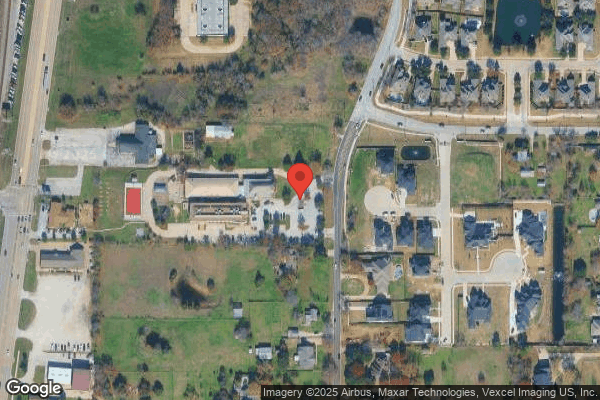
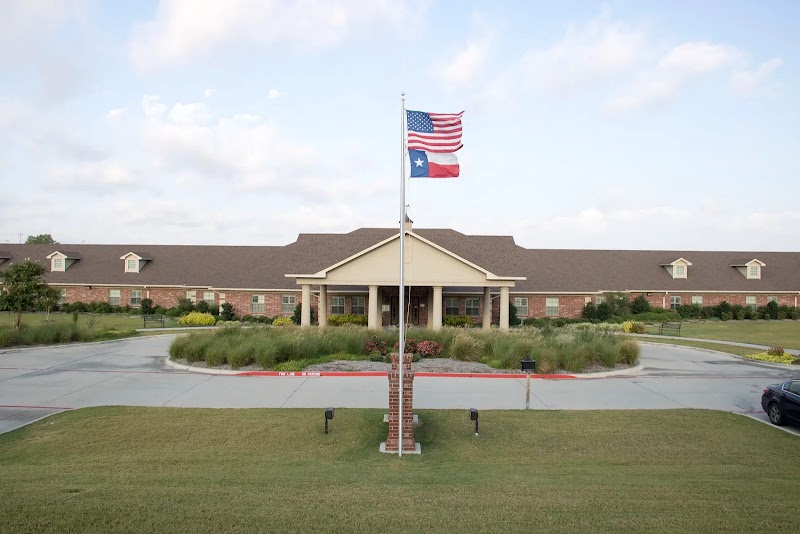
1150 WHITLEY ROAD, KELLER, TX 76248 (817) 431-2518
For profit - Corporation 120 Beds ADVANCED HEALTHCARE SOLUTIONS Data: November 2025 1 Immediate Jeopardy citation
Trust Grade
71/100
#65 of 1168 in TX
Last Inspection: August 2024

Within standard 12-15 month inspection cycle. Federal law requires annual inspections.

Overview

Heritage House at Keller Rehab & Nursing has a Trust Grade of B, indicating it is a good facility, solidly positioned above average. It ranks #65 out of 1168 nursing homes in Texas, placing it in the top half statewide, and #3 out of 69 in Tarrant County, meaning there are only two local options considered better. The facility is improving, with the number of issues found decreasing from 6 in 2024 to just 2 in 2025. Staffing is a relative strength, with a 3/5 star rating and a turnover rate of 34%, which is significantly lower than the Texas average of 50%. However, there are concerns, including a critical finding where two residents were not adequately supervised and managed to elope from the facility, posing a serious safety risk, as well as issues with personal care and food safety that could impact resident well-being.

Trust Score
B
71/100
In Texas
#65/1168
Top 5%
Safety Record
High Risk
Review needed
Inspections
Getting Better
6 → 2 violations
Staff Stability
○ Average
34% turnover. Near Texas's 48% average. Typical for the industry.
Penalties
✓ Good
$7,446 in fines. Lower than most Texas facilities. Relatively clean record.
Skilled Nurses
○ Average
Each resident gets 36 minutes of Registered Nurse (RN) attention daily — about average for Texas. RNs are the most trained staff who monitor for health changes.
Violations
⚠ Watch
18 deficiencies on record. Higher than average. Multiple issues found across inspections.
★★★★★
5.0
Overall Rating
★★★☆☆
3.0
Staff Levels
★★★★★
5.0
Care Quality
★★★★☆
4.0
Inspection Score
Stable
2024: 6 issues
2025: 2 issues

The Good

  • 5-Star Quality Measures · Strong clinical quality outcomes
  • Full Sprinkler Coverage · Fire safety systems throughout facility
  • No fines on record
  • Staff turnover below average (34%)

    14 points below Texas average of 48%

Facility shows strength in quality measures, fire safety.

The Bad

Staff Turnover: 34%

12pts below Texas avg (46%)

Typical for the industry

Federal Fines: $7,446

Below median ($33,413)

Minor penalties assessed

Chain: ADVANCED HEALTHCARE SOLUTIONS

Part of a multi-facility chain

Ask about local staffing decisions and management

The Ugly 18 deficiencies on record

1 life-threatening
Feb 2025 2 deficiencies
CONCERN (D) 📢 Someone Reported This

A family member, employee, or ombudsman was alarmed enough to file a formal complaint

Potential for Harm - no one hurt, but risky conditions existed

Deficiency F0694 (Tag F0694)

Could have caused harm · This affected 1 resident

**NOTE- TERMS IN BRACKETS HAVE BEEN EDITED TO PROTECT CONFIDENTIALITY** Based on observation, interview, and record review, the facility failed to ensure parenteral fluids were administered consistent...

Read full inspector narrative →
**NOTE- TERMS IN BRACKETS HAVE BEEN EDITED TO PROTECT CONFIDENTIALITY** Based on observation, interview, and record review, the facility failed to ensure parenteral fluids were administered consistent with professional standards of practice and in accordance with physician orders for one of one (Resident #1) reviewed for intravenous fluids. The facility failed to change Resident #1's PICC (this is a soft, flexible catheter inserted into a central vein used for prolonged antibiotic therapy) line dressing before 02/20/25. This failure could affect residents by placing them at risk for infection and IV complications. Findings included: Review of Resident #1's admission record dated 02/20/25 revealed an [AGE] year-old female who was admitted to the facility on [DATE]. Her diagnoses were acquired absence of left leg above the knee, orthopedic after care following surgical amputation, pressure ulcers (bed sore), and infection following a procedure. Review of Resident #1's physician's orders for February 2025 reflected: -Change transparent dressing to the Midline (a type of IV line) site one time a day every 7 day(s) for PICC IV ACCESS. Measure upper arm circumference and exterior catheter length with each dressing change. - Observe IV access site for erythema (redness), drainage, and edema (swelling) every shift for IV access Record any abnormal findings in the progress notes and notify the physician. Review of Resident #1's care plan initiated 02/12/25 revealed Resident#1 had multiple pressure ulcers to sacrum & thigh and was at increased risk for infection, pain, and a decline in functional abilities. The goal was Resident #1's pressure ulcer would show signs of healing through next review date. Resident#1's pressure ulcer would be free from infection and the risk for infection would be minimized through the next review date. The intervention was to provide pain management prior to dressing changes and repositioning as needed, provide wound care per physician's order, Keep dressing clean, dry, and intact, replace the dressing as needed for soiling. Monitor dressing to ensure it is intact and adhering. Report loose or soiled dressings to treatment or charge nurse. Routinely evaluate and document the wound dimensions, drainage, and condition of surrounding tissue. Notify the physician as needed for changes. Monitor and document for signs and symptoms of infection such as foul-smelling drainage, redness, swelling, tenderness, fever, and red lines or streaking originating at the wound. Notify the physician when detected. Weekly skin checks to monitor for redness, circulatory problems, pressure sores, open areas, and other changes in skin integrity. Report new conditions to the physician. Low air loss mattress. Provide incontinent care as needed. The care plan did not reflect Resident #1 a PICC line. Review of Resident #1's MAR/TAR for February 2025 reflected Change transparent dressing to the Midline site one time a day every 7 day(s) for PICC IV ACCESS Measure upper arm circumference and exterior catheter length with each dressing change. Start Date- 02/14/2025 0900, the MAR/TAR was marked that the dressing change was completed by LVN D on 02/14/25 at 09:00 AM. During wound care observation and interview with LVN A on 02/20/25 at 1:30 PM, it was revealed that Resident #1 had an IV on her right upper arm with a single lumen (access port of the IV line) . LVN A stated it was a PICC line. The PICC line dressing was dated 02/10/25. In an interview with LVN A on 02/20/25 at 1:48 PM, LVN A stated the PICC dressing was supposed to be changed every 7 days. He stated Resident #1's PICC dressing should have been changed 3 days ago [02/17/25]. He stated the nurse taking care of Resident #1 was responsible for changing the IV dressing unless the floor nurse had asked him to do so, he would have changed it. He stated if he had noticed the IV dressing beforehand, he would have informed the nurse (LVN C) taking care of Resident #1. He stated he was training on PICC line dressings. He stated he would inform the floor nurse, LVN C, right away. LVN A stated IV dressing changes was important to prevent infection. In an interview with LVN C on 02/20/25 at 1:54 PM, she stated she did not check the date on Resident #1's IV dressing. She stated, To be honest I only focused on the assessment of the IV site for redness and swelling. She stated she had used the PICC line to infuse an antibiotic this morning. She stated the PICC line dressing was changed every 7 days or as needed. She stated the risk to the resident was infection. She stated she would change the dressing immediately. In an interview with the DON on 02/20/25 at 4:47 PM, she stated they had a batch order for a PICC line, and the task had popped up on the EMR 3 days ago and one of the nurses might have marked the task as done . She stated nurses were responsible for completing the tasks and not just marking it as completed. She stated LVN C was responsible for accessing the PICC before and after use and she should have noticed the date. She stated the expectation was that PICC dressing change was completed every 7 days on the night shift. She stated all nursing was responsible for accessing the IV's. She stated the dressing change was necessary for infection control. LVN D was not available for interview on 02/20/25 by 5:15 PM. In an interview with the Administrator on 02/20/25 at 5:15 PM revealed that nurses were responsible for assessing the PICC line dressings and completing dressing changes as ordered, weekly. She said all dressing changes should be documented by the nurses. She stated if the IV dressing was not changed as ordered, then there was a potential for infection. Review of the facility's PICC line Transparent Dressing Change policy, revised 07/06/2018, revealed, Policy to prevent external infection of the peripheral or central venous catheter .Upon initial insertion of PICC Line monitor the dressing in the first 24 hours for accumulation of blood fluid or moisture beneath the dressing . Transparent membrane dressings (no gauze over site) are changed every 7 days and PRN . Document the procedure in the Nurses Notes or initial Treatment Administration Record. Chart for any signs, symptoms of complications related to the vascular access device, arm circumference measurement and external exposed PICC line catheter measurement .
CONCERN (D) 📢 Someone Reported This

A family member, employee, or ombudsman was alarmed enough to file a formal complaint

Potential for Harm - no one hurt, but risky conditions existed

Infection Control (Tag F0880)

Could have caused harm · This affected 1 resident

**NOTE- TERMS IN BRACKETS HAVE BEEN EDITED TO PROTECT CONFIDENTIALITY** Based on observation, interview, and record review, the facility failed to maintain an infection prevention and control program ...

Read full inspector narrative →
**NOTE- TERMS IN BRACKETS HAVE BEEN EDITED TO PROTECT CONFIDENTIALITY** Based on observation, interview, and record review, the facility failed to maintain an infection prevention and control program designed to provide a safe, sanitary, and comfortable environment and to help prevent the development and transmission of communicable disease and infections for 1 of 7 residents (Resident #1) reviewed for infection control. CNA B failed to wear a gown for Enhanced Barrier Precautions while assisting LVN A with wound care for Resident #1. These failures could place residents at risk of infectious disease. The finding included: Review of Resident #1's admission record dated 02/20/25 revealed an [AGE] year-old female who was admitted to the facility on [DATE]. Her diagnoses were acquired absence of left leg above the knee, orthopedic after care following surgical amputation, pressure ulcers (bed sore), and infection following a procedure. Review of Resident #1's admission MDS dated [DATE] was not completed and did not reflect a Brief Inventory of Mental Status (a standardized assessment to measure long and short-term memory), indwelling medical devices, wounds, wound vac (this is a medical device that helps to heal the wound from the inside using a suction motion) or infection. Review of Resident #1's physician orders for February reflected: -Cleanse pressure wound with cleanser, pat dry, apply collagen particles and calcium alginate to wound bed and cover with silicone foam dressing everyday shift for Right Posterior Thigh Wound. -Cleanse pressure wound with cleanser, pat dry, apply collagen particles and calcium alginate to wound bed and cover with silicone foam dressing everyday shift for Sacrum (tail bone) Wound. Review of Resident #1's care plan initiated 02/12/25 revealed Resident#1 had multiple pressure ulcers to sacrum & thigh and was at increased risk for infection, pain, and a decline in functional abilities. The goal was Resident #1's pressure ulcer would show signs of healing through next review date. Resident#1's pressure ulcer would be free from infection and the risk for infection would be minimized through the next review date. The intervention was to provide pain management prior to dressing changes and repositioning as needed, provide wound care per physician's order, Keep dressing clean, dry, and intact, replace the dressing as needed for soiling. Monitor dressing to ensure it is intact and adhering. Report loose or soiled dressings to treatment or charge nurse. Routinely evaluate and document the wound dimensions, drainage, and condition of surrounding tissue. Notify the physician as needed for changes. Monitor and document for signs and symptoms of infection such as foul-smelling drainage, redness, swelling, tenderness, fever, and red lines or streaking originating at the wound. Notify the physician when detected. Weekly skin checks to monitor for redness, circulatory problems, pressure sores, open areas, and other changes in skin integrity. Report new conditions to the physician. Low air loss mattress. Provide incontinent care as needed. The care plan did not reflect EBP for Resident #1with wounds or wound vac. Observation and interview on 02/20/25 at 1:30 PM, revealed a door signage that read STOP Enhanced Barrier Precautions. Everyone must clean their hands before entering the room and when leaving the room. Providers and staff must wear gloves and gown for the following: dressing, bathing/showering, transferring, changing linens, providing hygiene, changing briefs or assisting with toileting, device care or use such as central lines, urinary catheter, feeding tube, tracheostomy. Wound care: any skin opening requiring dressing. LVN A put on his gown and gloves to perform wound care for Resident #1. CNA B stated she was there to assist LVN A. CNA wore gloves. She did not wear a gown. Resident #1 was in the bed with family at bedside. Family stated Resident #1 moved from another facility due to worsening infection. Family stated resident had a wound vac on her amputated leg and that she admitted with wounds. CNA B helped to hold Resident #1 onto the left side by the amputated leg without a gown on. In an interview with LVN A on 02/20/25 at 1:48 PM, he stated he did not remind CNA B to put on a gown because he thought only the person completing the actual wound care needed to wear a gown. LVN A stated following EBP was important to prevent infection. In an interview with CNA B on 02/20/25 at 1:51 PM, she stated she forgot to put on her gown for EBP. She stated she had been in serviced for EBP which was used to prevent infection. She stated she was not thinking and forgot to wear a gown. In an interview with DON on 02/20/25 at 4:47 PM, DON stated CNA B should have worn a gown for PPE during wound care assistance. She stated the expectation was to follow precautions of EBP when touching bed, resident, or any high contact activities. She said EBP was put in place for infection control, and everyone should wear PPE, as necessary. In an interview the administrator on 02/20/25 at 5:15 PM revealed that all staff were expected to wear their PPE for EBP. She stated this was part of the infection control and all staff were responsible for following the infection control policy. Review of the facility's in-service dated 12/10/24, titled skin assessment during shower: Head to toe, Weekly skin assessment, abnormal findings must be reported, wound care revealed, LVN A, LVN C and CNA B had completed training. Review of policy Infection Prevention and Control Program, revised 11/06/24, revealed, .Enhanced Barrier Precautions EBP are used in conjunction with standard precautions and expand the use of PPE to donning of gown and gloves during high-contact resident care activities that provide opportunities for transfer of MDROs to staff hands and clothing. EBP are indicated for residents with any of the following: a. Infection or colonization with an MDRO when Contact Precautions do not otherwise apply. b. Wounds and/or indwelling medical devices (e.g., central lines, urinary catheter, feeding tube, tracheostomy/ventilator) regardless of MDRO colonization status During high-contact resident care activities: o Dressing o Bathing/showering o Transferring o Providing hygiene o Changing linens o Changing briefs or assisting with toileting o Device care or use: central line, urinary catheter, feeding tube, tracheostomy/ventilator o Wound care: any skin opening requiring a dressing Gloves and gowns prior to the high-contact care activity (Change PPE before caring for another resident) (Face protection may also be needed if performing activity with risk of splash or spray) .
Nov 2024 1 deficiency
CONCERN (D) 📢 Someone Reported This

A family member, employee, or ombudsman was alarmed enough to file a formal complaint

Potential for Harm - no one hurt, but risky conditions existed

Accident Prevention (Tag F0689)

Could have caused harm · This affected 1 resident

**NOTE- TERMS IN BRACKETS HAVE BEEN EDITED TO PROTECT CONFIDENTIALITY** Based on observation, interview, and record review, the facility failed to ensure each resident received adequate supervision an...

Read full inspector narrative →
**NOTE- TERMS IN BRACKETS HAVE BEEN EDITED TO PROTECT CONFIDENTIALITY** Based on observation, interview, and record review, the facility failed to ensure each resident received adequate supervision and assistance devices to prevent accidents for 1 of 5 residents (Resident #1) reviewed for accidents. CNA A failed to use a gait-belt to transfer Resident #1 from her bed to the shower chair on 09/03/24 causing a 1.0 cm x 1.5 cm skin tear on Resident #1's right arm. This failure could place residents at risk of injury. Findings included: Record review of Resident #1's undated admission Record reflected the resident was a [AGE] year-old female admitted to the facility on [DATE] with diagnoses which included psychotic disturbance (loss of touch with reality and having abnormal thoughts, precerptions and behaviors), muscle wasting, history of falls, and unsteadiness on her feet. Record review of Resident #1's admission MDS assessment, dated 05/04/22, and her discharge MDS assessment, dated 10/07/24, reflected she had a BIMS score of 5, indicating she had severe cognitive impairment. Her Functional Status assessment indicated she required total assistance with all ADLs, to include transfers. Record review of Resident #1's care plan, dated 10/07/24, indicated she had an ADL self-care deficit with an intervention of extensive assistance of one for transfers. Record review of an x-ray report, dated 09/04/24, reflected Resident #1 had an x-ray done of her right tibia and fibula (lower leg) and right ankle, and there was no fracture indicated. Record review of the NP's Progress Notes, dated 09/05/24, reflected Resident #1 seen and noted to have no injury, redness, bruising or edema to her right leg. The Progress Note reflected Resident #1 was seen after the resident had complained of pain following a transfer. The NP noted an x-ray was done of the resident's right leg, and there was no fracture noted. The NP also noted the resident had a superficial left arm skin tear during this transfer which is being treated. Record review of LVN B's written statement, dated 09/05/24, reflected she was notified of Resident #1 having a skin tear by CNA A. When LVN B assessed the resident, she noted a skin tear measuring 1.0 cm x 1.5 cm. She noted no other injury and treated the skin tear with steri-strips. LVN B made the appropriate notifications. LVN B was later notified by Resident #1' s family the resident was complaining of right leg and ankle pain. The NP was notified, and an x-ray was ordered. The x-ray revealed no fractures. Interview on 11/13/24 at 11:30 AM with LVN B revealed when she assessed Resident #1, the resident had been showered and put back in bed. She stated CNA A did not know how the skin tear had occurred. She stated CNA A did not notice it until she was putting the resident back to bed. LVN B stated the injury did not require a dressing because there was no bleeding. Record review of the Social Worker's written statement, dated 09/05/24 reflected she was contacted on 09/03/24 by Resident #1's family complaining the resident had been handled roughly during a transfer to the shower chair, resulting in a skin tear to her arm. The Social Worker initiated a grievance for Resident #1. The resident's family visited the Social Worker on 09/05/24 and informed her that after viewing video footage from Resident #1's room the resident had refused a shower, but the CNA had proceeded with the transfer and shower. Interview on 11/13/24 at 11:49 AM with the Social Worker revealed she had not been shown the video footage the family referenced, and her notes and the grievance report were from her communication with Resident #1's family. Record review of the facility's Provider Investigation Report, signed and dated by the DON on 09/12/24, reflected on 09/03/24 Resident #1 sustained a skin tear to her right arm, measuring 1 cm x 1.5 cm, when she was transferred from her bed to a shower chair by CNA A. The family reported the occurrence to the facility after seeing the incident on video recorded in the resident's room. The Provider Investigation Report reflected after the facility learned of the incident, they suspended CNA A on 09/03/24 and then terminated her employment. Observation of the video, dated 09/03/24 at 11:40 AM, provided by Resident #1's family, included audio. The video revealed Resident #1 in bed and CNA A attempting to transfer the resident from bed to a shower chair that was on the left side of the bed. CNA A had Resident #1 sitting up in bed with her legs off the side of the bed, with Resident #1 holding onto CNA A's shirt. Without using a gait-belt, CNA A held Resident #1 up with her hand on the back of the resident's neck. Resident #1 fell back on to the bed. CNA A then lifted Resident #1 up with her hands under the resident's left arm and by the right arm. CNA A counted to three and then put the resident into a shower chair. The resident complained of pain to her leg after being put into the shower chair. The video clip did not show the resident being combative or verbally/physically resisting care. Interview on 11/13/24 at 2:26 PM with the Administrator and the DON revealed the family had not provided them with the video of the transfer. During this interview, they were shown the video, and the Administrator stated he did not know the transfer was that bad. He added that was why CNA A was terminated. The DON stated she did not see CNA A use a gait-belt, which was against policy, as was lifting the resident by their arms. The DON stated she had done a one-on-one in-service with CNA A on resident rights and customer service immediately and before CNA A was suspended, but not on transfers or accident prevention. Telephone interview was attempted on 11/13/24 at 1:10 PM and 2:35 PM with CNA A, but the attempts were unsuccessful. Record review of the facility's Transfers of Residents policy, dated 09/02/24, reflected: The goal is to ensure the safety of the resident when moving from one place to another, to prevent injuries to the resident .Use a gait belt around the resident to protect both the resident and yourself, unless contraindicated and as applicable.
Oct 2024 2 deficiencies
CONCERN (D) 📢 Someone Reported This

A family member, employee, or ombudsman was alarmed enough to file a formal complaint

Potential for Harm - no one hurt, but risky conditions existed

Quality of Care (Tag F0684)

Could have caused harm · This affected 1 resident

**NOTE- TERMS IN BRACKETS HAVE BEEN EDITED TO PROTECT CONFIDENTIALITY** Based on observation, interview and record review, the facility failed to ensure that residents received treatment and care in a...

Read full inspector narrative →
**NOTE- TERMS IN BRACKETS HAVE BEEN EDITED TO PROTECT CONFIDENTIALITY** Based on observation, interview and record review, the facility failed to ensure that residents received treatment and care in accordance with professional standards of practice, the comprehensive person-centered care plan, and the residents' choices for one of three residents (Resident #1) reviewed. The facility failed to ensure the Wound Care Nurse used proper body mechanics while providing incontinence care to Resident #1 on 07/11/24. This failure could place residents at risk of injury, change in condition, and not receiving proper treatment and care in a timely manner. Findings included: Record review of Resident #1's face sheet, dated 10/22/24, reflected the resident was an [AGE] year-old female, with an initial admission date of 05/10/21 and a readmission date of 08/04/24. Resident #1 had diagnoses of cerebral infarction (brain tissue death due to blood blockage), irritant contact dermatitis due to fecal, urinary, or dual incontinence (skin rash), chronic pain syndrome (persistent pain), muscle wasting atrophy (loss or thinning of muscle tissue), cognitive communication deficit (difficulty with communication), muscle weakness (lack of muscle strength), abnormal posture (chronic or rigid body position), edema (fluid buildup in body tissue), and acute pain due to trauma. Record review of Resident #1's MDS assessment dated [DATE], reflected Resident #1's had a BIMS score of 15, which meant the resident had intact cognition. Record review of Resident #1's care plan dated 08/07/24, reflected the following: [Resident #1] has recurrent chronic rash and recurrent cellulitis. Provide gentle peri-care after each incontinence episode. Communication (Impaired): Resident has a communication problem related to history of aphasia (language disorder). Encourage resident to continue stating thoughts even if resident is having difficulty. Focus on a word or phrase that makes sense, or responds to the feeling resident is trying to express. Monitor/document for physical/nonverbal indicators of discomfort or distress, and follow-up as needed. Observation of a video, dated 07/11/24, reflected the Wound Care Nurse and Caregiver A as they provided perineal and incontinent care to Resident #1. In the video the Wound Care Nurse was seen lifting Resident #1's right leg straight in the air as he instructed Caregiver A on how to apply the white cream to the resident's under thigh area. The Wound Care Nurse was then seen putting Resident #1's leg back down straight on the bed, and the two staff members secured Resident #1's brief. The video had sound and it did not appear Resident #1 mentioned or appeared to have any pain. Record review of the Resident #1's hospital record dated 07/26/24, reflected Resident #1 admitted to the emergency department due to an altered mental status. The hospital record noted Resident #1' Family Member stated Resident #1 had complained of right hip pain for 1 and half weeks. It noted Resident #1 had tenderness around the right hip and pain with range of motion. The hospital document noted Resident #1 had an acute sub-capital right femoral neck fracture (neck of thighbone) without dislocation at the right hip joint. It also noted mild right hip joint osteoarthritis (joint breakdown). Record review of Resident #1 Medical Record from the Attending Surgeon at the hospital dated 07/26/2024 noted, Resident #1 was able to verbally tell her about the right hip pain. The Attending Surgeon noted upon starting the surgery the fracture site was not mobile and appeared subacute to chronic (bone fracture that started to heal). The Attending Surgeon noted the following: Addendum The fracture appeared subacute to chronic in nature, given the amount of fibrous tissue at the fracture site and small hematoma. It is my professional opinion that the EMS team that transported the patient to the hospital just prior to this admission was not at fault. In an interview on 10/22/24 at 12:08 PM, Resident #1's Family Member stated the family thought Resident #1's fracture resulted from the leg lift seen in the video. Resident #1's Family Member stated Resident #1 went to the hospital for something unrelated and asked the hospital to check her leg, because Resident #1 had complained about pain in the area. Resident #1's Family Member stated Resident #1 was diagnosed with a fracture while at the hospital. Resident #1's Family Member stated the resident had not fallen or had any accidents recently. The Family Member stated the facility did not report any incidents to the family which could have resulted in an injury. In an interview on 10/22/24 at 1:50 PM, Resident #1's Primary Care Physician stated he had no concerns with the care of Resident #1 while she was at the facility. The Primary Care Physician stated he stayed on top of Resident #1's care, especially since the resident's family member was very involved and liked to be updated frequently. He stated Resident #1 passed away recently, but it was not due to the care from the facility. He stated the resident had a lot of health issues. The Primary Care Physician stated he did not think lifting the resident's leg about 60-65 degrees could have caused the hip fracture. The Primary Care Physician stated he had not received any reports from the facility regarding Resident #1 and pain, or an increased amount of pain. He stated there was no change of condition reported to him regarding pain. He stated he did not receive a report of acute pain until Resident #1 was transported to the hospital on [DATE]. He stated the facility management was convinced the fracture occurred during transport to the hospital. The Primary Care Physician stated he assessed the resident a couple of days before she went to the hospital, and Resident #1 did not complain of pain. In an interview on 10/24/24 at 11:41 AM, the Wound Care Nurse stated he knew Resident #1 well, and she did not complain at all. He stated he never received any complaints from the family. He stated Resident #1 was vocal and would tell you how she liked staff to provide care at times. The Wound Care Nurse stated Resident #1's legs were kind of forced inward, and it was easier at times to elevate her leg instead of turning her on her side when providing care. He stated he would generally turn the resident instead of lifting the leg, but it would depend on the limitations of whichever resident. The Wound Care Nurse stated in this instance he thought she asked him to lift her leg, because it felt better for her due to the wounds on her right leg. He stated he did not document her request. The Wound Care Nurse stated there was never a time when he lifted her leg and she complained of pain. The Wound Care Nurse stated there was no risk when he lifted Resident #1's leg, because the leg was not straight up, but just lifted, and he stated the resident was not in any pain. In an interview on 10/24/24 at 2:44 PM, the DON stated Resident #1 had a strong side and a weak side of her body. She stated Resident #1 would tell you if she wanted her care a certain way or if she was in pain. The DON stated the Wound Care Nurse would not have done Resident #1's care differently unless it was requested. The DON stated there was no documentation or any changes to the resident's care plan because it was probably a one-time request or a request in the moment. She stated if Resident #1 requested it more than once then it would have been care planned. The DON stated generally it was safer to turn a resident on their side instead of lifting the resident's leg. The DON stated the risk was the quality of care given to the resident if the resident did not request the leg lift. In an interview on 10/24/24 at 3:19 PM, the Administrator stated Resident #1's family would communicate with him and his staff often and never mentioned any concerns with the resident's leg being lifted. The Administrator stated the residents should be repositioned instead of lifting their legs in most instances. He stated he did not recall her being injured and she did not complain of pain, so he did not see the risk of the leg lift. The Administrator stated there was a care plan meeting after the resident returned from the hospital, in which Resident #1's family told the staff the resident's hip was fractured. He stated they believe the fracture occurred during the transport to the hospital, because he nor the DON received any report of any incidents with the resident prior to her transport to the hospital. The Administrator stated the staff should follow their policy and reposition the resident unless the resident requests otherwise. The Administrator stated he was not aware of the video or Resident #1's leg being lifted. The Administrator stated he did not see the risk, because the staff would be handled and re-trained. Record review of the facility's Incontinence Care policy, last revised 02/14/20, reflected the following: .Procedure Position on side turned away from caregiver. Position on back with knees flexed and feet flat on the bed
CONCERN (D) 📢 Someone Reported This

A family member, employee, or ombudsman was alarmed enough to file a formal complaint

Potential for Harm - no one hurt, but risky conditions existed

Infection Control (Tag F0880)

Could have caused harm · This affected 1 resident

**NOTE- TERMS IN BRACKETS HAVE BEEN EDITED TO PROTECT CONFIDENTIALITY** Based on observation, interview, and record review, the facility failed to establish and maintain an infection prevention and co...

Read full inspector narrative →
**NOTE- TERMS IN BRACKETS HAVE BEEN EDITED TO PROTECT CONFIDENTIALITY** Based on observation, interview, and record review, the facility failed to establish and maintain an infection prevention and control program designed to provide a safe, sanitary, and comfortable environment and to help prevent the development and transmission of communicable diseases and infections for one of three residents (Resident #1) reviewed for infection control. 1. The facility failed to ensure Caregiver A provided incontinence care using the proper technique when she wiped Resident #1's perineal area from back to front on 07/11/24. 2. The facility failed to ensure Caregiver A changed her gloves after she wiped Resident #1's perineal area on 07/11/24. These deficient practices could place residents at-risk for infections. Findings included: Record review of Resident #1's face sheet, dated 10/22/24, reflected the resident was an [AGE] year-old female, with an initial admission date of 05/10/21 and a readmission date of 08/04/24. Resident #1 had a diagnosis of cerebral infarction (brain tissue death due to blood blockage), irritant contact dermatitis due to fecal, urinary or dual incontinence (skin rash), chronic pain syndrome (persistent pain), muscle wasting atrophy (loss or thinning of muscle tissue), cognitive communication deficit (difficulty with communication), muscle weakness (lack of muscle strength), abnormal posture (chronic or rigid body position), edema (fluid buildup in body tissue), and acute pain due to trauma. Record review of Resident #1's MDS assessment dated [DATE], reflected Resident #1's had a BIMS score of 15, which meant the resident had intact cognition. Record review of Resident #1's care plan dated 08/07/24, reflected the following: (Resident Name) has recurrent chronic rash and recurrent cellulitis. Provide gentle peri-care after each incontinence episode. Observation of a video, dated 07/11/24, reflected the Wound Care Nurse and Caregiver A as they provided perineal and incontinence care to Resident #1. In the video Caregiver A was seen as she wiped Resident #1's vaginal area from bottom to top. Caregiver A was seen putting a white cream on Resident #1's vaginal area, and then put the same white cream on the under-thigh area of Resident #1's right leg without changing her gloves before she went to a different area of Resident #1's body. In an interview on 10/24/24 at 12:24 PM, Caregiver A stated staff should wipe from front to back when perineal care was provided to a resident. She stated gloves should be changed after each task or area. Caregiver A stated Resident #1's legs were pretty close to each other, and stated Resident #1 was not flexible. Caregiver A stated it was hard to wipe the resident a certain way, because she was not flexible. Caregiver A stated not wiping Resident #1 correctly could have caused an infection, and not changing her gloves could have caused contamination. In an interview on 10/24/24 at 2:44 PM, the DON stated staff should wipe a female resident from front to back when providing care. She stated the staff should not wipe back and forth, because that would cause infection. The DON stated when cleansing or putting cream on different areas of the body, the staff should remove gloves, sanitize, then put on a new pair of gloves before tending to another area of the resident's body to prevent cross-contamination. The DON stated all staff were trained on infection control and perineal care. In an interview on 10/24/24 at 3:19 PM, the Administrator stated the staff had been trained on infection control and perineal care. He stated staff should know when to change their gloves and how to provide perineal care. He stated residents should be wiped from front to back when staff provide perineal care. The Administrator stated getting a citation for infection control would be a learning experience for his staff, as he has tried to train and re-train them on important subjects like infection control. The Administrator stated the risk of not changing gloves between areas of the body and wiping incorrectly was infection. Record review of the facility's Incontinent Care policy, last revised on 02/14/20, reflected the following: .Procedure .11. Cleanse per-area and buttocks with cleansing agent wiping from front of the perineum toward rectum. 12. Dry peri-area and buttocks from front to back 13. Apply skin protectant products, if needed and, or as ordered, per manufacturer's instructions . 15. Remove and discard gloves . Record review of an in-service titled, Covid-19 and Infection Control, dated 08/10/24, reflected the following: When to Perform Hand Hygiene Clean your hands: If hands will be moving from a contaminated body site to a clean body site during patient care . A general policy on infection control was requested on 10/22/24 and not received.
Aug 2024 2 deficiencies
CONCERN (D)

Potential for Harm - no one hurt, but risky conditions existed

Respiratory Care (Tag F0695)

Could have caused harm · This affected 1 resident

**NOTE- TERMS IN BRACKETS HAVE BEEN EDITED TO PROTECT CONFIDENTIALITY** Based on observation, interview, and record review, the facility failed to ensure residents who needed respiratory care were pro...

Read full inspector narrative →
**NOTE- TERMS IN BRACKETS HAVE BEEN EDITED TO PROTECT CONFIDENTIALITY** Based on observation, interview, and record review, the facility failed to ensure residents who needed respiratory care were provided such care, consistent with professional standards of practice for one (Resident #57) of three residents reviewed for respiratory care. The facility failed to ensure Resident #57's had a physician's order for oxygen treatment. This deficient practice could affect residents who received oxygen therapy from receiving inadequate oxygen support and a decline in health. Findings included: Record review of Resident #57's significant change MDS assessment dated [DATE] reflected the resident was an [AGE] year-old female admitted to the facility on [DATE]. Her diagnoses included end stage renal disease , non-Alzheimer's dementia, respiratory failure, hypertension (high blood pressure), atrial fibrillation (an irregular often rapid heart rate). The MDS further reflected the resident was on hospice services. Record review of Resident #57's progress notes dated 06/11/24 reflected the resident was on oxygen via nasal cannula. Observation and interview on 08/27/24 at 11:40 AM of Resident #57 revealed she in bed watching TV. The resident was on continuous oxygen via nasal cannula, and it was running at 2 liters per minute. Resident #57 was asked if her oxygen was working well for her and she stated it was. The resident did not appear to be in any distress. Record review of Resident #57's clinical record revealed there was no physician's order for the oxygen. Interview on 08/29/24 at 12:08 PM with LVN B revealed Resident #57 had been put on continuous oxygen a while back, possibly two months prior, because her oxygen saturations were not staying above 90% on room air. LVN B did not realize there was not a physician's order for the oxygen when she checked the clinical record. LVN B said the nurse that received the order should have put the order into the system but she did know who the nurse was that got the initial order. LVN B further stated it was important to have an oxygen order so staff would know what care was needed for the residents. Interview on 08/29/24 at 1:46 PM with the DON revealed she was not aware Resident #57 was on continuous oxygen and thought it was only as needed. The DON said all residents with oxygen should have a physician's order so that all staff knew what care was needed for the residents. Review of the facility's Oxygen Administration policy, dated September 2014, reflected the following: Policy To describe methods for delivering oxygen to improve tissue oxygenation. Procedure 1. Verify Physician Order 2. Order should have when to call the physician parameters
CONCERN (E) 📢 Someone Reported This

A family member, employee, or ombudsman was alarmed enough to file a formal complaint

Potential for Harm - no one hurt, but risky conditions existed

ADL Care (Tag F0677)

Could have caused harm · This affected multiple residents

**NOTE- TERMS IN BRACKETS HAVE BEEN EDITED TO PROTECT CONFIDENTIALITY** Based on observations, interviews, and record reviews, the facility failed to ensure a resident who is unable to carry out activ...

Read full inspector narrative →
**NOTE- TERMS IN BRACKETS HAVE BEEN EDITED TO PROTECT CONFIDENTIALITY** Based on observations, interviews, and record reviews, the facility failed to ensure a resident who is unable to carry out activities of daily living receives the necessary services to maintain good nutrition, grooming, and personal and oral hygiene for three (Residents #36, #107, and #69) of eight residents reviewed for ADL care. 1. The facility failed to provide two female residents, Residents #36 and #107, with grooming to ensure their facial hair was shaved. 2. The facility failed to provide Resident #69 assistance with timely incontinence care. These failures could place the residents at risk for decreased feelings of self-worth, skin breakdown, and infection. Findings included: 1. Record review of Resident #107's undated admission Record reflected the resident was a [AGE] year-old female admitted to the facility on [DATE] with diagnoses which included dementia, ulcer, and communication deficit. Record review of Resident #107's Quarterly MDS Assessment, dated 06/02/24, reflected a BIMS score of 4 indicating severe cognitive impairment. Her Functional Status evaluation indicated she required assistance with her personal hygiene. Record review of Resident #107's care plan, dated 07/03/24, reflected she had an ADL self-care deficit, with interventions including Provide shower, shave, oral care, hair care, and nail care per schedule and when needed. Her care plan did not reflect she refused ADL care. Observation and interview on 08/27/24 at 2:30 PM revealed Resident #107 was noted to have white facial hair on her chin, consisting of 6 hairs approximately an inch long. Resident #107 stated she was not aware of the hair on her chin, but she did not like the idea of having any facial hair. Resident #107 stated she thought her last shower was on the previous day (08/26/24) but could not recall her last shave. Observation and interview on 08/28/24 at 12:24 PM revealed Resident #107 remained unshaved and stated she had not asked the CNA to shave her. Record review of Resident #36's undated admission Record reflected she was admitted to the facility on [DATE] with diagnoses which included right ankle injury, morbid obesity, sleep apnea, and high blood pressure. Record review of Resident #36's admission MDS, dated [DATE], reflected a BIMS score of 12 indicating she was cognitively intact. Her Functional Status evaluation indicated she required partial assistance with her personal hygiene. Record review of Resident #36's care plan, dated 07/17/24 reflected she had an ADL self-care deficit, with interventions including Provide shower, shave, oral care, hair care, and nail care per schedule and when needed. Her care plan did not reflect any refusal of personal hygiene. Observation and interview on 08/27/24 at 2:34 PM revealed Resident #36 was noted to have white facial hair consisting of four hairs on her chin that were approximately 1/2 inch long. Resident #36 stated she did not like having facial hair of any kind, it was embarrassing. Her last bed bath was on 08/26/24 but the CNA did no mention the facial hair. Observation on 08/28/24 at 12:24 PM revealed Resident #36 was still unshaven. Interview on 08/28/24 at 2:25 PM CNA A stated she had bathed both Resident #36 and #107 on 08/26/24. She stated she did not notice their facial hair at the time because she was in a hurry because she was too busy with her patient load. Interview on 08/29/24 at 3:02 PM the DON stated the facility had plenty of staff to care for the residents, and any CNA could call for help any time they needed. The DON stated they did not have a policy that addressed shaving residents. She stated it should be done as part of the bathing process. 2. Record review of Resident #69's face sheet, dated 08/27/24, indicated Resident #69 was a [AGE] year-old male, admitted to the facility on [DATE], 09/04/19 and readmitted on [DATE]. Resident #69's diagnosis included Cerebral Infarction (stroke, poor blood flow to the brain), Contracture of Muscle (shortening of muscles causes joints to become stiff), Urinary Tract Infection (infection that affects part of the urinary tract), Acute Kidney failure (sudden decrease in kidney function), Type 2 Diabetes Mellitus (high blood sugar), Major Depressive Disorder (pervasive low mood, low self-esteem), absence of right leg above knee. Record review of Resident #69's admission MDS assessment, dated 07/18/2024, indicated Resident #69 had the ability to make himself understood and understood others. The assessment indicated Resident #69's BIMS score was not indicated, because he was rarely understood. Resident #69 was dependent on staff with toileting. Resident #69 required substantial/maximal assistance with shower/bathing and personal hygiene. Record review of Resident #69's care plan, undated, indicated Resident #69 was incontinent of bowel and bladder due to disease process and Resident #69 has potential for development for pressure ulcer related to immobility impairment. Goal: Resident will remain free from skin breakdown due to incontinence and brief use. Resident # 69 will be free of preventable breakdown. Interventions included: Check frequently for wetness and soiling, every two hours and change as needed. Briefs or incontinent products as needed for protection. Apply barrier cream after each incontinent episode. Weekly skin checks to monitor for redness, circulatory problems, breakdown, report any new skin conditions to the physician. Record review of Resident #69's task for toileting care revealed Resident #69 had received incontinent care last at 03:17 (3:17 AM) on 08/27/24. Interview and observation on 08/27/24 at 2:57 PM of Resident #69 revealed him in bed, Resident #69 stated lunch was great, and he had no concerns with his care at this time. Observation revealed Resident # 69's cloth bed pad was discolored with dark colored rings that indicated the resident may have been incontinent several times throughout the day. When Resident #69 was asked if he was soiled, he responded no. Surveyor did not observe any strong urine smells, however observation of the pad revealed his bedding had been wet at some point throughout the day. When Resident #69 was asked if he had any burning or irritation in his groin area he responded no. When Resident #69 was asked when the last time was, he had been changed he stated, I don't know. Observation and interview on 08/27/24 at 3:22 PM revealed CNA C exiting the room emptying contents in the dirty laundry barrel. During interview with Resident #69 revealed he had his bedding changed, clothing changed, and was wearing a new brief. Resident #69 stated staff came in and changed him and bedding, he was not having any issues or concerns in his groin area. Interview on 08/28/24 at 2:44 PM with CNA C revealed she arrived late to work on 08/27/24, and CNA D had to remain on shift to cover for her until she arrived. CNA C stated she entered the facility around 3:00 PM to begin her shift. CNA C stated she worked the 200 hall, CNA C stated she found Resident #69 heavily soiled. CNA C stated Resident #69 drank lots of fluid and was a heavy wetter. CNA C stated she had to change Resident#69 and his bedding and because she observed different colored rings on his bed pad indicating he soiled himself through the brief onto his bed. CNA C stated it was unknown when the last time Resident #69 had been changed, and the aide on previous shift did not report any concerns for Resident #69. According to CNA C the previous aide was responsible to ensure residents were clean and dry prior to end of their shift and she should report any concerns if she noted otherwise. CNA C stated if Resident #69 was changed around 2:00 PM, when she entered at 3:00 PM, Resident #69 would not have soiled to his bedding. CNA C stated since she was late to arrive to her shift, she felt it was necessary to jump in and get him changed. CNA C stated she had not reported this to the nurse because she had to ensure all residents had been cleaned and changed. CNA C stated having residents waiting too long to receive incontinent care could result in skin breakdown, infection, and irritation to the skin. Interview on 08/28/24 at 3:24 PM with CNA D revealed she worked hall 200 and cared for Resident #69 on 08/27/24. According to CNA D she usually completed incontinent care for Resident #69 twice during her shift, once in the morning and again prior to end of her shift. According to CNA D she was really busy on 08/27/24, towels were late which made her late for completing showers. CNA D stated she was aware she did not change the resident for a second time. CNA D stated she observed the surveyor going into Resident #69's room. CNA D stated she was upset when she returned to resident at the end of her shift to find him soiled down to his bed sheets. CNA D stated she then completed care, changed his bedding, and cleaned up Resident #69. CNA D revealed she could not recall the last time she was inserviced on activities of daily living care. CNA D stated not changing a resident in a timely manner could result in skin breakdown. CNA D stated she was responsible to ensure residents were changed in timely manner. CNA D stated she did not report her findings to her nurse or the oncoming aide. Interview on 08/29/24 at 10:56 AM with LVN E revealed she was notified of the incident with Resident #69 had not received proper incontinent care. LVN E stated CNA D was very good and works very hard at her job duties. LVN E stated it was reported to her that Resident #69 was a heavy wetter. LVN E stated aides that worked the floor were responsible to ensure residents were changed, clean and dry in a timely manner. LVN E stated she expected aides to notify her if they needed help with providing care so she could get adequate help or provide help herself. LVN E stated she noticed the linen closet was short on bed sheets and towels however it was not an excuse to prevent residents from having adequate care when it came to being changed. According to LVN E not changing residents in a timely manner could result in redness in their private areas and skin breakdown or infection. Interview on 08/29/24 at 1:20 PM with the DON revealed she was alerted to incident with staff not changing Resident #69 in a timely manner. The DON stated Resident #69 was a heavy wetter so she did not understand how CNA D could have gone all day without changing him. The DON stated there was plenty of staff in the building that could have assisted on the hall to ensure residents had adequate care. The DON stated her expectations included nursing staff to alert the nurses on the floor if they were running behind or off schedule. According to The DON not changing Resident #69 placed him at risk of skin breakdown, infection, emotional abuse, dignity concerns and re-igniting previous pressure sores. Review of the facility's policy Resident Showers , updated on 2/11/22, reflected: 3. The CNA will assess the skin for any changes while performing bathing and inform the nurse of any changes. 11. Assist the resident with showering as needed. The policy did not address personal hygiene, specifically shaving of female residents. Review of the facility's Provision of Quality of Life policy, revised 01/10/22, reflected: based on comprehensive assessments, the facility will ensure that each resident will receive the necessary care and services to attain or maintain the highest practical physical, mental, and psychosocial well being, consistent with resident's comprehensive assessment and plan of care In order to achieve a culture and environment that supports quality of life the facility leadership will validate that all staff, across all shifts and departments receives training that provides understanding on the principles of quality of life. Review of the facility's Incontinence Care policy, revised 02/14/20, reflected an outlined procedure for cleaning the perineum and buttocks after an incontinence episode. The policy did not address timeliness of incontinent care.
Mar 2024 1 deficiency
CONCERN (D) 📢 Someone Reported This

A family member, employee, or ombudsman was alarmed enough to file a formal complaint

Potential for Harm - no one hurt, but risky conditions existed

PASARR Coordination (Tag F0644)

Could have caused harm · This affected 1 resident

**NOTE- TERMS IN BRACKETS HAVE BEEN EDITED TO PROTECT CONFIDENTIALITY** Based on interview and record review, the facility failed to coordinate assessments with the PASARR program for 1 (Resident #1) ...

Read full inspector narrative →
**NOTE- TERMS IN BRACKETS HAVE BEEN EDITED TO PROTECT CONFIDENTIALITY** Based on interview and record review, the facility failed to coordinate assessments with the PASARR program for 1 (Resident #1) of 4 residents reviewed for PASRR coordination. The facility failed to meet deadlines for submitting a NFSS for specialized services and customized manual wheelchair for Resident #1. This failure could place residents at risk of not receiving qualified specialized services. Findings included: Review of Resident #1's undated admission Record revealed the resident was a [AGE] year-old female admitted to the facility on [DATE] with diagnoses that included seizures, Alzheimer's disease, and Parkinson's disease. Review of Resident #1's quarterly MDS, dated [DATE], revealed a BIMS score of 9, indicating moderate cognitive impairment. The assessment revealed she required assistance with all of her ADLs, and she required the use of a wheelchair for mobility. Review of Resident #1's care plan, dated 03/06/24, revealed she had the potential for falls related to gait and balance problems. She was PASRR positive for Intellectual Disability placing the resident at risk of not having the ordered specialized services provided with interventions of specialized services determined to be necessary by the IDT will be initiated and request submitted to DADS [HHSC] within 20 business days after date of IDT. Services will be delivered within 3 days after approval. Dated 08/08/23 Interview on 03/18/24 at 3:38 PM with the PASRR Unit Program Specialist revealed on 02/01/24 the Administrator was notified via phone and email his facility had to submit a NFSS for Specialized Services for OT and PT by 02/05/24 and by 02/07/24 for Customized Manual Wheelchair, based on the IDT meeting in August 2023. As of 02/22/24, the facility was considered delinquent. Interview on 03/19/24 at 11:00 AM with the MDS Coordinator revealed the request for Specialized Services was handled by the Rehabilitation Department, so she did not know about the issues. Interview on 03/19/24 at 11:10 AM with the Director of Rehabilitation Services revealed began working in her position on 03/04/24, and she did not know what the previous director had done or not done. She stated the previous director left around 02/14/24. She called the Regional Director of Rehabilitation Services for assistance. The Regional Director was able to reveal the NFSS had been submitted on 03/01/24. Resident #1 had been on Skilled Nursing Services, following an admission to the hospital, until 03/16/24, so the NFSS was denied. On 03/19/24, the Regional Director re-submitted the request. The Regional Director and the Director of Rehabilitation Services understood the re-submission was considered a late submission. Interview on 03/19/24 at 3:00 PM with the Administrator revealed he recalled speaking to someone from HHSC about Resident #1's MDS, but the caller did not explain the issue very well. He stated he was confused about what she was talking about. The Administrator stated the caller had been so rude and he ended the call. The Administrator asked the MDS Coordinator to check Resident #1 to insure everything had been submitted. The Administrator stated he had not been aware that Rehab Services handled anything with the MDS so he did not think to follow up with them. Review of the facility's undated MDS Coordination policy revealed it did not address Specialized Services.
Oct 2023 1 deficiency 1 IJ
CRITICAL (J) 📢 Someone Reported This

A family member, employee, or ombudsman was alarmed enough to file a formal complaint

Immediate Jeopardy (IJ) - the most serious Medicare violation

Accident Prevention (Tag F0689)

Someone could have died · This affected 1 resident

**NOTE- TERMS IN BRACKETS HAVE BEEN EDITED TO PROTECT CONFIDENTIALITY** Based on observation, interview and record review, the facility failed to ensure an environment that was free of accident hazard...

Read full inspector narrative →
**NOTE- TERMS IN BRACKETS HAVE BEEN EDITED TO PROTECT CONFIDENTIALITY** Based on observation, interview and record review, the facility failed to ensure an environment that was free of accident hazards and that each resident received adequate supervision to prevent elopement for two (Residents #1 and#2) of four residents reviewed for elopement. 1. The facility failed to ensure Resident #1 was provided with adequate supervision to prevent him from eloping from the facility on 09/25/23. 2. The facility failed to ensure Resident #2 was provided with adequate supervision to prevent him from eloping from the facility on 09/28/23. The non-compliance was identified as past non-compliance. The Immediate Jeopardy (IJ) began 09/25/23 and ended on 09/30/23. The facility corrected the non-compliance before surveyor's entrance. This failure placed residents at risk of harm and/or serious injury. Findings included: 1. Review of Resident #1's MDS assessment dated [DATE] reflected the resident was a [AGE] year-old male admitted to the facility on [DATE]. The resident's diagnoses included Alzheimer's disease, non-Alzheimer's dementia, and cognitive communication deficit. Resident #1 had long and short-term memory impairment and a BIMS could not be completed due to his impaired cognition. Review of Resident #1's care plan initiated on 08/04/23 revealed the resident wandered related to cognitive impairment and was at risk for elopement. Interventions included putting the resident on 1:1 (one-on-one supervision) while behaviors like seeking exit were noted. The care plan further reflected Resident #1 was able to self propel his wheelchair. Review of Resident #1's elopement assessment dated [DATE] reflected the resident was at a high risk to elope and a care plan for elopement was indicated. Review of the facility's Provider Investigation Report dated 09/25/23 reflected the following: At 5:02am [on 09/25/23], when returning to the desk from down the 100 hall, [LVN A] heard the alarm sounding from the dining room door. She looked outside and around the door and didn't see anyone, so she immediately called for a code silver and staff completed a head count. At 5:06am, it was noted that [Resident #1] was not able to be located and a search ensued, including the interior and exterior of the facility, parking lots, bushes, etc. At 5:25am, the search was expanded by car to include the area directly surrounding the facility. [Resident #1] was noted at the gas station about half a block from the facility at approximately 5:30am, with 2 police officers, by [LVN A]. Resident was returned to the facility, and released to the nurse assigned to him, [LVN A] who completed a head to toe assessment and placed the resident on 1:1 staff supervision Review of Resident #1's progress notes dated 09/25/23 completed by LVN B reflected the following: At 5:00 [AM] code silver was initiated. Census was printed and a complete head count was done on all the resident [sic]. At 5:10 we noted that [Resident #1] was missing, CNA's along side with nurses searched the outside grounds. Resident was located at 5:36 am. Resident was returned to the inside of the facility at 5:40 am. A completed head to toe assessment was done, not noted skin abnormalities was seen Resident was placed on a one to one observation for acute monitoring Review of a [NAME] map on 10/24/23 revealed the location where Resident #1 was located on 09/25/23 was 0.3 miles from the facility. Attempts to interview LVN A and LVN B on 10/24/23 were unsuccessful. Interview on 10/24/23 at 11:29 AM with the Receptionist revealed Resident #1 always sat at the front lobby and looked outside and let her know when visitors were coming to the door and greeted all who entered the facility. She stated Resident #1 was confused but had never made any attempts to elope nor expressed wanting to leave to her. Interview on 10/24/23 at 12:29 PM with CNA C revealed Resident #1 had confusion but he was not exit seeking and self-propelled his wheelchair through the facility. Interview on 10/24/23 at 2:42 PM with LVN D revealed Resident #1 was confused and sat in the front lobby greeting all the visitors that entered the facility. Resident #1 was very calm and was never known to be exit seeking. Interview on 10/24/23 at 9:50 AM with the Maintenance Director revealed he was on his way to work the morning Resident #1 eloped from the facility, 09/25/23. When he arrived at the facility, he checked all the exit doors to ensure they were all operating and there were no concerns. The Maintenance Director further stated Resident #1 was confused but he had never known the resident to be exit seeking. Interview on 10/24/23 at 10:56 AM with the ADON revealed Resident #1 used a wheelchair to get around and he was alert and oriented to himself only. She stated the resident did not wander or was exit seeking to her knowledge nor had he ever expressed wanting to leave the facility. Interview on 10/24/23 at 9:00 AM with the Administrator and DON revealed they were immediately made aware of Resident #1's elopement and he was put on 1:1 supervision until he was transferred to a facility with a secure unit to prevent another incident. 2. Review of Resident #2's MDS dated [DATE] revealed the resident was a [AGE] year-old male admitted to the facility on [DATE]. His diagnosis included cerebrovascular accident (stroke) and non-Alzheimer's dementia. The MDS further reflected Resident #2 had a BIMS of 3 (cognition severely impaired). Review of Resident #2's undated care plan revealed he had impaired cognition and was at risk for a further decline in cognitive and functional decline abilities. Interventions included to monitor/document/report to physician any changes in cognitive function. Review of Resident #2's Elopement assessment dated [DATE] revealed he was low risk. Review of the facility's Provider Investigation Report dated 09/29/23 reflected the following: The resident was noted to be missing from his room at 4:05 PM [on 09/28/23] by his nurse [LVN E]. As she was going to the front to call a code silver, a visitor was informing the receptionist that there was a resident in the parking lot. The resident was returned to the facility at 4:07 PM and a head to toe assessment was completed with no injuries noted. During door alarm checks, it was noted that the 200 hall door lock was malfunctioning. A sentry was placed at the door until the maintenance supervisor repaired the door, then q 4 hour door checks were performed until the alarm company came to inspect all the doors. Door checks continue daily. Interview on 10/24/23 at 3:04 PM with LVN E revealed she arrived to work the day of Resident #2's elopement, 09/28/23 at 2:00 PM, and during her initial rounds, she saw the resident in his room. Around 3:30 PM, she noticed Resident #2 was not in his room or the bathroom and asked nearby staff if they had seen the resident. At that time, they began to look for the resident and they had called a code silver as the same time an employee from a nearby business was in the front lobby saying Resident #2 was at their business and the resident was taken back to the facility. LVN said Resident #2 had not been at the facility long but during that short time, the resident had not been exit-seeking. The LVN further stated the resident was ambulatory without assistance. Resident #2 was put on 1:1 supervision until he was discharged from the facility. Interview on 10/24/23 at 12:29 PM with CNA C revealed the day of Resident #2's elopement, 09/28/23, the resident had been seen at the nurse's station around 3:35 PM, and around 4:00 PM LVN E was looking for the resident and decided to call a code silver. At that same time, they got word that Resident #2 had been found outside next door at a nearby establishment and they had the resident. Facility staff went to the establishment and brought Resident #2 back to the facility. CNA C further stated that during the short time the resident was at the facility, he had never been exit seeking nor had he ever made the comment about wanting to leave. Interview on 10/24/23 at 9:50 AM with the Maintenance Director revealed when he was made aware of Resident #2's elopement, he was called to check the exit doors and he found the exit door on 200 hall was not working. It appeared the exit door had come out of adjustment but once he fixed it, it began to work again. The Maintenance Director stated all the exit doors were checked weekly and all the doors had just been checked a few day prior, when Resident #1 eloped on 09/25/23 and they had all been in good and operating correctly. After Resident #2's incident, the mag lock on the 200 hall door was replaced and all facility exit doors were being checked and the codes were being changed every morning as well. Interview on 10/24/23 at 10:56 AM with the ADON revealed on the day of Resident #2's elopement, 09/28/23, she was in her office on the 500 hall when she heard LVN E asked if anyone had seen Resident #2. At that time, they activated a code silver when they saw an employee of a nearby business in the front lobby saying they had one of their residents. Resident #2 was brought back to the facility and the nurse did a head-to-toe assessment and there were no injuries noted. After the resident was brought back to the facility, he was asked why he had left and the resident stated because this is a free country. Resident #2 was put on 1:1 supervision until he was discharged from the facility with family. The ADON further stated the resident had only been at the facility for a short time and he had never shown exit seeking behaviors. Observation from the 200 exit door of the facility on 10/24/23 at 2:23 PM revealed the establishment where Resident #2 was found was about 100 yards from the facility premises. The establishment and facility shared a paved parking lot with some landscaped grass. Interview on 10/24/23 at 5:27 PM with the Regional Nurse Consultant revealed Residents #1 and #2 were discharged from the facility to a secure unit. All staff were re-educated on code silver and live drills were done every shift for a week and a half, then daily, then transitioned weekly and now are being done monthly so all staff knew what to do in case a resident went missing. Exit door checks were being done daily by the Maintenance Director and the mag lock was changed on the hall 200 exit door. She further stated there was an elopement assessment done on all the residents after the incidents and there were two additional residents identified and measures were put in place to prevent any further incidents. Observation on 10/24/23 from 9:34 AM to 9:50 AM revealed all 13 facility exit doors were checked with the Maintenance Director and all of the doors were functioning properly. Each door was equipped with a 15 second egress release followed by an alarm after it was opened. There were 3 dining room doors and there was an additional louder alarm added so they could be heard throughout the facility. Review of the facility's policy titled Missing Resident Policy revised on 08/15/23 reflected the following: This facility ensures that residents who exhibit wandering behavior and/or are at risk for elopement receive adequate supervision to prevent accidents and receive care in accordance with their person-centered plan of care addressing the unique factors contributing to wandering or elopement risk This was determined to be a Past Non-Compliance Immediate Jeopardy on 10/24/23 at 5:15 PM. The Administrator, DON, and Regional Nurse Consultant were notified. The Administrator was provided with the IJ template on 10/24/23 at 5:26 PM. The facility took the following actions to correct the non-compliance prior to the investigation: Record review of the following in-services, dated 09/25/23 and 09/28/23, reflected the in-services were conducted and signed by all facility staff on all three shifts, 6:00 AM to 2:00 PM, 2:00 PM to 10:00 PM and 10:00 PM to 6:00 AM: - Missing resident guidelines; - Missing resident protocol-Elopement binder; - Code Silver; - Exit seeking behavior; and - Head count procedural guidelines. Interviews on 10/24/23 from 9:34 AM to 3:59 PM with the Receptionist, HR Director, Restorative Aide, Maintenance Director, ADON, LVN A, LVN B, CNA C, LVN D, and LVN E who worked all three shifts revealed they were able to conduct a code silver drill for a missing resident, perform a head count check, what to do when they heard a door alarm and monitor any changes in condition that could indicate a resident was a high elopement risk. Record review of the facility's Code Silver drills revealed they were conducted daily on each shift beginning on 09/25/23 and they were currently being done monthly with no end date. Record review of exit door checks on 09/25/23, after Resident #1 eloped, revealed all exit doors were functioning properly. Record review dated 09/28/23 revealed staff were doing 15 minute checks on the 200 hall door from 4:20 PM until the Maintenance Director arrived and it was fixed at 6:47 PM. Record review of the fire and security invoice revealed that on 09/30/23 a delayed egress lock was replaced on the 200 hall. Record review of the door alarm checks dated 09/29/23 to 10/23/23 revealed they were being checked daily by the Maintenance Director. Record review revealed an elopement assessment was completed on all the residents on 09/29/23 to identify any additional high risk residents. Two additional residents were identified as being at high risk for elopement. One of the resident was transferred out to a more secure facility and the other resident was monitored until he was deemed safe to remain at the facility.
Jul 2023 6 deficiencies
CONCERN (D) 📢 Someone Reported This

A family member, employee, or ombudsman was alarmed enough to file a formal complaint

Potential for Harm - no one hurt, but risky conditions existed

Abuse Prevention Policies (Tag F0607)

Could have caused harm · This affected 1 resident

**NOTE- TERMS IN BRACKETS HAVE BEEN EDITED TO PROTECT CONFIDENTIALITY** Based on observation, interview, and record review, the facility failed to implement their written policies and procedures for i...

Read full inspector narrative →
**NOTE- TERMS IN BRACKETS HAVE BEEN EDITED TO PROTECT CONFIDENTIALITY** Based on observation, interview, and record review, the facility failed to implement their written policies and procedures for investigating and reporting allegations of abuse, neglect, exploitation or mistreatment, including injuries of unknown source and misappropriation of resident property, for 1 (Resident #35) of 18 residents reviewed for abuse. The facility failed to follow their policy and report to the State Survey Agency when Resident #35 alleged he had been cursed at by CNA C. The failure could place residents at risk of repeated injuries, abuse and/or neglect. Findings included: Review of Resident #35's MDS revealed the resident was an [AGE] year-old male admitted to the facility on [DATE]. His diagnoses included non-Alzheimer's dementia, anxiety disorder, depression, and contracture of muscle. Resident #35 had a BIMS of 15 (cognition intact). Observation and interview on 07/18/23 at 10:15 AM revealed Resident #35 was in his room in bed watching TV The resident stated CNA C did not like him and had called him an asshole three times about three to four weeks ago. The resident said he reported the incident to his family and stated he was not afraid of the CNA and felt safe at the facility. Interview on 07/18/23 at 11:54 AM with Resident #35's family revealed the resident had called them a few weeks back (did not recall he date) and told them CNA C had called him an asshole three times. Resident #35's family said they reported the allegation to the Social Worker and they had a care plan meeting and they were told CNA C had been spoken to about the matter. The family further stated the facility had offered to move the resident to another hall but the resident did not want to leave the room he was in. Interview on 07/18/23 at 1:53 PM with the Social Worker revealed Resident #35's family had gone to her a while back (did not recall the date) and stated Resident #35 had complained about CNA C giving him a cold shower and they also mentioned the aide had called the resident an asshole. The Social Worker said she reported the incident to the ADON and an investigation had been done. Review of the grievance report dated 05/25/23 completed by the Social Worker revealed family stated Resident #35 said CNA C called him an asshole and would not turn on the heater in the shower room. Further review of the grievance report revealed they had spoken with CNA C and she had not been in the building on the day the resident made the allegation. The CNA also said there was always a staff member present when she gave Resident #35 a shower. Interview on 07/19/23 at 2:57 PM with the ADON revealed CNA B reported Resident #35 said CNA C had called him an asshole earlier that day. The ADON did not recall the date of the incident but recalled CNA C had not worked the day the resident alleged the incident occurred. The ADON said she spoke to the DON about the incident but had not been able to speak to the resident that day because he was asleep. Interview on 07/19/23 at 12:19 PM with CNA B revealed she was feeding Resident #35 when he asked her if CNA C had been fired because she (CNA C) had called him an asshole three times. CNA B did not recall the date of the incident but thought it was some time in May (2023). CNA B reported the incident to the ADON because the Administrator and DON were not at the facility. Interview on 07/19/23 at 12:19 PM with the DON revealed sometime in May (2023) Resident #35's family had called the Social Worker to report the resident said CNA C had given him a cold shower and called him an asshole. The DON did not recall the date but that it had been a Monday. Resident #35 had also reported the incident to CNA B and they had investigated the incident and gotten statements of the incident. Attempts to contact CNA C on 07/18/23 were unsuccessful. Interview on 07/18/23 at 11:45 AM with the DON revealed the incident between Resident #35 and CNA C was not reported to the Survey Agency because CNA C was not working the day Resident #35 said the incident occurred but they had gone ahead and completed an investigation. Interview with the Administrator, working at the time of the incident, was not possible because he was on leave at the time of the investigation. Review of the facility's policy titled Abuse, Neglect and Exploitation implemented 10/24/22 reflected the following: Policy: It is the policy of this facility to provide protections for the health, welfare and rights of each resident by developing and implementing written policies and procedures that prohibit and prevent abuse, neglect, exploitation and misappropriation of resident property .VII. Reporting/Response .2. Reporting of all alleged violations to the Administrator, state agency, adult protective services and to all other required agencies .within specified timeframes: a. Immediately, but not later than 2 hours after the allegation after the allegation is made
CONCERN (D) 📢 Someone Reported This

A family member, employee, or ombudsman was alarmed enough to file a formal complaint

Potential for Harm - no one hurt, but risky conditions existed

Report Alleged Abuse (Tag F0609)

Could have caused harm · This affected 1 resident

**NOTE- TERMS IN BRACKETS HAVE BEEN EDITED TO PROTECT CONFIDENTIALITY** Based on observation, interview and record review, the facility failed to ensure that all alleged violations involving abuse and...

Read full inspector narrative →
**NOTE- TERMS IN BRACKETS HAVE BEEN EDITED TO PROTECT CONFIDENTIALITY** Based on observation, interview and record review, the facility failed to ensure that all alleged violations involving abuse and neglect, including injuries of unknown source, were reported immediately, but not later than two hours after the allegation was made, if the events that caused the allegation involved abuse or resulted in serious bodily injury, to the State Survey Agency in accordance with State law through established procedures for 1 (Resident #35) of 18 residents reviewed for abuse and neglect. The facility failed to report to the State Agency when Resident #35 made an allegation of verbal abuse against CNA C. This failure could place residents at risk of incidents of abuse, neglect, and exploitation not being reported timely . Findings included: Review of Resident #35's MDS assessment revealed the resident was an [AGE] year-old male admitted to the facility on [DATE]. His diagnoses included non-Alzheimer's dementia, anxiety disorder, depression, and contracture of muscle. Resident #35 had a BIMS of 15 (cognition intact). Observation and interview on 07/18/23 at 10:15 AM revealed Resident #35 was in his room in bed watching TV. The resident stated CNA C did not like him and had called him an asshole three times about three to four weeks ago. The resident said he reported the incident to his family and stated he was not afraid of the CNA and felt safe at the facility. Interview on 07/18/23 at 11:54 AM with Resident #35's family revealed the resident had called them a few weeks back (did not recall he date) and told them CNA C had called him an asshole three times. Resident #35's family said they reported the allegation to the Social Worker and they had a care plan meeting and they were told CNA C had been spoken to about the matter. The family further stated the facility had offered to move the resident to another hall but the resident did not want to leave the room he was in. Interview on 07/18/23 at 1:53 PM with the Social Worker revealed Resident #35's family had gone to her a while back (did not recall the date) and stated Resident #35 had complained about CNA C giving him a cold shower and they also mentioned the aide had called the resident an asshole. The Social Worker said she reported the incident to the ADON and an investigation had been done. Review of the grievance report dated 05/25/23 completed by the Social Worker revealed family stated Resident #35 said CNA C called him an asshole and would not turn on the heater in the shower room. Further review of the grievance report revealed they had spoken with CNA C and she had not been in the building on the day the resident made the allegation. The CNA also said there was always a staff member present when she gave Resident #35 a shower. Interview on 07/19/23 at 2:57 PM with the ADON revealed CNA B reported Resident #35 said CNA C had called him an asshole earlier that day. The ADON did not recall the date of the incident but recalled CNA C had not worked the day the resident alleged the incident occurred. The ADON said she spoke to the DON about the incident but had not been able to speak to the resident that day because he was asleep. Interview on 07/19/23 at 12:19 PM with CNA B revealed she was feeding Resident #35 when he asked her if CNA C had been fired because she (CNA C) had called him an asshole three times. CNA B did not recall the date of the incident but thought it was some time in May (2023). CNA B reported the incident to the ADON because the Administrator and DON were not at the facility. Interview on 07/19/23 at 12:19 PM with the DON revealed sometime in May (2023) Resident #35's family had called the Social Worker to report the resident said CNA C had given him a cold shower and called him an asshole. The DON did not recall the date but that it had been a Monday. Resident #35 had also reported the incident to CNA B and they had investigated the incident and gotten statements of the incident. Attempts to contact CNA C on 07/18/23 were unsuccessful. Interview on 07/18/23 at 11:45 AM with the DON revealed the incident between Resident #35 and CNA C was not reported to the Survey Agency because CNA C was not working the day Resident #35 said the incident occurred but they had gone ahead and completed an investigation. Interview with the Administrator, working at the time of the incident, was not possible because he was on leave at the time of the investigation. Review of the facility's policy titled Abuse, Neglect and Exploitation implemented 10/24/22 reflected the following: Policy: It is the policy of this facility to provide protections for the health, welfare and rights of each resident by developing and implementing written policies and procedures that prohibit and prevent abuse, neglect, exploitation and misappropriation of resident property .VII. Reporting/Response .2. Reporting of all alleged violations to the Administrator, state agency, adult protective services and to all other required agencies .within specified timeframes: a. Immediately, but not later than 2 hours after the allegation after the allegation is made
CONCERN (D)

Potential for Harm - no one hurt, but risky conditions existed

Deficiency F0761 (Tag F0761)

Could have caused harm · This affected 1 resident

Based on observation, interview and record review, the facility failed to ensure drugs and biologicals used in the facility were labeled in accordance with professional principles, and included the ap...

Read full inspector narrative →
Based on observation, interview and record review, the facility failed to ensure drugs and biologicals used in the facility were labeled in accordance with professional principles, and included the appropriate accessory and cautionary instructions, and the expiration date when applicable for 1 (500 Hall) of 2 medication rooms (refrigerators) reviewed for medication storage. The facility failed to dispose of two expired vials of the influenza vaccine. This failure could place the residents at risk of not receiving the required therapy or receiving vaccines that were expired. Findings included: Observation of the medication room on 500 hall on 07/19/23 at 9:20 AM revealed two vials of influenza vaccines. Both vials had been opened and had an expiration date of 06/29/23. Interview on 07/19/23 at 9:26 AM with LVN E revealed the night shift nurses are the ones that are supposed to check the carts and the refrigerators for expired medications, but it is all nurse's responsibility to check and remove expired medications from the refrigerator. She stated she has done training on when to discard the vaccines once they expire. She stated failure to remove the expired medication, if administered they will cause reactions and the resident will not get the required therapy. Interview on 07/19/23 at 9:57 AM with the DON revealed, her expectation was the night shift nurses were to check the medication carts and the refrigerators every night for the expired medications. She stated the ADON was responsible of auditing the cart and refrigerators every week and at most monthly. She said she did not have an ADON because she left weeks ago, and she has not been able to replace her. The DON stated the vaccines were supposed to have been removed from the refrigerator in May after the end of flu (is an infection of the nose, throat, and lung season) season. The DON stated she had done training with staffs on checking the refrigerators and removing expired medications. She also stated if the staff were not checking for expired medications and vaccines the risk will be the resident will be receiving expired medications and will not receive the expected therapy. The last destruction of expired medication was done on 07/11/23 and it was documented. Review of the facility's storage of medication policy, revised August 2020, reflected the 1.Expiration dates (beyond-use dates) of dispensed medications shall be determined by the pharmacist at the time of dispensing. 2.Drugs dispensed in the manufacturers' original container will be labelled with the manufacturer's expiration date. 8.All expired medications will be removed from the active supply and destroyed in accordance with facility policy, regardless of amount remaining.
CONCERN (D)

Potential for Harm - no one hurt, but risky conditions existed

Infection Control (Tag F0880)

Could have caused harm · This affected 1 resident

**NOTE- TERMS IN BRACKETS HAVE BEEN EDITED TO PROTECT CONFIDENTIALITY** Based on observation, interview and record review, the facility failed to maintain an infection prevention and control program d...

Read full inspector narrative →
**NOTE- TERMS IN BRACKETS HAVE BEEN EDITED TO PROTECT CONFIDENTIALITY** Based on observation, interview and record review, the facility failed to maintain an infection prevention and control program designed to provide a safe, sanitary, and comfortable environment and to help prevent the development and transmission of communicable disease and infection for 1 (Resident #12) of 4 residents reviewed for infection control during medication administration. The facility failed to ensure MA D disinfected the blood pressure cuff in between blood pressure checks for Resident #34 and Resident #12. These failures could place residents at-risk of cross contamination which could result in infections or illness. Findings included: Review of Resident #12's MDS assessment dated [DATE] revealed the resident was a [AGE] year-old female admitted to the facility on [DATE]. Resident #12 had diagnoses which included hypertension (high blood pressure) and diabetes (health condition that affects how the body turns food into energy). Review of Resident #12's MDS assessment, dated 06/28/23, revealed a BIMS score of 15 which indicated her cognition was intact. Observation on 07/19/23 at 8:06 AM revealed MA D did not disinfect the blood pressure cuff after she checked the blood pressure for Resident #34. She went directly from Resident #34's room to Resident #12's room, and checked Resident #12's blood pressure without disinfecting the blood pressure cuff. Interview with MA D on 07/19/23 at 8:30 AM revealed she did not disinfect the blood pressure cuff between the residents. She stated she was supposed to use the disinfectant wipes, to clean the blood pressure cuff between each use to prevent spread of infection but she did not. She stated she forgot because she was nervous. She stated she has done trainings on infection control. Interview with the DON on 07/19/23 at 10:00 AM revealed facility staff were expected to disinfect all reusable equipment between residents, and this included the thermometer, blood pressure cuff, medication cart and the Glucometer using disinfectant wipes to prevent spread of infection. She stated she had trained the staffs on infection control. Review of the facility's policy for infection prevention and control program, dated April 2023, reflected, 9. Equipment Protocol: a. All reusable items and equipment requiring special cleaning, disinfection, or sterilization shall be cleaned in accordance with our current procedures governing the cleaning and sterilization of soiled or contaminated equipment.
CONCERN (E)

Potential for Harm - no one hurt, but risky conditions existed

Food Safety (Tag F0812)

Could have caused harm · This affected multiple residents

Based on observation, interview, and record review the facility failed to store, prepare, distribute, and serve food in accordance with professional standards for food safety in the facility's only ki...

Read full inspector narrative →
Based on observation, interview, and record review the facility failed to store, prepare, distribute, and serve food in accordance with professional standards for food safety in the facility's only kitchen. -The facility failed to ensure food items and clean dishes were kept away from airborne contaminants and an unsanitary environment. -The facility failed to ensure that two ice machines were clean and sanitary. These failures could place all residents, who receive food from the kitchen, at risk for food contamination and food-borne illness. Findings included: An observation of the kitchen on 07/18/2023 at 09:20 AM revealed that all four vents just above where the clean pots and pans were stored had debris and fluttering lint. Observation also revealed that the kitchen had two ice machines, and both had a brown, slimy buildup on the inside lining of the lids where ice was touching. Interview on 07/18/2023 at 10:05 AM with Dietary Aide F, revealed she had worked at the facility for 2 years. She stated all kitchen staff were trained and in-serviced on kitchen sanitation at least once a month. She stated it was the responsibility of all kitchen staff to maintain the cleanliness and sanitation of the kitchen. She stated general cleaning of the kitchen such as sweeping, mopping, washing dishes and wiping down the counters and equipment was done daily. She stated that deep cleaning was done at least once a month and basically included the same tasks but more thorough and included equipment like the oven and ice machines. She denied that it was the kitchen staff's responsibility to clean the vents. Dietary Aide F stated that maintenance was responsible for cleaning the vents. She was unsure how often the vents were cleaned or when the last time it was done. She stated the risk of having debris and lint being in the vents could be cross-contamination if anything fell inside of the pots and pans where food would be prepared, which could lead to food-borne illness for the residents. Interview and observation on 07/19/2023 at 10:15 AM, the Area Dietary Manager stated she was standing in because the assigned dietary manager was on vacation. She stated the expectation was for all kitchen staff to maintain cleanliness and sanitation of the kitchen daily. The Area Dietary Manager stated there was a weekly and monthly cleaning schedule for staff to follow and sign off on as the tasks were completed. She stated that all kitchen staff were trained on kitchen sanitation; however, she could not state how often the trainings were done. She was not able to provide copies of previous trainings and in-services for kitchen sanitation. Observation revealed that all four vents still had debris and lint. The Area Dietary Manager acknowledged that the vents above the clean pots and pans were covered in debris and lint and that both ice machines had a brown, slimy substance on the inside lining of the lids. She stated maintenance was responsible for cleaning the vents, but she did not know how often this was done. She stated the kitchen staff were responsible for keeping the ice machines clean and that they should be checked at least weekly. The Area Dietary Manager stated having dirty vents above the pots and pans and unsanitary ice machines could cause cross-contamination and place the residents at risk for food-borne and water-borne illness. Interview and observation on 07/20/2023 at 1:30 PM, the Maintenance Director revealed that it was his responsibility to take down all vent covers in the kitchen for the kitchen staff to clean. He stated this was done every 6 months. He stated there was not a log of when the vents were cleaned, he just knew that it was done every 6 months. The Maintenance Director stated there were not any filters in the vents that needed to be changed and that was why the vents were only taken down every 6 months. Observation with the Maintenance Director revealed that all four vents still had debris and lint in them. The Maintenance Director stated the vents needed to be cleaned and that he would take them down for a cleaning as soon as possible. He stated the kitchen staff were responsible for cleaning the ice machines. The Maintenance Director stated the ice machines should be dumped and cleaned weekly because the facility's water had high calcium, which could cause buildup in the ice machines. Record review of the facility's Monthly Cleaning Schedule, dated for July 2023, revealed the task of cleaning the ice machines. There were staff initials next to the task, indicating that it had been completed for the month. Record review of the facility's Monthly Sanitation Audit, dated 06/28/2023, revealed all areas of the kitchen were satisfactory, except the vents. A note indicated that a maintenance request had been submitted for the vents to be cleaned. Record review of the facility's policy titled Equipment Cleaning Procedures, revised 01/2013, revealed the following: Policy: It is the policy of this facility that all dietary equipment and the environment are cleaned and sanitized in a manner that meets local (if applicable), state, and federal regulations. Cleaning Frequency: . Weekly: .Clean refrigerator and freezer weekly. Monthly: Wash walls, ceilings, and vents monthly or as needed. Maintaining Kitchen and Storage Area: .Lighting, ventilation, temperature, and humidity must be properly maintained and controlled to prevent condensation and the growth of molds Record review of the facility's policy titled Food Safety and Sanitation Plan, revised 11/2017, revealed the following: Policy: It is the policy of the facility to follow an effective, proactive food safety program that is based on preventing food safety hazards before they occur Procedures: . -Ice-Appropriate ice and water handling practices prevent contamination and the potential for water-borne illness Keeping the ice machine clean and sanitary will help prevent contamination of the ice. Contamination risks associated with ice and water handling practices may include, but are not limited to: . -Unclean equipment, including the internal components of ice machines that are not drained, cleaned and sanitized as needed to manufacturer's specifications. Record review of the Federal Drug Administration Food Code dated 2017 section titled Equipment, Food-Contact Surfaces, Nonfood-Contact Surfaces, and Utensils revealed (A) EQUIPMENT FOOD-CONTACT SURFACES and UTENSILS shall be clean to sight and touch. (B) The FOOD-CONTACT SURFACES of cooking EQUIPMENT and pans shall be kept free of encrusted grease deposits and other soil accumulations. (C) Nonfood-CONTACT SURFACES of EQUIPMENT shall be kept free of an accumulation of dust, dirt, FOOD residue, and other debris.
CONCERN (E)

Potential for Harm - no one hurt, but risky conditions existed

Deficiency F0914 (Tag F0914)

Could have caused harm · This affected multiple residents

**NOTE- TERMS IN BRACKETS HAVE BEEN EDITED TO PROTECT CONFIDENTIALITY** Based on observations, interviews, and record review the facility failed to ensure total privacy for residents in 4 of 28 rooms ...

Read full inspector narrative →
**NOTE- TERMS IN BRACKETS HAVE BEEN EDITED TO PROTECT CONFIDENTIALITY** Based on observations, interviews, and record review the facility failed to ensure total privacy for residents in 4 of 28 rooms (Rooms 401 A bed, 401 B bed, 405 A bed, and 405 B bed) reviewed for privacy. The facility failed to provide privacy curtains to ensure residents' privacy in Rooms 401 A bed, 401 B bed, 405 A bed, and 405 B bed. Each of these rooms only had one curtain. This failure could place residents at risk of decreased self-worth by being exposed during resident care. Findings included: Observation of room [ROOM NUMBER] revealed that there was only one curtain in the room that went between both A and B beds. For residents in room [ROOM NUMBER] (A bed) and room [ROOM NUMBER] (B bed) each to be provided privacy, a second curtain would be required to be hung in the room. Also, observation of room [ROOM NUMBER] revealed that there was only one curtain in the room that went between both A and B beds. For residents in room [ROOM NUMBER] (A bed) and room [ROOM NUMBER] (B bed) each to be provided privacy, a second curtain would be required to be hung in the room. Interview and observation on 07/19/23 at 12:30 PM with Resident #59 (405 A bed) revealed the resident, who resided in this room, was receiving a bed bath. Further observation revealed there was not a privacy curtain available to surround the bed to ensure privacy when the door was opened. The hospice CNA G was giving a bed bath to the Resident #59 in her room. Staff was observed entering and exiting the room and leaving the door open during the resident's bed bath. When interviewed, the hospice CNA G stated that she felt the dignity and the privacy of the resident was not taken seriously because there was not a curtain. She stated she had not told her supervisor because she did not think about it. She stated she would try to close the door during care, but every time staff entered the room, they left the door open. Observations on 7/19/2023 at 12:45 PM of rooms 401 (A bed) and 401 (B bed) revealed that neither rooms had privacy curtains. Interview on 07/19/23 at 1:15 PM with the Housekeeping Supervisor revealed that each room should have two curtains for privacy. The Surveyor and the Housekeeping Supervisor went to room [ROOM NUMBER] (A bed). The Surveyor pointed out that room [ROOM NUMBER] (A bed) only had one curtain and asked the Housekeeping Supervisor why there was no second curtain. The Housekeeping Supervisor replied that The Maintenance Supervisor would have taken the curtain down. She also stated that the curtains were for privacy for patient care. Interview on 07/19/23 at 3:04 PM with the Maintenance Supervisor revealed he had not taken down curtains in a while. He said the rooms should have two curtains in them. He also stated that the privacy curtains were used for privacy for the residents. Interview on 07/19/23 at 3:18 PM with the ADON, again confirmed two curtains should have been up in all rooms with two patients. However, only one curtain was up. The ADON stated staff should keep the door closed and keep Resident #59 covered. She was uncertain when they took the curtain down. The ADON stated she did not know if curtains were not up in any other rooms. She stated they had the curtains for privacy. If the curtain was not there, there was no privacy to the resident. The ADON stated they have completed in-services on dignity and privacy. Interview on 07/20/23 at 8:37 AM with Resident #79 room [ROOM NUMBER] (A bed) revealed the night shift had installed the missing privacy curtain the previous night (7/19/2023). She stated that one time they took her toenail off during a procedure and did not shut the door. She stated, That bothered me. Interview on 07/20/23 at 8:41 AM with Resident #72 room [ROOM NUMBER] (B bed) revealed that at no time previous to the night before (7/19/23) had a second curtain ever been hung in her room. Interview on 07/20/23 at 10:54 AM with the DON determined that two curtains were supposed to be in rooms with two residents for privacy. She noticed rooms did not have two curtains up on 7/19/2023. She called the housekeeper and maintenance to put the curtains up. She did not know the time that she instructed them to hang the curtains. The nurses taking care of the residents were supposed to let housekeeping know if they were taken down for any reason like washing needs. Record review of facility policy Resident Rights, dated February 2021, states the following: The resident has a right to be treated with respect and dignity.
May 2022 3 deficiencies
CONCERN (D)

Potential for Harm - no one hurt, but risky conditions existed

Report Alleged Abuse (Tag F0609)

Could have caused harm · This affected 1 resident

**NOTE- TERMS IN BRACKETS HAVE BEEN EDITED TO PROTECT CONFIDENTIALITY** Based on interview and record review, the facility failed to ensure all alleged violations involving mistreatment, neglect, abus...

Read full inspector narrative →
**NOTE- TERMS IN BRACKETS HAVE BEEN EDITED TO PROTECT CONFIDENTIALITY** Based on interview and record review, the facility failed to ensure all alleged violations involving mistreatment, neglect, abuse, or misappropriation of resident property were reported immediately, but not later than 2 hours if the alleged violation involved abuse or resulted in serious bodily injury, to other officials (including to the State Agency) for one resident (Resident #60) reviewed for abuse. The Administrator failed to immediately report (within 2 hours) an allegation of abuse made by Resident #60 on 5/23/2022. The failure could affect all residents and result in undetected abuse and/or decline in feelings of safety and well-being. Findings include: Record review of Resident #60's Face Sheet, undated, revealed she was a [AGE] year-old female initially admitted to the facility on [DATE] with diagnoses including cerebral infarction (stroke), muscle wasting and atrophy, encephalopathy (a disease in which the functioning of the brain is affected), dementia (a chronic or persistent disorder of the mental processes caused by brain disease or injury) and hypertension (high blood-pressure). Record review of Resident #60's MDS Assessment, dated 3/22/2022, Section C-Cognitive Patterns, revealed she had a BIMS score of 14, indicating she was cognitively intact. Section G-Functional Status revealed she required extensive assistance with bed mobility and one-person physical assistance for ADL support. During an interview on 05/23/22 at 10:51 a.m., Resident #60 reported that about 7 months ago, or perhaps at this time last year, a staff member was pulling her over while providing personal care, and left bruising on her left hand. Resident #60 said her small finger on this hand had bothered her ever since. Resident said she reported the incident to a staff member, and the staff member had reported to the Administrator. The resident said the Administrator fired the staff member, and then the staff member was hired back again. Resident said the staff member had since quit. Resident said when the staff member was hired back, she was assigned to care for her and provided care. Resident said she felt the Administrator took care of the situation. Interview with the Administrator on 05/23/2022 at 1:29 p.m. revealed that Resident #60 had not reported an allegation of abuse to him at any time. The Administrator said he reported abuse immediately, and if he fired a staff member, he would never hire that staff member back again. The Administrator said he would look into Resident #60's allegation as a concern. Interview with the Administrator on 05/24/22 at 03:30 p.m. revealed that he was the Abuse Coordinator at the facility and had been at the facility for 7 years. He said he provided his card with his cell phone to all staff and families at the facility, and was available 24 hours/day, 7 days/week. He said if an allegation of abuse was made, he notified his Regional Director of Operations and the DON, who notified the Clinical Director of Operations, and the situation was discussed. The Administrator said this was a risk event call and was corporate protocol. The Administrator said if a resident reported to him that he/she had been hit, the employee would be removed pending an investigation. He would report to [NAME] (HHSC State Agency), start an investigation, and start safe surveys. He said when he spoke with Resident #60 about her allegation last evening (5/23/2022), she could not tell him what had happened. She could not tell him who the staff member was and told him it happened a year and a half ago. She mentioned the lady was drunk and that it was a mother and a daughter. She said her finger was broken and told him that he had taken care of it. The Administrator said Resident #60 had BIMS scores of 4, 6 and 14, and had a history of dementia and confusion. He said he had notified the DON, interviewed his staff and looked back in Resident #60's PCC records yesterday (5/23/2022), finding no documentation regarding this allegation. He explained that his risk event call is an internal investigation and said he does not report to the state if it is not substantiated. The Administrator said when an abuse allegation was reported to him, he was supposed to report to the state, but questioned if he was supposed to immediately report an allegation that happened a year ago. He said he had 2 hours to report an abuse allegation to the state. He said he interviewed Resident #60 yesterday (5/23/2022) and she told him she was fine, that some lady who was drunk had come in with her daughter and they had twisted her arm and told him he had taken care of it. He said the resident told him the staff member had come back to work, and he still did not know who she was talking about. He said he never heard of this, the resident had never complained of anything before, the resident was confused with a history of dementia, and he did not see any merit in reporting this yesterday. The Administrator said he reports everything he feels is appropriate. Observation of Resident #60's hands on 05/25/22 at 08:40 a.m. with the DON revealed no bruising on either hand. Resident reported that she had x-rays done last night which showed arthritis in the small finger of her left hand. Resident reported pain in the small finger of her left hand and rated the pain as 8 out of 10 on a pain scale. Resident said she has had pain in this finger for a year to a year and a half, and that it hurt when she moved it. The DON offered the resident pain medication, which resident declined. Interview with the DON on 05/25/22 at 03:40 p.m. revealed that when an allegation of abuse is made, the first step was to make sure the resident was safe. The perpetrator is removed from patient care and suspended pending the investigation. Investigation is done to determine any injury or abuse, and it is reported if abuse is determined. The DON said if a bruise is seen, a report is made. The DON said Resident #60's allegation was ambiguous. What was reported to her on 5/23/2022 was that a year and a half ago, someone twisted her hand, broke her finger and the Administrator had taken care of it. The DON said it was hard for her to determine if the issue had been taken care of. She said if the resident said someone twisted her hand and broke her finger, it should be reported, but the way it was presented was that it had already been taken care of. The DON said they had gone through incident reports and records, and found no documentation regarding this allegation. The DON said they had reported Resident #60's allegation last evening. Review of the facility Abuse Policy, dated as reviewed 2/01/2022, revealed .All alleged violations involving abuse, neglect, exploitation or mistreatment, including injuries of unknown source and misappropriation of resident property, are reported immediately, but not later than 2 hours after the allegation is made .The report is made to the administrator of the facility and to other officials (including to the State Survey Agency and adult protective services where state law provides for jurisdiction in long-term care facilities) .
CONCERN (D)

Potential for Harm - no one hurt, but risky conditions existed

Comprehensive Assessments (Tag F0636)

Could have caused harm · This affected 1 resident

**NOTE- TERMS IN BRACKETS HAVE BEEN EDITED TO PROTECT CONFIDENTIALITY** Based on observation, interview and record review, the facility failed to conduct initially and periodically a comprehensive, ac...

Read full inspector narrative →
**NOTE- TERMS IN BRACKETS HAVE BEEN EDITED TO PROTECT CONFIDENTIALITY** Based on observation, interview and record review, the facility failed to conduct initially and periodically a comprehensive, accurate, standardized reproducible assessment of each resident's functional capacity for one (Resident #14) of six residents reviewed for Resident Assessment. The facility failed to complete accurate admission assessments for Resident #14 regarding dialysis treatment. This failure could affect residents in the facility by placing them at risk for inaccurate MDS assessment which could result in residents not receiving correct care and services. Findings included: Record review of Resident #14's Face Sheet revealed she was an [AGE] year-old female admitted to the facility on [DATE] with diagnoses including dementia (a chronic or persistent disorder of the mental processes), pressure ulcer of the left ankle, polyneuropathy (the malfunction of many peripheral nerves throughout the body), aphasia (the loss of ability to understand or express speech), chronic kidney disease and cachexia (weakness and wasting of the body due to severe chronic illness). Record review of Resident #14's MDS Assessments revealed an admission Assessment, dated 5/14/2021, Section O-Special Treatments, Procedures, and Programs, which documented resident received dialysis while not a resident and while a resident. Quarterly Assessments dated 8/14/21, 11/12/21 and 2/12/22, Section O, documented resident received dialysis while a resident. Record review of Resident #14's Care Plan, dated as initiated 5/17/21, revealed that dialysis was not addressed. Record review of the facility Dialysis resident list provided at entrance on 5/23/2022 did not reflect that Resident #14 received dialysis. Observation of Resident #14 on 5/23/2022 at 12:10 p.m. revealed resident sleeping in her room. Resident's bed was in a low position, an air mattress was on the bed, and her call light was within reach. Resident #14 did not awaken when spoken to. Interview on 5/25/2022 at 9:47 a.m. with the ADON revealed that she has taken care of Resident #14 since her admission to the facility. The ADON said resident has never received dialysis while at the facility. Interview with the MDS nurse on 5/25/2022 at 10:04 a.m. revealed that she has worked at the facility for 11 months. The MDS nurse said that Resident #14 did not receive dialysis. The MDS nurse said she planned to correct this on Resident #14's MDS assessment. She said it was her responsibility to make sure the MDS assessment was accurate. The MDS nurse said if an MDS assessment was inaccurate, the pay rate and the care provided could be affected. Interview on 5/25/2022 at 11:29 a.m. with the DON revealed the MDS nurse was responsible for ensuring information on the MDS assessment was accurate. The DON said a regional MDS consultant checks the assessment and can request changes, and after this process, the staff let her know they are ready for her to sign the document. The DON said the problem with an inaccurate MDS assessment could be many things, including the care plan, and billing. The care plan could be affected because the MDS assessment triggers some care plans. She said the MDS triggers the care plan, but does not write the care plan, and care plans are personalized for each resident when reviewed. She said billing could be affected by inappropriate coding. The DON said Resident #14 did not receive dialysis. Review of the facility policy Clinical Practice Guidelines-MDS Completion, dated reviewed 2/10/2021, reads .Residents are assessed, using a comprehensive assessment process, in order to identify care needs and to develop an interdisciplinary care plan .According to federal regulations, the facility conducts initially and periodically a comprehensive, accurate and standardized assessment of each resident's functional capacity, using the RAI specified by the State .
CONCERN (D)

Potential for Harm - no one hurt, but risky conditions existed

Deficiency F0645 (Tag F0645)

Could have caused harm · This affected 1 resident

**NOTE- TERMS IN BRACKETS HAVE BEEN EDITED TO PROTECT CONFIDENTIALITY** Based on interviews and record review, the facility failed to ensure they did not admit any new residents with mental disorder u...

Read full inspector narrative →
**NOTE- TERMS IN BRACKETS HAVE BEEN EDITED TO PROTECT CONFIDENTIALITY** Based on interviews and record review, the facility failed to ensure they did not admit any new residents with mental disorder unless the State mental health authority determined, based on an independent physical and mental evaluation performed by a person or entity other than the State mental health authority, prior to admission, that, because of the physical and mental condition of the individual, the individual required the level of services provided by a nursing facility for one (Resident #18) of three residents reviewed for PASARR assessments. The facility failed to ensure Resident #18's PASARR Level One screening accurately reflected her diagnosis of mental illness. This failure could affect residents by placing them at risk for not receiving needed treatments and services. Findings included: Review of Resident #18's MDS assessment, dated 02/14/22, revealed she was a [AGE] year-old female admitted to the facility on [DATE] with diagnoses including septicemia, hyperlipidemia, thyroid disorder, quadriplegia, multiple sclerosis , seizure disorder, depression, bipolar disorder, respiratory failure, and dysphagia. Review of Resident #18's current Care Plan, undated, revealed, she uses anti-depressant medications related to depression, bipolar disorder. Review of Resident #18's PASARR Level 1 Screening dated 02/05/21, reflected a negative screening for mental illness. Interview on 05/25/22 at 12:17 PM with MDS Coordinator revealed Resident #18 has a diagnosis of bipolar disorder and should have a positive PASARR 1 screening. She stated the purpose of PASARR was to assist residents with needs the facility cannot meet. She stated Resident #18 could have been affected by an inaccurate PASARR by not being able to receive specialized services or equipment. She stated she has only worked at the facility for one year and did not know Resident #18's PASARR was inaccurate. She stated she has not reviewed previously completed PASARRs to ensure their accuracy. She stated PASARRs are completed at admission, quarterly, and yearly. She stated she does not know how to review completed PASARRs or the facility's policy regarding PASARR. She stated a corporate consultant audits the facility's PASARRs for accuracy. She stated she did not know how often the PASARRs were audited. Record review of the facility's PASARR Policy, dated 04/26/16 and revised 08/23/17, revealed It is the intent of Advanced Health Care Solution to meet and abide by all State and Federal regulations that pertain to resident Preadmission and Screening Resident Review (PASRR) Rules.
Understanding Severity Codes (click to expand)
Life-Threatening (Immediate Jeopardy)
J - Isolated K - Pattern L - Widespread
Actual Harm
G - Isolated H - Pattern I - Widespread
Potential for Harm
D - Isolated E - Pattern F - Widespread
No Harm (Minor)
A - Isolated B - Pattern C - Widespread

Questions to Ask on Your Visit

  • "What changes have you made since the serious inspection findings?"
  • "Can I speak with families of current residents?"
  • "What's your RN coverage like on weekends and overnight?"

Our Honest Assessment

Strengths
  • • 34% turnover. Below Texas's 48% average. Good staff retention means consistent care.
Concerns
  • • Multiple safety concerns identified: 1 life-threatening violation(s). Review inspection reports carefully.
  • • 18 deficiencies on record, including 1 critical (life-threatening) violation. These warrant careful review before choosing this facility.
Bottom line: Mixed indicators with Trust Score of 71/100. Visit in person and ask pointed questions.

About This Facility

What is Heritage House At Keller Rehab & Nursing's CMS Rating?

CMS assigns HERITAGE HOUSE AT KELLER REHAB & NURSING an overall rating of 5 out of 5 stars, which is considered much above average nationally. Within Texas, this rating places the facility higher than 99% of the state's 100 nursing homes. This rating reflects solid performance across the metrics CMS uses to evaluate nursing home quality.
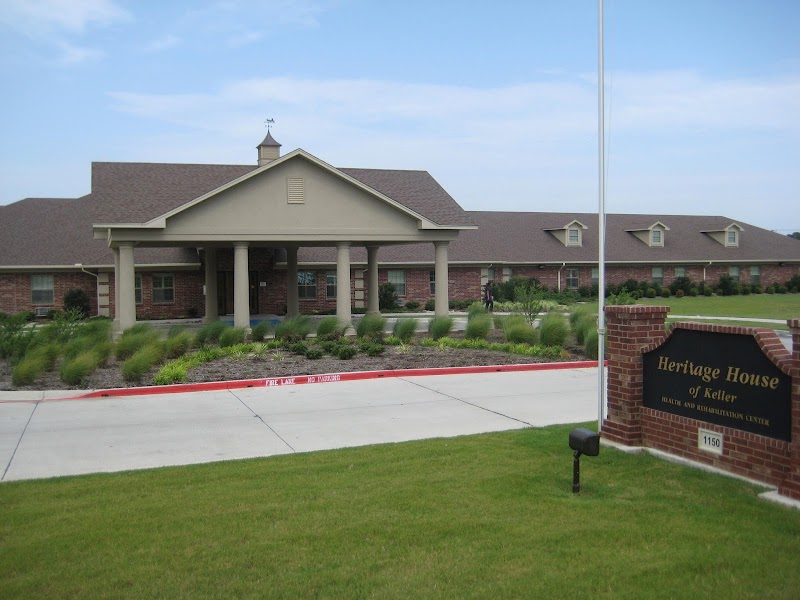
How is Heritage House At Keller Rehab & Nursing Staffed?

CMS rates HERITAGE HOUSE AT KELLER REHAB & NURSING's staffing level at 3 out of 5 stars, which is average compared to other nursing homes. Staff turnover is 34%, compared to the Texas average of 46%. This relatively stable workforce can support continuity of care.

What Have Inspectors Found at Heritage House At Keller Rehab & Nursing?

State health inspectors documented 18 deficiencies at HERITAGE HOUSE AT KELLER REHAB & NURSING during 2022 to 2025. These included: 1 Immediate Jeopardy (the most serious level, indicating potential for serious harm or death) and 17 with potential for harm. Immediate Jeopardy findings are rare and represent the most serious regulatory concerns. They require immediate corrective action.
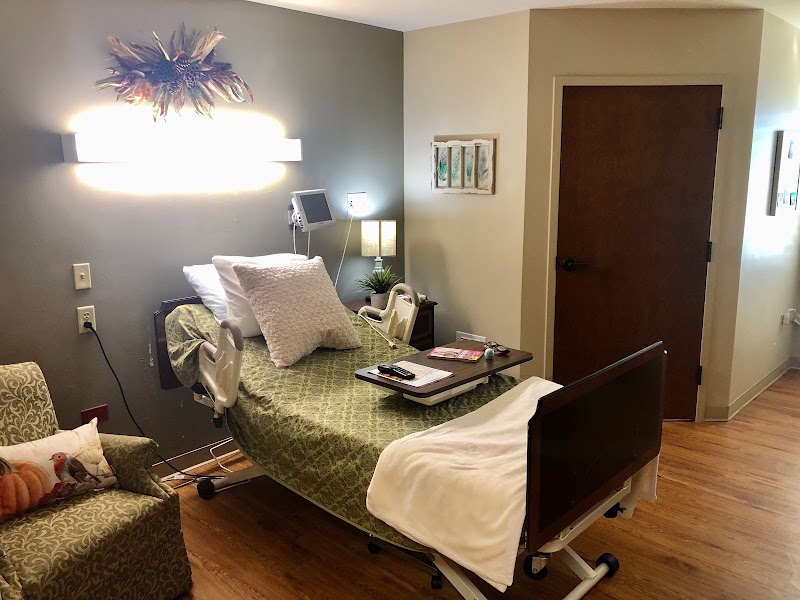
Who Owns and Operates Heritage House At Keller Rehab & Nursing?

HERITAGE HOUSE AT KELLER REHAB & NURSING is owned by a for-profit company. For-profit facilities operate as businesses with obligations to shareholders or private owners. The facility is operated by ADVANCED HEALTHCARE SOLUTIONS, a chain that manages multiple nursing homes. With 120 certified beds and approximately 118 residents (about 98% occupancy), it is a mid-sized facility located in KELLER, Texas.
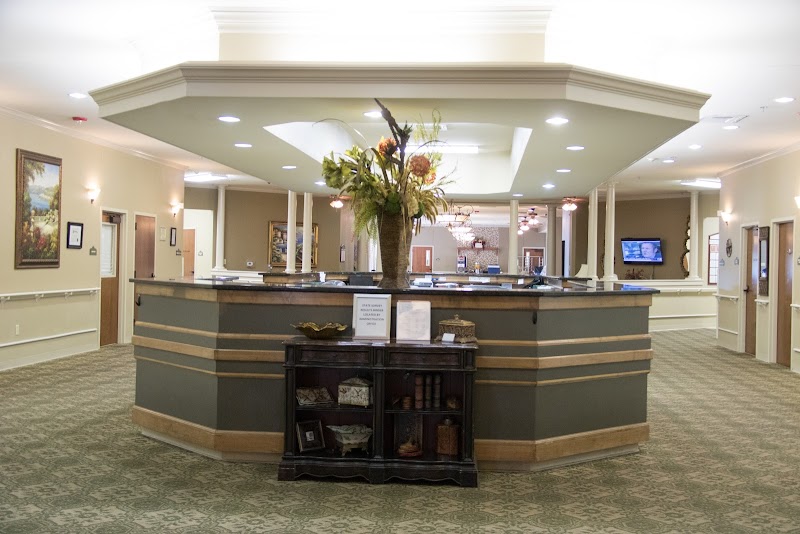
How Does Heritage House At Keller Rehab & Nursing Compare to Other Texas Nursing Homes?

Compared to the 100 nursing homes in Texas, HERITAGE HOUSE AT KELLER REHAB & NURSING's overall rating (5 stars) is above the state average of 2.8, staff turnover (34%) is significantly lower than the state average of 46%, and health inspection rating (4 stars) is above the national benchmark.

What Should Families Ask When Visiting Heritage House At Keller Rehab & Nursing?

Based on this facility's data, families visiting should ask: "What changes have been made since the serious inspection findings, and how are you preventing similar issues?" "Can I visit during a mealtime to observe dining assistance and food quality?" "How do you handle medical emergencies, and what is your hospital transfer rate?" "Can I speak with family members of current residents about their experience?" These questions are particularly relevant given the facility's Immediate Jeopardy citations.

Is Heritage House At Keller Rehab & Nursing Safe?

Based on CMS inspection data, HERITAGE HOUSE AT KELLER REHAB & NURSING has documented safety concerns. Inspectors have issued 1 Immediate Jeopardy citation (the most serious violation level indicating risk of serious injury or death). The facility has a 5-star overall rating and ranks #1 of 100 nursing homes in Texas. Families considering this facility should ask detailed questions about what corrective actions have been taken since these incidents.

Do Nurses at Heritage House At Keller Rehab & Nursing Stick Around?

HERITAGE HOUSE AT KELLER REHAB & NURSING has a staff turnover rate of 34%, which is about average for Texas nursing homes (state average: 46%). Moderate turnover is common in nursing homes, but families should still ask about staff tenure and how the facility maintains care continuity when employees leave.

Was Heritage House At Keller Rehab & Nursing Ever Fined?

HERITAGE HOUSE AT KELLER REHAB & NURSING has been fined $7,446 across 1 penalty action. This is below the Texas average of $33,153. While any fine indicates a compliance issue, fines under $50,000 are relatively common and typically reflect isolated problems that were subsequently corrected. Families should ask what specific issues led to these fines and confirm they've been resolved.

Is Heritage House At Keller Rehab & Nursing on Any Federal Watch List?

HERITAGE HOUSE AT KELLER REHAB & NURSING is not on any federal watch list. The most significant is the Special Focus Facility (SFF) program, which identifies the bottom 1% of nursing homes nationally based on persistent, serious quality problems. Not being on this list means the facility has avoided the pattern of deficiencies that triggers enhanced federal oversight. This is a positive indicator, though families should still review the facility's inspection history directly.