THE ATRIUM OF BELLMEAD
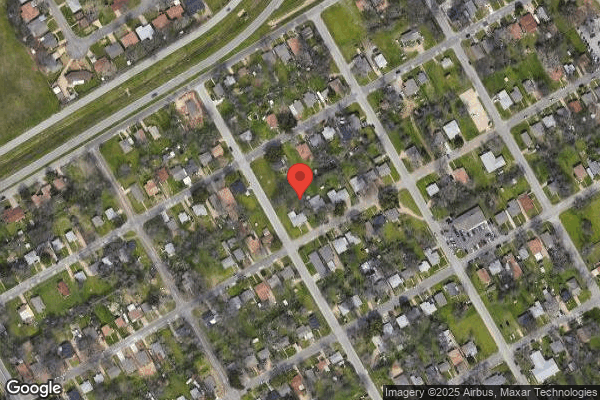
2401 DEVELOPMENT BLVD., BELLMEAD, TX 76705 (254) 296-8976
For profit - Corporation 126 Beds CREATIVE SOLUTIONS IN HEALTHCARE Data: November 2025
Trust Grade
75/100
#351 of 1168 in TX
Last Inspection: November 2024

Within standard 12-15 month inspection cycle. Federal law requires annual inspections.

Overview

The Atrium of Bellmead has a Trust Grade of B, indicating it is a good choice for nursing care, though not without its issues. It ranks #351 out of 1,168 facilities in Texas, placing it in the top half, and #3 out of 17 in McLennan County, meaning there are only two facilities locally that rank higher. However, the facility's trend is worsening, with issues increasing from 1 in 2022 to 4 in 2024. Staffing is a concern, with a low rating of 1 out of 5 stars and a turnover rate of 56%, which is average for Texas, suggesting that staff may not be as stable or experienced as desired. On a positive note, the facility has not incurred any fines, which is a good sign, but it does have less RN coverage than 96% of Texas facilities, which raises concerns about the quality of care. Specific incidents noted by inspectors include failures in food safety practices, where dietary staff did not properly label or date food items, risking potential contamination. Additionally, a staff member failed to sanitize a blood pressure monitor between uses for multiple residents, which could lead to the spread of infections. Lastly, a resident's call light was not within reach, potentially leaving them unable to get help when needed. These incidents highlight both ongoing concerns in care practices and some areas that require improvement.

Trust Score
B
75/100
In Texas
#351/1168
Top 30%
Safety Record
Low Risk
No red flags
Inspections
Getting Worse
1 → 4 violations
Staff Stability
⚠ Watch
56% turnover. Above average. Higher turnover means staff may not know residents' routines.
Penalties
✓ Good
No fines on record. Clean compliance history, better than most Texas facilities.
Skilled Nurses
⚠ Watch
Each resident gets only 8 minutes of Registered Nurse (RN) attention daily — below average for Texas. Fewer RN minutes means fewer trained eyes watching for problems.
Violations
✓ Good
Only 5 deficiencies on record. Cleaner than most facilities. Minor issues only.
★★★★☆
4.0
Overall Rating
★☆☆☆☆
1.0
Staff Levels
★★★★☆
4.0
Care Quality
★★★★★
5.0
Inspection Score
Stable
2022: 1 issues
2024: 4 issues

The Good

  • 4-Star Quality Measures · Strong clinical quality outcomes
  • Full Sprinkler Coverage · Fire safety systems throughout facility
  • No fines on record

Facility shows strength in quality measures, fire safety.

The Bad

Staff Turnover: 56%

Near Texas avg (46%)

Frequent staff changes - ask about care continuity

Chain: CREATIVE SOLUTIONS IN HEALTHCARE

Part of a multi-facility chain

Ask about local staffing decisions and management

Staff turnover is elevated (56%)

8 points above Texas average of 48%

The Ugly 5 deficiencies on record

Nov 2024 3 deficiencies
CONCERN (D)

Potential for Harm - no one hurt, but risky conditions existed

Deficiency F0558 (Tag F0558)

Could have caused harm · This affected 1 resident

**NOTE- TERMS IN BRACKETS HAVE BEEN EDITED TO PROTECT CONFIDENTIALITY** Based on observations, interviews, and record review the facility failed to ensure residents received services in the facility w...

Read full inspector narrative →
**NOTE- TERMS IN BRACKETS HAVE BEEN EDITED TO PROTECT CONFIDENTIALITY** Based on observations, interviews, and record review the facility failed to ensure residents received services in the facility with reasonable accommodations of resident's needs and preferences except when to do so would endanger the health and safety of the resident or other residents for 1 of 6 residents (Resident #144) reviewed for resident rights. The facility failed to ensure Resident #144's call light was within reach on 11/04/24. This failure could place residents at risk of needs not being met. Findings included: Record Review of Resident #144's medical diagnosis dated 11/06/24 reflected the resident was an [AGE] year-old male admitted on [DATE]. His diagnoses included diabetes (a group of diseases that result in too much sugar in the blood), ischemia and infarction of the kidney (conditions that occur when the kidney's blood supply is blocked, leading to tissue damage), atrial fibrillation (a common heart arrhythmia that causes the upper chambers of the heart to beat irregularly and often rapidly), and congestive heart failure (a serious condition that occurs when the heart can't pump enough blood to meet the body's needs). Record review of Resident #144's quarterly MDS dated [DATE] reflected the resident's BIMS was not completed due to being a new admit and BIMS score was not due yet. The MDS reflected it was in progress and required assistance section was not completed. Record review of Resident #144's care plan dated 10/31/24 reflected: Focus: Resident #144 was at risk for falls. Goals: The resident will be free of falls through the review date. Interventions: Be sure the resident's call light is within reach and encourage the resident to use it for assistance as needed. The resident needs a safe environment with: (Specify: even floors free from spills and/or clutter; adequate, glare-free light; a working and reachable call light, the bed in low position at night; handrails on walls, personal items within reach). In an observation and interview on 11/04/24 at 11:55 AM Resident #144 was lying in bed with the call light lying on the floor on the right side of Resident #144's bed and out of Resident #144's reach. Resident #144's door was open. Resident #144 stated he could not reach his call light at that time and if he needed his call light, he would not try to reach it if it was on the floor because he knew he would fall. He stated he would yell out for help if he needed help and sometimes it took a while for staff to answer his light if he could reach it to call for them. In an observation on 11/04/24 at 12:25 PM Resident #144 was lying in bed with the call light lying on the floor on the right side of his bed and out of Resident #144's reach. Resident #144's door was open, and Resident #144 was not showing any sign of pain or distress. In an interview on 11/04/24 at 12:22 PM CNA C stated she had worked in the facility for about 2 years. She stated she had not seen Resident #144's call light on the floor or out of his reach. She stated Resident #144 could not have reached the call light where it was on the floor, and he probably had gotten up to go to the bathroom and it fell on the floor. She stated she had been in-serviced on call lights being within residents reach. She stated residents call lights should have been in residents reach at all times and if a residents call light was out of reach, it could cause a fall. In an interview on 11/06/24 at 10:54 AM, the DON stated residents call lights should be in all residents reach at all times. She stated all nursing staff and any other staff that entered a residents room were responsible for ensuring call lights were in residents reach at all times and all staff had been in-serviced on call light placement. She stated if a residents call light was not in reach, it could have caused a delay in care or assistance. In an interview on 11/06/24 at 11:02 AM, the ADM stated she stated residents call lights should be in all residents reach at all times. She stated all staff were responsible for ensuring call lights were in residents reach at all times and all staff had been in-serviced on call light placement. She stated if a residents call light was not in reach, it could have caused a resident to possibly not have their needs met. In an interview on 11/06/24 at 11:08 AM a policy for call lights or call light placement was requested from the ADM. The ADM stated there was no policy from the facility for call lights or call light placement. The ADM stated it was their expectations for all call lights to be in place and to answered in a timely manner.
CONCERN (D)

Potential for Harm - no one hurt, but risky conditions existed

Pharmacy Services (Tag F0755)

Could have caused harm · This affected 1 resident

Based on observation, interview, and record review the facility failed to ensure pharmaceutical services (including procedures that assure the accurate acquiring, receiving, dispensing, and administer...

Read full inspector narrative →
Based on observation, interview, and record review the facility failed to ensure pharmaceutical services (including procedures that assure the accurate acquiring, receiving, dispensing, and administering of all drugs and biologicals) to meet the needs of each resident. The facility failed to ensure 3 expired Central Line Dressing Change Kits, 3 expired I.V. Start Kits and 1 Pack of 30 expired syringes of Ativan/Benadryl 1-25mg/ml medications were removed from the medication storage room located near Nurse's Station 2. There were no active orders for the medication. These failures could place residents who needed intravenous medications at risk to have contaminated dressings or contaminated I.V. lines started. This would put them at risk of infection. The failure to removed expired medications could put residents at risk of receiving ineffective medications. Use of these expired supplies and medications would not meet acceptable standards of medical practice and could result in resident's harm. Findings include: Observation on 11/05/2024 at 2:37 pm of the Medication Room on Station 2 revealed the following items with expired Manufacturer/Supplier dates: #3 HTo3-7600 Dressing Change Central Line Kit by Cardinal Health Expired 10/1/24. #3 IV Start Kit with/Chloraprep App by Medline Item # DYND74260 Expired 7/31/24. #1-Pack of 30 1ml syringes Ativan/Benadryl 1-25 mg/ml Lipo Topical Expired 10/27/24. In an interview on 11/6/24 at 10:55 am, the DON stated the policy on expired items in the medication storage room was for them to be destroyed and placed in the destroyed bin and reordered. She stated the nurses, and the medication aides were responsible for this and that they have been given in-services on this. The DON stated the potential outcome if this was not done, would be that expired medications and supplies could cause harm like infections to residents. In an interview on 11/6/24 at 11:00 am, the ADM stated the policy on expired items in the medication storage room was for them to be destroyed. The ADM stated that anyone who has access to the medication room was responsible for doing that, including nursing and nursing management. She stated that they have been in-serviced on this. She also stated the potential outcome if not done was that expired medications may not have the correct effectiveness and expired supplies may not have the original integrity. A lack of integrity for supplies could cause a break in a sterile field, which would create a potential risk for infection. She stated a prudent nurse would not use expired items. In an interview on 11/6/24 at 12:18 pm, LVN-A stated the policy on expired items in the medication storage room was to put them into the hazardous bin, sign-off on them, and then the DON can dispose of them later. She said nurses and medication aides were responsible for doing this and that they have been in-serviced on this. She stated the potential negative outcome if this was not done, and expired meds or supplies were used was that expired medications may not be effective and expired supplies could break and allow bacteria in to cause infections. In an interview on 11/6/24 at 12:20 pm, MA-B stated the policy on expired items in the medication storage room would be to put them in the discontinued box or if it was a narcotic, then give it to the DON. She stated the medication aides, and the nurses were responsible for doing this and they have been in-serviced on it. MA-B stated the potential negative outcome if this was not done, and expired meds or supplies are used is that expired medications lose their effectiveness and expired supplies could also not be effective. Record review of the facility policy dated 2003 and titled, Pharmacy Policy and Procedure Manual Policy-Storage of Medication reflected, Medications and biologicals are stored safely, and properly following manufacturer recommendations or those of the supplier.
CONCERN (F)

Potential for Harm - no one hurt, but risky conditions existed

Food Safety (Tag F0812)

Could have caused harm · This affected most or all residents

Based on observation, interview, and record review, the facility failed to store, prepare, distribute, and serve food in accordance with professional standards for food service safety in 1 of 1 kitche...

Read full inspector narrative →
Based on observation, interview, and record review, the facility failed to store, prepare, distribute, and serve food in accordance with professional standards for food service safety in 1 of 1 kitchen reviewed for dietary services in that: 1) Dietary staff failed to effectively reseal, label and date items in the walk-in refrigerator. 2) Dietary staff failed to effectively label items in in freezer. These failures could place residents at risk for food contamination and foodborne illness. The findings include: During the initial tour of the kitchen on 11/04/2024 at 09:11 AM the following was observed: The walk-in refrigerator contained what appeared to be cabbage in a clear opened plastic bag that was exposed to air and not labeled or dated. The freezer contained what appeared to be croissants in a clear plastic bag with no label. Interview with the Dietary Manager on 11/05/24 at 11:05am, the DM stated all items in the refrigerators and freezers should be sealed, labeled, and dated. The DM stated if an item was not sealed properly the item could spoil or there would be a cross contamination issues. The DM stated if an item was not labeled then someone would not know what the item was. The DM stated it was the cook or aide who opened the items responsibility to ensure they were labeled, dated, and properly sealed. Interview with the ADM on 11/05/24 at 11:50am, the ADM stated all items should be sealed, labeled, and dated. The ADM stated that if food was not sealed properly the food would not be safe to serve and would not be palatable. The ADM stated that if an item was not labeled then it may not be identified correctly. The ADM stated whoever opened the item would be responsible for ensuring it was sealed, labeled and date properly. Record review of the facility's Food Storage and Supplies policy, dated 2012, revealed All facility storage areas will be maintained in an orderly manner that preserves the condition of food and supplies. We will ensure storage areas are clean, organized, dry and protected from vermin, and insects. Procedures: 4. Open packages of food are stored in closed containers with covers or in sealed bags and dated as to when open . Record review of the facility's Storage Refrigerators policy, dated 2012, revealed All storage refrigerator shall be maintained clean and have a proper temperature for food storage and ensure a proper environment and temperature for food storage. Procedures: 5. Food must be covered when stored, with a date label identifying what is in the container .
Aug 2024 1 deficiency
CONCERN (D) 📢 Someone Reported This

A family member, employee, or ombudsman was alarmed enough to file a formal complaint

Potential for Harm - no one hurt, but risky conditions existed

Free from Abuse/Neglect (Tag F0600)

Could have caused harm · This affected 1 resident

**NOTE- TERMS IN BRACKETS HAVE BEEN EDITED TO PROTECT CONFIDENTIALITY** Based on interview, and record review the facility failed to keep residents free from physical and verbal abuse for 1 (Resident ...

Read full inspector narrative →
**NOTE- TERMS IN BRACKETS HAVE BEEN EDITED TO PROTECT CONFIDENTIALITY** Based on interview, and record review the facility failed to keep residents free from physical and verbal abuse for 1 (Resident # 1) of 4 residents reviewed for abuse. The facility did not ensure Resident # 1 was free from abuse, as a result Resident # 1 was physically assaulted by Resident # 2 and was injured. This failure could place residents at risk of physical harm, mental anguish, or emotional distress. The findings included: Record review of Resident # 1's admission face sheet dated 08/06/2024, revealed Resident # 1 was a [AGE] year-old female who admitted to the facility on [DATE] with diagnoses of dementia without behavioral disturbance (A group of thinking and social symptoms that interferes with daily functioning), hyperlipidemia (A condition in which there are high levels of fat particles (lipids) in the blood), hypertension (high blood pressure), anemia (A condition in which the blood doesn't have enough healthy red blood cells), depression (A group of conditions associated with the elevation or lowering of a person's mood), lymphocytosis (An increase in the number or proportion of lymphocytes in the blood), protein calorie malnutrition, and personal history of transient ischemic attack (A brief interruption of blood flow to the brain that causes stroke like symptoms) and cerebral infarction(An ischemic stroke which occurs as a result of disrupted blood flow to the brain). Record review of the MDS assessment dated [DATE] revealed Resident # 1 had clear speech and was understood by staff. The MDS revealed Resident # 1 usually understands others. The MDS revealed Resident # 1 had a BIMS score of 6, which indicated mild cognitive impairment. The MDS reflected Resident # 1 had no behaviors or refusal of care. Record review of the care plan, initiated on 01/11/2023 and revised on 01/15/2024 revealed Resident # 1 is risk for falls. Interventions included be sure the residents call light is within reach and encourage resident to use it when needed. Resident # 1 has an ADL self-care performance deficit. Interventions included Resident # 1 is a 1 person staff assist with bed mobility, transfers, toileting, dressing, and bathing. Record review of a nursing progress note dated 08/01/2024 revealed LVN A documented: As I walked into room [ROOM NUMBER], I heard Resident # 2 tell Resident # 1 you are a lazy b Resident # 1 responded she doesn't bother anybody, and that Resident # 2 had kicked her. Upon completing a physical assessment of both residents Resident # 1 had a skin tear approx. 5 cm by 1 cm to her lower left leg. Family notified for Resident # 2 at 2020 (8:20 pm) and received a return call from Resident # 1family at 2105 (9:05 pm). Skin tear cleansed with w/c and wrapped with kerlix to stop bleeding. Record review of a nursing progress note dated 08/02/2024 revealed SW met with Resident # 1 in her room. Resident # 1 in her bed appeared to be resting. SW asked Resident # 1 how she was doing this morning and she replied ok. SW asked Resident # 1 if she feels safe and she replied yes. SW asked Resident # 1 if she feels afraid and resident replied no. SW asked resident what happened to cause altercation between her and her roommate. Resident # 1 replied that her roommate just kept yelling at her that she was lazy and couldn't do for herself. Resident # 1 said she likes to take up for herself and when she did her roommate kicked her in the leg. SW asked Resident # 1 if she slapped her roommate and Resident # 1 replied no. Resident # 1 expressed, she is glad she moved to her new room. SW has assessed Resident #1 for fearfulness or distress related to this occurrence. Currently Resident #1 is not showing any signs or fearfulness or distress and feels safe. Record review of Resident # 2's admission face sheet dated 08/06/2024, revealed Resident # 2 was a [AGE] year-old female who admitted to the facility on [DATE] with diagnoses of personal history of transient ischemic attack (A brief interruption of blood flow to the brain that causes stroke like symptoms) and cerebral infarction (An ischemic stroke which occurs as a result of disrupted blood flow to the brain), permanent atrial fibrillation (An irregular often rapid heart rate that commonly causes poor blood flow), hypothyroidism (A condition in which the thyroid gland doesn't produce enough thyroid hormone), hyperlipidemia (A condition in which there are high levels of fat particles (lipids) in the blood), osteoarthritis (A type of arthritis that occurs when flexible tissue at the ends of bones wear down), chronic kidney disease stage 3 (When the kidneys have moderate damage and are less able to filter waste and fluid from the blood), dementia with other behavioral disturbance (A group of thinking and social symptoms that interferes with daily functioning). Record review of the MDS assessment dated [DATE] revealed Resident # 2 had clear speech and was understood by staff. The MDS revealed Resident # 2 usually understands others. The MDS revealed Resident # 2 had a BIMS score of 8, which indicated moderate cognitive impairment. The MDS reflected Resident # 2 had no behaviors or refusal of care. Record review of the care plan, initiated on 12/12/2023 revealed Resident # 2 has impaired cognitive function/dementia or impaired thought processes. Interventions included monitor/document/report to MD any changes in cognitive function specifically changes in: decision making ability, memory, recall and general awareness, difficulty expressing self, difficulty understanding others, level of consciousness, and mental status. Record review of care plan, initiated on 05/20/2024 revealed Resident #2 has potential to demonstrate physical behaviors and has potential for injury related to will strike out at staff when attempting to provide care. Resident # 2 goal stated the resident will not harm self or others thru review date. Interventions included if resident has physical behaviors towards another resident, immediately intervene to protect the residents involved and call for assistance. If intervening would be unsafe, call out for staff assistance immediately. Record review of the nursing progress notes dated 08/01/2024 at 20:51 (8:51 pm) revealed LVN A documented: As I walked into room [ROOM NUMBER], I heard Resident # 2 tell Resident # 1 you are a lazy b Resident # 1 responded she doesn't bother anybody, and that Resident # 2 had kicked her. Upon completing a physical assessment of both residents Resident # 1 had a skin tear approx. 5 cm by 1 cm to her lower left leg. No injuries noted on Resident # 2. Residents were immediately separated. Family notified for Resident # 2 at 2020 and received a return call from Resident # 1family at 2105. Resident # 2 said Resident # 1 is a lazy b . that she needed to get up and that she doesn't try hard enough. DON and NP notified of event. Record review of the nursing progress notes dated 08/02/2024 at 9:20 am revealed SW met with Resident # 2 in SW office to assess how Resident # 2 is doing this morning after the altercation with her roommate last night. SW asked Resident # 2 if she felt safe and Resident # 2 replied yes. SW asked Resident # 2 if they were afraid, and Resident # 2 replied no. SW asked Resident # 2 what happened. Resident # 2 stated they were in bed last night and her roommate Resident # 1 kept yelling for an aide to help her to the bathroom. Resident # 2 said she put her call light on to try and help her roommate but Resident # 1 kept keeping Resident # 2 up and Resident # 2 became agitated. Resident # 2 then said Resident # 1 slapped her. SW asked Resident # 2 how Resident # 1slapped her if they were in bed. Resident # 2 said that's right we were in our wheelchairs and then Resident # 1 slapped me and I then kicked her in the leg, but it was already hurt. SW asked Resident # 2 why she kicked Resident # 1 and Resident # 2 responded I was taught to defend myself and if you grew up the way I did with a bunch of siblings you would too. Resident # 2 then expressed she can take herself to the bathroom and do things for herself and that her roommate Resident # 1 is always needing help and can't do for herself and that bothers her. SW explained that not everyone is the same and some need the help of staff and those that don't are very lucky. SW discussed with Resident # 2 that her roommate Resident # 1 has moved to another room and Resident # 2 replied that's a good thing and might be for the best. SW educated Resident # 2 about not physically using her arms or legs to hurt another resident, even if she is upset, and that going forward she should notify staff using her call light to prevent any other altercations with other residents. SW completed a SLUMS with Resident # 2 and she scored a 9 which, a score of 1-20 indicates dementia. SW has assessed Resident # 2 for fearfulness or distress related to the occurrence and at this time Resident # 2 appears safe, calm, and unafraid. SW did discover the root cause of Resident # 2 agitation. Resident # 2 feels that at her age you should be able to do for yourself and not ask for help from others. SW feels that Resident # 2 lashed out at her roommate Resident # 1 because she needs assistance with ADL's and uses her call light to get that assistance. Record review of the nursing progress notes dated 08/02/2024 at 10:50 am SW notified RP of Resident # 2 that due to the altercation with Resident # 1 last night the SW recommends a referral to psych services and RP agreed to psych services. Record review of the nursing progress notes dated 08/02/2024 at 12:38 pm revealed SW sent referral for psych services for urgent telehealth visit. Record review of the nursing progress notes dated 08/02/2024 at 13:14 (1:14 pm) revealed SW contacted Resident # 2 RP about psych not knowing Resident # 2 prior and recommends that Resident # 2 be sent out to a psych hospital for evaluation. SW explained to RP at this time Resident # 2 is not showing signs of frustration or aggression, Resident # 1 has been moved, neither resident feels afraid nor distressed at this time. RP said he feels sending Resident # 2 to the psych hospital would be extreme and does not want Resident # 2 sent out. SW agreed and let RP know that the SW would continue to monitor the situation. Record review of the nursing progress notes dated 08/05/2024 at 11:04 am revealed SW followed up with Resident # 2 this morning. SW asked Resident # 2 how she was doing, and Resident # 2 said she was doing good. No aggression or frustration noted. Resident is adjusting to having a new roommate and SW encouraged Resident # 2 that it will take time to get to know each other. SW asked Resident # 2 if she told her new roommate that she didn't belong in the room and Resident # 2 responded no. Resident # 2 then said her new roommate stays in bed all day and she does not. SW reminded Resident # 2 that they share a room and if her roommate wants to stay in bed all day then she can. Record review of the nursing progress notes dated 08/06/2024 15:27 (3:27 pm) revealed it was reported to SW that Resident # 2 was being verbally aggressive to her new roommate. To minimize any further behavior Resident # 2 RP was contacted and agreed to Resident # 2 moving to a room without a roommate. Record review of the nursing progress notes dated 08/06/2024 16:18 (4:18 pm) revealed SW noted Resident # 2 will be seen on 08/08/2024 at 11:00 am for psych evaluation via telehealth. Record review of email dated 8/2/24 at 12:30 pm SW sent to psych facility for referral for Resident # 2 for evaluation. Observation/Interview on 8/6/24 at 1:15 pm with Resident # 1 revealed Resident # 1 said they feel safe, and staff take good care of them. Resident # 1 said they were happy they moved rooms and had no concerns with their new roommate. Resident # 1 said her prior roommate Resident # 2 was upset with her and had injured her legs. Resident # 1 said she was not sure why Resident # 2 was upset with her and that she was not afraid of her as she did not see her anymore. Resident # 1 said her prior roommate got upset with her anytime she called for help. Resident # 1 said she only called for help when she needed it. Resident # 1said her leg was bleeding and hurt after her roommate kicked her. Resident # 1would not answer as to how the incident made her feel. Resident # 1 said she did not want to get anybody in trouble and since she moved rooms it was not a problem now. Interview on 8/6/24 at 1:28 pm with Resident # 2 revealed Resident # 2 said they feel safe, and that staff do the best they can to assist. Resident # 2 could not recall the altercation that had happened with Resident # 1. Resident # 2 said they do not use their call light as they do for themselves. Interview on 8/6/24 at 4:04 pm with the SW revealed SW said she had met with each resident after the altercation occurred. The SW said the interventions that had been put in place was to separate the residents immediately, have Resident # 1 move rooms, and contact psych services for an evaluation. The SW said after the allegation of Resident # 2 verbally abusing her current roommate the intervention of moving Resident # 2 to a room without a roommate and continued monitoring until the psych evaluation could be completed and the recommendations received from psych services. The SW said this intervention had been put into place for the safety of the other residents and the resident herself. Interview on 8/6/24 at 6:19 pm with the AD revealed the AD said abuse can be mental, physical, or sexual. The AD said abuse was any willful or intentional harm of someone. The AD said yes abuse can occur between residents. The AD said negative outcomes of abuse can be physical harm, being fearful, scared, intimidated, uncomfortable in their own home. The AD said the procedure for a resident-to-resident altercation was to immediately separate the residents, perform a physical and emotional assessment of each resident, notify MD and RP, establish what interventions are needed for both parties involved, complete the self-report, train, and educate staff, monitor for behaviors, and review during the facility QAPI meeting. AD was asked if Resident # 2 had hurt any other residents in the past and AD responded no they had not. AD said they felt like the proper interventions had been put in place after the incident with Resident #1 and Resident #2. AD said the facility investigation of this incident confirmed this incident occurred. AD would not directly answer if this incident was abuse. AD said staff have received in-service/training on resident-to-resident behaviors, abuse/neglect/misappropriation, change of condition, answering call lights, Q-2-hour resident rounds. Record review of in-services with topics of: Resident to resident behavior dated 8/1/24 revealed 25 staff in attendance, Abuse/Neglect/Misappropriation 8/1/24 with 28 staff in attendance, Q-2-hour resident rounds 7/31/24 with 12 staff in attendance, answering call lights 7/31/24 with 14 staff in attendance, Change of condition 7/29/24 with 28 staff in attendance, Record review of the facility investigation for intake 522101 included resident safe surveys conducted, staff questionnaire about resident-to-resident monitoring for behaviors, progress notes, and residents head to toe assessments completed. Record review of the Abuse policy with a revision date 08/2019 revealed under heading policy: It is the responsibility of all facility staff to prohibit resident abuse or neglect in any form and to report in accordance with the law any incidents/event in which there is cause to believe a resident's physical or mental health or welfare has been or may be adversely affected by abuse or neglect caused by another person. Under heading procedure 6. Protection c. If another resident is the alleged perpetrator, they shall immediately be assessed for treatment options. The safety and protection of other residents is the home's primary concern.
Sept 2022 1 deficiency
CONCERN (E)

Potential for Harm - no one hurt, but risky conditions existed

Infection Control (Tag F0880)

Could have caused harm · This affected multiple residents

Based on observation, interview, and record review the facility failed to establish and maintain an infection prevention and control program designed to provide a safe, sanitary, and comfortable envir...

Read full inspector narrative →
Based on observation, interview, and record review the facility failed to establish and maintain an infection prevention and control program designed to provide a safe, sanitary, and comfortable environment and to help prevent development and transmission of communicable disease and infections for 1 of 1 staff (CMA A) reviewed for the following: 1. CMA A failed to sanitize a blood pressure monitor between uses on Resident #1, #2 and #3. Findings included: 1. Observation on 09/11/22 at 9:10 AM, revealed CMA A took blood pressure on Resident #1 with the use of wrist cuff blood pressure monitor and returned to the med cart and did not disinfect the blood pressure monitor. CMA A then charted the result into the computer, performed hand hygiene with sanitizer and began to prepare medication for Resident#1. CMA A administered medication to Resident #1 and performed hand hygiene using soap and water. Observation on 09/11/22 at 9:31 AM, revealed CMA A returned to the med pass after administered medications to Resident#1, grabbed the used wrist cuff blood pressure monitor and entered Resident #2 to check blood pressure. CMA A returned to med cart after taking the blood pressure on Resident #2, did not clean the blood pressure monitor and placed the blood pressure monitor on top of the med cart. CMA A charted the results into the computer, performed hand hygiene with use of sanitizer and began to prepare medication for Resident #2. CMA administered medications to Resident #2 and performed hand washing with use of soap and water. CMA A did not clean the wrist cuff blood pressure monitor between Resident #1 and Resident #2. Observation on 09/11/22 at 9:53 AM, revealed CMA A returned to the med pass after administered medications to Resident#2, grabbed the used wrist cuff blood pressure monitor and entered Resident #3 to check blood pressure. CMA A returned to med cart after taking the blood pressure on Resident #3, did not clean the blood pressure monitor and placed the blood pressure monitor on top of the med cart. CMA A charted the results into the computer, performed hand hygiene with use of sanitizer and began to prepare medication for Resident #3. CMA administered medications to Resident #3 and performed hand washing with use of soap and water. CMA A did not clean the wrist cuff blood pressure monitor between Resident #2 and Resident #3. An interview on 09/11/22 at 10:07 AM, CMA A stated that she forgot to wipe the blood pressure monitor down with the purple-topped disinfectant wipes. CMA A stated she normally does wipe it down between resident care and pulled out the purple-topped disinfectant wipes from the bottom of the medication cart. CMA A stated this action of failure can result in spread of germs. CMA A reported she had in-service on sanitizing equipment conducted by DON. An interview on 09/13/22 at 11:26 AM, DON stated, staff should be sanitizing blood pressure machine in between resident use. The DON stated, A failure can result in infection material that could possibly be transferred to another person and could fall somewhere in the chain of infection. Record review of facility's policy Infection Control Plan: Overview dated 2016, states: The facility will establish and maintain an Infection Control Program designed to provide a safe, sanitary and comfortable environment and to help prevent the development and transmission of disease and infection. Resident care equipment and articles: Non-invasive resident care equipment is cleaned daily or as need between use by the nursing assistant.
Understanding Severity Codes (click to expand)
Life-Threatening (Immediate Jeopardy)
J - Isolated K - Pattern L - Widespread
Actual Harm
G - Isolated H - Pattern I - Widespread
Potential for Harm
D - Isolated E - Pattern F - Widespread
No Harm (Minor)
A - Isolated B - Pattern C - Widespread

Questions to Ask on Your Visit

  • "Why is there high staff turnover? How do you retain staff?"
  • "Can I speak with families of current residents?"
  • "What's your RN coverage like on weekends and overnight?"

Our Honest Assessment

Strengths
  • • No major safety red flags. No abuse findings, life-threatening violations, or SFF status.
  • • No fines on record. Clean compliance history, better than most Texas facilities.
  • • Only 5 deficiencies on record. Cleaner than most facilities. Minor issues only.
Concerns
  • • 56% turnover. Above average. Higher turnover means staff may not know residents' routines.
Bottom line: Generally positive indicators. Standard due diligence and a personal visit recommended.

About This Facility

What is The Atrium Of Bellmead's CMS Rating?

CMS assigns THE ATRIUM OF BELLMEAD an overall rating of 4 out of 5 stars, which is considered above average nationally. Within Texas, this rating places the facility higher than 99% of the state's 100 nursing homes. This rating reflects solid performance across the metrics CMS uses to evaluate nursing home quality.

How is The Atrium Of Bellmead Staffed?

CMS rates THE ATRIUM OF BELLMEAD's staffing level at 1 out of 5 stars, which is much below average compared to other nursing homes. Staff turnover is 56%, which is 10 percentage points above the Texas average of 46%. High turnover can affect care consistency as new staff learn residents' individual needs.

What Have Inspectors Found at The Atrium Of Bellmead?

State health inspectors documented 5 deficiencies at THE ATRIUM OF BELLMEAD during 2022 to 2024. These included: 5 with potential for harm.

Who Owns and Operates The Atrium Of Bellmead?

THE ATRIUM OF BELLMEAD is owned by a for-profit company. For-profit facilities operate as businesses with obligations to shareholders or private owners. The facility is operated by CREATIVE SOLUTIONS IN HEALTHCARE, a chain that manages multiple nursing homes. With 126 certified beds and approximately 94 residents (about 75% occupancy), it is a mid-sized facility located in BELLMEAD, Texas.

How Does The Atrium Of Bellmead Compare to Other Texas Nursing Homes?

Compared to the 100 nursing homes in Texas, THE ATRIUM OF BELLMEAD's overall rating (4 stars) is above the state average of 2.8, staff turnover (56%) is near the state average of 46%, and health inspection rating (5 stars) is much above the national benchmark.

What Should Families Ask When Visiting The Atrium Of Bellmead?

Based on this facility's data, families visiting should ask: "How do you ensure continuity of care given staff turnover, and what is your staff retention strategy?" "Can you walk me through typical staffing levels on day, evening, and night shifts?" "Can I visit during a mealtime to observe dining assistance and food quality?" "How do you handle medical emergencies, and what is your hospital transfer rate?" These questions are particularly relevant given the facility's high staff turnover rate and the below-average staffing rating.

Is The Atrium Of Bellmead Safe?

Based on CMS inspection data, THE ATRIUM OF BELLMEAD has a clean safety record: no substantiated abuse findings (meaning no confirmed cases of resident harm), no Immediate Jeopardy citations (the most serious violation level indicating risk of serious injury or death), and is not on the Special Focus Facility watch list (a federal program monitoring the lowest-performing 1% of nursing homes). The facility has a 4-star overall rating and ranks #1 of 100 nursing homes in Texas. While no facility is perfect, families should still ask about staff-to-resident ratios and recent inspection results during their visit.

Do Nurses at The Atrium Of Bellmead Stick Around?

Staff turnover at THE ATRIUM OF BELLMEAD is high. At 56%, the facility is 10 percentage points above the Texas average of 46%. High turnover means new staff may not know residents' individual needs, medications, or preferences. It can also be disorienting for residents, especially those with dementia who rely on familiar faces. Families should ask: What is causing the turnover? What retention programs are in place? How do you ensure care continuity during staff transitions?

Was The Atrium Of Bellmead Ever Fined?

THE ATRIUM OF BELLMEAD has no federal fines on record. CMS issues fines when nursing homes fail to meet care standards or don't correct problems found during inspections. The absence of fines suggests the facility has either maintained compliance or corrected any issues before penalties were assessed. This is a positive indicator, though families should still review recent inspection reports for the full picture.

Is The Atrium Of Bellmead on Any Federal Watch List?

THE ATRIUM OF BELLMEAD is not on any federal watch list. The most significant is the Special Focus Facility (SFF) program, which identifies the bottom 1% of nursing homes nationally based on persistent, serious quality problems. Not being on this list means the facility has avoided the pattern of deficiencies that triggers enhanced federal oversight. This is a positive indicator, though families should still review the facility's inspection history directly.