BERTRAM NURSING AND REHABILITATION
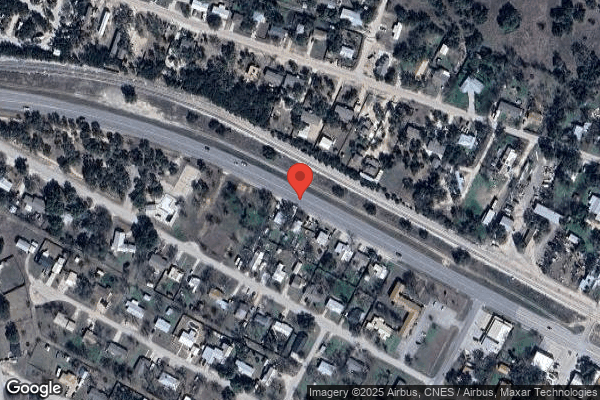
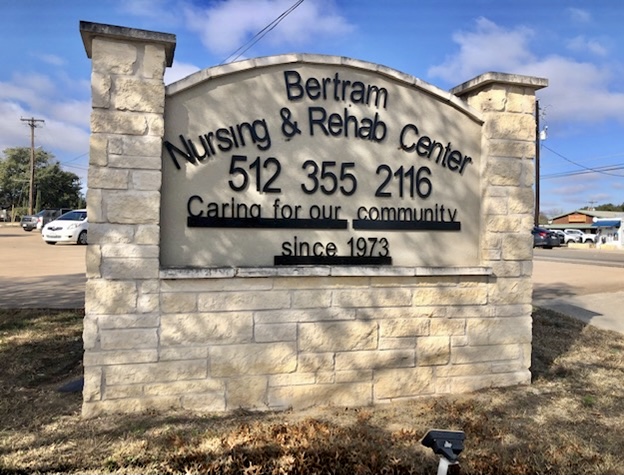
540 E STATE HWY 29, BERTRAM, TX 78605 (512) 355-2116
Government - City/county 74 Beds CREATIVE SOLUTIONS IN HEALTHCARE Data: November 2025 1 Immediate Jeopardy citation
Trust Grade
66/100
#17 of 1168 in TX
Last Inspection: August 2024

Within standard 12-15 month inspection cycle. Federal law requires annual inspections.

Overview

Bertram Nursing and Rehabilitation has a Trust Grade of C+, indicating it is decent and slightly above average compared to other facilities. It ranks #17 out of 1,168 nursing homes in Texas, placing it well in the top half, and is the top choice among four facilities in Burnet County. The facility's trend is stable, with the same number of issues reported in both 2023 and 2024, but there have been serious concerns, including a critical incident where a resident sustained a head injury during a physical altercation, which ultimately led to their death. Staffing is a strength, with a rating of 4 out of 5 stars and a turnover rate of 47%, which is below the state average, indicating that staff are relatively stable and familiar with the residents. However, the facility has $10,135 in fines, which is concerning as it reflects some compliance issues that need to be addressed. Additionally, while the facility has more registered nurse coverage than 91% of Texas facilities, there have been incidents of neglect, such as failing to seek medical attention for a resident after a fall, and a lack of respect for residents' privacy during staff interactions.

Trust Score
C+
66/100
In Texas
#17/1168
Top 1%
Safety Record
High Risk
Review needed
Inspections
Holding Steady
5 → 5 violations
Staff Stability
⚠ Watch
47% turnover. Above average. Higher turnover means staff may not know residents' routines.
Penalties
○ Average
$10,135 in fines. Higher than 70% of Texas facilities. Some compliance issues.
Skilled Nurses
○ Average
Each resident gets 37 minutes of Registered Nurse (RN) attention daily — about average for Texas. RNs are the most trained staff who monitor for health changes.
Violations
⚠ Watch
16 deficiencies on record. Higher than average. Multiple issues found across inspections.
★★★★★
5.0
Overall Rating
★★★★☆
4.0
Staff Levels
★★★★★
5.0
Care Quality
★★★★☆
4.0
Inspection Score
Stable
2023: 5 issues
2024: 5 issues

The Good

  • 4-Star Staffing Rating · Above-average nurse staffing levels
  • 5-Star Quality Measures · Strong clinical quality outcomes
  • Full Sprinkler Coverage · Fire safety systems throughout facility
  • No fines on record

Facility shows strength in staffing levels, quality measures, fire safety.

The Bad

Staff Turnover: 47%

Near Texas avg (46%)

Higher turnover may affect care consistency

Federal Fines: $10,135

Below median ($33,413)

Minor penalties assessed

Chain: CREATIVE SOLUTIONS IN HEALTHCARE

Part of a multi-facility chain

Ask about local staffing decisions and management

The Ugly 16 deficiencies on record

1 life-threatening 1 actual harm
Aug 2024 4 deficiencies
CONCERN (D)

Potential for Harm - no one hurt, but risky conditions existed

Accident Prevention (Tag F0689)

Could have caused harm · This affected 1 resident

**NOTE- TERMS IN BRACKETS HAVE BEEN EDITED TO PROTECT CONFIDENTIALITY** Based on observation, interview and record review, the facility failed to ensure each resident received adequate supervision and...

Read full inspector narrative →
**NOTE- TERMS IN BRACKETS HAVE BEEN EDITED TO PROTECT CONFIDENTIALITY** Based on observation, interview and record review, the facility failed to ensure each resident received adequate supervision and assistance devices to prevent accidents for 1 of 5 residents (Resident #33) reviewed for bed positioning. The facility failed to ensure Resident #33's bed was in the lowest position for fall prevention per facility policy and procedure. This failure could place residents at risk of falls, injuries, pain, and hospitalization. Findings included: Record review of an undated Face Sheet for Resident #33 reflected he was a [AGE] year-old male admitted to the facility on [DATE] with diagnoses of Paraplegia (paralysis that affects the legs but not arms), and lack of coordination. Record review of the Quarterly MDS dated [DATE] for Resident #33 reflected he had a BIMS score of 15 indicating intact cognitive status. Record review of the Care Plan for Resident #33 dated 11/30/2023 and revised on 03/06/2024 reflected he was at risk for falls related to paraplegic status. An actual fall was noted. In an observation and interview on 08/27/2024 at 11:25 AM Resident #33's bed was not in the low position. There was a fall mat on the floor. RN A came into the room and lowered the bed. She stated his bed should be in low position and she lowered it to the lowest position. In an interview on 08/27/2024 at 2:16 PM RN A stated she had worked at the facility for 13 years. She stated Resident #33's bed should have been in low position because he had a fall in the past. She stated all of the nursing staff was responsible for ensuring the bed was in low position. In an interview on 08/29/2024 at 11:20 AM the DON stated her expectation was for a resident on fall precautions to have their bed in low position to make sure they don't fall again. She further stated the risk of not keeping the bed in low position was a potential fall. In an interview on 08/29/2024 at 11:25 AM the ADM stated his expectations of fall precautions was that their policy should be followed. He stated as far as potential risk, he didn't like to speculate. Record review of a facility policy and procedure dated 2003 and revised on October 5, 2016, reflected Preventive Strategies to Reduce Fall Risk Policy: the goal of fall prevention strategies is to design intervention that minimize fall risk by eliminating or managing contributing factors while maintain or improving the resident's mobility. Procedure: 7. Environment: Keep bed in low position.
CONCERN (D)

Potential for Harm - no one hurt, but risky conditions existed

Deficiency F0697 (Tag F0697)

Could have caused harm · This affected 1 resident

**NOTE- TERMS IN BRACKETS HAVE BEEN EDITED TO PROTECT CONFIDENTIALITY** Based on observation, interview, and record review the facility failed to ensure that pain management was provided to residents ...

Read full inspector narrative →
**NOTE- TERMS IN BRACKETS HAVE BEEN EDITED TO PROTECT CONFIDENTIALITY** Based on observation, interview, and record review the facility failed to ensure that pain management was provided to residents who required such services, consistent with professional standards of practice, the comprehensive person-centered care plan, and the residents' goals and preferences for 1 of 1 resident (Resident #18) reviewed for pain management. The facility failed to ensure Resident #18 received her 06:00 -10:00 AM daily scheduled Lidocaine Patch 5% for pain on 08/27/2024. This failure placed the resident at risk of increased pain and decreased quality of life. Findings included: Review of the undated Face Sheet for Resident #18 reflected she was an [AGE] year-old female admitted to the facility on [DATE] and readmitted on [DATE] with diagnoses of pain in right shoulder and pain in unspecified joint. Review of the Quarterly MDS assessment dated [DATE] for Resident #18 reflected a BIMS score of 4, indicating severe cognitive impairment. Section I - Active Diagnoses reflected Resident #18 had pain in right shoulder and primary generalized osteoarthritis (common joint disease that causes pain and stiffness). Review of the Care Plan for Resident #18 dated 05/01/2024 and revised on 05/08/2024 reflected she had a potential for uncontrolled pain related to Arthritis. Her goal was to verbalize adequate relief of pain, and interventions included to administer analgesia as per orders anticipate the need for pain relief and respond immediately to any complaint of pain. Review of a physician's order for Resident #18 dated 09/20/2023 reflected Lidocaine 5% patch apply to right shoulder one time a day at 6:00 AM and remove at bedtime. In an interview on 08/27/2024 at 10:46 AM Resident #18 complained she had not been getting her pain medication on time and she was in pain down both shoulders down to her hands. In an interview on 08/27/2024 at 10:49 AM CNA/MA C stated she had worked at the facility for less than a month. She stated Resident #18 was supposed to get a lidocaine patch 5% to either shoulder. She stated she was getting to Resident #18's room for her medication pass really late . She further stated the risk to the resident was she would be experiencing pain for a longer time. In an interview on 08/29/2024 at 08:43 AM RN A stated her expectation was for residents to get their medications on time. She stated Resident #18 had prn pain medications, but she was not informed the resident was getting her pain patch late. She further stated the risk to the resident was pain and the MA should have let her know she was running late on her medication pass. In an interview on 08/29/2024 at 08:45 AM the DON stated her expectation was that medications ideally would be given an hour before or an hour after they were scheduled but they had a liberalized medication pass, and they could be given from 6:00 AM to 10:00 AM in the morning. She stated the MA should have let the nurse know they were running late on their medication pass. She stated the risk to the resident was that she could be hurting and uncomfortable and their goal was to keep her comfortable. In an interview on 08/29/2024 at 11:25 AM the ADM stated he expected a resident to get their pain medication on time. He stated the risk to the resident would be pain. Record review of an undated facility policy and procedure titled Liberalized Medication Policy reflected AM time code- May be given from 6 AM until 10 AM. If a physician's order specifically states the time of day a medication is to be given, then the facility must administer it at the time specified.
CONCERN (E)

Potential for Harm - no one hurt, but risky conditions existed

Deficiency F0583 (Tag F0583)

Could have caused harm · This affected multiple residents

**NOTE- TERMS IN BRACKETS HAVE BEEN EDITED TO PROTECT CONFIDENTIALITY** Based on observations, interviews, and record review the facility failed to ensure resident rights for personal privacy for 4 of...

Read full inspector narrative →
**NOTE- TERMS IN BRACKETS HAVE BEEN EDITED TO PROTECT CONFIDENTIALITY** Based on observations, interviews, and record review the facility failed to ensure resident rights for personal privacy for 4 of 7 residents (Resident #19, Resident #35, Resident #45, and Resident #41) reviewed for personal privacy. The facility failed to knock on Resident #19, #35, #45 and #41's room when going into the residents' rooms. This failure could affect all residents right to privacy in the facility and cause the resident to feel like their privacy was being invaded or the facility was not their home. Findings included: Review of Resident #19's Face Sheet dated 08/29/2024 revealed he was a [AGE] year-old male who was admitted to the facility on [DATE]. Resident #19's diagnoses included metabolic encephalopathy (change to how the brain works ), enterococcus (difficult to treat infection), anemia (not enough healthy red blood cells), thrombocytopenia (abnormally low level of platelets), hypoglycemia (low blood sugar), protein-calorie malnutrition, vitamin D deficiency, hypo-osmolality and hyponatremia (low sodium concentration in the blood), alcohol abuse, anxiety, hypertension (high blood pressure), lack of coordination, difficulty walking, shortness of breath, muscle weakness, and heart failure. Record review of Resident #19's Quarterly MDS dated [DATE] revealed Resident #19 had a BIMS score of 7 indicating. resident understood and could make self-understood some of the time. Review of Resident #35's Face Sheet dated 08/28/2024 revealed she was a [AGE] year-old female who was admitted to the facility on [DATE]. Resident #35's diagnoses included neoplasm of brain (brain tumor), Abnormalities of gait and mobility, muscle weakness, difficulty walking, lack of coordination, protein-calorie malnutrition, methylmalonic acidemia (), hyperlipidemia (high cholesterol), hypokalemia (low potassium levels), anxiety disorder, restless leg syndrome, headache, polyneuropathy (damage to peripheral nerves), chronic pain, hypertension (high blood pressure), gastroesophageal reflux disease without esophagitis (reflux), spinal stenosis (spinal cord narrowing), and edema (swelling). Record review of Resident #35's Quarterly MDS dated [DATE] revealed that Resident #35 had a BIMS score of 15 indicating the resident could understand and make self-understood all the time. Review of Resident #41's Face Sheet dated 08/28/2024 revealed he was a [AGE] year-old male who was admitted to the facility on [DATE]. Resident #41's diagnoses included dementia (memory, thinking, difficulty), vitamin D deficiency, abnormality of gait and mobility, lack of coordination, alcohol dependence, stimulant abuse and dependence, insomnia (difficulty sleeping), hypertension (high blood pressure), muscle weakness, and cognitive communication deficit (problems with communication). Record review of Resident #41's Quarterly MDS dated [DATE] revealed that Resident #41's BIMS score was a 5 indicating the resident could understand and make self-understood at times. Review of Resident #45's Face Sheet dated 08/28/2024 revealed he was an [AGE] year-old female who was admitted to the facility on [DATE]. Resident #45's diagnoses included hypertensive chronic kidney disease (damage to kidneys due to chronic high blood pressure), nausea, muscle weakness, hyperlipidemia (high cholesterol), hypertension (high blood pressure), anxiety, and kidney disease and failure. Record review of Resident #45's Quarterly MDS dated [DATE] revealed that Resident #45's BIMS score was a 6 indicating the resident could understand and make self-understood at times. Observation of lunch hall trays being passed on 08/27/2024 at 11:53am revealed that CNA A did not knock on Resident #41's door before entering. CNA B walked into Resident #19's room without knocking. Observation of breakfast hall trays on 08/28/2024 at 7:24am revealed CNA C walked into Resident #35, #45 and Resident #19's rooms without knocking. An interview with the DON on 08/28/2024 at 2:39pm revealed that staff were to knock and wait for a response before entering the resident's room. She said all staff were required to always knock on the resident's door before entering. She said the resident may not feel good if staff just walk into their home without knocking. She said she did not know why staff were not knocking on the residents' doors. An interview with the ADM on 08/28/2024 at 3:01pm revealed that staff had been trained on resident rights and knocking on residents' doors. He said the policy was to knock on the door and ask permission to come in. He said all staff were supposed to knock before entering the resident's room. He said residents could feel different ways about staff not knocking. He said he was not aware staff were not knocking on resident's doors before entering. An interview with Resident #41 on 08/29/2024 at 7:47am revealed that he would like for staff to knock before entering his room. He said that most of the time the staff do knock but had to ask them to knock before. An interview with Resident #35 on 08/29/2024 at 7:51am revealed that staff do not knock on the door often. She also said that she does not get upset but it does startle her at times. An interview with Resident #45 on 08/29/2024 at 7:54am revealed that staff do not knock on the door most of the time. She said she would like the staff to knock but does not get upset. She also said that she would like for the staff to knock depending on what she was doing and if she was expecting them to come. An interview with Resident #19 on 08/29/2024 at 7:58am revealed that staff do not knock on his door most of the time. He said it did not matter if he wanted the resident to knock, if they wanted to come in, they would. He said that he would like the staff to knock. Observation of Resident #19's room on 08/29/2024 at 8:00am revealed that Resident #19 had put his call light on, and CNA C walked into Resident #19's room without knocking. An interview with CNA C on 08/29/2024 at 8:33am revealed she had been trained on resident rights. She said that all staff were to knock on the resident's door before entering the room. She said residents may feel like their privacy was being invaded. She said that she went into Resident #19's room because his call light will go off at times and he will be sleeping. She said she thought he was asleep. She said she did not know why she did not knock on the other resident's doors before entering. An interview with CNA D on 08/29/2024 at 8:47am revealed that she had been trained on resident rights. She said staff were to knock and announce themselves to the resident before entering the resident's room. She said if staff did not knock the resident may feel belittled or feel like staff were invading their privacy. She stated the staff may have forgot to knock before entering the resident's room. She also said everyone knows that they were to knock before entering. An interview with RN A on 08/29/2024 at 8:56am revealed that she had been trained on resident rights and knocking on resident's doors. She said that staff were to knock on the resident's door before entering. She said that the resident may feel uncomfortable if staff do not knock on their door before entering. She stated she did not know why she did not knock before entering the resident's room. Record review of Resident Rights Policy dated 11/28/2016 revealed the resident has a right to personal privacy. Policy for personal privacy was requested from the surveyor to the ADM on 09/04/2024 but at time of exit was not received.
CONCERN (E)

Potential for Harm - no one hurt, but risky conditions existed

Food Safety (Tag F0812)

Could have caused harm · This affected multiple residents

Based on observation, interviews, and record reviews, the facility failed to store, prepare, distribute, and serve food in accordance with professional standards for food service safety for one of one...

Read full inspector narrative →
Based on observation, interviews, and record reviews, the facility failed to store, prepare, distribute, and serve food in accordance with professional standards for food service safety for one of one kitchen and one of one nourishment room reviewed for sanitation. 1. The facility failed to ensure Dietary Staff F wore a beard restraint and hair restraint properly while in the kitchen. 2. The facility failed to properly store closed and dated food in the refrigerator. 3. The facility failed to ensure the Nourishment Room was properly cleaned, ice was stored properly, and items were correctly labeled and dated. 4. The facility failed to ensure Dietary [NAME] E properly sanitized her hands between tasks. 5. The facility failed to ensure Dietary [NAME] E referenced recipes while preparing foods. These failures could place residents who were served from the kitchen at risk for health complications and foodborne illnesses, and decreased quality of life. Findings included: Observation in the kitchen on 08/27/24 between 09:32 AM -10:15 AM revealed dietary staff F was standing by the freezer. Dietary Staff F had facial hair on his chin approximately 4 inches long and was not wearing a beard guard to cover all the facial hair. Observation in the kitchen on 08/27/24 between 09:32 AM -10:15 AM revealed Dietary Staff F was standing in the dish washing room with hairnet only covering half his hair. Approximately 6 inches of hair on the back of his head were not covered by the hairnet. Observation of the in kitchen refrigerator on 08/27/24 between 09:32 AM -10:15 AM revealed found that multiple items were missing dates. Observations of open and undated items included a bottle of open and undated Hershey's syrup, a bottle of sweet chili sauce, a jar of bread and butter pickles, and a gallon of vanilla ice cream. Observation of storage shelf above the prep station on 08/27/24 between 09:32 AM -10:15 AM revealed m Multiple shelf stable spices were missing dates including salt, sesame seed, ground all spice, ground cinnamon, and chives. Observation of the in kitchen refrigerator on 08/27/24 between 09:32 AM - 10:15 AM revealed found that multiple items were improperly closed and exposed to air. Findings included a taquitos bag and a chicken nugget bag were undated, improperly closed, and exposed to the air. Observation of in the nourishment room on 8/27/24 at 1:30 PM revealed that there were multiple food items in trays and unlabeled in the refrigerator. There there were cupcakes without a name or date sitting out on the counter uncovered, ice his chest was full of ice with ice scoop remaining in the ice chest. The ice chest had an unknown brown substance in the cracks of the ice chest where the lid fit into the bucket. Observed coffee creamer on a shelf with cleaning chemicals above it. Observed and multiple shelf stable items that were open and undated. Observations of Dietary [NAME] E onat 08/28/24 at 09:14 AM while preparing pureed foods found that she did not reference recipes for pureeing mixed vegetables, dinner rolls, and Salisbury Steak. while preparing foods. Dietary [NAME] E did not perform proper hand hygiene before she moved from processing purees to preparing bread rolls for the lunch meal. While finishing the purees she put on clean gloves, touched an unrelated cart, and grabbed got another pan for the regular mixed vegetables without changing gloves. Observation on 08/28/2024 at 11:45 am revealed found that Dietary [NAME] E was plating food without gloves, then put on gloves without washing hands then continued to plate food. Observed her push the serving cart outside of the kitchen, returned inside and didn't wash hands or put on new gloves. During an interview with Dietary Staff E on 8/29/24 at 12:45 PM he stated that the expectation was to wash hands and wear hairnets and beard Nets while in the kitchen. The company has a policy not to wear gloves while serving but not to touch foods with bare hands and use tongs while playing the roles. For storage they were we are required to put a lid on food label and date it then throw it out within seven days. They were We are required to sweep and mop all visible dirt out of this storage areas. Any condiments need to be labeled and dated. He stated that he had not gone through the nourishment room yet today but would do that later. He stated that any spoiled food could get residents sick and contaminate the food they eat. During an interview with Dietary [NAME] F on 8/29/24 at 12:55 PM she stated that they were when facility we are supposed to wash their our hands and put on gloves. Glove use wasis when we they were are serving food and cooking only. They We change their our gloves when they we do something different or leave the kitchen. She stated that for leftover food they wereare supposed to place in it a container and label it with the date and throw it away after 7 days. She she stateds that she checks for food labels multiple times a day. During an interview with the dietary manager on 8/29/24 at 1:00 PM he stated uh he expects employees to use gloves and hairnets all the time. There wasis a policy that they do not want themus to use gloves while serving. He expected them to grab hairnets and beard nets when they walk in the kitchen immediately. He states that they wereare supposed to go through the refrigerator daily and throw out food that wasis over a week old or wasis undated. He stated that he expected foods that wereare exposed to the air for longer than 12 hours or that have freezer burn to be thrown out. He expected his dietary staff to go through the nourishment room once a day to throw out food that is unlabeled or spoiled. He recognizes that if food spoils or gets contaminated it could lead to bacterial contamination and sickness for the residents. During an interview with the administrator on 8/29/24 at 1:15 PM he stated that he expected his staff to wear hairnet and gloves as appropriate. He expected his staff to throw out food after three days and that all foods should be properly labeled and dated. If food had freezer burn or was exposed to air it should be thrown away. He expects that food should be stored according to facility policy. He expected his DON and ADON to maintain the nourishment room and alert dietary staff if it needs attention. When asked about negative outcomes to the resident for these failures; he stated that he does not want to speculate. During an interview with the DON and ADON at 8/29/24 at 1:33 PM they stated that the kitchen wasis supposed to stock the snacks and look at the dates. They stated that housekeeping wasis supposed to clean out the fridge for open food daily. They believe food should not be in there open for more than three days. Staff should not have any personal items in the nourishment room. They believe that there should be no food uncovered. They they believe that the cupcakes were from the night shift. They stated that the ice coolers should be cleaned daily by the kitchen although they've known it needs to be replaced because the lid does not stay on. The scoop should be in the pouch on the cart and washed daily. It should not stay in the ice cooler. The DON and ADON stated that if any of the food gets contaminated or bad it will hurt the residents. Review of the facility policy titled Sanitation and Food Handling reveals that Guideline #2 states Hairnet or hats (with a hairnet underneath) covering the hairline are always worn. [NAME] guards and required for facial hair. Guideline #4 DO not handle food with bare hands . remember to change gloves after touching anything that should not contact food, including clothing hair doorknobs, etc. Review of the facility policy titled Food Storage and Supplies dated 2012 states that 4. Open Packages of food are stored in closed containers with covers or in sealed bags and dated as to when opened. Guideline 9 states that Perishable items that are refrigerated are dated once opened and used within 7 days (if they do not have an expiration or best buy date) , but non perishablenonperishable items that are refrigerated once opened should be dated when opened but do not need to be discarded until their expiration date or until the quality has deteriorated. Review of the facility policy titled Menu Approval and Honoring Resident Special Requests and Food Brought from the Facility from Unapproved Sources documents Guideline #2 states that if a family member or other visitor or staff brings prepared potentially hazardous time and temperature control for safety food items for a resident these items cannot be stored in the dietary department this poses a problem with potential cross contamination as the facility is unaware of how the food was handled or whether was maintained at an appropriate temperature during transport these items can be stored in the individual resident room or other approved areas depending on the food item. Before exit on 8/29/24 at 3:30 PM there was no policy available from the administrator related to for storage in the nourishment room .
May 2024 1 deficiency 1 Harm
SERIOUS (G) 📢 Someone Reported This

A family member, employee, or ombudsman was alarmed enough to file a formal complaint

Actual Harm - a resident was hurt due to facility failures

Free from Abuse/Neglect (Tag F0600)

A resident was harmed · This affected 1 resident

**NOTE- TERMS IN BRACKETS HAVE BEEN EDITED TO PROTECT CONFIDENTIALITY** Based on observation, interview and record review, the facility failed to ensure that residents were free from neglect. The fac...

Read full inspector narrative →
**NOTE- TERMS IN BRACKETS HAVE BEEN EDITED TO PROTECT CONFIDENTIALITY** Based on observation, interview and record review, the facility failed to ensure that residents were free from neglect. The facility failed to seek medical attention for Resident #1 who had fallen and complained of pain in her right shoulder. Findings include: Record review of Resident #1's face sheet dated April 18, 2024, revealed Resident #1 was a [AGE] year-old female admitted to the facility on [DATE]. Resident #1's diagnoses included primary degenerative joint disease, constipation, protein-calorie malnutrition, muscle weakness, schizophrenia, bipolar disorder, major depressive disorder, anxiety disorder, chronic pain syndrome, glaucoma, high blood pressure, congestive heart failure, chronic lung disease, gastro-esophageal reflux disease, age related osteoporosis without current pathological fracture, convulsions, pneumonia, insomnia, injury of muscle(s) and tendon(s) of the rotator cuff of right should initial encounter, presence of right artificial shoulder joint, femur (bone of upper thigh) fracture. Record review of Resident #1's quarterly MDS assessment dated [DATE] reflected Resident #1's BIMS Score was 14 , indicating cognition is intact. Record review of Resident #1's care plan dated 04/10/2024 revealed Resident #1 was at risk for falls related to history and decreased mobility. Resident #1's care plan revealed call light was to be within reach. The care plan also revealed Resident #1 had a surgical site to right shoulder. Staff were to observe for signs or symptoms of infection (increased redness, increased pain, drainage, etc. The care plan revealed Resident #1 had potential for uncontrolled pain related to joint disease arthritis and recent shoulder surgery. Resident #1 has disease that causes her bones to become brittle. Risk for spontaneous fracture. Monitor and document for Resident #1 risk of falls. Record Review conducted of facility sign in-services included: 04/10/2024 - Making sure Resident #1 was able to safely access her belongings. 04/10/2024 - Abuse and Neglect. 04/18/2024 - Preventative Strategies to Reduce Fall Risk. 04/18/2024 - Fall Post Surgery (Call MD, order x-ray for all for post-surgery to risk of any fractures. Observation conducted on 04/18/2024 at 10:45AM of Resident #1 participating in activities revealed Resident #1 was clean, well groomed, right shoulder slouched forward, and main control with left arm. Resident #1 was observed not using her right arm. Record review of the Provider Investigation Report dated 04/10/2024 revealed that Resident #1 had three falls on 04/06/2024 and denied pain. On 04/09/2024 Resident #1 complaining of knee and wrist pain, she received an x-ray that were negative. On 04/10/2024 Resident #1 complained of shoulder pain, received an x-ray that revealed her shoulder was separated. Record review of the facility's Fall Report Dated 04/16/2024 revealed that Resident #1 had 4 falls in the month of April. These falls took place on 04/04/2024, 04/06/2024 and two falls on 04/07/2024 which were reported . Fall Assessment completed by ADON and dated 04/04/2024 revealed that Resident #1 was alert and oriented, had no changes in blood pressure during changes of position, and Resident #1 was able to stand but had issues with balance. Fall Assessment completed by an LVN and dated 04/06/2024 revealed that Resident #1 was alert and oriented, no changes in blood pressure during changes of position, and Resident #1 was able to stand but had issues with balance. Fall Assessment completed by an LVN and dated 04/16/2024 revealed that Resident #1 was alert and oriented, had no changes in blood pressure during changes of position, and Resident #1 was able to stand with no issues. Pain assessment completed on 04/04/2024 revealed that Resident #1 did not complain of any pain and had no external injuries. Pain assessment completed on 04/06/2024 revealed that Resident #1 did not complain of any pain, had no external injuries, and was back to normal activities. Resident #1 had been prescribed Gabapentin Oral Tablet 800 mg 3 times a day. Resident #1 had received her daily pain medications as ordered on 04/04/2024, 04/06/2024, and 04/07/2024. Record review of Event Nurses' Notes-Fall, dated 04/04/2024 at 10:00 AM, revealed Resident #1 had a witnessed fall. No injuries. Nurse noted resident seating on the floor beside her bed stated that I was trying to seat (sic) and missed sat on the floor. No pain evident and Resident #1 did not complain of pain. Nurse assessment completed; Physician notified 04/04/2 024 at 10:09 AM 04/06/2024 at 7:41 PM Resident #1 was noted to have had an unwitnessed fall, stated that her legs gave out. Discovered on the floor. No injuries. Heard resident and upon arriving found resident on floor laying on right side. Assisted X2 persons into the wheelchair. Upon assessment no obvious injuries. Resident denies pain. ROM WNL. No swelling noted. Resident back to usual activities. Physician notified 04/06/2024 at 10:00 PM. 04/07/2024 at 7:17AM revealed an unwitnessed fall described as a trip/slip from low bed. No injuries. Resident was found on the floor by CNA lid (sic) to the floor from the bed nurse noted resident seating on the floor in front of bed. Resident #1 stated I slid out of the bed trying to get the trash can closer to the bed. Nursing assessment completed; Physician notified 04/07/2024 at 11:07 AM. Record review of NP Progress Note dated 04/05/2024 revealed an assessment was conducted by the facility NP. The chief complaint for the visit noted to be complaint of pain to left hand and right knee. Resident #1 stated the pain started a about a week ago after a fall. Stated pain medication have provided some relief. The NP notes that x-rays will be obtained of the left wrist and right knee. The admission history for Resident #1 is listed as right shoulder osteoarthritis with rotator cuff unresponsive to non-operative care. Resident #1 was seen by ortho and had a right reverse shoulder arthroplasty done on 02/29/24. The assessment and plan section revealed that the right shoulder osteoarthritis with rotator cuff tear is Stable. Surgical site is healed. Record review of Resident #1's March TAR revealed on 03/13/2024 an order was added for nurses to monitor Resident #1's right shoulder two times a day and place a new band aide on the site. The TAR was initialed by nurses on the days of March that Resident #1 was in the facility. On 03/31/2024 the order was discontinued. Review of April MAR revealed on 04/01/2024 revealed Klonopin (used for seizures and/or anxiety) oral tablet 0.5 mg give one tablet by mouth two times a day for anxiety. Nursing initials on 04/01/24 indicated one dose given for pm dose. 4/3 it indicated an AM dose was given. All other dosage times indicate the drug was not available until 04/06/2024. On 04/06/2024 the am and pm dose were initialed as given. On 04/07/2024 the am dose was given. Continued review of the MAR revealed Resident #1 received scheduled pain medications. Baclofen (used to treat pain and muscle stiffness) 10 mg one time a day for Chronic Pain Syndrome and Gabapentin (used to treat nerve pain) 800 mg three times a day for Chronic Pain Syndrome. During an interview on 04/18/2024 at 11:18AM Resident #1 stated that before entering the facility she had right shoulder replacement surgery. Resident #1 stated that she has had multiple falls since living at the facility. She also stated that she did complain about pain in her shoulder because she landed on the right side when she fell. She stated that the facility did not send her to the hospital on [DATE] when she had her fall. She stated the surgeon sent her from the clinic on 04/10/2024 when she went for a follow up appointment. Resident #1 stated during her falls, she had landed on her right shoulder where she had received surgery. Resident #1 stated that she had been prescribed anxiety medication which made her feel drunk when she took the medication. She stated the anxiety medication made her fall a lot. She stated she was no longer taking the medication. Resident #1 started crying and said the facility could have done something to help her. Resident #1 stated she was in better condition before she arrived at the facility. She stated before she was at the facility she was improving and was almost able to use her right arm. She stated now she could not use her arm. Resident #1 also stated that she reported being in pain to staff after the fall. She stated the facility did not ask if she wanted to go to the hospital, nor did she ask to go to the hospital. During an interview on 04/18/2024 at 1:05PM with CNA B revealed that she had worked at the facility for 9 years and was familiar with the residents. CNA B stated that she had received in-service on fall prevention in the month of March 2024. CNA B stated that the policy for when a resident has a fall was to notify the nurse and the nurse will evaluate the resident. CNA B stated the potential negative outcome of not sending Resident #1 to the hospital is that the facility could miss an injury internally or Resident #1 could have broken something. During an interview on 04/18/2024 at 1:31PM with CMA A revealed that she had worked at the facility for 23 years and was familiar with the residents. CMA A stated that she works on the hall of Resident #1 and was familiar with her care. CMA A stated that if a resident was found on the side of a recent surgery site, the facility should send that resident to the hospital. CMA A stated the potential negative outcome of not sending Resident #1 to the hospital was the resident could die. CMA A stated she had received training on Abuse and Neglect, as well as Fall Prevention Training. CMA A stated on 04/06/2024 that she witnessed Resident #1 being offered to go to the hospital but Resident #1 verbally denied wanting to go. During an interview on 04/18/2024 at 01:36PM with CNA A revealed that she had worked at the facility for 3 years and was familiar with the residents. CNA A was asked if she knew why Resident #1 was not sent to the hospital on [DATE] after complaining of pain, she said she was not working that day, but Resident #1 was sent to the hospital approximately 4 days later. CNA A stated she had received training on Abuse and Neglect as well as Fall Prevention Training. CNA A stated that the potential negative outcome of not sending Resident #1 to the hospital was that there could be an injury . An interview on 04/18/2024 at 01:45PM with LVN A revealed that she had worked at the facility for 12 years and was familiar with the residents. LVN A has received training for Abuse and Neglect, as well as Fall Prevention Training since working at the facility. LVN A had no knowledge of what happened during and after the fall for Resident #1 on 04/06/2024 but stated that Resident #1 has denied wanting to go back to the doctors in the past. During an interview on 04/18/2024 at 01:53PM with the DON revealed that she had been a DON for 23 years. The DON stated that the policy for when a fall occurs with a resident, is whoever found the resident needs to notify the nurse. The DON stated that if a resident falls on the side of surgery site, the policy is to find out what happened, evaluate the resident, and notify the doctor. The DON stated that staff assessed Resident #1 after her fall and determined there were no obvious injuries, no complaints, and no swelling to the surgery site. The DON stated that Resident #1 had fallen on 04/06/2024 and did not complain of any pain on her shoulder. She went to a follow up appointment with her doctor on 04/10/2024. The DON stated that Resident #1 complained of pain on her wrist and knee after a fall on 04/05/2024. The DON stated that the facility provided an x-ray to Resident #1 that revealed no injuries. The DON stated that if Resident #1 complained of pain, then the facility should have sent her to the hospital. The DON stated that Resident #1 was not sent to the hospital on [DATE] after her fall because it was reported to her that Resident #1 did not complain of pain. The DON stated that Resident #1 usually had pain due to a possible infection in her right shoulder, which could be misidentified as reoccurring pain rather than a new pain. The DON stated that all training is provided by Relias or by corporation. The DON stated that she has completed Fall Prevention Training. The DON stated that they ensure residents are free from ANE by completing trainings and checking in with the residents. During an interview on 04/18/2024 at 02:14PM with ADON revealed that she had been a ADON for 11 years. The ADON stated that the policy when a resident has a fall and complains of pain is to complete an assessment, call the doctor and give them pain medication. The ADON stated that if a resident had fallen on the side of a surgery site, they would do x-rays and send them to the hospital. The ADON stated that she cannot tell what could happen if a resident had a fall and is not sent to the hospital after complaining about pain. The ADON stated that Resident #1 had refused to go to the hospital before and that could have been the reason Resident #1 did not go on 04/06/2024. During an interview on 04/18/2024 at 02:27PM with Administrator revealed that he had worked at the facility since 01/03/2024. The Administrator stated that the policy when a resident has an unwitnessed fall was to investigate, talk to the resident and assess the surroundings. The Administrator stated that an unwitnessed fall that results in major injury would be reported to the state. The Administrator stated that if Resident #1 had a fall on the side of surgery site, the facility will notify the doctor, the nurses do a general assessment, and follow up with an x-ray. The Administrator stated that he was not working on 04/06/2024 when Resident #1 had a fall but was reported that Resident #1 did not complain of any pain. The Administrator confirmed that Resident #1 did not go to the ER after her fall. During an interview on 05/03/2024 at 10:50 AM with the facility NP revealed that if a resident falls the nursing staff call either him or the Physician. He stated they are good about notifying them. The NP stated Resident #1 seems to not be aware of safety skills. He stated Resident #1 constantly requires redirected to sit in her wheelchair and not be walking behind the wheelchair pushing it with her right arm/shoulder. Resident #1 is not supposed to be using her shoulder but does so despite the redirection. During an interview on 05/03/2024 at 11:20 AM with the facility Physician revealed he did not have concerns of not being notified of Resident #1's falls. The physician stated the nurse on duty at the time of the fall will notify him or the NP. He has not found a fall he was not notified about. The Physician stated Resident #1 was admitted with a history of falls and had received surgery on her shoulder. The nursing staff had been monitoring the area for infection for a period until the site healed. Resident #1 was found to have an infection in her shoulder, but it does not mean there was external evidence of an infection. Antibiotic therapy had been given as ordered by the hospital. If Resident #1 complained of pain after a fall the area she had indicated would be x-rayed at the time of the fall. Had provided x-rays for complaints of pain to leg, hip, and pelvis. If the Resident does not complain of pain to an area, we do not know to have the area x-rayed. When Resident #1 did complain of shoulder pain, which was not after a fall. Resident #1 was sent to the orthopedic clinic, and they completed x-rays. Resident #1's dislocated shoulder was discovered by the x-ray. Surgery was the next day after the x-ray. Resident #1's infection was not apparent while she was here. Came to us after surgery in March, infection was not found until second surgery last month. Returned to us on intravenous antibiotics which we have been giving. During an interview on 05/03/2024 at 11:56 AM with the facility DON revealed nurses document falls on Event Nurses' Notes which contain Physician notification and descriptions of complaints of pain. Resident #1 did not have falls in March while at the facility. DON stated she believes the cluster of falls that occurred in April was due to a new medication, Klonopin, being prescribed due to Resident #1's complaints of anxiety. Resident #1 took the Klonopin on 04/06/2024 two times according to the order and one time on 04/07/2024. The DON stated she called the Physician on 04/07/2024 and asked for the Klonopin to be discontinued due to drowsiness, causing Resident #1 to fall. The Physician discontinued the Klonopin. DON stated Resident #1 did not complain of shoulder pain during the April falls. In addition, the DON stated Resident #1 has a high BIMs, is her own responsible party and can communicate needs/pain. Resident #1 is non-compliant with recommendations to not use the shoulder. Resident #1 frequently walks while pushing her wheelchair. All fall event notes are reviewed in the morning meetings to try and determine how we can intervene to prevent. The DON stated Resident #1's cause for falls was things like sliding out of her chair, not much they can do to intervene. Stopping the Klonopin had been an intervention. During an interview on 05/03/2024 at 1:20 PM with the DOR revealed Resident #1 was not receiving PT for ambulating because she was not to be ambulating. Resident #1 has poor posture, and it is hard for her to compensate without using her right arm. Resident #1 has been unable to use a walker, which she needs. DOR stated Resident #1 has been non-compliant with recommendations. She would see her walking around pushing the wheelchair. Resident #1 would be walking and using her right arm, frequently explained to her why she was not supposed to do that, she would do it anyway. Resident #1 was very mobile without ambulating, able to move the wheelchair. The DOR stated Resident #1 is scheduled to go to a PT class held daily but usually refuses to participate. OT does work with Resident #1 to increase her balancing ability. During an interview on 05/03/2024 at 1:29PM with the MDS nurse revealed she also does the residents' care plans. She stated the falls Resident #1 was experiencing in April had been discussed during the morning meetings. If an intervention was decided she will add it to the care plan. MDS nurse stated that the new medication for Resident #1 was one of the things that was discussed, and the medication was discontinued. She stated interventions for things like a fall mat would have caused a tripping hazard for Resident #1. During an interview on 05/03/2024 at 12:40 PM with RN D revealed she had worked with Resident #1 and was on duty when she fell out of her wheelchair reaching for her purse. The fall was witnessed. RN D stated during her assessment after the fall the resident denied being in pain. About an hour later Resident #1 complained of pain. The Physician was notified, and x-rays ordered for the areas of pain. Resident #1 did not complain of pain to her shoulder. RN D stated she thinks part of the cause of the falls in April was due to the resident increasing the amount of time she walked behind the wheelchair starting towards the end of March. She stated Resident #1 received redirection to sit in the wheelchair but would either ignore the nurse or sit for a few minutes then get back up behind the wheelchair. On 04/18/2024 at 03:15PM the DON brought an in-service document into the conference room to the surveyors. The DON stated that she had thought about the resident being on the injury site during a fall and decided to complete an in-service with the staff working on that day 04/18/2024. The inservice was for Falls Post Surgery. With the DON completing this inservice, it showed that the DON was aware of the negative affects the fall had for Resident #1 and how the facility should react to future falls. Review of the hospital records for Resident #1 revealed that she had been admitted to the hospital for a dislocated infected right shoulder, s/p I and D, resection of shoulder arthroplasty on 04/11/2024. Wound vac placed, continue oral flagyl, IV Rocephin 1 gm daily and vancomycin daily until 05/10/2024 for weeks as per ID, weekly CBC, CMP. CRP while on antibiotics. Continue Aspirin daily for Deep Venous Thrombosis Prophylaxis. Midline can be removed after antibiotic treatment plan . Review of undated Leadership Policies and Procedures titled Abuse/Neglect reflected the following: Neglect is the failure of the facility, its employees or service providers to provide goods and services to a resident that are necessary to avoid physical harm, pain, mental anguish or emotional distress.
Oct 2023 1 deficiency
CONCERN (D) 📢 Someone Reported This

A family member, employee, or ombudsman was alarmed enough to file a formal complaint

Potential for Harm - no one hurt, but risky conditions existed

Quality of Care (Tag F0684)

Could have caused harm · This affected 1 resident

**NOTE- TERMS IN BRACKETS HAVE BEEN EDITED TO PROTECT CONFIDENTIALITY** Based on observation, interview, and record review, the facility failed to ensure that residents received treatment and care in ...

Read full inspector narrative →
**NOTE- TERMS IN BRACKETS HAVE BEEN EDITED TO PROTECT CONFIDENTIALITY** Based on observation, interview, and record review, the facility failed to ensure that residents received treatment and care in accordance with professional standards of practice, the comprehensive person-centered care plan, and the residents' choices for 2 of 4 residents (Residents #1 and 2) reviewed for skin integrity. Protective sleeves were ordered for Residents #1 and #2 after they each sustained skin tears but not applied. This failure placed residents at risk of further skin injury. Findings included: Review of the undated face sheet for Resident #1 reflected a [AGE] year-old female admitted to the facility on [DATE] with diagnosis dementia, rash and other non-specific skin eruption, anxiety disorder, and impulse disorder. Review of the quarterly MDS assessment for Resident #1 dated 08/24/23 reflected she could not participate in the assessment. It also reflected she required the extensive assistance of two + people for the activity of dressing. Review of the care plan for Resident #1 dated 06/05/23 reflected the following: Requires extensive assistance with ADLs, D/T weakness, confusion, vision problems. Resident will have her needs met through next review period. Observe/assess for changes in condition and report to MD if noted. Staff to anticipate needs and provide care as needed. Review of an incident report for Resident #1 dated 10/06/23 reflected the following: Nursing description: found skin tear to left arm, cleaned and dressed notified DON, MD, and family. Resident description: resident unable to give description. Review of the physician orders for Resident #1 reflected the following order dated 10/06/23: geri sleeve (protective sleeve) to both arms to prevent skin tears. Review of the October 2023 TAR for Resident #1 reflected no TAR item related to protective geri sleeves. Review of the undated face sheet for Resident #2 reflected an [AGE] year-old female admitted to the facility on [DATE] with diagnoses of dementia and anxiety disorder. Review of the quarterly MDS assessment for Resident #2 dated 10/03/23 reflected she could not participate in the assessment. It also reflected she required the extensive assistance of one person for the activity of dressing. Review of the care plan for Resident #2 dated 09/25/23 reflected the following: The resident has a Skin Tear TO LEFT ARM. The resident will be free from skin tears through the review date. The resident's will Skin tear of the (location) will be healed by review date. Geri sleeves ordered. If skin tear occurs, treat per facility protocol and notify MD, family. Keep skin clean and dry. Use lotion on dry scaly skin. The resident needs protective sleeves for the arms. It also reflected (Resident #2) requires supervision-extensive assist with ADLs. Currently uses wheelchair at times. She refuses showers frequently. (Resident #2) will remain neat and clean through next review period. Dressing: requires staff x1 (one staff) for assistance. Geri sleeves ordered. DRESSING: Assist the resident to choose simple comfortable clothing that maximizes the resident's ability to dress self. Review of an incident report for Resident #2 dated 09/25/23 reflected the following: Nursing description: hospice CNA, notified this nurse that resident picked at skin and gave herself a new skin tear on left forearm. Assessment completed dressing applied MD, DON, and hospice notified. Resident description: resident unable to give description. Review of the physician orders for Resident #2 reflected the following order dated 09/25/23: GERI SLEEVE TO BOTH ARMS. Review of the September and October 2023 TARs for Resident #2 reflected no TAR item related to protective geri sleeves. Observation on 10/19/23 at 10:03 AM revealed Resident #1 laying in a geriatric chair outside of her room. She had three steristrips (thin strips of self-adhesive bandage) on her left arm covering a small wound. She was not wearing protective geri sleeves. Observation on 10/19/23 at 10:11 AM revealed Resident #2 in her room with two scratches on her left arm. She was not wearing protective sleeves. CNA B entered the room and prepared to assist Resident #2 with incontinent care but did not mention protective geri sleeves. Observation on 10/19/23 at 11:55 AM revealed Resident #2 in the dining room waiting for a lunch tray. She was not wearing protective geri sleeves. During an interview on 10/19/23 at 12:55 PM, CNA C stated she worked with Resident #1 and had never seen any protective geri sleeves for Resident #1. CNA C stated she did not think Resident #1 would take protective geri sleeves off if they were applied to her. CNA C stated she had never heard that Resident #1 ought to wear the sleeves. During an interview on 10/19/23 at 01:03 PM, LVN A stated Resident #1 had an order for protective geri sleeves, and the CNA made sure Resident #1 had them on. LVN A stated it was not a designated person who was responsible to apply the sleeves to Resident #1, but whoever was available to do it. LVN A stated the order for the sleeves was usually on the TAR, but she could not remember if she had been signing it off on the TAR. LVN A stated it was hard for them to keep the sleeves on Resident #1, as Resident #1 would always take them off. LVN A stated Resident #2 liked to pick at her skin and had reopened a skin tear. She stated Resident #2 had an order for protective geri sleeves, and it was the responsibility of whoever got to it in the morning to apply them. She stated Resident #2 would not leave the sleeves on, though, and would always take them off. Observation on 10/19/23 at 01:11 PM revealed LVN A searched for protective geri sleeves in Resident #2's room and found one under some other items in a bedside drawer, but not a second. After searching all the available areas, no more sleeves were located in Resident #2's room. During an interview on 10/19/23 at 01:15 PM, CNA B stated Resident #2 had protective geri sleeves, but CNA B did not apply them, because she thought Resident #2 always removed them. Observation on 10/19/23 at 01:15 PM revealed CNA B applied protective sleeves to Resident #2's arms, and Resident #2 looked at her arms, raised them up, touched along the length of them, and gave two thumbs up signals. Observation on 10/19/23 at 01:20 PM revealed CNA C applied protective sleeves to Resident #1, who did not protest or struggle and did not immediately try to remove them. During an interview on 10/19/23 at 01:26 PM, the DON stated they had implemented protective sleeves after skin tears for Residents #1 and 2, because those residents had thin and tender skin. The DON stated the resident would not keep the sleeves on all day, but it was the responsibility for the CNAs to reapply them if they were removed. The DON stated the CNAs applied the sleeves, but it was the responsibility of the charge nurses to ensure the CNAs completed it. The DON stated the reason why the order was not being followed was her fault, because she did not add scheduling details when she entered it into the EMR system, so it did not show up on the TAR. The DON stated she put the order in and did not pay close enough attention to follow it up with the details, as she was very busy in that moment. She stated a possible negative impact on the residents would be they could sustain more skin tears. Observation on 10/19/23 at 02:46 PM revealed both Resident #1 and #2 were still wearing the protective sleeves and showed no sign of attempting to remove them. During an interview on 10/19/23 at 02:50 PM, the ADM stated ensuring treatment orders were properly entered was the responsibility of the charge nurses, and the DON was responsible for reviewing and follow up to ensure they were correct. The ADM stated her expectation was the nursing department would communicate about interventions for injuries, skin tears, and/or falls and make sure interventions were being applied. The ADM stated a potential negative outcome of the failure to apply protective sleeves to residents was they could continue to incur preventable skin tears. She stated if there were a resident who chose to refuse or remove the sleeves, that was his/her choice. Review of facility policy dated 10/05/16 and titled Skin Integrity Management reflected the following: 3. Wound care should be performed as ordered by the physician. 13. Skin injury due to friction and sheer forces should be minimized by the proper positioning, transferring, and turning techniques. In addition, friction injuries may be reduced by the use of lubricant and protective padding.
Oct 2023 1 deficiency 1 IJ
CRITICAL (J) 📢 Someone Reported This

A family member, employee, or ombudsman was alarmed enough to file a formal complaint

Immediate Jeopardy (IJ) - the most serious Medicare violation

Free from Abuse/Neglect (Tag F0600)

Someone could have died · This affected 1 resident

**NOTE- TERMS IN BRACKETS HAVE BEEN EDITED TO PROTECT CONFIDENTIALITY** Based on observation, interview, and record review, the facility failed to ensure the residents had the right to be free from ab...

Read full inspector narrative →
**NOTE- TERMS IN BRACKETS HAVE BEEN EDITED TO PROTECT CONFIDENTIALITY** Based on observation, interview, and record review, the facility failed to ensure the residents had the right to be free from abuse for one (Resident #2) out of three residents reviewed for abuse, in that: The facility failed to prevent a physical altercation between Resident #1 and Resident #2 that led to Resident #2 sustaining a head injury, subdural hematoma (brain bleed), and subsequent death. This failure resulted in an identification of an Immediate Jeopardy (IJ) on 10/04/23 at 12:57 PM. While the IJ was removed on 10/05/23 at 11:40 AM, the facility remained at a level of actual harm at a scope of isolated that was not immediate jeopardy due to the facility's need to evaluate the effectiveness of the corrective systems. This failure placed residents at risk pain, injury, hospitalization, and death. Findings included: Review of Resident #1's undated face sheet reflected a [AGE] year-old male who was admitted to the facility on [DATE] with diagnoses including altered mental status, unsteadiness on feet, generalized muscle weakness, other abnormalities of gait and mobility, and unspecified dementia without behavioral, psychotic, or mood disturbances. Review of Resident #1's quarterly MDS assessment, dated 08/17/23, reflected a BIMS of 3, indicating a severe cognitive impairment. Section E (Behavior) reflected he had not exhibited any physical or verbal behavioral symptoms directed towards others. Review of Resident #1's quarterly care plan, revised 08/22/23, reflected he continued with seeking out female residents who likewise seek him out usually for handholding with an intervention of monitoring/documenting/reporting to the MD any changes in cognitive function. Review of Resident #1's Behavioral Health Diagnostic Assessment, dated 09/15/22, reflected he displayed no agitation or irritability symptoms, or hostility and he had moderate disorientation (altered mental state with loss of sense of time, identity, direction, and place). Review of Resident #1's monthly psychiatric progress notes, from 09/18/2022 - 09/04/23, reflected no documentation of any verbal or physical outbursts or aggression episodes. Review of Resident #1's NP notes, dated 09/19/23, reflected the following: [Resident #1] is pleasant and cooperative with assessment. He is generally a poor historian and has a documented slow decline of cognition, ambulatory. He is followed by psych for mild depression. No behaviors noted. Review of Resident #2's undated face sheet reflected a [AGE] year-old male who was admitted to the facility on [DATE] with diagnoses including generalized muscle weakness, difficulty in walking, abnormalities of gait and mobility, unsteadiness on feet, and unspecified dementia without behavioral, psychotic, or mood disturbances. Review of Resident #2's quarterly MDS assessment, dated 07/20/23, reflected a BIMS of 7, indicating a severe cognitive impairment. Section E (Behavior) reflected he had not exhibited any physical or verbal behavioral symptoms directed towards others. Section G (Functional Status) reflected he required supervision for ambulating. Section J (Health Conditions) reflected he had experienced falls since admission, one resulting in a major injury (bone fractures, joint dislocations, closed head injuries with altered consciousness, subdural hematoma). Review of Resident #2's quarterly care plan, revised 07/20/23, reflected he had actual falls on 11/30/20, 12/15/20, 03/10/21, 02/18/22, 03/10/22, 10/21/22, and 07/14/23 with an intervention of notifying the charge nurse if increased weakness, attempting to transfer self, and potential hazards in the room. Review of Resident #2's nursing note in his EMR, dated 09/30/23 at 9:00 AM and documented by RN A, reflected the following: [Resident #2] was transferred to a hospital on [DATE] at 9:00 AM related to an altercation that occurred between [Resident #2] and his roommate, [Resident #1]. Per [MA B], she heard yelling between [Resident #1] and [Resident #2] and saw [Resident #1] shove [Resident #2]. [Resident #2] lost his balance and fell backwards into the floor hitting his head. EMS activated and he was transferred to (hospital). Review of Resident #2's incident report, dated 09/30/23 at 9:18 AM and documented by RN A, reflected the following: [RN A] was notified by [MA C] that [Resident #2] had been pushed and was on the floor. Upon assessment, [Resident #2] was confused and unable to answer questions for several minutes. After approx. 5 minutes, [Resident #2] was able to answer questions and denied pain but was not able to get up from floor due to weakness and decreased coordination. [MA B] stated that [Resident #2] and his roommate [Resident #1] were arguing and that [Resident #2] was shoved by [Resident #1] and fell to the floor. Resident Description: [Resident #2] unable to give description. Review of Resident #2's nursing note in his EMR, dated 09/30/23 at 6:16 PM and documented by RN A, reflected the following: Called (hospital) to check on status of [Resident #2]. Talked to the nurse and was told [Resident #2] is intubated after receiving a Cranel ectopy (a surgery done to remove a part of your skull in order to relieve pressure of the brain). But doing good. Review of Resident #2's hospital records, dated 09/30/23, reflected the following: HPI: . Per EMS report by [Resident #2]'s facility he was pushed by his roommate and ended up falling striking his head . Discussion of imaging findings: [NAME] called to discuss [Resident #2]'s head imaging noting extensive intracranial bleeds including a large 17mm subdural hematoma, with blood extending along the posterior right falx (the largest of the four partitions of the dura mater) and right knee from ventilatory him. There is some parenchymal hemorrhage (a bleed that occurs within the brain parenchyma, the functional tissue in the brain) in the right frontal operculum (may refer to the frontal, temporal, or parietal operculum, which together cover the insula as the opercula of insula), minor subarachnoid blood, parenchymal hemorrhage in the left frontotemporal region. Discussion with other healthcare providers: Consulted with trauma surgery given [Resident #2]'s head bleed secondary to a traumatic fall. On reevaluation prior to trauma come to see him noted to have an abrupt change in mentation noting that he had a rightward gaze, was not following commands anymore and was not moving his left arm or leg against gravity. Trauma surgery updated on change in [Resident #2]'s mentation, neurosurgery consulted at this time and updated as well . Repeat imaging showing increase in the subdural hematoma and decision was made to take [Resident #2] emergently to the OR for intracranial hemorrhage evacuation. Hospital Course: [Resident #2] admitted for a fall requiring emergency craniectomy; [Resident #2] had postoperative complication of seizures. On post-op day 1, [Resident #2]'s family decided to proceed with withdrawal of care. [Resident #2] was made comfortable and comfort care orders measures were instituted. Review of the facility's description of the incident between Resident #1 and Resident #2, dated 09/30/23 and documented by the ADM, reflected the following: Verbal exchange between the two residents (Resident #1 and #2) began at breakfast service; [Resident #1 and Resident #2] were separated and [Resident #1] went to his room and [Resident #2] stayed in the dining area. After meal service, [Resident #2] returned to the room and the argument ensued again. Staff responded immediately to find [Resident #2] on the ground. No witnesses to have observed who initiated the incident. [Resident #2] hit the back of his head on the floor and was sent to (hospital) via EMS for further evaluation and treatment. Review of a witness statement regarding the incident between Resident #1 and Resident #2, dated 09/30/23 and documented by MA B, reflected the following: I, [MA B], was sitting at the nurses' station at about 8 AM on Saturday 30 of Sept. 2023 with [MA C] when we heard two male residents having an altercation. The voices sounded like [Resident #1] and [Resident #2]. I sat up in a hurry to head to their room and separate them and when I turned the corner I saw [Resident #2] falling straight back to what would look like a trust fall. Upon seeing this I ran down the hall to him and [Resident #1] was standing in front of [Resident #2] at the doorway and [Resident #2]'s walker was in between them. I asked [Resident #1] why he was fighting with [Resident #2] and told him he is like a brother. [Resident #1] replied back and said, I pushed him I'm sorry and he turned around and went to his bed. A moment later [MA C] ran up with [RN A] who was the charge nurse at the time. [LVN D] the other nurse on the floor called EMS . Review of a witness statement regarding the incident between Resident #1 and Resident #2, dated 10/02/23 and documented by MA C, reflected the following: Incident started in the dining room during breakfast when [Resident #1] was arguing with [Resident #2]. [Resident #1] was yelling across the dining room to [Resident #2] about something. [Resident #2] then told [Resident #1] to shut up, to which [Resident #1] said something about breaking his jaw. [Resident #1] was redirected to his room since he was done eating and to help the arguing from escalating while [Resident #2] went and sat at a table to eat his breakfast. I (MA C) went to sit behind the nurses' desk with [MA B]. After a little bit we started to hear two people arguing down hall 3. [MA B] and I got up because it sounded like it as getting pretty heated between the two. And before we could make it around the corner we heard [Resident #1] continuing to yell and then a couple of words were said from [Resident #2] and then heard a loud thud. [Resident #2] was on the floor flat on his back. During a telephone interview on 10/03/23 at 10:35 AM, RN A stated on in the morning of 09/30/23, she was sitting in the DON's office when MA C came and told her Resident #2 was on the floor. She stated she went down there to assess him (Resident #2), and he was dazed, confused, and unable to answer questions which was very unlike him. She stated she noticed there was blood on the floor under his head and requested LVN D call 911. She stated after the EMT's took Resident #2 out, she asked Resident #1 what happened. She stated Resident #1 told her, He (Resident #2) pushed me first, so I (Resident #1) pushed him back and he fell. She stated she had never seen either resident exhibit physically aggressive behaviors to each other or anyone else. She stated she heard they (Resident #1 and #2) had a verbal altercation in the dining room prior to the incident but could not remember who she had heard that from. During an interview on 10/03/23 at 11:07 AM, MA B stated she was at the nurses' station on the morning of 09/30/23 when she heard Resident #1 and #2 arguing. She stated she immediately got up and headed toward their room, as she turned the corner at the entrance of hall 3, she saw Resident #2 falling backwards. She stated she heard Resident #1 state that he pushed Resident #2. She stated she had never witnessed Resident #1 being verbally or physically aggressive to staff or residents. She stated she did not witness a verbal altercation earlier that morning between the two residents, but MA C told her there had been one. During a telephone interview on 10/03/23 at 12:07 PM, MA C stated she witnessed Resident #1 and #2 arguing in the dining room in the morning of 09/30/23. She stated Resident #1 was on the opposite side of the dining room yelling something at Resident #2 who replied, shut up and Resident #2 stated something along the lines of, I'll break your jaw. She stated Resident #1 was redirected to his room and she did not see Resident #2 walk by when he went back to the room. She stated if she had, she would have paid more attention to ensure both residents were no longer upset with each other. She stated she heard Resident #1 shouting and then Resident #2 saying a few words and then heard a thud. She stated Resident #2 was on the ground on his back, was not responding, and he was in a state of shock with his eyes wide open. She stated she was not sure if Resident #1 pushed Resident #2 or if he just fell backwards. During a telephone interview on 10/03/23 at 3:06 PM, Resident #1's PNP stated she had been assessing him monthly since he was admitted to the facility for inappropriate sexual behaviors. She stated he had never exhibited any kind of physical or aggressive behaviors per her assessments and staff updates. She stated Resident #1 was a lover not a fighter, was always in a jovial mood, and did not believe he would have remembered the verbal altercation 30 minutes after it happened. She stated he could not remember something that happened five minutes prior, let alone 30 minutes prior. She stated she did not believe he (Resident #1) could have done something such as pushing Resident #2 down to the floor. During an interview on 10/03/23 at 3:24 PM, CNA E stated she had never witnessed Resident #1 being aggressive or exhibiting and physical behaviors. She stated she could not imagine him being physically aggressive to anyone. She stated he was very pleasantly forgetful and did not believe he would have remembered the verbal altercation 30-45 minutes later when Resident #2 returned to the room after he finished his breakfast. During an interview on 10/03/23 at 3:30 PM, the AD stated Resident #1 had never been physically or verbally aggressive to anyone. She stated he spoke loudly and spoke his mind but was extremely forgetful. She stated she did not believe he would have even remembered the verbal altercation that ensued 30 minutes before Resident #2 was found on the floor. She stated there was a family member of another resident in the dining room at the time of the verbal altercation. She stated the family member told her Resident #1 was loudly asking Resident #2 how he was, and Resident #2 replied with, None of your damn business, shut up! She stated the family member did not hear a reply from Resident #2, but a nurse requested he go back to his room. She stated the family member told her Resident #2 willingly left the dining room and had not seemed upset. During an interview on 10/04/23 at 9:26 AM, RA F stated he had never seen Resident #1 be verbally or physically aggressive to anyone. He stated he was friendly to everyone, especially the female residents. He stated if he witnessed two residents having a verbal altercation he would separate them, keep an eye on them, and would not leave them in an area alone together until he ensured the issue had been defused. He stated he had been trained to redirect and keep residents separated after any kind of altercation. During an interview on 10/04/23 at 9:33 AM, LA G stated she had never witnessed Resident #1 being verbally or physically aggressive to anyone. She stated if she had witnessed two residents in a verbal altercation she would immediately redirect and separate them. She stated if it were her, after the verbal incident on 09/30/23, she probably would not have thought to accompany Resident #2 back to his room because he was so laid back and Resident #1 would probably not have even remembered the incident by that time. She stated Residents #1 and #2 had always gotten along without any issues. During an interview on 10/04/23 at 9:38 AM, LVN H stated Resident #1 had never been verbally or physically aggressive to anyone nor had she ever seen Residents #1 and #2 not getting along. She stated if she witnessed a verbal aggression incident between two residents, she would separate them and ensure they were both safe and would make sure the hostility had defused before they were in the same vicinity again. She stated when it came to the incident on 09/30/23 regarding Residents #1 and #2, she did not believe Resident #1 would have even remembered the verbal altercation that had ensued 30 minutes prior. During an observation and interview on 10/04/23 beginning at 9:46 AM, Resident #1 was in his room with a caregiver providing 1:1 supervision. Resident #1 was very kind and jovial (cheerful and friendly) but did not answer all questions appropriately. This Surveyor left his room and waited in the hall for four minutes before returning to Resident #1's room. Upon reentering the room, Resident #1 acted as if he had never met or seen this Surveyor before. During an interview on 10/04/23 at 10:42 AM, the ADM stated her expectations after a verbal altercation between two residents, was for the staff to intervene and separate and redirect the residents. She stated she believed the staff handled the incident on 09/30/23 between Residents #1 and #2 appropriately. She stated Resident #1 was immediately sent to his room while Resident #2 finished his breakfast. She stated after 30 minutes she did not believe Resident #1 could have remembered the incident in the dining room. She stated the residents had been roommates for a long time without ever any issues and Resident #1 had no history of physical behaviors or aggression. She stated after someone informed her Resident #1 had mentioned he pushed Resident #2, he was immediately put on 1:1 supervision for 72 hours and until his PNP assessed him and deemed 1:1 supervision unnecessary. She stated no one witnessed how Resident #2 ended up on the floor, so there was no way of knowing whether he was pushed or fell backwards on his own. She stated she had made a report to the police who had come out to the facility and determined that they would not be pursuing the investigation due to Resident #1's advanced dementia and the fact that the incident had not been witnessed. Review of Resident #1's psychiatry progress note, dated 10/02/23 and documented by Resident #1's PNP, reflected the following: Per staff, [Resident #1] was over-heard having a verbal confrontation with his roommate and staff went to them. [Resident #2] was found on the floor, possibly pushed by [Resident #1] . No recall of altercation with roommate. We're good friends - I love all my people. Could not recall roommate's name, I think it's Spanish. Smiles, pleasant. Direct questions about incident - no memory. Assessment: Dementia advanced. No memory of incident with his roommate. Apparently immediately after incident [Resident #1] told nurse, He pushed me first. [Resident #1] has No history of aggression and is pleasant. He tends to be affectionate and friendly to all. No need for 1:1 supervision. Review of the facility's Abuse and Neglect Policy, revised 03/29/18, reflected the following: The resident has the right to be free from abuse, neglect, misappropriation of resident property and exploitation as defined in this subpart . Residents should not be subjected to abuse by anyone, including, but not limited to, facility staff, other residents . 1. Abuse is the willful infliction of injury, unreasonable confinement, intimidation, or punishment with resulting physical harm, pain, or mental anguish . Willful, as used in this definition of abuse, means the individual must have acted deliberately, not that the individual must have intended to inflict injury or harm. . The above policy will apply to potential resident-to-resident abuse. Provider Letter 19-17 will be reviewed to determine if resident-to-resident abuse occurred. Review of HHSC's Provider Letter 19-17, dated 07/10/19, reflected the following: Allegations or incidents of resident-to-resident behavior may or may not meet the definition of abuse depending on whether a resident acted willfully. The CFR states, Willful, as used in this definition of abuse, means the individual must have acted deliberately, not that the individual must have intended to inflict injury or harm. The ADM, DON, and RCN were notified on 10/04/23 at 12:57 PM that an Immediate Jeopardy had been identified due to the above failures and an IJ template was provided. The following POR was accepted on 10/05/23 at 9:26 AM: Plan of Removal Problem: Abuse allegation All residents have the potential to be affected by any resident-to-resident aggression be it verbal/physical. Interventions: Alleged perpetrator interviewed and placed in 1:1 observation 10/4/23at 1539 and continues currently. AP will remain on 1:1 until PCP/Psych Serv review and evaluates safety to remove 1:1. Abuse prevention in-service for all facility staff initiated and completed by Administrator/Director of Nurses/Compliance Nurse on 10/4/2023at 1539 . Administrator and DON received all in-services provided by the Regional Compliance Nurse on 10/4/23 at 1539 Staff were in-serviced on Abuse and Neglect policy, AN Reporting, wWho to report Abuse and Neglect to and Resident to Resident aggression Verbal/Physical. Staff expectation wasis to report all Abuse/Neglect known or suspected to the abuse coordinator immediately to include all Resident to Resident Aggressive Behaviors either verbal or physical. Staff are to separate the involved residents and place aggressor/aggressors on 1:1 until the Interdisciplinary team/MD (Primary Care Physician/Psychiatric Services) clear the resident/residents for no longer being a threat to each other / other residents. Immediate psychiatric services on call for identified residents in need 10/4/2023 1539 Medical Director contacted 10/4/23 1539. Discharge placement ordered for alleged perpetrator on 10/4/2023 1539. AP wasis being discharged to a sister facility r/t the small and close Millieu (a person's social environment)at the current facility. Negative comments could affect the AP's Quality of Life. The discharge was discussed with the AP's family and arrangements made tofor tour of the sister facility. The order was obtained from the PCP. Staff working with alleged perpetrator have been interviewed by DON to determine any possible/continuing aggressive behavior and to determine any possible pattern. Resident safe surveys have been completed by social services 10/5/23. The following in-services were initiated on 10/4/23 1539: Any staff member not present or in-serviced on 10/4/2023 1539, will not be allowed to assume their duties until in-serviced. All Staff Abuse/Neglect Abuse/Neglect Reporting Who to Report Abuse/Neglect to Resident to Resident Aggression Verbal/Physical All staff to include PRN and Agency staff if used will not be allowed to work until in-services are received. In-servicing will continue for all current staff until 100% compliance was is obtained and continue for all new hires as they occur. Monitoring Administrator/DON to Investigate and submit findings resident to resident verbal/physical aggression to Area Director of Operations/Regional Compliance Nurse and Risk Management for review. The task will follow the regulatory compliance of reporting immediately but no later than 2hours if there is an injury and or 24hours if there is no injury and investigation will be submitted within 5days. Administrator/DON will submit documentation of investigation with Resident and Staff interviews. Documentation of investigation with resident and staff interviews will be submitted to ADO, Regional Compliance Nurse and Health and Human Services Center as part of the 5 day5-day self reportself-report investigation. Initiate weekly follow up interviews with 8 staff members per week x 4 weeks to ensure resident to resident verbal/physical protocols are followed. Admin/DON will initiate and facilitate interviews beginning 10/5/23. ADO/Regional Compliance Nurse will monitor weekly x 4 weeks and follow up on monitoring of resident to residentresident-to-resident altercations verbal/physical beginning 10/5/23. ADHOC QAPI will be held on 10/4/23 1539. The QA committee will review findings monthly for no less than 60 days and makes changes as needed. The Surveyor monitored the POR on 10/05/23 as followed: During interviews on 10/05/23 from 10:52 AM - 11:35 AM with the HSKS, one LA, the ADON, two CNAs, two LVNs, one MA, and one RA revealed they all stated they were in-serviced before their shifts on abuse and neglect, types of abuse, and the protocol of handling situations of verbal and physical altercations between residents. All staff members were able to relay different types of abuse such as physical, mental, verbal, sexual, and misappropriation of property. They all stated that their ADM was their Abuse and Neglect Coordinator and all suspicions of abuse or neglect should be reported to her immediately. All staff members stated that if they witnessed a verbal or physical altercation between residents that they would separate them immediately, make sure they were safe, would immediately notify their charge nurse and ADM, would check on them every 15 minutes, and would not let them be in the same area alone until they were sure the hostility had been defused. All stated that if the residents involved in the altercation were roommates, they would not let them return to their room together alone. Review of an Ad Hoc QAPI Meeting Agenda Summary, dated 10/04/23, reflected the MD, RCN, ADM, DON, PNP, DM, BOM, HSKS, and DOR were in attendance. Review of Abuse Interview Questions, dated 10/05/23, reflected all residents were questioned about abuse and their feelings of safety at the facility with no concerns. Review of an in-service entitled Abuse and Neglect, dated 10/04/23 and conducted by the DON, reflected staff were educated different types of abuse and reporting all allegations or concerns of abuse or neglect to the ADM immediately. Review of an in-service entitled Resident to Resident Verbal and Physical Aggression, dated 10/04/23 and conducted by the DON, reflected staff were educated on the protocol for handling situations revolving incidents of verbal and physical aggression between residents. While the IJ was removed on 10/05/23 at 11:40 AM, the facility remained at a level of actual harm at a scope of isolated that is not immediate jeopardy due to the facility's need to evaluate the effectiveness of the corrective systems.
Jul 2023 3 deficiencies
CONCERN (D)

Potential for Harm - no one hurt, but risky conditions existed

Infection Control (Tag F0880)

Could have caused harm · This affected 1 resident

**NOTE- TERMS IN BRACKETS HAVE BEEN EDITED TO PROTECT CONFIDENTIALITY** Based on observation, interview, and record review, the facility failed to maintain an infection prevention and control program ...

Read full inspector narrative →
**NOTE- TERMS IN BRACKETS HAVE BEEN EDITED TO PROTECT CONFIDENTIALITY** Based on observation, interview, and record review, the facility failed to maintain an infection prevention and control program designed to provide a safe, sanitary, and comfortable environment and to help prevent the development and transmission of communicable diseases and infections for one of 24 residents (Resident #25) reviewed for infection control. Specifically, the facility failed to ensure staff were following hand hygiene procedures when involved in direct resident contact providing peri-care for Resident #25; specifically, hand hygiene with glove change was not conducted when performing peri-care when going from dirty to clean. This failure could place all residents at risk of developing communicable diseases and infections. The findings included: Review of Resident #25's Quarterly MDS dated [DATE] revealed a diagnosis of Diabetes Mellitus Type 2, End Stage Renal Disease, and Hemodialysis. Observation conducted on 07/06/23 at 09:16 AM of mechcanical lift transfer and peri-care for Resident #25. CNA C and SCNA E conducted hand hygiene and secured blue lift vest to the mechanical lift and transferred Resident #25 from her wheelchair to her bed. Hand hygiene conducted and gloves donned. Resident's brief was removed, and front perineum cleansed. Hand hygiene and glove change was not conducted by CNA C, who was providing peri-care while SCNA E assisted with turning. Resident was turned to right side by SCNA E and resident's bottom was cleansed by CNA C. Clean brief applied, pants pulled up and resident was transferred via mechanical lift from bed and back to wheelchair. Gloves removed and hand hygiene performed, trash removed from the room. Interview with CNA C on 07/06/23 at 12:00 PM revealed she cleaned Resident #25 from front down the middle and side to side, then on bottom down the middle and side to side, and then put on a clean brief. When asked what she was supposed to do, CNA C did not recall further information. Hand hygiene and glove change was not observed when transitioning from Resident #25's peri area to bottom, from dirty to clean. CNA C stated she had been nervous and had been trained to wash hands and change gloves when going from dirty to clean and when gloves become were soiled. Interview conducted on 07/06/23 at 02:07 PM with the DON revealed her expectation during peri-care was for the CNAs to change their gloves and perform hand hygiene when going from dirty to clean, from peri area to bottom. DON stated, When staff don't change their gloves and perform hand hygiene when going from dirty to clean, they can pass infection on to the next resident or to themselves. DON stated in-services were conducted on PPE, hand hygiene and glove changes every month and demonstrations were conducted at a sink in DON office. Review conducted on 07/06/23 at 02:15 PM of In-service documentation dated 6/09/23 reflected Proper glove wearing included to change gloves when they are dirty, and during and after changing residents. CNA C participated in the in-service conduced on 7/06/23.
CONCERN (D)

Potential for Harm - no one hurt, but risky conditions existed

Room Equipment (Tag F0908)

Could have caused harm · This affected 1 resident

Based on observation, interview, and record review and interview, the facility failed to ensure all mechanical, electrical, and patient care equipment was in safe operating condition for one of eight ...

Read full inspector narrative →
Based on observation, interview, and record review and interview, the facility failed to ensure all mechanical, electrical, and patient care equipment was in safe operating condition for one of eight residents (Resident #38) reviewed for safe operating patient care equipment. Resident #38's electric bed remote was not maintained in safe operating condition according to manufacturer's recommendations, and more specifically Resident #38's electric bed remote cord had cracked casing and exposed wiring. This failure could put all residents in the facility at risk of injury or electric shock. The findings included: Interview conducted on 07/05/23 at 10:52 AM with Resident #38 revealed she was receiving good care in the facility. Resident #38 stated she was concerned about her bed remote cord exposed wire. Observation conducted on 07/05/23 at 10:55 AM revealed Resident #38 sitting up in wheelchair in her room near her electric bed. The electric bed remote was on the floor between bed and window, and the casing on the cord was cracked with wiring exposed. Resident #38 stated she was unsure how long it had been like that. Interview conducted on 07/06/23 at 02:17 PM with CNA C revealed if there was damage to a call light or bed control cord, she would notify maintenance. CNA C was not aware of damage to the bed control cord. Interview conducted on 07/07/23 at 02:22 PM with the DON revealed with exposed wires there could be risk of electric shock, and not supposed to have exposed wires. DON stated she would notify maintenance immediately. Interview conducted on 7/07/23 at 09:54 AM with SCNA E revealed she would make sure to clip a call device or bed remote on where it would be reachable for them and would let the charge nurse know about damaged equipment or frayed cords. Hazards to the resident include they could be injured by a damaged cord. Interview conducted on 07/07/23 at 10:00 AM with MAINT revealed he followed a weekly check list to check beds, wheelchairs, call lights, toilet, and other equipment in rooms and a general check of each room, and a schedule that was checked each day. MAINT revealed the QR Code on wall or on Maintenance Care was where staff could report needs and it would send an alert, and they also can post on maintenance bulletin board or just tell him when repairs were needed. MAINT stated electrical shorts and beds up against plugs and sockets can cause electrical shock. MAINT further stated a bed not working properly can cause a fall, and beds not in the right position and doors not shutting can pose a fire hazard. MAINT revealed using electrical tape for the repair of bed control cord for Resident #38, as Resident #38 reported exposed wiring on her bed remote a week ago during Champion rounds. MAINT further stated when the staff and family move remote wires under the bed, then lower the bed can often pinch the wire, or pulling the device so hard it comes apart. MAINT stated Ambassador checks include checking call lights, bed controls, and other checks are done daily. MAINT stated supplies come in on Thursday, including electrical tape. MAINT stated local hardware store doesn't always have what is needed. MAINT stated inspection of equipment includes a checklist and includes call cords, door alarms, some days include doing outside inspection for ant beds and other pests. MAINT stated Resident #38 had reported the damaged bed remote cord directly to me this past Wednesday. Interview conducted on 07/07/23 at 11:21 AM with MAINT revealed the bed remote in Resident 38's room had been taped up with electrical tape, and this was the third replacement bed controller in her room. MAINT revealed the CNAs had taken the cord under the bed. Interview on 07/07/23 at 02:23 PM with Administrator revealed the impact of equipment with damaged wiring could shock the resident and could cause something to burn. Administrator stated his expectation would include to immediately remove the damaged bed remote and replace it with a new one or remove the damaged equipment and replace it. Monitoring of equipment in the facility included assigning management to conduct champion rounds, and every department manager has rooms they make rounds in. Administrator further stated he had not been made aware of the damaged bed remote cord and would ensure the maintenance supervisor does due diligence in checking on the equipment.
CONCERN (E)

Potential for Harm - no one hurt, but risky conditions existed

Comprehensive Care Plan (Tag F0656)

Could have caused harm · This affected multiple residents

**NOTE- TERMS IN BRACKETS HAVE BEEN EDITED TO PROTECT CONFIDENTIALITY** Based on observation, interview, and record review, the facility failed to develop and implement a comprehensive person-centered...

Read full inspector narrative →
**NOTE- TERMS IN BRACKETS HAVE BEEN EDITED TO PROTECT CONFIDENTIALITY** Based on observation, interview, and record review, the facility failed to develop and implement a comprehensive person-centered care plan for each resident that included measurable objectives and timeframes to meet a resident's medical, nursing, and mental and psychosocial needs that were identified in the comprehensive assessment for six of six residents (Residents #28, 15, 6, 11, 42, and 25) reviewed for comprehensive care plans. The facility failed to include activities and activity preferences in the care plans for Residents #28, 15, 6, 11, 42, and 25. This failure placed residents at risk of boredom, depression, and not attaining/maintaining the highest practicable psychosocial well-being. Findings included: Review of the undated face sheet for Resident #28 reflected an [AGE] year-old female admitted to the facility on [DATE] with diagnoses of Alzheimer's disease and major depressive disorder. Review of the annual MDS assessment for Resident #28 dated 10/13/22 reflected a BIMS score of 14 indicating intact cognitive response. Review of section titled Preferences for Customary Routine and Activities reflected the following were very important to Resident #28: listening to music she liked, doing things with groups of people, doing her favorite activities, going outside to get fresh air when the weather was good, and participating in religious services or activities. Review the Care Area Assessment of this MDS reflected the following instructions: For each triggered Care Area, indicate whether a new care plan, care plan revision, or continuation of current care plan is necessary to address the problem(s) identified in your assessment of the care area. The Care Planning Decision column must be completed within 7 days of completing the RAI (MDS and CAA(s)). Check column B if the triggered care area is addressed in the care plan. Communication, ADL function, Urinary Continence, Falls, and Nutritional Status were all marked. Activities was present but not marked. Review of the care plan for Resident #28 dated 06/12/23 reflected the following: (Resident #28) has impaired cognitive function/dementia or impaired thought processes r/t Alzheimer's diagnosis. Has hx of making unfounded accusations about family members and noted to have the same behavior toward staff/residents. This behavior problem has a long hx and has continued despite her living arrangement. The plan included no care planning for activity preferences for Resident #28. Observation and interview on 07/05/23 at 11:12 AM revealed Resident #28 seated in her wheelchair at the nurse's station. She stated she was happy at the facility, and she had friends there. She stated she enjoyed the group activities at the facility but did not remember anyone asking if she wanted any special activities just for her. Review of the undated face sheet for Resident #15 reflected a [AGE] year-old male admitted to the facility on [DATE] with diagnoses of anxiety disorder, physical debility, and dementia. Review of the care plan for Resident #15 dated 01/24/23 reflected the following: (Resident #15) has impaired cognitive function/dementia or impaired thought processes. The plan included no care planning for activity preferences for Resident #15 Review of the annual MDS for Resident #15 dated 11/13/22 reflected a BIMS score of 12 indicating moderate impairment. Review of the section titled Preferences for Customary Routine and Activities reflected the following were very important to Resident #15: having books, magazines, and newspapers to read; and going outside to get fresh air when the weather was good. Review the section titled Care Area Assessment reflected the following instructions: For each triggered Care Area, indicate whether a new care plan, care plan revision, or continuation of current care plan is necessary to address the problem(s) identified in your assessment of the care area. The Care Planning Decision column must be completed within 7 days of completing the RAI (MDS and CAA(s)). Check column B if the triggered care area is addressed in the care plan. Cognitive Loss/Dementia, ADL function, Urinary Continence, Falls, Nutritional Status, Pressure Ulcers, and Psychotropic Drugs were all marked. Activities was present but not marked. Observation and an interview on 07/06/23 revealed Resident #15 laying in his bed and watching television. He stated he did not enjoy the activities at the facility and the only activity he would want to do was fishing. He stated the facility staff invited him to a variety of activities, but he never wanted to go. Review of the face sheet for Resident #6 reflected an [AGE] year-old female admitted to the facility on [DATE] with diagnoses of Alzheimer's disease and depressive episodes. Review of the annual MDS for Resident #6 dated 10/06/22 reflected a BIMS score of 13 indicating an intact cognitive response. Review of the section titled Preferences for Customary Routine and Activities reflected the following were very important to Resident #6: having books, magazines, and newspapers to read, listening to music she liked, doing things with groups of people, doing her favorite activities, going outside to get fresh air when the weather is good, and participating in religious services or activities. Review the section titled Care Area Assessment reflected the following instructions: For each triggered Care Area, indicate whether a new care plan, care plan revision, or continuation of current care plan is necessary to address the problem(s) identified in your assessment of the care area. The Care Planning Decision column must be completed within 7 days of completing the RAI (MDS and CAA(s)). Check column B if the triggered care area is addressed in the care plan. ADL function, Urinary Continence, Falls, and Nutritional Status, and Pressure Ulcer were all marked. Activities was present but not marked. Review of the care plan for Resident #6 dated 10/12/22 reflected the following: (Resident #6) has impaired cognitive function/dementia or impaired thought processes r/t Alzheimers. The plan included no care planning for activity preferences for Resident #6. Observation on 07/05/23 at 11:37 AM revealed Resident #6 sitting in a wheelchair inside her room looking out a window. She refused an interview. Review of the undated face sheet for Resident #11 reflected an [AGE] year-old female admitted to the facility on [DATE] with diagnoses of dementia, anxiety disorder, and major depressive disorder. Review of the annual MDS for Resident #11 dated 08/18/22 reflected a BIMS score of 00 indicating a severe cognitive impairment . Review of the section titled Preferences for Customary Routine and Activities reflected the staff assessed her interests as: reading books, magazines, and newspapers, listening to music she liked, doing things with groups of people, doing her favorite activities, spending time with pets, going outside to get fresh air when the weather is good, and participating in religious services or activities. Review the section titled Care Area Assessment reflected the following instructions: For each triggered Care Area, indicate whether a new care plan, care plan revision, or continuation of current care plan is necessary to address the problem(s) identified in your assessment of the care area. The Care Planning Decision column must be completed within 7 days of completing the RAI (MDS and CAA(s)). Check column B if the triggered care area is addressed in the care plan. Cognitive Loss/Dementia, Communication, Urinary Continence, Falls, and Nutritional Status, and Pressure Ulcer were all marked. Activities was present but not marked. Review of the care plan for Resident #11 dated 08/24/22 reflected the following: (Resident #11) has a history of depression. The plan included no care planning for activity preferences for Resident #11. Observation on 07/05/23 at 09:35 AM revealed Resident #11 reclined in a geri chair near the nurse's station. The AD was seated next to her and stroking her hair. Resident #11 did not respond to efforts to interview her. Review of the undated face sheet for Resident #42 reflected a [AGE] year-old male admitted to the facility on [DATE] with diagnoses of chronic pain syndrome and major depressive disorder. Review of the annual MDS for Resident #42 dated 11/17/22 reflected a BIMS score of 15 indicating intact cognitive response. Review of the section titled Preferences for Customary Routine and Activities reflected no activities were very important to Resident #42, but the following were somewhat important: having books, magazines, and newspapers to read, listening to music he liked, being around animals such as pets, keeping up with the news, doing things with groups of people, doing her favorite activities, and going outside to get fresh air when the weather is good. Review of the section titled Care Area Assessment reflected the following instructions: For each triggered Care Area, indicate whether a new care plan, care plan revision, or continuation of current care plan is necessary to address the problem(s) identified in your assessment of the care area. The Care Planning Decision column must be completed within 7 days of completing the RAI (MDS and CAA(s)). Check column B if the triggered care area is addressed in the care plan. ADL function, Urinary Continence, Mood State, Falls, Nutritional Status, Psychotropic Drugs, and Pressure Ulcer were all marked. Activities was present but not marked. Review of the care plan for Resident #42 dated 12/01/22 reflected the following: (Resident #42) voiced being depressed after hearing his (FM) report to the IDT that he cannot return home. She cannot manage his disease process in the community. (Resident #42) will voice less to no feelings of depression. And begins to adjust to new living arrangement. The plan included no care planning for activity preferences for Resident #42. Observation and interview on 07/06/23 at 11:41 AM revealed Resident #42 seated in his wheelchair in his room, dozing. He sat up when approached and stated they treat him well at the facility. He stated he did not like the group activities and mostly liked to keep to himself. He stated the AD had asked him if there was anything he would like to do, and he could not think of anything. Review of the undated face sheet for Resident #25 reflected a [AGE] year-old female admitted to the facility on [DATE] with diagnoses of major depressive disorder, vascular dementia, and anxiety disorder. Review of the quarterly MDS for Resident #25 dated 06/08/23 reflected a BIMS score of 15 indicating intact cognitive response. Review of the admission MDS for Resident #25 dated 08/12/22 section titled Preferences for Customary Routine and Activities reflected the staff assessed her interests as: spending time away from the nursing home. Review of the section titled Care Area Assessment reflected the following instructions: For each triggered Care Area, indicate whether a new care plan, care plan revision, or continuation of current care plan is necessary to address the problem(s) identified in your assessment of the care area. The Care Planning Decision column must be completed within 7 days of completing the RAI (MDS and CAA(s)). Check column B if the triggered care area is addressed in the care plan. Activities was marked in this area. Review of the care plan for Resident #25 dated 06/15/23 reflected the following: (Resident #25) has diagnosis of depression, and hx of behaviors of embellishing on facts and repeating peer gossip. (Resident #25) will show decreased episodes of s/sx of depression through the review date. The plan included no care planning for activity preferences for Resident #25. Observation and interview on 07/06/23 at 09:04 AM revealed Resident #25 was in her room looking out her window. She stated she had most of her activity needs met by leaving the facility for dialysis, and the rest she gets met by looking out the window at the bird feeders and the gas station across the street. She stated she did not know what other activities she might like to do. During an interview on 07/07/23 at 11:27 AM, the AD stated the role she held in creating comprehensive care plans was to provide information during the care plan meetings. She stated she also set up the care plan meetings and called family members to invite them. She stated she had no hand in entering information in the actual care plan in the EMR. She stated she did not know what went in a care plan, exactly, or how to enter one. The AD stated she did complete the activities section of the MDS, and she did quarterly activities assessments in the EMR. The AD stated having activities in the care plan was important, because then the people who read the care plans would know the residents. During an interview on 07/07/23 at 12:03 PM, the RCNC stated the creation of comprehensive care plans was usually a team effort. She stated in many buildings, the activity director completed the activities portion of the care plans, but she was not sure if that happened at the facility. The RCNC stated care plans should have activity preferences for many reasons, for example if they had to suddenly evacuate, the receiving community would need to know what the resident needs were. The RCNC stated their company tried to get floor nurses in the habit of reading the care plans, but she did not elaborate on how they did this. During a telephone interview on 07/07/23 at 02:00 PM, the MDSN stated she was primarily responsible for care planning. The MDSN stated she did not add the activities section to the care plans but that the AD did that. The MDSN stated she was not sure what training the AD or other department heads had on how to add items to care plans. She stated she thought the training when the new company took over a few years prior was not the greatest and it was largely up to the facility staff to learn on their own. The MDSN stated she was not aware of anyone from corporate training the department heads on entering care plan items, but the MDSN was pretty sure the AD had always been responsible for adding her own care plan items to the care plans even before the new company took over. The MDSN stated she could not see that there would be a negative impact on residents, because activities were not like a nursing care plan item in which the resident had to have certain care based on a diagnosis. During an interview on 07/07/23 at 02:11 PM, the DON stated she communicated with the MDS nurse daily, and she was very familiar with the process for creating a care plan The DON stated when they had an admission, nursing created an acute care plan within 48 hours. The DON stated after that, they had to create the comprehensive care plan, and they would add things as needed based on a meeting they had once a week where the entire IDT went over things. The DON stated the MDSN attended those meetings and usually added new items to the care plans right then and there. The DON stated the process for monitoring compliance in care planning was the MDS reviewed the care plans to make sure they were comprehensive. The DON stated there should have been an activity care plan, and she did not know why there was no care planning for activity preferences for Residents #28, 15, 6, 11, 42, and 25. The DON stated she had heard the MDSN instruct the AD to enter care plan items for the activity program, and the facility had just had a mock survey, so the DON could not understand why this issue was missed. The DON stated it was important to have care planning for activities, because all residents were different. She stated a potential negative outcome for not having a care plan for activities was the resident could be bored or depressed. During an interview on 07/07/23 at 02:29 PM, the ADM stated care planning was a team effort, and everyone should have been in the care plans adjusting them to make sure they were comprehensive. The ADM stated the charge nurses were able to add falls and other changes in the care plans so they could get into the care plan immediately. When asked how he monitored for compliance, he stated he had emphasized to his department heads that they needed to review what was completed, and he relied on the expertise of the MDSN and DON to oversee the process. He stated each discipline should have reviewed the care plans for their own areas of expertise and given input into that area. The ADM stated it was outside of his scope whether it would be the DON or MDS who needed to make sure the care plans were compliant. When asked if it was important to care plan for activities, he said care plans should have been individualized. He stated a possible negative outcome was the residents' psychological well-being could be affected which could also spill over into physiological well-being. He stated they wanted the world to be as perfect as possible for their residents. Review of undated facility policy titled Comprehensive Care Planning reflected the following: The facility will develop and implement a comprehensive person-centered care plan for each resident, consistent with resident rights that includes measurable objectives and time frames to meet a resident's medical, nursing, and mental and psychosocial needs that are identified in the comprehensive assessment. The comprehensive care plan will describe the following- The services that are to be furnished to attain or maintain the resident's highest practicable, physical, mental, and psychosocial well-being. When developing a comprehensive care plan, facility staff will, at a minimum, use the Minimum Data Set (MDS) to assess the resident's clinical condition, cognitive and functional status, and use of services. If a Care Area Assessment (CAA) is triggered, the facility will further assess the resident to determine whether the resident is at risk of developing or currently has a weakness or need associated with that CAA, and how the risk, weakness, or need affects the resident. Documentation regarding these assessments and the facilities rationale for deciding whether to proceed with care planning for each area triggered will be recorded in the medical record.
May 2022 6 deficiencies
CONCERN (D)

Potential for Harm - no one hurt, but risky conditions existed

Deficiency F0554 (Tag F0554)

Could have caused harm · This affected 1 resident

**NOTE- TERMS IN BRACKETS HAVE BEEN EDITED TO PROTECT CONFIDENTIALITY** Based on observation, interview, and record review the facility failed to ensure the interdisciplinary team had determined that ...

Read full inspector narrative →
**NOTE- TERMS IN BRACKETS HAVE BEEN EDITED TO PROTECT CONFIDENTIALITY** Based on observation, interview, and record review the facility failed to ensure the interdisciplinary team had determined that self-administration of medications by a resident was clinically appropriate for 1 (Resident #37) of 1 resident reviewed for self-administration of medications, in that: Resident #37 was self-administering Albuterol Sulfate Inhalation Solution 2.5mg/3ml without having the proper assessment for self-administration of medications. This failure placed the resident at risk of not receiving the proper medication or the therapeutic benefits of medications. Findings included: Review of Resident #37's face sheet printed 5/3/22 reflected an [AGE] year-old female admitted to the facility on [DATE]. She had diagnoses of encephalopathy (a brain disease causing confusion), dementia, unspecified bacterial pneumonia, and chronic obstructive pulmonary disease. Review of Resident #37's admission MDS dated [DATE] reflected a BIMS score of 15 indicating intact cognition. The MDS reflected she needed limited assistance for most ADLs. The MDS reflected the resident had no shortness of breath or difficulty breathing during the assessment period. Review of Resident #37's physician order dated 4/18/22 reflected, Ipratropium-Albuterol Solution 0.5-2.5 (3) MG/3ML inhale orally every 6 hours as needed for SOB or wheezing via nebulizer. Review of Resident #37's physician order dated 4/19/22 reflected, Change nebulizer tubing and clean filter weekly. Review of Resident #37's current physician orders from 4/18/22 to 5/3/22 reflected no order for self-administration of medication. Review of Resident #37's care plan initiated 4/18/22 reflected no documentation regarding self-administration of medication. Review of Resident #37's assessments completed from 4/18/22 through 5/3/22 reflected no assessment for self-administration of medication. Observation and interview on 5/3/22 at 8:08 AM revealed a box of Albuterol Sulfate inhalation Solution 2.5mg/3ml sterile unit dose vials sitting on Resident #37's nightstand. Resident #37 stated she uses the medication in her nebulizer when she gets short of breath. She stated she had used it several times since being in the facility. She stated sometimes the staff set up the nebulizer and sometimes she does it herself . Observation on 5/4/22 at 9:57 AM revealed the box of Albuterol Sulfate still sitting on Resident #37's nightstand. During an interview on 5/3/22 at 3:00 PM LVN E stated residents are not allowed to have any medications in their room. She stated residents do not administer their own medications and added, We hand them the medications and they take them. She stated an adverse outcome could be that someone may wander into the room and get the medications . During an interview on 5/4/22 at 8:28 AM with Med C, she stated residents are not allowed to keep medications in their room. She stated medications are supposed to be kept locked up . During an interview on 5/4/22 at 9:00 AM with LVN F, he stated residents are not allowed to keep medications in their rooms. He stated other residents could get the medication and possibly ingest it . During an interview on 5/4/22 at 11:42 AM with the DON, she stated residents are not allowed to keep medications in their rooms. She stated the medication would have to be locked away to keep other residents from possibly wandering in and taking the medication. As far as she knew, no residents had medications in their room. She stated possible double dosing was an adverse outcome of residents keeping medications in their rooms. During an interview on 5/4/22 at 12:14 PM with the ADM, she stated residents do not keep medications in their room. She stated the resident would first have to be assessed to ensure they could safely administer the medication. She stated they try to discourage self-administration of medications because they have some confused residents that walk around, and they may get the medication. Review of the facility's Storage of Medication policy dated 11/20 reflected in part, The facility stores all drugs and biologicals in a safe, secure, and orderly manner. 1. Drugs and biologicals used in the facility are stored in locked compartments under prober temperature, light, and humidity control. Only persons authorized to prepare and administer medications have access to locked medications. Review of the facility's Bedside storage of Medications policy dated 2003 reflected in part, 1. A written order for bedside storage of medication is placed in the resident's medical record. 2. The facility interdisciplinary team must assess that the resident is capable of safely self-administering the medication. The assessment must be documented. 4. For residents with bedside emergency medications, bedside medications are stored in a drawer or cabinet that is locked for security .
CONCERN (D)

Potential for Harm - no one hurt, but risky conditions existed

Deficiency F0655 (Tag F0655)

Could have caused harm · This affected 1 resident

**NOTE- TERMS IN BRACKETS HAVE BEEN EDITED TO PROTECT CONFIDENTIALITY** Based on observation, interview, and record review, the facility failed to develop and implement a baseline care plan for each r...

Read full inspector narrative →
**NOTE- TERMS IN BRACKETS HAVE BEEN EDITED TO PROTECT CONFIDENTIALITY** Based on observation, interview, and record review, the facility failed to develop and implement a baseline care plan for each resident that includes the instructions needed to provide effective and person-centered care for 2 (Resident #197 and Resident #198) of 4 residents reviewed for baseline care plans in that: Resident #197's baseline care plans did not address physician orders, dietary orders, or social services. Resident #198's baseline care plans did not address physician orders, dietary orders, or social services. These failures could place residents at risk of not receiving care and services to meet their needs. Findings included: Review of Resident #197's face sheet printed 5/3/22 reflected a [AGE] year-old male admitted to the facility 4/29/22 with a primary diagnosis of brief psychotic disorder. His other diagnoses included major depressive disorder, anxiety disorder, drug induced subacute dyskinesia (uncontrolled, involuntary movements), hypertension (high blood pressure), chronic obstructive pulmonary disease (lung disease), osteoarthritis (inflammation of the joints), sciatica (hip pain), muscle weakness, and Alzheimer's disease. Review of Resident #197's medical record reflected the MDS was not due and not completed. Review of Resident #197's physician orders dated 4/29/22 reflected an order Donepezil (for confusion related to Alzheimer's disease), Mirtazapine (for depression), and Seroquel (for psychosis). Review of Resident #197's physician orders dated 4/30/22 reflected an order for Lexapro (for depression) and Namenda (for confusion related to Alzheimer's disease). Review of Resident #197's physician orders dated 5/1/22 reflected an order [NAME] Ativan (for anxiety). Review of Resident #197's physician orders dated 4/30/22 reflected, Side effects every shift if any side effects are noted, document details in a progress note and behavior monitoring enter the code every shift if any behaviors are noted, document details in a progress note. Review of Resident #197's admission nursing assessment dated [DATE] at 9:09 PM reflected he was alert and oriented only to person. The assessment reflected a short-term memory problem and poor decision-making requiring reminders, cues, and supervision. The assessment further reflected the resident was not taking any antipsychotic or antidepressant medications. Review of Resident #197's fall risk assessment dated [DATE] reflected resident was not a fall risk with a score of 0. Review of Resident #197's mini nutritional assessment dated [DATE] reflected resident was malnourished with a score of 7. Review of Resident #197's Elopement risk assessment dated [DATE] reflected resident was an elopement risk with a score of 10. Review of Resident #197's baseline care plan initiated 4/30/22 reflected the following focus areas: Emphysema/COPD, hypertension, risk of falls, potential fluid deficit, full code, and ADL self-care deficit requiring supervision for bed mobility and walking. Review of Resident #197's baseline care plan, on 5/4/22, did not address the physician orders to monitor side effects and behaviors of the antidepressants, antianxiety meds, or antipsychotic medication. The care plan did not reflect any dietary orders. The care plan did not address social services or mental health concerns. The care plan did not address the elopement risk. Observation on 5/3/22 at 7:47 AM revealed Resident #197 sitting in the dining room having frequent jerking movements. Observation on 5/3/22 at 8:50 AM revealed Resident #197 lying on his bed having frequent jerking movements. During an interview on 5/3/22 at 8:52 AM with Resident #197, he stated he had been at the facility only a few days. He stated he couldn't sleep and was hitting himself in the head and he was sent to a psychiatric hospital. He denied any thoughts of wanting to hit himself and said he was now sleeping better. He stated he had lots of anxiety and inferred his jerking movements were related to the anxiety. He stated he could not remember if he was on psychiatric medications prior to the recent hospital stay. Resident #198 Review of Resident #198's face sheet printed 5/4/22 reflected a [AGE] year-old male admitted to the facility on [DATE] with a primary diagnosis of Moderate Intellectual disabilities. His other diagnoses included, psychotic disorder with delusions, unspecified psychosis, major depressive disorder, hypertension (high blood pressure), Chronic obstructive pulmonary disease (a lung disease), gastric ulcer, flaccid neuropathic bladder, and muscle weakness. Review of Resident #198's medical record reflected the MDS was not due and not completed. Review of Resident #198's physician orders dated 4/27/22 reflected orders for Trazodone (for depression), Escitalopram (for anxiety with depression), and Austedo (for involuntary movement disorders). Review of Resident #198's physician orders dated 4/28/22 reflected orders for a regular diet, Side effects every shift if any side effects are noted, document details in a progress note and behavior monitoring enter the code every shift if any behaviors are noted, document details in a progress note. Review of Resident #198's baseline care plan initiated 4/28/22 reflected the following focus areas: risk for falls, full code status, and ADL self-care performance deficit requiring supervision for bed mobility and walking. The baseline care plan did not address physician orders to monitor side effects and behaviors of the antidepressants, antianxiety meds, or antipsychotic medication. The care plan did not reflect any dietary orders. The care plan did not address social services or mental health concerns. Observation on 5/4/22 at 8:18 revealed resident sitting in his room. He rocked back and forth while having his blood pressure taken, then took his morning medications . He followed simple directions but did not engage in conversation. During an interview on 5/3/22 at 3:00 PM LVN E stated she did not complete care plans because she was an LVN, and the care plan had to be done by an RN. She stated that usually the DON completed the baseline care plan. During an interview on 5/4/22 at 9:00 AM with LVN F, he stated he was an LVN so he could not initiate the baseline care plans. He stated an RN does the care plans. During an interview on 5/4/22 at 9:05 AM the DON and ADON they stated the care plans had to be completed by an RN and usually the admitting nurse was an LVN. The DON stated the baseline care plans had to be completed within 48 of admission. The ADON pulled up Resident #198's care plan to show that it was complete. The DON stated there was not a separate form for the baseline care plan. She stated she was responsible for initiating the care plan and she was not available, the ADON would initiate the care plan. During an interview on 5/4/22 at 11:42 AM the DON, she stated she would expect to see the resident's primary diagnosis included in the base line care plan. She stated if a resident was on multiple psychoactive medications, she would expect to see something about behaviors and side effects on the care plan. She stated the initial assessment responses would trigger things on the care plan, such as marking psychoactive medications. The baseline care plan should let everyone know about the resident and his needs. By not having a complete baseline care plan, the resident's need may not be met. She stated she had just discussed baseline care plans with her consultant and the consultant told her LVN can initiate baseline care plans. During an interview on 5/4/22 at 12:14 PM the ADM stated she would expect at least the basic diagnoses to be covered on a baseline care plan . Review of the facility's undated policy, Base Line Care Plans (GP MC 03-19.0) reflected in part, This facility will develop and implement a baseline care plan for each resident that includes the instructions needed to provide effective and person-centered care of the resident that meet profession standards of quality care. The baseline care plan will - Be developed within 48 hours of a resident admission. Include the minimum healthcare information necessary to properly care for a resident including, but not limited to - Initial goals based on admission orders. Physician orders. Dietary orders. Therapy services. Social Services. PASARR recommendations, if applicable.
CONCERN (D)

Potential for Harm - no one hurt, but risky conditions existed

Deficiency F0761 (Tag F0761)

Could have caused harm · This affected 1 resident

**NOTE- TERMS IN BRACKETS HAVE BEEN EDITED TO PROTECT CONFIDENTIALITY** Based on observations, interviews, and record reviews the facility failed to store all drugs and biologicals in locked compartme...

Read full inspector narrative →
**NOTE- TERMS IN BRACKETS HAVE BEEN EDITED TO PROTECT CONFIDENTIALITY** Based on observations, interviews, and record reviews the facility failed to store all drugs and biologicals in locked compartments under proper temperature controls, and permit only authorized personnel to have access, for 1 of 1 Resident (#37) reviewed for medication storage, in that: A box of Albuterol Sulfate Inhalation Solution unit dose vials was left unattended and unsecured at Resident #37's bedside. This deficient practice placed residents at risk for unauthorized access, drug diversion, or ingestion of medications leading to harm. Findings included: Review of Resident #37's face sheet printed 5/3/22 reflected an [AGE] year-old female admitted to the facility on [DATE]. She had diagnoses of encephalopathy (a brain disease causing confusion), dementia, unspecified bacterial pneumonia, and chronic obstructive pulmonary disease. Review of Resident #37's admission MDS dated [DATE] reflected a BIMS score of 15 indicating intact cognition. The MDS reflected she needed limited assistance for most ADLs. The MDS reflected the resident had no shortness of breath or difficulty breathing during the assessment period. Review of Resident #37's physician order dated 4/18/22 reflected, Ipratropium-Albuterol Solution 0.5-2.5 (3) MG/3ML inhale orally every 6 hours as needed for SOB or wheezing via nebulizer. Observation on 5/3/22 at 8:08 AM revealed a box of Albuterol Sulfate inhalation Solution 2.5mg/3ml sterile unit dose vials sitting on Resident #37's nightstand. During an interview on 5/3/22 at 8:08 AM with Resident #37, she stated she uses the medication in her nebulizer when she gets short of breath. She stated she had used it several times since being in the facility. She stated sometimes the staff set up the nebulizer and sometimes she does it herself. Observation on 5/4/22 at 9:57 AM revealed the box of Albuterol Sulfate still sitting on Resident #37's nightstand. During an interview on 5/3/22 at 3:00 PM LVN E stated residents are not allowed to have any medications in their room. She stated residents do not administer their own medications and added, We hand them the medications and they take them. She stated an adverse outcome could be that someone may wander into the room and get the medications. During an interview on 5/4/22 at 8:28 AM with MA C, she stated residents are not allowed to keep medications in their room. She stated medications are supposed to be kept locked up. During an interview on 5/4/22 at 9:00 AM with LVN F, he stated residents are not allowed to keep medications in their rooms. He stated other residents could get the medication and possibly ingest it. During an interview on 5/4/22 at 11:42 AM with the DON, she stated residents are not allowed to keep medications in their rooms. She stated the medication would have to be locked away to keep other residents from possibly wandering in and taking the medication. As far as she knew, no residents had medications in their room. She stated possible double dosing was an adverse outcome of residents keeping medications in their rooms. During an interview on 5/4/22 at 12:14 PM with the ADM, she stated residents do not keep medications in their room. She stated the resident would first have to be assessed to ensure they could safely administer the medication. She stated they try to discourage self-administration of medications because they have some confused residents that walk around, and they may get the medication. Review of the facility's Storage of Medication policy dated 11/20 reflected in part, The facility stores all drugs and biologicals in a safe, secure, and orderly manner. 1. Drugs and biologicals used in the facility are stored in locked compartments under prober temperature, light, and humidity control. Only persons authorized to prepare and administer medications have access to locked medications.
CONCERN (D)

Potential for Harm - no one hurt, but risky conditions existed

Infection Control (Tag F0880)

Could have caused harm · This affected 1 resident

Based on observation, interview and record review, the facility failed to maintain an infection prevention and control program to help designed to provide a safe, sanitary, and comfortable environment...

Read full inspector narrative →
Based on observation, interview and record review, the facility failed to maintain an infection prevention and control program to help designed to provide a safe, sanitary, and comfortable environment and to help prevent the development and transmission of communicable diseases and infections for 2 (Resident #41 and Resident #198) of 8 residents observed for infection control, in that: The facility failed to: A.) CNA A did not perform proper infection control practices during peri care for Resident #41. B.) MA C failed to follow proper infection control practices during med pass for Resident #198. These failures could place residents at risk for cross contamination and or spread of infection. Findings included: A.) Observation on 05/03/22 at 10:45 AM, Resident #41 had attempted to sit up in her bed. A housekeeper in the next room overheard Resident #41 attempting to sit up and came into her room and pressed the call light for staff to come and assist her. CNA A was exiting another Resident's bedroom two doors down and came into Resident #41 bedroom and did not wash her hands and did not utilize hand sanitizer in hallway before entering the bedroom. CNA A went to assist Resident #41 to lay down on the bed. Resident #41 was noted to have a soiled brief. CNA A removed an adult brief from Resident #41's drawer and her wipes and placed them on her bed. CNA A removed gloves from her pocket and placed them on and closed the bedroom door. There was no roommate in the bedroom. CNA A did not wash her hands prior to touching the resident or prior to placing her gloves on. CNA A did explain to Resident #41 that she was going to change her brief. CNA A unfastened the brief from both sides. Then she took wipes and wiped from front to back, side to side, and down the middle. CNA A turned the resident to her side and wiped from back to front using different wipes. CNA A then replaced the clean adult brief with soiled gloves. CNA A then went back and used soiled gloves and new wipes to reclean the resident's front area from front to back. Resident #41's perineal area was noted to have a light rash to vaginal area. CNA A with soiled gloves moved Resident 41's bedside tray table to the side and looked for moisture barrier cream that was located on the resident's desk area. CNA A opened the barrier cream with soiled gloves and touched opening to cream and placed cream on irritated area on resident. CNA A fastened the clean adult brief with the soiled gloves. The resident was repositioned on bed and covered to her preference. CNA A disposed of soiled brief and removed her gloves. Observation on 05/03/22 at 11:07 AM, revealed CNA A did not to wash her hands prior to leaving Resident #41's bedroom. She had another call light go off in the room across hallway from Resident #41. She did not use hand sanitizer located on the hallway wall or wash her hands after exiting Resident #41's room, nor before entering the room across the hall. Interview with CNA A on 05/03/22 at 11:00 AM revealed she was trained on conducting perineal care in CNA school, but she stated she had not been trained since beginning employment with the facility. CNA A stated Resident #41 receives perineal care in the morning, before and after lunch and prior to the end of shift . Interview and record review on 05/04/22 at 11:45AM the DON, revealed CNAs are trained on perineal care by an experienced CNA upon hire. The DON stated CNA A was trained on perineal care prior to working with residents and the expectation for all staff providing resident care was that hand hygiene was to be completed before and after care and in between residents. The DON stated all staff are trained when hired and follow-up was provided. The DON shared she selected employees from various departments and shifts each month and observed them to ensure they complete hand washing tasks correctly. The DON provided documentation that showed checks were being completed on all staff. In the documents presented, CNA A was noted as having received hands-on training regarding perineal care and hand hygiene completed on April 8, 2022, which was the day after her hire date (April 7, 2022 ). Interview on 05/04/22 at 12:12 PM the ADM revealed her expectation of completing and documenting training prior to working with residents should be done each employee every time. The ADM also stated she expects handwashing should be done prior to care, after care and between working with residents. Record review of the facility's infection control policies dated 11/2021 and 2016 respectively revealed the following: . Preventing the Spread of Infection .(3) The facility will require staff to wash their hands after each direct resident contact for which hand washing is indicated by accepted professional practice. Hand Hygiene: Hand hygiene continues to be the primary means of preventing the transmission of infection. The following is a list of some situations that require hand hygiene: . Before and after direct resident contact (for which hand hygiene is indicated by acceptable professional practice . Before and after assisting a resident with personal care (e.g., oral care, bathing); . Before and after assisting a resident with toileting (hand washing with soap and water); .After contact with a resident's mucous membranes and bodily fluids or excretions; After handling soiled or used linens, dressing, bedpans, catheters and urinals; . After removing gloves or aprons; and After completing duty. Consistent use by staff of proper hygienic practices and techniques is critical to preventing the spread of infections. B.) Observation on 5/4/22 at 8:18 AM revealed MA C prepared medications for Resident #198. MA C popped a tablet of Austedo out of the bubble pack into a plastic medication cup. She then popped a tablet of Metoprolol out of the bubble pack into the plastic medication cup. She then realized there were parameters for the Metoprolol. She picked up the plastic medication cup with the two tablets and placed her finger on the Austedo tablet. Holding the Austedo tablet in place, she poured the Metoprolol into a separate medication cup. She proceeded to put four other medications into the plastic medication cup with the Austedo. MA C started to pop the four fiber capsules into the plastic medication cup. One of the capsules missed the plastic medication cup and landed on the top of the medication cart. She picked up the capsule off the medication cart with her bare hands and placed it in the cup with the other medications. She put two more medications in cup then went into the room and administered the medications to Resident #198. During an interview on 5/4/22 at 8:28 AM with MA C, she stated medications should not be touched. She stated she did not think she had touched any medications. When asked about picking up a capsule from the medication cart and putting it into the medication cup she stated, Oh yea, should I have thrown that one away and got a new one ? During an interview on 5/4/22 at 11:42 AM the DON stated the medication aide was fairly new in the position and she was nervous but did report herself for touching the medication. The DON stated medications should not be touched as it was an infection control concern. During an interview on 5/4/22 at 12:14 PM the ADM stated she was not a nurse but it was probably not best practice for staff to touch medications when they are preparing them for administration. She stated and adverse outcome of touching the medications could be contamination and infection. During an interview on 5/3/22 at 3:45 PM , with the DON, a policy on medication administration was requested but was not provided prior to exit. Review of the facility's undated Liberalized medication Policy did not address infection control during medication administration. Review of the Facility's Infection Control Plan: Overview, dated 2016 reflected in part, Prevent and control outbreaks and cross-contamination using transmission-based precautions in addition to standard precautions; Implement hand hygiene (hand washing) practices with accepted standard of practice, to reduce the spread of infections and prevent cross-contamination .
CONCERN (E)

Potential for Harm - no one hurt, but risky conditions existed

Resident Rights (Tag F0550)

Could have caused harm · This affected multiple residents

**NOTE- TERMS IN BRACKETS HAVE BEEN EDITED TO PROTECT CONFIDENTIALITY** Based on Observation, Interview, and Record Review, the facility failed to treat each resident with respect and dignity and care...

Read full inspector narrative →
**NOTE- TERMS IN BRACKETS HAVE BEEN EDITED TO PROTECT CONFIDENTIALITY** Based on Observation, Interview, and Record Review, the facility failed to treat each resident with respect and dignity and care for each resident in a manner and in an environment that promotes maintenance or enhancement of his or her quality of life, recognizing each resident's individuality for four (Resident #11, Resident #35, and Resident #36) of ten residents reviewed for resident rights, in that: The facility failed to: A.) ensure Resident #11 was free from facial hair. B.) ensure Resident #11, Resident #35, and Resident #36's wheelchairs were free from dust, crumbs, and clumps of hair wrapped around the wheels. These deficient practices placed residents at risk of a decline of their sense of dignity, level of satisfaction with life, and feeling of self-worth. Findings included: A.) Review of Resident #11's undated face sheet reflected a [AGE] year-old female who was admitted to the facility on [DATE] and readmitted om 6/24/20 with diagnoses including down syndrome, moderate intellectual disabilities, and muscle weakness. Review of Resident #11's MDS, dated [DATE], reflected a BIMS was not conducted due to her being rarely/never understood. It further reflected she was totally dependent for all ADL's. Review of Resident #11's care plan, revised 3/8/22, reflected she had an ADL self-care performance deficit and required extensive to total assistance with ADL's, including personal hygiene. Observation on 5/3/22 at 11:39 AM revealed Resident #11 in the dining room waiting for her lunch tray. She had approximately one-inch hairs around her lower lip and chin area. She was not interviewable. During a confidential interview on 5/3/22 at 2:30 PM with eight residents, there were seven female residents in attendance. They stated it would not be okay for a female resident to have facial hair. They stated they would be horrified if they had facial hair, and no one told them. They stated the aides should be assisting the residents with shaving the facial hair to ensure their faces did not have a beard. During an interview on 5/4/22 at 10:32 AM with CNA B, she stated the aides were responsible for the residents' personal hygiene which included bathing, grooming, and oral care. She stated it would not be okay for a female resident to have facial hair. During an interview on 5/4/22 at 11:42 AM with the DON, she stated it was her expectations that no female residents had facial hair, they should be shaved when they get showered by the aides. She stated this would absolutely be a dignity issue, as she would never want to go around with hair on her face. During an interview on 5/4/22 at 12:10 PM with the ADM, she stated she expected that female resident faces be trimmed as needed to prevent any dignity issues. B.) Review of Resident #11's care plan, revised 3/8/22, reflected she required extensive assistance to total assistance with ADL's and utilized a broda chair (centric positioning wheelchair). Review of Resident #35's undated face sheet reflected an [AGE] year-old male who was admitted to the facility on [DATE] with diagnoses including unspecified dementia, major depressive disorder, difficulty in walking, and muscle weakness. Review of Resident #35's MDS, dated [DATE], reflected a BIMS was not conducted due to him being rarely/never understood. It further reflected he required extensive assistance for all ADL's and utilized a wheelchair. Review of Resident #35's care plan, revised 4/22/22, reflected he had and ADL self-care performance deficit and required supervision to extensive assistance with ADL's due to cognitive status. Review of Resident #36's undated face sheet reflected a[AGE] year-old male who was admitted to the facility on [DATE] with diagnoses including age-related physical debility, vascular dementia, and difficulty in walking. Review of Resident #36's MDS, dated [DATE], reflected a BIMs of 9, indicating a mild cognitive impairment. It further reflected he required two-person physical assistance with all ADL's and utilized a wheelchair. Review of Resident #36's care plan, revised 3/25/22, reflected he was at risk of falls related to a stroke and he was to utilize a broda chair (centric positioning wheelchair) when out of bed. Observation on 5/3/22 at 11:48 AM revealed Resident #11, Resident #35, and Resident #36 in their respective chairs in the dining room waiting for their lunch trays. There was a thick layer of food crumbs and dust on the spokes of their wheelchair wheels. There were clumps of matted hair wrapped around the wheels of their wheelchairs. During a confidential interview on 5/3/22 at 2:30 PM with eight residents, they stated it would not be okay if their wheelchairs were dirty with food crumbs or hair. They stated they were not sure when/if they were cleaned, but it would be very important for wheelchairs to be cleaned especially for the residents who were unable to speak for themselves. During an interview on 5/4/22 at 10:32 AM with CNA B, she stated resident wheelchairs should be cleaned regularly and free of food particles to ensure there was not a dignity issue. She stated she believed the night staff were responsible for cleaning the wheelchairs. During an interview on 5/4/22 at 11:42 AM with the DON, she stated her expectations were that wheelchairs were cleaned by the aides on the night shift. She stated she had a printed schedule which assigned the aides for cleaning the wheelchairs on specific shifts. She stated she was responsible for ensuring it was being done. She stated it would be unacceptable for food crumbs, dust, or hair to be on a resident's wheelchair, as it could be a dignity concern. During an interview on 5/4/22 at 12:10 PM with the ADM, she stated the night crew were assigned to clean the wheelchairs, but it had been hard with them having staffing issues (short-staffed). Review of the facility's Resident Rights Policy, revised 11/28/16, reflected the following: Respect and Dignity - The resident has a right to be treated with respect and dignity . The resident has a right to a safe, clean, and homelike environment, including but not limited to receiving treatment and supports for daily living. Review of the facility's Dignity Policy, revised February of 2021, reflected the following: Each resident shall be cared for in a manner that promotes and enhances his or her sense of well-being, level of satisfaction with life, and feelings of self-worth and self-esteem. Policy Interpretation and Implementation: 1. Residents are treated with dignity and respect at all times. . 5. When assisting with care, residents are supported . For example, residents are: a. groomed as they wished to be groomed . 13. Staff are expected to treat cognitively impaired residents with dignity and sensitivity.
CONCERN (E)

Potential for Harm - no one hurt, but risky conditions existed

Respiratory Care (Tag F0695)

Could have caused harm · This affected multiple residents

**NOTE- TERMS IN BRACKETS HAVE BEEN EDITED TO PROTECT CONFIDENTIALITY** Based on observations, interviews, and record reviews, the facility failed to ensure that residents who needed respiratory care ...

Read full inspector narrative →
**NOTE- TERMS IN BRACKETS HAVE BEEN EDITED TO PROTECT CONFIDENTIALITY** Based on observations, interviews, and record reviews, the facility failed to ensure that residents who needed respiratory care were provided with such care, consistent with professional standards of practice for 4 (Resident #6, Resident #24, Resident #37, and Resident #45) of 10 residents reviewed for respiratory care, in that: The facility failed to: A.) follow physician orders for the administration of oxygen for Resident #24 and Resident #45. B.) bag and date the oxygen tubing when not in use for Resident #6 and Resident #37. These deficient practices could place residents that receive oxygen therapy at risk for inadequate care and respiratory infection. Findings Included: Resident #45 Record Review of Resident #45's undated face sheet revealed the resident was admitted on [DATE]. His diagnoses were chronic obstructive pulmonary disease (lung disease), acute and chronic respiratory failure, dementia (memory problem), hypertension (high blood pressure), and diabetes (blood sugar problem). Record review of Resident #45's consolidated active physician orders dated as of 05/3/2022 revealed an order with a start date of 04/07/2021 for oxygen at two liters per minute using a nasal canula as needed. Record review of resident #45's quarterly MDS dated [DATE] revealed the resident's BIMS was 15 indicating he was cognitively intact. The MDS indicated the resident required supervision during mobility in bed, transferring, and ambulation, but required the assistance of one person while performing activities of daily living (dressing. toileting, and person hygiene). Record review of resident #45's care plan dated 04/20/2022 read in part: Problem #1: Resident #45 has Emphysema/COPD (lung disease). Currently uses oxygen and Proventil. Goal: Resident #45 will display optimal breathing pattern daily through the review date. Approach: Give aerosol or bronchodilators (open airways) as ordered; monitor and document any side effects and effectiveness; give oxygen therapy as ordered by the physician; elevate the head of the bed or up in a chair during episodes of difficulty breathing and report to nurse; monitor, document and report to physician as needed if any signs or symptoms of respiratory infection. Problem #2: Resident #45 has altered respiratory status, difficulty breathing, and shortness of breath. He has an order for oxygen at two liters per minute by nasal canula. Goal: Resident #45 will have no complications related to shortness of breath through the review date. Approach: Maintain a clear airway by encouraging resident to clear own secretions with effective coughing; monitor and document any changes in orientation, increased restlessness, anxiety, and air hunger (shortness of breath); provide oxygen as ordered; monitor for signs and symptoms of respiratory distress and report to physician as needed; monitor, document, and report abnormal breathing patterns to physician; notify the charge nurse if the resident is having shortness of breath; position resident with proper body alignment for optimal breathing pattern; and administer medication as ordered. During an observation on 05/03/2022 at 07:55 AM, Resident #45 was lying in bed with a nasal cannula in his nose and it was connected to the oxygen concentrator. The oxygen concentrator flowmeter was set to deliver 3.5 liters of oxygen per minute to the resident. During an observation on 05/03/2022 at 12:07 PM, Resident #45's oxygen concentrator flowmeter continued to be set on 3.5 liters per minute and delivering oxygen to resident by a nasal cannula in his nose. During an observation and interview on 05/04/2022 at 08:55 AM Resident #45's oxygen continued to be set at 3.5 liters per minute and was being administered to the resident through a nasal cannula in his nose. He said the nurses usually set up his oxygen. He said he usually wears the oxygen all the time, except he takes it off when he goes to the restroom then he would put it back on when he gets back in bed. Resident #24 Record Review of Resident #24's undated face sheet revealed the resident was admitted on [DATE]. His diagnoses were dementia, difficulty swallowing, acute respiratory failure. Record review of Resident #24's consolidated active physician orders dated as of 05/3/2022 revealed an order with a start date of 07/30/2021 for oxygen at two liters per minute using a nasal canula as needed for shortness of breath. Record review of resident #24's quarterly MDS dated [DATE] revealed the resident's BIMS was 10 indicating he was cognitively moderately impaired. The MDS indicated the resident required supervision and assistance of one person while performing activities of daily living. Record review of resident #24's care plan dated 03/30/2022 read in part: Problem: Resident #24 has oxygen therapy as needed. Goal: Resident #24 will have no signs or symptoms of poor oxygen absorption through the review date. Approach: Change resident's position every two hours to facilitate lung secretion movement and drainage; Encourage or assist with ambulation as indicated; monitor for signs or symptoms of respiratory distress and report to physician as needed; and oxygen at 2 liters per minute by nasal canula. During an observation and interview on 05/04/2022 at 08:43 AM, Resident #24 said he had returned to the facility from the hospital late on 05/03/2022 and the nurse had put his oxygen on him. Resident #24 had oxygen being delivered through a nasal canula in his nose. The oxygen concentrator flowmeter was set at 4.5-5 liters to be delivered through the connected nasal canula to the resident. During an interview on 05/04/2022 at 09:29 AM with LVN D, she said the nurses are responsible for setting up the residents' oxygen and the night nurse was responsible to change out the filters, O2 tubing, and the humidifier once weekly. She said it was contraindicated to use higher oxygen concentrations in residents with COPD (chronic obstructive pulmonary disease) or other respiratory issues because the resident does not benefit from higher levels of oxygen due to their lung perfusion. She said the nurses should follow the physician's orders for oxygen. She said she believed Resident #45 should be on 2 liters per minute of oxygen as needed and he takes it on and off himself. She said Resident #24 had just returned from the hospital late yesterday evening, but she believed he should have been on 2 liters per minute of oxygen as needed. She said the nurses are responsible for setting the oxygen to the correct liters as the physician ordered. During an observation and interview on 05/04/2022 at 09:36 AM with LVN D, she accompanied surveyor to residents' room, and she observed the liters of oxygen for both residents' concentrator flowmeters and said Resident #24 was on 5 liters per minute of oxygen by nasal canula in his nose and Resident #45 was on 4 liters of oxygen by nasal canula in his nose. During an interview on 05/04/2022 at 09:40 AM with LVN D, she said she verified the orders for both Resident #45 and Resident #24 and she said they both should be on 2 liters of oxygen through the nasal canula as needed. She said, I'm going to go correct the oxygen to the correct liters right now. Resident #6 Review of Resident #6's undated face sheet reflected an [AGE] year-old female who was admitted to the facility on [DATE] with diagnoses including paroxysmal atrial fibrillation (irregular heartbeat), hypertension, and unspecified dementia. Review of Resident #6's MDS, dated [DATE], reflected a BIMS of 3, indicating a severe cognitive impairment. Review of Resident #6's physician order, dated 2/1/22, reflected she may use oxygen at 2-5 l/m via nasal canula as needed for shortness of breath. Review of Resident #6's care plan, revised 2/17/22, reflected she had an order of oxygen therapy at 2-5 lpm via nasal canula. Observation on 5/3/22 on 8:43 AM revealed Resident #6 was not in her room. Her oxygen concentrator was by her bed. The oxygen tubing was draped over the concentrator with the nasal cannula laying on the ground, covered in dust particles. There was no date on the tubing. There was no warning sign regarding oxygen at the entrance of the resident's room. Resident #37 Review of Resident #37's undated face sheet reflected an [AGE] year-old female who was admitted to the facility on [DATE] with diagnoses including COPD, major depressive disorder, and unspecified atrial fibrillation (irregular heartbeat). Review of Resident #37's MDS, dated [DATE], reflected a BIMS of 15, indicating no cognitive impairment. It further reflected she was on oxygen therapy. Review of Resident #37's physician order, dated 4/21/22, reflected she had an order for oxygen at 3 l/m via CPAP every night shift. Review of Resident #37's physician order, dated 4/26/22, reflected an order to change oxygen tubing and clean filter weekly every Tuesday. Review of Resident #37's care plan, revised 4/27/33, reflected she had emphysema/COPD and was currently taking ipratropium-albuterol. She had an order for oxygen at 3 lpm via CPAP. Observation on 5/3/22 at 8:51 AM revealed Resident #37 in her room asleep in her bed. Her oxygen concentrator was by her bed. The oxygen tubing was draped over her nightstand and laying on the floor. The oxygen tubing was not dated. During an interview on 5/4/22 at 8:45 AM with the MDSC, she stated when a resident's oxygen was not being used, the tubing should either be thrown in the trash or bagged and dated. She stated she knew the tubing was changed every Wednesday by a nurse on the night shift. During an interview on 5/4/22 at 10:26 AM CNA B stated when a resident was not currently using their oxygen, the tubing should not be on the floor, but maybe on the resident's bed. During an interview on 5/4/22 at 11:42 AM the DON stated all oxygen tubing should be bagged and dated. She stated the tubing was changed every Wednesday by the nurses on the night shift. She stated the nurses and aides were trained on ensuring oxygen tubing was bagged when not in use. She stated an adverse outcome of the tubing being exposed was an infection control issue. She stated the floor could be dirty and then putting the cannula in a resident's nose would not be acceptable. She stated staff should be following physician orders for oxygen administration. She stated sometimes residents would adjust the dial on the oxygen flowmeter themselves. She stated if a resident was not getting oxygen as ordered, it could be detrimental to residents with COPD, and if it was set to low, then they would not be getting the oxygen they need. During an interview on 5/4/22 at 12:10 PM the ADM stated oxygen tubing in resident rooms should be in a bag and dated, or some staff will throw it away (when not in use). She stated an adverse outcome of the tubing being exposed could be possible contamination and infection control issues. She stated she would expect orders for oxygen to be followed as the physician ordered it. She stated residents could have some negative effects from not receiving their oxygen as ordered, but she said she was not a nurse, so she was not for sure what the actual effects could be. Review of the facility's in-service, titled Call Light and Oxygen Tubing, dated 5/24/21, reflected the following education provided by an RN: If the resident has oxygen, make sure if not wearing the tubing is placed in the bag on the concentrator. Review of the facility's Oxygen Administration Policy, revised February of 2007, reflected the following: Oxygen therapy includes the administration of oxygen (O2) in liters/minute (l/min) by cannula or face mask to treat hypoxemic conditions caused by pulmonary or cardiac diseases. O2 therapy is also prescribed to ensure oxygenation of all body organs and systems. The amount of oxygen by percent of concentration or L/min, and the method of administration, as ordered by the physician. The administration, monitoring responses, and safety precautions associated with it are performed by the nurse. . Goals: 1. The resident will maintain oxygenation with safe and effective delivery of prescribed oxygen. . Procedure: 1. Become familiar with the type of oxygen administration, medical diagnosis, and reason for oxygen, intermittent or continuous use of oxygen, and amount to be delivered. . 11. Place No Smoking signs in area when oxygen is administered and stored.
Understanding Severity Codes (click to expand)
Life-Threatening (Immediate Jeopardy)
J - Isolated K - Pattern L - Widespread
Actual Harm
G - Isolated H - Pattern I - Widespread
Potential for Harm
D - Isolated E - Pattern F - Widespread
No Harm (Minor)
A - Isolated B - Pattern C - Widespread

Questions to Ask on Your Visit

  • "What changes have you made since the serious inspection findings?"
  • "Can I speak with families of current residents?"
  • "What's your RN coverage like on weekends and overnight?"

Our Honest Assessment

Strengths
  • • Licensed and certified facility. Meets minimum state requirements.
Concerns
  • • Multiple safety concerns identified: 1 life-threatening violation(s), 1 harm violation(s). Review inspection reports carefully.
  • • 16 deficiencies on record, including 1 critical (life-threatening) violation. These warrant careful review before choosing this facility.
  • • $10,135 in fines. Above average for Texas. Some compliance problems on record.
Bottom line: Mixed indicators with Trust Score of 66/100. Visit in person and ask pointed questions.

About This Facility

What is Bertram Nursing And Rehabilitation's CMS Rating?

CMS assigns BERTRAM NURSING AND REHABILITATION an overall rating of 5 out of 5 stars, which is considered much above average nationally. Within Texas, this rating places the facility higher than 99% of the state's 100 nursing homes. This rating reflects solid performance across the metrics CMS uses to evaluate nursing home quality.
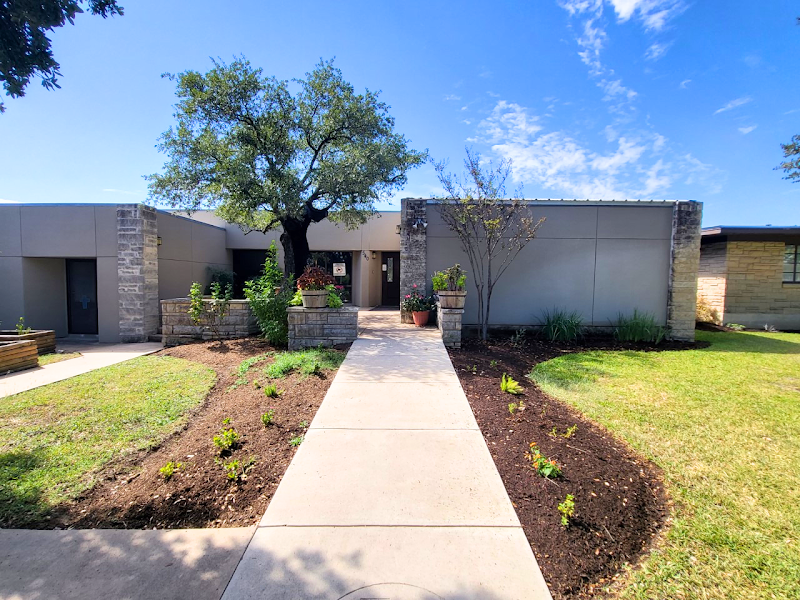
How is Bertram Nursing And Rehabilitation Staffed?

CMS rates BERTRAM NURSING AND REHABILITATION's staffing level at 4 out of 5 stars, which is above average compared to other nursing homes. Staff turnover is 47%, compared to the Texas average of 46%.

What Have Inspectors Found at Bertram Nursing And Rehabilitation?

State health inspectors documented 16 deficiencies at BERTRAM NURSING AND REHABILITATION during 2022 to 2024. These included: 1 Immediate Jeopardy (the most serious level, indicating potential for serious harm or death), 1 that caused actual resident harm, and 14 with potential for harm. Immediate Jeopardy findings are rare and represent the most serious regulatory concerns. They require immediate corrective action.
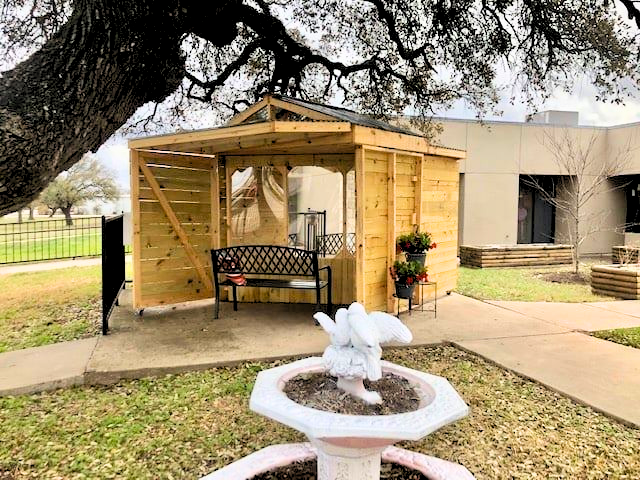
Who Owns and Operates Bertram Nursing And Rehabilitation?

BERTRAM NURSING AND REHABILITATION is owned by a government entity. Government-operated facilities are typically run by state, county, or municipal agencies. The facility is operated by CREATIVE SOLUTIONS IN HEALTHCARE, a chain that manages multiple nursing homes. With 74 certified beds and approximately 44 residents (about 59% occupancy), it is a smaller facility located in BERTRAM, Texas.
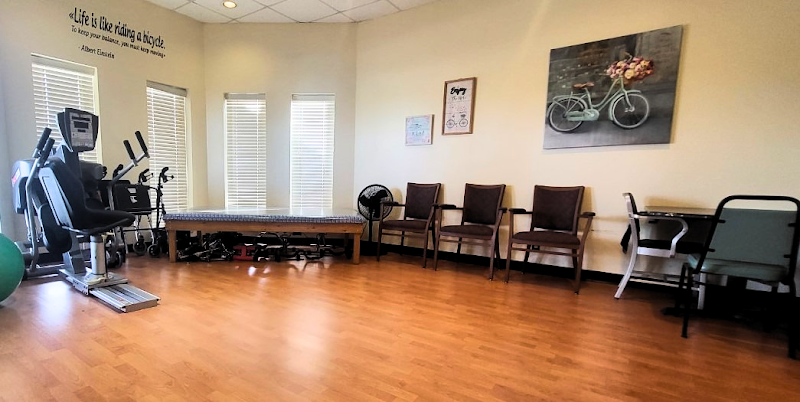
How Does Bertram Nursing And Rehabilitation Compare to Other Texas Nursing Homes?

Compared to the 100 nursing homes in Texas, BERTRAM NURSING AND REHABILITATION's overall rating (5 stars) is above the state average of 2.8, staff turnover (47%) is near the state average of 46%, and health inspection rating (4 stars) is above the national benchmark.

What Should Families Ask When Visiting Bertram Nursing And Rehabilitation?

Based on this facility's data, families visiting should ask: "What changes have been made since the serious inspection findings, and how are you preventing similar issues?" "Can I visit during a mealtime to observe dining assistance and food quality?" "How do you handle medical emergencies, and what is your hospital transfer rate?" "Can I speak with family members of current residents about their experience?" These questions are particularly relevant given the facility's Immediate Jeopardy citations.

Is Bertram Nursing And Rehabilitation Safe?

Based on CMS inspection data, BERTRAM NURSING AND REHABILITATION has documented safety concerns. Inspectors have issued 1 Immediate Jeopardy citation (the most serious violation level indicating risk of serious injury or death). The facility has a 5-star overall rating and ranks #1 of 100 nursing homes in Texas. Families considering this facility should ask detailed questions about what corrective actions have been taken since these incidents.

Do Nurses at Bertram Nursing And Rehabilitation Stick Around?

BERTRAM NURSING AND REHABILITATION has a staff turnover rate of 47%, which is about average for Texas nursing homes (state average: 46%). Moderate turnover is common in nursing homes, but families should still ask about staff tenure and how the facility maintains care continuity when employees leave.

Was Bertram Nursing And Rehabilitation Ever Fined?

BERTRAM NURSING AND REHABILITATION has been fined $10,135 across 1 penalty action. This is below the Texas average of $33,180. While any fine indicates a compliance issue, fines under $50,000 are relatively common and typically reflect isolated problems that were subsequently corrected. Families should ask what specific issues led to these fines and confirm they've been resolved.

Is Bertram Nursing And Rehabilitation on Any Federal Watch List?

BERTRAM NURSING AND REHABILITATION is not on any federal watch list. The most significant is the Special Focus Facility (SFF) program, which identifies the bottom 1% of nursing homes nationally based on persistent, serious quality problems. Not being on this list means the facility has avoided the pattern of deficiencies that triggers enhanced federal oversight. This is a positive indicator, though families should still review the facility's inspection history directly.