CARE CHOICE OF BOERNE
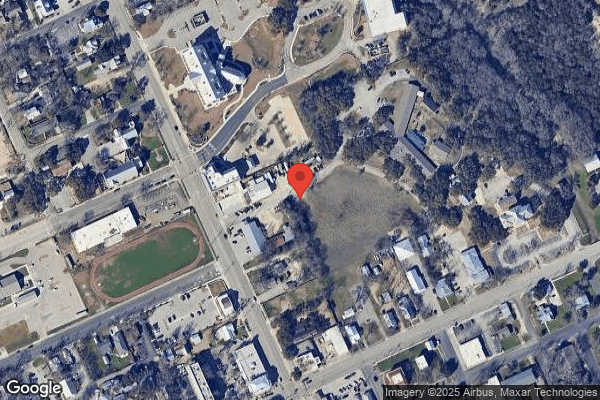

200 E RYAN ST, BOERNE, TX 78006 (830) 249-2594
For profit - Limited Liability company 74 Beds CHARLESTON HEALTHCARE GROUP Data: November 2025 2 Immediate Jeopardy citations
Trust Grade
16/100
#431 of 1168 in TX
Last Inspection: November 2024

Within standard 12-15 month inspection cycle. Federal law requires annual inspections.

Overview

Care Choice of Boerne has received a Trust Grade of F, indicating significant concerns regarding the quality of care provided. Ranking #431 out of 1168 facilities in Texas places it in the top half, while being #2 out of 6 in Kendall County suggests only one local option is better. The facility is showing an improving trend, with the number of issues decreasing from 9 in 2023 to 8 in 2024. Staffing is a weakness, with a below-average rating of 2/5 stars and a turnover rate of 49%, which is slightly better than the Texas average. The facility has also accumulated $33,937 in fines, which is concerning but aligns with the average for the state. Specific incidents of concern include a failure to protect a resident from abuse during a resident-to-resident altercation, and an incident where a resident was injured due to inadequate supervision during a mechanical lift transfer. Additionally, two residents were observed using wheelchairs without functioning safety devices designed to prevent falls. While the facility has some strengths, such as a high quality score of 5/5, these critical incidents highlight significant weaknesses that families should carefully consider.

Trust Score
F
16/100
In Texas
#431/1168
Top 36%
Safety Record
High Risk
Review needed
Inspections
Getting Better
9 → 8 violations
Staff Stability
⚠ Watch
49% turnover. Above average. Higher turnover means staff may not know residents' routines.
Penalties
✓ Good
$33,937 in fines. Lower than most Texas facilities. Relatively clean record.
Skilled Nurses
⚠ Watch
Each resident gets only 19 minutes of Registered Nurse (RN) attention daily — below average for Texas. Fewer RN minutes means fewer trained eyes watching for problems.
Violations
⚠ Watch
24 deficiencies on record. Higher than average. Multiple issues found across inspections.
★★★☆☆
3.0
Overall Rating
★★☆☆☆
2.0
Staff Levels
★★★★★
5.0
Care Quality
★★☆☆☆
2.0
Inspection Score
Stable
2023: 9 issues
2024: 8 issues

The Good

  • 5-Star Quality Measures · Strong clinical quality outcomes
  • Full Sprinkler Coverage · Fire safety systems throughout facility
  • No fines on record

Facility shows strength in quality measures, fire safety.

The Bad

3-Star Overall Rating

Near Texas average (2.8)

Meets federal standards, typical of most facilities

Staff Turnover: 49%

Near Texas avg (46%)

Higher turnover may affect care consistency

Federal Fines: $33,937

Above median ($33,413)

Moderate penalties - review what triggered them

Chain: CHARLESTON HEALTHCARE GROUP

Part of a multi-facility chain

Ask about local staffing decisions and management

The Ugly 24 deficiencies on record

2 life-threatening
Nov 2024 5 deficiencies
CONCERN (D)

Potential for Harm - no one hurt, but risky conditions existed

Unnecessary Medications (Tag F0759)

Could have caused harm · This affected 1 resident

**NOTE- TERMS IN BRACKETS HAVE BEEN EDITED TO PROTECT CONFIDENTIALITY** Based on observation, interviews, and record reviews the facility failed to ensure its medication error rates were not 5% or gre...

Read full inspector narrative →
**NOTE- TERMS IN BRACKETS HAVE BEEN EDITED TO PROTECT CONFIDENTIALITY** Based on observation, interviews, and record reviews the facility failed to ensure its medication error rates were not 5% or greater. The facility had a medication error rate of 8.0% (percent), based on 2 errors out of 25 opportunities which involved 1 of 6 residents (Resident #29) reviewed for medication administration and medication errors. 1. LVN E administered Resident #29's medications: metformin (medication for managing high blood sugar in type 2 diabetes) 1000mg and metoprolol tartrate (an immediate-release tablet that must be taken several times per day) 25mg, scheduled at 08:00 AM, at 09:30 AM thirty minutes late. These deficient practices could place residents at risk for not receiving therapeutic effects of their medications and possible adverse reactions. The findings included: 1. A record review of Resident #29's admission record revealed an admission date of 05/11/2021 with diagnoses which included diabetes mellitus (a disorder of carbohydrate metabolism characterized by impaired ability of the body to produce or respond to insulin and thereby maintain proper levels of sugar (glucose) in the blood) and heart failure. A record review of Resident #29's quarterly MDS assessment dated [DATE] revealed Resident #29 was a [AGE] year-old female admitted for long term care and was assessed with a BIMS score of 15 out of a possible 15 which indicated no cognitive impairment. A record review of Resident #29's physicians orders dated 11/22/2024 revealed Resident #29 was prescribed to receive metformin (a drug prescribed to assist with blood sugar levels) 1000mg daily, twice a day, at 08:00 AM and at 05:00 PM for diabetes mellitus. Further review revealed Resident #29 was prescribed to receive metoprolol (a drug prescribed to assist with a normal rhythmic heart beat) 25mg daily twice a day at 08:00 AM and at 05:00 PM for heart failure. A record review of Resident #29's care plan dated 11/22/2024 revealed, (Resident #29) has the potential for complications related to diabetes type 2 mellitus with hyperglycemia (high levels of blood sugar) During an observation and interview on 11/21/2024 at 09:20 AM revealed LVN E prepared medications for Resident #29 to include metformin 1000mg and metoprolol 25mg. LVN E administered the medications at 09:30 AM. LVN E stated she was in the reds for medication administration. LVN E described the electronic medication administration record as being highlighted in red to indicate late medication administration. Observation of Resident #29's medication administration record revealed the record to be highlighted red. LVN E stated she was assigned medication administration duty for 1/3 of the facility's residents and described her assignment as the Middle Hall. LVN E stated she was late and was complicated by her breakfast safety monitoring assignment this morning (11/21/2024) LVN E stated she began her shift at 06:00 Am this morning and had concluded her Breakfast dining room safety assignment around 08:45 AM and then began her medication administration assignment. LVN E stated if residents prescribed medication time is past 1 hour the electronic medication record would become highlighted in red to indicate a late medication administration. LVN E stated she had more than 3 residents highlighted in red. LVN E stated she had not communicated the potential for late medication administration with her supervisors the ADON and or the DON. LVN E stated residents who received their medications late were at risk for not receiving the therapeutic effects of their medications. During a joint interview on 11/22/24 05:32 PM the Administrator and the DON stated a medication error includes any failure to meet the 5 rights of medication administration to include: 1. The right Resident. 2. The right drug. 3. The right dosage. 4. The right route of administration. 5. And the right time of administration. The DON stated the right time was considered administration to occur within 1 hour of the prescribed time. If a drug prescribed at 08:00 AM was administered at 09:30 AM the administration was late by 30 minutes and the Resident was at risk for not receiving the intended therapeutic effects of the prescribed medication. The administrator stated he was in agreement with the DON, and stated it was a training vs execution issue, and a skill or will issue and would follow up with medication administration monitoring and would provide accountability measures. A record review of the facility's Administering Medications policy dated April 2019, revealed, Policy statement: medications are administered in a safe and timely manner, and as prescribed. Policy interpretation and implementation: staffing schedules are arranged to ensure that medications are administered without unnecessary interruptions. Medications are administered in accordance with prescriber orders, including any required time frame. Medication administration times are determined by resident need and benefit, not staff convenience. the heart ministered within one hour of their prescribed time,
CONCERN (D)

Potential for Harm - no one hurt, but risky conditions existed

Infection Control (Tag F0880)

Could have caused harm · This affected 1 resident

**NOTE- TERMS IN BRACKETS HAVE BEEN EDITED TO PROTECT CONFIDENTIALITY** . Based on observation, interview, and record review the facility failed to maintain an infection prevention and control program...

Read full inspector narrative →
**NOTE- TERMS IN BRACKETS HAVE BEEN EDITED TO PROTECT CONFIDENTIALITY** . Based on observation, interview, and record review the facility failed to maintain an infection prevention and control program designed to provide a safe, sanitary, and comfortable environment and prevent the development and transmission of communicable diseases and infection for 1 of 10 residents (Resident #31) reviewed for infection control. The facility failed to ensure hand hygiene was initiated between glove changes during blood glucose monitoring and administration of insulin to Resident #31 on 11/21/2024. This deficient practice could affect all residents by contributing to the bacteria load and/or cross contamination during provision of care. The findings included: Record review of admission Record, dated 11/22/2024, reflected Resident #31was a [AGE] year-old female, originally admitted [DATE]. Record review of the quarterly MDS assessment dated [DATE], reflected Resident #31 did not have a BIMS assessment conducted due to Resident #31 rarely or never understood. Non-traumatic brain dysfunction related to unspecified dementia was Resident #31's primary medical condition category for admission. Other active diagnoses included Diabetes Mellitus. 7 insulin injections were received during the last 7 days of the MDS look back period. Record review of the Order Summary Report, dated 11/22/2024, reflected Resident #31 had physician orders for Sliding Scale Lispro Insulin [required blood glucose monitoring antecedently] before meals and at bedtime with a start date of 6/25/2024. Record review of the Care Plan reflected Resident #31 had a focus area of potential for complications related to diabetes; with the following associated interventions: perform Accuchecks [blood glucose monitoring] as ordered and prn with an initiated date of 10/21/2020 and revision on 10/30/2024. Record review of the MAR, printed on 11/22/2024, reflected Resident #31 had a blood glucose reading of 270 on 11/21/2024 prior to the noon meal: necessitating administration of 6 units of Lispro insulin by LVN A. In an observation on 11/21/2024 at 11:40 AM, LVN A, prepared the equipment necessary to obtain the blood glucose reading for Resident #31, that included a glucometer, test strip, lancet, alcohol wipes and a 2 by 2-inch gauze pad. LVN A sanitized the glucometer according to manufactures recommendations, by wiping the outside of the glucometer with a disposable sanitizing cloth while wearing disposable gloves. LVN A did not perform hand hygiene after discarding those gloves. LVN A then, entered Resident #31's room to obtain the blood glucose reading for Resident #31. LVN A, washed her hands at the sink in Resident #31's room. LVN A donned gloves prior to lancing the tip of Resident #31 index finger for a drop of blood required for the glucometer. Upon the obtaining the reading, LVN A then determined that Resident #31 would require insulin as per the physicians' orders for sliding scale administration. LVN A, discarded her gloves, and exited the room without performing hand hygiene. LVN A then initiated preparing the sliding scale insulin, whereupon she donned gloves without performing hand hygiene. LVN A, discarded those gloves, and entered Resident #31's room. LVN A, donned gloves without performing hand hygiene and proceeded to administer the sliding scale insulin to Resident #31. LVN A, discarded her gloves, but did not perform hand hygiene and then exited Resident #31's room. In an interview on 11/21/2024 at 11:48 AM, LVN A stated she was very nervous being observed and would forget where she was in the process of obtaining the blood glucose reading and administering insulin. LVN A, stated she thought she had performed hand hygiene at each appropriate step as she had been trained, but stated she was very nervous being observed. In a group interview on 11/22/2024 at 5:32 PM, with the ADM and the DON, the DON stated the appropriate time to perform hand hygiene was prior to doing care with a resident, before you touch a resident. The DON stated that if you use gloves, you need to perform hand hygiene prior to donning gloves, and between glove changes. The DON stated this requirement is trained upon new hire on-boarding process, at annual competency training, and in In-Service trainings as needed. The DON stated that it is not a good practice to skip appropriate hand hygiene in a health care setting. The DON stated that could transmit illness among residents, staff and their homes or families. Review of Handwashing/Hand Hygiene policy, revised October 2023, reflected under the heading Indications for Hand Hygiene, step 1. Hand hygiene is indicated: a) immediately before touching a resident; g.) immediately after glove removal. Under the heading Applying and Removing gloves, step 1. Perform hand hygiene before applying non-sterile gloves; Step 5. [after doffing gloves] Perform hand hygiene. Review of CDC Hands web page, dated 02/27/2024, entitled Clinical Safety: Hand Hygiene for Healthcare Workers, accessed from https://www.cdc.gov/clean-hands/hcp/clinical-safety/index.html, accessed on 10/07/2024, reflected, under the subheading Know when to clean your hands, immediately after glove removal. .
CONCERN (E)

Potential for Harm - no one hurt, but risky conditions existed

Accident Prevention (Tag F0689)

Could have caused harm · This affected multiple residents

**NOTE- TERMS IN BRACKETS HAVE BEEN EDITED TO PROTECT CONFIDENTIALITY** Based on observation, interview, and record review, the facility failed to ensure the resident environment remained as free of a...

Read full inspector narrative →
**NOTE- TERMS IN BRACKETS HAVE BEEN EDITED TO PROTECT CONFIDENTIALITY** Based on observation, interview, and record review, the facility failed to ensure the resident environment remained as free of accident hazards as possible and each resident received adequate supervision to prevent accidents for 2 of 3 residents (Residents #20 and #25) reviewed for accidents/hazards, in that: 1. Resident #20 was provided a fall intervention on 05/23/2024 to include an anti-rollback device affixed to his wheelchair. Intermittent observations from 11/19/2024 thru 11/22/2024 revealed Resident #20 was observed ambulating in his wheelchair without a functioning ant-rollback device. 2. Resident #25 was provided a fall intervention on 09/22/2023 to include an anti-rollback device affixed to her wheelchair. Intermittent observations from 11/19/2024 thru 11/22/2024 revealed Resident #25 was observed ambulating in her wheelchair without a functioning ant-rollback device. This deficient practice could place residents at risk for harm. The findings included: 1. Resident #20 A record review of Resident #20's admission and discharge record dated 11/21/2024 revealed an admission date of 04/20/2024 with diagnoses which included dementia and COPD (an ongoing lung condition caused by damage to the lungs. The damage results in swelling and irritation, also called inflammation, inside the airways that limit airflow into and out of the lungs) and dementia (group of symptoms affecting memory, thinking and social abilities. In people who have dementia, the symptoms interfere with their daily lives). A record review of Resident #20's quarterly MDS assessment dated [DATE] revealed Resident #20 was a [AGE] year-old male admitted for long term care under hospice services. Resident #20 was assessed with a BIMS score of 03 out of a possible 15 which indicated severe cognition impairment. Resident #20 was assessed as needing substantial / maximal assistance helper does more than half the effort. Helper lifts or holds trunk or limbs and provides more than half the effort with the following activities of daily life: Sit to stand: the ability to come to a standing position from a sitting in a chair, wheelchair, or on the side of the bed. Chair bed to chair transfer: the ability to transfer to and from a bed to a chair or wheelchair. Toilet transfer: the ability to get on and off a toilet or commode. A record review of Resident #20's fall risk assessment dated [DATE] revealed Resident #20 was a Moderate Risk For Falling. A record review of Resident #20's Multidisciplinary Care Conference dated 10/30/2024 revealed Resident #20 was under hospice services, used a wheelchair. A record review of Resident #20's care plan dated 11/21/2024 revealed Resident #20 was provided an anti-rollback device affixed to his wheelchair in response to falls without injuries on 05/23/2024 . During an observation on 11/19/2024 at 12:22 PM Resident #20 was observed seated in his wheelchair at the lunch table. The wheelchair presented with an antiroll back device. Further observation revealed only 1 safety prong protecting the right wheelchair wheel was in place; the left wheel safety prong was missing. Continued intermittent observations from 11/19/2024 thru 11/22/2024 revealed Resident #20 continued ambulating in his wheelchair without a functioning ant-rollback device. During an observation on 11/21/24 at 02:52 PM revealed Resident #20 was in his room seated in his wheelchair; the wheelchair presented without a functioning anti-rollback device specifically no safety prong protecting the left wheel from rolling backwards. During a joint interview on 11/21/24 at 03:03 PM CNA C and LVN E stated Resident #20 had only 1 spoke covering Resident #20's right wheel on his wheelchair. CNA C and LVN E stated they had no knowledge of how long the spoke was missing and had not noticed how long it had been missing, CNA C stated she was an agency CNA and had worked 2-3 times a week for the past 3 months. LVN E stated she had been employed since July 2024 and had been assigned all residents at 1 point or another but usually was assigned 100-hall where Resident #20 resided. LVN E stated she had not recognized the anti-roll back device was missing a spoke on the left side and stated the risk to Resident #20 was a potential fall. CNA C and LVN E stated the safety device was not functioning without both spokes to brake the wheels when Resident #20 arose from the wheelchair. CNA C stated the wheelchair could roll away to the left if Resident #20 attempted to rise out of the chair. During an interview on 11/21/24 03:12 PM OT F stated Resident #20 was missing the left side portion of the anti-rollback safety device affixed to Resident #20's wheelchair. OT F stated the device would not function as designed and posed a risk for not preventing the wheelchair to rollback when Resident #20 may attempt to rise out of the wheelchair. 2. Resident #25 A record review of Resident #25's admission record dated 11/22/2024 revealed an admission date of 04/15/2023 whit diagnoses which included Parkinson's disease (a movement disorder of the nervous system that worsens over time; the disorder also may cause stiffness, slowing of movement and trouble with balance that raises the risk of falls) and dyskinesia (A blanket term to describe uncontrollable and involuntary movements. It's when your body moves in ways you cannot control. It can affect just one part of the body, like the head or an arm, or your entire body.) A record review of Resident #25's quarterly MDS assessment dated [DATE] revealed Resident #25 was a [AGE] year-old female admitted for long term care and assessed with a BIMS score of 15 out of a possible 15 which indicated no cognitive impairment. Resident #25 was assessed with adequate hearing and vision and could understand others and make herself understood. Resident was assessed with the need to use a wheelchair. Resident #25 was assessed with the need for assistance with Chair / bed-to-chair transfer as Supervision or touching assistance - helper provides verbal ques and / or touching / steadying and /or contact guard assistance as Resident completes the activity. Assistance may be provided throughout the activity or intermittently. A record review of Resident #25's fall risk assessment dated [DATE] revealed Resident #25 was a High Risk for Falling. A record review of Resident #25's care plan dated 11/22/2024 revealed, (Resident #25) has high risk for falls related to history of falls, antidepressant medication use and gait balance problems . interventions / tasks . 09/22/2023 resident has had two falls with no injuries in three days, Resident (#25) to use anti rolling device to wheelchair During an observation on 11/19/2024 at 12:40 PM Resident #25 was observed seated in her wheelchair at the lunch table. The wheelchair presented with an anti-roll back device. Further observation revealed only 1 safety prong protecting the left wheelchair wheel was in place; the right wheel safety prong was missing. Continued intermittent observations from 11/19/2024 thru 11/22/2024 revealed Resident #25 continued ambulating in her wheelchair without a functioning ant-rollback device. During an observation on 11/20/24 at 11:15 AM revealed Resident #25 attending the Resident council meeting. Resident #25 was seated in her wheelchair. The wheelchair presented without a safety prong over the left wheel of the wheelchair. During an observation and interview on 11/21/2024 at 03:15 PM revealed Resident #25 in her room laying in her bed. Further observation revealed her wheelchair by her bedside. The wheelchair presented with an anti-rollback device affixed to her wheelchair with the right wheel unprotected with a safety prong. The wheelchair only had a safety prong on the right wheel. Resident #25 communicated the wheelchair did not have a functioning anti-rollback device as evidenced by the lack of a right wheel safety prong. Resident #25 stated the device had been missing for some time and could not recall exactly how long. Resident did respond in the negative when questioned if the safety device was missing longer than weeks and indicated the device was missing longer than months. During a joint interview on 11/21/24 at 03:20 PM OT F and RN D stated Resident #25 was at risk for falling and used a wheelchair with anti-rollback device on her wheelchair. OT F and RN D stated Resident #25's wheelchair had a faulty anti-rollback device with the right wheel safety missing. RN D stated the device could malfunction and would not stop the wheelchair from rolling back and could contribute to a fall. RN D stated Resident #25 was diagnosed with Parkinson's disease and had history of falling. RN D stated she had not noticed the device was faulty and could not state how long the device had been faulty. During a joint interview on 11/21/24 at 04:41 PM the Administrator and the DON stated 3 residents out of the entire census of 47 were provided anti-rollback safety devices for their wheelchair's. The Administrator and the DON stated only residents #20 and #25 had presented with an ineffective anti-rollback device affixed to their wheelchairs. During a joint interview on 11/22/24 05:32 PM the Administrator and the DON stated residents who needed safety devices for fall preventions such as anti-rollback devices for wheelchairs and had faulty safety devices were at risk for falls. The Administrator and the DON stated safety mechanisms needed to be in place and working in order to protect the Resident and the direct care staff should be monitoring the safety devices and reporting if there are problems with safety equipment . The Administrator stated he would get with clinical staff, and address training vs execution issues regarding monitoring of safety equipment and hold staff accountable. A record review of the facility's Accidents and Incidents - Investigating and reporting policy dated July 2017, revealed, policy statement: all accidents or incidents involving residents, employees, visitors, vendors, etcetera, occurring on our premises shall be investigated and reported to the Administrator. Policy interpretation and implementation: the nurse supervisor / charge nurse and or the department director or supervisor shall promptly initiate and document investigation of the accident or incident. this facility is in compliance with current rules and regulations governing accidents and for incidents involving a medical device
CONCERN (E)

Potential for Harm - no one hurt, but risky conditions existed

Deficiency F0760 (Tag F0760)

Could have caused harm · This affected multiple residents

**NOTE- TERMS IN BRACKETS HAVE BEEN EDITED TO PROTECT CONFIDENTIALITY** Based on observations, interviews, and record reviews, the facility failed to ensure residents were free from significant medica...

Read full inspector narrative →
**NOTE- TERMS IN BRACKETS HAVE BEEN EDITED TO PROTECT CONFIDENTIALITY** Based on observations, interviews, and record reviews, the facility failed to ensure residents were free from significant medication errors for 2 of 10 residents (Residents #43 and #47) reviewed for significant medication errors. 1. On 11/21/2024 at 09:45 AM, LVN E administered to Resident #43 memantine (used to treat moderate to severe confusion (dementia) related to Alzheimer's disease) 10mg to Resident #43 late by 45 minutes. 2. On 11/21/2024 at 09:54 AM, LVN E administered to Resident #47: A. Valsartan (used to treat high blood pressure and heart failure. It is also used to improve the chance of living longer after a heart attack.) 160mg late by 54 minutes. B. Levetiracetam (a drug used to suppress seizures) 500mg late by 54 minutes. C. Divalproex 250mg (a drug used to prevent seizures, mood disorders, and migraine headaches) late by 54 minutes . These deficient practices placed residents at risk for not receiving the therapeutic effects of their prescribed medications. The findings include: 1. Resident #43 A record review of Resident #43's admission record dated 11/22/2024 revealed an admission date of 02/15/2023 with diagnoses which included Alzheimer's disease (A type of brain disorder that causes problems with memory, thinking and behavior. This is a gradually progressive condition.) A record review of Resident #43's quarterly MDS assessment dated [DATE] revealed Resident #43 was an [AGE] year-old male admitted for long term care and assessed with a BIMS score of 01 out of a possible 15 which indicated severe cognitive impairment. A record review of Resident #43's physicians orders dated 11/22/2024 revealed Resident #43 was prescribed to receive daily twice a day memantine 10mg at 08:00 and again at 05:00 PM. A record review of the facilities Medication Admin Audit Report dated 11/21/2024 revealed Resident #43 was administered memantine 10mg at 09:45 AM by LVN E. 2. Resident #47 A record review of Resident #47's admission record revealed an admission date of 02/03/2024 with diagnoses which included atherosclerotic heart disease and seizures. A record review of Resident #47's quarterly MDS assessment dated [DATE] revealed Resident #47 was a [AGE] year-old female admitted for long term care and assessed with a BIMS score of 00 out of a possible 15 which indicated severe cognition impairment. further review revealed Resident #47 could sometimes make herself understood and could sometimes understand others. A record review of Resident #47's care plan dated 11/22/2024 revealed, (Resident #47) has impaired cognitive function related to dementia. administer medication as ordered . (Resident #47) has the potential for altered cardiac output hypertension (high blood pressure) . administer medications as ordered. A record review of Resident #47's physician's orders dated 11/22/2024 revealed the physician ordered Resident #47 to receive daily twice a day at 08:00 AM and at 05:00 PM Valsartan 160mg and levetiracetam 500mg. further review revealed Resident #47 was prescribed to receive three times a day, at 08:00 AM, 02:00 PM, and 08:00 PM, divalproex 250mgs. A record review of the facilities Medication Admin Audit Report dated 11/21/2024 revealed LVN E administered to Resident #47: Valsartan 160mg on 11/21/2024 at 09:54 AM and was scheduled for 08:00 AM. Levetiracetam 500mg on 11/21/2024 at 09:54 AM and was scheduled for 08:00 AM. Divalproex 250mg on 11/21/2024 at 09:54 AM and was scheduled for 08:00 AM. During an observation and interview on 11/21/2024 at 09:20 AM revealed LVN E prepared medications for Residents. LVN E stated she was in the reds for medication administration. LVN E described the electronic medication administration record as being highlighted in red to indicate late medication administration. Observation of Residents MAR revealed the record to be highlighted red. LVN E stated she was assigned medication administration duty for 1/3 of the facility's residents and described her assignment as the Middle Hall. LVN E stated she was late and was complicated by her breakfast safety monitoring assignment this morning (11/21/2024) LVN E stated she began her shift at 06:00 Am this morning and had concluded her Breakfast dining room safety assignment around 08:45 AM and then began her medication administration assignment. LVN E stated if residents prescribed medication time is past 1 hour the electronic medication record would become highlighted in red to indicate a late medication administration. LVN E stated she had more than 3 residents highlighted in red. LVN E stated she had not communicated the potential for late medication administration with her supervisors the ADON and or the DON. LVN E stated residents who received their medications late were at risk for not receiving the therapeutic effects of their medications. During a joint interview on 11/22/24 05:32 PM the Administrator and the DON stated a medication error includes any failure to meet the 5 rights of medication administration to include: 1. The right Resident. 2. The right drug. 3. The right dosage. 4. The right route of administration. 5. And the right time of administration. The DON stated the right time was considered administration to occur within 1 hour of the prescribed time. If a drug prescribed at 08:00 AM was administered at 09:30 AM the administration was late by 30 minutes and the Resident was at risk for not receiving the intended therapeutic effects of the prescribed medication. The administrator stated he agreed with the DON, and stated it was a training vs execution issue, and a skill or will issue and would follow up with medication administration monitoring and would provide accountability measures . A record review of the facility's Adverse Consequences and Medication Errors policy dated February 2023, revealed, Policy heading: the interdisciplinary team monitors medication usage in order to prevent any detect medication related problems such as adverse drug reactions and side effects. Policy interpretation and implementation: . medication errors: a medication error is defined as the preparation or administration of drugs or biological which is not in accordance with physicians orders, manufacturer specifications, or accepted professional standards and principles of the professional providing services, examples of medication errors include: . wrong time
CONCERN (E)

Potential for Harm - no one hurt, but risky conditions existed

Medical Records (Tag F0842)

Could have caused harm · This affected multiple residents

**NOTE- TERMS IN BRACKETS HAVE BEEN EDITED TO PROTECT CONFIDENTIALITY** Based on observation, interview, and record review the facility failed to maintain medical records on each resident that were co...

Read full inspector narrative →
**NOTE- TERMS IN BRACKETS HAVE BEEN EDITED TO PROTECT CONFIDENTIALITY** Based on observation, interview, and record review the facility failed to maintain medical records on each resident that were complete, accurately documented, readily accessible, and systematically organized, for 3 of 8 residents reviewed (Residents #7, #38, and #16) for complete and accurate medical records 1. The facility failed to ensure Resident #7's signed out of hospital do not resuscitation order form was properly uploaded in her medical record and did not contain another residents' (Resident #38's) signed OOH DNR order form; 2. The facility failed to ensure Resident #38's signed OOH DNR order form was properly uploaded in her medical record; 3. The facility failed to ensure Resident #16's signed OOH DNR order form was properly uploaded in her medical record. The findings included: 1. Record review of the admission Record, dated 11/19/2024, reflected Resident #7 was an [AGE] year-old female, originally admitted [DATE]. Record review of the quarterly MDS assessment dated [DATE], reflected Resident #7 did not have a BIMS conducted due rarely or never being understood, with short and long-term memory problems and had severely impaired cognitive skills for daily decision making. Traumatic brain dysfunction related to unspecified dementia was Resident #7's primary medical condition category for admission. Other active diagnoses included non-Alzheimer's dementia. Resident #7 was coded as not having a prognosis resulting in a life expectancy of less than 6 months. Record review of the Order Summary Report, dated 11/22/2024, reflected Resident #7 had physician orders for a code status of DNR, with an order date of 05/06/2020. Record review of the Care Plan reflected Resident #7 had a focus area of advance directory: Do Not Resuscitate, with an initiated date of 05/12/2020, and revised on 08/14/2024. Record review of the EMR for Resident #7, reviewed on 11/20/2024 at 4:14 PM, revealed a signed OOH DNR order form dated 06/14/2021 but was for Resident #38. There was no signed OOH DNR for Resident #7 in her EMR. Record review of Resident #7's EMR tab entitled Miscellaneous, reflected a signed OOH DNR order form uploaded on 11/20/2024 [after this state agency surveyor alerted facility management of no signed OOH DNR order form for Resident #7 in the EMR, but included the signed OOH DNR order form for Resident #38]. The signed OOH DNR order form for Resident #7 was dated 05/01/2020. In an observation on 11/19/2024 at 11:09 AM, Resident #7 was supine with pillows under her left side with her eyes closed and steady, unlabored respirations. 2. Record review of the admission Record, dated 11/22/2024, reflected Resident #38 was a [AGE] year-old female, originally admitted [DATE]. Record review of the quarterly MDS assessment dated [DATE], reflected Resident #38 had a BIMS summary score of 12, indicative of moderate cognitive impairment. Traumatic brain dysfunction related to unspecified dementia was Resident #38's primary medical condition category for admission. Other active diagnoses included non-Alzheimer's dementia and depression. Resident #38 was coded as not having a prognosis resulting in a life expectancy of less than 6 months. Record review of the Order Summary Report, dated 11/22/2024, reflected Resident #38 had physician orders for a code status of DNR, with an order date of 07/08/2021. Record review of the Care Plan reflected Resident #38 had a focus area of advance directory: Do Not Resuscitate, with an initiated date of 07/12/2021. Record review of the EMR tab entitled Miscellaneous, reviewed on 11/19/2024, for Resident #38 revealed there was not a signed OOH DNR order form uploaded. Record review of Resident #38's EMR tab entitled Miscellaneous, reflected a signed OOH DNR order form uploaded on 11/20/2024 [after this state agency surveyor alerted facility management that the signed OOH DNR order form in Resident #7's EMR was a signed OOH DNR order form for Resident #38]. The newly uploaded signed OOH DNR order form for Resident #38 was signed 6/14/2021. 3. Record review of the admission Record, dated 11/22/2024, reflected Resident #16 was a [AGE] year-old female, originally admitted [DATE]. Record review of the annual MDS assessment dated [DATE], reflected Resident #16 had a BIMS summary score of 13, indicative of intact cognition. Other neurological conditions related to schizophrenia was Resident #16's primary medical condition category for admission. Other active diagnoses included cerebrovascular accident, transient ischemic attack or stroke and bipolar disorder. Resident #16 was coded as not having a prognosis resulting in a life expectancy of less than 6 months. Record review of the Order Summary Report, dated 11/22/2024, reflected Resident #16 had physician orders for a code status of DNR, with an order date of 11/08/2019. Record review of the Care Plan reflected Resident #16 had a focus area of advance directory: Do Not Resuscitate, with an initiated date of 11/13/2019. Record review of the EMR tab entitled Miscellaneous reviewed on 11/19/2024 for Resident #16 revealed there was not a signed OOH DNR order form uploaded. Record review of the Resident #16's EMR tab entitled Miscellaneous, reflected a signed OOH DNR order form uploaded on 11/20/2024 [after this state agency surveyor alerted facility management of no signed OOH DNR consent for Resident #16 in the EMR] for Resident #16. The newly uploaded OOH DNR for Resident #16 was signed 11/5/2019 by her legal guardian. In an observation on 11/19/2024 at 10:49 AM, Resident #16 was sitting upright in a WC, dressed appropriately for the weather, including footwear, hair clean and neatly combed. In an interview on 11/21/2024 at 8:10 AM, the DON stated she began as the DON in July 2024 and had recognized the facility had some paper records, for example OOH DNRs, and had developed and implemented a system to scan all paper records into the electronic medical record for each resident. The DON stated the Nurse Case Manager was assigned this duty; the DON stated she (the DON) was responsible for oversight of the system. The DON stated she received a report on 11/20/2024 that Resident #16, Resident #7, and Resident #38 had errors regarding OOH DNR documents. The DON stated she reviewed all residents for accurate records regarding OOH DNR documents and recognized Resident #16, Resident #7, and Resident #38 did not have their OOH DNR scanned into the electronic medical record. The DON stated Resident #38 OOH DNR was erroneously scanned into Resident #7's record. The DON stated she had not previously reviewed Resident #16, Resident #7, and Resident #38 electronic medical record for accuracy regarding the uploading of scanned paper records. The DON stated the failure could affect residents by not having accurate records. In an interview on 11/21/2024 at 2:21 PM, the SW stated it was of upmost importance to have complete and accurate records for advanced directives so that direct care staff know how to honor the residents' end of life wishes. The SW stated that a delay in care, or wrong care provided could happen if accurate advanced directives are not available. The SW stated that either the business office manager [NAME] or she (the SW) would upload signed OOH DNR order forms into the EMR once completed. The SW stated after the signed OOH DNR order form was uploaded in to the EMR, either the DON or the MDS nurse would immediately update the Care Plan and active order sets. The SW stated that she was unaware of any issues with advanced directives. The SW stated she was unsure of who was responsible to ensure EMR documents are uploaded correctly. The SW stated that as a matter of practice, she kept a binder with a copy of the signed OOH DNR order form as a backup copy. The SW stated this binder would not be readily accessible to direct care staff and would not be considered part of the medical records. The SW stated she had not been tasked to verify that the EMR matched the binder she kept in her office. In a group interview on 11/22/2024 at 5:32 PM, with the ADM and the DON, the DON stated that there was the potential to provide incorrect care for the resident due to the wrong OOH DNR being in the EMR, or no OOH DNR being in the EMR. The ADM stated that the issue was an ongoing process improvement plan and he (the ADM) and the DON were responsible for monitoring accuracy of the EMR. The ADM stated he would be holding the appropriate staff accountable and initiate progressive counseling as necessary. Requested facility policy on accurate medical records from the ADM on 11/21/2024 at 5:16 PM; did not receive prior to exit. Record review of Do Not Resuscitate Order policy, revised April 2017, reflected, under the heading Policy Interpretation and Implementation, step 1.) DNR orders must be signed .maintained in the resident's medical record. 2. A signed DNR order form must be completed and signed .placed in the resident's medical record. Review of Lippincott procedures, Long-Term Care Documentation, revised 5/19/2024, accessed 11/27/2024, https://procedures.lww.com/lnp/view.do?pId=4420213&hits=records,record&a=true&ad=false&q=record, reflected under the heading Introduction, long-term care facilities must maintain complete, accurate, readily accessible and systematically organized medical records for each resident.
Nov 2024 2 deficiencies 2 IJ
CRITICAL (J) 📢 Someone Reported This

A family member, employee, or ombudsman was alarmed enough to file a formal complaint

Immediate Jeopardy (IJ) - the most serious Medicare violation

Free from Abuse/Neglect (Tag F0600)

Someone could have died · This affected 1 resident

**NOTE- TERMS IN BRACKETS HAVE BEEN EDITED TO PROTECT CONFIDENTIALITY** Based on interview and record review, the facility failed to ensure the resident's right to be free from abuse for 1 of 11 resid...

Read full inspector narrative →
**NOTE- TERMS IN BRACKETS HAVE BEEN EDITED TO PROTECT CONFIDENTIALITY** Based on interview and record review, the facility failed to ensure the resident's right to be free from abuse for 1 of 11 residents (Resident #2) reviewed for abuse, in that: The facility failed to protect Resident #2 from Resident #3 during a resident-to-resident altercation on 09/21/2024. The non-compliance was identified as past non-compliance (PNC). The PNC IJ began on 09/21/2024 and ended on 09/24/2024. The facility had corrected the non-compliance before the state's investigation began on 10/29/2024 at 9:30 a.m. This deficient practice could place residents at risk of physical injury and/or psychosocial harm. The findings were: Record review of Resident #2's face sheet, dated 11/01/2024, revealed the resident was admitted to the facility on [DATE] with diagnoses including: hemiplegia, muscle weakness, low vision in his right eye, and blindness in his left eye. Record review of Resident #2's quarterly MDS, dated [DATE], revealed a BIMS score of 4 which indicated severe cognitive impairment. Record review of Resident #2's care plan, initiated 11/01/2021, revealed [Resident #2] is highly visually impaired .may bump into things from not seeing them. [Resident #2] is at moderate risk for falls [related to] Confusion, Gait/balance problems, Paralysis. Record review of Resident #3's face sheet, dated 11/01/2024, revealed the resident was admitted to the facility on [DATE] and readmitted [DATE] with diagnoses including: unspecified dementia, generalized anxiety disorder, and impulse disorder. Record review of Resident #3's quarterly MDS, dated [DATE], revealed a BIMS score of 8 which indicated moderate cognitive impairment. Record review of Resident #3's care plan, initiated 04/20/2024, revealed, [Resident #3] has sexual and aggressive behaviors and enters residents' rooms without permission, takes food from other residents in dining room and other resident's refrigerators . he cannot control his impulses . Resident hit another resident. Police came to facility to assess altercation . after resident attempted to punch another resident, he was separated and redirected. Further review of Resident #3's care plan, revised 09/24/2024, revealed an intervention to redirect resident from other resident rooms as a result of the incident on 09/21/2024. Further review revealed a Care Plan meeting occurred on 10/03/2024 which resulted in an increase in medication of trazadone (medication used to treat anxiety disorders). Record review of Resident #3's clinical record, as of 11/01/2024, revealed, a behavior notes, dated 03/14/2024, Flinging snot and phlegm at other residents and the floor in the dining room in the middle of dinner. Parking his wheelchair in the middle of the hall, blocking other residents and continuing to [NAME] phlegm; 03/15/2024, Resident grabbed food out of another resident's hand then attempted to run into another resident with his wheelchair, 06/30/2024, Yelling slurs and shut the fuck up at his roommate whenever he makes a noise. Stealing food items off other residents' tables during mealtimes and flinging phlegm on the floor in the dining room; 07/29/2024, This resident came up to this female resident; both in [wheelchair]. [Resident #3] reached out for her right breast with his [NAME]. This female resident blocked [Resident #3] hand and he laughed. The Occupational Therapist, who witnessed this incident; explained to [Resident #3] that it was inappropriate for him to do that. This nurse redirected him. Resident expressed understanding. Will continue to monitor; 09/28/2024, Attempting to punch another resident for accidentally bumping into him with his wheelchair. Nurse intervened and redirected both residents. Resident very passive aggressive, constantly putting his wheelchair in the middle of the hall, blocking access; 10/03/2024, Yelling at another resident to Shut Up very loudly in front lobby area. Then as he was heading back to his room, he is gesturing angrily at staff and stopped and yelled at another resident to Shut up; 10/17/2024 Behavior: Verbal abuse, cursing, hostility. Incident: Resident outside amongst smokers and asked 2 residents for cigarettes. Both residents denied this residents cigarette. This resident then told other 2 residents to FUCK YOU. Further review of Resident #3's clinical record, as of 11/01/2024, revealed no additional incidents of verbal or physical aggression toward peers or staff since 10/17/2024 (2 weeks after the intervention to increase his Trazadone). Record review of Resident #3's clinical record, as of 11/01/2024, revealed his plan of care had been updated to include additional monitoring and supervision. Further review revealed that after the new intervention of enhanced supervision and redirection of the resident was introduced, on 9/24/24, the number of Resident #3's incidents of aggression decreased. Record review of Resident #3's electronic health record revealed after 9/24/24, his incidents of physical aggression decreased. Incidents consisted of verbal aggression (yelling expletives) only. Record review of the facility incident report, dated 09/21/2024, revealed, An altercation occurred between two residents on 9/21/24 at approximately 7pm. [Resident #3] perpetrator struck [Resident #2]. - Both residents are wheelchair bound, but [Resident #2] resulted on the floor . - The only witness of the event revealed that Resident #2 stood from his wheelchair to hit Resident #3 but Resident #3 pushed Resident #2 away resulting in Resident #2 falling. - The local police department were called in response to the 09/21/2024 incident but Resident #2 did not want to press charges against Resident #3. - The facility had conducted Resident Satisfaction Surveys with none reporting they felt unsafe at the facility. - Record review of the facility in-service, Resident-to Resident, dated 09/24/2024, revealed staff received additional training regarding recognizing and defusing conflicts between residents including methods such as redirecting aggressive residents to calm activities. Record review of Resident #2's clinical record, dated 09/21/2024, revealed a nurse assessment was performed immediately following the incident with no injuries noted. Further review of Resident #2's clinical record revealed he was assessed by a nurse each subsequent day for one week with no injuries noted. During the state's investigation, from 10/29/2024 to 11/01/2024, staff were observed interacting with Resident #3 in a pleasant manner, assisting him to maneuver within the facility, and maintaining close supervision of the resident. Further observations revealed the resident self-propelled slowly and frequently required staff assistance. Observations of Resident #3 on 11/01/2024 between 10:00 a.m. and 4:30 p.m. revealed while sitting in his wheelchair, Resident #3 moved slowly utilizing both feet and one hand/arm to propel himself. His feet would slip when he applied pressure against the floor resulting in several attempts at moving before being successful and going only a very short distance. Staff were observed assisting Resident #3 by pushing his wheelchair. Resident #3 did not exhibit any signs of physical or verbal aggression. During an interview with Resident #3 on 11/01/2024 at 4:32 p.m., Resident #3 stated he was friends with Resident #2 and declined to further converse. During an attempted interview with Resident #2 on 11/01/2024 at 4:36 p.m., Resident #2 was unable to be interviewed. During an interview with Resident #4 on 11/01/2024 at 4:42 p.m., Resident #4 stated she was afraid of Resident #3. She stated Resident #3 hit her during his first admission to facility in 2011, but that he had not done so since his readmission in 2024 and added that Resident #3 often used threatening speech and aggressive mannerisms. Resident #4 further stated that she had not witnessed Resident #3 attempt to strike anyone recently. Resident # 4 further stated she did not inform anyone of her fear. Interviews with nine additional residents on 11/01/2024 between 10:00 a.m. and 4:30 p.m. revealed none who answered affirmatively when asked if Resident #3 had displayed verbal or physical aggression toward them, and none who answered affirmatively when asked if they were afraid of Resident #3. Further interviews with residents revealed Resident #3's incidents of aggression decreased in number and become less physical in nature following the interventions. During an interview with the DOR on 11/01/2024 at 2:56 p.m., the DOR stated that Resident #3 had experienced a decline in physical functioning and lacked the ability to hit or kick peers or staff. The DOR also stated he had been alerted to assist with monitoring and supervising Resident #3 due to the resident's past aggression. Interviews with three CNAs and two LVNs on 11/01/2024 between 10:00 a.m. and 4:30 p.m. revealed they all had been alerted to assist with monitoring and supervising Resident #3 due to the resident's past aggression. Further interviews with staff revealed they had been directed to closely monitor Resident #3, and the resident's incidents of aggression had decreased in number and become less physical in nature following the interventions. Record review of in-service records revealed staff had been provided with training regarding defusing resident-to-resident altercations. Record review of Resident #3's clinical record revealed that in addition to enhanced supervision and monitoring by the staff, the resident was offered psychological services, visited by the facility Social Worker, and his physician ordered medication changes to assist the resident to cope. Further review revealed the incidents of aggression had decreased in number and become less physical in nature following the interventions. During an interview with the Administrator on 11/01/2024 at 5:05 p.m., the Administrator stated that Resident #3 would be involuntarily discharged from the facility due to his aggressive behaviors. Record review of the facility policy, Resident to Resident Altercations, revised September 2022, revealed, All altercations, including those that may represent resident-to-resident abuse, are investigated and reported .
CRITICAL (J) 📢 Someone Reported This

A family member, employee, or ombudsman was alarmed enough to file a formal complaint

Immediate Jeopardy (IJ) - the most serious Medicare violation

Accident Prevention (Tag F0689)

Someone could have died · This affected 1 resident

**NOTE- TERMS IN BRACKETS HAVE BEEN EDITED TO PROTECT CONFIDENTIALITY** Based on observations, interviews and record reviews the facility failed to ensure 1 (Resident #1) of 7 residents reviewed for m...

Read full inspector narrative →
**NOTE- TERMS IN BRACKETS HAVE BEEN EDITED TO PROTECT CONFIDENTIALITY** Based on observations, interviews and record reviews the facility failed to ensure 1 (Resident #1) of 7 residents reviewed for mechanical device used by staff received adequate supervision and assistance with devices to prevent accidents. On [DATE] Agency nurse aide A transferred Resident#1 with a mechanical lift by herself. The mechanical lift tipped over causing Resident #1 to obtain a head laceration and a left femur fracture requiring surgery. The non-compliance was identified as past non-compliance (PNC). The PNC IJ began on [DATE] and ended on [DATE]. The facility had corrected the non-compliance before the state's investigation began on [DATE] at 9:30 AM. Failure of facility to provide adequate supervision and assistance with devices could lead to injury or death to residents. Findings included: Record review of Resident #1's face sheet electronically dated [DATE] revealed a [AGE] year-old male admitted to the facility on [DATE] with diagnoses of dementia (the loss of cognitive functioning, thinking, remembering, and reasoning to such an extent that it interferes with a person's daily life and activities.), contractures to right and left knee(a permanent shortening and tightening of muscle fibers that reduces flexibility and makes movement difficult.), bipolar disorder(A serious mental illness characterized by extreme mood swings. They can include extreme excitement episodes or extreme depressive feelings), and anxiety disorder (intense fear and inability to control moments.) Record review of Resident #1's state optional MDS assessment section C, dated [DATE], reflected Resident #1 had a BIMS score of 01, indicative of cognitively unaware. Section G revealed Resident #1 required extensive assistance with 2 persons for transfers. Record review of Resident #1's care plan dated [DATE], reflected Resident #1 required assistance with ADLs potential for self-care deficit. On [DATE] a revision was made for Resident #1 to be transferred using a Hoyer (mechanical lift) and assistance of two staff members if he is fighting staff. Record reveiw of Resident #1's nursing progress notes dated [DATE] timed at 5:38 pm , {resident on floor,hoyer on top of him. CNA beside him. Has laceration to forehead, complaints of left knee pain during assesment. Laceration to forehead cleansed. He is moving the upper extremeties as usual . No other apparent injuy. Responding to questions as usual , assisted to bed with assistance of 3 staff members. Notified sisiter, and doctor. sent to er.by ems.} Record review of Resident #1's EMR physician progress notes dated [DATE] revealed Resident #1 had a left hip fracture and underrwent cephalomedullary nailing on [DATE] returning to facility on [DATE]. Record review of Agency CNA A's written statement dated [DATE] at 4:45 pm, read I was getting ready to transfer {resident #1} to his chair. I looked around for help, but all the aides were getting up their residents and I was behind, so I went ahead and transferred {res #1} by myself. When I started transferring him, he got agitated and held onto the Hoyer bars and was shaking it. Then before I knew it the Hoyer fell, and resident went to floor. I screamed for help. And pressed his forehead to stop the bleeding then the nurse walked in. Telephone interview attempt with Agency CNA A x3 on [DATE] and [DATE] were unsuccessful. During a telephone interview on [DATE] at 11:36 am the previous DON stated the manufacture recommendations of mechanical lift used during transfer said could be one person usage. She further stated, I don't know if having 2 persons would have made a difference because he (Resident #1) became agitated while in the air. During an interview with current DON on [DATE] at 11:45 am stated 2 staff members were to be used for transfers of residents with a mechanical lift. She further stated this is for the safety of the residents and staff. During a telephone interviw on [DATE] at 12:05 pm Resident #1's Nurse practitioner stated he did not believe that his death on [DATE] was related to his fall on [DATE]. He further stated Resident #1 had multiple commorbidiites that could have contributed to his death. The facility took the following measures on [DATE] after the event and prior to surveyor entrance: Record review of facility in services post incident beginning on [DATE] with competencies and demonstration of mechanical lift transfers were done with 28 of 29 staff members and 4 of 4 agency staff having completed. The facility did not allow Agency CNA A to return to the facility. The facility put a system into place for agency staff to review forms prior to their shift to identify the care needs of each resident. Observations by surveyor on [DATE] at 11:30 am and [DATE] at 2:00 pm and 2:30 pm of 3 mechanical lift transfers of residents(Resident #10, #11, #12) revealed was done with 2 staff members during transfers. During investigation period of [DATE]-[DATE] surveyor interviews with 19 of 29 current nursing staff members on all shifts were done and all said they were to use 2 staff members when doing mechanical lift transfers and can verbalize how to transfer residents. Record review of facility in services post incident with competencies and demonstration of mechanical lift transfers were done with 28 of 29 nursing staff members and 4 of 4 agency staff having completed. Record review of facility's policy titled: Lifting Machine, using a Mechanical dated 2001, Staff will perform mechanical lifts/transfers according to the manufacturer's instructions for use of the device. Manufacturer's operation for mechanical lift states Although [manufacture] recommends two assistants be used for all lifting preparation, transferring from, and transferring to procedures, our equipment will permit proper operation by one assistant. The use of one assistant is based on the evaluation of the health care professional for each individual case.
Apr 2024 1 deficiency
CONCERN (D) 📢 Someone Reported This

A family member, employee, or ombudsman was alarmed enough to file a formal complaint

Potential for Harm - no one hurt, but risky conditions existed

Comprehensive Care Plan (Tag F0656)

Could have caused harm · This affected 1 resident

**NOTE- TERMS IN BRACKETS HAVE BEEN EDITED TO PROTECT CONFIDENTIALITY** Based on observations, interviews, and record reviews the facility failed to develop and implement a comprehensive person-center...

Read full inspector narrative →
**NOTE- TERMS IN BRACKETS HAVE BEEN EDITED TO PROTECT CONFIDENTIALITY** Based on observations, interviews, and record reviews the facility failed to develop and implement a comprehensive person-centered care plan for each resident, consistent with the resident rights that includes measurable objectives and timeframes to meet a resident's medical, nursing, and mental and psychosocial needs that are identified in the comprehensive assessment. for 1 (Resident #1) of 4 residents reviewed in that: Resident #1's care plan was incomplete and did not accurately describe his care need to have his coffee served in a mug with a tight lid to prevent coffee spills. This failure could place residents at risk of not receiving care as ordered and needed. The findings were: Record review of Resident #1's admission Record [Face Sheet], dated 3/31/24 revealed he was admitted to the facility on [DATE] and readmitted on [DATE] with diagnoses which included heart failure, high blood pressure, swallowing difficulty, and Alzheimer's disease (type of dementia that affects memory, thinking and behavior). Record review of Resident #1's physician's orders revealed an order for a Mechanical Soft No Added Salt diet with thin liquids with a start date of 11/08/23 and was discontinued on 11/30/23. Record review of Resident #1's physician's orders revealed an order for a Pureed diet with thin liquids with a start date of 02/23/24. Record review of Resident #1's MDS, a Quarterly assessment dated [DATE], revealed his BIMS score was 8 out of 15, indication his cognitive skills for daily decision making were moderately impaired; and he was independent with eating. Record review of Resident #1's MDS, a Quarterly assessment dated 03/18//24, revealed his BIMS score was 2 out of 15, indication his cognitive skills for daily decision making were severely impaired; and he required partial/moderate assistance with eating. Record review of Resident #1's Nurse's notes dated 11/06/23 by LVN A revealed Resident #1 was in the dining room with a cup of coffee that he was trying to put a lid on when the cup turned over spilling coffee into his lap. Staff assisted resident, used terry cloth protectors to soak up coffee in resident's lap. Resident was checked following incident with redness noted to his thighs. Record review of Resident #1's resolved/discontinued care plans revealed the focus area related to the coffee spill was resolved on 01/23/24 and cancelled interventions included Staff to assist resident with handling his coffee cup .resident had a coffee mug that had a lid he could not handle, which he refused help to pour the coffee in. He now has a cup which the top is hard to take off and put back on. Staff will need to assist him with handling his cup and pouring coffee for him .and make sure coffee cup lid is on tightly. Record review of Resident #1's active care plan in his electronic clinical record revealed there was no mention of staff to assist the resident with handling his coffee cup, to have a cup with a lid that is hard to take off and put back on, and to ensure the lid was on the cup tightly. Observation and interview on 03/31/24 at 12:14 PM in the dining room revealed LVN B was handed a mug of coffee from a dietary employee to which she added sugar, cream, and a couple of ice cubes to the coffee, placed a lid tightly on the mug. As LVN B handed the coffee to Resident #1, she stated the coffee was the right temperature and not too hot for him to drink. Observation on 03/31/24 at 12:17 PM revealed Resident #1 was able to slowly, safely bring the mug of coffee with the lid on it to him mouth to drink. Observation on 04/01/24 at 07:42 AM revealed LVN D gave Resident #1 his breakfast meal tray with a mug of coffee that had a lid on it to the resident after she added sugar, cream, and a few ice cubes to the coffee. In an interview on 03/31/24 at 3:41 PM, CNA C stated Resident #1 has a special coffee mug with a lid that his coffee was served to him in that was implemented after he spilled coffee on himself. In an interview on 04/01/24 at 4:06 PM, CNA G stated Resident #1 loved his coffee, had a special mug with a lid on it that he can not get off that was kept in the kitchen. In a telephone interview on 04/01/24 at 9:50 AM, LVN A stated she was in the dining room feeding another resident the day Resident #1 spilled coffee on himself and did not see it happen. LVN A stated she did not remember the type of cup his coffee was in that day but stated at that time he was able to feed himself and handled his beverages a lot better than compared to now. LVN A stated back in November 2023, Resident #1 could propel himself in his wheelchair while holding a cup of coffee. LVN A stated now Resident #1's coffee was served to him in a special cup with a lid on it only when he was in the dining room where he could be monitored while he drinks the coffee. In an interview on 04/01/24 at 07:49 AM, the FSS stated Resident #1 had a special cup that was provided by his family that had a lid that could easily be removed when he had spilled the coffee on himself. The FSS stated the facility no longer has that cup and Resident #1's family brought the mug his coffee was served in yesterday for the resident to drink from. The FSS stated if a resident comes to the kitchen door to ask for coffee, the dietary staff know to not give the coffee to the resident, to only give it to the nurse to hand to the resident. In an interview on 03/31/24 at 2:57 PM, [NAME] F stated the dietary staff will place coffee on a residents' tray in accordance with the resident's tray card, coffee was not kept out in the dining room between meal service or during meal service, and if a resident comes to the kitchen door to ask for coffee, she does not give it to the resident unless a nurse was present. In an interview on 04/01/24 at 12:28 PM, the MDS Nurse E stated after Resident #1 had spilled coffee on himself, the DON created a temporary care plan with interventions to prevent further spills and that care plan had been resolved. The MDS Nurse reviewed Resident #1's current care plan and stated she did not see anything in his care plan about the special mug with a lid to serve Resident #1 his coffee. In an interview on 04/01/24 at 2:37 PM, the DON stated in November 2023, Resident #1 had a cup of coffee that was served to him in a mug his family had bought for him. The DON stated Resident #1 was trying to put the lid on or take it off and spilled the coffee on himself in the dining room. The DON stated after the incident, they disposed of that mug, his family brought in another mug with a tighter-screw-top lid and the dietary staff makes sure the coffee has cooled down before any coffee was given to the nursing staff to be given to the residents. The DON stated she created the special care plan for Resident #1 after he spilled coffee on himself, but it might have been resolved when he went to the hospital and not reactivated when he was readmitted . The DON stated usually the MDS Nurse would reactivate the care plans when residents were readmitted and if the DON sees something missing from the care plans, she would reactivate it herself. In an interview on 04/01/24 at 4:18 PM, the Administrator stated care plan meetings would be held with the resident's family, then the care plan would be reviewed during the meetings to ensure the interventions listed were appropriate for the resident or if they needed to be removed. Record review of the facility's policy Care Plans, Comprehensive Person-Centered, revised December 2016, revealed A comprehensive, person-centered care plan that includes measurable objectives and timetables to meet the resident's physical, psychosocial and functional needs is developed and implemented for each resident. 1. The Interdisciplinary Team (IDT), in conjunction with the resident and his/her family or legal representative, develops and implements a comprehensive, person-centered care plan for each resident. 2. The care plan interventions are derived from a thorough analysis of the information gathered as part of the comprehensive assessment .8. The comprehensive, person-centered care plan will: b. Describe the services that are to be furnished to attain or maintain the resident's highest practicable physical, mental, and psychosocial well-being .
Oct 2023 6 deficiencies
CONCERN (D)

Potential for Harm - no one hurt, but risky conditions existed

Resident Rights (Tag F0550)

Could have caused harm · This affected 1 resident

**NOTE- TERMS IN BRACKETS HAVE BEEN EDITED TO PROTECT CONFIDENTIALITY** Based on observations, interviews, and record reviews the facility failed to treat each resident with respect and dignity and ca...

Read full inspector narrative →
**NOTE- TERMS IN BRACKETS HAVE BEEN EDITED TO PROTECT CONFIDENTIALITY** Based on observations, interviews, and record reviews the facility failed to treat each resident with respect and dignity and care for each resident in a manner and in an environment that promotes maintenance or enhancement of his or her quality of life, recognizing each resident's individuality and protect and promote the rights of the Resident, for 1 (Resident #34) of 49 residents reviewed for dignity in that; The facility assisted Resident #34 with meals while identifying Resident #34 as a Feeder. This failure placed residents at risk for undignified treatment and threatened residents' self-esteem. The findings included: A record review of Resident #34's admission record revealed an admission date of 06/23/2023 with diagnoses which included cerebral infarction [stroke] and hemiplegia and hemiparesis affecting right dominant side [a paralyzed right side of the body]. A record review of Resident #34's annual MDS assessment dated [DATE] revealed Resident #34 was a [AGE] year-old female assessed with a 0 out of 15 BIMS score indicating severe mental cognition impairment. A record review of Resident #34's care plan dated 10/17/2023, revealed, Resident #34 has the potential for complications d/t difficulty swallowing related to oral discomfort .Encourage to eat in sitting up position. Provide assist as needed .Provide extensive assist with food/fluid intake. During an observation, interview, and record review on 10/17/2023 at 09:37 AM revealed a meal tray in preparation for meal service for Resident #34. Further review revealed a paper meal ticket upon a tray labeled for Resident #34's lunch meal. Resident #34's meal ticket had in bold capital letters the word FEEDER centered on the upper portion of the meal ticket. The FSM stated the term feeder was not intended as offensive but rather to indicate to the staff that Resident #34 needed help eating her meal and could not feed herself. The food service manager stated she had not recognized the term could be offensive and or hurtful when she printed the meal ticket.
CONCERN (D)

Potential for Harm - no one hurt, but risky conditions existed

Deficiency F0583 (Tag F0583)

Could have caused harm · This affected 1 resident

**NOTE- TERMS IN BRACKETS HAVE BEEN EDITED TO PROTECT CONFIDENTIALITY** Based on interview, and record review, the facility failed to ensure the resident has a right to personal privacy for 1 of 13 re...

Read full inspector narrative →
**NOTE- TERMS IN BRACKETS HAVE BEEN EDITED TO PROTECT CONFIDENTIALITY** Based on interview, and record review, the facility failed to ensure the resident has a right to personal privacy for 1 of 13 residents (Resident #25) reviewed for dignity, in that: 1.Housekeeper D entered the Shower room after CNA B and CNA C stated patient care X 3 while showering resident # 25. This deficient practice could place residents at risk of loss of dignity. The findings were: Record review of Resident #25's face sheet, dated 10/17/23, revealed a [AGE] year-old female with an admission date of 5/29/2020 with the diagnosis that included: [Anemia] problem of not having enough healthy red blood cells to carry oxygen to the body's tissues. [COPD] a condition involving constriction of the airways and difficulty or discomfort in breathing, and [Cervical Spondylosis] is the degeneration of the bones and disks in the neck. Record review of resident # 25 quarterly MDS dated [DATE] revealed the resident had a BIMS score of 15, indicating intact cognition. Record review of Housekeeper D's employee education file reviewed on 10/17/23 at 12 p.m. revealed he had taken Residents rights in Spanish. During an Interview with Resident # 25 On 10/17/23 at 1030 a.m., she stated that while CNA B and CNA C were showering her on 10/17/23 at 945 a.m., housekeeper D knocked on the shower door. She heard CNA A and CNA C state, Patient Care X 3, and housekeeper D walked into the shower room and picked up trash. Resident # 25 states she felt violated of her privacy since housekeeper D walked into the shower room after being told 'Patient Care . During an interview with Housekeeper D on 10/17/23 at 11:00 a.m., he stated that he heard two voices shout Patient Care, but since he does not speak English, he did not understand what was said. He states he only opened the door with a small crack and took shower room trash. During an interview with CNA B and CNA C on 10/17/23 at 11:30 a.m., both stated that when they were showering Resident # 25, they heard a knock on the shower door and yelled, Patient Care X 3 and that Housekeeper D stepped inside the shower room and took out the trash. In an Interview with the Housekeeping supervisor on 10/17/23 at 11:45 a.m., she stated that Housekeeper D has received training in Spanish on abuse and neglect to include the meaning of the word Patient Care. The housekeeping Supervisor further stated housekeeper D should have waited for the shower room to be empty to take out the trash. During an interview with the administrator on 10/17/2023 at 2:30 p.m., the Administrator stated Housekeeper D should not have entered the shower room when he heard patient care, including waiting until the shower room was unoccupied to take out the trash. Record review of the facility's policy titled Quality of Life-Dignity, revised 08/2009, revealed, policy Statement - Each resident shall be cared for in a manner that promotes and enhances the quality of life, dignity, respect and individuality . 6. Residents private space and property shall be respected at all times, staff will knock and request permission before entering residents' rooms.
CONCERN (D)

Potential for Harm - no one hurt, but risky conditions existed

Report Alleged Abuse (Tag F0609)

Could have caused harm · This affected 1 resident

**NOTE- TERMS IN BRACKETS HAVE BEEN EDITED TO PROTECT CONFIDENTIALITY** Based on interview and record review, the facility failed to ensure that all alleged violations involving abuse, neglect, exploi...

Read full inspector narrative →
**NOTE- TERMS IN BRACKETS HAVE BEEN EDITED TO PROTECT CONFIDENTIALITY** Based on interview and record review, the facility failed to ensure that all alleged violations involving abuse, neglect, exploitation, or mistreatment, are reported immediately, but not later than 2 hours after the event, if the events result in serious bodily injury, or no later than 24 hours if the events do not result in serious bodily injury, to the Administrator of the facility and to other officials (including to the State Survey Agency) in accordance with state laws through established procedure for 1 of 8 (Resident #45) residents reviewed for abuse and neglect, in that: The facility failed to report an allegation of abuse to the State Survey Agency within 24 hours of being made by Resident #45. This deficient practice could place residents at risk of allegations not fully being investigated, and abuse, neglect, misappropriation, and exploitation. The findings included: Record review of Resident #45's Face Sheet dated 10/15/2023 reflected a [AGE] year-old resident admitted to the facility on [DATE] with diagnosis including Aspergers Syndrome (a developmental disorder affecting ability to effectively socialize and communicate). Record review of Resident #45's MDS Assessment, undated, revealed a BIMS Assessment score of 15, indicating cognitively intact. Record review of Resident #45's Nursing Progress Note, dated 10/05/2023, revealed that the resident had alleged that another resident had slapped her face and had been verbally aggressive. Record review of Incident Report for Resident #45, dated 10/08/2023, revealed that Resident #45 stated that another resident had slapped her. Record review of Nursing Note for Resident #47, dated 09/21/2023, revealed that Resident #47 was verbally abusive toward another resident in the dining hall. Record review of TULIP (Texas Unified Licensing Information Portal) revealed no reported alleged incidents of Abuse or Neglect having to do with Resident-to-Resident abuse in the last 3 months. Record review of facility abuse and neglect policy, undated, revealed that any allegations of abuse and neglect must be reported to the state agency within 24 hours of the event. Interview on 10/18/2023 at 11:20 AM, LVN K revealed that any allegations of abuse and neglect are to be reported to the DON and Administrator immediately and they must report within 24 hours so that they are thoroughly investigated. Interview on 10/18/2023 at 11:30 AM, the DON stated that it is expected to report any allegation of abuse or neglect. The DON stated without reporting allegations of abuse or neglect, an incident of actual abuse or neglect has the potential of not being addressed. The DON stated that Resident #45 was not negatively affected by this allegation, and that she moves on fairly quickly due to her interest in many different subjects.
CONCERN (D)

Potential for Harm - no one hurt, but risky conditions existed

Deficiency F0761 (Tag F0761)

Could have caused harm · This affected 1 resident

Based on observations, interviews, and record reviews the facility failed to store all drugs and biologicals in locked compartments under proper temperature controls, and permit only authorized person...

Read full inspector narrative →
Based on observations, interviews, and record reviews the facility failed to store all drugs and biologicals in locked compartments under proper temperature controls, and permit only authorized personnel to have access to the keys, for 1 of 1 medication storage room, reviewed for security, in that; The medication storage room was unattended and unlocked. This failure could place residents at risk for harm by misappropriation of property and not receiving the therapeutic effects of their medications. The findings included: During an observation on 10/15/2023 at 09:10 AM, revealed the facility's medication storage room was unattended, and unlocked. Further review revealed Resident #42 was self-ambulating, with her wheelchair, in the hallway by the medication storage room. The door to the medication storage room was ajar and revealed a room where residents medications were stored. During an interview and observation on 10/14/2023 at 09:18 AM RN X stated the door to the medication room was ajar, unlocked, and had been unsupervised, I and RN Y are the nurses on duty, we work double shifts 06:00 AM to 10:00 PM. RN X stated she was attending to residents down 100-hall and RN Y was attending residents down 200-hall. RN X stated the room should be locked. RN X stated it is the responsibility of each nurse to ensure the room is locked behind them when they exit the room. During an interview on 10/17/2023 at 01:30 PM the DON stated RN X had reported the medication storage room was unintentionally left unlocked on 10/15/2023. The DON stated the expectation was for the medication storage room to always be locked and only accessed by nursing staff. the DON stated it was the responsibility of all nurses to ensure the door to the medication room was locked. The DON stated the potential harm to residents was the loss of control of their medications with a potential for residents to receive a medication unintentionally. A record review of the facility's Medication Labeling and Storage policy dated February 2023, revealed, the facility stores all medications and biologicals in locked compartments under proper temperature, humidity and light controls. only authorized personnel have access to the keys. medication storage: the nursing staff is responsible for maintaining medication storage and preparation areas in a clean, safe, and sanitary manner. compartments including, but not limited to, drawers, cabinets, rooms, carts, refrigerators, and boxes, containing medications and biologicals are locked when not in use, and trays or carts used to transport such items are not left unattended if open or otherwise potentially available to others.
CONCERN (D)

Potential for Harm - no one hurt, but risky conditions existed

Food Safety (Tag F0812)

Could have caused harm · This affected 1 resident

**NOTE- TERMS IN BRACKETS HAVE BEEN EDITED TO PROTECT CONFIDENTIALITY** Based on observations, interviews and record reviews the facility failed to Store, prepare, distribute and serve food in accorda...

Read full inspector narrative →
**NOTE- TERMS IN BRACKETS HAVE BEEN EDITED TO PROTECT CONFIDENTIALITY** Based on observations, interviews and record reviews the facility failed to Store, prepare, distribute and serve food in accordance with professional standards for food service safety for 2 of 2 food storage locations, an ice maker, and refrigerator reviewed for food safety, in that; 1. The facility's ice maker machine presented with pink and black residues inside the ice storage compartment. 2. The residents' snack refrigerator presented with fresh foods without labeled dates to indicate a throw away date. These failures could place residents at risk for food borne illnesses. The findings included: 1. During an observation on 10/16/2023 at 11:33 AM revealed [NAME] Z filled a 2-foot x 2-foot stainless steel tub with ice from the ice maker and used the ice to keep containers of potato salad cool. During an observation and interview on 10/16/2023 at 11:40 AM the FSM stated the facility's ice maker presented with black spots and pink lines inside of the ice maker. The FSM manager stated the ice machine was dirty and the ice would be discarded. The FSM stated the ice machine was serviced monthly by the ice machine maintenance contractor and would not be used until it could be cleaned. During an observation and interview on 10/18/2023 at 10:50 AM revealed the ice machine maintenance contractor servicing the facility's ice machine. The contractor stated he had not cleaned the machine personally, but his company had routinely cleaned the machine monthly. The contractor stated the black spots and the pink colored areas on the ice machine's deflector were most likely mold and bacteria which originate from the air and deposit on surfaces inside the machine. During an interview on 10/18/2023 at 11:15 AM the FSM, the DON and the Administrator stated in the past the FSM had not supervised the contractor cleaning the ice machine and going forward would inspect the cleaning after the service. The DON stated the mold and bacteria could cause residents food borne illnesses. The Administrator stated the failure would be addressed through education for staff who use the machine to inspect the machine as they use it and report to the DON and or FSM any signs of the machine being dirty. 2. A record review of Resident #21's admission record dated 10/17/2023 revealed an admission date of 12/27/2021, with diagnoses which included schizophrenia [a severe brain disorder that affects how people perceive and interact with reality, often causing hallucinations, delusions, and social withdrawal] and GERD [Gastro-Esophageal Reflux Disease - a chronic digestive disease where the liquid content of the stomach refluxes into the esophagus, the tube connecting the mouth and stomach]. A record review of Resident #21's quarterly MDS assessment dated [DATE], revealed Resident #21 was a [AGE] year-old female admitted for long term care and assessed with a BIMS score of 13 out of 15 which indicated she was cognitively intact. A record review of Resident #21's care plan dated 10/17/2023 revealed, Resident #21 has diagnosis of GERD Digestive disorder/ Acid indigestion, Will have no signs and symptoms of gastric distress in this quarter . Continue interventions. Administer medications as ordered and monitor of effectiveness, encourage to eat in sitting up position 30-60 mins. following food intake. Follow diet order, avoid spicy foods, carbonated drinks and caffeine as possible. A record review of Resident #21's physicians orders dated 10/17/2023 revealed Resident #21 was to have food which were mechanically soft, ground meats, and for liquids to be thin [regular]. During an observation and interview on 10/17/2023 at 04:28 PM revealed the employee break room hosed the residents snack refrigerator. Review of the refrigerator revealed a 1-pound container of strawberries with Resident #21's name upon the container. Further review revealed no other labels other than the commercial grocery store label. The DON stated the FSM and nursing staff were responsible for the foods in the resident's snack refrigerator. The DON stated she was not sure, but the strawberries may have been accepted by nursing staff and placed in the refrigerator for Resident #21. The DON stated foods for residents brought for residents from sources other than the kitchen must be presented to the FSM for inspection. The DON stated the failure could place residents at risk for not receiving foods per their needs, such as wrong textures and or expired foods. During an interview on 10/18/2023 at 10:40 AM the FSM stated any foods brought to residents by visitors and or families should be presented to her for inspection, and she would ensure the foods were safe for the Resident's consumption. The FSM stated at a minimum the foods would be labeled for food safety by providing a date received and a throw out date. The FSM stated foods provided to residents without the FSM's inspection could place residents at risk for harm by not meeting their dietary needs, food borne illnesses, and improper textures. The FSM stated she was unaware Resident #21 had received strawberries yesterday and had not inspected the food for safety. A record review of the facility's Food Receiving and Storage policy dated October 2017 revealed, foods shall be received and stored in a manner that complies with safe food handling practices . food services, or other designated staff, will always maintain clean food storage areas. when food is delivered to the facility it will be inspected for safe transport and quality before being accepted. foods that are prepared off site will only be accepted from institutions that are subject to federal, state or local inspection. the food and nutrition services manager shall verify the latest approved inspection and monitor the food quality of the supplier. residents may consume foods from sources not procured by the facility . refrigerated foods must be stored below 41 degrees Fahrenheit unless otherwise specified by law all food stored in the refrigerator or freezer will be covered, labeled and dated used by date . food items and snacks kept on the nursing units must be maintained as indicated below: all food items to be kept below 41 degrees Fahrenheit must be placed in the refrigerator located at the nurses station and labeled with a used by date. All foods belonging to residents must be labeled with the Resident's name, the item, and the use by date.
CONCERN (D)

Potential for Harm - no one hurt, but risky conditions existed

Deficiency F0849 (Tag F0849)

Could have caused harm · This affected 1 resident

**NOTE- TERMS IN BRACKETS HAVE BEEN EDITED TO PROTECT CONFIDENTIALITY** Based on interview and record review, the facility failed to designate a member of the facility's interdisciplinary team who is...

Read full inspector narrative →
**NOTE- TERMS IN BRACKETS HAVE BEEN EDITED TO PROTECT CONFIDENTIALITY** Based on interview and record review, the facility failed to designate a member of the facility's interdisciplinary team who is responsible for working with hospice representatives to coordinate care to the resident provided by the LTC facility staff and hospice staff and obtain the required information for 1 of 12 (Resident # 48) reviewed for hospice services, in that: 1. The facility failed to obtain Resident #48's most recent hospice plan of care, names and contact information for hospice personnel involved in hospice care of each resident, and documentation by specific interdisciplinary hospice staff providing services This failure could place the resident who received hospice services at risk of receiving inadequate end-of-life care due to a lack of documentation, coordination of care, and communication of resident needs. Record review of Resident #48's face sheet, dated 10/17/2023, revealed the resident was admitted to the facility on [DATE] with diagnoses that included: [Spinal stenosis] happens when the spaces in the spine narrow and creates pressure on the spinal cord and nerve root. [Type II Diabetes] happens because of a problem in the way the body regulates and uses sugar as a fuel, and [Malignant neoplasm of vertical column] are cancerous tumors in the spinal column. Record review of Resident #48's admission MDS dated [DATE] revealed a BIMS of 14, which indicated cognitive intactness. Further review revealed the resident had a life expectancy of less than 6 months and had received hospice care while a resident at the facility. Record review of Resident #48's comprehensive care plan initiated 08/03/2023 revealed a problem Admit to Hospice Company A Dx. [Malignant neoplasm of vertical column] Call [phone number] for any changes in condition, questions, or concerns. No labs or x-rays without hospice approval. RN Hospice nurse to pronounce. Record review of Resident #48's electronic medical record active orders as of 10/17/2023 revealed an order on 08/02/2023 for: Admit to Hospice Company A Dx. [Malignant neoplasm of vertical column] Call [phone number] for any changes in condition, questions or concerns. No labs or x-rays without hospice approval. RN Hospice nurse to pronounce. In an interview with RN A on 10/17/2023 at 11:55 a.m., RN A revealed all records regarding resident care was kept in the resident's electronic medical record. RN A revealed that only hospice residents have additional paper records kept in hospice binders. RN A was unable to locate a hospice binder for Resident #48 . RN A was asked who is responsible for organizing hospice services for residents and RN A stated the SW meets with families when the doctor orders hospice so the family can choose which agency they want. RN A was asked how resident care is coordinated between hospice and nursing staff and RN A revealed when the hospice nurse is finished with the visit, they stop by the nursing station and give a report. In an interview with the SW on 10/17/2023 at 12:35 p.m., the SW revealed that after the resident/family had chosen which hospice agency they wanted to use, she wouldn't play a part in coordinating hospice services unless something was needed. In an interview with the DON on 10/17/2023 at 12:54 p.m., the DON was asked who is responsible for the coordination of hospice care for the residents. The DON revealed the ADON staff had been the point of contact at one time for the assigned hospice nurse case manager to update following each visit. The DON added the hospice nurses now communicate more closely with the charge nurses. Record review of the facility's hospice services agreement with Hospice Company A, with an effective date of May 11, 2015, revealed in 2.12 Plan of Care .The Hospice and Nursing facility will jointly develop and agree upon a coordinated Plan of Care that is consistent with the hospice philosophy and is responsive to the unique needs of the Residential Hospice Patient and his/her expressed desire for hospice care. 3.2 (i) Hospice shall furnish the Nursing Facility with a copy of the Plan of Care. 3.15 Providing Information. At a minimum Hospice shall provide the following information to the Facility for each Hospice Patient residing at the Facility: A. Hospice Plan of Care . 6.1. Liaison. On or prior to the execution of this Agreement, Hospice and Nursing Facility shall each designate two (2) representative(s) to serve as designees between them and to facilitate cooperative efforts in the performance of their respective obligations under this Agreement. Record review of the facility policy Hospice Program , 2001, Revised July 2017, revealed (D) Obtaining the following information from the hospice: (1) The most recent hospice plan of care specific to each resident. (2) hospice election form, (3) Physician certification of terminal illness specific to each resident (4) Names and contact information for hospice personnel involved in hospice care of each resident. (5) Instructions on how to access the hospice 24-hour on-call system. (6) Hospice medication information specific to each resident/ (7) Hospice physician and attending physician (if any) orders specific to each resident.
Sept 2023 1 deficiency
CONCERN (D) 📢 Someone Reported This

A family member, employee, or ombudsman was alarmed enough to file a formal complaint

Potential for Harm - no one hurt, but risky conditions existed

Deficiency F0583 (Tag F0583)

Could have caused harm · This affected 1 resident

**NOTE- TERMS IN BRACKETS HAVE BEEN EDITED TO PROTECT CONFIDENTIALITY** Based on observation, interview, and record review, the facility failed to provide personal privacy of personal care for 1 of 3 ...

Read full inspector narrative →
**NOTE- TERMS IN BRACKETS HAVE BEEN EDITED TO PROTECT CONFIDENTIALITY** Based on observation, interview, and record review, the facility failed to provide personal privacy of personal care for 1 of 3 residents (R#3), reviewed for privacy. R#3's catheter bag containing urine did not have a privacy bag and was visible to staff, residents (R#5), and visitors. R#5 was the roommate to R#1. The deficiency could create psychosocial harm to residents with an indwelling catheter and deny the residents privacy and dignity. The findings included: Record review of Resident #3's EMR and face sheet, dated 09/27/23, revealed an admission date of 08/02/20 with diagnoses that included: Hemiplegia (paralysis of one side of the body) and hemiparesis (muscle weakness to one side of the body), traumatic brain injury, generalized anxiety disorder, and epilepsy (seizure disorder).The resident was a female age [AGE]. The RP was listed as a family member. Record review of R#3's MDS assessment dated [DATE] revealed a BIMS score of 10 (moderately impaired in cognition). Bladder was listed as indwelling catheter. Record review of R#3's physician orders dated 8/09/23 revealed: to drain and record urine output every shift; and catheter care every shift [shifts were 6:00 AM-2:00 PM, 2:00 PM-10 PM, and 10:00 PM-6:00 AM] Record review of R#3's TAR for the month of September 2023 revealed that every shift (day, evening, and night) provided catheter care. Record review of Resident #5's EMR and face sheet, dated 09/26/23, revealed an admission date of 08/21/21 with diagnoses that included: dementia, Parkinson's disease, and HTN (hyper tension). The resident was a female age [AGE]. The RP was listed as a family member. Record review of R#5's MDS dated 08/2023 revealed a BIMS score of 14 (no impairment of cognition). Observation and interview on 09/26/23 at 2:30 PM , R #3 was in bed, alert and oriented; catheter present without a privacy bag. Catheter was not covered; urine visible to roommate and outside the room; room door was opened. Roommate (R#5) was present in the room. The Resident (R#3) stated, she had a Foley indwelling catheter and wanted her room door open because she feared having a seizure. R#3 added that she assumed that nursing staff provided privacy to the catheter bag when performing catheter treatment. R#3 was not aware that the catheter bag had no privacy covering. R#3 stated she did not care whether the bag was covered. During an interview on 09/26/23 at 2:44 PM, revealed R#5 (roommate) was lying in bed; alert and oriented. The resident stated she saw R#3's catheter bag not covered on 09/25/23, 9/26/23 and 9/27/23 and the urine was visible. R#5 stated: It (urine) does not bother me but it should not be that way . During an observation and interview on 09/26/23 at 2:50 PM, the DON verified that R#3's catheter bag did not have a privacy bag and the urine was visible in the hallway outside the resident's room. The DON stated: the shift change at 2:00 PM may have forgotten to cover the bag and it was a dignity issue for there not to be a privacy bag for R3#'s catheter bag. During an interview on 09/26/23 at 2:55 PM, CNA A measured the urine in R#3's catheter bag and the urine measured at 75 ml. CNA A stated the bag had to be covered at all times because R#3 kept her door opened. CNA A added, the exposure of urine to staff, residents, and visitor was a dignity issued that needed to be avoided. Record review of facility's Resident Rights policy , dated revised 2016 read, .rights include the resident's right to privacy and confidentiality . Record review of facility's Catheter Care, Urinary policy dated 2002 read, .Routine Perineal Hygiene .6. Provide Privacy
Sept 2023 2 deficiencies
CONCERN (D) 📢 Someone Reported This

A family member, employee, or ombudsman was alarmed enough to file a formal complaint

Potential for Harm - no one hurt, but risky conditions existed

Deficiency F0558 (Tag F0558)

Could have caused harm · This affected 1 resident

**NOTE- TERMS IN BRACKETS HAVE BEEN EDITED TO PROTECT CONFIDENTIALITY** Based on observations, interviews and record reviews the facility failed to ensure the right to reside and receive services in t...

Read full inspector narrative →
**NOTE- TERMS IN BRACKETS HAVE BEEN EDITED TO PROTECT CONFIDENTIALITY** Based on observations, interviews and record reviews the facility failed to ensure the right to reside and receive services in the facility with reasonable accommodation of resident needs and preferences except when to do so would endanger the health or safety of the resident or other residents for 1 of 4 (Resident #12) residents reviewed in that: Resident #12's call light was not within reach while she was in bed. This could affect residents who used their call light or desire to use the call light and place them at risk of not being able to notify staff of their needs. The findings included: Record review of Resident #12's Face Sheet dated 9/15/2023 reflected a [AGE] year-old resident initially admitted to the facility on [DATE] with diagnosis including: generalized muscle weakness, other abnormalities of gait and mobility, other acute post procedural pain, muscles spasm, spinal stenosis in the cervical region (spinal column narrows and compresses the spinal cord), and acute respiratory failure (levels of oxygen in the blood are lower than normal). Record review of Resident #12's MDS dated [DATE] revealed a BIMS score of 14, reflecting intact cognition. Record Review of Resident #12's care plan revealed Resident #12 was at high risk for falls d/t gait/balance problems and dizzy spells. Intervention initiated on 4/25/22 was to assure call light within reach and encourage resident to call for assistance as needed. Record review of Resident #12's care plan revealed she was at risk for side effects/complications from antidepressant use r/t depression. Intervention initiated on 2/24/23 was to keep call light within reach when in room. Encourage to call for assist as needed. Respond in a timely manner. Record review of Resident #12's care plane revealed she had potential for respiratory difficulty/complications related to heart failure. Intervention initiated 2/24/23 is to keep call light within reach when in room. Encourage to call for assist respiratory difficulty. Respond in timely manner. Record review of resident #12's care plan revealed resident was an alteration in musculoskeletal status r/t DX: fusion of spine, lumbar region. Intervention initiated 10/4/22 was to anticipate and meet needs. Be sure call light was within reach and respond promptly to all requests for assistance. Record review of the care plan for Resident #12 revealed that she has a DX of osteoarthritis and should be assessed for pain every shift. Record review of the care plan for Resident #12 revealed that she is at risk for pain indicators D/T DX pain in right shoulder, neuropathy, rheumatoid arithritis and spondylosis. Resident #12 stated that she had not fallen due to not reaching the call light. Record review of the care plan for Resident #12 revealed that she is at high risk for falls D/T gait/balance problems and dizzy spells with an intervention to assure call light is within reach and encourage resident to call for assistance as needed. Record review of Resident #12's Medication Administration Record revealed that she received pain medication around 3 p.m. Observation on 9/13/23 at 3:25 p.m., Resident #12's call light was at the end of the bed, close to resident's feet, under the blankets. Record review of the care plan for Resident #12 revealed that she should be monitored for signs and symptoms of drug-related cognitive impairment. Record review of the facility's policy, titled Call Lights: Accessibility and Timely Response, undated, revealed The purpose of this policy is to assure the facility adequately equipped with a call light at each residents' bedside, toilet, and bathing facility to allow residents to call for assistance. Call lights will directly relay to a staff member or centralized location to ensure appropriate response. Policy Explanation and Compliance Guidelines: 1. All staff will be educated on the proper use of the resident call system, including how the system works and ensuring resident access to call light. 5. Staff will ensure the call light is within reach of resident and secured, as needed. 6. The call system will be accessible to residents while in their bed or other sleeping accommodations within the residents' room. During an interview and observation on 9/13/2023 at 3:25 p.m., Resident #12 stated she was not able to reach her call light and didn't know where her call light was. Resident #12 was observed to be moving her blankets around and couldn't see the call light. Resident #12 stated that this happened at least twice a week. Resident #12 stated that she was in pain at this time and needed to use the call light to call the nurse. During an observation and Interview on 9/13/23 at 4 p.m., RN D was observed picking up the blanket and looking for the call light to find that it was underneath the blanket. RN D grabbed the call light and gave it to the resident. RN D revealed the call light got lost and hidden under the blankets sometimes and resident #12 was confused and did not know where the call light was. During an interview on 9/14/23 at 9:30 a.m. with Occupational Therapist F, The Occupational Therapist revealed Resident #12 should have the call light within reach, on her chest. Observation on 9/14/23 at 10:34 a.m. in Resident #12's room revealed the call light was on the floor at the end of bed where the call lights are connected into the wall. Resident #12 was asleep and fully covered with blanket. Observation on 9/14/23 at 10:38 a.m. revealed Nurse E came to Resident #12's room to see the call light on the floor. Nurse E reported that both call lights were on the floor. One call light is to be used by resident. Nurse E picked up the call light and handed it to Resident #12 and confirmed with Resident #12 that she could reach the call light. During an interview on 9/14/23 at 10:38 a.m. with Nurse E, she stated that call light should be care planned and the staff should know what Resident #12 needed the call light within reach. Interview on 9/15/23 at 9:58 a.m. with The DON revealed that all residents should have call lights within reach but especially Resident #12 because she was fragile. The DON stated that when she came into work she made it a priority to check in on Resident #12 but had not done so today. Interview on 9/15/23 at 1140 a.m. with Housekeeping and Laundry Supervisor revealed that housekeeping was in charge of sanitizing various places, including call lights. They placed the call lights on the table, clip to the curtain, or placed on the bed. If resident was in the room, call light were given to the residents. Housekeeping and Laundry Supervisor revealed that the call light had been on the floor at times, but they tried to keep the call light within reach Observation on 9/15/23 at 10:11 a.m. The DON picked up resident #12's blanket and showed that call light should be clipped to Resident #12 because she would move the blankets and the call light could fall on the floor. DON confirmed that Resident #12 doesn't kick blankets as much anymore and that she stayed covered with her blankets. The DON revealed that nurses were re- trained about the call lights being within reach after any incident that involved a fall. The DON stated that nurses were aware of the care plan for each resident. DON made notes for the nurses to make sure what things to specifically look out for, for each resident. Further interview revealed the DON stated that she made sure that nurses were aware that the call lights should be within reach of residents. When asked what the housekeepers did with the call lights, The DON reported that she did not ensure that housekeepers were continually educated on keeping call lights within reach.
CONCERN (E) 📢 Someone Reported This

A family member, employee, or ombudsman was alarmed enough to file a formal complaint

Potential for Harm - no one hurt, but risky conditions existed

Food Safety (Tag F0812)

Could have caused harm · This affected multiple residents

Based on observation, interview, and record review, the facility failed to store, prepare, distribute, and serve food in accordance with professional standards for food service safety for 1 of 1 kitch...

Read full inspector narrative →
Based on observation, interview, and record review, the facility failed to store, prepare, distribute, and serve food in accordance with professional standards for food service safety for 1 of 1 kitchen, in that: Dishwasher A was observed in the dish room with no hairnet. Dishwasher B observed to not have a hairnet while preparing lunch. This could place residents at risk for food contamination. The Findings included: Observation on 9/13/23 at 12:24 p.m. revealed Dishwasher B had no hairnet while preparing lunch and his hair appeared to have gel in it. Dishwasher B was in the alley between the oven and preparation table. Observation on 9/13/23 at 2:28 p.m. Dishwasher A was not wearing a hairnet while in the dish room. During an interview on 9/13/23 at 2:35 p.m. The Dietary manager, while looking at Dishwasher A, stated that dishwasher A should be wearing a hairnet. Dietary manager then proceeded to give a hairnet to dishwasher A to wear. During an interview on 9/14/23 at 10:42 a.m. The Dietary manager stated that dishwasher A was taught to put ahair net on and wash hands as soon as they came into the kitchen. The DM would typically catch people with no hairnet and let the staff know if they needed to handwash and wear a hairnet. Hair nets were located by one of two doors that had access to the kitchen. The hairnets were located by the door where carts left to have food trays passed to resident. This door was where facility staff had been observed to interact with kitchen staff. DM reported that she kept hairnets only at this door and kitchen staff walked through this door when they started their shift. During an interview on 9/15/23 at 12:48 p.m., Dishwasher A revealed she was trained and aware that she needed to put a hairnet on and wash hands as soon as she came into the kitchen. When she wasn't wearing a hairnet, she had been in the kitchen for 5 minutes and forgot to put her hairnet on. Record review of Facility's policy, dated October 2017, titled Preventing Foodborne Illness-Employee Hygiene and Sanitary Practices revealed Hair nets or caps and/or beard restraints must be worn to keep hair from contacting exposed food, clean equipment, utensils , and linens. Record review of the Food Code, U.S. Public Health Service, U.S. FDA, 2017, U.S. Department of H&HS, 2-402.11, revealed, (A) Except as provided in (B) of this section, Food employees shall wear hair restraints such as hats, hair coverings or nets, beard restraints, and clothing that covers body hair, that are designed and worn to effectively keep their hair from contacting exposed food; clean equipment, utensils, and linens; and unwrapped single service and single-use articles.
Aug 2022 7 deficiencies
CONCERN (D)

Potential for Harm - no one hurt, but risky conditions existed

PASARR Coordination (Tag F0644)

Could have caused harm · This affected 1 resident

**NOTE- TERMS IN BRACKETS HAVE BEEN EDITED TO PROTECT CONFIDENTIALITY** Based on observation, interview, and record review, the facility failed to refer all level II residents and all residents with n...

Read full inspector narrative →
**NOTE- TERMS IN BRACKETS HAVE BEEN EDITED TO PROTECT CONFIDENTIALITY** Based on observation, interview, and record review, the facility failed to refer all level II residents and all residents with newly evident or possible serious mental disorder, intellectual disability, or a related condition for level II resident review upon a significant change in status assessment for 2 of 3 residents (Resident #12, and #37) reviewed for PASARR services. 1. Resident #12 had a diagnosis of schizophrenia, unspecified without a level II evaluation. 2. Resident #37 had a diagnosis of bipolar disorder without a level II evaluation. This deficient practice could place residents at risk of not receiving appropriate services to meet their individual needs. Findings were: 1. Record review of Resident #12's undated face sheet revealed the resident was a [AGE] year old female and was admitted to the facility on [DATE] from another skilled nursing facility with diagnoses that included schizophrenia, unspecified (a serious mental illness that affects how a person thinks, feels, and behaves and can include a combination of hallucinations, delusions, and extremely disordered thinking and behavior that impairs daily functioning), mixed receptive-expressive language disorder (a communication disorder in which both the receptive and expressive areas of communication may be affected in any degree, from mild to severe), and mild cognitive impairment, so stated (impairment in organization/thought organization, sequencing, attention, memory, planning, problem-solving). Record review of Resident #12's EHR diagnoses list revealed the resident's diagnoses of schizophrenia and mild cognitive impairment were added on 8/22/18 with onset dates of 6/19/18 (admission date), and mixed receptive-expressive language disorder was added on 11/5/2020 with an onset date of 6/19/18. Record review of Resident #12's annual MDS assessment dated [DATE] revealed under section A1500 PASRR- indicated the resident did not have a serious mental illness and a level 2 evaluation was not completed. A1510- level 2 PASRR conditions- serious mental illness was blank. Section I6000 indicated resident did have a schizophrenia diagnosis. Record review of Resident #12's care plan revealed a focus initiated on 7/9/2018 that resident had disorganized thinking, incoherent speech, delirium/delusions, believed she was a pastor/elder in the church, insisted she was [NAME] Parks, related to President Obama, and a hospital was named after her. A focus initiated on 7/9/18 documented Resident #12 stated she had impaired vision but the resident's family stated resident reported impaired vision to compensate for being unable to read. Further documented that resident could read simple sentences to staff. Record review of Resident #12's PASRR (Preadmission Screening Resident Review) Level 1 screening completed by an acute care hospital and dated 5/29/18 under C0100. Mental Illness - Is there evidence or an indicator this is an individual that has a Mental Illness was answered with No. Record review of Resident #12's EHR and paper chart revealed a new level 1 screening was not completed and no level 2 PASRR evaluation was completed. Observation and interview on 8/16/22 at 10:37 a.m. Resident #12 stated she had three social security checks and they were gold, blue, and white. Resident #12 further stated they examined her and said nothing was wrong with her brain and her daddy had to give her checks back. During the interview Resident #12 was observed to be smiling, happy, and childlike in her excitement, answers, and demeanor. 2. Record review of Resident #37's undated face sheet revealed the resident was a [AGE] year old female and was admitted to the facility on [DATE] and readmitted on [DATE] from another skilled nursing facility with diagnoses that included bipolar disorder (a mental disorder that causes unusual shifts in mood, energy, activity levels, concentration, and the ability to carry out day-to-day tasks), dementia in other diseases classified elsewhere without behavioral disturbance (a mental disorder in which a person loses the ability to think, remember, learn, make decisions, and solve problems.), unspecified mood [affective] disorder (applies to presentations in which symptoms predominate that are characteristic of a depressive disorder and cause clinically significant distress or impairment in social, occupational, or other important areas of functioning), and major depressive disorder recurrent unspecified (A mental health disorder characterized by persistently depressed mood or loss of interest in activities, causing significant impairment in daily life). Record review of Resident #37's EHR diagnoses list revealed the resident's diagnosis of dementia was added on 6/13/16 with an onset date of 10/1/15 and listed as a principal admitting diagnosis. Bipolar disorder was added on 12/22/15 with an onset date of 9/14/15. Record review of Resident #37's annual MDS assessment dated [DATE] revealed under section A1500 PASRR- indicated the resident did not have a serious mental illness and a level 2 evaluation was not completed. A1510- level 2 PASRR conditions- serious mental illness was blank. Section I5900 indicated resident did have manic depression (bipolar disease). Record review of Resident #37's PASRR Level 1 screening completed by the facility and dated 4/24/15 under C0100. Mental Illness - Is there evidence or an indicator this is an individual that has a Mental Illness was answered with No. Record review of Resident #37's EHR and paper chart revealed a new level 1 screening was not completed and no level 2 PASRR evaluation was completed. Observation and attempted interview on 8/16/22 at 11:45 a.m. revealed Resident #37 was being pushed by staff in a wheelchair, and the resident was screaming GO! when staff stopped or paused and would wave her hand forward. Resident then screamed I WANT TO GO HOME. The resident refused to speak with surveyor at this time and during multiple attempts throughout survey resident was unable to answer questions appropriately. In an interview on 8/18/22 at 10:00 a.m. the DON stated the facility MDS/PASRR person was LVN A and LVN A would check on the status of any needed level 2 screenings. In an interview on 8/18/22 at 2:30 p.m. the DON stated she had contacted the facility's corporate person for PASARR and was informed that this had come up during a previous survey and it was determined that the level 2 was not needed due to the residents #12 and #37 having dementia as a main diagnosis. The DON confirmed there was nothing signed by a physician or documented exempting Resident #12 and Resident #37 from PASARR level 2 evaluations. In an interview on 08/19/22 at 9:35 a.m. LVN A stated she was responsible for PASARR screenings and confirmed a level 2 PASARR was not completed for Residents #12 and #37 and stated that the evaluations were completed prior to her employment and she was trained that it was not needed due to dementia being the primary diagnosis and she had contacted the corporate person to confirm. LVN A Further stated she had completed new level 1 screenings for both Resident #12 and Resident #37 during this survey and had entered the information in the portal for a level 2 evaluation to be completed and showed the surveyor copies that were then put into the residents paper charts. Review of facility admission policy revised March 2019 read . 9 All new admissions and readmissions are screened for mental disorders (MD), intellectual disabilities (ID) or related disorders (RD) per the Medicaid Pre-admission Screening and Resident Review (PASARR) process a. The facility conducts a Level I PASARR screen for all potential admissions, regardless of payer source, to determine if the individual meets the criteria for a MD, ID, or RD. b. If the level I screen indicates that the individual may meet the criteria for a MD, ID, or RD, he or she is referred to the state PASARR representative for the Level II (evaluation and determination) screening process.
CONCERN (D)

Potential for Harm - no one hurt, but risky conditions existed

Accident Prevention (Tag F0689)

Could have caused harm · This affected 1 resident

**NOTE- TERMS IN BRACKETS HAVE BEEN EDITED TO PROTECT CONFIDENTIALITY** Based on observations, interviews, and record reviews the facility failed to ensure that resident environments remained as free ...

Read full inspector narrative →
**NOTE- TERMS IN BRACKETS HAVE BEEN EDITED TO PROTECT CONFIDENTIALITY** Based on observations, interviews, and record reviews the facility failed to ensure that resident environments remained as free of accident hazards as is possible and each resident received adequate supervision and assistance devices to prevent accidents, for 1 of 3 Residents (#42) reviewed for accident and hazardous environments. Resident #42 was assessed and allowed to smoke unsupervised and allowed to keep a lighter in her possession while diagnosed with Alzheimer's disease, muscle wasting and deemed as not being able to stand and ambulate, which were required to access a fire extinguisher. This failure could have placed residents at risk for accidents and hazards. The findings include: A record review of Resident #42's admission record revealed an admission date of 4/8/2022 with diagnoses which included Alzheimer's disease (a progressive disease beginning with mild memory loss and possibly leading to loss of the ability to carry on a conversation and respond to the environment), muscle wasting and atrophy right and left shoulders, and anxiety. A record review of residents quarterly MDS, dated [DATE], revealed Resident #42 was a [AGE] year-old female. The resident diagnosed with Alzheimer's disease and chronic pulmonary disease, who used a wheelchair, and frequently experienced pain. Further review revealed Resident #42 received daily anti-anxiety, antidepressant, and opioid medications. Resident #42's BIMs score was 14/15 (cognitively intact). A record review of Resident #42's 8/1/2022 care plan revealed, no focuses, goals, and/or interventions for Resident #42's need for safely smoking cigarettes. Further review of Resident #42's care plan revealed, ADL risk for self-care deficit. Nursing rehab/restorative: Active Range of Motion Bilateral Lower Extremities, program leg kicks 3 reps of 5-10 kicks on each leg as tolerated. Goal is to prevent decline in range of motion bilateral lower extremities . Resident requires assistance with activities of daily living as follows: wheelchair mobility, assistance of 1; transferring, assistance of 1. Potential for injury due to use of antihypertensives; offer assistance with transfers and remind resident to get up slowly and get balance before walking .Potential for complications/side effects related to psychotropic medications; Use of antidepressant and anti-anxiety; Observe for potential side effects related to use of anti-anxiety medication drowsiness, slurred speech, dizziness, nausea .Impaired cognitive function related to dementia monitor/document/report any changes in cognitive function relating to decision making ability, memory, recall in general awareness . at a high risk for falls related to gate/balance problems and psychoactive drug use; anticipate and meet the resident's needs A record review of Resident #42's smoking-safety screen, dated 7/13/2022, revealed, safe to smoke without supervision .notes on safety from IDTC (i.e., resources required to support Resident, other Resident safety, potential injury, capabilities) nursing staff provides a few cigarettes with one lighter at a time. resident is able to light her own cigarette and return the lighter to nursing. by nursing. A record review of Resident #42's progress notes revealed a note authored by LVN B on 7/19/2022 at 10:56 PM, Resident was complaining of pain in her private part (vaginal area). Resident had an incontinent episode of urine; while performing incontinent care noted that the resident had the TV remote control and lighter in her private part. they were removed and re-educated Resident. During an observation on 8/17/2022 at 1:50 PM revealed Resident #42, alone and unsupervised, ambulating in her wheelchair, on the facility's covered outdoor patio. Resident #42 did not wear a fireproof clothing protector. Resident #42 was observed with a lighter and smoked 2 cigarettes. Resident #42 kept the lighter in a fanny pack she wore on her waist. There was a fire extinguisher 18 feet away. The fire extinguisher was placed in a covered metal box affixed to the wall. The handle to open the fire extinguisher was 5 feet and 9 inches above the floor. Further observation revealed a single clothing protector hanging from a wall hook adjacent to the patio. During an interview on 8/17/2022 at 2:02 PM Resident #42 stated she was smoking and was returning indoors. When asked if she had a lighter she replied no and ambulated away. During an interview on 8/17/2022 at 2:10 PM RN H stated she was working the 2 PM to 10 PM shift and was assigned the 200-hall mid cart. RN H stated the facility had 3 medication carts, 100-hall, 200-hall middle cart, and the 200-hall cart. RN H stated the middle cart was where residents smoking supplies were kept. RN H stated she had not given Resident #42 any lighter or cigarettes today, RN H demonstrated the smoking supplies in the locked med cart to be 2 packs of cigarettes and 1 lighter. RN H stated residents would ask her for cigarettes and a lighter which she would provide, and the residents would go out to the patio unsupervised and smoke and would return the lighter when they were finished. RN H stated that protocol was not written down but rather a known procedure among nurses. RN H stated Resident #42 was safe to smoke unsupervised. During an interview on 8/17/2022 at 2:19 PM Resident #42 stated she did have a lighter and removed the lighter from her fanny pack. Upon demonstration of the lighter RN F received the lighter from Resident #42. Resident #42 was aware of the smoking policy but did not want to talk. During an interview on 8/17/2022 at 5:20 PM the DON was given a report Resident #42 was smoking unsupervised with a lighter in her possession. The DON stated Resident #42 should not have had a lighter in her possession, the practice was against facility policy and not per the smoking contract. The DON stated there are 4 residents who smoke and smoke unsupervised. The DON stated the residents were screened for safe unsupervised smoking. The DON stated there was no written documented unsupervised smoking protocol, however the protocol is for the smoking supplies to be locked up on the 200-hall split medication cart, for the nurse assigned to the cart to dispense cigarettes to residents who are smokers when they ask, for the nurse to escort the Resident to the outdoor patio, to light the cigarette for the Resident and to leave (with the lighter) the Resident unsupervised, return the lighter to the locked storage drawer on the medication cart. The DON stated the protocol was not care planned and should have been care planned. The DON stated the facility policy ifs for the Resident to consent and sign the smoking contract upon admission, which details some of the smoking protocol, e.g., Residents do not keep lighters. The DON stated the practice of Residents keeping lighters could be dangerous and could lead to an accident. The DON stated she would draft an in-service and re-enforce safety training with the nursing staff. The DON stated there was no support interventions in the care plans for safe unsupervised smoking and she would coordinate the care plan to include the Residents need for safety when smoking unsupervised. A record review of Resident #42's smoking policy acknowledgement and smoking policy, dated 4/20/2022, revealed, policy statement; this facility shall establish and maintain safe resident smoking practices. policy interpretation and implementation; prior to and appointed mission residents shall be informed with the facility smoking policy, including designated smoking areas, and the extent to which the facility can accommodate their smoking or non-smoking preferences. smoking is only permitted in designated resident smoking areas, which are located outside of the building . the resident will be evaluated on admission to determine if he or she is a smoker or non-smoker. if a smoker, the evaluation will include current level of tobacco consumption; method of tobacco consumption; desire to quit smoking; and ability to smoke safely with or without supervision. a resident ability to smoke safely will be re-evaluated quarterly, upon a significant change physical or cognitive and as determined by the staff. any smoking related privileges, restrictions, and concerns for example, need for close monitoring, shall be noted on the care plan, and all personnel caring for the residents shall be alerted to these issues . residents may not have or keep any smoking articles, including cigarettes, tobacco, etc .
CONCERN (D)

Potential for Harm - no one hurt, but risky conditions existed

Deficiency F0806 (Tag F0806)

Could have caused harm · This affected 1 resident

**NOTE- TERMS IN BRACKETS HAVE BEEN EDITED TO PROTECT CONFIDENTIALITY** Based on observations, interviews and record reviews failed to accommodate residents' food preferences for 2 of 8 (#18, #43) res...

Read full inspector narrative →
**NOTE- TERMS IN BRACKETS HAVE BEEN EDITED TO PROTECT CONFIDENTIALITY** Based on observations, interviews and record reviews failed to accommodate residents' food preferences for 2 of 8 (#18, #43) residents reviewed in that: 1. Resident #18 did not receive his preference of Jalapenos. 2. Resident #43 did not receive his preference of yogurt. This could affect all residents with food preferences and could result in a decrease in resident choices and diminished interest in meals. The Findings were: 1. Record review of Resident #18's face sheet dated 8/19/2022 reveled the resident was admitted to the facility on [DATE] with diagnoses of traumatic brain injury, abnormal posture, lack of coordination, cognitive communication deficit, heart disease, and low vison right eye category and blindness left eye category. Record review of Resident #18's Quarterly MDS dated [DATE] revealed section C-Cognitive Patterns was 7/13 (severely impaired). Record review of Resident #18's meal ticket from FSM revealed Jalapenos with all meals. Record review of Resident #18's consolidated physician's orders for August 2022 and care plan dated 6/03/22 revealed no diet preferences of Jalapenos. Observation on 8/18/2022 at 12:35 PM revealed Resident #18 was in the dining room, eating lunch. Resident #18's lunch meal ticket revealed jalapenos on his lunch tray. Interview on 8/18/2022 at 12:36 PM Resident # 18 stated he always had to remind staff to bring him jalapenos for meals. Resident #18 stated safter he reminded the staff, they would give him the jalapenos and stated he had to remind them often. Interview on 8/18/2022 at 2:37 PM LVN B stated there were no jalapenos on Resident #18's lunch plate and she would ask kitchen. LVN B left to assist other residents. 2. Record review of Resident #43's face sheet dated 8/19/2022 revealed she was admitted to the facility on [DATE] with diagnoses of dementia, abnormal posture, cognitive communication deficit, protein-calorie malnutrition and chronic pain. Record review of Resident #43's Quarterly MDS dated [DATE] revealed section C-cognitive patterns was 15/15 (cognitively intact). Record review of Resident #43's meal ticket/communication form, from FSM revealed add probiotic, add 1 yogurt to tray for lunch and dinner, start date 4/11/2022. Record review of Resident #43's consolidated physician's orders for August 2022 and care plan dated 6/29/2022 revealed no diet preferences of yogurt. Observation on 8/17/2022 at 12:52 PM revealed Resident #43 was in bed, eating lunch. The resident's meal ticket reflected regular texture, thin liquids, yogurt at lunch and dinner. No observation of yogurt on her meal tray. Interview on 8/17/2022 at 12:55 PM Resident #43 stated she did not get her yogurt for lunch today and that happened every once awhile, staff forgot her yogurt. Resident #43 stated she had to remind staff to get items needed often for meals. Interview on 8/17/2022 at 12:56 PM LVN G stated Resident #43 did she not get her yogurt for lunch. LVN G stated she would get the yogurt from kitchen. Interview on 8/19/2022 at 6:00 PM with the DON stated the dietary manager, dietician, and the DON work as a team to ensure residents received their preferences. Record review of policy for Resident Food Preferences dated July 2017 revealed Individual food preferences will be assessed upon admitting and communicated to the interdisciplinary team. 2. When possible, staff will interview the resident directly to determine current food preferences based on history and life patterns related to food and mealtimes, 3. Nursing staff will document the resident's food and eating preferences in the care plan.
CONCERN (D)

Potential for Harm - no one hurt, but risky conditions existed

Deficiency F0808 (Tag F0808)

Could have caused harm · This affected 1 resident

**NOTE- TERMS IN BRACKETS HAVE BEEN EDITED TO PROTECT CONFIDENTIALITY** Based on observation, interview and record review the facility failed to ensure residents were provide the therapeutic diets as ...

Read full inspector narrative →
**NOTE- TERMS IN BRACKETS HAVE BEEN EDITED TO PROTECT CONFIDENTIALITY** Based on observation, interview and record review the facility failed to ensure residents were provide the therapeutic diets as prescribed by the attending physician for 1 of 8 residents (#41) reviewed in that: Resident #41 did not receive his house shake for the lunch meal as ordered by physician. This could affect all residents with supplements and could result in a decrease in calories and potential for wright loss. The Findings were: Record review of Resident #41's face sheet 9/18/2022 revealed he was admitted to the facility on [DATE] and re-admitted on [DATE] with diagnoses of vascular dementia with behavioral disturbance, chronic kidney disease, protein-calorie malnutrition, major depressive disorder, heart failure and pain. Record review of Resident #41's Annual MDS dated [DATE] revealed section C -cognitive patterns was 4/15 (severely impaired), section G Functional Status for eating reflected he required supervision with one person assist. Record review of Resident #41's care plan dated 7/28/2022 revealed to provide a health shake with all meals for weight loss. Record review of Resident #41's consolidated physician's order for August 20220 revealed an order for Health Shake with meals for weight loss, start date 12/9/2021. Record review of Resident #41's meal ticket/communication form, from the FSM revealed his diet was regular texture with thin liquids and a health shakewith every meal, start date 12/9/2021. Observation on 8/17/2022 at 12:54 PM in the dining room, during lunch revealed Resident #41's meal ticket reflected a health shake for every meal and he did not have a health shake with his meal tray. Resident #41 was not interviewable. Interview on 8/17/2022 at 12:56 PM LVN G stated Resident #41 did not get his health shake for lunch. LVN G stated she would get the health shake from kitchen. Interview on 8/19/2022 at 6:00 PM DON stated the dietary manager, dietician, and the DON worked as a team to ensure residents received their therapeutic diets as ordered. No policy was provided at exit.
CONCERN (D)

Potential for Harm - no one hurt, but risky conditions existed

Food Safety (Tag F0812)

Could have caused harm · This affected 1 resident

Based on observations, interviews, and record reviews the facility failed to store, prepare, distribute, and serve food in accordance with professional standards for food service safety for 1 of 1 kit...

Read full inspector narrative →
Based on observations, interviews, and record reviews the facility failed to store, prepare, distribute, and serve food in accordance with professional standards for food service safety for 1 of 1 kitchen reviewed for sanitary dishwashing. Cook E did not operate the dishwasher in a manner that would sanitize dishes/utensils/equipment used in the production of residents meals. This failure could place residents at risk for food borne illnesses. The findings include: During an observation on 8/16/2022 at 10:20 AM revealed [NAME] E rinsed and placed 2 - 1 gallon capacity containers, 2 large coffee drip funnels, 1 large plastic handled stainless steel scraper, and 1 large stainless-steel whisk into the commercial dish washer. [NAME] E engaged the power button and started the dishwasher cycle. Continued observation of the dishwasher revealed throughout the beginning to the end of the dish wash cycle the temperature gauge never reached higher than 111 degrees Fahrenheit. Further observation of the commercial dishwasher revealed a manufactures' metal label affixed to the dishwasher which reflected, [brand name] dishwasher operating requirements 1. water temperature 120 [degrees] F minimum 2. chlorine residual 50 ppm minimum 3. minimum wash 56 seconds rinse 24 seconds. During an interview on 8/16/2022 at 10:21 AM DA D stated she read the temperature gauge immediately after the dishwasher cycle and the temperature gauge reflected a little over 110 degrees [Fahrenheit]. During an interview on 8/16/2022 at 10:23 AM [NAME] E stated she did place utensil equipment into the dishwasher, and engaged the dishwasher, and walked away to continue preparing the lunch meal for residents. [NAME] E stated she had been trained to operate the dishwasher by the FSM. [NAME] E stated she operated the dishwasher as trained. [NAME] E stated she had no knowledge of the dishwasher's requirement for a certain hot water temperature, the machine is supplied hot water. During an interview on 8/16/2022 at 10:26 AM DA D stated she was trained by the FSM to use the dishwash machine. DA D stated the machine required hot water supplied by the plumbing and anyone using the machine had to run the machine with hot water prior to actually engaging the dishwasher cycle. DA D stated the method ensured the hot water reached a minimum running temperature of a 120 degrees Fahrenheit. During an observation on 8/16/2022 at 10:26 AM DA D engaged the dishwasher Fill button and simultaneously observed the temperature gauge. DA D continued depressing the Fill button until the temperature gauge read at a minimum 120 degrees Fahrenheit. During an interview on 8/16/2022 at 2:10 PM the FSM stated the facility's dishwasher was a low temperature sanitizing machine and required at a minimum 120 degrees water with a chemical sanitizer at a rate of 50 parts per million per gallon. The FSM stated the dishwasher received hot water from the facility water heaters and the machine required to run the hot water for some time until the water temperature reached 120 degrees Fahrenheit at a minimum. The FSM stated she had trained all kitchen staff to run the hot water in the machine until the water temperature reached at a minimum 120 degrees Fahrenheit, if not it will not sanitize the dishes, pots, pans etc The FSM stated she would have to retrain [NAME] E and ensure the dish equipment she placed into the dishwasher was sanitized. The FSM stated the responsibility of training staff was hers, and the failure could have placed residents at risk for food borne illness. A record review of the dishwasher manufacture's website specifications; https://www.autochlor.com/commercial-dishmachines/, accessed 8/17/2022, revealed, The Basics: High temp machines wash dishware at 150 to 160 degrees [Fahrenheit] and rinse it at 180 degrees Fahrenheit, sanitizing through the sheer heat of the water. Low temp machine, washes, and rinses at temperatures between 120- and 140-degrees Fahrenheit. Low temperature commercial dishwashers must use chemical sanitizing agents with the wash water to safely sanitize .(brand name/dishwasher model) low energy machine . energy efficient, low temperature chemical sanitizing saves energy . note: this unit does not produce heat or steam .Uses standard hot water supply .fill dish machine with hot water, monitor gauge to ensure proper 120-degree Fahrenheit minimum temperature. A record review of the facility's Sanitization policy, dated October 2008, revealed, Policy Statement: The food service area shall be maintained in a clean and sanitary manner. Policy Interpretation and Implementation: all equipment, food contact services and utensils shall be washed to remove or completely loosened soils by using the manual or mechanical means necessary and sanitizing using hot water and or chemical sanitizing solutions. dishwashing machines must be operated using the following specifications: Low-Temperature dishwasher (chemical sanitization), wash temperature 120 degrees Fahrenheit .The Food Services Manager will be responsible for scheduling staff for regular cleaning of kitchen and dining areas. Food service staff will be trained to maintain cleanliness throughout their work areas during all tasks, and to clean after each task before proceeding to the next assignment.
CONCERN (E)

Potential for Harm - no one hurt, but risky conditions existed

Comprehensive Care Plan (Tag F0656)

Could have caused harm · This affected multiple residents

**NOTE- TERMS IN BRACKETS HAVE BEEN EDITED TO PROTECT CONFIDENTIALITY** Based on observations, interviews, and record reviews the facility failed to develop and implement a comprehensive care plan whi...

Read full inspector narrative →
**NOTE- TERMS IN BRACKETS HAVE BEEN EDITED TO PROTECT CONFIDENTIALITY** Based on observations, interviews, and record reviews the facility failed to develop and implement a comprehensive care plan which described the services that are to be furnished to attain or maintain the resident's highest practicable physical, mental, and psychosocial well-being, in consultation with the resident and the resident's representative(s), the resident's goals for admission and desired outcomes, for 3 of 16 residents (#41, #42, #13) reviewed for care plans in that: 1. Resident #41 was not supported for their need to have their cardiac pacemaker (a small device that's placed (implanted) in the chest to help control the heartbeat) monitored and reported to the cardiologist (a physician specialized in heart conditions). Care plans were not implemented. 2. Resident #42 was not supported for their need to smoke cigarettes per the facility's policy for residents who smoked. Care plans were not implemented. 3. Resident #13's care plan was not implemented for supported for resident's need to have a CPAP machine and personal refrigerator. These failures could place residents at risk for a decline in their physical, mental, and psychosocial well-being. The findings include: 1. A record review of Resident #41's admission record, dated 8/18/2022, revealed an admission date of 8/31/2020 with diagnoses which included presence of cardiac pacemaker, heart failure, and atherosclerotic heart disease of native coronary artery (a condition where the major blood vessels supplying the heart are narrowed). A record review of Resident #41's annual MDS, dated [DATE], revealed Resident #41 was a [AGE] year-old, with severely impaired cognition, heart disease and a pacemaker. A record review of Resident #41's hospital records, dated 10/8/2020, revealed, procedures performed: pacemaker generator replacement .Findings: successful pacemaker generator replacement . A record review of Resident #41's, medical chart, revealed a packing slip for the delivery of a wireless pacemaker monitoring device, delivered to the facility on 9/24/2020. Further review of the packing slip revealed a handwritten note, connected 9/30/2020 DON. A record review of Resident #41's care plan, dated 8/18/2022, revealed, Pacemaker (serial number) cardiac disease. Has Cardiac Monitoring device in room. Further review of Resident #41's care plan did not reveal any instructions for the pacemaker monitor. A record review of Resident #41's wireless pacemaker-monitor manufactures set up guide, dated March 2014, revealed a numbered guide for setting up the monitor to wirelessly connect to the internet with a wireless cable and transmitter, Plug the wireless adapters USB cable into the USB port on the transmitter; Attach the wireless adapters clip onto the back of the transmitter; Plug the transmitter power supply into the wall electrical outlet. The green power light comes on. Keep the transmitter plugged in. During an observation on 8/18/2022 at 3:40 PM revealed Resident #41's room presented with a 2-drawer night stand adjacent to his bed. The nightstand presented with a cardiac pacemaker monitor on top. The cardiac pacemaker monitor presented without the wireless transmitter cable or wireless transmitter. During observations on 8/16/2022 through 8/17/2022 revealed at various times Resident #41 was never observed in his bedroom. Resident #41 was usually observed to ambulate in his wheelchair throughout the facility. During an observation on 8/18/2022 at 10:00 PM revealed Resident #41 was observed asleep in his bed. Further observation revealed the nightstand presented with a cardiac pacemaker monitor on top. The cardiac pacemaker monitor presented without the wireless transmitter cable or wireless transmitter. During an interview and observation on 8/18/2022 at 10:02 PM LVN B stated Resident #41 had a pacemaker paired with a cellular monitoring device at the bedside. LVN B stated she had no knowledge of how the monitor functioned and did not know if it was functioning other than it was plugged into an electrical outlet, LVN B did not know if it was missing a cord. LVN B asked the surveyor for teaching about the wireless cardiac pacemaker monitor. LVN B searched the adjacent floor and discovered and identified an unattached, loose cord on the floor labeled with the resident's name. LVN B asked if the cord was supposed to be plugged into the monitor and where. LVN B stated she and CNA I placed the resident in bed at 8:30 PM. LVN B stated she had no training to support Resident #41's need for cardiac pacemaker monitoring. LVN B stated she did not know how the lack of monitoring would affect Resident #41. LVN B stated she would report the incident to the DON. LVN B had been working with Resident #41 for at least a year, with no exact date given. During an interview on 8/19/2022 at 8:33 AM the DON stated Resident #41 had a pacemaker paired with a cellular monitoring device which should always be plugged in to include the cellular cable, should be at Resident #41's bedside. The DON stated she was informed Resident #41's cardiac-pacemaker monitor was not plugged-in last night. The DON stated the device was broken. The DON stated it has been known Resident #41 and/or their roommate have unplugged the device, to which the monitoring company has called to alert the facility they have not received a report from the device. The DON stated Resident #41's need for a cardiac-pacemaker monitor was not care planned. The DON stated the MDS nurse, and the DON were responsible for ensuring the resident were receiving care as ordered. The DON stated she was not given any reports to the cardiac-pacemaker's broken state. The DON stated she would call the cardiologist and the manufacturer of the device for order clarifications and would then re-enforce training for the staff. The DON stated the care area should have been care planned and supported with physician's orders. The DON stated the failure was multi-leveled up to include the RN/MDS assessment down the chain of care to the floor nurses who care for the resident. The DON stated Resident #41's need for a cardiac-pacemaker monitor should have been care planned and did not know how the need went overlooked since September of 2020. The DON stated there have been care plan meetings since then and should have evidenced Resident #41's need for cardiac-pacemaker monitoring. The DON stated the facility's SW and MDS Nurse A coordinated care plan meetings and the upcoming scheduled meetings were discussed at the leadership morning meetings. The DON stated she could not recall the attendees or the date of Resident #41's last care plan meeting. The DON stated the minimal attendees at the care plan meeting should be the RN and CNA directly responsible for Resident #41, the resident and/or the resident's representative, the physician and/or their NP, and if needed any other disciplines to support any of Resident #41's specific needs. The DON stated Resident #41 could have been harmed by not providing the cardiologist with any specific information from the cardiac-pacemaker monitor. A record review of the wireless pacemaker-monitor manufactures website, https://www.cardiovascular.[NAME]/us/en/patients/cardiovascular-device-patient-services/remote-monitoring/[NAME]-home-transmitter/about.html accessed 8/18/2022, revealed, Introduction .Your doctor has given you the (brand name) transmitter that is part of the (brand name) Remote Monitoring System. This manual describes this system and explains how to set up and use the transmitter .What Does the (brand name) Transmitter Do? The (brand name) transmitter reads the information from your implanted device (device) and sends it to a server where your clinic can view it. This information includes: The type and serial number of your device The settings for your device What has happened since your last follow-up session Battery status of your device Your transmitter can perform a status check on your device. Your device continues to work normally while the transmitter reads your information. Your doctor can use this information to help check the status of your device . Software Updates and Your Transmitter, It is important to keep your transmitter powered on and the connectivity accessory plugged in so that the transmitter can receive occasional automatic software updates. If transmitter connectivity is not maintained, your transmitter's software may not be updated to the current version and your transmitter may no longer be able to transmit or receive information. 2. A record review of Resident #42's admission record revealed an admission date of 4/8/2022 with diagnoses which included Alzheimer's disease (a progressive disease beginning with mild memory loss and possibly leading to loss of the ability to carry on a conversation and respond to the environment), muscle wasting and atrophy right and left shoulders, and anxiety. A record review of Resident #42's quarterly MDS, dated [DATE], revealed Resident #42 was a [AGE] year-old diagnosed with Alzheimer's disease and chronic pulmonary disease, who uses a wheelchair, and frequently experiences pain. Further review revealed Resident #42 receives daily anti-anxiety, antidepressant, and opioid medications. A record review of Resident #42's smoking-safety screen, dated 7/13/2022, revealed, safe to smoke without supervision .notes on safety from IDTC (i.e., resources required to support Resident, other Resident safety, potential injury, capabilities) nursing staff provides a few cigarettes with one lighter at a time. resident was able to light her own cigarette and return the lighter to nursing. A record review of Resident #42's care plan meeting history revealed the facility held 2 care plan meetings since Resident #42's admission: the first on 4/21/2022 and the latter on 8/1/2022. A record review of Resident #42's 8/1/2022 care plan revealed, no focuses, goals, and/or interventions for Resident #42's need for safely smoking cigarettes. Further review of Resident #42's care plan revealed, ADL risk for self-care deficit. Nursing rehab/restorative: Active Range of Motion Bilateral Lower Extremities, program leg kicks 3 reps of 5-10 kicks on each leg as tolerated. Goal is to prevent decline in range of motion bilateral lower extremities . Resident requires assistance with activities of daily living as follows: wheelchair mobility, assistance of 1; transferring, assistance of 1. Potential for injury due to use of antihypertensives; offer assistance with transfers and remind resident to get up slowly and get balance before walking .Potential for complications/side effects related to psychotropic medications; Use of antidepressant and anti-anxiety; Observe for potential side effects related to use of anti-anxiety medication drowsiness, slurred speech, dizziness, nausea .Impaired cognitive function related to dementia monitor/document/report any changes in cognitive function relating to decision making ability, memory, recall in general awareness . at a high risk for falls related to gate/balance problems and psychoactive drug use; anticipate and meet the resident's needs . A record review of Resident #42's progress notes revealed a note authored by LVN B on 7/19/2022 at 10:56 PM, Resident was complaining of pain in her private part (vaginal area). Resident had an incontinent episode of urine; while performing incontinent care noted that the resident had the TV remote control and lighter in her private part. they were removed and re-educated Resident. During an observation on 8/17/2022 at 1:50 PM revealed Resident #42, alone and unsupervised, ambulating in her wheelchair, on the facility's covered outdoor patio. Resident #42 did not wear a fireproof clothing protector. Resident #42 was observed with a lighter and smoked 2 cigarettes. Resident #42 kept the lighter in a fanny pack she wore on her waist. There was a fire extinguisher 18 feet away. The fire extinguisher was placed in a covered metal box affixed to the wall. The handle to open the fire extinguisher was 5 feet and 9 inches above the floor. Further observation revealed a single clothing protector hanging from a wall hook adjacent to the patio. During an interview on 8/17/2022 at 2:02 PM Resident #42 stated she was smoking and was returning indoors. When asked if she had a lighter she replied no and ambulated away. During an interview an observation on 8/17/2022 at 2:10 PM RN H stated she was working the 2 PM to 10 PM shift and was assigned the 200-hall middle cart. RN H stated the facility had 3 medication carts, 100-hall, 200-hall middle cart, and the 200-hall cart. RN H stated the middle cart was where residents smoking supplies were kept. RN H stated she had not given Resident #42 any lighter or cigarettes today. RN H demonstrated the smoking supplies in the locked med cart to be 2 packs of cigarettes and 1 lighter. RN H stated residents would ask her for cigarettes and a lighter which she would provide, and the residents would go out to the patio unsupervised and smoke and would return the lighter when they were finished. RN H stated that protocol was not written down but rather a known procedure among nurses. RN H stated Resident #42 was safe to smoke unsupervised. During an interview on 8/17/2022 at 2:19 PM Resident #42 stated she did have a lighter and removed the lighter from her fanny pack. Upon demonstration of the lighter RN F received the lighter from Resident #42. 3. A record review of Resident #13's face sheet dated 8/19/2022 revealed he was admitted on [DATE] and re-admitted on [DATE] with diagnoses of dementia, heart disease, complete traumatic amputation at level between hip and knee, atrial fibrillation, diabetes II, major depressive disorder, peripheral vascular disease. (resource-website on 8/31/2022 at 9:21 am, file:///C:/Users/rvilla/Downloads/Atrial-Fibrillation-and-Sleep-Apnea.pdf revealed, know Sleep apnea is linked to AFib, high blood pressure, coronary artery disease, heart failure, and sudden cardiac death. Our understanding of the exact relationship between AFib and sleep apnea is evolving. It is estimated that half of the patients with AFib also have sleep apnea, source A record review of Resident #13's admission MDS dated [DATE] revealed section C- Cognition Pattern revealed a score of 15/15 (cognitively intact) and section G- Functional Status- ADL's required extensive assistance with 2-person assistance. A record review of Resident #13's consolidated orders for August 2022 revealed an order for CPAP(continuous positive airway pressure) device at bedtime for sleep apnea and remove per schedule. A record review of Resident #13's Care Plan dated 6/22/22 revealed no CPAP machine or personal refrigerator. Observation on 8/16/2022 at 10:51 AM and 8/18/2022 at 10:39 AM in Resident #13's room revealed he had a personal refrigerator and a CPAP device on top of it. Interview on 8/18/2022 at 10:39 AM with Resident #13 stated the refrigerator was his and he used the CPAP device at night. Resident #13 stated he set it up and had been doing this for years. Interview on 08/19/22 12:59 PM with MDS/DON stated they did not see Resident #13's CPAP machine or personal refrigerator. The MDS/DON stated they were responsible and would make sure this was completed in the care plan. During an interview on 8/17/2022 at 5:20 PM the DON was given a report that Resident #42 was smoking unsupervised with a lighter in her possession. The DON stated Resident #42 should not have had a lighter in her possession, the practice was against facility policy and not per the smoking contract. The DON stated there were 4 residents who smoked and smoked unsupervised. The DON stated the residents were screened for safe unsupervised smoking. The DON stated there was no written documented unsupervised smoking protocol, however the protocol was for the smoking supplies to be locked up on the 200-hall split medication cart, for the nurse assigned to the cart to dispense cigarettes to residents who were smokers when they asked, for the nurse to escort the resident to the outdoor patio, to light the cigarette for the resident and to leave (with the lighter) the resident unsupervised, return the lighter to the locked storage drawer on the medication cart. The DON stated the protocol was not care planned and should have been care planned. The DON stated the facility policy was for the resident to consent and sign the smoking contract upon admission, which detailed some of the smoking protocol, e.g., residents did not keep lighters. The DON stated the practice of residents keeping lighters could be dangerous and could lead to an accident. The DON stated she would draft an in-service and re-enforce safety training with the nursing staff. The DON stated there was no support interventions in the care plans for safe unsupervised smoking and she would coordinate the care plan to include the residents need for safety when smoking unsupervised. A record review of the facility's undated Comprehensive Person-Centered Care Planning policy, revealed, It is the policy of this facility that the interdisciplinary team (IDT) shall develop a comprehensive person-centered care plan for each resident that includes measurable objectives and timeframes to meet a residence medical, nursing, mantle and cycle social needs that are identified in the comprehensive assessment. The residents comprehensive plan of care will be reviewed and or revised by the ID T after each assessment and as needed. These interventions may be adjusted or resolved as needed to facilitate resident needs.
CONCERN (E)

Potential for Harm - no one hurt, but risky conditions existed

Deficiency F0657 (Tag F0657)

Could have caused harm · This affected multiple residents

**NOTE- TERMS IN BRACKETS HAVE BEEN EDITED TO PROTECT CONFIDENTIALITY** Based on observations, interviews, and record reviews the facility failed to develop a comprehensive care plan prepared by an in...

Read full inspector narrative →
**NOTE- TERMS IN BRACKETS HAVE BEEN EDITED TO PROTECT CONFIDENTIALITY** Based on observations, interviews, and record reviews the facility failed to develop a comprehensive care plan prepared by an interdisciplinary team, that includes but is not limited to, the attending physician, a registered nurse with responsibility for the resident, a nurse aide with responsibility for the resident, a member of food and nutrition services staff, and to the extent practicable, the participation of the resident and the resident's representative(s) for 4 of 7 Residents (#13, #18, #41, #42) reviewed for Interdisciplinary Team care plan meetings. 1. Resident #13's care plan meeting was not attended by the attending physician, a member of food and nutrition services staff and a nurse aide with responsibility for the resident. 2. Resident #18's care plan meeting was not attended by the attending physician, a registered nurse with responsibility for the resident, a nurse aide with responsibility for the resident, and the food and nutrition services staff. 3. Resident #41's care plan meeting was not attended by the attending physician, a registered nurse with responsibility for the resident, a nurse aide with responsibility for the resident, and the food and nutrition services staff and was not supported in the care plan for their need of a cardiac-pacemaker monitor. 4. Resident #42's care plan meeting was not attended by was not attended by the attending physician, a registered nurse with responsibility for the resident, a nurse aide with responsibility for the resident, and the food and nutrition services staff and was not supported in the care plan for their need to smoke safely. These failures could place residents at risk for psychosocial/medical harm and injury by not having a care plan meeting and/or with the appropriate interdisciplinary team members. The findings include: 1. A record review of Resident #13's face sheet dated 8/19/2022 revealed he was admitted on [DATE] and re-admitted on [DATE] with diagnoses of dementia, heart disease, complete traumatic amputation at level between hip and knee, atrial fibrillation (an irregular and often very rapid heart rhythm (arrhythmia) that can lead to blood clots in the heart., diabetes II, major depressive disorder, peripheral vascular disease (Peripheral vascular disease (PVD) is a slow and progressive circulation disorder. Narrowing, blockage, or spasms in a blood vessel can cause PVD). A record review of Resident #13's admission MDS dated [DATE] revealed he was cognitively intact. Resident #13 had some depression and no change in behavior; during the interview he was interested in participating in activities; he required extensive assistance with 2 person physical assistance with some ADL's, he was impaired on one side of lower extremity, he required a wheelchair to mobilize, he was incontinent of bowel/bladder; he had an active diagnoses of fracture or other multiple trauma, atrial fibrillation, hypertensin, PVD, benign prostatic hyperplasia, urinary tract infection in last 20 days, diabetes, hyperlipidemia (n abnormally high concentration of fats or lipids in the blood.), hip fracture, depression, pain, fall history, prior surgery, recent surgery, repair fracture, he had no weight loss, at risk for pressure ulcer, surgical wound, pressure reducing device for bed; he was ordered antidepressant, antibiotic, and opioid medications, antipsychotics; he had a CPAP; he had the influenza vaccination, he had occupational therapy and physical therapy, A record review of Resident #13's care plan with a revision date of 4/5/2022 revealed: he was at risk for psychosocial wellbeing concern related to medically imposed to restriction related to COVID-19 precautions; complications related to hypertension; was over his ideal body weight related to current BMI; was at risk for skin breakdown due to impaired circulation and PVD; was at risk for side effects/complication from hypnotic medication use related to insomnia; he was a full code and required assistance with emergency preparedness status for evacuation transport; there were no plans to discharge and he would reside in the facility, would be reviewed annually, and the resident wished to be asked at every assessment; the resident participated in activities of choice due to needs and abilities; he had potential complications related to atrial fibrillation; high risk of falls due to gait/balance problems and unsteady gait related to amputation; and was at risk for side effects/complications form antidepressants use related to diagnoses of depression. The care further reflected his ADL performance varied and he may need more assist at times due to functional limitations; potential for complications related hypertensive heart disease without heart failure; potential for injury related to insulin injections; resident would refuse insulin injections, had an amputation of right lower extremity related to diabetes and PVD, was resistive to care related to diabetes, and peripheral vascular disease (PVD) related to diabetes; complications related to hyperlipidemia; pain second to left hip fracture; he had a regular diet and texture with thin liquids, , and major depressive disorder. A record review of Resident #13's care plan meeting dated 6/22/2022 revealed the meeting was attended by MDS, the Social Worker, Nursing and the Activity Director and Resident #13. The attending physician, a member of food and nutrition services staff and the nurse aide with responsibility for the resident did not attend. 1. Resident #18 A record review of Resident #18's admission record dated 8/19/2022 revealed the resident was admitted on [DATE] with diagnoses of traumatic brain injury, abnormal posture, lack of coordination, cognitive communication deficit, heart disease, and low vison right eye category and blindness left eye category. Record review of Resident #18's Quarterly MDS dated [DATE] revealed section C-Cognitive Patterns was 7/13 (severely impaired), section F- Functional Status was bed mobility -supervision with set-up, transfer was supervision with setup, locomotion on unit was supervision with 1-person physical assistance, eating was supervision and set up. Section G0400 Functional in Range of Motion reflected impairment to upper and lower extremities on one side, and G0600 Mobility devices reflected the resident utilized a wheelchair. A record review of Resident #18's care plan meeting dated 6/9/2022 revealed the meeting was attended by MDS, the Social Worker and PASSAR agency. The attending physician, a registered nurse and nurse aide with responsibility for the resident, and a member of Food and Nutrition services staff did not attend. 3.Resident #41 A record review of Resident #41's admission record, dated 8/18/2022, revealed an admission date of 8/31/2020 with diagnoses which included presence of cardiac pacemaker, heart failure, and atherosclerotic heart disease of native coronary artery (a condition where the major blood vessels supplying the heart are narrowed). A record review of Resident #41's annual MDS, dated [DATE], revealed Resident #41 was a [AGE] year-old widow, admitted to the nursing facility on 8/31/2020, with severely impaired cognition, heart disease and a pacemaker. A record review of Resident #41's hospital records, dated 10/8/2020, revealed, procedures performed: pacemaker generator replacement .Findings: successful pacemaker generator replacement . A record review of Resident #41's, medical chart, revealed a packing slip for the delivery of a wireless pacemaker monitoring device, delivered to the facility on 9/24/2020. Further review of the packing slip revealed a handwritten note, connected 9/30/2020 DON. A record review of Resident #41's quarterly multidisciplinary care conference, lock dated 8/16/2022, revealed, (MDS A) Met with resident in room, representative invited but did not attend. Reviewed current status and any changes that have occurred since last care plan meeting. No concerns/issues identified during meeting. Will continue current plan of care. Continued record review revealed all fields were blank including the attendance at meeting, and the nursing summary, dietary summary, activity summary, social work summary, pharmacy summary, physical therapy, occupational therapy, speech therapy summary, and physician summary fields. A record review of Resident #41's care plan, dated 8/18/2022, revealed, Pacemaker (serial number) cardiac disease. Has Cardiac Monitoring device in room. Further review of Resident #41's care plan did not reveal any instructions for the pacemaker monitor. A record review of Resident #41's wireless pacemaker-monitor manufactures set up guide, dated March 2014, revealed a numbered guide for setting up the monitor to wirelessly connect to the internet with a wireless cable and transmitter, Plug the wireless adapters USB cable into the USB port on the transmitter; Attach the wireless adapters clip onto the back of the transmitter; Plug the transmitter power supply into the wall electrical outlet. The green power light comes on. Keep the transmitter plugged in. During an observation on 8/18/2022 at 3:40 PM revealed Resident #41's room presented with a 2-drawer night stand adjacent to his bed. The nightstand presented with a cardiac pacemaker monitor on top. The cardiac pacemaker monitor presented without the wireless transmitter cable or wireless transmitter. During observations on 8/16 through 8/17/2020 at various times Resident #41 was never observed in his bedroom. Resident was usually observed to ambulate in his wheelchair throughout the facility. During an observation on 8/18/2022 at 10:00 PM Resident #41 was observed asleep in his bed. Further observation revealed the nightstand presented with a cardiac pacemaker monitor on top. The cardiac pacemaker monitor presented without the wireless transmitter cable or wireless transmitter. During an interview on 8/18/2022 at 10:02 PM LVN B stated Resident #41 has a pacemaker paired with a cellular monitoring device at the bedside. LVN B stated she had no knowledge of how the monitor functions and did not know if it was functioning other that it was plugged into an electrical outlet, LVN B did not know if it was missing a cord. LVN B asked surveyor for teaching about the wireless cardiac pacemaker monitor. LVN B searched the adjacent floor and discovered and identified an unattached, loose cord on the floor labeled with resident's name. LVN B asked if the cord was supposed to be plugged in to the monitor (and where). LVN B stated she and CNA I placed Resident in bed at 8:30 PM. LVN B stated she had no training to support Resident #41's need for cardiac pacemaker monitoring. LVN B stated she did not know how the lack of monitoring would affect Resident #41. LVN B stated she would report the incident to the DON. A record review of the wireless pacemaker-monitor manufactures website, https://www.cardiovascular.[NAME]/us/en/patients/cardiovascular-device-patient-services/remote-monitoring/[NAME]-home-transmitter/about.html accessed 8/18/2022, revealed, Introduction .Your doctor has given you the (brand name) transmitter that is part of the (brand name) Remote Monitoring System. This manual describes this system and explains how to set up and use the transmitter .What Does the (brand name) Transmitter Do? The (brand name) transmitter reads the information from your implanted device (device) and sends it to a server where your clinic can view it. This information includes: ? The type and serial number of your device ? The settings for your device ? What has happened since your last follow-up session ? Battery status of your device Your transmitter can perform a status check on your device. Your device continues to work normally while the transmitter reads your information. Your doctor can use this information to help check the status of your device . Software Updates and Your Transmitter, it is important to keep your transmitter powered on and the connectivity accessory plugged in so that the transmitter can receive occasional automatic software updates. If transmitter connectivity is not maintained, your transmitter's software may not be updated to the current version and your transmitter may no longer be able to transmit or receive information. 4. Resident #42 A record review of Resident #42's admission record revealed an admission date of 4/8/2022 with diagnoses which included Alzheimer's disease (a progressive disease beginning with mild memory loss and possibly leading to loss of the ability to carry on a conversation and respond to the environment), muscle wasting and atrophy right and left shoulders, and anxiety. A record review of residents quarterly MDS, dated [DATE], revealed Resident #42 was a [AGE] year-old. The resident was diagnosed with Alzheimer's disease and chronic pulmonary disease, who used a wheelchair, and frequently experienced pain. Further review revealed Resident #42 received daily anti-anxiety, antidepressant, and opioid medications. A record review of Resident #42's care plan meeting history revealed the facility held 2 care plan meetings since Resident #42's admission: the first on 4/21/2022 and the latter on 8/1/2022. A record review of Resident #42's quarterly multidisciplinary care conference, lock dated 8/16/2022, revealed the meeting date of 5/5/2022 at 10:30 AM with the attendees of the SW and MDS A, and no one else. A review of the section titled social worker summary revealed, Resident scored an 11/15 (cognitively intact) on BIMS, had some short-term memory loss . is stable at this time and enjoying being outside smoking in patio and busy with friends . will continue to adjust to her new placement . (signed SW). The section Resident / family revealed, family invited but did not attend care plan conference. resident had no concerns at care plan. Continued record review revealed all fields were blank including the nursing summary, dietary summary, activity summary, pharmacy summary, physical therapy, occupational therapy, speech therapy summary, and physician summary fields. A record review of Resident #42's 8/1/2022 care plan revealed, no focuses, goals, and/or interventions for Resident #42's need for safely smoking cigarettes. Further review of Resident #42's care plan revealed, ADL risk for self-care deficit. Nursing rehab/restorative: Active Range of Motion Bilateral Lower Extremities, program leg kicks 3 reps of 5-10 kicks on each leg as tolerated. Goal is to prevent decline in range of motion bilateral lower extremities . Resident requires assistance with activities of daily living as follows: wheelchair mobility, assistance of 1; transferring, assistance of 1. Potential for injury due to use of antihypertensives; offer assistance with transfers and remind resident to get up slowly and get balance before walking .Potential for complications/side effects related to psychotropic medications; Use of antidepressant and anti-anxiety; Observe for potential side effects related to use of anti-anxiety medication drowsiness, slurred speech, dizziness, nausea .Impaired cognitive function related to dementia monitor/document/report any changes in cognitive function relating to decision making ability, memory, recall in general awareness . at a high risk for falls related to gate/balance problems and psychoactive drug use; anticipate and meet the resident's needs . A record review of Resident #42's progress notes revealed a note authored by LVN B on 7/19/2022 at 10:56 PM Resident was complaining of pain in her private part (vaginal area). Resident had an incontinent episode of urine; while performing incontinent care noted that the resident had the TV remote control and lighter in her private part. they were removed and re-educated Resident. During an observation on 8/17/2022 at 1:50 PM revealed Resident #42, alone and unsupervised, ambulating in her wheelchair, on the facility's covered outdoor patio. Resident did not wear a fireproof clothing protector. Resident #42 was observed with a lighter and smoked 2 cigarettes. Resident #42 kept the lighter in a fanny pack she wore on her waist. There was a fire extinguisher 18 feet away. The fire extinguisher was placed in a covered metal box affixed to the wall. The handle to open the fire extinguisher was 5 feet and 9 inches above the floor. Further observation revealed a single clothing protector hanging from a wall hook adjacent to the patio. During an interview on 8/17/2022 at 2:02 PM Resident #42 stated she was smoking and was returning indoors, when asked if she had a lighter, she replied no and ambulated away. During an interview on 8/17/2022 at 2:10 PM RN H stated she was working the 2 PM to 10 PM shift and was assigned the 200-hall mid cart. RN H stated the facility had 3 medication carts, 100-hall, 200-hall middle cart, and the 200-hall cart. RN H stated the middle cart was where residents smoking supplies were kept. RN H stated she had not given Resident #42 any lighter or cigarettes today, RN H demonstrated the smoking supplies in the locked med cart to be 2 packs of cigarettes and 1 lighter. RN H stated residents would ask her for cigarettes and a lighter to which she would provide, and the residents would go out to the patio unsupervised and smoke and would return the lighter when they were finished. RN H stated this protocol was not written down but rather a known procedure among nurses. RN H stated Resident #42 was safe to smoke unsupervised. During an interview on 8/17/2022 at 2:19 PM Resident #42 stated she did have a lighter and removed the lighter from her fanny pack. Upon demonstration of the lighter RN F received the lighter from Resident #42. During an interview on 8/17/2022 at 5:20 PM the DON was given a report Resident #42 was smoking unsupervised with a lighter in her possession. The DON stated Resident #42 should not have had a lighter in her possession, the practice was against facility policy and not per the smoking contract. The DON stated there are 4 residents who smoke and smoke unsupervised. The DON stated the residents were screened for safe unsupervised smoking. The DON stated there was no written documented unsupervised smoking protocol, however the protocol is for the smoking supplies to be locked up on the 200-hall split medication cart, for the nurse assigned to the cart to dispense cigarettes to residents who are smokers when they ask, for the nurse to escort the Resident to the outdoor patio, to light the cigarette for the Resident and to leave (with the lighter) the Resident unsupervised, return the lighter to the locked storage drawer on the medication cart. The DON stated the protocol was not care planned and should have been care planned. The DON stated the facility policy ifs for the Resident to consent and sign the smoking contract upon admission, which details some of the smoking protocol, e.g., Residents do not keep lighters. The DON stated the practice of Residents keeping lighters could be dangerous and could lead to an accident. The DON stated she would draft an in-service and re-enforce safety training with the nursing staff. The DON stated there was no support interventions in the care plans for safe unsupervised smoking and she would coordinate the care plan to include the Residents need for safety when smoking unsupervised. A record review of Resident #42's smoking policy acknowledgement and smoking policy, dated 4/20/2022, revealed, policy statement; this facility shall establish and maintain safe resident smoking practices. policy interpretation and implementation; prior to and appointed mission residents shall be informed with the facility smoking policy, including designated smoking areas, and the extent to which the facility can accommodate their smoking or non-smoking preferences. smoking is only permitted in designated resident smoking areas, which are located outside of the building . the resident will be evaluated on admission to determine if he or she is a smoker or non-smoker. if a smoker, the evaluation will include current level of tobacco consumption; method of tobacco consumption; desire to quit smoking; and ability to smoke safely with or without supervision. a resident ability to smoke safely will be re-evaluated quarterly, upon a significant change physical or cognitive and as determined by the staff. any smoking related privileges, restrictions, and concerns for example, need for close monitoring, shall be noted on the care plan, and all personnel caring for the residents shall be alerted to these issues . residents may not have or keep any smoking articles, including cigarettes, tobacco, etc. During an interview on 8/18/2022 at 2:24 PM MDS A stated the facility currently had no Social Worker . MDS A stated the SW left sometime early July 2022. MDS A stated she and the SW coordinated care plan meetings. MDS A stated the SW scheduled care plan meeting up to September 2022 prior to her leaving. MDS A stated she and the SW would attend the care plan meetings and the usual attendees would be herself, the SW, and a resident's representative. MDS A stated they had no knowledge of the regulations requiring interdisciplinary team members to attend care plan meetings. MDS A stated the care plan meeting should be held every 3 months and as of recent they had been about a month late and only attended by herself and a resident representative. MDS A stated she attended the daily leadership morning meetings and shared information regarding upcoming scheduled care plan meetings. MDS A stated Resident #41 was underrepresented at the past care plan meeting and placed at risk for harm without the interdisciplinary team attendees. MDS A stated, I did not know he (Resident #41) had a need for a cardiac-pacemaker monitor or their need for the monitor to wirelessly communicate with the cardiologist. MDS A stated Resident #42 was underrepresented at the past care plan meeting and placed at risk for harm without the interdisciplinary team attendees. MDS A stated, I did not know she (Resident #42) was smoking unsupervised, and she (Resident #42) had episodes of confusion .keeping the lighter and TV remote in her adult brief. During an interview on 8/19/2022 at 8:33 AM the DON stated Resident #41 has a pacemaker paired with a cellular monitoring device which should always be plugged in to include the cellular cable, should be at Resident #41's bedside. The DON stated she was informed Resident #41's cardiac-pacemaker monitor was not plugged-in last night. The DON stated the device was broken. The DON stated it has been known Resident #41 and/or roommate have unplugged the device, to which the monitoring company has called to alert the facility they have not received a report from the device. The DON stated Resident #41's need for a cardiac-pacemaker monitor was not care planned. The DON stated she was not given any reports to the cardiac-pacemaker's broken state. The DON stated she would call the cardiologist and the manufacturer of the device for order clarifications and would then re-enforce training for the staff. The DON stated the care should have been care planned and supported with physician orders. The DON stated the failure was multi-leveled up to include the RN/MDS assessment down the chain of care to the floor nurses who care for the Resident. The DON stated Resident #41's need for a cardiac-pacemaker monitor should have been care planned and did not know how the need went overlooked since September of 2020. The DON stated there have been care plan meetings since then and should have evidenced Resident #41's need for cardiac-pacemaker monitoring. During an interview on 8/19/2022 at 8:50 AM the DON stated the facility's SW and MDS A coordinated care plan meetings and the upcoming scheduled meetings were discussed at the leadership morning meetings. The DON stated she could not recall the attendees or the date of Resident #41's or #42's last care plan meeting. The DON stated the minimal attendees at the care plan meeting should be the RN and CNA directly responsible for residents, the resident and/or the resident's representative, the attending physician and/or their NP, and if needed any other disciplines to support any of resident's specific needs. The DON was given a report of residents care plan meetings were only attended by the MDS B and the residents (#41 and #42) representatives. The DON stated the failure was multileveled ultimately hers, and the practice did not meet the facility's expectations and/or policy. The DON stated Resident #41 could have been harmed by not providing the cardiologist with any specific information from the cardiac pacemaker monitor and Resident #42 could have been placed at risk for harm by not having supervision while smoking and allowing Resident #42 to keep the lighter. A record review of the facility's Care Planning - Interdisciplinary Team policy, dated September 2013, revealed, Policy Statement: Our facilities care planning/interdisciplinary team is responsible for the development of an individualized comprehensive care plan for each Resident. Policy Interpretation and Implementation: A comprehensive care plan for each resident is developed within seven days of completion of the resident assessment (MDS). The care plan is based on the residents comprehensive assessment and is developed by a care planning interdisciplinary team which includes, but it's not necessarily limited to the following personnel: The resident's attending physician; The registered nurse who has responsibility for the Resident; The dietary manager dietitian; The social services worker responsible for the Resident; The activity director coordinator; therapists speech, occupational, recreational, etcetera, as applicable; consultants, as appropriate; The director of nursing, as applicable; The charge nurse responsible for resident care; nursing assistants responsible for the residents care and others as appropriate or necessary to meet the needs of the Resident.
Understanding Severity Codes (click to expand)
Life-Threatening (Immediate Jeopardy)
J - Isolated K - Pattern L - Widespread
Actual Harm
G - Isolated H - Pattern I - Widespread
Potential for Harm
D - Isolated E - Pattern F - Widespread
No Harm (Minor)
A - Isolated B - Pattern C - Widespread

Questions to Ask on Your Visit

  • "What changes have you made since the serious inspection findings?"
  • "What safeguards are in place to prevent abuse and neglect?"
  • "Can I speak with families of current residents?"
  • "What's your RN coverage like on weekends and overnight?"

Our Honest Assessment

Strengths
  • • Licensed and certified facility. Meets minimum state requirements.
Concerns
  • • Multiple safety concerns identified: Federal abuse finding, 2 life-threatening violation(s), $33,937 in fines. Review inspection reports carefully.
  • • 24 deficiencies on record, including 2 critical (life-threatening) violations. These warrant careful review before choosing this facility.
  • • $33,937 in fines. Higher than 94% of Texas facilities, suggesting repeated compliance issues.
  • • Grade F (16/100). Below average facility with significant concerns.
Bottom line: This facility has a substantiated abuse finding. Extreme caution advised. Explore alternatives.

About This Facility

What is Care Choice Of Boerne's CMS Rating?

CMS assigns CARE CHOICE OF BOERNE an overall rating of 3 out of 5 stars, which is considered average nationally. Within Texas, this rating places the facility higher than 99% of the state's 100 nursing homes. This mid-range rating indicates the facility meets federal standards but may have areas for improvement.
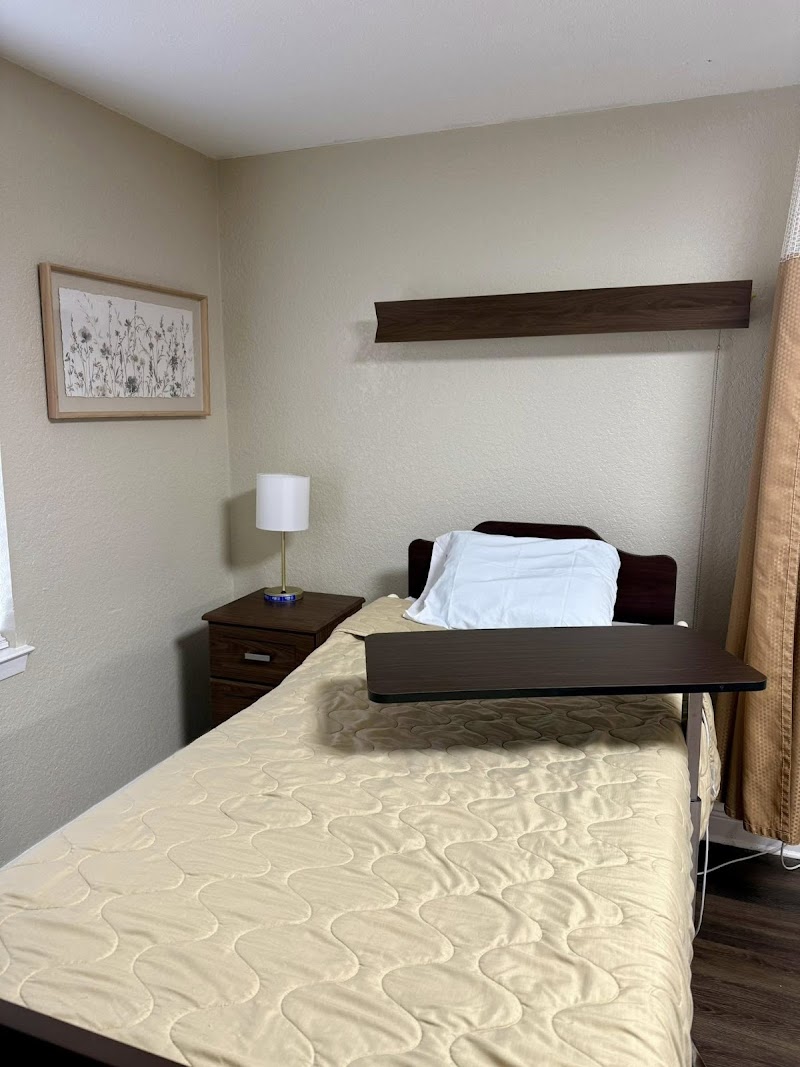
How is Care Choice Of Boerne Staffed?

CMS rates CARE CHOICE OF BOERNE's staffing level at 2 out of 5 stars, which is below average compared to other nursing homes. Staff turnover is 49%, compared to the Texas average of 46%. RN turnover specifically is 56%, which is notably high. RNs provide skilled clinical oversight, so turnover in this role can affect medical care quality.

What Have Inspectors Found at Care Choice Of Boerne?

State health inspectors documented 24 deficiencies at CARE CHOICE OF BOERNE during 2022 to 2024. These included: 2 Immediate Jeopardy (the most serious level, indicating potential for serious harm or death) and 22 with potential for harm. Immediate Jeopardy findings are rare and represent the most serious regulatory concerns. They require immediate corrective action.

Who Owns and Operates Care Choice Of Boerne?

CARE CHOICE OF BOERNE is owned by a for-profit company. For-profit facilities operate as businesses with obligations to shareholders or private owners. The facility is operated by CHARLESTON HEALTHCARE GROUP, a chain that manages multiple nursing homes. With 74 certified beds and approximately 46 residents (about 62% occupancy), it is a smaller facility located in BOERNE, Texas.
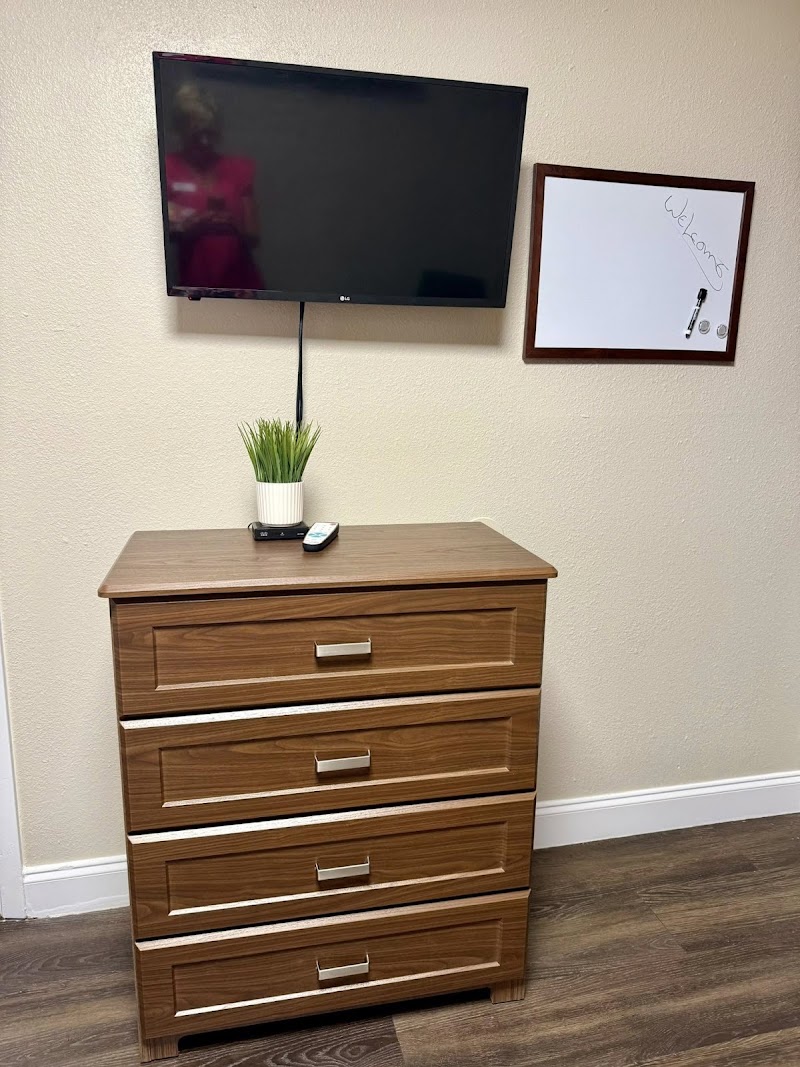
How Does Care Choice Of Boerne Compare to Other Texas Nursing Homes?

Compared to the 100 nursing homes in Texas, CARE CHOICE OF BOERNE's overall rating (3 stars) is above the state average of 2.8, staff turnover (49%) is near the state average of 46%, and health inspection rating (2 stars) is below the national benchmark.

What Should Families Ask When Visiting Care Choice Of Boerne?

Based on this facility's data, families visiting should ask: "What changes have been made since the serious inspection findings, and how are you preventing similar issues?" "What safeguards and monitoring systems are in place to protect residents from abuse or neglect?" "Can you walk me through typical staffing levels on day, evening, and night shifts?" "Can I visit during a mealtime to observe dining assistance and food quality?" These questions are particularly relevant given the facility's Immediate Jeopardy citations, the substantiated abuse finding on record, and the below-average staffing rating.

Is Care Choice Of Boerne Safe?

Based on CMS inspection data, CARE CHOICE OF BOERNE has documented safety concerns. The facility has 1 substantiated abuse finding (meaning confirmed case of resident harm by staff or other residents). Inspectors have issued 2 Immediate Jeopardy citations (the most serious violation level indicating risk of serious injury or death). The facility has a 3-star overall rating and ranks #1 of 100 nursing homes in Texas. Families considering this facility should ask detailed questions about what corrective actions have been taken since these incidents.

Do Nurses at Care Choice Of Boerne Stick Around?

CARE CHOICE OF BOERNE has a staff turnover rate of 49%, which is about average for Texas nursing homes (state average: 46%). Moderate turnover is common in nursing homes, but families should still ask about staff tenure and how the facility maintains care continuity when employees leave.

Was Care Choice Of Boerne Ever Fined?

CARE CHOICE OF BOERNE has been fined $33,937 across 2 penalty actions. The Texas average is $33,418. While any fine indicates a compliance issue, fines under $50,000 are relatively common and typically reflect isolated problems that were subsequently corrected. Families should ask what specific issues led to these fines and confirm they've been resolved.

Is Care Choice Of Boerne on Any Federal Watch List?

CARE CHOICE OF BOERNE is not on any federal watch list. The most significant is the Special Focus Facility (SFF) program, which identifies the bottom 1% of nursing homes nationally based on persistent, serious quality problems. Not being on this list means the facility has avoided the pattern of deficiencies that triggers enhanced federal oversight. This is a positive indicator, though families should still review the facility's inspection history directly.