TOWN AND COUNTRY NURSING AND REHABILITATION CENTER
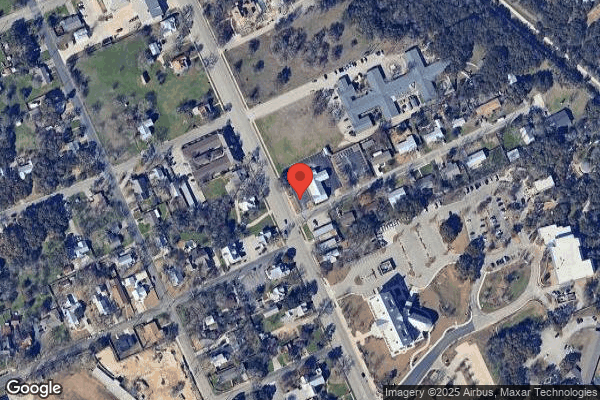
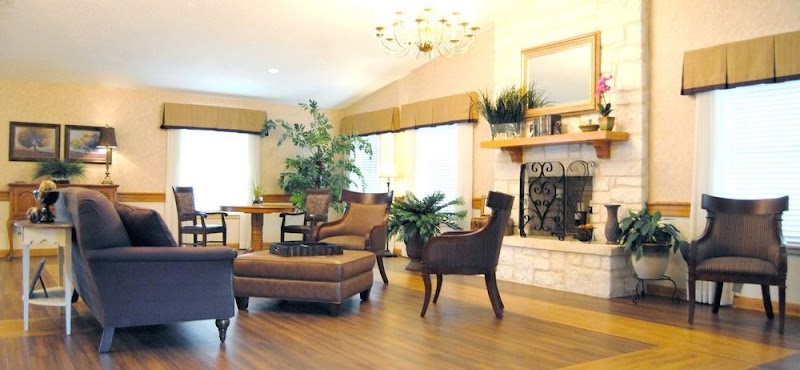
625 N MAIN ST, BOERNE, TX 78006 (830) 249-3085
Government - Hospital district 126 Beds WELLSENTIAL HEALTH Data: November 2025 3 Immediate Jeopardy citations
Trust Grade
0/100
#868 of 1168 in TX
Last Inspection: May 2025

Inspected within the last 6 months. Data reflects current conditions.

Overview

Town and Country Nursing and Rehabilitation Center has received an F trust grade, indicating significant concerns about the quality of care, which is considered poor. It ranks #868 out of 1168 facilities in Texas, placing it in the bottom half, and #6 out of 6 in Kendall County, meaning there are no better local options available. The facility's trend is worsening, with issues increasing from 15 in 2024 to 22 in 2025. Staffing is a concern, with a 65% turnover rate, which is higher than the Texas average of 50%, and the facility has also incurred $150,922 in fines, higher than 86% of Texas facilities, suggesting repeated compliance problems. There are critical incidents noted, including failures to monitor residents properly, leading to unsafe situations, and a serious incident where a resident became unresponsive due to mismanagement of medication. Overall, while there are some strengths, such as decent quality measures, the weaknesses in supervision, staffing stability, and compliance issues raise significant red flags for families considering this facility.

Trust Score
F
0/100
In Texas
#868/1168
Bottom 26%
Safety Record
High Risk
Review needed
Inspections
Getting Worse
15 → 22 violations
Staff Stability
⚠ Watch
65% turnover. Above average. Higher turnover means staff may not know residents' routines.
Penalties
✓ Good
$150,922 in fines. Lower than most Texas facilities. Relatively clean record.
Skilled Nurses
⚠ Watch
Each resident gets only 27 minutes of Registered Nurse (RN) attention daily — below average for Texas. Fewer RN minutes means fewer trained eyes watching for problems.
Violations
⚠ Watch
52 deficiencies on record. Higher than average. Multiple issues found across inspections.
★★☆☆☆
2.0
Overall Rating
★★☆☆☆
2.0
Staff Levels
★★★★☆
4.0
Care Quality
★★☆☆☆
2.0
Inspection Score
Stable
2024: 15 issues
2025: 22 issues

The Good

  • 4-Star Quality Measures · Strong clinical quality outcomes
  • Full Sprinkler Coverage · Fire safety systems throughout facility
  • No fines on record

Facility shows strength in quality measures, fire safety.

The Bad

2-Star Overall Rating

Below Texas average (2.8)

Below average - review inspection findings carefully

Staff Turnover: 65%

19pts above Texas avg (46%)

Frequent staff changes - ask about care continuity

Federal Fines: $150,922

Well above median ($33,413)

Significant penalties indicating serious issues

Chain: WELLSENTIAL HEALTH

Part of a multi-facility chain

Ask about local staffing decisions and management

Staff turnover is elevated (65%)

17 points above Texas average of 48%

The Ugly 52 deficiencies on record

3 life-threatening
May 2025 11 deficiencies
CONCERN (D)

Potential for Harm - no one hurt, but risky conditions existed

Deficiency F0552 (Tag F0552)

Could have caused harm · This affected 1 resident

**NOTE- TERMS IN BRACKETS HAVE BEEN EDITED TO PROTECT CONFIDENTIALITY** Based on record review, interviews and observation, the facility failed to ensure residents (Resident #63) was able to communica...

Read full inspector narrative →
**NOTE- TERMS IN BRACKETS HAVE BEEN EDITED TO PROTECT CONFIDENTIALITY** Based on record review, interviews and observation, the facility failed to ensure residents (Resident #63) was able to communicate in preferred Language to caregivers for 1 of 4 residents reviewed for resident rights. Resident #63 who was English speaking only had difficulty communicating with primarily Spanish-speaking caregivers using communication tools. This failure could place residents at risk for not being informed about care and treatment that may affect resident's well-being and being able to participate in daily plan of care and delay in treatment. Findings included: Record review of Resident #63's face sheet revealed a [AGE] year-old female admitted on [DATE] and re-admitted on [DATE]. Diagnoses included Alzheimer's Disease (progressive Brain disorder that slowly destroys memory and thinking skills), Bipolar Disorder (mental health disease of high and low mood swings), Diabetes Type II (bodies difficulty to regular sugar), Hypertension (high blood pressure), Atrial Fibrillation (irregular heart rhythm), lymphedema (tissue swelling caused by fluid buildup), encephalopathy (brain disease or damage). Record review of Quarterly MDS assessment dated [DATE] revealed BIMS (Basic Interview of Mental Status) Score of 11 indicating moderate cognitive impairment and required supervision with self-feeding, toilet hygiene, dressing, bed mobility, bathing and gait. During an interview with Resident #63 on 5/20/25 at 10:30 a.m., Resident #63 stated she had difficulty communicating with staff who are non-English speaking. An observation of CNA H on 5/20/25 at 12:25 p.m., revealed that she did not read or speak English but that she had an application on her phone to facilitate communication with non-Spanish speaking residents. CNA H was asked to demonstrate the use of the translation application with Resident #8 but she was unable to manipulate the translation application and effectively communicate with Resident #8. An observation of CNA I on 5/20/25 at 12:45 p.m., revealed she did not speak English but she had an application on her phone to communicate with non-Spanish speaking residents. CNA I was asked to demonstrate the translation application with Resident #8 and was unable to effectively communicate questions to Resident #8. A review of Resident Council meeting minutes dated 1/15/2025, revealed residents in attendance identified a language barrier and residents having a hard time communicating. During an interview with the DON on 5/20/25 at 1:00 p.m., the DON stated that all staff were advised to utilize translation application when communicating with residents who do not speak their native language. DON stated that staff are advised to notify Charge Nurse of communication difficulties with residents who do not speak their native language. DON stated that staff's inability to communicate with residents could affect their care and well-being and potentially cause harm if needs are not met timely. Review of the facility policy titled, The Facility Manual, revised 7/14/2020, reflected Resident Rights, Rights of Elderly Individuals, Rights of the Elderly (j) A person providing services shall fully inform an elderly individual, in language that the individual can understand, of the individual's total medical condition and shall notify the individual whenever there is a significant change in the person's medical condition.
CONCERN (D)

Potential for Harm - no one hurt, but risky conditions existed

Deficiency F0553 (Tag F0553)

Could have caused harm · This affected 1 resident

**NOTE- TERMS IN BRACKETS HAVE BEEN EDITED TO PROTECT CONFIDENTIALITY** Based on record review and resident interview, the facility failed to ensure resident of the right to participate in the develop...

Read full inspector narrative →
**NOTE- TERMS IN BRACKETS HAVE BEEN EDITED TO PROTECT CONFIDENTIALITY** Based on record review and resident interview, the facility failed to ensure resident of the right to participate in the development and implementation of his/her person-centered plan of care for 1 of 5 (Resident #61) residents reviewed for resident rights. The facility failed to invite and include the input of Resident #61 as members of the interdisciplinary team in Care Conference meetings. This failure could place residents at risk of not receiving the interventions, treatments, and care necessary for the resident to reach their highest practicable physical, mental, and psychosocial well-being by not involving the resident in Care Plan Conference meetings. The findings included: Record review of Resident #61's face sheet date 5/22/25 revealed a [AGE] year-old male admitted on [DATE] and re-admitted on [DATE]. Diagnoses included peripheral Neuropathy (a condition that damages the nerves), hypertension (high blood pressure), dysphagia (swallowing difficulty), osteomyelitis (infection of bone marrow), Benign Prostatic Hyperplasia (enlarged prostate causing urination difficulty in men). Record review of BIMS (Basic Interview for Mental Status) dated 3/12/25 revealed Score of 15 indicating intact cognition. During an interview on 5/20/25 at 10:30 a.m., Resident #61 stated he had not been invited to a Care Plan meeting in a long time. Resident #61 stated he has gone to one Meeting sometime last year. During an interview on 5/21/25 at 3:15 p.m., the MDS Nurse stated that she kept a copy of care plan letters that were sent to the Responsible Party. MDS Nurse verified that the resident's son did receive an invitation to the Care Plan meeting held on 1/8/25 and 4/9/25. The MDS Nurse stated that the son did not attend the review meeting or voice concerns. The MDS Nurse stated that Interdisciplinary Team Members should have invited Resident #61 to the meeting as he was cognitively able to participate in individual plan of care. During an interview on 5/22/25 at 11:30 p.m., the DON stated that she expected Care Plan Meeting to include the resident if he/she were cognitively able to participate in plan of care regardless of whether or not the family member was informed of the meeting. During an interview on 5/22/25 at 11:50 a.m., ADMIN stated her expectation was for IDT (Interdisciplinary Team) members involve residents who were alert and able to participate in the care plan review meetings. Record review of Care Plan Signature sheets revealed that the last time Resident #61 attended a Care Plan meeting was August 2024. Review of the facility policy titled, Facility Manual, Revised 7/14/2020, Resident Rights, Admissions Policy revealed, .the resident and his or her Representative are encouraged to participate in the resident's assessment and in the development and implementation of the resident's care plan .The facility will inform the resident, legal representative, responsible party, or other appropriate person in advance of the time and place of this conference.
CONCERN (D)

Potential for Harm - no one hurt, but risky conditions existed

Deficiency F0604 (Tag F0604)

Could have caused harm · This affected 1 resident

**NOTE- TERMS IN BRACKETS HAVE BEEN EDITED TO PROTECT CONFIDENTIALITY** Based on observation, interview, and record review, the facility failed to ensure the use of the least restrictive alternative f...

Read full inspector narrative →
**NOTE- TERMS IN BRACKETS HAVE BEEN EDITED TO PROTECT CONFIDENTIALITY** Based on observation, interview, and record review, the facility failed to ensure the use of the least restrictive alternative for the least amount of time and document ongoing re-evaluation of the need for restraints for 1 of 1 (Resident #81) residents reviewed for restraints. The facility failed to provide assessment, care planning, and ongoing re-evaluation of the use of a seatbelt restraint for Resident #81. Findings included: Record review of Resident #81's face sheet dated 5/20/2025 revealed a [AGE] year old female, initially admitted to the facility on [DATE]. Relevant diagnoses included Lennox-Gastaut Syndrome (a severe disorder characterized by multiple seizure types and cognitive and behavioral problems); dependence on wheelchair; aphasia (difficulties with speech); and gastrostomy status (a surgical opening in the abdomen to allow for the intake of food and medication directly into the stomach). Review of Resident #81's quarterly MDS assessment dated [DATE] revealed the BIMS score was not assessed due to the resident's communication deficits. Resident #81 was assessed as not using a trunk restraint. Record review of Resident #81's comprehensive care plan revealed the following related to the seatbelt restraint: a. Problem: [Resident #81] is at risk for falls r/t seizures, poor safety awareness, confusion (date initiated: 12/01/2024). Interventions: Make sure resident has hear seat belt on when she sits up in her wheelchair; she has a medical need for it (date initiated 12/02/2024). b. Problem: [Resident #81] has a seizure disorder and wears a soft helmet and has a wheelchair seat belt for safety (date initiated 12/11/2024). Interventions: Ensure [Resident #81]'s seat belt is in place when she is in her wheelchair for her safety related to falls. Respect her right to refuse to wear (date initiated 04/02/2025). Restraint assessment related to wheelchair belt per facility policy date initiated 04/02/2025. The comprehensive care plan did not include interventions to prevent and address any risks related to the use of the restraint, how to meet the needs of the resident during periods of restraint, monitoring/supervision to be provided during the use of the restraint, or parameters for release of the restraint. A review of active physician's orders did not reveal an order to apply the seatbelt restraint or parameters for monitoring or removal. Record review of Resident #81's MAR and TAR for May 2025 revealed scheduled tasks as follows: a. Resident to wear seatbelt when out of bed; it benefits outweigh any risks [sic]/every shift (start date 3/27/2025 10:00 PM, discontinue date 5/16/2025 9:37 AM) b. Resident to wear seatbelt in wheelchair when out of bed; benefits outweigh risks/every shift (start date 5/21/2025 10:00 PM) No additional monitoring or directives for the seatbelt were contained within the MAR or TAR. Review of all assessments documented in the EMR from Resident #81's admission on [DATE] through the survey date did not reveal an assessment specifically related to restraint use. The skilled nursing assessment documented on 5/21/2025 by the ADON was reviewed to determine if this assessment included restraints, but it was not revealed to be an topic covered by this assessment. A scanned document dated 12/2/2024 titled physical restraint/DME/monitoring device consent revealed a checkbox for physical restraint and a check mark indicating permission for the facility to use restraints as needed in accordance with the resident's comprehensive care plan and physician's order. The area underneath type of restraint to be used (list only one) was not filled in with the type of restraint. This document was signed by the resident's mother and the ADON. An additional scanned document titled Pre-restraint Assessment/Screening, dated 11/29/2024, listed a diagnosis of Lennox-Gastaut Syndrome and type of restraint currently used as seatbelt. The time parameters when used was entered as when placed in w/c. The reason for restraint was documented as seizure disorder and a check mark was documented next to balance problem. In the next section, the document asked, what measures were implemented prior to restraint use? The author documented resident admitted with seatbelt. The recommended plan of action was documented as continue to use seatbelt for seizure disorders to keep resident from falling. This document was signed on 12/2/2024 by the physician and four others identified as the interdisciplinary care team. Resident #81 was observed in her wheelchair wearing the seatbelt restraint on 5/20/2025 at 12:03 PM self propelling through the communal dining areas. She was again observed 5/22/2025 at 9:00 AM in the communal sitting area of the east hall near in her wheelchair with the seatbelt restraint in place, and 5/22/2025 at 1:07 PM in the dining area eating lunch in her wheelchair with the seatbelt restraint in place. During an interview on 5/21/25 at 9:50 a.m., LVN A stated Resident #81 used the seatbelt restraint every time she in the wheelchair. LVN A stated there is a task within the TAR for staff to document the resident is wearing the restraint and that there should be a physician's order for application of the restraint. PT reported in an interview on 5/21/2025 at 11:17 that she did not think Resident #81 could unlatch the seatbelt restraint independently. She stated that the resident's mother was adamant about the use of the seatbelt restraint due to previous falls prior to admission. She reported no concerns about entrapment when Resident #81 has seizures while restrained in the wheelchair and no injuries to the resident related to restraint use since admission. In an interview conducted on 5/22/2025 at 12:30 PM, the DON explained Resident #81 had been using the wheelchair since admission to the facility due to falls with injury prior to admission, and the restraint use was continued upon admission at the request of the resident's mother. She stated there had been no less restrictive alternatives attempted prior to the use of restraint at the facility. She reported there was no formal documentation process for the supervision and monitoring of the restraint while it is in place, but the staff supervise and monitor the restraint use throughout the day and also by the rounding performed by the DON. She said the seatbelt restraint was only removed at the end of the day, when the resident was going to bed, and she previously made one attempt to perform a test of the resident's ability to independently release the restraint, but the resident refused to participate. The DON stated the need for the seatbelt restraint was periodically re-evaluated but that alternatives were not considered because Resident #81's mother requested continued use. The DON confirmed a physician's order and care planning for the restraint should be present in the EMR. Record review of the facility policy titled Restraints (date implemented 8/15/2022) revealed the following: a. Behavioral interventions should be used and exhausted prior to application of a physical restraint. b. Before a resident is restrained, the facility will determine . a. How the use of restraints would treat the medical symptom b. The length of time the restraint is anticipated to be used to treatt the medical symptom, who may apply the restraint, and the time and frequency that the restraint will be released. c. The type of direct monitoring and supervision that will be provided during use of the restraint. d. How the resident will request staff assistance and how his/her needs will be met while the restraint is in place c. The resident's record needs to include documentation that less restrictive alternatives were attempted to treat the medical symptom but were ineffective, ongoing re-evaluation of the need for the restraint, and the effectiveness of the restraint in treating the medical symptoms. The care plan should be updated accordingly to include the development and implementation of interventions, to address any risks related to the use of the restraint. d. The . resident's representative may request the use of a physical restraint, however the facility is responsible for evaluating the appropriateness of the request.
CONCERN (D)

Potential for Harm - no one hurt, but risky conditions existed

Assessment Accuracy (Tag F0641)

Could have caused harm · This affected 1 resident

**NOTE- TERMS IN BRACKETS HAVE BEEN EDITED TO PROTECT CONFIDENTIALITY** Based on observation, interview, and record review, the facility failed to ensure the resident assessments accurately reflected ...

Read full inspector narrative →
**NOTE- TERMS IN BRACKETS HAVE BEEN EDITED TO PROTECT CONFIDENTIALITY** Based on observation, interview, and record review, the facility failed to ensure the resident assessments accurately reflected the resident's status for 1 of 8 residents (Resident #81) who were reviewed for resident assessments. The facility failed to document the use of a restraint device in Resident #81's quarterly MDS dated [DATE]. This failure could place residents at risk of improper or incorrect care and services necessary for their physical, mental, and psychosocial well-being. Findings included: Record review of Resident #81's face sheet dated 5/20/2025 revealed a [AGE] year old female, initially admitted to the facility on [DATE]. Relevant diagnoses included Lennox-Gastaut Syndrome (a severe disorder characterized by multiple seizure types and cognitive and behavioral problems); dependence on wheelchair; aphasia (difficulties with speech); and gastrostomy status (a surgical opening in the abdomen to allow for the intake of food and medication directly into the stomach). Review of Resident #81's quarterly MDS dated [DATE] revealed a BIMS score was not assessed due to the resident's communication deficits. Question P0100 item E. of the MDS (trunk restraint used in chair or out of bed) was assessed as 0. not used. No active physician order was located within the EMR for application of the seatbelt. Resident #81's comprehensive care plan included an intervention dated 12/02/2024 as follows: Make sure resident has her seat belt on when she sits up in her wheelchair; she has a medical need for it. A scanned document dated 12/2/2024 titled physical restraint/DME/monitoring device consent revealed a checkbox for physical restraint and a check mark indicating permission for the facility to use restraints as needed in accordance with the resident's comprehensive care plan and physician's order. This document was signed by the resident's mother and the ADON. An additional scanned document dated 11/29/2024 titled pre-restraint assessment/screening indicated resident admitted with seatbelt and that the seatbelt would be used for the time parameters when placed in w/c. This document includes a physician's signature and 4 illegible signatures of the interdisciplinary care team. Resident #81 was observed in her wheelchair wearing the seatbelt on 5/20/2025 at 12:03 PM, 5/22/2025 at 9:00 AM, and 5/22/2025 at 1:07 PM. LVN A reported in an interview 5/20/2025 at 9:50 AM that Resident #81 uses the seatbelt device every time that she is in her wheelchair. In an interview with the MDS Nurse on 5/21/2025 at 3:29, she explained data used to complete the restraint section Resident #81's quarterly MDS was obtained from the MAR. As the MAR did not include an order for staff to apply the seatbelt/restraint, the assessment regarding restraint use was documented as no. She also reported awareness that Resident #81 has used the seatbelt since admission. A document titled Restraint and Involuntary Seclusion located within a facility manual titled Facility Manual revealed use of restraints and their release must be documented in the clinical record.
CONCERN (D)

Potential for Harm - no one hurt, but risky conditions existed

Comprehensive Care Plan (Tag F0656)

Could have caused harm · This affected 1 resident

**NOTE- TERMS IN BRACKETS HAVE BEEN EDITED TO PROTECT CONFIDENTIALITY** Based on observation, interview, and record review, the facility failed to develop and implement a comprehensive person-centered...

Read full inspector narrative →
**NOTE- TERMS IN BRACKETS HAVE BEEN EDITED TO PROTECT CONFIDENTIALITY** Based on observation, interview, and record review, the facility failed to develop and implement a comprehensive person-centered care plan for each resident that includes measurable objectives and timeframes to meet a resident's needs for 1 of 8 (#81) residents reviewed for comprehensive resident centered care. 1. The facility failed to provide care planning for the use of a wheelchair seatbelt restraint for Resident #81. 2. The facility failed to revise the comprehensive care plan for Resident #81 after hospitalizations resulting from the dislodgement of the resident's g-tube. This failure could lead to residents not receiving the care necessary to meet their highest practicable well-being. Findings included: Record review of Resident #81's face sheet dated 5/20/2025 revealed a [AGE] year old female, initially admitted to the facility on [DATE]. Relevant diagnoses included Lennox-Gastaut Syndrome (a severe disorder characterized by multiple seizure types and cognitive and behavioral problems); dependence on wheelchair; aphasia (difficulties with speech); and gastrostomy status (a surgical opening in the abdomen to allow for the intake of food and medication directly into the stomach). Review of Resident #81's quarterly MDS dated [DATE] revealed a BIMS score was not assessed due to the resident's communication deficits. Question P0100 item E. of the MDS (trunk restraint used in chair or out of bed) was assessed as 0. not used. 1. Record review of Resident #81's comprehensive care plan revealed the following related to the seatbelt restraint: a. Problem: [Resident #81] is at risk for falls r/t seizures, poor safety awareness, confusion (date initiated: 12/01/2024). Interventions: Make sure resident has hear seat belt on when she sits up in her wheelchair; she has a medical need for it (date initiated 12/02/2024). b. Problem: [Resident #81] has a seizure disorder and wears a soft helmet and has a wheelchair seat belt for safety (date initiated 12/11/2024). Interventions: Ensure [Resident #81]'s seat belt is in place when she is in her wheelchair for her safety related to falls. Respect her right to refuse to wear (date initiated 04/02/2025). Restraint assessment related to wheelchair belt per facility policy date initiated 04/02/2025. The comprehensive care plan did not include interventions to prevent and address any risks related to the use of the restraint, how to meet the needs of the resident during periods of restraint, monitoring/supervision to be provided during the use of the restraint, or parameters for release of the restraint. A review of active physician's orders did not reveal an order to apply the seatbelt restraint or parameters for monitoring or removal. A scanned document dated 12/2/2024 titled physical restraint/DME/monitoring device consent revealed a checkbox for physical restraint and a check mark indicating permission for the facility to use restraints as needed in accordance with the resident's comprehensive care plan and physician's order. The area underneath type of restraint to be used (list only one) was not filled in with the type of restraint. This document was signed by the resident's mother and the ADON. Resident #81 was observed in her wheelchair wearing the seatbelt restraint on 5/20/2025 at 12:03 PM self propelling through the communal dining areas. She was again observed 5/22/2025 at 9:00 AM in the communal sitting area of the east hall near in her wheelchair with the seatbelt restraint in place, and 5/22/2025 at 1:07 PM in the dining area eating lunch in her wheelchair with the seatbelt restraint in place. In an interview on 5/21/24 at 9:50 a.m., LVN A stated Resident #81 used the seatbelt restraint every time she was in the wheelchair. LVN A stated there is a task within the TAR for staff to document the resident was wearing the restraint and that there should be a physician's order for application of the restraint. She stated the application of the seatbelt restraint is just known by the facility staff. She was not aware of any additional documentation or assessment requirements for the seatbelt restraint. CM Nurse was identified by the facility as responsible for care plans, and she was interviewed on 5/22/2025 at 10:50 AM. She stated the seatbelt restraint is addressed in the problem area of seizure disorder. She stated there was no care planning for the seatbelt as a restraint. In an interview conducted on 5/22/2025 at 12:30 PM, the DON explained Resident #81 had been using the wheelchair since admission to the facility due to falls with injury prior to admission, and the restraint use was continued upon admission at the request of the resident's mother. She stated there had been no less restrictive alternatives attempted prior to the use of restraint at the facility. She reported there was no formal documentation process for the supervision and monitoring of the restraint while it is in place, but the staff supervised and monitored the restraint use throughout the day and also by the rounding performed by the DON. She said the seatbelt restraint was only removed at the end of the day, when the resident was going to bed, and she previously made one attempt to perform a test of the resident's ability to independently release the restraint but the resident refused to participate. The DON stated the need for the seatbelt restraint was periodically re-evaluated but that alternatives were not considered because Resident #81's mother requested continued use. The DON confirmed a physician's order and care planning for the restraint should be present in the EMR. 2. Review of Resident #81's quarterly MDS dated [DATE] revealed a BIMS score was not assessed due to the resident's communication deficits. Record review of the resident's comprehensive care plan, date printed 5/20/2025, did not reveal care planning to prevent dislodgement of the g-tube. Further record review of the assigned tasks within the electronic medical record did not reveal a task to check placement / presence of the abdominal binder. Record review of Resident #81's progress notes indicated the resident required hospitalization on 4/25/25 and 5/15/25 for g-tube replacement. Progress notes did not indicate how the tube became dislodged. Resident #81 was observed on 5/22/2025 at 1:07 PM with the abdominal binder in place. LVN A stated in an interview conducted on 5/21/2025 at 9:50 AM that Resident #81 would occasionally pull on the g-tube, but she had not witnessed Resident #81 intentionally dislodge the device. She stated Resident #81 was wearing an abdominal binder at this time, to prevent dislodgement of the device, and nursing staff would check for placement out of routine. She reported there was no task within the electronic medical record to check for placement. In an interview on 5/22/2025 at 10:50 AM, CP Nurse identified as being primarily responsible for maintaining the care plans for residents. CP Nurse reported her process for updating care plans included running a daily audit report and attendance to daily morning meetings. She stated she had not yet made any updates to Resident #81's care plan regarding potential dislodgement. She also stated she wanted to do more research on the issue to ensure the correct interventions were in place. In an interview with the DON on 5/22/2025 at 12:30 PM, she reported Resident #81 was now wearing an abdominal binder to prevent the g-tube from being dislodged. She stated the staff should be checking fore placement of the abdominal binder, and the task should be present in the electronic medical record to ensure it is completed routinely. Record review of the facility policy titled Restraints (date implemented 8/15/2022) revealed the following: The resident's record needs to include documentation that less restrictive alternatives were attempted to treat the medical symptom but were ineffective, ongoing re-evaluation of the need for the restraint, and the effectiveness of the restraint in treating the medical symptoms. The care plan should be updated accordingly to include the development and implementation of interventions, to address any risks related to the use of the restraint.
CONCERN (D)

Potential for Harm - no one hurt, but risky conditions existed

Quality of Care (Tag F0684)

Could have caused harm · This affected 1 resident

**NOTE- TERMS IN BRACKETS HAVE BEEN EDITED TO PROTECT CONFIDENTIALITY** Based on interviews, and record reviews, , the facility failed to ensure that residents receive treatment and care in accordanc...

Read full inspector narrative →
**NOTE- TERMS IN BRACKETS HAVE BEEN EDITED TO PROTECT CONFIDENTIALITY** Based on interviews, and record reviews, , the facility failed to ensure that residents receive treatment and care in accordance with professional standards of practice, the comprehensive person-centered care plan, and the residents' choices for 1 of 4 (#19) residents reviewed for quality of care in that: Resident #19's pacemaker maker, model, and additional information was not documented in his chart. This could affect residents with pacemakers and could result in residents not receiving needed care to maintain optimum health and placing them at risk for injury and/or deterioration in their condition. The Findings were: Record review of Resident # 19's admission Record dated 5/21/2025 revealed he was admitted on [DATE], age was 83 no diagnosis description was documented for a cardiac pacemaker . Record review of Resident # 19's MDS assessment dated [DATE] revealed the presence of cardiac pacemaker, and he had a BIMS score of 8/15 (moderate cognitive impairment). Resident # 19's care plan dated 5/15/2025 revealed he had a pacemaker related to Atrial fibrillation. The interventions for Resident #19's pacemaker included will remain free from s/sx of pacemaker malfunction or failure through the review date, Monitor VITAL SIGNS as ordered. Notify MD of significant abnormalities. Notify MD of significant abnormalities. Monitor/document/report PRN any s/sx of altered cardiac output or pacemaker malfunction: dizziness, syncope, difficulty breathing (Dyspnea), pulse rate lower than programmed rate, lower than baseline B/P, Pacemaker checks as ordered, resident's Pacemaker information: (no make and model was added). Record review of Resident # 19's consolidated orders for May 2025 nothing related to his pacemaker's make and model. Observation on 5/21/2025 at 4:13 PM with Resident # 19 revealed with his hand pointed to his left chest area, indicating his cardiac pacemaker. During an interview on 5/21/2025 at 4:14 PM with Resident #19, he stated he had a cardiac pacemaker and pointed to his left chest area. During an interview on 5/1/2025 at 4:14 PM, LVN B confirmed that Resident #19 had a pacemaker. During an interview on 5/21/2025 04:59 PM, the DON confirmed Resident #19 had a pacemaker and had the make and model in an email. The DON stated she had not placed the information in Resident #19's record. During an interview on 5/22/2025 at 10:13 AM with the corporate Admin, (SHE) stated there was no pacemaker policy. During an interview on 05/22/25 11:42 AM with the CP, she stated she put in the care plan for the pacemaker on 4/10/25 for Resident #19. The CP stated she added the make and model of the cardiac pacemaker on 5/21/2025. During an interview on 5/22/2025 at 12:57 PM with the DON, she confirmed there was no order for Resident #19's pacemaker. The DON's expectation was that resident devices, such as a pacemaker, would have a physician's order. The DON stated the risk would be not have monitoring and adverse effects, such as heart failure.
CONCERN (D)

Potential for Harm - no one hurt, but risky conditions existed

Deficiency F0685 (Tag F0685)

Could have caused harm · This affected 1 resident

**NOTE- TERMS IN BRACKETS HAVE BEEN EDITED TO PROTECT CONFIDENTIALITY** Based on observation, interview, and record review, the facility failed to ensure that residents receive proper treatment and as...

Read full inspector narrative →
**NOTE- TERMS IN BRACKETS HAVE BEEN EDITED TO PROTECT CONFIDENTIALITY** Based on observation, interview, and record review, the facility failed to ensure that residents receive proper treatment and assistive devices to maintain vision abilities for 1 (Resident #12) of 1 residents reviewed for quality of care. The facility failed to provide necessary arrangements to repair broken eyeglasses for Resident #12. This failure could lead to injury and/or decreased quality of life. Findings included: Record review of Resident #12's face sheet dated 5/20/2025 revealed an [AGE] year old male, admitted to the facility on [DATE]. Relevant diagnoses included unsteadiness on feet and muscle wasting and atrophy. Review of Resident #12's quarterly MDS assessment submitted 4/1/2025, reflected a BIMS score of 09, indicating moderately impaired cognition. Resident #12 was assessed as having vision impairment, and the resident required corrective lenses. Record of review of a progress note dated 5/2/2025, written by LSW, revealed the following: One of [Resident #12]'s ear pieces on his glasses is missing. Referred to [optometrist]. Record review of a scanned document titled Request for Services/Consultation dated 5/12/2025 revealed a written request for an optometry appointment due to broken eyeglasses and decreased visual acuity. In an interview on 5/20/2025 at 10:10 AM, Resident #12 stated his glasses were broken approximately a month prior. He said he had reported the issue to the facility and was not aware of an appointment to get the glasses fixed. The resident reported difficulty watching television and seeing other objects in the distance but stated he was able to ambulate/use wheelchair and had not fallen or injured himself due to not having glasses. During observation on 5/20/2025 at 10:10 a.m., Resident #12's glasses were observed and noted to be missing both ear pieces required to affix the glasses to the resident's face. In an interview on 5/21/2025 at 10:00 AM. with the LSW, the LSW confirmed awareness of the broken eyeglasses. She did not know the glasses were missing both ear pieces and felt that the glasses were in usable condition when missing only one side piece. She confirmed a referral had been done for an optometry appointment but stated an appointment time had not been set. She estimated the typical timeline from referral to appointment time to be a couple of months and said she could make alternative arrangements for a different optometry provider due to the glasses missing both ear pieces. In a subsequent interview with LSW on 5/22/2025 at 11:00 AM, the LSW reported she had not yet confirmed an optometry appointment. the LSW said she was going to arrange for transportation to take Resident #12 to a different location that would allow for evaluation without an appointment.
CONCERN (D)

Potential for Harm - no one hurt, but risky conditions existed

Accident Prevention (Tag F0689)

Could have caused harm · This affected 1 resident

**NOTE- TERMS IN BRACKETS HAVE BEEN EDITED TO PROTECT CONFIDENTIALITY** Based on observation, resident and staff interviews, and record reviews, the facility failed to ensure that residents' environme...

Read full inspector narrative →
**NOTE- TERMS IN BRACKETS HAVE BEEN EDITED TO PROTECT CONFIDENTIALITY** Based on observation, resident and staff interviews, and record reviews, the facility failed to ensure that residents' environment remained as free of accident hazards as possible for 1 of 4 residents (Resident #14) reviewed for quality of care. The facility failed to ensure Resident #14 had cushioned hip covers (hipsters) in place at all times. This failure could place residents at an increased risk for injury related to falls. The findings include: Record review of Resident #14's face sheet dated 5/22/25 revealed an [AGE] year-old female admitted [DATE] and readmitted [DATE]. Diagnoses included Alzheimer's dementia (memory loss that affects learning and memory), COPD (Chronic Obstructive Pulmonary Disease, a progressive respiratory condition), Right femur (thigh bone) fracture, Right hip pain, dysphagia, abdominal aortic aneurysm, Bipolar Disorder (mood disorder ranging from depressive lows to manic highs), emphysema (a condition that causes breathlessness), Hypertension, Cardiomegaly, Polyosteoarthritis (arthritis in five or more joints simultaneously). Record review of Resident #14's Quarterly MDS assessment dated [DATE] revealed resident presented with upper and lower extremity range of motion deficits, required moderate assistance in self-feeding, upper body dressing and transfers, and maximum assistance in toileting, bathing, lower body dressing and bed mobility. Record review of Resident #14's BIMS (Basic Interview for Mental Status) assessment dated [DATE] revealed she had a score of 3 indicating severe cognitive impairment. Record review of Resident #14's Comprehensive Care Plan, printed 5/22/25 revealed the resident was at risk for injury related to falls due to osteoporosis (a condition where the bones become thin and weak, increasing the risk of fractures, especially in the spine, hip, and wrist) and one intervention was to wear padded hip protectors to prevent hip fractures. Record review of physician's order dated 12/27/2024 revealed order to Ensure resident is wearing hipsters (cushioned hip protectors) at all times every shift for fall precautions. In observations on 5/20/25 at 10:06 a.m., 5/21/25 at 12:36 p.m., and 5/22/25 at 10:00 a.m., hipsters were not utilized. In an interview on 5/21/25 at 12:40 p.m. with CNA H, CNA H revealed that Resident #14 was supposed to wear hip protectors for safety. In an interview on 5/21/25 at 1:49 p.m. with PT G, he revealed that the resident was evaluated on re-admission and padded hip protectors were identified as preventative measures. He stated nursing staff was responsible for placing hip protectors. In an interview with the DON on 5/22/25 at 1:00 p.m., the DON stated that the Charge Nurse was responsible for ensuring hip protectors were utilized and that she (the DON) is ultimately responsible for ensuring ordered devices were utilized. The DON stated she expected the nursing staff to follow the physician's orders. The DON stated that not utilizing hip protectors placed Resident #14 at greater risk for injury related to falls due to debilitating diagnoses. Record review of the facility's policy Fall Prevention, dated [DATE], reflected, It is the policy of this facility to provide an environment that remains as free of accident hazards as possible and provide each resident with appropriate assessment and interventions to minimize complications if a fall occurs.
CONCERN (D)

Potential for Harm - no one hurt, but risky conditions existed

Food Safety (Tag F0812)

Could have caused harm · This affected 1 resident

Based on observations, interviews, and record reviews, the facility failed to ensure Food safety requirements to prepare, distribute and serve food in accordance with professional standards for food s...

Read full inspector narrative →
Based on observations, interviews, and record reviews, the facility failed to ensure Food safety requirements to prepare, distribute and serve food in accordance with professional standards for food service safety for 1 of 5 (Cook D) kitchen staff working that day, in that: Cook D's beard/mustache restraint was off and exposed his thin mustache, while taking food temperatures on the steam table. This failure could place residents at risk for food borne illness. The Findings were: Observation on 5/21/2025 at 11:47 PM with [NAME] D, during food temperature observations on the steam table, [NAME] D was wearing a beard guard that had fallen and exposed his thin mustache. During an interview on 5/21/2025 at 11:50 PM with [NAME] D, he stated he had the beard restraint on, and it had fallen and was not covering his thin mustache. During an interview on 5/21/2025 at 11:52 PM, the Dietician stated [NAME] C should have had the hair restraint over his mustache as well. During an interview on 5/22/2025 10:42 AM, the Dietary Manager stated staff should wear hair restraints to cover hair while in the kitchen. The Dietary Manager stated exposed hair from staff, while in the kitchen, could fall on food, contaminate the food that could influence residents by causing food illness. During an interview on 5/22/2025 at 12:40 PM the Admin stated the staff told her the beard/mustache restraint had fallen while taking food temperature over the steam table. The Admin stated the Dietary Manager in-serviced the kitchen staff, including [NAME] C. The Admin stated the risk would be that hair can get into food or items around the kitchen. Record review of the Food Code, U.S. Public Health Service, U.S. FDA , 2017, U.S. Department of H&HS, 2-402.11, revealed, (A) Except as provided in (B) of this section, Food employees shall wear hair restraints such as hats, hair coverings or nets, beard restraints, and clothing that covers body hair, that are designed and worn to effectively keep their hair from contacting exposed food; clean equipment, utensils, and linens; and unwrapped single service and single-use articles.
CONCERN (D)

Potential for Harm - no one hurt, but risky conditions existed

Infection Control (Tag F0880)

Could have caused harm · This affected 1 resident

**NOTE- TERMS IN BRACKETS HAVE BEEN EDITED TO PROTECT CONFIDENTIALITY** Based on observation, interview, and record review, the facility failed to handle and transport linens so as to prevent the spre...

Read full inspector narrative →
**NOTE- TERMS IN BRACKETS HAVE BEEN EDITED TO PROTECT CONFIDENTIALITY** Based on observation, interview, and record review, the facility failed to handle and transport linens so as to prevent the spread of infection and to maintain an infection prevention and control program to provide a safe and sanitary environment to help prevent the developement and transmission of communicable diseases and infections for 3 of 7 residents (Residents #15, 75 and 139) reviewed for infection control. 1. The facility failed to ensure staff put soiled linen of Residents #15 and #75 into a container or bag prior to transporting. 2. The facility failed to ensure staff utilized PPE when providing high-contact care for Resident #139, whom was identified as requiring EBP. These failures could lead to the spread of infection and illness. Findings included: 1. Record review of Resident #15's face sheet dated 5/21/2025 revealed a [AGE] year-old male admitted to the facility on [DATE] with relevant diagnoses that included need for assistance with personal care and gastrostomy (surgical opening in the abdomen allowing for intake of food/medications directly into the stomach). Review of the resident's quarterly MDS submitted on 2/19/2025 indicated the MDS was not assessed due to communication deficits. On 5/22/2025 at 6:41 AM, CNA C was observed carrying a blue blanket and a clear bag containing other linen down the hallway with bare hands. The blanket was not contained inside of a bag. CNA C entered the room where the facility stored soiled linen and returned to the hallway without the items. CNA C was immediately interviewed following the observation, at 6:42 AM. CNA C stated the facility policy is to put linen into a bag prior to transporting, but she did not due to the size of the blanket. She reported there are bags large enough to accommodate bigger items but she did not have one immediately available so she carried it unbagged. CNA C reported ongoing training regarding infection prevention and control, and she stated carrying soiled linen in the hallway could cause the spread of infection. Record review of Resident #75's face sheet dated 5/22/2025 revealed a [AGE] year-old female admitted to the facility on [DATE] with a relevant diagnosis of spina bifida (a congenital defect of the spinal cord). Review of the resident's quarterly MDS submitted 2/19/2025 reflected a BIMS score of 15, indicating intact cognition. On 5/21/2025, the LSC team observed CNA F removing soiled linen from Resident #75's room. CNA F threw the linen from the room into the hallway, then picked up the unbagged linen with bare hands and took it to the soiled storage area. CNA F was not observed performing hand hygiene after this task. CNA F left the facility before the health survey team could perform an interview. In an interview on 5/22/2025 with the DON/Assistant Infection Preventionist, she reported that staff are expected to put soiled linen into plastic bags prior to transporting. She also reported that larger sized plastic bags are available for use by staff and that staff are expected to perform hand hygiene after handling soiled linen. She indicated the risk to residents of not properly handling soiled linen was infection and cross contamination. Record review of the facility policy Infection Prevention and Control Program implemented 5/13/2025 revealed soiled linen shall be collected at the bedside and placed in a bag. When the task is complete, the bag shall be closed securely and placed in the soiled utility room/laundry barrel. 2. Record review of Resident # 139's admission record dated 5/22/2025 was documented he was admitted on [DATE] with diagnoses of dementia (a term for a group of brain disorders that cause a decline in thinking, memory, and reasoning abilities, significantly impacting daily life), epilepsy (a neurological disorder that causes recurrent, unprovoked seizures.), cognitive communication deficit and gastrostomy status (typically refers to its functionality and the presence or absence of any complications. Record review of Resident # 139's consolidated orders for May 2025 was documented he had an order for every shift Jevity 1.5 at 60 ml/hr 22 hours via g-tube stationary pump, Check for residual every shift. If residual is greater than 100cc - hold feeding for one hour and recheck. if residual continues to be greater than 100cc - call MD, Enteral Feed Order every 4 hours Flush tube with 150 ml of water and Enteral Feed Order every 4 hours Flush tube with 150 ml of water. Record review of Resident # 139's MARs for May 2025 he was administered Check for residual every shift. If residual is greater than 100cc - hold feeding for one hour and recheck. if residual continues to be greater than 100cc - call MD, Enteral Feed Order every 4 hours Flush tube with 150 ml of water and Enteral Feed Order every 4 hours Flush tube with 150 ml of water. Record review for Resident #139's initial nursing assessment dated on 5/8/2025 was documented he had a G-tube on abdominal area. Record review of Resident # 139's care plan dated 6/2/2025 on was documented he had potential for malnutrition related to per tube feeds. Observation on 5/21/2025 at 3:51 PM of LVN J upon observing an administration of medication via g-tube the LVN J walked into Resident #139's room, CNA K was in the room with no PPE and had just gotten done with providing care to resident. Observation of Resident #139's door was posted a sign about TBP and what PPE to wear. During an interview on 5/21/2025 at 3:52 PM, LVN J stated she did not realize CNA K did not wear PPE while bathing Resident # 139. LVN J stated CNA K should have been wearing PPE, gown, gloves, mask while providing care to Resident #139, because he was on TBP for G-tube and catheter. During an interview on 5/21/2025 at 4:06 PM with CNA K, was in Resident # 139's room proving a bed bath. CNA K stated he was in a hurry and forgot to put on his PPE, gown, gloves and mask. Interview on 05/22/25 12:48 PM with DON stated risk for staff not wearing PPE and expectation was for staff to wear PPE (gown, gloves, mask) while providing care to resident on TBP. DON stated there are postings in front of resident doors, a PPE cart and staff had been trained on infection control and when to wear PPE. DON stated the risk would be cross contamination. The facility provided the survey team with information printed from the Center Disease Control website when asked for a policy regarding tramission-based precautions. This page, titled Transmission-Based Precautions revealed a recommendation of wear a gown and gloves for all interactions that may incolve contact with the patient or the patient's environment.
CONCERN (E)

Potential for Harm - no one hurt, but risky conditions existed

Unnecessary Medications (Tag F0759)

Could have caused harm · This affected multiple residents

**NOTE- TERMS IN BRACKETS HAVE BEEN EDITED TO PROTECT CONFIDENTIALITY** Based on observations, interviews, and record reviews, the facility failed to ensure a medication error rate below 5% for 28 med...

Read full inspector narrative →
**NOTE- TERMS IN BRACKETS HAVE BEEN EDITED TO PROTECT CONFIDENTIALITY** Based on observations, interviews, and record reviews, the facility failed to ensure a medication error rate below 5% for 28 medication administration opportunities with 3 errors resulting in a 10% medication error rate, for 2 of 4 (Residents #1 and #37) reviewed for medication administration. 1. The facility failed to ensure Resident #1 received medications Amiodarone (used to regulate rapid and/or irregular heart rhythms) and Apixaban (used to prevent blood clots) as ordered by the physician. 2. The facility failed to ensure Resident #37 received medication Xifaxan (used to treat the brain function decline that can occur secondary to liver damage) as ordered by the physician. These failures could result in residents not receiving the intended therapeutic benefits of medications. Findings included: Record review of Resident #1's face sheet dated 5/22/2025 revealed an [AGE] year-old female, admitted to the facility on [DATE]. The resident had relevant diagnoses of atrial fibrillation (a condition that causes rapid, irregular heartbeats and can cause blood clots) and cerebral infarction (a blood clot in the brain causing brain damage). Record review of Resident #1's quarterly MDS assessment, submitted 4/23/2025, revealed a BIMS score of 12, indicating moderately impaired cognition. Review of Resident #1's active physician's orders reflected the following: a. Amiodarone Hcl oral tablet 200mg; give 1 tablet by mouth one time a day for arrythmias (order date 4/22/2025) b. Apixaban oral tablet 2.5mg; give 1 tablet by mouth two times a day for a-fib (order date 4/22/2025) During an observation of medication administration on 5/22/2025 at 9:03 AM for Resident #1, LVN E was observed withholding Apixaban. LVN E confirmed that the medication was not found in the medication cart and was out of stock in the back-up supply within the e-kit. LVN E was interviewed simultaneously to the observation and stated the facility process was to order medications prior to having zero tablets available for administration. Since the medication had not been ordered, she stated she would order it immediately, notify the DON or ADON and the provider, and the resident should receive the next scheduled dose but would not receive that morning dose of Apixaban. Also, during the same observation of Resident #1's medication administration, LVN E was observed witholding Amiodarone after taking Resident #1's blood pressure and receiving a value of 110/79. In an interview performed simultaneously, LVN E stated the resident's blood pressure was below the ordered parameters for the medication, and the medication would not be given. During a record review occurring after the observation, it was revealed the physician did not include blood pressure parameters for Amiodarone, as the medication was ordered for treatment of the resident's heart rhythm. Record review of Resident #37's face sheet dated 5/22/2025 revealed a [AGE] year-old female admitted to the facility on [DATE] with a relevant diagnosis of unspecified cirrhosis of liver (progressive damage to the liver inhibiting proper function that leads to decline in brain function). Review of Resident #37's quarterly MDS assessment submitted on 2/28/2025 revealed a BIMS score of 14, indicating intact cognition. Review of Resident #37's active physician orders reflected an order for Xifaxan tablet 550mg; give 1 tablet by mouth two times a day for cirrhosis. During an observation of medication administration for Resident #37 on 5/22/2025 at 9:26 AM, LVN E was unable to locate the Xifaxan for administration. In a simultaneous interview, LVN E stated the medication should have been ordered prior to having zero tablets available for administration. She also reported that medication was not included in the facility's stock on back-up medications for emergencies, so she would re-order and notify the DON or ADON as well as the provider. In an interview with the DON on 5/22/2025 at 9:10 AM, the DON stated the facility used a local pharmacy in order to receive out of stock medications needed for administration. She said the medications would be received the same day. The DON also confirmed the medications should have been ordered prior so the residents did not miss an ordered dose. Review of the facility police titled Medication Administration (implemented 10/24/2022) revealed on page 1, item 1. keep medication cart . stocked with adequate supplies. Item 8. stated obtain and record vital signs, when applicable or per physician orders. When applicable, hold medication for those vital signs outside the physician's prescribed parameters (emphasis added for clarity).
May 2025 4 deficiencies
CONCERN (D) 📢 Someone Reported This

A family member, employee, or ombudsman was alarmed enough to file a formal complaint

Potential for Harm - no one hurt, but risky conditions existed

Deficiency F0583 (Tag F0583)

Could have caused harm · This affected 1 resident

**NOTE- TERMS IN BRACKETS HAVE BEEN EDITED TO PROTECT CONFIDENTIALITY** Based on observations, interview, and record review, the facility failed to ensure the resident has a right to personal privacy ...

Read full inspector narrative →
**NOTE- TERMS IN BRACKETS HAVE BEEN EDITED TO PROTECT CONFIDENTIALITY** Based on observations, interview, and record review, the facility failed to ensure the resident has a right to personal privacy and confidentiality of his or her personal and medical records for 1 (Resident #1) of 5 residents reviewed for medication administration. The facility failed to ensure when the ADON was administered medications to Resident #1 on 04/30/2025 at 9:00 am in the common area, the ADON said the resident's medications loud when other residents was also in the common area. This failure could place residents at risk of resident identifiable and medical information being accessed by unauthorized persons. The findings were: Record review of Resident #1's face sheet, dated 05/02/2025, revealed the resident was [AGE] years old male and admitted to the facility on [DATE] with diagnoses of Parkinson's disease (disorder of the central nervous system that affects movement, often including tremors), malignant neoplasm of larynx (laryngeal cancer - cancer to a hollow tube in the middle of neck), dementia (group of thinking and social symptoms that interferes with daily functions), and Alzheimer's disease (destroys memory and other important mental functions). Record review of Resident #1's admission MDS assessment, dated 02/24/2025, revealed the resident's BIMS score was 99, which indicated the resident was unable to complete the interview, and the resident was dependent (helper does all of the effort) to chair-to-bed and tub/shower transfer. Observation on 04/30/2025 at 9:00 a.m., revealed Resident #1 was at the common area with other residents, and the ADON brought a medication cart and parked it at the common area, then took out Resident #1's medications from the cart. The ADON approached Resident #1 and gave the resident's medications. When the ADON gave medications to Resident #1, the ADON said what the medications the resident was receiving loud in the presence other residents. There were approximately 6 residents in the common area watching television. Interview on 04/30/2025 at 9:06 a.m., Resident #1 was unable to interview due to his cognitive impairment. Interview on 04/30/2025 at 9:07 a.m., the ADON acknowledged he said Resident #1's medications loud to the resident who was in the common area with other residents, and other residents might have overheard what kind of medications Resident #1 was taking. The ADON stated it violated Resident #1's privacy and confidentiality of the resident's medical information. Further interview with the ADON he said he should have taken Resident #1 to the resident's room or a private area and explained the medications to prevent the resident's medical information. Interview on 05/02/2025 at 3:04 p.m., the DON stated the ADON should have taken Resident #1 to the resident's room or private area and explained the medications to prevent the resident's medical confidential information. The DON said s Resident #1's medications loud at the common area might cause other residents to overhear Resident #1's medical and personal information, and it violated Resident #1's right regarding privacy and confidentiality of medical record. Record review of the facility policy, titled Statement of Resident Rights, undated, revealed 8. You have right to have facility information about you maintained as confidential.
CONCERN (D) 📢 Someone Reported This

A family member, employee, or ombudsman was alarmed enough to file a formal complaint

Potential for Harm - no one hurt, but risky conditions existed

Medical Records (Tag F0842)

Could have caused harm · This affected 1 resident

**NOTE- TERMS IN BRACKETS HAVE BEEN EDITED TO PROTECT CONFIDENTIALITY** Based on interviews and record reviews, the facility failed to maintain medical records that were complete and accurately docume...

Read full inspector narrative →
**NOTE- TERMS IN BRACKETS HAVE BEEN EDITED TO PROTECT CONFIDENTIALITY** Based on interviews and record reviews, the facility failed to maintain medical records that were complete and accurately documented in accordance with accepted professional standards and practices for 1 (Resident #2) of 5 residents reviewed for medical records. The facility failed to ensure LVN A documented Resident #2's blood pressure after re-checking the blood pressure when MAC notified LVN A the resident's blood pressure was 101/34 on 04/05/2025. This failure placed resident at risk for missed treatment and care which could result in decline in health and well-being. Findings included: Record review of Resident #2's face sheet, dated 05/02/2025, revealed the resident was a [AGE] year old male, originally admitted [DATE], and re-admitted to the facility on [DATE] with diagnoses of acute on chronic diastolic heart failure (heart not able to fill properly with blood during the diastolic phase, reducing the amount of blood pumped out to the body), type 2 diabetes mellitus (not control blood sugars), hyperlipidemia (high levels of fat), hypertension (high blood pressures), and atrial fibrillation (irregular, often rapid heart rate that commonly causes poor blood flow). Record review of Resident #2's annual MDS, dated [DATE], revealed Resident #2 had a BIMS score of 15 out of 15, which indicated he was cognitive was intact, and the resident had supervision or touching assistance (helper provides verbal cues and/or touching and/or contact guard assistance as resident completes activity) to sit to stand, chair-to-bed, and toilet transfer. Record review of Resident #2's physician order, started 09/25/2024, revealed the resident had the order of Metoprolol succinate extended-release oral tablet - give 50 mg by mouth one time a day for hypertension - hold if systolic blood pressure less than 110 or pulse less than 60. Record review of Resident #2's MAR from 04/01/2025 to 04/30/2025 revealed Metoprolol succinate extended-release oral tablet - give 50 mg by mouth one time a day for hypertension - hold if systolic blood pressure less than 110 or pulse less than 60 was scheduled at 6 a 1 (around 9 am), and on 04/05/2025, MA C held the medication because Resident #2's blood pressure was 101/34, and pulse was 72 per minute. Record review of Resident #2's nursing progress note, dated 04/05/2025, there was no nursing note regarding Resident #2's blood pressure (101/34) and holding the medication (Metoprolol succinate 50 mg). Interview on 04/30/2025 at 12:09 p.m., MA C stated she held Resident #2's Metoprolol succinate extended-release oral tablet on 04/05/2025 because the resident's blood pressure was 101/34, and the parameter said, hold if systolic blood pressure less than 110 or pulse less than 60, then she notified it to the charge nurse (LVN A) immediately. Interview on 04/30/2025 at 4:07 p.m., LVN A stated she remembered MA C notified her of Resident #2's blood pressure on 04/05/2025. LVN A said she re-checked Resident #2's blood pressure with a manual blood pressure cuff because the blood pressure monitor that MA C used to the resident's wrist sometimes had inaccurate readings. LVN A said she did not recall exactly, but when she re-checked the resident's blood pressure, it might be115/58, and she notified it to the resident's nurse practitioner as the facility protocol. Further interview with LVN A said she forgot documenting it on the nursing note on 04/05/2025 because she wrote it to another paper, and it was her mistake. LVN A stated she should have documented the blood pressure after she re-checked and what the nurse notified to the nurse practitioner on 04/05/2025, and missing and inaccurate documentation might provide incorrect care to the resident. Interview on 04/30/2025 at 4:02 p.m., Resident #2's NP B stated she did not recall if not she was notified Resident #2's blood pressure on 04/05/2025, but the facility nurses notified blood pressures of many residents to the nurse practitioner very well. Interview on 05/02/2025 at 3:04 p.m., the DON stated LVN A should have documented Resident #2's blood pressure after the nurse re-checked the blood pressure and what the nurse notified to the nurse practitioner on the nursing notes on 04/05/2025 because it was very important information for Resident #2's care, and missing and inaccurate documentation might provide incorrect care to the resident. Record review of the facility policy, titled Documentation in Medication Record, dated 10/24/2022, revealed Each resident's medical record shall contain an accurate representation of the actual experiences of the resident and include enough information to provide a picture of the resident's progress through complete, accurate, and timely documentation.
CONCERN (D) 📢 Someone Reported This

A family member, employee, or ombudsman was alarmed enough to file a formal complaint

Potential for Harm - no one hurt, but risky conditions existed

Infection Control (Tag F0880)

Could have caused harm · This affected 1 resident

**NOTE- TERMS IN BRACKETS HAVE BEEN EDITED TO PROTECT CONFIDENTIALITY** Based on observations, interviews, and record review, the facility failed to establish and maintain an infection control progra...

Read full inspector narrative →
**NOTE- TERMS IN BRACKETS HAVE BEEN EDITED TO PROTECT CONFIDENTIALITY** Based on observations, interviews, and record review, the facility failed to establish and maintain an infection control program designed to provide a safe, sanitary, and comfortable environment and to help prevent the development of communicable diseases and infections for 1 (Resident #3) of 5 residents reviewed for infection control practices. The facility failed to ensure the ADON sanitized or washed her hands before administering medications to Resident #3. This deficient practice could place residents at risk for cross contamination and infections. The findings included: Record review of Resident #1's face sheet, dated 05/02/2025, revealed the resident was [AGE] years old male and admitted to the facility on [DATE] with diagnoses of Parkinson's disease (disorder of the central nervous system that affects movement, often including tremors), malignant neoplasm of larynx (laryngeal cancer - cancer to a hollow tube in the middle of neck), dementia (group of thinking and social symptoms that interferes with daily functions), and Alzheimer's disease (destroys memory and other important mental functions). Record review of Resident #1's admission MDS assessment, dated 02/24/2025, revealed the resident's BIMS score was 99, which indicated the resident was unable to complete the interview, and the resident was dependent (helper does all of the effort) to chair-to-bed and tub/shower transfer. Record review of Resident #3's face sheet, dated 05/02/2025, revealed the resident was a [AGE] year-old male, originally admitted on [DATE], and re-admitted to the facility on [DATE] with the diagnoses of alcoholic cirrhosis of liver (chronic liver damage from alcohol leading to scarring and liver failure), cellulitis of left toe (skin infection), malignant neoplasm of lung (lung cancer), and personal history of urinary tract infections (bladder infection). Record review of Resident #3's quarterly MDS, dated [DATE], revealed the resident's BIMS was 13 out of 15 which indicated the resident was cognitively intact, and the resident required supervision or touching assistance (Helper provides verbal cues and/or touching/steadying and/or contact guard assistance as resident completes activity) for eating, chair-to-bed, and toilet transfer. Record review of Resident #3's care plan, dated 09/26/2023, revealed Resident had confusion related to increased ammonia levels and ascites and for intervention - monitor behaviors and increased confusion, and risk for respiratory infection due to age and resident lives in close proximity to others and for intervention - monitor facility for tends in respiratory infections. Observation on 04/30/2025 at 9:07 a.m., revealed the ADON completed administering medications to Resident #1, the ADON returned to the medication cart and prepared Resident #3's medications without sanitizing or washing his hands. Further observation on 04/30/2025 at 9:12 a.m., revealed the ADON administered medications to Resident #3 in the resident's room, then came out the resident's room without sanitizing or washing his hands. Interview on 04/30/2025 at 09:21 a.m., the ADON acknowledged he did not wash or sanitize his hands when he prepared Resident #3's medications and administered the medication to Resident #3 after completing administering medications to a previous resident. The ADON said he should have washed or sanitized his hands when he administered medications to each resident to prevent possible infection and per the training for infection control. Interview on 05/02/2025 at 3:04 p.m., the DON said the ADON should have washed or sanitized his hands when he administered medications to each resident to prevent possible infection. The DON said this was an infection control issue. Record review of the facility policy and procedure, titled Procedure for oral med administration, undated, revealed Performs hands hygiene prior to handling medications and after med administration.
CONCERN (E) 📢 Someone Reported This

A family member, employee, or ombudsman was alarmed enough to file a formal complaint

Potential for Harm - no one hurt, but risky conditions existed

Deficiency F0760 (Tag F0760)

Could have caused harm · This affected multiple residents

**NOTE- TERMS IN BRACKETS HAVE BEEN EDITED TO PROTECT CONFIDENTIALITY** Based on observation, interview, and record review, the facility failed to ensure each resident's drug regimen was free of signi...

Read full inspector narrative →
**NOTE- TERMS IN BRACKETS HAVE BEEN EDITED TO PROTECT CONFIDENTIALITY** Based on observation, interview, and record review, the facility failed to ensure each resident's drug regimen was free of significant medication errors for 1 (Resident #2) of 5 residents reviewed for medications. The facility failed to ensure Resident #2 received his Metoprolol succinate extended-release oral tablet 50 mg one time a day for hypertension from 09/14/2025 to 09/24/2024 (total 11 days) as ordered by the physician. The noncompliance was identified as PNC on 05/02/2025. The PNC began on 09/14/2024 and ended on 09/27/2024. The facility had corrected the noncompliance before the survey began. The deficient practice placed the residents at risk of not receiving desired outcomes from medications that are not administered according to physician's orders. Findings Included: Record review of Resident #2's face sheet, dated 05/02/2025, revealed the resident was [AGE] years old male, originally admitted [DATE], and re-admitted to the facility on [DATE] with diagnosis of acute on chronic diastolic heart failure (heart not able to fill properly with blood during the diastolic phase, reducing the amount of blood pumped out to the body), type 2 diabetes mellitus (not control blood sugars), hyperlipidemia (high levels of fat), hypertension (high blood pressures), and atrial fibrillation (irregular, often rapid heart rate that commonly causes poor blood flow). Record review of Resident #2's annual MDS, dated [DATE], revealed Resident #2 had a BIMS score of 15 out of 15, which indicated his cognitive was intact, and the resident had supervision or touching assistance (helper provides verbal cues and/or touching and/or contact guard assistance as resident completes activity) to sit to stand, chair-to-bed, and toilet transfer. Record review of Resident #2's comprehensive care plan, dated 03/27/2024, revealed [Resident #2] has hypertension, and for intervention, follow parameters for hypertension medication as ordered. Record review of Resident #2's physician order, started 09/11/2024, revealed the resident had the order of Metoprolol Tartrate oral tablet 50 mg - give one tablet my mouth one time a day for hypertension - hold if systolic blood pressure less than 110 or pulse less than 60. Further record review of the physician order revealed this order was discontinued on 09/13/2024. Record review of Resident #2's nursing progress note, dated 09/13/2024, revealed [Resident #2]'s nurse practitioner assessed the resident and changed the order from Metoprolol Tartrate oral tablet 50 mg - give one tablet my mouth one time a day for hypertension to Metoprolol succinate extended-release oral tablet 50 mg one time a day for hypertension per the resident's VA doctor's recommendation. Record review of Resident #2's physician order, dated 09/13/2024, revealed there was no order regarding start Metoprolol succinate extended-release oral tablet 50 mg one time a day for hypertension on 09/14/2025. Further record review of the physician order, dated 09/25/2024, revealed Start Metoprolol succinate extended-release oral tablet 50 mg one time a day for hypertension on 09/25/2024. Record review of Resident #2's MAR from 09/01/2024 to 09/30/2024 revealed the resident received his Metoprolol Tartrate 50 mg on 09/11/2024, 09/12/2024, and 09/13/2024 as ordered. However, the resident did not receive his Metoprolol succinate extended-release oral tablet 50 mg one time a day for hypertension from 09/14/2024 to 09/24/2024 (total 11 days). Resident #2 started receiving it from 09/25/2024. Record review of the facility investigation report, dated 09/25/2024, revealed the facility DON notified Resident #2's primary care physician and the resident regarding not receiving Metoprolol succinate extended-release oral tablet 50 mg one time a day for hypertension from 09/14/2024 to 09/24/2024 (total 11 days - blood pressure was 118/54 on 09/18/2024, blood pressure was 108/49 on 09/19/2024, and blood pressure was 104/46 on 09/20/2024) because the facility nurses forgot updating the new medication on the system, the resident's primary care physician stated the resident's blood pressures during the 11 days were stable with other blood pressure medications such as Entresto oral tablet 24-26 mg for heart failure, Lasix oral tablet 40 mg for heart failure, and Spironolactone oral tablet 25 mg for hypertension, so just starting Metoprolol succinate extended-release oral tablet 50 mg one time a day for hypertension as scheduled, and the resident stated he was stable and did not have any different feeling during the 11 days. Record review of the facility in-service, dated 09/27/2024, revealed the facility DON completed providing in-services regarding Obtain and transcribe any new orders in accordance with facility procedures. Obtain clarification as needed to all facility nurses. Observation on 05/01/2025 at 8:55 a.m., revealed Resident #2 received his Metoprolol succinate extended-release oral tablet 50 mg one time a day for hypertension as ordered. Interview on 05/02/2025 at 1:12 p.m., Resident #2 stated he received his blood pressure and heart failure medications as ordered, including Metoprolol succinate extended-release oral tablet 50 mg one time a day for hypertension, and nurses checked his blood pressures a lot daily. Further interview with the resident said he knew he did not receive his Metoprolol succinate extended-release oral tablet 50 mg one time a day for hypertension for 11 days 2024, but he was fine and did not have any change. Interview on 04/30/2025 at 11:37 a.m., LVN A stated the nurse knew Resident #2 did not receive his Metoprolol succinate extended-release oral tablet 50 mg one time a day for hypertension from 09/14/2024 to 09/24/2024, and she worked on 09/13/2024 from 6 am to 2 pm as Resident #2's charge nurse but did not recall if or not she received new order from Resident #2's nurse practitioner and updated the new order on the system because it was happened almost one years ago. The LVN A said if she received new order from doctors or nurse practitioners, she usually updated the new order on the system immediately, but for this situation, LVN A did not recall. Interview on 04/30/2025 at 12:18 p.m., the DON stated the facility did not know who did not update the order on the system because the nurse practitioner who gave the new order was not working anymore, and sometimes the nurse practitioner updated the new order directly to the facility system. The DON said after she knew Resident #2 did not receive the medication for 11 days, the DON notified it to the resident's primary care physician and resident and completed in-services to all nurses regarding updating medications on the system immediately after receiving new or changed orders. The DON stated Resident #2 was stable and did not have any negative effect because the resident received other medications for his heart failure and hypertension such as Entresto oral tablet 24-26 mg for heart failure, Lasix oral tablet 40 mg for heart failure, and Spironolactone oral tablet 25 mg for hypertension. The DON said she also conducted all nurses and medication aides' competency for medication administration on 09/27/2024 then allowed nurses and medication aides to work to the floor after they passed, the facility QAPI already discussed this issue, and the DON and ADON monitored regarding medications to every morning meeting and educated all nurses regarding updating new or changed medication to the system. DON said missing Resident #2's high blood pressure medication might cause high blood pressures. Interview on 04/30/2025 at 4:02 p.m., Resident #2's NP B stated she did not work as Resident #2's NP in September 2024, and sometimes nurses notified if the resident's blood pressures were out of parameter per the facility policy, but generally the resident's blood pressures were stable with medications. Record review of the facility policy, titled Medication Reconciliation, dated 04/10/2023, revealed This facility reconciles medication frequently throughout a resident's stay to ensure that the resident free of any significant medication error, and the facility's medication error rate is less than 5 percent - for daily process, obtain and transcribe any new orders in accordance with facility procedures and verify medications received match the medication orders.
Feb 2025 7 deficiencies
CONCERN (D) 📢 Someone Reported This

A family member, employee, or ombudsman was alarmed enough to file a formal complaint

Potential for Harm - no one hurt, but risky conditions existed

Deficiency F0697 (Tag F0697)

Could have caused harm · This affected 1 resident

**NOTE- TERMS IN BRACKETS HAVE BEEN EDITED TO PROTECT CONFIDENTIALITY** Based on observation, interviews, and record review the facility failed to ensure that pain management is provided to residents ...

Read full inspector narrative →
**NOTE- TERMS IN BRACKETS HAVE BEEN EDITED TO PROTECT CONFIDENTIALITY** Based on observation, interviews, and record review the facility failed to ensure that pain management is provided to residents who require such services, consistent with professional standards of practice, the comprehensive person-centered care plan, and the residents' goals and preferences for 1 out of 4 residents (Resident #6) reviewed for pain management. The facility failed to adequately assess and treat Resident #6's pain prior to or during wound care. This failure could place residents at risk for unnecessary pain, discomfort, and decreased quality of life. Findings included: Record review of Resident #6's admission Record, dated 2/22/25, revealed the resident was re-admitted to the facility on [DATE] with diagnoses that included: Alzheimer's Disease (disease affecting memory and other important mental functions) , Peripheral Vascular Disease (circulatory condition in which narrowed blood vessels reduce blood flow to the limbs) , chronic pain, Dementia (group of thinking and social symptoms that interferes with daily functioning), and Cognitive Communication Deficit (difficulty with thinking and language) . Record review of Resident #6's quarterly MDS assessment, dated 12/18/24, revealed she had a BIMS score of 5, severe cognitive impairment. Further review of the assessment revealed Resident #6 received Opioids (medications used to treat moderate to severe pain) and received scheduled pain medication in the last 5 days. Record review of Resident #6's Order Summary, dated 2/22/25, revealed an order for Triple Antibiotic Ointment to right posterior lower leg every other day; cleanse with wound cleanser, pat dry, apply ointment, and wrap with kerlix from foot to below the knee, dated 2/20/25. Record review of Resident #6's Order Summary, dated 2/22/25, revealed Resident #6 had orders for acetaminophen 650 mg PRN for pain, dated 5/15/23; hydrocodone-acetaminophen 5-325 mg every 4 hours PRN for pain, dated 1/31/25; and Morphine 20 mg/mL, give 10 mg every 2 hours PRN for pain, dated 1/27/25. Record review of Resident #6's Change of Condition Communication Form, dated 2/23/25, revealed Resident #6 had redness around skin tear to right leg; possible cellulitis (common bacterial skin infection), soft tissue, or wound infection; possible problem - Skin infection/wound infection; new orders received for Bactrim twice a day for 10 days. During an interview on 2/20/25 at 12:14 pm, the Administrator said the facility did not have wound care procedures but did have a checklist. The Administrator provided Wound Treatment Competency Assessment. Observation and interview on 2/22/25, beginning at 3:39 pm, of RN L's wound care, assisted by LVN M, to Resident #6's right calf revealed the resident was not assessed or treated for pain prior to the procedure. Further observation revealed Resident #6's wound had some purulent drainage residue on steri-strips and dressing, redness, and edema to the peri-wound area. Further observation revealed Resident #6 seemed to express pain during the procedure by repeatedly saying ay, ay and reached for her right calf. RN L continued with treatment and Resident #6 continued to complain of pain and reached for her right calf. RN L said she did not know if Resident #6 was complaining of pain or was scared and continued with the treatment. RN L completed the treatment and Resident #6 continued to complain of pain, repeatedly saying ay, ay. At 3:48 pm, RN L asked Resident #6 if she had pain and needed pain medication, Resident #6 said yes. During an interview on 2/22/25 at 4:00 pm, RN L said Resident #6 was not medicated for pain prior to wound care treatment. During an interview on 2/22/25 at 4:07 pm, RN L said she assessed Resident #6 for pain when she explained the procedure and the resident said no and then said no se (I do not know). RN L further stated she did not know if Resident #6 was saying I don't know because she did not know what RN L was asking or if she had pain. RN L said she normally stopped treatments if a resident knew what she was saying. RN L further stated she tried to be gentle because she did not know if Resident #6 was hurting, and she offered pain medication after she was done with the treatment. RN L said Resident #6 was not saying ouch, she was saying ay as in pain or ahi as in there, in Spanish. RN L further stated she did not stop the treatment because she was very gentle and knew that she was not causing the resident pain. RN L said Resident #6 was saying ay, ay but she did not see any frowning or gestures suggesting Resident #6 was hurting, RN L further stated resident #6 kept putting her hand near the wound area, and it seemed like the resident wanted to scratch, not stop RN L. RN L said normally residents say they were in pain or she could see that they were hurting. RN L said Resident #6 could not have been in pain during wound care because she was being gentle during the treatment to Resident #6's right calf and the resident was not frowning. RN L further stated signs expressed by residents unable to use words to express their feelings included: frowning, moaning, and guarding the affected area. RN L further stated that she only stopped treatments when residents specifically said stop. RN L further stated Resident #6 was reaching for her right calf but thought she reached to scratch more than protecting the area. During an interview on 2/24/25 at 2:19 pm, LVN M said she did not know Spanish but every time Resident #6 was moved she said ay. LVN M further stated it was hard to tell when Resident #6 was in pain but thought when the resident said ay she was in pain. LVN M said when Resident #6 reached down for her leg she probably wanted the treatment to be stopped, did not want to be touched. LVN M further stated some non-verbal pain cues included guarding, grimacing, pushing, striking out, and tensing up. LVN M said Resident #6 expressed the tension, guarding, and she was trying to push RN L's hand away while she assisted RN L with wound care on 2/22/25. LVN M said the facility's expectation was to medicate prior to wound care if needed. LVN M further stated the nurse was asked to medicate Resident #6, but this was done after the treatment was completed. LVN M said she would have stopped the treatment and asked the nurse to medicate Resident #6 when she seemed to be in pain. LVN M further stated it was important to medicate resident prior to wound care when needed to decrease pain and the resident did not suffer or experience distress during treatments. LVN M said she did not think Resident #6 had pain medication ordered to be administered prior to treatments but added she had PRN Tylenol ordered for pain. During an interview on 2/25/25 at 4:59 pm, the DON said the facility policy stated to assess residents for pain when treatments were provided but it did not address when the assessment should be completed. The DON further stated that ideally residents should be assessed for pain before the treatment began, maybe an hour before to allow the medication to work. The DON said it was important to assess residents for pain before wound care treatments for the residents' comfort. Record review of the facility's policy titled Skin Integrity Management System, undated, revealed: .a. Assess residents for pain and act accordingly during treatments . Record review of the facility's Wound Treatment Competency Assessment revealed: .Assesses resident before, during and after treatment for pain. Provide pain relief measures if indicated. Pre-medicate if ordered .
CONCERN (D) 📢 Someone Reported This

A family member, employee, or ombudsman was alarmed enough to file a formal complaint

Potential for Harm - no one hurt, but risky conditions existed

Deficiency F0761 (Tag F0761)

Could have caused harm · This affected 1 resident

Based on observation, interview, and record review the facility failed to store all drugs and biologicals in locked compartments for 1 of 6 medication carts (Treatment Cart) reviewed for medication st...

Read full inspector narrative →
Based on observation, interview, and record review the facility failed to store all drugs and biologicals in locked compartments for 1 of 6 medication carts (Treatment Cart) reviewed for medication storage. The facility failed to ensure the Treatment Cart was locked when unattended on (3) occasions. This failure could place residents at risk of medication misuse and drug diversion. Findings included: Observation on 2/22/25 beginning at 3:19 pm, RN L entered Resident #2's room, closed the door, and prepared to provide wound care leaving the treatment cart unlocked. Further observation revealed the treatment cart was unlocked when RN L opened Resident #2's room door after the treatment was completed. Observation revealed there were two CNAs on the hall when RN L exited the room. Further observation revealed RN L re-entered Resident #2's room, leaving the treatment cart unlocked. RN L was observed entering the resident's room to wash her hands, leaving the treatment cart unlocked. Further observation revealed a nurse at the far end of the hall preparing medications, a resident and unlicensed staff on the hall at the time of observation. During an interview on 2/22/25 at 4:00 pm, RN L said she was not allowed to leave the treatment cart unlocked because it was a risk, and anyone can access the cart including residents. RN L further stated residents could get hurt because they did not know what it was, and they can get into it. RN L said the cart contained treatments, such as betadine, alcohol pads, triple antibiotic ointment, and other treatments. RN L further stated there were ambulatory residents on hall the treatment cart was on. RN L said the facility policy was that the carts were locked whenever her back was turned to it. RN L said she guessed she overlooked locking the cart. During an interview on 2/25/25 at 12:17 pm, the DON said she expected medication/treatments carts to be locked when unattended. The DON further stated leaving carts unlocked when unattended was a safety issue because the facility had confused residents that could gain access to what is stored in the carts, such as, medications and treatments. The DON said it was the facility's policy that carts were locked when unattended. Record review of the facility's policy titled Medication Carts and Supplies for Administering Meds, dated 10/1/19, revealed: .2. The medication cart is locked at all times when not in use. 3. Do not leave the medication cart unlocked or unattended in the resident care areas .The medication cart must remain in your line of sight when it is not locked .
CONCERN (D) 📢 Someone Reported This

A family member, employee, or ombudsman was alarmed enough to file a formal complaint

Potential for Harm - no one hurt, but risky conditions existed

Infection Control (Tag F0880)

Could have caused harm · This affected 1 resident

Based on observations, interviews, and record reviews, the facility failed to maintain an infection prevention and control program designed to provide a safe, sanitary and comfortable environment and ...

Read full inspector narrative →
Based on observations, interviews, and record reviews, the facility failed to maintain an infection prevention and control program designed to provide a safe, sanitary and comfortable environment and to help prevent the development and transmission of communicable diseases and infections for 2 of 2 residents (Resident #2 and Resident #3) reviewed for infection control. LVN K and RN L did not perform hand hygiene appropriately when providing wound care to Resident #2 and Resident #3. This deficient practice could affect all residents who require wound care and place them at risk for infection. Findings included: Interview and observation of wound care to Resident #3's feet, on 2/19/25 beginning at 3:11 PM, revealed LVN K gathered supplies for wound care donned gown and removed Resident #3's socks without performing hand hygiene; LVN K completed wound care to Resident #3's feet and washed her hands for 9 seconds. During an interview on 2/19/15 at 3:24 pm, LVN K said she did not perform hand hygiene prior to providing wound care for Resident #3 and was nervous with the state investigator present. LVN K further stated she was expected to perform hand hygiene between glove changes for infection control purposes. Interview and observation of wound care to Resident #2's feet, on 2/22/25 beginning at 2:07 PM, revealed RN L touched the outside of the mask she was wearing with ungloved hands and donned a new mask without performing hand hygiene. RN L removed the dressing to Resident #2's right lateral foot and washed her hands for 13 seconds. Further observation revealed RN L washed her hands for 14 seconds after cleansing the wound to Resident #2's right ankle then proceeded to cleanse the wound to the right lateral foot and washed her hands for 13 seconds. After applying betadine to the wounds, RN L washed her hands for 10 seconds. Further observation revealed RN L washed her hands for 10 seconds before removing the dressing to Resident #2's left foot. RN L cleansed wounds to Resident #2's left foot (toe, lateral foot, and ankle) and washed her hands for 13 seconds, 10 seconds, and 12 seconds after cleansing each wound, respectively. Further observation revealed RN L washed her hands for 11 seconds after applying betadine to Resident #2's left toe, removed gloves, grabbed gown from the front to access her pocket. RN L retrieved keys to the treatment cart from her pocket, retrieved additional betadine and a pair of gloves from the treatment cart without performing hand hygiene, she then sanitized her hands and donned the gloves she retrieved from the treatment cart. RN L said she donned the gloves she retrieved from the treatment cart. Further observation revealed RN L applied betadine to Resident #2's wound and washed her hands for 15 seconds. After applying the dressing to Resident #2's foot she washed her hands for 12 seconds. Further observation revealed RN L washed her hands for 8 seconds once the procedure was completed, and trash was disposed. RN L said she thought she had performed hand hygiene before she retrieved additional items from the treatment cart because she could not go from dirty to clean without sanitizing her hands because that would put the resident at risk for infection. During an interview on 2/22/25 at 4:00 pm, RN L said she started working at the facility approximately 3 weeks prior and worked Saturday and Sunday. RN L said hand hygiene training included when to perform hand hygiene, such as in between glove changes and before handling clean items. RN L further stated she was expected to wash her hands for at least 20 seconds. RN L said it was important to perform hand hygiene as recommended because that was enough time for the antibacterial soap to kill germs. RN L further stated when hand hygiene was not performed as recommended there could be cross contamination to wounds which can lead to infections. RN L said she received training to include infection control. RN L further stated the hand hygiene in-service included: washing hands upon entering a resident's room, when the room was exited, every time gloves were changed, when hands were visibly contaminated/soiled, and when she handled clean items. RN L said she was expected to wash hands for 20 seconds and this was important because that was enough time for the antibacterial soap to kill germs. RN L further stated not performing hand hygiene as recommended could affect the residents by contamination of whatever we were doing, like wound care or incontinent care and this may lead to infection. During interview on 2/23/25, the DON said she was responsible for ensuring the nursing staff had the appropriate training and competency evaluations. Record review of email from the facility Administrator, dated 2/23/25, revealed the facility did not have a policy regarding nurse training and competency evaluations. Record review of the facility's policy titled Infection Prevention and Control Program, dated 5/13/23, revealed: .16. Staff Education: a. All staff shall receive, relevant to their specific roles and responsibilities, regarding the facility's infection prevention and control program, including policies and procedures related to their job function. b. All staff shall demonstrate competence in relevant infection control practices. c. Direct care staff shall demonstrate competence in resident care procedures established by our facility .
CONCERN (E) 📢 Someone Reported This

A family member, employee, or ombudsman was alarmed enough to file a formal complaint

Potential for Harm - no one hurt, but risky conditions existed

Quality of Care (Tag F0684)

Could have caused harm · This affected multiple residents

**NOTE- TERMS IN BRACKETS HAVE BEEN EDITED TO PROTECT CONFIDENTIALITY** Based on observations, interviews, and record reviews the facility failed to ensure that residents received treatment and care i...

Read full inspector narrative →
**NOTE- TERMS IN BRACKETS HAVE BEEN EDITED TO PROTECT CONFIDENTIALITY** Based on observations, interviews, and record reviews the facility failed to ensure that residents received treatment and care in accordance with professional standards of practice and the comprehensive person-centered care plan for 1 out of 6 residents (Resident #1) reviewed for quality of care. 1. The facility failed to ensure Resident #1's wounds were measured weekly on (9) occasions. 2. The facility failed to ensure wound care treatments/dressings were provided to Resident #1 as ordered by the physician on (2) occasions. This deficient practice could place residents at risk for worsening wounds and/or infections. Findings included: 1. Record review of Resident #1's admission Record, dated 2/14/25, revealed the resident was re-admitted to the facility on [DATE] with diagnoses that included: Acquired absence of left leg below knee, Type 2 diabetes (chronic condition that affects the way the body processes blood sugar), Gangrene (death of tissue due to lack of blood flow or infection) , Atherosclerosis (The build-up of fats, cholesterol, and other substances in and on the artery walls) of arteries of left leg with ulceration (an open wound or sore in the skin) of ankle, and Peripheral Vascular Disease (circulatory condition in which narrowed blood vessels reduce blood flow to the limbs). Record review of Resident #1's comprehensive MDS assessment, dated 11/15/24, revealed Resident #1 had a BIMS of 11, suggesting moderate cognitive impairment. Further record review of this document revealed, under Section M - Skin Conditions, the resident had (4) venous or arterial ulcers and infection of the foot. Treatments included application of dressing to feet. Record review of Resident #1's Care Plan, dated 12/11/24, revealed the resident had potential for complications related to surgical wound to the left lower extremity. Interventions included: wound vac, treatments as ordered, assessment of wound appearance and documentation of appearance and measurements. Further review of Care Plan, dated 2/17/25, revealed Resident #1 had potential for complications related to surgical wound related to BKA. Interventions included: treatments as ordered, assessment of wound appearance and documentation of appearance and measurements. Record review of Resident #1's Wound Progress Evaluations revealed LVN K (Wound Care Nurse) documented the same measurements previously documented by the wound care physician for the following dates: 10/13/24 - measurements documented by LVN K for left lateral ankle arterial wound were 3.1 x 2.2 x 0.3 cm, which were the same measurements documented by the WC MD on 10/10/24. 10/21/24 - measurements documented by LVN K for left lateral ankle arterial wound were 2.8 x 2.1 x 0.4 cm, which were the same measurements documented by the WC MD on 10/17/24. 10/30/24 - measurements documented by LVN K for left lateral ankle arterial wound were 2.5 x 2.2 x 0.3 cm, which were the same measurements documented by the WC MD on 10/24/24. 11/7/24 - measurements documented by LVN K for left lateral ankle arterial wound were 1.7 x 1.2 x 0.3 cm, which were the same measurements documented by the WC MD on 11/14/24. 12/23/24 - measurements documented by LVN K for left lateral ankle arterial wound were 2.2 x 2.5 x 0.3 cm, which were the same measurements documented by the WC MD on 12/16/24. 1/2/25 - measurements documented by LVN K for left lateral ankle arterial wound were 2.5 x 2.2 x 0.3 cm, which were the same measurements documented by the WC MD on 12/30/24. 1/3/25 - measurements documented by LVN K for left lateral ankle arterial wound were 2.9 x 1.8 x 0.3 cm, which were the same measurements documented by the WC MD on 1/2/25. 1/15/25 - measurements documented by LVN K for left lateral ankle arterial wound were 3.3 x 3.7 x 0.3 cm, which were the same measurements documented by the WC MD on 1/13/25. 1/22/25 - measurements documented by LVN K for left lateral ankle arterial wound were 4.1 x 3.5 x 0.2 cm, which were the same measurements documented by the WC MD on 1/20/25. During a telephone interview on 2/23/25 at 4:58 pm, LVN K said she used the WC MDs measurements of Resident #1's wound because the WC MD saw the resident weekly. LVN K said on the days Resident #1 was not seen by the WC MD she did not measure the wound during her assessment of the wound because she did not need to. LVN K further stated she was expected to measure resident wounds on a weekly basis, so she measured them with the WC MD when the physician visited Resident #1. 2. Record review of Resident #1's Order Summary, dated 2/20/25, revealed an order cleanse incision of left BKA with normal saline, apply oil emulsion gauze, cover with large pad, secure with kerlix, apply stockinette, and monitor site daily one time a day, dated 2/15/25 - 2/19/25. Review of Resident #1's February TAR revealed LVN K initialed for 2/17/25 and 2/18/25. Observation and interview on 2/18/2025 at 4:00 pm revealed dressing to Resident #1's left BKA was clean, dry, and dated 2/16/25. LVN K confirmed the date on the dressing was 2/16/2025 and confirmed she had not changed Resident #1's dressing in two days (2/17/25 and 2/18/25). LVN K further stated she checked off the wound care as completed in PCC. LVN K said she did that because she did not like when the color changed to red in PCC (indicating the treatment was late). LVN K said she intended to return and complete Resident #1's wound care but got busy because the WC MD was making rounds and forgot. LVN K further stated the WC MD had not seen Resident #1 on 2/18/25. During an interview on 2/18/2025 at 5:43 pm, LVN K said the WC MD was in the facility on 2/18/25 and this was why she documented Resident #1's wound care treatment as completed without providing treatment. LVN K further stated on 2/17/25 she worked the floor, and the nurses were supposed to do Resident #1's wound care. LVN K said she did not know why she documented Resident #1's wound care as completed on 2/17/25 when it was not done, adding she just told herself she would get to him today (2/18/25). During an interview on 2/20/25 at 1:30 pm, the DON said LVN M was currently responsible for wound care when LVN K was unavailable but before 2/1/25 the charge nurses were responsible for wound care when LVN K was not available. The DON further stated the TARs were reviewed for treatment completion during the morning meetings. The DON said if a blank was identified on the TARs, the nurse responsible for the treatment was contacted to determine whether it was a failure to document and if so, the nurse was to document the treatment as soon as possible. The DON further stated if it was a missed treatment, the treatment was completed as soon as possible, and education provided to the nurses that were responsible for the treatments. The DON said lack of documentation could affect the residents because someone else could repeat the treatment and disrupt the healing process by removing a dressing too early, as well as discomfort to the resident. The DON further stated missed treatments put the residents at risk for potential infection and delayed healing. The DON said she expected the wound care nurse to always follow physician orders. The DON said she was not aware of missed treatments for Resident #1. During an interview on 2/20/25 at 12:38 pm, the ADON said the facility had a meeting every weekday morning, and assessment and TARs were reviewed, the weekend supervisors reviewed them on the weekends. The ADON further stated the DON also reviewed the assessments and TARs. The ADON said when treatments were missed the charge nurse and physician were notified and the missed treatment was provided as soon as possible. The ADON said when the treatment nurse was unavailable to complete wound care, the charge nurses completed their own wound care. The ADON further stated treatments were to be documented before the end of the day the treatment was completed on. The ADON said it was important to provide wound care as ordered for healing. The ADON said verbal orders were to be documented the same day they were was received. The ADON further stated nurses were expected to review orders before providing care so they knew what to do. The ADON said she was not aware of Resident #1 missing treatments. During an interview on 2/20/25 at 1:30 pm, the DON said the expectation was for verbal orders to be documented by the end of the shift to update the residents' care. The DON further stated nurses were expected to review orders prior to treatment to ensure orders were carried out as ordered because the residents might not get the appropriate treatments, which may delay the healing process. During an interview on 2/21/25 at 11:26 am, RN H said he provided wound care from time to time. RN H further stated the facility had a wound care nurse but if he assessed an area that required treatment, he provided it. RN H said he was expected to provide wound care when the treatment nurse was not available. RN H said he was expected to document all treatments in the residents' wound care records. RN H further stated the facility's policy was that any time a treatment was completed or not completed for any reason it was to be documented. RN H said if a treatment was not documented it wasn't done. RN H further stated documentation needed to be completed that everyone knew that the resident received the treatment, when it was done, and that it was completed. RN H said treatments were scheduled because they were needed and if something was missed it was important so that the next nurse knew that it was not done and needed to be completed. RN H further stated it would be important to notify the physician of missed treatment because orders were based on what the provider thought would provide the best benefit to the residents and that he would want to bring that to the attention of the provider to avoid possible complications. RN H further stated when he provided treatments, he documented them. RN H said he was expected to document any treatments he provided. Attempted interview on 2/21/25 at 12:01 pm with LVN B was unsuccessful. Attempted interview on 2/21/25 at 12:19 pm with LVN G was unsuccessful. Attempted interview on 2/21/25 at 12:21 pm with RN J was unsuccessful. During an interview on 2/23/25 at 1:45 pm, the DON said she was responsible for ensuring treatments were completed as ordered and according to professional standards of practice. During an interview on 2/23/25 at 2:18 pm, the Regional Nurse said the facility did not have a Quality of Care/Treatment policy. Attempted interview on 2/23/25 at 4:58 pm with LVN K was unsuccessful. Attempted interview on 2/24/25 at 12:15 pm with the WC MD was unsuccessful. Attempted interview on 2/25/25 at 11:06 am with the WC MD was unsuccessful. During an interview on 2/25/25 at 12:17 pm, the DON said nurses were expected to provide treatments as ordered so that treatments were consistent, and they were able to evaluate if treatments were effective or not. The DON further stated deviating from physician orders could delay wound healing. The DON said if treatments were missed due to resident refusal it was to be documented in the progress notes. The DON said she was responsible for ensuring all treatments were provided as ordered by the physician and documented. The DON further stated she was responsible for ensuring any missed treatments were documented and notifications made. The DON said nurses were expected to measure resident wounds on a weekly basis to show the progress of the wounds. The DON further stated it was only acceptable to use the WC MD's measurements when rounding with the WC MD. The DON said when not rounding with the WC MD, she expected the nurses to re-measure the wounds. The DON said obtaining wound measurements was important to assess the progress of the wounds. The DON further stated if measurements were not obtained, they could not keep up with the progress of the wound and gage the progress, she added this was also important for continuity of care. The DON said obtaining wound measurements weekly was the facility's policy. The DON further stated she was responsible for ensuring resident wounds were measured on a weekly basis. The DON said she expected a wound assessment to be completed on 2/13/25 for Resident #1 when he returned from the hospital. The DON further stated the wound care nurse or floor nurse assigned to Resident #1 was responsible for completing the assessment by the end of the shift to obtain orders for treatment and follow-up. The DON said she was responsible for ensuring assessments were completed. The DON further stated there was a potential for negative outcomes due to lack of assessment/measurements and orders. Attempted interview on 2/25/25 at 1:00 pm with the WC MD was unsuccessful. During an interview on 2/25/25 at 5:54 pm, the Administrator said if a resident missed/refused a treatment, it should be documented, the RP and the Physician/NP notified. The Administrator said notifications were made so that everyone was on the same page and there was communication among staff, family, and providers. Record review of the facility's Wound Treatment Competency Assessment, undated, revealed .Reviews and verifies physician's orders for wound care .Cleanse the wound as ordered .Applies and secures dressing as ordered . Record review of the facility's policy titled Skin Integrity Management System, undated, revealed: .Wound progress is to be documented each week with measurements and wound descriptions. 1. Treatment for an identified area is documented on the Treatment Administration Record (TAR). a .Assignments for skin evaluations will be scheduled. These assignments are to be monitored for completion .Facility DONs are responsible to establish a system to monitor and assure Skin Integrity Management System Compliance . Record review of the facility's policy titled Documentation in Medical Record, dated 10/24/22, revealed: .3. Principles of documentation include but are not limited to .i. False information shall not be documented .ii. Record desc1iptive and objective information based on first-hand knowledge of the assessment, observation, or service provided.
CONCERN (E) 📢 Someone Reported This

A family member, employee, or ombudsman was alarmed enough to file a formal complaint

Potential for Harm - no one hurt, but risky conditions existed

Pressure Ulcer Prevention (Tag F0686)

Could have caused harm · This affected multiple residents

**NOTE- TERMS IN BRACKETS HAVE BEEN EDITED TO PROTECT CONFIDENTIALITY** Based on observation, interview, and record review the facility failed to ensure 1 of 1 (Resident #2) resident reviewed for pres...

Read full inspector narrative →
**NOTE- TERMS IN BRACKETS HAVE BEEN EDITED TO PROTECT CONFIDENTIALITY** Based on observation, interview, and record review the facility failed to ensure 1 of 1 (Resident #2) resident reviewed for pressure ulcers received necessary treatment and services, consistent with profession standards of practice, to promote healing, prevent infection, and prevent new ulcers from developing. 1. The facility failed to provide wound care treatments/dressing to Resident #2 as ordered by the physician on (22) occasions. 2. The facility failed to ensure LVN K followed physician orders during observed wound care for Resident #2's right lateral foot on 02/19/2025. 3. The facility failed to ensure LVN K documented a verbal order for wound care for the right lateral foot on 02/18/2025. This deficient practice could place residents at risk for worsening wounds and/or infections. Record review of Resident #2's admission Record, dated 2/18/25, revealed the resident was admitted to the facility on [DATE] with diagnoses that included: Contact Dermatitis (skin inflammation caused by friction or contact with substances), and Corns and callosities (thickened skin caused by repeated friction and pressure). Record review of Resident #2's comprehensive MDS assessment, dated 2/6/25, revealed Resident #2 had a BIMS of 12, suggesting intact cognition. Further record review of this document revealed, under Section M - Skin Conditions, Resident #2 had one or more unhealed pressure ulcers/injuries, two unstageable pressure injuries presenting as deep tissue injury. Treatments included pressure injury care, and applications of ointments/medications. Record review of Resident #2's Care Plan, 2/10/25, revealed the resident had an alteration in skin integrity related to the presence of an unstageable pressure ulcer/injury on the right lateral midfoot. Interventions included: treatments as ordered, assessment and document status weekly, evaluation of the status of the dressing, and weekly assessments, measurements, and description. Record review of Resident #2's Order Summary, dated 2/20/25, revealed an order for prophylactic care to apply skin prep to left heel, right heel, and right lateral foot, and wrap with kerlix daily, dated 10/19/24 - 11/4/24. Review of Resident #2's November 2024 TAR revealed a blank for 11/2/24. Record review of Resident #2's Order Summary, dated 2/20/25 revealed an order to apply iodine swab to right heel and right lateral foot, and wrap right foot with kerlix every other day, dated 11/9/24 - 11/29/24. Review of Resident #2's November 2024 TAR revealed blanks for 11/17/24, 11/19/24, and 11/27/24. Record review of Resident #2's Order Summary, dated 2/20/25, revealed an order to apply betadine and leave open to air daily for left ankle suspected DTI, dated 1/10/25 - 1/23/25. Review of Resident #2's January 2025 TAR revealed blanks for 1/11/25, 1/12/25, 1/16/25, 1/17/25, 1/18/25, and 1/19/25. Record review of Resident #2's Order Summary, dated 2/20/25, revealed an order to apply betadine and leave open to air daily for left lateral foot suspected DTI, dated 1/10/25 - 2/4/25. Review of Resident #2's January 2025 TAR revealed blanks for 1/11/25, 1/12/25, 1/16/25, 1/17/25, 1/18/25, 1/19/25, 1/24/25, and 1/30/25. Record review of Resident #2's Order Summary, dated 2/20/25, revealed an order to apply layers of gauze to bilateral heel and secure with kerlix every other day, dated 2/6/25. Review of Resident #2's February 2025 TAR revealed blanks for 2/6/25 and 2/12/25. Record review of Resident #2's Order Summary, dated 2/20/25, revealed an order to apply betadine and wrap bilateral feet every other day, dated 2/6/25. Review of Resident #2's February 2025 TAR revealed blanks for 2/6/25 and 2/12/25. During an interview on 2/18/2025 at 2:56 pm, LVN K said she worked as the wound care nurse Monday - Friday 9:00 am - 6:00 pm and rotated on the weekends. LVN K further stated the weekend supervisors completed wound care on the weekends. During observation and interviews on 2/18/25 at 5:15 pm, Resident #2 was lying in bed. Resident #2 was talkative and pleasant but confused. Observation of Resident #2's feet revealed neither foot had a dressing. Further observation of Resident #2's feet revealed there was no observable betadine residual on any of the wounds. During an interview on 2/18/2025 at 5:33 pm, LVN B said she was the nurse assigned to care for Resident #2. LVN B further stated she was not aware of Resident #2's wounds on the feet until the observation with the state investigator on 2/18/25. LVN B further stated LVN K was responsible for wound care and if the LVN K was not at the facility the nurses had to provide wound care. LVN B confirmed Resident #2 did not have any dressings to either feet or wounds and said she did not see any betadine residual. During an interview and record review on 2/18/2025 5:43 pm, LVN K said Resident #2's wounds had been evaluated on 2/17/25. Review of Resident #2's wound evaluation, dated 2/17/25, revealed the wound to the right lateral foot appeared almost healed. LVN K said she did not apply kerlix dressing to the wound because Resident #2 did not get out of bed. LVN K acknowledged applying betadine but not applying the kerlix dressing to Resident #2's feet. LVN K further stated the kerlix dressing was for padding and she had not received an order to omit the kerlix dressing. LVN K said she omitted the kerlix dressing since 2/14/25. During an interview on 2/19/25 at 3:29 pm, LVN K said Resident #2 just required iodine for the wound to the right lateral foot. LVN K further stated the order was not coming up and she did not know why. During observation of wound care for Resident #2 on 2/19/25 at 3:50 pm, LVN K did not cleanse the wound to Resident #2's right lateral foot prior to applying betadine treatment. During an interview on 2/19/25 at 4:22 pm, LVN K said Resident #2 originally had an order for iodine and dressing to the right lateral foot. LVN K said she had not checked if Hospice A RN had left orders for Resident #2's right lateral foot wound. LVN K further stated last night (2/18/25) Hospice A RN said wound care wound be completed daily for the right foot. LVN K said she did not check Resident #2's orders prior to wound care. She further stated she was expected to check orders prior to wound care to see if there were any changes. During an interview on 2/19/25 at 4:49 pm, LVN K said Hospice A RN told her she expected LVN K to enter Resident #2's orders for wound care on 2/18/25 but she had not entered the orders and was now locked out of the computer. LVN K further stated she received a verbal order on 2/18/25 to cleanse Resident #1's wound to the right lateral foot with normal saline, apply iodine and wrap with kerlix. LVN K said it was Important to document orders in a timely manner, so that the orders were followed, and wound care was provided. LVN K further stated not following wound care orders or cleaning wounds could hinder the wound healing process. During a telephone interview on 2/20/25 at 11:06 am, Hospice A RN said she gave LVN K a verbal order for Resident #2's wound to the right lateral foot on 2/18/25 to cleanse, apply iodine and wrap. Hospice A RN further stated that she expected the wound to be cleansed with normal saline prior to applying treatment. Attempted interview on 2/20/25 at 11:49 am with LVN B was unsuccessful. Attempted interview on 2/20/25 at 12:06 pm with LVN K was unsuccessful. During an interview on 2/20/25 at 1:30 pm, the DON said LVN M was currently responsible for wound care when LVN K was unavailable but before 2/1/25 the charge nurses were responsible for wound care when LVN K was not available. The DON further stated the TARs were reviewed for treatment completion during the morning meetings. The DON said if a blank was identified on the TARs, the nurse responsible for the treatment was contacted to determine whether it was a failure to document and if so, the nurse was to document the treatment as soon as possible. The DON further stated if it was a missed treatment, the treatment was completed as soon as possible, and education provided to the nurses that were responsible for the treatments. The DON said lack of documentation could affect the residents because someone else could repeat the treatment and disrupt the healing process by removing a dressing too early, as well as discomfort to the resident. The DON further stated missed treatments put the residents at risk for potential infection and delayed healing. The DON said she expected the wound care nurse to always follow physician orders. The DON said she was not aware of missed treatments for Resident #1 and Resident #2. During an interview on 2/20/25 at 12:38 pm, the ADON said the facility had a meeting every weekday morning, and assessment and TARs were reviewed, the weekend supervisors reviewed them on the weekends. The ADON further stated the DON also reviewed the assessments and TARs. The ADON said when treatments were missed the charge nurse and physician were notified and the missed treatment was provided as soon as possible. The ADON said when the treatment nurse was unavailable to complete wound care, the charge nurses completed their own wound care. The ADON further stated treatments were to be documented before the end of the day the treatment was completed on. The ADON said it was important to provide wound care as ordered for healing. The ADON said verbal orders were to be documented the same day they were was received. The ADON further stated nurses were expected to review orders before providing care, so they knew what to do. The ADON said she was not aware of Resident #1 and Resident #2 missing treatments. During an interview on 2/20/25 at 1:30 pm, the DON said the expectation was for verbal orders to be documented by the end of the shift to update the residents' care. The DON further stated nurses were expected to review orders prior to treatment to ensure orders were carried out as ordered because the residents might not get the appropriate treatments, which may delay the healing process. During an interview on 2/21/25 at 11:26 am, RN H said he provided wound care from time to time. RN H further stated the facility had a wound care nurse but if he assessed an area that required treatment, he provided it. RN H said he was expected to provide wound care when the treatment nurse was not available. RN H said he was expected to document all treatments in the residents' wound care records. RN H further stated the facility's policy was that any time a treatment was completed or not completed for any reason it was to be documented. RN H said if a treatment was not documented it was not done. RN H further stated documentation needed to be completed that everyone knew that the resident received the treatment, when it was done, and that it was completed. RN H said treatments were scheduled because they were needed and if something was missed it was important so that the next nurse knew that it was not done and needed to be completed. RN H further stated it would be important to notify the physician of missed treatment because orders were based on what the provider thought would provide the best benefit to the residents and that he would want to bring that to the attention of the provider to avoid possible complications. RN H said he did not remember missing treatments on 1/11/25, 1/12/25, 1/18/25 for Resident #2. RN H further stated when he provided treatments, he documented them. RN H said he was expected to document any treatments he provided. Attempted interview on 2/21/25 at 12:01 pm with LVN B was unsuccessful. Attempted interview on 2/21/25 at 12:19 pm with LVN G was unsuccessful. Attempted interview on 2/21/25 at 12:21 pm with RN J was unsuccessful. During an interview on 2/22/25 at 4:16 pm, LVN I said he remembered providing wound care treatments for Resident #2 on 11/2/24, 1/11/25, 1/12/25, 1/18/25, 1/19/25 but must have forgotten to document them. During an interview on 2/23/25 at 1:45 pm, the DON said she was responsible for ensuring treatments were completed as ordered and according to professional standards of practice. During an interview on 2/23/25 at 2:18 pm, the Regional Nurse said the facility did not have a Quality of Care/Treatment policy. Attempted interview on 2/23/25 at 4:58 pm with LVN K was unsuccessful. During an interview on 2/25/25 at 12:17 pm, the DON said nurses were expected to provide treatments as ordered so that treatments were consistent, and they were able to evaluate if treatments were effective or not. The DON further stated deviating from physician orders could delay wound healing. The DON said if treatments were missed due to resident refusal it was to be documented in the progress notes. The DON said she was responsible for ensuring all treatments were provided as ordered by the physician and documented. The DON further stated she was responsible for ensuring any missed treatments were documented and notifications made. The DON said nurses were expected to measure resident wounds on a weekly basis to show the progress of the wounds. The DON further stated it was only acceptable to use the WC MD's measurements when rounding with the WC MD. The DON said when not rounding with the WC MD, she expected the nurses to re-measure the wounds. The DON said obtaining wound measurements was important to assess the progress of the wounds. The DON further stated if measurements were not obtained, they could not keep up with the progress of the wound and gage the progress, she added this was also important for continuity of care. The DON said obtaining wound measurements weekly was the facility's policy. The DON further stated she was responsible for ensuring resident wounds were measured on a weekly basis. The DON said she expected a wound assessment to be completed on 2/13/25 for Resident #1 when he returned from the hospital. The DON further stated the wound care nurse or floor nurse assigned to Resident #1 was responsible for completing the assessment by the end of the shift to obtain orders for treatment and follow-up. The DON said she was responsible for ensuring assessments were completed. The DON further stated there was a potential for negative outcomes due to lack of assessment/measurements and orders. During an interview on 2/25/25 at 5:54 pm, the Administrator said if a resident missed/refused a treatment, it should be documented, the RP and the Physician/NP notified. The Administrator said notifications were made so that everyone was on the same page and there was communication among staff, family, and providers. Record review of the facility's Wound Treatment Competency Assessment, undated, revealed .Reviews and verifies physician's orders for wound care .Cleanse the wound as ordered .Applies and secures dressing as ordered . Record review of the facility's policy titled Skin Integrity Management System, undated, revealed: .1. Treatment for an identified area is documented on the Treatment Administration Record (TAR). a .Assignments for skin evaluations will be scheduled. These assignments are to be monitored for completion .Facility DONs are responsible to establish a system to monitor and assure Skin Integrity Management System Compliance .
CONCERN (E) 📢 Someone Reported This

A family member, employee, or ombudsman was alarmed enough to file a formal complaint

Potential for Harm - no one hurt, but risky conditions existed

Medical Records (Tag F0842)

Could have caused harm · This affected multiple residents

**NOTE- TERMS IN BRACKETS HAVE BEEN EDITED TO PROTECT CONFIDENTIALITY** Based on interview and record review the facility failed to ensure medical records were kept in accordance with professional sta...

Read full inspector narrative →
**NOTE- TERMS IN BRACKETS HAVE BEEN EDITED TO PROTECT CONFIDENTIALITY** Based on interview and record review the facility failed to ensure medical records were kept in accordance with professional standards and practices and were complete and accurately documented for 4 of 6 residents (Resident #1, Resident #3, Resident #4, and Resident #6) reviewed for accuracy of records. 1. The facility failed to ensure Resident #1's treatments were documented per facility policy on (5) occasions. 2. The facility failed to ensure Resident #3's treatments were documented per facility policy on (17) occasions. 3. The facility failed to ensure Resident #4's treatments were documented per facility policy on (13) occasions. 4. The facility failed to ensure Resident #6's wound assessment was documented per facility policy. These deficient practices could place residents at risk for improper care due to inaccurate records. Findings included: 1. Record review of Resident #1's admission Record, dated 2/14/25, revealed the resident was re-admitted to the facility on [DATE] with diagnoses that included: Acquired absence of left leg below knee, Type 2 diabetes (chronic condition that affects the way the body processes blood sugar), Gangrene (death of tissue due to lack of blood flow or infection) , Atherosclerosis (The build-up of fats, cholesterol, and other substances in and on the artery walls) of arteries of left leg with ulceration (an open wound or sore in the skin) of ankle, and Peripheral Vascular Disease (circulatory condition in which narrowed blood vessels reduce blood flow to the limbs). Record review of Resident #1's Order Summary, dated 2/20/25, revealed an order to assess for pain and medicate prior to wound care daily, dated 12/17/24 - 1/7/25. Review of Resident #1's January TAR revealed a blank for 1/1/25. Record review of Resident #1's Order Summary, dated 2/20/25, revealed an order to assess for pain and medicate prior to wound care Monday, Wednesday, and Friday, dated 1/8/25 - 1/29/25. Review of Resident #1's January TAR revealed a blank for 1/27/25. Record review of Resident #1's Order Summary, dated 2/20/25, revealed an order to cleanse wound to left proximal lateral foot with normal saline, apply skin prep, apply negative pressure wound therapy on Monday, Wednesday, and Friday, secure with kerlix and tubular elastic dressing, dated 1/6/25 - 1/29/25. Review of Resident #1's January TAR revealed a blank for 1/27/25. Record review of Resident #1's Order Summary, dated 2/20/25, revealed an order to cleanse left distal lateral foot surgical incision with normal saline, apply skin prep, apply negative pressure wound therapy on Monday, Wednesday, and Friday, secure with kerlix and tubular elastic dressing, dated 1/6/25 - 1/29/25. Review of Resident #1's January TAR revealed a blank for 1/27/25. Record review of Resident #1's Order Summary, dated 2/20/25, revealed an order for wound vac to left proximal lateral foot with green foam dressing every Monday, Wednesday, and Friday, dated 1/20/25 - 1/29/25. Review of Resident #1's January TAR revealed a blank for 1/27/25. Record review of Resident #1's progress notes revealed there were no progress regarding the reason for the blanks in the TAR for the above-mentioned dates. During an interview on 2/14/25 at 2:00 pm, Resident #2 said the staff had been providing wound care daily before he left to the hospital (2/2/25 - 2/13/25). Resident #1's family member said Resident #1 was getting his treatments. During interview on 2/21/25 the NP said that Resident #1 refused care at times due to pain or not wanting to be bothered. The NP further stated she might have been notified of missed treatment but did not remember if she had been notified. 2. Record review of Resident #3's admission Record, dated 2/20/25, revealed the resident was re-admitted to the facility on [DATE] with diagnoses that included: Spina Bifida (a defect that occurs when the neural tube that develops into the spinal cord and brain does not close properly), Cellulitis (common bacterial skin infection) of right lower limb, and open wounds on feet. Record review of Resident #3's Order Summary, dated 2/20/25, revealed an order to cleanse left dorsal foot with normal saline, pat dry, apply leptospermum honey, apply collagen powder to wound, and cover with gauze dressing daily, dated 11/23/24 - 12/23/24. Review of Resident #3's December 2024 TAR revealed blanks for 12/3/24 and 12/8/24. Record review of Resident #3's Order Summary, dated 2/20/25, revealed an order to cleanse left dorsal foot with normal saline, pat dry, apply medi-honey, apply calcium alginate, and cover with gauze dressing daily, dated 12/22/24 - 1/21/25. Review of Resident #3's December 2024 TAR revealed a blank for 12/28/24. Record review of Resident #3's Order Summary, dated 2/20/25, revealed an order to cleanse right dorsal foot with normal saline, pat dry, apply leptospermum honey, apply collagen to wound, and cover with gauze dressing daily, dated 11/23/24 - 12/23/24. Review of Resident #3's December 2024 TAR revealed blanks for 12/3/24 and 12/8/24. Record review of Resident #3's Order Summary, dated 2/20/25, revealed an order to cleanse right dorsal foot with normal saline, pat dry, apply medi-honey, apply calcium alginate, and cover with gauze dressing daily, dated 12/22/24 - 1/21/25. Review of Resident #3's December 2024 TAR revealed a blank for 12/28/24. Record review of Resident #3's Order Summary, dated 2/20/25, revealed an order to apply betadine to left foot 4th toenail bed daily, dated 1/8/25 - 1/20/25. Review of Resident #3's January 2025 TAR revealed a blank for 1/17/25. Record review of Resident #3's Order Summary, dated 2/20/25, revealed an order to apply betadine to left dorsal foot wound daily, dated 1/29/25 - 2/10/25. Review of Resident #3's January 2025 TAR revealed a blank for 1/31/25. Record review of Resident #3's Order Summary, dated 2/20/25, revealed an order to cleanse left foot wound with normal saline, pat dry, apply collagen powder, cover with calcium alginate, and cover with dressing daily, dated 1/15/25 - 2/14/25. Review of Resident #3's January 2025 TAR revealed blanks for 1/17/25 and 1/28/25. Record review of Resident #3's Order Summary, dated 2/20/25, revealed an order to cleanse left dorsal foot wound with normal saline, pat dry, apply medi-honey, calcium alginate, and cover with dressing daily, dated 12/22/24 - 1/21/25. Review of Resident #3's January 2025 TAR revealed a blank for 1/1/25. Record review of Resident #3's Order Summary, dated 2/20/25, revealed an order to cleanse right dorsal foot wound with normal saline, pat dry, apply collagen powder, cover with calcium alginate, and cover with dressing daily, dated 1/15/25 - 2/14/25. Review of Resident #3's January 2025 TAR revealed blanks for 1/17/25, 1/28/25, and 1/31/25. Record review of Resident #3's Order Summary, dated 2/20/25, revealed an order to cleanse right dorsal foot wound with normal saline, pat dry, apply medi-honey, calcium alginate, and cover with dressing daily, dated 12/22/24 - 1/21/25. Review of Resident #3's January 2025 TAR revealed a blank for 1/1/25. Record review of Resident #3's Order Summary, dated 2/20/25, revealed an order to apply betadine to right foot 2nd and 4th toenail bed daily, dated 1/8/25 - 1/20/25. Review of Resident #3's January 2025 TAR revealed a blank for 1/17/25. Record review of Resident #3's Order Summary, dated 2/20/25, revealed an order to apply betadine and skin prep to left dorsal medial foot wound daily, dated 1/29/25. Review of Resident #3's February 2025 TAR revealed a blank for 2/4/25. Record review of Resident #3's progress notes, from 12/3/24 to 2/4/25, revealed there were no progress regarding the reason for the blanks in the TAR for the above-mentioned dates. During observation and interview on 2/18/2025 at 4:15 pm, Resident #3 said she had wounds to the top of both her feet. Observation revealed small healing superficial wounds to the tops of both feet which were scabbed and not covered with a dressing. Resident #3 said she received wound care daily by the wound care nurse. Resident #3 further stated sometimes on the weekend no one did her wound care. She stated she would tell the weekend nurses the wound care was not done and they would say they would get to it but never did. Resident #3 said she could not remember the dates this occurred or who she told. 3. Record review of Resident #4's admission Record, dated 2/23/25, revealed the resident was re-admitted to the facility on [DATE], with diagnoses that included: Alzheimer's Disease (disease affecting memory and other important mental functions) , Dementia (group of thinking and social symptoms that interferes with daily functioning) , Type 2 diabetes (chronic condition that affects the way the body processes blood sugar), and Lymphedema (swelling in the extremities caused by a lymphatic blockage). Record review of Resident #4's Order Summary, dated 2/23/25, revealed an order for compression wraps to bilateral lower extremities daily and PRN for aide circulation and reduce swelling, dated 9/2/24 - 1/23/25. Review of Resident #4's December 2024 TAR revealed a blank for 12/2/24. Record review of Resident #4's Order Summary, dated 2/23/25, revealed an order to apply clean kerlix and ace bandage to bilateral lower legs daily for history of lymphedema, dated 1/29/25. Review of Resident #4's January 2025 TAR revealed a blank for 1/30/25. Record review of Resident #4's Order Summary, dated 2/23/25, revealed an order for compression wraps to bilateral lower legs daily and PRN for aide circulation and reduce swelling, dated 9/2/24 - 1/23/25. Review of Resident #4's January 2025 TAR revealed blanks for 1/1/25, 1/9/25, 1/11/25, 1/12/25, 1/16/25, 1/17/25, 1/18/25, 1/19/25, 1/21/25, and 1/22/25. Record review of Resident #4's Order Summary, dated 2/23/25, revealed an order to apply clean kerlix and ace bandage to bilateral lower legs daily for history of lymphedema, dated 1/29/25. Review of Resident #4's February 2025 TAR revealed a blank for 2/12/25. Record review of Resident #4's Progress Note, dated 1/9/25, revealed Resident #4 refused wound care and explained that the wound care nurse would be providing the treatment until further notice. Further review of Resident #4's Progress Notes revealed there were no additional progress regarding the reason for the blanks in the TAR for the above-mentioned dates. During an interview on 2/19/25 at 11:16 am, Resident #4 said she received wound care as ordered. Resident #4 further stated she did not allow other nurses to provide her treatment when LVN K was not at the facility. During an interview on 2/18/2025 at 3:05 pm, Resident #4 said she often refused care including wound care because she only wanted LVN K to provide wound care because she was the only one who did it right. 4. Record review of Resident #6's admission Record, dated 2/22/25, revealed the resident was re-admitted to the facility on [DATE] with diagnoses that included: Alzheimer's Disease (disease affecting memory and other important mental functions) , Peripheral Vascular Disease (circulatory condition in which narrowed blood vessels reduce blood flow to the limbs) , chronic pain, Dementia (group of thinking and social symptoms that interferes with daily functioning), and Cognitive Communication Deficit (difficulty with thinking and language). Record review of Resident #6's Progress Note, dated 2/7/25, revealed a skin tear was noted to Resident #6's right calf. The wound was cleaned with wound cleanser, patted dry, and steri-strips applied. Further review revealed the DON, family, and hospice were notified. The progress note was authored by LVN I. Record review of Resident #6's EMR revealed the wound to the right calf was discovered on 2/7/25. Further review revealed no Wound Progress Evaluations or wound measurements until 2/18/25. Record review of Resident #6's Skin and Wound Evaluation, dated 2/18/25, revealed skin tear measuring 1.7 cm x 2.3.cm x 1.1.cm. Record review of Resident #6's Care plan, dated 2/20/25, revealed the resident had impaired skin integrity related to injury as evidenced by skin tear to right lower extremity. Interventions included: weekly skin assessment by licensed nurse. During an interview on 2/20/25 at 1:30 pm, the DON said LVN M was currently responsible for wound care when LVN K was unavailable but before 2/1/25 the charge nurses were responsible for wound care when LVN K was not available. The DON further stated the TARs were reviewed for treatment completion during the morning meetings. The DON said if a blank was identified on the TARs, the nurse responsible for the treatment was contacted to determine whether it was a failure to document and if so, the nurse was to document the treatment as soon as possible. The DON said lack of documentation could affect the residents because someone else could repeat the treatment and disrupt the healing process by removing a dressing too early, as well as discomfort to the resident. The DON said she was not aware of the treatments that were not documented. During an interview on 2/20/25 at 2:16 pm, the ADON said she did not know if she was focused on something else during the meetings and missed the lack of documentation. During an interview on 2/21/25 at 3:18 pm, the ADON said when LVN K was unavailable, the charge nurses were responsible for completing wound care for their assigned residents. During an interview on 2/22/25 at 5:30 pm, the facility's Regional Nurse verified there were no Wound Progress Evaluations for Resident #6 until 2/18/25. During an interview on 2/25/25 at 12:17 pm, the DON said she was responsible for ensuring all treatments were documented. The DON said she was responsible for ensuring assessments were completed. The DON further stated there was a potential for negative outcomes due to lack of assessment and orders. During an interview on 2/25/25 at 12:17 pm, the DON said when treatments were missed due to resident refusal it was to be documented in the progress notes. The DON further stated there was a potential for negative outcomes due to lack of assessments. Record review of the facility's Wound Treatment Competency Assessment, undated revealed: .Documents treatment procedure . Record review of the facility's policy titled Documentation in Medical Record, dated 10/24/22, revealed: .Each resident's medical record shall contain an accurate representation of the actual experiences of the resident and include enough information to provide a picture of the resident's progress through complete, accurate, and timely documentation .1. Licensed staff and interdisciplinary team members shall document all assessments, observations, and services provided in the resident's medical record in accordance with state law and facility policy. 2. Documentation shall be completed at the time of service, but no later than the shift in which the assessment, observation, or care service occurred .i. False information shall not be documented .Documentation shall be .complete .
CONCERN (E) 📢 Someone Reported This

A family member, employee, or ombudsman was alarmed enough to file a formal complaint

Potential for Harm - no one hurt, but risky conditions existed

Deficiency F0945 (Tag F0945)

Could have caused harm · This affected multiple residents

Based on observations, interviews, and record reviews the facility failed to include as part of its infection prevention and control program mandatory training that includes the written standards, pol...

Read full inspector narrative →
Based on observations, interviews, and record reviews the facility failed to include as part of its infection prevention and control program mandatory training that includes the written standards, policies, and procedures for the program as described at §483.80(a)(2). 18 of 28 nurses (LVN B, LVN D, RN G, RN H, LVN K, RN L, LVN P, LVN Q, LVN T, RN U, LVN V, LVN W, RN X, RN Y, LVN AA, LVN DD, LVN EE, and LVN FF) reviewed for hand hygiene training, 18 of 28 (LVN B, LVN F, RN G, RN H, RN J, LVN P, LVN Q, LVN T, RN U, LVN V, LVN W, RN Y, LVN AA, LVN BB, LVN DD, LVN EE, LVN FF, and ADON) reviewed for hand hygiene competency, and 28 of 28 (LVN B, LVN D, LVN F, RN G, RN H, LVN I, RN J, LVN K, RN L, LVN M, LVN P, LVN Q, LVN R, RN S, LVN T, RN U, LVN V, LVN W, RN X, RN Y, LVN Z, LVN AA, LVN BB, LVN CC, LVN DD, LVN EE, LVN FF, and ADON) reviewed for wound care training. 26 of 28 (LVN B, LVN D, LVN F, RN G, RN H, LVN I, RN J, LVN K, LVN P, LVN Q, LVN R, RN S, LVN T, RN U, LVN V, LVN W, RN X, RN Y, LVN Z, LVN AA, LVN BB, LVN CC, LVN DD, LVN EE, LVN FF, and ADON) reviewed for wound care competency. The facility failed to train and verify competencies for all licensed nursing staff regarding hand hygiene and wound care. This failure could place residents at risk of not being provided care by staff who have the appropriate skills necessary. Findings included: Record review of the facility's training related to hand hygiene and wound care revealed the following: the facility employed a total of 28 nurses, 18 nurses had not completed hand hygiene training (LVN B, LVN D, RN G, RN H, LVN K, RN L, LVN P, LVN Q, LVN T, RN U, LVN V, LVN W, RN X, RN Y, LVN AA, LVN DD, LVN EE, and LVN FF), 18 nurses had not completed hand hygiene competency evaluations (LVN B, LVN F, RN G, RN H, RN J, LVN P, LVN Q, LVN T, RN U, LVN V, LVN W, RN Y, LVN AA, LVN BB, LVN DD, LVN EE, LVN FF, and ADON), 28 nurses had not completed wound care training (LVN B, LVN D, LVN F, RN G, RN H, LVN I, RN J, LVN K, RN L, LVN M, LVN P, LVN Q, LVN R, RN S, LVN T, RN U, LVN V, LVN W, RN X, RN Y, LVN Z, LVN AA, LVN BB, LVN CC, LVN DD, LVN EE, LVN FF, and ADON), and 26 nurses had not completed wound care competency evaluations (LVN B, LVN D, LVN F, RN G, RN H, LVN I, RN J, LVN K, LVN P, LVN Q, LVN R, RN S, LVN T, RN U, LVN V, LVN W, RN X, RN Y, LVN Z, LVN AA, LVN BB, LVN CC, LVN DD, LVN EE, LVN FF, and ADON). Interview and observation of wound care to Resident #3's feet, on 2/19/25 beginning at 3:11 PM, revealed LVN K gathered supplies for wound care donned gown and removed Resident #3's socks without performing hand hygiene; LVN K completed wound care to Resident #3's feet and washed her hands for 9 seconds. During an interview on 2/19/15 at 3:24 pm, LVN K said she did not perform hand hygiene prior to providing wound care for Resident #3 and was nervous with the state investigator present. LVN K further stated she was expected to perform hand hygiene between glove changes for infection control purposes. During interview on 2/19/25 at 4:22 pm, LVN K (Wound Care Nurse) said she had received wound care training from a regional staff member but did not remember when this was or if it was documented. Attempted interview on 2/20/25 at 11:47 am, with LVN C, was unsuccessful. Attempted interview on 2/20/25 at 11:49 am, with LVN B, was unsuccessful. Attempted interview on 2/21/25 at 12:01 pm, with LVN B, was unsuccessful. Attempted interview on 2/21/25 at 12:04 pm, with LVN C, was unsuccessful. Interview and observation of wound care to Resident #2's feet, on 2/22/25 beginning at 2:07 PM, revealed RN L touched the outside of the mask she was wearing with ungloved hands and donned a new mask without performing hand hygiene. RN L removed the dressing to Resident #2's right lateral foot and washed her hands for 13 seconds. Further observation revealed RN L washed her hands for 14 seconds after cleansing the wound to Resident #2's right ankle then proceeded to cleanse the wound to the right lateral foot and washed her hands for 13 seconds. After applying betadine to the wounds, RN L washed her hands for 10 seconds. Further observation revealed RN L washed her hands for 10 seconds before removing the dressing to Resident #2's left foot. RN L cleansed wounds to Resident #2's left foot (toe, lateral foot, and ankle) and washed her hands for 13 seconds, 10 seconds, and 12 seconds after cleansing each wound, respectively. Further observation revealed RN L washed her hands for 11 seconds after applying betadine to Resident #2's left toe, removed gloves, grabbed gown from the front to access her pocket. RN L retrieved keys to the treatment cart from her pocket, retrieved additional betadine and a pair of gloves from the treatment cart without performing hand hygiene, she then sanitized her hands and donned the gloves she retrieved from the treatment cart. RN L said she donned the gloves she retrieved from the treatment cart. Further observation revealed RN L applied betadine to Resident #2's wound and washed her hands for 15 seconds. After applying the dressing to Resident #2's foot she washed her hands for 12 seconds. Further observation revealed RN L washed her hands for 8 seconds once the procedure was completed, and trash was disposed. RN L said she thought she had performed hand hygiene before she retrieved additional items from the treatment cart because she could not go from dirty to clean without sanitizing her hands because that would put the resident at risk for infection. During an interview on 2/22/25 at 4:00 pm, RN L said she started working at the facility approximately 3 weeks prior and worked Saturday and Sunday. RN L further stated she received wound care training on 2/21/25, which included assessment for signs and symptoms of infection and pain, infection control, and notification to the physician and the residents' family if there were a change in condition. RN L said hand hygiene training included when to perform hand hygiene, such as in between glove changes and before handling clean items. RN L further stated she was expected to wash her hands for at least 20 seconds. RN L said it was important to perform hand hygiene as recommended because that was enough time for the antibacterial soap to kill germs. RN L further stated when hand hygiene was not performed as recommended there could be cross contaminated to wounds which can lead to infections. During an interview on 2/21/25 at 12:38 pm, the ADON said she thought the DON was responsible for training LVN K. The ADON further stated LVN K should have completed a Wound Care Skills assessment when she was hired. The ADON said when LVN K was unavailable, the charge nurses were responsible for completing wound care for their assigned residents. During an interview on 2/21/25 at 4:53 pm, the DON said LVN K was already employed by the facility when the DON was hired. The DON further stated she had not reviewed LVN K's competencies for wound care and infection control. The DON said when LVN K was unavailable the charge nurses were responsible for wound care. During an interview on 2/22/25 at 4:00 pm, RN L said she received wound care training on 2/21/25 that included assessing for signs/symptoms of infection, infection control, pain, notifying the MD/family of any changes in condition and any new orders. RN L further stated the hand hygiene in-service included: washing hands upon entering a resident's room, when the room was exited, every time gloves were changed, when hands were visibly contaminated/soiled, when she handled clean items. RN L said she was expected to wash hands for 20 seconds and this was Important because that is enough time for the antibacterial soap to kill germs. It can affect the resident by contamination of whatever we were doing, like wound care or incontinent care. This can lead to infection. During interview on 2/23/25, the DON said she was responsible for ensuring the nursing staff had the appropriate training and competency evaluations. Record review of email from the facility Administrator, dated 2/23/25, revealed the facility did not have a policy regarding nurse training and competency evaluations. Record review of the facility's policy titled Infection Prevention and Control Program, dated 5/13/23, revealed: .16. Staff Education: a. All staff shall receive, relevant to their specific roles and responsibilities, regarding the facility's infection prevention and control program, including policies and procedures related to their job function. b. All staff shall demonstrate competence in relevant infection control practices. c. Direct care staff shall demonstrate competence in resident care procedures established by our facility .
Jul 2024 2 deficiencies 1 IJ
CRITICAL (J) 📢 Someone Reported This

A family member, employee, or ombudsman was alarmed enough to file a formal complaint

Immediate Jeopardy (IJ) - the most serious Medicare violation

Pharmacy Services (Tag F0755)

Someone could have died · This affected 1 resident

**NOTE- TERMS IN BRACKETS HAVE BEEN EDITED TO PROTECT CONFIDENTIALITY** Based on observation, interviews and record review, the facility failed to provide pharmaceutical services (including procedures...

Read full inspector narrative →
**NOTE- TERMS IN BRACKETS HAVE BEEN EDITED TO PROTECT CONFIDENTIALITY** Based on observation, interviews and record review, the facility failed to provide pharmaceutical services (including procedures that assure the accurate acquiring, receiving, dispensing, and administering of all drugs and biologicals) to meet the needs of each resident for 1 of 3 residents (Resident #1) reviewed for pharmacy services in that: The facility failed to follow physician orders for the fentanyl patch resulting in Resident #1 becoming unresponsive and suffering respiratory failure. An Immediate Jeopardy was identified on 7/25/24 at 3:15 PM. While the Immediate Jeopardy was removed on 7/26/24 at 4:15 PM, the facility remained out of compliance at a scope of isolated and a severity level of no actual harm with potential for more than minimal harm that is not immediate jeopardy due to the facility's need to monitor and evaluate the effectiveness of the plan of removal and corrective actions. This failure could affect residents and place them at risk for not receiving a therapeutic effect, could result in a decline in health, and overdose or death. The findings included: Record review of Resident #1 face sheet dated 7/24/24, Resident# 1 was a [AGE] year-old male admitted on [DATE] with diagnoses that included: COPD (chronic obstructive pulmonary disease), DM (diabetes), HTN (hypertension) , Bipolar disorder, quadriplegia non ambulatory. He discharged to hospital on 7/16/24. Record review of Resident #1's physician orders dated July 2024 revealed: Fentanyl patch 50 mcg change every 72 hours. Narcan PRN for opioid overdose [no order to monitor for opioid overdose] Record review of Resident #1's MAR July 2024 revealed: 7/13/24-removed from the abdomen's left upper quadrant (9:38 AM) and applied fentanyl path (09:38) by RN A to the abdomen's right lower quadrant. 7/16/24- removed from the abdomen's lower upper quadrant (9:58 AM) and applied to the lower upper quadrant (09:58) [by LVN B witnessed by LVN F]. Record review of EMS run sheet, dated 7/16/24 revealed: On 7/16/24 at 11:44 PM, EMS was dispatched to NF because Resident #1 was unresponsive and suffering respiratory failure. Resident #1, in the ambulance, was found with 2 fentanyl patches on body not reported by the facility. At the ER, resident was administered Narcan twice for a fentanyl overdose. Record review of EMS Run Sheet dated 7/16/24 revealed the following timeline: 7/16/24 at 11:44 PM EMS dispatched to NF. 7/16/24 at 11:59 arrived at patient. 7/17/24 at 00:29 AM arrived at ER. Also, The EMS narrative read: Medic 3 (Paramedic E) dispatched to nursing home for a 74 yo (year old) male that is unresponsive and difficulty breathing patient lethargic and with swallow breathing .Patient pupils presented pin point bilaterally .the patient was placed on a 12 lead ECG that revealed the patient in atrial flutter and RVR (rapid ventricular rhythm) .Upon further examination it was found that the patient presented with 2 Fentanyl patches that had not been reported to EMS crew by Nursing Home staff . Record review of Resident #1's hospital record MD C note dated 7/17/24 at 5:58 AM read: HPI (History of Present Illness .Chief Complaint: unresponsive .74 yo (year old) M (male) with hx (history) of quadriplegia, chronic pain, recently dx (diagnosed) HCC (liver cancer) with mets (metabolic equivalents) to the lumbar spine, DM (diabetes), HTN (hypertension), COPD, mood disordered .concern for narcotic overdose .Per report [patient] was brought in from SNF (skilled nursing facility) with concern for decreased responsiveness. Patient was found to have multiple fentanyl patches on him in the ER (emergency room) .He was noted to be hypoxic (lack of oxygen) in the ER and was placed on bi-pap (breathing mask) with improvement in [respiratory] status . Record review of Resident #1's hospital record MD H note dated 7/17/24 at 5:58 AM read: .At ER patient received a dose of Narcan and his fentanyl patch (unknown dose and quantity) was removed, then he rather quickly woke up and was conversant. After few hours patient once again became lethargic and required repeat dosing of Narcan, thus was started on Narcan drip .Diagnosis, Assessment & Plan .Impression .1. Fentanyl Overdose . Observation and interview on7/24/24 at 9:00 AM, Resident #1 was in bed on a ventilator in the ICU in a local hospital. Resident #1 had difficulties communicating because of the ventilator apparatus in his month. [Surveyor employed an thumbs up (meaning yes) and thumbs down (meaning no) interview technique. Resident #1 responded with thumbs up to the direct question whether he felt he received too much fentanyl and was overdose. [Resident #1 was too exhausted to continue the interview] During an interview on 7/23/24 at 12:45 PM, the DON stated: her internal investigation revealed there was no overdose of Resident #1. The DON stated that the facility could account for all the fentanyl patches given to the resident (Resident #1) for the past month (July 2024). The DON stated the resident was sent to the ER because of respiratory failure. The DON stated the facility had Narcan in the e-kit; and there were two other residents on fentanyl patches [Resident #2 and #3] During an interview on 7/24/24 at 9:05 AM, RN (ICU) stated: the resident was slightly sedated and was scheduled for a trach. The RN (ICU) stated that the hospital progress notes revealed that numerous fentanyl patches had been found on the resident in the ER. The RN (ICU) stated, the ER staff administered Narcan twice to counteract a drug overdose. During an interview on 7/24/24 at 10:50 AM, EMS Administrator, stated: EMS responded on 7/17/24 to an unresponsive resident at the nursing home. The EMS Administrator stated that the EMS staff was not told by nursing home staff that the resident had fentanyl patches. The EMS Administrator stated that in the ambulance the resident was found by the paramedics with two fentanyl patches. The EMS Administrator stated the treatment given to the resident in the ambulance was breathing treatment, heart medication and monitoring. During a telephone interview with Resident #1's primary physician on 7/24/2024 at 3:36 PM , she stated Fentanyl patch for pain should be removed every 72 hours and then a new one placed. If one were left on it would exceed the dose ordered by the physician, and respiratory and other overdose symptoms such as unresponsiveness could occur if overdosed was present. During a telephone interview with the facility RN A on 7/24/24 at 3:45 PM she stated she remembered Resident #1 having the Fentanyl patch ordered for pain. She stated she removed one and placed a new one the weekend before [7/13/24] before Resident #1 was sent to the hospital 7/17/24. She further stated she knew that only one patch should be placed on a resident at one time because an overdose could occur. During a telephone interview on 7/25/24 at 9:00 AM, witnessed by the Chief of EMS, Paramedic D [driver in the ambulance] stated that Paramedic E found two fentanyl patches on the resident's body in the ambulance. Paramedic D stated one patch was at the LLQ abdomen and the second patch was at the right upper shoulder. Paramedic D stated the LLQ patch was new and dated but the date was not recorded by EMS and the second patch on the upper right shoulder appeared to have reached the 7 day mark (date was not recorded by EMS); mcg were unknown on both patches. Paramedic D was present at the ER when the ER staff removed both patches and the physician stated they were fentanyl. Paramedic D stated once the 2 patches were removed the resident became responsive. During a telephone interview on 7/25/24 at 10:00 AM, LVN B stated: he removed and applied a fentanyl patch [on Resident #1] on 7/16/24 witnessed by LVN F. LVN B stated that he only lifted the resident's T-shirt chest high but did not strip the resident or search for other patches. LVN B stated he documented the removal and application of the fentanyl patch on the MAR July 2024. LVN B stated he could not recall the location of the patch removed and applied. LVN B stated he was familiar with fentanyl protocols. During an interview on 7/25/24 at 10:15 AM, LVN F stated she was present when LVN B removed and applied a fentanyl patch to Resident (#1's) abdomen. LVN F stated she could not recall where the location where the old patch removed and the location of the new patch. LVN F stated that the resident was not stripped or T-Shirt removed to check on the existence of any other fentanyl patch. LVN F stated that the removed patch was discarded in the sharps-container. LVN F stated he was familiar with fentanyl protocols. During a telephone interview on 7/25/24 at 10:30 AM, RN A stated, that she removed and applied a fentanyl patch to the RLQ (right left quadrant) . RN A stated that on 7/13/24 she did not strip down the resident or search for other fentanyl patches. RN A stated she gave the resident a bed bath on 7/14/24 and the resident only had one fentanyl patch present. During telephone interview on 7/25/24 at 11:55 AM, CNA G stated that: she gave Resident #1 a bed bath on 7/16/24 between 9:00 AM and 11:00 AM and noticed two patches on the resident's knees one on each knee and a patch on the floor. CNA G stated that there were no patches on the resident's abdomen and she did not see any other patches on the resident's body. CNA G stated she threw the patch on the floor in the trash can and did not know whether it was a fentanyl patch. CNA G stated that she informed LVN B that she threw the patch on the floor in the trash can. During a telephone interview on 7/25/24 at noon, LVN B stated that he was never told by CNA G that she found an unknown patch on the floor in Resident #1's room and threw it in the trash can. During an interview on 7/25/24 at 1:19 PM, the DON stated: she could not explain why the resident's hospital report stated, multiple fentanyl patches. The DON stated the resident sweated a lot and starting in July 2024 the location of the fentanyl patch was moved to the abdomen. The DON stated that when a resident was on an order for fentanyl patches the patch is removed and applied every 72 hours. The DON stated a fentanyl patch could be placed on the abdomen, back , shoulder and any fatty place; and should be dated. The DON stated if a medical patch was found on the floor, regardless as to whether it was fentanyl, the nurse should be informed and not thrown in a trash can; and disposed as medical waste. The DON stated the resident was sent to the ER on [DATE] because the resident had respiratory distress at 12:47 AM and altered mental status. The DON stated that Resident #1 was a quadriplegic, required total dependency for transfer and mobility. The DON stated the resident had usage of his arms and could remove a patch. The DON stated that best practice when removing a applying a fentanyl patch should be to do a full body search. The DON stated it was an unfortunate incident and LVN B and LVN F were competent and knowledgeable about the facility's fentanyl protocol. Record review of facility's investigation file, undated, revealed the following written statements: 7/23/24 LVN B: he only removed and applied one fentanyl patch. LVN B stated he did not see other patches Because he wears a T-shirt. 7/22/24; CNA H stated that she only saw one patch on the resident [present on 7/14/24 when bed bath was given by RN A] Record review of LVN B's Medication Pass Competency assessment dated [DATE] revealed LVN B was competent in Transdermal Patches which included: .old patch removed .Two nurses witnessed and signed for controlled substance wasting (fentanyl patch removal) .patch is dated and timed .Patches rotated to site as stated on MAR and placement documented. Record review of LVN F's Medication Pass Competency assessment dated [DATE] revealed LVN B was competent in Transdermal Patches which included: .old patch removed .Two nurses witnessed and signed for controlled substance wasting (fentanyl patch removal) .patch is dated and timed .Patches rotated to site as stated on MAR and placement documented. Record review of facility's Mediation Administration: Transdermal (Patch) Application dated revised 10/101/19 read: .Identify the location on the body for patch placement .Remove old path from body .Label path with date and nurse's initials .Document placement site on MAR .Fentanyl Patches require the path to be folded after removal, destroyed per policy and state regulations, dropped in the Sharps container and a witness be present to sign . The Administrator and the DON were notified of the Immediate Jeopardy on 7/25/24 at 3:15 PM and were provided with the Immediate Jeopardy Template. The facility was asked to provide a Plan of Removal to address the Immediate Jeopardy. The Plan of Removal was accepted on 7/26/24 at 10:53 AM and reflected the following: Nursing and Rehabilitation LETTER OF CREDIBLE ALLEGATION FOR REMOVAL OF IMMEDIATE JEOPARDY Attention Sir or Madam: On 7/25/2024, the facility was notified by the surveyor that an immediate jeopardy had been called and the facility needed to submit a letter of credible allegation. The Facility respectfully submits this Letter for Plan of Removal pursuant to Federal and State regulatory requirements. Submission of the Letter of Credible Allegation does not constitute an admission or agreement of the facts alleged or the conclusions set forth in the verbal and written notice of immediate jeopardy and/or any subsequent Statement of Deficiencies. The alleged immediate jeopardy allegations are as follows: Issue: F755 Pharmacy Services/Procedures/Pharmacist/Records For Residents Involved: Resident #1: Resident #1 is currently in the hospital. To Identify Any Other Residents to Have the Potential: The Director of Nursing and/ or designee has reviewed all current residents with fentanyl patch orders as of 7/22/24. The Director of Nursing and/ or designee has observed current residents for appropriate patch placement and documentation 7/22/24. The Director of Nursing and/ or designee will review new admissions to ensure that any new orders for fentanyl patch are complete and patch is placed appropriately. Education/ System Change: The Director of Nursing or designee began re-education on the following: Licensed nursing staff received re-education on appropriate order, placement and documentation of fentanyl patch, including identifying S/S of possible overdose. Licensed Nursing Staff re-educated on appropriate disposal of Fentanyl Patches Licensed Nursing Staff re-educated on validation of patch placement. Direct care staff re-educated on communication to supervisor of any displaced or dislodged patch, to ensure M.D. orders are followed. Re-education initiated on 7/22/24 with Licensed Staff and completed with Licensed staff and Direct care staff on 7/25/24. Those that are PRN, PTO/FMLA will complete prior to next schedule shift. Re-education will continue for any new hires and as part of the orientation process. Re-education will be validated using employee roster. Monitoring: The Director of Nursing or designee will review the 24- hour report in the morning clinical meeting to ensure that any new orders for fentanyl patch are documented and placed appropriately. This will begin 7/26/24 and will be an ongoing process. The Director of Nursing or designee will ensure new admissions have complete orders and correct placement for fentanyl patch. Placement of patches will be rotated on upper body. The facility does have Narcan available in the event of an overdose situation for residents who are prescribed Fentanyl. The Director of Nursing or designee will monitor compliance every shift x 4 weeks, then every shift 3 times per week x 4 weeks, then 1 x a week times 4 weeks. The results of findings will be discussed in the monthly QAPI meeting for three months and the plan will be continued as needed. The DON or designee will utilize a validation log to document findings. The Administrator will attend the morning clinical meeting to ensure the Director of Nursing or designee is reviewing the admissions and the 24-hour report in the morning clinical meeting. An Ad-Hoc QAPI was conducted on July 25, 2024, by the Administrator, with the Medical Director, Director of Nursing, and the Regional Clinical Specialist to discuss the immediate jeopardy concerning F755 and to develop the above-mentioned plan of care. We respectfully submit this action plan for removal of Immediate Jeopardy. Sincerely, Administrator Verification of Plan of Removal: Key Observations:. Observation on 7/26/24 at 1:20 PM revealed Resident #1 had not returned to the facility . Observation on 7/26/24 at 4:20 PM to 4:25 PM revealed that there were 3 injectable Narcan in the emergency kit locked in the medication room; and one Narcan spray in Nurse cart. Key Interviews: During an interview on 7/26/24 at 1:22 PM, the DON stated: she reviewed all current residents with fentanyl patch orders as of 7/22/24 and there were only two residents present in the facility; Resident #2 and Resident #3. The DON stated: there were no new admissions on 7/25-7/26/24. The DON stated for new admissions, she would ensure that any new orders for fentanyl patch were complete and patch is placed appropriately. The DON added: there were no new admissions on 7/25-7/26/24. The DON stated for new admissions she would ensure that any new orders for fentanyl patch are complete and patch is placed appropriately. In interviews on 07/26/24 from 1:45 PM to 3:15 PM with 4 day shift (6 a.m. to 6 p.m.) nursing staff ( 2 LVNs and 2 CNAs), 5 evening shift (2 p.m. to 10 p.m.) nursing staff (2 LVNs, 3 CNAs) and 3 night shift (10 p.m. to 6:00 a.m.) (2 RNs, 1 CNA) revealed they had been in-serviced on the S/S (signs and symptoms) of overdose, disposal of fentanyl patches, validation of placement, communications, and on the 5 rights in medication administration especially involving fentanyl patches. During an interview on 7/26/24 at 2:00 PM, the Administrator stated that the issue of new admissions and any concerns with the 2 residents on fentanyl patches was discussed at the 7/25 and 7/26/24 morning meetings. During an interview on 7/26/24 at 2:06 PM, the Regional Nurse stated that ad-hoc QAPI meeting on 7/25/24 discussed the fentanyl protocol and the need for nursing staff to adhere to the protocol. The Regional Nurse stated that the physician present at the meeting by telephone was requested to state in the physician's order the location of the fentanyl patch. Key Record Review Record review of the Resident Roster dated 7/26/24 revealed Resident #1 no longer resided in the facility. Record review of current residents with fentanyl patch orders as of 7/22/24 revealed only two residents on fentanyl patches; Resident #2 and Resident #3. Record review of facility's Fentanyl Audit F755 (form) dated July 26-27, 2024, revealed only 2 residents on fentanyl patches; Resident #2 and Resident #3. The audits were contained in the facility's POR binder. Record review of facility's Admissions/Discharge list dated 7/26/24 revealed non new admissions. Record review of the in-service from 7/25/24 to 7/26/24 revealed 100% completion of 49 nursing staff trained on fentanyl protocol, placement, proper disposal, location, dating, and signatures (see attached sheet). Form also present for non-license nursing staff on communications and patches found. Record review of facility's morning report dated 7/15/24-7/26/24 revealed the report was reviewed and signed by the DON and the Administrator. Record review of ad-hoc QAPI meeting held on 7/25/24 with the Medical Director present by telephone. On 7/26/24 at 4:50 PM the Administrator was informed the POR was validated and Immediacy was removed. However, the facility remained out of compliance at a severity of no actual harm with potential for more than minimal harm that is not immediate jeopardy and a scope of isolated due to the facility's need to monitor the implementation and effectiveness of its Plan of Removal.
CONCERN (D) 📢 Someone Reported This

A family member, employee, or ombudsman was alarmed enough to file a formal complaint

Potential for Harm - no one hurt, but risky conditions existed

Deficiency F0726 (Tag F0726)

Could have caused harm · This affected 1 resident

**NOTE- TERMS IN BRACKETS HAVE BEEN EDITED TO PROTECT CONFIDENTIALITY** Based on interviews and record review, the facility failed to ensure licensed nurses had the specific competencies and skill set...

Read full inspector narrative →
**NOTE- TERMS IN BRACKETS HAVE BEEN EDITED TO PROTECT CONFIDENTIALITY** Based on interviews and record review, the facility failed to ensure licensed nurses had the specific competencies and skill sets necessary to care for residents' needs, as described in the plan of care for 2 of 3 staff (LVN B and LVN F) reviewed for nursing competencies, in that: The facility failed to ensure LVN B and LVN F followed physician's fentanyl order which resulted in Resident #1 becoming unresponsive and suffering respiratory failure. This failure could place residents at risk for not having medications accurately dispensed, not receiving the intended therapeutic effects of their medications and could contribute to possible adverse reactions. The findings included: Record review of LVN B's Nursing Competency Skills Checklist dated 7/22/24 and signed off by the DON revealed LVN B was marked as competent to perform Transdermal Patches to include fentanyl. Record review of LVN H's Nursing Competency Skills Checklist dated 7/22/23 and signed off by the DON revealed LVN B was marked as competent to perform Transdermal Patches to include fentanyl. Record review of Resident #1 face sheet dated 7/24/24, Resident# 1 was a [AGE] year-old male admitted on [DATE] with diagnoses that included: COPD (chronic obstructive pulmonary disease), DM (diabetes), HTN (hypertension) , Bipolar disorder, quadriplegia non ambulatory. He discharged to hospital on 7/16/24. Record review of Resident #1's physician orders dated July 2024 revealed: Fentanyl patch 50 mcg change every 72 hours. Narcan PRN for opioid overdose [no order to monitor for opioid overdose] Record review of Resident #1's MAR July 2024 revealed: 7/13/24-removed from the abdomen's left upper quadrant (9:38 AM) and applied fentanyl path (09:38) by RN A to the abdomen's right lower quadrant. 7/16/24- removed from the abdomen's lower upper quadrant (9:58 AM) and applied to the lower upper quadrant (09:58) [by LVN B witnessed by LVN F]. Record review of Resident #1's hospital record MD C note dated 7/17/24 at 5:58 AM read: HPI (History of Present Illness .Chief Complaint: unresponsive .74 yo (year old) M (male) with hx (history) of quadriplegia, chronic pain, recently dx (diagnosed) HCC (lover cancer) with mets (metabolic equivalents) to the lumbar spine, DM (diabetes), HTN (hypertension), COPD, mood disordered .concern for narcotic overdose .Per report [patient] was brought in from SNF (skilled nursing facility) with concern for decreased responsiveness. Patient was found to have multiple fentanyl patches on him in the ER (emergency room) .He was noted to be hypoxic (lack of oxygen) in the ER and was placed on bi-pap (breathing mask) with improvement in [respiratory] status . Record review of Resident #1's hospital record MD H note dated 7/17/24 at 5:58 AM read: .At ER patient received a dose of Narcan and his fentanyl patch (unknown dose and quantity) was removed, then he rather quickly woke up and was conversant. After few hours patient once again became lethargic and required repeat dosing of Narcan, thus was started on Narcan drip .Diagnosis, Assessment & Plan .Impression .1. Fentanyl Overdose . Record review of EMS Run Sheet dated 7/16/24 revealed the following timeline: 7/16/24 at 11:44 PM EMS dispatched to NF. 7/16/24 at 11:59 arrived at patient. 7/17/24 at 00:29 AM arrived at ER. Also, The EMS narrative read: Medic 3 (Paramedic E) dispatched to nursing home for a 74 yo male that is unresponsive and difficulty breathing patient lethargic and with swallow breathing .Patient pupils presented pin point bilaterally .the patient was placed on a 12 lead ECG that revealed the patient in atrial flutter and RVR (rapid ventricular rhythm) .Upon further examination it was found that the patient presented with 2 Fentanyl patches that had not been reported to EMS crew by Nursing Home staff . During a telephone interview with the facility RN A on 7/24/24 at 3:45 PM she stated she remembered Resident #1 having Fentanyl patch ordered for pain. She stated she removed one and placed a new one the weekend before[7/13/24] before he [ Resident #1] was sent to the hospital.[7/17/24] She further stated she knew that only one patch should be placed on a resident at one time because an overdose could occur. During a telephone interview on 7/25/24 at 10:00 AM, LVN B stated: he removed and applied a fentanyl patch [Resident #1'] on 7/16/24 witnessed by LVN F. LVN B stated that he only lifted the resident's T-shirt chest high but did not strip the resident or search for other patches. LVN B stated he documented the removal and application of the fentanyl patch on the MAR July 2024. LVN B stated he could not recall the location of the patch removed and applied. LVN B stated he was familiar with fentanyl protocols. During an interview on 7/25/24 at 10:15 AM, LVN F stated she was present when LVN B removed and applied a fentanyl patch to Resident (#1's) abdomen. LVN F stated she could not recall where the location where the old patch removed and the location of the new patch. LVN F stated that the resident was not stripped or T-Shirt removed to check on the existence of any other fentanyl patch. LVN F stated that the removed patch was discarded in the sharps-container. LVN F stated he was familiar with fentanyl protocols. During an interview on 7/25/24 at 1:19 PM, the DON stated: The DON stated that when a resident was on an order for fentanyl patches the patch was removed and applied every 72 hours. The DON stated a fentanyl patch could be place on the abdomen, back , shoulder and any fatty place; and should be dated. The DON stated that best practice when removing an applying a fentanyl patch should be to do a full body search. The DON stated it was an unfortunate incident and LVN B and LVN F were competent and knowledgeable about the facility's fentanyl protocol. The DON could not give an explanation as to why there was a confusion in the March 16, 2024, MAR as to the placement of the fentanyl patch on Resident #1. The DON acknowledged the documented [DATE] read: 7/13/24 placement of fentanyl patch was on RUQ (right upper quadrant) while on 7/16/24 LVN B witnessed by LVN F read parch removed and applied to the LUQ (lower upper quadrant). Record review of facility's Mediation Administration: Transdermal (Patch) Application policy dated revised 10/101/19 read: .Identify the location on the body for patch placement .Remove old path from body .Label path with date and nurse's initials .Document placement site on MAR .Fentanyl Patches require the path to be folded after removal, destroyed per policy and state regulations, dropped in the Sharps container and a witness be present to sign . Request for facility's Nursing Staff Competency policy was requested by surveyor from DON on 7/25/24 and none given by exit on 7/26/24 at 4:50 PM. .
May 2024 1 deficiency
CONCERN (D) 📢 Someone Reported This

A family member, employee, or ombudsman was alarmed enough to file a formal complaint

Potential for Harm - no one hurt, but risky conditions existed

Comprehensive Care Plan (Tag F0656)

Could have caused harm · This affected 1 resident

**NOTE- TERMS IN BRACKETS HAVE BEEN EDITED TO PROTECT CONFIDENTIALITY** Based on observation, interview and record review, the facility failed to implement a comprehensive care plan to meet the medica...

Read full inspector narrative →
**NOTE- TERMS IN BRACKETS HAVE BEEN EDITED TO PROTECT CONFIDENTIALITY** Based on observation, interview and record review, the facility failed to implement a comprehensive care plan to meet the medical and nursing needs and the services to be furnished to attain or maintain the resident's highest practicable physical, mental, and psychosocial well-being of 1 (Resident #1) of 5 residents reviewed for care plans. The facility failed to implement a comprehensive person-centered care plan for Resident #1 requiring weekly skin assessments. This failure could place residents of risk for not receiving appropriate care and treatment, worsening of skin issues, a delay in treatment, a decline in health, and hospitalization. Findings included: Record review of the face sheet, dated 05/02/2024, indicated Resident #1 was a [AGE] year old male initially admitted to the facility on [DATE] and readmitted on [DATE] with diagnoses including cellulitis (a common and potentially serious bacterial skin infection), and hemiplegia and hemiparesis (paralysis and muscle weakness on one side of the body) following cerebral infarction (a disruption in the brain's blood flow) affecting left non-dominant side. Record review of the Resident #1's physician orders, dated 05/03/2024, indicated Resident #1 had an active order to refer to [Wound Physician Group Name] physician for eval/treatment of all wounds until resolved per NP A, dated to start 10/05/2023. Record review of Resident #1's MDS, dated [DATE], indicated Resident #1 had a BIMS of 11, indicating he had moderate cognitive impairment and did not have a behavior history of rejecting care. The MDS indicated Resident #1 required extensive assistance with two or more persons physical assist for bed mobility and toilet use and was totally dependent with two or more persons physical assist for transferring to or from the bed, chair, or wheelchair. The MDS indicated Resident #1 did not have an unhealed pressure ulcer/injury or other wounds and skin problems, but did have a pressure reducing device for his bed and had ointments/medications applied to his skin, other than his feet. Record review of Resident #1's care plan, accessed 05/02/2024, indicated Resident #1 was at risk for impaired skin integrity, initiated and revised on 12/09/2021, with interventions including Conduct skin inspections / examinations weekly and as needed. Document findings., initiated 12/09/2021. Record review of Resident #1's Forms, labeled NURSING - Weekly Skin Evaluation, reviewed for the month of April 2024, revealed documentation of weekly skin assessments completed on 03/25/2024, 04/09/2024, and 05/01/2024. There were no weekly skin evaluations for the weeks of 04/01/2024 and 04/15/2024. During an interview on 05/02/2024, at 04:00 p.m., LVN B revealed that the nurses are responsible for completing the skin assessments and that if there was a change, it would be reported to the nurse practitioner. LVN B revealed the skin assessments were to be completed weekly, are documented on the weekly skin assessment, and that she and LVN C spit up the duties for their assigned halls, which includes Resident #1's room. LVN B stated that she asked the CNAs to notify her if they observe anything new. LVN B revealed she did not think that missing a weekly skin assessment would impact Resident #1 because he still receives regular cream and antibiotic treatments on his skin and the CNAs document any changes on the shower sheets, so new wounds would still be caught. During an interview on 05/03/2024 at 10:01 a.m., Treatment Nurse D revealed she only completed weekly skin or wound assessments on residents that she treated, and for residents without wounds, the nurses would complete the skin assessment. Treatment Nurse D stated she had not provided a skin care treatment or completed a skin or wound assessment for Resident #1. Treatment Nurse D stated anyone can run a report in the EMR system to determine if the skin evaluations had been completed but she was probably responsible for running that report. Treatment Nurse D revealed the impact of missed skin evaluations included that they could miss the beginnings of a pressure or non-pressure ulcer, the potential of missing it, and that the resident would now have a wound that would need to be cared for. During an interview on 05/03/2024 at 10:45 a.m., LVN C revealed that the nurses are responsible for completing a form for skin assessments once a week. LVN C revealed that she was responsible for completing the skin assessments for residents in A-beds and LVN B did B-beds, with Resident #1 being in a B-bed. LVN C stated LVN B would be responsible for Resident #1's skin assessments. LVN C revealed that missed skin assessments would impact how the resident was and how they feel. During an interview on 05/03/2024 at 02:43 p.m., the DON revealed the nurses are responsible for completing the skin assessments, which would show up as an assignment for that day. The DON revealed the skin assessments were found under Forms and Skin Assessment. The DON stated there was a report that they could run for tracking the skin assessments, and it would show on the dashboard, which everyone would review during the morning meetings. The DON stated that they wanted to make sure the assessments were done and not look at the impact of them not being done. The DON revealed it was important that everyone have their skin checked, regardless of if they were a resident or living elsewhere. Record review of the facility's policy Skin Assessment, dated as implemented 12/07/2022, indicated, It is our policy to perform a full skin assessment as part of our systemic approach to pressure injury prevention and management. This policy includes the following procedural guidelines in performing the full body skin assessment., and 1. A full body, or head to toe, skin assessment will be conducted by a licensed or registered nurse upon admission/re-admission, weekly for three weeks, and weekly thereafter.
Mar 2024 8 deficiencies 2 IJ (1 affecting multiple)
CRITICAL (J) 📢 Someone Reported This

A family member, employee, or ombudsman was alarmed enough to file a formal complaint

Immediate Jeopardy (IJ) - the most serious Medicare violation

Deficiency F0761 (Tag F0761)

Someone could have died · This affected 1 resident

**NOTE- TERMS IN BRACKETS HAVE BEEN EDITED TO PROTECT CONFIDENTIALITY** Based on observations, interviews, and record reviews the facility failed to store all drugs and biologicals in locked compartme...

Read full inspector narrative →
**NOTE- TERMS IN BRACKETS HAVE BEEN EDITED TO PROTECT CONFIDENTIALITY** Based on observations, interviews, and record reviews the facility failed to store all drugs and biologicals in locked compartments under proper temperature controls and permit only authorized personnel to have access to the keys for 1 of 24 residents reviewed for medication storage. 1. The facility failed to store Resident #52's medications which were kept at her bedside which resulted in an incident on 11/22/2023, when she was hospitalized and diagnosed with overdose related to self-medication with Diphenhydramine (an antihistamines; used for relief from symptoms related to hay fever, upper respiratory allergy, or cold symptoms) and hydrocodone (a narcotic analgesic agent for the treatment of moderate to moderately severe pain). An Immediate Jeopardy (IJ) was identified on 03/29/2024. While the IJ was removed on 03/31/2024, the facility remained out of compliance at a scope of pattern with risk for harm that is not immediate jeopardy due to the facility's need to evaluate the effectiveness of their corrective actions. This failure could place residents at risk for serious harm accidents. The findings included: Resident #52. A record review of Resident #52's admission record revealed an initial admission date of 09/20/2022 with diagnoses which included depression, cirrhosis of the liver (permanent scarring that damages your liver and interfere with its functioning), altered mental status, and need for assistance with personal care. A record review of Resident #52's annual MDS assessment dated [DATE] revealed Resident #2 had a BIMS of 06 out of 15 indicating severe mental cognition impairment. A record review of Resident #52's care plan, undated, revealed the following: [Resident #52] is resistive to care at times. Refuses certain medications often . with an intervention Educate resident/family/caregivers of the possible outcome(s) of not complying with treatment or care., initiated 05/30/2023. [Resident #52] has liver disease [related to] cirrhosis with an intervention Give medications as ordered, initiated 10/04/2022. [Resident #52] uses anti-anxiety medications [related to] Anxiety with an intervention Monitor the resident for safety. The resident is taking ANTI-ANXIETY meds which are associated with an increased risk of confusion, amnesia, loss of balance, and cognitive impairment that looks like dementia ., initiated 10/04/2022. A record review of Resident #52's hospital documents, dated 02/19/24, revealed Resident #52 was admitted [DATE] with chief complaint of loss of consciousness. The hospital documents reflected EMS was called and on their arrival, there was note of a large bottle of Benadryl as well as Norco. There was some concern for polypharmacy. The toxicology report on 02/16/2024 at 05:47 PM revealed urine opiates screen was positive. The hospital documents further revealed likely altered mental status secondary to medication effect. A record review or Resident #52's Medication Administration Record for February, dated 03/28/24, revealed Resident #52 did not take Norco Tablet 7.5-325 MG (Give 1 tablet by mouth every 6 hours as needed for pain. Ensure resident drinks full glass of water after medication. Do not exceed 3 grams of acetaminophen in 24 hours) from 02/13/24 to 02/19/24. Acetaminophen-Codeine Tablet 300-30 MG (Give 1 tablet by mouth every 6 hours as needed for Pain. Do not exceed 3Gm of [acetaminophen] in 24-hour period) was last given on 02/15/24 at 06:00 AM and at 02:27 PM. During an interview on 03/27/24 at 05:30 PM, Resident #52 revealed she did not remember why she was in the hospital on [DATE]. Resident #52 did not remember if she had taken any medications before being hospitalized . Resident #52 revealed a family member brought in the medications but would not disclose who brought them in. She further revealed maybe she was taking Tylenol PM because she was self-medicating. She further revealed she did not know she had to let anyone know what she gets from outside of the facility. She further revealed no staff came in to inspect what she kept in her room. During an interview on 03/28/24 at 12:26 PM, the DON revealed she had asked Resident #52 where she got the medications that were at her bedside on 02/16/2024, but Resident #52 did not want to identify who brought the medications to her. The DON further revealed the facility educated Resident #52's RP to check with the nursing station before bringing anything to the resident. During an interview on 03/28/24 at 01:58 PM, Resident #52's RP revealed he was surprised by the 02/16/24 incident that led the hospitalization of Resident #52. He was told Resident #52 had bottle of Norco. The RP further revealed he did not know he could not bring in some OTC medications like TUMS. He did not know where Resident #52 was receiving the other OTC medications that were at her bedside. The RP was made aware to go through the nursing station when bringing anything to the resident. During an interview on 03/31/24 at 06:49 PM, MD AJ revealed she was aware Resident #52 had medications at her bed side last month. She revealed this would cause Resident #52 to be at risk of overdosing and she could have been given discharge orders due to this incident. She further revealed overdosing could cause hospitalizations. She added having OTC medications like Tylenol could cause liver problems if too much was taken. She further added there was a possibility of death if there was an over intake of opiates. During an interview on 03/28/24 at 12:26 PM the DON stated she and the department heads, including the Administrator, every weekday morning reviewed the previous days documents for all residents to include incident reports, grievance reports, 24-hour reports and all progress notes to include physician and nurse practitioner notes. During an interview on 03/28/24 at 12:38 PM the Administrator was asked if she was aware of resident #52's incident when she was discovered with AMS and pills at the bedside the Administrator stated she was. The administrator was asked if she could share some details about Resident #52; the Administrator stated she did not know much about Resident #52. During an interview on 03/28/2024 at 02:00 PM, the DON stated she had reported to the Administrator Resident #52's incident with altered mental status and need for hospitalization. A record review of an anonymous email to the corporate organization for this facility, provided by Confidential Staff member AF and dated 08/07/2023, revealed, The reason I am writing is because I no longer feel I or any of my other direct care coworkers can safely and confidently provide the care and services our special resident deserve . Our company has allowed agency but due to the cost they have begun cutting back on caregivers . the extent of cutting back is exceeding to the point of promoting unsafe and hazardous practices . I have expressed my concerns to management, I have written letters signed by other staff, I have reached as far as I can to try and resolve this issue with no results . Management is aware of this issue and I have personally witnessed them cover things up to try to consolidate the results of an unreported incident to an already open incident . We have reported unsupervised smoking and consumption of alcohol to management multiple times due to intoxication resulting in falls and cigarette burns to residents who fall asleep smoking. A plan was put into place and an alarm was placed on the doorway to alert staff if someone is going out, however the alarm is constantly disarmed therefore allowing incidents to continue happening. I cannot help but feel as though management does not care . Please help me. I want my residents to be safe, feel safe, and trust they are always being cared for by people who truly care. I don't know what else to do. I do want this complaint to remain anonymous due to fear of retaliation. A record review of the facility's Resident admission Agreement, revised 10/14/2021, revealed The resident has the right to retain and use personal possessions . unless doing so would infringe upon the rights, health, or safety of other residents. It further revealed prohibited items include smoking or tobacco products, lighters, other smoking paraphernalia or illegal substances. Additions and deletions to the inventory shall be brought to the attention of the facility's administration so that records remain current. The Facility may terminate this Agreement by discharging the Resident in accordance with state and federal law. A record review of the facility's Medication and Disposal policy dated 10/01/19, revealed, Bedside medication storage is permitted for residents who wish to self-administer medications, upon the written order of the prescriber and once self-administration skills have been assessed and deemed appropriate for the judgment of the facilities interdisciplinary resident assessment team. Procedure: a written order for the bedside storage of medication is present in the residence medical record. bedside storage of medications is indicated on the resident medication administration record and in the care plan for the appropriate medications. 4 residents who self-administer medications the following conditions are met for bedside storage to occur; the manner of storage prevents access by other residents. lockable drawers or cabinets are required only if unlock storage is deemed inappropriate. facility management should have a copy of the key in addition to the resident. the medications provided to the resident for bedside storage are kept in containers dispensed by the pharmacy or in the original container if a non-prescription medication. the bedside medication record is reviewed on each nursing shift, and the administration information is transferred to the medication administration record kept at the nurse's station. notation of each self-administered dose is made by placing a check mark in the appropriate space and noting in the nursing comments the initials of the nurse who obtained the information from the resident. the resident is instructed in the proper use of bedside medications, including what the medication is for, how it is to be used, how often it is to be used . the completion of this instruction is documented in the residence medical record A record review of the facility's Abuse, Neglect, and Exploitation policy dated 08/15/22, revealed, it is the policy of this facility to provide protections for the health, welfare and rights of each resident by developing and implementing written policies and procedures that prohibit and prevent abuse, neglect, exploitation and misappropriation of resident property . identification of abuse, neglect and exploitation . the facility will have written procedures to assist staff in identifying the different types of abuse- mental /verbal abuse, sexual abuse, physical abuse, and the deprivation by an individual of goods and services. this includes staff to resident abuse and certain resident to resident altercations. possible indicators of abuse include, but are not limited to: . physical marks such as bruises or patterned appearances such as a handprint, built a ring mark on a resident body, physical injury of a resident, of unknown source . The administrator was given the IJ template and notified of the IJ(Immediate Jeopardy) on 3/29/24 and a POR was requested. The following Plan of Removal submitted by the facility was accepted on 03/30/2024. plan of removal For Those Affected: On 3/29/24, the Licensed Nurse assessed residents # 15 related to consumption of alcohol and Tylenol with Codeine and Methadone. No ill effects noted. Care plan updated 3/30/24 to reflect his behavior with non-compliance with smoking and assumed alcohol consumption while out on pass. Refuses nurse assessment at times. An order was received on 3/27/24, to call the physician if returns from on pass impaired. On 3/29/24, the Licensed Nurse assessed resident #50 related to alcohol consumption and administered Seroquel, Ambien, and Hydrocodone. Not ill effects noted. Care plan updated 3/30/24 to reflect his behavior with non-compliance with smoking and assumed alcohol consumption while out on pass. Refuses nurse assessment at times. On 3/29124, the License Nurse assessed resident #52 related to Altered Mental Status with suspected overmedication. No ill effects were noted. Care plan updated 3/30/24 to reflect to note history of non-compliance re OTC medications. Interventions in place to daily monitoring compliance with not keeping medications at bedside. Interventions included: Resident #52 and RP were re-educated on importance of not having medications at bedside; RP will provide any medications he purchases for resident #52 to the licensed nurse. Staff to monitor daily to ensure no medications are found at bedside. Facility wide monitoring started 3-30-2024 to monitor for any non-compliance for any medications at bedside for all residents. Identify Others Affected: Those with orders allowing out on pass are identified. Those who smoke are identified. Those that have orders for alcohol consumption are identified. Those that self- medicate are identified. Those with Changes in Condition Actions Taken: The Director of Nursing or designee began reeducation for all staff on the following: o Abuse and Neglect o Recognition of Change of Condition including those who are impaired to call physician upon their return to include suspected alcohol consumption. This was completed 3-29- 24 & 3-30-24. o Self-Administration of Medications. No residents currently at facility self-administer medications. o Smoking Policy including Paraphernalia o Policy for Resident Personal Possessions Re-education initiated 3/29/24 and completed on 3/30/24 with all staff. Those that are PRN, Agency and/ or out on FMLA/ LOA will have the education completed prior to accepting assignment. Beginning 3/29/24 and ongoing, newly hired and agency staff will receive this training during orientation prior to providing care to the residents. The training will include the above-stated educational components. On 3/29/24, an Ad Hoc QAPI meeting was held with the Medical Director, facility Administrator, Director of Nursing, and Regional Clinical Specialist to review the plan of removal. Safe Smoking assessments were conducted By ADON'S on 3/30/2024 for all smokers. All paraphernalia must be surrendered by all smokers to the staff upon return from their smoking break and secured on designated cart. If resident assessed as impaired (inebriated), a change of condition will be done, and MD will be notified for further instructions on giving or holding medications. The physician on-call services are available 24/7 and/or Medical Director (or designee). All Licensed Nurses re-educated on resident with orders with alcohol consumption have revisions to reflect amount of alcohol consumed. This was conducted on 3/29/24. Order revision conducted on 3/29/24 to require additional documentation if alcohol is administered. Monitoring: Beginning 3/29/24 and going, The DON/designee will: Monitor that residents with intact cognition are allowed to sign in and out on pass. That residents who smoke do in a designated smoke area and time. Those with orders to go out on pass were re-education to check back with facility upon return and are asked by the Licensed Nurse that they return their smoking paraphernalia. Those that return from out on pass and determined to be impaired, have assessment completed and that the Physician is notified regarding their condition. Staff re-education completed on 3- 29-2024 & 3-30-2024. Required actions such as notifications to MD (or designee), RP, Administrator, DON. Those that Self Administer are doing as physician ordered. Monitoring will be completed per nurse managers Monday thru Friday and by Weekend Supervisor/Designee on weekends to ensure no medications at bed side. When staff administer medications, facility practice is that nurse will stay with resident to ensure medications are swallowed. Media alert sent 3/30/24 to families that all medications brought into facility must be turned into the nurse for proper storage and administration by licensed staff. Plan of Removal Verification For Those Affected: On 3/29/24, the Licensed Nurse assessed residents # 15 related to consumption of alcohol and Tylenol with Codeine and Methadone. No ill effects noted. Care plan updated 3/30/24 to reflect his behavior with non-compliance with smoking and assumed alcohol consumption while out on pass. Refuses nurse assessment at times. Record review of Resident #15's progress note dated 3/29/2024 and written at 8:38 PM by ADON 1 reflected, Resident assessment completed: Resident is alert and oriented, BIMS=15. Resident propels self in w/c. Resident is frequently signing self out on pass and leaving from the facility alone. MD made aware and states resident is safe to go out on pass per self. Resident re-educated to sign RELEASE OF RESPONSIBILITY FOR LEAVE OF ABSENCE form prior to leaving facility and to check back in with facility staff upon return. Record review of Resident #15's progress note, dated 3/29/2024 and written at 9:33 PM by the DON reflected, Call placed to MD and verified order to remain in place for resident to be allowed to be administered (1) 12 oz beer during 2-10 shift, unless resident has gone out on pass or received alcohol beverages. Resident is aware of this order and aware when he goes out on pass, if he appears cognitively or physically impaired, the charge nurse will hold his medication per MD order and notify the MD, DON and administrator. Resident is aware the facility can assist resident with purchasing the alcoholic beverages and the facility will maintain control of these alcohol beverages and will administer them to the resident per MD order. Resident verbalized understanding and agrees with above plan of care. Record review of Resident #15's care plan, dated reflected, [Resident 15] has a behavior problem related to non-compliance with facility policies. [Resident 15] is non-complaint with assumed alcohol consumption while out on pass and refuses nursing to assess upon return at times with date initiated of 3/30/2024 and interventions including, Administer medications as ordered. Monitor/document for side effects and effectiveness.; Anticipate and meet the resident's needs.; Educate [Resident 15] on importance of following facility policies.; If reasonable, discuss The resident's behavior. Explain/reinforce why behavior is inappropriate and/or unacceptable to the resident.; If resident appears cognitively or physically impaired after they return from Out on pass, the charge nurse must complete an assessment and change of condition, and immediately notify the MD, RP, DON and Administrator.; Intervene as necessary to protect the rights and safety of others. Approach/Speak in a calm manner. Divert attention. Remove from situation and take to alternate location as needed., all with a date initiated of 3/30/2024. Record review of Resident #15's care plan, dated reflected, [Resident 15] has a behavior problem related to non-compliance with facility policies. [Resident 15] is non-complaint with assumed alcohol consumption while out on pass and refuses nursing to assess upon return at times. With intervention, If resident appears cognitively or physically impaired after they return from Out on pass, the charge nurse must complete an assessment and change of condition, and immediately notify the MD, RP, DON and Administrator. With a care plan revision and interventions dated 3/30/2024. Interview on 3/31/2024 at 4:10, the DON stated that if a resident declines an assessment, they document, notify the Physician, RP, DON, and Administrator. An order was received on 3/27/24, to call the physician if returns from on pass impaired. Record review of Resident #15's orders revealed an order with a start date of 3/29/2024 reading, If resident appears cognitively or physically impaired after they return from Out on pass, the charge nurse must complete an assessment and change of condition, and immediately notify the MD, RP, DON and Administrator. Ordered by the Medical Director. Record review of Resident #50's orders revealed an order with a start date of 3/29/2024 reading, If resident appears cognitively or physically impaired after they return from Out on pass, the charge nurse must complete an assessment and change of condition, and immediately notify the MD, RP, DON and Administrator. Ordered by the MD. Interview on 3/31/2024 at 4:08 PM, the DON stated that the expectation is that the nursing staff will call the physician as soon as the impairment is recognized. On 3/29/24, the Licensed Nurse assessed resident #50 related to alcohol consumption and administered Seroquel, Ambien, and Hydrocodone. Not ill effects noted. Care plan updated 3/30/24 to reflect his behavior with non-compliance with smoking and assumed alcohol consumption while out on pass. Refuses nurse assessment at times. Record review of Resident #50's progress note dated 3/29/2024 and written at 8:39 PM by ADON 1 reflected, Resident assessment completed: Resident is alert and oriented, BIMS=15. Resident is ambulatory with walker. Resident is frequently signing self out on pass and leaving from the facility alone. MD made aware and states resident is safe to go out on pass per self. Resident re-educated to sign RELEASE OF RESPONSIBILITY FOR LEAVE OF ABSENCE form prior to leaving facility and to check back in with facility staff upon return. Record review of Resident #50's progress note, dated 3/29/2024 and written at 9:33 PM by the DON reflected, Call placed to MD and verified order to remain in place for resident to be allowed to be administered (1) 12 oz beer during 2-10 shift, unless resident has gone out on pass or received alcohol beverages. Resident is aware of this order and aware when he goes out on pass, if he appears cognitively or physically impaired, the charge nurse will hold his medication per MD order and notify the MD, DON and administrator. Resident is aware the facility can assist resident with purchasing the alcoholic beverages and the facility will maintain control of these alcohol beverages and will administer them to the resident per MD order. Resident verbalized understanding and agrees with above plan of care. Record review of Resident #50's care plan reflected a problem dated 3/30/2024, [Resident #50] has a behavior problem related to non-compliance with facility policies. [Resident #50] is non-complaint with assumed alcohol consumption while out on pass and refuses nursing to assess upon return at times., with interventions including, If resident appears cognitively or physically impaired after they return from Out on pass, the charge nurse must complete an assessment and change of condition, and immediately notify the MD, RP, DON and Administrator. With a care plan revision and intervention date of 3/30/2024. On 3/29124, the License Nurse assessed resident #52 related to Altered Mental Status with suspected overmedication. No ill effects were noted. Care plan updated 3/30/24 to reflect to note history of non-compliance re OTC medications. Interventions in place to daily monitoring compliance with not keeping medications at bedside. Interventions included: Resident #52 and RP were re-educated on importance of not having medications at bedside; RP will provide any medications he purchases for resident #52 to the licensed nurse. Staff to monitor daily to ensure no medications are found at bedside. Record review of Resident #52's progress notes revealed a note written on 3/29/2024 and written at 7:29 PM by ADON 2 revealed, Resident assessment completed; Resident alert, able to voice needs/concerns to staff. VS- 121/77, 75, 17, 98.1, O2 98% RA. Resident denies any pain or discomfort at this time. Able to move all extremities without difficulty and follow commands. BIMS assessment completed, scored 10. This nurse asked resident if she remembered the recent care meeting regarding having OTC medications at bedside, resident stated yes and that she has been compliant and currently has no OTC medications at bedside. Resident laying in bed playing solitaire on cell phone prior to and after assessment. Call light within reach. Will continue with current POC. Record review of Resident #52's care plan revealed a problem of, [Resident #52] has a history of non-compliance regarding facility policies regarding OTC medications. [Resident #52] was found with OTC medication bottles in her room, putting [Resident #52] at risk for polypharmacy and medical complications related to excessive intake of OTC with interventions including, [Resident #52] and RP educated on importance of not having medications at bedside.; RP will provide any medications he purchases for [Resident #52] to the nurse; Staff to monitor to ensure no medications are found at bedside with care plan revision date and intervention dates of 3/30/2024. Interview 3/31/2024 at 4:11 PM, the DON stated that the nurses and nurse management team (DON, ADON, MDS Nurses, and Charge Nurses) will ensure with a form that is being filled out daily for each resident room that there are no prohibited items such as over-the-counter medication, cigarettes, lighters, or any paraphernalia that can be a danger to residents. Facility wide monitoring started 3-30-2024 to monitor for any non-compliance for any medications at bedside for all residents. Record review of document titled, Monitoring F689 revealed a checklist by room number with a requirement to check off and initial that no paraphernalia that could be a danger to residents was observed in the room. Interview on 3/31/2024 at 4:13 PM, the DON stated that the nurse management team to include the DON, ADON, MDS Nurse, and Charge Nurses will monitor by completing a daily form that includes each resident's room to ensure there are no prohibited items such as over-the-counter medication, cigarettes, lighters, or any paraphernalia that can be a danger to residents. The DON further stated that they will complete this monitoring form daily for 30 days, 4 times a week for the following 14 days, and 2 times a week for the 14 days following that. Observation on 3/31/2024 at 5:15 PM revealed the DON inspecting rooms [ROOM NUMBER] for unsafe items. Identify Others Affected: Those with orders allowing out on pass are identified. Interview on 3/31/2024 5:34 PM, the DON stated that the residents listed on the document provided were permitted to go out on pass as ordered. Record review revealed the following residents had orders to be able to be allowed to go out on pass: Resident #48 Resident #15 Resident #50 Resident #21 Resident #18 Resident #62 Resident #92 Those who smoke are identified. A record review of the POR revealed 15 residents were identified as residents who smoke; 1. Resident #50 2. Resident #15 3. Resident #2 4. Resident #62 5. Resident #12 a. During an interview on 03/29/2024 at 04:40 PM resident #12 stated she was educated on smoking safety with supervision and only during the designated smoking times six times a day. 6. Resident #41 7. Resident #49 8. Resident #92 9. Resident #7 10. Resident #31 11. Resident #45 12. Resident #66 13. Resident #13 14. Resident #150 15. Resident #11 Those that have orders for alcohol consumption are identified. Record review revealed Resident #15 and Resident #50 had orders for alcohol consumption. Those that self- medicate are identified. Record review revealed no resident self-medicate. Interview on 3/31/2024 at 4:56 PM, the DON stated that no residents self-administer medications. Those with Changes in Condition During an interview on 03/31/2024 at 04:25 the DON stated all the census had a potential for a change of condition for which all the staff had received in-services for nurses to recognize changes of condition, document, complete the sbar, notify the physician, and notify the don, the representative, the progress notes are auto to the 24-hr report which are reviewed the next morning during the department head meetings which in include the don and the administrator. Actions Taken: The Director of Nursing or designee began reeducation for all staff on the following: o Abuse and Neglect o Recognition of Change of Condition including those who are impaired to call physician upon their return to include suspected alcohol consumption. This was completed 3-29- 24 & 3-30-24. o Self-Administration of Medications. No residents currently at facility self-administer medications. o Smoking Policy including Paraphernalia o Policy for Resident Personal Possessions Re-education initiated 3/29/24 and completed on 3/30/24 with all staff. Those that are PRN, Agency and/ or out on FMLA/ LOA will have the education completed prior to accepting assignment. A record review of the facility's employee roster dated, 03/31/2024 revealed 105 employees. 66% of employees, 69 of the 105, were interviewed to confirm receiving in-services for IJ F689. A record review of the facility's employee roster dated, 03/31/2024 revealed of the 105 employees, 34 were nurses. A sample of 23 nurses, 10 on the 6 am to 2 pm shift, 10 on the 2 pm to 10 pm shift, and 3 (of 3) on the 10 pm to 6 am shift, were interviewed to confirm receiving in-services for IJ F689. A record review of the facility's employee roster dated, 03/31/2024 revealed of the 105 employees 35 were CNAs. A sample of 24 CNAs, 11 on the 6 am to 2 pm shift, 7 on the 2 pm to 10 pm shift, and 6 on the 10 pm to 6 am shift, were interviewed to confirm receiving in-services for IJ F689. Record review of document titled In-service training report, dated 3/28/2024, with the topic Reportable Incidents, ANE Prevention, and Reporting revealed 99 of 105 staff signed off as having completed the in-service. Record review of document titled In-service training report, dated 3/28/2024, with the topic Change in condition revealed 99 of 105 staff signed off as having completed the in-service. Record review of document titled In-service training report, dated 3/2[TRUNCATED]
CRITICAL (K) 📢 Someone Reported This

A family member, employee, or ombudsman was alarmed enough to file a formal complaint

Immediate Jeopardy (IJ) - the most serious Medicare violation

Accident Prevention (Tag F0689)

Someone could have died · This affected multiple residents

**NOTE- TERMS IN BRACKETS HAVE BEEN EDITED TO PROTECT CONFIDENTIALITY** Based on observations, interviews, and record reviews the facility failed to ensure each resident received adequate supervision ...

Read full inspector narrative →
**NOTE- TERMS IN BRACKETS HAVE BEEN EDITED TO PROTECT CONFIDENTIALITY** Based on observations, interviews, and record reviews the facility failed to ensure each resident received adequate supervision and assistance devices to prevent accidents for 3 of 24 Residents (Residents #15, #47 and #50) reviewed for safety, monitoring, and supervision. 1. The facility failed to monitor and supervise Resident #50's multiple incidents of drinking beer and receiving quetiapine (used to treat the symptoms of mental illness that caused disturbed or unusual thinking), Zolpidem (used to treat difficulty falling asleep or staying asleep; a class of medications called sedative-hypnotics) and hydrocodone (a narcotic analgesic agent for the treatment of moderate to moderately severe pain) with subsequent falls, possession of cigarettes and a personal lighter while assessed as a smoker who needed supervision. 2. The facility failed to monitor and supervise Resident #15's multiple incidents of drinking beer and receiving methadone with subsequent falls, possession of cigarettes and a personal lighter while assessed as an unsafe smoker who needed supervision. 3. The facility failed to monitor and supervise Resident #47's multiple incidents of Resident #47 allegedly drinking unprescribed alcohol and having extra Percocet's on hand. An Immediate Jeopardy (IJ) was identified on 03/29/2024. While the IJ was removed on 03/31/2024, the facility remained out of compliance at a scope of pattern with risk for harm that is not immediate jeopardy due to the facility's need to evaluate the effectiveness of their corrective actions. This failure could place residents at risk for serious harm, accidents, or major injury. The findings included: 1. Resident #50 A record review on 03/30/2024 of the Texas Unified License Information Portal website for July 2023 to March 03/30/2024, accessed 03/30/2024, revealed no facility related report for Resident #50. A record review of Resident #50's admission record dated 03/27/2024 revealed an admission date of 04/22/2019 with diagnoses which included schizoaffective disorder (a mental disorder characterized by abnormal thought processes and an unstable mood), alcohol abuse, ataxia (Loss of coordination of voluntary muscle movements), nicotine dependence, dementia (A group of symptoms that affects memory, thinking and interferes with daily life) and malignant neoplasm of skin of nose (a cancer that can spread). A record review of Resident #50's admission MDS assessment, dated 01/17/2024, revealed Resident #50 was a [AGE] year-old male admitted for long term care and was assessed with a BIMS score of 15 out of a possible 15 which indicated no cognition impairment. Further review reveled resident #50 used a walker and needed set up or clean up assistance .supervision or touching assistance with ADL's. A record review of Resident #50's care plan dated 03/26/2024, revealed, (Resident #50) enjoys drinking beer and may have one 12 0z. beer as desired one time a day per MD order (Resident #50) is suspected of drinking while off facility premises when he signs himself out to go out on pass. Patent education unsuccessful Date Initiated: 02/09/2021 Revision on: 08/19/2023 .Administer beer as per MD orders Date Initiated: 02/09/2021; Beer to be kept in medication room refrigerator. Date Initiated: 02/09/2021; Resident must supply own beer Date Initiated: 02/09/2021 . further review revealed (Resident #50) is a smoker. (Resident #50) refused to sign the facility smoking policy. Educated resident of facility policy, still refused to sign (Resident #50) is non-compliant with facility policies, and smoking policies Date Initiated: 12/26/2018 Revision on: 05/10/2023 . The resident requires SUPERVISION while smoking. Date Initiated: 05/10/2023 .The resident's smoking supplies are stored in secure area behind the nurses station; Date Initiated: 12/26/2018; Revision on: 05/21/2021 . (Resident #50) has impaired cognitive function and impaired thought processes r/t Dementia Date Initiated: 03/21/2019 A record review of Resident #50's Nursing - Smoking Safety Screen dated 01/17/2024, signed by LVN R, revealed resident #50 needed supervision while smoking. A record review of Resident #50's physician's orders dated 03/27/2024 revealed resident #50 was prescribed quetiapine 500mg oral tablets by mouth at bedtime, 01:00 AM, for schizophrenia disorder; zolpidem 5mg by mouth at bedtime, 01:00 AM, for insomnia; and hydrocodone - acetaminophen 7.5mg/325mg by mouth 4 times a day (02:00 AM, 08:00 AM, 02:00 PM, and 08:00 PM, for pain in knees . Further review revealed resident #50 was also prescribed 1 12-ounce beer daily at 07:00 PM. A record review of resident #50's doctors progress note dated 08/15/2023 revealed Dr. S documented resident 50's HPI (History of Present Illness), [AGE] year-old white male at facility for long term care, seen today for regulatory physician visit, and follow up of multiple complex medical issues. He has a past medical history of EtOH (alcohol) dependence, weakness with falls, COPD, . tobacco use disorder . he has a history of surreptitious (secret) EtOH (alcohol) use .assessment and plan .EtOH abuse: ongoing chronic intermittent issue. Is allowed a small agreed upon amount of beer A record review of Resident #50's medical record revealed nursing progress notes and medication administration documentation as follows: 08/18/2023 at 05:38 AM LVN Z documented Resident (#50) pulled bathroom light, aids reported patient was on the floor, in between bathroom and bed, facing up. Patient had a strong odor of alcohol. Nurse asked Resident if he has been drinking alcohol, patient answers yes, free beer, when nurse question where he received it from he did not answer and only states it was free beer patient vitals were taken upon arrival blood pressure 98/67, 96.8 temp (temperature), R (respirations) 18, 02% 95, patient refused full assessment, nurse was able to do a quick assessment, no skin tear, no redness noted to head, back, arms or legs. Patient denies pain, patient denies hitting his head, patient denies range of motion assessment, patient denies help too bed, CNA moved his [NAME] to his side and he was able to get up on his own. Patient denies neuro checks and further assessment. Resident was given his 12 AM, 1:00 AM, and 2:00 AM meds; at that time nurse did not notice any alcohol odor on him. The patient was hanging out in the front of the building and the back patio area with other residents this evening. Further review revealed the note was also posted to the facility's 24-hour report. A record review of Resident #50's August 2023 Medication Administration Record revealed LVN Z documented on 08/18/2023 she administered Resident #50's zolpidem 5mg at midnight, hydrocodone 7.5mg at 02:00 AM, and quetiapine 400mg at 01:18 AM. 08/20/2023 at 02:07 AM LVN Y documented, Resident (#50) was found on the floor by the CNA. Resident (#50) awake and responsive. He was on the floor close to the restroom with walker by his feet. Resident unable to state what happened or how he fell. He kept repeating I'm OK Resident did report he was drinking outside. He had been back for less than an hour when found on floor. Vital signs within normal limits. No injury noted. No complaints of pain voiced. Resident (#50) was assisted up to his feet and he was able to use walker but needed staff to hold him up. He made it to the bed where he immediately fell asleep and started snoring. [NAME] and call bell within reach. Door left open to keep a lookout for him. No other complaints at this time. Further review revealed the note was also posted to the facility's 24-hour report. A record review of Resident #50's August 2023 Medication Administration Record revealed LVN Y documented on 08/20/2023 she administered Resident #50's zolpidem 5mg at midnight, hydrocodone 7.5mg at 02:00 AM, and quetiapine 400mg at 01:01 AM. 09/02/2023 at 02:30 AM LVN A documented, Resident finally in bed. Slurs words. Resident does not smell like alcohol but behaving the same on days he is inebriated. Resident already had night meds and is drowsy. Blood pressure earlier tonight around 12:00 AM was 140/92. Blood pressure lower at this time. Will sometimes get up from laying position and has blood pressure drop and will have fall where he sits down. Gets up by himself. Assisted tonight. Still no injury noted. neuros within normal limits for him. Has range of movement in all extremities. No complaint of pain. Further review revealed the note was also posted to the facility's 24-hour report. A record review of Resident #50's September 2023 Medication Administration Record revealed LVN A documented on 09/02/2023 she administered Resident #50's zolpidem 5mg at midnight, hydrocodone 7.5mg at 02:00 AM, and quetiapine 400mg at 12:52 AM. 09/12/2023 at 02:39 PM the Activities Director T documented, Resident (#50) was sitting on the patio at 1:30 PM (staff) let resident know it was not smoke break time yet. Resident replied angrily 'I am allowed to sit out here.' I walked out to the patio at 1:45, Resident asked if (staff) had told me to come. I saw a lighter tightly held in his right hand and he had a cigar (unlit) hidden behind the ashtray. Resident did not move the cigar or lighter until (staff) came out at 2:00 PM for smoke break, he then hid them quickly and accepted two more cigars from her. Further review revealed the note was also posted to the facility's 24-hour report. 10/01/2023 at 12:56 AM LVN A documented, Resident (#50) had recent fall outside and hit face. Has not complained of pain so far tonight. Gets scheduled pain med at night. Able to move all extremities. Uses rollator, ambulates. Had X-ray done recently of right ankle. No fractures, injury. Further review revealed the note was also posted to the facility's 24-hour report. A record review of Resident #50's October 2023 Medication Administration Record revealed LVN A documented on 10/01/2023 she administered Resident #50's zolpidem 5mg at midnight, hydrocodone 7.5mg at 02:00 AM, and quetiapine 400mg at 01:16 AM. 10/02/2023 at 01:54 AM LVN A documented Resident (#50) had recent fall outside. CMA witnessed incident. resident did not hit head, had no injuries noted. neuros have been within normal limits for him. has had no complaint of pain. Further review revealed the note was also posted to the facility's 24-hour report. A record review of Resident #50's October 2023 Medication Administration Record revealed LVN A documented on 10/02/2023 she administered Resident #50's zolpidem 5mg at midnight, hydrocodone 7.5mg at 02:00 AM, and quetiapine 400mg at 01:19 AM. 02/18/2024 11:59 AM the Administrator documented, Witnessed (Resident #50) smoking in smoking patio during a non-smoking time. Approached (Resident #50) and he stated, 'you caught me.' Discussed the importance of smoking during supervised smoking times only to prevent any injuries. Discussed he is not allowed to keep smoking materials on his person and all smoking materials are to be turned in at the end of each smoke break. (Resident #50) voiced understanding and stated he does not have any other smoking materials on his person. Asked where he obtained cigarette and how he lit it, he again denied having any smoking materials on his person. He states it won't happen again. (Resident #50) does sign himself out on pass frequently. Explained to (Resident #50) if he purchases smoking materials when out on pass, two turn in smoking materials to charge nurse. he voiced understanding. Administrator, LNFA. Further review revealed the note was also posted to the facility's 24-hour report. 03/05/2024 at 12:35 AM LVN A documented Resident (#50) seen lowering himself to one knee outside on West. nurse from [NAME] witness resident lowering himself. nurse helped him back up. resident came back over to east. CNA from [NAME] came over to inform east nurse who went over looking for him. nurse on [NAME] informed nurse on east what occurred. resident without injury resident in room at this time. Further review revealed the note was also posted to the facility's 24-hour report. A record review of Resident #50's March 2024 Medication Administration Record revealed LVN A documented on 03/05/2024 she administered Resident #50's zolpidem 5mg at midnight, hydrocodone 7.5mg at 02:00 AM, and quetiapine 500mg at 01:00 AM. 03/05/2024 06:50 PM LVN C documented, Resident (#50) did not wait for nurse on [NAME] side to escort for smoking break even after he was told not to be outside smoking on own will continue to assess. Further review revealed the note was also posted to the facility's 24-hour report. 03/18/2024 at 01:20 AM LVN A documented Resident (#50) reported to have fall outside at front of building, reported by CNA on [NAME] and another Resident. Resident then came back over to east on rollator and explained several times until he stated what occurred. Stated he was sitting on rollator, leaned over to put in code to get in front lobby area under carport, and rollator slipped out from behind him, he went down on one knee and caught himself with right arm on planter pot, had episode of dizziness, took a few deep breaths, got himself up and back on rollator. No injury noted, had on shoes. Went on down hall. Further review revealed the note was also posted to the facility's 24-hour report. A record review of Resident #50's March 2024 Medication Administration Record revealed LVN A documented on 03/18/2024 she administered Resident #50's zolpidem 5mg at midnight, hydrocodone 7.5mg at 02:00 AM, and quetiapine 500mg at 01:00 AM. 03/19/2024 at 02:49 AM LVN A documented (Resident #50) had recent fall outside of building. no injury noted. no complaint of pain. neuros within normal limits. Further review revealed the note was also posted to the facility's 24-hour report. A record review of Resident #50's March 2024 Medication Administration Record revealed LVN A documented on 03/19/2024 she administered Resident #50's zolpidem 5mg at midnight, hydrocodone 7.5mg at 02:00 AM, and quetiapine 500mg at 01:00 AM. 03/20/2024 at 11:19 PM LVN C documented had an assisted fall while walking through the doorway from smoking no injuries. Reported to (the physician group). Further review revealed the note was also posted to the facility's 24-hour report. 03/25/2024 05:39 PM the Administrator documented, Administrator made aware resident may have smoking materials on his person. Administrator visited with Resident #50. States he does not have any cigarettes but did give Administrator his lighter. Re-educated Resident #50 on importance of safety, turning in all smoking materials to charge nurse or any manager, and not keeping smoking materials on his person or room while in facility. resident voiced understanding. Administrator LNFA. Further review revealed the note was also posted to the facility's 24-hour report. 2. Resident #15 A record review on 03/30/2024 of the Texas Unified License Information Portal website for July 2023 to March 03/30/2024, accessed 03/30/2024, revealed no facility related report for Resident #15. A record review of Resident #15's admission record dated 03/26/2024 revealed an admission date of 05/24/2019 with diagnoses which included alcoholic cirrhosis of liver (a condition in which your liver is scarred and permanently damaged), viral Hepatitis C (a virus that attacks the liver and leads to inflammation), and alcohol abuse. A record review of Resident #15's admission MDS assessment, dated 02/02/2024, revealed Resident #15 was a [AGE] year-old male admitted for long term care and was assessed with a BIMS score of 15 out of a possible 15 which indicated no cognition impairment. Further review reveled resident #50 used a wheelchair and needed set up or clean up assistance .supervision or touching assistance with the wheelchair. A record review of Resident #15's care plan dated 03/26/2024, revealed, (Resident #15) enjoys drinking beer and may have one 12 0z. beer as desired one time a day per MD order .beer to be kept in medication room refrigerator .(Resident #15) must provide own beer .(Resident #15) is a smoker. (Resident #15) is at times non-compliant with facility policies and smoking policy. (Resident #15) refused to sign the facility smoking policy . instruct resident about the facility policy on smoking; locations, times, safety concerns . the resident requires supervision while smoking . the resident smoking supplies are stored at the nurses station A record review of Resident #15's Nursing - Smoking Safety Screen dated 01/30/2024, signed by the MDS Nurse, revealed resident #15 could not safely use a lighter and needed supervision while smoking. A record review of Resident #15's physician's orders dated 03/27/2024 revealed resident #15 was prescribed cyclobenzaprine 10mg (a muscle relaxer) give every 8 hours, 12:00 AM, 08:00 AM, and 04:00 PM; methadone 5mg (a narcotic used to treat opioid use) give 1 tablet .every 8 hours, 07:00 AM, 3:00 PM, and 11:00 PM; Tylenol with codeine#3 (used to relieve mild to moderate pain. Codeine belongs to a class of medications called opiate (narcotic) analgesics), and 1 12-ounce beer at 07:00 PM. A record review of resident #15's Nurse Practitioner notes revealed NP B documented on 03/02/2024 at 06:09 PM, . patient (Resident #15) is a chronic methadone user. Staff reports that the patient checks himself out a few times a week and wheels himself to the bar down the street or to the convenience store and buys beer and sits outside and drinks beer. Staff reports administration is aware Further review revealed the note was also posted to the facility's 24-hour report. A record review of resident #15's medical record revealed nursing progress notes as follows: On 12/21/2023 at 12:15 AM RN U documented, Resident on cement sidewalk proximal to employee after hours door near the bushes. he is left side lying in front of his wheelchair. It is drizzling rain. Per another male resident, it began to rain and resident rounding the corner too fast and slid out of the wheelchair. The witness stated that he did not hit his head on the sidewalk. Resident was out on pass at the time. Further review revealed the note was also posted to the facility's 24-hour report. On 12/23/2023 at 10:57 PM RN U documented, Resident had slipped out of wheelchair outside while out on pass Further review revealed the note was also posted to the facility's 24-hour report. On 12/24/2023 at 11:20 PM LVN A documented, Resident (#15) had slipped out of wheelchair outside while out on pass. No injuries, neuros within normal limits for him. Alert and verbal. Has no complaint of any pain from falling out of wheelchair. Further review revealed the note was also posted to the facility's 24-hour report. 02/18/2024 at 12:05 PM the Administrator documented, Witnessed (Resident #15) smoking during a non-smoking time in patio. Upon approaching (Resident #15), he immediately put out the cigarette in ashtray. Discussed the importance of following smoking policy and supervised smoking to prevent any injuries. (Resident #15) frequently attempting to change the subject / topic; redirected conversation and he voiced understanding. (Resident #15) frequently goes out on pass and discussed turning in all smoking materials to charge nurse should he purchase any smoking materials while out on pass. He voiced understanding. Administrator, LNFA. Further review revealed the note was also posted to the facility's 24-hour report. 03/05/2024 at 06:42 PM LVN C documented, Resident (#15) ask to have door unlocked so he could go outside I'll hit him know everyone is waiting on [NAME] nurse to take him that she will be here in a minute and he said no I can go outside whenever I want I said yes but not to smoke on your own he left and is smoking outside even after being told to wait for nurse from [NAME] side. Further review revealed the note was also posted to the facility's 24-hour report. 03/25/2024 at 06:28 PM the Administrator documented, Administrator made aware that (Resident #15) may have smoking materials on his person. Administrator, senior administrator, and RCS visited (Resident #15) in room. (Resident #15) initially denied having smoking materials. discussed concern for his safety and the safety of other residents. he was asked again if he had smoking materials at which time he produced 2 packs of cigarettes. he was asked if he had a lighter and he produced a lighter as well. read educated importance of turning in all smoking materials to the charge nurse or any manager. (Resident #15) does go out on pass and he was educated on turning in smoking material if he purchases and brings back smoking materials to the facility. Administrator, LNFA. Further review revealed the note was also posted to the facility's 24-hour report. 1. and 2. Residents #50 and #15 During an observation on 03/25/2024 at 02:24 PM revealed Resident #50 and resident #15 seated outside in the designated smoking patio. The facility's Activities Assistant was in control of a large yellow metal cabinet on wheels which contained the facility Residents smoking materials, for example, cigarettes, and lighters. Resident #50 and Resident #15 were observed seated at a patio table. Resident #50 and Resident #15 were observed to each reach into their pockets and produce cigarettes and personal lighters. Resident #50 proceeded to light and begin to smoke a cigarette. Resident #15 was observed to place a cigarette in his mouth but held his lighter in his hand. The Activities Assistant presented resident #50 with an additional 2 cigarettes and did not offer to light Resident #50's cigarette because it was already lit. The Activities Assistant presented Resident #15 with an additional 2 cigarettes and used her lighter to ignite resident #15's cigarette. During an interview on 03/25/2024 at 02:40 PM the Activities Assistant V stated Resident #50 had his lighter and cigarettes in his possession and did not light Resident #50's cigarette because it was already lit. The Activities Assistant stated she did light Resident #15's cigarette and gave him an additional 2 cigarettes. The Activities Assistant V stated resident #50 and Resident #15 did have their cigarettes and lighters on their person and have a history of going out and purchasing their cigarettes and lighters. The Activities Assistant V stated the practice of keeping cigarettes and lighters was against facility policy and would report the incident to the Activities Director. During an interview on 03/26/2024 at 04:55 PM LVN C stated Residents #50 and #15 were often smoking unsupervised. LVN C stated Residents #15 and #50 had a history of signing themselves out every evening around 6 to 7 PM and would return around 11PM to midnight. LVN C stated Residents #15 and #50 had a history of smelling like beer because they had an order for beer. LVN C stated she had often signed resident #50's and resident #15's medication administration record for the order to administer the beer even though the facility kept no beer for the residents, we don't have beer here .they sign themselves out and maybe buy beer .I don't know what they do when they sign themselves out. LVN C stated she had verbally told the leadership of the resident's routine but could not elaborate details of the reports. LVN C stated she had not documented any incident reports or reports to the physicians. During an interview on 03/28/2024 at 03:00 PM LVN C stated for Residents #15 and #50 she often signed the medication administration record for the order to administer the beer without administering the beer. LVN C she did not report Residents #15 and #50 might be drinking off the premises and if they smell like beer it is because they have an order for beer. During an interview on 03/31/2024 at 02:43 PM LVN A stated she worked the 10PM to 6AM shift on the hall for Residents #50 and #15. LVN A stated Residents #50 and #15 had a history of signing themselves out and leaving the facility on the shift before she arrived. LVN A stated Residents #50 and #15 would return back to the facility usually around 11PM to midnight. LVN A stated Residents #50 and #15 would sometimes return to the facility smelling like alcohol and then would be administered their scheduled quetiapine; zolpidem; and hydrocodone. LVN A stated Residents #50 and #15 had a history of falling around these times, from midnight to 2AM. LVN A stated she had documented the episodes of falls with the suspicion of Residents #50 and #15 drinking alcohol while away from the facility. Interviews by leadership for residents #15, and #50: During an interview on 03/28/2024 at 10:48 AM, NP B stated she worked for the Medical Director and had been calling upon the facility since August 2023. NP B stated Residents #15 and #50 had a history of signing out at 6:00 PM and returning at midnight and falling. NP B stated, prior to February 2024, she had not received report that residents had returned from being out on pass and had fallen while smelling like beer. NP B stated she spoke to the Administrator and the Medical Director and said the Administrator and the DON knew of the allegation of alcohol abuse off property as evidenced by the progress notes and care plans. During an interview on 03/28/24 at 11:14 PM the DON stated the incidents for Residents #15 and #50 were documented as falls and not connected to the use of alcohol while out on pass and the few incidents where nurses documented alcohol were in August and September 2023 when she first started and did not understand Resident #15 and #50's routines. The DON stated she was unaware the facility had no beer to administer to residents #15 and #50. The DON stated she was unaware Nurses were signing the MAR as if they were administering the beer without administering the Beer. The DON stated she interviewed the Nurses who had documented as such, and they reported to her they believed they were documenting the residents were receiving beer while out on pass. The DON stated she was not informed by NP B or any of her nursing staff the suspicion Residents were drinking alcohol. The DON stated the notes regarding unsupervised smoking and possession of lighters were reviewed by the Administrator and herself. The DON stated the Administrator wrote some of those progress notes. The DON stated she had expectations the Administrator would have reported those incidents to the state agency and investigated those incidents for safety reasons. 3. Resident #47 A record review of Resident #47's admission record revealed an initial admission date of 06/28/2018 with diagnoses which included cirrhosis of the liver (degenerative disease of the liver resulting in scarring and liver failure), major depressive disorder, cognitive communication deficit (difficulty with communication that has an underly cause in a cognitive deficit), unsteadiness of feet, anxiety disorder, and age-related physical debility (physical weakness). A record review of Resident #47's annual MDS assessment dated [DATE] revealed Resident #47 had a BIMS of 15 out of 15 indicating intact cognition. A record review of Resident #47's care plan, undated, revealed the following: [Resident #47] has liver disease r/t cirrhosis with interventions that included Give medications as ordered, date initiated 12/18/2018. A record review of Resident #47's Order Summary report revealed no orders for alcohol consumption and Percocet Tablet 10-325 MG (oxycodone-acetaminophen) Give 1 tablet by mouth every 6 hours as needed for pain **Administer medication with a full glass of water**. A record review of TULIP on 03/27/2024 revealed an intake on 01/11/2024, reported by an anonymous complainant, revealed My second concern is a situation where a resident #47 is reported for having empty liquor bottles in her room and is known. To be pocketing her Percocet and trading them with a visitor for the liquor. There were no intakes in TULIP reported by the facility from December 2023 to present day involving Resident #47. A record review of Resident #47's nursing note, dated 02/03/2024 at 09:50 PM and authored by LVN AI, revealed, Dayshift CNA notified nurses resident was on the floor after falling. Oncoming nurse entered room to find resident lying on her back sideways across bed. CNA notified nurse patient was assisted back into bed. Resident was assisted with proper repositioning on bed. Appears groggy and eyes with glossy appearance. Disoriented. Laughing when asked what happened and how she fell. CNA answered she slipped on her shoes. Resident stated, yeah I sure did slip on my shoes. Speech slurred. Strong smell of alcohol. Off going nurse in room for verification of this. Bed low, call light in reach. Resident educated on fall precautions and importance of not getting OOB by herself. Encouraged her to call for any assistance needed. Also encouraged use of RW with ambulation. [DON] was notified of unwitnessed fall and patient current symptoms/condition. Attempted to call on call NP/MD for [MD AH] but not able to reach on call. 72-hour neuro checks initiated. A record review of Resident #47's Doctor's Progress Note, dated 02/08/2024 and signed by MD AH, revealed, [Resident #47 had a fall secondary to being inebriated. They state that the family member of another resident is trading gin and alcohol for her percocets. They have tried to stop this. They are aware of the situation and are looking into it . They have searched her room and are trying to get rid of her alcohol. She is allowed to have some wine at night but not to have gin being the hard alcohol and get inebriated. A record review of Resident #47's nursing note, dated 03/20/2024 at 01:15 PM and authored by LVN D, revealed, Several pills found under and next to residents wheelchair, some pills wrapped in Kleenex appearing slightly dissolved. Pills with identifying numbers verified with pills in card of Percocet. [Doctor's group] called and message left requesting a return call. All supervisors notified. During an interview on 03/28/24 at 09:39 AM, Confidential Staff Member AF revealed Resident #47 had an incident where she dropped percocets in a public area. This was reported to her supervisors. She further revealed she made Resident #47 take her medications nurse's desk so the medications dissolve by the time she goes to her room. During an interview on 03/28/24 at 10:48 AM, NP B revealed she was unaware of what family is providing gin to Resident #47. NP B further revealed this incident could have potential for death due to polypharmacy and possible consequences could include sedation, falls, and injuries. During an interview on 03/28/24 at 12:26 PM the DON stated she and the department heads, including the Administrator, every weekday morning reviewed the previous days documents for all residents to include incident reports, grievance reports, 24-hour reports and all progress notes to include physician and nurse practitioner notes. During an interview on 03/28/24 at 12:38 PM The administrator was asked if she could share some details about Residents #15, #50, and #57; the Administrator stated she did not know much about them. The Administrator was asked how the facility supported Resident's #15 and#50 in purchasing and storing the beer ordered by the physician, the Administrator replied she was not aware how the support occurred or if nursing staff were signing the be[TRUNCATED]
CONCERN (D) 📢 Someone Reported This

A family member, employee, or ombudsman was alarmed enough to file a formal complaint

Potential for Harm - no one hurt, but risky conditions existed

Deficiency F0657 (Tag F0657)

Could have caused harm · This affected 1 resident

**NOTE- TERMS IN BRACKETS HAVE BEEN EDITED TO PROTECT CONFIDENTIALITY** Based on observation, interview, and record review the facility's interdisciplinary team failed to review and revise the care pl...

Read full inspector narrative →
**NOTE- TERMS IN BRACKETS HAVE BEEN EDITED TO PROTECT CONFIDENTIALITY** Based on observation, interview, and record review the facility's interdisciplinary team failed to review and revise the care plan after each assessment, including both the comprehensive and quarterly review assessments for 3 of 32 residents (Resident #18) reviewed for revised care plans in that: 1. The facility failed to ensure Resident #18's use of dentures was care planned. 2. The facility failed to ensure Resident #8's care plan was updated after an attempted elopement. These failures could place residents at risk for not receiving appropriate interventions to meet their current and changing needs. The findings included: 1. Record review of Resident #18's face sheet, dated 03/29/2024, reflected a [AGE] year-old resident initially admitted to the facility on [DATE] with diagnosis that included schizoaffective disorder (a combination of symptoms of schizophrenia and mood disorder, such as depression or bipolar disorder), parkinsonism (disorder of the central nervous system that affects movement, often including tremors), and hypothyroidism (A condition in which the thyroid gland doesn't produce enough thyroid hormone). Record review revealed Resident #18's MDS Assessment, dated 1/15/2024, reflected no information relating to the status of Resident #18's dentures. Record review of Resident #18's care plan, dated 03/29/2024, reflected no information relating to the resident's use of dentures, the status of the dentures, how frequently they should be cleaned, or what staff should do to assist the resident with her dentures. Observation on 03/25/2024 at 1:39 PM, during an interview with Resident #18, revealed the resident had a loose-fitting upper denture that rattled in her mouth as she spoke. 2. Record review of Resident #8's admission record revealed an initial admission date of 12/24/2018 with diagnoses which included dementia (loss of thinking, remembering, and reasoning skills), Alzheimer's (brain disorder that gets worse over time), major depressive disorder, anxiety, cognitive communication deficit, dependence on wheelchair, and altered mental status. Record review of Resident #8's annual MDS assessment dated [DATE] revealed Resident #8 had a BIMS of 08 out of 15 indicating moderate mental cognition impairment. Record review of Resident #8's care plan, undated, revealed, [Resident #8] is at moderate risk for elopement risk/wanderer [related to] Alzheimer's diagnosis and medications that could lend to increased confusion, initiated on 07/01/2019 and revised on 02/06/2020. No intervention has been added since 08/15/2019. Record Review of a nursing note on 03/07/2024 at 10:01 PM, authored by Nurse AG, revealed [Resident #8] remained agitated and verbally/physically aggressive with staff this shift. Made multiple attempts at exiting building through emergency exits. Resident opened emergency exit next to the beauty salon and attempted to leave, yelled, cussed, and screamed at staff when staff redirected and brought her back to the nurse's station. Resident began attempting to exit through side door, before being assisted back to her room and set up with a TV show of her choice. no further attempts to leave building were made. Yelling, cussing, and screaming continued through the shift. During an interview on 03/29/24 at 04:44 PM, LVN M revealed she used the care plans to see what interventions are needed to follow for falls and elopement. She revealed Resident #8 was not exit seeking and was unaware of any previous incidents where she exhibited exit seeking behavior. During an interview on 03/29/24 at 05:11 PM, the DON revealed the social worker updated the elopements/wandering behavior in care plans, however, the DON has had to do this while the facility did not have a social worker. The DON revealed she was not aware of exit seeking behavior of Resident #8 on 03/07/24 and the care plan should've been updated due to this incident. Record review of the facility's policy Elopements and Wandering Residents, dated 11/21/22, reflected The facility shall establish and utilize a systematic approach to monitoring and managing residents at risk for elopement or unsafe wandering, including identification and assessment of risk, evaluation and analysis of hazards or risks, implementing interventions to reduce hazards and risks, and monitoring for effectiveness and modifying interventions when necessary. Record review of the facility's policy Comprehensive Care Plans, dated 10/24/22, reflected The comprehensive care plan will include measurable objectives and timeframes to meet the resident's needs as identified in the resident's comprehensive assessment. The objectives will be utilized to monitor the resident's progress. Alternative interventions will be documented, as needed.
CONCERN (D) 📢 Someone Reported This

A family member, employee, or ombudsman was alarmed enough to file a formal complaint

Potential for Harm - no one hurt, but risky conditions existed

Dental Services (Tag F0791)

Could have caused harm · This affected 1 resident

**NOTE- TERMS IN BRACKETS HAVE BEEN EDITED TO PROTECT CONFIDENTIALITY** Based on observations, interviews and record reviews, the facility failed to assist residents in obtaining routine dental servic...

Read full inspector narrative →
**NOTE- TERMS IN BRACKETS HAVE BEEN EDITED TO PROTECT CONFIDENTIALITY** Based on observations, interviews and record reviews, the facility failed to assist residents in obtaining routine dental services and assist the resident with making appointment for 2 of 8 (Residents #18 and #81) residents reviewed for dental services in that: 1. The facility failed to assist Resident #18 in obtaining appropriate dental services after Resident #18's upper dentures became loose and were recommended to be replaced by the dentist. 2. The facility failed to assist Resident #81 in obtaining appropriate dental services after Resident #81 and Resident #81's family requested it due to lack of natural teeth per her annual MDS assessment dated [DATE]. This deficient practice could affect residents who had dentures and place them at-risk by contributing to mouth pain, difficulty eating and weight loss. The findings were: 1. Record review of Resident #18's face sheet, dated 03/29/2024, reflected a [AGE] year-old resident initially admitted to the facility on [DATE] with diagnosis that included schizoaffective disorder (a combination of symptoms of schizophrenia and mood disorder, such as depression or bipolar disorder), parkinsonism (disorder of the central nervous system that affects movement, often including tremors), and hypothyroidism (A condition in which the thyroid gland doesn't produce enough thyroid hormone). Record review revealed Resident #18's MDS Assessment, dated 1/15/2024, reflected no information relating to the status of Resident #18's dentures. Record review of Resident #18's weight record, undated, revealed the resident's weight has maintained with no more than a 3% loss in one month for the last year. Record review of the Resident #18's physician orders, dated 3/29/2024, reflected Resident #18 was placed on a regular texture, no added salt diet on 09/29/2022. Record review of Resident #18's dental visit record, dated 9/19/2022, reflected Resident #18 visited the dentist for an initial exam on 9/19/2022. The Fit of Dentures section reveals, Upper: Loose and Lower: WNL. The Treatment notes section revealed, in part, [Resident 18] reports issues with looseness and desiring implants. Upper denture has looseness, rocks and is not retentive .Discussed that new denture would be necessary for better fit .Lower denture is slightly loose but is adequate and at the end describes that Recommending fabrication of upper full denture. Observation on 03/25/2024, during an interview with Resident #18, revealed the resident had a loose-fitting upper denture that rattled in her mouth as she spoke. Interview on 03/27/2024 at 10:46 AM, Resident #18's family member stated that she has asked about her mother's dentures, and she has not been communicated with relating to replacing the top denture. Resident #18's family member stated she was considering taking her to a private dentist so she would not have to rely on the facility for the resident's dental care as it has not been occurring. Resident #18's family member stated her dentures have fallen out before, and it can sometimes be difficult for Resident #18 to eat. Resident #18's family member stated that she feels Resident #18's dentures have not been taken care of because there has not been a social worker who consistently assisted residents with obtaining dental services. Interview on 03/28/2024 at 12:46 PM, the DON revealed Resident #18's representative had been communicated with previously relating to her dentures. She stated she was not aware of the status in replacing her dentures. The DON stated that she would provide documentation of any instances since 9/2023 that the resident has seen a dentist. Record review of email from the dental provider to the DON, undated, reflected that Resident #18's original documentation sent to the physician for indication of necessity for services was sent on 09/26/2022, and were sent again on 03/28/2023, and 06/22/2023. Review of the Resident #18's clinical record reviewed there was no documentation provided to indicate that the resident has seen a dentist since 09/19/2022, or that any more attempts were made to have the dentures replaced by the facility since this visit and subsequent requests. 2. Record review of Resident #81's admission record revealed an initial admission date of 02/16/2023 with diagnoses which included depression. Record review of Resident #81's annual MDS assessment, dated 01/29/2024, revealed Resident #81 had a BIMS of 11 out of 15 indicating moderate mental cognition impairment. It further reflected no information relating to the status of Resident #81's dentures and Resident #81 had no natural teeth or tooth fragment (s) Record review of Resident #81's clinical record revealed the care plan and physician orders did not address dental services. Record Review of Resident #81's weight history revealed no weight loss. During an interview on 03/24/24 at 11:55 AM, Resident #81 revealed she had not received any dental services for a year. She showed she was missing teeth and needed dentures. During an interview on 03/26/24 at 01:32 PM, Resident #81's Responsible Party revealed Resident #81 had been without dentures for about a year and had requested help with this from the facility multiple times because this affected Resident #81's ability to eat. Record review of email from the dental provider to the DON, undated, reflected that Resident #81's original documentation sent to the physician for indication of necessity for services was sent on 07/19/2023, and were sent again on 11/01/2023. There was no documentation provided to indicate that the resident has seen a dentist in the past year, or that any more attempts were made to have the dentures replaced by the facility since this visit and subsequent requests. Interview on 03/31/2024 at 5:45 PM, the Social Worker stated they began their position on 03/07/2024 and has not put anything in place as of yet and the dentist has visited but they were not sure if Resident #18 and Resident #81 were seen or the last time she was seen. Record review of facility policy titled, Dental Services, dated 10/24/2022, reflected, Routine Dental Services' means an annual inspection of the oral cavity for signs of disease, diagnosis of dental disease, dental radiographs as needed, dental cleaning, fillings (new and repairs), minor partial or full denture adjustments, smoothing of broken teeth, and limited prosthodontic procedures, e.g., taking impressions for dentures and fitting dentures and For residents with lost or damaged dentures, the facility will refer the resident for dental services within three days.
CONCERN (E) 📢 Someone Reported This

A family member, employee, or ombudsman was alarmed enough to file a formal complaint

Potential for Harm - no one hurt, but risky conditions existed

Report Alleged Abuse (Tag F0609)

Could have caused harm · This affected multiple residents

**NOTE- TERMS IN BRACKETS HAVE BEEN EDITED TO PROTECT CONFIDENTIALITY** Based on interviews and record reviews the facility failed to ensure all alleged violations involving abuse, neglect, exploitati...

Read full inspector narrative →
**NOTE- TERMS IN BRACKETS HAVE BEEN EDITED TO PROTECT CONFIDENTIALITY** Based on interviews and record reviews the facility failed to ensure all alleged violations involving abuse, neglect, exploitation or mistreatment, including injuries of unknown source and misappropriation of resident property, are reported immediately, but not later than 2 hours after the allegation is made, if the events that cause the allegation involve abuse or result in serious bodily injury, or not later than 24 hours if the events that cause the allegation do not involve abuse and do not result in serious bodily injury, to the administrator of the facility and to other officials, including to the State Survey Agency, for 4 of 24 residents (Residents #15, #50, #52, and #47) reviewed for allegations of abuse, neglect, exploitation, and mistreatment, in that: 1. The Administrator and the DON did not report to the state agency and or investigate Resident #52's incident on 11/22/2023, when she was hospitalized and diagnosed with overdose related to self-medication with Diphenhydramine (an antihistamines; used for relief from symptoms related to hay fever, upper respiratory allergy, or cold symptoms) and hydrocodone (a narcotic analgesic agent for the treatment of moderate to moderately severe pain). 2. The Administrator and the DON did not report to the state agency and or investigate Resident #50's multiple incidents of drinking beer and receiving quetiapine (used to treat the symptoms of mental illness that caused disturbed or unusual thinking), Zolpidem (used to treat difficulty falling asleep or staying asleep; a class of medications called sedative-hypnotics) and hydrocodone (a narcotic analgesic agent for the treatment of moderate to moderately severe pain) with subsequent falls, possession of cigarettes and a personal lighter while assessed as a smoker who needed supervision. 3. The Administrator and the DON did not report to the state agency and or investigate Resident #15's multiple incidents of drinking beer and receiving methadone with subsequent falls, possession of cigarettes and a personal lighter while assessed as an unsafe smoker who needed supervision. 4. The Administrator and the DON did not report to the state agency and or investigate Resident #47's separate incidents that included alcohol and percocets. This failure could place residents at risk for abuse, neglect, exploitation, and/ or mistreatment. The findings included: 1. Resident #52. A record review of Resident #52's admission record revealed an initial admission date of 09/20/2022 with diagnoses which included depression, cirrhosis of the liver (permanent scarring that damages your liver and interfere with its functioning), altered mental status, and need for assistance with personal care. A record review of Resident #52's annual MDS assessment dated [DATE] revealed Resident #52 had a BIMS of 06 out of 15 indicating severe mental cognition impairment. A record review of Resident #52's care plan, undated, revealed the following: [Resident #52] is resistive to care at times. Refuses certain medications often . with an intervention Educate resident/family/caregivers of the possible outcome(s) of not complying with treatment or care., initiated 05/30/2023. [Resident #52] has liver disease [related to] cirrhosis with an intervention Give medications as ordered, initiated 10/04/2022. [Resident #52] uses anti-anxiety medications [related to] Anxiety with an intervention Monitor the resident for safety. The resident is taking ANTI-ANXIETY meds which are associated with an increased risk of confusion, amnesia, loss of balance, and cognitive impairment that looks like dementia ., initiated 10/04/2022. A record review of Resident #52's hospital documents, dated 02/19/24, revealed Resident #52 was admitted [DATE] with chief complaint of loss of consciousness. The hospital documents reflected EMS was called and on their arrival there was note of a large bottle of Benadryl as well as Norco. There was some concern for polypharmacy. The hospital documents further revealed likely altered mental status secondary to medication effect . The toxicology report on 02/16/2024 at 05:47 PM revealed urine opiates screen was positive. A record review or Resident #52's Medication Administration Record for February, dated 03/28/24, revealed Resident #52 was not administered Norco Tablet 7.5-325 MG (Give 1 tablet by mouth every 6 hours as needed for pain. Ensure resident drinks full glass of water after medication. Do not exceed 3 grams of acetaminophen in 24 hours) from 02/13/24 to 02/19/24. Acetaminophen-Codeine Tablet 300-30 MG (Give 1 tablet by mouth every 6 hours as needed for Pain. Do not exceed 3Gm of [acetaminophen] in 24 hour period) was last given on 02/15/24 at 06:00 AM and at 02:27 PM. During an interview on 03/28/24 at 12:26 PM, the DON stated she can't answer why Resident #52's hospitalization on 02/16/24 was not reported to the state. The DON stated the administrator was aware of the incident. A record review on 03/27/2024 of the Texas Unified License Information Portal (TULIP) website revealed no facility related report for Resident #52 in February 2024. 2. Resident #50 A record review of Resident #50's admission record dated 03/27/2024 revealed an admission date of 04/22/2019 with diagnoses which included schizoaffective disorder (a mental disorder characterized by abnormal thought processes and an unstable mood), alcohol abuse, ataxia (Loss of coordination of voluntary muscle movements), nicotine dependence, dementia (A group of symptoms that affects memory, thinking and interferes with daily life) and malignant neoplasm of skin of nose (a cancer that can spread). A record review of Resident #50's admission MDS assessment, dated 01/17/2024, revealed Resident #50 was a [AGE] year-old male admitted for long term care and was assessed with a BIMS score of 15 out of a possible 15 which indicated no cognitive impairment. Further review reveled resident #50 used a walker and needed set up or clean up assistance .supervision or touching assistance with ADL's. A record review of Resident #50's care plan dated 03/26/2024, revealed, (Resident #50) enjoys drinking beer and may have one 12 0z. beer as desired one time a day per MD order (Resident #50) is suspected of drinking while off facility premises when he signs himself out to go out on pass. Patent education unsuccessful Date Initiated: 02/09/2021 Revision on: 08/19/2023 .Administer beer as per MD orders Date Initiated: 02/09/2021; Beer to be kept in medication room refrigerator. Date Initiated: 02/09/2021; Resident must supply own beer Date Initiated: 02/09/2021 . further review revealed (Resident #50) is a smoker. (Resident #50) refused to sign the facility smoking policy. Educated resident of facility policy, still refused to sign (Resident #50) is non-compliant with facility policies, and smoking policies Date Initiated: 12/26/2018 Revision on: 05/10/2023 . The resident requires SUPERVISION while smoking. Date Initiated: 05/10/2023 .The resident's smoking supplies are stored in secure area behind the nurses station; Date Initiated: 12/26/2018; Revision on: 05/21/2021 . (Resident #50) has impaired cognitive function and impaired thought processes r/t Dementia Date Initiated: 03/21/2019 A record review of Resident #50's Nursing - Smoking Safety Screen dated 01/17/2024, signed by LVN R, revealed Resident #50 needed supervision while smoking. A record review of Resident #50's physician's orders dated 03/27/2024 revealed Resident #50 was prescribed the following: *quetiapine 500mg oral tablets by mouth at bedtime, 01:00 AM, for schizophrenia disorder; *zolpidem 5mg by mouth at bedtime, 01:00 AM, for insomnia; and *hydrocodone - acetaminophen 7.5mg/325mg by mouth 4 times a day (02:00 AM, 08:00 AM, 02:00 PM, and 08:00 PM, for pain in knees . Further review revealed Resident #50 was also prescribed 1 12-ounce beer daily at 07:00 PM. A record review of resident #50's doctors progress note dated 08/15/2023 revealed [MD S] documented resident 50's HPI (History of Present Illness), [AGE] year-old white male at facility for long term care, seen today for regulatory physician visit, and follow up of multiple complex medical issues. He has a past medical history of EtOH (alcohol) dependence, weakness with falls, COPD, . tobacco use disorder . he has a history of surreptitious (secret) EtOH (alcohol) use .assessment and plan .EtOH abuse: ongoing chronic intermittent issue. Is allowed a small agreed upon amount of beer A record review of Resident #50's nursing progress note dated 08/18/2023 at 05:38 AM, LVN Z documented Resident (#50) pulled bathroom light, aids reported patient was on the floor, in between bathroom and bed, facing up. Patient had a strong odor of alcohol. Nurse asked Resident if he has been drinking alcohol, patient answers yes, free beer, when nurse question where he received it from he did not answer and only states it was free beer patient vitals were taken upon arrival blood pressure 98/67, 96.8 temp(erature), R(espirations) 18, 02% 95, patient refused full assessment, nurse was able to do a quick assessment, no skin tear, no redness noted to head, back, arms or legs. Patient denies pain, patient denies hitting his head, patient denies range of motion assessment, patient denies help too bed, CNA moved his [NAME] to his side and he was able to get up on his own. Patient denies neuro checks and further assessment. Resident was given his 12 AM, 1:00 AM, and 2:00 AM meds; at that time nurse did not notice any alcohol odor on him. The patient was hanging out in the front of the building and the back patio area with other residents this evening. Further review revealed the note was also posted to the facility's 24-hour report. A record review of Resident #50's August 2023 Medication Administration Record revealed LVN Z documented on 08/18/2023 she administered Resident #50's zolpidem 5mg at midnight, hydrocodone 7.5mg at 02:00 AM, and quetiapine 400mg at 01:18 AM. A record review of Resident #50's nursing progress note dated 08/20/2023 at 02:07 AM LVN Y documented, Resident was found on the floor by the CNA. Resident awake and responsive. He was on the floor close to the restroom with walker by his feet. Resident unable to state what happened or how he fell. He kept repeating I'm OK Resident did report he was drinking outside. He had been back for less than an hour when found on floor. Vital signs within normal limits. No injury noted. No complaints of pain voiced. Resident was assisted up to his feet and he was able to use walker but needed staff to hold him up. He made it to the bed where he immediately fell asleep and started snoring. [NAME] and call bell within reach. Door left open to keep a lookout for him. No other complaints at this time. Further review revealed the note was also posted to the facility's 24-hour report. A record review of Resident #50's August 2023 Medication Administration Record revealed LVN Y documented on 08/20/2023 she administered Resident #50's zolpidem 5mg at midnight, hydrocodone 7.5mg at 02:00 AM, and quetiapine 400mg at 01:01 AM. A record review of Resident #50's nursing progress note dated 09/02/2023 at 02:30 AM LVN A documented, Resident finally in bed. Slurs words. Resident does not smell like alcohol but behaving the same on days he is inebriated. Resident already had night meds and is drowsy. Blood pressure earlier tonight around 12:00 AM was 140/92. Blood pressure lower at this time. Will sometimes get up from laying position and has blood pressure drop and will have fall where he sits down. Gets up by himself. Assisted tonight. Still no injury noted. neuros within normal limits for him. Has range of movement in all extremities. No complaint of pain. Further review revealed the note was also posted to the facility's 24-hour report. A record review of Resident #50's September 2023 Medication Administration Record revealed LVN A documented on 09/02/2023 she administered Resident #50's zolpidem 5mg at midnight, hydrocodone 7.5mg at 02:00 AM, and quetiapine 400mg at 12:52 AM. A record review of Resident #50's progress note dated 09/12/2023 at 02:39 PM the Activities Director T documented, Resident (#50) was sitting on the patio at 1:30 PM (staff) let resident know it was not smoke break time yet. Resident replied angrily 'I am allowed to sit out here.' I walked out to the patio at 1:45, Resident asked if (staff) had told me to come. I saw a lighter tightly held in his right hand and he had a cigar (unlit) hidden behind the ashtray. Resident did not move the cigar or lighter until (staff) came out at 2:00 PM for smoke break, he then hid them quickly and accepted two more cigars from her. Further review revealed the note was also posted to the facility's 24-hour report. A record review of Resident #50's nursing progress note dated 10/01/2023 at 12:56 AM LVN A documented, Resident (#50) had recent fall outside and hit face. Has not complained of pain so far tonight. Gets scheduled pain med at night. Able to move all extremities. Uses rollator, ambulates. Had X-ray done recently of right ankle. No fractures, injury. Further review revealed the note was also posted to the facility's 24-hour report. A record review of Resident #50's October 2023 Medication Administration Record revealed LVN A documented on 10/01/2023 she administered Resident #50's zolpidem 5mg at midnight, hydrocodone 7.5mg at 02:00 AM, and quetiapine 400mg at 01:16 AM. A record review of Resident #50's nursing progress note dated 10/02/2023 at 01:54 AM LVN A documented Resident (#50) had recent fall outside. CMA witnessed incident. resident did not hit head, had no injuries noted. neuros have been within normal limits for him. has had no complaint of pain. Further review revealed the note was also posted to the facility's 24-hour report. A record review of Resident #50's October 2023 Medication Administration Record revealed LVN A documented on 10/02/2023 she administered Resident #50's zolpidem 5mg at midnight, hydrocodone 7.5mg at 02:00 AM, and quetiapine 400mg at 01:19 AM. A record review of Resident #50's nursing progress note dated 02/18/2024 11:59 AM the Administrator documented, Witnessed (Resident #50) smoking in smoking patio during a non-smoking time. Approached (Resident #50) and he stated, 'you caught me.' Discussed the importance of smoking during supervised smoking times only to prevent any injuries. Discussed he is not allowed to keep smoking materials on his person and all smoking materials are to be turned in at the end of each smoke break. (Resident #50) voiced understanding and stated he does not have any other smoking materials on his person. Asked where he obtained cigarette and how he lit it, he again denied having any smoking materials on his person. He states it won't happen again. (Resident #50) does sign himself out on pass frequently. Explained to (Resident #50) if he purchases smoking materials when out on pass, two turn in smoking materials to charge nurse. he voiced understanding. Administrator, LNFA. Further review revealed the note was also posted to the facility's 24-hour report. A record review of Resident #50's nursing progress note dated 03/05/2024 at 12:35 AM LVN A documented Resident (#50) seen lowering himself to one knee outside on West. nurse from [NAME] witness resident lowering himself. nurse helped him back up. resident came back over to east. CNA from [NAME] came over to inform east nurse who went over looking for him. nurse on [NAME] informed nurse on east what occurred. resident without injury resident in room at this time. Further review revealed the note was also posted to the facility's 24-hour report. A record review of Resident #50's March 2024 Medication Administration Record revealed LVN A documented on 03/05/2024 she administered Resident #50's zolpidem 5mg at midnight, hydrocodone 7.5mg at 02:00 AM, and quetiapine 500mg at 01:00 AM. A record review of Resident #50's nursing progress note dated 03/05/2024 06:50 PM LVN C documented, Resident (#50) did not wait for nurse on [NAME] side to escort for smoking break even after he was told not to be outside smoking on own will continue to assess. Further review revealed the note was also posted to the facility's 24-hour report. A record review of Resident #50's nursing progress note dated 03/18/2024 at 01:20 AM LVN A documented Resident (#50) reported to have fall outside at front of building, reported by CNA on [NAME] and another Resident. Resident then came back over to east on rollator and explained several times until he stated what occurred. Stated he was sitting on rollator, leaned over to put in code to get in front lobby area under carport, and rollator slipped out from behind him, he went down on one knee and caught himself with right arm on planter pot, had episode of dizziness, took a few deep breaths, got himself up and back on rollator. No injury noted, had on shoes. Went on down hall. Further review revealed the note was also posted to the facility's 24-hour report. A record review of Resident #50's March 2024 Medication Administration Record revealed LVN A documented on 03/18/2024 she administered Resident #50's zolpidem 5mg at midnight, hydrocodone 7.5mg at 02:00 AM, and quetiapine 500mg at 01:00 AM. A record review of Resident #50's nursing progress note dated 03/19/2024 at 02:49 AM LVN A documented (Resident #50) had recent fall outside of building. no injury noted. no complaint of pain. neuros within normal limits. Further review revealed the note was also posted to the facility's 24-hour report. A record review of Resident #50's March 2024 Medication Administration Record revealed LVN A documented on 03/19/2024 she administered Resident #50's zolpidem 5mg at midnight, hydrocodone 7.5mg at 02:00 AM, and quetiapine 500mg at 01:00 AM. A record review of Resident #50's nursing progress note dated 03/20/2024 at 11:19 PM LVN C documented had an assisted fall while walking through the doorway from smoking no injuries. Reported to (the physician group). Further review revealed the note was also posted to the facility's 24-hour report. A record review of Resident #50's nursing progress note dated 03/25/2024 05:39 PM the Administrator documented, Administrator made aware resident may have smoking materials on his person. Administrator visited with Resident #50. States he does not have any cigarettes but did give Administrator his lighter. Re-educated Resident #50 on importance of safety, turning in all smoking materials to charge nurse or any manager, and not keeping smoking materials on his person or room while in facility. resident voiced understanding. Administrator LNFA. Further review revealed the note was also posted to the facility's 24-hour report. A record review on 03/30/2024 of the Texas Unified License Information Portal website for July 2023 to March 03/30/2024, accessed 03/30/2024, revealed no facility related report for Resident #50. 3. Resident #15 A record review of Resident #15's admission record dated 03/26/2024 revealed an admission date of 05/24/2019 with diagnoses which included alcoholic cirrhosis of liver (a condition in which your liver is scarred and permanently damaged), viral Hepatitis C (a virus that attacks the liver and leads to inflammation), and alcohol abuse. A record review of Resident #15's admission MDS assessment, dated 02/02/2024, revealed Resident #15 was a [AGE] year-old male admitted for long term care and was assessed with a BIMS score of 15 out of a possible 15 which indicated no cognition impairment. Further review reveled resident #50 used a wheelchair and needed set up or clean up assistance .supervision or touching assistance with the wheelchair. A record review of Resident #15's care plan dated 03/26/2024, revealed, (Resident #15) enjoys drinking beer and may have one 12 0z. beer as desired one time a day per MD order .beer to be kept in medication room refrigerator .(Resident #15) must provide own beer .(Resident #15) is a smoker. (Resident #15) is at times non-compliant with facility policies and smoking policy. (Resident #15) refused to sign the facility smoking policy . instruct resident about the facility policy on smoking; locations, times, safety concerns . the resident requires supervision while smoking . the resident smoking supplies are stored at the nurses station A record review of Resident #15's Nursing - Smoking Safety Screen dated 01/30/2024, signed by the MDS Nurse, revealed Resident #15 could not safely use a lighter and needed supervision while smoking. A record review of Resident #15's physician's orders dated 03/27/2024 revealed resident #15 was prescribed the following medications: *cyclobenzaprine 10mg (a muscle relaxer) give every 8 hours, 12:00 AM, 08:00 AM, and 04:00 PM; *methadone 5mg (a narcotic used to treat opioid use) give 1 tablet .every 8 hours, 07:00 AM, 3:00 PM, and 11:00 PM; and *Tylenol with codeine#3 (used to relieve mild to moderate pain. Codeine belongs to a class of medications called opiate (narcotic) analgesics), and 1 12-ounce beer at 07:00 PM. A record review of resident #15's Nurse Practitioner notes revealed NP B documented on 03/02/2024 at 06:09 PM, . patient (Resident #15) is a chronic methadone user. Staff reports that the patient checks himself out a few times a week and wheels himself to the bar down the street or to the convenience store and buys beer and sits outside and drinks beer. Staff reports administration is aware Further review revealed the note was also posted to the facility's 24-hour report. A record review of resident #15's medical record revealed nursing progress notes as follows: On 12/21/2023 at 12:15 AM RN U documented, Resident on cement sidewalk proximal to employee after hours door near the bushes. he is left side lying in front of his wheelchair. It is drizzling rain. Per another male resident, it began to rain and resident rounding the corner too fast and slid out of the wheelchair. The witness stated that he did not hit his head on the sidewalk. Resident was out on pass at the time. Further review revealed the note was also posted to the facility's 24-hour report. On 12/23/2023 at 10:57 PM RN U documented, Resident had slipped out of wheelchair outside while out on pass Further review revealed the note was also posted to the facility's 24-hour report. On 12/24/2023 at 11:20 PM LVN A documented, Resident (#15) had slipped out of wheelchair outside while out on pass. No injuries, neuros within normal limits for him. Alert and verbal. Has no complaint of any pain from falling out of wheelchair. Further review revealed the note was also posted to the facility's 24-hour report. 02/18/2024 at 12:05 PM the Administrator documented, Witnessed (Resident #15) smoking during a non-smoking time in patio. Upon approaching (Resident #15), he immediately put out the cigarette in ashtray. Discussed the importance of following smoking policy and supervised smoking to prevent any injuries. (Resident #15) frequently attempting to change the subject / topic; redirected conversation and he voiced understanding. (Resident #15) frequently goes out on pass and discussed turning in all smoking materials to charge nurse should he purchase any smoking materials while out on pass. He voiced understanding. Administrator, LNFA. Further review revealed the note was also posted to the facility's 24-hour report. 03/05/2024 at 06:42 PM LVN C documented, Resident (#15) ask to have door unlocked so he could go outside I'll hit [sic] him know everyone is waiting on [NAME] nurse to take him that she will be here in a minute and he said no I can go outside whenever I want I said yes but not to smoke on your own he left and is smoking outside even after being told to wait for nurse from [NAME] side. Further review revealed the note was also posted to the facility's 24-hour report. 03/25/2024 at 06:28 PM the Administrator documented, Administrator made aware that (Resident #15) may have smoking materials on his person. Administrator, senior administrator, and RCS visited (Resident #15) in room. (Resident #15) initially denied having smoking materials. discussed concern for his safety and the safety of other residents. he was asked again if he had smoking materials at which time he produced 2 packs of cigarettes. he was asked if he had a lighter and he produced a lighter as well. read educated importance of turning in all smoking materials to the charge nurse or any manager. (Resident #15) does go out on pass and he was educated on turning in smoking material if he purchases and brings back smoking materials to the facility. Administrator, LNFA. Further review revealed the note was also posted to the facility's 24-hour report. A record review on 03/30/2024 of the Texas Unified License Information Portal website for July 2023 to March 03/30/2024, accessed 03/30/2024, revealed no facility related report for Resident #15. During an observation on 03/25/2024 at 02:24 PM revealed Resident #50 and resident #15 seated outside in the designated smoking patio. The facility's Activities Assistant was in control of a large yellow metal cabinet on wheels which contained the facility Residents smoking materials, for example, cigarettes, and lighters. Resident #50 and Resident #15 were observed seated at a patio table. Resident #50 and Resident #15 were observed to each reach into their pockets and produce cigarettes and personal lighters. Resident #50 proceeded to light and begin to smoke a cigarette. Resident #15 was observed to place a cigarette in his mouth but held his lighter in his hand. The Activities Assistant presented resident #50 with an additional 2 cigarettes and did not offer to light Resident #50's cigarette because it was already lit. The Activities Assistant presented Resident #15 with an additional 2 cigarettes and used her lighter to ignite resident #15's cigarette. During an interview on 03/25/2024 at 02:40 PM the Activities Assistant stated Resident #50 had his lighter and cigarettes in his possession and did not light Resident #50's cigarette because it was already lit. The Activities Assistant stated she did light Resident #15's cigarette and gave him an additional 2 cigarettes. The Activities Director stated resident #50 and Resident #15 did have their cigarettes and lighters on their person and have a history of going out and purchasing their cigarettes and lighters. The activities director stated the practice of keeping cigarettes and lighters was against facility policy and would report the incident to the Activities Director. During an interview on 03/26/2024 at 04:55 PM LVN C stated Residents #50 and #15 were often smoking unsupervised. LVN C stated Residents #15 and #50 had a history of signing themselves out every evening around 6 to 7 PM and would return around 11PM to midnight. LVN C stated Residents #15 and #50 had a history of smelling like beer because they had an order for beer. LVN C stated she had often signed resident #50's and resident #15's medication administration record for the order to administer the beer even though the facility kept no beer for the residents, we don't have beer here .they sign themselves out and maybe buy beer .I don't know what they do when they sign themselves out. LVN C stated she had verbally told the leadership of the resident's routine but could not elaborate details of the reports. LVN C stated she had not documented any incident reports or reports to the physicians. During an interview on 03/28/2024 at 03:00 PM LVN C stated for Residents #15 and #50 she often signed the medication administration record for the order to administer the beer without administering the beer. LVN C she did not report Residents #15 and #50 might be drinking off the premises and if they smell like beer it is because they have an order for beer. During an interview on 03/31/2024 at 02:43 PM LVN A stated she worked the 10PM to 6AM shift on the hall for Residents #50 and #15. LVN A stated Residents #50 and #15 had a history of signing themselves out and leaving the facility on the shift before she arrived. LVN A stated Residents #50 and #15 would return back to the facility usually around 11PM to midnight. LVN A stated Residents #50 and #15 would sometimes return to the facility smelling like alcohol and then would be administered their scheduled quetiapine; zolpidem; and hydrocodone. LVN A stated Residents #50 and #15 had a history of falling around these times, from midnight to 2AM. LVN A stated she had documented the episodes of falls with the suspicion of Residents #50 and #15 drinking alcohol while away from the facility. 4. Resident #47 A record review of Resident #47's admission record revealed an initial admission date of 06/28/2018 with diagnoses which included cirrhosis of the liver (degenerative disease of the liver resulting in scarring and liver failure), major depressive disorder, cognitive communication deficit (difficulty with communication that has an underly cause in a cognitive deficit), unsteadiness of feet, anxiety disorder, and age-related physical debility (physical weakness). A record review of Resident #47's annual MDS assessment dated [DATE] revealed Resident #47 had a BIMS of 15 out of 15 indicating intact cognition. A record review of Resident #47's care plan, undated, revealed the following: [Resident #47] has liver disease r/t cirrhosis with interventions that included Give medications as ordered, date initiated 12/18/2018. A record review of TULIP on 03/27/2024 revealed an intake on 01/11/2024, reported by an anonymous complainant, revealed My second concern is a situation where a resident, [Resident #47] is reported for having empty liquor bottles in her room and is know [sic]. To be pocketing her Percocet and trading them with a visitor for the liquor. There were no intakes reported by the facility from December 2023 to present day involving Resident #47. A record review of Resident #47's nursing note, dated 02/03/2024 at 09:50 PM and authored by LVN AI, revealed, Dayshift CNA notified nurses resident was on the floor after falling. Oncoming nurse entered room to find resident lying on her back sideways across bed. CNA notified nurse patient was assisted back into bed. Resident was assisted with proper repositioning on bed. Appears groggy and eyes with glossy appearance. Disoriented. Laughing when asked what happened and how she fell. CNA answered she slipped on her shoes. Resident stated, yeah I sure did slip on my shoes. Speach [sic] slurred. Strong smell of alcohol. Off going nurse in room for verification of this. Bed low, call light in reach. Resident educated on fall precautions and importance of not getting OOB by herself. Encouraged her to call for any assistance needed. Also encouraged use of RW with ambulation. [DON] was notified of unwitnessed fall and patient current symptoms/condition. Attempted to call on call NP/MD for [MD AH] but not able to reach on call. 72 hour neuro checks initiated. A record review of Resident #47's Doctor's Progress Note, dated 02/08/2024 and signed by MD AH, revealed, [Resident #47 had a fall secondary to being inebr[TRUNCATED]
CONCERN (E) 📢 Someone Reported This

A family member, employee, or ombudsman was alarmed enough to file a formal complaint

Potential for Harm - no one hurt, but risky conditions existed

ADL Care (Tag F0677)

Could have caused harm · This affected multiple residents

**NOTE- TERMS IN BRACKETS HAVE BEEN EDITED TO PROTECT CONFIDENTIALITY** Based on interviews, and record reviews the facility failed to ensure residents who are unable to carry out activities of daily ...

Read full inspector narrative →
**NOTE- TERMS IN BRACKETS HAVE BEEN EDITED TO PROTECT CONFIDENTIALITY** Based on interviews, and record reviews the facility failed to ensure residents who are unable to carry out activities of daily living received the necessary services to maintain good nutrition, grooming, and personal and oral hygiene; for 1 of 24 residents (Resident #12) reviewed for assistance with showers. The facility failed to provide Resident #12 a shower for 7 days . This failure could place residents at risk for demoralized self-esteem and risk for infections. The findings included: A record review of resident #12's admission record dated 03/25/2024, revealed an admission date of 02/05/2022 with diagnoses which included paraplegia (paralysis of all or part of your trunk, legs), acquired absence of left leg below the knee, and major depression. A record review of resident#12's annual MDS assessment dated [DATE] revealed resident #12 was a [AGE] year-old male admitted for long term care, assessed with a BIMS score of 13 which indicated intact cognition. Further review revealed resident #12 was assessed as substantial / maximal assistance - helper does more than half the effort. helper lifts or holds trunk or limbs and provides more than half the effort for showers. A record review of resident #12's care plan dated 03/25/2024 revealed, (Resident #12) is at risk for impaired skin integrity related to: bladder incontinence, decrease skin elasticity, diabetes .history of pressure ulcers, impaired mobility . provide timely incontinent care; provide and or encourage good skin care keeping skin clean, conditioned, reducing excessive moisture .(Resident #12) has an activities of daily life self-care performance deficit related to paraplegia . bathing showering; requires physical help in part of activity with extensive assistance times one staff for bathing shower A record review of resident #12's shower log revealed he last received a shower from CNA AA on 03/18/2024 at 09:15 PM. During an interview on 03/25/2024 at 02:50 PM Resident #12 stated he was neglected for showers. Resident #12 stated he had not been showered for 2 weeks and was frustrated no one cared. Resident #12 stated he was due a shower twice a week on Tuesdays and Saturdays in the evenings before bed. During interview on 03/25/2024 at 03:30 PM LVN M stated she had her own personal shower schedule for her residents who receive showers on the 0:00 AM to 02:00 PM shift. LVN M stated resident #12 was scheduled to receive showers on Tuesdays and Thursdays during the 02:00 PM to 10:00 PM shift. LVN M stated the 02:00 PM to 10:00 PM shift nurse was LVN C. During an interview on 03/25/2024 at 04:07 PM LVN C stated she was the 02:00 PM to 10:00 PM nurse for Resident #12 and he was scheduled to receive assistance with showers on Tuesdays and Thursday evenings. LVN C stated she did not review if the CNA's documented residents' showers. LVN C could not review residents CNA shower documentation because she did not know where to find the documentation. During an interview on 03/25/2024 at 04:25 PM CNA AA stated she did provide showers for Resident #12 but sometimes she did not document, and many times he refused, and she did not work some Tuesdays and Thursdays, she stated she recalled she showered him, 03/18/2024. During an interview on 03/25/2024 at 06:00 PM the administrator received a report from the surveyor, resident #12 alleged he had not been bathed in 2 weeks. The Administrator stated she would report the allegation of neglect to the state agency and initiate an investigation. During an interview on 03/30/2024 at 08:30 AM the DON stated Resident #12's record for ADL's revealed no documentation for showers and resident #12 claimed he had not received assistance with showers. The DON stated he accepted assistance with a shower on 03/26/2024 in the evening. The DON stated the facility in-serviced the staff for Abuse, neglect, and exploitation prevention and ADL documentation. A record review of the facility's Activities of Daily Living policy dated 05/26/23, revealed, the facility will, based on the residence comprehensive assessment and consistent with the residents needs and choices, assure residents abilities in ADL do not deteriorate unless deterioration is unavoidable. care and services will be provided for the following activities of daily living: bathing, dressing, grooming, and oral care . A record review of the facility's Abuse, Neglect, and Exploitation policy dated 08/15/22, revealed, it is the policy of this facility to provide protections for the health, welfare and rights of each resident by developing and implementing written policies and procedures that prohibit and prevent abuse, neglect, exploitation and misappropriation of resident property . identification of abuse, neglect and exploitation . the facility will have written procedures to assist staff in identifying the different types of abuse- mental /verbal abuse, sexual abuse, physical abuse, and the deprivation by an individual of goods and services. this includes staff to resident abuse and certain resident to resident altercations. possible indicators of abuse include, but are not limited to: . physical marks such as bruises or patterned appearances such as a handprint, built a ring mark on a resident body, physical injury of a resident, of unknown source .
CONCERN (E) 📢 Someone Reported This

A family member, employee, or ombudsman was alarmed enough to file a formal complaint

Potential for Harm - no one hurt, but risky conditions existed

Deficiency F0679 (Tag F0679)

Could have caused harm · This affected multiple residents

**NOTE- TERMS IN BRACKETS HAVE BEEN EDITED TO PROTECT CONFIDENTIALITY** Based on observation, interview, and record review, the facility failed to provide resident preferences for individual activitie...

Read full inspector narrative →
**NOTE- TERMS IN BRACKETS HAVE BEEN EDITED TO PROTECT CONFIDENTIALITY** Based on observation, interview, and record review, the facility failed to provide resident preferences for individual activities and independent activities designed to meet the interests of and support the physical, mental, and psychosocial well-being of each resident for 2 of 8 residents (Resident #48 and Resident #62) reviewed for activity preference, in that: The facility failed to ensure Resident #48, and Resident #62 received activities to meet their interests. This failure could place residents at risk for not having activities to meet their interests or needs and a decline in their physical, mental, and psychosocial well-being. The findings included: 1.Record review of Resident #48's face sheet, dated 3/29/2024, reflected Resident #48 was a [AGE] year-old female resident who was initially admitted to the facility on [DATE] with diagnosis of paraplegia (paralysis that affects all or part of the trunk, legs, and pelvic organs), major depressive disorder (a mental health disorder characterized by persistently depressed mood or loss of interest in activities), and generalized anxiety disorder (severe, ongoing anxiety that interferes with daily activities). Record review of Resident #48's quarterly MDS assessment, dated 02/09/2024, reflected Resident #48 had clear speech and was understood by staff. The MDS revealed Resident #48 was able to understand others. The MDS revealed Resident #48 had a BIMS score of 15, which indicated no cognitive impairment. The MDS revealed Resident #48 had no behaviors that affected others and had no behaviors of wandering. Record review of Resident #48's comprehensive care plan, dated 03/29/2024, reflected Resident #48 enjoyed activities such as painting, drawing, board games, puzzles, and pet therapy, and that she requires a variety of activity types and locations to maintain interests. Resident #48's care plan further reflected that she was able to sign herself out on pass when she pleased. Interview on 3/29/2024 at 11:15 AM, Resident #48 stated there were not many activities for her to attend, as most of them were tailored toward an older population. Resident #48 stated she preferred to do arts and crafts and to go outside and sit with the cats on the back fenced in patio area. Resident #48 went on to say that they rarely do arts and crafts and are regularly told they are not able to sit on the back patio due to the door being locked and nurses stating they did not have time to unlock the door or to supervise the residents on the fenced in patio. Resident #48 stated she was lonely and did not have much to do, and sitting on the patio with the cats was something that brought her more joy than anything else and had been told by nursing staff that it was unlikely residents would be allowed to sit on the patio without supervision. Observation of back patio area on 3/25/2024 at 11:05 AM revealed a fenced in patio area with an approximately 8-foot-tall privacy fence, preventing residents from exiting the patio area. Interview on 3/25/2024 at 11:05 AM, the Activities Director stated that residents can only sit outside during smoking break times, and if they do not want to come outside at the same time as smoking break occurs, they generally cannot come outside as the door to the patio is locked and nursing staff and activities staff do not have time to open the door for residents throughout the day. 2.Record review of Resident #62's face sheet, dated 03/29/2024, reflected Resident #62 was a [AGE] year-old female resident who was initially admitted to the facility on [DATE] with diagnosis of spina bifida (a birth defect in which a developing baby's spinal cord fails to develop properly), major depressive disorder (a mental health disorder characterized by persistently depressed mood or loss of interest in activities), and anxiety disorder (severe, ongoing anxiety that interferes with daily activities). Record review of Resident #62's face sheet, dated 01/08/2024, reflected Resident #62 had clear speech and was understood by staff. The Quarterly MDS Assessment, dated 2/9/2024, revealed Resident #62 was able to understand others. The MDS revealed Resident #62 had no behaviors that affected others and had no behaviors of wandering. Record review of Resident #62's comprehensive care plan, dated 03/29/2024, reflected Resident #62 enjoyed activities such as arts and crafts, listening to music, special events, watching tv/movies, going outdoors, visiting with family, painting, and socializing. Interview on 3/26/2024 at 2:46 AM, Resident #62 stated that there are not many activities that people her or Resident #48's age are interested in, and that they have asked for more activities but have not received any. Interview on 3/31/2024 at 7:00 PM, the Social Worker stated that he had not had a chance to implement many new activity ideas since he began working at the facility on 03/07/2024 and had not had time. A policy on resident activities was requested on 3/29/2024 at 12:08 PM and was not provided upon exit.
CONCERN (F) 📢 Someone Reported This

A family member, employee, or ombudsman was alarmed enough to file a formal complaint

Potential for Harm - no one hurt, but risky conditions existed

Food Safety (Tag F0812)

Could have caused harm · This affected most or all residents

Based on observations, interviews, and record reviews, the facility failed to store, prepare, distribute, and serve food in accordance with professional standards for food service safety for 1 of 1 ki...

Read full inspector narrative →
Based on observations, interviews, and record reviews, the facility failed to store, prepare, distribute, and serve food in accordance with professional standards for food service safety for 1 of 1 kitchen, in that: 1. Sanitizing buckets were not stored away from food products on 03/24/24. 2. Personal beverages were in a part of the kitchen work area on 03/24/24. 3. The juice machine was not clean on 03/24/24. 4. A couple of milk jugs were opened and not dated on 03/24/24. 5. There was a prepared salad in the refrigerator that was not discarded on the discard date of 03/20/2024. 6. There was a package of cheese stored in the freezer that was open and exposed to the inner freezer environment on 03/24/24. 7. There was not a discard date for cooked eggs that was stored in the freezer with only one date: 3-23 on the package. 8. The handwashing sink did not provide hot running water on 03/24/24. These failures could place residents who received meals and/or snacks from the kitchen at risk for food borne illness. The findings included: Observation during the initial kitchen tour on 03/24/24 at 08:23 AM revealed the following: 1. In the kitchen work area, 2 sanitizing buckets were near 3 boxes of Smuckers jelly, 1 box of ranch packets, 1 box of honey mustard packets, 1 box of tartar sauce packets, 1 mayo sauce packets. 1 ketchup sauce packets. 2. Personal beverages (1 yoohoo chocolate drink, 1 yeti, 1 other thermos beverage) were in a work area. 3. The juice machine dispenser had 2 nozzles, 1 for water and 1 for juice. The juice machine nozzle interiors appeared to have a dried dark red substance inside. both nozzles (one for water and one for juice) were in liquids. Juice was in purple/red-ish fluid with suspended substance in liquids. 4. There were two 2 gallon opened milk jugs that were undated. 5. There was a prepared salad in the refrigerator that was dated 03/17/2024 with a discard date of 03/20/2024. 6. There was a package of cheese in the freezer that was open and exposed to the inner freezer environment. 7. There was not a discard date for cooked eggs in the freezer with only one date: 3-23 on the package. 8. The handwashing sink water temperature was cold to touch and never reached a warm temperature on 03/24/24. During interview and observation, on 03/24/24 at 08:37 AM, Cook/Dietary Aide AB revealed there were personal beverages in the kitchen work area that should not be in the working areas just in case they spilled and contaminated foods. She further revealed sanitizing buckets should not be near food products in case they tipped over and contaminated these food products. Cook/Dietary Aide AB took the water temperature, and it was 76°F. Dietary Aide AC was washing her hands and revealed the warm water at the hand washing sink did not seem to be working and was not getting as hot as it used to. She revealed cleaned hands, including washing them with warm water, were important when doing food service. Cook/Dietary Aide AB stated the juice machine was dirty and needed to be cleaned, packages used to store foods needed to be sealed, there needed to be a date for when milk was opened, and there needed to be discard dates on foods stored in the refrigerator and freezer. During an interview on 03/27/24 at 11:00 AM, the Dietary Manager revealed sanitizing buckets should not be near food products and prepared food products that are stored should be labeled with the date it was made and the date it needed to be discarded. She further revealed the juice machine needed to be cleaned and the staff were to follow their cleaning schedules to ensure this. During an interview on 03/27/24 at 03:41 PM, the RD revealed food products should not be near sanitizing buckets. The Dietary Manager and RD revealed water for hand washing should be warm to touch and the water temperature was fixed yesterday because it was running colder than normal earlier this week. They both revealed packaged food products needed to be sealed appropriately and labeled correctly, including having a discard date. Record review of the facility's policy General Kitchen Sanitation, dated 10/01/2018, reflected, 6. Clean non-food contact surface of equipment at intervals as necessary to keep them free of dust, dirt, and food particles and otherwise in a clean and sanitary condition and 14. Store toxic chemicals away from food products . Record review of the facility's policy Food Storage, dated 06/01/2019, reflected the following: 1. Dry storage rooms i. Do not use or store cleaning materials or other chemicals where they might contaminate foods. Label and store them in their original containers when possible. Store in a locked area away from any products. Refrigerators d. Date, label, and tightly seal all refrigerated foods using clean, nonabsorbent, covered containers that are approved for food storage, and e. Use all leftovers within 72 hours. Discard items that are over 72 hours old. Freezers e. Store frozen foods in moisture-proof wrap or containers that are labeled and dated. Record Review of the facility's policy Hand Hygiene, dated 10/24/22, reflected, 1. Staff will perform hand hygiene when indicated, using proper technique consistent with accepted standards of practice. Record review of the Food Code, U.S. Public Health Service, U.S. FDA, 2022, U.S. Department of H&HS, revealed 3-501.17 Ready-to-Eat/Time Temperature Control for Safety Food, Date Marking. (B) Except as specified in (E) -(G) of this section, refrigerated, ready-to-eat, time/temperature control for safety food prepared and packaged by a food processing plant shall be clearly marked, at the time the original container is opened in a food establishment and if the food is held for more than 24 hours, to indicate the date or day by which the food shall be consumed on the premises, sold, or discarded, based on the temperature and time combinations specified in (A) of this section and: (1) The day the original container is opened in the food establishment shall be counted as Day 1; and (2) The day or date marked by the food establishment may not exceed a manufacturer's use-by date if the manufacturer determined the use-by date based on food safety. Record review of the Food Code, U.S. Public Health Service, U.S. FDA, 2022, U.S. Department of H&HS, 3-305.11, revealed: Preventing Contamination from the Premises - Food Storage. (A) Except as specified in (B) and (C) of this section, FOOD shall be protected from contamination by storing the FOOD: (1) In a clean, dry location; (2) Where it is not exposed to splash, dust, or other contamination. Record review of the Food Code, U.S. Public Health Service, U.S. FDA, 2022, U.S. Department of H&HS, Paragraph 5-202.12(A) states that a handwashing sink must be capable of delivering running water that is at least 29.4°C (85°F). An inadequate flow or temperature of water may lead to poor handwashing practices by food employees. Record review of the Food Code, U.S. Public Health Service, U.S. FDA, 2022, U.S. Department of H&HS, Paragraph 6-305.11 stated . Personal belongings can contaminate food, food equipment, and food-contact surfaces. Proper storage facilities are required for articles .
Feb 2024 4 deficiencies
CONCERN (D) 📢 Someone Reported This

A family member, employee, or ombudsman was alarmed enough to file a formal complaint

Potential for Harm - no one hurt, but risky conditions existed

Deficiency F0578 (Tag F0578)

Could have caused harm · This affected 1 resident

**NOTE- TERMS IN BRACKETS HAVE BEEN EDITED TO PROTECT CONFIDENTIALITY** Based on interview and record review, the facility failed to ensure residents' right to formulate an advance directive for 1 of ...

Read full inspector narrative →
**NOTE- TERMS IN BRACKETS HAVE BEEN EDITED TO PROTECT CONFIDENTIALITY** Based on interview and record review, the facility failed to ensure residents' right to formulate an advance directive for 1 of 8 residents (Resident #1) reviewed for advanced directives, in that: The facility failed to ensure Resident #1's Out-of-Hospital Do Not Resuscitate (OOH DNR) was dated and signed by two witnesses to the resident's signature which made the document invalid. This failure could place residents at-risk of having their end of life wishes dishonored, and of having CPR performed against their wishes. The findings included: Record review of Resident #1's face sheet dated [DATE] revealed an admission date of [DATE] with diagnoses which included: chronic obstructive pulmonary disease with acute lower respiratory infection (chronic inflammatory lung disease that causes obstructed airflow to the lungs with a current respiratory infection), atherosclerotic heart disease of native coronary artery without angina pectoris (narrowing or blockage of the arteries to the heart without associated pain) and hypertension (high blood pressure). Record review of a partially completed OOH DNR for Resident #1 dated [DATE] (prior to admission to the facility) reflected a signature in the space for the resident's signature that was illegible and a physician signature. The document did not have any witness signatures therefore rendering the document invalid. Record review of Resident #1's hospice binder revealed a Patient Information Report dated [DATE] (prior to admission to the facility) that indicated Resident #1 was DNR status with comfort measures only. Record review of Resident #1's physician order dated [DATE] revealed an order for DNR placed into Resident #1's electronic medical record on [DATE] by LVN A and had not been signed by a physician. Record review of Resident #1's care plan (undated) revealed Resident #1 was DNR status with interventions which included: ensure signed DNR is in medical record. Record review of Resident #1's admission agreement dated [DATE] revealed the resident did not have a DNR order and was full code status (CPR required). Record review of Resident #1's admission MDS assessment dated [DATE] revealed a BIMS score of 9 which indicated a moderate cognitive impairment. Record review of Resident #1's social services progress notes dated [DATE] revealed: Family friend visited to assist with DNR. Resident #1 requested DNR be done at a later time. During an interview on [DATE] at 1:50 p.m., the SW stated she was given an OOH DNR document for Resident #1 from an unknown person that already had the resident's signature but had no witness signatures. She stated she was advised by the unknown person to get the two witness signatures. The SW stated she did not feel comfortable signing the document because she had not witnessed the resident's signature. The SW stated she told the Administrator a new OOH DNR would need to be started from scratch. The SW stated the Administrator agreed. The SW stated she went to talk to Resident #1 about his wishes, knowing he was on hospice. The SW stated during the interview with Resident #1 he was not able to make his needs known so she reached out to hospice. The SW stated the Director of Hospice came into her office and she informed him that Resident #1 was confused about what was going on. She stated around the same time (dates unknown) an unknown person she presumed was a friend of Resident #1 came to the facility and was insistent on signing the OOH DHR. The SW stated Resident #1 had been wandering the halls confused thinking he was in another city. The SW stated she did not feel like it was appropriate to get the signature when Resident #1 was confused. The SW stated there was no current documented RP for Resident #1. The SW stated because she was new to the facility and had not yet been licensed as a social worker and had no experience in long term care, she was not sure what the process was for obtaining an OOH DNR. The SW stated at the time of this interview Resident #1's medical record including physician order and care plan indicated Resident #1 was DNR status even though the OOH DNR documentation was still incomplete. During an interview on [DATE] at 3:56 p.m., Resident #1's emergency contact stated Resident #1 had lived with her for 8 years. She stated she could no longer take care of him because he was in-coherent most of the time and kept asking her where he was. She stated she also did not have OOH DNR documentation for Resident #1. During an interview on [DATE] at 4:10 p.m. the Hospice LVN and Executive Director stated in a combined interview that the hospice company had left a binder in the facility that should have some documentation in it. They stated Resident #1 was full code status because his OOH DNR paperwork was incomplete. The Hospice LVN and Executive Director stated when Resident #1 had come onto hospice services he was of sound mind and able to make his own decisions. They stated since admission he has had a significant decline. They stated if Resident #1 were to experience a medical emergency, code or become unresponsive the facility should notify them, and call 911 since he remained a full code status. During an interview on [DATE] at 4:33 p.m., LVN A stated she was the admitting nurse for Resident #1 on [DATE]. She stated she put a DNR order in the medical record for Resident #1. She stated she did not remember writing the order, but it was right there as proof with her signature. She stated for a DNR order usually the resident would have an OOH DNR that was signed. She stated she remembers seeing the document, which would be an indication to write the order. She stated she knew the OOH DNR needs signatures of the physician and RP. When asked if she verified the signatures were in place, she stated she read the paperwork to the PCP group. She stated she reviewed medications, diet and code status with an on-call person (unknown name) from the PCP group. LVN A stated the on-call provider did not tell her specifically to write an order for DNR status, but she knew some of the doctors had preferences. She stated as a LVN she did not have the authority to write an order without a physician telling her to write the order, but it was her understanding Resident #1 was DNR status. LVN A stated it was important to verify the OOH DNR for accuracy, so the facility provided proper care to the resident. During an interview on [DATE] at 5:07 p.m., Resident #1 stated he did sign documentation to be a hospice patient willingly because he had been homeless and had nowhere to live. He stated he did not sign an OOH DNR and wanted to be full code status. He stated the emergency contact lived close to his family members who should be contacted (this showed confusion). During the interview Resident #1 was able to answer detailed interview questions but had short term recall issues and showed some confusion. During an interview on [DATE] at 6:07 p.m., the DON stated when new residents are admitted , the facility received a packet of information. She stated if the OOH DNR was attached to the packet the facility verifies it is current, accurate and valid. The DON stated validity is determined by two witness signatures, a resident or resident designee signature and a physician signature. She stated this is done by the admitting nurse. The DON stated after confirming if they had an OOH DNR or not the admitting nurse should give the physician a summary to include code status. She stated the admitting nurse could not write an order without verifying it the physician. The DON stated LVN A saw the OOH DNR paperwork and assumed it was a complete DNR. The DON stated she was not aware the OOH DNR was incomplete until today after surveyor intervention. The DON stated it was important to record accurate code status so they were aware of the resident and family wishes and so they could honor those wishes. During an interview on [DATE] at 11:24 a.m ., the admission Director stated Resident #1 was admitted without OOH DNR documentation. She stated the hospice documentation said DNR status, but he did not have an OOH DNR signed. The admission Director stated the admissions paperwork which indicated Resident #1's full code status was uploaded in the medical record. She stated admitting nursing staff would not have access to this information, but they would have clinical's and other documentation to review. The admission Director stated none of the signatures on the partially filled out OOH DNR were from facility staff. She stated she had never seen the document before and did not know where it came from. The Admissions Director stated Resident #1 had fluctuating cognition since admission. She stated some days Resident #1 was able to answer questions and some days he was confused and unable to answer. She stated when he was admitted he did give the emergency contact permission to access his information and to make decisions on his behalf. Record review of a facility policy titled Communication of Code Status dated [DATE] revealed: It is the policy of this facility to adhere to residents' rights to formulate advance directives. In accordance to these rights, this facility will implement procedures to communicate a resident's code status to those individuals who need to know this information. Policy Explanation and Compliance Guidelines: 1. The facility will follow facility policy regarding a resident's right to request, refuse and/or discontinue medical or surgical treatment and to formulate an Advance Directive. 4. In the absence of an Advance Directive or further direction from the physician, the default direction will be Full Code.
CONCERN (D) 📢 Someone Reported This

A family member, employee, or ombudsman was alarmed enough to file a formal complaint

Potential for Harm - no one hurt, but risky conditions existed

Comprehensive Care Plan (Tag F0656)

Could have caused harm · This affected 1 resident

**NOTE- TERMS IN BRACKETS HAVE BEEN EDITED TO PROTECT CONFIDENTIALITY** Based on interview and record review, the facility failed to develop and implement a person-centered care plan that included mea...

Read full inspector narrative →
**NOTE- TERMS IN BRACKETS HAVE BEEN EDITED TO PROTECT CONFIDENTIALITY** Based on interview and record review, the facility failed to develop and implement a person-centered care plan that included measurable objectives and timeframes to meet a resident's medical, nursing, and mental and psychosocial needs for 2 of 3 residents (Resident #2 and #3) reviewed for comprehensive care plans in that: 1. The facility failed to ensure Resident #2's care plan included discharge planning and goals. 2. The facility failed to ensure Resident #3's care plan included discharge planning and goals. These failures could affect residents and place them at risk of their discharge wishes not being honored and not receiving appropriate treatment and services on discharge: The findings included: 1. Record review of Resident #2's face sheet dated 2/20/2024 revealed an admission date of 11/17/2023 and a discharge date of 1/05/2024 with diagnoses which included: nondisplaced mid-cervical fracture of right femur, subsequent encounter for closed fracture with routine healing (fracture or bone cracks in one place that does not move or change alignment of the large bone of the leg), aftercare following joint replacement surgery and pain in right hip. Record review of Resident #2's admission MDS assessment dated [DATE] revealed a BIMS score of 10 which indicated a moderate cognitive impairment. Record review of an email from the Rehabilitation Director to the Administrator with ADON G copied and dated 12/29/2023 revealed: Resident #2 would need a wheelchair with leg rests when she returned home. Record review of Resident #2's Care Plan initiated on 12/07/2023 revealed there was no plan of care for discharge. Record review of a physician order for Resident #2 dated 1/03/2024 revealed an order that read, May discharge home on 1/05/2024with home health to eval (evaluate) and treat. The order was placed into the electronic medical record by the DON. Record review of a nurse's progress note dated 1/05/2024 at 10:42 am revealed Resident #2 discharged home .Resident #2 left facility with all personal belongings and medications. Documented by LVN H. Record review of Resident #2's Discharge Plan and Summary revealed Resident #2 was discharged because she had completed stay approved by insurance and was returning to her private residence with a family member. A note indicated the family member was considering hospice services for the resident. The summary indicated Resident #2 utilized a wheelchair as an assistive device, did not walk, and required extensive physical assistance and a wheelchair. The form was incomplete and was missing signatures of the resident, RP, and staff and was not dated. During a telephone interview with Resident #2 on 2/16/2024 at 3:06 p.m. revealed Resident #2 did not remember her stay at the nursing facility or her discharge. 2. Record review of Resident #3's face sheet dated 2/20/2024 revealed a [AGE] year-old with an admission date of 1/11/2024 with discharge date of 2/06/2024 with diagnoses which included: Crohn's disease with complications (inflammation of the digestive tract), encounter for surgical aftercare following surgery on the digestive system and ileostomy status (surgical operation in which a piece of the ileum is diverted to an artificial opening in the abdominal wall). Record review of Resident #3's admission MDS assessment dated [DATE] revealed a BIMS of 15 which indicated the resident was cognitively intact. Record review of a discharge order for Resident #3 dated 2/01/2024, entered into the electronic medical record by ADON G revealed: Orders to discharge home with home health services, wound care services to evaluate and treat on Tuesday, February 6th, 2024. Record review of a nurse's progress note for Resident #3 documented by MDS Coordinator B revealed: Resident #3 being discharged today .with orders for home health per his request .Resident states he is able to do his own wound care until home health is able to assess . Record review of a nurse's progress note for Resident #3, dated 2/06/2024 entered by LVN I revealed: Provided with discharge instructions, wound care supplies, medication list and available medications. Discharge ambulatory (walking) . Record review of Resident #3's undated care plan revealed there was no plan of care for discharge. '' During an interview on 2/20/2024 at 12:15 p.m., MDS Coordinator/Care Manager B stated there was no plan of care for discharge for either Resident #2 or Resident #3. She stated she was responsible for updating care plans. During an interview on 2/20/2024 at 3:58 p.m., the DON stated discharge planning should be included on the resident care plan. She stated discharge planning should begin on admission. She stated the resident discharge plans including returning home or to the community should be included in the care plan to ensure a safe discharge. She stated the MDS Coordinator was responsible for ensuring the care plan had the needed information. Record review of a facility policy, titled Comprehensive Care Plans dated 10/24/2022 revealed: It is the policy of this facility to develop and implement a comprehensive person-centered care plan for each resident, consistent with resident rights, that includes measurable objectives and timeframes to meet a resident's medical, nursing, and mental and psychosocial needs that are identified in the resident's comprehensive assessment. 2. The comprehensive care plan will be developed within 7 days after the completion of the comprehensive MDS assessment. D. the Resident's goals for admission, desired outcomes, and preferences for future discharge e. Discharge plans, as appropriate.
CONCERN (E) 📢 Someone Reported This

A family member, employee, or ombudsman was alarmed enough to file a formal complaint

Potential for Harm - no one hurt, but risky conditions existed

Deficiency F0624 (Tag F0624)

Could have caused harm · This affected multiple residents

**NOTE- TERMS IN BRACKETS HAVE BEEN EDITED TO PROTECT CONFIDENTIALITY** Based on interview and record review, the facility failed to provide and document sufficient preparation to ensure safe and orde...

Read full inspector narrative →
**NOTE- TERMS IN BRACKETS HAVE BEEN EDITED TO PROTECT CONFIDENTIALITY** Based on interview and record review, the facility failed to provide and document sufficient preparation to ensure safe and orderly discharge from the facility for 2 of 3 residents (Resident #2 and #3) reviewed for discharge. 1. The facility failed to ensure Resident #2's home health services and DME were arranged and in place prior to discharge. 2. The facility failed to ensure Resident #3's home health and wound care services were confirmed and in place prior to discharge. These failures could place residents at risk of being discharged without preparation, causing a disruption in their care and place the residents at risk for their needs not being met. The findings included: 1. Record review of Resident #2's face sheet dated 2/20/2024 revealed an admission date of 11/17/2023 and a discharge date of 1/05/2024 with diagnoses which included: nondisplaced mid-cervical fracture of right femur, subsequent encounter for closed fracture with routine healing (fracture or bone cracks in one place that does not move or change alignment of the large bone of the leg), aftercare following joint replacement surgery and pain in right hip. Record review of Resident #2's admission MDS assessment dated [DATE] revealed a BIMS score of 10 which indicated a moderate cognitive impairment. Record review of an email from the Rehabilitation Director to the Administrator with ADON G copied and dated 12/29/2023 revealed: Resident #2 would need a wheelchair with leg rests when she returned home. Record review of Resident #2's Care Plan dated 12/07/2023 revealed there was no plan of care or planning for discharge. Record review of a physician order for Resident #2 dated 1/03/2024 revealed an order that read, May discharge home on 1/05/2024 with home health to eval (evaluate) and treat. The order was placed into the electronic medical record by the DON. Record review of a nurse's progress note dated 1/05/2024 at 10:42 am revealed Resident #2 discharged home .Resident #2 left facility with all personal belongings and medications. Documented by LVN H. Record review of Resident #2's Discharge Plan and Summary revealed Resident #2 was discharged because she had completed stay approved by insurance and was returning to her private residence with a family member. A note indicated the family member was considering hospice services for the resident. The summary indicated Resident #2 utilized a wheelchair as an assistive device, did not walk, and required extensive physical assistance and a wheelchair. The form was incomplete and was missing signatures of the resident, RP, and staff and was not dated. During a telephone interview with Resident #2 on 2/16/2024 at 3:06 p.m. revealed Resident #2 did not remember her stay at the nursing facility or her discharge. She stated she currently lived with her family member. She stated she was not able to walk on her own and needed help (to ambulate). During an interview on 2/16/2024 at 1:50 p.m., the Social Worker (identified as Staff C) stated she was new to the facility as of 1/16/2024 and was not working for the facility when Resident #2 was discharged . During an interview on 2/16/2024 at 3:38 p.m. LVN H stated she wrote the discharge summary for Resident #2 She stated it was her understanding Resident #2 did not get the home health that was ordered by a physician at discharge. LVN H stated the facility did not have a Social Worker at the time. She stated Resident #2's family member wanted Home Health Services and Hospice for discharge and was having to make the arrangements herself since the facility did not have a Social Worker. LVN H stated she was not sure what they were supposed to do for discharge without a Social Worker. She stated she assumed the Administrator would take the [NAME] since Resident #2's discharge had been discussed during morning meeting. LVN H stated she brought the discharge up in morning meeting and therapy brought it up. She stated management including the DON and Administrator were both aware of Resident #2's discharge needs. LVN H stated Resident #2 needed extensive assistance with transferring and toileting. LVN H stated the family member had brought it to everyone's attention that she needed assistance with discharge planning and services but without a Social Worker they did not know what to do. LVN H stated the family member management told her she would have to handle it on her own. LVN H stated she was trained to notify Social Worker and wait for the order for home heath and equipment if needed but in this case it was not done. LVN H stated discharge planning was important, so the resident had someone to follow up with. She stated without support or equipment it was not a good situation. During an interview on 2/16/2024 at 6:07 p.m., the DON stated the MDS Coordinators, ADON's and herself had been doing discharge coordination until the past week. She stated they had started to show the Social Worker the process. She stated the discharge process began on admission. She stated the staff department heads communicated via email about what was being done in preparation for discharge. During an interview on 2/20/2024 at 12:15 p.m. MDS Coordinator/Care Manager B stated she was not aware of the discharge of Resident #2 and had not participated in any discharge planning for the resident. During an interview on 2/20/2024 at 12:25 p.m. MDS Coordinator/Care Manager K stated she did not know about the discharge of Resident #2 and did not assist with the discharge. During an interview on 2/20/2024 at 8:55 a.m., Resident #2's family member stated no home health services or DME was set up for the resident prior to discharge. She stated she talked to multiple people in the facility (names unknown) but made no progress is getting assistance. She stated she needed home health, hospice, and medical equipment. She stated after discharge she was able to get ahold of a private non-profit agency that assisted the elderly and they assisted her with getting home health, hospice and medical equipment for Resident #2. She stated the situation was very frustrating and she thought something should be done about it so no one else would have to endure what she did. During an interview on 2/20/2024 at 2:34 p.m., the Rehabilitation Director stated Resident #2's skills fluctuated. She stated originally the family said they did not need a wheelchair or anything else but later changed their mind. The Rehabilitation Director stated the family notified her they had changed their mind while Resident #2 was still in the facility. She stated she sent the Administrator and ADON L an email on 12/29/2023 letting them know Resident #2 would need a wheelchair at discharge for home use. The Rehabilitation Director stated neither the Administrator nor the ADON responded to her email. She stated if the facility had a Social Worker, she would have also included her in the e-mail, but they did not have a Social Worker at the time of Resident #2's discharge. The Rehabilitation Director stated Resident #2's pending discharge was discussed in morning meetings. During an interview on 2/20/2024 at 3:35 p.m., ADON L stated she did not participate in discharge planning for Resident #2. She stated Resident #2's discharge was discussed during morning meeting. She stated the facility did not have a Social Worker at the time, so the Administrator took over some of the discharge planning for the resident. She stated to her knowledge the MDS Coordinator and the therapy department were also involved. During an interview on 2/20/2024 at 4:27 p.m., the Administrator stated a Social Worker from a sister facility came to assist with Resident #2's discharge and sent her referral to home health on 1/05/2024 (date of discharge). The Administrator stated after surveyor intervention she called the home health company and found out that although they received the referral for Resident #2 on 1/05/2024 they did not admit the resident to services until 1/10/2024 (5 days after discharge). The Administrator stated the SW from the sister facility only made the arrangements for home health and not for the wheelchair. The Administrator stated ideally home health services and the wheelchair should have been in place prior to Resident #2's discharge but she was not sure what the facility policy said about it. During an interview on 2/20/2024 at 4:52 p.m., Resident #2's home health company stated they started providing home health services to Resident #2 on 1/11/2024. She stated there was nothing in their records of contact from anyone at the facility on 1/05/2024. She stated the home health company did not receive any information from the facility until 1/09/2024 (4 days after discharge) but it was not from the nursing facility, it was from a NP from a non-profit agency that assisted the elderly. 2. Record review of Resident #3's face sheet dated 2/20/2024 revealed a [AGE] year-old with an admission date of 1/11/2024 with discharge date of 2/06/2024 with diagnoses which included: Crohn's disease with complications, encounter for surgical aftercare following surgery on the digestive system and ileostomy status. Record review of Resident #3's admission MDS assessment dated [DATE] revealed a BIMS of 15 which indicated the resident was cognitively intact. Record review of a discharge order for Resident #3 dated 2/01/2024, entered into the electronic medical record by ADON G revealed: Orders to discharge home with home health services, wound care services to evaluate and treat on Tuesday, February 6th, 2024. Record review of a nurse's progress note for Resident #3 documented by MDS Coordinator B revealed: Resident #3 being discharged today .with orders for home health per his request .Resident states he is able to do his own wound care until home health is able to assess . Record review of a nurse's progress note for Resident #3, dated 2/06/2024 entered by LVN I revealed: Provided with discharge instructions, wound care supplies, medication list and available medications. Discharge ambulatory (walking) . Record review of Resident #3's undated care plan revealed there was no plan of care for discharge. Record review of Resident #3's Discharge Plan and Summary undated revealed reason for discharge: last insurance covered day 2/05/2024 with Resident #3 returning to a private residence in the community. Discharge with home health nurse/aide and wound care .resident sent with 2-3 days of wound care supplies with wound care order: wound to abdomen: cleanse with normal saline/wound cleanser, apply skin prep to peri-wound (skin immediately surrounding open skin area), apply wet-to-dry dressing, cover with abdominal pad, secure with tape, electronically signed by ADON J. The document was not signed by Resident #3. During an interview on 2/16/2024 at 1:50 p.m., the Social Worker (identified as Staff C) stated she was new to the facility as of 1/16/2024. She stated her title was Social Worker but she was not a licensed and had no long-term care experience. She stated she had not had much training since she began working at the facility and was trying to train herself. She stated she had only worked on 1-2 discharges since being hired at the facility. During an interview on 2/16/2024 at 2:08 p.m., Staff C stated she had only participated in one discharge planning since hire. She stated she could not remember the name of the resident. She stated she was aware that Resident #3 was leaving the facility. She stated she told Resident #3 she would try to find out some information for him but was unable to get any. She stated she was still trying to learn the processes and was dismissed by everyone. Staff C stated she did not reach out or ask for assistance from either the ADON, or the DON. She stated she was not involved in the discharge planning for Resident #3 and was not sure what he got for discharge. During an interview on 2/20/2024 at 12:15 p.m. MDS Coordinator/Care Manager K stated she tried to assist with Resident #3's discharge. She stated Resident #3 was young and denied needing any medical equipment. She stated he just wanted wound care at home. The MDS Coordinator/Care Manager K stated the physician orders for Resident #3's discharge indicated he needed home health services and wound care to evaluate and treat. She stated Resident #3's insurance company provided her a list of home heath companies his insurance covered. She stated she sent the list and all of his information to a home health company that was on the list so they could follow up with the resident after his discharge. She stated she did not coordinate services and did not ensure home health services were in place prior to Resident #3's discharge. She stated she also sent an email to the Social Worker (Staff C) on the date of Resident #3's discharge that read Here is everything I sent to [Home Health Company]. The MDS Coordinator/Care Manger K stated Staff C replied with thank you but did not ask any questions or send any follow up emails. During an interview on 2/20/2024 at 3:02 p.m., LVN I stated Resident #3's discharge happened quickly. She stated the resident told her 15-20 minutes prior to discharge. LVN I stated she just gave Resident #3 his things and he left. She stated Resident #3's discharge was planned but the reason he left so quickly was because of his transportation, they were waiting for him. LVN I stated Resident #3's discharge was the first one she had since she started working at the facility. She stated she did not know the process. She stated depending on the resident needs is what needed to be planned for discharge based on physician order. LVN I stated the Social Worker needed to evaluate the resident for his needs prior to discharge. LVN I stated she did not know how the nursing staff coordinated the discharge with the social worker. She said she thought it was the Social Worker's responsibility to get with the nurses. LVN I stated she was probably aware of Resident #3's discharge before the 15-20 minutes but could not remember. She stated Resident #3 was pretty independent as far as getting up and moving around. She stated he had a healing surgical wound. She stated she felt like he could do his own wound dressing changes. She stated she thinks they may have given him some wound care supplies, but she cannot remember. She stated she remembered that home health was not going to start for a day or two, so he was going to have to do his own wound care. She stated she did not clear it with Social Services before she discharged Resident #3. During an interview on 2/20/2024 at 3:35 p.m., ADON L stated she did not participate in discharge planning for Resident #3. She stated no one asked her for assistance with his discharge. During an interview on 2/20/2024 at 3:58 p.m., the DON stated in preparation for discharge the Social Worker should set up and coordinate services with the home health agency. The DON stated she was not familiar with the facility's discharge policy and would need to look it up. The DON stated for Resident #3's discharge ADON J coordinated his discharge. She stated it was her expectation that services were put into place prior to discharge and that home health was already set up prior to discharge. She stated this should be done by confirming with the home health company that they would provide services to the resident. The DON stated MDS Coordinator/Care Manager K also assisted with the set up of home health services. During an interview on 2/20/2024 at 4:27 p.m., the Administrator stated she did not participate in Resident #3's discharge. She stated his name did not ring a bell. During an interview on 2/20/2024 at 4:40 p.m., ADON G stated she spoke with Resident #3 about when he wanted to leave and told him she wanted to make sure everything was good. She stated MDS Coordinator/Care Manager K took care of most of his discharge. She stated she knows that the home health company was not responding to the faxed information such as Resident #3's clinicals. She stated when she finally got ahold of them, they told her they did not take his insurance. ADON G stated she started making phone calls, faxed clinicals but was assisting another resident with leaving. She stated she gave the name of the home health company to Resident #3 but did not follow up with the company to ensure they would be providing home health services. She said the thought MDS Coordinator/Care Manager K had confirmed with the home health company, the second one that they did take his insurance, but it was not set up prior to discharge. She stated she also gathered 4-5 days of wound care supplies and gave them to the resident while he was waiting for home health after discharge. During an interview on 2/20/2024 at 5:05 p.m., MDS Coordinator/Care Manager J stated she did follow up on Resident #3's first home health agency but not until after discharge when she found out they did not cover his insurance. She stated she did not follow up with the second home health agency to ensure services were in place. She stated she did not have the contact information or phone number for the home health companies when requested. During an interview on 2/20/2024 at 5:07 p.m., the Regional Corporate SW stated she had not assisted the facility with any discharges. She stated she did not know this region. Record review of a facility policy, titled Transfer and Discharge dated 10/13/2022 revealed: 14. Anticipated Transfer or Discharges: a. Obtain physicians' orders for transfer or discharge and instructions or precautions for ongoing care. c. Orientation for transfer or discharge will be provided and documented to ensure safe and orderly transfer or discharge from the facility, in a form and manner that the resident can understand. d. Assist with any other arrangements as needed. Attempts to reach Resident #3 prior to exit were unsuccessful.
CONCERN (E) 📢 Someone Reported This

A family member, employee, or ombudsman was alarmed enough to file a formal complaint

Potential for Harm - no one hurt, but risky conditions existed

Deficiency F0839 (Tag F0839)

Could have caused harm · This affected multiple residents

Based on interview and record review the facility failed to ensure professional staff were licensed, certified, or registered in accordance with applicable State laws for 1 of 3 staff (Staff C) review...

Read full inspector narrative →
Based on interview and record review the facility failed to ensure professional staff were licensed, certified, or registered in accordance with applicable State laws for 1 of 3 staff (Staff C) reviewed for staff qualifications. The facility failed to ensure Staff C was appropriately licensed to practice social work in the State of Texas. This failure could place residents at risk of not receiving care and services from staff who were properly trained and supervised. The findings included: Record Review of Staff C's personnel file revealed a document titled Application for Licensed Social Worker dated 12/26/2023. Staff C indicated she graduated with a master's in social work on 12/01/2022. The application revealed she had no long-term care experience and there was no information about a social worker license. Staff C's personnel file revealed there was no licensure information. During an interview on 2/16/2024 at 1:50 p.m., Staff C, identified herself as the facility Social Worker. She stated she worked under the Administrator but was not licensed as a social worker. Staff C stated she completed her master's degree in social work from a local university in December 2022. She stated she took the exam to be a licensed social worker in March 2023 but did not pass the exam. Staff C stated she was scheduled to take the exam again in March 2024. Staff C stated she was hired on 1/16/2024 with the title of Social Worker. She stated her job duties included referral for services, resident assessments, discharge planning, participation in care plans, elder abuse assessments. She stated eventually she would be Manager on duty for the weekends but not until March. She stated she had not received much training. She stated she was trying to train herself. She stated she had been advocating for herself to received training but not much had come her way. Staff C stated she had been sent to train with another SW at another facility for two days, but the training had been chaotic and had been cut short because of the other SW job duties. She stated a different SW came to the facility this week to go over wandering assessments with her. Staff C stated she was trying to help the residents what she knew while advocating for training. She stated her resource for questions was the companies Regional Social Worker and she was also given the phone number of a SW in another city, Staff F. Staff C stated when she asked questions of Staff D there was never an immediate response. She usually had to wait one to two business days for assistance. She stated when she reached out to the Corporate SW she was told to contact Staff D for assistance. Staff C stated the Regional SW had not been reviewing her work. Staff C stated there were some things she was not comfortable doing or signing off. Staff C stated she used a 4-digit pin to sign electronic medical records and stated her signature said, social services. Staff C stated she had never worked long-term care before. She stated other than her internship she had been a stay-at-home- mom for the last 10 years. Staff C stated she was told licensure was required for the job. She stated no one asked to see verification that she was testing in March 2024 or for her proof of graduation from her master's degree program. She stated she offered proof of graduation, but they said they did not want to see it. Staff C stated she had not discussed what would happen if she did not pass her licensing exam again. She stated no one at the facility had brought it up. She stated she was not expecting to get the job and was shocked when they offered her the position. She stated she assumed she would just get a lot of training. During an interview on 2/16/2024 at 2:44 p.m., Staff F, stated she was not a licensed Social Worker. She stated she worked at a sister facility under the Regional SW license. Staff F stated Staff C nor anyone else in particular had not reached out to her for assistance. During an interview on 2/20/2024 at 2:24 p.m., HR (Human resources Coordinator) stated he had made an ID badge for staff C that stated Social Services Director. He stated Staff C was interviewed and hired by the Administrator. The HR Manager stated the Administrator told him Staff C was who they were hiring for the Social Worker. He stated when he spoke with Staff C he did not know she was unlicensed. The HR Manager stated when he asked Staff C for proof of licensure, she told him she did not have a license but was scheduled to take a test. He stated she did not provide proof of the test at that time. The HR Manager stated when he found out Staff C was not licensed, he told the Administrator. He stated the Administrator responded that yes, she knew Staff C was not a licensed social worker but had graduated and would be testing. The HR Manager stated he did not know anything about Staff C's supervision because it was not part of his job duties. He stated Staff C did sign a job description of a licensed social worker which he witnessed and also signed. During an interview on 2/20/2024 at 4:27 p.m., the Administrator stated she herself used to be a social worker but had not maintained her license as a social worker for a long time he stated it was really hard to find a licensed social worker for the area in which the facility resided. She stated she had looked for 4 months to find Staff C. The Administrator stated she was aware that Staff C was not a licensed social worker. She stated Staff C did have a degree in social work and had made arrangements to take her licensing test. The Administrator stated Staff C was receiving training. The Administrator stated they had connected her to a social worker in another facility, Staff D, for questions and the Corporate SW was also available for questions. The Administrator stated Staff C could also ask her and she was available to answer questions. The Administrator stated the Corporate SW was giving her guidance. The Administrator stated she did not know if the social workers in the other facilities were licensed. She stated she just knew their titles were Social Worker. The Administrator stated Staff C's title was Social Worker even though she was not licensed. The Administrator stated the facility did not have a contract for a Social Worker to assist the facility in absence of a licensed Social Worker and did not have a policy for Social Services or Social Worker. During an interview on 2/20/2024 at 5:07 p.m., the Regional SW stated her licensure for social work was current and in good standing. She stated her position was as a resource for Social Services and to assist as needed. She stated she assisted with training. The Regional SW stated she could not remember if she knew Staff C was not a licensed SW. She stated she knew she was waiting to test. The Regional SW stated she sent Staff C a welcome letter via email with the name of two Social Workers who could assist her with training. She stated she also sent Staff C some helpful hints and her contact information. The Regional SW stated she had not provided any training to Staff C. The Regional SW stated Staff E, a social worker at a sister facility was given as a resource to Staff C. The Regional SW stated she did not know if Staff E was appropriately licensed to provide training for Staff C. She stated Staff E at one time had a temporary license while waiting to test but did not know if she passed the exam and obtained her license either. The Regional SW stated she did not have anyone providing direct oversight of Staff C. The Regional SW stated she would have provided oversight to Staff C but she did not realize she did not have a license. Record review of the state's licensing board for Social Workers revealed: Staff C did not have a license as a social worker. Record review of Staff C's signed job description titled Licensed Social Worker dated 1/23/2024 signed by Staff C and the HR Manager revealed: Licensing Requirements: Must be a Licensed Social Worker in the state of Texas. Experience Requirements: Previous experience working in a skilled nursing facility is preferred. Attempted interview of Staff D on 2/20/2024 at 4:50 p.m. was unsuccessful. A return call was not received prior to exit.
Oct 2023 3 deficiencies
CONCERN (D) 📢 Someone Reported This

A family member, employee, or ombudsman was alarmed enough to file a formal complaint

Potential for Harm - no one hurt, but risky conditions existed

Deficiency F0558 (Tag F0558)

Could have caused harm · This affected 1 resident

**NOTE- TERMS IN BRACKETS HAVE BEEN EDITED TO PROTECT CONFIDENTIALITY** Based on observation, interview and record review, the facility failed to provide reasonable accommodation of resident needs 2 o...

Read full inspector narrative →
**NOTE- TERMS IN BRACKETS HAVE BEEN EDITED TO PROTECT CONFIDENTIALITY** Based on observation, interview and record review, the facility failed to provide reasonable accommodation of resident needs 2 of 12 resident rooms (Resident #1 and Resident #2) reviewed for call lights. The facility failed to ensure Resident #1 and Resident #2's call lights were within reach and placed for easy access. The deficient practice could place residents at risk of not receiving care or attention needed. Findings included: Record review of Resident #1's face sheet, dated 10/02/2023, revealed the resident was a seventy-seven year-old male admitted to the facility on [DATE] with diagnoses which included: thoracic aortic aneurysm (a bulge in the main artery that carries blood from the heart to the rest of the body), Parkinson's disease (a disorder of the nervous system that affects movement, often including tremors), muscle wasting and atrophy (shrinking of muscle or nerve tissue), and cognitive communication deficit (difficulty communicating due to injury to the brain). Record review of Resident #1's Quarterly MDS assessment, dated 09/15/2023, revealed the resident's BIMS score was 10, which indicated mild cognitive impairment. The resident required extensive assistance (staff provide weight bearing support) with two persons physical assistance for bed mobility and personal hygiene, and extensive assistance (staff provide weight bearing support) with one person's physical assistance for locomotion (moving between locations) on and off his unit (his/her room and adjacent corridor on the same floor) and toileting. Record review of Resident #1's care plan, target date of 12/17/2023, revealed Resident #1 had ADL self-care performance deficit r/t Parkinson's and weakness, and interventions reflected to encourage resident to use call bell to call for assistance. Record review of Resident #2's face sheet, dated 10/05/2023, revealed the resident was a ninety-six year-old female originally admitted to the facility on [DATE] (current admission date 04/08/2023) with diagnoses which included: Alzheimer's disease (a progressive disease that affects memory and other important mental functions), severe protein-calorie malnutrition, osteoporosis (brittle and fragile bones), hypertension (condition of high pressure in the vessels that carry blood from the heart to the rest of the body), peripheral vascular disease (a circulatory condition in which narrowed blood vessels reduce blood flow to the limbs), chronic kidney disease (gradual loss of kidney function), and atherosclerosis of aorta (buildup of fats in the main artery of the heart). Record review of Resident #2's Quarterly MDS assessment, dated 08/17/2023, revealed the resident's BIMS score was 06, which indicated severe cognitive impairment. The resident required extensive assistance (staff provide weight bearing support) with two person's physical assistance for bed mobility, transfers, and toileting. Record review of Resident #2's care plan, target date of 11/16/2023, revealed Resident #2 was at risk for falls r/t confusion, gait/balance problems, and unaware of safety needs; and interventions reflected call light will be in reach, call light use encouraged, and call lights will be answered promptly. Observation on 10/02/2023 at 01:45 p.m. revealed Resident #1 was sleeping in bed with his call light hanging over the foot of and on Resident #1's roommate's bed. Resident #1's roommate was not present in the room. Resident #1's roommate's call light was sitting next to Resident #1's. Interview on 10/02/2023 at 02:15 p.m. with CNA A revealed Resident #1 did use his call light and identified one of the call lights on Resident #1's roommate's bed as Resident #1's. CNA A revealed Resident #1's call light should have been where Resident #1 was able to reach it and stated that staff typically clipped it to his shirt so he could find it. CNA A denied knowing why or how long Resident #1's call light was on the roommate's bed. Observation on 10/05/2023 at 10:04 a.m. revealed Resident #2 was sleeping in bed with her pressure call light on her side table and not within her reach. Interview and observation on 10/05/2023 at 10:10 a.m., LVN A revealed Resident #2 was capable of using the call light but typically waited for staff to check on her. LVN A placed the pressure call light on Resident #2's bed and clipped it to her quilt. LVN F further stated the call light was not within reach when she entered the room, and that posed a fall hazard for the resident. Interview on 10/05/2023 at 8:11 p.m. with the ADON revealed call lights should be within reach of the residents. The ADON further stated call lights within reach was important because residents may not be able to communicate to staff if they need something without them. Record review of the facility's Call Lights: Accessibility and Timely Response policy, dated 10/13/2022, revealed under Policy Explanation and Compliance Guidelines:, 5. Staff will ensure the call light is within reach of resident and secured, as needed.
CONCERN (D) 📢 Someone Reported This

A family member, employee, or ombudsman was alarmed enough to file a formal complaint

Potential for Harm - no one hurt, but risky conditions existed

Medical Records (Tag F0842)

Could have caused harm · This affected 1 resident

**NOTE- TERMS IN BRACKETS HAVE BEEN EDITED TO PROTECT CONFIDENTIALITY** Based on interview and record review, the facility failed to ensure the clinical record were maintained in accordance with accep...

Read full inspector narrative →
**NOTE- TERMS IN BRACKETS HAVE BEEN EDITED TO PROTECT CONFIDENTIALITY** Based on interview and record review, the facility failed to ensure the clinical record were maintained in accordance with accepted professional standards and practices and were complete and accurately documented for 1 of 29 residents (Resident #1) records reviewed for treatment documentation. LVN B documented on 06/22/2023 Resident #1 returned from an offsite appointment at 07:00 p.m. and documented Resident #1 received his 04:00 p.m. medications Furosemide, Buspirone HCl, Lactulose Encephalopathy, Carbidopa-Levodopa without notating the medications were administered late. These failures could place residents at risk of the medical record by not being an accurate representation of their medical condition or medical needs. Findings included: Record review of Resident #1's face sheet, dated 10/02/2023, revealed the resident was a seventy-seven year-old male admitted to the facility on [DATE] with diagnoses which included: thoracic aortic aneurysm (a bulge in the main artery that carries blood from the heart to the rest of the body), Parkinson's disease (a disorder of the nervous system that affects movement, often including tremors), muscle wasting and atrophy (shrinking of muscle or nerve tissue), and cognitive communication deficit (difficulty communicating due to injury to the brain). Record review of Resident #1's Quarterly MDS assessment, dated 09/15/2023, revealed the resident's BIMS score was 10, which indicated mild cognitive impairment. The resident required extensive assistance (staff provide weight bearing support) with two persons physical assistance for bed mobility and personal hygiene, and extensive assistance (staff provide weight bearing support) with one person's physical assistance for locomotion (moving between locations) on and off his unit (his/her room and adjacent corridor on the same floor) and toileting. In an interview on 10/04/2023 at 01:14 p.m., Transport Contractor A revealed that [transport service company] provided transport services for the facility. Transport Contractor A revealed the [transport service company] records indicated Resident #1 was picked up by the transport services at 01:00 p.m. on 06/22/2023 for an appointment. Record review of Resident #1's Nursing- Nurse Note dated 06/22/2023 at 09:55 p.m. written by LVN B reflected, Resident returned from cardio appt around 7pm via [transport service company] no paperwork received. Record review of Resident #1's June 2023 MAR revealed, Resident #1's Furosemide (a treatment for assisting your body in getting rid of excess water), Buspirone HCl (a treatment for mood disorder), Lactulose Encephalopathy (a treatment for elevated ammonia level), and Carbidopa-Levodopa (a treatment for Parkinson's disease) was scheduled for 04:00 p.m. The MAR revealed the medications were noted on June 22, 2023 as being administered by LVN B. The medication administrations were not coded in the MAR to indicate the administration was different than a typical administration. The MAR did not include time stamps of medication administration. In an interview on 10/05/2023 at 02:37 p.m., LVN B said that he did not recall what occurred on 06/22/2023 but that he did recall Resident #1 having an appointment. LVN B stated that if a resident was out for an appointment during a time with scheduled medications, he would have notified the physician. He stated that when the resident returned, he would have taken the resident's vitals and administered the medications if he could or mark that he was unable to due to the resident being out for an appointment. In an interview on 10/05/2023 at 08:11 p.m., the ADON revealed that she could not explain why the June 2023 MAR and nursing note were inconsistent. The ADON stated that she had to assume that LVN B provided the medications once Resident #1 returned from his appointment. The ADON stated that staff were supposed to call the doctor and let them know when a resident was not present for their scheduled medications because it may impact when the next medication would be due. The ADON stated that the staff were supposed to document the late administration and discussion with the physician in a progress note. Record review of the facility's Medication Administration policy, dated implemented 10/24/2022, revealed under Policy Explanation and Compliance Guidelines:, 11 . b. Administer within 60 minutes prior to or after scheduled time unless otherwise ordered by physician .20. Correct any discrepancies and report to nurse manager.
CONCERN (E) 📢 Someone Reported This

A family member, employee, or ombudsman was alarmed enough to file a formal complaint

Potential for Harm - no one hurt, but risky conditions existed

Unnecessary Medications (Tag F0759)

Could have caused harm · This affected multiple residents

**NOTE- TERMS IN BRACKETS HAVE BEEN EDITED TO PROTECT CONFIDENTIALITY** Based on observation, interview, and record review the facility failed to ensure that the medication error rate was not five per...

Read full inspector narrative →
**NOTE- TERMS IN BRACKETS HAVE BEEN EDITED TO PROTECT CONFIDENTIALITY** Based on observation, interview, and record review the facility failed to ensure that the medication error rate was not five percent or greater. The facility had a medication error rate of 43% based on 28 errors out of 64 opportunities, which involved 4 of 6 residents (Resident #3, Resident #4, Resident #5, and Resident #6) reviewed for medication errors. - LVN A failed to administer medications as ordered to Resident #3 by administering Aspirin (a blood thinner), Calcium supplement, Cyclosporine (eye drops), Apixaban (a blood thinner), Fenofibrate (a treatment for high cholesterol), Gabapentin (a treatment for nerve pain), multivitamin supplement, Omega-3 supplement, Polyethylene Glycol (a treatment for constipation), Risperidone (a treatment for mood disorder), and Tamsulosin HCl (a treatment for an enlarged prostate) over 1 ½ hours after the scheduled time. - LVN A failed to administer medications as ordered to Resident #4 by administering Hydrocodone-Acetaminophen (a pain reducing medication), Ibuprofen (a pain reducing medication), and Venlafaxine HCl (a treatment for mood disorder) over 1 ¾ hours after the scheduled time. - LVNA A failed to administer medications as ordered to Resident #5 by administering Docusate Sodium (a treatment for constipation), Folic Acid (supplement), Thiamine (supplement), Losartan Potassium (a treatment for high blood pressure), and Metoprolol Tartrate (a treatment for high blood pressure) 2 hours after the scheduled time. - LVN A failed to administer medications as ordered to Resident #6 by administering Sertraline (a treatment for mood disorder) over 2 ¼ hours after the scheduled time, and administering medications Acetaminophen (a pain reducing medication), Aspirin (a blood thinner), multivitamin/multimineral, Buspirone HCl (a treatment for mood disorder), Potassium Chloride (supplement), Tamoxifen (a treatment for breast cancer), Vitamin D3 (supplement), and Tramadol HCl (a pain reducing medication) over 1 ¼ hours after the scheduled time. These failures could place residents at risk of not receiving the desired therapeutic effect of their medications and uncontrolled pain. Findings included: Resident #3 Record review of Resident #3's face sheet, dated 10/05/2023, revealed the resident was a sixty-nine year-old male originally admitted to the facility on [DATE] (current admission date 02/21/2023) with diagnoses which included: epilepsy (a brain disorder that causes seizures), gastrointestinal hemorrhage (bleeding in the digestive tract), melena (dark, sticky feces containing partly-digested blood), muscle wasting and atrophy (shrinking of muscle or nerve tissue), and aphasia (inability to understand or express speech) following other cerebrovascular disease (a group of conditions that affect the blood flow and blood vessels in the brain). Record review of Resident #3's September 2023 MAR revealed, Resident #3's Aspirin, Calcium Carbonate-Cholecalciferol, Fenofibrate, Multiple Vitamins-Minerals, Polyethylene Glycol, Tamsulosin HCl, Apixaban, Gabapentin, Omega-3, Cyclosporine Ophthalmic, and Risperidone was scheduled for 08:00 a.m. An observation and interview on 09/28/2023 at 09:15 a.m. revealed, LVN A preparing medication for administration to Resident #3 with the resident's MAR red indicating late medication administration on the EMR. LVN A confirmed the red in the MAR indicated the medication administration was late. LVN A administered the medications to Resident #3 at 09:32 a.m. Resident #4 Record review of Resident #4's face sheet, dated 10/05/2023, revealed the resident was a sixty-two year-old male originally admitted to the facility on [DATE] (current admission date 04/22/2019) with diagnoses which included: schizoaffective disorder (a chronic mental illness involving symptoms of schizophrenia and characterized by symptoms such as delusions and hallucinations), basal cell carcinoma (a type of skin cancer) of skin of nose, dementia (a general term for impaired ability to remember, think, or make decisions), hypertension (condition of high pressure in the vessels that carry blood from the heart to the rest of the body), and chronic obstructive pulmonary disease (a type of progressive lung disease). Record review of Resident #4's September 2023 MAR revealed, Resident #4's Venlafaxine HCl, Ibuprofen, and Hydrocodone-Acetaminophen was scheduled for 08:00 a.m. An observation and interview on 09/28/2023 at 09:37 a.m. revealed, LVN A preparing medication for administration to Resident #4 with the resident's MAR red indicating late medication administration on the EMR. LVN A confirmed the red in the MAR indicated the medication administration was late. LVN A administered the medications to Resident #4 at 09:47 a.m. Resident #5 Record review of Resident #5's face sheet, dated 10/05/2023, revealed the resident was an eighty-seven year-old female admitted to the facility on [DATE] with diagnoses which included: cerebral infarction (a disruption in the brain's blood flow), dysphagia (difficulty swallowing), hypo-osmolality (low levels of electrolytes, proteins and nutrients in the blood) and hyponatremia (low levels of sodium in the blood), alcohol abuse, and atherosclerotic heart disease (buildup of fats in the arterial walls). Record review of Resident #5's September 2023 MAR revealed, Resident #5's Folic Acid, Losartan Potassium, Thiamine HCl, Docusate Sodium, and Metoprolol Tartrate was scheduled for 08:00 a.m. An observation and interview on 09/28/2023 at 09:50 a.m. revealed, LVN A preparing medication for administration to Resident #5 with the resident's MAR red indicating late medication administration on the EMR. LVN A confirmed the red in the MAR indicated the medication administration was late. LVN A administered the medications to Resident #5 at 10:00 a.m. Resident #6 Record review of Resident #6's face sheet, dated 10/05/2023, revealed the resident was an eighty-two year-old female admitted to the facility on [DATE] with diagnoses which included: Alzheimer's disease (a progressive disease that affects memory and other important mental functions), dementia (a general term for impaired ability to remember, think, or make decisions), major depressive disorder (a mood disorder that causes a persistent feeling of sadness and loss of interest), hyperlipidemia (high fat levels in the blood), hypothyroidism (when the thyroid does not produce enough hormones), anemia (low number of red blood cells), and anxiety disorder (a condition in which a person has excessive worry and feelings of fear, dread, and uneasiness). Record review of Resident #6's September 2023 MAR revealed, Resident #6's Sertraline HCl was scheduled for 08:00 a.m., and Aspirin, Buspirone HCl, Furosemide, Multivitamin-Minerals, Potassium Chloride ER, Tamoxifen Citrate, Cholecalciferol, Acetaminophen, and Tramadol HCl was scheduled for 09:00 a.m. An observation and interview on 09/28/2023 at 10:06 a.m. revealed, LVN A preparing medication for administration to Resident #6 with the resident's MAR red indicating late medication administration on the EMR. LVN A confirmed the red in the MAR indicated the medication administration was late. LVN A administered the medications to Resident #6 at 10:27 a.m. In an interview on 10/04/2023 at 09:09 a.m., LVN A said that on 09/28/2023, the medications scheduled for 08:00 a.m. administration and some of the medications scheduled for 09:00 a.m. administration were administered late. LVN A stated the medication administration was completed late due to a scheduled staff member calling in and LVN A was only able to arrive to the facility as early as 08:00 a.m. LVN A stated that it would depend on the medication and its use to determine if it would impact a resident if administered late. In an interview on 10/05/2023 at 08:11 p.m., the ADON revealed that a medication was considered late if it was administered over an hour after it was scheduled to be administered. The ADON revealed that a late medication administration may impact when the next dosage of the medication would be administered. Record review of the facility's Medication Administration policy, dated implemented 10/24/2022, revealed under Policy Explanation and Compliance Guidelines:, 11. Compare medication source (bubble pack, vial, etc.) with MAR to verify resident name, medication name, form, dose, route, and time b. Administer within 60 minutes prior to or after scheduled time unless otherwise ordered by physician.
Aug 2023 2 deficiencies
CONCERN (D) 📢 Someone Reported This

A family member, employee, or ombudsman was alarmed enough to file a formal complaint

Potential for Harm - no one hurt, but risky conditions existed

Deficiency F0919 (Tag F0919)

Could have caused harm · This affected 1 resident

**NOTE- TERMS IN BRACKETS HAVE BEEN EDITED TO PROTECT CONFIDENTIALITY** Based on observation, interview, and record review the facility failed to allow residents to call for staff assistance through a...

Read full inspector narrative →
**NOTE- TERMS IN BRACKETS HAVE BEEN EDITED TO PROTECT CONFIDENTIALITY** Based on observation, interview, and record review the facility failed to allow residents to call for staff assistance through a communication system which relays the call directly to a staff member or to a centralized staff work area for 1 out of 5 resident rooms reviewed for environment. The facility failed to have a working light on the outside of the room that would light up when the resident pushed the call bell for resident room [ROOM NUMBER]. This failure could place residents at risk of not being able to notify staff when care is needed. The findings included: In an observation on 08/16/2023 beginning at 10:43 a.m., three call lights, labeled 83, 94, and 104, were visibly lit on the call light panel and it was beeping behind the nurses' station. LVN A was observed sitting in the nurses' station next to the call light panel. CMA B observed standing next to the nurses' station prepping her medication cart. Call lights observed lit above resident room [ROOM NUMBER] and resident room [ROOM NUMBER] doors. LVN A and CMA B observed not looking or responding to the call light panel. During an observation on 08/16/2023 at 10:50 a.m., the RCS entered the open area next to the nurses' station and directed a facility nursing staff member to the call light over resident room [ROOM NUMBER]. During an observation on 08/16/2023 at 10:51 a.m., the call light over resident room [ROOM NUMBER] and light on call light panel labeled 83 off. Light observed lit over resident room [ROOM NUMBER] and lights labeled 94 and 104 lit on call light panel with beeping heard behind nurses' station. During an observation on 08/16/2023 at 10:52 a.m., six nursing staff visible around nurses' station with three down the hall with resident rooms numbered 71-81 and three (LVN A, CMA B, and the RCS) in or next to nurses' station. During an observation on 08/16/2023 at 10:54 a.m., the RCS entered resident room [ROOM NUMBER]. During an observation and interview on 08/16/2023 beginning at 10:55 a.m., the call light over resident room [ROOM NUMBER] and light on call light panel labeled 104 off. Light labeled 94 lit on call light panel with beeping heard behind nurses' station. No light visibly lit over resident room [ROOM NUMBER]. Investigator brought the RCS's attention to the lit light on the nurses' station call light panel but no visible lit light over resident room door. The RCS and CMA B entered resident room [ROOM NUMBER]. Resident #1 observed lying in bed B and resident assigned bed A not preset in room. The RCS stated the light over the door was not lighting up following testing the call lights in the room. She stated she would report the failure to the maintenance director. Record review of the resident matrix, printed 08/14/2023, revealed Resident #1 was assigned to room [ROOM NUMBER]B. Record review of Resident #1's face sheet, dated 08/16/2023, revealed she was a [AGE] year-old female admitted on [DATE] with diagnoses of Alzheimer's Disease (a progressive disease that affects memory and other important mental functions), anxiety disorder (a condition in which a person has excessive worry and feelings of fear, dread, and uneasiness), history of falling, need for assistance with personal care, and presence of cardiac pacemaker. Record review of Resident #1's MDS, dated [DATE], revealed a BIMS score of 5, which indicated moderately impaired cognition. The MDS also revealed Resident #1 could sometimes make herself understood and usually understood others. Resident #1 required extensive assistance and two persons physical assist with bed mobility and extensive assistance with one-person physical assist with transferring to or from the bed or chair, walking in the room or corridor, dressing, eating, toilet use, and maintaining personal hygiene. Resident #1 normally used a walker and was only able to stabilize with staff assistance. Resident #1 was always incontinent of urine and bowel. Record review of Resident #1's Care Plan, printed 08/16/2023, revealed problem [Resident #1's first name] is at risk for falls r/t Confusion, Incontinence, Unaware of safety needs, Alzheimer's, Dementia, date initiated 07/08/2020 with intervention Be sure the resident's call light is within reach and encourage the resident to use it for assistance as needed. The resident needs prompt response to all requests for assistance. During an observation on 08/16/2023 at 11:03 a.m., one call light, labeled 83, was visibly lit again on the call light panel and it was beeping behind the nurses' station. Light labeled 94 was no longer lit on call light panel. During an interview on 08/16/2023 at 12:08 p.m., the RCS stated the call light for resident room [ROOM NUMBER] had been fixed and it must have been the bulb for the light because it did ring in the nurses' station. Attempted interview on 08/16/2023 at 5:55 p.m. with Resident #1 revealed Resident #1 asleep in bed and did not respond to the [NAME] on the door or her first name. During an observation on 08/16/2023 at 5:56 p.m. LVN A no longer present in nurses' station. LVN B observed sitting at a computer in the nurses' station and LVN C observed standing next to a medication cart next to the nurses' station. During an interview on 08/16/2023 at 5:56 p.m. LVN B revealed he expected residents to use their call light or verbalize to nursing staff when they needed something. LVN B stated that he knew when residents required assistance when they called out to him, when he saw a lit call light over a resident's door, when hearing the beeping from the call light panel, or when looking at the panel and seeing a lit light on the call light panel. LVN B stated he would put in a work order for maintenance if observing a call light not working properly. During an interview on 08/16/2023 at 6:00 p.m. LVN C revealed she knew when a resident needed assistance by the resident calling out for assistance or by the resident using the call light. LVN C stated that if she observed a call light not working properly, she would unplug it and plug it back in to determine if she could fix the problem but if that did not work, she would call maintenance. LVN C stated that she did rounds frequently but also preferred to park her cart on her assigned hall to ensure she knew when her residents needed assistance. LVN C stated that she was rarely in the nurses' station but did rely on the panel to indicate a call light was on because she could hear the call light panel beeping all the way down to the end of her hallway. During an interview on 08/16/2023 at 6:06 p.m. the ADMIN stated that everyone should answer the call lights. The ADMIN stated that there is a light that goes off in the hallway and there is also beeping at the nurses' station. The ADMIN revealed that the nurses should pay attention to the beeping because that is how they find out what their residents need, and the nurses are there to assist them and to get the resident's needs met. Record review of the facility's policy and procedures on Call Lights: Accessibility and Timely Response, date implemented 10/13/2022, read in part: 1. All staff will be educated on the proper use of the resident call system, including how the system works and ensuring resident access to the call light .9. Ensure the call system alerts staff members directly or goes to a centralized staff work area. 10. All staff members who see or hear an activated call light are responsible for responding.
MINOR (C) 📢 Someone Reported This

A family member, employee, or ombudsman was alarmed enough to file a formal complaint

Minor Issue - procedural, no safety impact

Staffing Information (Tag F0732)

Minor procedural issue · This affected most or all residents

Based on observation, interview, and record review the facility failed to post daily information that included the facility name, current date, total number and actual hours worked by registered nurse...

Read full inspector narrative →
Based on observation, interview, and record review the facility failed to post daily information that included the facility name, current date, total number and actual hours worked by registered nurses, licensed practical or licensed vocational nurses, certified nurse aides directly responsible for resident care per shift and the resident census. The facility did not post the required nurse staffing information on 08/14/2023 and on 08/16/2023. This failure could place all residents, their families, and facility visitors at risk of not having access to information regarding staffing data and the facility census. Findings included: Observation and interview on 08/14/2023 beginning at 5:04 p.m., revealed a document labeled [Company Name] Direct Care Daily Staffing 8-Hour, dated 06/26/2023, was posted on a wall next to the AD's office and across the hall from the East nurses' station. CMA A stated that the document was dated for a different day, and it probably had not been replaced since that day. CMA A revealed she did not look at that document and typically looked at the sheet next to the staff timeclock to know who was working. The AD came out of her office and stated that the document was for the wrong day, took the document off the wall, and stated she would bring back the correct day's document. Observation on 08/16/2023 at 12:21 p.m., revealed a document labeled [Company Name] Direct Care Daily Staffing 8-Hour, dated 08/15/2023, was posted on a wall next to the AD's office and across the hall from the East nurses' station. During an interview on 08/16/2023 at 1:49 p.m., the AD stated the document posted on the wall was dated for the 15th and stated she took the prior document on Monday that was from June. The AD revealed she believed it was the ADON's responsibility to post the document daily and she was not aware of another location in the facility that the document was posted. During an interview on 08/16/2023 at 2:10 p.m., the ADON revealed posting the daily direct care nursing numbers and census used to be the responsibility of the staffing coordinator but since that position was empty it was the responsibility of herself, the treatment nurse, or the on-call nurse. The ADON stated that she was supposed to have done it that morning since the on-call nurse called in. During an interview on 08/16/2023 at 4:25 p.m., the RCS stated that the staffing coordinator would be responsible for posting the daily census and direct care nursing numbers; however, since the prior staffing coordinator left, the ADONs were doing that duty. The RCS did not know how long the ADONs had been covering that job duty. The RCS revealed the document was only posted in one location for the facility, the East nursing station. The RCS revealed posting the correct direct care nursing numbers and census allowed visitors to the facility to know what kind of staffing the facility had for the residents' needs. The RCS stated the document was also good for communication. Record review of facility's policy and procedures on Nursing Services and Sufficient Staff, date implemented 10/24/202, read in part: It is the policy of this facility to provide sufficient staff with appropriate competencies and skill sets to assure resident safety and attain or maintain the highest practicable physical, mental, and psychosocial well-being of each resident. The facility's census, acuity and diagnoses of the resident population will be considered based on the facility assessment. The policy did not reveal a mention of required daily posting for nurse staffing or census information.
Aug 2023 4 deficiencies
CONCERN (D) 📢 Someone Reported This

A family member, employee, or ombudsman was alarmed enough to file a formal complaint

Potential for Harm - no one hurt, but risky conditions existed

Quality of Care (Tag F0684)

Could have caused harm · This affected 1 resident

**NOTE- TERMS IN BRACKETS HAVE BEEN EDITED TO PROTECT CONFIDENTIALITY** Based on observation, interview, and record review, the facility failed to ensure residents received treatment and care in accor...

Read full inspector narrative →
**NOTE- TERMS IN BRACKETS HAVE BEEN EDITED TO PROTECT CONFIDENTIALITY** Based on observation, interview, and record review, the facility failed to ensure residents received treatment and care in accordance with professional standards of practice and the comprehensive person-centered care plan for 1 of 9 residents (Resident #2) reviewed for quality of care in that: Resident #2 did not receive her schedule wound care for her moisture-associated skin breakdown on her gluteal cleft on 7/26/23 and 7/27/23. This deficient practice could affect residents who receive wound care from the facility staff and place them at risk for worsening skin conditions. The findings were: Record review of Resident #2's face sheet, dated 7/28/23, revealed Resident #2 was admitted to the facility on [DATE], with diagnoses of other cerebral palsy [a disorder that affects a person's ability to move and maintain balance and posture], other psychotic disorder not due to a substance or known physiological [physical] condition, major depressive disorder, single episode, unspecified, anxiety disorder, unspecified, and hyperlipidemia [high fat levels in the blood.] Record review of Resident #2's Quarterly MDS, dated [DATE], revealed Resident #2 had a BIMS of 15, signifying no cognitive impairment. Further record review of this document revealed no documented wounds. Record review of Resident #2's orders, obtained 7/28/23, revealed Resident #2 had the following order with a start date of 7/18/23: MASD to gluteal cleft: cleanse with NS, pat dry, apply collagen [[a protein that helps in wound healing] and calcium alginate [a special type of wound dressing that promotes healing and is used for wounds with a lot of drainage] to wound bed, cover with dry border gauze dressing as needed for skin integrity. Record review of Resident #2's July 2023 MAR and TAR, obtained 7/28/23, revealed no documentation that Resident #2 received her wound care for her gluteal cleft on 7/26/23 and 7/27/23. Record review of Resident #2's care plan, obtained 7/28/23, revealed the following problem area: MASD: [Resident #2] has an alteration in skin integrity r/t the presence MASD to gluteal cleft with a date of origin of 7/14/2023. This problem area had the following intervention: Apply treatment per Medical Practitioner's order . and monitor for effectiveness of current treatment. During an observation an d interview on 7/28/23 at 10:30 a.m., CNA D stated Resident #2's wound dressing on her buttocks was also dated 7/25/23 and that Resident #2's wound care had not been done since 7/25/23. At this point, Resident #2's sacral wound dressing was observed to be dated 7/25/23. During an interview on 7/28/23 at 11:46 a.m., the Treatment Nurse stated the wound care dressing is dated with the month and the date the wound care was done. The Treatment Nurse stated when she was not available to do wound care, the floor nurses did the wound care. The Treatment Nurse stated she did not check to ensure wound care was being done. The Treatment Nurse stated Resident #2 should receive her wound care daily. The Treatment Nurse stated she was not sure when Resident #2 last received her wound care because she was working as a direct-care nurse yesterday and not as the treatment care nurse. When asked what it would mean if a wound dressing was dated on 7/25/23, the Treatment Nurse stated, that they did it [the wound care] on 7/25/23. When asked if wound dressing dated on 7/25/23 meant wound care was done 7/26/23 and 7/27/23, the Treatment Nurse stated, No. During an interview on 7/28/23 at 4:45 p.m., the Regional Clinical Director stated the facility did not have a policy on wound care. The Regional Clinical Director stated the facility only had a policy titled, Skin Integrity Management System. During an interview on 8/1/23 at 12:24 p.m., LVN H stated he worked the 2:00 pm - 10:00 pm shift on 7/26/23 and 7/27/23. LVN H stated he worked with Resident #2 during 7/26/23 and 7/27/23. When asked if he did the wound care for Resident #2, LVN H stated, No, I did not. Because the wound care nurse-my understanding is the wound care nurse does the treatment. LVN H stated he did not know if the wound care for Resident #2 was done that day. During an interview on 8/1/23 at 12:36 p.m., LVN G stated she worked the day shift on 7/26/23 and 7/27/23. LVN G stated she did not do the wound care for Resident #2 and did not know if it was done. LVN G stated the treatment nurse had worked on 7/26/23 and 7/27/23. During an interview on 8/1/23 at 2:44 p.m., when asked how the facility ensured wound care was done, the Regional Clinical Director stated, we have a treatment nurse . and if there is a case that the treatment nurse gets tied up, the nursing management should be making sure those things are completed. When asked how the nursing management made sure the wound care was completed, the Regional Clinical Director stated, It would be read in [the facility's EHR.] The Regional Clinical Director stated she was not aware wound care was not done for Resident #2 on 7/26/23 and 7/27/23. The Clinical Director stated wound care was not done for Resident #2 because the Treatment Nurse was assigned to perform direct-patient care as a floor nurse. The Regional Clinical Director Stated, That's what [the Treatment Nurse] said and the management didn't assure that if [the Treatment Nurse] was working the floor that someone did the treatments. The nurses should do the treatments, but we didn't make sure they were completed. When asked what sort of negative effects could occur to the residents if wound care wasn't done as ordered, the Regional Clinical Director stated, infection and wound care deterioration. Record review of a facility policy titled, Skin Integrity Management System, not dated, revealed no verbiage in regards to performing wound care.
CONCERN (D) 📢 Someone Reported This

A family member, employee, or ombudsman was alarmed enough to file a formal complaint

Potential for Harm - no one hurt, but risky conditions existed

Pressure Ulcer Prevention (Tag F0686)

Could have caused harm · This affected 1 resident

**NOTE- TERMS IN BRACKETS HAVE BEEN EDITED TO PROTECT CONFIDENTIALITY** Based on observation, interview, and record review the facility failed to ensure residents with pressure ulcers received necessa...

Read full inspector narrative →
**NOTE- TERMS IN BRACKETS HAVE BEEN EDITED TO PROTECT CONFIDENTIALITY** Based on observation, interview, and record review the facility failed to ensure residents with pressure ulcers received necessary treatment and services, consistent with professional standards of practice, to promote healing, prevent infection and prevent new ulcers from developing, for 1 of 9 residents (Resident #1) reviewed for pressure ulcers in that: Resident #1 did not receive her scheduled wound care for her right buttock and right shoulder on 7/26/23 and 7/27/23. This deficient practice could affect all residents who receive wound care from the facility staff and place them at risk for worsening of existing pressure ulcers and skin sores or development of new pressure ulcers or skin sores. The findings were: Record review of Resident #1's face sheet, dated, 7/28/23, revealed Resident #1 was admitted to the facility on [DATE] with diagnoses of Alzheimer's Disease [a progressive disease that affects memory and other important mental functions], unspecified, osteomyelitis [bone infection], unspecified, other feeding difficulties, unspecified, need for assistance with personal care, and dysphagia [difficulty swallowing]. Record review of Resident #1's Quarterly MDS, dated [DATE], revealed Resident #1 had no BIMS score because Resident #1 is rarely/never understood. Record review of Section M Skin Conditions of this MDS revealed Resident #1 had 1 stage 4 pressure ulcer and had Pressure ulcer/injury care. Record review of Resident #1's orders, obtained 7/28/23, revealed Resident #1 had the following active wound care orders: - STAGE 3 PRESSURE WOUND OF THE RIGHT UPPER BACK FULL THICKNESS: collagen powder [a protein that helps in wound healing], calcium alginate [a special type of wound dressing that promotes healing and is used for wounds with a lot of drainage], gauze border dressing every day shift for skin integrity. This order had a start date of 7/19/23. - STAGE 4 PRESSURE WOUND OF THE RIGHT BUTTOCK FULL THICKNESS: cleanse with NS pat dry, apply collagen powder and calcium alginate, cover with guaze [sic] island dressing one time a day for wound healing. This order had a start date of 7/19/23. Record review of Resident #1's July 2023 MAR and TAR, obtained 7/28/23, revealed Resident #1's no documentation indicating that wound care was done for Resident #1's stage 3 pressure ulcer to her upper back or her stage 4 pressure wound to her right buttock on 7/26/23 and 7/27/23 Record review of Resident #1's care plan, obtained 7/28/23, revealed the following problem area: PRESSURE ULCER / INJURY: [Resident #1] has an alteration in skin integrity r/t the presence of a IV pressure ulcer/injury on my R Buttock measuring 4.9x3x1.3 with a date of origin of 2/13/2023. This problem area has the following intervention: Apply treatment per Medical Practitioner's order . and monitor for effectiveness of current treatment. During an interview and observation of Resident #1's wound care on 7/28/23 at 9:51 a.m. revealed Resident #1's dressing for her stage 3 pressure ulcer to her right upper back was missing and Resident #1's dressing for her stage 4 pressure ulcer to her right buttock was dated 7/28/23. CNA D confirmed the date on the dressing for Resident #1's stage 4 pressure ulcer was dated 7/28/23. During an interview on 7/28/23 at 11:46 a.m., the Treatment Nurse stated the wound care dressing is dated with the month and the date the wound care was done. The Treatment Nurse stated when she was not available to do wound care, the floor nurses did the wound care. The Treatment Nurse stated she did not check to ensure wound care was being done. The Treatment Nurse stated Resident #1 should receive her wound care daily. When asked when was the last time Resident #1 received her wound care, the Treatment Nurse stated, the date [on the dressing] said the 25th. When asked what it would mean if a wound dressing was dated on 7/25/23, the Treatment Nurse stated, that they did it [the wound care] on 7/25/23. When asked if wound dressing dated on 7/25/23 meant wound care was done 7/26/23 and 7/27/23, the Treatment Nurse stated, No. During an interview on 7/28/23 at 4:45 p.m., the Regional Clinical Director stated the facility did not have a policy on wound care. The Regional Clinical Director stated the facility only had a policy titled, Skin Integrity Management System. During an interview on 8/1/23 at 12:24 p.m., LVN H stated he worked the 2:00 pm - 10:00 pm shift on 7/26/23 and 7/27/23. LVN H stated he worked with Resident #1 during 7/26/23 and 7/27/23. When asked if he did the wound care for Resident #1, LVN H stated, No, I did not. Because the wound care nurse-my understanding is the wound care nurse does the treatment. LVN H stated he did not know if the wound care for Resident #1 was done that day. During an interview on 8/1/23 at 12:36 p.m., LVN G stated she worked the day shift on 7/26/23 and 7/27/23. LVN G stated she did not do the wound care for Resident #1 and did not know if it was done. LVN G stated the treatment nurse had worked on 7/26/23 and 7/27/23. During an interview on 8/1/23 at 2:44 p.m., when asked how the facility ensured wound care was done, the Regional Clinical Director stated, we have a treatment nurse . and if there is a case that the treatment nurse gets tied up, the nursing management should be making sure those things are completed. When asked how the nursing management made sure the wound care was completed, the Regional Clinical Director stated, It would be read in [the facility's EHR.] The Regional Clinical Director stated she was not aware wound care was not done for Resident #1 on 7/26/23 and 7/27/23. The Clinical Director stated wound care was not done for Resident #1 because the Treatment Nurse was assigned to perform direct-patient care as a floor nurse. The Regional Clinical Director Stated, That's what [the Treatment Nurse] said and the management didn't assure that if [the Treatment Nurse] was working the floor that someone did the treatments. The nurses should do the treatments, but we didn't make sure they were completed. When asked what sort of negative effects could occur to the residents if wound care wasn't done as ordered, the Regional Clinical Director stated, infection and wound care deterioration. Record review of a facility policy titled, Skin Integrity Management System, not dated, revealed no verbiage in regards to performing wound care.
CONCERN (D) 📢 Someone Reported This

A family member, employee, or ombudsman was alarmed enough to file a formal complaint

Potential for Harm - no one hurt, but risky conditions existed

Pharmacy Services (Tag F0755)

Could have caused harm · This affected 1 resident

**NOTE- TERMS IN BRACKETS HAVE BEEN EDITED TO PROTECT CONFIDENTIALITY** Based on observation, interview and record review the facility failed to provide pharmaceutical services (including procedures t...

Read full inspector narrative →
**NOTE- TERMS IN BRACKETS HAVE BEEN EDITED TO PROTECT CONFIDENTIALITY** Based on observation, interview and record review the facility failed to provide pharmaceutical services (including procedures that assure the accurate acquiring, receiving, dispensing, and administering of all drugs and biologicals) to meet the needs of each resident, for 2 of 9 residents (Resident #3 and Resident #6) reviewed for drug administration in that: Resident #3 and Resident #6 received their scheduled medications late. This deficient practice could affect all residents and place them at risk for not receiving a therapeutic effect. The findings were: Record review of Resident #3's face sheet, dated 7/28/23, revealed Resident #3 was admitted to the facility on [DATE] with diagnoses of other idiopathic peripheral autonomic neuropathy [a disorder of the nervous system that affects the nerves outside of the brain and spinal cord], unspecified protein-calorie malnutrition, essential (primary) hypertension, muscle wasting and atrophy [shrinking of muscle or nerve tissue], not elsewhere classified, multiple sites, and unsteadiness on feet. Record review of Resident #3's Quarterly MDS, dated [DATE], revealed Resident #3 had a BIMS score of 12, signifying moderate cognitive impairment. Record review of Resident #3's orders, dated 7/28/23, revealed Resident #3 had the following medications ordered: - Calcium Polycarbophil [a medication used to treat constipation, diarrhea, and irritable bowel syndrome] Oral Tablet 625 MG (Calcium Polycarbophil) Give 2 tablet by mouth one time a day for Diarrhea, which had a start date of 4/8/23. - Proscar [a medication used to treat enlarged prostate ] Oral Tablet 5 MG (Finasteride) Give 1 tablet by mouth one time a day related to BENIGN PROSTATIC HYPERPLASIA [enlarged prostate] WITH LOWER URINARY TRACT SYMPTOMS, which had a start date of 7/21/23. - Folic Acid Oral Tablet 1 MG (Folic Acid) Give 1 tablet by mouth one time a day for supplement, which had a start date of 2/21/23. - Norco [a narcotic medication used to treat pain] Oral Tablet 5-325 MG (Hydrocodone-Acetaminophen) Give 1 tablet by mouth every 12 hours for pain, which had a start date of 2/23/23. - Vitamin D Oral Tablet 25 MCG (1000 UT) (Cholecalciferol) Give 1 tablet by mouth one time a day for supplement, which had a start date of 2/28/23. Record review of Resident #3's July 2023 MAR and TAR, obtained 7/28/23, revealed the following medications were due to at the following times: - Calcium Polycarbophil Oral Tablet 625 MG (Calcium Polycarbophil) was due at 8:00 a.m. - Proscar Oral Tablet 5 MG (Finasteride) was due at 8:00 a.m. - Folic Acid Oral Tablet 1 MG (Folic Acid) was due at 8:00 a.m. - Norco Oral Tablet 5-325 MG (Hydrocodone-Acetaminophen) was due at 8:00 a.m. - Vitamin D Oral Tablet 25 MCG (1000 UT) was due at 8:00 a.m. Record review of Resident #6's face sheet, dated 7/28/23, revealed Resident #6 was admitted to the facility on [DATE] with diagnoses of infection and inflammatory reaction due to internal right hip prosthesis, subsequent encounter, Parkinson's disease [a disorder of the nervous system that affects movement, often including tremors], bipolar disorder, current episode depressed, mild or moderate severity, unspecified, chronic kidney disease, stage 2 (mild), and essential (primary) hypertension. Record review of Resident #6's entry MDS, dated [DATE], revealed no BIMS score. Record review of Resident #6's order summary, dated 7/28/23, revealed Resident #6 had the following medications ordered: - Rexulti Oral Tablet 0.5 MG (Brexpiprazole) Give 1 tablet by mouth one time a day related to SCHIZOAFFECTIVE DISORDER, UNSPECIFIED, started on 7/6/23. - Aspirin EC Tablet Delayed Release 81 MG (Aspirin), Give 1 tablet by mouth two times a day for heart health, started on 5/31/23. - Ciprofloxacin HCl Tablet 500 MG Give 1 tablet by mouth every 12 hours for infection for 90 Days, started on 7/11/23. - Flomax Capsule 0.4 MG (Tamsulosin HCl) Give 1 capsule by mouth two times a day for benign prostatic hyperplasia, started on 7/12/23. - ZyrTEC Allergy Oral Tablet 10 MG (Cetirizine HCl) Give 1 tablet by mouth one time a day for Seasonal allergies, started on 6/21/23. - Multiple Vitamins-Minerals Tablet Give 1 tablet by mouth one time a day for Supplement wound healing, started on 6/6/23. Record review of Resident #6's July 2023 MAR and TAR, dated 7/28/23, revealed the following medications were due at the following times: - Rexulti Oral Tablet 0.5 MG (Brexpiprazole) was due at 8:00 a.m. - Aspirin EC Tablet Delayed Release 81 MG (Aspirin) was due at 9:00 a.m. - Ciprofloxacin HCl Tablet 500 MG was due at 9:00 a.m. - Flomax Capsule 0.4 MG (Tamsulosin HCl) was due at 9:00 a.m. - ZyrTEC Allergy Oral Tablet 10 MG (Cetirizine HCl) was due at 9:00 a.m. - Multiple Vitamins-Minerals Tablet was due at 9:00 a.m. During an interview on 7/28/23 at 9:36 a.m., Agency LVN E stated she had difficulty getting access to the facility's electronic health record and was administering the medications due at 8:00 a.m. Agency LVN E stated, I had to call IT. Sometimes when you're agency you have to call and change the password every so often. It's one of the things that you call, they said call back in one hour to change the password. So, unfortunately, that happened, but we have it taken care of now. Agency LVN E confirmed the medications due at 8:00 a.m. were late. During an observation on 7/28/23 on 10:09 a.m., Agency LVN E prepared Resident #3's medications which were due at 8:00 a.m., which were Calcium Polycarbophil Oral Tablet 625 MG (Calcium Polycarbophil), Proscar Oral Tablet 5 MG (Finasteride), Folic Acid Oral Tablet 1 MG (Folic Acid), Norco Oral Tablet 5-325 MG (Hydrocodone-Acetaminophen), and Vitamin D Oral Tablet 25 MCG (1000 UT.) Agency LVN E administered Resident #3 his medications at 10:17 a.m. During an observation on 7/28/23 at 11:21 a.m., Resident #6 approached Agency LVN E. Resident #6 was overheard telling Agency LVN E that he hadn't received his morning medications. Agency LVN E began to prepare the following medications for Resident #6: Rexulti Oral 0.5 MG, Aspirin EC Tablet Delayed Release 81 MG, Ciprofloxacin HCl Tablet 500 MG, Flomax Capsule 0.4 MG, ZyrTEC Allergy 10 MG, and Multiple Vitamins-Minerals Tablet. Agency LVN E administered Resident #6's medications at 11:27 a.m. During an interview on 7/8/23 at 2:32 p.m., Resident #6 stated he was not sure what time he was supposed to receive his medications. Resident #6 stated the staff member that normally administered his medications was not here today. Resident #6 denied any issues when his medications were given late. During an interview on 8/1/23 at 2:44 p.m., the Regional Clinical Director stated the normal timeframe for a medication to be administered was one hour before and one hour after the scheduled time. When asked if a medication scheduled at 8:00 a.m. would be considered late if it was given at 11:00 a.m., the Regional Clinical Director stated, Yes. It [the timeframe] would be between 7:00 a.m. to 9:00 a.m. When asked how the facility ensured medications were administered timely, the Regional Clinical Director stated, On the MAR, it's red when it's late. And I think there is a late administration report on [the facility's EHR.] When asked what sort of negative effects could occur to residents if medications were not administered on time, the Regional Clinical Director stated, It depends on the medication. So if it's like a vitamin, it's probably not much of a negative effect. Record review of a facility policy titled, Medication Administration, dated 10/24/22, revealed the following: Administer within 60 minutes prior to or after scheduled time unless otherwise ordered by physician.
CONCERN (D) 📢 Someone Reported This

A family member, employee, or ombudsman was alarmed enough to file a formal complaint

Potential for Harm - no one hurt, but risky conditions existed

Infection Control (Tag F0880)

Could have caused harm · This affected 1 resident

**NOTE- TERMS IN BRACKETS HAVE BEEN EDITED TO PROTECT CONFIDENTIALITY** Based on observation, interview, and record review, the facility failed to maintain an infection prevention and control program ...

Read full inspector narrative →
**NOTE- TERMS IN BRACKETS HAVE BEEN EDITED TO PROTECT CONFIDENTIALITY** Based on observation, interview, and record review, the facility failed to maintain an infection prevention and control program designed to provide a safe, sanitary and comfortable environment and to help prevent the development and transmission of communicable diseases and infections for 2 of 9 residents (Resident #1 and Resident #7) reviewed for infection control in that: CNA D did not perform hand hygiene appropriately when assisting Resident #1 and Resident #7 with their meals at the same time. The Admissions Director also did not perform hand hygiene appropriately when assisting Resident #1 and Resident #7 with their meals at the same time. This deficient practice could affect all residents who require assistance with meals and place them at risk for infection. The findings were: Record review of Resident #1's face sheet, dated, 7/28/23, revealed Resident #1 was admitted to the facility on [DATE] with diagnoses of Alzheimer's Disease [a progressive disease that affects memory and other important mental functions], unspecified, osteomyelitis [bone infection], unspecified, other feeding difficulties, unspecified, need for assistance with personal care, and dysphagia [difficulty swallowing]. Record review of Resident #1's Quarterly MDS, dated [DATE], revealed Resident #1 had no BIMS score because Resident #1 was rarely/never understood. Further record review of this document, item G0110 Activity of Daily Living (ADL) Assistance, revealed the following item: Eating - how resident eats and drinks, regardless of skill. Resident #1's ability to self-perform eating was marked as Extensive Assistance - resident involved in activity, staff provide weight-bearing support. The level of support provided for resident's ability to eat was marked as one person physical assist. Record review of Resident #1's care plan, obtained 7/28/23, revealed the following problem area: [Resident #1] has an ADL self-care performance deficit r/t Alzheimer's, weakness, limited mobility. This problem area had the following intervention: EATING: [Resident #1] requires limited assistance by (1) staff to eat. Record review of Resident #7's face sheet, dated 7/28/23, revealed Resident #7 was admitted to the facility on [DATE] with diagnoses of Alzheimer's Disease, unspecified, unspecified dementia [a general term for impaired ability to remember, think, or make decisions], atrial septal defect [a hole in the heart between the upper chambers], unspecified, mood disorder due to known physiological condition, unspecified, unspecified psychosis [a mental disorder characterized by a disconnection from reality] not due to a substance or known physiological condition. Record review of Resident #7's annual MDS, dated [DATE], revealed Resident #7 had no BIMS score because Resident #7 was rarely/never understood. Further record review of this document, item G0110 Activity of Daily Living (ADL) Assistance, revealed the following item: Eating - how resident eats and drinks, regardless of skill. Resident #1's ability to self-perform eating was marked as Extensive Assistance - resident involved in activity, staff provide weight-bearing support. The level of support provided for resident's ability to eat was marked as one person physical assist. Record review of Resident #7's care plan, dated 7/28/23, revealed the following: EATING: [Resident #7] requires assistance by (1) staff to eat. During an observation on 7/28/23 at 12:23 p.m., CNA D was seen seated between Resident #1 and Resident #7. Hand sanitizer was on the food cart behind CNA D. CNA D was assisting Resident #1 and Resident #7 with their lunch meals. CNA D fed Resident #1 some soup using a spoon that came with Resident #1's meal tray, did not perform hand hygiene, then fed Resident #7 some soup using the spoon that came from Resident #7's meal tray, did not perform hand hygiene, then fed Resident #1 some soup using Resident #1's spoon, did not perform hand hygiene, then fed Resident #7 some soup using Resident #7's spoon. During an interview on 7/28/23 at 12;27 p.m., Agency RN I stated Resident #1 and Resident #7 require feeding assistance. Agency RN I stated, The feeding assistants are supposed to go between feeding both but they [the feeding assistants] have to understand hand hygiene. If they're touching another patient's food or wheelchair, they have to use hand hygiene. Wash hands first and use hand sanitizer if you're touching the wheelchair or utensils. Agency RN I stated it was important to use hand hygiene because we don't want to spread germs. And infection control. During an observation on 7/28/23 at 12:42 p.m., the Admissions Director was seated between Resident #1 and Resident #7. The Admissions Director was feeding Resident #1 and Resident #7 using the residents' respective utensils, but no hand hygiene was observed between assisting the two residents. The bottle of hand sanitizer was on the food cart behind the admission Director. During an interview on 7/28/23 at 1:00 p.m., when asked what education she received on hand hygiene when feeding two residents, CNA D stated, I know when we serve trays I have to use hand sanitizer. CNA D stated she assisted Resident #1 and Resident #7 with their meals because both residents required more time to finish their meal. During an interview on 7/28/23 at 4:45 p.m. the Regional Clinical Director stated the facility had no policy on feeding assistance. During an interview on 8/1/23 at 10:39 a.m., this surveyor requested from the Administrator the following items: personnel files, including the feeding assistance skills check for CNA D and the Admissions Director. During an interview on 8/1/23 at 1:12 p.m., the HR Coordinator and the Administrator provided personnel files, but no feeding assistance skills checks were provided. During an interview on 8/1/23 at 1:57 p.m. the Admissions Director stated she was educated on how to feed patients when she was first hired. When asked when she should perform hand hygiene during feeding assistance, the Admissions Director stated, before you start or when you're done or when you're going to another patient. The Admissions Director stated on 7/28/23, CNA D had attended to another resident and asked her [the Admissions Director] to assist Resident #1 and Resident #7 with their lunch meals. The Admissions Director state she didn't perform hand hygiene between assisting Resident #1 and Resident #7 with their lunch meals. The Admissions Director stated, It was just before and when I got up and I washed my hands and then I came back to my office. When asked if there were times when she should have done hand hygiene, the Admissions Director stated, Well, my hands were clean when I sat down. They each had their own spoons. I didn't touch anything except for them [the spoons.] . I noticed the hand sanitizer behind me when I got up. During an interview on 8/1/23 at 2:44 p.m., when asked what was the proper procedure for feeding assistance, the Regional Clinical Director stated, we train them to give a bite, talk to the resident, wash their hands, go slow, things like that. When asked what was the proper procedure for feeding two residents, the Regional Clinical Director stated, Technically we should not be doing that. The procedure is that you should sanitize between. When asked if she knew why a single staff member was assisting to feed Resident #1 and Resident #7 at the same time, the Regional Clinical Director stated, I don't know. One of the nurses should have been right there, unless they were taking care of the residents. The Regional Clinical Director stated, staff should perform hand hygiene whenever you take care of a resident, whenever you enter the room, whenever you do any care for them, when you change your gloves, if you do anything in the room, you wash your hands before you leave. In the dining room, you hand sanitize between handling trays. When asked if the facility had a process to ensure hand hygiene was done appropriately, the Regional Clinical Director stated currently the DON did hand hygiene observations. The Regional Clinical Director stated, I can't tell you the exact numbers, but we do it for our Quality Incentive Prevention Program. When asked what sort of negative effects could occur to the residents if the staff did not perform hand hygiene appropriately, the Regional Clinical Director stated, It's infection. Record review of CNA D's personnel file revealed no skills check for feeding assistance. Further record review of CNA D's personnel file revealed CNA D was auditing for hand hygiene on 7/18/23 and was deemed competent. Record review of the Admissions Director personnel file revealed a document titled, Procedure for Assisting a Resident to Eat. There was no verbiage regarding how to perform hand hygiene when assisting two residents with their meals at the same time. The Admissions Director was audited for hand hygiene on 2/16/23 and was deemed competent. Record review of a facility policy titled, Hand Hygiene, dated 10/24/22, revealed the following: Staff will perform hand hygiene when indicated, using proper technique consistent with accepted standards of practice. There was no verbiage regarding when to perform hand hygiene during feeding assistance.
Feb 2023 6 deficiencies
CONCERN (D) 📢 Someone Reported This

A family member, employee, or ombudsman was alarmed enough to file a formal complaint

Potential for Harm - no one hurt, but risky conditions existed

Safe Environment (Tag F0584)

Could have caused harm · This affected 1 resident

**NOTE- TERMS IN BRACKETS HAVE BEEN EDITED TO PROTECT CONFIDENTIALITY** Based on observations, interviews, and record reviews the facility failed to have adequate outside ventilation by means of windo...

Read full inspector narrative →
**NOTE- TERMS IN BRACKETS HAVE BEEN EDITED TO PROTECT CONFIDENTIALITY** Based on observations, interviews, and record reviews the facility failed to have adequate outside ventilation by means of windows, or mechanical ventilation, or a combination of the two, for 1 of 1 facility's reviewed for outside ventilation by means of windows, or mechanical ventilation, or a combination of the two, in that: The facility maintained a CMS waiver for recirculating air back into the facility's hallway versus outside ventilation when the facility began painting the interior of the facility, including residents' rooms, without adequate outside ventilation. This failure could place residents at risk for breathing difficulties and breathing emergencies. The findings include: A record review of Resident #81's admission record, dated 02/09/2023, revealed an admission date of 03/02/2023 with diagnoses which included Parkinson's disease [a brain disorder that causes unintended or uncontrollable movements, such as shaking, stiffness, and difficulty with balance and coordination]. A record review of Resident #81's annual MDS dated [DATE], revealed Resident #81 was a [AGE] year-old male admitted for respite care and need for support with Parkinson's disease [a brain disorder that causes unintended or uncontrollable movements, such as shaking, stiffness, and difficulty with balance and coordination]. A record review of Resident #81 physician's order, dated 02/03/2023, revealed Resident #1 was diagnosed with a respiratory sinus infection and prescribed a twice daily antibiotic Augmentin. A record review of Resident #81' nurses notes revealed a note authored by LVN E, dated 02/08/2023, Resident continues on antibiotics for sinus infection with no adverse reactions noted. resident reports feeling better since antibiotics started. wife here taking resident out on pass overnight. During an observation of the facility on the morning of 02/08/2023 Life Safety Code State Surveyors alerted the facility to paint fumes recirculating within the facility and irritating breathing for visitors and residents within the facility. During an observation on 02/08/2023 at 11:00 AM of the facility's hall which was being painted revealed a strong irritating smell of paint. Further observation of the hall revealed the fumes emanated from the hall and permeated beyond the hall to include a Resident common area. Further observation revealed 2 Resident rooms which were in the process of being painted. The residents were moved out and reassigned other rooms while their room was being painted. Observation of the rooms being painted revealed the windows in the rooms could only open by 5 for outside ventilation. Observation revealed several painting contractors utilizing 5-gallon buckets of primer and paint. Observation of the facility's heating, ventilation, and air conditioning control thermostat for the hall revealed the fan was set to on. Further observation in the rooms being painted revealed the return air vents were removing air from the room and recirculating the air back into the facility. During an interview on 02/08/2023 at 11:05 AM the painting contractor stated the facility's windows could only be opened slightly for outside ventilation. The painting contractor presented the paint cans for inspection of the labels. The painting contractor stated they would paint 2 rooms today (02/08/2023). During a joint interview on 02/08/2023 at 11:11 AM with the LSC state Surveyors and the facility's Maintenance Director revealed the facility had maintained a CMS waiver for the facility's HVAC system to recirculate air back into the facility's hallway versus venting the air outside. The Maintenance Director stated he had no knowledge of the waiver and believed the air was being vented outside. During an interview on 02/08/2023 at 11:48 AM, Resident #81 and his representative stated they were going home for the night due to the Resident's sinus infection and the irritating paint fumes. A record review of the Primer and Paint can labels revealed, cautions use only with adequate ventilation. To avoid overexposure, open windows and doors or use other means to ensure fresh air entry during application and drying. If you experience, eye watering, headaches, or dizziness, increase fresh air, or where respiratory protection or leave the area. A record review of the facility's CMS waiver, dated 03/20/2014 revealed, your request for waiver of K-324 pertaining to corridors being used as a portion of a supply return or exhaust air system adjoining areas is approved. A policy for ventilation and physical environment was requested on 02/08/2023 from the Administrator and as of 02/09/2023 a policy was not provided.
CONCERN (D)

Potential for Harm - no one hurt, but risky conditions existed

Grievances (Tag F0585)

Could have caused harm · This affected 1 resident

**NOTE- TERMS IN BRACKETS HAVE BEEN EDITED TO PROTECT CONFIDENTIALITY** Based on observations, interviews, and record reviews the facility failed to ensure residents had the right to and the facility ...

Read full inspector narrative →
**NOTE- TERMS IN BRACKETS HAVE BEEN EDITED TO PROTECT CONFIDENTIALITY** Based on observations, interviews, and record reviews the facility failed to ensure residents had the right to and the facility made prompt efforts to resolve grievances the Resident(s) may have and failed to ensure all written grievance decisions included the date the grievance was received, a summary statement of the resident's grievance, the steps taken to investigate the grievance, a summary of the pertinent findings or conclusions regarding the resident concerns, a statement as to whether the grievance was confirmed or not confirmed, any corrective action taken or to be taken by the facility as a result of the grievance, and the date the written decision was issued, for 2 of 5 Residents (Resident #14 and Resident #88) reviewed for grievances. The facility failed to ensure Residents #18 and #88 grievances were investigated and the Residents were given a report. This failure could have placed residents at risk for harm by not investigating the grievances. The findings include: 1. A record review of Resident #14's admission record, dated 02/09/2023, revealed an admission date of 07/12/2022 with diagnoses which included need for assistance with personal care, urinary incontinence [inability to hold urine], and parkinsonism [brain conditions that cause slowed movements, rigidity (stiffness) and tremors]. A record review of Resident #14's quarterly MDS, dated [DATE], revealed Resident #14 was a [AGE] year-old female admitted to the facility for long term care. Further review revealed Resident #14 had a need for assistance with transfers, urinary incontinence, and experienced pain related to her disease process. Resident #14 could make her needs known and could be understood and was assessed with a Brief Interview for Mental Status score of 12 / 15, indicating mild cognitive impairment. A record review of Resident #14's care plan, dated 02/09/2023, revealed Resident #14 is at risk for impaired skin integrity related to bladder incontinence, bowel incontinence, decreased skin elasticity, impaired cognition, impaired mobility, use of psychotropic medications. Resident #14 will remain free from complications related to alterations in skin integrity. Interventions: Preventative skin care after incontinent episodes per facility protocol, provide timely incontinent care. Provide and or encourage good skin care, keeping skin clean, conditioned, and reducing excess moisture. Turn and position every two hours and as needed and tolerated .Resident #14 has an activities of daily life self-care performance deficit related to activity and tolerance dementia impaired balance limited mobility interventions. Intervention: toilet use: Resident #14 requires extensive assistance by two staff for toileting .Resident #14 is at risk for falls related to dementia and incontinence intervention: be sure the residents call light is within reach and encourage the resident to use it for assistance as needed. the resident needs prompt response to all requests for assistance. During an interview on 02/09/2023 at 12:38 PM Resident #14 stated she could not recall the dates but could recall she and her roommate Resident #88 were roommates and needed incontinent care complicated by inabilities to transfer themselves out of bed. Resident #14 stated she used her call light to summon help related to the need for a bowel movement to which no one came to assist and Resident #14 experienced bowel and bladder incontinence. Resident #14 stated after a long time [Resident could not state exactly how long] a CNA entered the room and turned off the call light and stated I am alone . I'll be back and exited the room and never returned. Resident #14 stated she was left in soiled in her bed and experienced feelings of low self-esteem and depression. Resident #14 stated after her roommate experienced the same scenario, she became even more traumatized. Resident #14 stated she used her call light again on the next work shift and received incontinent care. Resident #14 stated she was so hurt by the event she made it a personal point to ask for help to get up out of bed and attend the Resident council meeting and made an allegation of neglect to the Activities Director. Resident #14 stated she provided specifics to which the Activities Director made notes. Resident #14 stated no one ever investigated and/or provided her any documentation. Resident #14 stated the practice of neglect has continued and she managed her incontinence herself by refusing stool softeners, and reducing her liquid intake, and re-lighting her call light when someone turned the light off and exited the room without providing care. Resident #14 stated she had not made any other complains and stated, for what .no one does anything about it. A record review of Resident #14's September 2022 Medication Administration Record revealed Resident #14 refused her stool softener on 09/09/2022. 2. A record review of Resident #88's admission record, dated 02/09/2023, revealed an admission date of 07/16/2022 with diagnoses which included, need for assistance with personal care, weakness, and fibromyalgia [a chronic (long-lasting) disorder that causes pain and tenderness throughout the body, as well as fatigue and trouble sleeping]. A record review of Resident #88's quarterly MDS, dated [DATE], revealed Resident #88 was a [AGE] year-old female admitted for long term care with needs for support for fibromyalgia, extensive assistance with activities of daily life to include incontinence. Further review revealed Resident #88 was assessed with a Brief Interview for Mental Status score of 15 / 15, indicating no cognitive impairment. A record review of Resident #88's care plan, dated 02/09/2023, revealed, Skin integrity: [Resident #88] is at risk for impaired skin integrity related to: bladder incontinence, decreased skin elasticity, diabetes, generalized atherosclerosis or lower extremity arterial insufficiency, impaired mobility obesity . Resident #88 will remain free from complications related to alterations and skin integrity . interventions: Provide timely incontinent care: provide and/or encourage good skin care (keeping skin clean, conditioned, and reducing excess moisture). During an observation on 02/07/2023 at 02:30 PM revealed the Activity Director was facilitating a monthly Resident council meeting. Further observation revealed Resident #88 among other residents attending the meeting. The activities director took notes on a yellow legal pad. Residents were making grievances related, to care, food service, lack of home like environments, and low staffing on weekends evidenced by prolonged waits for call lights being answered. During an interview on 02/07/2023 at 11:18 AM Resident #88 stated she had attended the facility's monthly Resident council meetings and made grievances to the activities director which had gone without investigation and unresolved. Resident #88 stated one of her complaints was nursing staff had come in her room and turned off her call light without providing care and left the room without anyone returning o provide care. Resident #88 stated no one has spoken to her about the investigation nor the report from her grievances. During an interview on 02/09/2023 at 3:04 PM the Activities Director stated she heard residents made grievances at the meeting, wrote notes on a yellow legal pad, and would transcribe the grievances on a grievance record which would be given to the Administrator. The Activities Director stated she coordinated and facilitated the Resident council meeting monthly on the first Tuesday of the month. The Activities director stated she heard several residents complaints about several issues related to several departments. The Activities Director stated she would document the grievances on one grievance document and submit the one document to the Administrator. During an interview on 02/09/2023 at 12:44 PM Resident #88 stated she attended the September 2022 Resident council meeting and had collaborated with Resident #14 to complain about the alleged neglect she and her roommate experienced where CNA's came into their room turned off the call light and never returned without providing care as needed. Resident #88 stated she recalled she had an incontinent episode of bowel and bladder after lunch some time before the September 2022 Resident council meeting. Resident #88 stated she used her call light, and a CNA came into the room and turned off the call light without proving incontinent care and exited the room without ever returning. Resident #88 stated initially it hurt her self-esteem and made her feel helpless to sit in her feces until she re-lighted her call light, until the next shift staff answered and provided the care. Resident #88 stated she could not recall the details to the event, date, name of staff, but did recall she and her roommate, Resident #14, had similar experiences and attended the September 2022 Resident council meeting and made their grievances, Resident #88 stated no one had visited with her and acknowledged the grievance and or gave a report as to the investigation and/or resolution. Resident #88 stated she had similar experiences since then but had not reported the occurrences and had self-managed the incidents of incontinence by continuing to re-light her call light until someone answered. A record review of the facility's September 2022 grievance summary revealed a grievance report authored by the Activity Director, dated 09/06/2022, which was addressed by the previous DON, and signed by the Administrator. Further review revealed the document identified 7 different Residents with 9 different areas of grievances which could have possibly involved 3 different departments. Further review of the document revealed the Activities Director documented on behalf of Residents #14 and #88 On 6-2 shift, 2-10 shift CNA's come into room, turn off call light, say they'll be back and never do. The previous DON documented, staff educated answering call lights .all residents spoken to satisfied at this time. During an interview on 02/09/2023 at 12:50 PM LVN B stated she was and continued as the charge nurse responsible for Resident #14 and Resident #88. LVN B stated she and her CNA's worked the 06:00 AM to 02:00 PM shift and cared for Residents #14 and #18 who were roommates in September 2022. LVN B stated she could not recall any allegation of anyone claiming CNAs turned off call lights without providing care. LVN B stated she would not accept such care from her CNA's and would correct the practice and report the incidents to the DON. LVN B stated she was not in-serviced on any incident which involved staff entering rooms and turning off call lights without providing care. During an interview on 02/09/2023 at 12:40 PM the DON stated he was not the DON for the facility in September 2022, it was his predecessor, ex-DON, who was the DON at the time. The DON stated he searched all the previous DON and facility records and could not find evidence of any investigation related to the grievances made on 09/06/2023 by Residents #14 and #88. The DON could find in-service records for staff but could not directly link those in-services with the grievances made by residents #14 and #88 on 09/06/2022. The DON stated he searched all the previous DON and facility records and could not evidence any grievance report signed by the ex-DON and Residents #14 and #88 to demonstrate resolution of the grievances. The DON stated the grievance policy and procedure required all grievances be documented on a grievance report specific to the Resident, the grievance was to be reported to the Administrator, to which the Administrator directed the grievance to the appropriate department head, to which the department head investigated the grievance and developed a plan of correction if needed and reported the findings to the Resident and the Administrator for resolution of the grievance. The department head turned in the document which was signed by the Resident and the department head and returned to the Administrator for an approval signature. During an interview on 02/09/2023 at 02:30 PM the Administrator stated she was the Administrator for the facility in September 2022. The Administrator stated she was the facility's abuse, neglect, and exploitation prevention coordinator. The Administrator stated the facility held a Resident council meeting monthly on the first Tuesday of every month which was coordinated and facilitated by the Activities Director. The Administrator stated the Residents were supported to make grievances at the meeting to which the grievances were reported to her, the Administrator. The Administrator stated she then reviewed the grievances and directed the grievances to the appropriate department heads for prompt investigation and resolution. The Administrator stated when the investigation and resolution were completed by the appropriate department head the documents would be returned to her, the Administrator who then reviewed the document and signed in approval and returned the document for record keeping to the grievance log. The Administrator stated the ex-DON did not investigate the grievance with a signed resolution with the Resident and stated she did sign in approval of the document in error. A record review of the facility's undated grievance policy revealed, Grievance system: The facility administrator is designated as the grievance official responsible for overseeing the grievance process. Staff member responsible for maintaining the grievance notebook is the Administrator. Grievance report will be made available to all staff, residents and residents family members upon request. Blank complaint grievance reports may be kept at the nurse's station(s), offices of the Administrator, DON, social worker, and activity director. Facility staff will be in-serviced on the regulations regarding grievances, on who maintains the grievance notebook within the facility and on the procedure for initiating and completing grievances. Residents will be in serviced through resident council meetings that they can access and initiate a grievance report and that staff members, the residence family members, friends, can assist them in completing the report upon request. When a grievance report is initiated: a copy of the initiated grievance report will be placed in the grievance notebook as a reminder that the grievance is still being investigated and resolved. The original report will then be forwarded to the department head for which the grievance pertains to (i.e., dietary manager for food and dining related issues, DON for any nursing or clinical related issues, laundry supervisor for missing clothes issues etc). The department head that is assigned the grievance report is responsible for investigating the issue and following up to provide a resolution to the issue within 72 hours of being assigned the grievance. Once resolution of the grievance is achieved, the department head assigned to the grievance report is responsible to follow up with the complainant and explain the investigation and resolution and document the complainant's response to the resolution. Once this has been done, both the department head and the complainant will sign and date the fully completed report. The department head will then forward the fully completed report to the administrator for a final review and signature of approval. The administrator will then forward it to the grievance notebook.
CONCERN (D)

Potential for Harm - no one hurt, but risky conditions existed

Report Alleged Abuse (Tag F0609)

Could have caused harm · This affected 1 resident

**NOTE- TERMS IN BRACKETS HAVE BEEN EDITED TO PROTECT CONFIDENTIALITY** Based on observations, interviews, and record reviews the facility failed to ensure that all alleged violations involving abuse,...

Read full inspector narrative →
**NOTE- TERMS IN BRACKETS HAVE BEEN EDITED TO PROTECT CONFIDENTIALITY** Based on observations, interviews, and record reviews the facility failed to ensure that all alleged violations involving abuse, neglect, exploitation or mistreatment, including injuries of unknown source and misappropriation of resident property, were reported immediately, but not later than 2 hours after the allegation was made, if the events that cause the allegation involved abuse or resulted in serious bodily injury, or not later than 24 hours if the events that caused the allegation do not involve abuse and did not result in serious bodily injury, to the administrator of the facility and to other officials, which included the State Survey Agency in accordance with State law through established procedures, for 2 of 5 residents (residents #14 and Resident #88) reviewed for reporting allegations of abuse and neglect. The facility failed to acknowledge, investigate, and report the allegations of abuse and neglect to the state survey agency on behalf of Resident #14 and Resident #88. This failure could place residents at risk for harm by abuse and neglect. The findings include: 1. A record review of Resident #14's admission record, dated 02/09/2023, revealed an admission date of 07/12/2022 with diagnoses which included need for assistance with personal care, urinary incontinence [inability to hold urine], and parkinsonism [brain conditions that cause slowed movements, rigidity (stiffness) and tremors]. A record review of Resident #14's quarterly MDS, dated [DATE], revealed Resident #14 was a [AGE] year-old female who was admitted to the facility for long term care. Resident #14 had a need for assistance with transfers, urinary incontinence, and experienced pain related to her disease process. Resident #14 could make her needs known and could be understood and was assessed with a Brief Interview for Mental Status score of 12 / 15, indicating mild cognitive impairment. A record review of Resident #14's care plan, dated 02/09/2023, revealed Resident #14 was at risk for impaired skin integrity related to bladder incontinence, bowel incontinence, decreased skin elasticity, impaired cognition, impaired mobility, use of psychotropic medications. Resident #14 will remain free from complications related to alterations in skin integrity. Interventions: Preventative skin care after incontinent episodes per facility protocol, provide timely incontinent care. Provide and or encourage good skin care, keeping skin clean, conditioned, and reducing excess moisture. Turn and position every two hours and as needed and tolerated .Resident #14 has an activities of daily life self-care performance deficit related to activity and tolerance dementia impaired balance limited mobility interventions. Intervention: toilet use: Resident #14 requires extensive assistance by two staff for toileting .[Resident #14] is at risk for falls related to dementia and incontinence intervention: be sure the residents call light is within reach and encourage the resident to use it for assistance as needed. the resident needs prompt response to all requests for assistance. During an interview on 02/09/2023 at 12:38 PM Resident #14 stated she could not recall the dates but could recall she and her roommate, Resident #88, were roommates and needed incontinent care complicated by inabilities to transfer themselves out of bed. Resident #14 stated she used her call light to summon help related to the need for a bowel movement to which no one came to assist and Resident #14 experienced bowel and bladder incontinence. Resident #14 stated after a long time a CNA entered the room and turned off the call light and stated, I am alone . I'll be back and exited the room and never returned. Resident #14 stated she was left soiled in her bed and experienced feelings of low self-esteem and depression. Resident #14 stated after her roommate experienced the same scenario, she became even more traumatized. Resident #14 stated she used her call light again on the next work shift and received incontinent care. Resident #14 stated she was so hurt by the event she made it a personal point to ask for help to get up out of bed and attend the Resident council meeting and made an allegation of neglect to the Activities Director. Resident #14 stated she provided specifics to which the Activities Director made notes. Resident #14 stated no one ever investigated and/or provided her any documentation. Resident #14 stated the practice of neglect has continued and she managed her incontinence herself by refusing stool softeners, and reducing her liquid intake, and re-lighting her call light when someone turned the light off and exited the room without providing care. Resident #14 stated she had not made any other complains and stated, for what .no one does anything about it. A record review of Resident #14's September 2022 Medication Administration Record revealed Resident #14 refused her stool softener on 09/09/2022. 2. A record review of Resident #88's admission record, dated 02/09/2023, revealed an admission date of 07/16/2022 with diagnoses which included, need for assistance with personal care, weakness, and fibromyalgia [a chronic (long-lasting) disorder that causes pain and tenderness throughout the body, as well as fatigue and trouble sleeping]. A record review of Resident #88's quarterly MDS, dated [DATE], revealed Resident #88 was a [AGE] year-old female admitted for long term care with needs for support for fibromyalgia, extensive assistance with activities of daily life to include incontinence. Further review revealed Resident #88 was assessed with a Brief Interview for Mental Status score of 15 / 15, indicating no cognitive impairment. A record review of Resident #88's care plan, dated 02/09/2023, revealed, Skin integrity: [Resident #88] is at risk for impaired skin integrity related to: bladder incontinence, decreased skin elasticity, diabetes, generalized atherosclerosis or lower extremity arterial insufficiency, impaired mobility obesity .[Resident #88] will remain free from complications related to alterations and skin integrity . interventions: Provide timely incontinent care: provide and/or encourage good skin care (keeping skin clean, conditioned, and reducing excess moisture). A record review of the facility's September 2022 grievance summary revealed a grievance report authored by the Activity Director, dated 09/06/2022, which was addressed by the previous DON, and signed by the Administrator. The Activities Director documented on behalf of Residents #14 and #88 On 6-2 shift, 2-10 shift CNA's come into room, turn off call light, say they'll be back and never do. The previous DON documented, staff educated answering call lights .all residents spoken to satisfied at this time. During an interview on 02/07/2023 at 11:18 AM, Resident #88 stated she attended the facility's monthly Resident council meetings and made grievances to the activities director which had gone without investigation and unresolved. Resident #88 stated one of her complaints was nursing staff came in her room and turned off her call light without providing care and left the room without anyone returning to provide incontinent care. During an observation on 02/07/2023 at 02:30 PM revealed the Activity Director was facilitating a monthly Resident council meeting. Further observation revealed Resident #88 among other residents attending the meeting. Further observation revealed the activities director taking notes on a yellow legal pad. Continued observation revealed residents were making grievances related, to care, food service, lack of home like environments, and low staffing on weekends evidenced by prolonged waits for call lights being answered. During an interview on 02/09/2023 at 3:04 PM the Activities Director stated she heard residents made grievances at the residents' council meeting, wrote notes on a yellow legal pad, and would transcribe the grievances on a grievance record which would be given to the Administrator. The Activities Director stated she coordinated and facilitated the Resident council meeting monthly on the first Tuesday of the month. The Activities director stated she heard several residents complain about several issues related to several departments. The Activities Director stated she would document the grievances on one grievance document and submit the one document to the Administrator. The activities director stated the Administrator was the facility's abuse, neglect, exploitation prevention coordinator. The Activities Director stated she could not recall the September 2022 Resident council meeting but did state she documented all Resident council meetings on 1 grievance form and turned in the form to the Administrator. The Activities director stated if residents made allegations of abuse and/or neglect she would document the allegations and notify the Administrator. During an interview on 02/09/2023 at 12:44 PM Resident #88 stated she had attended the September 2022 Resident council meeting and had collaborated with Resident #14 to complain about the alleged neglect she and her roommate had been experiencing where CNAs came into their room turned off the call light and never returned, without providing incontinent care as needed. Resident #88 stated she recalled she had an incontinent episode of bowel and bladder after lunch some time before the September 2022 Resident council meeting. Resident #88 stated she used her call light, and a CNA came into the room and turned off the call light without proving incontinent care and exited the room without ever returning. Resident #88 stated initially it hurt her self-esteem and made her feel helpless to sit in her feces. Resident #88 stated she re-lighted her call light, until the next shift staff answered and provided the incontinent care. Resident #88 stated she could not recall the details to the event, date, name of staff, but did recall she and her roommate, Resident #14, had similar experiences and attended the September 2022 Resident council meeting and made their grievances. Resident #88 stated no one has visited with her and acknowledged the grievance and or given a report as to the investigation and/or resolution. Resident #18 stated she had similar experiences since then but had not reported the occurrences and had self-managed the incidents of incontinence by continuing to re-light her call light until someone answers. During an interview on 02/09/2023 at 12:50 PM LVN B stated she was and continued as the charge nurse responsible for Resident #14 and Resident #88. LVN B stated she, and her CNAs work the 06:00 AM to 02:00 PM shift and care for Residents #14 and #18 .they were roommates in September 2022. LVN B stated she could not recall any allegation of anyone claiming CNAs turned off call lights without providing care. LVN B stated she would not accept such care from her CNAs and would correct the practice and report the incidents to the DON. LVN B stated she was not in-serviced on any incident involving staff entering rooms and turning off call lights without providing care. During an interview on 02/09/2023 at 12:40 PM the DON stated he was not the DON for the facility in September 2022, it was his predecessor, ex-DON, who was the DON at the time. The DON stated he searched all the previous DON and facility records and could not evidence any investigation related to the grievances made on 09/06/2023 by Residents #14 and #88. The DON could find in-service records for staff but could not directly link those in-services with the grievances made by residents #14 and #88 on 09/06/2022. The DON stated he searched all the previous DON and facility records and could not evidence any grievance report signed by the ex-DON and Residents #14 and #88 to demonstrate resolution of the grievances. The DON stated the grievance policy and procedure require all grievances be documented on a grievance report specific to the Resident, the grievance is to be reported to the Administrator, to which the Administrator directs the grievance to the appropriate department head, to which the department head investigates the grievance and develops a plan of correction if needed and reports the findings to the Resident and the Administrator for resolution of the grievance. The department head turns in the document which is signed by the Resident and the department head and returned to the Administrator for an approval signature. The DON stated a Resident alleging a staff turning off a call light without providing care is an allegation of neglect and could be an allegation of mental abuse and should have been reported to the state agency and investigated immediately. The DON stated the failure was with all staff who heard the allegation and failed to act upon the allegation. The DON stated the failure placed residents at risk for harm by neglect and mental abuse. The DON stated the failure recognize the allegation of neglect placed residents at risk for actual neglect. The DON stated the failure was upon many staff who heard the allegation of neglect and failed to escalate the allegation to their supervisors and/or the abuse, neglect, exploitation prevention coordinator, the Administrator. During an interview on 02/09/2023 at 02:30 PM the Administrator stated she was the Administrator for the facility in September 2022. The Administrator stated she was the facility's abuse, neglect, and exploitation prevention coordinator. The Administrator stated the facility held a Resident council meeting monthly on the first Tuesday of every month which was coordinated and facilitated by the Activities Director. The Administrator stated the Residents were supported to make grievances at the meeting to which the grievances were reported to her, the Administrator. The Administrator stated she then reviewed the grievances and directed the grievances to the appropriate department heads for prompt investigation and resolution. The Administrator stated when the investigation and resolution were completed the appropriate documents from the department head would be returned to her. The Administrator then reviewed the document and signed in approval and returned the document for record keeping to the grievance log. The Administrator stated the ex-DON did not investigate the grievance with a signed resolution to include the Resident [Residents #14 and #88] and stated she [The Administrator] did sign in approval of the document in error, I trusted her [she did the work]. The Administrator stated the Activities Director nor Residents #14 and #88 used the words Abuse or Neglect when the grievance was reported. The Administrator stated she did not believe the grievance rose to the level of a reportable event. A record review of the facility's Abuse, Neglect, Exploitation or misappropriation - Reporting and Investigating policy, dated April 2021, revealed, policy statement: all reports of resident abuse (including the injuries of unknown origin), neglect, exploitation, or theft misappropriation of resident property are reported to local, state and federal agencies (as required by current regulations) and thoroughly investigated by facility management. findings of all investigations are documented and reported. Policy interpretation and implementation: Reporting allegations to the Administrator and authorities: If a resident abuse, neglect, exploitation, misappropriation of resident property, or injury of unknown source is suspected; the suspicion must be reported immediately to the administrator and to other officials according to state law. the administrator or the individual making the allegation immediately reports his or her suspicion to the following persons or agencies: the state licensing certification agency responsible for surveying licensing the facility; the local state ombudsman; the residents representative; the residents attending physician; the facility's medical director; adult Protective Services; law enforcement; immediately is defined as within two hours of an allegation involving abuse or results in serious bodily injury or within 24 hours of an allegation that does not involve abuse or results in serious bodily injury . the individual conducting the investigation as a minimum: reviews the documentation and evidence; reviews the residence medical record to determine the resident's physical and cognitive status at the time of the incident and since the incident; observes the alleged victim, including his or her interactions with staff and other residents; interviews the person reporting the incident; interviews any witnesses to the incident; interviews the resident were the residents representative; interviews the residents attending physician; interview staff members who have had contact with the resident during the period of the alleged incident; interviews the residents roommate, family members, and visitors; interviews other residents to whom the accused employee provides care or services; reviews all events leading up to the alleged incident; and documents the investigation completely and thoroughly.
CONCERN (D)

Potential for Harm - no one hurt, but risky conditions existed

Comprehensive Care Plan (Tag F0656)

Could have caused harm · This affected 1 resident

**NOTE- TERMS IN BRACKETS HAVE BEEN EDITED TO PROTECT CONFIDENTIALITY** Based on record review and interview, the facility failed to develop and implement a comprehensive person-centered care plan for...

Read full inspector narrative →
**NOTE- TERMS IN BRACKETS HAVE BEEN EDITED TO PROTECT CONFIDENTIALITY** Based on record review and interview, the facility failed to develop and implement a comprehensive person-centered care plan for each resident that included measurable objectives and timeframes to meet a resident's medical, nursing, and mental and psychosocial needs that were identified in the comprehensive assessment for 1 of 32 residents (Residents #54) reviewed for care plans. 1. The facility failed to implement Resident #54's care plan to wear an apron while smoking. 2. The faclity failed to revise Resident #54's care plan to reflect the correct suprapubic catheter size. These deficient practices could place residents at risk of missed inadequate care. The findings were: A. Record review of Resident #54's admission Record revealed an admission date of 07/18/18 with a principal diagnosis of Paraplegia (the inability to voluntarily move the lower parts of the body). Record review of Resident #54's quarterly MDS assessment dated [DATE], revealed a BIMS (BIMS test is used to get a quick snapshot of how well you are functioning cognitively at the moment) score of 15. Record review of Resident #54's annual MDS assessment dated [DATE], revealed J1300. Current Tobacco use - yes. Record review of Resident #54's smoking assessment dated [DATE], revealed the resident did not require a smoking apron. Record review of Resident #54's care plan revised 11/14/22, revealed in part, [Resident] is a smoker. She will wear an apron to prevent burns as she has neuropathy in her legs. During an interview on 02/08/23 at 12:03 p.m., Resident #54 stated the facility had aprons available, but she did not wear an apron while smoking. She stated she had not had any accidents and had been smoking for years. During an observation and interview on 02/08/23 at 2:08 p.m., revealed Resident #54 was observed to be smoking with no apron. LVN B stated this was her first time taking the residents to smoke and had not been told which residents needed an apron. During an interview on 02/09/23 at 12:45 p.m., Care Plan Coordinator A stated she ran orders every day to compare the changes and updated the care plans as needed. Care Plan Coordinator A stated she missed updating the care plan to show Resident #54 refused to wear the apron and could smoke without it. During an interview on 02/10/23 at 12:31 p.m., the Administrator stated there was no harm from not updating the care plan because Resident #54 had been deemed safe to smoke and refused the apron despite of knowing the risks. B. Record review of Resident #54's physician orders dated 12/16/22 revealed orders for a Suprapubic catheter 18F for a diagnosis of urinary retention related to paraplegia, neuromuscular dysfunction of bladder (the nerves and muscles do not work together well/the bladder may not fill or empty in the right way). Record review of Resident #54's care plan revised 03/03/22 revealed The resident has 16 FR with 10 ml bulb . During an interview on 02/09/23 at 10:34 a.m., LVN/ADON C stated Resident #54's suprapubic catheter size changed from a 16 FR to an 18FR in December 2022. During an interview at this time, the Care Plan Coordinator A stated she got the orders every day and made changes as needed and missed updating the suprapubic catheter size. During an interview on 02/10/23 at 12:32 p.m., the Administrator stated there was no harm from not updating Resident #54's care plan because the resident had the correct suprapubic catheter size per physician orders and the nurses followed the physician's orders. C. Review of the facility's policy titled Comprehensive Care Plans dated 10/24/22 revealed in part, It is the policy of this facility to develop and implement a comprehensive-centered care plan for each resident, .that includes measurable objectives and timeframes to meet the residents medical, nursing, and mental and psychosocial needs that are identified in the residents comprehensive assessment.
CONCERN (D)

Potential for Harm - no one hurt, but risky conditions existed

Deficiency F0657 (Tag F0657)

Could have caused harm · This affected 1 resident

**NOTE- TERMS IN BRACKETS HAVE BEEN EDITED TO PROTECT CONFIDENTIALITY** Based on record review and interview, the facility failed to revise the care plan after each assessment for 1 of 32 (Resident #8...

Read full inspector narrative →
**NOTE- TERMS IN BRACKETS HAVE BEEN EDITED TO PROTECT CONFIDENTIALITY** Based on record review and interview, the facility failed to revise the care plan after each assessment for 1 of 32 (Resident #82) reviewed for care plans. 1. The facility failed to revise Resident #82's care plan to reflect the proper diet. This deficient practice could place the residents at risk of not receiving the care and services required. The findings include: A. Record review of Resident #82's admission record revealed an admission date of 05/28/22 with a principal diagnosis of Alzheimer's Disease (a progressive disease that destroys memory and other important mental functions). Record review of Resident #82's MDS assessment dated [DATE] revealed a BIMS Summary Score of 99 (resident was unable to complete the interview). Further review revealed Nutritional Approaches, C. Mechanical altered diet - require change in texture of foods or liquids, e.g., pureed food (a way to change the texture of solid food so that it is smooth with no lumps and has a texture like pudding), thickened liquids (mildly thickened beverage to help those with difficulty swallowing). Record review of Resident #82's care plan, last revised 06/21/22, revealed in part, [Resident #82] receives a regular texture, thin liquid diet .Interventions: .Provide, serve diet as ordered Record review of Resident #82's physician order dated 01/12/23 revealed orders for Pureed texture, Nectar Thickened Liquids consistency . Observation on 02/07/23 at 1:13 p.m., revealed Resident #82 was observed in the dining room being assisted by staff to eat pureed food. Observation on 02/08/23 at 8:10 a.m., revealed Resident #82 was in the dining room and being assisted by staff to eat pureed food with NTL. Observation on 02/09/23 at 12:59 p.m., revealed Resident #82 in the dining room being assisted to eat pureed food with NTL. During an interview on 02/03/23 at 1:55 p.m., Care Plan Coordinator A stated Resident #82's care plan was not accurate and stated she did not know why she did not change the care plan to reflect the correct diet consistency. During an interview on 02/10/23 at 12:34 p.m., the Administrator stated there was no risk from Resident #82' care plan not being updated because the diet order went to dietary services and the resident had been receiving the correct diet. B. Record review of the facility's policy titled Comprehensive Care Plans dated 10/24/22 revealed in part, It is the policy of this facility to develop and implement a comprehensive-centered care plan for each resident, .that includes measurable objectives and timeframes to meet the residents medical, nursing, and mental and psychosocial needs that are identified in the residents comprehensive assessment.
CONCERN (E)

Potential for Harm - no one hurt, but risky conditions existed

Food Safety (Tag F0812)

Could have caused harm · This affected multiple residents

Based on observations, interviews, and record reviews the facility failed to store, prepare, distribute, and serve food in accordance with professional standards for food service safety for 1 of 1 fac...

Read full inspector narrative →
Based on observations, interviews, and record reviews the facility failed to store, prepare, distribute, and serve food in accordance with professional standards for food service safety for 1 of 1 facility kitchen reviewed for food storage, preparation, distribution, and food served in accordance with professional standards for food service safety. 1. The facility failed to ensure expired sandwiches were not stored with ready to serve sandwiches in the facility's refrigerator. 2. The facility failed to ensure dishes were properly washed and sanitized. These failures could place residents at risk for harm by exposure to food borne illnesses, such as Salmonella [a common bacterial disease that affects the intestinal tract]. The findings include: 1. During an observation of the facility's kitchen on 02/09/2023 at 05:23 PM revealed a refrigerator in which ready to serve sandwiches were stored. Further observation revealed 2 ham sandwiches which were stored among other ready to serve sandwiches. The 2 ham sandwiches were sealed in a clear plastic sandwich size Ziplock bag. The bag was labeled Ham & Cheese and with 2 dates, 2/4 and 2/7. During an interview on 02/09/2023 at 05:59 PM [NAME] D stated the dates represented the dates the sandwiches were made, 2/4, and the dates the sandwiches should be discarded and not served, 2/7. [NAME] D stated the sandwiches should not be in the refrigerator and should be discarded. During an interview on 02/09/2023 at 06:04 PM the FSM stated the foods prepared in the kitchen were to be labeled with the date the foods were prepared and the date which the food should not be served and discarded, which would be 3-days from the preparation date. The FSM stated the sandwiches dated 2/4 and 2/7 should have been discarded on 02/07/2023. The FSM stated the failure could have placed residents at risk for food borne illnesses. The FSM stated the dietary staff should be checking the ready to serve foods daily for expired foods and then discard the products. 2. During an observation of the facility's kitchen on 02/09/2023 at 06:07 PM revealed [NAME] D loaded the facility's commercial dishwasher with food trays and plates, started the dishwasher and proceeded to prepare more dirty dishes for dishwashing. Further observation of the dishwasher's temperature gauge during the dishwashing cycle did not exceed 110 degrees Fahrenheit. Further observation of the facility's commercial dishwasher revealed a metal placard which read, Water supply Temperature 120F minimum. During a joint interview on 02/09/2023 at 06:08 PM the FSM and [NAME] D measured the dishwater temperature and simultaneously read the dishwashers thermometer to be 110 degrees Fahrenheit. The FSM stated the dishwasher was a low temperature chemical disinfectant dishwasher and required a minimum of 120F degrees to disinfect dishes. The FSM stated the water supplied to the dishwasher at a minimum should be 120F as recommended by the dishwasher manufacturer. Failure to wash dishes at 120F degrees could place residents at risk for food borne illnesses. The FSM manager stated the practice of running the dishwasher several times could raise the supply water temperature to a minimum of 120F degrees. A record review of the facility's 06/01/2019, Food Storage policy revealed, Policy: to ensure that all food served by the facility is of good quality and safe for consumption, all food will be stored according to the state, federal and United States food codes and HACCP guidelines. Procedure: Refrigerators: date, label and tightly seal all refrigerated foods using clean, nonabsorbent, covered containers that are approved for food storage. Use all leftovers within 72 hours. Discard items that are over 72 hours old. A record review of the facility's Mechanical Cleaning and Sanitizing of Utensils and portable Equipment policy, dated 10/01/2018, stated, The facility will follow the cleaning and sanitizing requirements of the state and the United States food codes for mechanical cleaning in order to ensure that all utensils and equipment are thoroughly cleaned and sanitized to minimize the risk of food hazards. Procedure: Use only an approved dish machine that is properly installed and maintained. operate the dish machine as instructed in the manufacturer's directions. schedule and complete regular maintenance inspections. if a machine that uses chemicals for sanitizing is in use follow these guidelines the temperature of the wash water must be at least 120 degrees Fahrenheit. A record review of the dishwasher's manufacture's website, https://www.autochlor.com/a4-l/ , accessed 02/15/2023, revealed, Specifications . Water supply Temperature 120F minimum Note: this unit does not produce heat or steam.
Understanding Severity Codes (click to expand)
Life-Threatening (Immediate Jeopardy)
J - Isolated K - Pattern L - Widespread
Actual Harm
G - Isolated H - Pattern I - Widespread
Potential for Harm
D - Isolated E - Pattern F - Widespread
No Harm (Minor)
A - Isolated B - Pattern C - Widespread

Questions to Ask on Your Visit

  • "What changes have you made since the serious inspection findings?"
  • "Why is there high staff turnover? How do you retain staff?"
  • "Can I speak with families of current residents?"
  • "What's your RN coverage like on weekends and overnight?"

Our Honest Assessment

Strengths
  • • Licensed and certified facility. Meets minimum state requirements.
Concerns
  • • Multiple safety concerns identified: 3 life-threatening violation(s), $150,922 in fines. Review inspection reports carefully.
  • • 52 deficiencies on record, including 3 critical (life-threatening) violations. These warrant careful review before choosing this facility.
  • • $150,922 in fines. Extremely high, among the most fined facilities in Texas. Major compliance failures.
  • • Grade F (0/100). Below average facility with significant concerns.
Bottom line: This facility has 3 Immediate Jeopardy findings. Serious concerns require careful evaluation.

About This Facility

What is Town And Country's CMS Rating?

CMS assigns TOWN AND COUNTRY NURSING AND REHABILITATION CENTER an overall rating of 2 out of 5 stars, which is considered below average nationally. Within Texas, this rating places the facility higher than 0% of the state's 100 nursing homes. A rating at this level reflects concerns identified through health inspections, staffing assessments, or quality measures that families should carefully consider.
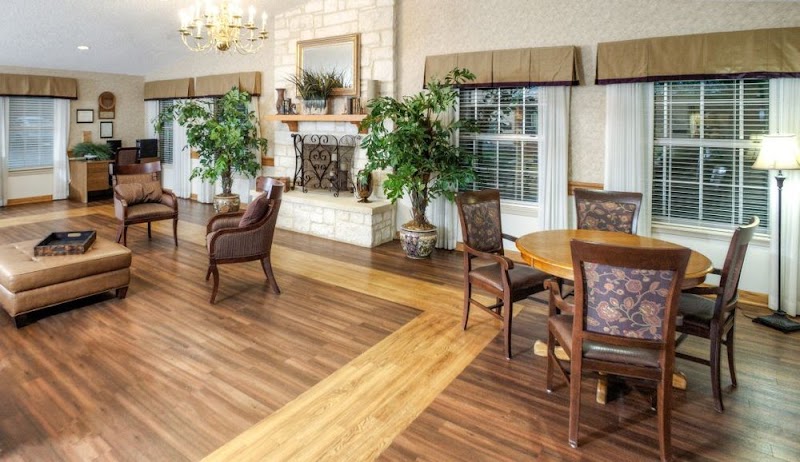
How is Town And Country Staffed?

CMS rates TOWN AND COUNTRY NURSING AND REHABILITATION CENTER's staffing level at 2 out of 5 stars, which is below average compared to other nursing homes. Staff turnover is 65%, which is 19 percentage points above the Texas average of 46%. High turnover can affect care consistency as new staff learn residents' individual needs. RN turnover specifically is 64%, which is notably high. RNs provide skilled clinical oversight, so turnover in this role can affect medical care quality.

What Have Inspectors Found at Town And Country?

State health inspectors documented 52 deficiencies at TOWN AND COUNTRY NURSING AND REHABILITATION CENTER during 2023 to 2025. These included: 3 Immediate Jeopardy (the most serious level, indicating potential for serious harm or death), 48 with potential for harm, and 1 minor or isolated issues. Immediate Jeopardy findings are rare and represent the most serious regulatory concerns. They require immediate corrective action.
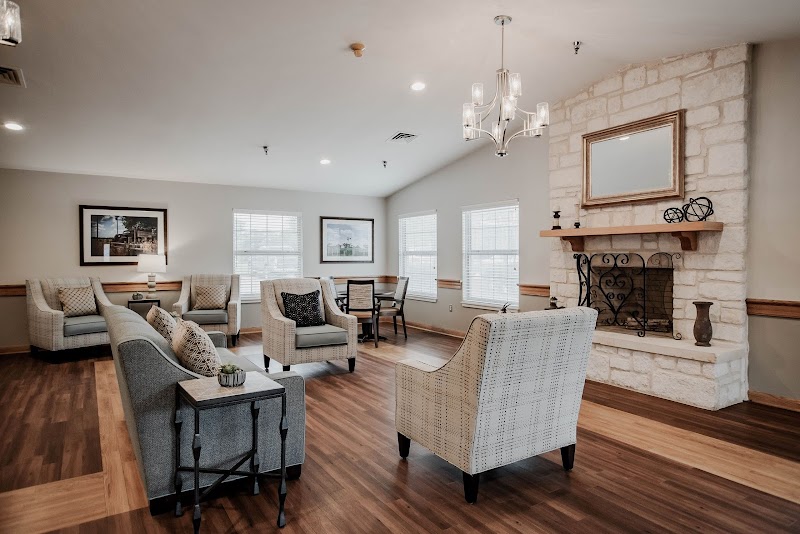
Who Owns and Operates Town And Country?

TOWN AND COUNTRY NURSING AND REHABILITATION CENTER is owned by a government entity. Government-operated facilities are typically run by state, county, or municipal agencies. The facility is operated by WELLSENTIAL HEALTH, a chain that manages multiple nursing homes. With 126 certified beds and approximately 87 residents (about 69% occupancy), it is a mid-sized facility located in BOERNE, Texas.
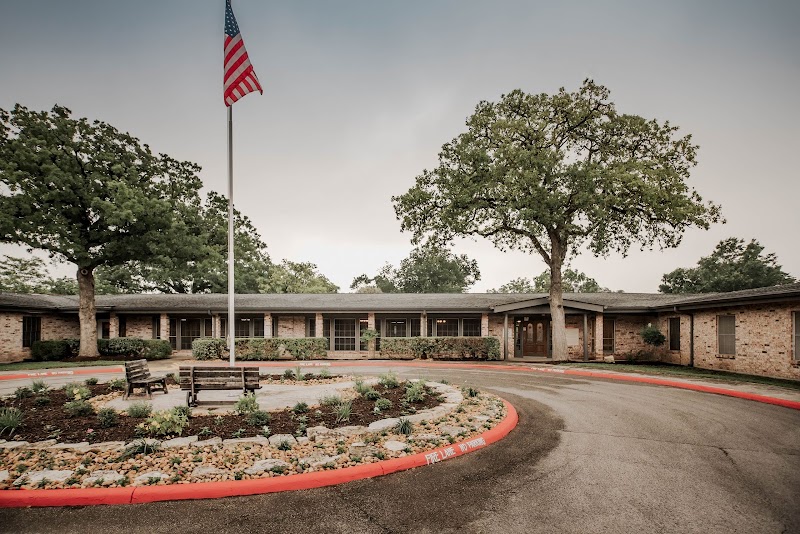
How Does Town And Country Compare to Other Texas Nursing Homes?

Compared to the 100 nursing homes in Texas, TOWN AND COUNTRY NURSING AND REHABILITATION CENTER's overall rating (2 stars) is below the state average of 2.8, staff turnover (65%) is significantly higher than the state average of 46%, and health inspection rating (2 stars) is below the national benchmark.

What Should Families Ask When Visiting Town And Country?

Based on this facility's data, families visiting should ask: "What changes have been made since the serious inspection findings, and how are you preventing similar issues?" "How do you ensure continuity of care given staff turnover, and what is your staff retention strategy?" "Can you walk me through typical staffing levels on day, evening, and night shifts?" "Can I visit during a mealtime to observe dining assistance and food quality?" These questions are particularly relevant given the facility's Immediate Jeopardy citations, the facility's high staff turnover rate, and the below-average staffing rating.

Is Town And Country Safe?

Based on CMS inspection data, TOWN AND COUNTRY NURSING AND REHABILITATION CENTER has documented safety concerns. Inspectors have issued 3 Immediate Jeopardy citations (the most serious violation level indicating risk of serious injury or death). The facility has a 2-star overall rating and ranks #100 of 100 nursing homes in Texas. Families considering this facility should ask detailed questions about what corrective actions have been taken since these incidents.

Do Nurses at Town And Country Stick Around?

Staff turnover at TOWN AND COUNTRY NURSING AND REHABILITATION CENTER is high. At 65%, the facility is 19 percentage points above the Texas average of 46%. Registered Nurse turnover is particularly concerning at 64%. RNs handle complex medical decisions and coordinate care — frequent RN changes can directly impact care quality. High turnover means new staff may not know residents' individual needs, medications, or preferences. It can also be disorienting for residents, especially those with dementia who rely on familiar faces. Families should ask: What is causing the turnover? What retention programs are in place? How do you ensure care continuity during staff transitions?

Was Town And Country Ever Fined?

TOWN AND COUNTRY NURSING AND REHABILITATION CENTER has been fined $150,922 across 2 penalty actions. This is 4.4x the Texas average of $34,588. Fines at this level are uncommon and typically indicate a pattern of serious deficiencies, repeated violations, or failure to correct problems promptly. CMS reserves penalties of this magnitude for facilities that pose significant, documented risk to resident health or safety. Families should request specific documentation of what issues led to these fines and what systemic changes have been implemented.

Is Town And Country on Any Federal Watch List?

TOWN AND COUNTRY NURSING AND REHABILITATION CENTER is not on any federal watch list. The most significant is the Special Focus Facility (SFF) program, which identifies the bottom 1% of nursing homes nationally based on persistent, serious quality problems. Not being on this list means the facility has avoided the pattern of deficiencies that triggers enhanced federal oversight. This is a positive indicator, though families should still review the facility's inspection history directly.