BRENHAM NURSING AND REHABILITATION CENTER

400 E SAYLES ST, BRENHAM, TX 77833 (979) 836-9770
For profit - Corporation 128 Beds WELLSENTIAL HEALTH Data: November 2025 1 Immediate Jeopardy citation
Trust Grade
38/100
#418 of 1168 in TX
Last Inspection: November 2024

Within standard 12-15 month inspection cycle. Federal law requires annual inspections.

Overview

Brenham Nursing and Rehabilitation Center has a Trust Grade of F, indicating significant concerns regarding the quality of care provided. This facility ranks #418 out of 1168 in Texas, placing it in the top half, and #1 out of 4 in Washington County, meaning it is the best option locally, despite its low trust rating. The care trend is improving, with issues decreasing from 10 in 2024 to just 2 in 2025, but there are still serious concerns, including critical incidents related to medication management that led to a resident being hospitalized. Staffing is rated poorly at 1 out of 5 stars, with a turnover rate of 53%, which is average for Texas, meaning that while staff changes often, they are familiar with the residents. Additionally, the facility has faced $57,493 in fines, suggesting ongoing compliance problems. Specific incidents include a failure to provide necessary antibiotics to a resident, resulting in hospitalization, and another case where a resident fell due to inadequate supervision, highlighting both serious risks to resident safety and dignity.

Trust Score
F
38/100
In Texas
#418/1168
Top 35%
Safety Record
High Risk
Review needed
Inspections
Getting Better
10 → 2 violations
Staff Stability
⚠ Watch
53% turnover. Above average. Higher turnover means staff may not know residents' routines.
Penalties
○ Average
$57,493 in fines. Higher than 50% of Texas facilities. Some compliance issues.
Skilled Nurses
⚠ Watch
Each resident gets only 17 minutes of Registered Nurse (RN) attention daily — below average for Texas. Fewer RN minutes means fewer trained eyes watching for problems.
Violations
⚠ Watch
16 deficiencies on record. Higher than average. Multiple issues found across inspections.
★★★☆☆
3.0
Overall Rating
★☆☆☆☆
1.0
Staff Levels
★★★★★
5.0
Care Quality
★★★☆☆
3.0
Inspection Score
Stable
2024: 10 issues
2025: 2 issues

The Good

  • 5-Star Quality Measures · Strong clinical quality outcomes
  • Full Sprinkler Coverage · Fire safety systems throughout facility
  • No fines on record

Facility shows strength in quality measures, fire safety.

The Bad

3-Star Overall Rating

Near Texas average (2.8)

Meets federal standards, typical of most facilities

Staff Turnover: 53%

Near Texas avg (46%)

Higher turnover may affect care consistency

Federal Fines: $57,493

Above median ($33,413)

Moderate penalties - review what triggered them

Chain: WELLSENTIAL HEALTH

Part of a multi-facility chain

Ask about local staffing decisions and management

The Ugly 16 deficiencies on record

1 life-threatening 1 actual harm
Jan 2025 2 deficiencies
CONCERN (D) 📢 Someone Reported This

A family member, employee, or ombudsman was alarmed enough to file a formal complaint

Potential for Harm - no one hurt, but risky conditions existed

Deficiency F0558 (Tag F0558)

Could have caused harm · This affected 1 resident

**NOTE- TERMS IN BRACKETS HAVE BEEN EDITED TO PROTECT CONFIDENTIALITY** Based on observations, interviews, and record review the facility failed to ensure the residents received services in the facili...

Read full inspector narrative →
**NOTE- TERMS IN BRACKETS HAVE BEEN EDITED TO PROTECT CONFIDENTIALITY** Based on observations, interviews, and record review the facility failed to ensure the residents received services in the facility with reasonable accommodation of each resident's needs for 1 (Resident # 2) out of 5 residents reviewed for call lights. The facility failed to ensure Resident # 2's call light was within reach. This failure could affect all residents who needed assistance and could result in needs not being met. Findings included: Record review of Resident #2's face sheet, dated, 01/23/2025, reflected a [AGE] year-old male who was admitted to the facility on [DATE] and readmitted on [DATE]. Resident #2 had diagnoses which included muscle wasting and atrophy (loss of muscle a not elsewhere classified, in multiple sites (wasting or thinning of your muscle mass), need for assistance with personal care (required help with basic daily living activities such as: bathing, dressing, eating and personal hygiene), unsteadiness on feet, lack of coordination ( the inability to control the movement of one's body). Record review of Resident #2's Quarterly MDS, dated [DATE], reflected the resident had a BIMS score of 10, which indicated his cognition was moderately impaired. Resident #2 required partial to moderate assistance (helper does less than half the effort) with toileting hygiene, dressing, personal hygiene, and showers. Resident #2 was dependent on staff for bed-to-chair transfer and chair to bed transfer. He required substantial/maximal assistance ( helper does more than half the effort) for all other transfers and bed mobility such as: lying to sitting on side of bed, sit to lying, and sit to stand. Record review of Resident #2's Comprehensive Care Plan, with a completion date 12/02/2024, reflected Resident #2 had an ADL self-care performance deficit. Interventions: Resident #2 required assistance by one staff to turn and reposition in bed, dressing, personal hygiene, and toileting. Resident #2 required mechanical lift by two staff for transfers. Encourage Resident #2 to use bell to call for assistance. Resident #2 was at risk for impaired mobility. Resident #2 was at high risk for falls. Interventions: Be sure the call light is within reach and encourage the resident to use the call light for assistance as needed. Resident #2 needs prompt response to all requests for assistance. Observation and interview on 01/23/2025 at 9:41 AM, revealed upon entering Resident #2's room he was attempting to reach for the call light located at the foot of the bed. The overhead bed table was over the bed with water and cup located on the overhead bed table. Resident #2 stated I have been trying to get that light to call someone. He stated I prefer my call light to be next to me where I can use it when I need help. He pointed to the halo (device on the bed for resident to help with mobility in bed) on his bed and stated this is where I like for my call light to be. Resident #2 stated I have difficulty sometimes yelling for help. In an interview on 01/23/2025 at 9:46 AM, CNA A entered Resident #2's room and stated Resident #2's call light was at the foot of the bed and Resident #2 was unable to reach the call light. She stated all residents call light was required to be within reach at all times when a resident was in their room. CNA A stated she did not know how the call light got at the end of the bed. She stated she was not assigned to Resident #2. She stated if a resident was unable to reach their call light and needed assistance, there was a possibility a resident may need nursing assistance. CNA A stated a resident may attempt self out of bed and fall trying to get assistance. She stated she had been in-serviced on placing call lights within resident's reach, however, she did not recall the date or time of this in-service. In an interview on 01/23/2025 at 2:45 PM The DON stated if a resident was in their room lying in bed or sitting in a wheelchair, the call light was expected to be within reach of resident. She stated she could not determine what may happen to a resident if the call light was not within reach and the resident needed assistance. The DON stated any staff who entered the room was expected to check the call lights of the resident and if the call light was not in reach, any staff was capable of placing call light within reach of resident. Record review of the facilities policy on Call Lights: Accessibility and Timely Response, dated 10/13/2022, reflected The purpose of this policy is to assure the facility is adequately equipped with a call light at each residents' bedside, toilet, and bathing facility to allow residents to call for assistance. Call lights will directly relay to a staff member or centralized location to ensure appropriate response. The call system must be accessible to residents while in their bed or other sleeping accommodations within the resident's room.
CONCERN (D) 📢 Someone Reported This

A family member, employee, or ombudsman was alarmed enough to file a formal complaint

Potential for Harm - no one hurt, but risky conditions existed

Deficiency F0657 (Tag F0657)

Could have caused harm · This affected 1 resident

**NOTE- TERMS IN BRACKETS HAVE BEEN EDITED TO PROTECT CONFIDENTIALITY** Based on interviews and record reviews , the facility failed to ensure that the comprehensive care plan was reviewed and revised...

Read full inspector narrative →
**NOTE- TERMS IN BRACKETS HAVE BEEN EDITED TO PROTECT CONFIDENTIALITY** Based on interviews and record reviews , the facility failed to ensure that the comprehensive care plan was reviewed and revised by the interdisciplinary team after each assessment for 1 (Resident #1) of 5 residents reviewed for care plans. The facility failed to ensure Resident #1's care plan was revised to reflect recent falls on 11/10/2024, 12/31/2024 and, 01/04/2025. This failure could place residents at risk of not receiving appropriate care to meet their current needs. Findings included: Record review of Resident #1's face sheet, dated, 01/23/2025, reflected an [AGE] year-old female who was admitted to the facility on [DATE] and readmitted on [DATE]. Resident #1 had diagnoses which included repeated falls, unspecified dementia, unspecified moderate, without behavioral disturbance, psychotic disturbance, mood disturbance, and anxiety (a decline in mental ability that affects memory, thinking, and behavior), adult failure to thrive (a syndrome in older adults characterized by unexplained weight loss, decreased appetite, poor nutrition, and inactivity), muscle wasting and atrophy (loss of muscle and strength), not elsewhere classified, right and left shoulder, and right and left upper arm (wasting or thinning of your muscle mass), and lack of coordination (uncoordinated movement is due to a muscle control problem that causes an inability to coordinate movements). Record review of Resident #1's Quarterly MDS Assessment, dated 12/31/2024, reflected the resident had a BIMS score of 3, which indicated her cognition was severely impaired. Resident #1 was total dependent on staff for personal hygiene, showers, and toileting hygiene. Resident #1 required partial/moderate assistance where helper does less than half the effort with transfers, eating, and dressing. Resident #1 was assessed for falls. Record review of Resident #1's Comprehensive Care plan, with completion date of 12/31/2024 , reflected Resident #1 had an ADL self-care performance deficit. Intervention: Bathing, toileting, transfers, and dressing: Resident #1 required one staff assistance. Resident #1 required 1-2 staff assistance with bed mobility. Resident #1 was low risk for falls. Intervention: Be sure call light was within reach and encourage the resident to use call light for assistance as needed. Resident #1 required prompt response to all request and assistance. Review information on past falls and attempt to determine cause of falls. Record root causes. Alter remove any potential causes if possible. Resident #1 had an actual fall with no injury. She had poor balance and, unsteady gait. Intervention: Check range of motion. Ensure personal items are within reach. Fall mat in place when resident in bed. New intervention dated 12/31/2024: Room modification to ensure safety and repositioning. Resident #1 had an actual fall with no injury (date initiated 07/12/2024) Interventions: Check range of motion. Ensure personal items are within reach. Fall mat in place when resident in bed. Room modification to ensure safety and repositioning. Record review of Resident #1's fall risk assessment dated , 12/31/2025, reflected Resident #1 was high risk for falls with a score of 15. If the total score was 10 or greater, the resident should be considered high risk for potential falls. A prevention protocol should be initiated immediately and documented on the care plan. Resident #1 had 1-2 falls in the past 3 months. Record review of the facility's incident/accident report from 11/2024 thru 01/2025 reflected Resident #1 had a fall on the following dates: 1. 11/10/2024- result of a fall with abrasion 2. 12/31/2024- result of a fall without injury 3. 01/04/2025 - result of a fall with laceration In an interview on 01/23/2025 at 1:30 PM MDS Coordinator RN stated the most current completed care plan is the one with the completion date of 12/31/2024. (Surveyor and MDS Coordinator RN was reviewing the care plans in electronic medical record at the same time to verify the care plan completed on 12/31/2024 was the most current completed care plan). She stated there was a care plan opened but it had not been completed with all the information needed to be documented on the care plan. MDS Coordinator RN stated Resident #1's care plan needed to be revised on the completed care plan dated 12/31/2024 to reflect resident fall on 01/04/2025. She reviewed Resident #1 fall risk assessments with surveyor and she stated the same care plan with completion date of 12/31/2024 needed to be revised to reflect Resident # 1's low risk for falls problem needed to be revised to reflect Resident #1 was high risk for falls and revise the interventions as needed. The MDS Coordinator, RN stated she missed the fall risk assessments for December 2024 that reflected she was high risk for falls. She stated there was a care plan opened at this time but was not completed. She stated anytime a resident had a fall with injury their care plan was expected to be revised the day of the fall. The MDS Coordinator RN stated the importance of a care plan revision after a fall or any type of incidents the interventions needed to be reassessed and make any changes to prevent further falls or incidents. She stated she was responsible for completing comprehensive care plan, revising care plans. She stated she had been in serviced on care plans but did not recall the date or time of the in-service. She stated she was expected to revise Resident #1's care plan on 12/31/2024 when she completed Resident #1's comprehensive care plan and on 01/04/2025 when she fell. She stated Resident #1's fall on 12/25/2024, 12/31/2024, and 01/04/2025 would be considered a change with Resident #1 with having three falls less than two weeks. In an interview on 01/23/2025 at 2:45 PM the DON stated Resident #1 care plan should have been revised on 12/31/2024 and resolved of Resident #1 had a low risk for falls and changed the care plan to Resident #1 was high risk for falls. She stated there is care plan opened but it was not completed. She stated the MDS Coordinator RN was documenting on the care plan today (01/23/2025). She stated the MDS Coordinator RN was responsible for ensuring the care plans were correct. The DON did not respond to the question of a possibility of a negative outcome if the care plan was not revised after a fall or incident. Record review on 01/23/2025 the facilities Care Plan Revisions upon status change, dated 10/23/2022, reflected the purpose of this procedure is to provide a consistent process for reviewing and revising the care plan for those residents experiencing a status change. Policy Explanation and Compliance Guidelines: 1. The comprehensive care plan will be reviewed, and revised as necessary, when a resident experiences a status change. 2. Procedure for reviewing and revising the care plan when a resident experiences a status change. The care plan will be updated with the new or modified interventions. Care plans will be modified as needed by the MDS Coordinator or other designated staff member.
Nov 2024 9 deficiencies
CONCERN (D)

Potential for Harm - no one hurt, but risky conditions existed

Infection Control (Tag F0880)

Could have caused harm · This affected 1 resident

**NOTE- TERMS IN BRACKETS HAVE BEEN EDITED TO PROTECT CONFIDENTIALITY** The facility failed to establish and maintain an infection prevention and control program designed to provide a safe, sanitary a...

Read full inspector narrative →
**NOTE- TERMS IN BRACKETS HAVE BEEN EDITED TO PROTECT CONFIDENTIALITY** The facility failed to establish and maintain an infection prevention and control program designed to provide a safe, sanitary and comfortable environment and to help prevent the development and transmission of communicable diseases and infections for ----- of ----- reviewed for infection control. 1. ADON and LVN did not don a gown before providing care to Resident #112, who was on Enhanced Barrier Precautions. 2. The facility failed to ensure a resident room did not have a urine saturated brief on the floor. These failures could place residents at risk of transmission of disease and infection. Findings include: Record review of Resident #112's face sheet reflected a [AGE] year-old female who was initially admitted to the facility on [DATE]. Her diagnoses included malignant neoplasm of rectum (rectal cancer), history of malignant neoplasm of ovary (ovarian cancer), hypertension, muscle wasting and atrophy of multiple sites (muscles shrinking), chronic kidney disease, age-related osteoporosis (bones softening/brittle), pain, and need for assistance with personal care. Record review of Resident #112's care plan, dated 09/28/24, reflected the resident had alternation in gastrointestinal status colostomy to LUQ related to malignant neoplasm of rectum, and an impairment to skin integrity of the sacrococcygeal related to cancer lesions. Record review of Resident #112's Quarterly MDS assessment, dated 10/10/24 reflected a BIMS score of 14, which indicated her cognition was intact. Resident #112 was incontinent with bowel and bladder. Record review of Resident #112's Skin Assessment, dated 11/18/24, reflected a medial sacrococcygeal cancerous tumor located on the sacrococcygeal area. Record review of Resident #12's Physician Orders, dated 11/19/24, reflected a medial sacrococcygeal cancerous tumor located on the sacrococcygeal area. Wound care orders for tumor to sacrum reflected, Cleanse with wound cleanser/normal saline, pat dry with gauze and leave open to air one time a day for skin management. Keep air clean and dry/Monitor for increased bleeding. and as needed for skin management. Observation on 11/19/24 at 9:00 AM revealed an adult brief in room [ROOM NUMBER] on the floor to the left of the resident's bed beneath the bed side table. The wetness indicator on brief was the blue which indicated the brief was wet and needed changing. Observation on 11/19/24 at 02:17 PM revealed Resident #112 was resting in her bed. She appeared clean and well-groomed, and her room was clean and free of odors. Observation on 11/19/24 at 02:25 PM of peri-care and wound care for Resident #112 was conducted by the ADON and LVN D. The ADON and LVN D did not don a gown prior to providing resident care. Interview on 11/21/24 at 11:24 AM with the DON revealed staff were required to follow Enhanced Barrier Precautions when providing direct care to residents who had indwelling medical devices, wounds, urinary catheters, feeding tubes, and tracheostomies. She stated this practice helped reduce the spread of MDRO-resistant bacteria from one resident to another, and when not followed could increase the risk of infection to other residents. In an interview on 11/21/24 at 2:00 PM, CNA K stated there was a saturated brief on the floor in room [ROOM NUMBER]. The brief was removed from the resident and put on the floor because she did not have any plastic bags on her person to put the brief in and dispose of it. She did not want to put the brief in the resident's trash can. CNA K said this was an infection control issue because when housekeeping mopped the floors after a dirty brief being on the floor the mop could continue to spread infection into other areas of the facility. She said she thought the wet brief was on the floor for about 20 minutes. Interview on 11/21/24 at 02:52 PM With LVN D revealed the importance of following Enhanced Barrier Precautions when providing resident care was because you don't want to spread an infection to other residents. LVN D further stated if Enhanced Barrier Precautions were not followed there was a possibility of cross-contamination between residents. LVN D stated she had forgotten to put on a gown before going in to provide incontinent care and wound care for Resident #112. Interview on 11/21/24 at 02:16 PM with LVN B revealed Enhanced Barrier Precautions should be followed for residents who had a g-tube, a colostomy, an open wound, or a foley catheter. Consequences of not following Enhanced Barrier Precautions included exposure to bodily fluids, and always a risk for cross- contamination which could spread infection to the resident and other residents. LVN B stated she received training on Enhanced Barrier Precautions. LVN B further stated Resident #112 had a cancerous mass on her rectum, and since it had drainage, staff should follow enhanced barrier precautions when providing her care. Interview on 11/21/24 at 03:25 PM with the Administrator revealed he had been with this facility almost 9 years. The Administrator stated the importance for staff to be following Enhanced Barrier Precautions when providing direct care to residents was it was part of the infection control practice and they tried to keep everyone safe and free of the spread of infection. The facility policy on Enhanced Barrier Precautions was for staff to follow Enhanced Barrier Precautions when providing direct care to residents who had wounds, indwelling medical devices, and other openings to reduce the spread of infection to other residents and staff. One resident could pass an infection to another resident if Enhanced Barrier Precautions, and Infection Control protocols were not followed. The Administrator further stated staff should have donned a gown with gloves prior to providing care to Resident #112, and his expectation was for all direct care staff to follow Infection Control guidelines. Interview on 11/21/24 at 3:34 PM, the Administrator stated he heard a CNA was rushing and she left a urine saturated resident brief on the floor of a resident's room. The Administrator stated the problem was an infection control hazard. Record review of the facility's Policy and Procedure, dated 04/05/24, titled Enhanced Barrier Precautions reflected, It is the policy of this facility to implement enhanced barrier precautions for the prevention of transmission of multidrug-resistant organisms.
CONCERN (D)

Potential for Harm - no one hurt, but risky conditions existed

Deficiency F0917 (Tag F0917)

Could have caused harm · This affected 1 resident

**NOTE- TERMS IN BRACKETS HAVE BEEN EDITED TO PROTECT CONFIDENTIALITY** Based on observation, interview and record review the facility failed to ensure each resident was provided with functional furni...

Read full inspector narrative →
**NOTE- TERMS IN BRACKETS HAVE BEEN EDITED TO PROTECT CONFIDENTIALITY** Based on observation, interview and record review the facility failed to ensure each resident was provided with functional furniture appropriate to the resident's needs, and individual closet space in the resident's bedroom with clothes racks and shelves accessible to the resident for 1 of 10 residents (Resident #19) reviewed for physical environment. The facility failed to ensure the top drawer of Resident #19's bed side table was unlocked allowing her access to her possessions. This deficient practice could place residents at risk of a lack of access to their personal belongings. The findings were: Record review of Resident #19's face sheet reflected a [AGE] year-old female admitted on [DATE]. Resident #19 had diagnoses which included spinal stenosis lumbar region (a condition that occurs when the spinal canal narrows, putting pressure on the spinal cord and nerve roots), obesity, chronic respiratory failure with hypoxia (occurs when the body has a low level of oxygen in the blood), and vascular dementia (a type of dementia that occurs when blood vessels in the brain are damaged, which reduces blood flow and oxygen to the brain). Record review of Resident #19's quarterly MDS assessment, dated 10/02/24, reflected a BIMS score of 11, which indicated moderate cognitive impairment. Resident #19 ambulated using a wheelchair. Record review of Resident #1's quarterly care plan reflected the following: Problem dated 01/27/23 and revised on 03/02/23, Resident #19 as physical mobility related to weakness, self-care deficit, obesity, and muscle wasting. Interventions, dated 01/27/23, provide supportive care, assistance with mobility as needed. Document assistance as needed. Observation on 11/20/24 at 9:38 AM of the top drawer of Resident #19's bedside table revealed when the handle to top draw pulled, the drawer did not open. Interview on 11/20/24 at 9:38 AM, Resident #19 stated the top drawer of her bedside table was locked and her laptop was in it. She said she told the Maintenance Director she wanted it to be fixed but it was still locked. She said she was frustrated because she could not get into the drawer for the things she wanted. Resident #19 told the Maintenance Director, a couple of weeks ago, she was unable to get into the top drawer of her bedside table, but he did not get back with her and she did not mention it again. Interview on 11/21/24 at 4:23 pm with the Maintenance Director revealed a couple of weeks ago Resident #19 told him she could not get into the top drawer of her bedside table and he did not get back to fix it. He said that when he was passing in the residents in hallway and residents stopped him to ask him to fix something it was difficult to remember what they asked him to do. Interview on 11/21/24 at 3:34 PM, the ADM stated it was a problem Resident #19 could not open the top drawer of her bedside table and the maintenance director should have addressed the situation when Resident #19 told him, or he should have entered it in TELS. (a technology platform designed to streamline building management tasks making it easier for maintenance teams to manage daily operations and emergencies within a facility ). Record review of the facility's, undated, work order policy, provided by facility ADM, in response to facility maintenance policy, reflected TELS Inspection: Daily, Weekly, and Monthly. Expect complete, accurately and on-time. Documentation upload: Expect 100%. No other facility maintenance policy provided.
CONCERN (E)

Potential for Harm - no one hurt, but risky conditions existed

Resident Rights (Tag F0550)

Could have caused harm · This affected multiple residents

**NOTE- TERMS IN BRACKETS HAVE BEEN EDITED TO PROTECT CONFIDENTIALITY** Based on observation, interview and record review the facility failed to treat each resident with respect and dignity and care f...

Read full inspector narrative →
**NOTE- TERMS IN BRACKETS HAVE BEEN EDITED TO PROTECT CONFIDENTIALITY** Based on observation, interview and record review the facility failed to treat each resident with respect and dignity and care for each resident in a manner and in an environment that promoted maintenance or enhancement of his or her quality of life, recognizing each resident's individuality for 5 of 7 residents (Resident #9, Resident #49, Resident #61, Resident #98 and Resident #106) reviewed for resident rights . 1. The facility failed to ensure Resident #49, Resident #61, Resident #98 and Resident #106's were served their lunch tray at the same time as other residents at the same table for lunch on 11/19/2024 and 11/20/2024 . 2. The facility failed ensure CNA P spoke respectfully to Resident #9 when the resident attempted a self-transfer. These failures could place residents at risk of poor self-esteem and unmet needs and risk of skin breakdown. Findings include: 1. Record review of Resident #9's face sheet, dated 11/20/2024 , reflected an [AGE] year-old female who was admitted to the facility on [DATE]. Resident #9 had diagnoses which included muscle wasting and atrophy (loss of skeletal muscle mass), major depressive disorder (mental health disorder), aphasia (damage to the brain) following cerebral infarction (a condition that that impacts the ability to speak, write and understand language after a stroke) and unsteadiness on feet. Record review of Resident #9's quarterly MDS Assessment, dated 09/27/2024, reflected a BIMS of 06 which indicates severe cognitive impairment. Section GG (Functional Abilities and Goals) reflected she was dependent for chair/bed-to-chair transfers. Record review of Resident #9's quarterly care plan, dated 02/01/24 , reflected she was at high risk for falls related to poor balance, unsteady gait, and poor safety awareness with an intervention of using a mechanical lift for transfers, provided signs in room to remind resident to use call light, and continue to interventions on at-risk plan . An observation on 11/19/24 at 11:29 AM revealed Resident #9 transferred herself to the toilet assisted by her family member . An observation on 11/20/24 at 3:30 PM revealed Resident #9 smelling of urine. There was water on the floor and the resident was attempting to transfer herself. The State Surveyor went to notify CNA P. The State Surveyor and CNA P walked into the room and CNA P said to the resident in a condescending tone oh no, sit down, you know you're not supposed to do that. CNA P proceeded to help Resident #9 sit in the wheelchair. The resident was faced away from the door, still undressed, shaking her head in her hands. CNA P walked back out and grabbed CNA Q who both assisted her into bed without a mechanical life . After the resident care was completed Resident #9 had a distressed look on her face and was crying in bed. In an interview with Resident #9 on 11/20/2024 at 3:50 PM, she stated her feelings were hurt when they told her to sit down. She did not respond to more questions . In an interview with Resident #9's RP on 11/20/24 at 04:08 PM, she stated she was worried about the resident. She was not supposed to be in the bathroom, but insisted, so she helped her. The facility denied the resident a pad alarm because it was considered a restraint. Resident #9 was not depressed when she was admitted to the facility and was able to voice her needs. RP stated her mood and condition had declined since she moved into the facility. She did not leave her room. She would glare at the staff. She cried and stated they were rough with her Resident #9 would not name any specific staff. RP stated that she had no concerns about the way staff treated the resident. She was concerned about the lack of supervision. The RP stated she asked the facility to get her out of bed and dressed for breakfast. RP stated Resident #9 would not leave her room until she was dressed. The RP stated she asked for increased monitoring by the CNAs, but they started monitoring at the end of the hall every time she visited. Interview with LVN R on 11/20/24 at 04:15 PM, LVN R said she was the only daytime charge nurse on the hall. She did not tolerate any disrespect geared at the residents. She stated there were no reports of CNA P speaking disrespectfully to Resident #9. She stated it would be hard to identify people who were non-verbal who felt uncomfortable around the caregiver. She stated signs demeanor change would be their posture changed when they saw that person. She stated if a resident reported a CNA who disrespected them, she would report it. Interview with the Administrator on 11/21/24 at 3:30 PM, he stated he expected staff to treat the residents with respect and dignity. He did not believe Resident #9 was more vulnerable because of her low BIMS score than the rest of the population. He did not believe the CNA abused Resident #9. He believed CNA P reacted in the moment, and there was no negative or harmful intention in her action. He reported there was no change in Resident #9's demeanor and the resident were upset due to a lack of family at the holiday event in the evening . Record review of records indicated there was no at-risk plan available for the resident #9's chart. A record review of the facility's grievance log for September of 2024 reflected an entry on 09/30/2024, which documented the resident's RP grievance about checking and changing Resident #9. That issue was marked to be resolved the same day by the DON. 2. Record review of Resident #49's face sheet, dated 11/20/2024, reflected an [AGE] year-old female who was admitted to the facility on [DATE]. The resident's diagnoses included dementia (memory, thinking difficulty), muscle wasting, lack of coordination, repeated falls, unsteadiness on feet, anemia (not enough healthy red blood cells), hypertension (high blood pressure), muscle weakness, age related osteoporosis (skeletal disorder), cognitive communication deficit (problems with communication), altered mental state, heart failure and protein-calorie malnutrition. Record review of Resident #49's Quarterly MDS, dated [DATE], reflected Resident #49 had a BIMs score of 2, which meant the resident was severely impaired. Record review of Resident #49's comprehensive care plan, dated 11/06/2024, reflected the resident sometimes was able to make needs known and understood others. 3. Record review of Resident #61's face sheet, dated 11/20/2024, reflected a [AGE] year-old female who was admitted to the facility on [DATE]. The resident's diagnoses included abnormal posture, unsteadiness on feet, type 2 diabetes mellitus without complications (high blood sugar), anxiety, protein- calorie malnutrition, pain in left shoulder, major depressive order, impulsiveness, malaise (feeling of general discomfort), abnormalities of gait and mobility, muscle wasting, and profound intellectual disability . Record review of Resident #61's Quarterly MDS, dated [DATE], reflected Resident #61's BIMs score was 99, which meant the resident was unable to complete the interview. Record review of Resident #61's comprehensive care plan, dated 10/29/2024, reflected the resident rarely was able to make needs known and sometimes understood others. 4. Record review of Resident #98's face sheet, dated 11/20/2024, reflected a [AGE] year-old female who was admitted to the facility on [DATE]. The resident's diagnoses included dementia (memory, thinking difficulty), muscle wasting, lack of coordination, repeated falls, unsteadiness on feet, depression, hypertension (high blood pressure), insomnia (difficulty sleeping), chronic kidney disease, dysuria (painful or uncomfortable urination), delirium due to physiological condition, and abnormalities of gait and mobility . Record review of Resident #98's Quarterly MDS, dated [DATE], reflected Resident #98's BIMs score was 2, which meant the resident was severely impaired. Record review of Resident #98's comprehensive care plan, dated 11/19/2024, reflected the resident had severe impaired cognation. 5. Record review of Resident #106's face sheet, dated 11/20/2024, reflected an [AGE] year-old female who was admitted to the facility on [DATE]. The resident's diagnoses included dementia (memory, thinking difficulty), cognitive communication deficit (problems with communication), impulsiveness, type 2 diabetes mellitus without complications (high blood sugar), weakness, difficulty walking, repeated falls, need for assistance with personal care, insomnia (difficulty sleeping), malaise (feeling of general discomfort) and hypertension (high blood pressure). Record review of Resident #106's Quarterly MDS, dated [DATE], reflected Resident #106's BIMs score was 4, which meant the resident was severely impaired. Record review of Resident #106's comprehensive care plan, dated 11/20/2024, reflected the resident had severe impaired cognitive function. Observation of dining services at lunch on 11/19/2024 at 12:00 PM revealed Resident #61 did not get their meal trays with their tablemate. Residents #61 did not get their meal tray until 6 minutes after their tablemate and staff were passing meal trays to other tables. Observation of dining services at lunch on 11/19/2024 at 12:05 PM revealed Resident #106 did not get her meal tray at the same time as her tablemates. Resident #106 did not get her meal tray until 10 minutes after her tablemates and staff were passing meal trays to other tables. Observation of dining services at lunch on 11/20/2024 at 12:17 PM revealed Residents #49 and #98 did not get their meal trays with their tablemate. Residents #49 and #98 did not get their meal tray until 7 minutes after their tablemate and staff were passing meal trays to other tables. An interview with Resident #106 on 11/19/2024 at 12:07 PM revealed she did not know where her meal tray was, and she said she was starving. She said she was so hungry she did not want to watch her tablemates eat. She said she felt like the staff wanted her to beg for food and she was not going to beg. She said it was not right for her to be so hungry and must watch other people eat and smell the food and not given anything to eat. An interview with Resident #61 on 11/20/2024 at 12:04 PM revealed she did not want to talk to the State Surveyor. An interview with Resident #49 on 11/20/2024 at 12:20pm revealed that she had to wait for her tray all the time. She said that she just wanted her food. An interview with Resident #98 on 11/20/2024 at 12:22 PM revealed the resident did not want to talk to the State Surveyor and just looked at the surveyor. An interview with the DON on 11/21/2024 at 11:16 AM revealed she was trained on resident rights. She said she was not sure what the policy was for meal tray pass. She stated she expected the staff to pass the trays by table. She said all staff in the dining room were responsible for ensuring all residents had their meal tray at the same table before moving on. She said if all residents did not get their meal tray at the same table residents may try to eat of someone else's plate. She said everyone was responsible for monitoring residents all got their trays together. She said everyone should be vigilant when passing by the tables. She said she did not know why the residents did not get their meal tray at the same time. An interview with CNA J on 11/21/2024 at 12:54 PM revealed she was trained on resident rights. She said staff were to pass meal trays to residents at the same table. She said all staff were responsible for ensuring all the residents at a table had their meal trays before moving on. She said it had never happened where a resident had to wait. She said all staff in the dining room were responsible for monitoring to ensure all residents had their meal tray with their tablemates. She said staff would walk around and ensure residents had fluids when they would monitor also. She said she did not know why the residents did not get their meal tray with their tablemates. An interview with LVN B on 11/21/2024 at 2:05 PM revealed she was trained on resident rights. She said the policy was for the nurse to check the meal trays and for the CNAs to give the trays by table. She said all staff were responsible for ensuring residents at the same table had their meal tray before moving on. She said it was a dignity issue and the resident did not want to watch others eat. She said all staff monitored to ensure the residents all had their meal tray at the same time by walking around and observing. She said she did not know why the residents did not get their meal tray at the same time as their table mates. An interview with the Administrator on 11/21/2024 at 3:26 PM revealed the policy was to pass meal trays by tables so all the resident at the same table could eat together. He said the nurse was responsible for ensuring the residents had their food at the same table. He stated if residents did not get their meal tray together it would leave residents waiting for their food. He said the charge nurse was responsible for monitoring to ensure all residents at the same table had their meal tray before moving on. He said the monitoring was done by observation. He stated the residents did not get their meal tray with their table mates because the nurse pulled the meal tickets was disorganized. Record review of the facility's policy entitled Promoting/Maintaining Resident Dignity, implemented 1/13/23, reflected the following: 1. All staff members are involved in providing care to residents to promote and maintain resident dignity and respect resident rights . 10. Speak Respectfully to the residents. Record review of the Meal Service Policy, dated 10/01/2028, reflected all residents at one table will be served at the same time prior to serving residents at other tables .
CONCERN (E)

Potential for Harm - no one hurt, but risky conditions existed

Deficiency F0583 (Tag F0583)

Could have caused harm · This affected multiple residents

**NOTE- TERMS IN BRACKETS HAVE BEEN EDITED TO PROTECT CONFIDENTIALITY** Based on observation, interview and record review the facility failed to ensure residents had a right to personal privacy and co...

Read full inspector narrative →
**NOTE- TERMS IN BRACKETS HAVE BEEN EDITED TO PROTECT CONFIDENTIALITY** Based on observation, interview and record review the facility failed to ensure residents had a right to personal privacy and confidentiality of his or her personal and medical records for 3 of 15 residents (Resident #26, Resident #58, and Resident # 69) residents reviewed for personal privacy. The facility failed to knock (CNA I) on Resident #26, #58, and #69's room when going into the residents' rooms. The deficient practice could place residents at risk of feeling like their privacy was being invaded or the facility was not their home. Findings include: 1. Record review of Resident #26 face sheet, dated 11/21/2024, revealed a [AGE] year-old female who was admitted to the facility on [DATE]. Resident #26 had diagnoses which included type 2 diabetes mellitus with hyperglycemia (high blood sugar), depressive disorder, morbid obesity, vitamin deficiency, major depressive disorder, muscle wasting, muscle weakness, overactive bladder, difficulty walking, lack of coordination, abnormal posture, cognitive communication deficit (problems with communication), and malaise (feeling of general discomfort ). Record review of Resident #26's Quarterly MDS, dated [DATE], revealed Resident #26's BIMs score was 14, which meant the resident was cognitively intact . 2. Record review of Resident #58 face sheet, dated 11/21/2024, revealed a [AGE] year-old female who was admitted to the facility on [DATE]. Resident #58 had diagnoses which included atrial fibrillation (abnormal heart rhythm), hypertension (high blood pressure), protein-calorie malnutrition, cognitive communication deficit (problems with communication), muscle wasting, contracture left hip and knee (permanently bent), contracture right hip and knee (permanently bent), contracture left hand and elbow (permanently bent), contracture right hand and elbow (permanently bent), abnormal posture, unsteadiness on feet, elevated white blood cell count and edema (swelling). Record review of Resident #58's Quarterly MDS, dated [DATE], revealed Resident #58's BIMs score was 12, which meant the resident was moderately cognitively impaired . 3. Record review of Resident #69 face sheet, dated 11/21/2024, revealed an [AGE] year-old male who was admitted to the facility on [DATE]. Resident #69 had diagnoses which included dementia (memory, thinking, difficulty), hypertension (high blood pressure), major depressive disorder (mental disorder), cognitive communication deficit (problems with communication), cough, diarrhea, muscle wasting, anemia (not enough healthy red blood cells), dry eye, repeated falls, and hypertensive heart disease without heart failure (damage to heart due to chronic high blood pressure). Record review of Resident #69's Quarterly MDS, dated [DATE], revealed Resident #69's BIMs score was 15, which meant the resident was cognitively intact. Observation on 11/19/2024 at 9:43 AM revealed CNA I opened the door and walked into the room of Resident #26 without knocking. Observation on 11/19/2024 at 2:20 PM revealed CNA I walked into Resident #58 and Resident #69's room without knocking. An interview with Resident #26 on 11/19/2024 at 9:43 AM revealed staff normally knocked. She said there were times when staff did not knock. She also stated she would like for staff to knock . She stated that sometimes it bothered her when staff did not knock. An interview with Resident #69 on 11/21/2024 at 12:21 PM revealed the resident did not want to answer the State Surveyor's questions. An interview with Resident #58 on 11/19/2024 at 12:57 PM revealed the resident did not want to answer the State Surveyor. An interview with CNA I on 11/20/2024 at 2:56 PM revealed she was trained on resident rights. She stated staff were to knock on the resident's door and wait for them to respond before entering . She said staff were to knock every time they were going to go into a resident's room. She said if staff were not knocking then the resident may feel like their privacy was being invaded. She stated if she did not knock on the resident's doors it was because she had already been in the room. She also stated she was supposed to knock even if she had been in the room. An interview with the DON on 1/21/2024 at 11:08 AM revealed she was trained on resident rights. She stated she would have to look at the policy for knocking but her expectation was all staff to knock before entering. She said staff should always knock before entering the resident's room. She said she was not the resident so not sure how it makes them feel. When asked how it might make the resident feel with staff not knocking, she said she was unaware that staff were not knocking on the residents doors. An interview with the Administrator on 11/21/2024 at 3:24 PM revealed he was trained on resident rights. He stated he did not know what the policy stated about knocking but the facility asked staff to knock and wait for a response. He said staff should always knock if they were entering a resident's room. He said every resident was different, but it could make the resident uncomfortable. He said he did not know why staff were not knocking. Record Review of the facility's, undated, Incontinent Care Checklist revealed Knock on the door. This was the only policy provided for knocking . Resident Rights was requested from the administrator on 11/20/2024 at 1:52pm and was not provided before exit.
CONCERN (E)

Potential for Harm - no one hurt, but risky conditions existed

Safe Environment (Tag F0584)

Could have caused harm · This affected multiple residents

Based on observation, interview and record review the facility failed to provide a safe, clean, comfortable, and homelike environment which allowed the resident to use his or her personal belonging to...

Read full inspector narrative →
Based on observation, interview and record review the facility failed to provide a safe, clean, comfortable, and homelike environment which allowed the resident to use his or her personal belonging to the extent possible for 3 of 10 reviewed on the 100 hall for resident rights. 1. The facility failed to ensure Resident #27, Resident #83, Resident #52 did not have visible dirt behind the beds, in the main walking area and on the furniture. 2. The facility failed to ensure Resident #83 and Resident #52's floors were not sticky while walking . These deficient practices place residents at risk of reduced functional use of the room, decreased resident's satisfaction with their environment and a lack of a homelike environment. Findings Include: An observation on 11/21/24 at 9:30 AM revealed Resident #83's RP spoke to the housekeeping aid. The RP was visibly upset the resident's room had not been swept . An observation on 11/19/24 at 10:17 AM revealed Resident #83 had a large and small broom and dust pans in the room. There were visible crumbs and dirt on the floor, on the chair, and behind the bed. The States Surveyors' feet were sticking to the floor. An observation on 11/19/24 at 10:28 AM revealed the State Surveyor's feet were sticking to the floor in Resident #52's room. An observation on 11/19/24 at 10:11 AM revealed crumbs on the bed and Resident #27's chest. There was visible dirt behind the bathroom door and behind the bed . Interview with Resident #27 on 11/19/24, he stated that the CNA's come by quickly and do not help him clean up after meals. He stated that housekeeping cleaned the room. He cannot look to see if they did a good job. Interview with the RP for Resident #83 on 11/19/24 at 10:17 AM, stated there were issues with room cleanliness, especially on the floor. It was constantly dirty . She stated Resident 83 had Parkinson's disease and dropped things on the floor because of her tremors. When she picked items up off the floor, they had dirt on them. She had filed a grievance with the facility. The RP stated she stopped cleaning because she knew the state survey team was going to come soon. She began to sweep the floors while the interview was being conducted. Interview with Resident #83 at 11/19/24 10:20 AM revealed she did not like the dirty floors because she kept her house very clean prior to coming to the facility. She stated it made her feel bad, like she lived in a dirty place. Interview with LVN B, Charge Nurse, on 11/21/24 at 02:18 PM, she stated if she saw a dirty room, she would pass it off to maintenance. She did not round with the intent to make sure the resident's rooms were clean, but housekeeping should. She stated any dirty rooms should be passed off the housekeeping. Any major repairs or deep cleanings should be uploaded to the centralized reporting system for maintenance and housekeeping. She believed having a dirty floor would make residents feel bad about their room. Interview with the Administrator on 11/21/24 at 04:26 PM, he said the housekeeping was responsible for cleaning. The supervisor had daily cleaning sheets the housekeeping aids completed. The supervisor should go behind them and double check if the rooms were clean. If a CNA identified a room was dirty, they should either clean it up or report it to the housekeeping manager. He could not speak to how it felt for the residents or how it would negatively impact their perception of the environment . Record review of the facility's Grievance Logs revealed a complaint of room cleanliness on 09/10/24, 10/22/24, and 11/19/24 . No daily cleaning sheets were provided upon exit.
CONCERN (E) 📢 Someone Reported This

A family member, employee, or ombudsman was alarmed enough to file a formal complaint

Potential for Harm - no one hurt, but risky conditions existed

ADL Care (Tag F0677)

Could have caused harm · This affected multiple residents

**NOTE- TERMS IN BRACKETS HAVE BEEN EDITED TO PROTECT CONFIDENTIALITY** Based on observation, interview, and record review, the facility failed to ensure residents who were unable to carry out activit...

Read full inspector narrative →
**NOTE- TERMS IN BRACKETS HAVE BEEN EDITED TO PROTECT CONFIDENTIALITY** Based on observation, interview, and record review, the facility failed to ensure residents who were unable to carry out activities of daily living received the necessary services to maintain good nutrition, grooming and personal and oral hygiene for five of ten residents (Resident #74, Resident #79, Resident #83, Resident #103 and Resident #279) reviewed for quality of life. 1. The facility failed to ensure Resident #74 , Resident #79 and Resident #83's nails were cleaned, trimmed, and did not have any rough edges on 11/19/2024. 2. The facility failed to ensure Resident #103 and Resident #279 received their showers. These failures could place residents at risk for not receiving adequate care and services to prevent infection, injury, and diminished quality of life. Findings included: 1. Record review of Resident # 79's face sheet, dated, 12/21/2024, reflected a [AGE] year-old female who was admitted to the facility on [DATE] and readmitted on [DATE]. Resident #79 had diagnoses which included lack of coordination (uncoordinated movement due to a muscle control problem that causes inability to coordinate movements), cognitive communication deficit ( difficulty with communication that is caused by an impairment such as memory, attention, or problem-solving), Alzheimer's disease - unspecified (a brain disorder that slowly destroys memory and thinking skills and, eventually, the ability to carry out the simplest task), unspecified dementia, unspecified severity without disturbance, psychotic disturbance, mood disturbance, and anxiety ( the loss of cognitive functioning such as: thinking, remembering, and reasoning to the extent that it interferes with a person's daily life and activities without any behavior or mood disturbances), and muscle wasting and atrophy, not elsewhere classified, multiple sites ( gradual loss of muscle mass and strength). Record review of Resident #79's Annual MDS Assessment, dated 10/08/2024, reflected the resident had a BIMS score of 3, which indicated her cognition was severely impaired. Resident #79 required supervision or touching assistance with personal hygiene, lower and upper body dressing, and toileting hygiene. Record review of Resident #79's Comprehensive Care Plan, completed on 10/17/2024, reflected Resident #79 had an ADL self-care performance deficit related to unsteadiness on feet, weakness, muscle wasting, dementia, repeated falls, and physical debility. Interventions: Bathing/Showering- check nails cleanliness, length, and trim as needed on bath day and as needed. Report any changes to charge nurse. Resident #79 had severely impaired cognitive function and impaired thought process related to dementia. Resident #79 had severely impaired cognitive function and impaired thought processes related to dementia. Intervention: Anticipate and meet needs. Observation and interview on 11/19/2024 at 10:01 AM revealed Resident #79 were in her room lying in bed. Her nails on her right hand were not smooth around the edges and had a blackish/ brownish substance underneath her middle and ring fingernails on her right hand. She also had a blackish/brownish substance on the tip of the middle finger on her right hand. Resident #79 had an odor from her right hand of bowel movement. Resident #79 was not interview able . 2. Record review of Resident #83's face sheet, dated 11/21/2024, reflected a [AGE] year-old female who was admitted to the facility on [DATE]. Resident #83 had diagnoses which included lack of coordination (uncoordinated movement due to a muscle control problem that causes inability to coordinate movements), cognitive communication deficit ( difficulty with communication that is caused by an impairment such as memory, attention, or problem-solving), Alzheimer's disease - unspecified (a brain disorder that slowly destroys memory and thinking skills and, eventually, the ability to carry out the simplest task), unspecified dementia, unspecified severity without disturbance, psychotic disturbance, mood disturbance, and anxiety ( the loss of cognitive functioning such as: thinking, remembering, and reasoning to the extent that it interferes with a person's daily life and activities without any behavior or mood disturbances), and muscle wasting and atrophy, not elsewhere classified, multiple sites ( gradual loss of muscle mass and strength). Record review of Resident #83's Quarterly MDS Assessment, dated 08/27/2024, reflected Resident #83 had a BIMS score of 13, which indicated her cognition was intact. Resident #83 required set-up supervision for personal hygiene, oral hygiene and eating. She required substantial/maximal assistance (helper does more than half the work) with showers, upper and lower body dressing, and toileting hygiene. Record review of Resident #83's Comprehensive Care Plan, with a revision date on 11/06/2024, reflected Resident #83 had an ADL self-care performance . Intervention: Resident #83 required extensive assistance from one staff with personal hygiene. She was total dependent on one staff with bathing/showering. Observation on 11/19/24 at 11:12 AM revealed Resident #83 was sitting in the dining room, on her right hand underneath her middle and ring fingernails was blackish/brownish substance. Resident #83 had rough edges around her fingernails on her middle and ring finger on her right and left hand. 3. Record review of Resident #103's admission Record, dated 11/20/24, revealed reflected a [AGE] year-old female who was admitted to the facility on [DATE]. Resident #103 had with diagnoses that which included heart failure, heart disease, Hypertension (high blood pressure), insomnia (difficulty sleeping), malaise (feeling of general discomfort), muscle wasting, abnormalities of gait and mobility, age related physical debility, chronic kidney disease, difficulty walking, unsteadiness on feet, lack of coordination, and pacemaker. Record review of Resident #103 Quarterly MDS, dated [DATE], revealed reflected Resident #103 had a BIMS score of 13, indicating which indicated Resident #103 had moderate impairment. Record review of Resident #103 documentation revealed reflected he did not have an MDS. His admission date was 11/12/24 and the survey was completed prior to the 14-day required MDS completion deadline. Record review of Resident #103's care plan reflected: problem ADL self-care initiation, dated 10/17/2023 and revised 11/19/2024. goal the resident will improve current level of function in (specify ADLs) through review dated initialed 06/07/2024. interventions bathing/showering Resident #103 requires assistance with lower body washing, hair, and back (X1) staff with shower/bathing as scheduled and as necessary. Resident #279 5. Record review of Resident #279's face sheet, dated 11/20/24, reflected a [AGE] year-old male who was admitted to the facility on [DATE] and re-admitted on [DATE]. Resident #279 had diagnoses which included with a diagnosis rhabdomyolysis (a serious medical condition that occurs when muscles tissue breaks down and releases proteins and electrolytes into the bloodstream), staphylococcal arthritis (a painful joint infection caused by the Staphylococcus aureus (bacteria), right knee, and atherosclerotic heart disease of native coronary artery without angina pectoris (disease that occurs when plaque builds up in the arteries, narrowing them and limiting blood flow to the heart). Record review of Resident #279 documentation revealed reflected he did not have an MDS. His admission date was 11/12/24 and the survey was completed prior to the 14-day required MDS completion deadline. Record review of Resident #279's care plan reflected: problem ADL self-care initiation, dated 11/12/2024 and revised 11/18/2024. goal the resident will improve current level of function in (specify ADLs) through review, dated initialed 11/12/2024. interventions bathing/showering provide sponge bath when a full bath or shower can be tolerated, initiation dated 11/18/24, and bathing/showering the resident required extensive assistance resident requires (extensive assistance) by (X1) staff with personal hygiene. Observation and interview on 11/19/2024 at 10:01 AM revealed Resident #74 were was in her room lying in bed. Her nails on her right hand were not smooth around the edges and had a blackish/ brownish substance underneath her middle and ring fingernails on her right hand. She also had a blackish/brownish substance on the tip of the middle finger on her right hand. Resident #74 had an odor from her right hand of bowel movement. Resident #74 was not interview able . Observation on 11/19/24 at 11:12 AM revealed Resident #83 was sitting in the dining room, on her right hand underneath her middle and ring fingernails was blackish/brownish substance. Resident #83 had rough edges around her fingernails on her middle and ring finger on her right and left hand. An interview with Resident #103 on 11/19/2024 at 9:47 AM with Resident #103 revealed that she did not feel the care was good. She stated she had to beg to get her showers . She stated there were times she would go a week without getting a shower. She stated that she had only refused a shower one time . In an interview on 11/19/2024 at 11:15 AM, Resident #83 stated she asked someone to clean her nails and cut her fingernails yesterday and the lady told me her she did not have time . Resident #83 stated she did not ask anyone else to clean and cut her nails. Resident #83 did not know the staff name . An interview on 11/20/2024 at 1:17 PM, Resident #279 stated he had been at the facility a week and he had not had a shower. He said he was offered a shower, but he asked the staff member to come back a little later and the staff member did not return . He said he was a little concerned because he felt a little dirty. In an interview on 11/21/2024 at 8:17 AM, RN A stated the CNAs were responsible for cleaning, trimming, and filing all residents' nails except for the residents with a diagnosis of diabetes. She stated the nurses were responsible for all residents' nails with a diagnosis of diabetes. RN A stated residents' nails were usually cleaned on their shower days and as needed. She stated if there was a blackish substance on the residents' fingertips or underneath their nails and the resident swallowed the blackish substance there was a possibility a resident may become ill with stomach issues. RN A stated it depended on what type of bacteria was underneath the nails. RN A stated if a resident did not have smooth nails there was a possibility a resident may scratch their arm. She stated a resident may cause a skin tear on their skin if the nail was not filed. RN A stated she was not aware of Resident #79 or Resident #83 refusing nail care. In an interview on 11/21/2024 at 8:26 AM, CNA G stated the nurses completed all diabetic fingernails, and the CNAs were responsible for all other residents' nails. She stated the CNAs were responsible to complete nail care such as trimming, filing, and cleaning the nails during showers. CNA G stated if a resident's nails needed to be cleaned, trimmed, or filed and it was not their shower day, the staff were expected to do any type of nail care as needed. CNA G stated if a resident had blackish substance underneath their nails there was a possibility a resident may become ill such as nausea or diarrhea depending on the type of bacteria. CNA G stated if a resident had rough edges around their nails, it was a possibility the resident may scratch themselves and develop a skin tear. She stated Resident #79 and Resident #83 did not refuse nail care. CNA G stated Resident #79 may refuse to change clothes sometimes, but she was not aware of Resident #79 refusing nail care. CNA G stated she worked most of the time on the hall where Resident #79 and Resident #83 lived. In an interview on 11/21/2024 at 8:41 AM, CNA H stated the CNAs were responsible for cleaning, trimming, and filing all residents' nails except for the residents with a diagnosis of diabetes. CNA H stated the nurses were responsible for all residents' nails with a diagnosis of diabetes. CNA H stated residents' nails were usually cleaned , filed, and trimmed on their shower days or when needed. She stated if a resident had a hang nail or their nails were dirty, nail care was expected to be completed as needed. CNA H stated if a resident had nails not trimmed or was rough on top of the nail, there was a possibility a resident may scratch themselves and develop a skin tear. CNA H stated if there was a blackish substance on the residents' fingertips or underneath their nails and the resident swallowed the blackish substance there was a possibility a resident may become ill with stomach issues such as vomiting. CNA H stated he had been in-serviced on cleaning, filing and trimming residents' nails. CNA H stated he did not remember the date of the in-service. CNA H stated he was not aware of Resident #79 or Resident #83 refuse nail care. In an interview on 11/21/2024 at 10:30 AM, the Director of Nurses stated she would need to refer to the facility's policy on nail care when she was asked of his expectations of cleaning and trimming residents nails. An interview with the DON on 11/21/2024 at 11:18 AM revealed her expectation was for staff to give the resident a preference as to when the resident would like to have a shower. She said staff should give the resident according to their preference. She stated the CNAs were responsible for giving the residents their showers. She said residents should get a shower as needed but at minimum three times a week. She stated the showers were documented in the point of care system. She said the resident could get an infection if they did not get a shower. She said a resident would not get a shower if they refused and the staff would have the refusal documented . She stated she did not know why the residents did not get their showers like they wanted. An interview with CNA J on 11/21/2024 at 1:02 PM revealed residents should get showers when they needed them or on their shower day. She said the CNAs were responsible for giving the residents their showers. She said some residents got their showers more than three times a week and some got their showers twice a week. She said the resident would get depressed or smell if they did not get a shower. She said a resident would not get a shower if they refused or out of the building and it would be documented. She said she did not know why the residents did not get their showers when they were supposed to and when they wanted them. An interview on 11/21/2024 at 2:00 PM, the ADON stated that if Resident #279 had been at the facility since 11/12/24, he should have had a shower and it should have been done on either 11/12/2024 or 11/14/2024 because his shower schedule was Tuesday, Thursday, Saturday. The ADON stated that residents could have skin breakdown or get rashes and get depressed if they did not get cleaned . An interview with LVN B on 11/21/2024 at 2:08 PM revealed that residents were to get a shower three days a week or as needed. She said the CNA's were responsible for giving the residents their showers. She stated the showers are were documented in the point of care system. She said some residents are were just stuck in their ways and do did not want to take a shower. She said if a resident refused it should be documented. She said that if a resident did not get a shower, it could cause them to have breakdown. She said she did not know that the residents did not get their showers on their shower day or when they wanted a shower. An interview with the Administrator on 11/21/2024 at 3:28 PM revealed that residents were to have their showers three times a week on their scheduled day. He said that a resident would not get a shower if they refused, and staff were required to document the refusal. He also said if a resident refused, that staff were to see if another staff member could get the resident to take a shower. He said that if a resident did not get their shower, the resident could have skin breakdown or an infection. He said he had not had complaints about showers recently. He said when he does receive a complaint, he would in-services the staff and talk to the resident and offer a shower right then and there. He said he did not know why the residents did not get their showers on their shower day or when they wanted one. Record review of Resident #279's EMR shower record, dated from his admission on [DATE] 2024 through 12/20/2024, reflected he did not receive a shower until 12/29/2024, 8 days after Resident #279's admission to the facility. Record review of Resident #103's EMR shower record, dated 10/24/2024 through 11/19/2024, revealed reflected that the resident did not receive a shower from 10/31/2024 until 11/05/2024, 5 days between her showers. She also did not receive a shower from 11/05/2024 until 11/9/2024, 4 days between her showers. She also did not receive a shower from 11/09/2024 until 11/14/2024, 5 days between her showers. Record review of the facility's grievances for October 2024 revealed reflected there were 4 grievances on ADLs . Record review of the facility's grievances for September 2024 revealed reflected there were 6 grievances on ADLs . Record review of the facility's Activities of Daily Living Policy, dated 05/26/2023, revealed reflected The facility will, based on the resident's comprehensive assessment and consistent with the resident's needs and choices, ensure a resident's abilities in ADLs do not deteriorate unless deterioration is unavoidable. Care and services will be provided for the following activities of daily living: Bathing, dressing, grooming and oral care. A resident who is unable to carry out activities of daily living will receive the necessary services to maintain good nutrition, grooming, and personal and oral hygiene.
CONCERN (E)

Potential for Harm - no one hurt, but risky conditions existed

Deficiency F0802 (Tag F0802)

Could have caused harm · This affected multiple residents

Based on observation , interview and record review the facility failed to employ sufficient staff with the appropriate competencies and skills sets to carry out the functions of the food and nutrition...

Read full inspector narrative →
Based on observation , interview and record review the facility failed to employ sufficient staff with the appropriate competencies and skills sets to carry out the functions of the food and nutrition service taking into consideration resident assessments, individual plans of care and the number, acuity, and diagnoses of the facility's resident population in accordance with the facility assessment for 1 of 1 main kitchen reviewed for sufficient staff and competencies . 1. The facility failed to provide proper training upon hire and regular in services to maintain standards of practice in the kitchen. This deficient practice could place residents at-risk of foodborne illness. The findings were : Observation on 11/19/2024 at 10:45 AM revealed Dietary [NAME] O failed to wash her hands before beginning to make purees. She did not reference her recipes. She did not sanitize her workspace before beginning. She then proceeded to touch the inside of the food processor with her bare hand while attaching it to the base. She did not wash her hands or the machine before grabbing the beef and pouring it into the machine. She went into the pantry and grabbed a beef broth can added to the processor and did not wash her hands. After pouring the broth into the processor she grabbed the lid from side which touched the food and turned it on. When the food was processing beef broth spun out of the container and onto all the other surfaces around. Dietary [NAME] O failed to wash her hands after cleaning up the broth. Observation on 11/19/2024 at 11:40 AM revealed Dietary [NAME] O taking temperatures on the steam table. While she took temperatures of the beef and the potatoes, she did not sanitize the surface before she set down the thermometers. She cleaned off the thermometers and placed them on a dirty surface. She did not leave the thermometer in until the temperature had stabilized. Observation on 11/19/2024 at 12:15 PM revealed Dietary Staff T, while plating trays for lunch service, read a meal slip, placed items on the slip. After looking at the slip Dietary Staff T missed 2/4 items on the tray. Interview with Dietary Staff T at 11/19/2024 at 1:15 PM, he stated he had been at the facility for a while and had shadowed other employees for his kitchen training. When asked about who was responsible for cleaning, he stated he was not sure, but thought it was everyone . Interview with Dietary [NAME] O at 11/19/2024 at 1:20 PM, she stated she was hired in 2021 and did her training shortly after that. She stated the dietitian did in-services and they did one on uniforms recently. Interview with the Dietary Manager on 11/20/2024 at 2:15 PM, she stated they do not have a training procedure or policy. All training done in the kitchen was shadowing other employees. The cooks work side by side with her to learn purees. She has no documentation of training done after completion of the basic facility online training. She stated it would be beneficial to have a list of items learned while people progress through their training in the kitchen. Interview with Dietitian on 11/20/2024 at 2:30 pm, she stated she does monthly in-services, but did not have the records with her. Interview with the Regional CDM on 11/19/2024 at 3:45 PM, she stated they needed in-services regularly on hand hygiene and uniforms. The online learning program they had in place covered sanitation, falls, temperatures, uniform, and personal dress. She stated the dietitian did a monthly in-service. Record review of the facility's training program provided for Dietary [NAME] O only covered trainings with the title, Bloodborne Pathogens and Standard Precautions, Clinical and Foodborne Illness and Kitchen Safety . Dietary [NAME] O had a food handler's license. Record review of the facility's policy entitled Hand Washing reflected, Immediately before engaging in food preparation including working with exposed food, clean equipment and utensils, and unwrapped single-service and single-use articles. During food preparation, as often as necessary to remove soil and contamination and prevent cross contamination when changing tasks. Record review of 1 in-service provided by facility staff was entitled uniforms. No other in-services were available. Record review of the facility policy entitled Sanitizing and Calibrating Thermometers, dated 12/01/2011, reflected, Between food items, wipe off any food and place the stem or probe in a sanitizing solution for at least five seconds, then air dry. Record review of the facility policy entitled Taking Food Temperatures, dated 12/01/2011, reflected Food temperatures are recorded once the temperature reading stabilizes.
CONCERN (E)

Potential for Harm - no one hurt, but risky conditions existed

Food Safety (Tag F0812)

Could have caused harm · This affected multiple residents

Based on observation, interview, and record review the facility failed to store, prepare, distribute, and serve food in accordance with professional standards for food service safety for one of one ki...

Read full inspector narrative →
Based on observation, interview, and record review the facility failed to store, prepare, distribute, and serve food in accordance with professional standards for food service safety for one of one kitchen and one of one nourishment room reviewed for food and nutrition services . 1. The facility failed to ensure Dietary [NAME] S wore an effective hair restraint while in the kitchen. 2. The facility failed to ensure the Nourishment Room was maintained, ice was stored properly, and items were correctly labeled and dated. 3. The facility failed to ensure Dietary [NAME] O properly sanitized her hands between tasks . 4. The facility failed to ensure hot water was available for handwashing sinks. 5. The facility failed to ensure personal drinks and cleaning chemicals were separated from the cooking area. These failures could place residents at risk for health complications, foodborne illnesses and decreased a quality of life. Findings include: Observation on 11/19/2024 at 9:10 AM the Maintenance Director was fixing the hand washing sink next to the dining room door. At that time there was no running cold water or hot water . Observation on 11/19/2024 at 9:10 AM there was no hot water in the hand-washing sink by the dry storage. Observation on 11/19/2024 at 9:10 AM revealed Dietary [NAME] S stood by the door with a hairnet worn over her ears and left 3 inches of hair that covered the forehead exposed. Dietary Staff S was also wearing large gold hoop earrings. Observation on 11/19/2024 at 9:10 AM sugar and salt packets laying on the floor behind the shelves in the dry storage. Observation on 11/19/2024 at 9:10 AM, in refrigerator 3, revealed glasses of cranberry juice, 2 glasses of milk, and 1 glass of orange juice sitting in a grey plastic tub covered with no labels or dates. The bottom of the tub contained an unknown liquid and ice. Observation on 11/19/2024 at 9:10 AM revealed an undated and a bucket that was dirty on the outside containing cream cheese icing. Observation on 11/19/2024 at 9:10 AM revealed an opened carton of eggs in a large plastic container with a lid with an unknown gel like substance on the bottom and shredded cheese scattered throughout the container. Observation on 11/19/2024 at 9:10 AM revealed the floor in the walk-in refrigerator 3 had small packets of butter on the floor, unknown dirt and debris, a single frozen French fry, and a tennis ball sized chunk of ice on the floor. Observation on 11/19/2024 at 9:10 AM revealed a spray can of stainless-steel cleaner and an employee's pink drink cup underneath the steam table. Observation on 11/19/2024 at 9:10 AM revealed the kitchen ice machine with brown substance up inside the ice machine's internal dispenser. Observation on 11/19/2024 at 9:15 AM revealed an empty cardboard glove box and an empty dessert cup underneath the dishwasher. Observation on 1/19/2024 at 9:25 AM revealed a pack of opened and dried cleaning wipes on top of the popcorn machine. Observation on 11/19/2024 at 9:25 AM revealed the inside the popcorn machine residual had a flake like substance. Observation on 11/19/2024 at 9:25 AM revealed a large white ice chest with small brown/black spots over all four walls of the cooler and water inside the cover. The ice chest had a moldy odor when opened. Observation on 11/19/2024 at 9:25 AM revealed an unknown brown substance inside the ice machine of the nourishment room. Observation in nourishment room on 11/19/2024 at 9:30 AM revealed an ice chest with an unknown clear liquid in the bottom. The microwave had a brown paper towel inside it with an unknown red sauce splatter on the top of the microwave. The hot water was not available in the nourishment room. Unlabeled cups were filled with straws next to the cart for ice and water. There was an opened unlabeled coffee creamer, undated cold brew coffee, Styrofoam cups with fluid in them were unlabeled or dated. There was a pack of egg rolls with resident's name but no date. A blue ice chest with ice in it and scoop still in the ice. There was orange soap in same cabinet with food items. Observation on 11/19/2024 at 10:30 am revealed Dietary [NAME] O grabbed the inside of the food processor with her bare hands. She did not wash her hands before starting. She did not wear gloves while preparing the foods. Interview with Dietary [NAME] O on 11/19/2024 at 1:20 pm, she stated she was trained on purees a while ago. It had been over a year since she did her initial training with the facility training program. Interview with the Maintenance Director on 11/19/2024 at 9:10 AM, he stated the water was shut off in this sink for a few days and he was fixing it currently . Interview with Regional CDM on 11/19/2024 at 3:45 PM revealed all hair should be covered by a hairnet. The Regional CDM stated the facility followed the Texas Administrative Code for grooming standards for hair, nails, and jewelry. She stated the dietary staff should be cleaning out the bin completely when juice spills, cleaning out the ice chests when they were emptied of ice, and for maintaining the nourishment room. The facility training program covered sanitation, falls, temperatures, uniform and personal dress and the dietitian did a monthly in-service. Interview with the Dietary Manager on 11/20/2024 at 2:15 PM, she explained they did not have a system set up to clean out the nourishment rooms. She cleaned out the ice machines every three months and they cleaned the scoops daily. They did not have a formal training plan after completing the facility's general training program. They worked with the Dietary Manager and other staff members for 3 days. She stated she did not have any checklists for training. She stated they did in-services on a regular basis. For the coolers, the dietary department cleaned the coolers and refilled them with ice from the kitchen. She had a cleaning schedule that was supposed to be completed by the end of the day. She stated the employees hair should be completely covered by the hair net. Interview with the Administrator on 11/21/2024 at 4:30 PM, he stated the Dietary Manager monitored the cleaning schedule. The dietary staff was responsible for the nourishment room. He was unsure about how often to clean out the ice machines. He stated the dietary staff was supposed to be responsible for throwing away material and the Dietary Manager ensured they were trained. He stated the employees had grooming and uniforms in their job descriptions and they should have followed that. Record review of the facility's policy posted on the nourishment room door stated the refrigerator is for resident's items only, everything should have a label and date, or it will be thrown away . Record review of the facility's job description provided for a cook did not include any details about uniforms or grooming. Record review of the facility's training program provided did not include any trainings about uniforms or grooming. Record review of 1 in-service provided by facility staff was entitled uniforms was performed 10/1/2024. No other in-services before survey started were provided. Record review of the facility's policy entitled Food Storage, dated 12/01/2011, reflected, All refrigerated foods are dated, labeled and tightly sealed, including leftovers, using clean, nonabsorbent, covered containers that are approved for food storage. All leftovers are used within 48 hours. Items that are over 48 hours old are discarded . Record review of the facility's policy entitled Employee Sanitation reflected, hair restraints, such as hats, hair coverings or nets, caps, and beard/moustache restraints (snoods) or other effective hair restraints are worn to keep hair from contacting food and food-contact surfaces. Record review of the facility's policy titled Food Brought by Family/Visitors reflected Food brought by family or visitors that is left with the resident to consume later will be labeled and stored in a manner that is clearly distinguishable. The nursing staff will discard perishable foods on or before the use by date. Record review of the facility policy entitled Food Preparation and Handling, dated 12/01/2011, reflected, Hands are properly washed before beginning food preparation. Soiled food carts, food equipment or garbage containers are not brought through the food preparation area.
MINOR (B)

Minor Issue - procedural, no safety impact

MDS Data Transmission (Tag F0640)

Minor procedural issue · This affected multiple residents

**NOTE- TERMS IN BRACKETS HAVE BEEN EDITED TO PROTECT CONFIDENTIALITY** Based on interviews and record review, the facility failed to ensure data was encoded within 7 days after a facility completed a...

Read full inspector narrative →
**NOTE- TERMS IN BRACKETS HAVE BEEN EDITED TO PROTECT CONFIDENTIALITY** Based on interviews and record review, the facility failed to ensure data was encoded within 7 days after a facility completed a resident assessment for subject items upon a resident's transfer, reentry, discharge and death for 1 of 4 discharged residents (Resident #109) reviewed for data encoding and transmission. The facility failed to ensure Resident #109's Discharge MDS was encoded or transmitted as of 07/26/2024. This failure could place residents at risk of not having their assessments transmitted timely. The findings include: Record review of Resident #109's face sheet revealed an [AGE] year old female admitted to the facility 06/13/24 and discharged on 06/18/24 home. Resident #109 had diagnoses which included acute embolism and thrombosis (blood clot conditions that affect the veins and arteries), Takotsubo syndrome (a condition that causes the heart muscle to suddenly weaken and change shape), and other forms of acute ischemic heart disease (a type of heart disease that occurs when the heart's arteries narrow, reduction blood flow to the heart muscle). Record review of Resident #109's EMR revealed the resident's admission MDS was completed and accepted, but the Discharge MDS assessment was not initiated to where the assessment would be visible, coded, or transmitted as of 11/21/2024, the date it was signed verifying assessment completion. Record review of the RAI (Resident Assessment Instrument) Manual OBRA Assessment Summary, dated October 2023, revealed OBRA Discharge assessments -Return Not Anticipated (A0310F = 10) Must be completed when the resident is discharged from the facility and the resident is not expected to return to the facility within 30 days. Must be completed (item Z0500B) within 14 days after the discharge date (A2000 + 14 calendar days). Must be submitted within 14 days after the MDS completion date (Z0500B + 14 calendar days). In an interview on 11/21/2024 at 2:21 PM, the RN CM MDS personnel, in charge of Medicaid and private pay, stated she missed the discharge assessment and said it was human error and an oversight . In an interview on 11/21/24 at 3:34 the Administrator stated there should be an MDS discharge for every resident. Record review of the facility MDS policy, dated 10/24/2022, reflected the purpose of the policy is to provide a system to complete standardized assessments in a timely manner, according to the current RAI Manual. The MDS/RAI Coordinator will be responsible for tracking due dates for all MDS assessment, including OBRA and Medicare PSS assessments. A calendar of schedule assessment, including type of assessment and assessment reference date, will be communicated to those individuals responsible for completing portions of the MDS on a monthly and PRN basis. An OBRA discharge assessment will be completed within 14 days of the discharge date . Part A PPS discharge assessment must be completed within 14 days after the end date of the most recent Medicare stay (A2400C + 14 calendar days). If combined with an OBRA discharge assessment, it must be completed 14 days after the ARD of the OBRA discharge date .
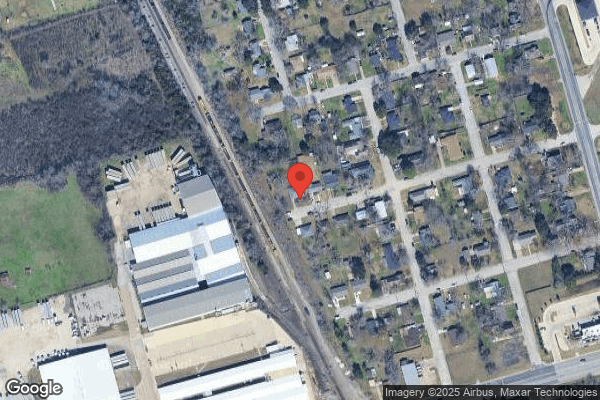
Jun 2024 1 deficiency 1 IJ (1 affecting multiple)
CRITICAL (K) 📢 Someone Reported This

A family member, employee, or ombudsman was alarmed enough to file a formal complaint

Immediate Jeopardy (IJ) - the most serious Medicare violation

Pharmacy Services (Tag F0755)

Someone could have died · This affected multiple residents

**NOTE- TERMS IN BRACKETS HAVE BEEN EDITED TO PROTECT CONFIDENTIALITY** Based on observation, interview and record review the facility failed to provide pharmaceutical services, including procedures t...

Read full inspector narrative →
**NOTE- TERMS IN BRACKETS HAVE BEEN EDITED TO PROTECT CONFIDENTIALITY** Based on observation, interview and record review the facility failed to provide pharmaceutical services, including procedures that assure the accurate acquiring, receiving, dispensing, and administering of all drugs and biologicals to meet the needs of each resident for 1 of 4 residents (Resident #1) reviewed for pharmaceutical services. The facility failed to provide antibiotic medication to Resident #1 from 05/17/24 through 05/21/24. On 05/21/24, the facility sent Resident #1 to the ER by EMS. On 05/22/24, Resident #1 was admitted to the hospital for higher level of care. The noncompliance was identified as PNC. The IJ began on 05/21/24 and ended 05/24/24. The facility had corrected the noncompliance before the survey began. This failure could place residents at risk of not receiving their medications, hospitalization, infection or death. Findings include: Record review of Resident #1's admission Record, dated 05/17/24, reflected a [AGE] year-old female who was admitted to the facility on [DATE] and readmitted on [DATE]. Resident #1 had diagnoses which included unspecified fluid overload (A condition in which the liquid portion of the blood (plasma) is too high) and hepatic encephalopathy (The loss of brain function when a damaged liver doesn't remove toxins from the blood). Record review of Resident #1's admission MDS assessment, dated 04/17/24, reflected she had a BIMS of 14, which indicated she was cognitively intact. Record review of Resident #1's Discharge MDS assessment, dated 05/21/24, reflected she had active diagnoses which included unspecified fluid overload and hepatic encephalopathy. Record review of Resident #1's Hospital Records, dated 05/17/24, reflected Resident #1 was required to start taking Rifaxmin 200 MG tablet, commonly known as Xifaxan, last time they were given the medication was at 400 MG on 05/17/24 at 1:57 p.m., indications for impaired brain function due to liver disease, and instructions included taking 2 tablets 400 mg by mouth 3 times daily for same indications. There were also instructions to take antibiotics exactly as prescribed, do not skip doses or stop taking antibiotics even if you feel better, and antibiotics only work for bacterial infections. Record review of Resident #1's Order Summary Report, as of 05/21/24, reflected she was required to take two Rifaximin 200 milligram tablets by mouth three times a day for hepatic encephalopathy that was verbally ordered and started on 05/17/24. Record review of Resident #1's MAR, from 05/18/24 through 05/21/24, reflected Resident #1 received Rifaximin 200 milligram tablets by mouth three times a day on 05/17/24 at 4:00 p.m. and 8:00 p.m, 05/18/24 at 4:00 p.m. and 8:00 p.m., 05/19/24 at 8:00 p.m., 05/20/24 at 8:00 p.m., and 05/21/24 at 8:00 p.m. Resident #1 did not receive the Rifaximin 200 milligram tablets by mouth three times a day on 05/18/24 at 8:00 a.m., 05/19/24 at 8:00 a.m. and 4:00 p.m., 05/19/24 at 8:00 a.m. and 4:00 p.m., 05/20/24 at 8:00 a.m. and 4:00 p.m., and 05/21/24 at 8:00 a.m. and 4:00 p.m. Record review of Resident #1's EMAR Progress Notes, from 05/18/24 through 05/21/24, reflected the following: -A note on 05/18/24 at 5:41 p.m., on 05/19/24 at 9:58 a.m., and on 05/19/24 at 5:07 p.m., Rifaximin Oral Tablet 200 Note MG Give 2 tablet by mouth three times a day for hepatic encephalopathy waiting on pharmacy. -A note on 05/20/24 at 11:27 a.m., Rifaximin Oral Tablet 200 Note MG Give 2 tablet by mouth three times a day for hepatic encephalopathy on order. -A note on 05/20/24 at 4:55 p.m., Rifaximin Oral Tablet 200 Note MG Give 2 tablet by mouth three times a day for hepatic encephalopathy on order nurse aware. -A note on 05/21/24 at 8:23 a.m., Rifaximin Oral Tablet 200 Note MG Give 2 tablet by mouth three times a day for hepatic encephalopathy spoke to the pharmacy and the nurse is aware of this situation -A note on 05/21/24 at 4:34 p.m., Rifaximin Oral Tablet 200 Note MG Give 2 tablet by mouth three times a day for hepatic encephalopathy unavailable. Record review of Resident #1's admission and Discharge Report, from 03/05/24 through 06/05/24, reflected Resident #1 was discharged to the hospital on [DATE]. An observation of the medication room on 06/05/24 at 3:02 p.m. revealed there was no Rifaximin 200 MG available or listed as an available medication in the emergency medication kit. During an interview on 06/05/24 at 12:09 p.m., Resident #1 revealed she would never return to the facility because staff found her on the floor on 05/21/24. Resident #1 stated she could not remember anything about how she ended up on the floor and could only remember waking up in the hospital. Resident #1 stated staff administered medications to her. Resident #1 stated she could not remember what medications she received and did not receive. Resident #1 also stated she did not know if she received any discontinued medications during her stay at the facility. Resident #1 did not have any additional information to provide and advised to speak with her POA . During an interview on 06/05/24 at 12:29 p.m., Resident #1's POA revealed Resident #1 had poor liver function. The POA stated staff did not administer certain medications to Resident #1. The POA explained staff should have administered the same medications Resident #1 was administered in the hospital. The POA stated on 05/21/24, the facility called the ER to pick up Resident #1 because her pneumonia levels were high. The POA also stated they spoke with the ADM on 05/23/24 about Resident #1's hospitalization. The POA stated Resident #1 had the capacity to make decisions for herself and knew she needed to take her medication. Attempted interview with CMA A on 06/05/24 at 12:54 p.m. was unsuccessful. A voicemail and call back number was left. CMA A did not return the call. Attempted interview with LVN B on 06/05/24 at 12:56 p.m. was unsuccessful. A voicemail and call back number was left. LVN B did not return the call. During an interview on 06/05/24 at 12:58 p.m., CMA C revealed they were trained and in-serviced on medication administration. CMA C stated they learned to notify a nurse whenever a residents' medication was unavailable. CMA C also stated they did not know Resident #1 received her medication on 05/17/24 and ran out on 05/17/24 because she did not work on 05/17/24. CMA C stated she notified LVN D, who told them they called the Pharmacy to send Resident #1's medication. CMA C also stated they did not know Resident #1 received any medication from the emergency kit on 05/18/24 because they did not know what medications were available . During an interview on 06/05/24 at 1:11 p.m., the SW revealed on 05/21/24, they had a care plan meeting with Resident #1's family and Resident #1. The SW stated the nurses monitored Resident #1's fluid and the DON and the ADON evaluated Resident #1. The SW explained the ADON notified the MD and the MD recommended to send Resident #1 out to the ER. The SW stated Resident #1 made all her own decisions, had the capacity to make decisions for herself, and had a POA. During an interview on 06/05/24 at 1:19 p.m., LVN D revealed they were trained and in-serviced on medication administration. LVN D stated they learned to notify the pharmacy whenever a residents' medication was unavailable. LVN D also stated on 05/18/24, CMA C informed them Resident #1's medication was not refilled. LVN D stated she did not make a progress note of contacting the pharmacy and physician when they notified them on 05/18/24, did not know why they did not make a progress note, and thought it was because they might have been busy. LVN D stated they notified the Pharmacy and determined Resident #1's medication was on back order, which they explained meant there was a local shortage on the particular medication. LVN D stated they also notified the Physician that the medication was on back order, the Physician did not give them any new orders, and the Physician did not provide them with any instruction or direction on 05/18/24. LVN D also stated they did not notify anyone else about Resident #1's medication backorder. LVN D stated they were supposed to notify the ADON and DON if the Physician did not give any direction or instruction. LVN D also stated they did not notify the ADON and DON because the day was probably busy. LVN D stated residents' health could be affected if the resident went long periods of time without medication if the medication was on back order. LVN D stated they were in-serviced on proper protocol to take when a medication was unavailable at the facility. LVN D explained they learned to contact the pharmacy, have the pharmacy STAT order the medication if the pharmacy had the medication, document contacting the pharmacist, each person they spoke to and new order given, and notify the ADON, the DON and the physician for alterative medication recommendations . During an interview on 06/05/24 at 1:59 p.m., the Physician revealed they were not informed by the facility on 05/18/24 about the facility still waiting on the Pharmacy to send Resident #1's medications. The Physician stated the facility might have informed the on-call physician on 05/18/24. Physician explained on-call physicians worked during the weekends and weekdays after 6:00 p.m. Physician went on to explain they worked on weekdays until 6:00 p.m. The Physician stated there were no on-call physician notes. The Physician stated they would work with the Pharmacy to find an alternative medication if they were notified that a medication was on back order. The Physician also stated Rifaximin did not need to be administered daily, but it depended on the resident's condition. The Physician stated the facility could wait one or two days to administer antibiotics to a resident, but it depended on the resident's condition. The Physician also stated they were not working when Resident #1 was sent to the ER on [DATE] . During an interview on 06/05/24 at 3:03 p.m., the DON revealed Resident #1 was readmitted to the facility on [DATE]. The DON stated they trained staff to notify the Pharmacy about medications unavailable at the facility and notify the MD if the MD wanted to change or continue to use the medication unavailable. The DON also stated they expected CMAs to document medications unavailable and notify a nurse if a medication was unavailable. The DON stated they expected nurses to notify the pharmacy and the MD when determining a resident's medication was unavailable. The DON also stated they in-serviced staff about documentation, notifying the physician and pharmacy, and medication availability. The DON stated staff did not notify them or the ADON about Resident #1's medications being unavailable from 05/18/24 through 05/21/24. During an interview on 06/05/24 at 3:40 p.m., the ADON revealed Resident #1 came from the hospital on [DATE], 05/17/24, or over the weekend (05/18/24-05-19/24), but they were not at the facility. The ADON stated Resident #1 went out to the hospital after the weekend. The ADON stated Resident #1 was on antibiotics during her admission. The ADON stated Resident #1 also had fluid overload prior to her admission. The ADON stated they expected CMAs to alert a nurse if a resident's medication was unavailable. The ADON stated the facility had an emergency kit. The ADON stated they expected nurses to call the pharmacy if a resident's medication was unavailable. The ADON stated they also expected nurses to contact the Physician if the pharmacy indicated the resident's medication was unavailable or backordered. The ADON also stated the physician gave instructions to the nurses and nurses followed the instructions. The ADON stated they expected nurses to document notifying the pharmacy or MD whenever a resident's medication was unavailable. The ADON explained nurses could notify them and the DON if a resident's medication was unavailable. The ADON stated they were not sure if a resident could be affected if a resident did not receive medications according to orders. The ADON stated nurses did not notify them or the DON about medication unavailability. The ADON stated they did not know how the DON learned of staff waiting on the pharmacy for Resident #1's medications that resulted in reeducation for the staff. The ADON stated on 05/21/24, Resident #1 fell and went to the hospital. The ADON stated she did not observe Resident #1 before EMS took her to the hospital. The ADON also stated the Pharmacy would notify the nurses if a medication was in the emergency kit. The ADON stated staff (she could not remember who) informed her and the DON that they contacted the MD (did not indicate who nor did staff indicate who) and did not mention if the MD gave any special instructions or medication changes. The ADON also stated residents must be on antibiotics to ensure they did not develop any infections and improve. The ADON stated residents could catch an infection if they were not consistent with their antibiotic orders. Attempted interview with the Pharmacy on 06/05/24 at 4:03 p.m. was unsuccessful. The Pharmacy was advised to email the Pharmacy Director, which was completed. The Pharmacy did not respond to the email and did not call back. During an interview on 06/05/24 at 4:08 p.m., the ADM revealed they were still looking for a policy related to following physician's orders. During an interview on 06/05/24 at 4:17 p.m., LVN E revealed they were trained and in-serviced on medication administration. LVN E stated they learned to notify the pharmacy whenever a residents' medication was unavailable. LVN E also stated Resident #1's medication might have been in the emergency kit . LVN E stated they could not recall that they administered Resident #1's medication on 05/17/24 and 05/18/24 and believed they might have misdocumented on the MAR. LVN E stated residents were given antibiotics for specific diseases and must have full treatment for antibiotics. LVN E stated residents could be affected if they did not receive medication according to their orders. LVN E stated they were trained to call the pharmacy or physician if a medication ran out. LVN E stated they did not document contacting the pharmacy or physician about Resident #1's medication unavailability. LVN E stated they reached out to the physician if the resident needed a substitute or change in medication. LVN E stated they called the physician whenever the pharmacy did not have medications unavailable. LVN E stated they could not recall why they documented administering Resident #1's medications despite Resident #1's medications being unavailable . LVN E stated they must contact the physician so the resident's order could be put on hold or start on the medication when the pharmacy brought out medication or ordered a substitute. LVN E stated they could not recall if they contacted the pharmacy or physician regarding Resident #1's orders. During an interview on 06/05/24 at 4:34 p.m., the DON revealed the ADON and them reviewed residents' clinicals during morning meetings. The DON stated the ADON and them reviewed residents' medications and history and physical records to make sure assessments were in place. The DON also stated they could not recall what happened on 05/20/24 that caused them to overlook Resident #1's medications during Resident #1's clinical review. The DON stated staff were expected to reach out to the physician for a substitution or discontinuation if a medication was back ordered. The DON stated staff could also call a pharmacist and the pharmacist could give a list of medications that could be interchanged with medication on backorder or recommend another medication if a medication was on backorder. During an interview on 06/05/24 at 5:24 p.m., the DON revealed they did notice the ADON and them missed Resident #1's medication during Resident #1's clinical review. The DON stated they initiated a cart and MAR audit for admissions and readmissions and contacted the pharmacy for medications that were missing or not ordered or reordered and STAT medications ordered after Resident #1 went to the hospital. The DON also stated the former DON and ADM were aware of the backordered medications. The DON stated they were not aware of the back-order medication list before stepping into the position. The DON stated they noticed a change occurred and Resident #1's family filed a grievance with the ADM about Resident #1 going to the hospital. During an interview on 06/05/24 at 5:30 p.m., the ADM revealed the hospital notified the facility that Resident #1 was diagnosed with Hepatic Encephalopathy. The ADM stated he and the DON, at the time, discussed the medication backorder list, forwarded the pharmacy communication about the medication backorder list to the MD, the MD acknowledged it, reviewed residents' medications, determined there were no residents who had medications on the back-order list, and communicated the backorder list with staff. The ADM stated they reviewed in-services with staff and had no in-services related to communicating with staff about backordered medications, which they then provided to staff. During an interview on 06/05/24 at 6:16 p.m., Resident #1's POA revealed hospital staff informed them Resident #1 was diagnosed with Hepatic Encephalopathy in the hospital. The POA stated Resident #1 was at another rehabilitation center at the time of the interview and left the hospital on [DATE]. The POA stated staff did not inform them about anything related to Resident #1's medications, ordering Resident #1's medications, or about the back order of Resident #1's medications. During an interview on 06/06/24 at 11:16 a.m., the DON revealed none of the backordered medications were supposed to be available in the emergency kit. The DON stated staff could contact a pharmacist for a medication recommendation to inform the physician with. The DON also stated they contacted pharmacy if the facility could add a similar medication to the emergency kit, but the pharmacy was not sure because the medication was on back order. The DON stated on 06/05/24, they reached out to the Pharmacy about adding a medication similar to the backorder medication and were waiting to hear back. Attempted interview with the on-call Physician's on 06/06/24 at 1:30 p.m. The Physician on-call Agency advised to speak with their information technology department to determine who the on-call physicians were between 05/17/24 and 05/21/24, which was attempted. A voicemail and call back number was left. The information technology department did not return the call. During an interview on 06/06/24 at 2:37 p.m., The Physician revealed a vital medication was if someone had an infection and needed to take antibiotic or if someone had surgery and needed to take pain medication. The Physician stated Rifaximin was not considered vital despite hospital discharge paperwork which indicated do not skip antibiotics or stop taking antibiotics for Resident #1. The Physician also stated it was hard to determine if medications were vital because Resident #1 was skilled and not long-term. The Physician stated they attended QAPI meeting in May 2024, but could not recall what was discussed. The Physician stated they might have been notified of medications not available following Resident #1, but they could not recall . Record review of an email thread between the ADM, the former DON, and the Pharmacy, dated 03/26/24, reflected the Pharmacy notified the facility that Xifaxan 200 MG was a backordered drug and on shortage that could affect the facility's residents. The Pharmacy also suggested the facility inform the prescribing physician so that an alternative therapy could be evaluated. The ADM notified the Physician on 03/26/24. Record review of an email thread between the Pharmacy and the ADM, dated 06/05/24, reflected the Pharmacy notified the facility that Xifaxan 200 MG tablets were on backorder since the beginning of the year (January 2024) and the Pharmacy tried ordering it on 06/04/24 and the manufacturer was not producing the medication. Record review of an email thread between the Pharmacy and facility, dated 06/06/24, reflected the Pharmacy informed the facility the following, Ekit inventory is determined largely based on average usage of a medication as well as sensitivities regarding initiation of therapy. There are physical limitations of available space that must be factored into deciding what medications are and aren't included in the kit. Ekits are not intended to be a full-service dispensing option. Medications unavailable in the ekit are provided via a standard delivery schedule and if a medication is needed sooner than that would be available can be expedited. Xifaxan 200mg is currently on a long-term manufacturer backorder and is unavailable to be added to an ekit. Record review of the facility's Order Listing Report, from 05/17/24 through 06/05/24, reflected there were no residents who had active, completed, and discontinued orders for Xifaxan 200 MG. Record review of the facility's Physician Notification Manual, dated 06/06/24, reflected staff were required to call the physician whenever there was a new presentation of data, symptoms, findings, lab work, change in condition and assessment, notify the NP immediately, notify the Physician if staff could not reach the NP, or notify on-call Physician if the situation was after hours (6:00 p.m.) or weekends/holidays. Record review of the facility's, undated, Clinical Notification Log, reflected an entry for Resident #1 that was documented by staff, reviewed, and signed by the NP on 05/21/24 which indicated Rifaximin 200 MG was on backorder and expensive and 500 MG was available but expensive. Record review of the facility's In-Services, from 03/01/24 through 05/31/24, reflected staff were trained on Drug Shortages on 03/26/24 at unknown time, 10 staff were trained on POC Orders on 04/02/24 at unknown time, 13 staff were trained on Medication Administration on 04/25/24 at unknown time, 14 staff were trained on Reconciling New admission Orders on 04/30/24 at unknown time, 9 staff were trained on Antibiotics on 05/08/24 at unknown time, 40 staff were trained on Documentation on 05/23/24 at unknown time, 24 staff were trained on Night Shift staff completing and signing off on MAR on 05/21/24 at unknown time, 23 staff were trained on Following Physician Orders on 05/22/24 at unknown time, and 61 staff were trained on Reconciling Medications and admission Orders on 05/22/24 at unknown time. Record review of an email thread from the ADM, dated 06/06/24 at 1:00 p.m., reflected the facility did not have a policy on following physician's orders. Record review of the facility's Medication Availability Performance Improvement Plan reflected the MD was notified on 05/22/24, staff completed reviewing residents' current orders to identify any other residents with orders for unavailable medication on 05/22/24, completed a 100% MAR to cart audit for current residents to identify any resident whose medication (including OTCs ) was not available in the facility and/or back ordered on 05/23/24, completed review and reconciliation of orders to validate medication availability for admissions and readmissions from 05/01/24 through 05/22/24, validated facility emergency kits stocks on 05/23/24 and completed reeducation on required communication in the event a medication and/or treatment was not available for a resident, prompt notification to MD/NP, DON and RP, emergency kits on 05/23/24, monitored compliance with medication availability and following physician orders by reviewing new physician orders, including admission and readmission orders daily and include checking to ensure medication was present in facility to validate medication availability, monitor compliance with staff with 10 rights of medication administration by observing medication pass and findings reported to QAPI committee monthly effective 05/24/24. Record review of the facility's Medication Administration Performance Improvement Plan reflected the MD was notified on 05/22/24, staff completed reviewing residents' current orders to identify any other residents with orders for unavailable medication on 05/22/24, completed 100% MAR to cart audit for current residents to identify any resident whose medication (including OTCs) was not available in the facility and/or back ordered on 05/23/24, reviewed and reconciled orders to validate medication availability for admissions and readmissions from 05/01/24 through 05/22/24 on 05/23/24, validated facility emergency kits stocked on 05/23/24, completed medication audit report from 05/01/24 through 05/22/24 to identify residents who refused medication and/or treatments and included validating the MD/NP notification on 05/23/24, reeducated staff on following MD orders for medication administration, notification and/or clarification with the MD with medication availability and 10 rights of medication administration, importance of refusal documentation in residents' electronic health records, use of RP and MD involvement with continued refusals and possible drug alternatives on 05/23/24, reviewed 24 hour reports, order listing report and MARs to identify physician orders not followed related to medication availability on 05/24/24, reviewed resident refusals and documentation on 05/24/24, discussed alternative medications with MD/NP, notification to the pharmacy to obtain STAT medication from the pharmacy on 05/23/24, staff reviewed new orders including admission and readmission orders to validate medication availability and ensuring the medication was present in the facility, and during daily clinical meeting on 05/24/24, monitor compliance with medication availability by reviewing new physician orders including admission and readmission orders daily, checking to ensure the medication was present in the facility, and findings reported to the QAPI committee on 05/24/24. Record review of the facility's Medication Reconciliations Performance Improvement Plan reflected the MD was notified on 05/22/24, staff completed reviewing residents' current orders to identify any other residents with orders for unavailable medication on 05/22/24, completed 100% MAR to cart audit for current residents to identify any resident whose medication (including OTCs) was not available in the facility and/or back ordered on 05/23/24, reviewed and reconciled orders to validate accuracy of medication transcription and medication availability for admissions and readmissions from 05/01/24 through 05/22/24 completed on 05/23/24, validated facility emergency kits stocked on 05/23/24, reeducated staff on accuracy of transcription of admission and readmission orders, validating medication availability for new orders and promptly notifying MD/NP if medication was not available, use of the facility emergency kits, discussing alternative medications with the MD/NP, notifying the pharmacy to obtain STAT medication from the pharmacy on 05/23/24, reviewed new orders including admission or readmission orders to validate accuracy of order transcription and medication availability and ensuring medication was present in the facility during daily clinical meetings on 05/24/24, monitor compliance with accuracy of transcription for admit/readmit orders and medication availability by reviewing new physician orders including admission and readmission orders daily, to validate medication availability and checking to ensure the medication was present in the facility, and findings reported to the QAPI committee on 05/24/24. Record review of the facility's Resident Medication Refusals reflected the MD was notified on 05/23/24, staff completed medication audit report from 05/01/24 through 05/22/24 to identify residents who refused medication and/or treatments that included validating MD/NP notification, MD/NP was notified of any instance notification was not documented on 05/23/24, reeducated staff on the importance of refusal documentation in residents' electronic health records, use of RP and MD involvement with continued refusals and possible drug alternatives on 05/23/24, continued refusal of care needs to be communicated to the Charge Nurse and then ADM for the facility to have the ability to capture refusals in the residents care plan and seek other means of persuasion if at all possible on 05/24/24, refusals of medications communicated to the RP and MD in order to pursue drug alternatives if possible and/or to discontinue when necessary on 05/24/24, review resident refusals and documentation and findings will be reported to the QAPI Committee on 05/24/24. Record review of the facility's Ordering and Receiving Medications from Pharmacy, dated 10/01/19, reflected the following: Procedure: 12. When contacting the attending physician regarding a change in condition where it is likely the physician will order a medication, the nurse is to inform the physician of the availability of remote medications in the facility (i.e., the contents of the remote drug supply). This will facilitate timely drug administration and reduce costs to the resident. Record review of the facility's Ordering and Receiving Medications from Pharmacy policy and procedure, dated 10/01/19, reflected the following under the section, Readmission: A. The Most Original order must be faxed to the pharmacy with a face sheet and cover sheet to clarify a resident's status. B. Nurses must communicate to the pharmacy which medications need to be dispensed based on the readmission medication list. Review current medication stock to avoid duplication and the patient's pay plan upon readmission. C. Use a fax cover sheet and indicate the time that the next doses are due, for the medications that are needed. Record review of the facility's Medication Administration policy and procedure, dated 10/01/19, reflected the following: Medication Administration Guidelines: K. If a medication with a current, active order cannot be located in the medication cart/drawer, other areas of the medication cart, medication room, and facility·(e.g., other units) are searched, if possible. If the medication cannot be located after further investigation, the pharmacy is contacted or medication removed from the night box/emergency kit. Documentation (including electronic): F. If a dose of regularly scheduled medication is withheld, refused, not available, or given at a time other than the scheduled time ( e.g., the resident is not in the facility at scheduled dose time, or a starter dose of antibiotic is needed), the space provided on the front of the MAR for that dosage administration is initialed and circled. An explanatory note is entered on the reverse side of the record. If 3 consecutive doses of a vital medication are withheld, refused, or not available the physician is notified. Nursing documents the notification and physician response. The noncompliance was identified as PNC. The IJ began on 05/21/24 and ended 05/24/24. The facility had corrected the noncompliance before the survey began.
Oct 2023 1 deficiency
CONCERN (D) 📢 Someone Reported This

A family member, employee, or ombudsman was alarmed enough to file a formal complaint

Potential for Harm - no one hurt, but risky conditions existed

Deficiency F0676 (Tag F0676)

Could have caused harm · This affected 1 resident

**NOTE- TERMS IN BRACKETS HAVE BEEN EDITED TO PROTECT CONFIDENTIALITY** Based on observation, interview and record review the facility failed to ensure a resident is given the appropriate treatment an...

Read full inspector narrative →
**NOTE- TERMS IN BRACKETS HAVE BEEN EDITED TO PROTECT CONFIDENTIALITY** Based on observation, interview and record review the facility failed to ensure a resident is given the appropriate treatment and services to maintain or improve his or her ability to carry out the activities of daily living for 1 of 27 residents (Resident #86) reviewed for positioning and meal assistance. The facility failed to ensure Resident #86 was monitored for assistance needs and failed to ensure she was positioned in a manner that would allow her to feed herself while in bed. This failure placed residents at risk for weight loss, ADL decline and poor self-esteem. Findings included: Review of Resident #86's Face Sheet dated 10/12/2023 reflected an [AGE] year-old female admitted to the facility on [DATE] and readmitted on [DATE] with the following diagnoses Alzheimer's Disease (A type of brain disorder that causes problems with memory, thinking and behavior. This is a gradually progressive condition.), Diabetes Mellitus Type 2 (A condition results from insufficient production of insulin, causing high blood sugar.) and Dementia (A group of symptoms that affects memory, thinking and interferes with daily life.) Review of Resident#86's Annual MDS assessment dated [DATE] reflected Resident #86 was assessed to have a BIMS score of 9 indicating moderate cognitive impairment. Resident #86 was assessed to require supervision assist with eating. Resident #86 was assessed to be dependent on staff for bed mobility. Resident #86 was further assessed to not reject care. Review of Resident #86's Comprehensive Care Plan reflected a problem dated 08/16/2022 and revised on 10/24/2022 ADL self-care performance deficit related to displaced Trimalleolar fracture (break in your lower leg that forms the ankle joint) of left lower leg, morbid obesity, and osteoarthritis. Interventions included .Bed Mobility: The resident requires total assist by (2) staff to turn and reposition in bed : low air loss mattress .Eating: The resident requires Supervision with set up help only to eat . Observation and interview on 10/11/2023 at 09:42 AM revealed Resident #86 in her room in bed with her breakfast meal in front of her. Resident #86 was leaning far over to the left with her head in the window sill. Resident #86's had her orange juice in her hand which had spilled into the window sill. Resident #86's had not eaten any of her breakfast. When asked if she was ok Resident #86 stated no they have put me in this room and won't let me leave Resident #86 was asked if she was hungry and she stated yes. When asked if she could reach her food, she stated no. Surveyor put on Resident #86's call light to summon staff to the room to provide resident with assistance. Observation and interview on 10/11/2023 at 2:00 PM revealed Resident #86 in bed with her lunch tray in front of her. Resident #86 food had not been eaten. Resident #86 was slouched down in the bed and her positioning was not conducive for being able to reach her food. Resident #86 had her ice cream between the over bed table and her stomach trying to eat it. Resident #86 was having difficulty bring the spoon to her mouth. Further observation revealed her ice cream was melted indicating she had been trying to eat the ice cream for some time. Resident #86 was asked if she was hungry, she stated yes and continued to try to bring the ice cream to her mouth. Resident #86 was able to get the spoon to her mouth, but no ice cream was on the spoon. Resident #86 was asked if she needed help to eat, she did not answer and stated, it takes me a while. RN A entered the room and asked resident if she needed assist and she told him No. When RN A was asked by surveyor if the resident needed repositioning, he stated yes he would get someone. Observation and interview on 10/11/2023 at 2:06 PM revealed CNA D entered the room and asked Resident #86 if she needed help with her lunch. Resident #86 stated yes and told the CNA she was a slow eater. CNA D stated Resident #86 was usually able to feed herself but has been having problems recently. CNA D washed her hands and sat beside Resident #86 and started feeding her. Resident #86 was receptive and started to eat. CNA D asked her how the food was, and Resident #86 stated it's good. Observation on 10/11/2023 at 2:20 PM revealed Resident #86 continued to eat her meal with assist. In an interview on 10/11/2023 2:23 PM The DON stated when asked about Resident #86 needing assist with positioning and feeding she stated Resident #86 was having a decline. The DON stated she would get Resident #86 therapy and stated the resident would refuse assist at times. In an interview on 10/11/2023 at 3:20 PM The RNC approached surveyor stating Resident #86 was independent with feeding and wanted to feed herself. She stated staff should monitor Resident #86 for correct positioning and monitor if resident was having difficulty eating. The RNC further stated residents should be positioned properly for meals to ensure they can reach their food. In an interview on 10/11/2023 at 3:32 PM DOR OT stated she had just done an evaluation for Resident #86. The DOR OT stated Resident #86 was able to eat when she was positioned properly. She stated it looked like she was able to feed herself, but she would need to be monitored. Review of Resident #86's Therapy evaluation dated 10/11/2023 reflected Patient observed following lunch meal and observed to have adequate ROM, strength, coordination, and initiation to perform self-feeding tasks with setup. OT to continue to monitor throughout OT POC to ensure that no functional decline is observed .Patient Goals: The patient states I want to keep feeding myself. Potential for Achieving Goals: Patient demonstrates good rehab potential as evidenced by ability to follow 2-step directions, able to make needs known, initiates to perform tasks, strong family support and supportive caregivers/staff . Observation and interview on 10/12/2023 09:12 AM revealed Resident #86 in bed alert pleasant with proper positioning. When asked if she ate her breakfast, she stated yes all of it. Review of Resident #86's meal intake for the 14 days (09/29/2023 through 10/12/2023) reflected Resident #86's meal intake was 75-100% except for 10/10/2023 with her intake being 25 to 50%. In an interview on 10/12/2023 10:47 AM the DON stated she expected the nurses to make rounds during meals to ensure residents eating in their rooms did not need assistance with eating or repositioning to ensure all residents were able to complete their meals. The DON stated she did not have a policy on positioning. Review of the facility's policy ADLs dated 05/26/2023 reflected The facility will, based on the resident's comprehensive assessment and consistent with the resident's needs and choices, ensure a resident's abilities in ADLs do not deteriorate unless deterioration is unavoidable. Care and services will be provided for the following activities of daily living . Eating to include meals and snacks .3. A resident who is unable to carry out activities of daily living will receive the necessary services to maintain good nutrition, grooming, and personal and oral hygiene.
Jan 2023 1 deficiency
CONCERN (E) 📢 Someone Reported This

A family member, employee, or ombudsman was alarmed enough to file a formal complaint

Potential for Harm - no one hurt, but risky conditions existed

ADL Care (Tag F0677)

Could have caused harm · This affected multiple residents

**NOTE- TERMS IN BRACKETS HAVE BEEN EDITED TO PROTECT CONFIDENTIALITY** Based on observation, interview and record review the facility failed to ensure residents unable to carry out activities of dail...

Read full inspector narrative →
**NOTE- TERMS IN BRACKETS HAVE BEEN EDITED TO PROTECT CONFIDENTIALITY** Based on observation, interview and record review the facility failed to ensure residents unable to carry out activities of daily living received the necessary services to maintain good grooming and personal hygiene for 4 of 20 residents (Residents #1, #2, #3, and #5) reviewed for ADLs. The facility failed to ensure Residents #1, #2, #3, and #5 were provided assistance with ADLS and personal hygiene as documented in their plan of care and MDS. This failure could place residents at risk of scratches, infection, and poor self-esteem. Findings included: Review of Resident #1's undated face sheet reflected he was a [AGE] year-old male with diagnoses of cerebral infarction (brain stroke), hemiplegia and hemiparesis following cerebral infarction affecting right dominant side (weakness and paralysis after brain stroke), aphasia following cerebral infarction (inability to speak after brain stroke), chronic congestive heart failure (condition in which heart doesn't pump blood as well as it should), and hypertension (high blood pressure). Review of Resident #1's care plan dated 12/24/2021 and revised on 04/16/2022 reflected he had an ADL self-care deficit related to cerebral infarction. He required extensive one staff assistance for personal hygiene and oral care. Review of Resident #1's quarterly MDS dated [DATE] reflected he was unable to complete a BIMS score due to being rarely or never understood. His functional status reflected he required extensive assistance of one staff for personal hygiene. Observation and interview on 01/12/2023 at 9:53 AM with Resident #1 revealed he gave a thumbs down sign when asked how his care was going. He showed surveyor all his fingernails had black debris underneath and removed his socks to show his toenails were long and needed trimming. Interview on 01/12/2023 at 1:20PM with LVN B who stated Resident #1's nails had black and brown debris, and this could be an infection control issue. Review of Resident #2's undated face sheet reflected she was a [AGE] year-old female admitted to the facility on [DATE] with diagnoses of unspecified dementia (thinking and social symptoms that interfere with daily functioning), muscle wasting and atrophy (shrinking in size), Vitamin D deficiency, hyperlipidemia (high concentration of fats in blood), age-related physical debility, primary hypertension (high blood pressure) and gastro-esophageal reflux disease without esophagitis (a digestive disease in which stomach acid or bile flows backward into the food pipe, esophagus). Review of Resident #2's care plan dated 06/07/2019 and revised on 03/04/2021 reflected she had an ADL self-care performance deficit related to weakness, poor balance, unsteadiness, recent falls, and history of dementia. She required extensive assistance by one staff with personal hygiene. Review of Resident #2's quarterly MDS dated [DATE] reflected she did not complete the BIMs interview after being unable to answer the first question. Her functional status reflected she required extensive assistance of one staff for personal hygiene. Observation on 01/12/2023 at 1:13 PM revealed Resident #2 sitting in a day room in front of the nurse's station for 300 and 400 halls. Resident #2's hair was disheveled and greasy. Interview on 01/12/2023 at 1:16 PM with LVN A who stated Resident #2's hair had looked better that morning. Review of Resident #3's undated face sheet reflected she was a [AGE] year-old female admitted to the facility on [DATE] and readmitted on [DATE] with diagnoses of hemiplegia and hemiparesis following cerebral infarction affecting right dominant side (weakness and paralysis after brain stroke), Unspecified Dementia (thinking and social symptoms that interfere with daily functioning), Primary Hypertension (high blood pressure), hypertensive heart disease without heart failure, Unspecified protein-calorie malnutrition, and major Depressive Disorder (mental disorder characterized by at least 2 weeks of low mood, low self-esteem, and loss of interest or pleasure in normally enjoyable activities). Review of Resident #3's care plan dated 06/20/2018 reflected she had an ADL self-care performance deficit and required extensive assistance by one staff to dress. Review of Resident #3's quarterly MDS dated [DATE] reflected she was unable to complete a BIMS score as she was rarely or never understood. Her functional status reflected she required extensive assistance of one staff to dress. Observation on 01/12/2023 at 1:15 PM revealed Resident #3 sitting in a day room in front of the nurse's station for 300 and 400 halls. Her face had brown food debris on both sides of her mouth along with red splotches of an unknown substance. Her shirt had food debris and red stains on it. Interview on 01/12/2023 at 1:16 PM with LVN B who stated Resident #3's clothing was dirty, and she was on a pureed diet so she could have pudding on her face. She further stated she drank a lot of cranberry juice so that might be the red stains on her face and shirt. LVN B noted there was black debris under Resident #3's nails which could be a hygiene and infection control issue. Review of Resident #5's undated face sheet reflected she was an [AGE] year-old female admitted to the facility on [DATE] with diagnoses of unspecified protein-calorie malnutrition, weakness, contractures left shoulder, left elbow, left wrist and hand (condition of shortening and hardening of muscles, tendons and other tissue leading to deformity and rigidity of joints), dysphagia (difficulty swallowing), and unspecified dementia (thinking and social symptoms that interfere with daily functioning). Review of Resident #5's care plan dated 06/20/2022 and revised on 07/06/2022 reflected she had an ADL self-care performance deficit related to weakness, limited ROM on one side and history of polio. The resident required extensive assistance of one staff for personal hygiene and dressing. Review of Resident #5's quarterly MDS dated [DATE] reflected she had a BIMS score of 10 indicating moderate cognitive impairment. Her functional status for ADLs reflected she required limited assistance for personal hygiene with one-person physical assist. Observation on 1/12/2023 at 10:33 AM revealed Resident #5 had fingernails with brown and black debris underneath. Interview on 01/12/2023 at 1:24 PM with NA C who stated Resident #5's dirty fingernails could be an infection control issue. Observation on 01/12/2023 at 2:00 PM revealed Resident #5 had food debris on her shirt while she was sitting in hallway 200 with other residents. Interview on 01/12/2023 at 3:50 PM with the DON who stated she repeatedly taught the CNAs to take the residents and clean them up. She stated the aides were supposed to do nail care on shower days and as needed. She further stated the issues noted with dirty fingernails, food on clothing and on residents' faces could be an infection control and dignity issue. Review of a facility policy titled Activities of Daily Living (ADLs) dated 10/24/2022 reflected Care and services will be provided for the following activities of daily living: bathing, dressing grooming and oral care.
Dec 2022 2 deficiencies 1 Harm
SERIOUS (G) 📢 Someone Reported This

A family member, employee, or ombudsman was alarmed enough to file a formal complaint

Actual Harm - a resident was hurt due to facility failures

Accident Prevention (Tag F0689)

A resident was harmed · This affected 1 resident

**NOTE- TERMS IN BRACKETS HAVE BEEN EDITED TO PROTECT CONFIDENTIALITY** Based on observation, interview, and record review the facility failed to ensure each resident received adequate supervision and...

Read full inspector narrative →
**NOTE- TERMS IN BRACKETS HAVE BEEN EDITED TO PROTECT CONFIDENTIALITY** Based on observation, interview, and record review the facility failed to ensure each resident received adequate supervision and assistance devices to prevent accidents for one (Resident #24) of 10 residents reviewed for accidents and hazards. The facility failed to ensure Resident #24 was supported when sitting on the edge of her bed on 11/26/2022 and Resident #24 fell and suffered a laceration to her head that required eight sutures. This failure could place residents at risk for injury and decreased quality of life. Findings included: Review of Resident #24's face sheet dated 12/08/2022 revealed Resident #24 was a [AGE] year old female admitted to the facility on [DATE] with a diagnoses of dementia (cognitive and thinking disorder that causes confusion and loss of memory), high blood pressure, history of falls, dysphagia (difficulty swallowing), muscle wasting and atrophy (disorder that causes decreased strength and coordination), contractures (tight muscles) of the left and right lower leg and history of stroke. Review of Resident #24's Physical Therapy Evaluation and Treatment dated 06/10/2020 revealed Resident #24 had fair static sitting balance and required max assistance for bed mobility and transfers. Resident #24 required maximal assistance for lying to sitting on side of bed, sit to lying, sit to stand and chair or bed to chair transfer. Review of Resident #24's care plan dated 08/11/2022 revealed Resident #24 required ETAC [NAME] assistance with 2 staff to move between surfaces as necessary (ETAC [NAME] is a turn aid with a functional design that offers safe patient turning and transfer with standing support). Resident #24 required extensive assistance by two staff to turn and reposition in bed. Resident #24 was at low risk for falls related to confusion, deconditioning, gait/balance problems, incontinence and unaware of safety needs. Interventions included anticipate and meet Resident #24's needs, ensure call light is within reach, ensure Resident #24 is wearing appropriate footwear and Resident #24 needs a safe environment . Review of Resident #24's quarterly MDS assessment dated [DATE] revealed Resident #24 had a BIMS score of zero to indicate severe cognitive impairment. Resident #24 was noted to require extensive assistance by two staff members for transfers and bed mobility. Resident #24 was not steady and only able to stabilize with staff assistance when moving from seated to standing position and moving from surface to surface in a transfer. Review of Resident CNA A's Texas Nurse Aide Performance Record dated 11/10/2022 revealed CNA A satisfactorily completed procedures for assisting with resident to sit up on side of bed, assisting resident to transfer to chair or wheelchair and safety regarding fainting and falls. Review of Resident #24's Incident Report dated 11/26/2022 revealed Resident #24 had an unwitnessed fall with the description CNA alerted this nurse that resident had had a fall and was lying on the floor. CNA stated, I was waiting for a co-worker to come assist me and with the ETAC [NAME] to get the resident into her wheelchair, so I sat the resident up on the side of the bed and turned around to get the wheelchair when fell over onto the floor. Upon entering the room noted resident lying on her left side between her bed and bedside table, gash noted on resident's left forehead above eyebrow, copious amount of blood noted coming from laceration, resident unable to tell this nurse if she was in pain, resident noted holding head with hand, started VS monitoring and neuro checks, no deficits noted, resident able to speak, VS stable, ROM good to extremities, tried to clean wound with gauze and wound cleanser, held pressure to wound, notified DON, called 911, sent resident to ER for further evaluation. Notified RP and MD. Resident description: Resident unable to give description. Resident pain assessment was noted to have a sad, frightened, frown face and tensed, distressed and pacing body language. The report further noted Resident was sitting on the side of the bed and fell over onto the floor. Poor trunk control. Review of Provider Investigation Report dated 11/26/2022 revealed Resident #24 was investigated for an injury of unknown origin revealed the following staff interviews: CNA A: I was getting Resident #24 up for breakfast. She was sitting on the side of the bed, without any issues. I turned to get the wheelchair while I was waiting on another aide and when I turned around, she had fallen between the bed and bedside cabinet. It looked like she hit her head on the cabinet. I called for the charge nurse, who then immediately came to the room. CNA B: was asked to come help with transfer. We didn't do the transfer because Resident #24 had fallen, and they were calling EMS. LVN E: I was called to the room after a resident fall. Resident #24 was noted to be on her side between the bed and her cabinet. She had blood coming from her forehead, after attempting to clean I held pressure to the wound. We then sent her to the ER for treatment. She couldn't explain what happened, but the aide was getting her up from breakfast. Description of injury: 8 forehead sutures to close laceration measuring 3.3 cm. Review of Resident #24 nursing progress notes dated 12/06/2022 revealed nursing progress note by LVN E dated 11/26/2022 at 9:39 AM CNA alerted this nurse that resident had a fall and was lying on the floor. Upon entering room noted resident lying on her left side between her bed and bedside table, gash noted on resident's left forehead above eyebrow, copious amount of blood noted coming from gash, resident unable to tell this nurse if she was in pain, resident noted holding head with hand . Review of Resident #24 nursing progress notes dated 12/06/2022 revealed nursing progress note by LVN E dated 11/26/2022 at 9:43 AM revealed CNA A stated I was waiting for a co-worker to come assist me with the ETAC [NAME] and get the resident up on the side of the bed and turned around to get the wheelchair when she fell over onto the floor. Review of Resident #24 nursing progress notes dated 12/06/2022 revealed nursing progress note by LVN E dated 11/26/2022 at 1:24 PM revealed Resident returned from ER with 8 stitches to left forehead. In an observation on 12/06/2022 at 1:45 PM, Resident #24 was sitting in her wheelchair in the common area and had bruising and a scar to her forehead. In an interview on 12/07/2022 at 3:34 PM CNA A stated she was present when Resident #24 fell. CNA A said she dressed Resident #24 then sat her on the side of Resident #24's bed. She said she was new to the facility and was not sure how Resident #24 was transferred. She said the other CNA B told her Resident #24 required an ETAC [NAME] and went to get the ETAC. She said she sat Resident #24 up on the side of the bed and then stepped away from Resident #24 to get Resident #24 ready for transfer. She stated as she turned away Resident #24 fell and hit her head on the nightstand. She said the wheelchair was on the other side of the nightstand and she was not more than 12-18 inches away from Resident #24. She did not know Resident #24 well and did not realize Resident #24 was not steady enough to sit on the side of bed. She stated she received training on the ETAC transfers and resident safety. She said she found out how residents were transferred or other needs by their care plan or asking other staff members. In an interview on 12/07/2022 at 3:45 PM, the DON stated the fall for Resident #24 was accidental because Resident #24 was stable to sit on the side of her bed. She stated Resident #24 had good core strength and did not require assistance when sitting on the side of the bed. In an interview on 12/08/2022 at 9:05 AM CNA C stated he frequently assisted Resident #24 with transfers to and from her wheelchair to her bed. He stated Resident #24 was not stable enough to sit on the side of her bed without assistance. He stated he would not leave her even briefly just sitting on the side of the bed. He stated Resident #24 was transferred with the ETAC [NAME] with two people without a problem. He stated new staff would know how to transfer and know a resident's ability by their care plan or asking other staff members. In an interview on 12/08/2022 at 9:09 AM, LVN D stated Resident #24 had good core strength and safely sat in a wheelchair, but she would not leave her sitting on side of the bed unattended even for a second because Resident #24 would fall. She stated new staff or unfamiliar staff would know by shift reports from staff or the resident's care plan what and how much assistance a resident required. In an interview on 12/08/2022 at 10:19 AM, the RP for Resident #24 said he was notified of the fall suffered by Resident #24 but not the details of the fall. He said he would not think Resident #24 could sit up on the side of the bed without assistance due to her weakened condition at 96-years-old. He said he would think someone would have to remain by Resident #24 at all times until laying down or in her wheelchair. In a follow-up interview on 12/08/2022 12:32 PM, the DON stated Resident #24 had good trunk control and can sit up on her own. She stated she would not leave Resident #24 alone on side of bed and Resident #24 was not left alone. She stated the aide turned to get the wheelchair and Resident #24 slipped down off the bed and hit her head on the nightstand. She said it was identified as an unwitnessed fall because CNA A did not actually watch Resident #24 slide down off the bed. She stated Resident #24 had no long lasting effects from the fall. When asked if the fall could have been prevented, she said no because normally Resident #24 could sit on the side of the bed. When asked why staff would say Resident #24 was not stable enough to sit on the side of the bed, she said she did not know.
CONCERN (E) 📢 Someone Reported This

A family member, employee, or ombudsman was alarmed enough to file a formal complaint

Potential for Harm - no one hurt, but risky conditions existed

Deficiency F0661 (Tag F0661)

Could have caused harm · This affected multiple residents

**NOTE- TERMS IN BRACKETS HAVE BEEN EDITED TO PROTECT CONFIDENTIALITY** Based on interview and record review, the facility failed to ensure residents had a discharge summary that included a recapitula...

Read full inspector narrative →
**NOTE- TERMS IN BRACKETS HAVE BEEN EDITED TO PROTECT CONFIDENTIALITY** Based on interview and record review, the facility failed to ensure residents had a discharge summary that included a recapitulation of the resident's stay that included, but was not limited to diagnoses, course of illness/treatment or therapy, and pertinent lab, radiology, and consultation results for three (Resident #10, Resident #42 and Resident #95) of five residents reviewed for discharge summaries. The Discharge Summary for Resident #10, Resident #42 and Resident #95 did not have a completed nursing discharge summary to include a complete recapitulation of the residents' stay and a plan for discharge needs such as transportation arrangements, appointments with primary care physicians, groceries and supplies at home for residents discharged to the community. This failure could place residents discharged from the facility at risk for incorrect, incomplete, or misleading information recorded regarding their stay. Findings included: Review of Resident #10's face sheet dated 12/06/2022 revealed Resident #10 was a [AGE] year-old male admitted to the facility on [DATE] with a diagnoses of End Stage Renal Disease (disease in which the kidneys no longer function, and the patient requires dialysis to clean the blood), diabetes mellitus, high blood pressure, partial paralysis of the right side related to a previous stroke, history of repeated falls, and unsteadiness of feet with other lack of coordination. Review of Resident #10's EMR as 12/06/2022 revealed Resident #10 did not have a discharge summary that included a recapitulation of the resident's stay that included, but was not limited to diagnoses, course of illness/treatment or therapy, and pertinent lab, radiology, and consultation results. In an interview on 12/07/2022 at 11:27 AM, the SW stated she completed a discharge summary for Resident #10. She stated the nursing staff would complete the discharge summary that would include the required clinical information. In an interview on 12/07/2022 at 11:30 AM, LVN F stated the discharge summary was still in the process of being completed. She said she had 14 days from the date of discharge to complete the process. She said Resident #10 was given a discharge summary by the nurses upon discharge with his clinical information. She said there may have been a computer glitch on the day he was discharged and the summary was not put in to the EMR. She said they would look for the nursing discharge summary. In an interview on 12/07/2022 at 11:56 AM, LVN G stated the nursing discharge summary was not completed for Resident #10. She said there was a discharge summary completed on paper due to computer issues but it was not Resident #10. She stated nursing staff should have completed the nursing discharge summary in the EMR to include the clinical information. In an interview on 12/07/2022 at 2:04 PM, the Administrator stated the discharge summaries were completed for Resident #10 by the social worker and physician. When asked where the discharge summary that was given to Resident #10 upon discharge to include the clinical information required by the facility policy, he said the facility just started the new process of completing the nursing discharge summary and it was not fully rolled out which accounted for why Resident #10 did not have a nursing discharge summary completed. The Administrator provided a copy of Resident #10's therapy discharge record as the discharge summary . He stated it showed Resident #10's current functioning status at discharge. In an interview on 12/08/2022 at 12:30 PM LVN D said they do a paper discharge assessment and then the nursing notification of discharge in the EMR. She said nursing staff were to complete the discharge summary and notice. The SW did their own discharge summary. If she did not have the answers to some of the questions in the discharge summary she would consult with the appropriate discipline. For instance, regarding the question about how a resident would obtain groceries once home, she would ask the SW if the resident did not know the answer. In an interview on 12/08/2022 at 12:32 PM the DON stated the nursing discharge summary was new and the process of completing it was not fully rolled out. She stated the requirements in the facility policy were addressed by the SW discharge summary and met the requirement. She said in addition the charge nurse at time of discharge was to print medication review and give remaining meds to resident to discharge home. When asked about the missing clinical information in the SW summary, for instance the labs and course of treatment, she said she would have to defer to the SW for that information. She said for the three residents, Resident #10, Resident #42 and Resident #95 they had the information they needed at discharge though the nursing discharge summary was not completed. Review of Resident #42's face sheet dated 12/08/2022 revealed Resident #42 was a [AGE] year-old male admitted to the facility on [DATE] with a diagnoses of pressure ulcer to right buttock stage 2, type 2 diabetes, chronic kidney disease (disease in which the kidney function decreases in time), high blood pressure, heart disease, right below the knee amputation and atrial fibrillation (fast irregular heart beat). Resident #42 was discharged to the community on 12/03/2022 from the facility. Review of Resident #42's EMR dated 12/08/2022 revealed an incomplete Nursing discharge summary with no portions of the discharge summary completed. Review of Resident #42's [FACILITY] SNF Notice of Medicare Non-coverage dated 12/02/2022 revealed Resident #42 was given the notice on 12/02/2022 that services would end 12/03/2022. It was signed by Resident #42 on 12/02/2022. Review of Resident #42's Social Services Discharge from Skilled Level of Care dated 12/05/2022 revealed Resident #42 was discharged from skilled level of care to home alone on 12/02/2022. It noted home health orders were initiated and orders were received for durable medical equipment including a hospital bed through Medicare equipment. Resident #42 was noted to need a PCP appointment within one but no appointment date and time was noted. Discharge information was noted to be sent to the PCP office. Prescriptions were given to the resident upon discharge. Review of Resident #42's Nursing Notice to Resident/RP of Transfer or discharge date d 12/03/2022 revealed Resident #42 was given notice of his discharge on [DATE] and discharged on 12/03/2022 due to the resident has failed, after reasonable and appropriate notice, to pay for (or has failed to have Medicare or Medicaid pay for) this stay at the facility. The notice was not signed by Resident #42. Review of Resident #95's face sheet dated 12/08/2022 revealed Resident #95 was a [AGE] year-old male admitted to the facility on [DATE] with a diagnoses of partial paralysis following a stroke on his right side, cellulitis of the lower limbs (skin infection of the lower legs), high blood pressure, aphasia (inability to speak), heart failure, and history of repeated falls. Resident #95 was discharged to home on [DATE] with home health services. Review of Resident #95's EMR dated 12/08/2022 did not reveal a Nursing discharge summary to be completed at the time of discharge for Resident #95. Review of Resident #95's [FACILITY] SNF Notice of Medicare Non-coverage dated 11/22/2022 revealed Resident #95 was given the notice on 11/22/2022 that services would end 11/24/2022. It was signed by Resident #95 on 11/22/2022. Review of Resident #95's Nursing Notice to Resident/RP of Transfer or discharge date d 11/25/2022 revealed Resident #95 was transferred home on [DATE] due to the resident's health improved sufficiently that the resident no longer needs the services provided by this facility. The notice was signed by Resident #95 on 11/25/2022. Review of Resident #95's Social Services Discharge from Skilled Level of Care dated 11/28/2022 revealed Resident #95 was discharged from skilled level of care on 11/24/2022 to home with family. Home health orders were initiated but resident refused. No PCP follow-up was set up for Resident #95 following discharge. Resident #95 was given prescriptions and it was noted resident living with friend in a new town. Finding a new physician and pharmacy to set up with. Review of Resident #95's Physician Discharge summary dated [DATE] revealed Resident #95 He is clinically stable and has been cleared to discharge home on Friday. SW report he declined home health services, he is going to a friend's house in Houston, he reported he will need to establish new PCP in Houston. However, he did say he will see his current PCP one more time before transitioning to a new PCP. Discharge medication reconciled and 30 days supply sent to pharmacy per patient request. Staff to give him Tramadol and Coumadin. I emphasized the importance of following with PCP for Coumadin monitoring. Review of Discharge Process Policy dated October 2022 revealed facility will ensure a smooth discharge process to include a discharge process and documentation of recapitulation of the resident's stay that included patient diagnoses, course of illness/treatment or therapy, and pertinent lab, radiology, and consultation results.
Understanding Severity Codes (click to expand)
Life-Threatening (Immediate Jeopardy)
J - Isolated K - Pattern L - Widespread
Actual Harm
G - Isolated H - Pattern I - Widespread
Potential for Harm
D - Isolated E - Pattern F - Widespread
No Harm (Minor)
A - Isolated B - Pattern C - Widespread

Questions to Ask on Your Visit

  • "What changes have you made since the serious inspection findings?"
  • "Can I speak with families of current residents?"
  • "What's your RN coverage like on weekends and overnight?"

Our Honest Assessment

Strengths
  • • Licensed and certified facility. Meets minimum state requirements.
Concerns
  • • Multiple safety concerns identified: 1 life-threatening violation(s), 1 harm violation(s), $57,493 in fines. Review inspection reports carefully.
  • • 16 deficiencies on record, including 1 critical (life-threatening) violation. These warrant careful review before choosing this facility.
  • • $57,493 in fines. Extremely high, among the most fined facilities in Texas. Major compliance failures.
  • • Grade F (38/100). Below average facility with significant concerns.
Bottom line: Trust Score of 38/100 indicates significant concerns. Thoroughly evaluate alternatives.

About This Facility

What is Brenham's CMS Rating?

CMS assigns BRENHAM NURSING AND REHABILITATION CENTER an overall rating of 3 out of 5 stars, which is considered average nationally. Within Texas, this rating places the facility higher than 99% of the state's 100 nursing homes. This mid-range rating indicates the facility meets federal standards but may have areas for improvement.

How is Brenham Staffed?

CMS rates BRENHAM NURSING AND REHABILITATION CENTER's staffing level at 1 out of 5 stars, which is much below average compared to other nursing homes. Staff turnover is 53%, compared to the Texas average of 46%. RN turnover specifically is 69%, which is notably high. RNs provide skilled clinical oversight, so turnover in this role can affect medical care quality.

What Have Inspectors Found at Brenham?

State health inspectors documented 16 deficiencies at BRENHAM NURSING AND REHABILITATION CENTER during 2022 to 2025. These included: 1 Immediate Jeopardy (the most serious level, indicating potential for serious harm or death), 1 that caused actual resident harm, 13 with potential for harm, and 1 minor or isolated issues. Immediate Jeopardy findings are rare and represent the most serious regulatory concerns. They require immediate corrective action.

Who Owns and Operates Brenham?

BRENHAM NURSING AND REHABILITATION CENTER is owned by a for-profit company. For-profit facilities operate as businesses with obligations to shareholders or private owners. The facility is operated by WELLSENTIAL HEALTH, a chain that manages multiple nursing homes. With 128 certified beds and approximately 119 residents (about 93% occupancy), it is a mid-sized facility located in BRENHAM, Texas.

How Does Brenham Compare to Other Texas Nursing Homes?

Compared to the 100 nursing homes in Texas, BRENHAM NURSING AND REHABILITATION CENTER's overall rating (3 stars) is above the state average of 2.8, staff turnover (53%) is near the state average of 46%, and health inspection rating (3 stars) is at the national benchmark.

What Should Families Ask When Visiting Brenham?

Based on this facility's data, families visiting should ask: "What changes have been made since the serious inspection findings, and how are you preventing similar issues?" "Can you walk me through typical staffing levels on day, evening, and night shifts?" "Can I visit during a mealtime to observe dining assistance and food quality?" "How do you handle medical emergencies, and what is your hospital transfer rate?" These questions are particularly relevant given the facility's Immediate Jeopardy citations and the below-average staffing rating.

Is Brenham Safe?

Based on CMS inspection data, BRENHAM NURSING AND REHABILITATION CENTER has documented safety concerns. Inspectors have issued 1 Immediate Jeopardy citation (the most serious violation level indicating risk of serious injury or death). The facility has a 3-star overall rating and ranks #1 of 100 nursing homes in Texas. Families considering this facility should ask detailed questions about what corrective actions have been taken since these incidents.

Do Nurses at Brenham Stick Around?

BRENHAM NURSING AND REHABILITATION CENTER has a staff turnover rate of 53%, which is 7 percentage points above the Texas average of 46%. Moderate turnover is common in nursing homes, but families should still ask about staff tenure and how the facility maintains care continuity when employees leave.

Was Brenham Ever Fined?

BRENHAM NURSING AND REHABILITATION CENTER has been fined $57,493 across 2 penalty actions. This is above the Texas average of $33,654. Fines in this range indicate compliance issues significant enough for CMS to impose meaningful financial consequences. Common causes include delayed correction of deficiencies, repeat violations, or care failures affecting resident safety. Families should ask facility leadership what changes have been made since these penalties.

Is Brenham on Any Federal Watch List?

BRENHAM NURSING AND REHABILITATION CENTER is not on any federal watch list. The most significant is the Special Focus Facility (SFF) program, which identifies the bottom 1% of nursing homes nationally based on persistent, serious quality problems. Not being on this list means the facility has avoided the pattern of deficiencies that triggers enhanced federal oversight. This is a positive indicator, though families should still review the facility's inspection history directly.