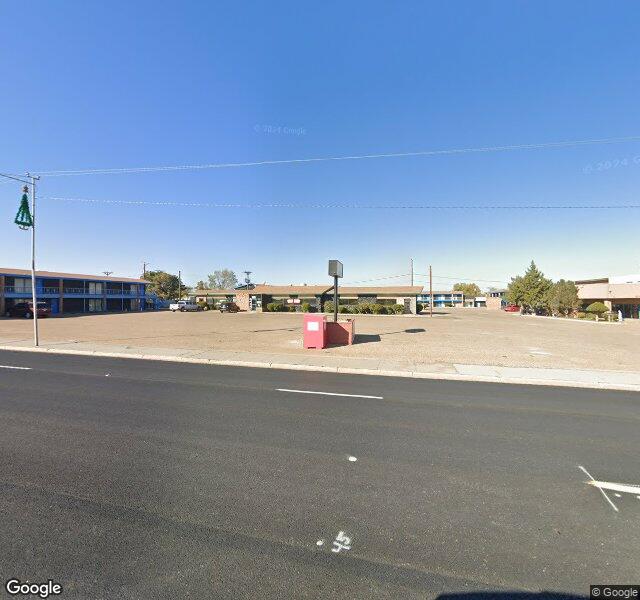
APEX SECURE CARE BROWNFIELD

1101 E LAKE ST, BROWNFIELD, TX 79316 (806) 637-7561
For profit - Partnership 108 Beds Independent Data: November 2025 1 Immediate Jeopardy citation
Trust Grade
46/100
#391 of 1168 in TX
Last Inspection: February 2025

Within standard 12-15 month inspection cycle. Federal law requires annual inspections.

Overview

Apex Secure Care Brownfield has a Trust Grade of D, indicating below-average quality with some concerning issues. They rank #391 out of 1168 facilities in Texas, placing them in the top half, but they are the second and last facility in Terry County, meaning there is only one local option available that is better. The facility is improving, having reduced its number of issues from 16 in 2024 to 11 in 2025. Staffing is a weak point, receiving a 1-star rating with a turnover rate of 35%, which is better than the Texas average but still indicates challenges in staff consistency. Recent inspections revealed critical issues, including a resident not receiving adequate supervision while smoking, which led to a burn injury, and concerns about food safety practices in the kitchen, potentially risking residents' health. Overall, while there are strengths in certain quality measures, significant issues remain that families should consider.

Trust Score
D
46/100
In Texas
#391/1168
Top 33%
Safety Record
High Risk
Review needed
Inspections
Getting Better
16 → 11 violations
Staff Stability
○ Average
35% turnover. Near Texas's 48% average. Typical for the industry.
Penalties
✓ Good
$14,668 in fines. Lower than most Texas facilities. Relatively clean record.
Skilled Nurses
⚠ Watch
Each resident gets only 17 minutes of Registered Nurse (RN) attention daily — below average for Texas. Fewer RN minutes means fewer trained eyes watching for problems.
Violations
⚠ Watch
29 deficiencies on record. Higher than average. Multiple issues found across inspections.
★★★☆☆
3.0
Overall Rating
★☆☆☆☆
1.0
Staff Levels
★★★★★
5.0
Care Quality
★★★☆☆
3.0
Inspection Score
Stable
2024: 16 issues
2025: 11 issues

The Good

  • 5-Star Quality Measures · Strong clinical quality outcomes
  • Full Sprinkler Coverage · Fire safety systems throughout facility
  • No fines on record
  • Staff turnover below average (35%)

    13 points below Texas average of 48%

Facility shows strength in quality measures, fire safety.

The Bad

3-Star Overall Rating

Near Texas average (2.8)

Meets federal standards, typical of most facilities

Staff Turnover: 35%

11pts below Texas avg (46%)

Typical for the industry

Federal Fines: $14,668

Below median ($33,413)

Minor penalties assessed

The Ugly 29 deficiencies on record

1 life-threatening
Feb 2025 11 deficiencies
CONCERN (D)

Potential for Harm - no one hurt, but risky conditions existed

Resident Rights (Tag F0550)

Could have caused harm · This affected 1 resident

**NOTE- TERMS IN BRACKETS HAVE BEEN EDITED TO PROTECT CONFIDENTIALITY** Based on observation, interviews, and record reviews, the facility failed to ensure each resident was treated with respect, dign...

Read full inspector narrative →
**NOTE- TERMS IN BRACKETS HAVE BEEN EDITED TO PROTECT CONFIDENTIALITY** Based on observation, interviews, and record reviews, the facility failed to ensure each resident was treated with respect, dignity, and care for each resident in a manner and in an environment that promotes the maintenance or enhancement of their quality of life, recognizing each resident's individuality for 1 (Resident #2) of 21 residents. The facility failed to ensure Resident #2 was treated with respect, dignity, and care when they failed to ensure Resident #2's room was cleaned daily, furnished with a covering on her bedroom window, and a furnished with a privacy curtain. This failure could place residents at risk for diminished quality of life, loss of dignity and self-worth, psychosocial harm and distrust with staff. Findings Included: Record review of Resident #2 's face sheet dated 02/20/2024 revealed she was [AGE] years old and was originally admitted to the facility on [DATE] and readmitted on [DATE] with the following diagnoses: Traumatic subarachnoid hemorrhage with loss of consciousness of 31 minutes to 59 minutes, subsequent encounter (bleeding in the space around the brain), unsteadiness on feet, unspecified lack of coordination, major depressive disorder, recurrent severe without psychotic features (mood disorder that caused a persistent feeling of sadness and loss of interest), osteoarthritis, unspecified site (degenerative joint disease), anxiety disorder, unspecified (excessive worry and fear), type 2 diabetes mellitus with other diabetic ophthalmic complication (eye condition that can cause vision loss and blindness in people who have diabetes), paranoid schizophrenia (experiencing strong, persistent paranoia or suspicion), cognitive communication deficit (difficulty paying attention, remembering, and responding accurately), need for assistance with personal care, difficulty in walking, schizoaffective disorder, bipolar type (mental health condition characterized by a mix of symptoms from schizophrenia and a mood disorder). The face sheet also revealed Resident #2 was in a room on Hall A. Record review of Resident #2 quarterly MDS dated [DATE] Section C - Cognitive Patterns revealed Resident #2 had a BIMS of 01 which indicated the resident's cognition was severely impaired. Additionally, Section GG - Functional Abilities revealed Resident #2 was independent and completed the following activities by herself with no assistance from a helper: eating, oral hygiene, toileting hygiene, upper and lower body dressing, putting on/taking off footwear, and personal hygiene. Record Review of Resident #2's Care Plan, dated 01/08/25, revealed Resident #2 had a focus area that Resident #2 had a behavior of destroying things in my room. Resident #2 sometimes tried to flush clothes etc. in the toilet to stop it up and tore down privacy curtains, blinds, etc. Resident #2 also sometimes refused allow staff to clean her room. The goal was the Resident #2 would allow staff to maintain her room as to provide a safe environment for her through the review date. Interventions were to encourage Resident #2 to not destroy property and to allow staff to clean her room, and to offer pleasant diversions such as snacks or listening to music with a therapist to allow staff to go in and clean when not present. Secondly, Resident #2 had a potential for an ADL self-care performance deficit related to schizoaffective disorder. Resident #2's activities of daily living self-performance fluctuated related to schizoaffective disorder but Resident #2 usually required assistance with activities of daily living as follows: Please adjust support. The goal was Resident #2 would maintain the current level of function in all activities of daily living through the review date. Interventions were that Resident #2 was independent with the following activities of daily living: chair/bed-to-chair transfer, eating, lower body dressing, lying to sitting on side of bed, oral hygiene, personal hygiene, putting on/taking off footwear, roll left and right, sit to lying, sit to stand, toilet hygiene, toilet transfer, tub/shower transfer, upper body dressing, and walk 150 feet. Third, Resident #2 was resistive to care (at times refused glucose checks (sugar), medication, baths being weighed) related to schizoaffective disorder. The goal was to give clear explanation of all care activities prior to and as they occur during each contact, if resident resists with activities of daily living, reassure resident, leave and return 5-10 minutes later and try again, praise the resident when behavior is appropriate. Fourth, Resident #2 had potential to be verbally aggressive related to schizoaffective disorder. The goal was the resident would verbalize understanding of need to control. Interventions were to monitor behavior each shift and document observed behavior and attempted intervention, and to provide frequent monitoring of Resident #2. Also, when the resident became agitated: Intervene before agitation escalated; Guide away from source of distress; Engage calmly in conversation; If response was aggressive, staff were to walk calmly away, and approach later. Fifth, Resident #2 had risk for falls related to psychoactive medication use. Goal was that resident would not sustain a serious injury related to falls through the review date. Goals were to be sure the resident's call light is within reach and encourage the resident to use it for assistance as needed. Reinforce the of use of verbal cues for the resident. Ensure that the resident was wearing appropriate footwear, when ambulating transferring. The resident needs a safe environment floor free from spills and clutter; adequate, glare-free light; a working and reachable call light. Sixth, was that Resident #2 had a problem with vision related to history of cataracts. The goal was the resident would show no decline in visual function through the review date. Interventions were to Monitor/document/report as needed any signs or symptoms of acute eye problems: Change in ability to perform activities of daily living, decline in mobility, sudden visual loss, pupils dilated, gray or milky, complaints of halos around lights, double vision, tunnel vision, blurred or hazy vision. Finally, there was no documentation in the Care Plan for Resident #2 to not have a window covering, privacy curtain, call light due to pulling them down. Record Review of Resident #2's progress notes from 01/09/24 to 02/10/25 revealed there was no documentation of Resident #2 refusing to allow staff to clean her room or pulling the blinds off the window. During an observation on 2/9/25 at 12:05 PM Resident #2 sat on her bed. There was a strong smell of feces and urine throughout the room. The call light cord and button were observed to be wrapped and tied up hanging against the wall and out of Resident #2's reach. There was clothing, trash, and pullups scattered all over the floors through the room and restroom. The bedroom window did not have a covering and there was no privacy curtain in the room. A gate and house were visible through the window and the glass of the window was clear. The was no dresser in the room. The closet floor had a pile of clothes and briefs and there was no clothing hanging. There were no sheets on the mattress. There was dried and sticky red and brown stains on the floor. There was chicken strips and potatoes thrown on the floors and stains on the walls. There was a bedside table that had three wheels and was soiled with dried food and liquid. There was a food tray in the room with a tray ticket labeled as breakfast from 2/9/25. The was trash scattered on the floor and a meal ticket dated 1/31/25. In the restroom, there was square hole in the dry wall where the toilet paper dispenser previously was. The toilet tank did not have a lid which exposed the internal plumbing of the toilet. The toilet was filled with feces. The was no television or radio in the room and there were no decorations on the walls or in the room. During an interview on 2/9/25 at 12:15 PM, the ADM stated Resident #2 often did not allow staff to enter her room. He stated she had a history of destroying her room by throwing pullups, trash, clothes, and food throughout the room. He stated she had thrown food trays in the hallway. He stated she ripped blinds, curtains, and anything else she could off the walls. He stated she also put un-flushable objects in the toilet and clogged it. During an interview and observation on 2/9/25 at 12:25 PM, HK C was observed sweeping the floors of Resident #2's room. HK C stated Resident #2 often did not allow her to clean her room. She stated Resident #2 yelled at staff to get out of her room. She stated Resident #2 often tore things off the walls and threw things all over the room. During an interview on 2/10/25 at 11:32 AM, the Hospice RN stated she worked for a Hospice Provider and provided services to Resident #2. The Hospice RN stated Resident #2 received services from hospice CNA's on Monday, Wednesday and Friday. The Hospice RN stated Resident #2 was seen by one of their nurses weekly, and the chaplain and social worker every 4 weeks. The Hospice RN stated hospice CNA's showered, provided incontinent care, applied lotion, provided hair care, dressing, companion care, brushed her teeth, and filed her nails on hands and feet. The Hospice RN stated her staff gave report to the facility before they left to the charge nurse for each day they came. The Hospice RN stated Resident #2 was receptive to her most of the time, sometimes she becomes combative or agitated and would hit and swing her arms. The Hospice RN stated Resident #2 took medication to calm her. The Hospice RN stated her staff would try to go back before they leave the facility if she was calmed down and provide services she refused. The Hospice RN stated they notified the facility when Resident #2 refused baths. The Hospice RN stated their agency had an agreement with the facility that the facility would attempt to provide services that Resident #2 refused by hospice staff. The Hospice RN stated Resident #2 was legally blind. The Hospice RN stated she had not seen a privacy curtain in her room. The Hospice RN stated she had seen a curtain on Resident #2's window but could not remember when she last saw it. The Hospice RN stated she last saw Resident #2 January 29th. The Hospice RN stated she had not been able to contact the family. The Hospice RN stated she did not think she was able to dress herself. The Hospice RN stated she had seen pillows in Resident #2's room before. During an interview on 2/10/25 at 2:50 PM, CNA B stated she worked on Hall A. She stated Resident #2 preferred to be independent and did not allow staff to help her very much. She stated Resident #2 yelled at staff to get out of her room. CNA B stated Resident #2 used the toilet independently. She stated staff checked on Resident #2 every hour during rounds. She stated Resident #2 ate all meals and snacks in her bedroom. She stated Resident #2 had yanked the call light out of the wall previously. She stated she did not know why there were no blinds or privacy curtains in the room. She stated she did not know why there were no sheets or pillows on the bed and was supposed to have them. CNA B stated Hospice staff were supposed to come and shower Resident #2 and change her linens. She stated Hospice staff reported to the facility when Resident #2 refused care. She stated she would try to provide services Resident #2 refused by hospice staff later in the day. She stated she was trained to document every time Resident #2 refused care in her chart. She stated Resident #2 changed her own pullups. She stated Resident #2 ambulated in her room by feeling around the walls and furniture because she was blind. During an interview on 2/10/25 at 3:21 PM, CNA C stated Resident #2 was blind and she believed she could only see shadows. She stated Resident #2 preferred to do things herself independently such as dressing herself and toileting, and she was receiving hospice services. She stated Resident #2 screamed and yelled when given food trays. She stated Resident #2 had been refusing care and had mood swings and threw her food trays. She stated the dresser was removed from her room because she flipped it over several times. She stated she believed the privacy curtain was missing because it was in Resident #2's way and was hazardous. She stated Resident #2's door was always shut to keep residents that wander out of her room and Resident #2 from wandering out. CNA C stated she checked on Resident #2 every 1-2 hours. She stated the MT's also checked on her every twenty minutes. CNA C stated Resident #2 yanked on her call light cord off the wall before but Resident #2 knew how to use the call light. She stated she had helped Resident #2 change clothes in her room before. She stated CNA's and MT's passed out food trays on the halls. She stated Resident #2 always ate in her room. CNA C stated there not being a window covering or privacy curtain was a privacy concern as anyone passing by or looking in could see Resident #2 through the window or door while she was exposed. During an interview on 2/10/25 at 4:10 PM, RN A stated Resident #2 had told her to get out of her room before and refused to be examined, to have her blood sugar levels checked, showers, and refused medications. She stated Resident #2 was paranoid and had said she believed someone was trying to kill her. She stated Resident #2 regularly slept with the sheets and blankets over her head. She stated she checked on Resident #2 every 2 to 2.5 hours. She stated the CNA's also checked on Resident #2 when they heard her yelling and during their rounds. She stated Resident #2 tore down the privacy curtain and the soap and toilet paper dispensers in her restroom. She stated Resident #2 had ripped the call light cord out of the wall before. She stated she did not know why there were no blinds on the window in Resident #2's bedroom. She stated the MT's also checked on Resident #2 when they walked the floor. RN A stated staff were trained to document all refusals of care in Resident #2's chart. She stated hospice staff had told them when Resident #2 refused care from them before they leave and facility staff were supposed to document that information in the resident's chart. RN A stated facility staff could try to offer to provide Resident #2 the services she refused by hospice staff but she had never been told they were expected to offer to provide Resident #2 the services she refused by hospice staff. RN A stated Resident #2 was legally blind, therefore a potential negative outcome from not having a covering on the bedroom window could affect Resident #2's state of mind as she could think she saw something or someone outside her window. RN A stated Resident #2 dressed herself in her room and it did not allow her to have privacy. She stated the facility was gated however the bedroom windows were still visible through the bars of the gate and anyone that passed by could see though the window. She stated Resident #2 touched the furniture and walls when she walked. RN A stated they could not force Resident #2 to shower or be groomed. She stated the DON and hospice staff were aware that Resident #2 often refused care. During an interview on 2/10/25 at 4:35 PM, the Hospice CNA with stated she had worked with Resident #2 for four months. She stated Resident #2 had good and bad days. She stated initially Resident #2 loved to shower, talk, and read the bible however, about a month and a half ago, she began refusing showers and activities. She stated she saw Resident #2 three times a week. The Hospice CNA stated she would shower or give Resident #2 a bed bath, changed her linens, threw the trash, cleaned up if needed, and provided companion care. The Hospice CNA stated she also would cut Resident #2's fingernails and shave, if needed. She stated she notified the facility when Resident #2 refused care. She stated Resident #2 did not like to be touched. She stated Resident #2 often threw objects and food. She stated she had helped Resident #2 change clothes in her bedroom or in the shower room. She stated Resident #2 tore down or broke her blinds. She stated Resident #2 did not like it when people went in her room. She stated staff usually cleaned the room quietly. She stated she did not believe Resident #2 could see at all. The Hospice CNA stated Resident #2 toileted herself and flushed the toilet without being prompted. During an interview on 2/11/25 at 9:48 AM, the MS stated he supervised the MT's, maintenance staff, and housekeeping staff. The MS stated he expected housekeeping staff to clean the resident's rooms daily. The MS stated he expected for housekeeping staff to take advantage of times when residents were not in their rooms to clean them for those residents that would not allow housekeeping staff to clean their rooms. The MS stated they cannot ignore a residents room when it was dirty. They must figure out how to clean it. The MS stated Resident #2 was blind. The MS stated Resident #2 pulled the privacy curtain and blinds down in her room and she pulled the call light cords out of the wall every time he tried to re-install them so he stopped re-installing them. He stated he replaced the blinds on her window yesterday and she's already pulled them down. He stated he replaced the new call light cord yesterday. The MS stated that the potential negative outcome of not having privacy curtains and blinds on the window was that it did not allow Resident #2 to have privacy. The MS stated he would try to figure out another way to cover the window to ensure her privacy. During an interview on 2/11/25 at 10:48 AM, CMA A stated she attempted to pass medications to Resident #2 this morning twice, but she refused both times. She stated Resident #2 refused her medication yesterday as well. She stated sometimes she could get Resident #2 to take her medications by giving her a soda. She stated she must tell the nurse whenever Resident #2 refused her medications. She stated she believed the reason Resident #2 didn't have blinds on her windows and a privacy curtain in her room was because she tore them down. She stated she did not know how long ago that was. During an interview on 2/11/25 at 11:33 AM, CNA A stated she did rounds every two hours. She stated Resident #2 walked and sometimes used the wheelchair to ambulate and did not like to have help with anything. She stated Resident #2 touched the walls to get around when she walked and when in her wheelchair. CNA A stated Resident #2 dressed herself. CNA A stated hospice staff showered her and most of the time she refused. CNA A stated she did not follow up with Resident #2 to provide services she refused from hospice. CNA A stated she could ask Resident #2 if she wanted to provide the refused services but her answer was always no. She stated she was trained that they were required to follow up with Resident #2 if she refused hospice services. CNA A stated Resident #2 was supposed to wear socks but she did not keep them on. CNA A stated Resident #2 pulled the privacy curtains off the ceiling and blinds off the window. CNA A stated a potential negative outcome of not having a window covering was that Resident #2 would not have privacy. CNA A stated that CNA's were responsible for putting linens on the beds. CNA A stated she did not try to put sheets on Resident #2's bed on 2/9/25 because she yelled at her to get out of her room. CNA A stated Resident #2 used to have a pillow in her room but did not know where it was. During an interview on 2/11/25 at 3:15 PM, LVN B stated she was the charge nurse for Hall A on Sunday, 2/9/25. LVN B stated Sunday was the second time she had worked on that hall and was vaguely familiar with Resident #2. LVN B stated she went into Resident #2's room to check on her to verify she was breathing around approximately 10:00 AM. LVN B stated at that time, she did not speak to Resident #2 but she recalled Resident #2 grunted and had not spoken to her. LVN B stated she did not notice Resident #2's bedroom window did not have blinds. LVN B stated CNA's completed rounds every 2 hours. LVN B stated the window not having a covering caused Resident #2 to be exposed, not given privacy, and it also affected the temperature control in her bedroom. LVN B stated she would be concerned with Resident #2's safety with a privacy curtain in her room. LVN B stated she did not know if the facility provided an alternative to cover the window or provided a privacy screen for Resident #2 to ensure she had privacy and dignity in her room. LVN B stated hospice staff reported any concerns to the charge nurse before they left the facility. LVN B stated she expected staff to document refusals on the behavior monitoring logs and to notify family members of any concerns. During an interview on 2/11/25 at 4:20 PM the DON stated Resident #2 rejected care and would not allow anyone to go in her room. The DON stated Resident #2 tore up her room and tore things off the walls. The DON stated Resident #2 received hospice services. The DON stated she did not know how often nursing staff did rounds. The DON stated she was aware that Resident #2's window did not have blinds because Resident #2 ripped them off. She stated blinds were installed on the window yesterday and she had already ripped them down. She stated she could not recall seeing a window covering on her window prior to the one that was installed yesterday. The DON stated she did not know if there was a requirement for resident's room windows to have a covering. The DON stated a potential negative outcome to not having a window covering could be that Resident #2 did not have privacy which would cause her to be embarrassed if someone were to see her unclothed. The DON stated she expected staff to go back and try to provide care or get another staff to go back and try when Resident #2 refused care. The DON stated a potential negative outcome of there being a miscommunication between the facility and hospice could be that Resident #2's needs would not be met. The DON stated staff should be trained to follow up on refusals reported by hospice staff. The DON stated she was not aware staff were not aware they were required to follow up refusals reported by hospice. During an interview on 2/11/25 at 4:51 PM the ADM stated Resident #2 tore up and destroyed her room regularly. The ADM stated CNA's did rounds and checked on resident's every 2 hours. The ADM stated MT's were expected and trained to knock on the door and open to check on residents. The ADM stated the MS replaced the call light cord in Resident #2's room yesterday because she ripped them out of the wall the day before. The ADM stated Resident #2 had a habit of putting her sheets in the toilet and ripping them off her bed which could be why she did not have any sheets the past three days. The ADM stated a potential negative outcome of Resident #2 not having a window covering could put her at risk of exposure when she changed clothes. The ADM stated he was aware bedroom windows were supposed to be operable but he was not sure if there was a requirement for them to have a covering. The ADM stated the facility was responsible for ensuring privacy and dignity needs were being met. The ADM stated they had tried putting drapes, blinds, and tint on Resident #2's window to ensure her privacy and dignity but she kept ripping them down. The ADM stated there was no documentation in the Care Plan that Resident #2's room was approved to not have a privacy curtain or blinds on her window due to her behaviors. The ADM stated they would try to figure out how to cover the window and ensure Resident #2 had privacy. The ADM stated the staff that completed Care Plans was not available today. The ADM stated he expected staff to follow up and provide care to Resident #2 on care she refused from hospice staff. The ADM stated staff not following up could be a system failure as Resident #2 would not receive the care she needed. Record review of the facility policy titled Resident Rights, Revised December 2016, revealed in part the following documentation, Policy Statement. Employees shall treat all residents with kindness, respect, and dignity. Policy Interpretation and Implementation. 1. Federal and state laws guarantee certain basic rights to all residents of this facility. These rights include the resident's right to: 1. a dignified existence; 2. be treated with respect, kindness, and dignity; 3. be free from abuse, neglect, misappropriation of property, and exploitation; . 20. privacy and confidentiality;
CONCERN (D)

Potential for Harm - no one hurt, but risky conditions existed

Deficiency F0558 (Tag F0558)

Could have caused harm · This affected 1 resident

**NOTE- TERMS IN BRACKETS HAVE BEEN EDITED TO PROTECT CONFIDENTIALITY** Based on observation, record reviews, and interviews, the facility failed to ensure each resident had a right to reside and reci...

Read full inspector narrative →
**NOTE- TERMS IN BRACKETS HAVE BEEN EDITED TO PROTECT CONFIDENTIALITY** Based on observation, record reviews, and interviews, the facility failed to ensure each resident had a right to reside and recieve services in the facility with reasonable accomodation of the resident's needs and preferences for 1 (Resident #2) of 21 residents reviewed for accomodation of needs. The facility failed to provide a working communication system, that was easily at reach at the bedside, that would allow Resident #2 the ability to safely call for staff for assistance. This failure could place residents at risk of not having a means of directly contacting caregivers in an emergency or when they needed support for daily living. Findings included: Record review of Resident #2 's face sheet dated 02/20/2024 revealed she was [AGE] years old and was originally admitted to the facility on [DATE] and readmitted on [DATE] with the following diagnoses: Traumatic subarachnoid hemorrhage with loss of consciousness of 31 minutes to 59 minutes, subsequent encounter (bleeding in the space around the brain), unsteadiness on feet, unspecified lack of coordination, major depressive disorder, recurrent severe without psychotic features (mood disorder that caused a persistent feeling of sadness and loss of interest), osteoarthritis, unspecified site (degenerative joint disease), anxiety disorder, unspecified (excessive worry and fear), type 2 diabetes mellitus with other diabetic ophthalmic complication (eye condition that can cause vision loss and blindness in people who have diabetes), paranoid schizophrenia (experiencing strong, persistent paranoia or suspicion), cognitive communication deficit (difficulty paying attention, remembering, and responding accurately), need for assistance with personal care, difficulty in walking, schizoaffective disorder, bipolar type (mental health condition characterized by a mix of symptoms from schizophrenia and a mood disorder). Record review of Resident #2 quarterly MDS dated [DATE] Section C - Cognitive Patterns revealed Resident #2 had a BIMS of 01 which indicated the resident's cognition was severely impaired. Additionally, Section GG - Functional Abilities revealed Resident #2 was independent and completed the following activities by herself with no assistance from a helper: eating, oral hygiene, toileting hygiene, upper and lower body dressing, putting on/taking off footwear, and personal hygiene. Record Review of Resident #2's Care Plan, dated 01/08/25, included revealed Resident #2 had risk for falls related to psychoactive medication use. Goal was that resident would not sustain a serious injury related to falls through the review date. Interventions were to be sure the resident's call light is within reach and encourage the resident to use it for assistance as needed. Reinforce the of use of verbal cues for the resident. Ensure that the resident was wearing appropriate footwear, when ambulating transferring. The resident needs a safe environment floor free from spills and clutter; adequate, glare-free light; a working and reachable call light. Record Review of Resident #2's Fall Risk assessment dated [DATE] revealed Resident #2 had not fallen in the past 3 months, was legally blind, and had a balance problem while standing/walking. During an observation on 2/9/25 at 12:05 PM Resident #2 sat on her bed. The call light cord and button were observed to be wrapped and tied up hanging against the wall and out of Resident #2's reach. During an interview on 2/9/25 at 12:15 PM, the ADM stated Resident #2 often did not allow staff to enter her room. He stated she had a history of destroying her room by throwing pullups, trash, clothes, and food throughout the room. He stated she had also thrown food trays in the hallway. He stated she also ripped blinds, curtains, and anything else she could off the walls. During an observation on 2/9/25 from 12:15 PM to 12:34 PM Resident #2 sat quietly on her bed and drank an orange soda while three housekeeping staff and maintenance staff were cleaning her room. The call light cord and button were observed to be wrapped and tied up hanging against the wall and out of Resident #2's reach. During an observation on 2/9/25 at approximately 1:31 PM Resident #2 was lying in bed. The room was clean. The call light cord and button were observed to be wrapped and tied up hanging against the wall and out of Resident #2's reach. During an observation on 2/10/25 at approximately 9:15 AM Resident #2 was lying in bed. The call light cord and button were observed to be wrapped and tied up hanging against the wall and out of Resident #2's reach. During observation on 2/10/25 at 10:30 AM Resident #2 sat quietly on her bed and drank an orange soda while two housekeeping staff were in the room sweeping and mopping the floors and emptying the trash. The call light cord and button were observed to be wrapped and tied up hanging against the wall and out of Resident #2's reach. During an interview on 2/10/25 at 2:50 PM, CNA B stated she worked on Hall A. She stated Resident #2 preferred to be independent and did not allow staff to help her very much. She stated Resident #2 yelled at staff to get out of her room. She stated staff checked on Resident #2 every hour during rounds. She stated Resident #2 had pulled the call light string in the bathroom in the past. She stated she was trained that the call light button in the bedroom was supposed to always be located at the bedside and within Resident #2's reach. She stated Resident #2 had yanked the call light out of the wall previously. She stated Resident #2 ambulated in her room by feeling around the walls and furniture because she was blind. During an observation on 2/10/25 at 3:20 PM Resident #2 was lying in bed with the blanket covering her face. HK B entered Resident #2's room. A tray of food and dishes were observed to be thrown on the floor. The call light cord and button were observed to be wrapped and tied up hanging against the wall and out of Resident #2's reach. During an interview on 2/10/25 at 3:21 PM, CNA C stated Resident #2 was blind and she believed she could only see shadows. She stated Resident #2's door was always shut to keep residents that wandered out of her room and Resident #2 from wandering out. CNA C stated she checked on Resident #2 every 1-2 hours. She stated the MT's also checked on her every twenty minutes. She stated she was trained that the call light button was supposed to always be placed by Resident #2's side within her reach. She stated Resident #2 had pressed the call button before for help. She stated the call light was not supposed to be rolled up against the wall. CNA C stated Resident #2 yanked on her call light cord before but Resident #2 knew how to use the call light. She stated a potential negative outcome of the call light button being out of Resident #2's reach prevented her the ability to call for help when needed. During an interview on 2/10/25 at 4:10 PM, RN A stated she checked on Resident #2 every 2-2.5 hours. She stated the CNA's also checked on Resident #2 when they heard her yelling and during their rounds. She stated Resident #2 had ripped the call light cord out of the wall before which could have been why the call light cord was wrapped up on the wall. She stated the MT's also checked on Resident #2 when they walked the floor. RN A stated Resident #2 pulled the call light string in the restroom when she needed assistance. She stated staff were able to determine which call light was activated because the noise it made for the bedrooms and restrooms were different. During an interview on 2/10/25 at 4:35 PM, the Hospice CNA with the Hospice Provider stated she had worked with Resident #2 for four months. The Hospice CNA stated the call light was normally placed in her bed and in her reach. She stated Resident #2 would not be able to call for help if there was an emergency while in her bed if the call light button was not placed within her reach. During an observation on 2/10/25 at approximately 5:15 PM Resident #2 was lying in bed with the blanket covering her face. The call light cord and button were observed to be wrapped and tied up hanging against the wall and out of Resident #2's reach. During an observation on 2/11/25 at approximately 9:08 AM Resident #2 was lying in bed with the blanket covering her face. The call light cord and button were observed to be wrapped and tied up hanging against the wall and out of Resident #2's reach. During an interview on 2/11/25 at 9:48 AM, the MS stated he supervised the MT's, maintenance staff, and housekeeping staff. The MS stated Resident #2 was blind. The MS stated Resident #2 pulled the privacy curtain and blinds down in her room and she pulled the call light cords out of the wall. He stated he replaced the new call light cord yesterday. He stated the MT's walking the floor were expected to walk the hall and observe and listen for the resident's to ensure they're safe. He stated MT's were not expected to open the doors to resident's room each time they passed by. The MS stated MT's would only open the bedroom doors if they heard something that caused them to have a concern. During an interview on 2/11/25 at 11:33 AM, CNA A stated she went into Resident #2's bedroom on 2/9/25 between 6:00 AM and 6:30 AM when doing rounds and did not recall where the call light button was located. CNA A stated she was trained that the call light button was supposed to be beside her bed in her reach. She stated Resident #2 touched the walls to get around when she walked and when in her wheelchair. She stated Resident #2 had used the call light in the past in the restroom. During an interview on 2/11/25 at 11:56 AM, RN B stated the call light button was supposed to be placed within Resident #2's reach and where she could find it. RN B stated CNA's were supposed to check on resident's every two hours. During observation on 2/11/25 at 2:20 PM Resident #2 was lying in bed with the blanket covering her face. Housekeeping staff were in the room sweeping and mopping the floors and emptying the trash. The call light cord and button were observed to be wrapped and tied up hanging against the wall and out of Resident #2's reach. During an interview on 2/11/25 at 3:15 PM, LVN B stated she was the charge nurse for Hall A on Sunday, 2/9/25. LVN B stated she went into Resident #2's room to check on her to verify she was breathing around approximately 10:00 AM. LVN B stated at that time, she did not speak to Resident #2 but she recalled Resident #2 grunted and had not spoken to her. LVN B stated the call light was supposed to be on the resident's bedside on their chair, it was not supposed to be rolled up on the wall. LVN B stated a potential negative outcome of the call light not being within the resident's reach was a safety issue because the resident could fall and could not use the call light to call for help. During an interview on 2/11/25 at 4:20 PM the DON stated she did not know how often nursing staff did rounds. The DON stated call lights were supposed to be within a resident's reach but from her understanding Resident #2 tried to wrap it around her neck before which could be why it was not placed within her reach. The DON stated she expected call light buttons to always be placed within residents reach while in their room or bed. The DON stated the resident would not be able to call for help if needed. The DON stated Resident #2 had not fallen in her room. During an interview on 2/11/25 at 4:51 PM the ADM stated CNA's did rounds and checked on resident's every 2 hours. The ADM stated MT's were expected and trained to knock and open doors to check on residents. The ADM stated the MS replaced the call light cord in Resident #2's room yesterday because she ripped them out of the wall the day before. The ADM stated he was not aware the call light was wrapped on the wall and not within Resident #2's reach for the past three days. The ADM stated staff were trained to ensure residents could reach the call button when in the room. Record review of the facility policy titled Call System, Resident, Revised September 2022, revealed in part the following documentation, Policy Heading. Residents are provided with a means to call staff for assistance through a communication system that directly calls a staff member or a centralized workstation. Policy Interpretation and Implementation. 1. Each resident is provided with a means to call staff directly for assistance from his/her bed, from toileting/bathing facilities and from the floor.
CONCERN (D)

Potential for Harm - no one hurt, but risky conditions existed

Safe Environment (Tag F0584)

Could have caused harm · This affected 1 resident

**NOTE- TERMS IN BRACKETS HAVE BEEN EDITED TO PROTECT CONFIDENTIALITY** Based on observation, interviewn and record review, the facility, failed to ensure sure each resident had a right to a safe, cle...

Read full inspector narrative →
**NOTE- TERMS IN BRACKETS HAVE BEEN EDITED TO PROTECT CONFIDENTIALITY** Based on observation, interviewn and record review, the facility, failed to ensure sure each resident had a right to a safe, clean, comfortable, and homelike environment in the facility and failed to provide housekeeping and maintenance services necessary to maintain a sanitary, orderly, and comfortable interior in 1 (Resident #2) of 21 resident's rooms and restrooms reviewed for environment. The facility failed to ensure Resident #2's room was cleaned daily, homelike, clean, safe, and did not need repairs. These failures could place residents at risk for living in an unsafe, unclean, uncomfortable, and unhomelike environment which could cause a decline in resident psychosocial well-being. The findings included: Record review of Resident #2 's face sheet dated 02/20/2024 revealed she was [AGE] years old and was originally admitted to the facility on [DATE] and readmitted on [DATE] with the following diagnoses: Traumatic subarachnoid hemorrhage with loss of consciousness of 31 minutes to 59 minutes, subsequent encounter (bleeding in the space around the brain), unsteadiness on feet, unspecified lack of coordination, major depressive disorder, recurrent severe without psychotic features (mood disorder that caused a persistent feeling of sadness and loss of interest), osteoarthritis, unspecified site (degenerative joint disease), anxiety disorder, unspecified (excessive worry and fear), type 2 diabetes mellitus with other diabetic ophthalmic complication (eye condition that can cause vision loss and blindness in people who have diabetes), paranoid schizophrenia (experiencing strong, persistent paranoia or suspicion), cognitive communication deficit (difficulty paying attention, remembering, and responding accurately), need for assistance with personal care, difficulty in walking, schizoaffective disorder, bipolar type (mental health condition characterized by a mix of symptoms from schizophrenia and a mood disorder). The face sheet also revealed Resident #2 was in a room on Hall A. Record review of Resident #2 quarterly MDS dated [DATE] Section C - Cognitive Patterns revealed Resident #2 had a BIMS of 01 which indicated the resident's cognition was severely impaired. Additionally, Section GG - Functional Abilities revealed Resident #2 was independent and completed the following activities by herself with no assistance from a helper: eating, oral hygiene, toileting hygiene, upper and lower body dressing, putting on/taking off footwear, and personal hygiene. Record Review of Resident #2's Care Plan, dated 01/08/25, revealed Resident #2 had a focus area that Resident #2 had a behavior destroying things in my room. Resident #2 sometimes tried to flush clothes etc. in the toilet to stop it up and tore down privacy curtains, blinds, etc. Resident #2 also sometimes refused staff to clean. The goal was the Resident #2 would allow staff to maintain her room as to provide a safe environment for her through the review date. Interventions were to encourage Resident #2 to not destroy property and to allow staff to clean her room, and to offer pleasant diversions such as snacks or listening to music with a therapist to allow staff to go in and clean when not present. Second, resident #2 was resistive to care (at times refused glucose checks (sugar), medication, baths being weighed) related to schizoaffective disorder. The goal was to give clear explanation of all care activities prior to and as they occur during each contact, if resident resists with activities of daily living, reassure resident, leave and return 5-10 minutes later and try again, praise the resident when behavior is appropriate. Third, Resident #2 had potential to be verbally aggressive related to schizoaffective disorder. The goal was the resident would verbalize understanding of need to control. Interventions were to monitor behavior each shift and document observed behavior and attempted intervention, and to provide frequent monitoring of Resident #2. Also, when the resident became agitated: Intervene before agitation escalated; Guide away from source of distress; Engage calmly in conversation; If response was aggressive, staff were to walk calmly away, and approach later. Fourth, Resident #2 had risk for falls related to psychoactive medication use. Goal was that resident would not sustain a serious injury related to falls through the review date. Goals were to be sure the resident's call light is within reach and encourage the resident to use it for assistance as needed. Reinforce the of use of verbal cues for the resident. The resident needs a safe environment floor free from spills and clutter; adequate, glare-free light; a working and reachable call light. Fifth, was that Resident #2 had a problem with vision related to history of cataracts. The goal was the resident would show no decline in visual function through the review date. Interventions were to Monitor/document/report as needed any signs or symptoms of acute eye problems: Change in ability to perform activities of daily living, decline in mobility, sudden visual loss, pupils dilated, gray or milky, complaints of halos around lights, double vision, tunnel vision, blurred or hazy vision. Finally, there was no documentation in the Care Plan for Resident #2 to not have a window covering, privacy curtain, call light due to pulling them down. Record Review of Resident #2's Fall Risk assessment dated [DATE] revealed Resident #2 had not fallen in the past 3 months, was legally blind, and had a balance problem while standing/walking. Record Review of Resident #2's progress notes from 01/09/24 to 02/10/25 revealed there was no documentation of Resident #2 refusing to allow staff to clean her room or pulling the blinds off the window. During an observation on 2/9/25 at approximately 9:45 AM HK C went into the room that the state surveyors were working in a room on Hall A and asked if she could collect the trash in the room. During an observation on 2/9/25 at 12:05 PM, Resident #2 sat on her bed. There was a strong smell of feces and urine throughout the room. There was clothing, trash, and pullups scattered all over the floors through the room and restroom. The bedroom window did not have a covering and there was no privacy curtain in the room. A gate and house were visible through the window as the glass of the window was clear. The was no dresser in the room. The closet floor had a pile of clothes and pullups and there was no clothing hanging. There were no sheets on the mattress. There was dried and sticky red and brown stains on the floor. There was chicken strips and potatoes thrown on the floors and stains on the walls. There was a bedside table that had three wheels and was soiled with dried food and liquid. There was a food tray in the room with a tray ticket labeled as breakfast from 2/9/25. The was trash scattered on the floor throughout the room and restroom. There was a meal ticket dated 1/31/25 found on the bedroom floor. In the restroom, there was square hole in the drywall where the toilet paper dispenser previously was. The toilet tank did not have a lid which exposed the plumbing. The toilet was filled with feces. The was no television or radio in the room and there were no decorations on the walls or in the room. During an interview on 2/9/25 at 12:15 PM, the ADM stated Resident #2 often did not allow staff to enter her room. He stated she had a history of destroying her room by throwing pullups, trash, clothes, and food throughout the room. He stated she had thrown food trays in the hallway. He stated she ripped blinds, curtains, and anything else she could off the walls. He stated she also put un-flushable objects in the toilet which clogged it. During an interview and observation on 2/9/25 at 12:25 PM, HK C was observed sweeping the floors of Resident #2's room. HK C stated Resident #2 often did not allow her to clean her room. She stated Resident #2 yelled at staff to get out of her room. She stated Resident #2 often tore things off the walls and threw things all over the room. During an observation on 2/9/25 from 12:15 PM to 12:34 PM, Resident #2 sat quietly on her bed and drank an orange soda while three housekeeping staff and the MS were in her room. Housekeeping staff picked up trash, clothing, pullups, and old food scattered on the floors throughout the bedroom and restroom areas. Housekeeping staff cleaned the walls and swept, scraped, and mopped the floors. Housekeeping staff rolled Resident #2's bed to the middle of the room while she sat quietly on it. Housekeeping staff swept and mopped the area where the bed was located and then rolled the bed back to its original location. The MS unclogged the toilet filled with feces in the restroom that was inside the bedroom. Resident #2 said, thank you have a nice day, as the staff left her room. The call light cord and button were observed to be wrapped and tied up hanging against the wall and out of Resident #2's reach. During an interview on 2/10/25 at 10:07 AM, the DM stated the kitchen served chicken strips and potatoes on Friday (2/7/25) for dinner as a substitute for the residents that did not want the steak fingers. During observation on 2/10/25 at 10:30 AM Resident #2 sat quietly on her bed and drank an orange soda while two housekeeping staff were in the room sweeping and mopping the floors and emptying the trash. The call light cord and button were observed to be wrapped and tied up hanging against the wall and out of Resident #2's reach. During an interview on 2/10/25 at 11:32 AM, the Hospice RN stated she worked at a Hospice Provider and provided services to Resident #2. The Hospice RN stated Resident #2 received services from hospice CNA's on Monday, Wednesday and Friday. The Hospice RN stated she had not seen a privacy curtain in her room. The Hospice RN stated she had seen a curtain on Resident #2's window but could not remember when she last saw it. The Hospice RN stated she had concerns about the cleanliness of the room during time she came to see Resident #2. She stated almost every time she had come there had been food and drinks thrown on the floor. During an interview on 2/10/25 at 2:50 PM, CNA B stated she worked on Hall A. She stated Resident #2 preferred to be independent and did not allow staff to help her very much. She stated Resident #2 yelled at staff to get out of her room. She stated Resident #2 destroyed her room and had thrown pullups, clothes, toilet paper, trash, and food all round her room. CNA B stated Resident #2 used the toilet independently. She stated staff checked on Resident #2 every hour during rounds. She stated Resident #2 ate all meals and snacks in her bedroom. CNA B stated Resident #2 had flushed the toilet without being prompted. She stated Resident #2 had yanked the call light out of the wall previously. She stated she did not know why there were no blinds or privacy curtains in the room. She stated she did not know why there were no sheets or pillows on the bed and was supposed to have them. CNA B stated Hospice staff were supposed to come and shower Resident #2 and change her linens. She stated Hospice staff reported to the facility when Resident #2 refused care. She stated she would try to provide services Resident #2 refused by hospice staff later in the day. She stated Resident #2 changed her own pullups. She stated Resident #2 ambulated in her room by feeling around the walls and furniture because she was blind. She stated housekeeping staff were supposed to clean resident's rooms daily and more if requested. CNA B stated CNA's passed out food trays to residents that ate in their rooms and were supposed to notify housekeeping of rooms that needed to be cleaned. CNA B stated she was trained that CNA's were also responsible to clean rooms when needed. During an interview on 2/10/25 at 3:18 PM, HK B stated she was responsible for cleaning rooms on Hall A. She stated she had not worked on 2/2/25. She stated she swept and mopped the floors and threw out trash in resident's rooms. She stated she checked Resident #2's room three times (after each meal) during her shifts because Resident #2 threw her food trays on the floor. She stated Resident #2 ate all her meals in her bedroom. She stated she was not trained to clean the room three times a day but this was her preference due to Resident #2 having behaviors of throwing food trays, trash, and clothes. She stated there were times that Resident #2 would not let her in to clean the room but she was trained to leave and go back later if that happened. During an interview on 2/10/25 at 3:21 PM, CNA C stated Resident #2 was blind and she believed she could only see shadows. She stated Resident #2 preferred to do things herself independently such as dressing herself and toileting, and she was receiving hospice services. She stated Resident #2 screamed and yelled when given food trays. She stated Resident #2 had been refusing care and had mood swings and threw her food trays. She stated the dresser was removed from her room because she flipped it over several times. She stated she believed the privacy curtain was missing because it was in Resident #2's way and was hazardous but did not specifically know why. She stated Resident #2's door was always shut to keep residents that wander out of her room and Resident #2 from wandering out. CNA C stated she checked on Resident #2 every 1 to 2 hours. She stated the MT's also checked on her every twenty minutes. CNA C stated Resident #2 yanked on her call light cord before but Resident #2 knew how to use the call light. She stated Resident #2 threw water at her the other day. She stated she had helped Resident #2 change clothes in her room before. CNA C stated Resident #2 was supposed to have sheets and a pillow on her bed. She stated there was no clean linen when she arrived at work this morning. CNA C stated she was trained to clean up resident's room if she saw a mess and she was also supposed to locate the cause of any odors she smelled in resident's rooms. She stated she was trained to tell maintenance staff when toilets were clogged. She stated CNA's and MT's passed out food trays on the halls. She stated Resident #2 always ate in her room. CNA C stated Resident #2 could slip and fall on any trash, clothes, food, pullups, and liquids scattered on the floor. CNA C stated old food and liquids, and feces could attract bugs and rodents. She stated feces was also a hazard to Resident #2's health. She stated a potential negative outcome of not having sheets and pillows could cause Resident #2 to have skin irritation from the plastic mattress. During an interview on 2/10/25 at 4:10 PM, RN A stated Resident #2 threw trays of food and water on the floors. She stated housekeeping staff must clean the room daily and must try again if the resident refused. She stated Resident #2 had clogged up the bathroom and flooded her sink in her bedroom before. She stated Resident #2 tore down the privacy curtain and the soap and toilet paper dispensers in her restroom. She stated Resident #2 had ripped the call light cord out of the wall before. She stated she did not know why there were no blinds on the window in Resident #2's bedroom. RN A stated staff were trained to document all refusals of care in Resident #2's chart. RN A stated Resident #2 was legally blind, therefore a potential negative outcome from not having a covering on the bedroom window could affect Resident #2's state of mind as she could think she saw something or someone outside her window. RN A stated Resident #2 dressed herself in her room and it did not allow her to have privacy. She stated the facility was gated however the bedroom windows were still visible through the bars of the gate and anyone that passed by could see though the window. She stated the CNA's could clean up food on the bedroom floors and then call housekeeping to prevent attracting roaches and other bugs. She stated housekeeping was supposed to clean bedrooms every day. She stated a potential negative outcome of feces left in the toilet could cause infection or get all over the floor which was a sanitary issue. RN A stated staff were trained to identify odors smelled in resident's room and clean it up. RN A stated a potential negative outcome of having clothing, trash, food, liquid, and pullups scattered all over the floor could cause Resident #2 to trip and fall because she could not see and a fall would be bad for her. She stated Resident #2 could hit her head or break a leg. She stated Resident #2 had not fallen that she was aware of. She stated Resident #2 touched the furniture and walls when she walked . During an interview on 2/10/25 at 4:35 PM, the Hospice CNA with the Hospice Provider stated she had worked with Resident #2 for four months. She stated Resident #2 had good and bad days. She stated initially Resident #2 loved to shower, talk, and read the bible however, about a month and a half ago, she began refusing showers and activities. She stated she saw Resident #2 three times a week. The Hospice CNA stated she would shower or give Resident #2 a bed bath, changed her linens, threw the trash, cleaned up if needed, and provided companion care. The Hospice CNA stated about a week and a half ago, Resident #2 was agitated and she shattered the lid of the toilet tank. She stated she told RN A and the Hospice RN about it. She stated facility staff cleaned up the mess. She stated Resident #2 often threw objects and food. The Hospice CNA stated there was almost always food on the bedroom floor when she came. She stated she had never seen feces in her toilet. She stated she had helped Resident #2 change clothes in her bedroom or in the shower room. She stated Resident #2 tore down or broke her blinds. The Hospice CNA stated Resident #2 could be at risk of falling if trash, blankets, clothes, pullups, liquids, and food were on the floors. She stated Resident #2 did not like when people went in her room. She stated staff usually cleaned the room quietly. She stated she did not believe Resident #2 could see at all. The Hospice CNA stated Resident #2 toileted herself and flushed the toilet without being prompted. She stated Resident #2 left pullups all over her room. During an interview on 2/11/25 at 9:48 AM, the MS stated he supervised the MT's, maintenance staff, and housekeeping staff. The MS stated he expected housekeeping staff to clean the resident's rooms daily. The MS stated he expected for housekeeping staff to take advantage of times when residents were not in their rooms to clean them for those residents that would not allow housekeeping staff to clean their rooms. The MS stated they cannot ignore a residents room when it was dirty. They must figure out how to clean it. The MS stated leaving old food and liquids on the floor and feces in the toilet was an infection and safety issue. The MS stated Resident #2 was blind. The MS stated rooms must be cleaned every day even if the resident throws them out and he expected them to try to go in again later and clean the room quietly. The MS stated trash and clothing on the floor was a trip hazard to Resident #2. The MS stated and he pulled out shirts from the pipes yesterday and that's why the plumbing and toilets were clogged up. The MS stated he had unclogged the pipes for Resident #2's room through the ceiling as well as plunged her toilet on Sunday (2/9/25) to unclog it. The MS stated Resident #2 threw the lid to the toilet tank and it broke all over the floor in her room sometime in December so he was afraid to put another lid on the toilet tank because he felt she could hurt herself. The MS stated he had spoken to the ADM about it and wasn't instructed to replace the lid of the toilet tank. The MS stated Resident #2 pulled the privacy curtain and blinds down in her room and she pulled the call light cords out of the wall. He stated he replaced the blinds on her window yesterday and she already pulled them down. He stated he replaced the new call light cord yesterday. The MS stated he expected housekeeping staff to attempt to clean Resident 2's room multiple times a day due to her behaviors of throwing things. The MS stated HK B and HK C were the staff that worked on Sunday and were responsible to clean resident's rooms. He stated the MT's walking the floor were expected to walk the hall and observe and listen for the resident's to ensure they're safe. He stated MT's were not expected to open the doors to resident's rooms each time they passed by. The MS stated MT's would only open the bedroom doors if they heard something that caused them to have a concern. The MS stated he was not aware the chicken strips and the potatoes that were found on the floor in Resident #2's room on Sunday were served on Friday. He stated that was a health and safety hazard. The MS stated a potential negative outcome of the issues in the room was that it would be unsanitary, it could cause odors, and it could attract insects and other pests. The MS stated that the potential negative outcome of not having privacy curtains and blinds on the window was that it did not allow Resident #2 to have privacy. The MS stated he would try to figure out another way to cover the window to ensure her privacy. During an interview on 2/11/25 at 10:30 AM, HK A stated housekeeping staff were supposed to get carts ready with chemicals and supplies when they first arrived for their shift in the mornings and then to the dining room to clean after breakfast every morning. She stated they usually start cleaning the dining room around 8:30 AM. HK A stated afterwards they cleaned resident's rooms. HK A stated all housekeeping staff should've cleaned in every room before 12:00 PM. HK A stated she was not aware Resident #2's room had not been cleaned prior to 12:00 PM on 2/9/25. HK A stated she was not aware of the extent of the mess in Resident #2's room. HK A stated HK C was responsible to clean all the rooms on Hall A that morning. HK A stated she would tell the nurse if a resident did not allow her to clean their room. HK A stated she could also continue to try to go back later to clean the room or try to go in when she was asleep. HK A stated she was trained to clean restrooms, look under beds for trash, sweep and mop the floors, and clean food or spills in the rooms. HK A stated Resident #2 could slip and fall because she could not see. HK A stated Resident #2's toilet and sink were stopped up sometimes because she stuffed paper towels in them. HK A stated there had been issues with pipes being stopped up. HK A stated housekeeping was supposed to check the restrooms and toilets and log repairs needed in the maintenance logbook. During an interview on 2/11/25 at 11:33 AM, CNA A stated she went into Resident #2's bedroom on 2/9/25 between 6:00 AM and 6:30 AM when doing rounds and saw the mess in her room. CNA A stated she opened the door to check if Resident #2 was breathing, but she did not go all the way into the room. CNA A stated Resident #2 was asleep in the bed. CNA A stated Resident #2 did not say anything to her when she went into the room. CNA A stated she recalled she smelled the odor of feces in Resident #2's bedroom when she opened the door but she did not go into Resident #2's restroom or check to identify what caused the odor. She stated she did not recall where the call light button was located. CNA A stated Resident #2 drank soft drinks, tea, and some water. She stated she reported the mess in Resident #2's room to RN B afterwards. CNA A stated she was expected to pick up the trays and clean food she observed on the floors. She stated she did rounds every two hours. She stated Resident #2 walked and sometimes used the wheelchair to ambulate and did not like to have help with anything. She stated Resident #2 touched the walls to get around when she walked and when in her wheelchair. CNA A stated she did not notify anyone from housekeeping about the condition of Resident #2's room that morning. CNA A stated all CNAs could clean food on the floor. CNA A stated she went back into Resident #2's room that morning before 12:00PM to check on Resident #2 but could not recall the time. CNA A stated Resident #2 dressed herself. CNA A stated hospice staff showered her and most of the time she refused. CNA A stated she did not follow up with Resident #2 to provide services she refused from hospice. CNA A stated she could ask Resident #2 if she wanted to provide the refused services but her answer was always no. She stated she was trained that they were required to follow up with Resident #2 if she refused hospice services. She stated Resident #2 clogged up her toilet with objects before. CNA A stated a potential negative outcome of food and debris being scattered all over the floor was that Resident #2 could trip and fall and hurt herself. CNA A stated Resident #2 pulled the privacy curtains off the ceiling. CNA A stated a potential negative outcome of not having a window covering was that Resident #2 would not have privacy. She stated a potential negative outcome of the toilet being clogged with feces in it was that Resident #2 could get sick. CNA A stated that CNA's were responsible for putting linens on the beds. CNA A stated she did not try to put sheets on Resident #2's bed on 2/9/25 because she yelled at her to get out of her room. CNA A stated Resident #2 used to have a pillow in her room but did not know where it was. During an interview on 2/11/25 at 11:56 AM, RN B stated she was not aware of the mess in Resident #2's room the morning of 2/9/25. She stated the CNA's would let them and housekeeping know if residents refused to let them clean their rooms. She stated CNA's and housekeeping staff cleaned resident's rooms. She stated all staff were expected to identify any odors coming from a resident's room and to let the charge nurse know if they could not find it. RN B stated the CNA's could write maintenance related issues they identified in the maintenance logbook . She stated CNA's and housekeeping staff could use a plunger to unclog a toilet. RN B stated clogged toilets could overflow, which put the resident's at risk of falling and infection. RN B stated trash left on Resident #2's bedroom floor put her at risk of falling because she was blind. RN B stated CNA's were supposed to check on resident's every two hours. During observation on 2/11/25 at 2:20 PM Resident #2 was lying in bed with the blanket covering her face. Housekeeping staffing was in the room sweeping and mopping the floors and emptying the trash . During an interview on 2/11/25 at 3:15 PM, LVN B stated she was the charge nurse for Hall A on Sunday, 2/9/25. LVN B stated Sunday was the second time she had worked on that hall and was vaguely familiar with Resident #2. LVN B stated she was not aware Resident #2's room had not been cleaned until it was brought to her attention by a CNA when the State surveyors arrived that morning around 9:00 AM. LVN B stated she responded that housecleaning was cleaning down that hall (Hall A). LVN B stated she saw that HK C was cleaning the rooms on Hall A that morning when the State surveyors first arrived. LVN B stated she went into Resident #2's room to check on her to verify she was breathing around approximately 10:00 AM. LVN B stated at that time, she did not speak to Resident #2 but she recalled Resident #2 grunted but had not spoken to her. LVN B stated she could not smell currently and did not smell the odor in Resident #2's bedroom. She stated she saw clothes on the floor. LVN B stated she assumed HK C had cleaned every room on that hall so she went to check the rooms on Hall's B and C. She stated she did not follow up with housekeeping to verify Resident #2's room was cleaned because HK C was still working on Hall A the last time, she saw her. LVN B stated she did not notice Resident #2's bedroom window did not have blinds. She stated she expected CNA's to pick up items on the floor such as trash, water, clothes, anything that could be a safety concern and cause a resident to trip and fall. LVN B stated CNA's completed rounds every 2 hours. LVN B stated she was trained to pick up mess and food from the floors. LVN B stated she was trained to clean up safety hazards and housekeeping sanitized it. LVN B stated she was responsible to ensure residents were provided with a sanitary and safe living environment as the charge nurse assigned to that hall that morning. LVN B stated she should have redirected housekeeping staff or been more diligent and observed the full extent of the mess in Resident #2's room during her rounds. LVN B stated food on the floors could place Resident #2 at risk of infection control, safety risk, and it was also and integrity issue for Resident #2 in her home as her space should have been clean. LVN B stated trash and clothes on the floor could cause a fall. LVN B stated feces left in the toilet was an infection control and integrity issue and could cause a resident to contract clostridium difficile (bacterium in the colon that caused diarrhea and inflammation). LVN B stated the window not having a covering caused Resident #2 to be exposed, not given privacy, and it also affected the temperature control in her bedroom. LVN B stated she would be concerned with Resident #2's safety with a privacy curtain in her room. LVN B stated she did not know if the facility provided an alternative to cover the window or provided a privacy screen for Resident #2 to ensure she had privacy and dignity in her room. LVN B stated a potential negative outcome of a clogged toilet was that it could overflow and cause feces to get on the floor, which could cause resident's to slip and fall, and it was also unsanitary. LVN B stated hospice staff reported any concerns to the charge nurse before they left the facility. LVN B stated she expected staff to document refusals on the behavior monitoring logs and to notify family members of any concerns. During an interview on 2/11/2025 at 3:55 PM the ADM stated the housekeeping staff were responsible for cleaning all bathrooms in the facility, daily. The ADM stated the MS supervised the housekeeping staff. During an interview on 2/11/25 at 4:20 PM the DON stated she came to the facility on Sunday (2/9/25) after she was notified that state surveyors were at the facility. She stated she was not aware of the condition of Resident #2's bedroom until she was told about it sometime in the afternoon. She stated she last worked on 2/7/25. The DON stated Resident #2 rejected care and would not allow anyone to go in her room. The DON stated Resident #2 tore up her room and tore things off the walls. The DON stated Resident #2 received hospice services through Interim. The DON stated Resident #2 could slip and fall from liquids and food on the floor. She could trip on clothes and trash on the floor. The DON stated Resident #2 had not fallen in her room. The DON stated she was not aware of nursing staff being aware of the condition of that room and being aware it had not been cleaned. The DON stated she expected nursing staff to attempt to clean the rooms. The DON stated she expected nursing staff to follow up and ensure Resident #2's room was cleaned after they saw housekeeping were done cleaning rooms on the hall. The DON stated she had worked that this facility since mid-November and had not trained staff on that yet. The DON stated staff were responsible for the hallways they were assigned to during their shift. The DON stated she did not know how often nursing staff did rounds. The DON stated she was aware that Resident #2's window did not have blinds because Resident #2 ripped them off. She stated blinds were installed on the window yesterday and she had already ripped them down. She stated she could not recall seeing a window covering on her window prior to yesterday. The DON stated she did not know if there was a requirement for resident's room windows to have a covering. The DON stated a potential negative outcome to not having a window covering could be that Resident #2 did not have privacy which would cause her to be embarrassed if someone were to see her unclothed. The DON stated she expected staff to go back and try to provide care or get another staff to go back and try when Resident #2 refused care. The DON stated a potential negative outcome of there being a miscommunication between the facility and hospice could be that Resident #2's needs would not be met. The DON s[TRUNCATED]
CONCERN (D)

Potential for Harm - no one hurt, but risky conditions existed

PASARR Coordination (Tag F0644)

Could have caused harm · This affected 1 resident

**NOTE- TERMS IN BRACKETS HAVE BEEN EDITED TO PROTECT CONFIDENTIALITY** Based on interviews and record reviews, the facility failed to ensure all Pre-admission Screening and Resident Review (PASRR) Le...

Read full inspector narrative →
**NOTE- TERMS IN BRACKETS HAVE BEEN EDITED TO PROTECT CONFIDENTIALITY** Based on interviews and record reviews, the facility failed to ensure all Pre-admission Screening and Resident Review (PASRR) Level I residents with mental illness were provided with an accurate PASRR Level I for 1 of 6 residents (Resident #16) reviewed for PASRR screening, in that: Resident #16 did not have an accurate and updated PASRR Level 1 assessment reflecting a diagnosis of mental illness. These failures could place residents, with an inaccurate PASRR Level 1 and no PASRR Level 2 Evaluation, at risk for not receiving care and services to meet their needs. The findings included: Resident #16: Record review of Resident #16's electronic face sheet dated revealed a [AGE] year-old male admitted to the facility on [DATE]. The face sheet included the following diagnoses: Type 2 Diabetes (problem in the body where blood sugar levels are not regulated, leading to high blood sugar levels) with Diabetic Neuropathic Arthropathy (nerve damage caused by high blood sugar levels), Unspecified Head Injury, Generalized Anxiety Disorder(excessive, ongoing worry that is hard to control), Major Depressive Disorder (a mood disorder that causes a persistent feeling of sadness and loss of interest), and Intermittent Explosive Disorder (a mental disorder that causes people to have periods of intense anger and sudden outbursts without any reason). Record review of Resident #16's Quarterly MDS dated [DATE], revealed under section I, indicated Resident #16 had a Psychotic Disorder, as well as an active diagnoses of Intermittent Explosive Disorder. Additionally, under Section C Cognitive Patterns, Resident #16's MDS revealed a BIMS of 10, indicating the resident was moderately, cognitively impaired. Record review of Resident #16's care plan dated 11/23/2024, under Diagnoses, indicated Resident #16 had a diagnosis of Major Depressive Disorder and Intermittent Explosive Disorder. Additionally, the care plan included a focus area that began on 09/08/2020 which stated, The resident has episodes of verbal and physical aggression r/t intermittent explosive disorder., with a goal that began on 09/08/2020 which stated, The resident will verbalize understanding of need to control physical and verbal aggressive behavior through the review date., with the Interventions/Tasks that included the following: Administer medications as ordered. Monitor/document for side effects and effectiveness.; Monitor/document/report PRN any s/sx of resident posing danger to self and others. When the resident becomes agitated: Intervene before agitation escalates; Guide away from source of distress; Engage calmly in conversation; If response is aggressive, staff to walk calmly away, and approach later. The care plan also included a focus area that began on 09/08/2020 which stated The resident has potential for psychosocial well-being problem r/t little or no interest in doing activities. , with a goal that began on 05/24/2023 which stated, I will express satisfaction with type of activities and level of activity involvement when asked through the review date., with the Interventions/Tasks that included the following: Explain to the resident the importance of social interaction, leisure activity time and encourage participation in group activities. Remind him when food socials, bingo and movie/popcorn activities are scheduled as he enjoys these.; Provide resident with activity calendar monthly.; Remind resident when and where activities are scheduled. The care plan also included a focus area that began on 09/08/2020 which stated, The resident has an ADL self-care performance deficit r/t psychosis., with a goal that began on 09/08/2020 that stated, The resident will improve current level of function AEB independence in all ADLs through the review date. The care plan also included a focus area that began on 07/09/2018 which stated, I use antidepressant medications(Zoloft) r/t depression., with a goal that began on 08/02/2021 which stated, I will be free from discomfort or adverse reactions related to antidepressant therapy through the review date., with the Interventions/Tasks that included the following: Administer ANTIDEPRESSANT medications as ordered by physician. Monitor/document side effects and effectiveness Q-SHIFT.; Monitor/document/report PRN adverse reactions to ANTIDEPRESSANT therapy: change in behavior/mood/cognition; hallucinations/delusions; social isolation, suicidal thoughts, withdrawal; decline in ADL ability, continence, no voiding; constipation, fecal impaction, diarrhea; gait changes, rigid muscles, balance probs, movement problems, tremors, muscle cramps, falls; dizziness/vertigo; fatigue, insomnia; appetite loss, wt loss, n/v, dry mouth, dry eyes. The care plan also included a focus area that began on 09/08/2020 which stated, I have depression and anxiety. I take meds to help me feel less anxious and to stabilize my mood. Current med-Zoloft, Depakote., with a goal that began on 09/08/2020 that stated. The resident will remain free of s/sx of distress, symptoms of depression, anxiety or sad mood by/through review date., with the Interventions/Taks that included the following: Administer medications as ordered. Monitor/document for side effects and effectiveness.; Monitor/document/report PRN any risk for harm to self: suicidal plan, past attempt at suicide, risky actions (stockpiling pills, saying goodbye to family, giving away possessions or writing a note), intentionally harmed or tried to harm self, refusing to CNA LPN. Record review of Resident #16's physician's Order Summary as of 02/11/2025 revealed under Diagnoses Major Depressive Disorder Recurrent, Severe Without Psychotic Features, Intermittent Explosive Disorder, and unspecified Psychosis Not Due To A Substance Or Known Psychological Condition. Resident #16 was prescribed Sertraline HCl Oral Capsule 150 MG once a day r/t Major Depressive Disorder Recurrent, Severe Without Psychotic Features, and Depakote Oral Tablet Delayed Release 125 MG r/t Intermittent Explosive Disorder. Record review of Resident #16's Preadmission Screening and Resident Review Level One (PL1) form dated 04/23/2015 revealed under section C0100 Mental Illness an answer of NO, indicating the resident does not have a mental illness. There were no additional PL1 screenings provided by the facility for Resident #16. There were no additional documents provided to suggest Resident #16 had a completed PASRR Evaluation. Record review of Resident #16's Diagnostic Report, undated, revealed the following under Diagnosis: Major Depressive Disorder Single Episode, Severe Without Psychotic Features with an onset date of 02/15/2018 and a received date of 06/7/2024; Intermittent Explosive Disorder with an onset date of 11/16/2016 with no received date; unspecified Psychosis Not Due To A Substance Or Known Psychological Condition with an onset date of 12/17/2014 with no received date; Major Depressive Disorder Recurrent, Severe Without Psychotic Features with an onset date of 3/1/2024 with no received date. During an interview conducted on 02/11/2025 at 3:30 PM the VPO stated the staff that was assigned to PASRR tasks was unavailable for interview. The VPO verified Resident #16 did not show to have a mental illness identified on his PL1 screening. The VPO verified Resident #16's active diagnoses included Major Depressive Disorder and Intermittent Explosive Disorder. The VPO stated, to her knowledge, Resident #16's PL1 should have been updated to reflect his mental illness once a mental illness diagnosis was received. The VPO stated PL1 screenings should have been reviewed during a residents' quarterly care planning meetings and as updates were received. The VPO stated Resident #16 was receiving psychiatric services. The VPO stated it was important for a residents PL1 screening to be accurate in case the resident wanted additional services. The VPO stated she could not speculate what a negative outcome could have been for a resident if their PL1 was not accurate. During an interview conducted on 02/11/2025 at 3:55 PM the ADM stated he was not aware what Resident #16's PL1 screening indicated. The ADM stated Resident #16 was receiving psychiatric services. The ADM stated he believed Resident #16 did have a diagnosis of Major Depressive Disorder and Intermittent Explosive Disorder. The ADM stated he believed Resident #16's PL1 should have indicated yes to a mental illness for the resident since he had a mental illness diagnosis. The ADM stated it was important for residents to have an accurate PL1 so the residents would have access to services. The ADM stated he could not say what a negative outcome could be for a resident that did not have an accurate PL1 as PASRR was not his area of expertise. Record review of the facility's policy titled, admission Criteria, revised March 2019 revealed the following: 9. All new admissions and readmissions are screened for mental disorders (MD), intellectual disabilities (ID) or related disorders (RD) per the Medicaid Pre-admission Screening and Resident Review (PASARR) process. a. The facility conducts a Level I PASARR screen for all potential admissions, regardless of payer source, to determine if the individual meets the criteria for a MD, ID or RD. b. If the level I screen indicates that the individual may meet the criteria for a MD, ID, or RD, he or she is referred to the state PASARR representative for the Level II (evaluation and determination) screening process. (1) The admitting nurse notifies the social services department when a resident is identified as having a possible (or evident) MD, ID or RD. (2) The social worker is responsible for making referrals to the appropriate state-designated authority. c. Upon completion of the Level II evaluation, the state PASARR representative determines if the individual has a physical or mental condition, what specialized or rehabilitative services he or she needs, and whether placement in the facility is appropriate. d. The state PASARR representative provides a copy of the report to the facility. e. The interdisciplinary team determines whether the facility is capable of meeting the needs and services of the potential resident that are outlined in the evaluation. f. Once a decision is made, the state PASARR representative, the potential resident and his or her representative are notified. Record review of the document titled, Preadmission Screening and Resident Review (PASRR) Process for Individuals with Mental Illness located at https://www.hhs.texas.gov/sites/default/files/documents/pasrr-process-for-people-with-mental-illness.pdf, revealed the following: Examples of MI Examples of MI diagnoses are: o Schizophrenia o Mood Disorder (Bipolar Disorder, Major Depressive Disorder or other mood disorder) o Paranoid Disorder o Severe Anxiety Disorder o Schizoaffective Disorder o Post Traumatic Stress Syndrome What is a PASRR Evaluation? o Completed by the local intellectual and developmental disability authority (LIDDA), local mental health authority (LMHA) or local behavioral health authority (LBHA) to confirm or deny the suspicion of MI, ID or DD/RC. o Face to face evaluation of the person with a positive PASRR Level 1 (PL1) screening form who is suspected of having a MI, I, or DD/RC.
CONCERN (D)

Potential for Harm - no one hurt, but risky conditions existed

Deficiency F0679 (Tag F0679)

Could have caused harm · This affected 1 resident

**NOTE- TERMS IN BRACKETS HAVE BEEN EDITED TO PROTECT CONFIDENTIALITY** Based on observation, interview and record review, the facility failed to provide an ongoing program to support residents in the...

Read full inspector narrative →
**NOTE- TERMS IN BRACKETS HAVE BEEN EDITED TO PROTECT CONFIDENTIALITY** Based on observation, interview and record review, the facility failed to provide an ongoing program to support residents in their choice of activities, facility-sponsored group, designed to meet the interest of and support the physical, mental, and psychosocial well-being of 3 of 21 residents reviewed for activities. The facility: 1. Failed to engage in activities at scheduled times. 2. Failed to offer engaging activity replacement for scheduled activities that were cancelled or not completed. This failure could affect Residents of the facility by not addressing their physical, mental, and psychosocial needs for each to attain or maintain their highest practicable physical, mental, and psychosocial outcome. The findings include: Resident #20 Record review of Resident #20's electronic face sheet revealed a [AGE] year-old male most recently admitted to the facility on [DATE]. The face sheet listed under Diagnoses Information, Diabetes (blood sugar issues), heart failure (heart does not pump blood as well as it should), and anemia (low iron levels). Record review of Resident #20's Quarterly MDS dated [DATE], revealed under Section C Cognitive Patterns, the MDS revealed a BIMS of 15 indicating the resident was cognitively intact. Record review of Resident #20's most recent care plan, undated, revealed a focus area including activities; the care plan stated Resident #20 enjoys participating certain activities, at times Resident may enjoy observing activities, the AD will encourage and remind Resident to attend scheduled activities, and the AD will praise the Resident for attending activities of his choice. Interview with Resident #20 on 2/10/2025 at 9:52am revealed activities often did not occur as scheduled; there are no alternative activities offered, there was often no activity offered at the scheduled time, and the AD was not present in the dining room or the commons area during the scheduled activity time. Resident #20 stated he had been told the AD was pulled away from activities to perform other duties. Resident #20 stated the AD cannot perform the scheduled activities because she was asked to perform many other duties. Resident #20 stated he felt let down and bored when activities do not occur as schedule. Resident #20 stated he was trying to leave his room and interact with others to help with his depression. Resident #24: Record review of Resident #24's electronic face sheet revealed an [AGE] year-old female most recently admitted to the facility on [DATE]. The face sheet listed under Diagnosis Information a diagnosis of Heart Failure (heart does not pump blood as well as it should), muscle weakness (decline of muscle strength), and Hypertension (high blood pressure). Record review of Resident #24's Quarterly MDS dated [DATE], revealed under Section C Cognitive Patterns, the MDS revealed a BIMS of 15 indicating the resident was cognitively intact. Record review of Resident #24's most recent care plan, undated, revealed a focus area concerning activities which stated involve me in activities: provide me with activities calendar and encourage participation in group activities, and staff in encouraging me to participate in meaningful activities, remind me when activities are scheduled and assist to attend. Surveyor interviewed Resident #24 on 2/11/2025 at 10:33am, Resident #24 stated she had noticed more often activities did not occur as scheduled on the activities calendar and the AD was not present during the scheduled activities. Resident #24 stated she feels the AD wants to please all of Residents; therefore, she was busy shopping for Residents all the time, completing individual activities in rooms with Residents, and trying her best to fundraise for a trip to a Bingo Hall. Resident #24 stated the AD was so very kind, she stated the AD was asked to hel other staff with their duties which keeps her from hosting activities. Resident #24 stated she felt disappointed when the activities did not occur as scheduled. Resident #24 stated she looked forward to the scheduled activities, especially any art activity, Resident #24 felt down when the Bowling in the front yard activity did not occur today as she had been looking forward to it. Resident #24 stated all the Residents enjoy Bingo when they have it, she stated overall she felt the activities help her to be motivated to get out of her room. Resident #59: Record review of Resident #59's electronic face sheet dated 2/11/25 revealed a [AGE] year-old male most recently admitted to the facility on [DATE]. The face sheet listed under diagnosis indicated diagnoses of Muscle Weakness (decline of muscle strength), Anemia (low iron), and Anxiety Disorder (feelings of worry or fear). Record review of Resident #59's Quarterly MDS dated [DATE], revealed under section C Cognitive Patterns, the MDS revealed a BIMS of 6 indicating the resident was severely cognitively impaired. Record review of Resident #59's most recent care plan, undated, revealed a focus area involving activities; Resident #59 will be invited and encouraged to attend activities, especially activities involving fluid and food intake, interacting with other Residents, Bingo, and Dominoes. Resident #59 will be provided with an activities calendar, and he will be informed of any changes to the activities. Surveyor interviewed Resident #59 on 2/10/25 at 3:45am, Resident #59 stated he would attend activities if they occurred as scheduled. Resident #59 stated he feels disappointed when he continuously showed up for a scheduled activity and the activity does not occur as scheduled. Resident #59 stated he had noticed several activities had not been held as scheduled over the past two weeks. Resident #59 stated there were no alternative activities offered when the scheduled activity did not occur. Observation of the dining room on 2/10/25 beginning at 8:30am, review of the activities calendar revealed the scheduled activity at 8:30am was Meditation, there were 3 residents sitting in the dining area; the residents in the dining room stated they were waiting for the activity to start; all 3 residents informed surveyor they had not seen the AD. Continued observation of the dining room and commons area at 8:53am revealed the residents in the dining room remained waiting for the activity, they had not seen the AD. Observation of the dining room on 2/10/25 at 10:10am, review of the activities calendar revealed the scheduled activity was a Poker Tournament, there were four male residents in the dining room who informed this surveyor they were waiting for the activity. The residents informed the surveyor they had not seen the AD. Continued observation of the dining room at 10:25pm revealed the same three male residents waiting for the activity; the residents informed this surveyor they had not seen the AD and nothing was set up for the activity. Observation of the dining room and the front yard on 2/11/25 at 10:15am, review of the activities calendar revealed the scheduled activity was Bowling in the front yard, there was nothing set up for the activity and no residents were in the dining room or the front yard. Continued observation of the dining room at 10:25am revealed Residents #20, #24, and #59 were in the dining room, Residents in the dining room stated they were looking for the Bowling Activity scheduled for 10:00am. Residents stated they guessed the activity was not going to happen. Observation of the dining room and the therapy hallway on 2/11/25 at 2:10pm revealed there were 3 residents in the dining room; the AD was not in the area. Surveyor asked Resident #20, #24, and #59 if the 2:00pm scheduled activity of Resident Council was going to happened as scheduled; all the present residents informed Surveyor they were waiting for the activity; however, they had not seen the AD. Continued observations of the dining room and therapy hall at 2:25pm revealed the same 3 residents in the dining room; Residents informed Surveyor the activity did not occur as scheduled and they had not seen the AD. Interview on 2/11/2025 at 2:55pm, the ADM stated his expectation was for the AD to follow the scheduled activities calendar. The ADM stated he was not aware that the AD was assisting with other duties that take away from her hosting of her scheduled activities. The ADM stated he has encouraged to ask for help if needed, there has been no request for help. The ADM said no other staff have been assigned to hold the activity when the AD was unable to host an activity. The ADM stated he expected her AD to go to the rooms to personally invite Residents to the scheduled activity if no residents showed up to the activity. The ADM stated he expected the AD to change the activity if there was no interested in the scheduled activity. The ADM stated the potential negative outcome to the residents if the scheduled activity was cancelled was boredom, increased behaviors, and depression. Interview on 2/11/2025 at 1:15PM, the AD stated she had been pulled by Residents pulling her in different directions to meet their needs, she stated she never tells a Resident no if they ask her for anything. The AD stated she was busy with fundraising, decorating, and shopping for Residents individual needs. The AD stated the ADM has encouraged her to ask for help, however, she has a hard time asking for help. The AD stated she wanted to make everyone happy. The AD stated she did not announce or leave announcements for the Residents when an activity was cancelled. The AD stated she did not ask other staff to cover the activity for her when she could not attend the activity. The AD stated she walked around and invited residents to activities when there was no resident in attendance for an activity. The AD stated she changed a scheduled activity if there was no interest in the scheduled activity. The AD stated he added activities to the calendar that were requested by Residents. The AD stated she thinks Residents feel disappointed when activities did not happen as scheduled. The AD stated the potential negative outcome for residents when activities did not occur as planned was a loss in quality of like and the Residents will be bored which can potentially increase behaviors. Record Review indicated the AD completed an online training and was a licensed AD. Record Review of facility activity calendar policy dated 2020 reflected the following: Both large and small group activities are part of the activity program. The calendar will state all activities available for the entire month, which may also include scheduled in-room activities. The activity calendar will be displayed in high-visibility high traffic areas. Activities will be scheduled 7 days a week including holidays. The AD will be properly trained and be licensed to perform activity duties. Individual activities and room visit policy program will be provided for those residents whose situation or condition prevents participation in other types of activities, and for those residents who did not wish to attend group activities.
CONCERN (D)

Potential for Harm - no one hurt, but risky conditions existed

Menu Adequacy (Tag F0803)

Could have caused harm · This affected 1 resident

Based on observations, interviews, and record reviews, the facility failed to ensure menus were followed for all residents for 2 of 3 (02/10/25 noon meal and 02/11/25 noon meal) meals observed. The f...

Read full inspector narrative →
Based on observations, interviews, and record reviews, the facility failed to ensure menus were followed for all residents for 2 of 3 (02/10/25 noon meal and 02/11/25 noon meal) meals observed. The facility failed to follow the week 4 menu for two lunch services served at the facility on Monday 02/10/25 and Tuesday 02/11/25. These failures could place residents that eat food from the kitchen at risk of poor intake, and/or weight loss. The findings included: Observation on 02/10/25 at 12:00 PM of dining room lunch meal trays being served consisting of cilantro lime chicken, mashed potatoes, beans, fruit cocktail and beverage. Observation on 02/10/25 at 01:15 PM of test meal tray served consisting of cilantro lime chicken, mashed potatoes, beans, fruit cocktail and beverage. Observation on 02/11/25 at 12:15 PM of dining room lunch meal trays being served consisting of beef goulash, squash medley, mixed green salad, baked cookie, and beverage. Record review Monday Week 4 menu dated 09/27/24 revealed noon menu cilantro lime chicken, rice pilaf, charro beans, tortilla chips, salsa, dessert empanada and beverage. Record review Tuesday Week 4 menu dated 09/27/24 revealed noon menu beef goulash, squash medley, mixed green salad, biscuit, margarine, dressing of choice, fresh baked cookie, and beverage. In an interview on 02/11/25 at 02:15 PM the DM stated the dietitian approved for him to substitute a starch for a starch. He stated he did not have enough rice pilaf to serve so he substituted it with mashed potatoes. He stated the residents do not like tortilla chips, so they did not serve or make any substitutions for the tortilla chips. He stated hot sauce was substituted for salsa because the residents like it better. He stated he did not serve biscuits with the noon meal on 02/11/25 because he did not have enough room on the steam table to put them. He stated he offered sliced bread to residents who wanted bread. He stated all staff had been trained to follow the menus . He stated all staff have safe serve certificates. He stated he had his safe serve and DM certificate. He stated the potential negative outcome was residents not receiving the proper nutrition and calories which could lead to weight loss. In an interview with the ADM on 02/11/25 at 02:35 pm he stated his expectation is for staff to follow the menu. He stated the DM is responsible for training all staff. He stated all staff have been trained and have safe serve certificates. Record review of Menus policy revised 10/2017 revealed the following: Policy statement - menus are developed and prepared to meet resident choices including religious, cultural, and ethnic needs while following established national guidelines for nutritional adequacy. Policy interpretation and implementation: . 6. Deviations from posted menus are recorded (including the reason for the substitution and/or deviation) and archived .
CONCERN (D)

Potential for Harm - no one hurt, but risky conditions existed

Deficiency F0813 (Tag F0813)

Could have caused harm · This affected 1 resident

**NOTE- TERMS IN BRACKETS HAVE BEEN EDITED TO PROTECT CONFIDENTIALITY** Based on observations, interviews, and record reviews, the facility failed to maintain and ensure safe and sanitary storage of r...

Read full inspector narrative →
**NOTE- TERMS IN BRACKETS HAVE BEEN EDITED TO PROTECT CONFIDENTIALITY** Based on observations, interviews, and record reviews, the facility failed to maintain and ensure safe and sanitary storage of residents' food items for 3 of 3 refrigerators reviewed for food safety (Room D6, D8, and E9) in that: The refrigerator located in Room D6 did not have a temperature log present for the refrigerator. The refrigerator located in Room D8 did not have a temperature log present for the refrigerator. The refrigerator located in Room E9 did not have a temperature log present for the refrigerator. These failures could place residents at risk for food borne illnesses. Findings include: During an observation on 02/09/2025 at 10:37 AM, Resident Room E9 contained a personal refrigerator. There was not a log present indicating the refrigerator's daily temperatures. The refrigerator contained perishable food items such as mayonnaise and cheese. During an observation on 02/09/2025 at 10:45 AM, Resident Room D6 contained a personal refrigerator. There was not a log present indicating the refrigerator's daily temperatures. The refrigerator contained perishable food items such as Crunch N [NAME]. It was unable to be determined what the Best Used By date was on the food box. During an observation on 02/09/2025 at 11:23 AM, Resident Room D8 contained a personal refrigerator. There was not a log present indicating the refrigerator's daily temperatures. The refrigerator contained perishable food items such as ketchup, milk, and cereal. The individual carton of milk contained a sell by date of 01/03/2025. The expiration date on the ketchup was not legible as part of the date was missing. The expiration date on the individual cereal was not legible, as the ink was smeared. During an interview on 02/11/2025 at 02:00 PM, the MS stated the housekeeping staff were responsible for checking the temperatures of the residents' personal refrigerators and cleaning them daily. The MS stated any staff member was responsible for ensuring spoiled food was discarded from residents' refrigerators, when they saw it, but the housekeeping staff were responsible for checking the refrigerators and cleaning them daily. The MS stated the facility did not maintain a log for each resident's refrigerator to ensure they were checked daily for adequate temperatures and to ensure the refrigerator did not contain perished food items. The MS stated the logs were a good idea, and he planned to speak to the ADM about implementing them. The MS stated it was important to check the residents' personal refrigerators to ensure they are at an adequate temperature because food could spoil if it is not. The MS stated it was also important for staff to throw away any expired food. The MS stated residents were at risk of consuming spoiled food and getting sick if staff were not checking their refrigerators properly. During an interview on 02/11/2025 at 02:15 PM, the HKA said housekeeping was responsible for cleaning the residents' refrigerators daily and ensuring they were at an adequate temperature. HKA was unable to state what temperature the residents' refrigerators were supposed to maintain. HKA stated housekeeping staff were responsible for throwing away any expired food from the residents' personal refrigerator. HKA stated there was not a log for each residents' refrigerator for the housekeeping staff to track when refrigerators were checked or cleaned. The HKA stated residents were at risk of eating expired or spoiled food if their refrigerators were not checked by staff to ensure they were working properly or if staff did not throw away expired food. During an interview on 02/11/2025 at 03:55 PM, the ADM stated the housekeeping staff were responsible for cleaning and checking the residents' personal refrigerators to ensure they were clean and working properly. The ADM stated he was not aware of a log that staff used to track their daily checks of residents' refrigerators. The ADM stated any spoiled or expired food should have been thrown away by the housekeeping staff. The ADM stated a milk carton dated 01/03/2025 should not have been in a resident's refrigerator, as it should have been discarded by housekeeping staff. The ADM stated the residents were at risk of consuming spoiled food and/or drinks if the refrigerators were not cleaned and checked adequately. The ADM stated this could result in residents becoming sick. Record review of the facility's policy titled Refrigerators and Freezers, revised December 2014, revealed: Policy Statement This facility will ensure safe refrigerator and freezer maintenance, temperatures, and sanitation, and will observe food expiration guidelines. Policy Interpretation and Implementation 2. Monthly tracking sheets for all refrigerators and freezers will be posted to record temperatures. 3. Monthly tracking sheets will include time, temperature, initials, and action taken. The last column will be completed only if temperatures are not acceptable. 4. Food Service Supervisors or designated employees will check and record refrigerator and freezer temperatures daily with first opening and at closing in the evening. 7. All food shall be appropriately dated to ensure proper rotation by expiration dates. Received dates (dates of delivery) will be marked on cases and on individual items removed from cases for storage. Use by dates will be completed with expiration dates on all prepared food in refrigerators. Expiration dates on unopened food will be observed and use by dates indicated once food is opened. 8. Supervisors will be responsible for ensuring food items in pantry, refrigerators, and freezers are not expired or past perish dates. Supervisors should contact vendors or manufacturers when expiration dates are in question or to decipher codes. Record review of the facility's undated policy titled APEX NURSING HOME FOR FOODS BROUGHT BY FAMILY MEMBERS did not include information pertaining to a resident's personal refrigerator. The policy revealed the following: FOOD PREPARED AT A FAMILY MEMBERS HOME MUST BE SERVED TO THAT FAMILY MEMBER'S RESIDENT ONLY. IT IS NOT TO BE SHARED WITH OTHER RESIDENTS. FOOD MUST BE PREPARED SAFELY AND COOKED TO PROPER TEMPERATURE. COLD FOOD MUST BE STORED AT PROPER TEMP 41 DEGREES OR BELOW. RESIDENT FOOD FOUND NOT BEING STORED IN SAFE CONDITIONS SHOULD BE DISPOSED OF UPON DISCOVEREY.
CONCERN (E)

Potential for Harm - no one hurt, but risky conditions existed

Grievances (Tag F0585)

Could have caused harm · This affected multiple residents

Based on observation, interview, and record review, the facility failed to provide information to resident's and their representatives on their rights related to filing grievances or concerns for 12 o...

Read full inspector narrative →
Based on observation, interview, and record review, the facility failed to provide information to resident's and their representatives on their rights related to filing grievances or concerns for 12 of 21 confidential residents. The facility failed to ensure 12 of 21 confidential residents were provided, through postings in prominent locations; the Grievance Procedure, were provided access to the Grievance form, were provided information in regards to who the facility grievance officer was, their contact information, how to file an anonymous grievance, and their right to obtain a written decision related to their grievance. This failure could place the residents at risk of unresolved grievances and decreased quality of life. Findings include: Interviews and Record Review during Resident Council on, 02/10/2025 at 2:00pm, 12 of 21 confidential residents, stated they did not have access to the Grievance form, they did not know they could file a Grievance anonymously, the Grievance procedure had never been discussed in Resident Council, and they had not observed a posting of the Grievance procedure in prominent locations. Residents attending Resident Council did not know where to acquire a grievance form, who to turn the form into, and what happens once a grievance was filed. The Residents did not know they had the right to receive a written decision once their grievance was resolved. Twelve Residents attended the meeting, the 12 Residents in attendance had all been Residents of the facility for 6 plus months. Record Review of the facility Grievance policy on 2/11/2025 at 1:07pm; according to the facilities' Grievance policy a copy of the Grievance/complaint procedure should be posted on the resident bulletin board. Observed prominent postings on 2/10/2025 at 1:30pm; the facility did not include instructions regarding the Grievance procedure with any of the prominent postings. Grievance forms were not available and there was no access to submit a Grievance anonymously. Interview with the ADM on 2/11/2024 at 2:35pm; the ADM stated he was the Grievance Officer for the facility. The ADM stated he was responsible for the review of Grievances and assign them to department heads. The ADM stated the Grievance form was kept at the Nurses' Station and in the ADM's office. The ADM stated the Residents can access the Grievance form at the Nurses' station, they would have to ask for the notebook and the Residents would have to know the Grievance form was available at the Nurses' station. The ADM stated staff completed Grievance forms for Residents, Residents do not ask for forms and complete them on their own. The ADM stated there was no procedure for Residents to submit Grievances anonymously. The ADM stated the facility has 72 hours to resolve Grievances once they were submitted. The ADM stated he assigned the Grievance to the appropriate department, that department addresses the grievance with the complainant, resolved the grievance, and explained the resolution to the complainant. The resolution was documented on the Grievance form and the completed form was submitted to the ADM for review. The ADM stated completed Grievance forms were kept in a notebook. The ADM stated he monitored the Grievance process for success by following up with the staff member assigned to resolve the Grievance, the ADM stated he will also meet with the complainant to ensure they were satisfied with the resolution. The ADM stated he was responsible for ensuring staff were trained on the Grievance process. The ADM stated he was not aware the Grievance procedure was not being discussed in Resident Council. Grievance Policy Record Review of the Grievance Policy last updated in 2009. Policy Statement: Residents and their representatives have the right to file grievances, either orally or in writing, to the facility staff or to the agency designated to hear grievances. The Administrator and staff will make prompt efforts to resolve grievances to the satisfaction of the resident and/or their representative. The Resident and/or the representative has the right to voice grievances to the facility or other agency or entity that hears grievances without discrimination or reprisal and without fear of discrimination or reprisal. Such grievances include those with respect to care and treatment which has been furnished as well as that which has not been furnished, the behavior of staff and of other residents; and other concerns regarding their LTC facility stay. The resident has the right to and the facility must make prompt efforts by the facility to resolve grievances the resident may have. Policy Interpretation and Implementation: 1. Any resident, family member, or representative may file a grievance or complaint. 2. Residents, family, and representatives have the right to voice or file grievances without discrimination or reprisal in any form, and without fear of discrimination or reprisal. 3. All grievances from resident or family concerning issues of residents' care in the facility will be considered. Actions will be responded to in writing. 4. Upon admission residents are provided with written information on how to file a grievance. 5. Grievances may be submitted orally or in writing and may be filed anonymously. 6. The contact information for the individual with whom a grievance may be filed is provided to the resident or representative upon admission. 7. The ADM has delegated the responsibility of grievance investigation to the ADM. 8. The grievance officer will review and investigate the allegations and submit the written report of such findings to the ADM with five working days of receiving the grievance. 9. The grievance officer will coordinate actions with the appropriate state and federal agencies depending on the nature of the allegations. 10. The ADM and staff will take immediate action to prevent further potential violations of resident rights while the alleged violation is being investigated. 11. The ADM will review the findings with grievance officer to determine what corrective actions need to be taken. 12. The resident or person filing the grievance on behalf of the resident, will be informed (verbally or in writing) of the findings of the investigation and actions will be taken to correct any identified problems. A written summary of the investigation will be provided to the resident and a copy will be filed in the business office. 13. If the grievance is filed anonymously the grievance officer will inform the resident that a grievance has been anonymously filed on his or her behalf and the steps that will be taken to investigate the grievance and report the findings. 14. The results of all grievances files investigated and reported will be maintained on file for a minimum of three years from the issuance of the grievance decision. 15. This policy will be provided to the resident or the resident's representative upon request.
CONCERN (E)

Potential for Harm - no one hurt, but risky conditions existed

Food Safety (Tag F0812)

Could have caused harm · This affected multiple residents

Based on observation, interview, and record review, the facility failed to store, prepare, distribute, and serve food in accordance with professional standards for food service safety in 1 of 1 kitche...

Read full inspector narrative →
Based on observation, interview, and record review, the facility failed to store, prepare, distribute, and serve food in accordance with professional standards for food service safety in 1 of 1 kitchen reviewed for dietary services, in that: 1. The facility failed to store and date foods stored in the refrigerator. 2. The facility failed to ensure foods were served at temperature above 135 degrees Fahrenheit. These failures could place residents at risk for food contamination and foodborne illness. The findings included: The following observations were made on 02/09/25 beginning at 09:45 AM during initial observation of the kitchen: Observed the following in the walk-in refrigerator: Styrofoam cup covered with tin foil on top shelf no label and no date. Bag of white shredded cheese opened with no label and no date. Pie uncovered and no date. Styrofoam cup with lid on top shelf with no label and no date. Observed the following in the panty: Personal jacket on top of open backet with individual syrup condiments. Home cookies in open container in paper sack no date. Personal drink on shelf with spices. During an observation and interview on 02/09/25 beginning at 12:15 PM with [NAME] A she took temperature of puree chicken on steam table. Temperature was 103.4 degrees Fahrenheit. [NAME] A stated she needed to reheat the puree chicken. Observed [NAME] A prepare puree meal tray and send to the window to serve. Did not observe [NAME] A or any other staff reheat puree chicken. During an interview on 02/09/25 at 01:35 PM with [NAME] A she stated she did not temp or reheat the puree chicken. She stated she was nervous and forgot. She stated the puree should have been served at 160 degrees Fahrenheit. She stated she had been trained on how to reheat food to proper temperature. She stated serving food below 160 degrees Fahrenheit could cause harm to residents. During an interview on 02/11/25 at 02:15 PM with the DM, he stated all items in the refrigerator should be dated. He stated all staff have been trained to date items in the refrigerator. He stated the potential negative outcome could be serving spoiled food to residents. He stated no personal items should be placed in the panty. He stated all staff have been trained on proper storage of food in the panty. He stated the potential negative outcome could be cross contamination of food causing residents to get sick. He stated [NAME] A should have reheated the food in the microwave before serving. He stated the puree process using the blender causes the food to lose heat. He stated staff have been trained on how to reheat food. He stated the potential negative outcome could be food poisoning. During an interview on 02/11/25 at 02:30 PM with the ADM, he stated all food should be dated in the refrigerator. He stated all food should temp at 165 degrees Fahrenheit or higher. He stated the DM is responsible for training all kitchen staff. He stated all staff were trained and had safe serve certificates. He stated the potential negative outcome of serving food below 165 degrees Fahrenheit could be illness in residents. He stated the potential negative outcome of storing personal items and undated food could be cross contamination and food spoilage. Record review of the facility policy, titled Food Receiving and Food Storage, revised November 2022 reflected the following: Policy: Foods shall be received and stored in a manner that complies with safe food handling practices . Refrigerated/frozen Storage: 1. All foods stored in the refrigerator or freezer are covered, labeled, and dated (use by date) . 7. Refrigerator foods are labeled, dated, and monitored so they are used by their use by date, frozen or discarded . Record review of the facility policy, titled Food Preparation and Service, revised November 2022 reflected the following: Policy: Food and nutrition services employees prepare, distribute and serve food in a manner that complies with safe food handling practices . General Guidelines . Food Preparation, Cooking and Holding Time/Temperatures 1. The danger zone for food temperatures is above 41 degrees Fahrenheit and below 135 degrees Fahrenheit. This temperature range promotes the rapid growth of pathogenic microorganisms that cause foodborne illness. 2. Potentially hazardous foods include meats, poultry, seafood, cut melon, eggs, milk, yogurt and cottage cheese. 3. The longer foods remain in the danger zone the greater the risk for growth of harmful pathogens. Therefore, PHF (Potential Hazardous Food) must be maintained at or below 41 degrees Fahrenheit or at or above 135 degrees Fahrenheit. 11. Mechanically altered hot foods prepared for a modified consistency diet remain above 135 degrees Fahrenheit during preparation or they are reheated to 165 degrees Fahrenheit for at least 15 seconds if holding for hot service .
CONCERN (E)

Potential for Harm - no one hurt, but risky conditions existed

Infection Control (Tag F0880)

Could have caused harm · This affected multiple residents

**NOTE- TERMS IN BRACKETS HAVE BEEN EDITED TO PROTECT CONFIDENTIALITY** Based on observations, interviews, and record review, the facility failed to establish and maintain an infection prevention and ...

Read full inspector narrative →
**NOTE- TERMS IN BRACKETS HAVE BEEN EDITED TO PROTECT CONFIDENTIALITY** Based on observations, interviews, and record review, the facility failed to establish and maintain an infection prevention and control program designed to provide a safe, sanitary, and comfortable environment and to help prevent the development and transmission of communicable diseases and infection for 4 of 20 residents (Resident #27, #51, #328, and Resident #16) reviewed for infection control. 1. CNA A failed to utilize hand hygiene when assisting Residents #27, #51, and #328 with their meals on 2/09/2025. 2. LVN B failed to utilize hand hygiene between glove changes when providing wound care to Resident #16 on 2/10/2025. These failures could place residents at risk for infection, and cross-contamination. Findings include: Resident #27 Record review of Resident #27 undated face sheet revealed a [AGE] year-old male originally admitted to the facility on [DATE]. Resident #27 had a medical history of muscle wasting and atrophy (a condition where muscles shrink and lose mass, resulting in weakness and decreased functionality), hemiplegia (a condition that causes paralysis or weakness on one side of the body), and muscle weakness. Record review of Resident #27 quarterly MDS dated [DATE] revealed Section C- Cognitive Patterns a BIMS score of 04 which indicated Resident #27 was not cognitively intact. Record review of Resident #27 care plan dated 11/23/2024 revealed resident required eating set up and clean up assistance. Resident #51 Record review of Resident #51 undated face sheet revealed a [AGE] year-old female originally admitted to the facility on [DATE]. Resident #51 had a medical history of muscle wasting and atrophy (a condition where muscles shrink and lose mass, resulting in weakness and decreased Functionality), dysphagia (difficulty swallowing), and atresia of foramina of Magendie and Luschka (malformation of the brain). Record review of Resident #51 quarterly MDS dated [DATE] Section C- Cognitive patterns revealed a BIMs score of 06 which indicates resident was not cognitively intact. Record review of Resident #51 care plan dated 12/01/2024 revealed Resident #51 required eating assistance with support provided one-person physical assist. Resident #328 Record review of Resident #328 undated face sheet revealed [AGE] year-old female originally admitted to the facility on [DATE]. Resident #328 had a medical history of muscle weakness, lack of coordination, and profound intellectual disabilities. Record review of Resident #328 admission MDS dated [DATE] revealed Section C- Cognitive patterns revealed a BIMs score of 00 which indicates resident was not cognitively intact. Record review of Resident #328 care plan dated _revealed Resident #328 required eating assistance with support provided one-person physical assist. Resident #16 Record review of Resident #16 undated face sheet revealed a [AGE] year-old male originally admitted to the facility on [DATE]. Resident #16 had a medical history of muscle weakness, unspecified head injury, and Charcot's joint (nerve damage to the foot). Record review of Resident #16 MDS dated [DATE] revealed Section C- Cognitive patterns revealed a BIMs score of 10 which indicated resident had moderate cognitive impairment. Record Review of Resident #16's Physician orders revealed the following wound care order dated 1/02/2025: TX to Right medial plantar wound- (wound on the inner part of the foot) Cleanse wound and peri wound skin with wound cleanser, pat dry with gauze, apply Calcium Alginate Silver to wound, cover with super absorbent dressing and secure every other day. During a dinning observation on 2/09/2025 between 12:38pm and 1:02pm, CNA A was observed feeding Resident #27, #52, and #328. CNA A was observed setting up each of the residents' trays with utensils, condiments, and drinks. CNA A provided a spoonful of food to a resident, and proceeded to move to another resident and provided a spoonful for that resident. CNA A used the resident's napkin and cleaned the resident's mouth. CNA A proceeded to assist the residents with their meals, going between each resident and assisting as needed with their meals. During this time CNA A did not utilize hand hygiene with ABHS or soap and water, prior to assisting the residents with their meal and when moving from one resident to another to assist with feeding. During an interview with CNA A on 2/10/2025 at 3:21pm, she stated she was assisting three residents with feeding on 2/9/2024. She stated the infection preventionist was the DON. She stated she had been trained on infection control and utilizing ABHS when moving from one resident to another during feedings. She stated she did use ABHS a few times but not all the time. She stated the potential negative outcome could be spreading germs between the residents. During a wound care observation on 2/10/2025 at 4:41pm for Resident #16, LVN B did not utilize hand hygiene prior to donning (putting on) clean gloves. LVN B removed soiled dressing from Resident #16's right foot and discarded the soiled dressing in the trash. LVN B grabbed a disinfecting wipe and cleaned the bedside table. LVN B allowed table to air dry for approximately 4 minutes and doffed (took off) dirty gloves. LVN B did not utilize hand hygiene prior to donning clean gloves. During an interview with LVN B on 2/10/2025 at 5:00pm, she stated she had been trained on infection prevention and handwashing. She stated she believed her infection preventionist was the DON, but she was not sure. She stated she was PRN at the facility. She stated she had been trained on handwashing between glove changes but did not remember the last in-service. She stated she realized she had not been washing her hands between glove changes and caught herself towards the end of the wound care. She stated the potential negative outcome of not utilizing hand hygiene between glove changes could be spreading infection towards the residents and staff. During an interview with the DON on 2/11/2025 at 2:45pm, she stated she was the infection preventionist. She stated she was unsure when the facility nursing staff had their last training on hand washing as she had just been hired in November of 2024, but it should be done quarterly. She stated they would be having training prior to the end of this month. She stated she expects staff to sanitize their hands between feeding residents, each time. She stated she expects staff to sanitize their hands between glove changes. She stated compliance was monitored through observation and when she was on the floor, she monitors the staff for hand hygiene. She stated the potential negative outcome of staff not utilizing hand hygiene can be the spread of germs and spread of infection. During an interview with the ADM on 2/11/2025 at 3:00pm, he stated the DON was the infection preventionist. He stated staff are trained periodically and once a month on infection control and handwashing. He stated staff are trained to wash their hands between glove changes. He stated during feeding if they staff are assisting residents, and they don't touch the residents, they can continue assisting others. He stated if they stop to feed, or utilize utensils for the residents, they are supposed to use ABHS between each resident. He stated compliance was monitored by observation and throughout the day. He stated his expectation of staff was for them to utilize the infection control practices they have been trained on. He stated a potential negative outcome of not following those infection control practices could be sickness and spreading germs or infection. Record review of facility undated polity titled Infection Control During Feeding revealed: The purpose of this policy is to provide guidelines for infection control practices during resident feeding, focusing on hand hygiene, equipment sanitation, and overall food safety to minimize the risk of infections and foodborne illness in the nursing home setting . 1. Hand Hygiene Importance of Handwashing Handwashing is the most effective method of preventing the spread of infections. Proper hand hygiene should always be performed before and after assisting a resident with feeding. Additionally, it is crucial after various activities to prevent contamination. When to Wash Hands Hand hygiene is required at the following times: o Before assisting residents with eating or drinking. o After touching any part of the body (e.g., hair, face, nose). o After touching utensils, food containers, dishes, or drinking cups. o After clearing away used dishes or utensils . Record review of facility policy titled Policy Statement revised October 2023 revealed: .1. Hand hygiene is indicated: a. immediately before touching a resident; b. before performing an aseptic task (for example, placing an indwelling device or handling an invasive medical device); c. after contact with blood, body fluids, or contaminated surfaces; d. after touching a resident; e. after touching the resident's environment; f. before moving from work on a soiled body site to a clean body site on the same resident; and g. immediately after glove removal. Record review of facility policy titled Procedure last revised October 2023 revealed: .Applying and Removing Gloves l. Perform hand hygiene before applying non-sterile gloves. 2. When applying, remove one glove from the dispensing box at a time, touching only the top of the cuff. 3. When removing gloves, pinch the glove at the wrist and peel away from the hand, turning the glove inside out. 4. Hold the removed glove in the gloved hand and remove the other glove by rolling it down the hand and folding it into the first glove. 5. Perform hand hygiene.
CONCERN (E)

Potential for Harm - no one hurt, but risky conditions existed

Safe Environment (Tag F0921)

Could have caused harm · This affected multiple residents

Based on observations, interviews, and record review, the facility failed to provide a safe, functional, sanitary, and comfortable environment for residents, staff, and the public for 1 of 1 facility ...

Read full inspector narrative →
Based on observations, interviews, and record review, the facility failed to provide a safe, functional, sanitary, and comfortable environment for residents, staff, and the public for 1 of 1 facility reviewed for environmental concerns. 1. The residents' hand sink in room D5 was not operational for 2 of 3 days. 2. The hand sink in the women's restroom was not operational for 2 of 3 days. 3. The hand sink and toilet in room A8 was not operational for 1 of 3 days. 4. The hand sink and toilet in room A6 was not operational for 1 of 3 days. These failures could place residents and the public at risk of a diminished quality of life due to exposure to an environment that is nonfunctional, uncomfortable, unsanitary, and unsafe. The findings included: During an observation on 2/9/2025 at 10:32 AM the hand sink in residents' room D5 was observed with standing water in the basin of the sink. The water continued to rise in the basin of the sink as the water ran, after being turned on. During an observation on 2/9/2025 at 12:05 PM the toilet in resident's room A6 was observed to be full of feces. The toilet was not able to be flushed. The toilet had no cover on the tank of the toilet. The plumbing of the inside of the toilet tank was visible and accessible. During an observation on 2/9/2025 at 1:17 PM the hand sink in the public women's restroom, located near the nurse's station, was observed with standing water in the basin of the sink. The water continued to rise in the basin of the sink as the water ran, after being turned on. During an observation on 2/9/2025 at 1:20 PM the hand sink in resident's room A8, occupied by state surveyors during the survey, was observed to have standing water in the basin of the sink. The water continued to rise in the basin of the sink as the water ran, after being turned on. During an observation on 2/10/2025 at 10:06 AM the hand sink in resident room D5 had standing water in the basin of the sink. The water continued to rise in the basin of the sink as the water ran, after being turned on. During an interview on 02/10/2025 at 10:15 AM the MS was informed of the standing water in resident's room A5 and the women's restroom,. The MS stated he would check on the concerns immediately. During an interview and observation on 02/10/2025 at 10:25 AM the MS was observed in resident's room A5 with a plunger,. The MS stated he used the plunger on the sink and was able to drain the water. During an observation on 2/10/2025 at 1:00 PM standing water was observed on the floor in the bathroom of resident room A8, occupied by state surveyors during the survey. It was observed that the toilet would not drain when flushed. Standing water was observed in the basin of the hand sink. During an interview and observation on 02/10/2025 at 4:00 PM the MS stated he was working on the plumbing in the facility and stated the plumbing lines were clogged on 3 of 6 hallways. The MS stated they were able to get the plumbing lines cleared and stated the toilet in resident room A8 (occupied by state surveyors) should be working. It was observed the toilet in resident room A8 was able to flush. The MS stated clothing items were pulled from the plumbing lines while they were working on them. The MS stated he believed that was what caused the plumbing lines to be clogged. During an interview on 2/11/2025 at 9:48 AM the MS stated the toilet in resident's room A6 was full of feces and would not flush because the toilet was stopped up. The MS stated he was aware of the missing toilet tank top. The MS stated he was concerned the resident would break the toilet tank top again, so he did not replace it. The MS stated this was reported to the ADM. During an interview on 2/11/2025 at 2:00 PM the MS stated he was responsible for maintenance of the building as well as supervising the housekeeping staff. The MS stated the housekeeping staff was responsible for cleaning bathrooms daily, so they were responsible for reporting any concerns they saw regarding maintenance, to the MS. The MS stated sometimes housekeeping staff plunged a toilet themselves, but he still required this to be reported to him, so he could ensure it was done properly. The MS stated there was a maintenance log, kept in the monitor room, that all staff used to report maintenance concerns. The MS stated there was nothing reported prior to 2/10/2025 regarding the plumbing in resident rooms A6, A8, or D5 or the women's restroom not functioning properly. The MS stated the plumbing was stopped up off and on lately, and they were working on it. The MS stated it was his expectation for staff to report any plumbing concerns immediately and to record it in the maintenance log. The MS stated it was important for staff to report any plumbing concerns as it could pose as a safety concern if toilets overflow, resulting in falls, and a sanitation concern for residents. During an interview on 2/11/2025 at 2:20 PM HKA stated housekeeping staff cleaned toilets and hand sinks in all rooms daily. The HKA stated all housekeeping staff should have reported any concerns of stopped up sinks or toilets to the MS. The HKA stated there was a maintenance log in the monitor room for housekeeping staff to report any maintenance needs. The HKA stated she was not aware of any sinks or toilets that were stopped up recently. The HKA stated if she observed a clogged sink or toilet she tried to unclog it herself, and she reported it to the MS. The HKA stated it was common for the toilet in resident room A6 to become stopped up, as the resident was known to place non-flushable items in the toilet. The HKA stated if this occurred, she reported it to the MS. The HKA stated if the hand sinks and toilets in the facility were not functioning, the residents would not be able to use them and could get sick. The HKA stated if water overflows from toilets onto the floor, this could have caused an accident and a resident could have fell. During an interview on 2/11/2025 at 3:55 PM the ADM stated the housekeeping staff were responsible for cleaning all bathrooms in the facility, daily. The ADM stated the MS supervised the housekeeping staff. The ADM stated any staff could have reported a clogged toilet or a clogged sink, but the housekeeping staff should have seen it, as they clean bathrooms daily. The ADM stated any maintenance request should have been recorded in the maintenance log in the monitor room. The ADM stated the MS was responsible for ensuring maintenance requests were completed. The ADM stated he expected any maintenance request to be reported as soon as it was seen by any staff. The ADM stated he was unaware of the clogged sinks and toilets throughout the facility. The ADM stated the MS completed plumbing maintenance on 2/10/2025, and to his knowledge everything was now functioning properly. The ADM stated he believed the plumbing issues began from residents placing non-flushable items in their toilets. The ADM stated if toilets overflow, this would have been a safety concern as it could have led to falls. The ADM stated if sinks were not functioning properly, this would have been a sanitation concern and could result in germs being spread. During an interview on 2/11/2025 at 4:51 PM the ADM stated he was unaware of the missing toilet tank cover in resident's room A6. The ADM stated the housekeeping staff were expected to handle maintenance requests such as plunging toilets when maintenance staff was unavailable, such as on weekends. The ADM stated if a resident's toilet was left unmaintained, containing feces, the resident could be at risk of infections. Record review of the facility policy titled, Maintenance Service revised December 2009 revealed the following: Policy Statement Maintenance service shall be provided to all areas of the building, grounds, and equipment. 1. The maintenance department is responsible for maintaining the buildings, grounds, and equipment in a safe and operable manner at all times. 2. Functions of maintenance personnel include, but are not limited to: a. maintaining the building in compliance with current federal, state, and local laws, regulations, and guidelines. b. maintaining the building in good repair and free from hazards.
Dec 2024 1 deficiency 1 IJ
CRITICAL (J) 📢 Someone Reported This

A family member, employee, or ombudsman was alarmed enough to file a formal complaint

Immediate Jeopardy (IJ) - the most serious Medicare violation

Accident Prevention (Tag F0689)

Someone could have died · This affected 1 resident

**NOTE- TERMS IN BRACKETS HAVE BEEN EDITED TO PROTECT CONFIDENTIALITY** Based on observations, interviews, and record review, the facility failed to ensure that each resident received adequate supervi...

Read full inspector narrative →
**NOTE- TERMS IN BRACKETS HAVE BEEN EDITED TO PROTECT CONFIDENTIALITY** Based on observations, interviews, and record review, the facility failed to ensure that each resident received adequate supervision and assistance devices to prevent accidents for 1 of 3 residents (Resident #1) reviewed for accidents and supervision. 1. The facility failed to ensure Resident #1 received direct supervision from staff on while smoking when Monitor Tech A was observed on a cell phone while assigned to monitor residents in the smoking area on 11/22/2024. 2. Monitor Tech A failed to follow protective measures put in place to use cigarette extenders and smoking aprons for residents' safety while residents were outside smoking, resulting in a burn to Resident #1 on 11/22/2024. 3. An Immediate Jeopardy situation was determined to have existed on 11/22/24. It was determined to be past non-compliance due to the facility having implemented actions that corrected the non-compliance on 11/27/24 before the beginning of the survey. This failure could place residents at risk for physical harm, pain, mental anguish, emotional distress, and serious injury. Findings included: Record Review of Resident #1's face sheet dated 12/03/24 revealed a [AGE] year-old female admitted to the facility on [DATE]. Resident #1 had a medical history of unspecified dementia (loss of thinking, remembering, and reasoning interferes with daily life activities), anxiety (feeling of fear, dread, and uneasiness) restlessness and agitation (feeling uneasy, unable to relax, experiencing inner tension, often accompanied by physical movement), bipolar disorder (mental illness that causes unusual shifts in mood from extreme highs to lows), dystonia (involuntary muscle contractions that cause repetitive or twisting movement), seizures (abnormal burst of electrical activity in the brain that causes temporary changes in behavior, muscle control and awareness), tremor (a neurological condition that includes shaking or trembling movements in one or more parts of the body), altered mental status (a noticeable change in a person's mental function, often characterized by confusion, decreased alertness, unusual behavior), weakness (loss of strength), muscle weakness (loss of muscle strength or the inability to move a muscle normally), lack of coordination (disorder that cause clumsy, awkward movements), cognitive communication disorder (difficult to communicate), drug induced subacute dyskinesia (movement disorder as a result of taking certain drugs), and drug induced secondary parkinsonism (movement disorder). Record review of Resident #1's MDS dated [DATE] revealed, Section C - Cognitive patterns revealed a BIMS score of 1 which indicated Resident #1 had severe cognitive impairment. Record review of Resident #1's care plan dated 08/07/24 revealed focus: Resident #1 was at risk for injury while smoking and required supervised smoking, date initiated 08/07/24, Goals: Resident #1 will not smoke without supervision through the review date, date initialed 08/07/24, revision date 08/21/24, target date 11/15/24. Interventions: Resident #1 required supervision while smoking date initiated 08/07/24, observe clothing and skin for signs of cigarette burns date initiated 08/07/24, Resident #1 requires a smoking apron while smoking date initiated 09/22/24, use of cigarette extender when smoking date initiated 10/15/24. Record review of Resident #1's smoking assessments dated 10/11/2024 revealed under Section E Safety, 7a Smoking Apron, 7b Cigarette Holder, and 7c Supervision; and under Section F IDTC Decision 1. All residents are supervised smoking and resident uses a smoking extender and apron. Record review of progress notes for Resident # 1 dated 11/22/24 revealed Resident #1 noted to have a burn to left middle finger measuring 0.3 x 0.3 x 0. Contacted physician and order received to start Silvadene Cream (antibiotic used to treat and prevent wound infections in people with severe burns) BID x 7 days and monitor for infection. Notified Family Member. No issues or concerns at this time. Record review of Resident #1's physician orders dated 12/03/24 revealed an order for Silvadene external cream 1% (silver sulfadiazine) apply to left middle finger topically every shift to promote wound healing and prevent infection for 7 days, order date 11/22/24, start date 11/22/24, end date 11/29/22. Monitor left middle finger burn for signs and symptoms of infection every shift until healed every shift for infection prevention and wound healing, order date 11/22/24, start date 11/22/24. During an interview on 12/03/24 at 2:51 PM the DON, stated she was notified on 11/22/24 of the injury to Resident #1's middle finger on her left hand. She stated the facility had a care plan meeting with Resident #1 and her family member the morning of the incident, but prior to the incident. She stated it was after the meeting that the resident reported the burn. She stated she assessed Resident #1's middle finger then called the doctor and received an order for treatment. She stated Resident #1 told her the burn happened when the Family Member helped her smoke. She stated Resident #1's Family Member denied the incident happened while he helped her smoke, but Resident #1 stated it happened when her Family Member helped her smoke. The DON stated that the next time her Family Member comes to visit she is going to talk with the Family Member about supervision when Resident #1 smokes. She stated that he needs to be made aware of the issues with her smoking and that she is too shaky, and he would need to hold the cigarette and use an extender. She stated the Family Member was adamant he held the cigarette the whole time, but Resident #1 stated she let it burn down too far when smoking with her Family Member. During a call on 12/03/24 at 12:18 PM, Family Member stated he did help Resident #1 smoke when he was at the facility. He stated the burns happened on a day he was not there. He stated when he helped her smoke at the facility, he would hold the cigarette for her the entire time because of her tremors. He stated the facility does have a cigarette extender, but he did not know if they used it or not. He stated the facility called and notified him of the burn, but he was not sure when that happened. During an interview on 12/03/24 at 12:51 PM, ADM stated, Resident #1 had always had cigarette extenders, and they have more on hand in case they are needed. He stated, Resident #1's Family Member denied being out there when she burned her hand, but Resident #1 said her Family Member was with her when it happened. He stated he was not sure when the incident happened. He stated the incident was not witnessed. He stated the facility staff reported the burn to the nurse and the physician was contacted for treatment. He stated, the facility initiated the use of the cigarette extender because of her tremors. During an interview on 12/03/24 at 2:00 PM, Resident #1 stated she burned her finger while smoking. She was able to lift her hand up and showed her middle finger on her left hand. The burn was visible and looked to have a scab over it. Resident stated she was in no pain at that time. During an interview on 12/04/24 at 2:54 PM the DON stated she assessed Resident #1 after the burn was reported. She stated, Resident #1 told her she let her cigarette burn down too far. During an interview on 12/03/24 at 3:55 PM, Monitor Tech B stated he worked when the burn incident occurred with Resident #1. He stated he was not the monitor tech outside monitoring the residents at that time. He stated he stayed inside the facility and monitored the live stream of the cameras in and around the facility. He stated Monitor Tech A was assigned to monitor residents when the burn happened, and that Monitor Tech A was fired over the burn. He stated that since the incident two staff members have to go outside and monitor residents when they smoke. He stated staff monitor residents while they smoke, and staff must make sure they do not burn themselves or their clothing. He stated that staff would place the residents' cigarette in the cigarette extender and monitor the residents with their cigarettes when they smoke. He stated that he recently started going out as a second staff to monitor residents during smoke breaks, and that before the burn happened, only one staff would go out to monitor residents. During an interview on 12/3/24 at 4:05 PM, The ADM stated Monitor Tech A no longer works at the facility. The ADM stated he was terminated due to failure, failure to supervise. He stated on 11/22/2024 he saw him outside, in the smoking area, while taking residents out to smoke, and he saw him get on his phone. He stated he told the Maintenance Supervisor, he was not going to have that because they had an incident report where a resident had an injury from smoking, so he was not going have staff on their phones because they are hired to monitor residents. He stated, he was not sure if this was when burn occurred, but Monitor Tech A had too many write ups for being on his phone. During an interview on 12/03/24 at 4:33 PM, RN D stated the facility had 3 monitor techs during the day, but only one monitor tech would take the residents out to smoke. She stated with Monitor Tech A, they had to tell him to get off his phone when at work, and they had to report him to the supervisor for being on his phone often. She stated since the incident with Resident #1, staff were in-serviced over abuse, neglect, reporting, incident reports, residents smoking and monitoring residents. During an interview on 12/03/24 at 4:51 PM, Monitor Tech A stated he did work on the day of the incident with Resident #1. He stated he was outside monitoring residents and Resident #1 was smoking and there were around 20 something residents outside smoking. He stated, her cigarette burned her hand. He stated, the facility used to have bats (cigarette extenders) these things to put the cigarettes in so residents would not burn their fingers and for some reason they were thrown away by the Maintenance Supervisor. He stated he gave her the cigarette and lit it for her, but he did not see it get short or burn her finger. He stated, he did not place the cigarette in the cigarette extender because they did not have any. He stated he did not place the smoking apron on her that day either. He stated, he could not recall why he did not place the apron on her, he just did not. He stated, he knew her Family Member had been at the facility that day and outside for one of the smoke breaks, but he was not sure which one. He stated, about an hour later he was made aware of the burn to Resident #1's finger, he stated he was not sure when or how recent she had gotten the burn just that she had burned herself. He stated, he was told he was suspended and had too many write ups, so he assumed it was over this incident. He stated then a few days later he received a text message saying he was fired. He stated the text message was from the Maintenance Supervisor. He stated, the Maintenance Supervisor and the ADM knew the extenders were thrown away, and the facility was out of them, but after the burn happened he guessed someone had to take the fall for it, so they fired him. During an interview on 12/03/24 at 5:05 PM the ADM stated he was not aware that staff had taken residents to smoke the week or possibly two weeks before 11/22/24 and allowed the residents to smoke without the use of cigarette extenders. He stated he was not aware the staff allowed Resident #1 to smoke the week before Thanksgiving without the smoking apron placed over her. He stated he did order more extenders after the incident with Resident #1 when her finger was burned. He stated he purchased 36 cigarette extenders on 11/22/224 after the incident with Resident #1 and additional smoking aprons. The cigarette extenders were received on 11/25/24. He stated that after the incident with Resident #1 he in-serviced staff over abuse and neglect, resident rights, monitoring residents while they smoke, reporting incidents with staff, and the Maintenance Supervisor in-serviced the monitor techs after the incident with Resident #1. During an observation on 12/03/24 at 5:05 PM, two boxes of cigarette extenders were observed in the ADM's office, in his desk drawer. During an interview on 12/03/24 at 5:10 PM, the Maintenance Supervisor stated, the ADM asked him to look at the cameras the day after the incident to see who the monitor tech was and if the monitor tech had done their job, and to make sure they had monitored the residents. He stated all the ADM wanted him to look for was, which monitor techs had worked and if the monitor techs were doing their jobs. Stated he looked at the camera footage and saw Monitor Tech A was on his phone while outside monitoring residents during the smoke break. He stated Monitor Tech A was standing near the coke machine and he saw him pull out his phone then hung it up, then he got on his phone again. He stated Monitor Tech A was then on his phone while the residents smoked. He stated he had spoken with Monitor Tech A, prior, about him being on his phone and warned him to not be on his phone when he monitored residents. He stated he let Monitor Tech A know he was suspended. He stated he was not told about the burn for incident with Resident #1, and he was only told to look to see what the monitor techs were doing in the video. He stated he did not look to see if Resident #1 did or did not have the apron on or if she was using the extender because he was only told to look to monitor the monitor techs. He stated he had Monitor Tech A throw away 1 cigarette extender around 2-3 weeks ago because it had some paint on it, so he told Monitor Tech A to throw that extender away. He stated the ADM had cigarette extenders in the office, and he gave them to the monitor techs. He stated he told the monitor techs if residents refuse the apron or extender to make sure and report it to the nurses and the administrators. He stated he did a training on Monday or Tuesday of last week with the monitor techs and he gave the ADM the in-service where everyone (staff) signed. He stated Monitor Tech A was suspended because he saw him on his cell phone while outside monitoring residents during smoke breaks. He stated he did not know if Resident #1 smoked without the apron on or if she smoked without using the extender, but she was supposed to have the apron on. He stated they administrative staff would do daily compliance checks of the smoking box. During an interview on 12/03/24 at 5:40 PM Monitor Tech C stated after the incident with Monitor Tech A the facility ordered the cigarette extenders. He stated he was told Monitor Tech A took the residents out to smoke and was on his cell phone. That Monitor Tech A wasn't paying attention to the residents, and the facility let him (monitor Tech A) go. He stated, staff are not to be on their phones when taking residents out to smoke because burns could happen and if you don't pay attention residents could get burned. He stated the facility did have cigarette extenders before the incident but ran out of them, and after the incident with Monitor Tech A, the facility ordered more. He stated he was unsure how long the facility was out of the cigarette extenders, be he thought it was maybe a week or two before the incident happened. Monitor Tech C was unsure of the date and he was asked to check dates he worked and he stated it was before the incident on 11/22/24 possibly they ran out the week of 11/17/24 - 11/23/24. He stated he thought it was reported to the Maintenance Supervisor. He stated he was told that staff had to keep a closer eye on the residents when they were smoking while the facility was out of extenders. He stated, during the time the facility did not have the cigarette extenders, Resident #1 did smoke without the cigarette extender while he was the monitor tech that monitored them. He stated the new extenders had the resident's names on them, so they knew who used them. He stated the Maintenance Supervisor had provided him with training on how to monitor smoke breaks and to use the smoking aprons and cigarette extenders. He stated since the incident, he was in-serviced over abuse, neglect, monitoring residents when out smoking and they cannot be on their cell phones. During an interview on 12/04/24 at 1:20 PM LVN E stated, he was told in report that Resident #1 had burned herself with a cigarette and there were orders for burn care. He stated that within the last month she had gone out to smoke regularly since she had gotten cigarettes regularly. He stated smoking assessments are done for all residents if they smoke or not and the assessment will document if they require supervision when they smoke. He stated all of the residents that smoke required supervision. He stated Resident #1 required supervision, the use of a smoking apron, and cigarette extender. He stated Resident #1 should have worn a smoking apron at all times when outside to smoke, He stated he had not observed her smoke without one. He stated he believed the cigarette extender was incorporated as another intervention and was in place at the time she received the burn. He stated since the time of the burn incident, the facility added an additional monitor tech to monitor during smoke breaks, a log to write down and check off indicating staff have placed the apron on the resident and extender on the cigarette, and to notify the nurse if the items are not available and that the nurse needs to be nodified if the resident is not complying with the interventions. He stated Resident #1 used the extender for the cigarette and smoking apron when she smoked. He stated, on 11/25/24, when he returned to work a few days after the incident happened, he provided wound care for Resident #1, and she did not indicate pain, but the area was still fluid filled. He stated he provided wound care to Resident #1 on 11/26/24, and the wound no longer had fluid in it, and the resident denied any pain. He stated he was told that Monitor Tech A was on his phone while he monitored residents for a smoke break. He stated he was told that there was an incident where Resident #1 had burned herself, and the camera footage showed Monitor Tech A was on his phone during that time. He stated it was told to him by the Maintenance Supervisor. During an interview on 12/04/24 at 1:50 PM, CNA F stated, she was told about the incident with Resident #1, and her finger was burned when she was outside to smoke. She stated the facility needed more monitor techs outside when resident's smoke. She stated the facility has changed it now, and they will have two staff going out to monitor residents when they smoke. She stated the facility had cigarette extenders for the residents to use. She stated she didn't know if the facility had always had them but knew they have them now. She stated they should store them in the toolbox with the cigarettes. She stated since the incident they have placed more staff outside to watch during the smoke breaks. She stated if a resident did refuse an apron or extender, a supervisor would need to be told and staff should not let the resident smoke until the supervisor went out there. She stated the facility in-serviced staff over abuse, neglect, reporting abuse or neglect, incidents and accidents, and residents that smoke, and to monitor residents when they smoke. During an interview on 12/04/24 at 2:00 PM CNA G stated she worked on 11/22/24, and she walked into the dining room while Resident #1 was talking with another resident. She stated the other resident asked if they could get ice for Resident #1's finger because she burned her finger. She stated she looked at Resident #1's finger, and it was red. She stated she knew Monitor Tech A was the monitor tech that supervised the smoke break the day of the incident. She stated she observed Monitor Tech A on his phone when he was outside assigned to monitor residents during smoke breaks. She stated every now and then she would see residents wear an apron when they were outside for a smoke break. She stated she never saw Resident #1 wear a smoking apron when she would go outside to smoke. She stated she was not sure how long the facility had cigarette extenders, but she had seen them. She stated since the incident, as far as she knew, the facility will have more staff outside during the smoke breaks, and the facility in-serviced staff over abuse and neglect, reporting, incident, monitoring residents, and reporting to the nurse or administrator. During an interview on 12/04/24 at 2:25 PM CNA I stated she had worked with Resident #1 over the past weekend. She was told about the burn on her finger, and Resident #1 had burn marks on her wheelchair cushion over the past weekend. She stated she was told they (facility staff) Resident #1 was smoking and maybe something happened, that a monitor tech wasn't paying attention and Resident #1 burned herself. She stated she wasn't out there when Resident #1 was smoking and never saw her smoke. She stated she doesn't know if Resident #1 wore an apron while smoking and was told she refused the apron. She stated the facility had smoking extenders and aprons for residents to use while they smoked. She stated, when she first started ,she was a monitor tech, and the residents had extenders then. She stated she received new training after Resident #1 burned her finger. She stated the training was regarding monitor techs supervising and checking for aprons and extenders, abuse and neglect, and reporting. During an interview on 12/04/24 at 2:36 PM Monitor Tech J stated he was not working the day of the incident with Resident #1 but was told they didn't have an extender the day she burned herself. He stated he heard she dropped the cigarette and burned herself. He stated as a monitor tech, when they go outside to monitor the residents on a smoke break, staff are to put smoking aprons on residents, give cigarettes to residents, and monitor the residents. He stated they were to watch for cigarette falls, burns, fires, and possible altercations between residents. He stated, since the incident, he was in-serviced on cigarette count, extenders, aprons, to pay attention to residents, and to not have phones. He stated all monitor techs were present for the in-service training. He stated they were told they needed to be better at watching residents and to not horse around. He stated they discussed using aprons and extenders for residents. He stated the training was held because of burns residents received and cigarettes falling while residents were smoking. During an interview on 12/04/24 at 2:50 PM Monitor Tech H stated he was told about the incident with Resident #1. He stated he was told that she was outside on the back patio area smoking, and staff (Monitor Tech A) was supposed to monitor her, but he was not because he was on his cell phone. He stated he knew Resident #1 tended to hold her cigarette in a downward position, in her hand, and cigarette ash would fall on her fingers. He stated he told the other monitor techs, in the past, to keep an eye on her. He stated , since the incident, he was in-serviced over abuse and neglect, monitoring residents when they smoke, that two staff have to be outside during smoke breaks, that staff have to place the aprons on the residents and use the extenders, and if a resident refuses to use them they have to have the nurse come outside and the nurse will handle how the resident will smoke. Observation on 12/03/24 at 1:10 PM, two staff members were observed with residents outside in the smoking area. Observed Monitor Tech C, place the smoking apron on Resident #1. Monitor Tech C, assisted Resident #1 with making sure the apron covered her left lap/leg area before he handed her the cigarette in the extender. Monitor Tech C lit the cigarette for her, and she used her left hand to hold the cigarette in the extender. Resident #1 continued to have tremors while she smoked the cigarette, and she was observed moving her left hand up and down and touched the cigarette to the apron on her left side. Monitor Tech C was observed assisting her hold her hand up and he made sure the apron continued to cover her. Two staff were observed outside assisting and monitoring residents during the smoke break. Resident #1 continued to smoke the cigarette and held it with her left hand and the cigarette was in the extender. Resident #1 observed with several black marks on the left side of the smoking apron from where her hand moved the cigarette up and down against the apron. Observation on 12/03/24 at 3:02 PM. Residents were outside smoking. Two staff members were observed outside monitoring residents. Resident #1 was observed outside with the smoking apron on and using the cigarette extender. Resident #1 was observed not having tremors and not touching the cigarette to her apron like she did at the 1:00 PM smoke break. Staff was observed monitoring Resident #1 and assisting her to lift her arm up to keep the cigarette away from her wheelchair. Two staff remained outside with residents during the smoke 3 PM break. The smoking box was observed with cigarette extenders in the box and smoking aprons with the box, as well as aprons on the resident and cigarette extenders were used. Record review of in-service: Verbal, physical, sexual, neglect, abuse policy and protocol, resident rights, injuries of unknown source, and incidents of staff and or misappropriation of resident's property, and reporting abuse and neglect no exception, dated 11-26-24 with 28 staff members signatures. Record review of in-service: safety and supervision of resident, accident and incident investigating and reporting, dated 11-26-24 with 27 staff members signatures. Record review of in-service for monitor techs dated 11-27-24: monitor tech, cigarette count daily, smoking aprons being worn, smoke extenders, paying attention to residence, and no phone during smoke breaks with 11 monitor tech signatures. Record review of Monitor Tech A's employee file documented a suspension date of 11/22/24 and termination date of 11/25/24. The following policy reviewed: Safety and Supervision of Residents dated 2001 revised date July 2017 Policy Statement: The facility strives to make the environment as free from accident hazards as possible. Resident safety and supervision and assistance to prevent accidents are facility-wide priorities. Policy Interpretation and Implementation Facility-Oriented Approach to Safety l. Our facility-oriented approach to safety addresses risks for groups of residents. 4. Employees shall be trained on potential accident hazards and demonstrate competency on how to identify and report accident hazards and try to prevent avoidable accidents. Individualized, Resident-Centered Approach to Safety l. Our individualized, resident-centered approach to safety addresses safety and accident hazards for individual residents. 3. The care team shall target interventions to reduce individual risks related to hazards in the environment, including adequate supervision and assistive devices. 4. Implementing interventions to reduce accident risk and hazards shall include the following: b. Assigning responsibility for carrying out interventions. c. Ensuring-that interventions are implemented. 5. Monitoring the effectiveness of interventions shall include the following: a. Ensuring that interventions are implemented correctly and consistently. System approach to Safety 2. Resident supervision Is a core component of the systems approach to safety. The type and frequency of resident supervision is determined by the individual resident's assessed needs and identified hazards in the environment. Resident Risk and Environmental Hazards l. Due to their complexity and scope, certain resident risk factors and environmental hazards are addressed ln dedicated policies and procedures. These risk factors and environmental hazards include: d. Smoking The following policy reviewed: Smoking Policy - Residents dated 2001 revised date July 2017 Policy Statement: The facility shall establish and maintain safe resident smoking practices. Policy Interpretation and Implementation: 6. The resident will be evaluated on admission to determine if he or she is a smoker or non-smoker. If a smoker the evaluation will include: d. Ability to smoke safely with or without supervision, (per a completed Safe Smoking Evaluation). 9. Any smoking related privileges, restrictions, and concerns (for example, need for close monitoring) shall be noted on the care plan, and all personnel caring for the resident shall be alerted to these issues. 11. Ant resident with restricted smoking privileges requiring monitoring shall have the direct supervision of a staff member, a family member visitor or volunteer worker at all times during smoking. The ADM was notified on 12/04/24 at 12:25 PM, that a past non-compliance IJ situation had been identified due to the above failures. It was determined these failures placed Resident #1, in an IJ situation on 11/22/24. The facility implemented the following interventions: in-serviced staff over: Verbal, Physical, Sexual, Neglect, Abuse Policy & Protocol, Resident Rights, Injuries of Unknown Source AND Incidents of Theft and / or Misappropriation of Resident Property all on 11/26/24. In-serviced staff over: Safety and Supervision of Residents on 11/22/24, Accident and Incident Investigating and Reporting on 11/26/24. The facility implemented with a start date 11/26/24 that two staff members to be present during resident smoke breaks to monitor residents. Maintenance Supervisor in-serviced the monitor techs with additional in-service for cigarette count daily, smoking aprons being worn, use of smoke (cigarette) extenders, pay attention to residents no phones during smoke breaks on 11/27/24. The facility purchased 36 cigarette extenders on 11/22/24 and received them on 11/25/24, and additional smoking aprons for resident use. Monitor Tech A was suspended on 11/22/24 and terminated on 11/25/24.
Jun 2024 1 deficiency
CONCERN (D) 📢 Someone Reported This

A family member, employee, or ombudsman was alarmed enough to file a formal complaint

Potential for Harm - no one hurt, but risky conditions existed

Abuse Prevention Policies (Tag F0607)

Could have caused harm · This affected 1 resident

**NOTE- TERMS IN BRACKETS HAVE BEEN EDITED TO PROTECT CONFIDENTIALITY** Based on interviews, and record review, the facility failed to implement their written policies and procedures that prohibit and...

Read full inspector narrative →
**NOTE- TERMS IN BRACKETS HAVE BEEN EDITED TO PROTECT CONFIDENTIALITY** Based on interviews, and record review, the facility failed to implement their written policies and procedures that prohibit and prevent the abuse of residents for one (Resident #1, 2, 3, 4, 5, and 6) of six residents reviewed for abuse. The facility failed to ensure the Abuse and Neglect Policy was implemented by the facility's staff member, when monitoring tech (MT A) abused Resident #1 and M T B, who witnessed this abuse failed to intervene and report it. This failure could place residents at risk of abuse, neglect, physical harm, pain, mental anguish, emotional distress, and serious harm. Findings included: Record review of Resident #1's (R#1) admission Record dated 06/28/24, indicated R#1 was a [AGE] year-old male, who was admitted to the facility on [DATE] with diagnoses of pneumonia (infection that inflames air sacs in one or both lungs, which may fill with fluid), cognitive communication deficit (difficulty paying attention to a conversation, responding accurately), unspecified symbolic dysfunctions (language impairments that are caused by underlying medical conditions), mood disorder due to known physiological condition (a mental health condition that primarily affects your emotional status), bipolar disorder (a disorder associated with episodes of mood swings ranging from depressive lows to manic highs), depression (a group of conditions associated with the elevation or lowering of a person's mood, such as depression or bipolar disorder), generalized anxiety disorder (Severe, ongoing anxiety that interferes with daily activities), Parkinsonism (a disorder of the central nervous system that affects movement, often including tremors), and mild cognitive impairment of uncertain or unknown etiology (the stage between the unexpected decline in memory and thinking that happens with age). Record review of R#1's Quarterly Minimum Data Set (MDS) dated [DATE], indicated R#1 had a Brief Interview for Mental Status score of 6, which indicated he was severely impaired. This MDS's GG section for Self-Care indicated R#1 was dependent with toileting hygiene, required set-up or clean-up assistance with eating, substantial maximal assistance with oral hygiene, shower/bathe self, upper and lower body dressing, putting, or taking off footwear, and personal hygiene. This MDS's GG section for mobility indicated R#1 could independently roll left to right on his bed, sit to lying, lying to sitting, and sit to stand. This MDS indicated R#1 could independently walk 10 feet, once standing, in a room, corridor, or similar space, could walk 50 feet with two turns, once standing, and could walk 150 feet, once standing, in a corridor or similar space. Record review of R#1's current Care Plan (triggered items) indicated on 06/10/24 R#1 stated a staff member pushed him down; however, staff reported no falls were observed. Review of MT B's written statement indicated the incident dated 06/10/24 involved MT A being aggressive to R#1 by rush walking him and like adding force just to get him on the bed. Review of MT A's statement dated 06/10/24 indicated MT B redirected R#1 to his room, and they both called for assistance from the nursing staffs (LVN H, and CNA I). MT A said to his knowledge R#1 never fell. Record review of MT A's Employee Disciplinary Report Action dated 06/10/24 indicated he was suspended pending investigation. Record review of MT A's Employee Disciplinary Report Action dated 06/11/24 indicated he was discharged due to date of infraction on 06/09/24. Record review of MT B's Employee Disciplinary Report Action dated 06/10/24 indicated he was suspended due to date of infraction on 06/09/24. Record review of MT B's Employee Disciplinary Report Action dated 06/11/24 indicated he was discharged due to date of infraction on 06/09/24. During an interview on 06/26/24 at 10:19 am with the MS C indicated on 06/10/24, he was reviewing the facility's videos when he discovered Hall B had a video with the date stamped 06/09/24 at 9:26 pm. This video revealed monitoring techs (MT A and MT B) were walking past Resident #1 (R#1), who was standing next to the handrail and holding on the hall's handrail with his right hand. MT A and MT B stopped next to R#, MT B grabbed R#1's left arm and MT A walked to R#1's right side and pulled and jerked his hand from the rail that he was holding. Afterwards, MT A and MT B walked R#1 to his room and closed the door. MS C said he was interviewing MT B because R#2 alleged he had called her a bitch. That was when MT B asked why he was being investigated, when they should be investigating MT A. MT B said on 06/09/24, he witnessed MT A push R#1 down in his room, after MT B and MT A escorted him to his room. MS C said this video revealed MT A was too aggressive with R#1, when he pulled on his arm and jerked his hand from the handrail. MT A said this video revealed MT A was walking too fast for R#1, because R#1, who walks very slowly, was being pulled by MT A towards his room. During an interview on 06/26/24 at 2:30 pm MT B said he saw R#1 walking around B Hall and he was not supposed to walk around because he was a fall risk. MT B said he was walking past R#1 with MT A, when they stopped and redirected R#1 to go to his room. That was when MT A directed MT B to grab his left arm and he complied, while MT A grabbed his right arm and hand, MT B stated MT A had to pull and jerk R#1's hand and arm, because R#1 was holding on to the handrail. Then MT A and MT B took R#1 by his arms to his room, but MT B had to direct MT A to slow down because R#1 could not keep up. Upon entering the room, MT B said MT A shoved R#1 from behind causing him to fall onto the floor, and they tried to pick him up but were unable to because of his size. MT B said he directed MT A to notify Licensed Vocational Nurse (LVN F) and he complied. MT B said once the nurses entered the room, they were informed R#1 had fallen and the nurses said they should not try to pick up the resident, instead they should notify the nurse first. MT B said he reported this incident to MS C the following day when questioned about another incident. MT B said he did not report this incident immediately after it happened because this was the first time, he has seen this happen, and it was his first time working in this type of facility. During an interview on 06/27/24 at 8:25 am R#1 indicated a man at the facility pushed him in his room and he did not want to return to the facility because he was afraid of this man. During an interview on 06/28/24 at 10:49 am with MS C indicated as soon as he observed the video involving MT A being too aggressive with R#1 as he and MT B took him to his room, he showed the video to the Administrator. Afterwards, MS C said he and the Administrator called MT A and suspended him over the phone pending an investigation. During an interview on 06/28/24 at 11:51 am with Nurse Practitioner (NP D) indicated staff should not have taken R#1 from the hallway and into his room, if he was not displaying a behavior or was unsteady on his feet. If R#1 was unsteady, staff should have provided him with a wheelchair, gently redirect him, and not make him leave the area, where he was standing and holding to the handrail. During an interview on 06/28/24 at 12:53 pm with LVN E indicated R#1's original Care Plan dated 03/13/24 included wandering and aggression that would be addressed by guiding away the source of distress, engaging him calmly in conversation, and if aggressive, staff were to walk away and respond later. LVN E said the plan did not include pulling R#1 away from the handrail and making him go to his room. During an interview on 06/28/24 at 1:28 pm with the Director of Nurses (DON) indicated R#1's Incident Report dated 06/07/24 at 5:12 pm R#1 revealed he had sustained a witnessed fall and had no new injuries, and this was the last noted fall. During an interview on 06/28/24 at 2:26 pm with LVN F indicated she was working on 06/09/24 and witnessed R#1 place himself on the floor and was not complying with redirection. During this shift, MT A asked her to go the R#1's room because R#1 was on the floor. LVN F said she entered R#1's room and saw him sitting on his bottom upright in front of his bed. LVN F said she it was never reported to her that R#1 had fallen or slipped off his bed. LVN F said she had asked the monitoring techs to redirect R#1 behaviors, turn him around, and guide him to his room, but never to force him away from the handrail or to his room. LVN F said if R#1 was noncompliant with redirection, the monitoring techs should report this to the nurse or leave him alone until he calms down or is easily redirected. During an interview on 06/26/24 at 9:34 am with Resident #3 indicated she had not been mistreated by any monitoring techs. During an interview on 06/27/24 at 2:20 pm with Resident #4 indicated she had not been mistreated by any monitoring techs. During an interview on 06/28/24 at 5 pm with Resident #4 indicated she had not been mistreated by any monitoring techs. During an interview on 06/28/24 at 5:43 pm with Resident #4 indicated she had not been mistreated by any monitoring techs. During an interview on 07/01/24 at 11:53 am with the hospital's Social Worker indicate R#1 was refusing to return to the facility because someone there had hurt him. The Social Worker said they were in the process of making a discharge plan to another facility, per his request. The facility's policy for Abuse Prevention Program dated December 2016 indicated Our residents have the right to be free from abuse, neglect, misappropriation of resident property and exploitation. This includes but is not limited to freedom from corporal punishment, involuntary seclusion, verbal, mental, sexual, or physical abuse, and physical or chemical restraint not required to treat the resident's symptoms. This program included as part of the resident abuse prevention, the administration will: protect residents from abuse by anyone including, but not necessarily limited to facility staff, other residents, consultants, volunteers, staff from other agencies, family members, legal representatives, friends, visitors, or any other individual. This program included staff training/orientation programs that include such topics as abusive prevention, identification and reporting of abuse, stress management, and handling verbally or physically aggressive resident behavior. The facility's policy for Recognizing Signs and Symptoms of Abuse/Neglect dated January 2011, indicated Our facility will not condone any form of resident abuse or neglect. To aid in abuse prevention, all personnel are to report any signs and symptoms of abuse/neglect to their supervisor or to the Director of Nursing Services immediately. This policy included examples of abuse/neglect and signs and symptoms of abuse/neglect that should be promptly reported. However, this listing was not all-inclusive. Other signs and symptoms or actual abuse/neglect may be apparent. When in Doubt, report it. The signs of actual physical abuse included welts or bruises; abrasion or lacerations; fractures, dislocation, or sprains of questionable origin; black eyes or broke teeth; improper use of restraints.
May 2024 3 deficiencies
CONCERN (D) 📢 Someone Reported This

A family member, employee, or ombudsman was alarmed enough to file a formal complaint

Potential for Harm - no one hurt, but risky conditions existed

Comprehensive Care Plan (Tag F0656)

Could have caused harm · This affected 1 resident

**NOTE- TERMS IN BRACKETS HAVE BEEN EDITED TO PROTECT CONFIDENTIALITY** Based on observation, interview, and record review, the facility failed to develop and implement a comprehensive care plan to me...

Read full inspector narrative →
**NOTE- TERMS IN BRACKETS HAVE BEEN EDITED TO PROTECT CONFIDENTIALITY** Based on observation, interview, and record review, the facility failed to develop and implement a comprehensive care plan to meet the highest practicable physical, mental, and psychosocial well-being for 1 of 5 residents (Residents #1) reviewed for care plans. The facility failed to develop and implement a care plan area for physician order for wound treatment of left above the knee amputation (stump). These failures could place residents at risk of not receiving the care required to meet their individualized needs. Findings include: Resident #1: Record Review of Resident #1 face sheet, date retrieved on 05/21/2024, revealed a [AGE] year-old female, admitted on [DATE] with a primary diagnosis of high blood pressure, depression, type 2 diabetes, high blood pressure, heart attack, amputation above the know on both right and left leg. Records Review of Resident #1's admission MDS dated [DATE] revealed Resident #1 had a BIMS of 14 which means Resident #1 is cognitively intact. Record Review of Resident #1's Care Plan date received 05/21/2024, revealed: On 04/15/2024, revealed: 04/15/2024: Resident #1 has pressure area to right gluteal fold and sometimes removes dressing to the area. Interventions listed as: Cleanse with normal saline or wound cleanser, apply triad daily, cover as needed, utilize advanced wound care for autolytic debridement. 04/15/2024: Resident #1 has a pressure area to the left hip and will sometimes remove dressing in the area. Interventions listed as: Cleanse with normal saline or wound cleanser, apply triad daily, cover as needed, Utilize advanced wound care for autolytic debridement. Ensure low air loss mattress is on bed, encourage to leave dressing in place, weekly monitoring/ documentation o site using weekly wound tool. 04/15/2024: Resident #1 has a wound to left stump area and will sometimes remove dressing. Interventions are listed as: Left above the knew amputation, cleanse with normal saline or wound cleanser, apply triad daily, cover with abd and wrap with gauze wrap. Utilize advanced wound care for autolytic debridement, encourage to leave dressing in place, monitor area for s/s of infection and notify doctor if indicated. 04/03/2024: Resident #1 has a potential for pressure ulcer development. Interventions listed as: Ensue a pressure relieving cushion is in wheelchair, ensure a low air loss mattress is in bed, partial/moderate assist from staff to reposition in bed, weekly skin assessment by nurse to ensure no new areas of breakdown, rash etc., notify doctor of abnormal findings, keep skin clean and dry, encourage daily hygiene and compliance with shower schedule, apply lotions and moisture barriers as indicated for skin protection, instruct to shift weight in wheelchair every 15 minutes. 04/03/2024: Resident #1 has pain with wound to left stump area and pressure areas. Interventions listed as: Administer pain medications as ordered, monitor/record/report to nurse resident complaints of pain or requests for pain treatment. 04/03/2024: Resident #1 has an ADL self-care performance deficit with left and right above the knee amputation. Interventions listed as: chair/bed to chair transfer self-performance dependent support provided one two person physical assist, eating self-performance independent, lower body dressing self-performance dependent, lying to sitting on side of bed self-performance dependent, oral hygiene self-performance dependent, personal hygiene self-performance dependent, roll left and right self-performance dependent, roll left and right self-performance partial/moderate/assist, shower/bath self-performance dependent, sit to lying self-performance dependent, toilet hygiene self-performance dependent, chair to bed to chair transfers self-performance dependent support provided one-two person physical assist, toilet transfer self-performance dependent, tub/shower transfer self-performance dependent, upper body dressing self-performance dependent, nurse aides to document my most dependent self-performance once per shift, monitor for s/s ADL decline and notify family/physician, identify causes and solutions. Allow sufficient time to complete as many subtasks as possible within physicial ability, providing physical only when necessary for safety and/or to complete the subtask. Record Review of Resident #1's physician orders dated 05/21/2024 revealed: phone orders placed on 03/30/2024 for pressure relieving device for mattress and wheelchair. Orders placed for wound care of right gluteal fold dated 05/17/2024 revealed: cleanse with normal saline or wound wash, apply collagen alginate, cover with hydrophilic super absorptive bordered gauze once a day. Utilizing advanced wound care dressing for autolytic debridement. Orders placed for wound care of left gluteal fold dated 05/17/2024 revealed: cleanse with normal saline or wound wash, apply collagen alginate, cover with hydrophilic super absorptive bordered gauze once a day. Utilizing advanced wound care dressing for autolytic debridement. Orders placed for wound care of left above the knee amputation dated 05/17/2024 revealed: cleanse with normal saline or wound wash, apply Santyl to hardened areas, apply betadine, cover with super absorptive dressing when out of bed, utilizing advanced wound care dressing for autolytic debridement. Record Review of Resident #1's weekly wound observation dated 05/08/2024 listed left AKA (above the knee amputation) wound to be improving with epithelial tissue present, slough tissue (yellow devitalized tissue) present, and dry with no drainage. Listed wound as 8.5 cm in length, 13.5 cm in width. Listed on C. Treatment revealed: Cleanse with normal saline or wound cleanser, apply Santyl cover with hydrophilic super absorptive bordered gauze dressing once a day. Utilizing advanced wound care dressing for autolytic debridement. Observations of Resident #1 on 05/18/2024 at 3:32 PM. During observations of Resident #1 it was found that Resident #1 was sitting upright in the Geri chair with the tv on but halfway falling asleep. During an attempt to interview Resident #1, it was observed that the left amputated leg with wounds across the stump was left uncovered. Physician orders stated for the wound to be covered when out of bed. Observed no bandage laying on the floor or anywhere around the room. Observed wound with yellow crusting and some of the wound open with no drainage. Interview with LVN on 05/18/2024 at 3:55 PM. The LVN stated that he is not sure why Resident #1 did not have a bandage on her left stump, unless she had taken it off herself. The LVN stated that the orders say that Resident #1 is to have left stump bandaged when out of bed. The LVN stated that he did know that Resident #1 was in her Geri chair. The LVN stated that he is the one who usually changes the wounds. The LVN stated that he does bandage stump while out of bed. The LVN stated that with the bandage being off the wound could possibly worsen. Interview with DON on 05/21/2024 at 3:12 PM. The DON stated that she believes that Resident #1's orders for the left stump indicate to cover when Resident #1 is out of bed. The DON stated that she is not sure why it was uncovered if Resident #1 was out of bed. The DON stated that the negative outcome would be not following physician orders and adverse event. The DON stated that she and the nurse consultant is responsible for training by competency checks for wound care as well as in-services. No policy was provided for following physician orders or care plan.
CONCERN (D) 📢 Someone Reported This

A family member, employee, or ombudsman was alarmed enough to file a formal complaint

Potential for Harm - no one hurt, but risky conditions existed

Pressure Ulcer Prevention (Tag F0686)

Could have caused harm · This affected 1 resident

**NOTE- TERMS IN BRACKETS HAVE BEEN EDITED TO PROTECT CONFIDENTIALITY** Based on observations, interviews and record reviews, the facility failed to ensure based on the comprehensive assessment of a r...

Read full inspector narrative →
**NOTE- TERMS IN BRACKETS HAVE BEEN EDITED TO PROTECT CONFIDENTIALITY** Based on observations, interviews and record reviews, the facility failed to ensure based on the comprehensive assessment of a resident the resident with pressure ulcers received the necessary treatment and services, consistent with professional standards of practice, to promote healing, prevent infection and prevent new ulcers from developing for (Residents #1) resident reviewed for pressure ulcer care, in that: 1. Resident #1's wounds were left uncovered and exposed on the left side above the knee amputation. These failures could place residents with wounds at an increased and unnecessary risk of complications such as pain, acquiring new wounds, worsening of existing wounds, and infection. Findings included: Resident #1: Record Review of Resident #1 face sheet, date retrieved on 05/21/2024, revealed a [AGE] year-old female, admitted on [DATE] with a primary diagnosis of high blood pressure, depression, type 2 diabetes, high blood pressure, heart attack, amputation above the know on both right and left leg. Records Review of Resident #1's admission MDS dated [DATE] revealed Resident #1 had a BIMS of 14 which means Resident #1 was cognitively intact. Record Review of Resident #1's Care Plan date received 05/21/2024, revealed: On 04/15/2024, Resident #1 was care planned for having a pressure ulcer to the right gluteal (buttocks), pressure area to the left hip, and wound to left stump. Record Review of Resident #1's physician orders dated 05/21/2024 revealed: phone orders placed on 03/30/2024 for pressure relieving device for mattress and wheelchair. Orders placed for wound care of right gluteal fold dated 05/17/2024 revealed: cleanse with normal saline or wound wash, apply collagen alginate, cover with hydrophilic super absorptive bordered gauze once a day. Utilizing advanced wound care dressing for autolytic debridement. Orders placed for wound care of left gluteal fold dated 05/17/2024 revealed: cleanse with normal saline or wound wash, apply collagen alginate, cover with hydrophilic super absorptive bordered gauze once a day. Utilizing advanced wound care dressing for autolytic debridement. Orders placed for wound care of left above the knee amputation dated 05/17/2024 revealed: cleanse with normal saline or wound wash, apply Santyl to hardened areas, apply betadine, cover with super absorptive dressing when out of bed, utilizing advanced wound care dressing for autolytic debridement (a natural process that removes necrotic tissue from a wound). Record Review of Resident #1's weekly wound observation, dated 05/08/2024 listed left AKA (above the knee amputation) wound to be improving with epithelial tissue present, slough tissue (yellow devitalized tissue) present, and dry with no drainage. Listed wound as 8.5 cm in length, 13.5 cm in width. Listed on C. Treatment revealed: Cleanse with normal saline or wound cleanser, apply Santyl cover with hydrophilic super absorptive bordered gauze dressing once a day. Utilizing advanced wound care dressing for autolytic debridement. Observations of Resident #1 on 05/18/2024 at 3:32 PM. During observations of Resident #1 it was found that Resident #1 was sitting upright in the Geri chair with the tv on but halfway falling asleep. During an attempt to interview Resident #1, it was observed that the left amputated leg with wounds across the stump was left uncovered. Physician orders stated for the wound to be covered when out of bed. Observed no bandage laying on the floor or anywhere around the room. Observed wound with yellow crusting and some of the wound open with no drainage. Interviews with Resident #1 on 05/18/2024 at 3:35 PM. Resident #1 stated that staff hardly ever cover the wound on the left amputated stump. Resident #1 stated that the wound is sore some of the time. Resident #1 stated that she would like the wound covered because it is more comfortable, and she doesn't have to worry if it will hit something and make it bleed. Resident #1 stated that she does not remove the bandages herself because the staff don't put one on all the time. Resident #1 stated that she had not told the staff anything about not putting a bandage on because she assumed that they knew what they were doing. Interview with LVN on 05/18/2024 at 3:55 PM. The LVN stated that he is not sure why Resident #1 did not have a bandage on her left stump, unless she had taken it off herself. The LVN stated that the orders say that Resident #1 is to have left stump bandaged when out of bed. The LVN stated that he did know that Resident #1 was in her Geri chair. The LVN stated that he is the one who usually changes the wounds. The LVN stated that he does bandage stump while out of bed. The LVN stated that with the bandage being off the wound could possibly worsen. Interview with DON on 05/21/2024 at 3:12 PM. The DON stated that she believes that Resident #1's orders for the left stump indicate to cover when Resident #1 is out of bed. The DON stated that she is not sure why it was uncovered if Resident #1 was out of bed. The DON stated that the negative outcome would be not following physician orders and adverse event. The DON stated that she and the nurse consultant is responsible for training by competency checks for wound care as well as in-services. Record Review of the facility's policy titled, Wound Care, dated October 2022, reflected, Purpose: The purpose of this procedure is to provide guidelines for the care of wounds to promote healing. Steps in the Procedure: 1. Use a purple top wipe to clean overbed table. Place all items to be used during procedure on the clean field. Arrange the supplies. 2. Wash and dry your hands thoroughly. 3. Position resident. 4. Put on exam glove. Loosen tape and remove dressing. 5. Pull glove over dressing and discard into appropriate receptacle. Wash and dry your hands thoroughly. 6. Put on gloves, Gowns will only be necessary if soiling of your skin or clothing with blood, urine, feces, or other body fluids is likely. Masks and eyewear will only be necessary if splashing of blood or other body fluids into your eyes or mouth is likely. 7. Use no-touch technique. 8. Pour liquid solutions directly on gauze sponges on their papers. 9. Wear exam gloves for holding gauze to catch irrigation solutions that are poured directly over the wound. 10. Wear sterile gloves when physically touching the wound or holding a moist surface over the wound. 11. Place one gauze to cover all broken skin. Wash tissue around the wound that is usually covered by the dressing, tape or gauze with antiseptic or soap and water. 12. Remove dry gauze. Apply treatments as indicated. 13. Dress wound. Pick up sponge with paper and apply directly to area. [NAME] tape with initials, time, and date, and apply to dressing. Be certain all clean items are on clean field. 14. Discard disposable items into the designated container. Discard all soiled laundry, linen, towels, and washcloths into the soiled laundry container. Remove disposable gloves and discard into designated container. Wash and dry your hands thoroughly. 15. Reposition the bed covers. Make the resident comfortable. Use supportive devices as instructed. 16. Place the call light within easy reach of the resident.
CONCERN (D) 📢 Someone Reported This

A family member, employee, or ombudsman was alarmed enough to file a formal complaint

Potential for Harm - no one hurt, but risky conditions existed

Infection Control (Tag F0880)

Could have caused harm · This affected 1 resident

**NOTE- TERMS IN BRACKETS HAVE BEEN EDITED TO PROTECT CONFIDENTIALITY** Based on observation, interview and record review, the facility failed to establish and maintain an infection prevention and con...

Read full inspector narrative →
**NOTE- TERMS IN BRACKETS HAVE BEEN EDITED TO PROTECT CONFIDENTIALITY** Based on observation, interview and record review, the facility failed to establish and maintain an infection prevention and control program, designed to provide a safe, sanitary, and comfortable environment to help prevent the development and transmission of communicable diseases and infections for 1 of 5 Residents observed for infection control for practices (Resident #1) in that: 1. Facility staff failed to change Resident #1's humidification bottle of oxygen t. The bottle on the oxygen tank was dated 02/04/2024. Resident #1 was observed actively using her oxygen. 2. CNA A failed to wash hands prior and during incontinent care with Resident #1. CNA A failed to use appropriate PPE during incontinent care for Resident #1 that was on barrier precautions for wounds. 3. LVN failed to wash hands before or during wound care for Resident #1. LVN failed to use the appropriate PPE during wound care for Resident #1 that was on barrier precautions for wounds. These failures could place residents at risk for infection through cross contamination of pathogens. The findings included: Resident #1: Record Review of Resident #1 face sheet, date retrieved on 05/21/2024, revealed a [AGE] year-old female, admitted on [DATE] with a primary diagnosis of high blood pressure, depression, type 2 diabetes, high blood pressure, heart attack, amputation above the know on both right and left leg. Records Review of Resident #1's admission MDS dated [DATE] revealed Resident #1 had a BIMS of 14 which means Resident #1 is cognitively intact. Record Review of Resident #1's Care Plan date received 05/21/2024, revealed: On 04/15/2024, Resident #1 was care planned for having a pressure ulcer to the right gluteal, pressure area to the left hip, and wound to left stump. It had been care planned that Resident #1 is incontinent with bowel and bladder. Record Review of Resident #1's physician orders dated 05/21/2024 revealed: phone orders placed on 03/30/2024 for pressure relieving device for mattress and wheelchair. Orders placed for wound care of right gluteal fold dated 05/17/2024 revealed: cleanse with normal saline or wound wash, apply collagen alginate, cover with hydrophilic super absorptive bordered gauze once a day. Utilizing advanced wound care dressing for autolytic debridement (is a natural process that uses the body's enzymes and immune cells to break down and remove necrotic tissue from a wound). Orders placed for wound care of left gluteal fold (is a horizontal skin crease that separates the upper thigh from the buttocks) dated 05/17/2024 revealed: cleanse with normal saline or wound wash, apply collagen alginate, cover with hydrophilic super absorptive bordered gauze once a day. Utilizing advanced wound care dressing for autolytic debridement. Orders placed for wound care of left above the knee amputation dated 05/17/2024 revealed: cleanse with normal saline or wound wash, apply Santyl to hardened areas, apply betadine, cover with super absorptive dressing when out of bed, utilizing advanced wound care dressing for autolytic debridement. Observation and record review of Resident #1's humidification bottle on oxygen machine on 05/18/2024 at 4:23 pm. During observations of Resident #1 it was found that Resident #1 was actively using oxygen with the humidification bottle not changed. The date that was listed on the humidification bottle was 02/04/2024. The facility policy stated that the humidification bottle is to be changed weekly and had not been changed. Observations of incontinent care for Resident #1 on 05/18/2024 at 4:41 PM. Observed CNA A and CNA B get mechanical lift to lift Resident #1 from Geri chair to the bed to change her brief. CNA A and CNA B did not wash their hands prior to peri care. CNA A and CNA B placed on disposable gloves prior to getting the mechanical lift and remained in those same disposable gloves to remove Resident #1's brief to provide peri care. CNA B removed Resident #1's brief that was observed to be dry. CNA B used wipes to clean Resident #1. CNA B used one swipe per wipe starting from the front center of vagina, then the left side, and the right side. CNA B disposed of each wipe. CNA B did not wash hands or removed disposable gloves to place on a new pair of gloves. CNA B used the same gloves to place on a new clean brief for Resident #1. CNA A and CNA B did not wash hands after providing peri care for Resident #1. CNA A was getting mechanical lift to remove from the room and CNA B had gathered trash to take out of the resident's room. CNA A and CNA B did not use the appropriate PPE while providing peri care for Resident #1. Resident #1 was on barrier precautions which should include gown and gloves when providing care. Observations of wound care with LVN for Resident #1 on 05/18/2024 at 5:10 PM. LVN did not wash hands or use hand sanitizer prior to gathering wound care supplies. LVN gathered needed supplies for wound care. LVN had a clear trash bag with gloves and yellow gowns in it for PPE. LVN did not put on PPE yellow gown to provide wound care for Resident. The LVN only put on disposable gloves. The DON assisted in turning Resident #1 to right side so that LVN could proceed in cleaning resident's wounds that were located on the buttocks. It was observed that the previous bandages did not have any initials or date. The LVN removed Resident #1's old bandage on the left buttock wound and disposed in the trash. The LVN removed gloves but did not wash hands or use hand sanitizer. The LVN disposed of old gloves in the trash. The LVN placed on new pair of disposable gloves. The LVN used the gauze that was wet with wound wash and began to clean the wound with one swipe per gauze, starting from outer wound to inner wound. The LVN covered wound with bordered gauze after placing foam on the wound. The LVN initial and dated the bandage prior to placing on Resident #1 wound. The LVN removed old gloves and discarded in the trash. The LVN washed hands for 11 seconds using soap and water by using friction. The LVN used 2 paper towels to dry both left and right hand. The LVN used the same paper towel used to dry hands to turn off the faucet. Interviews with LVN for humidification bottle on 05/18/2024 at 4:30 PM. The LVN stated that he is responsible for changing the humidification bottles on the oxygen tanks. The LVN stated that he is not sure why this one had not been changed because they are to be changed weekly. The LVN stated that it could cause respiratory issues such as infections. The LVN stated that he had been trained in infection control practices through weekly in-services. The LVN immediately changed the humidification bottle on the oxygen machine. Interviews with CNA A and CNA B for incontinent care on 05/18/2024 at 5:01 PM. CNA A stated that she did not know why she did not change gloves or wash hands. She stated that she was just focused on trying to get the resident changed. CNA A stated that she is supposed to wash hands before, during, and after providing care. CNA A stated that she had been provided training through weekly in-services. She stated that the negative potential outcome is the spread of germs. CNA B stated that she did not think about washing hands because they got the Hoyer lift and the resident into the bed, and she was trying to get the resident taken care of. CNA B stated that she also had training through weekly in-services. Interviews with LVN for wound care with the assistance of DON on 05/18/2024 at 5:16 PM. The LVN stated that he is the person who changed the wounds for Resident #1 the previous day and did not initial and date the bandages. The LVN stated that he is supposed to initial and date the bandages but was in a hurry the day he changed the wounds because of having to also take blood sugars for residents and had just gotten in a hurry. The LVN stated that he takes full responsibility. The LVN stated that he is supposed to wear PPE but did not think about the gown or washing hands before wound care because he was thinking about changing the wounds. The LVN stated that he had been trained in infection control practices by in-services approximately bi-weekly. He stated that the negative outcome is spread of infection or germs. During an interview with the Administrator on 05/21/2024 at 2:32 PM., The Administrator stated that his expectations for infection control practices is to follow hand washing protocol with either washing hands with soap and water or hand sanitizer. The Administrator stated that the humidification bottles on the oxygen machines should be changed weekly. The Administrator stated that the DON and himself are responsible for training. The Administrator stated that training consists of in-services weekly and quarterly computer training. The Administrator stated that the negative potential outcome is the spread of infection. During an interview with the DON on 05/21/2024 at 3:12 PM., The DON stated that her expectations with infection control practices is to follow policies and procedures. The DON stated that humidification bottles should be changed weekly, or it could cause infections. The DON stated that the negative potential outcome could run a risk of spreading infections. The DON stated that when the humidification bottles are not changed it is grounds for bacteria growth. The DON stated that for training she is responsible and the Nurse Consultant. The DON stated that the Nurse Consultant helps with training such as competency checks. The DON stated that she provides in-services also. The DON stated that training is weekly in-services and quarterly courses. Record review of the facility policy titled, Infection Control date Revised 10 2018 revealed: Policy Statement: This facility's infection control policies are intended to facilitate maintaining a safe, sanitary and comfortable environment and to help prevent and manage transmission of diseases and infections. Policy Interpretation and Implementation: 1. This facility's infection control policies and practices apply equally to all personnel, consultants, contractors, residents, visitors, volunteer workers, and the general public alike, regardless of race, color, creed, national origin, religion, age, sex, handicap, [NAME] or veteran, or prayer source. 2. The objectives of our infection control policies and practices are to: b). Maintain a safe, sanitary, and comfortable environment for personnel, residents, visitors, and the general public. 4. All personnel will be trained on our infection control policies and practices upon hire and periodically thereafter, including where and how to find and use pertinent procedures and equipment related to infection control. The depth of employee training shall be appropriate to the degree of direct resident contact and job responsibilities. Record review of the facility policy titled; Handwashing/ Hand Hygiene date Revised August 2019 revealed: Policy Statement: This facility considers hand hygiene the primary means to prevent the spread of infections. Policy Interpretation and Implementation: 2. All personnel shall follow the handwashing hand hygiene procedures to help prevent the spread of infections to other personnel, residents, and visitors. 3. Hand hygiene products and supplies (sinks, soap, towels, alcohol-based hand rub, shall be readily accessible and convenient for staff use to encourage compliance with hand hygiene policies. 6. Wash hands with soap (antimicrobial or non-antimicrobial) and water for the following situations: a). When hands are visibly soiled 7. Use an alcohol-based hand rub containing at least 62% alcohol; or alternatively, soap (antimicrobial or non-antimicrobial) and water for the following situations. b). Before and after direct contact with residents. d). Before performing any non-surgical invasive procedures. g). Before handling clean or soiled dressing, gauze pads, etc. h). Before moving from a contaminated body site to a clean body site during resistant care. i). After contact with a resident's intact skin. j). After contact with blood or bodily fluids. k). After handling used dressings, contaminated equipment, etc. m). After removing gloves. 8. Hand hygiene is the final step after removing and disposing of personal protective equipment. 9. The use of gloves does not replace hand washing/ hand hygiene. Integration of glove use along with routine hand hygiene is recognized as the best practice for preventing healthcare-associated infections. 10. Single-use disposable gloves should be used: a). Before aseptic procedures. b). When anticipating contact with blood or body fluids. c). When in contact with a resident, or the equipment or environment of a resident, who is on contact precautions. Washing Hands. 1. Wet hands first with water, then apply an amount of product recommended by the manufacturer to hands. 2. Rub hands together vigorously for at least 15 seconds, covering all surfaces of the hands and fingers. 3. Rinse hands with water and dry thoroughly with a disposable towel. 4. Use towel to turn off the faucet. 5. Avoid using hot water, because repeated exposure to hot water may increase the risk of dermatitis. Using Alcohol-Based Hand Rubs: 1. Apply generous amount of product to palm of hand and rub hands together. 2. Cover all surfaces of hands and fingers until hands are dry. 3. Follow manufactures directions for volume of product to use. Record review of the facility policy titled; Wound Care date Revised October 2019 revealed: Purpose: The purpose of this procedure is to provide guidelines for the care of wounds to promote healing. Steps in the Procedure: 1. Use a purple top wipe to clean overbed table. 2. Wash and dry your hands thoroughly. 3. Position resident 4. Put on exam glove. Loosen tape and remove dressing. 5. Pull glove over dressing and discard into appropriate receptacle. Wash and dry your hands thoroughly. 6. Put on gloves, Gowns will only be necessary if soiling of your skin or clothing with blood, urine, feces, or other body fluids is likely. Masks and eyewear will only be necessary if splashing of blood or other body fluids into your eyes or mouth is likely. 7. Use no-touch technique. 8. Pour liquid solutions directly on gauze sponges on their papers. 9. Wear exam gloves for holding gauze to catch irrigation solutions that are poured directly over the wound. 10. Wear sterile gloves when physically touching the wound or holding a moist surface over the wound. 11. Place one (1) gauze to cover all broken skin. Wash tissue around the wound that is usually covered by the dressing, tape or gauze with antiseptic or soap and water. 12. Remove dry gauze. Apply treatments as indicated. 13. Dress wound. Pick up sponge with paper and apply directly to area. [NAME] tape with initials, time, and date and apply dressing. Be certain all clean items are on clean field.
Jan 2024 11 deficiencies
CONCERN (D)

Potential for Harm - no one hurt, but risky conditions existed

Accident Prevention (Tag F0689)

Could have caused harm · This affected 1 resident

**NOTE- TERMS IN BRACKETS HAVE BEEN EDITED TO PROTECT CONFIDENTIALITY** Based on observation, interview and record review, the facility failed to ensure that the resident environment remained as free ...

Read full inspector narrative →
**NOTE- TERMS IN BRACKETS HAVE BEEN EDITED TO PROTECT CONFIDENTIALITY** Based on observation, interview and record review, the facility failed to ensure that the resident environment remained as free of accident hazards as was possible for 1 of 25 residents reviewed (Resident #31) in 1 of 24 resident rooms reviewed: The facility failed to provide a safe environment 1 of 1 resident with a diagnosis of Huntington's disease (Resident #31) related to extension cords on 1/07/24 and 1/08/24. This failure could place residents at risk for injuries from contact with the surrounding environment due to resident involuntary movements. The findings included: Record review of the Order Summary Report dated 1/8/24 for male Resident #31 revealed that the resident was admitted to the facility on [DATE] and was [AGE] years old. The resident had diagnoses of Huntington's disease (progressive breakdown (degeneration) of nerve cells in the brain causing involuntary body movements), Dysphasia, oropharyngeal phase (swallowing disorder), cognitive communication deficit (dementia disorder), lack of coordination, generalized anxiety disorder (mental disorder), intermittent explosive disorder (mental disorder), violent behavior, abnormal posture, need for assistance with personal care, difficulty in walking, gastrostomy status (nutrition via g-tube), and unspecified, dementia, mild, with agitation (cognitive disorder). Further record review of the Order Summary Report dated 1/8/24 for Resident #31 revealed an order stating, Helmet to head while out of bed to prevent injury during falls. Check scalp for breakdown Q shift. Every shift. Order date 5/11/23. Start date 5/11/23 . Record review of the significant change MDS assessment for Resident #31 dated 10/3/23 revealed the resident had no BIMS score and did not have any documented behavioral symptoms. The MDS also documented that the resident had long-term and short-term memory problems and his decision-making was severely impaired. The resident was also documented as exhibiting inattention. Further record review of the significant change MDS revealed that the resident had active diagnoses of dementia, Huntington's disease, and anxiety disorder. Record review of the care plan for Resident #31 dated 10/18/23 revealed a focus stating, I am at risk for falls related to choreic movements secondary to Huntington's disease. Fall risk-19 Date Initiated: 10/12/2018 Revision on: 10/16/2023. Interventions listed included, . Helmet to head while out of bed to prevent injury during falls. Check scalp for breakdown Q Shift . Date Initiated: 06/29/2023. Encourage me to wear shoes when ambulating. Date Initiated: 10/12/2018 Revision on: 03/25/2020 . I need a safe environment with even floors free from spills and/or clutter; adequate, glare-free light; a working and reachable call light, handrails on walls, personal items within reach. Date Initiated: 10/12/2018 Revision on: 03/25/2020 . On 1/7/24 at 11:36 AM an observation was made of Resident #31 in his low bed and had a fall mat bedside. He was not verbal. He was wearing a helmet in bed and was disconnected from his G-tube. The resident began to have choreic/involuntary movements of his arms and legs and was attempting to rise from the bed. There was no footboard at the end of the bed and the resident's feet were hanging off the end of the bed. The resident's bed was facing a television which was mounted to the wall approximately 5' above the floor. There was an extension cord hanging from the television and out away from the wall. This extension cord ran along the floor and then up the wall between the resident's bed and wall to an electrical outlet that was approximately, 2 feet to 3 feet above the bed. The bed was lengthwise against the wall, sandwiching the extension cord between the wall and bed. This extension cord was extended out away from the wall, not flat to the wall. The resident became restless and had involuntary movements of his feet and leg and his foot began hitting and hooking onto the television extension cord that was hanging at his feet. Observation on 1/7/24 at 11:37 AM revealed the surveyor found Monitor Tech A, in the corridor and asked her to assist Resident #31. Monitor Tech A assisted the resident back to a seated position on the bed and away from the extension cords. During an interview with Monitor Tech A on 1/7/24 at 11:37 AM she stated that Resident #31 could speak some and that he had a diagnosis of Huntington's Chorea. Observation on 1/7/24 at 12:06 PM room C10 had the extension cord still hanging from the wall mounted TV and at bedside. Observation on 1/7/24 at 3:02 PM revealed LVN A conducting a water flush of the Gtube of Resident #31. The resident's feet were off the end of the bed, and he was making multiple attempts to get up from bed. The resident wore a helmet and was having involuntary arm and leg movements. The extension cord was still hanging from the TV as was seen earlier in the day. The extension cord was plugged into the wall between the wall and bed. After the flush, LVN A, and CNA D assisted the resident to stand and assisted him to the wheelchair. On 1/8/24 at 7:59 AM an observation was made of Resident #31 in bed. The fall mat was bedside, and it was noted that the extension cord ran under the bed along the floor and not hanging from the TV and wall as before. Observation on 1/8/24 at 4:29 PM revealed Resident #31 was in bed. The TV was on, and the electrical cords were again hanging at the foot of the bed approximately 1 foot from the residents blanket covered foot. The extension cord was plugged into the wall between the wall and bed (lengthwise). The bed had no footboard. During interviews on 1/8/24 at 4:35 PM, LVN B stated staff had not discussed the safety issue related to the extension cords hanging near Resident #31. He added that the TV was an activity intervention for the resident. The Administrator and the Maintenance Supervisor were present. They both stated at this time that they had not considered the hanging extension cord as a hazard for the resident. The Administrator stated the facility would get the situation corrected. On 1/9/24 at 1:50 PM an interview was conducted with the Maintenance Supervisor regarding the accident hazard created by the TV extension cord placement in Resident #31's room. He stated when staff moved the bed, it made the cord accessible to the resident. Previously the bed's lengthwise portion was not against the wall and was parallel to the center privacy curtain. He stated all staff were responsible to ensure that the resident environment was safe in the facility. He further stated the residents wall mounted TV had been there approximately two weeks. He stated Resident #31's bed was moved approximately one week ago from parallel to the center privacy curtain to being at a right angle to the center privacy curtain. This caused the foot of the bed to face the wall mounted TV and the lengthwise portion of the bed being against the wall. He stated the resident could have pulled the cord out and the TV, but the TV was mounted to the wall. On 1/9/24 at 3:31 PM, an interview was conducted with the Administrator regarding issues found in the facility. Regarding the accident hazard situation with Resident #31, he stated there was a lack of a system to create an environment for him. He stated all staff were responsible to ensure that the resident's environment was safe. He stated the situation with the hanging accessible extension cord could be unsafe for Resident #31. He stated that the issue with the extension cords had not been reported to him by staff. Record review of the facility policy, titled, Operational Policy and Procedure Manual for Long-Term Care, Quality of Care - Resident Safety, And Accident Prevention, Hazardous Areas, Devices, And Equipment, Revised July 2017, revealed the following documentation, Policy Statement. All hazardous areas, devices and equipment in the facility will be identified and addressed appropriately to ensure resident safety and mitigate accident hazards to the extent possible. Policy Interpretation, and Implementation. 1. As part of the facility's, overall safety and accident prevention program, hazardous areas and objects in resident environment will be identified and addressed by the safety committee. 2. The safety committee will consist of members from the interdisciplinary team, which will include, a representative from the clinical, leadership, maintenance, and environmental services teams. Identification of Hazards. 1. A hazard is defined as anything in the environment that has the potential to cause injury or illness. Examples of environmental hazards include but not limited to: a. Equipment and devices that are left unattended, or are malfunctioning; b. Devices and equipment that are improperly used or poorly maintained; c. Sharp objects that are accessible to vulnerable residents; d. Open areas or items that should be locked when not in use; e. Irregular floor surfaces (cords, buckled, carpet, etc.); f. Objects in the hallway, that obstruct a clear path; g. Access to toxic chemicals; h. Insufficient, lighting or glare; i. Unsafe exposure to heating elements or water temperatures; j. Furniture that is unstable or positioned in an improper height for residents; or k. Disabled locks, latches or alarms. Assessment and Analysis of Hazards. 1. Assessment and analysis of hazardous areas and equipment will include residents' specific information, including identification of vulnerable residents. 2. Any element of the resident environment that has the potential to cause injury and that is accessible to a vulnerable resident is considered hazardous. 3. Resident vulnerability is best based on risk factors, including the individual resident's functional status, medical condition, cognitive abilities, mood, and medical treatments (e.g., Medication). 4. Resident vulnerability to hazards may change over time. Ongoing assessment helps identify when elements in the environment pose hazards to a particular resident. 5. Improper or inappropriate use of equipment and devices will be identified as part of the hazards assessment and analysis. Interventions. 3. Facilities specific interventions may include staff training or repairing equipment. 13. As part of an overall culture of safety, staff, residents and family will be encouraged to report anything that appears to be an environmental hazard or a safety concern.
CONCERN (D)

Potential for Harm - no one hurt, but risky conditions existed

Deficiency F0692 (Tag F0692)

Could have caused harm · This affected 1 resident

**NOTE- TERMS IN BRACKETS HAVE BEEN EDITED TO PROTECT CONFIDENTIALITY** Based on observation, interview, and record review, the facility failed to offer, based on a resident's comprehensive assessment...

Read full inspector narrative →
**NOTE- TERMS IN BRACKETS HAVE BEEN EDITED TO PROTECT CONFIDENTIALITY** Based on observation, interview, and record review, the facility failed to offer, based on a resident's comprehensive assessment, a therapeutic diet when there was a nutritional problem, and the health care provider ordered a therapeutic diet for 3 of 3 residents (Residents #11, 39 and 48): The facility failed to provide Residents #11, 39 and 48 with their physician ordered therapeutic diets that included pureed, thickened and/or fortified foods for the noon and evening meals on 1/7/24 and the noon meal on 1/8/24. This failure could place residents at risk for hunger, weight loss, aspiration and chemical imbalances. The findings included: Record review of the Order Summary Report for female Resident #11 revealed that the resident was admitted to the facility on [DATE] and was [AGE] years old. The resident had diagnosis listed of, schizoaffective disorder, bipolar type (mental disorder), need for assistance with personal care, unspecified dementia (cognitive impairment) and unspecified, protein calorie malnutrition (malnutrition), Vitamin B deficiency, unspecified, and adult failure to thrive, Record review of the MDS quarterly assessment dated [DATE]. Resident #11 revealed that the resident had a BIMS score of zero indicating the resident was severely cognitively impaired. Further record review of the MDS revealed that the resident was on a mechanical altered therapeutic diet while a resident. It was also documented on this MDS that the resident had an active diagnosis of malnutrition. Record review of the care plan dated 10/24/23 for Resident #11 revealed a Focus of I have a nutritional problem due to being underweight. Weight expected to fluctuate with DX of CKD (Chronic Kidney Disease). Diet: Mech soft 10-12-23- weight- 78 lbs. Date Initiated: 02/15/2016 Revision on: 10/23/2023. Date Initiated: 04/13/2023. Interventions included, Provide, serve my diet as ordered. Monitor intake and record q meal. Date Initiated: 08/21/2019 Revision on: 04/07/2020. o Dietary to provide me with fortified foods with meals Date Initiated: 04/26/2016 Revision on: 08/12/2022 . Record review of the Weight Summary for Resident #11 revealed that the resident had a current weight of 84 pounds documented on 1/5/24. Record review of the most current Dietitian note for Resident #11 dated 2/14/23, revealed the following Note text. 76 pounds weight has been her typical low but stable. Diet: regular - mechanical soft, with . fortified foods at meals. Continue current diet but consider increasing house supplement/med pass to 3 ounces QD. Will aim for weight gain, if able (1 -3 pounds/week) . Record review of the Order Summary Report dated 1/8/24 for Resident #11 revealed a diet order stating, regular diet, mechanical, soft texture, regular consistency, fortified foods, each meal, Order status, active. Order date 8/12/22. Start date 8/12/22 Observation on 1/7/24 at 5:24 PM a tray for Resident #11 was prepared and Dietary staff C served ground roast beef with gravy, mashed potatoes and broccoli. There were no foods identified as fortified. On 1/7/24 at 5:32 PM in the dining room Resident, #11 was observed fed by staff. The resident received broccoli, mashed potatoes, ground roast beef with gravy, iced tea, and cake with icing. There were no foods identified as fortified. Observation on 1/8/24 at 12:23 PM, Resident #11 was served shredded pork, mashed potatoes, carrots and a biscuit. There were no foods identified as fortified. On 1/9/24 at 2:35 PM an interview was conducted with the DON. She stated the fortified diet aided in maintaining or gaining weight. She further stated if therapeutic diets were not served correctly, the residents would not consume the correct amount of foods and could lose weight. Record review of the Order Summary Report dated 1/8/24 for male Resident #39 revealed that the resident was admitted to the facility on [DATE] and was [AGE] years old. The resident had diagnoses of major depressive disorder (mental disorder), muscle weakness, unspecified, dementia (cognitive decline), generalized anxiety disorder (mental disorder) and intermittent explosive disorder (mental disorder). Record review of the quarterly MDS assessment dated [DATE] for Resident #39 revealed that the resident had no documented BIMS score but was documented as experiencing hallucinations and delusions. The further documented that the resident had physical, behavioral symptoms and verbal behavioral symptoms directed toward others, which occurred 4 to 6 days, but less than daily. The MDS documented that the resident had an active diagnosis of malnutrition. The MDS also documented that the resident had experienced a weight loss of 5% or more in the last month or loss of 10% or more in the last six months which was not physician prescribed. It further documented that the resident was on a mechanical altered diet and therapeutic diet while resident. Record review of the care plan dated 11/06/23 for Resident #39 revealed a Focus of I tolerate a regular diet at this time. I am slightly overweight. diet: Pureed nectar thick liquids Admit weight: 176 lbs 10-12-23 weight: 147 lbs Date Initiated: 07/28/2022 Revision on: 11/09/2023. Interventions included, Ensure liquids are nectar thick Date Initiated: 10/18/2023. Provide, serve diet as ordered. Monitor intake and record q meal. Date Initiated: 07/28/2022 . Record review of the nutrition/dietary notes from the dietitian dated 11/21/23. revealed the following documentation, Note text: weight note: resident triggered for significant weight loss . per nursing, resident with change in condition and recently failed his swallow evaluation. Peg placement pending. Resident will need tube feeding to meet 100% estimated needs . Monitor weight trends. Goal to maintain weight + or -3% and 100% tube feeding tolerance . Record review of the most current labs available for Resident #39 dated 3/2/23 revealed that the resident had an albumin level of 3.2 g /dL which was indicated as low on the scale. The normal range was 3.4 - 5.4 g/dL. Record review of the Order Summary Report dated 1/8/24 for Resident #39 revealed a diet order stating, regular diet, puréed texture, nectar, consistency per swallow study. Order date 11/8/23. Start date 11/8/23 . Observation and interview in the dining room on 1/7/24 beginning at 12:53 PM revealed the meal tray for Resident #39 had been served. The resident's thickened tea was almost solid. He received thickened water, puréed corn, which was very coarse and flat on the plate. The pureed enchilada was very coarse and puréed rice was also served. Observation of the resident revealed that he required some assistance with his meals. CNA B stated the resident could drink. She stated the texture of his pureed meals varied. Regarding the consistency of the purée, CNA A stated the puree foods looked like this most of the time (coarse), but it depended on the food and the cook. On 1/7/24 at 5:28 PM Resident #39 was served mashed potatoes, puréed broccoli and puréed roast beef with gravy. On 1/8/24 at 12:31 PM Resident #39 meal tray was served which included pureed pork, pureed diced potatoes (coarse appearance) and pureed carrots. The resident also received a magic cup supplement. The resident was feeding himself in the dining room. On 1/9/24 at 2:35 PM an interview was conducted with the DON. She stated the purée diets lowered the risk of aspiration. She further stated if therapeutic diets were not served correctly, the residents would not consume the correct amount of foods, could aspirate, and could lose weight. Record review of the Order Summary Report dated 1/8/24 for male Resident #48 revealed that the resident was admitted to the facility on [DATE] and was [AGE] years old. The resident had diagnosis of muscle weakness, psychotic disorder with delusions (mental disorder), anxiety disorder (mental disorder), underweight, adult failure to thrive, gastrostomy status (nutrition received by g-tube). Record review of the MDS quarterly assessment dated [DATE] revealed that Resident #48 had a BIMS score of zero, indicating that he was severely cognitively impaired. The MDS also documented that the resident had a diagnosis of malnutrition. Further record review of the MDS revealed that the resident had obvious or likely cavities or broken natural teeth. Record review of the care plan dated 11/01/23 for Resident #48 revealed a Focus of I have a potential nutritional problem r/t requiring a specialized diet. diet: Pureed NAS fortified foods each meal Admit weight: 177 lbs 10-12-23 weight: 129 lbs Date Initiated: 08/24/2022 Revision on: 10/23/2023. Interventions included, .Provide, serve diet as ordered. Monitor intake and record q meal. Date Initiated: 08/24/2022 . Another Focus was documented as, I unplanned/unexpected weight loss r/t Poor food intake -5.0% change [ Comparison Weight 9/14/2022, 156.0 Lbs, -5.1% , -8.0 Lbs ]; -7.5% change [ Comparison Weight 8/10/2022, 177.0 Lbs, -16.4% , -29.0 Lbs ]; -10.0% change [ Comparison Weight 8/10/2022, 177.0 Lbs, -16.4% , -29.0 Lbs ]; -5.0% change [ Comparison Weight 8/10/2022, 177.0 Lbs, -10.2% , -18.0 Lbs ] -7.5% change [ Comparison Weight 8/10/2022, 177.0 Lbs, -10.2% , -18.0 Lbs ] -10.0% change [ Comparison Weight 8/10/2022, 177.0 Lbs, -10.2% , -18.0 Lbs ] Date Initiated: 09/07/2022 Revision on: 10/12/2022. Interventions included, . Ensure I am served fortified foods with meals Date Initiated: 02/17/2023 . Record review of the Weight Summary for Resident #48 revealed that between 12/6/23 and 11/7/23, the resident went from 132 pounds to 125.2 pounds; a 5.15% significant weight loss in one month. Record review of the most recent Dietitian notes dated 12/28/23 revealed the following documentation, Note text: RD following due to EN (enteral nutrition) . Per RN 12/19/23 Weekly weights ordered . Current diet order: purée, regular, fortified foods each meal. enteral nutrition order Nutren 2.0. Supplements: fortified meals/super cereal. Chewing/swallowing concerns: dysphasia/peg. Diagnosis. Unintentional weight loss related to inadequate PO intake as evidence by weight loss of 5.2% over 30 days and need for nutrition to meet nutritional needs. Intervention/monitoring/evaluation. Continue current PO diet order. Continue enteral nutrition. Record review of the current labs for Resident #48 dated 11/29/23 revealed an albumin level of 3.2 g/dL indicating it was low on the scale of 3.4 to 5.4 g/dL. Record review of the Order Summary Report for Resident #48 dated 1/8/24 revealed a diet order of no salt on tray diet, purée texture, regular consistency, fortified foods each meal for weight loss. Order date 2/16/23. Start date 2/16/23. Further record review of the physician orders revealed that the resident also had an enteral feeding order for Nutren, 2.0 every night shift. Additional orders revealed that the resident had an order for mirtazapine oral tablet one tablet by mouth at bedtime for appetite stimulant. Observation and interview on 1/7/24 beginning at 12:55 PM revealed Resident #48 in the dining room, and he was seated in a geri chair and being fed by staff. The resident had received thickened tea, thickened water, and the puréed corn was very coarse on his plate as was the puréed enchilada. He also received puréed rice. The tray card stated regular purée 2 g sodium diet. At that time CNA B stated that the resident had difficulty drinking the thickened liquids from the straw. No foods were identified as fortified. Observation on 1/7/24 at 5:26 PM revealed a meal tray was prepared by Dietary staff C for Resident #48. The resident received puréed roast beef with gravy, purée, broccoli and mashed potatoes. No foods were identified as fortified. Observation on 1/7/24 at 5:34 PM, in the dining room, Resident #48 tray had purée broccoli, puréed roast beef, and mashed potatoes. The tray card for the resident stated regular purée 2 g sodium honey liquids. The resident was seated in a gerichair and was fed by CNA C. The resident's thickened juice was completely solid and could not be poured. No foods were identified as fortified. Observation on 1/8/24 at 12:33 PM Resident #48 was served purée diced potatoes (coarse texture), pureed pork and puréed carrots. It was noted that the resident was fed by staff and received honey thickened water, jell-o and tea in the dining room. No foods were identified as fortified. On 1/9/24 at 2:35 PM an interview was conducted with the DON. She stated the fortified diets aided in maintaining or gaining weight for Resident #48; purée diets lowered the risk of aspiration. She further stated if therapeutic diets were not served correctly, the residents would not consume the correct amount of foods, could aspirate, and could lose weight. - The following interviews and observations were made during a kitchen tour on 1/7/24 that began at 12:07 PM and concluded at 1:01 PM: The following served foods were observed on the steamtable and stove: Regular enchiladas, Puréed enchiladas (very coarse and chunky appearance), Pureed rice, Regular rice, Regular Mexican corn with peppers, and Purée corn (very coarse appearance). There were no identified fortified foods served. On 1/7/24 at 12:21 PM the surveyor requested a sample of the puréed corn, puréed enchilada and puréed rice. The puréed enchilada was very coarse and chunky. Puréed rice has some bits of whole rice. Purée corn was very coarse, chunky and filled with hulls of the corn. - The following interviews and observations were made during a kitchen tour on 1/7/24 that began at 4:44 PM and concluded at 5:42 PM: Observation of the foods on the steam table and stove on 1/7/24 at 5:09 PM revealed the following foods: Sliced roast beef, ground roast beef, mashed potatoes, broccoli, pureed roast beef, and pureed carrots. No foods were identified as fortified. On 1/7/24 at 5:35 PM, CNA C stated, the thickened liquids, were prepared in the kitchen. The CNA requested another thickened liquid drink for the Resident #48 who's previous thickened liquid was too thick. On 1/7/24 at 5:40 PM the surveyor tasted the following puréed foods. The purée broccoli had an occasional bit of broccoli in it. Purée roast beef ball up in the mouth and was not in a pureed form. On 1/7/24 at 6:00 PM an interview was conducted with Dietary staff C. She stated she used the following ingredients to make the food served during the evening meal: -Roast beef came prepackaged with the juice -Gravy was from a bagged brown gravy mix. -Mashed potatoes were made with butter, salt, pepper, and instant potatoes -Broccoli was made with frozen broccoli, salt, pepper. On 1/7/24 at 6:14 PM the Dietary Manager was interviewed regarding the thickened liquids. She stated, usually the facility ordered the premade thickened liquids. Staff have the powdered type of thickener now. She stated the mashed potatoes served were fortified with milk and added that it was hard to get the fortified powder. She added the facility used milk to fortify foods. She stated, probably the 1/7/24 noon meal foods were not fortified since milk was not added to the mashed potatoes served. She then stated maybe the rice was fortified or the corn since it had Rotelle (tomato and pepper mixture) in it. On 1/7/24 at 6:20 PM an interview was conducted with the Dietary Manager regarding the consistency and texture of the puréed food. She stated, (Dietary staff A) was learning and she had been training her all along. She stated that she had conducted in-services on handwashing and other dietary sanitation topics. - The following interviews and observations were made during a kitchen tour on 1/8/24 that began at 11:30 PM and concluded at 1:03 PM: The following foods were observed for service on the steamtable and stove during the evening meal: Diced potatoes, shredded pork, carrots, mashed potatoes and pureed carrots. The purée pork and pureed diced potatoes had a coarse appearance. On 1/8/24 at 1:24 PM Dietary staff D was interviewed. She stated she made the mashed potatoes by using water, salt, pepper, onions powder, and instant potatoes. On 1/8/24 beginning at 1:35 PM an interview and observation were conducted with the Dietary Manager. She stated she made the puréed diced potatoes with chicken base, Mrs. Dash seasoning and the diced potatoes. Observation of the Mrs. Dash seasoning revealed it contained a large amount of very coarse ingredients. On 1/8/24 at 1:47 PM an interview was conducted with Dietary staff D regarding fortified foods. She stated that no milk had been added to the mashed potatoes for this noon meal in order to fortify them. On 1/9/24 at 2:59 PM an interview was conducted with the Dietary Manager regarding therapeutic diets issues found in the dietary department. She stated she talked to staff today about the oatmeal and cream of wheat to fortify. She stated therapeutic diets were not being served correctly because staff overlooked it. She stated she monitored to ensure that therapeutic diets were served correctly by conducting in-services and direct monitoring. She stated the cook, and the Dietary Manager were responsible to ensure therapeutic diets were served correctly. She stated residents could experience reduced calories and nutrition if therapeutic diets were not being served correctly. She stated that fortified foods were used to provide more calories and nutrition for residents. On 1/9/24 at 3:31 PM, an interview was conducted with the Administrator regarding therapeutic diets issues found in the facility. He stated the lack of staff monitoring and education was the cause of the therapeutic diet issues. He stated the person responsible to ensure therapeutic diets were served correctly was the Dietary Manager. He stated the resident's nutrition and health could be affected by not receiving a therapeutic diet. Record review of the facility recipe, titled, Recipe: Power Potatoes, 2 (#38212 - [NAME] Potatoes, Power 2 . revealed the following documentation, . Ingredients. milk, milk powdered nonfat instant, margarine solid, pure vegetable, creamer half-and-half, and Potato instant with milk. The Dietary Manager presented this recipe as one for fortified potatoes. Other recipes presented as fortified foods options were as follows: enhanced juice, super cereal, cheesy eggs, fortified milk, smoothie plus, super soup, power sweet potatoes, super mousse, enhanced pudding, fortified eggs, fortified donut, enhance scallop potatoes, cookies and cream milkshake, fortified sherbet smoothie, peaches and cream milkshake, peanut butter milkshake, strawberry milkshake, and fortified milkshake. None of these items were served during the meals observed. Record review of the facility policy, titled Therapeutic Diets, Revised October 2017 revealed the following documentation, Policy Statement. Therapeutic diets are prescribed by the attending physician to support the resident's treatment and plan of care and in accordance with his or her goals and preferences. Policy Interpretation, and Implementation. 1. Diet will be determined in accordance with the resident's informed choices, preferences, treatment goals, and wishes. Diagnosis alone will not determine whether the resident is prescribed a therapeutic diet. 2. A therapeutic diet must be prescribed by the residents attending physician, (or non-physician provider). The attending physician may delegate this task to a registered or licensed dietitian as permitted by state law. 3. That order should match the terminology used by the food and nutrition services department. 4. A therapeutic diet is considered a diet ordered by a physician, practitioner or dietitian as part of treatment for a disease or clinical condition, to modify specific, nutrients in the diet, or to alter the texture of a diet, for example: a. Diabetic/caloric control that; b. Low sodium diet; c. Cardiac; and d. Altered consistency diet. 5. If a mechanically altered diet is ordered, the provider will specify the texture modification
CONCERN (D)

Potential for Harm - no one hurt, but risky conditions existed

Tube Feeding (Tag F0693)

Could have caused harm · This affected 1 resident

**NOTE- TERMS IN BRACKETS HAVE BEEN EDITED TO PROTECT CONFIDENTIALITY** Based on observation, interview, and record review, the facility failed to ensure a resident who was fed by enteral means receiv...

Read full inspector narrative →
**NOTE- TERMS IN BRACKETS HAVE BEEN EDITED TO PROTECT CONFIDENTIALITY** Based on observation, interview, and record review, the facility failed to ensure a resident who was fed by enteral means receives the appropriate treatment to prevent complications of enteral feeding including but not limited to aspiration pneumonia, diarrhea, vomiting, dehydration, metabolic abnormalities, and nasal-pharyngeal ulcers for 1 of 3 residents fed by gastrostomy tube (Resident #31). 1)The facility failed to ensure nursing staff provided G-tube (gastrostomy tube) care in a manner to prevent complications and prevent staff miscommunication related to Resident #31's care on 1/07/24 and 1/08/24. These failures could result in the spread of resident infections. The findings included: Record review of the Order Summary Report dated 1/8/24 for male Resident #31 revealed that the resident was admitted to the facility on [DATE] and was years old [AGE] years old. The resident had diagnoses of Huntington's disease (progressive breakdown (degeneration) of nerve cells in the brain causing involuntary body movements), Dysphasia, oropharyngeal phase (swallowing disorder), cognitive communication deficit (dementia disorder), lack of coordination, generalized anxiety disorder (mental disorder), intermittent explosive disorder (mental disorder), violent behavior, abnormal posture, need for assistance with personal care, difficulty in walking, drug induced, subacute, dyskinesia, gastrostomy status (nutrition via g-tube), and unspecified, dementia, mild, with agitation (cognitive disorder). Record review of the Order Summary Report dated one/8/24 for Resident #31 revealed a diet order stating NPO diet NPO texture, NPO consistency Order date 9/27/23. Start date 9/27/23. Further record review of the orders revealed enteral feed orders stating, Enteral feed order every four hours flush PEG with 150 ml H2O Q4 hours. Order date 11/9/23. Start date 11/9/23. Enteral feed order every night shift Isosource 1.5 at 95 ml per hour times 14 hours to provide 1995 kcal , 85 g protein, and 1011 ml of water. Order date 11/9/23. Start date 11/12/23. Enteral feed order five times a day flush tube with 80 ml of water before and after bolus feed. Order date 9/26/23. Start date 9/26/23. Record review of the significant change MDS assessment for Resident #31 dated 10/3/23 revealed the resident had no BIMS score and did not have any documented behavioral symptoms. The MDS also documented that the resident had long-term and short-term memory problems and his decision-making was severely impaired. The resident was also documented as exhibiting inattention. Further record review of the significant change MDS revealed that the resident had active diagnoses of dementia, Huntington's disease, and anxiety disorder. Additional documentation on this MDS revealed that the resident was on a feeding tube while a resident. Record review of the care plan for Resident #31 dated 10/18/23 revealed a Focus stating, I require a tube feeding r/t swallowing problem. Date Initiated: 09/27/2023 Revision on: 09/27/2023. Interventions listed included, Every 4 hours Flush PEG with 150ml H2O q 4 hrs Date Initiated: 11/10/2023. Every night shift Isosource 1.5 @95ml/hr x 14 hours to provide 1995 kcal, 85 g pro, and 1011 ml H2O . Date Initiated: 11/10/2023. I need the HOB elevated 45 degrees during and thirty minutes after tube feed. Date Initiated: 09/27/2023 Revision on: 09/27/2023 . On 1/7/24 at 11:36 AM an observation was made of Resident #31. The resident was in a low bed had a fall mat and was not verbal. He was wearing a helmet in bed. The resident also had a G-tube that was not connected to him. The formula hanging was Isosource 1.5 Cal at the level of approximately 200 ml. The end of the formula tubing, which was the portion that had been connected to the resident, did not have a cover on it. The water/hydration bag was at a level of approximately 650 ml. The date on the water bag was marked 1/4 Resident #31 and there was no other resident specific labeling on the water bag. The formula bag had no information as to the name of the resident, the order or start date and time. The labeling area for that information was blank. On 1/7/24 at 3:02 PM LVN A was observed conducting a water flush of the G-tube for Resident #31 who was disconnected from the feeding. Observation of the G-tube set up in the room revealed that the formula bag was still at approximately 200 mL, and there was still no resident name, time, start date or orders written on the formula bag. That area was blank on the formula bag, which was Isosource 1.5. The water bag was still at approximately 650 mL and was labeled 1/4 Resident #31. There were no orders or any other identifying information on the water bag. On 1/7/2024 at 6:27 PM an observation was made of Resident #31 disconnected feed. The Isosource was still at 200 ml, and there was no label that contain orders, start date and time, or name. The label was blank. The water bag still had approximately 650 ml of water and there was no label on it other than 1/4/ Resident #31. The end of the formula tubing was left uncovered. On 1/8/24 at 7:59 AM observation was made of the G-tube set up for Resident #31. The resident was in bed and disconnected from the feeding. The Isosource 1.5 was at approximately 325 ml, the water was all the way to the top of the hydration bag above 1000 mL. The water bag was still labeled 1/4 Resident #31. The end of the formula tubing was uncovered. On 1/8/24 beginning at 2:40 PM an interview and observation were conducted with LVN C regarding the G-Tube feeding for Resident #31. He stated the MAR said the resident should receive 14 hours of feed. Observation of the discarded water/hydration bag and the remains of the Isosource feeding that had been hanging, LVN C stated that whoever hung water and formula should have filled out the labeling with the date and resident name. He added that the bags were hung by the night nurse from this side. He stated when he came on duty this morning (1/8/24) and the bags were the same as observed now; the Isosource still had no labeling, and the water bag was still labeled 1/4 Resident #31. He stated the uncapped end of the feeding formula tube should have had a cover on it. He added the water/hydration bag should have been changed every day. He stated the last time he was on duty was 1/4/24 and the nurse shift was 8 AM to 8 PM. He stated, without correct identification, the formula could be given to the wrong resident and the calorie amount could be incorrect. He added staff would know if the formula was old if there was a start date and time documented on it. He stated there could be bacteria growth, causing diarrhea, if the water was not changed in the hydration bag. On 1/8/24 at 4:29 PM the G-tube pump display for Resident #31 was shown to the surveyor by LVN C. The display was the last display before being disconnected from the resident as follows: Feed 95 ml/hour. 60 flush. 260 Fed. Flush 150 ml every four hours. On 1/9/24 at 9:15 AM an interview was conducted with LVN A via telephone. She stated that she worked Friday (1/5/24), Saturday (1/6/24) and Sunday (1/7/24) from 8 AM to 8 PM. She added, every night, the (water) bag was changed out and anything hanging was thrown away. She stated she hung the resident's formula at approximately 6:30 PM on 1/6/24 and 1/7/24. She stated Resident #31 used approximately 2 bags of formula during his 14-hour feeding cycle. She added she labeled the formula bags she hung with resident information, but the second bag hung was done by the night shift nurse, LVN B. She stated if the water bag was new, she used it. She added she would use it that day and throw it away the next day. She added, LVN B told her she had just hung a water/hydration bag on Saturday and then she (LVN A) put [NAME] in it Saturday evening because it was empty. She stated she did not look at the date on the water/hydration bag when she hung his formula on Sunday evening because she did not add more water. She stated she did not notice the formula tubing end was uncovered and did not notice the date on the water bag. She may have gotten confused on the dates for the water bag. She stated an uncovered formula line could cause infections and with the water bag not changed, it could cause an infection. She added things could grow in the water. She stated staff would not know if the formula belonged to the correct resident if the formula was not labeled. On 1/9/24 at 10:53 AM an interview was conducted with LVN B, who worked the night shift. She stated she worked Friday (1/5/24), Saturday (1/6/24) and Sunday (1/8/24) from 6 AM to 6 PM. She stated at night she had hung the bag and changed Resident #31's dressing. She stated, the formula was supposed to be labeled with the time and the day, but not Resident #31's name because he was the only resident on Isosource. She stated, I'm guilty of doing that, not putting his name on the formula. She added Sunday morning (1/7/24) and Monday morning (1/8/24) she did not disconnect Resident #31 from his feeding. She stated she did not know who did, but must have been LVN A. She stated Resident #31 had received a new bag of formula from her (LVN B) on Sunday (1/7/24) at 5 AM and Saturday (1/6/24) at approximately 4:15 to 5 AM. She added she did nothing with his water/hydration bags. Regarding the formula labels being blank, she stated, Oh. I have no excuse. I should have put the date, time and name. I didn't notice the water bag dated 1/4. She stated she never disconnected Resident #31 from his feeding, but the uncapped formula tubing could expose the tubing to contamination. She stated, the water/hydration bag should not be hung for days. Every day there should be new tubing and a new set up for the hydration/water bag. She stated there was a potential for contamination, nausea and vomiting if a water bag was hung for four days. She stated she had received verbal and written G-tube training more than a month ago. Regarding the unlabeled formula bags, she stated staff would not know if the feeding was fresh or today's feeding; today, last week or last month. She added, I see that now. On 1/9/24 at 2:35 PM an interview was conducted with the DON. She stated the formula should have the resident name, date, nurse initials and time. She stated, the formula tubing end should be covered, and it comes with the proper tools to do that. She stated the hydration/water bag should be appropriately changed and labeled. She added it depends on the resident, but it should happen before the next administration. She stated, the nurse providing the care was responsible to ensure that G-tube feedings were conducted correctly. She stated she felt the business of the day and psychological acuity of the residents caused the G-tube issues observed. She stated, she ensured that G-tube services are properly provided by conducting in-services, checks, audits and direct monitoring of staff. Regarding training, she stated, she had not conducted G-tube in-services since being employed in the facility (beginning on 10/23/23). She stated infection control problems could result from the G-tube issues observed. Not capping the formula tubing was not following proper protocol. She added staff would not know last time that it was changed if the label was blank on the formula. She further stated that infection control issues could be caused from the hanging of the hydration bag longer than was ordered. On 1/9/24 at 3:31 PM, an interview was conducted with the Administrator regarding G-tube issues found in the facility. He stated there was a system failure overall related to the G-tube issues observed. He stated that nurses were responsible for ensuring residents with G-tubes were provided appropriate care. He stated without proper identification, staff would not know how long it had been there, formula and water. Record review of the facility policy titled Enteral Feedings - Safety Precautions, Level III, Revised November 2018 revealed the following documentation, Purpose. To ensure the safe administration of enteral nutrition. Preparation. 1. All personnel responsible for preparing, storing and administering enteral nutrition, formulas will be trained, qualified and competent, in his or her responsibilities. 2. The facility will remain current in and follow accepted best practices in enteral nutrition.
CONCERN (D)

Potential for Harm - no one hurt, but risky conditions existed

Deficiency F0698 (Tag F0698)

Could have caused harm · This affected 1 resident

**NOTE- TERMS IN BRACKETS HAVE BEEN EDITED TO PROTECT CONFIDENTIALITY** Based on interview and record review, the facility failed to ensure that residents who required dialysis received such services,...

Read full inspector narrative →
**NOTE- TERMS IN BRACKETS HAVE BEEN EDITED TO PROTECT CONFIDENTIALITY** Based on interview and record review, the facility failed to ensure that residents who required dialysis received such services, consistent with professional standards of practice, the comprehensive person-centered care plan, and the residents' goals for 1 of 2 residents (Residents #165) reviewed for dialysis, in that: Resident #165 did not have physician's orders for dialysis treatments, graft dressing changes related to dialysis or resident care before and after dialysis. This failure could affect residents receiving dialysis treatments and place them at risk of not receiving proper medical care related to dialysis services resulting in a decline in health. The findings were: Review of Resident #165's face sheet dated 01/07/24 revealed an admission date of 01/05/24 with diagnoses which included: acute and chronic respiratory failure (lung problems), type 2 diabetes mellitus (high blood sugar), and end stage renal disease (kidney disease). Review of the facility's document titled, Resident Matrix, dated 01/07/24 revealed Resident #165 received hemodialysis treatments offsite. Review of Resident #165's electronic medical record revealed the admission MDS was not complete. Review of Resident #165's Care Plan initiated on 01/07/24 revealed no care areas for dialysis care. Review of Resident #165's order summary report dated 01/07/24 revealed there were no orders for dialysis treatments, graft dressing changes or care of the resident before and after dialysis treatments. Interview on 01/09/24 at 11:08 AM, LVN C stated Resident #165 did receive dialysis and he went to dialysis the day prior. LVN C confirmed there were no physician orders for dialysis treatments, graft dressing changes or care of the resident before and after dialysis for Resident #165. LVN C stated the resident was admitted to the facility on [DATE] to a different hall and was moved to his hallway this morning. LVN C stated because the resident was new to him, he did not know why there were no physician orders related to dialysis care. LVN C stated the potential negative outcomes to the residents was the graft site could get infected if it was not being care for. Interview on 01/09/24 at 12:55 PM, the DON stated she did not know why Resident #165 was missing physician orders for dialysis treatments, graft dressing changes or care of the resident before and after dialysis. The DON stated all of the nurses were responsible for ensuring physician orders for dialysis care were in place. The DON stated the nurses were trained to review physician orders by competencies, in-services and trainings. The DON stated she would not be able to provide these items for review as she has not personally done any of the trainings due to her being at the facility for a couple of months. The DON stated it was difficult for her to provide a potential negative outcome for the resident missing physician orders for dialysis care because there were a million potential outcomes. The DON stated one potential negative outcome was the resident could possibly miss a dialysis session. Interview on 01/09/24 at 1:01 PM, the ADM stated the clinical team, usually the DON and Charge Nurse, were responsible for reviewing physician orders related to resident's care. The ADM stated he did not know why Resident #165 was missing physician orders for dialysis treatments, graft dressing changes or care of the resident before and after dialysis. The ADM stated the potential negative outcome for the resident is they could get sick. Interview on 01/09/24 at 1:40 PM, the ADM stated the facility did not have a policy and procedure related to dialysis care for residents.
CONCERN (D)

Potential for Harm - no one hurt, but risky conditions existed

Deficiency F0805 (Tag F0805)

Could have caused harm · This affected 1 resident

**NOTE- TERMS IN BRACKETS HAVE BEEN EDITED TO PROTECT CONFIDENTIALITY** Based on observation, interview, and record review, the facility failed to ensure each resident received, and the facility provi...

Read full inspector narrative →
**NOTE- TERMS IN BRACKETS HAVE BEEN EDITED TO PROTECT CONFIDENTIALITY** Based on observation, interview, and record review, the facility failed to ensure each resident received, and the facility provided food prepared in a form designed to meet individual needs for 3 of 3 meals (1/7/24 - Lunch, 1/7/24 - Supper and 1/8/24 - Lunch) observed for 2 of 2 residents with orders for puréed diet (Residents #39 and 48). The facility failed to provide food that was in a form to meet resident needs, 3 of 3 meals observed (1/7/24 - Lunch, 1/7/24 - Supper and 1/8/24 - Lunch) for 2 of 2 residents with orders for puréed diets (Residents #39 and 48). This failure could place residents at risk of decreased food intake and choking. The findings included: Resident #39 Record review of the Order Summary Report dated 1/8/24 for male Resident #39 revealed that the resident was admitted to the facility on [DATE] and was [AGE] years old. The resident had diagnoses of major depressive disorder (mental disorder), muscle weakness, unspecified, dementia (cognitive decline), generalized anxiety disorder (mental disorder) and intermittent explosive disorder (mental disorder). Record review of the quarterly MDS assessment dated [DATE] for Resident #39 revealed that the resident had no documented BIMS score but was documented as experiencing hallucinations and delusions. The further documented that the resident had physical, behavioral symptoms and verbal behavioral symptoms directed toward others, which occurred 4 to 6 days, but less than daily. The MDS documented that the resident had an active diagnosis of malnutrition. The MDS also documented that the resident had experienced a weight loss of 5% or more in the last month or loss of 10% or more in the last six months which was not physician prescribed. If further documented that the resident was on a mechanical, alter diet and therapeutic diet while a resident. Record review of the care plan dated 11/06/23 for Resident #39 revealed a Focus of I tolerate a regular diet at this time. I am slightly overweight. diet: Pureed nectar thick liquids Admit weight: 176 lbs 10-12-23 weight: 147 lbs Date Initiated: 07/28/2022 Revision on: 11/09/2023. Interventions included, Ensure liquids are nectar thick Date Initiated: 10/18/2023. Provide, serve diet as ordered. Monitor intake and record q meal. Date Initiated: 07/28/2022 . Record review of the nutrition/dietary notes from the Dietitian for Resident #39 dated 11/21/23. revealed the following documentation, Note text: weight note: resident triggered for significant weight loss . per nursing, resident with change in condition and recently failed his swallow evaluation. Peg placement pending. Resident will need tube feeding to meet 100% estimated needs . Monitor weight trends. Goal to maintain weight + or -3% and 100% tube feeding tolerance . Record review of the Order Summary Report dated 1/8/24 for Resident #39 revealed a diet order stating, regular diet, puréed texture, nectar, consistency per swallow study. Order date 11/8/23. Start date 11/8/23 . Resident #48 Record review of the Order Summary Report dated 1/8/24 for male Resident #48 revealed that the resident was admitted to the facility on [DATE] and was [AGE] years old. The resident had diagnoses of muscle weakness, psychotic disorder with delusions (mental disorder), anxiety disorder (mental disorder), underweight, adult failure to thrive, gastrostomy status (nutrition received by g-tube). Record review of the MDS quarterly assessment dated [DATE] revealed that Resident #48 had a BIMS score of zero, indicating that he was severely cognitively impaired. The MDS also documented that the resident had a diagnosis of malnutrition. Further record review of the MDS revealed that the resident had obvious or likely cavities or broken natural teeth. Record review of the care plan dated 11/01/23 for Resident #48 revealed a Focus of I have a potential nutritional problem r/t requiring a specialized diet. diet: Pureed NAS fortified foods each meal Admit weight: 177 lbs 10-12-23 weight: 129 lbs Date Initiated: 08/24/2022 Revision on: 10/23/2023. Interventions included, .Provide, serve diet as ordered. Monitor intake and record q meal. Date Initiated: 08/24/2022 . Record review of the Weight Summary for Resident #48 revealed that between 12/6/23 and 11/7/23. The resident went from 132 pounds to 125.2 pounds; a 5.15% significant weight loss in one month. Record review of the most recent Dietitian notes dated 12/28/23 revealed the following documentation, Note text: RD following due to EN (enteral nutrition) . Per RN 12/19/23 Weekly weights ordered . Current diet order: purée, regular, fortified foods each meal. enteral nutrition order Nutren 2.0. Supplements: fortified meals/super cereal. Chewing/swallowing concerns: dysphasia/peg. Diagnosis. Unintentional weight loss related to inadequate PO intake as evidence by weight loss of 5.2% over 30 days and need for nutrition to meet nutritional needs. Intervention/monitoring/evaluation. Continue current PO diet order. Continue enteral nutrition. Record review of the Order Summary Report for Resident #48 dated 1/8/24 revealed a diet order of no salt on tray diet, purée, texture, regular consistency, fortified foods each meal for weight loss. Order date 2/16/23. Start date 2/16/23 . - The following interviews and observations were made during a kitchen tour on 1/7/24 that began at 12:07 PM and concluded at 1:01 PM: Temperatures were taken by the Dietary Manager of steamtable foods. The pan of puréed enchiladas had a very coarse and chunky appearance. Dietary staff A was observed pureeing the corn, she placed corn in the processor and puréed it and placed it in a pan. The purée corn had a very coarse appearance. Observation on 1/7/24 at 12:21 PM the State surveyor requested a sample of the puréed corn, puréed enchilada and puréed rice. The puréed enchilada was very coarse and chunky. Puréed rice has some bits of whole rice. The puréed corn was very coarse, chunky and filled with hulls of the corn. Observation on 1/7/24 at 12:53 PM the meal tray for a Resident #39 was observed in the dining room. It was noted that the resident's thickened tea was almost solid. He also received thickened water, and the puréed corn, was very coarse and flat on the plate. Pureed enchilada and puréed rice were also served. Observation of the resident revealed that he was confused and used a wheelchair and required some assistance with his meals. During an interview on 1/7/24 at 12:53 PM, CNA B stated Resident #39 could drink. She stated the texture of the puréed foods on his plate varied. During an interview on 1/7/24 at 12:53 PM, CNA A stated the consistency of the pureed foods looked like this (coarse) most of the time, but it depended on the food and the cook. Observation on 1/7/24 at 12:55 PM an observation was made of Resident #48 in the dining room, and he was seated in a geri chair and being fed by staff. The resident had received a regular purée diet, thickened tea, and thickened water. The puréed corn was very coarse on his plate as was the puréed enchilada. He also received puréed rice and tray card stated regular purée 2 g sodium diet. During an interview on 1/7/24 at 12:55 PM, CNA B stated that Resident #48 had difficulty drinking the thickened liquids from the straw. - The following interviews and observations were made during a kitchen tour on 1/7/24 that began at 4:44 PM and concluded at 5:35 PM: Roast beef was added to the processor and puréed with beef liquid of an unknown amount. The puréed beef was coarse in appearance and placed in a pan. Observation on 1/7/24 at 5:34 PM in the dining room Resident #48 tray had purée broccoli, puréed roast beef, mashed potatoes. The tray card for the resident stated regular purée 2 g sodium honey liquids. The resident was seated in a gerichair and was fed by CNA C. The resident's thickened juice was completely solid and could not be poured. During an interview on 1/7/24 at 5:35 PM, CNA C stated, the thickened liquids were prepared in the kitchen by dietary staff. The CNA requested another thickened liquid drink for the Resident #48. Observation on 1/7/24 at 5:40 PM the State surveyor sampled the puréed foods. The purée broccoli had an occasional bit of whole broccoli in it. Purée roast beef would ball up in the mouth, not in a puree form. Mashed potatoes were OK. Observation on 1/7/24 at 5:45 PM in the dining room the newly thickened liquid was given to Resident #48. The liquid was honey consistency. On 1/7/24 at 6:14 PM the Dietary Manager was interviewed regarding the thickened liquids. She stated, usually the facility ordered the premade thickened liquids, but they have the powder type thickener now which the thickened drinks were prepared by staff from the powder. On 1/7/24 at 6:20 PM an interview was conducted with the Dietary Manager regarding the consistency and texture of the puréed food. She stated, Dietary staff A, was learning about purees and she had been training her all along. She added she had conducted in-services on handwashing and other dietary sanitation topics. - The following interviews and observations were made during a kitchen tour on 1/8/24 that began at 11:30 AM and concluded at 1:03 PM: On 1/8/24 at 12:02 PM temperatures were taken by Dietary staff D of foods on the service line. The Dietary Manager was observed preparing purées. She was pureeing the pork and observation of the purée pork revealed it had a coarse appearance. The puréed diced potatoes had a course appearance. Observation on 1/8/24 at 12:31 PM, Resident #39 tray was served by the Dietary Manager. He received pureed Pork, puree potatoes and pureed carrots puréed. The resident also received a magic cup supplement. The resident was feeding himself in the dining room. Observation on 1/8/24 at 12:33 PM Resident #48 tray was served by the Dietary Manager. He received pureed Pork, puree potatoes and pureed carrots puréed. It was noted that the resident was fed by staff and received honey thickened water and tea in the dining room. A test tray observation occurred on 1/08/24 at 1:11 PM with the following results: Puréed pork chunky. Puree Carrots, Grainy. Purée potatoes, chunky. Three of three pureed foods tested had texture problems. On 1/8/24 at 1:35 PM an interview and observation were conducted with the Dietary Manager. She stated she made the puréed diced potatoes with chicken base, Mrs. Dash seasoning and the diced potatoes. Observation of the Mrs. Dash seasoning revealed it contained a large amount of very coarse ingredients. She stated, pureed foods should stick to the spoon and if it fell off or was runny, it was not puréed correctly. She added that pureed foods should be like baby food. She stated the coarseness of the puree could be because of the skins from the diced potatoes. Regarding the texture of the puréed pork, she stated, the facility always had issues with this pork. She added the pork would not smooth out after pureeing. On 1/9/24 at 11:57 AM an interview was conducted with the Director of Rehabilitation regarding residents on thickened liquids. She stated Resident #48 was changed to the thickened liquids in the hospital. She added it was recommended that he get a G-tube with pleasure feedings. She stated he had difficulty swallowing and he had lots of coughing. Regarding Resident #39, she stated, he could not tolerate a scope and thickened liquids were recommended after bedside testing. She added Resident #39 was coughing and had weight loss and needed the thickened liquids. On 1/9/24 at 2:35 PM an interview was conducted with the DON. She stated purée foods lowers the risk of aspiration. She further stated if therapeutic and pureed diets were not served correctly, the residents could aspirate. On 1/9/24 at 2:59 PM an interview was conducted with the Dietary Manager regarding food form issues. She stated the food form problems were caused due to staff nerves. She stated she conducted direct monitoring of staff to ensure that the food was in the correct form. She added she conducted training on purée foods a few months ago. She stated the dietary manager and staff were responsible for the food being in the correct form. She stated residents could aspirate, and not be able to swallow foods properly if foods were not in the correct form. On 1/9/24 at 3:31 PM, an interview was conducted with the Administrator regarding food form issues found in the facility. He stated system failure and not monitoring was the reason for the food form problems. He stated that the Dietary Manager was responsible to ensure foods were in the correct form in the facility. He added the residents could experience a decrease in nutrition as a result of foods not being in the correct form. Record review of the most current dietary In-Service Training Attendance Roster revealed that the most recent training was 8/3/23 and was conducted by the Administrator. The topics reviewed were kitchen/food service, (sanitation and cleanliness); dishwashing, dinnerware, sanitation and storage; staff sanitation; food storage; food temps and food safety. Materials attached to the in-service documentation were titled Sanitization, Food Preparation and Service, Refrigerators and Freezers, and Menus. There were no materials in the training related to food form or purees. Record review of the In-Service Training Attendance Roster revealed that the Dietary Manager, Dietary staff D, and Dietary staff B attended this in-service. Record review of the recipe titled, Recipe: Purée, Season Carrots, (#40043 - P. [NAME] Vegetables, Seasoned, Carrots), revealed the following, . The desired thickness should be mashed potato or pudding. There should be no large lumps or particles. Record review of the International Dysphagia Diet Standardization Initiative (IDDSI) website (https://iddsi.org/News/Special-Features/Focus-on-Puree) revealed the following documentation dated 10/01/20, IDDSI SPECIAL FEATURE - [DATE]. Focus on Puree. Ensuring Shaped, Gelled or Moulded Purees meets the requirements for IDDSI Level 4 Puree . Why are pureed foods recommended? When there are significant problems with oral processing/control as a result of difficulty with lip, tongue or jaw movement, pureed foods may be recommended following assessment by a health professional . A puree should have a smooth consistency with very fine particles so that chewing is not required. The pureed food is held together with just enough structure and is slippery enough so that it can be moved from the front of the mouth to the back and swallowed with minimal effort. These factors promote a safe way to consume food when oral coordination or strength is impaired .
CONCERN (E)

Potential for Harm - no one hurt, but risky conditions existed

Deficiency F0552 (Tag F0552)

Could have caused harm · This affected multiple residents

**NOTE- TERMS IN BRACKETS HAVE BEEN EDITED TO PROTECT CONFIDENTIALITY** Based on interviews and record reviews the facility failed to ensure the residents had the right to be informed of the risks, an...

Read full inspector narrative →
**NOTE- TERMS IN BRACKETS HAVE BEEN EDITED TO PROTECT CONFIDENTIALITY** Based on interviews and record reviews the facility failed to ensure the residents had the right to be informed of the risks, and participate in, his or her treatment which included the right to be informed in advance, by the physician or other practitioner or professional, of the risks and benefits of proposed care, of treatment and treatment alternatives or treatment options and to choose the alternative or option he or she preferred, for 2 of 24 residents (Residents #2, #26) reviewed for resident rights. The facility failed to obtain a signed informed consent based on information of the benefits, risks, and options available for Residents #2, #26 prior to administering Asenapine Transdermal Patch (an antipsychotic used to treat the symptoms of schizophrenia; a mental illness that causes disturbed or unusual thinking, loss if interest in life, and strong or inappropriate emotions). This failure could place residents at risk of receiving medications without their prior knowledge or consent, or that of their responsible party or being aware of the benefits and risks of the medications prescribed. Findings included: Record review of Resident #2's admission record, dated 1/09/24, revealed a [AGE] year-old-female was admitted to the facility on [DATE] with diagnoses to include type 2 diabetes mellitus (high blood sugar), major depressive disorder (a mood disorder that causes persistent feelings of sadness), and schizophrenia (brain disorder where your mind does not agree with reality). Record review of comprehensive MDS assessment dated , 12/4/23, revealed Resident #2 was not usually understood. The MDS revealed Resident #2 had a BIMS score of 02 which indicated the resident's cognition was severely impaired. Record review of a care plan dated 12/18/23 for Resident #2 revealed a Focus - I have schizophrenia; Goal - I will no evidence of behavioral problems by the review date. Date initiated 7/15/29, revised 9/13/23, target date 12/19/23. Record review of Resident #2's order summary report dated 01/09/24 revealed the following orders: Asenapine Transdermal Patch apply one patch transdermally at bedtime related to schizoaffective disorder dated 01/04/23. Record review of Resident #2's electronic medical record revealed no consent for Asenapine Transdermal Patch. The consent should have been obtained when the order was received for the medication. Phone interview attempted on 01/09/24 at 2:41PM, left voicemail for resident #2's family member, phone call not returned as of 01/16/24. Record review of Resident #26's admission record, dated 01/09/24, revealed a [AGE] year-old-female was admitted to the facility on [DATE] with diagnoses to include type 2 diabetes mellitus (high blood sugar), cognitive communication deficit (difficulty with thinking and using language), and schizoaffective disorder (a mood disorder combined with a brain disorder where your mind does not agree with reality). Record review of the comprehensive MDS assessment dated [DATE] revealed Resident #26 was not understood the majority of the time. The MDS revealed Resident #26 had a BIMS score of 09 which indicated the resident's cognition was mildly intact. Record review of a care plan dated 08/18/23 for Resident #26 revealed a Focus - I have schizoaffective disorder Goal - I will develop skills to cope with cognitive decline and maintain safety by the due date; date initiated 11/15/21, revised on 8/21/23, and target date of 11/18/23. Record review of Resident #26's order summary report dated 01/09/24 revealed the following orders: Asenapine Transdermal Patch apply 7.6miligrams transdermally every 24 hours related to schizoaffective disorder. Record review of Resident #26's electronic medical record revealed no consent for Asenapine Transdermal Patch. The consent should have been obtained when the order was received for the medication. Interview on 01/07/23 at 11:25 AM, resident #26's family member stated she was not aware of the Asenapine Transdermal Patch being prescribed and she was not asked to give consent for Asenapine Transdermal Patch to be added to her medications. Interview on 1/09/24 at 4:01PM, the DON stated the nurse taking the order for the psychotropic medication should also acquire the consent for the medication from the resident or the resident's representative. The DON stated the consents for residents #2 and #26 were not obtained for Asenapine Transdermal Patch due to human error. The DON stated the potential negative outcome to residents was the resident receiving a medication without consent to take. Interview on 1/09/23 at 5:15PM, the ADM stated the nursing staff and the Social Worker were both responsible for ensuring psychotropic consents were in place. The ADM stated the consents were missed because of human error. The ADM stated the potential negative outcome to the residents was the resident is receiving a medication without consent. Record review of facility policy titled, Psychotropic Medication Use, dated 07/22, reflected the following: Policy Statement: Residents will not receive medications that are not clinically indicated to treat a specific condition. Policy Interpretation and Implementation: 1. A psychotropic medication is any medication that affects brain activity associated with mental processes and behavior. 2. Residents, families, and/or the representative are involved in the medication management process. Resident Evaluations: 3. Residents (and/or representatives) shall be educated on the risks and benefits of psychotropic drug use. Consent will be given by resident and/or resident representative prior to giving psychotropic medications. a. The staff and physician will review with the resident/representative the risks related to not taking the medication as well as appropriate alternatives.
CONCERN (E)

Potential for Harm - no one hurt, but risky conditions existed

Safe Environment (Tag F0584)

Could have caused harm · This affected multiple residents

Based on observation, interview and record review, the facility failed to ensure sure each resident had a right to a safe, clean, comfortable, and homelike environment in the facility and failed to pr...

Read full inspector narrative →
Based on observation, interview and record review, the facility failed to ensure sure each resident had a right to a safe, clean, comfortable, and homelike environment in the facility and failed to provide housekeeping and maintenance services necessary to maintain a sanitary, orderly, and comfortable interior in 10 of 24 resident rooms (C1, C5, C8, C9, C10, D1, D3, D4, D7 and D8), reviewed for environment, in that: 1)The facility failed to ensure resident use equipment was safe and in good repair (C1, C9, C10, D1, D7 and D8). 2) The facility failed to ensure resident use equipment and areas were maintained in a clean manner (C5, D7 and D8). 3) The facility failed to ensure resident use hot water was maintained at a comfortable temperature which was at core body temperature or above (98.6 degrees F) (C8, D1, D3, D4, D7 and D8). These failures could place residents at risk for living in an unsafe, unclean, uncomfortable, and unhomelike environment which could cause a decline in resident psychosocial well-being. The findings included: On 1/7/ 24 and 11:21 AM, an observation was made of a large bariatric specialized wheelchair near room C8 in the corridor and the wheelchair had a strong urine odor. The wheelchair belonged to Resident #10 . The wheelchair seat cushion had a large area of peeling plastic on the surface and there was a heavy accumulation of dried debris on the wheelchair. The peeling area was approximately 10 x 10 but covered most of the seating area. Observation on 1/7/24 at 11:31 AM, room C8 had hot water at the hand sink at 78.7°F . Observation on 1/7/24 at11:36 AM, room C 10 A bed's footboard was missing at the end of the bed . On 1/7/24 beginning at 11:53 AM in room D3 an interview and observation were conducted with a resident. The resident stated the hot water was probably cold and it did not get warm. The resident further stated the facility had worked on this issue a couple of months ago. The hot water was tested in the room's hand sink from 11:58 AM to 12:04 PM and the hot water was 89.9°F. Observation on 1/7/24 at 1:56 PM in room D7 revealed the hot water in the resident's room was tested from 1:56 PM to 2:01 PM and was 79.3°F. Observation on 1/7/24 at 2:04 PM in room D8 revealed the B bed wheelchair had a heavy accumulation of dry food and gummy substances under the seat cushion. There was also dried food on the frame and top side of the seat. Observation on 1/7/24 at 2:12 PM in room C1 revealed the headboard on the B bed had the framing plastic trim of the headboard pulled away from most of the headboard (approximately 75% - top and sides). There was an approximately 6x 12section of missing laminate on the headboard that exposed the particleboard underneath. The bedside cabinet at the B bed was heavily scarred. Observation of the restroom revealed that the hot water at the hand sink was not operable. Observation on 1/8/24 at 7:59 AM in room C10 revealed the A/B sides cross privacy curtain jammed on the track and not move forward. There was missing areas of paint on the restroom floor. The paper towel dispenser was not operable. The restroom baseboards were soiled, and the chest of drawers had scarred areas of finish. Observation on 1/8/24 at 8:10 AM in room C9, the privacy curtain jammed on the track from the B side and would not move forward. Observation on 1/8/24 at 8:19 AM in room D8, the B bed wheelchair was present, and it still had a heavy accumulation of gummy and dried spills on the seat cushion underside and on the wheelchair frame. The pull cords were missing on the B side over bed lights. The toilet did not flush. The hot water was tested from 8:29 AM to 8:33 AM and was 81.4°F. Observation on 1/8/24 at 8:34 AM in room D7, the hot water was tested from 8:37 AM to 8:41 AM and was 87.8°F. Observation on 1/8/24 at 8:43 AM in room D4, the hot water was tested from 8:44 AM to 8:48AM and was 95.7°F. Observation on 1/8/24 at 8:53 AM in room D1 there was approximately a 1-foot broken area of sheet rock along the corner baseboard near the restroom toilet. The hot water was tested in the room from 8:56 AM to 9 AM and was 95.9°F. The bedside cabinet drawer pull was pulled away from the drawer on 1 of 2 sides. Observation on 1/8/24 at 4:27 PM in room C1, the B bed headboard was in the same condition as the previous observation on 1/7/24 at 2:12 PM with the trim pulling away from the headboard and laminate missing and exposing a large portion of particleboard. This same headboard issue was also observed on 1/9/24 at 11:30 AM. Observation on 1/8/24 at 4:29 PM, in room C10, the A bed had no footboard. Observation on 1/9/24 at 12:06 PM in room D8, the toilet did not flush. An interview was conducted with a Resident regarding the hot water. The resident stated the hot water would not heat up and that the situation had been that way since he had been in the facility. The hot water at the hand sink was tested from 12:06 PM to 12:10 PM and was 70.8°F. Observation on 1/9/24 at 12:10 PM in room D7, the paper towel dispenser was not operable, and the floor was dirty around the toilet. The hot water was tested at the hand sink from 12:10 PM to 12:15 PM and the temperature was 75.2°F. Observation on 1/9/24 at 12:16 PM in room D3 there was a hole around the waterline pipe going through the wall which was approximately 1 gap around it. The hot water was tested at the hand sink from 12:16 PM to 12:20 PM and was 94.1°F. On 1/9/24 at 12:22 PM an interview was conducted with LVN C regarding how maintenance needs were communicated to the maintenance department. He stated staff place requests in the maintenance log at the monitor station. Maintenance would then read it and get to the request. He stated wheelchair cleaning duties were at night. He added the aids were responsible but was unsure how often they were cleaned. On 1/9/24 at 1:50 PM an interview and observations were made with the Maintenance Supervisor regarding facility maintenance communication procedures. He stated, every Monday he made rounds room to room and wrote down and followed up on items seen. He also got the help of staff and the maintenance log. He added sometimes staff gave him verbal requests. He also stated the water temperatures issues occurred when there was a leak in the kitchen about four or five months ago at a sink. He added now it took seven or eight minutes for water to heat up and the previous kitchen plumbing repairs required digging up the floor in the kitchen. He also stated that the same water heater was used for Halls C and D, and it was located on hall C. The Maintenance Supervisor further stated, he replaced the recirculating pump three months ago, but each morning he opened up the water in the C and D hall showers to get the hot water going. He added he had called a plumber about a month ago to diagnose the issue and it helped some. He stated he may need another recirculating pump. He also stated he thought about getting another privacy curtain for room C9. He stated that he was not aware that the privacy curtains were jamming on the tracks. On 1/9/24 at 2:04 PM room D8 bed B's wheelchair was observed with the Maintenance Supervisor also, he was shown that the toilet was not operable in the room. During an interview with the Maintenance Supervisor on 1/9/24 at 2:04 PM, he stated there was no water in the toilet and added he was not aware of this toilet issue. Observation on 1/9/24 at 2:10 PM in room C1 the Maintenance Supervisor was shown the headboard for the B bed which was still damaged as documented earlier. During an interview with the Maintenance Supervisor on 1/9/24 at 2:10 PM, he stated he was not really aware of this issue. On 1/9/24 at 2:15 PM an interview was conducted with the Maintenance Supervisor. He stated the maintenance department and Maintenance Supervisor were responsible for ensuring that maintenance issues were addressed and corrected. Regarding why these issues had occurred, he stated there were always things coming up. He stated residents could experience frustration and an increase in environmental odors if maintenance issues were not corrected. On 1/9/24 at 2:29 PM an observation was made of the (C5B) bariatric specialized wheelchair, in the C corridor, that had peeling plastic on the seat cushion cover. Observation of the underside of the cushion revealed that it had a very heavy accumulation of dried spills and dirt. On 1/9/24 at 2:35 PM an interview was conducted with the DON regarding the cleaning of wheelchairs. She stated that the cleaning responsibility was nursing department's but was not sure of the schedule for cleaning. On 1/9/24 at 3:31 PM, an interview was conducted with the Administrator regarding physical environment issues found in the facility. He stated the facility has three water heaters and that some of the lines go underground. He added there had been some plumbing changes. He added that there was a system failure in cleaning, and the environment. He stated everyone was responsible to ensure that the environment was clean and in good repair. He stated residents would not have a homelike environment if the environment was not clean and in good repair. An interview was conducted with the DON on 1/9/24 at 5:06 PM. She stated resident wheelchairs were to be cleaned on the night shift daily by CNAs. Record review of the Maintenance Work Order Logs from 12/1/23 through 1/9/23 revealed that none of the repairs discovered during the survey had been documented in the logbook. There was documentation on 1/7/24 that stated C/D (hall). Water heater was acting up may need valve but am keeping an eye on it . This issue was marked through as completed by (Maintenance Supervisor). There was documentation dated 1/9/24 for room D7 stating that it needed a bedside table. Record review of the current resident care sheet used by the nursing department revealed the following documentation, Night Shift: Wash wheelchairs! . Record review of the National Cold Water Safety site (https://www.coldwatersafety.org/what-is-cold-water), 2012 - 2023 revealed the following documentation, .What is cold water? . Interesting Temperature Facts. 99.6F (37.5C) Core temperature of your body. 98.6F (37C) Normal body temperature measured with an oral thermometer. 95F (35C) Medical definition of hypothermia. 91F (32.7C) Your skin temperature. 85F (29.4C) Water feels pleasantly cool. 77-82F (25-28C) Pool temperature range for Olympic swimming competition. 70F (21C) Water feels quite cold to most people. We recommend wearing thermal protection below this level. Review of the current undated American Burn Association Scald Injury Prevention Educator's Guide provided the following information that 100 degree F. water was a safe temperature for bathing. Record review of the facility policy title Maintenance Log, Revised April 2010, revealed the following documentation, Policy Statement. Maintenance log shall be completed in order to establish a priority of maintenance service and repairs. Policy Interpretation, and Implementation. 1. In order to establish our priority of maintenance service and repairs, maintenance log must be filled out and forwarded to the Maintenance Director. 2. Location of maintenance log is located at monitor tech station. 3. It should be the responsibility of the department, directors and staff to fill out maintenance log daily if needed. 4. Repair request should be placed in maintenance log. Maintenance log will be reviewed daily. 5. Emergency requests will be given priority in making necessary repairs.
CONCERN (E)

Potential for Harm - no one hurt, but risky conditions existed

Menu Adequacy (Tag F0803)

Could have caused harm · This affected multiple residents

**NOTE- TERMS IN BRACKETS HAVE BEEN EDITED TO PROTECT CONFIDENTIALITY** Based on observation, interview, and record review, the facility failed to ensure menus were followed for 3 of 3 food forms (reg...

Read full inspector narrative →
**NOTE- TERMS IN BRACKETS HAVE BEEN EDITED TO PROTECT CONFIDENTIALITY** Based on observation, interview, and record review, the facility failed to ensure menus were followed for 3 of 3 food forms (regular, mechanical soft and puree) for 3 residents (Residents #11, 39 and 48) reviewed during mealtimes. The facility failed to ensure Residents #11, 39 and 48 received their meals according to the menu. This failure could place residents at risk for unwanted weight loss and hunger. The findings included: Resident #11 : Record review of the Order Summary Report for female Resident #11 revealed that the resident was admitted to the facility on [DATE] and was [AGE] years old. The resident had diagnoses listed of, schizoaffective disorder, bipolar type (mental disorder), need for assistance with personal care, unspecified dementia (cognitive impairment) and unspecified, protein calorie malnutrition (malnutrition), Vitamin B deficiency, unspecified, and adult failure to thrive. Record review of the Order Summary Report dated 1/8/24 for Resident #11 revealed a diet order stating, regular diet, mechanical, soft texture, regular consistency, fortified foods, each meal, Order status, active. Order date 8/12/22. Start date 8/12/22 Record review of the facility's Diet Type Report dated 1/7/24 revealed that Resident #11 had a Diet type of regular. Diet texture mechanical soft. Fluid consistency regular. Additional directions - fortified foods every meal. Resident #39: Record review of the Order Summary Report dated 1/8/24 for male Resident #39 revealed that the resident was admitted to the facility on [DATE] and was [AGE] years old. The resident had diagnoses of major depressive disorder (mental disorder), muscle weakness, unspecified, dementia (cognitive decline), generalized anxiety disorder (mental disorder) and intermittent explosive disorder (mental disorder). Record review of the Order Summary Report dated 1/8/24 for Resident #39 revealed a diet order stating, regular diet, puréed texture, nectar, consistency per swallow study. Order date 11/8/23. Start date 11/8/23 . Record review of the Diet Type Report for the facility dated 1/7/24 revealed that Resident #39 had a Diet type of regular. Diet texture purée. Fluid consistency nectar. Resident #48: Record review of the Order Summary Report dated 1/8/24 for male Resident #48 revealed that the resident was admitted to the facility on [DATE] and was [AGE] years old. The resident had diagnoses of muscle weakness, psychotic disorder with delusions (mental disorder), anxiety disorder (mental disorder), underweight, adult failure to thrive, gastrostomy status (nutrition received by g-tube). Record review of the Order Summary Report for Resident #48 dated 1/8/24 revealed a diet order of no salt on tray diet, purée, texture, regular consistency, fortified foods each meal for weight loss. Order date 2/16/23. Start date 2/16/23. Further record review of the physician orders revealed that the resident also had an enteral feeding order for Nutren, 2.0 every night shift. Additional orders revealed that the resident had an order for mirtazapine oral tablet one tablet by mouth at bedtime for appetite stimulant. Record review of the facility Diet Type Report dated 1/7/24 revealed Resident #48 had a Diet type of no salt on tray. Diet texture puréed. Fluid consistency regular. Additional directions - fortified foods each meal. - The following interviews and observations were made during a kitchen tour on 1/7/24 that began at 12:07 PM and concluded at 12:52 PM: The following foods were observed for service on the steamtable and stove: Regular enchiladas served with a spatula. Regular rice served with a #8 scoop (1/2 cup) Regular Mexican corn with peppers served with 4 ounce ladle. Puréed enchiladas served with a #12 scoop (1/3 cup) Puréed rice served with a #10 scoop (3/8 cup) Purée Corn served with a #6 scoop (2/3 cup). [Note: the noon and supper menus were switched on the menu for 1/7/24] 1/7/24 at 12:53 PM the meal tray for a Resident #39 was observed in the dining room. He received thickened water, thickened tea, puréed corn (#6 scoop). Pureed enchilada (#12 scoop) and puréed rice (#10 scoop). The resident should have received 1 #6 scoop of Pureed Cheese Enchilada. 1/7/24 at 12:55 PM an observation was made of Resident #48 in the dining room. The resident had received thickened tea, thickened water, puréed corn (#6 scoop) and puréed enchilada (#12 scoop). He also received puréed rice (#10 scoop). Tray card stated regular purée 2 g sodium diet. The resident should have received 1 #6 scoop of Pureed Cheese Enchilada. On 1/7/24 at 12:59 PM an interview was conducted with the Dietary Manager regarding the portions serve for puréed meals. She stated the purées were given one scoop of each of the foods in the pans. - The following interviews and observations were made during a kitchen tour on 1/7/24 that began at 4:44 PM and concluded at 5:32 PM: Observation of the steam table and stove foods served on 1/7/24 at 5:09 PM revealed the following: Sliced roast beef served with tongs. Ground roast beef served with tongs Mashed potatoes served with a #8 scoop (1/2 cup) Lemon Broccoli served with a 4 ounce ladle Pureed roast beef served with a #10 scoop (3/8 cup) Pureed Lemon Broccoli served with a #12 scoop (1/3 cup) [Note: the noon and supper menus were switched on the menu for 1/7/24] There were no rolls observed served with any form of the meal; regular, mechanical soft, or puréed. There was no puréed rolls or pureed cake observed or prepared. On 1/7/24 at 5:24 PM a tray for Resident #11 was prepared and Dietary staff C served ground roast beef with tongs which did not show a known amount served. The resident received gravy, mashed potatoes, and broccoli. On 1/7/24 at 5:26 PM the meal tray was prepared by Dietary staff C for Resident #39. The resident received a #10 scoop of puréed roast beef with gravy, a #12 scoop of puréed broccoli and a #8 scoop of mashed potatoes. The resident should have received 1 #10 scoop of Pureed Lemon Broccoli, 1 #10 scoop of Pureed Roll and 1 #8 scoop of Pureed Glazed Orange Cake. On 1/7/24 at 5:28 PM Resident #48's meal tray was prepared by Dietary staff C and was served a #8 scoop of mashed potatoes, #12 scoop of puréed broccoli and a #10 scoop of Puréed roast beef with gravy. The resident should have received 1 #10 scoop of Pureed Lemon Broccoli, 1 #10 scoop of Pureed Roll and 1 #8 scoop of Pureed Glazed Orange Cake. Observation on 1/7/24 at 5:32 PM in the dining room Resident #11 received broccoli, mashed potatoes, ground roast beef with gravy, regular iced tea, cake with icing. The resident did not receive a roll or bread. Observation on 1/7/24 at 5:34 PM in the dining room Resident #39's tray had purée broccoli, puréed roast beef, mashed potatoes. The tray card for the resident stated regular purée 2 g sodium honey liquids. The resident also did not receive a puréed roll or a puréed cake. Observation on 1/7/24 at 5:48 PM in the dining room Resident #48 received puréed roast beef, puréed, broccoli, mashed potatoes, nectar consistency juice, but did not receive any pureed cake or puréed bread. On 1/7/24 at 6:00 PM an interview was conducted with Dietary staff C. She stated, the tongs serving size for ground roast beef was between three and 4 ounces and added I just know. She added she just used a #12 scoop for the pureed lemon broccoli. On 1/7/24 at 6:11 PM an interview was conducted with the Dietary Manager. She stated that the facility was not able to get dinner rolls and that the supplier was out. She stated the facility had not gotten rolls since Thanksgiving and they had used regular bread or made garlic bread instead. On 1/7/24 at 6:12 PM an interview was conducted with Dietary staff C and Dietary Manager regarding the omitted pureed cake. Dietary staff C stated staff did not make any pureed cake and was supposed to give residents jell-o. The Dietary Manager also stated, I didn't serve it (pureed cake). - The following interviews and observations were made during a kitchen tour on 1/8/24 that began at 11:30 AM and concluded at 1:03 PM: On 1/8/24 at 12:02 PM temperatures were taken by Dietary staff D of foods on the service line. Foods present were as follows: Diced potatoes, served with a 4 ounce ladle Shredded pork served with a 5 ounce ladle. Carrots, served with a 4 ounce ladle. Mashed potatoes served with a #12 scoop (1/3 cup) Purée pork was served with a #8 scoop Puréed Potatoes was served with a #30 scoop Pureed carrots were served with a #6 scoop On 1/8/24 at 12:23 PM, Resident #11 was served 5 ounces of pork, mashed potatoes #12 scoop, carrots 4 ounce ladle, and a biscuit. The resident should have received a #8 scoop of potatoes. On 1/8/24 at 12:31 PM Resident #39's tray was served by the Dietary Manager which included one scoop of pureed Pork #8 scoop, three #30 scoops of pureed potatoes purée and 2 half scoops of a #6 scoop of puréed carrots. The resident also received a magic cup supplement. The resident was not served any puréed bread. On 1/8/24 at 12:33 PM Resident #48 was served by the Dietary Manger three #30 scoops of purée potatoes, a #8 scoop of pork and three #6 scoops of puréed carrots. The resident was fed by staff and received honey thickened water and tea in the dining room. The resident also received Jell-O but did not receive any puree bread. On 1/8/24 at 1:26 PM an interview was conducted with Dietary staff B. She stated, staff did not make any purée bread for the meal. She added she served residents on pureed diets jell-o since staff did not purée a cookie. On 1/9/24 at 2:59 PM an interview was conducted with the Dietary Manager regarding following the menu issues found in the dietary department. She stated overlooking things on the menu and staff being nervous were the reasons for the errors regarding following the menu. She stated staff were told to follow the menu. She stated she had conducted previous trainings around Thanksgiving regarding following the menu. She stated the cook, and the Dietary Manager were responsible for ensuring that the menu was followed. She stated residents would not receive enough calories as a result of not following the menu. On 1/9/24 at 3:31 PM, an interview was conducted with the Administrator regarding following the menu issues found in the facility. He stated lack of monitoring was the reason for the errors in following the menu. He stated the Dietary Manager was responsible for ensuring the menu was followed. He added that a lack of nutrition could be the result of not following the menu. Record review of the recipe titled, Recipe: Purée, Season Carrots, (#40043 - P. [NAME] Vegetables, Seasoned, Carrots), revealed the following, . The desired thickness should be mashed potato or pudding. There should be no large lumps or particles. Serve: #10 scoop (estimated) . Record review of the most current dietary in-service training, attendance roster revealed that the most recent training was 8/3/23 and was conducted by the Administrator. The topics reviewed was kitchen/food service, (sanitation and cleanliness); dishwashing, dinnerware, sanitation and storage; staff sanitation; food storage; food temps and food safety. Materials attached to the in-service were titled sanitization, food preparation and service, refrigerators and freezers, and menus. Record review of the In-Service Training, Attendance Roster dated 8/3/23 revealed that the Dietary Manager, Dietary staff D, Dietary staff B attended this in-service. Record review of the Meal Audit Tool dated 12/8/23, conducted by the Administrator revealed the following meals, breakfast and lunch, were audited. The section titled Correct diets are served to the residents according to their meal card was blank for both meals. Record review of the Sunday facility FW 23-24 Week 5 Supper menu revealed the following: -Residents on a regular diet should receive 3/4 cup of tortilla soup, 2 ounces cheese enchilada, 1/2 cup corn and black beans, 1/2 cup guacamole salad, 1/2 cup, salted caramel apple crumble. -Residents on regular mechanical, soft diets should receive 3/4 cup of tortilla soup no chips, 2 ounce enchilada cheese, 1/2 cup black beans, one wedge avocado, 1/2 cup, soft hot cinnamon apples. -Residents on a regular purée diet should receive one #6 scoop of puréed tortilla soup, One #6 scoop of purée cheese enchilada, #8 scoop of purée black beans, one #16 scoop of purée avocado and one #8 scoop of puréed salted caramel apple crumble. Record review of the Sunday facility FW 23-24 - Week 5 Lunch menu revealed the following: -Residents on a regular diet should have received 3 ounces roast beef, 1/4 cup gravy, 1/2 cup mashed potatoes, 1/2 cup lemon broccoli, and one dinner roll and a 3 x 2 square of glazed orange cake. -Residents on regular mechanical, soft diets should have received 3 ounces ground roast beef with gravy, 1/2 cup mashed potatoes, 1/2 cup soft cooked lemon broccoli, one dinner roll, one 3 x 2 square of glazed orange cake. -Residents on purée diets should have received one #10 scoop of puréed roast beef, 1/4 cup gravy, #8 scoop of puréed, mashed potatoes, a # 10 scoop of puréed, lemon broccoli, #10 scoop of puréed roll and a #8 scoop of puréed orange cake. Record review of the facility's, Monday FW 23-24 Week 1 menu for Lunch revealed the following documentation: -Residents on a regular diet should have received 3 ounces smothered pork tips, 1/2 cup herb roasted potatoes, 1/2 cup brussels sprouts, one each biscuit, one each fresh baked cookie. -Residents on regular mechanical soft diet should have received 3 ounces ground smothered pork tips with gravy, 1/2 cup herb roasted potatoes, 1/2 cup soft brussels sprouts, one, each biscuit, one each fresh baked cookie. -Residents on purée diets should have received: a # 10 scoop of puréed, smothered pork tip, a #8 scoop of puréed parsley, potatoes, # 10 scoop, puréed brussels sprouts, #10 scoop purée biscuit, and #16 scoop of purée baked cookie. Record review of the facility policy, titled Food and Nutrition Services, Revised October 2017, revealed the following documentation, Policy Statement. Each resident is provided with a nourishing, palatable, well-balanced diet that meets his or her daily nutritional and special needs, taking in consideration the preferences of each resident. Policy, Interpretation, and Implementation. 7. Food and Nutrition Services. Staff will inspect food trays to ensure that the correct meal is provided to each resident, the food appears palatable and attractive, and it is served at a safe and appetizing temperature. a. If an incorrect meal is provided to a resident, or a meal does not appear palatable, nursing staff will report it to the food service manager, so that a new food tray can be issued . Record review of the facility policy, title Menus, Revised October 2017 revealed the following documentation, Policy Statement. Menus are developed and prepared to meet resident choices, including religious, cultural and ethnic needs while following establish national guidelines for nutritional adequacy. Policy Interpretation and Implementation. 1. Menus meet the nutritional needs of residents in accordance with the recommended dietary allowances of the Food and Nutrition Board (National Research Council and National Academy of Sciences). 2. Menus for regular and therapeutic diets are written, at least two weeks in advance, and are dated and posted in the kitchen at least one week in advance .
CONCERN (E)

Potential for Harm - no one hurt, but risky conditions existed

Deficiency F0804 (Tag F0804)

Could have caused harm · This affected multiple residents

Based on observation, interview, and record review, the facility failed to provide food that was palatable, and at a safe, and appetizing temperature for 3 of 3 food forms (Regular, Mechanical Soft, a...

Read full inspector narrative →
Based on observation, interview, and record review, the facility failed to provide food that was palatable, and at a safe, and appetizing temperature for 3 of 3 food forms (Regular, Mechanical Soft, and Pureed) for 1 of 1 meal reviewed for palatability. 1) The facility failed to provide food that was palatable for 3 of 3 food forms served (Regular, Mechanical Soft, and Pureed) at 1 of 1 meal observed (1/8/24 lunch). These failures could place residents at risk of decreased food intake, hunger, and unwanted weight loss. The findings included: During confidential individual interviews 2 of 11 residents voiced concerns related to food palatability. One resident stated the food was cold when it was received. Another Resident stated the food was awful and sucks. The Resident further stated the food had no taste to it. - The following interviews and observations were made during a kitchen tour on 1/8/24 that began at 11:30 AM and concluded at 1:03 PM: On 1/8/24 at 11:30 AM, and interview was conducted with the Dietary Manager. She was informed that a test tray was requested. Regarding the order of service for the meal trays, she stated in the order the tray cards were given to her by staff and did not know of a specific order of meal services such as halls, dining room, and isolation. Meal trays were served individually by staff directly to the resident. On 1/8/24 at 12:02 PM temperatures were taken by Dietary staff D of foods on the service line as follows: Diced/sliced potatoes, 172°F. Shredded pork 188°F Carrots 171°F. Mashed potatoes 161°F Biscuits at room temperature. Meal service started at 12:20 PM. [Due to the random method of service the test tray was requested after the last meal tray was served.] Observation of the purée foods in a pan on the stove revealed purée pork and pureed potatoes had a very coarse appearance. Pureed carrots were also present. Temperatures were not taken of the pureed foods. Meal service ended at 12:57 PM. Test tray preparation began at 12:57 PM and ended at 1:03 PM. The test tray left the kitchen at 1:03 PM. The test tray arrived for testing on 1/8/24 at 1:05 PM. The test tray temperatures were taken, and testing began at. 1:11 PM. with the following results: Carrots 132°F. cold and canned flavor Mashed potatoes 131°F. lukewarm instant taste Pork 117°F cold Diced potatoes 110°F. cold. Puréed diced potatoes 109°F. elevated pepper flavor, cold, chunky. Puréed carrots 110.1°F. Grainy Puréed pork 103°F. chunky with elevated pepper flavor and did not taste like the original pork. Biscuit, cold, old tasting flavor, stale, hard. Eight of eight foods tested had flavor, appearance and/or temperature problems. On 1/8/24 at 1:35 PM an interview was conducted with the Dietary Manager. She stated, she made the pureed potatoes by using chicken base, Mrs. Dash seasoning and the diced/sliced potatoes. She was then asked what consistency should puréed foods be. She stated, the coarse appearance of the pureed potatoes could be from the skins from the diced potatoes. She added that she had experienced issues with the pureed pork appearance and that it does not smooth out. Regarding the foods being lukewarm and cold, she stated, she thought Dietary staff D got delayed. On 1/9/24 at 2:59 PM an interview was conducted with the Dietary Manager regarding palatability issues found in the dietary department. She stated, We made sure the food was hot. I just over seasoned the food. She stated she tasted the food to ensure that the food was palatable. She added she talked to residents about changes in the menu and other things; some residents said the food was bland and some said it was spicy. She stated she had not attended a resident council meeting. She stated all dietary staff were responsible for ensuring that foods were palatable. She stated the residents would not receive pleasure from their foods as a result of foods not being palatable. On 1/9/24 at 3:31 PM, an interview was conducted with the Administrator regarding food palatability issues found in the facility. He stated he felt the food palatability issues were caused by not monitoring and not educating staff. He stated the dietary manager was responsible for food palatability in the facility. He added residents would not like the food as a result of the food not being palatable. Record review of the facility policy, titled Food and Nutrition Services, Revised October 2017, revealed the following documentation, Policy Statement. Each resident is provided with a nourishing, palatable, well-balanced diet that meets his or her daily nutritional and special needs, taking in consideration the preferences of each resident. Policy, Interpretation and Implementation. 7. Food and Nutrition Services. Staff will inspect food trays to ensure that the correct meal is provided to each resident, the food appears palatable and attractive, and it is served at a safe and appetizing temperature. a. If an incorrect meal is provided to a resident, or a meal does not appear palatable, nursing staff will report it to the food service manager, so that a new food tray can be issued .
CONCERN (E)

Potential for Harm - no one hurt, but risky conditions existed

Deficiency F0925 (Tag F0925)

Could have caused harm · This affected multiple residents

Based on observation, interview, and record review, the facility failed to maintain an effective pest control program so that the facility was free of pests in the kitchen and 1 of 4 corridors (Hall C...

Read full inspector narrative →
Based on observation, interview, and record review, the facility failed to maintain an effective pest control program so that the facility was free of pests in the kitchen and 1 of 4 corridors (Hall C) in that: 1)Live roaches were observed crawling on the walls and floor in the kitchen and floor of 1 of 4 corridors (Hall C), and 2) The pest control program was further compromised due to the facility having harborage areas that were not repaired (holes in walls and loose wallboard). These failures could place residents at risk for foodborne illness and infections. The findings include: ~ The following interviews and observations were made during a kitchen tour that began on 1/7/24 at 10:15 AM and concluded at 11:12 AM: On 1/7/24 at 10:59 AM an adult roach was observed crawling on the floor near the three-compartment sink. During an interview with Dietary staff B on 1/7/24 at 10:59 AM, she stated, there were a few roaches in the kitchen. She added the last time she had seen roaches in the facility was this morning (1/7/24). On 1/7/24 at 11:01 AM an interview was conducted with the Dietary Manager. She stated, she saw some roaches in the kitchen around Christmas (2023). She added that the Pest Control Vendor had sprayed at that time. She stated she noticed the Pest Control Vendor came every two weeks. ~ The following interviews and observations were made during a kitchen tour that began on 1/8/24 at 11:30 AM and concluded at 1:03 PM: On 1/8/24 at 11:34 AM, an adult roach was observed crawling on the electrical outlet near the three-compartment sink above a tray of drinking glasses. There was a heavy accumulation of roach feces on the electrical outlet. Dietary staff D stated she kept seeing roaches for the last one or two months. She added the facility had an exterminator come out. There was loose wallboard behind the three-compartment sink that pulled away from the wall leaving gaps. On 1/8/24 at 11:39AM, two adult roaches crawled from behind the wallboard near the clean dish table near the same electrical outlet. This was witnessed by the Dietary Manager and Dietary staff D. There was an approximately 3-inch hole in the wall below the three-compartment sink that went through the wall where red and blue water pipes were located at the three-compartment sink. There was a heavy accumulation of roach feces around the hole. On 1/8/24 at 11:49 AM an interview was conducted with the Maintenance Supervisor. He stated the Pest Control Vendor came three weeks ago and were supposed to come Thursday (1/10/24). On 1/8/24 at 11:50 AM a live roach fell from the wall behind the wall board at the clean dish table and electrical outlet area. The area under the three-compartment sink had the wall board pulling away from the wall which opened up an approximately 6 x 8 hole into the interior of the wall around the three-compartment sink drain lines. On 1/8/24 at 1:47 PM an observation of the kitchen revealed there was one adult roach crawling from behind the loosen wall board near the electrical outlet, near the three-compartment sink. On 1/9/24 at 1:50 PM an interview was conducted, and observations were made with the Maintenance Supervisor. At that time an adult roach was crawling on the floor in the corridor between rooms C 10 and C3. He stated the pest control services was set up on a quarterly basis but will come in between those times. He added many times, the facility had called the Pest Control Vendor between those times. He stated a need for improved facility cleaning caused the increase in the roach population. He stated Maintenance and Administration, and pest control operator were responsible for ensuring that pests were kept under control in the facility. He stated residents could experience psychological problems due to the increase in the pest population. He stated he monitors the pest population in the facility from staff reports. On 1/9/24 at 3:31 PM, an interview was conducted with the Administrator regarding pest issues found in the facility. He stated the building was sprayed periodically and as needed. He added moisture in that area (kitchen) could cause an increased in roaches. He stated everyone was responsible for ensuring the pest population was under control. He added, this was the resident's home, and the facility had to take care of it. He stated the residents could be affected mentally from the increase in roaches in the facility. Record review of the Account Summary from the Pest Control Vendor for the facility revealed that the last pest control visit was on 12/12/23. The visit before it was on 10/30/23. Record review of the Pest Control Vendor invoice for the 12/12/23 visit revealed the facility was on a Quarterly Commercial, Spraying General Maintenance, Quarterly Commercial Service. At that time the vendor sprayed the facility with a hand spray on interior baseboards, and the Target pest was spiders, ticks, oriental roaches, and fleas. Record review of the Pest Control Vendors invoice dated 10/30/23 revealed that the vendor used a hand sprayer and conducted crack and crevice spray and the Target pest was spiders, oriental cockroaches. The materials used was a cockroach gel bait. Record review of the facility Weekly, Sanitation and Infection Control Review dated 12/8/23, conducted by the Administrator revealed the following documentation. 29. There is no sign of pest infestation. Some dead roaches, facility to contact pest control. Record review of the facility's, Monthly Sanitation Infection Control Review dated 11/6/23, conducted by the Administrator, revealed the following documentation, . 29. There is no sign of pest infestation. roaches seen during time of visit . Record review of the facility policy titled Pest Control, Revised May 2008, revealed the following documentation, Policy Statement. Our facility shall maintain an effective pest control program. Policy Interpretation and Implementation. 1. This facility maintains an ongoing pest control program to ensure that the building is kept free of insects and rodents. 6. Maintenance services assist, when appropriate and necessary, in providing pest control services .
CONCERN (F)

Potential for Harm - no one hurt, but risky conditions existed

Food Safety (Tag F0812)

Could have caused harm · This affected most or all residents

Based on observation, interview, and record review, the facility failed to store, prepare, distribute, and serve food in accordance with professional standards for food service safety in 1 of 1 kitche...

Read full inspector narrative →
Based on observation, interview, and record review, the facility failed to store, prepare, distribute, and serve food in accordance with professional standards for food service safety in 1 of 1 kitchen reviewed for dietary services. 1)The facility failed to ensure foods were processed, stored, and pureed under sanitary conditions. 2) The facility failed to ensure food and non-food contact surfaces were clean. 3) The facility failed to ensure staff stored personal items in a manner that prevented contamination. 4) The facility failed to ensure food were accurately dated and labeled. 5) The facility failed to protect foods from potential contamination, and 6) The facility failed to ensure staff used good hygienic practices. These failures could place residents at risk for food contamination and foodborne illness. The findings included: - The following interviews and observations were made during a kitchen tour on 1/7/24 that began at 10:15 AM and concluded at 11:12 AM: There was a spray bottle of Peroxide Multi Surface Cleaner and Disinfectant on a shelf with bread and next to the microwave and pans. Dietary staff B was handling soiled dishes and then directly went and handled clean lid covers. She put away the clean dishes and did not wash her hands between the soiled and clean operations. This was observed two times with this staff member. There was no soap at the hand sink and the dispenser was empty. Dietary staff A touched the trashcan lid door, then pulled up her pants and then handled clean utensils from the dishwasher. During an interview on 1/7/24 at 10:23 AM Dietary staff B stated that they had not had soap at the hand sink since yesterday (1/6/24). At this time the Dietary Manager stated it was maybe since last night that there had been no soap at the hand sink. The Dietary Manager stated, staff wash their hands on the way in the kitchen and then on the way out. The Dietary Manager then went and requested soap from facility staff. Dietary staff B was then observed donning a pair of gloves without washing your hands. She then went and placed covers on containers of sliced apples. Dietary staff A donned pair of gloves and did not wash her hands prior to donning the gloves. She handled plates. At that time the Surveyor intervened and asked staff to pause and wait until there was soap at the hand sink so that they could wash their hands. Observation of the pantry revealed that there were personal drinks on an upper shelf with food bins. In the pantry, there was a box of Styrofoam plates on the floor. The walk-in refrigerator had a plastic bag of sliced cheese in a bin, and it had no date. The bag was open on the shelf. There was a container of ham in the walk-in refrigerator that had the dates 1/2/24 marked in pink and 12/4/23 in black. During an interview on 1/7/24 at 10:43 AM the Dietary Manager stated, dietary staff had Markers that erase and used them instead of a label. She stated the correct date on the ham was the one within 3 to 5 days. The underside of the upper shelf of the stove had a buildup of dried spills and splatter. The underside of the steamtable tray line wooden shelf had dried food debris between the steam table and the wooden board. Dietary staff B was observed touching the trashcan lid door, then disposed a paper towel in the trash can after washing her hands. She then picked up a pair of gloves and blew inside the gloves. She then donned the gloves and began bagging silverware. On 1/7/24 at 10:57 AM the surveyor intervened regarding the Dietary staff B contaminating her gloves by blowing into it and then handling silverware. On 1/7/24 at 10:58 AM the Dietary staff B went to the hand sink to wash her hands. She dispensed paper towels from the paper towel dispenser and then held the end between her chin and chest while she washed her hands. She then turned off the water, contaminating her hands, and then took the paper towels from under her chin and dried her hands. She disposed of the paper towels in the trashcan and contaminated her hands again by touching the lid door. She then obtained a pair of gloves and was shaking and slapping them on the front of her clothing in order to take the wrinkles out of the gloves. She then donned the pair of gloves and continued with food duties. There were clear plastic plate covers stored on a lower kitchen shelf that were not inverted and were also stacked wet. On 1/7/24 at 10:59 AM an adult roach was observed crawling on the floor near the three compartment sink at that time the Dietary staff, B stated, she had seen a few roach in the kitchen and last saw one this morning (1/7/24). During an interview on 1/7/24 at 11:01 AM the Dietary Manager stated, she saw some roaches around Christmas, then an exterminator sprayed. She stated that the exterminator came to the facility every two weeks. On 1/7/24 at 11:06 AM an interview was conducted with Dietary staff B. She stated she had been working in the facility for one and a half years. She stated she had not received any training and added, she had worked in places like this (nursing facility) before. On 1/7/24 at 11:08 AM an interview was conducted with Dietary staff A. She stated, she had worked in dietary before. She added staff had trained her a few days. She stated she had worked in the facility before as a dietary aide. - The following interviews and observations were made during a kitchen tour on 1/7/24 that began at 12:07 PM and concluded at 1:10 AM: Rice was observed being puréed by the Dietary staff A. Water from the dishwasher was pouring from the lid into the rice when she placed it on the processor and added water and rice to the processor pot and puréed the mixture and put it in a pan. After the rice, the Dietary staff A took the processor parts and ran them through the dishwasher. After the completion of the cycle with the dishwasher, she took a cloth and attempted to dry the blade, lid and pot but they were still wet. She then placed scoops of corn in the processor and puréed it and put it in a pan. On 1/7/24 at 12:27 PM there was a large adult roach crawling under the clean side drain board of the dishwasher area. - The following interviews and observations were made during a kitchen tour on 1/7/24 that began at 4:44 PM and concluded at 5:42 PM: The food processor was placed in the dishwasher after the Dietary Manager produced the ground beef. She washed the processor parts in the dishwasher and then took the pot and blade directly from the dishwasher and the interior of the pot and the blades were still wet. Dietary staff C added beef to the processor and puréed it with beef liquid. Dietary staff C washed the parts and the pot in the dishwasher again. She washed her hands and then touched the soiled lid door of the trashcan where she dispensed the paper towel. She donned a pair of gloves. She then retrieved the processor parts from dishwasher. The interior of the processor pot was wet, and she placed broccoli in the wet pot and puréed it. She then placed the purée broccoli in a pan. On 1/7/24 at 6:20 PM an interview was conducted with the Dietary Manager. She stated that she had conducted in-services on handwashing and other dietary sanitation topics. - The following interviews and observations were made during a kitchen tour on 1/8/24 that began at 11:30 AM and concluded at 1:03 PM: On 1/8/24 and 11:34 AM an adult roach was observed on the electrical outlet near the three compartment sink above a tray of drinking glasses. During an interview on 1/8/24 at 11:34 AM, Dietary staff D stated she had seen roaches in the kitchen for the last one or two months and an exterminator had come out. On 1/8/24 at 11:39AM, 2 adult roaches crawled from behind the wallboard near the clean dish table near the same electrical outlet. This was witnessed by the Dietary Manager and Dietary staff D. During an interview on 1/8/24 at 11:49 AM the Maintenance Supervisor stated, the exterminator came three weeks ago and were supposed to come Thursday (1/10/24). On 1/8/24 at 11:50 AM a live roach fell from the wall behind the wall board at the clean dish table and electrical outlet area. Dietary staff D was observed with cooking mitts on and touching the trashcan lid door. She placed the mitts on the tray service line wooden shelf. She then pulled up her pants with her bare hands and touched the stem of the thermometer that was in a tray of diced potatoes. She then used the soiled mitt to push the remainder of the potatoes off the thermometer probe and back into the pan of potatoes to be served. Dietary staff B sneezed while drinks were uncovered on the prep table, and only partially turned her head down, but down toward the uncovered drinks. Dietary staff D hand touched the trashcan lid door, then she placed the stem thermometer in shredded pork. She then leaned forward onto the wooden tray service shelf on the steam table and placed her elbows on the service line and the front of her clothing. This was while taking temperatures. Dietary staff D touched the trashcan lid door then cleaned the thermometer. The State surveyor intervened and pointed out that she had touched the soiled surface of the trashcan door lid and was then handling the thermometer to take temperatures. Dietary staff D was observed checking her phone and placing her hands in her pockets. She then went to the walk-in refrigerator and retrieved a carton of a drink. Dietary staff D washed her hands at the hand sink then re-contaminated her hands by turning off the water (handle faucet knobs). She then dried her hands and continued with dietary duties. Observation and record review of the Quartet Chlorine Sanitizer connected to the dishwasher, revealed the following documentation, .Tableware Sanitizer and Strainer for Mechanical Spray Warewashing Machines. Air dry or followed with potable water rinse. Meal service ended at 12:57 PM. Observation of the pantry revealed that there was a covered tumbler on one of the upper shelves with foods. There was one adult roach crawling from behind the loosen wall board/panel near the electrical outlet near the three-compartment sink. Observation of the refrigerator storage room revealed that the upright freezer and chest freezers #1 and chest freezer #2 had unshielded lights inside. On 1/9/24 at 2:59 PM an observation and interview were conducted with the Dietary Manager. Observation revealed there was a purse and a personal drink on the top shelves in the pantry. During the interview the Dietary Manager stated staff said to keep the trash can lids on and covered. She stated the observed dietary sanitation issues occurred because staff got too in a hurry. She added she was not aware of the bulbs not being shielded in the freezer. She stated she did not keep cardboard boxes. She stated staff follow a daily cleaning list. She added she conducted direct monitoring to ensure that duties in the kitchen were conducted according to dietary sanitation regulations. She stated she and the staff were responsible to ensure that dietary sanitation functions were carried out correctly. She stated residents could get sick and there could be cross contamination as a result of the dietary issues observed. She stated that dietary in-services were conducted. On 1/9/24 at 3:31 PM, an interview was conducted with the Administrator regarding issues found in the facility. Regarding dietary sanitation, he stated the observed issues were due to a system failure. He stated the staff have been educated. He stated the Dietary Manager and Administrator, overall, were responsible for dietary sanitation functions were carried out correctly. He stated the risk to the residents was sanitary alone, multiple issues. He also stated the building was sprayed for pests periodically and as needed. He added moisture in that area (kitchen) could cause an increased and roaches. He stated everyone was responsible for ensuring the pest population was under control. He added, this was the resident's home, and the facility had to take care of it. He stated the residents could be affected mentally from the increase in roaches in the facility. Record review of the current safety data sheet for Ecolab Peroxide Multi-Surface Cleaner and Disinfectant revealed the following, . Section 2. Hazard Identification. Product At Use Dilution - eye irritation. Product At Use Dilution, Signal Word: Warning. Hazard Statements: Causes eye irritation. Precautionary Statements: Prevention: wash skin thoroughly after handling . Record review of the most current dietary In-Service Training, Attendance Roster revealed that the most recent training was 8/3/23 and was conducted by the Administrator. The topics reviewed was kitchen/food service, (sanitation and cleanliness); dishwashing, dinnerware, sanitation and storage; staff sanitation; food storage; food temps and food safety. Materials attached to the in-service were titled sanitization, food preparation and service, refrigerators and freezers, and menus. Record review of the In-Service Training, Attendance Roster from the 8/3/23 in-service revealed that the Dietary Manager, Dietary staff D, Dietary staff B attended this in-service. Record review of the facility policy title Pest Control, Revised May 2008, revealed the following documentation, Policy Statement. Our facility shall maintain an effective pest control program. Policy Interpretation, and Implementation. 1. This facility maintains an ongoing pest control program to ensure that the building is kept free of insects and rodents. 6. Maintenance services assist, when appropriate and necessary, in providing pest control services . Record review of the facility policy, titled Food, Preparation and Service, Revised April 2019 revealed the following documentation, Policy Statement. Food and nutrition services employees prepare and serve food in a manner that complied with safe food handling practices. Policy Interpretation and Implementation. Food preparation area. 5. Food preparation staff adhere to proper hygiene and sanitary practices to prevent the spread of foodborne illness. Food Service/Distribution. 4. Food and nutrition, services staff, including nursing services personnel, wash their hands before serving food to residents. Employees also wash their hands after collecting soiled plates and food waste prior to handling food trays. 7. Food and nutrition, staff wear hair restraints, (hair net, hat, beard restraint, etc.), so that hair does not contact food. Record review of the facility policy titled Sanitization, October 2008, revealed the following documentation, Policy Statement. The food service area shall be maintained in a clean and sanitary manner. Policy Interpretation, and Implementation. 1. All kitchens, kitchen areas, and dining areas shall be kept clean, free from litter and rubbish and protected from rodents, roaches, flies and other insects. 2. All utensils, counters, shelves, and equipment shall be kept clean, maintained in good repair, and shall be free from breaks, corrosion, open seams, cracks, and chipped areas that may affect their use or proper cleaning. Seals, hinges and fasteners will be kept in good repair. 3. All equipment, food contact surfaces and utensils shall be washed to remove or completely loosen soils by using the manual or mechanical means necessary and sanitized using hot water and/or chemical sanitizing solutions. 16. Kitchen and dining room surfaces not in contact with food shall be cleaned on a regular schedule and frequently enough to prevent accumulation of grime. 17. The food services manager will be responsible for scheduling staff for regular cleaning of kitchen and dining areas. Food service staff will be trained to maintain cleanliness throughout their work areas during all tasks, and to clean after each task before proceeding to the next assignment.
Nov 2022 2 deficiencies
CONCERN (E)

Potential for Harm - no one hurt, but risky conditions existed

Deficiency F0761 (Tag F0761)

Could have caused harm · This affected multiple residents

Based on observation, interview and record review, the facility failed to ensure all drugs and biologicals were stored in locked compartments and permit only authorized personnel to have access to the...

Read full inspector narrative →
Based on observation, interview and record review, the facility failed to ensure all drugs and biologicals were stored in locked compartments and permit only authorized personnel to have access to the keys for one of two medication carts (Nurses Cart #1), in that: One of Two medication/treatment carts (Nurses Cart #1) were observed unlocked and unattended during medication pass. This failure could place residents at risk of theft or misuse of their medications. The findings include: Observation on 11/22/22 at 8:41 AM, LVN B left nurses cart #1 in C hallways with the keys in keyhole. The nurses' cart was unlocked and unattended in the hallway. Observation on 11/22/22 at 8:44 AM, LVN B left nurses cart #1 in C hallways with the keys in keyhole. The nurses' cart was unlocked and unattended in the hallway. Interview on 11/22/22 at 12:45 PM, LVN B stated she had not received any training regarding medication storage and security at the facility. LVN B stated all of the administrative staff monitored the nurses for medication storage and security. LVN B stated she had been told she could leave the cart unlocked if it was up against the resident room, she was working in. LVN B stated the nurses' cart was not up against the resident room due to her walking off to attend to something. LVN B stated resident harm was a risk to residents if they had been able to get into the cart. Interview on 11/22/22 at 1:23 PM, ADON stated she expected nursing staff to keep the medication/nurses' cart locked when unattended in the hallways. ADON stated the nursing staff received frequent training on medication storage and security. ADON stated all the administrative staff were responsible for monitoring the carts in the hallways to ensure they are locked. ADON stated the residents were at risk of possible overdose and poisoning, and the medications could be stolen or go missing. ADON stated she did not know why LVN B did not keep the nurses' cart locked when unattended. Record review of the facility policy labeled Storage of Medications, dated April 2007, reflected the following, Policy Statement: The facility shall store all drugs and biologicals in a safe, secure, and orderly manner. Policy Interpretation and Implementation: .7. Compartments (including, but not limited to, drawers, cabinets, rooms and refrigerators, carts, and boxes) containing drugs and biologicals shall be locked when not in use, and trays or carts used to transport such items shall not be left unattended if open or otherwise potentially available to others . 10. Only persons authorized to prepare and administer medications shall have access to the medication room, including any keys.
CONCERN (E)

Potential for Harm - no one hurt, but risky conditions existed

Safe Environment (Tag F0921)

Could have caused harm · This affected multiple residents

Based on observation, interview, and record review, the facility failed to provide a safe, functional, sanitary, and comfortable environment for residents, staff and the public. The facility failed to...

Read full inspector narrative →
Based on observation, interview, and record review, the facility failed to provide a safe, functional, sanitary, and comfortable environment for residents, staff and the public. The facility failed to ensure the facility establishment was maintained in good repair. This failure could place residents at risk for a diminished quality of life due to the lack of a well-kept environment and equipment. Findings include: Observation on 11/21/22 at 10:24 AM, Room E1 baseboards were coming off the walls on A bed side. Observation on 11/21/22 at 10:20 AM, Room E7 baseboards were coming off the walls on A bed side Observation on 11/22/22 at 8:45 AM, Room C3 baseboard were coming off the walls behind B Bed. Interview on 11/22/22 at 12:50 PM, the Maintenance Supervisor stated staff wrote facility repair requests in the maintenance log and he reviewed the log multiple times throughout the day. The Maintenance Supervisor stated he then marked off the request once it had been completed. The Maintenance Supervisor stated did not receive specific training from the facility regarding repairs. The Maintenance Supervisor stated he had not gotten around to fixing the base boards, and that's why they were not done. The Maintenance Supervisor stated the resident's health and safety were at risk. Interview on 11/22/22 at 12:54 PM, the ADM stated he expected the maintenance staff to keep up with facility repairs. The ADM stated it was all the staff's job to lookout for facility repairs and write down needed repairs in the maintenance log-book. The ADM stated the residents were at risk for their health and safety to be diminished due to lack of facility repairs. The ADM stated he did now know the last time staff had been trained for facility repairs. Record review of facility Maintenance Work Order Log for past three months revealed the following: 11/9: E1A - missing base board, 9/20: E7A - baseboard missing part of it, 9/20: E1A - baseboard coming off.
Understanding Severity Codes (click to expand)
Life-Threatening (Immediate Jeopardy)
J - Isolated K - Pattern L - Widespread
Actual Harm
G - Isolated H - Pattern I - Widespread
Potential for Harm
D - Isolated E - Pattern F - Widespread
No Harm (Minor)
A - Isolated B - Pattern C - Widespread

Questions to Ask on Your Visit

  • "What changes have you made since the serious inspection findings?"
  • "Can I speak with families of current residents?"
  • "What's your RN coverage like on weekends and overnight?"

Our Honest Assessment

Strengths
  • • 35% turnover. Below Texas's 48% average. Good staff retention means consistent care.
Concerns
  • • Multiple safety concerns identified: 1 life-threatening violation(s). Review inspection reports carefully.
  • • 29 deficiencies on record, including 1 critical (life-threatening) violation. These warrant careful review before choosing this facility.
  • • $14,668 in fines. Above average for Texas. Some compliance problems on record.
  • • Grade D (46/100). Below average facility with significant concerns.
Bottom line: Trust Score of 46/100 indicates significant concerns. Thoroughly evaluate alternatives.

About This Facility

What is Apex Secure Care Brownfield's CMS Rating?

CMS assigns APEX SECURE CARE BROWNFIELD an overall rating of 3 out of 5 stars, which is considered average nationally. Within Texas, this rating places the facility higher than 99% of the state's 100 nursing homes. This mid-range rating indicates the facility meets federal standards but may have areas for improvement.

How is Apex Secure Care Brownfield Staffed?

CMS rates APEX SECURE CARE BROWNFIELD's staffing level at 1 out of 5 stars, which is much below average compared to other nursing homes. Staff turnover is 35%, compared to the Texas average of 46%. This relatively stable workforce can support continuity of care. RN turnover specifically is 57%, which is notably high. RNs provide skilled clinical oversight, so turnover in this role can affect medical care quality.

What Have Inspectors Found at Apex Secure Care Brownfield?

State health inspectors documented 29 deficiencies at APEX SECURE CARE BROWNFIELD during 2022 to 2025. These included: 1 Immediate Jeopardy (the most serious level, indicating potential for serious harm or death) and 28 with potential for harm. Immediate Jeopardy findings are rare and represent the most serious regulatory concerns. They require immediate corrective action.

Who Owns and Operates Apex Secure Care Brownfield?

APEX SECURE CARE BROWNFIELD is owned by a for-profit company. For-profit facilities operate as businesses with obligations to shareholders or private owners. The facility operates independently rather than as part of a larger chain. With 108 certified beds and approximately 74 residents (about 69% occupancy), it is a mid-sized facility located in BROWNFIELD, Texas.

How Does Apex Secure Care Brownfield Compare to Other Texas Nursing Homes?

Compared to the 100 nursing homes in Texas, APEX SECURE CARE BROWNFIELD's overall rating (3 stars) is above the state average of 2.8, staff turnover (35%) is significantly lower than the state average of 46%, and health inspection rating (3 stars) is at the national benchmark.

What Should Families Ask When Visiting Apex Secure Care Brownfield?

Based on this facility's data, families visiting should ask: "What changes have been made since the serious inspection findings, and how are you preventing similar issues?" "Can you walk me through typical staffing levels on day, evening, and night shifts?" "Can I visit during a mealtime to observe dining assistance and food quality?" "How do you handle medical emergencies, and what is your hospital transfer rate?" These questions are particularly relevant given the facility's Immediate Jeopardy citations and the below-average staffing rating.

Is Apex Secure Care Brownfield Safe?

Based on CMS inspection data, APEX SECURE CARE BROWNFIELD has documented safety concerns. Inspectors have issued 1 Immediate Jeopardy citation (the most serious violation level indicating risk of serious injury or death). The facility has a 3-star overall rating and ranks #1 of 100 nursing homes in Texas. Families considering this facility should ask detailed questions about what corrective actions have been taken since these incidents.

Do Nurses at Apex Secure Care Brownfield Stick Around?

APEX SECURE CARE BROWNFIELD has a staff turnover rate of 35%, which is about average for Texas nursing homes (state average: 46%). Moderate turnover is common in nursing homes, but families should still ask about staff tenure and how the facility maintains care continuity when employees leave.

Was Apex Secure Care Brownfield Ever Fined?

APEX SECURE CARE BROWNFIELD has been fined $14,668 across 1 penalty action. This is below the Texas average of $33,226. While any fine indicates a compliance issue, fines under $50,000 are relatively common and typically reflect isolated problems that were subsequently corrected. Families should ask what specific issues led to these fines and confirm they've been resolved.

Is Apex Secure Care Brownfield on Any Federal Watch List?

APEX SECURE CARE BROWNFIELD is not on any federal watch list. The most significant is the Special Focus Facility (SFF) program, which identifies the bottom 1% of nursing homes nationally based on persistent, serious quality problems. Not being on this list means the facility has avoided the pattern of deficiencies that triggers enhanced federal oversight. This is a positive indicator, though families should still review the facility's inspection history directly.