BROWNFIELD REHABILITATION AND CARE CENTER

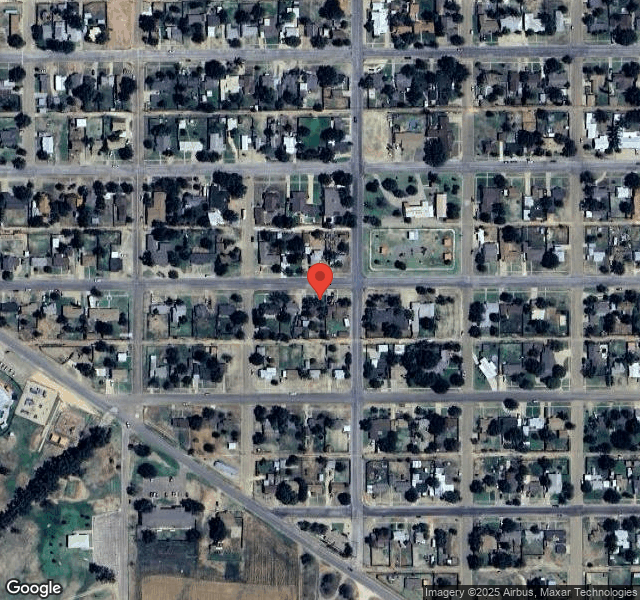
510 S FIRST ST, BROWNFIELD, TX 79316 (806) 637-4307
For profit - Corporation 54 Beds FUNDAMENTAL HEALTHCARE Data: November 2025
Trust Grade
90/100
#22 of 1168 in TX
Last Inspection: July 2024

Within standard 12-15 month inspection cycle. Federal law requires annual inspections.

Overview

Brownfield Rehabilitation and Care Center has received a Trust Grade of A, indicating it is an excellent facility that is highly recommended. It ranks #22 out of 1,168 nursing homes in Texas, placing it in the top half of all facilities, and is the best option among the two nursing homes in Terry County. The facility's trend is stable, having reported six issues in both 2023 and 2024, and there have been no fines, which is a positive sign. However, staffing is a concern with a rating of 2 out of 5 stars and a turnover rate of 16%, which is better than the state average but still below ideal. While the care quality measures are excellent, there have been specific incidents that raise concerns. For example, the facility failed to properly store and label food, which could lead to food contamination risks, and three residents were found to be at risk of improper restraint use without adequate justification. Overall, while there are strengths in quality measures and a lack of fines, the facility has notable weaknesses in staffing and some procedural oversights that families should consider.

Trust Score
A
90/100
In Texas
#22/1168
Top 1%
Safety Record
Low Risk
No red flags
Inspections
Holding Steady
6 → 6 violations
Staff Stability
✓ Good
16% annual turnover. Excellent stability, 32 points below Texas's 48% average. Staff who stay learn residents' needs.
Penalties
✓ Good
No fines on record. Clean compliance history, better than most Texas facilities.
Skilled Nurses
⚠ Watch
Each resident gets only 16 minutes of Registered Nurse (RN) attention daily — below average for Texas. Fewer RN minutes means fewer trained eyes watching for problems.
Violations
⚠ Watch
15 deficiencies on record. Higher than average. Multiple issues found across inspections.
★★★★★
5.0
Overall Rating
★★☆☆☆
2.0
Staff Levels
★★★★★
5.0
Care Quality
★★★★☆
4.0
Inspection Score
Stable
2023: 6 issues
2024: 6 issues

The Good

  • 5-Star Quality Measures · Strong clinical quality outcomes
  • Low Staff Turnover (16%) · Staff stability means consistent care
  • Full Sprinkler Coverage · Fire safety systems throughout facility
  • No fines on record
  • Staff turnover is low (16%)

    32 points below Texas average of 48%

Facility shows strength in quality measures, staff retention, fire safety.

The Bad

Chain: FUNDAMENTAL HEALTHCARE

Part of a multi-facility chain

Ask about local staffing decisions and management

The Ugly 15 deficiencies on record

Jul 2024 6 deficiencies
CONCERN (D)

Potential for Harm - no one hurt, but risky conditions existed

Comprehensive Care Plan (Tag F0656)

Could have caused harm · This affected 1 resident

**NOTE- TERMS IN BRACKETS HAVE BEEN EDITED TO PROTECT CONFIDENTIALITY** Based on record review and interview, the facility failed to develop a comprehensive care plan to meet the highest practicable p...

Read full inspector narrative →
**NOTE- TERMS IN BRACKETS HAVE BEEN EDITED TO PROTECT CONFIDENTIALITY** Based on record review and interview, the facility failed to develop a comprehensive care plan to meet the highest practicable physical, mental, psychosocial well-being for 2 of 26 residents (Resident #11 & #13) reviewed for care plans as follows: Resident #11 did not have a care plan for urinary incontinence and psychosocial well-being. Resident #13 did not have a care plan for urinary incontinence and psychosocial well-being. These failures could place residents at risk of not receiving the care required to meet their Individualized needs. Findings include: Record review of Resident #11's face sheet, dated 07/17/24, revealed an [AGE] year-old-male was admitted to the facility on [DATE] with diagnosis to include dementia, psychotic disturbance (difficulty distinguishing reality from perceptions), mood disturbance (mental illness) , and anxiety (increased worry). Record review of Resident #11's Comprehensive Minimum Data Set, dated [DATE], revealed: Section C Brief Interview for Mental Status score revealed a score of 06, which indicated the resident's cognition was severely impaired. Section V Care Area Assessment (CAA) Summary: CAA Results: 06. Urinary Incontinence 07. Psychosocial Well Being Section D Mood indicated that a mood interview should be conducted and that the resident refused to respond to the questions regarding social isolation. Section H Bowel and Bladder revealed Resident #11 was always continent of the urinary and always continent of the bowel. Record review of the Resident #11's care plan dated 05/10/24 did not reveal a care plan for urinary and psychosocial wellbeing. Record review of Resident #13's face sheet, dated 07/17/24, revealed an [AGE] year-old-female was admitted to the facility on [DATE] with diagnosis to include dementia( Memory loss), diarrhea, psychotic disorder (disconnection from reality), anorexia (eating disorder), cognitive communication deficit(difficulty communicating), anxiety disorder (increased worry), and constipation. Record review of Resident #13's Comprehensive Minimum Data Set, dated [DATE], revealed: Section C Brief Interview for Mental Status score revealed a score of 04, which indicated the resident's cognition was severely impaired. Section V Care Area Assessment (CAA) Summary: CAA Results: 06. Urinary Incontinence 07. Psychosocial Well Being Section D Mood indicated that a mood interview should be conducted and that the resident within the past 2-6 days she had very little interest or pleasure in doing things and had feelings of being down, depressed and hopeless. Section H Bowel and Bladder revealed Resident #13 was occasionally incontinent of the urinary and occasionally incontinent of the bowel . Record review of the Resident #13's care plan dated 12/07/23 did not reveal a care plan for urinary and psychosocial wellbeing. During an interview on 07/18/24 at 12:04 PM, the MDS Coordinator stated that the care plan policy provided was the only policy they had. She said they use data from the MDS assessment and the CAA s in Section V to complete the care plan. She said if an item was triggered on the MDS assessment, it should be cared for and planned. She said that if it was decided that it did not need care planned, there was a way on the MDS assessment to indicate that decision. She said in Section V, if yes was marked in both columns, it indicated that the item was triggered and should have been care planned. She said all staff and anyone with direct contact with the resident used the care plan to provide care. The MDS Coordinator said a care plan consisted of a problem, goal, and approaches to reach the goal. She said psychosocial well-being was an area usually stimulated by activities and that the care plan was checked to ensure that the resident was not isolated, that there were no mental health issues, and that the resident was interacting with other residents. She said if urinary was triggered, the staff were to make sure there was no skin breakdown, changing the resident if applicable and if they needed any items such as a urinal. She said it would also indicate or include skin audit instructions if applicable. The MDS Coordinator said she was responsible for all the care plans. She said she did not know why the identified care plans were not done and may have overlooked the missing care plans. She said she expected all triggered CAAs to be care planned unless otherwise indicated. She said care plans should be individualized and current to meet the resident's needs. The MDS Coordinator said she had been trained on how to complete care plans and that the training was not formal and consisted of her training herself with preexisting care plans and manuals. She said the system for ensuring no missing care plans was that the DON would sign off on them, but that the DON was new. She said she also went back and checked and ensured that each time an MDS was completed, she would check section V and ensure that all triggered items were addressed. She said she was unaware there were missing care plans until after surveyor intervention. She said she had seen the facility's policy on care plans. She said the potential negative outcome of not care planning all triggered items from the MDS assessment was that residents might not receive the correct care. She said the purpose of care planning in all triggered areas was to ensure that the residents were cared for adequately based on the issues generated from the MDS assessment. During an interview on 07/18/24 at 12:31 PM, the DON stated they care planned the data triggered on the MDS assessment in Section V. She said she was not familiar with Section V from the MDS as she was new to long-term care. She said everyone used the care plan to provide care to the residents. She said a care plan was a resident-centered plan of care. She said the MDS Coordinator was responsible for creating the care plan, and the DON oversaw the process . She said she was unaware of why the identified care plans were missed. She said she expected all triggered items from the MDS assessments to be care planned. She said she had been trained on care plans. She said she had received several classes throughout the month. She said their system to monitor resident care plans was going through the care plans during quarterly audits. She said she had seen the facility's policy on care plans. She said the potential negative outcome of not care planning triggered items from the MDS assessment, which was that the residents could not get the care they needed because it was not documented in the care plan. She said the purpose of care planning the triggered items from the MDS assessment was to ensure that each resident was getting tailored care in every triggered area. During an interview on 07/18/24 at 12:39 PM, the ADM stated that everyone had used the care plan. He stated that the care plan showed everything that staff do for the residents, including anything outside the ordinary. He said that if the CAAs were triggered in the MDS assessment, they should be addressed in the care plan. He said the MDS Coordinator was responsible for the care plan but that the DON would assist with them, too. He said he was unaware of why the identified care plans were missed. He said he had been trained on care plans. He said he does not remember the training or how it was conducted because his training was 15 or 20 years before the interview. He said the system to monitor care plans was the one the DON would go through to see if anything was missing. He said the potential negative outcome of not care planning triggered items from the MDS assessment, which was that staff may miss care for a resident and may not know important information to care for the resident. He said the purpose of care planning triggered items was to provide care and safety and to keep residents in good health. Record review of facility policy titled Care Plan Process, Person Centered Care, last revised on 05/05/2023, revealed: POLICY: The facility will develop and implement a baseline and comprehensive care plan for each resident that includes the instructions needed to provide effective and person-centered care of the resident that meet professional standards of quality care. The services provided or arranged by the facility, as outlined by the comprehensive person- centered care plan, will meet professional standards of quality. The facility will coordinate the development of the person-centered care plan within the required timeframes. PROCEDURES: Following RAI Guidelines develop and implement a comprehensive person centered care plan that includes measurable objectives and timeframes to meet a resident's medical, nursing, and mental and psychosocial needs that are identified in the comprehensive assessment. The Interdisciplinary Team (IDT) will review for effectiveness and revise the person centered care plan after each assessment. This includes both the comprehensive and quarterly assessments. For the comprehensive assessment the review will be completed with seven (7) days of V0200B2 and no more than 21 days after admission. The person-centered care plan includes: A Date B. Problem C. Resident goals for admission and desired outcomes D. Time frames for achievement E. Interventions, discipline specific services, and frequency
CONCERN (D)

Potential for Harm - no one hurt, but risky conditions existed

Accident Prevention (Tag F0689)

Could have caused harm · This affected 1 resident

**NOTE- TERMS IN BRACKETS HAVE BEEN EDITED TO PROTECT CONFIDENTIALITY** Based on observations, interviews, and record review, the facility failed to ensure that each resident received adequate supervi...

Read full inspector narrative →
**NOTE- TERMS IN BRACKETS HAVE BEEN EDITED TO PROTECT CONFIDENTIALITY** Based on observations, interviews, and record review, the facility failed to ensure that each resident received adequate supervision and assistance devices to prevent accidents for 1 of 2 residents (Resident #2). The facility failed to ensure guidelines from Resident #2's smoking assessment were followed to include wearing a smoking apron. The facility also failed to follow Resident #2's care plan indicating Resident #2 should be supervised while smoking. These failures could place the resident at risk of inadequate supervision and accidents which could result in injury. Findings Included: Record Review of Resident #2's face sheet dated 7/17/2024 documented a [AGE] year-old male admitted on [DATE] with diagnoses to include: essential hypertension, muscle wasting, unspecified lack of coordination, muscle weakness, chronic obstructive pulmonary disease (chronic inflammatory lung disease that causes obstructed airflow from the lungs), and schizophrenia unspecified (serious mental health condition that affects how people think, feel, and behave). Record review of Resident #2's Safety Evaluation for Smoking Care Plan, undated, revealed under Recommendations: use of smoking apron to prevent burns. Record review of Resident #2's care plan, dated 04/04/2024, revealed a care plan for smoking. This document indicated Resident # 2 was a smoker and was at risk for injury. The document stated Resident would be supervised by staff while smoking. Record review of Resident #2's MDS assessment dated 06/072024, revealed under Section C, Cognitive Patterns, a BIMS score of 12, indicating the resident was slightly, cognitively impaired. During an observation on 7/17/2024 at 10:00 a.m., Resident #2 was observed outside smoking with his family member. Resident #2 was observed with cigarette ash on his shirt. Resident #2 was observed with a cigarette in his hand. Resident #2 was observed holding his cigarette close to his torso. There were no staff present supervising Resident #2. Resident #2 was not observed wearing a smoking apron. In an interview on 7/17/2024 at 11:20 a.m., Resident #2 stated the gray spot observed on his shirt was cigarette ash. Resident #2 stated he was outside smoking with his family member earlier today when he dropped cold cigarette ash on himself. Resident # 2 stated he did not burn himself from the ash and stated he brushed the ash off his shirt when he noticed it. Resident #2 stated it did not burn his clothing since the ash was cold. Resident #2 stated he didn't notice immediately that the ash had fallen on his clothing, and he stated he did not know how long it had been there or why it had happened. Resident #2 stated it was common for him to drop cold ashes on himself when he smoked. In an interview on 7/18/2024 at 10:00 a.m., Resident #2 stated staff have never put a smoking apron on him when he smoked. Resident #2 stated staff have put a blanket on him to go outside because he was cold, but he has never worn a smoking apron. Resident #2 stated he was taken outside to smoke by staff, but staff did not always stay with him the whole time. Resident #2 stated he did not remember which staff left him outside while he was smoking. Resident #2 stated he did not remember when this happened or how often he had been left outside smoking without a staff. Resident #2 stated he smoked twice a day, after lunch and after dinner. Resident #2 stated he received assistance lighting his cigarettes, but he held them on his own. Resident #2 stated he never burned himself or his clothing with his cigarettes while he smoked at the facility. Resident #2 stated his family member took him out to smoke when she came to visit, and she told the nursing staff they went outside. Resident #2 stated staff did not go out with him when he was with his family member. Resident #2 stated he sometimes threw his cigarettes on the ground when he was done with them, out of habit, and staff usually picked them up to discard of them. Resident #2 stated his cigarettes and lighter were stored at the nurse's station, and his family member had to ask for them when she visited. Resident #2 stated his family member visited him about once a week. In an interview and observation on 7/18/2024 at 11:15 a.m., CNA B stated she took Resident #2 out frequently to smoke. CNA B stated she stayed with Resident #2 outside while he was smoking, and she lit his cigarette and handed it to him. CNA B stated she heard that staff have left Resident #2 outside by himself while he was smoking, but she did not see this occur. CNA B stated she was aware of capes for smoking residents. CNA B stated Resident #2 sometimes wore a smock while smoking, but she was not aware if it was required for Resident #2 to wear it. CNA B stated she did not know what Resident #2's care plan or smoking assessments stated. CNA B stated she has not seen Resident #2 drop his cigarettes in the past. CNA B stated she observed Resident #2 drop cigarette ashes on his pants in the past. CNA B stated the ashes did not burn Resident #2's clothing because they were the burned ashes from his cigarette butt. CNA B stated she did not seen Resident #2 sustain any injury from his cigarette ashes dropping on his clothing and she did not witness him burn himself or his clothing. CNA B stated Resident #2's family member took him to smoke when she visited him. CNA B stated Resident #2's family member obtained his cigarettes and lighter from the nurse's station prior to them going outside. CNA B stated she was not aware that a staff had to be with Resident #2 if his family member was with him. CNA B stated she did not know if Resident #2's family member was trained on safe smoking. CNA B stated she didn't remember receiving training on safe smoking for residents, but stated she knew she had to observe the resident's while they were smoking. CNA B stated she did not receive any in-service trainings. CNA B stated Resident #2 should not smoke without supervision, as he required assistance. CNA B stated Resident #2 was stronger than when he first admitted to the facility, but he still required assistance. CNA B stated the risk of Resident #2 smoking without assistance, or without a smoking apron, would be risk of physical injuries such as burns as well as a risk of causing a fire. CNA B stated Resident #2 had a habit of throwing his lit cigarettes on the ground instead of distinguishing them properly. CNA B stated staff supervising Resident #2 smoking were responsible for picking up the lit cigarettes and ensuring they were distinguished properly. CNA B was asked to show surveyor the location of the facility's smoking aprons. CNA B was unable to locate the smoking aprons and was unaware of where the aprons were stored. In an interview and observation on 7/18/2024 at 11:35 a.m., LVN C verified the location of the smoking aprons in the medication storage room. Two smoking aprons were observed. LVN C stated smoking aprons were used when a resident was at risk of not smoking safely. LVN C stated she thought Resident #2 did not need a smoking apron because he was stronger than he had been initially at admission. LVN C verified Resident #2's smoking assessment in his char indicated he required a smoking apron. LVN C stated, based on the smoking assessment for Resident #2, he should be wearing a smoking apron every time he smoked. LVN C stated she observed Resident #2 in the past, and he did require extra assistance at one time. LVN C stated she has not observed Resident #2 smoking recently. LVN C stated Resident #2 flicked his ashes in the past, and he did not listen to direction when redirected to use the ash tray. LVN C stated Resident #2 discarded his cigarettes by flicking them on the ground, and staff were responsible for picking up the cigarettes and disposing of them. LVN C stated Resident #2 was at risk of burning himself or causing a fire because he did not pay attention to where he threw his cigarette when he was done. LVN C stated Resident #2 did have weakness in his hands that could have caused him to drop his cigarettes, which could have led to an injury or a possible fire if he was not being supervised properly or using a smoking apron. LVN C stated she received training on supervising residents while they were smoking. LVN C stated the staff that observed Resident #2 smoking were responsible for ensuring he wore a smoking apron and were responsible for supervising Resident #2 while he was outside smoking. In an interview on 7/18/2024 at 11:45 a.m., The DON stated cigarettes and other smoking belongings were stored in the medication room in a tackle box. The DON stated that all residents that smoke were to be supervised while smoking, per facility policy. The DON stated no cigarettes were supposed to be left on the ground during or after smoking. The DON stated it was the staff's responsibility that observed the resident smoking, to ensure no lit cigarettes were thrown on the ground, and that they were disposed of properly. The DON stated Resident #2 always required a smoking apron while he was smoking. The DON stated the aprons were stored in the medication storage room, and staff should have been aware of the location of the aprons. The DON stated staff received an in-service on safe smoking in May 2024. The DON stated Resident #2 required a staff to observe him smoking even if his family member took him out to smoke. The DON stated Resident #2 did not listen to staff's direction and refused to use an ash tray to distinguish his cigarettes. The DON stated Resident #2 flicked his ashes off his cigarette and didn't pay attention to where he flicked them. The DON stated Resident #2 dropped ashes on his pants in the past, but he had a smoking apron on at the time. The DON stated it was the staff's responsibility to ensure Resident #2 was smoking safely and disposing of his cigarettes safely. The DON stated all staff should have been aware of where the smoking aprons were kept, and they should have ensured Resident #2 had a smoking apron on every time he smoked. The DON stated Resident #2 not wearing a smoking apron placed him at risk of injuries such as burns as well as possibly starting a fire if he was not supervised properly. In an interview on 7/18/2024 at 12:15 a.m., the ADM stated smoking supplies were kept at the medication storage room. The ADM stated smoking aprons were used by residents, if needed. The ADM stated a smoking assessment was required to make this determination. The ADM stated he did not believe Resident #2 needed a smoking apron, but he was not certain. The ADM stated it was the facility's policy to supervise all smoking residents while they smoked. The ADM stated Resident #2's family member took him out to smoke when she visited, and this did not require a staff to supervise. The ADM stated he did not believe Resident #2's family member received any type of training to ensure Resident #2 smoked safely. The ADM stated all staff should have received training on supervising residents while they were smoking, but this may have been a while ago. The ADM stated he did not know of any recent in-service trainings. The ADM stated it was the staff's responsibility to ensure residents were wearing a smoking apron when necessary. The ADM stated Resident #2 should have worn a smoking apron every time he smoked if his assessment specified that. The ADM stated smoking assessments were updated quarterly. The ADM stated Resident #2 was at risk of dropping his cigarette or ashes on himself, which could result in burning himself, if he was not wearing a smoking apron. The ADM stated Resident #2 also had a habit of flicking his cigarette and ashes without paying attention, which could lead to an injury or possible fire if he was not supervised properly. Record review of the facility's policy, Leadership Policies and Procedures Section 1: Leadership Framework, revised 11/1/2017, revealed the following documentation: SUBJECT: SMOKING REGULATION POLICY: It is highly encouraged that the Facility retain a smoke free environment. If the Facility chooses not to retain a smoke-free environment (Smoking Facility), the Facility's Leadership will establish an appropriate and safe environment for smoking in the Facility to reduce risks to patients/residents who smoke, reduce risks of passive smoking for others, and reduce the risk of fire. PROCEDURES: 4. The Smoking Facility's staff will complete the Safety Evaluation for Smoking Care Plan form (Assessment) for the patient's/resident's need for adaptive equipment upon admission, quarterly, and annually. When completed, the record is filed in the patient's/resident's medical record. 6. Patients/Residents will not smoke without direct supervision. 8. Facility specific policy of practice is developed regarding direct supervision of patients/residents. SUBJECT: SMOKING POLICY, GUIDELINES POLICY: Facility's Leadership will establish and enforce a specific smoking policy for Facility patients/residents, visitors and employees, outlining the parameters, if any, under which patients/residents, visitors and employees may be permitted to smoke on Facility's property. PROCEDURES: 5. If smoking is permitted in the building or on its premises: B. All persons must use the designated ashtrays to dispose of their smoking materials. C. Each patient/resident will be supervised by Facility staff. Assigned Facility staff will ignite all smoking materials, will Remain in the designated smoking area throughout the break and will ensure all smoking materials are properly extinguished in the designated ashtrays and safeguarded. Facility's Interdisciplinary Team will complete a safety evaluation in order to determine any additional supervision a patient/resident may require while smoking. (See: Smoking Evaluation) D. Facility staff will provide patients/residents with and monitor usage of any protective gear/apparatus (flame-retardant smoking aprons, gloves, etc.) deemed necessary by the patient's/resident's safety evaluation and/or care plan, if applicable. F. No other person, including but not limited to other patients/residents, family members and/or visitors, may: I) Supervise patients/residents during smoke breaks; 2) Assist with igniting or extinguishing smoking materials; or 3) Directly give/provide smoking materials to any patient/resident. This includes, without limitation, selling, sharing or bartering materials. SUBJECT: SMOKING EVALUATION POLICY: The Facility will identify and maintain the safety of all residents wishing to smoke during their stay. PROCEDURES: 1. If the Facility's Patient/Resident Smoking Policy allows patients/residents to smoke during their stay, each patient/resident will be supervised by Facility staff. Family members and/or visitors are not permitted to supervise any patient/resident while smoking. 3. A care plan will be developed to address the resident's individualized needs and levels of assistance as determined by the Evaluation.
CONCERN (D)

Potential for Harm - no one hurt, but risky conditions existed

Deficiency F0883 (Tag F0883)

Could have caused harm · This affected 1 resident

**NOTE- TERMS IN BRACKETS HAVE BEEN EDITED TO PROTECT CONFIDENTIALITY** Based on interview and record review, the facility failed to ensure the resident's medical record included documentation that in...

Read full inspector narrative →
**NOTE- TERMS IN BRACKETS HAVE BEEN EDITED TO PROTECT CONFIDENTIALITY** Based on interview and record review, the facility failed to ensure the resident's medical record included documentation that indicated the resident either received the pneumococcal immunization or did not receive the pneumococcal immunization due to medical contraindication or refusal for 1 of 26 residents (Residents #20) reviewed for pneumococcal immunizations. - The facility failed to document pneumococcal immunization status for Resident #20 These failures could place residents at risk for contracting a viral disease and cause respiratory complications and potential adverse health outcomes. Findings included: Resident #20 Record review of Resident #20 undated face sheet revealed a [AGE] year-old female admitted on [DATE]. Resident #20 had a medical history of type 2 diabetes, hypertension (high blood pressure), muscle atrophy (muscle wasting), and vascular dementia (dementia caused by decreased blood flow to the brain). Record review of Resident #20 MDS dated [DATE] revealed a BIMS score of 01 which indicated resident had severe cognitive impairment. Section O- Special treatments, procedure, and programs of the MDS revealed resident did not receive the pneumococcal vaccine with the reason of offered and declined. Record review of Resident #20's physician orders did not reveal an order for the pneumococcal vaccine. Record review of Resident #20s undated vaccine record did not reveal Resident #20 or resident representative had been educated on the pneumococcal vaccine. Record review of Resident #20's undated vaccine record did not reveal a consent form for refusal of the pneumococcal vaccine. During an interview with the ADON on 7/18/2024 at 9:21 AM, she stated she was the infection preventionist and MDS coordinator. She stated she and the DON are responsible for running vaccine audits. She stated they screen residents on admission for missing vaccines and if they refuse, they will do a yearly audit. She stated the last audit she did was approximately 15 months ago. She stated the potential negative outcome are the resident's risk of getting an infectious disease. She stated she believed she had received a consent for Resident #20 but was unable to find the document. She stated she has had training in infection prevention but no further training on vaccines. During an interview with the DON on 7/18/2024 at 9:33 AM, she stated she and the ADON are responsible for ensuring residents are current with their vaccines or have been offered the vaccines. She stated the resident's vaccine status are assessed during admission and the pharmacy notifies the facility of the residents who need their vaccines. She stated the potential negative outcome is the resident being more at risk for getting the flu or pneumonia. During an interview with ADM on 7/18/2024 at 10:14 AM, he stated the ADON is responsible for the resident's vaccines. He stated the vaccine assessment status is part of the admission packet. He stated he did not believe there had been training on the pneumococcal vaccine, but they had an in-service on the flu and covid. He stated he had a check list to monitor for flu and covid vaccines but not the pneumococcal vaccine. He stated the potential negative outcome is the residents can get sick. Record review of facility policy titled INFECTION PREVENTION AND CONTROL POLICIES AND PROCEDURES, last revised on 8/2/2023, revealed: Immunization recommendations for patients/residents: a) Pneumococcal vaccine (over 65 years, chronic illnesses) 7. The facility offers pneumococcal immunizations to patients and residents who are risk for pneumococcal infection.
CONCERN (D)

Potential for Harm - no one hurt, but risky conditions existed

Smoking Policies (Tag F0926)

Could have caused harm · This affected 1 resident

Based on observation, interview, and record review the facility failed to follow their own established smoking policy for 1 of 1 smoking area (main building) reviewed for smoking policies. - The fac...

Read full inspector narrative →
Based on observation, interview, and record review the facility failed to follow their own established smoking policy for 1 of 1 smoking area (main building) reviewed for smoking policies. - The facility failed to ensure the designated smoking area was free from cigarette butt trash. These failures could affect residents by resulting in an environment that is not safe, sanitary, or comfortable for residents, staff, and visitors. Findings included: During an observation on 7/17/2024 at 10:05 AM, the designated smoking area had multiple cigarette butts in the grass and around the outdoor tables and chairs. During an interview with Maintenance Supervisor on 7/17/2024 at 11:10 AM, he stated he usually keeps the patio clean, trims the grass and picks up outside at least once a week. He stated the potential negative outcomes of the cigarette butts being thrown in the grass could be a fire. He stated he attempts to keep everything picked up, but the cigarette butts keep being thrown in the grass. He stated he does not remember having any training or in-services. He stated he uses the policy and procedure book as his guide. During an interview with Housekeeping Supervisor on 7/17/2024 at 2:34pm, she stated housekeeping helps sweep the outdoor patio every morning, but it is maintenance responsibility for the outdoor to be kept clean. She stated the potential negative outcome could be the grass catching fire if the cigarette butts are thrown on the grass. She stated she does not believe they have received any training on outdoor upkeep. During an interview with the DON on 7/18/2024 at 9:33 am, she stated she is not sure who specifically is responsible for keeping up the grounds. She stated all staff tries to help by picking up if they can. She stated maintenance does rounds every Friday. She stated the cigarette butts on the grass can be a fire hazard. She stated her expectation of staff who takes residents outside to smoke are for them to assist with lighting the cigarette, using the ash tray and making sure the butts are discarded in the appropriate trash cans. During an interview with the ADM on 7/18/2024 at 10:14 AM, he stated the Maintenance Supervisor keeps the backyard clean and housekeeping will sweep the patio in the mornings. He stated the potential negative outcome of the cigarette butts being thrown in the grass is a potential fire. He stated his expectation of staff monitoring smoking times, is for them to assist with lighting and disposing of the cigarettes. During an interview with CNA B on 7/18/2024 at 11:13AM, she stated during smoke times she is to observe the residents, light the cigarettes and help them dispose of the cigarette in the red trash bin. She stated if she saw a resident throw the cigarette on the grown, she would put it out and throw it in the red bin. She stated she had not had training or in-services on keeping the ground clean. She stated she often sees the cigarette butts on the floor, and housekeeping usually sweeps them up. During an interview with LVN C on 7/18/2024 at 12:00 p.m. she stated she has observed residents smoking outside a few times. LVN C stated she has observed residents flick cigarettes on the ground. LVN C stated it is the staff's responsibility to distinguish the cigarette and discard it properly. LVN C stated the cigarettes or cigarette butts should not be left on the ground at any time. LVN C stated there is a risk that the cigarette could cause a fire or burn a resident if it is not discarded properly. LVN C stated she and all staff at the facility have received in-service training on supervising resident's properly while smoking. Record review of facility policy titled MAINTENANCE/HOUSEKEEPING POLICIES AND PROCEDURES EQUIPMENT AND UTILITIES MANAGEMENT PROGRAM last revised 7/26/2017, revealed: ITEM: Exterior Inspection . 1. Inspect for cleanliness of grounds, especially in trash dumping area. Record review of facility policy titled LEADERSHIP POLICIES AND PROCEDURES last revised 11/1/2017, revealed: SMOKING POLICY, GUIDELINES . 15. Assigned Facility staff will routinely and adequately maintain all disposal containers and the property to remove all cigarette butts and other trash.
CONCERN (F)

Potential for Harm - no one hurt, but risky conditions existed

Food Safety (Tag F0812)

Could have caused harm · This affected most or all residents

Based on observation, interview, and record review, the facility failed to store, prepare, distribute, and serve food in accordance with professional standards for food service safety in 1 of 1 kitche...

Read full inspector narrative →
Based on observation, interview, and record review, the facility failed to store, prepare, distribute, and serve food in accordance with professional standards for food service safety in 1 of 1 kitchen reviewed for dietary services. The [NAME] failed to ensure food was accurately dated and labeled (3 cups of milks in the refrigerator). The DM failed to wash her hands when entering the food preparation area. The DM failed to ensure that spoiled food (potatoes) was properly discarded. The DM failed to ensure that dented cans were not stored in with the remainder of food for resident consumption. The [NAME] failed to cover food that was not actively being served. These failures could place residents at risk for food contamination and foodborne illness. The findings included: An observation on 07/16/24 revealed the following: 11:34 AM Full package of hot dog buns (x8 count) un-dated in the dry pantry amongst the resident's food for consumption. At 11:38 AM, a dented can of mandarin oranges dated 07/15/24 was observed in the dry pantry amongst the residents' food for consumption. 11:39 AM: A dented can of milk dated 06/02/24 was observed in the dry pantry amongst the residents' food for consumption. 11:41 AM A bin of 47 potatoes (2 had white fuzz growing, at least 4 had roots sprouting, and three were soft to the touch) was observed. 11:45 AM observed 4 cups of milk on a tray inside the refrigerator. 1 of the 4 cups had a label that read 07/15 and 07/17 milk, milkshake and juice. 3 of 4 cups did not have a date or label to indicate the item and when it was prepared. 12:14 PM: The DM was observed entering the food preparation area. She did not wash her hands. She went to the refrigerator and obtained three bowls of unknown food items. The DM exited the food preparation area without washing her hands and handed the bowls to the Cook. 2:32 PM, the DM labeled the hot dog buns with the date 07/15/24. 2:33 PM, The dented can of milk and oranges remained in the dry pantry amongst the food for resident consumption. 2:34 PM The unlabeled cups of milk x3 remained in the refrigerator, but the milkshakes were removed. 2:35 PM: Six chocolate cakes (uncovered, undated, and unlabeled) were observed inside the food preparation area. 2:39 PM The DM gave the staff six chocolate cakes to serve the residents. An observation on 07/17/24 revealed the following: 10:00 AM Dented cans of milk and oranges were moved to the area away from the resident's food for consumption and marked with an X. At 10:06 AM, a bin of 47 potatoes (2 had white fuzz growing, at least 4 had roots sprouting, and three were soft to the touch) remained from the 07/16/24 observation. During an interview on 07/18/24 at 2:32 PM, the DM stated she received the hot dog buns on 07/15/24. She said they should have been labeled on 07/15/24 by the Cook. During an interview on 07/18/24 at 9:21 AM, the [NAME] stated regarding the dented cans that whoever worked the morning that inventory came in would have been responsible for placing the dented cans in the appropriate spot in the dry pantry. She said removing the dented cans when inventory came in was the system the facility used to monitor dented cans. She said the ADM and DM would check and remove dented cans between the inventory arrivals. She said that the system the facility used to ensure dented cans were not in with the remainder of the food for the residents was when a dented can was identified, then it was to be removed and placed in the corner away from the other cans and an X should be placed on the can. She said the inventory truck arrived at the facility twice a week. She said she did not have a reason for the can of milk and oranges being placed with the other cans that would have been used for the residents. She said it was expected of them to remove the dented cans from the regular stock of food so they were not used. The [NAME] stated she had been trained that dented cans cannot be in the same area as the remainder of the resident's food. She said she had been trained in her safety food course and told by multiple supervisors. She said she was unaware that the dented cans were in the residents' regular food inventory and was told by the DM that dented cans were identified. The [NAME] stated she had not seen the facility's policy on the storage of dented cans but that because of her training, she knew that the dented cans could not be stored with the cans that would be used for consumption. The [NAME] stated that the potential negative outcome of the dented cans being in with the regular inventory was that they could be used and make the residents sick. She stated they could not tell if air entered the can or not. She stated that separating the dented cans was to ensure they did not use the cans for the residents. The [NAME] stated they were all responsible for ensuring the vegetables and fruits were fresh and disposed of properly. She said they used fresh potatoes sparingly and had not had a dish in a while, which may have been why the potatoes were not disposed of. She said it was a facility expectation that the potatoes be fresh. She said she had been trained that foods that were not fresh needed to be thrown away. She said the facility had no formal system to monitor the fresh foods and vegetables. She said if she saw it, she would throw the food out. She said she was unaware of the condition of the potatoes and did not see them. She said she had been trained to dispose of fruits and vegetables that were not fresh. She said she had not seen a policy regarding disposing of spoiled foods. She said the potential negative outcome of not disposing of spoiled fruits and vegetables was it could spread bacteria and germs to residents and get them sick. She said the purpose of removing spoiled foods was to ensure nothing else was contaminated. She said the date on the potato bin would have been when the potatoes were placed in the bin. She said if fuzz or roots were sprouting, that was a sign that the potatoes were spoiled, and they should not use them. The [NAME] said everyone was responsible for correctly labeling all food. She said she had been trained to label all foods. She said she had been verbally told by her supervisors and learned about it in her food safety course. She said they tell the new person that all food must be dated and labeled when they get a new employee. She said the system was to monitor food and make sure it was dated and labeled. If they see food not labeled, they date it or discard it. She said the food items had to have the date delivered, opened, and the date it expired. The [NAME] stated she saw the three cups of milk that were unlabeled because she poured them as it was a part of her routine to prepare the milk for the following morning. She said everyone who worked in the kitchen, including the DM, would pour up the milk for the following date and label one of them for the entire tray. She said she was trained through verbal direction and her food safety course. She said she had seen the policy for the facility on labeling and dating food. She said that due to the staff's failure to date and label all food items, the staff may not know how long the food was there, and staff could use it past the expiration date. She said this could place residents at risk of getting sick after consuming food past the expiration date. She said she would not eat food that she did not know when it was placed in the refrigerator. She said the purpose of dating and labeling food was so staff knew how long food was in the refrigerator and if the food was good and safe to use. She said the milk had been in the refrigerator since the morning of 07/16/24 when she poured it. The [NAME] said everyone was responsible for washing their hands when entering the food preparation area. She said she was unaware that the DM did not wash her hands and that she failed to wash them. She said they have been trained to wash their hands when entering the food preparation area. She said that they were trained verbally and had been trained by watching training videos and through her food safety course. She said the system that was in place was that staff washed their hands each time they entered into the food preparation area. She said even if staff were briefly going into the food preparation area or grabbing food in a covered package, they were still expected to wash their hands when entering the area. She said she did not see the DM not wash her hands because she was serving. She said she asked the DM to run in and get the pureed cake for the residents. The [NAME] said she had seen the facility's policy. She said the potential negative outcome of not washing their hands was that they could have contaminated the food, spread germs, and the residents become sick. She said the purpose of handwashing was so that the staff's hands were clean, and everything would be safe and good to eat. The [NAME] said she was responsible for covering food that was not actively being served to residents. She said on 07/16/24, when the cake was left uncovered, she thought she could leave for the day but was told she had to stay longer. She said she was focused on going home to retrieve her insulin before she had to return to work and overlooked covering the cake. She said there was a lot to do in the kitchen, and it became overwhelming when just one person completed all the tasks. She said the expectation was that all food not being served should be covered. She said she had been trained to cover all food unless it was actively being served through verbal direction, videos, and her food safety training. She said the facility system to cover food included covering the food immediately, dating it, and placing it in the refrigerator unless it was an item that needed to cool down. The [NAME] said she was aware the cake was uncovered in the kitchen. She said she thought about it after she left. She said the cake had been left out at least when she finished serving. She said they stopped serving lunch around 12:30 PM, and she left at 2:30 PM. She said the remaining cake was in a pan and moved them from the pan to the foam dishes at 1:15 PM. She said the potential negative outcome of not covering food was that flies could get on it. She said it could be cross-contaminated with other things in the area, and the residents could get sick. She said the purpose of covering food that was not actively being served was so air would not get in it and would not spoil. She said an outsider coming would not know if anything got on the cake or how long it had been sitting there uncovered. She said, not knowing that she would have disposed of the cake and not served it to the residents. During an interview on 07/18/24 at 10:27 AM, the DM stated that she and the ADM would always check for dented cans. She said the problem was that the mandarin orange can be thinner than the other cans, and when they pulled a can out, it would dent the mandarin orange cans. She said that mandarin oranges were on the menu earlier that week, and when staff pulled the can out, they might not have realized a can was dented in the process. She said she expected that the dented can be separated, and an X was to be placed on the top of the can and not to be used. She said she could take a picture of the dented can, send it to the provider, and receive reimbursement. She said she had been trained not to use dented cans and to keep them separate from the cans for resident consumption in her dietary manager training, videos, and told throughout her career. She said her system to monitor for dented cans was checking them daily around 5:30 AM. She said that she did not check the cans on 07/16/24 but did see the dented cans on 07/17/24, so she removed them. She said the potential negative outcome was that the cans could have been exposed to air and could have made the residents sick, and because the residents were elderly, they could have died. She said she had no concerns about this happening because she only had two other girls who worked with her, and they knew not to use dented cans. The DM said that everyone was responsible for ensuring that all fruits and vegetables were disposed of when they were no longer good for resident consumption. She said the potatoes were still in the pantry because she had not been in the pantry to clean. She said she cleaned the pantry at least once a week. She said she had kept a checklist when this task was completed. She said she must have missed the rotten potatoes and expected them to be thrown away when they started to sprout roots and grow fuzz on them. She said they did not use potatoes often and only used them once a month. She said she had been trained to throw spoiled food away. She said it was a part of all their training during food safety and her dietary manager training. She said since potatoes were their only fresh item, the facility system checked them when they cleaned the pantry. She said they were busy with the state because they usually cleaned the pantry on Tuesdays. She said she was aware of the rotten potatoes on 07/16/24 but was busy cleaning the freezers. She said she had intentions of taking the potatoes out on 07/16/24. She said she had not seen the facility's policy for storing fresh fruits and vegetables. She said the date on the potatoes was the date that the potatoes were bought. She said that observing fuzz, the sprouting of roots, the shriveling of the potatoes, and the softness of the potatoes meant that the potatoes were no good. She said that the potential negative outcome was that the Residents could get sick. She said they would have never served the potatoes to the residents. She said the purpose of having fresh fruits and vegetables was that spoiled ones were harmful to the residents. The DM said everyone was responsible for ensuring that all items in the fridge were labeled. She said everything was not labeled in the refrigerator because when the Corporate Dietician came in, they were told that they did not have to label every single item if it was on a tray. She said the Corporate Dietician no longer worked for the facility. She said the Director of Nutrition told her to label everything in the refrigerator. She said they do not label the number of items on the tray; they just put what items were on it. She said she expected that all items would be labeled in the refrigerator. She said she and her staff have been trained to label all items. She said it becomes difficult with one person doing all the work in the kitchen and that she often would get overwhelmed. She said the facility system was that all foods should be labeled with the date opened, date received, and date expired. She said she did see the three cups of milk on the tray in the refrigerator, but they were not labeled. She said the [NAME] poured the milk the morning of 07/16/24 and was aware that she had not labeled the milk individually. She said she saw the facility's policy on 07/17/24. She said the potential negative outcome of not dating and labeling individual items was the items could spoil and be given to the resident. She said the purpose of dating and labeling each food item was that they would know what the item was when it was prepared and when to throw it away. She said this assisted the staff does not give residents expired food. The DM said that all staff knew to wash their hands when entering the food preparation area, which was her expectation. She said she did not wash her hands because the [NAME] asked for the food items and the residents needed them immediately. She said the food items were covered in the bowls, and she thought handling them without washing her hands was okay. She said they had been trained to wash their hands when entering the food preparation area. She said she received this training in her dietary manager training. She said the facility system in monitoring handwashing was making sure they wash each time they enter the food preparation area. She said she did not realize she had not washed her hands at the time. She said she had seen the facility's policy on handwashing. She said the potential negative outcome for staff not washing their hands each time they enter the food preparation area was that staff hands could be dirty and if staff touch food, the residents could get sick. She said the purpose of handwashing when entering the food preparation areas was to keep staff hands free from debris and prevent cross-contamination. The DM said it was the responsibility of whoever plated the food to cover the food item if it was not actively being served. She said the reason the cake was left out was because they usually give leftovers to the activity's residents for the residents. She said that the [NAME] was going to provide the cake for the staff for activities. She said she expected that the cake should have been covered since it was not actively being served. The DM said she gave the cake to the staff because the cake had not been uncovered that long. The DM could not state how she determined the cake had not been uncovered long. The DM said she should have thrown the cake away. She said she had not been trained to cover food that was not actively being served but that she just knew because it was common sense. She said the facility system to ensure that food was covered when not actively being served was that everything should be covered immediately. She said she did not see the cakes initially but noticed them after the surveyor's intervention. She said she had not seen the facility's policy on covering food not actively served. She said the potential negative outcome was that the food could spoil, and residents could get sick. She said covering food not actively served would ensure bugs and dust do not get on the food. She said she believed the cake was in the kitchen for about 30 minutes. She said she knew this because lunch was finished at 12:30 PM. She said she did not observe the [NAME] plate the cake. During an interview on 07/18/24 at 12:39 PM, the ADM stated the DM was responsible for ensuring no dented cans were in the resident's food for consumption. He said he did not know why the two cans observed were in the food for resident consumption. He said that he expected dented cans to be kept separate or discarded. He said he had been trained to keep dented cans separate from the resident's food for consumption. The ADM said that the facility's policy for monitoring dented cans was he did sanitation every Thursday. He said if he found dented cans, he would inform the DM and put them aside. He said he was unaware of the two dented cans identified. He said that the potential negative outcome was that bacteria could get in the cans and make the residents sick. The ADMs said the DM was responsible for ensuring that the potatoes were disposed of if they were not fresh. He said he had no reason for the spoiled potatoes to be in the bin. He said he expected the potatoes that were no good to be discarded. He said he was unaware of the rotten potatoes but had recently identified spoiled lettuce and discarded those. He said the potential negative outcome was if used, it could make the residents sick. He said the purpose of having fresh fruits and vegetables was so the residents could get their vitamins and nutrition. The ADM said the DM was responsible for ensuring that all food items were dated and labeled. He said the [NAME] should also know. He said he did not have a reason or was not provided a reason why all the food items were not dated and labeled. He said he expected all food items to be dated and labeled. He said the Corporate Dietician never told him it was okay to date one item and place other things on a tray. He said he had no formal training. He said there was no excuse that the items were not labeled because the DM had plenty of stickers, and they also had to print labels if they did not have stickers. He said he was unaware that the kitchen staff was using one sticker and grouping items on one tray. He said the potential negative outcome of not dating and labeling all food items was that the food items could be spoiled, rotten, and served to the residents. He said he expected all items to be labeled with the item name and date and used within three days. He said the item should be thrown away if it was not dated or past the three days. The ADM said the DM was responsible for ensuring handwashing occurred when staff entered the food preparation area. He said he did not have a reason, nor was he given a reason for the DM failing to wash her hands when she entered the food preparation area. He said he had been trained on handwashing in the food preparation area and that staff should wash their hand each time they leave and return to the food preparation area. He said washing their hands when they entered and before they left was also the facility system for monitoring hand washing. He stated he was unaware the DM did not wash her hands when she entered the food preparation area on 07/16/24. He said even through his sanitation rounds, he had not observed an issue with handwashing. He said he had peeked through the kitchen windows and monitored handwashing. He said the potential negative outcome was bacteria could spread and make the residents sick. During an interview on 07/22/24 at 9:48 AM, the Director of Nutrition stated that she was the facility's nutrition program consultant. She said she made the menus, reviewed policies, and educated staff when needed. She said she was last in the facility around April 2024, where she conducted a mock survey. She said that she only identified concerns with dating/labeling and handwashing. She said she would have to see what documentation she had from her mock survey. She said if she did not reach out, she could not locate any documentation from the mock survey or reeducation conducted then. She said the facility system for identifying deficient practices in the kitchen was to bring them to the DM's attention when she or the ADM conducted rounds and discussed them in their meetings. The Director of Nutrition said there were no concerns with dented cans during their mock survey in April 2024. She said the facility had a spot where they were supposed to put dented cans in the dry pantry. She said the dented cans were to be kept separate from the remaining cans for resident consumption. She said the potential negative outcome of having cans in circulation of cans for resident consumption was that residents could be exposed to botulism. She said botulism was a deadly disease that can occur when air seeps into the can. The Director of Nutrition said she was unaware of rotten potatoes in the dry pantry. She said the potential negative outcome was that if served to the residents, it could cause foodborne illness. The Director of Nutrition said that the DM called her about labeling the food items, and she told her that all items must be labeled. She said she never told her that it was okay that they could label one item for all the items on the tray. She said it could become confusing if multiple items were on a tray. She said, for example, milk not knowing what kind of milk could cause residents to get items they were not supposed to have and could make them sick. The Director of Nutrition said the hands of all staff should always be washed when entering the food preparation area. She said that since the food line was outside the food preparation area, she also expected staff to wash their hands before returning to the line. She said the potential negative outcome of staff not washing hands when entering the food preparation areas was that foodborne illness and bacteria on staff hands could make the residents sick. The Director of Nutrition said the potential negative outcome of not covering food was like staff not washing their hands. She stated that food could become contaminated, leading to foodborne illness and making residents sick. The Director of Nutrition said she would have thrown the cakes away and not served them to residents because staff did not know how long they had been sitting out. She said if staff were unsure if it had been contaminated, they should have tossed it out. She said the saying used was, When in doubt, throw it out. Record review of the U.S. Food and Drug Administration Food Code ( https://www.fda.gov/food/fda-food-code/food-code-2022) revealed: 3-305.14 Food Preparation During preparation, unpackaged food shall be protected from environmental sources of contamination. 3-307 Preventing Contamination from Other Sources FOOD shall be protected from contamination 3-602.11 Labeling Label information shall include: The common name of the FOOD, or absent a common name, an adequately descriptive identity statement; (2) If made from two or more ingredients, a list of ingredients and sub-ingredients in descending order of predominance by weight, including a declaration of artificial colors, artificial flavors and chemical preservatives, if contained in the FOOD; (3) An accurate declaration of the net quantity of contents; Duties/ Person in charge (D) EMPLOYEES are effectively cleaning their hands, by routinely monitoring the EMPLOYEES' handwashing; Chapter 3. Food FDA considers food in hermetically sealed containers that are swelled or leaking to be adulterated and actionable under the Federal Food, Drug, and Cosmetic Act. Depending on the circumstances, rusted and pitted or dented cans may also present a serious potential hazard. Record review of facility policy titled Food Safety in Receiving and Storage, last revised on 06/20/2023, revealed: POLICY: Food will be received and stored by methods to minimize contamination and bacterial growth. Receiving Guidelines Inspect food when it is delivered to the facility and prior to storage for signs of contamination. Food packages shall be in good condition to protect the integrity of the contents so that the food is not exposed to adulteration or potential contaminants. Examples of signs of contamination include: A Cans with badly swollen sides or ends, flawed seals or seams, rust, dents, or leaks. Signs of insects in fresh produce. Dried fruits and vegetables, cereals and other grain products, sugar, flour, and rice received in wet or broken packaging. Dampness or mold can be signs of spoilage or bacterial growth. Holes or tears can be signs of pest infestation. Inappropriate odors, colors, or textures in cold foods General Food Storage Guidelines Place food that is repackaged in a leak-proof, pest-proof, non-absorbent, sanitary container with a tight-fitting lid. Label both the container and its lid with the common name of the contents, the date it was transferred to the new container, and the discard date. It is recommended that food stored in bins (e.g. flour or sugar) be removed from its original packaging. Record review of facility policy titled Hand Hygiene/ Hand Washing, last revised on 06/20/2023, revealed: POLICY: Hand hygiene is the most important component for preventing the spread of infection. Proper hand washing technique will be used when hand washing is indicated. Employees keep their hands and exposed portions of arms clean. Wash hands: B. Before starting work D. Before handling or eating food F. Before and after patient/resident contact
MINOR (B)

Minor Issue - procedural, no safety impact

Deficiency F0912 (Tag F0912)

Minor procedural issue · This affected multiple residents

Based on record review, observation and interview, the facility failed to provide 80 square feet of floor space per resident in 24 of 24 semiprivate resident rooms containing two beds (Rooms 1, 3, 4, ...

Read full inspector narrative →
Based on record review, observation and interview, the facility failed to provide 80 square feet of floor space per resident in 24 of 24 semiprivate resident rooms containing two beds (Rooms 1, 3, 4, 5, 7, 8, 9, 10, 11, 12, 13, 15, 18, 20, 22, 24, 26, 28, 29, 30, 31, 32, 33, and 34) reviewed for physical environment. Rooms 1, 3, 4, 5, 7, 8, 9, 10, 11, 12, 13, 15, 18, 20, 22, 24, 26, 28, 29, 30, 31, 32, 33, and 34 semi- private rooms did not have 80 square feet per resident. This failure could result in overcrowding in resident rooms and possible diminished quality of life. The findings included: Record review of CASPER 3 (Certification and survey provider enhanced reporting system report) during preparation for survey revealed a waiver for room size requirements had been done yearly by the facility. Record review of Texas Health and Human Services Form 3740 (Bed Classifications (Numbers and Location) dated 07/16/24 documented that rooms #'s 1, 3, 4, 5, 7, 8, 9, 10, 11, 12, 13, 15, 18, 20, 22, 24, 26, 28, 29, 30, 31, 32, 33, and 34 were listed as a Title 18/19 bed classification semi-private rooms for two residents. During an interview on 07/18/24 at 12:39 PM, the ADM stated there was no policy for room sizes. He said he would like to continue to be granted the room waiver for rooms 1, 3, 4, 5, 7, 8, 9, 10, 11, 12, 13, 15, 18, 20, 22, 24, 26, 28, 29, 30, 31, 32, 33, and 34. He said the potential negative outcome for rooms not within the standard guidelines was that the resident's room may become overcrowded. He said the reason that the rooms did not meet the standard size was because of old construction. He said he had not received any complaints regarding room sizes. He stated room #'s 1, 3, 4, 5, 7, 8, 9, 10, 11, 12, 13, 15, 18, 20, 22, 24, 26, 28, 29, 30, 31, 32, 33, and 34 had a waiver for years and there had been no change to the floor plan. He stated room #'s 1, 3, 4, 5, 7, 8, 9, 10, 11, 12, 13, 15, 18, 20, 22, 24, 26, 28, 29, 30, 31, 32, 33, and 34 had a waiver for years and there has been no change to the floor plan. During a general observation tour on 07/16/24 between 12:30 PM and 1:00 PM, it was noted that 24 of 24 semi-private rooms had 156 square feet instead of the required 160 square feet for 2 residents: (Rooms) 1, 3, 4, 5, 7, 8, 9, 10, 11, 12, 13, 15, 18, 20, 22, 24, 26, 28, 29, 30, 31, 32, 33, and 34.
Jun 2023 6 deficiencies
CONCERN (D)

Potential for Harm - no one hurt, but risky conditions existed

Medication Errors (Tag F0758)

Could have caused harm · This affected 1 resident

**NOTE- TERMS IN BRACKETS HAVE BEEN EDITED TO PROTECT CONFIDENTIALITY** Based on interview and record review, the facility failed to ensure PRN orders for psychotropic drugs were limited to 14 days un...

Read full inspector narrative →
**NOTE- TERMS IN BRACKETS HAVE BEEN EDITED TO PROTECT CONFIDENTIALITY** Based on interview and record review, the facility failed to ensure PRN orders for psychotropic drugs were limited to 14 days unless the attending physician or prescribing practitioner believed, and documented, that it was appropriate for the PRN order to be extended beyond 14 days, in that 1 of 12 residents (Resident #5) continued to receive psychotropic medications PRN for more than 14 days without a physician addressing the continued use of the medication: - Resident #5 continued to have a PRN order for Lorazepam 0.5mg after 14 days without an evaluation by the physician for continued treatment. This failure could result in residents receiving psychotropic and antipsychotic medications when contraindicated and could also result in residents experiencing adverse drug reactions. The findings include: Record review of Resident #5's face sheet, dated 06/07/23, revealed a [AGE] year-old-female who was admitted to the facility on [DATE] with diagnoses to include generalized anxiety, dementia and hypertension (high blood pressure). Record review of Resident #5's quarterly MDS, dated [DATE], revealed Section N - Medication Section N0410 - Medications Received: B - Antianxiety - Given 0 out of 7 days. Record review Resident #5 comprehensive care plan dated 07/07/22 revealed resident exhibits signs and symptoms of anxiety. Residents goal was she will have no side effects from medications and was medication as ordered. Record review of Resident #5's physician order summary dated 06/07/23 revealed an order start date 04/27/23 with an indefinite end date for Lorazepam 0.5mg, give ½ to 1 tab every 6 hours as needed for anxiety. Record review of Resident #5's PRN MAR revealed Lorazepam 0.5mg give ½ to 1 tablet by mouth every 6 hours as needed for anxiety. Date 04/27/23 - open ended. No medication was administered for the month of May. Record review of Resident #5's medical records revealed no evaluation documentation for the prn Lorazepam. During an interview on 06/07/23 at 09:15 AM with the ADON, she stated the DON responsible for monitoring PRN psychotropic medications. She stated she was aware that PRN medications are to have a 14 day stop date. She stated Resident #5's PRN lorazepam was discontinued, and hospice rewrote the order with no stop date. She stated monitoring psychotropic medications is important to make sure it is taken appropriately, decrease dosages, monitor behaviors and the need for the medication. She stated the potential negative outcome could be giving residents unnecessary mediations. During an interview on 06/07/23 at 09:30 AM with the DON , she stated she was responsible for monitoring PRN psychotropic medications. She stated Resident #5's PRN lorazepam had been discontinued and hospice rewrote order with order to not discontinue or change without notifying hospice. She stated there was no evaluation to continue past 14days in the medical record. She stated she knew PRN psychotropic medications required a 14 day stop date. She stated psychotropic mediations are mood altering and not indicated for long term use. She stated the potential negative outcome giving unnecessary medications. During an interview on 06/07/23 at 12:10 PM with the Admin, he stated the DON was responsible for monitoring psychotropic medications. He stated all PRN psychotropic medications are to have a 14 day stop dated and be reevaluated by the physician. He stated it is important to monitor psychotropic medications for effectiveness and side effects. He stated the potential negative outcome could be giving unnecessary medication. Record review of the Pharmacy Services Policies and Procedures: Section 6 - Medication Management revision date 4/1/22 revealed the following: Subject: 6.6 Psychotropic Drugs - use of Policy: 2. D. PRN orders for psychotropic drugs are limited to 14 days. Except as provided in 483.45 Euro(5), if the attending physician or prescribing practitioner believes that it is appropriate for the PRN order to be extended beyond 14 days, he or she should document their rationale in the resident's medical record and indicate the duration for the PRN order. 14. PRN orders for Psychotropic Medications A. The facility will only order PRN psychotropic medications to treat a diagnosis specific condition and the indication for the PRN in the medical record and should be ordered for no more than 14 days. For psychotropic medications excluding antipsychotics if the attending physician believes a PRN order for longer than 14 days is appropriate, the attending physician can extend the prescription beyond 14 days for the resident by documenting their rationale along with the specific duration and the resident's medical record. At the time of PRN is administered documentation must be present to justify the need for the medication, the non-pharmacological interventions attempted, and the monitoring for side effects and effectiveness has occurred.
CONCERN (E)

Potential for Harm - no one hurt, but risky conditions existed

Deficiency F0604 (Tag F0604)

Could have caused harm · This affected multiple residents

**NOTE- TERMS IN BRACKETS HAVE BEEN EDITED TO PROTECT CONFIDENTIALITY** Based observation, interview, and record review, the facility failed to ensure resident had the right to be treated with respect...

Read full inspector narrative →
**NOTE- TERMS IN BRACKETS HAVE BEEN EDITED TO PROTECT CONFIDENTIALITY** Based observation, interview, and record review, the facility failed to ensure resident had the right to be treated with respect and dignity, including the right to be free from any physical restraints imposed for purposes of discipline or convenience, and not required to treat the resident's medical symptoms for 3 of 12 residents (Resident #10, #18, and #22) observed for physical restraints. Resident #10 failed to have consent and evaluation for scoop mattress for fall prevention. Resident #18 failed to have physician orders, consent and evaluation for a scoop mattress for fall prevention. Resident #22 failed to have consent and evaluation for bed and chair alarm for fall prevention. This failure put residents at risk of being restrained without justification of the need for a restraint. Findings include: Resident #10 Review of Resident #10's Face Sheet, dated 06/07/23, revealed he was an 83 -year-old male admitted on [DATE] and readmitted on [DATE] with the following diagnosis: dementia (loss of brain function), CVA (stroke), major depression, diabetes (high blood sugar) and hypertension (high blood pressure). Review of Resident #10's Comprehensive MDS, dated [DATE] stated he was not cognitively intact with a BIMS score of 99. He required extensive assistance and total dependence of two person for bed mobility, toilet use, and personal hygiene. Further review of the MDS revealed resident has had one fall since admission with no injury and did not address restraint. Record review of Resident #10's Comprehensive Care Plan dated 03/20/23 revealed the resident was at risk for falls related to lower body weakness, history of falls, poor safety awareness and will not call staff for assistance. The interventions included fall matt at the bed side while in bed, low bed while in bed and scoop mattress while in bed. Record review of Resident #10's orders dated 06/07/23 revealed Physician Order dated 08/15/23 for a scoop mattress when in bed d/t decreased safety awareness. Record review Resident #10's medical record revealed no consent or evaluation of need for scoop mattress. Observation on 06/05/23 at 11:30 AM revealed resident #10 in bed lying on a scoop mattress. Resident #18 Review of Resident #18's Face Sheet, dated 06/07/23, revealed he was an 79 -year-old male admitted on [DATE] with the following diagnosis: dementia (loss of brain function), major depression, muscle weakness, diabetes (high blood sugar) and hypertension (high blood pressure). Review of Resident #18's Comprehensive MDS, dated [DATE] stated he was mildly cognitively intact with a BIMS score of 07. He required extensive assistance and total dependence of two person for bed mobility, toilet use, and personal hygiene. Further review of the MDS revealed resident has had one fall since admission with no injury and did not address restraint. Record review of Resident #18's Comprehensive Care Plan dated 12/15/22 revealed the resident was at risk for falls related to lower body weakness, history of falls, poor safety awareness and will not call staff for assistance. The interventions included scoop mattress while in bed. Record review of Resident #18's orders dated 06/01/23 to 06/30/23 and signed by physician revealed no Physician Order for scoop mattress. Record review Resident #18's medical record revealed no consent or evaluation of need for scoop mattress. Observation on 06/05/23 at 11:31 AM revealed Resident #18 in bed with head elevated lying on a scoop mattress. Resident #22 Review of Resident #22's Face Sheet, dated 06/07/23, revealed he was an 92 -year-old male admitted on [DATE] with the following diagnosis: myocardial infarction (heart attack), muscle weakness, dementia (loss of brain function), anxiety, diabetes (high blood sugar) and hypertension (high blood pressure). Review of Resident #22's Comprehensive MDS, dated [DATE] stated he was not cognitively intact with a BIMS score of 03. He required extensive assistance of one person for bed mobility, toilet use, and personal hygiene. Further review of the MDS reveals resident has had one fall since admission with two or more injuries and used bed and chair alarm daily. Record review of Resident #22's Comprehensive Care Plan dated 04/13/23 revealed the resident was at risk for falls related to impaired cognition due to diagnosis of dementia. He has poor safety awareness and does not call for assistance to get out of bed, get out of wheelchair or go to the bathroom. Care plan further documented four falls. The interventions included fall matt at the bed side while in bed, low bed while in bed, ensure resident is in a common area while up in wheelchair, place bed alarm to remind resident to call for assistance to get out of bed at wife's request, place chair alarm to remind resident to call for assistance to get out of wheelchair at wife's request, place in falling star program, remind resident to call staff for assistance. Record review of Resident #22's physician orders dated 06/07/23 revealed an order for the resident to utilize a bed alarm when in bed and chair alarm when in wheelchair due to decreased safety awareness. Order written 03/31/23. Observation on 06/05/23 at 11:25 AM revealed Resident #22 up in wheelchair with chair alarm box hanging on wheelchair handle. Bed alarm box attached to resident side rail on bed. Record review Resident #22's medical record revealed no consent and evaluation for bed and chair alarm for fall prevention. During an interview on 06/07/23 at 09:31 AM with ADON, she stated Resident #22 had a bed and chair alarm but no consent or evaluation for need. She stated Resident #18 had a scoop mattress but no physician order, consent or evaluation for need. She stated Resident #10 had a scoop mattress but no consent or evaluation for need. She stated the alarms and scoop mattress they currently have in the facility were requested by the family. She stated the nurses or DON are responsible for doing the evaluation of need, getting an order and consent. She stated she did not realize alarms and scoop mattress needed a consent. During an interview on 06/07/23 at 10:45 AM with LVN A, she stated chair/bed alarms do not prevent falls. She stated some residents can turn the chair/bed alarm off. She stated the chair/bed alarms are loud and startles the residents. She stated the chair/bed alarms are in place to let the staff know the resident is up. She stated when the chair/bed alarms sound it reminds the resident to sit down. She stated chair/bed alarms require an order, consent and evaluation of need. She stated the evaluation should be the medical record under assessments. She stated the potential negative outcome could be the resident has more falls and a decline in ADL's. During an interview on 06/07/23 at 10:50 AM with DON, she stated items needed before placing a chair/bed alarm or scoop mattress was an order, consent and evaluation of need. She stated chair/bed alarms and scoop mattress are a form of restraints. She stated Resident #10 and #18 did have a scoop mattress and Resident #22 had a chair and bed alarm. She stated she was not sure who put the scoop mattress or chair/bed alarm in place. She stated family did request them be put back in place. She stated she was not sure how often a resident should be re-evaluated. She stated chair/bed alarms do not prevent falls. She stated the potential negative outcome of scoop mattress and chair/bed alarms could be not being able to mobilize and decline in ADL's. She stated Resident #18 did not have an order or consent for scoop mattress. She stated Resident #10 did not have a consent for scoop mattress. She stated Resident #22 did not have consent or evaluation of need for chair/bed alarm. She stated the purpose of the chair/bed alarms is to notify staff if a resident is getting up and the scoop mattress sets boundaries so they do not roll out of bed. During an interview on 06/07/23 at 11:03 AM with CNA D, she stated the purpose of the chair/bed alarms at to let staff know when a resident is moving or trying to get up. She stated the chair/bed alarms are loud, I can hear them from one end of the hall to the other. She stated Resident #22 can turn his chair/bed alarms off, so we have to place them out of his reach. She stated chair/bed alarms prevents falls and notifies staff. She stated Resident #22 does not like the chair/bed alarms. She stated he tells her I'm not a baby I am an old man. Take them off he don't need them. She states Resident #22 becomes agitated when the alarm goes off. She stated Resident #22 does need the chair/bed alarms as he requires assistance with walking due to an unsteady gait. During an interview on 06/07/23 at 11:11 AM with ADON, she stated items needed before placing a chair/bed alarm or scoop mattress was an order, consent and evaluation of need. She stated chair/bed alarms and scoop mattress are a form of restraints. She stated Resident #10 and #18 did have a scoop mattress and Resident #22 had a chair and bed alarm. She stated the facility put the scoop mattress on the beds and the chair/bed alarms in place per family request. She stated restraints are re-evaluated once a quarter. She stated chair/bed alarms do not prevent falls. She stated the potential negative outcome of scoop mattress and chair/bed alarms could cause a resident to fall. She stated the purpose of the chair/bed alarms is reduction of injury from falls. She stated Resident #22 can turn his alarms off, but he does not usually turn them off. During an interview on 06/07/23 at 12:10 PM with Admin, he stated an order is needed, consent and evaluation of need before placing a chair/bed alarm or scoop mattress. He stated chair/bed alarms and scoop mattress are a form of restraints. He stated Residents #10 and #18 did have a scoop mattress and Resident #22 had a chair and bed alarm. He stated the facility put the scoop mattress on the beds and the chair/bed alarms in place. He stated chair/bed alarms prevent half of falls. He stated the potential negative outcome of scoop mattress and chair/bed alarms could cause scaring a resident and the sudden reflex reaction to alarm cause them to fall. He stated Resident #18 did not have an order or consent for scoop mattress. He stated Resident #10 did not have a consent for scoop mattress. He stated Resident #22 did not have consent or evaluation of need for chair/bed alarm. He stated the purpose of the chair/bed alarms is to notify you someone has fallen, so they won't lay in floor until someone finds them. Record review of facility nursing policies and procedure titled, Restraints with a revised date of 05/5/23 revealed the following: Policy: 1. Patients/Residents have the right to be free from a restraint of any kind and the right to function at their highest level in the least restrictive environment possible. Restraints will not be used unless the facilities interdisciplinary team has completed an assessment and evaluation to identify causative medical or environmental factors and has considered less restricted alternatives, except in the case of an emergency. If the resident needs emergency care, restraints may be used for brief periods to permit medical treatment to proceed unless the facility has a notice indicating that the resident has previously made a valid refusal of the treatment in question. If a residence unanticipated violent or aggressive behavior places him/her or others in imminent danger, the resident does not have the right to refuse the use of restraints. In this situation the use of restraints is a measure of last resort to protect the safety of the resident or others and must not extend beyond the immediate episode. 2. Chemical or physical restraints will never be used as a disciplinary action or for staff convenience. 4. Medical symptoms that warrant the use of restraints will be documented in the patient/resident's medical record, ongoing assessments, and care plan. 5. The physicians order for restraint should reflect the presence of a qualifying medical symptom. 6. The facility will engage in a systematic and gradual process towards reduction of restraint use. 7. Restraints must be reviewed at least monthly to evaluate necessity and appropriateness. 8. Balls do not constitute self-interest behavior or a medical condition that warrants the use of physical restraint. In the past some types of restraints were used to prevent falls. However, the risk for serious injury related to restraints and the lack of supporting evidence for restraint efficiency and fall prevention, have led to the eradication of the practice period additionally, falls that occur while a person is physically restrained often results in more serious injuries (e.g., strangulation, entrapment). Procedures: New Restraint Orders: 1. Complete restraint assessment if appropriate then: 2. obtain order for A. the type of restraint B. duration time frame to be utilized C. medical diagnosis or symptoms necessitating restraint use D. parameters for use including release schedule E. frequency of checking F. removal schedule 3. obtain consent from the patient resident, family, surrogate, or health care representative if the patient resident lacks medical decision-making capacity. 4. Apply restraint for manufacturers guidelines. 5. Update care plan with the problem, goal and approaches, which must include: A. Observation B. Release C. Repositioning, at least every 2 hours 6. Document in the medial record including: A. Alternatives tried prior to use of physical restraint B. Patient/resident response to restraint (refer to Suggested Restraint Alternatives) 7. Documentation of patient/resident and family/responsible party education and/or notification. 8. documented therapy evaluation. 9. completion of CAA/off-cycle evaluation. 10. Update the patient profile in Matrix. 11. The interdisciplinary Team meets as soon as possible to review the assessment and to consider if all alternatives and interventions have been selected and implemented for how each patient/resident can attain or maintain the highest level of functioning with the least restrictive measures. Ongoing restraint use: A. Review each patient/resident currently using a restraint device, at least monthly and for any change of condition. B. Attempt gradual reduction of restraint use by implementing interventions which may serve as enablers and reminders. Reduction attempts should be documented, including the patient/resident response to the interventions. C. The plan of care should be updated at least quarterly and with any significant change, including the medical symptoms which continue to warrant the need for a restraint.
CONCERN (E)

Potential for Harm - no one hurt, but risky conditions existed

PASARR Coordination (Tag F0644)

Could have caused harm · This affected multiple residents

**NOTE- TERMS IN BRACKETS HAVE BEEN EDITED TO PROTECT CONFIDENTIALITY** Based on record interview and record review, the facility failed to ensure all Pre-admission Screening and Resident Review (PASR...

Read full inspector narrative →
**NOTE- TERMS IN BRACKETS HAVE BEEN EDITED TO PROTECT CONFIDENTIALITY** Based on record interview and record review, the facility failed to ensure all Pre-admission Screening and Resident Review (PASRR) Level I residents with mental illness were provided with a PASRR Evaluation assessment for 6 of 12 residents (Residents #1, 3, 7, 15, 20, and 23) reviewed for PASRR screening, in that: Residents #1, 3, 7, 15, 20 and 23 did not have an accurate PASRR Level 1 assessments when they had a diagnosis of major depressive disorder and schizoaffective disorder, bipolar type, bipolar disorder. These failures could place residents with an inaccurate PASRR Level 1 evaluation at risk for not receiving care and services to meet their needs. The findings were: Resident #:1 Record review of Resident #1's electronic face sheet revealed a [AGE] year-old female most recently admitted to the facility on [DATE]. The face sheet listed under Diagnoses Information, major depressive disorder (MDD), recurrent severe without psychotic features and generalized anxiety disorder. Record review of Resident #1's Quarterly MDS dated [DATE], revealed under section I Active Diagnoses, a diagnosis of depression and anxiety disorder. Additionally, under Section C Cognitive Patterns, the MDS revealed a BIMS of 15 indicating the resident was mildly cognitively impaired. Record review of Resident #1's most recent care plan, undated, revealed a focus area and diagnosis of Major Depressive Disorder and anxiety disorder, this problem started 1/25/2023. Resident #1 was prescribed Buspirone and Cymbalta to assist with these areas of need. Record review of Physician progress notes for Resident #1 dated 05/7/2023 revealed under current medications, Resident #1 was prescribed Cymbalta 60mg one tablet once a day for MDD and Buspirone 7.5mg three times a day for generalized anxiety disorder. Documentation indicated the resident was prescribed Paroxetine (antidepressant) 10mg once daily. Record review of Resident #1's Preadmission Screening and Resident Review Level One (PL1) form dated 04/01/2017 revealed under section C0100 Mental Illness an answer of No, indicating the resident did not have a mental illness. Resident #3: Record review of Resident #3's electronic face sheet revealed a [AGE] year-old female most recently admitted to the facility on [DATE]. The face sheet listed under Diagnosis Information a diagnosis of Major Depressive Disorder, recurrent and severe. Record review of Resident #3's Quarterly MDS dated [DATE], revealed under section I Active Diagnoses, a diagnosis of depression. Additionally, under Section C Cognitive Patterns, the MDS revealed a BIMS of 3 indicating the resident was severely cognitively impaired. Record review of Resident #3's most recent care plan, undated, revealed a focus area with problem onset date of 04/21/2023 which read in part that Resident #3 was prescribed antidepressant medication for a history of depression. Record review of Physician progress notes for Resident #3 dated 04/21/2023 revealed under Current Diagnosis, diagnosis of MDD. Resident #3 was prescribed Remeron 15mg for MDD. Record review of Resident #3's Preadmission Screening and Resident Review Level One (PL1) form dated 04/21/2023 revealed under section C0100 Mental Illness an answer of No, indicating the resident did not have a mental illness. Resident #7: Record review of Resident #7's electronic face sheet dated 6/7/23 revealed a [AGE] year-old male most recently admitted to the facility on [DATE]. The face sheet listed under Diagnosis indicated diagnoses of MDD, recurrent. Record review of Resident #7's Quarterly MDS dated [DATE], revealed under section I Active Diagnoses of depression and an anxiety disorder. Additionally, under Section C Cognitive Patterns, the MDS revealed a BIMS of 99 indicating the resident was severely cognitively impaired. Record review of Resident #7's most recent care plan, undated, revealed a focus area with problem onset date of 2/3/2023 which read in part that Resident #7 was at high risk for side effects due to a diagnosis of MDD and an anxiety disorder. Appropriate interventions are in place to assist with the behaviors associated with MDD. Record review of Physician progress notes for Resident #7 dated 05/07/2023 revealed under Current Diagnosis, a diagnosis including MDD. Resident #7 was currently prescribed Celexa 20mg one time a day for MDD and Lorazepam .5mg one tablet, one time a day for generalized anxiety disorder. Record review of Resident #7's Preadmission Screening and Resident Review Level One (PL1) form dated 02/03/2023 revealed under section C0100 Mental Illness an answer of No, indicating the resident did not have a mental illness. Resident #15 Review of Resident #15's face sheet revealed a [AGE] year-old-female with an admission date of 03/31/2022 with a primary diagnosis of Psychotic Disorder and Major Depressive Disorder. Record of Resident #15 physician orders dated 05/7/23 revealed Resident #15 was prescribed Escitalopram 10mg for Major Depressive Disorder by mouth at bedtime dated 6/7/2023. Record review of Resident #15's most recent care plan, undated, revealed a focus area of Resident #15 was at high risk for side effects due to a diagnosis of Major Depressive Disorder. Appropriate interventions are in place to assist with the behaviors associated with Major Depressive Disorder. Review of Resident #15's PASRR assessment Level 1 Screening dated 03/31/22, under Section C0100 revealed documentation indicating Resident #15 did not have a mental illness. Review of Resident #15's Annual MDS assessment dated [DATE], revealed under section I Active Diagnoses of Psychotic Disorder and Major Depressive Disorder. Additionally, under Section C Cognitive Patterns, the MDS revealed a BIMS of 6 indicating the resident was severely cognitively impaired. Resident #20 Review of Resident #20's face sheet revealed a [AGE] year-old-female with an admission date of 04/14/22 with a primary diagnosis of schizoaffective disorder, bipolar type, bipolar disorder. Record of Resident #20 physician orders dated 05/07/23 revealed Resident #20 was prescribed Vraylar 3mg once a day for schizoaffective disorder. Review of Resident #20's PASRR assessment Level 1 Screening dated 04/14/22, under Section C0100 revealed documentation indicating Resident #20 did not have a mental illness. Review of Resident #20's Annual MDS assessment dated [DATE], revealed under section I Active Diagnoses of Depression, Bipolar Disorder, and Schizophrenia. Additionally, under Section C Cognitive Patterns, the MDS revealed a BIMS of 3 indicating the resident was severely cognitively impaired. Record review of Resident #20's most recent care plan, undated, revealed a focus area of Resident #20 was at high risk for side effects due to a diagnosis of Schizoaffective Disorder, Resident #20 was prescribed Vraylar to assist with this area of concern, the problem start date for this disorder was 5/12/2023. Resident #23 Review of Resident #23's face sheet revealed a [AGE] year-old-female with an admission date of 9/4/22 with a primary diagnosis of Psychotic Disorder with hallucinations and Major Depressive Disorder recurrent severe without psychotic features. Record of Resident #23 physician orders dated 05/7/23 revealed Resident #23 was prescribed Lexapro 10mg one tablet once a day for Major Depressive Disorder and Risperdal 0.5mg one tablet, once a day for psychotic disorder with hallucinations due to known physiological condition. Review of Resident #23's PASRR assessment Level 1 Screening dated 8/18/22, under Section C0100 revealed documentation indicating Resident #23 did not have a mental illness. Review of Resident #23's Annual MDS assessment dated [DATE], revealed under section I Active Diagnoses of Depression and Psychotic Disorder. Additionally, under Section C Cognitive Patterns, the MDS revealed a BIMS of 10 indicating the resident was mildly cognitively impaired. Record review of Resident #23's most recent care plan, undated, revealed a focus area of Resident #23 was at high risk for side effects due to a diagnosis of Major Depressive Disorder and a Psychotic Disorder. Appropriate interventions are in place to assist with the behaviors associated with Major Depressive Disorder and a Psychotic Disorder. During an interview with the ADM conducted on 06/07/23 at 10:17AM, he said it was the ADONs responsibility to review PL1s for accuracy by comparing them to resident medical records. The ADM stated the PL1s are kept in paper form in the Resident's chart. The ADM confirmed Residents #1, #3, #7, #15, #20, #23 did not have a PASRR Evaluations completed, he also confirmed the PL1s for these residents were not accurate; due to Major Depression and Schizoaffective Disorder being diagnoses. The ADM stated the facility does not have a process for updating the PL1 if a resident was diagnosed with a new diagnosis. The ADM stated he was aware an updated PL1 would need to be completed if a resident was diagnosed with a new diagnosis after being admitted to the facility. The ADM stated he did not know Major Depression would warrant a positive PL1. When asked what the risks for a resident could be if they did not receive an accurate PL1 or subsequent PL2 evaluation, he said the residents are at risk of not receiving proper services. During an interview with the ADON on 06/07/23 at 10:40AM, she verified Residents #1, #3, #7, #15, #20, and #23 did not have PL2 evaluations as all their PL1s were negative. ADON stated it was her responsibility to ensure every resident admitted to the facility has a PL1. The ADON also stated it was her responsibility to ensure PL1s are completed accurately by comparing them to Resident medical records. ADON stated there is not a procedure in place to update a PL1 if a resident is diagnosed with a new diagnosis after being admitted to the facility. The ADON stated she did not know a diagnosis of MDD would warrant a positive PL1. The ADON stated she was aware Residents #1, #3, #7, #15, #20, and #23 did have a diagnosis of MDD. The ADON stated she has been in communication with the local mental health authority to complete a PL2 Evaluation for resident #20; however, that evaluation had not been scheduled. The ADON stated the potential harm to a resident without a subsequent PL2 evaluation was the residents will not receive the services they need. The facility policy for PASARR states all applicants to a Medicaid-certified nursing facility are evaluated for mental health prior to admissions and offered the most appropriate setting for their needs. If the PASARR level one screening indicated the individual may have an Intellectual Disability or a Mental Illness diagnosis the facility will confer with local mental health providers to complete a PASARR level two screening. Following the completion of the level two screening a care plan will be developed by the facility in order to meet the needs of a resident with an Intellectual Disability or a Mental Illness diagnosis.
CONCERN (E)

Potential for Harm - no one hurt, but risky conditions existed

Deficiency F0726 (Tag F0726)

Could have caused harm · This affected multiple residents

**NOTE- TERMS IN BRACKETS HAVE BEEN EDITED TO PROTECT CONFIDENTIALITY** Based on observation, interview and record review, the facility failed to ensure that certified nurse's aides had the appropriat...

Read full inspector narrative →
**NOTE- TERMS IN BRACKETS HAVE BEEN EDITED TO PROTECT CONFIDENTIALITY** Based on observation, interview and record review, the facility failed to ensure that certified nurse's aides had the appropriate competencies and skills sets to provide nursing services to provide resident needs and assure resident safety and attain or maintain the highest practicable wellbeing for 2 of 2 Residents (Resident #9 and #20) reviewed for incontinent care. The facility failed to ensure CNA A maintained appropriate technique and did not wipe Resident #9's buttocks on either side. The facility failed to ensure CNA C maintained appropriate technique and did not wipe Resident #20's left cheek and wiped buttocks from back to front. This failure had the potential to affect residents by placing them at an increased risk of exposure to communicable diseases and infections. Findings include: Resident #9 Record review of face sheet for Resident #09, dated 06/07/23, revealed a [AGE] year-old female admitted to the facility on [DATE] and readmitted on [DATE] the following diagnoses: dementia, anxiety, muscle weakness, hypertension (high blood pressure) and diabetes (high blood sugar). Review of Resident #09's MDS, dated [DATE] revealed she was not cognitively intact with a BIMS score of 02. She required extensive assistance of one person for bed mobility, toilet use, and personal hygiene. She was always incontinent of bladder and bowel. Record review of Resident #09's Comprehensive Care Plan dated 04/27/23 revealed the resident requires extensive assist x 1 with toileting and personal hygiene. The interventions included assist with ADLs as needed. The resident is incontinent of bladder and bowel. The interventions included monitor for incontinence and change, provided peri care, and apply protective skin barrier. The resident is at risk for pressures ulcers related to bowel and bladder incontinence. The interventions included keep clean and dry as possible and minimize skin exposure to moisture. Provide incontinence care after each incontinent episode. Resident #20 Record review of face sheet for Resident #20, dated 06/07/23, revealed a [AGE] year-old female admitted to the facility on [DATE] with the following diagnoses: diabetes (high blood sugar), muscle weakness, hypertension (high blood pressure), schizoaffective disorder (mental health disorder with mood symptoms) and bipolar disorder (mood disorder). Review of Resident #20's MDS, dated [DATE] revealed she was not cognitively intact with a BIMS score of 03. She required total dependence of one person for toilet use and personal hygiene. Record review of Resident #20's Comprehensive Care Plan dated 04/27/23 revealed the resident requires total dependence x 2 with toileting and personal hygiene. The interventions included assist with ADL's. The resident is incontinent of bladder and bowel. The interventions included check for incontinent episodes at least every 2 hours and provided incontinence care after each incontinent episode. The resident is at risk for pressures ulcers related to bowel and bladder incontinence. The interventions included monitor for incontinence every 2 hours, as needed change promptly. Observation of incontinent care on 06/05/23 at 02:10 PM, CNA A performed incontinent care for Resident #09 and did not wipe the buttocks area on either side. Interview on 06/05/23 at 02:30 PM, CNA A stated she knew she wiped the center area twice and did not wipe either side. CNA A stated that she had been trained on peri care, but she got nervous. CNA A stated the potential negative outcome for improper peri care could be mild infection and skin irritation. Observation of incontinent care on 06/05/23 at 03:58 PM, CNA C performed incontinent care for Resident #20 and did not wipe left buttock cheek and cleaned from back to front. Interview on 06/05/23 at 04:20 PM, CNA C stated she realized she wiped the buttocks are back to front, but it was too late to correct it. She stated she got nervous and, in a hurry, to finish is why she forgot to wipe the left cheek area. She stated she has been trained on peri-care. She stated the possible negative outcome could be infection. Interview on 06/17/23 at 09:30 AM, the DON stated the CNAs were trained on incontinent care quarterly. The DON stated the DON, ADON and CN was responsible for monitoring the CNAs and training them regarding incontinence care. The DON stated she did not know why the CNA failed to wipe the buttocks area from front to back or clean the entire buttocks area. The DON stated she expected the buttocks to be wiped from front to back and the whole buttock area cleaned. The DON stated the potential negative outcome of not properly cleaning the residents was infections and skin breakdown. Interview on 06/07/23 at 09:45 AM, the ADON stated she expected the CNAs to wipe the buttocks from front to back and the whole buttocks area. She stated she along with the DON and CN are responsible for monitoring CNS's skills competences. She stated peri care competences are done yearly unless someone needs reeducation. She stated the potential negative outcome could be infection and skin breakdown. Interview on 06/07/23 at 12:10 PM, the Admin stated the DON and ADON are responsible for monitoring CNA's skills competences. He stated all CNAs should have been trained on peri care yearly. He stated his expectations are for CNAs to follow proper steps and to clean from front to back. He stated the potential negative outcome could be people get sick, odor and skin breakdown. Record review of facility policy and procedure titled, Perineal and Incontinence Care with a revised date of 05/5/23 revealed the following: Policy: Staff will perform perineal/incontinent care with each bath and after each incontinent episode. Procedures: Reference: Lippincott Nursing Procedures, 9th Ed., Perineal Care, Pages 651-653. Page 652 For a female patient Using gentle downward strokes, clean from the front to the back of the perineum to prevent intestinal organisms from contaminating the urethra or vagina. Clean, rinse, and dry the anal area, starting at the posterior vaginal opening and wiping from front to back.
CONCERN (E)

Potential for Harm - no one hurt, but risky conditions existed

Infection Control (Tag F0880)

Could have caused harm · This affected multiple residents

**NOTE- TERMS IN BRACKETS HAVE BEEN EDITED TO PROTECT CONFIDENTIALITY** Based on observation, interview and record review, the facility failed to maintain an infection control program designed to prov...

Read full inspector narrative →
**NOTE- TERMS IN BRACKETS HAVE BEEN EDITED TO PROTECT CONFIDENTIALITY** Based on observation, interview and record review, the facility failed to maintain an infection control program designed to provide a safe, comfortable and sanitary environment to help prevent the development and transmission of diseases for two of two residents (Residents #9 and 20) and 3 of 3 CNAs (CNA A, B, and C) reviewed for infection control. CNA A failed to perform hand hygiene between glove changes when providing incontinent care for Resident #9. CNA B failed to perform hand hygiene between glove changes when providing incontinent care for Resident #20. CNA C failed to change dirty gloves while repositioning resident to side when providing incontinent care for Resident #20. These failures could place residents at risk for spread of infection and cross contamination. Findings include: Resident #9 Record review of face sheet for Resident #09, dated 06/07/23, revealed a [AGE] year-old female admitted to the facility on [DATE] and readmitted on [DATE] the following diagnoses: dementia, anxiety, muscle weakness, hypertension (high blood pressure) and diabetes (high blood sugar). Review of Resident #09's MDS, dated [DATE] revealed she was not cognitively intact with a BIMS score of 02. She required extensive assistance of one person for bed mobility, toilet use, and personal hygiene. She was always incontinent of bladder and bowel. Record review of Resident #09's Comprehensive Care Plan dated 04/27/23 revealed the resident required extensive assist x 1 with toileting and personal hygiene. The interventions included assist with ADLs as needed. The resident was incontinent of bladder and bowel. The interventions included monitor for incontinence and change, provided peri care, and apply protective skin barrier. The resident was at risk for pressures ulcers related to bowel and bladder incontinence. The interventions included keep clean and dry as possible and minimize skin exposure to moisture. Provide incontinence care after each incontinent episode. During an observation of incontinent care on 06/05/23 at 02:10 PM, CNA A performed incontinent care for Resident #09. CNA A did not perform hand hygiene between glove change of dirty to clean after wiping urine and removing soiled brief before donning clean gloves and placing clean brief under Resident #9. During an interview on 06/05/23 at 02:30 PM, CNA A stated she did not wash her hands or use hand sanitizer, but she knew to wash hands or use hand sanitizer between glove changes. CNA A stated that she had been trained on peri care, but she got nervous. CNA A stated the potential negative outcome for improper peri care could be mild infection and skin irritation. Record review skills checklist : Perineal Care provided by facility that was dated 05/22/23 for CNA A. Resident #20 Record review of face sheet for Resident #20, dated 06/07/23, revealed a [AGE] year-old female admitted to the facility on [DATE] with the following diagnoses: diabetes (high blood sugar), muscle weakness, hypertension (high blood pressure), schizoaffective disorder (mental health disorder with mood symptoms) and bipolar disorder (mood disorder). Review of Resident #20's MDS, dated [DATE] revealed she was not cognitively intact with a BIMS score of 03. She required total dependence of one person for toilet use and personal hygiene. Record review of Resident #20's Comprehensive Care Plan dated 04/27/23 revealed the resident required total dependence x 2 with toileting and personal hygiene. The interventions included assist with ADL's. The resident was incontinent of bladder and bowel. The interventions included check for incontinent episodes at least every 2 hours and provided incontinence care after each incontinent episode. The resident was at risk for pressures ulcers related to bowel and bladder incontinence. The interventions included monitor for incontinence every 2 hours, as needed change promptly. During an observation of incontinent care on 06/05/23 at 02:36 PM, CNA B performed incontinent care for Resident #20. CNA B did not perform hand hygiene between glove change when going from dirty to clean after wiping urine and removing soiled brief before donning clean gloves and placing clean brief under Resident #20. During an interview on 06/05/23 at 03:40 PM, CNA B stated she did not wash or use hand sanitizer between glove changes. She stated she had been trained to wash hand or use hand sanitizer between glove changes. She stated she has been trained on peri-care and infection control. She stated the possible negative outcome could be infection. Observation of incontinent care on 06/05/23 at 03:58 PM, CNA C performed incontinent care for Resident #20. CNA C cleaned urine from Resident #20 front side and turned resident to her side using same gloves. During an interview on 06/05/23 at 04:20 PM, CNA C stated she realized she used dirty gloves when turning resident. She stated she got nervous and, in a hurry, to finish was why she forgot the glove change. She stated she has been trained on peri-care and infection control. She stated the possible negative outcome could be infection and cross contamination. Record review skills checklist : Perineal Care provided by facility that was dated 06/08/23 for CNA C. During an interview with DON on 06/07/23 at 09:30 AM, she stated gloves are to be changed between dirty and clean and wash hands or use hand sanitizer between glove changes. She stated the DON, charge nurse and ADON train CNA's quarterly. She stated the DON, ADON and charge nurse was responsible for monitoring CNAs to ensure they are following proper infection control. She stated CNAs are monitored for proper infection control during skills check offs with CNA, in-services and observed during rounds. She stated it is important to follow infection control guidelines to prevent urinary tract infections and unnecessary infections. She stated there is no reason why a staff member would be exempt from hand washing or using hand sanitizer. She stated the potential negative outcome with improper infection control could be urinary tract infections, resident become septic from urinary tract infections and develop bad routines. During an interview with ADON on 06/07/23 at 09:45 AM, she stated gloves are to be changed between dirty and clean and hands are to be washed at the beginning, after glove change and at the end of peri care. She stated the DON and ADON train and monitor CNA's skills competences yearly or as needed. She stated the DON, ADON and charge nurse was responsible for monitoring CNAs to ensure they are following proper infection control. She stated CNAs are monitored for proper infection control during skills check offs. She stated it is important to follow infection control guidelines to reduce use of antibiotics, prevent infection and we don't want to cause an infection. She stated there is no reason why a staff member would be exempt from hand washing or using hand sanitizer. She stated the potential negative outcome with improper infection control could be urinary tract infections. During an interview with Admin on 06/07/23 at 12:10 PM, he stated gloves are to be changed after each task. He stated the DON trains and monitor CNAs skills competences. He stated the DON and ADON are responsible for monitoring CNAs to ensure they are following proper infection control. He stated it is important to follow infection control guidelines to prevent odor, skin breakdown and prevent people from getting sick. He stated there is no reason why a staff member would be exempt from hand washing or using hand sanitizer. He stated the potential negative outcome with improper infection control could be people getting sick. Record review of the facility's policy titled Hand Hygiene/Handwashing, revision date May 15, 2023: Policy: Proper hand hygiene/hand washing technique will be accomplished at all times that hand washing is indicated. Note: Hand hygiene/hand washing is the most important component for preventing the spread of infection. Maintaining clean hands is important for patient residence visitors as well as staff. Procedures: 1. Hand hygiene/hand washing is done: Before: A. Before patient/resident contact. F. Before performing an aseptic task. After: A. After contact with soiled or contaminated articles, such as articles that are contaminated with body fluids. B. After patient/resident. C. After contact with a contaminated object or source where there is a concentration of microorganisms, such as, mucus membranes, non-intact skin, body fluids, blood or wounds. D. After toileting or assisting others with toileting, or after personal grooming. H. After removal of medical/surgical or utility gloves.
MINOR (B)

Minor Issue - procedural, no safety impact

Deficiency F0912 (Tag F0912)

Minor procedural issue · This affected multiple residents

Based on record review, observation and interview , the facility failed to provide 80 square feet of floor space per resident in 24 of 24 semiprivate resident rooms containing two beds (Rooms 1, 3, 4,...

Read full inspector narrative →
Based on record review, observation and interview , the facility failed to provide 80 square feet of floor space per resident in 24 of 24 semiprivate resident rooms containing two beds (Rooms 1, 3, 4, 5, 7, 8, 9, 10, 11, 12, 13, 15, 18, 20, 22, 24, 26, 28, 29, 30, 31, 32, 33, and 34). Rooms 1, 3, 4, 5, 7, 8, 9, 10, 11, 12, 13, 15, 18, 20, 22, 24, 26, 28, 29, 30, 31, 32, 33, and 34 semi- private rooms did not have 80 square feet per resident. This failure could result in overcrowding in resident rooms and possible diminished quality of life. The findings included: Record review of CASPER 3 during preparation for survey revealed a waiver for room size requirements had been done yearly by the facility. Record review of Room Size Wavier for Facilities dated 05/06/22, during preparation for survey, revealed a wavier for rooms #s 1, 3, 4, 5, 7, 8, 9, 10, 11, 12, 13, 15, 18, 20, 22, 24, 26, 28, 29, 30, 31, 32, 33, and 34. Record review of Texas Health and Human Services Form 3740 (Bed Classifications (Numbers and Location) dated 09/20/22 documented that rooms #'s 1, 3, 4, 5, 7, 8, 9, 10, 11, 12, 13, 15, 18, 20, 22, 24, 26, 28, 29, 30, 31, 32, 33, and 34 were listed as a Title 18/19 bed classification semi-private rooms for two residents. During an interview on 06/05/23 at 10:23 AM with the Administrator regarding the square footage for room #'s 1, 3, 4, 5, 7, 8, 9, 10, 11, 12, 13, 15, 18, 20, 22, 24, 26, 28, 29, 30, 31, 32, 33, and 34 revealed he wanted to apply for the room size waiver. The administrator stated, Yes, I want to apply for the waiver. He stated room #'s 1, 3, 4, 5, 7, 8, 9, 10, 11, 12, 13, 15, 18, 20, 22, 24, 26, 28, 29, 30, 31, 32, 33, and 34 had a waiver for years and there has been no change to the floor plan. During a general observation tour on 06/05/23 between 11:30 AM and 12:00 PM, it was noted that 24 of 24 semi-private rooms had 156 square feet instead of the required 160 square feet for 2 residents: (Rooms) 1, 3, 4, 5, 7, 8, 9, 10, 11, 12, 13, 15, 18, 20, 22, 24, 26, 28, 29, 30, 31, 32, 33, and 34. During an interview on 06/07/23 at 9:30 AM with the Administrator , regarding the risk of residents not having the appropriate space, he stated it had not been a problem in the past . He stated there was no facility policy for room size wavier.
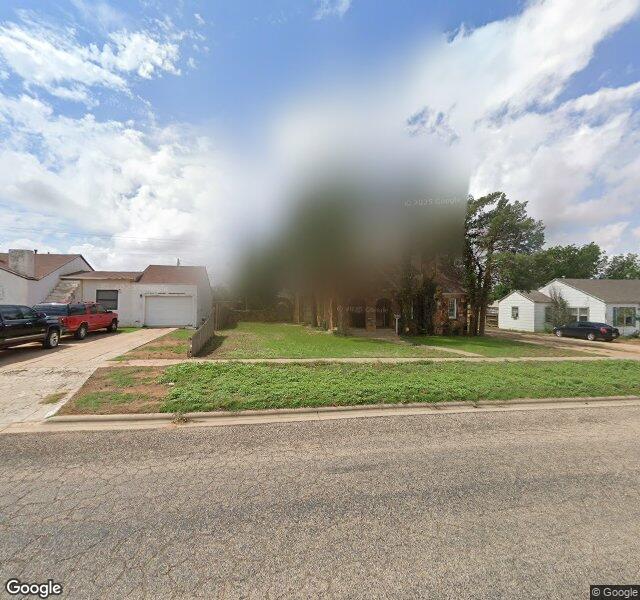
May 2022 3 deficiencies
CONCERN (D)

Potential for Harm - no one hurt, but risky conditions existed

Deficiency F0655 (Tag F0655)

Could have caused harm · This affected 1 resident

**NOTE- TERMS IN BRACKETS HAVE BEEN EDITED TO PROTECT CONFIDENTIALITY** Based on interviews, and record review, the facility failed to develop and implement a baseline care plan within 48 hours for ea...

Read full inspector narrative →
**NOTE- TERMS IN BRACKETS HAVE BEEN EDITED TO PROTECT CONFIDENTIALITY** Based on interviews, and record review, the facility failed to develop and implement a baseline care plan within 48 hours for each resident that includes the instructions needed to provide effective and person-centered care of the resident that meet professional standards of quality care for 3 of 12 residents (Residents #14, #15, and #221) reviewed for baseline care plans. The facility failed to complete baseline care plans within 48 hours for Residents #14, #15, and #221. This failure could place newly admitted residents at risk for not receiving the necessary care and services needed. The findings included: Resident #14 Record review of Resident #14's undated admission record revealed a [AGE] year-old female with an admission date of 03/31/22 with diagnoses that included heart disease, pain, depression, anxiety, and hypertension (high blood pressure). Record review of Resident #14's care plan, dated 04/28/22, revealed a baseline care plan developed on 04/05/22. Resident #15 Record review of Resident's #15's undated admission record revealed a [AGE] year-old female with an admission date of 03/31/22 with diagnoses that included difficulty walking, hallucinations, pain, diabetes (high blood sugar), depression, hypertension (high blood pressure), heart disease and cerebral infarction (stroke). Record review of Resident #15's care plan, dated 04/28/22, revealed a baseline care plan developed on 04/05/22. Resident #221 Record review of Resident #221's undated admission record revealed an [AGE] year-old female with an admission date of 04/28/22 with diagnoses that included hypertension (high blood pressure), difficulty in walking, atrial fibrillation (irregular heartbeat) and congestive heart failure (fluid around heart). Record review of Resident #221's care plan, dated 05/02/22, revealed a baseline care plan developed on 05/02/22. An interview was conducted on 05/05/22 at 3:12 PM with the DON. She stated a baseline care plan for Resident #14 (admitted [DATE]) was completed on 04/05/22 and Resident #15's (admitted [DATE]) was completed on 04/05/2021. She stated a baseline care plan for Resident #221 (admitted [DATE]) was completed on 05/02/22 and all three baseline care plans were completed greater than 48 hours. An interview was conducted on 05/06/22 at 11:00 AM with the DON. She stated the Social Worker and nursing was responsible for baseline care plans. She stated the baseline care plan is created using a template in the electronic medical record or they also have a paper template. She stated the baseline care plans were late because they were not done on admission, so the social worker did them when she returned. She stated the purpose of the baseline care plan is to know the resident's baseline status, goals, discharge plans and to monitor if resident is improving or declining. She stated baseline care plans are audited by the administration of nursing. She stated she has been trained on completing baseline care plans. She stated, If we don't know what their baseline condition is when they come into the building we would not know if there's been a change in that four days. She stated she ensures baseline care plans are done timely by following up with new admissions and chart reviews. An interview was conducted on 05/06/22 at 11:30 AM with the Administrator. He stated, Nursing should be responsible for baseline care plans. I was told yesterday that the Social Worker had been doing all the baseline care plans and she should not be doing all that by herself as everyone has their own part. I am going to get that straightened out when you all leave. He stated the baseline care plans were late because the Social Worker was out of the building and completed them when she returned. He stated, The DON is responsible for monitoring baseline care plans. He stated, he does not know if everyone has been trained on baseline care plans. He stated, the negative outcome could be related to falls with no interventions. He stated he depends on the nurses to make sure baseline care plans were done timely. An interview was conducted on 05/06/22 at 11:55 AM with LVN A. She stated the care plan and baseline care plan is the residents plan of care. She stated she uses the baseline care plan or care plan to care for residents. She stated the residents could get the wrong care if something is missing or late, because they need to know everything related to the resident's care. An interview was conducted on 05/06/22 at 12:00 PM with CNA A. She stated the care plan and baseline care plan was used for meeting the resident's needs. She stated she does use the care plan and if the care plan is missing care areas or late the resident would not get the proper care. She stated, We have to look at it to see what their needs are and what we need to do for that resident when they come in. It also tells us their ADL's related to how they shower, transfer, incontinent or continent and how they eat. She stated if the resident did not have a care plan, she would have to get report from the charge nurse. An interview was conducted on 05/06/22 at 12:15 PM with the Social Worker. She stated, The nurses are supposed to initiate it, but I just do it, so it gets done because I have to have the resident's and family sign it. She stated the baseline care plan is created by using a template in the electronic medical record. She stated she does not know why the baseline care plans are late. She stated the baseline care plans for Resident's #14, #15 and #221 were not done when she sat down to do them, so she just did them. She stated the purpose of the baseline care plan is to make sure they are all on the same page with the resident and to determine their goals and discharge plans. She stated, I have been auditing baseline care plans. She stated she has had training on baseline care plans. When asked if there could be a negative outcome related to the late baseline care plan, she stated There could be, as far as you're not on the same page with what their goals and expectations are. Record review Nursing Policies and Procedures provided by the facility with a revision date 7/1/2016, revealed: Subject: Person Centered Care Plan Process Policy: The facility will develop and implement a baseline and comprehensive care plan for each resident that includes the instructions needed to provide effective and person-centered care of the resident that meet professional standards of quality care . The facility will coordinate the development of the person-centered care plan within the required timeframes. Procedures: Develop and implement the baseline care plan within 48 hours of a resident's admission. The baseline care plan will include the minimum healthcare information necessary to properly care for the resident including, but not limited to initial goals based on admission orders, resident goals, physician orders, dietary orders, therapy services, social services, and PASARR recommendation, if applicable.
CONCERN (D)

Potential for Harm - no one hurt, but risky conditions existed

Comprehensive Care Plan (Tag F0656)

Could have caused harm · This affected 1 resident

**NOTE- TERMS IN BRACKETS HAVE BEEN EDITED TO PROTECT CONFIDENTIALITY** Based on record review and interview, the facility failed to develop and implement a comprehensive person-centered care plan for...

Read full inspector narrative →
**NOTE- TERMS IN BRACKETS HAVE BEEN EDITED TO PROTECT CONFIDENTIALITY** Based on record review and interview, the facility failed to develop and implement a comprehensive person-centered care plan for each resident that included measurable objectives and timetables to meet residents highest practicable physical, mental, and psychosocial needs for 2 of 12 residents (Residents #3 and #17) reviewed for care plans. Resident #3 did not have a care plan for dental. Resident #17 did not have a care plan for activities of daily living and dental. These failures could place residents at risk of not receiving the care required to meet their physical, mental, and psychosocial needs for each to attain or maintain their highest practicable physical, mental, and psychosocial outcome. Findings included: Resident #3 Record review of Resident #3's undated admission record revealed an [AGE] year-old-male was admitted to the facility on [DATE] and readmitted on [DATE] with diagnoses to include lack of coordination, weakness, constipation, edema (swelling), hypertension (high blood pressure), heart failure, epilepsy (seizure disorder), pain, and anoxic brain damage (no oxygen to brain). Record review of Resident #3's Annual Minimum Data Set, dated [DATE], revealed: Section C Brief Interview for Mental Status score revealed a score of 06, which indicated the resident's cognition was severely impaired. Section V Care Area Assessment (CAA) Summary: CAA Results: (List the CAA that triggered and not Care Planned) 15. Dental Care. Section L L0200 - Dental D. Obvious or likely cavity or broken natural teeth is selected. Record review of Resident #3's care plan, dated 02/14/22, revealed no care plan for dental care. On 05/05/22 at 3:02 PM an interview was conducted with DON. She stated, No, dental care is not care planned. She stated she did not know why the care area was not care planned. Resident #17 Record review of resident #17's undated admission record revealed an [AGE] year-old male was admitted on [DATE] with diagnoses to include acute pancreatitis (infection of the pancreas), depression, anxiety, lack of coordination, hypertension (high blood pressure), heart disease, congestive heart failure (fluid around the heart), Stage 2 pressure ulcer and weakness. Record review of Resident #17's Annual Minimum Data Set, dated [DATE] revealed: Section C Brief Interview for Mental Status score revealed a score of 10, which indicated the resident's cognition was moderately impaired. Section V Care Area Assessment (CAA) Summary: CAA Results: (List the CAA that triggered and not Care Planned) 05. ADL Functional/Rehabilitation Potential. 15. Dental Care. Section G Functional Status G0110 - Activities of Daily Living Assistance A. Bed Mobility - extensive assist with 2+ persons B. Transfers - extensive assist with 2+ persons G. Dressing - extensive assist with 2+ persons I. Toilet Use - extensive assist with 2+ persons J. Personal Hygiene - extensive assist with 2+ persons G0120 - Bathing A. Self-performance 3. Physical help in part of bathing activity B. Support provided 2+ persons physical assist G0300 - Balance During transfers and walking revealed not steady G0400 - Functional Limitation in ROM revealed impairment on both upper and lower sides G0900 - Functional Rehabilitation Potential A. Resident believes he or she is capable of increased undependence in at least some ADL's 1. Yes B. Direct care staff believe resident is capable of increased independence in at least some ADL's 1. Yes Record review of Resident #3's care plan, dated 03/31/22, revealed no care plan for ADL Functional/Rehabilitation Potential or dental care. An interview was conducted on 05/06/22 at 10:21 AM with DON. She stated, No, I do not see a care plan for activities of daily living or dental care. She stated she did not know why those areas were not care planned. An interview was conducted on 05/06/22 at 11:00 AM with the DON. She stated the MDS Nurse is responsible for care plans. She stated her role in the care planning process was she care plans all acute care, change of conditions, and orders. She stated she audits the care plan and adds to it if needed. She stated she signed off on comprehensive care plans. She stated the process in forming the care plan is the triggered care areas from the comprehensive MDS. She stated, There should not be any reason a triggered care area is not care planned. She stated the care plan is used to tell the nurses how to care for residents; it is their plan of care. She stated all staff use the care plan. She stated missing care areas on the care plan could cause residents not to receive the care needed or meet their goals. She stated she does not know why dental care area was not care planned. She stated, I do care plan audits and the Case Mix Director audits care plans when she visits the building. She stated, Anything that is triggered on the CAA should be included on the care plan. On 05/06/22 at 11:15 AM an interview was conducted with the MDS Nurse. She stated the DON and she is responsible for care plans. She stated she completes the care plan after the comprehensive MDS is complete. She stated she uses the hospital documentation, nurses' documentation and Section V triggered CAA to develop the care plan. She stated I didn't realize that all triggered areas had to be care planned. That one is on me, but I also thought Resident #3 has been here since 2012 so why hasn't it been care planned before. So yeah, that one's on me. She stated care plans are used for continuity of care and lets everyone know what is needed to care for the residents. She stated if care areas are missing, the resident would not get the care needed. She stated, In general everything that I need to know about the resident should be care planned, so I'll know how to best care for the residents. She stated she has been trained on care plans but would like to have an in-depth training. An interview was conducted on 05/06/22 at 11:30 AM with the Administrator. When asked who was responsible for care plans, he stated, Everybody should have their part to do. He stated the care plan was used for the nurses and CNA's use the part that was in the kiosk to chart. He stated if there was a care area not care planned, the staff could use the wrong number of people to transfer the resident. He stated the resident could go without a fall mat, chair alarm or shower. He stated the DON did not have access in the system to monitor missing documentation and he just got her access a few week ago. He stated she can go into the residents' EMR and see what is missing and talk with the MDS Nurse to make modifications. He stated all triggered care areas should be care planned. An interview was conducted on 05/06/22 at 11:55 AM with LVN A. She stated the care plan and baseline care plan is the residents' plan of care. She stated she uses the baseline care plan or care plan to care for residents. She stated the residents could get the wrong care if something is missing or late, because they need to know everything related to the resident's care. An interview was conducted on 05/06/22 at 12:00 PM with CNA A. She stated the care plan and baseline care plan was used for meeting the resident's needs. She states she does use the care plan and if the care plan is missing care areas or late the resident would not get the proper care. She stated, We have to look at it to see what their needs are and what we need to do for that resident when they come in. It also tells us their ADL's related to how they shower, transfer, incontinent or continent and how they eat. She stated if the resident did not have a care plan, she would have to get report from the charge nurse. Record review of Nursing Policies and Procedures provided by the facility with revision date 7/1/2016, revealed: Subject: Person Centered Care Plan Process Policy: The facility will develop and implement a baseline and comprehensive care plan for each resident that includes the instructions needed to provide effective and person-centered care of the resident that meet professional standards of quality care. Person-centered care means the facility focuses on the resident as the center of control and supports each resident in making his or her own choices. Person-centered care includes making an effort to understand what each resident is communicating, verbally and nonverbally identifying what is important to each resident with regard to daily routines and preferred activities, and having an understanding of the resident's life before coming to resident in the nursing home . The services provided or arranged by the facility, as outlined by the comprehensive care plan, will meet professional standards of quality. Procedures: 3. Following RAI Guidelines develop and implement a comprehensive person-centered care plan that includes measurable objectives and timeframes to meet a resident's medical, nursing and mental and psychosocial needs that are identified in the comprehensive assessment.
MINOR (B)

Minor Issue - procedural, no safety impact

Deficiency F0912 (Tag F0912)

Minor procedural issue · This affected multiple residents

Based on observation and interview, the facility failed to provide 80 square feet of floor space per resident in 24 of 24 semiprivate resident rooms containing two beds (Rooms 1, 3, 4, 5, 7, 8, 9, 10,...

Read full inspector narrative →
Based on observation and interview, the facility failed to provide 80 square feet of floor space per resident in 24 of 24 semiprivate resident rooms containing two beds (Rooms 1, 3, 4, 5, 7, 8, 9, 10, 11, 12, 13, 15, 18, 20, 22, 24, 26, 28, 29, 30, 31, 32, 33, and 34). Rooms 1, 3, 4, 5, 7, 8, 9, 10, 11, 12, 13, 15, 18, 20, 22, 24, 26, 28, 29, 30, 31, 32, 33, and 34 semi- private rooms did not have 80 square feet per resident. This failure could result in overcrowding in resident rooms and possible diminished quality of life. The findings included: During a general observation tour on 05/04/22 between 11:30 AM and 01:00 PM, it was noted that 24 of 24 semi-private rooms had 156 square feet instead of the required 160 square feet for 2 residents: (Rooms) 1, 3, 4, 5, 7, 8, 9, 10, 11, 12, 13, 15, 18, 20, 22, 24, 26, 28, 29, 30, 31, 32, 33, and 34. During an interview on 05/04/22 at 1:00 PM the Administrator said the facility requested the square footage waiver for Rooms: 1, 3, 4, 5, 7, 8, 9, 10, 11, 12, 13, 15, 18, 20, 22, 24, 26, 28, 29, 30, 31, 32, 33, and 34 in the facility, as they were under square footage requirements. Record review on 05/04/22 Bed Classifications form dated 5/4/22 revealed Rooms 1, 3, 4, 5, 7, 8, 9, 10, 11, 12, 13, 15, 18, 20, 22, 24, 26, 28, 29, 30, 31, 32, 33, and 34 are semi-private rooms.
Understanding Severity Codes (click to expand)
Life-Threatening (Immediate Jeopardy)
J - Isolated K - Pattern L - Widespread
Actual Harm
G - Isolated H - Pattern I - Widespread
Potential for Harm
D - Isolated E - Pattern F - Widespread
No Harm (Minor)
A - Isolated B - Pattern C - Widespread

Questions to Ask on Your Visit

  • "Can I speak with families of current residents?"
  • "What's your RN coverage like on weekends and overnight?"

Our Honest Assessment

Strengths
  • • Grade A (90/100). Above average facility, better than most options in Texas.
  • • No major safety red flags. No abuse findings, life-threatening violations, or SFF status.
  • • No fines on record. Clean compliance history, better than most Texas facilities.
  • • 16% annual turnover. Excellent stability, 32 points below Texas's 48% average. Staff who stay learn residents' needs.
Concerns
  • • 15 deficiencies on record. Higher than average. Multiple issues found across inspections.
Bottom line: Generally positive indicators. Standard due diligence and a personal visit recommended.

About This Facility

What is Brownfield Rehabilitation And's CMS Rating?

CMS assigns BROWNFIELD REHABILITATION AND CARE CENTER an overall rating of 5 out of 5 stars, which is considered much above average nationally. Within Texas, this rating places the facility higher than 99% of the state's 100 nursing homes. This rating reflects solid performance across the metrics CMS uses to evaluate nursing home quality.

How is Brownfield Rehabilitation And Staffed?

CMS rates BROWNFIELD REHABILITATION AND CARE CENTER's staffing level at 2 out of 5 stars, which is below average compared to other nursing homes. Staff turnover is 16%, compared to the Texas average of 46%. This relatively stable workforce can support continuity of care.

What Have Inspectors Found at Brownfield Rehabilitation And?

State health inspectors documented 15 deficiencies at BROWNFIELD REHABILITATION AND CARE CENTER during 2022 to 2024. These included: 12 with potential for harm and 3 minor or isolated issues.

Who Owns and Operates Brownfield Rehabilitation And?

BROWNFIELD REHABILITATION AND CARE CENTER is owned by a for-profit company. For-profit facilities operate as businesses with obligations to shareholders or private owners. The facility is operated by FUNDAMENTAL HEALTHCARE, a chain that manages multiple nursing homes. With 54 certified beds and approximately 29 residents (about 54% occupancy), it is a smaller facility located in BROWNFIELD, Texas.

How Does Brownfield Rehabilitation And Compare to Other Texas Nursing Homes?

Compared to the 100 nursing homes in Texas, BROWNFIELD REHABILITATION AND CARE CENTER's overall rating (5 stars) is above the state average of 2.8, staff turnover (16%) is significantly lower than the state average of 46%, and health inspection rating (4 stars) is above the national benchmark.

What Should Families Ask When Visiting Brownfield Rehabilitation And?

Based on this facility's data, families visiting should ask: "Can you walk me through typical staffing levels on day, evening, and night shifts?" "Can I visit during a mealtime to observe dining assistance and food quality?" "How do you handle medical emergencies, and what is your hospital transfer rate?" "Can I speak with family members of current residents about their experience?" These questions are particularly relevant given the below-average staffing rating.

Is Brownfield Rehabilitation And Safe?

Based on CMS inspection data, BROWNFIELD REHABILITATION AND CARE CENTER has a clean safety record: no substantiated abuse findings (meaning no confirmed cases of resident harm), no Immediate Jeopardy citations (the most serious violation level indicating risk of serious injury or death), and is not on the Special Focus Facility watch list (a federal program monitoring the lowest-performing 1% of nursing homes). The facility has a 5-star overall rating and ranks #1 of 100 nursing homes in Texas. While no facility is perfect, families should still ask about staff-to-resident ratios and recent inspection results during their visit.

Do Nurses at Brownfield Rehabilitation And Stick Around?

Staff at BROWNFIELD REHABILITATION AND CARE CENTER tend to stick around. With a turnover rate of 16%, the facility is 30 percentage points below the Texas average of 46%. Low turnover is a positive sign. It means caregivers have time to learn each resident's needs, medications, and personal preferences. Consistent staff also notice subtle changes in a resident's condition more quickly.

Was Brownfield Rehabilitation And Ever Fined?

BROWNFIELD REHABILITATION AND CARE CENTER has no federal fines on record. CMS issues fines when nursing homes fail to meet care standards or don't correct problems found during inspections. The absence of fines suggests the facility has either maintained compliance or corrected any issues before penalties were assessed. This is a positive indicator, though families should still review recent inspection reports for the full picture.

Is Brownfield Rehabilitation And on Any Federal Watch List?

BROWNFIELD REHABILITATION AND CARE CENTER is not on any federal watch list. The most significant is the Special Focus Facility (SFF) program, which identifies the bottom 1% of nursing homes nationally based on persistent, serious quality problems. Not being on this list means the facility has avoided the pattern of deficiencies that triggers enhanced federal oversight. This is a positive indicator, though families should still review the facility's inspection history directly.