BROWNWOOD NURSING AND REHABILITATION

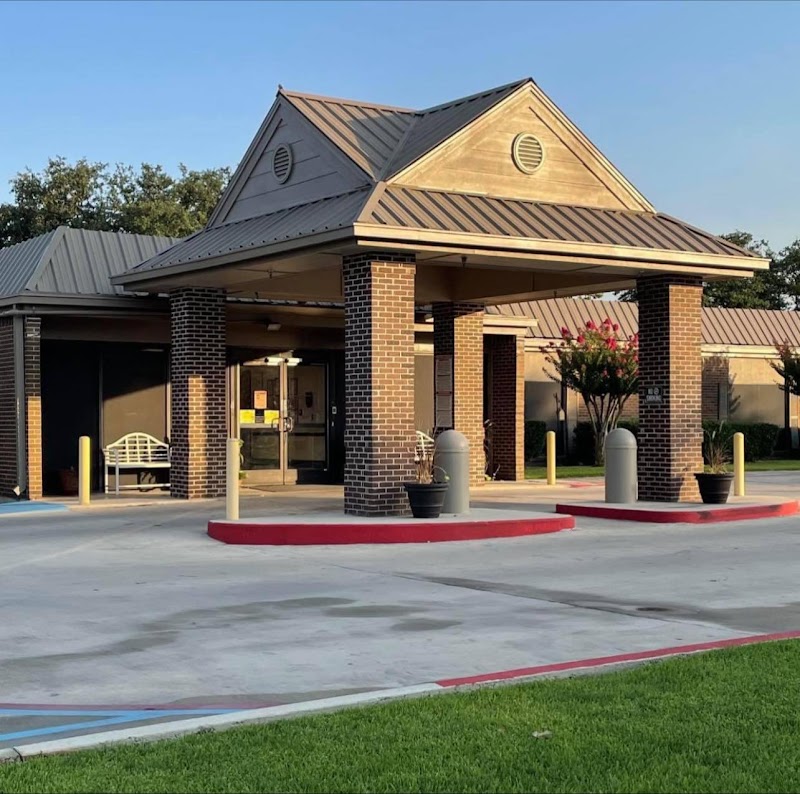
101 MILLER DR, BROWNWOOD, TX 76801 (325) 643-9555
For profit - Limited Liability company 128 Beds CREATIVE SOLUTIONS IN HEALTHCARE Data: November 2025 1 Immediate Jeopardy citation
Trust Grade
66/100
#196 of 1168 in TX
Last Inspection: February 2025

Within standard 12-15 month inspection cycle. Federal law requires annual inspections.

Overview

Brownwood Nursing and Rehabilitation has a Trust Grade of C+, which indicates it is slightly above average but not exceptional. It ranks #196 out of 1,168 facilities in Texas, placing it in the top half, and #3 out of 7 in Brown County, meaning only two local options perform better. The facility is on an improving trend, having reduced its issues from four in 2024 to three in 2025. Staffing is a weakness with a rating of 2 out of 5 stars and a turnover rate of 38%, which is better than the state average of 50%. However, the facility has incurred $17,372 in fines, which is average but could still suggest some compliance challenges. Despite some strengths, there are serious concerns. A critical issue was found where a resident with pressure ulcers did not receive proper treatment, leading to severe injuries. Additionally, there were multiple concerns about food safety practices in the kitchen, including improperly labeled and stored food, which poses risks for foodborne illnesses. While there are positive aspects like a good overall star rating, these weaknesses highlight the need for careful consideration.

Trust Score
C+
66/100
In Texas
#196/1168
Top 16%
Safety Record
High Risk
Review needed
Inspections
Getting Better
4 → 3 violations
Staff Stability
○ Average
38% turnover. Near Texas's 48% average. Typical for the industry.
Penalties
✓ Good
$17,372 in fines. Lower than most Texas facilities. Relatively clean record.
Skilled Nurses
⚠ Watch
Each resident gets only 24 minutes of Registered Nurse (RN) attention daily — below average for Texas. Fewer RN minutes means fewer trained eyes watching for problems.
Violations
⚠ Watch
12 deficiencies on record. Higher than average. Multiple issues found across inspections.
★★★★☆
4.0
Overall Rating
★★☆☆☆
2.0
Staff Levels
★★★☆☆
3.0
Care Quality
★★★★☆
4.0
Inspection Score
Stable
2024: 4 issues
2025: 3 issues

The Good

  • Full Sprinkler Coverage · Fire safety systems throughout facility
  • No fines on record
  • Staff turnover below average (38%)

    10 points below Texas average of 48%

Facility shows strength in fire safety.

The Bad

Staff Turnover: 38%

Near Texas avg (46%)

Typical for the industry

Federal Fines: $17,372

Below median ($33,413)

Minor penalties assessed

Chain: CREATIVE SOLUTIONS IN HEALTHCARE

Part of a multi-facility chain

Ask about local staffing decisions and management

The Ugly 12 deficiencies on record

1 life-threatening
Feb 2025 3 deficiencies
CONCERN (D) 📢 Someone Reported This

A family member, employee, or ombudsman was alarmed enough to file a formal complaint

Potential for Harm - no one hurt, but risky conditions existed

Respiratory Care (Tag F0695)

Could have caused harm · This affected 1 resident

**NOTE- TERMS IN BRACKETS HAVE BEEN EDITED TO PROTECT CONFIDENTIALITY** Based on observations, interviews, and record reviews, the facility failed to ensure residents who needed respiratory care were ...

Read full inspector narrative →
**NOTE- TERMS IN BRACKETS HAVE BEEN EDITED TO PROTECT CONFIDENTIALITY** Based on observations, interviews, and record reviews, the facility failed to ensure residents who needed respiratory care were provided respiratory care consistent with professional standards of practice for 1 of 25 residents (Resident #215) reviewed for oxygen administration. The facility failed to ensure an Oxygen in Use sign was posted on the outside of Resident #215's door. These deficient practices could place residents who received oxygen and treatments at risk of respiratory infection. The findings include: Record review of Resident # 215's face sheet dated 02/13/2025 revealed a [AGE] year-old female who was admitted to the facility on [DATE] with diagnoses which included Chronic Obstructive Pulmonary Disease and shortness of breath. Record review of Resident #215's Entry MDS assessment dated [DATE] revealed: Section C (Cognitive Patterns) BIMS score had not been completed. Record review of Resident #215's Physician Orders revealed a start date of 02/07/2025 May use oxygen at 2-3 liters/minute via nasal canula. During an observation on 02/13/2025 at 2:18 PM, Resident #215's door to her room did not have a sign stating Oxygen in Use or No Smoking sign posted outside the entrance of her door. During an interview on 08/09/24 at 03:25 PM, the DON stated her expectation was that an Oxygen in Use or no smoking sign should have been placed on the outside of door of residents who used oxygen. The DON stated management staff were responsible for ensuring the signs were posted on the door. The DON stated the ADON and herself make random rounds daily throughout the facility. The DON stated the effect on residents would be that staff may not know who used oxygen during an emergency. The DON stated what led to failure was oversight. Record review of facility policy titled Oxygen Administration dated March 21, 2023, revealed: Place NO SMOKING signs in areas when oxygen is administered and stored.
CONCERN (D) 📢 Someone Reported This

A family member, employee, or ombudsman was alarmed enough to file a formal complaint

Potential for Harm - no one hurt, but risky conditions existed

Deficiency F0761 (Tag F0761)

Could have caused harm · This affected 1 resident

Based on observation, interview, and record review, the facility failed to ensure all drugs and biologicals were stored in permanently affixed compartments during medication storage inspection for 1 (...

Read full inspector narrative →
Based on observation, interview, and record review, the facility failed to ensure all drugs and biologicals were stored in permanently affixed compartments during medication storage inspection for 1 (cart #1) of 3 medication carts reviewed for storage in that: The facility failed to ensure medication cart #1 was locked and secured while unattended. This failure could result in a drug diversion. The findings include: During an observation and interview on 02/13/2025 at 1:55 PM, the medication cart was unattended at the nursing station with the drawers facing out, the button that locks the cart was not pushed in and the drawers opened when they were pulled. There was a resident standing within arm's reach of the medication cart. RN A was seen coming down the hall at 2:00 pm. RN A stated she had gotten distracted because therapy had asked her to do something. During an interview on 02/13/2025 at 02:15 PM, RN A stated the medication cart should not be left unlocked and unattended at any time. RN A stated she got called away to give a resident in physical therapy a medication and just forgot to lock medication cart. RN A stated the harm could be if a resident opened the medication cart and took a medication that was not prescribed for them, if could cause an adverse reaction to medication. RN A stated the types of medications stored on this cart are Insulin, are , creams, inhalers, nebulizers, glucometer and lancets, needles, alcohol wipe pads and over the counter pain relievers, vitamins, stool softeners. RN A stated she had been trained on use of medication carts and to keep the cart locked when not in use. During an interview on 02/13/2025 at 02:20 PM, the DON stated medication carts should always be locked when not in use. The DON stated the harm could be a resident or visitor accessed the medication cart and took a medication not for them. The resident or visitor could have allergic reaction, overdose for even cause death. DON stated her expectations were that all medication carts be always locked when not in use. DON stated and she and the ADON monitor medication carts throughout the day to ensure they are kept locked and secured for resident safety. DON failure likely occurred because nurse was in a hurry to get medication to resident and forgot to lock medication cart. DON stated all nurses and CMAs (certified medication aide) were trained on use of medication carts and when and how to lock them. Review of facility's policy titled: Medication Carts (ND) 1. The medication carts shall be maintained by the facility. 2. The carts are to be locked when not in use or under the direct supervision of the designated nurse. 3. Carts not in use are to be stored in a designated area not blocking egress in the building. 4. Carts must be secured. 5. Cart should be clean
CONCERN (E) 📢 Someone Reported This

A family member, employee, or ombudsman was alarmed enough to file a formal complaint

Potential for Harm - no one hurt, but risky conditions existed

Food Safety (Tag F0812)

Could have caused harm · This affected multiple residents

**NOTE- TERMS IN BRACKETS HAVE BEEN EDITED TO PROTECT CONFIDENTIALITY** Based on observations, interviews, and record reviews the facility failed to properly store, prepare, distribute, and serve food...

Read full inspector narrative →
**NOTE- TERMS IN BRACKETS HAVE BEEN EDITED TO PROTECT CONFIDENTIALITY** Based on observations, interviews, and record reviews the facility failed to properly store, prepare, distribute, and serve food in accordance with professional standards for food service safety for 1 of 1 kitchen reviewed, in that:. 1. Foods were not sealed and/or labeled properly in the facilities refrigerators (#1 and #2) and freezers (#2 and #3). 2. Ready to use clean utensils and napkins were placed and stored in uncleaned utensil holder. 3. Ready to use clean dishes, placed on and stored on top of uncleaned trays. 4. Cooking stove spill slats uncleaned with food particles and grease buildup. These failures could place residents that eat out of the kitchen at risk for contamination and food borne illnesses. Findings included: During an observation on 02/11/2025 beginning at 8:00 AM the facility kitchen revealed: Pantry 2 bags of opened tortillas in a sealed bag undated or labeled. 1 bag of opened loaf of bread with no opened date. 2 bags of cereal in clear plastic bags with no received date. Refrigerator #1 1 bag of scrambled eggs in a clear plastic bag with no use by date. Refrigerator #2 1 tray of prepared resident tea and juice glasses, undated or labeled. Freezer #1 1 box of Peppered Fried Egg Patties unsealed and open to air. 1 box of Pork and Textured Vegetable Protein Egg Rolls unsealed and open to air. Freezer #2 1 box of Bread [NAME] Sandwich unsealed and open to air. 1 box of Classic Red Velvet cookies, unsealed and open to air. Freezer #3 1 box of Beef Patties unsealed and open to air. Ready to use clean utensils and napkins placed in uncleaned utensil holder. Ready to use clean dishes, placed on and stored on top of uncleaned trays. Cooking stove spill slats uncleaned with food particles and grease. During an interview on 02/11/2025 at 7:45 AM the ADMN stated, all residents ate from the kitchen. During an interview on 02/11/2025 at 8:30 AM the DM stated the open items should have been in a sealed package or container, labeled and dated with received date. She stated the products should have also contained an open date if there was not an expiration date on the item. The DM stated the dietary staff had a cleaning schedule and was to be done every day for the utensil tray and weekly for the spill slats of the stove. She stated she reviewed the times with the staff initials on the cleaning schedules, with it looked to have appeared as if the staff signed off on the task without properly been cleaned. She stated it was her as the DM who monitored staff and their kitchen tasks. The DM stated the opened and undated items could have possibly caused residents to receive cross contaminated food, as well as the unclean trays and equipment. She stated it could have made residents sick if the facility protocols were not followed. She stated the failure occurred with staff not following policy and protocols they were trained on, with that being her expectations. During an interview on 02/13/2025 at 11:27 AM the ADMN stated the facility policy and procedures was for all food products to have been labeled and dated as well as when the product was opened. The ADMN stated that the kitchen equipment should have been cleaned and sanitized on a daily basis with a deeper cleaning on a weekly basis and an even deeper cleaning monthly. The ADMN stated, the dietary staff duty tasks not being performed correctly could have negatively affected residents with them getting sick from expired foods or if the products unlabeled, could have caused residents to have an allergic reaction. She stated the DM monitored, as well as the ADMN. She stated the failures occurred with the DM inefficiently monitoring staff with daily rounds. The ADMN stated her expectations were for all products to be labeled and dated which included the opened date, as well as include everything to be sanitized on a daily basis and monthly with no room for cross contamination. Record Review of facility's policy Storage Refrigerators dated 2012, revealed: .5. Food must be covered when stored, with a date label identifying what is in the container. Record Review of facility's policy Food Storage and Supplies, dated 2012 revealed: All facility storage areas will be maintained in an orderly manner that preserves the condition of food and supplies. We will ensure storage areas are clean . Procedure: 3. Dry bulk foods are stored in seamless metal or plastic containers with tight covers or bins which are easily sanitized. Containers are labeled Containers are cleaned regularly. 4. Open packages of food are stored in closed containers with covers or in sealed bags, and dated as to when opened . .6.It is important to distinguish between an expiration date and a production date, or a best by or use by date . Record Review of facility's policy Dietary Food Service Personnel Policy and Procedures, dated 2012, revealed; Sanitation and Food [NAME]: . 8. Work surfaces must be kept as neat and clean as possible during preparation and service. Clean up your area as you work . .11. All unused food must be securely covered. All items are to be dated and labeled as to their content. Store items in their original container . Record Review of facility's policy Equipment Sanitation, dated 2012, revealed: We will provide clean and sanitized equipment for food preparation. The facility will clean all food service equipment in a sanitary manner . Procedure: 1. Equipment must be thoroughly sanitized between use in different food preparation tasks .3. Food carts will be cleaned and sanitized after each meal Review of FDA Food Code 2022: Full Document accessed on 02/13/2025 in annex 7 page 37, 38 revealed: Applicable Code Sections: 3-501.16(A)(2) and (B) Time/Temperature Control for Safety Food, Hot and Cold Holding (P) 23. Proper date marking and disposition FDA Food Code 2022 Annex 7: Model Forms, Guides, and Other Aids Annex 7 -38 IN/OUT This item should be marked IN or OUT of compliance. This item would be IN compliance when there is a system in place for date marking all foods that are required to be date marked and is verified through observation. If date marking applies to the establishment, the PIC should be asked to describe the methods used to identify product shelf-life or consume-by dating. The regulatory authority must be aware of food products that are listed as exempt from date marking. For disposition, mark IN when foods are all within date marked time limits or food is observed being discarded within date marked time limits or OUT of compliance, such as when date marked food exceeds the time limit or date-marking is not done. Review of the FDA Food Code 2022 https://www.fda.gov/food/retail-food-protection/fda-food-code accessed 02/13/2025 revealed: 3-602.11 Food Labels. (A) FOOD PACKAGED in a FOOD ESTABLISHMENT, shall be labeled as specified in LAW, including 21 CFR 101 - Food labeling, and 9 CFR 317 Labeling, marking devices, and containers. (B) Label information shall include: (1) The common name of the FOOD, or absent a common name, an adequately descriptive identity statement. (2) If made from two or more ingredients, a list of ingredients and sub-ingredients in descending order of predominance by weight, including a declaration of artificial colors, artificial flavors and chemical preservatives, if contained in the FOOD; (3) An accurate declaration of the net quantity of contents; (4) The name and place of business of the manufacturer, [NAME], or distributor; and (5) The name of the FOOD source for each MAJOR FOOD ALLERGEN contained in the FOOD unless the FOOD source is already part of the common or usual name of the respective ingredient. (6) Except as exempted in the Federal Food, Drug, and Cosmetic Act § 403(q)(3) - (5), nutrition labeling as specified in 21 CFR 101 - Food Labeling and 9 CFR 317 Subpart B Nutrition Labeling.
Jan 2024 4 deficiencies
CONCERN (E) 📢 Someone Reported This

A family member, employee, or ombudsman was alarmed enough to file a formal complaint

Potential for Harm - no one hurt, but risky conditions existed

Comprehensive Care Plan (Tag F0656)

Could have caused harm · This affected multiple residents

**NOTE- TERMS IN BRACKETS HAVE BEEN EDITED TO PROTECT CONFIDENTIALITY** Based on interview and record review, the facility failed to develop and implement a person-centered, comprehensive care plan fo...

Read full inspector narrative →
**NOTE- TERMS IN BRACKETS HAVE BEEN EDITED TO PROTECT CONFIDENTIALITY** Based on interview and record review, the facility failed to develop and implement a person-centered, comprehensive care plan for each resident that included measurable objectives and timeframes to meet residents medical, nursing, mental and psychosocial needs for 6 (Resident # 1, Resident #33, Resident #37, Resident #44, Resident #46, and Resident #51) of 6 residents reviewed for care plans. The facility failed to specify measurable objectives that could be evaluated or quantified for Resident #1, Resident #33, Resident #37, Resident #44, Resident #46, and Resident #51. The facility failed to specify measurable objectives that could be evaluated or quantified with a timeframe to achieve for Resident #1, Resident #44, and Resident #46. These failures could place residents at risk for not receiving timely interventions or interventions not individualized to meet their specific physical, mental, and/or emotional needs. Findings included: Record review of Resident #1's electronic face sheet revealed a [AGE] year-old female, admitted on [DATE] with medical diagnoses of respiratory failure, low red blood cell count, heart disease, back pain, Type 2 diabetes, kidney disease, and mental illness. Resident #1's Quarterly MDS dated [DATE], Section C 0500 BIMS Score Summary revealed the resident scored 12 out of 15 indicating moderate cognitive impairment. Record review of Resident #1's Comprehensive Care Plan reviewed and revised 12/29/2023 revealed objectives lacking ability to be evaluated or quantified were: the resident will be free from discomfort or adverse reactions related to anticoagulant [drug that thins the blood] use ., the resident will have reduced episodes of diarrhea ., the resident will display optimal breathing pattern daily . , the resident will have no s/sx of poor oxygen absorption . , the resident will have complication related to medications kept to a minimum . , the resident will have complications related to diabetes kept to a minimum . , the resident will have discomfort or adverse reactions related to antidepressant therapy kept to a minimum . , the resident will maintain optimal quality of life within limitation imposed by visual function ., the resident will not have discomfort related to side effects of analgesia [drug used to treat pain] and will report adequate pain relief after intervention ., the resident will not have any complications r/t bowel incontinence . ,the resident's will Skin tear of the right for-arm will be healed . , and The resident will improve current level of function in Bed Mobility, Transfers, Eating, Dressing, Toilet Use and Personal Hygiene, ADL Score . The objectives lacking ability to be evaluated or quantified and did not provide a timeframe for achieving were the resident will maintain or improve their independence with ADLs and will not be injured related to bed rail use, and resident will have the specialized services recommended by local authority per PASRR Specialized Services program as needed. Record review of Resident #33's electronic face sheet revealed a [AGE] year-old female, admitted on [DATE] with medical diagnoses of obesity, heart failure, arthritis, respiratory failure, high blood pressure, difficulty sleeping, and depression. Resident #33's MDS dated [DATE], Section C 0500 BIMS Score Summary revealed the resident scored 12 out of 15 indicating moderate cognitive impairment. Record review of Resident #33's Comprehensive Care Plan reviewed and revised 12/29/2023 revealed objectives lacking ability to be evaluated or quantified were: The Resident will display optimal breathing pattern daily . , The resident will maintain or improve their independence with ADL's and will not be injured related to bed rail use . , The Resident will cooperate with care . , The resident will not have any complications r/t bowel incontinence . , and The Resident will improve current level of function in Bed Mobility, Transfers, Eating, Dressing, Toilet Use and Personal Hygiene, ADL Score . Record review of Resident #37's electronic face sheet revealed a [AGE] year-old female, admitted on [DATE] with medical diagnoses of broken left arm, Type 2 diabetes, heart disease, high blood pressure, weakness, heartburn, stroke, and malnutrition. Resident #37's Significant Change in Status MDS dated [DATE], Section C 0500 BIMS Score Summary revealed the resident scored 8 out of 15 indicating moderate cognitive impairment. Record review of Resident #37's Comprehensive Care Plan reviewed and revised 01/09/2024 revealed objectives lacking ability to be evaluated or quantified were: The resident will have complications of cardiac problems kept to a minimum . , The resident will have complication related to hypertension kept to a minimum . , The resident will have complication related to diabetes kept to a minimum . , The resident will show decreased episodes of s/sx of depression . , The resident will be able to make basic needs known verbally on a daily basis ., The resident will not have discomfort related to side effects of analgesia . , and Resident will not show a decline in psychosocial well-being or experience adverse effects . , Record review of Resident #44's electronic face sheet revealed an [AGE] year-old male, admitted on [DATE] with medical diagnoses of dementia, kidney stones, high blood pressure, arthritis, knee pain, and anxiety. Resident #44's Quarterly MDS dated [DATE], Section C 0500 BIMS Score Summary revealed the resident scored 11 out of 15 indicating moderate cognitive impairment. Record review of Resident #44's Comprehensive Care Plan reviewed and revised 12/12/2023 revealed objectives lacking ability to be evaluated or quantified were: The Resident will have complications related to Diabetes kept to a minimum . , The Resident will have no indications of acute [sudden onset] eye problems . , The Resident will not have discomfort related to side effects of analgesia ., The Resident will show decreased episodes of s/sx of Anxiety . , The Resident will have discomfort or adverse reactions related to antidepressant therapy kept to a minimum . , The Resident will be able to communicate basic needs, needs will be met and dignity will be maintained on a daily basis . , The Resident will return to prior level of function after wound healing and rehabilitation . , The resident will maintain or improve their independence with ADL's and will not be injured related to bed rail use . , The resident will receive daily opportunities for social contact . , and The Resident will improve current level of function in Bed Mobility, Transfers, Eating, Dressing, Toilet Use and Personal Hygiene . The objective lacking ability to be evaluated or quantified and did not provide a timeframe for achieving was Maintain stable weight and nutritional parameters. Record review of Resident #46's electronic face sheet revealed a [AGE] year-old female, admitted on [DATE] with medical diagnoses of broken right upper leg, Parkinson's disease (a disorder of the nervous system), heart disease, Type 2 diabetes, Alzheimer's disease (a disease that affect memory and thought processes), chronic pain, history of falling, and high blood pressure. Resident #46's Significant Change in Status MDS dated [DATE], Section C 0500 BIMS Score Summary revealed the resident scored 12 out of 15 indicating moderate cognitive impairment. Record review of Resident #46's Comprehensive Care Plan reviewed and revised 01/23/2024 revealed objectives lacking ability to be evaluated or quantified were: The Resident will be offered encouraged and assisted to accept adequate hydration . , The resident will not have any complications r/t bowel incontinence . , Resident will maintain the highest level of communication for this resident . , , The Resident will be able to communicate basic needs, needs will be met and dignity will be maintained on a daily basis . , The resident will demonstrate effective coping skills . , Dignity will be maintained and the resident will be kept comfortable and pain free with in one hour of intervention . , The Resident will return to prior level of function after wound healing and rehabilitation . , The resident will improve current level of function in Bed Mobility, Transfers, Eating, Dressing, Toilet Use and Personal Hygiene . The objective lacking ability to be evaluated or quantified and did not provide a timeframe for achieving was The resident will not have any cardiac complications related to Antiarrhythmic [drug that regulates the heart's rhythm] use. Record review of Resident #51's electronic face sheet revealed an [AGE] year-old male, admitted on [DATE] with medical diagnoses of dementia, weakness, heartburn, dizziness, cardiac pacemaker, high cholesterol, and hearing loss. Resident #51's Quarterly MDS dated [DATE], Section C 0500 BIMS Score Summary revealed the resident scored 15 out of 15 indicating intact cognition. Record review of Resident #51's Comprehensive Care Plan reviewed and revised 12/14/2023 revealed objectives lacking ability to be evaluated or quantified were: The resident will have discomfort or adverse reactions related to anticoagulant use kept to a minimum . , The resident will have drug related complications, including movement disorder, discomfort, hypotension [low blood pressure], gait [walking]disturbance, constipation/impaction or cognitive/behavioral impairment kept to a minimum . , The resident's safety will be maintained . , The resident will demonstrate effective coping skills . , The resident will maintain or improve their independence with ADL's and will not be injured related to bed rail use ., The resident will be compliant with thyroid replacement therapy . , The resident will have s/sx of complications of cardiac problems kept to a minimum . , The resident will improve current level of cognitive function . , and The resident will improve current level of function in Bed Mobility, Transfers, Eating, Dressing, Toilet Use and Personal Hygiene and will be clean, dry, and free from odors with dignity maintained. During an interview on 01/25/2024 at 2:45 PM MDS B stated that care plans should have incorporated all areas of patient care. MDS B stated minimum was not a measurable goal. MDS B stated the negative affect on residents could have affected their plan of care. MDS B stated what led to failure was new staff not knowing how to enter data into care plan and a lack of communication. During an interview on 01/25/2024 at 3:05 PM the DON stated her expectation was that care plan would incorporate all areas of care for residents. The DON stated minimum was not a measurable goal. The DON stated MDS nurses were responsible to ensure that care plans were accurate and complete. The DON stated the residents could have been affected by residents may not have received conducive or accurate care. The DON stated the failure was caused by staff not being properly trained on initiating and entering data into care plan. Record review of facility policy titled, Comprehensive Care Planning undated revealed, Each resident will have a person-centered comprehensive care plan developed and implemented to meet his other preferences and goals, and address the resident's medical, physical, mental and psychosocial needs.
CONCERN (E) 📢 Someone Reported This

A family member, employee, or ombudsman was alarmed enough to file a formal complaint

Potential for Harm - no one hurt, but risky conditions existed

Drug Regimen Review (Tag F0756)

Could have caused harm · This affected multiple residents

**NOTE- TERMS IN BRACKETS HAVE BEEN EDITED TO PROTECT CONFIDENTIALITY** Based on interviews and record review, the facility failed to act upon the recommendations of the pharmacist report of irregular...

Read full inspector narrative →
**NOTE- TERMS IN BRACKETS HAVE BEEN EDITED TO PROTECT CONFIDENTIALITY** Based on interviews and record review, the facility failed to act upon the recommendations of the pharmacist report of irregularities for 1 of 2 residents (Resident #44) reviewed for (DRR) Drug Regimen Review. The facility failed to timely follow up on Resident #44's medication regimen review which had pharmacy recommendations. This failure could place residents at risk for receiving unnecessary medications at the most effective dosage. The findings included: Resident #44 Record review of Resident #44's electronic face sheet revealed an [AGE] year-old female, admitted on [DATE] with medical diagnoses of dementia, kidney stones, high blood pressure, arthritis, knee pain, and anxiety. Record review of Resident #44's Quarterly MDS dated [DATE], Section C 0500 BIMS Score Summary revealed the resident scored 11 out of 15 indicating moderate cognitive impairment. Record review of Resident #44's physician orders on 01/25/2024 revealed mirtazapine oral tablet 30mg give 1 tabled by mouth at bedtime for insomnia. Record review of Resident #44's November 2023 MAR revealed mirtazapine was administered every day in November at 7:00 p.m. Record review of Resident #44's December 2023 MAR revealed mirtazapine was administered every day in December at 7:00 p.m. Record review of the Medication Regimen Review note written by consulting pharmacy with review date 11/08/2023 revealed Resident #44 had an order for Mirtazapine 30mg give 1 tablet at bedtime for Insomnia with recommendation of gradual dose reduction. Physician disagreed with recommendation and signed note on 12/01/2023 which was 24 days after recommendation. During an interview on 01/25/2024 at 5:01 p.m., the DON stated that she was responsible for ensuring pharmacy recommendations were completed. The DON stated that the physician's office was faxed the MRR, but that facility never received the completed form. She stated that on 01/25/2024 facility sent someone to physician's office to receive MRR form with physician signature on 12/01/2023. The DON stated she did not know if the facility had a time frame in which to get MRR completed, and she asked the RCN. The DON stated that the failure occurred due to her being busy and overlooked the follow up part of the process. The DON stated that effect to patient could be detrimental depending on medication and resident. During an interview on 01/25/2024 at 5:04 p.m., the RCN stated that it was the DON's responsibility to follow up on MRR recommendations. She stated that it was her expectation the DON would send MRR to physician within 72 hours of receiving recommendations then follow up with physician after no response in 5 days. She stated that the effect failure could have on residents was that they would be on unnecessary medication or dosage. Record review of facility policy titled Consultant Pharmacist revised on 10/25/17 revealed: The pharmacist will provide a separate written report of irregularities to the attending physician, medical director, and director of nursing after their review .The attending physician will be notified of irregularities within 2 business days. The facility will deliver the reports either by email, fax, or hand delivery .If the facility has not received any communication from the physician regarding the irregularity within 5 business days, the facility staff will call the physician.
CONCERN (E) 📢 Someone Reported This

A family member, employee, or ombudsman was alarmed enough to file a formal complaint

Potential for Harm - no one hurt, but risky conditions existed

Menu Adequacy (Tag F0803)

Could have caused harm · This affected multiple residents

**NOTE- TERMS IN BRACKETS HAVE BEEN EDITED TO PROTECT CONFIDENTIALITY** Based on observation, interview and record review, the facility failed to ensure the menu was followed for 6 of 6 (Resident # 6,...

Read full inspector narrative →
**NOTE- TERMS IN BRACKETS HAVE BEEN EDITED TO PROTECT CONFIDENTIALITY** Based on observation, interview and record review, the facility failed to ensure the menu was followed for 6 of 6 (Resident # 6, #4, #8, #42, #17 and #41) residents who received a pureed meal reviewed during the lunch meal. The facility failed to ensure Residents recieving a puree texture diet were provided the food according to the menu, incuding potato salad and a roll. This failure could place residents that eat out of the kitchen at risk of poor intake, chemical imbalance and/or weight loss. Findings included: Record review of Resident #6's Quarterly MDS dated [DATE] revealed: Section A- Identification Information Resident #6 was an [AGE] year old male admitted on [DATE]; Section C- Cognitive Patterns Resident #6 had a BIMS of 12 (moderate cognitive impairment); Section K- Swallowing/Nutritional Status Resident #6 had a mechanically altered diet. Record review of facility documents, titled, Resident Roster Diet Type dated 01/23/2024 revealed that Resident # 6, #4, #8, #42, #17 and #41 had texture type of puree for all meals. During an observation on 01/23/2024 at 10:30 AM of the dining room revealed a posted menu on the dining room wall that stated Tuesday Lunch Menu: Barbeque Ribs, Baked Beans, Potato Salad, Honey Kissed Roll and Fried Apple pie. During an observation and interview on 01/23/2024 starting at 11:30 AM of the kitchen, [NAME] A was observed pureeing the lunch meal. [NAME] A pureed barbeque meat and baked beans she did not puree potato salad or a roll . [NAME] A started lunch plate service and served a puree meal, that consisted of pureed barbeque meat, fortified mashed potatoes, pureed baked beans, and pureed fried pie. When questioned the DM stated the puree diets should have received potato salad and a roll not the fortified mashed potatoes. The DM asked [NAME] A if she had pureed the potato salad and roll, [NAME] A stated she had forgotten to puree the potato salad and roll. [NAME] A continued to serve the rest of the puree diets with fortified mashed potatoes and did not puree the potato salad and the roll. During an interview on 01/23//2024 at 12:30 PM, the DM stated her expectation was residents who received pureed diets should have received the same meal as regular diets. The DM stated the effect on residents could have been not receiving the correct number of calories their meal was budgeted. The DM stated the cooks and herself were responsible for ensuring the menu was followed. The DM did not have an explanation to what led to the failure. During an interview on 01/24/2024 at 9:11 AM, Resident #6 stated he had gotten potato salad once since he had been there and would like it more often and that he was usually served mashed potatoes. During an interview on 01/25/2024 at 4:30 PM, the ADO stated her expectation was that all residents were served the same menu. The ADO stated the purred meal should have received the potato salad and the roll. The ADO stated the effect on residents could have been residents might not have received the correct nutrient values their diet required. The ADO stated the DM was responsible to ensure the menu was followed. The ADO stated she was not able to provide a response to why the menu was not followed for the puree diet. During exit conference on 1/25/204 at 6:30 PM the ADO stated they did not have any other policies to provide.
CONCERN (E) 📢 Someone Reported This

A family member, employee, or ombudsman was alarmed enough to file a formal complaint

Potential for Harm - no one hurt, but risky conditions existed

Food Safety (Tag F0812)

Could have caused harm · This affected multiple residents

**NOTE- TERMS IN BRACKETS HAVE BEEN EDITED TO PROTECT CONFIDENTIALITY** Based on observations, interviews, and record reviews the facility failed to properly store, prepare, distribute, and serve food...

Read full inspector narrative →
**NOTE- TERMS IN BRACKETS HAVE BEEN EDITED TO PROTECT CONFIDENTIALITY** Based on observations, interviews, and record reviews the facility failed to properly store, prepare, distribute, and serve food in accordance with professional standards for food service safety for 1 of 1 kitchen reviewed. The facility failed to ensure foods were sealed and/or labeled properly in refrigerators and dry storage. The facility failed to ensure all food was not past expiration date. These failures could place residents that eat out of the kitchen at risk for food borne illnesses. The findings included: During an observation on 01/23/2024 between 9:55 AM and 10:25 AM of the kitchen revealed: Refrigerator #1 1. One open container of cottage cheese with an use by date of 01/06/2024. 2. One unopened container of cottage cheese with an use by date of 01/06/2024. 3. One plastic container with a seal contained canned mushrooms and was not labeled with a food item description or an use by date. 4. One plastic container with a seal contained canned black olives and was not labeled with a food item description or an use by date. Dry Storage 1. Ten packages of flour tortillas out of the original box not labeled with a food item description or date. 2. One package of green tortillas out of the original box was not labeled with a food item description or date. During an interview on 01/23/2024 at 10:30 AM, the DM stated items that were passed their use by date should have been discarded. The DM stated food items should have label of item and dated. The DM stated residents could have been affected by getting food that was not flavorful. The DM stated the cooks and herself were responsible to ensure items were discarded and labeled correctly. The DM did not have a reason for the failure. During an interview on 01/25/2024 at 4:30 PM, the ADO stated her expectation was that food should have been labeled with a use by 'date and food item description. The ADO stated food should have been thrown out when past the use by date. The ADO stated the DM was responsible to monitor. The ADO stated what led to failure was the DM just missed them. Record review of facility policy title, Food Storage and Supplies dated 2012 revealed: Open packages of food are stored in closed containers with covers or in sealed bags and dated as to when opened. Record review of facility policy title, Storage Refrigerators dated 2012 revealed: Food must be covered when stored, with a date label identifying what is in the container. Review of the FDA Food Code 2022 https://www.fda.gov/food/retail-food-protection/fda-food-code accessed 01/25/2024 revealed: 3-602.11 Food Labels. (A) FOOD PACKAGED in a FOOD ESTABLISHMENT, shall be labeled as specified in LAW, including 21 CFR 101 - Food labeling, and 9 CFR 317 Labeling, marking devices, and containers. (B) Label information shall include: (1) The common name of the FOOD, or absent a common name, an adequately descriptive identity statement. (2) If made from two or more ingredients, a list of ingredients and sub-ingredients in descending order of predominance by weight, including a declaration of artificial colors, artificial flavors and chemical preservatives, if contained in the FOOD. (3) An accurate declaration of the net quantity of contents. (4) The name and place of business of the manufacturer, [NAME], or distributor; and (5) The name of the FOOD source for each MAJOR FOOD ALLERGEN contained in the FOOD unless the FOOD source is already part of the common or usual name of the respective ingredient. Pf (6) Except as exempted in the Federal Food, Drug, and Cosmetic Act § 403(q)(3) - (5), nutrition labeling as specified in 21 CFR 101 - Food Labeling and 9 CFR 317 Subpart B Nutrition Labeling. (7) For any salmonid FISH containing canthaxanthin or astaxanthin as a COLOR ADDITIVE, the labeling of the bulk FISH container, including a list of ingredients, displayed on the retail container or by other written means, such as a counter card, that discloses the use of canthaxanthin or astaxanthin. Time/temperature control for safety refrigerated foods must be consumed, sold or discarded by the expiration date.
Feb 2023 1 deficiency 1 IJ
CRITICAL (J) 📢 Someone Reported This

A family member, employee, or ombudsman was alarmed enough to file a formal complaint

Immediate Jeopardy (IJ) - the most serious Medicare violation

Pressure Ulcer Prevention (Tag F0686)

Someone could have died · This affected 1 resident

**NOTE- TERMS IN BRACKETS HAVE BEEN EDITED TO PROTECT CONFIDENTIALITY** Based on observation, interview and record review the facility failed to ensure a resident with pressure ulcers received the nec...

Read full inspector narrative →
**NOTE- TERMS IN BRACKETS HAVE BEEN EDITED TO PROTECT CONFIDENTIALITY** Based on observation, interview and record review the facility failed to ensure a resident with pressure ulcers received the necessary treatment and services, consistent with professional standards of practice, to promote healing, prevent infection and prevent new ulcers from developing for 1 of 4 residents (Resident #1) reviewed for pressure ulcers. The facility failed to ensure unnecessary pressure wasn't caused by Resident #1's knee immobilizer to Resident #1's left posterior ankle/calf and left lateral leg which caused an unstageable pressure injury and left lateral leg unstageable pressure injury from a medical device. An Immediate Jeopardy (IJ) situation was identified on 2/22/2023 at 5:21 PM. While the IJ was removed on 2/23/2023 at 4:07 PM, the facility remained out of compliance at a scope of isolated with actual harm that is not immediate jeopardy, due to the facility's need to continue to monitor the implementation and effectiveness of their corrective systems. This failure placed residents at risk for improper wound management, the development of new pressure ulcers, deterioration, infection, pain, loss of limb, or death. Findings include: Record review of Resident #1's electronic face sheet, dated 12/29/2023, revealed a [AGE] year-old female who was admitted to the facility on [DATE] with diagnoses which included: displaced supracondylar fracture without intercondylar extension of lower end of right femur (Supracondylar femoral fracture (also called a distal fracture) is when the thigh bone, or femur, is broken at the knee), hypothyroidism (when the thyroid gland doesn't make enough thyroid hormone), muscle weakness and lack of coordination. Record review of Resident #1's Initial MDS assessment, dated 1/2/2023, revealed a BIMS score was not obtained. Section G revealed Resident #1 required extensive assistance from two persons for bed mobility and toilet use; extensive assistance from two staff for locomotion on and off the unit, dressing, personal hygiene, and bathing; Limited assistance of two staff members for transfers. Section M revealed Resident #1 was at risk for pressure ulcers/injuries but did not have any. Record review of Resident #1's care plan, dated 12/24/2023, revealed resident has the potential for pressure ulcer development Educate the resident/family/caregivers as to causes of skin breakdown; including: transfer/positioning requirements; importance of taking care during ambulating/mobility, good nutrition, and frequent repositioning. Date Initiated: 12/24/2022. Ensure heels are floated with the use of pillows. Resident has a surgical site observe for s/s of infection (increased redness, increased pain, drainage, etc). Report to physician if noted. Record review of the hospital progress notes dated 12/16/2022 revealed Resident #1 was admitted to hospital on [DATE] due to a fall sustained at home which resulted in both femurs being fractured. Record review of the hospital progress notes, dated 12/18/2022, revealed Resident #1's skin assessment which indicated no wounds on the resident. The skin was normal appearing in texture and temperature, no rash, petechiae (are pinpoint, round spots that appear on the skin because of bleeding), or lesions noted. Record review of the hospital progress notes, dated 12/21/2022, revealed Resident #1 had Bilateral Supracondylar Fractures of the femur, operation completed, a long-leg compression bandages were applied in both lower extremities and knee immobilizers. Record review of the hospital progress notes, dated 12/23/2022, revealed Resident #1's was transferred from the hospital to Facility A on 12/24/23. Record Review of Resident #1 DR-C orders, dated 12/21/2023, did not indicate any removal or non-removal of knee immobilizers. Did not indicate anything with skin care. Orders were not clear. Record review of Resident #1's initial skin assessment, dated 12/24/2023, completed by LVN-D, indicated skin color normal, skin temperature warm, bruising: no, skin tear: no, moisture associated skin damage: no, and does the resident have a pressure, venous, arterial, or diabetic ulcer: no. During an interview on 2/16/2023 at 3:15 PM, LVN-D stated she really couldn't remember about Resident #1 knee immobilizers. She stated she couldn't remember if the residents' braces were ever taken off. She stated she couldn't remember ever taking the residents braces off personally. She stated she could not remember removing or opening immobilizers to do the initial skin assessment. She stated that any device that is on a resident when they enter the facility should be removed to do an initial skin assessment, unless doctor orders specify to not remove the device. She stated this is done to know if the resident had any skin injury before being accepted into the facility. Record review of Resident #1's skin assessment, dated 12/31/2023, completed by RN-B, indicated skin color normal, skin temperature warm, bruising: no, skin tear: no, moisture associated skin damage: no, and does the resident have a pressure, venous, arterial, or diabetic ulcer: no. Attempted interview with RN-B on 2/16/2023 at 4:30 PM, 2/17/2023 at 10:25 AM, 2/21/2023 at 3:15 PM and 2/22/2023 at 11:45 AM were unsuccessful. No call back was received prior to exit on 2/23/2023. Record review of Resident #1 transfer order, dated 1/2/2023, indicated per family request resident was sent back to the hospital due to being confused and not acting like herself. Record review of the hospital progress notes, indicated on 1/3/23, ICU-E nurse notes that bilateral knee immobilizers and pressure prevention boots removed. ACE wrap/kerlex and Inconel original dressing removed. Multiple wound/skin abnormalities/pressure injuries noted; too numerous to count. Called for unit camera for detailed admission documentation, but one was not available. Upon my assessment I see: Left lateral foot deep tissue injury left posterior ankle/calf unstageable pressure injury, left lateral leg unstageable PI, left heel DTI with blood blister, Right heel Stage 1 PI, R posterior Upper thigh intact blood blister, posterior bilateral thighs DTI's, sacral and coccyx DTI's, L hip stage 2/open blister, multiple mid-back DTI's/Bruises. All present on admission. Family reports she had surgery on 12/21/22 and was discharged on 12/23/22 Attempted interview with ICU-E on 2/21/2023 at 3:45 PM, 2/22/2023 at 10:45 AM, and 2/23/2023 at 9:45 AM was unsuccessful. No call back was received prior to exit on 2/23/2023. Record review of the hospitals wound care notes, with pictures, dated 1/4/23, indicated 4 wounds total on left leg. Left posterior ankle/calf unstageable PI Measuring 9x2.5x0 (LxWxD in cm), Left lateral leg unstageable PI measuring 2.5x1.5x0.1, R posterior upper thigh intact blood blister, and posterior bilateral thigh DTI's. Record review of transfer orders dated 1/9/2023 revealed Resident #1 was transferred to Facility B on 1/10/2023 due to wounds. Record review of Resident #1 transfer order dated 1/25/2023, revealed Resident #1 was transferred back to the hospital on 1/25/2023 due to wounds. Record review of Resident #1's wound care notes, dated 1/25/2023, indicated: Left posterior Achilles/calf, wound condition-chronic, odor-yes, Unstageable pressure injury obscured full thickness skin and tissue loss, Measurement- 23x5x0.1 (previously it was 9x2.5x0), S/S of infection-Yes Assessment Notes: Under the care of DR-C in the nursing home. Wounds originally caused from knee immobilizer, worse than last admission. Record review of Resident #1 transfer order dated 1/27/2023 revealed Resident #1 was transferred back to Facility B on 1/27/2023 due to wounds. Record review of Resident #1 transfer order dated 2/13/2023 revealed Resident #1 was transferred back to the hospital on 2/13/2023 due to wounds. Record review of wound care notes, dated 2/13/2023, indicated: Left posterior Achilles/calf, wound condition-chronic, odor-yes, Unstageable pressure injury obscured full thickness skin and tissue loss, Measurement- 30x9x0.2 (originally it was 9x2.5x0) S/S of infection-Yes, Pain-4/10, Assessment Notes: DR-C consulted and per note no further surgical intervention. Need consult for wound care doctor to see patient. During an interview on 2/16/2023 at 11:15 AM, MR-A stated if the only wound care notes in her system were of the initial assessment on 12/19/2023 and there was nothing by the date of Resident #1's transfer on 12/24/2023 this indicated no wounds were formed/found on the resident by the time of discharge from the hospital. During an interview on 2/15/23 at 3:30 PM, the DON stated Resident #1 was only at the facility for 8 days. She stated the only thing she remembered about the resident was the resident was in double braces for both legs due to having a double hip fracture. She stated the resident had two leg braces on. She stated she never removed the leg devices while she was at the facility, to assess the skin. She stated she remembered because the two scheduled shower days while she was at the facility, she was due for showers and the braces were not removed. She stated the braces were not removed to do the shower, Resident #1 was wrapped in plastic from the waist to the lower legs to transfer to shower and give the resident her shower. She stated facility staff should have called the physician for the directions on if the braces should be removed or not, but we did not contact the physician. During a phone interview on 2/17/2023 at 4:45 PM, DR-C stated his expectation was Resident #1's braces should have been at least opened or removed for a skin assessment at the facility. He stated when Resident #1 left the hospital her skin was in good condition. He stated he was unaware the resident had skin wounds even when she got back to the hospital. During an interview on 2/16/2023 at 4:15 PM, the ADON stated if any resident came into the facility with a brace around any part of the body and a skin assessment was to be done, the brace should be removed. She stated she didn't remember Resident #1 directly but, in her case, if she came into the facility with braces on around both legs, they should have been removed to access the skin for the initial skin assessment when she was transferred from the hospital to their facility. She stated the first thing that should be followed was the doctors' orders. She stated if there were no doctors' orders the facility should reach out to the physician for the orders. Record review of the facility's policy, dated 2003, titled Immobilization Devices, Splints/Slings/Collars/Straps indicated: Goals 1. The resident will achieve safe and effective application of supportive immobilization devices. 2. The resident will maintain baseline neurovascular and skin integrity status. 3. The resident will be free from injury associated with immobilization devices. Procedure 1. Review physician's order. 1. Remove the splint periodically to assess skin and maintain cleanliness and dryness under the splint. 2. All immobilization devices, except clavicle straps, should be removed periodically. All devices will be monitored on every two-hour schedule. Monitoring will be documented in the clinical record or flow sheet. 3. Skin integrity should be assessed periodically when the device is removed. This was determined to be an Immediate Jeopardy on 2/22/2023 at 5:21 PM. The Administrator was notified. The Administrator was provided with the IJ template on 2/22/2023 at 5:21 PM. The following Plan of Removal was submitted by the facility was accepted on 2/23/2023 at 11:00 AM: Identified Concern: The facility failed to prevent the development of multiple avoidable pressure sores for one resident. [Resident #1] who was ordered bilateral knee immobilizers on 12/21/2022 related to fracture's resulting from a fall. From 12/24/2022 to 1/2/2023 both knee immobilizers were never removed to assess skin. On 1/2/2023 [Resident #1] was identified with multiple wounds to an area covered by the knee immobilizer on both legs . The following plan of action outlines immediate interventions employed by the facility to remove any further concerns surrounding the issues: Problem: Failure to prevent pressure injury Interventions: 100% skin rounds initiated 2/22/23 by DON, ADON, Treatment Nurse LVN-D. With RCN oversight. Assessment done for Resident #2, Resident #3 and Resident #4 (only other residents in house with braces of any kind. No immobilizers in house. Issues founded during skin rounds will be addressed, treatment orders will be obtained, ulcer assessment will be completed, and care plans updated. Families and physicians will be notified if any skin issues are found. Residents with immobilizers or braces have the potential to be affected by alleged deficient practice. The following in-services were initiated by the RCN 2/22/23: Any nurse not present or in-serviced on 2/22/23, will not be allowed to assume their duties until in-serviced. Ongoing In-service will be completed by DON/ADON/TREATMENT NURSE/OR RN Supervisor, until all staff, weekend, PRN, and agency staff in completed. The following in-services were initiated by the RCN 2/22/23 o Licensed Nurses: Pressure ulcer prevention and treatment. What to do when a resident is admitted with an immobilizer without orders to remove, when to remove and assess skin and check pulses. Licensed Nurses will have competency for performing skin assessments starting 2/22/23 by DON/RCN, and will continue until all staff is competent including, PRN, agency, and weekend staff is complete. The medical director [DR-F] (acting medical director while [DR-G] is unavailable due to being out of the country) was notified of the immediate jeopardy situation on 2/22/23 at 6:23 pm. Monitoring The DON/designee will monitor all new residents with immobilizers/braces to ensure orders are in place for removal of immobilizer per physician orders, treatments have been ordered, ensure assessments done daily, 7 days a week X's 6 weeks, to ensure compliance using the monitoring tool. The DON / designee will view each pressure ulcer weekly X's 6 weeks suing available monitoring tool. The DON / designee will audit all skin assessments weekly to ensure all assessment match the resident's current condition for 6 weeks using current monitoring tool. DON/designee will audit charting daily for accuracy of weekly skin assessments x's 6 weeks. DON/designee will monitor all treatments being done for accuracy per orders using monitoring tools, x's 6 weeks The QA committee will review findings at the monthly QA meeting and makes changes as needed. Monitoring of the POR included the following: During an interview on 2/23/2023 at 11:15 AM, RN-H (day shift) stated he did receive in-service that morning over immobilizers and devices on residents. He stated the in-service in detail was what to look for on the resident in skin assessments around a device and above and below the device if physician orders indicated to not remove the device, make sure there were physician orders in for every single device, if no there were no physician orders, do not make any assumptions about devices, make sure everything was spelled out in the doctor's orders on the details of removal or non-removal of the device, call physician if anything is no clear about the device and if it is allowed to be removed or not. During a phone interview on 2/23/2023 at 2:00 PM, CNA-I (night shift) stated she was part of both in-services last night, dated 2/22/2023. She stated it was over how to reposition a resident, which is every 2 hours, the signs and symptoms of infection such as tenderness, redness, warm, and smell/drainage. She stated if there was anything on a resident that was observed to inform the charge nurse immediately. She stated they were to make sure from the charge nurse or DON that orders were in the system from the physician on what was allowed to be removed or not removed before taking a resident to the shower. She stated if no orders were in the system she is to wait until DON or charge nurse reaches out to the physician for exact orders. Observation of LVN-D and the ADON revealed them completing skin assessment of Resident #2. The removable soft brace around the right knee was removed and skin was assessed by both nurses. The skin looked good, there was no breakdown, bruising or indentions within the skin where the brace was placed. Resident #2 did not complain in any way towards pain, tightness, or sensitivity. The braces were replaced back around the right knee and the resident went back to sleep. During an interview on 2/23/2023 at 2:15 PM DON stated that she is doing all the checks that are indicated in the PoR. She stated she is going around every 2 hours to ensure residents are being repositioned and that the staff understands everything in the two in-services given on 2/22/2023 at 8:15 PM. She stated she will be working with LVN-D who is the new wound care nurse to do all assessments which she would review on ever new resident. She stated she would be the one doing all checks in the facility from this point on especially new resident with devices. She stated that care plans were being reviewed for all residents with devices. During an interview on 2/23/2023 at 2:45 PM, CNA-J (day shift) stated she did get in-serviced the second she came into the facility. She stated it was over repositioning, skin checks, and wheelchair moving for residents. She stated she never messed with any devices unless it came to giving the resident a shower. She stated if this was a question, we go to our charge nurse or the DON for clarification on if the device needed to be removed or not before showering. She stated overall the in-service was on making sure the residents were being repositioned correct, in a timely manner. She stated that residents that need to be repositioned every 2 hours and if indicated as a 2 person assist, she should get help to do so. She stated that the in-service covered who to report if they saw anything unusual with the residents' skin, which includes tenderness, redness, heat, drainage, pain, etc. During a phone interview on 2/23/2023 at 3:45 PM, LVN-K (night shift) stated the in-services covered skin and devices. She stated the first thing nurses needed to look at if they had a resident with a device/immobilizer was if there were physician orders in the system that specifically stated if the devices were allowed to be removed or not. She stated if there were orders, and the device was allowed to be removed then it should be removed every couple of hours to access the skin to make sure everything looked good. She stated if the physician order stated do not remove the device the skin still needed to be accessed above and below the device for any infection, swelling, or signs of wounds. She stated if anything was found during any of these assessments this was to be reported to the charge nurse or the DON immediately. She stated residents should be checked every two hours for repositioning. Record review of in-services dated 2/22/2023 at 8:15 PM, titled what to do when resident is admitted with an immobilizer, led by the DON revealed the Topic covered: 1. When a resident is admitted to the facility with an immobilizer you must make sure that you have written orders from the physician stating whether you can remove the immobilizer. If there is no order, contact the physician to obtain orders for removal of immobilizer daily to assess skin and pulses under the immobilizer and notify the DON that a resident was admitted with an immobilizer without an order to remove for skin assessment. 2. If there was an order to leave the immobilizer in place you must assess the residents' skin around the top and bottom of the immobilizer for redness, swelling or any signs/symptoms of infection, check pulses and document it accurately. 3. If there is an order that you may remove the immobilizer, you must remove it to assess the skin and pulses under the immobilizer and document it accurately. 4. If there are any skin issues found under the immobilizer you need to notify the physician to obtain treatment orders, notify the DON, and document the finding accurately by completing an ulcer assessment. A signature page included which did have all staff that had worked the night before 2/22/2023 signatures and all employees in the building at currant time on 2/23/2023. Record review of in-services dated 2/22/2023 at 8:15 PM, titled pressure ulcer prevention and treatment, led by DON revealed the topic covered: 1. Resident must be changed every time they had an incontinent episode or at the very least, every 2 hours, even when up out of bed. 2. Residents must be turned and repositioned at least every 2 hours. This included when they were up in their wheelchairs. 3. If you find they don't need incontinent care, they still need to be turned and repositioned a minimum of every 2 hours. 4. Residents that are difficult to turn must be repositioned and changed by 2 people. 5. Heels must be floated. 6. If a resident sits up in a chair, make sure they have a cushion in place. 7. It does not take long to develop a pressure ulcer and poor incontinent care and lack of turning and repositioning increases a resident's risk. 8. Nurses-you must do treatments as ordered. You are responsible for making sure the treatments are done when the treatment nurse is not here. If you have any concerns about a wound, report it to the treatment nurse or the DON/ADON immediately. A signature page included which did have all staff that had worked the night before 2/22/2023 signatures and all employees in the building at currant time on 2/23/2023. The Administrator was informed that the Immediate Jeopardy was removed on 2/23/2023 at 4:07 PM. the facility remained out of compliance at a scope of isolated with actual harm that is not immediate jeopardy, due to the facility's need to continue to monitor the implementation and effectiveness of their corrective systems.
Dec 2022 1 deficiency
CONCERN (E) 📢 Someone Reported This

A family member, employee, or ombudsman was alarmed enough to file a formal complaint

Potential for Harm - no one hurt, but risky conditions existed

Infection Control (Tag F0880)

Could have caused harm · This affected multiple residents

**NOTE- TERMS IN BRACKETS HAVE BEEN EDITED TO PROTECT CONFIDENTIALITY** Based on observation, interview, and record review, the facility failed to establish and maintain an infection prevention and co...

Read full inspector narrative →
**NOTE- TERMS IN BRACKETS HAVE BEEN EDITED TO PROTECT CONFIDENTIALITY** Based on observation, interview, and record review, the facility failed to establish and maintain an infection prevention and control program designed to provide a safe, sanitary, and comfortable environment and to help prevent the development and transmission of communicable diseases and infections reviewed for 7 of 88 staff (ADMIN, DON, ADON (LVN), HKS, HK, CNA, and PT) and 1 of 75 residents reviewed for infection control. 1. The facility failed to perform FIT tests for staff (ADMIN, DON, ADON, HKS, HK, CNA, NA) to ensure N95 face coverings were worn appropriately while providing care for or near residents during COVID-19 outbreak. 2. Facility failed to perform environmental cleaning and disinfection procedures in resident areas. These failures could place residents, and staff at risk of the spread of infections, including COVID-19. Findings included: During an interview on 12/06/2022 at 09:50 AM, the Admin stated there were 35 COVID positive residents, 4 residents in quarantine, and 17 COVID positive staff members, in the facility at that time. During an interview on 12/06/2022 at 09:50 AM, the Admin stated there were warm zones (quarantined resident rooms), those being resident rooms located on the cold unit (non COVID, non quarantine). Those residents were to stay in their rooms and were marked off with yellow duct tape. She also stated, when the residents were to go smoke, the staff were to make sure to don all PPE on the quarantined residents and smoke in a different area from negative residents. During observation on 12/06/2022 at 1:05 PM, Resident #1 was considered a warm (quarantined) resident. The resident's room had the door open and the resident was not in her room. The resident was observed occupying the same smoking area, approximately within 2 feet from other residents (11 residents) as well as one NA who were negative for COVID-19. Resident #1 was not wearing PPE during this time. During an observation and interview on 12/06/2022 at 11:25 AM, the PT while in therapy location and within the distance of other staff and/or residents wearing a loose fitting N95 with gaps and skin observed under the loose fitting N95 mask. She also was wearing a loose-fitting surgical mask on top of the N95. She stated she had never been fit tested and did not know what a fit test meant. During an interview 12/06/2022 at 2:00 PM, the Admin stated she did not know what a FIT test was and did not believe she had not performed a FIT test previous to wearing an N95 face mask. The Administrator was observed to be near other staff and/or roam through the facility near residents. During an interview 12/06/2022 at 2:45 PM, the CNA-A stated she had worked at the facility for approximately one year and had not been FIT tested previous to wearing an N95 face mask. During an interview 12/06/2022 at 3:22 PM, the Admin stated her staff used the seal check for donning N95's and had not FIT tested any staff members since hired at the facility on 10/06/2020. During an interview 12/07/2022 at 11:14 AM, the DON (ICP), working in the hot zone (COVID floor) in close proximity to residents and other staff providing direct care, stated she and her staff had not FIT tested staff since COVID began in 2020 and stated there was a new policy it was no longer needed. During an interview on 12/07/2022 at 11:24 AM, the CNA-A stated she had not been fit tested since her hire date on 04/08/2021 and had always used the seal check and adjusted her mask to fit correctly throughout the day from warm and cold resident rooms. During observation on 12/07/2022 at 12:22 AM, the CNA-A is passing lunch trays into warm (quarantined) room [ROOM NUMBER], wearing loose mask, then proceeded to cold (non-quarantined) room [ROOM NUMBER] and wore the same loose N95 face mask. During an interview 12/07/2022 at 2:13 PM, the DON stated she followed PPE CMS Guidelines for N95's. The negative impact to residents and not FIT testing would be contamination and the spread of virus between residents during resident care. She also stated It's a virus, there is no way of stopping it and staff needed to take the proper precautions. The DON also stated the failure for the COVID outbreak is staff not following proper precautions, with expectations to decrease the outbreak of COVID. During an interview on 12/06/2022 at 1:28 PM, the HKS stated she had a paper log for the high impact (high touched) areas that were to be cleaned but did not have any of the forms filled out. She also said she was new to the position, and the previous supervisor had not filled out the logs either. The HKS also stated the high impact areas were supposed to be cleaned daily (9:00 AM, 11:00 AM, 1:30 PM and 4:00 PM). She stated the E-mist machine with disinfectant spray normally used for spraying high the impact areas, was broken. So she had been using a spray bottle instead. She had not reported the issue to the DON. The HKS then stated there were no HK staff designated for the COVID unit as she was out of the facility with Covid and was not aware if anyone was cleaning those high impact areas in the hot zone. During an interview on 12/06/2022 at 1:30 PM, the Maint stated he did not know the E-mist machine did not work as he did not use it due to it ruining the wood stain. He then stated treating surfaces of disinfectant (K-quat) should be left on (dwell time) for 5 minutes then wiped off. During observation and interview on 12/07/2022 at 1:26 PM, the HK wore loose fitting N95 face mask with residents and staff nearby in Zone 5 of 100 hallway. She was spraying K-quat disinfectant spray on the high impact areas. At 1:30 PM the same HK wiped the K-quat disinfectant off of the same rails previously sprayed. When interviewed at 1:31 PM, she stated, 10 minutes before she wiped it off. She stated she was unaware and that she did not wait the 10-minute dwell time for proper disinfecting. The HK said not waiting the proper dwell time would highly impact the residents due to not being properly sanitized. During an interview on 12/07/2022 at 5:44 PM, the Admin stated when staff wore loose masks the failure would impact the residents by spreading the COVID virus. Same would go for not disinfecting correctly. Her expectations, she stated, were for all staff to carry out what they were taught in their in-services. Record review on 12/06/2022 of the disinfectant K-quat spray bottle label revealed treated surfaces must remain wet for 10 minutes before wiping. Record review of the facility All Staff In-Service training Topic: Fit Check (discontinued) PPE, handwashing, and implementation of Seal check, Dated and Time Conducted: 12/06/2022 at 2:00 PM. Instructor(s): Admin, ADON all staff signatures Record review of facility Emergency Action Program from the Environment of Care Policy dated 2003 and a revised date of 01/08/2007, reads in part: the facility will establish one or more performance improvement standards for improving the performance of the emergency preparedness program at least annually. The facility will annually evaluate the objectives, scope, performance, and effectiveness of the emergency preparedness management plan. Reviews and discussions of the disaster plan will be conducted during the QA&A program and as needed. Record review of the facility policy Coronavirus Disease (COVID-19)-Cleaning and Disinfection, not dated, reads in part: Standard cleaning and disinfection practices in accordance with the Centers for Disease Control and Prevention, measures are implemented when areas, material or equipment have likely been contaminated by a person with COVID-19. 2. High touch surfaces, (light switches, doorknobs, countertops, handles, desks, phones, keyboards, tools, toilets, faucets, sinks, touch screens, bedside tables, call lights, etc.) and equipment are cleaned at least daily. 3. All manufacturers' instruction for cleaning products are followed. 5. Routine cleaning and disinfection procedures (e.g., using cleaners and water to pre clean surfaces prior to applying an EPA-registered, hospital-grade disinfectant too frequently touch surfaces or objects four appropriate contact time as indicated on the product's label) Are used for SARS-CoV-2 in the facility, including those resident-care areas in which aerosol generating procedures are performed Record review of facility Covid Response dated 09/26/2022 under Implement Source Control Measures, reads in part: Source Control refers to use of respirators or well-fitting facemasks to cover a person's mouth and nose to prevent spread of respiratory secretions when they are breathing, talking, sneezing, or coughing. Source control options for health care professionals include; .A well-fitted facemask Environmental Infection Control: routine cleaning and disinfection procedures using cleaners and water to pre clean surfaces prior to applying an EPA registered, hospital grade disinfectant to frequently touch surfaces or object for appropriate contact [NAME] as indicated on the product label) are appropriate for SARS Co V-2 in healthcare settings, including the patient care areas Record review of facility COVID-19 Response for Nursing Facilities, Version 4.3, dated 06/27/2022, pg 52 concerning FIT testing, reads in part: N95 respirator fit testing -NFs must make every effort to ensure HCP who need to use tight-fitting respirators are fit-tested to identify the right respirator for the HCP and remember that OSHA requirements for adequate fit-testing are fundamental to any respiratory protection program . Under serious outbreak conditions, there may be limited availability of respirators or fit-test kits. However, PPE production and supplies have increased throughout the pandemic and there is now an adequate supply of respirators and test kits, according to the CDC and FDA. NFs must make every effort to perform fit-testing as respirator supplies allow.
Nov 2022 3 deficiencies
CONCERN (D) 📢 Someone Reported This

A family member, employee, or ombudsman was alarmed enough to file a formal complaint

Potential for Harm - no one hurt, but risky conditions existed

Deficiency F0655 (Tag F0655)

Could have caused harm · This affected 1 resident

**NOTE- TERMS IN BRACKETS HAVE BEEN EDITED TO PROTECT CONFIDENTIALITY** Based on interviews, and record review, the facility failed to develop and implement a baseline care plan that includes the inst...

Read full inspector narrative →
**NOTE- TERMS IN BRACKETS HAVE BEEN EDITED TO PROTECT CONFIDENTIALITY** Based on interviews, and record review, the facility failed to develop and implement a baseline care plan that includes the instructions needed to provide effective and person-centered care of the resident that meet professional standards of quality care for 1 of 24 residents (Residents #177) reviewed for baseline care plans. The facility failed to develop baseline care plans for Insulin use, blood glucose monitoring, and self-medicating of insulin via insulin pump for Resident #177. This failure could place residents who were newly admitted at risk for not receiving necessary care and services or having important care needs identified. The findings included: During an observation on 11/06/2022 at 2:24 PM, Resident #177 walked to the nurses' station on back hall and asked LVN A to get his Humalog insulin so he could refill his wearable insulin pump. Then Resident #177 drew up insulin, filled his insulin pump and placed pump on his left abdomen area. Review of Resident #177's electronic face sheet revealed a [AGE] year-old male admitted [DATE] with diagnosis of Acute Osteomyelitis (infection of the bone) left ankle and foot, Type 2 Diabetes Mellitus (body does not control amount of glucose), schizoaffective disorder (psychotic and mood disorder), and non-pressure chronic ulcer of unspecified foot. Review of the Physician orders dated 10/28/2022 for Resident #177 revealed no orders for insulin, glucose blood monitoring, or use of insulin pump. Review of Resident # 177's baseline care plan dated 10/27/2022 revealed no mention of insulin pump. Record review of the MDS dated [DATE] for Resident #177 revealed Section C, Cognitive Patterns BIMS score 15 (intact cognitive status). Record review of the treatment administration record dated 10/27/2022 for Resident #177 revealed no recordings of glucose blood monitoring. During an interview on 11/06/2022 at 02:24 PM, Resident #177 stated the insulin for his insulin pump was kept at the nurse's station. He stated he goes up to the nurses' station, request his insulin, fills his insulin pump and attaches the new pump himself. He stated he monitored his blood glucose with his monitor the on his left upper arm. During an interview on 11/08/2022 at 10:45 AM, Resident #177 stated he did not have his insulin pump on admission to the facility. He stated his family brought the insulin pump to him about a week after being admitted to the facility. He stated before he had his insulin pump, the nurses were checking his finger stick blood sugar and administering Lantus(insulin) every day. He stated now that he had the insulin pump, the nurses asked him what his blood sugar was each day. He stated no one at the facility had monitored him on the use of insulin pump. He stated he took care of it himself. During an interview on 11/08/2022 at 10:50 AM, LVN A stated Resident #177 did not have insulin pump on admission to the facility. LVN A was not able to find an order in resident record for Humalog insulin. She stated Resident #177 was on Lantus at time of admission. She stated Humalog the resident used in insulin pump was kept in the medication room refrigerator on back hall. She stated the resident brought Humalog from home. She stated she asked the resident what his blood glucose readings were each shift but did not record them anywhere in the resident's record. During an interview on 11/08/2022 at 11:20 AM, the DON stated she was not sure why there were no orders for Humalog for Resident #177. She stated she was not sure when Humalog was ordered, and Lantus discontinued. She stated she did not know why there was not a self-medication evaluation for Resident #177 for his use of insulin pump. She stated all residents who wish to self-medicate should be evaluated prior to them doing so, to be sure they were safe with self-medicating. She stated Resident #177's use of insulin pump and his continuous glucose monitor should have been in his baseline care plan. She stated the admission RN or herself initiated the baseline care plan within 48 hours of admission. She stated not knowing the resident need for insulin could affect his health in a negative way, such as blood glucose being too high or too low, not receiving insulin as needed. She stated not monitoring his blood glucose could affect his health in a negative way with resident blood glucose being too low or too high and could cause resident to be hospitalized . She stated the hospital discharge orders had Humalog and insulin pump on his list. S he stated she reviewed the baseline care plans. She stated she did not know what caused the failure to occur. During an interview on 11/08/2022 at 11:23 AM, LVN B stated she did the admission note for Resident #177. She stated the resident had his insulin pump on admission and that he showed her how it was used. She stated for new admissions, she would transcribe hospital orders to facility's Physician orders and then it was reviewed by an RN. She stated the potential for not having insulin pump on orders could be potential for missed doses, blood glucose being too high or too low and either of these could cause resident to be hospitalized . Review of facility's policy titled Base Line Care Plans (no date) The facility will develop and implement a baseline care plan for each resident that includes the instructions needed to provide effective and person-centered care of the resident that meet professional standards of quality care. The baseline care plan will- . Include the minimum healthcare information necessary to properly care for a resident including, but not limited to- Initial goals based on admission orders. Physician orders Dietary orders The baseline care plan will reflect the resident's stated goals and objectives and include interventions that address his or her current needs. It will be based on the admission orders, information about the resident available from the transcribing provider Because the baseline care plan documents the interim approaches for meeting the resident's immediate needs, professional standards of quality care
CONCERN (E) 📢 Someone Reported This

A family member, employee, or ombudsman was alarmed enough to file a formal complaint

Potential for Harm - no one hurt, but risky conditions existed

Deficiency F0761 (Tag F0761)

Could have caused harm · This affected multiple residents

**NOTE- TERMS IN BRACKETS HAVE BEEN EDITED TO PROTECT CONFIDENTIALITY** Based on observation, interview, and record review, the facility failed to ensure drugs, biologicals and medical supplies used i...

Read full inspector narrative →
**NOTE- TERMS IN BRACKETS HAVE BEEN EDITED TO PROTECT CONFIDENTIALITY** Based on observation, interview, and record review, the facility failed to ensure drugs, biologicals and medical supplies used in the facility were stored and labeled in accordance with currently accepted professional principles, for 2 of 4 (Front Long Hall Cart and Back Long Hall Cart) Medication Carts. The facility failed to ensure that all medications and supplies stored in Back Long Hall Cart were properly labeled and not past their expiration date. The facility failed to ensure that all medications and supplies stored in Front Long Hall Cart were properly stored. These failures could place residents at risk of decline in health due to lack of potency of supplies, medications/biologicals, or misappropriation of medications. The findings included: Observation on [DATE] at 12:00 PM of Back Long Hall Cart revealed: 1) An opened bottle of Pro- Stat AWC without an open date, with a manufacture label stated item needed to be thrown out after 3 months of being open. 2) An opened bottle of Humulin R insulin with an open date of [DATE]. 3) An opened bottle of Insulin Lispro with an open date of [DATE] 4) An opened bottle of Humulin R insulin with an open date of [DATE] 5) 2 bottles of eye drops stored in same tray with oral medications. Observation on [DATE] at 12:15 PM of Front Long Hall Cart revealed: 2 loose pills located in the 2nd drawer of the medication cart. During an interview on [DATE] at 12:05 PM, LVN A stated eye drops should have been stored in a separate location from oral medications. LVN A stated Insulin should have been discarded 28 - 30 days after it had been opened. LVN A stated that using insulin after the recommended use by date could result in residents not receiving insulin correctly. LVN A stated the bottle of Pro-Stat AWC should have had an open date written on the bottle because manufacture label stated item needed to be thrown out after 3 months. LVN A stated nurses were responsible to ensure carts were kept clean and in order each shift. LVN A stated these failures could affect residents by medication not working like they should. LVN A did not provide a reason to what caused the failure. During an interview on [DATE] at 12:15 PM, LVN C stated pills should not have been loose in the medication cart. LVN C stated if loose pills were found in the medication cart, they must be disposed of in the hazard box. LVN C stated each nurse was responsible for monitoring their cart. During an interview on [DATE] at 12:22 PM, the DON stated there should not have been loose pills or expired medication in the medication cart. The DON stated Insulin should be discarded either 28 days or 42 days, depending on type of insulin, after bottle had been opened. The DON stated that Humulin insulin and Insulin Lispro should have been discarded 28 days after opened, per policy. The DON sated that medication should have an open date written on bottle. The DON stated Pro-stat AWC should have an open date written on bottle and follow the manufacture label for discard of bottle. The DON stated items in medication carts should have been stored per method of use. The DON stated the failures could affect residents negatively, their diabetes could have been negatively affected because insulin may not have been affective or could have made residents sick from items not being discarded. The DON stated that the charge nurses were responsible for monitoring medication carts each shift and ultimately it was the DON's responsibility to ensure medication carts were in order. The DON stated what led to failure was the lack of continuity of facility staff. Record review of facility policy titled, Recommended Medication Storage, dated 07/2012 revealed: medications that require an open date as directed by the manufacturer should be dated when opened in a manner that is clear when the medication was open . Insulins Humulin R, N 70/30 and Mix . Expires 28 days after initial use regardless of product storage (refrigerated or room temperature).
CONCERN (F) 📢 Someone Reported This

A family member, employee, or ombudsman was alarmed enough to file a formal complaint

Potential for Harm - no one hurt, but risky conditions existed

Food Safety (Tag F0812)

Could have caused harm · This affected most or all residents

Based on observations, interviews, and record reviews, the facility failed to Store, prepare, distribute, and serve food in accordance with professional standards for food service safety for 1 of 1 ki...

Read full inspector narrative →
Based on observations, interviews, and record reviews, the facility failed to Store, prepare, distribute, and serve food in accordance with professional standards for food service safety for 1 of 1 kitchen's reviewed for food service. The facility failed to label items in refrigerators and freezers with a received and/or opened date. The facility failed to discard items in refrigerators and freezers after expired and/or use by dates. The facility failed to seal items in refrigerators and freezers. The facility staff failed to perform hand hygiene when switching tasks while preparing and serving food. These failures placed all residents at risk of food borne illnesses. Findings included: During an observation and interviews on 11/06/22 at 10:06 AM Refrigerator #1 1 bottle of Grape Juice 1/3 full with an expiration date of 9/24/22. 1 bottle of Prune Juice with an opened date of 8/31(no year noted). 1 bottle of Beef broth with an opened date of 10/03(no year noted) 1 box of thickened Orange Juice with no opened date. Freezer #2 1 tub of Vanilla ice cream with no opened date. 3 packages of frozen waffles with ice crystals with no date to determine when placed in freezer or when to discard them. 1 package of frozen round brown balls that [NAME] described as hush puppies with no label that identified the item or when it was placed in freezer or when to discard them. 1 package of frozen hush puppies that did not have a date to determine when placed in the freezer or when to discard them. 1 package of frozen tater tots with ice crystals with no date to determine when placed in freezer or when to discard them. 4 packages of frozen breaded okra with no date to determine when placed in freezer or when to discard them. 1 package of frozen sweet potato tator tots with no date to determine when placed in freezer or when to discard them. Refrigerator #2 1 clear plastic tube labeled ketchup that included 9 small plastic cups of white substance-DA said was Mayonnaise, 10 small plastic cups that had a yellow substance-DA said was mustard. No label to identify the substances or when placed in the refrigerator or when to discard the substances. 1 clear plastic tube of several small plastic cups of white substance. The label to the clear plastic tub identifies the cups to have sour cream. The date on the tub was 8/10(no year noted). 1 clear plastic bag with white substance inside-DA said it was low fat vanilla yogurt. It did not have a label to identify the substance or a use by or discard date. 1 bottle of chocolate syrup dated 8/18(no year noted) that had no lid to seal it closed. 1 tub of pimento cheese that was not sealed. Refrigerator #3 1 box of breakfast sausage patties that was opened to air with no date opened or use by discard date. Freezer #1 in storage room outside of kitchen 1 box of frozen mangoes with no opened, use by, or discard date. 1 box of cinnamon rolls that was open to air with no opened, use by, or discard date. 1 box of cheesy garlic sticks that was open to air with no opened, use by, or discard date. During an interview on 11/06/22 at 11:05 AM with DM, she said items in the refrigerators that had been prepared needed to be thrown out between 3 and 7 days after preparation. She said if a food item included mayonnaise in its preparation such as chicken salad, ham salad etc, it would need to be discarded after 3 days. Anything that was opened and placed in the refrigerators should have the date they were opened. Any time items were pulled out of their original shipping box and placed in either the refrigerators or freezers, then the items should have a label placed on them to identify them and have the date they were received on the label. DM said she trained all the staff that worked in the kitchen. During an observation on 11/06/22 from 11:27 AM to 12:22 PM, [NAME] did not perform hand hygiene prior to beginning preparation of altered food textured meal items of chicken tenders and okra. Then, [NAME] did not perform hand hygiene after preparing the altered texture meal items nor did [NAME] perform hand hygiene prior to obtaining temperature of all food items before meal service. Finally, [NAME] did not perform hand hygiene prior to start of meal service. At this same time DA did not perform hand hygiene prior to obtaining temperature of drinks for meal service. Afterwards, DA did not perform hand hygiene prior to start of meal service. At no time did [NAME] or DA wear gloves for preparation. During an interview on 11/06/22 at 12:22 PM, [NAME] said that hand hygiene should have been performed any time before switching tasks such as preparing altered textured food items, obtaining food item temperatures, and before starting meal service. Record review of facility policy labeled Food Storage and Supplies dated 2012 revealed: open packages of food are stored in closed containers with covers or in sealed bags, and dated as to when opened . When items are received from the vendor, they should be first examined for expiration date, and if an expiration date is present, it is beneficial to market by circling it, so it is readily visible and noticeable . If any stamped date is unclear, contact the food vendor for clarification. If an item does not have a date designated by the manufacturer as an expiration date, then the item should be dated as to when it is received, and shelf stable items will be stored in a first in, first out manner, to be used within one year. Products without a dated shipping label should be dated when they received by the facility so there is a method to keep track of the age of the product . Perishable items that are refrigerated are dated once opened and used within seven days, but non-perishable items that are refrigerated once opened should be dated when opened but do not need to be discarded until their expiration date . frozen items that should be thawed before preparation should be stored under refrigeration until thawed and should be dated with the date removed from the freezer and used within seven days . If a frozen food item does not have an expiration date or a dated shipping label it will be dated when received or is removed from original packaging . Any frozen food more than one year old will be inspected for food quality and freezer burn before being used some frozen battered, breaded, or fry ready products are packaged with small slits in the interior bags to prevent ice crystal formation. Record review of facility policy labeled Hand Washing dated 2012 revealed: Employees are to frequently perform hand washing
Understanding Severity Codes (click to expand)
Life-Threatening (Immediate Jeopardy)
J - Isolated K - Pattern L - Widespread
Actual Harm
G - Isolated H - Pattern I - Widespread
Potential for Harm
D - Isolated E - Pattern F - Widespread
No Harm (Minor)
A - Isolated B - Pattern C - Widespread

Questions to Ask on Your Visit

  • "What changes have you made since the serious inspection findings?"
  • "Can I speak with families of current residents?"
  • "What's your RN coverage like on weekends and overnight?"

Our Honest Assessment

Strengths
  • • 38% turnover. Below Texas's 48% average. Good staff retention means consistent care.
Concerns
  • • Multiple safety concerns identified: 1 life-threatening violation(s), Payment denial on record. Review inspection reports carefully.
  • • 12 deficiencies on record, including 1 critical (life-threatening) violation. These warrant careful review before choosing this facility.
  • • $17,372 in fines. Above average for Texas. Some compliance problems on record.
Bottom line: Mixed indicators with Trust Score of 66/100. Visit in person and ask pointed questions.

About This Facility

What is Brownwood Nursing And Rehabilitation's CMS Rating?

CMS assigns BROWNWOOD NURSING AND REHABILITATION an overall rating of 4 out of 5 stars, which is considered above average nationally. Within Texas, this rating places the facility higher than 99% of the state's 100 nursing homes. This rating reflects solid performance across the metrics CMS uses to evaluate nursing home quality.
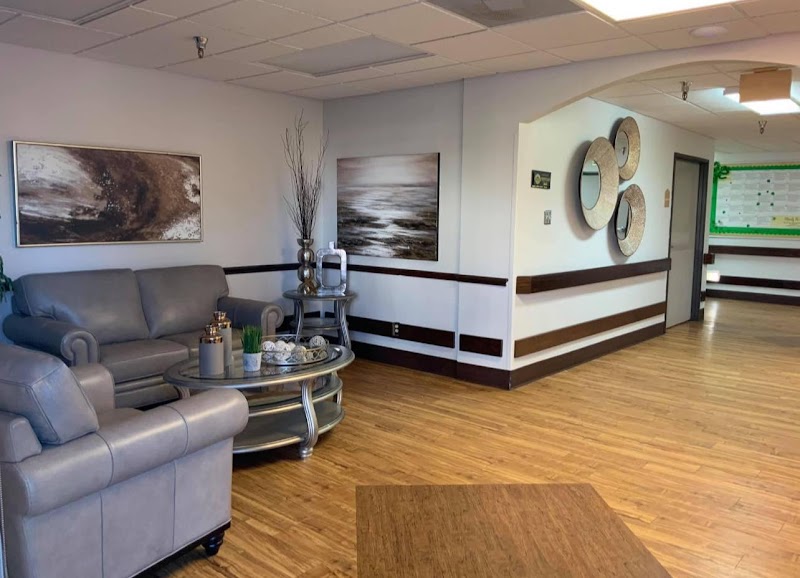
How is Brownwood Nursing And Rehabilitation Staffed?

CMS rates BROWNWOOD NURSING AND REHABILITATION's staffing level at 2 out of 5 stars, which is below average compared to other nursing homes. Staff turnover is 38%, compared to the Texas average of 46%. This relatively stable workforce can support continuity of care.

What Have Inspectors Found at Brownwood Nursing And Rehabilitation?

State health inspectors documented 12 deficiencies at BROWNWOOD NURSING AND REHABILITATION during 2022 to 2025. These included: 1 Immediate Jeopardy (the most serious level, indicating potential for serious harm or death) and 11 with potential for harm. Immediate Jeopardy findings are rare and represent the most serious regulatory concerns. They require immediate corrective action.

Who Owns and Operates Brownwood Nursing And Rehabilitation?

BROWNWOOD NURSING AND REHABILITATION is owned by a for-profit company. For-profit facilities operate as businesses with obligations to shareholders or private owners. The facility is operated by CREATIVE SOLUTIONS IN HEALTHCARE, a chain that manages multiple nursing homes. With 128 certified beds and approximately 66 residents (about 52% occupancy), it is a mid-sized facility located in BROWNWOOD, Texas.

How Does Brownwood Nursing And Rehabilitation Compare to Other Texas Nursing Homes?

Compared to the 100 nursing homes in Texas, BROWNWOOD NURSING AND REHABILITATION's overall rating (4 stars) is above the state average of 2.8, staff turnover (38%) is near the state average of 46%, and health inspection rating (4 stars) is above the national benchmark.

What Should Families Ask When Visiting Brownwood Nursing And Rehabilitation?

Based on this facility's data, families visiting should ask: "What changes have been made since the serious inspection findings, and how are you preventing similar issues?" "Can you walk me through typical staffing levels on day, evening, and night shifts?" "Can I visit during a mealtime to observe dining assistance and food quality?" "How do you handle medical emergencies, and what is your hospital transfer rate?" These questions are particularly relevant given the facility's Immediate Jeopardy citations and the below-average staffing rating.

Is Brownwood Nursing And Rehabilitation Safe?

Based on CMS inspection data, BROWNWOOD NURSING AND REHABILITATION has documented safety concerns. Inspectors have issued 1 Immediate Jeopardy citation (the most serious violation level indicating risk of serious injury or death). The facility has a 4-star overall rating and ranks #1 of 100 nursing homes in Texas. Families considering this facility should ask detailed questions about what corrective actions have been taken since these incidents.

Do Nurses at Brownwood Nursing And Rehabilitation Stick Around?

BROWNWOOD NURSING AND REHABILITATION has a staff turnover rate of 38%, which is about average for Texas nursing homes (state average: 46%). Moderate turnover is common in nursing homes, but families should still ask about staff tenure and how the facility maintains care continuity when employees leave.

Was Brownwood Nursing And Rehabilitation Ever Fined?

BROWNWOOD NURSING AND REHABILITATION has been fined $17,372 across 2 penalty actions. This is below the Texas average of $33,253. While any fine indicates a compliance issue, fines under $50,000 are relatively common and typically reflect isolated problems that were subsequently corrected. Families should ask what specific issues led to these fines and confirm they've been resolved.

Is Brownwood Nursing And Rehabilitation on Any Federal Watch List?

BROWNWOOD NURSING AND REHABILITATION is not on any federal watch list. The most significant is the Special Focus Facility (SFF) program, which identifies the bottom 1% of nursing homes nationally based on persistent, serious quality problems. Not being on this list means the facility has avoided the pattern of deficiencies that triggers enhanced federal oversight. This is a positive indicator, though families should still review the facility's inspection history directly.