CARE NURSING & REHABILITATION
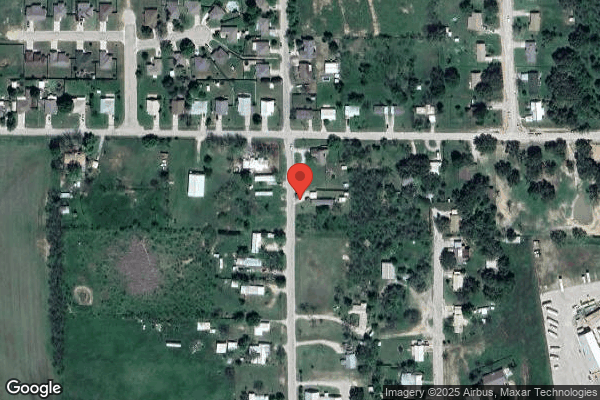
200 COUNTY RD 616, BROWNWOOD, TX 76802 (325) 646-5521
For profit - Corporation 97 Beds CREATIVE SOLUTIONS IN HEALTHCARE Data: November 2025
Trust Grade
75/100
#205 of 1168 in TX
Last Inspection: March 2025

Within standard 12-15 month inspection cycle. Federal law requires annual inspections.

Overview

Care Nursing & Rehabilitation in Brownwood, Texas, has a Trust Grade of B, which means it is considered a good choice among nursing homes. It ranks #205 out of 1,168 facilities in Texas, placing it in the top half, and #4 out of 7 in Brown County, indicating only one local option is better. The facility's performance trend is stable, with 14 issues noted over the past two years, including concerns about medication storage and hot water temperatures exceeding safe levels, which could pose risks for residents. Staffing is a relative strength, with a turnover rate of 33%, well below the Texas average, although RN coverage is only average. On a positive note, the facility has not incurred any fines, which is a good sign of compliance with regulations.

Trust Score
B
75/100
In Texas
#205/1168
Top 17%
Safety Record
Low Risk
No red flags
Inspections
Holding Steady
5 → 5 violations
Staff Stability
○ Average
33% turnover. Near Texas's 48% average. Typical for the industry.
Penalties
✓ Good
No fines on record. Clean compliance history, better than most Texas facilities.
Skilled Nurses
⚠ Watch
Each resident gets only 27 minutes of Registered Nurse (RN) attention daily — below average for Texas. Fewer RN minutes means fewer trained eyes watching for problems.
Violations
⚠ Watch
14 deficiencies on record. Higher than average. Multiple issues found across inspections.
★★★★☆
4.0
Overall Rating
★★★☆☆
3.0
Staff Levels
★★★☆☆
3.0
Care Quality
★★★★☆
4.0
Inspection Score
Stable
2024: 5 issues
2025: 5 issues

The Good

  • Full Sprinkler Coverage · Fire safety systems throughout facility
  • No fines on record
  • Staff turnover below average (33%)

    15 points below Texas average of 48%

Facility shows strength in fire safety.

The Bad

Staff Turnover: 33%

13pts below Texas avg (46%)

Typical for the industry

Chain: CREATIVE SOLUTIONS IN HEALTHCARE

Part of a multi-facility chain

Ask about local staffing decisions and management

The Ugly 14 deficiencies on record

Mar 2025 4 deficiencies
CONCERN (D)

Potential for Harm - no one hurt, but risky conditions existed

Deficiency F0761 (Tag F0761)

Could have caused harm · This affected 1 resident

Based on observation, interview and record review the facility failed to ensure drugs and biologicals are labeled in accordance with professional principals , for 1 of 2 medication rooms (The front me...

Read full inspector narrative →
Based on observation, interview and record review the facility failed to ensure drugs and biologicals are labeled in accordance with professional principals , for 1 of 2 medication rooms (The front medication room) inspected for medication storage. The medication room had opened and undated vial of Tuberculin (TB) medication in the refrigerator. This failure could place residents at risk of receiving medications that were expired and not produce the therapeutic effect. The findings were: During an observation and interview on 02/25/25 at 11:55 AM one of the two medication storage rooms (the front medication room) was inspected with the DON present. Inside the small refrigerator was an opened 1 ml vial of tuberculin solution that indicated Once entered vial should be discarded after 30 days. the vial nor the box the solution came in had an open date written on it. The DON said staff was expected to date the vial whenever they opened it. The DON said the night shift was responsible for checking the refrigerator for expired medications and dispose of them. The DON said without the date on the vial it was hard to tell when the solution would expire and if used it might not produce an accurate reading. During an interview on 02/27/25 at 02:19 PM the Administrator was made aware of the opened and undated tuberculin vial found in the front medication room. The Administrator said that whoever opened it forgot to date it. The Administrator said if the tuberculin solution was used and not dated it could lead to inaccurate readings due to not knowing when it was opened. The Administrator said it was the night shift's responsibility to keep up with the medication room and remove undated medications. The Administrator said she did rounds and met with the DON about making sure staff did their rounds and inspections such as the medication room. Record review of policy titled Recommended medication storage and dated 07/2012 indicated in part: Below is a list of medications that require a date when opening and the recommended time frame the medication should be used. This is not an all-inclusive list, and the manufacturer recommendations will supersede this list. Multi dose vials for injection (Sterile water, vaccines etc) - unless otherwise noted - expire 30 days after first puncture.
CONCERN (D)

Potential for Harm - no one hurt, but risky conditions existed

Medical Records (Tag F0842)

Could have caused harm · This affected 1 resident

**NOTE- TERMS IN BRACKETS HAVE BEEN EDITED TO PROTECT CONFIDENTIALITY** Based on record review and interviews, the facility failed to maintain medical records on each resident that were accurately doc...

Read full inspector narrative →
**NOTE- TERMS IN BRACKETS HAVE BEEN EDITED TO PROTECT CONFIDENTIALITY** Based on record review and interviews, the facility failed to maintain medical records on each resident that were accurately documented for 1 (Resident #15) of 27 residents reviewed for accuracy of records. The facility failed to ensure LVN A documented in Resident #15's record the holding of Lantus Insulin was because of the resident's request. This failure to place residents of risk of having incomplete and accurate records. Findings include: Review of Resident #15's electronic admission record revealed Resident #15 was a [AGE] year-old female who was admitted to the facility on [DATE] with admitting diabetes mellitus. Review of Resident #15's Quarterly MDS dated [DATE] revealed that Resident #15 had a BIMS of 13 out of 15 indicating resident was cognitively intact. Review of Resident #15's Care Plan, revised 05/14/2024, revealed Resident #15 was to be monitored for side effects and effectiveness of diabetic medications. Review of Resident #15's order summary revealed: -On 02/20/2025, Resident #15 was prescribed Lantus (Insulin Glargine) 10 units subcutaneously two times a day. -On 02/11/2025, Resident #15 was prescribed Lantus (Insulin Glargine) 10 units subcutaneously two times a day. It was discontinued 02/18/2025 due to hospitalization not related to diabetes. -On 02/05/2024, Resident #15 was prescribed Lantus (Insulin Glargine) 15 units subcutaneously two times a day. It was discontinued 02/11/2025 due to change in dosage. -On 11/14/2024, Resident #15 was prescribed Lantus (Insulin Glargine) 10 units subcutaneously two times a day. It was discontinued 02/05/2025 due to change in dosage. Review of Resident #15's electronic Medication and Treatment Administration Record revealed LVN-A held: -On 01/04/2025 at 8:00pm Lantus 10units with blood glucose reading of 125 with no signs or symptoms of low blood sugar. -On 01/17/2025 at 8:00pm Lantus 10units with blood glucose reading of 143 with no signs or symptoms of low blood sugar. -On 02/02/2025 at 8:00pm Lantus 10units with blood glucose reading of 113 with no signs or symptoms of low blood sugar. -On 02/05/2025 at 8:00pm Lantus 15units with blood glucose reading of 140 with no signs or symptoms of low blood sugar. -On 02/24/2025 at 8:00pm Lantus 10units with blood glucose reading of 154 with no signs or symptoms of low blood sugar. During an interview on 03/14/2025 at 5:42pm, LVN-A stated he had been a nurse at the facility for three months and had transferred from a sister facility. LVN-A stated he only worked the night shift. LVN-A stated he would only take Blood Glucose readings and administered insulin to Resident #15 during his shift. LVN-A stated Resident #15 was a retired nurse and was highly involved in her diabetic management. LVN-A stated Resident #15 wanted her Lantus held at night if her sliding scale insulin was also held. LVN-A stated he used his nursing judgement and the resident's right to determine to withhold the scheduled dose of insulin. LVN-A stated Resident #15 did not display any signs of low blood sugar such as severe sweating, increased pulse, fatigue, or restlessness. LVN-A stated that if Resident #15 did display signs of low blood sugar, he would have notified the doctor immediately. LVN-A stated, there is no good reason to why I did not document a more descriptive narrative in the progress note and that is an error on my part. LVN-A stated he understood the need to expand and explain the situation for continuity of care. During an observation and interview on 03/15/2025 at 2:16 p.m., Resident #15 stated she is highly active in her diabetic care and insulin. Resident #15 was not showing any signs of distress, sweating, increased pulse, fatigue, or restlessness. Resident #15 said she was an LVN and monitored her blood glucose closely. She stated at night, her and the nurse would discuss her blood glucose results and wanted her Lantus held because I don't want my sugar to bottom out. Resident #15 stated that LVN-A explained and discuss her diabetic management with her in great detail and appreciated her input in her care. During an interview on 03/14/2025 at 5:05 p.m., the Regional Compliance Nurse said the only location the nurses document medication information that differ from what is prescribed was on a progress notes. The Regional Compliance Nurse said the nurse should input the glucose number into the electronic record of the resident and an option box to expand would open. The Regional Compliance Nurse said the nurse would have space to document and explain what had occurred so the information would populate into a progress note. The Regional Compliance Nurse reviewed the TAR for Resident #15, dated 01/05/2025, and said the documentation confirmed LVN A withheld Resident #15's Lantus but said there was no documentation to explain why in Resident #15's Progress Notes, dated 01/05/2025. The Regional Compliance Nurse said she expected the nurses to document the reason the medication was withheld and the condition of the resident when glucose levels were low. The Regional Compliance Nurse said the lack of documentation did not meet her expectations. She said the facility had an issue with documentation, not just with LVN A. During a telephone interview on 03/12/2025 at 11:47 a.m., the Medical Director stated his expectation was for the nurses to use their nursing judgement, based on their training, in conjunction with the resident's request to determine nursing care. He stated that Resident #15 was highly active in her medication regiment. He also stated that if the nurse questioned their judgment or the resident's request, they were to call him; however, that was not the case with LVN A and Resident #15. He stated that he expected the resident's record to be accurate and complete for continuity of care. Record review of the facility's policy, Documentation, dated 2003, revealed documentation was the recording of all information, both objective and subjective, in the clinical record of an individual record. It included observations, investigations, and communications of the resident involving care and treatments. The facility will maintain complete and accurate documentation for each resident on all appropriate clinical record sheets. The facility will ensure that information was comprehensive and timely, and properly signed.
CONCERN (D)

Potential for Harm - no one hurt, but risky conditions existed

Infection Control (Tag F0880)

Could have caused harm · This affected 1 resident

**NOTE- TERMS IN BRACKETS HAVE BEEN EDITED TO PROTECT CONFIDENTIALITY** Based on observation, interview, and record review, the facility failed to maintain an infection prevention and control program ...

Read full inspector narrative →
**NOTE- TERMS IN BRACKETS HAVE BEEN EDITED TO PROTECT CONFIDENTIALITY** Based on observation, interview, and record review, the facility failed to maintain an infection prevention and control program designed to provide a safe, sanitary, and comfortable environment to help prevent the development and transmission of communicable diseases and infections for 1 (Resident #22) of 2 residents reviewed for infection control. CNA A failed to change her gloves and wash her hands after they became contaminated during incontinent care while assisting Resident #22. This failure could place resident's risk for cross contamination and the spread of infection. Finding include: Record review of Resident #22's admission record dated 02/26/25 indicated he was admitted to the facility on [DATE] with diagnoses of Parkinson's (a brain disorder that causes unintended or uncontrollable movements, such as shaking, stiffness, and difficulty with balance and coordination) and muscle weakness. He was [AGE] years of age. Record review of Resident #22's care plan dated 09/27/24 indicated in part: Focus: The resident has bowel incontinence. Goal: The resident will not have any complications related to bowel incontinence. Interventions: Check resident every two hours and assist with toileting as needed. Apply barrier cream after every incontinent episode. Provide pericare after each incontinent episode. Record review of Resident #22's MDS assessment dated [DATE] indicated in part: Cognitive Skills for Daily Decision Making = 2. Moderately impaired - decisions poor; cues/supervision required. Urinary continence = Occasionally incontinent. Bowel continence = Frequently incontinent. During an observation on 02/25/25 at 12:10 PM CNA A and CNA B performed incontinent care for Resident #22. Both CNAs entered the resident's room washed their hands and put some gloves on. Both CNAs undid the residents brief and then CNA B wiped the resident's scrotum and penis area with some wet wipes. Both CNAs then turned the resident on his right side and then CNA A use some wet wipes to wipe the residents rectal area which contained some bowel movement. CNA A then removed her gloves and put on a clean pair of gloves. CNA A then took some barrier cream and applied some to the resident's rectal area and her gloves hand came in contact with the resident's rectal area. Next CNA A, while still wearing the same gloves that she used to apply the barrier cream to the resident's rectal area, took some more barrier cream and applied it to the resident's scrotum area with the same gloved hand that she used to apply the cream to the resident's rectal area. During a telephone interview on 02/26/25 at 10:52 AM CNA B said she recalled seeing CNA A applying some barrier cream to Resident #22's rectal area and then with the same gloved hand applying some barrier cream to the residents scrotum area. During an interview on 02/26/25 at 11:04 AM CNA A said she did not recall if she cross contaminated during the incontinent care. CNA A said she recalled wiping the residents bowel movement and then later applying the barrier cream to the resident's rectal area and then to the scrotum area. CNA A said if she had cross contaminated she had not meant to as she got so focused on what she was doing that she did not recall if she had cross contaminated. During an interview on 02/26/25 at 11:32 AM the DON said she was not quite sure that cross contamination had occurred. The DON said if the CNA had applied some barrier cream to the resident's buttocks area and then placed some cream to the scrotum did not necessarily mean that she had contaminated the resident's scrotum area unless the CNA really pressed into the resident's rectal area. The DON was made aware that CNA A had indeed applied barrier cream into the rectal area and had used that same gloved hand to then apply the barrier cream to the resident's scrotum which came in contact with the resident's penis and urethra area. The DON said she still believed it was not sufficient contact of barrier cream in between the rectal area or buttocks area and the scrotum area that it could lead to cross contamination. During an interview on 02/27/25 at 01:54 PM the Administrator said she did not have clinical background, so she was not sure if cross contamination was an issue in this case. The Administrator said she was aware that staff were supposed to wiped from front to back. During an interview on 02/27/25 at 02:35 PM with the ADON said she would do the proficiency audits with CNAs. The ADON said she would observe them wash their hands and give them pointers and check them off. The ADON said the proficiency's were done upon hire and annually. The ADON was told about the incontinent care and how CNA A wiped the bowel movement from Resident #22 and then applied barrier cream to the resident's rectal area and then to his scrotum area. The ADON said that CNA A should have changed her gloves before she applied the barrier cream to the residents scrotum. The DON said the CNA should have changed her gloves in case there was some fecal matter on the glove she used to apply the cream to the rectal area and then she would contaminate the scrotum area. The ADON said the failure could lead to UTIs or cross contamination. The ADON said the CNAs were trained to go from front to back or clean to dirty. The ADON said she had done the CNA proficiency with CNA A on 03/28/24 and she had done fine then. Record review of the facility's policy titled Infection control plan overview and dated 03/2023 indicated in part: Infection control - the facility will establish and maintain an infection control program designed to provide a safe and sanitary and comfortable environment and to help prevent the development and transmission of disease and infection. Infection control program the facility will establish an infection control program under which it investigates, controls, and prevents investigations in the facility. Maintains a record of incidents and corrective actions related to infections. Record review of the facility's policy titled Perineal care dated 04/27/2022 indicated in part: This procedure aims to maintain the resident dignity and self-worth and reduce embarrassment by providing cleanliness and comfort for the resident, preventing infections and skin irritation, and observing the resident's skin condition. Equipment and supplies - personal protective equipment (e.g., gowns, gloves, mask, etc., as needed per standard precautions). Start: perform hand hygiene- DON gloves and all other PPE per standard precautions. Choose your PPE by considering the type of exposure, the durability and appropriateness for the task. Gently perform perineal care, wiping from Clean urethral area to dirty, rectal area to avoid contaminating the urethral area - clean to dirty. Always perform hand hygiene before and after glove use. Record review of the facility policy titled Fundamentals of infection control precautions dated 3/2023 indicated in part: A variety of infection control measures are used for decreasing the risk of transmission of microorganisms in the facility. These measures make up the fundamentals of infection control precautions. Hand hygiene continues to be the primary means of preventing the transmission of infection. The following is a list of some situations that require hand hygiene: Before and after direct resident contact. Before and after assisting a resident with personal care (e.g., oral care, bathing.) Wearing gloves does not replace the need for hand washing because gloves may have small inapparent defects or be torn during use, and hands can become contaminated during removal of gloves.
CONCERN (E)

Potential for Harm - no one hurt, but risky conditions existed

Accident Prevention (Tag F0689)

Could have caused harm · This affected multiple residents

**NOTE- TERMS IN BRACKETS HAVE BEEN EDITED TO PROTECT CONFIDENTIALITY** Based on observation, interview, and record review, the facility failed to ensure the resident environment remained as free of a...

Read full inspector narrative →
**NOTE- TERMS IN BRACKETS HAVE BEEN EDITED TO PROTECT CONFIDENTIALITY** Based on observation, interview, and record review, the facility failed to ensure the resident environment remained as free of accident hazards as possible, in four out of ten resident rooms on 1 of 4 halls (The middle hall) reviewed for accident hazards, in that; The facility failed to ensure that the hot water temperatures in the sinks for 4 resident rooms did not exceed the maximum of 110 degrees Fahrenheit. This failure could place residents at risk for injuries related to hot water temperatures. The findings included: Record review of Resident #15's admission record dated 02/26/2025 indicated she was admitted to facility on 04/25/2024 with diagnoses of dementia and major depression. She was [AGE] years of age. Record review of Resident #15's quarterly MDS dated [DATE] indicated in part: BIMS = 13 indicating the resident was cognitively intact. During an observation and interview on 02/25/25 at 03:40 PM the water temperature in Resident #15's room faucet was 117 degrees Fahrenheit. Resident #15 said she had never burned her hands when she washed her hands in her sink. Record review of Resident #26's admission record dated 02/26/2025 indicated he was admitted to facility on 01/09/2020 with diagnoses of contracture of muscle and muscle wasting and atrophy (muscles shrinking). He was [AGE] years of age. Record review of Resident #26's quarterly MDS dated [DATE] indicated in part: BIMS = 15 indicating the resident was cognitively intact. Record review of Resident #30's admission record dated 02/26/2025 indicated he was admitted to facility on 3/14/2024 with diagnoses of Alzheimer's disease and dementia. He was [AGE] years of age. Record review of Resident #30's quarterly MDS dated [DATE] indicated in part: BIMS = 12 indicating the resident was moderately impaired. During an observation and interview on 02/25/25 at 03:26 PM the water temperature in Resident #26 and Resident #30's shared room faucet was 115. Resident #26 said he had never been burned with hot water even though he was unable to access the water. Resident #26 said he had not been burned during his showers. Resident #30 said he had never burned himself while washing his hands in his room faucet nor when the staff gave him his showers in the shower room. Record review of Resident #10's admission record dated 02/26/2025 indicated he was admitted to facility on 3/10/2024 with diagnoses of dementia, muscle wasting and atrophy. He was [AGE] years of age. Record review of Resident #10's quarterly MDS dated [DATE] indicated in part: BIMS = 06 indicating the resident was severely impaired. During an interview and an observation on 02/26/25 at 03:18 PM the water temperature in Resident #10's room was 115 degrees Fahrenheit. Resident #10 was in his bed in bed awake and alert. Resident #10 voiced that he had never burned himself with the hot water from the faucet in his room. Record review of Resident #24's admission record dated 02/26/2025 indicated she was admitted to facility on 11/20/2024 with diagnoses of dementia and stroke. She was [AGE] years of age. Record review of Resident #24's quarterly MDS dated [DATE] indicated in part: BIMS = 08 indicating the resident was moderately impaired. Record review of Resident #38's admission record dated 02/26/2025 indicated she was admitted to facility on 06/22/2024 with diagnoses of muscle weakness, muscle wasting and atrophy. She was [AGE] years of age. Record review of Resident #38's quarterly MDS dated [DATE] indicated in part: BIMS = 15 indicating the resident was cognitively intact. During an interview and an observation on 02/26/25 at 03:44 PM the water temperature in Resident #38 and Resident #24's shared room was 114 degrees Fahrenheit. Resident #38 and Resident #24 were in their rooms sitting up in their wheelchair or bed awake and alert. Both residents voiced that neither of them had ever burned themselves with the hot water from the faucet in their room. During an interview and an observation on 02/25/25 at 03:52 PM the Maintenance Supervisor said the hot water was expected to be between 107 degrees Fahrenheit and 110 degrees Fahrenheit. The Supervisor was made aware of the temperature in 4 of 10 resident rooms on the facility's middle hall had been 112 to 117 degrees Fahrenheit. The Supervisor took his thermometer and at this time and went into Resident #15's room and took the water temperature. The water temperature on the Supervisor's thermometer reached 117 degrees Fahrenheit. The Supervisor said the temperature was too high and he would have to turn done the temperature on the water heater. The Supervisor said they had turned up the water heater's thermostat when the outside temperature had gotten very cold a couple of a days ago. The Maintenance Supervisor said the closet where the water heater was located was not well insulated so when it got very cold outside it would drop the temperature on the water heater. The Supervisor said that water heater was connected to the resident rooms named in the middle hall and the other rooms in the facility had different water heaters which the temperatures were within 100 - 105 degrees Fahrenheit. The Supervisor said they had forgotten to turn the temperature back down when the temperature outside had gotten warm again. The Supervisor said they would adjust the temperature on the water heater and bring it back down. The Supervisor said they would provide the surveyor with a copy of the water temperature log for the last weeks temperatures. During an interview on 02/27/25 at 02:05 PM the Administrator was made aware of the water temperatures in the rooms on the middle hall. The Administrator said the water temperature should be between 100 degrees Fahrenheit and 110 degrees Fahrenheit. The Administrator said the Maintenance Supervisor had turned up the thermostat on the water heater for the middle hall due to the cold weather they had - had a few days ago and basically forgot to turn it back down when the temperature got warm outdoors again. The Administrator said the failure occurred because the Maintenance Supervisor forgot to turn down the thermostats on the water heater. The Administrator said there were no residents that got burned or scaled due to the water being hot. During a record review and interview on 02/25/25 at 03:58 PM the surveyor conducted record review of the facility's Weekly Water Temperature Log dated 01/31/25, 02/06/25, 02/13/25 and 02/20/25. The temperatures all ranged from 107 degrees Fahrenheit and 109 degrees (F) Fahrenheit. (Note none of the temperatures went above 110 degrees Fahrenheit) The Maintenance assistant said that was the temperature they had been and it had not been any higher on the middle hall when asked about the water temperature log not exceeding 110 and not being at least 114. Record review of the facility's policy titled Hot water systems and dated 2003 indicated in part: The hot water system will be checked weekly for temperature variations. Proper operation of mixing valve (to maintain 100-110 degrees (F) Fahrenheit). Water temperatures should be maintained at 100 degrees F at a minimum, and 110 degrees F at a maximum.
Jan 2025 1 deficiency
CONCERN (D) 📢 Someone Reported This

A family member, employee, or ombudsman was alarmed enough to file a formal complaint

Potential for Harm - no one hurt, but risky conditions existed

Notification of Changes (Tag F0580)

Could have caused harm · This affected 1 resident

**NOTE- TERMS IN BRACKETS HAVE BEEN EDITED TO PROTECT CONFIDENTIALITY** Based on interview and record reviews, the facility failed to immediately consult with the resident's physician when there was a...

Read full inspector narrative →
**NOTE- TERMS IN BRACKETS HAVE BEEN EDITED TO PROTECT CONFIDENTIALITY** Based on interview and record reviews, the facility failed to immediately consult with the resident's physician when there was a need to alter treatment significantly and a decision to discharge the resident from the facility to the hospital for 1 (Resident #1) of 3 residents reviewed for notification of changes. The facility failed to notify Resident #1's physician when Resident #1 was transferred and discharged to the hospital on [DATE]. This failure could place residents at risk of not having their change of condition communicated to their physician, delay of treatment, and a decline in the residents' health and well-being. The findings included: Record review of Resident #1's Facesheet, dated 01/01/2025, revealed Resident #1 was an [AGE] year-old female, with an admission date into the facility of 12/10/2024. Diagnoses included Unspecified systolic (congestive) heart failure (refers to a diagnosis of heart failure where the problem lies with the heart's ability to contract and pump blood effectively), Type II diabetes mellitus without complications (disease that occurs when the body does not use insulin properly, resulting in high blood sugar levels), Anemia with chronic kidney disease (occurs when the kidneys cannot produce enough erythropoietin (EPO), a hormone that signals the body to make red blood cells), and Essential (primary) hypertension (type of high blood pressure that develops gradually over time and no clear cause). Record review of Resident #1's admission Minimum Data Set (MDS), dated [DATE], revealed Resident #1's BIMS score was 14, which indicated intact cognitive response. Record review of Resident #1's Progress Notes, dated 12/25/2024 at 10:44 p.m., documented by LVN B, revealed Resident #1, was sent to ER per resident request and family member request. Resident B/P continues to be high 199/80 with wrist cuff. Resident's B/P was 186/112 at 8:00 p.m., resident did not want to go to the ER at that time because she had been up and moving around, after the recheck, she called her family member and family member called the nurse home and told the nurse to send the resident to the ER, so the nurse went to the resident's room and told the resident her family member wanted her to go to the ER. During an interview on 01/01/2025 at 12:20 p.m., Resident #1's family member said Resident #1 called her and reported her blood pressure was high and Resident #1 needed to go to the emergency room. Resident #1's family member said she called the facility and spoke with LVN B and requested Resident #1 be sent to the ER. During an interview on 01/07/2025 at 11:11 a.m., the Administrator said when a resident was sent out by ambulance to the emergency room, her expectation was for the nurse to notify the physician and follow the facility policy. The Administrator said the physician should have been notified when Resident #1's blood pressure was elevated and when Resident #1 was transported to the ER on [DATE]. The Administrator said lack communication could delay medical treatment. During an interview on 01/07/2025 at 11:31 a.m., Physician E said he was not notified when Resident #1 was transported to the emergency room due to high blood pressure on 12/25/2024. Physician E said he learned of the transfer and hospital admission on [DATE] when he was notified by the facility after the fact. Physician E said it was his expectation for the facility to call him when a resident had elevated blood pressure. During an interview on 01/07/2025 at 1:05 p.m., LVN B said she was on duty 12/25/2024 when Resident #1's blood pressure was elevated, and Resident #1 was sent out the ER. LVN B said she took Resident #1's blood pressure at approximately 8:30 p.m., and recorded Resident #1's blood pressure reading at 186/112. LVN B said Resident #1 told LVN B that she did not want to go to the emergency room at that time because Resident #1 said she had been up moving around in her room. LVN B said she informed Resident #1 she would return and recheck her blood pressure in a few minutes. LVN B said she left Resident #1's room then received a call from Resident #1's family member who demanded Resident #1 be sent to the ER. LVN B said she immediately called 911. LVN B said Resident #1's family member arrived at the facility prior to the ambulance and Resident #1 was transported to the ER. LVN B said she had determined prior to Resident #1's family member phone call and arrival that she was going to transfer Resident #1 out by ambulance. LVN B said at the time of the incident, Resident #1 had received medical treatment and she was not sure why she failed to contact the physician and report Resident #1 was sent to the ER. During an interview on 01/07/2025 at 3:47 p.m., the DON said she was aware the physician for Resident #1 was not notified when Resident #1 was sent to the ER on [DATE] due to high blood pressure. The DON said the nurse on duty was responsible to contact the physician, but she should also follow-up to ensure all notifications were made. The DON said by not contacting the physician, a delay in treatment could occur. Record review of the facility's policy, Notifying the Physician of Change in Status, dated 03/11/2013, revealed, the nurse should not hesitate to contact the physician at any time when an assessment and their professional judgement deem it necessary for immediate medical attention. The nurse will notify the physician immediately with significant change in status. The will nurse will document signs and symptoms of significant change, time/date of call to physician, and interventions that were implemented in the resident's clinical record.
Jan 2024 5 deficiencies
CONCERN (D) 📢 Someone Reported This

A family member, employee, or ombudsman was alarmed enough to file a formal complaint

Potential for Harm - no one hurt, but risky conditions existed

Accident Prevention (Tag F0689)

Could have caused harm · This affected 1 resident

**NOTE- TERMS IN BRACKETS HAVE BEEN EDITED TO PROTECT CONFIDENTIALITY** Based on observation, interview and record review, the facility failed to ensure each resident received adequate supervision and...

Read full inspector narrative →
**NOTE- TERMS IN BRACKETS HAVE BEEN EDITED TO PROTECT CONFIDENTIALITY** Based on observation, interview and record review, the facility failed to ensure each resident received adequate supervision and assistance devices to prevent accidents for 1 of 3 residents (Resident #42) reviewed for accident hazards in that: LVN C and CNA D did not demonstrate appropriate transfer techniques for Resident #42. This failure could put residents at risk of accidents and serious injuries which could result in a reduced quality of life. Findings included: Record review of Resident #42's admission record dated 01/17/24 indicated he was admitted to the facility on [DATE] with diagnoses of Alzheimer's disease and muscle weakness. He was [AGE] years of age. Record review of Resident #42's care plan dated 01/12/24 indicated in part: Focus: The resident has an ADL Self Care Performance Deficit r/t weakness, sequencing issues. Date Initiated: 11/01/2023. Interventions: TRANSFER: The resident has requires 1-2 staff participation with transfers. Date Initiated: 11/28/2023. Record review of Resident #42's MDS dated [DATE] indicated in part: BIMS = 08 indicating resident had moderately impaired. Functional ability status - Chair/bed-to-chair transfer: The ability to transfer to and from a bed to a chair (or wheelchair) = 02. Substantial/maximal assistance - Helper does more than half the effort. Helper lifts or holds trunk or limbs and provides more than half the effort. During an observation on 01/16/24 at 12:16 PM LVN C and CNA D transferred Resident #42 from his Geriatric chair to his bed. Both staff members took the resident from underneath his arm pits and from the back of his pants. During the transfer the resident's feet slid some as he was wearing regular socks. During an interview on 01/16/24 at 1:38 PM LVN C said Resident #42 was a 2-person transfer. She said they normally transferred the resident like they did by taking him from underneath his armpits and by the back of his pants. LVN C said they did not use a gait belt because it would hurt Resident #42 and he had general pain. LVN C said he was a 1 person transfer but had declined more and was now a 2 person for transfers. During an interview on 01/16/24 at 2:12 PM CNA D said it had not been that long since Resident #42 was able to help more with assistance. CNA D said at other times they used to transfer the resident by one staff taking him from under his armpit and under his leg and the other staff doing the same on the other side. CNA D said she had not used the gait belt while transferring Resident #42 but maybe they should or also consider using the mechanical lift. CNA D said she knew what transfer status each resident was by looking at that resident's care plan on their POC. CNA D demonstrated where the POC was on the computer and searched Resident #42's POC which indicated resident required 1-2 staff for transfers. During an interview on 01/17/24 at 3:28 PM the DOR said they had done some training with a new CNA class about a month ago regarding transferring residents. The DOR was made aware of the transfer observation conducted on Resident #42 by LVN C and CNA D. The DOR said that she did not recommend residents by transferred liked that as that was not a proper way. The DOR said Resident #42 should probably be transferred with a mechanical lift from now on and that she would be looking into that. The DOR said unfortunately she was not aware too much of the transfer status of Resident #42 since his payor source and the resident being on hospice would not cover him receiving therapy services. During an interview on 01/18/24 at 11:53 AM the DON was made aware of Resident #42's transfer observation. The DON said that was not a proper way to transfer a resident. The DON said staff could see on the resident's POC and see what their transfer status was and all staff had access to that. The DON said they had conducted training transferring yesterday regarding proper transferring as they were already aware of the transfer. The DON said it was expected for staff to clarify what the resident's transfer status was and apply a gait belt almost during any situation for transfers unless they were a mechanical lift transfer. The DON said the staff could drop the resident, cause a skin tear or bruise them by transferring them like that. The DON said she believed the failure occurred because of possible lack of experience from the staff. During an interview on 01/18/24 at 12:34 PM the Administrator was made aware of the transfer observation. The Administrator said he was aware of the transfer and it that was inappropriate and they would conduct more trainings on transfers. Review of the facility's policy titled Moving a resident bed to chair/chair to bed and dated 2003 indicated in part: The purposes of this procedure are to allow the resident to be out of his or her bed as much as possible and to provide for safe transferring of the resident. If moving a resident from chair to bed: Place the chair so that it touches the side of the bed and faces the foot of the bed. Position a gait belt around the resident's waist and clasp it. Make sure it is tight enough that only a slight hand movement will guide the patient but not so tight that you cannot firmly grasp the belt without making the patient uncomfortable. If the resident requires two person (one on each side) should grasp the gait belt and gently stand and turn the resident and sit him or her on the edge of the bed.
CONCERN (D) 📢 Someone Reported This

A family member, employee, or ombudsman was alarmed enough to file a formal complaint

Potential for Harm - no one hurt, but risky conditions existed

Tube Feeding (Tag F0693)

Could have caused harm · This affected 1 resident

**NOTE- TERMS IN BRACKETS HAVE BEEN EDITED TO PROTECT CONFIDENTIALITY** Based on observation, interview, and record review, the facility failed to ensure that residents who received nutrition by enter...

Read full inspector narrative →
**NOTE- TERMS IN BRACKETS HAVE BEEN EDITED TO PROTECT CONFIDENTIALITY** Based on observation, interview, and record review, the facility failed to ensure that residents who received nutrition by enteral means received the appropriate treatment and services for 1 of 1 resident (Resident #2) reviewed for enteral feeding. The facility failed to ensure that Resident #2's enteral feeding bag was correctly labeled and dated. This failure could result in the resident receiving formula that is not appropriate for the treatment/service for the resident. Findings included: Record review of Resident #2's admission summary revealed resident was a [AGE] year-old-male admitted on [DATE] with diagnoses which included Traumatic brain injury, dysphasia (difficulty swallowing), aphasia (difficulty with speech), muscle wasting atrophy (loss of muscle mass), and gastroesophageal reflux (liquid content of the stomach back flows into the tube connecting the mouth and stomach). MDS dated [DATE] shows the resident relies on tube feeding for 51% or more for caloric intake, receiving 501 cc/ml of tube feeding daily. BIMS is not calculated. Resident was able to answer Yes/No questions by shaking his head. Observation on 1/16/2024 at 12:30 pm of Resident #2's room revealed an enteral feeding bag labeled only with the resident's name infusing via pump at 50 cc per hour. Interview on 01/17/24 at 03:08 PM LVN G stated everything used for tube feeds such as the feeding itself, tubing, syringe, and water should be dated every time the feeding was changed to ensure accurate care. LVN G stated if items were not dated staff could not guarantee when it had been changed. Interview on 01/18/24 at 09:51 AM LVN F stated that the tube feeding bag should be labeled with the name of resident, initial of who hung the feeding and date when the feeding was hung. She stated the date was important to know to be sure the feeding was running appropriately and to ensure they kept the feeding fresh. Interview on 01/18/24 at 02:10 PM with DON stated that tube feeding bags should be dated, timed, initialed and have what the pump should be running at written on the bag. This was to ensure the pump was set appropriately according to the order and to ensure the feeding was running without complication. If not, the resident could not be receiving nutrition. This practice also helped ensure the feeding was being changed appropriately. The nurses are responsible for ensuring the resident's tube feeding is managed per order. Record review of facility policies titled Enteral Nutrition dated 2003, revised 2/13/07 and Enteral Medication Administration dated 2003, revised 1/25/13 did not address the labeling of the enteral feeding bags used by the facility. The facility used prefilled bags of formula rather than an all-in-one system as described in the facility policy. All identifying information for the resident and formula had to be written onto the bag by the nurse administering or preparing the feeding.
CONCERN (E) 📢 Someone Reported This

A family member, employee, or ombudsman was alarmed enough to file a formal complaint

Potential for Harm - no one hurt, but risky conditions existed

Pharmacy Services (Tag F0755)

Could have caused harm · This affected multiple residents

**NOTE- TERMS IN BRACKETS HAVE BEEN EDITED TO PROTECT CONFIDENTIALITY** Based on observations, interviews and record review it was determined the facility failed to provide pharmaceutical services tha...

Read full inspector narrative →
**NOTE- TERMS IN BRACKETS HAVE BEEN EDITED TO PROTECT CONFIDENTIALITY** Based on observations, interviews and record review it was determined the facility failed to provide pharmaceutical services that ensure the accurate administering of drugs for 2 of 3 medication carts and 1 of 1 treatment cart observed for medications stored and properly labeled, in that:. Two of the medication carts had insulin pens that were opened but not dated when placed into use. The treatment cart had an opened undated TB vial. These failures could place residents at risk of receiving medications that were expired and not produce the desired effect. Findings included: During an observation and interview on [DATE] at 11:40 AM the treatment cart was inspected with the interim DON present. The interim DON was shown the opened and undated TB vial. The interim DON said she would have to first see what their policy indicated regarding opened TB vials. The interim DON was shown where the TB vial container indicated Once entered, vial should be discarded after 30 days and Store between (36 degrees and 46 degrees F). The interim DON said that perhaps whichever nurse placed it in the cart could have been in the process of discarding it. The interim DON said she would dispose of the vial. During an observation and interview on [DATE] at 12:28 PM the back hall medication cart was inspected with LVN C present. In the top drawer there were 2 insulin pens that had been opened but were not dated when opened. The manufacturer information on the pens indicated Use within 28 days after initial use. LVN C said she did not know who had opened the pens as other nurses had access to the cart as well. LVN C said she normally dated the pens and it was every nurses responsibility to date them or to check the cart for any undated pens. LVN C said she would remove the insulin pens and get some new pens. During an observation and interview on [DATE] at 12:40 PM the front hall medication cart was inspected with LVN B present. In the top drawer there was 1 insulin pen that had been opened but there was no open date on it. The manufacturer information on the pen indicated Use within 28 days after initial use. LVN B said she thought it was her that opened that pen sometime last week but was not sure what day it was. LVN B said she normally dated the pens when she opened them. LN B said it was each nurse's responsibility to date the pens once they were opened. During an interview on [DATE] at 12:02 PM the DON was made aware of insulin pens and the TB vial that were observed. The DON said her expectations were that they were supposed to be dated and initialed when opened. The DON said it was each nurses responsibility to make sure the insulin pens and TB vials were dated when opened. The DON said if the insulins or TB vials were not dated and then expired the medication would not be as effective or give a false reading. The DON said the failure probably occurred because the staff could have gotten distracted and forgotten to date them. During an interview on [DATE] at 12:34 PM the Administrator said he was aware of the insulin pens and TB vial not dated when opened. The Administrator said the insulins and TB vials were supposed to be dated when opened. Record review of the facility's policy titled Pharmacy policy and procedure manual dated 2003 indicated in part: A vial is considered opened if the stopper or seal has been punctured. Insulin storage recommendations at room temperature = KwikPen 28 days. Record review of the facility's policy titled Pharmacy policy and procedure manual dated 2003 indicated in part: Medication that require an Open date as directed by the manufacturer should be dated when opened in a manner that it is clear when the medication was opened. Below is a list of medications that require a date when opening and the recommended time frame the medication should be used. This is not an all-inclusive list and the manufacturer recommendations will supersede this list - Insulins (Vials, cartridge, pens), Multidose vials for injection (sterile water, vaccines, etc) unless otherwise noted-expire 30 days after first puncture.
CONCERN (E) 📢 Someone Reported This

A family member, employee, or ombudsman was alarmed enough to file a formal complaint

Potential for Harm - no one hurt, but risky conditions existed

Deficiency F0761 (Tag F0761)

Could have caused harm · This affected multiple residents

Based on observation, interview and record review the facility failed to store all drugs and biologicals in locked compartments for 1 of 1 treatment cart and 2 of 3 nurse carts reviewed for medication...

Read full inspector narrative →
Based on observation, interview and record review the facility failed to store all drugs and biologicals in locked compartments for 1 of 1 treatment cart and 2 of 3 nurse carts reviewed for medication storage and security. The treatment medication cart was left unlocked and unsupervised. The nurse medication carts were left unlocked and unsupervised. These failures could place clients at risk for drug diversion or accidental ingestion. Findings included: During an observation and interview on 01/16/24 beginning at 11:27 AM a medication cart was seen unlocked and unattended. There were a couple of residents that passed by the unlocked medication cart. LVN A entered into the building from an outside door and said it was her cart and she had just stepped out. LVN A said she usually locked cart when she stepped away. Inside the cart were several medications in blister packets and some insulin pens. During an observation and interview on 01/16/24 at 11:33 AM the treatment cart was seen unlocked and unattended. LVN B said the cart was supposed to be locked at all times and was not sure who left it unlocked. Inside the cart were some antimicrobial wipes, medicated creams, wound cleanser spray bottles and an opened TB vial. During an observation on 01/16/24 beginning at 12:47 PM the back hall nurse medication cart was left unlocked and unattended for approximately 17 minutes. During an interview on 01/16/24 at 1:05 PM LVN C said she had stepped away from the medication cart and forgot to lock it. LVN C said she always locked it and might have been called away and left it unlocked. LVN C said if the cart was left open and unattended residents could get into it and injure themselves. During an interview on 01/18/24 at 12:12 PM the DON was made aware of the unlocked carts observed. The DON said her expectations were that the carts should be locked if unattended. The DON said it was each nurses responsibility to make sure their carts were locked when they stepped away. The DON said the failure probably occurred because the staff could have gotten distracted and walked away and forgot to lock it. During an interview on 01/18/24 at 12:34 PM the Administrator said he was aware of the carts left unlocked and unattended. The Administrator said the carts were expected to be locked when not in use. Record review of the facility's policy titled Medication Carts indicated in part: The carts are to be locked when not in use or under the direct supervision of the designated nurse.
CONCERN (E) 📢 Someone Reported This

A family member, employee, or ombudsman was alarmed enough to file a formal complaint

Potential for Harm - no one hurt, but risky conditions existed

Infection Control (Tag F0880)

Could have caused harm · This affected multiple residents

**NOTE- TERMS IN BRACKETS HAVE BEEN EDITED TO PROTECT CONFIDENTIALITY** Based on observation, interview, and record review, the facility failed to maintain an infection prevention and control program ...

Read full inspector narrative →
**NOTE- TERMS IN BRACKETS HAVE BEEN EDITED TO PROTECT CONFIDENTIALITY** Based on observation, interview, and record review, the facility failed to maintain an infection prevention and control program designed to provide a safe, sanitary, and comfortable environment to help prevent the development and transmission of communicable diseases and infections for two (Resident #42 and #29) of 4 residents reviewed for infection control in that; LVN C closed the faucet with her bare hands after she had washed her hands after assisting Resident #42. CNA E failed to perform incontinent care to Resident #29's peri-area after the resident used the urinal. These failures could place resident's risk for cross contamination and the spread of infection. Finding included: RESIDENT #42 Record review of Resident #42's admission record dated 01/17/24 indicated he was admitted to the facility on [DATE] with diagnoses of Alzheimer's disease and dyspnea (shortness of breath). He was [AGE] years of age. Record review of Resident #42's MDS dated [DATE] indicated in part: BIMS = 08 indicating resident had moderately impaired. Record review of Resident #42's order summary report dated 01/17/2024 indicated in part: O2 @ 2-4 L/M VIA NC PRN as needed. Order date 11/04/2023. During an observation on 01/16/24 at 12:18 PM LVN C transferred Resident #42 into his bed and then placed the oxygen nasal cannula on him. LVN C then turned the faucet on and washed her hands, after she washed them, she closed the faucet with her bare hands and then dried them with some paper towels. LVN C then opened the door of the resident room and exited the room. During an interview on 01/16/24 at 1:46 PM after LVN C said the way she usually washed her hands was by turning the faucet on, washing her hands with soap and water, drying them and then using a paper towel to close the faucet. LVN C said the reason she used a paper towel to close the faucet was to prevent re-contaminating her hands. LVN C said if she closed the faucet with her bare hands then she could possibly re-contaminate herself and spread germs to other people. LVN C said she had messed up and forgot to close the faucet with a paper towel. RESIDENT #29 Record review of Resident #29's admission record dated 01/18/24 indicated he was admitted to the facility on [DATE] with diagnoses of muscular dystrophy (disease that cause progressive weakness and loss of muscle mass) and muscle weakness. He was [AGE] years of age. Record review of Resident #29's care plan dated 08/27/21 indicated in part: Focus: The Resident has occasional episodes of bowel and bladder incontinence. Goal: Resident will remain clean, dry, odor free and dignity will be maintained through the review date. Interventions: INCONTINENT care at least every 2 hours and apply moisture barrier after each episode. Record review of Resident #29's MDS dated [DATE] indicated in part: BIMS = 15 indicating resident was cognitively intact. During an observation on 01/17/24 at 09:35 AM CNA E performed incontinent care for Resident #29. CNA E first wiped the resident's rectal area as the resident had a bowel movement. CNA E then placed the urinal on the resident's penis to urinate. After Resident #29 urinated CNA E emptied the urinal, covered the resident and did not perform incontinent care to the residents penis or scrotum area. CNA E removed her gloves and then turned the faucet on washed her hands then closed the faucet with her bare hands. During an interview on 01/17/24 at 09:44 AM CNA E said she normally performed incontinent care to the resident's penis and scrotum area but had forgotten this time because she was nervous as she was being observed by the surveyor. CNA E said if she did not perform incontinent to Resident #29's penis area it could lead to infections or bad odors. CNA E said she should have closed the faucet with a paper towel after she washed her hands. CNA E said she got nervous and forgot that step but that she normally closed the faucet with a paper towel to prevent re-contamination of her hands which could possibly lead to the spread of germs. During an interview on 01/17/24 at 09:55 AM Resident #29 said he was not able to move his arms or hands or hold the urinal due to his condition. Resident #29 said he depended on staff to hold the urinal for him and the cleanse his peri-area since he could not do that. During an interview on 01/18/24 at 12:16 PM the DON was made aware of staff using their hands to close the faucet after they had washed them. The DON said it was expected for staff to use a paper towel to close the faucet. The DON said they orientated staff upon hire and conducted yearly audits. The DON said if staff did not use a paper towel to close the faucet, they could re-contaminate their hands. The DON said the failure probably occurred because the staff got nervous and forgot their steps. The DON was made aware of the incontinent observation performed by CNA staff. The DON said her expectation was for staff to perform pericare to the front as well and not just their bottom to prevent infections. The DON said she believed that staff got nervous and just did not do it. During an interview on 01/18/24 12:34 PM the Administrator was made aware of staff using their hands to close the faucet after they had washed them. The Administrator said they would conduct more training and in-services. The Administrator was made aware of the incontinent observation performed by CNA staff. The Administrator said staff were expected to perform thorough incontinent care and would be re-trained on providing personal care. Record review of the facility's policy titled Nursing personal care - Perineal care and dated 05/11/2022 indicated in part: This procedure aims to maintain the resident dignity and self-worth and reduce embarrassment by providing cleanliness and comfort to the resident, preventing infections and skin irritation and observing the resident's skin irritation. Male resident: Pull back the foreskin on uncircumcised males. Hold penis by the shaft. Wash in a circular motion from the tip down to the base. Continue perineal care to the scrotum and inner thigh. Record review of the facility's policy titled Infection control policy and procedure and dated 2019 indicated in part: Hand hygiene continues to be the primary means of preventing the transmission of infection. The following is a list of some situations that require hand hygiene: Before and after resident contact. Recommended techniques for washing hands with soap and water included: Wetting hands first with clean, running warm water, apply the amount of product recommended by the manufacturer to hands and rubbing hands together vigorously for at least 20 seconds covering all surfaces of the hands and fingers then rinsing hands with water and drying thoroughly with a new disposable towel and turning off the faucet on the hand sink with the disposable paper towel. Record review of the facility's policy titled Infection control plan and dated 2019 indicated in part: The facility will establish and maintain an infection control program designed to provide a safe, sanitary and comfortable environment and to help prevent the development and transmission of disease and infection.
Jul 2023 1 deficiency
CONCERN (D) 📢 Someone Reported This

A family member, employee, or ombudsman was alarmed enough to file a formal complaint

Potential for Harm - no one hurt, but risky conditions existed

Transfer Notice (Tag F0623)

Could have caused harm · This affected 1 resident

**NOTE- TERMS IN BRACKETS HAVE BEEN EDITED TO PROTECT CONFIDENTIALITY** Based on interview and record review, the facility failed to send a copy to the Office of the State Long-Term Care Ombudsman, of...

Read full inspector narrative →
**NOTE- TERMS IN BRACKETS HAVE BEEN EDITED TO PROTECT CONFIDENTIALITY** Based on interview and record review, the facility failed to send a copy to the Office of the State Long-Term Care Ombudsman, of the transfer or discharge of a resident for one (Resident #1) of 1 resident reviewed for discharge rights. The facility failed to send a copy of the written notice of discharge to the Ombudsman when Resident #1's was being discharged immediately. The failure could affect resident by placing him at risk of not having access to available advocacy services. The findings included: Record review of Resident #1's face sheet revealed he was admitted on [DATE] and was discharged on 03/17/2023. Resident was an [AGE] year-old male with diagnoses that included: Dementia, Kidney failure, PTSD, and adult failure to thrive. Record review of Resident #1's Physicians order dated 03/16/2023 revealed no evidence of documentation to address reason the resident was being discharged , the needs of the resident the facility could not meet, and how the resident posed a danger to the existing resident population. Record Review Resident #1 nursing progress note dated 3/13/2023 at 4:23 PM revealed: Fax sent to Dr.'s office in regard to resident caught in another woman's room, tucked her into bed and kissed her. Resident had been redirected. Resident was constantly getting into other residents' room, taking their personal belongings, and taking food. Resident was touching everything in dining area. Administrator is looking for new placement for resident. Record review of Resident #1's nursing progress note dated 03/14/2023 10:24 PM revealed: Resident was down on south hall trying to enter Resident #2's room. When resident was redirected, he became very agitated and upset with resident started to scream and yelling and stated, that was his f . wife and he needed to see her. Resident was redirected down to north hall to his room with resident been very upset. With continued redirecting and explanation from nurse, she was not his wife, Resident #1 grabbed nurse's cheek and stated, it is his f . wife and to call his daughter. Record review of Resident #1's progress note dated 03/14/2023 6:40 PM revealed: Resident #1 was redirected from a female resident's room. Record review of Resident #1's SW Progress Note revealed no evidence of documentation to address reason the resident was being discharged , nor the needs of the resident the facility could not meet, and how the resident posed a danger to the existing resident population. Review of Resident #1's closed medical records reflected no evidence the State Ombudsman was notified by phone or in writing of resident's discharge. Further review of Resident #1's closed records reflected no referral to a higher level of medical or psychiatric care due to resident's dangerous and acute behaviors and subsequent immediate discharge. During an interview on 07/05/2023 at 3:13 PM, the DON stated she had been made aware of Resident #1 the morning of 07/05/2023 but did not work at the facility during the time of the incident. She stated she was told Resident #1 had been sent for a referral to assess his psychological needs which afterward was transferred to a VA home. The DON stated she was unable to give any further information on the incident. During an interview on 07/05/2023 at 3:25 PM, the SW stated the RR was helping them look for alternate placement. She stated there were no letters sent to the Ombudsman and did not feel the need to have the Ombudsman involved. She felt the discharge was facility initiated but stated since the family had already known of the discharge did not feel the Ombudsman needed to be notified. During an interview on 07/05.2023 at 3:53 PM, the RR stated it was the facility that suggested to her that Resident #1 needed to go somewhere else if possible. She stated she never spoke to the Ombudsman nor made aware she was available. During an interview on 07/05/2023 at 4:00 PM, The Interim ADMN stated the rules were different with VA residents and stated it was his understanding when residents were sent to a VA facility, there would be no need for the DC paperwork to be sent to the Ombudsman. During an interview on 07/06/2023 at 11:37 AM, the Ombudsman stated she did not have notifications concerning Resident #1's discharge. She stated this made her nervous that residents may have slipped through the cracks. She stated the last email received from ADMN was 01/2023, before the discharge of Resident #1. The Ombudsman stated anyone leaving facility should be on the monthly report so she could follow up. She stated even VA Residents were considered the same as any other residents and she should have been contacted about Resident #1. She also stated with any (Facility Related, or Resident Related) discharges, she should be notified in the monthly report as to their transfer so she can follow up with the resident and not slip through the cracks. During an interview on 07/06/2023 at 11:51 AM the previous ADMN stated he had spoken to RR telling her his concerns of Resident #1's behaviors. He stated typically there was an email they send to the Ombudsman on a monthly basis. He stated that should have been done per MR and felt it had. The previous ADMN stated he did not feel there was a negative impact for Resident #1 as the RR was involved and knew about the transfer. He stated the facility always involved the Ombudsman with discharges and with Resident #1 did not feel there was a failure. His expectations for discharge letters to go to the Ombudsman so she could follow up with the residents needs in being placed where needed. During interview on 07/06/2023 at 12:34 PM, MR stated that she was unaware of any letters that were sent to the ombudsman for resident any discharges. She also stated she was not sure if anyone in the facility sends any discharge letters. During interview on 07/06/2023 at 1:32 PM, the Interim ADMN, SW and DON stated there were no further documents to provide before the exit conference. A record review of the Facility's Policy titled Discharge or Transfer to another Facility not dated, revealed: Facility Initiated Discharge . .A. The transfer or discharge is necessary for the resident's welfare and the resident's needs cannot be met in the facility . .C. These safety of individuals in the facility is endangered due to the clinical or behavioral status of the resident . .Notification of Discharges For facility-initiated transfer or discharge of a resident the facility will notify the resident and the residents representative(s) of the transfer or discharge and the reasons for the move in writing and in language and manner they understand. Additionally, the facility will send a copy of the notice of transfer or discharge to the representative of the Office of the State Long-Term Care (LTC) Ombudsman.
Nov 2022 3 deficiencies
CONCERN (D)

Potential for Harm - no one hurt, but risky conditions existed

Accident Prevention (Tag F0689)

Could have caused harm · This affected 1 resident

**NOTE- TERMS IN BRACKETS HAVE BEEN EDITED TO PROTECT CONFIDENTIALITY** Based on observation, interview and record review, the facility failed to establish and maintain a resident environment that is ...

Read full inspector narrative →
**NOTE- TERMS IN BRACKETS HAVE BEEN EDITED TO PROTECT CONFIDENTIALITY** Based on observation, interview and record review, the facility failed to establish and maintain a resident environment that is free of accident hazards for shower room [ROOM NUMBER] of 4 shower rooms. The South Hall shower room was unsecured and unattended, leaving razors, shampoo, denture cream, shaving cream, and fingernail clippers accessible to residents. Residents could injure themselves or ingest materials, placing them at risk of harm. Findings included: Observation on 11/29/22 at 08:40 AM revealed the shower room located on the South Hall was open and unlocked. There was no staff was in sight on the hall. The shower room had a cabinet that was unlocked. The unlocked cabinet revealed 10 disposable razors, a quart of shampoo with a pump, 2 tubes of denture cream, 2 bottles of shaving cream, and a large pair of fingernail clippers. On 11/29/22 at 08:40 AM the Administrator came into the shower and stated that [CNA A] is probably getting ready to shower someone and left it open. Five minutes later, the ADON came by and locked the door. In an interview on 11/30/22 at 11:00 AM the Administrator stated it was not normal practice to leave the shower door unlocked. The Administrator stated they did not want any residents getting into the shower room unattended. The Administrator stated there was shampoo and other items that could harm them. The Administrator stated they could slip and fall and there would be no way for staff to know they were in there or for them to call for help. In an interview on 11/29/22 at 09:43 AM CNA A was working South Hall and stated it was important to lock the shower room when not occupied because residents could go in slip on a wet floor and fall. CNA A stated they also had chemicals that they did not want residents getting into and there were razors they could hurt themselves with. The CNA stated that she would ensure door stays locked and would remind the other CNA's to keep it locked as well. Record review of the facility's policy titled, General Safety Policy, dated 2003, reflected in part, employees will report all unsafe or potentially hazardous acts or conditions to the supervisor immediately. Record review of the facility's policy titled, Preventative Strategies to Reduce Fall Risk, dated 10/5/2016, reflected in part, The goal of fall prevention strategies is to design interventions that minimize fall risk by eliminating or managing contributing factors and maintain non-slip floor surface.
CONCERN (D)

Potential for Harm - no one hurt, but risky conditions existed

Medication Errors (Tag F0758)

Could have caused harm · This affected 1 resident

**NOTE- TERMS IN BRACKETS HAVE BEEN EDITED TO PROTECT CONFIDENTIALITY** Based on interview and record review the facility failed to ensure that residents are not given psychotropic drugs unless the me...

Read full inspector narrative →
**NOTE- TERMS IN BRACKETS HAVE BEEN EDITED TO PROTECT CONFIDENTIALITY** Based on interview and record review the facility failed to ensure that residents are not given psychotropic drugs unless the medication is necessary to treat a specific condition as diagnosed and documented in the clinical record for one (Resident #32) of 5 residents reviewed for unnecessary medications. Resident #32 was placed on the antipsychotic Olanzapine without an appropriate indication for use. Resident #32's antipsychotic Olanzapine was increased without indicator documented supporting the increased dosage. These failures put residents at increased risk of side effects as a result of being administered an unnecessary antipsychotic. Finding include: Review of Resident #32's admission Record, dated 11/31/22, revealed she was a [AGE] year-old female admitted to the facility on [DATE] with diagnoses which included major depression and single episode and generalized anxiety disorder. She was admitted under hospice services. Review of Resident #32's quarterly MDS Assessment, dated 11/4/22 revealed: She scored a 15 of 15 on her mental status exam indicating she was cognitively intact. She showed no signs of delirium. She scored a 3 of 27 on her depression screening (indicating active depressive symptoms) She had no behaviors such as delusions or hallucinations identified. Her flagged medications included an antipsychotic medication for 7 of 7 days. Review of Resident #32's Care Plan, updated 8/2/22, revealed: Focus: Resident requires anti-psychotic medications. Goal: Resident will remain free of drug related complications including movement disorder, discomfort, hypotension, gait disturbance, constipation/impaction, or cognitive/behavioral impairment through review date. Secondary Goal: Resident will reduce the use of psychoactive medication through review date. Interventions included: 1) Administer medications as ordered. Monitor/Document for side effects and effectiveness. 2) Discuss with doctor, family about ongoing need for use of the medications. Review of Resident #32's Order Summary Report, dated 11/30/22, revealed she was on psychotropic medications including antipsychotic Olanzapine 10 mg at bedtime for major depressive disorder, order date 7/7/22. Review of Resident #32's admission Monthly Pharmacy Review, dated 5/18/22, revealed Resident #32 was on the psychotropic medications of the antianxiety Clonazepam and the antidepressant Mirtazapine only. Review of Resident #32's Progress Notes revealed: Nursing Note on 5/31/2022 at 9:04 a.m. the hospice nurse here to visit resident, she was very upset claiming that a doctor or someone in a gray suit was spraying raid to kill cockroaches outside her room and across the hall. The hospice nurse went and asked around to everyone if they were spraying anything in or around the resident's room and did not find anyone. The hospice nurse also tried to calm the resident down with no effective result. The hospice nurse ordered a one-time, extra dose of Clonazepam and then 1- 5mg tab every day as needed. This additional dose did help calm the resident down but was still insisting they were all in This together and did not believe her. Nursing Note on 6/2/2022 at 1:35 p.m.: Received new order from hospice for Olanzapine 5 mg by mouth at bedtime. The pharmacy and responsible party notified. Social Services Note on 6/13/2022 at 11:32 a.m.: Resident participated in the MDS assessment today. She scored a 15 on her cognition test indicating that her memory was good. She scored a 16 on her mood which was significant for depression. (There was no documentation about significant behaviors, hallucinations, or delusions) Nursing Note on 7/7/22 at 2:01p.m.: New order to increase Olanzapine to 10 mg every night at bedtime. Nursing Note at 11/16/2022 at 1:41 p.m.: Hospice was contacted by this LVN. The resident's family requested a medication review due to insomnia and sleepiness during the day. 8:00 a.m. meds changed to 7:00 p.m. and resident/family made aware. Review of the Resident #32's available hospice notes revealed, in part, dated 07/5/22 (prior to the increase): Female with COPD, comorbidities included depression and anxiety. She was alert and oriented with intermittent confusion and hallucinations. She had increased anxiety requiring an increase in as needed antianxiety. The antipsychotic was added for the hallucinations with improvement. Interview on 11/30/22 at 02:05 p.m. the Corporate RN and the ADON reveled Resident #32 had respiratory symptoms, occasional confusion in the evening and was on hospice. The ADON stated Resident #32 liked to keep to herself. She said Resident #32 was on Olanzapine for depression. She said an antidepressant was not an indication for use of an antipsychotic. The ADON stated the antipsychotic use was probably for her anxiety. She said an antipsychotic was not indicated for the treatment of anxiety. The ADON stated the facility contacted hospice and the hospice agency managed her medication. The Corporate RN stated Resident #32 was admitted to the facility on hospice and on the antipsychotic. She was informed Resident #32 was not on any antipsychotic when she was admitted to the facility. The Corporate RN reviewed the available hospice records and could not find any documentation supporting the increase in the Olanzapine. They did not answer if anyone asked the hospice agency why the antipsychotic was increased . Interview on 11/30/22 at 4:03 p.m. Resident #32 stated her medications made her sleepy, dizzy, and nauseated. She stated she was going to fall again because she fell eight times through 2022. She stated she fell backwards, and it was scary. Resident #32 said she did not know what medications she was on. She stated she just knew she had anxiety and panic attacks. She said she did not see things that other people were not seeing and that things just got strange. Resident #32 said she did not know when the last time it happened was just a while back. Interview on 11/30/22 at 5:17 p.m. Resident #32's doctor stated Resident #32 started having hallucinations in June of 2022. She said the hallucinations were of a man spraying for roaches in her room. The Doctor stated Resident #32 was placed on Olanzapine 5 mg at bedtime which helped but Resident #32 still saw roaches, so she increased the dose to 10mg in July 2022. The Doctor stated Resident #32 seemed to be doing well on the increased dose. The Doctor stated Resident #32 had a history of psychosis prior to admission to facility. She stated they had discussed Resident #32's use of the medication and hallucinations in the interdisciplinary team meetings. The Doctor said it should be documented in her chart. The Doctor said she was certain the hospice chart had documentation of the medication indication, the hallucinations, and the resident's medical history prior to admission. She stated she would have hospice send all records to the facility to add to the resident's chart . Interview on 11/30/22 at 5:50 PM the Administrator stated the nurses should have been documenting on Resident #32 after she began the antipsychotic medication. He confirmed there was no documentation after the progress note about the man spraying for roaches. He said there was no follow-up documentation by facility staff in Resident #32's chart about the Olanzapine or Resident #32's behavior after the medication was started or what happened after the dosage was increase. The Administrator said the facility was aware of Resident #32's history of psychosis when she was admitted . He stated he could not explain why there was no documentation to support the diagnosis in her chart. The Administrator said he was unsure why the ball got dropped on Resident #32 because the staff were typically very good about documenting or monitoring behaviors and the facility worked hard to keep the antipsychotic use in the building low. Review of the facility's policy and procedure on Psychotropic Drugs, revised 10/25/17, revealed: The intent of this policy is that each resident's entire drug/medication regimen is managed and monitored to promote or maintain the resident's highest practicable mental, physical, and psychosocial wellbeing. The facility must will ensure that - Resident who have not used psychosocial drugs are not given these drugs unless the medication is necessary to treat a specific condition as diagnosed and documented in the clinical record. Antipsychotic Medications - as with all medications, the indication for any prescribed antipsychotic must be thoroughly documented in the medical record. While antipsychotic medications may be prescribed for expressors or indications of distress, the interdisciplinary team must first identify and address any medical, physical, psychological causes, and/or social/environmental triggers. Any prescribed antipsychotic medication must be administered at the lowest possible dosage for the shortest period of time. Diagnoses alone do not necessarily warrant the use of antipsychotic medication. Antipsychotic medications may be indicated if: Expressions or indications of distress that are significant distress to the resident. If antipsychotic medications are prescribed, documentation must clearly show the indication for the antipsychotic medication, the multiple attempts to implement care-planned, non-pharmacological approaches, and ongoing evaluation of the effectiveness of these interventions.
CONCERN (E)

Potential for Harm - no one hurt, but risky conditions existed

Respiratory Care (Tag F0695)

Could have caused harm · This affected multiple residents

**NOTE- TERMS IN BRACKETS HAVE BEEN EDITED TO PROTECT CONFIDENTIALITY** Based on observations, interview, and record review the facility failed to ensure that 3 of 4 (Residents #32, #34, and #47 ) res...

Read full inspector narrative →
**NOTE- TERMS IN BRACKETS HAVE BEEN EDITED TO PROTECT CONFIDENTIALITY** Based on observations, interview, and record review the facility failed to ensure that 3 of 4 (Residents #32, #34, and #47 ) residents reviewed for respiratory care were provided care consistent with professional standards of practice in that: Resident #32 did not have her SVN mask bagged when not in use. Resident #34 did not have her CPAP mask bagged when not in use. Resident #47 did not have his nebulizer bagged when not in use. This deficient practice could place residents who received oxygen treatments at risk of respiratory infection. Findings include: Resident #32 Review of Resident #32's admission Record, dated 11/30/22, revealed she was a [AGE] year-old female admitted to the facility on [DATE] with diagnoses which included major depression, single episode and generalized anxiety disorder. Review of Resident #32's quarterly MDS Assessment, dated 11/4/22 revealed she was on oxygen. Review of Resident #32's care plan, updated 7/14/22, revealed Focus: Resident has a Respiratory Infection. Goal: The resident will be free from signs or symptoms of infection by the review date. Interventions/Tasks: Bronchodilators via nebulizer as ordered by physician. Review of Resident #32's Order Summary Report, dated 11/30/22, revealed orders dated 9/15/22 for Albuterol Sulfate Nebulization Solution 0.083% vial inhale orally via nebulizer four times a day related to Chronic Obstructive Pulmonary Disease . Observation on 11/27/22 at 11:27 a.m. revealed Resident #32 was in her room. She had an SVN mask on her nightstand, that was open to air, not bagged and not in use . Resident #34 Review of Resident #34's admission Record, undated, revealed she was an [AGE] year-old female admitted to the facility on [DATE] with diagnoses which included sleep apnea, and chronic obstructive pulmonary disease. Review of Resident #34's quarterly MDS assessment, dated 8/20/22, revealed: She scored a 15 of 15 on her mental status exam with no signs of delirium indicating she was cognitively intact. She received oxygen therapy. BiPAP/CPAP was not checked. Review of Resident #34's care plan, updated 12/06/2020, revealed: Focus: Resident has a history of Chronic Obstructive Pulmonary Disease, Sleep Apnea, and seasonal allergies. She uses oxygen and CPAP. Review of Resident #34's Order Summary, dated 11/30/22, revealed orders for CPAP to be worn at bedtime every night shift dated 7/30/2 2. Observation on 11/28/22 at 11:20 a.m. revealed Resident #34 was in her room. Her CPAP mask was on the made bed, not bagged and not in use. Resident #47 Review of Resident #47's admission Record, dated 11/28/22, revealed he was a [AGE] year-old male admitted to the facility on [DATE] with diagnoses which included atherosclerosis of arteries to the right leg; atherosclerotic heart disease ; muscle weakness; muscle wasting; hypertension; chronic kidney disease; and type 2 diabetes mellitus. Review of Resident #47's care plan, updated 10/28/22, revealed, Focus: Resident is at risk of hypertension and hyperlipidemia and is at risk for complications. Goal: The resident will remain free from complications related to hypertension and hyperlipidemia through the review date. Interventions/Tasks: Monitor for signs and symptoms of malignant hypertension: headache, visual problems, confusion, disorientation, lethargy, nausea, vomiting, difficulty breathing. Observation on 11/29/22 at 08:30 a.m. revealed Resident #47 was not in his room. He had a nebulizer on the bedside table along with a dirty breakfast tray. The mouthpiece was touching the surface of the bedside table. Interview on 11/30/22 at 2:05 PM the Corporation RN stated the expectation was nebulizer tubing be changed weekly and bagged when not in use. She said the same thing for CPAP masks, they were to be bagged when not in use. She said the DON or designees did periodic checks to monitor for compliance. Record review of the facility's policy titled, Oxygen Administration, revised [DATE], reflected in part, the resident will be free from infection; change the tubing (including nasal prongs or mask) when it becomes visibly contaminated; oxygen concentrators should be cleaned according to manufacturer recommendations; change or clean oxygen concentrator filters according to manufacturer recommendations.
Understanding Severity Codes (click to expand)
Life-Threatening (Immediate Jeopardy)
J - Isolated K - Pattern L - Widespread
Actual Harm
G - Isolated H - Pattern I - Widespread
Potential for Harm
D - Isolated E - Pattern F - Widespread
No Harm (Minor)
A - Isolated B - Pattern C - Widespread

Questions to Ask on Your Visit

  • "Can I speak with families of current residents?"
  • "What's your RN coverage like on weekends and overnight?"

Our Honest Assessment

Strengths
  • • No major safety red flags. No abuse findings, life-threatening violations, or SFF status.
  • • No fines on record. Clean compliance history, better than most Texas facilities.
  • • 33% turnover. Below Texas's 48% average. Good staff retention means consistent care.
Concerns
  • • 14 deficiencies on record. Higher than average. Multiple issues found across inspections.
Bottom line: Generally positive indicators. Standard due diligence and a personal visit recommended.

About This Facility

What is Care Nursing & Rehabilitation's CMS Rating?

CMS assigns CARE NURSING & REHABILITATION an overall rating of 4 out of 5 stars, which is considered above average nationally. Within Texas, this rating places the facility higher than 99% of the state's 100 nursing homes. This rating reflects solid performance across the metrics CMS uses to evaluate nursing home quality.

How is Care Nursing & Rehabilitation Staffed?

CMS rates CARE NURSING & REHABILITATION's staffing level at 3 out of 5 stars, which is average compared to other nursing homes. Staff turnover is 33%, compared to the Texas average of 46%. This relatively stable workforce can support continuity of care.

What Have Inspectors Found at Care Nursing & Rehabilitation?

State health inspectors documented 14 deficiencies at CARE NURSING & REHABILITATION during 2022 to 2025. These included: 14 with potential for harm.

Who Owns and Operates Care Nursing & Rehabilitation?

CARE NURSING & REHABILITATION is owned by a for-profit company. For-profit facilities operate as businesses with obligations to shareholders or private owners. The facility is operated by CREATIVE SOLUTIONS IN HEALTHCARE, a chain that manages multiple nursing homes. With 97 certified beds and approximately 53 residents (about 55% occupancy), it is a smaller facility located in BROWNWOOD, Texas.

How Does Care Nursing & Rehabilitation Compare to Other Texas Nursing Homes?

Compared to the 100 nursing homes in Texas, CARE NURSING & REHABILITATION's overall rating (4 stars) is above the state average of 2.8, staff turnover (33%) is significantly lower than the state average of 46%, and health inspection rating (4 stars) is above the national benchmark.

What Should Families Ask When Visiting Care Nursing & Rehabilitation?

Based on this facility's data, families visiting should ask: "Can I visit during a mealtime to observe dining assistance and food quality?" "How do you handle medical emergencies, and what is your hospital transfer rate?" "Can I speak with family members of current residents about their experience?"

Is Care Nursing & Rehabilitation Safe?

Based on CMS inspection data, CARE NURSING & REHABILITATION has a clean safety record: no substantiated abuse findings (meaning no confirmed cases of resident harm), no Immediate Jeopardy citations (the most serious violation level indicating risk of serious injury or death), and is not on the Special Focus Facility watch list (a federal program monitoring the lowest-performing 1% of nursing homes). The facility has a 4-star overall rating and ranks #1 of 100 nursing homes in Texas. While no facility is perfect, families should still ask about staff-to-resident ratios and recent inspection results during their visit.

Do Nurses at Care Nursing & Rehabilitation Stick Around?

CARE NURSING & REHABILITATION has a staff turnover rate of 33%, which is about average for Texas nursing homes (state average: 46%). Moderate turnover is common in nursing homes, but families should still ask about staff tenure and how the facility maintains care continuity when employees leave.

Was Care Nursing & Rehabilitation Ever Fined?

CARE NURSING & REHABILITATION has no federal fines on record. CMS issues fines when nursing homes fail to meet care standards or don't correct problems found during inspections. The absence of fines suggests the facility has either maintained compliance or corrected any issues before penalties were assessed. This is a positive indicator, though families should still review recent inspection reports for the full picture.

Is Care Nursing & Rehabilitation on Any Federal Watch List?

CARE NURSING & REHABILITATION is not on any federal watch list. The most significant is the Special Focus Facility (SFF) program, which identifies the bottom 1% of nursing homes nationally based on persistent, serious quality problems. Not being on this list means the facility has avoided the pattern of deficiencies that triggers enhanced federal oversight. This is a positive indicator, though families should still review the facility's inspection history directly.