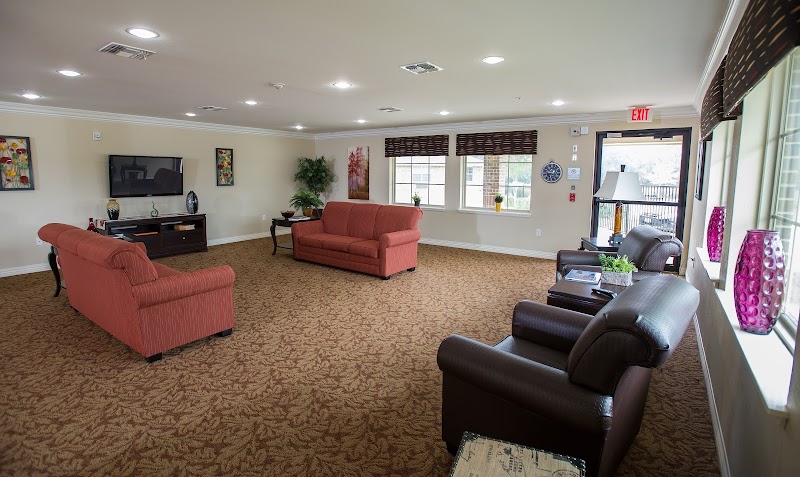
CANTON OAKS

1901 S TRADE DAYS BLVD, CANTON, TX 75103 (903) 567-0444
For profit - Corporation 120 Beds FUNDAMENTAL HEALTHCARE Data: November 2025 3 Immediate Jeopardy citations
Trust Grade
24/100
#428 of 1168 in TX
Last Inspection: July 2025

Inspected within the last 6 months. Data reflects current conditions.

Overview

Canton Oaks has received a Trust Grade of F, which indicates significant concerns about the facility's operations and care quality. It ranks #428 out of 1,168 nursing homes in Texas, placing it in the top half of facilities in the state, but it is ranked #5 out of 6 in Van Zandt County, meaning there is only one local option rated higher. The facility is improving, having reduced its number of issues from three in 2024 to just one in 2025. Staffing is a strength, with a rating of 4 out of 5 stars and a turnover rate of 40%, which is below the state average, indicating that staff members are more likely to stay and provide consistent care. However, the facility has incurred $77,243 in fines, which is concerning and suggests ongoing compliance issues. Specific incidents of concern include a critical failure to follow care plans for two residents, resulting in a resident falling and breaking both hips when assisted by one staff member instead of two, and another resident suffering a hip fracture due to improper transfer methods. Additionally, there was a critical incident involving a resident who received excessive enteral feeding, leading to serious health complications and hospitalization. While the staffing numbers and trend are positive, these serious incidents highlight significant weaknesses in patient care and safety that families should consider.

Trust Score
F
24/100
In Texas
#428/1168
Top 36%
Safety Record
High Risk
Review needed
Inspections
Getting Better
3 → 1 violations
Staff Stability
○ Average
40% turnover. Near Texas's 48% average. Typical for the industry.
Penalties
⚠ Watch
$77,243 in fines. Higher than 83% of Texas facilities, suggesting repeated compliance issues.
Skilled Nurses
○ Average
Each resident gets 37 minutes of Registered Nurse (RN) attention daily — about average for Texas. RNs are the most trained staff who monitor for health changes.
Violations
✓ Good
Only 5 deficiencies on record. Cleaner than most facilities. Minor issues only.
★★★☆☆
3.0
Overall Rating
★★★★☆
4.0
Staff Levels
★★★☆☆
3.0
Care Quality
★★★☆☆
3.0
Inspection Score
Stable
2024: 3 issues
2025: 1 issues

The Good

  • 4-Star Staffing Rating · Above-average nurse staffing levels
  • Full Sprinkler Coverage · Fire safety systems throughout facility
  • No fines on record
  • Staff turnover below average (40%)

    8 points below Texas average of 48%

Facility shows strength in staffing levels, fire safety.

The Bad

3-Star Overall Rating

Near Texas average (2.8)

Meets federal standards, typical of most facilities

Staff Turnover: 40%

Near Texas avg (46%)

Typical for the industry

Federal Fines: $77,243

Well above median ($33,413)

Moderate penalties - review what triggered them

Chain: FUNDAMENTAL HEALTHCARE

Part of a multi-facility chain

Ask about local staffing decisions and management

The Ugly 5 deficiencies on record

3 life-threatening
Mar 2025 1 deficiency 1 IJ (1 affecting multiple)
CRITICAL (K) 📢 Someone Reported This

A family member, employee, or ombudsman was alarmed enough to file a formal complaint

Immediate Jeopardy (IJ) - the most serious Medicare violation

Accident Prevention (Tag F0689)

Someone could have died · This affected multiple residents

**NOTE- TERMS IN BRACKETS HAVE BEEN EDITED TO PROTECT CONFIDENTIALITY** Based on observation, interview and record review the facility failed to ensure the resident environment remained as free of acc...

Read full inspector narrative →
**NOTE- TERMS IN BRACKETS HAVE BEEN EDITED TO PROTECT CONFIDENTIALITY** Based on observation, interview and record review the facility failed to ensure the resident environment remained as free of accident hazards as was possible and failed to ensure each resident received adequate supervision and assistance devices to prevent accidents for 2 of 7 resident (Resident #1 and Resident #2) reviewed for accidents and supervision. 1. The facility failed to ensure CNA A appropriately transferred Resident #1 who was identified as a two person assist for bed mobility. Resident #1 was assisted by CNA A for ADL care on [DATE]. CNA A rolled Resident #1 over in the bed, he fell and broke both hips. 2. The facility failed to ensure Resident #2, who could not bear weight and was identified as a Hoyer lift transfer, was transferred using a Hoyer lift. CNA C transferred Resident #2 using a stand and pivot transfer on [DATE]. Two days later an x ray report indicated the resident had a fractured hip. There was no other occurrence identified that could have caused the injury. The noncompliance was identified as PNC. The IJ began on [DATE] and ended [DATE]. The facility had corrected the noncompliance before the survey began. These failures could place residents at risk of serious harm, pain and serious injury. Findings include: 1. Record review of Resident #1's face sheet indicated a [AGE] year-old male who was last admitted to the facility on [DATE]. Resident #1 had diagnoses which included limitation of activities due to disability, abnormalities of gait and mobility, unspecified lack of coordination, a loss of bone density and muscle weakness. Record review of Resident #1's census report indicated his initial date of admission to the facility was [DATE]. Record review of Resident #1's Quarterly MDS, dated [DATE], indicated he had intact cognition with a BIMS( a score used to assess cognitive function in long term care settings) score of 14. Resident #1 was totally dependent of staff for toileting and hygiene. He was totally dependent of staff requiring the assist of two or more helpers for siting to laying and lying to sitting on the side of the bed. Record review of Resident #1 care plan with a problem of falls related to mobility. Approaches, dated [DATE], were to provide extensive assistance for transferring via a Hoyer lift. Resident #1 was identified with a problem of incontinence of bowel and bladder. An approach, dated [DATE], indicated to provide extensive assistance for toileting. A Problem start date of [DATE] indicated the resident fell/slid from his bed with fractures. Some of the interventions were to re-educate the resident was a two person assist with bed mobility, and peri care to help reduce the risk of falls/slides. The bed was to be in the lowest position. Record review of Resident #1's Resident Profile (a description of resident needs for aides to follow when providing care according to the DON) indicated his ADL status, dated [DATE], for toileting required the assistance of two people and his bed mobility was listed as extensive with the assistance of two people. Resident #1's transfer assistance indicated two people assist via Hoyer lift. Record review of Resident #1's nursing note, dated [DATE] at 10:19 p.m., indicated LVN B as called to Resident #1's room around 7:20 p.m. CNA A aid she was changing Resident #1 and he slid out of the bed while she had him roll unto his side. Resident #1 was yelling his hips were hurting. The resident was assessed. Two additional aides came in to assist with cleaning feces off the floor and covered the resident with a blanket. The staff were instructed not to move the resident and 911 was called. The resident was given fentanyl via nasal inhalation by EMS to relieve some pain so the resident could be moved to have the Hoyer sling placed under him. The resident left the facility with EMS at 7:42 p.m. The hospital was contacted at 10:20 p.m. and they stated Resident #1 had fractures in each hip. Record review of the facility's Provider Investigation Report indicated the incident occurred on [DATE] at 8:00 p.m. CNA A provided ADL care to Resident #1 alone and fell out of bed. Resident #1 was care planned for a two person assist. The nurse assessed Resident #1 and he was sent to the ER. The hospital called later in the evening to say Resident #1 suffered fractures to the right and left hips. Resident #1 was care planned for a two person assist for quite some time. All staff interviewed on the hall reported being aware of this and always ensured they had assistance when changing Resident #1. CNA A stated she provided care to Resident #1 in the past without assistance. She was aware of how to use the POC kiosk and where to find Resident #1's care plan. CNA A willfully chose to ignore the plan of care and make and independent decision to provide incontinent care to Resident #1 by herself and paced the resident at needless risk resulting in a fall. Record review of Resident #1's hospital records, dated [DATE], indicated he had a fall from his bed at the nursing home. His imaging demonstrated he sustained multiple orthopedic injuries which included right and left hip fractures. Review of the CT (imaging that uses x rays and computer technology to create detailed images of the inside of the body) of the pelvis on [DATE] at 11:24 p.m. indicated acute comminuted (fracture where bone breaks in three or more fragments) fracture of the left and right hips. Record review of Resident #1's computerized physician orders indicated he had an order, dated [DATE], for Tramadol 50mg every six hours PRN for bone density and structure disorders. He had an order dated [DATE] for alprazolam 0.25 mg for anxiety at bedtime and PRN. He had an order, dated [DATE], for hydrocodone/acetaminophen 5/325 1 table for fracture, every 6 hours PRN. Record review CNA A's statement taken by the HR director on [DATE] at 12:00 p.m. indicated CNA A said she was scheduled to work until 7:00 p.m. on [DATE]. The statement indicated CNA A said around 7:30 p.m. she went into Resident #1's room to change him like she always changed him, and during the process she realized the whole bed was wet. She said she was standing on the far side of the bed next to the window. Resident #1 used the grab bar to turn away from her and hold on. CNA A said Resident #1 had neuropathy in his hands and feet. As she was changing him, she guessed his hand became weak. She saw his feet fall off the bed. She said Resident #1 fell off the other side of the bed, he started to yell that he was falling. CNA A said she was reaching for him to prevent his fall and hurt her back. She said he fell feet first onto the floor. She said she was yelling, and he was yelling, and the other CNA came into the room after he was already on the floor. Record review of a statement written by LVN B indicated on [DATE] when she entered the room Resident #1 was lying on the floor next to his bed that was in the high position. Resident #1's head was positioned towards the foot of the bed. Resident #1 was yelling it hurts, it hurts. The statement indicated 911 was called. Record review of Resident #1's nursing note, dated [DATE] at 2:02 a.m., indicated the resident was back from the hospital. He had a diagnosis of bilateral subtrochanteric femur fractures. PRN Tramadol 5mg was given. The medication was not effective. The resident was yelling out in pain. When asked if he would like to go back to the ER for further evaluation the resident refused. The nurse and aide tried to reposition the resident. The resident was unable to get comfortable. Record review of Resident #1's nursing notes, dated [DATE] at 11:24 a.m., indicated the resident was sent back to the hospital due to symptoms of severe anemia(lack of blood). Record review of Resident #1's nursing note, dated [DATE] at 2:55 p.m., indicated Resident returned from the hospital with a new order for alprazolam 0.25 mg as needed for sleep. Record review of Resident #1's nursing note, dated [DATE] at 12:55 a.m., indicated Resident #1 complained of discomfort when changed or repositioned. PRN pain medications were given. Record review of nursing note, dated [DATE] at 11:01 a.m., indicated new order to change hydrocodone /acetaminophen 5-325 every 6 hours routine medication. Record review of a nurse's note, dated [DATE] at11:23 a.m. indicated a new order to change to discontinue alprazolam 0.25 PRN and to start lorazepam 0.5 tablet for anxiety. Record a review of a nurses note, dated [DATE] at 2:59 p.m., indicated Resident #1 had 3 plus edemas noted. He complained of pain in the left ankle and foot. The physician was notified, and a new order was received to send him to the ER. Record review of Resident #1's nurses note, dated [DATE] at 2:05 p.m., indicated and a referral was received for hospice related to uncontrollable pain with symptoms of bilateral hip fracture and recent decline. Record review of a nurse's note, dated [DATE] at 2:13 a.m., indicated Resident #1 was admitted to hospice with a terminal diagnosis of systolic congestive heart failure (Heart failure where the left ventricle cannot pump blood efficiently) he had new orders for morphine 0.5 ml every two hours PRN as needed for pain, lorazepam 0.5 mg tablet take one every four hours PRN for anxiety. To discontinue the hydrocodone and began Hydrocodone acetaminophen 10/325 every 6 hours PRN. Acetaminophen 650 mg to administer one suppository rectally every 4 hours PRN for pain or temperature. During an interview on [DATE] at 1:50 p.m., the DON said Resident #1 was a 2 person assist with ADL care. She said it clearly stated in his plan of care documentation. She said Resident #1 did not have the ability to grip and hold on to the handrail on the bed. The DON said she was confused by CNA A's behaviors that day, CNA A's shift ended at 7:00 p.m. The DON said the other aides on the hall thought she already left for the day, instead she was in the room providing care to Resident #1 at about 7:30 p.m. She said CNA A was suspended and terminated, she did not work again after the incident. The DON said the fall caused Resident #1 to break both femurs. The DON said when the aide was providing care to him, she had the bed in the highest position when she rolled him. She said according to the aide and the resident interviews his legs fell off the side of the bed and he followed. The DON said Resident #1's legs hit the floor first. She said CNA A worked at the facility for 6 or 8 months, and the aides rotated different halls. The DON said that was not her first time working with Resident #1. During an interview on [DATE] at 2:20 p.m., Resident #1 said he remembered the incident when CNA A was in changing him and he rolled out of bed. He said she changed him in the past unassisted and he had no worries at first. He said the other staff always had two people to assist him. Resident #1 said she was by the window, and he was facing the door. He said his feet just slipped off the bed. He said he was in shock when he felt the rest of his body began to follow. He said he had been in pain ever since the fall. Resident #1 said since that time it was always two staff who provided care to him and he was fine. Resident #1 said the facility changed his pain medications, the pain was better, but he just felt like he would always be in pain. During an interview on [DATE] at 3:09 p.m., the Administrator said Resident #1 said CNA A changed him alone before. The Administrator said Resident #1 said CNA A was the only one who provided him care unassisted. During an interview on [DATE] at 3:26 p.m., the DON said the facility's Mitigation plan for Resident #1 was completed immediately. The DON said agency staff were in serviced as they came into work. She said in services began on [DATE] and were still on going for Agency and PRN staff. She said the staff were in-serviced on instructions for how to enter the plan of care information for the resident's profile. The DON said the resident profile was used by the CNAs to determine the level of care to provide to residents. She said in Mitigation plan they went back 2 weeks and monitored for trends and there were not any problems identified. She said they talked about accidents/incidents in morning meeting and made sure nothing was identified. The DON said each day she looked at the schedule to determine if they had new staff or staff that had not been in serviced. She said CNA A knew how to get in the Kiosk and she knew where the pocket worksheets were. The DON said there was a binder on the hall by the Kiosk with the resident profiles in it. She said the Mitigation plan included in services for aides and nurses. She said the aides had to do a return demonstration on the kiosk to show they knew how to use it correctly. During an interview on [DATE] at 4:20 p.m., CNA D said she was agency staff, but she worked at the facility often. She said she had taken care of Resident #1 in the past and it took two people to change him or transfer him. She said he had not gotten up since his fall. She said on the evening of [DATE] she was working down the hall. She said CNA A should have left the facility at 7:00 p.m. She said CNA A told them she was going to provide care to another resident and leave. CNA D said they did not know she was doing care with Resident #1 independently. CNA D said she heard hollering and CNA A was coming out of Resident #1's room hollering hysterically. She said prior to the incident CNA A did not ask for help. CNA D said Resident #1 was heavy, his body was stiff, and he was an extensive assist with care. She said it was on his care plan that he required two people. She said he could grab onto the bar and hold but she did not know how long he could hold. She had he had special utensils to assist him with eating, however he did have some issues with these hands. She said they were in serviced on providing care to him and other residents. She said she worked agency and always used the resident care plan/profiles so she was familiar with the resident care needs. During an interview on [DATE] at 5:15 p.m., the DON said initially Resident #1 came back from the hospital with Norco PRN every 6 hours for pain. She said the medications did not control his pain. The DON said he was sent out to the hospital on two different occasions since he came back from the broken femurs. She said the doctors would not work with them at the hospital for pain control. She said Resident #1 had several pain medication changes. She said they had talked to him and placed him on hospice services so he could receive some medications that would control his pain. She said the resident refused to have surgery at the hospital. He was basically bed fast before and did not see the need to undergo surgery. During a telephone interview on [DATE] at 1:52 p.m., CNA A said on [DATE] she had gone into Resident #1's room to provide incontinent care. She said she was supposed to leave at 7:00 p.m. but stayed to help the other aides out. CNA A said she was changing Resident #1 like she normally did, unassisted. She said when she started to change him, she realized the whole bed was wet. CNA A said she had to do an occupied bed change. She said it was something she did daily. She said when she was trying to roll the sheet to pull him back over his feet had neuropathy and they slid off the side of the bed. She said her first reaction was to grab, him, but he was not a little guy he weighed about 300 pounds, and she hurt her back. She said she would never ever intentionally hurt a resident. She said she saw him slip and she tried to catch him before he fell. CNA A said she did not know he was a two person assist. She was reminded she had taken an in service in [DATE] about using the kiosk and consulting with the plan of care/ resident provide regarding resident care needs. She said she did receive the in service. She said she thought it was okay to provide care to Resident #1 unassisted because she had seen other staff do so. She said she did not review his resident profile during the time she worked at the facility for about 6 months. During an interview on [DATE] at 1:50 p.m., the DON said Resident # 1 was a 2 person assist with ADL care. She said it clearly stated in his plan of care documentation and everywhere. She said Resident #1 did not have ability to grip and hold onto the bars on the side of the bed. The DON said she was confused by CNA A's behaviors that day, she was supposed to have gotten off work at 7:00 p.m., she said the other aides on hall thought she had already left for the day. She said she was in Resident #1's room around 7:30 p.m. providing care to him. The DON said the fall caused Resident to break both femurs. The DON said when the aide was providing care to him, she had the bed in the highest position when she rolled him. She said according to the aide and the resident interviews his feet fell off the side of the bed and his legs followed. She said CNA was terminated- and did not work again. He went over the side of the bed, so his legs hit first. She had worked at the facility for about 6 months, and didn't know if she worked that hall. Record review of CNA A's personnel file indicated a hire date of [DATE] and a CNA Competency check list which indicated competency on Resident Profile and care delivery. Record review of an in service, dated [DATE], on transfers indicated to check the profile of each resident prior to transfers to prevent injuries. Ask for help if a resident seems more confused than usual. Use a Hoyer for residents that list it on the profile under ADLS. The in service also included instructions for the Kiosk, instructions on selecting the resident profile for the most recent accurate care plan. CNA A signed the in service which indicated she had attended. Record review of CNA A's Suspension Pending Investigation form, dated [DATE], indicated the employee was changing Resident #1, and he fell out the bed which resulted in him going to the ER. The Employee said it was an accident, she did not mean for the resident to get hurt. The employee stated she injured herself trying to catch the resident. The form indicated she was too upset to sign the form. Record review of a Termination Form, with an effective date [DATE], indicated CNA A's last day to work was [DATE]. She was terminated due to a violation of rules and policy. Record review of the Mitigation Plan, dated [DATE], indicated the concern was a fall out of bed with major injury. The incident was reported to HHSC, an investigation was initiated, and the staff member was immediately suspended pending investigation, sent home and removed from the schedule on [DATE].Residents who required assistance with bed mobility have the potential to be affected. The current Residents were assessed by the DON/designated for appropriate amount of ADL assistance assigned to each resident for bed mobility, toileting, and to validate amount of assistance displayed in the resident profile. This was completed on [DATE]. Current residents with incident/accident reports for the past 14 days were reviewed by the DON and or designated to determine the root cause analysis of the fall, and validate that interventions were implemented as appropriate for root cause analysis. Daily review of incident/accidents in the daily clinical meeting Monday through Friday will be completed by [DATE] and ongoing Monday through Friday. Licensed nurses were re-educated on completing resident profiles upon admission and updating with any changes so that the profiles remained accurate with needed information to reflect the resident. The plan of care included the amount of assistance needed with ADLs and identified resident risks. CNAs were re- educated on following the designated amount of ADL assistance care plan in the resident profile. CNAs were educated on positioning with skills check off that was completed on [DATE]. Staff were educated on abuse, neglect, and exploitation completed on [DATE]. The facility administrator was responsible for the overall implementation of validation of this plan and the facility director was informed of this plan. Record review of the facility Provider Investigation Report, dated [DATE], indicated the Provider Action Taken Post-Investigation was conducted as needed QAPI with root cause analysis. A Mitigation plan was initiated to include but not limited to identifying all residents who had the potential to be harmed by this alleged deficient practice, residents were reassessed for accuracy. Licensed nurses were re-educated on completing resident profiles on admission. CNAs were educated on following designated amount of assistance and position with skills check offs completed. Record review of the facility's mediation plan indicated they conducted an in-service on abuse neglect the exportation on [DATE] for agency and facility staff. Record review of an in-service, dated [DATE], indicated nurses were in-service on point of care profile for residents. The in-service indicated to always use the care plan/resident profile to make determinations such as the number of staff, the extent of moderate, or minimum needed to give care. It indicated to never use less than what was listed in the plan of care. There were also directions on how to sign into the POC and it gave pictures with an example of navigating the system. Record review of the staff education/orientation on policies and procedures indicated the staff demonstrated competency in moving positioning and assisting residents. It appeared that all aides had competency check offs. Record review of the facility's plan of care/resident profiles indicated all resident profiles were evaluated to determine if they were correct. During an interview on [DATE] at 2:25 p.m., CNA E said she had been in serviced regarding using the profile sheet, how to access it in the kiosk, and making sure to provide care according to the resident plan of care. She said she provided care according to resident care plans/profile sheets. During an interview on [DATE] at 2:30 p.m., CNA/MA F said she did not provide resident care often, but she was aware Resident #1 was a two person assist with care. She said she had completed an in service on transferring and providing ADL care. She said they had a lot of agency staff who worked and had to have a way of letting them know how to take care of the residents. During an interview on [DATE] at 2:33 p.m. LVN G said she had worked at the facility for 3 weeks. She knew Resident #1 had broken his legs and was on hospice due to pain. She said Resident #1 received PRN morphine every two hours and he also had Ativan for anxiety. She said when they provided care to Resident #1 it was always two people and sometimes 3 people just to reposition him. She said she received an in servicing on the resident profile and how to put the information in the system. She said the aides were required to complete a return demonstration of how to access the information from the computer system and there was a book on each hall with the profile information in it. During a telephone interview on [DATE] at 5:38 a.m., RN H said she worked PRN and had been working at the facility for 4 years. She said she was in serviced about Resident #1. She said she as a nurse, they were educated on how to get on the plan of care in POC and how to put the information in the computer for the Plan of care. During a telephone interview on [DATE] at 5:41 a.m., RN I said she worked from 6p.m. to 6a.m. and had worked at the facility for 12 years. She said she had worked with Resident #1 and his ability to hold on was not dependable. She said Resident #1 could hold a little bit but did not have any grip strength. She said Resident #1 was a Hoyer transfer, and two persons for changing. RN I said they did check offs on the Kiosk, to make sure aides were able to access the level of care. She said nurses were educated on how put information into the POC and how to put in updates. During a telephone interview on [DATE] at 5:46 a.m., CNA J said she worked from 10 p.m. to 6 a.m. and had worked at the facility for 3 years. She said she worked all over the building. CNA J said Resident #1 had always been a two person assist. She said she had never gone in by herself to provide care to Resident #1 without help. She said Resident #1 could grab the bar and hold at times. She said he was two people go in because he is extensive assist with care. CNA J said she knew where the care plan/resident profile was, and she knew how to go to the Kiosk. She said they had a lot of agency staff that worked at the facility and she wanted to make agency staff were aware of how to provide the proper care to residents. 2. Record review of Resident #2's face sheet indicated a [AGE] year-old female who was admitted to the facility on [DATE]. Resident #2 had diagnoses which included muscle weakness and lack of coordination. Record review of Resident #2's quarterly MDS, dated [DATE], did not document a cognitive score on the BIMS. The resident was dependent on staff for all ADLs and required supervision with eating. Record review of Resident #2's computerized physician orders indicated to admit to hospice on [DATE]. An order, dated [DATE], indicated to transfer with the assistance of two people with Hoyer lift. The order indicated a diagnosis, dated [DATE], that indicated cognitive impairment moderate to severe. The order indicated an added diagnosis on [DATE] of contractures to ankles and feet. Record review of Resident #2's Resident Profile sheet indicated her ADL status on [DATE] was one person assist for bed mobility and two people assist with transfers via Hoyer lift. Record review of Resident #2's x-ray report, dated [DATE], indicated an acute hip fracture. Record review of Resident #2's nursing notes, dated [DATE] at 12:10 a.m., indicated Resident #2 had increased swelling to the leg. The resident showed discomfort possibly related to pain. The resident was unable to tell the nurse the area was hurting. Notified hospice awaiting call back. At 12:25 a.m. hospice called and gave an order for an x-ray of the right leg and three views of the ankle at 12:09 p.m. X-ray results showed right femur neck fracture. The family chose not to send the resident to the hospital and wanted the resident to remain in the facility with pain control per hospice orders. Record review of Resident #2's discharge summary indicated she expired on [DATE] while on hospice. Record review of a Provider Investigation report indicated on [DATE] Resident #2 was noted with edema that started in the lower right extremity and moved up the leg. The Hospice agency gave an order for an x ray due to a possible fracture. The Resident was assessed and treated for pain. Staff were interviewed for possible information related to the cause of the injury. Resident safe surveys were conducted on the hall and no concerns were reported. The staff were [NAME]-serviced on care planned transfer techniques/gait belt. Through the investigation process it was reported Resident #2 was transferred with a standing-pivot transfer on [DATE]. There was no fall or adverse reaction at that time, the resident was transferred safely to bed. The resident had a diagnosis of osteoporosis (decreased bone density, weakened and brittle bones) and osteopenia (lower than normal bone density) which could have contributed to the femoral neck fracture when she was transferred to bed. Resident #2 was care planned for a Hoyer transfer and while she could stand and bear weight, this could potentially be the cause of the injury. The provider actions taken were the DON/Designee would re-educate nursing staff regarding following the plan of care which included the expectation that non-compliance would not be tolerated. This education was initiated on [DATE]. A list of statements provided by the Administrator on [DATE] at 3:10 p.m. was titled Confidential Attorney Work Product. with no date. Statements indicated staff were interviewed regarding knowledge of an injury to Resident #2 and no staff had any knowledge. During an interview with CNA C, she said 2-or-3 days prior she had assisted Resident #2 with a stand and pivot transfer from her wheelchair to the bed. According to CNA C, there were no issues noted during the transfer. CNA C said she did not know Resident #2 was a two person assist. She said she asked CNA A and CNA A told her Resident #2 could bear weight. The same form indicated CNA A said she told CNA C the resident could bear weight, but they used a Hoyer to transfer her. Record review of CNA C's personnel file indicated a hire date of [DATE]. There was a skills verification, checklist and competency check offs that were completed by CNA C on [DATE]. The check off indicated she was competent on physical and body mechanics, and the use of a transfer belt. She was also competent on observation and documentation correctly on flow sheets in the kiosk as facility specific. During an interview on [DATE] at 3:09 p.m., the Administrator said CNA C had not worked with Resident #2 and she asked CNA A about the resident. CNA C said CNA A told her Resident # 2 could stand and pivot. He said she apparently did not use the kiosk or profile sheet. He said they had a Mitigation binder for that incident. During an interview on [DATE] at 1:00 p.m., the DON said CNA C did an improper transfer and they suspended her. She said they could not prove that was the reason why Resident #2 had the broken hip. The DON said Resident #2 had not had any falls or events that could have caused the hip fracture. However, they were going to allow CNA C to return to work with training. She had not come back to the facility. During a telephone interview on [DATE] at 1:52 p.m., CNA A said CNA C asked her about Resident #2. She said she thought CNA C had misunderstood what she had said. CNA A said she told CNA C, Resident #2 was a Hoyer lift transfer, but other staff transferred her by standing and pivoting. She said Resident #2 did not show any pain after the transfer. Record a review of a Mitigation plan, dated [DATE], indicated the facility received notice on [DATE] that Resident #2 had a fracture of the femur. Residents were being treated by the facility per physicians orders. Residents with a potential to be affected were residents who resided in the facility and required assistance with mechanical lift. The director of nurses/designee educated nursing staff on following the plan of care, which included the expectation that noncompliance was not tolerated. The education was initiated on [DATE] and staff not completing by [DATE] would receive training prior to working next shift. The education would be presented in the new hire packet on [DATE] all staff were in-service and reeducated regarding the use of gate belts. Attached was a copy of an in-service on an abuse and neglect. Attached was a copy of the facility's, gate belt procedures, and a copy of the facility's, geriatric patient assessment and treatment. Record a review of the in-service that was attached to the mitigation plan indicated staff were in-serviced beginning on [DATE] on transfers, to check the profile of each resident prior to transfers prevent injuries. Ask for help if the resident seems more confused than usual and may need more help. They were to use a Hoyer for residents that listed on their profile under ADLs. There were also instructions for the kiosk to check the residents name and how to follow the instructions in the POC. During a telephone interview on [DATE] at 5:38 a.m., RN H said she worked PRN and had been working at the facility for 4 years. She said she was in serviced about Resident #2. She said she as a nurse was educated on how to get on the plan of care in POC and how to put the information in the computer for the Plan of care. During an interview on [DATE] at 5:41 a.m., RN I said she worked from 6 p.m. to 6 a.m. and had worked at the facility for 12 years. She said Resident #2 was a two person assist and her weight bearing was not reliable. She sa[TRUNCATED]

Jul 2024 2 deficiencies 1 IJ
CRITICAL (J) 📢 Someone Reported This

A family member, employee, or ombudsman was alarmed enough to file a formal complaint

Immediate Jeopardy (IJ) - the most serious Medicare violation

Tube Feeding (Tag F0693)

Someone could have died · This affected 1 resident

**NOTE- TERMS IN BRACKETS HAVE BEEN EDITED TO PROTECT CONFIDENTIALITY** Based on interview, and record review, the facility failed to ensure that residents receiving enteral feeding received appropria...

Read full inspector narrative →
**NOTE- TERMS IN BRACKETS HAVE BEEN EDITED TO PROTECT CONFIDENTIALITY** Based on interview, and record review, the facility failed to ensure that residents receiving enteral feeding received appropriate care and services to prevent complication of enteral feeding for 1 of 1 resident (Resident #1) reviewed for enteral feeding. The facility failed to ensure Resident #1's tube feeding was stopped at 7:00 a.m. as ordered. Resident #1 received the tube feeding and water flushes via the pump for approximately an additional 6 and ½ hours resulting in an excess volume delivery of 1072mls Resident #1 began vomiting, was found cyanotic (when the skin, lips or nails turn a bluish color) and had an Sp02 ( oxygen saturation level -normal rage is 95-100%) of 52% and was transferred to the hospital where he was diagnosed with aspiration pneumonia ( when food or liquid is breathed into the airways or lungs) ,acute respiratory failure (a sudden life threatening condition where there's not enough oxygen or too much carbon dioxide in the body, which can be caused by aspiration) and required intubation in the intensive care unit. An Immediate Jeopardy (IJ) was identified on 7/22/24 at 4:26 p.m. While the IJ was removed on 7/23/24, the facility remained out of compliance at a scope of isolated and a severity level of no actual harm with potential for more than minimal harm that is not immediate jeopardy due to the facility's need to complete in-service training and evaluate the effectiveness of the corrective systems. This failure could affect residents receiving tube feedings by placing them at an increased risk of aspiration, fluid overload and death. Findings included: Record review of the face sheet for Resident #1 indicated he was [AGE] years old, re-admitted to the facility on [DATE] with diagnoses including HIV disease (human immunodeficiency virus) gastrostomy malfunction (malfunction of opening into the stomach from the abdominal wall, made surgically for the introduction of food) , dysphagia (difficulty or discomfort in swallowing) quadriplegia (paralysis of all four limbs) and unspecified protein-calorie malnutrition. Record review of the MDS dated [DATE] indicated Resident #1 sometimes understood others and sometimes made himself understood. The MDS indicated Resident #1 was cognitively intact (BIMS of 15). The MDS indicated Resident #1 was dependent on staff for eating, toileting, showering, dressing the upper and lower body, putting on and taking off of footwear, and personal hygiene. The MDS indicated Resident #1 had an active diagnosis of quadriplegia. The MDS indicated Resident #1 had a feeding tube and a mechanically altered diet during the 7 days look back period. The MDS indicated Resident #1 had received 51% or more of his total calories through tube feeding and 501 cc/day or more of his fluid intake by tube feeding daily during the seven days look back period . Record review of the care plan, revised on 6/4/24, indicated Resident #1 received tube feedings related to dysphagia. The care plan interventions included, elevate the head of bed 30-45 degrees during feeding and one hour after; check residual if residual 150 ml or less reinsert volume into stomach and continue feeding-If greater than 150 ml hold feeding and notify physician; and monitor for signs/symptoms of tube feeding intolerance. Record review of the active physician order dated 2/21/24 revealed Resident #1 was to be administered enteral feeding (Enteral nutrition refers to any method of feeding that uses the gastrointestinal (GI) tract to deliver nutrition and calories) with Jevity 1.5 at 90 cc/hr from 5:00 p.m. to 7:00 a.m. via pump per G-tube with a 75 cc water flush via the G-tube per hour. Record review of the active physician order dated 4/2/24 indicated Resident #1 was to be administered a mechanically altered diet with nectar thick liquids and chopped meats. Record review of the nursing progress note dated 7/18/24 at 2:30 p.m., for Resident #1 stated At 1356 (1:56 p.m.) this nurse was called into the resident's room by the charge nurse. Charge nurse reported that res. (Resident) had vomited and nurse realized she had not turned tube feed off at 7:00 a.m. When this nurse entered the room the resident appeared cyanotic and abd (abdomen) distended. This nurse immediately began suctioning and turned resident to the side when vomiting applied nonrebreather r/t (related to) Sp02 at 52 %. Residents 02 immediately began to increase. EMS arrived and pt 02 had increased to 92 % on 15 L. Resident was transferred to (hospital) . This note was written by ADON A. During an interview on 7/22/24 at 12:48 p.m., LVN A said she had taken care of Resident #1 on 7/18/24 on the 6:00 a.m. to 6:00 p.m. shift. LVN A said normally she turned of Resident #1's tube feeding before breakfast. LVN A said she was very busy trying to get her finger sticks (blood sugar checks) and insulin administered, and she had people trying to get of bed. LVN A said she just forgot to turn off Resident #1's tube feeding. LVN A said she turned the pump off around 12:30 p.m., were her and CNA B went to perform incontinent care. LVN A said Resident #1 was still using the bathroom, so they (LVN A and CNA B) discontinued the care. LVN A said CNA B rounded on Resident #1 at approximately 1:30 to 1:45 p.m. LVN A said CNA B reported he was vomiting and didn't look right. LVN A said she went to the room and notified the ADON. LVN A said herself and the ADON suctioned him, called EMS. During an interview on 7/22/24 at 1:43 p.m., CNA B said she took care of Resident #1 on 7/18/24 on the 6:00 a.m. to 2:00 p.m. shift. CNA B said her partner working the hall with her had reported to her that Resident #1 had not wanted a breakfast tray. CNA B explained Resident #1 had a Tube feeding but was offered mechanically altered trays during the day. CNA B said she offered him a lunch tray but he declined it. CNA B said she told Resident #1 she would be back to pick up the tray and get him cleaned up. CNA B said when she returned at approximately 1:30 p.m. she was going to perform incontinent care but noticed the tube feeding was running. CNA B said she paused the Tube feeding before laying Resident #1 back because she had been taught to always ensure the tube feeding was paused before laying a resident with tube feeding back to perform incontinent care. CNA B said when she laid Resident #1 back and went to turn him on his side he started vomiting. CNA B said she then got LVN A and told her Resident #1 was vomiting. CNA B said LVN A said she had forgotten to turn off his Tube Feeding. During an interview on 7/22/24 at 2:00 p.m. LVN C said she was working on 7/18/24 but was the nurse for a different hall. LVN C said LVN A had not asked for any help or assistance until she was asked to retrieve oxygen for Resident #1 in the afternoon. LVN C said LVN A had not asked for any assistance before that time. LVN C said the nurses were good about helping each other and could not say why LVN A had not asked for help if she felt she needed it. LVN C said it was very important to ensure G-tube feedings were turned off at the ordered times because fluid could build up and increase a resident's risk of aspiration. During an interview on 7/22/24 at 2:20 p.m., LVN D said she was working on 7/18/24 but was the nurse for another floor. LVN D said LVN A never asked for help or assistance. LVN D said the facility was well staffed with 3 nurses, 5 nurse aids and 2 med aides. LVN D said there was not anything abnormal going on. LVN D said she could not say why LVN A had not ask for help as the everyone was worked as team. During an interview 7/22/24 at 2:31 p.m., the ADON said she was working on 7/18/24. The ADON said she received a text message from LVN A to come to Resident #1's room stat. Th ADON said she ran to the room and LVN A told me she realized when CNA B came to get her (LVNA) she had never turned off Resident #1's tube feeding. The ADON said Resident #1 was blue and his sat when she got in the room was 52 percent. The ADON said they continued intermittent suction and oxygen administration. The ADON said Resident #1 was still vomiting intermittently so she went to turn the resident on his side and noticed his abdomen was severely distended. The ADON said she also observed tube feeding was leaking from one of the three ports from the gastrostomy tube. The ADON said she opened the feed port in an attempt to aspirate contents, but the formula just came pouring out. The ADON said she sat a canister there to collect the feed pouring out of the port. The ADON said the canister collected somewhere between 400-500 mls of feed. The ADON said she continued to suction and provide oxygen and had gotten Resident #1's Spo2 up to 80 percent and by the time EMS arrived his Spo2 was up to 92 percent. The ADON said she had heard Resident #1's Sp02 had dropped again in the ambulance and that he was currently in the ICU intubated. The ADON said she questioned LVN A over the incident as to why she had not turned off the tube feeding. The ADON said LVN told her she just forgot and was trying to get her blood sugar checks and insulin administered. The ADON said she asked LVN A why she checked off the MAR that she had stopped the tube feeding for Resident #1 when she had not yet completed the task. The ADON said LVN A said she meant to turn it off and just forgot. The ADON said she told LVN A this is why you don't check/ sign something off before you have completed it. The ADON said had LVN A not checked off the task before the tube feeding was actually turned off it would have served as a reminder that the task had not been completed. The ADON said she sent LVN A home because she did not trust her mental state and knew she needed to be suspended . Record review of the hospital progress note dated 7/22/24 revealed Resident #1 was admitted to the hospital with diagnoses of acute respiratory failure and septic shock due to aspiration pneumonia and influenza b. The hospital progress note revealed Resident #1 was intubated but extubation would be attempted . Record review of the email from the Regional Dietitian to the DON, dated 7/23/24 stated If he [Resident #1] was on his current TF [tube feeding] and flushes for an additional 6.5 hours, this would have given him an extra: 585 cc of the TF formula and 487 cc of water from the flushes (total volume= 1072 cc). During an interview on 7/23/24 at 3:00 p.m., the Medical Director said he had to say that Resident #1 receiving his tube feeding for an additional 6 and half hours would increase his risk of aspiration. Record review of the facility policy and procedure dated 5/5/23, titled Nursing Policy and Procedures: Gastrostomy tubes, stated, .(2) The patient/resident that is fed by enteral methods receives appropriate treatment and services to restore oral eating skills and prevent complications of enteral feeding like aspiration pneumonia, diarrhea, vomiting, . complications: (1) Aspiration .(7) Death secondary to complications not addressed immediately. The Administrator was notified on 7/22/24 at 4:30 p.m. at that an Immediate Jeopardy situation was identified due to the above failures. The Administrator was provided with the Immediate Jeopardy template on 7/22/24 at 4:43 p.m. The facility's Plan of Removal was accepted on 7/23/24 at 2:57 p.m., and included: Upon Resident #1's return or new admission of a resident that requires a tube feeding, the Director of Nursing/Designee will validate daily for 7 days that physician orders for tube feeding are being followed as written and continue to randomly validate weekly that physician orders for tube feeding are being followed as written. LVN A was suspended pending investigation on 7/18/24 and terminated post investigation on 7/22/24. The Director of Nursing/Designee will re-educate Licensed Nurses on 7/22/24 on following physician orders including start and stop times of tube feedings. The Director of Nursing/Designee will reeducate Licensed Nurses on 7/22/24 on assessing residents for complications related to tube feedings which includes the following: * Monitoring for nausea, vomiting, diarrhea and constipation * Gastric distention and bowel sounds * Monitoring for aspiration which may include adventitious breath sounds Licensed Nurses and Certified Nursing Assistants will be reeducated by the Director of Nursing/Designee by 7/23/24 on tube feeding management and prevention of tube feeding complications which includes: *Licensed Nurses may hold/pause feeding while ADL care is performed that requires the head of bed to be lowered *Certified Nursing Assistants will notify the licensed Nurse prior to performing ADL care that requires the head of the bed to be lowered to allow for the Licensed Nurse to pause/hold the feeding and resume the feeding once ADL care completed *Certified Nursing Assistants will not adjust the tube feeding, only licensed nurses Nursing Staff not receiving this education by 7/23/24 will receive prior to their next scheduled shift. The Director of Nursing/Designee will randomly interview a minimum of 3 nursing staff members weekly for 4 weeks to validate understanding and compliance with tube feeding management and prevention of tube feeding complications. Medical Director was notified of the incident and plan for improvement on 7/22/24. An Ad Hoc QAPI will be held on 7/22/24 to discuss the contents of this plan. On 7/23/24 the surveyor confirmed the facility implemented their plan of removal sufficiently to remove the Immediate Jeopardy (IJ) by: Record review of LVN A's employee file confirmed she was suspended 7/18/24 and terminated on 7/22/24. Interviews on 7/23/24 from 11:00 a.m. to 2:50 p.m., with licensed nurses (LVN C, LVN D, LVNE, RN F, LVN G) who had worked on 7/22/24 and 7/23/24 on all shifts (6:00 a.m. to 6:00 p.m.) confirmed they had received in-services over the importance ensuring physician orders were followed related to tube feedings, not documenting task was complete before the task was complete, and monitoring for complications of tube feeding. The nurses said it was very important to ensure tube feedings were started/stopped as ordered by the physician because residents could receive to little or too much feeding if orders were not followed. The nurses stated that receiving too much feeding could place a resident at greater risk of fluid overload and aspiration. The nurses stated they would monitor residents on tube feeding closely for complications including nausea, vomiting, diarrhea, constipation, abdominal distention, bowel sounds, and signs of symptoms of aspiration. The nurses reported they would notify the physician immediately if any complications were observed. The nurses said they would also ensure prompt response to CNA requesting a tube feeding being paused in order to provide care as licensed nurses were the only ones that should hold, pause, stop or restart tube feedings. Interviews on 7/23/24 from 11:00 a.m. to 2:50 p.m., with CNAs and MAs (MA H, MA I, MA J, MA K, CNA L, CNA M, CNA N, CNA O, CNA P, CNA Q, CNA R, CNA S, CNA T, CNA U, CNA V, CNA W, CNA B) that worked on 7/22/24 and 7/23/24 on all shifts (6:00 a.m. to 2:00 p.m., 2:00 p.m.-10:00 p.m. and 10:00 p.m. to 6:00 a.m.) The CNAs said they would ensure a resident they were caring for with tube feeding would have their head elevated at all times at 30 to 45 degrees. The MAs and CNAs said if the head of the bed needed to be lowered to provide care they would notify the nurse to pause, stop or disconnect the feeding. The MAs and CNAs voiced that only a licensed nurse could touch a feeding tube pump. They said after they provided the care they would raise the head of the bed to 30-45 degrees and notify the nurse so they (nurses) could resume the feeding. The CNAs and MAs said they would notify the nurse immediately if a tube feeding resident had any change of condition, such as vomiting, diarrhea, a hard stomach, changes in breathing or any sign or symptom outside the residents normal. Record review of the Ad Hoc QAPI sign in sheet dated 7/22/24 confirmed and AD hoc QAPI had been held. During an interview on 7/2324 at 3:00 p.m., the medical director confirmed he had been notified of the IJ and attended the Ad Hoc QAPI via phone. Record review of the daily monitoring tool dated July 2024, for physician orders adherence as written for peg tubes was completed. During an interview on 7/23/24 at 3:20 p.m., the DON said the daily monitoring tool for physician orders adherence as written for peg tubes, would be utilized upon Resident #1's return to the facility or in the event a new resident with tube feedings was admitted to the facility. The DON said she would validate for daily times one week and then randomly every week that physician orders for tube feeding were being followed as written. The DON also said she would randomly interview nurses and aides (at least three staff weekly) for 4 weeks to ensure understanding and compliance with tube feeding management and potential complications of tube feeding. The DON said no staff would be allowed to work until they have received all in-services. During an interview on 7/23/24 at 3:30 p.m., the administrator said no nursing staff member would be allowed to return to work until they had completed all in- services. On 7/23/24 at 3:32 p.m., the Administrator was informed the IJ was removed; however, the facility remained out of compliance at a scope of isolated and a severity level of no actual harm with potential for more than minimal harm that is not Immediate Jeopardy due to the facility's need to complete in-service training and evaluate the effectiveness of the corrective systems.
CONCERN (D) 📢 Someone Reported This

A family member, employee, or ombudsman was alarmed enough to file a formal complaint

Potential for Harm - no one hurt, but risky conditions existed

Medical Records (Tag F0842)

Could have caused harm · This affected 1 resident

**NOTE- TERMS IN BRACKETS HAVE BEEN EDITED TO PROTECT CONFIDENTIALITY** Based on interview, and record review, the facility failed to ensure in accordance with professional standards of practices, the...

Read full inspector narrative →
**NOTE- TERMS IN BRACKETS HAVE BEEN EDITED TO PROTECT CONFIDENTIALITY** Based on interview, and record review, the facility failed to ensure in accordance with professional standards of practices, the medical records on each resident were accurately documented for 1 of 4 residents (Resident #1) reviewed for accurate medical records. LVN A failed to accurately document on Resident #1's medical record when she documented Resident #1's tube feeding had been discontinued at 7:00 a.m. on 7/18/24. This failure could place residents receiving tube feeding at risk of increased complications of tube feeding. Findings included: Record review of the face sheet for Resident #1 indicated he was [AGE] years old, re-admitted to the facility on [DATE] with diagnoses including HIV disease (human immunodeficiency virus) gastrostomy malfunction (malfunction of opening into the stomach from the abdominal wall, made surgically for the introduction of food) , dysphagia (difficulty or discomfort in swallowing) quadriplegia (paralysis of all four limbs) and unspecified protein-calorie malnutrition. Record review of the MDS dated [DATE] indicated Resident #1 sometimes understood others and sometimes made himself understood. The MDS indicated Resident #1 was cognitively intact (BIMS of 15). The MDS indicated Resident #1 was dependent on staff for eating, toileting, showering, dressing the upper and lower body, putting on and taking off of footwear, and personal hygiene. The MDS indicated Resident #1 had an active diagnosis of quadriplegia. The MDS indicated Resident #1 had a feeding tube and a mechanically altered diet during the 7 days look back period. The MDS indicated Resident #1 had received 51% or more of his total calories through tube feeding and 501 cc/day or more of his fluid intake by tube feeding daily during the seven days look back period. Record review of the care plan, revised on 6/4/24, indicated Resident #1 received tube feedings related to dysphagia. The care plan interventions included, elevate the head of bed 30-45 degrees during feeding and one hour after; check residual if residual 150 ml or less reinsert volume into stomach and continue feeding-If greater than 150 ml hold feeding and notify physician; and monitor for signs/symptoms of tube feeding intolerance. Record review of the active physician order dated 2/21/24 revealed Resident #1 was to be administered enteral feeding (Enteral nutrition refers to any method of feeding that uses the gastrointestinal (GI) tract to deliver nutrition and calories) with Jevity 1.5 at 90 cc/hr from 5:00 p.m. to 7:00 a.m. via pump per G-tube with a 75 cc water flush via the G-tube per hour. Record review of Resident #1's MAR for 7/18/24 indicated Resident #1's tube feeding had been stopped at 7:00 a.m. The MAR was electronically signed by LVN A. During an interview on 7/22/24 at 12:48 p.m., LVN A said she had taken care of Resident #1 on 7/18/24 on the 6:00 a.m. to 6:00 p.m. shift. LVN A said normally she turned off Resident #1's tube feeding before breakfast. LVN A said she was very busy trying to get her finger sticks and insulin administered and she had people trying to get out of bed. LVN A said she just forgot to turn off Resident #1's tube feeding. LVN A said she turned the pump off around 12:30 p.m., were her and CNA B went to perform incontinent care. LVN A said Resident #1 was still using the bathroom, so they (LVN A and CNA B) discontinued the care. LVN A said CNA B rounded on Resident #1 at approximately 1:30 to 1:45 p.m. LVN A said CNA B reported he was vomiting and didn't look right. LVN A said she went to the room and notified the ADON. LVN A said herself and the ADON suctioned him, called EMS. LVN A said she documented the tube feeding had been discontinued at 7:00 a.m. because she had intended to turn off the feed but just forgot. During an interview 7/22/24 at 2:31 p.m., the ADON said she was working on 7/18/24. The ADON said after Resident #1 was sent to the hospital she questioned LVN A about the incident and asked her why she had documented the tube feeding was discontinued at 7:00 a.m. The ADON said LVN A told her she documented the task was complete because she was going to do it and just forgot. The ADON said she told LVN A that was exactly why she should not have documented the tube feeding was discontinued because had she not documented it was done, the work log would have reminded her the task was not compete. During an interview on 7/22/24 at 2:05 p.m. The DON said LVN A should not have documented Resident #1's tube feeding was stopped at 7:00 a.m. if she had not completed the task. The DON said the way the orders were entered were to remind and ensure that nurses did not forget to start and stop the tube feeding at the ordered times. The DON said LVN A charting she had completed the task, when she had not was part of checks system to ensure nurses did not forget to perform important tasks, such as stopping the tube feeding for Resident #1. Record review of the facility policy and procedure , dated 5/23/23, titled Nursing policy and Procedures, Documentation Licensed Nursing, stated .documentation pertaining to patient/resident will be recorded in accordance with regulatory requirements .the qualified nursing staff notes the time and date and dosage of all medications and treatments at the time they are administered and initials the note on the medication/treatment record .if a scheduled medication is withheld or not given as ordered, the nurse documents this and lists the reason for the patient/ resident not receiving the medication .
Jun 2024 1 deficiency
CONCERN (D)

Potential for Harm - no one hurt, but risky conditions existed

PASARR Coordination (Tag F0644)

Could have caused harm · This affected 1 resident

**NOTE- TERMS IN BRACKETS HAVE BEEN EDITED TO PROTECT CONFIDENTIALITY** Based on interview and record review, the facility failed to ensure individuals with mental health disorders were provided Pread...

Read full inspector narrative →
**NOTE- TERMS IN BRACKETS HAVE BEEN EDITED TO PROTECT CONFIDENTIALITY** Based on interview and record review, the facility failed to ensure individuals with mental health disorders were provided Preadmission Screening and Resident Review (PASRR) Screenings for 2 of 10 residents (Residents #6 and #48) reviewed for PASRR. The facility failed to ensure Resident #6 and Resident #48 had accurate PASRR Level 1 Screenings which indicated diagnoses of mental illness and refer the residents to the state designated authority. This failure could place residents at risk of not receiving needed assessments (PASRR Evaluation), individualized care, and specialized services to meet their needs. Findings included: Record review of Resident #6's face sheet indicated she was a [AGE] year-old female who admitted to the facility on [DATE] with diagnoses which included Cerebrovascular Accident (a CVA or stroke), Diabetes Mellitus, and MELAS Syndrome (a rare genetic disorder primarily affecting the nervous system and muscles). Major Depression (a mental illness that can cause a depressed mood or loss of interest) and bipolar disorder (a disorder associated with episodes of mood swings from depressive lows to manic highs) were added to Resident #6's list of diagnoses on 07/11/2019 and 07/19/2019. Record review of Resident #6's PASRR Level 1 Screening completed on 05/30/2019 indicated in section C0100 there was no evidence of this individual having mental illness. Further review of the medical records indicated there was no documentation of any actions taken to refer Resident #6 for further screening or evaluation after the facility identified Resident # 6 as having diagnoses of mental illness. Record review of Resident #6's physician's orders dated 06/05/2024indicated she was receiving antidepressant and antipsychotic medications for the treatment of Major Depression and bipolar disorder. Record review of Section I: Active Diagnoses of the Quarterly MDS assessment dated [DATE] indicated Resident #6 did not have a mental disorder of bipolar disorder. Section N of the same MDS assessment indicated Resident #6 received an antipsychotic medication all 7 days of the review. Record review of Section I: Active Diagnoses of the Quarterly MDS assessment dated [DATE] indicated Resident #6 did have a mental disorder of bipolar disorder. Section N of the same MDS assessment indicated Resident #6 had received an antipsychotic medication all 7 days of the review. Record review of Resident #6's PASRR Level 1 Screening completed on 05/30/2019 indicated in section C0100 there was no evidence of this individual having mental illness. Further review of the medical records indicated there was no action taken after the facility identified Resident # 6 as having diagnoses of mental illness. Record review of Resident #48's undated face sheet indicated she was a [AGE] year-old female who originally admitted to the facility on [DATE] and re-admitted to the facility on [DATE] with diagnoses which included generalized anxiety disorder (feeling of dread, fear, and uneasiness), visual hallucinations (seeing things that are not there), and psychotic disorder with hallucinations (a mental disorder characterized by a disconnection from reality). Record review of the Comprehensive (admission) MDS assessment dated [DATE] in the section, Preadmission Screening and Resident Review, indicated Resident #48 did not have a serious mental illness. The MDS section I, Active Diagnoses, indicated Resident #48 had diagnoses of anxiety disorder and psychotic disorder. MDS section N indicated the resident received antipsychotic and antianxiety medications all 7 days of the review. Record review of the Comprehensive (quarterly) MDS assessment dated [DATE] in the section I, Active Diagnoses, indicated Resident #48 had diagnoses which included anxiety disorder and psychotic disorder. Section N indicated the resident received antipsychotic and antianxiety medications all 7 days of the review. Record review of the Comprehensive(annual) MDS Assessment, dated 08/12/2023, in section, Preadmission Screening and Resident Review, indicated Resident #48 did not have a serious mental illness. Section I, Active Diagnoses, indicated Resident #48 had diagnoses which included anxiety disorder and psychotic disorder. Section N indicated the resident received antidepressant and antianiety medications all 7 days of the review. Record review of the physician's orders dated June 2024 indicated an order dated 09/21/2023 for Resident #48 to receive buspirone (a medication for anxiety) for treatment of anxiety disorder three times a day and an order dated 12/18/2023 for Resident #48 to receive Risperdal (an antipsychotic medication) for treatment of psychotic disorder twice a day. Record review of Resident #48's PASRR Level 1 Screening completed on 08/03/2022 indicated in section C0100 this resident did not have evidence of having a mental illness. During an interview with MDS/LVN A on 06/05/2024 at 9:25 AM, she said she was responsible for tasks related to PASRR and MDS processes. She said she was hired in 2020 and was not aware a corrected Form 1012 to correct the original PASRR Level 1 had not been completed. She said she would contact the local authority and address it immediately. During an interview with the DON on 06/05/2024 at 09:50 AM, she said the MDS Nurses were responsible for MDs and PASRR tasks. She said she expected the PASRR tasks to be done correctly and timely. During an interview on 06/05/2024 at 10:45 AM MDS/LVN A said she would contact the local authority concerning the inaccurate PASRR and get it corrected. During an interview with MDS/RN on 06/05/2024 at 04:00 PM, she said she and MDS/LVN A use the Long-Term Care (LTC) User Guide for Preadmission Screening and Resident Review (PASRR) as their reference for PASRR associated tasks. She said a failure to notify the local authority of residents with diagnoses of mental illnesses could result in a resident not receiving services.
Apr 2023 1 deficiency 1 IJ
CRITICAL (J) 📢 Someone Reported This

A family member, employee, or ombudsman was alarmed enough to file a formal complaint

Immediate Jeopardy (IJ) - the most serious Medicare violation

Deficiency F0760 (Tag F0760)

Someone could have died · This affected 1 resident

**NOTE- TERMS IN BRACKETS HAVE BEEN EDITED TO PROTECT CONFIDENTIALITY** Based on interview and records review the facility failed to ensure residents were free of any significant medication errors for...

Read full inspector narrative →
**NOTE- TERMS IN BRACKETS HAVE BEEN EDITED TO PROTECT CONFIDENTIALITY** Based on interview and records review the facility failed to ensure residents were free of any significant medication errors for 1 of 4 (Resident #1) residents reviewed for medication errors. The facility failed to administer Resident #1's crushed medication and instead administering Resident #1 half of her roommates crushed medications which included Clonidine (medication used to treat high blood pressure), Losartan (medication used to treat high blood pressure), Metoprolol Succinate ER (an extended release medication to treat high blood pressure, chest pain, and heart failure), and Norvasc (medication used to treat high blood pressure) and all of her own crushed medications resulting in Resident #1 being hospitalized . This failure resulted in an identification of an Immediate Jeopardy (IJ) on [DATE] at 3:25 p.m. While the IJ was removed on [DATE], the facility remained out of compliance at actual harm that is not immediate jeopardy with a scope identified as isolated due to the facility's need to complete in-service training and evaluate the effectiveness of the corrective systems. This failure could place residents at risk for harm or death relating to not receiving their ordered medication. Finding Include: 1. Record review of the face sheet dated [DATE] indicated Resident #1 was admitted to the facility on [DATE] with diagnoses including hypotension, Alzheimer's disease, atrial fibrillation ((irregular, often rapid heart rate that commonly causes poor blood flow), chronic kidney disease, heart failure, dementia, and hypertension. Record review of the physician orders dated [DATE] through [DATE] indicated Resident #1 orders included Citalopram 10 milligrams (mg) (medication for depression) at bedtime starting [DATE], Donepezil 10mg (medication to treat Alzheimer's) at bedtime starting [DATE], Gabapentin 300mg (medication to treat neuropathy) at bedtime starting [DATE], Melatonin 3mg (medication to treat insomnia) at bedtime starting [DATE], Pravastatin 20mg (medication to treat high cholesterol) at bedtime starting [DATE], Allegra 180mg (medication to treat allergies) at bedtime starting [DATE], Memantine 10mg (medication to treat Alzheimer's) at bedtime starting [DATE], and Metoprolol Tartrate 25mg (medication to treat atrial fibrillation). Record review if the MDS dated [DATE] indicated Resident #1 understood others and was understood by others. The MDS indicated Resident #1 had a BIMS of 13 and was cognitively intact. The MDS indicated Resident #1 required extensive assistance with bed mobility, transferring, dressing, toileting, and personal hygiene. The MDS indicated Resident #1 required assistance with eating. Record review of the care plan last revised [DATE] indicted Resident #1 had and increased risk for injury related to hypertension with a goal of maintaining blood pressure range of 110-135 systolic and 70-85 diastolic. Record review of a nursing progress note dated [DATE] at 9:41 p.m. written by LVN A indicated she received a call from nursing management that there had been a medication error with Resident #1 receiving another resident's nighttime medication along with her own. The nursing progress note indicated LVN A assessed Resident #1 and found her with a blood pressure 65/34 and very lethargic. The nursing progress note indicated Resident #1 asked LVN A to just let her sleep. The nursing progress noted indicated LVN A attempted to call the physician with no answer. The nursing progress note indicated Resident #1 was transferred to the emergency room. Record review of the hospital records dated [DATE] through [DATE] indicated Resident #1 was admitted to the hospital with diagnoses of hypotension and medication overdose, accidental or unintentional. Record review of the Medication Error Investigation Worksheet dated [DATE] indicated Resident #1 had received approximately half of another resident's crushed bedtime medications along with her own crushed bedtime medications. The Medication Error Investigation Worksheet indicated the reasons for the error was failure to check medication administration record, failure to follow procedure, failure to identify patient, and misread order/dose. The Medication Error Investigation Worksheet indicated Resident #1 was assessed and sent to the emergency room due to decreased blood pressure. The Medication Error Investigation Worksheet indicated MA B was suspended pending investigation and staff were re-educated regarding medication administration policies and procedures. Record review of the Corrective Action Form dated [DATE] indicated MA B was suspended on [DATE]. The Corrective Action Form indicated the reason for suspension was dispensing wrong medication to Resident #1 resulting in the resident being sent to the hospital. Record review of the Termination Form dated [DATE] indicated MA B last worked on [DATE]. The Termination Form indicated MA B was terminated due to gross misconduct. During an interview on [DATE] at 8:58 a.m. MA B said she had crushed both Resident #1's and her roommate's bedtime medication and entered the room with both cups of medication. MA B said Resident #1 was not receiving blood pressure medication during this medication pass. MA B said she administered half of Resident #1's roommate's medication to Resident #1. MA B said when she realized what she was doing she panicked, then administered Resident #1 her correct medications. MA B said with the medications being crushed there was no way to determine how much of each medication that Resident #1 had received. MA B said she administered 2 other residents their medication following the error before contacting the DON. MA B said she asked to be relieved by another medication aide and left the building. MA B said she did not notify the charge nurse of the medication error, and that the DON made the notification of the medication error to the charge nurse. MA B said she should have prepared, crushed, and administered the resident's medication one at a time to prevent the medication error. During an interview on [DATE] at 10:11 a.m. the physician said he was notified of the medication error involving Resident #1. The physician said the medications Resident #1 received caused her blood pressure to drop significantly below her baseline. The physician said preparing one resident's medication at time cuts down on medication errors and the opportunity for errors. During an interview on [DATE] at 10:18 a.m. LVN C said staff should never prepare more than one resident's medication at a time. LVN C said preparing one resident's medication at a time prevented medication errors. LVN C said in the event of a medication error the Administrator, DON, physician, and family should be notified immediately and the resident should be assessed. LVN C said if the resident had an adverse reaction the physician should be notified and depending on the severity of the reaction the resident should be sent to the emergency room. During an interview on [DATE] at 10:21 a.m. MA D was able to name the 8 rights of medication administration. MA D said staff should not ever prepare more than one resident's medication at a time. MA D said preparing more than one resident's medication at a time could lead to a medication error. MA D said in the event of the medication error she would report to the charge nurse (her immediate supervisor) immediately. During an interview on [DATE] at 10:27 a.m. Resident #1 said she was doing well. Resident #1 said she had recently gotten out of the hospital and was feeling much better. Resident #1 said she had been hospitalized due to receiving the wrong medications. Resident #1 said it was scary. Resident #1 said things are better now. During an interview on [DATE] at 10:41 a.m. the DON said she expected staff to not pre-prepare medications and only prepare and administer on resident's medication at a time. The DON said MA B immediately suspended, and another MA took her place. The DON said MA B was eventually terminated due to the medication error. The DON said to prevent further medication errors nursing management was performing random audits, weekly medication cart checks, and random observations of medication pass. During an interview on [DATE] at 12:30 p.m. LVN A said on [DATE] she received a call from the DON regarding the medication error for Resident #1. LVN A said the DON told her Resident #1 had received approximately 1/2 a cup of crushed medication that were not her own including 4 blood pressure medications. LVN A said she could not confirm what medication Resident #1 actually received due to the medication being crushed. LVN A said an in-service was done following the incident regarding proper medication administration and not preparing/administering more than one resident's medication at a time. LVN A said if a medication error occurred it should be reported immediately. During an interview [DATE] at 12:42 p.m. MA E worked at the facility as a medication aide Monday through Friday 2:00 p.m.-10:00 p.m. and double weekends. MA E said they had recently received an in-service regarding medication administration. MA E said the in-service included not preparing/administering more than one resident's medication at a time and reporting a medication error immediately. MA E said the importance of not preparing/administering more than one resident's medication at a time was to prevent medication errors. During an observation of medication pass on [DATE] at 12:23 p.m. MA D checked medication against MAR to ensure right medication and dosage was given to the right resident. No issues noted during medication pass. No other medications were noted already prepared sitting in the medication cart and no other residents medication were prepared/administered at the same time. During interview on [DATE] at 11:15 a.m. the DON said the recent medication error was discussed in a QAA Committee Meeting on [DATE]. The DON said currently, she is and has been conducting unexpected spot checks of CMA's and nurses, during medication pass. She said going forward, the spot checks will continue, and she will be conducting weekly medication cart audits. She said she will be updating all competencies for CMA's first and then carry over to all nurses. All competencies will be repeated every 6 months. Any medication error, during times of completing competencies, will result in re-education with that staff member. She said egregious medications errors may result in disciplinary actions. Record review of the facility's Medical Management Program policy last revised [DATE] indicated, The facility implements a medication management program to meet the pharmaceutical needs of patients and residents, according to established standards of practice and regulatory requirements Authorized staff must understand The 8 Rights for administering medication: 1. The Right Patient/Resident, 2. The Right Drug, 3. The Right Dose, 4. The Right Time, 5. The Right Route, 6. The Right Charting, 7. The Right Results, 8. The Right Reason .medications supplies for an individual patient/resident are not administered to another patient/resident .The authorized staff member or licensed nurse will only prepare one resident's medications at a time. Pre-pouring medication is NOT an acceptable or safe practice . The Administrator was notified on [DATE] at 4:06 p.m. that an Immediate Jeopardy situation was identified due to the above failure. The Administrator was provided the Immediate Jeopardy template on [DATE] at 4:09 p.m. The facility's Plan of Removal was accepted on [DATE] at 3:07p.m. and included: The identified resident has returned to the facility and is at baseline with no further concerns. The identified employee was suspended on [DATE] pending the outcome of the investigation. All residents who reside in the facility and receive medications have the potential to be affected by the alleged deficient practice. The Facility Activity report and the 24- hour report for the past 24 hours was reviewed by the Director of Nursing/designee to validate that no change of condition was identified that could be the result of a medication error. There were none identified. Facility wide audit conducted of all non-crushable medications on [DATE] at 8:00 p.m. any non-crushable medications orders have been updated to read do no crush. Licensed Nurses and Certified Medication Aides were re-educated on Medication Administration including the 8 Rights for administering medication. Education included: that under no circumstances do we ever set up medication pass in advance, pull medications for med pass 1 resident at a time, performing the 3-way check, monitoring and reporting. The Right Patient/Resident The Right Drug The Right Dose The Right Time The Right Route The Right Charting The Right Results The Right Reason Medication administration competencies completed with Licensed nurses and Certified Medication Aides using the Medication Administration Competency tool from the staff education orientation policy and procedure manual. Competencies completed by the Director of Nursing/designee. This was completed on [DATE] at 8:00 PM. This Re-education and competencies began on [DATE] and will be completed on [DATE] at 8:00 PM. Anyone not receiving this re-education by this time will receive prior to next scheduled shift. This will be included in new hire orientation and for agency staff. The 24-hour report and the Facility Activity report will be reviewed in clinical morning meeting to identify any change of condition that may be related to a potential medication error. The resident will be assessed and physician notified for further direction. The Medical Director was notified on [DATE] at 4:09 PM by telephone of the Immediate Jeopardy and the contents. An Ad Hoc Quality Assurance Performance Improvement meeting was held on [DATE] at 5:06 PM to discuss the contents of this plan. On [DATE] the surveyor confirmed the facility implemented their plan of removal sufficiently to remove the Immediate Jeopardy (IJ) by: Record review of the Nursing Medication Administration competencies for licensed nurses dated [DATE] through [DATE] indicated all licensed nurse who had been observed for medication administration competencies had been checked off by the DON as performing medication administration competencies accurately with no issues. Record review of the Nursing Medication Administration competencies for the MAs dated [DATE] through [DATE] indicated all MAs who had been observed for medication administration competencies had been checked off by the DON as performing medication administration competencies accurately with no issues. Record review of the Pharmacy Services audits dated [DATE], [DATE], and [DATE] indicated medication cart audits were being performed to ensure the medication cart were locked when unattended, there were no preset/pre-prepared medications in or on top of the cart, there were no loose pills in the cart, the carts were free of expired products and medications, and all items were properly dated when opened. Record review of a random sample of 5 resident's medication orders indicated medications not to be crushed included special instruction in the physician orders included DO NOT CRUSH starting [DATE]. Interviews with staff on [DATE] between 9:08 a.m. and 10:36 a.m. (LVN F, MA G, LVN H, RN J, LVN K, LVN C, MA L, MA D, LVN M, LVN N, the MDS nurse, LVN P, MA E, LVN A, and the DON) were performed. During the interviews the staff were able to list the 8 rights of medication administration, said resident's medications should not be pre-prepared, and medications should be administered to one resident at a time. Record review of the QAPI meeting sign in-sheet dated [DATE] indicated the facility had held a QAPI meeting and all required attendees were in attendance including the Medical Director, Administrator, DON, ADON, Dietary supervisor, Maintenance Supervisor, SW, Nurse Assessment Coordinator, Staff Development Coordinator, Human Resources Manager, and Director of Rehab.
Understanding Severity Codes (click to expand)
Life-Threatening (Immediate Jeopardy)
J - Isolated K - Pattern L - Widespread
Actual Harm
G - Isolated H - Pattern I - Widespread
Potential for Harm
D - Isolated E - Pattern F - Widespread
No Harm (Minor)
A - Isolated B - Pattern C - Widespread

Questions to Ask on Your Visit

  • "What changes have you made since the serious inspection findings?"
  • "Can I speak with families of current residents?"
  • "What's your RN coverage like on weekends and overnight?"

Our Honest Assessment

Strengths
  • • 40% turnover. Below Texas's 48% average. Good staff retention means consistent care.
Concerns
  • • Multiple safety concerns identified: 3 life-threatening violation(s), $77,243 in fines. Review inspection reports carefully.
  • • 5 deficiencies on record, including 3 critical (life-threatening) violations. These warrant careful review before choosing this facility.
  • • $77,243 in fines. Extremely high, among the most fined facilities in Texas. Major compliance failures.
  • • Grade F (24/100). Below average facility with significant concerns.
Bottom line: This facility has 3 Immediate Jeopardy findings. Serious concerns require careful evaluation.

About This Facility

What is Canton Oaks's CMS Rating?

CMS assigns CANTON OAKS an overall rating of 3 out of 5 stars, which is considered average nationally. Within Texas, this rating places the facility higher than 99% of the state's 100 nursing homes. This mid-range rating indicates the facility meets federal standards but may have areas for improvement.

How is Canton Oaks Staffed?

CMS rates CANTON OAKS's staffing level at 4 out of 5 stars, which is above average compared to other nursing homes. Staff turnover is 40%, compared to the Texas average of 46%. This relatively stable workforce can support continuity of care.

What Have Inspectors Found at Canton Oaks?

State health inspectors documented 5 deficiencies at CANTON OAKS during 2023 to 2025. These included: 3 Immediate Jeopardy (the most serious level, indicating potential for serious harm or death) and 2 with potential for harm. Immediate Jeopardy findings are rare and represent the most serious regulatory concerns. They require immediate corrective action.

Who Owns and Operates Canton Oaks?

CANTON OAKS is owned by a for-profit company. For-profit facilities operate as businesses with obligations to shareholders or private owners. The facility is operated by FUNDAMENTAL HEALTHCARE, a chain that manages multiple nursing homes. With 120 certified beds and approximately 66 residents (about 55% occupancy), it is a mid-sized facility located in CANTON, Texas.

How Does Canton Oaks Compare to Other Texas Nursing Homes?

Compared to the 100 nursing homes in Texas, CANTON OAKS's overall rating (3 stars) is above the state average of 2.8, staff turnover (40%) is near the state average of 46%, and health inspection rating (3 stars) is at the national benchmark.

What Should Families Ask When Visiting Canton Oaks?

Based on this facility's data, families visiting should ask: "What changes have been made since the serious inspection findings, and how are you preventing similar issues?" "Can I visit during a mealtime to observe dining assistance and food quality?" "How do you handle medical emergencies, and what is your hospital transfer rate?" "Can I speak with family members of current residents about their experience?" These questions are particularly relevant given the facility's Immediate Jeopardy citations.

Is Canton Oaks Safe?

Based on CMS inspection data, CANTON OAKS has documented safety concerns. Inspectors have issued 3 Immediate Jeopardy citations (the most serious violation level indicating risk of serious injury or death). The facility has a 3-star overall rating and ranks #1 of 100 nursing homes in Texas. Families considering this facility should ask detailed questions about what corrective actions have been taken since these incidents.

Do Nurses at Canton Oaks Stick Around?

CANTON OAKS has a staff turnover rate of 40%, which is about average for Texas nursing homes (state average: 46%). Moderate turnover is common in nursing homes, but families should still ask about staff tenure and how the facility maintains care continuity when employees leave.

Was Canton Oaks Ever Fined?

CANTON OAKS has been fined $77,243 across 3 penalty actions. This is above the Texas average of $33,851. Fines in this range indicate compliance issues significant enough for CMS to impose meaningful financial consequences. Common causes include delayed correction of deficiencies, repeat violations, or care failures affecting resident safety. Families should ask facility leadership what changes have been made since these penalties.

Is Canton Oaks on Any Federal Watch List?

CANTON OAKS is not on any federal watch list. The most significant is the Special Focus Facility (SFF) program, which identifies the bottom 1% of nursing homes nationally based on persistent, serious quality problems. Not being on this list means the facility has avoided the pattern of deficiencies that triggers enhanced federal oversight. This is a positive indicator, though families should still review the facility's inspection history directly.