CRESTWOOD HEALTH AND REHABILITATION CENTER
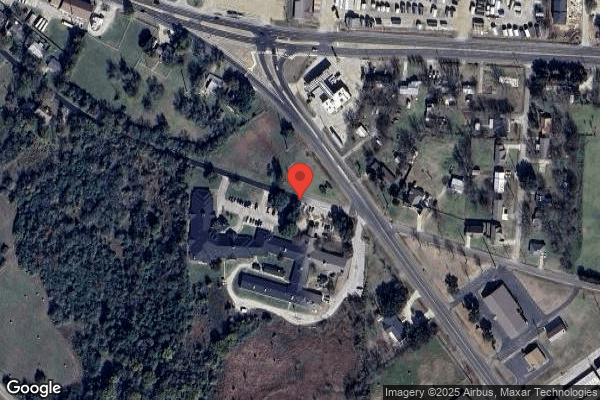
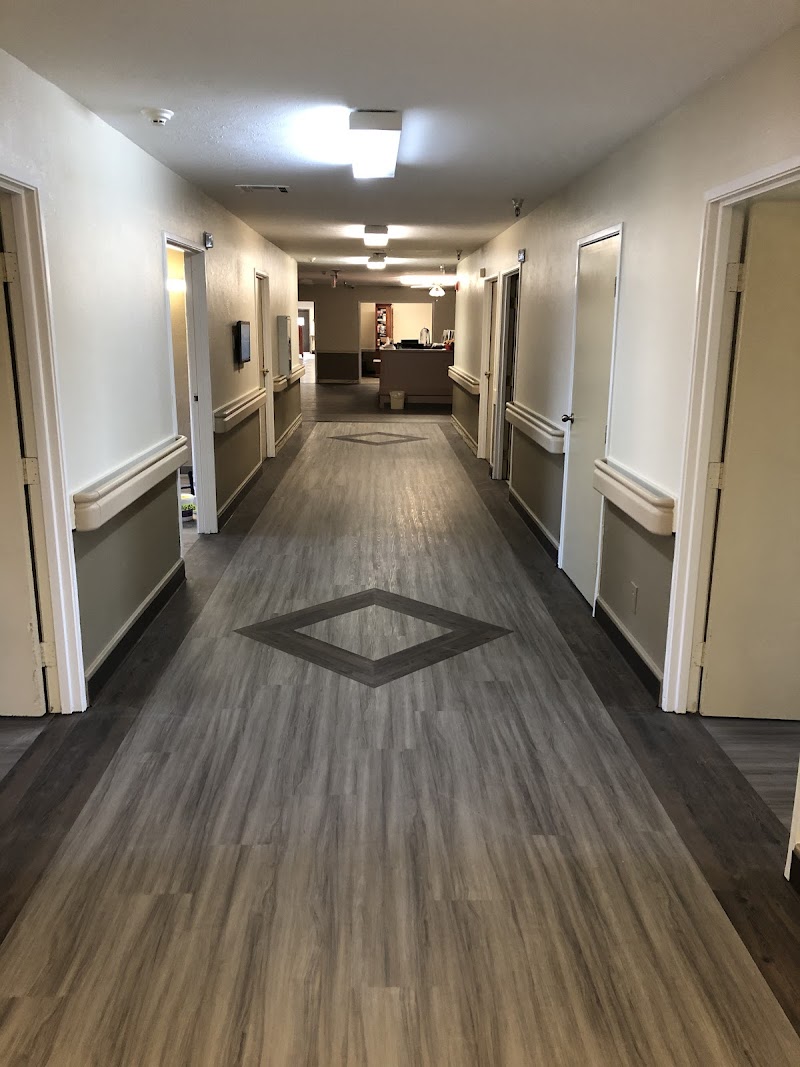
1448 HOUSTON ST, WILLS POINT, TX 75169 (903) 873-5400
For profit - Corporation 117 Beds THE ENSIGN GROUP Data: November 2025
Trust Grade
75/100
#220 of 1168 in TX
Last Inspection: October 2024

Within standard 12-15 month inspection cycle. Federal law requires annual inspections.

Overview

Crestwood Health and Rehabilitation Center has a Trust Grade of B, indicating it is a good option among nursing homes. It ranks #220 out of 1,168 facilities in Texas, placing it in the top half, and #4 out of 6 in Van Zandt County, meaning only one local facility is rated higher. The facility is improving, as it reduced the number of cited issues from 6 in 2023 to 2 in 2024. However, staffing is a concern with a low rating of 1 out of 5 stars and a high turnover rate of 67%, which is above the Texas average. There have been no fines, indicating compliance with regulations, and the coverage by registered nurses is average, which means residents may not receive the full benefits of RN oversight. On the downside, several recent incidents have raised concerns. For example, residents were not informed of their rights during their stay, which could negatively impact their quality of life. Additionally, there were issues with the accuracy of assessments for many residents, which could lead to them not receiving appropriate care. Lastly, one resident did not receive necessary grooming services, risking their personal hygiene and dignity. While there are strengths, such as the lack of fines and improved inspection results, families should weigh these concerns carefully when considering this facility.

Trust Score
B
75/100
In Texas
#220/1168
Top 18%
Safety Record
Low Risk
No red flags
Inspections
Getting Better
6 → 2 violations
Staff Stability
⚠ Watch
67% turnover. Above average. Higher turnover means staff may not know residents' routines.
Penalties
✓ Good
No fines on record. Clean compliance history, better than most Texas facilities.
Skilled Nurses
⚠ Watch
Each resident gets only 19 minutes of Registered Nurse (RN) attention daily — below average for Texas. Fewer RN minutes means fewer trained eyes watching for problems.
Violations
○ Average
10 deficiencies on record. Average for a facility this size. Mostly minor or procedural issues.
★★★★☆
4.0
Overall Rating
★☆☆☆☆
1.0
Staff Levels
★★☆☆☆
2.0
Care Quality
★★★★★
5.0
Inspection Score
Stable
2023: 6 issues
2024: 2 issues

The Good

  • Full Sprinkler Coverage · Fire safety systems throughout facility
  • No fines on record

Facility shows strength in fire safety.

The Bad

Staff Turnover: 67%

21pts above Texas avg (46%)

Frequent staff changes - ask about care continuity

Chain: THE ENSIGN GROUP

Part of a multi-facility chain

Ask about local staffing decisions and management

Staff turnover is elevated (67%)

19 points above Texas average of 48%

The Ugly 10 deficiencies on record

Oct 2024 1 deficiency
CONCERN (E)

Potential for Harm - no one hurt, but risky conditions existed

Deficiency F0572 (Tag F0572)

Could have caused harm · This affected multiple residents

Based on interview and record review, the facility failed to ensure residents were informed orally, of their rights, for 6 of 6 residents interviewed during a group meeting (Resident #13, #14, #21, #3...

Read full inspector narrative →
Based on interview and record review, the facility failed to ensure residents were informed orally, of their rights, for 6 of 6 residents interviewed during a group meeting (Resident #13, #14, #21, #32, #49 and #53). Residents #13, #14, #21, #32, #49 and #53 were not orally informed of their rights, during their stay in the facility. This failure placed the residents at risk of a decreased quality of life, decreased awareness of their rights and decreased execution of their rights. Findings included: During an interview on 10/15/2024 at 9:00 AM, Residents #13, #14, #21, #32, #49 and #53 said, the new AD has not reviewed resident rights with them or explained any resident rights to them, since she became the AD. During record review of resident council meeting minutes, for 10/09/2024, 09/03/2024, 08/02/2024, 07/02/2024, and 06/07/2024, revealed that resident rights were not reviewed over the past five months; October, September, August, July, and June 2024. During an interview on 10/16/2024 at 3:25 PM, the AD said she became the AD after receiving her certification in March 2024. She said she was still learning, and she was not aware that she should have been reviewing the resident rights with residents during resident council meetings. She said she would make sure she reviewed resident rights. During an interview on 10/16/2024 at 3:50 PM, the Operations Manager said the residents received a copy of the resident rights, in the admission packet and the AD should be going over resident rights in the resident council meetings. Review of a document titled Resident Right and Responsibility, Notice of, with a revised date of 12/2023, reflected Policy: It is the policy of this facility to inform the resident both orally and in writing of their rights as a resident, as well as the regulations .
Aug 2024 1 deficiency
CONCERN (D) 📢 Someone Reported This

A family member, employee, or ombudsman was alarmed enough to file a formal complaint

Potential for Harm - no one hurt, but risky conditions existed

Report Alleged Abuse (Tag F0609)

Could have caused harm · This affected 1 resident

Based on observation, interview and record review the facility failed to report to state agency emergency situations that pose a threat to resident health and safety immediately, but not later than 24...

Read full inspector narrative →
Based on observation, interview and record review the facility failed to report to state agency emergency situations that pose a threat to resident health and safety immediately, but not later than 24 hours after the incident occurs or is suspected for 1 of 1 secured locked unit reviewed for physical environment. The facility failed to report to the State Survey Agency on 8/29/24 immediately but no later than 24 hours after becoming aware the facility's roof collapsed on the secured locked unit. This failure could place residents at risk of further potential abuse or neglect. Findings included: During observation of facility on 8/30/24 from 10:57am to 7:50pm a contract roofing company was working on the roof, the locked unit was taped off due to not in use because of the damages caused by the roof collapsing. All residents on 100 hall were relocated to the 200 hall and there was no visible bruising, skin tears or marks. Residents did not show signs of fear when interacting with staff. Record review of provider investigation report date 9/5/24 revealed: Date reported to HHSC - 8/3024 at 5:30pm. The incident date: 8/29/24; Time of incident: 1-6pm; Description of Allegation: Roof begun leaking during a storm due to roof construction and lack of sufficient covering. Investigation Summary - Roof/ceiling leak caused by rain while partial roofing was uncovered by contracted repair company. Fire panel restarted within four hours. Fire alarm down in the secure unit (no residents on hall) during repairs - fire watch ending. During an interview on 8/30/24 at 2:06 p.m., the ADOR said he worked the day of the incident on 8/29/24 and it occurred a little after 1:00pm when the fire alarm went off, he said he walked around to see what was going on and as he walked by the business office he saw water was dripping from the sprinkler head, he placed a trashcan under the drip to catch the drip and at that time he said he assumed the sprinkler head was just damaged. The ADOR said he continued down the hall and looked through the door window of the secured locked unit and he saw water pouring from the ceiling on the main sitting area of the locked unit; he said he started going room by room on the locked unit and at that time he witnessed the ceiling collapsed in one of the rooms and he immediately at that time ran to the one bedbound resident who resided on the locked unit and wheeled the bedbound resident's bed into the halls off of the unit and handed the resident off to another staff. The ADOR said himself and several other staff started assisting the residents who resided on the locked unit into the halls and to the main dining room outside the unit. He said water was pouring into the building from anything that was attached to the ceiling for example the lights, smoke detectors, the exit signs etc . The ADOR said none of the residents on the locked unit or in the building were hurt or received injuries. During an interview on 8/30/24 at 6:44 p.m., The Director of Operations said he had been filling in for the facility's administrator for about a week. He said on 8/29/24 he started receiving several phone calls around 1:40pm, and throughout the afternoon regarding water pouring from the ceiling into the building on the secured locked unit, he said he was coming from out of town because he was at a corporate meeting and arrived around 6pm to the facility. The Director of Operations said he reported the incident to State Office on 8/30/24 after 6pm and thought he was incompliance with reporting within the required 24-hour timeframe, said he was not aware he had to report the incident to state office before 2pm because that was when he was first notified of the incident . Record review of long-term care regulation prover letter 2024-14 dated 8/29/24 provided by the facility as the guidance they used reflected 1.0 Subject and Purpose: This letter provides guidance for reporting incidents to HHSC and adds information about when providers must report communicable disease to Complaint and Incident intake (CII). It also clarifies the types of events that are not reportable to HHSC, and updates rule references. To aid providers in understanding the reporting requirements. 2.0 Policy Details and Provider Responsibilities: 2.1 Incidents that a NF Must Report to HHSC - A NF must report to CII the following types of incidents, in accordance with applicable state and federal requirements: .Emergency situations that pose a threat to resident health and safety . 2.4 Reportable Incidents and Timeframes: . Do Report: an incident that does not result in serious bodily injury but that involves any of the following: .Emergency situations that pose a threat to resident health and safety When to Report: Immediately, but not later than 24 hours after the incident occurs or is suspected.
Aug 2023 5 deficiencies
CONCERN (D)

Potential for Harm - no one hurt, but risky conditions existed

Respiratory Care (Tag F0695)

Could have caused harm · This affected 1 resident

**NOTE- TERMS IN BRACKETS HAVE BEEN EDITED TO PROTECT CONFIDENTIALITY** Based on observations, interviews, and record reviews, the facility failed to ensure that a resident who needs respiratory care,...

Read full inspector narrative →
**NOTE- TERMS IN BRACKETS HAVE BEEN EDITED TO PROTECT CONFIDENTIALITY** Based on observations, interviews, and record reviews, the facility failed to ensure that a resident who needs respiratory care, including tracheostomy care and tracheal suctioning is provided such care consistent with professional standards of practice, the comprehensive person-centered care plan and the residents goals and preferences for 2 of 2 residents (Resident #24 and #42) reviewed for oxygen therapy, in that: 1. The facility failed to ensure Resident #24's oxygen rate was set at 3-4 LPM (liters per minute) CONTINUOUS and not 2 LPM. 2. The facility failed to ensure monitoring of oxygen Saturation as ordered by the physician (maintain O2 saturation above 90%) 3. The facility failed to ensure there was an order for Resident #42 to receive oxygen. These failures could place residents who received oxygen therapy at risk for respiratory distress Record Review of Resident #24's electronic face sheet for August 2023 indicated she was admitted to the facility on [DATE] with diagnoses including emphysema, shortness of breath, major depression, chronic pneumonia. Review of Resident #24's MDS assessment dated [DATE] had not been completed. A review of Resident #24's physician orders for August 2023 indicated she was to receive oxygen via nasal canula at 2 -3 LPM (liters per minute) to maintain oxygen saturation above 90%. During observations Resident #24 was receiving oxygen at 2 LPM on the following dates and times: - 08/21/2023 at 3:00 pm - 08/22/2023 at 4:00 p.m. Record review on 8/21/23 and 8/22/23 there was no oxygen saturation recorded in the electronic chart. During an interview on 08/22/2023 at 04:07 pm with ADON, she said Resident #24's oxygen rate was ordered for 3-4 LPM for oxygen saturation to maintain at 90%. She was asked if she could show where the saturation is recorded, she said it is in the flow chart and nurses' medication administration record, she could not find any recent recording, the last recorded saturation was 8/11/2023. She said she would get that corrected immediately. Review of Resident #42's electronic face sheet for August 2023 indicated she was admitted to the facility on [DATE] with diagnoses including chronic respiratory failure, congestive heart failure, hypoxia (the state in which oxygen is not available in sufficient amount at the tissue level to maintain adequate homeostasis), major depression, chronic obstructive pulmonary disease, shortness of breath. Review of Resident #42's MDS assessment dated [DATE] indicated she scored 12 out of 15 which indicated she was cognitively intact. A review of Resident #42's physicians orders for August 2023 did not indicate any orders for oxygen. During an interview on 08/22/2023 at 04:07 pm with the ADON, she stated she could not find an order for Resident #42 to have oxygen. She stated Resident #42's oxygen rate was observed at 3 LPM, She said she would get that corrected immediately. She said Resident #42 had been in and out of the hospital and that order was missed. A review of the facility's Oxygen Administration Policy dated 05/2007 indicated the following: It is the policy of this facility that oxygen therapy is administered, as ordered by the physician or as an emergency measure until the order can be obtained. 1. Obtain appropriate physician orders for oxygen administration. 17. Document all appropriate information in medical record. *Oxygen therapy, Respiratory assessment findings, method of oxygen delivery, flow rate, residents' response, any adverse reaction or side effects .
CONCERN (E)

Potential for Harm - no one hurt, but risky conditions existed

Assessment Accuracy (Tag F0641)

Could have caused harm · This affected multiple residents

**NOTE- TERMS IN BRACKETS HAVE BEEN EDITED TO PROTECT CONFIDENTIALITY** Based on interview and record review, the facility failed to ensure an accurate MDS was completed for 12 of 18 residents (Reside...

Read full inspector narrative →
**NOTE- TERMS IN BRACKETS HAVE BEEN EDITED TO PROTECT CONFIDENTIALITY** Based on interview and record review, the facility failed to ensure an accurate MDS was completed for 12 of 18 residents (Resident #s 7, 9, 15, 18, 24, 32, 46, 49, 50, 51, 55, and 56) reviewed for MDS assessment accuracy. The facility did not accurately code Resident #s 7, 15, 32, 46, 49, 50, and 55's MDS for BIMS score (cognitive patterns), mood score, and daily routine and activity preferences. The facility did not accurately code Resident #s 9, 18, 24, 51, and 56's MDS assessment for BIMS score (cognitive patterns) and mood score. These failures could place residents at risk for not receiving the appropriate care and services to maintain the highest level of well-being. Findings included: 1.A review of Resident #7's face sheet dated 08/23/2023 indicated Resident #7 was an [AGE] year-old female who admitted to the facility on [DATE] with diagnoses including diabetes, low back pain, high blood pressure, gastro-esophageal reflux disease (indigestion), fractures of first and fourth lumbar vertebrae, and muscle weakness. An admission BIMS (brief interview for mental status) score, dated 01/09/2023, was 13 indicating the resident was cognitively intact. A review of Resident #7's admission MDS (Sections F0300, F0400, F0600) dated 01/09/2023 indicated an interview for Daily and Activity Preferences should be conducted and the interview was not completed to indicate the resident's preferences for daily options and activity options. A review of Resident #7's quarterly MDS (Sections C0100, C0200, C0300, C0400, C0500, D0100, D0200, D0300), dated 04/11/2023, indicated a BIMS interview and an interview for mood should be conducted and the interviews were not completed to indicate the resident's cognitive status and mood status. A review of Resident #7's quarterly MDS (Sections C0100, C0200, C0300, C0400, C0500, D0100, D0200, D0300), dated 05/29/2023, indicated a BIMS interview and an interview for mood should be conducted and the interviews were not completed to indicate the resident's cognitive status and mood status. 2. A review of Resident #9's face sheet dated 08/23/2023 indicated Resident #9 was a [AGE] year-old female who admitted to the facility on [DATE] with diagnoses including diabetes, heart disease, schizoaffective disorder bipolar type (mental health condition with symptoms of schizophrenia and mood disorders), atrial fibrillation (irregular often rapid heart rate that causes poor blood flow), anxiety, depression, insomnia, peripheral vascular disease a circulatory condition where narrowed blood vessels reduces blood flow to the limbs), high blood pressure, indigestion, and morbid obesity. An annual BIMS (brief interview for mental status) score, dated 07/21/2023, was 14 indicating the resident was cognitively intact. A review of Resident #9's significant change MDS (Sections C0100, C0200, C0300, C0400, C0500, D0100, D0200, D0300), dated 05/01/2023, indicated a BIMS interview and an interview for mood should be conducted and the interviews were not completed to indicate the resident's cognitive status and mood status. 3. A review of Resident #15's face sheet dated 08/23/2023 indicated Resident #7 was a [AGE] year-old female who admitted to the facility on [DATE] with diagnoses including dementia, diabetes, chronic obstructive pulmonary disease (lung disease with airflow blockage), major depression, insomnia, chronic pain, anxiety, and heart failure. An annual BIMS (brief interview for mental status) score, dated 03/28/2023, was 09 indicating the resident was mildly compromised cognitively. A review of Resident #15's annual MDS (Sections F0300, F0400, F0600) dated 03/28/2023 indicated an interview for Daily and Activity Preferences should be conducted and the interview was not completed to indicate the resident's preferences for daily options and activity options. A review of Resident #15's quarterly MDS (Sections C0100, C0200, C0300, C0400, C0500, D0100, D0200, D0300), dated 06/28/2023, indicated a BIMS interview and an interview for mood should be conducted and the interviews were not completed to indicate the resident's cognitive status and mood status. A review of Resident #15's quarterly MDS (Sections C0100, C0200, C0300, C0400, C0500, D0100, D0200, D0300), dated 07/26/2023, indicated a BIMS interview and an interview for mood should be conducted and the interviews were not completed to indicate the resident's cognitive status and mood status. 4. A review of Resident #18's face sheet dated 08/23/2023 indicated Resident #18 was a [AGE] year-old male who admitted to the facility on [DATE] with diagnoses including diabetes, morbid obesity, heart disease, chronic obstructive pulmonary disease (lung disease with airflow blockage), gout, chronic kidney disease, high blood pressure, anxiety, congestive heart failure, and depressive disorders. A quarterly BIMS (brief interview for mental status) score, dated 08/07/2023, was 14 indicating the resident was cognitively intact. A review of Resident #18's annual MDS (Sections C0100, C0200, C0300, C0400, C0500, D0100, D0200, D0300), dated 04/06/2023, indicated a BIMS interview and an interview for mood should be conducted and the interviews were not completed to indicate the resident's cognitive status and mood status. A review of Resident #18's quarterly MDS (Sections C0100, C0200, C0300, C0400, C0500, D0100, D0200, D0300), dated 05/07/2023, indicated a BIMS interview and an interview for mood should be conducted and the interviews were not completed to indicate the resident's cognitive status and mood status. 5. A Review of Resident #24's electronic face sheet for August 2023 indicated Resident #51 was admitted to the facility on [DATE] with diagnoses including emphysema, shortness of breath, major depression, chronic pneumonia. A Review of Resident #24's MDS assessment dated [DATE] for sections C (section C - Cognitive Patterns) and D (Mood) had not completed for assessment. 6. A review of Resident #32's's face sheet for August 2023 indicated she was an [AGE] year-old female who re-admitted to the facility on [DATE] with diagnoses including dementia, anxiety, and chronic obstructive pulmonary disease. A review of Resident #32's Quarterly MDS dated [DATE] indicated she should receive a Brief Interview for Mental Status (BIMS). This same MDS further indicated this interview was not conducted and Resident #32 was not assessed for mental status. A review of Resident #32's Quarterly MDS dated [DATE] indicated she should receive a Resident Mood Interview. This same MDS further indicated this interview was not conducted and Resident #32 was not assessed for mood. A review of Resident #32's Comprehensive MDS dated [DATE] indicated she should have an Interview for Daily and Activity Preferences. This same MDS indicated this interview was not conducted and Resident # 32 was not assessed for daily routine and activity preferences. 7. A review of Resident #46's's face sheet for August 2023 indicated she was an [AGE] year-old female who admitted to the facility on [DATE] with diagnoses including dementia, anxiety, glaucoma (vision disorder), and history of falls. A review of Resident #46's Quarterly MDS dated [DATE] and Comprehensive MDS dated [DATE] indicated she should receive a Brief Interview for Mental Status (BIMS) on both assessments. These same MDS assessments further indicated this interview was not conducted and Resident #46 was not assessed for mental status at either time. A review of Resident #46's Quarterly MDS dated [DATE] and Comprehensive MDS dated [DATE] indicated she should receive a Resident Mood Interview. These same MDS assessments further indicated this interview was not conducted and Resident #32 was not assessed for mood at either time. A review of Resident #46's Comprehensive MDS dated [DATE] indicated she should receive an Interview for Daily and Activity Preferences. This same MDS indicated this interview was not conducted and Resident # 46 was not assessed for daily routine and activity preferences. 8. A review of Resident #49's face sheet dated 08/23/2023 indicated Resident #49 was a [AGE] year-old female who admitted to the facility on [DATE] with diagnoses including anxiety, insomnia, osteoporosis, dementia, falls, and hallucinations. An annual BIMS (brief interview for mental status) score, dated 04/29/2023, was 03 indicating the resident was severely Impaired cognitively A review of Resident #49's significant change MDS (Sections F0300, F0400, F0600) dated 07/29/2023 indicated an interview for Daily and Activity Preferences should be conducted and the interview was not completed to indicate the resident's preferences for daily options and activity options. A review of Resident #49's significant change MDS (Sections C0100, C0200, C0300, C0400, C0500, D0100, D0200, D0300), dated 07/29/2023, indicated a BIMS interview and an interview for mood should be conducted and the interviews were not completed to indicate the resident's cognitive status and mood status. 9. A review of Resident #50's's face sheet for August 2023 indicated he was a [AGE] year-old male who admitted to the facility on [DATE] with diagnoses including depression, anxiety, intellectual disabilities and dementia. A review of Resident #50's Quarterly MDS dated [DATE], Comprehensive MDS dated [DATE], and Quarterly MDS dated [DATE] indicated he should receive a Brief Interview for Mental Status (BIMS) on each of these assessments. These same MDS assessments further indicated this interview was not conducted and Resident #50 was not assessed for mental status on any of these three assessments. A review of Resident #50's Quarterly MDS dated [DATE], Comprehensive MDS dated [DATE], and Quarterly MDS dated [DATE] indicated he should receive a Resident Mood Interview. These same MDS assessments further indicated this interview was not conducted and Resident #50 was not assessed for mental status on any of these three assessments. 10. A review of Resident #51's face sheet for August 2023 indicated Resident #51 was a 84 -year-old male who was admitted to the facility on [DATE] with diagnoses including: full code with use of AED, Alzheimer, unsteadiness on fee, history of falls, cognitive communication deficit, need for assistance with personal care, dysphagia, muscle weakness, attention deficit, dementia, anxiety disorder, repeated falls, hyperlipidemia, migraine, hypertension, benign prostatic hyperplasia. A review of Resident #51's Quarterly MDS, dated [DATE],6/8/23, 3/8/23 and 2/6/23 for sections C (section C - Cognitive Patterns) and D (Mood) had not completed for assessment. 11. A Review of Resident #55's electronic face sheet for August 2023 indicated Resident #55 was admitted to the facility on [DATE] with diagnoses including Alzheimer's, hypothyroidism, Dementia, delusional, major depressive disorder, aphasia, urinary tract infection history of malignant neoplasm of breast and ovary. A review of Resident #55's MDS assessment dated [DATE] for sections C (section C - Cognitive Patterns) and D (Mood) had not completed for assessment. MDS assessment dated [DATE] for section F (preferences for customary routine and activities) had not completed for assessment. 12. A review of Resident #56's electronic face sheet dated for August 2023 indicated Resident #56 was admitted to the facility on [DATE]with diagnosis including: Anxiety, hypertension, cognitive communication deficit, urinary tract infection, herpes zoster A review of Resident #56's MDS dated [DATE] and 7/6/2023 for sections C (section C - Cognitive Patterns) and D (Mood) had not completed for assessment. During an interview on 08/23/2023 at 10:10 AM with the RN MDS Resource Nurse, she said the RAI manual was used as the guideline for conducting the MDS assessment. She said the RAI did not indicate the MDS had to be done by a particular person or certain sections have to be done by a particular person. She said at their facilities the SW usually completed sections B, C, D, and Q. She said any staff member could complete these sections of the MDS if they are trained to do them and did not have to be the SW. She said she was not sure why those sections were not completed and not sure if there was a policy regarding certain sections of the MDS being assigned to any particular staff. During an interview on 08/23/2023 at 11:00 AM the RN MDS Resource Nurse said the facility did not have a specific policy that assigns any section of the MDS to any particular person to complete. She said at mmost of their facilities the social worker completed the cognitive patterns and mood sections of the MDS. She said the activity sections information came from teh activity director. A review of the RAI Version 3.0 Manual for MDS Section C: Cognitive Patterns indicated the following: When cognitive impairment is incorrectly diagnosed or missed, appropriate communication, worthwhile activities and therapies may not be offered. A review of the RAI Version 3.0 Manual for MDS Section D: Mood indicated the following: It is particularly important to identify signs and symptoms of mood distress among nursing home residents because these signs and symptoms can be treatable. A review of the RAI Version 3.0 Manual for MDS Section F: Preferences for Customary Routine and Activities indicated the following: The intent of items in this section is to obtain information regarding the resident's preferences for his or her daily routine and activities. Quality of life can be greatly enhanced when care respects the resident's choice regarding anything that is important to the resident.
CONCERN (E)

Potential for Harm - no one hurt, but risky conditions existed

ADL Care (Tag F0677)

Could have caused harm · This affected multiple residents

**NOTE- TERMS IN BRACKETS HAVE BEEN EDITED TO PROTECT CONFIDENTIALITY** Based on observation, interview, and record review, the facility failed to ensure residents unable to conduct activities of dail...

Read full inspector narrative →
**NOTE- TERMS IN BRACKETS HAVE BEEN EDITED TO PROTECT CONFIDENTIALITY** Based on observation, interview, and record review, the facility failed to ensure residents unable to conduct activities of daily living (ADLs) received the necessary services to maintain good grooming and personal hygiene that promotes maintenance or enhancement of his or her quality of life, for resident (Resident #51) review for quality of life. The facility failed to provide Resident #51 with personal grooming for nail care These failures could place residents at risk for poor hygiene, dignity issues, and decreased quality of life. Findings included: Record review of Resident #51's admission record dated 11/2/2022 reflected Resident #51 was an [AGE] year-old male, diagnosis included full code with use of AED, Alzheimer's, unsteadiness on feet, history of falls, cognitive communication deficit, need for assistance with personal care, dysphagia, muscle weakness, attention deficit, dementia, anxiety disorder, repeated falls, hyperlipidemia (an excess of lipids or fats in your blood), migraine, hypertension, benign prostatic hyperplasia. Record review of Resident #51's MDS assessment, dated 07/27/23, reflected the following:-resident's cognitive status: not assessed -requiring extensive assistance for transfers, bed mobility. -required supervision for dressing, eating, and extensive assistance with toilet use and personal hygiene. Record review of Resident #51's care plans, initiated on 07/10/23, reflected Resident #51 had an ADL Self Care Performance Deficit r/t Dementia, memory loss, h/o falls, anxiety, Resident has history of L Hip fracture will need assistance with ADL's. Record review of resident #51's podiatry care dated 1/5/2023 reflected nails were trimmed and debrided reduced in length and thickness in 2 mm, progress notes stated: trimmed and debrided nails(s) to patient's tolerance. Reviewed medical record, patient to follow up in 2 months. Record review of Resident #51's nail task history dated 11/2/22 at time of admission nail care was shown as a related focus, with no reflection of staff following up with any nail care. Record review of Shower Report dated 08/21/2023 for resident #51 revealed complete bed bath given, linens changed no indication of nail care given, Shower scheduled revealed that Resident #51 received showers on Monday, Wednesday, and Fridays. There were no other shower reports to be reviewed. An interview and observation on 8/21/2023 at 9:43 a.m. with Resident #51 revealed he had elongated (longer than the nail bed) thick, discolored toenails to both right and left feet. The resident said they bothered him sometimes. He said he told the nurse, but he could not remember when or and when he last saw the foot doctor. During an Interview on 8/23,23 at 10:00 A.M. with DON, she said that in the case of no Podiatrist that nurses were responsible for foot care. Poor foot hygiene could put residents at an increased risk for infection. Fungal nail infections were common infections of the toenails that could cause the nail to become discolored, thick, and more likely to crack and break. During an Interview on 8/23/23 at 2:20 pm with Agency LVN, said the CNAs performed foot care, but she did not know anything about residents that needed foot care. She said CNAs would notify them if foot care needed to be done. During an Interview on 8/23/23 at 2:45 p.m. with Agency CNA, she said she did not perform nail care. During an interview with the ADON on 8/23/23 at 3:00 p.m., she said there was a broken system regarding shower schedules and that the administration was working on it. She said broken system meaning, not all CNAs were using the paper system charting or charting their nail care in the electronic chart. She said it was nursing administration responsiblity to correct this problem, which they were working on. Record Review of the facility's Policy for Foot Care, dated 05/2007 Policy #NCRP 31(Nail Care Routine Procedures 31) POLICY: It is the policy of this facility to clean feet and to increase circulation. PROCEDURES: Equipment: mild soap and water, towel and washcloth, toenail clippers or nail scissors, nail file and lotion. * Examine feet carefully for evidence of discoloration, redness, blisters or skin tears. Report any irregularities to charge nurse. Note: Do not perform Nail Care nor Foot Care on residents with Diabetes and Peripheral Vascular Disease.
MINOR (B) 📢 Someone Reported This

A family member, employee, or ombudsman was alarmed enough to file a formal complaint

Minor Issue - procedural, no safety impact

Deficiency F0583 (Tag F0583)

Minor procedural issue · This affected multiple residents

Based on interviews and record review the facility failed to ensure the residents received mail for 5 of 5 residents reviewed for resident rights. (Residents #2, #18, #37, #57 and #61). The facility ...

Read full inspector narrative →
Based on interviews and record review the facility failed to ensure the residents received mail for 5 of 5 residents reviewed for resident rights. (Residents #2, #18, #37, #57 and #61). The facility did not ensure residents received their mail promptly. This failure could place the residents at risk of not receiving mail in a timely manner and a diminished quality of life. Findings included: During a group interview on 08/22/2023 at 9:00 AM, Residents #18, #37 and #57 said the mail was delivered on Saturday, but they only received mail Monday through Friday. Residents #2 and # 61 nodded in agreement with the other residents' statement. During an interview on 08/23/2023 at 10:25 AM, the receptionist said she worked Monday through Friday. She said she does work the weekend when scheduled. She said when she worked the weekend and received the mail, she placed it at the reception desk for Monday. She said when she came in on Monday, she would sort the weekend mail, she gave the business office the business mail and she delivered the resident mail to the residents who received mail over the weekend. During an interview on 08/23/2023 at 10:30 AM., the weekday manager on duty said he worked the weekend of 08/19/2023 and 08/20/2023 and he received the weekend mail. He said he placed the mail on the desk for the receptionist who works Monday through Friday. He said when the receptionist came in on Monday, the receptionist sorted the mail and brought the business mail to the business office. He said he did not sort the mail that came in on the weekend, he said that was done by the receptionist who came in on Monday. Record review of the facility's policy: Privacy and Confidentiality, dated 10/04/2016, revealed, the right to send and promptly receive unopen mail and other letters, packages and other materials delivered to the facility for you .
MINOR (C)

Minor Issue - procedural, no safety impact

Staffing Information (Tag F0732)

Minor procedural issue · This affected most or all residents

Based on observation, interview, and record review, the facility failed to ensure that the daily nurse staffing was posted as required for 3 of 3 days (8/19/23, 8/20/23 and 8/21/23) reviewed for nursi...

Read full inspector narrative →
Based on observation, interview, and record review, the facility failed to ensure that the daily nurse staffing was posted as required for 3 of 3 days (8/19/23, 8/20/23 and 8/21/23) reviewed for nursing services. The facility failed to update the daily staffing information posting. This failure could affect residents, their families, and facility visitors by placing them at risk of not having access to information regarding staffing data and facility census. Findings included: Record review on 08/21/23 at 08:30 a.m., revealed the daily staffing pattern was posted on the desk by the front door in a clear acrylic holder and dated 08/18/23, which did not reflect the current date. During a record review on 08/22/23 at 8:30 a.m., the required nurse staffing data was posted on the desk in the front lobby, dated 08/22/23. During an interview with the Nursing scheduler/Recruiter on 8/23/23 at 3:00 p.m., she said it was her responsibility to make sure nurse staffing is posted. She said she would call the facility and talk to the nurse in charge to make sure the posting was changed. However, that weekend, she could not get in touch with anyone, so she sent a text and did not follow up. During interviews on 08/23/23 at 4:00 PM with the DON, the DON said the Staffing Scheduler was responsible for ensuring the nurse staffing data was posted, but the whole process is a work in process that the facility is working on. The DON said the facility did not have a policy on required staffing posting. The facility did not provide a policy on nursing staff postings at time of exit.
Jun 2023 1 deficiency
CONCERN (D) 📢 Someone Reported This

A family member, employee, or ombudsman was alarmed enough to file a formal complaint

Potential for Harm - no one hurt, but risky conditions existed

Pharmacy Services (Tag F0755)

Could have caused harm · This affected 1 resident

**NOTE- TERMS IN BRACKETS HAVE BEEN EDITED TO PROTECT CONFIDENTIALITY** Based on interview and record review, the facility failed to ensure pharmaceutical services were provided to meet the needs of 1...

Read full inspector narrative →
**NOTE- TERMS IN BRACKETS HAVE BEEN EDITED TO PROTECT CONFIDENTIALITY** Based on interview and record review, the facility failed to ensure pharmaceutical services were provided to meet the needs of 1 of 4 residents reviewed for pharmacy services. (Resident #1). The facility failed to ensure intravenous antibiotic medications were administered as ordered to Resident #1. This failure could place residents at risk for not receiving the intended therapeutic benefit of their medications or receiving them as prescribed, per physician orders. Findings included: 1. Record review of Resident #1's face sheet, dated 04/17/23, indicated he was a [AGE] year-old male, admitted to the facility on [DATE] at 7:17 PM. He had diagnoses which included acute endocarditis (infection of the heart's inner lining), high blood pressure, heart disease, atrial fibrillation (irregular heartbeat), atrial flutter (upper chambers of the heart beats too quickly), removal of internal fixation device from fracture repair, and severe sepsis (harmful microorganisms in the blood) without septic shock (body's response to sepsis). The face sheet indicated the resident was his own responsible party and no other family or friends were indicated. Record review of Resident #1's admission skilled nurses' notes, dated 04/17/23, indicated he was alert and oriented to person, place, time and situation; his heart rate and rhythm were within baseline; respiratory rate and rhythm and sound were within baseline and he may use oxygen when needed at 2 liters/minute; urine was clear, yellow and odorless; no musculoskeletal changes, had a rolling walker but could become short of breath when ambulating; independent with supervision with ADLs; continent of bowel and bladder. He had a BIMS of 12 indicating he was cognitively intact. Record review of Resident #1's hospital discharge physician's orders, dated 04/15/23, indicated Resident #1 was ordered the following intravenous medications: start sodium chloride 0.9% solution 100 ml with ampicillin 2 grams injected into the vein every 6 hours (last dose given 04/15/23 at 3:12 AM) and start sodium chloride 0.9% solution 100 ml with ceftriaxone (Rocephin) 2 grams (2,000 mg) injected into the vein every 12 hours (last dose given 04/15/23 at 3:12 AM). Both antibiotics were to be administered for a duration of 8 weeks, start 04/13/23-stop 06/07/23. A PICC (peripherally inserted central catheter) line was present for long term intravenous use. Oral medications including allopurinol (for gout), amiodarone (for high blood pressure), apixaban (for atrial fibrillation), carvedilol (for high blood pressure and heart failure), dapagliflozin (for blood sugar), digoxin (for heart function), furosemide (for water retention), gabapentin (for peripheral pain), hydralazine (for blood pressure), methocarbamol (for muscle spasms), pantoprazole (for acid indigestion), potassium chloride (supplement replacement), rosuvastatin (for high cholesterol), trazadone (for insomnia), and vitamin B-12. Record review of Resident #1's nurses' MAR, dated 04/2023, indicated there were no entries on the MAR for any intravenous medications to be administered on 04/15/23 and 04/16/23. The intravenous medications were not listed on the nurses' MAR. Oral medications were present on the medication aide's MAR and given as ordered beginning on 04/16/23. Record review of Resident #1's Progress Notes indicated the following: on 04/15/23 at 7:17 PM the resident arrived at the facility via private car accompanied by a friend. He was alert and oriented and had no signs of distress or complaints of pain or discomfort. He walked with a rolling walker without difficulty. He was able to make his needs known and able to ambulate to the restroom without assistance. He was continent of bowel and bladder. The resident had a single lumen PICC line in his right upper arm as he was to receive intravenous antibiotics while at the facility. On 04/16/23 at 9:52 PM Resident #1 left the facility with a family member. The family member asked why the resident had not received his medications and the nurse explained the medications had been ordered but had not been received from the pharmacy. The family member got angry and accused the facility of neglect and left the facility. The resident's vital signs were within normal limits. Record review of the pharmacy manifest dated 04/15/23 indicated the pharmacy received the orders for the oral medications ordered by the facility through the integrated system. The orders dated 04/15/23 to the pharmacy did not contain orders for the IV antibiotics. Record review of a Provider Investigation Report written by the previous administrator dated 04/16/23 indicated the facility reported to the state agency an allegation of neglect regarding timeliness of medication administration for Resident #1 alleged by the resident's family member. The summary indicated the DON informed the administrator by text on 04/16/23 at 9:55 PM Resident #1 had left the facility and went home due to not receiving intravenous medications. She was not sure if the resident would be returning. The report indicated Resident #1 returned to the facility with his faly member on 04/17/23 at 9:30 AM. The DON explained to the family member, at that time, the Rocephin medication was available in the emergency medication kit and she could administer that medication and could order the ampicillin and it would be at the facility within 4 hours of when the call was placed to the pharmacy. The family member refused to allow the administration of the medication and said she wanted him evaluated by a physician before he received the antibiotics and said she was taking him to the hospital. She said at the time she left they would not be back. Further record review of the Provider Investigation Report dated 04/16/23 indicated a written statement from LVN H Resident #1 arrived at the facility with a friend. The friend stated he had no paperwork he was just giving the resident a ride. LVN H indicated she saw no discharge paperwork from the hospital. She indicated another nurse at the facility told her she had entered all the orders that were sent from the hospital. Resident #1 told LVN H he was at the facility to receive IV antibiotics and she told him the physician would have to clarify the antibiotic orders. She indicated she was told to verify the orders that were already in the computer so that his medications could be ordered from the pharmacy. She indicated she reported to the day shift that Resident #1's medication did not come in on the night shift and to please follow up with the pharmacy that morning. A written statement from LVN D indicated the nurse on Hall 200 had received a report from the hospital on [DATE] around 2:00 PM for a new resident (Resident #1) and she asked LVN D for assistance because she still had numerous tasks to complete before the end of her shift. LVN D indicated around 2:25 PM the paperwork was available and she printed the referral paperwork so she could enter the most current diagnoses and medications. She indicated she had completed entering the orders around 4:00 PM and she took the paperwork to the charge nurse and told her she would need to enter the antibiotic order from her report or from the discharge orders due to the referral paperwork being unclear. LVN D indicated she let the nurse know when the resident arrives and gets into his room she would need to confirm medication orders to make them active and the nurse expressed understanding. LVN D indicated when she checked out at the end of her shift and she asked the 200 hall nurses if there had been any problems getting the new resident into the system and was informed the resident had just arrived and she stopped to make sure the agency nurse covering the night shift was able to get the resident moved from waiting list to current resident list, able to confirm orders, and she told her about the antibiotic order needing to be entered from the discharge paperwork. LVN D indicated she made sure the nurse was able to confirm orders and she exited the facility at that time. The report indicated all nurses were inserviced 04/17/23 on new admission order process/medication reconciliation, medication rights, physician orders policy, medication error policy, pharmacy services policy, missed medications, and how to order medications from the pharmacy after hours. Signatures indicated they had read and understood the policies and procedures. Record review of the hospital encounter summary for Resident #1 dated 04/17/23 indicated he arrived at 11:44 AM and his vital signs upon arrival were blood pressure 147/57, pulse 66, temperature 97.6, respiratory rate 18, and oxygen saturation 95%. The social worker notes indicated the facility was contacted on 04/17/23 at 12:23 PM and the facility explained the family was upset because the resident had not received the 2 IV antibiotics over the weekend. The facility said they had offered the Rocephin that morning and it had been refused and the ampicillin would be delivered that day. The facility reported the resident left AMA and could take him back but he would have to commit to staying. The physician's evaluation on 04/17/23 at 11:57 AM indicated the resident had stayed at the hospital previously from 4/11/23 until 04/15/23 for mitral valve endocarditis (infection of the heart's inner lining affecting a heart valve), and was supposed to have received ampicillin and Rocephin through his PICC line since the diagnosis. The rehab facility did not have the medications. He denied any fever or complaints at the time. The physical exam indicated no acute distress, normal heart rate and rhythm, normal pulmonary effort and no distress with normal breath sounds, and alert and oriented in all spheres. Lab work, dated 04/17/23, indicated white blood cells 9.1 (4.5-11.0), red blood cells 3.43 (4.5-5.90), hemoglobin 9.9 (13.5-17.5), hematocrit 30.6 (41.0-53.0), other findings were within normal limits. Resident #1 received 2 doses of 2 grams of ampicillin at 3:40 PM and 5:53 PM and one dose of Rocephin 2,000 mg at 1:48 PM. The social worker was attempting to find other rehab facility placement but due to his leaving AMA he was not accepted at any another facility. He agreed to return to the facility. The resident discharged from the hospital emergency department on 04/17/23 at 6:33 PM in good condition. Record review of Resident #1's Progress Notes indicated he returned to the facility on [DATE] at 7:45 PM. He received ampicillin 2 gm intravenously beginning on 04/18/23 every 6 hours at midnight, 6:00 AM, noon, and 6:00 PM. He received one dose of Rocephin 2,000 mg on 04/17/23 at 9:00 PM. The times for administration for the Rocephin were changed on 04/18/23 by nursing staff to be given at 1:00 AM and 1:00 PM and he received the medication as ordered. During an interview on 06/21/23 at 9:00 AM LVN D said the DON at the time of the reportable incident was fired on 04/17/23. She said the administrator at the time of the reportable incident left last week. She said she had just been elevated to ADON, treatment nurse, and infection preventionist. LVN D said she was working the day shift (6 AM-6 PM) on 04/15/23 in the memory care unit. She said the day shift nurse on 200 hall (new admissions) was very busy and she came out to assist her with a new admission coming later that day. She said the nurses can type in the basic medication orders when they are expecting a new admission. She said the medications and diagnoses can be typed in prior to admission but just not activated (ordered). She said she typed in the information for Resident #1. She said those referral orders are not the final orders and she said those orders did not have any IV or oral antibiotics listed. She said she told the charge nurse she would have to double check the orders when the resident arrived at the facility with the final discharge orders and the physician or NP. She said he did not arrive before she left her shift at 6 PM. She said new admission orders are entered into the computer but not activated because the resident was not yet admitted to the facility. She said they are pending until they had final orders in hand. She said she thought an agency nurse was working the 6PM-6 AM on 04/15/23. She said the hospital will send a packet of paperwork that would contain discharge information, notes from day 1 of the hospital stay, discharge medication orders and what medications had been given at time of the discharge. She said the charge nurses are to call the physician or NP at the time of entry and go over the list and the physician or NP will decide what they want to keep giving or if they want to change any of the medications. She said that was not a new practice and they had always done new admissions in that way. She said the physician also had standing lab orders they like to get at the time of admission. She said the next shift nurse usually checks or re-reads the new admission orders. She said the 400 hall charge nurse was an employee of the facility and would have been available to assist the agency nurse if she had needed any assistance. She said only regular staff and not agency staff have access to the emergency medication kit (e-kit) so any medications needed to be pulled would need to be a facility employee. She said the nurses have to call the pharmacy for orders received on the weekend after hours. She said they can still get immediately needed medications they just have to call the pharmacy instead of it being ordered through the integrated system. LVN D said to her knowledge there were no IV antibiotics in the e-kit but some oral antibiotics were available. She said she was not aware of any problems with receiving medications they needed after hours. She said if there was a problem with obtaining a medication the physician would be called and asked what he wanted them to do and how should they proceed until the medication was available. She said medication orders were reviewed during the morning meeting held every weekday morning. She said the department heads, MDS, DON, BOM, and charge nurses would review the 24-hour report. She said weekend admissions were reviewed on Monday. During an interview on 06/21/23 at 10:40 AM RN E, a corporate resource nurse, said there were no residents in the facility currently receiving IV antibiotics. She said the DON at the time of the reported incident was let go but not entirely due to the incident. She said there were other issues the DON had not been following through on. She said the DON told her she had called the pharmacy on Sunday 04/16/23 and spent hours on the phone with them. RN E said if any medications are needed over the weekend and it was after the pharmacy closed, the pharmacy had to be physically called with the order. If the medication was just ordered through the integrated system it would just stay in the pharmacy received file until they opened for their regular hours. She said IV Rocephin was available in the e-kit but the ampicillin was not. She said Resident #1 left the faciity on [DATE] at 9:52 PM and returned between 9:30-10:00 AM on 4/17/23 and was angry due to not receiving IV medications. She said the granddaughter was very vocal and the DON tried to assist her and tell her they could give the Rocephin and order the ampicillin and it would be there within 4 hours. She said the granddaughter said they were leaving and would not be back. She said when he returned on 04/17/23 at 7:45 PM he received a dose of Rocephin at 9:00 PM. RN E said neither of the IV antibiotics were administered on 04/15/23 and 04/16/23. She said the facility began inservicing employees on medications ordering, after hours ordering, and a packet was developed to give to agency and new staff explaining how to use the electronic record software as well as how to order from the pharmacy when something was needed quickly. She said a new procedure was also put in place for new admissions. She said the medical record would be reviewed within 24 hours including orders by nurse management. She said nurse management included the DON, MDS person, the resource nurse and it would be checked every day regardless of weekend days. During an interview on 06/21/23 at 12:15 PM RN E said it came to the attention of resources at 9:30-10:00 AM on 04/17/23, during the morning stand up meeting, that Resident #1 was to be receiving IV antibiotics and was not receiving them. The DON knew of the IV antibiotic therapy on 04/16/23 at 9:55 PM when the family member/neighbor was taking the resident out of the facility due to not receiving his medications. RN E said she had called the pharmacy and their records indicated they received the oral medications order on 04/15/23 and they did not receive an order for IV antibiotic medication until 04/17/23 when it was ordered stat (high priority to be delivered within 4 hours). During an interview on 06/21/23 at 11:50 AM LVN A said he had not witnessed any neglect. He said he would report it to the administrator if he did. He said there is enough staff to meet the needs of residents and he was not aware of any resident going without needed care. He said staff made rounds at least every two hours to check on the needs of residents. He was able to define neglect and give examples. He said he had been in-serviced on processing new admission orders with a focus on validating hospital discharge orders, ordering medications from the pharmacy during and after hours, and notifying the DON or his/her designee of any problems associated with obtaining needed medications. During an interview on 06/21/23 at 12:05 PM LVN B said she worked on an as needed basis (prn) and had not witnessed any neglect. She said she would report it to the administrator or DON if she did. She said she was not aware of any resident going without needed care. She said she checked residents at least every two hours. She was able to define neglect and give examples. She said she had not received any in-services on the new admission process nor the ordering of medications during or after hours. She said she would ask for assistance from one of the other nurses at the facility if she had any questions or needed help with admitting a new resident. She said she would either ask one of the other nurses or call the on-call nurse if she had any problems with obtaining needed medications. During an interview on 06/21/23 at 12:21 PM LVN C said she had not witnessed any neglect and would report it to the administrator or DON if she did. She said she was not aware of any residents going without care. She was able to define neglect and give examples. She said she had been in-serviced on processing new admission orders with a focus on validating hospital discharge orders, ordering medications from the pharmacy during and after hours, and notifying the DON or his/her designee of any problems associated with obtaining needed medications. She said would notify the DON, ADON, or on-call nurse if she had any problems obtaining medications from the pharmacy. During an interview on 06/21/23 at 1:25 PM RN F (DON for a sister facility) said when pending orders are entered into the computer they are automatically sent to the pharmacy and they would need to call if it was after hours and the medications were needed immediately. During an interview on 06/21/23 at 2:55 PM RN G, a corporate resource nurse, said she would immediately train LVN B on medication ordering since she had indicated she had not received any training. RN G said she was not sure who would be doing the training since the current DON had just started work that week. Record review of hospital discharge orders for Resident #2 dated 06/13/2023 were reviewed and used to verify the accuracy of the facility's admission orders dated 06/13/2023 with no issues or concerns noted. The Medication Administration Record (MAR) was noted to be consistent with the discharge orders and medications were noted as being initiated upon admission and in a timely manner. Record review of hospital discharge orders for Resident #3 dated 06/13/2023 were reviewed and used to verify the accuracy of the facility's admission orders dated 06/13/2023 with no issues or concerns noted. The Medication Administration Record (MAR) was noted to be consistent with the discharge orders and medications were noted as being initiated upon admission and in a timely manner. Record review of hospital discharge orders for Resident #4 dated 06/08/2023 were reviewed and used to verify the accuracy of the facility's admission orders dated 06/08/2023 with no issues or concerns noted. The Medication Administration Record (MAR) was noted to be consistent with the discharge orders and medications were noted as being initiated upon admission and in a timely manner including orders for antibiotic therapy. Record review of facility policy Administration of Medications and/or Intravenous fluids dated 12/2019 indicated medications and intravenous fluids shall be administered as prescribed by the attending physician. Record review of an undated facility procedure indicated all new admission orders would be entered and reconciled with the physician prior to administration of any first dose. Nursing must document that medication reconciliation was completed and entered into the progress notes. All new admissions would be reviewed by the ADON/DON within 24 hours to assure for accuracy and completion. Record review of an undated facility Agency Orientation Packet indicated a licensed nurse reference guideline on entering of specific types of orders as well as notes, assessments, admitting and discharging residents in the software used in the electronic record. Included in the packet was information regarding the facility pharmacy hours of operation, delivery schedule, phone and fax numbers with an indication in large letters all stat (orders faxed after cut-off times) orders must be faxed and followed up with a phone call.
Jul 2022 2 deficiencies
CONCERN (D)

Potential for Harm - no one hurt, but risky conditions existed

Deficiency F0808 (Tag F0808)

Could have caused harm · This affected 1 resident

**NOTE- TERMS IN BRACKETS HAVE BEEN EDITED TO PROTECT CONFIDENTIALITY** Based on observation, interview, and record review, the facility failed to ensure that residents received and consumed foods wit...

Read full inspector narrative →
**NOTE- TERMS IN BRACKETS HAVE BEEN EDITED TO PROTECT CONFIDENTIALITY** Based on observation, interview, and record review, the facility failed to ensure that residents received and consumed foods with the appropriate nutritive content as prescribed by the physician for 1 of 1 resident reviewed for therapeutic diets. (Resident #45). The facility did not prepare or serve a fortified food product to Resident #45 on 07/10/2022 and 07/11/22 as indicated on the dietary slips and physician orders. This failure could place residents at risk for weight loss and not having their nutritional needs met. Findings included: Review of Resident #45's physician's orders dated July 2022 indicated Resident #45 was an [AGE] year-old female re-admitted to the facility on [DATE] with diagnoses including dementia, Parkinson's disease, psychotic disorder and weight loss. The orders indicated she was to receive a regular diet, pureed texture on the fortified meal plan. She was also to receive Resource (liquid nutritional supplement) 120 ml three times a day during the medication pass. The physician's orders indicated the resident was receiving Remeron (mirtazapine) 7.5 mg. daily at bedtime for weight loss. Review of Resident #45's annual MDS dated [DATE] indicated Resident #45 was severely cognitively impaired, required extensive assistance of one staff with eating, and had unplanned weight loss. Review of Resident #45's progress notes and weight logs indicated the following: *On 05/09/2022 11:06 AM: Magic Cup and Resource 2.0 were discontinued due to a BMI of 24. The weight log dated 05/05/2022 indicated Resident #45 weighed 140 lbs. *On 06/01/2022 the weight log indicated the resident weighed 116.2 lbs. *On 06/03/2022 11:05 AM: Resident #45 had Resource TID 120 ml for weight loss for 14 days. Resident #45 was assisted with meals to encourage food intake. FMP for 7 days. The MD and family were notified. The weight log dated 05/26/2022 indicated Resident #45 weighed 119.6 lbs. The Dietary Manager and DON met for an interdisciplinary team meeting to address the weight loss, resident had eaten 75% of breakfast, Resource 120 ml, FMP, MD orders entered and would continue to encourage the resident to eat. The family notified. *On 06/09/2022 01:22 PM: The MD was contacted, and an order was received for Remeron (appetite stimulant) 7.5 mg orally at bedtime. The staff would continue to monitor weekly weights. Resident #45 was on FMP and Resource 2.0. *On 06/14/2022 03:37 PM the Registered Dietitian note indicated the resident had an order for FMP and Resource 2.0 120 ml for 14 days. The new recommendation was to continue Resource 2.0 120 ml three times a day for 90 days. *On 06/23/2022 08:22 AM: Per the Dietitian's recommendation and physician's approval a new order reflected Resident #45 had an order for FMP and Resource 2.0 120 ml for 14 days; and a recommendation to continue Resource 2.0 120 ml three times a day for 90 days. *On 06/30/2022 03:35 PM the weight log indicated the resident weighed 120.4 lbs. *On 07/05/2022 07:22 PM the weight log indicated the resident weighed 118.2 lbs. *On 07/12/2022 10:45 AM the Registered Dietitian's note indicated weight loss, had ordered FMP and Resource 2.0 120 ml three times a day. Resident #45 had 75-100% intake reported by staff. The new recommendation was to increase Resource 2.0 to 240 mL three times a day. During an observation on 07/10/2022 on the memory care unit at 12:30 PM, Resident #45's diet slip indicated she was to receive fortified foods. Observation of Resident #45's meal reflected she did not receive any fortified food items or extra butter. She received pureed baked chicken, baked beans and corn, as well as chocolate pudding for dessert. During an observation and interview on 07/10/2022 on the memory care unit at 12:39 PM, LVN A said she let Resident #45 eat as much of her lunch by herself as she could, then she would help her a bit. LVN A was observed feeding Resident #45 and the resident ate 100% of the food served. During an observation of tray line service in the kitchen on 07/11/2022 at 11:50 AM, the holding temperatures were taken on food prepared for the noon meal. The pureed items were ham, pinto beans, and broccoli. There were no fortified foods prepared on the steam table. Resident #45's meal tray was on the memory unit cart and left the kitchen at 12:08 PM and her tray did not contain a fortified food item. During an observation on 07/11/2022 at 12:13 PM, Resident #45 did not receive any fortified food item or extra butter. She received ham, pinto beans and broccoli in a pureed form. Her diet slip indicated she was to receive fortified foods. During an interview and observation on 07/12/2022 at 3:30 PM, the DM said the FMP consisted of extra butter (3 pats) placed on the tray and the nursing staff were to mix it into the food. She said the dietary department also prepared fortified items with extra butter and canned milk, like mashed potatoes and pudding. She said other fortified products could be used like a Magic Cup (frozen nutritional treat), ice cream, or health shake. She said oatmeal or cream of wheat at breakfast were prepared with extra butter and canned milk, but all residents received the fortified hot cereal. She said the dietary department placed the extra items on the trays. She said those were extra foods and did not replace a dessert or vegetable that was part of the meal. She checked the evening meal trays for 07/12/2022 that were partially set up with dietary slips and silverware and she pulled out Resident #45's meal tray and dietary slip. The dietary slip indicated FMP. She said the cook was to prepare any fortified foods. The DM was asked for a resident dietary roster, but it was not provided. During an interview on 07/12/2022 at 3:35 PM, the DM asked [NAME] B if she had prepared any fortified foods for the noon meals on 07/10/2022 and 07/11/2022. [NAME] B said she did not prepare any fortified foods because she was not aware any resident was receiving fortified foods. During an interview on 07/12/2022 at 5:15 PM, the DON said Resident #45 was receiving Resource 2.0 as a nutritional supplement.
MINOR (C)

Minor Issue - procedural, no safety impact

Deficiency F0576 (Tag F0576)

Minor procedural issue · This affected most or all residents

Based on interviews and record review, the facility failed to ensure the residents received mail for 6 of 6 residents reviewed for rights to forms of communication. (Resident #s #9, #13, #28, #31, #44...

Read full inspector narrative →
Based on interviews and record review, the facility failed to ensure the residents received mail for 6 of 6 residents reviewed for rights to forms of communication. (Resident #s #9, #13, #28, #31, #44 and #112). The facility did not ensure residents received their mail promptly. This failure could place the residents at risk of not receiving mail in a timely manner and a diminished quality of life. Findings included: During an group interview on 07/11/2022 at 10:30 a.m., Residents #9, #13, #28, #31, #44 and #112 said they did not know if mail was delivered on Saturday's. The residents said they only received mail Monday through Friday. During an interview on 07/11/2022 at 10:40 a.m., the Activity Director said she is not sure who handles the mail on the weekend. She said the Receptionist brings her the mail during the week and she distributes it to the residents. She said she is not sure how the mail is handled on the weekend. During an interview on 07/12/2022 at 10:49 a.m., the weekday Receptionist said she received the mail Monday through Friday, she sorts it and takes the remainder to the Business Officer Manager. She said the Business Office Manager sorts it and gives her the mail for the residents and she takes that mail to the Activity Director. The Receptionist said the weekend mail is collected by the weekend receptionist on Saturday and locked in the desk drawer. She said when she arrives on Monday, she retrieves the mail, sorts it, and she takes the remaining mail to the Business Office Manager. She said she receives the residents' mail back from the Business Office Manager and takes it to the Activity Director for distribution. During an interview on 07/12/2022 at 11:01 a.m., the Business Office Manager said she receives the mail from the weekday Receptionist Monday through Friday. She said she sorts it and gives the residents' mail back to the Receptionist to give to the Activity Director. She said Saturday mail is locked in the desk drawer until Monday, when the weekday Receptionist gets it and brings it to her. Record review of the facility's Policy/Procedure; Resident Rights and Responsibility Notice of: Privacy and Confidentiality, dated 11/23/2016, revealed, 3. personal privacy, including the right to privacy in your oral (that is, spoken), written, and electronic communications, including the right to promptly receive unopened mail and other letters, packages and other materials delivered to the facility for you .
Understanding Severity Codes (click to expand)
Life-Threatening (Immediate Jeopardy)
J - Isolated K - Pattern L - Widespread
Actual Harm
G - Isolated H - Pattern I - Widespread
Potential for Harm
D - Isolated E - Pattern F - Widespread
No Harm (Minor)
A - Isolated B - Pattern C - Widespread

Questions to Ask on Your Visit

  • "Why is there high staff turnover? How do you retain staff?"
  • "Can I speak with families of current residents?"
  • "What's your RN coverage like on weekends and overnight?"

Our Honest Assessment

Strengths
  • • No major safety red flags. No abuse findings, life-threatening violations, or SFF status.
  • • No fines on record. Clean compliance history, better than most Texas facilities.
Concerns
  • • 67% turnover. Above average. Higher turnover means staff may not know residents' routines.
Bottom line: Generally positive indicators. Standard due diligence and a personal visit recommended.

About This Facility

What is Crestwood Center's CMS Rating?

CMS assigns CRESTWOOD HEALTH AND REHABILITATION CENTER an overall rating of 4 out of 5 stars, which is considered above average nationally. Within Texas, this rating places the facility higher than 99% of the state's 100 nursing homes. This rating reflects solid performance across the metrics CMS uses to evaluate nursing home quality.
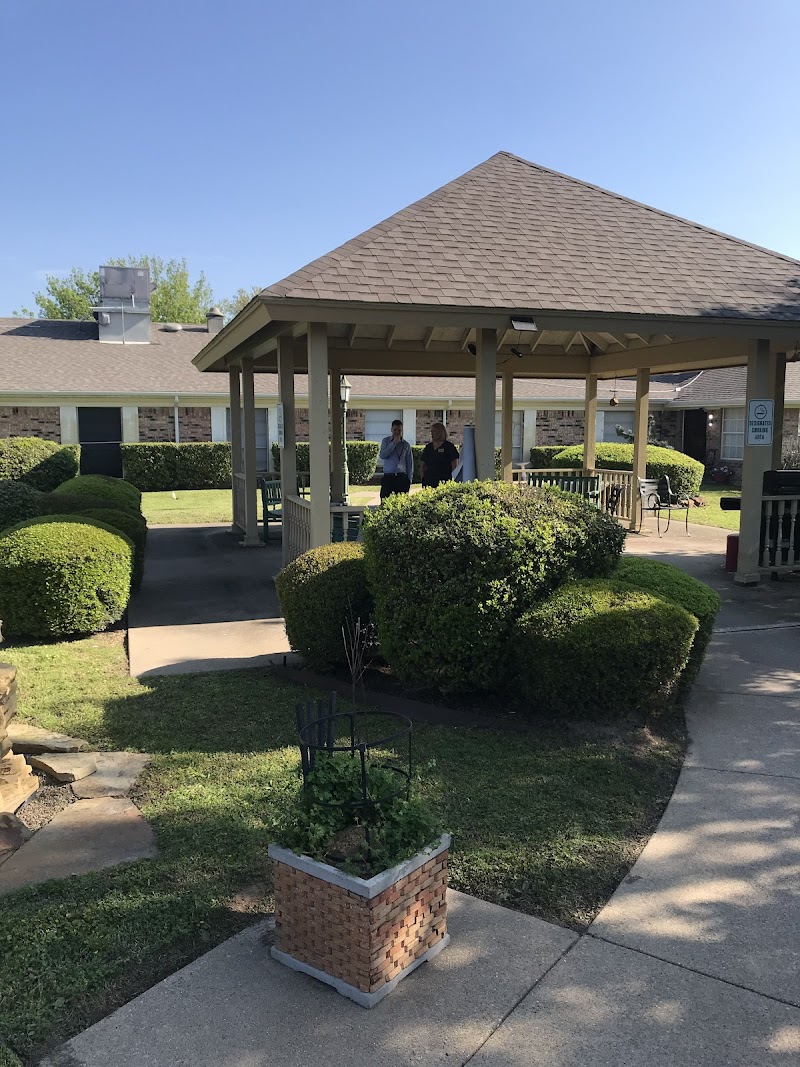
How is Crestwood Center Staffed?

CMS rates CRESTWOOD HEALTH AND REHABILITATION CENTER's staffing level at 1 out of 5 stars, which is much below average compared to other nursing homes. Staff turnover is 67%, which is 21 percentage points above the Texas average of 46%. High turnover can affect care consistency as new staff learn residents' individual needs.

What Have Inspectors Found at Crestwood Center?

State health inspectors documented 10 deficiencies at CRESTWOOD HEALTH AND REHABILITATION CENTER during 2022 to 2024. These included: 7 with potential for harm and 3 minor or isolated issues.

Who Owns and Operates Crestwood Center?

CRESTWOOD HEALTH AND REHABILITATION CENTER is owned by a for-profit company. For-profit facilities operate as businesses with obligations to shareholders or private owners. The facility is operated by THE ENSIGN GROUP, a chain that manages multiple nursing homes. With 117 certified beds and approximately 60 residents (about 51% occupancy), it is a mid-sized facility located in WILLS POINT, Texas.
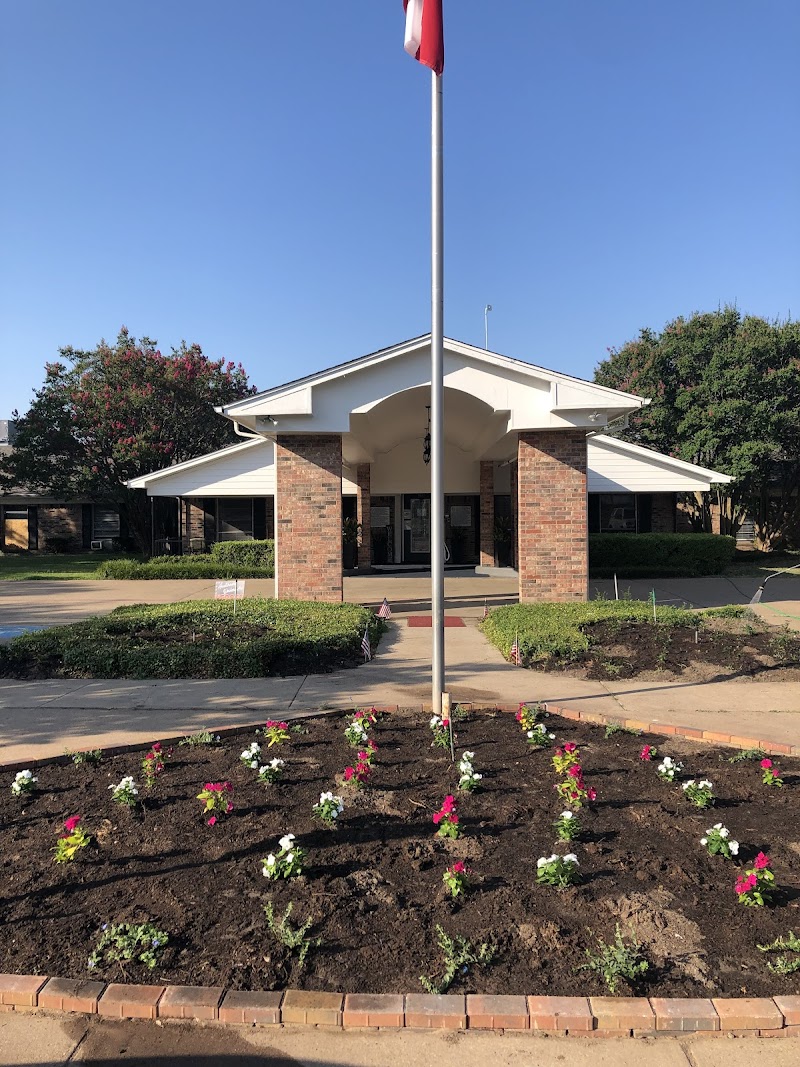
How Does Crestwood Center Compare to Other Texas Nursing Homes?

Compared to the 100 nursing homes in Texas, CRESTWOOD HEALTH AND REHABILITATION CENTER's overall rating (4 stars) is above the state average of 2.8, staff turnover (67%) is significantly higher than the state average of 46%, and health inspection rating (5 stars) is much above the national benchmark.

What Should Families Ask When Visiting Crestwood Center?

Based on this facility's data, families visiting should ask: "How do you ensure continuity of care given staff turnover, and what is your staff retention strategy?" "Can you walk me through typical staffing levels on day, evening, and night shifts?" "Can I visit during a mealtime to observe dining assistance and food quality?" "How do you handle medical emergencies, and what is your hospital transfer rate?" These questions are particularly relevant given the facility's high staff turnover rate and the below-average staffing rating.

Is Crestwood Center Safe?

Based on CMS inspection data, CRESTWOOD HEALTH AND REHABILITATION CENTER has a clean safety record: no substantiated abuse findings (meaning no confirmed cases of resident harm), no Immediate Jeopardy citations (the most serious violation level indicating risk of serious injury or death), and is not on the Special Focus Facility watch list (a federal program monitoring the lowest-performing 1% of nursing homes). The facility has a 4-star overall rating and ranks #1 of 100 nursing homes in Texas. While no facility is perfect, families should still ask about staff-to-resident ratios and recent inspection results during their visit.

Do Nurses at Crestwood Center Stick Around?

Staff turnover at CRESTWOOD HEALTH AND REHABILITATION CENTER is high. At 67%, the facility is 21 percentage points above the Texas average of 46%. High turnover means new staff may not know residents' individual needs, medications, or preferences. It can also be disorienting for residents, especially those with dementia who rely on familiar faces. Families should ask: What is causing the turnover? What retention programs are in place? How do you ensure care continuity during staff transitions?

Was Crestwood Center Ever Fined?

CRESTWOOD HEALTH AND REHABILITATION CENTER has no federal fines on record. CMS issues fines when nursing homes fail to meet care standards or don't correct problems found during inspections. The absence of fines suggests the facility has either maintained compliance or corrected any issues before penalties were assessed. This is a positive indicator, though families should still review recent inspection reports for the full picture.

Is Crestwood Center on Any Federal Watch List?

CRESTWOOD HEALTH AND REHABILITATION CENTER is not on any federal watch list. The most significant is the Special Focus Facility (SFF) program, which identifies the bottom 1% of nursing homes nationally based on persistent, serious quality problems. Not being on this list means the facility has avoided the pattern of deficiencies that triggers enhanced federal oversight. This is a positive indicator, though families should still review the facility's inspection history directly.