BROOKHAVEN NURSING AND REHABILITATION CENTER
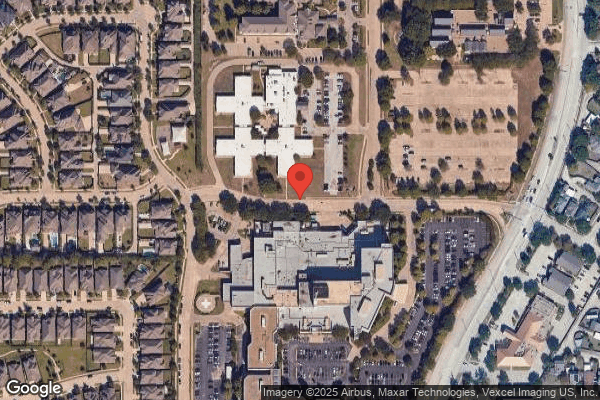
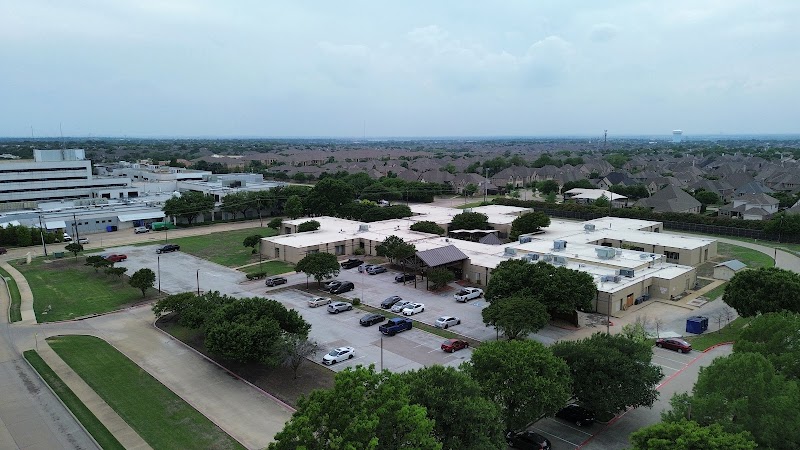
1855 CHEYENNE, CARROLLTON, TX 75010 (972) 394-7141
For profit - Corporation 180 Beds DYNASTY HEALTHCARE GROUP Data: November 2025 3 Immediate Jeopardy citations
Trust Grade
0/100
#656 of 1168 in TX
Last Inspection: June 2024

Within standard 12-15 month inspection cycle. Federal law requires annual inspections.

Overview

Brookhaven Nursing and Rehabilitation Center has received a Trust Grade of F, indicating significant concerns and a poor reputation among facilities. Ranking #656 out of 1168 in Texas places it in the bottom half, and #11 out of 18 in Denton County shows that there are only a few local options that are better. The facility is improving, with a reduction in issues from 22 in 2024 to just 3 in 2025. While staffing is relatively stable with a turnover rate of 51%, which is slightly above the Texas average, they do offer more RN coverage than 95% of facilities, which is a positive aspect. However, there have been critical incidents, including a failure to prevent resident abuse and incidents of residents eloping due to inadequate supervision and malfunctioning exit alarms, which raises serious safety concerns. Overall, while there are some strengths in staffing and trends, the facility's history of critical issues cannot be overlooked.

Trust Score
F
0/100
In Texas
#656/1168
Bottom 44%
Safety Record
High Risk
Review needed
Inspections
Getting Better
22 → 3 violations
Staff Stability
⚠ Watch
51% turnover. Above average. Higher turnover means staff may not know residents' routines.
Penalties
✓ Good
$15,467 in fines. Lower than most Texas facilities. Relatively clean record.
Skilled Nurses
○ Average
Each resident gets 38 minutes of Registered Nurse (RN) attention daily — about average for Texas. RNs are the most trained staff who monitor for health changes.
Violations
⚠ Watch
47 deficiencies on record. Higher than average. Multiple issues found across inspections.
★★☆☆☆
2.0
Overall Rating
★★☆☆☆
2.0
Staff Levels
★★☆☆☆
2.0
Care Quality
★★☆☆☆
2.0
Inspection Score
Stable
2024: 22 issues
2025: 3 issues

The Good

  • Full Sprinkler Coverage · Fire safety systems throughout facility
  • No fines on record

Facility shows strength in fire safety.

The Bad

2-Star Overall Rating

Below Texas average (2.8)

Below average - review inspection findings carefully

Staff Turnover: 51%

Near Texas avg (46%)

Higher turnover may affect care consistency

Federal Fines: $15,467

Below median ($33,413)

Minor penalties assessed

Chain: DYNASTY HEALTHCARE GROUP

Part of a multi-facility chain

Ask about local staffing decisions and management

The Ugly 47 deficiencies on record

3 life-threatening 1 actual harm
Oct 2025 1 deficiency 1 IJ (1 affecting multiple)
CRITICAL (K) 📢 Someone Reported This

A family member, employee, or ombudsman was alarmed enough to file a formal complaint

Immediate Jeopardy (IJ) - the most serious Medicare violation

Free from Abuse/Neglect (Tag F0600)

Someone could have died · This affected multiple residents

**NOTE- TERMS IN BRACKETS HAVE BEEN EDITED TO PROTECT CONFIDENTIALITY** Based on observation, interview, and record review, the facility failed to ensure residents were free from abuse for three (Resi...

Read full inspector narrative →
**NOTE- TERMS IN BRACKETS HAVE BEEN EDITED TO PROTECT CONFIDENTIALITY** Based on observation, interview, and record review, the facility failed to ensure residents were free from abuse for three (Residents #1, #3, and #4) of five residents reviewed for abuse.The facility Administrator and DON failed to protect Resident #1, Resident #3, and Resident #4 from abuse by Resident #2.On 09/09/25, Resident #2 pushed the wheelchair of Resident #4. Resident #4 hit Resident #2. Resident #2 hit Resident #4 back.On 09/29/25 Resident #2 cursed at Resident #1 and Resident #3. He also pulled out a knife from his shoe and threatened them with it.On 10/02/25 Resident #2 threated to kill Resident #1 and chased after her on 10/02/25. Resident #1 suffered psychosocial harm. An IJ was identified on 10/02/25. The IJ template was provided to the facility on [DATE] at 4:50 PM. While the IJ was removed on 10/03/25, the facility remained out of compliance at a scope of isolated and a severity level of potential for more than minimal harm because all staff had not been trained on the Plan of Removal. This failure could place residents at risk of continued abuse and harm.Findings included: 1.Record review of Resident #1 's admission MDS, dated [DATE], reflected she was a [AGE] year-old female admitted to the facility on [DATE]. Her BIMs score was 15. Her cognitive skills for daily decision making were intact. Her diagnoses included anxiety, depression, post-traumatic stress disorder, schizophrenia, and arthritis. The resident used an electric wheelchair. Record review of Resident #1's Care Plan, dated 09/15/25, reflected:Trauma Informed Care: Resident had a previous/recent traumatic event.Facility interventions included:Identify triggers (any stimulus that prompts recall of a previous traumatic event, even if the stimulus itself is not traumatic or frightening) which may re-traumatize resident: (specify triggers such as physical touch, tone of voice, object, sound, smell, sight, violent movie/news, etc.) Review of Resident #1's Nurse notes reflected:10/01/25 2:54 PM Psychiatrist FNP saw the resident who was referred to her for medical management. Received order to continue Xanax (anti-anxiety medication) 0.5 milligrams orally every eight hours for 30 days for anxiety. The resident was informed. Written by ADON M An interview on 10/02/25 at 12:45 PM with Resident #1 revealed she was outside in the smoking area during smoke break. Resident #1 was upset and said she felt Resident #2 was causing her psychosocial harm. She said Resident #2 was mentally abusing her. Resident #1 said Resident #2 threatened to kill her many times. She said she usually did not go out to the smoke area, but the ADON N was with Resident #2 where he was smoking away from the other residents. An interview on 10/02/25 at 12:55 PM with Resident #1 revealed she was upset. She said she wanted to know how to get a restraining order against Resident #2. 2.Record review of Resident #2's admission MDS, dated [DATE], reflected he was a [AGE] year-old male admitted to the facility on [DATE]. His BIMS score was 00. He sometimes understood sometimes and sometimes he understood others. The resident had delusions, physical behavioral symptoms directed toward others, and verbal behavioral symptoms directed toward others. His diagnoses included non-Alzheimer's dementia and schizophrenia. The resident used a manual wheelchair. Record review of Resident #2's Care Plan, dated 10/01/25, reflected:*Resident had episodes of verbal and physical behavioral symptoms as evidenced by poor impulse control with a diagnosis of schizophrenia.Facility interventions included: Analyze times of day, places, circumstances, triggers, and what de-escalates behavior and document.*Resident had a communication problem related to unclear speech and difficulty understanding and making self-understood.Facility interventions included: Be conscious of resident position when in groups, activities, and the dining room to promote proper communication with others. Record review of Resident #2's Notes written by RN A reflected:09/29/25 11:34 AM .Patient remain stable during this shift but continue to be non-compliant with care and verbally abusive to another resident this morning, the attention of this Nurse was called reporting patient was noted outside at the courtyard auguring with another resident and in the middle of the argument patient pull out a kitchen knife from his shoe, this Nurse immediately went outside at the courtyard and calmly assessed patient and ask patient if he have any knife on him, patient stated yes he has a knife and has taken it back to his room, this Nurse went straight to patient room and got the knife out of patient drawer in his room, this Nurse asked patient if he has any plans of hurting himself or others, patient replied NO this Nurse educate patient on safety precautions that must be observed at all time to keep him and other residents safe and that include not having any sharp object with him at any time and not getting close to any resident during an argument and to report any concerns he may have to the Nurse, supervisor or Administrator, patient verbalized understanding , patient refused his morning meds and bp check this morning, MD/DON notified, all safety and universal Precautions were observed, call light placed within patient reach, will continue to monitor patient. An observation and interview on 10/02/25 at 11:39 AM revealed Resident #2 was in the center of the main hallway. He was seated in his wheelchair with his leg extended out self-propelling in the hallway. The State Surveyor introduced self to Resident #2. Resident #2 started cursing at the State Surveyor and began wheeling himself away. The State Surveyor backed away from the resident. Resident #2 was yelling and cursing at everyone who walked by him. Resident #1 was in her electric wheelchair and propelled towards the State Surveyor. Resident #2 saw Resident #1 and started yelling, cursing and saying, calling the police and let the police come, and I will kill you. Resident #2 repeatedly screamed the sentences at Resident #1. Resident #1 yelled back at him and Resident #2 self-propelled himself towards Resident #1. There were multiple staff in the hallway observing and trying to redirect Resident #2. Resident #1 and the State Surveyor were pushed into the activity room to get away from Resident #2. There were 6 staff members who were trying to keep Resident #2 away from Resident #1. Resident #2 pulled out a lighter. Resident #1 was frantic and said she was afraid of Resident #2 and stayed in her room to get away from him. Resident #1 said Resident #2 had pulled a knife on her on 09/29/25 and she called the police. The police told her they could not do anything but would talk to Resident #2 and the staff. Resident #1 said she wanted to get out of the facility as fast as she could and she had to get her anxiety medication increased because of his behavior towards her. Resident #1 said she had reported the concerns to (unknown) facility staff, but nothing was done and that Resident #2 had the behaviors daily to others as well. Resident #1 said she did not file any grievances about Resident #2 because grievances did not work. An observation on 10/02/25 at 12:15 PM revealed Resident #2 was self-propelling himself in his wheelchair down the hall. At 12:20 PM, Resident #2 self-propelled himself into the dining room. Staff were assisting residents with their meals. Resident #2 passed by Resident #1 who was seated at a dining table. Resident #2 started yelling and cursing at Resident #1. Staff intervened and directed Resident #2 to his table to eat. 3. Record review of Resident #3's quarterly MDS assessment, dated 09/09/25 reflected he was a [AGE] year-old male admitted to the facility on [DATE]. His diagnoses included post-traumatic stress disorder and bipolar disorder. Record review of Resident #3's care plan, revised 05/08/25, reflected:The resident had a behavior problem related to suicidal ideations and multiple claims regarding suicide attempts with both staff and other residents.Facility interventions included: Monitor behavior episodes and attempt to determine underlying cause. Consider location, time of day, people involved, and situations. Document behavior and potential causes An interview on 10/02/25 at 11:15 AM with Resident #3 revealed he was awake, alert, and oriented to person, place, time, and situation. He said he did not feel safe at the facility. He said Resident #2 raised his anxiety and he wanted to move to a different facility. Resident #3 said he was not afraid of Resident #2 and could handle himself. A follow-up interview on 10/03/25 at 12:15 PM with Resident #3 revealed on 09/29/25 he was in the smoking area outside. He said Resident #2 was yelling and threatening Resident #1. Resident #2 reached into his tennis shoe and pulled out a butter knife. Resident #3 said Resident #2 threatened to kill him and Resident #1. Resident #3 said he grabbed his grabber stick and told Resident #2 it was bigger than his knife. Resident #2 said he would shoot Resident #1 and Resident #3. 4. Record review of Resident #4's quarterly MDS assessment, dated 10/01/25, reflected she was a [AGE] year-old female admitted to the facility on [DATE]. Her diagnoses included schizoaffective disorder, bipolar type. Record review of Resident #4's Care Plans, dated 10/02/25, reflected:The resident had a mood problem related to history of schizoaffective disorder with bipolar and anxiety.Facility interventions reflected: monitor/record/report to medical doctor as needed for mood patterns, signs/symptoms of depression, anxiety, sad mood as per facility behavior monitoring protocols. Review of the Provider Investigative Report dated 09/09/25 reflected:The Administrator and the DON concluded that Resident #2 saw his family member coming to visit and got excited to open the door. He then proceeded to move Resident #4 (who was in her wheelchair) out of the way. Resident #4 hit Resident #2 on the hands and Resident #2 hit Resident #4 back. No injuries noted. Staff would continue to redirect and monitor closely. Resident #2 was referred to psych for evaluation and treatment. An interview on 10/02/25 at 11:30 AM with Resident #4 revealed she was awake, alert, and oriented to time and situation. She said there was an incident between her and Resident #2 on 09/09/25. She said she was sitting in her wheelchair speaking to the Activity Director. Resident #2 told her to move. The Activity Director said she told Resident #2 to go around them. Resident #2 said no and pushed Resident #4's wheelchair out of the way. Resident #4 said she hit Resident #2 and he hit her back. She said she felt safe at the facility, but Resident #2 bothered Resident #1 also. Resident #4 said Resident #2 cursed at everyone. An interview on 10/02/25 at 12:35 PM with the DON revealed on 09/09/25, Resident #2 pushed Resident #4's wheelchair and Resident #4 hit Resident #2. Resident #2 hit Resident #4. The DON said the facility sent Resident #2 to a psychiatric hospital for one week . He said the police were called but could not do anything . The DON said Resident #2 was on enhanced supervision. The DON said Resident #2 was very loud. The DON said the facility was trying to send Resident #2 to a psychiatric facility after his actions towards Resident #1 on 10/02/25. The DON said Resident #2 would become abusive and abuse everyone around him. The DON said the staff had been very good about calming Resident #2 down. An observation and interview on 10/02/25 at 12:40 PM with the ADON N revealed he was sitting inside the facility. He was watching Resident #2 who was seated by himself in the smoking area outside. The ADON N said Resident #2 was placed on 1:1 monitoring at 11:45 AM. The ADON N said he did not know how Resident #2 got a lighter on 10/02/25. An interview on 10/02/25 at 1:45 PM with the Administrator revealed he had never observed Resident #2 have the behaviors of cursing and going after residents until 10/02/25. He said he self-reported the incident that occurred between Resident #2 and Resident #4 on 09/09/25 . He said Resident #2 was sent to a psychiatric facility and returned to the facility with medication changes. The Administrator said the resident had never threatened to kill any residents before 10/02/25. He said he had been trying to get Resident #2 admitted to a different facility following the incident on 09/09/25 and the SW had sent out many referrals. He said that Resident #2 was monitored closely, and staff would redirect him. The Administrator said he did not think Resident #2 was targeting Resident #1. He said Resident #2 had never threatened to kill Resident #1. The Administrator said he did not know of any incident that occurred on 09/29/25 of Resident #2 pulling a knife on Resident #1. He said he did not know how Resident #2 got a lighter on 10/02/25. A follow-up interview on 10/02/25 at 2:10 PM with the ADON N revealed Resident #2 had always been aggressive and some residents knew his temper and would poke the bear to get a reaction. The ADON N said Resident #2 did not threaten to kill residents prior to 10/02/25. The ADON N said to prevent Resident #2 from verbally abusing and going after residents, staff would re-direct them. He said he did not know why Resident #2 was targeting Resident #1 and said one day they would be good together and the next day they were not. He said Resident #2 had not threatened to kill Resident #1 until 10/02/25. The ADON N said on 09/29/25 he and the DON were in a meeting and were told Resident #2 had a knife in the smoking area, but they went outside and did not see a knife. He said he did not know Resident #1 called the police and he did not talk to them. He said he spoke to Resident #1 and Resident #2 about the incident on 09/29/25, but he never saw a knife. He said he did not know Resident #1 had her anxiety medication increased. The ADON N said the Administrator was notified about the incident on 09/29/25. A follow-up interview on 10/02/25 at 2:40 PM with the DON revealed he did not think Resident #2 was targeting Resident #1. The DON said he never heard Resident #2 threaten to kill residents. The DON said Resident #2 was on enhanced supervision to prevent him from verbally abusing and going after residents, but on 10/02/25 he was placed on 1:1 monitoring. The DON said on 09/29/25 Resident #1 and Resident #2 were outside smoking and talking. He said he was not aware of the police being called on 09/29/25 and the Administrator was notified about the incident. The DON said he thought RN A's documentation on 09/29/25 was incorrect because he never saw a knife. The DON said no one spoke to Resident #1 following the incident on 09/29/25. He said Resident #2 was not verbally abusing or threatening Resident #1. The DON said Resident #2 did not specifically curse at anyone. The DON said following the incident on 10/02/25, the facility was looking for another facility for Resident #2. The DON said he did not know that Resident #1 had her anxiety medications increased. An interview on 10/02/25 at 2:50 PM with RN A revealed on 09/29/25, the CNA told her that Resident #2 was in an argument with another resident and had pulled out a knife from his shoe. RN A said she took away the knife and told the DON. She said she did not know if Resident #2 threatened Resident #1. RN A said Resident #1 did call the police about the incident. RN A said all of her notes for 09/29/25 were correct. An interview on 10/02/25 at 3:55 PM with CNA B revealed Resident #2 was a bully to other residents and that the residents were not safe in the facility with him. An interview on 10/02/25 at 4:08 PM with CNA C revealed she was working on 09/29/25. She said Resident #2 had aggressive behaviors. She said the residents at the facility were not safe because there had been too many times when staff had to break up incidents between Resident #2 and other residents. She said on 09/29/25 Resident #1 and Resident #2 were outside smoking. Resident #1 and Resident #2 were bickering. CNA C said she was very scared, and she tried too re-direct him. Resident #2 said to Resident #1, I will cut you mother f***er and slice and dice you. CNA C said she searched and did not see the knife. An interview on 10/03/25 with an Anonymous person revealed Resident #2 had been threatening and going after residents since he was admitted . The Anonymous person said Resident #2 made specific threats including threatening to hit Resident #1 prior to 10/02/25. The Anonymous person said the DON did not address the issues of Resident #2. The Anonymous person said Resident #2 was not safe to be around other residents. An interview on 10/02/25 at 2:40 PM with the SW revealed she was told on 10/02/25 to find a facility for Resident #2 to go to. She said when Resident #2 returned from the psychiatric facility on 09/09/25, residents were very upset. The SW said she was told by the Administrator not to find him a different place to live, because he was their resident and they were going to make it work. Record review of the facility policy, Abuse Prevention Program, not dated, reflected:Our residents have the right to be free from abuse, neglect, misappropriation of resident property and exploitation. This was determined to be an IJ on 10/02/25 at 4:40 PM. The Administrator and the DON were notified. The Administrator was provided the IJ template on 10/02/25 at 4:50 PM. The following Plan of Removal was submitted by the facility and was accepted on 10/03/25 at 11:20 AM and reflected the following:Resident #2 was immediately placed on 1:1. Local law enforcement were called while alternative placement is being sought. At 3:45 PM Resident #2 was sent to the hospital for further evaluation and treatment. Resident # 2 returned to the facility at 10:00 PM and was placed on 1:1. Continue effort to find alternative placement. Discharge notice will be given after discussion with family. Will remain 1:1 until placement is found.Resident #1 was removed from Resident #2, and a head to toe was completed on Resident #1. The resident was found to be at their normal baseline, in addition had a trauma informed assessment was completed by the social worker and a psych referral was made for further assessment, Resident #1 was emotionally reassured of their safety and educated on the additional support. Facility Psych services contacted with no new order.The Ombudsmen were notified via email.The attending physician/Medical Director and family /responsible parties of both Residents #1 and # 2 were notified.On 10/02/25 safe surveys were initiated on all interviewable residents, no pattern or concerns were identified nor noted.Head-to-toe assessments were initiated on all nonverbal residents with no pattern or evidence of any deviation from all of the residents' normal baseline status.Resident #1 family/representative offered police intervention/reporting.State Self Report was initiated, intake # pending.Systematic ApproachOn 10/02/2025 An ad hoc QAPI meeting was held, in attendance were the: Medical Director (via TEAMS), Executive Director, DON and the Regional [NAME] President of Operations to review appropriate interventions and to review our present Policy and Procedures on: Abuse Prevention, Timely Reporting and Documentation. Review of the present policies was found to be sufficient and met state and federal requirements.EducationOn 10/02/25 The Abuse Prevention Coordinator was in re-serviced by the Regional [NAME] President of Operations, on the Abuse Prevention Protocol, to include a questionnaire and in service on abuse and neglect.Beginning on 10/02/25 - All staff were re-inserviced by the Administrator /Director of Nursing Services and/or Manager on Abuse Prevention Protocol/Reporting and Documentation.On 10/02/25 Additional Inservice's with competency were added for all staff: In addition, each staff member began inservicing with competency on Abuse Prevention/Timely Reporting and Documentation and Managing Residents with Behaviors.Any staff who were not present to complete the in-service by 10/02/25 would be required to complete the in-services at the start of their next shift before beginning work. New hires and PRN will also be in service prior to the start of their shift. The education will be conducted and monitored by the DON/Designee.MonitoringResident safe surveys and/or head to toe assessments will be conducted weekly x 4 weeks on all patients, then monthly x 3 months with oversite from the facility DON and Administrator.Employees will complete Abuse questionnaires / and in-servicing weekly x 4 weeks then monthly x 3 months with oversite and monitoring from the facility DON and Administrator.Quality AssuranceIn-servicing on Abuse and Neglect and any associated concerns will be included in the facility's monthly QAPI meeting for 3 months to include the Medical Director with oversight from the facility Administrator and DON. Monitoring the facility's Plan of Removal included the following: Record review of Resident #1's clinical records revealed the resident was assessed by the facility on 10/02/25. No injuries were noted. The Family Nurse Practitioner was notified. Record review of Resident #2's clinical records revealed the resident was sent to the hospital on [DATE] but returned to the facility the same night. The resident was placed on 1:1 monitoring. An observation on 10/03/25 at 12:20 PM revealed Resident #2 was sitting in his wheelchair in the hallway with the Administrator and transport drivers with a stretcher in the hall talking to the resident. On 10/03/25 at 12:35 PM Resident #2 got onto the stretcher and left the facility with the transport drivers. Interviews were conducted on 10/03/25 from 1:15 PM to 4:30 PM with staff from various shifts. The staff included LVN D, LVN E, CNA F, LVN G, CNA H, CNA I, CNA J, CNA K, CNA L, and the SW.All staff were able to identify:What abuse was and the different types of abuse. The staff understood abuse had to immediately be reported to the Administrator. An interview on 10/03/25 at 3:00 PM with the DON revealed his roles in the facility plan of removal included: Resident #2 was in a psychiatric hospital and when he returned, he would be placed on 1:1 monitoring. The DON said he spoke to Resident #1 and she was doing well. He said he completed a trauma and emotional assessment, and she was not fearful. The DON said he would ensure all assessments were completed and he would monitor residents for any signs and symptoms of distress, anxiety, or disturbance and ensure residents did not make threats to other residents. An interview on 10/03/25 at 3:20 PM with Resident #1 revealed she was upset. She said she was terrified about Resident #1 returning to the facility. She said the DON spoke to her and she told him she was still afraid of Resident #2. An interview on 10/03/25 at 3:55 PM with Resident #1 and the Corporate Nurse revealed prior to the conversation, Resident #1 did not feel safe. She was afraid Resident #1 would return to the facility, and she would be threatened by him or even discharged . The Corporate Nurse reassured the resident and told her Resident #1 would not be returning to the facility and she was not going to be kicked out. Resident #1 told the State Surveyor that after speaking with the Corporate Nurse she felt safe. An interview on 10/03/25 at 4:22 PM with the Administrator revealed he wanted to find Resident #2 a new placement. He said if the resident came back, he would be placed on 1:1 monitoring. He said Resident #2 was not appropriate to stay at the facility. He said he spoke to Resident #1 on 10/02/25 and she was fine. He said he had told the nurses to check with her every 1-2 hours and if anything was concerning at all to give him a call. He said his role in the Plan of Removal would be monitoring to ensure resident safe surveys and/or head-to-toe assessments would be conducted weekly x 4 weeks on all patients, then monthly x 3 months. Employees would also complete abuse questionnaires/and in-servicing weekly x 4 weeks then monthly x 3 months. An IJ was identified on 10/02/25. The IJ template was provided to the facility on [DATE] at 4:50 PM. While the IJ was removed on 10/03/25, the facility remained out of compliance at a scope of isolated and a severity level of potential for more than minimal harm because all staff had not been trained on the Plan of Removal.
Aug 2025 1 deficiency 1 Harm
SERIOUS (G) 📢 Someone Reported This

A family member, employee, or ombudsman was alarmed enough to file a formal complaint

Actual Harm - a resident was hurt due to facility failures

Free from Abuse/Neglect (Tag F0600)

A resident was harmed · This affected 1 resident

**NOTE- TERMS IN BRACKETS HAVE BEEN EDITED TO PROTECT CONFIDENTIALITY** Based on observation, interview, and record review, the facility failed to ensure residents had the right to be free from neglec...

Read full inspector narrative →
**NOTE- TERMS IN BRACKETS HAVE BEEN EDITED TO PROTECT CONFIDENTIALITY** Based on observation, interview, and record review, the facility failed to ensure residents had the right to be free from neglect for 1 (Resident #1) of 9 residents reviewed for neglect. 1. The facility failed to ensure Resident #1 was not neglected when she fell from her bed and remained on the floor beside her bed for approximately 4 hours on 07/30/25. 2. The facility failed to ensure RN A and CNA B did Routine Resident Checks every 2 hours on Resident #1 during their shift on 07/30/25. The non-compliance was identified as past non-compliance. The facility corrected the non-compliance before surveyor's entrance. These failures could place residents at risk for humiliation, fear, shame, agitation, decreased quality of life and possibly death. Findings included:Record review of Resident #1's admission Record revealed she was a [AGE] year-old female admitted to the facility on [DATE]. Resident #1's diagnoses included: hypokalemia (condition where the potassium levels in the blood are lower than normal), cerebral infarction (occurs when blood flow to the brain is interrupted, leading to brain tissue damage), depression, hypertension (high blood pressure), gastro-esophageal reflux disease (GERD) without esophagitis (a condition where stomach acid flows back into the esophagus without causing inflammation or damage to the esophageal lining), constipation, osteoarthritis in the right knee (joint disease that causes pain, stiffness, and swelling in the joints), and age-related osteoporosis without current pathological fracture (a condition that weakens bones, making them more prone to fractures), and dementia. Record review of Resident #1's Quarterly MDS assessment dated [DATE], reflected she had severe cognitive impairment with a BIMS score of 2. Resident #1 used a wheelchair and walking cane for assistance with mobility and was independent and did not require any assistance with rolling left and right, sit to lying, lying to sitting on the side of the bed, sit to stand, chair/bed-to-chair transfer, or toilet transfer. Resident #1 needed assistance with setup or clean-up with tub/shower transfer, walking 10 feet, walking 50 feet with two turns, and walking 150 feet. Resident #1 did not have any falls prior to being admitted to the facility. Record review of Resident #1's Care Plan reflected the following entries:An entry dated 06/29/2025 and revised on 08/26/2025 reflected: Focus: [Resident #1] was at risk for falls related to impaired balance/gait, weakness and use of psychotropic medications.Goal: [Resident #1 will have decreased risk for serious injury or hospitalization as a result of falling through the next assessment review period. Date Initiated: 08/29/2025, Revision on: 08/17/2025, Target Date: 07/30/2025 .Interventions: Discuss/review fall(s) at morning meetings, IDT/QA meetings, and as indicated.Date Initiated: 06/29/2025 Encourage locking of brakes on Wheelchair.Date Initiated: 06/29/2025 Encourage resident to voice needs as well as to seek/await staff assist with transfers.Date Initiated: 06/29/2025 Encourage use of self-help devices as indicated.Date Initiated: 06/29/2025 Ensure glasses are clean, in good repair and worn appropriately.Date Initiated: 06/29/2025 Ensure resident wears appropriate, well-fitting footwear to minimize the risk ofSlipping.Date Initiated: 06/29/2025 Fall risk quarterly and prn per facility policy.Date Initiated: 06/29/2025 Keep call light within reach.Date Initiated: 06/29/2025 Keep environment clear of unnecessary objects. Keep bed locked and in lowest position unless otherwise ordered/indicated.Date Initiated: 06/29/2025 Nursing staff will monitor for side effects/adverse reactions to medications.Date Initiated: 06/29/2025 Refer to therapies and/or restorative, as indicated.Date Initiated: 06/29/2025 Safety training, retraining and education as needed.Date Initiated: 06/29/2025 An entry dated 08/26/2025 reflected: Focus: [Resident #1] was at risk for skin breakdown due to decreased mobility.Goal: [Resident #1] will have no skin breakdown in the next 90 days. Date Initiated: 08/26/2025 and Target Date: 07/30/2025. There were no Interventions in place. Record review of Resident #1's Skin Assessment for 07/30/25 at 5:00 AM due to an un-witnessed fall revealed, that Resident #1 had a small scrape on her upper right arm and denied pain. Record review of Resident #1's Neurological Check on 07/30/25 at 6:14 AM, revealed that she was complaining of vomiting and diarrhea. [Resident #1] denied any pain or discomfort or emotional distress. Record review of Resident #1's X-rays on 07/31/25 revealed that impressions were taken of the skull, hips, and chest and the findings revealed that there was no evidence of any fractures present in all areas. Record review of the facility's Admissions List for 02/01/25 to 08/26/25 revealed that Resident #1 was admitted to the facility from an acute care hospital on [DATE]. Record review of the facility's Incident Logs for 02/26/25 to 08/26/25 revealed on 07/30/25 at 5:00 PM, Resident #1 had an unwitnessed fall. Record review of the facility's In-service Training Log reflected that the staff's previous training on Resident Rights was conducted by Administrator on 07/23/25. The In-Service Training Logs reflected the staff were trained on the facility's policies and procedures on Resident Rights. The In-Service Training Attendance Roster reflected that the trainings were attended by all staff except RN A and CNA B. Record review of the facility's Staff Schedule for 07/29/25, revealed that RN A and CNA B were assigned to the evening shift on the 200 Hall where Resident #1 resided. Record review of the facility's In-service Training Log dated 07/30/25, reflected that the trainings were conducted by Administrator. The In-Service Training Logs reflected the staff were trained on the facility's policies and procedures on Abuse/Neglect, Resident Rights, Routine Round Checks, Call Lights, and Fall Preventions. The In-Service Training Attendance Roster reflected that the trainings were attended by all staff except RN A and CNA B. Record review of the employee files for RN A and CNA B revealed on 07/30/25 both staff members were suspended pending the facility's investigation of Resident #1's fall during the evening shift on 07/29/2025. Both staff members were terminated on 07/30/25 due to policy/procedure violation, prohibited conduct, safety violations, and unsatisfactory job performance which led to Resident #1's unwitnessed fall on 07/30/25. Both employee files did not reveal any other infractions or disciplinaries regarding resident neglect. Record review revealed on 07/30/25, the facility conducted Safe Surveys with the residents in the facility, and all stated that their needs were being met at the facility and did not have any concerns regarding abuse and neglect. Record review of the facility's Provider Investigation Report dated 08/06/25 revealed, RN A was the Charge Nurse on duty and CNA B was also on duty assigned to the 200 and 300 halls during the evening shift on 07/30/25, which was from 6 PM to 6 AM. On 07/30/25 at approximately 4:30 AM, [Resident #1] was observed by FM to have fallen and remained on the floor or an extended period of time. FM voiced concerns regarding the night shift doing routine checks during their shifts. [Resident #1] had a head-to-toe assessment which revealed a skin tear to her upper right arm. RN A and CNA B were immediately suspended and later terminated due to not following the facility's Routine Round Check Policy. The finding of Founded due to the neglect of RN A and CNA B. In a telephone interview with RN A on 08/26/25 at 4:25 PM revealed, that she was employed at the facility for 2 years as of 07/30/25. RN A stated that she worked the 6P-6A shift on 07/30/25. RN A stated that CNA B worked the 6P-6A shift on 07/30/25. RN A stated that herself and CNA B were assigned 2 hallways on 07/30/25. She stated at the beginning of her shift, she would do her rounds and check on residents to see how they were doing. RN A stated that Resident #1 was independent but needed some assistance with her ADL's due to her having some muscle weakness. RN A stated that Resident #1 appeared to be fine and did not appear to be in any distress or discomfort when she checked on her at the beginning of her shift. RN A stated that Resident #1 did not like to be awakened during the night and preferred to keep her door ajar or closed. RN A stated that if Resident #1's door was opened throughout the night, she would become disturbed in her sleep. RN A stated that during her shift on 07/30/25, Resident #1 had nausea and was vomiting due to her having some health issues. RN A stated that she did not Check-In with Resident #1 during her shift because she became busy with tasks such as assisting other residents and passing medications to residents. RN A stated that she was doing her rounds around 4:30 AM on 07/30/25, she heard some noise and observed Resident #1 on the floor beside her bed. She stated that Resident #1 stated that she had fallen on the floor after self-ambulating herself to the bathroom. RN A stated that Resident #1 did not know how long she remained on the floor after her fall. RN A stated that Resident #1 had a camera in her room that recorded the resident's fall on 07/30/25. RN A stated that after she observed Resident #1 on the floor, she contacted CNA B and told her that Resident #1 had fallen out of the bed and they picked up Resident #1 and placed her on her bed. RN A stated that Resident #1 complained of dizziness after the fall, and she was given a head-to-toe assessment. Resident #1's head-to-toe assessment revealed a small tear on Resident #1's right elbow. RN A stated that she took Resident #1's vital signs and everything looked good. RN A asked Resident #1 if she needed anything to drink and/or eat and she told her no, she wanted to go to sleep. RN A stated that after the fall, she did not observe any bruises on Resident #1. RN A stated that the x-ray technician came to the facility and gave Resident #1 an x-ray, which revealed no injuries. RN A stated that Resident #1 also received a Neurological Check, which revealed no concerns. She stated that after x-ray technician left Resident #1's room, she went to sleep. RN A stated that after Resident #1's fall, she notified the FM, physician and called the DON and she made an incident report. She stated that she called Resident #1's FM and left a voicemail message informing her about Resident #1's fall. RN A stated that prior to 07/30/25, Resident #1 did not have any history of falls. RN A stated that she could not remember the last In-Service she received on abuse, neglect, falls, and routine resident checks but she had taken the Trainings at least once or twice a week. RN A stated that neglect was when a resident has their Call Light on and the Call Light remains on for a long amount of time and no one answers the Call Light. RN A stated that she was told by the DON and Administrator that she would be suspended from working at the facility pending the facility's investigation on the incident. RN A stated that she was notified by the Administrator that her employment was terminated due to not following the facility's policy, Routine Resident Checks, which stated that Routine Resident Checks should be done on every shift at least every 2 hours. RN A stated that there was a potential risk of Resident #1 being on the floor for 4 hours without any assistance. RN A stated the Resident #1 could have been harmed by being unconscious, have serious injuries and fractures bones. Record review of CNA B's undated statement, Fall Incident Statement revealed, Upon the return from her 45-minute lunch break on 07/30/25 at approximately 4:00 AM, RN A called her to come to [Resident #1's] room because she needed assistance. CNA B stated that she entered the room and observed [Resident #1] on the floor. Resident #1 told CNA B that she went to the bathroom and became dizzy. RN A and CNA B assisted [Resident #1] by placing her into her bed. CNA B gave [Resident #1] the call light and advised her not to attempt to go to the bathroom without assistance. [Resident #1] told CNA B that she called for help verbally. CNA B stated that she told [Resident #1] that no one heard her and to use the call light for assistance. CNA B stated that [Resident #1] typically walked with the assistance of her walking cane and she was unsure if [Resident #1] used her walking cane when she walked to the bathroom. CNA B stated that [Resident #1's] cane was observed near her bed rail. CNA B stated that [Resident #1] asks for her door to remain shut at all times and she had not entered [Resident #1's] room for a couple of hours during her shift and was unsure how long [Resident #1] was on the floor. [sic] During an observation of Resident #1's room on 08/26/25 at 4:01 PM, revealed that the Call Light was operable and was in reach. Resident #1's wheelchair was observed beside her bed. Resident #1 was not in her room. In a telephone interview with [Resident #1's] FM on 08/26/25 at 4:50 PM, she stated that she was [Resident #1's] RP/FM. The FM stated that Resident #1 was admitted to the facility on [DATE] for Long Term Care. The FM stated that Resident #1 had a camera in her room. The FM stated on 07/30/25 at 5:09 AM, she received a voicemail from RN A stating that she was making rounds throughout the facility and found [Resident #1] sitting on the floor. RN A stated that when she asked [Resident #1] what happened, she said that she was going to the bathroom and she felt dizzy and decided to sit down on the floor. RN A stated that [Resident #1] had some bruising on her right hand and nowhere else. The FM stated that she was asleep when RN A telephoned her and left the voicemail message. The FM stated that she got up around 8:00 on 07/30/25, listened to the voicemail message and thought that it was weird that [Resident #1] would get out of her bed and just sit on the floor because she had never done anything like that in the past. The FM stated that she decided to look at the video camera footage on the day of the incident. The FM stated that the video camera footage revealed that [Resident #1] had a fall on 07/30/25 around 12:30 AM and remained on the floor until about 4:30 AM until RN A seen her and CNA B assisted [Resident #1] with getting back into her bed. The FM stated that she felt like the facility staff were negligent due to no one checking in on her mom for 4 hours. The FM stated that [Resident #1] initially sustained a tear on her right arm near her elbow after the fall. She stated that a couple of days later, Resident #1 had a bruise to her check, left lower leg. The FM stated that Resident #1 had not had any falls prior to being admitted to the facility. The FM stated that she did not want to get anyone at the facility into any trouble, but she felt like the staff were negligent by not checking in on [Resident #1] during the evening shift on 07/30/25. An observation of video footage sent to HHSC Surveyor from Resident #1's FM on 08/26/25 at 5:22 PM revealed the following: On 07/30/25 at 00:56 (12:56 AM) Resident #1 was observed sitting on the edge of her bed upright, with both of her feet on the floor. Resident #1 was observed leaning towards her headboard and grabbing her cane. Resident #1 was observed then standing up, Resident #1 appeared to be unbalanced and attempted to regain her balance. Resident #1 was then observed to take about 10 steps forward when she falls forward and out of view of the camera. The floor was free of any obstacles. Resident #1 did not vocalize anything such as pain or for help. Resident #1 was observed in the bottom corner of the camera getting on her knees then the video ends. On 07/30/25 at 4:38 AM Resident #1 was observed sitting on her buttocks near the middle/bottom half of her bed, her legs are not able to be seen as they are out of view of the camera. Resident #1's cane was observed near her pillow propped up against the bed. Audio can be heard of [RN A] stating she needs help another lady's voice [CNA B] asks, with what and [RN A] says she's on the floor. On 07/30/25 at 4:39 AM, [RN A and CNA B] were observed entering Resident #1's room. RN A was heard stating she's never done this before she can walk and then telling Resident #1 Okay we need to get you up and asks Resident #1 How you feeling? to which Resident #1 was heard saying Good, I think. Both staff members were observed assisting Resident #1 from the floor to the bed, Resident #1 was observed telling CNA B that she was going to the bathroom. On 07/30/25 at 4:41 AM, CNA B was observed placing the call light within reach of Resident #1 and both staff [RN A and CNA B] tell Resident #1 to call and to use her call light and they will come help her and Resident #1 replied, Yes I know. On 07/30/25 at 4:42 AM RN A was observed taking Resident #1's vital signs and noted that Resident #1 was hurt on her elbow and asked Resident #1 if she got hurt to which Resident #1 stated yes and CNA B asked her if she hit her head and Resident #1 stated No and shook her head. CNA B then tells Resident #1 that she will be back to clean her elbow. On 08/26/25 at 10:28 AM, an attempted telephone call to CNA B was unsuccessful. In an interview with CNA C on 08/27/25 at 11:50 AM, he stated that he had been employed at the facility for 14 years. CNA C stated that he was not on duty when Resident #1 had a fall on 07/30/25. CNA C stated that he had taken In-Service Trainings on Abuse, Neglect, Falls, Fall Prevention and Routine Resident Checks sometime last month. CNA C stated that In-Service Trainings were conducted by the Abuse Coordinator who is the Administrator. CNA C stated that In-Service Trainings are ongoing and are done every time an incident happened at the facility, such as an allegation of abuse, neglect and resident falls, and call lights. CNA C stated that Routine Resident Checks are to be done every 2 hours or as needed depending on the resident's needs. CNA C stated that if he observed a resident on the floor, he would make sure that the resident was safe and then he would notify his Nurse and inform him/her what happened. CNA C stated that if a resident was left alone on the floor for 4 hours it was resident neglect. He stated that residents should not be on the floor and left unattended for that amount of time, which was excessive. CNA C was able to define and provide examples of resident neglect and was able to provide a detailed understanding of each. CNA C stated that the risk of a resident remaining on the floor for a long period of time can affect a resident's psychological well-being and cause harm such as injuries and fractured bones. In an interview with the CNA D on 08/27/25 at 11:57 AM, she stated that she had been employed at the facility for 5 years. CNA D stated that she was not on duty when Resident #1 had a fall on 07/30/25. CNA D stated that she had taken several In-Service Trainings on Abuse, Neglect, Falls, Fall Prevention and Routine Resident Checks during her tenure at the facility. CNA D stated that In-Service Trainings were conducted by the Abuse Coordinator who is the Administrator, and the DON. CNA D stated that In-Service Trainings are always being done with all staff every time an incident happened at the facility, such as an allegation of abuse, neglect and resident falls, and call lights. CNA D stated that Routine Resident Checks are to be done every 2 hours or as needed, such as if a resident turns on their Call Light. CNA D stated that if she observed a resident on the floor, she would talk to the resident to ensure that the resident was safe and did not need any emergency medical attention. CNA D stated that she would then notify her Charge Nurse and inform him/her what happened. CNA D stated that if a resident is left alone on the floor for 4 hours it is resident neglect. CNA D stated that she was not aware of any residents being abused or neglected at the facility. CNA D stated that if she suspected that a resident was being abused or neglected, she would notify the Abuse Coordinator/Administrator. CNA D stated that a resident should not be on the floor and left unattended for 4 hours, which was too long. CNA D was able to define and provide examples of resident neglect and was able to provide a detailed understanding of each. CNA D stated that the risk of a resident remaining on the floor for a long period of time is that the resident could be seriously hurt or injured, which meant that the resident needed emergency services. In an interview with the Administrator on 08/27/25 at 1:49 PM, he stated that the DON was not available due to being ill and out on Leave. The Administrator stated that on 07/30/25, Resident #1 had a fall during the evening shift and was found on the floor by RN A. He stated that RN A and CNA B assisted Resident #1 back to her bed. He stated that RN A asked Resident #1 what happened and how did she fall? He stated that RN A stated that Resident #1 told both staff members [RN A and CNA B] that she got out of the bed and felt dizzy and had fallen on the floor. RN A checked the resident for s/s of any injuries, bruises and marks via a head-to-toe assessment. RN A stated that Resident #1 stated that she was dizzy and the head-to-toe assessment revealed that Resident #1 had a small skin tear on her upper right arm near her elbow. The Administrator stated that Neurological Checks, X-rays, and Skin Assessments were completed on 07/30/25, which revealed that the resident did not have any serious injuries including fractures. He stated that Resident #1's RP and physician were notified after the incident. The Administrator stated that he was informed by Resident #1's FM that a voicemail was received from RN A on the early morning of 07/30/25, which stated that resident had a fall. The FM notified the Administrator and DON and provided video camera footage that revealed that Resident #1 was on the floor for an excess of 4 hours. The Administrator stated that he suspended and later terminated both RN A and CNA B due to them not abiding by the facility's policy for Routine Resident Checks, which were to be done on residents every 2 hours. The Administrator stated that both staff members [RN A and CNA B] admitted that they did not perform routine resident checks during their shift on 07/30/25, which led to Resident #1 being left on the floor unattended. He stated that himself and the DON viewed the videos and stated that both staff members were negligent for leaving the resident on the floor after her fall on 07/30/25. The Administrator stated that he immediately began In-Service Trainings with all staff on Reporting Abuse, and Neglect, Abuse and Neglect, Falls, Falls Prevention, Call Lights, and Routine Resident Checks. The Administrator stated that he also conducted Safe Surveys with residents in the facility, which revealed that the sampled residents did not have any concerns regarding their safety and the care they were receiving at the facility. The Administrator stated that all the In-Service Trainings will be ongoing for all staff monthly. The Administrator stated there was a risk when a resident is left alone unattended on the floor for 4 hours, which meant that the staff did not perform routine resident checks while Resident was on the floor. He stated that there are risks included the resident not having their medical needs and concerns taken care of. The Administrator stated that harm included psychological and mental well-being and serious injuries. On 08/27/25 at 2:47 PM attempted Telephone Calls to RN A and CNA B were unsuccessful. During an observation on 08/27/25 at 2:51 PM, Resident #1 was observed in the Dining Room, sitting alone in a chair with a walking cane beside her. She was well-dressed and groomed and was participating in an activity with other residents. The activity was being conducted by the Activity Director. During an observation and interview with Resident #1 in the dining room on 08/27/25 at 3:15 PM, Resident #1 was observed sitting at a table by herself. There were approximately six residents still sitting in the Dining Room. Resident #1 stated that she had 1 fall since she had been admitted to the facility. Resident #1 stated that on the day of the incident in the middle of the night, she had to use the restroom and attempted to get out of her bed and her legs were weak and she had a fall. Resident #1 stated that she was unable to crawl to her bed to press the call light for help. She stated that she was on the floor for a long period of time, but she was unable to provide a timeframe of how long she was on floor. Resident #1 stated that she did not remember hitting her head on anything during or after her fall from the bed. Resident #1 reported that she had a scrape on her right arm and a bruise on her left leg after she fell. She stated that after she fell onto the floor, she did not yell for help and remained on the floor. She stated that she was not in any pain or distress after she fell on the floor. She stated that she keeps her door cracked throughout the day and night. She stated that RN A saw her on the floor and then CNA B assisted RN A with placing her onto her bed. Resident #1 stated prior to her fall on 07/30/25, she had not had any issues in the past getting out of her bed and self-ambulating to the restroom. She stated that she did not recall any staff coming into her room to check on her when she was sleeping. She stated that she does not like to be awakened at night. Resident #1 stated that she feels safe at the facility, and she did not have any concerns regarding the care she was receiving at the facility. An observation of Resident #1 and interview on 08/27/25 at 4:03 PM, revealed that there was a small approximately 1-inch scrape to her upper right forearm and a pink bruise on her left calf. Resident #1 stated that she did not have any other injuries on her body, including her face and head areas after the fall on 07/30/25. Resident #1 stated that she had not had any falls prior to being admitted to the facility. Resident #1 stated that she had not had any falls at the facility since her fall on 07/30/25. Record Review of the voicemail sent to HHSC Surveyor from Resident #1's FM on 08/27/25 at 4:41 PM revealed the following:[RN A] telephoned the FM and stated, Hi [FM} this is the Nurse from [the facility] and this is about [Resident #1]. RN A stated, while making rounds, she was found on the floor in a sitting position. When resident was asked what happened, resident stated that she was going to the bathroom, she felt dizzy so she sat down on the floor and she did not get hurt or anything, just a little bruise on her right hand and nothing else, it was not bleeding just a little scratch and I gave her two medications and I just wanted to let you know, thank you. The Timestamp on the voicemail recording was 07/30/25 at 5:09 AM. On 09/02/2025 at 2:48 PM, an email was received from the Administrator which included a Statement from the DON about Resident #1's fall on 07/30/25. The DON's Statement stated, [DON} was notified by the Nurse, [RN A] that [Resident #1] had fallen in her room. [RN A] was making her rounds when she had [sic] calling for help. [DON] instructed [RN A] to do head-to-toe assessment on [Resident #1] and note any injury, any complaint of pain, any skin swelling or skin breakdown. [DON] also instructed her to inform the family, inform MD and request for x-ray to any body part, and initiate neuro-checks on [Resident #1]. All of the above instructions were carried out by the Nurse [RN A]. In the IDT meeting the next morning, we reviewed the fall and noted that the resident ambulated independently using a cane and liked for her door to be closed when she was in her room, including at nighttime. The x-rays were done and were negative for any injuries for [Resident #1]. The Nurses on each shift were advised to continue monitoring [Resident #1] for pain and emotional distress. The DON's Statement of Fall incident Report on 07/30/20245 was signed by the DON. Record review of facility's policy for Resident Rights, undated, reflected, Policy StatementEmployees shall treat all residents with kindness, respect, and dignity.Policy Interpretation and Implementation1.Federal and state laws guarantee certain basic rights to all residents of this facility. These rights include the resident's right to:a. a dignified existence;b. be treated with respect, kindness, and dignity;c. be free from abuse, neglect.2. Staff will have appropriate in-service training on resident rights prior to having direct-care responsibilities for residents. Record review of facility's policy for Abuse Prevention Program, undated, reflected, Policy StatementOur residents have the right to be free from abuse, neglect, misappropriation of resident property and exploitation. This includes but is not limited to freedom from.involuntary seclusion, verbal, mental.Policy Interpretation and ImplementationAs part of the resident abuse prevention program, the administration will:1. Protect our residents from abuse by anyone including, but not necessarily limited to: facility staff.or any other individual.3. Develop and implement policies and procedures to aid our facility in preventing abuse, neglect, or mistreatment of our residents.4. Require staff training/orientation programs that include such topics as abuse prevention, identification andreporting of abuse, stress management, and handling verbally or physically aggressive resident behavior.5. Implement measures to address factors that may lead to abusive situations, for example:a. Provide staff with opportunities to express challenges related to their job and work environment.6. Identify and assess all possible incidents of abuse;7. Investigate and report any allegations of abuse within timeframes as required by federal requirements;8. Protect residents during abuse investigations;9. Establish and implement a QAPI [VT15] review and analysis of abuse incidents; and implement changes to prevent future occurrences of abuse; and10. Involve the resident council in monitoring and evaluating the facility's abuse prevention program. Record review of facility's policy for Routine Resident Checks, dated 2001, revised July 2013, reflected, Policy StatementStaff shall make routine resident checks to help maintain resident safety and well-being.Policy Interpretation and Implementation1.To ensure the safety and well-being of our residents, nursing staff shall make a routine check on each unit at least once every 2 hours and as needed.2.Routine resident checks involve entering the resident's room and/or identifying the resident elsewhere on the unit to determine if the resident's needs are being met, identify and change in the resident's condition, identify if the resident has any concerns, and if the resident is sleeping, needs toileting assistance, etc.3.The person conducting the routine check shall report promptly to the Nurse Supervisor/Charge Nurse any changes in the resident's condition and medical needs.4.The Nursing Supervisor/Charge Nurse shall keep documentation related to these routine checks, including the time, identify of the person making checks, and any outcomes of each check. (Note: CNA's may also record this information and provide it to the Nurse Supervisor/Charge Nurse).
Feb 2025 1 deficiency
CONCERN (D) 📢 Someone Reported This

A family member, employee, or ombudsman was alarmed enough to file a formal complaint

Potential for Harm - no one hurt, but risky conditions existed

Deficiency F0726 (Tag F0726)

Could have caused harm · This affected 1 resident

Based on interviews and record review, the facility failed to ensure sufficient nursing staff with appropriate competencies and skills set to provide nursing and related services for one (Hospitality ...

Read full inspector narrative →
Based on interviews and record review, the facility failed to ensure sufficient nursing staff with appropriate competencies and skills set to provide nursing and related services for one (Hospitality Aide A) of three employees reviewed for staff qualifications. 1. The facility failed to ensure Hospitality Aide A had a current nurse aide certification while employed at the facility while actively providing care for residents on 02/12/25: 6:00 AM - 2:00 PM shift, 02/10/25: 6:00 AM - 2:00 PM shift, 02/08/25: 6:00 AM - 2:00 PM shift, 02/07/25: 6:00 AM - 2:00 PM shift. This failure could result in residents being provided care by staff who do not have the training and competency needed for providing care. Findings include: Record review of Hospitality Aide A's personnel file revealed her date of hire was not listed. She did not have a CNA license. Record review of the facility's schedule revealed Hospitality Aide A was listed as a CNA and counted as a CNA in the numbers for the schedule on dates: 02/12/25: 6:00 AM - 2:00 PM shift 02/10/25: 6:00 AM - 2:00 PM shift 02/08/25: 6:00 AM - 2:00 PM shift 02/07/25: 6:00 AM - 2:00 PM shift An interview on 02/12/25 at 2:00 PM with Hospitality Aide A revealed she was working on Hall 300. She said her job duties included making beds and taking out the trash. She said she helped CNAs provide care to residents. She also said that when the facility was short of staff, she would feed residents, perform incontinence care, and work as the second staff for two person transfers. Hospitality Aide A said she had finished school to be a CNA but had not taken her CNA test. An interview on 02/12/25 at 2:35 PM with ADON revealed she assisted with staffing. She said Hospitality Aide A did not have a CNA license. The ADON said Hospitality Aide A was not supposed to work by herself. The ADON said Hospitality Aide A was not supposed to be counted in the schedule numbers and was supposed to work as an extra staff as a Hospitality Aide. The ADON said 7 CNAs were required for the 6:00 AM - 2:00 PM shift and 6 CNAs were required for the 2:00 PM - 10:00 PM shift. The ADON said when she made the schedule she included Hospitality Aide A in the numbers, but she was supposed to work with another CNA. An interview with the DON on 02/12/25 at 3:45 PM revealed he was aware that Hospitality Aide A did not have a CNA license. The DON said Hospitality Aide A was not allowed to provide care independently. The DON said there was no risk to the resident for Hospitality Aide A to work, because he would never allow her to work independently. The DON said he did not know Hospitality Aide A was counted as a CNA in the schedule numbers even though he reviewed the schedule every day. He said he never saw Hospitality Aide A work without another CNA. The Administrator was asked to provide a facility policy for competent nursing staff on 02/12/25 at 4:23 PM. The Administrator failed to provide the policy prior to exit on 02/12/25.
Dec 2024 1 deficiency 1 IJ
CRITICAL (J) 📢 Someone Reported This

A family member, employee, or ombudsman was alarmed enough to file a formal complaint

Immediate Jeopardy (IJ) - the most serious Medicare violation

Accident Prevention (Tag F0689)

Someone could have died · This affected 1 resident

**NOTE- TERMS IN BRACKETS HAVE BEEN EDITED TO PROTECT CONFIDENTIALITY** Based on observation, interview and record review, the facility failed to ensure the residents environment remained as free of a...

Read full inspector narrative →
**NOTE- TERMS IN BRACKETS HAVE BEEN EDITED TO PROTECT CONFIDENTIALITY** Based on observation, interview and record review, the facility failed to ensure the residents environment remained as free of accident hazards as is possible and ensure each resident received adequate supervision for 1 of 4 residents (Resident #27) reviewed for accidents and supervision. 1) The facility failed to ensure Resident #27 had adequate supervision when he eloped from the facility on 11/12/24 at 4:41 p.m. The resident left the building through a door which did not sound an alarm when he exited. On 11/13/24, the police found Resident #27 when he attempted to enter a school. The police returned Resident #27 to the facility at 8:24 a.m. Resident #27 was gone from the facility over 15 hours and his whereabouts during the time he was missing were unknown. 2) The facility failed to ensure all exit doors were armed to go off with an alarm sound to notify staff the door was opened. The noncompliance was identified as PNC, past non-compliance. The IJ, Immediate Jeopardy, began on 11/12/24 and ended on 11/13/24. The facility had corrected the noncompliance before the survey began. This deficient practice placed residents at risk for unsafe elopements, falls, injuries, dehydration, and hospitalization. Findings included: Record Review of Resident #27's face sheet revealed he was a [AGE] year-old male, admitted to the facility for respite care on 11/4/24 and was discharged on 11/18/24. Resident #27's diagnoses included: Unspecified Dementia (loss of memory, language, problem solving and other thinking abilities that interfere with daily life), Behavioral Disturbance (can include changes in mood, perception, thoughts and behavior), Psychotic Disturbance (a mental illness that causes a person to lose touch with reality), Mood Disturbance (mental health condition affects your emotional state), Anxiety, Type 1 Diabetes Mellitus (condition where the pancreas make little or no insulin, which leads to high blood sugar levels), and Depression. Record Review of Resident #27's admissions Minimum Data Set/MDS assessment, dated 11/17/24 revealed a BIMS score of 00 which indicated severe cognitive impairment. The MDS showed the resident's wandering impact placed him at a significant risk of getting to a potentially dangerous place. Also, Resident #27 was frequently incontinent of bowel and bladder. Record Review of Resident #27's Care Plan dated 11/4/24, showed resident is an elopement risk .Disoriented to place, Resident wanders aimlessly and has wander guard, designed to support the safety and independence of residents by monitoring their movements and gently preventing them from unintentionally leaving the facility, to left leg. The facility was to intervene with these behaviors by distract resident from wandering by offering pleasant diversions .resident prefers and redirect from doorways and exits. Also, Resident #27 has impaired cognitive function/dementia or impaired thought processes .dementia . Furthermore, the Care Plan showed resident was at risk for falls. Record Review of Assessments revealed Resident #27 had a Wandering Risk Scale completed on 11/7/24 which showed the resident to be High Risk to Wander. Record Review of Progress Notes dated 11/17/24 by RN-E stated, Patient continues to receive one on one care after an elopement . Record Review of Frequent Observation Log every 15 minutes for Resident #27 reflected it started on 11/13/24 at 8:15 a.m. - 11/18/24 at 6 p.m. when resident was discharged . Interview on 12/18/24 at 8:51 a.m. with Administrator/Admin stated Resident #27 came to the facility for 2 or 3 weeks for respite care. He had a Wander guard placed on at admission. This was per family request as Resident #27 had attempted to leave family's home and would get lost. Admin stated resident was exit seeking, but never tried to exit the building. Admin stated on 11/12/24, around 5 p.m., RN-F noticed Resident #27 was not in the dining room for dinner as was his usual. Admin stated staff searched the facility and he had three people drive around to look for Resident #27 outside of the facility. Admin stated he looked at the cameras and saw Resident #27 left the building at 4:41 p.m. through the 200 hall doors where they were doing remodeling. He stated the door was usually alarmed and was on and working when they checked it with the police after Resident #27 eloped on 11/12/24. Admin stated they did not know why the alarm did not go off and they were unable to determine why the alarm did not sound. Admin stated the next morning on 11/13/24 at 8 a.m., the police found Resident #27 as he was trying to enter an elementary school 1.1 miles away from the facility. EMS, Emergency Medical Services, checked out Resident #27 and cleared him. Resident #27 refused to go to the hospital and family was notified. Admin stated Resident #27 did not have his Wander guard on when he returned to the facility. Admin stated the facility did one on one checks every 15-minutes on Resident #27 until he was discharged from the facility. Also, Admin stated they had staff do 15-minute door checks on the door Resident #27 went out of until a contractor came out the next day, on 11/13/24, to ensure the door was functioning correctly. Furthermore, Admin stated they in-serviced all staff on elopement procedures and had nurses check all doors for an alarm at the beginning of every shift. On 12/18/24 at 10:21 a.m. interview with CNA-A stated she was not working when Resident #27 eloped. CNA-A stated if she had a resident who was an elopement risk, she would sit with them, walk around with them, or redirect them with an activity. On 12/18/24 at 10:38 a.m. interview with LVN-B stated if she had a resident who was an elopement risk, she would do frequent checks on them and she would check the doors to see if the alarm was on. LVN-B stated she was not at work the day Resident #27 eloped. LVN-B stated Resident #27 would walk continuously throughout the building. She stated she always checked the doors at the beginning of every shift to ensure they were working. LVN-B stated she did complete elopement training after Resident #27 eloped. On 12/18/24 at 1:43 p.m. interview with Resident #27's family member was attempted. A voice mail was left but no response was received. Observation on 12/18/24 at 1:46 p.m. with Admin revealed that all the doors in the facility were armed, and alarms went off each time the doors were opened. Record Review of Work Acknowledgement with Contractor-C on 11/13/24 to test if door alarms were working with Contractor-D. Record Review of Frequent Observation Log for door checks on 200 halls reflected observation was conducted every 15 minutes from 11/12/24 at 6:30 p.m. through 11/13/24 at 12 a.m. Record Review of the facility's provider initial report, PIR, revealed the Admin interviewed LVN-B who worked 11/12/24, 6 a.m. - 6 p.m. and stated resident was up and walking all over the facility as usual. He is easy to be redirected to his room or dining room or the activity area. Also, the Admin interviewed RN-F who stated, I observed .all over the facility .I noticed that he was not in the dining room nor in the room and notified all staff of code pink (missing resident) and we initiated the search for the missing resident. Record Review of the facility's In Service Training Attendance Roster, dated 11/11/24 showed staff, including CNA-A, LVN-B and RN-A were trained on Missing Resident Policy, Code Pink. Record Review of the facility's Wandering and Elopements, undated, reflected under Policy Statement - The facility will identify residents who are at risk of unsafe wandering and strive to prevent harm while maintaining the least restrictive environment for residents. Record Review of facility's Emergency Procedure - Missing Resident policy, undated, revealed under Policy Interpretation and Implementation. 1. Residents at risk for wandering and/or elopement will be monitored, and staff will take necessary precautions to ensure their safety.
Aug 2024 9 deficiencies
CONCERN (D) 📢 Someone Reported This

A family member, employee, or ombudsman was alarmed enough to file a formal complaint

Potential for Harm - no one hurt, but risky conditions existed

Deficiency F0558 (Tag F0558)

Could have caused harm · This affected 1 resident

**NOTE- TERMS IN BRACKETS HAVE BEEN EDITED TO PROTECT CONFIDENTIALITY** Based on interview and record review, the facility failed to ensure that the resident had the right to reside and receive servic...

Read full inspector narrative →
**NOTE- TERMS IN BRACKETS HAVE BEEN EDITED TO PROTECT CONFIDENTIALITY** Based on interview and record review, the facility failed to ensure that the resident had the right to reside and receive services in the facility with reasonable accommodation of resident needs and preferences of 1 (Resident #44) of 5 residents reviewed for accommodation of needs. 1. The facility failed to ensure that Resident #44 had a mobility device that was operable and comfortable to her that promoted independence, safety, and psychosocial need. This failure could place residents at risk of increased isolation, depression and increased risk of injury. Findings Include: Record Review of Resident #44's Quarterly MDS with an ARD of 07/13/24 revealed an [AGE] year-old female who admitted to the facility on [DATE]. Resident #44's active diagnoses included: Unspecified Dementia, Unsteadiness on feet, muscle wasting and atrophy (loss of muscle leading to its shrinking and weakening) and unspecified glaucoma (progressive eye condition that can cause blindness). Resident #55 had a BIMS score of 9, indicating a moderately impaired cognition. Record Review of the facility's document titled; Work Order Number 1173 revealed the work order was created by ADON A on 5/10. The Work Order revealed that resident [#44] complain[ed] that wheels to [her] wheelchair [are] making too much noise. Interview with Resident #44 on 08/28/24 at 10:23AM revealed that her current wheelchair was not in working condition that was comfortable for her or met her needs. Resident #44 revealed that she filed a grievance with ADON A a few months ago and the Maintenance Assistance came by to fix the wheels, but the wheelchair was still not in working condition or comfortable for her. Resident #44 revealed that nobody came back from the facility to check and see if the wheelchair was working or comfortable for her after it was serviced by the facility Maintenance Assistant. Resident #44 revealed that she relies on the wheelchair to move around the facility and go out with her family. Resident #44 revealed her current wheelchair makes daily tasks harder for her. Observation of Resident #44's wheelchair on 08/28/24 at 10:30AM revealed a [Name of Wheelchair Brand] wheelchair next to Resident #44's bed. Wheelchair was observed with a broken left arm pad with padding exposed. Wheelchair was observed to be dusty and when Resident #44 transferred from the bed into her wheelchair, the wheelchair size narrowed causing difficulty for Resident #44 to maneuver the wheels. Interview with the Maintenance Assistant on 08/28/24 at 12:37PM revealed that he did work on Resident #44's wheelchair a few months back per a work order he received for her wheelchair. The Maintenance Assistant revealed that the wheelchairs wheels were too loose at that time, and he tightened them. The Maintenance Assistant revealed that he was unaware, and it was not reported to him that Resident #44's wheelchair was broken still and needed servicing, or a new wheelchair was needed. The Maintenance Assistant revealed that he will work on getting Resident #44 a wheelchair right away. Interview with DON on 08/30/24 at 11:25AM revealed that all residents are assessed for mobility needs and preferences on admission by the admitting nursing and evaluating therapists. The DON revealed that for long-term care resident's, no specific person or department head in the facility was responsible for ensuring that the resident's equipment was working and met their needs. The DON revealed that it was the responsibility of all staff to ensure that all residents equipment was working and met their current needs. The DON revealed that he was unaware that Resident #44's wheelchair was broken and uncomfortable for her. The DON revealed that he was aware Resident #44 operated and utilized her current wheelchair on a daily basis and made no complaints to management that it was uncomfortable for her. The DON revealed that a risk to all residents if they had mobility devices that did not match their needs would be decreased involvement from those residents. Interview with Social Worker on 08/30/24 at 1:53PM revealed that she was unaware that Resident #44's wheelchair did not accommodate to her current needs. The Social Worker revealed that the responsibility of the nursing staff to ensure that all residents had mobility devices that met their needs. The Social Worker revealed that the facility was working on getting her a new wheelchair. Interview with Administrator on 08/30/24 at 4:39PM revealed that Resident #44 never addressed any issues with her current wheelchair to her or any other staff member. The Administrator revealed that every staff member is responsible for ensuring that their mobility devices, if needed, matched their current needs and was comfortable for them. Record Review of the facility policy titled, Quality of Life- Accommodation of Needs, dated August 2009 revealed that, the resident's individual needs and preferences, including the need for adaptive devices . shall be evaluated upon admission and reviewed on an ongoing basis.
CONCERN (D) 📢 Someone Reported This

A family member, employee, or ombudsman was alarmed enough to file a formal complaint

Potential for Harm - no one hurt, but risky conditions existed

Grievances (Tag F0585)

Could have caused harm · This affected 1 resident

**NOTE- TERMS IN BRACKETS HAVE BEEN EDITED TO PROTECT CONFIDENTIALITY** Based on observation, interviews, and record review, the facility failed to resolve a grievance in a timely manner for 1 of 5 (R...

Read full inspector narrative →
**NOTE- TERMS IN BRACKETS HAVE BEEN EDITED TO PROTECT CONFIDENTIALITY** Based on observation, interviews, and record review, the facility failed to resolve a grievance in a timely manner for 1 of 5 (Resident #44) residents reviewed for grievances. 1.The facility failed to make prompt efforts to ensure Resident #44's grievance was initiated, reported, and resolved in a timely manner. These failures could affect the Resident's ability to file a grievance without the fear of discrimination, reprisal or retribution and their right to have their grievances resolved in a timely manner. Findings Included: Record Review of Resident #44's Quarterly MDS with an ARD of 07/13/24 revealed an [AGE] year-old female who admitted to the facility on [DATE]. Resident #44's active diagnoses included: Unspecified Dementia, Unsteadiness on feet, muscle wasting and atrophy (loss of muscle leading to its shrinking and weakening) and unspecified glaucoma (progressive eye condition that can cause blindness). Resident #55 had a BIMS score of 9, indicating a moderately impaired cognition. Record Review of the facility's March 2024 Grievance Log revealed 3 logged grievances, none of which revealed a grievance filed for Resident #44. Record Review of the facility's April 2024 Grievance Log revealed 0 logged grievances. Record Review of the facility's June 2024 Grievance Log revealed 4 logged grievances, none of which revealed a grievance filed for Resident #44. Record Review of the facility's May 2024 Grievance Log revealed 1 logged grievances, none of which revealed a grievance filed for Resident #44. Record Review of the facility's July 2024 Grievance Log revealed 1 logged grievances, grievance filed was not filed by Resident #44. All grievances were dated as resolved. Record Review of the facility's August 2024 Grievance Log revealed 0 logged grievances. Interview with Resident #44 on 08/28/24 at 10:23AM revealed that her current wheelchair was not in working condition that was comfortable for her or met her needs . Resident #44 revealed that she filed a grievance with ADON A a few months ago and the Maintenance Assistant came by to fix the wheels, but the wheelchair was still not in working condition or comfortable for her. Resident #44 revealed that nobody came back from the facility to check and see if the wheelchair was working or comfortable for her after it was serviced by the facility Maintenance Assistant. Resident #44 revealed that she relies on the wheelchair to move around the facility and go out with her family. Resident #44 revealed her current wheelchair makes daily tasks harder for her such as coming and going from her room and attending activities. Observation of Resident #44's wheelchair on 08/28/24 at 10:30AM revealed a [Name of Wheelchair Brand] wheelchair next to Resident #44's bed. Wheelchair was observed with a broken left arm pad with padding exposed. Wheelchair was observed to be dusty and when Resident #44 transferred from the bed into her wheelchair, the wheelchair size narrowed causing difficulty for Resident #44 to maneuver the wheels. Interview with ADON A on 08/28/24 at 12:03PM revealed that Resident #44 did utilize the wheelchair on a daily basis. ADON A revealed that Resident #44 did report to him a few months back that her wheelchair was broken, and he reported the issue to the Maintenance Assistant. ADON A revealed that he was unaware that the complaint related to Resident #44's wheelchair should be constituted as a grievance and instead reported it to the maintenance department. ADON A revealed that he was unaware that Resident #44's complaint about her current wheelchair was still not resolved. ADON A revealed that the Social Worker is the facility grievance official and oversees the facility grievance procedures. ADON A revealed that if a resident had a grievance, he would fill out the facility grievance form, begin the investigation and alert the Social Worker and Administrator of the grievance. ADON A did not reveal a risk to residents for unresolved grievances. Interview with Maintenance Assistant on 08/28/24 at 12:37PM revealed that he did work on Resident #44's wheelchair a few months back per a work order he received for her wheelchair. The Maintenance Assistant revealed that the wheelchairs wheels were too loose at that time, and he tightened them. The Maintenance Assistant revealed that he was unaware, and it was not reported to him that Resident #44's wheelchair was broken still and needed servicing, or a new wheelchair was needed. The Maintenance Assistant revealed that he did not review grievances, but if a resident files a grievance related to needed maintenance, then it should have been transcribed into a work order. Interview with DON on 08/30/24 at 11:25AM revealed that the facility procedures on grievances was that the DON will receive all grievances from the resident or the staff member who received the grievance from the resident. The DON revealed that he would then either investigate the grievance or alert the appropriate department head to investigate. The DON revealed that the social worker is the facility grievance official, and she is responsible for ensuring that grievances are resolved in a timely manner. The DON revealed that residents are educated on the facility's grievance policy and procedures in resident council, on admission and through daily facility rounds conducted by all facility department heads. The DON revealed a risk to the resident for an unresolved grievance would be delay of care or concerns. Interview with Social Worker on 08/30/24 at 1:53PM revealed that she is the facility grievance official. The Social Worker revealed that the procedure for grievances is, if a resident at the facility had a grievance they could go to the front office or the social work office to get a grievance form to fill out and turn into any staff member. The Social Worker revealed that residents can also file grievances verbally to any staff member. Once the grievance was filed it will then be reported to the Administrator and allocated to the appropriate department head. The grievance should be resolved within 72 hours. The Social Worker revealed that residents are educated on facility grievance policies and procedures during care plans. The Social Worker revealed that Resident #44 filed a grievance with ADON A or that an official grievance was filed for Resident #44 related to her wheelchair. The Social Worker revealed that she was unaware that Resident #44 had a broken wheelchair or that her current wheelchair did not meet her needs. The Social Worker did not reveal a risk to residents for unresolved grievances. Interview with Administrator on 08/30/24 at 4:39PM revealed that the facility procedures on grievances was that residents can go to any facility department head to file a grievance. The Administrator revealed that then the grievance, after it is filed, will then be transcribed to the grievance log and assigned to the appropriate department head for resolution. The Administrator revealed that the facility social worker is the grievance official and oversees the grievance procedures. The Administrator revealed that she was unaware that Resident #44's grievance related to her wheelchair was not resolved or not transcribed to the grievance log. The Administrator did not reveal a risk to residents for unresolved grievances. The facility did not provide a policy related to grievances. A policy was requested to the Administrator on 08/29/24 at 5:44PM.
CONCERN (D) 📢 Someone Reported This

A family member, employee, or ombudsman was alarmed enough to file a formal complaint

Potential for Harm - no one hurt, but risky conditions existed

Assessment Accuracy (Tag F0641)

Could have caused harm · This affected 1 resident

**NOTE- TERMS IN BRACKETS HAVE BEEN EDITED TO PROTECT CONFIDENTIALITY** Based on interview and record review, the facility failed to ensure the MDS (Minimum Data Set) assessment accurately reflected t...

Read full inspector narrative →
**NOTE- TERMS IN BRACKETS HAVE BEEN EDITED TO PROTECT CONFIDENTIALITY** Based on interview and record review, the facility failed to ensure the MDS (Minimum Data Set) assessment accurately reflected the resident's status for 1 (Resident #55) of 5 resident's reviewed for MDS assessment accuracy. The facility failed to ensure Resident #55's Quarterly MDS assessment with an ARD (assessment reference date) of 05/14/2024, reflected his current diagnosis of Major Depressive Disorder (clinical depression). This failure could place residents at risk of not receiving care and services to meet their needs. Findings Included: Record Review of Resident #55's Quarterly MDS with an ARD (Assessment Reference Date) of 05/14/2024 revealed a [AGE] year-old male who admitted to the facility on [DATE]. Resident #55's active diagnoses included: Aphasia (brain disorder that affects the ability to speak or understand language), Hemiplegia following cerebral infarction (weakness on one side of the body following a stroke) and muscle weakness. Record Review of the MDS Section I, Active Diagnoses revealed a sub-section titled, Psychiatric/Mood Disorder. The sub-section revealed an option titled, Depression (other than bipolar), this option was not checked, indicating no active diagnoses of depression. Resident #55 had a BIMS score of 1 indicating a severe cognitive impairment. Record Review of the document titled, New Patient Referral Form, dated 02/14/2024 revealed Resident #55 was referred to [Psych provider] for psychology and psychiatry services on 02/14/2024 for: Depression/Sadness, withdrawal, tearfulness, agitation, irritability, confusion, high risk behavior and resistance to ADL/Medications. Record Review of the document titled, Psychiatric Subsequent Assessment, dated 04/24/2024, revealed Resident #55's primary treating diagnoses was, F33.9- Major Depressive Disorder, recurrent, unspecified. Reason for referral [for psychiatric services] indicated depression, withdrawal, isolation, tearfulness, agitation, irritability, confusion, and resistance to ADL/Medications. Current Psychotropic Medications revealed the following: Medication- Trazodone (medication used to treat depression) Start Date- 02/07/2024 Quantity- 1 Dosage/Frequency- 100mg Tablet/BID Treating- F33.9 (Major Depressive Disorder) No stop date indicated. Record Review of the facility document for Resident #55 titled, Order Summary Report, dated 08/28/2024, revealed the following: Active Orders As of 08/28/24 for [Resident #55] Order Summary- Trazadone HCI Tablet 50MG (Trazodone HCI) Give 1 tablet by mouth two times a day for antidepressant Communication method- Phone Order Status- Active Interview with Resident #55 on 08/27/24 at 11:15AM revealed Resident #55 was tearful and began crying during several times of the interview. Resident #55 expressed feelings of depression, sadness and frustration with his current nursing facility placement and his inability to communicate effectively his needs with staff due to his communication deficits. Resident #55 revealed he had been seeing a psychiatrist but could not reveal if he had been diagnosed with Major Depressive Disorder. Interview with LVN I on 08/30/24 at 10:11AM revealed that she had been the nurse for Resident #55. LVN I revealed that she had witnessed crying episodes with Resident #55. LVN I revealed that she was unaware if Resident #55 was currently being treated for Major Depressive Disorder. LVN I revealed that she did have access to Resident #55's MDS and care plan but was unaware of his current and active diagnoses. LVN I revealed that Resident #55 was currently taking medications that treat depression. Interview with MDS Nurse G on 08/30/24 at 11:05AM revealed that she was unaware that Resident #55's MDS assessment did not reflect his current diagnosis of Major Depressive Disorder. MDS Nurse G revealed that she was the only person in the facility responsible for MDS assessments and their accuracy up until a few weeks ago. MDS Nurse G revealed that MDS Nurse Q recently started a few weeks ago and now is currently assisting with all assessments. MDS Nurse G revealed that she reviews all clinical documentation including psychiatry visit notes to ensure accuracy of the MDS assessment to ensure it reflects the resident's current clinical condition. MDS Nurse G revealed a risk to the resident for inaccurate MDS assessments would be the potential for missed care and care needs. Interview with MDS Nurse Q on 08/30/24 at 11:15AM revealed that revealed that she was unaware that Resident #55's MDS assessment did not reflect his current diagnosis of Major Depressive Disorder. MDS Nurse Q revealed that she had recently been hired at the facility and is responsibility for MDS assessments along with MDS Nurse G. MDS Nurse Q revealed she ensures MDS assessment accuracy by reviewing all clinical documentation along with staff and resident interviews. MDS Nurse Q revealed a risk to the resident for inaccurate MDS assessments would be the potential for missed care and care needs. Interview with DON on 08/30/24 at 2:50PM revealed that it was the responsibility of the MDS Nurses to ensure accuracy of all MDS assessments. The DON revealed that he was unaware that Resident #55's Quarterly MDS assessment did not reveal his active diagnosis of Major Depressive Disorder. The DON revealed that he has not seen Resident #55 tearful but was aware he was being treated for Major Depressive Disorder by the facility's psychiatrist. The DON revealed that a risk to the resident for inaccurate MDS assessments would be the missed care areas and interventions. Interview with Administrator on 08/30/24 at 5:00PM revealed that the MDS nurses are responsible for ensuring all MDS assessments are accurate and reflect the resident's diagnoses and care. The Administrator revealed that she was aware Resident #55 was currently on psychiatric services but was not aware he was currently being treated for Major Depressive Disorder. The Administrator revealed that a risk to the resident for inaccurate MDS assessments would be the potential for missed care. Record Review of the facility's policy titled, Electronic Transmission of the MDS, no date reflected, revealed that, The MDS coordinator is responsible for ensuring that appropriate edits are made prior to transmitting MDS data. Record Review of the facility's document titled, Job Description-MDS, no date reflected, revealed that, [The] Job Description [is to] conduct and coordinate the development and completion of the resident assessment (MDS) in accordance with current rules, regulations, and guidelines that govern the resident assessment.
CONCERN (D) 📢 Someone Reported This

A family member, employee, or ombudsman was alarmed enough to file a formal complaint

Potential for Harm - no one hurt, but risky conditions existed

Deficiency F0645 (Tag F0645)

Could have caused harm · This affected 1 resident

**NOTE- TERMS IN BRACKETS HAVE BEEN EDITED TO PROTECT CONFIDENTIALITY** Based on interview and record review the facility failed to submit an accurate PL1 (PASARR Level 1) screening when residents adm...

Read full inspector narrative →
**NOTE- TERMS IN BRACKETS HAVE BEEN EDITED TO PROTECT CONFIDENTIALITY** Based on interview and record review the facility failed to submit an accurate PL1 (PASARR Level 1) screening when residents admitted with a diagnosis of Mental Illness, Intellectual Disability or Developmental Disability for 1 (Resident #55) out of 5 residents reviewed for PASARR screenings. The facility failed to submit a new PL1 screening when Resident #55 was diagnosed with Major Depressive Disorder after admission to the facility. These failures could affect residents by not receiving a Level II PASARR Evaluation to access for needed services. Findings Included: Record Review of Resident #55's Quarterly MDS with an ARD of 05/14/2024 revealed a [AGE] year-old male who admitted to the facility on [DATE]. Resident #55's active diagnoses included: Aphasia (brain disorder that affects the ability to speak or understand language), Hemiplegia following cerebral infarction (weakness on one side of the body following a stroke) and muscle weakness. Resident #55 had a BIMS score of 1 indicating a severe cognitive impairment. Record Review of the document titled, Psychiatric Subsequent Assessment, dated 04/24/2024, revealed Resident #55's primary treating diagnoses was, F33.9- Major Depressive Disorder, recurrent, unspecified. Reason for referral [for psychiatric services] indicated depression, withdrawal, isolation, tearfulness, agitation, irritability, confusion, and resistance to ADL/Medications Record Review of the document titled, PASRR Level 1 Screening dated 02/07/2024 revealed that Resident #55's PL1 screening indicated that Resident #55 did not have evidence of mental illness, intellectual disability or developmental disability. Interview with Resident #55 08/27/24 at 11:30AM revealed that he had not received PASARR services. Resident #55 revealed that nobody at the facility had discussed PASARR services with him. Resident #55 revealed that he would like to be screened for potential PASARR services if he did qualify. Interview with MDS Nurse G 08/30/24 at 11:10AM revealed that she along with MDS Nurse Q were responsible for ensuring PASARR Level 1's were accurate and received on admission. MDS Nurse G revealed that she was unaware a new PASARR Level 1 was not submitted for Resident #55 after he was diagnoses with Major Depressive Disorder. MDS Nurse G revealed that if a resident is diagnosed with a new diagnosis of mental illness, developmental disability or intellectual disability a new PASARR Level 1 should be submitted. MDS Nurse G revealed that a risk for incorrect PASARR Level 1 evaluations would be missed care. Interview with the DON on 08/30/24 at 3:22PM revealed that MDS A and MDS Nurse Q were responsible for ensuring that the PASARR Level 1's were accurate and received on admission. The DON revealed that he was unaware that Resident #55 did not have a new PASARR Level 1 submitted after being diagnosed with Major Depressive Disorder. The DON revealed the facility procedure for PASARR's was that the facility would ensure the PASARR Level 1 is submitted to the LTC Online Portal on admission and if that PASARR Level 1 indicated yes for, mental illness, developmental disability or intellectual disability then that would trigger a PASARR Level II or evaluation to be completed. The DON revealed a risk for incorrect PASARR Level 1 evaluations would be missed care for the residents. Interview with Administrator on 08/30/24 at 5:10PM revealed that she was unaware that Resident #55 did not have a new PASARR Level 1 submitted after he was diagnosed with Major Depressive Disorder during his stay. The Administrator revealed that PASARR provided services for residents such as, therapy, case management and rehabilitation services. The Administrator revealed that it was the responsibility of MDS Nurse G and MDS Nurse Q to ensure accuracy of all PASARR assessments. The Administrator revealed a risk for incorrect PASARR Level 1 evaluations would be the opportunity for missed care needed for the residents. The facility did not provide a policy related to PASARR services or PASARR assessments. A policy was requested to the Administrator on 08/29/24 at 5:44PM.
CONCERN (D) 📢 Someone Reported This

A family member, employee, or ombudsman was alarmed enough to file a formal complaint

Potential for Harm - no one hurt, but risky conditions existed

Comprehensive Care Plan (Tag F0656)

Could have caused harm · This affected 1 resident

**NOTE- TERMS IN BRACKETS HAVE BEEN EDITED TO PROTECT CONFIDENTIALITY** Based on interview and record review the facility failed to develop and implement a comprehensive person-centered care plan for ...

Read full inspector narrative →
**NOTE- TERMS IN BRACKETS HAVE BEEN EDITED TO PROTECT CONFIDENTIALITY** Based on interview and record review the facility failed to develop and implement a comprehensive person-centered care plan for each resident that included measurable objectives and time frames that met the residents clinical and psychosocial needs that were identified in the comprehensive assessment for 1 (Resident #55) out of 5 residents reviewed for care plans. The facility failed to ensure that Resident #55's comprehensive care plan included his diagnosis of Major Depressive Disorder. This failure could place residents at risk of having received inadequate interventions not individualized to their care needs and diagnoses. Findings Included: Record Review of Resident #55's Quarterly MDS with an ARD (Assessment Reference Date) of 05/14/2024 revealed a [AGE] year-old male who admitted to the facility on [DATE]. Resident #55's active diagnoses included: Aphasia (brain disorder that affects the ability to speak or understand language), Hemiplegia following cerebral infarction (weakness on one side of the body following a stroke) and muscle weakness. Resident #55 had a BIMS score of 1 indicating a severe cognitive impairment. Record Review of the document titled, Psychiatric Subsequent Assessment, dated 04/24/2024, revealed Resident #55's primary treating diagnoses was, F33.9- Major Depressive Disorder, recurrent, unspecified. Reason for referral [for psychiatric services] indicated depression, withdrawal, isolation, tearfulness, agitation, irritability, confusion, and resistance to ADL/Medications. Record Review of Resident #55's comprehensive care plan, no date reflected, did not reveal Resident #55's current and active diagnosis of Major Depressive Disorder. Interview with Resident #55 on 08/27/24 at 11:15AM revealed Resident #55 was tearful and began crying during several times of the interview. Resident #55 expressed feelings of depression, sadness and frustration with his current nursing facility placement and his inability to effectively communicate his needs with staff due to his communication deficits. Resident #55 revealed he had been seeing a psychiatrist but could not reveal if he had been diagnosed with Major Depressive Disorder (he did not know all of his medical diagnoses) Interview with LVN I on 08/30/24 at 10:11AM revealed that she had been the nurse for Resident #55. LVN I revealed that she had witnessed crying episodes with Resident #55. LVN I revealed that she was unaware if Resident #55 was currently being treated for Major Depressive Disorder. LVN I revealed that she did have access to Resident #55's MDS and care plan but was unaware of his current and active diagnoses. LVN I revealed that Resident #55 was currently taking medications that treat depression. Interview with MDS Nurse G on 08/30/24 at 11:05AM revealed that herself and MDS Nurse Q were responsible for ensuring all residents comprehensive care plans were personalized and matched their current needs. MDS Nurse G revealed that if a resident had an active diagnosis with mental illness such as, Major Depressive Disorder, then it should have been included in the resident's comprehensive plan of care along with interventions. MDS Nurse G revealed a risk of not personalizing a resident's comprehensive plan of care that matched their current clinical status would be missed care opportunities. Interview with MDS Nurse Q on 08/30/24 at 11:15AM revealed that herself and MDS Nurse G were responsible for ensuring all residents comprehensive care plan were personalized and reflect the resident's current care needs. MDS Nursed Q revealed that she had just started at the facility a few weeks ago and was unaware Resident #55's comprehensive care plan did not reflect his current diagnosis of Major Depressive Disorder. MDS Nurse Q revealed a risk of not personalizing a resident's comprehensive plan of car would be missed care. Interview with DON on 08/30/24 at 2:50PM revealed that MDS Nurse G and MDS Nurse Q were responsible for ensuring that all resident's comprehensive care plans were up to date, personalized and reflected their current needs. The DON revealed that he was unaware that Resident #55's comprehensive care plan did not reflect his current diagnosis of Major Depressive Disorder. The DON revealed a risk of not having comprehensive care plans personalized for all resident's would be the opportunity for missed care by direct care staff. Interview with Administrator on 08/30/24 at 5:00PM revealed that MDS Nurse G and MDS Nurse Q were responsible for ensuring all comprehensive care plans are individualized and person-centered. The Administrator revealed that she was unaware that Resident #55's comprehensive care plan did not include his diagnosis of Major Depressive Disorder. The Administrator revealed a risk of not personalizing a resident's comprehensive plan of care would be the opportunity for missed care. Record Review of the facility's policy titled, Care Plans, Comprehensive Person-Centered dated December 2016 revealed that the policy statement was, A comprehensive, person-centered care plan that includes measurable objectives and timetables to meet the resident's physical, psychosocial and functional needs is developed and implemented for each resident .the care plan interventions are derived from a thorough analysis of the information gathered as part of the comprehensive assessment.
CONCERN (D) 📢 Someone Reported This

A family member, employee, or ombudsman was alarmed enough to file a formal complaint

Potential for Harm - no one hurt, but risky conditions existed

Deficiency F0687 (Tag F0687)

Could have caused harm · This affected 1 resident

**NOTE- TERMS IN BRACKETS HAVE BEEN EDITED TO PROTECT CONFIDENTIALITY** Based on observation, interview and record review the facility failed to ensure that the facility residents received proper trea...

Read full inspector narrative →
**NOTE- TERMS IN BRACKETS HAVE BEEN EDITED TO PROTECT CONFIDENTIALITY** Based on observation, interview and record review the facility failed to ensure that the facility residents received proper treatment and care to maintain mobility and proper foot health for 1 (Resident #11) of 1 residents reviewed for foot care services. The facility failed to provide podiatry services for Residents (Resident #11). This failure could lead to increased potential negative outcomes related to foot health including development of sores, infections, amputation and death for a resident with diabetes. Findings included: Record review of Resident #11's Face Sheet, dated 08/30/24, revealed that he was a [AGE] year-old male with an initial admission date to the facility of 04/14/24. Resident #11's active diagnoses included: Type 3 Diabetes with mellitus without complications, hyperosmolality (occurs when very high blood sugar leads to severe dehydration, highly concentrated blood and mental status changes) and hypernatremia (a rise in serum sodium concentration), phosphorus metabolism (is a complex process involving endocrine (glands and organs) feedback among multiple tissues including bone, kidney, and intestine), history of falls, unspecified injury of the head, sequela (a condition which is the consequence of a previous disease or injury), vitamin b12 deficiency, anemia (lack of iron), nicotine dependence (cigarettes), muscle weakness (generalized), unsteadiness on feet, uncomplicated alcohol abuse and syncope and collapse (medical term for fainting or passing out). Record review of Resident #11's MDS dated [DATE] revealed he had a BIMS score of 10/15 indicating a moderate cognitive impairment. There was not any documentation on Resident #11's MDS regarding foot care or Podiatry Services. Record review of Resident #11's Care Plan, no date indicated, revealed the following: Focus - Resident #11, requires assistance from staff with ADLs. Requires assist from staff. Transfers; Walk in room; Walk in corridor; Locomotion off unit; Dressing; Eating; Toilet use; Personal hygiene; Bathing, date initiated - 04/15/24, revision on 04/17/24. Goal - Resident #11 will remain clean, comfortable, well groomed, and will maintain optimal mobility on a daily basis through the review date. Date Initiated: 04/15/2024 Revision on: 04/17/2024 Target Date: 10/29/2024 Focus - Resident #11 has risk for pain r/t Disease process diabetes. Date Initiated: 05/09/2024 Revision on: 05/09/2024 Goal - Resident #11 will not have an interruption in normal activities due to pain through the review date. Date Initiated: 05/09/2024 Target Date: 10/29/2024 Record Review of Resident #11's clinical record, progress notes, social work notes does not indicate a referral made for podiatry services. Record review of Resident #11's Weekly Skin Integrity Review on 08/27/24 at 2:04 PM revealed no information regarding Resident #11's toenails. In an interview and observation with Resident #11 on 08/28/24 at 10:54 AM revealed the resident was alert and sitting on his bed. Observation of Resident #11's toenails revealed that his toenails were long and curved into his skin. Resident #11 stated that he has been at the facility since April 2024, and he has never been seen by a podiatrist. Resident #11 stated that he had a hang nail on his foot that he had to take care of by himself and he stated that he was in some pain for some time after pulling out his own hangnail on his foot. He stated that he did not request assistance from the staff with taking care of the hangnail on his foot. He stated that he would like to have his toenails cut but has not bothered to ask staff for assistance. He stated that the Shower Aides that assist him with bathing and hygiene have not assisted him with keeping his toenails clipped. In an interview with ADON H on 08/28/24 at 11:06 AM revealed that she was not aware that Resident #11 needed an appointment for Podiatry Services due to his long toenails. She reported that Resident #11 is assisted with his baths by staff, and no one has mentioned to her that his toenails were long and needed to be clipped. She reported usually a staff member will notify the Social Worker about a resident needing Podiatry Services, and she would set up the appointments. ADON H stated that the Social Worker monitors the Podiatry Services for the residents. She stated that a resident that has diabetes should be seen by a Podiatrist regularly. She stated that if a resident with diabetes is not seen regularly by a Podiatrist, they can have injuries and wounds on their feet, which are difficult to heal, which would cause pain to the resident. In an interview with the DON on 08/30/24 at 11:35 AM, revealed that the Social Worker is responsible for making referrals for the residents to be seen for Podiatry Services. He confirmed that Resident #11 is diagnosed with diabetes and because of his diagnoses, you have to be very careful with a diabetics foot. He stated that he was unaware that Resident #11 has not been seen by a Podiatrist since his admission to the facility in April 2024. He stated that the harm that could be caused by Resident #11 not receiving any Podiatry Services could result in the resident have an injury to his feet, skin breakdown and tears which would be very hard to heal because of his diagnosis. The DON stated that he would meet with the Social Worker to have Resident #11 added to the referral list for Podiatry Services. In a telephone interview with the Social Worker on 08/30/24 at 2:10 PM, revealed that she was responsible for making appointments for residents to be referred for Podiatry Services. She stated that Resident #11 has not been on her list of referrals for the Podiatrist. She stated that the Podiatrist visits the residents at the facility every month. Social Worker stated that after being informed about Resident #11, she would make an emergency request to have the Podiatrist come to the facility for Resident #11. She stated that normally after she puts in the request for an Emergency visit for the Podiatrist, the resident will be seen within a week. Social Worker stated that a resident with diabetes should be seen regularly by a Podiatrist. Social Worker stated that the risk for a resident with the diagnosis of diabetes not being seen regularly by a Podiatrist could cause pain and injuries to a resident's foot. Social Worker stated that she was not a medical professional and did not want to state what harm could be caused to a diabetic resident not being regularly seen by a Podiatrist. In an interview with the Administrator on 08/30/24 at 4:25 PM, revealed that the Social Worker is responsible for referrals for Podiatry Services for residents. The Administrator stated that she was unaware of the condition of Resident #11's toenails. She stated that Resident #11 has a diagnosis of diabetes and should be seen by a Podiatrist on a regular basis. She stated that the risk of Resident #11 not being seen by a Podiatrist are that he could have skin breakdown and injuries to his foot which could lead to ulcers and amputation. Record review of the facility's undated policy titled; Pharmacy Services reflected the following: Policy Statement: Residents will receive appropriate care and treatment in order to maintain mobility and foot health. Policy Interpretation and Implementation 1.Residents will be provided with foot care and treatment in accordance with professional standards of practice. 2.Overall foot care will include the care and treatment of medical conditions associated with foot complications (e.g., diabetes, peripheral vascular disease, etc.). 3.Residents will be assisted in making transportation appointments to and from specialists (podiatrist, endocrinologist, etc.) as needed. 4.Trained staff may provide routine foot care (e.g., toenail clipping) within professional standards of practice for residents without complicating disease processes. Residents with foot disorders or medical conditions associated with foot complications will be referred to qualified professionals. Record review of the facility's undated policy titled; Activities of Daily Living (ADL's), Supporting reflected the following: Policy Statement: Residents will provided with care, treatment and services as appropriate to maintain or improve their ability to carry out activities of daily living (ADLs). Residents who are unable to carry out activities of daily living independently will receive the services necessary to maintain good nutrition, grooming and personal hygiene. Policy Interpretation and Implementation 1. Residents will be provided with care, treatment and services to ensure that their activities of daily living (ADLs) do not diminish unless the circumstances of their clinical conditions) demonstrate that diminishing ADLs are unavoidable. a. Unavoidable decline may occur if he or she: (1) Has a debilitating disease with known functional decline; (2) Has suffered the onset of an acute episode that caused physical or mental disability and is receiving care to restore or maintain functional abilities; and/or Refuses care and treatment to restore or maintain functional abilities and: (a) the resident and or representative has been informed of the risk and benefits of the proposed care or treatment; and (b) he or she has been offered alternative interventions to minimize further decline; and; (c) the refusal and information are documented in the resident's clinical record. 2. Appropriate care and services will be provided for residents who are unable to carry out ADLS independently, with the consent of the resident and in accordance with the plan of care, including appropriate support and assistance with: a. Hygiene (bathing, dressing, grooming, and oral care) . 3. Care and services to prevent and/or minimize functional decline will include appropriate pain management, as well as treatment for depression and symptoms of depression. 4. If residents with cognitive impairment or dementia resist care, staff will attempt to identify the underlying cause of the problem. 5. A resident's ability to perform ADLs will be measured using clinical tools, including the MDS. Functional decline or improvement will be evaluated in reference to the Assessment Reference Date (ARD) and the following MDS definitions: a. Independent - Resident completed activity with no help or staff oversight at any time during the last 7 days. b. Supervision - Oversight, encouragement or cueing provided 3 or more times during the last 7 days . 6. Interventions to improve or minimize a resident's functional abilities will be in accordance with the resident's assessed needs, preferences, stated goals and recognized standards of practice. 7. The resident's response to interventions will be monitored, evaluated and revised as appropriate.
CONCERN (D) 📢 Someone Reported This

A family member, employee, or ombudsman was alarmed enough to file a formal complaint

Potential for Harm - no one hurt, but risky conditions existed

Pharmacy Services (Tag F0755)

Could have caused harm · This affected 1 resident

**NOTE- TERMS IN BRACKETS HAVE BEEN EDITED TO PROTECT CONFIDENTIALITY** Based on, interview and record review, the facility failed to provide pharmaceutical services (including procedures that assure ...

Read full inspector narrative →
**NOTE- TERMS IN BRACKETS HAVE BEEN EDITED TO PROTECT CONFIDENTIALITY** Based on, interview and record review, the facility failed to provide pharmaceutical services (including procedures that assure the accurate acquiring, receiving, dispensing, and administering of all drugs and biologicals) to meet the needs of each resident for 1 (Resident #1) of 5 residents reviewed for pharmacy services. RN B and LVN C failed to document the administration of Ipratropium-Albuterol Inhalation Solution (inhaled treatment used to prevent difficulty breathing and coughing) to Resident #1 as ordered. LVN C failed to document the administration of Robitussin Mucus+Chest Congest Oral Liquid (used for cough and congestion) to Resident #1 as ordered. This failure placed residents at risk of not receiving their medications as ordered by a physician and worsening of their condition. Findings included: Record review of Resident #1's admission Record dated 8/30/24 revealed he was an [AGE] year-old male admitted to the facility on [DATE] from an acute care hospital. Record review of Resident #1's 5-Day Scheduled MDS Assessment revealed his cognition was not assessed and his diagnoses included: hypertension (high blood pressure); pneumonia (an infection in the lungs), septicemia (infection that spreads into the bloodstream); atrial fibrillation (an irregular heartbeat); influenza A (respiratory illness caused by a virus); prostate cancer; and muscle weakness. Record review of Resident #1's Nursing admission assessment dated [DATE] revealed he was oriented to person and place, he had clear speech, and needed total assistance with transfers. Record review of Resident #1's Order Recap Report dated 8/28/24 reflected the following orders were included: Ipratropium-Albuterol Inhalation Solution 0.5-2.5 (3) MG/3ML 1 application inhale orally every 8 hours for Pneumonia. Order date 6/26/24. Robitussin Mucus+Chest Congest Oral Liquid (Guaifenesin) Give 10 ml by mouth every 6 hours for cough for 7 Days. Order date 6/27/24. Record review of Resident #1's MAR dated June 2024 reflected the following entries: Ipratropium-Albuterol Inhalation Solution 0.5-2.5 (3) MG/3ML 1 application inhale orally every 8 hours for Pneumonia. The doses were scheduled for 12:00 AM, 8:00 AM and 4:00 PM beginning with the 8:00 AM dose on 6/26/24. The MAR reflected the following doses were left blank and not signed as administered on the following dates/times: 6/26/24 4:00 PM 6/29/24 12:00 AM 6/30/24 12:00 AM Robitussin Mucus+Chest Congest Oral Liquid (Guaifenesin) Give 10 ml by mouth every 6 hours for cough for 7 Days. The doses were scheduled for 12:00 AM, 6:00 AM, 12:00 PM, and 6:00 PM. The MAR reflected the following doses were left blank and not signed as administered on the following dates/times: 6/29/24 12:00 AM 6/30/24 12:00 AM Record review of Resident #1's Nursing Progress Notes dated 6/25/24 through 7/1/24 revealed there were no entries indicating Resident #1 had missed any doses of his medications. The notes revealed Resident #1 was discharged from the facility on 7/1/24. A progress note dated 6/26/24 at 4:31 PM reflected: Resident continues on Nursing Services for Dx of Right Lower Lobe PNA, AFIB, Hx of Prostate Cancer on radiation, and HTN. Resident is alert and oriented x 2-3 [person, place, and time], with intermittent confusion. Resident is on droplet precautions for influenza. Resident is allergic to morphine. He swallows his pills whole, he is on mechanical soft diet. He is bed-bound and his skin is intact. Resident shows no sign of pain or distress at this time. Resident has been oriented to the facility, bed is in lowest position and call light is within reach. The entry was signed by RN B. During an interview on 8/30/24 at 10:20 AM, LVN E reviewed her computer and stated she had worked with Resident #1 on 6/30/24 during the day shift from 6 AM to 6 PM. She stated she could not recall any significant issues with the resident or being made aware he had missed any of his medications on other shifts. She was unaware he had missed his 12:00 AM breathing treatment and Robitussin. In an interview on 8/30/24 at 12:29 PM, RN B was unable to recall Resident #1 missing any doses of his medications and would review his medical record. She stated, if a resident refused a medication, she would generally return and try again a little later. If they still refused, she would have educated the resident, entered the refusal in the MAR, documented the refusal in the nurses' notes, and let the physician know. In an interview on 8/30/24 at 12:38 PM, RN B stated she had looked at Resident #1's record. While reviewing his MAR, she stated she recalled he was receiving breathing treatments but could not recall him missing his dose on 6/26/24 or why he missed it. She stated medications usually showed up on their computer screens in red when due and she could not understand how she had missed it. RN B stated the risk for missing respiratory treatments was it could decrease the oxygen saturation in his blood. She stated she checked his oxygen saturation level every shift. Record review of the facility staffing schedules dated 6/29/24 to 6/30/24 reflected LVN C was scheduled on Resident #1's hall to work 6 PM to 6 AM on both dates. Attempts to reach LVN C via telephone on 8/30/24 at 8:51 AM and 1:41 PM were unsuccessful. During an interview with ADON A on 8/29/24 at 11:35 AM, he stated the ADONs and DON monitored new medication orders and admission orders for transcription issues and stop dates. ADON A stated medication administration was the responsibility of the charge nurses and medication aides. He stated the administrative staff performed spot-checks for administration issues and was unaware of any problems with Resident #1's medications. He stated he knew Resident #1 had not been at the facility very long, was taking antibiotics and had some laboratory concerns that were addressed by his physician. He could not recall whether he had reviewed Resident #1's MAR after he discharged . During an interview on 8/30/24 at 11:07 AM, the DON was shown Resident #1's MAR and stated he was unaware Resident #1 had missed any medication doses. He stated he did not know why there was no documentation associated with the missed doses. He stated, if a resident refused a medication or it was held for any reason, there was a code to be used on the MAR and there should have been documentation explaining the missed medication in the progress notes. The DON stated the risk of missing medication doses was the resident's condition could deteriorate. In an interview on 8/30/24 at 12:24 PM, ADON A was shown Resident #1's MAR indicating the missed medication doses. He stated he was previously unaware Resident #1 had missed any medications. ADON A stated, if a resident missed any medication doses, the nurse should have coded the missed dose on the MAR, entered a progress note indicating the reason the dose was missed and notified the physician. He stated the risk of missing medication doses was worsening of their condition. During a telephone interview on 8/30/24 at 1:53 PM, Attending Physician D, Resident #1's primary physician, stated she remembered Resident #1 and was previously unaware he had missed his doses of Ipratropium-Albuterol and Robitussin. She stated the doses missed would not have changed his prognosis or outcome of his condition and he had extra doses ordered as needed if his breathing had worsened. Attending Physician D stated she was not concerned the missed doses worsened his condition in any way. She stated he had been quite ill with pneumonia; they had recently extended his antibiotic treatment and were addressing other issues related to his condition as well. During an interview on 8/30/24 at 4:42 PM, the Administrator was shown Resident #1's MAR and missing medication doses. She stated the DON and ADON were responsible for monitoring the medication administration performed in the facility which included monitoring MARs. The Administrator stated, if a resident missed any medication dose, the staff should have documented why the medication dose was missed and the physician should have been notified. She stated the risk for missing medications included an increase in the symptoms the medication was prescribed to prevent. Record review of the facility's undated policy titled; Pharmacy Services reflected the following: Policy Statement: The facility shall accurately and safely provide or obtain pharmaceutical services, including the provision of routine and emergency medications and biologicals, and the services of a licensed consultant pharmacist. Policy Interpretation and Implementation: 1. Pharmaceutical services consist of: a. The process of receiving and interpreting prescriber's orders; acquiring, receiving, storing, controlling, reconciling .distributing, administering, monitoring responses to, using and/or disposing of all medications, biologicals, chemicals; .c. The process of identifying, evaluating and addressing medication=related issues including the prevention and reporting of medication errors .3. Pharmacy services are available to residents 24 hours a day, seven days a week. 4. Residents have sufficient supply of their prescribed medications and receive medications (routine, emergency or as needed) in a timely manner .
CONCERN (D) 📢 Someone Reported This

A family member, employee, or ombudsman was alarmed enough to file a formal complaint

Potential for Harm - no one hurt, but risky conditions existed

Dental Services (Tag F0791)

Could have caused harm · This affected 1 resident

**NOTE- TERMS IN BRACKETS HAVE BEEN EDITED TO PROTECT CONFIDENTIALITY** Based on observation, interview, and record review the facility failed to assist in obtaining routine and emergency dental care ...

Read full inspector narrative →
**NOTE- TERMS IN BRACKETS HAVE BEEN EDITED TO PROTECT CONFIDENTIALITY** Based on observation, interview, and record review the facility failed to assist in obtaining routine and emergency dental care for 1 out of 5 residents (Resident #55) reviewed for dental services. The facility failed to complete and submit a dental referral for Resident #55 This failure could place Resident's at risk for oral complications, dental pain and diminished quality of life. Findings Included: Record Review of Resident #55's Quarterly MDS with an ARD (Assessment Reference Date) of 05/14/2024 revealed a [AGE] year-old male who admitted to the facility on [DATE]. Resident #55's active diagnoses included: Aphasia (brain disorder that affects the ability to speak or understand language), Hemiplegia following cerebral infarction (weakness on one side of the body following a stroke) and muscle weakness. Resident #55 had a BIMS score of 1 indicating a severe cognitive impairment. Review of the assessment revealed that Resident #55 had no dental issues identified and he required setup or clean-up assistance for oral hygiene. Record Review of the document titled, Care Plan Sheet, dated 05/23/24 revealed Resident #55's quarterly care plan meeting was held on 05/23/24. Document revealed Resident #55 was not present and Resident #55's family member was called, but did not indicate if they were present. Document did not reveal if dental services were reviewed or offered or if a dental referral was initiated or completed. Record Review of Resident #55's comprehensive care plan, no date reflected, did not reveal Resident #55's oral/dental status or any interventions related to Resident #55's current dental/oral health needs. Interview with Resident #55 on 08/27/24 at 11:15AM revealed that he was aware that the facility offered dental services. Resident #55 revealed that he was able to brush his own teeth, the best he could. Resident #55 revealed that he would like to see the dentist, but he did not know who to ask at the facility about dental services. Observation of Resident #55's teeth on 08/27/24 at 11:21AM revealed his teeth were cracked, missing teeth noted, and a strong odor arose from Resident #55's mouth. Interview with RP #2 on 08/27/24 at 12:42PM revealed that she was aware that the facility provided routine dental services. RP #2 revealed that she requested a dental referral be completed for Resident #55, but could not remember the exact date. RP #2 revealed that Resident #55 did complain of dental pain to her, RP#2 stated that Resident #55's dental pain was not reported to the facility nursing staff as she was under the impression the dental referral had been completed. Interview with LVN F on 08/27/24 at 3:55PM revealed that she had been the nurse assigned to Resident #55 during the 6AM-6PM shift and that had been her normal assignment. LVN F revealed that Resident #55 did not complain of dental or oral pain to her. LVN F revealed Resident #55 could independently manage his oral hygiene needs. LVN F revealed if a resident reported to her of any oral or dental pain or if a resident or family member requested dental services she would alert the attending physician for that resident and the facility social worker. Interview with Social Worker on 08/30/24 at 1:59PM revealed that she was responsible for ancillary service coordination at the facility which did include, dental services. The Social Worker revealed that she was not aware Resident #55 was complaining of dental or oral pain or that RP #2 requested dental services. The Social Worker revealed that if a dental referral was made to her or if she was alerted that a resident did need services of any kind, that referral would be completed typically within the week. The Social Worker did not reveal a risk to residents if they did not receive dental services when requested or needed. Interview with DON on 08/30/24 at 2:40PM revealed that the facility Social Worker was responsible for ensuring all Resident's are assessed for ancillary services, including dental services. The DON revealed that he was not aware Resident #55 was complaining of oral or mouth pain or that RP #2 requested dental services for Resident #55. The DON revealed that it was his expectation for all Resident's to be assessed for ancillary services, including dental services, quarterly, annually and on admission. The DON revealed if the oral or dental pain was emergent, then the Resident's attending physician would be contacted. The DON revealed a risk to Resident's who do not receive routine dental services when requested or needed would be an increased risk to oral complications and infection. Interview with Administrator on 08/30/24 at 4:05PM revealed that dental services along with other ancillary services are reviewed on admission, quarterly and annually with all resident's and their representatives. The Administrator revealed that the facility does have routine dental and emergency dental services available for the facility residents. The Administrator revealed that the Social Worker is responsible for screening Resident's for needed services. The Administrator revealed she was not aware Resident #55 was complaining of mouth and oral pain and that RP #2 requested dental services for Resident #55. The Administrator revealed she would get with the Social Worker to initiate a dental referral immediately for Resident #55. The Administrator revealed a risk to residents who do not receive routine dental services when requested or needed would be an increased risk to oral and health complications. Record Review of facility's policy titled, Dental Services, dated December 2016 revealed that, Routine and emergency dental services are available to meet the resident's oral health services in accordance with the resident's assessment and plan of care .social services representatives
CONCERN (E) 📢 Someone Reported This

A family member, employee, or ombudsman was alarmed enough to file a formal complaint

Potential for Harm - no one hurt, but risky conditions existed

Accident Prevention (Tag F0689)

Could have caused harm · This affected multiple residents

**NOTE- TERMS IN BRACKETS HAVE BEEN EDITED TO PROTECT CONFIDENTIALITY** Based on observation, interview, and record review, the facility failed to provide supervision to prevent accidents for 2 of 10 ...

Read full inspector narrative →
**NOTE- TERMS IN BRACKETS HAVE BEEN EDITED TO PROTECT CONFIDENTIALITY** Based on observation, interview, and record review, the facility failed to provide supervision to prevent accidents for 2 of 10 residents (Resident # 55 and Resident #12) reviewed for Accidents and Supervision. The facility did not provide supervision for Resident #55 and Resident #12 while smoking on 08/30/24. This failure could place residents at the facility at risk of injuries related to burns. The findings included: Record review of Resident #55's Face Sheet, dated 08/30/24, revealed that he was a [AGE] year old male with an initial admission date to the facility of 02/07/24. Resident #55's active diagnoses included: dementia (the loss of cognitive functioning - thinking, remembering, and reasoning), major depressive disorder, seizures, hemiplegia (paralysis that affects one side of the body), unspecified affecting right dominant side, aphasia (loss of ability to understand or express speech, caused by brain damage) chronic obstructive pulmonary disease (lung disease causing restricted airflow and breathing problems), muscle weakness (generalized), unsteadiness on feet, hemiplegia and hemiparesis (hemiplegia refers to complete paralysis, while hemiparesis refers to partial weakness) following cerebral infraction (occurs as a result of disrupted blood flow to the brain due to problems with the blood vessels that supply it). Record review of Resident #55's MDS dated [DATE] revealed he had a BIMS score of 1/15 indicating a severe cognitive impairment. Record review of Resident #55's Care Plan, no date indicated, revealed the following: Focus - Resident #55 is a smoker and noncompliant with policies. I also smoke marijuana in the community despite numerous conversations from staff and education to stop. Date Initiated: 02/29/2024 Revision on: 08/15/2024 Goal - Resident #11 will not smoke without supervision through the review date. Date Initiated: 02/29/2024 Target Date: 10/28/2024 Interventions - -Assess resident's coping skills and support system. Date Initiated: 08/19/2024 -Assess resident's understanding of the situation. Allow time for the resident to express self and feelings towards the situation. Date Initiated: 08/19/2024 -Monitor behaviors; aggressiveness and combativeness. Document observed behavior and attempted interventions. Date Initiated: 08/19/2024 Revision on: 08/19/2024 -Psychiatric/Psychogeriatric consult as indicated. Date Initiated: 08/19/2024 Record review of Resident #55's Quarterly Care Plan Sheet dated 05/23/24 revealed that resident was a smoker and noncompliant. Record review of Resident #55's smoking assessment dated [DATE] and lock dated 07/01/24 indicated the resident can light his own cigarette but requires supervision while smoking. Resident #55 will need to store lighter and cigarettes. Resident #55 was deemed safe to smoke cigarettes at the facility. Record review of Resident #55's Psychiatric Note dated 08/16/2024 revealed that he was referred for depression, withdrawal, isolation, tearfulness, agitation, irritability, confusion and resistance to ADL /Medications. The Review of History revealed that Resident #55 denied drug usage and was a non-smoker. Record review of Resident #12's Face Sheet, dated 08/30/24, revealed that he was a [AGE] year old male with an initial admission date to the facility of 06/15/2016 and Re-entry admission date of 07/11/2024. Resident #12's active diagnoses included essential (primary) hypertension (high blood pressure that is multi-factorial and doesn't have one distinct cause), Unspecified Psychosis not due to substance or known physiological condition ( a collection of symptoms that affect the mind, where there has been some loss of contact with reality ), major depressive disorder, schizoaffective disorder (mental health condition that is marked by a mix of hallucinations and delusions, and mood disorder symptoms, such as depression, mania), bipolar, insomnia (loss of sleep), deep veins of the lower extremity), falls, muscle weakness, lack of coordination, displaced intertrochanteric (broken hip) fracture of right femur), abnormalities of gait and mobility, dementia, psychotic disturbance, mood disturbance and anxiety, bipolar, dysphasia (difficulty swallowing), glaucoma (a group of eye diseases that can cause vision loss and blindness by damaging a nerve in the back of your eye called the optic nerve), aftercare following joint hip replacement. Record review of Resident #12's MDS dated [DATE] revealed he had a BIMS score of 15/15 indicating that his cognition is intact. Record review of Resident #12's Care Plan, no date indicated, revealed the following: Focus - Resident #12 is a smoker and noncompliant with smoking policies/procedures Date Initiated: 02/29/2024 Revision on: 03/07/2024 Goal - Resident #12 will not smoke without supervision through the review date. Date Initiated: 02/29/2024 Revision on: 05/30/2024 Target Date: 10/07/2024 Interventions - Instruct resident about the facility policy on smoking: locations, times, safety concerns. Date Initiated: 02/29/2024 -Monitor oral hygiene. Date Initiated: 02/29/2024 -Notify charge nurse immediately if it is suspected resident has violated facility smoking policy. Date Initiated: 02/29/2024 -Observe clothing and skin for signs of cigarette burns. Date Initiated: 02/29/2024 Record review of Resident #12's smoking assessment dated [DATE] indicated the resident can light his own cigarette, Supervision provided for residents in facility, but resident able to smoke without supervision. Resident #12 will need to store lighter and cigarettes. Resident #12 indicated was deemed safe to smoke cigarettes at the facility. Record review of Resident #12's smoking assessment dated [DATE] indicated the resident can light his own cigarette but requires Supervision while smoking for safety. Resident #12 will need to store lighter and cigarettes. Resident #12 indicated was deemed safe to smoke cigarettes at the facility. Record review of Resident #12's smoking assessment dated [DATE] indicated the resident can light his own cigarette but requires Supervision while smoking. Resident #12 will need to store lighter and cigarettes. Resident #12 indicated was deemed safe to smoke cigarettes at the facility. Record Review of the facility's posted Smoking Times revealed the following Smoking Times: 9 AM, 11 AM, 1 PM, 3 PM, 5 PM, 7 PM and 8 PM. These will be 15 minute breaks. Record Review of the facility's List of Smokers revealed that there were 10 residents in the facility that smoke cigarettes. The list included Resident #55 and Resident #12. In an interview with ADON H on 08/28/24 at 11:06 AM revealed that herself and staff are aware that Resident #55 and Resident #12 keep their cigarettes and lighters on their person. She stated that she has notified the DON and Administrator that both residents are not following the facility's Smoking Policy. She stated that both residents are Care Planned for being non-compliant with the facility's Smoking Policy. She reported that the Administrator and the DON have documented that Resident #12 is non-compliant, but they cannot do anything. ADON H was able to provide the red box that the residents cigarettes are located. The red box was locked and when opened revealed 3 sealed Ziploc bags with 3 resident names and inside of each Ziploc bag there were a box of cigarettes and lighters. She reported that the red box always remains locked, and the keys are always kept with a staff member. She stated that if residents keep lighters and cigarettes in their room, it has a potential to cause a fire, if a resident has fire near another resident that has oxygen, they can cause fire and harm to both residents and staff. In an interview with the DON on 08/30/24 at 11:35 AM, revealed that he was aware of Resident #55 and Resident #12 being non-compliant with the facility's Smoking Policy. He stated that both residents have a Smoking Assessments and are to be supervised by staff during scheduled smoking schedule. He stated that both residents have been observed by himself and staff smoking in the designated Smoking Area outside of the facility's smoking schedule. He confirmed that both residents have been observed with cigarettes and lighters in their possession. The DON stated that himself and staff have advised both residents that they are not to keep lighters and cigarettes in their possession, but both residents have been non-compliant, and he has documented their non-compliance in each residents Care Plan. The DON stated that himself and staff have observed cigarettes and lighters in Resident #55's room but have not observed any cigarettes or lighters in Resident #12's room. He stated that he has reeducated the residents that smoke and the staff on the risks of the residents having cigarettes and lighters in their possession. He stated that the risks of residents keeping lighters on their person and not in the designated lock box is that the resident can burn themselves or others, cause a fire and harm to themselves and other residents and staff. During an observation on 08/30/2024 at 12:14 PM, Resident #55 was in his room and sitting in a chair beside his bed, there was a box of [NAME] cigarettes on his wheelchair beside the bed. There were 3 cigarettes and 3 lighters observed in black container on the dresser underneath his television. Resident #55 has aphasia and is verbal, when asked if staff had told him that it was against the facility's policy to keep cigarettes and lighters in his room, he shook his head no. During an observation on 08/30/2024 at 1:50 PM, Resident #55 was not in his room, there were 2 cigarettes and 1 lighter observed in black container on the dresser underneath his television. During an attempted interview and observation of Resident #12 on 08/30/2024 at 1:57 PM, he was not in his room. There were not any cigarettes or lighters observed in the room. During an observation and interview on 08/30/24 at 2:12 PM, Resident #55 and Resident #12 were observed outside in the designated Smoking Area with cigarette lighters and smoking cigarettes. Resident #55 was observed from inside the facility sitting outside in the designated Smoking Area with a brown cigar on the table. Resident #55 was observed sitting at the table and began to place the brown cigar into a paper towel and rolled the paper towel several times. Resident #55 was asked to unroll the paper towel. Resident #55 stated that the brown cigar on the table was a blunt (which is a cigar that contains marijuana). Resident #12 stated that he keeps his cigarettes and lighter in his room. He stated that staff had advised him that he needs to keep his cigarettes and lighters in the locked box at the Nurses Station. Resident #12 stated that he does not want to keep his cigarettes and lighters in the locked box at the Nurses Station because he wants to smoke anytime, he wanted, and he does not want to smoke only during the facility's designated smoking times. He said he had been at the facility since December 2023. There were two lighters on his over bed table and a box of cigarettes. He said he was a smoker and he smoked after he ate, and staff were always with him when he went out to smoke. When asked if he could keep his smoking materials he did not answer. Resident #55 shook his head and stated that he felt the same way as Resident #12. In an interview with the Administrator on 08/30/24 at 4:25 PM, revealed that she was aware of Resident #55 and Resident #12 being non-compliant with the facility's Smoking Policy. The Administrator stated that herself, DON, staff and other residents have observed Resident #55 and Resident #12 smoking cigarettes in the designated Smoking Area outside of the facility's posted schedule smoking times. She stated that staff have observed Resident #55 with cigarettes and lighters on his person in the facility. She stated that staff would try to confiscate both items from Resident #55, but he would refuse to give the items to staff. She confirmed that both residents are violating the facility's Smoking Policy by keeping their cigarettes and lighters and not placing them in the lock box at the Nurses Station and by smoking outside of the facility's designated smoking times. She stated that the risk of both residents keeping their cigarettes and lighters on their person or in their room is that they can harm themselves by causing a fire, burning themselves and being injured. Record Review of the facility's, undated Smoking Policy - Residents, revealed the following: Policy Statement - This facility shall establish and maintain safe resident smoking practices. Policy Interpretation and Implementation - 1. Prior to, and upon admission, residents shall be informed of the facility smoking policy, including designated smoking areas, and the extent to which the facility can accommodate their smoking or non-smoking preferences. Smoking is only permitted in designated resident smoking areas, which are located outside of the building. 3. Oxygen use is prohibited in smoking areas. 4. Metal containers, with self-closing cover devices, are available in smoking areas. 5. Ashtrays are emptied only into designated receptacles. 6. The resident will be evaluated on admission to determine if he or she is a smoker or non-smoker. 7. The staff shall consult with the Attending Physician and the Director of Nursing Services to determine if safety restrictions need to be placed on a resident's smoking privileges based on the Smoking Evaluation. 8. A resident's ability to smoke safely will be re-evaluated quarterly, upon a significant change and as determined by the staff. 9. Any smoking-related privileges, restrictions, and concerns shall be noted in the medical record. 10. The facility may impose smoking restrictions on a resident at any time if it is determined that the resident cannot smoke safely with the available levels of support and supervision. 11. Any resident with restricted smoking privileges requiring monitoring shall have the direct supervision of a staff member, family member, visitor or volunteer worker at all times while smoking. 12. Residents who have independent smoking privileges are permitted to smoke without supervision. Cigarettes, e-cigarettes, pipes, tobacco, and other smoking articles are kept secured at the nurse's station. Matches are prohibited. 13. Residents are not permitted to give smoking articles to other residents. 14. Residents without independent smoking privileges may not have any smoking articles, including cigarettes, tobacco, etc., except when they are under direct supervision. 15. This facility maintains the right to confiscate smoking articles found in violation of our smoking policies.
Jun 2024 9 deficiencies
CONCERN (D) 📢 Someone Reported This

A family member, employee, or ombudsman was alarmed enough to file a formal complaint

Potential for Harm - no one hurt, but risky conditions existed

Deficiency F0558 (Tag F0558)

Could have caused harm · This affected 1 resident

**NOTE- TERMS IN BRACKETS HAVE BEEN EDITED TO PROTECT CONFIDENTIALITY** Based on observations, interviews, and record review, the facility failed to ensure the right to reside and receive services in ...

Read full inspector narrative →
**NOTE- TERMS IN BRACKETS HAVE BEEN EDITED TO PROTECT CONFIDENTIALITY** Based on observations, interviews, and record review, the facility failed to ensure the right to reside and receive services in the facility with reasonable accommodation of the resident needs for 2 (Resident #6, and Resident #83) of 5 residents reviewed for resident rights. The facility failed to ensure Resident #6 and Resident #83's call light was placed within reach. These failures could place residents at risk of injuries and unmet needs. Findings included: Review of Resident #6 Quarterly MDS assessment dated [DATE] revealed resident was admitted on [DATE] with readmission on [DATE], diagnoses of cerebral infarction (stroke), dementia (loss of cognition cognitive communication deficit), unsteadiness on feet, difficulty in walking, generalized muscle weakness, and a BIMS score of 7 (severely impaired cognition). Review of Resident #6 Care Plan dated initiated 04/04/2023 and revised 05/03/2024 reflected resident had a history of falls and had a fall with injury to his forehead on 04/04/2024 due to an unsteady gait with the intervention to remind resident to call for help before he got up. Review of Care Plan dated initiated 08/22/2018 and revised on 04/11/2023 reflected Resident #6 had an ADL self-care performance deficit and limited mobility due to a stroke with the intervention of Encourage resident to use bell to call for assistance. Observation on 06/04/2024 at 11:02 AM of Resident #6 revealed resident was laying in a low bed watching television with his call light hanging off the right side of his bed rail. Interview on 06/04/2024 at 11:03 AM with Resident #6 revealed he was alert and slightly confused, he did not know where his call light was and did not know how to find it and stated he could not reach it. Interview on 06/04/2024 at 11:15 AM with CNA O revealed she had worked at the facility for a year and was familiar with Resident #6. CNA O stated that Resident #6 was at risk for falls and stated that his call light was out of his reach which put the resident at risk of having a fall by not being able to call for assistance first. CNA O stated call lights are important to be kept within reach of residents because if a resident fell they would not be able to call for assistance. CNA O placed call light next to resident on the bed. Interview on 06/05/2024 at 3:51 PM with ADON A revealed Resident #6 was at facility for long term care and had dementia, a history of falls and was on fall precautions which included keeping his bed at a low level, ensure the resident was positioned correctly, and had call light within reach. ADON A stated that she would be concerned if Resident #6's call light was not within reach because even though he was forgetful it was important he had the ability to use the call light. ADON A stated the risk to a resident to not have a call light within reach was that a resident would not be able to call when they need help and could fall. Review of Resident #83 Quarterly MDS assessment dated [DATE] revealed resident was admitted on [DATE] and had the diagnoses of osteoarthritis (disease of the joints), pain in unspecified hip, muscle weakness, unsteadiness on feet, and a BIMS of 6 (severely impaired cognition). Review of Resident #83's Care Plan dated initiated 01/10/2024 and revised on 01/31/2024 reflected resident was at risk for falls due to a history of falls and had an unsteady gait with the intervention of keep call light within reach. Review of Care Plan dated initiated 05/07/2024 reflected Resident #83 was on hospice services and was at risk of decline in mental and physical conditions with an intervention of call light in reach and answer promptly. Observation on 06/04/2024 at 10:50 AM revealed Resident #83 was awake lying in bed, wearing pajamas, with a stuffed animal under his arm and his call light was out of reach, looped and hung on the wall behind the resident's bed. Interview on 06/04/2024 at 10:51 AM with Resident #83 revealed he was not sure where his call light was located. Interview on 06/04/2024 at 10:59 AM with CNA D revealed he had worked at the facility for 13 years and stated that the call light should be placed within reach next to Resident #83 and was not sure why it was on the wall. CNA D placed call light next to resident on bed. CNA D stated that Resident #83 was at risk of falls and should always have his call light within reach to be able to call for assistance to get out of bed or to be able to call for help if he did fall. CNA D stated that he was not sure who assisted the resident last because hospice services had also been to visit with resident and that any staff member who previously assisted Resident #83 was responsible to ensure the call light was within reach. CNA D stated the risk to a resident by not having a call light within reach is risk of injury, falling, or not having their needs met. Interview on 06/05/2024 at 3:53 PM with ADON A revealed Resident #83 had dementia, a history of falls, was ambulatory and liked to walk around in his room by himself. ADON A stated that Resident #83 should always have his call light within reach. ADON A stated the risk to a resident who did not have a call light within reach would be they would not be able to get assistance or could fall and not be able to receive assistance. ADON A stated any staff member who assisted residents was responsible for ensuring call lights were placed within their reach and it was important to ensure residents had their needs met and prevent possible injury. Interview on 06/06/2024 at 10:30 AM with DON revealed he had worked at the facility for about 2 months and was familiar with Resident #6 and Resident #83. DON stated that Resident #6 ambulates himself with a wheelchair and had difficultly expressing himself verbally. DON stated Resident #6 was at a high risk of falls because his gait was unsteady and that his call light should always be within his reach so he could ask for assistance. DON stated that Resident #83 was alert but confused and currently was on hospice services and should always have call light within reach so resident could call for assistance if needed. DON stated any staff member including CNAs or RNs are supposed to ensure the call lights were within reach when they round and provide care to residents. DON stated that having a call light within reach of residents was important for safety reasons, so residents are able to call for assistance and have their needs met. Interview on 06/06/2024 at 12:56 PM with Administrator revealed she was familiar with Resident #6 and Resident #83 and stated they were both at high risk of falls and should always have their call light within reach. Administrator stated it was important that all residents had their call lights within reach because it was their policy and a safety precaution and ensured residents received assistance that they needed. Facility policy on resident call lights was requested on 06/05/2024 and facility provided safety policy titled Safety and Supervision of Residents. Review of safety policy reflected: Systems Approach to Safety . facility-oriented and resident-oriented approaches to safety are used to gather to implement a systems approach to safety, which considers the hazards identified in the environment and individual resident risk factors, and then adjusts interventions accordingly .
CONCERN (D)

Potential for Harm - no one hurt, but risky conditions existed

ADL Care (Tag F0677)

Could have caused harm · This affected 1 resident

**NOTE- TERMS IN BRACKETS HAVE BEEN EDITED TO PROTECT CONFIDENTIALITY** Based on observation, interview, and record review the facility failed to provide the necessary services for residents who are u...

Read full inspector narrative →
**NOTE- TERMS IN BRACKETS HAVE BEEN EDITED TO PROTECT CONFIDENTIALITY** Based on observation, interview, and record review the facility failed to provide the necessary services for residents who are unable to carry out activities of daily living to maintain good grooming and personal hygiene for 2 (Resident #53, Resident #74) of 8 residents reviewed for ADLs. The facility failed to ensure: 1- Resident #53 had her fingernails cleaned and trimmed. 2- Resident #74 had his fingernails cleaned and trimmed. This failure could place residents who were dependent on staff for ADL care at risk for loss of dignity, risk for infections and a decreased quality of life. Findings include: 1-Record review of Resident #53's Quarterly MDS assessment dated [DATE] reflected Resident #53 was a [AGE] year-old female admitted to the facility on [DATE]. Her diagnoses included cerebral infarction (occurs as a result of disrupted blood flow to the brain due to problems with the blood vessels that supply it), Hemiplegia (paralysis that affects only one side of the body) affecting right side, and dementia. Resident #53's cognition was severely impaired. Resident #53 was always incontinent of bowel and bladder and required assistance with personal hygiene. Review of Resident #53's Comprehensive Care Plan, revised 06/08/23, reflected the following: Focus: [Resident #53] required assistance from staff with ADL. Goal: [Resident #53] will remain clean, comfortable, well groomed, and will maintain optimal mobility on daily basis. Interventions: Staff will encourage resident to participate with ADLs as able. Staff to assist with / provide ADLs as needed. An observation and interview on 06/04/24 at 11:33 AM revealed Resident #53's right hand contracted with fingernails were approximately 0.5 inches long. Fingernails on the left hand were long, dirty, and chipped. In an interview with Resident #53 stated she would like the fingernails to be trimmed and cleaned. 2.A record review of Resident #74's Quarterly MDS assessment dated [DATE] reflected Resident #74 was an [AGE] year-old female admitted to the facility on [DATE] with diagnoses included dementia, age related physical debility, and lack of coordination. Resident #74 had a BIMS of 11 which indicated Resident #74's cognition was moderately impaired. She required extensive assistance of two-person physical assistance with personal hygiene. A record review of Resident #74's Comprehensive Care Plan, revised 03/27/23, reflected the following: Focus: [Resident #74] required assistance from staff with ADL. Goal: [Resident #74] will remain clean, comfortable, well groomed, and will maintain optimal mobility on daily basis. Interventions: Staff will encourage resident to participate with ADLs as able. Staff to assist with / provide ADLs as needed. An observation and interview on 06/04/24 at 11:33 AM revealed Resident #74 was laying in her bed. The nails on both hands were approximately 0.3 centimeter in length extending from the tip of her fingers. The nails were discolored tan and the underside had dark brown colored residue. Resident #74 was unable to answer questions. In an interview with CNA M on 06/04/24 at 11:40 AM, she stated both CNAs and LVNs were responsible for nail care. She stated if a resident has diabetes, only nurses were allowed to provide nailcare. She stated the risk for not performing nailcare was increased risk of infection. She stated both Resident #53 and #74 were not diabetics and she offered to clean and trim their fingernails after the interview. In an interview with the DON on 06/06/24 at 8:40 AM revealed his expectation was that nail care should be provided every Sunday or as needed, especially during shower time. He stated that CNAs were responsible for doing nail care unless the resident had a diagnosis of diabetes. He also stated that as the DON, either himself or his designee were responsible to do routine rounds for monitoring. The DON stated residents having long and dirty fingernails could be an infection control issue and skin breakdown. Record Review of the facility policy titled Activities of Daily Living, Supporting not dated 1, 2023 reflected, Residents who are unable to carry out activities of daily living independently will receive the services necessary to maintain good nutrition, grooming and personal and oral hygiene
CONCERN (D) 📢 Someone Reported This

A family member, employee, or ombudsman was alarmed enough to file a formal complaint

Potential for Harm - no one hurt, but risky conditions existed

Quality of Care (Tag F0684)

Could have caused harm · This affected 1 resident

**NOTE- TERMS IN BRACKETS HAVE BEEN EDITED TO PROTECT CONFIDENTIALITY** Based on observation, interview, and record review, the facility failed to ensure that based on the comprehensive assessment of ...

Read full inspector narrative →
**NOTE- TERMS IN BRACKETS HAVE BEEN EDITED TO PROTECT CONFIDENTIALITY** Based on observation, interview, and record review, the facility failed to ensure that based on the comprehensive assessment of a resident, the residents received treatment and care in accordance with professional standards of practice and the comprehensive person-centered care plan for one of 21 residents (Resident #44) reviewed for quality of care. The facility staff failed to ensure Resident #44's splint was placed on his right arm and hand on 06/04/24 and 06/05/24 per physician orders. These failures could place residents at risk of not receiving the care and treatment needed to meet their needs and could result in decreased Range of Motion and worsening of contractures. Findings included: Record review of Resident #44's face sheet dated 06/06/24 reflected a [AGE] year-old male admitted to the facility on [DATE] with a diagnosis of aphasia (loss of ability to understand or express speech caused by brain damage), hemiplegia right side (paralysis), and cerebral vascular accident (stroke). Record review of Resident #44's quarterly MDS assessment dated [DATE] reflected a staff assessment for mental status determined the resident was moderately cognitively impaired, he was dependent for his ADL needs and had one side functional limitations in range of motion on both upper and lower limbs. Record review of Resident #44's care plan initiated 11/28/22 reflected, [Resident #44] have right hand that requires splinting related to Cerebral Vascular Accident and contractures .Goal .Maintain current function and prevention of further contractures .Interventions .Right hand splint to be worn daily at 08:00 a.m. and remove splint at 2 p.m. Nursing to apply Right hand splint with wearing schedule daily as tolerated. Record review of Resident #44's Physician order Summary Report dated 06/05/24 reflected, Right hand splint to be worn daily at 8 am and removed splint at 2 pm two times a day with a start date of 01/03/23. Record review of Resident #44's MAR and TAR for June 2024 at 09:45 a.m. reflected RN C had signed the TAR on 06/04/24 which indicated the splint had been placed on at 8 a.m. and off at 2 p.m. and on 06/05/24 it was signed off which indicated the splint had been placed on at 8 a.m. In an observation on 06/04/24 at 10:20 a.m., Resident #44 was observed lying in bed. Resident indicated he was doing okay. Right hand noted to be clenched in a tight fist. No splint in use. Resident was unable to open his right hand. In an observation on 06/04/24 at 12:15 p.m. resident #44 was observed up in a Geri-chair (reclining wheelchair) in the dining room. Family members present. No splint on right hand. In an observation on 06/05/24 at 09:30 a.m. Resident #44 was observed in bed. No splint or hand rolls observed on right hand. In an observation on 06/05/24 at 11:10 a.m. Resident #44 remained in bed. No splint in place on resident's right hand. In an observation and interview on 06/05/24 at 11:30 a.m. CNA H entered Resident #44's room to get him up for the day. CNA H stated the CNAs and sometimes therapy are responsible for putting the resident's splint on. She stated she had not put the splint on this morning (06/05/24) because she had just now got his clothes changed. In an interview on 06/05/24 at 11:35 a.m. with RN C, she stated the nurses were responsible for monitoring to ensure the splints were in place for any resident who had orders for splint placement. She stated she thought Resident #44's splint had been placed on the resident. She stated she was not sure why his splint was not on 06/04/24, and again on 06/05/24. She stated she does not check off on the TAR if the splint was not in place and stated the CNAs should be informing her if they had taken it off since he had specific order for it to be in place from 8 am to 2 p.m. In an interview on 06/05/24 at 11:40 a.m. with CNA I, she stated she was assigned to Resident # 44 on 06/04/24. She stated she does not normally work that hall and was not familiar with the resident. She stated she did not put a splint on the resident stating she was not aware he had a splint. She stated an unknown Nurse had told her to put a washcloth in his hand but did not say anything about a splint. She stated she thought the Nurses were responsible for putting on splints. In an interview on 06/05/24 at 11:45 a.m. with ADON A, she stated the nurses were responsible for ensuring splints were in place if they had an order for splint placement. She stated the nurse, or the CNA could put the splints on the resident. She stated the nurse needed to assess the skin at the time of the removal of the splint to ensure no skin issues. She stated failure to ensure placement of splints could result in a decline of mobility and worsening of contractures. On 06/05/24 at 12:50 p.m. Resident # 44 was observed sitting up in Geri-chair in the dining room with family present. Right hand splint was now in place. Interview with resident's Family member, stated the resident did not have his splint on yesterday (06/04/24) when they came at noon. She stated he usually had it on. In an interview on 06/05/24 at 02:10 p.m. with the DON, he stated the nurses were responsible for ensuring the splints were in place and should not sign off on the TAR indicating it was in place when it was not. He stated the CNAs had all been trained on splint placement and could put the splints on and take them off, but the nurse needed to ensure the resident was wearing the splint the prescribed amount of time, and if not the reason why. He stated the nurse should also check the skin when the splint is removed. He stated failure to follow the prescribed amount of time or failure to place the splints on a resident could lead to worsening of the contractures and loss of mobility. Review of the facility's undated policy titled, Resident Mobility and Range of Motion, reflected, Resident's will not experience an avoidable reduction in range of motion .Resident with limited range of motion will receive treatment and services to increase and/ or prevent a further decrease in ROM .Residents with limited mobility will receive interventions per the plan of care, which include appropriate services, equipment such as splints and other devices and assistance to maintain or improve mobility unless reduction in mobility is unavoidable .
CONCERN (D) 📢 Someone Reported This

A family member, employee, or ombudsman was alarmed enough to file a formal complaint

Potential for Harm - no one hurt, but risky conditions existed

Accident Prevention (Tag F0689)

Could have caused harm · This affected 1 resident

**NOTE- TERMS IN BRACKETS HAVE BEEN EDITED TO PROTECT CONFIDENTIALITY** Based on observation, interview and record review, the facility failed to ensure that each resident received adequate supervisio...

Read full inspector narrative →
**NOTE- TERMS IN BRACKETS HAVE BEEN EDITED TO PROTECT CONFIDENTIALITY** Based on observation, interview and record review, the facility failed to ensure that each resident received adequate supervision for one Resident (Resident #51) of three residents reviewed for supervision. The facility failed to ensure Resident #51 received two-person assist when providing incontinent care. This failure could place residents at risk for accidents and injury. The findings were: Record review of Resident #51's Face sheet dated 06/06/24 reflected Resident #51 was a [AGE] year-old male admitted to the facility on [DATE] with diagnoses included paraplegia (paralysis that affects legs, but not arms) and chronic respiratory failure. Record review of Resident #51's Comprehensive MDS assessment, dated 04/05/24, reflected Resident #51's cognition was severely impaired. The MDS assessment indicated Resident #51 was dependent of care for all ADLs. He requires 2 persons assist with roll left and right. He was always incontinent of urine and bowel. Record review of Resident #51's Care Plan initiated 04/21/20 revealed he requires total assistance from staff with ADLs. Requires total assist from staff on bed mobility, transfers, locomotion on unit, locomotion off unit, dressing, eating, toilet use, personal hygiene, bathing. Observation on 06/04/24 at 10:13 AM revealed CNA L entered Resident #51's room to provide incontinence care. CNA L had gloves in her hands, she unfastened Resident #51's brief and cleaned down each groin, across the pubic area and retracted the foreskin and cleaned the tip of the penis wiped down the shaft. She rolled resident on his side without assistance. She removed her gloves and put on clean gloves without performing hand hygiene. She wiped the resident's buttock area with peri-wipes, front to back. She then removed the soiled brief and with soiled gloves, placed the clean brief under the resident. LVN N entered the room she helped CNA L to roll Resident #51 on his back onto the clean brief. LVN N left the room to bring clean linen, CNA L fastened the resident's brief and she pulled resident up in bed without assistance. LVN N entered the room with clean lines, CNA L covered Resident #51 with the blanket. Both staff removed their gloves and washed their hands. In an interview on 06/04/24 at 10:45 AM, CNA L stated she changed Resident #51 by herself, and LVN N had come to help at a part of the care. CNA L stated lots of times she was on the hall by herself and would not have help. CNA L stated she sometimes will call for someone to help her if she sees them in the hall. CNA L stated if a resident was a two person assist and only one person assisted, either the CNA or the resident could get hurt. CNA L stated Resident #51 was 2 person assist to roll in bed. She stated she should call the nurse to help her to pull resident up in bed. In an interview on 06/04/24 at 11:04 AM, LVN N stated when a CNA would come to say they need help, LVN N stated if she was not in the middle of something, he would go with the CNA to assist with whatever they needed. LVN N stated for mornings, there were five CNAs working on the hall. LVN N stated there was enough staff working on the floor. In an interview on 06/06/24 at 09:10 AM, the DON stated he told CNAs to ask for help if they would have a heavy resident. The DON stated nurses would look first at the MDS for how much assist a resident needed for ADLs. The DON stated they would then check the resident's care plan, but the first check would be MDS. DON stated the negative outcome for a CNA or resident using a one person assist on a resident instead of two-person assist could be improper care, falls or injury. Review of facility's policy titled Safety and Supervision of Residents, not dated, revealed: . Resident safety and supervision and assistance to prevent accidents are facility-Wide priorities . Resident supervision is a core component of the systems approach to safety. The type and frequency of resident supervision is determined by the individual resident's assessed needs and identified hazards in the environment
CONCERN (D) 📢 Someone Reported This

A family member, employee, or ombudsman was alarmed enough to file a formal complaint

Potential for Harm - no one hurt, but risky conditions existed

Tube Feeding (Tag F0693)

Could have caused harm · This affected 1 resident

**NOTE- TERMS IN BRACKETS HAVE BEEN EDITED TO PROTECT CONFIDENTIALITY** Based on observations, interviews, and record review the facility failed to ensure a resident who was fed by enteral means recei...

Read full inspector narrative →
**NOTE- TERMS IN BRACKETS HAVE BEEN EDITED TO PROTECT CONFIDENTIALITY** Based on observations, interviews, and record review the facility failed to ensure a resident who was fed by enteral means received the appropriate treatment and services to prevent complications of enteral feeding for 1 of 2 residents (Resident #26) reviewed for feeding tubes. The facility failed to ensure Resident #26's hydration bag for the tube feeding pump was labeled and dated. This failure could result in complications of enteral feedings such as receiving incorrect hydration or elevated risk of infection with using the same hydration bag over multiple days. The findings were: Review of Resident #26's Quarterly MDS assessment dated [DATE] revealed that Resident #26 was an [AGE] year-old female admitted to the facility on [DATE]. Relevant diagnoses included Cancer (abnormal proliferation of cells), Hypertension (high blood pressure) and Heart Failure (insufficient pumping of the heart) and unspecified Neurological conditions (disease that affects the nervous system). Resident #26 had a feeding tube. Resident #26 had BIMS score of 8 suggesting moderate cognitive impairment. Review of Resident #26's comprehensive care plan revised 11/2/2023 revealed, Focus: [Resident #26] requires tube feeding related to Dysphagia , Swallowing problem, Weight Loss. Goal: [Resident#26] will maintain adequate nutritional and hydration status as evidenced by weight stable, no signs and symptoms of malnutrition or dehydration through review date. Intervention: [Resident #26] is dependent with tube feeding and water flushes. See Physician orders for current feeding orders. Review of Resident #26's Physician order dated 1/15/2024 revealed Free Water Flush 200 mL via feeding tube four times a day. In an observation on 06/04/24 at 11:20AM, Resident #26 was lying in bed. Resident #26 had an enteral feeding pump at her bedside which was running into her G-tube (a tube inserted through the belly that brings nutrition directly to the stomach). The feeding pump had 2 bags hanging; one was marked and dated as tube feeding formula and time hung. The second bag had colorless liquid , without a label with content or date it was hung or resident's name. In an interview with Resident #26, she stated that the nurses hung the bags in the morning, but she did not know anything about the contents of the bag. She stated that she received all her nutrition via G-tube and did not have any oral means of nutrition. In an observation and Interview on 06/04/24 at 11:37 AM with RN J stated that Resident #26 was dependent on tube feedings. She stated that Resident #26's tube feeding had 2 bags - one bag was for the tube feeding formula and the other bag was for hydration. RN J stated that she identified the bag with colorless liquid was hydration bag and stated that the bag did not have a label with contents, hung time or Resident identifier. She stated that both the bags should be labeled with content, date with the time it was hung and should have Resident identifier. She further stated that all Enteral feeding bags should be dated and labeled each time before administering the feeds. She stated that the risk of not dating the tube feed bag was an increased risk of infection related to an unknown hung date and risk of not labeling the bag was probably hanging an incorrect tube feed formula. In an interview on 06/05/24 at 02:54 PM with the DON revealed that it was a standard nursing protocol to date and label tube feed formula and hydration bag with its contents, date feedings started, and resident identifier. His expectation was that all nursing staff follow standard protocols. He stated that risk of not dating and labeling tube feeding hydration bag was a possibility of the same bag being used for the resident for multiple days and spread of microbial infection. Record review of the facility's Enteral Nutrition Therapy policy undated, reflected, 2. The recommendation to initiate the use of enteral nutrition is based on the results of the comprehensive nutritional assessment and is consistent with current standards of practice the resident's advance directives, treatment goals and facility policies. Recommendation from American Society for Parenteral and Enteral Nutrition Safe Practices for Enteral Nutrition Therapy dated January 2017 Practice Recommendations Standardize the labels for all Enteral formula containers, bags, or syringes to include who prepared the formula, date/time it was prepared, and date and time it was started.
CONCERN (E) 📢 Someone Reported This

A family member, employee, or ombudsman was alarmed enough to file a formal complaint

Potential for Harm - no one hurt, but risky conditions existed

Incontinence Care (Tag F0690)

Could have caused harm · This affected multiple residents

**NOTE- TERMS IN BRACKETS HAVE BEEN EDITED TO PROTECT CONFIDENTIALITY** Based on observation, interview, and record review, the facility failed to ensure a resident who was incontinent of bladder rece...

Read full inspector narrative →
**NOTE- TERMS IN BRACKETS HAVE BEEN EDITED TO PROTECT CONFIDENTIALITY** Based on observation, interview, and record review, the facility failed to ensure a resident who was incontinent of bladder received appropriate treatment and services to prevent urinary tract infections for three of five residents (Resident #52, Resident #70, and Resident #85) reviewed for catheter care. 1. The facility failed to ensure CNA D and CNA E maintained the foley catheter drainage bag below Resident #52's bladder during a mechanical lift transfer. 2. The facility failed to ensure RN P maintained Resident #70's foley catheter drainage bag below the bladder level during wound care on 06/03/24. 3. The facility failed to ensure Resident #85's catheter bag did not had contact with the floor. This failure placed residents at risk for not receiving care appropriate to address their incontinence. Findings included: 1. Record review of Resident #52's face sheet dated 06//06/24, reflected a [AGE] year-old male admitted to the facility on [DATE]. Diagnoses included obstructive and reflux uropathy (a disorder of the urinary tract that occurs due to obstructed urinary flow and can be either structural or functional), diabetes and obesity. Record review of Resident #52's quarterly MDS assessment dated [DATE] reflected he had a BIMS of 15 which indicted he was cognitively intact, required substantial/maximum assist with toileting and transfers and was frequently incontinent of urine and always incontinent of bowel. Record review of Resident #52's care plan initiated on 04/23/24 reflected, Risk for infection related to foley catheter .Goal .Resident will remain free from signs and symptoms of infection due to catheter .Interventions .Staff will provide catheter care every shift as ordered/indicated . Review of Resident #52's Order Summary report dated 06/06/24, reflected, .Foley catheter care q shift and PRN, Clean with soap and water Keep bag off floor and below bladder level every shift for infection control with a start date of 01/29/24. Observation on 06/06/24 at 09:50 a.m. revealed CNA D and CNA E entered Resident #52's room to get the resident up for the day. CNA D emptied the catheter drainage bag and placed it on the bed while preparing to place the mechanical lift sling under the resident. Both staff positioned the resident on the sling. CNA E picked up the catheter drainage bag and handed it CNA D, who then handed it to Resident #52, and he placed it top of his abdomen. The staff raised the resident from the bed with the catheter drainage bag remaining on the resident's abdomen, above the resident's bladder. Urine was observed flowing back toward the resident's bladder. The staff then positioned him over his wheelchair and lowered him into his chair and then placed the catheter bag onto the side of his wheelchair. In an interview with CNA D on 06/06/24 at 09:55 a.m., he stated she was trained to always keep the catheter drainage bag below the bladder. He stated having it above the bladder could possibility cause the urine to run backwards, which could cause an infection. He stated placing the bag on the bed could cause a risk of cross contamination. In an interview with CNA E on 06/06/24 at 09:58 a.m. she stated they should not have placed the catheter bag in Resident #52's lap. She stated when the resident held out his hand for the bag, they just handed it to him without thinking. She stated she knew the catheter bag and tubing were supposed to be kept below the bladder. She stated failing to do this could cause the urine to back up and might cause an infection. In an interview with the DON on 06/06/24 at 11:30 a.m., he stated any resident with a foley catheter should always have the bag and tubing below the bladder. He stated not keeping the foley catheter bag below the resident's bladder, placed them at risk of a urinary tract infection and cross contamination. He stated to ensure staff were knowledgeable in the care of indwelling catheter the facility does skills competency checks and he stated the ADONs, and Charge Nurses made daily rounds and watched care. He stated when staff needed to be re-trained, he provided the in-service training. Record review of CNA D's competency check off for catheter care revealed he was proficient in care as of 02/16/24. Record review of CNA E's competency check off for catheter care revealed she was proficient in care as of 02/16/24. 2. A record review of Resident #70's Comprehensive MDS assessment dated [DATE] reflected Resident #70 was a [AGE] year-old female admitted to the facility on [DATE] with diagnoses included morbid (severe) obesity due to excess calories, chronic heart failure, and metabolic encephalopathy (a brain disorder caused by a chemical imbalance in the blood due to an illness or organ dysfunction). Resident #70 had a BIMS of 15 which indicated Resident #70's cognition was intact. She had a stage 4 pressure ulcer to the sacrum. She required extensive assistance of two-person physical assistance with personal hygiene and toileting. Record review of Resident #70's care plan initiated on 05/02/24 reflected, [Resident #70] has indwelling foley catheter (a catheter that's inserted into the bladder through the urethra and left in place to drain urine) related to stage 4 wound .Goal . No injury related to catheter and [Resident #70] will remain free from signs and symptoms of infection due to catheter . Review of Resident #70's Order Summary report dated 06/06/24, reflected, Foley catheter care every shift and PRN (as needed), clean with soap and water keep bag off floor and below bladder level with a start date of 04/17/24. Observation on 06/06/24 at 10:33 AM revealed RN P entered Resident #70's room to do wound treatment. RN P unhooked the catheter bag from the bed rail and put it flat on the foot of bed, above the resident's bladder. RN P provided wound care to sacral wound. During the procedure urine was observed flowing back toward the resident's bladder. The staff finished the treatment and then hooked the catheter bag onto the bed rail. In an interview with RN P on 06/06/24 at 10:53 AM she stated she should not have placed the catheter bag on the bed. She stated she knew the catheter bag and tubing were supposed to be kept below the bladder. She stated failing to do this could cause the urine to back up and might cause an infection. 3. Record review of Resident #85's Annual MDS assessment, dated 03/22/2024, reflected an [AGE] year-old male who was admitted to the facility on [DATE]. Resident #85 had diagnoses which included: hypertension (high blood pressure), Gastroesophageal Reflux Disease (condition in which stomach acid repeatedly flows back up into the food tube), Anxiety, and Depression (common mental disorder). He was always incontinent of urine and bowel and had a Foley catheter. Resident had BIMS of 9 suggesting Resident #85 had moderate cognitive impairment. Record review of Resident #85's active Physician order dated 7/20/2023 reflected Foley catheter Care every shift and as needed, Clean with soap and water; Keep bag off floor and below bladder level every shift for Infection Control. Record review of Resident #85's comprehensive care plan, dated 04/05/2024, reflected Focus [Resident #85] has indwelling foley catheter. Goals: No injury related to catheter over next 90 days. Interventions: Ensure that catheter is secured to leg and drainage bag is covered. In an Observation and Interview on 06/04/24 at 11:28 AM revealed Resident #85 was in his wheelchair and the catheter bag was in contact with the floor. Resident #85 stated that he had often seen the catheter bag touching the floor many times. Resident #85 then proceeded to pick up the catheter bag tubing and placed it back on the side of his wheelchair. Interview with CNA Q on 06/04/24 at 11:34 AM revealed the catheter bag should not be touching the floor. She stated the CNA or nurses were responsible for emptying the bag. She did not see the catheter bag tubing on the floor until the time of this interview. She stated if the catheter bag was on the floor it could lead to increased risk of infections. In an interview with RN J on 06/5/24 at 2:52 PM revealed the catheter bag tubing should never touch the floor because of increased risk of infection. She stated that she was assigned to the resident and did not see the catheter bag on the floor until the time of this interview. She stated that Resident #85 was not compliant with keeping the catheter tubing off the floor. She stated that Resident #85 had several urine infections in the past and the risk of not keeping the catheter tubing off the floor can lead to increased risk of infection. In an interview with the DON on 6/5/24 at 2:56 PM revealed his expectation was the catheter bag should always be off the ground and below the resident's bladder, per nursing standards. He stated the risk for having a catheter bag in contact with the floor was increased risk for infections. Review of the facility's undated policy titled, Catheter Care, Urinary, reflected, The purpose of this procedure is to prevent catheter-associated urinary tract infections .The urinary drainage bag must be held or positioned lower than the bladder at all times to prevent the urine in the tubing and drainage bag from flowing back into the urinary bladder .Infection control .Use standard precautions when handling or manipulating the drainage system .Be sure the catheter tubing and drainage bag are kept off the floor .
CONCERN (E) 📢 Someone Reported This

A family member, employee, or ombudsman was alarmed enough to file a formal complaint

Potential for Harm - no one hurt, but risky conditions existed

Pharmacy Services (Tag F0755)

Could have caused harm · This affected multiple residents

Based on observation, interview, and record review, the facility failed to provide pharmaceutical services, including procedures that assure the accurate acquiring, receiving, dispensing, and administ...

Read full inspector narrative →
Based on observation, interview, and record review, the facility failed to provide pharmaceutical services, including procedures that assure the accurate acquiring, receiving, dispensing, and administering of all drugs and biologicals, to meet the needs of each resident for 1 medication cart (Nurses cart hall 300) of 3 medication carts reviewed for pharmacy services. The facility failed remove damaged medications from the Nurses Cart hall 300 timely for disposition. This failure could place residents at risk of not having the medication available due to possible drug diversion and at risk of not receiving the intended therapeutic benefit of the medication. Findings Included: Record review and observation on 06/04/24 at 12:17 PM of Nurses Cart Hall 300, with LVN N revealed: - the blister pack for Resident #39's tramadol 50 mg tablet (controlled medication used for pain) had 2 blister seals broken and the pills still inside the broken blisters and taped over. - the blister pack for Resident #50's tramadol 50 mg tablet (controlled medication used for pain) had 6 blister seals broken and the pills still inside the broken blisters and taped over. - the blister pack for Resident #55's tramadol 50 mg tablet (controlled medication used for pain) had 3 blister seals broken and the pills still inside the broken blisters and taped over. Interview on 06/04/24 at 12:28 PM, LVN N stated she saw the broken blisters with tape during the change of shift count at the start of her shift on 06/04/24. LVN N stated she got busy and forgot to report to the DON. She stated she was not aware of who might have damaged the blister packs. She stated the risk would be a potential for drug diversion. She stated the nurses and med aides were responsible to check the medication blister packs for broken seals during the count of narcotics during the change of the shift. She stated she would report it to the DON and would discard the pills with another nurse. Interview on 06/06/24 at 8:40 AM, the DON stated he expected if a blister pack medication seal was broken the pill should be discarded. The DON stated it would not be acceptable to keep a pill in a blister pack that was opened. The DON stated the risk would be potential for drug diversion and infection control issue. He stated nurses were responsible for checking the medication blister packs for broken seals during the count on the change of shifts. The DON stated the ADON, and the DON were supposed to check the carts weekly. Record review of the facility's policy Storage of Medication not dated, reflected the following: . 5. Discontinued, outdated, or deteriorated drugs or biologicals are returned to the dispensing pharmacy or destroyed .
CONCERN (E) 📢 Someone Reported This

A family member, employee, or ombudsman was alarmed enough to file a formal complaint

Potential for Harm - no one hurt, but risky conditions existed

Food Safety (Tag F0812)

Could have caused harm · This affected multiple residents

Based on observations, interviews and record review, the facility failed to store, prepare, distribute, and serve food in accordance with professional standards for food service safety for the facilit...

Read full inspector narrative →
Based on observations, interviews and record review, the facility failed to store, prepare, distribute, and serve food in accordance with professional standards for food service safety for the facility's only kitchen in that: 1. The facility failed to ensure food items in the facility refrigerator and freezer had a visible use-by date and covered. 2. The facility failed to discard food stored in the refrigerator that should no longer be consumed. 3. The facility failed to ensure staff were only using clean utensils when accessing bulk foods. These failures could affect residents who received their meals from the facility's only kitchen, by placing them at risk for food-borne illness, and food contamination. Findings included: Observation in facility's walk-in freezer on 06/04/24 at 09:36 AM revealed beef patties were not covered appropriately. Observation in Facility's refrigerator on 06/04/24 at 09:42 AM revealed a bunch of cilantro was rotten and a box of diced potato did not have a visible use-by date on it. Observation in facility's kitchen's prep area on 06/04/24 at 09:51 AM revealed scoop left in the bulk sugar container. In an interview on 06/05/24 at 12:40 PM with the Dietary Manager revealed that she was not aware that the beef patties were not appropriately covered and could cause freezer burn. She also stated that she saw the cilantro was spoiled in the refrigerator on the morning of this interview and will throw away the produce. She stated that the box of diced potatoes was dated with 'use by date' and date was marked on the tape. When the box was open, the tape was torn and hence the use-by date was not legible on the box. She stated that cooks, dietary aides, and herself were responsible for dating and covering all food items in the kitchen. She stated Cooks or dietary aides opened the bulk sugar container each day for food prep and may have inadvertently left the spoon in the bin. She stated it was her expectation that scoop should not be left in bulk container. The Dietary manager stated the risk of leaving scoop inside container can cause cross contamination. She stated not covering food items, not labeling food items appropriately or utilizing spoiled produce could be a risk to residents for food borne illness. In an interview on 06/05/24 at 12:51 PM with [NAME] K revealed she was working in the facility since April 2024. She stated cooks, dietary aides, and the dietary manager were responsible for dating and covering all food items. She stated all foods should be dated with use-by date. She stated if food items were not covered or dated appropriately, it could get the residents sick or cause food infection. She stated she knew that the scoops should be placed outside of the bin, and stated was not sure who placed the scoop inside the bin. She stated that failure to place scoop outside of the containers can lead to cross contamination and possible food poisoning for the residents. Record Review of facility's policy titled Food Receiving and Storage undated reflected, Foods shall be received and stored in a manner that complies with safe food handling practices 8. All foods stored in the refrigerator or freezer will be covered, labeled, and dated (use by date) 11. The freezer must keep frozen foods frozen solid. Wrappers of frozen foods must stay intact until thawing. Review of the Food and Drug Administration Food Code, dated 2022, reflected, .3-302.12 Food Storage Containers, Identified with Common Name of Food. Except for containers holding food that can be readily and unmistakably recognized such as dry pasta, working containers holding food, or food ingredients that are removed from their original packages for use in the food establishment, such as cooking oils, flour, herbs, potato flakes, salt, spices, and sugar shall be identified with the common name of the food 3-305.11 Food Storage.(B) .refrigerated, ready-to eat time/temperature control for safety food prepared and packaged by a food processing plant shall be clearly marked, at the time the original container is opened in a food establishment and if the food is held for more than 24 hours, to indicate the date or day by which the food shall be consumed on the premises, sold, or discarded, based on the temperature and time combinations specified in (A) of this section and: (1) The day the original container is opened in the food establishment shall be counted as Day 1; and (2) The day or date marked by the food establishment may not exceed a manufacturer's use-by date if the manufacturer determined the use-by date based on food safety Review of FDA food code dated 2022 reflected 3-304.12 In-Use Utensils, Between-Use Storage. During pauses in FOOD preparation or dispensing, FOOD preparation and dispensing UTENSILS shall be stored: (A) Except as specified under (B) of this section, in the food with their handles above the top of the food and the container; (B) In food that is not time/temperature control for safety food with their handles above the top of the food within containers or equipment that can be closed, such as bins of sugar, flour, or cinnamon .
CONCERN (E) 📢 Someone Reported This

A family member, employee, or ombudsman was alarmed enough to file a formal complaint

Potential for Harm - no one hurt, but risky conditions existed

Infection Control (Tag F0880)

Could have caused harm · This affected multiple residents

**NOTE- TERMS IN BRACKETS HAVE BEEN EDITED TO PROTECT CONFIDENTIALITY** Based on observation, interview, and record review, the facility failed to maintain an Infection Prevention and Control Program ...

Read full inspector narrative →
**NOTE- TERMS IN BRACKETS HAVE BEEN EDITED TO PROTECT CONFIDENTIALITY** Based on observation, interview, and record review, the facility failed to maintain an Infection Prevention and Control Program designed to provide a safe, sanitary, and comfortable environment and to help prevent the development and transmission of communicable diseases and infections for three of sixteen residents (Resident #78, Resident #13, and Resident #51) observed for infection control. 1. The facility failed to ensure that CNA D performed hand hygiene while providing incontinence care to Resident #78 on 06/04/24. 2. The facility failed to ensure that CNA F changed his gloves and performed hand hygiene while providing incontinence care to Resident #13 on 06/04/24. 3. The facility failed to ensure that CNA L changed her gloves and performed hand hygiene while providing incontinence care to Resident #51 on 06/04/24. These failures could place the residents at risk of cross-contamination and development of infection. Findings included: 1. Record review of Resident #78's Face sheet dated 06/06/24 reflected a [AGE] year-old male with an admission date of 12/01/22. Diagnoses included cerebral infarction (disrupted blood flow to the brain), hemiplegia affecting right side (paralysis) and chronic kidney disease. Record review of Resident #78's quarterly MDS assessment dated [DATE] reflected resident had a BIMS of 2 which indicated he was severely cognitively impaired. He was dependent for ADL care and was frequently incontinent of bladder and bowel. An observation on 06/04/24 at 11:30 a.m. revealed CNA D and CNA E entered Resident #78's room to provide incontinence care. Both staff washed their hands and put on gloves. CNA D unfastened the resident's brief and cleaned down each groin, across the pubic area and retracted the foreskin and cleaned the tip of the penis, wiped down the shaft and changed the wipes with each pass. Both staff assisted the resident onto his side revealing he had a moderate bowel movement. CNA D cleaned the resident from front to back, removed his gloves and put on clean gloves without performing hand hygiene. CNA D placed a clean brief under the resident and both staff repositioned the resident back onto his back and fastened the brief. Both staff then removed their gloves and washed their hands. In an interview with CNA D on 06/04/24 at11:20 a.m. he stated he was supposed to do hand hygiene before, after cleaning the resident, and when he changed his gloves and after completion. He stated he forgot to do hand hygiene when he changed his gloves after cleaning the resident. He stated the risk for failing to do hand hygiene was infection and cross contamination. Record review of CNA D's competency check off for hand hygiene revealed he was proficient in care as of 02/16/24. 2. Record review of Resident #13's Face sheet dated 06/06/24 reflected a [AGE] year-old female with an admission date of 01/13/12. Diagnoses included multiple sclerosis (chronic disease of the central nervous system), and overactive bladder. Record review of Resident #13's quarterly MDS assessment, dated 05/07/24, reflected she had a BIMS of 9 which indicated she was moderately cognitively impaired. She was dependent of care for all ADL. She was frequently incontinent of urine and always incontinent of bowel. In an observation on 06/04/24 at 03:20 p.m. CNA F and CNA G were observed entering Resident #13's room to transfer resident with a mechanical lift from her Geri-chair to the bed. Both staff washed their hands and put on gloves. The resident was transferred without incident. CNA F removed his gloves and left the room without performing hand hygiene to retrieve supplies for incontinences care. CNA F returned to the room and put on gloves without performing hand hygiene. CNA F opened the resident's brief and wiped down each groin, across the pubic area and down the middle using a different wipe each time. Both staff rolled the resident onto her side and CNA F removed the soiled brief and placed a clean brief under the resident before cleaning her peri anal area and buttocks. CNA F proceeded to wipe the resident's anal area revealing small bowel movement which fell onto the clean brief. CNA F picked up the bowel movement with a wipe, leaving a smear on the upper portion of the brief, and threw it into the trash can. CNA F continued with peri care and rolled the resident back onto the soiled brief and fastened the brief. Wearing the same gloves, CNA F adjusted the bed, and both staff removed the resident's gown and put a clean gown, covered her up and repositioned her in the bed. Both staff removed their gloves and washed their hands. In an interview on 06/06/24 at 03:40 p.m. with CNA F he stated he was supposed to wash his hands before and after care. He stated he was not aware he had to change his gloves after he finished cleaning the resident and before touching the clean brief or the resident's clean gown. He then stated he could see the risk of infections. He stated he should have washed his hands when he came back into the room with the supplies. In an interview on 06/04/24 at 03:50 p.m. with ADON A she stated staff were supposed to wash hands and change gloves before, after completion of cleaning a resident, and after completion of care. She stated she did the skills checks on her CNAs and any additional training they might need. She stated they were all taught to change their gloves when going from dirty to clean. She stated the risk of failing to perform hand hygiene is increased infections and cross contamination. 3. Record review of Resident #51's Face sheet dated 06/06/24 reflected Resident #51 was a [AGE] year-old male admitted to the facility on [DATE] with diagnoses included paraplegia (paralysis that affects legs, but not arms) and chronic respiratory failure Record review of Resident #51's Comprehensive MDS assessment, dated 04/05/24, reflected Resident #51's cognition was severely impaired. The MDS assessment indicated Resident #51 was dependent of care for all ADLs. He requires 2 persons assist with rolling left and right. He was always incontinent of urine and bowel. Observation on 06/04/24 at 10:13 AM revealed CNA L entered Resident #51's room to provide incontinence care. CNA L had gloves in her hands. She unfastened Resident #51's brief and cleaned down each groin, across the pubic area and retracted the foreskin and cleaned the tip of the penis and wiped down the shaft She removed her gloves and put on clean gloves without performing hand hygiene. She wiped the resident's buttock area with peri-wipes, front to back. She then removed the soiled brief and with soiled gloves, placed the clean brief under the resident. LVN N entered the room, and she helped CNA L to roll Resident #51 on his back onto the clean brief. LVN N left the room to bring clean linen. CNA L fastened the resident's brief. LVN N entered the room with clean linens, and CNA L covered Resident #51 with the blanket. Both staff removed their gloves and washed their hands. In an interview on 06/04/24 at 10:45 AM, CNA L stated she was supposed to do hand hygiene before, after, and in the middle of the procedure of incontinent care. She stated she should change her gloves and perform hand hygiene when she went from dirty to clean. She stated she was nervous and forgot to change gloves and perform hand hygiene. CNA L stated failing to provide proper care exposed the resident to infections. Record review of CNA L's competency check off for hand hygiene revealed she was proficient in care as of 08/28/23. In an interview on 06/06/24 at 11:11 a.m. with the DON he stated hand hygiene was to be done before incontinence care and staff were required to change their gloves and perform hand hygiene after cleaning the resident and before placing a clean brief or clothing on them. He stated they were required to perform hand hygiene after completion of care. He stated the ADONs did the skill checks on the staff, and he expected the ADON's and Charge nurses to make rounds and observe care provided by the staff. He stated if the ADON's or Charge nurses determine additional training was needed then he provided the training through in-services. He stated the failure to follow the procedure was risk of infection and cross contamination. Record review of CNA F's skill checks he was skills checked on 06/04/24 and were competent in hand hygiene and perineal care. In a follow up interview with ADON A on 06/06/24 at 02:00 p.m. she stated she had been unable to locate CNA's F and G previous skills checks. She stated she knew the previous DON had performed those skills checks because they had a clinic where all the staff were skills checked with a mannequin, but stated she could not locate the documents. She stated she re-educated both staff and checked their competency on 06/04/24. Record review of the facility's undated policy titled, Handwashing/Hand Hygiene, reflected, The Facility considers hand hygiene the primary means to prevent the spread of infections All personnel shall follow the handwashing/hand hygiene procedures to help prevent the spread of infection .Wash hands with soap and water .when hands are visibly soiled .Use an alcohol-based hand rub .Before and after direct contact with residents .Before moving from a contaminated body site to a clean body site during resident care .After removing gloves .Hand hygiene is the final step after removing and disposing of personal protective equipment .The use of gloves does not replace hand washing/hand hygiene .
Jan 2024 3 deficiencies
CONCERN (D) 📢 Someone Reported This

A family member, employee, or ombudsman was alarmed enough to file a formal complaint

Potential for Harm - no one hurt, but risky conditions existed

Deficiency F0761 (Tag F0761)

Could have caused harm · This affected 1 resident

Based on observation, interview and record review, the facility failed to store all drugs and biologicals in locked compartments and permit only authorized personnel to have access for one (300 Hall M...

Read full inspector narrative →
Based on observation, interview and record review, the facility failed to store all drugs and biologicals in locked compartments and permit only authorized personnel to have access for one (300 Hall MA Medication Cart) of six of six medication carts reviewed for medication storage. MA B failed to ensure medications found on the sharps bin insert lid on the 300 Hall MA Medication Cart, were disposed of properly. This failure placed residents at risk for unauthorized access to the medication cart and a harmful medication can be consumed placing residents at risk for administration of harmful medication. Findings included: An observation on 01/30/2024 at 10:07 AM revealed, MA B's 300 Hall MA Medication Cart, had eight pills stuck between the plastic insert of the sharps (needles, blades [such as scalpels] and other medical instruments that are necessary for carrying out healthcare work and could cause an injury by cutting or pricking the skin) container and the lid, which prevented the lid from closing properly. Residents were observed self-ambulating through the hall in thier wheelchairs. In an interview on 01/30/2024 at 10:08 AM, MA B stated she did not see the medications on the lid of the sharps insert but could see they were preventing the lid from closing completely. She denied that she disposed of the medication but could not say who may have. She said all staff were responsible to ensure medications were secured and disposed of properly. She said medications should not be disposed of in the sharps bin. She said the medications posed a hazard for residents as they could have access to medications not prescribed to them. In an interview on 01/30/2024 at 10:20 AM, ADON A said the medications stuck on the lid of the sharps bin insert should not be disposed of in the sharps bin and did not know why the medications were on the sharps bin lid. He stated the medications appeared to be blocking the lid from closing properly. He said the medications could be accessible to residents and posed a potential hazard as residents. He said he would find the keys to MA B's cart and remove the medications from the lid. In an interview on 01/30/2024 at 1:50 PM, the Administrator said medications should not be disposed of in the sharps bins and should not be on the lid of the bins where residents could have access to them. She said many of the residents in the facility tend to wander and could have consumed the medications. She said she expected the nursing management to monito this and ensure staff were trained on facility policy. In an interview on 01/30/2024 at 3:31 PM, the DON said medications should be disposed of properly and not placed in the sharps bin. He said he changed out MA B's sharps insert and disposed of the pills that were on the lid. He said he was not able to identify what the pills were. He said he did not feel the medications were accessible because they were in a groove at the back of the insert lid, however, the medications should not be there and since the insert lid could not close properly, there was a potential risk to residents consuming the medications if they were able to get the medications. He said staff are trained on how to dispose of medication properly but did not recall when the last training was. Record review of the facility's undated policy, titled, Storage of Medications, reflected, The facility stores all drugs and biologicals in a safe, secure, and orderly manner. Policy Interpretation and Implementation: 1. Drugs and biologicals used in the facility are stored in locked compartments under proper temperature, light and humidity controls. 2. Drugs and biologicals are stored in the packaging, containers, or other dispensing systems in which they are received. Only the issuing pharmacy is authorized to transfer medications between containers. 3. The nursing staff is responsible for maintaining medication storage and preparation areas in a clean, safe, and sanitary manner. 4. Drug containers that have missing, incomplete, improper. or incorrect labels are returned to the pharmacy for proper labeling before storing. 5. Discontinued, outdated, or deteriorated drugs or biologicals are returned to the dispensing pharmacy or destroyed. 6. Hazardous drugs shall be clearly marked as such and shall I be stored separately from other medications. 7. Compartments containing drugs and biologicals are locked when not in use. 8. Unlocked medication carts are not left unattended
CONCERN (E) 📢 Someone Reported This

A family member, employee, or ombudsman was alarmed enough to file a formal complaint

Potential for Harm - no one hurt, but risky conditions existed

Accident Prevention (Tag F0689)

Could have caused harm · This affected multiple residents

Based on observation, interview, and record review, the facility failed to ensure the resident environment remained as free of accident hazards as was possible for contaminated sharps disposal bins, a...

Read full inspector narrative →
Based on observation, interview, and record review, the facility failed to ensure the resident environment remained as free of accident hazards as was possible for contaminated sharps disposal bins, attached to one (300 Hall MA Medication Cart) of one 300 Hall MA Medication Cart and one (300 Hall Nurse Medication Cart) of one 300 Hall Nurse Medication Cart reviewed for hazards. MA B failed to ensure contaminated sharps in the sharps bin attached to the 300 Hall MA Medication Cart, were below the full line. MA B failed to ensure medications found on the sharps bin insert lid on the 300 Hall MA Medication Cart, were disposed of properly. RN C failed to ensure contaminated sharps in the sharps bin attached to the 300 Hall Nurse Medication Cart, were below the full line. These failures placed residents at risk of being exposed to contaminated sharps, possible bloodborne pathogens, and access to unprescribed medications. Findings included: An observation on 01/30/2024 at 10:07 AM, revealed the plastic insert contained inside the sharps bin attached to MA B's 300 Hall MA Medication Cart was past the full line. Sharps (needles, blades [such as scalpels] and other medical instruments that are necessary for carrying out healthcare work and could cause an injury by cutting or pricking the skin) in the insert blocked the insert's lid from closing completely. Eight pills were observed, stuck between the plastic insert and the insert's lid which contributed to the lid from closing properly. In an interview on 01/30/2024 at 10:08 AM, MA B stated she was not aware the sharps in the bin were past the full line because she did not use it. She said the lid on the sharps bin insert should be free to close to ensure staff and resident safety. She said she did not see the medications on the lid of the sharps insert but could see they were preventing the lid from closing completely. She said all staff were responsible to ensure the sharps bin inserts were not filled past the full line however only the nurses had keys to the sharps bins attached to the carts. She said medications should not be disposed of in the sharps bin. She said the full bin and medications posed a hazard for residents and staff. In an interview on 01/30/2024 at 10:20 AM, ADON A said the sharps bins should never be filled past the fill line to prevent possible injury to staff or residents. When asked about the medications stuck on the lid of the sharps bin insert, he said medications should not be disposed of in the sharps bin and did not know why the medications were on the sharps bin lid. He stated the medications appeared to be blocking the lid from closing properly. He stated the nurses had keys to the bins and were responsible to ensure the bins were not filled past the full line. He said the medications could be accessible to residents and posed a potential hazard as residents. He said he would find the keys to MA B's cart and change the sharps bin and remove the medications from the lid. An observation on 01/30/2024 at 10:30 AM, revealed the plastic insert in the sharps bin, attached to RN C's 300 Hall Nurse Medication Cart to be past the full line. She said it should not be past the full line because the lid would not close properly which posed a potential hazard. She said the nurses had keys to the sharps bins and should ensure the inserts were not filled past the full line. In an interview on 01/30/2024 at 1:50 PM, the Administrator said the sharps bin inserts should never be filled past the full line because it posed a potential risk of harm to staff and residents. She said they could be stuck by a needle if the lid did not close properly. She said she expected nursing staff to ensure this was done and nursing management to monitor it. She said medications should not be disposed of in the sharps bins and should not be on the lid of the bins where residents could have access to them. She said many of the residents in the facility tend to wander and could have consumed the medications. In an interview on 01/30/2024 at 3:31 PM, the DON said the sharps bins should never be filled past the full line. He said the lid does not close properly when sharps are above the full line which could cause a risk of staff or residents getting stuck with a needle. He said a staff member was recently stuck in this manner and in servicing was conducted. He said medications should be disposed of properly and not placed in the sharps bin. He said he changed out MA B's sharps insert and disposed of the pills that were on the lid. He said he did not feel the medications were accessible because they were in a groove at the back of the insert lid. He said none-the-less the medications should not be there and since the insert lid could not close properly, there was a potential hazard to residents if they were able to get the medications. He said staff are trained on how to dispose of medication properly. Record review of the facility's undated policy titled, Safety and Supervision of Residents, reflected, Our facility strives to make the environment as free from accident hazards as possible. Resident safety and supervision and assistance to prevent accidents are facility-wide priorities. Policy Interpretation and Implementation - Facility-Oriented Approach to Safety: 1. Our facility-oriented approach to safety addresses risks for groups of residents. 2. Safety risks and environmental hazards are identified on an ongoing basis through a combination of employee training, employee monitoring, and reporting processes; QAPI reviews of safety and incident/accident data; and a facility-wide commitment to safety at all levels of the organization. 3. When accident hazards are identified, the QAPI/Safety Committee shall evaluate and analyze the cause(s) of the hazards and develop strategies to mitigate or remove the hazards to the extent possible. 4. Employees shall be trained on potential accident hazards and demonstrate competency on how to identify and report accident hazards and try to prevent avoidable accidents. 5. The QAPI Committee and staff shall monitor interventions to mitigate accident hazards in the facility and modify as necessary.
CONCERN (E) 📢 Someone Reported This

A family member, employee, or ombudsman was alarmed enough to file a formal complaint

Potential for Harm - no one hurt, but risky conditions existed

Pharmacy Services (Tag F0755)

Could have caused harm · This affected multiple residents

**NOTE- TERMS IN BRACKETS HAVE BEEN EDITED TO PROTECT CONFIDENTIALITY** Based on observation, interview and record review, the facility failed to provide pharmaceutical services, including procedures ...

Read full inspector narrative →
**NOTE- TERMS IN BRACKETS HAVE BEEN EDITED TO PROTECT CONFIDENTIALITY** Based on observation, interview and record review, the facility failed to provide pharmaceutical services, including procedures that assure the accurate dispensing and administering of all drugs and biologicals to meet the needs of each resident for 2 (Resident # 15 and #20) of 3 residents reviewed for pharmacy services. MA B failed to administer medications timely as ordered by physician to Resident # 20 LVN D failed to administer medications timely as ordered by physician to Resident # 15 The deficient practice could place residents at risk of not receiving the therapeutic effects from their medications as intended by the prescribing physician order. The findings included: Record review of Resident #15's face sheet dated 01/30/24 revealed an [AGE] years old female, admitted to the facility on [DATE] with diagnoses that included hypertension (blood pressure that is higher than normal), hypothyroidism (happens when the thyroid gland doesn't make enough thyroid hormone) and malignant neoplasm of unspecified site of right female breast (breast cancer) Record review of Resident #15's physician order summary dated 01/30/24 reflected metoprolol succinate ER oral tablet extended release 24-hour 25 mg (metoprolol succinate) give 50 mg via g-tube two times a day for hypertension. Record review of Resident #15's medication administration record dated 01/30/24 reflected Metoprolol ER 50 mg 1 tablet scheduled at 9 am. Observation on 01/30/24 at 11:25 a.m., revealed LVN D administered Resident #15the following medications: Ferrous sulfate 5 cc, Magnesium 400 mg 1 tablet, Potassium chloride 15 cc, Vitamin B-12 1000 mcg 1 tablet and Metoprolol ER 50 mg 1 tablet Record review of Resident #20's face sheet dated 01/30/24 revealed a [AGE] year-old female, admitted to the facility on [DATE] with diagnoses that included insomnia, constipation, gastro-esophageal reflux disease without esophagitis, angina pectoris, vitamin d deficiency, major depressive disorder, Parkinson's disease, and type 1 diabetes mellitus. Record review of resident's #20's physician orders summary dated 01/30/24 reflected, Keppra tablet 500 mg (levetiracetam) give 1 tablet by mouth two times a day for seizures, methocarbamol oral tablet 750 mg (methocarbamol) give 1 tablet by mouth three times a day for muscle spasms and pain, Norco oral tablet 7.5-325 mg (hydrocodone-acetaminophen) give 1 tablet by mouth two times a day for pain, Topamax oral tablet 25 mg (topiramate) give 1 tablet by mouth two times a day for migraines, trospium chloride tablet 20 mg give 1 tablet by mouth two times a day for incontinence/frequency/urgency, Record review of Resident #20's medication administration record dated 01/30/24 reflected Hydrocodone 7.5 - 325 mg 1 tablet was scheduled at 9 am and 9 pm, methocarbamol 750 mg 1 tablet scheduled at 9am, 2 pm and 9 am, Topiramate 25 mg 1 tablet scheduled at 9 am and 9 pm, levetiracetam 500 mg 1 tablet scheduled at 9 am and 9 pm, trospium chloride 20 mg 1 tablet scheduled at 9 am and 9 pm. Observation on 01/30/24 at 11:54 a.m., revealed MA B administered the following medications to Resident #20, Hydrocodone 7.5 - 325 mg 1 tablet, methocarbamol 750 mg 1 tablet, Topiramate 25 mg 1 tablet, levetiracetam 500 mg 1 tablet, trospium chloride 20 mg 1 tablet, Interview on 01/30/24 at 11:58 a.m., MA B revealed she still had about three more resident to administer medications that were scheduled to be administered in the morning. MA B stated she was late to administer medications because she was assigned more resident because another medication aide called off. MA B stated she was supposed to administer the medications per orders and within the one-hour window which was one hour before and one hour after the scheduled time. MA B stated medications were supposed to be administered timely because other medications that were scheduled more than once a day could be administered too close to each to other which could have a negative effect on the resident. Interview with LVN D on 01/30/24 at 1:40 p.m., revealed she was a charge nurse and she mainly worked on the night shift, and she had been requested to assist on the 6-2 shift. She acknowledged administering medication to Resident # 15 late. LVN D stated the resident's assignment had changed after one of the staff members called off. LVN D stated the resident's medications was to be administered timely within the one-hour window to prevent any negative effects if the medications were scheduled more than one time per day which could be administered to close to each other. Interview with the DON on 01/30/24 at 3:50 p.m., he stated the charge nurse and medication aide were to administer medication per the orders and per the scheduled time. The DON stated the staff were late because one of the medication aide had called off leaving one medication aide to administer the medications. The DON stated the medications were not supposed to be administered late because some of the medications that were scheduled more than once a day could be administered too close to each other which could lead to a negative effect and at times not being effective if they were pain medications. The DON stated the staff had been in-serviced on medication administration. Record review of the facility policy undated titled Administering oral medications, Purpose. The purpose of this procidure is to provide guidelines for the safe administartions of oral medications. The policy did fcnot indicate the times the mediactions were to be administered.
Dec 2023 2 deficiencies 1 IJ
CRITICAL (J) 📢 Someone Reported This

A family member, employee, or ombudsman was alarmed enough to file a formal complaint

Immediate Jeopardy (IJ) - the most serious Medicare violation

Accident Prevention (Tag F0689)

Someone could have died · This affected 1 resident

**NOTE- TERMS IN BRACKETS HAVE BEEN EDITED TO PROTECT CONFIDENTIALITY** Based on observations, record review, and interviews, the facility failed to ensure an environment that was free of accident haz...

Read full inspector narrative →
**NOTE- TERMS IN BRACKETS HAVE BEEN EDITED TO PROTECT CONFIDENTIALITY** Based on observations, record review, and interviews, the facility failed to ensure an environment that was free of accident hazards and that each resident received adequate supervision to prevent elopement for 1 (Resident #1) of 6 residents reviewed for quality of care. 1. The facility failed to ensure Resident #1 was provided with adequate supervision to prevent him from eloping from the facility on 11/28/23. 2. The facility failed to ensure an exterior door alarm was reset and functioning properly after allowing an outside vendor to utilize the door for a delivery. The facility concluded Resident #1 eloped through the facility's exit door that did not alarm when opened. The non-compliance was identified as past non-compliance. The Immediate Jeopardy (IJ) began 11/28/23 and ended on 11/30/23. The facility corrected the non-compliance before surveyor's entrance. These failures placed residents at risk of harm and/or serious injury. Findings included: Record review of Resident #1's Face Sheet dated 12/28/23 revealed he was initially admitted to the facility on [DATE] and was readmitted on [DATE] with diagnoses including general anxiety disorder, fracture of metatarsal bones (bones in the foot), cerebral infarction (stroke), Type 2 diabetes, hypertensive urgency (high blood pressure), acute kidney failure, and cognitive communication deficit. Record review of Resident #1's MDS assessment dated [DATE] revealed he had a BIMS score of 0 indicating severe cognitive impairment. He was sometimes understood and sometimes able to understand others. The MDS Assessment indicated he performed walking with supervision or touching assistance. He had delusions and wandering behaviors were not exhibited. Record review of Resident #1's Care Plan dated Closed 12/6/23 revealed the following entry: Focus: The resident is an elopement risk/wanderer r/t disoriented to place, History of attempts to leave facility unattended, significantly intrudes on the privacy or activities [sic] Date initiated 11/8/23. Goal: Will be compliant with the use of Wander guard over next 90 days Interventions: Check placement of Wander guard and functioning Q shift; Distract Resident from wandering by offering pleasant diversions, structured activities, food, conversation, television, book; .Encourage and allow resident to verbalize needs and concerns; If appropriate, assess and discuss with MD, resident, and family possible alternative placement in more secure environment Record review of Resident #1's Wandering Risk Scale dated 11/9/23 revealed he could follow instructions; was ambulatory; could communicate; had a history of wandering; had medical diagnosis of dementia/cognitive impairment and diagnosis impacting gating/mobility or strength; had wandered aimlessly within the home or off the grounds; and had wandered in the past month. Comments/Notes portion reflected, resident often wanders [throughout] facility opening exit doors. Resident #1's Wandering Risk Score was 15 indicating High risk to Wander. Review of the facility's Provider Investigation report dated 12/5/23 revealed the following: Incident Date: 11/28/23. Time of Incident 18:34 PM [6:45 PM]. Staff reported [Resident #1] was seen around [6:15 PM] ambulating back to his room and staff went to check on him around [6:45 PM], he was not in the room. The staff immediately started looking for him. Code Pink [missing resident code] and missing resident protocol was followed . The Search for [Resident #1] was initiated, code pink was called, facility followed missing resident protocol. A headcount of all the residents was completed, exterior doors was checked. When resident was not located the police was called resident responsible parties and MD was notified. All the exterior doors was [sic] checked. As soon as the police came, they informed the facility that the [Resident #1] was immediately located and taken to nearest available shelter, facility went and picked him up and immediately pace him on one on one. Head to toe assessment was completed, resident did not show any signs psychological distress when picked up .MD was notified, and he ordered labs. Incident was reported to state, in-service on missing resident, checking exit doors for safety and abuse/neglect was initiated with facility staff. The investigation Summary portion of the report reflected: .The facility searched internal and external, when resident was not located, police was called, and they came and reported that [Resident #1] was immediately located behind the facility neighborhood and taken to shelter. When resident came back to the facility, MD was notified, and he ordered labs which was negative for UTI. The facility had discussion with the family for additional care options. Due to a thorough and complete investigation, the incident was confirmed, it was noted that the exit door closed when the facility staff followed the steps to secure the door, turned the key and the door alarm did not fully activate after a vendor brought goods through the door. There was no willful intent that was noted. In-service on resetting door alarms, Missing residents, abuse and neglect was completed. Record review of Resident #1's progress notes revealed the following entries: *11/25/23 5:44 PM: Resident noted with wandering, redirection provided Signed by LVN A. *11/26/23 3:57 PM: Resident noted with wandering, redirection provided Signed by LVN A. *11/27/23 12:12 PM: A referral for transfer was sent out for res d/t wandering behaviors and safety concerns. SW heard back today that the facility did not have beds available. Was provided another facility to attempt transfer. S/W will f/u and provide a referral is possible. Signed by the Social Worker. *11/28/23 at 9:40 PM: Resident was observed walking towards his room at [6:15 PM]. Dinner was being served at the time. Staff went back to resident's room to check if he had completed his dinner but was not in the room. Staff started looking for the resident in his room and other resident's rooms. The incoming staff assisted in locating resident at [6:45 PM]. Code Pink was announced 30 minutes later when staff in the resident's unit could not locate the resident. Search then was initiated in and outside the building. Every room in the building and outside the building was searched with no success. Administrator, DON and ADON notified. Police were notified at [8:11 PM] and they arrived at the facility at [8:25 PM], Family was notified at [8:38 PM] and the Nurse Practitioner was notified as well. N/O [new order] for CBC, CMP, UA. Signed by LVN B. *11/28/23 at 11:15 PM: resident came back to the facility, accompanied by DON and ADON, resident alert and active. Head to toe assessment done, no physical injuries noted, skin looks clear and intact on all 4 extremities. Vital signs checked BP 144/68, Temp 98.2F, pulse 75/min, RR 18 bpm, O2 sat 98% on room air, blood sugar 118. Resident denies pain at this moment, evening meds given along with can of Ensure, resident refused for [sic] dinner. U/A sample collected, as per doctor's order. Resident resting in bed, will continue to monitor. Signed by RN C. *11/29/23 6:02 AM: resident stayed in his room on his bed, slept through the night. Signed by RN C. *11/29/23 1:12 PM: Resident in bed lying supine with eyes open. Talking in good spirits. Continue ADL care. Ate 100% of meal and snack. No respiratory or psychological distress noted. Continues 1:1 [one on one] care with staff. No pain noted. Resident visited with family today. MD visited as well, no new orders from lab results. Signed by DON. *12/1/23 1:11 AM: Resident discharged to [other facility], left building at [1:00 PM] via transport service. Patient is self ambulatory, alert/oriented x1, in stable condition, [vital] signs WNL, no s/s of pain, no sob noted, no skin issues at this time. Wander guard removed, medication list and medication sent with patient Signed by LVN A. During an interview on 12/28/23 at 10:25 AM, the Social Worker stated she was not present during the elopement incident with Resident #1. She stated the family found another facility for placement after the incident. During an interview on 12/28/23 at 2:00 PM, the Administrator stated the Wander guard system only covered two doors at the facility, the front door and the door leading to the hallway where maintenance offices and laundry were housed. She explained the other exit doors were set up with alarms and utilized a key to set the alarms. The Administrator stated a vendor from a dialysis company was provided access to the facility through an exterior door on the 300 Hall by the Maintenance Tech. She stated the Maintenance Tech failed to properly secure the door after the vendor left which allowed Resident #1 to leave the facility unnoticed. In an interview on 12/28/23 at 4:31 PM, CNA D stated he was very familiar with Resident #1 and was working on 11/28/23, the day of the incident. CNA D stated Resident #1 wore a Wander Guard device on his leg and would try to exit the facility 2-3 times on his shifts. He stated he was not assigned to Resident #1's hall on 11/28/23 but was assisting with passing dinner trays. He stated he took Resident #1's tray to his room and set it up for him. CNA D stated he saw Resident #1 in the hallway as he was still passing trays and redirected him to his room. He checked on him a short time later and saw him wearing a sweatshirt and putting on his shoes, he again redirected him to his dinner tray. CNA D stated he left and entered a room around the corner from Resident #1 to feed another resident. He stated he heard an emergency call on the overhead paging system. He learned Resident #1 was missing and began assisting with the search. He stated they searched all the rooms because Resident #1 would wander into other rooms. He stated he assisted with the outside search and stated it was just getting dark, he thought it was around 6:00 PM, but was not certain. He stated it was cool outside but not really cold and guessed the temperature at around 60 degrees. He stated he saw police at the facility around 7:30 PM. CNA D stated he was not aware if the family or physician had been notified as that was outside of his duties. He stated they stopped searching when they learned Resident #1 had been located. CNA D stated he received in-service training that night on abuse and neglect. They were trained on how to use the keys properly to reset the door alarms and had to demonstrate how to do it and listen for the beeps to be sure it's set. He stated that nursing staff or management should reset the doors, but they needed to know how to do it as well. He stated the exit doors should never be unattended if opened. During an interview and observation on 12/29/23 at 8:14 AM, the Maintenance Director stated he was not present at the time of Resident #1's elopement and could not state whether or not a door alarm sounded. He stated each door alarm was battery operated and those were changed twice a year. He stated they were last changed in July 2023, but he changed them all again immediately after the incident as a precaution. The Maintenance Director explained each exit door was equipped with an alarm that sounded whenever the handle was pushed to open the door. The alarm could only be reset using a key. The door keys were previously kept at the nurses' station on a ring with an individual key for each door. After the incident, he began installing boxes on all the exit doors that contained a key and could only be opened with keycode. He stated he also began re-keying all the doors so that the staff would not have to search for the correct key to reset the alarm. The maintenance director demonstrated the system at an exit door. He entered a code on a small box affixed to the door and retrieved a key. He pushed the door handle and an immediate alarm sounded which was very loud. He utilized the key to disable and reset the alarm. Three chirps could be heard when the key was turned to the right. The Maintenance Director explained those chirps indicated the alarm was set and staff must always listen for them to ensure the alarm would function properly. He stated there were two doors left waiting for installation and he anticipated they would be complete in the coming week. He stated the staff still had access to the keys for those doors in the interim. The Maintenance Director stated only himself, the Administrator and nursing management would have access to the box codes in order to ensure staff had to call them prior to resetting the door. He stated this was to ensure they knew exactly when the doors were used. He stated they would not allow vendors to use the doors for deliveries and they would be required to enter the front door. The Maintenance Director stated the facility Wander Guard system was checked weekly by the maintenance staff and every shift by the nurses. The Maintenance Director demonstrated the process on two additional doors including the one they felt Resident #1 had used to exit the building near rooms 316/317. That door was suspected because it was used earlier in the day to allow a vendor to deliver supplies to room [ROOM NUMBER]. During another interview with the Administrator on 12/29/23 at 9:20 AM, she stated she knew for a fact Resident #1 exited the building using the door near RM [ROOM NUMBER]. She stated she had stayed a little late that day and was just leaving the parking lot when she received the call about Resident #1 and went right back in the building. She stated the search was already in progress when she got to the unit. She stated CNA E told her she noted right away that door did not alarm and did not appear to be latched closed when she walked out of it to search for Resident #1. The Administrator stated other staff reported the other doors alarms sounded normally as they used them during the search. She stated she was convinced that was the door. She stated all the exit doors were checked again to ensure they had been reset properly during the search. The Administrator stated she immediately sent staff to search the hospital and assisted living facilities located on either side of their building and she assisted searching the neighborhood behind them. She stated she notified the City A police. The Administrator stated the City A police arrived and, as she was speaking to the first officer, a second one entered and told her Resident #1 matched the description of a man the City B police had picked up a little earlier that evening from the neighborhood right behind the facility and taken to a shelter. [note: the city border runs directly behind the facility]. She stated she took an ADON and went to pick up Resident #1. She stated Resident #1 did not initially wish to leave the shelter but agreed to return with her. She stated he was assessed by nursing staff immediately upon return to the facility and no injuries or distress were noted. The Administrator stated she immediately began the investigation and learned a dialysis company had been there earlier that day and had requested to utilize the exit door near room [ROOM NUMBER] to deliver supplies as they were heavy and were being delivered to room [ROOM NUMBER]. The Maintenance Tech had disengaged the alarm and allowed them to use the entrance but had apparently failed to re-engage the lock and alarm properly after the company left. The Administrator stated she did not know the exact time the company was there but thought it was late in the afternoon. She stated they did not typically use that door for deliveries and no vendors would be allowed to use the exit doors in the future. The Administrator stated in-service training began immediately on 11/28/23 and most were completed on 11/29/23. She stated return demonstration was required so that staff knew how to properly reset the alarms. She stated any staff who were unavailable for the in-service training on those two days were not allowed to begin their shift until training was completed but she felt sure everyone had been trained. She stated the trainings were conducted by herself, the DON and ADON H. The Administrator stated CNA E was out of the country and the DON was out of town and both were unavailable for interview. In an interview on 12/29/23 at 9:39 AM, the Maintenance Tech stated he was not in the facility at the time Resident #1 eloped on 11/28/23. He stated he worked until 4:30 PM that day. The Maintenance Tech stated there was a delivery of dialysis supplies on the 300 Hall for room [ROOM NUMBER], and the driver had asked him to open the exit door for them so they would be closer to that room. He stated he did not recall them asking him to do that before. The Maintenance Tech stated he used a key to disable the alarm. He stated he hovered in the area while the door was open and the supplies were delivered and he tried to stay on that wing. The Maintenance Tech explained many of the residents knew him and would always approach him whenever he was on the hall to chat or make requests. He stated he was there when the delivery driver left and he recalled closing the door, removing the key, and leaving. The Maintenance Tech stated he could not recall whether or not he reset the alarm. He stated he had previous training regarding how to reset the alarms by turning the key and waiting to hear the chirps to indicate the alarm was set. He stated, with all the chaos on the hall and residents approaching him, he did not recall resetting the alarm, only closing the door and removing the key. He could not recall what time the delivery occurred, only that it was completed before the end of his shift which was 4:30PM. The Maintenance Tech stated he had received additional training since the incident with topics including resetting the alarm and Code Pink procedures. He stated he had to demonstrate the technique to the Administrator and Maintenance Director. He stated any issues with the door alarms should be reported to the Maintenance Supervisor and Administrator immediately. He stated risk of not resetting the alarm was residents could leave the building unnoticed and get hurt. In an interview on 10/29/23 at 10:01 AM, LVN G stated she was not working at the time Resident #1 eloped but had received in-service training. She stated if any door alarm sounded, they were to check the door immediately and the outside area before resetting the alarm. She stated the alarm was reset using a key and they must listen for the chirps to indicate the alarm was active. She stated they had to demonstrate they knew how to reset the alarm. She stated the Administrator or manager must be notified any time the door alarm was reset. In an interview on 12/29/23 at 10:22 AM, ADON H stated he worked late the day Resident #1 eloped but was not present at the time. He stated sometime around 6:15 PM, he had attended a quick stand-down meeting with the Administrator and left for the day. He stated he had not driven very far when he received the call about Resident #1 and immediately returned to the facility. He stated he did not recall hearing alarms before he left. ADON H stated, if they heard any alarm, they were to check the door immediately to determine what happened. He stated they were to retrieve a key, reset the door alarm and ensure it had been reset by hearing the beeps. He stated staff were supposed to perform a head count of all residents and report anyone missing right away and call a code pink. ADON H stated the new process included contacting the Administrator or Maintenance Director whenever the alarm was reset. The keys are in boxes that require a code, and they have to call management to get the code. He stated all staff were responsible for performing head counts and reporting the findings to the Charge Nurses and ADONs. ADON H stated, after the incident, they talked to everyone to determine the timeframe for when Resident #1 left and no one reported hearing an alarm sound. He stated he was unaware the dialysis company had requested to use the door near room [ROOM NUMBER] and did not recall them ever making that request before. He stated every door was checked during the investigation and found to be functioning properly. ADON H stated Resident #1 was wearing a Wander Guard but it was only set up for two doors in the facility, the front entrance and hallway with maintenance and laundry rooms, all other doors were emergency exits controlled by an alarm. ADON H stated he assisted the DON and Administrator in conducting in-service training beginning 11/28/23. On 12/29/23 at 11:00 AM attempt to interview LVN B via telephone was unsuccessful. In a telephone interview on 12/29/23 at 11:06 AM, RN C stated she was working as a Charge Nurse from 6:00 PM to 6:00 AM the day Resident #1 eloped from the facility. She stated she came on shift and received report. She stated she began making her rounds between 6:40 PM and 6:45 PM and noted Resident #1 was not in his room. She stated that was not unusual for him, but she looked for him at that time because of his wandering behaviors. She did not recall hearing any door alarms at that time. RN C stated she was unable to locate Resident #1 and called a Code Pink. She stated all staff stopped and began searching for him. RN C stated she went out the exit door close to his room, which was near room [ROOM NUMBER], and recalled hearing the alarm sound when she opened it. She did not see anyone outside and reset the door alarm. She stated she called the Administrator, who came right away and someone else had called 911. She stated the staff continued the search until they learned Resident #1 had been located. RN C stated the Administrator brought Resident #1 back to the facility and she assessed him right away and found no injuries. She stated he was placed on 1:1 monitoring . She checked his vital signs and called the physician who ordered labs to be done. RN C stated she collected lab samples and offered him dinner, which he refused. He accepted an Ensure drink with his medications. She stated Resident #1 never talked about where he had gone but that was not unusual for him. She stated he wandered frequently stating he was looking for his family member. RN C stated she received additional in-service training that evening including procedures for Code Pink and demonstrating she knew how to reset the door alarms. She stated the alarm was reset using the key and they must hear the chirps to confirm it was reset. She stated they needed to call the Administrator or manager any time the door alarms are reset. During an interview on 12/29/23 at 12:10 PM, ADON I stated she worked on 11/28/23 but had already gone home for the day when the incident occurred. She stated she had received in-service training following the elopement which included return demonstrations for all staff. She stated the maintenance department had installed boxes with keypads on each door which would contain the key to reset the alarm. ADON I stated if any door alarm sounded, they were to immediately check the area and surrounding area outside the door to try and determine the cause. A code for the key would be provided by the Maintenance Director or Administrator. She stated a head count should be done right away to ensure no residents were missing and a Code Pink should be called if any resident was unaccounted for. ADON I stated there were occasions when the alarms could be disabled such as for emergency responders. In that instance, the door should be manned at all times and alarm re-set immediately afterward. An interview on 12/29/23 at 12:30 PM with CNA J revealed he was working a double shift on 11/28/23 and was there the evening Resident #1 eloped from the facility. He stated he heard a Code Pink called right after dinner. He did not recall hearing a door alarm prior to the call but was working at another station. He stated everyone joined in the search checking room to room and outside the facility. CNA J stated he knew someone had called the Administrator because she had returned to the facility and he saw the police officers arrive. He stated he received in-services later that evening related to Code Pink procedures and how to properly reset the door alarms. He stated when a door alarm sounds, they are to immediately check the area, including outside. He stated anytime an exit door was opened, it must be monitored until a nurse or manager reset the alarm with a key. He also had to demonstrate how to set the alarm with a key and listen for the beeps for confirmation. During a telephone interview on 12/29/23 at 1:00 PM with a City A police dispatcher, she explained when they received the call about a missing resident, they broadcasted the call to neighboring cities and learned the resident had been picked up by a City B police officer. They relayed the information to the responding officers at the nursing facility. The Dispatcher was unable to provide the officers contact information or transfer the call and stated the information was likely all provided through the various dispatcher. She provided contact information for City B Police dispatch. A telephone interview on 12/29/23 at 1:05 PM with a City B Police dispatcher revealed she stated they received a call on 11/28/23 at 6:15 PM from [private home address] stating a male was knocking on their door looking for directions to a church and appeared very disoriented. She stated an officer arrived at the private home at 6:31 PM and later transported the man to a homeless shelter. She stated the information was relayed to the City A police. On 12/29/23 at 1:10 PM, a search via Google Maps accessed at Google.com/maps revealed the private home address where Resident #1 was found was approximately 0.7 miles away in the neighborhood directly behind the facility. The city border between City A and City B was also directly behind the facility property. This was determined to be a Past Non-Compliance Immediate Jeopardy on 12/29/23 at 3:30 PM. The Administrator was notified. The Administrator was provided with the IJ template on 12/29/23 at 3:58 PM. The facility took the following actions to correct the non-compliance prior to the investigation: Record review of the following in-services dated 11/28/23 through 11/30/23 Ongoing checking exit doors and responding to door alarms; Missing Residents-Code Pink procedures, Abuse, Neglect, and Misappropriation. Attached sign-in sheets reflected staff from all shifts completed the trainings which included return-demonstrations for resetting door alarms. Interviews on 12/29/23 from 10:42 AM to 12:35 PM with LVN A, RN F, CNA K, CNA L, and CNA M, who worked multiple shifts, revealed they had received in-service training between 11/28/23 and 11/29/23. They stated the training had included return demonstrations of how to properly secure the exit doors and reset the alarms. They were able to accurately summarize how to secure the doors, report any alarm reactivations to management, and how to respond to a code pink alert for missing residents. Record review of the Maintenance Director's report Emergency Fire Doors dated 12/1/23 reflected the Area of Concern: Emergency Use Only, not for vendor use. Actions Taken: Batteries at all fire doors have been changed, keys located, plans made to mount keys at doors assigned. Persons responsible: All staff are responsible for keeping doors shut. Monitoring: 24/7 [24 hours per day/7 days per week]. Record review of the facility's Wandering and Elopements policy and procedure, undated and identified by the Administrator as current revealed: The facility will identify residents who are at risk of unsafe wandering and strive to prevent harm while maintaining the least restrictive environment for residents
CONCERN (D) 📢 Someone Reported This

A family member, employee, or ombudsman was alarmed enough to file a formal complaint

Potential for Harm - no one hurt, but risky conditions existed

Deficiency F0919 (Tag F0919)

Could have caused harm · This affected 1 resident

**NOTE- TERMS IN BRACKETS HAVE BEEN EDITED TO PROTECT CONFIDENTIALITY** Based on observation, interview, and record review the facility failed to ensure all residents had a means to call for staff ass...

Read full inspector narrative →
**NOTE- TERMS IN BRACKETS HAVE BEEN EDITED TO PROTECT CONFIDENTIALITY** Based on observation, interview, and record review the facility failed to ensure all residents had a means to call for staff assistance through a communication system which relays the call directly to a staff member or to a centralized staff work area for 2 (Residents #3 and #4) of 9 residents reviewed for resident call systems. Residents #3 and #4 were moved to the same room on a covid unit for quarantine after testing positive for the virus. The room did not contain a call system for use at the bedside. This failure could place residents at risk of not being able to notify staff when care was needed. Findings included: Resident #3 Record review of Resident #3's admission Record dated 12/28/23 revealed he was a [AGE] year-old ma major depressive disorder, le admitted to the facility on [DATE] with diagnoses including chronic obstructive pulmonary disease (COPD), pain in unspecified joints, acute pancreatitis, primary hypertension (high blood pressure), paroxysmal atrial fibrillation (irregular heartbeat), and age-related osteoporosis. Record review of Resident #3's MDS assessment dated [DATE] revealed he had a BIMS score of 13, indicating he was cognitively intact, and was receiving hospice services. The MDS revealed he used partial/moderate assistance while moving from a sitting to a standing position and for bed to chair transfers. Record review of Resident #3's current Care Plan dated 5/18/23 and revised 6/29/23: Focus: Risk for falls related to weakness due to COPD and unsteady gait. Goal: Will have decreased risk for serious injury or hospitalization as a result of falling through the next assessment review period. Intervention: .Keep call light within reach Record review of Resident #3's Progress Notes dated 12/25/23: Resident having generalized weakness and complain of chills, rapid covid test completed-nasal swab positive. Resident was moved to covid unit for isolation. DON, MD and hospice notified. No new orders received at this time. Signed by LVN P. Resident #4 Record review of Resident #4's admission Record dated 12/28/23 revealed he was a [AGE] year-old male admitted to the facility 3/6/21 and re-admitted to the facility on [DATE] with diagnoses including urinary tract infection; essential; hypertension (high blood pressure); moderate protein-calorie malnutrition; schizoaffective disorder, bipolar type; and anxiety disorder. Record review of Resident #4's MDS assessment dated [DATE] revealed he had a diagnosis of cerebral palsy, was unable to speak, was rarely understood, rarely understood others, and had severely impaired cognition. The record revealed he was dependent on staff for all activities of daily living. Record review of Resident #4's current Care Plan dated 3/7/21 and revised 4/6/23 which reflected: Focus: Risk for falls related to impaired cognition. Goal: Will have decreased risk for serious injury or hospitalization as a result of falling through the next assessment review period. Interventions: .Keep call light within reach Record review of Resident #4's Progress Notes revealed the following entry dated 12/26/23: Resident tested positive for Covid 19, guardians not reachable, MD made aware. Signed by LVN G. During an interview on 12/28/23 at 8:45 AM, the Administrator stated there were ten residents currently in the facility who tested positive for covid. She stated, when a resident tested positive, they were moved to another unit for isolation until they were cleared of symptoms and tested negative. During an observation and interview on 12/28/23 at 10:23 AM revealed Resident #3 was in a room on the covid unit. He was lying in bed, watching a video on his phone. Resident #3 stated he understood the reason for the temporary move due to covid. He mentioned he had no television or call light and was mostly annoyed about the lack of television. Resident #3 stated the staff made rounds and he waited for them to come by to address any complaints or needs he had at that time. Resident #4 was observed in the same room on the far side of the room. A curtain separated the two residents so that his bed was obscured from view from the doorway. He was lying in bed under a blanket. He was awake and looked at this surveyor while spoken to but made no verbal response. The room revealed no call light system was found other than one located in the bathroom. There were no units or devices installed on the wall in which a call light cord could be places as was observed in the other rooms. No bells or other devices were observed on the resident's night stands or bedside tables. Resident #3 stated he had not been provided a means for calling since moving to the room 2 or 3 days ago and was anxious to move back to his original room. He denied complaints and stated he knew to wait for staff to come by before getting up. During an interview and observation on 12/28/23 at 10:40 AM, LVN N stated call lights should always be in reach and location of the call light buttons should be checked whenever they were in the rooms. She stated call lights were important so that residents could let you know when they had needs. She stated they rounded frequently because it was a short hall. LVN N stated she was unaware there were no call lights in Resident #3's and #4's room. She stated it was her first day on the unit and she was still conducting her rounds. She was then observed donning PPE and entering Resident #3's room. In an interview on 12/28/23 at 10:45 AM, CNA O stated call lights should be in reach for residents at all times and were important because they was how residents [NAME] you know if they needed something. He stated he was not aware there were no call lights available in Resident #3's and #4's room CNA O stated Resident #3 could do a lot for himself and Resident #4 could not use a call light and was nonverbal. CNA O stated he rounded a lot. During the conversation, LVN N returned and stated she had spoken with the maintenance department and they were still in the process of getting rooms ready on the unit. She stated residents were testing positive for covid and needed to be moved quickly. During an observation and interview on 12/28/23 at 10:50 AM, the Maintenance Tech was observed entering the unit. He stated he did not know there were no call lights in Resident #3 and #4's room and had just been made aware of the issue. During the interview, LVN N approached and stated they were getting another room ready and planned to move Resident's #3 and #4 as soon as possible. During an interview on 12/28/23 at 11:20 AM, ADON H stated he had moved Resident #4 to his room on the covid unit after he tested positive on 12/26/23. He stated Resident #3 was already in the room at that time. ADON H stated did not notice the lack of call lights when he moved Resident #4 to his room. He stated they had several residents test positive for covid that day and they were trying to get them moved as quickly as possible. He said he could not recall whether he checked for call lights when he moved him. He stated call lights were important so that residents could receive assistance when needed. He stated the risk of not having a call light available included delayed care during an emergency. In an interview with the Administrator on 12/28/23 at 11:38 AM, she stated the room where Residents #3 and #4 were residing was only used as a temporary hold and they had not planned to leave the residents there. She stated the plan was to move them as soon as other rooms were cleaned and available. The Administrator stated the staff tried to move the residents as quickly as possible when they tested positive for covid in order to contain the spread. She stated the staff rounded constantly and there was always someone in the hall. She stated the risk of not having a call light was residents may have been unable to communicate their needs right away. An observation and interview on 12/28/23 at 1:35 PM revealed Residents #3 and #4 had been moved to a different room within the covid unit. Both residents had call lights within reach. Resident #3 was watching TV and stated he was glad to have been moved. Resident #4 was lying in bed with his eyes closed and appeared to be sleeping. During an interview with the Maintenance Director on 12/28/23 at 1:42 PM, he stated he just learned the room where Residents #3 and #4 were staying did not have any call lights installed. He stated the room must have been an office at some point. He stated he had not previously received any request to add call lights to the room and he had been unaware there were residents in the room who needed them. On 12/28/23 at 2:55 PM, an attempt to reach LVN P via telephone was unsuccessful. A voicemail message was left. In an interview on 12/29/23 at 10:01 AM, LVN G stated she did not move Resident #4 to the covid unit and was not certain who did. During an interview with the Administrator on 12/28/23 at 4:40 PM, she stated she could not locate a policy specific to call light availability in the rooms and provided their policy otitled Homelike Environment. Record review of the facility's policy and procedure titled Homelike Environment, undated and identified as current by the Administrator, reflected: Policy Statement Residents are provided with a homelike environment and encouraged to use their personal belongings to the extent possible. Policy Interpretation and Implementation 1. Staff provides person-centered care that emphasizes the residents, independence and personal needs and preferences. 2. The facility staff and management maximizes, to the extent possible, the characteristics of the facility that reflect a personalized, homelike setting. These characteristics include: .e. answering the call lights timely
Aug 2023 1 deficiency
CONCERN (D) 📢 Someone Reported This

A family member, employee, or ombudsman was alarmed enough to file a formal complaint

Potential for Harm - no one hurt, but risky conditions existed

Comprehensive Care Plan (Tag F0656)

Could have caused harm · This affected 1 resident

**NOTE- TERMS IN BRACKETS HAVE BEEN EDITED TO PROTECT CONFIDENTIALITY** Based on observation, interview and record review, the facility failed to ensure the comprehensive care plan described the servi...

Read full inspector narrative →
**NOTE- TERMS IN BRACKETS HAVE BEEN EDITED TO PROTECT CONFIDENTIALITY** Based on observation, interview and record review, the facility failed to ensure the comprehensive care plan described the services that are to be furnished to attain or maintain the resident's highest practicable physical, mental, and psychosocial well-being for one (Residents #1) of three residents reviewed for comprehensive care plans. Resident #1's care plan failed to address interventions to prevent complications related to her PICC line. This failure placed residents at risk of not receiving individualized care and services to meet their needs and interventions to prevent complications related to each individuals identified concerns. Findings included: Record review of Resident #1's admission MDS assessment, dated 08/05/23, reflected she was a [AGE] year-old female admitted to the facility on [DATE]. Resident #1's brief interview for mental status was cognitively intact by staff assessment. The resident had IV medications. Her diagnoses included acute and subacute endocarditis (inflammation of heart value), diabetes mellitus and depression. Record review of Resident #1's August 2023 Physician's Orders reflected, Flush PICC line with 2 lumen with 10cc NS before and after meds and every shift for patency, with a start date of 08/02/23. Monitor PICC line site for s/s of infection, with a start date of 08/03/23. Change PICC line dressing using biopatch per facility protocol every Thursday . Record review of Resident #1's MAR for August 2023 reflected, Flush PICC line with 2 lumen with 10cc NS before and after meds and every shift for patency, with a start date of 08/02/23. Monitor PICC line site for s/s of infection, with a start date of 08/03/23. Change PICC line dressing using biopatch per facility protocol every Thursday, with a start date of 08/10/23. Record review of Resident #1's Care Plan implemented on 08/10/23 revealed it did not address the residents PICC line status or interventions to prevent complications related to the PICC line. Observation on 08/17/23 at 12:00 PM revealed Resident #1 had PICC line to her inner right upper arm. Interview on 08/17/23 at 12:30 PM with the Administrator revealed the MDS Coordinator was not in the building and was out on personal leave. Interview on 08/17/23 at 12:40 PM with the DON revealed any resident with a PICC line should have those areas care planned with interventions to prevent complications. Interview on 08/17/23 at 1:18 PM with the Administrator revealed the MDS Coordinator was responsible for creating the comprehensive care plan. He stated the care plan had to include all the resident's identified problems and interventions to prevent complications. He stated they had been without a MDS Coordinator she was out on personal leave. The facility's policy, Comprehensive Assessments and the Care Delivery Process, undated, reflected, Comprehensive assessments will be conducted to assist in developing person-centered care plans. Policy Interpretation and Implementation: Comprehensive assessments, care planning and the care delivery process involve collecting and analyzing information collection (assessment) phase is to obtain, organize, and subsequently analyze information about a patient. Assessment and information collection includes (WHAT, WHERE, and WHEN?). The objective of the information collection (assessment) phase is to obtain, organize, and subsequently analyze information about a patient. Record Review of Facility Policy, Care Plans, Comprehensive Person-Centered, dated 12/2016, revealed, The comprehensive, person-centered care plan will: a. Include measurable objectives and timeframes; b. Describe the services that are to be furnished to attain or maintain the residents highest practicable physical, mental, and psychosocial well-being; c. Describe services that would otherwise be provided for the above, but are not provided due to the resident exercising his or her rights, including the right to refuse treatment .e. Include the residents stated goals upon admission and desired outcomes; f. Include the residents stated preference and potential for future discharge, including his or her desire to return to the community and any referrals made to local agencies or other entities to support such a desire; g. Incorporate identified problem areas; h. Incorporate risk factors associated with identified problems; i. Build on the residents strength .
May 2023 1 deficiency
CONCERN (D) 📢 Someone Reported This

A family member, employee, or ombudsman was alarmed enough to file a formal complaint

Potential for Harm - no one hurt, but risky conditions existed

Quality of Care (Tag F0684)

Could have caused harm · This affected 1 resident

**NOTE- TERMS IN BRACKETS HAVE BEEN EDITED TO PROTECT CONFIDENTIALITY** Based on observation, interview and record review the facility failed to ensure residents received treatment and care in accorda...

Read full inspector narrative →
**NOTE- TERMS IN BRACKETS HAVE BEEN EDITED TO PROTECT CONFIDENTIALITY** Based on observation, interview and record review the facility failed to ensure residents received treatment and care in accordance with professional standards of practice, the comprehensive person-centered care plan and the resident's choices for two of five (Resident #1 and Resident #2) residents reviewed for quality of care. 1. The facility failed to assess and provide treatment for Residents #1's left foot heel, left inner foot by her big toe, and right inner foot by the bony area of her big toe. 2. The facility failed to implement wound care for Resident #2's left 2nd toe, left 5th toe, and left great toe . This failure could place residents at risk for increased pain and infection. Findings included : 1. Review of Resident #1's Quarterly MDS assessment, dated 03/20/23, revealed she was a [AGE] year-old female who admitted to the facility on [DATE]. She had clear speech, was sometimes understood by others, and sometimes understood others. Her BIMS score was 99, which reflected she was unable to complete the interview. Her diagnoses included: hypertension, urinary tract infection, hyperlipidemia, cerebrovascular accident, malnutrition, respiratory failure, and dysphagia. Her Skin Conditions section revealed she was at risk of developing pressure ulcer/injuries, had one stage 4 pressure ulcer, and had two unstageable-deep tissue injuries. Her skin and ulcer /injury treatments were pressure ulcer/injury care and application of dressings to feet. Review of Resident #1's physician orders, dated 02/06/23 , reflected, Left foot DTI cleanse with normal saline pat dry apply Betadine with foam dressing daily. Review of Resident #1's physician orders, dated 04/11/23, reflected, Clean right foot with normal saline pat dry apply Betadine with foam dressing. Left Heel cleanse with normal saline pat dry apply Betadine with foam dressing daily. Review of Resident #1's MAR, dated May 2023, reflected, Clean right foot with normal saline pat dry apply Betadine with foam dressing. One time a day at 9:00 AM for DTI with a start date of 04/12/23. Left foot DTI; cleanse with normal saline pat dry apply Betadine with foam dressing daily. One time a day at 9:00 AM for wound care with a start date of 02/07/23. Left heel; cleanse with normal saline pat dry apply Betadine with foam dressing daily. One time a day at 9:00 AM for wound care with a start date of 04/12/23. The MAR revealed Resident #1 had received wound care from 05/01/23 to 05/09/23 as ordered. Review of Resident #1's care plan, undated, reflected, actual impairment to skin integrity of left foot stage DTI, left heel DTI due to fragile skin and debility. Will have no complications from wound and will heal through the next review date. Review of facility weekly wound care log, dated 05/01/23, reflected Resident #1 admitted to the facility with wounds to her left heel (measurement 2.4cm x 2.0cm x 0.1cm), left foot (measurements 1.0cm x 0.7cm x 0.1cm), and right foot (measurement 0.5cm x 0.5cm x 0.1cm). The etiology/cause of Resident #1's left heel was pressure-unstageable (tissue type was 100% slough), left foot was a DTI, and right foot was as DTI. Her left heel treatment was Medi honey Calgigraf Ag with foam dressing. Her left and right foot treatments was Betadine with foam dressing. An observation of Resident #1 on 05/09/23 at 7:30 AM revealed Left foot heel area with dressing dated 05/06/2023, the wound bed with yellow exudates. The left inner foot by the big toe wound with dark bed covered with foam dressing dated: 05/06/2023. The right inner foot by the bony area of the big toe skin redness not open covered with foam dressing dated: 05/06/2023. An interview with LVN A and LVN B on 05/09/23 at 2:13 PM revealed both LVNs were assigned to Resident #1. They stated Resident #1 had wounds located on her sacrum, left foot, and right foot. They stated Resident #1 was supposed to receive wound care every day as ordered to promote healing and to prevent infection. They stated they were aware Resident #1's right and left foot wound care bandages were dated 05/06/23. They stated the bandages indicated Resident #1 had not received wound care since 05/06/23. They stated Resident #1 was at risk of infection. They stated the DON was notified regarding Resident #1's wound care. They stated Resident #1 was assessed and received wound care on 05/09/23. They stated Resident #1's assessment revealed there were no new issues regarding her wounds. They stated they received in-servicing regarding wound care on 05/09/23. An interview with the DON on 05/09/23 at 5:28 PM revealed Resident #1 had wounds on her sacrum and feet. He stated he was not aware Resident #1's wound care dressings on her feet were dated 05/06/23. He stated the bandages indicated Resident #1 had not received wound care since that date. He stated Resident #1 received wound care after he was made aware of the incident on 05/09/23. He stated the importance of Resident #1 to receive wound care as ordered was to promote healing. He stated the potential risk to Resident #1 would be a delayed healing time. He stated Resident #1 was to receive wound care daily as ordered. He stated the nurses were responsible for ensuring Resident #1's wound care treatments were completed as ordered. 2. Review of Resident #2's annual MDS assessment, dated 04/23/23, revealed he was an [AGE] year-old male and admitted to the facility on [DATE]. His diagnoses were hypertension, neurogenic bladder, cerebrovascular accident, and respiratory failure. He had no speech and was rarely/never understood and sometimes understood others. His Skin Conditions section revealed he was at risk of developing pressure ulcer/injuries, had one stage 3 pressure ulcer, and had three venous and arterial ulcers present. His skin and ulcer /injury treatments were pressure ulcer/injury care and application of dressings to feet. Review of Resident #2's physician orders, dated 04/25/23, reflected Left 2nd toe, arterial, clean with normal saline skin prep with foam dressing one time a day. Left 5th toe arterial, clean with normal saline skin prep with foam dressing one time a day. Left great toe, cleanse with normal saline pat dry, skin prep with foam dressing daily one time a day for wound care. Review of Resident #2's MAR, dated May 2023, reflected, Left 2nd toe arterial, clean with normal saline skin prep with foam dressing one time a day at 9:00 AM with a start day of 04/26/23. Left 5th toe arterial, clean with normal saline skin prep with foam dressing one time a day at 9:00 AM with a start day of 04/26/23. Left great toe arterial, clean with normal saline skin prep with foam dressing one time a day for wound care at 9:00 AM with a start day of 04/26/23. Treatment date 05/09/23 was marked completed by LVN C. Review of facility weekly wound care log, dated 05/01/23, reflected Resident #2 had wounds on his left great toe (measurement 1.5cm x 2.0cm x utd), left 2nd toe (measurement 0.5cm x 0.5 cm x utd), and left 5th toe (measurement 1.5cm x 0.2cm x utd). Their etiology/cause were arterial. Their needed treatment was Betadine with foam dressing. The date acquired for his left great toe was 04/20/23, left 2nd toe was 04/23/23, and left 5th toe was 04/23/23. The wounds were acquired while at the facility. Observation of Resident #2 on 05/09/23 at 7:25 AM to 3:45 PM revealed his left great toe, 2nd toe, and left fifth toe were not covered by foam dressing and open to air. In an interview with LVN C on 05/09/23 at 3:58 PM revealed Resident #2 had wounds on his left foot toes. She stated Resident #2 was supposed to received wound care on his left foot toes daily. She stated he was supposed to receive Betadine and foam dressing on his left foot toes. She stated she completed Resident #2's treatment record for 05/09/23 without completing the treatment. She stated she was unable to locate foam dressing on the treatment cart and decided not to complete his wound care. She stated best practice regarding Resident #2's treatment record was to sign off on treatment after he received wound care. She stated Resident #2 was at risk of infection due to not receiving wound care. She stated she was in-serviced regarding wound care in April 2023. In an interview with DON on 05/09/23 at 5:28PM revealed he was recently made aware Resident #2 had not received daily wound care on 05/09/23. He stated he would have to investigate why Resident #2's treatment record was completed by LVN C if the treatment was not completed. He stated his expectation was for LVN C to complete Resident #2's treatment record after the treatment was completed. He stated the risk to Resident #2 not receiving wound care would depend on the nature of his wound and whether the wound was open or closed. Review of facility policy, Wound care, undated, reflected: The purpose of this procedure is to provide guidelines for the care of wounds to promote healing.
Apr 2023 10 deficiencies
CONCERN (D)

Potential for Harm - no one hurt, but risky conditions existed

Safe Environment (Tag F0584)

Could have caused harm · This affected 1 resident

**NOTE- TERMS IN BRACKETS HAVE BEEN EDITED TO PROTECT CONFIDENTIALITY** Based on observation, interview, and record review the facility failed to ensure residents had the right to a safe, clean, comfo...

Read full inspector narrative →
**NOTE- TERMS IN BRACKETS HAVE BEEN EDITED TO PROTECT CONFIDENTIALITY** Based on observation, interview, and record review the facility failed to ensure residents had the right to a safe, clean, comfortable, and homelike environment, which included but not limited to receiving treatment and supports for daily living safely for one (Resident #57) of three residents reviewed for environment. The facility failed to ensure Resident #57 bedside commode was clean and sanitary. This failure could place residents at risk for a diminished quality of life due to the lack of a clean and sanitary homelike environment. Findings included: Review of Resident #57's face sheet, dated 04/25/23, reflected he was a [AGE] year-old male who originally admitted to the facility on [DATE] and readmitted on [DATE]. His diagnoses included cerebral infarction (stroke), abnormal posture, and end stage renal disease. Review of Resident #57's care plan did not address his use of a bedside commode. Review of Resident #57's quarterly MDS, dated [DATE], reflected he had a BIMS score of 15. Further review revealed Resident #57 was considered extensive assistance for self-performance related to toilet use and required one person physical assist for support related to toilet use. Observation and interview on 04/23/23 beginning at 11:30 AM with Resident #57 revealed he was lying in bed and a bedside commode next to the bed. Resident #57 said that the bedside commode was his and he used it often. On the bedside commode bars was a dried green and brown substance. Resident #57 said that he had a hard time seeing things very clearly and was not aware that there was a dried green and brown substance on the bars where his legs would be while using the commode. Resident #57 said when he used the bedside commode, he alerted staff so that they could come to empty and clean it. Resident #57 said he could not clean the bedside commode himself and needed staff to do it for him, although he was unsure of when the last time staff had cleaned it for him. In an interview on 04/23/23 at 1:45 PM with CNA V revealed Resident #57 used a bedside commode and she was responsible for cleaning and emptying it for him. CNA V said Resident #57 usually called staff to his room to help him with his bedside commode when he had used it. CNA V said she was not aware that Resident #57 had a dried green and brown substance on the bottom bar of his bedside commode where his thighs would rest to stabilize him. CNA V said Resident #57 said each time he used the bedside commode it should be cleaned and sanitized by the CNA working with him on that shift. CNA V said she had not been made aware Resident #57 had used his bedside commode during her shift yet so the previous shift must have not cleaned it after he used it. CNA V said the purpose of making sure a resident's bedside commode was cleaned after each use was to keep it and the resident using it cleaned and to prevent odors from occurring. In an interview on 04/23/23 at 1:52 PM with LVN Y revealed the CNA assigned to Resident #57 was responsible for cleaning the resident's bedside commode after each use. LVN Y said Resident #57 usually told staff when he used the bedside commode and they would come in to clean it and empty it for him. LVN Y said she was not aware the bedside commode had not been cleaned and had a dried green and brown substance on the bottom bar where his thighs would be while using it. LVN Y said the purpose of keeping the bedside commode cleaned was to prevent a UTI , prevent an infection, or keep odors out of the room. In an interview on 04/25/23 at 8:56 AM with the DON revealed Resident #57 used a bedside commode and nursing staff, more specifically the CNA and nurses, were responsible for cleaning it before and after each use. The DON said staff had access to the supplies to be able to clean it for Resident #57. The DON said the purpose of keeping the bedside commode clean was because the resident might not want to use it if it was not clean first. Review of the facility's undated policy titled Cleaning and Disinfection of Resident Care Items and Equipment reflected: 1. The following categories are used to distinguish the levels of sterilization/disinfection necessary for items used in resident care: c. Non-critical items are those that come in contact with intact skin but not mucous membranes. (1) Non-critical resident-care items include bedpans . (2) Most non-critical reusable items can be decontaminated where they are used (as opposed to being transported to a central processing location) . d. Reusable items are cleaned and disinfected or sterilized between residents . (1) Single resident-use items are cleaned/disinfected between uses by a single resident and disposed of afterwards (e.g., bedpans, urinals).
CONCERN (D)

Potential for Harm - no one hurt, but risky conditions existed

Deficiency F0687 (Tag F0687)

Could have caused harm · This affected 1 resident

**NOTE- TERMS IN BRACKETS HAVE BEEN EDITED TO PROTECT CONFIDENTIALITY** Based on observation, interview, and record review, the facility failed to ensure that residents receive proper treatment and ca...

Read full inspector narrative →
**NOTE- TERMS IN BRACKETS HAVE BEEN EDITED TO PROTECT CONFIDENTIALITY** Based on observation, interview, and record review, the facility failed to ensure that residents receive proper treatment and care to maintain good foot health for one (Resident #75) of five residents reviewed for foot care. The facility failed to ensure Resident #75 received foot care. This failure could place residents at risk of diminished quality of life by not receiving care and services to meet their needs. Findings included: Record review of Resident #75's Quarterly MDS, dated [DATE], revealed an [AGE] year-old female who admitted to the facility on [DATE]. Her diagnoses included anemia, hypertension, renal failure, neurogenic bladder, Non-Alzheimer's Dementia, malnutrition, anxiety, depression, and insomnia. Her BIMS score was 10 out of 15, which revealed she was moderately impaired. She required extensive assistance with one-person physical assistance regarding personal hygiene. She required total dependence with one-person physical assistance regarding bathing. Review of Resident #75's care plan, undated, revealed she required assistance with ADLs and required one-person assist from staff. Her goal was to remain clean, comfortable, well groomed, and maintain optimal mobility on a daily basis. Her intervention was needed encouragement from staff to participate with ADLs as able and staff to assist with/provide ADLs as needed. She was at risk of complications, injury, infection, and ineffective protection related to resisting care. Her goal was to cooperate with care. Her intervention was to encourage as much participation/interaction by the resident as possible during care activities. If possible, negotiate a time for ADLs so that the resident participates in the decision-making process. Review of Resident #75's skin assessments dated March 2023 revealed there were no issues regarding her feet. There were no skin assessments for April 2023. Review of the facility's podiatry referral list, dated 03/06/23, revealed Resident #75 was not included. Interview and observation with Resident #75 on 04/23/23 at 11:46 revealed the skin on the bottom of her feet were red and peeling. There were pieces of dried skin on her linens near her feet. She stated her feet hurt and she did not remember the last time she was seen by a podiatrist. She stated she was unaware the bottom of her feet was red and her skin was peeling. She stated she informed her nurse she was in pain. LVN A came into Resident #75's room and administered Tylenol. Interview with LVN A on 04/23/23 at 11:56 AM revealed she had not seen Resident #75's feet prior to surveyor's interview. She stated she did not know her feet were hurting, red, and peeling. She stated the social worker was responsible for residents to receive footcare. She stated Resident #75's feet should not be red or peeling. She stated Resident #75's feet appeared to be dry and only needed lotion on her. She stated the CNAs were responsible for ensuring lotion was applied to her feet. She did not inform the surveyor of any potential risks regarding Resident #75's lack of footcare. Observation and Interview with Resident #75 on 04/24/23 at 12:16 PM revealed there was no changes to her feet. The bottom of her feet was red and peeling. There were still pieces of dried skin on her linens near her feet. She stated she had not received footcare. Interview with DON on 04/24/23 at 03:31 PM revealed he had not recently viewed Resident #75's feet. He stated he did not remember the last time he saw her feet. The surveyor asked the DON questions regarding Resident #75's feet. He stated he did not know how her feet ended up in their current state. He stated staff should have been applying lotion to her feet. He stated the social worker was responsible for podiatry referrals but was currently on vacation. He stated her feet issue should have been documented on her skin assessments. He stated she was at risk of skin breakdown due to not receiving podiatry care. He stated the nurse should have taken care of Resident #75's feet. He stated the nurse should have assessed the resident's skin, applied lotion, and consulted podiatry. Observation and Interview with Resident #75 on 04/25/23 beginning at 3:45 PM revealed her feet had been treated. She stated she received footcare from a staff member. She stated she also had lotion applied to her feet. She stated she felt better and was experiencing less pain in her feet. Her feet appeared to have less dry skin than 04/23/23. Interview with CNA B on 04/25/23 at 9:17 AM revealed she had not seen Resident #75's feet prior to 04/25/23. She stated her feet were always covered. She stated she never applied lotion to Resident #75's feet. She stated her feet appeared to have been moisturized by lotion on 04/25/23. She stated she was responsible for applying lotion to residents' feet after showers, dressing, and as needed. She stated she reported residents' dry skin to the nurses and asked if lotions could be applied to the dry area. She stated Resident #75 was at risk of skin breakdown and pressure sores if footcare was not received. Interview with Administrator on 04/25/23 at 04:38 PM revealed the facility was contracted with a podiatry provider who offered in house services to residents. She stated the podiatry provider came to the facility in March 2023 and would return in May 2023. She stated the social worker completed podiatry referrals. She stated the social worker was currently on vacation. She stated Resident #75 was non-complaint with ADLs. She stated the social worker spoke with the resident about different service provider options at the facility and she refused services. She stated she did not know if the social worker had documented refusals of all services. She stated she ensured the social worker was making referrals. She stated she discussed podiatry referrals during the morning meeting close to the podiatry provider visit time. She stated the importance of footcare was to ensure residents received nail care and care to their feet to prevent infection. Review of facility policy, Foot Care, undated, reflected: Residents will receive appropriate care and treatment in order to maintain mobility and foot health.
CONCERN (D)

Potential for Harm - no one hurt, but risky conditions existed

Incontinence Care (Tag F0690)

Could have caused harm · This affected 1 resident

**NOTE- TERMS IN BRACKETS HAVE BEEN EDITED TO PROTECT CONFIDENTIALITY** Based on observation, interview, and record review, the facility failed to ensure a resident received appropriate treatment and ...

Read full inspector narrative →
**NOTE- TERMS IN BRACKETS HAVE BEEN EDITED TO PROTECT CONFIDENTIALITY** Based on observation, interview, and record review, the facility failed to ensure a resident received appropriate treatment and services to prevent urinary tract infections for one (Resident #75) of three residents observed for indwelling urinary catheters. The facility failed to ensure Resident #75's catheter bag was changed as ordered by the physician. These failures could place residents with urinary catheters at risk for urethral tears, dislodging of the catheter, and urinary tract infections. Findings included: Record review of Resident #75's Quarterly MDS, dated [DATE], revealed an [AGE] year-old female who admitted to the facility on [DATE]. Her diagnoses included anemia, hypertension, renal failure, neurogenic bladder, Non-Alzheimer's Dementia, malnutrition, anxiety, depression, and insomnia. Her BIMS score was 10 out of 15, which revealed she was moderately impaired. Her appliances used was an indwelling catheter and she was always incontinent. Review of Resident #75's care plan, undated, reflected her focus was at risk for infection related to foley catheter. Her goal was to remain free from signs/symptoms of infection due to catheter. Her intervention was staff to provide catheter care every shift as ordered/indicated. Review of Resident #75's physician orders, dated 08/15/22, reflected, Change foley drainage bag every two weeks every night shift every 14 days for infection control. Observation and interview with Resident #75 on 04/23/23 beginning at 11:36 AM revealed her catheter bag was clipped to her bed and dated 03/14/23. There appeared to be sediment in her catheter tubing and discoloration of her catheter bag. Resident #75 stated she did not remember the last time she had her catheter bag changed. She stated she did not know how frequently her catheter bag was supposed to be changed. She stated she was not experiencing any discomfort from her catheter. Interview with LVN A on 04/24/23 at 11:52 AM revealed she changed Resident #75's catheter bag and tubing on 04/24/23. She stated the catheter bag was dated 03/14/23. She stated Resident #75's catheter tubing and bag had sediment build up. She stated there was a physician order to change the catheter bag every two weeks during the night shift. She stated she did not know why 03/14/23 was written on the catheter bag. She stated the purpose of changing Resident #75's catheter bag every two weeks was to prevent infection. Interview with DON on 04/24/23 at 03:20 PM revealed Resident #75's had a catheter. He stated the catheter bag was to be changed every two weeks. He stated the catheter bag was to be changed every two weeks due to sediments, bag becoming crusted, and infection control. He stated the purpose of dating the catheter bag was to inform the next nurse when the bag was last changed. He stated he was not aware Resident #75's catheter bag was dated 03/14/23. He Resident #75 was at risk of an infection. He stated the nurses were responsible for changing residents' catheter bags. He stated the managers and himself were responsible for ensuring nurses were changing catheter bags. Review of facility policy, Catheter Care, Urinary, undated, reflected: The purpose of this procedure is to prevent catheter-associated urinary tract infections.
CONCERN (D)

Potential for Harm - no one hurt, but risky conditions existed

Tube Feeding (Tag F0693)

Could have caused harm · This affected 1 resident

**NOTE- TERMS IN BRACKETS HAVE BEEN EDITED TO PROTECT CONFIDENTIALITY** Based on observation, interview, and record review the facility failed to ensure residents who are fed by enteral means received...

Read full inspector narrative →
**NOTE- TERMS IN BRACKETS HAVE BEEN EDITED TO PROTECT CONFIDENTIALITY** Based on observation, interview, and record review the facility failed to ensure residents who are fed by enteral means received the appropriate treatment and services to prevent complications of enteral feeding for 1 of 2 residents (Resident #24) reviewed for gastrostomy tube management. The facility failed to ensure Resident #24's head of bed was elevated at a minimum of 30-degree angle during medication administration and bolus feeding (a way to deliver food directly to the stomach) via gastrostomy tube (G-tube) (A tube directly inserted through the skin to the stomach to deliver nutrition). The facility failed to check the Resident #24's residual before administering medications This failure could place residents who receive enteral feedings by G-tube at risk for injury, aspiration into the lungs (fluid or food enter the lungs accidently), decreased quality of life, hospitalization and decline in health. Findings include: Record review of Resident #24's face sheet dated 4/25/23 revealed a 49- year-old-male admitted to the facility on [DATE] and readmitted on [DATE]. His diagnoses included urinary tract infection, pneumonia, anemia, hypertension, type 2 diabetes, and moderate protein calorie malfunction. Record review of Resident #24's Comprehensive MDS dated [DATE] revealed the resident's BIMS score was unable to be scored. Cognitive skills for daily decision making identified Resident #24 as severely impaired. Nutritional Status section identified use of a feeding tube. Record review of Resident #24's Care Plan dated 9/20/21 revealed: Focus: Resident #24 had a peg tube and received nutrition and/or hydration via tube, remained as risk for aspiration. Goal: Resident #24 will display no signs and symptoms of volume depletion, weight loss or aspiration. Interventions: Keep head of bed elevated 30-45 degrees during and at least 1 hour after feeding. Further indicated to check for placement of tube and residual amount prior to flushing, feeding, or administering medications. Record review of Resident #24's April 2023 medication administration record dated 4/25/23, revealed (Enteral) elevate head of bed 30 to 45 degrees at all times during feeding and for at least 30 to 40 minutes after the feeding is stopped every shift. Observation on 4/23/23 at 09:58 AM revealed Resident #24 resting in bed and his head of bed was flat and the legs were elevated. Further observation revealed RN D administering medications and bolus feeding while Resident #24's head of bed was flat in bed. After medication administration and bolus feeding the RN D left the residents in the flat position and proceeded to clean the resident's items. In an interview on 04/23/23 at 10:18 AM with RN D he stated Resident #24's head of bed was to be elevated during medication administration and bolus feeding to prevent the resident from aspirating. RN D stated the bed was non-functional when he checked early but when he tried to elevate the residents head of bed, the bed was able to elevate without any issues. RN D further stated he was supposed to check for residual before medication administration or bolus feeding. RN D stated residual was to be complete to make sure the resident was not overfed and if the resident was retaining feeding, if so, the resident's primary care provider was to be notified. RN D stated without checking residual could cause other side effects if the resident had too much in the stomach like vomiting, discomfort and even aspiration. In an interview on 04/24/23 at 03:04 PM with the DON he stated the staff was to make sure residual was checked and the head of the bed was elevated during medication administration and bolus feeding to prevent resident aspiration. Review of the facility policy undated and titled Administering Medications Through an Enteral Tube reflected, after administering medications 18. Have the resident maintain the semi-Fowler's position for at least 30 minutes.
CONCERN (D)

Potential for Harm - no one hurt, but risky conditions existed

Respiratory Care (Tag F0695)

Could have caused harm · This affected 1 resident

**NOTE- TERMS IN BRACKETS HAVE BEEN EDITED TO PROTECT CONFIDENTIALITY** Based on observation, interview, and record review, the facility failed to ensure each resident who needs respiratory care is pr...

Read full inspector narrative →
**NOTE- TERMS IN BRACKETS HAVE BEEN EDITED TO PROTECT CONFIDENTIALITY** Based on observation, interview, and record review, the facility failed to ensure each resident who needs respiratory care is provided such care, consistent with professional standards of practice, the resident's care plan, and the resident's goal and preferences for one (Resident #26) of two residents reviewed for tracheostomy care. The facility failed to dispose of Resident #26's suction catheter after use. These failures placed the residents at risk of respiratory infections. Findings included: Record review of Resident #26's Quarterly MDS, dated [DATE], revealed a [AGE] year-old female who admitted to the facility on [DATE]. Her diagnoses included hypertension, diabetes mellitus, hyperlipidemia, aphasia, seizure disorder, anxiety disorder, and respiratory failure. Her BIMS score was 0 out of 15, which revealed she was severely impaired. She required total dependence with one-to-two-person physical assistance regarding ADLs. She received oxygen therapy, suctioning, and tracheostomy care. Review of Resident #26's care plan, undated, revealed she had a tracheostomy due to impaired breathing mechanics. Her goal was to have no signs or symptoms of infection. Her interventions were use of universal precautions as appropriate and suction as necessary. Observation and Interview with Resident #26 on 04/23/23 beginning at 12:25 PM revealed the suction catheter had brownish colored particles on the outside of the tube and was left uncovered in her room. The resident was unable to communicate. Observation and Interview with LVN Y on 04/23/23 beginning at 1:02 PM revealed there was dried thick mucus left on the suction catheter. She stated the suction catheter was used to suction secretions out of Resident #26's trach. She stated the suction catheter was supposed to be thrown in the trash after single use to prevent infection. She stated she did not know why the suction catheter was not thrown away. She removed discarded the suction catheter in the trash. Interview with DON on 04/25/23 at 12:21 PM revealed Resident #26 had a trach and required suctioning. He stated there was a suction machine and supplies in her room. He stated the suction catheter was used with the suction machine to remove her secretions as needed. He stated he was informed during staff training to use the suction catheters once and discard them in the trash. He stated the suction catheters were not to be left uncovered with dried mucus. He stated the technique was supposed to create a sterile environment for Resident #26. He stated the suction catheter being left uncovered with dried mucus was an infection control issue. He stated Resident #26 could be at risk of an infection due to staff breaking the sterile environment. Review of facility policy, Tracheostomy Care, undated, reflected: The purpose of this procedure is to guide tracheostomy care and the cleaning of reusable tracheostomy cannulas.
CONCERN (D)

Potential for Harm - no one hurt, but risky conditions existed

Pharmacy Services (Tag F0755)

Could have caused harm · This affected 1 resident

**NOTE- TERMS IN BRACKETS HAVE BEEN EDITED TO PROTECT CONFIDENTIALITY** Based on observation, interview and record review the facility failed to provide pharmaceutical services (including procedures t...

Read full inspector narrative →
**NOTE- TERMS IN BRACKETS HAVE BEEN EDITED TO PROTECT CONFIDENTIALITY** Based on observation, interview and record review the facility failed to provide pharmaceutical services (including procedures that assure the accurate acquiring, receiving, dispensing and administering of all drugs and biological's) to meet the needs of each resident, for 2 of 5 residents (Residents #50 and # 78) observed during medication administration. The facility failed to ensure Resident #50's and Resident #78's medications were administered at the scheduled time per the physician orders. This failure could place residents at risk for not receiving therapeutic effects of their medications and possible adverse reactions. The findings included: A record review of Resident #78's face sheet, dated 5/2/23, revealed an admission date of 11/22/22, with diagnoses which included hypertensive urgency, obesity, dehydration, acute kidney failure, muscle weakness, cognitive communication problem and Type 2 diabetes. A record review of Resident #78's quarterly MDS, dated [DATE], revealed Resident #78 was a [AGE] year-old-female, she was usually understood, and with a BIMS score of 15 indicating no cognitive impairment. Further indicated Resident #78 needed extensive to total assistance with activities of daily living. A record review of Resident #78's medication administration record dated 5/2/23 revealed Resident #78 was to receive the following medications, scheduled for 9am; Amlodipine Besylate 10 mg one time daily related to hypertensive urgency, Metoprolol Succinate ER tablet extended release 24 hour 50 mg by mouth daily related to hypertensive urgency, metformin HCL 500 mg 1 tablet twice daily related to type two diabetes mellitus with hyperglycemia, colace oral capsule 100 mg 1 capsule twice daily for constipation, potassium 10 meq ER oral tablet extended release1tablet by mouth daily for supplement/Lasix therapy, and Zinc oral tablet 50 mg 1 tablet daily for supplement. Observation on 4/23/23 at 11:56 AM revealed RN D administer the following medications to Resident #78, metformin HCL 500 mg 1 tablet, colace 100 mg 1 tablet, potassium chloride 10 meq ER 1tablet, zinc sulfate 50 mg 1 tablet, metoprolol 50 mg ER 1 tablet and amlodipine 10 mg 1 tablet. A record review of Resident #50's face sheet dated 4/25/23 revealed an admission date of 5/12/19 and readmission on [DATE], with diagnoses which included dementia, acute kidney failure, hypertension, major depressive disorder, schizoaffective disorder bipolar type, and type 2 diabetes mellitus without complications. A record review of Resident #50's Annual MDS, dated [DATE], revealed Resident #50 was a [AGE] year-old female, usually understood and with a BIMS score of 15 indicating no cognitive impairment. Required extensive to total assistance with activities of daily living. Review of Resident #50's medication administration record dated 4/25/23 reflected the resident was scheduled to take the following at 9am Diltiazem ER 120 mg by mouth ones daily for hypertension, sodium bicarbonate 5 gr (325 mg) give 650 mg 1 tablet by mouth two times a day for supplement, multivitamin with minerals 1 tablet by mouth daily for supplement, ferrous sulfate 325 mg 1 tablet twice daily for supplement, divalproex sodium 250 mg 1 tablet by mouth daily for anticonvulsant and stool softener 1capsule by mouth two times a day for constipation. Observation on 4/23/23 at 12:05 PM revealed RN D administered the following medications to Resident #50, sodium bicarbonate 5 gr (325 mg) - 650 mg 1 tablet, multivitamins with minerals 1 tablet, ferrous sulfate 325 mg 1 tablet, diltiazem 120 mg 1 tablet, divalproex 250 mg 1 tablet and Stool softener 100 mg 1 tablet. In an interview 4/23/23 at 12:12 PM with RN D he stated the medications were administered at the scheduled time to prevent the medication being administered close to each other if they were scheduled more than once a day. RN D further stated for the medications to be effective like the blood pressure medications they were to be administered on time to prevent elevation in blood pressure. RN D stated the medications were to be administered per the orders and per the scheduled time. In an interview on 4/24/23 at 03:04 PM with the DON he stated the medication administration times were separated per hall so that the medications were not delayed. The DON stated if the medications were administered late the staff was to notify the primary care provider. The DON further stated the staff was to administer medications per the scheduled time for the medications to be effective and making sure if the medications were scheduled twice or three times daily, they were not administered too close. The facility did not provide a policy pertaining to medications administration time by exit. Review of the facility policy, undated and titled Administering Medications reflected a procedure to provide guidelines for the safe administration of oral medications.
CONCERN (D)

Potential for Harm - no one hurt, but risky conditions existed

Infection Control (Tag F0880)

Could have caused harm · This affected 1 resident

Based on observation, interview and record review, the facility failed to maintain an infection prevention and control program designated to provide a safe, sanitary, and comfortable environment and t...

Read full inspector narrative →
Based on observation, interview and record review, the facility failed to maintain an infection prevention and control program designated to provide a safe, sanitary, and comfortable environment and to help prevent the development and transmission of communicable disease and infection for two (Residents #50 and #23) of four residents reviewed for infection control. MA X failed to disinfect the blood pressure cuff in between blood pressure checks for Residents #50 and #23. This failure could place residents at-risk of cross contamination which could result in infections or illness. Findings included: Observation on 04/23/23 at 9:25 AM of MA X using a wrist blood pressure monitor for Resident #50. At 9:27 AM MA X took the same wrist blood pressure monitor to Resident #23. MA X did not sanitize or clean the wrist blood pressure monitor between the two residents. In an interview on 04/23/23 at 9:32 AM with MA X revealed she did use the wrist blood pressure monitor on Resident #50 and Resident #23 without cleaning or sanitizing it in between the residents. MA X said she knew she should have done that to not spread germs but forgot to. MA X said she did have access to sanitizing wipes on her medication cart. In an interview on 04/25/23 at 8:56 AM with the DON revealed staff using medical equipment between residents should always sanitize or clean it in between uses. The DON said staff had access to supplies used to clean or sanitize medical equipment and the purpose of doing so was for infection control. Review of the facility's undated policy titled Cleaning and Disinfection of Resident Care Items and Equipment reflected: 1. The following categories are used to distinguish the levels of sterilization/disinfection necessary for items used in resident care: c. Non-critical items are those that come in contact with intact skin but not mucous membranes. (1) Non-critical resident-care items include bedpans, blood pressure cuffs . (2) Most non-critical reusable items can be decontaminated where they are used (as opposed to being transported to a central processing location) . 4. Reusable resident care equipment will be decontaminated and/or sterilized between residents according to manufacturers' instructions.
CONCERN (E)

Potential for Harm - no one hurt, but risky conditions existed

Deficiency F0761 (Tag F0761)

Could have caused harm · This affected multiple residents

**NOTE- TERMS IN BRACKETS HAVE BEEN EDITED TO PROTECT CONFIDENTIALITY** 3. Observation on 04/23/23 at 9:23 AM of the 300-hall treatment cart revealed it was unlocked and the contents in the drawers we...

Read full inspector narrative →
**NOTE- TERMS IN BRACKETS HAVE BEEN EDITED TO PROTECT CONFIDENTIALITY** 3. Observation on 04/23/23 at 9:23 AM of the 300-hall treatment cart revealed it was unlocked and the contents in the drawers were easily accessible. There were multiple residents and staff walking around and past the unlocked cart. In an interview on 04/23/23 at 9:32 AM with MA X revealed she was not sure whose treatment cart it was or why it was unlocked and unattended. MA X said she would go tell the nurse about it and locked the cart herself. MA X said the treatment cart was supposed to be locked so that no residents could get to the supplies inside of it. Observation on 04/23/23 at 11:04 AM of the 300-hall revealed a medication cart was unlocked and unattended; the contents in the drawers were easily accessible. There were multiple residents and staff walking or wheeling around and past the unlocked cart. In an interview on 04/23/23 at 11:26 AM with LVN Y revealed the medication cart was hers and she did not realize it was left unlocked. LVN Y said she thought she locked it but obviously did not since it was still unlocked. LVN Y said she knew to keep it locked so that no one could access the medications and supplies inside of it. In an interview on 04/25/23 at 8:56 AM with the DON revealed nurses and medication aides have their own medication carts per the hall they were assigned to. The DON said medication and treatment carts should be locked and secured when staff were away from it. The DON said if the medication or treatment cart was unlocked then anyone could access what was inside of it. Review of the facility's undated policy titled Storage of Medications reflected: 1. Drugs and biologicals used in the facility are stored in locked compartments .7. Compartments containing drugs and biologicals are locked when not in use. 8. Unlocked medication carts are not left unattended. Based on observation, interview, and record review, the facility failed to ensure medications were labeled and stored in accordance with currently accepted professional principles for one of six medication carts reviewed for medication storage; the facility failed to, in accordance with State and Federal laws, ensure all drugs were stored in locked compartments under proper temperature controls, and permit only authorized personnel to have access to these drugs, to meet the needs of each resident, for one (Resident #75) of four residents reviewed for medication storage; the facility failed to store all drugs and biologicals in locked compartments and permit only authorized personnel to have access to keys for two (300-hall) of three medication and treatment carts. 1. The 300 and 400 Hall medication cart had 2 insulin pens that had no resident listed or open/expiration dates. 2. The facility failed to ensure Resident #75's medications were secured inside of the medication cart on 04/25/23. 3. The facility failed to ensure the 300-hall treatment and 300-hall medication carts were locked when unattended. The facility's failure to ensure medications were labeled, stored, and secured in accordance with currently accepted professional principles could result in ineffective treatment resulting in exacerbation of their disease process, adverse reactions, or drug diversions. Findings included: 1. An observation on 4/23/23 at 11:01 AM during the initial tour revealed there were three tablets on Resident #29's bedside table. In an interview with Resident #29 during the tour she stated she did not know why the medication was on the table and she did not know what the medications were. Resident #29's roommate who was the resident's daughter stated probably Resident #29 was given the medications and she did take them all, but she also stated Resident #29 took her medications crushed and that the Resident #29 had memory loss. Resident #29 stated she was not aware the medications that she took in the morning. An observation on 04/23/23 at 11: 37 AM with RN D revealed the medications were still on Resident #29's bedside table. RN D confirmed that they were medications, but he stated he did not know who put the medications there. RN D stated he gave the Resident #29's medications in the morning and that he crushed the medications, he further stated he did not see the medications on the bedside table. RN D stated the resident was not supposed to have the medications in the room. RN D then left the room and left the medications in the resident's room. Observations on 04/25/23 at 10:55 AM on the 300 and 400 hall medication cart revealed there were two undated insulin for; Ozempic mg flex pen and Basaglar Kwikpen 100 un/ml . In an interview with LVN E she stated the insulin pens were to be dated when they were opened to as to know if the medication were effective. LVN E stated if the insulin was not dated upon opening the staff will not know when the insulin expired, further stated if the medication expired it could not be effective for the resident. The DON stated the charge nurses were to make sure the insulin was to be dated upon opening of the insulin. On 04/24/23 at 02:52 PM an interview with the DON he stated the Resident #29 couldn't self-administer the medication and she was not supposed to have medications in the room. The resident was alert and oriented to name and place and with memory decline overall health. The DON stated due to the safety of the resident and per facility protocol, the facility was to account what the resident was taking. The DON stated the nurses and medication aide had been oriented on medications administration and not leaving any medications in the resident's room. The DON further stated the insulins were to be dated when they were opened to make sure they were discarded per the protocol and within the administration time. The DON stated expired insulin could be ineffective to the resident. Review of the facility policy undated and titled Storage of Medications reflected, The facility stores all drugs and biologicals in a safe, secure, and orderly manner 2. Record review of Resident #75's Quarterly MDS, dated [DATE], revealed an [AGE] year-old female who admitted to the facility on [DATE]. Her diagnoses included anemia, hypertension, renal failure, neurogenic bladder, Non-Alzheimer's Dementia, malnutrition, anxiety, depression, and insomnia. Her BIMS score was 10 out of 15, which revealed she was moderately impaired. Review of Resident #75's physician orders dated 04/25/23 reflected the following medications: -Furosemide Tablet 20 mg give 1 tablet by mouth one time a day for edema -Losartan Potassium tablet 50 mg give 1 tablet by mouth two times a day for hypertension - Ocuvite Eye + Multi tablet (multiple vitamins-minerals) give 1 tablet by mouth two times a day for eye health - Potassium Chloride ER Tablet Extended Release 10 MEQ give 2 capsule by mouth one time a day for hypokalemia -Multivitamin tablet (multiple vitamin) give 1 tablet by mouth one time a day for supplement Review of Resident #75's MAR dated 04/01/23 to 04/30/23 reflected the resident was given the following medication on 04/25/23: -Furosemide Tablet 20 mg scheduled for 9:00 AM -Losartan Potassium tablet 50 mg scheduled for 9:00 AM - Ocuvite Eye + Multi tablet (multiple vitamins-minerals) scheduled for 9:00 AM - Potassium Chloride ER Tablet Extended Release 10 MEQ scheduled for 9:00 AM -Multivitamin tablet (multiple vitamin) scheduled for 9:00 AM - Zofran oral tablet 4 mg scheduled for one time use In an observation on 04/25/23 between 11:50 AM and 11:55 AM revealed there was half of a white pill laying on her bedside table. Resident #75 was asleep in her bed. There were no facility staff in her room. Interview with MA C on 04/25/23 at 11:54 AM revealed he had administered Resident #75's morning medications. He stated he watched her swallow her medications. He stated he stayed in her room until she swallowed her morning medications. He stated Resident #75 informed him she swallowed her morning medications. He stated he administered her medications at 9:00 AM. He stated the white half pill was her Losartan Potassium pill. He stated she was prescribed the medication for blood pressure. He stated there were no risks to Resident #75. He stated her medication should have been stored in the locked medication cart. Interview with DON on 04/25/23 at 12:14 PM revealed MA C informed him half of a white pill was left on Resident #75's bedside table. He stated she was not able to store or administer her medications. He stated MA C was supposed to stay in her room and ensure she took the medication. He stated he did not know if Resident #75 would be affected by missing half a tablet of Losartan Potassium. Based on observation, interview, and record review, the facility failed to store all drugs and biologicals in locked compartments and permit only authorized personnel to have access to keys for two (300-hall) of three medication and treatment carts reviewed.
CONCERN (E)

Potential for Harm - no one hurt, but risky conditions existed

Food Safety (Tag F0812)

Could have caused harm · This affected multiple residents

Based on observation, interviews, and record review, the facility failed to store, prepare, distribute, and serve food in accordance with professional standards for food service safety in 1 of 1 kitch...

Read full inspector narrative →
Based on observation, interviews, and record review, the facility failed to store, prepare, distribute, and serve food in accordance with professional standards for food service safety in 1 of 1 kitchen reviewed for kitchen sanitation. The facility failed to ensure food was properly stored in the facility's kitchen. This failure could place residents at risk for food-borne illness. Findings included: Observation of the facility's refrigerator on 04/23/23 at 9:21 AM revealed: - 1 roll of meat thawing directly on the 2nd shelf rack from the top and above a box of potatoes; - 1 carton of milk dated best by 04/20/23; - 1 orange with white fuzzy spots; and - 4 green bell peppers with white spots. Observation of the facility's freeze on 04/23/23 at 9:27 AM revealed: - plastic wrap and strips of tape left on shelf rack and floor; - pieces of corn, green beans, and sherbet cup on the floor; - red spill on a shelf rack; - 1 box of beef patties open and exposed to air; - 1 box of white ranch dinner roll dough open and exposed to air; - 1 box of chocolate chip cookie dough open and exposed to air; - 1 bag of carrots open and exposed to air; - 1 box of peas open and exposed to air; - 1 box of simply sweet corn open and exposed to air; - 1 box of homestyle cinnamon roll dough open and exposed to air; and - 1 box of frozen cookie dough. Observation of an open area in the facility's kitchen on 04/23/23 at 9:35 AM revealed: - 1 box of instant food thickener open and exposed to air; and - 2 loafs of bread dated best buy 04/22/23; Observation of the seasoning rack in the facility's kitchen on 04/23/23 at 9:46 AM revealed: - 1 open bottle of melted butter; and - 1 open container of ground black pepper. In an interview with the Dietary Manager on 04/23/23 at 4:26 PM, revealed the cooks were responsible for food storage. She stated meat should not have been thawing on a shelf above a box of potatoes. She stated the meat should have been thawing in a pan on the bottom shelf in the refrigerator. She stated the molded and expired food should have been discarded. She stated items should not be exposed to air and should be sealed or closed. She stated she followed behind the cooks to ensure food was stored properly. She stated she was responsible for ensuring the freezer was cleaned. She stated there was a weekly cleaning log for the cooks and dietary aides. She stated she checks the cleaning log every Monday. She stated improper food storage could cause residents to be exposed to food borne illnesses and cause food to become freezer burnt. Review of facility policy, Food Receiving and Storage, undated, reflected: Foods shall be received and stored in a manner that complies with safe food handling practices. Review of the Food and Drug Administration Food Code, dated 2017, reflected, .3-305.11 Food Storage. (A) .food shall be protected from contamination by storing the food: (1) In a clean, dry location; (2) Where it is not exposed to splash, dust, or other contamination .
MINOR (C)

Minor Issue - procedural, no safety impact

Staffing Information (Tag F0732)

Minor procedural issue · This affected most or all residents

Based on observation, interview, and record review, the facility failed to ensure that the daily nurse staffing was posted as required. The facility failed to post the daily staffing information post...

Read full inspector narrative →
Based on observation, interview, and record review, the facility failed to ensure that the daily nurse staffing was posted as required. The facility failed to post the daily staffing information posting from 04/20/23 to 04/23/23. This failure could place the residents, families, and visitors at risk of not having access to information regarding the daily nurse staffing data and facility census. Findings included: Observation on 04/23/23 at 9:07 AM revealed the daily nurse staffing posting was dated 04/20/23. Observation on 04/23/23 at 9:30 AM revealed the daily nurse staffing posting was dated 04/20/23. In an interview on 04/25/23 at 12:00 PM with the Administrator revealed the nursing department was responsible for ensuring the daily nurse staffing was updated daily. In an interview on 04/25/23 at 12:25 PM with the DON revealed he was responsible for ensuring the daily nurse staffing was updated daily but he was not in the building over the weekend. The DON said he normally assigned a nurse to update the posting over the weekends since he was not in the building. The DON said he was not sure why the nurse did not update the daily nurse posting since 04/20/23. The DON said the purpose of the posting was to let people know how many residents and staff were in the building or on that shift. Review of the facility's undated policy titled Posting Direct Care Daily Staffing Numbers reflected: 1. At the beginning of each shift, the number of Licensed Nurses (RNs, LPNs, and LVNs) and the number of unlicensed nursing personnel (CNAs) directly responsible for resident care will be posted in a prominent location (accessible to residents and visitors) and in a clear and readable format.
Dec 2022 2 deficiencies
CONCERN (D) 📢 Someone Reported This

A family member, employee, or ombudsman was alarmed enough to file a formal complaint

Potential for Harm - no one hurt, but risky conditions existed

Employment Screening (Tag F0606)

Could have caused harm · This affected 1 resident

Based on observation, interview, and record review the facility failed to ensure a person who had been convicted of an offense listed in §250.006 as a bar to employment or is a contraindication t...

Read full inspector narrative →
Based on observation, interview, and record review the facility failed to ensure a person who had been convicted of an offense listed in §250.006 as a bar to employment or is a contraindication to employment with the facility was prohibited from employment for 1 of 2 (Dietary Aide A) reviewed for employment. The facility hired and continued to employ Dietary Aide A despite being convicted of an offense that was a bar to employment. A background check was completed and reviewed by the Administrator prior to hiring Dietary Aide A on 11/28/22. Dietary Aide A had a misdemeanor conviction for cruelty to non-livestock with a court disposition date of 08/01/18. This deficient practice could put residents at risk for immediate abuse or neglect. Findings included: Record review of Dietary Aide A personnel file revealed a date of hire as 11/28/22. The criminal background check dated 11/23/22 revealed the employee was convicted of a class A misdemeanor for cruelty to non-livestock, with a court disposition date of 08/01/18. Review of the employee's EMR revealed no results. In an interview on 12/28/22 at 3:13 PM, [NAME] B stated that he had worked at the facility for about a year. He stated that he had been trained on abuse and neglect. [NAME] B stated that if he witnessed any abuse or neglect, he would let the Administrator know. [NAME] B stated that usually the kitchen staff did not have to take the trays to the residents. He stated that if the kitchen staff took the trays out, they would pass the trays to the caregivers, and the caregivers would give the food to the residents. [NAME] B stated that contact with residents was minimal for kitchen staff, but he stated that sometimes if they did not want to work late, they would have to go pick the trays up from the halls and take them back to the kitchen area. [NAME] B stated that Dietary Aide A was fairly new, so she really was not one of the staff members that would go onto the floor to take the trays or pick them up. [NAME] B stated that it had only been a couple of times where they were short and Dietary Aide A had to be the one to go out on the floor. He stated that he had never had any issues with Dietary Aide A or heard of her having any issues with anyone. In an interview on 12/28/22 at 3:36 PM, Dietary Aide A stated she had worked at the facility for exactly one month. She stated that she worked as an aide in the kitchen. She stated that the facility had trained her on abuse and neglect. Dietary Aide A stated that she normally assisted with getting the food plated and onto the trays. She stated that once that was done someone would come get the trays, but if no one was available, they would have to transport the trays to the hallways for the caregivers to pass out to the residents. Dietary Aide A stated that in the evening, if they wanted to get off work on time, they would sometimes have to go out to the hallways to pick the trays up and take them back to the kitchen area. Dietary Aide A stated that she has not had to do that often. In an interview on 12/28/22 at 3:45 PM, Administrator stated that she thought she provided the entire criminal background check for Dietary Aide A in her employee file. She stated that she would try to go find the rest of it in the office. She stated that she knew Dietary Aide A had some items on her background and that she spoke with her about them already. She stated that it was a domestic violence dispute, but that Dietary Aide A had explained it. In an interview on 12/28/22 at 4:00 PM, the Administrator stated that she was aware of Dietary Aide A's criminal background. Administrator stated that she was a little concerned about it too, but she asked Dietary Aide A about the charges listed on her background. Administrator stated that Dietary Aide A was able to explain all of the charges. Administrator stated that Dietary Aide A told her that she was watching her family members Pitbull, and she had him outside. The Administrator stated that Dietary Aide A stated that the dog was trying to jump the fence, so she put him on a long chain. The Administrator stated that the Dietary Aide A stated that the neighbors called animal control, they gave her 24 hours to get rid of the dog, she did not go to court, and that she did not know she had been convicted for that. The Administrator stated that since the employee had not been convicted of a felony, she thought it might be okay to hire Dietary Aide A. She stated that she thought about it for three days and decided to give Dietary Aide A, a chance. Administrator stated that she had Dietary Aide A on a probationary period and told Dietary Aide A that they would be keeping an eye on her and that she would routinely run a criminal background check on her. Administrator stated that she thought since Dietary Aide A would be working in the kitchen she would have minimal contact with the residents, so there would not be any risks with the residents. Administrator stated that Dietary Aide A was fairly new, so she mainly stayed in the kitchen. Administrator stated that Dietary Aide A only ran trays to and from the halls when they were shorthanded. She stated that the kitchen was not shorthanded often. Administrator stated that Dietary Aide A entered the facility through the front entrance and went directly to the kitchen area to work. She stated that there was a restroom area in the kitchen that Dietary Aide A would use. Administrator stated that she, herself, had been trained on abuse and neglect. She stated that she had trained all of her staff on abuse and neglect. Administrator stated that she was the one responsible for hiring staff and completing the criminal background checks. Administrator stated that she would check off on the onboarding document that the criminal background was completed and would send that document to HR. Administrator stated that eventually HR visits the facility and completes an audit of the documents. She stated that HR was the one that completed the misconduct registry checks. Administrator stated that the Dietary Manager has not come to work since Monday. She stated that she was unsure if she quit or not. She stated that she is in the process of trying to find someone to take that position. Administrator stated that the Corporate Dietary Manager and Dietitian come in routinely to check on the kitchen. During an interview on 12/29/22 at 12:35 PM, Administrator asked how bad was it that she hired Dietary Aide A. She stated that she would get rid of her today. During an observation 12/29/22 at 12:47 PM, Surveyor observed Dietary Aide A working in the kitchen. Record review on 12/29/22 at 12:55 PM revealed Dietary Aide A's application for employment, in which she checked yes to having been convicted of a crime. The employee wrote, Assault Family Violence in the description area. During an interview on 12/29/22 at 1:10 PM, Administrator stated that she talked to Dietary Aide A about the assault charges on her background. She stated Dietary Aide A stated that she had a dispute with her boyfriend, she was arrested, but she was released. Administrator stated that she went through each charge listed on Dietary Aide A's background, and Dietary Aide A explained each charge. Administrator stated that since she wasn't a caregiver, she thought it would be okay to hire her to work in the kitchen. Administrator A stated that Dietary Aide A's responsibilities included washing dishes, fixing trays, and sometimes she would have to push the cart to and from the kitchen. She stated that most of the time Dietary Aide A did not have to go out on the floor. She stated that the only time Dietary Aide A went out on the floor was if the kitchen was short staffed. She stated that at times if it was just two staff members in the kitchen, Dietary Aide A would be the one to run the trays out from the kitchen. Administrator stated that when she hired Dietary Aide A, she was made aware that she would be watched. She stated that she told Dietary Aide A that if she stepped out of line, she would no longer be able to work at the facility. In an interview on 12/29/22 at 1:38 PM, HR Specialist stated that Administrator had contacted him and asked for the policy on criminal background checks. He stated that all my questions could be directed to Administrator, because she had the policy. He stated that he did not directly deal with the background check process for nursing staff. He stated that his immediate supervisor, Executive [NAME] President is the one that processes the onboarding in HR. He stated that if Surveyor had further questions, Surveyor would need to direct those questions to the Administrator, and he would have his supervisor call Surveyor. In an interview on 12/29/22 at 2:08 PM, Administrator stated she terminated Dietary Aide A on 12/29/22 around 1:57 PM. Record reviews occurred on 12/30/22 indicated the following: Record review of verification that all current staff members' criminal backgrounds were re-ran between 12/29/22 and 12/30/22. Record Review of an undated spreadsheet which verified residents were surveyed on 12/30/22, and asked about terminated staff member, which resulted in no concerns from the residents surveyed. Record review of in-services over criminal background checks, barred offenses, abuse/neglect, and exploitation, with a start date of 12/29/22 and a completion date of 12/30/22 completed by staff. Record review of an email from Administrator's supervisor, the Executive [NAME] President, advising that Administrator has been in-serviced and coached on criminal backgrounds and barred offenses, and verification that HR personnel had been in-serviced on barred offenses and criminal background checks dated 12/29/22. Record review of the termination document that verified the termination of Dietary Aide A, dated 12/29/22 at 1:57 PM. Interview with the Director of Nursing on 12/30/22 at 1:49 PM, he stated that he was in-serviced on the criminal background checks and the barred offenses. The Director of Nursing stated that he also in-serviced his team on criminal background checks; what was not allowed for employable staff members, abuse, neglect, and exploitation were all covered yesterday and today. He stated that he and the Administrator started surveying the residents and no resident voiced any concern with the terminated employee. They all stated that they really didn't have contact with her or any incidents with her. Interviewed the Staffing Coordinator on 12/30/22 at 2:06 PM, she stated that she is responsible for assisting the Administrator with the hiring process for new applicants. She stated that they have always ran criminal and Employee Misconduct Registry checks on new applicants and annually. She stated that she assisted the Administrator in running the background checks on all staff members between last night and this morning. She stated that there were no other staff members with any of the barred convictions. She stated that she had been in-serviced on the barred offenses and has a list to check on all future applicants. She stated she is aware of the risks and wants to protect the residents. Interview with [NAME] B on 12/30/22 at 2:13 PM, he stated that the Dietary Aide A was no longer working at the facility, but he was not sure why. He stated that he didn't have any issues with her and did not see her get into it with anyone. He stated that she was laid back. He stated that he always tells the kitchen staff they do not have to go into the resident rooms, but to let the caregivers and med aides do that. He stated that he and the other kitchen staff members were in-serviced yesterday on abuse, neglect, criminal background checks, and dietary concerns. He stated that they were all told that the office would be running their criminal backgrounds again between yesterday and today. Interview with Maintenance Director on 12/30/22 at 2:30 PM, he stated that he was in-serviced on abuse and neglect, and criminal background checks yesterday. He stated that he then completed an in-service with his staff, the maintenance men, the housekeeping department and advised that their backgrounds would be ran again. He stated that they also went over abuse and neglect. He stated that he had been around Dietary Aide A if he had things to fix in the kitchen and did not have any concerns with her. Interview with Caregiver on 12/30/22 at 2:40 PM - She stated that she was in-serviced on abuse, neglect, and criminal backgrounds, was told that their backgrounds would be ran again and certain convictions would bar them from working at the facility. Record review of the facility's undated policy, titled Background Screening Investigations, stated the following: Policy Statement Our facility conducts employment background screening checks, reference checks and criminal conviction investigation checks on all applicants for positions with direct access to residents (direct access employees) Policy Interpretation and Implementation For purposes of this policy, direct access employee means any individual who has access to a resident or patient of a long term care (LTC) facility or provider through employment or through a contract and has duties that involve(or may involve) one-on-one contact with a patient or resident of the facility or provider, as determined by the State for purposes of the National Background Check Program. Should the background investigation disclose any misrepresentation on the application form or information indicating that the individual has been convicted of abuse, neglect, mistreatment of individuals, and/or misappropriation of property, the applicant is not employed or contracted. Any information (e.g. court actions) discovered through the course of the background investigation that indicates that the applicant is unfit for employment in a nursing home (for example, convictions involving child abuse, sexual assault, theft, assault with a deadly weapon, etc.) is reported to the individual's appropriate licensing boards.
CONCERN (E) 📢 Someone Reported This

A family member, employee, or ombudsman was alarmed enough to file a formal complaint

Potential for Harm - no one hurt, but risky conditions existed

Food Safety (Tag F0812)

Could have caused harm · This affected multiple residents

**NOTE- TERMS IN BRACKETS HAVE BEEN EDITED TO PROTECT CONFIDENTIALITY** Based on observation, interview and record review, the facility failed to store, prepare, distribute, and serve food in accordan...

Read full inspector narrative →
**NOTE- TERMS IN BRACKETS HAVE BEEN EDITED TO PROTECT CONFIDENTIALITY** Based on observation, interview and record review, the facility failed to store, prepare, distribute, and serve food in accordance with professional standards for food service safety for one of one kitchen reviewed. Dietary staff failed to label, date, and store food according to their policy. The dry pantry contained open packages, not sealed. The refrigerator contained items not labeled or dated. The refrigerator contained spoiled and wilted vegetables. It also contained thawing meats over gallons of milk. The freezer contained items not labeled, dated, or sealed properly. These failures could place residents at risk of foodborne illness. Findings included: Observation of the facility's kitchen on 12/28/22 at 10:25 AM with [NAME] B and Dietary Aide C revealed the following: * An opened 20lbs bag of parboiled rice, not sealed or closed *18 eggs in an egg flat with not labeled or dated *Juice or tea in pitcher, not labeled or dated *Plastic bag of pre-cut lettuce, brown and wilted *Plastic bag of shredded lettuce not labeled or dated *One thawing package of frozen ham and one thawing package bologna in an open box on a shelf above 8 gallons of milk *One clear pack of 12 frozen pancakes not labeled or dated *15 frozen [NAME] in thin, clear plastic, appeared to be freezer-burned, not labeled, or dated, and *2.12 KG foil container of bread pudding, appeared to be freezer-burned, with loose fitting lid, with one corner of foil lid lifted In an interview on 12/28/22 at 10:30 AM, [NAME] B stated that he was not the one that put the thawing meat in the refrigerator over the milk. He stated that he would not have done that, because he knew that was contamination. He stated that had tried to label all products that he has come across. He stated that other dietary staff knew to put labels and dates on items. He stated that they do not always do that like they should. In an interview on 12/28/22 at 10:40 AM, Dietary Aide C stated that she had been trained on foodborne illnesses and food contamination. Dietary Aide C stated that she had been trained on infection control. She stated that they also had in-services often for dietary training. She stated that all staff in dietary knew they were supposed to label and date products. She stated that they did not use spoiled foods. She stated that sometimes other staff members did not put the labels back where they could be located by other kitchen staff. She stated that she knew the risks of foods not being labeled or dated and that was residents could get sick. In an interview on 12/28/22 at 12:24 PM, the Dietitian stated that all Dietary aides and cooks had been trained on foodborne illness and food contamination. She stated that the facility also completed additional trainings from time to time on dietary subjects. She stated that the Dietary Manager would know more about their trainings and the risks. In a follow-up interview on 12/28/22 at 3:13 PM, [NAME] B stated that he had been working at the facility for one year. He stated that he last saw the Dietary Manager on Friday 12/23/22. He stated that he has not seen her since he returned to work this week. He stated that usually the Dietary Manager would be the one to go in the refrigerator and freezer to get the spoiled items or to check and ensure everything was labeled and dated. [NAME] B stated that the facility had been having issues with the food truck coming late in the evening, so he would be leaving or already gone when the food arrived. He stated that sometimes the food company would leave items at the door. He stated that they had been complaining about the food truck company, because sometimes the food that was provided was close to being spoiled or close to the expiration date when it was received. [NAME] B stated that he had tried to check the refrigerator and freezer for old food daily. He stated that in addition to him checking for spoiled foods, the Dietary Manager and Dietary Aide C would check as well. He stated that he still did not know who put the meat in the refrigerator over the milk. He stated that usually they would not even put the meat on the same side as the milk. [NAME] B stated that all foods should be correctly sealed. He stated that they had been trained on foodborne illness, and he stated that he knew old food could make the residents sick. [NAME] B stated that he had been trained on infection control. He stated that he would not serve old food. In an interview on 12/28/22 at 4:00 PM, the Administrator stated that the Dietary Manager had been out since Monday. She stated that she was in the process of hiring someone else, because she was not sure if the Dietary Manager would return. She stated that the Corporate Dietary Manager came to visit this week. The Administrator stated that all dietary staff had been trained on abuse/neglect, foodborne illness, allergies, and all dietary policies. Administrator stated that all staff had been trained on infection control. She stated that they completed frequent in-services with dietary staff. She stated that all policies should be followed including dating and labeling. She stated that there should be no spoiled foods in the food supply. The Administrator stated that she had been trained on the dietary policies and knew that foodborne illness was a risk to residents if the kitchen was not handled properly. Record review of the facility's policy titled Operational Policy and Procedure Manual for Long-Term Care, dated July 2014, stated the following: 1. Food Services, or other designated staff, will always maintain clean food storage areas. 2. When food is delivered to the facility it will be inspected for safe transport and quality before being accepted. 3. Foods that are prepared off site will only be accepted from institutions that are subject to federal, state, or local inspection. The food and nutrition services manager shall verify the latest approved inspection and monitor the food quality of the supplier. 7. Dry foods that are stored in bins will be removed from original packaging, labeled, and dated (use by date) Such foods will be rotated using a first in-first out system. 8. All foods stored in the refrigerator or freezer will be covered, labeled, and dated (use by date) 11. The freezer must keep frozen foods frozen solid. Wrappers of frozen foods must stay intact until thawing. 13. Uncooked and raw animal products and fish will be stored separately in a drip proof container and below fruits, vegetables, and other ready-to-eat foods.
Mar 2022 6 deficiencies
CONCERN (D)

Potential for Harm - no one hurt, but risky conditions existed

Deficiency F0646 (Tag F0646)

Could have caused harm · This affected 1 resident

**NOTE- TERMS IN BRACKETS HAVE BEEN EDITED TO PROTECT CONFIDENTIALITY** Based on interview and record review the facility failed to notify the State Mental Health Authority to inform them of a signifi...

Read full inspector narrative →
**NOTE- TERMS IN BRACKETS HAVE BEEN EDITED TO PROTECT CONFIDENTIALITY** Based on interview and record review the facility failed to notify the State Mental Health Authority to inform them of a significant change in mental condition for 1 of 1 (Resident #53) residents assessment reviewed. The facility did not ensure Preadmissions Screening and Annual Resident Review (PASRR) was requested for Resident #53 to determine eligibility for PASRR services. Resident #53 had a significant change following a psychiatric hospitalization stay and had a new diagnosis of schizophrenia. This failure could affect newly admitted or readmitted residents who may have a mental disorder diagnosis by placing them at risk for not receiving the necessary services that may benefit them daily. The findings: Review of Resident #53's admission Record revealed a [AGE] year-old female who was admitted to the facility on [DATE] with diagnoses that included other seizures and other diagnosis major depressive disorder, recurrent, unspecified, schizophrenia with an onset date of 07/03/2020. Review of Resident #53's medical chart revealed she had been admitted to an in-patient psychiatric hospital on [DATE] and returned to the facility on [DATE]. Review of Resident #53's Order Summary Report, (physician orders active as of 03/02/2022) revealed medications that included Keppra XR Tablet, (extended release 24 hour) 500MG; Give two tablets by mouth two times a day for SEIZURE, do not crush, give two 500MG tabs to equal 1000MG, Lexapro tablet 10MG give one tablet by mouth at bedtime for DEPRESSION, trazodone HCL tablet 100MG give 200mg by mouth at bedtime for insomnia related to MAJOR DEPRESSIVE DISORDER, RECURRENT, UNSPECIFIED, Lorazepam tablet 0.5MG give one tablet by mouth two times a day for AGITATION/ANXIETY, and Olanzapine tablet 2.5MG give two tablets by mouth one time a day for SCHIZOAFFECTIVE DISORDER for resident yelling, cursing, agitation, give two 2.5MG tabs to equal 5MG. In an interview with the Minimum Data Set (MDS) Nurse on 03/01/22 at 2:47 p.m. said according to the Resident's chart, Resident #53 went to an in-patient psychiatric hospital from [DATE] - 10/21/21. The MDS nurse reviewed the PASRR transmittal system revealed that there was not a PASRR Level 1 or a PASRR Evaluation completed after the resident's psychiatric hospitalization. She stated the psychiatric hospital should have sent a new PASRR Level 1 and PASRR Evaluation when the resident re-admitted to the facility. The MDS nurse said Admissions was usually responsible for getting PASRR information pre-admission and she wondered if the fact that Resident #53 was a re-admission affected the facility's failure to ensure they obtained the needed PASRR information. The MDS nurse said the facility not having the PASRR Level 1 and Evaluation could lead to Resident #53 not having the services that she might be eligible for. Review of a copy of Resident#53's PASARR Level 1 (PL1) dated 03/01/2022 provided to the surveyor revealed in Section C, number C0100 Mental Illness, the question Is there evidence or an indication this is an individual that has a Mental illness? had been changed to a Yes, however under Section D, number D0100P, the nursing facility date of entry was documented as 11/02/2021 instead of the date Resident #53 re-admitted to the facility from the in-patient psychiatric hospital.
CONCERN (D)

Potential for Harm - no one hurt, but risky conditions existed

Incontinence Care (Tag F0690)

Could have caused harm · This affected 1 resident

**NOTE- TERMS IN BRACKETS HAVE BEEN EDITED TO PROTECT CONFIDENTIALITY** Based on observation, interview, and record review the facility failed to provide appropriate treatment and services to prevent ...

Read full inspector narrative →
**NOTE- TERMS IN BRACKETS HAVE BEEN EDITED TO PROTECT CONFIDENTIALITY** Based on observation, interview, and record review the facility failed to provide appropriate treatment and services to prevent urinary tract infections for one resident (Resident #15) reviewed for bladder and bowel incontinence. CNA B failed to wipe from front to back while providing incontinent care to Resident #15. This failure could place any resident at the facility requiring incontinent care at risk for discomfort, skin breakdown, cross contamination, and urinary tract infections. Findings included: Record Review of Resident #15's Face Sheet revealed resident was a [AGE] year-old female admitted to the facility on [DATE] with diagnoses including Parkinson's Disease (a long-term degenerative disorder of the central nervous system that mainly affects the motor system), unspecified psychosis, and acquired absence of the left leg above the knee. Record review of the MDS assessment for Resident #15 dated 12/08/2021, section C, revealed resident had a Brief Interview for Mental Status (BIMS) score of 12, which indicated moderate cognitive impairment. Section G revealed resident required total assistance with bathing. Section H revealed resident was always incontinent of bowel and bladder. Record review of the Care Plan revealed Resident #15 had the planned intervention of staff providing incontinence care every 2 hours and as indicated, in attempt to keep skin as clean and dry as possible, dated revised on 09/30/2021. Observation of peri-care by CNA B and LVN A on 03/01/22 at 10:42 AM provided for Resident #15. CNA B and LVN A entered resident's room, applied gloves, and explained to resident what they were going to do. Resident's brief was pulled down. Using wipes, making one swipe at a time before discarding each wipe, CNA B wiped the perineal area from front to back, repeating this process several times. LVN A assisted resident to roll to her left side. CNA B used wipes, wiping from back to front, to clean the buttock area, repeating this process several times. CNA B removed her gloves and applied new gloves. CNA B positioned a new brief and Resident #15 was assisted to roll to her back and towards her right side. The brief was positioned and attached. CNA B removed her gloves and applied new gloves. CNA B and LVN A assisted Resident #15 with her blankets and positioning in bed. CNA B and LVN A removed their gloves and washed her hands. Interview on 03/01/22 at 10:57 AM with LVN A revealed wiping needed to be done from front to back, and that CNA B had started from the top and wiped down when cleaning Resident #15's buttock area and should have started the other way. LVN A said wiping from back to front could cause a UTI or vaginal infection. LVN A said the ADON, or the DON was responsible for training and monitoring the CNA's. In an Interview with CNA B on 03/01/22 at 11:05 am, CNA B was asked about the peri-care procedure with Resident #15. CNA B said wiping should be from front to back, and she had wiped from the bottom up when cleaning Resident #15's backside. She said a potential problem with not wiping from front to back when providing peri-care is an infection, a UTI. Interview with ADON on 03/22/22 at 09:18 am revealed her expectation of peri-care procedure for female, wipe the front side from front to back, then when rolled over to the side, wipe from front to back. A problem if wiping is not done front to back is the potential for infection, because the fecal matter could end up in the urinary tract, causing a possibly urinary tract infection. The Infection Control Preventionist, overall management staff and the nurses have the responsibility for training staff. Mainly nursing management; the ADON's DON and the Infection Preventionist. The ADON believes the DON is currently filling the role of Infection Preventionist. Interview with the DON on 03/02/22 at 09:43 am; Start peri-care, provide privacy, wipe from front to back and not vice versa. A potential problem if wiping is done from back to front during peri-care is that bacteria could cause a UTI. The DON said we check newly hired staff off on skills before they start and annually. One-on-one in-servicing and skills are checked off again if staff are identified with needs. Record review of the facility Perineal Care policy, undated, reads in part as follows: For a female resident: a. Use a pre-moistened disposable wipe or non-disposable washcloth with peri-care skin cleansing agent to remove excess soiling as needed. b. Discard soiled gloves in the appropriate trash receptacle (plastic bag), sanitize hands, and apply clean gloves. c. Use a pre-moistened disposable wipe or non-disposable washcloth with peri-care skin cleansing agent to wash perineal area from front to back. d. No rinse is necessary, gently dry the perineum of excess moisture as needed. e. Remove soiled brief and place in the plastic bag. f. Discard soiled gloves in the appropriate trash receptacle (plastic bag), sanitize hands, and apply clean gloves. g. Wash the rectal area thoroughly, wiping from the base of the labia towards and extending over the buttocks. h. No rinse is necessary; gently dry the perineum of excess moisture as needed. i. Discard soiled gloves in the appropriate trash receptacle, sanitize hands, and apply clean gloves. j. Apply clean brief on resident. k.-n. Re-arrange clothing and bed covers, place call bell within reach, make resident comfortable, clean the bedside table. o. Discard gloves in the appropriate trash receptacle and wash hands with soap and water.
CONCERN (D)

Potential for Harm - no one hurt, but risky conditions existed

Deficiency F0760 (Tag F0760)

Could have caused harm · This affected 1 resident

**NOTE- TERMS IN BRACKETS HAVE BEEN EDITED TO PROTECT CONFIDENTIALITY** Based on interview and record review, the facility failed to ensure residents were free of significant medication errors for 1 o...

Read full inspector narrative →
**NOTE- TERMS IN BRACKETS HAVE BEEN EDITED TO PROTECT CONFIDENTIALITY** Based on interview and record review, the facility failed to ensure residents were free of significant medication errors for 1 of 1 Residents (Resident #53) reviewed for intravenous Vancomycin (antibiotic) administration. The facility failed to ensure nursing staff LVN D, B, and C administered Resident #53's intravenous (IV) antibiotic as ordered by the physician. This failure could place residents at risk for not receiving therapeutic levels of the medication as ordered by the physician which could lead to an increased resistance to the antibiotic treatment ordered for her infection. Findings include: Review of Resident #53's admission Record revealed a [AGE] year-old female who was re-admitted to the facility on [DATE] with diagnoses that included osteomyelitis of the right ankle and foot, (infection of the bone with Methicillin-resistant staphylococcus aures also known as MRSA, a bacterium that is resistant to commonly used antibiotics causing infections that can be more difficult to treat). Review of Resident #53's Order Summary Report, dated 03/02/2022 revealed on 02/20/2022 an intravenous (IV) antibiotic order of Vancomycin 1.25 grams to be given every 12 hours for MRSA had been started. Review of Resident #53's February 2022 TAR revealed 2/21/22 and 2/25/22 the 9:00AM doses had not been given and the 2/28/22 the 9:00PM dose had not been given. In an interview on 03/02/22 at 04:17PM LVN D said she did not remember if she had given the dose due at 9:00AM on 02/09/2022 but had documented the medication was not available to give at that time. She said she had contacted the pharmacy and physician and sent a clarification order for the medication. In an interview on 03/02/22 at 4:32PM with LVN B she said she did not give the antibiotic because the correct dose was not available to give on 2/25/22 at 9:00AM and did not document anything on the TAR, leaving the time spot blank. In an interview on 03/02/22 at 4:40PM LVN C said she did not give the 2/28/22 9:00PM dose because the blood level of the medication had not been drawn. She said she called the lab notified the doctor of the level had not been drawn and the medication had not been given. In an interview with the attending physician on 03/02/22 at 01:58PM she said the nurses had notified her of Resident #53 missing the ordered IV antibiotic on 2/21/22, 2/25/22 and 2/28/22 and said the resident did not have any problems related to the missing doses. In an interview on 03/02/2022 at 4:58PM the Director of Nursing, (DON), said he did not know resident #53 had not received her IV antibiotic until after the survey began. He completed a medication error report and concluded the omission on 2/21/22 had occurred because the medication had not been delivered by the pharmacy, on 2/25/22 the pharmacy said they had received an order to change the IV route to PO (by mouth), and on 2/28/22 the lab did not draw Resident #53's level so the medication could not be given.
CONCERN (D)

Potential for Harm - no one hurt, but risky conditions existed

Dental Services (Tag F0791)

Could have caused harm · This affected 1 resident

**NOTE- TERMS IN BRACKETS HAVE BEEN EDITED TO PROTECT CONFIDENTIALITY** Based on observations, interview, and record review the facility failed to assist resident in obtaining dental care for 1 reside...

Read full inspector narrative →
**NOTE- TERMS IN BRACKETS HAVE BEEN EDITED TO PROTECT CONFIDENTIALITY** Based on observations, interview, and record review the facility failed to assist resident in obtaining dental care for 1 resident (Resident #42) of 2 reviewed for dental care in that: Resident #42 was not assisted in obtaining routine dental care. This deficient practice could affect any resident dependent on the facility for the arrangement of routine dental care and place residents at risk for infection, weight loss, and loss of dignity. The findings were: Record review of Resident #42's Face Sheet revealed he is a [AGE] year-old male admitted to the facility on [DATE] with diagnoses including cerebral infarction (the pathologic process that results in an area of necrotic tissue in the brain), dysphagia (difficulty or discomfort in swallowing), hypertension (high blood pressure), chronic obstructive pulmonary disease and depression. Record review of Resident #42's MDS assessment dated [DATE], section C, Cognitive Patterns, revealed resident had a Brief Interview for Mental Status (BIMS) summary score of 9, which indicated moderate cognitive impairment. Section G, Functional Status, revealed resident requires supervision and 1person physical assistance with eating. Section K, Swallowing/Nutritional Status, revealed resident has a swallowing disorder characterized by coughing or choking during meals or when swallowing medications. Section K reveals resident is on a mechanically altered diet and therapeutic diet. Record review of Resident #42's Care Plan dated as revised on 01/20/2022 stated the resident has the potential for decreased nutritional status, dehydration or potential fluid deficit related to poor intake. Observation of Resident #42 on 02/28/2022 at 12:18 pm revealed resident had no teeth and no dentures in place. Resident said he had dentures over a year ago. Resident said these dentures were defective and he has no dentures at this time. Record review of a social services note dated 12/08/2021 read the SW met with resident in resident room and a review assessment was completed. Resident did request a vision referral and dental consult. However, resident prefers an outside dental office and not the dental provider for the building. SW to find and complete referral for dental services per resident request. Interview with the SW on 03/02/2022 at 9:00 am revealed she had not followed up on her note dated 12/08/2021. The Social Worker said dental referrals were her responsibility. Interview with the Administrator on 03/02/2022 at 11:58 am revealed any staff member can bring up a concern regarding a resident's need for dental services. Ultimately the Social Worker will consult with the resident and the family will be notified. The Administrator said that the Social Worker was responsible for doing the consult for dental services. Record review of the facility's policy, Dental Services, undated, read that Routine and emergency dental services are available to meet the resident's oral health services. Under Policy Interpretation and Implementation: 1. Routine and emergency dental services are provided to our residents through: a. A contract agreement with a licensed dentist; b. Referral to the resident's personal dentist; c. Referral to community dentists; or d. Referral to other health care organizations that provide dental services. 2. Residents have the right to select dentists of their choice when dental care or services are needed. 5. Social services representatives will assist residents with appointments, transportation arrangements, and for reimbursement of dental services under the state plan, if eligible.
CONCERN (D)

Potential for Harm - no one hurt, but risky conditions existed

Infection Control (Tag F0880)

Could have caused harm · This affected 1 resident

**NOTE- TERMS IN BRACKETS HAVE BEEN EDITED TO PROTECT CONFIDENTIALITY** Based on observation, interview and record review, the facility failed to maintain an infection prevention program to help preve...

Read full inspector narrative →
**NOTE- TERMS IN BRACKETS HAVE BEEN EDITED TO PROTECT CONFIDENTIALITY** Based on observation, interview and record review, the facility failed to maintain an infection prevention program to help prevent the development and transmission of communicable diseases and infections for one resident (Resident #15) of one resident reviewed for incontinence care. CNA B to perform hand hygiene while providing incontinent care to Resident #15. This failure could result in placing any of the 78 residents in the facility at risk for cross contamination and infection. Findings included: Record Review of Resident #15's Face Sheet revealed resident was a [AGE] year-old female admitted to the facility on [DATE] with diagnoses including Parkinson's Disease (a long-term degenerative disorder of the central nervous system that mainly affects the motor system), unspecified psychosis, and acquired absence of the left leg above the knee. Record review of the MDS assessment for Resident #15 dated 12/08/2021, section C, revealed resident had a Brief Interview for Mental Status (BIMS) score of 12, which indicated moderate cognitive impairment. Section G revealed resident required total assistance with bathing. Section H revealed resident was always incontinent of bowel and bladder. Record review of the Care Plan revealed Resident #15 had the planned intervention of staff providing incontinence care every 2 hours and as indicated, in attempt to keep skin as clean and dry as possible, dated revised on 09/30/2021. Observation of peri-care by CNA B and LVN A on 03/01/22 at 10:42 AM provided for Resident #15. CNA B and LVN A entered resident's room, applied gloves, and explained to resident what they were going to do. Resident's brief was pulled down. CNA B used wipes to clean residents' perineal area. LVN A assisted resident to roll to her left side. CNA B used wipes to clean the buttock area. Resident had not had a bowel movement. CNA B removed her gloves and applied new gloves. CNA B positioned a new brief and Resident #15 was assisted to roll to her back and towards her right side. The brief was positioned and attached. CNA B removed her gloves and applied new gloves. CNA B and LVN A assisted Resident #15 with her blankets and positioning in bed. CNA B and LVN A removed their gloves and washed their hands. Interview on 03/01/22 at 10:57 AM with LVN A revealed that hand hygiene, either washing hands or using hand sanitizer, needs to be done before and after a peri-care procedure. LVN A said gloves needed to be changed during the procedure if a resident had a bowel movement. LVN A said the only time she would wash her hands or use hand sanitizer was before starting and after finishing the procedure. LVN A said the ADON, or the DON is responsible for training and monitoring the CNA's. In an Interview with CNA B on 03/01/22 at 11:05 am, CNA B was asked about the peri-care procedure with Resident #15. CNA B said that hand hygiene should be done when entering a room and coming out. Regarding hand hygiene when removing gloves and putting new gloves on, CNA B said she usually washes her hands before starting which she didn't do. She said she usually has hand sanitizer in her pocket and uses it after she removes her gloves. CNA B explained that she had been nervous having a state surveyor observe her, and that her understanding is after removing her gloves she hand sanitizes and then puts on a fresh pair of gloves. Interview with ADON on 03/22/22 at 09:18 am revealed her expectation of staff hand hygiene during a peri-care procedure involved cleaning hands before touching a resident and during the procedure if hands are visibly soiled. She expects staff to knock on a resident's door, wash their hands and put on gloves. Once a wet or soiled brief is discarded hand hygiene needs to be done. Discard gloves and use hand sanitizer. At that point the brief can be discarded, gloves discarded, and hands washed. A problem if hand hygiene is not done during a peri-care procedure is the potential for infection. The Infection Control Preventionist, overall management staff and the nurses have the responsibility for training staff. Mainly nursing management; the ADON's DON and the Infection Preventionist. The ADON believes the DON is currently filling the role of Infection Preventionist. Interview with the DON on 03/02/22 at 09:43 am regarding hand hygiene revealed hand hygiene is the first line of infection control. During a peri-care procedure staff are to wash hands before gloving. When going from dirty to clean you change your gloves in between. Between changing gloves, you wash your hands, and then put on clean gloves. Wash hands again before exiting the room. The DON said we check newly hired staff off on skills before they start and annually. One-on-one in-servicing and skills are checked off again if staff are identified with needs. Interview on 03/02/22 at 11:58 am with the Administrator regarding peri-care and hand hygiene revealed that the responsibility for training staff lies with the clinical management team, which is the DON and ADON's. She said the DON is very hands on with the staff regarding their training and the care they provide. The Administrator said she does educational in-services with the staff also. Record review of the facility Perineal Care policy, undated, reads in part as follows: For a female resident: a. Use a pre-moistened disposable wipe or non-disposable washcloth with peri-care skin cleansing agent to remove excess soiling as needed. b. Discard soiled gloves in the appropriate trash receptacle (plastic bag), sanitize hands, and apply clean gloves. c. Use a pre-moistened disposable wipe or non-disposable washcloth with peri-care skin cleansing agent to wash perineal area from front to back. d. No rinse is necessary, gently dry the perineum of excess moisture as needed. e. Remove soiled brief and place in the plastic bag. f. Discard soiled gloves in the appropriate trash receptacle (plastic bag), sanitize hands, and apply clean gloves. g. Wash the rectal area thoroughly, wiping from the base of the labia towards and extending over the buttocks. h. No rinse is necessary; gently dry the perineum of excess moisture as needed. i. Discard soiled gloves in the appropriate trash receptacle, sanitize hands, and apply clean gloves. j. Apply clean brief on resident. k.-n. Re-arrange clothing and bed covers, place call bell within reach, make resident comfortable, clean the bedside table. o. Discard gloves in the appropriate trash receptacle and wash hands with soap and water. Record review of the facility Handwashing/Hand Hygiene policy, undated, reads in part as follows: This facility considers hand hygiene the primary means to prevent the spread of infections. 6. Use an alcohol-based hand rub; or, alternatively, and water for the following situations: b. Before and after direct contact with residents. h. Before moving from a contaminated body site to a clean body site during resident care. m. After removing gloves.
CONCERN (E)

Potential for Harm - no one hurt, but risky conditions existed

Food Safety (Tag F0812)

Could have caused harm · This affected multiple residents

Based on observations, interviews, and record reviews, the facility failed to store, prepare, distribute, and serve food in accordance with professional standards for food service safety in 1 of 1 kit...

Read full inspector narrative →
Based on observations, interviews, and record reviews, the facility failed to store, prepare, distribute, and serve food in accordance with professional standards for food service safety in 1 of 1 kitchen reviewed for kitchen sanitation. . The facility failed to ensure expired foods were discarded . Food items were not properly stored in the facility's dry storage, refrigerator, and freezer. . Dietary Manager failed to practice hand hygiene after picking up a serving utensil from the floor during food plating. . Kitchen aide C repeatedly touched her face mask during the process of readying food trays for service to residents. These failures could place all residents who ate from the kitchen at risk for food-borne illness. Findings Included: Observation of the facility's kitchen on 02/28/2022 at 9:08 am revealed: Dry Storage Room: -Approximately 40 cans, average size 6.50lbs., undated on a metal rack. Cans included tomato sauce, apple slices, ketchup, fruit cocktail, pie filling, corn, black beans, northern beans. -A 6.62lb. can of tomato sauce was dented. -Opened box of Cream of Wheat, 28 oz., dated 2/27, box unsealed and open and exposed to the air. -Opened bag of brown sugar, 2 lb. bag, dated 2/27, bag unsealed and open and exposed to the air. -Opened bag of pasta noodles, approx. 4lbs., tied shut and undated. Refrigerator: -Opened container of Tofu, dated 2/15, in a plastic bag; appears fermented with white-yellowish colored drainage spilling from the sides of the container into the bag. -Unopened containers of Tofu (x 4 containers) dated best used by Jan. 25, 2022. -Box of 4 cabbage-cabbage browning, no date. -Hot dog buns, 12-pack of buns, (x 5 packages) undated. -Soup Base, 20lb. plastic container, opened and undated. Container has a dried substance on the outside and appeared dirty. -Shredded salad mix, 0.5lb, opened, exposed to air and undated. -Shredded cheddar cheese bag, 5 lb. bag, opened, exposed to air and undated. -Ken's Homestyle Ranch Dressing containers, 1 gallon, unopened with manufacturing dates as September 21 (x1 container), October 21 (x2 containers), November 21 (x3 containers). Observation of the facility's kitchen on 03/01/22 at 09:26 am revealed: Dry Storage room: -2lb. bag of brown sugar, approx. 0.5 lbs. remaining, closed with a paper clip. Bag dated 3/1. Refrigerator: Mayonnaise 1 gal. containers, unopened, no dates, no expiration dates on containers. (x 4) Lettuce-3 heads-wilted and brown. Spinach, approx. 0.25lb bag, opened and undated, approx. 1/2 bag left. Bag tied shut. Freezer: -Bag of chicken patties, approx. 3 lbs. in a clear plastic bag, unboxed and unopened, not dated. Interview with Kitchen Aide E on 02/28/22 at 09:26 am revealed she has worked at the facility for 1 month. In the Dry Storage Room Kitchen Aide E looked at the metal rack of large cans and reported the cans were not dated and estimated the rack held approximately 30 cans. She said they are short staffed, and normally the date received was written on the cans by the kitchen staff. She said she believed the individual that delivers the food put the cans up for them when they were delivered before dating them. Kitchen Aide E said she would not use the dented can of food and would send it out. In the refrigerator Kitchen Aide E said the opened Cream of Wheat box should be sealed, and the bags of brown sugar and noodles should have dates. She said opened items such as these should normally have a bag over them once opened and should be dated. She said the opened container of Tofu should be thrown away and the unopened Tofu containers dated Jan. 25,2022, were expired and she would throw them away. She said the cabbage comes like this and she took the leaves off. If I see it was bad, she throws it out. She said she saw them bring the cabbage on Friday (2/25/2022) and said there was no date. When asked how another staff member would know when the cabbage was delivered if it was not dated, she responded that we have a manager now, and she lets us know what was good and not good. She said the new manager had just started less than a week ago and was not working today. Kitchen Aide E said a potential problem of using food that was not dated was sickness and stomach problems. Interview with Kitchen Aide D on 03/02/22 at 10:45 am revealed she has worked here since December 2021. Kitchen Aide D said a potential problem with expired foods being in the pantry, refrigerator or freezer would be that residents could get sick. Interview with the Kitchen Manager on 03/01/22 at 02:09 pm revealed at the facility for 2 weeks and none of the employees in the kitchen have been there for more than 1 month. Kitchen Manager said she was a Certified Dietary Manager and a Serve Safe Manager. She explained that dented cans are supposed to go to her office and [food distributor] will take them back and give her credit. She said she found the ranch dressing that all needs to be thrown away. She said if there was a manufactures date, that non-potentially hazardous foods like cans, unless opened, can be stored for 6 months. She said all cans have dates on them somewhere and she will be rotating the stock, first in-first out. In cases such as the Mayonnaise, if no date, a date will be put on the container. Kitchen Manager said she planned on doing some in-servicing with the staff and they have improved quite a bit. Interview with the Administrator on 02/28/22 at 9:44 am revealed that her expectation was all food be dated when opened. Administrator said the kitchen manager just started and was working on this. Interview with Administrator on 02/28/22 at 12:24 pm revealed she had seen the expired Tofu, and that everything was now labeled, and all expired food had been taken out. The Administrator said the Dietary Manager will be here tomorrow and she was planning an in-service with the staff. The Administrator said that before the kitchen staff left for the day, she planned to educate them, and hoped to empower them to know they can throw expired foods out. She said the dietary staff was new. The Administrator said that serving expired food to residents could cause an upset GI (gastro-intestinal) system and food borne illness. Observation of steam table plating of food on 03/01/2022 at 11:36 am revealed during plating, the kitchen manager dropped a serving scoop on the floor, picked it up with her gloved hands, and took it away from the steam table area. Kitchen Manager returned to the serving line and resumed plating without changing her gloves or washing her hands. Kitchen Aide C was observed to touch and pull on the outside of her face mask with a gloved hand multiple times during the process of placing plated food onto trays and adding packaged silverware. Interview with the kitchen manager on 03/01/2022 at 12:00 pm revealed she had no expectation for herself or her staff to change gloves after picking up a dropped utensil from the ground if the ground wasn't touched when picking up the dropped utensil. In an interview on 03/01/2022 at 12:00 pm Kitchen Aide C said she was pulling on her mask because it did not fit, and it was falling. She said the facility provided the face masks. Interview with the Administrator on 03/02/22 at 11:58 am revealed her expectation of kitchen staff was to throw out expired food, Ziploc and label all opened food. If there was any doubt, or if the item is unlabeled, the staff need to throw it away. Her expectation regarding staff picking up a dropped utensil from the ground during plating was to dispose of the utensil and do hand hygiene. Hand hygiene would involve removing gloves, using hand sanitizer, or washing hands, and putting on new gloves. The Administrator said all of this can be done quickly so that nothing was delayed, and a potential problem with not doing this would be a contaminated food issue. The Administrator said that a staff member touching their mask during food service would be a problem because it was not sanitary. Record review of the facility's policy Preventing Foodborne Illness-Food Handling, undated, states Food will be stored, prepared, handled and served so that the risk of foodborne illness is minimized. Under Policy Interpretation and Implementation: 1. This facility recognizes that the critical factors implicated in foodborne illness are: a. Poor personal hygiene of food service employees. b. Inadequate cooking and improper holding temperatures. c. Contaminated equipment; and d. Unsafe food sources. Record review of the facility's policy Food Receiving and Storage, undated, states Foods shall be received and stored in a manner that complies with safe food handling practices. Under Policy Interpretation and Implementation: 7. Dry foods that are stored in bins will be removed from original packaging, labeled and dated (use by date). Such foods will be rotated using a first in-first out system. 8. All foods stored in the refrigerator or freezer will be covered, labeled and dated (use by date). Review of the U.S. Public Health Service Food Code, 2017, reflected, 3-501.17 Ready-to-Eat, Time/Temperature Control for Safety Food, Date Marking: commercially processed food, reflected, .refrigerated, ready-to-eat, time/temperature control for safety food prepared and packaged by a Food Processing Plant shall be clearly marked, at the time the original container is opened in a Food Establishment and if the Food is held for more than 24 hours, to indicate the date or day by which the Food shall be consumed on the premises, sold, or discarded, based on the temperature and time combinations specified in (A) of this section and:(1) The day the original container is opened in the Food establishment shall be counted as Day 1; and (2) The day or date marked by the Food establishment may not exceed a manufacturer's use-by date if the manufacturer determined the use-by date based on Food safety. 3) Marking the date or day the original container is opened in a Food establishment, with a procedure to discard the food on or before the last date or day by which the food must be consumed on the premises, sold, or discarded as specified under (B) of this section; or (4) Using calendar dates, days of the week, color-coded marks, or other effective marking methods, provided that the marking system is disclosed to the Regulatory Authority upon request. Review of the Texas Food Establishment Rules, dated 2015, reflected, .228.38(d) When to Wash. Food employees shall clean their hands and exposed portions of their arms as specified under subsection (b) immediately before engaging in food preparation including working with exposed food, clean equipment and utensils, and unwrapped single- service and single-use articles and: (5) after handling soiled equipment or utensils, (8) before donning gloves to initiate a task that involves working with food. (9) after engaging in other activities that contaminate the hands.
Understanding Severity Codes (click to expand)
Life-Threatening (Immediate Jeopardy)
J - Isolated K - Pattern L - Widespread
Actual Harm
G - Isolated H - Pattern I - Widespread
Potential for Harm
D - Isolated E - Pattern F - Widespread
No Harm (Minor)
A - Isolated B - Pattern C - Widespread

Questions to Ask on Your Visit

  • "What changes have you made since the serious inspection findings?"
  • "What safeguards are in place to prevent abuse and neglect?"
  • "Can I speak with families of current residents?"
  • "What's your RN coverage like on weekends and overnight?"

Our Honest Assessment

Strengths
  • • Licensed and certified facility. Meets minimum state requirements.
Concerns
  • • Multiple safety concerns identified: Federal abuse finding, 3 life-threatening violation(s), 1 harm violation(s). Review inspection reports carefully.
  • • 47 deficiencies on record, including 3 critical (life-threatening) violations. These warrant careful review before choosing this facility.
  • • $15,467 in fines. Above average for Texas. Some compliance problems on record.
  • • Grade F (0/100). Below average facility with significant concerns.
Bottom line: This facility has a substantiated abuse finding. Extreme caution advised. Explore alternatives.

About This Facility

What is Brookhaven's CMS Rating?

CMS assigns BROOKHAVEN NURSING AND REHABILITATION CENTER an overall rating of 2 out of 5 stars, which is considered below average nationally. Within Texas, this rating places the facility higher than 0% of the state's 100 nursing homes. A rating at this level reflects concerns identified through health inspections, staffing assessments, or quality measures that families should carefully consider.
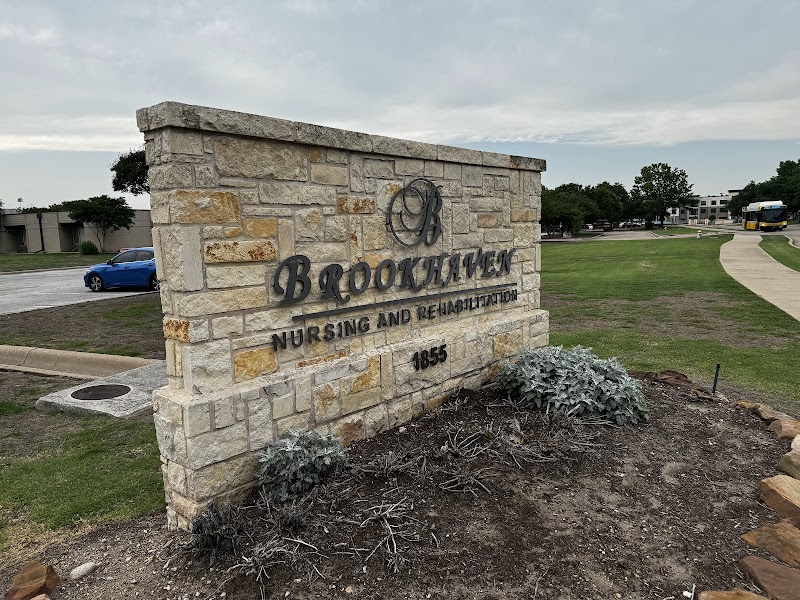
How is Brookhaven Staffed?

CMS rates BROOKHAVEN NURSING AND REHABILITATION CENTER's staffing level at 2 out of 5 stars, which is below average compared to other nursing homes. Staff turnover is 51%, compared to the Texas average of 46%.

What Have Inspectors Found at Brookhaven?

State health inspectors documented 47 deficiencies at BROOKHAVEN NURSING AND REHABILITATION CENTER during 2022 to 2025. These included: 3 Immediate Jeopardy (the most serious level, indicating potential for serious harm or death), 1 that caused actual resident harm, 42 with potential for harm, and 1 minor or isolated issues. Immediate Jeopardy findings are rare and represent the most serious regulatory concerns. They require immediate corrective action.
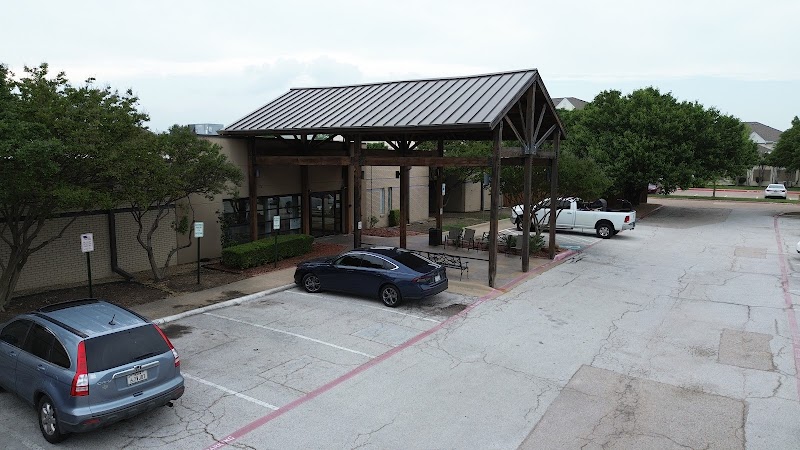
Who Owns and Operates Brookhaven?

BROOKHAVEN NURSING AND REHABILITATION CENTER is owned by a for-profit company. For-profit facilities operate as businesses with obligations to shareholders or private owners. The facility is operated by DYNASTY HEALTHCARE GROUP, a chain that manages multiple nursing homes. With 180 certified beds and approximately 99 residents (about 55% occupancy), it is a mid-sized facility located in CARROLLTON, Texas.
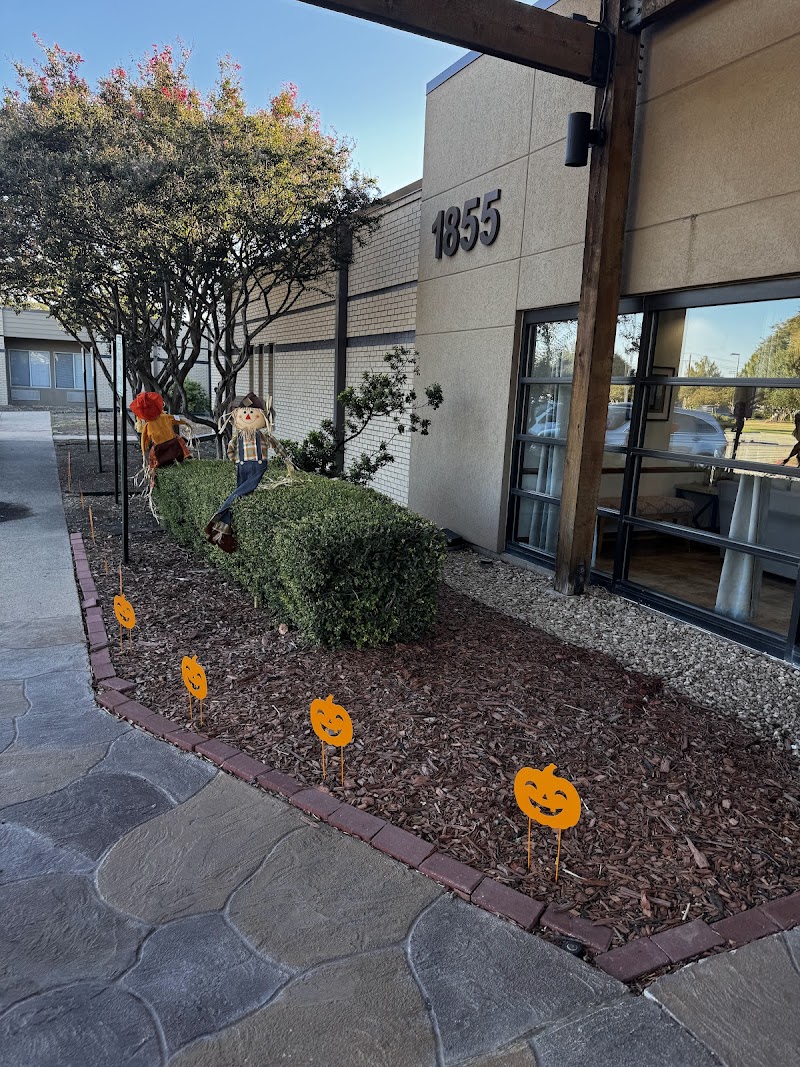
How Does Brookhaven Compare to Other Texas Nursing Homes?

Compared to the 100 nursing homes in Texas, BROOKHAVEN NURSING AND REHABILITATION CENTER's overall rating (2 stars) is below the state average of 2.8, staff turnover (51%) is near the state average of 46%, and health inspection rating (2 stars) is below the national benchmark.

What Should Families Ask When Visiting Brookhaven?

Based on this facility's data, families visiting should ask: "What changes have been made since the serious inspection findings, and how are you preventing similar issues?" "What safeguards and monitoring systems are in place to protect residents from abuse or neglect?" "Can you walk me through typical staffing levels on day, evening, and night shifts?" "Can I visit during a mealtime to observe dining assistance and food quality?" These questions are particularly relevant given the facility's Immediate Jeopardy citations, the substantiated abuse finding on record, and the below-average staffing rating.

Is Brookhaven Safe?

Based on CMS inspection data, BROOKHAVEN NURSING AND REHABILITATION CENTER has documented safety concerns. The facility has 1 substantiated abuse finding (meaning confirmed case of resident harm by staff or other residents). Inspectors have issued 3 Immediate Jeopardy citations (the most serious violation level indicating risk of serious injury or death). The facility has a 2-star overall rating and ranks #100 of 100 nursing homes in Texas. Families considering this facility should ask detailed questions about what corrective actions have been taken since these incidents.

Do Nurses at Brookhaven Stick Around?

BROOKHAVEN NURSING AND REHABILITATION CENTER has a staff turnover rate of 51%, which is about average for Texas nursing homes (state average: 46%). Moderate turnover is common in nursing homes, but families should still ask about staff tenure and how the facility maintains care continuity when employees leave.

Was Brookhaven Ever Fined?

BROOKHAVEN NURSING AND REHABILITATION CENTER has been fined $15,467 across 2 penalty actions. This is below the Texas average of $33,234. While any fine indicates a compliance issue, fines under $50,000 are relatively common and typically reflect isolated problems that were subsequently corrected. Families should ask what specific issues led to these fines and confirm they've been resolved.

Is Brookhaven on Any Federal Watch List?

BROOKHAVEN NURSING AND REHABILITATION CENTER is not on any federal watch list. The most significant is the Special Focus Facility (SFF) program, which identifies the bottom 1% of nursing homes nationally based on persistent, serious quality problems. Not being on this list means the facility has avoided the pattern of deficiencies that triggers enhanced federal oversight. This is a positive indicator, though families should still review the facility's inspection history directly.