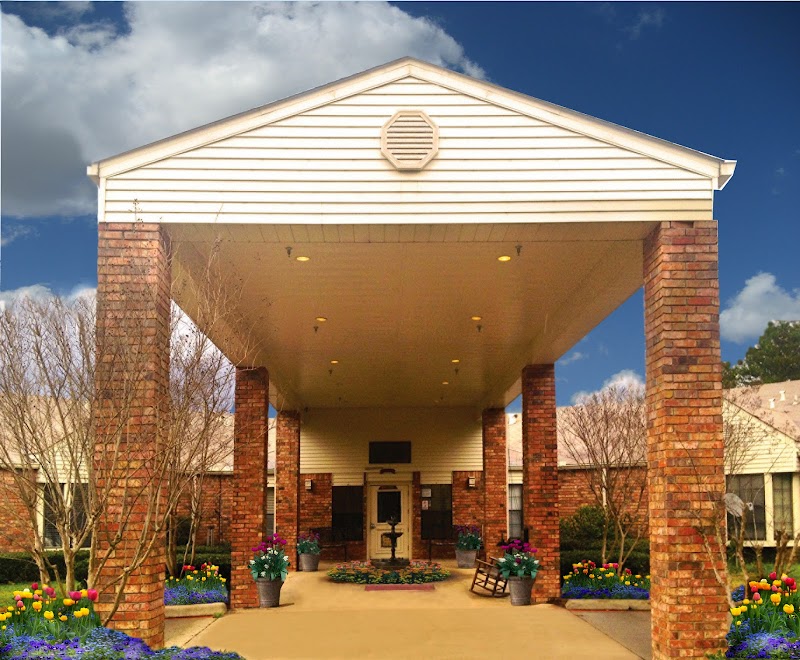
BRIARCLIFF SKILLED NURSING FACILITY

4054 NORTHWEST LOOP, CARTHAGE, TX 75633 (903) 693-8504
For profit - Corporation 91 Beds STONEGATE SENIOR LIVING Data: November 2025 1 Immediate Jeopardy citation
Trust Grade
23/100
#651 of 1168 in TX
Last Inspection: January 2025

Within standard 12-15 month inspection cycle. Federal law requires annual inspections.

Overview

Briarcliff Skilled Nursing Facility in Carthage, Texas, currently holds a Trust Grade of F, indicating significant concerns and a poor reputation among facilities. Ranking #651 out of 1168 in Texas places it in the bottom half, though it is the top facility in Panola County with two other local options. The facility is showing an improving trend, reducing issues from 12 in 2023 to 9 in 2025, but it still has critical concerns, including a serious incident where a resident suffered second-degree burns from coffee served at unsafe temperatures. Staffing is average with a 3/5 rating and a turnover rate of 42%, which is better than the state average. However, the facility has concerning fines totaling $135,980, indicating potential compliance issues, and it failed to maintain proper food safety standards, raising risks for residents.

Trust Score
F
23/100
In Texas
#651/1168
Bottom 45%
Safety Record
High Risk
Review needed
Inspections
Getting Better
12 → 9 violations
Staff Stability
○ Average
42% turnover. Near Texas's 48% average. Typical for the industry.
Penalties
○ Average
$135,980 in fines. Higher than 66% of Texas facilities. Some compliance issues.
Skilled Nurses
⚠ Watch
Each resident gets only 21 minutes of Registered Nurse (RN) attention daily — below average for Texas. Fewer RN minutes means fewer trained eyes watching for problems.
Violations
⚠ Watch
28 deficiencies on record. Higher than average. Multiple issues found across inspections.
★★☆☆☆
2.0
Overall Rating
★★★☆☆
3.0
Staff Levels
★★★★☆
4.0
Care Quality
★★☆☆☆
2.0
Inspection Score
Stable
2023: 12 issues
2025: 9 issues

The Good

  • 4-Star Quality Measures · Strong clinical quality outcomes
  • Full Sprinkler Coverage · Fire safety systems throughout facility
  • No fines on record
  • Staff turnover below average (42%)

    6 points below Texas average of 48%

Facility shows strength in quality measures, fire safety.

The Bad

2-Star Overall Rating

Below Texas average (2.8)

Below average - review inspection findings carefully

Staff Turnover: 42%

Near Texas avg (46%)

Typical for the industry

Federal Fines: $135,980

Well above median ($33,413)

Significant penalties indicating serious issues

Chain: STONEGATE SENIOR LIVING

Part of a multi-facility chain

Ask about local staffing decisions and management

The Ugly 28 deficiencies on record

1 life-threatening
Jan 2025 9 deficiencies 1 IJ
CRITICAL (J)

Immediate Jeopardy (IJ) - the most serious Medicare violation

Accident Prevention (Tag F0689)

Someone could have died · This affected 1 resident

**NOTE- TERMS IN BRACKETS HAVE BEEN EDITED TO PROTECT CONFIDENTIALITY** Based on observation, interview, and record review, the facility failed to ensure an environment that was free of accident hazar...

Read full inspector narrative →
**NOTE- TERMS IN BRACKETS HAVE BEEN EDITED TO PROTECT CONFIDENTIALITY** Based on observation, interview, and record review, the facility failed to ensure an environment that was free of accident hazards for 1 of 22 residents reviewed for accident hazards. (Resident #3) 1. The facility failed to ensure coffee was served at a safe temperature for Resident #3 resulting in Resident #3 obtaining 2nd degree burns to her right and left upper thigh and groin areas. 2. The facility failed to implement measures to prevent other coffee spills with burns. 3. The facility failed to monitor the temperatures of hot liquids served to residents. 4. The facility failed to identify residents at risk for coffee burns. 5. The facility failed to ensure coffee temperatures were at an appropriate safe temperature prior to serving to residents. An Immediate Jeopardy (IJ) was identified on 1/28/25. The IJ Template was provided to the facility on 1/28/25 at 11:54 AM. While the IJ was removed on 1/29/25 at 11:00 AM, the facility remained out of compliance at a scope of isolated and a severity level of no actual harm with potential for more than minimal harm that was not immediate jeopardy due to the facility's need to complete training in-services with all staff and evaluate the effectiveness of the corrective systems . These failures could place residents at risk for further burns, serious harm, serious injury, accidents, and a diminished quality of life. Findings included: Record review of Resident #3's face sheet dated 1/28/25 indicated she was [AGE] years old and admitted to the facility initially on 2/14/13 and re-admitted on [DATE]. Resident #3 had diagnoses which included Chronic Obstructive Pulmonary disease (COPD-lung disease that causes difficulty breathing and shortness of breath), depression (persistent sadness), Parkinson's disease (disorder of central nervous system that affects movement, often including tremors) with dyskinesia (common complication of Parkinson's disease that causes involuntary, writhing, or jerky movements) with fluctuations, dysphagia (difficulty swallowing), and dyspnea (shortness of breath). Record review of Resident #3's quarterly MDS assessment dated [DATE] indicated Resident #3 a BIMS of 12 which indicated she had moderate cognitive impairment. The MDS indicated Resident #3 required setup or clean-up assistance with eating. The MDS indicated Resident #3 was dependent on staff for most ADLs. Record review of Resident #3's care plan with a print date of 1/27/25 indicated she had cognitive deficit of decision-making as evidenced by a BIMS of 12 and short-term memory loss. The care plan indicated Resident #3 had impaired physical mobility related to hemiplegia or hemiparesis (unable to move or weakness to one side of body), Parkinson's disease, history of a stroke (disruption of blood flow/oxygen to areas of the brain resulting in brain tissue death) and had an intervention to provide appropriate level of assistance to promote safety of resident. The care plan indicated Resident #3 had limited range of motion related to left upper extremity contracture and decreased range of motion to left lower extremity. The care plan indicated Resident #3 was at risk for/actual skin breakdown related to spilled coffee causing burn on 1/5/25 with interventions of resident supplied with another cup with a lid for coffee and encouraged to use; resident is oriented, alert, and able to make her own decisions and makes her needs known; left thigh, with wound cleanser, apply Silvadene cream, cover with non-stick dressing and wrap with kerlix (rolled gauze); right thigh, with wound cleanser, apply Silvadene cream, cover with non-stick dressing and wrap with kerlix. The care plan indicated Resident #3 had Parkinson's and had intervention to observe for tremors, rigidity, and limited range of motion. Record review of Resident #3's Consolidated Orders with print date of 1/28/25 reflected the following orders and diagnosis: *Cleanse site on day shift, left thigh, with wound cleanser, apply Silvadene cream, cover with non-stick dressing, and wrap with kerlix. Start date of 1/08/25. *Cleanse site on day shift, right thigh, with wound cleanser, apply Silvadene cream, cover with non-stick dressing, and wrap with kerlix. Start date of 1/08/25. *Burn of unspecified body region, unspecified degree *Burn of third degree of right thigh, initial encounter *Burn of third degree of left thigh, initial encounter *Dementia (serious mental decline) Record review of Resident #3's EHR revealed a hot liquid assessment had not been completed prior to the 1/05/25 coffee spill incident. Record review of Resident #3's incident report dated 1/05/25 at 10:45 AM and completed by LVN M, indicated Resident #3 at approximately 10:40 AM was in her wheelchair in the dining room and asked for a cup of coffee. The incident report indicated RN K got Resident #3 a cup of fresh coffee and sat the coffee on the table and advised Resident #3 to wait a few minutes before attempting to drink the coffee due to it being hot and Resident #3 was acting normal. Resident then reached for the coffee and spilled coffee into her lap (bilateral groin areas/right and left medial, upper legs). and had redness to both of her inner and top thighs. The incident report indicated LVN M heard Resident #3 yell for help, and she immediately went to her and accessed the area, dabbed with a cool damp cloth, and did not see the blisters until several minutes after the accident. Blisters formed shortly after and while cleaning the area the blisters ruptured and a Vaseline coating was applied, then two large non-stick gauze dressings, wrapped with gauze, and secured with tape and measurements of 12 cm by 6.5 cm. The incident report indicated Resident #3 had 2nd degree burn to right and left upper medial legs/groin areas and the physician and DON was notified, and a voicemail was left for Resident #3's family member. Record review of Resident #3's nurse note dated 1/05/25 electronically signed at 1:09 PM by LVN M revealed Resident #3 was in the dining room at 10:40 AM and asked for a cup of coffee. RN K got Resident #3 a cup of fresh coffee and sat the coffee on the table and advised Resident #3 to wait a few minutes before attempting to drink the coffee due to it being hot and Resident #3 was acting normal. Resident #3 proceeded to grab the cup of coffee without waiting for it to cool spilling into her groin causing a burn to the right inner thigh/groin area. LVN M documented she immediately attended to Resident #3 and removed the coffee with a clean washcloth and then dampened the cloth with cold water and applied it to the area. LVN M documented once the area was cleaned, Resident #3 stated it felt better and was only hurting a little. LVN M documented blisters formed shortly after and while cleaning the area the blisters ruptured and she applied a Vaseline coating was applied, then two large non-stick gauze dressings, wrapped with gauze, and secured with tape and notified the MD, DON, and left a voicemail for Resident #3's family member. Record review of Resident #3's nurse note dated 1/05/25 electronically signed at 2:17 PM by LVN M indicated new order for Silvadene ointment to be applied topically twice daily for 7 days to burn on inner thigh/groin area. Record review of Resident #3's nurse note dated 1/05/25 electronically signed at 3:28 AM by LVN R revealed Resident #3's dressing to left upper, medial leg was soaked and she changed the dressing and noted that right, upper, medial leg also, had burns that appeared to be the same grade as burn on the left leg from earlier incident when Resident #3 spilled her coffee. LVN R documented Resident #3 stated she did not spill anymore coffee since the earlier reported incident and those burns occurred at the same time but were overlooked, possibly due to blistering that was not visible at time of the incident. Wound care was provided, and pain medication was administered due complaint of burning, sharp pain in bilateral upper legs in burn areas. Record review of Resident #3's NP visit note dated 1/06/25 indicated she had an accident where she spilled hot coffee on her inner thighs and was currently being treated with Silvadene cream along with twice daily wound care. The note indicated Resident #3 was without pain to area at that time. The note indicated in the review of systems skin section that she had a burn from hot coffee to inner thighs and had a diagnosis of burn by hot liquid. Record review of Resident #3's History & Physical Examination dated 1/07/25 and signed by the Medical Director on 1/22/25 indicated she had diagnoses including burn of unspecified body region, unspecified degree, burn of third degree of left thigh, initial encounter, burn of third degree of right thigh, initial encounter, COPD, and dementia; she had independent decision-making skills; and the skin status area did not indicate Resident #3 had burns. Record review of Resident #3's Wound Evaluation and Management Summary dated 1/08/25 indicated she had a burn of the left thigh full thickness that measured 14 cm by 6 cm by 0.1 cm with a dressing treatment plan to apply silver sulfadiazine once daily and cover with gauze roll (kerlix) for 30 days; she had a burn wound of right thigh full thickness that measured 9 cm by 8 cm by 0.1 cm with a dressing treatment plan to apply silver sulfadiazine once daily and cover with gauze roll (kerlix) for 30 days. Record review of Resident #3's Progress note from the Wound Physician that indicated on his initial examination on 1/08/25 Resident #3's burns to her thighs were 2nd degree burns with a combination of superficial 2nd and deep 2nd degree burns. The Progress note indicated there were no areas of eschar (dead tissue) which would represent a 3rd degree burn and need for excision (removal) and skin grafting. During an observation and interview on 1/27/25 at 2:04 PM, Resident #3 was sitting up in her wheelchair in her room. Resident #3 said the facility took pretty good care of her most of the time. Resident #3 had bandages to her upper right thigh visible through a slit in her dress. Resident #3 said she spilled her coffee in her lap and was burned. Resident #3 said she went to take a sip of the coffee and it was too hot and she spilled it into her lap. Resident #3 repeated three times it was too hot. Resident #3 had a contracture to her left elbow and left hand was closed in a fist, but she was able to open her left hand with her right hand. Resident #3 was holding a cup with a handle and a lid that had an opening on one side of lid. Resident #3 held the cup handle and flipped the cup around and tried to drink from it and then realized the opening was on the other side of lid and she flipped it back around and turned it up to get a drink. During an observation on 1/29/25 at 11:35 AM, Resident #3 was feeding herself in the assisted dining room and drank clear liquid from a cup with a lid and straw and no handle without difficulty. During an interview on 1/27/25 at 4:03 PM, RN K said Resident #3 came to the nurses' station and asked her for coffee. RN K said Resident #3 drank coffee all day long. RN K said they always have coffee out in the dining room for the residents. RN K said she gave Resident #3 coffee from the pump coffee canister in the dining room that was for all the residents to use. RN K said she went and got Resident #3 some coffee in a regular coffee cup and sat it on a table in the dining room and then brought Resident #3 to the table. RN K said she told Resident #3 to wait a few minutes before drinking the coffee to let it cool some due to it was hot and Resident #3 agreed to wait. RN K said she then was walking back to the nurses' station located just outside the dining room area and before she reached the nurses' station, Resident #3 started hollering. RN K said Resident #3's nurse LVN M went to check on her and that was when LVN M realized Resident #3 had spilled the coffee in her lap. RN K said she had worked at the facility since February of 2024 and Resident #3 had always drank her coffee in a regular coffee cup and was totally with it. RN K said now Resident #3 had to use a coffee mug with a lid and they cool it down before giving it to her. RN K said she guessed whoever was giving the resident coffee would be responsible for temping the coffee to ensure it was a safe temperature and there was a thermometer in the break room that they could have used. RN K said she did not know what their policy was on temping the coffee, but she did not temp the coffee before giving it to Resident #3. During an observation and interview on 1/27/25 at 4:13 PM, the Dietary Manager said the coffee was temped every time before putting the coffee in the pump canisters in the dining room for the residents' use. The Dietary Manager said they do not keep temperature logs of the coffee. The Dietary Manager pumped coffee into a cup from the coffee canister in the dining room and placed a digital thermometer into a coffee cup and it temped at 146 degrees F. The Dietary Manager said they do not put the coffee out for the residents if the temp was over 150. The Dietary Manager said they had a resident that spilled her coffee on herself a few weeks ago and she asked then about keeping a coffee temperature log, but her Regional Dietary Manager said they no longer had to keep a temperature log on coffee. The Dietary Manager said they did not change any of their processes after the resident spilled her coffee, but the resident now has a cup with a lid. The Dietary Manager said they did not have a policy related to temping coffee or hot liquids. During an interview on 1/27/25 at 4:17 PM, the DON said Resident #3 spilled her coffee on herself, her wounds were looking good, and they now have her a cup with a lid. The DON said Resident #3 had no previous issues prior to this incident with her coffee and she was cognitively aware and made her own decisions. The DON said the kitchen was responsible for temping the coffee prior to putting out for the residents to access. The DON said she did not think it was a requirement to temp coffee anymore. The DON said she asked the Dietary Manager for a coffee temp log when Resident #3's incident happened. The DON said the Dietary Manager said they did not have to keep a coffee temp log anymore, since they got the new pump coffee canisters. The DON said the Dietary Manager said she reached out to their Regional Dietician, who said it was not a requirement anymore. The DON said the interventions following the coffee spill were specific to Resident #3 and no other residents were assessed because she did not identify a need for further assessments. The DON said she did not know if they did hot liquid assessments and had not seen one, since she had worked at the facility. During an interview on 1/27/25 at 4:55 PM, MA U said she was familiar with Resident #3, but she did not know of anything different that she required if she wanted coffee. MA U said she had never gotten coffee for Resident #3. MA U said she guessed she would have to ask the resident's nurse or look in her chart to see if she had any special restrictions of liquid or diet. During an interview on 1/27/25 at 5:00 PM, LVN L said he was aware of Resident #3's incident with spilling her coffee. LVN L said Resident #3 had to have a cup with a lid now and it should be care planned. LVN L said Resident #3 had not had any issues with her coffee prior to this incident to his knowledge. During an interview of 1/27/25 at 5:05 PM, CNA V said she had worked at the facility for seven months and was familiar with Resident #3. CNA V said Resident #3 had to have a cup with a lid for her coffee now. CNA V said she was not sure how she knew that she had to have a cup with a lid with her coffee, but thought they had an in-service on it after Resident #3 spilled her coffee. During an observation and interview on 1/28/25 at 7:58 AM, the Dietary Manager said the kitchen staff got to work at about 6:00 AM and the 1st coffee canister probably came out to the dining room at approximately 6:15 AM. The Dietary Manager temped coffee out of a pump coffee canister, located in the dining room for resident use, by pumping coffee out of the canister into cup and placed a digital thermometer in the coffee and the 1st reading temped at 172 degrees F. During an interview on 1/28/25 at 8:06 AM, DA W said she was responsible for putting the coffee in the canisters for the residents on 1/28/25. DA W said she just brewed the coffee in the kitchen and then put the coffee in the in canisters and then set the coffee canisters out in the dining room. DA W said she did not temp the coffee prior to putting the coffee canisters out in the dining room for the residents. DA W said they have to replace the coffee in the canisters probably every 10 minutes or so due the residents drink a lot of coffee. During an interview on 1/28/25 at 8:14 AM, DA X said she had worked at the facility since 7/2024. DA X said she brewed the coffee in the kitchen, then put the coffee in the canister and put the coffee canister out in dining room. DA X said they do not temp the coffee prior to putting the coffee canisters in the dining room for the residents to use. DA X said they do not have policy for temping coffee. She has worked here since 7/24. During an interview on 1/28/25 at 8:38 AM, LVN M said she had worked at the facility since 4/2024. LVN M said Resident #3 was a character and: had her own mindset, used a wheelchair, was totally dependent for transfers, had a contracted left arm, had some dysphagia, could feed herself, and could only have coffee if it was in a mug with a lid and they cool it when giving coffee to Resident #3. LVN M said they put ice in her coffee prior to giving it to her due to Resident #3 got burned. LVN M said Resident #3 was in her right mind but had to pay attention to her when she was talking due to, she was hard to understand. LVN M said Resident #3 was able to have coffee in a regular cup prior to the incident and they would just tell her to let it cool 1st. LVN M said Resident #3 was told to let the coffee cool 1st and the nurse did not even get back to the nurse's station when Resident #3 picked up the coffee and apparently spilled it in her lap. LVN M said she assessed Resident #3 and cleaned her up after the coffee spill. LVN M said Resident #3 had redness to left thigh and she did not notice any redness to right inner thigh at time of assessment. LVN M said the CNA's notified her when they were cleaning Resident #3 up and Resident #3 had blisters. LVN M said they had a verbal in-service and everyone was aware that Resident #3's coffee had to be cooled and in a cup with a lid. During an interview on 1/28/25 at 9:18 AM, CNA E said she had worked at the facility for seven months. CNA E said if Resident #3 asked for coffee, they had to get her personal cup with the lid. CNA E said she did not put ice in Resident #3's coffee to cool it. CNA E said Resident #3 drank coffee all day and they had to refill her cup frequently throughout the day. CNA E said Resident #3 liked her coffee. CNA E said Resident #3 sometimes had trouble holding a coffee cup and could have spilled it on herself before they got her a cup with a lid. CNA E said Resident #3 had trouble holding a cup at times and she could have definitely spilled a regular cup at times. CNA E said she did not know anything about Resident #3 spilling coffee in her lap or burns. CNA E said she knew Resident #3 had dressings to her upper legs, but she did not know why. CNA E said she just kept Resident #3 clean and dry and tried to meet her needs. During on observation on 1/28/25 at 5:42 PM, two pump coffee canisters were still in the dining room with regular coffee cups beside it for resident access. On 1/29/25 at 9:15 AM, the DON provided a wound care note addendum from the wound MD with clarification of Resident #3's wounds to 2nd degree burns. During an interview on 1/29/25 at 10:02 AM, the Medical Director said she was notified related to the IJ related to Resident #3's burn and was included in developing the POR. The Medical Director said she did not observe Resident #3's burns on the day she saw her on 1/7/25 and she did not give a diagnosis of 3rd degree burns. The Medical Director said the diagnosis looked like it was put in Resident #3's chart on 1/11/25 and if her note was not closed until after that, then all the diagnosis history would pull to her note that was in the resident's chart. During an interview on 1/30/25 at 10:40 AM, the Regional Dietician said they have always said a safe serving temperature for coffee was 170 degrees F or below. The Regional Dietician said the test tray report was a weekly standard but was not a policy and the dietician reported temps monthly. The Regional Dietician said she was due to perform a test tray and obtain her monthly coffee temperature. The Regional Dietician said coffee had to brew at 190-210 degrees to brew correctly and then transferred to the air pots and there was heat distribution. The Regional Dietician said it depends on the circumstances, clothing, time, etc to determine what the potential risk to the resident would be if the coffee was served above their standard temperature, if the resident spilled the coffee on themselves. Record review of the facility's Incident Report log with a date range of 7/01/24-1/27/25 did not reveal any other incidents related to burns or coffee spills. On 1/27/25 at 4:42 PM, requested policies on Accidents/Hazards/Supervision, Coffee Temperature policy, Hot liquid temperature policy, and Hot liquid Risk Assessment, along with any in-services done related to Resident #3's coffee spill from the ADM and the DON. On 1/27/25 at 5:35 PM, the ADM and the DON provided a policy on Accident/Incident Reporting and stated they did not have policies on temping coffee or Hot liquid Assessments. The DON said she did not do any in-services related to Resident #3's coffee spill, but they put it on the 24-hour Report (correspondence given to oncoming nursing staff) and updated Resident #3's care plan. Record review of the facility's 24-Hour Report dated 1/07/25 indicated on .1/05/25 Resident #3 had 2nd degree burns on both medial upper legs/thigh, groin areas . incident report done . wound care orders . nurse please ensure travel pillow was donned on contract side to keep from elbow scrapping her wheelchair, also please make sure that leg rest was on the contracture side . new coffee cup with lid to used . Record review of the facility's document titled Test Tray Report with a revised date of 12/2022 indicated . each week, complete steps 1-4 and report findings below . criteria reviewed . 1 B. Hot Liquids, evaluate delivery temperature of hot soups, coffee, etc . maximum 170 degrees . Record review of the facility's policy titled Incident/Accident Reporting dated January 12, 2018, indicated . unusual events, accidents, and occurrences would be reported, documented, and investigated to determine what changes, if any, need to be initiated within the facility . Record review of the SOM - Appendix PP accessed on 2/4/25 indicated . burns related to hot water/liquids could also be due to spills . many residents in long-term care facilities had conditions that put them at increased risk for burns . conditions included . decreased skin thickness, decreased skin sensitivity, peripheral neuropathy (weakness, numbness, and pain from nerve damage, usually in hands and feet), . reduced reaction time . decreased cognition . the degree of injury depends on factors including water temperature, amount of skin exposed, and the duration of exposure . water temperature and time required for a 3rd degree burn to occur: 155 degrees F/1 second; 148 degrees F/2 seconds; 140 degrees F/5 seconds, 133 degrees F/15 seconds, 127 degrees F/1 minute . based upon the time of the exposure and the temperature of the water, the severity of the harm to the skin was identified by the degree of burn . Second-degree burns involved the first two layers of skin . these may present as deep reddening of the skin, pain, blisters, glossy appearance from leaking fluid, and possible loss of some skin . third-degree burns penetrate the entire thickness of the skin and permanently destroy tissue . these present as loss of skin layers, often painless . and dry, leathery skin . skin may appear charred or have patches that appear white, brown, or black . The ADM, DON, and the Regional Nurse were notified of an IJ on 1/28/25 at 11:49 AM and a Plan of Removal (POR) was requested. The IJ template was emailed to the ADM at 11:54 AM. The POR was accepted on 1/28/25 at 5:15 PM and included the following: Summary of Details which lead to outcomes: On 1/28/25, during annual survey initiated at the facility, a surveyor provided an IJ Template notification that the Survey Agency had determined that the conditions at the center constituted immediate jeopardy to resident health. F689. The notification of the alleged immediate jeopardy stated as follows: F689 Free of Accidents and Hazards/supervision/devices Resident #3 was a [AGE] year-old female, who admitted to the facility on [DATE] with diagnoses of Chronic Obstructive pulmonary disease, Parkinson's disease, History of a stroke, contracture to left upper extremity, and 3rd degree burns to right and left thighs (later clarified to 2nd degree burns). The facility failed to: *Assess residents for safe consumption of hot liquids. -28 residents drink coffee and 14 require staff assistance to get them coffee. *Implement measures to prevent other coffee spills with burns. -Coffee was available to all residents at all times throughout the day. *Monitor temperatures of hot liquids served to residents. *Identify at risk residents. *Educate staff on temping coffee. *Have a policy in place to temp coffee or address hot liquids. *Ensure Resident #3 did not get 3rd degree burns. How other residents with the potential to be affected by the same deficient practice would be identified: *Hot liquid risk assessments would be completed on 1/28/25 by the DON/designee on all residents . What measures would be put in place or what systemic changes would be made to ensure that the deficit practice does not recur: *In-service and training provided by DON/Designee to all nursing staff to implemented interventions for affected resident on 1/28/25. Specifically-this resident should not be served hot coffee in a cup without a lid. If the cup with a lid was not available, resident should be offered an alternative beverage, and her charge nurse should be notified of need for cup with a lid. *Care plans to be updated by DON/Designee for residents identified as having a hot liquid risk potential and interventions to be implemented 1/28/25. *Nursing staff educated by DON/Designee on interventions for residents identified as at risk and assessing risk and implementing interventions on 1/28/25. *Nutrition Services staff would be educated by Administrator/Designee on temping coffee in air pots (pump coffee canister) prior to placing air pots in service in the dining room to ensure coffee temperature is at or below 170 degrees. Staff has been educated to allow coffee to cool to at or below 170 degrees before placing air pots in dining room. Staff will log coffee temperatures on Coffee Temp Log with date, time, and temperature each time fresh coffee is served. *Staff that did not receive education before 10:00 PM on 1/28/25 will be educated prior to the start of their next shift. How the corrective action(s) will be monitored to ensure the deficient practice is being corrected and will not recur (i.e., what program will be put into place to monitor the continued effectiveness of the system changes): *ADM/DON will monitor checking of temperatures daily for two weeks, then weekly for four weeks, and will report findings to the QA Committee and adjustments will be made for continued monitoring for compliance for 90 days. Involvement of Medical Director: *The Medical Director was notified and reviewed plan with an ad hoc QAPI meeting. The plan will be reviewed in Monthly QA meeting with the Medical Director thereafter for further compliance. Involvement of QA: *Facility policies were reviewed by the QA committee and will be updated by 1/28/25 to reflect changes in process related to coffee temping procedures and hot liquid assessments: 1. Specifically, the Nutrition Services policy states, The temperatures of the food and hot beverage items will be taken and properly recorded on the Food Beverage Temperature Log to ensure safe holding and serving temperatures. 2. Nursing Services policy related to Hot Liquid Risk Assessment states, The community will evaluate residents for hot liquid risk potential in accordance with standard practice guidelines . the licensed nurse completes the Hot Liquid Risk Assessment on paper or in the HER and presents the information to the Interdisciplinary Team for further interventions. Please accept this letter as our plan of removal for the determination of Immediate Jeopardy issued on 1/28/25. The surveyor verification of the Plan of Removal from 1/29/25 was as follows: *Record review of a Training In-Service Form indicated an in-service was held on 1/28/25. The in-service was presented by the Dietary Manager. The in-service stated all coffee is transferred to air pot after brewing and dietary staff is to check temp of air pots prior to setting them out for service to ensure temp is below 170 degrees. The in-service included signatures of DA X, DA W, and the Dietary Manager. The policy titled Taking Food Temperatures, dated revised August 1, 2024, was attached to the in-service. *Record review of a Training In-Service Form indicated an in-service was held on 1/28/25. The in-service was presented by the DON. The in-service stated residents were to have a hot liquid risk assessment completed on admission, re-admission, quarterly, and if the resident had a change in condition (COC) that would impact their abilities to handle hot liquids safely, ex. Broken arm or new stroke, new tremors, etc . Any resident with increased risk for injury was to be reviewed by the IDT (Interdisciplinary Team) for appropriate interventions. Care plan to be updated and staff to implement interventions deemed appropriate. The in-service included signatures of ADON, RN K, LVN M, DON, ADM, LVN L, and LVN R. The policy titled Hot Liquid Risk Evaluation dated reviewed 1/28/25 was attached to the in-service. *Record review of a T[TRUNCATED]
CONCERN (D)

Potential for Harm - no one hurt, but risky conditions existed

Deficiency F0604 (Tag F0604)

Could have caused harm · This affected 1 resident

**NOTE- TERMS IN BRACKETS HAVE BEEN EDITED TO PROTECT CONFIDENTIALITY** Based on observation and interview, the facility failed to ensure the resident to be free from any physical restraints imposed f...

Read full inspector narrative →
**NOTE- TERMS IN BRACKETS HAVE BEEN EDITED TO PROTECT CONFIDENTIALITY** Based on observation and interview, the facility failed to ensure the resident to be free from any physical restraints imposed for purposes of convenience and not required to treat medical symptoms for 1 of 2 residents reviewed for restraint use (Resident #5). The facility failed to ensure Resident #5 was free from physical restraints in the form of a lap harness on a broda chair (a broda chair is a chair or wheelchair that provides comfort, support and mobility throughout the day). The facility failed to ensure Resident #5's restraint was accurately assessed, monitored, documentation of ongoing re-evaluation of the need for the restraint and provided a physician order for the lap harness. This failure could place residents at risk for a decreased quality of life, a decline in physical functioning and injury. Findings included: Record review of Resident #5's face sheet dated 1/29/25 revealed she was [AGE] years old and admitted to the facility on [DATE]. Resident #5 had diagnoses including anxiety disorder, retts syndrome (a rare genetic mutation affecting brain development in girls), epilepsy (a disorder in which nerve cell activity in the brain is disturbed, causing seizures), weakness. Record review of Resident #5's quarterly MDS assessment dated [DATE] indicated she had no BIMS assessment performed, which indicated she was severely cognitively impaired. The MDS indicated Resident #5 had active diagnoses of anxiety disorder. The MDS did not indicate Resident #5 had a limb restraint in Section P0100. Physical Restraints. Record review of Resident #5 care plan dated 1/29/25 indicated Resident #5 required broda chair and lap harness for safe positioning and fall prevention, unsafe positioning without lap harness and uncontrolled lurching while in chair requires a lap harness for safety for resident. Interventions indicated assess skin under and around harness. Assist as needed with applying and removing harness. Resident #5's care plan also indicated Resident #5 had falls on 10/7/23, 3/29/24 and 11/15/24. Record review of Resident #5's fall risk report dated 6/19/23 indicated hap harness. Record review of Resident #5's Consolidated Orders dated 1/29/25 indicated: there was no order for the lap harness. Record review of Resident #5's chart dated 1/30/25 at 9:45 AM indicated there was no signed consent, no assessments and no monitoring for the broda chair with lap harness for safe positioning. During an observation on 1/29/25 at 8:25 AM, Resident #5 was sitting in a broda chair in the common area. There was a leg harness across each leg attached to the broad chair and clipped to the back of the broad chair. During an observation on 1/29/25 at 10:02 AM, Resident #5 was sitting in a broda chair in the common area. There was a leg harness across each leg attached to the broda chair and clipped to the back of the broda chair. During an observation on 1/29/25 at 11:11 AM, Resident #5 was sitting in a broda chair in the common area. There was a leg harness across each leg attached to the broda chair and clipped to the back of the broda chair. During an observation on 1/30/25 at 8:40 AM, Resident #5 was sitting in a broda chair in the common area. There was a leg harness across each leg attached to the broda chair and clipped to the back of the broda chair. During an observation on 1/30/25 at 9:04 AM, Resident #5 was sitting in a broda chair in the common area. There was a leg harness across each leg attached to the broda chair and clipped to the back of the broda chair . During an interview on 1/30/25 at 8:44 AM, LVN B said the legs straps on Resident #5 was just a safety device to keep her from sliding out of the chair. She has had those since she started working there and she had been here for 4 years. LVN B said Resident #5 could not take the leg straps off by herself . LVN B said Resident #5 was checked every 2 hours for incontinent care. She said staff laid Resident #5 down for a nap after lunch. LVN B said she did not feel like the straps were a restraint. LVN B said she did not see an order for the leg straps in the system and she did not know what they were called. During an interview on 01/30/25 at 9:07 AM, CNA A said the legs straps on Resident #5 were to hold her in the chair. She said Resident #5 has had that chair with the straps since she had been working there. She said she started working at the facility a year ago. CNA A said the leg straps was to keep Resident #5 in the chair, because she would jump out of the chair without it . She said staff laid Resident #5 down after lunch and checked the straps throughout the day to make sure they were not twisted or tight. She said she did not feel like the straps was a restraint. She said Resident #5 could not take the leg straps off by herself, because the leg straps clip around to the back of her chair. She said Resident #5 had seizures, so that may be another reason she has the straps. During an interview on 1/30/25 at 9:26 AM, LVN D said could not find an order for the leg straps and she did not work with Resident #5. LVN D said if Resident #5 did not have the leg straps, she would fall out of her chair. She said Resident #5 could not remove the leg straps herself. LVN D said the leg straps were technically a restraint, but they were to benefit Resident #5 from not falling out of her chair and she could still move. During an interview on 01/30/25 at 9:35 AM, the ADON said Resident #5 had a history of throwing herself out of the wheelchair and she also had seizures. She said the leg straps were to prevent Resident #5 from falling out of the chair and was for her safety. She said she was not sure what the leg straps were called. She said when Resident #5 got up the staff put her in her chair, they adjusted the straps and checked the straps for redness throughout the day. She said after lunch the staff laid Resident #5 down in bed. She said she did not feel like the leg straps were a restraint. During an interview on 01/30/25 at 10:36 AM, the DON said the lap harness on Resident #5 was used for positioning, because she threw herself and leaps out of her chair, due to her mental condition. She said Resident #5 could not remove the lap harness by herself. She said Resident #5 could not functionally do anything by herself. She said the lap harness did not restrict Resident #5 from moving freely. She said before Resident #5 came to that facility and before she got that chair she fell out of a chair and broke all her teeth. She said Resident #5 could move her trunk. She said the facility did not have a signed consent form, but Resident #5's family member was fully aware of the leg harness. She said the leg harness was not a restraint it was a positioning device. She said she did not have orders for a wheelchair and lap harness , but it was care planned. During an interview on 1/30/25 at 10:49 AM, Regional Nurse J said Resident #5 would be restricted to the bed without the lap harness device. She would have a decrease in quality of life because she could not attend activities without the lap harness. During an interview on 1/30/25 at 11:06 AM, the ADM said to his understanding the lap harness was to keep Resident #5 safe from harming herself and ensure to keep her from throwing herself out of the wheelchair. He said Resident #5 could not remove the lap harness off herself. He said the lap harness did not restrict her from moving freely or from her normal activities. He said he thought she should have a signed consent for the lap harness. He said the lap harness could restrict her from falling from her chair. He said he did not agree that the lap harness restricts her normal activity. He said he agreed the lap harness should have the proper measures in place for the resident to use it. Requested a policy on Restraints on 1/30/25 at 11:25 AM from the DON. She said she did not have one. Record review of Resident #5's MD statement dated 1/31/25, received by email after exit on 2/03/25 at 11:31 AM, indicated Resident #5 had a diagnosis of Rett's Syndrome, Anxiety Disorder, Epilepsy, spastic hemiplegia , abnormal involuntary movement, and intellectual disabilities with the following medications related to these diagnoses: levetiracetam l00mg/mL oral solution twice a day; phenytoin 50mg three times a day; ropinirole 0.25mg every day; tizanidine 4mg PRN three times a day. The MD statement indicated due to these diagnoses, it was his professional opinion that the leg harnesses ordered for this resident were a safety device and do not constitute a restraint because they did not restrict her freedom of movement or normal access to her body. The MD statement indicated she did not have the cognitive ability to desire to attempt to ambulate or get out of her broda chair, nor the physical ability to do so. The MD statement indicated additionally these devices do not restrict her mobility, but rather were necessary for her mobility in that were they not provided to this resident she could not safely be in any chair due to the potential of seizures or involuntary motions that could and have resulted in significant injury in the past. She would therefore be restricted to her bed and bed bound. Record review of Resident #5's Safety Letter written by her PASRR Habilitation Coordinator dated 1/31/25, received by email after exit on 2/03/25 at 11:31 AM, indicated she provided assistance to access appropriate specialized services necessary to achieve a quality of life and level of community participation acceptable to Resident #5 and her family. The PASRR Habilitation Coordinator indicated Resident #5's unique safety needs stem from a combination of her diagnoses of Rett's Syndrome, Epilepsy, Muscle Spasms, Abnormal Involuntary Movements (lurching forward), and Convulsions. The PASRR Habilitation Coordinator indicated Resident #5 has difficulty remaining in a safe, upright position while in her wheelchair. This puts her at a higher risk for falls and injury. The PASRR Habilitation Coordinator indicated for this reason, when they requested Resident #5's Customized Manual Wheelchair (CMWC) through PASRR in 2019, a padded thigh belt and full footbox were included and were signed off on by the therapist, her primary care physician, and was approved by the state on 4/25/2019. These wheelchair accessories are not meant to restrain Resident #5, but to provide safety and allow her to be more active and independent while in her wheelchair. The PASRR Habilitation Coordinator indicated without the support of the safety belt and harness, she would be confined to her bed due to her history and high risks of falls. The PASRR Habilitation Coordinator indicated by having the safety accessories, Resident #5 is able to spend the majority of her day in her wheelchair where she is able to interact with her community to the best of her ability. The risk of falls and need for the safety supports are documented in her nursing facility care plan. In terms of daily care, it aligns seamlessly with the resident's care plan, supporting her participation in essential routines and complement other safety measures within the care plan. The PASRR Habilitation Coordinator said in her opinion that this comprehensive approach to safety allows for a more holistic care strategy, encouraging Resident #5's engagement in meaningful activities while minimizing risks. It becomes part of a larger framework designed to balance safety concerns with the pursuit of a fulfilling and active lifestyle. Record review of the Resident Rights Policy last revised August 14, 2022, revealed .staff will abide by resident rights as outlined within CMS State Operations Manual Appendix PP- Guidance to Surveyors for Long Term Care Facilities (Rev. 11-22-17).
CONCERN (D)

Potential for Harm - no one hurt, but risky conditions existed

Assessment Accuracy (Tag F0641)

Could have caused harm · This affected 1 resident

**NOTE- TERMS IN BRACKETS HAVE BEEN EDITED TO PROTECT CONFIDENTIALITY** Based on observation, interview, and record review the facility failed to ensure assessments accurately reflected the resident s...

Read full inspector narrative →
**NOTE- TERMS IN BRACKETS HAVE BEEN EDITED TO PROTECT CONFIDENTIALITY** Based on observation, interview, and record review the facility failed to ensure assessments accurately reflected the resident status for 2 of 22 residents (Resident #2 and Resident #5) reviewed for MDS assessment accuracy. 1. The facility failed to accurately reflect Resident #2's safety vest (trunk harness) or lap belt as a restraint on her quarterly MDS assessment dated [DATE]. 2. The facility failed to ensure Resident #5's restraint was accurately coded on her quarterly MDS assessment dated [DATE]. These failures could place residents at risk for not receiving care and services to meet their needs. Findings included: 1. Record review of Resident #2's face sheet dated 1/28/25 indicated she was [AGE] years old and admitted to the facility on [DATE]. Resident #2 had diagnoses which included profound intellectual disabilities, Cerebral Palsy (disorder of movement, muscle tone, or posture due to abnormal brain development, often before birth), dysphagia (difficulty swallowing), weakness, and diabetes (high blood sugar). Record review of Resident #2's quarterly MDS assessment dated [DATE] indicated Resident #2 was unable to perform a BIMS due to rarely/never understood. The MDS indicated Resident #2 was dependent on staff for most ADLs. The MDS indicated Resident #2 required partial/moderate staff assistance to roll left and right in bed and substantial/maximal assistance of staff to go from sit to lying or lying to sitting on the side of the bed. The MDS indicated Resident #2 used a wheelchair for mobility able to wheel self once seated. The MDS indicated Resident #2 did not use a trunk restraint. Record review of Resident #2's undated care plan with a print date of 1/28/25 indicated she had cognitive deficits related to decision-making and communicating needs. The care plan indicated Resident #2 was at high risk for falls and had an intervention to use a safety vest and a lap positioning aide for positioning and had a scoop mattress related to a history of rolling out of the bed. The care plan indicated Resident #2 had impaired physical mobility as evidenced by sitting balance impaired and required a safety harness to prevent front forward falling. The care plan indicated Resident #2 had self-care deficits. The care plan indicated Resident #2 had a positioning harness related to Cerebral Palsy as evidenced by wearing a positioning harness and seatbelt to enable resident to get out of the bed and be seated in a wheelchair, poor trunk control, history of falls, and leans to a side, forward, and backward. Record review of Resident #2's MD statement received by email after exit on 2/03/25 at 11:31 AM, indicated Resident #2 had a diagnosis of epilepsy (seizures), cerebral palsy with profound intellectual disabilities, and spastic quadriplegic cerebral palsy (form of cerebral palsy that affects both arms, legs, and often the torso and face). The MD statement indicated the safety devices including the lap belt and chest harness ordered for Resident #2 did not constitute a restraint because they did not restrict her freedom of movement or normal access to her body. The MD statement indicated Resident #2 did not have the cognitive ability to desire to attempt to ambulate or get out of her chair, nor the physical ability to do so. The MD statement indicated the devices did not restrict Resident #2's mobility but were necessary for her mobility and without the devices, Resident #2 could not safely be in her wheelchair and self-propel herself throughout the facility due to the potential of seizures or involuntary motions that could result in significant injury. The MD statement indicated Resident #2 would be restricted to her bed and bed bound without the devices. Record review of Resident #2's Safety Letter written by her PASRR Habilitation Coordinator and received by email after exit on 2/03/25 at 11:31 AM, indicated Resident #2 had unique safety needs stemming from a combination of her diagnoses of Profound Intellectual Disabilities, Cerebral Palsy, Epilepsy, and convulsions (type of seizure). The PASRR Habilitation Coordinator indicated Resident #2 had poor trunk control and had difficulty remaining in a safe, upright position while in her wheelchair and placed her at a higher risk for falls and injury. The PASRR Habilitation Coordinator indicated the Customized Manual Wheelchair was requested through PASRR in 2018 with a safety pelvic belt and shoulder harness were included and were signed off on by the therapist, her primary care physician, and was approved by the state on 9/14/2018. The PASRR Habilitation Coordinator indicated the wheelchair accessories were not meant to restrain Resident #2, but to provide safety and allow her to be more active and independent while in her wheelchair. The PASRR Habilitation Coordinator indicated without the support of the safety belt and harness, Resident #2 would be confined to her bed due to her high risks for falls. The PASRR Habilitation Coordinator indicated by having the safety accessories, Resident #2 was able to spend the majority of her day in her wheelchair, moving about the facility independently while interacting with her community. The PASRR Habilitation Coordinator indicated the risks for falls and the need for the safety supports were documented her nursing facility care plan and in her physician orders. The PASRR Habilitation Coordinator indicated in terms of daily care, it aligned seamlessly with Resident #2's care plan, supporting their participation in essential routines and complement other safety measures within the care plan. The PASRR Habilitation Coordinator indicated it was her opinion that the comprehensive approach to safety allowed for a more holistic care strategy, encouraging Resident #2's engagement in meaningful activities while minimizing risks and was part of a larger framework designed to balance safety concerns with the pursuit of a fulfilling and active lifestyle. During an observation of lunch meal service in the assisted dining room on 1/27/25 beginning at 11:47 AM, Resident #2 was sitting up in a high back wheelchair with a trunk harness and lap belt. The trunk harness formed a crisscross X across Resident #2's chest with straps that went over both shoulders and attached to the back upper frame of the wheelchair with plastic push together buckles (required the sides to be pushed together to unbuckle) and straps that went under both arms and attached to the back mid-lower frame of the wheelchair with plastic push together buckles. Resident #2 had a lap belt across her upper thighs. Resident #2 was non-verbal and only made noises. During an observation on 1/28/25 at 8:56 AM, Resident #2 was by the nurse's station sitting up in a high back wheelchair with a trunk harness and lap belt in place. Resident #2 was able to lean her upper body forward approximately six inches before the trunk harness restricted her forward motion. During an interview on 1/28/25 at 3:28 PM, Resident #2's RP said Resident #2 had been at the facility for years and they took excellent care of her. Resident #2's RP said the facility was probably using the trunk harness and lap belt, so she did not fall over in her chair or fall out of the chair. Resident #2's RP said he did not have a problem with the facility using the trunk harness or lap belt to keep her safe. During an observation on 1/29/25 at 9:12 AM, Resident #2 was by the nurse's station sitting up in a high back wheelchair with a trunk harness and lap belt in place. During an observation on 1/30/25 at 11:24 AM, Resident #2 was self-propelling herself in her wheelchair with a trunk harness and lap belt in place. During an interview on 1/30/25 at 8:48 AM, the MDS Coordinator said she had worked at the facility for approximately three years as the MDS nurse. The MDS Coordinator said a restraint was a device that prevented a resident's movement. The MDS Coordinator said Resident #2's vest was a positioning harness and without it Resident #2 could not hold up her trunk. The MDS Coordinator said Resident #2 could move and lean forward with the vest on. The MDS Coordinator said Resident #2's harness did not meet the definition of a restraint due to it was used for positioning. The MDS Coordinator said she was sure they had a policy related to accuracy of assessments, but it was also in the RAI manual for accuracy of assessment. During an interview on 1/30/25 at 10:03 AM, the ADON said Resident #2's safety vest was a safety harness, and it was to prevent her from falling from her chair. The ADON said the definition of a restraint was something that prevented movement or kept someone in one spot against their will. The ADON said Resident #2 could still move her arms and go where she wanted. The ADON said Resident #2 was not ambulatory and Resident #2 could lean forward to reach for something if she wanted to. The ADON said the safety vest was not a restraint. During an interview on 1/30/25 at 11:07 AM, the DON said Resident #2 would not be able to go around if she did not have the safety vest and would be confined to bed. The DON said Resident #2's safety vest and lap belt were not restraints and did not restrict her movement. During an interview on 1/30/25 at 11:29 AM, the ADM said MDS nurse was responsible for ensuring the MDS assessment was accurate. The ADM said the MDS assessment should accurately reflect the resident's care and needs. The ADM said if the MDS assessment was not accurate it could not reflect care needs of the resident or continuity of care, but he was not sure how it could affect the resident. 2. Record review of Resident #5's face sheet dated 1/29/25 revealed she was [AGE] years old and admitted to the facility on [DATE]. Resident #5 had diagnoses including anxiety disorder, retts syndrome (a rare genetic mutation affecting brain development in girls), epilepsy (a disorder in which nerve cell activity in the brain is disturbed, causing seizures), and weakness. Record review of Resident #5's quarterly MDS assessment dated [DATE] indicated she had no BIMS assessment performed, which indicated she was severely cognitively impaired. The MDS indicated Resident #5 had active diagnoses of anxiety disorder. The MDS did not indicate Resident #5 had a limb restraint in Section P0100. Physical Restraints. Record review of Resident #5 care plan dated 1/29/25 indicated Resident #5 requires broad chair and lap harness for safe positioning and fall prevention, unsafe positioning without lap harness and uncontrolled lurching while in chair requires a lap harness for safety for resident. Interventions indicated assess skin under and around harness. Assist as needed with applying and removing harness. Record review of Resident #5's Consolidated Orders dated 1/29/25 indicated: there was no order for the lap harness. Record review of Resident #5's chart dated 1/30/25 at 9:45 AM indicated there was no consent and no assessment for the broda chair with lap harness for safe positioning. Record review of Resident #5's MD statement received by email after exit on 2/03/25 at 11:31 AM, indicated Resident #5 had a diagnosis of Rett's Syndrome, Anxiety Disorder, Epilepsy, spastic hemiplegia, abnormal involuntary movement, and intellectual disabilities with the following medications related to these diagnoses: levetiracetam l00mg/mL oral solution twice a day; phenytoin 50mg three times a day; ropinirole 0.25mg every day; tizanidine 4mg PRN three times a day. The MD statement indicated due to these diagnoses, it was his professional opinion that the leg harnesses ordered for this resident were a safety device and do not constitute a restraint because they did not restrict her freedom of movement or normal access to her body. The MD statement indicated she did not have the cognitive ability to desire to attempt to ambulate or get out of her broda chair, nor the physical ability to do so. The MD statement indicated additionally these devices do not restrict her mobility, but rather were necessary for her mobility in that were they not provided to this resident she could not safely be in any chair due to the potential of seizures or involuntary motions that could and have resulted in significant injury in the past. She would therefore be restricted to her bed and bed bound. Record review of Resident #5's Safety Letter written by her PASRR Habilitation Coordinator and received by email after exit on 2/03/25 at 11:31 AM, indicated she provided assistance to access appropriate specialized services necessary to achieve a quality of life and level of community participation acceptable to Resident #5 and her family. The PASRR Habilitation Coordinator indicated Resident #5's unique safety needs stem from a combination of her diagnoses of Rett's Syndrome, Epilepsy, Muscle Spasms, Abnormal Involuntary Movements (lurching forward), and Convulsions. The PASRR Habilitation Coordinator indicated Resident #5 has difficulty remaining in a safe, upright position while in her wheelchair. This puts her at a higher risk for falls and injury. The PASRR Habilitation Coordinator indicated for this reason, when they requested Resident #5's Customized Manual Wheelchair (CMWC) through PASRR in 2019, a padded thigh belt and full footbox were included and were signed off on by the therapist, her primary care physician, and was approved by the state on 4/25/2019. These wheelchair accessories are not meant to restrain Resident #5, but to provide safety and allow her to be more active and independent while in her wheelchair. The PASRR Habilitation Coordinator indicated without the support of the safety belt and harness, she would be confined to her bed due to her history and high risks of falls. The PASRR Habilitation Coordinator indicated by having the safety accessories, Resident #5 is able to spend the majority of her day in her wheelchair where she is able to interact with her community to the best of her ability. The risk of falls and need for the safety supports are documented in her nursing facility care plan. In terms of daily care, it aligns seamlessly with the resident's care plan, supporting her participation in essential routines and complement other safety measures within the care plan. The PASRR Habilitation Coordinator said in her opinion that this comprehensive approach to safety allows for a more holistic care strategy, encouraging Resident #5's engagement in meaningful activities while minimizing risks. It becomes part of a larger framework designed to balance safety concerns with the pursuit of a fulfilling and active lifestyle. During an observation on 1/29/25 at 8:25 AM and 11:11 AM, Resident #5 was sitting in her broda chair with leg harness to both legs and secured to chair. During an observation on 1/30/25 at 8:40 AM, 9:04 AM and 10:02 AM, Resident #5 was sitting in her broda chair with leg harness to both legs and secured to chair. During an interview on 1/30/25 at 8:44 AM, LVN B said the legs straps on Resident #5 was just a safety device to keep her from sliding out of the chair. She has had those since she started working there and she had been here for 4 years. LVN B said Resident #5 could not take the leg straps off by herself. LVN B said Resident #5 was checked every 2 hours for incontinent care. She said staff laid Resident #5 down for a nap after lunch. LVN B said she did not feel like the straps were a restraint. LVN B said she did not see an order for the leg straps in the system and she did not know what they were called. During an interview on 01/30/25 at 9:07 AM, CNA A said the legs straps on Resident #5 were to hold her in the chair. She said Resident #5 has had that chair with the straps since she had been working there. CNA A said the leg straps was to keep Resident #5 in the chair, because she would jump out of the chair without it. She said staff laid Resident #5 down after lunch and checked the straps throughout the day to make sure they were not twisted or tight. She said she did not feel like the straps were a restraint. She said Resident #5 could not take the leg straps off by herself, because the leg straps clip around to the back of her chair. She said Resident #5 had seizures, so that may be another reason she has the straps. During an interview on 1/30/25 at 9:26 AM, LVN D said could not find an order for the leg straps and she did not work with Resident #5. LVN D said if Resident #5 did not have the leg straps, she would fall out of her chair. She said Resident #5 could not remove the leg straps herself. LVN D said the leg straps were technically a restraint, but they were to benefit Resident #5 from not falling out of her chair and she could still move. During an interview on 01/30/25 at 9:35 AM, ADON said Resident #5 had a history of throwing herself out of the wheelchair and she also had seizures. She said the leg straps were to prevent Resident #5 from falling out of the chair and was for her safety. She said she was not sure what the leg straps were called. She said when Resident #5 got up the staff put her in her chair, they adjusted the straps and checked the straps for redness throughout the day. She said after lunch the staff laid Resident #5 down in bed. She said she did not feel like the leg straps were a restraint. During an interview on 01/30/25 at 10:36 AM, the DON said the lap harness on Resident #5 was used for positioning, because she threw herself and leaps out of her chair, due to her mental condition. She said Resident #5 could not remove the lap harness by herself. She said Resident #5 could not functionally do anything by herself. She said the lap harness did not restrict Resident #5 from moving freely. She said before Resident #5 came to that facility and before she got that chair she fell out of a chair and broke all her teeth. She said Resident #5 could move her trunk. She said the facility did not have a signed consent form, but Resident #5's father was fully aware of the leg harness. She said the leg harness was not a restraint it was a positioning device. She said she did not have orders for a wheelchair and lap harness, but it was care planned. During an interview on 1/30/25 at 10:49 AM, Regional Nurse J said Resident #5 would be restricted to the bed without the lap harness device. She would have a decrease in quality of life because she could not attend activities without the lap harness. During an interview on 1/30/25 at 11:06 AM, the ADM said to his understanding the lap harness was to keep Resident #5 safe from harming herself and ensure to keep her from throwing herself out of the wheelchair. He said Resident #5 could not remove the lap harness off herself. He said the lap harness did not restrict her from moving freely or from her normal activities. He said he thought she should have a signed consent for the lap harness. He said the lap harness could restrict her from falling from her chair. He said he did not agree that the lap harness restricts her normal activity. He said he agree the lap harness should have the proper measures in place for the resident to use it. Record review of the Resident Assessment Instrument 3.0 User's Manual (RAI) last revised October 2024, revealed . the RAI process was the basis for the accurate assessment of each resident . trunk restraints included any manual method or physical or mechanical device, material or equipment attached or adjacent to the resident's body that the resident cannot easily remove such as, but not limited to . vest . belts used in a wheelchair that either restricts freedom of movement or access to their body . limb restraints include any manual method or physical or mechanical device, material or equipment that the resident cannot easily remove, that restricts movement of any part of . lower extremity . that either restricts freedom of movement or access to their own body . Record review of the facility's policy titled Resident Assessment with a revised date of January 12, 2020 indicated . purpose . to assess each resident's strengths, weaknesses, and care needs . to use the assessment date to develop a person-centered comprehensive plan of care for each resident that would assist a resident in achieving and maintaining the highest practical level of mental functioning, physical functioning, and wellbeing as possible . it is the Standard of Care at the facility to conduct, initially and periodically, a comprehensive, accurate assessment of each resident's functional capacity utilizing the MDS according to the guidelines set forth in the RAI manual . Completing the Care Area Assessments (CAAs) . Upon completion of comprehensive assessments (as defined by the RAI Manual), CAAs will be triggered to flag areas of concern that may need to be addressed in the POC for that resident. Each triggered CAA will be reviewed by designated staff to determine if a triggered condition affects the resident's function and quality of life or if the resident is at significant risk of developing the triggered condition. Additional assessments will be conducted, if needed to obtain and document additional information on a care area. CAA documentation will be done following guidelines in the RAI Manual and will state whether or not a care plan is needed to address the triggered area and the rationale for arriving at this decision. While CAAs identify common areas of concern in nursing home residents, the POC is not to be limited to the triggered areas. The comprehensive POC must address all care issues that are relevant to the individual, whether or not they are specifically covered in the MDS/CAA process .
CONCERN (D)

Potential for Harm - no one hurt, but risky conditions existed

Respiratory Care (Tag F0695)

Could have caused harm · This affected 1 resident

**NOTE- TERMS IN BRACKETS HAVE BEEN EDITED TO PROTECT CONFIDENTIALITY** Based on observation, interview, and record review the facility failed to ensure respiratory care was provided with professional...

Read full inspector narrative →
**NOTE- TERMS IN BRACKETS HAVE BEEN EDITED TO PROTECT CONFIDENTIALITY** Based on observation, interview, and record review the facility failed to ensure respiratory care was provided with professional standards of practice for 1 of 2 residents reviewed for respiratory care (Resident #30) The facility failed to administer Resident #30's oxygen as ordered by the physician. This failure could place residents who receive respiratory care at risk for developing respiratory complications. Findings included: Record review of Resident #30's face sheet dated 01/29/25, indicated a [AGE] year-old female who admitted to the facility on [DATE] with diagnoses which included chronic obstructive pulmonary disease (group of lung diseases that block airflow and make it difficult to breathe), convulsions (condition in which muscles contract and relax quickly and cause uncontrolled shaking of the body), and angina (chest pain). Record review of Resident #30's quarterly MDS dated [DATE], indicated Resident #30 was able to make herself understood and understood others. Resident #30 had a BIMS score of 14, which indicated her cognition was intact. Resident #30 required substantial/maximal assistance with toileting and showering, and set-up or clean-up assistance with eating, oral hygiene and personal hygiene. The MDS did not indicate Resident #30 received oxygen therapy. Record review of Resident #30's care plan updated 12/07/24, indicated Resident #30 had a diagnosis of COPD and chronic bronchitis (long-term inflammation of the airways that leads to persistent cough and mucus production) as evidence by oxygen at 2 liters per minute via nasal cannula as needed for shortness of breath. The care plan interventions indicated to administer medications, respiratory treatments, and oxygen as ordered. Record review of Resident #30's consolidated orders dated 01/29/25, indicated she had an order for oxygen at 2 liters per minute via nasal cannula as needed for shortness of breath with an order start date of 05/23/23. Record review of Resident #30's PRN medication administration record dated 01/01/25-01/29/25, indicated Resident #30 had an order for oxygen at 2 liters per minute via nasal cannula as needed for shortness of breath. The medication administration record was not marked that Resident #30 had received any oxygen. During an observation on 01/27/25 at 10:15 AM, Resident #30 was in her room sitting in her recliner and was receiving oxygen at 3.5 l/min via nasal cannula. During an observation on 01/27/25 at 2:34 PM, Resident #30 was in her room sitting in her recliner and was receiving oxygen at 3.5 l/min via nasal cannula. During an observation on 01/28/25 at 8:40 AM, Resident #30 was in her room sitting in her recliner and was receiving oxygen at 3.5 l/min via nasal cannula. During an observation on 01/29/25 at 8:29 AM, Resident #30 was in her room sitting in her recliner and was receiving oxygen at 3.5 l/min via nasal cannula. During an observation on 01/29/25 at 2:26 PM, Resident #30 was in her room sitting in her recliner and was receiving oxygen at 3.5 l/min via nasal cannula. During an observation and interview on 01/29/25 at 2:31 PM, LVN L, said he was Resident #30's nurse. LVN L entered Resident #30's room and observed the settings on the concentrator and he said Resident #30 oxygen was set at 4 l/min. LVN L reviewed Resident #30's physician orders and said Resident #30's oxygen should have been set at 2 l/min. LVN L said since Resident #30 oxygen was only for as needed, it did not show on the electronic MAR as a task to check her oxygen settings. LVN L said by not having Resident #30's oxygen at the prescribed rate, she was at risk for not receiving enough oxygen or receiving too much oxygen. LVN L said the nurse was responsible for ensuring the oxygen was set at the ordered rate. During an interview on 01/30/25 at 8:49 AM, the DON said she expected oxygen to be set at the ordered amount. The DON said the nurse was responsible for following physician orders and for ensuring the oxygen was set at the ordered rate during their morning rounds. During an interview on 01/30/25 at 9:33 AM, the Administrator said he expected physician's orders to be followed. The Administrator said failure to set the oxygen at the ordered rate could cause respiratory failure if too little oxygen was received and unsure of what could happen if the resident received too much oxygen. The Administrator said nursing staff was responsible for ensuring the oxygen was set at the ordered rate. Record review of the facility's policy and procedure Applying an oxygen delivery device revised January 12, 2020, indicated . Staff will apply oxygen delivery devices in accordance with standard practice guidelines. Procedure: Identify the resident. Validate physician orders . Attach oxygen delivery device as required . Verify setting on flowmeter and oxygen source and the prescribed flow rate . Record the procedure in the record .
CONCERN (E)

Potential for Harm - no one hurt, but risky conditions existed

Pharmacy Services (Tag F0755)

Could have caused harm · This affected multiple residents

**NOTE- TERMS IN BRACKETS HAVE BEEN EDITED TO PROTECT CONFIDENTIALITY** Based on observation, interview and record review, the facility failed to establish a system of receipt and disposition of all c...

Read full inspector narrative →
**NOTE- TERMS IN BRACKETS HAVE BEEN EDITED TO PROTECT CONFIDENTIALITY** Based on observation, interview and record review, the facility failed to establish a system of receipt and disposition of all controlled drugs in sufficient detail to enable accurate reconciliation and determine that drug records were in order and that an account of all controlled drugs were maintained and periodically reconciled for 1 of 1 storage area reviewed for expired and discontinued medications. The facility failed to keep a record of receipt of controlled medications awaiting disposition to allow accurate and periodic reconciliation. This failure could place residents at risk for loss of prescribed medications, resident's safety, and drug diversion. Findings included: During an observation and interview on [DATE] at 11:17 AM, the following medications were observed in the controlled medication storage room located in the DON's office and were awaiting to be disposed: * Lorazepam 0.5mg- 35 tablets RX# N5629921 * Acetaminophen-codeine #3- 30 tablets RX# N5606503 * Clonazepam 0.5mg- 13 tablets RX# N5726939 * Lorazepam 2mg/ml- 30mls- RX N5736902 * Acetaminophen-codeine #3- 21 tablets RX# N5731934 * Tramadol 50mg- 25 tablet RX# N5726277 The DON said the controlled medications awaiting to be disposed were kept in the closet in her office behind a double locked door. The DON said she was the only one with the keys to the closet. The DON said her process when she reconciled medications that needed to be disposed of was as follows: when medications were brought to her, she checked the narcotic medication count and verified the count with the nurse, and then placed the medications in a basket in the closet. The DON said she did not log the narcotic medications until the pharmacist came for drug destruction and was how she had been taught to do. The DON said there was no risk for misappropriation or a drug diversion since she was the only one with the keys. Record review of the facility's pharmacy binder on [DATE] indicated the last medication destruction was completed on [DATE] . During an interview on [DATE] at 09:33 AM, the Administrator said he was unsure of the facility's narcotic medication policy or procedure. The Administrator said he expected the DON to follow their policy and procedure to meet regulations. The Administrator said a risk for medication diversion could happen at many levels but could not speak if their policy was effective on that. Record review of the facility's policy Disposal of Medications, Syringes, and Needles- Disposal of Medications dated [DATE], indicated . Policy . 2. Medications included in the Drug Enforcement Administration (DEA) classification as controlled substances (or those classified as such by state regulation) are subject to special handling, storage, disposal, and record keeping in the nursing center in accordance with federal and state laws and regulations . Procedure . 2. Controlled Substances listed in Schedules II, III, IV, and V remaining in the nursing center after the order has been discontinued are retained in the nursing care center in a securely double locked are with restricted access until destroyed as outlined by state regulation . c. A controlled medication disposition log, or equivalent form, shall be used for documentation and shall be retained as per federal privacy and state regulations. This log shall contain the following information: Resident's name, medication name and strength, prescription number, quantity/amount disposed, date of disposition, signatures of the required witnesses .
CONCERN (E)

Potential for Harm - no one hurt, but risky conditions existed

Deficiency F0761 (Tag F0761)

Could have caused harm · This affected multiple residents

**NOTE- TERMS IN BRACKETS HAVE BEEN EDITED TO PROTECT CONFIDENTIALITY** Based on observation, interview and record review the facility failed to ensure, in accordance with State and Federal laws, all ...

Read full inspector narrative →
**NOTE- TERMS IN BRACKETS HAVE BEEN EDITED TO PROTECT CONFIDENTIALITY** Based on observation, interview and record review the facility failed to ensure, in accordance with State and Federal laws, all drugs and biologicals were stored in a locked compartments, under proper temperature controls, and permitted only authorized personnel to have access to the keys for 1 of 8 residents (Resident #30) and 2 of 6 medication carts (Hall A nurse's cart and Hall B nurse's cart) reviewed for medication storage. 1. The facility failed to ensure Resident #30 did not have medications stored in her room. 2. The facility failed to ensure the Hall A nurse's cart was secured and unable to be accessed by unauthorized personnel on 01/27/25. 3. The facility failed to ensure LVN M secured Hall B nurse's cart when she left it unattended on 01/28/25. These failures could place residents at risk for not receiving drugs and biologicals as needed and drug diversions. Findings include: 1. Record review of Resident #30's face sheet, dated 01/29/25, indicated a [AGE] year-old female who was admitted to the facility on [DATE]. Resident #30 had diagnoses which included chronic obstructive pulmonary disease (group of lung diseases that block airflow and make it difficult to breathe), convulsions (condition in which muscles contract and relax quickly and cause uncontrolled shaking of the body), and angina (chest pain). Record review of Resident #30's quarterly MDS, dated [DATE], indicated Resident #30 was able to make herself understood and understood others. Resident #30 had a BIMS score of 14, which indicated her cognition was intact. Resident #30 required substantial/maximal assistance with toileting and showering, and set-up or clean-up assistance with eating, oral hygiene and personal hygiene. Record review of Resident #30's care plan, updated 12/07/24, indicated Resident #30 had chronic constipation related to magnesium hydroxide/aluminum hydroxide (antacid medication used to relive heartburn, acid indigestion, and upset stomach). The care plan interventions indicated to give medications as ordered. Record review of Resident #30's consolidated orders, dated 01/29/25, indicated she had an order for aluminum-magnesium hydroxide 200mg/5mls oral suspension give 30 mls by mouth one time a day as needed for constipation with an order start date of 10/31/24. Resident #30 did not have an order for a powder. Record review of Resident #30's PRN medication administration record, dated 01/01/25-01/29/25, indicated Resident #30 had an order for aluminum-magnesium hydroxide 200mg/5mls oral suspension give 30mls one time a day as needed. The record did not indicate Resident #30 received any aluminum-magnesium hydroxide. During an observation on 01/27/25 at 10:15 AM, Resident #30 was in her room and sitting in her recliner. There was a bottle of Geri Lanta sitting on the bedside table next to her. During an observation and interview on 01/27/25 at 2:34 PM, Resident #30 was in her room sitting in her recliner. The bottle of Geri Lanta continued to sit on the bedside table next to her. Resident #30 said she had heartburn at times and preferred to have the bottle of Geri Lanta on the bedside table because she could take it herself when she needed it. Resident #30 said she had not had an assessment completed to see if she was able to self-medicate. Resident #30 said she was unaware she could not have the bottle of Geri Lanta in her room, since staff had just brought it to her. Resident #30 said she was unable to recall which staff had brought the Geri Lanta. During an observation and interview on 01/28/25 at 8:40 AM. Resident #30 was in her room sitting in her recliner, the bottle of Geri Lanta was not sitting on her bedside table. Resident #30 said yesterday staff (unknown) had put the Geri Lanta in the drawer of her nightstand because it could not be out per state regulations. Resident #30 allowed the state surveyor to view the second drawer of her nightstand where the bottle of Geri Lanta was located. During an observation and interview on 01/29/25 at 8:29 AM, Resident #30 was in her room sitting in her recliner and said the Geri Lanta was still in her drawer. There was a medicine cup, that was halfway full of a white powder, sitting on top of her nightstand. Resident #30 said she did not know what the powder was or who had brought it in. During an observation and interview on 01/29/25 at 2:26 PM, Resident #30 was in her room sitting in her recliner and said the Geri Lanta was still in her drawer. The medicine cup with a white powder was sitting on top of her nightstand. During an observation and interview on 01/29/25 at 2:31 PM, LVN L went to Resident #30's room and obtained the medicine cup with the white powder and the bottle of Geri Lanta from her room after surveyor informed him of the medications. LVN L said Resident #30 should not have had any medications in her room unless there was a specific order that indicated she could self-administer her medications . LVN L said Resident #30 did not have an order to self-administer her medications. LVN L said he did not know what the white powder was or who put it in Resident #30's room. LVN L said by having medications at the bedside, Resident #30 could over medicate or not take the medication as prescribed. LVN L said the nurse or the medication aide was responsible for ensuring medications were not left at the bedside. 2. During an observation on 01/27/25 at 1:47 PM, the Hall A nurse's cart was unlocked and unattended. Staff and family members were noted to be walking next to the unlocked cart. During an observation and interview on 01/27/25 at 1:51 PM, RN K went to Hall A's nurse's cart and said that was her cart. RN K said she retrieved something from her cart, went to the nurse's station and forgot to lock it. RN K said medication carts should not be left unlocked when left unattended because anyone could access it and residents could take medications that did not belong to them. RN K said it was her responsibility to ensure the cart was kept locked when left unattended. 3. During an observation and interview on 01/28/25 at 11:22 AM, revealed LVN M retrieved supplies, to obtain Resident #31's blood sugar, from Hall B nurse's cart. LVN M left the cart unlocked when she walked to Resident #31's room to obtain her blood sugar. LVN M said she realized she had left the nurse's cart unlocked when she came back from obtaining Resident #31's blood sugar. LVN M said she was nervous because the state surveyor was observing her with her medication pass and she must have forgotten. LVN M said the medication carts should not be left unlocked when left unattended because anyone could get ahold of something they should not get ahold of. LVN M said she was responsible for ensuring the carts were locked when leaving them unattended. During an interview on 01/30/25 at 08:36 AM, the ADON said she expected medication carts to be locked when left unattended and medications not to be left at the bedside. The ADON said by leaving the medication cart unlocked anyone could get into the cart and could cause a danger to a resident if they took something they were not supposed to. The ADON said by leaving medications at the bedside, staff would be unaware of who had taken the medication and would not be able to accurately monitor the resident. The ADON said it was the nurses and medication aides' responsibility to ensure carts were locked when left unattended and no medications were left at bedsides. During an interview on 01/30/25 at 8:49 AM, the DON said medications carts should not be left unlocked when left unattended. The DON said by leaving the medication cart unlocked anyone could get into them. The DON said medications should not be left at the bedside because residents should not be administering medications by themselves. The DON said the nurses and medication aides were responsible for ensuring medication carts were locked when left unattended and mediations were not left at the residents' bedside. During an interview on 01/30/25 at 09:33 AM, the Administrator said medication carts were not to be left unlocked when leaving them unattended. He said there was a potential for medications to go missing, residents or staff members getting to them, or resident harm if they consumed a medication that was not theirs. The Administrator said medications should not be left at the bedside because the facility needed to ensure the residents received the right medication and right medication dose. The Administrator said the nurse or medication aide was responsible for ensuring the carts were locked when left unattended but any staff member, when passing by, could lock them if they noticed they were unlocked. The Administrator said all staff were trained to take note medications were not at bedsides and to remove them if found. Record review of the facility's policy Medication Storage, dated January 2024, indicated .Medications and biologicals are stored properly, following manufacturers or provider pharmacy recommendations, to keep their integrity and to support safe, effective drug administration. The medication supply shall be accessible only to licensed nursing personnel, pharmacy personnel, or staff members lawfully authorized to administer medications. 1. The provider pharmacy dispenses medications in containers that meet state and federal labeling requirements, including those established by the United States Pharmacopeia (USP). Medications are to remain in these containers and stored in a controlled environment. This may include such containers as medication carts, medications rooms, medication cabinets, or other suitable containers .3. In order to limit access to prescription medications, only licensed nurses, pharmacy staff, and those lawfully authorized to administer medications (such as medication aides) are allowed access to medication carts. Medication rooms, cabinets and medication supplies should remain locked when not in use or attended to by persons with authorized access Record review of the facility's policy and procedure Medication Administration- General Guidelines, dated January 2024, indicated .17. During administration of medications, the medication cart is kept closed and locked when out of sight of the medication nurse
CONCERN (E)

Potential for Harm - no one hurt, but risky conditions existed

Deficiency F0804 (Tag F0804)

Could have caused harm · This affected multiple residents

**NOTE- TERMS IN BRACKETS HAVE BEEN EDITED TO PROTECT CONFIDENTIALITY** Based on observation, interview and record review, the facility failed to ensure each resident received and the facility provide...

Read full inspector narrative →
**NOTE- TERMS IN BRACKETS HAVE BEEN EDITED TO PROTECT CONFIDENTIALITY** Based on observation, interview and record review, the facility failed to ensure each resident received and the facility provided food and drink that was palatable, attractive, and at a safe and at a safe and appetizing temperature for 4 of 22 residents (Resident #1, Resident #57, Resident #58, and Resident #64) reviewed for palatable food. The facility failed to provide palatable food served at an appetizing temperature for Resident #1, Resident #57, Resident #58 and Resident #64. This failure could place residents at risk for weight loss, altered nutritional status, and diminished quality of life. Finding include: 1. Record review of Resident #1's face sheet, dated 1/29/2025, revealed a [AGE] year-old female who was readmitted to the facility on [DATE]. Resident #1 had diagnoses which included Peripheral vascular disease (refers to any disease or disorder of the circulatory system outside of the brain and heart), muscle weakness (decreased strength in the muscles), muscle wasting and atrophy (the loss of muscle mass and strength) and radiculopathy, lumbar region (a condition that affects the nerve roots in the low back). Record review of Resident #1's quarterly MDS, dated [DATE], revealed a BIMS of 15, which indicated cognitively intact. Resident #1 had no signs or symptoms of swallowing disorder, did not have any dental concerns and was able to eat independently. Record review of the care plan, updated last on 11/14/2023, revealed Resident #1 had altered nutritional status with a goal to maintain wight over the next 90 days. The care plan intervention included allowing Resident #1 to eat at own pace, assist with eating, encourage performance, preferences would be accommodated through personal choice and the selective menu process, provide favorite foods and beverages, and provide alternatives and snacks, and update residents food preferences updated on 1/22/2025. During an interview on 1/27/2025 at 10:41 AM, Resident #1 said the food was not good and the facility had cut back on portions. Resident #1 did not elaborate on the food complaint. 2. Record review of Resident #57's face sheet, dated 1/29/2025, revealed Resident #57 was a [AGE] year-old female who was admitted to the facility on [DATE]. Resident #57 had diagnoses which included Alzheimer's disease (a progressive disease that destroys memory and other important mental functions) , asthma (a condition in which a person's airways become inflamed, narrow and swell and produce extra mucus which make it difficult to breathe), hypothyroidism (a condition in which the thyroid gland does not produce enough thyroid hormone), diabetes mellitus with hyperglycemia (a chronic condition where the body does not produce enough insulin or does not us it effectively), chronic kidney disease ( longstanding disease of the kidneys leading to renal failure) and hypertensive heart disease (a number of complications of high blood pressure that affect the heart). Record review of Resident #57's quarterly MDS, dated [DATE], for revealed a BIMS of 14, which indicated the resident was cognitively intact. Resident #57 had no signs or symptoms of swallowing disorder, did not have any dental concerns and was able to eat independently. Record review of the care plan, updated on 1/15/2025, indicated Resident #57 had altered nutrition which indicated Resident #57 had a significant weight gain over 3 months. The care plan interventions, dated 1/8/2024, included Dietitian referral as indicated, monitor oral intake of food and fluid, and provide snacks between meals as preferred. During an interview on 1/27/2025 at 03:05 PM, Resident #57 said the food was terrible and whoever made the menu did not consider they are Senior citizens with dentures, few teeth or no teeth and the flavor was not good. She said she could not eat pizza. Resident #57 said the breakfast was usually good. 3. Record review of Resident #58's face sheet, dated 1/29/2025, revealed a [AGE] year-old female who was readmitted to the facility on [DATE]. Resident #58 had diagnoses of Multiple sclerosis (a disease that causes breakdown of the protective covering of nerves that can cause numbness, weakness, trouble walking, vision changes and other symptoms), muscle weakness (decreased strength in the muscles), hypotension (a condition in which blood pressure is abnormally low), paraplegia (a form of paralysis that mostly affect the movement of the lower body). Record review of Resident #58's quarterly MDS, dated [DATE], for Resident # 58 revealed a BIMS of 15, which indicated the resident was cognitively intact. Resident #58 had no signs or symptoms of swallowing disorder, did not have any dental concerns and was able to eat independently. Record review of Resident #58's care plan, updated on 1/15/2025, indicated Resident #58 had altered nutrition which indicated Resident #58 had a significant weight gain over last 6 months. The care plan goal, last reviewed on 1/15/2025, revealed snacks between meals as preference daily and interventions for a dietician referral as indicated, monitoring oral intake of food and fluids and provide snacks between meals as preferred. During an interview on 01/27/25 at 10:24 AM, Resident #58 said the food had gone down in the last 5 weeks or so and before it was a five star but now it dropped to a one star. Resident #58 said corporate changed the menu and was not good and did not taste good. 4. Record review of Resident #64's face sheet, dated 1/29/2025, revealed a [AGE] year-old female who was readmitted to the facility on [DATE]. Resident #64 had diagnoses of essential hypertension (is high blood pressure with no clear cause), Gastro-esophageal reflux disease without esophagitis (happens when acidic stomach contents flow back into the esophagus) insomnia (a common sleep disorder that can make it hard to fall asleep or stay asleep), hypothyroidism (a condition where the thyroid gland does not produce enough hormones), major depressive disorder (a mental disorder characterized by at least 2 weeks of pervasive low mood, low self-esteem, and loss of interest or pleasure in normally enjoyable activities), and hypokalemia (when you have low levels of potassium in your blood). Record review of Resident #64's quarterly MDS assessment, dated 11/22/2024, indicated Resident #64 had a BIMS of 15, which indicated she was cognitively intact. Resident #58 had no signs or symptoms of swallowing disorder, did not have any dental concerns and was able to eat independently. Record review of Resident #64's care plan, updated 1/15/2025, indicated Resident #64 had altered nutrition. The care plan interventions included dietician referral as indicated, monitor oral intake of food and fluid, and provide snacks between meals as preferred. During an interview on 01/27/25 at 11:34 AM, Resident #64 said she had no complaints other than the food. Resident #64 said it was not good. She said usually breakfast was fine, lunch was fair and supper was the one not that good. Resident #64 said ever since corporate changed the menu, it had not been good, and food was her only complaint. During an observation and interview on 1/28/2025 at 12:55 PM, the Dietary Manager and four state surveyors sampled a lunch tray. The sample tray consisted of a pork chop, mixed veggies, German potato salad, tossed side salad with ranch dressing, roll, and pureed pork chop. The Dietary Manager sampled each portion and said she felt the tray was a good tray. During the test tray, the four state surveyors indicated the meal did not present appetizing with bland mixed veggies, pureed pork chop was too salty and lacked palatability and was received lukewarm. During an interview on 1/30/2025 at 8:49 AM, CNA N said she assisted residents with passing and setting up meal trays. She said she assisted with feeding when needed. CNA N said the residents did complain about the food. She said a resident complained about being served pizza and then some would say their food was cold and hard. She said the residents would report to her the food did not have any taste and being the same menu. CNA N said residents who complained did not ask for the alternative menu because they had food in their room and would tell her not to worry about it. CNA N said she had not mentioned to ADM or Dietary Manager about the residents' concerns. CNA N said she would observe residents not eating or skipping lunch and then eating breakfast or dinner. CNA N said some residents would ask for a sandwich. CNA N said whoever was serving was responsible for offering or asking a preference for an alternative meal. CNA N said the residents could have weight loss and it could affect their health and overall attitude. CNA N said the menu changed after a state lady came in. CNA N said the CNA's document under the how much eat resident consumes. During an interview on 1/30/2025 at 9:11 AM, MA O said some residents wanted food like their own kitchen. MA O said the residents were able to choose what they would like, but then when they got it, they did not like it, or the residents would see something another resident was eating and want that. MA O said the staff would provide an alternative prior to meal service and this allowed residents to choose what they wanted. MA O said a resident could lose weight. She said the staff would offer snacks or other food items. MA O said she would notify the charge nurse if a resident had concerns with the food served. MA O said the residents got what they asked for. MA O said the staff was responsible for making sure the residents were satisfied with meals and received adequate nutrition. During an interview on 1/30/2025 at 9:21 AM, LVN D said she cared for residents on the memory care unit. LVN D said the staff were able to provide the residents with something different if they did not like the food served. She said she had a couple of residents on hospice, and they have communicated. LVN D said she had a resident who liked to eat at a different time and the facility accommodated the time he liked to be served dinner. LVN D said a resident could lose weight and start to decline if they refused to eat the foods served. During an interview on 01/30/25 at 09:44 AM, the Dietary Manager said the residents complained about the food but that was prior to the new menu. The Dietary Manager said the residents liked the new menu better. The Dietary Manager said the kitchen staff offered an alternative if they did not like the food. The Dietary Manager said everybody was responsible for ensuring the residents were eating and satisfied with meals. The Dietary Manager said she would take suggestions from residents during her rounds. The Dietary Manager said she would ask residents to write on their meal ticket if there was something specific, they would like, and the facility staff would honor their wishes. The Dietary Manager said she was responsible for ensuring the meals were palatable and warm. The Dietary Manager said she felt the test tray was a good tray. During an interview on 1/30/2025 at 10:01 AM, Social Worker F said the residents complained about food. She said residents complained the food was cold and they did not like their choices. The Social Worker F said she reported to the ADM and Dietary Manager. Social Worker F said the facility had a new menu and the complaints started increasing. Social Worker F said the ADM would need to be asked what the facility was doing to address the complaints. Social Worker F said the residents could have a weight loss. She said dietary was responsible for ensuring the residents were satisfied with the meals being palatable and warm. Social Worker F said she was aware of some grievances, and they were written up. Social Worker F was only able to provide one grievance from a discharged resident. There were no grievances listed on the grievance log regarding food. Social Worker F said she expected the staff to report to her using the grievance forms outside her door any concerns with meals. During an interview on 1/30/2025 at 10:21 AM, the ADON said she had not received any complaints about the food. She said some residents are not fond of certain foods on the menu. The ADON said the menu and system changed and it provided more options to the residents. She said she thought there was one complaint that was reported to the Social Worker. The ADON said it was discussed with staff about making sure the food was warm. The ADON said the staff were responsible for making sure the residents were satisfied with the food and were eating. The ADON said the facility tried to accommodate and find substitutes the resident liked. The ADON said a resident could have weight loss if they did not like what was served. During an interview on 1/30/2025 at 10:31 AM, the DON said the facility did not have any food complaints. The DON said there were several complaints when they rolled out the new system where the menu had ounces on the menu and the resident did not like that. The DON said if a resident did not like something, the facility offered them something different. The DON said she expected the food to be warm when served. If the resident continued to dislike the food, they would not eat and if they were not eating, it could cause weight loss. During an interview on 1/30/2025 at 10:37 AM, the ADM said he expected the residents to receive their trays served at a papabile temperature and expected the kitchen to follow recipes. The ADM said he did not know if it met the residents' expectations. He said the facility asked the residents to report to staff and they fix what they could. The ADM said they were looking to replace some of the thermal lids. He said he had an improvement projected on QAPI that was ongoing. The ADM said the metal domed lids were not holding heat well. The ADM said the facility tried to address each complaint directly and residents were asked to let staff know of any concerns. The ADM said when the residents had complained, the facility offered alternatives. He said the nutritional services were responsible for ensuring the residents enjoyed their food. The ADM said he emailed and called the corporate Regional Dietician when there were issues. The ADM said he did not write up any grievances on the food concerns. The ADM said food complaints could cause a decrease in the quality of life and weight loss if a resident consistently did not like the food that was served. The ADM said the facility completed a test tray monthly and not weekly as the instructions indicated. The ADM provided the last test tray report dated 12/10/2024. During an interview on 1/30/2025 at 10:53 AM, the Corporate Regional Dietician said she talked to the resident about the menu. She said she sat down with residents to discuss changes being made and conversations she had with residents. The Corporate Regional Dietician felt there was a lot of valuable feedback during her conversation with the residents. The Corporate Regional Dietician said the staff were following the recipes and the kitchen staff prepared the pureed with the regular food. She said she had individual conversation with residents to address their concerns and needs when they would arise. The Corporate Regional Dietician said the facility did not have a specific policy over palatability. Record review of the facility's policy, dated August 1, 2018, titled Hot and Cold food temperatures. Policy: The temperatures of the food items will be managed to conserve maximum nutritive value and flavor and to be free of harmful organism and substances. Procedure .5. All hot food items must be served to the resident at a palatable temperature .6. All cold food items must be served to the resident at a palatable temperature. Record review of the facility's Test Tray Report, dated 12/10/2024, revealed criteria reviewed 1. A food temperature .B Hot liquids .2. Texture of foods .3. Taste of foods .4. Menu compliance .5. Portion size .6. Accuracy of meals delivered .7. Garnish Instructions for completing the test tray report each week: 1. At the serving line .a. verify portion sizes, starting temperatures and menu compliance .2. During delivery .a. Select random samples of regular and pureed meals . b. assesses accuracy, presentation, garnish, and portions served .3. At the end of meal service: a. Obtain and sample of each food from the regular and pureed b. Hold the sample for an appropriate amount of time .c. Identify compliance to the 7 review points .4. In the space provided at the end of the form, add details of any corrective actions taken and other comments as needed.
CONCERN (E)

Potential for Harm - no one hurt, but risky conditions existed

Infection Control (Tag F0880)

Could have caused harm · This affected multiple residents

**NOTE- TERMS IN BRACKETS HAVE BEEN EDITED TO PROTECT CONFIDENTIALITY** Based on observation, interview and record review the facility failed to establish and maintain an infection prevention and cont...

Read full inspector narrative →
**NOTE- TERMS IN BRACKETS HAVE BEEN EDITED TO PROTECT CONFIDENTIALITY** Based on observation, interview and record review the facility failed to establish and maintain an infection prevention and control program designed to provide a safe, sanitary, and comfortable environment and to help prevent the development and transmission of communicable diseases and infections for 7 of 8 residents (Residents #2, #5, #14, #31, #55, #62 and #74) reviewed for infection control practices. 1. LVN G failed to remove her dirty gloves and perform hand hygiene during Resident #55's wound care. 2. The facility failed to ensure the proper disinfectant cleaner was used to clean Resident #62's isolation room with clostridium difficile (bacteria that causes infection in the large intestine). 3. The facility failed to ensure CNA A performed proper hand hygiene while feeding Resident #2 and Resident #5 during lunch meal service on 1/27/25 to prevent cross contamination between each resident. 4. The facility failed to ensure LVN C applied enhanced barrier precautions when she administered medications via a gastrostomy tube (feeding tube) to Resident #5 on 01/28/25. 5. The facility failed to ensure RN K applied enhanced barrier precautions when she administered an IV medication to Resident #14 on 01/28/25. 6. The facility failed to ensure the Treatment Nurse applied enhanced barrier precautions when she provided tracheostomy (surgical procedure that creates an opening in the trachea [(windpipe]) to allow air to enter the lungs) care to Resident #74 on 01/28/25. 7. The facility failed to ensure LVN M performed hand hygiene before and after obtaining Resident #31's fingerstick blood sugar and before she administered Resident #31's insulin on 01/28/25. These failures could place residents at risk for cross contamination and the spread of infection. Findings included: 1. Record review of Resident #55's face sheet, dated 2/4/25, indicated a[AGE] year-old female who initially admitted to the facility on [DATE]. Resident #55 had diagnoses which included altered mental status, weakness, acquired absence of left leg below knee and acquired absence of right leg below knee. Record review of Resident #55's quarterly MDS assessment, dated 12/26/24, indicated she was able to make herself understood and could understand others. Resident #55 had a BIMS score of 12, which indicated her cognition was moderately impaired. Resident #55 required maximal assistance with bed mobility and toileting. Resident #55 was frequently incontinent of bowel. Record review of Resident #55's order summary report, dated 12/13/24, indicated the following order: cleanse wound day shift (10am-10pm) sacrum, with wound cleanser, pat dry, pack with ½ strength dakins gauze, apply collagen powder cover with absorbent dressing. Record review of Resident #55's care plan, dated 1/23/25, indicated skin breakdown: at risk for/ actual. Interventions cleanse wound day shift (10AM-10PM) sacrum, with wound cleanser, pat dry, pack with ½ strength dakins gauze, apply collagen powder cover with absorbent dressing. Record review of LVN G's Nurses: Clean Dressing Change Competency check-off sheet, dated 6/5/24, indicated LVN G met the requirements. The competency was signed by evaluator, RN. Record review of LVN G's Nurses: Clean Dressing Change Competency check-off sheet, dated 8/28/24, indicated LVN G met the requirements. The competency was signed by evaluator, RN. Record review of LVN G's Staff Education/Orientation Policies and Procedures: Dressing, Simple: Application of Wound Care Standards of Practice Manual Change Competency check-off sheet dated 9/5/24 indicated LVN G met the requirements. The competency was signed by evaluator, Regional Nurse J. During an observation on 1/29/25 at 2:29 PM, LVN G performed wound care on Resident #55. LVN G did not change her gloves or sanitize her hands after cleaning the wound and then applied a clean dressing. During an interview on 1/29/25 at 2:40 PM, LVN G said she did not change her gloves or sanitize her hands when she pulled off the dirty dressing, she cleaned the wound and applied a clean dressing. She said she forgot to change her gloves and sanitize her hands. She said she usually did hand hygiene, but she was nervous with someone watching her. She said a negative effect of improper hand hygiene during wound care would be, she could introduce germs back into the wound. During an interview on 1/30/25 at 8:44 AM, LVN B said when a nurse performed wound care, they should perform hand hygiene and change their gloves when going from dirty to clean. She said a negative effect of improper hand hygiene during wound care could spread the infection and the wound could never heal. During an interview on 1/30/25 at 9:26 AM, LVN D said when a nurse performed wound care, when they went from dirty to clean, they should wash or sanitize their hands and apply clean gloves. She said a negative effect of improper hand hygiene during wound care would be the spread of infections. During an interview on 01/30/25 at 9:35 AM, LVN E said when a nurse went from dirty to clean, they should wash their hands and change gloves. She said a negative effect of improper hand hygiene during wound care was introducing a new bacterium into the wound and the risk for infection. 2. Record review of Resident #62's face sheet, dated 1/29/25, indicated a [AGE] year-old female who initially admitted to the facility on [DATE]. Resident #62 had diagnoses which included enterocolitis due to clostridium difficile (bacteria that causes infection in the large intestine), peripheral vascular disease (a circulatory condition in which narrowed blood vessels reduce blood flow to the limbs), muscle weakness, other lack of coordination and cognitive communication deficit. Record review of Resident #62's quarterly MDS assessment, dated 12/26/24, indicated she was able to make herself understood and could understand others. Resident #62 had a BIMS score of 15, which indicated her cognition was intact. Resident #62 required maximal assistance with toileting. Resident #62 was always continent of bowel. Record review of Resident #62's comprehensive care plan, dated 1/23/25 , indicated she had clostridium difficile. The care plan interventions included to administer vancomycin as ordered and contact isolation precautions. Record review of Resident #62's order summary report, dated 01/29/25 indicated the following order: *Contact Isolation precautions for clostridium difficile every shift with a start date of 1/17/25. Record review of the sites following were accessed on 1/29/25 at 2:03 PM and did not indicate the DC 33 disinfectant cleaner was used to kill the clostridium difficile bacteria . Record review of the facility's policy and procedure Isolation Room/Unit Cleaning, dated November 2021, indicated . For a unit of a C-Diff resident, use the appropriate disinfectant that states it is effective against C-diff. Be sure to adhere to the appropriate contact/dwell time (amount of time the surface must remain wet with the disinfectant to be effective During an interview on 1/29/25 at 9:52 AM, Housekeeping I said she used DC 33 to clean Resident #62's room. She said housekeeping cleaned Resident #62's room every day and used a different mop for every resident's room. During an interview on 1/30/25 at 9:35 AM, the ADON said she was the infection preventionist. She said the facility changed to a new chemical but was not sure what it was. She said housekeeping started a new chemical today. She said the facility was not aware that DC 33 was not a disinfectant that killed c-diff until state surveyor intervention. She said a negative effect of using DC 33 was the disinfectant was not killing the spores of c-diff and it had the potential to spread to someone else in the facility . During an interview on 1/29/25 at 1:50 PM, Housekeeping Supervisor H said they used the DC 33 in all the resident's rooms. She said the facility did not have a specific cleaner for c-diff . She said the chemical DC 33 said it disinfected blood and bodily fluids. She said they used the DC 200 and the company changed them to DC 33. She said she did not see on the label that DC 33 killed c-diff. She said the facility had always used the DC 33 and the c-diff had not spread. She said they put the chemicals in a mixing machine with water and disinfect spray for mixing. She said the house keepers used a towel to wipe down everything in the rooms. She said they never used the same mop pad, they used a different mop pad for each resident's room. She said the housekeepers sprayed the mop with disinfectant then mopped the floor with the mop, before entering the resident's rooms, because some of the residents could not handle the strong smell. She said when there was no one in the room and they were doing a deep cleaning they would spray the DC 33 disinfectant on the floor then mop. She said a negative effect of the DC 33 disinfectant was it was not effective in killing the spores for c-diff, it could have a potential to spread and linger in the facility . During an interview on 1/30/25 at 9:43 AM, the ADM notified the state surveyor that the facility had ordered the appropriate disinfectant and had received a disinfectant that killed the spores of c-diff and an in service had been performed to all housekeeping staff. During an interview on 1/30/25 at 10:36 AM, the DON said she expected nurses to change their gloves when going from dirty to clean and to perform hand hygiene. She said negative effect of improper hand hygiene would be the spread of an infection. She said she would expect the housekeeping staff to use a disinfectant that killed the spores of c-diff. She said using a disinfectant that did not kill the spores of c-diff had a potential for the c-diff to spread. During an interview on 1/30/25 at 11:06 AM, the ADM said he expected proper hand sanitizer procedures be performed. He said a negative effect of improper hand hygiene was contamination of an area, spreading infection and resident could become sicker. He said expect for the housekeeping staff to use a chemical effective to kill the pathogens for c-diff. He said a negative effect of not killing the spores of c-diff was it could spread. He said we want to kill the spores and we do not want c-diff to spread throughout the facility. 3. Record review of Resident #2's face sheet, dated 1/28/24, indicated a [AGE] year-old female and admitted to the facility on [DATE]. Resident #2 had diagnoses which included profound intellectual disabilities, Cerebral Palsy (disorder of movement, muscle tone, or posture due to abnormal brain development, often before birth), dysphagia (difficulty swallowing), weakness, and diabetes (high blood sugar). Record review of Resident #2's quarterly MDS assessment, dated 12/20/24, indicated Resident #2 was unable to perform a BIMS due to rarely/never understood. The MDS indicated Resident #2 used a wheelchair for mobility. Resident #2 was dependent on staff for eating. Record review of Resident #2's care plan, with a print date of 1/28/25, indicated she had cognitive deficits related to decision-making and communicating needs. Resident #2 was high risk for falls. Resident #2 had impaired physical mobility. Resident #2 had self-care deficits. Resident #2 had altered nutritional status and was total dependent for eating . 4. Record review of Resident #5's face sheet, dated 1/29/25, indicated a [AGE] years old female who was admitted to the facility initially on 1/24/19. Resident #5 had diagnoses which included Rett's syndrome (rare genetic neurological and developmental disorder that affects the way the brain develops, causing a progressive loss of motor skills and language affecting primarily females), aphasia (complete loss of language abilities), anxiety (persistent worrying, unease, nervousness), weakness, and spastic hemiplegia affecting right dominant side (neuromuscular-nerve and muscle condition of spasticity-stiff or rigid muscles that results in the muscles on one side of the body being in constant state of contraction-limited range of motion and stiffness in affected area). Record review of Resident #5's quarterly MDS assessment, dated 12/18/24, indicated she was rarely/never understood and rarely/never understood others. Resident #5's cognitive skills for daily decision making was severely impaired. Resident #5 was totally dependent on staff with eating, oral hygiene, toileting, showering, dressing, and personal hygiene. The MDS assessment had feeding tube checked as a nutritional approach and indicated Resident #5 had taken anticonvulsant medication within the last 7 days of the look back period. Record review of Resident #5's comprehensive care plan, dated 05/10/24, indicated Resident #5 had a care area of infection control evidenced by peg tube and enhanced barrier precautions every shift. The care plan interventions indicated enhanced barrier precautions gown and glove use during high contact resident care activities such as dressing, bathing/showering, transferring, providing hygiene, changing linens, changing briefs, assisting with toileting, wound care, and any skin opening requiring a dressing change. Record review of Resident #5's care plan, with a print date of 1/29/25, indicated she had cognitive deficits related to decision-making. Resident #5 had a speech deficit. Resident #5 was at risk for falls. The care plan indicated Resident #5 had impaired physical mobility. Resident #5 had self-care deficits. Resident #5 had altered nutritional status and was total dependent for eating. Record review of Resident #5's consolidated orders, dated 01/30/25, indicated she had the following orders: o Crush medication may cocktail medication with an order start date of 05/23/23. o Valproic acid (antiseizure medication) 250mg/5ml give 10mls via g-tube three times a day with a order start date of 11/01/23. o Enhances Barrier Precautions every shift reason: peg tube with an order start date of 08/07/24. o Ropinirole (used for restless leg syndrome) 0.25mg tablet one tablet via g-tube daily with a start date of 05/20/23. o Cholecalciferol (vitamin d3) 125mcg give one tablet via g-tube one time a day with a start date of 05/20/23. o Docusate sodium (stool softener) 100mg tablet give 2 tablets via g-tube one time a day with a start date of 05/20/23. o Glycopyrrolate (medication used to reduce saliva and drooling) 1mg give one tablet via g-tube 2 times per day with a start date of 05/20/23. o Lactulose (laxative) 20gm oral packet- give one packet via peg tube three times per day with an order date of 05/01/24. o Levetiracetam (antiseizure medication) 100mg/ml oral solution give 15ml via g-tube twice a day with an order date of 10/08/23. o Midodrine (medication used to treat low blood pressure) 10mg give one tablet via g-tube 3 times per day with an order start date of 06/01/24. o Phenytoin (antiseizure medication) 50mg chewable tablets give 2 tablets chewable by mouth 3 times per day with an order start date of 11/01/23. o Multivitamin with minerals give one tablet via g-tube one time per day with an order start date of 05/20/23. o Senna Plus (laxative) 8.6-50mg tablet give one tablet via g-tube one time a day with an order start date of 05/20/23. Record review of Resident #5's electronic medication administration record, dated 01/01/25-01/29/25, indicated enhanced barrier precautions as performed twice a day. During an observation of the lunch meal service in the assisted dining room on 1/27/25 beginning at 11:47 AM, CNA A was sitting at a table between Resident #2 and Resident #5 feeding both residents. CNA A was observed feeding Resident #2 a spoonful of food and then sat the spoon down and turned to Resident #5 and picked up her spoon and gave her a spoonful of food with the same hand. CNA A continued to go back and forth between Resident #2 and Resident #5 giving each a spoonful of food. CNA A took her hand and touched Resident #2's chin trying to entice her to take a bite of food and then gave her a spoonful of food and took a napkin and wiped her mouth. CNA A then turned to Resident #5 and picked up her spoon and fed her a spoonful of food. CNA A continued to alternate back and forth between Resident #2 and Resident #5 feeding a spoonful of food with their own spoons and periodically wiping Resident #2's mouth with a reused napkin. CNA A did not sanitize her hands between feeding, touching, or wiping the resident's face for Resident #2 or Resident #5. This practice continued until a second staff member took over feeding Resident #2 at 12:01 PM. CNA A continued to feed Resident #5 and did not sanitize her hands. During an interview on 1/30/25 at 8:42 AM, CNA A said she had worked at the facility off and on since 2014. CNA A said she had worked at the facility for about a year this time. CNA A said she remembered assisting Resident #2 and Resident #5 during the lunch meal service on 1/27/25. CNA A said she did not sanitize her hands between feeding each resident or after wiping their mouths. CNA A said she should have sanitized her hands between transferring between each resident. CNA A said she could have transferred germs back and forth to both residents. CNA A said the residents could get sick if she did not sanitize her hands properly between feeding each resident. During an interview on 1/30/25 at 9:03 AM, LVN B said she had worked at the facility since 2020 and normally worked the 6 AM-6 PM shift. LVN B said when staff assisted and/or feeding two residents at the same time, the staff should sanitize their hands between each resident. LVN B said the staff could spread germs and the residents could get an infection if staff did not sanitize their hands between feeding/assisting each resident with meals. During an interview on 1/30/25 at 10:03 AM, the ADON, who was also the Infection Preventionist, said she had worked at the facility since October 2024. The ADON said she started as the Infection Preventionist in November 2024. The ADON said staff should be sanitizing their hands between going from resident to resident if they were feeding two residents at the same time. The ADON said it would not be appropriate to feed one resident, wipe the resident's mouth, touch the resident's face and then turn and feed the other resident without sanitizing the staff's hands. The ADON said staff really should not be feeding two residents at the same time, but sometimes staff would start until other staff were free to assist. The ADON said the staff could spread bacteria back and forth to residents and it was not good hygiene to not sanitize their hands between feeding each resident. The ADON said it could cause an illness to a resident by introducing bacteria to them from not sanitizing their hands between assisting and/or feeding residents during meal service. During an interview on 1/30/25 at 10:55 AM, the DON said staff should sanitize their hands between each resident, when assisting and/or feeding residents. The DON said if staff were assisting and/or feeding more than one resident and did not sanitize their hands between feeding/touching each resident, they could be sharing germs between the residents and could cause some kind of infection to the residents. During an interview on 01/30/25 at 11:25 AM, the ADM said staff should be sanitizing their hands before feeding a resident and in between feeding/touching each resident. The ADM said staff could transfer infections from one resident to the other if the staff did not sanitize their hands between assisting and/or feeding more than one resident. The ADM said he would expect staff to follow the facility's infection control and hand hygiene policies. During an observation and interview on 01/28/25 at 09:16 AM, LVN C prepared Resident #5's routine morning medications. LVN C obtained the following mediations: 1 tablet of ropinirole 0.25mg, 2 chewable tablets of phenytoin 50mg, 1 tab of glycopyrrolate 1mg, 1 tab of midodrine 10mg, 1 vitamin d3 125mcg, 2 tabs of stool softener 100mg, 1 tablet of multivitamin with minerals, 1 tab of senna 8.6mg, 15 mls of levetiracetam 100mg/5mls, 10mls of valproic 250mg/5mls, and 1 packet of kristalose 20 grams. LVN C entered Resident #5 room to administer her medications. LVN C performed hand hygiene, applied gloves, administered all medications via peg tube, removed her gloves and washed her hands. LVN C failed to apply a gown. Resident #5 had a 3-drawer plastic bin, with PPE, inside her room to the right side of the door. LVN C said Resident #5 was on EBP precautions which indicated to perform hand hygiene and use gloves when providing direct patient care to prevent infections. LVN C said it was not required to wear a gown when providing care to residents on EBP . 5. Record review of Resident #14's face sheet, dated 01/29/25, indicated a [AGE] year-old female who admitted to the facility on [DATE]. Resident #14 had diagnoses which included acute osteomyelitis (an infection of bone), chronic obstructive pulmonary disease (a group of lung disease that block airflow and make it difficult to breathe), and inflammatory conditions of jaws. Record review of Resident #14's admission MDS assessment, dated 01/10/25, indicated she was able to be understood and understood others. Resident #14 had a BIMS of 12, which indicated her cognition was moderately impaired. Resident #14 received IV medications and had IV access on admission and within the last 14 days while a resident. IV antibiotics and IV access were marked as performed on admission. Record review of Resident #14's comprehensive care plan, updated 01/17/25, indicated Resident #14 required IV therapy related to PICC (a thin flexible tube that is inserted into a vein in the upper arm for IV antibiotics or IV medications) line and antibiotic therapy. The care plan interventions included to monitor catheter site for signs and symptoms of infection and initiate IV therapy as ordered. Record review of Resident #14's consolidated orders, dated 01/29/25, indicated she had the following orders: o Enhanced barrier precautions (EBP) every shift reason: PICC line with an order start date of 01/22/25. o PICC line flush before and after medication administration with 10mls normal saline IV two times per day. o Micafungin (antifungal medication) 100mg/100ml in 0.9% sodium chloride IV piggyback administer 100mg intravenously one time a day with an order start date of 01/07/25. o Vancomycin (antibiotic medication) 500mg/100mls in 0.9% sodium chloride intravenous piggyback give one piggyback intravenously every 12 hours for 16 days with an order start date of 01/20/25. Record review of Resident #14's electronic medication administration record, dated 01/01/25- 01/29/25, indicated Resident #14 received micafungin 100mg IV daily since 01/07/25 and vancomycin 500mg IV twice a day since 01/20/25. The record revealed enhanced barrier precautions for PICC line had been performed twice a day since 01/22/25. During an observation and interview on 01/28/25 at 09:01 AM, RN K entered Resident #14's room to administer micafungin 100mg IV via Resident #14's PICC line. RN K did not apply PPE before she administered Resident #14's medication. RN K performed hand hygiene, applied gloves, primed the IV tubing, flushed Resident #14's PICC line with 10mls of normal saline and set the IV pump at 100mls/hour to administer micafungin medication. RN K removed her gloves and performed hand hygiene. Resident #14 had a 3-drawer plastic bin, with PPE, inside her room to the right side of the door. When RN K was questioned why there was a plastic bin inside Resident #14's room, she said it was probably left there but Resident #14 was not on EBP . There was no signage on the door indicating Resident was on EBP. During an observation and interview on 01/28/25 at 2:26 PM, RN K reviewed Resident #14's physician orders and said Resident #14 was on EBP. RN K said she should have worn a gown and gloves when she administered the IV medication to Resident #14 for her protection. RN K said failure to wear proper PPE placed Resident #14 at risk for infection. RN K said a resident who had an opening was required to be on EBP. RN K said staff should wear gown and gloves when providing care to any resident who required wound care, catheter care, or trach care. RN K said residents did not have a sign on the door that indicated if they were on EBP, but their name outside the door was on a blue tag, which indicated the resident had EBP in place. Resident #14's name tag outside her door was blue. 6. Record review of Resident #74's face sheet, dated 01/29/24, indicated a [AGE] year-old male who admitted to the facility on [DATE]. Resident #74 had diagnoses which included chronic obstructive pulmonary disease (a group of lung disease that block airflow and make it difficult to breathe), pneumonia (infection of the lungs that causes inflammation of the air sacs), malignant neoplasm of larynx (cancer of the voice box), and myocardial infarction (heart attack). Record review of Resident #74's admission MDS assessment, dated 12/31/24, indicated he was able to make himself understood and understood others. Resident #74 had a BIMS score of 15, which indicated his cognition was intact. Resident #74 had tracheostomy care performed within the last 14 days of the look back period. Record review of Resident #74's comprehensive care plan, updated 01/20/25, indicated infection control problem evidenced by enhanced barrier precautions every shift and trach. The care plan interventions indicated enhanced barrier precautions gown and glove use during high contact resident care activities such as dressing, bathing/showering, transferring, providing hygiene, changing linens, changing briefs, assisting with toileting, wound care, and any skin opening requiring a dressing change. Record review of Resident #74's consolidated orders, dated 01/29/25, indicated Resident #74 had the following orders: o Enhanced Barrier Precautions every shift reason: trach and peg (feeding tube) with an order start date of 12/31/24. o Trach care twice a day with an order start date of 12/28/24. Record review of Resident #74's electronic medication administration record, dated 01/01/25- 01/29/25, indicated enhanced barrier precautions for trach and peg was performed twice a day. Record review of Resident #74's electronic treatment administration record, dated 01/01/25-01/29/25, indicated trach care was performed twice a day. During an observation and interview on 01/28/25 at 9:53 AM, the Treatment Nurse entered Resident #74's room to provide trach care. There was a 3-drawer plastic bin with PPE inside Resident #74's room to the left side of the door. There was no signage on Resident #74's door indicating EBP. The Treatment Nurse washed her hands and applied gloves. The Treatment Nurse failed to apply a gown. The Treatment Nurse completed Resident #74's trach care, removed her gloves, and washed her hands. The Treatment Nurse said she forgot to wear appropriate PPE and failure to wear appropriate PPE placed the resident at risk for infections. She said EBP required the use of the gown and gloves when providing direct patient care. The Treatment Nurse said she was responsible for ensuring proper PPE was used with residents on EBP . 7. Record review of Resident #31's face sheet, dated 01/30/25, indicated an [AGE] year-old female who initially admitted to the facility on [DATE] and readmitted on [DATE]. Resident #31 had diagnoses which included Parkinson's disease (disorder of the central nervous system that affects movement, often including tremors), anemia (lack of blood), hypertension (high blood pressure) and hypothyroidism (condition in which the thyroid gland doesn't produce enough thyroid hormone). Record review of Resident #31's comprehensive care plan, updated 12/16/24, indicated Resident #31 had diabetes mellitus (group of diseases that result in too much sugar in the blood) with interventions to administer insulin and/or oral hypoglycemics as ordered. Record review of Resident #31's consolidated orders, dated 01/30/25, indicated she had the following order: o Novolin 70-30 (insulin which helps lower blood sugar levels) Flexpen 100unit/ml inject 35 units subcutaneous one times daily before meals. Notify MD if FSBS less than 70 or greater than 300. Hold if FSBS less than 70 with an order start date of 01/22/25. Record review of Resident #31's quarterly MDS, dated [DATE], indicated she was usually understood and usually understood others. Resident #31's has a BIMS score of 08, which indicated her cognition was moderately impaired. The MDS assessment indicated Resident #31 received insulin injections 7 days out of the 7-day look back period. Record review of Resident #31's electronic medication administration record, dated 01/01/25-01/30/25, indicated Resident #31 received 35 units of Novolin 70/30 daily at 11:30 AM since 01/23/25. During an observation and interview on 01/28/25 at 11:22 AM, LVN M retrieved supplies, to obtain Resident #31's blood sugar, from Hall B nurse's cart. LVN M entered Resident #31 room, donned gloves and obtained Resident #31's blood sugar. LVN M failed to perform hand hygiene prior to donning gloves. LVN M removed her gloves and went to the nurses' cart and obtained Resident #31's Novolin 70/30 insulin. LVN M failed to perform hand hygiene after she removed her gloves. LVN M drew up 35 units of Novolin 70/30, went to Resident #31's room, donned gloves and administered the insulin to Resident #31. LVN M failed to perform hand hygiene prior to donning gloves. LVN M removed her gloves and performed hand hygiene. LVN M said she should have performed hand hygiene before and after obtaining Resident #31's blood sugar and before administering Resident #31 her insulin. LVN M said she was nervous because the state surveyor was observing her with her medication pass and she must have forgotten. LVN M said failure to perform hand hygiene placed Resident #31 at risk for transmission of bacteria, germs and was not sanitary. LVN M said she was responsible for ensuring proper hand hygiene was performed. During an interview on 01/30/25 at 08:36 AM, the ADON said she was the Infection Preventionist at the facility. The ADON said when a resident was on EBP precautions, their name on the door was on a blue tag, they had kits at the doors, and they had orders in the computer. She said gloves and gown were to be worn when providing trach care, IV medications and medications via peg tube. The ADON said failure to use appropriate PPE placed the residents at risk for infections. The ADON said the staff member providing the care was responsible for ensuring proper PPE was worn when providing care to residents on EBP precautions. The ADON said she expected the nurse to have performed hand hygiene before and after obtaining a resident's blood sugar, and before administering insulin and failure to do so placed the resident at risk for infections. The ADON said the nurse completing the task was responsible for ensuring proper hand hygiene was performed. During an interview on 01/30/25 at 8:49 AM, the DON said EBP should been worn when providing care to residents who were on EBP. The DON said EBP was worn to protect
CONCERN (F)

Potential for Harm - no one hurt, but risky conditions existed

Food Safety (Tag F0812)

Could have caused harm · This affected most or all residents

Based on observation, interview, and record review, the facility failed to store, prepare, distribute, and serve food in accordance with professional standards for food service safety in the facility'...

Read full inspector narrative →
Based on observation, interview, and record review, the facility failed to store, prepare, distribute, and serve food in accordance with professional standards for food service safety in the facility's only kitchen reviewed for food safety requirements. 1. The facility failed to ensure there was minimal carbon buildup on approximately 6 baking sheet pans. 2. The facility failed to ensure the stove was clean from debris and black carbon buildup on the stove top. These failures could place residents at risk of foodborne illness and food contamination. Findings include: During initial tour observations in the kitchen on 1/27/2025 beginning at 10:05 AM and accompanied by the Dietary Manager , there was approximately 6 baking sheet pans with thick black carbon buildup on the rims of the pans. Black carbon build up was observed on the stove top. During observation during kitchen rounds on 1/28/2025 at 8:03 AM, revealed black carbon build up on pans stored below the food preparation table near the stove. There were white, yellow, and brown substances down the left side of the stove top and carbon build up on stove top. A pot located on top of stove had a brown and black substance located where the handle attached to the pot. During an interview on 1/29/2025 at 2:09 PM, Nutritional Aide S said she did not clean the pans. She said she cleaned the dishes such as plastics and dishes and ensured the dish room was clean. During an interview on 1/29/2025 at 2:08 PM, [NAME] T said she was responsible for cleaning the pots, pans, and cooking sheets. [NAME] T said she should have reported the black carbon build up on the pans and pots to the supervisor . [NAME] T said the black carbon build up had been on the pots, pans and baking sheets for some time but could not provide a time frame. [NAME] T said the black carbon buildup on the pans could cause a fire. [NAME] T said she cleaned the stove top one time a month and used a grill cleaner and a stainless-steel scrubbing pad. She said she wiped down the side of the stove one time monthly. [NAME] T said the carbon buildup on the stove could cause a fire. [NAME] T said the Dietary Manager was responsible for ordering new pots and pans. During an interview on 1/29/2025 at 2:15 PM, the Dietary Manager said the black carbon build up was on the stove. She said the staff would do a deep clean on the stove one time monthly. The Dietary Manager said the residue on the sides of the stove was on there and would not come off. The Dietary Manager contacted the Maintenance, and he told her the stove was last serviced sometime in August to October 2024. During an interview on 1/30/2025 at 8:39 AM, the Maintenance Supervisor said he thought the stove had been serviced sometime in August to October . He said he did not have records and those records would be with the Dietary Manager. The Maintenance Supervisor said the facility did not have any maintenance records on the stove. The Maintenance Director said staff could experience respiratory problems with black carbon buildup on the stove. The Maintenance Supervisor said the Dietary Manager was responsible for ensuring the stove, pots and pans were cleaned and serviced. He said he only assisted with the stove if he was made aware of an issue. He denied any recent issues with the stove and the last time there was an issue was in September and October when he had to adjust the pilot on the burner. During an interview on 1/30/2025 at 9:44 AM, the Dietary Manager said the kitchen did not usually receive the requisition on the stove when it was last serviced. The Dietary Manager said the company came out to do the work. She said she did not have records and would contact the regional manager. The Dietary Manager said the black carbon buildup could cause a fire. She said the kitchen was short staffed and she tried to complete tasks in the kitchen, that the kitchen staff was not able to accomplish . During an interview on 1/30/2025 at 9:35 AM, Nutritional Aide Q said the cook was responsible for cleaning the stove . Nutritional Aide Q said he observed black carbon buildup on the stove . He said the kitchen staff would take the stove top off and clean them with oven cleaner and a stainless-steel brush. He said black carbon buildup on the stove could cause a fire in the kitchen or stop the gas from blowing out the pilot. Nutritional Aide Q said the black carbon buildup could get in the food. During an interview and record review on 1/30/2025 9:49 AM, the Maintenance Supervisor reviewed a maintenance record, dated 8/13/2024, indicated a complaint on the right oven door hinge replaced and the griddle burner issue with need to replace the pilot . The Maintenance Supervisor said this requisition was for the griddle and not the stove. During an interview and record review on 1/30/2025 at 10:30 AM, the ADM provided a service requisition dated 12/8/2023, which indicated a complaint the range was not cooking right and had to turn the temperature up higher to perform. The ADM provided a copy of the work history report, dated 1/30/2025 at 10:18 AM, revealed preventive maintenance inspection on kitchen and any food preparation or serving area last performed on 1/16/2025. The kitchen inspection instructions included the following: Visually inspect all appliances and equipment. Test equipment for proper function. Check for abnormal sounds or vibrations. Check all electrical cords and connections for fraying or other issues. Check walk-in cooler/freezers for ice build-up around door or on floors. Check heat on doors. Make sure doors latch properly. Check to make sure all pilot lights are burning. Vent hood. Check filters for tight fit. Check cleanliness, particularly grease build up. Make sure grease cups are present. Flooring-cleanliness and slip and fall risks. Make sure stored materials are not on the floor. The record provided did not reveal a checklist, requisition, or work order for the inspections by the Maintenance Supervisor. The task completion only revealed the inspection was completed. During an interview on 1/30/2025 at 10:37 AM, the ADM said he did not know the standard on the black carbon buildup on pans, pots, and stove. He said he did not know if the pots, pans, or stove would need to be out of service. The ADM said he did not know what the black carbon buildup could do if it continued to build up on the surface of pots, pans, or the stove. He said he expected the kitchen to be cleaned according to the facility policy and proper maintenance of equipment. During an interview on 1/30/2025 at 10:53 AM, the Corporate Regional Dietician said some of the pans could be replaced and the carbon build up was on the underside of the pans. The Corporate Regional Dietician said she could not say what could happen with black carbon build up on the surfaces of the pans or stove. She said she expected the black carbon buildup to be cleaned or discarded. She said the facility would need to add additional areas to clean the sides of the stove more frequently. The Corporate Regional Dietician said she expected the ranges to be cleaned per the facility policy. During an interview on 1/30/2025 at 11:38 AM, the Corporate Regional Dietician said the facility did not have a specific policy over equipment cleaning or cleaning schedule. Record review of facility Cooks Daily/Weekly Duties checklist dated January 2025 revealed Ovens (inside outside, top and bottom) should be cleaned daily with No Exception handwritten on the checklist. The [NAME] initialed daily the task was completed . Record review of U.S. Food and Drug Administration Code Dated 2022 Section 4-6, 4-602.12 Cooking and Baking Equipment. (A)The food-contact surfaces of cooking and baking equipment shall be cleaned at least every 24 hours. This section does not apply to hot oil cooking and filtering equipment if it is cleaned as specified in Subparagraph 4-602.11(D)(6). (B)The cavities and door seals of microwave ovens shall be cleaned at least every 24 hours by using the manufacturer's recommended cleaning procedure. 4-101.18 Nonstick Coatings, Use Limitation. Multiuse kitchenware such as frying pans, griddles, saucepans, cookie sheets, and waffle bakers that have a perfluorocarbon resin coating shall be used with nonscoring or nonscratching utensils and cleaning aids.
Dec 2023 10 deficiencies
CONCERN (D)

Potential for Harm - no one hurt, but risky conditions existed

Assessment Accuracy (Tag F0641)

Could have caused harm · This affected 1 resident

**NOTE- TERMS IN BRACKETS HAVE BEEN EDITED TO PROTECT CONFIDENTIALITY** Based on interview and record review, the facility failed to ensure assessments accurately reflected the resident's status for 1...

Read full inspector narrative →
**NOTE- TERMS IN BRACKETS HAVE BEEN EDITED TO PROTECT CONFIDENTIALITY** Based on interview and record review, the facility failed to ensure assessments accurately reflected the resident's status for 1 of 17 resident reviewed for assessments. (Resident #37) The facility coded Resident #37's use of Aspirin (is used to treat pain and reduce fever or inflammation) as an anticoagulant (are medicines that help prevent blood clots) not an antiplatelet (are medications that prevent blood clots from forming. They work by stopping your platelets from sticking together) on his MDS. This failure could place residents at risk of not having individual needs met. Findings included: Record review of Resident #37's face sheet printed 12/11/23 indicated Resident #37 was a [AGE] year-old male and admitted on [DATE] with diagnoses including cerebral infarction (stroke) and hemiplegia (muscle weakness or partial paralysis on one side of the body that can affect the arms, legs, and facial muscles). Record review of Resident #37's consolidated physician order printed 12/13/23 indicated Aspirin (an antiplatelet) 81 mg tablet, delayed release, 1 tablet by mouth 1 time per day, start date 06/15/23. No end dates were included. Record review of Resident #37's quarterly MDS assessment dated [DATE] indicated Resident #37 was usually understood and usually had the ability to understand others. The MDS indicated Resident #37 had a BIMS score of 02 which indicated severely impaired cognition. The MDS indicated Resident #37 had taken an anticoagulant during the last 7 days of the assessment period. The MDS did not indicate Resident #37 had taken antiplatelet. Record review of Resident #37's care plan printed 12/12/23 did not indicated use of an anticoagulant or antiplatelet. During an interview on 12/13/23 at 1:59 p.m., the MDS coordinator said she was responsible for MDS coding. She said Aspirin should not be classified as an anticoagulant but an antiplatelet according to her manual. She said the wrong classification was a human error. She said in October (2023) the MDS process had a lot of changes so it may have contributed to the error. She said a corporate MDS coordinator did monitor and audit the MDSs, but she did not know how often. She said the corporate MDS coordinator was in the facility to help in October (2023), but she was solely responsible for the submitted MDSs. During an interview on 12/13/23 at 2:08 p.m., the DON said Aspirin was classified as an antiplatelet not an anticoagulant. She said the corporate MDS coordinator did audits but did not know how often. She said accuracy of assessment was important because it was important. During an interview on 12/13/23 at 3:02 p.m., the ADM said he expected the MDS coordinator to follow her policies and procedures regarding MDS coding of medications. Record review of a facility's Resident Assessment policy dated 01/12/20 indicated .to assess each resident's strengths, weakness, and care needs .to use this assessment data to develop a person-centered comprehensive plan of care for each resident that will assist a resident in achieving and maintaining the highest practical level .each individual who completes a portion of the assessment will sign to certify accuracy of that portion .
CONCERN (D)

Potential for Harm - no one hurt, but risky conditions existed

Deficiency F0645 (Tag F0645)

Could have caused harm · This affected 1 resident

**NOTE- TERMS IN BRACKETS HAVE BEEN EDITED TO PROTECT CONFIDENTIALITY** Based on record review, and interviews, the facility failed to ensure residents diagnosed as having a mental illness were screen...

Read full inspector narrative →
**NOTE- TERMS IN BRACKETS HAVE BEEN EDITED TO PROTECT CONFIDENTIALITY** Based on record review, and interviews, the facility failed to ensure residents diagnosed as having a mental illness were screened and evaluated prior to admission by the local authority and receive care and services in the most integrated setting appropriate to their needs for 1 of 4 residents reviewed for PASRR screening. (Resident #26). The facility failed to correctly screen on admission, and refer, Resident #26 who was diagnosed with mental illness to the appropriate state designated mental health or ID authority for evaluation. This failure placed 1 resident at risk and could affect other residents with psychiatric diagnoses for not being assessed by the local authority and not receiving services to prevent declines. Findings included: Record review of Resident #26's Face Sheet reflected a [AGE] year-old-male had an admission date of 10/11/2023 with diagnoses of osteomyelitis (an inflammation or swelling of bone tissue that is usually the result of an infection), post-traumatic stress disorder (PTSD-a real disorder that develops when a person has experienced or witnessed a scary, shocking, terrifying, or dangerous event), and anxiety (an emotion characterized by feelings of tension, worried thoughts, and physical changes like increased blood pressure). Record review of Resident #26's MDS assessment dated [DATE] reflected a BIMS score of 15 (reflecting Cognitively Intact) and section A 1500 Resident evaluated by PASRR (Preadmission Screening and Resident Review) was marked as No for mental illness section and section I was marked Yes for the mental illnesses of PTSD, depression, and anxiety. Review of Resident #26's Care Plan dated 12/11/2023 reflected Resident #26's had PTSD and tended to speak belittling to family and staff. The interventions were listed as decreasing stimulation and eliminating boredom. Review of the PASRR Level (1) one screening form for Resident #26 dated 10/13/2023 reflected he had evidence of mental illness . During an interview on 12/13/2023 at 2:15 p.m. the MDS nurse stated she was unaware PTSD was a form of mental illness that was required to be documented on the PL1 form submitted by the facility. The MDS nurse stated she was aware of diagnoses of schizophrenia, bipolar, manic depression, and major depressive disorder needing to be marked as mental illness on the PL1. The MDS nurse stated a 1013 form to correct a level one PASRR would be completed on Resident #26 to reflect his PTSD diagnosis. During an interview on 12/13/2023 at 2:30 p.m. the DON stated she was unaware of the miscoding of the PASRR Level 1. The DON stated it was the responsibility of the MDS nurse or the social worker to ensure the PASRR information is entered and correct. The DON stated not having a properly coded PASRR level one could keep the residents from getting needed services for their mental health. During an interview on 12/13/2023 at 2:35 p.m. the Administrator stated he expected staff to screen all residents for PASRR. The Administrator stated the facility used the guidance of the Center for Medicare and Medicaid by following the RAI (Resident Assessment Instrument) manual and did not have a PASRR policy.
CONCERN (D)

Potential for Harm - no one hurt, but risky conditions existed

Comprehensive Care Plan (Tag F0656)

Could have caused harm · This affected 1 resident

**NOTE- TERMS IN BRACKETS HAVE BEEN EDITED TO PROTECT CONFIDENTIALITY** Based on observation, interview and record review, the facility failed to develop and implement a comprehensive person-centered ...

Read full inspector narrative →
**NOTE- TERMS IN BRACKETS HAVE BEEN EDITED TO PROTECT CONFIDENTIALITY** Based on observation, interview and record review, the facility failed to develop and implement a comprehensive person-centered care plan to meet each resident's medical, nursing, mental and psychosocial needs for 1 of 17 residents reviewed for care plans. (Resident #17) The facility failed to develop a care plan intervention of appropriate footwear for Resident #17, after her fall on 11/09/23. The facility failed to implement Resident #17's fall intervention to use of a walker after her fall on 11/09/23. These failures could place residents at risk of not having individual needs met and cause residents not to receive needed services. Findings included: Record review of Resident #17's face sheet printed 12/11/23 indicated Resident #17 was an [AGE] year-old female and admitted on [DATE] with diagnoses including senile degeneration of brain (is characterized by a decrease in cognitive abilities or mental decline) and dementia (a group of thinking and social symptoms that interferes with daily functioning). Record review of Resident #17's admission MDS assessment dated [DATE] indicated Resident #17 was usually understood and sometimes had the ability to understand others. The MDS indicated Resident #17 had a BIMS score of 03 which indicated severely impaired cognition. The MDS indicated Resident #17 wandered. The MDS indicated Resident #17 required supervision or touching assistance for walking at least 10 feet and 50 feet with two turns, and partial/moderate assistance for walking 150 feet. The MDS did not indicate what mobility devices were normally used in the last 7 days of the assessment period. The MDS indicated Resident #17 had occasional urinary incontinence and always had bowel continence. The MDS indicated Resident #17 did not have a fall history on admission. Record review of Resident #17's care plan dated 10/16/23 indicated Resident #17 was a fall risk related to fall (11/09/23) and fall risk score of 7-18= High risk as evidence by cognitive status: severely impaired, transfer: limited assist, and vision: wears glasses. Intervention included assess for potential fall-related injury prevention, looking at circumstances, location, medication, new or worsening medical problem, etc. and walker. Record review of Resident#17's fall risk assessment, completed on 11/09/23 by LVN E, indicated Resident #17 had intact cognitive status, 3 or more present general condition, independent/supervision mobility, required limited assistance for transfer, was full weight bearing, used a walker as assisted device, wears glasses, had occasional incontinence, and received two or more medication. Score: 7-18 high risk. Record review of Resident #17's incident/accident report, initiated by LVN E on 11/09/23, indicated .fall .witnessed by CNA B .bruise/discoloration .bruise to right pinky finger with small abrasion, abrasion to right elbow .location of incident: hallway .activity at time of incident: standing in the hall assisted .fall witnessed by CNA B states Resident #17 lost balance and fell in hallway; states fall was seen; states fall was broken to avoid injury .redirect resident #17 as needed for safety . During an observation on 12/11/23 at 10:39 a.m., Resident #17 was in the main area with house shoes with no backing covering her heels. Resident #17 was not using a walker. During an observation on 12/11/23 at 11:19 a.m., Resident #17 was wandering the hallway with house shoes with no backing covering her heels. Resident #17 was not using a walker. On 12/11/23 at 2:20 p.m., attempted to contact a family member of Resident #17's. Unable to leave message. During an observation on 12/12/23 at 11:17 a.m., Resident #17 was walking around halls and opening resident's room doors. Resident #17 was wearing house shoes with no backing covering her heels and walker. During an observation on 12/12/23 at 3:15 p.m., Resident #17 was wandering the main dining area wearing house shoes with no backing covering her heels and walker. A rollator walker was noted in the corner of the room. CNA B offered Resident #17 the rollator walker. Resident #17 placed on her hand on the rollator walker as if she was going to use it, then declined and wandered off. During an interview on 12/12/23 at 3:10 p.m., CNA B said she had worked on the secured unit for 7 years. She said Resident #17 had one fall since admission in the hallway. She said the fall probably was due to her shoes with no heel support. She said all of Resident #17's shoes were with no heel support. She said the shoes with no backing was probably not safe because Resident #17 shuffled her feet when she walked. She said after the fall, the facility intervention was to encourage Resident #17 to use her walker but she rarely used it. During an interview on 12/13/23 at 1:15 p.m., LVN D said resident's current footwear was high fall risk and should probably have heel support. She said the facility could ask the family to bring more appropriate footwear for a resident. She said she did not know what Resident #17's interventions were after her fall. She said a resident's care plan interventions should be developed or implemented to prevent further incidents or accidents and help communicate with a resident. She said staff had access to a resident care plan. During an interview on 12/13/23 at 2:08 p.m., the DON said Resident #17's intervention after her fall was x-rays which did not show fractures. She said another intervention was redirect as needed. She said Resident #17's fall was witnessed in the hallway. She said the facility assessed resident's footwear for appropriateness. She said Resident #17 normally wore nonslip socks. She said after the fall, staff only said Resident #17 lost her balance not tripped. She said it depended on the day if Resident #17 wore house shoes was safe, but she had not fallen again since the first incident. Record review of a Fall Management policy reviewed on 01/12/20 indicated .the community will identify each resident who is at risk for falls and will plan care and implement interventions to manage falls .upon determination that the resident is at risk, the qualified staff creates an individualized plan of care that included the appropriate preventative interventions to reduce potential for falls . Record review of a Comprehensive Care Plans reviewed 04/17/23 indicated .it is the policy of the facility to develop and implementation a comprehensive person-centered care plan for each resident .the care planning process will include an assessment of the resident's strength and needs, and will incorporate the resident's personal and cultural preferences in developing goals of care .services provided or arranged by the facility, as outlined by the comprehensive care plan .the services that are to be furnished to attain or maintain the resident's highest practicable physical, mental, and psychosocial well-being .
CONCERN (D)

Potential for Harm - no one hurt, but risky conditions existed

Deficiency F0692 (Tag F0692)

Could have caused harm · This affected 1 resident

**NOTE- TERMS IN BRACKETS HAVE BEEN EDITED TO PROTECT CONFIDENTIALITY** Based on observation, interview, and record review, the facility failed to ensure residents were offered sufficient fluid intake...

Read full inspector narrative →
**NOTE- TERMS IN BRACKETS HAVE BEEN EDITED TO PROTECT CONFIDENTIALITY** Based on observation, interview, and record review, the facility failed to ensure residents were offered sufficient fluid intake to maintain proper hydration and health for 1 of 4 resident (Resident #30) reviewed for hydration. The facility failed to ensure Resident #30 received adequate hydration. These failures could place residents at risk for dehydration, electrolyte imbalance, and infections. Findings included: 1. Record review of a face sheet dated 12/11/2023 indicated Resident #30 was an [AGE] year-old male and originally admitted on [DATE] with a readmission noted on 12/09/2023 with diagnoses including hypoglycemia (a condition in which your blood sugar (glucose) level is lower than the standard range), metabolic encephalopathy ( comprise a series of neurological disorders not caused by primary structural abnormalities; rather, they result from systemic illness, such as diabetes, liver disease, renal failure and heart failure), and acute kidney failure (occurs when your kidneys suddenly become unable to filter waste products from your blood). Record review of an MDS assessment dated [DATE] indicated Resident #30 required supervision of a helper to provide touch/steadying as the resident completed the activity for eating. The MDS indicated Resident #30 had impaired vision. The MDS indicated Resident #30 had a BIMS score of 03, which indicated severely impaired cognition. The MDS indicated Resident #30 was always incontinent for urinary and bowel. Record review of a care plan dated 12/09/2023 indicated Resident #30 was taking an antibiotic for a bacterial infection and the intervention was to encourage fluids. Record review of MD orders dated December 2023 listed Resident #30's diet as puree NAS diet with thin liquids. No fluid restriction was noted on MD orders. Resident #30 had an order for doxycycline hyclate 100mg twice daily x 5 days for urinary tract infection. Record review of nurse's notes dated 12/09/2023 at 5:24 p.m. written by the DON reflected Resident #30 was returning to the facility with no fluid restriction. Record review of Resident #30's EHR showed no recent (last 60 days) lab work on file. During an observation/interview on 12/11/2023 at 9:20 am a small cup of water (6 oz) was on the bedside table with approximately 3 oz of fluid in it. No water pitcher was noted in the room. The bedside table containing the small cup of water was out of reach of resident. Resident #30 was in a bed lowered to the floor with a fall mat about 2 feet wide next to the bed. The bedside table was on the other side of the fall mat raised to the highest position approximately 3.5 feet from the floor. Resident #30 requested a drink of water when surveyor entered room. Resident #30 had dry lips that were sticking to his teeth when he spoke. During an observation/interview on 12/11/2023 at 2:00 p.m. the small cup of water on bedside table with approximately 3 oz of fluid in it continued to be out of reach by of the resident. Resident #30's bed remained in lowest position, fall mat beside bed and bedside table on other side of fall mat in highest position. Resident #30 stated I am so thirsty, why can't I have a drink? During an interview and observation on 12/12/2023 at 8:30 a.m., RN A stated Resident #30 was on a fluid restriction and could have no more than 50 cc (approximately 1.5 oz) of water with medications and he could not have a water pitcher in his room. Resident #30 stated he is thirsty and would like water and RN A informed the resident he could not have any water because he was on a fluid restriction. During an interview on 12/13/2023 at 11:30 a.m., the DON stated Resident #30 was not on a fluid restriction and it clearly stated that in the nurse's notes. The DON stated Resident #30 was encouraged fluids related to his urinary tract infection and acute kidney injury. The DON stated it was the responsibility of all nurses and CNAs to ensure the residents had fluids at the bedside and they were offered multiple times per day. During an interview on 12/13/2023 at 1:00 p.m., the Administrator stated he trusted the DON's clinical judgement because he was not a nurse and expected her to direct the nurses to follow orders given by the hospital doctors, as well as the facility physicians. Review of a Hydration policy dated 08/01/2018 reflected it was noted Residents at risk for dehydration will be identified, assessed, and provided with sufficient fluid intake to encourage adequate hydration All residents will have a water pitcher at bedside (excluding residents with fluid restrictions, thickened liquids or NPO diet order).
CONCERN (D)

Potential for Harm - no one hurt, but risky conditions existed

Pharmacy Services (Tag F0755)

Could have caused harm · This affected 1 resident

**NOTE- TERMS IN BRACKETS HAVE BEEN EDITED TO PROTECT CONFIDENTIALITY** Based on interview, and record review, the facility failed to provide pharmaceutical services including procedures that assure t...

Read full inspector narrative →
**NOTE- TERMS IN BRACKETS HAVE BEEN EDITED TO PROTECT CONFIDENTIALITY** Based on interview, and record review, the facility failed to provide pharmaceutical services including procedures that assure the accurate administering of all drugs and biologicals, to meet the needs of 1 of 24 residents reviewed for pharmacy services. (Resident #30) The facility failed to obtain medication from the pharmacy ordered after a hospitalization for Resident #30. This failure could place residents at risk for inaccurate drug administration and cause Resident #30 weight loss and possible rehospitalization. Findings included: 1. Record review of a face sheet dated 12/11/2023 indicated Resident #30 was an [AGE] year-old male and originally admitted on [DATE] with a readmission noted on 12/09/2023 with diagnoses including hypoglycemia (a condition in which your blood sugar (glucose) level is lower than the standard range), metabolic encephalopathy ( comprise a series of neurological disorders not caused by primary structural abnormalities; rather, they result from systemic illness, such as diabetes, liver disease, renal failure and heart failure), and acute kidney failure (occurs when your kidneys suddenly become unable to filter waste products from your blood). Record review of a MDS assessment dated [DATE] indicated Resident #30 required supervision of a helper to provide touch/steadying as the resident completed the activity for eating. The MDS indicated Resident #30 had impaired vision. The MDS indicated Resident #30 had a BIMS score of 03, which indicated severely impaired cognition. The MDS indicated Resident #30 was always incontinent for urinary and bowel. Record review of a care plan dated 12/09/2023 indicated Resident #30 was taking dronabinol for appetite stimulation related to poor intake. Record review of hospital history and physical dated 12/09/2023 indicated Resident #30 was hospitalized related to hypoglycemia and acute kidney injury (kidneys suddenly stop working properly). Record review of MD orders dated December 2023 listed Resident #30's diet as puree NAS diet with thin liquids. Orders included Dronabinol 2.5 mg twice daily for decreased appetite beginning on 12/09/2023. Record review of the MAR dated December 2023 showed missed doses of dronabinol 2.5mg on 12/9/2023, 12/10/2023, and 12/11/2023. The indication on the MAR for not administering the medication was listed as medication not available. Record review of the nurses' notes dated 12/09/2023, 12/10/2023, and 12/11/2023 indicated no attempts to notify the MD or contact the pharmacy about the missing medication. During an interview on 12/12/2023 at 8:30 a.m., RN A stated she was unsure where the dronabinol was. She stated she would have to contact the pharmacy and see if it had been delivered or what the holdup was. RN A stated she would normally call the MD if a medication was not available and ask if it was ok to discontinue the order or write an order to administer the medication when the medication was available from the pharmacy. RN A stated this was the first day she worked with Resident #30 in which he had the missing medication. RN A stated there was no adverse effect to Resident #30 for missing the medication because he had improved appetite. During an interview on 12/13/2023 at 11:30 a.m., the DON stated the medication came in mid-morning on 12/12/2023 and was initial dosed at that time. The DON stated she called the MD and got an order to carry the medication out for 10 days with the start date being 12/12/2023. The DON stated not having the dronabinol was a pharmacy delivery issue related to the medication requiring a triplicate. The DON stated the resident readmitted on Saturday and the pharmacy did not notify the physician of the need of a triplicate until Monday 12/11/2023. The dronabinol was not something the facility kept in their emergency kit for the nurses to have access to when not available from the pharmacy. The DON stated it was the charge nurses' job to ensure all residents received all ordered medication and to notify the MD and the DON if any medication were not in the facility to administer. During an interview on 12/13/2023 at 2:30 p.m., the Administrator said he expected the nurses to communicate with the DON and himself any problems they have getting anything they need for the residents from clothing to medications and equipment. The Administrator said the facility would have sent the van driver or marketer to the doctor's office to pick up a triplicate to get Resident #30 his medications. Review of a facility policy dated December 2012, titled Administering Medications stated, Medications must be administered in accordance with the orders, including any required time frame. Medications must be administered within one (1) hour of their prescribed time, unless otherwise specified.
CONCERN (D)

Potential for Harm - no one hurt, but risky conditions existed

Medication Errors (Tag F0758)

Could have caused harm · This affected 1 resident

**NOTE- TERMS IN BRACKETS HAVE BEEN EDITED TO PROTECT CONFIDENTIALITY** Based on interview and record review, the facility failed to ensure, based on the comprehensive assessment of a resident, reside...

Read full inspector narrative →
**NOTE- TERMS IN BRACKETS HAVE BEEN EDITED TO PROTECT CONFIDENTIALITY** Based on interview and record review, the facility failed to ensure, based on the comprehensive assessment of a resident, residents who had not used psychotropic drugs were not given these drugs unless the medication was necessary to treat a specific condition as diagnosed and documented in the clinical record and PRN orders for psychotropic drugs were limited to 14 days for 2 of 5 residents (Resident #17 and Resident #44) reviewed for unnecessary psychotropic medications. The facility failed to provide an appropriate diagnosis for Resident #17's use of Mirtazapine (is used to treat depression). The facility failed to have an appropriate diagnosis for Resident #44's use of Risperidone (is a type of antipsychotic medication that treats mental health conditions schizophrenia, bipolar disorder, and some symptoms of autism). The facility failed to limit Resident #44's prn Hydroxyzine (is used as a sedative to treat anxiety and tension and to treat allergic skin reactions) for 14 days. These failures could put residents at risk of receiving unnecessary psychotropic medications. Findings included: 1. Record review of Resident #17's face sheet printed 12/11/23 indicated Resident #17 was an [AGE] year-old female and admitted on [DATE] with diagnoses including senile degeneration of brain (is characterized by a decrease in cognitive abilities or mental decline), dementia with other behavioral disturbance (a group of thinking and social symptoms that interferes with daily functioning) and anxiety (experience fear and worry that is both intense and excessive). Record review of Resident #17's admission MDS assessment dated [DATE] indicated Resident #17 was usually understood and sometimes had the ability to understand others. The MDS indicated Resident #17 had a BIMS score of 03 which indicated severely impaired cognition. The MDS indicated Resident #17 required partial/moderate assistance for oral and toilet hygiene, dressing, and putting on footwear, and substantial/maximal assistance for shower/bathe self. The MDS indicated Resident #17 had psychiatric/mood disorder of anxiety disorder not depression. The MDS indicated Resident #17 used an antidepressant during the last 7 days, but an indication was not noted. Record review of Resident #17's care plan dated 10/16/23 indicated Resident #17 used an antidepressant as evidence by Mirtazapine 30 mg tablet, 1 tablet by mouth 2 times per day. Interventions included monitor closely for worsening of depression and/or suicidal behavioral or thinking, monitor dosage, duration, interaction/adverse side effects, risk for falls, and administer medication as ordered. Record review of Resident #17's consolidated physician order printed 12/13/23 indicated Mirtazapine 30 mg tablet, 1 tablet by mouth 2 times per day, start date 10/16/23. Record review of Resident #17's eMar dated 12/01/23-12/13/23 indicated Mirtazapine 30 mg tablet, 1 tablet by mouth 2 times per day, DX: Senile degeneration of brain, start date: 10/16/23. 2. Record review of Resident #44's face sheet printed on 12/11/23 indicated Resident #44 was a [AGE] year-old female and admitted on [DATE] and 07/24/22 with diagnosis including quadriplegia (is a symptom of paralysis that affects all a person's limbs and body from the neck down), hallucinations, depression (is a mood disorder that causes a persistent feeling of sadness and loss of interest), and anxiety disorder (is characterized by symptoms of intense anxiety or panic). Record review of Resident #44's quarterly MDS assessment dated [DATE] indicated Resident #44 was understood and understood others. The MDS indicated Resident #44 had a BIMS score of 15 which indicated intact cognition. The MDS did not indicate Resident #44 experienced hallucination (perceptual experience in the absence of real external sensory stimuli) or delusion (misconception or belief that are firmly held, contrary to reality) during the assessment period. The MDS indicated Resident #44 was dependent for ADLs. The MDS did not indicate Resident #44 had diagnoses including schizophrenia (is a serious mental illness that affects how a person thinks, feels, and behaves), bipolar disorder (is a mood disorder that can cause intense mood swings), or psychotic disorder (are a group of serious illnesses that affect the mind). The MDS indicated Resident #44 received an antipsychotic and antianxiety during the assessment period. Record review of Resident #44's care plan dated 03/16/23 indicated Resident #44 had psychotropic drug use as evidence by Risperidone 0.5 mg tablet, 1 tablet by mouth at bedtime. Interventions included administer medication as ordered and monitor behavior every shift and document. Record review of Resident #44's consolidated physician orders printed 12/13/23 indicated Risperidone 0.5 mg tablet, 1 tablet by mouth at bedtime, start date 06/29/22. Record review of Resident #44's consolidated physician orders printed 12/13/23 indicated Hydroxyzine HCL 25 mg, 1 tablet by mouth every 8 hours as needed anxiety, start date 06/23/23. Record review of Resident #44's eMAR dated 12/01/23-12/13/23 indicated Risperidone 0.5 mg tablet, 1 tablet by mouth at bedtime, DX: Hallucinations, modification date: 07/28/22. Record review of Resident #44's eMAR dated 12/01/23-12/13/23 indicated Hydroxyzine HCL 25 mg, 1 tablet by mouth every 8 hours as needed anxiety, DX: Anxiety disorder, start date 06/26/23. No stop date was indicated. Record review of Resident #44's medication regimen review dated 10/03/23 indicated .prn psychotropic orders need a 14 day stop date .at that time physician will need to re-evaluate need for the following . Hydroxyzine HCL 25 mg PO every 6 hours PRN .duration greater than 14 days will need physician rationale .disagree .patient refuses change .MD H . During an interview on 12/13/23 at 1:15 p.m., LVN D said hallucination was not an approved diagnoses for Risperidone. She said she had never observed Resident #44 hallucinate but heard she did. She said she tried to make sure medication had appropriate diagnoses by confirming with the doctor when she took an order. She said an appropriate diagnosis was important, so you knew why you were giving the medication. She said she did not know if nurse management did chart audits to make sure medication had appropriate diagnosis. She said prn psychotropic drugs needed to be ordered for 14 days then reevaluate for continued use by the doctor. She said Mirtazapine was used as an appetite stimulant but was classified as an antidepressant. She said senile degeneration was not an appropriate diagnosis for use of Mirtazapine. She said it was important to know why the right medication was ordered to treat the right condition. She said the diagnosis needed to match. During an interview on 12/13/23 at 2:08 p.m., the DON said Resident #44's Risperidone was ordered for hallucination. She said hallucination was an indication of use not a diagnosis. She said hallucination was not an approved diagnosis by CMS for Risperidone. She said Resident #44 being on Risperidone for hallucination affected the quality measure, but it was for the benefit of Resident #44. She said senile degeneration of the brain was an appropriate diagnosis for Mirtazapine. She said psychotropic prn medication needed to be ordered for 14 days. She said the physician should give a rationale for an order to extend past the time frame. She said she felt like the response on Resident #44's medication regimen review form patient refuses change addressed the pharmacy recommendation to add a 14-day end date even though there was no request to change the frequency or dosage. Record review of a facility Psychotropic Drugs-Use policy revised 07/27/22 indicated .the community will use psychotropic drug therapy when appropriate to enhance quality of life .antipsychotic: only appropriate for the following acceptable diagnosis (es): schizophrenia, Huntington's disease, Tourette's syndrome .careful evaluation of the residents' records should be reviewed for appropriate diagnosis for medication use .prn orders for psychotropic medication which are not antipsychotic medication are limited to 14 days .the attending physician/prescriber may extend the order beyond 14 days if he believes it is appropriate .if the attending physician extends the prn for the psychotropic medication .the medical record must contain a documented rationale and determined duration .
CONCERN (D)

Potential for Harm - no one hurt, but risky conditions existed

Infection Control (Tag F0880)

Could have caused harm · This affected 1 resident

**NOTE- TERMS IN BRACKETS HAVE BEEN EDITED TO PROTECT CONFIDENTIALITY** Based on observation, interview, and record review, the facility failed to maintain an infection prevention and control program ...

Read full inspector narrative →
**NOTE- TERMS IN BRACKETS HAVE BEEN EDITED TO PROTECT CONFIDENTIALITY** Based on observation, interview, and record review, the facility failed to maintain an infection prevention and control program designed to provide a safe, sanitary, and comfortable environment and to help prevent the development and transmission of communicable diseases and infections for 2 of 17 residents reviewed for infection control. (Resident #52, Resident #23) The facility failed to lock the ice machine when not in use by staff, leaving it accessible to residents. This failure placed residents at risk for cross contamination and infection. Findings include: 1. Record review of the face sheet dated 12/12/23 revealed Resident #52 was [AGE] years old and admitted on [DATE] with diagnoses including heart failure, heart disease, and high cholesterol. Record review of the quarterly MDS dated [DATE] revealed Resident #52 was understood and usually understood others. The MDS revealed Resident #52 had a BIMS of 10 which indicated moderate cognitive impairment. The MDS indicated Resident #52 was independent with ADLs. Record review of the care plan last revised on 12/10/23 revealed Resident #52 had impaired physical mobility. There was an intervention to provide an appropriate level of assistance to promote safety of the resident. 2. Record review of the face sheet dated 12/13/23 revealed Resident #23 was [AGE] years old and admitted on [DATE] with diagnoses including weakness, high blood pressure, and urinary tract infection. Record review of a MDS dated [DATE] revealed Resident #23 was understood and understood others. The MDS revealed Resident #23 had a BIMS of 15 which indicated no cognitive impairment. The MDS indicated Resident #23 was independent with some ADLs and required limited assistance with some ADLs. Record review of the care plan last revised on 12/10/23 revealed Resident #23 had impaired physical mobility with left sided weakness and right lower extremity weakness. There was an intervention to provide an appropriate level of assistance to promote safety of the resident. During an observation on 12/11/23 at 12:03 p.m., Resident # 52 propelled herself in her wheelchair to the ice machine in the dining room with a cup in her hand. The ice machine lid was closed, and the pad lock was hanging, unlocked. There were no staff members present. The resident opened the ice machine and filled a cup with ice using the scoop. During an observation and interview on 12/11/23 at 12:07 p.m., Resident #52 was in her room in a wheelchair. She said she had just gotten ice out of the ice machine. During an observation on 12/11/23 at 2:10 p.m., the pad lock on the ice machine in the dining room was hanging open and unlocked. There were residents present in the dining room and there was no staff present. During an observation on 12/12/23 at 8:00 a.m., the pad lock on the ice machine in the dining room was hanging open and unlocked. There were residents present in the dining room and there was no staff present. During an interview on 12/12/23 at 8:36 a.m., Resident #52 said staff would help her get ice but she liked to get it on her own so she could get out of her room. During an observation on 12/12/23 at 10:10 a.m., the pad lock on the ice machine in the dining room was hanging open and unlocked. There were residents present in the dining room and there was no staff present. During an interview on 12/12/23 at 4:14 p.m., Resident #23 said the staff rarely serve the residents ice. She said maybe once a month staff bring ice to their rooms. She said when she wanted ice she had to get it herself in the past. She said she had gone to the ice machine and gotten ice by herself without any staff assistance. She said there were times the ice machine was locked but not always. During an interview on 12/13/23 at 9:56 a.m., the Dietary Manager said the key to the ice machine hung on the wall beside the ice machine. She said any staff that got ice out of the ice machine should lock it when they were finished. She said nursing staff were able to get ice out of the ice machine and dietary staff might not always be aware that it was unlocked. She said the lock was placed on the ice machine to begin with so residents could not get in the ice machine on their own. She said residents using the ice machine could cause cross contamination. During an interview on 12/13/23 at 12:45 p.m., LVN D said only employees should have access to the ice machine. She said the ice machine was supposed to stay locked and only employees knew where the key was. During an interview on 12/13/23 at 12:57 p.m., the DON said she would have expected for the ice machine to have been kept locked and residents to not have had access to the ice machine. She said staff do use the ice machine. She said, if you unlock it, you are supposed to lock it back. She said residents getting their own ice out of the ice machine could lead to the ice being contaminated. During an interview on 12/13/23 at 1:30 p.m., the Administrator said the ice machine needed to be kept locked. He said residents using the ice machine caused contamination. He said the ice machine should be kept always locked. Review of an undated Statement of Resident Rights facility policy indicated, .You have the right to .safe, decent and clean conditions . Review of an Infection Prevention and Control Surveillance facility policy dated July 2018 indicated, .A major function of the Infection Prevention and Control Program is to promote infection prevention and control strategies .
CONCERN (D)

Potential for Harm - no one hurt, but risky conditions existed

Room Equipment (Tag F0908)

Could have caused harm · This affected 1 resident

**NOTE- TERMS IN BRACKETS HAVE BEEN EDITED TO PROTECT CONFIDENTIALITY** Based on observations, interviews, and record review, the facility failed to ensure all patient care equipment was in safe opera...

Read full inspector narrative →
**NOTE- TERMS IN BRACKETS HAVE BEEN EDITED TO PROTECT CONFIDENTIALITY** Based on observations, interviews, and record review, the facility failed to ensure all patient care equipment was in safe operating condition for 1 of 2 resident (Resident#37) reviewed for safe, functional equipment. The facility failed to ensure Resident #37's wheelchair left armrest had padding. This failure could place residents at risk for skin issues and discomfort. Findings included: Record review of Resident #37's face sheet printed 12/11/23 indicated Resident #37 was a [AGE] year-old male and admitted on [DATE] with diagnoses including cerebral infarction (stroke), hemiplegia (muscle weakness or partial paralysis on one side of the body that can affect the arms, legs, and facial muscles), and aphasia (a language disorder that affects a person's ability to communicate). Record review of Resident #37's quarterly MDS assessment dated [DATE] indicated Resident #37's preferred language was Spanish. The MDS indicated Resident #37 was usually understood and usually had the ability to understand others and had unclear speech. The MDS indicated Resident #37 had a BIMS score of 02 which indicated severely impaired cognition. The MDS indicated Resident #37 required partial/moderate assistance for personal hygiene and was independent for eating, oral hygiene, toileting hygiene, and transfer. The MDS indicated Resident #37 used a wheelchair as a mobility device. The MDS indicated Resident #37 had impairment on one side on his upper and lower extremities. Record review of Resident #37's care plan dated 06/15/23 indicated Resident #37 was at risk/actual skin breakdown related to history of stroke and cardiovascular disease as evidence by mild score for risk of pressure ulcer, right sided weakness, and confined to chair most of the time. Intervention included position resident properly, use pressure reducing or pressure relieving devices if indicated. During an observation on 12/11/23 at 10:59 a.m., Resident #37 was sitting in the dining room in his wheelchair. Resident #37 propelled himself with his left arm and his right arm was flaccid (is not firm or stiff). Resident #37's left armrest cushion was 75% missing on his wheelchair. During an observation on 12/11/23 at 11:12 a.m., Resident #37's was in his wheelchair headed down the hallway towards the main dining area. Resident #37 propelled himself with his left arm and his right arm was flaccid. Resident #37's left armrest cushion was 75% missing on his wheelchair. Resident #37 had unclear speech and difficulty communicating. During an interview on 12/12/23 at 3:10 p.m., CNA B said she had not noticed Resident #37 was missing part of his armrest cushion. She said therapy repaired resident's wheelchairs. She said Resident #37 not having an armrest cushion on his wheelchair could cause him to scratch or hurt himself. During an interview on 12/13/23 at 11:44 a.m., CNA C said she had not noticed Resident #37 was missing part of his armrest cushion. She said wheelchair repairs were placed in the maintenance book and a nurse was informed of the issue with the wheelchair. She said the missing armrest cushion could cause Resident #37 skin tears. During an interview on 12/13/23 at 12:56 p.m., COTA J said the therapy department was not responsible for wheelchair maintenance. She said if she noticed an issue, she would make sure it got fixed. During an interview on 12/13/23 at 1:15 p.m., LVN D said she had not noticed Resident #37 was missing part of his armrest cushion. She said the missing armrest cushion could cause skin problems and falls. She said maintenance fixed resident's wheelchair, but staff had to place the repairs on the maintenance log. She said the maintenance supervisor was supposed to check the logbook every morning for repairs. During an interview on 12/13/23 at 1:54 p.m., the maintenance supervisor said staff were supposed to place repairs in the maintenance logbook which was at the nurse's station. He said he checked the logbook every morning and before he left for the day. He said he was responsible for wheelchair maintenance. He said he did not know about Resident #37's wheelchair until yesterday when he fixed it. He said he did not do routine wheelchair audits to check resident's wheelchairs. During an interview on 12/13/23 at 2:08 p.m., the DON said maintenance was responsible for wheelchair repairs. She said repairs should be placed on the maintenance log by staff members. She said it did not affect Resident #37 to not have padding on his wheelchair armrest. She said not having padding on Resident #37's wheelchair armrest did not pose a risk. During an interview on 12/13/23 at 3:02 p.m., the ADM said maintenance was responsible for wheelchair repairs and therapy if they received services. He said repairs should be placed on the maintenance log by staff members. He said no wheelchair cushion placed resident at risk for skin tears and needed to be addressed as soon as possible. Record review of an undated facility's Maintenance Service policy indicated .maintenance service shall provide to all areas of the buildings, grounds, and equipment .equipment in a safe and operable manner at all times .
CONCERN (E)

Potential for Harm - no one hurt, but risky conditions existed

Accident Prevention (Tag F0689)

Could have caused harm · This affected multiple residents

**NOTE- TERMS IN BRACKETS HAVE BEEN EDITED TO PROTECT CONFIDENTIALITY** Based on observation, interview, and record review, the facility failed to ensure that the resident environment remains as free ...

Read full inspector narrative →
**NOTE- TERMS IN BRACKETS HAVE BEEN EDITED TO PROTECT CONFIDENTIALITY** Based on observation, interview, and record review, the facility failed to ensure that the resident environment remains as free of accident hazards as possible and each resident receives adequate supervision to prevent avoidable accidents for 4 of 17 residents reviewed for accidents. (Residents #52, Resident #23, Resident #17, and Resident #54) The facility failed to ensure the ice machine was always locked to prevent Residents #52 and #23 from getting ice themselves. The facility failed to ensure Resident #17, and Resident #54 had adequate supervision after a resident-to-resident altercation. The facility failed to ensure Resident #54 did not have cleaning supplies in his room. These failures could place residents at risk of injury from accident and hazards. Findings included: 1. Record review of the face sheet dated 12/12/23 revealed Resident #52 was [AGE] years old and admitted on [DATE] with diagnoses including heart failure, heart disease, and high cholesterol. Record review of the quarterly MDS assessment dated [DATE] revealed Resident #52 was understood and usually understood others. The MDS revealed Resident #52 had a BIMS of 10 which indicated moderate cognitive impairment. The MDS indicated Resident #52 was independent with ADLs. Record review of the care plan last revised on 12/10/23 revealed Resident #52 had impaired physical mobility. There was an intervention to provide an appropriate level of assistance to promote safety of the resident. Record review of a Skin Data form dated 12/06/23 indicated there was bruising to Resident #52's left arm. The form was electronically signed by the Treatment Nurse. Record review of a Skin Data form dated 12/13/23 indicated there was bruising to Resident #52's left arm. There was a note that indicated, resident noted with bruising to left wrist with redness surrounding bruise area. The form was electronically signed by the Treatment Nurse. 2. Record review of the face sheet dated 12/13/23 revealed Resident #23 was [AGE] years old and admitted on [DATE] with diagnoses including weakness, high blood pressure, and urinary tract infection. Record review of an MDS assessment dated [DATE] revealed Resident #23 was understood and understood others. The MDS revealed Resident #23 had a BIMS of 15 which indicated no cognitive impairment. The MDS indicated Resident #23 was independent with some ADLs and required limited assistance with some ADLs. Record review of the care plan last revised on 12/10/23 revealed Resident #23 had impaired physical mobility with left sided weakness and right lower extremity weakness. There was an intervention to provide an appropriate level of assistance to promote safety of the resident. During an observation on 12/11/23 at 12:03 p.m., Resident # 52 propelled herself in her wheelchair to the ice machine in the dining room. The ice machine lid was closed, and the pad lock was hanging, unlocked. There were no staff members present. The resident opened the ice machine and filled a cup with ice using the scoop. When Resident #52 closed the lid it fell hitting her on her left arm/left wrist, narrowly missing her head and face. There was a sign on the lid of the ice machine that read, Employees Only. Keep lid closed and locked. During an observation and interview on 12/11/23 at 12:07 p.m., Resident #52 was in her room in a wheelchair. She said she had just gotten ice out of the ice machine. She had a fresh bruise to her left forearm, left wrist area. She said she did not know where she had gotten the bruise. She said she had just looked down and it was there. During an observation on 12/11/23 at 2:10 p.m., the pad lock on the ice machine in the dining room was hanging open and unlocked. There were residents present in the dining room and there was no staff present. During an observation on 12/12/23 at 8:00 a.m., the pad lock on the ice machine in the dining room was hanging open and unlocked. There were residents present in the dining room and there was no staff present. During an interview on 12/12/23 at 8:36 a.m., Resident #52 said staff would help her get ice but she liked to get it on her own so she could get out of her room. During an observation on 12/12/23 at 10:10 a.m., the pad lock on the ice machine in the dining room was hanging open and unlocked. There were residents present in the dining room and there was no staff present. During an interview on 12/12/23 at 4:14 p.m., Resident #23 said the staff rarely serve the residents ice. She said maybe once a month they brought ice to their rooms. She said when she wanted ice she had to get it herself. She said she had gone to the ice machine and gotten ice by herself without any staff assistance in the past. She said there were times the ice machine was locked but not always. During an interview on 12/13/23 at 9:56 a.m., the Dietary Manager said the key to the ice machine hung on the wall beside the ice machine. She said nursing staff were able to get ice out of the ice machine and dietary staff might not always be aware that it was unlocked. She said the lock was placed on the ice machine to begin with so residents could not get in the ice machine on their own. During an interview on 12/13/23 at 12:45 p.m., LVN D said only employees should have access to the ice machine. She said the ice machine was supposed to stay locked and only employees knew where the key was. She said the door of the ice machine was heavy and will fall on you if you are not careful. She said she had just completed a skin assessment on Resident #52, and she did have a new bruise her left arm, left wrist area. She said the resident denied getting ice out of the ice machine to her. The resident denied the bruise came from the ice machine door falling on her. During an interview on 12/13/23 at 12:57 p.m., the DON said she would have expected for the ice machine to have been kept locked and residents to not have had access to the ice machine. She said staff do use the ice machine. She said, if you unlock it, you are supposed to lock it back. During an interview on 12/13/23 at 1:30 p.m., the Administrator said the ice machine needed to be kept locked. He said residents using the ice machine caused contamination. He said the ice machine should be kept always locked. 3. Record review of Resident #17's face sheet printed 12/11/23 indicated Resident #17 was an [AGE] year-old female and admitted on [DATE] with diagnoses including senile degeneration of brain (is characterized by a decrease in cognitive abilities or mental decline), dementia with other behavioral disturbance (a group of thinking and social symptoms that interferes with daily functioning) and anxiety (experience fear and worry that is both intense and excessive). Record review of Resident #17's admission MDS assessment dated [DATE] indicated Resident #17 was usually understood and sometimes had the ability to understand others. The MDS indicated Resident #17 had a BIMS score of 03 which indicated severely impaired cognition. The MDS indicated Resident #17 wandered which placed the resident at significant risk of getting to a potentially dangerous place. The MDS indicated Resident #17 had other behavioral symptoms not directed towards others (e.g., hitting or scratching self, pacing, rummaging, public sexual acts, disrobing in public, throwing, or smearing food or bodily wastes, or verbal/vocal symptoms like screaming, disruptive sounds) which occurred 1 to 3 days during the 7-day assessment period. The MDS indicated Resident #17 required partial/moderate assistance for oral and toilet hygiene, dressing, and putting on footwear, and substantial/maximal assistance for shower/bathe self. Record review of Resident #17's care plan dated 11/07/23 indicated Resident #17 had behavioral changes related to resident-to-resident altercation and moderate elopement risk. Interventions included 11/5/23 resident [Resident #17] redirected to room and assisted to bed, monitored closely while out of room, easily redirectable, no signs and symptoms of agitation noted, no further incidents and remove resident from immediate situation to assure safety. On 12/11/23 at 2:20 p.m., attempted to contact a family member of Resident #17's. Unable to leave message. 4. Record review of Resident #54's face sheet printed 12/11/23 indicated Resident #54 was a [AGE] year-old male and was admitted on [DATE] with diagnoses including dementia with other behavioral disturbance, amnesia (is memory loss or the inability to form new memories), and dysarthria (is a condition in which the part of your brain that controls your lips, tongue, vocal cords, and diaphragm doesn't work well) and anarthria (is a complete loss of speech). Record review of Resident #54's annual MDS assessment dated [DATE] indicated Resident #54 was sometimes understood, sometimes had the ability to understands others, and had unclear speech. The MDS indicated Resident #54 was rarely/never understood and a BIMS could not be conducted. The MDS indicated Resident #54 had short- and long-term memory recall problems and moderately impaired cognitive skills for daily decision making (decision poor; cues/supervision required). The MDS indicated Resident #54 had physical behavioral symptoms directed towards others (e.g., hitting, kicking, pushing, scratching, grabbing, abusing others sexually). The MDS indicated Resident #54's current behavior status, care rejection, or wandering had worsened compared to prior assessment. The MDS indicated Resident #54 required supervision or touching assistance for walking, transfer, toilet hygiene and shower, partial/moderate assistance for dressing, and substantial/maximal assistance for personal hygiene. Record review of Resident #54's care plan dated 11/07/23 indicated Resident #54 had behavioral changes related to environmental triggers, loss of independence, resident to resident altercation (11/05/23), and moderate elopement risk as evidence by family support system, behavioral aggression, verbally abusive, and resists care. Interventions included resident [Resident #54] redirected to room and assisted to bed, monitored closely while out of room, easily redirectable, no signs and symptoms of agitation noted, no further incidents, redirect, and remove resident from immediate situation to assure safety. Record review of the facility's provider investigation report dated 11/05/23 indicated . [Resident #17] and [Resident #54] in dining room had altercation .resident separated and assisted to rooms then bed after incident .both residents did not have any recall of incident .CNA assignment changed to ensure maximum observation . Record review of CNA C's witness statement dated 11/05/23 indicated .I, [CNA C] .[Resident #17] and [Resident #54] got into an incident in the dining room on memory care .I [CNA C] was off of memory care in another room .I [CNA C] came back to memory care .{Resident #17] and [Resident #54] was in the dining room .[Resident #17] was in his face [Resident #54], he grabbed her lower arm, she [Resident #17] hit him on the upper arm .he [Resident #54] had his arm raised to hit her back .I [CNA C] and a family member of a different resident, grab his [Resident #54] arm to stop him from hitting her back . During an observation on 12/11/23 at 10:39 a.m., Resident #17 was in another male's personal space, trying to get him to do something. Resident #17 was redirected from the male resident. During an observation on 12/11/23 at 11:15 a.m., CNA G was with another resident in a different area of the unit watching the Christmas tree get decorated. Resident #54 was in the main dining area with no supervision. During an observation on 12/11/23 at 11:15 a.m.-11:19 a.m., Resident #17 was wandering the hallway and entered other resident's rooms and main dining area, unsupervised. During an observation on 12/12/23 at: *11:12 a.m. CNA B took another resident into the shower room. Resident #54 was left in the main dining area with a female resident, unsupervised. *11:17 a.m. CNA B was still in shower room with a resident. One female was crying and walking the halls. The crying female resident went into another resident room. *11:21 a.m. CNA B was still in shower room with a resident. Resident #17 and the tearful female resident were wandering the hallways together, unsupervised. Resident #17 was observed opening resident's room doors. *11:23 a.m. CNA B was still in shower room with a resident. Resident #17 and a female resident entered a male resident's room. Male resident invited the female residents in the room. The female resident told Resident #17, No. That's a man's room. Resident #17 shut the door and they continued wandering the hallways together, unsupervised. *11:25 a.m. CNA B was still in shower room with a resident. A nurse arrived on the unit but went into another resident's room and shut the door to assist her to the bathroom. Resident #17 and Resident #54 were unsupervised. *11:30 a.m. CNA B was still in shower room with a resident. The AD arrived on the secured unit with an activity. During an observation on 12/12/23 at 11:31 a.m., Resident #54's room door was open. On the bottom cabinet, of Resident #54's furniture, holding his refrigerator were 8 bottles of cleaning supplies and a box of mopping cloths. During an interview on 12/12/23 at 3:10 p.m., CNA B said residents on the secured unit were not allowed to have cleaning supplies. She said she had not noticed them in Resident #54's room. She said cleaning supplies not locked up was not safe on a dementia unit. She said the resident may not know the cleaning supplies were not safe. She said residents wandered into each other rooms. She said the resident could drink or spray the chemicals in their eye. She said if the resident drank the chemicals, it could be harmful and cause hospitalization or death. CNA B said Resident #17 and Resident #54 had an altercation last month. She said 3-4 months ago the memory care unit became co-ed. She said Resident #17 could be calm but if she disagreed with you she got upset. She said Resident #17 did not respect other residents' personal space. She said she could normally be redirected. She said she did not know what interventions were put in place for Resident #17 and Resident #54 after their altercation. She said the memory care unit only had 6 resident and was staffed with 1 CNA. She said the nurse had 2 halls. She said every once in a while residents were left unsupervised for extended periods before and after the incident. She said Resident #17 and Resident #54 being unsupervised for an extended period was probably not a good idea since they had an altercation. She said other residents wandered and into resident's room that were territorial. She said residents being unsupervised could result in altercations or falls. She said she had not been instructed to get help when she had to leave the resident for a long period. During an interview on 12/13/23 at 11:44 a.m., CNA C said she worked the 6pm-6am shift on the secured unit. She said the evening of the altercation with Resident #17 and resident #54 she had the secured unit and rooms outside the unit. She said one of the residents outside of the unit was a total care resident. She said that evening she tried to get the residents to bed before she left the unit. She said Resident #17 was wandering and trying to open resident's bedroom doors. She said she had to go answer the total care resident call light twice and was gone about 15 minutes. She said when she left the last time, she saw Resident #54 leave his room and slowly head towards the main dining area. She said when she came back on the secured unit, she heard no no! She said when she got to the main dining area, Resident #54 had Resident #17 by the arm. She said Resident #54 raised his hand to hit Resident #17 but her and a family member of another resident stopped him. She said Resident #54 had Resident #17's wrist tightly in his hands. She said then Resident #17 tried to hit Resident #54. She said she finally got Resident #54 to let go of Resident #17's arm. She said after the incident, she took Resident #17 with her to report the incident and left the other resident with the family member. She said it was not good to have residents outside of the secured unit because the resident could not be watched, and they were unpredictable. She said she thought this was the first time Resident #54 was physically aggressive. She said Resident #17 did not respect or understand boundaries. She said after the altercation, the facility's intervention was not to assign the total care resident to the memory care CNA which would lead to residents being unsupervised. She said but if the facility was short staffed, then she still had residents outside the secured unit. During an interview on 12/13/23 at 1:15 p.m., LVN D said she had only heard about the altercation between Resident #17 and Resident #54. She said CNAs on the secured unit, were supposed to tell a nurse or aide when they went on break so someone could cover the unit. She said she did not know if the CNAs had been instructed to do that when they gave residents showers. She said if the facility is short staffed, the memory care CNA would have the front part of the hall, not secured. She said the memory care residents needed more supervision because they could have aggressive moments. She said resident being unsupervised could be hurt. LVN D said she thought all cleaning supplies were supposed to be locked up. She said cleaning supplies not locked up risked residents drinking them or putting it in their eyes. She said the facility would have to call poison control and resident could need hospitalization. She said the facility's department heads did ambassador rounds every morning and went into resident's rooms. During an interview on 12/13/23 at 1:58 p.m., the housekeeping supervisor said the housekeeping staff did not report to her Resident #54 had cleaning supplies in his room. She said the cleaning supplies were not safe because the residents could burn themselves or drink the supplies. She said the residents could give it to other residents not understanding it was not safe. She said the chemicals could make the residents sick or need to go to the hospital. During an interview on 12/13/23 at 2:08 p.m., the DON said Resident #17 tried to get resident to go to bed. She said Resident #17 approached Resident #54. She said CNA C had stepped of the secured unit and walked upon the altercation. She said they have not had another altercation. She said the night shift CNA only had the memory care unit after the altercation. She said the CNA should call a nurse to come back to the secured unit if they need help. She said she felt it was okay for residents on the secured unit to be unsupervised for extended periods of time. She said the unit was not a 1 on 1 unit or needed increased supervision. During an interview on 12/13/23 at 3:02 p.m., the ADM said he had only been at the facility for 2 months. He said the residents on the secured unit should not be left unsupervised. He said resident on the memory care unit were confused with swinging moods and needed more attention. He said the memory unit being co-ed presented some issue and was difficult. He said he expected staff to call another staff member for help if they were going to be off the unit or showering residents. He said even after the altercation, if the facility was short staffed, the CNA was assigned the unsecured front area of the hall. The ADM said the facility did not allow cleaning supplies to be stored in resident's rooms. He said he did not know how a CNA or housekeeper did not notice the cleaning supplies in Resident #54's room. He said if the chemical were ingested, it would not be good. He said the potential for other residents to get into the supplies was high because the residents wandered. He said not having cleaning supplies in the resident's room should be in the admission packet, but he was not sure. He said the facility's department heads did ambassador rounds every morning and went into resident's rooms. He said he was assigned the memory care unit and did not recall cleaning supplies in Resident #54's room. He said the cleaning supplies had to be brought over the weekend. Review of an undated Statement of Resident Rights facility policy indicated, .You have the right to .safe, decent and clean conditions .
CONCERN (E)

Potential for Harm - no one hurt, but risky conditions existed

Unnecessary Medications (Tag F0759)

Could have caused harm · This affected multiple residents

**NOTE- TERMS IN BRACKETS HAVE BEEN EDITED TO PROTECT CONFIDENTIALITY** Based on observation, interview and record review, the facility failed to ensure that it was free of medication error rate of 5 ...

Read full inspector narrative →
**NOTE- TERMS IN BRACKETS HAVE BEEN EDITED TO PROTECT CONFIDENTIALITY** Based on observation, interview and record review, the facility failed to ensure that it was free of medication error rate of 5 percent or greater. The facility had a medication error rate of 21.43%, based on 6 errors out of 28 opportunities, which involved 1 of 7 residents (Resident #30) reviewed for medication administration. 1. RN A administered Brimonidine 0.2% eye drop (is used alone or together with other medicines to lower pressure inside the eye that is caused by open-angle glaucoma or ocular (eye) hypertension) in the right eye instead of the left eye as ordered on 12/12/23 for Resident #30. 2. RN A administered Moxifloxacin HCL eye drop (is an antibiotic that is used to treat bacterial infections of the eye) in the right eye instead of the left eye as ordered on 12/12/23 for Resident #30. 3. RN A administered Netarsudil (Rhopressa) 0.02% eye drop (is a prescription medication for the treatment of high eye pressure/intraocular pressure (IOP) in people with open-angle glaucoma or ocular hypertension) in the right eye instead of the left eye as ordered on 12/12/23 for Resident #30. 4. RN A administered Prednisolone AC 1% eye drop (treats eye swelling, redness, or itching caused by infections, injury, or other conditions) in the right eye instead of the left eye as ordered on 12/12/23 for Resident #30. 5. RN A administered 1 tablet of Vitamin C 500 mg (is a powerful antioxidant that may help the body form and maintain connective tissue, including bones, blood vessels) instead of 2 tablets as ordered for Resident #30. 6. RN A administered 1 soft gel of Vitamin E 200 IU 90 mg (is an essential nutrient and is the body's primary, fat-soluble antioxidant) instead of 2 soft gels for Resident #30. These failures could place residents at risk for not receiving the intended therapeutic benefit of their medications or receiving them as prescribed, per physician orders. Findings included: Record review of Resident #30's face sheet printed 12/13/23 indicated Resident #30 was an [AGE] year-old male and admitted on [DATE] and readmitted on [DATE] with diagnoses including myopia (is a common vision condition in which near objects appear clear, but objects farther away look blurry), bilateral, astigmatism (is an imperfection in the curvature of your eye's cornea or lens), bilateral, primary open-angle glaucoma (is a syndrome of optic nerve damage associated with an open anterior chamber angle), bilateral, and hyphema (is the collection of blood in the anterior chamber of the eye), left eye. Resident #30 was admitted to the facility less than 21 days ago. No MDS for Resident #30 was completed prior to exit. Record review of Resident #30's care plan dated 12/09/23 indicated antibiotic evidence by Moxifloxacin 0.5% eye drop 1 drop instill in left eye 3 times per day. Intervention included administer medication as ordered. Record review of Resident #30's care plan dated 12/12/23 indicated visual impairment related to pseudophakia of both eyes, hyphema, myopia of both eyes with astigmatism and presbyopia, and glaucoma as evidence by Brimonidine 0.2% eye drops, Latanoprost 0.005% eye drops (is used to treat certain kinds of glaucoma), Netarsudil (Rhopressa) 0.02% eye drops, and Prednisolone sodium phosphate 1% eye drops. Intervention included administer medications, treatments, and eye drops as ordered. Record review of Resident #30's consolidated physician order printed 12/13/23 indicated Brimonidine 0.2% eye drops, 1 drop instill in left eye 3 times per day. Record review of Resident #30's consolidated physician order printed 12/13/23 indicated Moxifloxacin 0.5% eye drop 1 drop instill in left eye 3 times per day. Record review of Resident #30's consolidated physician order printed 12/13/23 indicated Netarsudil 0.02% eye drops, 1 drop instill in left eye every morning. Record review of Resident #30's consolidated physician order printed 12/13/23 indicated Prednisolone sodium phosphate 1% eye drops, 1 drop instill in left eye 3 times per day. Record review of Resident #30's consolidated physician order printed 12/13/23 indicated Vitamin C 500mg, 2 tablets by mouth every morning. Record review of Resident #30's consolidated physician order printed 12/13/23 indicated Vitamin E acetate 134 (200 unit) capsule, 2 capsule by mouth 1 time per day, may give 2 tablets = 400 units. Record review of Resident #30's eMAR dated 12/01/23-12/12/23 indicated Brimonidine 0.2% eye drops, 1 drop instill in left eye 3 times per day, DX; primary open-angle glaucoma, bilateral, start date 12/09/23. Record review of Resident #30's eMAR dated 12/01/23-12/12/23 indicated Moxifloxacin 0.5% eye drop 1 drop instill in left eye 3 times per day, DX: encounter for prophylactic measures, start date 12/09/23. Record review of Resident #30's eMAR dated 12/01/23-12/12/23 indicated Netarsudil 0.02% eye drops, 1 drop instill in left eye every morning, DX; primary open-angle glaucoma, bilateral, start date 12/09/23. Record review of Resident #30's eMAR dated 12/01/23-12/12/23 indicated Prednisolone sodium phosphate 1% eye drops, 1 drop instill in left eye 3 times per day, DX: Hyphema, left eye, start date: 12/09/23. Record review of Resident #30's eMAR dated 12/01/23-12/12/23 indicated Vitamin C 500mg, 2 tablets by mouth every morning, DX: encounter for prophylactic measures, start date: 12/09/23. Record review of Resident #30's eMAR dated 12/01/23-12/12/23 indicated Vitamin E acetate 134 (200 unit) capsule, 2 capsule by mouth 1 time per day, may give 2 tablets = 400 units, DX: encounter for prophylactic measures, start date: 12/09/23. Record review of RN A's competency evaluation for medication administration dated 11/29/23 indicated met for utilize the rights of medication to verify: resident, medication, dose, route, time, documentation and verifies medication order to order on card/bottle, medication is administered according to order, place the correct dosage in medication cup, instills ordered number of drops inside lower lid close to outside corner of eye. During an observation 12/12/23 at 8:23 a.m., RN A placed 1 tablet of Vitamin C 500mg in a medicine cup then placed in clear baggy and crushed the tablet. RN A punctured 1 soft gel the squeezed out the medication then added it to the crushed medication. During an observation on 12/12/23 at 8:25 a.m., RN A gently pulled Resident #30's right eye and administered one drop of Brimonidine 0.2% eye drops. During an observation on 12/12/23 at 8:27 a.m., RN A gently pulled Resident #30's right eye and administered one drop of Moxifloxacin 0.5% eye drops. During an observation on 12/12/23 at 8:30 a.m., RN A gently pulled Resident #30's right eye and administered one drop of Netarsudil 0.02% eye drops. During an observation and interview on 12/12/23 at 8:33 a.m., RN A gently pulled Resident #30's right eye and administered one drop of Prednisolone sodium phosphate 1% eye drops. Surveyor asked RN A which eye the eye drops were supposed to go in and she said the left. RN A said, And I gave all those drops in the right eye! During an interview on 12/12/23 at 2:15 p.m., RN A said she had several years of experience and was previously a DON of a facility. She said she worked at the facility prn and this was her fifth time. She said she got nervous and got the left and right eye confused. She said her normal process for medication administration was verify the resident, medication, dose, route, and time before administration. She said she should have looked at the order and medication then oriented herself to the resident, so she did not administer the medication on her left side not his because she was facing him. She said not administering medications correctly could cause the affected area or problem to not be treated. During an interview on 12/13/23 at 2:08 p.m., the DON said she expected the nursing staff to follow the policy and procedures of medication administration. She said Resident #30 receiving 4 eye drops in the wrong eye did not negatively affect him. She said the doctor was notified and he was not concerned about adverse reaction of the eye drops. She said she did not how Resident #30 not receiving his full dose of Vitamin C and E affected him. During an interview on 12/13/23 at 3:02 p.m., the ADM said he expected the nursing staff to follow physician orders and medication administration policy and procedure. Record review of a facility's Medication-Guidelines of Clinical Practice policy revised 01/12/20 indicated .staff will provide medications in accordance with standard practice guidelines .
Nov 2023 2 deficiencies
CONCERN (D) 📢 Someone Reported This

A family member, employee, or ombudsman was alarmed enough to file a formal complaint

Potential for Harm - no one hurt, but risky conditions existed

Abuse Prevention Policies (Tag F0607)

Could have caused harm · This affected 1 resident

Based on interview and record review, the facility failed to develop and implement written policies and procedures that prohibit mistreatment, neglect, and abuse of residents, and misappropriation of ...

Read full inspector narrative →
Based on interview and record review, the facility failed to develop and implement written policies and procedures that prohibit mistreatment, neglect, and abuse of residents, and misappropriation of resident property and establish policies and procedures to report and investigate such allegations, for 1 of 5 staff (LVN A) reviewed for abuse/neglect. The facility failed to intervene when LVN A exhibited signs of impairment, admitted to being impaired, and was allowed to work her scheduled shift. This failure could place residents at risk of abuse and neglect. Findings included: Record review of explanation of separation for LVN A revealed: On February 6, 2023, LVN A was suspended pending investigation due to discrepancies in the narcotics count and failure to follow proper end of shift report. The facility's investigation indicated that LVN A had a total of 16 errors on the narcotic count sheets. Multiple discrepancies on the narcotic sheets were listed as wasted, error, or crossed out. In addition, four (4) Tramadol were unaccounted for, and several medications were not administered on the EMAR. LVN A admitted to being impaired during her shift due to taking too many prescription medications. She further admitted that this contributed to the errors in counting and missing medication. LVN A exhibited a disregard for the welfare of the facility's residents when she came to work impaired. As result, her employment will be terminated immediately. During an interview on 11/7/23 at 11:08 AM, LVN A said the morning of 2/7/23 she had accidently taken her night medication that morning. She said she had told the Previous Administrator and the DON she had mixed up her personal medications and had taken Seroquel and Trazadone that morning. She said she told the Previous Administrator that she was tired and groggy but neither the DON nor Previous Administrator offered a solution. She said that morning she told the DON and Previous Administrator to let her see how she felt but said no one asked her if she felt like she needed to go home. She said she felt like she was not in the right state of mind that day. LVN A said she was not drug tested that day. She said her coworkers had noticed she was not acting normally and had asked her if she was okay. LVN A said the treatment nurse also questioned her and she told her she had taken her night medications that morning. She said when LVN B came in at around 6 PM she was counting the narcotics with her and there was a discrepancy and LVN B would not continue counting with her. LVN A said she thought she only made one medication discrepancy on that day that was not accounted for. She said she does not know what happened to the medications. LVN A said she came in a couple of days later and went over the count sheets and said it looked bad but could not come up with an explanation other than she must have made a medication error. During an interview on 11/7/23 at 11:30 AM, the Previous Administrator said an employee reported to him and the DON that LVN A was acting off . He said at around noon he stood at the nurse's station and monitored LVN A for about 15 minutes. He said LVN A was resting her head on her hands but other than that LVN A seemed fine. He said LVN A told him she took her medication the night before and could not sleep and was up all night. The Previous Administrator said during his observation LVN A only seemed tired. He said he asked LVN A if she was okay or had anything going on and she told him she was fine that she was just tired. He said LVN A was not drug tested at that time. The Previous Administrator said the DON spoke with LVN A by phone the next day and told LVN A she needed to return to the facility and give a statement. The Previous Administrator said the DON told LVN A on more than one occasion that she needed to return to the facility to give a statement. He said LVN A did not return to the facility when asked to but did come to the facility sometime within the next week. The Previous Administrator said he could not remember if LVN A was terminated or if she just never returned to work. During an interview on 11/7/23 at 11:39 AM the Treatment Nurse said she witnessed the incident around 6 pm on 2/7/23 between LVN A and LVN B. The Treatment Nurse said LVN A appeared to be high but said she did not know if she was high or tired. She said LVN A fell on the floor while LVN B was there. The Treatment Nurse said she had asked LVN A all that day what was wrong with her because she was not acting right and had fallen asleep at the desk. She said she had seen a medication bottle with LVN A's name, that was labeled Clonazepam and that LVN A had told her she takes 2-3 Clonazepam at night and did not know if that was what was wrong with LVN A. The Treatment Nurse said she had reported it to the Previous Administrator, and she had seen him observing LVN A. She said the Previous Administrator always left at 4pm so he would have to have been observing LVN A before that. The Treatment Nurse said when LVN A fell asleep at the desk the Previous Administrator was watching LVN A. She said it was towards the end of her shift is when she felt like LVN A was not safe. The Treatment Nurse said she had never seen LVN A take any medications at work or take any medications from the residents. The Treatment Nurse said LVN B said she was not going to take possession of the medication cart because the narcotic count was wrong, and she was calling the DON to come and reconcile the cart. The Treatment Nurse said she did not know what happened after that. The Treatment Nurse said she did not see LVN A working at the facility anymore after that night. The Treatment Nurse said she did see LVN A at the facility a few days later and LVN A told her she had come back to write a statement. During an interview on 11/7/23 at 12:15 PM, the DON said that it was possibly the BOM that reported it to her that LVN A was not acting right. The DON said that she spoke with LVN A and LVN A told her that she felt a little off, she was a little groggy and that she just was not as perky but that she was fine. The DON said every time she saw LVN A that day that she was acting appropriately. She said she never felt like LVN A was not safe or competent to complete her shift. The DON said that LVN A was responsible for 13 residents that day. During an interview on 11/7/23 at 2:46 PM the BOM said she had a concern that LVN A was talking to her and did not seem like herself . She said she felt like LVN A was off and reported it to the DON and Previous Administrator that day. The BOM said LVN A came to her office and LVN A had slurred speech and she could not complete her thought processes. She said LVN A seemed to be really tired, and her speech was off. She said if she is remembering correctly, it was maybe after the morning meeting but before lunch when the Previous Administrator monitored LVN A. She said she had never seen LVN A act like that before. The BOM said she did not see LVN A fall or fall asleep at the nurse's station that day. During an interview on 11/8/23 at 9:06 AM, LVN B said came into the facility for the night shift . She said she began to get report from LVN A and count the narcotics on the medication cart. LVN B said as they were counting the cart almost all the narcotic counts were not right. LVN B said she stopped counting and called the DON to notify her that the counts were not right. LVN B said LVN A became upset and said she was not staying at the facility until the DON arrived and threw the keys to the medication cart down and left the facility. She said LVN A was visibly high and staggering that night. She said that she had never seen her like she was that day. She said the DON told her that it had been reported before , but no one ever wanted to write a statement so would she please write a statement. During an interview on 11/8/23 at 3:03 PM, LVN C said on the morning of 2/6/23 she and LVN A counted the narcotics on the medication cart and all counts were correct. She said that morning LVN A acted like she normally did, and she did not notice any abnormal behavior. She said that she had never witnessed LVN A where she felt like LVN A was unsafe to provide care for the residents. Record review of facility's policy undated titled Drug-Free Workplace Policy Acknowledgement Form revealed: The Company explicitly prohibits: 2. Being impaired or under the influence of legal or illegal drugs or alcohol while at work, or away from work, if such impairment or influence adversely affects the employee's work performance, the safety of the employee, their co-workers or of our residents, or puts at risk the Company's reputation. Signed by LVN A on 1/13/21. Record review of Consent to Drug and/or Alcohol Testing revealed: I hereby agree, upon a request made under the drug/alcohol testing policy of the Community, to submit to a drug or alcohol test and to furnish a sample of my urine, breath, and/or blood for analysis. Signed by LVN A on 1/4/2021. Record review of LVN A time sheet punch detail for 2/6/23 revealed: LVN A clocked into the time clock at 6:00 AM and clocked out at 7:01 PM indicating that LVN A worked 13:02 hours that day. Record review of the facility Abuse, Neglect, and Exploitation and Misappropriation of Resident Property policy dated June 23, 2017. The Purpose of this policy is to ensure that all healthcare facilities comply with federal and state regulations regarding (i) protecting facility patients and resident from abuse, neglect, exploitation and misappropriation of resident property, and (ii)timely investigation of and reporting to state and local agencies all allegations of abuse, neglect, exploitation and misappropriation of resident property. 1. Resident Rights: Each resident has the right to be free from abuse, neglect, exploitation, misappropriation of residents property, corporal pucishment, and involutary seclusion. Residents must not be subjected to abuse, neglect, exploitation, misappropriation of resident's property by anyone, including, but not limited to, facility staff, other residents, consultants, volunteers, staff of other agencies serving the resident, family members, legal guardians, resident representative, friends, or other individuals. Record review of the facility team member handbook indicated: Drug and Alcohol Testing: For Cause- The company may require a team member to undergo drug or alcohol testing if it reasonable believes that the employee may be under the influence of drugs or alcohol, including, but not limited to, the following circumstances: 2. Conduct on the team member's part suggests impairment or influence of drugs or alcohol; 3. A report of drug or alcohol use or impairment while at work or on duty.
CONCERN (D) 📢 Someone Reported This

A family member, employee, or ombudsman was alarmed enough to file a formal complaint

Potential for Harm - no one hurt, but risky conditions existed

Pharmacy Services (Tag F0755)

Could have caused harm · This affected 1 resident

**NOTE- TERMS IN BRACKETS HAVE BEEN EDITED TO PROTECT CONFIDENTIALITY** Based on observation, interview, and record review, the facility failed to provide pharmaceutical services, including procedures...

Read full inspector narrative →
**NOTE- TERMS IN BRACKETS HAVE BEEN EDITED TO PROTECT CONFIDENTIALITY** Based on observation, interview, and record review, the facility failed to provide pharmaceutical services, including procedures that assures the accurate acquiring, receiving, dispensing, and administering of medications for 2 of 27 residents (Resident #3 and Resident #13) and reviewed for pharmacy services. The facility failed to ensure Resident #3 took his medication on 10/17/23 resulting in Resident #3 selling his Hydrocodone to the Housekeeper. This did not result in any outcome for Resident #3. The facility did not ensure medications were properly administered to Resident #13 on 7/1/23. The ADON was not able to identify what medications had been administered to resident #13 on 2 separate occasions 21 minutes apart. This did not result in any outcome for Resident #13. These failures could place residents at risk for the unsafe administration of medications, not receiving prescribed doses of ordered medications and not receiving the intended therapeutic benefit of the medications. Findings included: 1.Record review of facility face sheet undated indicated Resident # 13 was an [AGE] year-old male admitted to facility on 08/26/2022 with diagnosis of acute kidney failure, and pneumonia (lung infection). Record Review of comprehensive care plan dated 11/9/2023 indicated Resident # 13 had Gout and to administer anti-inflammatory medications and other drugs as ordered, had pain and to administer pain medications as ordered. Care plan did not indicate Resident # 13 could safely self-administer medications. Record review of Quarterly MDS dated [DATE] indicated Resident #13 had a BIMS of 07 indicating severe cognitive impairment. Record review of physician orders dated 7/1/2023-7/31/23 indicated Resident #13 had an order for Calcium Acetate 667mg give 2 capsules by mouth three times daily at 8am 2pm and 8pm, Carvedilol 3.125mg give 1 tablet by mouth twice daily at 8am and 8pm, Doxycycline Hyclate 100mg give 1 capsule by mouth twice daily at 8am and 8pm, Gabapentin 100mg give 1 capsule by mouth three times daily at 8am 2pm and 8pm, Hydrocodone 5/325mg give 1 tablet by mouth twice daily at 8am and 8pm, [NAME]-Vite Rx 1mg-60mg-300mcg give 1 tablet three times daily at 8am 2pm and 8pm. During an observation of two videos provided by Resident #13's family member revealed on 7/1/23 at 11:26 PM ADON entered Resident #13's room, stirred a substance in a medication cup, gave the resident two bites with a spoon from the medication cup and then gave Resident #13 a drink out of a cup on the residents bedside table. On 7/1/23 at 11:47 PM ADON entered Resident #13's room carrying a medication cup and what appeared to be a glass of water, ADON poured what appeared to be medication into Resident #13's mouth and gave him a drink from what appeared to be a cup of water and exited the room. Record review of a written statement by the ADON dated 7/2/23 revealed: I ADON, RN worked 6-6 on Saturday night. I have not been feeling well for over 3 weeks, was released Friday to come back to work. Worked Saturday night due to a call in. Gave meds until I got behind, the had help to get my 10pm meds passed out. There is a camera in 46. [Family member states I gave him crushed meds @11:27pm the came back and gave him meds at 11:48pm. I do not remember giving anyone on D Hall crushed meds. During an interview on 11/7/23 at 12:15 PM the DON said ADON called her crying after the incident and still did not remember what she had given resident. She said the corporate nurse handled the situation, but she did call to terminate ADON. The DON said the ADON told the corporate nurse that she had not been trained. During an interview on 11/7/23 at 12:37 PM the RNC said she received a call from the facility stating a residents' family member was upset that the ADON had given Resident #13 medication twice. RNC said she met Resident #13's family member at the facility. She said Resident #13's family member showed her a video that the ADON had medicated Resident #13 twice and did not want the ADON back in Resident #13's room. The RNC said Resident #13 was then transferred to the ER for evaluation and returned to the facility the same night with no new orders. She said she spoke with the ADON, and she did not recall giving him crushed medications or giving him medications twice. The RNC said the ADON told her that no one on the unit gets crushed medications so she did not think that she had given anyone crushed medications. The RNC said the ADON told her she had been out sick and was tired and not feeling well and she did not remember giving him medication, but guessed if it was on camera then she did. The RNC said the ADON was suspended pending investigation at that time and ultimately terminated. She said it was never determined what medication was given to Resident #13. During an interview on 11/9/23 at 3:52 PM, Resident #13's family member said ADON entered Resident #13's room and gave him what looked like medication crushed in a substance from a medication cup on 7/1/23 at 11:26 PM and said here you go medicina (Spanish word for medication). She said then ADON then entered Resident #13's room again at 11:48 PM and gave him medication again that was not crushed and said, here you go. Record review of facility record titled Competency Checklist- Skill/Procedure: Medication Administration dated 10/14/2022 revealed the ADON had Met performance criteria and was signed by the ADON and DON dated 5/24/23. Record review of facility record titled Nurse Skills Fair Competency Check-Off dated 4/12/2021 revealed the ADON had Pass skills competency for medication administration/enteral meds and was signed by the DON dated 5/19/23. Record review of facility record titled Notice of Warning dated 7/2/23 revealed the ADON was placed on investigatory suspension for the allegation of incorrect meds signed by the ADON and RNC on 7/2/23. 2. Record review of facility face sheet undated indicated Resident #3 was a [AGE] year-old male admitted to facility on 01/12/2023 with diagnosis of cerebral infarction (stroke), and myocardial infarction (heart attack). Record Review of comprehensive care plan dated 1/12/2023 indicated Resident #3 had an opioid and to administer Hydrocodone 10/325mg tablet administer one tablet by mouth every four hours as needed, had pain and to administer pain medications as ordered. Care plan did not indicate Resident # 13 could safely self-administer medications. Record review of comprehensive MDS dated [DATE] indicated Resident #3 had a BIMS of 09 indicating moderate cognitive impairment. Record review of physician orders dated 10/1/23-10/31/23 indicated Resident #3 had an order for Hydrocodone 10/325mg give one tablet by mouth every four hours as needed for pain. Record review of a written statement given by Resident #3 to the DON dated 10/17/23, Interviewed resident and asked directly if he has ever sold medications or accepted medications not prescribed from staff or other residents. Resident states no I've never done that. Resident was informed that there was a situation that was witnessed, and the employee admitted to buying prescription Norco from this resident. Resident put his head down and continued to deny selling medication to staff member. After talking with resident, resident states that a few days ago like probably three days ago I did go up to someone and ask if they knew any one that would be interested in buying my pain meds. I asked resident who he approached. Resident states it doesn't matter, I'm not telling. I explained to resident it was important for us to know who he spoke with resident states I've said all I am going to say I'm not telling you who. Resident again denies the exchange of medication for money. I then asked resident how he would get medications to sell and he stated I was going to keep them when I get them. I then asked resident why he would do this. Resident states because I need the money. At this time I explained to resident that honesty was important and we needed to know if he has ever sold or accepted medications from staff outside of his medications received from nurse. Resident again states no I never have. Education provided to resident about importance of medication management and rules, resident verbalized understanding. The statement was signed by the DON and dated 10/17/23. Record review of a written statement dated 10/17/23 by the Housekeeper revealed: I was approached by Resident #3 and asked if I knew anyone that was interested in his pain meds and I said I'd get one since my back was truly hurting me after moving residents all day. I proceeded to get it and go back to work. I'm sorry for my poor decision making. I love [facility name] and I hope I can keep my position here. I'll never do it again. During an interview on 11/7/23 at 12:36 PM Resident #3 said he did not know what they are talking about he did not sell anyone any drugs. He said he did not sell the Hydrocodone to the Housekeeper but that he did talk to her about it. He said he knew the Housekeeper wanted the Hydrocodone because it had come up in conversation with her. During an interview on 11/8/23 at 11:49 AM, CNA D said she saw Resident #3 and the Housekeeper down the end of C hall talking and it looked a little sketchy , so she watched the exchange of money and pill. She said that Resident #3 rolled back up the hall with 20 dollars in his hand. She said she went to the Housekeeper and asked are you selling trying to get an answer out of her. She said the Housekeeper said no I bought something. She said the Housekeeper told her she sells Adderall outside of work. She said after that she went straight to the MDS nurse and reported it to her, and they reported it to the DON. Said the DON immediately went and got the Administrator and HR . During an interview on 11/8/23 at 12:10 PM, the MDS Nurse said CNA D came to her and said she needed to tell her something. The MDS Nurse said CNA D was worked up and told her she witnessed the Housekeeper get a pill from Resident #3. The MDS Nurse said the DON was passing by the door, and she told her she needed to come in and CNA D reported to the DON what she had witnessed. She said the DON went and got the Administrator and she did not know anything else. She said she never saw any other incidents like this. During an interview on 11/8/23 at 1:28 PM LVN E said she could not remember if she had given Resident #3 anything for pain on 10/17/23 . She said she did not see what happened between the Housekeeper and Resident #3 that day. She said that she has never left medications at a resident beside. She said that she will never ask a resident to open their mouth and let her see that the resident had swallowed their medication. She said she felt like it is violating the residents' rights to ask to see the inside of his mouth after taking medication. During an interview on 11/8/23 at 4:20 PM, the DON said during medication administration the nurses are supposed to watch the resident and ask them if they had swallowed the medication. She said that in this setting you cannot ask the resident to open their mouth and move their tongue around. She said that it is not common practice to ask a resident to see inside their mouth. Record review of education provided to staff dated 10/17/23 by the DON, topic: When passing medication ensure resident is taking medication. Medication is not to be left for resident to take on their own time. Ensure all medication rights are followed. Ensure if PRN medication is administered that it is documented on the EMAR and the count sheet. Record review of education provided to staff dated 10/17/23 by the DON, topic: Misappropriation. Record review of facility documentation titled Notice of Warning dated 10/17/23, revealed Housekeeper was suspended placed on investigatory Suspension. Record review of email dated 10/18/23 at 1:51 AM to the facility Administrator from the local police department revealed the incident had been reported with case number 20230635. Record review of facility policy titled Medication Administration General Guidelines dated 01/23 revealed: Medications are administered as prescribed in accordance with manufacturers' specifications., good nursing principles and practices and only by persons legally authorized to do so. Personnel authorized to administer medications do so only after they have familiarized themselves with the medication. 5. If it is safe to do so, medication tablets may be crushed or capsules emptied out when a resident has difficulty swallowing or is tube-fed, using the following guidelines and with a specific order from prescriber. A. The need for crushing medications is indicated on the resident's orders and the MAR so that all personnel administering medications are aware of this need and the consultant pharmacist can advise on safety and alternatives, if appropriate, during Medication Regimen Reviews. E. Medications which can be appropriately crushed may be ground coarsely and mixed with the appropriate vehicle (such as applesauce) so that the resident receives the entire dose ordered. Check dating of the mixing vehicle. 20. The resident is always observed after administration to ensure that the dose was completely ingested. If only a partial dose is ingested, this is noted on the MAR, and action is taken as appropriate.
Oct 2022 7 deficiencies
CONCERN (D)

Potential for Harm - no one hurt, but risky conditions existed

Accident Prevention (Tag F0689)

Could have caused harm · This affected 1 resident

**NOTE- TERMS IN BRACKETS HAVE BEEN EDITED TO PROTECT CONFIDENTIALITY** Based on observations, interviews, and record review, the facility failed to ensure each resident received adequate supervision,...

Read full inspector narrative →
**NOTE- TERMS IN BRACKETS HAVE BEEN EDITED TO PROTECT CONFIDENTIALITY** Based on observations, interviews, and record review, the facility failed to ensure each resident received adequate supervision, and assistance to prevent accidents for 2 of 17 residents reviewed for assistive device maintenance. (Resident #39, Resident #65) The facility failed to ensure Resident #39 and Resident #65's wheelchair did not have loose, missing, or thin padded arm rests. This failure could place residents at risk for skin issues, discomfort, and injury. Findings included: 1. Record review of the consolidated physician orders dated 10/26/22 revealed Resident #39 was a [AGE] year-old female, admitted on [DATE] with diagnoses including muscle weakness, weakness, and lack of coordination. Record review of the annual MDS dated [DATE] revealed Resident #39 was understood and understood others. The MDS revealed Resident #39 had a BIMS of 15 which indicated intact cognition and required supervision for transfers. The MDS revealed Resident #39 mobility device was a wheelchair. Record review of Resident #39's care plan dated 06/27/22 revealed fall risk related to fall and high fall risk score as evidence by problem with balance and assistive device used: wheelchair. An intervention was to remind resident to utilize the wheelchair. During an observation and interview on 10/24/22 at 11:53 a.m., Resident #39 said she used her wheelchair to get around the facility. She said she complained to therapy about her missing armrest and lack of cushion about 6 months ago. Resident #39's wheelchair was missing a left arm rest and the right armrest cushion was thin and loose. She said transferring could be uncomfortable sometimes because of her armrest issues. 2. Record review of the consolidated physician orders dated 10/26/22 revealed Resident #65 was [AGE] years old, male, and admitted on [DATE] with diagnoses including lack of coordination, muscle weakness, repeated falls, and orthostatic hypotension (is a condition in which your blood pressure quickly drops when you stand up from a sitting or lying position). Record review of the quarterly MDS dated [DATE] revealed Resident #65 was usually understood and usually understood others. The MDS revealed Resident #65 had a BIMS score of 12 which indicated moderately impaired cognition. The MDS revealed Resident #65 required limited assistance for. The MDS revealed Resident #65 mobility device was a wheelchair. Record review of Resident #65's care plan dated 03/16/22 revealed Resident #65 had impaired physical mobility related to moderate assistance for bed mobility. Interventions included assist as needed with wheelchair mobility and provide appropriate level of assistance to promote safety of the resident. Record review of the maintenance forms/logs dated 04/22-10/22 did not reveal forms related to Resident #39 and Resident #65's wheelchair maintenance request. During an observation and interview on 10/24/22 at 2:16 p.m., Resident #65 was sitting in his wheelchair watching television. He said he was told by a nurse, he could not remember her name, he was placed on a maintenance waiting list about 4-5 months ago to fix his thin and wobble armrests. He said it had not been fixed yet. He said the thin armrest had caused bruises on his forearms. During an interview on 10/26/22 at 7:09 a.m., the maintenance supervisor said he was also the part time van driver. He said the facility had maintenance forms for staff to fill out when they needed something fixed. He said he normally signed off the form when he completed the tasks. He said lately he had not been signing off the forms when he completed a task. He said he did not know about Resident #39 or Resident #65's wheelchair issues. He said sometimes staff did verbally tell him about maintenance issues and he may have forgotten. During an interview on 10/26/22 at 9:39 a.m., COTA N said she did not know about Resident #39 and Resident #65's wheelchair maintenance issues. She said Resident #39 was discharge from therapy service and Resident #65 was currently receiving therapy services. She said maintenance was responsible for wheelchair maintenance, but he may not know they needed to be fixed. She said it was important to have safe, functioning wheelchairs for safety, comfort, and infection control. She said she fixing the wheelchairs was not her responsibility, but she would immediately go take care of it. During an interview on 10/26/22 at 3:10 p.m., CNA M said she had been working at the facility for a month and half. She said if a resident complained about their wheelchair, she would verbally notify the maintenance supervisor about the issue. She said she did not know about a maintenance form to fill out. She said if maintenance took too long to fix the wheelchair issue, she would notify the DON. During an interview on 10/26/22 at 3:53 p.m., the DON said if a nurse could not change the arm rest on a wheelchair, then it was maintenance responsibility to fix it. She said therapy also helped with the maintenance of resident's wheelchairs. She said she did not know about Resident #39 or Resident #65's wheelchair issues. She said all staff knew to fill out a maintenance form to report issues to the maintenance supervisor. She said if there was some staff who did not know about the maintenance forms, then she needed to perform an in-service. She said it was important for the resident to have safe, functional equipment because it was their mode of transportation. During an interview on 10/26/22 at 5:57 p.m., the Administrator said all staff was responsible for wheelchair maintenance if they see a problem with a resident's wheelchair. He said the maintenance supervisor was mainly responsible and should keep an accurate log of the resident's wheelchair issues and when he took care of the issues. He said a resident's wheelchair was important because it was how they got around. Record review of the facility's policy, Supplies and Equipment, dated 08/06 revealed .equipment must be ready for use at all times of the day and night to serve the resident's needs .report all needed repairs to the environmental services/maintenance director .
CONCERN (E)

Potential for Harm - no one hurt, but risky conditions existed

Resident Rights (Tag F0550)

Could have caused harm · This affected multiple residents

Based on observation and interview, the facility failed to treat each resident with respect and dignity and provide care in a manner that promoted maintenance or enhancement of his or her quality of l...

Read full inspector narrative →
Based on observation and interview, the facility failed to treat each resident with respect and dignity and provide care in a manner that promoted maintenance or enhancement of his or her quality of life for 13 of 68 residents reviewed for resident rights. (Anonymous Residents # 1, 2, 3, 4, 5, 6, 7, 8, 9, 10, 11, and Resident #62.) The facility failed to treat Anonymous Residents # 1, 2, 3, 4, 5, 6, 7, 8, 9, 10, 11 and Resident #62 with respect or dignity by feeding some residents on ceramic plates with metal flat wear and others on foam plates with plastic utensils daily. This failure could place residents at risk for decreased quality of life, decreased self-esteem and increase anxiety. Findings included: 1.During an interview on 10/24/2022 at 10:40 a.m., Resident #62 said meals were being served frequently on paper plates. During an observation of the lunch meal and interview on 10/24/2022 at 12:30 p.m. 7 out of 10 residents on the dementia unit were served on foam plates with plastic utensils. CNA C revealed the kitchen ran out of regular plates and silverware and every meal the dementia unit gets most of their meal served on foam plates with plastic utensils. CNA C stated they even serve things like chili and food that belongs in bowls on foam plates. CNA C stated it was very hard to cut a piece of meat on a foam plate with a plastic fork. CNA C stated most older adults do not like eating off foam because they came from a time of ceramic plates and heavy-duty silverware. CNA C stated she had worked at the facility for nearly 7 years and the residents on the dementia unit had been receiving meals on foam for nearly a year. During an interview on 10/25/2022 at 9:10 a.m., Resident #62 said more and more often meals were being served on plastic ware. She said sometimes it is hard to cut food with and on plastic ware. She said one day she was served a meal on a glass plate with a pretty trim and a matching bowl. She said, I thought I had moved up in the world. She said staff told her they were using plastic ware because residents were keeping the dishes and silverware. She said she did not understand this because they picked up her tray every day. She said when she was served on plastic ware, the plastic ware was thrown in her trash, and she had to smell it all day. During a resident group meeting on 10/25/2022 at 3:00p.m., AR1-AR11 said they attended the meeting regularly. All residents said for the past eight months they had meals served on foam plates with plastic utensils. All residents said not having real plates and silverware made them feel undignified and like less important people than the residents being served off regular plates and using silverware. They stated they did not like to see that most people on the dementia unit got foam plates and plastic wear because small things like real plates and silverware were the last bits of dignity those residents had. All residents stated the concern of having foam plates and plastic utensils had been voiced each council meeting for the last 8 months. During a record review of the resident council meeting minutes for February 2022 through September 2022, each month the concern of why the facility was using foam plates and plastic utensils was listed under current concerns for dietary services. During an observation on 10/26/2022 at 8:15 a.m., breakfast dishes were being cleaned off tables in the main dining room. There were 2 of 7 tables with used disposable plastic plates. The remaining tables had glass plates. During an interview on 10/26/22 at 9:48 a.m., the Registered Dietician said she noticed the kitchen using disposable utensils and plates on Tuesday (10/25/22). She said she thought the facility was only using disposal ware because there was no electricity. She said the facility should be using non-disposal ware flatware and silverware. She said some residents may be so upset about being served on disposal ware, they may not eat. During an interview on 10/26/22 at 10:43 a.m., [NAME] O said the dietary manager was responsible for ordering silverware and plates. She said recently their supply kept getting low. She said resident probably felt plastic ware was hard to use and do not care to eat off it. She said the facility should not serve the residents their meals on disposable ware because this was their home, and most of the resident would not use it at home. During an interview on 10/26/22 at 11:02 a.m., Dishwasher P said the dishes recently had not been coming back to the kitchen after meal service. She said the DM asked staff to look for missing dishes in resident's rooms. She said the issue with missing dishes has been going on since June 2022 when she started. She said the residents probably did not like eating from disposable ware because dining service was set up like a restaurant and the restaurants do not use plastics. During an interview on 10/26/2022 at 10:00 a.m. the DON stated that she had noticed the residents were getting served on foam plates at times. The DON stated it was discussed in the morning meeting and it was the responsibility of the kitchen manager to order new plates and silverware to ensure all residents were served on and with the same or similar plates and flat wear. The DON stated she understood that the residents could feel that eating off foam plates and with plastic utensils was less dignified than eating off of ceramic plates with regular flat wear During an interview on 10/26/2022 at 1:59 p.m., CNA L said she had seen residents being served food off disposable plates and with plastic ware. She said she knew they were last Friday, October 21, 2022, because there was a football game, and the staff was wanting to get home to their kids. She said the morning of 10/26/2022 she had passed out trays with disposable plates and plastic ware and she was told it was because they had run out of plates and silverware. She said a resident told her next time she comes in with her food she better have real silverware. During an interview and record review on 10/26/2022 at 2:00p.m., the Dietary Manager stated the residents are hoarding the silverware and had broken the plates and the kitchen did not have enough to serve everyone with. The Dietary Manager stated the kitchen was on a budget and she ordered new plates and utensils when the budget allowed. The Dietary Manager did not think serving elderly residents from foam plates and using plastic utensils was a dignity issue. The Dietary Manager stated everyone ate off paper plates at home and this was the resident's home. The last time silverware was ordered was August 2022 and plates were ordered 10/25/2022 per the Dietary Manager and the receipts shown as proof. During an interview on 10/26/2022 at 2:03 p.m., LVN K said she had witnessed food being served to the residents on disposable plates and with plastic ware. She said it was usually a little more towards the weekend when staff was a little lazier. During an interview on 10/26/2022 at 3:00 p.m., the Administrator revealed he was aware of the shortage of regular plates and silver wear. The Administrator stated the Dietary Manager purchased new forks, spoons, and knives several times since he began in August of 2022. The Administrator stated the Dietary Manager had ordered plates recently to make up for the missing plates. The Administrator stated the Dietary Manager believed the residents were hoarding plates and silver wear in their rooms. The Administrator stated he agreed with the residents that the preference of eating on real plates and having real forks and knives provide more dignity. Record review of a Resident Rights facility policy dated 7/13/2021 indicated, .the resident has a right to a dignified existence .be treated with courtesy, consideration, and respect. Resident #62 FTag Initiation
CONCERN (E)

Potential for Harm - no one hurt, but risky conditions existed

Deficiency F0565 (Tag F0565)

Could have caused harm · This affected multiple residents

Based on interview, and record review, the facility failed to promptly resolve grievances and failed to demonstrate their response and rationale for the response, for 12 of 12 residents in a group mee...

Read full inspector narrative →
Based on interview, and record review, the facility failed to promptly resolve grievances and failed to demonstrate their response and rationale for the response, for 12 of 12 residents in a group meeting (09/14/21, 10/12/21,11/09/21,12/14/21, 01/11/22, 2/22/22, 3/29/22, 4/26/22, 5/31/22, 7/26/22, 8/25/22, and 9/27/22) reviewed for grievance response. The facility failed to ensure resident council grievances were promptly resolved, followed up on timely, and provided a response and rationale to the residents to ensure the issue was resolved. This deficient practice could place the residents at risk for decreased quality of life and feelings of neglect. Findings included: 1. Record review of the Resident Council Meeting Form dated 09/14/2021 revealed: A. Old business -Housekeeping: Issues with sweeping have gotten worse. -Nursing: Cell phone usage is still a problem at this time. B. Current business- Nursing-night medications are being given out way too late. Call light answering by CNA staff is taking too long. - Dietary- Too many meal substitutions and the kitchen keeps running out of food. Food is cold/has sat out in open air much too long for all meals. -Housekeeping- The floor cleaning is not effective. Bathrooms in rooms are not cleaned well enough and main bath/shower room on C hall not cleaned well. Record review of the Resident Council Response Sheet dated 09/14/2021 revealed: The minutes of each department should be reviewed, responses should be completed noting any follow up completed and answers to questions as needed. Sign and date and return to the Wellness Department Within 72 hours. -The written response signed on 09/21/2022 by RN F revealed Nursing Department -An in-service is in progress in hallways, nurse management will monitor late medication administration. Call light response to be addressed at next full staff in-service. -The undated written response signed by the Dietary Manager revealed, {Food distributor} is out of stock so I have to substitute some of the food. The temperature of the food is where it supposed to be. The aides let the trays set out. Trying to get staff so we can be able to run steam cart down the hall. -The response signed on 09/23/2021 by HK T revealed, Manager will be re-in-service all staff on the daily 5 and 7 step cleaning process and refresh the training in following routines to assure that all areas are completed daily as assigned. 2. Record review of the Resident Council Meeting Form dated 10/12/2021 revealed: A. Old business -Nursing: Cell phone usage is better but still a problem at nighttime. B. Current business, - Nursing- The night medication times are hit or miss, still a bit slow on call light response, emphasis on nighttime call light response. -Dietary: Still too many meals substitutions. Food is cold. Meal portions are ridiculously small, ex: one chicken strip at dinner. Poor quality fresh produce and dairy. [NAME] slimy lettuce in salads, tomatoes are rotten in spots. Milk was soured one evening. Record review of the Resident Council Response Sheet dated 10/12/2021 revealed: The minutes of each department should be reviewed, responses should be completed noting any follow up completed and answers to questions as needed. Sign and date and return to the Wellness Department Within 72 hours. -No response from nursing was given. -The undated written response signed by the Dietary Manager revealed, {Food distributor} is out of stock so I have to substitute some of the food. The temperature of the food is where it supposed to be. The aides let the trays set out. Trying to get staff so we can be able to run steam cart down the hall. Talked with staff about serving size to make sure the correct scoop is being used. Will refrigerate dairy until serving time. 3. Record review of the Resident Council Meeting Form dated 11/09/2021 revealed: A. Old business -Nursing: Cell phone usage is still a problem at this time. B. Current business- Dietary- too many meal substitutions and running out of food. Please cut back on fruit cocktail. -Housekeeping- floors not getting clean. Housekeepers using too much bleach. Record review of the Resident Council Response Sheet dated 11/09/2021 revealed: The minutes of each department should be reviewed, responses should be completed noting any follow up completed and answers to questions as needed. Sign and date and return to the Wellness Department Within 72 hours. -The undated written response signed by the Dietary Manager revealed, {Food distributor} is out of stock so I have to substitute some of the food. Staff in serviced on portion sizes. -The undated response signed by HK T revealed, Manager will be re-in-service all staff on what chemicals to use when cleaning. 4. Record review of the Resident Council Meeting Form dated 12/14/2021 revealed: A. Old business -Nursing: Cell phone usage is still a problem at this time. And CNAs are having conversations on cell phones while giving care to residents. B. Current business- Nursing-C Hall is not getting their sheets changed. - Dietary- Still too many meal substitutions and running out of food. Please cut back on fruit cocktail. Why do we not get real silverware? Dietary is not following resident meal choices on cards. -Housekeeping- The floors are sticky. Record review of the Resident Council Response Sheet dated 12/14/2021 revealed: The minutes of each department should be reviewed, responses should be completed noting any follow up completed and answers to questions as needed. Sign and date and return to the Wellness Department Within 72 hours. -The undated written response signed by the Dietary Manager revealed, {Food distributor} is out of stock so I have to substitute some of the food. -The undated response signed by HK T revealed, The staff will be instructed on delusion of chemicals for the floors. 5. Record review of the Resident Council Meeting Form dated 01/11/2022 revealed: A. Old business -Nursing: C Hall not getting sheets changed and the staffing shortage is becoming more apparent. B. Current business- Nursing- C Hall is not getting their sheets changed. - Dietary- Still too many meal substitutions and running out of food. Please cut back on fruit cocktail. Why do we not get real silverware? Dietary is not following resident meal choices on cards. -Housekeeping- Housekeepers not getting to accidental spills for hours. Residents feel 40% of things that need to be cleaned are being cleaned. Record review of the Resident Council Response Sheet dated 01/11/2022 revealed: The minutes of each department should be reviewed, responses should be completed noting any follow up completed and answers to questions as needed. Sign and date and return to the Wellness Department Within 72 hours. -The undated written response signed by the Dietary Manager revealed, {Food distributor} is out of stock so I have to substitute some of the food. -The undated response signed by HK T revealed, Housekeeping is having a staffing shortage. 6. Record review of the Resident Council Meeting Form dated 02/22/2022 revealed: A. Old business -Nursing: C hall is still not getting their sheets changed. B. Current business- -Nursing- Call light response times are 45 minutes to 1 hour on night shift. CNAs phone usage in the hall and having loud conversations while on their phone during patient care and it is not acceptable. - Dietary-Still too many meal substitutions and running out of food. They run out of the meal the residents are choosing and are giving alternates because they do not cook enough food. Please cut back on fruit cocktail. Where is the fresh fruit? Why do we not get real silverware? Dietary is not following resident meal choices on cards. It has been several months since meal of the month was served. Has this program ended? -Housekeeping- The floors are sticky. No rooms cleaned from 02/17/2022 to 02/22/2022. Cell phone usage started with housekeepers while cleaning. Requesting Housekeeping supervisor join the next meeting to answer questions. Record review of the Resident Council Response Sheet dated 02/17/2022 revealed: The minutes of each department should be reviewed, responses should be completed noting any follow up completed and answers to questions as needed. Sign and date and return to the Wellness Department Within 72 hours. -Nursing- Undated response signed by the DON: Inservice completed related to cell phone usage, call light response time, having sheets changed and staff meeting scheduled. -Dietary had no response -Housekeeping had no response 7. Record review of the Resident Council Meeting Form dated 03/29/2022 revealed: A. Old business -Nursing: C hall is still not getting their sheets changed. B. Current business- -Nursing- CNAs phone usage in the hall and having loud conversations while on their phone during patient care and it is not acceptable. - Dietary-Please cut back on fruit cocktail. Where is the fresh fruit? Why do we not get real silverware? Dietary is not following resident meal choices on cards. Finally had a meal of the month. Record review of the Resident Council Response Sheet dated 03/29/2022 revealed: The minutes of each department should be reviewed, responses should be completed noting any follow up completed and answers to questions as needed. Sign and date and return to the Wellness Department Within 72 hours. -Nursing- Undated response signed by DON Inservice completed related to cell phone usage, call light response time, having sheets changed and staff meeting scheduled. -Dietary had no response -Nursing- no response 8. Record review of the Resident Council Meeting Form dated 04/26/2022 revealed: A. Old business -Nursing: C hall is still not getting their sheets changed. Call light response time is awful. B. Current business -Nursing Can we get confirmation on who the aide is for D hall before the unit? - Dietary- Please cut back on fruit cocktail. Where is the fresh fruit? Why do we not get real silverware? And a few days we got no dinnerware at all. Record review of the Resident Council Response Sheet dated 04/26/2022 revealed: The minutes of each department should be reviewed, responses should be completed noting any follow up completed and answers to questions as needed. Sign and date and return to the Wellness Department Within 72 hours. -Nursing-An undated response signed by the DON, CNAs are assigned to D hall. -No response from dietary 9. Record review of the Resident Council Meeting Form dated 05/31/2022 revealed: A. Old business -Nursing: C hall is still not getting their sheets changed. Call light response time is still awful. B. Current business- Dietary- Please cut back on fruit cocktail. Can we get more meat choices/ different types of meat/ less processed meat? -Housekeeping- Trash left in bathroom due to dispute between housekeeping and CNAs on responsibility. Record review of the Resident Council Response Sheet dated 05/31/2022 revealed: The minutes of each department should be reviewed, responses should be completed noting any follow up completed and answers to questions as needed. Sign and date and return to the Wellness Department Within 72 hours. -Nursing- An undated response signed by the DON revealed, Inservice completed 06/09/2022 by DON. -No response from dietary - The undated response from HK T revealed-If the trash has a brief in it, it is the responsibility of the CNA to take it out. 10. Record review of the Resident Council Meeting Form dated 06/28/2022 revealed: A. Old business -None B. Current business- - Dietary-Can dietary leave the window open when done serving while people are eating so they can ask for seconds and ask questions? Record review of the Resident Council Response Sheet dated 06/28/2022 revealed: The minutes of each department should be reviewed, responses should be completed noting any follow up completed and answers to questions as needed. Sign and date and return to the Wellness Department Within 72 hours. - No response from dietary 11. Record review of the Resident Council Meeting Form dated 07/26/2022 revealed: A. Old business -None B. Current business- - Dietary- Can we get a spice rack in the dining room so we can season our food to taste? -Housekeeping- Can we keep the back patio cleaner? Record review of the Resident Council Response Sheet dated 07/26/2022 revealed: The minutes of each department should be reviewed, responses should be completed noting any follow up completed and answers to questions as needed. Sign and date and return to the Wellness Department Within 72 hours. -No response from dietary -Housekeeping- An undated response signed by HK T revealed Taking care of it. 12. Record review of the Resident Council Meeting Form dated 08/25/2022 revealed: A. Old business -None B. Current business- -Administration- Could we please meet the new administrator? He has not been around to meet us yet. - Dietary- Meals are disjointed. The combinations served don't make sense. We have plain white cake a lot and it is dry or overcooked. -Housekeeping- Can we keep the back patio cleaner? Record review of the Resident Council Response Sheet dated 08/25/2022 revealed: The minutes of each department should be reviewed, responses should be completed noting any follow up completed and answers to questions as needed. Sign and date and return to the Wellness Department Within 72 hours. -No response from dietary -No response from administration 13. Record review of the Resident Council Meeting Form dated 09/27/2022 revealed: A. Old business -None B. Current business- - Dietary-Please, please no more fruit cocktail and we are requesting fried chicken from Brookshires for meal of the month. -Housekeeping- C hall shower is mildewing. Record review of the Resident Council Response Sheet dated 09/27/2022 revealed: The minutes of each department should be reviewed, responses should be completed noting any follow up completed and answers to questions as needed. Sign and date and return to the Wellness Department Within 72 hours. -No response from dietary -No response from housekeeping. During a resident group meeting on 10/25/2022 from 3:00p.m. through 3:30p.m., the residents wished to remain anonymous and said they attended the meeting regularly. All residents said for the past year they have not had the response to their concerns delivered to them. The entire group agreed that each council meeting they had concerns and they would like the departments to address the concerns with the council, so they feel heard. The chief concerns the resident council members were worried about were having to eat off foam plates with plastic utensils, not having fresh fruit served when the menu says it was available, call light response times and the dirty sticky floors. The resident council stated they have been making the same complaints for a year and would like a resolution given to them with explanation by the department head responsible. At 3:15 p.m., AR-1 stated the facility has been feeding the residents on foam plates and using plastic utensils for nearly eight months. AR-1 stated it made her feel poor and unimportant because some residents get glass plates and real utensils. She stated she felt the sorriest for the ladies that lived on the dementia unit because they all got foam plates and plastic utensils. AR-1 stated it made her feel like the facility did not care if the dementia residents did not have their dignity respected. At 3:20 p.m. AR-7 stated that the group had requested for the last 6 months to have fresh fruit and please quit serving fruit cocktail as a substitute. AR-7 stated they could not get a straight answer why they could not have fresh oranges, apples and bananas when the menu clearly stated fresh fruit. At 3:25 p.m. AR-8 stated the call light response time on the night shift was 45 minutes to 1 hour because the staff are on their cell phones or outside smoking. AR-8 stated often they had to put themselves in bed despite therapy telling them not to do it alone for safety reasons. AR-8 stated there was no one around to help assist them to bed from 8p.m. to 10p.m. and night shift only had three aides staffed most nights from 6 p.m. to 6 a.m. At 3:30 p.m., AR-11 stated the lack of housekeeping, especially the dirty floors had been talked about for a year or more and the resident council cannot get a clear answer to why it has not been fixed. AR-11 stated it may be the chemicals, the type of mop they are using or lack of education on the housekeeper's part that keeps the floors dirty and sticky. AR-11 stated it was not very sanitary to roll around on sticky floors and your hands become sticky from touching your wheelchair wheels. At3:30 p.m., AR-11 stated the lack of housekeeping, especially the dirty floors had been talked about for a year or more and the resident council cannot get a clear answer to why it has not been fixed. AR-11 stated it may be the chemicals, the type of mop they are using or lack of education on the housekeeper's part that keeps the floors dirty and sticky. AR-11 stated it was not very sanitary to roll around on sticky floors and your hands become sticky from touching your wheelchair wheels. During an interview on 10/25/2022 at 4:00 pm the LEC (Life Enrichment Coordinator) stated that after each resident council meeting the minutes are sent to the department heads and they have 72 hours to respond to their portion with a resolution or explanation. Most of the time the explanations are short with little to no detail and not always what the residents wanted to hear when read to them at the next council meeting. The residents have stated they would like the department heads to come and speak to them so they can ask questions and they would like the response sooner than 30 days later. The LEC stated she had discussed that in the morning meetings with the department heads several times. The LEC stated the SW decided what concerns became grievances, but it was her understanding that anything that could not be resolved immediately was a grievance. The LEC stated no concerns from the resident council were ever treated as a grievance from her knowledge. No grievances were found for concerns from resident council. During an interview on 10/26/2022 at 10:00 a.m. the DON stated when resident council concluded the LEC would email each department head the concerns list for the meeting. A written response of what was done to correct or manage the issue was then recorded and sent back to the LEC. This correspondence was supposed to take place within 72 hours of receiving the concerns. The DON stated she did talk to some of the council members individually about the resolution to their nursing concerns such as call lights being answered on time and cell phone usage but did not address the entire group. The DON stated several in-services had been held since she took the position on cell phone usage, answering the call lights in a timely manner, and changing the sheets for each resident on bath days. The DON stated she could see how addressing the entire group on the concerns would allow them to agree or disagree with their decisions and feel like they had a say in how the building was ran. During an interview on 10/26/2022 at 2:00 p.m. the Dietary Manager stated she wrote on the response forms after each resident council meeting. The Dietary Manager stated she only came to the resident council meetings if she was invited to them and had never gone to a meeting to present the resolution from the grievances in resident council. The Dietary Manager stated the residents are hoarding the silverware and had broken the plates and the kitchen did not have enough to serve everyone. The Dietary Manager stated the supply company was out of several of the foods on the menu and they must substitute the items when they cannot get them. The Dietary Manager stated she was not allowed to order from outside vendors to get out of stock items. The last time silverware was ordered was August 2022 and plates were ordered 10/25/2022 per the Dietary Manager. During an interview on 10/26/2022 at 2:20 p.m. HK S stated in services were done regularly with the staff to ensure they are aware of their assignments, how to clean properly, and not to use cell phones in care areas. HK S stated the only time she told the residents the resolution to their complaints was when the resident council asked her to come to the meeting to answer questions about 4 or 5 months back. HK S stated she thought it was the responsibility of the LEC to tell the residents the resolutions to their issues. During an interview on 10/26/2022 at 3:00 p.m. the Administrator stated he had been to one resident council meeting to introduce himself since he was hired in August 2022. The Administrator stated all issues that cannot be resolved immediately were considered grievances and were written as a grievance by himself or the social worker. The Administrator further explained the process was to meet with the complainant, apologize, resolve the matter, and go back to the complainant to explain the resolution. The Administrator stated he was unsure if the resident council concerns were treated as grievances or just as concerns. The Administrator stated either way a resolution should be presented to them within 72 hours of the concern. The Administrator stated he was unaware the department heads were not following up with the resident council meetings to ensure the residents knew the resolutions to their concerns. The Administrator stated he knew they were concerned about food substitutions but the supplier the facility was required to use was out of a lot of items. The Administrator stated dietary had ordered silverware several times and it all kept disappearing. The Administrator stated not knowing the resolution to the concerns could make the residents feel neglected and unimportant. Record review of the grievance book from 01/2022-09/2022 did not reveal any complaints related to resident council concerns of foam plates, plastic utensils, food concerns, call light response time, and housekeeping concerns. Record review of the facility's grievance policy dated 01/12/20 revealed .the facility will ensure prompt resolution to all grievance .keeping resident .informed throughout investigation and resolution process .the facility grievance process will be overseen by a designated Grievance who will be responsible for receiving and tracking grievance through their conclusion .communicate with resident throughout process to resolution and coordinate with other staff .systematic mechanism for receiving and promptly acting upon issues .monitoring and trending grievances and complaints .all grievance identified during the resident council meeting will be submitted to administrator and/or designee for investigation and resolution .reporting of resolution outcome will be given to the resident council per protocol .
CONCERN (E)

Potential for Harm - no one hurt, but risky conditions existed

Comprehensive Care Plan (Tag F0656)

Could have caused harm · This affected multiple residents

**NOTE- TERMS IN BRACKETS HAVE BEEN EDITED TO PROTECT CONFIDENTIALITY** Based on interview and record review, the facility failed to implement a person-centered plan of care and provide services that ...

Read full inspector narrative →
**NOTE- TERMS IN BRACKETS HAVE BEEN EDITED TO PROTECT CONFIDENTIALITY** Based on interview and record review, the facility failed to implement a person-centered plan of care and provide services that were furnished to attain or maintain the resident's highest practicable physical, mental, and psychosocial well-being for 3 of 19 residents reviewed for plans of care. (Resident #7, Resident #65, and Resident # 13) 1. The facility failed to develop and implement a care plan regarding Resident #7's need for diabetic shoes. 2. The facility failed to follow Resident #65's care plan intervention to consult urology. 3. The facility failed to develop and implement a care plan regarding Resident #13's lap strap used for positioning and safety. These failures could place residents at risk of not having their individualized needs met, falls and a decline in their quality of care and life. Findings included: 1. Record review of the consolidated physician order dated 10/26/22 revealed Resident #7 was [AGE] years old male and admitted on [DATE] with diagnoses including drug induced hypoglycemia (low blood sugar) without coma, type 2 diabetes and abnormalities of gait and mobility. Record review of Resident #7's consolidated physician order dated 09/06/22 revealed diabetic shoes. Record review of the quarterly MDS dated [DATE] revealed Resident #7 was usually understood and usually understood others. The MDS revealed Resident #7 had adequate hearing, clear speech, and highly impaired vision without corrective lenses. The MDS revealed Resident #7 had a BIMS score of 14 which indicated intact cognition. The MDS revealed Resident #7 required supervision for bed mobility, transfer, dressing, toilet use, and personal hygiene but extensive assistance for bathing. Record review of Resident #7's care plan dated 02/21/22 revealed at risk for/actual skin breakdown as evidence by mild pressure ulcer risk, wound (pressure, diabetic or stasis), bruises/discolored, and dry/flaky. Intervention included inspect skin daily with care and bathing, keep skin clean, dry, and free of irritants, and position resident properly. Further review revealed the resident had a diagnosis of diabetes mellitus with intervention of administer insulin and/or oral hypoglycemics as ordered, labs as ordered, and therapeutic diet as ordered. The care plan did not address order for diabetic shoes related to diabetes mellitus. During an observation and interview on 10/24/22 at 3:08 p.m., Resident #7 was outside on the facility back porch patio. He said he was taken care of his plants. Resident #7 was in a wheelchair with non-skid socks with holes in them. He said he did not have shoes and needed diabetic shoes. He said his insurance used to cover the cost but does not anymore. He said the facility had not assisted him in obtaining a pair of diabetic shoes. He said he wore non-skid socks the facility provided all the time. During an interview on 10/26/22 at 7:43 a.m., the Social Worker said she had been employed at the facility for 3 months. She said Resident #7 did not have shoes or diabetic shoes since she started and did not know how long he had been without shoes. She said she obtained an order for diabetic shoes in September 2022. She said the insurance would not cover the cost for shoes and the facility had tried different resources, but no one could help. She said she contacted a certain resource in September 2022 then was denied the same month. She said in October 2022 the family said they would help. She said the facility tried to buy regular shoes and none fit. She said the family said they would cover half the cost but had not provided the funds yet. She said the facility had to cover the cost of the diabetic shoes if the family would not help. She said he was currently wearing socks as footwear the facility was providing. She said the Administrator of the facility in September 2022 was an interim and told her the next Administrator would address the issue. 2. Record review of the consolidated physician orders dated 10/26/22 revealed Resident #65 was [AGE] years old, male, and admitted on [DATE] with diagnoses including acute kidney failure, obstructive and reflux uropathy (a condition in which the flow of urine is blocked), and laceration (a deep cut or tear in skin or flesh) without foreign body of penis. Record review of Resident #65's consolidated physician order dated 08/15/22 revealed Consult: a doctor (urologist). Record review of the quarterly MDS dated [DATE] revealed Resident #65 was usually understood and usually understood others. The MDS revealed Resident #65 had a BIMS score of 12 which indicated moderately impaired cognition. The MDS revealed Resident #65 required limited assistance for transfer and dressing but extensive assistance with bed mobility, toilet use, personally hygiene, and bathing. The MDS revealed Resident #65 had an indwelling catheter. Record review of Resident #65's care plan dated 08/24/22 revealed urinary catheter related to laceration to penis. Interventions included clotrimazole 1% topical cream BID and consult urology. Record review of Resident #65's nurses note written by LVN K dated 08/15/22 revealed CNA came .SN noticed a laceration to the pts penis .pt. sent to ER and treatment . Record review of Resident #65's nurses note written by RN Q dated 08/15/22 revealed notified Dr. office of need for resident to have urology appt .referral sent to office . Record review of Resident #65's nurses note written by LVN K dated 08/15/22 revealed .pt. is to follow up with a urologist as soon as possible . Record review of Resident #65's nurses note written by RN Q dated 08/16/22 revealed referral was sent to Dr. on 08/15 .waiting on Dr. office to contact facility about referral . During an interview on 10/24/22 at 12:39 p.m., Resident #65 said he had a foley catheter and a couple months ago something happened to his penis. He said he was sent to the hospital, but they did not figure out what happened. He said he was supposed to go to a urologist about the issue but never did. During an interview on 10/26/22 at 2:05 p.m., a representative from the urologist office said Resident #65 was supposed to be seen by the doctor. She said they received a referral on 08/15/22 and the new patient scheduler reached out to the facility, but no one called back to make an appointment. She said she did not know the specific on when the called the facility or who the office spoke to because the new patient scheduler was not available. During an interview on 10/26/22 at 3:53 p.m., the DON said Resident #7 requested diabetic shoes, so the facility got an order for them. She said there had been issues with insurance covering the cost. She said the facility contacted the family to provide the cost of the shoes because the facility did not normally supply residents diabetic shoes. She said Resident #7 was a diabetic and wore socks around the facility and outside. She said she felt Resident #7 was financial stable enough to pay for his own diabetic shoes. She said the facility's responsibility was to assist in the process. She said obtaining Resident #7's diabetic shoes were a process and three months was not a long time. She said Resident #7 was a diabetic which could cause him to not feel his feet, so shoes were important. She said but anything could happen to his feet with or without shoes. The DON said she called the urologist office about Resident #65's appointment and she believed they called the wrong number. She said RN Q did send two referrals to the office, but she did not know what happened. She said normally the nurse gets the order and puts it the system. She said then the nurse prints out the order and face sheet then give it to the DON. She said the DON gives the information to the van driver who makes the appointments and lets the nurse and DON know when the appointment was scheduled. She said it was the van driver's responsibility to follow up on appointments. She said they have not had a set van driver the last few months. She said the nurses did have some responsibility to ensure Resident #65 had his urologist appointment because it was a doctor's order. She said the inability to make Resident #65's appointment should have been placed on the 24-hour report so the referral would not have been missed. She said the appointment was for his lesion on his penis, but it had resolved on 10/20/22. She said it was important for Resident #65 to go to the urologist for continuity of care and follow doctor's orders. She said she was not sure what could have happened since Resident #65 did not go to the urologist. During an interview on 10/26/22 at 4:35 p.m., RN Q said she did not normally care for Resident #65 but recalled helping make his urologist appointment. She said she thought the urologist office said they would not schedule Resident #65's appointment until he filled out some paperwork. The urologist office was supposed to fax the paperwork to the facility, but she did not know if it happened. She said she should have made a note about the phone call with the urologist office. During an interview on 10/26/22 at 5:57 p.m., the Administrator said he had only been at the facility for 1 month. He said when he found out Resident #7 did not have shoes or diabetic shoes, he sent the Social Worker to the store for something to preserve his dignity. He said the facility had contacted the family for assistance with cost of the diabetic shoes, but they were not responding. He said the facility would probably have to purchase the diabetic shoes. The ADM said he expected the nursing staff to follow doctor's orders and care plans. He said the facility did not have a full-time van driver, but they were normally responsible for appointments. 3. Record review of Resident # 13's face sheet dated 10/26/22 revealed she was admitted to the facility on [DATE] with diagnoses which included Rett's Syndrome (is a rare genetic neurological and developmental disorder that affects the way the brain develops), muscle weakness, acid reflux and intellectual disabilities (is a term used when there are limits to a person's ability to learn at an expected level and function in daily life). Record review of a Quarterly MDS assessment dated [DATE] indicated Resident # 13 rarely understands and was sometimes understood. Resident # 13 had a score of 03 on the cognitive skills for daily decision making which indicated Resident # 13 was severely cognitively impaired. The MDS indicated Resident # 13 required total assist for toileting, personal hygiene, bathing and eating, extensive assist with bed mobility and dressing. The MDS did not indicated Resident # 13 required a lap strap for positioning. Record review of Resident # 13's care plan dated 10/26/22 indicated the following: Problem: Falls, Care Area: indicated resident continues to require device to maintain ability to sit evenly in wheelchair with equal hip distribution. Without support to maintain positioning in broad chair resident will lean forward on impulse and has a significant increase of falls. Interventions: assist resident with ADLs as needed. The care plan did address lap strap for repositing and safety until after surveyor intervention. During an observation on 10/24/22 at 9:03 a.m., Resident #13 was sitting up in her wheelchair noted a positioning strap between legs and hip area. During and observation on 10/25/22 at 9:36 a.m., Resident #13 was in facility day room watching TV, with positioning straps between legs and hip area. During an observation and interview on 10/26/22 at 9:20 a.m., Resident #13 was sitting in wheelchair with positioning straps between thighs and hip area. LVN U said he was not sure why Resident # 13 had positioning straps between her legs. LVN said he had only been at facility about two weeks and was unsure why Resident # 13 had the device or how to use the positioning straps. LVN U said this surveyor needed to ask the CNA's because they were the ones who applied the positioning strap. LVN U said he thought it may be used to keep her from falling but again he was not sure. LVN U said he could potential see if Resident #13 was supposed to have on the positioning device and it was not on at all or placed properly, she could fall out of chair and hurt herself. During an interview on 10/26/22 at 2:00 p.m. LVN V said she did not see anything on Resident #13's care plan about a positioning strap or device. LVN V said the positioning device needed to be on care plan as it was part of her care and failure to have it on care plan could hinder her care. During an interview on 10/26/22 at 2:50p.m., COTA N reported Resident #13 used the straps for positioning and safety. COTA N said Resident #13 was on therapy case load but does not recall a recent in-service to staff on positioning device. During an interview on 10/26/22 at 3:00p.m., the DON said staff was orientated on resident care during orientation. The DON said the positioning strap was used for positioning and safety on Resident #13. The DON said the positioning strap should be care plan as it was part of Resident #13's care. The DON said if Resident #13 did not have on her positioning strap while up in wheelchair she could fall and hurt herself. During an interview on 10/26/22 at 3:05 p.m., RN F said staff should be taught in facility orientation on how to properly care for all residents. RN F said Resident #13 should have an order and a care plan on lap strap for positioning and safety. RN F said the process should be the charge nurse writes an order, nurse manager double checks the order(s), the DON does a baseline care plan (if new admit), MDS nurse does the comprehensive care plan and then interdisciplinary department heads meet to have a quarterly meeting to discuss residents care and update care plans as needed. RN F said failure to have positioning lap strap on Resident # 13 could lead to a fall and potential injury. During an interview on 10/26/22 at 3:15 p.m., the Administrator said he has only been at facility a short while but expected some form of documentation to be in place to guide staff on how to take care of residents. The Administrator said he expected the DON and MDS to make sure all residents had a care plan. The Administrator said failure to have Resident #13's positioning lap strap could cause her to fall with possible injuries. Record review of the facility's policy Care Plan Process dated February 12, 2020, indicated The Interdisciplinary Team will coordinate with the resident and their legal representative an appropriate care plan for the resident's needs or wishes based on the assessment and reassessment process within the required time frames. The team directs care planning toward attaining and maintaining the highest optimal physical, psychosocial, functional status and signs the approved Plan of Care. Resident #7 FTag Initiation Resident #65 Urinary Catheter or UTI 10/24/22 12:39PM catheter because he's not stable enough to walk to bathroom; staff do not provide foley care 10/26/22 05:08 PM Did not follow order to make urologist appointment
CONCERN (E)

Potential for Harm - no one hurt, but risky conditions existed

Menu Adequacy (Tag F0803)

Could have caused harm · This affected multiple residents

**NOTE- TERMS IN BRACKETS HAVE BEEN EDITED TO PROTECT CONFIDENTIALITY** FACILITY Kitchen 10/24/22 09:02 AM Main area Flies 2 pans of rolls exposed 2 box of juice w/o date (apple blend and cranberry)...

Read full inspector narrative →
**NOTE- TERMS IN BRACKETS HAVE BEEN EDITED TO PROTECT CONFIDENTIALITY** FACILITY Kitchen 10/24/22 09:02 AM Main area Flies 2 pans of rolls exposed 2 box of juice w/o date (apple blend and cranberry) Unit #3 Fridge 2 unopened boxes precooked sliced bacon w/o date bag of ham w/o label and date 1 bag unopened meat w/o label 1 box of pulled turkey w/o date 1 box of opened peas (keep frozen or at 0 degrees F) check temp 28 degrees 2 boxes of closed peas 1 bag of ham w/o label and date 1 storage container (labeled gray) with 7 scoopers with a died fly and dried orange film around edges 1 storage container (labeled green) with 1 scooper cracked container with yellow dried film Picture of [NAME] temp/[NAME] log Unit #2 Fridge 36 degrees 5 bags of tortillas w/o label or date Unit #1 Fridge 1 opened/ used jug of sweet/sour sauce dated 6/10/21 with mold around lid 1 opened jug of barq sauce no opened date 1 unopened jug of pimento spread no date 2 clear containers of clear liquid w/o label or date 2 glass clear containers of purple liquid w/o label or date 3 cups of purple liquid w/o label or date 1 cup of creamy white liquid no label or date Freezer 4 degrees 1 opened box of ice cream sandwiches w/o date 2 racks of frozen ribs no date dry storage 1 opened container of instant puree bread mix w/o date 1 opened container of instant mashed potatoes w/o date low temp dishwasher 100ppm 130 temp dishwasher log missing temps- breakfast 10/3, lunch & dinner 10/1 and 10/2 Dietary manager- [NAME] 11:00 puree 11:30 temp 10/24/22 lunch menu cheese ravioli/[NAME] sauce tossed salad garlic bread stick marbled sour cream pound cake or hot dog/cheese beet and onion salad fresh fruit what was served instead beet salad fruit cocktail roll 10/25/22 11:00 AM puree chicken, spatula used to stir puree touched pipe cleaned machine in sink then put on gloves, no hand washing? added more broc after puree 1st time 7 mech 9 puree 2 cracked spatulas 5 pans with carbon edges can opener dirty flies on floor and on storage racks dead fly in ladle (hanging rack) Temps: 11:59 am 170 chicken 195 beef 175 corn 161 rice 168 baked chicken 161 broc 160/167 2 pots of mashed potatoes 120/182 puree broc 174 mech chicken 154 puree chicken no temp: roasted potatoes, mech beef, beef patties no in sauce issues: used same wipe to clean therm; dropped therm all the way in food Styrofoam plates used for memory care , ran out; plastic ware utensils choc chip cookie instead of sugar cookie Based on observations, interviews, and record reviews, the facility failed to ensure the menu was followed for 2 of 2 lunch meals (10/24/22 and 10/25/22)reviewed for following the menu. The facility failed to follow the posted menu for lunch on 10/24/22 and 10/25/22. This failure could place residents at risk of decreased appetite, poor intake, and/or weight loss. Findings included: Record review of the facility menu dated October 24, 2022, indicated, Noon meal indicated the following was to be served: Entrée: Cheese ravioli with marinara sauce or hot dog with cheese. Vegetable: tossed salad or beet and onion salad. Bread: garlic bread stick. Dessert/Fruit: marbled sour cream pound cake or fresh fruit. Record review of a menu dated October 25, 2022, indicated, the alternate meal was hamburger steak, mashed potatoes/gravy, cream style corn, fresh fruit, milk whole, coffee, hot tea, and butter spread. During an interview on 10/24/2022 at 10:40 a.m., Resident #62 said the kitchen kept changing the menu. Resident #62 said within a 3-day period recently she was served chili dogs for dinner twice. During an observation on 10/24/2022 at 12:04 p.m., meal service was in progress in the dining room. Ravioli and salad were being served along with cake. There were rolls being served instead of garlic bread sticks. Some residents had hot dogs. Residents were being served fruit cocktail instead of fresh fruit. During an interview on 10/25/2022 at 9:10 a.m., Resident #62 said every time fresh fruit was offered on the menu the residents are served canned fruit cocktail. She said she wanted the fresh fruit that was offered on the menu. During an observation and interview on 10/25/2022 at 11:00 a.m., [NAME] O prepped puree option for residents. [NAME] O did not puree rice for the cream of rice option of the menu. The dietary manager said pureeing rice was hard and required a lot of products to get the right consistency, so they stopped making it. She said they normally bought a product to add water to and it looked like rice. She said she had not bought the product in a while either. She said she normally served the residents who required a puree diet mashed potato instead. During an observation in the kitchen on 10/25/2022 at 12:30 p.m., [NAME] O served a chocolate chip cookie instead of sugar cookie, residents who received puree got mashed potatoes instead of cream of rice, resident who received finger food got roasted potatoes instead of rice patties, mashed potato pancakes or corn fritters and no rolls, and canned mandarin oranges instead of fresh fruit. During an observation on 10/25/2022 at 12:40 p.m., canned mandarin oranges on trays being passed on the A Hall. During an interview on 10/25/2022 at 1:01 p.m., the dietician said the fruit on the trays were canned mandarin oranges. She said, She tries not to buy canned. During an interview on 10/26/2022 at 9:48 a.m., the Registered Dietician said the menu was planned by the corporation. She said the menu options were broken down into seasons and the facility just started the fall/winter menu. She said the menu could not be changed for 30 days. She said after the 30 days, she could ask the VP of the company to make changed to the menu. She said residents should be notified ahead of time if the menu had changes. She said she created slips to notify residents something was not going to be served and to see the dietary manager. She said she did not know if the facility was consistently using the slips. During an interview on 10/26/2022 at 10:43 a.m., [NAME] O said she had worked at the facility for 8 years. She said she tried to follow the menu as closely as possible. She said some items on menu we know the residents do not like. She said she could only cook with the ingredients provided to her. During an interview on 10/26/2022 at 11:11 a.m., the dietary manager said if there was a change in the menu, she tried to notify the residents right before the meal was served or placed I'm sorry for the inconvenience slips on the trays. She said she also came out during dining service or had an aide notify the resident of the menu change. She said she did not serve the garlic bread sticks because the resident's preferred rolls. She said she ran out of fresh fruit so had to use canned fruit. She said the company just sent the fall/winter menu and she could not make changes for 4 weeks. She said she could only make changes to the alternative menu but not a lot. A policy for following the menu was requested at this time. During an interview on 10/26/22 at 5:57 p.m., the Administrator said some of the menu changes was due their vendor not having some items. He said he asked the resident council members to allow the dietary manager to attend the meeting so she could explain some of the issues and she could hear their complaints. A policy for following the menu was not received prior to exit.
CONCERN (E)

Potential for Harm - no one hurt, but risky conditions existed

Food Safety (Tag F0812)

Could have caused harm · This affected multiple residents

Based on observation, interview, and record review, the facility failed to store, prepare, distribute, and serve food in accordance with professional standards for food service safety for 3 of 4 unit ...

Read full inspector narrative →
Based on observation, interview, and record review, the facility failed to store, prepare, distribute, and serve food in accordance with professional standards for food service safety for 3 of 4 unit refrigerators (Unit #1, Unit #2, Unit #3), 1 of 1 freezer , the facility's only kitchen, observed for kitchen sanitation and storage. The facility failed to label and date all food items stored in the refrigerators and freezer. The facility failed to discard a container with fuzzy, green material. The facility failed to label and date all food items stored in the pantry. The facility failed to store food at the manufacture's specification. The facility failed to maintain clean storage containers for utensils. The facility failed to discard pans with carbon build up and utensils with broken, cracked edges. The facility failed to fill out the dishwasher temperature log after 3 meals. The facility failed to maintain a clean ice machine. The facility failed to puree food in a sanitary manner and serve at an acceptable internal temperature. The facility failed to measure the temperature of steam table item of three items during lunch service. These failures could place residents at risk of food-borne illness. Findings included: During an observation of unit #3 refrigerator on 10/24/22 at 9:03 a.m., revealed the following items: *2 unopened boxes of precooked sliced bacon with no received date; *1 bag of unknown meat with no label or date; *1 unopened bag of unknown meat with no label; *1 box of pulled turkey with no received dated; *1 box of opened peas with a keep frozen or at 0 degrees Fahrenheit; *2 unopened boxes of peas with a keep frozen or at 0 degrees Fahrenheit with no received date; and *1 bag of unknown meat with no date or label. During an interview on 10/24/22 at 9:10 a.m., the dietary manager said the frozen peas were stored in the refrigerator because she did not have enough storage in the freezer. She said she was going to cook the frozen peas this week. She said the peas should stay 0 degrees F while in the refrigerator. The dietary manager checked the peas temperature, and they were 28 degrees Fahrenheit. The dietary manager said she did not know why the manufacture recommend the peas stay frozen. During an observation on the main area of the kitchen on 10/24/22 at 9:15 a.m., revealed the following: *1 clear storage container with 7 scoopers, a dead fly inside, and dried orange film around the bottom edges; and *1 clear storage container with 1 scooper cracked with dried yellow film around the bottom edges. During an observation of unit #2 refrigerator on 10/24/22 at 9:17 a.m., revealed 5 bags of an unknown flat, white food item, with no date or label. During an observation of unit #1 refrigerator on 10/24/22 at 9:25 a.m., revealed the following items: *1 opened jug of orange sauce dated 06/10/21 with fuzzy, green material around the lid; *1 opened jug of barbeque sauce with no date; *1 unopened jug of pimento cheese with no received date; **2 clear containers with clear liquid with no date or label; *2 clear cups of purple liquid with no date or label; and *1 cup of creamy white liquid with no date or label. During an observation of the freezer in the main are of the kitchen on 10/24/22 at 9:40 a.m., revealed 1 opened box of ice cream sandwiches with no date and 2 racks of frozen ribs with no ribs with no received date. During an observation of the dry storeroom in the kitchen on 10/24/22 at 9:45 a.m., revealed 1 opened container of instant puree bread mix with no date and 1 opened container of instant mashed potatoes with no date. Record review of the dishwasher temp log hanging in the dishwasher area dated 10/2022 revealed missing temp for the dishwasher on 10/1/22 and 10/2/22 (lunch and dinner) and 10/3/22 (lunch). During an observation of the ice machine in the dining room on 10/24/22 at 9:55 a.m., revealed a moderate area of a brown/black film on the inside compartment where ice was held. During an observation on 10/25/22 at 11:00 a.m., [NAME] O pureed chicken in the blender and used a spatula with cracked, broken edges that was laid on the prep table touching d the rubber piping. [NAME] O used that spatula to stir the pureed chicken to serve for lunch. Underneath the prep table were five medium square metal pans and three large rectangular shaped metal pans with carbon buildup around the edges. During an observation on 10/25/22 at 11:59 a.m., [NAME] O performed internal temp checks on prepared entrée for lunch. [NAME] O cleaned the thermometer after she checked each entrée but did not use a new alcohol wipe. [NAME] O did not wait a period of time after she wiped the thermometer tip with an alcohol wipe before she placed it in another entrée. [NAME] O placed the thermometer at a 90-degree angle in 4 entrees (rice, broccoli, 2 pans of mashed potatoes). [NAME] O did not check the internal temperature for 3 entrees (roasted potatoes, mechanical hamburger steak, hamburger steak without sauce). [NAME] O served pureed chicken at an internal temperature of 154 degrees Fahrenheit. During an interview on 10/26/22 at 9:48 a.m., the Registered Dietician said she started rounding on this facility August 2022. She said she thought chicken's internal temperature had to be 140 degrees to serve. She said when checking internal temperatures on food items the thermometer should be inserted at a 45-degree angle. She said a new wipe should be used after each food item was checked and the alcohol should dry before you placed it in the next food item. She said all entrees served to resident had to be temped before serving. She said all food items in the refrigerator, freezer, and storeroom should be labeled and dated. She said any food item with mold should be discarded. She said storage containers should be cleaned and free of pests. She said the dishwasher log should not have had missed temps. She said dishes not cleaned properly could cause foodborne illnesses. She said the frozen peas should not have been in the refrigerator thawed because it could cause foodborne illness. She said she did a monthly audit and looked for cleanliness, food service line, dining service, staff wearing appropriate clothing and hair restraints, and maintenance concerns. She said she sent the report to the Dietary Manager, DON, Regional DON, and ADM so the facility could address the issues. She said she had not done an audit this month. During an interview on 10/26/22 at 10:43 a.m., [NAME] O said she worked at the facility for 8 years. She said her responsibility included prep food, cooking, cleaning the refrigerator, temp log, sweep/mop, and clean steam table. She said all food items are supposed to be labeled and dated. She said the cooks and dietary aides were responsible for cleaning the storage containers that hold the scoopers. She said she knew to check the internal temperature of meat at an angle but not the other food types. She said she cleaned the thermometer tip each time but may have not used a clean wipe each time. She said no one told her she had to wait until the alcohol dried to check the next food item. She said she knew all food on the steam table had to temp before it was served. She said she was nervous and forgot. She said the internal temperature for chicken was 165 degrees Fahrenheit, she said she did not realize it was only 154 degrees. She said pans should not have carbon buildup because it could get into the food while cooking and it caused fires. She said utensils should be without cracked and broken edges to prevent pieces from possible falling in the food. She said if the spatula touched the rubber pipe during purees, then it was cross contamination and could make the residents sick. She said it was important label and date food items to know when it was open and when to discard. She said this prevented resident getting served bad food and getting foodborne illnesses. She said mold items should be discarded because it could be poisonous to the residents. She said she did not know how the jug of sweet and sour sauce with mold around the edges was not discarded. During an interview on 10/26/22 at 11:02 a.m., Dishwasher P said she had been working at the facility since June 2022. She said she was responsible for washing and putting up dishes, wrapping silverware, and runner during meal services. She said dishwashers were responsible for the dishwasher temperature/sanitation log. She said properly doing it and filling out the log was important to make sure dishes were clean properly and keep accurate record. She said unclean dishes could make residents sick causing them to go to the hospital or die. She said she knew if she opened something, she was supposed to label and date it. She said it was important to label and date to know if it was fresh, so resident did not get sick. She said she had only seen water and juice labeled if thicker was added to it or a hot drink. During an interview on 10/26/22 at 11:11 a.m., the dietary manager said all cups of drinks should be dated but most of the drinks were served the same day. She said all food items should be labeled and dated so you know what to use first. She said spoiled food could make the resident sick and die. She said cleanliness prevented rodents which could make residents sick. She said it was her responsibility to make sure all these things were done. She said maintenance was responsibility for the cleanliness of the ice machine. She said an accurate dishwasher log would ensure all dishes were washed and sanitize correctly. She said unclean dishes could cause cross contamination and make residents sick. She was responsible for making sure the dishwasher log was completed every day. She said carbon buildup on pans was not safe due to possibility of cross contamination and fires. She said she tried to discard pans with carbon buildup as soon as possible and it was her responsibility. She said spatulas with cracked edges should not be used because it could fall off in the food and hurt resident. During an interview on 10/26/22 at 2:56 p.m., the maintenance supervisor said he was responsible for the cleanliness of the ice machine. He said he did not keep a log and cleaned it the last week of September 2022. He said he should clean it once or twice a month to keep it mildew free. He said the ice machine should be mildew free, so the resident did not get sick from the ice. During an interview on 10/26/22 at 3:53 p.m., the DON said she expected the kitchen staff to follow the facility's policies and procedures regarding labeling and dating, discarding expired food items, maintaining accurate logs, cleanliness, and temping food. She said all things were important for the safety of the residents. She said it was the dietary managers responsibility to make sure it was done. She said the maintenance supervisor was responsible for the ice machine and she expected it to be free of mildew. During an interview on 10/26/22 at 5:57 p.m., the Administrator said he expected the kitchen staff the label and date all food items. He said he expected anything with mold on it to be discarded. He said he expected the staff to maintain cleanliness of the kitchen area, utensils, and storage containers. He said the dietary manager was responsible for these things. He said he expected maintenance to keep the ice machine mildew free. He said resident could get sick if the kitchen staff did not follow facility's policies and procedures. Record review of the facility's Cleaning Dish in Dish Machine policy dated 08/01/18 revealed .dishes and cookware are washed and sanitized after each meal .check the dish machine gauges and chemicals at the start and throughout the use .log data as instructed . Record review of the facility's Dish Machine Temperature Log policy dated 08/01/18 revealed .dish machine temperatures are monitored and recorded to ensure proper sanitizing of dishes .a temperature and sanitizing monitoring log will be posted .temperatures and sanitizer are monitored and recorded at each meal . Record review of the facility's Taking Food Temperatures policy dated 08/01/18 revealed .insert the thermometer at a 45-degree angle to the middle of the food item taking care not to touch the container .immediately clean with a fresh alcohol swab .allow the probe to air dry before inserting into food .repeat this procedure until all hot food temperatures have been taken . Record review of the facility's Food Storage policy dated 08/01/18 revealed .storeroom .all containers are accurately labeled with the item and date opened .refrigerator .all food are covered, labeled, and dated .freezer .foods are covered, labeled, and dated .any item out of the original case must be properly secured and labeled .
CONCERN (E)

Potential for Harm - no one hurt, but risky conditions existed

Deficiency F0925 (Tag F0925)

Could have caused harm · This affected multiple residents

**NOTE- TERMS IN BRACKETS HAVE BEEN EDITED TO PROTECT CONFIDENTIALITY** FACILITY Kitchen 10/24/22 09:02 AM Main area Flies 2 pans of rolls exposed 2 box of juice w/o date (apple blend and cranberry)...

Read full inspector narrative →
**NOTE- TERMS IN BRACKETS HAVE BEEN EDITED TO PROTECT CONFIDENTIALITY** FACILITY Kitchen 10/24/22 09:02 AM Main area Flies 2 pans of rolls exposed 2 box of juice w/o date (apple blend and cranberry) Unit #3 Fridge 2 unopened boxes precooked sliced bacon w/o date bag of ham w/o label and date 1 bag unopened meat w/o label 1 box of pulled turkey w/o date 1 box of opened peas (keep frozen or at 0 degrees F) check temp 28 degrees 2 boxes of closed peas 1 bag of ham w/o label and date 1 storage container (labeled gray) with 7 scoopers with a died fly and dried orange film around edges 1 storage container (labeled green) with 1 scooper cracked container with yellow dried film Picture of [NAME] temp/[NAME] log Unit #2 Fridge 36 degrees 5 bags of tortillas w/o label or date Unit #1 Fridge 1 opened/ used jug of sweet/sour sauce dated 6/10/21 with mold around lid 1 opened jug of barq sauce no opened date 1 unopened jug of pimento spread no date 2 clear containers of clear liquid w/o label or date 2 glass clear containers of purple liquid w/o label or date 3 cups of purple liquid w/o label or date 1 cup of creamy white liquid no label or date Freezer 4 degrees 1 opened box of ice cream sandwiches w/o date 2 racks of frozen ribs no date dry storage 1 opened container of instant puree bread mix w/o date 1 opened container of instant mashed potatoes w/o date low temp dishwasher 100ppm 130 temp dishwasher log missing temps- breakfast 10/3, lunch & dinner 10/1 and 10/2 Dietary manager- [NAME] 11:00 puree 11:30 temp 10/24/22 lunch menu cheese ravioli/[NAME] sauce tossed salad garlic bread stick marbled sour cream pound cake or hot dog/cheese beet and onion salad fresh fruit what was served instead beet salad fruit cocktail roll 10/25/22 11:00 AM puree chicken, spatula used to stir puree touched pipe cleaned machine in sink then put on gloves, no hand washing? added more broc after puree 1st time 7 mech 9 puree 2 cracked spatulas 5 pans with carbon edges can opener dirty flies on floor and on storage racks dead fly in ladle (hanging rack) Temps: 11:59 am 170 chicken 195 beef 175 corn 161 rice 168 baked chicken 161 broc 160/167 2 pots of mashed potatoes 120/182 puree broc 174 mech chicken 154 puree chicken no temp: roasted potatoes, mech beef, beef patties no in sauce issues: used same wipe to clean therm; dropped therm all the way in food Styrofoam plates used for memory care , ran out; plastic ware utensils choc chip cookie instead of sugar cookie Based on observation, interview, and record review, the facility failed to maintain an effective pest control program for the entire facility reviewed for the environment. The facility did not maintain an effective pest control program to ensure the facility was free of flies. This could place residents at risk for an unsanitary environment. Findings include: During an observation in the main area of the kitchen on 10/24/22 at 9:03 a.m., three-four flies were noted flying around. In one of the storage containers holding scoopers, a dead fly was noted inside on the bottom edge. During an observation in the main area of the kitchen on 10/25/22 at 11:00 a.m., several flies were noted flying around and crawling on the floor. Some of the flies were on a metal rack holding resident's plates. The kitchen had a hanging rack of ladles and tongs for serving, a dead fly was noted in one of the ladles. During an observation in the main area of the kitchen on 10/25/22 at 11:59 a.m., several flies were noted flying around and crawling on the floor. During a resident group meeting on 10/25/2022 at 3:00p.m., 11 residents said they were unhappy by the number of flies inside the building because the flies affect their ability to eat and sleep like normal happy people. At AR-1 stated they were disgusted by the number of flies in the building. AR-1 stated it was impossible to eat in peace without four or five flies landing on their table, drinking glass and sometimes their food. AR-1 stated they read somewhere flies vomit each time they land, and it made them lose their appetite while eating. AR-1 stated they had abandoned their meal tray more than once before finishing because of flies landing in their food. At 3:07 p.m., AR-2 stated the flies were in the resident rooms and crawled on their face while they tried to sleep. AR-2 stated they had 2 fly swatters in their room and each night before bed attempted to kill as many as possible so they could get a decent night sleep. At3:10p.m., AR-4 stated they brought 2 fly swatters to the dinner table each meal because they were not sharing their food with the flies. AR-4 stated it made them angry to be pestered by flies while they ate. During an interview on 10/26/22 at 7:09 a.m., the Maintenance Supervisor said a pest control company serviced the facility twice a month. He said the company sprayed for all types of pests unless the facility notified the company of an issue. He said the company provided granules to kill the flies that was sprinkled at all entrance and exit doors. He said the biggest problem areas were the kitchen and the doors the smoking areas. During an interview on 10/26/22 at 7:43 a.m., the pest control company said they serviced the facility once a month. He said it was important to know what type of flies the facility had. He said he would head to the facility to assess the issue and handle the problem. During an interview on 10/26/22 at 9:48 a.m., the Registered Dietician said the kitchen and dining room did have a lot of flies, but the facility had the fly machines on the walls to attract them. She said flies in the kitchen was unsanitary and dead ones in storage containers and ladles was not good either. During an interview on 10/26/22 at 11:11 a.m., the Dietary Manager said the kitchen had a fly issue. She said the facility had tried fly bait and zappers, but nothing completely gets rid of them. She said flies were gross and she would not want them in her kitchen at home. She said they may have to reconsider the hanging utensils in the main kitchen area because of the flies. Review of the facility's Pest Control invoices, provided by the facility, dated 01/20/22 to 10/26/2022 revealed: *01/20/22.Maintenance reported no issues at this time .completed an exterior treatment of the perimeter at the foundation, around windows, and PTAC's entryways, and more. Conditions revealed .dining room door opened frequently to let smoking residents in and out allowing flies to enter. *05/31/22 .Attempted contact with Maintenance and Administrator and neither were on site on this date .only exterior was treated on this date. Conditions revealed .dining room door continues to be opened frequently. Kitchen door propped open, and this could be contributing to the flies. *06/23/22 .Treated for roaches and flies in interior baseboards, common areas, entryways, dining room, memory care and treated exterior perimeter. *09/09/22 .There was no maintenance on site and Administrator was unavailable and dietary said no issues .but allowed pest control to treat all interior baseboards, entryways, common areas and more .also maintained fly light glue boards, exterior also treated . *10/26/2022 .Extensive treatment/bait for flies to exterior of building at request of administrator . During an interview on 10/26/2022 at 7:10 a.m. CNA E stated the flies on the memory care unit had been an ongoing issue. CNA E said she had worked at the facility for four years. CNA E stated that administration and maintenance were aware of the issue. During an interview on 10/26/2022 at 3:05p.m., the Administrator said he expected the environment for residents to be a homelike environment. He did not know the specific schedule of pest control, he was aware they had been out on this date for flies, and he said it was not acceptable for there to be flies or any pests in the facility. He said residents need to feel clean and happy and pest issues could affect that. The Administrator stated whatever the bait that was put out today had pushed all the flies from the parameter of the building to the nurse's station and hopefully with the weather change they would die soon. Record review of the maintenance logbook dated January 2022-October 2022 revealed no documentation of pest control issues. A facility Pest Control Policy was requested on 10/26/2022 and one was not provided prior to exit.
Understanding Severity Codes (click to expand)
Life-Threatening (Immediate Jeopardy)
J - Isolated K - Pattern L - Widespread
Actual Harm
G - Isolated H - Pattern I - Widespread
Potential for Harm
D - Isolated E - Pattern F - Widespread
No Harm (Minor)
A - Isolated B - Pattern C - Widespread

Questions to Ask on Your Visit

  • "What changes have you made since the serious inspection findings?"
  • "Can I speak with families of current residents?"
  • "What's your RN coverage like on weekends and overnight?"

Our Honest Assessment

Strengths
  • • 42% turnover. Below Texas's 48% average. Good staff retention means consistent care.
Concerns
  • • Multiple safety concerns identified: 1 life-threatening violation(s), $135,980 in fines. Review inspection reports carefully.
  • • 28 deficiencies on record, including 1 critical (life-threatening) violation. These warrant careful review before choosing this facility.
  • • $135,980 in fines. Extremely high, among the most fined facilities in Texas. Major compliance failures.
  • • Grade F (23/100). Below average facility with significant concerns.
Bottom line: Trust Score of 23/100 indicates significant concerns. Thoroughly evaluate alternatives.

About This Facility

What is Briarcliff Skilled Nursing Facility's CMS Rating?

CMS assigns BRIARCLIFF SKILLED NURSING FACILITY an overall rating of 2 out of 5 stars, which is considered below average nationally. Within Texas, this rating places the facility higher than 0% of the state's 100 nursing homes. A rating at this level reflects concerns identified through health inspections, staffing assessments, or quality measures that families should carefully consider.

How is Briarcliff Skilled Nursing Facility Staffed?

CMS rates BRIARCLIFF SKILLED NURSING FACILITY's staffing level at 3 out of 5 stars, which is average compared to other nursing homes. Staff turnover is 42%, compared to the Texas average of 46%. This relatively stable workforce can support continuity of care.

What Have Inspectors Found at Briarcliff Skilled Nursing Facility?

State health inspectors documented 28 deficiencies at BRIARCLIFF SKILLED NURSING FACILITY during 2022 to 2025. These included: 1 Immediate Jeopardy (the most serious level, indicating potential for serious harm or death) and 27 with potential for harm. Immediate Jeopardy findings are rare and represent the most serious regulatory concerns. They require immediate corrective action.

Who Owns and Operates Briarcliff Skilled Nursing Facility?

BRIARCLIFF SKILLED NURSING FACILITY is owned by a for-profit company. For-profit facilities operate as businesses with obligations to shareholders or private owners. The facility is operated by STONEGATE SENIOR LIVING, a chain that manages multiple nursing homes. With 91 certified beds and approximately 72 residents (about 79% occupancy), it is a smaller facility located in CARTHAGE, Texas.

How Does Briarcliff Skilled Nursing Facility Compare to Other Texas Nursing Homes?

Compared to the 100 nursing homes in Texas, BRIARCLIFF SKILLED NURSING FACILITY's overall rating (2 stars) is below the state average of 2.8, staff turnover (42%) is near the state average of 46%, and health inspection rating (2 stars) is below the national benchmark.

What Should Families Ask When Visiting Briarcliff Skilled Nursing Facility?

Based on this facility's data, families visiting should ask: "What changes have been made since the serious inspection findings, and how are you preventing similar issues?" "Can I visit during a mealtime to observe dining assistance and food quality?" "How do you handle medical emergencies, and what is your hospital transfer rate?" "Can I speak with family members of current residents about their experience?" These questions are particularly relevant given the facility's Immediate Jeopardy citations.

Is Briarcliff Skilled Nursing Facility Safe?

Based on CMS inspection data, BRIARCLIFF SKILLED NURSING FACILITY has documented safety concerns. Inspectors have issued 1 Immediate Jeopardy citation (the most serious violation level indicating risk of serious injury or death). The facility has a 2-star overall rating and ranks #100 of 100 nursing homes in Texas. Families considering this facility should ask detailed questions about what corrective actions have been taken since these incidents.

Do Nurses at Briarcliff Skilled Nursing Facility Stick Around?

BRIARCLIFF SKILLED NURSING FACILITY has a staff turnover rate of 42%, which is about average for Texas nursing homes (state average: 46%). Moderate turnover is common in nursing homes, but families should still ask about staff tenure and how the facility maintains care continuity when employees leave.

Was Briarcliff Skilled Nursing Facility Ever Fined?

BRIARCLIFF SKILLED NURSING FACILITY has been fined $135,980 across 1 penalty action. This is 3.9x the Texas average of $34,439. Fines at this level are uncommon and typically indicate a pattern of serious deficiencies, repeated violations, or failure to correct problems promptly. CMS reserves penalties of this magnitude for facilities that pose significant, documented risk to resident health or safety. Families should request specific documentation of what issues led to these fines and what systemic changes have been implemented.

Is Briarcliff Skilled Nursing Facility on Any Federal Watch List?

BRIARCLIFF SKILLED NURSING FACILITY is not on any federal watch list. The most significant is the Special Focus Facility (SFF) program, which identifies the bottom 1% of nursing homes nationally based on persistent, serious quality problems. Not being on this list means the facility has avoided the pattern of deficiencies that triggers enhanced federal oversight. This is a positive indicator, though families should still review the facility's inspection history directly.