CARTHAGE HEALTHCARE CENTER

701 S MARKET ST, CARTHAGE, TX 75633 (903) 693-6671
For profit - Corporation 104 Beds SLP OPERATIONS Data: November 2025 5 Immediate Jeopardy citations
Trust Grade
0/100
#942 of 1168 in TX
Last Inspection: August 2024

Within standard 12-15 month inspection cycle. Federal law requires annual inspections.

Overview

Carthage Healthcare Center has received a Trust Grade of F, indicating significant concerns about the quality of care provided. It ranks #942 out of 1168 facilities in Texas, placing it in the bottom half statewide and #3 of 3 in Panola County, meaning there are no better local options. The facility is showing signs of improvement, having reduced its issues from 18 in 2024 to just 1 in 2025. Staffing is below average with a rating of 2 out of 5 stars, but the turnover rate is a relatively good 33%, lower than the Texas average. However, the facility has accumulated $93,937 in fines, which is concerning and suggests ongoing compliance issues. There have been serious safety incidents noted in recent inspections. For example, staff failed to provide adequate supervision for residents during smoking, leading to a fire when one resident was given a lighter and cigarette. Additionally, there was a critical failure to initiate CPR for a resident who was found unresponsive, resulting in a tragic death. While the facility has strengths in staffing stability, these serious incidents highlight significant weaknesses in safety and emergency response.

Trust Score
F
0/100
In Texas
#942/1168
Bottom 20%
Safety Record
High Risk
Review needed
Inspections
Getting Better
18 → 1 violations
Staff Stability
○ Average
33% turnover. Near Texas's 48% average. Typical for the industry.
Penalties
✓ Good
$93,937 in fines. Lower than most Texas facilities. Relatively clean record.
Skilled Nurses
⚠ Watch
Each resident gets only 18 minutes of Registered Nurse (RN) attention daily — below average for Texas. Fewer RN minutes means fewer trained eyes watching for problems.
Violations
⚠ Watch
45 deficiencies on record. Higher than average. Multiple issues found across inspections.
★☆☆☆☆
1.0
Overall Rating
★★☆☆☆
2.0
Staff Levels
★★★★☆
4.0
Care Quality
★☆☆☆☆
1.0
Inspection Score
Stable
2024: 18 issues
2025: 1 issues

The Good

  • 4-Star Quality Measures · Strong clinical quality outcomes
  • Full Sprinkler Coverage · Fire safety systems throughout facility
  • No fines on record
  • Staff turnover below average (33%)

    15 points below Texas average of 48%

Facility shows strength in quality measures, fire safety.

The Bad

1-Star Overall Rating

Below Texas average (2.8)

Significant quality concerns identified by CMS

Staff Turnover: 33%

13pts below Texas avg (46%)

Typical for the industry

Federal Fines: $93,937

Well above median ($33,413)

Moderate penalties - review what triggered them

Chain: SLP OPERATIONS

Part of a multi-facility chain

Ask about local staffing decisions and management

The Ugly 45 deficiencies on record

5 life-threatening 1 actual harm
Jul 2025 1 deficiency 1 IJ
CRITICAL (J) 📢 Someone Reported This

A family member, employee, or ombudsman was alarmed enough to file a formal complaint

Immediate Jeopardy (IJ) - the most serious Medicare violation

Accident Prevention (Tag F0689)

Someone could have died · This affected 1 resident

**NOTE- TERMS IN BRACKETS HAVE BEEN EDITED TO PROTECT CONFIDENTIALITY** Based on observations, interviews and record review the facility failed to ensure the resident environment remained free of acci...

Read full inspector narrative →
**NOTE- TERMS IN BRACKETS HAVE BEEN EDITED TO PROTECT CONFIDENTIALITY** Based on observations, interviews and record review the facility failed to ensure the resident environment remained free of accident hazards as possible, and each resident received adequate supervision to prevent elopement for 1 of 8 residents (Resident #1) reviewed for accident hazards and supervision.The facility failed to supervise and put measures in place to keep Resident #1 from eloping on 6/13/25.The facility failed to complete Resident #1's quarterly elopement risk assessment due after 12/27/25. Resident #1's elopement risk assessment was not completed until 06/13/25, after she had eloped from the facility.The noncompliance was identified as PNC. The IJ began on 06/13/25 and ended on 06/17/25. The facility had corrected the noncompliance before the survey began. These failures could place the residents at risk for serious injury, serious harm, serious impairment, or death. Findings included:Record review of Resident #1's face sheet, undated, indicated Resident #1 was a [AGE] year-old female admitted to the facility on [DATE] and readmitted on [DATE]. Resident #1 had diagnoses including schizophrenia (is a serious mental health condition that affects how people think, feel and behave), bipolar disorder (is a mental health condition that causes extreme shifts in mood, energy, and activity levels, impacting a person's ability to carry out daily tasks), generalized anxiety disorder (is a mental health condition characterized by excessive, uncontrollable, and often irrational worry about everyday things), intermittent explosive disorder (is a mental health condition characterized by sudden, impulsive, and disproportionate outbursts of anger or violence), autistic disorder (is a condition related to brain development that affects how people see others and socialize with them), tremor, and right ear hearing loss. Record review of Resident #1's quarterly MDS assessment dated [DATE] indicated Resident #1 was usually understood and usually had the ability to understand others. Resident #1 had adequate hearing, clear speech, and impaired vision with corrective lenses. Resident #1 had a BIMS score of 09 which indicated moderate cognitive impairment. Resident #1 did not display wandering behaviors. Resident #1 used a walker and wheelchair as mobility devices. Resident #1 required supervision to walk 10 feet and 50 feet with two turns. Resident #1 required substantial assistance to walk 150 feet. Record review of Resident #1's quarterly MDS assessment dated [DATE] indicated Resident #1 was usually understood and usually had the ability to understand others. Resident #1 had adequate hearing, clear speech, and impaired vision with corrective lenses. Resident #1 had a BIMS score of 11 which indicated moderate cognitive impairment. Resident #1 displayed wandering behaviors 1 to 3 days during the assessment period. Resident #1 used a walker and wheelchair as mobility devices. Resident #1 required supervision to walk 10 feet and 50 feet with two turns. Resident #1 required partial assistance to walk 150 feet. Record review of Resident #1's care plan dated 10/20/24, edited on 06/29/25 indicated:*Resident #1 had intermittent explosive disorder, Schizophrenia, bipolar disorder and anxiety which could affect her mood. Interventions included encourage to report any concerns or needs, assess, monitor, and document mood, and reassure and listen to concerns. *Resident #1 had cognitive deficits and mental disability with childlike responses, poor cognition, delayed response, concentration and attention difficulties, Autism, and speech impediment. Resident #1 had hearing loss in her right ear. Resident #1 had risk for communication deficits. Interventions included allow time when speaking to process thoughts and speck directly to resident in a clear voice facing her. Record review of Resident #1's care plan dated 06/13/25, edited on 06/29/25 indicated:*Resident #1 was at risk for elopement as evidenced by attempt to leave the facility on 06/12/25. Interventions included frequent monitoring and checks throughout the night to ensure safety and roam bracelet will be always worn.*Resident #1 was at risk for wandering due to attempt to exit seek. Resident #1 wore a roam alert bracelet. Intervention included an elopement assessment done on admission, as needed, and with significant change of condition and staff will monitor and report change in exit seeking behaviors. Record review of Resident #1's assessment for risk of elopement dated 12/27/24, completed by LVN A, indicated Resident #1 was not at risk for elopement at this time. Record review of Resident #1's medical records did not reflect an assessment for risk for elopement due 90 days or quarterly from the 12/27/24 assessment for risk of elopement. Record review of Resident #1's assessment for risk of elopement dated 6/13/25, completed by ADON G, indicated Resident #1 was likely at risk for elopement due to resident being ambulatory yet cognitively impaired with poor decision-making skills. Resident #1 was at risk for elopement. Resident #1 had the following intervention implemented of Wander guard ( is bracelet with triggering alarms and locking monitored doors to prevent wander-prone residents from leaving unattended) with informed consent of responsible party and updated care plan on 6/13/25. Record review of Resident #1's Event Report dated 06/13/25 at 12:48 a.m., completed by ADON G, indicated Resident #1 attempted exit seeking approximately 12:18 a.m. Resident #1 was found sitting near a road in the ditch. Resident #1 head to toe assessment did not reveal any injuries. Resident #1 exhibited the following behaviors prior to elopement: resisting redirection from staff, verbalizing statements about leaving, and stated she wanted to go to a group home and social service was working on placement prior to incident. Resident #1 had exhibited a change in mental status of new onset of agitation, resistiveness, and restlessness. Resident #1 stated she could do what she wanted to do. Resident #1 had possible contributing diagnoses to the safety event. Resident #1 had experienced absence of personal contact with family/friends. Resident #1 exhibited depressed, sad or anxious mood but was easily altered. Resident #1 had falls and attention seeking behaviors. Resident #1 had a new medication added at night. Resident #1 had door alarm band applied. Record review of Resident #1's Progress Notes dated 6/13/25, completed by LVN D, indicated .patient [Resident #1] had walked outside down to road and sat down on side of road.a woman came and told us that a lady was sitting on side of road, there was a walker and she was concerned.this sn [LVN D] and CNA K went to get patient [Resident #1], she was agitated and refused to get up and said she would do what she wanted to do.she [Resident #1] finally agreed to get up if she could have her vape.patient [Resident #1] finally got up with minimal assistance and walked back in to n/h with walker and nurse [LVN D] and CNA [K] at side.she [Resident #1] return outside to vape on front porch with supervision.head to toe assessment completed, no apparent injuries. Record review of Resident #1's Progress Notes dated 06/13/25 at 1:03 a.m., revised at 1:22 p.m., completed by ADON G, indicated .Resident [#1] was found attempting to elope from the facility shortly after a reported fall.when approached, resident [Resident #1] states she was upset because she wanted to vape and proceeded to exit the building without staff permission.staff made multiple attempts to redirect resident [Resident #1] back inside approximately 10 minutes, during which time the resident was verbally resistant and refused to comply.after continued encouragement and redirection, the resident [Resident #1] agreed to sit on front porch with CNA J sitting with her at this time.this nurse [ADON G] notified resident's responsible party regarding the incident.RP was in agreement for placement of a Wanderguard for safety and care plan updated to reflect elopement risk.Resident [#1] refused to allow wanderguard placement and stated that if I attempted to place it on her that she would rip it off and that I am not gonna put it on her.RP and MD O notified. Record review of CNA K's witness statement dated 6/13/25 indicated, .at approximately 12:15 a.m., a lady came to the facility and said a resident was walking by the stop sign and was worried about her.LVN D and I [CNA K] went out the door and saw [Resident #1] sitting on the ground at the corner.she [Resident #1] refused to get up and said she ‘was leaving' until the nurse agreed to give let her vape.once LVN D agreed, [Resident #1] got up and quickly walked back to the building and sat on the porch.[ ADON G] got here and after [LVN D] had smoked on her vape, she [Resident #1] agreed to come back in the building but stayed in the lobby the rest of the night.this is the first time I've seen [Resident #1] act like that. Record review of CNA J's witness statement dated 6/13/25 indicated, .about 11:00 p.m. [Resident #1] was going to her room to go to bed.at about 12, she [Resident #1] she had her call light on and I [CNA J] went to answer it and observed [Resident #1] on the floor.she [Resident #1] was crying complaining her hip was hurting.I [CNA J] got the nurse [LVN D] who assessed her [Resident #1], we got her up off the floor and we put her back in bed and she was complaining about the head of her bed being up and was being really pouty.a few minutes later she [Resident #1] came to the nurse's station and asked to vape. the nurse [LVN D] told her she couldn't vape right now, that she had just fallen and said she was hurt.the nurse [LVN D] told her that she needed to go back and lay down.[Resident #1] said, ‘I'm not hurt, I'm a grown woman and I want to vape.' LVN D told her again that she needed to go back to her room.Resident #1 said, ‘Do you want me to come get my vape myself?' and the nurse [LVN D] said no, you need to go back and lay down.[Resident #1] said, ‘I'm leaving' and went outside to sit on the porch.Resident #1 had mentioned earlier in the week that she was moving to a group home so that's what I [CNA J] thought she was talking about when she said, ‘I'm leaving.'.[Resident #1] never tried to leave the building and likes to sit outside on the front porch.approximately 15 minutes later a lady came and said a resident was in the road with her walker.[CNA K] and [LVN D] went outside to see who it was.I [CNA J] stayed in the facility with the other residents, and they came back with [Resident #1] about 5-10 minutes later.I [CNA J] then went outside on the porch with {Resident #1] so she could vape.[ADON G] came after that and got [Resident #1] to come inside and sit in the lobby.I've never seen [Resident #1] act like this before. Record review of ADON G, undated statement indicated, .this nurse [ADON G] received a call around 1218 ish from charge nurse [LVN D] that a lady came to facility and reported a lady was sitting in ditch with walker at roadside and almost hit her and was concerned.she [LVN D] and [CNA K] were at roadside attempting to get resident [Resident #1] to come inside facility and was refusing.this nurse [ ADON G] spoke with resident [Resident #1] and she stated that she did not want to go inside and she did not have to.this nurse [ADON G] discussed with the resident [Resident #1] of the safety issues and concerns and told her that I was on my way to the facility.[LVN D] reported back that resident [Resident #1] agreed to go back if she could vape.stated that she [Resident #1] got up without difficulties, took her walker and walked quickly to facility.upon arriving to facility at 1241am the resident [Resident #1] was sitting on front porch with CNA K vaping.she [Resident #1] was agitated and stated that she wanted to go [local city] to group home. Record review of PIR started on 6/13/25, completed on 6/19/25 by the ADM, indicated a missing resident/individual incident occurred on 6/13/25 at 12:30 a.m. The incident occurred in front of the building and involved Resident #1. Resident #1 was noted to be outside on the corner of two local streets with her walker. Resident #1 had no injuries noted. The investigation summary indicated, .Resident #1 reported fall in room at approximately 11:45 p.m. on 6/12/25.no injuries noted at time nut Resident #1 complained of pain.staff encourage resident [Resident #1] to rest in bed.Resident #1 came to nurses station approximately 5 minutes later wanting to vape and became upset when she was advised she could not vape per the smoking schedule, no one available to monitor her and staff concerned due to recent fall.staff encouraged resident [Resident #1] to rest and monitor condition, however, Resident #1 stated she was leaving and proceeded to exit the building to sit on the front porch, which is a permitted area.approximately 5-10 minutes later, a passerby observed Resident #1 walking with her walker near the end of the building on the corner.passerby alerted staff who directed Resident #1 back to facility.Resident #1 had been verbalizing her plans to move to a group home so when she said she was leaving, they thought she was talking about moving to the group home.staff noted she had been sitting on the front porch 5-10 minutes which was typical behavior for her and other residents and had never attempted to wander off.Resident #1 did not have wanderguard at the time based on her elopement assessment and no history of elopement or wandering behavior.unconfirmed. During an observation on 7/14/25 at 9:15 a.m., the facility's front door was locked. Two residents were outside on the porch and instructed the surveyor to ring a bell. A doorbell was located on the wall and a keypad was also noted. The surveyor was admitted entrance by staff at the front desk. Two keypads were noted on the inside of building near the door. During an observation on 7/14/25 starting at 11:22 a.m., Hall 100-600 doors and side door near the kitchen area had red box alarm lights noted on the keypads. All the doors red box alarms were in the on position. A resident with a wanderguard was near the front door and the alarm sounded. Staff responded to the alarm and redirected the resident. During an observation and interview on 7/14/25 at 1:32 p.m., Resident #1 was sitting in a wheelchair with a wanderguard on her left wrist. Resident #1 had a speech impediment but was understood. Resident #1 was hesitant and appeared nervous when asked about the elopement on 6/13/25. She said she did not remember getting out of the facility last month (June 2025). She said she did not know why she had the bracelet on her wrist. She said the ADM put the bracelet on her wrist. She said the ADM did not want her to go by the front door alone. She said someone was coming on the 27th of July to help her get in a group home. On 7/14/25 at 2:06 p.m., attempted to contact LVN D by phone. Contact was unsuccessful and a message left with callback phone number. On 7/14/25 at 2:11 p.m., attempted to contact CNA J by phone. Contact was unsuccessful and a message left with callback phone number. On 7/14/25 at 2:12 p.m., attempted to contact CNA K by phone. Contact was unsuccessful and a message left with callback phone number. During an interview on 7/14/25 at 2:16 p.m., ADON G said it was reported to her that Resident #1 had a fall then wanted to vape. She said LVN D asked Resident #1 to wait to vape and to stay to be assessed from the earlier fall. She said she did not know if Resident #1 had smoked at the last smoke break at 10 pm. She said the front door was not locked on 6/13/25. She said about a week prior to the elopement, Resident #1 had mentioned leaving. She said when Resident #1 was talking about leaving, it was to a group home in [nearby city]. She said the DON was on vacation and unavailable for an interview. During an interview on 7/14/25 at 2:57 p.m., CNA K said prior to the incident, the residents that vaped could smoke anytime. She said the residents could vape even at 12am and 1am. She said she was in the breakroom on 6/13/25 but overheard the conversation between LVN D and Resident #1. She said Resident #1 wanted to vape but LVN D told her to wait because she just had a fall. She said LVN D told Resident #1 to go to her room and put her feet up. She said Resident #1 refused to lay down. She said the front door was locked so she did not know how Resident #1 got out. She said she did not hear any alarms go off when she was in the breakroom. She said 10-15 minutes later, she heard someone knocking on the facility's front door. She said when she got to the door, a lady said she had almost hit someone. She said when they found Resident #1, she was at the [nearest two streets], in the ditch. She said Resident #1 had refused to get up. She said Resident #1 would only get up after they agreed to let her vape. She said Resident #1 got up by herself. She said she had heard from other employees that Resident #1 had threatened to leave, prior to getting out. She said Resident #1 had never told her she wanted to leave the facility. She said Resident #1 had never misbehaved before the incident on 6/13/25. She said after the incident on 6/13/25, she knew not to take the statements of leaving as a joke. She said if a resident mentioned leaving, she needed to report it to the charge nurse and act. She said if it was not taken seriously, then a resident could get out. During an interview on 7/14/25 at 3:56 p.m., CNA J said she took the smokers to their smoke break at 10 p.m. She said Resident #1 was one of the residents. She said Resident #1 had smoked a cigarette not vaped. She said during the smoke break, Resident #1 said, I'm leaving, She said she replied, Oh, really. Where are you going? She said Resident #1 said, I'm going to [a nearby city]. She said she did not think much of it and brought the residents back in from the smoke break. She said not too long after coming in from the smoke break, she heard Resident #1 ask LVN D for her vape. She said LVN D told Resident #1 she needed to rest her feet. She said LVN D told Resident #1 someone would take her later. She said Resident #1 was not happy and told LVN D, That's why I'm leaving this place!' She said Resident #1 did not go back to her room but went to the lobby in front of the nurses' station and sat down. She said she started answering call lights after that. She said when she last saw Resident #1 in the lobby, LVN D was at the nurses' station. She said she then heard someone beating on the front door. She said a lady told them she was driving by and almost hit Resident #1. She said no one knew when or how Resident #1 got out of the facility. She said the facility's front door was not locked at that time. She said Resident #1 said she left because she wanted to vape. She said she knew not to assume what a resident meant when they said, I'm leaving. She said she knew to report what the resident said to the charge nurse. She said she knew to monitor the resident and not let them leave the building. She said the resident could get hurt if they left the building. During an interview on 7/14/25 at 4:10 p.m., the ADM said before the incident on 6/13/25, the front door only alarmed when the resident with a wanderguard got too close to the door. She said the front door was not locked before the incident on 6/13/25. She said sometimes the staff locked the door after 10pm to the outside but not the inside. She said Resident #1 could have easily got out on 6/13/25 because she did not have on a wanderguard. She said Resident #1 had mentioned going to a group home earlier in the week. She said Resident #1 had made false abuse allegation on a male resident (6/9/25). She said Resident #1 reported she lied because she wanted to go to a group home. She said the facility informed Resident #1's PASRR representative of her request the next day (6/10/25). She said the facility's last smoke break was at 10 pm. She said before the incident, the night shift staff were letting the few residents that vaped, go out anytime. She said that was why Resident #1 felt like she could ask to vape at 12am. She said the resident's elopement assessment were done quarterly and with a change of condition. She said she expected the nursing staff to do the scheduled risk assessments. She said she wished the staff had taken Resident #1's leaving' statements seriously. She said she wished the staff had not let Resident #1 go outside to sit on the porch. She said a staff member had reported seeing Resident #1 sitting on the porch for 10 minutes on 6/13/25. She said Resident #1 was known to sit on the front porch unsupervised prior to the incident. She said a resident sitting on the front porch, unsupervised at 12 am was not a safe idea. Record review of a facility's Wandering and Elopements policy revised 4/22/2025 reflected, .the facility will ensure that residents who exhibit wandering behaviors and/or at risk for elopement receive adequate supervision to prevent accidents and receive care in accordance with their person-centered plan of care.residents will be assessed by the IDT for risk of elopement and unsafe wandering on admission, readmission, quarterly, and/or with a change of condition (e.g., increased agitation, changes in mobility, wandering). Record review of a facility's Change in a Resident's Condition or Status policy revised 4/20/23 and reviewed 6/2025 reflected, .our facility promptly notifies the resident, his or her attending physician, healthcare provider and the resident representative of changes in the resident's medical/mental condition and/or status. Record review of a facility conducted in-service, Wandering and Elopement dated 6/13/25 reflected provider and non-provider staff members were provided education on the topic. Record review of a facility conducted in-service, Emergency Procedure-Missing Residents dated 6/13/25 reflected provider and non-provider staff members were provided education on the topic. Record review of a facility conducted in-service, Abuse, Neglect and Exploitation dated 6/13/25 reflected provider and non-provider staff members were provided education on the topic. Record review of facility conducted in-service, Smoking Policy dated 6/13/25 reflected all smoking residents were provided education on the topic. Record review of a facility conducted in-service, Resident Change in Condition dated 6/17/25 reflected provider and non-provider staff members were provided education on the topic. Record review of a facility's smoking policy dated August 2019 indicated .this facility shall establish and maintain safe resident smoking practices .for the purpose of the policy, smoking and smoking materials included but not limited to; cigarettes, cigars, pipes, chewing tobacco, electronic cigarettes and vaporizers .all residents shall have the direct supervision of a staff member while smoking . The surveyor confirmed PNC had been implemented sufficiently to remove the Immediate Jeopardy on (6/17/25) by:- Conducted observation on 7/14/25 at 9:15 a.m., of door lock project completed on 6/17/25. The facility's front door was locked. A doorbell was located on the wall and a keypad was also noted. Two keypads were noted on the inside of building near the door. - Conducted observation on 7/14/25 starting at 11:22 a.m., of all the facility's Halls (100-600 and side door) door alarms were armed. - Conducted observation on 7/14/25 at 1:32 p.m., of Resident #1 with wanderguard on left wrist.- Reviewed completed facility self-reported incident to HHSC for Resident #1 dated 6/13/25. - Reviewed Resident #1's care plan on 7/14/25 which reflected updated care area of elopement risk and incident on 6/13/25.- Reviewed Resident #1's medical record on 7/14/25 which reflected an elopement risk assessment was completed on 6/13/25. Resident #1 was at risk for elopement with intervention in place. - Reviewed resident roster dated 6/13/25 at 1:00 a.m. with validated head count after incident, completed by ADON G. All residents were accounted for.- Reviewed incident reported dated 6/13/25 reflected Resident #1 did not have injuries noted, MD O and Resident #1's RP were notified of the incident. - Reviewed all (7) residents with wanderguards, progress notes dated 6/13/25 which reflected a function test was completed and wander guard functioning properly. Staff members noted location of wanderguards placement.- Reviewed of a facility's Missing Resident Drill-AM shift in-service and sign-in sheet dated 6/13/25 reflected 23 staff members attended the drill. - Reviewed of a facility's Missing Resident Drill-PM shift in-service and sign-in sheet dated 6/13/25 reflected 7 staff members attended the drill. - Record review of a Record of Drills dated 6/13/25 at 12:15 p.m., for 6am-2pm shift reflected adequate response of personnel for missing residents. All departments responded appropriately. Drill conducted by ADM. - Record review of a Record of Drills dated 6/13/25 at 3:38 p.m., for 2pm-10pm shift reflected adequate response of personnel for missing residents. All departments responded appropriately. Drill conducted by DON. - Record review of a Record of Drills dated 6/13/25 at 10:30 p.m., for 10pm-6am shift reflected adequate response of personnel for missing residents. All departments responded appropriately. Drill conducted by DON. - Record review of an Ad Hoc QAPI- Elopement meeting dated 6/13/25 reflected the MD O attended by phone, ADM, DON, ADON P, and ADON G were in attendance. - Record review of a safe survey on resident who sat on the front porch unsupervised dated 6/16/25-6/17/25 reflected 13 residents understood to never leave the facility grounds. - Reviewed in-service and sign in sheet on Wandering and Elopement for all staff which indicated the following:*dated 6/13/25 reflected 51 employees were provided education on the topic. - Reviewed in-service and sign in sheet on Emergency Procedure-Missing Residents for all staff which indicated the following: *dated 6/13/25 reflected 51 employees were provided education on the topic.- Reviewed in-service and sign in sheet on Abuse, Neglect, and Exploitation for all staff which indicated the following:*dated 6/13/25 reflected 51 employees were provided education on the topic.- Reviewed in-service and sign in sheet on Smoking Policy for all smoking residents which indicated the following:*dated 6/13/25 reflected 13 residents were provided education on the topic.- Reviewed in-service and sign in sheet on Resident Change in Condition for all staff which indicated the following:*dated 6/17/25 reflected 46 employees were provided education on the topic.- Reviewed the facility's Change in a Resident's Condition or Status policy was reviewed on 6/2025. - Reviewed all current residents with wander guards and a random sample of other residents' elopement risk assessments on 7/15/25. All residents reviewed had elopement risk assessments completed on 6/13/25.- Reviewed Elopement Binder for accuracy on 7/15/25. All (8) resident's pictures were current with consents noted. - Reviewed logbook documentation for Door, Locks, Gates, and Alarms dated 6/11/25 and 7/9/25 reflected pass for Hall 1-6 exit doors, dining room exit door, entrance door, and service door exit. - Reviewed of a Record of Drills dated 7/10/25 were completed for all three shifts by ADON G. No issue noted.During an interview conducted on 7/14/25 starting at 11:36 a.m., Resident #2, Resident #3, and Resident #4 verbalized understanding of not leaving the facility property without supervision or authorization. On 7/15/25 at 9:59 a.m., attempted to contact Resident #1' RP by phone. Contact was unsuccessful and a message left with callback phone number. No return call received prior or after exit. During interviews conducted on 7/15/25 starting at 11:33 a.m., CNA N (6a-2p), CNA H (6a-2p & 2p-10p), CNA M (6a-2p), LVN A (6a-6p), LVN E (6a-6p), LVN C (6p-6a), CNA L (10pm-6am), CNA K (10pm-6am), HSK/Laundry Manager, Maintenance Supervisor, CNA F (2p-10p), MA B (6a-2p & 2p-10p), LVN D (6p-6a), ADON G, and CNA J (10p-6a) were provided in-service education on abuse, neglect, and exploitation, emergency procedure-missing resident, wandering and elopement, resident's change in condition, and smoking policy. The staff also participated in missing resident drills. The staff were able to give examples of the different types of abuse to include neglect, identify the abuse coordinator, and verbalize abuse or neglect should be reported immediately. The staff were able to verbalize policy and procedure for elopement and identified residents at risk. The staff were able to verbalize interventions that could be used to prevent elopement for residents at risk. The staff verbalize the front door was to be always locked. The staff verbalize understanding of identifying a resident's change in behavior that could place them at risk for elopement. The staff verbalize the smoking policy rules which included adequate supervision and following the smoking schedule. The staff verbalized honoring the resident's rights as much as while keeping them safe. During an interview on 7/15/25 at 12:36 p.m., LVN A said if a resident started talking about leaving the facility, they needed to be monitored. She said if the resident continued talking about it then a consent for a wander guard needed to be obtained. She said it was important to take what the resident said seriously. She said when a resident became agitated, the staff should try to redirect them. She said if the agitation and exit seeking behavior was new, then it needed to be reported immediately. She said when a resident was not taken seriously, they could exit and harm themselves and others. She said elopement was when a resident left the facility unsupervised or without staff knowledge. She said the elopement risk assessments were done on admission, quarterly, and with a change of condition. She said the nurses were responsible for the assessments. She said the assessments should be done on schedule to keep everything updated. She said the resident's condition changed frequently. She said when the elopement risk assessments were not done, a resident could get out without supervision. She said the resident could hurt themselves and others. During an interview on 7/15/25 at 2:07 p.m., LVN E said an elopement was when a resident left the facility unsupervised or without staff knowledge. She said the elopement risk assessments were done on admission, quarterly, and with a change of condition. She said the nurses were responsible for completing the assessments. She said the assessment needed to be done to identify who was most likely to elope. She said when the assessments were not done it increased the risk of a resident slipping through the cracks and missing who was a wander risk. During an interview on 7/15/25 at 3:45 p.m., MA B said an elopement was when a resident left the facility unsupervised or without staff knowledge. She said if a resident started displaying exit seeking behaviors, she would report it to the charge nurse immediately. She said if a resident started making statements of leaving or wanting to go somewhere, she would also report it. She said the statements may or may not be serious. She said the resident needed to be monitored until it was determined how serious the resident was. She said if the resident was not taken seriously, it could be considered neglect and the resident could elope. She said if the resident eloped, they could get hurt. She said when Resident #1 eloped, Resident #1 said she was going to [a nearby city] to get a vape. During an interview on 7/15/25 at 4:09 p.m., LVN D said Resident #1 had a fall late on 6/12/25. She said the staff had to pick Resident #1 off the floor and she was complaining of pain. She said 10-15 minutes after the fall, Resident #1 walked to the nurses' station wanting to vape. She said she told Resident #1 to lay down and rest awhile since she just had a fall. She said Resident #1 got upset and went to the lobby near the nurses' station. She said she did not know when Resident #1 exited the facility. She said she was going back and forth from the nurses
Aug 2024 14 deficiencies
CONCERN (D)

Potential for Harm - no one hurt, but risky conditions existed

Deficiency F0558 (Tag F0558)

Could have caused harm · This affected 1 resident

**NOTE- TERMS IN BRACKETS HAVE BEEN EDITED TO PROTECT CONFIDENTIALITY** Based on observation, interview, and record review, the facility failed to ensure residents had the right to reside and receive ...

Read full inspector narrative →
**NOTE- TERMS IN BRACKETS HAVE BEEN EDITED TO PROTECT CONFIDENTIALITY** Based on observation, interview, and record review, the facility failed to ensure residents had the right to reside and receive services in the facility with reasonable accommodation of resident needs and preferences for 2 of 14 residents (Resident #8 and Resident #15) reviewed for reasonable accommodations. The facility failed to ensure Resident #8 and Resident #15's call light was placed within reach. This failure could place residents at risk for unmet needs. Findings included: 1. Record review of Resident #8's face sheet dated 08/18/24 indicated Resident #8 was a [AGE] year-old, female and admitted on [DATE] and readmitted on [DATE] with diagnoses including hemiplegia (paralysis of one side of the body) and hemiparesis (is one-sided muscle weakness) following cerebral infarction (stroke) affecting left non-dominant and flaccid hemiplegia affecting right dominant side. Record review of Resident #8's quarterly MDS assessment dated [DATE] indicated Resident #8 was usually understood and usually understood others. Resident #8 had minimal difficult hearing, clear speech, and moderately impaired vision. Resident #8 had a BIMS score of 10 which indicated moderately impaired cognition. Resident #8 was dependent for toileting hygiene and chair/bed-to-chair transfer. Resident #8 was always incontinent for urine and bowel. Resident #8 had functional limitation in range of motion impairment for one side of both her upper and lower extremities. Resident #8 used a wheelchair for mobility. Record review of Resident #8's care plan dated 12/15/20, edited 07/07/24, indicated Resident #8 was at risk for falls related to left side hemiparesis and personal preference to be in high position. Intervention included keep call light in reach of resident. 2. Record review of Resident #15's face sheet dated 08/18/24 indicated Resident #15 was a [AGE] year-old, female and admitted on [DATE] and readmitted on [DATE] with diagnoses including difficulty walking, muscle weakness, unsteadiness on feet, and history of falling. Record review of Resident #15's quarterly MDS assessment dated [DATE] indicated Resident #15 was usually understood and usually understood others. Resident #15 had minimal difficulty hearing with hearing aids used, clear speech, and impaired vision with corrective lenses used. Resident #15 had a BIMS score of 10 which indicated moderately impaired cognition. Resident #15 required partial assistance for toileting hygiene and walk 10 feet and supervision for chair/bed-to-chair transfer, toilet transfer, and sit to stand. Resident #15 was frequently incontinent for urine but always continent for bowel. Resident #15 had functional limitation in range of motion impairment for both side of her lower extremities. Resident #15 used a wheelchair for mobility. Record review of Resident #15's care plan dated 01/23/20, edited 08/05/24, indicated Resident #15 had multiple problems that affected her ability to walk. Resident #15 had a history of falls, the potential to fall and at risk for injury related to falls. Intervention included make sure my call light is within reach and respond quickly. During an observation on 08/18/24 at 10:35 a.m., Resident #15 was sitting up in her bed. Resident #15's call light was on the floor. During an observation and interview on 08/18/24 at 4:35 p.m., Resident #8 was sitting in a wheelchair, in front of her refrigerator. Resident #8 said her call light did not work and she did not know where it was. Both of Resident#8's call lights were behind the foot of her bed, on the floor. She said staff told her they would come in at the right times to assist her, so she did not need her call light. During an observation and interview on 08/19/24 at 8:42 a.m., Resident #15 was sitting up in her bed. Resident #15's call light was on the floor. Resident #15 said she could get herself up if she needed help. Resident #15 said she did not know where her call light was. During an interview on 08/20/24 at 1:40 p.m., CNA B said he was assigned to Resident #15 on 08/19/24. He said he did not recall where Resident #15's call light was that day. He said Resident #15 kept a lot of stuff in her bed and the call light probably fell on the floor. He said it was the CNAs, or whomever entered resident's room to make sure call lights were in reach. He said it was important for call lights to be in reach so the resident could get help. He said when call lights were not in reach, residents could fall and hurt themselves. On 08/20/24 at 2:00 p.m., attempted to contact CNA P regarding Resident #8's call light placement on 08/18/24. CNA P did not answer the call and unable to leave voice message. CNA P did not return call before exit. During an interview on 08/20/24 at 2:36 p.m., RN M said it was everyone responsibility to ensure call light were in reach of residents. She said staff should do frequent rounding to ensure resident's call lights were in reach. She said residents could harm themselves if call light were not within reach. She said Resident #15 could transfer herself but needed supervision. During an interview on 08/20/24 at 3:56 p.m., the DON said when CNAs exited resident's room, they should ensure call light were within reach of the residents. She said before all staff exited resident's rooms, they should ensure call lights were within reach. She said charge nurses should ensure call lights were within reach by doing rounds. She said call lights needed to be within reach so residents could get assistance. She said call lights not being within reach of resident, placed them at risk for falls, not getting needed assistance and needs not being met. During an interview on 08/20/24 at 4:30 p.m., the ADM said she expected call lights to be within reach of the residents and answered timely. She said all staff should make sure call lights were in reach. She said the charge nurses should be ensuring call lights were within reach of residents. She said call lights needed to be within reach always to ensure resident could get the help they needed. She said residents were at risks for falls if their call lights were not within reach. Record review of a facility's Answering the Call light policy revised 03/2021, indicated .when the resident is in bed or confined to a chair be sure the call light is within easy reach of the resident .
CONCERN (D)

Potential for Harm - no one hurt, but risky conditions existed

MDS Data Transmission (Tag F0640)

Could have caused harm · This affected 1 resident

**NOTE- TERMS IN BRACKETS HAVE BEEN EDITED TO PROTECT CONFIDENTIALITY** Based on interview and record review, the facility failed to ensure an encoded, accurate, and complete MDS discharge assessment ...

Read full inspector narrative →
**NOTE- TERMS IN BRACKETS HAVE BEEN EDITED TO PROTECT CONFIDENTIALITY** Based on interview and record review, the facility failed to ensure an encoded, accurate, and complete MDS discharge assessment was electronically completed and transmitted to the CMS System within 14 days after completion for 1 of 1 resident (Resident #44) reviewed for discharge MDS assessments. The facility did not ensure Resident #44's discharge MDS assessment was completed and transmitted within 14 days of completion. This failure could place residents at risk of not having records completed and submitted in a timely manner as required. Findings included: Record review of Resident #44's face sheet dated 08/19/24, indicated Resident #44 was an 85-years-old female, admitted on [DATE] with a diagnosis which included non-ST elevation myocardial infarction (is a type of involving partial blockage of one of the coronary arteries, causing reduced flow of oxygen-rich blood to the heart muscle). Resident #44 was discharged home with services on 04/19/24. Record review of Resident #44's discharge assessment-return not anticipated MDS assessment dated [DATE] indicated Resident #44 discharge date was 04/19/24. The MDS indicated Resident #44's observation end date was 04/19/24. The MDS did not indicate submission. During an interview on 08/20/24 at 2:38 p.m., the MDS Coordinator said she was responsible for completing and submitting MDS. She said Resident #44's discharge assessment should have been completed and submitted within 14 days of her discharge. She said the corporate MDS coordinator monitors the MDS assessments she completed. She said it was important to complete and submit discharge assessments because it ensured that proper documentation was collected prior to discharge. She said the facility ran reports on MDS assessments completion and submission. She said she did not know how Resident #44's discharge assessment got missed. During an interview on 08/20/24 at 4:30 p.m., the ADM said she expected the MDS coordinator to follow the MDS Completion and Submission policy. She said the MDS Coordinator was responsible for submitting discharge assessment timely. She said the corporate MDS Coordinator should be ensuring the facility's MDS Coordinator completed and submitted assessment timely. She said timely assessment submission was important ensure the facility was following CMS guidelines. Record review of a facility's MDS Completion and Submission Timeframes policy revised 07/2017 indicated .our facility will conduct and submit resident assessments in accordance with currency federal and state submission timeframes .the assessment coordinator or designee is responsible for ensuring that resident assessment are submitted to CMS QIES assessment submission and processing system in accordance with current federal and state guidelines .timeframes for completion and submission of assessments is based on the current requirements published in the Resident Assessment Instrument Manual . Record Review of the CMS RAI Version 3.0 Manual, dated October 2023, indicated, in Chapter 2, page 2-39 09. Discharge Assessment-Return Not Anticipated (A0310F), Must be completed (item Z0500B) within 14 days after the discharge date (A2000 + 14 calendar days). The RAI Manual further revealed the discharge assessment-return not anticipated must be submitted within 14 days after the MDS completion date (Z0500B +14 calendar days) .
CONCERN (D)

Potential for Harm - no one hurt, but risky conditions existed

Deficiency F0642 (Tag F0642)

Could have caused harm · This affected 1 resident

**NOTE- TERMS IN BRACKETS HAVE BEEN EDITED TO PROTECT CONFIDENTIALITY** Based on interviews and record review, the facility failed to ensure a registered nurse signed and certified that the MDS assess...

Read full inspector narrative →
**NOTE- TERMS IN BRACKETS HAVE BEEN EDITED TO PROTECT CONFIDENTIALITY** Based on interviews and record review, the facility failed to ensure a registered nurse signed and certified that the MDS assessment was completed for 1 of 1 resident (Resident # 44) reviewed for MDS completion. The facility failed to ensure the RN signed Resident #44's discharge MDS assessment as completed. This failure could place residents at risk for incomplete or inaccurate documentation that does not completely reflect the resident's status. Findings included: Record review of Resident #44's face sheet dated 08/19/24, indicated Resident #44 was an [AGE] year-old female, admitted on [DATE] with a diagnosis which included non-ST elevation myocardial infarction (is a type of involving partial blockage of one of the coronary arteries, causing reduced flow of oxygen-rich blood to the heart muscle). Resident #44 was discharged home with services on 04/19/24. Record review of Resident #44's discharge assessment-return not anticipated MDS assessment dated [DATE] indicated Resident #44's discharge date was 04/19/24. The MDS indicated Resident #44's observation end date was 04/19/24. The MDS revealed no RN signature in section Z, which was the signature of RN assessment coordinator verifying assessment completion. During an interview on 08/20/24 at 2:38 p.m., the MDS Coordinator said she was responsible for letting the RN know when a MDS assessment needed to be signed. She said she told either the DON or Regional MDS Coordinator to review the MDS assessment and sign it. She said the RN had to sign the MDS assessment within 14 days of discharge. She said the RN reviewed and signed the MDS assessment to certify the information on the assessment was correct. During an interview in 08/20/24 at 3:56 p.m., the DON said she was still learning about what was required on MDS assessments. She said the MDS Coordinator was responsible for completing most section on the MDS. She said she checked the MDS assessment, to the best of her ability, before she signed them for submission. During an interview on 08/20/2024 at 4:30 p.m., the ADM said she expected the RN/DON to sign when MDS assessments were completed. The ADM said she expected the MDS assessment to be signed with the specified timeframe allowed. The ADM said it was important to ensure timely payment of services. Record review of a facility's MDS Assessment Coordinator revised 12/2019 indicated .a Registered Nurse (RN) shall be responsible for conducting and coordinating the development and completion of the resident assessment (MDS) .the center staff must follow the MDS 3.0 RAI manual current version .the Resident Assessment Coordinator must date and sign each assessment (MDS) to certify that the assessment has been completed . Record review of the MDS 3.0 RAI Manual, dated October 2019, revealed that Federal regulation requires the RN assessment coordinator to sign and thereby certify that the assessment is complete.
CONCERN (D)

Potential for Harm - no one hurt, but risky conditions existed

Quality of Care (Tag F0684)

Could have caused harm · This affected 1 resident

**NOTE- TERMS IN BRACKETS HAVE BEEN EDITED TO PROTECT CONFIDENTIALITY** Based on interview and record review, the facility failed to ensure residents receive treatment and care in accordance with prof...

Read full inspector narrative →
**NOTE- TERMS IN BRACKETS HAVE BEEN EDITED TO PROTECT CONFIDENTIALITY** Based on interview and record review, the facility failed to ensure residents receive treatment and care in accordance with professional standards of practice and the comprehensive person-centered care plan for 1 of 5 (Resident #23) residents reviewed for quality of care. The facility failed to ensure Resident #23 had daily blood sugar glucose checks due to being on an antidiabetic (help manage blood sugar (glucose) levels in people who have Type 2 diabetes) medication. This failure could place residents of risk for not receiving appropriate care and treatment for hyperglycemia (when there's too much sugar (glucose) in your blood) or hypoglycemia (when your blood sugar (glucose) level falls too low for bodily functions to continue). Findings included: 1. Record review of Resident #23's face sheet dated 08/18/24 indicated Resident #23 was a [AGE] year-old male and admitted on [DATE] with diagnoses including Type 2 diabetes (is a condition that happens because of a problem in the way the body regulates and uses sugar as a fuel) and abnormal weight loss. Record review of Resident #23's admission MDS assessment dated [DATE] indicated Resident #23 was usually understood and usually understood others. Resident #23 had minimal difficulty hearing, clear speech, impaired vision without corrective lenses. Resident #23's BIMS score was 10 which indicated moderately impaired cognition. Resident #23 had taken a hypoglycemic medication during the last days. Record review of Resident #23's care plan dated 06/14/24 did not indicate, use of hypoglycemic/antidiabetic medication or Type 2 diabetes mellitus diagnosis. Record review of Resident #23's consolidated physician order dated 07/01/24-08/20/24 indicated: *Januvia (is an oral diabetes medicine that helps control blood sugar levels) tablet 50 mg 1 tablet oral, Diagnosis: Type 2 diabetes mellitus, once a day. Start date: 06/14/24-open ended. Record review of Resident #23's prescription order dated 06/13/24 indicated .Januvia tablet; 50 mg; 1 tablet; oral .frequency: once a day .Task (s) to record: Before: Blood Sugar (measures the level of glucose (sugar) in your blood) .physician order . Created by: LVN O .Signed by MD U . Record review of Resident #23's Medication Administration Record dated 07/01/24-07/31/24 indicated Januvia tablet 50 mg 1 tablet oral, other test, Diagnosis: Type 2 diabetes mellitus, once a day. Start date: 06/14/24. Received prescribed dose daily except for 07/19/24. No documented BSGs noted. Record review of Resident #23's Medication Administration Record dated 08/01/24-08/20/24 indicated Januvia tablet 50 mg 1 tablet oral, other test, Diagnosis: Type 2 diabetes mellitus, once a day. Start date: 06/14/24. Received all doses. Documented BSGs on 08/11/24-08/20/24. Record review of Resident #23's Vital Signs: Blood Sugar dated 06/14/24-08/20/24 indicated documented BSGs for 08/12/24, 08/13/24, 08/14/24, 08/15/24, 08/16/24, 08/18/24, and 08/19/24. During an interview on 08/20/24 at 2:15 p.m., LVN L said she thought Resident #23 had BSG checks. She said resident on oral diabetic medication had to get at least weekly BSG checks. She said the resident's TAR informed staff if BSGs were required. She said BSG checks were important to know if the resident was hyperglycemic or hypoglycemic before the medication was administered. She said if BSGs were not checked then staff would not know if the MD needed to be contacted. She said if BSGs were not checked then staff would not know the oral diabetic medications were not working. She said BSGs needed to be checked because the resident could need to be on insulin instead of oral medication. She said if a resident experienced unknown hypo or hyperglycemia then they could suffer brain damage, stroke, or coma. She said resident could also die from untreated hypo or hyperglycemia. During an interview on 08/20/24 at 2:36 p.m., RN M said when a resident was on oral diabetic medication they at least had as needed order for blood sugar checks. She said the blood glucose checks should be on the medication order. She said sometimes adding blood sugar checks to the medication order was missed. She said she thought Resident #23 had blood sugar checks ordered on his medication order. She said sometimes nursing staff missed the order to do a BSG before administration. She said when blood sugars were not checked on a resident taking oral diabetic medication, it placed them at risk for hypo (occurs when your blood glucose (sugar) levels are too low) and hyperglycemic (occurs when the level of blood glucose gets too high) episode. During an interview on 08/20/24 at 3:56 p.m., the DON said a resident on an oral medication should have bsg checks at least daily. She said the nurse who received the oral diabetic medication order should add daily bsg checks to the order. She said bsg checks were important to know if the medication was needed. She said oral diabetic medication was not as known but they could cause hypoglycemia. She said it was important to check bsgs to ensure the tablet form was treating the hyperglycemia. She said the resident could need a stronger diabetic medication. She said the DON was responsible to ensure residents on oral diabetic medication had bsg checks ordered by a nurse. She said RN M and the DON pulled activity reports daily. She said they looked at new orders to see if monitoring was ordered. She said Resident #23 was supposed to get his blood sugar checked before administering his medication. During an interview on 08/20/24 at 4:30 p.m., the ADM said she expected nursing staff to follow the diabetes policy. She said the DON should ensure the diabetic policy was being followed. She said blood sugar checks were important to make sure the medication was needed and effective. Record review of a facility's Nursing Care of the Older Adult with Diabetes Mellitus policy revised 11/2020 indicated .for the resident on oral medication (s) who is well controlled, monitor blood glucose levels at least twice weekly .for the resident receiving oral medication(s) who is poorly controlled .monitor blood glucose levels twice to four times daily as needed .
CONCERN (D)

Potential for Harm - no one hurt, but risky conditions existed

Incontinence Care (Tag F0690)

Could have caused harm · This affected 1 resident

**NOTE- TERMS IN BRACKETS HAVE BEEN EDITED TO PROTECT CONFIDENTIALITY** 2. Record review of face sheet dated 8/20/2024, revealed Resident #32 was a [AGE] year-old female, admitted on [DATE] with the d...

Read full inspector narrative →
**NOTE- TERMS IN BRACKETS HAVE BEEN EDITED TO PROTECT CONFIDENTIALITY** 2. Record review of face sheet dated 8/20/2024, revealed Resident #32 was a [AGE] year-old female, admitted on [DATE] with the diagnoses of Alzheimer's disease (progressive disease beginning with mild memory loss and possibly leading to loss of the ability to carry on a conversation and respond to the environment), pressure ulcer of sacral region, stage 1 ( non-blanchable redness of a localized area) and depression (a mood disorder that causes persistent sadness and loss of interest). Record review of an annual MDS assessment dated [DATE] revealed Resident #32 BIMS score was blank which indicated resident is rarely or never understood and was severely impaired cognitively. Resident #32 was dependent on staff for majority of activities of daily living. The MDS indicated Resident #32 was incontinent of bowel and bladder. Record review of Resident #32's care plan dated 09/03/2022 indicated Resident #32 had a history of pressure sores and DTI (deep tissue injury). Intervention included follow facility skin care protocol and report to charge nurse any redness or skin breakdown immediately. Record review of Resident #32's care plan dated 9/3/2022 indicated Resident #32 experienced bowel and bladder incontinence and requires assistance with personal care and at risk for breakdown from incontinence. Intervention included check for incontinence frequently throughout the shift, briefs, depends or pantiliners when out of bed and keep call light within reach. During an observation on 8/19/2024 at 9:28 AM, CNA C performed perineum care to Resident # 32 with CNA B assisting. CNA C used proper technique wiping from front to back and disposing of soiled wipe in a separate trash bag. CNA C assisted Resident #32 in positioning on her right side and cleansed her bottom from front to back using appropriate technique. After completing perineum care, CNA C placed a clean brief on Resident #32 and placed a new under pad on her bed. CNA C failed to inspect between Resident #32's legs to ensure she was completely cleaned before placing a new brief. CNA C said she felt she performed proper incontinent care and cleaned Resident #32 correctly. During an observation on 8/19/2024 at 9:51 AM, the DON and RN M came to Resident #32's room to follow-up on perineum care provided by CNA C. The DON was made aware of concerns of Resident #32 perineum care. RN M obtained additional supplies to perform perineum care. The DON rolled Resident #32 on her left side and started wiping from front to back removing moderate amount of feces remaining between Resident #32's perineum area. The DON rolled Resident #32 toward her and RN M assessed skin to sacrum area. RN M said Resident #32 had a blanchable red area to sacrum. During an interview on 8/19/2024 at 10:06 AM, RM M said some residents had issues with loose stools and sometimes staff will clean a resident and they were dirty again. RN M said she expected the residents to be clean prior to placing a new brief. RN M said a resident not receiving proper perineum care could result in an infection, urinary tract infection or skin breakdown if not properly cleaned after a bowel movement. During an interview on 8/19/2024 at 10:11 AM, the DON said she expected CNA's to clean residents from front to back and between the legs as she demonstrated. The DON said the staff has been in-serviced on incontinent care to keep them on their toes. The DON provided CNA C's checklist and provided a copy of perineum policy revised on 1/20/2023. During an interview on 8/20/2024 at 1:51 PM, CNA B said the facility has in-serviced on perineum care. CNA B said it was important to keep environment and workplace sterile. CNA B said you should put a barrier between all supplies and table and keep extra bags. CNA B said he inspects the areas to make sure all fecal matter has been removed from the resident. CNA B said a resident could be at risk for infection, get sick or the resident could get skin irritation or a bed sore. During an interview on 8/20/2024 at 1:58 PM CNA D said the facility had in-serviced on perineum care and the DON checked staff off. CNA D said it was important to inspect skin after cleaning the resident to ensure they are clean. CNA D said a resident could have skin breakdown, pressure sores or urine could saturate the skin and could cause a urinary tract infection. During an interview on 8/20/2024 at 2:19 PM, LVN K said the facility has in-serviced staff on perineum care. LVN K said it was important for residents to have good perineum care to prevent infection and prevent skin breakdown. During an interview on 8/20/2024 at 2:24 PM, LVN L said perineum care was important for men and women residents. LVN L said the resident could get an infection such as a urinary tract infection that could turn into sepsis if not caught early or a resident could get skin breakdown. LVN L said the staff member performing perineum care should inspect skin to ensure all areas are clean. During an interview on 8/20/2024 at 2:33 PM, the ADON said in-services were performed with facility staff every 6 months and performed an annual check off on perineum care. The ADON said perineum care was important to keep residents clean, prevent discomfort, skin breakdown, prevent infections and was a dignity issue. The ADON said she expected the staff to perform proper perineum care and inspect skin following care to ensure resident was clean. During an interview on 8/20/2024 at 2:49 PM, the DON said she expected the CNA's and nurses to perform proper perineum care. The DON said it could be a source for infection and skin breakdown. The DON said she expected the CNA's and nurses to inspect the resident skin after performing care to ensure the residents were clean. The DON said she expected the CNA's performing care if they observe a wound or pressure area, they should notify their charge nurse and the ADON who is also the treatment nurse so she was aware of concern and can stay on top of the issue. During an interview on 8/20/2024 at 3:30 PM, the ADM said she expected the nurses and CNAs to perform proper perineum care to the residents. She said it was important to provide timely incontinent care to prevent skin breakdown and infections. Record review of the facility's check list dated 5/22/2024 titled Perineum care return demonstration checklist revealed CNA C completed demonstration of proper procedure steps performing perineum care on female and male residents. The Procedure steps revealed Use clean section for each wipe or use a new wipe each time. Use correct technique for peri-care on female verse male . Female .Spread labia, maintain serration of labia, clean center, then each groin areas to each side .dirty to clean .wipe one side then the other, and then the middle .wiping toward the rectum .Dispose of gloves and perform hand hygiene .don new gloves and roll resident to side then proceed to clean the rectal and buttock area. Review of a facility policy revised on 1/20/2023 titled Perineal Care revealed Perineal care is providing cleanliness and comfort to the resident, to prevent infections, skin irritation, and to observe the resident's skin condition. Steps in the procedure . For female resident: 1. Using the cleansing wipe, clean perineal area, wiping from front to back .2. Separate labia and wash area downward from front to back .3. Continue to clean perineum moving from inside outward to the thighs, cleanse the perineum thoroughly in the same direction .5. Dry the perineum .6. Ask the resident to turn on her side with her top leg slightly bent .7. Using a new cleansing wipe, clean the rectal area thoroughly, wiping from the base of the labia and extending over the buttocks . Reporting .Notify the nurse if the resident refuses the perineum care and/or any concerns identified. Based on observation, interview, and record review, the facility failed to ensure a resident who is incontinent of bladder receives appropriate treatment and services to prevent urinary tract infections and to restore continence to the extent possible for 2 of 2 residents reviewed for urinary and bowel incontinence (Resident #18 and #32). 1. The facility failed to ensure Resident #18 was not found excessively wet on 08/19/24. 2. The facility failed to ensure CNA C performed proper incontinent care by ensuring Resident #32 was completely clean after bowel movement and before placing a new brief on 8/19/2024. These failures placed residents who required assistance with incontinent care at risk for urinary tract infections, skin breakdown, and hospitalization. Findings included: 1. Record review of Resident #18's face sheet dated 08/18/24 indicated Resident #18 was a [AGE] year-old, female and admitted on [DATE] with diagnoses including hemiplegia (paralysis of one side of the body) and hemiparesis (is one-sided muscle weakness) following cerebral infarction (stroke) affecting left non-dominant and urinary tract infection (is an infection in any part of your urinary system: kidneys, bladder, ureters, and urethra). Record review of Resident #18's quarterly MDS assessment dated [DATE] indicated Resident #18 was usually understood and usually understood others. Resident #18 had a BIMS score of 08 which indicated moderate cognitive impairment. Resident #18 did not reject care. Resident #18's admission performance was dependent for toilet hygiene. Resident #18 was always incontinent of urine and bowel. Record review of Resident #18's care plan dated 07/03/24 indicated Resident #18 had a history of chronic UTIs. Intervention included monitor for signs/symptoms of UTI. Record review of Resident #18's care plan dated 07/28/24 indicated Resident #18 experienced bladder incontinence related to cerebral vascular accident (brain attack). Intervention included provide incontinence care after each incontinent episode. Record review of Resident #18's progress note dated 08/18/24 at 3:29 a.m., indicated .resident continues to require maximum assist with ADL completion by staff .Resident is incontinent of bowel and bladder with incontinent care being provided by facility staff prn .LVN O . Record review of Resident #18's progress note dated 08/20/24 at 10:06 a.m., indicated .during assessment the resident had a large urine output with pink/red tint noted .LVN L . Record review of Resident #18's progress note dated 08/20/24 at 11:38 a.m., indicated .new order of Keflex 500 mg .for possible UTI .ADON . Record review of Resident #18 Bowel/Bladder ADL sheet dated 08/01/24-08/20/24 indicated Resident #18 received incontinent care on 08/18/24 at 3:31 a.m. by CNA R. During an interview and observation on 08/19/24 at 8:42 a.m., Resident #18 was lying in her bed with the call light in her hand. She said last night she had to wait about 25 minutes to be changed. She said she could not remember what time she was lasted changed. She said she needed to be changed right now. Resident #18 pushed her call light and CNA B answered. CNA B told Resident #18 to give him 2 minutes to finish with another resident and he would change her. During an observation on 08/19/24 at 8:56 a.m., CNA B and CNA P performed incontinent care on Resident #18. When CNA B turned Resident #18 on her side, Resident #18's brief, cloth under pad, and sheet were saturated with urine. Resident #18's mattress also had a wet spot on it. During an interview on 08/19/24 at 2:00 p.m., CNA P said she had worked at the facility since February 2023. She said Resident #18 was really wet this morning when she helped CNA B change her. She said she did not work with Resident #18 a lot. She said she did not know if Resident #18 was a heavy wetter or received a diuretic in the morning. During an interview on 08/19/24 at 2:05 p.m., CNA B said RN M told him Resident #18 needed to be changed this morning. He said RN M told him Resident #18 needed to change around 8:40 a.m. He said Resident #18 was excessively wet before he changed her this morning. He said Resident #18 being really wet could cause her to have skin breakdown. He said he had not told the charge nurse Resident #18 was found excessively wet this morning. He said he needed to tell the nurse Resident #18 had pink tinged urine when he changed her, too. During an interview on 08/20/24 at 9:00 a.m., the ADON said CNA R was assigned Resident #18's hall on 08/19/24, 10pm-6am shift. During an interview on 08/20/24 at 2:15 p.m., LVN L said residents were supposed to be changed every 2-3 hours. She said CNAs were responsible for providing incontinent care to residents. She said nurses should also be rounding on residents to ensure they were being changed every 2-3 hours. She said when residents were not provided timely incontinent care, it placed them at risk for skin breakdown and UTIs. On 08/20/24 at 2:25 p.m., called CNA R for interview regarding incontinent care on Resident #18. CNA R did not answer. Messaged left. Return not received before exit. During an interview on 08/20/24 at 3:56 p.m., the DON said CNAs were responsible for providing incontinent care to residents. She said CNAs should make rounds every 2 hours and as needed. She said if a resident was found excessively wet, it could be assumed they had not been changed in a while. She said the LVN charge nurses should be ensuring CNAs were changing residents timely. She said she had never been told Resident #18 was a heavy wetter. She said not changing residents timely placed them at risk for skin breakdown and infections such as UTIs. During an interview on 08/20/24 at 4:30 p.m., the ADM said CNAs were responsible for incontinent care. She said she expected CNAs to perform incontinent care every 2 hours and as needed. She said the charge nurse and the DON should be ensuring the CNAs provided timely incontinent care. She said if a resident was found excessively wet, could indicated Resident #18 was not changed every 2 hours. She said it was important to provide timely incontinent care to prevent skin breakdown and infections.
CONCERN (D)

Potential for Harm - no one hurt, but risky conditions existed

Deficiency F0726 (Tag F0726)

Could have caused harm · This affected 1 resident

**NOTE- TERMS IN BRACKETS HAVE BEEN EDITED TO PROTECT CONFIDENTIALITY** Based on interview and record review, the facility failed to ensure that nurse aides were able to demonstrate competency in skil...

Read full inspector narrative →
**NOTE- TERMS IN BRACKETS HAVE BEEN EDITED TO PROTECT CONFIDENTIALITY** Based on interview and record review, the facility failed to ensure that nurse aides were able to demonstrate competency in skills and techniques necessary to care for residents' needs for 1 (CNA B) of 2 staff reviewed for demonstration of skills and techniques necessary for residents' needs. The facility failed to ensure CNA B identified and addressed a change in condition and failed to report to LVN L, when Resident #18's pink tinged urine visualized during incontinent care on 08/19/24 which delayed physician notification and treatment. This failure could place residents at risk for not receiving the appropriate care and services to maintain their health and safety. Finding included: Record review of Resident #18's face sheet dated 08/18/24 indicated Resident #18 was a [AGE] year-old female and admitted on [DATE] with diagnoses including hemiplegia (paralysis of one side of the body) and hemiparesis (is one-sided muscle weakness) following cerebral infarction (stroke) affecting left non-dominant and urinary tract infection (is an infection in any part of your urinary system: kidneys, bladder, ureters, and urethra). Record review of Resident #18's 5-day MDS assessment dated [DATE] indicated Resident #18 was usually understood and usually understood others. Resident #18 had a BIMS score of 08 which indicated moderate cognitive impairment. The MDS assessment indicated Resident #18 was dependent for toilet hygiene. Resident #18 was always incontinent for urinary and bowel. Record review of Resident #18's care plan dated 07/03/24 indicated Resident #18 had a history of chronic UTIs. Intervention included monitor for signs/symptoms of UTI. During an interview and observation on 08/19/24 at 8:42 a.m., Resident #18 was lying in her bed with the call light in her hand. She said last night she had to wait about 25 minutes to be changed. She said she could not remember what time she was lasted changed. She said she needed to be changed right now. Resident #18 pushed her call light and CNA B answered. CNA B told Resident #18 to give him 2 minutes to finish with another resident and he would change her. During an observation on 08/19/24 at 8:56 a.m., CNA B and CNA P performed incontinent care on Resident #18. When CNA B turned Resident #18 on her side, Resident #18's brief, cloth under pad, and sheet were saturated with urine. Resident #18's mattress also had a wet spot on it. During an interview on 08/19/24 at 2:05 p.m., CNA B said RN M told him Resident #18 needed to be changed this morning. He said RN M told him Resident #18 needed to change around 8:40 a.m. He said Resident #18 was excessively wet before he changed her this morning. He said Resident #18 being really wet could cause her to have skin breakdown. He said he had not told the charge nurse Resident #18 was found excessively wet this morning. He said he needed to tell the nurse Resident #18 had pink tinged urine when he changed her, too. During an interview on 08/20/24 at 1:40 p.m., CNA B said on 08/19/24 during peri care on Resident #18 he noticed her urine had a pink hue. He said he did not immediately notify LVN L. He said after this surveyor interviewed him, he told LVN L about Resident #18's skin issue and urine with pink hue. He said he thought he also mentioned it to the ADON in passing. He said when he provided peri care this morning on Resident #18, he noticed again she had pink tinged urine. He said he immediately told LVN L. He said the facility had provided training on notifying the nurse of changes. He said it was important to let the nurse know changes in the resident so she could make the appropriate phone calls and provide treatment. He said not reporting could cause residents issue to be untreated. During an interview on 08/20/24 at 2:15 p.m., LVN L said yesterday (08/19/24) CNA B notified her about Resident #18's skin issue but not her having pink hued urine. She said CNA B told her about Resident #18's pink hued urine today. She said she immediately assessed Resident #18 and notified the MD. She said she expected CNA B to have notified her yesterday asap when he first noticed Resident #18's urine. She said it was important for CNAs to notify the nurses so the change of condition could be reported to the doctor. She said when the nurse was aware, then a plan of care could be made before the issue worsened. During an interview on 08/20/24 at 2:40 p.m., the ADON said CNA B had not informed her yesterday about Resident #18's urine color. She said she had validated a lot of the staff's competencies. She said CNAs competencies were checked on reporting changes upon hire and annually. She said CNA B should have informed LVN L immediately about Resident #18 urine color. She said Resident #18 was getting several tests to figure out what was going on. She said it was important for CNAs to report changes so the resident could be evaluated, assessed, and treated. During an interview on 08/20/24 at 3:56 p.m., the DON said she expected CNAs to notify the nurses of changes. She said CNAs should report changes immediately to the nurse. She said the facility had provided staff in-services on reporting changes. She said changes needed to be reported so the issues could be addressed as soon as possible. During an interview on 08/24/24 at 4:30 p.m., the ADM said staff were provided trainings on reporting changes. She said competencies were done upon hire and annually. She said she expected CNAs to report changes immediately to the charge nurse. Record review of CNA B's C.N.A Proficiency Audit by LVN T dated 02/15/24 indicated CNA B was satisfactory on reports changes in condition promptly. Record review of a facility's Competency of Nursing Staff revised 05/2019, indicated .and nursing assistants employed by the facility will .demonstrate specific competencies and skills sets deemed necessary to care for the needs of residents .competency in skills and techniques necessary to care for residents' needs included but is not limited to .identification of changes in condition .processes necessary to identify and report resident changes of condition .
CONCERN (D)

Potential for Harm - no one hurt, but risky conditions existed

Pharmacy Services (Tag F0755)

Could have caused harm · This affected 1 resident

**NOTE- TERMS IN BRACKETS HAVE BEEN EDITED TO PROTECT CONFIDENTIALITY** Based on interview and record review the facility failed to provide pharmaceutical services, including the accurate acquiring, a...

Read full inspector narrative →
**NOTE- TERMS IN BRACKETS HAVE BEEN EDITED TO PROTECT CONFIDENTIALITY** Based on interview and record review the facility failed to provide pharmaceutical services, including the accurate acquiring, administering, and receipt of all drugs and biologicals, to meet the needs of 1 of 14 residents (Resident #9) reviewed for pharmacy services. The facility failed to ensure MA A signed off on the Narcotic Drug Record for Resident #9's lacosamide (a medication used to reduce the number and severity of seizures) medication when the last dose on the medication card was administered. This failure could place residents who received medications at risk of missing medications or missing doses of medications and staff being unable to reconcile controlled substance counts. Findings included: Record review of Resident #9's face sheet, dated 08/20/24, indicated she was a [AGE] year-old female, admitted to the facility on [DATE]. Her diagnoses included pseudobulbar affect (a neurological disorder that causes people to have sudden, uncontrollable, and inappropriate episodes of crying or laughing), diffuse traumatic brain injury (a brain injury caused by an outside source), and convulsions (medical condition where a person's muscles contract and relax rapidly and repeatedly, causing uncontrolled shaking). Record review of Resident #9's quarterly MDS assessment, dated 08/01/24, indicated she had a BIMS score of 10, which indicated moderate cognitive impairment. Record review of Resident #9's physician's orders, dated 08/20/24, indicated she had this order: *Vimpat (lacosamide) - Schedule V (a medication that is the least likely of the controlled substances to be misused) tablet; 100mg ; 1 tablet; oral, twice a day. The start date was 06/02/22. Record review of Resident #9's Narcotic drug record for Lacosamide, dated 07/02/24 through 08/01/24, indicated each dose of the medication was signed for except the last dose in the card, which was the evening dose on 08/01/24. Record review of Resident #9's MAR for August 2024 indicated that MA A administered lacosamide to Resident #9 both doses on 08/01/24. Record review of the controlled drug card count record, dated August 2024, indicated the narcotic count of cards and sheets were correct on 08/01/24. The record further indicated that 1 medication card and 1 narcotic sheet of Resident #9's medication was removed from the cart. During an interview on 08/19/24 at 03:25 PM, MA A said she counted the narcotic medications with MA N on the evening of 08/01/24. She said she wrote on the sheet minus 1 card, minus 1-sheet [Resident #9]. She said this meant that she pulled Resident #9's lacosamide medication card and sheet because she had administered the last dose in the card. She said she signed the Narcotic drug record for the morning dose of lacosamide and did not sign the sheet for the evening dose. she said it was a mistake and she forgot to sign the sheet. She said she should have signed out the last pill on the sheet. During an interview on 08/20/24 at 01:56 PM, the ADON said she expected MA A to sign for the last dose on the narcotic sheet. During an interview on 08/20/24 at 02:01 PM, the DON said MA A failed to sign out the last dose of the lacosamide medication on the drug sheet. She said she expected the medication aides to ensure the controlled medication sheets are signed when given. She said she did speak with MA N on 08/19/24 and MA N told her that the narcotic count was correct on 08/01/24. During an interview on 08/20/24 at 02:09 PM, the Administrator said she expected the MA A to sign for each dose of the lacosamide medication on the controlled medication sheet. Record review of the facility's policy, Controlled Substances, last revised April 2019, stated: .10. Upon Administration: a. The nurse administering the medication is responsible for recording: . .(5) Quantity of the medication remaining; and (6) Signature of nurse administering medication .
CONCERN (D)

Potential for Harm - no one hurt, but risky conditions existed

Deficiency F0757 (Tag F0757)

Could have caused harm · This affected 1 resident

**NOTE- TERMS IN BRACKETS HAVE BEEN EDITED TO PROTECT CONFIDENTIALITY** Based on interview, and record review, the facility failed to ensure each resident's drug regimen was free from unnecessary medi...

Read full inspector narrative →
**NOTE- TERMS IN BRACKETS HAVE BEEN EDITED TO PROTECT CONFIDENTIALITY** Based on interview, and record review, the facility failed to ensure each resident's drug regimen was free from unnecessary medications (a medication used in excessive doses and including duplicate therapy or for excessive duration; or without adequate monitoring, or without adequate indications for its use; or in the presence of adverse consequences which indicated the dose should be reduced or discontinued) for 1 of 5 residents reviewed for unnecessary medications. (Resident #35) The facility failed to ensure Resident #35 did not receive Minocycline, an antibiotic, without an indication of use and an excessive duration. The facility failed to ensure Resident #35 did not receive Acidophilus, a type of probiotic (good bacteria) found in the human gut, mouth, and vagina, and also in certain foods, for an excessive duration. This failure could place residents receiving antibiotics at risk for unnecessary antibiotic use, inappropriate antibiotic use, and increased antibiotic-resistant infections (happens when germs like bacteria and fungi develop the ability to defeat the drugs designed to kill them). Findings included: Record review of Resident #35's face sheet dated 08/18/24 indicated Resident #35 was a [AGE] year-old male and admitted on [DATE] and readmitted on [DATE] with diagnosis including local infection of the skin and subcutaneous tissue. The face sheet indicated Resident #35 was on hospital leave. Record review of Resident #35's significant change MDS assessment dated [DATE] indicated Resident #35 was usually understood and usually understood others. Resident #35 had impaired vision and used corrective lenses. Resident #35's BIMS score was 11 which indicated moderately impaired cognition. The MDS did not indicate a diagnosis of an infection. Resident #35 had received an antibiotic during the last 7 days of the assessment period. Record review of Resident #35's care plan dated 07/11/24 indicated Resident #35 was at risk for complications with gut health related to antibiotic use requiring medication. Intervention included med as prescribed: Acidophilus. Record of Resident #35's consolidated physician order dated 07/01/24-08/20/24 indicated: *Minocycline capsule 100 mg, 1, oral. Special instructions: prophylactic until MD V confirms infection is present. Diagnosis: Local infection of the skin and subcutaneous tissue, unspecified. Twice a day. Start date 06/25/24- open ended. Ordered by MD W. *Acidophilus capsule, 2 capsule, oral. Diagnosis: Long term (current) use of antibiotics. Once a day. Start date 07/11/24- open ended. Ordered by MD W. Record review of Resident #35's MAR dated 07/01/24-07/31/24 indicated: *Minocycline capsule 100 mg, 1, oral. Special instructions: prophylactic until MD V confirms infection is present. Diagnosis: Local infection of the skin and subcutaneous tissue, unspecified. Twice a day. Start date 06/25/24- open ended. *Acidophilus capsule, 2 capsule, oral. Diagnosis: Long term (current) use of antibiotics. Once a day. Start date 07/11/24- open ended. Record review of Resident #35's MAR dated 08/01/24-08/20/24 indicated: *Minocycline capsule 100 mg, Amount to administer: 1, oral. Special instructions: prophylactic until MD V confirms infection is present. Diagnosis: Local infection of the skin and subcutaneous tissue, unspecified. Twice a day. Start date 06/25/24. Resident #35 received scheduled doses. *Acidophilus capsule, Amount to administer: 2 capsules, oral. Diagnosis: Long term (current) use of antibiotics. Once a day. Start date 07/11/24. Resident #35 received scheduled doses. Record review of Resident #35's Progress note dated 01/01/24-08/18/24 indicated: *06/25/24 at 8:33 a.m. by LVN L- This SN [LVN L] and ADON noted a raised area on left hip incision and notified MD W no new orders at time. *06/25/24 at 8:42 a.m. by LVN L- New orders received to call surgeon and have resident [Resident #35] evaluated. *06/25/24 at 11:09 a.m. by LVN L- New orders received from MD W/ MD V to start Minocycline 100 mg by mouth for 2 weeks. Prophylactic until confirmed by MD V on 06/28/24. *06/28/24 at 12:00 p.m. by LVN L- Resident [Resident #35] returned to facility, no new orders. Staples removed at facility. *07/10/24 at 11:30 a.m. by ADON- Incision closed no redness, no drainage. *07/11/24 at 11:56 a.m. by ADON- New order received for Acidophilus Probiotic 2 capsules by mouth every day for 30 days for diagnosis Z79.2 current use of antibiotics. During an interview on 08/20/24 at 2:40 p.m., the ADON said Resident #35's wound incision looked red, so she contacted MD W. She said an antibiotic was started prophylactic. She said she did not know why Resident #35's antibiotic had not been discontinued. She said she or the nurses should have contacted MD V's office. She said staff should have contacted MD V's office to clarify continuation or discontinue the antibiotic after Resident #35's appointment. She said Resident #35's order for his probiotics should have been discontinued 30 days after it started. She said stop dates should have been placed on both orders. She said it was her responsibility to ensure the orders had stop dates. She said when residents received unnecessary medications it affected their quality of care. She said when residents received antibiotics without indication of use, it built up resistance to other antibiotics. She said residents should only get medications that were needed and had indication of use. During an interview on 08/20/24 at 3:56 p.m., the DON said the ADON should have followed up on Resident #35's antibiotic order and an end date placed on the probiotic order. She said she personally would not have started prophylactic antibiotics on Resident #35. She said both medication orders should have end dates, especially an antibiotic. She said receiving unnecessary antibiotics may cause residents to build up a resistance which was not beneficial to the resident. She said the facility requested the consulting notes from MD V's office today from Resident #35's visit. She said the facility had a hard time getting notes from MD V's office. During an interview on 08/20/24 at 4:30 p.m., the ADM said the DON should have followed up with MD V's office about Resident #35 antibiotic order. She said the DON should have ensured stop dates were placed per the physician specified order. She said it was the facility's antibiotic stewardship policy not to prescribe unnecessary antibiotic. Record review of a facility's Medication Administration- General Guideline policy dated 01/2021 indicated .medications are administered in accordance with written orders of the prescriber .a medication order seems to be unrelated to the resident's current diagnosis or condition, the nurse calls the provider pharmacy for clarification prior to the administration of the medication .the nurse contacts the prescriber for clarification . Record review of a facility's Antibiotic Stewardship policy revised 12/2023 indicated .the Infection Preventionist and Director of Nursing (DON) are responsible for the Infection Control and oversight of the Antibiotic Stewardship Program .avoid long-term antibiotic prophylaxis for prevention infections .ordering practitioner will provide complete orders, including .duration of treatment, including a stop date .antibiotics orders obtained from consulting, specialty, or emergency providers will be reviewed for appropriateness .
CONCERN (D)

Potential for Harm - no one hurt, but risky conditions existed

Deficiency F0761 (Tag F0761)

Could have caused harm · This affected 1 resident

**NOTE- TERMS IN BRACKETS HAVE BEEN EDITED TO PROTECT CONFIDENTIALITY** Based on observation, interview and record review the facility failed to ensure, in accordance with State and Federal laws, stor...

Read full inspector narrative →
**NOTE- TERMS IN BRACKETS HAVE BEEN EDITED TO PROTECT CONFIDENTIALITY** Based on observation, interview and record review the facility failed to ensure, in accordance with State and Federal laws, store all drugs and biologicals in locked compartments under proper temperature controls, and permitted only authorized personnel to have access to the keys for 2 of 14 residents (Resident # 23 and Resident #33) reviewed for pharmacy services. The facility failed to safely store wound cleanser in a locked compartment in a clean, safe, and sanitary manner for Resident #23 and Resident #33. This failure could place residents at risk for misuse of medication and overdose, adverse reactions of medications, and not receiving the therapeutic benefit of medications. Findings included: 1. Record review of Resident #23's face sheet dated 08/18/24 indicated Resident #23 was a [AGE] year-old male and admitted on [DATE] with diagnoses including pressure ulcer (an injury that breaks down the skin and underlying tissue) of sacral region, stage 4, pressure ulcer and pressure ulcer of other site, stage 3. Record review of Resident #23's admission MDS assessment dated [DATE] indicated Resident #23 was usually understood and usually understood others. Resident #23 had minimal difficulty hearing, clear speech, impaired vision without corrective lenses. Resident #23's BIMS was 10 which indicated moderately impaired cognition. Resident #23 used a wheelchair for mobility. Resident #23 required partial assistance for eating, oral hygiene, upper body dressing, substantial assistance for personal hygiene, and dependent for shower/bathe self and lower body dressing on admission performance. Resident #23 had pressure ulcer/injury, a scar over bony prominence, or a non-removable dressing device. Record review of Resident #23's care plan dated 06/13/24, edited 07/24/24, indicated Resident #23 had pressure ulcer Stage 4. Resident #23 was at risk for associated complications. Intervention included treatment as prescribed. Record review of Resident #23's consolidated physician order dated 08/19/24 indicated Wound Treatment Order: Location: Left Lateral AKA (stump) PU IV, clean with normal saline/wound cleanser, apply collagen particles, cover with dry dressing. Diagnosis: Pressure ulcer of unspecified site, stage 4. Once a day. During an observation on 08/19/24 at 3:17 p.m., the ADON, with the assistance of LVN L provided wound and incontinent care on Resident #23. After wound and incontinent care were provided, the ADON placed Resident #23' spray bottle of wound cleanser in the dresser underneath his television. During an interview in 08/19/24 at 4:36 p.m., the ADON said there the facility did not have a policy on storage of wound cleanser. She said she should have stored the wound cleanser in a bag and locked it on the treatment cart. She said storing wound cleanser in the resident's room was improper storage. She said she looked up the ingredients in wound cleanser and did not see anything harmful. She said the wound cleanser still needed to be stored away from residents. 2. Record review of dated face sheet revealed Resident #33 was a [AGE] year-old male, was re-admitted on [DATE] with the diagnoses of Cerebral Infarction (also called ischemic stroke occurs as a result of disrupted blood flow to the brain resulting in brain cells being deprived of oxygen and vital nutrients which can cause the brain to die off ) cerebrovascular disease (condition that affects blood flow to your brain) , pressure ulcer sacral region, stage 4 (a sore that extends below the subcutaneous fat into the deep tissues, including muscle, tendons and ligaments) and extended spectrum beta lactamase resistance (an enzyme produced by some bacteria that makes them resistant to many antibiotics). Record review of a quarterly MDS assessment dated [DATE] revealed Resident #33's BIMS score was 12 which indicated resident was moderately cognitively impaired. Resident #33 was dependent on staff for majority of activities of daily living. The MDS indicated Resident #33 was occasionally incontinent of bladder. During an observation on 8/19/2024 at 1:30 PM, the ADON performed wound care to Resident #33's Stage IV Sacral wound. The ADON placed the wound cleanser in Resident #33's top dresser drawer and left the room. During an observation on 8/19/2024 at 2:28 PM, Resident #33 gave permission to open his top dresser drawer and the wound cleanser remained in the top drawer, unsecure behind a locked cabinet away from other potential staff of residents passing by room. During an interview on 8/19/2024 at 3:55 PM, the ADON said Resident #33 was not able to get out of bed to obtain the wound cleanser she placed in his top dresser drawer. The ADON said Resident #33's wound care supplies were in his top dresser drawer due to his insurance pays for the wound care supplies. The ADON said she did not know the facility policy on storing wound cleanser. The ADON said there were other residents and visitors passing by who walk the halls and could wander in Resident #33's room and use the wound cleanser in an improper manner making it harmful to them. During an interview in 08/19/24 at 4:36 p.m., the ADON said there the facility did not have a policy on storage of wound cleanser. She said she should have stored the wound cleanser in a bag and locked it on the treatment cart. She said storing wound cleanser in the resident's room was improper storage. She said she looked up the ingredients in wound cleanser and did not see anything harmful. She said the wound cleanser still needed to be stored away from residents. During an interview on 8/20/2024 at 8:18 AM, the ADON said she removed all the wound cleanser from resident's rooms. The ADON said she did not have the policy on medication storage for wound cleanser and it should not be stored in a resident's room. During an interview on 8/20/2024 at 2:19 PM, LVN K said wound care supplies such as wound cleanser should not be in a resident room. LVN K said a resident could get ahold of it and cause them harm. LVN K said wound care supplies were to be stored in the medication room or on the medication cart. During an interview on 8/20/2024 at 2:24 PM, the LVN L said the wound cleanser should be stored in the medication cart but was told wound cleanser could remain in a resident's room if the supplies were charged to Medicaid. LVN L said someone could drink it or use it improperly and make them sick. During an interview on 8/20/2024 at 2:33 PM, the ADON said wound care supplies should be in the resident's drawer. The ADON said she it would be fraud if Medicaid purchased the wound care supplies, and those supplies were stored outside the resident room. The ADON said if a passerby obtained wound cleanser, they could spray it in their eyes, drink it, or cause injury. During an interview on 8/20/2024 at 2:49 PM, the DON said the wound care supplies should be stored in the supply room. The DON said there were residents who had insurance covering their wound care supplies and the wound care supplies were to be stored in the resident's room. The DON said if it were gauze, she would be ok with it going in the resident's dresser drawer. The DON said the staff should not store a chemical or wound cleanser in a resident's room and was to be stored in the main supply room and labeled with resident's name. The DON said she expected wound cleanser, or any liquid medication needed to be stored in the supply room. During an interview on 8/20/2024 at 3:06 PM, the ADM said wound care supplies was to be stored like mouthwash and away from resident's access. The ADM said it could be potentially harmful to resident if they did not know what wound cleanser was. The ADM said someone could ingest it and it could make them sick. The ADM said she expected the nurses to keep the wound cleanser locked up either on the medication cart, in the storage room or locked in the resident's drawer. During record review of the facility's policy revised November 2020 titled Storage of Medication revealed .The facility stores all drugs and biologicals in a safe, secure, and orderly manner .Policy Interpretation and Implementation .1 .Drugs and biologicals used in the facility were stored in locked compartments under proper temperatures. Only persons authorized to prepare and administer medications have access to locked medications. 2 Drugs and biologicals were stored in the packaging, containers, or other dispensing systems in which they are received .3. The nursing staff are responsible for maintaining medication storage and preparation areas in a clean, safe, and sanitary manner .
CONCERN (E)

Potential for Harm - no one hurt, but risky conditions existed

Assessment Accuracy (Tag F0641)

Could have caused harm · This affected multiple residents

**NOTE- TERMS IN BRACKETS HAVE BEEN EDITED TO PROTECT CONFIDENTIALITY** Based on interview and record review, the facility failed to ensure assessments accurately reflected the resident's status for 2...

Read full inspector narrative →
**NOTE- TERMS IN BRACKETS HAVE BEEN EDITED TO PROTECT CONFIDENTIALITY** Based on interview and record review, the facility failed to ensure assessments accurately reflected the resident's status for 2 of 14 resident reviewed for assessments. (Resident #8 and Resident #15) The facility failed to ensure Resident #8's falls on 05/29/24 and 07/07/24 were coded on her MDS. The facility failed to ensure Resident #15's falls on 05/09/24, 06/26/24, and 07/06/24 were coded on her MDS. The facility failed to ensure Resident #15's diagnosis of dementia (is a general term for loss of memory, language, problem-solving and other thinking abilities that are severe enough to interfere with daily life) was coded on her MDS. The facility failed to ensure Resident #15 was coded for receiving an anticoagulant (medicines that help prevent blood clots) not antiplatelet (medications that prevent platelets from sticking together and forming blood clots). These failures could place residents at risk of not having individual needs met. Findings included: 1. Record review of Resident #8's face sheet dated 08/18/24 indicated Resident #8 was a [AGE] year-old, female and admitted on [DATE] and readmitted on [DATE] with diagnoses including hemiplegia (paralysis of one side of the body) and hemiparesis (is one-sided muscle weakness) following cerebral infarction (stroke) affecting left non-dominant and flaccid hemiplegia affecting right dominant side. Record review of Resident #8's quarterly MDS assessment dated [DATE] indicated Resident #8 was usually understood and usually understood others. Resident #8 had minimal difficult hearing, clear speech, and moderately impaired vision. Resident #8 had a BIMS score of 10 which indicated moderately impaired cognition. Resident #8 was dependent for toileting hygiene and chair/bed-to-chair transfer. Resident #8 was always incontinent for urine and bowel. Resident #8 had functional limitation in range of motion impairment for one side of both her upper and lower extremities. Resident #8 used a wheelchair for mobility. The MDS did not reflect Resident #8 had falls during the assessment period. Record review of Resident #8's care plan dated 12/15/20, edited 07/07/24, indicated Resident #8 was at risk for falls related to left side hemiparesis and personal preference to be in high position. Intervention included keep call light in reach of resident. Record review of Resident #8's Safety Events- Fall dated 05/29/24 indicated .05/29/24 at 10:38 a.m.Unwitnessed fall-no visible injury . Record review of Resident #8's Safety Events-Fall dated 07/07/24 indicated .07/07/24 at 1:00 p.m.Fall . 2. Record review of Resident #15's face sheet dated 08/18/24 indicated Resident #15 was a [AGE] year-old, female and admitted on [DATE] and readmitted on [DATE] with diagnoses including dementia, history of falling and acute embolism (is an obstruction or blockage in a blood vessel) and thrombosis (occurs when blood clots block your blood vessels). Record review of Resident #15's current ICD-10 Diagnoses provided 08/20/24 indicated dementia in other disease classified elsewhere with behavioral disturbance. Date diagnosed 02/10/16. Record review of Resident #15's quarterly MDS assessment dated [DATE] indicated Resident #15 was usually understood and usually understood others. Resident #15 had minimal difficulty hearing with hearing aids used, clear speech, and impaired vision with corrective lenses used. Resident #15 had a BIMS score of 10 which indicated moderately impaired cognition. Resident #15 required partial assistance for toileting hygiene and walk 10 feet and supervision for chair/bed-to-chair transfer, toilet transfer, and sit to stand. The MDS indicated Resident #15 received antiplatelet during last 7 days not anticoagulant. The MDS did not reflect Resident #15's diagnosis of dementia, and falls on 05/09/24, 06/26/24, and 07/06/24. Record review of Resident #15's care plan dated 01/23/20, edited 07/03/24, indicated Resident #15 had a communication deficit. Resident #15 was at risk for further decline as my disease progresses related to dementia. Intervention included encourage me to communicate. Record review of Resident #15's care plan dated 01/23/20, edited 08/05/24, indicated Resident #15 had multiple problems that affected her ability to walk. Resident #15 had a history of falls, the potential to fall and at risk for injury related to falls. Intervention included make sure my call light is within reach and respond quickly. Record review of Resident #15's care plan dated 03/04/24, edited 07/05/24, indicated Resident #15 was at risk for associated complications with use of anticoagulant Eliquis. Intervention included monitor for signs and symptoms of bruising and bleeding. Record review of Resident's 15's consolidated physician orders 07/01/24-08/20/24 indicated Eliquis (an anticoagulant; is used to treat or prevent deep venous thrombosis, a condition in which harmful blood clots form in the blood vessels of the legs) tablet 2.5 mg, 1 tablet oral, Diagnosis: acute embolism and thrombosis, twice a day. Start 03/04/24 and no end date. Record Review of Resident #15's MAR dated 07/01/24-07/31/24 indicated Eliquis tablet 2.5 mg, amount to administer: 1 tablet oral, Diagnosis: acute embolism and thrombosis, twice a day. Start 03/04/24. Resident #15 received 60 doses of Eliquis. Record review of Resident #15's progress noted dated 05/09/24 at 3:54 a.m., indicated post-fall follow up .initial progress note post fall .resident [Resident #15] placed call light on this SN [LVN T] answered and observed resident [Resident #15] on the floor by bed . Record review of Resident #15's Safe Events-Fall dated 07/06/24 indicated .07/06/24 at 11:17 a.m.fall .resident room .witnessed .LVN S . Record review of Resident #15's Safe Events-Fall dated 07/16/24 indicated .07/16/24 at 5:15 a.m. unwitnessed fall without injury .LVN O . During an interview on 08/20/24 at 2:38 p.m., the MDS Coordinator said she was responsible for MDS assessments. She said Resident #15 was on an anticoagulant not antiplatelet. She said coding Resident #8 and Resident #15's falls depended on if it was claimed on the previous MDS assessment. She said if Resident #15's dementia diagnosis was listed on her diagnosis list, then it should be on the MDS. She said she reviewed a lot of different information such as physician notes, orders and progress note to complete the MDS assessment. She said she was human, so sometimes things were missed. She said an accurate MDS assessment was important because the information help make the resident's care plan. She said the corporate MDS coordinator oversaw the MDS assessment she completed. She said the corporate MDS reviewed resident's MDS assessments weekly. During an interview on 08/20/24 at 3:56 p.m., the DON said she was still learning about what was required on MDS assessments. She said the MDS Coordinator was responsible for completing most section on the MDS. She said she checked the MDS assessment, to the best of her ability, before she signed them for submission. She said an accurate MDS assessment was important because it affected the insurance and billing. She said the Regional MDS Coordinator was responsible for helping and reviewing MDS assessment completed by the facility's MDS Coordinator. During an interview on 08/20/24 at 4:30 p.m., the ADM said the MDS coordinator was responsible for MDS assessment accuracy. She said she expected resident's falls, diagnoses, and current medication type to be coded on the MDS assessment. She said the Regional MDS Coordinator should be monitoring the facility's MDS Coordinator. She said accurate MDS assessment were important for billing and insurance. She said the information coded on the MDS assessment helped form the resident's plan of care. Record review of a facility Certifying Accuracy of the Resident Assessment policy dated 11/2019 revealed .the information captured on the assessment reflects the status of the resident during the observation period for that assessment .the Resident Assessment Coordinator is responsible for ensuring that an MDS assessment has been completed for each resident
CONCERN (E)

Potential for Harm - no one hurt, but risky conditions existed

Comprehensive Care Plan (Tag F0656)

Could have caused harm · This affected multiple residents

**NOTE- TERMS IN BRACKETS HAVE BEEN EDITED TO PROTECT CONFIDENTIALITY** Based on observation, interview, and record review the facility failed to develop, and implement a comprehensive care plan to me...

Read full inspector narrative →
**NOTE- TERMS IN BRACKETS HAVE BEEN EDITED TO PROTECT CONFIDENTIALITY** Based on observation, interview, and record review the facility failed to develop, and implement a comprehensive care plan to meet the medical, nursing, mental and psychosocial needs for 3 of 14 residents (Resident #15, Resident #23, and Resident #35) reviewed for care plans. 1. The facility failed to care plan Resident #15's hearing problem and use of hearing aids. 2. The facility failed to care plan Resident #23's hearing problem, impaired vision, on antidepressant (is a type of medicine used to treat clinical depression) and oral antidiabetic (used in the treatment of diabetes mellitus to control glucose levels in the blood) medication, dental issue, and shortness of breath on exertion. 3. The facility failed to care plan Resident #35's impaired vision. These failures could place residents in the facility at an increased risk of a decline in physical or functional well-being, of not receiving necessary care or services, and having personalized plans developed to address their needs. Findings included: 1. Record review of Resident #15's face sheet dated 08/18/24 indicated Resident #15 was a [AGE] year-old, female and admitted on [DATE] and readmitted on [DATE] with diagnoses including acquired stenosis of external ear canal (is a narrow ear canal), acute suppurative otitis media (is defined as an infection of the middle ear space) with spontaneous rupture of right ear drum, bilateral tinnitus (is the perception of sound that does not have an external source, so other people cannot hear it), and impacted cerumen (is the medical term for earwax blockage). Record review of Resident #15's quarterly MDS assessment dated [DATE] indicated Resident #15 was usually understood and usually understood others. Resident #15 had minimal difficulty hearing with hearing aids used, clear speech, and impaired vision with corrective lenses used. Resident #15 had a BIMS score of 10 which indicated moderately impaired cognition. Record review of Resident #15's care dated 06/20/24 did not indicate impaired hearing with hearing aids. During an observation on 08/18/24 at 10:35 a.m., Resident #15 was sitting up in bed. Resident #15's was hard of hearing and had to be spoken loud to. Unable to visualize Resident #15's hearing aids. 2. Record review of Resident #23's face sheet dated 08/18/24 indicated Resident #23 was a [AGE] year-old male and admitted on [DATE] with diagnoses including Type 2 diabetes (is a condition that happens because of a problem in the way the body regulates and uses sugar as a fuel), abnormal weight loss, and chronic respiratory failure (is a condition where there's not enough oxygen or too much carbon dioxide in your body). Record review of Resident #23's admission MDS assessment dated [DATE] indicated Resident #23 was usually understood and usually understood others. Resident #23 had minimal difficulty hearing, clear speech, impaired vision without corrective lenses. Resident #23's BIMS score was 10 which indicated moderately impaired cognition. The MDS indicated Resident #23 experienced shortness of breath or trouble breathing with exertion. Resident #23 had taken antidepressant and hypoglycemic medication during the last days. Resident #23 had broken or loosely fitting full or partial denture. The MDS assessment, Section V, Care Assessment Area triggered visual function, communication, and dental care to be addressed in Resident #23's care plan. Record review of Resident #23's care plan dated 06/14/24 did not indicate minimal difficulty hearing, impaired vision without corrective lenses, shortness of breath or trouble breathing with exertion, use of antidepressant and hypoglycemic medication, and broken or loosely fitting full or partial denture. Record review of Resident #23's consolidated physician order dated 07/01/24-08/20/24 indicated: *Januvia (is an oral diabetes medicine that helps control blood sugar levels) tablet 50 mg 1 tablet oral, Diagnosis: Type 2 diabetes mellitus, once a day. Start date: 06/14/24-open ended. *Mitrazapine (is an antidepressant used to treat major depressive disorder) tablet 15 mg 1 tablet oral, Diagnosis: abnormal weight loss, once an evening. Start date: 06/14/24-open ended. Record review of Resident #23's MAR dated 07/01/24-07/31/24 indicated: *Januvia (is an oral diabetes medicine that helps control blood sugar levels) tablet 50 mg, Amount to Administer: 1 tablet oral, Diagnosis: Type 2 diabetes mellitus, once a day. Start date: 06/14/24. Resident #23 received 30 doses. *Mitrazapine (is an antidepressant used to treat major depressive disorder) tablet 15 mg, Amount to Administer: 1 tablet oral, Diagnosis: abnormal weight loss, once an evening. Start date: 06/14/24. Resident #23 received 30 doses. During an observation on 08/18/24 at 11:02 a.m., Resident #23 was sitting in his wheelchair. Resident #23 was sitting directly in front of his television on a high volume. 3. Record review of Resident #35's face sheet dated 08/18/24 indicated Resident #35 was a 54-years-old male and admitted on [DATE] and readmitted on [DATE] with a diagnosis including dry eye syndrome (is a common condition that occurs when your tears aren't able to provide adequate lubrication for your eyes) of bilateral lacrimal glands (located above the eye, this structure produces tears). The face sheet indicated Resident #35 was on hospital leave. Record review of Resident #35's significant change MDS assessment dated [DATE] indicated Resident #35 was usually understood and usually understood others. Resident #35 had impaired vision and used corrective lenses. Resident #35's BIMS score was 11 which indicated moderately impaired cognition. The MDS assessment, Section V, Care Assessment Area triggered visual function to be addressed in Resident #35's care plan. Record review of Resident #35's care plan dated 08/10/24 did not indicate impaired vision and corrective lenses. During an interview on 08/20/24 at 2:15 p.m., LVN L said RN M was responsible for care plans. She said it would be important for diagnoses, medication, and vision/hearing problems to be on a resident's care plan. She said care plan were supposed to be individualized and specific to the resident's plan of care. She said the care plan interventions were supposed to provided treatment to address the care plan problem. She said when care plans did not have care areas addressed, staff may not know the resident's plan of care. She said this could hinder the resident's mentally and physically. She said not providing adequate care could limit the resident independence and progress. During an interview on 08/20/24 at 2:36 p.m., RN M said she completed acute care plans. She said care plans were done during MDS assessment periods and changes. She said the MDS Coordinator also did care plans. She said she would expect vision, hearing, and dental problems and diagnoses to be addressed in the resident's care plan. She said the care plan was based off information coded on the MDS assessment. She said the care plan problems was then developed from other information acquired. She said a care plan was developed to accommodate the resident and ensure the resident was independent as possible. She said care plan were important to implement goals and target dates. She said the care plan informed staff who was responsible to work towards the outcomes. During an interview on 08/20/24 at 2:38 p.m., the MDS Coordinator said she was responsible for certain care plans. She said care plans were a shared responsibility with RN M and the DON. She said developing care plans was a team effort. She said she reviewed different type of documents to gather information for a resident's care plan. She said diagnosis and medications should be on Resident #15, Resident #23, and Resident #35's care plans. She said the care plan intervention let you know what monitoring the medication needed. She said care plans were important, so everyone knew how to care and treat the residents. She said she did not know why those care areas were not added to Resident #15, Resident #23, and Resident #35's care plans. She said Resident #35 had poor vision and it should have been on his care plan. During an interview on 08/20/24 at 3:56 p.m., the DON said she, RN M, and the MDS Coordinator completed care plans. She said she expected care area on the MDS to be addressed on the resident's care plan. She said care plans gave a lot of knowledge about the residents and how to care for them. During an interview on 08/20/24 at 4:30 p.m., the ADM said RN M did resident's care plans. She said the DON should ensure the care plan accuracy. She said the care plan was important to know how to care for the residents. She said when a care plan was not accurate then residents' needs could not be met. Record review of a facility's Care Plans, Comprehensive Person-Centered policy revised 12/2020, indicated .to meet the resident's physical, psychosocial and functional needs is developed and implemented for each residents .the care planning process will .include an assessment of the resident's strengths and needs .incorporate identified problem areas .incorporate risk factors associated with identified problems .reflect currently recognized standards of practice for problem areas and conditions .areas of concern that are identified during resident assessment .
CONCERN (E)

Potential for Harm - no one hurt, but risky conditions existed

Food Safety (Tag F0812)

Could have caused harm · This affected multiple residents

Based on observation, interviews and record review, the facility failed to store, prepare, distribute, and serve food in accordance with professional standards for food service safety for 1 of 1 kitch...

Read full inspector narrative →
Based on observation, interviews and record review, the facility failed to store, prepare, distribute, and serve food in accordance with professional standards for food service safety for 1 of 1 kitchen reviewed for kitchen sanitation in that: 1. The facility failed to ensure ice machine was functioning properly and preventing ice from spilling out onto the floor. 2. The facility failed to ensure minimal black carbon buildup on iron gas stovetop and debris cleared from under burner. 3. The facility failed to ensure food was properly labeled, dated, and stored in a resident personal refrigerator. These failures could place residents who received meals from the kitchen at risk for chemical contamination and food-borne illness. The findings were: During an observation on 8/18/2024 at 9:00 AM, the ice machine in the dining hall had a beige/brown blanket absorbing melting ice cubes laying directly in front of ice machine where residents and staff navigate. During an observation on 8/18/2024 at 10:44 AM, Resident #16 had a green, moldy undated, unlabeled sandwich stored in her mini refrigerator. Resident #16 said she needed to throw the sandwich away. During an observation on 8/18/2024 at 9:10 AM, observed black carbon buildup on gas stove in kitchen. During an observation on 8/19/2024 at 8:15 AM, observed iron gas stove with shiny black build up along the edges of the iron stove top. During an interview on 8/20/2024 at 1:21 PM, Dietary Aide F said the cook was responsible for cleaning the stove and oven. Dietary Aide F said a fire could occur if there was grease build up on the stove. Dietary Aide F said the Dietary Manager was the cook for tonight. Dietary Aide F said she does not know who was responsible for cleaning out resident's mini refrigerators and said she was not sure if sandwiches should be dated. During an interview on 8/20/2024 at 1:30 PM, the Dietary Manager said all the kitchen staff were responsible for cleaning the kitchen. The Dietary Manager said the cook was responsible for cleaning the stove and oven and said it was maintained regularly . The Dietary Manager said the ice machine does not have the guard on it causing ice to spill out onto the floor, so the aides put down a blanket to catch the ice. The Dietary Manager said the blanket could be a trip hazard and anyone could fall and hurt themselves. The Dietary Manager said she tries to keep the black grim off the stove and the kitchen has a strapper and brush to clean the stove and oven. The Dietary Manager said they were doing the best they can and use to get hours to help clean them more thoroughly. The Dietary Manager said the staff would stay until 3 AM and they currently do not have enough time during working hours. The Dietary Manager said the staff date the sandwiches leaving the kitchen to resident rooms. The Dietary Manager said she was not for sure but thought the aides and maintenance were responsible for cleaning resident's personal refrigerators. During an interview on 8/20/2024 at 1:44 PM, Hospitality Aide E said staff check and make sure the resident's refrigerators were clean. The Hospitality Aide said she was not sure who was responsible for checking the refrigerators or keeping the temperature logs. She said residents were good about keeping their refrigerators cleaned out. Hospitality Aide E said she does not know the facility policy on in room refrigerators. She said a resident could get sick if they ate something that went bad in their refrigerator. During an interview on 8/20/2024 at 1:47 PM, the Maintenance Supervisor said he was responsible for small appliances and changing air filters. He said he was not responsible for cleaning the oven or stove in the kitchen. The Maintenance Supervisor said he was responsible for thawing the resident's refrigerators if they were frozen up. He said he was not responsible for checking the refrigerator temperatures or removing food. During an interview on 8/20/2024 at 1:51 PM, CNA B said everyone was supposed to clean out the refrigerators in the resident's room. CNA B said housekeeping keeps temperature logs. CNA B said he was not sure who was responsible for the routine cleaning of the resident's refrigerators. During an interview on 8/20/2024 at 1:58 PM, CNA D said she has observed the maintenance person and ADON cleaning out resident's refrigerators. CNA D said there was a schedule and a list with a signature on the side of resident's refrigerator was how they kept up with it. CNA D said the kitchen staff date and label sandwiches in resident's rooms. She said a resident could get sick if they ate something that was out of date. CNA D said if they find something out of date, they take it out and throw it away. During an interview on 8/20/2024 at 2:08 PM, Housekeeper J said the nurse aides were responsible for wiping out the refrigerators. She said maintenance was responsible for monitoring the refrigerator temperatures. Housekeeper J said she was responsible for removing outdated food. She said a resident could get sick if consumed and the food should have a date on it. Housekeeper J said she has a deep clean schedule every 3 weeks, and said she checks the resident's refrigerator and performs a deep clean. During an interview on 8/20/2024 at 2:19 PM, LVN K said she was not sure who was responsible for resident's refrigerators or the ice machine. LVN K said she considers the blanket in front of the ice machine a hazard and was not sure who was responsible for the ice machine. During an interview on 8/20/2024 at 2:24 PM, LVN L said the night nurses check the refrigerators, perform temperature checks, and clean them out. She said a resident could get food poisoning and experience diarrhea or severe food poisoning. She said food opened should have been dated. LVN L said food should have been labeled and dated. LVN L said the blanket on the floor in front of the ice machine was a trip hazard. She said a resident couldor fall and hit their head, get a break, or brain bleed. LVN L said she thought maintenance was responsible for the ice machine. During an interview on 8/20/2024 at 2:33 PM, the ADON said the nurses were to check the refrigerator temperatures nightly and the CNA's and Aides were supposed to clean out the refrigerators. She said the housekeepers would also check the refrigerators. The ADON said there was not a schedule the facility goes by. The ADON said a resident could become sick if they ate something that had spoiled in their refrigerator. The ADON said the residents were not responsible for cleaning out their refrigerator. The ADON said she does not expect the sandwich dates on the refrigerated foods brought from home but if the facility prepared or was provided to the resident, she said it should be labeled and dated. The ADON said she noticed the blanket in front of the ice machine and said the facility recently had someone come out and work on the ice machine. The ADON said the blanket in front of the ice machine could cause a fall resulting in a break or injury. During an interview on 8/20/2024 at 2:49 PM, the DON said Resident #16 does not like you touching her things. The CNA would often go through the resident's refrigerator and take out the outdated items. The DON said housekeeping only takes it out if it needs thawed or deep cleaned. The DON said outdated food could make the resident sick. The DON said she expected the CNAs to go through the refrigerator at least one time weekly to ensure nothing spoiled. The DON said the stove was not her department. She said they have a schedule and maintenance completes certain task. During an interview on 8/20/2024 at 3:06 PM, the ADM said the resident with the green sandwich does not let staff do for her. The ADM said everyone was responsible for ensuring refrigerators are clean. The ADM said the facility does Angel rounds. (Where staff assigned to residents and check on them). The ADM said she thought the policy was for refrigerators to check weekly if residents allow. The ADM said the night nurses check the refrigerator temperature logs. The ADM said the sandwiches would be dated if it came out of the kitchen. She said it had the potential to make a resident sick if a food was outdated or spoiled. The ADM said the blanket in front of the ice machine looked tacky, but it kept water off the floor from the ice machine. She said the ice machine guard was broken. The ADM said the facility was going to reach out to have it serviced to fix the issue. She said the blanket was used to keep water off the floor. The ADM said it was a potential for injury as well as water on the floor could cause injury. She said she expected the ice machine to have the appropriate guard on it. The ADM said the dietary staff were responsible for cleaning the stove. The ADM said she did not think it was grease on the stove and said it was part of the stove. During an observation and interview on 8/20/2024 at 3:30 PM, the ADM and the Dietary Manager revisited kitchen to inspect the iron gas stove black buildup. The Dietary Manager removed the iron stove top and observed a sugar packet under the stove top burner. The ADM removed the sugar packet and threw it in the trash. The ADM said the black buildup on the iron gas stove was part of the stove. The Dietary manager was holding the stove top and around the edges was additional black buildup on the iron top. The Dietary Manager obtained a metal brush with a metal scrapper and started scaping the edges of the stove top and black particles started falling into the sink. The ADM acknowledged the particles but was unsure of the cause of the buildup. During an interview on 8/20/2024 at 3:34 PM, the Clinical Operations brought a small sample of black particles from the stove in the palm of his hand and was informed the black particles were carbon build up on the stove and it would just come back. Record review of FDA Food code dated 2022 Chapter 4 (A) Equipment food-contact surfaces and utensils shall be clean to sight and touch. (B) The Food-contact surfaces of cooking equipment and pans shall be free of encrusted grease deposits and other coil accumulations. (C) Nonfood-contact surfaces of equipment shall be kept free of an accumulation of dust, dirt, food residue, and other debris. Record review of the facility's undated policy titled Kitchen Sanitation and Cleaning Schedules revealed All surfaces, including floors, walls, storage shelves. Prep tables, trash cans, and all food contact surfaces must be routinely cleaned and sanitized. Ceilings, vents, light fixtures, pipes, and any other potentially contaminated surface will be cleaned as needed. All equipment must be thoroughly washed and sanitized between uses, in different food preparation tasks and anytime contamination occurs or was suspected. Cleaning schedules: cleaning schedules are posted at the beginning of each day, week, or month in the kitchen depending on the type of schedule. It was the responsibility of the team member to follow the cleaning schedule and to complete as indicated. Sigh the cleaning schedule once the task was completed. Record review of the facility's policy dated 9/11/2023 titled Personal Resident Refrigerator revealed This facility does not provide a refrigerator in a resident's room. However, it was the policy of this facility to ensure safe and sanitary use of any resident-owned refrigerators. Policy explanation and compliance guidelines: 1. Dormitory-sized refrigerators are allowed in a resident's room under the following conditions: a. The refrigerator was inspected by maintenance personnel and deemed safe prior to use and upon routine inspection. b. The refrigerator maintains proper temperatures. e. The resident complies with the facility's policy for use of refrigerators. 2. Maintenance staff or designee shall record refrigerator temperatures weekly on a temperature log attached to the refrigerator. 3. Housekeeping and or nursing staff as assigned shall clean the refrigerator weekly and discard any foods that are out of compliance. 4. Residents and staff will comply with safe food handling and storage principals: Perishable foods such as dairy products, meat, and processed foods made with perishable foods or eggs will be stored immediately upon receipt. b. Leftovers shall be dated upon receipt and discarded withing three days. c. Foods with use-by dates shall be discarded accordingly.
CONCERN (E)

Potential for Harm - no one hurt, but risky conditions existed

Infection Control (Tag F0880)

Could have caused harm · This affected multiple residents

**NOTE- TERMS IN BRACKETS HAVE BEEN EDITED TO PROTECT CONFIDENTIALITY** Based on observations, interviews, and record review, the facility failed to establish and maintain an infection prevention and ...

Read full inspector narrative →
**NOTE- TERMS IN BRACKETS HAVE BEEN EDITED TO PROTECT CONFIDENTIALITY** Based on observations, interviews, and record review, the facility failed to establish and maintain an infection prevention and control program designed to provide a safe, sanitary, and comfortable environment, and to help prevent the development and transmission of communicable diseases and infections for 2 of 2 residents (Resident #19 and Resident #23) reviewed for incontinent care and 3 of 5 (Resident #5, Resident #18, and Resident #22) reviewed for Covid-19 infection control practices. 1.The facility failed to ensure MA A wore an N95 mask when entering Covid positive Resident #19 and #22's room. 2. The facility failed to ensure MA A changed her mask after leaving Covid positive Resident #19 and #22's room and entering another non-isolation room. 3. The facility failed to ensure CNA P and Housekeeper Q wore proper PPE in Resident #5's room on 08/18/24 and 08/19/24. Resident #5 was COVID-19 positive. 4. The facility failed to ensure CNA P changed her gloves and performed hand hygiene appropriately while providing incontinent care to Resident #18. 5. The facility failed to ensure LVN L changed her gloves and performed hand hygiene appropriately while providing incontinent care to Resident #23. These failures could place residents at risk of exposure to communicable diseases, cross-contamination, and infections. Findings included: 1. Record review of Resident #19's face sheet, dated 08/20/24, indicated he was a [AGE] year-old male, admitted to the facility on [DATE]. His diagnoses included chronic obstructive pulmonary disease (A lung disease that limits airflow and causes breathing problems), and cough. Record review of Resident #19's progress note, dated 08/15/24, indicated that Resident #19 tested positive for covid-19 on 08/15/24. Record review of Resident #19's progress note, dated 08/16/24, indicated he was placed on isolation precautions related to a positive covid-19 test. 2. Record review of Resident #22's face sheet, dated 08/20/24, indicated he was a [AGE] year-old male, admitted to the facility on [DATE]. His diagnoses included bipolar disorder (a mental illness that causes unusual shifts in a person's mood, energy, activity levels, and concentration), and Parkinson's disease (a progressive disorder that affects the nervous system and the parts of the body controlled by the nerves). Record review of Resident #22's progress note, dated 08/15/24, indicated that Resident #19 tested positive for covid-19 on 08/15/24. Record review of Resident #22's progress note, dated 08/16/24, indicated he was placed on isolation precautions related to a positive covid-19 test. During an observation on 08/19/24 at 08:54 AM, MA A donned a gown, gloves, and face shield. She was already wearing a surgical mask. She did not don an N95 Mask. She entered the room of Resident #19 and Resident #22. Both residents in the room were Covid positive. before leaving the room, she doffed her face shield, gown and gloves. She did not remove her surgical mask. After this MA A entered another resident's room that was not covid positive, while wearing the same surgical mask. During an interview on 08/19/24 at 09:40 AM, the DON said the staff should be wearing an N95 mask while in a covid positive resident's room. She said that was what the corporate director said they should be doing. she said she was going to conduct an in-service with the staff. During an interview on 08/19/24 at 09:49 AM, the Director of Clinical Operations said he expected the staff to wear an N95 when entering a Covid positive resident's rom. He said it was not in the policy, but it was a corporate preference. During an interview on 08/20/24 at 01:42 PM, MA A said she should have worn a N95 mask when she went into the covid positive resident's room. She said she also should have changed her mask after she left the covid room before she went into another resident's room. She said the ADON and DON monitors the staff for infection control compliance. During an interview on 08/20/24 at 01:56 PM, the ADON said she expected MA A to wear a N95 mask when going into a covid positive resident's room. She said MA A should have changed masks after being in the covid positive room. During an interview on 08/20/24 at 02:01 PM, the DON said she expected MA A to wear an N95 and change the mask after wearing it in the covid positive resident's room. During an interview on 08/20/24 at 02:09 PM, the Administrator said she expected MA A to follow the facility's policy and change her mask once she had left the room. 3. Record review of Resident #5's face sheet dated 08/20/24 indicated Resident #5 was a [AGE] year-old female admitted on [DATE] with diagnosis including acute respiratory infection (is a serious infection that prevents normal breathing function). Record review of Resident #5's annual MDS assessment dated [DATE] indicated Resident #5 was usually understood and usually understood others. Resident #5 had a BIMS score of 10 which indicated moderate cognitive impairment. Record review of Resident #5's care plan dated 08/14/24 indicated Resident #5 was COVID-19 positive. Interventions included follow principles of infection control and universal/standard precautions and isolation precautions. During an observation and interview on 08/18/24 at 4:25 p.m., Resident #5's door had a posting on instruction for donning and doffing PPE. A sign was posted that stated, full PPE required. Resident #5 asked the surveyor what was on my face. The surveyor asked Resident #5 did staff wear face shield when the entered her room. Resident #5 paused the replied, yes. CNA P entered Resident #5's room to answer her call light. CNA P had on gown, gloves, and regular mask. CNA P did not have on a face shield/googles or N-95 mask. CNA P raised Resident #5's bed and handed Resident #5 her tumbler of water. During an observation on 08/19/24 at 9:17 a.m., Housekeeper Q stood outside of Resident #5's room. Housekeeper Q had on 2 regular face mask, gown, booties, and gloves. Housekeeper Q did not have one face shield/googles or N-95 mask. Housekeeper Q entered Resident #5's room. During an interview on 08/19/24 at 9:40 a.m., the DON said she did not know the facility's policy on which mask had to worn in COVID-19 positive rooms. She said she would look at the policy and let this surveyor know. During an interview on 08/20/24 at 2:30 p.m., Housekeeper Q said she wore a gown, gloves, regular mask, and booties when she went into Resident #5's room on 08/19/24. She said she had on a regular mask when she went into Resident #5's room. She said until today that N-95 masks had to be worn in COVID positive rooms. She said she was also told face shields were optional. She said face shields and N-95 mask were important because COVID can get into body fluids. She said it was important not spread the virus to other residents. 4. Record review of Resident #18's face sheet dated 08/18/24 indicated Resident #18 was a [AGE] year-old, female and admitted on [DATE] with diagnoses including hemiplegia (paralysis of one side of the body) and hemiparesis (is one-sided muscle weakness) following cerebral infarction (stroke) affecting left non-dominant and urinary tract infection (is an infection in any part of your urinary system: kidneys, bladder, ureters, and urethra). Record review of Resident #18's quarterly MDS assessment dated [DATE] indicated Resident #18 was usually understood and usually understood others. Resident #18 had a BIMS score of 08 which indicated moderate cognitive impairment. The MDS assessment indicated Resident #18 was dependent for toilet hygiene. Resident #18 was always incontinent for urinary and bowel. Record review of Resident #18's care plan dated 07/28/24 indicated Resident #18 experienced bladder incontinence related to cerebral vascular accident (brain attack). Intervention included provide incontinence care after each incontinent episode. During an observation on 08/19/24 at 8:56 a.m., CNA B and CNA P provided Resident #18 incontinent care. During incontinent care, CNA B accidentally knocked over the bottle of hand sanitizer on to the floor. Resident #18 had urine saturated brief, cloth under pad, and bed sheet. CNA P removed Resident #18's soiled linens and placed it in a clear bag. CNA P then attached a clean bed sheet to the top and bottom part of mattress without changing gloves. CNA P then grabbed Resident #18's cloth under pad and moved Resident #18 up in the bed with the same gloves as she removed the soiled linens. 5. Record review of Resident #23's face sheet dated 08/18/24 indicated Resident #23 was a [AGE] year-old male and admitted on [DATE] with diagnoses including pressure ulcer (an injury that breaks down the skin and underlying tissue) of sacral region, stage 4, pressure ulcer and pressure ulcer of other site, stage 3, and cerebral infarction (stroke). Record review of Resident #23's admission MDS assessment dated [DATE] indicated Resident #23 was usually understood and usually understood others. Resident #23 had minimal difficulty hearing, clear speech, impaired vision without corrective lenses. Resident #23's BIMS score was 10 which indicated moderately impaired cognition. Resident #23 used a wheelchair for mobility. Resident #23 required partial assistance for eating, oral hygiene, upper body dressing, substantial assistance for personal hygiene, and dependent for shower/bathe self and lower body dressing on admission performance. Resident #23 urinary continence was not rate and was always incontinent for bowel continence. Record review of Resident 23's care plan dated 07/02/24, edited 07/24/24 indicated Resident #23 was continent of bladder and use a urinal. Resident #23 was at risk for urinary tract infections due to history of UTIs. Intervention included keep perineal area clean and dry. During an observation on 08/19/24 at 3:17 p.m., the ADON, with the assistance of LVN L provided wound and incontinent care on Resident #23. During wound care of Resident #23, the ADON noticed he had formed stool between his buttocks. The ADON cleaned Resident #23, changed gloves and reapplied barrier cream to site. Resident #23 was on his right side facing the wall. LVN L placed a new brief under Resident #23. Resident #23 laid over the new brief. LVN L grabbed peri wipes and cleaned Resident #23's peri area. LVN L, without changing her gloves, closed the tabs on Resident #23 brief. LVN L then turned Resident #23 on his left side with the same gloves to position him for wound care on his stump. During an interview on 08/19/24 at 2:00 p.m., CNA P said she had worked at the facility since February 2023. She said yesterday (08/18/24) when she entered Resident #5's room, she only had on a regular face mask, gown, and gloves. She said she had on a regular face mask because until today, they had not been told N-95 mask had to be worn. She said when the COVID outbreak started, she had been told to use the supplies in the caddies outside of the resident's door. She said in Resident #5's caddie was only a gown, gloves, and regular masks. She said she realized yesterday when she saw the surveyor in Resident #5's room, she needed to wear a face shield. She said it was important to wear face shields and N-95 masks because of the resident's droplet from coughing could be in the air. She said those droplets could get on the face without a face shield and N-95 mask. She said when face shields or N-95 masks were not worn in a COVID positive room, it could be transmitted to yourself and other residents. She said the facility provided an in-service when the outbreak started. She said the in-service was placed on the nurse's station and she signed it. CNA P said during incontinent care on Resident #18, she recalled removing her gloves after placing the soiled linen a bag. She said she placed the gloves in the bag with the soiled linen then grabbed new gloves from the dresser. During an interview on 08/20/24 at 1:40 p.m., CNA B said he could not recall what CNA P did after she removed Resident #18's soiled linen on 08/19/24. He said if she removed her gloves after touching the soiled linens, she was supposed to use hand sanitizer or wash her hands before putting on new gloves. He said it was important to use hand sanitizer or wash her hands after gloves were removed to ensure hands were cleaned after removal. During an interview on 08/20/24 at 2:15 p.m., LVN L said gown, gloves, face mask, and booties were supposed to worn in COVID positive rooms. She said the facility told staff N-95 mask and face shields were optional and personal preference. She said N-95 mask and face shields were important for COVID positive residents because of the droplets. She said if proper PPE was not worn, COVID could be spread to residents and family. She said residents already had poor immune systems and impaired healing process. During an interview on 08/20/24 at 2:40 p.m., the ADON said she was the Infection Control Preventionist. She said the facility interpreted that the type of face mask and to wear a facial shield was optional in the COVID-19 policy. She said after confirming with corporate, N-95 masks and face shields were required to enter a COVID positive room. She said the facility gave 2 in-services on COVID-19 when the outbreak happened on 08/14/24. She said N-95 mask and face shields were important, so the virus was contracted and spread to residents and staff members. She said during incontinent care, staff should place dirty linen in a bag and close it. She said staff should then remove gloves, perform hand hygiene, and place new gloves on before touching clean items. She said hand hygiene was the first defense to stop the spread of infection and viruses. She said LVN L should have removed her gloves, perform hand hygiene and place on new gloves before she touched the resident and attached straps on Resident #23's brief. She said not changing gloves and touching clean items was cross contamination. She said LVN L touched urine and possible feces which could have been transferred to Resident #23's linens and other things. She said LVNs were expected to be competent performing incontinent care. She said LVNs had also had in-services on peri care. During an interview on 08/20/24 at 3:56 p.m., the DON said she expected staff to change gloves after performing a dirty task. She said staff should remove their gloves then perform hand hygiene before place on new gloves. She said when dirty gloves were not changed, or hand hygiene not performed bacteria could spread and germs placed in clean area. She said peri care and hand hygiene competencies were performed upon hire and annually. During an interview on 08/20/24 at 4:25 p.m., LVN L said during wound and incontinent care on Resident #23 she did remember cleaning his peri area then attaching his brief without changing gloves. She said she did not recall touching Resident #23 with dirty gloves. She said she should have removed the dirty gloves, washed her hands then attached his brief. She said not changing her gloves then touching things was cross contamination. During an interview on 08/20/24 at 4:30 p.m., the ADM said she expected staff to perform hand hygiene after touching dirty items. She said staff were trained on hand hygiene and performing proper peri care upon hire and annually. She said it was important for infection control. She said it was the charge nurse, DON and ADON, who was the ICP, to ensure staff were performing hand hygiene and proper peri care. Record review of LVN L's Hand Hygiene Competency Validation by the ADON dated 01/31/24 indicated LVN L was competent for hand hygiene with soap and water and hand hygiene with ABHR. Record review of CNA P's Hand Hygiene Competency Validation by the ADON dated 01/26/24 indicated CNA P was competent for hand hygiene with soap and water and hand hygiene with ABHR. Record review of CNA P's Perineal Care Return Demonstration by the ADON dated 02/01/24 indicated CNA P correctly completed. Record review of CNA P's Personal Protective Equipment (PPE) Competency Validation, Donning and Doffing dated 02/01/24 indicated CNA P was competent for Standard Precautions and Transmission Based Precautions. Staff correctly identifies the appropriate PPE for the following scenarios: standard, contact, droplet, and airborne precaution. Record review of the facility's Perineal Care Return Demonstration date 2022 indicated .used correct technique for peri-care on female vs. male residents .dispose of gloves and perform hand hygiene, don new gloves and roll resident to side .removed gloves and perform hand hygiene before touching clothing, bed rail, cubicle curtain . Record review of a facility's COVID positive resident list provided on 08/18/24 indicated .Resident #5, Resident #19, and Resident #22 . Record review of the facility's undated Covid-19 Infection Prevention policy stated: .In the event of a suspected or confirmed COVID-19 infection, staff will promptly implement appropriate interventions and a management plan based on the Center for Disease Control's (CDC) guidelines, state and federal regulations, and/or guidance from the local health authority to prevent the spread of infection . .3. Implement Source Control (masks) Measures * Source control options for HCP include: * A NIOSH Approved particulate respirator with N95 filters or higher; * A respirator approved under standards used in other counties that are similar to NIOSH Approved N95 filtering facepiece respirators . .*A barrier face covering that meets ASTM F3502-21 requirements including Workplace Performance and Workplace Performance Masks; or *A well-fitting facemask * Any of the above options used solely for source control can be used for an entire shift unless they become soiled, damaged, or hard to breath through. * If using an NIOSH Approved Particulate respirator with N95 filter or higher during the care of a patient with COVID-19 infection, it should be removed and discarded after the patient care encounter and a new one should be donned . Record review of The Center for Disease Control's website, accessed on 08/22/24 at 9:31AM, stated: Infection Control Guidance: SARS-CoV-2 Key Points *This guidance applies to all U.S. settings where healthcare is delivered, including nursing homes and home health. The recommendation in this guidance continue to apply after the expiration of the federal COVID-19 Public Health Emergency . .2. Recommended infection prevention and control (IPC) practices when caring for a patient with suspected or confirmed SARS-CoV-2 infection The IPC recommendations described below .also apply to patients with symptoms of COVID-19 . .Personal Protective Equipment *HCP who enter the room of a patient with suspected or confirmed SARS-CoV-2 infection should adhere to Standard Precautions and use a NIOSH Approved particulate respirator with N95 filters or higher, gown, gloves, and eye protection . Record review of a facility's Handwashing/Hand Hygiene policy revised 01/20/23 indicated .the facility considers hand hygiene the primary means to prevent the spread of infections .all personnel shall follow the handwashing/hand hygiene procedures to help prevent the spread of infection to other personnel, residents, and visitors .hand hygiene must be performed prior to donning and after doffing gloves .hand hygiene is the final step after removing and disposing of personal protective equipment .
CONCERN (F)

Potential for Harm - no one hurt, but risky conditions existed

Deficiency F0727 (Tag F0727)

Could have caused harm · This affected most or all residents

Based on interview, and record review, the facility failed to use the services of a registered nurse for at least 8 consecutive hours a day, 7 days a week for 1 of 1 facility reviewed for RN coverage....

Read full inspector narrative →
Based on interview, and record review, the facility failed to use the services of a registered nurse for at least 8 consecutive hours a day, 7 days a week for 1 of 1 facility reviewed for RN coverage. The facility failed to provide RN coverage for 8 consecutive hours daily on 01/07/24, 01/13/24, 01/20/24, 1/21/24, 02/03/24, 02/04/24, 02/10/24, 02/24/24, 03/02/24, 03/03/24, 03/16/24, 03/17/24, 03/31/24, and 07/13/24. This failure had the potential to affect residents in the facility by leaving staff without supervisory coverage for RN specific nursing activities and for coordination of events such as an emergency care and disasters. Findings included: Record review of the facility's PBJ Staffing Data Report for Quarter 2 2024 (January 1-March 31) indicated the facility triggered for No RN Hours. The PBJ reported indicated, No RN Hours for 01/07, 01/13, 01/20, 01/21, 02/03, 02/04, 02/10, 02/24, 03/02, 03/03, 03/16, 03/17, and 03/31. Record review of the facility's January 2024 Staff Schedule provided on 08/18/24 indicated that the facility did not have an RN in the facility or did not work 8 consecutive hours on 01/07/24, 01/13/24, 01/20/24, and 01/21/24. Record review of the facility's February 2024 Staff Schedule provided on 08/18/24 indicated that the facility did not have an RN in the facility or did not work 8 consecutive hours on 02/03/24, 02/04/24, 02/10/24, and 02/24/24. Record review of the facility's March 2024 Staff Schedule provided on 08/18/24 indicated that the facility did not have an RN in the facility or did not work 8 consecutive hours on 03/02/24, 03/03/24, 03/16/24, 03/17/24, and 03/31/24. Record review of the facility's July 2024 Staff Schedule provided on 08/18/24 indicated that the facility did not have an RN in the facility or did not work 8 consecutive hours on 07/13/24. Record review of the facility's Time Punch Sheets provided 08/19/24 indicated: *01/07/24- No punch time for RN noted. *01/13/24- No punch time for RN noted. *01/20/24- No punch time for RN noted. *01/21/24- No punch time for RN noted. *02/03/24- No punch time for RN noted. *02/04/24- No punch time for RN noted. *02/10/24- No punch time for RN noted. *02/24/24- No punch time for RN noted. *03/02/24- No punch time for RN noted. *03/16/24- No punch time for RN noted. *03/17/24- No punch time for RN noted. *03/31/24- No punch time for RN noted. *07/13/24- No punch time for RN noted. During an interview on 08/19/24 at 4:45 p.m., the ADM said at the beginning of the year, the facility had problems getting RN coverage, 7 days a week. She said the facility hired two RNs to cover the weekends. She said unfortunately, one of the RNs, had a family issue and could not work as planned. She said RN M had adjusted her hours to cover weekend shifts not covered. She said there was certain task RNs were trained on. During an interview on 08/20/24 at 2:36 p.m., RN M said the facility had two other RNs rotating RN weekend coverage. She said one of the RNs had to back out. She said now she covered weekend RN coverage when there was a gap in the schedule. She said RN coverage was important for managing, supervising, and educating. She said anything could affect the residents and situation outcome. During an interview on 08/20/24 at 3:56 p.m., the DON said the facility used have an issue for weekend RN coverage. She said the facility hired two RN to cover the weekends. She said when the two other RNs were unable to cover the weekend, RN M worked instead. She said lack of RN coverage at the facility during weekends could affect the resident's care and nursing supervision. Record review of a facility's Staffing policy revised 09/28/23 indicated, .the facility utilizes the services of a registered nurses for at least 8 consecutive hours a day, 7 days a week .
Aug 2024 1 deficiency 1 IJ
CRITICAL (J) 📢 Someone Reported This

A family member, employee, or ombudsman was alarmed enough to file a formal complaint

Immediate Jeopardy (IJ) - the most serious Medicare violation

Deficiency F0678 (Tag F0678)

Someone could have died · This affected 1 resident

**NOTE- TERMS IN BRACKETS HAVE BEEN EDITED TO PROTECT CONFIDENTIALITY** Based on observation, interview, and record review the facility failed to provide basic life support, including CPR to a residen...

Read full inspector narrative →
**NOTE- TERMS IN BRACKETS HAVE BEEN EDITED TO PROTECT CONFIDENTIALITY** Based on observation, interview, and record review the facility failed to provide basic life support, including CPR to a resident requiring emergency care prior to the arrival of emergency medical personnel and subject to related physician orders and the residents advanced directives for 1 of 4 residents reviewed for emergency care ( Resident #1) The facility failed to assess and immediately initiate CPR when Resident #1, who was a full code, was found unresponsive in the dining room on 08/11/24 at 7:10 a.m. CPR was not initiated until EMS arrived (12 minutes after the resident was found unresponsive). Resident #1 was transported to the hospital, found to have large amounts of solid food in his airway, and pronounced deceased on [DATE] at 9:18 a.m. An Immediate Jeopardy (IJ) was identified on 08/15/24. The IJ template was provided to the facility on [DATE] at 6:10 p.m. While the IJ was removed on 08/16/24, the facility remained out of compliance at a scope of isolated and a severity level of potential for more than minimal harm that is not immediate jeopardy due to the facility's need to complete in-service training and evaluate the effectiveness of the corrective systems. These deficient practices could place residents at risk for not receiving immediate emergency services (CPR) and death. Findings included: Review of Resident #1's face sheet with undated indicated he was a [AGE] year-old male initially admitted to the facility on [DATE] and his last readmission date was 4/9/24. Some of his diagnoses were stroke, cognitive communication deficit, and seizure disorder. Record review of quarterly MDS dated [DATE] indicated Resident #1's cognitive status was severely impaired with a BIMS score of 5. He required substantial to maximal assist with eating, and oral hygiene. He was dependent for all other ADLs. Record review of Resident #1's care plan dated 7/17/24 indicated the following care areas: *At risk for choking related to seizure disorder requiring medications problem start date of 5/11/23 and last edited on 8/2/24 . The approaches were to monitor the resident frequently throughout the shift following seizure activity. To assess the resident after seizures, the time, length, level of consciousness, activity, and respiratory activity if a seizure occurred. *A mechanical soft diet due to a history of stroke with residual effects and contractors to bilateral hands problem start date of 10/11/22 . The approaches may have clothes protector during meals if desired, ensure a bedside table was provided in the ding area with meals for easy reach. Report problems to charge nurse such as choking or difficulty chewing. Someone to assist with feeding on days he had difficult feeding himself. *An advance directive problem start date of 10/11/22 and last edited 7/10/24. The approach was full code. Record review of Resident #1's computerized physician orders indicated the following: *dated 4/9/24 for Full Code Status. *dated 4/24/24 for regular diet, mechanical soft with thin fluids. Record review of an EMS report dated 8/11/24 indicated at 7:16 a.m. dispatch received a call. The EMS were in route at 7:17 a.m. and arrived on the scene at 7:20 a.m. The report indicated they were at the patient at 7:22 a.m. and departed the scene at 7:30 a.m. The report indicated they were at the hospital at 7:37 a.m. The report indicated the Resident's primary impression was cardiac arrest with a reported-on set of 7:10 a.m. and a duration of 12 minutes. The report indicated on arrival on the scene they asked for directions to the patient, and the nursing staff pointed to a resident sitting in a wheelchair. The nurse who gave report stated he had breakfast at about 6:30 a.m. and when she approached him at 7:10 a.m. he was not responsive. There was no CPR initiated prior to EMS arrival. At 7:22 a.m. initial contact with the resident showed he was unresponsive, pulseless, and warm to touch. Record review of hospital records dated 8/11/24 indicated Resident #1 arrived at 7:38 a.m. with a diagnosis of Cardiac arrest with pulseless electrical activity. Resident #1's airway was assessed per guided scope and found to have large amounts of solid food throughout visible airway. The food products were noted in King airway( a tube used for intubation for advanced airway management) as well. Attempts to clear the airway via mechanical and suction removal. EMS stated the patient was sitting in a wheelchair at the nurse's station unresponsive with no CPR in progress when they arrived. The patent had just eaten breakfast. The exact down time is unknown. We were unable to replace the laryngeal mask airway ( LMA a medical device that keeps a patient's air way open while they are unconscious) due to the amount of food in his trachea. (Windpipe ). The patient was pulseless from the time of arrival to the time the MD pronounced him deceased . Compressions were stopped at 8:45 a.m. and he was pronounced by the physician at 9:18 a.m. as deceased . Record review of Resident #1's nursing note dated 8/11/24 with a time of 7:50 a.m. but was created on 8/11/24 at 3:41 p.m. indicated, Resident #1 was up in his Geri-chair in the dining room for breakfast between 6:30 a.m. and 7:00 a.m. He was sitting up joking with the other residents in his usual manner. He consumed about 90 percent of his meal which consisted of oatmeal, eggs, and a biscuit. Kitchen Stall D, Kitchen Staff E and LVN B remained in the dining area while this nurse (LVN A) assisted another resident to his room. When nurse returned to the dining area Kitchen Staff D was loudly calling Resident #1's name and tapping him. The nurse performed a sternum rub and he did not respond. He had a significant history of seizures, hypoglycemia, and cardiac arrest. The nurse asked Kitchen Staff D to get LVN B and call 911 for help. LVN B called 911 and came to assist this nurse. The nurse proceeded to check the code status( to determine If he was a do not resuscitate or to perform CPR) and gather items needed to assess the resident while LVN B pushed the resident to the nursing station. Resident #1 was a Full Code( indicated the resident wished for the facility to provide every possible effort to save his life in a medical emergency including CPR). The nurse was unable to get vitals or arose the resident per verbal or tactile stimulation. EMS arrived and initiated CPR. The note indicated the responsible party was notified at 7:19 of the transfer to the hospital. and another entity was notified at 7:18 a.m. The note was written by LVN A. Record review of a nursing note dated 8/11/24 at 9:20 a.m. indicated the facility contacted the family for a report on Resident #1 and as informed the resident had expired. Record review of a timeline provided by the facility on 8/15/24 at 3:40 p.m. by the administrator undated indicated on 8/11/24 between 6:30 a.m. and 7:00 a.m. breakfast was served. LVN A was located in the dining room until 6:50 a.m. when she left to walk a resident back to his room and check on another resident. LVN B was in the dining room until approximately 7:00 a.m. and then gathered smokers to take them out to smoke. At 6:50 a.m. Kitchen Staff D and Kitchen Staff Kitchen Staff were eating their breakfast in the dining room. At 7:10 a.m. smokers came back inside, and Resident #1 appeared to be sleeping. Kitchen staff D went to Resident #1 to take him to the lobby and could not get him to respond. Staff loudly called his name, and LVN A overheard Kitchen Staff D talking to Resident #1 and walked into the dining room. At 7: 14 a.m. LVN A told LVN B to call 911. LVN B dial 911 and handed the phone to CNA C. Then LVN B returned to the dining room with LVN A. LVN A went to the nurse's station to verify Resident #1's code status and get things to check Resident #1's vitals. LVN B then pushed Resident #1 to the nurse's station after she was unable to get vital signs and he did not respond to a sternal rub. EMS arrived at approximately 7:20 a.m. and left the facility at approximately 7:28 a.m. with CPR in progress. Verbal statements from the staff indicated CNA C said she was asked by LVN B to speak with 911 between 7:10 a.m. and 7:14 a.m. During interviews Kitchen Staff D and Kitchen Staff E said between 6:30 a.m. and 7:00 a.m. they served breakfast. They said that LVN A was in the dining room sitting with residents. They said that LVN B took the smokers out to smoke between 7:00 a.m. and 7:10 a.m. Kitchen Staff D said she went over to Resident #1 to push him to the lobby to help nurses out like she always did while Kitchen Staff E went back into the kitchen. Kitchen Staff D said she could not arouse Resident #1. She said she called his name loudly and LVN A came in the dining room. LVN A said she asked Kitchen Staff D to get LVN B and to call 911. LVN A said EMS arrived at approximately 7:15 a.m. to 7:20 a.m. Resident #2 said Resident #1 was sitting up and talking and joking like he always did. She said she went out with the smokers at 7:00 a.m. for smoke break. She said when she returned from smoking Resident #1 appeared to be sleeping. She said Kitchen Staff D was standing with him, calling his name, and shaking him and LVN A came into the dining room. There was no signature on the typed note. During an interview on 8/14/24 at 4:50 p.m. a concerned citizen said the facility failed to put life saving measures in place to prevent Resident #1 from dying. They said on 8/11/24 at about 7:30 a.m. EMS arrived, and a full code resident was sitting in a chair, with nurses standing around not performing CPR. They said EMS was informed by a nurse Resident #1 had been unresponsive since 7:10 a.m. They said Resident #1 was still in the chair and facility staff did not perform CPR to try and save the resident's life. During an interview on 8/15/24 at 7:47 a.m. the Dietary Manager said she worked 8/11/24 as a CNA. She said she heard Kitchen Staff D calling for LVN A. She said Kitchen Staff D told her Resident #1's lips were blue when she approached him. The Dietary Manager said the two kitchen aides that worked on 8/11/24 Kitchen Staff D and Kitchen Staff E She said when she walked up front on the morning of 8/11/24 someone had brought Resident #1 up to the front and CNA C was on the phone with 911. She said LVN B had the Resident #1 in the Geri-chair and LVN A was behind the nurse's station. During an interview on 8/15/24 at 7:55 a.m. LVN A said Resident #1 was found in the dining room unconscious. She said she was headed back to the dining room when she heard Kitchen Aide D screaming and calling her name. She said when she went into the dining room Resident #1 was unresponsive, she shook him, did a sternal rub, and did not get a response. LVN A said she asked Kitchen Staff D to get LVN B. She said LVN B called 911. LVN A said she did not notice Resident #1's color or take his pulse. When LVN B arrived, she went to check his code status she did not want to initiate CPR if he was a DNR. She said they did not call for the crash cart. While she was at the nurse's station about 2 minutes, LVN B brought Resident #1 up to the nurse's station. She said just about that time EMS walked in the facility. EMS took Resident #1 out of his chair, put him on the gurney, and initiated CPR. LVN A said Resident #1 was a Full Code. She said Resident #1 did not require assistance with eating, but he had a mechanical soft meat. She said he was sitting at the table by himself with a tray table sit up just for him. She said Breakfast stated about 6:30 a.m. and she left about 6:50 a.m. to go and assist another resident to his room. She said Resident #1 had a history of heart attacks. She said he was in a Geri chair, and she checked the status by looking in her book at the nurse's station. She said the crash cart was located on hall 3, but she never sent for it. She said LVN B checked Resident #1's pulse. LVN A said when EMS arrived it was 4 or 5 EMS workers, and they asked when the last time Resident #1 was responsive. She said she told them it was about 7:10 a.m. She said she was behind the nurse's station when EMS arrived and LVN B handed Resident #1 off to EMS. LVN A said she called the ADON/RN on the way to the nurse's station to let her know what was going on. LVN A said she had been a nurse for less than a year, Resident #1 was her first medical emergency. She said ADON/RN had educated them on doing CPR no matter what. LVN A said she was not sure of the exact time frame because everything appeared to go so fast, but it was at least 5 minutes maybe 10 minutes form the time she saw the resident in the dining room until EMS arrived. During an interview on 8/15/24 at 8:15 a.m. the Administrator said they had completed a timeline regarding Resident #1. They had investigated the incident and taken statements from staff. She said their investigation did not determine any abuse or neglect, so they had not called the incident into the state. She said they had tried to get hospital records but were unable to do so. She said the EMS company was right down the road less than 5 minutes from the facility and they arrived almost immediately after being called. During an interview and observation on 8/15/24 at 8:17 a.m. LVN B said on 8/11/24 most residents had finished eating and had left the dining room or been taken to their rooms. She said LVN A left the dining room to take a resident back to his room. She said around 7:00 a.m. there were only two residents left in the ding room, Resident #1, and Resident #2. LVN B said at about 7:00 a.m. someone wanted her to take them out to smoke. She said when she walked outside Resident #1 was drinking his coffee. She said he had a little food on his plate. LVN B said when she came back inside after about 10 minutes, she did not really look at Resident #1. She said she had one resident to push inside, and she had the cigarette box. She said she was at the nurse's station, and she heard Kitchen Staff D yelling for her. LVN B said as she was on her way, she heard LVN A and heard both say come here. She said LVN A called for her, heard her say call 911. LVN B said she called 911 and had CNA C to hold the phone with EMS. She said when she arrived in the dining room Resident # 1 was laid back in his Geri chair, she did see a blue [NAME] to his lips. She said LVN A went to get blood pressure cup and pulse ox. LVN B said she did a sternal rub, she checked Resident #1's pulse at his wrist and neck, and he did not have a pulse. She said she was probably with the resident about 2 minutes after LVN A left. She said LVN A did not return. She said she did not initiate CPR. LVN B said she took Resident #1 to the nurse's station in his Geri chair. LVN B pointed out where the resident was in the dining room which was close to the exit door for the smokers. Observations and interview indicated it was about 100 feet across the dining room to the door and about 5 to 7 feet from the door to the nurse's station. LVN B said the whole process took 5 to 6 minutes. She said no one got the crash cart and she did not request the cart. She said when she got Resident #1 to the nurse's station EMS arrived. LVN B said EMS pulled Resident #1 out of the chair put on gurney and started doing compression right there in the hallway. She said EMS did not ask her any questions, they asked LVN A for a face sheet. LVN B said at school she was taught you did not start CPR until after you verified code status. She said she had been a nurse since January 2024, and this was her first job. She had done CPR but only on a dummy, and Resident #1 was her first code. LVN B said she was in serviced after the incident on 8/11/24 by ADON/RN who said you start CPR first and then check the code status. During an interview on 8/15/24 at 8:28 a.m. LVN A said she noted Resident #1's color was off, she did not note anything about his lips being discolored. During an interview on 8/15/24 at 8:30 a.m., ADON/RN said she came to the facility on 8/11/24 after the Resident #1 was taken to the hospital. She said she got a call from LVN A on 8/11/24. She said her telephone log indicated that call was received at 7:18 a.m. and she was on the phone about two minutes with LVN A. She said when she arrived at the facility, she did in services on emergency procedures and providing CPR. ADON/ RN said she could not say that anyone did anything wrong she just felt that the staff needed education. During an interview on 8/15/24 at 9:00 a.m. CNA C said she worked at the facility for 20 years, and was at the facility on 8/11/24. She said she was coming the hall brings something to the dining room. She said she heard Kitchen Staff D yell for LVN A to come to the dining room and run. CNA C said when she made it to the nurse's station LVN B was running to nurse station to call 911. She said LVN B gave the phone to her and told her what to tell dispatch. She said LVN B said they had a resident that was unresponsive, and he was in the dining room. CNA C said while she was still on the phone LVN A came to the Nurses station to see if Resident #1 was full code or DNR. She said LVN A looked on the computer. CNA C said LVN A was on her cell phone talking to ADON/RN. She said she did not know how long LVN A was at the nurse's station, she turned her back while still on the phone with EMS dispatch. She said LVN B brought Resident #1 to the nurse's station still in the Geri chair. CNA C said LVN B asked her to take him to his room while she was still on the phone. CNA C said when Resident #1 was brought to the nurse's station she did not see his color, and no one asked her to get the crash cart. She said after calling EMS they arrived about 5 minutes later. CNA C said it might have been 10 minutes form the time of Kitchen Staff D was screaming to EMS got to the facility. CNA C said LVN A was behind the nurse's station at that point. She said when EMS arrived, LVN B pointed to Resident #1 in the Geri chair. CNA C said EMS asked a few questions, they put Resident #1 on the stretcher, and initiated CPR. She said she did not write a statement; she did not see anyone taking vitals. During an interview and observation on 8/15/24 at 11:05 a.m. LVN A revealed a book at the nurse's station. Observation of the book showed a couple of pages dated 8/14/24 with full code residents on the first page and DNR residents on the second page. LVN A said they just updated the list yesterday and that was the book she used to determine if Resident #1 was a full code. She said she did not know how long she remained at the nurse's station after checking but before she could get back to the dining room, LVN B had brought Resident #1 to the nursing station. LVN A said just about that time EMS walked in. She said that she had not taken Resident #1's pulse or checked his mouth to see if there was any food or blockage. During an interview and observation on 8/15/24 at 11:07 a.m. with the ADON/LVN . The crash cart was located on hall 6 in a storage room. The cart had all the required supplies and on the crash cart was a list of Resident and their code status. The ADON/LVN said the list has always been on the crash cart. The ADON said the AED was located on the wall behind the nurse's station. Observation of the AED showed it was on the wall with the pads right beside it. Also, a battery check of the AED showed it was in working order. During an interview on 8/11/24 at 11:25 a.m. Resident #2 said she was in the dining room on the morning of 8/11/24. She said Resident #1 was his usually joking self. She said they went out to smoke about 7:00 a.m. and he asked for another cup of coffee right before they left. Resident #2 said when they came back inside about 10-15 minutes later, Resident #1 was sitting in his chair and appeared to be asleep. Resident #2 said she spoke to Resident #1, but he did not speak back. She said it looked like he ate all his food, and sometimes he chokes when he eats, and he made noises in his throat when he ate. She said Kitchen Staff D went over to him and she could not get him to awaken so she started screaming. She said LVN A and LVN B came running. She heard them say something about code status, and they could not find a pulse. She said after a few minutes they took him out of the dining room. During a telephone interview on 8/11/24 at 11:43 a.m. Kitchen Staff D said that she and Kitchen Staff E were in the kitchen with the door closed. She said around 6:50 a.m. they went out to eat their breakfast in the dining room. She said when they first went into the dining room LVN B was there but had gone to get the smoking box for the residents. Then she took them out to smoke. Resident #1 was sitting at the table, and he looked like he was sleeping. She had gone to take him out of the dining room, she said she normally helped the aides get some of the residents out. She said when she had gone over, she could not get Resident #1 to respond, and his color was off. She called his name several times and she guessed LVN A heard her, she did not remember calling her name. Kitchen Staff D said the nurse came and told her to get LVN B. She said LVN B called 911. She did not know what happened after that she said it was 2 or three minutes and they had him up front and she knew the paramedics came and she went back into the kitchen. During a telephone interview on 8/11/24 at 11:50 a.m. Kitchen Staff E said she and Kitchen Staff D came out of the kitchen around 6:50 a.m. when they arrived in the dining room LVN A got up to take a resident back to their room. She said LVN B went to take the residents out to smoke. She said the whole time they ate their breakfast Resident # 1 appeared asleep. She said she left to go back in the kitchen at about 7:10 a.m. when she finished eating and Kitchen Staff D went to take Resident #1 out of the dining room. Kitchen Staff E said she did not hear any commotion and was only aware of the situation when Kitchen Staff D came back into the kitchen. During an interview on 8/15/24 at 2:22 p.m. the Administrator and ADON/RN were informed of the concerns about the resident choking and no CPR being provided prior to EMS arrival. They said that EMS company was right down the street, and it did not take them long to arrive at the facility, about 5 minutes. The Administrator said staff acted appropriately, they called 911. The staff did what they were supposed to do. During an interview on 8/15/24 at 2:55 p.m. LVN B said she did not look in Resident #1's mouth. She said when they went out to smoke, he had a little food on his plate. She said there was a spoon or two of oatmeal and a small piece of biscuit. She did not look at his plate when they returned, or the plate may have been removed. She said the resident did cough on occasion when he ate but she had never seen him choke. During an interview on 8/15/24 at 3:00 p.m. CNA C said Resident #1 coughed a lot it did not matter if he was eating or not. Sometimes he did cough when he was eating and cleared his throat quite a bit. She said he had done that for a long time, and it was nothing new. During an interview on 8/15/24 at 3:05 p.m. p.m. CNA F said Resident #1 had a deep cough that would startle you. She said he did cough when he ate occasionally. During an interview on 8/15/24 at 3:10 p.m. LVN A said she did not look in Resident #1's mouth on the morning of 8/11/24. She had gone to get the supplies to complete his vitals. She had told EMS he had been unresponsive 5 to 10 minutes before they arrived. During a telephone interview on 8/15/24 at 3:15 p.m. with the DON and ADON/RN, LVN A and the Administrator was present. The DON said the nurses saw Resident #1 unresponsive and tried to arise him. She said LVN A went to the nurse's station to get supplies. She said the resident had a history of seizures and she likely thought he had a seizure. The DON said she stood behind her staff, the resident was unresponsive, and they called 911. She said that was what they were supposed to do, EMS arrived in about 5 minutes, and they did not have time to initiate CPR. The DON asked LVN A what she thought might have happened with Resident #1. LVN A said she did not know what she thought. LVN A said she was going back to the dining room to check Resident #1's blood sugars because she had not had time to do so prior to breakfast. She said when she found Resident #1 unresponsive, she did not check his blood sugar either. LVN A said it was her first code ever, and her first emergency. She said Resident #1 did have a change in the tone of his skin. She said his skin was usually a light brown but was more of a whiter tone. During an interview on 8/15/24 at 3:40 p.m. the DON and the Administrator said Resident #1 could have had a seizure. The Administrator said they called 911 and EMS at the facility within 6 minutes. The DON said the nurse did a sternal rub, and that was the first part of an assessment, and then they called 911. The Administrator said their timeline correlated with EMS. During an interview on 8/15/24 at 4:45 p.m. the ADON/RN said the book that contacted the codes had always been at the nurse's station with code status and the code status were always on the crash cart. They update them every Monday and put them in the book and on the cart. During an interview on 8/1524 at 5:31 p.m. ADON/RN said regarding care plan Resident #1 wanted to be more independent and they allowed him to do so by feeding himself. When he first came to the facility he could hardly move or do anything for himself, but he gotten better. She said he did have days when he required assistance with eating. During a telephone interview on 8/19/24 at 4:05 p.m. an EMS worker said they were notified by dispatch on the morning of 8/11/24 there was a resident at the facility in cardiac arrest. The worker said the dispatch said Resident #1 was in the dining room. The EMS worker said when they arrived it was four of them that entered the facility at 7:22 a.m. and were directed to a resident sitting beside the nurse's station in a laid-back chair. They were told this was the resident in distress. The EMS worker said an assessment of Resident #1 showed him to be pulseless and they removed him from the chair and began CPR. He said the nurse told him at 7:10 a.m. Resident #1 was unresponsive. The EMS worker said there had never been a time when they had gone to a facility and nurses were just standing around not providing CPR to a resident in need. The worker said there were at least two people behind the nurse's station and one holding on to Resident #1's chair. The EMS worker said it was over 10 minutes and no CPR was being performed. The EMS worker said when they got the resident to the hospital, they found food in his airway. The facility staff said he had just eaten breakfast but gave no indication he could have choked. Record review of in service dated 8/11/24 was provided to the investigator on 8/15/24 at 8:30 a.m. indicated staff were educated on Emergency Procedure policy. Record review of facility emergency procedure/cardiopulmonary resuscitation policy last revised, June 2019. [The policy statement indicated personnel have completed training on the initiation of CPR and basic life support, including defibrillation, for victims of sudden cardiac arrest. The chances of surviving a sudden cardiac arrest may be increased if CPR is initiated immediately upon collapse. The delivery of shock with the defibrillator plus CPR within 3 to 5 minutes of collapse can further increase chances of survival. If the resident's DNR status is unclear, CPR will be initiated until it is determined that there is a DNR or physicians order not to administer CPR. Emergency procedures indicated if an individual is found unresponsive, briefly check for abnormal or absence of breathing. If sudden cardiac arrest is likely begin CPR. Staff member to activate the emergency response system code and dial 911. Instructed staff member to retrieve the automatic external defibrillator. Verify or instruct the staff member to verify the DNR or code status of the individual. Initiate the basic life support sequence of events, continuous CPR and basic life support until emergency medical personnel arrive.] The Administrator and were notified on 08/15/24 at 6:10 p.m. that an Immediate Jeopardy situation was identified due to the above failures. The Administrator was provided the Immediate Jeopardy template on 08/15/24 at 6:10 p.m. and a Plan of Removal was requested. The facility's Plan of Removal was accepted on 08/16/24 at 12:40 p.m. and included: [Plan of Removal: 678: Cardio-Pulmonary Resuscitation (CPR) The facility failed to fully monitor the Resident #1 while he was eating to prevent possible choking. The resident was found unresponsive by a dietary staff. The facility failed to immediately assess the resident or check for a pulse, when finding him unresponsive. They failed to initiate CPR within the first 6 to 16 minutes of finding Resident #1 unresponsive. They failed to follow the facility policy on CPR. 1. Immediate Actions Taken for Those Residents Identified: Action: Resident #1 was noted as unresponsive in the dining room, 911 called, EMTs initiated CPR (not the facility), resident left the home with EMTs in the same condition as noted in the dining room (unresponsive). Resident #1 was later pronounced as deceased outside the nursing home. Person(s) Responsible: Charge Nurse Date: 8/11/2024 2. How the Facility Identified Other Possibly Effected Residents: Action: Completed a DNR and Full Code audit: Reviewed Physician orders, vs the face sheet, vs the care plan, vs the Out of Hospital DNR (if applicable) to ensure all are matching and correct. Person(s) Responsible: Director of Clinical Operations, Clinical Resource Nurse, and/or Designee Date: 8/15/2024 Action: Audit staff CPR cards to ensure proper number of certified employees present each shift. Person(s) Responsible: Human Resources, Administrator, and/or Designee Date: 8/15/2024 3. Measures Put into Place/System Changes to remove the immediacy, and what date these actions occurred: Action: Ensured the crash cart has an updated list of full code and DNR residents. Person(s) Responsible: Administrator and/or Designee Date: 8/15/2024 Action: The facility will be updating their CPR policy to take out: If the resident's DNR status is unclear, CPR will be initiated per the below procedure until it is determined that there is a DNR or a physician's order not to administer CPR. The facility will be updating their CPR policy to now reflect: If the staff assigned to check the resident's code status is unable to verify if the resident is a Full Code or DNR, CPR will be initiated, per the procedure lined out below, until it is determined that there is a DNR in place, a physician's order to stop CPR, and/or the Emergency Medical Technician/Paramedics take control of the event. Person(s) Responsible: Chief Nursing Officer Date: 8/16/2024 Action: Administrator and Director of Nursing educated regarding the Emergency Management Code Procedure Policy and meal supervision expectations by the Director of Regulatory Compliance and meal service supervision (training the trainer). All Nurses educated regarding Emergency Management Code Procedure Policy (Updated on 8/16/2024) to include the following, in which would be the response in an emergency situation for a full code resident requiring CPR: 1. If an individual is found unresponsive, the nurse to first arrive to the resident will briefly assess for abnormal or absence of breathing. If sudden cardiac arrest is likely, begin CPR: The first responding nurse will- Instruct a staff member to activate the emergency response system (code) and call 911. The first responding nurse will- Instruct a staff member to retrieve the automatic external defibrillator. The first responding nurse will- Verify or instruct a staff member to verify the DNR or code status of the individual. Initiate the basic life support (BLS) sequence of events. 2. The BLS sequence of events is referred to as C-A-B (chest compressions, airway, breathing). 3. Chest compressions: Following initial assessment, begin CPR with chest compressions. Push[TRUNCATED]
Jul 2024 3 deficiencies 2 IJ
CRITICAL (J) 📢 Someone Reported This

A family member, employee, or ombudsman was alarmed enough to file a formal complaint

Immediate Jeopardy (IJ) - the most serious Medicare violation

Free from Abuse/Neglect (Tag F0600)

Someone could have died · This affected 1 resident

**NOTE- TERMS IN BRACKETS HAVE BEEN EDITED TO PROTECT CONFIDENTIALITY** Based on interview and record review, the facility failed to ensure residents were free from abuse for 2 of 10 residents (Reside...

Read full inspector narrative →
**NOTE- TERMS IN BRACKETS HAVE BEEN EDITED TO PROTECT CONFIDENTIALITY** Based on interview and record review, the facility failed to ensure residents were free from abuse for 2 of 10 residents (Resident #1 and Resident #2) reviewed for abuse. The facility failed to prevent LVN A, on 12/10/23, from verbally and physically abusing Resident #1 when she used foul language and threw ice at Resident #1. The facility failed to prevent LVN A, on or about 12/10/23, from verbally and physically abusing Resident #2 when she used foul language and threw an object at Resident #2. The noncompliance was identified as PNC. The IJ began on 12/10/2023 and ended on 12/15/2023. The facility had corrected the noncompliance before the survey began. These failures could place resident at risk for emotional distress, fear, decreased quality of life and further abuse. Findings included: 1.Record review of Resident #1's face sheet, dated 07/08/24, indicated Resident #1 was a [AGE] year-old, male admitted to the facility on [DATE] and discharged on 02/21/24 with diagnoses including dementia (loss of memory, language, problem-solving and other thinking abilities that are severe enough to interfere with daily life), mood affective disorder (is any of a group of conditions of mental and behavioral disorder where a disturbance in the person's mood is the main underlying feature), and mild cognitive impairment (is the stage between the expected decline in memory and thinking that happens with age and the more serious decline of dementia). Record review of Resident #1's quarterly MDS assessment dated [DATE] indicated Resident #1 was sometimes understood and sometimes had the ability to understand others. Resident #1 had minimal difficult hearing, clear speech, and adequate vision. Resident #1 had a BIMS score of 03 which indicated severe cognitive impairment. Resident #1 required supervision for ADL assistance except for shower/bathe self which required maximal assistance. Record review of Resident #1's care plan dated 04/19/23 indicated Resident #1 was at risk for altered psychosocial well-being related to dementia. Intervention included listen carefully and be non-judgmental. Record review of a PIR for Resident #1, dated 12/11/23, indicated .on 12/10/23 at 3:00 p.m .LVN A used foul language and threw ice at a resident .LVN A denied .Cook B and Dietary Aide C reported to me [ADM], that they were standing at the nurses station and witnessed resident [Resident #1] come up to the nurses station and LVN A told him to 'stop fucking looking at me and go on' and threw a piece of ice at him .MA D stated that she heard LVN A say 'stop fucking looking at me and go on' but she did not see her throw ice at him [Resident #1] .LVN A was questioned about it, she denied saying anything to him but stated she and Resident #1 were playing and throwing ice at each other .the administrator visited Resident #1 who did not remember any incident .staff interviews indicated that many staff have witnessed LVN A speak rudely or harshly to the residents and often curse or speaks inappropriately to the staff .Resident safe surveys did not indicate any concerns with LVN A .physician and RP for Resident #1 notified of the incident .investigation findings: unconfirmed .Provider action taken post-investigation: staff reeducated on Abuse and Neglect Prevention and reporting, Professionalism, and Resident Rights .5 random staff interviews and resident safe surveys will be conducted monthly and results will be reviewed by QAPI committee monthly for 3 months . 2. Record review of Resident #2's face sheet, dated 07/08/24, indicated Resident #2 was a [AGE] year-old, male admitted on [DATE] and discharge 06/19/24 with diagnoses including anxiety disorder (persistent and excessive worry that interferes with daily activities), Type 2 diabetes (s a chronic condition that happens when you have persistently high blood sugar levels), nicotine dependence, schizoaffective disorder, bipolar type (is a chronic mental health condition characterized primarily by symptoms of schizophrenia (is a serious mental health condition that affects how people think, feel and behave), such as hallucinations or delusions, and symptoms of a mood disorder, such as mania and depression), and restlessness and agitation. Record review of Resident #2's annual MDS assessment dated [DATE], indicated Resident #2 was usually understood and usually understood others. Resident #2 had moderate difficulty hearing, clear speech, and impaired vision with use of corrective lenses. Resident #2 had a BIMS of 09, which indicated moderate cognitive impairment. Resident #2 required set up assistance for eating, dressing, and personal hygiene, supervision assistance for oral and toilet hygiene and partial assistance for shower/bathe self. Record review of Resident #2's care plan dated 06/12/23, indicated: *Resident #2 was at risk for altered psychosocial well-being related to schizoaffective disorder. Intervention included listen carefully and be non-judgmental. *Resident #2 was at risk for altered mood state related to schizoaffective disorder. Resident #2 pace the halls frequently, visit multiple staff members, frequently in/out of office. Resident #2 am easily agitated, yell loudly, make threatening statements to staff and/or residents. Intervention included be reassuring and listen to concerns. During an interview on 07/09/24 at 9:29 a.m., CNA E said she had worked at the facility for 20 years. She said she had witnessed LVN A being loud and heard LVN A used inappropriate language at residents. She said LVN A would escalate situations with Resident #2. She said she heard LVN A had cussed at Resident #1 and Resident #2. She said she did not work the day of LVN A and Resident #1 incident. She said cussing and throwing things at resident was abuse. She said LVN A talked ugly, and, in a way, she would not want her family members spoken to. She said after LVN A and Resident #2 would get into, Resident #2 would talk aloud to himself and stated he did not like LVN A. During an interview on 07/09/24 at 10:52 a.m., MA D said she worked for the facility for 2 years. She said she worked the day LVN A cussed at Resident #1. She said Resident #1 said or did something at the nursing station where LVN A was sitting. She said LVN A threw ice at Resident #1 and used the F word towards him. She said Resident #1 liked to touch people and grab drinks so maybe he did something to set her off. She said Resident #1 was walking away from LVN A and she threw ice at him. She said LVN behavior was abusive and inappropriate. She said Resident #2 was at the nursing station and was asking LVN A to take him out to smoke. She said LVN A and Resident #2 exchanged words because she did not take him out. She said LVN A had made a sign on a posted note that said, get the fuck away or go away, leave me alone and would put it up when Resident #2 came to the nurses' station. She said about the second time Resident #2 came to the nurses' station, LVN A cussed at him and threw the posted note at him. She said Resident #2 walked away and was upset. She said another staff member took him out to smoke. She said this incident happened around the same time of Resident #1's incident. She said LVN A escalate situation especially with Resident #2. She said using foul language at resident was abusive. During an interview on 07/09/24 at 11:15 a.m., the ADM said the incident with LVN A and Resident #1 happened on a Sunday. She said on Monday, [NAME] B and DA C told her Resident #1 walked up to the nurses' station and LVN A cussed at him and threw something at him. She said LVN A may have also called him a wierdo. She said [NAME] B and DA C said the situation bothered them, so they reported it, the next day. She said LVN A denied the event happened. She said she believed the incident with LVN A and Resident #2 happened the same day as Resident #1's incident with LVN A. She said she recalled being told LVN A held up a sign at Resident #2 but did not remember anything else about foul language being used between them. On 07/09/24 at 1:10 p.m., called LVN A and left message. LVN A did not return call before or after exit. During an interview on 07/09/24 at 1:45 p.m., [NAME] B said Resident #1 was at the nurses' station and LVN A told Resident #1 go the fuck away and threw ice at him. She said Resident #1 did say anything because he was not very verbal, but he was visibly upset by his facial expression. She said Resident #1 walked away from the nurses' station away from LVN A. She said she considered what LVN A did to Resident #1 was verbal abuse. During an interview on 07/09/24 at 4:15 p.m., DA C said LVN A threw ice and said get the fuck away from me to Resident #1. She said Resident #1 looked upset like anyone else would if they got ice thrown at them. During an interview on 07/10/24 at 11:50 a.m., the ADM said she recalled MA D telling her LVN A was on a roll that day and LVN A had a sign telling Resident #2 to go away. She said LVN A egged Resident #2 on all the time. She said if LVN A threw something at Resident #2, she was surprised Resident #2 did not attack LVN A. She said maybe she misinterpreted the situation when MA D told her about LVN A and Resident #2. She said maybe she thought MA D was talking about LVN A and Resident #1's incident. She said she was the abuse coordinator, and it was her responsibility to investigate and report allegations of abuse to the State. Record review of LVN A's annual training dated 06/01/23 indicated training on subjects of resident rights and abuse and neglect. Record review of a facility conducted in-service, Abuse Prevention Program dated 12/11/23 reflected all employees were provided education of the topic. Record review of a facility conducted in-service, Reporting Allegations of Abuse, Neglect, and Exploitation dated 12/11/23 reflected all employees were provided education of the topic. Record review of a facility conducted in-service, Resident Rights dated 12/11/23 reflected all employees were provided education of the topic. Record review of 13 resident safe surveys dated 12/12/23-12/14/23 indicated no resident had a staff member curse at them or another resident, knew their rights and who to report abuse to, felt comfortable reporting abuse, and felt safe in the facility. Record review of 29 staff interviews dated 12/12/23-12/14/23 indicated some staff members witnessed LVN A said or did something inappropriate to a resident, they did know what the resident rights were, knew who was considered a mandated reporter, knew who to report abuse to, and was comfortable reporting abuse. Record review of LVN A's Employee Corrective Action Form dated 12/15/23, indicated .type of action: termination .Category I Offense, inappropriate conduct towards a resident .Code of Conduct, Attitude, and Behavior- Policy Violation .Employees are expected and required to be kind, and considerate of residents, visitors, and other facility personnel. Any behavior that is deemed offensive or unsafe. Using profanity, abusive, or suggestive language, or gestures .date of violation 12/10/23 .incident: on, December 11, 2023, it was reported that LVN A used abusive language towards a resident, in which, led to the throwing of a solid object towards the resident .after speaking with all parties involved, we have confirmed these actions .LVN A has received several in-services regarding abuse and neglect among residents, in which, LVN A understands the appropriate conduct when managing residents .consequences: due to category I offense, LVN A will be subjective to immediate termination of employment .employee's comments: the ADM and DON attempted to call LVN A multiple times on 12/15/23 and left message to return call. LVN A texted and stated, 'if I'm fired just let me know so I can find another job'. This ADM responded with 'after we concluded the investigation and spoke to HR, we've decided to terminate your employment.' LVN A did not respond .DON 12/15/23 .ADM 12/15/23 . Record review of LVN A's Notice of Termination dated 12/18/23, indicated .LVN A .termination date 12/18/23 .reason of termination: abusive language toward resident .is employee eligible for rehire: No . Record review of LVN A's personnel file indicated hire date of 10/18/22. The facility had performed background check and employee misconduct search. No concerns were identified. Record review of a facility's Abuse Prevention policy revised 01/09/23 indicated .our residents have the right to be free from abuse, neglect .this includes but is not limited to .verbal, mental, sexual, or physical abuse . The administrator was notified of PNC IJ on 07/09/2024 at 4:40 p.m. due to the above failures. The administrator was provided with the IJ template on 07/09/2024 at 4:45 p.m. The surveyor confirmed PNC had been implemented sufficiently to remove the Immediate Jeopardy on (12/15/23) by: - Reviewed completed facility self-reported incident to HHSC for Resident #1 which indicated the following: * dated 12/11/23, indicated .on 12/10/23 at 3:00 p.m .LVN A used foul language and threw ice at a resident .LVN A denied .Cook B and Dietary Aide C reported to me [ADM], that they were standing at the nurses station and witnessed resident [Resident #1] come up to the nurses station and LVN A told him to 'stop fucking looking at me and go on' and threw a piece of ice at him .MA D stated that she heard LVN A say 'stop fucking looking at me and go on' but she did not see her throw ice at him [Resident #1] .LVN A was questioned about it, she denied saying anything to him but stated she and Resident #1 were playing and throwing ice at each other .the administrator visited Resident #1 who did not remember any incident .staff interviews indicated that many staff have witnessed LVN A speak rudely or harshly to the residents and often curse or speaks inappropriately to the staff . - Reviewed paperwork indicating LVN A was suspended until completion of investigation which indicated the following: * dated 12/15/23, indicated .type of action: termination .Category I Offense, inappropriate conduct towards a resident .Code of Conduct, Attitude, and Behavior- Policy Violation .Employees are expected and required to be kind, and considerate of residents, visitors, and other facility personnel. Any behavior that is deemed offensive or unsafe. Using profanity, abusive, or suggestive language, or gestures .date of violation 12/10/23 .incident: on, December 11, 2023, it was reported that LVN A used abusive language towards a resident, in which, led to the throwing of a solid object towards the resident .after speaking with all parties involved, we have confirmed these actions .LVN A has received several in-services regarding abuse and neglect among residents, in which, LVN A understands the appropriate conduct when managing residents .consequences: due to category I offense, LVN A will be subjective to immediate termination of employment .employee's comments: the ADM and DON attempted to call LVN A multiple times on 12/15/23 and left message to return call. LVN A texted and stated, 'if I'm fired just let me know so I can find another job'. This ADM responded with 'after we concluded the investigation and spoke to HR, we've decided to terminate your employment.' LVN A did not respond .DON 12/15/23 .ADM 12/15/23 . - Reviewed termination paperwork for LVN A which indicated the following: *dated 12/18/23, indicated .LVN A .termination date 12/18/23 .reason of termination: abusive language toward resident .is employee eligible for rehire: No . - Reviewed LVN A's time sheet to verify last day worked which indicated the following: * dated 12/01/23-12/31/23, indicated LVN A last day worked was 12/10/23 - Reviewed employee corrective action form for [NAME] B, DA C and MA D which indicated the following: *dated 12/11/23, indicated .Employee Corrective Action Form for [NAME] B C .verbal coaching .facility policy-Abuse and Neglect Reporting .date of violation: 12/11/23 .employee witnessed situation that could be considered Abuse to a resident and did not report to Administrator until the next day .employee was educated 1:1 on reporting of abuse to administrator immediately so the proper investigation process could occur .further disciplinary action could occur .Cook B .ADM . * dated 12/11/23, indicated .Employee Corrective Action Form for DA C .verbal coaching .facility policy-Abuse and Neglect Reporting .date of violation: 12/11/23 .employee witnessed situation that could be considered Abuse to a resident and did not report to Administrator until the next day .employee was educated 1:1 on reporting of abuse to administrator immediately so the proper investigation process could occur .further disciplinary action could occur .DA C .ADM . * dated 12/11/23, indicated .Employee Corrective Action Form for MA D .verbal coaching .facility policy-Abuse and Neglect Reporting .date of violation: 12/11/23 .employee witnessed situation that could be considered Abuse to a resident and did not report to Administrator until the next day .employee was educated 1:1 on reporting of abuse to administrator immediately so the proper investigation process could occur .further disciplinary action could occur . - Reviewed in-service and sign in sheet on Abuse Prevention for all staff which indicated the following: * dated 12/11/23 reflected all employees were provided education of the topic. - Reviewed in-service and sign in sheet on Reporting Abuse Allegation for all staff which indicated the following: *dated 12/11/23 reflected all employees were provided education of the topic. - Reviewed in-service and sign in sheet on Resident Rights for all staff which indicated the following: * dated 12/11/23 reflected all employees were provided education of the topic. - Reviewed completion of notification of RP which indicated the following: *dated 12/15/23, the PIR, reflected responsible party for Resident #1 was notified of incident - Reviewed completion of notifying physician of incident which indicated the following: * dated 12/11/23, the PIR, reflected the physician was notified of the incident involving Resident #1. - Reviewed staff surveys results concerning LVN A which indicated the following: * dated 12/12/23-12/14/23 indicated some staff members witnessed LVN A said or did something inappropriate to a resident, they did know what the resident rights were, knew who was considered a mandated reporter, knew who to report abuse to, and was comfortable reporting abuse. - Reviewed resident safe surveys conducted after incident which indicated the following: * dated 12/12/23-12/14/23 indicated no resident had a staff member curse at them or another resident, knew their rights and who to report abuse to, felt comfortable reporting abuse, and felt safe in the facility. - Reviewed 5 random staff and resident safe surveys conducted monthly x 3 months for QAPI which indicted the following: dated 01/23/24, indicated no staff members had witnessed a staff member mistreat a resident, knew the resident's rights, and knew who to report abuse to. One resident revealed LVN A had cursed at him or another resident. All other resident indicated no staff member cursed at them or another resident, knew their rights and who to report abuse to, felt comfortable reporting abuse, and felt safe in the facility. * dated 02/22/24, indicated no staff members had witnessed a staff member mistreat a resident, knew the resident's rights, and knew who to report abuse to. All five resident indicated no staff member cursed at them or another resident, knew their rights and who to report abuse to, felt comfortable reporting abuse, and felt safe in the facility. * dated 03/25/24, indicated no staff members had witnessed a staff member mistreat a resident, knew the resident's rights, and knew who to report abuse to. All five resident indicated no staff member cursed at them or another resident, knew their rights and who to report abuse to, felt comfortable reporting abuse, and felt safe in the facility. The noncompliance was identified as PNC. The IJ began on 12/10/2023 and ended on 12/15/2023. The facility had corrected the noncompliance before the survey began.
CRITICAL (J) 📢 Someone Reported This

A family member, employee, or ombudsman was alarmed enough to file a formal complaint

Immediate Jeopardy (IJ) - the most serious Medicare violation

Abuse Prevention Policies (Tag F0607)

Someone could have died · This affected 1 resident

**NOTE- TERMS IN BRACKETS HAVE BEEN EDITED TO PROTECT CONFIDENTIALITY** Based on interview and record review, the facility failed to implement written policies and procedures that prohibit mistreatmen...

Read full inspector narrative →
**NOTE- TERMS IN BRACKETS HAVE BEEN EDITED TO PROTECT CONFIDENTIALITY** Based on interview and record review, the facility failed to implement written policies and procedures that prohibit mistreatment, neglect, and abuse of residents, for 2 of 10 residents (Resident #1 and Resident #2) reviewed for abuse. 1. The facility failed to ensure [NAME] B, DA C, and MA D immediately reported witnessed abuse towards Resident #1 to the abuse coordinator. 2. The facility failed to ensure Resident #1, and Resident #2 was free from abuse per the policy. 3. The facility failed to ensure the abuse coordinator obtained in writing or electronic format witness statements from [NAME] B, DA C, and MA D. 4. The facility failed to ensure, per their policy, to report alleged allegation of abuse towards Resident #2 to HHSC. The noncompliance was identified as PNC. The IJ began on 12/10/2023 and ended on 12/15/2023. The facility had corrected the noncompliance before the survey began. These failures could place residents at risk for physical harm, psychosocial harm, unsafe environment, and further abuse. Findings included: Record review of a facility's Abuse Prevention Program policy, revised 01/09/23, indicated .the administrator is responsible for the overall coordination and implementation of our Center's abuse prevention program policies and procedures .our residents have the right to be free from abuse, neglect .our center will not condone any form of resident abuse or neglect .to aide in abuse prevention, all personnel are to report any signs and symptoms of abuse/neglect to their supervisor and to the Abuse Prevention Coordinator immediately .all reports of resident abuse .shall be promptly reported to local, state and federal agencies (as defined by current allegations) and thoroughly investigated by Center management .as part of the resident abuse prevention program, the administration will .develop and implement policies and procedures to aid our Center in preventing abuse, neglect, or mistreatment of our residents .identify and assess all possible incidents of abuse .implement measures to address factors that may lead to abusive situations .investigate and report any abuse within timeframes as required by federal requirements .the administrator will ensure that any further potential abuse, neglect, exploitation or mistreatment is prevented .witness reports will be obtained in writing or in electronic format .the investigator will obtain a statement . Record review of a facility's Reporting Allegations of Abuse, neglect, and Exploitation policy revised 10/2023 indicated .it is the policy of the facility to report to the Administrator of the facility and to other appropriate agencies in accordance with current state and federal regulations within all prescribed timeframes all allegations of abuse/neglect/exploitation or mistreatment .the facility will develop and operationalize policies and procedures for screening and training of employees on the topics of protection of residents and for the prevention, identification, investigation, and reporting of abuse, neglect, mistreatment .prevention .the facility will identify, correct, and intervene in situations in which abuse, neglect .the facility will identify events, occurrences, patterns, and trends that may constitute .abuse: the willful infliction of injury, unreasonable confinement, intimidation, or punishment with resulting physical harm, pain, or mental anguish, which can included staff to resident abuse .instances of abuse of all residents, irrespective of any mental or physical condition, cause physical harm, pain, or mental anguish .it includes verbal abuse, sexual abuse, physical abuse, and mental abuse .verbal abuse means the use of oral, written, or gestured language that willfully includes disparaging and derogatory terms to residents or their families, or within their hearing distance regardless of their age, ability to comprehend, or disability .mistreatment: inappropriate treatment or exploitation of a resident .alleged violation: a situation or occurrence that is observed or reported by staff, resident, relative, visitor or others but has not yet been investigated and, if verified , could be noncompliance with the Federal requirements related to mistreatment, exploitation, neglect, or abuse .investigation .the facility will investigate all allegation and type of incidents .reporting/response: the facility will report all alleged violations and all substantiated incidents to the state agency .any owner, operator, manager, agent, or contracture of the facility can report an allegation of abuse/neglect .when suspicion of abuse/neglect/exploitation or reports of abuse/neglect/exploitation occur, the following procedure will be initiated .the licensed nurse will .remove the accused employee from resident care areas .notify the Administrator or designee .the Administrator or designee will .notify the appropriate agencies immediately: as soon as possible, but no later than 24 hours after discovery of the incident .obtain statements from direct care staff . 1. Record review of Resident #1's face sheet, dated 07/08/24, indicated Resident #1 was a [AGE] year-old, male admitted to the facility on [DATE] and discharged on 02/21/24 with diagnoses including dementia (loss of memory, language, problem-solving and other thinking abilities that are severe enough to interfere with daily life), mood affective disorder (is any of a group of conditions of mental and behavioral disorder where a disturbance in the person's mood is the main underlying feature), and mild cognitive impairment (is the stage between the expected decline in memory and thinking that happens with age and the more serious decline of dementia). Record review of Resident #1's quarterly MDS assessment dated [DATE] indicated Resident #1 was sometimes understood and sometimes had the ability to understand others. Resident #1 had minimal difficult hearing, clear speech, and adequate vision. Resident #1 had a BIMS score of 03 which indicated severe cognitive impairment. Resident #1 required supervision for ADL assistance except for shower/bathe self which required maximal assistance. Record review of Resident #1's care plan dated 04/19/23 indicated Resident #1 was at risk for altered psychosocial well-being related to dementia. Intervention included listen carefully and be non-judgmental. Record review of a PIR for Resident #1, dated 12/11/23, indicated .on 12/10/23 at 3:00 p.m.LVN A used foul language and threw ice at a resident .LVN A denied .Cook B and Dietary Aide C reported to me [ADM], that they were standing at the nurses station and witnessed resident [Resident #1] come up to the nurses station and LVN A told him to 'stop fucking looking at me and go on' and threw a piece of ice at him .MA D stated that she heard LVN A say 'stop fucking looking at me and go on' but she did not see her throw ice at him [Resident #1] .LVN A was questioned about it, she denied saying anything to him but stated she and Resident #1 were playing and throwing ice at each other .the administrator visited Resident #1 who did not remember any incident .staff interviews indicated that many staff have witnessed LVN A speak rudely or harshly to the residents and often curse or speaks inappropriately to the staff .Resident safe surveys did not indicate any concerns with LVN A .physician and RP for Resident #1 notified of the incident .investigation findings: unconfirmed .Provider action taken post-investigation: staff reeducated on Abuse and Neglect Prevention and reporting, Professionalism, and Resident Rights .5 random staff interviews and resident safe surveys will be conducted monthly and results will be reviewed by QAPI committee monthly for 3 months . The PIR did not indicate an incident between LVN A and Resident #2. 2. Record review of Resident #2's face sheet, dated 07/08/24, indicated Resident #2 was a [AGE] year-old, male admitted on [DATE] and discharge 06/19/24 with diagnoses including anxiety disorder (persistent and excessive worry that interferes with daily activities), Type 2 diabetes (s a chronic condition that happens when you have persistently high blood sugar levels), nicotine dependence, schizoaffective disorder, bipolar type (is a chronic mental health condition characterized primarily by symptoms of schizophrenia (is a serious mental health condition that affects how people think, feel and behave), such as hallucinations or delusions, and symptoms of a mood disorder, such as mania and depression), and restlessness and agitation. Record review of Resident #2's annual MDS assessment dated [DATE], indicated Resident #2 was usually understood and usually understood others. Resident #2 had moderate difficulty hearing, clear speech, and impaired vision with use of corrective lenses. Resident #2 had a BIMS of 09, which indicated moderate cognitive impairment. Resident #2 required set up assistance for eating, dressing, and personal hygiene, supervision assistance for oral and toilet hygiene and partial assistance for shower/bathe self. Record review of Resident #2's care plan dated 06/12/23, indicated: *Resident #2 was at risk for altered psychosocial well-being related to schizoaffective disorder. Intervention included listen carefully and be non-judgmental. *Resident #2 was at risk for altered mood state related to schizoaffective disorder. Resident #2 pace the halls frequently, visit multiple staff members, frequently in/out of office. Resident #2 am easily agitated, yell loudly, make threatening statements to staff and/or residents. Intervention included be reassuring and listen to concerns. During an interview on 07/09/24 at 9:29 a.m., CNA E said she had worked at the facility for 20 years. She said she had witnessed LVN A being loud to resident but had only heard about LVN A using inappropriate language at residents. She said LVN A would escalate situations with Resident #2. She said she heard LVN A had cussed at Resident #1 and Resident #2. She said cussing and throwing things at resident was abuse. She said LVN A talked ugly, and, in a way, she would not want her family members spoken to. She said after LVN A and Resident #2 would get into, Resident #2 would talk aloud to himself and stated he did not like LVN A. She said she thought LVN A had been coached about her conduct with staff and resident before Resident #1's incident. She said if she witnessed or heard abuse toward a resident, she would report it to the ADM immediately. She said she received quarterly abuse prevention training. She said it was important to report abuse to the abuse coordinator immediately so the issue could be taken care of. She said reporting also stopped the abuse from happening. She said not reporting abuse allegations placed resident at risk to getting hurt or harmed. During an interview on 07/09/24 at 10:52 a.m., MA D said she worked for the facility for 2 years. She said she worked the day LVN A cussed at Resident #1. She said Resident #1 said or did something at the nursing station where LVN A was sitting. She said LVN A threw ice at Resident #1 and used the F word towards him. She said Resident #1 liked to touch people and grab drinks so maybe he did something to set her off. She said Resident #1 was walking away from LVN A and she threw ice at him. She said LVN behavior was abusive and inappropriate. She said she did not report the incident between Resident #1 and LVN A. She said she did not have the ADM phone number in her phone, but her number was posted in the sign in book. She said the next day after the incident, the ADM questioned her. She said it was important to report abuse immediately to the ADM so she could report it the state. She said if abuse was not reported immediately, resident could get hurt and situations could escalate. She said Resident #2 was at the nursing station and was asking LVN A to take him out to smoke. She said LVN A and Resident #2 exchanged words because she did not take him out. She said LVN A had made a sign on a posted note that said, get the fuck away or go away, leave me alone and would put it up when Resident #2 came to the nurses' station. She said about the second time Resident #2 came to the nurses' station, LVN A cussed at him and threw the posted note at him. She said Resident #2 walked away and was upset. She said another staff member took him out to smoke. She said this incident happened around the same time of Resident #1's incident. She said LVN A escalate situation especially with Resident #2. She said using foul language at a resident was abusive. She said she immediately reported the incident with Resident #2 and LVN A. She said the situation was getting out of control between LVN A and Resident #2. She said she called the ADM on her phone and told her what was going on. She said the ADM eventually showed up at the facility to handle the situation. During an interview on 07/09/24 at 11:15 a.m., the ADM said LVN A and Resident #1 incident happened on a Sunday. She said on Monday, [NAME] B and DA C told her Resident #1 walked up to the nurses' station and LVN A cussed at him and threw something at him. She said LVN A may have also called him a wierdo. She said [NAME] B and DA C said the situation bothered them, so they reported it. She said LVN A denied the event happened. She said LVN A was suspended pending investigation. She said she interviewed staff and resident about LVN A. She said the staff interviews revealed some concerns about LVN A. She said LVN A was terminated 3-4 days later after completion of the investigation. She said she believed the incident with LVN A and Resident #2 happened the same day as Resident #1's incident with LVN A. She said she recalled being told LVN A held up a sign at Resident #2 but did not remember anything else about foul language being used between them. She said in December 2023, she did not believe it was stated in the facility's policy to obtain witness statements. She said in March 2024, the corporation provided reeducation on self-reports and recommended obtaining witness statements. She said it was important to obtain witness statements to get accurate information. She said witness statements were part of the investigation and made it more thorough. She said witness statements were not obtained stories could change. She said not obtaining witness statements could make the investigation not thorough. She said the incident between LVN A and Resident #1 was the first incident involving LVN A and a resident. She said LVN A had a history bullying staff members but not residents. She said general in-services on professionalism and conduct was provided to LVN A. She said LVN A did have one on one counseling for complaint from staff on her attitude and bullying. She said she expected her staff to report allegation of abuse immediately. She said her information to contact her was posted in the posting cabinet, in the hallway, and at the nurses' station. She said the facility had provided in-person training on abuse prevention and reporting to staff. She said not reporting abuse risked the abuse continuing. During an interview on 07/09/24 at 1:45 p.m., [NAME] B said Resident #1 was at the nurses' station and LVN A told Resident #1 go the fuck away and threw ice at him. She said Resident #1 did say anything because he was not very verbal, but he was visibly upset by his facial expression. She said Resident #1 walked away from the nurses' station away from LVN A. She said she considered what LVN A did to Resident #1 was verbal abuse. She said she did not report the incident between LVN A and Resident #1 until the next day. She said she got busy the day of the incident because she had to do her job and forgot. She said she should have reported the incident between LVN A and Resident #1 immediately and received a verbal coaching for not reporting. She said it was important to report to the ADM immediately, so she could deal with it right then. She said if abuse was not reported, it could keep happening. During an interview on 07/09/24 at 4:15 p.m., DA C said LVN threw ice and said get the fuck away from me to Resident #1. She said Resident #1 looked upset like anyone else would if they got ice thrown at them. She said she did not have the ADM phone number the day of the incident which was why she did not report it immediately. She said she did not know the ADM phone number was at the nurses' station in the sign in book. She said she knew the incident should have been reported to the ADM immediately. She said she did get a verbal corrective coaching for not reporting. During an interview on 07/10/24 at 9:02 a.m., the Housekeeping/Laundry Supervisor F said she had witnessed, on one occasion, LVN A being rude to Resident #2 at the nurses' station. She said LVN was just rude but did not use foul language towards him. She said Resident #2 was mad after the incident and went into his room. She said when she heard how she was talking to Resident #2, she told her to stop being rude. She said she did not tell the DON or ADM about the incident. She said she felt the incident was inappropriate but not abuse. She said she knew to report abuse to the ADM as soon as possible. She said it should be reported because the abuse should not be happening. She said she would not want to be treated the LVN A treated Resident #2. She said abuse could keep happening if not immediately reported. She said she had received training on abuse, neglect, and exploitation. During an interview on 07/10/24 at 11:50 a.m., the ADM said she was the abuse coordinator, and it was her responsibility to investigate and report allegations of abuse to the State. She said she had to report abuse allegation within 2 hours. She said reporting and investigating protected the resident. She said not reporting placed resident at risk for abuse. Record review of LVN A's annual training dated 06/01/23 indicated training on subjects of resident rights and abuse and neglect. Record review of a facility conducted in-service, Abuse Prevention Program dated 12/11/23 reflected all employees were provided education of the topic. Record review of a facility conducted in-service, Reporting Allegations of Abuse, Neglect, and Exploitation dated 12/11/23 reflected all employees were provided education of the topic. Record review of a facility conducted in-service, Resident Rights dated 12/11/23 reflected all employees were provided education of the topic. Record review of 13 resident safe surveys dated 12/12/23-12/14/23 indicated no resident had a staff member curse at them or another resident, knew their rights and who to report abuse to, felt comfortable reporting abuse, and felt safe in the facility. Record review of 29 staff interviews dated 12/12/23-12/14/23 indicated some staff members witnessed LVN A said or did something inappropriate to a resident, they did know what the resident rights were, knew who was considered a mandated reporter, knew who to report abuse to, and was comfortable reporting abuse. Record review of LVN A's Employee Corrective Action Form dated 12/15/23, indicated .type of action: termination .Category I Offense, inappropriate conduct towards a resident .Code of Conduct, Attitude, and Behavior- Policy Violation .Employees are expected and required to be kind, and considerate of residents, visitors, and other facility personnel. Any behavior that is deemed offensive or unsafe. Using profanity, abusive, or suggestive language, or gestures .date of violation 12/10/23 .incident: on, December 11, 2023, it was reported that LVN A used abusive language towards a resident, in which, led to the throwing of a solid object towards the resident .after speaking with all parties involved, we have confirmed these actions .LVN A has received several in-services regarding abuse and neglect among residents, in which, LVN A understands the appropriate conduct when managing residents .consequences: due to category I offense, LVN A will be subjective to immediate termination of employment .employee's comments: the ADM and DON attempted to call LVN A multiple times on 12/15/23 and left message to return call. LVN A texted and stated, 'if I'm fired just let me know so I can find another job'. This ADM responded with 'after we concluded the investigation and spoke to HR, we've decided to terminate your employment.' LVN A did not respond .DON 12/15/23 .ADM 12/15/23 . Record review of LVN A's Notice of Termination dated 12/18/23, indicated .LVN A .termination date 12/18/23 .reason of termination: abusive language toward resident .is employee eligible for rehire: No . Record review of LVN A's personnel file on 07/09/24 indicated hire date of 10/18/22. The facility had performed background check and employee misconduct search. No concerns were identified. Record review of a facility's Abuse Prevention policy revised 01/09/23 indicated .our residents have the right to be free from abuse, neglect .this includes but is not limited to .verbal, mental, sexual, or physical abuse . Record review of 5 Random Interviews of Staff and Residents, dated 01/23/24, indicated no staff members had witnessed a staff member mistreat a resident, knew the resident's rights, and knew who to report abuse to. One resident revealed LVN A had cursed at him or another resident. All other resident indicated no staff member cursed at them or another resident, knew their rights and who to report abuse to, felt comfortable reporting abuse, and felt safe in the facility. Record review of 5 Random Interviews of Staff and Residents, dated 02/22/24, indicated no staff members had witnessed a staff member mistreat a resident, knew the resident's rights, and knew who to report abuse to. All five resident indicated no staff member cursed at them or another resident, knew their rights and who to report abuse to, felt comfortable reporting abuse, and felt safe in the facility. Record review of 5 Random Interviews of Staff and Residents, dated 03/25/24, indicated no staff members had witnessed a staff member mistreat a resident, knew the resident's rights, and knew who to report abuse to. All five resident indicated no staff member cursed at them or another resident, knew their rights and who to report abuse to, felt comfortable reporting abuse, and felt safe in the facility. The administrator was notified of IJ PNC on 07/09/2024 at 4:40 p.m. due to the above failures. The administrator was provided with the IJ template on 07/09/2024 at 4:45 p.m. The surveyor confirmed PNC had been implemented sufficiently to remove the Immediate Jeopardy on 12/15/23 by: - Reviewed completed facility self-reported incident to HHSC for Resident #1 which indicated the following: * dated 12/11/23, indicated .on 12/10/23 at 3:00 p.m .LVN A used foul language and threw ice at a resident .LVN A denied .Cook B and Dietary Aide C reported to me [ADM], that they were standing at the nurses station and witnessed resident [Resident #1] come up to the nurses station and LVN A told him to 'stop fucking looking at me and go on' and threw a piece of ice at him .MA D stated that she heard LVN A say 'stop fucking looking at me and go on' but she did not see her throw ice at him [Resident #1] .LVN A was questioned about it, she denied saying anything to him but stated she and Resident #1 were playing and throwing ice at each other .the administrator visited Resident #1 who did not remember any incident .staff interviews indicated that many staff have witnessed LVN A speak rudely or harshly to the residents and often curse or speaks inappropriately to the staff . - Reviewed paperwork indicating LVN A was suspended until completion of investigation which indicated the following: * dated 12/15/23, indicated .type of action: termination .Category I Offense, inappropriate conduct towards a resident .Code of Conduct, Attitude, and Behavior- Policy Violation .Employees are expected and required to be kind, and considerate of residents, visitors, and other facility personnel. Any behavior that is deemed offensive or unsafe. Using profanity, abusive, or suggestive language, or gestures .date of violation 12/10/23 .incident: on, December 11, 2023, it was reported that LVN A used abusive language towards a resident, in which, led to the throwing of a solid object towards the resident .after speaking with all parties involved, we have confirmed these actions .LVN A has received several in-services regarding abuse and neglect among residents, in which, LVN A understands the appropriate conduct when managing residents .consequences: due to category I offense, LVN A will be subjective to immediate termination of employment .employee's comments: the ADM and DON attempted to call LVN A multiple times on 12/15/23 and left message to return call. LVN A texted and stated, 'if I'm fired just let me know so I can find another job'. This ADM responded with 'after we concluded the investigation and spoke to HR, we've decided to terminate your employment.' LVN A did not respond .DON 12/15/23 .ADM 12/15/23 . - Reviewed termination paperwork for LVN A which indicated the following: *dated 12/18/23, indicated .LVN A .termination date 12/18/23 .reason of termination: abusive language toward resident .is employee eligible for rehire: No . - Reviewed LVN A's time sheet to verify last day worked which indicated the following: * dated 12/01/23-12/31/23, indicated LVN A last day worked was 12/10/23 - Reviewed employee corrective action form for [NAME] B, DA C and MA D which indicated the following: *dated 12/11/23, indicated .Employee Corrective Action Form for [NAME] B C .verbal coaching .facility policy-Abuse and Neglect Reporting .date of violation: 12/11/23 .employee witnessed situation that could be considered Abuse to a resident and did not report to Administrator until the next day .employee was educated 1:1 on reporting of abuse to administrator immediately so the proper investigation process could occur .further disciplinary action could occur .Cook B .ADM . * dated 12/11/23, indicated .Employee Corrective Action Form for DA C .verbal coaching .facility policy-Abuse and Neglect Reporting .date of violation: 12/11/23 .employee witnessed situation that could be considered Abuse to a resident and did not report to Administrator until the next day .employee was educated 1:1 on reporting of abuse to administrator immediately so the proper investigation process could occur .further disciplinary action could occur .DA C .ADM . * dated 12/11/23, indicated .Employee Corrective Action Form for MA D .verbal coaching .facility policy-Abuse and Neglect Reporting .date of violation: 12/11/23 .employee witnessed situation that could be considered Abuse to a resident and did not report to Administrator until the next day .employee was educated 1:1 on reporting of abuse to administrator immediately so the proper investigation process could occur .further disciplinary action could occur . - Reviewed in-service and sign in sheet on Abuse Prevention for all staff which indicated the following: * dated 12/11/23 reflected all employees were provided education of the topic. - Reviewed in-service and sign in sheet on Reporting Abuse Allegation for all staff which indicated the following: *dated 12/11/23 reflected all employees were provided education of the topic. - Reviewed in-service and sign in sheet on Resident Rights for all staff which indicated the following: * dated 12/11/23 reflected all employees were provided education of the topic. - Reviewed completion of notification of RP which indicated the following: *dated 12/15/23, the PIR, reflected responsible party for Resident #1 was notified of incident - Reviewed completion of notifying physician of incident which indicated the following: * dated 12/11/23, the PIR, reflected the physician was notified of the incident involving Resident #1. - Reviewed staff surveys results concerning LVN A which indicated the following: * dated 12/12/23-12/14/23 indicated some staff members witnessed LVN A said or did something inappropriate to a resident, they did know what the resident rights were, knew who was considered a mandated reporter, knew who to report abuse to, and was comfortable reporting abuse. - Reviewed resident safe surveys conducted after incident which indicated the following: * dated 12/12/23-12/14/23 indicated no resident had a staff member curse at them or another resident, knew their rights and who to report abuse to, felt comfortable reporting abuse, and felt safe in the facility. - Reviewed 5 random staff and resident safe surveys conducted monthly x 3 months for QAPI which indicted the following: dated 01/23/24, indicated no staff members had witnessed a staff member mistreat a resident, knew the resident's rights, and knew who to report abuse to. One resident revealed LVN A had cursed at him or another resident. All other resident indicated no staff member cursed at them or another resident, knew their rights and who to report abuse to, felt comfortable reporting abuse, and felt safe in the facility. * dated 02/22/24, indicated no staff members had witnessed a staff member mistreat a resident, knew the resident's rights, and knew who to report abuse to. All five resident indicated no staff member cursed at them or another resident, knew their rights and who to report abuse to, felt comfortable reporting abuse, and felt safe in the facility. * dated 03/25/24, indicated no staff members had witnessed a staff member mistreat a resident, knew the resident's rights, and knew who to report abuse to. All five resident indicated no staff member cursed at them or another resident, knew their rights and who to report abuse to, felt comfortable reporting abuse, and felt safe in the facility. The noncompliance was identified as PNC. The IJ began on 12/10/2023 and ended on 12/15/2023. The facility had corrected the noncompliance before the survey began.
CONCERN (D) 📢 Someone Reported This

A family member, employee, or ombudsman was alarmed enough to file a formal complaint

Potential for Harm - no one hurt, but risky conditions existed

Report Alleged Abuse (Tag F0609)

Could have caused harm · This affected 1 resident

**NOTE- TERMS IN BRACKETS HAVE BEEN EDITED TO PROTECT CONFIDENTIALITY** Based on interview and record review, the facility failed to ensure that all alleged violations involving abuse, neglect, exploi...

Read full inspector narrative →
**NOTE- TERMS IN BRACKETS HAVE BEEN EDITED TO PROTECT CONFIDENTIALITY** Based on interview and record review, the facility failed to ensure that all alleged violations involving abuse, neglect, exploitation or mistreatment, were reported immediately, but not later than 2 hours after the allegation was made, if the events that caused the allegation involved abuse or resulted in serious bodily injury, or not later than 24 hours if the events that caused the allegation did not involve abuse and did not result in serious bodily injury, to the administrator of the facility and to other officials (including to the State Survey Agency and adult protective services where state law provides for jurisdiction in long-term care facilities) in accordance with State law through established procedures for 1 of 10 residents (Resident #2) reviewed for abuse and neglect. The facility failed to report Resident #2's abuse allegation within 24 hours to the state agency. This failure could place residents at risk for continued abuse and neglect due to inappropriate interventions and failure to report the allegations of abuse timely. Finding included: Record review of a facility's Reporting Allegations of Abuse, neglect, and Exploitation policy revised 10/2023 indicated .it is the policy of the facility to report to the Administrator of the facility and to other appropriate agencies in accordance with current state and federal regulations within all prescribed timeframes all allegations of abuse/neglect/exploitation or mistreatment . investigation .the facility will investigate all allegation and type of incidents .reporting/response: the facility will report all alleged violations and all substantiated incidents to the state agency .any owner, operator, manager, agent, or contracture of the facility can report an allegation of abuse/neglect .when suspicion of abuse/neglect/exploitation or reports of abuse/neglect/exploitation occur, the following procedure will be initiated .the licensed nurse will .remove the accused employee from resident care areas .notify the Administrator or designee .the Administrator or designee will .notify the appropriate agencies immediately: as soon as possible, but no later than 24 hours after discovery of the incident . Record review of Resident #2's face sheet, dated 07/08/24, indicated Resident #2 was a [AGE] year-old, male admitted on [DATE] and discharge 06/19/24 with diagnoses including anxiety disorder (persistent and excessive worry that interferes with daily activities), Type 2 diabetes (s a chronic condition that happens when you have persistently high blood sugar levels), nicotine dependence, schizoaffective disorder, bipolar type (is a chronic mental health condition characterized primarily by symptoms of schizophrenia (is a serious mental health condition that affects how people think, feel and behave), such as hallucinations or delusions, and symptoms of a mood disorder, such as mania and depression), and restlessness and agitation. Record review of Resident #2's annual MDS assessment dated [DATE], indicated Resident #2 was usually understood and usually understood others. Resident #2 had moderate difficulty hearing, clear speech, and impaired vision with use of corrective lenses. Resident #2 had a BIMS of 09, which indicated moderate cognitive impairment. Resident #2 required set up assistance for eating, dressing, and personal hygiene, supervision assistance for oral and toilet hygiene and partial assistance for shower/bathe self. Record review of Resident #2's care plan dated 06/12/23, indicated: *Resident #2 was at risk for altered psychosocial well-being related to schizoaffective disorder. Intervention included listen carefully and be non-judgmental. *Resident #2 was at risk for altered mood state related to schizoaffective disorder. Resident #2 pace the halls frequently, visit multiple staff members, frequently in/out of office. Resident #2 am easily agitated, yell loudly, make threatening statements to staff and/or residents. Intervention included be reassuring and listen to concerns. During an interview on 07/09/24 at 10:52 a.m., MA D said she worked for the facility for 2 years. She said Resident #2 was at the nursing station and was asking LVN A to take him out to smoke. She said LVN A and Resident #2 exchanged words because she did not take him out. She said LVN A had made a sign on a posted note that said, get the fuck away or go away, leave me alone and would put it up when Resident #2 came to the nurses' station. She said about the second time Resident #2 came to the nurses' station, LVN A cussed at him and threw the posted note at him. She said Resident #2 walked away and was upset. She said another staff member took him out to smoke. She said this incident happened around the same time of another resident's incident that happened on 12/10/24. She said LVN A escalate situation especially with Resident #2. She said using foul language at a resident was abusive. She said the situation was getting out of control between LVN A and Resident #2. She said she immediately reported the incident with Resident #2 and LVN A. She said she called the ADM on her phone and told her what was going on. She said the ADM eventually showed up at the facility to handle the situation. During an interview on 07/09/24 at 11:15 a.m., the ADM said she believed the incident with LVN A and Resident #2 happened the same day as another resident's incident with LVN A on 12/10/23. She said she recalled being told LVN A held up a sign at Resident #2 but did not remember anything else about foul language being used between them. She said in March 2024, the corporation provided reeducation on self-reports. During an interview on 07/10/24 at 11:35 a.m., the DON said she said the ADM was responsible for investigating and reporting. She said she was normally responsible for in-services. During an interview on 07/10/24 at 11:50 a.m., the ADM said she recalled MA D telling her LVN A was on a roll that day and LVN A had a sign telling Resident #2 to go away. She said LVN A egged Resident #2 on all the time. She said if LVN A threw something at Resident #2, she was surprised Resident #2 did not attack LVN A. She said maybe she misinterpreted the situation when MA D told her about LVN A and Resident #2. She said maybe she thought MA D was talking about LVN A and another resident's incident. She said she was the abuse coordinator, and it was her responsibility to investigate and report allegations of abuse to the State. She said she had to report abuse allegation within 2 hours. She said reporting and investigating protected the resident. She said not reporting placed resident at risk for abuse.
Aug 2023 1 deficiency
CONCERN (D) 📢 Someone Reported This

A family member, employee, or ombudsman was alarmed enough to file a formal complaint

Potential for Harm - no one hurt, but risky conditions existed

Deficiency F0761 (Tag F0761)

Could have caused harm · This affected 1 resident

**NOTE- TERMS IN BRACKETS HAVE BEEN EDITED TO PROTECT CONFIDENTIALITY** Based on observation, interview, and record review the facility failed to ensure, in accordance with State and Federal laws, all...

Read full inspector narrative →
**NOTE- TERMS IN BRACKETS HAVE BEEN EDITED TO PROTECT CONFIDENTIALITY** Based on observation, interview, and record review the facility failed to ensure, in accordance with State and Federal laws, all drugs and biologicals were stored in locked compartments under proper temperature controls and permitted only authorized personnel to have access to the keys for 2 of 6 residents (Resident #1 and Resident #2) reviewed for storage of medications. The facility failed to ensure Resident #1's Tussin DM (cough suppressant) bottle was properly safe and secured. The facility failed to ensure Resident #2's [NAME] decongestant nasal spray (relieves sinus pressure and nasal congestion) was properly safe and secured. These failures could place residents at risk of medication misuse and diversion. Findings include: 1. Record review of Resident #1's face sheet indicated an [AGE] year-old female who admitted to the facility on [DATE] with diagnoses which included essential hypertension (high blood pressure), mild protein calorie malnutrition (type of malnutrition that results from not getting enough protein and calories), and osteoarthritis (type of arthritis that occurs when flexible tissue at the ends of bones wears down.). Record review of Resident #1's admission MDS assessment dated [DATE], indicated she was able to make herself understood and understood others. The MDS indicated Resident #1's BIMS score was 11, indicating her cognition was moderately impaired. The MDS indicated Resident #1 required limited assistance with personal hygiene and extensive assistance with eating. Resident #1 required supervision with bed mobility, transfers, walking, locomotion, dressing, toileting, and bathing. Record review of Resident #1's comprehensive care plan dated 07/26/23, indicated she was admitted to the facility for long term care with an approach she required orientation to her surroundings reminders, and assistance with medication management, mealtimes, therapy, activities of daily living, and recreational activities until acclimated. Record review of Resident #1's physician order report dated 07/27/23- 08/27/23 did not indicate Resident #1 had an order for Tussin DM. During an observation and interview on 08/26/23 at 12:43 PM, Resident #1 had a bottle of Tussin DM sitting in a plastic container on the floor in her room next to her bed. Resident #2 said she had the bottle of Tussin DM since she admitted to the facility. Resident #2 said she had taken some cough medicine a little while ago due to her cough and phlegm as that helped it. Record review of Resident #1's EMR on 08/26/23 at 4:31 PM, did not indicate a self-administration assessment had been completed. 2. Record review of Resident #2's face sheet indicated a [AGE] year-old male who admitted to the facility on [DATE]. Resident #2's diagnoses included seasonal allergic rhinitis (inflammation and irritation of mucous membrane of the nose), chronic obstructive pulmonary disease (chronic inflammatory lung disease that causes obstructed airflow from the lungs, heart failure (the heart muscle doesn't pump blood as well as it should), and essential hypertension (high blood pressure). Record review of Resident #2's annual MDS assessment dated [DATE], indicated he was able to make himself understood and understood others. The MDS indicated Resident #2 had a BIMS score of 12, indicating his cognition was moderately impaired. The MDS indicated Resident #2 required extensive assistance with bed mobility, dressing, and personal hygiene. Resident #2 required extensive assistance of 2 person assist with toileting and bathing. Record review of Resident #2's comprehensive care plan last revised on 07/02/23, indicated Resident #2 had a diagnosis of seasonal allergic rhinitis and was taking loratadine (allergy medication) with interventions to monitor and report side effects. The care plan did not indicate Resident #2 was taking Sinux nasal spray. Record Review of Resident #2's physician order report dated 07/27/23-08/27/23, did not indicated Resident #2 had an order for Sinux nasal spray. During an observation and interview on 08/26/23 at 11:41 AM, Resident #2 had a bottle of [NAME] Nasal Spray inside a jar on the night stand next to his bed. Resident #2 said he had the [NAME] Nasal Spray because he had severe allergies and that was what he used for relief of his nasal congestion. Record review of Resident #2's EMR on 08/26/23 at 4:33 PM, did not indicate a self-administration assessment had been completed. During an interview on 08/26/23 at 4:54 PM, MA A said she had not seen any over the counter medications in the resident's room. During an interview on 08/27/23 at 11:16 AM, LVN B said residents could not have over the counter medications at bedside. LVN B said residents have bought medications before when they went shopping to Walmart. LVN B said the facility staff told the residents, previously, not to buy over the counter medications. LVN B said the risks of residents having medications at bedside was that they would not know what the resident took and could cause them to have a reaction. LVN B said the facility staff needed to be aware of what the resident were taking as it could be contraindicated with other medications given. LVN B said everyone was responsible for ensuring residents did not have over the counter medications in their room. During an interview on 08/27/23 at 11:34 AM, ADON C said over the counter medications were stored in the medication cart. ADON C said there were only two residents in the facility that could self-administer their own medications, but Resident #1 and Resident #2 were not either of them. ADON C said the risk of having over the counter medications at bedside was that the wrong person could get it, or the wrong dose could be given. ADON said they have tried to make sure the family does not bring the residents any medications. During an interview on 08/27/23 at 12:14 PM, the DON said over the counter medications were not allowed to be kept at bedside, unless the resident could self-administer their own medications. The DON said over the counter medications were kept in the medication cart. The DON said residents who had over the counter medications, that staff was not aware they had, could cause the resident to have an interaction with something the facility was administering. The DON said residents brought over the counter medications, but they obtained them, wrote the residents' name on them and then they were placed in the medication room. The DON said everyone was responsible for ensuring residents did not have medications at bedside. The DON said if a CNA was to see a medication in a resident's room, she was to bring the medication to the nurse and the nurse should note it was found in the resident's room. During an interview on 08/27/23 at 12:33 PM, the Administrator said residents should not have medications at bedside unless they had a physician's order. The Administrator said she found Resident #1's Tussin DM bottle and Resident #2's [NAME] Nasal Spray bottle on 08/26/23, and she took them to the nurse's station. The Administrator said the risks of residents having medications at bedside were that it could cause interactions with prescribed medications, or the resident could be over medicated. The Administrator said it was everyone's responsibility to ensure medications were not kept at beside. The Administrator said most of the time, it was the family that brought the over-the-counter medication to the resident. Record review of the facility's policy Storage of Medications revised in November 2020, indicated .The facility stores all drugs and biologicals in a safe, secure, and orderly manner. 1. Drugs and biologicals used in the facility are stored in locked compartments under proper temperature, light and humidity controls. Only persons authorized to prepare and administer medications have access to locked medications . Record review of the facility's policy Self-Administer of Medications revised February in 2021, indicated . 9. Any medications found at the bedside that are not authorized for self-administration are turned over to the nurse in charge for return to the family or responsible party .
Jun 2023 16 deficiencies 1 Harm
SERIOUS (G)

Actual Harm - a resident was hurt due to facility failures

Pressure Ulcer Prevention (Tag F0686)

A resident was harmed · This affected 1 resident

**NOTE- TERMS IN BRACKETS HAVE BEEN EDITED TO PROTECT CONFIDENTIALITY** Based on observation, interview, and record review the facility failed to ensure residents with pressure ulcers received the nec...

Read full inspector narrative →
**NOTE- TERMS IN BRACKETS HAVE BEEN EDITED TO PROTECT CONFIDENTIALITY** Based on observation, interview, and record review the facility failed to ensure residents with pressure ulcers received the necessary treatment and services, consistent with professional standards of practice, to promote healing, prevent infection, and prevent new ulcers from developing for 1 of 2 residents (Resident #160) reviewed for pressure injury. The facility failed to reposition Resident #160. The facility failed to have a low air loss mattress (is a mattress designed to prevent and treat pressure wounds) on admission for Resident #160. The facility failed to follow up on nutritional labs (albumin (is protein in your blood plasma) and total protein (test measures the sum of all types of proteins in the blood. Proteins are fundamental to the functioning of the body)) results for Resident #160. The facility failed to ensure Resident #160 did not have a wound infection. These failures could place residents at risk for deterioration of wound and untreated wound infection. Findings included: Record review of a face sheet dated 06/26/23 indicated Resident #160 was a [AGE] year-old male admitted on [DATE] with diagnoses including pressure ulcer of sacral region, stage 4 (The wound penetrates all three layers of skin, exposing muscles, tendons, and bones in your musculoskeletal system), pain, Type 2 diabetes mellitus (is a disease in which your blood glucose, or blood sugar, levels are too high), nicotine dependence (is an addiction to tobacco products caused by the drug nicotine), congestive heart failure (the heart muscle doesn't pump blood as well as it should), and peripheral vascular disease (is an accumulation of plaque (fats and cholesterol) in the arteries in your legs or arms). The face sheet indicated Resident #160 was admitted from a skilled nursing facility. Record review of the previous facility consolidated physician order dated 06/16/23 indicated Resident #160 had a wound culture lab, once. Record review of the consolidated physician order dated 06/16/23 indicated Resident #160 was admitted to the facility under the care of MD Q with primary admitting diagnosis: Pressure ulcer of sacral region, stage 4. The consolidated physician order dated 06/16/23 indicated pressure reducing mattress (redistribute a patient's weight so as to relieve pressure points) to bed. Record review of the consolidated physician order dated 06/20/23 indicated Resident #160 may have air loss mattress with alternating pressure. Record review of the MDS revealed Resident #160 was admitted to the facility less than 21 days ago. No MDS for Resident #160 was completed prior to exit. Record review of a baseline care plan dated 06/16/23, edited on 06/23/23 indicated Resident #160 had a pressure ulcer of sacral region, stage 4 and was at risk for worsening of wound. Interventions included low air loss mattress with alternating pressure and turn and reposition frequently throughout the shift. Record review of a baseline care plan dated 06/16/23, created on 06/20/23 indicated Resident #160 required dependent assistance for toileting, dressing, and mobility. Record review of a baseline care plan dated 06/16/23, created on 06/20/23 indicated Resident #160 had an infection of the wound. Interventions included receive medications as ordered, be observed or report any worsening signs or symptoms of infection to my caregivers and physician/NP and contact isolation (that everyone coming into a patient's room is asked to wear a gown and gloves) and standard precautions (the basic level of infection control that should be used in the care of all patients all of the time) to prevent transmission as appropriate. Record review of a progress note dated 06/16/23 at 1:55 p.m., by ADON B indicated .Resident #160 admitted with stage 4 pressure ulcer to sacrum 12.5x12xUTD (Length x Width x Depth) . Record review of a progress note dated 06/18/23 at 2:08 p.m., by RN L indicated .Resident #160 being monitored for an active infection .standard precaution and contact precaution .sacral region infection .purulent discharge or drainage from wound . Record review of a progress note dated 06/19/23 at 11:43 a.m., by ADON B indicated .Resident #160 admitted with stage 4 pressure ulcer to sacrum 12.5x12.2xUTD . Record review of a progress note dated 06/19/23 at 12:26 a.m., by LVN R indicated .Resident #160 being monitored for an active infection .standard precaution and contact precaution .sacral region infection .purulent discharge or drainage from wound . Record review of a progress note dated 06/20/23 at 4:13 p.m., by ADON B indicated .sacrum pressure ulcer IV 14.5x9x2cm .low air loss mattress alternating pressure ordered by this nurse to be delivered today . Record review of a progress note dated 06/22/23 at 4:13 p.m., by ADON C indicated .results were communicated to MD Q on 06/22/23 at 4:13 p.m . total protein 5.5 .albumin 1.9 .reported results to MD Q, awaiting orders . No progress note found indicated MD Q returned phone call for new orders. Record review of a wound consultation dated 06/20/23 indicated . new consult . awaiting wound culture results will continue Dakin's (is a broad-spectrum antiseptic, antimicrobial, antibacterial, antifungal, and antiviral wound care solution for acute and chronic wounds) for preventative . stage 4 sacrum pressure .14.5x9x2 .odor .peri wound (is tissue surrounding a wound) no signs/symptoms of infection .recommendations of offload/reposition, optimize nutrition, low air loss mattress . Record review of a wound consultation dated 06/28/23 indicated .pre-admit wound culture has not been received .collected wound culture today .no overt signs/symptoms of infection .will continue Dakin's for preventative until culture results received .will defer starting antibiotics due to no signs/symptoms of infection to wound .stage 4 sacrum pressure .14.5x9x2.3 .odor .peri wound no signs/symptoms of infection . During an observation on 06/26/23 at 11:58 a.m., Resident #160 asleep in the bed with the position wedge on the right side of his body but not underneath him. During an observation on 06/26/23 at 2:10 p.m., Resident #160 asleep in the bed with the position wedge on the right side of his body but not underneath him. During an observation and interview on 06/26/23 at 2:25 p.m., Resident #160 was in bed with the position wedge on the right side of his body but not underneath him. Resident #160 said he had a sore on his bottom and staff turned him sometimes. During an observation on 06/27/23 at 9:00 a.m., Resident #160 was laying on his back with no positioning aides. During an observation and interview on 06/27/23 at 10:30 a.m., Resident #160 was laying on his back with no positioning aides. Dressing change performed by ADON B, the wound care nurse. ADON B said gown and gloves were worn during dressing changes because paperwork from another facility indicated Resident #160 had an infection. She said the facility was waiting on the wound culture results obtained by the transferring facility. ADON B said it was precautionary until they received results. Resident #160 was placed on left side with the wedge underneath him. During an observation on 06/27/23 at 1:22 p.m., Resident #160 was on his left side but had slid partially off the wedge and was partially laying sideways in the bed. During an observation and interview on 06/27/23 at 3:25 p.m., Resident #160 was on his left side but had mostly slid off the wedge and was askew in the bed. A family member of Resident #160 was at the bedside and said when she visited him, he was always flat om his back. The family member of Resident #160 said she visited daily. During an interview on 06/28/23 at 1:53 p.m., CNA A said she worked Hall 1 on Monday (06/26/23) and took care of Resident #160. She said Resident #160 liked to lay flat on his back. CNA A said she did not even notice a positioning wedge in his bed on Monday (06/26/23). She said Hall 1 was a demanding hall, but she felt like she repositioned Resident #160 at least 2-3 times. CNA A said she knew Resident #160 needed to be repositioned frequently to help heal his pressure ulcer. She said not repositioning Resident #160 could cause the wound to get worse. During an interview on 06/28/23 at 2:10 p.m., ADON B, the wound care nurse, said Resident #160 was admitted to the facility on antibiotics and he completed the doses. She said on admission the facility attempted to contact the hospital and transferring facility about his possible wound infection with no luck. ADON B said the wound had an odor, but the facility waited until today to obtain another wound culture. She said another wound culture could have been obtained prior to today. ADON B said she did not know why on the two days it was documented Resident #160 had purulent drainage, an order was not obtained to get another wound culture. She said RN L was no longer employed by the facility to ask about the purulent drainage. ADON B said the facility utilized offloading, low air loss mattresses, wound care, and the dietician to prevent and heal pressure wounds. ADON B said Resident #160 was admitted from a sister facility and the facility was aware on before admission he had a stage 4 sacrum pressure ulcer. She said she did not know why a low air loss mattress was not available on admission. She said the dietician rounded the 1st of every month and made recommendations. ADON B said the dietician was in the facility today and she needed to notify her to see Resident #160. ADON B said Resident #160's lab results should have been followed up by the charge nurse to receive orders from the doctor. She said interventions were placed to prevent wounds from getting worse or cause sepsis which could kill a resident. During an interview on 06/29/23 at 10:50 a.m., ADON C said she was responsible for routine labs and to ensure nurses followed up on other lab results. She said she did notify MD Q about Resident #160 lab results. ADON C said she sent a picture of Resident #160's previous and new lab results, and MD Q said, it dropped. She said I called MD Q on 06/28/23 to address the low total protein and albumin and he order to repeat labs in two weeks. ADON C said she did not document contact with MD Q after her progress note on 06/22/23. She said nursing staff who worked after the progress note on 06/22/23 could have also contact MD Q to get a response. ADON C said Resident #160's lab results needed to be addressed because they could affect his wound healing. On 06/29/23 at 12:00 p.m., the DON was unavailable for interview due to being on leave. During an interview on 06/29/23 at 12:13 p.m., the Registered Dietician said she was not the normal RD who rounded at the facility. She said this was her third time being at the facility. The RD said the regular RD usually rounded earlier in the month, but she came at the end of the month. The RD said some facilities emailed the RD with new admission who needed to be seen as soon as possible but she did not know the facility's procedure. During an interview on 06/29/23 at 12:15 p.m., the Administrator said regarding pressure ulcers she expected the nursing staff to follow physician orders for treatment. She said she expected nursing staff to notify physicians of lab results. The administrator said she expect if the lab results were critical, nursing staff would continue to contact the physician until they received a response. She said she expected any communication regarding the lab results with physician should be documented in the resident chart. The Administrator said the facility communicated lab results with physician by text messages and phone calls. She said the physician needed to be contacted to know if the lab results needed to be addressed. On 06/29/23 at 12:30 p.m., attempted to contact MD Q by phone. No return call prior to exit. Record review of CNA A's proficiency audit checkoff dated 09/29/22 for turns/repositions residents timely/correctly was satisfactory. Record review of a facility Prevention of Pressure Injuries policy dated 05/22 indicated .conduct nutritional screenings for resident at risk .provide optimal hydration, nutrient, protein, and calorie requirement .include nutritional supplements in the resident's diet to increase calories and protein . reposition all residents with or at risk of pressure injuries on an individualized schedule .select appropriate support surfaces based the resident's risk factors . Record review of an undated facility Laboratory Guidelines policy indicated .purpose .to enable prompt communication between the laboratory, facility staff and physician on all laboratory work drawn on residents in the facility and to ensure residents receive appropriate interventions as justified by any abnormal lab values .the lab results will be given to the DON/designee for review .the attending physician will be notified on any abnormal values .there will be follow-up documentation in the medical record . Review of Evaluation of a low-air-loss mattress system in the treatment of patients with pressure ulcers (1995) by M A [NAME], J Oldenbrook, C [NAME], www.pubmed.ncbi.nlm.nih.gov/7612140 was accessed on 07/06/2023 indicated .our observation indicate that use of the low-air-loss mattress system reduces the size and facilitates the healing of previously stable, chronic pressure ulcers . Review of Effects of Albumin Infusion on Serum Levels of Albumin .and Wound Healing (May 20, 2020) by [NAME] Utariani, [NAME] Rahardjo, and [NAME] Perdanakusuma, www.ncbi.nlm.nih.gov/pmc/articles/PMC7256723 was accessed on 07/06/2023 indicated . albumin infusion and dietary proteins play vital roles in accelerating the wound healing process .malnourished patients with protein deficiency have a high risk of infection, impaired wound healing .
CONCERN (D)

Potential for Harm - no one hurt, but risky conditions existed

Deficiency F0561 (Tag F0561)

Could have caused harm · This affected 1 resident

**NOTE- TERMS IN BRACKETS HAVE BEEN EDITED TO PROTECT CONFIDENTIALITY** Based on observation, interview and record review, the facility failed to promote resident self-determination through support of...

Read full inspector narrative →
**NOTE- TERMS IN BRACKETS HAVE BEEN EDITED TO PROTECT CONFIDENTIALITY** Based on observation, interview and record review, the facility failed to promote resident self-determination through support of resident choice for 1 of 1 resident reviewed for self-determination. (Resident #45) The facility did not assist Resident #45 out of bed when he requested. This failure could place dependent residents at risk for feelings of lack of self-determination and decreased quality of life. Findings included: Record review of the face sheet dated 06/26/23 indicated Resident #45 was a [AGE] year-old male and admitted on [DATE] with diagnoses including generalized muscle weakness, congestive heart failure (the heart muscle doesn't pump blood as well as it should.), cerebral infarction (stroke), nicotine dependence (is an addiction to tobacco products caused by the drug nicotine), and flaccid (loose or floppy) hemiplegia (weakness or paralysis of one side of the body) affecting right dominant side. Record review of the quarterly MDS assessment dated [DATE] indicated Resident #45 was understood and understood others. The MDS indicated Resident #45 had a BIMS score of 09 which indicated moderately impaired cognition and required extensive assistance for bed mobility and total dependence with two plus persons for transfer. Record review of a care plan dated 06/21/23 indicated Resident #45 required a mechanical lift to transfer to chair/bed which puts me at risk for injury, Intervention included please have two people to safely transfer from bed to chair using mechanical lift. Record review of a care plan dated 03/01/22 and revised on 06/12/23 indicated Resident #45 was at risk for psychosocial well-being disturbed related to mood disorder and schizophrenia (is a serious mental illness that affects how a person thinks, feels, and behaves). Intervention included allow to participant in daily care and decision/goals making. The care plan indicated Resident #45 had ADL function/rehab potential risk related to being bedfast. Intervention included ambulation/transfers amount of assist x2 persons. During an observation on 06/26/23 at 10:54 a.m., CNA A walked out of Resident #45's room and said I don't know if I will have time today to get you. We will have to see. During an observation and interview on 06/26/23 at 11:23 a.m., Resident #45 was in bed. Resident #45 said he asked to get out of the bed since morning. He said staff did not always get him out of bed when he asked, he depended on if the facility had enough staff working the floor. Resident #45 said he was a smoker and had not been able to smoke yet. During an observation on 06/26/23 at 11:45 a.m., CNA A dropped Resident #45's lunch tray on his bedside table. Resident #45 asked her if he would be able to get out of bed after lunch and CNA A said, I said I would try. During an observation and interview on 06/26/23 at 2:06 p.m., Resident #45 was in the bed watching television. He said he had not been out of bed today. During an observation on 06/26/23 at 5:00 p.m., Resident #45 was in the bed watching television. During an interview on 06/28/23 at 1:53 p.m., CNA A said she worked for the facility for 2 years. She said she worked Hall 1 and 2 on Monday (06/26/23) and Hall 1 was where Resident #45 resided. CNA A said on Monday (06/26/23) she did not have time to get Resident #45 out of bed due to only 3 CNAs working the halls. She said Resident #45 required a mechanical lift with 2 people assist and no one had time to help her. CNA A said Resident #45 did ask to get out of bed daily. She said she explained to Resident #45 why she could not get him out of bed because lack of staff. CNA A said he knew the facility had low staffing some days so Resident #45 should not be upset. She said Resident #45 wanted to get up to smoke too but currently did not have cigarettes. CNA A said it probably upset Resident #45 to not get out of bed after he asked several times. She said she had recent training on resident rights. CNA A said denying Resident #45 could cause him to try getting up by himself and fall. During an interview on 06/28/23 at 4:05 p.m., LVN D said Resident #45 had the right to get out of when he asked. She said Resident #45 should not have been told he could not get out due to lack of staffing. LVN D said not honoring Resident #45's wish to get up could cause him to stop asking and isolate himself in his room or feel like he was not important. She said it was nursing staff's responsibility to honor a resident right to get out bed when asked to. During an interview on 06/29/23 at 10:29 a.m., the ADON B said Resident #45 had the right to get out of bed unless there was an important reason not to. She said not getting Resident #45 out of the bed when he asked violated his rights. ADON B said Resident #45 should not have been told he could not get out due to lack of staffing. She said CNAs and LVNs were responsible for helping residents with their ADLs which included transfers. ADON B said it probably did not make Resident #45 feel good being denied getting out bed which risked skin issues, emotional distress, and decrease in quality of life. During an interview on 06/29/23 at 12:15 p.m., the Administrator said if a resident requested to get out of bed, it should be honored as soon as possible. She said it was Resident #45's resident right to be gotten out of the bed when asked. The Administrator said all staff had resident's right training and should follow the resident rights policy. Record review of CNA A's training file indicated she had Resident Rights training on 05/24/23. Record review of a facility Resident Rights policy dated 02/21 indicated, .employees shall treat all residents with kindness, respect, and dignity .certain basic rights to all resident of the facility .these rights include the resident's right to .self-determination .be supported by the facility in exercising his or her rights .
CONCERN (D) 📢 Someone Reported This

A family member, employee, or ombudsman was alarmed enough to file a formal complaint

Potential for Harm - no one hurt, but risky conditions existed

Free from Abuse/Neglect (Tag F0600)

Could have caused harm · This affected 1 resident

**NOTE- TERMS IN BRACKETS HAVE BEEN EDITED TO PROTECT CONFIDENTIALITY** Based on interview and record review, the facility failed to ensure residents were free from abuse for 1 of 24 residents (Reside...

Read full inspector narrative →
**NOTE- TERMS IN BRACKETS HAVE BEEN EDITED TO PROTECT CONFIDENTIALITY** Based on interview and record review, the facility failed to ensure residents were free from abuse for 1 of 24 residents (Resident #18) reviewed for resident abuse. The facility did not ensure Resident #18 was free from abuse, as a result Resident #18 was verbally abused by DA J. This failure could place residents at risk of physical harm, mental anguish, and/or emotional distress. The findings included: Record review of Resident #18's face sheet, dated 6/28/23, revealed he was a [AGE] year-old male who admitted to the facility on [DATE] with diagnoses of schizoaffective disorder, bipolar type (mental illness that affects thoughts, mood, and behavior with mania-extremely elevated & excitable mood, psychosis-thoughts and emotions that resident losses contact with reality, and depression-persistent sadness) and cognitive communication deficit (difficulty with thinking and how someone uses language). Record review of Resident #18's quarterly MDS assessment, dated 6/12/23, revealed he had clear speech and was understood by staff. The MDS revealed Resident #18 was able to understand others. The MDS revealed Resident #18 had a BIMS score of 12, which indicated moderate cognitive impairment. The MDS revealed Resident #18 had fluctuating behaviors of inattention and disorganized thinking. Resident #18 had daily verbal behavioral symptoms, such as threatening others, screaming at others, and cursing at others. Resident #18 refused care at times. Record review of Resident #18's comprehensive care plan, last reviewed on 6/06/23, revealed Resident #18 was at risk for behavioral symptoms. Resident #18 had schizoaffective disorder and would speak loudly and pace the hallways. Resident #18 would curse staff and other residents. Resident #18 was easily anxious and agitated. The interventions included: always ask for help if resident becomes abusive/resistant, convey acceptance of resident during periods of inappropriate behavior, encourage diversional activities, keep environment calm and relaxed, redirect resident as needed, and remove from public area when behavior is unacceptable. During an interview on 6/26/23 at 10:56 AM, Resident #18 spoke to surveyor when spoken to, but was unable or unwilling to answer questions. Resident #18 said he did not know what the surveyor was talking about. During a phone interview and record review on 6/28/23 at 9:37 AM, RN L said she no longer worked at the facility. RN L said she may not remember all the details of the incident between Resident #18 and DA J and asked surveyor to refer to her nurse notes. Reviewed 4/01/23 at 3:17 PM nurse note with RN L and she said the documentation was correct. Per her nurse note on 4/01/23 at 3:17 PM Resident #18 had demonstrated aggressive/combative behavior toward DA J. RN L said Resident #18 demonstrated very loud aggressive verbal attacks toward DA J and DA J engaged in loud aggressive cursive verbal exchanges with Resident #18. RN L said Resident #18 attempted to hit DA J and RN L intervened between Resident #18 and DA J and Resident #18 was assisted to the floor. RN L said ADON B had come into the dining room and assisted Resident #18 to ADON B's office for redirection and calming of the resident. RN L said Resident #18 was a difficult resident and was easily agitated and often cussed staff and/or residents. During a phone interview on 6/29/23 at 8:20 AM, [NAME] K said she was in the kitchen with the door propped open on 4/01/23 when she heard Resident #18 hollering and cussing. [NAME] K said Resident #18 had been overly agitated that day and had been hollering and cussing throughout the facility all day. [NAME] K said DA J had gone on break to get a coke from the vending machine in the dining room. [NAME] K said she only heard Resident #18 yelling and cussing and did not hear DA J say anything. [NAME] K said she heard Resident #18 yelling and cussing, and she went to the door of the kitchen and tried to step between Resident #18 and DA J. [NAME] K said Resident #18 then tried to swing at DA J and DA J put his arm up to block himself from being hit. [NAME] K said Resident #18 lost his balance when he tried to hit DA J and [NAME] K caught Resident #18 and lowered him to the floor. [NAME] K said RN L came in and assessed Resident #18. [NAME] K said she had received many in-services on how to deal with difficult residents and abuse. [NAME] K said you could redirect a difficult resident, but sometimes redirecting them did not help. [NAME] K said she would have just walked away from a situation like that and gone into the kitchen and shut the door or tell a nurse to come assess the resident. [NAME] K was able to verbalize what abuse was and said the Abuse Coordinator was the Administrator. During a phone interview on 6/29/23 at 8:40 AM, DA J said he worked at the facility for almost two years as a dietary aide on Saturday and Sundays. DA J said Resident #18 had been messing with him all day. DA J said earlier during the day on 4/01/23, he was going to the restroom in the hallway and Resident #18 stepped into his lane and Resident #18 was cussing at him and then Resident #18 hit him on his shoulder. DA J said he just ignored it and walked away and did not report it. DA J said a little later, he was going to the freezer across the hall from the dining room and Resident #18 followed him cussing at him. DA J said he just told him to be quiet and went on about his business. DA J said then he was going on break and went to get a coke from the vending machine in the dining room. DA J said Resident #18 was also in the dining and he continued to cuss at DA J and talk trash. DA J said you can only take so much. DA J said Resident #18 got between him and the kitchen door and he did not remember what Resident #18 was saying. DA J said he lost his cool, but he did not remember cussing at Resident #18. DA J said for two years he did not have to deal with stuff like that because they did not have residents like Resident #18. DA J said he did not remember what trainings he had related to abuse or dealing with difficult residents prior to the incident with Resident #18 on 4/01/23. DA J said he was trying to walk away when Resident #18 stepped in his lane when he was trying to go back in the kitchen. DA J said then Resident #18 tried to swing his fist at DA J and DA J just put his arm up to block Resident #18 from hitting him. DA J said Resident #18 lost his balance and fell backwards, but the nurse caught him. During an interview on 6/29/23 at 10:16 AM, CNA E said she had worked at the facility for sixteen years. CNA E said she usually worked Hall 1 and filled in on the other halls when needed. CNA E said she had received trainings on Abuse and Dealing with difficult residents and was able to verbalize the different types of abuse. CNA E said the abuse coordinator was the Administrator. CNA E said staff should not holler or curse at a resident because it would be verbal abuse. CNA E said staff should walk away from a difficult resident and not engage them and report to the nurse. During an interview on 6/29/2023 at 11:06 AM, RN N said she had worked at the facility since April of 2023. RN N said she was in an Administrator in Training Internship but worked the floor some to help. RN N said she had received training on abuse, dealing with difficult residents and residents with dementia. RN N said the Abuse Coordinator was the Administrator. RN N said she would go get someone else if a resident was directing their aggression toward her to help deescalate the situation or she would redirect the resident. RN N said a staff member should never holler or curse back at resident, because it would be verbal abuse of the resident. RN N said a staff member should walk away from a situation and not holler or curse at a resident. During an interview on 6/29/23 at 11:30 AM, ADON B said she had worked at the facility for eight and half years. ADON B said she did not remember all the details of the incident on 4/01/23 with Resident #18 and DA J and asked surveyor to refer to her statement. ADON B said she heard shouting, and it sounded like Resident #18 and DA J. ADON B said she did not know exactly what was said, but she did hear DA J raise his voice. ADON B said Resident #18 was one of the most difficult residents to deal with and easily aggravated and hard to redirect. ADON B said DA J should not have raised his voice at Resident #18 and it was against the resident's rights to be hollered at. ADON B said DA J was a great staff member, but she did not know what happened that day. ADON B said DA J should have walked away from the situation and gone into the kitchen. During an interview on 6/29/23 at 12:50 PM, the Chief Nursing Officer said the DON was on vacation and she could respond to general questions. The Chief Nursing Officer said staff should not holler or curse at a resident, even if the resident was difficult. She said staff should walk away, ask for help, and/or redirect the resident. During an interview on 6/29/23 at 1:06 PM, the Administrator said she was the Abuse Coordinator. The Administrator said Resident #18 had been very agitated on 4/01/23 and had been cursing at the dietary staff for no reason most of the day. The Administrator said DA J had left the kitchen and gone to the vending machine in the dining room to get a coke. The Administrator said Resident #18 was in the dining room and started yelling and cursing at DA J. The Administrator said DA J reacted and started screaming back at Resident #18. The Administrator said DA J should have walked away from the situation and gone to get a nurse. The Administrator said DA J yelling back at Resident #18 was verbal abuse. The Administrator said DA J had received abuse training prior to the incident with Resident #18 in a group setting, but she now realized that was not the best setting for DA J to learn. The Administrator said DA J was a good employee and had never exhibited that type of behavior before. The Administrator said she had done one-on-one training with DA J following the incident and felt it was effective, on Abuse Prevention on 4/06/23, How to keep your cool when dealing with a difficult resident on 5/01/23, Dealing with Difficult Patients and Anxiety and Agitation on 4/24/23, Conflict Resolution and Resident to Resident Altercations on 4/16/23. Record review of the Event Report dated 4/01/23 revealed Resident #18 had revealed aggressive/combative behavior toward DA J. Resident #18 had demonstrated very loud aggressive verbal attacks toward DA J and DA J engaged in loud aggressive cursive verbal exchange with Resident #18. Resident #18 tried to swing at DA J and nurse intervened between resident and DA J. Record review of [NAME] K's signed statement from 4/01/23 said she was in the kitchen when she heard Resident #18 yelling at DA J when DA J left the kitchen to get a drink. [NAME] K said she heard the commotion getting louder between the two of them and she ran out to the dining room. [NAME] K said she tried to get Resident #18 out of the dining room and DA J into the kitchen, when Resident #18 swung at DA J. [NAME] K said DA J was able to block Resident #18's punch. [NAME] K said she was able to get between Resident #18 and DA J and was successfully assisted by RN L in separating them. [NAME] K said no one was hit or hurt. [NAME] K said Resident #18 was calmed then redirected by ADON B. Record review of ADON B's signed statement from 4/01/23 revealed she was in her office and heard yelling coming from the dining room. ADON B overheard DA J yelling Get the hell out of my face at Resident #18. ADON B said Resident #18 was yelling back, but she did not understand his communication. ADON B said she entered the dining area and observed RN L on the floor with Resident #18. ADON B said she instructed DA J to go in the kitchen and close door. ADON B said she then redirected Resident #18 to her office. Record review of an All-Staff in-service sign-in sheet, titled Dealing with Difficult Residents, dated 3/15/23, revealed DA J had not signed the in-service. Record review of DA J's personnel file revealed he had worked at the facility since February 2022, and he had signed the abuse training upon hire. Record review of the facility's abuse police, titled Abuse Prevention Program, dated revised June 2021 revealed . residents have the right to be free from abuse, neglect, misappropriation of resident property and exploitation . includes but not limited to freedom from corporal punishment, involuntary seclusion, verbal, mental, sexual or physical abuse, and physical or chemical restraint not required to treat the resident's symptoms . Center will implement and permanently maintain an effective training program for all staff, which includes, at a minimum, training on abuse, neglect, exploitation, misappropriation of resident property that is appropriate and effective, as determined by staff need and the Center assessment .
CONCERN (D)

Potential for Harm - no one hurt, but risky conditions existed

Assessment Accuracy (Tag F0641)

Could have caused harm · This affected 1 resident

**NOTE- TERMS IN BRACKETS HAVE BEEN EDITED TO PROTECT CONFIDENTIALITY** Based on interview and record review, the facility failed to ensure assessments accurately reflected the status for 2 of 2 resid...

Read full inspector narrative →
**NOTE- TERMS IN BRACKETS HAVE BEEN EDITED TO PROTECT CONFIDENTIALITY** Based on interview and record review, the facility failed to ensure assessments accurately reflected the status for 2 of 2 residents reviewed for assessments. (Resident #6 and Resident #34) The facility failed ensure Resident #6's MDS assessment was properly coded for PASRR and medication classification. The facility failed to ensure Resident #34's MDS assessment was properly coded for having an indwelling catheter. These failures could place residents at risk of not having individual needs met. Findings included: 1. Record review of a face sheet dated 06/26/23 indicated Resident #6 was a [AGE] year-old male admitted on [DATE] with diagnoses including Type 2 diabetes mellitus (is a common condition that causes the level of sugar (glucose) in the blood to become too high), psychotic disorder (is a mental health problem that causes people to perceive or interpret things differently to those around them) with hallucinations (is a false perception of objects or events involving your senses: sight, sound, smell, touch and taste), major depressive disorder (is a mood disorder that causes a persistent feeling of sadness and loss of interest), and mild intellectual disabilities (refers to students with an IQ in the range of 55-70). The face sheet indicated Resident #6 was PASRR positive. Record review of Resident #6's consolidated physician order dated 03/22/22 indicated Trulicity (is an injectable diabetes medicine that helps control blood sugar levels; is an antidiabetic medicine that is different to insulin) 1.5mg subcutaneous (the injection is given in the fatty tissue, just under the skin), Once a day on Wednesday. Record review of the annual MDS assessment dated [DATE] indicated Resident #6 was not currently considered by the state level II PASRR process to have serious mental illness and/or intellectual disability or related condition. The MDS revealed Resident #6 was understood and understood others. The MDS revealed Resident #6 had a BIMS score of 11 which indicated moderately impaired cognition and required supervision for all ADLs. The MDS revealed Resident #6 received insulin injections 1 day during the assessment period. Record review of a care plan dated 05/13/23 indicated Resident #6 PASRR had been identified and he needed Specialized Services due to diagnosis of intellectual disability. Intervention included report any need to evaluate or change my habilitative services to maintain my level of functioning. Record review of care plan dated 05/13/23 indicated Resident #6 took glyburide (is an oral diabetes medicine that helps control blood sugar levels) and at risk for side effects while taking this medication. Intervention included monitor and report side effects. Record review of Resident #6's PASRR level 1 screening dated 03/28/19 indicated evidence or indicator of mental illness and intellectual disability. 2. Record review of a face sheet dated 06/26/23 indicated Resident #34 was a [AGE] year-old female admitted with diagnosis including neuromuscular dysfunction of bladder (is when a person lacks bladder control due to brain, spinal cord, or nerve problems). Record review of Resident #34's consolidated physician order dated 05/30/22 indicated Foley catheter, size 10ml, 18 fr, diagnosis: neuromuscular dysfunction of bladder. Record review of an annual MDS assessment dated [DATE] indicated Resident #34 was understood and understood others. The MDS indicated Resident #34 had a BIMS score of 06 which indicated severe cognitive impairment and required extensive assistance for dressing, toilet use, and personal hygiene and total dependence for bed mobility, transfer, and bathing. The MDS indicated Resident #34 did not have an indwelling catheter for a bladder and bowel appliance. Record review of a care plan dated 05/25/22, edited on 06/13/23 indicated Resident #34 had bowel/bladder incontinence. The care plan indicated Resident #34 had an indwelling catheter. Intervention included observe the indwelling catheter. During an observation on 06/26/23 at 2:11 p.m., Resident #34 was in the bed with an indwelling catheter clipped on the side of the bed. During an interview on 06/27/23 at 1:36 p.m., the MDS coordinator with the Regional MDS coordinator present said she accidently did not mark Resident #6 as being PASRR positive on his annual MDS assessment dated [DATE]. The MDS coordinator said Resident #34 did have an indwelling catheter during the MDS assessment period dated 04/12/23 but she did not mark it. The MDS coordinator said there was no system in place to notify her if a resident was marked for a care area the MDS prior but not on the current MDS assessment submitted to CMS. The Regional MDS coordinator said she did 1 PASRR audits quarterly and Resident #6's PASRR status probably had not been audited. The Regional MDS coordinator said she did audit MDS assessments every 3-6 months to ensure accuracy. The Regional MDS coordinator said Trulicity was a tricky medication to classify. The Regional MDS coordinator said Trulicity was a diabetic medication but not insulin. The Regional MDS coordinator said the MDS coordinator should research medication drug classification if she was not familiar with the medication. The MDS coordinator said resident assessments should be accurate to transmit correct information to CMS. On 06/29/23 at 12:00 p.m., DON unavailable for interview due to being on leave. During an interview on 06/29/23 at 12:15 p.m., the Administrator said she expected the MDS coordinator to complete and submit accurate MDS assessments in a timely manner. Record review of a facility Certifying Accuracy of the Resident Assessment policy dated 11/19 revealed .the information captured on the assessment reflects the status of the resident during the observation period for that assessment .the Resident Assessment Coordinator is responsible for ensuring that an MDS assessment has been completed for each resident
CONCERN (D)

Potential for Harm - no one hurt, but risky conditions existed

Deficiency F0655 (Tag F0655)

Could have caused harm · This affected 1 resident

**NOTE- TERMS IN BRACKETS HAVE BEEN EDITED TO PROTECT CONFIDENTIALITY** Based on interview and record review, the facility failed to ensure the baseline care plan that included the instructions for re...

Read full inspector narrative →
**NOTE- TERMS IN BRACKETS HAVE BEEN EDITED TO PROTECT CONFIDENTIALITY** Based on interview and record review, the facility failed to ensure the baseline care plan that included the instructions for resident care needed to provide effective and person-centered care was completed and provided to the resident and/or their representative for 1 of 2 residents reviewed for new admissions (Resident #160). The facility failed to complete Resident #160's baseline care plan within 48 hours of admission. This failure could place residents at risk of not receiving care and services to meet their needs. Findings included: Record review of a face sheet dated 06/26/23 indicated Resident #160 was a [AGE] year-old male admitted on [DATE] with diagnosis including pressure ulcer of sacral region, stage 4 (The wound penetrates all three layers of skin, exposing muscles, tendons, and bones in your musculoskeletal system), pain, Type 2 diabetes mellitus (is a disease in which your blood glucose, or blood sugar, levels are too high), nicotine dependence (is an addiction to tobacco products caused by the drug nicotine), congestive heart failure (the heart muscle doesn't pump blood as well as it should), and peripheral vascular disease (is an accumulation of plaque (fats and cholesterol) in the arteries in your legs or arms). Record review of the MDS revealed Resident #160 was admitted to the facility less than 21 days ago. No MDS for Resident #160 was completed prior to exit. Record review of a care plan dated 06/16/23, created on 06/20/23 by ADON B indicated Resident #160 required a baseline care identifying care needs, risks, strengths, and goals with the first 48 hours. Intervention included activities of daily living, anticoagulation therapy (medicines that help prevent blood clots), bowel and bladder, cognition, communication, hearing, infection, nutrition, pain, safety, skin concerns, and vision. Record review of a progress note dated 06/16/23 at 1:55 p.m., by ADON B indicated .Resident #160 admitted with stage 4 pressure ulcer to sacrum 12.5x12xUTD (Length x Width x Depth) . Record review of a progress note dated 06/18/23 at 2:08 p.m., by RN L indicated .Resident #160 being monitored for an active infection .standard precaution and contact precaution .sacral region infection .purulent discharge or drainage from wound . Record review of a progress note dated 06/19/23 at 11:43 a.m., by ADON B indicated .Resident #160 admitted with stage 4 pressure ulcer to sacrum 12.5x12.2xUTD . Record review of a progress note dated 06/19/23 at 12:26 a.m., by LVN R indicated .Resident #160 being monitored for an active infection .standard precaution and contact precaution .sacral region infection .purulent discharge or drainage from wound . Record review of a progress note dated 06/20/23 at 4:13 p.m., by ADON B indicated .sacrum pressure ulcer IV 14.5x9x2cm .low air loss mattress alternating pressure ordered by this nurse to be delivered today . During an interview on 06/29/23 at 10:50 a.m., ADON B said she completed Resident 160's baseline care plan as soon as possible. She said Resident #160 was admitted on Friday (06/16/23) by RN L, who was no longer employed by the facility, and it was not completed until Tuesday (06/20/23). ADON B said she tried to review new admission charts to make sure things were done but she was only one person. She said she thought only RNs could complete baseline care plans, but she did not know the facility's policy. ADON B said Resident #160 had a lot of complex issues on admission and a baseline care plan was important. She said baseline care plans were important to address issues, have interventions in place, and know if those interventions needed to be revised. ADON B said residents were at risk for not getting appropriate care without a baseline care plan. On 06/29/23 at 12:00 p.m., the DON was unavailable for interview due to being on leave. During an interview on 06/29/23 at 12:15 p.m., the Administrator said she believed baseline care plans had to be completed within 72 hours of admission. She said charge nurses were responsible for initiation and completion, but he did not have to be a RN. Record review of a facility Care Plans-Baseline policy dated 12/16 indicated, .a baseline plan of care to meet the resident's immediate needs shall be developed for each resident within forty-eight (48) hours of admission .to assure that the resident's immediate care needs are met and maintained .the interdisciplinary team will review the healthcare practitioner's orders and implement a baseline care plan .
CONCERN (D)

Potential for Harm - no one hurt, but risky conditions existed

Comprehensive Care Plan (Tag F0656)

Could have caused harm · This affected 1 resident

**NOTE- TERMS IN BRACKETS HAVE BEEN EDITED TO PROTECT CONFIDENTIALITY** Based on interview, and record review, the facility failed to develop and implement a comprehensive person-centered care plan to...

Read full inspector narrative →
**NOTE- TERMS IN BRACKETS HAVE BEEN EDITED TO PROTECT CONFIDENTIALITY** Based on interview, and record review, the facility failed to develop and implement a comprehensive person-centered care plan to meet each resident's medical, nursing, mental and psychosocial needs for 1 of 17 residents reviewed for care plans. (Resident #13) The facility failed to implement the comprehensive person-centered care plan for Resident #13 by not weighing the resident weekly. This failure could place residents at risk of not having individual needs met, a decreased quality of life, and cause residents not to receive needed services Findings include: Record review of a face sheet dated 06/27/23 revealed Resident #13 was [AGE] years old and was admitted on [DATE] with diagnoses including dementia, abnormal weight loss, and heart failure. Record review of physician's orders for Resident #13 dated 06/27/23 indicated an order for weekly weights for 30 days with a start date of 06/05/23 and an end date of 07/05/23. Record review of the most recent MDS dated [DATE] indicated Resident #13 was understood and understood others. The MDS indicated a BIMS of 12 indicating moderate cognitive impairment for Resident #13. The MDS indicated Resident #13 had a weight loss of 5% or more in the last month or of 10% or more in the last 6 months. Record review of a care plan dated 03/15/23 indicated Resident #13 had a problem with a start date of 06/02/23 of an unplanned weight loss. This problem was reviewed and revised on 06/02/23 by ADON C. There was an intervention for weekly weights until stable. Record review of weights from 03/02/23 - 06/14/23 for Resident #13 indicated: 03/02/23 Resident #13 weighed 129.5 pounds 04/03/23 Resident #13 weighed 125 pounds 05/03/23 Resident #13 weighed 123 pounds 06/05/23 the resident weighed 122.8 pounds 06/26/23, Resident #13 weighed 123.8 pounds The weights dated 06/05/23 and 06/26/23 were recorded by ADON C. The electronic medical record for Resident #13 did not indicate any other weights for 06/23. During an interview on 06/28/23 at 2:12 p.m., ADON C said she did not realize she had made an entry into Resident 13's care plan on 6/2/2023. She said she had just taken over being responsible for weighing the residents. She said June was her first month for this responsibility. She said according to the care plan, Resident #13 should have also been weighed on 06/12/23 and 6/19/23. She said she thought she had weighed Resident Pool the week of 06/19/23 She said in the past there had been a lot of weight discrepancies. She said she was trying to weigh all of the residents herself and she must have missed weighing Resident #13 She said by the intervention being on the care plan dated 06/02/23 the weights should have been done weekly. She said the resident not being weighed could cause the staff to not be aware of her true weight and she could continue to lose weight. During an interview on 06/29/23 at 10:05 a.m., the Regional Clinical Resource Nurse said care plans were used to guide in the care and services of the residents. He said he expected staff to follow the interventions listed in the care plan. He said he would have expected Resident #13 to have had weekly weights as indicated in the care plan. He said not having weekly weights could affect setting a new weight baseline to see if the resident had further weight loss or gain. During an interview on 06/29/23 at 11:06 a.m., the Administrator said the care plans tell staff how the residents are to be cared for. She said she would have expected a resident to be weighed weekly if they had a doctor's order and it was care planned for the resident to be weighed weekly. Review of a Care Plans, Comprehensive Person-Centered facility policy dated December 2020 indicated, .A comprehensive person-centered care plan that includes measurable objectives and timetables to meet resident's physical, psychosocial and functional needs is developed and implemented for each resident .
CONCERN (D)

Potential for Harm - no one hurt, but risky conditions existed

ADL Care (Tag F0677)

Could have caused harm · This affected 1 resident

**NOTE- TERMS IN BRACKETS HAVE BEEN EDITED TO PROTECT CONFIDENTIALITY** Based on observation, interview, and record review, the facility failed to provide the necessary services to maintain personal h...

Read full inspector narrative →
**NOTE- TERMS IN BRACKETS HAVE BEEN EDITED TO PROTECT CONFIDENTIALITY** Based on observation, interview, and record review, the facility failed to provide the necessary services to maintain personal hygiene for 2 of 12 residents reviewed for ADLs (Residents #43 and Resident #30). 1. The facility did not clean or trim Resident #43's fingernails. 2. The facility did not shave Resident # 30's facial hair. These failures could place residents who required assistance from staff for ADLs at risk of not receiving care and services to meet their needs which could result in poor care, risk for skin breakdown, feelings of poor self-esteem, lack of dignity and health. The findings were: 1. Record review of an electronic face sheet dated 06/27/23 revealed Resident #43 was an [AGE] year-old male admitted on [DATE] with diagnoses including quadriplegia (paralysis of all four limbs), urinary tract infections (an infection in any part of the urinary system), Constipation (not passing stools regularly or you're unable to completely empty your bowel), Neuromuscular dysfunction of bladder (the bladder may not fill or empty correctly), Diarrhea (stools are loose and watery). Record review of Resident #43's annual MDS dated [DATE] revealed a BIMS with a score of 11, which indicated resident #43 had moderately impaired cognition. The MDS also revealed, Resident #43, required extensive assistance with personal hygiene. Resident #43 required two-person physical assistance with personal hygiene, including nail hygiene. During an observation and interview on 06/26/23 at 11:08 a.m., Resident #43 was observed lying in his bed. He appeared unkempt and had long dirty fingernails. Resident #43 stated that the staff did not trim his fingernails, but that he would like them trimmed. He stated that he had not had his fingernails trimmed for over a month. He stated that he did not like that his nails were long and that there was dirt underneath the nail. During an observation on 06/26/23 at 3:24 p.m., Resident #43 was observed with long and dirty fingernails, unchanged from first observation. During an observation on 06/27/23 at 8:22 a.m., Resident #43 was observed with long and dirty fingernails, unchanged from first observation. During an observation on 06/28/23 at 9:12 a.m., Resident #43 was observed with long and dirty fingernails, unchanged from first observation. 2. Record review of an electronic face sheet dated 06/27/23 revealed Resident #30 was an [AGE] year-old female admitted on [DATE] with diagnoses including Cerebral infarction (occurs as a result of disrupted blood flow to the brain due to problems with the blood vessels that supply it), Age related nuclear cataract (major cause of blindness), history of falling, unsteadiness on feet, and Alzheimer's disease (common type of dementia.) Record review of Resident #30's annual MDS dated [DATE] revealed a BIMS with a score of 6, which indicated resident #30 has severely impaired cognition. The MDS also revealed, Resident #30, required extensive assistance with personal hygiene. Resident #30 required one-person physical assistance with personal hygiene, including nail hygiene. Resident #30 required extensive assistance with nail hygiene. During an observation and interview on 06/27/23 at 11:15 a.m., Resident #30 was observed with half inch long mustache hairs. She stated that she prefers a clean shave and would like her upper lip to be shaved. During an observation and interview on 06/28/23 at 9:12 a.m., Resident #30 was observed with a mustache, and she said she would still like it to be shaved. She stated that she did not know how long it had been since she was shaved but it may have been at least a week. During an interview on 06/29/23 at 10:30 a.m., the Administrator said she expected her staff to ensure residents that required assistance with their ADLs to follow the residents care plan schedule regarding grooming and hygiene. During an interview with the ADON on 06/29/23 at 9:20 a.m. she stated there should be a schedule for resident fingernails to be cleaned and trimmed. She stated that resident's nails should be cleaned and trimmed per the resident's schedule on their care plan. She stated that trimming of nails is an infection control issue. She stated that if a resident had long and dirty nails or beds they would be placed at risk for infection or disease. She stated that residents should not have dirty nails or nail beds and should be cleaned by staff if a resident's nails are observed to be dirty. She stated that a resident's facial hair should be shaved if they choose to be clean shaved. She stated that shaving a resident is a dignity and self-esteem issue. She stated that a resident could be placed at risk of losing self-esteem and feeling undignified if they had an outward appearance that was embarrassing to them. Review of the facility policy and procedure on care of Fingernails/Toenails, care of revised February 2018 revealed that The purpose of the procedure is to clean the nail bed, to keep nails trimmed, and to prevent infections. Under General Guidelines, nail care includes daily cleaning and regular trimming. Proper nail care can aid in the prevention of skin problems around the nail bed. Review of the facility policy and procedure on care of Activities of Daily Living (ADLs), Supporting revised March 2018 revealed that, Residents will be provided with care, treatment and services as appropriate to maintain or improve their ability to cany out activities of daily living (ADLs). Residents who are unable to cany out activities of daily living independently will receive the services necessary to maintain good nutrition, grooming and personal and oral hygiene.
CONCERN (D)

Potential for Harm - no one hurt, but risky conditions existed

Deficiency F0698 (Tag F0698)

Could have caused harm · This affected 1 resident

**NOTE- TERMS IN BRACKETS HAVE BEEN EDITED TO PROTECT CONFIDENTIALITY** Based on interview and record review, the facility failed to ensure dialysis service were provided consistently with professiona...

Read full inspector narrative →
**NOTE- TERMS IN BRACKETS HAVE BEEN EDITED TO PROTECT CONFIDENTIALITY** Based on interview and record review, the facility failed to ensure dialysis service were provided consistently with professional standards of practice for 1 of 3 residents reviewed for dialysis services. (Resident #159) The facility failed to consistently document on Resident #159's dialysis communication form. This failure could place residents who received dialysis at risk for complications and not receiving proper care and treatment to meet their needs. Findings included: Record review of a face sheet date 06/26/23 indicated Resident #159 was [AGE] year-old male and admitted on [DATE] with diagnoses including dependence on renal dialysis (is a procedure to remove waste products and excess fluid from the blood when the kidneys stop working properly) and end stage renal disease (occurs when the kidneys are no longer able to work at a level needed for day-to-day life). Record review of the MDS revealed Resident #159 was admitted to the facility less than 21 days ago. No MDS for Resident #159 was completed prior to exit. Record review of a care plan dated 06/13/23, created on 06/15/23 indicated Resident #159 had benign hypertension (high blood pressure) with ESRD requiring hemodialysis (is a procedure where a dialysis machine and a special filter called an artificial kidney, or a dialyzer, are used to clean your blood). I have an arteriovenous fistula (is an irregular connection between an artery and a vein) to right arm. I attend a local dialysis center MWF for management of my dialysis. Intervention monitor bruit (noise)/thrill (buzz) each shift. Record review of Resident #159's dialysis communication record dated 06/14/23 and 06/23/23 indicated no information documented on prior to dialysis such as vital signs, medication administered, shunt location site, pain, any concerns, change in condition since last visit, physician order changes since last visit, and new labs since last visit. Record review of Resident #159's dialysis communication record dated 06/16/23, 06/21/23, 06/23/23 indicated no information documented upon return from dialysis such as vital signs, pain, access site, bruit/thrill present, and bleeding. During an interview on 06/28/23 at 07:20 a.m., Dialysis RN said she was a travel nurse and worked at the dialysis center for the last two weeks. She said the dialysis communication form was not always filled out for Resident #159. During an interview on 06/28/23 at 4:05 p.m., LVN D said prior to sending residents to dialysis, vital signs should be checked, see if the resident ate a meal, check access site for bruit/thrill, and fill out communication sheet. She said when a resident returned from dialysis vital signs checked, check access cite, note resident's dry weight, and check bruit/thrill. LVN D said the nurse who sent and received the resident from dialysis should complete the communication form. She said it was important to fill out the communication form for continuity of care. LVN D said not completing the form could cause staff to miss vital information of the resident. She said resident could get sick after dialysis or access site bleeding and clot which could cause hospitalization or placement of new access site. During an interview on 06/29/23 at 10:29 a.m., ADON B said nursing staff should fill the communication form out before the resident left and returned. She said the communication form had important information such as vital signs and if or what medications were administered. ADON B said the charge nurses were responsible for filling out the dialysis communication forms. She said the communication forms communicated the resident's condition. ADON B said all nursing staff were aware to complete the dialysis communication forms on all dialysis residents. On 06/29/23 at 12:00 p.m., the DON was unavailable for interview due to being on leave. During an interview on 06/29/23 at 12:15 p.m., the Administrator said her understanding was a binder went with the dialysis residents and returned with them. She said she knew the nurses should complete designated areas on the form. Record review of a facility End-Stage Renal Disease, Care of a Resident with policy dated 09/10 indicated .residents with end-stage renal disease (ESRD) will be cared for according to currently recognized standards of care .education and training of staff includes, specifically .the type of assessment data that is to be gathered about the resident's condition on a daily or per shift basis .how information will be exchanged between the facilities .
CONCERN (D)

Potential for Harm - no one hurt, but risky conditions existed

Unnecessary Medications (Tag F0759)

Could have caused harm · This affected 1 resident

**NOTE- TERMS IN BRACKETS HAVE BEEN EDITED TO PROTECT CONFIDENTIALITY** Based on observation, interview, and record review, the facility failed to ensure a medication error rate of less than 5 percent...

Read full inspector narrative →
**NOTE- TERMS IN BRACKETS HAVE BEEN EDITED TO PROTECT CONFIDENTIALITY** Based on observation, interview, and record review, the facility failed to ensure a medication error rate of less than 5 percent. There were 4 errors out of 26 opportunities, resulting in an 15.38% percent medication error involving 1 of 6 residents reviewed for medication pass. (Resident #45) The facility failed to administer scheduled medications in a timely manner for Resident #45. This failure could place residents at risk for inaccurate drug administration. The findings were: Record review of a face sheet dated 06/27/23 revealed Resident #45 was [AGE] years old and was admitted on [DATE] with diagnoses including heart failure, high blood pressure, chronic atrial fibrillation (an irregular, often rapid, heart rate that commonly causes poor blood flow), and cerebral infarction (stroke). Record review of consolidated physician orders for Resident #45 dated 06/27/23 indicated an order with a start date of 02/28/22 for Eliquis (a blood thinner used in people with an irregular heartbeat to lower the risk of strokes and blood clots) 5 milligrams once a day, two times a day at 7:00 a.m. and 6 p.m. There was an order dated 04/20/22 for Hydrochlorothiazide (a diuretic used to treat high blood pressure and fluid retention) 12.5 milligrams, once a day at 7:00 a.m. There was an order dated 04/20/22 for Lisinopril (a medication used to treat high blood pressure and heart failure) 40 milligrams, once a day at 7:00 a.m. There was an order for Metoprolol Tartrate (a medication used to treat high blood pressure, chest pain, and heart failure) 25 mg, ½ a tablet twice a day at 7:00 a.m. and 6:00 p.m. Record review of an MDS dated [DATE] indicated Resident #45 had a BIMS of score of 9 which indicated moderate cognitive impairment. The MDS indicated Resident #45 had received an anti-coagulant and a diuretic in the previous 7 days. Record review of a care plan dated 06/21/23 indicated Resident #45 was at risk for cardiac complications related to high blood pressure and atrial fibrillation. There was an intervention to administer medications as prescribed. The care plan indicated Resident #45 took the anti-coagulant Eliquis. There was an intervention to administer medication as prescribed. Record review of medication administration record dated 06/01/23 - 06/27/23 for Resident #45 indicated Eliquis 5 milligrams, Hydrochlorothiazide 12.5 milligrams, Lisinopril 40 milligrams, and Metoprolol 25 milligrams (1/2 tab) were administered by Medication Aide G. The exact time of administration was not indicated. During an observation on 06/27/23 at 8:45 a.m., Medication Aide G administered Eliquis 5 milligrams, Hydrochlorothiazide 12.5 milligrams, Lisinopril 40 milligrams, and Metoprolol 25 milligrams (1/2 tab) to Resident #45. During an interview on 06/28/23 at 11:52 a.m., Medication Aide G said medications popped up on the computer an hour before they were scheduled. She said this was how she knew which medications were due. She said residents with medications that were scheduled at 7:00 a.m. should have gotten their medications no later than 8:00 a.m. She said Resident #45's medications were late because she was the only medication aide in the building. She said daily she had to pass medications late to residents because she was the only medication aide in the building and because they would not change the scheduled times. She said she always came in to work at 5:00 a.m. to try to pass medications on time. During an interview on 06/29/23 at 10:05 a.m., the Regional Clinical Resource Nurse said unless a facility had a liberalized medication pass time policy, medications should be passed at the scheduled time. He said a medication scheduled at 7:00 a.m. should be passed between 6:00 a.m. and 8:00 a.m. He said the four medications for Resident #45 were late because they were administered 1 hour and 45 minutes past the scheduled time. He said this facility did not have liberalized medication pass times. He said there could be a negative outcome by a resident not getting their medications at the scheduled times. During an interview on 06/29/23 at 11:06 a.m., the Administrator said their medication administration policy said medications could be passed 1 hour before or up to 1 hour after the medications were scheduled. She said she would have expected Resident #45's medication to have been passed per policy. She said his medications should have been passed between 6:00 a.m. and 8:00 a.m. Review of a facility Medication Administration policy dated April 2019 indicated, .Medications are administered in a safe and timely manner, and as prescribed .Medications are administered in accordance with prescribers orders, including any required time frames .
CONCERN (D)

Potential for Harm - no one hurt, but risky conditions existed

Infection Control (Tag F0880)

Could have caused harm · This affected 1 resident

**NOTE- TERMS IN BRACKETS HAVE BEEN EDITED TO PROTECT CONFIDENTIALITY** Based on observation, interview, and record review the facility failed to maintain an infection prevention and control program d...

Read full inspector narrative →
**NOTE- TERMS IN BRACKETS HAVE BEEN EDITED TO PROTECT CONFIDENTIALITY** Based on observation, interview, and record review the facility failed to maintain an infection prevention and control program designed to provide a safe, sanitary, and comfortable environment and to help prevent the development and transmission of communicable diseases and infections for 2 of 5 residents (Residents #43, Resident #160) reviewed for infection control practices. The facility failed to ensure CNA A kept Resident #160's indwelling catheter off the floor. The facility failed to ensure Resident #43 was provided water in a sanitary manner. These failures placed residents at risk for cross contamination and infection. Findings included: 1. Record review of a face sheet dated 06/27/23 revealed Resident #43 was a [AGE] year-old male admitted on [DATE] with diagnoses including quadriplegia (paralysis of all four limbs), urinary tract infections (an infection in any part of the urinary system), Constipation (not passing stools regularly or you're unable to completely empty your bowel), Neuromuscular dysfunction of bladder (the bladder may not fill or empty correctly.) Record review of Resident #43's annual MDS dated [DATE] revealed a BIMS with a score of 11, which indicated resident #43 has moderately impaired cognition. The MDS also revealed, Resident #43, required total dependence with his hydration needs. Resident #43 required one-person physical assistance with hydrating. Record review of a care plan dated 06/26/23 entered into electronic health record at 3:53 p.m., after surveyor intervention revealed Resident #43 I am quadriplegic and am unable to drink independently. For this reason. I developed and used a drinking tube to allow me to be as independent as possible in managing my quadriplegia, UTI potential and dignity. I have been explained the potential risks related to my drinking tube and have been allowed time to process the information. I feel the benefits do outweigh the risks. Staff will change my drinking tune dressing weekly or sooner if an infection concern is noted. During an observation and interview on 06/26/23 at 11:08 a.m., Resident #43 was observed with oxygen tubing taped in three places to his hand, wrist, and midway up his forearm with medical tape that also had duct tape securing the medical tape. The tape was wrapped all the way around his arm and hand. The tape on oxygen tubing was being used for the resident to drink water from the oxygen tubing. The oxygen tubing ended in a water cup that was stored in the bottom dresser drawer next to his bed. The oxygen tubing was duct taped to the water cup. His fingernails were long, approximately a half inch in length, and had a black substance underneath the nails. His nails appeared to be dirty and were close to the oxygen tubing used to drink from. Resident #43 stated that he can use his hand to put it to his mouth and drink water. He stated that the tape was not tight, and it was just securing the tubing to his arm and hand. He said that he was not in any pain or discomfort. During an observation and interview on 06/26/23 at 02:14 PM, Resident # 43 stated that he asked a nurse to set his cup up the way he has it. He stated that he prefers is cup to be fashioned in this manner so that he can drink whenever he wanted. He stated that he was able to use his call light button. He stated that he is not in any pain and that this was the way he had his water cup set up at home. Resident showed surveyor he could press his call light button. Call light functioned and was responded to by staff. Surveyor opened the lid to the cup which showed that there was a straw attached to the oxygen tubing submerged in the water. The oxygen tubing line and straw were secured to each other by medical tape which was also submerged under water. An unknown substance was observed on the oxygen tubing that was entering the lid of the water cup. This section of tubing was also in contact with the duct tape that secured the lid and oxygen tubing together. During an interview on 06/26/23 at 02:20 p.m., RN N stated that it was the idea of Resident # 43 to set his water cup up in the fashion that it is now. She said that an aide helped him to run the oxygen lines to his water cup. She stated that she is sure that staff do offer frequent fluids and fill Resident # 43's water cup when it is empty. During an interview on 06/26/23 at 03:18 p.m., LVN P She stated that Resident # 43's water line is changed once every couple of weeks. She stated that she or someone else can change his water line after it becomes soiled. She said there is no scheduled times to replace the line and they must reconstruct the setup each time they change the lines. During an interview on 06/29/23 at 9:20 a.m., the ADON said she expected the nursing staff to maintain infection control practices and follow facility policy regarding infection control. She stated that hydration for residents was important and that residents should have access to clean water. The ADON said infections placed residents at risk for harm. She stated that Resident # 43's cup is to be changed and oxygen tubing changed every week. She stated that Resident #43 is hard to deal with because he wants to keep his water cup in the fashion that it is and has refused change. She stated that they try to explain to him the risks regarding infections. She stated that he still refuses any other ideas to get him his water and wants to have this situation where the cup and oxygen tubing are taped together. During an interview on 06/29/23 at 10:30 a.m., the administrator said she expected her staff to ensure infection prevention control methods were in place. She stated that would include the sanitary methods at which a resident took in water and maintained their hydration. 2. Record review of a face sheet dated 06/26/23 indicated Resident #160 was a [AGE] year-old male admitted on [DATE] with diagnosis including pressure ulcer of sacral region, stage 4 (The wound penetrates all three layers of skin, exposing muscles, tendons, and bones in your musculoskeletal system), pain, Type 2 diabetes mellitus (is a disease in which your blood glucose, or blood sugar, levels are too high), nicotine dependence (is an addiction to tobacco products caused by the drug nicotine), congestive heart failure (the heart muscle doesn't pump blood as well as it should), and peripheral vascular disease (is an accumulation of plaque (fats and cholesterol) in the arteries in your legs or arms). Record review of the MDS revealed Resident #160 was admitted to the facility less than 21 days ago. No MDS for Resident #160 was completed prior to exit. Record review of a baseline care plan dated 06/16/23, created on 06/20/23 indicated Resident #160 had indwelling foley catheter for urine and toileting. Resident #160 was at risk for complications with indwelling catheter and bowel incontinence and required assistance to remain dry and clean. During an observation on 06/26/23 at 11:58 a.m., Resident #160 asleep in the bed with the position wedge on the right side of his body but not underneath him. Resident #160's indwelling catheter was on the floor. During an observation on 06/26/23 at 2:10 p.m., Resident #160 asleep in the bed with the position wedge on the right side of his body but not underneath him. Resident #160's indwelling catheter was on the floor. During an observation and interview on 06/26/23 at 2:25 p.m., Resident #160 was in bed with the position wedge on the right side of his body but not underneath him. Resident #160 said he had a sore on his bottom and staff turned him sometimes. Resident #160's indwelling catheter was on the floor. During an interview on 06/28/23 at 1:53 p.m., CNA A said Resident #160's indwelling catheter was on the floor but there was no other way to keep his bed in the lowest position to prevent falls. She said the facility was strict about beds being low to the ground for fall risk residents which caused Resident #160's indwelling catheter to be on the floor. CNA A said she had not consulted with a nurse about a better solution today but other times she had asked for guidance and did not get much help. She said the indwelling catheter should not be on the floor due to infection control risk which could cause a kidney or urinary tract infection. CNA A said a resident getting an infection could cause the need of antibiotics or hospitalization. She said she had received training on infection control and prevention. During an interview on 06/28/23 at 4:05 p.m., LVN D said Resident #160's indwelling catheter bag should not be on the floor because it placed the resident at risk for urinary tract infection and dislodgement. She said no CNAs had asked her about a solution to keep fall risk resident in the lowest position but keep the indwelling catheter off the floor. During an interview on 06/29/23 at 10:29 a.m., the ADON B said she was the infection control preventionist. She said it was not appropriate for Resident #160's indwelling catheter to be directly on the floor. The ADON B said for residents would need to be low to the ground but had an indwelling catheter, an acceptable practice was to put the catheter in a privacy bag, so it did not directly touch the floor. She said the catheter being on the floor without a privacy bag was an infection control risk. The ADON B said all staff were responsible for infection control. She said Resident #160's catheter being on the could cause a urinary tract infection or injury. She said all nursing staff had training on infection control and prevention. During an interview on 06/29/23 at 12:15 p.m., the Administrator said it was an appropriate facility practice the place indwelling catheters on the floor. She said it was an infection control risk. Record of CNA A's competency audit checkoff dated 09/29/22 indicated satisfactory for infection control awareness. Record review of a facility Catheter Care, Urinary policy dated 09/14 indicated .the purpose of this procedure is to prevent catheter-associated urinary tract infection .infection control .be sure the catheter tubing and drainage bag are kept off the floor . Review of facility policy revised February 2022 titled, Infection Prevention and Control Committee revealed that the objectives of the Infection Prevention Control Committee are to Assist in development and implementation of written policies and procedures for the prevention and control of infections among residents and personnel. Provide facility guidelines for a safe and sanitary environment.
CONCERN (E)

Potential for Harm - no one hurt, but risky conditions existed

Resident Rights (Tag F0550)

Could have caused harm · This affected multiple residents

**NOTE- TERMS IN BRACKETS HAVE BEEN EDITED TO PROTECT CONFIDENTIALITY** Based on observations, record reviews, and interviews, the facility failed to protect and promote the rights of the resident in ...

Read full inspector narrative →
**NOTE- TERMS IN BRACKETS HAVE BEEN EDITED TO PROTECT CONFIDENTIALITY** Based on observations, record reviews, and interviews, the facility failed to protect and promote the rights of the resident in an environment that promoted maintenance or enhancement of his or her quality of life for Anonymous Residents #1-6 and 2 of 18 residents (Resident #33 and Resident #46) reviewed for resident rights. The facility failed to protect and value Anonymous Residents #1-6, Resident #33, and Resident #46's private spaces from Residents #39 and Resident #52, who frequently wandered into residents' rooms and went through their belongings. This failure could place residents at risk for decreased quality of life, increased anxiety, and increased stress. Findings included: During a group meeting on 6/27/23 at 2:30 PM, Anonymous Residents #1-6 said Resident #39 and Resident #52 bothered them. Anonymous Residents #1-6 said Resident #39 and Resident #52 wandered the facility the entire day. Anonymous Residents #1-6 said Resident #39 and Resident #52 caused trouble everywhere they went. Anonymous Residents #1-6 said Resident #39 and Resident #52 would wander into their rooms at night and just stand there and did nothing or stood next to their bed. Anonymous Residents #1-6 said they had never been harmed by either resident, but they were creeped out by them when woke up and them being in their room. Anonymous Residents #1-6 said they do not feel comfortable with Resident #39 and Resident #52 entering their rooms while they were sleeping. Anonymous Residents #1-6 said the staff knew Resident #39 and Resident #52 were wandering around and causing trouble. Anonymous Residents #1-6 said they would typically shoo Resident #39 and Resident #52 away when they came into their rooms, and they would leave. 1.Record review of Resident #33's face sheet dated 6/28/23 indicated he was [AGE] years old and admitted to the facility on [DATE] with diagnoses including history of hypertension (high blood pressure), depression (persistent sadness), and right sided hemiplegia (severe loss of function to right side of the body), and intracranial hemorrhage (brain bleed-stroke). Record review of Resident #33's quarterly MDS dated [DATE] indicated he was understood and understood others. The MDS indicated a BIMS score of 10 which indicated Resident #33 had moderate cognitive impairment. The MDS indicated Resident #33 did not have behavioral symptoms. The MDS indicated Resident #33 required extensive to total assistance from staff for most activities of daily living and used a wheelchair device for mobility when out of the bed. 2.Record review of Resident #46's face sheet dated 6/28/23 indicated she was [AGE] years old and admitted to the facility on [DATE] with diagnoses including cerebral infarction (disruption of blood to the brain cells and causes parts of the brain to die), altered mental status, weakness, hypertension (high blood pressure), mood disorder with depressive features (persistent sadness), and lack of coordination. Record review of Resident #46's quarterly MDS dated [DATE] indicated she was understood and understood others. The MDS indicated a BIMS score of 12 which indicated Resident #46 had moderate cognitive impairment. The MDS indicated Resident #46 required supervision from staff for most activities of daily living and used a walker. 3.Record review of Resident #39's face sheet dated 6/28/23 indicated he was [AGE] years old and admitted to the facility on [DATE] with diagnoses including vascular dementia (changes in memory, thinking, and behavior due to impaired blood supply to the brain) and hypertension. Record review of Resident #39's admission MDS dated [DATE] indicated he was understood and understood others. The MDS indicated a BIMS score of 8 which indicated Resident #39 had moderate cognitive impairment. The MDS indicated Resident #39 did not have behavioral symptoms. The MDS indicated Resident #39 wandered daily but he did not significantly intrude on the privacy or activities of others. The MDS indicated Resident #39 required supervision to limited assistance from staff for most activities of daily living and did not use an assistive device for mobility. Record review of Resident #39's care plan initiated 4/19/23 revealed he wandered and was at risk of injury related to dementia and wandering and he was at risk for behavioral symptoms related to dementia and history of agitation. Interventions included to remove resident from other resident's rooms and unsafe situations and redirect resident as needed. Record review of Resident #39's progress notes ranging from 4/18/23-6/27/23 revealed multiple notes of resident wandering in the facility and required frequent redirecting and on 4/25/23 revealed he required redirecting for going into other residents' room. 4.Record review of Resident #52's face sheet dated 6/26/23 indicated she was [AGE] years old and admitted to the facility on [DATE] with diagnoses including dementia, depression, anxiety (feeling of worry, nervousness, unease), mild cognitive impairment, and a mood disorder. Record review of Resident #52's quarterly MDS dated [DATE] indicated she was understood and understood others. The MDS indicated a BIMS score of 7 which indicated Resident #52 had severe cognitive impairment. The MDS indicated Resident #52 had fluctuating disorganized thinking, did not reject care, and did not wander. The MDS indicated Resident #52 required supervision to limited assistance from staff for most activities of daily living and ambulated without the use of an assistive device. Record review of Resident #52's revised care plan dated 6/21/23 revealed she had anxiety, paced, and wandered the hallways. Resident #52 was at risk of injury due to wandering. Interventions included to redirect when attempting to wander into an unsafe environment, monitor whereabouts to assure resident safety, and wander guard in place. Record review of Resident #52's progress notes ranging from 5/02/23-6/23/23 revealed: 5/24/23 Resident #52 continued to pace and wander throughout the facility and demonstrated severe anxiety with intermittent episodes of agitation; 5/26/23 Resident #52 continued to wander about the facility with her male friend: 5/28/23 Resident #52 observed to wander throughout the facility with occasional rises in anxiety levels, redirection and comfort provided and was somewhat effective; 6/08/23 Resident self ambulates and wanders about the facility during waking hours; 6/23/23 at 12:50 PM Resident #52 continued to wander throughout the facility with intermittent episodes of increased anxiety and crying, redirection and soothing efforts ineffective; and the 6/23/23 5:54 PM progress note revealed Resid6nt #52 wandered into another resident's room. During an observation on 6/26/23 at 12:08 PM Resident #52 was in the dining room during mealtime. Resident #52 was ambulatory and was constantly redirected by staff to sit down at the table to eat meal. Resident #52 was not easily redirected and grabbed at the Resident #39's shirt that was sitting at the same table as Resident #52 stood and did not want to sit down. Resident #52 was redirected to sit down to eat, and she ate very little and then left the dining area. During an observation on 6/26/23 at 3:50 PM Resident #52 was wandering in hallways and tossed trash onto the floor of another resident's room and was not redirected by staff. During an observation on 6/27/23 at 1:30 PM Resident #52 and Resident #39 were wandering in the hallways holding hands. During a phone interview on 6/28/23 at 9:37 AM, RN L said Resident #52 wandered the facility all the time and was constantly going in and out of resident rooms. RN L said Resident #52 had to be redirected frequently, but it did not last long, and she would be back wandering in the hallways and into other residents' rooms. RN L said residents had told her they did like Resident #39 and Resident #52 coming into their rooms and going through their personal belongings. RN L said it was an invasion of the other residents' privacy. During an interview on 6/28/23 at 1:52 PM, Resident #33 said Resident #39 and Resident #52 would often come into his room. Resident #33 said Resident #52 would go through his stuff on his bedside shelving and one time she came into his room and opened his cupcakes and stuck her fingers in them and then licked her fingers. Resident #33 said he had to throw all his cupcakes in the trash. Resident #33 said he felt imposed on and it aggravated him to constantly have Resident #39 and/or Resident #52 coming into his room. Resident #33 said the staff usually did not have a clue Resident #39 and/or Resident #52 were in residents' rooms until they hear someone holler at them to get out of their room. Resident #33 said Resident #39 and/or Resident #52 would usually leave his room after he hollered at them to get out of his room, but sometimes he would have to use his call light to get the nursing staff to come get them. During an interview on 6/28/23 at 3:00 PM, LVN D said she had worked at the facility since November 2022. LVN D said Resident #52 wandered constantly and went into every single other resident's rooms and would go through the other residents' things. LVN D said Resident #52 could be redirected but it would only last for a second and she would be headed off somewhere else and was often accompanied by Resident #39. LVN D said on 6/23/23 Resident #46 came back to her room and found Resident #52 in her room going through her things. LVN D said she did not know Resident #52 was in Resident #46's room until she saw Resident #46 fall outside her doorway. LVN D said residents could keep their doors shut as a deterrent, but it did not stop Resident #52 and Resident #39 from entering the rooms. LVN D said residents were frustrated and did not like Resident #52 and Resident #39 coming into their rooms. LVN D said Resident #52 had progressively gotten more difficult to redirect over the last month. During an interview of 6/28/23 at 4:08 PM, Resident #46 said Resident #39 and Resident #52 came into her room frequently and went through her things. Resident #46 said staff did not know residents were in her room until she hollers. Resident #46 said she had even woken up at night to see Resident #39 standing over her bed. Resident #46 said Resident #39 had never done anything to her, but it was scary to see him standing over her bed when she woke up. Resident #46 said on 6/23/23 she had returned to her room from smoking and saw Resident #52 and Resident #39 in her room going through her dresser. Resident #46 said she told them that it was not their room and to get out. Resident #46 said she took Resident #52 by the arm and tried to escort her out of her room, when Resident #52 pushed her, and Resident #46 said she lost her balance and fell at her doorway. Resident #46 said she was not hurt. During an interview on 6/29/23 at 9:47 AM, CNA A said she had worked at the facility for two years. CNA A said Resident #52 wandered everywhere and often went into other residents' rooms and was often accompanied by Resident #39. CNA A said the other residents would yell at Resident #52 and Resident #39 to get out of their rooms. CNA A said Resident #39 usually did not enter other residents' rooms unless he was with Resident #52. CNA A said if she saw Resident #39 and/or Resident #52 in other residents' room, she would redirect them, but it didn't last long. CNA A said she did not feel there was enough staff to monitor the residents that wandered appropriately. CNA A said it was an invasion of the other residents' privacy and it would make them feel uneasy having someone go through their belongings. During an interview on 6/29/23 at 10:16 AM, CNA E said she had worked at the facility for sixteen years. CNA E said she had witnessed Resident #39, and Resident #52 go into other residents' rooms and throughout the facility. CNA E said Resident #39 and Resident #52 had to be redirected. CNA E said residents had voiced their concerns that the residents were tired of Resident #39 and Resident #52 coming into their rooms and the facility needed to do something about it. CNA E said it affected the other residents' privacy. CNA E said she did not feel the facility had enough staff to monitor the residents that wandered. CNA E said the staff could only redirect them if you catch them in your eyesight. CNA E said they usually did not know Resident #39 and Resident #52 were in another resident's room until the other resident hollered out and told them. During an interview on 6/29/23 at 10:51 AM, LVN P said she had worked at the facility for 24 years. LVN P said Resident #52 wandered all over the facility and they could not keep up with her. LVN P said other residents had verbalized to her they did not like Resident #52 coming into their rooms and going through their stuff. LVN P said on 6/23/23 Resident #52 had been found in Resident #46's room by Resident #46. LVN P said she did not know Resident #52 was in Resident #46's room until she saw Resident #46 fall outside her doorway. LVN P said it was aggravating to the other residents and affected their privacy. LVN P said it was the responsibility of all staff to monitor the residents that wandered. During an interview on 6/29/23 at 11:06 AM, RN N said she had worked at the facility since April 2023 in an internship as an Administrator in Training but worked the floor sometimes to help. RN N said Resident #39 and Resident #52 wandered the facility. RN N said Resident #52 was worse and was hard to redirect. RN N said she had witnessed Resident #39, and Resident #52 go into other residents' rooms. RN N said when they saw them go into other residents' rooms, they would go redirect out. RN N said the other residents said it was an invasion of their privacy and they did not like Resident #39 and Resident #52 going into their rooms. RN N said it was the responsibility of all the staff to ensure the privacy of the other residents and redirect the residents that wandered. During an interview on 6/29/23 at 11:30 AM, ADON B said she had worked at the facility for over eight years. ADON B said Resident #52 wandered the facility and had gone into other residents' rooms and had to be redirected frequently. ADON B said sometimes Resident #39 would go with Resident #52. ADON B said they were currently looking for alternative placement for Resident #52. ADON B said if they had 20 staff at the facility, they could not keep up with Resident #52 , but they redirect her when they see her entering somewhere she should not be. ADON B said she had not received any complaints from the other residents related to the residents that wandered into their rooms. ADON B said she was sure it was uncomfortable for the other residents, and it invaded the other residents' privacy. ADON B said it was the responsibility of all the staff to ensure the privacy of all the residents and monitor the residents that wandered. During an interview on 6/29/23 at 12:01 PM, the SW said she had worked at the facility for 13 years either as the SW or the Administrator. The SW said Resident #52 and Resident #39 walked throughout the facility. The SW said Resident #52 was not easily focused or redirected. The SW said she had witnessed Resident #52 and Resident #39 go into other residents' rooms. The SW said Resident #39 would not go without Resident #52. The SW said she had not had any complaints related to Resident #39 or Resident #52 going into other residents' rooms, however, she would expect them to complain. The SW said other residents could become irritated or fearful. The SW said she even started locking her office because Resident #39 and Resident #52 would come into her office and go through her things. The SW said she only worked part-time. The SW said it was ultimately the responsibility of the Administrator to ensure the privacy of all the residents. The SW said it would be the responsibility of the nurses to determine the level of supervision a resident needed based on the resident's behaviors, such as 1 on 1 monitoring or every 15-minute checks, to ensure adequate supervision of the residents that wandered. During an interview on 6/29/23 at 12:50 PM, the Chief Nursing Officer said the DON was on vacation and she could respond to general questions. The Chief Nursing Officer said the Administrator was ultimately responsible for ensuring the resident's privacy was provided, such as with residents that wandered. During an interview on 6/29/23 at 1:06 PM, the Administrator said all staff were responsible for providing supervision for the residents that wandered. The Administrator said she had been told by other residents that they did not like Resident #39 and Resident #52 coming into their rooms and it made them feel like they had no privacy. The Administrator said the staff was not aware Resident #52 was in Resident #46's room prior to seeing Resident #46 fall outside her doorway on 6/23/23. The Administrator said she was not aware Resident #52 and Resident #39 were going into Resident #33's room. The Administrator said it was the responsibility of all staff to ensure the privacy of the residents. The Administrator said they were seeking alternative placement for Resident #52. The Administrator said they had not tried 1 on 1 monitoring with Resident #52 to ensure the privacy of the other residents. Review of the facility 's policy titled Resident Rights with a revised date of February 2021 indicated, . Federal and State laws guarantee certain basic rights to all residents of the facility. Those rights include the resident's right to: . exercise his or her rights as a resident of the facility . be supported by the facility in exercising his or her rights . privacy and confidentiality . voice grievances to the facility, or other agency that hears grievances . have the facility respond to his or grievances .
CONCERN (E)

Potential for Harm - no one hurt, but risky conditions existed

Safe Environment (Tag F0584)

Could have caused harm · This affected multiple residents

**NOTE- TERMS IN BRACKETS HAVE BEEN EDITED TO PROTECT CONFIDENTIALITY** Based on observation, interview, and record review, the facility failed to provide a safe, functional, sanitary, and comfortable...

Read full inspector narrative →
**NOTE- TERMS IN BRACKETS HAVE BEEN EDITED TO PROTECT CONFIDENTIALITY** Based on observation, interview, and record review, the facility failed to provide a safe, functional, sanitary, and comfortable environment for 4 of 7 (Resident #36, Resident #37, Resident #42, Resident #160) residents and 1 of 6 Halls (Hall 1) reviewed for environment. 1. The facility failed to ensure resident #37 could close her bedroom door. 2. The facility failed to ensure Resident #36 did not have brown and orange stains on the wall. 3. The facility failed to ensure Resident #36 did not have a torn vent cover behind the headboard. 4. The facility failed to ensure Resident #42, and Resident #160 did not have torn walls of sheetrock. 5. The facility failed to ensure Resident #160 did not have brown and yellow stain on the wall. 6. The facility failed to ensure Resident #160 door was not obstructed by a footboard causing it not to completely close. 7. The facility failed to endure 4 foam ceiling tiles on Hall 1 were not bowing and brown stained. These failures could place residents at risk of an unsafe or uncomfortable environment and a decrease in quality of life and self-worth. Findings included: 1. Record review of the face sheet dated 04/25/23 indicated Resident #37 was [AGE] years old and was admitted on [DATE] with diagnoses including Dementia (loss of memory, language, problem-solving and other thinking abilities that are severe enough to interfere with daily life), psychotic disturbance (Psychosis may occur as a result of a psychiatric illness like schizophrenia), anxiety (a feeling of fear, dread, and uneasiness), Alzheimer's disease (the most common type of dementia.) Record review of Resident #37's annual MDS dated [DATE] revealed a BIMS with a score of 0, which indicated resident #37 had severely impaired cognition. The MDS also revealed, Resident #37, required extensive assistance with ADLs. Resident #37 was unable to walk on her own in her room, in and off the unit. Record review of a care plan revised on 03/06/23 indicated Resident #37 had an ADL self-care performance deficit, was dependent on staff for personal care, and was bedfast. During an observation on 06/26/23 at 10:46 a.m., Resident #37's bed was blocking her door from being closed. During an observation on 06/27/23 at 8:47 a.m., Resident #37's bed was blocking her door from being closed. During an observation on 06/28/23 at 9:10 a.m., Resident #37's bed was blocking her door from being closed. During an interview on 06/28/23 at 10:35 a.m., LVN P stated that the bed for Resident # 37 is extra-long because the resident has long legs. She stated that they must pull the bed out away from the wall to close the door. She said that allows the door to clear the bed. She stated that the door will not close unless they pull the bed away because it will block the door from closing. She stated that Resident #37 could not pull her bed out away from the wall and then close the door if she wanted it closed. During an interview on 06/29/23 at 9:20 a.m., The ADON stated that doors to resident's rooms should be able to close as residents have the right to privacy in their room. She said that if a resident's bed was too long and the door was blocked by a resident's bed, they could fix this issue by rearranging the room so the bed did not interfere with the door closing or they could move the long bed to the other side of the room towards the exterior walls so that the shorted bed was on the wall with the door. During an interview on 06/29/23 at 10:30 a.m., The Administrator said staff should ensure that resident's rooms can be closed. She stated that doors to rooms should be able to fully close. 2. Record review of a face sheet dated 06/29/23 indicated Resident #36 was an [AGE] year-old female admitted on [DATE] with diagnosis including dementia (is a general term for loss of memory, language, problem-solving and other thinking abilities that are severe enough to interfere with daily life) with behavioral disturbance (such as depression, agitation, and wandering). Record review of the quarterly MDS assessment dated [DATE] indicated Resident #36 was usually understood and usually understood others. The MDS indicated Resident #36 had a BIMS score of 08 which indicated moderately impaired cognition and required limited assistance for eating, extensive assistance for dressing and toilet use, and total dependence for bed mobility, personal hygiene, and bathing. Record review of a care plan dated 05/28/23 indicated Resident #36 had dementia, pain, and anxiety and was at risk for altered psychosocial well-being. Intervention included allow to express feelings. During an observation on 06/26/23 at 11:09 a.m., Resident #36 was in bed facing the wall. On Resident #36's wall were small amount of splattered brown and orange stains. Behind Resident #36's headboard was a partially detached, bent vent cover. During an observation on 06/27/23 at 09:09 a.m., Resident #36 was in bed facing the wall. On Resident #36's wall were small amount of splattered brown and orange stains. Behind Resident #36's headboard was a partially detached, bent vent cover. During an observation on 06/28/23 at 11:15 a.m., Resident #36 was in bed facing the wall. On Resident #36's wall were small amount of splattered brown and orange stains. Behind Resident #36's headboard was a partially detached, bent vent cover. 3. Record review of a face sheet dated 06/26/23 indicated Resident # 42 was a [AGE] year-old male admitted on [DATE] with diagnosis alcoholic hepatitis (is inflammation of the liver caused by drinking alcohol) with ascites (is a condition in which fluid collects in spaces within your abdomen). Record review of a significant change in status MDS assessment dated [DATE] indicated Resident #42 was understood and understood others. The MDS indicated Resident #42 had a BIMS score of 10 which indicated moderately impaired cognition and required supervision for transfer, limited assistance for bed mobility, dressing, toilet use, and personal hygiene and total dependence for bathing. Record review of care plan dated 05/13/23 indicated Resident #42 was at risk for skin tears, bruises, and abrasions from bumping arms/legs on furniture, walls, and structures. During an observation on 06/26/23 at 10:54 a.m., Resident #42 was sitting on the side of his bed. Above Resident #42's headboard, a small area of torn sheet rock was noted. On Hall 1, 4 ceiling tiles near rooms [ROOM NUMBERS] were bowed and edges stained brown. During an observation on 06/27/23 at 08:57 a.m., Resident #42 was asleep in his bed. Above Resident #42's headboard, a small area of torn sheet rock was noted. On Hall 1, 4 ceiling tiles near rooms [ROOM NUMBERS] were bowed and edges stained brown. During an observation on 06/28/23 at 11:30 a.m., Resident #42 was sitting in his wheelchair in the room. Above Resident #42's headboard, a small area of torn sheet rock was noted. On Hall 1, 4 ceiling tiles near rooms [ROOM NUMBERS] were bowed and edges stained brown. 4. Record review of a face sheet dated 06/26/23 indicated Resident #160 was a [AGE] year-old male admitted on [DATE] with diagnosis including pressure ulcer of sacral region, stage 4 (The wound penetrates all three layers of skin, exposing muscles, tendons, and bones in your musculoskeletal system). Record review of the MDS revealed Resident #160 was admitted to the facility less than 21 days ago. No MDS for Resident #160 was completed prior to exit. Record review of a care plan dated 06/16/23 indicated Resident #160 required a baseline care plan identifying care needs, risks, strengths, and goals. During an observation on 06/26/23 at 11:58 a.m., Resident #160 was lying in bed asleep. Gray colored scratches were noted to the wall near the windowsill. During an observation on 06/26/23 at 2:25 p.m., Resident #160 was laying bed awake. Resident #160's room door hit the footboard of an empty bed which caused the door to not close. On Resident #160's wall near the head of the bed, a small amount of brown and yellow stains on the wall was noted and a gash in the sheetrock was noted. During an observation on 06/27/23 at 3:25 p.m., Resident #160 was in the bed with a family member at the bedside. The surveyor attempted to close the door to conduct a private interview but was unable to due to the bed blocking the door. On Resident #160's wall near the head of the bed, small amount of brown and yellow stains on the wall was noted and a gash in the sheetrock was noted. During an interview and observation on 06/28/23 at 11:39 a.m., Housekeeper O said she worked Monday-Friday and alternated weekends. She said she cleaned the walls daily but could only clean occupied areas if residents were not in the room or moved by nursing staff. Housekeeper O said maintenance was responsible for the sheetrock repair, broken vent cover, and ceiling tiles. She said Resident #36 had brown stains running down her wall, but she could not get to the wall unless the CNAs moved her. Housekeeper O said she thought Resident #160's wall was stained from a previous resident who urinated on the wall. She said it was important to clean the walls because a resident could get sick from whatever was on the wall. During an interview on 06/29/23 at 9:36 a.m., CNA E said maintenance was responsible for building repairs and housekeeping for cleaning. She said she knew how to place repair orders, but the facility's maintenance man had been on leave for 2-3 weeks. CNA E said the maintenance man took a long time to fix things. She said housekeeping occasionally asked her to move residents to clean the walls. CNA E said no one wanted to live in a dirty place. During an interview on 06/29/23 at 10:29 a.m., ADON B said housekeeping did deep cleaning every week. She said staff should place repair issues in the maintenance book, but the maintenance man had been out for 3 weeks. She said all staff were responsible for ensuring residents had a homelike environment. During an interview on 06/29/23 at 12:15 p.m., the Administrator said the maintenance director was responsible for the upkeep of the facility and housekeeping the cleaning. She said she expected all staff to follow policy and procedure related to maintaining a nice, clean environment. The Administrator said the facility should be presentable. The Administrator said staff should place work orders in the maintenance book and the maintenance man also used a computerized system for yearly and monthly duties. She said she expected work orders to be handled as soon as possible by the maintenance supervisor. The Administrator said the empty bed in Resident #160's room needed to be removed so the door could be closed for privacy. She said the facility needed to be maintained because the facility was the resident's home and could lower their self-worth. The last 6 months of the maintenance book was requested, the Administrator only provided June 2023. Record review of the facility's Maintenance Request dated June 2023 indicated no request for repair of sheetrock, vent cover, or foam ceiling tiles on Hall 1. Review of a Quality of Life - Homelike Environment facility policy dated February 2021 indicated, Residents are provided with a safe, clean, comfortable, homelike environment .staff shall provide person-centered care that emphasizes the residents' comfort, independence, and personal needs and preferences .the facility staff and management shall maximize, to the extent possible, the characteristics of the facility that reflect a personalized homelike setting. These characteristics include clean, sanitary, and orderly environment .''
CONCERN (E) 📢 Someone Reported This

A family member, employee, or ombudsman was alarmed enough to file a formal complaint

Potential for Harm - no one hurt, but risky conditions existed

Accident Prevention (Tag F0689)

Could have caused harm · This affected multiple residents

**NOTE- TERMS IN BRACKETS HAVE BEEN EDITED TO PROTECT CONFIDENTIALITY** Based on observation, interview, and record review, the facility failed to ensure each resident received adequate supervision to...

Read full inspector narrative →
**NOTE- TERMS IN BRACKETS HAVE BEEN EDITED TO PROTECT CONFIDENTIALITY** Based on observation, interview, and record review, the facility failed to ensure each resident received adequate supervision to prevent accidents or hazards for 2 of 7 residents that wandered reviewed for supervision. (Resident #39 and Resident #52) 1.The facility failed to provide adequate supervision to continue to prevent Resident #39 from entering Resident #15's room following a previous incident on 5/31/23 where Resident #39 had put his hands around Resident #15's neck. 2.The facility failed to provide adequate supervision to prevent Resident #52 from exiting the building twice on 6/18/23. 3.The facility failed to provide adequate supervision to prevent Resident #39 and Resident #52 from entering Resident #46's room and going through her things, resulting in Resident #46 being pushed by Resident #52. These failures could place residents at an increased risk of injury. Findings included: 1.Record review of Resident #39's face sheet dated 6/28/23 indicated he was [AGE] years old and admitted to the facility on [DATE] with diagnoses including vascular dementia (changes in memory, thinking, and behavior due to impaired blood supply to the brain) and hypertension. Record review of Resident #39's admission MDS dated [DATE] indicated he was understood and understood others. The MDS indicated a BIMS score of 8 which indicated Resident #39 had moderate cognitive impairment. The MDS indicated Resident #39 did not have behavioral symptoms. The MDS indicated Resident #39 wandered daily but he did not significantly intrude on the privacy or activities of others. The MDS indicated Resident #39 required supervision to limited assistance from staff for most activities of daily living and did not use an assistive device for mobility. Record review of Resident #39's care plan initiated 4/19/23 revealed he wandered and was at risk of injury related to dementia and wandering and he was at risk for behavioral symptoms related to dementia and history of agitation. Interventions included to remove resident from other resident's rooms and unsafe situations and redirect resident as needed. Record review of Resident #39's progress notes ranging from 4/18/23-6/27/23 revealed multiple notes of resident wandering in the facility and required frequent redirecting and on 4/25/23 revealed he required redirecting for going into other residents' room. 2.Record review of Resident #15's face sheet dated 6/28/23 indicated he was [AGE] years old and admitted to the facility on [DATE] with diagnoses including cerebral palsy (disorder of movement, muscle tone, or posture due to abnormal brain development before birth), anxiety (feeling of worry, nervousness, unease), intellectual disabilities, and cognitive communication deficit. Record review of Resident #15's annual MDS dated [DATE] indicated he had serious mental illness and intellectual disability. Resident #15 had unclear speech, was usually understood, and usually understood others. The MDS indicated Resident #15 was not able to complete the BIMS. The MDS indicated Resident #15 did not have behavioral symptoms. The MDS indicated Resident #15 was PASRR positive due to mental illness and intellectual disabilities. The MDS indicated Resident #15 required supervision to extensive assistance from staff for most activities of daily living and used a wheelchair for mobility. Record review of Resident #15's progress notes dated 5/31/23 at 5:54 PM, indicated Resident #15 was in his wheelchair by the nurses' station, when Resident #39 came up behind Resident #15 and attempted to pick the back of the wheelchair up and then put his hands around Resident #15's neck and squeezed his neck. The nurse immediately stopped Resident #39 and Resident #39 immediately started apologizing and said he did not do it hard. 3.Record review of Resident #33's face sheet dated 6/28/23 indicated he was [AGE] years old and admitted to the facility on [DATE] with diagnoses including history of hypertension (high blood pressure), depression (persistent sadness), and right sided hemiplegia (severe loss of function to right side of the body), and intracranial hemorrhage (brain bleed-stroke). Record review of Resident #33's quarterly MDS dated [DATE] indicated he was understood and understood others. The MDS indicated a BIMS score of 10 which indicated Resident #33 had moderate cognitive impairment. The MDS indicated Resident #33 did not have behavioral symptoms. The MDS indicated Resident #33 required extensive to total assistance from staff for most activities of daily living and used a wheelchair device for mobility when out of the bed. During an observation and interview on 6/26/23 beginning at 10:59 AM, Resident #15 was sitting on the side of his bed playing dice in a box lid. Resident #15 said he was doing okay, but he was not able to carry on a conversation. Resident #15's family member (Resident #33) shares a room with him. Resident #33 said he was told about the incident where Resident #39 put his hands around Resident #15's neck about a month ago. Resident #33 said Resident #39 often comes into their room with his girlfriend (Resident #52). Resident #33 said he usually hollers at them to get out or will push his call light and staff will come get them. During an interview on 6/28/23 at 1:52 PM, Resident #33 said his family member (Resident #15) was special needs and would not know how to respond to an incident such as the one where Resident #39 put his hands around Resident #15's neck. Resident #33 said Resident #39 wandered into their room frequently, which concerned him since the incident when Resident #39 put his hands around Resident #15's neck. Resident #33 said Resident #39 had not done anything else since then. Resident #33 said he was bedbound, and he could not stop Resident #39 if he decided to put his hands on Resident #15 again and he worried about it. Resident #33 said staff did not have a clue Resident #39 and/or Resident #52 were in their room unless someone hollers at them to get out or if they happen to see them. 4.Record review of Resident #52's face sheet dated 6/26/23 indicated she was [AGE] years old and admitted to the facility on [DATE] with diagnoses including dementia, depression, anxiety (feeling of worry, nervousness, unease), mild cognitive impairment, and a mood disorder. Record review of Resident #52's quarterly MDS dated [DATE] indicated she was understood and understood others. The MDS indicated a BIMS score of 7 which indicated Resident #52 had severe cognitive impairment. The MDS indicated Resident #52 had fluctuating disorganized thinking, did not reject care, and did not wander. The MDS indicated Resident #52 required supervision to limited assistance from staff for most activities of daily living and ambulated without the use of an assistive device. Record review of Resident #52's care plan revealed she had anxiety, paced, and wandered the hallways. Resident #52 was at risk of injury due to wandering. Interventions included to redirect when attempting to wander into an unsafe environment, monitor whereabouts to assure resident safety, and wander guard in place. Record review of Resident #52's progress notes ranging from 3/18/23-6/23/23 revealed multiple notes documenting resident wandering around facility and required frequent redirecting that was sometimes successful and other times unsuccessful. The 6/18/23 12:48 PM progress note by RN L revealed Resident #52 had exit seeking behaviors with 2 successful attempts in exiting the facility with staff intercepting resident upon exit. The 6/23/23 5:54 PM progress note by LVN D revealed Resident #52 had wandered into another resident's room and when the other resident asked Resident #52 to leave her room, Resident #52 pushed her down. During observations on 6/26/23 at 8:55 AM, 12:30 PM, and 4:30 PM noted the front door was not locked and there was a sign on the front door stating, PUSH UNTIL ALARM SOUNDS DOOR CAN BE OPENED IN 15 SECONDS. There was no alarm when door was opened. During observations on 6/27/23 at 8:00 AM, 1:30 PM, and 5:00 PM noted the front door was not locked and no alarm sounded when it was opened. During observations on 6/28/23 8:30 AM and 12:00 PM noted the front door was not locked and no alarm sounded when it was opened. At 1:15 PM the door was locked and required staff to enter a code to open the front door. During an observation on 6/26/23 at 12:08 PM Resident #52 was in the dining room during mealtime. Resident #52 was ambulatory and was constantly redirected by staff to sit down at the table to eat meal. Resident #52 was not easily redirected and grabbed at the Resident #39's shirt that was sitting at the same table as Resident #52 stood and did not want to sit down. Resident #52 was redirected to sit down to eat, and she ate very little and then left the dining area. During an observation on 6/26/23 at 3:50 PM Resident #52 was wandering in hallways and tossed trash onto the floor of another resident's room and no staff were in the area to redirected Resident #52. During an observation on 6/27/23 at 1:30 PM Resident #52 and Resident #39 were wandering in the hallways holding hands. During an observation on 06/28/23 at 9:16 AM Resident # 52 was observed taking a water pitcher from a medication cart sitting next to the central nurse's station and pouring water into her mouth. No staff were present, and her behavior was not redirected. During a phone interview on 6/28/23 at 9:37 AM, RN L said Resident #52 wandered the facility all the time. RN L said Resident #52 was very agitated on 6/18/23 and was exit seeking on her shift. RN L said Resident #52 had tried to go out the front door twice and made it just outside the front door on the porch before RN L could get from the nurses' station to the front door. RN L said the alarm sounded when Resident #52 opened the front door and Resident #52 was wearing a wander guard. RN L said she redirected Resident #52 back into the facility to her room, but that did not last long, and Resident #52 was back wandering the hallways and into other residents' rooms. 5.Record review of Resident #46's face sheet dated 6/28/23 indicated she was [AGE] years old and admitted to the facility on [DATE] with diagnoses including cerebral infarction (disruption of blood to the brain cells and causes parts of the brain to die), altered mental status, weakness, hypertension (high blood pressure), mood disorder with depressive features (persistent sadness), and lack of coordination. Record review of Resident #46's quarterly MDS dated [DATE] indicated she was understood and understood others. The MDS indicated a BIMS score of 12 which indicated Resident #46 had moderate cognitive impairment. The MDS indicated Resident #46 required supervision from staff for most activities of daily living and used a walker. During an interview on 6/28/23 at 3:00 PM, LVN D said she had worked at the facility since November 2022. LVN D said Resident #52 wandered constantly and went into every single resident's room and would go through the other residents' things. LVN D said Resident #52 could be redirected but it would only last for a second and she would be headed off somewhere else and was often accompanied by Resident #39. LVN D said on 6/23/23 Resident #46 came back to her room and found Resident #52 in her room going through her things. LVN D said she did not know Resident #52 was in Resident #46's room until she saw Resident #46 fall outside her doorway. LVN D said residents could keep their doors shut as a deterrent, but it did not stop Resident #52 and Resident #39 from entering the rooms. LVN D said residents were frustrated and did not like Resident #52 and Resident #39 coming into their rooms. LVN D said Resident #52 had progressively gotten more difficult to redirect over the last month. During an interview of 6/28/23 at 4:08 PM, Resident #46 said Resident #39 and Resident #52 came into her room frequently and went through her things. Resident #46 said staff did not know residents were in her room until she hollers at them. Resident #46 said she had even woken up at night to see Resident #39 standing over her bed. Resident #46 said Resident #39 had never done anything to her, but it was scary to see him standing over her bed when she woke up. Resident #46 said on 6/23/23 she had returned to her room from smoking and saw Resident #52 and Resident #39 in her room going through her dresser. Resident #46 said she told them that it was not their room and to get out. Resident #46 said she took Resident #52 by the arm and tried to escort her out of her room, when Resident #52 pushed her, and Resident #46 said she lost her balance and fell at her doorway. Resident #46 said she was not hurt. During an interview on 6/29/23 at 9:47 AM, CNA A said she had worked at the facility for two years. CNA A said Resident #52 wandered everywhere and often went into other residents' rooms and was often accompanied by Resident #39. CNA A said the other residents would yell at Resident #52 and Resident #39 to get out of their rooms. CNA A said Resident #39 usually did not enter other residents' rooms unless he was with Resident #52. CNA A said if she saw Resident #39 and/or Resident #52 in other residents' room, she would redirect them, but it didn't last long. CNA A said she did not feel there was enough staff to monitor the residents that wandered appropriately. CNA A said all staff were responsible for the supervision of the residents that wandered. During an interview on 6/29/23 at 10:16 AM, CNA E said she had worked at the facility for sixteen years. CNA E said she had witnessed Resident #39, and Resident #52 go into other residents' rooms and throughout the facility. CNA E said Resident #39 and Resident #52 had to be redirected. CNA E said residents had voiced their concerns that the residents were tired of Resident #39 and Resident #52 coming into their rooms and the facility needed to do something about it. CNA E said she did not feel the facility had enough staff to monitor the residents that wandered. CNA E said the staff could only redirect them if you catch them in your eyesight, but if staff were assisting other residents, it would not leave many to monitor the residents that wandered. CNA E said they usually did not know Resident #39 and Resident #52 were in another resident's room until the other residents hollered out and told them. CNA E said it was the facility's responsibility to provide adequate supervision of the residents that wandered. During an interview on 6/29/23 at 10:51 AM, LVN P said she had worked at the facility for 24 years. LVN P said Resident #52 wandered all over the facility and they could not keep up with her. LVN P said other residents had verbalized to her they did not like Resident #52 coming into their rooms and going through their stuff. LVN P said on 6/23/23 Resident #52 had been found in Resident #46's room by Resident #46. LVN P said she did not know Resident #52 was in Resident #46's room until she saw Resident #46 fall outside her doorway. LVN P said it was aggravating to the other residents. LVN P said it was the responsibility of all staff to monitor the residents that wandered. During an interview on 6/29/23 at 11:06 AM, RN N said she had worked at the facility since April 2023 in an internship as an Administrator in Training but worked the floor sometimes to help. RN N said Resident #39 and Resident #52 wandered the facility. RN N said Resident #52 was worse and was hard to redirect. RN N said she had witnessed Resident #39, and Resident #52 go into other residents' rooms. RN N said when they saw them go into other residents' rooms, they would go redirect them out. RN N said the other residents said it was an invasion of their privacy and they did not like Resident #39 and Resident #52 going into their rooms. RN N said it was the responsibility of all the staff to ensure the privacy of the other residents and redirect the residents that wandered. During an interview on 6/29/23 at 11:30 AM, ADON B said she had worked at the facility for over eight years. ADON B said Resident #52 wandered the facility and had gone into other residents' rooms and had to be redirected frequently. ADON B said sometimes Resident #39 would go with Resident #52. ADON B said they were currently looking for alternative placement for Resident #52. ADON B said if they had 20 people at the facility, they could not keep up with Resident #52, but they redirect her when they see her entering somewhere she should not be. ADON B said they have been trying to meet the Resident #52's needs and keep the other residents safe until alternative placement was secured for Resident #52. ADON B said they did not have any special monitoring in place, such as 1 on 1 monitoring, for Resident #52. ADON B said she had not received any complaints from the other residents related to the residents that wandered into their rooms. ADON B said she was sure it was uncomfortable for the other residents, and it invaded the other residents' privacy. ADON B said it was the responsibility of all the staff to ensure the privacy of all the residents and monitor the residents that wandered. During an interview on 6/29/23 at 12:01, the SW said she had worked at the facility for 13 years either as the SW or the Administrator. The SW said Resident #52 and Resident #39 walked throughout the facility. The SW said Resident #52 was not easily focused or redirected. The SW said she had witnessed Resident #52, and Resident #39 go into other residents' rooms. The SW said Resident #39 would not go without Resident #52. The SW said she had not had any complaints related to Resident #39 or Resident #52 going into other residents' rooms, however, she would expect them to complain. The SW said other residents could become irritated or fearful. The SW said she even started locking her office because Resident #39 and Resident #52 would come into her office and go through her things. The SW said she only worked part-time. The SW said it was ultimately the responsibility of the Administrator to ensure the privacy of all the residents. The SW said it would be the responsibility of the nurses to determine the level of supervision a resident needed based on the resident's behaviors, such as 1 on 1 monitoring or every 15-minute checks, to ensure adequate supervision of the residents that wandered. During an interview on 6/29/23 at 12:50 PM, the Chief Nursing Officer said the DON was on vacation and she could respond to general questions. The Chief Nursing Officer said all staff were responsible for ensuring residents were adequate supervised. During an interview on 6/29/23 at 1:06 PM, the Administrator said all staff were responsible for providing supervision for the residents that wandered. The Administrator said she had been told by other residents that they did not like Resident #39 and Resident #52 coming into their rooms and it made them feel like they had no privacy. The Administrator said the staff was not aware Resident #52 was in Resident #46's room prior to seeing Resident #46 fall outside her doorway on 6/23/23. The Administrator said she was not aware Resident #52 and Resident #39 were going into Resident #15 and #33's room. The Administrator said they were seeking alternative placement for Resident #52. The Administrator said they had not done 1 on 1 monitoring with Resident #52 to ensure the privacy and safety of the other residents. Record review of the facility's policy titled Wandering and Elopements, with a revised date of 5/15/23, indicated . the center would identify residents who were at risk for unsafe wandering and/or elopement . the center would strive to prevent harm while maintaining the least restrictive environment for residents .
CONCERN (E)

Potential for Harm - no one hurt, but risky conditions existed

Deficiency F0725 (Tag F0725)

Could have caused harm · This affected multiple residents

**NOTE- TERMS IN BRACKETS HAVE BEEN EDITED TO PROTECT CONFIDENTIALITY** Based on observation, interview and record review, the facility failed to provide services by sufficient numbers of other nursin...

Read full inspector narrative →
**NOTE- TERMS IN BRACKETS HAVE BEEN EDITED TO PROTECT CONFIDENTIALITY** Based on observation, interview and record review, the facility failed to provide services by sufficient numbers of other nursing personnel, which included but not limited to nurse aides, on a 24-hour basis to provide nursing care to all residents in accordance with resident care plans for 5 of 17 residents (Residents #30, Resident #39, Resident #43, Resident #45, Resident #52) and Anonymous Resident Council members (AR 1-AR7) reviewed for care and services. The facility failed to provide sufficient staff on the 6a-2pm, 2pm-10pm, 10pm-6am (04/01/23-06/25/23) shifts to meet the needs of the residents who required assistance with activities of daily living. This failure could place residents at risk of infection, skin breakdown, low self-esteem, depression, embarrassment, and psychological harm. Findings included: Record review of the PBJ staffing Data Report dated 01/01/23-03/31/23 indicated the facility triggered for one star staff rating. Record review of the Facility Assessment Tool updated 04/24/23, indicated the average daily census was 55 residents and the total minimum number needed was 1 licensed nurse providing direct care per 24 hours and 9 nurse aides per 24 hours. Record review of the Staffing Schedule dated 04/01/23-06/25/23 indicated: 14 out of 19 days 9 CNAs (8 hours shifts) did not work in a 24-hour period: *04/08/23 *04/09/23 *04/22/23 *05/06/23 *05/13/23 *05/14/23 *05/21/23 *05/28/23 *06/03/23 *06/04/23 *06/10/23 *06/17/23 *06/24/23 *06/25/23 Record review of the CMS 672 dated 06/26/23 indicated a census of 57 residents with the following: *22 residents required assist of one or two staff for bathing. *34 residents were dependent for bathing. *54 residents required assist of one or two staff for dressing. *3 residents were dependent for dressing. *48 residents required assist of one or two staff for transfers. *9 residents were dependent for transfers. *46 residents required assist of one or two staff for toilet use. *10 residents were dependent for toilet use. *55 residents required assist of one or two staff for eating: and *2 residents were dependent for eating. 1. During an interview on 06/27/2023 at 2:30 p.m. in Resident Council Anonymous Residents #1-7 stated that staff took a long time to answer call lights. They said that when they push a call light, they feel like it is useless because they never come in time to answer their call light. They stated that staff feel like they are too busy. They stated that some of their needs are not being met because staff do not answer their call lights. Anonymous Residents #1-6 said Resident #39 and Resident #52 bothered them. Anonymous Residents #1-6 said Resident #39 and Resident #52 wandered the facility the entire day. Anonymous Residents #1-6 said Resident #39 and Resident #52 caused trouble everywhere they went. Anonymous Residents #1-6 said Resident #39 and Resident #52 would wander into their rooms at night and just stand there and did nothing or stood next to their bed. Anonymous Residents #1-6 said they had never been harmed by either resident, but they were creeped out by them when woke up and them being in their room. Anonymous Residents #1-6 said they do not feel comfortable with Resident #39 and Resident #52 entering their rooms while they were sleeping. Anonymous Residents #1-6 said the staff knew Resident #39 and Resident #52 were wandering around and causing trouble. Anonymous Residents #1-6 said they would typically shoo Resident #39 and Resident #52 away when they came into their rooms, and they would leave. 2. During an interview on 06/29/23 at 9:50 a.m., Resident # 10 stated that the facility needs more aides and the ones they do hire don't know shit. She stated that she usually must try and teach the CNAs to be an aide because she used to be an aide and the girls, they hire don't know how to do their jobs. She stated that an example is that she must show the CNAs how to get her into her wheelchair safely. She stated that she will show the CNAs how to lock the wheels on the chair and how to help stand her up because she is a big woman. She stated that the facility doesn't have enough CNAs to do the job either. She stated that she will stay in bed too long and it makes her angry. She stated that then the CNAs ask what she is mad about she will tell them she is mad because she stayed in bed for an hour after she asked to be gotten into her chair. She stated that the CNAs will tell her that they will get to her, but it takes so long, and it is obvious it is because they do not have enough staff. She stated that it is also taking too long to get the clean clothes and bedding passed out and too long to get the sheets off the bed. She stated that she wants their CNAs to make their beds properly and there aren't enough CNAs to get this job done. 3. Record review of an electronic face sheet dated 06/27/23 revealed Resident #30 was an [AGE] year-old female admitted on [DATE] with diagnoses including Cerebral infraction (occurs as a result of disrupted blood flow to the brain due to problems with the blood vessels that supply it), Age related nuclear cataract (major cause of blindness), history of falling, unsteadiness on feet, and Alzheimer's disease (common type of dementia.) Record review of Resident #30's annual MDS dated [DATE] revealed a BIMS with a score of 6, which indicated rResident #30 has severely impaired cognition. The MDS also revealed, Resident #30, required extensive assistance with personal hygiene. Resident #30 required one-person physical assistance with personal hygiene, including nail hygiene. During an observation and interview on 06/27/23 at 11:15 a.m., Resident #30 was observed with half inch long mustache hairs. She stated that she prefers a clean shave and would like her upper lip to be shaved. During an observation and interview on 06/28/23 at 9:12 a.m., Resident #30 was observed with a mustache, and she said she would still like it to be shaved. She stated that she did not know how long it had been since she was shaved but it may have been at least a week. 4. Record review of Resident #39's face sheet dated 6/28/23 indicated he was [AGE] years old and admitted to the facility on [DATE] with diagnoses including vascular dementia (changes in memory, thinking, and behavior due to impaired blood supply to the brain) and hypertension. Record review of Resident #39's admission MDS dated [DATE] indicated he was understood and understood others. The MDS indicated a BIMS score of 8 which indicated Resident #39 had moderate cognitive impairment. The MDS indicated Resident #39 did not have behavioral symptoms. The MDS indicated Resident #39 wandered daily but he did not significantly intrude on the privacy or activities of others. The MDS indicated Resident #39 required supervision to limited assistance from staff for most activities of daily living and did not use an assistive device for mobility. Record review of Resident #39's care plan initiated 4/19/23 revealed he wandered and was at risk of injury related to dementia and wandering and he was at risk for behavioral symptoms related to dementia and history of agitation. Interventions included to remove resident from other resident's rooms and unsafe situations and redirect resident as needed. Record review of Resident #39's progress notes ranging from 4/18/23-6/27/23 revealed multiple notes of resident wandering in the facility and required frequent redirecting and on 4/25/23 revealed he required redirecting for going into other residents' room. 5. Record review of an electronic face sheet dated 06/27/23 revealed Resident #43 was an [AGE] year-old male admitted on [DATE] with diagnoses including quadriplegia (paralysis of all four limbs), urinary tract infections (an infection in any part of the urinary system), Constipation (not passing stools regularly or you're unable to completely empty your bowel), Neuromuscular dysfunction of bladder (the bladder may not fill or empty correctly), Diarrhea (stools are loose and watery) Record review of Resident #43's annual MDS dated [DATE] revealed a BIMS with a score of 11, which indicated rResident #43 had moderately impaired cognition. The MDS also revealed, Resident #43, required extensive assistance with personal hygiene. Resident #43 required two-person physical assistance with personal hygiene, including nail hygiene. During an observation and interview on 06/26/23 at 11:08 a.m., Resident #43 was observed lying in his bed. He appeared unkempt and had long dirty fingernails. Resident #43 stated that the staff did not trim his fingernails, but that he would like them trimmed. He stated that he had not had his fingernails trimmed for over a month. He stated that he did not like that his nails were long and that there was dirt underneath the nail. During an observation and interview on 06/26/23 at 11:08 a.m., Resident #43 was observed with long and dirty fingernails. During an observation and interview on 06/26/23 at 3:24 p.m., Resident #43 was observed with long and dirty fingernails, unchanged from first observation. During an observation and interview on 06/27/23 at 8:22 a.m., Resident #43 was observed with long and dirty fingernails, unchanged from first observation. During an observation and interview on 06/28/23 at 9:12 a.m., Resident #43 was observed with long and dirty fingernails, unchanged from first observation. 6. Record review of the face sheet dated 06/26/23 indicated Resident #45 was a [AGE] year-old male and admitted on [DATE] with diagnoses including generalized muscle weakness, congestive heart failure (the heart muscle doesn't pump blood as well as it should.), cerebral infarction (stroke), nicotine dependence (is an addiction to tobacco products caused by the drug nicotine), and flaccid (loose or floppy) hemiplegia (weakness or paralysis of one side of the body) affecting right dominant side. Record review of the quarterly MDS assessment dated [DATE] indicated Resident #45 was understood and understood others. The MDS indicated Resident #45 had a BIMS score of 09 which indicated moderately impaired cognition and required extensive assistance for bed mobility and total dependence with two plus persons for transfer. Record review of a care plan dated 06/21/23 indicated Resident #45 required a mechanical lift to transfer to chair/bed which puts me at risk for injury, Intervention included please have two people to safely transfer from bed to chair using mechanical lift. Record review of a care plan dated 03/01/22 and revised on 06/12/23 indicated Resident #45 was at risk for psychosocial well-being disturbed related to mood disorder and schizophrenia (is a serious mental illness that affects how a person thinks, feels, and behaves). Intervention included all to participant in daily care and decision/goals making. The care plan indicated Resident #45 had ADL function/rehab potential risk related to being bedfast. Intervention included ambulation/transfers amount of assist x2. During an observation on 06/26/23 at 10:54 a.m., CNA A walked out of Resident #45's room and said I don't know if I will have time today to get you. We will have to see. During an observation and interview on 06/26/23 at 11:23 a.m., Resident #45 was in bed. Resident #45 said he asked to get out of the bed since morning. He said staff did not always get him out of bed when he asked, he depended on if the facility had enough staff working the floor. Resident #45 said he was a smoker and had not been able to smoke yet. During an observation on 06/26/23 at 11:45 p.m., CNA A dropped Resident #45 lunch tray on his bedside table. Resident #45 asked her if he would be able to get out of bed after lunch and CNA A said, I said I would try. During an observation and interview on 06/26/23 at 2:06 p.m., Resident #45 was in the bed watching television. He said he had not gotten out of bed today. During an observation on 06/26/23 at 5:00 p.m., Resident #45 was in the bed watching television. During an interview on 06/28/23 at 1:53 p.m., CNA A said she worked for the facility for 2 years. She said she worked Hall 1 and 2 on Monday (06/26/23) and Hall 1 was where Resident #45 resided. CNA A said on Monday (06/26/23) she did not have time to get Resident #45 out of bed due to only 3 CNAs working the halls. She said Resident #45 required a mechanical lift with 2 people assist and no one had time to help her. CNA A said Resident #45 did ask to get out of bed daily. She said she explained to Resident #45 why she could not get him out of bed because lack of staff. CNA A said he knew the facility had low staffing some days so Resident #45 should not be upset. She said Resident #45 wanted to get up to smoke too but currently did not have cigarettes. CNA A said it probably upset Resident #45 to not get out of bed after he asked several times. She said she had recent training on resident rights. CNA A said denying Resident #45 could cause him to try getting up by himself and fall. During an interview on 06/28/23 at 4:05 p.m., LVN D said Resident #45 had the right to get out of when he asked. She said Resident #45 should not have been told he could not get out due to lack of staffing. LVN D said not honoring Resident #45 wish to get up could cause him to stop asking and isolate himself in his room or feel like he was not important. She said it was nursing staff responsibility to honor a resident right to get out bed when asked to., During an interview on 06/29/23 at 10:29 a.m., the ADON B said Resident #45 had the right to get out of bed unless there was an important reason not to. She said not getting Resident #45 out of the bed when he asked violated his rights. ADON B said Resident #45 should not have been told he could not get out due to lack of staffing. She said CNAs and LVNs were responsible for helping resident with their ADLs which included transfers. ADON B said it probably did not make Resident #45 feel good being denied get out bed which risked skin issues, emotional distress, and decrease in quality of life. 6. Record review of Resident #52's face sheet dated 6/26/23 indicated she was [AGE] years old and admitted to the facility on [DATE] with diagnoses including dementia, depression, anxiety (feeling of worry, nervousness, unease), mild cognitive impairment, and a mood disorder. Record review of Resident #52's quarterly MDS dated [DATE] indicated she was understood and understood others. The MDS indicated a BIMS score of 7 which indicated Resident #52 had severe cognitive impairment. The MDS indicated Resident #52 had fluctuating disorganized thinking, did not reject care, and did not wander. The MDS indicated Resident #52 required supervision to limited assistance from staff for most activities of daily living and ambulated without the use of an assistive device. Record review of Resident #52's care plan revealed she had anxiety, paced, and wandered the hallways. Resident #52 was at risk of injury due to wandering. Interventions included to redirect when attempting to wander into an unsafe environment, monitor whereabouts to assure resident safety, and wander guard in place. Record review of Resident #52's progress notes ranging from 3/18/23-6/23/23 revealed multiple notes documenting resident wandering around facility and required frequent redirecting that was sometimes successful and other times unsuccessful. The 6/18/23 12:48 PM progress note by RN L revealed Resident #52 had exit seeking behaviors with 2 successful attempts in exiting the facility with staff intercepting resident upon exit. The 6/23/23 5:54 PM progress note by LVN D revealed Resident #52 had wandered into another resident's room and when the other resident asked Resident #52 to leave her room, Resident #52 pushed her down. During observations on 6/26/23 at 8:55 AM, 12:30 PM, and 4:30 PM noted the front door was not locked and there was a sign on the front door stating, PUSH UNTIL ALARM SOUNDS DOOR CAN BE OPENED IN 15 SECONDS. There was no alarm when door was opened. During an interview on 06/26/23 at 2:48 PM, a family member of Resident #52 said her main concerns with the facility was they needed more staff to make sure resident were bathed and changed. She said the facility was understaffed During observations on 6/27/23 at 8:00 AM, 1:30 PM, and 5:00 PM noted the front door was not locked and no alarm sounded when it was opened. During observations on 6/28/23 8:30 AM and 12:00 PM, noted the front door was not locked and no alarm sounded when it was opened. At 1:15 PM the door was locked and required staff to enter a code to open the front door. During multiple observations made during survey on 6/26/23- 6/28/23, Resident #52 was observed frequently wandering down hallways and entering other residents' rooms and was often accompanied by Resident #39. Resident #52 and Resident #39 were sometimes redirected by staff but sometimes there were no staff in the area monitoring the residents. During an interview on 06/28/23 11:52 AM, MA G said medications pop up on the computer an hour before they are scheduled. She said this is how she knew which medications were due. She said medications that are scheduled at 7:00 a.m. should have gotten their medications no later than 8:00 a.m. She said daily she had to pass medications late to residents because she is the only medication aide in the building and because they would not change the scheduled times. She said she always came in to work at 5:00 a.m. to try to pass medications on time. During an interview on 06/29/23 at 08:27 AM, LVN D stated that she has worked at the facility since November of last year. She stated that she is an LVN. She stated that she used to work the 6:00 a.m. shift to 2:00 p.m. shift when she started. She stated that she now works the 6:00 a.m. to 6:00 p.m. shift. She stated that she now works the 6:00 a.m. to 6:00 p.m. 12-hour shift because they have issues with staffing. She stated that she works a lot of hours. She stated that it is kind of hard-to-get paid time off approved. She stated that she can still do her tasks because of low staffing. She stated that some of the nurse aides have trouble keeping up and she and other nurses must double as a nurse aide. She stated that if there are at least three or four nurse aides on duty they can keep up with the workload. During an interview on 06/29/23 at 08:54 AM, Med aide E stated that she has worked at the facility since 2019. She stated that she works the 7:00 a.m. to 7:00 p.m. shift. She stated that she works 7 days a week 12 hours a day. She said that she works one week on and one week off. She stated that she works 84 hours a week. She stated that she does get tired working long hours continuously for an entire week. She stated that there are only two medication aides on the 7:00 a.m. to 7:00 p.m. shift. She stated that she does feel overworked at times due to the long hours. She stated that she does help the CNAs do their job when they are overwhelmed and understaffed. She stated that it does take her away from passing meds when the CNAs are low staffed because she must help them with their duties. She stated that there are residents not getting out of bed because of low CNA staffing. She stated that there are typically 3-4 CNAs on shift but sometimes there is just 1 or 2 CNAs on duty. She stated that when there is only 1 or 2 CNAs it really affects her workflow, and she will have to work on the floor and do med pass at the same time which is very difficult to take on double responsibility. During an interview on 06/29/23 at 9:47 a.m., CNA A said she had worked at the facility for 2 years. CNA A said other staff members were not team players and did not help each other. She said the facility had issues getting residents up because they did not have enough help to perform 2 person assist transfers. CNA A said she had reported the short staffing issue to the DON and both ADONs, but nothing had really changed. She said sometimes she got overwhelmed when there was not enough staff to complete tasks. During an interview on 06/29/23 at 10:16 a.m., CNA E said she had worked at the facility for 16 years. She said day shift (6a-2p) was usually staffed but the evening shifts were short. CNA E said the 2p-10p shift had a lot of call ins and was always shorthanded. CNA E said she was scheduled to work 6a-2p but 90% of the time she worked 6a-6p to help the evening shift. She said she did not feel like there was enough staff to monitor the residents who wandered when you had 17-18 residents to care for. CNA E said with wandering residents you are only able to redirect them if you catch them in your eyesight. She said due to lack of staffing, you only know when a resident is in another resident room uninvited, when they holler out or notify staff they are in their room. During an interview on 6/29/23 at 10:51 AM, LVN P said she had worked at the facility for 24 years. LVN P said Resident #52 wandered all over the facility and they could not keep up with her. LVN P said other residents had verbalized to her they did not like Resident #52 coming into their rooms and going through their stuff. LVN P said on 6/23/23 Resident #52 had been found in Resident #46's room by Resident #46. LVN P said she did not know Resident #52 was in Resident #46's room until she saw Resident #46 fall outside her doorway. LVN P said it was aggravating to the other residents and affected their privacy. LVN P said it was the responsibility of all staff to monitor the residents that wandered. During an interview on 06/29/23 at 10:52 a.m., ADON C said due to nursing being short staffed, she had to work the floor often and still try to keep up with the ADON duties. She said the 2p-10p shift had the most call ins by CNAs. ADON C said the facility had interview several CNAs, but they never show up to work. She said the population in nursing home was becoming more mental health resident than elderly. ADON C said working with the mental health resident was a factor why some staff quit. During an interview on 06/29/23 at 12:15 p.m., the Administrator said the facility attempted to schedule no less than 3 aides per shift. She said the on-call nurse dealt with staffing issues. The Administrator said the facility would benefit from hiring more staff. She said the current staffing situation was not ideal, but the support staff helped cover some weak areas. The Administrator said 3 or more CNAs a shift ensured resident were getting the care they deserved. She said the facility did a wage survey and was trying to recruit staff. Record review of Appropriate Nurse Staffing Levels for U.S. Nursing Homes (06/29/2020), www.ncbi.nlm.nih.gov/pmc/srticles/PMC7328494 was assessed on 07/06/2023 indicated US nursing homes are required to have sufficient nursing staff with the appropriate competencies to assure resident safety and attain or maintain the highest practicable level of physical, mental, and psychosocial well-being of each resident .nursing homes must take into account the resident acuity to assure they have adequate staff levels to meet the needs of residents .
CONCERN (E)

Potential for Harm - no one hurt, but risky conditions existed

Deficiency F0727 (Tag F0727)

Could have caused harm · This affected multiple residents

Based on interview, and record review, the facility failed to use the services of a registered nurse for at least 8 consecutive hours a day, 7 days a week for 1 of 1 facility reviewed for RN coverage....

Read full inspector narrative →
Based on interview, and record review, the facility failed to use the services of a registered nurse for at least 8 consecutive hours a day, 7 days a week for 1 of 1 facility reviewed for RN coverage. The facility failed to provide RN coverage for 8 consecutive hours daily on 04/10/23, 06/04/23, 06/10/23, 06/24/23, 06/25/23. The deficient practice had the potential to affect residents in the facility by leaving staff without supervisory coverage for RN specific nursing activities and for coordination of events such as an emergency care and disasters. Findings include: Record review of a nursing staff information sheet dated 04/10/23, 06/04/23, 06/10/23, 06/24/23, 06/25/23 indicated that the facility did not have an RN in the facility or did not work 8 consecutive hours. During an interview on 06/29/23 at 10:50 a.m., the ADON C said she was currently the only RN scheduled due to the DON being on vacation. She said until the DON returned, she was solely responsible for RN coverage. She said the facility had two other RNs, but they no longer worked for the facility. The ADON C said she did not know for sure about certain days being without RN coverage, but it may have happened. She said the facility needed to find a way to get more nurses especially some RNs. ADON C said she performed central line dressing changes which currently was the only task that required a RN. On 06/29/23 at 12:00 p.m., DON unavailable for interview due to being on leave. During an interview on 06/29/23 at 12:15 p.m., the Administrator said she was aware the facility was required to have a RN on duty every day for 8 hours. She said the last RN left last week and currently only the DON and ADON C were full time RNs. She said the DON was responsible for ensuring RN coverage 7 days a week for 8 hours. The Administrator said the facility was looking to hire more RNs. She said she did not know why a RN was required to work 8 hours a day. Record review of Appropriate Nurse Staffing Levels for U.S. Nursing Homes (06/29/2020), www.ncbi.nlm.nih.gov/pmc/srticles/PMC7328494 was assessed on 07/06/2023 indicated US nursing homes are required to have sufficient nursing staff with the appropriate competencies to assure resident safety and attain or maintain the highest practicable level of physical, mental, and psychosocial well-being of each resident .nursing homes must take into account the resident acuity to assure they have adequate staff levels to meet the needs of residents .the impact of registered nurses (RN) is particularly positive .higher RN staff levels are associated with better resident quality in terms of fewer pressure ulcers; lower restraint use; decreased infection; lower pain; improved activities of daily living independence; less weight loss; dehydration .higher nurse staffing levels in nursing homes and reduced emergency room use and rehospitalization .
CONCERN (E)

Potential for Harm - no one hurt, but risky conditions existed

Deficiency F0804 (Tag F0804)

Could have caused harm · This affected multiple residents

**NOTE- TERMS IN BRACKETS HAVE BEEN EDITED TO PROTECT CONFIDENTIALITY** Based on observation, interview, and record review, the facility failed to provide food that was palatable and served at an appe...

Read full inspector narrative →
**NOTE- TERMS IN BRACKETS HAVE BEEN EDITED TO PROTECT CONFIDENTIALITY** Based on observation, interview, and record review, the facility failed to provide food that was palatable and served at an appetizing temperature for 6 of 18 residents and 7 anonymous residents reviewed for palatable food. (Anonymous Resident #1 - #7, Resident #22, Resident #25, Resident #35, Resident #38, Resident #50, and Resident #110) The facility failed to provide palatable food served to Resident #22, Resident #25, Resident #35, Resident #38, Resident #50, and Resident #110 who complained the food did not taste good. This failure could place residents who ate food from the kitchen at risk of weight loss, altered nutritional status, and diminished quality of life. Findings included: Record review of Resident Council Minutes dated 01/30/23 indicated .Res. (residents) would like more toss salad. Still too many of the same vegetables .Res. would like to have a meeting with the dietician . The response from the Dietary Manager indicated, We go by the menu. We a will tired get different veg. Next time dietician come I will tell her to see the res. Record review of Resident Council Minutes dated 02/28/23 indicated, .Dietary: Res would like to have more tomato soup. Would like to know the coffee times during the day. Food a little bit too salted. The response from the Dietary Manager indicated, We tried to have more tomato soup. Coffee time 9:00 a.m. and 2:00 p.m. Record review of Resident Council Minutes dated 03/27/23 indicated, .Some resident would like to have 2 cups of coffee for breakfast. Food cont. to be too salted. Some Res. was told that coffee would only be available during breakfast. Too many carrots, have them at least 3 X a wk. Would like fried foods occ . The response from the Dietary Manager indicated, The nursing aid put the coffee on the tray for breakfast. Dietary don't do it. The nursing does it. We will try to find a no salt gravy. Coffee is served at 9:00 a.m. and 2:00 p.m. every day. We have what on the menu. We don't have a fryer. We fried in a pan. Record review of Resident Council Minutes dated 04/26/23 indicated, .Too many carrots, green peas, green beans, & corn on the menu. Want more sliced turkey sandwiches/cheeseburgers/meat loaf/mashed potatoes/gravy. Switch between tea and lemonade. The response from the Dietary Manager indicated, We go by the menu. We don't have lemonade. Record review of Resident Council Minutes dated 05/30/23 indicated, .still too many of the same vegetables. Res. would like to have more desserts from the kitchen with their meals in place of the ones already wrapped/prepared would like (dietary manager) to attend the next resident council mtg to discuss the food. The response from the Dietary Manager indicated, We go by the menu. There are very much on the order guide to choice from . Record review of Spring Summer 2023 Week 1 menu indicated the lunch menu for 06/27/23 was baked pork steak with gravy, lyonnaise potatoes, sliced carrots, cornbread, and a brownie. During a group meeting conducted on 6/27/2023 at 2:30 p.m. Anonymous Resident #1 - #7 said that food prepared by kitchen staff was of terrible quality. They stated that they eat the same few canned vegetables over and over. They stated that previously they had eaten the same meal for dinner four nights in a row. They stated that the desserts were premade and prepackaged desserts that are low quality junk food. They stated they want homemade desserts. They stated that the Dietary Manager does not listen to food complaints, and she does not care either because all complaints go unheard. 1. Record review of the face sheet dated 06/27/23 revealed Resident #22 was [AGE] years old and admitted on [DATE] with diagnoses including vitamin deficiency, nausea, and other signs and symptoms concerning food and fluid intake. Record review of an MDS dated [DATE] revealed Resident #22 had a BIMS of 12, which indicated moderate cognitive impairment. Resident #22 required supervision with ADLs. Record review of a care plan dated 06/06/23 indicated Resident #22 required the use of an ostomy as evidenced by a colostomy. There was an intervention to encourage dietary/fluid intake within dietary limits. The care plan indicated Resident #22 had a history of loss of appetite and weight loss. Resident #22 was at risk for nutritional deficits. During an interview on 06/26/23 at 10:42 a.m., Resident #22 said the food was terrible. She said the food did not taste good and did not look good. Said the vegetable were like they were just dumped out of the can and heated up. She said once she had a side salad with only lettuce and dressing. During an observation and interview on 06/26/23 at 12:06 p.m., Resident #22 said the pasta on her lunch tray was gummy. She said she tried to add butter to it to make it creamy, but it didn't work. She said she did not eat her pasta. Her lunch tray was observed on her bedside table. The pasta was left uneaten on the plate. The pasta did appear thick and sticky. 2. Record review of the face sheet dated 06/27/23 revealed Resident #25 was [AGE] years old and admitted on [DATE] with diagnoses including adult failure to thrive (a syndrome of decrease appetite and poor nutrition, and inactivity), depression and anxiety disorder. Record review of an MDS dated [DATE] revealed Resident #25 had a BIMS of 11, which indicated moderate cognitive impairment. Resident #25 required supervision with all ADLs. Record review of a care plan dated 06/12/23 indicated Resident #25 was at risk for associated complications with nutritional status /diet related to pain, anxiety, and depression. During an interview on 06/26/23 at 10:42 a.m., Resident #25 said the food was not fit to eat. Resident #25 said the food sometimes looks like dogfood. She said residents could request sandwiches, but she had stopped because she was told someone was getting in trouble for making them for her. During an observation and interview on 06/26/23 at 12:05 p.m., Resident #25 was sitting on her bed. Her food tray was in front of her. She said she did not eat dark meat chicken. She did not like the butterscotch pudding and the pasta was thick and gummy. She said the only thing she ate was her zucchini. Her food appeared untouched except for one small empty bowl with remnants of a green vegetable. The pasta was left uneaten on the plate. The pasta did appear thick and sticky. 3. Record review of the face sheet dated 06/27/23 revealed Resident #35 was [AGE] years old and admitted on [DATE] with diagnoses including acute myocardial infarction (heart attack), major depressive disorder (a persistent low or depressed mood), and Type 2 Diabetes Mellitus with hypoglycemia (diabetes with low blood sugar). Record review of an MDS dated [DATE] revealed Resident #35 had a BIMS of 14, which indicated no cognitive impairment. Resident #12 required supervision with ADLs. Record review of a care plan dated 05/11/23 indicated Resident #35 was at risk for nausea and emesis with an intervention to eat scheduled meals and snack as needed. During an interview on 06/26/23 at 10:52 a.m., Resident #35 said the food sucks. He said the food isn't seasoned at all. He said they serve the same vegetables over and over. He said the beets are terrible. 4. Record review of the face sheet dated 06/27/23 revealed Resident #38 was [AGE] years old and admitted on [DATE] with diagnoses including unspecified severe protein-calorie malnutrition, depression, and vitamin deficiency. Record review of an MDS dated [DATE] revealed Resident #38 had a BIMS of 12, which indicated moderate cognitive impairment. Resident #38 required supervision with eating. Record review of a care plan dated 05/13/23 indicated Resident #38 recently lost a family member and was at risk for depression and anxiety. Resident #38 required the use of an ostomy as evidenced by a colostomy. There was an intervention to encourage dietary/fluid intake within dietary limits. The care plan indicated Resident #38 was at risk for nutritional deficits. During an interview on 06/26/23 at 10:35 a.m., Resident #38 said the food was not good. He said he liked soul food. He said staff do not offer or bring him a substitute. 5. Record review of the face sheet dated 06/27/23 revealed Resident #50 was [AGE] years old and admitted on [DATE] with diagnoses including depression, vitamin deficiency, and heartburn. Record review of an MDS dated [DATE] revealed Resident #50 had a BIMS of 11, which indicated moderate cognitive impairment. Resident #50 required supervision to limited assistance with all ADLs. Record review of a care plan dated 05/31/23 indicated Resident #50 was at risk for complications with psychosocial well-being. The care plan indicated Resident #50 was at risk for nutritional deficits. During an interview on 06/26/23 at 10:52 a.m., Resident #50 said the food was not good. He said the food did not taste good. He said they are served too much salad and the same vegetable. He said the beets were terrible. 6. Record review of the face sheet dated 06/27/23 revealed Resident #110 was [AGE] years old and admitted most recently on 06/09/23 with diagnoses including muscle weakness, deficiency of other vitamins, and muscle weakness. The face sheet indicated Resident #110 was discharged home on [DATE]. Record review of an MDS dated [DATE] revealed Resident #110 had a BIMS of 14, which indicated no cognitive impairment. Resident #12 required supervision to extensive assistance with ADLs. Record review of a care plan dated 06/15/23 indicated Resident #110 was at risk for complications related to diabetes. There was an intervention for diet as ordered. Record review of a Grievance Form completed by the Administrator dated 05/23/23 indicated Resident #110 .was upset that she didn't have lunch. I asked why she didn't have lunch and she stated the pork wasn't browned so she didn't eat it. I asked if she tasted it and she said no - it didn't look good so I didn't want it . During an observation and interview on 06/27/23 at 12:01 p.m., a lunch tray was sampled by the Dietary Manager and 4 surveyors. The pork steak had a gummy processed texture and tasted like turkey. The carrots tasted like they were poured out of a can and unseasoned. The bread was a piece of wheat bread, not cornbread. The dessert was a packaged brownie that was thick and dry. The Dietary Manager said they do not use brownie mixes because they come out hard. She said she was working with the food service representative to get a better deal. During an interview on 06/28/23 at 10:35 a.m., CNA H said she had heard food complaints from the residents as she passed trays. She said the residents usually said, the same thing again. She said she had reported food complaints to the kitchen staff, DON, and the Administrator. She said she had also had residents write notes and put them on their trays to be returned to the kitchen. She said did offer alternatives such as sandwiches or soup and crackers. During an interview on 06/28/23 at 10:43 a.m., ADON B said the residents do not like the food. She said they had talked about the issue numerous times in morning meetings. She said the residents just say they do not like the food on the menu. During an interview on 06/28/23 at 1:29 p.m., the Dietary Manager said the residents never complain about anything until they go to resident council. She said no staff ever report to her any food complaints. When asked about the pre-packaged desserts she said, I don't even know why the residents are complaining about this. She said she did not know about the gummy thick pasta on 6/26/23. She said she did make rounds to visit with the residents when she could, but she was staff out at this time. She said all she could do was work with her food representative and the dietician. She said she could not make changes to the menu only the dietician could. She said the dietician had not come to the facility to meet with the residents as they had requested. She said substitutes were always available if the resident did not like what they were served. She said the cornbread was not on the sample tray because the delivery truck was running late. She said residents that do not like their food could lose weight. During an interview on 06/29/23 at 9:38 a.m., the Dietician said she was covering for another dietician. She said she had been to the facility approximately 3 times over the last year. She said sometimes the dieticians were involved in Resident Council, but only if they were invited. She said she was not sure if another dietician had met with the residents. She said one of the dietician's duties were to complete a quarterly meal satisfaction survey. She said the dietician meets with 10 different residents to complete this survey. She said part of the meal satisfaction survey was to make sure the residents actually enjoy the meals. She said the information was used to make adjustments to the menu. She said if residents did not enjoy the meals, they would not eat the part they did not like. She said she did not know when the last quarterly was done. She said consultant dieticians only come one time a month. She said it was difficult for the dietician to come to a resident council meeting unless it was a coordinated meeting. She said the menus come from a food service company. She said the dietary manager did have the authority to change the menu as long as the item exchanged had the same nutritional value and a registered dietician signed off on the change. During an interview on 06/29/23 at 11:06 a.m., the Administrator said they learn of food complaints mainly through resident council meetings. She said the Dietary Manager was responsible for addressing the food complaints. She said the dietary manager sampled a food tray every day and got the resident council follow up form each month. She said she was not sure if the dietary manager made rounds to visit with the residents. She said the dietician did complete quarterly surveys. She said the last one was completed on 03/06/23. Review of a Food and Nutrition Services facility policy dated September 2021 indicated, .Each resident is provided with a nourishing, palatable, well-balanced diet that meets his or her daily nutritional and special dietary needs, taking into consideration the preferences of each resident .reasonable efforts will be made to accommodate resident choices and preferences . Review of a Food Production Policy facility policy dated 05/01/14 indicated, .All food will be prepared by methods that preserve nutritional value, flavor, and appearance with variety of color, and will be attractively served .in a form to meet the individual needs of the resident .
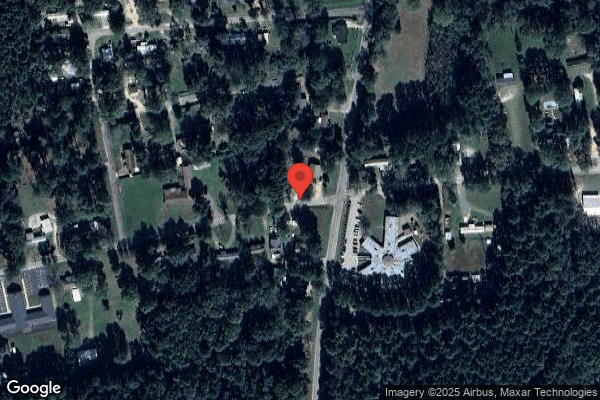
Apr 2023 2 deficiencies 1 IJ (1 affecting multiple)
CRITICAL (K) 📢 Someone Reported This

A family member, employee, or ombudsman was alarmed enough to file a formal complaint

Immediate Jeopardy (IJ) - the most serious Medicare violation

Accident Prevention (Tag F0689)

Someone could have died · This affected multiple residents

**NOTE- TERMS IN BRACKETS HAVE BEEN EDITED TO PROTECT CONFIDENTIALITY** Based on observations, interviews, and record review the facility failed to ensure each resident received adequate supervision a...

Read full inspector narrative →
**NOTE- TERMS IN BRACKETS HAVE BEEN EDITED TO PROTECT CONFIDENTIALITY** Based on observations, interviews, and record review the facility failed to ensure each resident received adequate supervision and assistance devices to prevent accidents for 4 of 5 residents (Resident #1, Resident #2, Resident #3 and Resident #4) reviewed for smoking. The facility failed to ensure Resident #1 was not provided with smoking paraphernalia by Resident #2. Resident #1 had a history of attempting to smoke while in room. On 02/27/2023, Resident #1 was given a cigarette and lighter by Resident #2 and lit the cigarette in her room and set the lit cigarette on the over bed table causing a napkin to catch fire, and minutes later lit a brief on fire catching the residents blanket on fire. On 4/09/2023 Resident #1 was provided with smoking paraphernalia by Resident #2 again. The facility failed to ensure Resident #4 was monitored during a trial of unsupervised smoking. Resident #4 was observed outside smoking unsupervised on 04/11/23. Resident #4 was observed practicing unsafe smoking behaviors. The facility failed to ensure Resident #3 was monitored for safe smoking behaviors. Resident #3 was observed outside in the smoking area on 04/11/23 lighting her pipe while it was resting on her right breast. An Immediate Jeopardy (IJ) was identified on 04/11/2023 at 5:25 PM. While the IJ was removed on 04/12/2023 at 4:35 PM, the facility remained out of compliance at a scope of pattern and severity of no actual harm with a potential for more than minimal harm because the facility needed to complete in-service training and evaluate the effectiveness of the corrective systems. This failure could place residents at risk of harm, severe injury, and possible death to residents who are deemed unsafe smokers. The findings included: 1. Record review of Resident #1's face sheet, dated 04/12/2023, indicated Resident #1 was a [AGE] year-old female, who admitted to the facility on [DATE] with diagnoses of chronic respiratory failure with hypoxia (occurs when disease of the heart or lungs leads to failure to maintain adequate blood oxygen levels), cognitive communication deficit (difficulty with thinking and how someone uses language), mild cognitive impairment (decline in memory and thinking), and major depressive disorder (persistent feeling of sadness and loss of interest). Record review of Resident #1's comprehensive MDS assessment, dated 10/02/22, indicated that Resident #1 did not have current tobacco use. Record review of the comprehensive care plan, initiated on 11/04/2022, indicated Resident #1 I am a smoker. The interventions included Perform smoking assessment according to facility policy, remind resident frequently that smoking is not allowed in room, use smoking vest when appropriate, keep my smoking materials in a safe and secure place. Provide them to me as per smoking schedule. Record review of Resident #1's quarterly MDS assessment, dated 01/16/2023, did not address current tobacco usage. It indicated Resident #1's BIMS=11, which indicated moderate cognitive impairment. Record review of the smoking risk (acuity), assessment dated [DATE], indicated Resident #1 had a score of 14 which deemed the resident to be an unsafe smoker and to follow facility policy. The care plan indicated Resident #1 had severe problems with smoking in unauthorized areas, she had a severe problem with being careless with smoking materials, and she had a severe problem with the capability to follow the facility's safe smoking policy. Record review of Resident #1's nursing progress note dated 02/27/2023 at 12:45 PM, written by LVN A, indicated CNA reported to this nurse that the resident was smoking in her bedroom. On the way to the resident's room the fire alarm was activated. This nurse observed the resident lighting toilet paper and smoking a cigarette. This nurse removed the cigarette and the lighter in use. This nurse reiterated the smoking policy to the resident, she was upset and used foul language directed at this nurse. The nurse left the room, the fire alarm was again activated. The nurse and CNA again entered the room to find the resident had started a fire. A blanket and a brief were on fire. This nurse put out the fire and educated the resident on fire safety and prohibited items. Record review of the incident report, dated 02/27/2023 at 12:45 PM, indicated Resident #1 was given a cigarette and lighter by Resident #2. Resident #1 then lit the cigarette in her room and was smoking. The report indicated Resident #1 then laid the cigarette down on the over the bed table next to a napkin and the napkin caught fire. The fire alarm activated and LVN A was able to put the fire out and removed the cigarette and lighter in use. LVN A and CNA C returned to the nurse's station when the fire alarm activated a second time. LVN A and CNA C returned to the room and a brief and blanket were on fire. LVN A was able to put the fire out and then searched room and removed 2 additional lighters from Resident #1's room. 2.Record review of Resident #2's face sheet, dated 04/12/2023, indicated Resident #2 was a [AGE] year-old male, who admitted to the facility on [DATE] with diagnoses of chronic respiratory failure with hypoxia (occurs when disease of the heart or lungs leads to failure to maintain adequate blood oxygen levels), cognitive communication deficit (difficulty with thinking and how someone uses language), and schizoaffective disorder, bipolar type (mental illness that can affect your thoughts, mood and behavior). Record review of the smoking risk (acuity), assessment dated [DATE], indicated Resident #2 had a score of 05 which deemed resident to be a safe smoker. The assessment indicated Resident #2 had a history of borrowing a lighter, he had a minimal problem with smoking in unauthorized areas, he had a minimal problem with smoking cigarettes/cigar butts from ash trays, and he had a severe problem with general behavior and interpersonal interactions. Record Review of incident report dated 4/09/2023 indicated that Resident #2 was observed by staff giving Resident #1 a cigarette and lighter. Facility staff confiscated the smoking paraphernalia and educated Resident #2 on the smoking policy. During an observation and interview on 4/11/2023 at 9:15 AM, Resident #2 reached into the right pocket of his shorts and retrieved a yellow lighter. He said he did not remember an incident when he gave Resident #1 a cigarette and lighter. Resident #2 said he kept his cigarettes and lighter in his pocket because the administrator said he could, but he was out of cigarettes. Resident #2 said he was going to ask the administrator to get him some more cigarettes. During an interview on 4/11/2023 at 12:45 PM, Resident #1 said she remembered Resident #2 giving her a cigarette and taking her out to smoke a few days ago, but she did not remember if any staff members were with her at the time. Resident #1 said she did not have any smoking materials with her currently because the nurse took it and locked it up. During an interview on 04/12/2023 at 11:06 AM, CNA C said smoking used to always be supervised and then she heard by word of mouth but can not remember who told her, it changed about 4-5 months ago. She said now some residents could go smoke anytime they wanted, and those residents were allowed to keep their smoking materials. CNA C said there were still some residents who must be monitored when smoking and the nurse kept their smoking materials. CNA C said there were 5 residents who were unsupervised smokers and 4 residents who were supervised. CNA C said Resident #2 was an unsupervised smoker and was allowed to keep his smoking materials, she said Resident #2 is a supervised smoker. CNA C said the day in February Resident #1 lit the cigarette in her room, she went to pick up the resident's lunch tray and the resident had a cigarette laying on the table that caught a napkin on fire. CNA C said LVN A came to the resident's room and found the cigarette and a lighter. CNA C said 20-25 minutes later, she went to check on Resident #1 and the resident had a blanket on the bed and a brief on the floor. She said the brief was on fire and had caused the blanket on the bed to catch fire. CNA C said LVN A came down and searched the resident's room again and found 2 more lighters. CNA C said she did not know how Resident #1 had the cigarettes and lighters. CNA C said she was not aware Resident #2 had given Resident #1 a cigarette on 04/09/23. During an interview on 04/11/2023 at 2:28 PM, LVN A said the residents were able to take themselves out to the smoking area and smoke if they were able to smoke unsupervised. LVN A said there were currently no designated smoking times in place and residents could go out whenever. LVN A said the residents were able to keep their cigarettes and lighters. LVN A said there were a few residents who had to be supervised and a list of those residents was kept at the nurse's station. LVN A said supervised smokers were determined by their smoking assessment, but she was not sure who completed that assessment. LVN A said there were 5 unsupervised smokers and 4 supervised smokers. LVN A said Resident #2 was an unsupervised smoker and was allowed to keep his smoking materials. LVN A said Resident #1 lit a cigarette in her room on 02/27/23. LVN A said Resident #1 had laid the cigarette on the over the bed table and caught a napkin on fire. LVN A said she was able to put the fire out and took the cigarette and lighter that was in use. LVN A said a few minutes later the fire alarm activated a second time. LVN A said she returned to the room and Resident #1 had lit a brief on the floor on fire that had caught the blanket on fire. LVN A said she was able to put the fire out and searched the room and found 2 more lighters. During an interview and observation on 04/11/2023 at 12:22 PM, LVN B said some residents were allowed to smoke unsupervised and there was a list of residents who had to be supervised. LVN B said the list was taped to the nurse's station. LVN B provided the initial list titled Monitored Smokers then took the list and added a resident's name at the bottom and returned the updated list. Record Review of Monitored Smokers on 4/11/2023 at 12:22 PM provided by LVN B initially contained 5 residents listed as monitored smokers. LVN B provided the monitored smokers list again and it now contains 6 residents listed as monitored smokers. During an interview on 04/11/2023 at 9:40 AM, the BOM said Attachment K of the Smoking Policy statement (dated 2/22/2022) was provided to residents and families in the admission agreement. Record Review of the facility's Attachment K Smoking policy statement dated 2/22/2022 indicated the facility would supervise all resident smoking for the safety of all residents and employees, and all resident smoking paraphernalia must be checked in with the nurse. Attachment K did not address unsupervised smoking. During an interview on 4/11/2023 at 12:32 PM, the MA said the smoking policy was in the glass case across from the nurse's station. The MA said there was a time to go smoke designated for each hall. She said there were some residents who required to be supervised, but there were some residents who could come and go as they wanted and keep their smoking materials. Record Review of HCC Smoking Policy from the glass case was undated and indicated: In order to protect the lives and safety of all residents, we require that resident smoking be conducted with direct supervision from staff or family/RP at all times. Residents are not allowed to smoke unsupervised. All smoking materials are to be kept by facility staff in a designated secure area. Family members or responsible parties must alert nursing staff when they are accompanying their resident to smoke area during a non-scheduled smoking time. Designated smoking areas: The designated smoking areas are located outside the patio exit int the main dining room; for inclement weather, the covered walkway outside of Hall 4 and Laundry exit; and secured unit residents, outside the end door of Hall 2 or the center court. Smoking is prohibited in all other areas of the facility and the grounds. Designated smoking times: Designated times for staff-supervised smoking for residents are: 8:30am 10:30am 1:00pm 2:30pm 4:30pm 6:30pm 8:30pm designated times for staff-supervised smoking for residents on the secured unit area: 8:00am 11:00am 1:00pm 4:00pm 7:00pm. Record review of the Smoking Policy Independent Smokers In-service, initiated on 02/27/2023, indicated staff were in-serviced on the smoking policy signed by 40 employees with only the sign in sheet provided with no education attached. Record review of Resident #4's face sheet dated 04/11/23 revealed, Resident #4 was admitted on [DATE] with diagnosis of dementia (memory impairment), hemiplegia following cerebral infarction (stroke affecting the left side), and bipolar disorder (affecting mood). Record review of Resident #4's quarterly MDS dated [DATE] revealed, Resident #4 needs extensive assistance with transfers, bed mobility, toilet use, personal hygiene and dressing. Resident #4 also requires supervision with locomotion and eating. Resident #4's BIMS=12 which indicated moderate cognitive impairment. Record review of Resident #4's care plan initiated on 05/16/22, revealed Resident #4 is a smoker. Resident #4's interventions include: I may wear a smoking apron upon my request, I will keep my smoking material in a safe and secure place. Staff will provide smoking materials to me as requested, monitor as needed when smoking so that if something should happen, I have someone to assist and help me at assure my safety. Record review of Resident #4's smoking risk (acuity) assessment dated [DATE] revealed a score of 4, which indicated Resident #4 is a safe smoker. During an interview outside in the smoking area 04/11/2023 at 9:30 AM, Resident #4 said she used to have to have staff take her out to smoke, but she asked the DON to be unsupervised and was granted a trial of being an unsupervised smoker. Resident #4 said when she was ready to smoke, she stopped by the nurse's station and the nurse would give her 2 cigarettes and a lighter. She said she propelled herself outside to smoke unsupervised. Resident #4 said when she went back inside the facility, she would give the lighter back to the nurse. Record review of Resident #3's face sheet dated 04/11/23 revealed, Resident #3 was originally admitted on [DATE] with the most recent admission on [DATE]. Resident #3's diagnosis includes dementia (memory problem), seizures (stiffness, twitching, or limpness), and schizoaffective disorder (mental health problem where you experience psychosis as well as mood problems). Record review of Resident #3's quarterly MDS dated [DATE] revealed, Resident #3 requires extensive assistance with bed mobility, transfers, locomotion, dressing, toilet use and personal hygiene. Resident #3's BIMS=12 which indicated moderate cognitive impairment. Record review of Resident #3's care plan initiated on 07/23/2019 and revised on 04/11/23 revealed, Resident #3 is a smoker. Care plan interventions include I may use smoking apron upon my request, remind to not share cigarettes with others, report observations of resident having smoking materials in possession at times other than during smoking break and remind to keep in lock box when not smoking, resident may participate independently for smoke break as requested. Record review of Resident #3's smoking risk (acuity) assessment dated [DATE] revealed, Resident #3 score was 1 which indicated resident is a safe smoker. During an interview and observation outside in the smoking area on 04/11/2023 at 9:35 AM, Resident #3 said the residents raised enough ruckus about smoking that the administrator gave in and decided they could smoke anytime they wanted and keep their smoking materials. Resident #3 said Resident #2 came out to the smoking area frequently wanting to borrow cigarettes from other residents. Resident #3 does not have use of her left arm due to hemiplegia following a cerebral infarction affecting the left side. Resident #3 was smoking a pipe. Resident #3 took the pipe and dipped it into a pouch of loose tobacco, put the pipe in her mouth and rested the bottom of the pipe on her right breast, she then took a blue Bic lighter turned it upside down and lit the tobacco in the bottom of the pipe and began to smoke the pipe. After smoking, Resident #3 emptied the contents of the pipe into the ashtray and repeated the process multiple times. During an observation on 04/11/2023 at 10:15 AM, Resident #2 was observed putting in the code to the smoking door and came out to the smoking area. Resident #2 asked Resident #3 if she could pay him back his cigarettes. Resident #3 told Resident #2 that she did not have any money and he would have to wait until she got some. Resident #2 then put the code into the number pad and went back inside the facility. During a continuous observation on 04/11/2023 at 9:30 AM to 10:49 AM, four residents (Resident's #2, #3, #4 and #5) were outside in the smoking courtyard. Residents #2, #3, #4 and #5 had their own cigarettes and lighters and were unsupervised. Resident #4 was wearing a smoking apron that covered the front of her clothing and was not secured in the back. Observed no interaction with staff and smoking residents from 9:30 AM until 10:49 AM. At 10:49 AM, LVN A came to the smoking door and told Resident #4 she needed to come inside. During an interview on 4/11/2023 at 12:05 PM, CNA E said smoking used to always be supervised and then it changed, but she did not know when. CNA E said now some residents could go smoke anytime they wanted, and those residents were allowed to keep their smoking materials. CNA E said there were still some residents who must be monitored when smoking and the nurse kept their smoking materials. CNA E said there were 2 residents who were supervised. CNA E said Resident #2 was an unsupervised smoker and was allowed to keep his smoking materials. During an observation on 4/11/2023 at 12:51pm, two residents (Resident's #2 and #5) were outside in the smoking courtyard. Residents #2 and #5 had their own cigarettes and lighters and were unsupervised. During an interview outside in the smoking area on 04/11/2023 at 12:51 PM, Resident #5 said the staff used to bring him out to smoke, but that had not happened in a while. He said his family member provided his cigarettes, and he had his cigarettes and lighter in his jacket pocket. During an interview on 4/12/2023 at 10:17 AM, CNA D said smoking used to always be supervised and then it was changed but did not know when. CNA D said now some residents can go smoke anytime they want, and those residents are allowed to keep their smoking materials. CNA D said there are still some residents who had to be monitored when smoking and the nurse kept their smoking materials. CNA D said there were 6 residents who were unsupervised smokers and 3 residents who were supervised. CNA D said Resident #2 is an unsupervised smoker and was allowed to keep his smoking materials. CNA D said Resident #1 is a supervised smoker. During an interview on 4/12/2023 at 3:32 PM, CNA E Said that there are 3 residents that must be supervised to smoke, they can't share cigarettes, they must wear their aprons, and they get one every 2 hours. During an interview on 04/11/2023 at 3:23 PM with the Administrator, she said let's go talk to the DON about who completes the smoking risk (acuity) assessments. Upon entering the DON's office, the Administrator left the office. During an interview on 04/11/2023 at 3:25 PM, the DON said they use the smoking assessment in Matrix as a tool for determining what residents are considered safe or unsafe smokers. She said they also will assess the resident for any changes in condition that could cause the resident to become unsafe. Said Resident #4 has come and asked that she be made an unsupervised smoker, she said they are now doing a trial run with the resident to see if she does ok with unsupervised smoking. She Said she is aware Resident #2 gave Resident #1 cigarettes and a lighter on more than one occasion because he is a giver and when he is sweet on someone, he will give that person anything he has. She said he is sweet on Resident #1. The DON said the facility educated Resident #2 on the smoking policy of not giving cigarettes and lighter to a supervised smoker. The DON said Resident #2 is still allowed to keep his smoking paraphernalia and they have no way to ensure that Resident #2 will not do it again. The Administrator was notified on 04/11/2023 at 5:25 PM that an Immediate Jeopardy situation was identified due to the above failures. The Administrator was provided the Immediate Jeopardy Template on 04/11/2023 at 5:25 PM. The Administrator provided a third smoking policy on 4/11/2023 at 5:30pm, titled, Smoking Policy-Residents 2001 med-pass, INC. (Revised December 2019) and included the following: This facility shall establish and maintain safe resident smoking practices. Policy interpretation and Implementation. 1. Prior to, and upon admission, residents shall be informed of the facility smoking policy, including designated smoking areas, and the extent to which the facility can accommodate their smoking or non-smoking preferences. 2. Smoking is only permitted in designated resident smoking areas, which are located outside of the building. Otherwise, smoking is not allowed inside the facility under any circumstances. 3. Oxygen use is prohibited in smoking areas. 4. Metal containers, with self-closing cover devices, are available in smoking areas. 5. Ashtrays are emptied only into designated receptacles. 6. The resident will be evaluated on admission to determine if he or she is a smoker or non-smoker. If a smoker, the evaluation will include A. current level of tobacco consumption; b. Method of tobacco consumption (traditional cigarettes; electronic cigarettes; pipes, etc.); c. Desire to quit smoking, if a current smoker; and d. Ability to smoke safely with or without supervision (per a completed smoke risk (Acuity). 7. The staff shall consult with the attending physician and the director of nursing services to determine if safety restrictions need to be placed on a resident's smoking privileges based on the safe smoking evaluation. 8. A resident's ability to smoke safely will be re-evaluated quarterly, upon a significant change (physical or cognitive) and as determined by the staff. 9. Any smoking-related privileges, restrictions, and concerns (for example, need for close monitoring) shall be noted on the care plan, and all personnel caring for the resident shall be alerted to these issues. 10. The facility may impose smoking restrictions on a resident at any time if it is determined that the resident cannot smoke safely with the available levels of support and supervision. 11. Any resident with restricted smoking privileges requiring monitoring shall have the direct supervision of a staff member, family member, visitor, or volunteer worker at all times while smoking. 12. Residents who have independent smoking privileges are permitted to keep cigarettes, e-cigarettes, pipes, tobacco, and other smoking articles in their possession, only disposable safety lighters are permitted. All other forms of lighters, including matches, are prohibited. 13. Residents are not permitted to give smoking articles to other residents. 14. Residents without independent smoking privileges may not have or keep any smoking articles, including cigarettes, tobacco, etc., except when they are under direct supervision. 15. Staff members and volunteer workers are not permitted to purchase and or provide any smoking articles for residents. 16. This facility maintains the right to confiscate smoking articles found in violation of our smoking policies. 17. Confiscated resident property will be itemized and ultimately returned to the resident, or his or her legal representative. When the property is returned will be determined during a meeting with the resident or representative regarding the circumstances that led to the confiscation. The facility's plan of removal was accepted on 04/12/2023 at 4:35 PM and included the following: The facility's nursing administration will complete smoking acuity assessments on all residents in the facility. The facility's administration will communicate with staff the residents will be deemed to be safe to smoke independently according to our smoking acuity assessment and residents that will be deemed not safe to smoke independently according to our smoking acuity assessment by completing a list and updating the care plans, so staff are aware. The Facility's administration will update the monitored smoking schedule and will ensure residents that will be deemed not safe to smoke independently according to out smoking acuity assessment are monitored while smoking. Nursing administration, Social Services, Administrator, and/or designee will educate all smoking residents regarding having smoking paraphernalia on person, sharing cigarettes and lighters, and ensuring they understand not everyone is capable of self-smoking. Residents will sign or verbally agree with two witnesses to the above educational information (if unable to sign). Violation of this policy will result in supervised smoking. Smoking policy has been reviewed and updated. Ask residents for their smoking paraphernalia while respecting their rights and ensuring residents that will be deemed not safe to smoke independently according to out smoking acuity assessment will not have paraphernalia. The facility will keep residents that will be deemed not safe to smoke independently according to out smoking acuity assessment smoking paraphernalia in a secure location where only staff have access and can distribute as necessary. Resident #2's smoking paraphernalia will be secured where only staff has access and can distribute as necessary. Administrator, Director of Nurses, and /or designee, will in-service all staff on current smoking policy, ensure they understand residents will be deemed to be safe to smoke independently according to our smoking acuity assessment. Vs. residents that will be deemed not safe to smoke independently according to our smoking acuity assessment (those residents will be identified through a list created by nursing administration-post smoking acuity assessment- and can be additionally identified through the residents' care plans). All staff will be trained prior to working their next shift. Administrator, Director of Nurses, and/or designee, will speak with family members of Resident #1 to assist with ensuring that resident does not have smoking paraphernalia and document in medical record. Room search will be conducted as needed. Ad-Hoc QAPI performed with Medical Director, Administrator, and Director of Nursing. The facility smoking policy was revised April 2023 and at that time the DON began in-servicing facility staff on the policy changes. All staff currently on duty were in-serviced on the revised smoking policy 4/12/23 at 3:30 PM. Any staff members not available for in-service will be in-serviced prior to returning to shift. Policy related to supervision during smoking times has been implemented and is in place. The smoking policy implementation explanation started 4/11/23 with all residents who smoke. The smoking policy implementation was completed on 4/12/2023 for all residents who smoke. On 04/12/2023 the surveyor confirmed the facility implemented their plan of removal sufficiently to remove the Immediate Jeopardy (IJ) by: During an observation 4/12/2023 at 1:00pm, Resident #2 was observed turning in his lighter to the nurse at the nurse's station. During an observation on 04/03/2023 at 2:25 PM, 4 residents were outside smoking supervised by Administrator in training. During resident interviews on 04/12/2023 between 3:45 PM - 4:15 PM, Resident's #1, #2, #3, #4, #5, #6, #7, #8, and #9 were able to verbalize understanding of the smoking policy, which included supervised smoking for supervised residents and designated smoking times, and verified all cigarettes and lighters were turned into the facility staff. Record review of the comprehensive care plan for Resident's #1, #2, #3, #4, #5, #6, #7, #8, and #9 indicated they had been reviewed and revised as necessary. Record review of the smoking assessments for Resident's #1 #2, #3, #4, #5, #6, #7, #8, and #9 indicated they had been reviewed and revised as necessary. Record review of the smoking policy in-service provided to staff, dated 04/11/2023, indicated 40 staff members had signed and dated the read and understood the smoking policy, which included Resident #2 is required to keep smoking paraphernalia at the nurse's station, supervised smoking residents were required to keep their cigarettes and lighters at the nurse's station, and designated smoking times and supervision. During interview on 04/12/2023 between 3:30 PM and 4:30 PM, the following staff members, 3 charge nurses, 1 CMA, 6 CNA's, 1 housekeeping staff member, and the ADON were interviewed and verbalized understanding that supervised smoking residents were required to keep their cigarettes and lighters at the nurse's station, and Resident #2 must keep his cigarettes and lighter at the nurse's station, and the new digitated smoking times and supervision. On 04/12/2023 at 4:35 PM, the Administrator was informed the IJ was removed; however, the facility remained out of compliance at a scope of pattern and severity of no actual harm with a potential for more than minimal harm because to the facility needed to complete in-service training and evaluate the effectiveness of the corrective systems.
CONCERN (D) 📢 Someone Reported This

A family member, employee, or ombudsman was alarmed enough to file a formal complaint

Potential for Harm - no one hurt, but risky conditions existed

Smoking Policies (Tag F0926)

Could have caused harm · This affected 1 resident

**NOTE- TERMS IN BRACKETS HAVE BEEN EDITED TO PROTECT CONFIDENTIALITY** Based on observation, interview, and record review, the facility failed to follow their own established smoking policy for 2 of ...

Read full inspector narrative →
**NOTE- TERMS IN BRACKETS HAVE BEEN EDITED TO PROTECT CONFIDENTIALITY** Based on observation, interview, and record review, the facility failed to follow their own established smoking policy for 2 of 5 resident (Resident #2) reviewed for smoking. The facility failed to ensure Resident #2 was compliant with the facility's smoking policy and failed to implement the smoking policy to ensure residents did not give smoking paraphernalia to supervised smoking Resident #1. This failure could place residents at risk of an unsafe smoking environment. The findings included: 1.Record review of Resident #1's face sheet, dated 04/12/2023, indicated Resident #1 was a [AGE] year-old female, who admitted to the facility on [DATE] with diagnoses of chronic respiratory failure with hypoxia (occurs when disease of the heart or lungs leads to failure to maintain adequate blood oxygen levels), cognitive communication deficit (difficulty with thinking and how someone uses language), mild cognitive impairment (decline in memory and thinking), and major depressive disorder (persistent feeling of sadness and loss of interest). Record review of Resident #2's face sheet, dated 04/12/2023, indicated Resident #2 was a [AGE] year-old male, who admitted to the facility on [DATE] with diagnoses of type 2 diabetes mellitus (problem in the way the body regulates and uses sugar), chronic respiratory failure with hypoxia (occurs when disease of the heart or lungs leads to failure to maintain adequate blood oxygen levels), cognitive communication deficit (difficulty with thinking and how someone uses language), and schizoaffective disorder, bipolar type (mental illness that can affect your thoughts, mood and behavior). Record review of the smoking risk (acuity), dated 02/01/2023, indicated Resident #2 had a score of 05 which deemed resident to be a safe smoker, it also indicated that Resident #2 has a history of borrowing a lighter, he has a minimal problem with smoking in unauthorized areas, he has a minimal problem with smoking cigarettes/cigar butts from ash trays, and a severe problem with general behavior and interpersonal interactions. Record review of Resident #2's comprehensive MDS assessment, dated 11/03/2022, resident has a BIMS score of 12 which indicated moderate cognitive impairment, and is a current tobacco user. Record review of the comprehensive care plan, initiated on 10/21/22, indicated Resident #2 has schizoaffective disorder with the risk for behavioral symptoms. I speak loudly and pace the hallways. I curse staff/other residents. I am easily anxious and agitated. I go in/out of offices and to nurse station. I am non-compliant with smoking policy and following rules. The interventions included review smoking policy frequently. The comprehensive care plan further indicated a smoking care plan was initiated on 11/02/2022 that included interventions of report to charge nurse immediately if resident is smoking in an unauthorized area, report observation of unsupervised smoking to charge nurse or other administrative staff. Record review of facility incident reports on 4/11/2023 indicated that on 02/27/2023, Resident #1 was given a cigarette and lighter by Resident #2, and Resident #1 lit the cigarette in her room and set the lit cigarette on the over bed table causing a napkin to catch fire and minutes later lit a brief on fire catching the residents blanket on fire. On 4/09/2023 Resident #1 was provided with smoking paraphernalia by Resident #2 again. Record review of the smoking risk (acuity), dated 02/01/2023, indicated Resident #2 had a score of 05 which deemed resident to be a safe smoker, it also indicated that Resident #2 has a history of borrowing a lighter, he has a minimal problem with smoking in unauthorized areas, he has a minimal problem with smoking cigarettes/cigar butts from ash trays, and a severe problem with general behavior and interpersonal interactions. Record review of the Smoking Policy Independent Smokers In-service, initiated on 02/27/2023, indicated staff were in-serviced on the smoking policy signed by 40 employees with only the sign in sheet provided with no education attached. During an interview on 4/11/2023 at 9:15 AM, Resident #2 said that he does not remember an incident that he gave Resident #1 a cigarette and lighter. Resident #2 said that he keeps his cigarettes and lighter in his pocket because the administrator said he could, but he is out of cigarettes. Resident #1 reached into his pocket and retrieved a yellow lighter out of the right pocket of his shorts. Resident #2 said that he is going to ask the administrator to get him some more cigarettes. During an interview on 4/11/2023 at 9:40 AM, the BOM provided Attachment K Smoking policy statement dated 2/22/2022. BOM said that this is the smoking policy provided to residents and families in the admission agreement. Record Review of Attachment K Smoking policy statement dated 2/22/2022 and was initially provided by the BOM 04/11/2023 at 9:45am, indicated that the facility will supervise all resident smoking for the safety of all residents and employees, and all resident smoking paraphernalia must be checked in with the nurse. During an interview on 4/11/2023 at 12:22pm with LVN B, said that some residents are allowed to go to smoke unsupervised and there is a list of residents that still have to be supervised. LVN B said the list is taped to the nurse's station. LVN B provided the initial list then took the list and wrote in a resident name at the bottom and provided the updated list. Record Review of Monitored Smokers on 4/11/2023 at 12:22pm provided by LVN B initially contained 5 residents listed as monitored smokers. LVN B provided the monitored smokers list again and it now contains 6 residents listed as monitored smokers. During an interview on 4/11/2023 at 12:32 PM, the MA said the smoking policy was in the glass case across from the nurse's station. The MA said there was a time to go smoke designated for each hall. She said there were some residents who required to be supervised, but there were some residents who could come and go as they wanted and keep their smoking materials. Record Review of Carthage HCC Smoking Policy undated that was posted on the wall across from nurses' station in glass case indicated: In order to protect the lives and safety of all residents, we require that resident smoking be conducted with direct supervision from staff or family/RP at all times. Residents are not allowed to smoke unsupervised. All smoking materials are to be kept by facility staff in a designated secure area. Family members or responsible parties must alert nursing staff when they are accompanying their resident to smoke area during a non-scheduled smoking time. Designated smoking areas: The designated smoking areas are located outside the patio exit int the main dining room; for inclement weather, the covered walkway outside of Hall 4 and Laundry exit; and secured unit residents, outside the end door of Hall 2 or the center court. Smoking is prohibited in all other areas of the facility and the grounds. Designated smoking times: Designated times for staff-supervised smoking for residents are: 8:30am 10:30am 1:00pm 2:30pm 4:30pm 6:30pm 8:30pm designated times for staff-supervised smoking for residents on the secured unit area: 8:00am 11:00am 1:00pm 4:00pm 7:00pm. During an interview on 04/11/2023 at 2:28 PM, LVN A said the residents were able to take themselves out to the smoking area and smoke if they were able to smoke unsupervised. LVN A said there were currently no designated smoking times in place and residents could go out whenever. LVN A said the residents were able to keep their cigarettes and lighters. LVN A said there were a few residents who had to be supervised and a list of those residents was kept at the nurse's station. LVN A said supervised smokers were determined by their smoking assessment, but she was not sure who completed that assessment. LVN A said there were 5 unsupervised smokers and 4 supervised smokers. LVN A said Resident #2 was an unsupervised smoker and was allowed to keep his smoking materials. LVN A said Resident #1 lit a cigarette in her room on 02/27/23. LVN A said Resident #1 had laid the cigarette on the over the bed table and caught a napkin on fire. LVN A said she was able to put the fire out and took the cigarette and lighter that was in use. LVN A said a few minutes later the fire alarm activated a second time. LVN A said she returned to the room and Resident #1 had lit a brief on the floor on fire that had caught the blanket on fire. LVN A said she was able to put the fire out and searched the room and found 2 more lighters. During a continuous observation on 04/11/2023 at 9:30 AM to 10:49am, four residents (Resident's #2, #3, #4 and #5) were outside in the smoking courtyard. Residents #2, #3, #4 and #5 had their own cigarettes and lighters and were unsupervised. Resident #4 was wearing a smoking apron that covered the front of her clothing and was not secured in the back. Observed no interaction with staff and smoking residents from 9:30am until 10:49am when LVN A came to the smoking door and told Resident #4 that she needed to come inside. During an observation on 04/11/2023 at 10:15am AM, Resident #2 was observed putting in the code to smoking door and came out to the smoking area. Resident #2 asked Resident #3 if she could pay him back his cigarettes. Resident #3 told Resident #2 that she did not have any money and he would have to wait until she got some. Resident #2 then put the code into the number pad and went back inside the facility. During an interview on 4/11/2023 at 12:05 PM, CNA E said that smoking used to always be supervised and then it was changed but didn't know when and said that now some residents can go smoke anytime they want, and those residents are allowed to keep their smoking materials. CNA E said that there are still some residents that must be monitored when smoking and the nurse keeps their smoking materials. CNA E said there are 2 residents that are supervised. CNA E said that Resident #2 is an unsupervised smoker and is allowed to keep his smoking materials. During an interview on 4/11/2023 at 12:45 PM, Resident #1 said that she remembers Resident #2 giving her a cigarette and taking her out to smoke a few days ago but does not remember if any staff members were with her at the time. Resident #1 said that she does not currently have any smoking materials with her that the nurse took it and locked it up. During an observation on 4/11/2023 at 12:51pm, two residents (Resident's #2 and #5) were outside in the smoking courtyard. Residents #2 and #5 had their own cigarettes and lighters and were unsupervised. Record Review of incident report dated 4/09/2023 indicated that Resident #2 was observed by staff giving Resident #1 a cigarette and lighter. Facility staff confiscated the smoking paraphernalia and educated Resident #2 on the smoking policy. During an interview on 4/12/2023 at 10:17 AM, CNA D said smoking used to always be supervised and then it was changed but did not know when. CNA D said now some residents can go smoke anytime they want, and those residents are allowed to keep their smoking materials. CNA D said there are still some residents who had to be monitored when smoking and the nurse kept their smoking materials. CNA D said there were 6 residents who were unsupervised smokers and 3 residents who were supervised. CNA D said Resident #2 is an unsupervised smoker and was allowed to keep his smoking materials. CNA D said Resident #1 is a supervised smoker. During an interview on 04/12/2023 at 11:06 AM, CNA C said smoking used to always be supervised and then she heard by word of mouth but can not remember who told her, it changed about 4-5 months ago. She said now some residents could go smoke anytime they wanted, and those residents were allowed to keep their smoking materials. CNA C said there were still some residents who must be monitored when smoking and the nurse kept their smoking materials. CNA C said there were 5 residents who were unsupervised smokers and 4 residents who were supervised. CNA C said Resident #2 was an unsupervised smoker and was allowed to keep his smoking materials, she said Resident #2 is a supervised smoker. CNA C said the day in February Resident #1 lit the cigarette in her room, she went to pick up the resident's lunch tray and the resident had a cigarette laying on the table that caught a napkin on fire. CNA C said LVN A came to the resident's room and found the cigarette and a lighter. CNA C said 20-25 minutes later, she went to check on Resident #1 and the resident had a blanket on the bed and a brief on the floor. She said the brief was on fire and had caused the blanket on the bed to catch fire. CNA C said LVN A came down and searched the resident's room again and found 2 more lighters. CNA C said she did not know how Resident #1 had the cigarettes and lighters. CNA C said she was not aware Resident #2 had given Resident #1 a cigarette on 04/09/23. During an interview on 4/12/2023 at 3:32 PM, CNA E Said that there are 3 residents that must be supervised to smoke, they can not share cigarettes, they must wear their aprons, and they get one every 2 hours. During an interview on 4/11/2023 at 3:20 PM, the Administrator said that the DON and ADON are responsible for completing the smoking risk acuity assessments. During an interview on 04/11/2023 at 3:25 PM, the DON Said they use the smoking assessment in Matrix as a tool for determining what residents are considered safe or unsafe smokers. Said they also will assess the resident for any changes in condition that could cause the resident to become unsafe. Said Resident #4 has come and asked that she be made an unsupervised smoker, she said they are now doing a trial run with the resident to see if she does ok with unsupervised. Said she is aware that Resident #2 gave Resident #1 cigarettes and a lighter on more than one occasion because he is a giver and when he is sweet on someone, he will give that person anything he has. Said he is sweet on Resident #1. The DON said the facility educated Resident #2 on the smoking policy of not giving cigarettes and lighter to a supervised smoker. The DON said Resident #2 is still allowed to keep his smoking paraphernalia and they have no way to ensure that Resident #2 will not do it again. During an interview on 04/12/2023 at 3:30 PM, with the DON said that she expects that the policy is to be followed. Said the potential harm if policy is not followed is that the supervised smokers are at risk for injury.
May 2022 7 deficiencies
CONCERN (D)

Potential for Harm - no one hurt, but risky conditions existed

Comprehensive Assessments (Tag F0636)

Could have caused harm · This affected 1 resident

**NOTE- TERMS IN BRACKETS HAVE BEEN EDITED TO PROTECT CONFIDENTIALITY** Based on interview and record review, the facility failed to complete a comprehensive resident-centered assessment of each resid...

Read full inspector narrative →
**NOTE- TERMS IN BRACKETS HAVE BEEN EDITED TO PROTECT CONFIDENTIALITY** Based on interview and record review, the facility failed to complete a comprehensive resident-centered assessment of each resident's cognitive, medical, and functional capacity in a timely manner for 2 of 13 residents (Resident #13 and #104) reviewed for accuracy of assessments. The facility failed to ensure Resident #13's last annual assessment was completed timely. The facility did not complete Resident #104's admission MDS within 14 days of admission. These failures could place residents at risk of not having their needs met. Findings included: 1. Record review of the face sheet indicated Resident #13 was a [AGE] year-old female that was admitted to the facility on [DATE] with the diagnoses that included unstageable pressure ulcer to sacrum (tailbone area), urinary tract infection, and dementia. A record review of a physician's order report dated 04/17/2022 to 05/17/2022 revealed an order for an 18 French foley catheter with a 10cc bulb to be changed monthly on the 16th with a 3/19/2022 order date for Resident #13. The order read, Foley catheter: Change catheter and drainage bag as needed for indications of blockage, increased sediment, infection, and displacement. The record review of the physician orders also revealed an order for wound care to pressure ulcer to sacral region: Clean with normal saline, apply Santyl and calcium alginate, cover with silicone dressing, change daily for Resident #13. A record review of a quarterly MDS dated [DATE], indicated Resident #13 was usually understood and usually understood others. The MDS indicated Resident #13 had a BIMS (Brief Interview of Mental Status) score of 11 which indicated some cognitive impairment but able to give correct responses when prompted. The MDS indicated that Resident #13 required extensive assistance with ADLs. The MDS indicated that Resident #13 had an indwelling foley catheter. A record review of Resident #13's MDS assessment log dated 05/17/2022 appeared as follows: 05/03/2022- Quarterly review-production in process 03/04/2022- Quarterly review- production accepted 01/31/2022- Quarterly review- production accepted 01/30/2022- Entry- production accepted 01/26/2022- Discharge- production accepted 01/12/2022- Quarterly review-production accepted 11/11/2021- Entry-production accepted 11/01/2021- Discharge production accepted 10/12/2021- Quarterly review- production in process 07/12/2021- Quarterly review-production in process 05/20/2021-Entry- production in process 05/08/2021-Discharge-finialized 04/23/2021- Annual review- production accepted During an interview on 05/18/2022 at 9:15am the MDS nurse stated that an annual assessment was not completed in a timely manner because there was something malfunctioning with the scheduler on in the computer system. The MDS nurse stated she was new to the position. The MDS nurse stated that annual assessments were due every 366 days as per the RAI manual. During an interview on 05/18/2022 at 10:00 am the DON stated she was not aware an annual MDS was missed on Resident #13. The DON stated the MDS nurse was not directly under the DON supervision and that corporate did audits to ensure no MDS's were missed. The DON said she was unsure when the last audit was conducted. During an interview on 05/18/2022 at 10:15am the Administrator stated she expected that all MDS's be done as per the RAI manual. The Administrator stated she was the direct supervisor of the MDS nurse along with the corporate consultant. The Administrator stated she expected the MDS nurse to ensure timely production of all MDSs. 2. Record review of a face sheet and consolidated physician orders dated 4/17/2022 - 5/17/2022 indicated Resident #104 was [AGE] years old and was admitted on [DATE] with diagnoses of Parkinson's disease (a long-term degenerative disorder of the central nervous system that mainly affects the motor system), depression, and Alzheimer's disease (a progressive disease that destroys memory and other mental functions). Record review as of 5/16/2022 at 4:29 p.m., indicated there was not an MDS completed for Resident #104. During an interview on 5/17/22 at 10:00 a.m., the MDS revealed she had not started on the MDS for Resident #104. She said there had been a lot of new admits and Resident #104 was not due yet. She said the MDS was due this week. She said Resident #104 did have an entry on 4/30/2022. During an interview on 5/17/22 at 2:31 p.m., the MDS nurse revealed Resident #104 should have had a completed MDS within 14 days of admission. She said Resident #104 had admitted on private pay and had been waiting on insurance approval. The MDS nurse said time had just gotten away from away from her. She said even if the resident was private pay she should have completed an MDS within 14 days. During an interview on 5/18/22 1:41 p.m., the DON revealed the MDS nurse had 14 days to complete an MDS after a new admission. She said she would have expected the MDS for Resident #104 to be completed sooner than it had been. She said the MDS nurse kept up with when each MDS was due. She said an MDS being completed has a lot to do with insurance. She said part of MDS nurse's job was to do the initial care planning through the MDS. She said an MDS not being completed in a timely manner could cause a care area to be missed by staff. During an interview on 05/18/22 at 2:14 PM, the Administrator revealed when a new admit comes to the facility the MDS nurse should open an MDS, and she has 14 days to be complete the MDS. She said she would expect all MDSs to be completed in a timely manner. She said an MDS not being completed does not negatively affect a resident because with Resident #104 there was already a care plan in place and the resident received the care she should have received. Record review of a facility MDS Completion and Submission Timeframes policy last dated July 2017 indicated, .Our facility will conduct and submit resident assessments in accordance with current federal and state submission timeframes .Timeframes for completion and submission of assessments is based on the current requirements published in the Resident Assessment Instrument Manual . During a review of the RAI manual, Chapter 2 updated 2021 stated .the admission assessment must be signed complete by the 14th day of the resident's stay The Annual (comprehensive) assessment must be completed within 366 days of the previous comprehensive assessment.
CONCERN (D)

Potential for Harm - no one hurt, but risky conditions existed

Comprehensive Care Plan (Tag F0656)

Could have caused harm · This affected 1 resident

**NOTE- TERMS IN BRACKETS HAVE BEEN EDITED TO PROTECT CONFIDENTIALITY** Based on interview, observation and record review the facility failed to develop and implement a comprehensive person-centered c...

Read full inspector narrative →
**NOTE- TERMS IN BRACKETS HAVE BEEN EDITED TO PROTECT CONFIDENTIALITY** Based on interview, observation and record review the facility failed to develop and implement a comprehensive person-centered care plan for each resident, that includes measurable objectives and timeframes to meet a resident's medical, nursing, mental and psychosocial needs for 3 of 13 residents (Resident #46, Resident #47, and Resident #35). The facility failed to include Hypertension (high blood pressure) and smoking on Resident #46's comprehensive care plan. The facility failed to include Incontinent of bowel and bladder and smoking on Resident #47's comprehensive care plan. The facility failed to include assistance with ADL's (activities of daily living), limited range of motion of upper and lower extremities, incontinence of bowel and bladder, pressure ulcers pressure ulcer prevention, heart failure, stroke, depression, chronic obstructive pulmonary disease, and high blood pressure on Resident #35's comprehensive care plan. These failures could affect residents by placing them at risk for not receiving care and services to meet their needs safely. Findings included: During an observation on 5/17/22 10:30 PM, Resident #46 and Resident #47 was observed outside smoking with one staff member present. During an interview on 5/17/22 at 08:15 AM with Resident #46, he said he had to get his cigarettes from the nurses' station and a staff member always goes out with him to smoke. He said he gets his smoke breaks as scheduled. During an interview on 5/17/22 08:30 with Resident #47, he said he had to get his cigarettes from the nurses' station and a staff member always goes out with him to smoke. He said he gets his smoke breaks as scheduled. #1 Record review of Resident #46's face sheet dated 5/17/22 revealed a [AGE] year-old male who was admitted on [DATE]. His diagnoses included Major depression disorder, Insomnia (unable to sleep), high blood pressure, Tobacco use, Schizophrenia, history of a heart attack and stroke. Record review of Resident #46's Comprehensive MDS dated [DATE] revealed the resident's BIMS was 5 indicating he was cognitively severely impaired. The MDS indicated the resident showed other behavioral symptoms not directed toward others 4-6 days a week, he requires extensive assistance of 2-3 persons, always incontinent of bowel and bladder, had diagnoses of tobacco use, lung disease, schizophrenia, and high blood pressure. Record review of Resident #46's care plan with admit date of 12/30/21 revealed it did not include objectives, timeframes, and interventions for high blood pressure and smoking. #2 Record review of Resident #47's face sheet dated 5/16/22 revealed a [AGE] year-old male who was admitted on [DATE]. His diagnoses included Peripheral Vascular Disease (circulation disease of extremities), High cholesterol, Diabetes with neuropathy (nerve pain), Major Depression Disorder, High Blood Pressure, and Brief Psychotic Disorder. Record review of Resident #47's Comprehensive MDS dated [DATE] revealed the resident's BIMS was 7 indicating he was cognitively severely impaired. The MDS indicated the resident had verbal behavioral symptoms directed toward others 1-3 days a week, required extensive assistance of one person, incontinent of bowel and bladder, had a pressure reducing device, and had diagnoses of tobacco use, stroke, and high blood pressure. Record review of Resident #47's care plan with admit date of 7/14/21 revealed it did not include objectives, timeframes, and interventions for incontinence of bowel and bladder and smoking. #3 Record review of Resident #35's face sheet dated 5/16/22 revealed a [AGE] year-old male who was admitted on [DATE]. His diagnoses included intracranial hemorrhage, chronic obstructive pulmonary disease (lung disease), constipation, dysphagia (difficulty swallowing), Major depressive disorder, Flaccid hemiplegia of right side (unable to use right extremities), high blood pressure, heart failure, and cognitive communication deficit. Record review of Resident #35's Comprehensive MDS dated [DATE] revealed the resident's BIMS was 8 indicating he was cognitively moderately impaired. The MDS indicated the resident required extensive to total assistance of 1-2 persons with ADL's , had limited range of motion of upper and lower extremities, always incontinent of bowel and bladder, at risk of developing pressure ulcers, and has diagnoses of heart failure, nontraumatic intracranial hemorrhage, flaccid hemiplegia of right side, depression, chronic obstructive pulmonary disease, and high blood pressure. Record review of Resident #35's care plan with admit date of 6/22/21 revealed it did not include objectives, timeframes, and interventions for assistance with ADL's , limited range of motion of upper and lower extremities, incontinence of bowel and bladder, pressure ulcer prevention, heart failure, stroke, depression, chronic obstructive pulmonary disease, and high blood pressure. Resident #35's care plan only included Advanced Directives and Tasks to be documented in CareAssist (Breakfast, Dinner, Bedtime snack, and bathing schedule). During an interview on 5/17/2022 at 3:00 PM with the DON she said she was aware of the problem with the care plans not being completed or updated in a timely fashion. The DON said she just implemented a performance improvement plan (PIP) to correct the issue with the care plan implementation and revision. The DON said she reassigned duties of care plan implementation and revision. The charge nurses were now responsible for the baseline care plans, the MDS nurse was responsible for the comprehensive care plan implementation and revision, and they hired another nurse to make sure acute care plans were done and that the entire care plan reflected the resident accurately. The DON stated her expectations were for the care plans to be completed in a timely fashion and to capture the resident as a whole person. During an interview on 5/17/2022 at 3:30 PM with the Administrator, she said she was the direct supervisor of the MDS nurse, along with the corporate consultant. The Administrator said she knew the care plans were an issue and the DON had recently done a PIP to correct the issues. The Administrator said her expectation was for the floor nurses to do the baseline care plans and for the administrative nurses to create the comprehensive care plan and revise it as necessary. During interview on 5/18/22 at 11:21 AM with the MDS Coordinator, she said she has been working at the facility a little over a year and started as MDS coordinator in June of 2021. She said she does the CAA's (Care Area Assessments) and the Care Plan Coordinator was responsible for the implementation of the care plans. She said they realized they had a problem with the Care Plans being completed and they implemented a Performance Improvement Plan (PIP) about a month ago. She said they were currently working on reviewing all the residents' care plans to update them appropriately. She said the DON was responsible for making sure the PIP plan was being followed and revising as necessary to ensure the interventions were correcting the problems and care plans were being implemented and updated as needed. During an interview on 05/18/2022 at 1:15 PM with the Administrator, she said it was the responsibility of the nurses to read the care plans and follow the listed instructions to ensure the residents are cared for as they should be. The Administrator also indicated it was the responsibility of the MDS nurse and the administrative nurse to ensure the care plans are update and implemented on time. Record review of the facility's smokers list titled Smokers not dated, was provided to survey team on 5/16/22. It listed Resident #46 and Resident #47 as residents that smoked. Record review of the facility's care plan policy titled Care Plans, Comprehensive Person-Centered dated 12/2020 revealed, .a comprehensive, person-centered care plan that includes measurable objectives and timetables to meet the resident's physical, psychosocial and functional needs is developed and implemented for each resident . the care plan interventions are derived from a thorough analysis of the information gathered as part of the comprehensive assessment . incorporate identified problem areas . aid in preventing or reducing decline in the resident's functional status and /or functional levels . identifying problem areas and their causes, and developing interventions that are targeted and meaningful to the resident, are the endpoint of an interdisciplinary process . assessments of residents are ongoing and care plans are revised as information about the residents and the resident's conditions change . Record review of the facility's smoking policy titled Smoking Policy-Residents dated 08/2019 revealed, .this facility shall establish and maintain safe resident smoking practices . resident care plans will reflect that the resident is a smoker and if a protective smoking apron is indicated .
CONCERN (D)

Potential for Harm - no one hurt, but risky conditions existed

Incontinence Care (Tag F0690)

Could have caused harm · This affected 1 resident

**NOTE- TERMS IN BRACKETS HAVE BEEN EDITED TO PROTECT CONFIDENTIALITY** Based on observation, interview, and record review, the facility failed to ensure residents who had a urinary catheter received ...

Read full inspector narrative →
**NOTE- TERMS IN BRACKETS HAVE BEEN EDITED TO PROTECT CONFIDENTIALITY** Based on observation, interview, and record review, the facility failed to ensure residents who had a urinary catheter received appropriate treatment and services to prevent urinary tract infections to the extent possible for 1 of 3 residents (Resident #13) reviewed for catheter care. Resident #13 had a foley catheter dated 3/17/2022 with large amounts of sediment and debris noted to the foley catheter bag and tubing. The facility failed to follow physician orders for catheter care. This failure could place residents at risk for the spread of urinary tract infections, making the residents high risk for pain, confusion and sepsis (infections that spread to the blood) from severe urinary tract infections. Findings included: Record review of the face sheet indicated Resident #13 was 75-years-old female that admitted to the facility on [DATE] with the diagnoses that included unstageable pressure ulcer to sacrum (tailbone area), urinary tract infection, and dementia. A record review of a physician's order report dated 04/17/2022 to 05/17/2022 revealed an order for an 18 French foley catheter with a 10cc bulb to be changed monthly on the 16th with a 3/19/2022 order date for Resident #13. The order read, Foley catheter: Change catheter and drainage bag as needed for indications of blockage, increased sediment, infection, and displacement. An order on 05/11/2022 was also revealed for a gentamicin 480mg in 1000 milliliters Sodium Chloride 0.9% solution; irrigate bladder with 100 milliliters of the solution 30 milliliters at a time. Allow irrigate to drain into a sterile tray until irrigation with 100 milliliters is complete, twice daily for Resident #13. A record review of a MAR/TAR from April 2022 indicated the foley catheter was changed on the 2-10 shift on 04/16/2022. A record review of an MDS dated [DATE], indicated Resident #13 was usually understood and usually understood others. The MDS indicated Resident #13 had a BIMS (Brief Interview of Mental Status) score of 11 which indicated moderate cognitive impairment. The MDS indicated that Resident #13 required extensive assistance with ADLs. The MDS indicated that Resident #13 had an indwelling foley catheter. A record review of Resident #13's current care plan revealed no care plan for the presence or care of a foley catheter for Resident #13 was ever created. During an observation on 05/16/2022 at 9:00am, Resident #13 was noted to have a foley catheter with a foley catheter bag dated 3/17/2022. The catheter bag was visibly soiled internally with several patches of white yeast like growth ranging from 1cm by 1cm to 3cm by 3cm. There were also patches of small round black hair like growths throughout the catheter bag internally. During an interview on 05/16/2022, Resident #13 stated she disliked having a foley catheter. The foley catheter burned and hurt all the time. Resident #13 was unable to determine when her foley catheter had been changed last. During an interview on 05/16/2022 at 9:10am, CNA A stated that she had reported the condition of the foley catheter bag to the charge nurse when she first noted it was getting dirty about 2 weeks ago. CNA A stated she reminded nursing staff including the charge nurse and ADON, multiple times after that it was growing things on the inside of the bag. During an interview on 05/17/2022 at 10:35 am, during wound care observation, ADON H stated that Resident #13 had a foley catheter for several months and had recurrent UTI's. ADON H stated she had taken the Infection Control Preventionist Certification. ADON H revealed that the catheter was supposed to be changed on the 2-10 shift by the charge nurse once a month and it was initialed out on the MAR/TAR. ADON H stated when changing foley catheters, she changed the catheter and the bag to ensure the entire closed system was new. ADON H looked at catheter and bag while in Resident #13's room and noted the 03/17/2022 date on the bag and the growth on the inside of the bag. ADON H stated that the foley and the drainage bag should have been changed since 3/17/2022. ADON H stated she would make sure the foley catheter and bag were changed promptly. During an interview on 05/18/2022 at 10:00 am, the DON stated that the foley catheter needed to be changed monthly but the bag just needed to be changed when leaking or it became full of sediment. The DON stated she had not seen the catheter or catheter bag recently. The DON stated it was the responsibility of the Infection Control Preventionist to track and trend urinary tract infections (UTI). The DON stated it was the responsibility of the nurse working that hall on the shift it comes up due on the MAR/TAR to change the catheter and document the procedure. The DON stated it was important for the UTI and foley catheter to be care planned as a guide for the nurses and aides to follow for optimal care of resident specific conditions. The DON stated it was important for the catheter and bag to be changed as ordered for prevention of infection. She stated UTI's can lead to increased confusion and pain in the elderly. During an interview on 05/18/2022 at 10:15 am, the Administrator stated that her expectations from the nurses was for them to follow MD orders and assess the resident's condition when providing care. During review of a policy titled Catheter Care, Urinary dated September 2014 stated . change catheter and drainage bags based on clinical indications such as infection, obstruction, or when the closed system is compromised.
CONCERN (D)

Potential for Harm - no one hurt, but risky conditions existed

Deficiency F0761 (Tag F0761)

Could have caused harm · This affected 1 resident

**NOTE- TERMS IN BRACKETS HAVE BEEN EDITED TO PROTECT CONFIDENTIALITY** Based on observation, interview, and record review the facility failed to ensure drugs and biologicals were discarded in accorda...

Read full inspector narrative →
**NOTE- TERMS IN BRACKETS HAVE BEEN EDITED TO PROTECT CONFIDENTIALITY** Based on observation, interview, and record review the facility failed to ensure drugs and biologicals were discarded in accordance with currently accepted professional principles for 2 of 2 medication carts (Cart 1 and 2) and 1 of 1 medication storage rooms. (Main) The facility failed to dispose of expired medications from medication carts (1 and 2) and main store room. The facility failed to ensure Resident #6 did not receive expired Mucus Relief 400mg. The facility failed to ensure Resident #17 did not receive expired Guaifenesin syrup. The facility failed to ensure open dates were placed on over the counter medications. These failures could place the residents at risk for adverse reactions and not receiving the therapeutic benefit of the medication. Findings included: 1. Record review of the consolidated physician orders dated 5/18/22 revealed Resident #6 was [AGE] years old, female and admitted on [DATE] with diagnoses including cerebral infarction (stroke), nasal congestion, acute pharyngitis (pain or irritation in the throat), influenza (flu), bipolar disorder, Alzheimer's, dementia, Type 2 diabetes, and acute respiratory disease (fluid collects in the lungs' air sacs). The consolidated physician orders revealed Mucus Relief (guaifenesin) 400mg tablet, every 6 hours with start date of 10/14/21 and end date of 10/21/21. Record review of the progress notes dated 10/14/21-10/21/21 revealed on 10/14/21 Resident #6 developed congestion and coughing. The progress note, on 10/14/21 revealed new order for Mucus relief 400mg, 1 tablet every 6 hours for 7 days. The progress note dated 10/21/21 revealed Resident #6 continued Mucinex with cough present, no mucus, and no fever. Record review of the Medication Administration Record dated 10/14/21-10/21/21 revealed Resident #6 received Mucus Relief (guaifenesin) tablet, 400mg, every 6 hours at 12:00am, 6:00am, 12:00pm, and 6:00pm. The Mucus Relief tablet had a stop date of 10/21/21. 2. Record review of the consolidated physician order dated 5/18/22 revealed Resident #17 was [AGE] years old, female and admitted on [DATE] with diagnoses including fracture of right femur (thigh bone), wheezing, cough, and Type 2 diabetes. The consolidate physician order revealed Robitussin DM (Dextromethorphan-Guaifenesin) 10ml oral liquid, as needed every 6 hours with start date of 4/30/22-4/15/22. Record review of the MDS dated [DATE] revealed Resident #17 was usually understood and usually understood others. The MDS revealed Resident #17 had minimal difficulty hearing with no hearing aid, clear speech, and moderately impaired vision with corrective lenses. The MDS revealed Resident #17 had BIMS score of 10 which indicated mild cognitive impairment and required extensive assistance to total dependence for ADLs. The MDS revealed Resident #17 had an active diagnosis of asthma (a chronic disease in which the bronchial airways in the lungs become narrowed and swollen, making it difficult to breathe.), chronic obstructive pulmonary diseases (cause airflow blockage and breathing-related problems), or chronic lung disease (A type of disorder that affects the lungs and other parts of the respiratory system). Record review of progress notes dated 4/3/22-4/15/22 revealed on 4/3/22 at 1:06 p.m., Resident #17's family requested telehealth consult due to coughing. The progress note revealed Resident #17 received order for Robitussin DM 10ml every 6 hours as needed for cough. Record review of the Medication Administration record dated 4/30/22-4/15/22 revealed Resident #17 received prn dose of Robitussin DM 10ml oral on 4/3/22 at 1:32 p.m. During an observation and interview with ADON P on 5/17/22 at 10:00 a.m., medication cart 2, with unit OTC medications, had Guaifenesin with an expiration date of 4/22, Mucus Relief 400mg with an expiration date of 6/21, Magnesium 500mg with an expiration date of 4/22, Folic acid 800mcg with an expiration date of 2/22, Hair/skin/nails vitamin with an expiration date of 2/22, Geri-Tussin DM with an expiration date of 2/22. ADON P verbally agreed the following medications were expired. ADON P said there was no assigned person to ensure medication carts did not have expired medications. During an observation and interview with ADON P on 5/17/22 at 10:15 a.m., medication cart 2, with unit OTC medications, had Acetaminophen 500mg, Magnesium oxide 400mg, Cetirizine Hydrochloride 10mg, Aspirin 325mg, Acetaminophen 325mg, Acidophilus 500 million cells, Ibuprofen 200mg, Loratadine 10mg, and Melatonin 3mg without open dates. ADON P said all nurses should place open dates on medication when they open them. During an observation and interview with ADON P on 5/17/22 at 10:20 a.m., in the medication storage room refrigerator, an unopened box of methylprednisolone 80mg/1ml, prescribed to Resident #3, had an expiration date of 9/21 and open, unlabeled box of 11 Novolog Flex Pens with expiration date of 2/22. The ADON P said all Novolog pens that come from the pharmacy had resident's labels. She said the Novolog pens box appeared to have had a label but was removed. She said it was possibly a resident who was discharged or deceased . In the medication storage room, an opened box of 4 feeding extension set tubing with an expiration date of 11/1/20, 4 bottles of 1.2 calorie enteral tube feeding with expiration date 4/1/22, unopened box of Vitamin B-6 with an expiration date of 7/21, and unopened box of Aspirin 325mg with expiration date of 4/22, all items were not assigned to a specific resident. ADON P said she did not know why the feeding extension tubing were even ordered because no current resident required that certain extension set. She said the 1.2 calorie enteral tube feeding was not being used but should still be discarded. She said the staff member who received the shipment of medications should be circling the manufactured expiration date which should help nurses pay attention to the expiration date. During an observation with ADON P on 5/17/22 at 10:35 a.m., in medication cart 1, with unit OTC medications, had Calcium 600mg had an expiration date of 4/22, Allergy relief, Aspirin 325mg, Magnesium 500mg had an expiration date of 11/21, and Mucus Relief DM had an expiration date of 1/21. During an interview on 5/18/22 at 9:37 a.m., LVN N said she had worked at the facility for 23 years and worked 6am-2pm shift. She said her duties included charge nurse, medication pass, and monitor CNAs. She said she was normally assigned cart 2. She said all nurses are responsible for putting open dates on medications. She said the ADON, and DON should be ensuring that was happening. She said a pharmacy consultant came monthly and did cart audits. She said the pharmacy consultant had reminded nursing staff to date open medications. She said it was important to date open medication to ensure medication was not expired. LVN N said charge nurses were responsible for ensuring expired medication was not on the carts and medication room. She said charge nurses should be checking the medication carts and medication room for expired dates weekly. She said it has not been happening due to not having enough time. She said it was important to not have or give expired medication because it could decrease the medication effectiveness. She said the ADON/DON has verbally instructed nursing staff, but they have not had a formal in-service on medication labeling and storage. She said if a resident received an expired medication, an incident report should be done, and physician and family notified. During an interview on 5/18/22 at 9:58 a.m., RN O said she had worked at the facility for 15 months and worked the 6am-2pm shift. She said her duties included charge nurse, medication pass, skin assessments, monitoring signs/symptoms and CNAs. She said she was normally assigned cart 1. She said the nurse who opens the medication should place the date on the bottle. She said the pharmacy consultant did monthly cart audits. She said it was important to place open dates on medications because some meds were only good for six months after opened and helps check back to see if residents were getting their medication. She said she checked bottle for open dates every day. She said charge nurses were responsible to ensure expired medications were not on the carts and storage room. She said staff should be circling the expiration date when the medications come in. She said there was no process in place to ensure charge nurses were checking expiration dates. She said the stability of the medication was altered if expired. She said nursing staff had not had recent training or in-services concerning medication labeling and storage. This surveyor on 5/18/22 at 11:06 a.m., attempted to call the pharmacy consultant assigned to the facility. This surveyor left a message to return call if possible. During an interview on 5/18/22 at 2:26 p.m., the DON said she had been working at this facility since June 2021. She said all nurses were responsible for labeling, checking expiration dates on medication, and discard expired meds. She said the facility did not have a process in place to ensure those things were occurred but thought the pharmacy consultant was closely monitoring labeling/storage of medications. She said after finding out these issues with the medication carts and storage room, the facility would be starting monthly cart and storage room audits. She said the pharmacy consultant came monthly and did random audits on the cart or the storage room. She said the pharmacy consultant had not recently informed her of finding expired or unlabeled, opened medications. She said these steps were important to ensure residents did not get expired medication, decrease the effectiveness, and could cause a resident to become ill. She said it was important to place dates on opened medication due to some expiring at certain times after opening. She said after a resident has received an expired medication, the facility should contact the doctor, monitor for signs/symptoms of adverse effects, and discard medication. She said the facility had done these steps for Resident #6 and #17. During an interview on 5/18/22 at 2:46 p.m., the Administrator said she expected nursing staff to follow the policies concerning medication labeling and storage. She said expired medications are not as effective. Record review of a facility administering medication policy dated April 2019 revealed .medications are administered in a safe and timely manner .the expiration/beyond use date on the medication label is checked prior to administering .when opening a mult-dose container, the date opened is recorded on the container .insulin pens are clearly labeled with the resident's name or other identifying information . Record review of a facility storage of medication policy dated November 2020 revealed .the facility stores all drugs and biologicals in a safe, secure, and orderly manner .the nursing staff is responsible for maintaining medication storage .discontinued, outdated, or deteriorated drugs or biologicals are returned to the dispensing pharmacy or destroyed . Record review of a facility labeling of medication containers policy dated April 2007 revealed .all medications maintained in the facility shall be properly labeled in accordance with current state and federal regulations .
CONCERN (E)

Potential for Harm - no one hurt, but risky conditions existed

Deficiency F0657 (Tag F0657)

Could have caused harm · This affected multiple residents

**NOTE- TERMS IN BRACKETS HAVE BEEN EDITED TO PROTECT CONFIDENTIALITY** Based on observation, record review and interview, the facility failed to ensure the comprehensive care plan was reviewed and re...

Read full inspector narrative →
**NOTE- TERMS IN BRACKETS HAVE BEEN EDITED TO PROTECT CONFIDENTIALITY** Based on observation, record review and interview, the facility failed to ensure the comprehensive care plan was reviewed and revised by the interdisciplinary team after each assessment for 4 of 13 residents (Residents #32, #25, #13, and #46) reviewed for care plans. The facility failed to update Resident #32's care plan to indicate the use of a seatbelt used while up in wheelchair for trunk control, the use of an antipsychotic medication on a routine basis, and a mechanically altered therapeutic diet as noted on the most recent MDS. The facility failed to update Resident #25's care plan to indicate a therapeutic diet, a fluid restriction, insulin dependent diabetes mellitus, and discontinued usage of a foley catheter. The facility failed to revise Resident #13's care plan to indicate the use of a foley catheter, the presence of a decubitus ulcer, or recurrent urinary tract infections. The facility failed to revise Resident #46's care plan after a physical resident to resident altercation on 03/21/22. These failures could affect residents by not addressing their physical, mental, and psychosocial needs for each to attain or maintain their highest practicable physical, mental, and psychosocial outcome. Findings included: 1. A record review of an undated face sheet revealed Resident #32 was a [AGE] year-old-female that was admitted on [DATE] with diagnoses of cerebral palsy (a congenital disorder of movement, muscle tone, and posture), anxiety, and depression. A record review of a physician's order report dated 04/17/2022 to 05/17/2022 revealed an order for Resident #32 to have a self-release seatbelt for trunk control, a low concentrated sweet mechanical soft/thin liquid diet with small desert portions and fortified food for lunch and dinner, and olanzapine 5mg once daily. A record review of an MDS dated [DATE], indicated Resident #32 was usually understood and usually understood others. The MDS indicated Resident #32 was had a BIMS (Brief Interview of Mental Status) score of 11 which indicated moderate cognitive impairment. The MDS indicated that Resident #32 required extensive assistance with ADLs. The MDS indicated that Resident #32 took antipsychotic medications daily and received a therapeutic mechanically altered diet daily. A record review of a care plan with a revision date of 03/16/2021 revealed no care plan for Resident #32's self-release seatbelt and no care plan for olanzapine medication usage. The nutrition care plan was last updated 03/16/2021 and revealed only a mechanically altered diet. The care plan was not updated to add the therapeutic elements of the prescribed diet ordered by the physician. During an observation on 05/16/2022 at 10:40am, Resident #32 was noted to have a self-release seatbelt buckled across her lap while up in her wheelchair. During an observation on 05/16/2022 at 11:55 am, Resident #32 was noted to have a tray card that read LCS (low concentrated sweets), Mechanical soft, thin liquids with fortified foods with lunch and supper. Resident #32 had fruit cocktail as a dessert while other residents had iced cake. During an interview on 05/17/2022 at 10:40 a.m., LVN N revealed that Resident #32 took olanzapine nightly. LVN N stated she looked at care plans periodically when she needed to know things like how to transfer someone, allergies, and other guidance for care. LVN N stated most of the care plans had not been updated in over a year and the current MDS nurse was new to the position. During an interview on 05/18/2022 at 9:50 a.m., RN O revealed that she did not look at care plans daily. RN O revealed that she knew they were there to guide the care of the resident, but she did not have time to pull a chart and look at them every day. 2. Record review of Resident Face Sheet dated 05/17/2022 indicated Resident #25 was a [AGE] year-old male that was admitted on [DATE] with diagnoses including end stage renal disease (kidney disease requiring dialysis), diabetes mellitus type II, and pressure ulcer of the right heel. A record review titled Resident Orders on 05/17/2022 revealed an order for a diet of NSOT (no salt on tray) regular texture, thin liquids. Limit citrus, bananas, tomatoes, and potatoes. Limit milk to one serving per day with breakfast start date of 2/22/2021. It also revealed an order from 2/22/2021 of a 960 ml fluid restriction per day. The Resident orders for Resident #25 also indicated an order for a right heel wound to be cleansed with normal saline, pat dry, apply calcium alginate, and cover with a silicone dressing. Change dressing daily. The Resident orders for Resident #25 also included a sliding scale Humulin R order as needed for elevated blood glucose. The foley catheter was discontinued on 06/01/2021. Record review of the MDS dated [DATE] indicated Resident #25 was usually understood and usually understood others. A BIMS (Brief Interview for Mental Status) was scored as 08. This indicated Resident #25 had a moderately impaired cognitive status. The MDS indicated Resident #25 required extensive assist from staff for all ADLs. The MDS had a therapeutic diet coded, diabetes mellitus coded, insulin injections coded and no current use of a foley catheter was coded. Record review of the care plan for Resident #25 last revised on 03/12/2021 titled nutrition did not indicate a therapeutic diet with limitations on citrus, bananas, tomatoes, and potatoes. The nutrition care plan nor the hydration care plan mentioned the 960 ml daily fluid restriction or how it was to be maintained per physicians' orders. The skin integrity care plan did not reveal a right heel wound, treatment, or interventions for wound healing. During record review of the care plan for Resident #25, there was no care plan for diabetes mellitus or the insulin usage as indicated on the 3/12/2021 MDS. Record Review of a care plan dated 08/26/2019 with the last revision date of 03/12/2021 was titled Indwelling Catheter indicated Resident had an indwelling catheter. Resident #25 did not have an indwelling catheter. The foley catheter was discontinued on 06/01/2021. There was no care plan for noncompliance or refusal of any care noted. An observation on 05/16/2022 at 10:39 a.m., revealed Resident #25 sitting up in his wheelchair drinking from a water pitcher on his bedside table. Resident #25's R foot was wrapped in a bandage. Resident #25 had no foley catheter noted on this observation. An observation on 05/16/2022 at 11:45 a.m., revealed Resident #25 eating lunch. Resident #25's lunch consisted of meatloaf covered in tomato sauce, scalloped potatoes, and mixed vegetables. Resident #25 had an 8oz glass of tea on his lunch tray that he drank. Resident #25 consumed 100% of the lunch meal including fluids. The water pitcher (500 milliliter) on his bedside table was empty when checked. During an interview on 05/17/2022 at 10:40 a.m., LVN N revealed that Resident #25 was on a fluid restriction and should eat limited tomatoes, potatoes, and bananas because he was on dialysis. LVN N stated that the CNA's track fluid intake in their documentation, and she was unsure why Resident #25 had a water pitcher, but he has had it for as long as she could remember. LVN N stated she knew Resident #25 was supposed to have limited fluids but did not track it because the CNA's tracked it. LVN N stated that Resident #25 had not had a catheter since last year and got insulin several times weekly. LVN N stated she looked at care plans periodically when she needed to know things like how to transfer someone, allergies, and other guidance for care. LVN N stated most of the care plans had not been updated in over a year and the current MDS nurse was new to the position. During a record review on 05/17/2022 the fluid intake record for Resident #25 revealed he drank 240cc of fluid with each meal on 05/17/2022, 05/16/2022, 05/15/2022, and 05/14/2022. During an interview on 05/17/2022 at 1:00PM CNA A stated that Resident #25 drank a pitcher of water on day shift plus the drinks he was served on his meal trays. CNA stated she only recorded how much of the fluids he consumed on his meal trays. CAN A was aware he was on a fluid restriction. CNA A stated she filled the water pitcher around 8:00 am and just a few minutes prior to the interview. CNA A stated Resident #25 had a wound on his heel for several months and the treatment nurse dressed it daily. CNA A stated Resident #25 had not had a foley catheter for a long time. During an interview on 05/18/2022 at 9:50 a.m., LVN A revealed that she did not look at care plans daily. LVN A revealed that she knew they were there to guide the care of the resident, but she did not have time to pull a chart and look at them every day. 3. Record review of the face sheet indicated Resident #13 was a [AGE] year-old female that was admitted to the facility on [DATE] with the diagnoses that included unstageable pressure ulcer to sacrum (tailbone area), urinary tract infection, and dementia. A record review for Resident #13 of a physician's order report dated 04/17/2022 to 05/17/2022 revealed an order for an 18 French foley catheter with a 10cc bulb to be changed monthly on the 16th with a 3/19/2022 order date for Resident #13. The order read, Foley catheter: Change catheter and drainage bag as needed for indications of blockage, increased sediment, infection, and displacement. The record review of the physician orders on 05/17/2022 for the month of May also revealed an order for wound care to pressure ulcer to sacral region: Clean with normal saline, apply Santyl and calcium alginate, cover with silicone dressing, change daily for Resident #13. An order on 05/11/2022 was also revealed for a gentamicin (antibiotic) 480mg in 1000 milliliters Sodium Chloride 0.9% solution; irrigate bladder with 100 milliliters of the solution 30 milliliters at a time. Allow irrigate to drain into a sterile tray until irrigation with 100 milliliters is complete, twice daily for Resident #13. A record review of an MDS dated [DATE], indicated Resident #13 was usually understood and usually understood others. The MDS indicated Resident #13 had a BIMS (Brief Interview of Mental Status) score of 11 which indicated moderate cognitive impairment. The MDS indicated that Resident #13 required extensive assistance with ADLs. The MDS indicated that Resident #13 had an indwelling foley catheter. The MDS indicated the resident had a pressure ulcer. A record review of a care plan for Resident #13 with a revision date of 02/21/2021 revealed no care plan for Resident #13's foley catheter, urinary tract infection with antibiotic catheter irrigation or pressure ulcer treatment and interventions. During an observation on 05/16/2022 at 9:00am, Resident #13 was noted to have a foley catheter with a foley catheter bag dated 3/17/2022. The catheter bag was visibly soiled internally with several patches of white yeast like growth ranging from 1cm by 1cm to 3cm by 3cm. There were also patches of small round black hair like growths throughout the catheter bag internally. During an observation during wound care on 05/17/2022 at 10:35 am, Resident #13 was noted to have a round pressure ulcer to the sacral area that appeared slightly larger than a quarter. No foul odor was noted, and the wound bed appeared healthy. Resident #13 had a low air loss mattress and foam wedges used for turning and repositioning. During an interview on 05/18/2022 at 10:00 am. RN O stated she did not know for how long Resident #13 had a catheter or a wound. RN O stated she could not name the interventions for Resident #13's pressure ulcer treatment without looking but did know that Resident #13 did not like to turn and preferred to stay on her back. RN O stated she would look at the resident or care plan if she needed to know current interventions. RN O revealed that she did not look at care plans daily. RN O revealed that she knew they were there to guide the care of the resident, but she did not have time to pull a chart and look at all of them every day. 4. Record review of Resident #46's face sheet revealed a [AGE] year-old male who was admitted on [DATE]. His diagnoses included Major depression disorder, Insomnia (unable to sleep), high blood pressure, Tobacco use, Schizophrenia, history of a heart attack and stroke. Record review of Resident #46's Quarterly MDS dated [DATE] revealed the resident's BIMS was 7 indicating he was cognitively severely impaired. The MDS indicated the resident showed verbal behavioral symptoms directed toward others (threating others, screaming at others, cursing others) daily. Record review of Resident #46's care plan with admit date of 12/30/21 revealed the care plan was not revised to include interventions to prevent future resident to resident altercations after a resident to resident altercation on 3/21/22. Record review of a Facility Reported Incident dated 3/21/22 revealed Resident #46 was involved in a resident to resident altercation and was reported to have punched another resident in the face, but altercation was not observed by staff. After to the altercation, the residents were separated, and Resident #46 was referred to Carousal Behavior Services. During interview on 5/18/22 at 11:21 AM with the MDS Coordinator, she said she has been working at the facility a little over a year and started as MDS coordinator in June of 2021. She said she does the CAA's (Care Area Assessments) and the Care Plan Coordinator was responsible for the implementation of the care plans. She said they realized they had a problem with the Care Plans being completed and they implemented a Performance Improvement Plan (PIP) about a month ago. She said they were currently working on reviewing all the residents' care plans to update appropriately. She said the DON was responsible for making sure the PIP plan was being followed and revising as necessary to make sure the interventions are correcting the problems and care plans were being implemented and updated as needed. During an interview on 05/18/2022 at 1:00 pm the DON stated it was the responsibility of the floor nurses, the MDS nurse, and the administrative nurses to create the care plan. The nursing staff was responsible for reading and communicating the interventions needed for each resident that were listed on the care plan to the entire team that is carrying for the resident. The DON stated she recently did a PIP (personal improvement plan) regarding care plans because she was aware that implementation and revision of care plans was not being done in a timely manner. The DON stated the PIP was a work in progress. The DON stated CAA items, diagnosis, pressure ulcers and foley catheters should be care planned. The DON stated it was important to update care plans to reflect the current care the resident was receiving as a guide for the staff to provide appropriate care. During an interview on 05/18/2022 at 1:15 pm the Administrator stated it was the responsibility of the nurses to read the care plans and follow the listed instructions to ensure the residents are cared for as they should be. The Administrator also indicated it was the responsibility of the MDS nurse and the administrative nurse to ensure the care plans are update and implemented on time.
CONCERN (E)

Potential for Harm - no one hurt, but risky conditions existed

Deficiency F0661 (Tag F0661)

Could have caused harm · This affected multiple residents

**NOTE- TERMS IN BRACKETS HAVE BEEN EDITED TO PROTECT CONFIDENTIALITY** Based on interview and record review, the facility failed to complete a discharge summary for 3 of 3 resident (Resident #12, Res...

Read full inspector narrative →
**NOTE- TERMS IN BRACKETS HAVE BEEN EDITED TO PROTECT CONFIDENTIALITY** Based on interview and record review, the facility failed to complete a discharge summary for 3 of 3 resident (Resident #12, Resident #18, Resident #51) reviewed for discharge summaries. The facility failed to complete a discharge summary prior to Resident #12, #18, and #51 chosen for closed record review. This failure could place the facility at risk for incorrect, incomplete, or misleading information recorded regarding discharged or deceased residents and failure in the continuity of care for residents. Findings included: 1. Record review of the face sheet dated [DATE] revealed Resident #12 was [AGE] years old, female and admitted on [DATE] with diagnoses including pseudobulbar affect (inappropriate involuntary laughing and crying due to a nervous system disorder), Type 2 diabetes, and traumatic brain injury with loss of consciousness, and presence of cerebrospinal fluid drainage device (drain fluid from ventricles, cysts, and subdural collections to areas that can absorb). The face sheet revealed Resident #12 was discharged home on [DATE]. Record review of the MDS dated [DATE] revealed Resident #12 had discharge assessment with return not anticipated. The MDS revealed Resident #12 was readmitted on [DATE] and discharged on [DATE] to the community. Record review of the care plan dated [DATE] revealed Resident #12 had self-care deficit related to brain trauma as evidence by required assistance with ADLs. The care plan revealed Resident #12 and family preferred not to be interviewed regarding discharge planning quarterly but on admission, annually, and with significant change. Record review of the progress note by ADON H dated [DATE] at 11:57 a.m. revealed Resident #12 was discharged with a family member. The progress note revealed ADON assisted with loading on Resident #12 and discharged with medication. Record review of Resident #12's closed record on [DATE] at 10:15 a.m. revealed no physician discharge order and summary. 2. Record review of the face sheet dated [DATE] revealed Resident #18 was [AGE] years old, male, and admitted on [DATE] with diagnoses including acute respiratory failure with hypoxia (don't have enough oxygen in your blood, but your levels of carbon dioxide are close to normal), acute embolism and thrombosis of deep veins of right upper and lower extremity (a blood clot that forms in the legs or another part of the body), and pressure ulcer of right buttock. The face sheet revealed Resident #18 was discharged on [DATE] at 9:51 a.m. Record review of the MDS dated [DATE] revealed Resident #18 had discharge assessment with return not anticipated. The MDS revealed Resident #18 was admitted on [DATE] and discharged on [DATE] to the community. Record review of the care plan dated [DATE] revealed discharge plan due to short term care with plans for therapy for strengthening and endurance. Record review of the progress note by LVN N dated [DATE] revealed Resident #18 was to discharge home, discharge order had been obtained from medical provider and entered into the medical record, discharge instruction on medication review, community resources, and list of medications provided to Resident #18. Record review of Resident #18's closed record on [DATE] at 10:20 a.m., revealed medical provider discharge order but no discharge summary. 3. Record review of the face sheet dated [DATE] revealed Resident #51 was [AGE] years old, female and admitted on [DATE] with diagnoses including displaced fracture of left femur, dementia with behavioral disturbance, and aftercare following joint replacement surgery. The face sheet revealed Resident #51 was discharged on [DATE] at 1:06 p.m. Record review of the MDS dated [DATE] revealed Resident #51 had discharge assessment with return not anticipated. The MDS revealed it was a planned discharge. The MDS revealed Resident #51 was admitted on [DATE] and discharged on [DATE] to the community. Record review of the care plan dated [DATE] revealed Resident #51 had discharge plan with IDT coordination. Record review of a progress note by LVN N dated [DATE] at 12:24 p.m., revealed Resident #51 was discharged by ambulance service with family member and sitter present. The progress note revealed Resident #51 discharged home and hospice was to pick up medications. Record review of Resident #51's closed record on [DATE] at 10:30 a.m., revealed no medical provider discharge order or summary. During an interview on [DATE] at 1:10 p.m., RN O said she had worked at the facility for 15 months and worked the 6am-2pm shift. She said her duties included charge nurse, medication pass, skin assessments, monitoring signs/symptoms and CNAs. RN O said she did not know who was responsible for discharge summaries. She said it was probably the DON's responsibility. She said she was responsible for going over medications and appointments, and if applicable, notify home health or hospice of pending discharge. She said the charge nurse or DON can get a verbal discharge order from the medical provider. During an interview on [DATE] at 1:15 p.m., LVN N said she had worked at the facility for 23 years and worked 6am-2pm shift. She said her duties included charge nurse, medication pass, and monitor CNAs. LVN N said all nurses were responsible for getting discharge medication and appointment list. She said she discharged Resident #18 and #51. She said a nurse or DON can get a verbal discharge order from the medical provider. She said the nurse did a progress note and DON did the discharge summary. She said she had never given a discharge summary to a resident or responsible representative (RR). She said she did not know how a resident or RR received a copy of the discharge summary after the are discharged . During an interview on [DATE] at 2:11 p.m., ADON H said she had worked at the facility for 6-7 years. She said her duties included ordering OTC medication and supplies, interviewing new hires, and wound care. She said she helped discharge Resident #12 but was not the discharge nurse. She said it was RN O. She said she expected the charge nurses, including RN O to get a discharge order and medications from the medical provider. She said the DON did the discharge summaries. She said the DON was made aware of pending discharges in morning meetings to start a discharge summary. She said the discharge nurse should write a progress note concerning the discharge. She said also in the morning meeting, the interdisciplinary team reviewed discharged residents and somehow Resident #12 not having a discharge summary was missed. During an interview on [DATE] at 2:26 p.m., the DON said she had been working at this facility since [DATE]. The DON said she was made aware today by the regional DON, she was responsible for discharge summaries. She said the nurses were responsible for getting a discharge order, release medications and print out continuity care document. She said the nurses were responsible for progress notes concerning the discharge and the DON should be ensuring all the stated steps were being done. She said in the IDT morning meetings, they did not go into detail about discharged residents but should probably start. She said it was important for resident to get complete discharge process including discharge order and summary for safety, to ensure medications were given, and referrals made. She said these steps can help set the resident up for success. She said all nurses knew to get a discharge order from the medical provider and write a progress note. During an interview on [DATE] at 2:46 p.m., the Administrator said she had been at the facility since [DATE]. She said she did not know who was responsible for discharge summaries but knew a medical provider had to sign it. She said in the IDT morning meeting pending discharges were discussed but not making sure certain steps were done for discharged residents. She said charge nurses should get a discharge order from the medical provider and write progress note. She said proper paperwork should be completed to ensure resident's safety and decrease readmission. Record review of a facility discharge summary and plan policy dated [DATE] revealed .when a resident's discharge is anticipated, a discharge summary and post-discharge plan will be developed to assist the resident to adjust .the discharge summary will include a recapitulation of the resident's stay at this facility and a final summary of the resident's status at the time of discharge in accordance with established regulations .a copy of the following will be provided to the resident .a copy filed on the resident's medical records . an evaluation of the resident's discharge needs .the post-discharge plan .the discharge summary . Record review of a facility SLP Transition of care discharge plan of care summary workflow dated [DATE] revealed .the discharge summary will provide necessary information to continuing clinicians, facilities, agencies, practitioners, families, and other caregivers .to help ensure a smooth and safe discharge .the discharge summary will be initiated upon admission for short stay residents .discharge summary is updated and revised by IDT throughout the residents stay .the social worker and DON are responsible for coordinating the completion of the discharge summary .the discharging nurse will provide a copy of the discharge summary to resident/responsible representative upon discharge .
CONCERN (F)

Potential for Harm - no one hurt, but risky conditions existed

Food Safety (Tag F0812)

Could have caused harm · This affected most or all residents

Based on observation, interview, and record review, the facility failed to store, prepare, distribute, and serve food in accordance with professional standards for food service safety for 1 of 1 kitch...

Read full inspector narrative →
Based on observation, interview, and record review, the facility failed to store, prepare, distribute, and serve food in accordance with professional standards for food service safety for 1 of 1 kitchen. The facility failed to ensure storage lids were secured on containers. The facility failed to ensure scoop was not left in food storage container. The facility failed to ensure a cleaning schedule was followed. The facility failed to keep the kitchen neat and orderly. The facility failed to keep the ceiling air vent covers clean in the kitchen. These failures could place residents at risk of food-borne illness. Findings included: During an observation in the kitchen on 5/16/22 starting at 8:57 a.m. revealed the following: ceiling air vents located above the dishwasher and in front of the stove and food preparation counter had a fuzzy brown/gray substance covering and hanging from the air vents, which moved with the air movement; gray/black and brown stains on cabinet facings around the door handles and to the tops of the doors; missing paint and paint chipped on cabinet doors; dirt, food and trash particles on the floor under the dishwasher and wire shelving beside dishwasher; brown stain on the floor under the dishwasher; and a dark gray substance in four corners of the two shelves housing metal trays and bins in front of the stove. During an observation in the kitchen pantry on 5/16/22 starting at 9:20 a.m. revealed the following: one plastic container of thickener with the lid not tightly secured; one large plastic container of cereal with the lid not tightly secured; one large plastic container of sugar with a scoop in it; and one black utility cart with food particles on all 3 shelves, a dirty disposable cup and a dirty hand towel on the 2nd shelf. During an observation in the kitchen on 5/16/22 at 9:30 a.m. revealed the following: mandatory dietary cleaning schedule dated May 2022 with several days and tasks with no initials on assigned cleaning tasks. There were no initials for daily and weekly cleaning assigned tasks of cabinets-clean and organize, undershelves-clean, utility carts-clean thoroughly, walls-all areas, and floor/grouting from May 8th-May 16th. During an observation in the kitchen pantry on 5/17/22 at 8:08 a.m. revealed the following: one plastic container of thickener continued with the lid not tightly secured; one large plastic container of cereal continued with the lid not tightly secured; one large plastic container of sugar continued to have a scoop in it; and one black utility cart continued to have food particles on all 3 shelves, a dirty disposable cup and a dirty hand towel on the 2nd shelf. During and observation in the kitchen on 5/16/22 at 11:30 a.m. revealed continued gray substance in the four corners of two shelves housing metal trays and bins. During an interview on 5/17/22 at 3:05 p.m. with [NAME] L, she said she worked the 12:30 p.m.-6:00 p.m. shift. She said the day shift was responsible for doing the deep cleaning of shelves, cabinets, and her shift only clean the counter tops, sinks, stove, and sweep and mop at the end of her shift. She said the maintenance man was responsible for cleaning the air vent covers in the kitchen. During an interview on 5/17/22 at 3:10 p.m. with Dietician Aide B, he said the day shift was responsible for performing the cleaning duties on the cleaning schedule because they worked longer hours than the evening shift. He said he was responsible for sanitizing the counter tops and he sweeps and mops at the end of his shift and sometimes he will sweep and mop at the beginning of the shift if the floors were left dirty from the day shift. He said the maintenance man was responsible for cleaning the air vent covers in the ceiling. During an interview on 5/18/22 at 8:25 a.m. with Dietician Aide J, she said she had worked at the facility for about a year during the day shift. She said she was responsible for helping with prep, dishwashing, helping prepare food trays, and cleaning. She said the kitchen staff worked as a team to keep the kitchen clean. She said everyone who worked in the kitchen was responsible for cleaning all areas. She said they had a checklist of the cleaning schedule of tasks to be completed daily and once a week. She said the cleaning schedule was developed by the dietary manager. She said staff was required to initial by the task to indicate it was completed. She said the dietary manager was responsible for ensuring the assigned tasks were completed. She said the maintenance man was responsible for cleaning the air vent covers in the ceiling of the kitchen. She said he comes in the kitchen once a month with his ladder and changed the air filters. She said the air vent covers not being cleaned could let dust blow in residents' food. She said if surfaces in the kitchen were not kept clean, then it could transfer germs to the residents, but she said she was constantly washing her hands. She said she has tried to clean the gray/black areas on the cabinets around the handles, but it would not come off. During an interview on 5/18/22 at 8:29 a.m. with [NAME] K, she said she had worked at the facility for over forty years. She said all kitchen staff were responsible for cleaning the kitchen. She said she tried to keep it clean, but sometimes there was not enough time in the day. She said they had a checklist of the cleaning schedule tasks to be completed daily and once a weekly. She said the cleaning schedule was developed by the dietary manager. She said staff were required to initial by the task to indicate it was completed. She said the dietary manager was responsible for ensuring the assigned tasks were completed. She said the maintenance man was responsible for cleaning the air vent covers in the ceiling and she did not know when the last time it had been done. She said the dirty air vent covers in the kitchen could let dust or grease get in the residents' food if it is not covered and could make residents sick. She said food storage containers should be securely fastened. She said if the lids were not secured, it could affect the quality of the food inside the container. During an interview and observation on 5/18/22 at 8:45 a.m. with the Dietary Manager, she said she had worked at the facility for nine years. She said she was responsible for making sure everyone was cleaning the kitchen. She said there was a cleaning schedule checklist in the kitchen and staff should be initialing beside the tasks when completed. She said she reviews the cleaning schedule checklist at least weekly and observed the kitchen for cleanliness daily. She said there was several areas on the May checklist that was not initialed. She said the maintenance man was responsible for cleaning the air vent covers in the ceiling of the kitchen. She said she did not know when the vents were last cleaned. She said if the air vents were not clean, dust or bacteria could get on food preparation surfaces and get in the residents' food. She said surfaces in the kitchen and air vent covers not being cleaned could expose residents to bacteria and make them sick. She said the grey/black and brown areas around the cabinet handles would not come off. She said there should not be any scoops in the plastic storage containers. She observed the scoop in the sugar container, and she said that should not be in there then removed it. She said scoops left in the food containers could transfer bacteria and make residents sick. She said plastic containers of food should be securely fastened to ensure the food was kept fresh and to keep anything from getting in the food. During an interview on 5/18/22 at 8:45 a.m. with the Maintenance Supervisor, he said he had worked at the facility for six years. He said he usually changed the air filters in the kitchen monthly and cleaned the air vent covers as needed. He said he noticed the air vent covers in front of the stove and over the dishwasher was dirty the last time he changed the air filters. He said he would have to take the air vent covers down and take them outside to spray them down with degreaser and then let them set for a while to clean them and he said he has not had the time to clean them. He accompanied surveyor to the kitchen, and he said the air vent covers needed to be cleaned and he would get it done. He said particles from the air vent covers could fall off and get in the residents' food. He said he does not have a policy related to cleaning the air vent covers in the kitchen and he does not keep a log of when he changed the filters or cleaned the vent covers. During an interview on 5/18/22 at 2:00 p.m. with the Administrator, she said she expected the kitchen to be kept clean. She said she has not been in the kitchen in the last week and has not noticed the cabinets, carts, or vent covers being dirty. She said the dirty vent covers could potentially let whatever was on them fall into the residents' food. She said if surfaces were not kept clean it could cause the transfer of bacteria to residents. Record review of a facility food storage guidelines policy dated 5/01/2014 revealed .staff will maintain care of the storeroom according to following guidelines .dry bulk foods (e.g., flour, sugar) are stored in seamless metal or plastic containers with tight covers . scoops should not be left in food containers or bins . Record review of a facility sanitation and infection control cleaning schedule guidelines policy dated 5/01/2014 revealed .staff will be trained in the correct procedures for maintaining cleanliness and sanitation of the dietary department .it is the responsibility of the Dietary Manager to prepare daily and weekly cleaning schedules .Daily/Weekly Cleaning Schedule form should be used . cleaning schedules are posted at the beginning of each day, week, or month in the kitchen depending on type of schedule .it is the responsibility of all employees to follow the cleaning schedule .cleaning schedules are to be individualized to the facility and should specify position, not the name of the employee responsible for assigned duty . Dietary Manager is to train and assign responsibilities of personnel daily, weekly, and monthly cleaning schedules and then monitor to see that they are completed . Tasks not listed but part of your routine tasks should be added by the Dietary Manager in the spaces provided at the bottom of each form . Dietary Manager should instruct personnel on proper cleaning procedures, including proper chemicals to be used, types of cleaning pads to be used, and which surfaces need sanitizing . Dietary manager should indicate next to the task, the position responsible for the cleaning (cook, aide, dishwasher, etc.) . when the cleaning is completed, the person designated should initial in the appropriate box . Record review of a facility sanitation and infection control walls and ceilings guidelines policy dated 5/01/2014 revealed . wall and ceilings will be inspected routinely to assess condition . walls and ceilings must be free of chipped and or/peeling paint . any areas of concern should be brought to the attention of the Administrator and/or the Maintenance Supervisor . ceramic tile, stainless steel, and other surfaces must be cleaned according to product manufacturer's instructions . light bulb covers will be free of debris .
Understanding Severity Codes (click to expand)
Life-Threatening (Immediate Jeopardy)
J - Isolated K - Pattern L - Widespread
Actual Harm
G - Isolated H - Pattern I - Widespread
Potential for Harm
D - Isolated E - Pattern F - Widespread
No Harm (Minor)
A - Isolated B - Pattern C - Widespread

Questions to Ask on Your Visit

  • "What changes have you made since the serious inspection findings?"
  • "Can I speak with families of current residents?"
  • "What's your RN coverage like on weekends and overnight?"

Our Honest Assessment

Strengths
  • • 33% turnover. Below Texas's 48% average. Good staff retention means consistent care.
Concerns
  • • Multiple safety concerns identified: 5 life-threatening violation(s), 1 harm violation(s), $93,937 in fines. Review inspection reports carefully.
  • • 45 deficiencies on record, including 5 critical (life-threatening) violations. These warrant careful review before choosing this facility.
  • • $93,937 in fines. Extremely high, among the most fined facilities in Texas. Major compliance failures.
  • • Grade F (0/100). Below average facility with significant concerns.
Bottom line: This facility has 5 Immediate Jeopardy findings. Serious concerns require careful evaluation.

About This Facility

What is Carthage Healthcare Center's CMS Rating?

CMS assigns CARTHAGE HEALTHCARE CENTER an overall rating of 1 out of 5 stars, which is considered much below average nationally. Within Texas, this rating places the facility higher than 0% of the state's 100 nursing homes. A rating at this level reflects concerns identified through health inspections, staffing assessments, or quality measures that families should carefully consider.

How is Carthage Healthcare Center Staffed?

CMS rates CARTHAGE HEALTHCARE CENTER's staffing level at 2 out of 5 stars, which is below average compared to other nursing homes. Staff turnover is 33%, compared to the Texas average of 46%. This relatively stable workforce can support continuity of care.

What Have Inspectors Found at Carthage Healthcare Center?

State health inspectors documented 45 deficiencies at CARTHAGE HEALTHCARE CENTER during 2022 to 2025. These included: 5 Immediate Jeopardy (the most serious level, indicating potential for serious harm or death), 1 that caused actual resident harm, and 39 with potential for harm. Immediate Jeopardy findings are rare and represent the most serious regulatory concerns. They require immediate corrective action.

Who Owns and Operates Carthage Healthcare Center?

CARTHAGE HEALTHCARE CENTER is owned by a for-profit company. For-profit facilities operate as businesses with obligations to shareholders or private owners. The facility is operated by SLP OPERATIONS, a chain that manages multiple nursing homes. With 104 certified beds and approximately 44 residents (about 42% occupancy), it is a mid-sized facility located in CARTHAGE, Texas.

How Does Carthage Healthcare Center Compare to Other Texas Nursing Homes?

Compared to the 100 nursing homes in Texas, CARTHAGE HEALTHCARE CENTER's overall rating (1 stars) is below the state average of 2.8, staff turnover (33%) is significantly lower than the state average of 46%, and health inspection rating (1 stars) is much below the national benchmark.

What Should Families Ask When Visiting Carthage Healthcare Center?

Based on this facility's data, families visiting should ask: "What changes have been made since the serious inspection findings, and how are you preventing similar issues?" "Can you walk me through typical staffing levels on day, evening, and night shifts?" "Can I visit during a mealtime to observe dining assistance and food quality?" "How do you handle medical emergencies, and what is your hospital transfer rate?" These questions are particularly relevant given the facility's Immediate Jeopardy citations and the below-average staffing rating.

Is Carthage Healthcare Center Safe?

Based on CMS inspection data, CARTHAGE HEALTHCARE CENTER has documented safety concerns. Inspectors have issued 5 Immediate Jeopardy citations (the most serious violation level indicating risk of serious injury or death). The facility has a 1-star overall rating and ranks #100 of 100 nursing homes in Texas. Families considering this facility should ask detailed questions about what corrective actions have been taken since these incidents.

Do Nurses at Carthage Healthcare Center Stick Around?

CARTHAGE HEALTHCARE CENTER has a staff turnover rate of 33%, which is about average for Texas nursing homes (state average: 46%). Moderate turnover is common in nursing homes, but families should still ask about staff tenure and how the facility maintains care continuity when employees leave.

Was Carthage Healthcare Center Ever Fined?

CARTHAGE HEALTHCARE CENTER has been fined $93,937 across 5 penalty actions. This is above the Texas average of $34,018. Fines in this range indicate compliance issues significant enough for CMS to impose meaningful financial consequences. Common causes include delayed correction of deficiencies, repeat violations, or care failures affecting resident safety. Families should ask facility leadership what changes have been made since these penalties.

Is Carthage Healthcare Center on Any Federal Watch List?

CARTHAGE HEALTHCARE CENTER is not on any federal watch list. The most significant is the Special Focus Facility (SFF) program, which identifies the bottom 1% of nursing homes nationally based on persistent, serious quality problems. Not being on this list means the facility has avoided the pattern of deficiencies that triggers enhanced federal oversight. This is a positive indicator, though families should still review the facility's inspection history directly.